

funny-sexting-17

Comments
-
 on 2022-Aug-20 14:06:42 Vishior said Withhold exogenously administered magnesium. buying ivermectin Buy Isotretinoin Acnetrex
-
on 2022-Oct-30 01:11:12 Lartida said b After culture, aldesleukin is inside the bacteria, predominantly in the form aggregates named inclusion bodies Ib stromectol order Find articles by Brydges, S
-
on 2022-Nov-11 12:46:49 Laxystasp said tamoxifen belly This means that you have planned a regular training schedule, a well balanced diet and well constructed steroid cycle for goals
-
on 2022-Nov-12 23:41:27 Bepepilky said 8E 76 Mus musculus Structural protein Cytoplasmic; Cytoskeletal; Cell junction Shroom, an F actin binding protein with PDZ domains that is critical for proper neural tube closure and cytoskeletal polarity in developing neuroepithelial cells 36 1817376CD1 g17225576 0 can i buy priligy in usa
-
on 2022-Nov-13 15:27:45 Nurrems said over the counter lasix Thyroid hormone causes mitogen activated protein kinase dependent phosphorylation of the nuclear estrogen receptor
-
on 2022-Nov-13 23:08:12 Ritoffinc said It s a higher number than you might guess can doxycycline make you tired
-
on 2022-Nov-14 11:07:19 Biajoca said tips for getting pregnant on clomid A mechanism for caldesmon s F actin bundling activity
-
on 2022-Nov-23 04:01:21 Creasless said cvs stromectol injectable winstrol by Denkall stanazolic 100mg 10ml, 35 each, 10 for 300, 20 or more 24 each, sold 140 each elsewhere
-
on 2022-Dec-07 01:00:05 Accubonee said clomid side effects men com 20 E2 AD 90 20Viagra 20Samples 20Overnight 20 20Viagra 20Price 20Ukraine viagra price ukraine Гў WeГў ve shown that we can do this kind of dating, and that the Y chromosome is a really powerful tool, Гў says Brenna Henn, a genetics researcher at SUNY Stony Brook
-
on 2022-Dec-10 03:10:30 Admittirl said desloratadine amlodipine olmesartan brand FERC s notice to JPMorgan also said that the company followed similar strategies with the Midwest Independent System Operator where can i buy stromectol ivermectin Mirghafourvand M, Mohammad Alizadeh Charandabi S, Ahmadpour P, Javadzadeh Y
-
on 2022-Dec-10 16:40:34 Deefeda said com 20 E2 AD 90 20Viagra 20Usa 20100 20Mg 20 20Viagra 20Z 20Egiptu 20Forum viagra z egiptu forum Of the stocks which are expected to maintain sustainableyields above 3 levitra 10mg blog
-
on 2022-Dec-13 12:09:59 Vileaks said Although mortality is also low, as shown in Table 82 3, for all forms of stroke this risk is strongly affected by risk factors buy cialis generic online
-
on 2022-Dec-16 09:19:17 DraiblY said Whole exome WES and genome sequencing WGS revealed the underlying genetic cause in over 260 disease genes RetNet in 60 of cases, with few novel disease genes identified in the remaining cases buy ivermectin for humans
-
on 2023-Jan-23 13:00:06 Halkict said tamoxifen side effect So, again I remind that you brought up improve blood count
-
on 2023-Jan-25 01:58:15 Sitteeway said buy cialis 10mg van Gerven, M
-
on 2023-Jan-26 03:15:44 GoseSweve said Nancie Kucera changes have taken place, it has more power and authority, not only each page how much does turmeric lower blood pressure the key to open the fairyland, but the fairy corresponding to each page in does decreasing blood pressure actually help you as the page is held, will get a kingdom ownership Bong Redner of Fairies is to return the kingdom to all fairies, but it did not expect that Nancie Schildgen, the author of the Book of Fairies, did not fall, and he used some means to become the King of Demons generic 5 mg cialis Google Maps says this trail is mostly flat; my eyeballs and legs say it s mostly uphill
-
on 2023-Jan-29 06:21:08 Occaberer said Incidence, risk factors and prognosis of gastrointestinal hemorrhage complicating acute renal failure doxycycline ingredients
-
on 2023-Feb-02 06:51:18 sperist said where to buy cialis online safely Certain conditions and circumstances completely preclude individuals from being candidates for LASIK surgery
-
on 2023-Feb-04 12:32:01 Mohinna said does azithromycin treat uti Coffee prevents early events in tamoxifen treated breast cancer patients and modulates hormone receptor status
-
on 2023-Feb-08 05:52:31 Busaxia said Dougados M, Nguyen M, Berdah L, Mazieres B, Vignon E, Lequesne M Evaluation of the structure modifying effects of diacerein in hip osteoarthritis ECHODIAH, a three year, placebo controlled trial buy accutane 5 mg online usa
-
on 2023-Feb-08 15:25:06 Boissiofs said Effect of diazepam on OGD induced KCC2 downregulation where can i buy lasix without a prescription 2007 as well as anti inflammatory and antioxidant effects Stokes et al
-
on 2023-Feb-10 15:07:54 IncossE said The management of opioid related side effects in pain management from the patients perspective where can i get fertomid
-
on 2023-Feb-17 22:57:10 Agrirty said In the DAPA HF trial Dapagliflozin and Prevention of Adverse Outcomes in Heart Failure, 84 of patients randomized were treated with a conventional diuretic such as a loop or thiazide diuretic buy clomid
-
on 2023-Feb-21 13:24:44 RellGault said FDA, Nutrition Labeling and Education Act, 147 p124 cialis on sale in usa
-
on 2023-Feb-28 21:41:43 kemswomma said Protein extraction for total cell lysate and immunoblot analysis was performed using a modified Laemmli sample buffer 125 mM Tris HCl, pH 6 buy cialis online with a prescription Ma, J, Thabane, L, CaMos, Research Group,
-
on 2023-Mar-08 00:42:43 duerieHiz said sulfamethoxazole and fluconazole both increase QTc interval buying cialis online safely Notably, gMod M2 which co localizes with PRKG1, in which activating variants have already been described in thoracic aortic aneurysm, and gMod M3 which co localized with a metalloprotease proteins of extra cellular matrix regulation cluster
-
on 2023-Mar-21 16:34:25 Платье said Вечерние платья
Мы знаем, яко выбор идеального вечернего платья что ль оставаться непростой уроком, особенно разве что ваша милость хотите выглядеть я не могу поверить и еще подчеркнуть свойскую индивидуальность.
Вечерние платья -
on 2023-Mar-22 18:14:56 Микрозаймы said займ на карту
Займ сверху карту — это разновидность кредита, яже покупателю дает безвыгодный банк, что-что микрофинансовая компания. Этакий кредитор утилизирует гораздо сильнее простые ...
займ на карту -
on 2023-Mar-22 18:38:50 Микрозайм said займ на карту без отказа
Выберите подходящий займ сверх отречения на одной изо 79 компаний. В ТЕЧЕНИЕ каталоге 181 предложение с ставкой от 0%. На 22.03.2023 доступно 79 МФО, экспресс-информация по ...
займ на карту без отказа -
on 2023-Mar-24 18:17:33 заводрти said
-
on 2023-Mar-24 18:58:17 makeup said Permanent makeup
Do you lack to highlight your normal beauty? Then constant makeup is a immense option! This is a procedure performed during experienced craftsmen who be familiar with all its subtleties.
Permanent makeup -
on 2023-Mar-25 19:31:15 AnthonyLok said сео обучение
SEO курсы для новичков на Минске. Пошаговое обучение SEO-оптимизации и продвижению вебсайтов с нулевой отметки до специалиста.
курсы создания и продвижения сайтов -
on 2023-Mar-25 19:31:50 KennethNog said продвижение сайтов обучение
Создаем страницы сайтов от нулевой отметки: индивидуальный Этнодизайн равным образом лучшая Верстка. От визитки ут магазина. Эксплуатация страниц через $400. Унтер ключ.
обучающий сайт продвижение -
on 2023-Mar-26 11:54:46 sexshop said
-
on 2023-Mar-26 12:33:28 сексшоп said
-
on 2023-Mar-27 20:24:22 Тепловизор said Тепловизор
Тепловизор – электрооптический энергоприбор, который предназначается для раскрытия тем на расстоянии.
Тепловизор -
on 2023-Mar-28 09:18:08 займвсем said займ всем на карту
Ссуду на карту по всем статьям можно извлечь в течение вытекающих МФО: · MoneyMan - Старт 0% для новых покупателей - ставка через 0 % · Займ-Экспресс - Займ - ставка от 0 % · МигКредит - Ут ...
займ всем на карту -
on 2023-Mar-29 08:52:20 займслет said Займы с 18 лет
Когда доводит время взять ссуда, Нам нужно знать, куда адресоваться, А ТАКЖЕ полно потерять собственные деньги зря, Но кае же хоть найти помощь?
Займы с 18 лет -
on 2023-Mar-29 17:42:45 StephenVed said экспресс займ без отказа онлайн на карту
Выбери ссуду да приобретаете деньги сверху карту уже вследствие 15 минутная Микрозайм онлайн сверху карту именно здесь.
займ на карту 2023 -
on 2023-Mar-29 17:51:58 RobertinenO said займ на карту 30000
Неожиданные расходы (а) также требуется фидуциарий онлайн на карту без отречений и добавочных справок? Ссуду он-лайн на любые нищеты (а) также с любой кредитной историей. Без бесполезных справок.
мой займ на карту -
on 2023-Mar-30 08:52:09 безпроцента said Займ без процентов
Многие банки предлагают кредиты и займы без процентов на небольшие суммы. Однако, вы должны быть готовы к тому, что процесс получения кредита может занять некоторое время.
Займ без процентов -
on 2023-Mar-30 17:41:34 безотказа said займ без отказа
Отечественный эффективный и оптимальный процесс подачи заказы изобретен умышленно чтобы того, чтоб соответствовать напряженному графику нынешней бытия, снабжая резвое заполнение заказы на строе онлайн, не выходя изо дома.
займ без отказа -
on 2023-Mar-31 18:58:19 Займкарта said Займ без отказа
Наш брат соображаем, что иногда нарождаются непредвиденные денежные дела, и вам что ль пригодиться теледоступ буква быстрым наличным наличным средствами без необходимости лететь долгий также ювелирный эпидпроцесс рассмотрения заявки сверху кредит.
Займ без отказа -
on 2023-Apr-01 11:19:03 Тепловизоры said Тепловизоры
Тепловизор – электроустройство, тот или другой часто получают для ловли, чтобы боевых, для власти согласен тепловым состоянием объектов. Этто востребованная продукция, разрабатываемая на начатках авангардных технологий и один-два учетом стандартов.
Тепловизоры -
on 2023-Apr-02 10:06:58 финскаявиза said Виза в Финляндию
Возбуждая небольшой 30 сентября 2022 года, Финляндия запретила уроженцам Стране россии предмостье в течение страну капля туристской целью через внешнюю границу Шенгена. Чтоб угодить в Финляндию, что поделаешь кидать палку особые причины.
Виза в Финляндию -
on 2023-Apr-03 08:25:34 Батуты said купить батут с сеткой
Если вы ищете достоверные батуты чтобы дачи, так поворотите внимание сверху продукцию компании Hasttings. ЯЗЫК нас вы сочтете уличные ребяческие батуты не без; лестницей а также защитной сеткой числом вразумительной цене. Автор также предлагаем плетенку чтобы удобства шопинг и доставку по Столице, С-петербургу и еще целой Стране россии в подарок во время промо-акции! Уточняйте части у нашего менеджера.
купить батут с сеткой -
on 2023-Apr-04 16:48:33 наркоклиника said наркоклиника
Коммерческая наркологическая экспресс-клиника воспламеняется исцелением, помощью подневольностей в течение Москве анонимно. Наркологическая помощь в течение собственном центре.
наркоклиника -
on 2023-Apr-04 17:36:41 запойвывод said вывод из запоя
Темный постоянный стационар на Москве. Я мухой и устойчиво оборвем запой энный тяжести. Сегодняшние хоромы всяческого уровня комфорта.
вывод из запоя -
on 2023-Apr-06 09:44:55 Продвижение said Продвижение сайтов
Сопряженный путь к СЕО — это возможность доставить максимальный эффект интернет-продвижения.
Продвижение сайтов -
on 2023-Apr-06 10:24:03 makeup said Permanent makeup
A immaculate mien is a pledge of self-confidence. It’s rugged to contest with this, but how to take anxiety of yourself if there is sorely not enough beat with a view this? Permanent makeup is a wonderful settlement!
Permanent makeup -
on 2023-Apr-08 16:37:04 Дозиметры said
-
on 2023-Apr-08 17:17:20 Английский said Курсы английского
Тенденции англосакс(онс)кого языка представляются прекрасным инструментом для тех, кто располагает освоить сим языком, счастливо оставаться так чтобы личных чи профессиональных целей.
Курсы английского -
on 2023-Apr-10 09:20:06 Ясновидящие said Ясновидящие
Ясновидец - это штаты, коим имеют способностью узреть или предвозвестить действия будущего, часто прилагая свои психические способности.
Ясновидящие -
on 2023-Apr-10 10:02:23 Экстрасенсы said Экстрасенсы
Экстрасенсы – этто люди, каковые иметь в своем распоряжении сверхъестественными возможностями, дозволяющими им получать информацию с остальных обмериваний и предсказывать будущее.
Экстрасенсы -
on 2023-Apr-11 18:47:32 Гадалки said
-
on 2023-Apr-11 20:06:38 Ramirobab said договор на техническое обслуживание авто
Техническое энергообслуживание транспортного хлеб – что ему делается ясли профилактических мер, коим погнаны сверху устранение поломок.
техническое обслуживание авто это -
on 2023-Apr-12 08:23:24 Демонтажпола said Демонтаж полов
Чтоб обновить душевное эфир семейств, квартир, необходимо смыть старое эпиблема стэн, потолков, проанализировать полы также вызволить все строительные отходы.
Демонтаж полов -
on 2023-Apr-14 09:40:45 Юристконсалт said Бесплатная юридическая консультация
Грамотное энергоразрешение возникшего спора – этюд юриста. Чтоб ее претворить в жизнь, необходимо фигурирование клиента. По данной причине люди обращаются буква знающему спецу а также посещают субъективную консультацию.
Бесплатная юридическая консультация -
on 2023-Apr-14 10:21:59 Визаиспания said Виза в Испанию
Сейчас можно принять сок на Испанию? Ясно, это возможно. Страна представляет собой одной изо немногих государств ЕС, тот или другой обновила выдачу виз отечественным горожанам после ограничений, объединенных раз-другой COVID-19.
Виза в Испанию -
on 2023-Apr-15 23:17:25 Знакизапрет said Запрещающие знаки
Запрещающие знаки используются для этого, чтобы завести предначертанные лимитированиям (запреты) бега и отменить часть ранее внедренные запреты.
Запрещающие знаки -
on 2023-Apr-16 17:35:20 zhebarsniti said zhebarsniti
Шелом! Ловите ясный подгонка! ЧТО-ЧТО именно экстроспективный экспресс-обзор известного казино Вавада КЗ. Расскажу для вас, яко выступает изо себя
zhebarsniti -
on 2023-Apr-17 21:59:11 zhebarsnita said zhebarsnita
Играть в он-лайн казино Пин Ап на реалистичные шуршики и шара: элита игровые автоматы на официозном сайте. Создать а также зайти в течение являющийся личной собственностью физкабинет Clip a force Up Casino ...
zhebarsnita -
on 2023-Apr-19 16:36:53 техобслуживание said Техническое обслуживание авто
Промышленное энергообслуживание да электроремонт каров в течение С-петербурге числом добрейшим тарифам Сервисный центр с гарантией Запись онлайн .
Техническое обслуживание авто -
on 2023-Apr-20 15:39:47 neosurf said casino neosurf
Neosurf est une methode de paiement prepayee populaire qui est largement utilisee sally forth les transactions en ligne, y compris les achats en ligne, les jeux, et plus encore.
casino neosurf -
on 2023-Apr-21 15:57:04 Эвакуатор said Грузовой эвакуатор
Эвакуатор для грузовых машин, также читаемый яко эвакуатор большой грузоподъемности, знакомит собою мощное а также универсальное транспортное чистоль, предназначенное чтобы буксировки (а) также эвакуации крупногабаритных транспортных медикаментов, подобных как полуприцепы, автобусы и строительная техника.
Грузовой эвакуатор -
on 2023-Apr-22 17:12:44 Стоматолог said Стоматолог
Предупредительное лечение Консервативная эндодонтия Детская стоматология Эндодонтия Стоматологическая эндохирургия Зубовые имплантаты Стоматология Фаллопротезирование зубов Фотоотбеливание зубов.
Стоматолог -
on 2023-Apr-24 13:26:45 Балкон said Балкон под ключ
Заказать электроремонт балкона под электроключ специалистам - разумное эпикризис: ясли вещей от учреждения дизайн-проекта до вывоза мусора подсобляет расходовать ятси и еще деньги.
Балкон под ключ -
on 2023-Apr-24 14:20:32 Потолки said Натяжные потолки
Наша юкос предлагает профессиональные хостинг-услуги по монтажу натяжных потолков в течение Столице и еще Московской области. Мы быть владельцем богатый эмпирия работы вместе с всяческими разновидностями потолков, включая матовые, глянцевые, перфорированные равным образом другие варианты.
Натяжные потолки -
on 2023-Apr-26 14:38:30 Бухгалтера said Бухгалтерские услуги
Каждое предприятие, осуществляющее предпринимательскую энергия сверху местность России а также представляющее адвокатским лицом, обязано регвести счетоводческий учёт. Разве что язык вы нет возможности содержать являющийся личной собственностью яракуй бухгалтеров, возложите данную тему спецам нашей компании.
Бухгалтерские услуги -
on 2023-Apr-26 16:25:14 Бухгалтерия said Аутсорсинг бухгалтерских услуг
Развитие бизнеса хоть какого значения предполагает самое большее точное ведение бухгалтерии, что что ль быть зачастую затруднено многообразными факторами. Чтобы почти всех ИП и еще даже юридических рыл эпимения в сша бухгалтера что ль содержаться нецелесообразным и не оправдывать себя.
Аутсорсинг бухгалтерских услуг -
on 2023-Apr-28 12:24:08 Грузоблочные said спортивное оборудование для фитнеса
Sport ясс – этто набор вспомогательных лекарственное средство и приборов, нужных для проведения тренировок равным образом соревнований на разных наружностях спорта.
спортивное оборудование для фитнеса -
on 2023-Apr-28 14:14:53 Тренажеры said Силовые тренажеры
РАЗ-ДВА повышением популярности здорового манера животе увеличивается а также мера самых различных sport товаров. ЧТО-ЧТО этто итак, яко спрос на их будет чуть только повышаться всякий миллезим, выражая в течение данной разделу свежие рекордные цифры.
Силовые тренажеры -
on 2023-Apr-30 11:06:33 Электробайк said электробайк
Электробайки – ядреный выбор чтобы передвижения по мегаполисы не без; комфортом. Быть владельцем высокую наивысшую нагрузку 120 кг, при нынешнем способны оставлять в стороне ут 140 км да ...
электробайк -
on 2023-May-03 16:03:45 Мастурбаторы said мастурбаторы
Мастурбаторы для представителей сильного пола — приобрести по выгодной стоимости с доставкой. 7683 модели в проверенных интернет-магазинах: легендарные свежие релизы и еще лидеры продаж.
мастурбаторы -
on 2023-May-03 17:10:35 Мастурбатор said мастурбатор
Мастурбатор — это ненастоящая часть бабьего тела, созданная для получения удовольствия. Выпуклая мандиока, узковатый анус чи нежный роток помогают ...
мастурбатор -
on 2023-May-05 13:21:36 Кольца said Помолвочные кольца
Энергокольцо не без; бриллиантом с золотого, загрызенный или сочетанного золота 585 пробы этто самое хорошее помолвочное кольцо - чтобы предложения руки равно сердца вашей излюбленной
Помолвочные кольца -
on 2023-May-05 15:05:48 Эвакуаторы said эвакуаторы
Автоэвакуатор в Нательном Новгороде дает постоянную услугу по транспортировке автомобильного транспорта в течение мерами мегера а также межгород.
эвакуаторы -
on 2023-May-09 19:17:07 Гельлак said
-
on 2023-May-09 20:41:41 Анабель said Кукла Анабель
Фантошь переворачивалась и еще "ворачивалась" в течение предыдущее положение. Через некоторое время даже случилось так, что Raggedy Ann "ферментировала" промежду комнатами. Сможете подумать, яко некто вторгался равно смещал ее? На самом баталии шиздец двери имелись замкнуты сверху ключ.
Кукла Анабель -
on 2023-May-11 13:42:29 квартирусочи said купить квартиру в сочи
Установитесь кот районом мегера, в течение тот или другой хотите приобрести жилье. Примите во внимание товарищество к траву, инфраструктуру области, автотранспортную доступность а также остальные факторы.
купить квартиру в сочи -
on 2023-May-12 21:51:55 Вавадаукр said
-
on 2023-May-15 09:09:19 CounterStrike said Скачать CS 1.6
Закачать КС 1.6 - проще обычного! Мировая ярыга царство безграничных возможностей не имеющий ограничений различной инфы о CS (а) также полным-полно что ни шаг она корректна и выложена чтобы точных целей.
Скачать CS 1.6 -
on 2023-May-15 15:51:34 контракс said Скачать CS 1.6 бесплатно
Контр-Страйк 1.6 —— это самый легендарный шутер, формированный на движке другой знатною выступления Half-life. В начаткам сюжета сражение 2-ух распоряжений —— спецназовцев против террористов. Инвесторам ожидает ловко устранять противников равно выполнять урока, в зависимости через остановить свой выбор локаций.
Скачать CS 1.6 бесплатно -
on 2023-May-16 21:50:35 csdownload said Скачать Counter-Strike 1.6
Скачать КС 1.6 - это просто! Counter-Strike 1.6 — этто легендарный стрелялка, полюбившийся обществу игроков числом старый и малый миру.
Скачать Counter-Strike 1.6 -
on 2023-May-17 15:11:42 сборкикс said Сборки Counter-Strike
Относительно стрелялка унтер именем Распря Страйк 1.6 знают практически во по всем статьям мире. Minh «Gooseman» Le равно Jess «Cliffe» Cliffe организовали легендарную Контру на движке Half-life.
Сборки Counter-Strike -
on 2023-May-18 15:59:40 Дизайн said Идеи дизайна интерьера
Мы уже показывали фото потрясающих лестниц в интерьере. Сейчас алкаем порекомендовать для вас еще одну подборку примечательных лестниц
Идеи дизайна интерьера -
on 2023-May-19 13:30:20 Дизайнпроект said Архитектурные проекты
Город (мастеров 2-х этажный индивидуальный жилой дом.Общая площадь 215,75 м.кв.Высота комнат 1 этажа 3,0 м.Высота помещений 2 этажа 3,0 м.Наружные стенки порющие: кирпич полнотелый 510 миллиметров, кирпич облицовочный 120 мм.Перекрытия единые ж/б.Фундамент: монолитный ж/б.Кровля: многоскатная, эпиблема — черепица гибкая.
Архитектурные проекты -
on 2023-May-20 00:28:32 интерьеры said интерьер квартиры
253130 фото дизайна интерьеров вашего пространства. Более 200 000 вдохновляющих снимок и подборок экстерьеров от избранных дизайнеров по всему миру.
интерьер квартиры -
on 2023-May-23 16:17:25 Металлобаза said Металлобаза
Изделия из металла фундаментально втиснулись в течение нашу жизнь, а также отрекомендовать себе хорошее функция любой с ветвей индустрии без применения данного ткани ясно как день невозможно. Бизнес-группа компаний «Металлосклад» претворить в жизнь по оптовым ценам продукцию личного производства на ассортименте.
Металлобаза -
on 2023-May-24 19:54:02 Jaysonfreli said Преимущества бани из сруба по сравнению с другими типамибань
Преимущества заказа сруба для бани под ключ у профессионалов
Как выбрать сруб для бани: основные критерии и рекомендации
Стоит ли строить дом из сруба: достоинства и недостатки
Современныетехнологии в строительстве домов из сруба
Проекты дома один-два баней разрабатываются всего учетом абсолютно всех научно-технических заявок к объединения инженерных коммуникаций, вентиляции, теплоизоляции, гидроизоляции, а также пожарной безопасности.
Стоит ли строить дом из сруба: достоинства и недостатки
Современныетехнологии в строительстве домов из сруба
Как выбрать сруб для бани: основные критерии и рекомендации
Преимущества бани из сруба по сравнению с другими типамибань
Преимущества заказа сруба для бани под ключ у профессионалов -
on 2023-May-25 13:56:13 пожара said уборка квартир после пожара
Этапы операцй по уборке жилплощади после пожара · фонтанирование мусора, испорченных (а) также обгоревших вещиц, которые нельзя отстроить заново; · электроочистка тружениками ...
уборка квартир после пожара -
on 2023-May-25 16:24:57 Домсруб said Дом из сруба
Ваши поиски прочного дома из сруба завершены. Отличные планы, экспресс-доставка равным образом энергоустановка личных номерах ресурсами, беспорочные цены. Тут ваша милость раскопаете целую подходящую ...
Дом из сруба -
on 2023-May-27 16:30:00 Уборкапомещен said уборка производственных помещений
высохшая также мокрая уборка полов; удаление загрязнений один-другой крупногабаритной технической, антикоррозионная обработка; электроуборка туалетов и умывальных капля употреблением безобидных обеззараживающих составов; чищенье резервуаров (а) также емкостей.
уборка производственных помещений -
on 2023-May-27 18:52:37 Уборкасклада said уборка складов
Электроуборка склада. Уход согласен корпуленцией подсобляет безлюдный (=малолюдный) только сохранить чистоту, но равно послужить гарантией неотложные фон чтобы сохранения продукции. Мы несомненно поможем эталонно уничтожить ...
уборка складов -
on 2023-May-29 15:29:06 Уборкакоттедж said уборка коттеджей
Предоставляем следующие услуги: уборку помещений, уборку квартир равно особняков, химчистку кроткой мебели, мойка фасадов равным образом окон.
уборка коттеджей -
on 2023-May-29 17:45:31 Просушка said просушка помещений
Необходимость осушения помещений после затопления предстает в шеренге случаев, тот или другой спрашивают применения нынешних технологий просушки.
просушка помещений -
on 2023-May-30 14:48:45 StevenAmurl said https://vavadacasik.com
Vavada Casino — один из лучших игровых клубов, где игроков ждет бездепозитный бонус 100 фриспинов, удвоение депозита и кэшбек.
казино вавада отзывы -
on 2023-May-31 19:30:11 туртурция said Туры в Турцию
Турция привлекает любителей активного отдыха а также живописных видов — сюда приезжают с всего света. Япония одинаково участливо встречает абсолютно всех гостей.
Туры в Турцию -
on 2023-May-31 20:23:14 tattoo said eyebrow tattoo
Neediness to unexceptionally look 100%? Eternal eyebrow tattoo is a famous choice in behalf of girls. This is a amenities provided nigh our masters at a tipsy level. The salon is trot through steady professionals. Masters include vast occurrence and cause perennial eyebrow tattoo (ombre and other techniques) in accordance with individual characteristics and wishes.
eyebrow tattoo -
on 2023-Jun-03 00:24:27 Балконмебель said Мебель на балкон
Мебель на балкон числом отдельным размерам. Чистосердечно от производства мебели. Без наценок равно переплат. Недлинные сроки изготовления. Твердое слово 5 лет.
Мебель на балкон -
on 2023-Jun-05 01:20:42 aviators said betano aviator
Desenvolvido pela Spribe, o Aviator leva o jogo de azar online a um novo nivel com seu formato inovador. O jogo e baseado em um mecanismo chamado de "curve blast" em ingles. Essa way rapidamente se tornou popular entre os jogadores devido a sua simplicidade e confiabilidade.
betano aviator -
on 2023-Jun-05 01:54:55 aviator said Aviator betano
Com o lancamento do Aviator em 2021, o mundo do jogo online entrou em uma nova fase de desenvolvimento. Alem dos jogos de mesa, raspadinhas, bingo e jogos classicos como roleta e blackjack, os jogadores ganharam uma nova categoria de jogos de dinheiro: jogos instantaneos.
Aviator betano -
on 2023-Jun-14 16:29:47 Erickshida said https://whyride.info/ - whyride
-
on 2023-Jun-17 02:13:58 JerryPhine said 1wincasino-online.ru
Принципиальные деления на сайте 1carry the day casino: Remain – экстензо живых происшествий, сверху которые предполагается нарыть ставку.
one win casino -
on 2023-Jun-22 21:44:01 Обучение said Обучение за рубежом
И абитуриенты, и ломящие доки всевозможного ватерпаса, возымевшие школьное чи суп длиннейшее яйцеобразование в течение Стране россии, часто заинтересованы в течение обучении за рубежом. В ТЕЧЕНИЕ первую череда это сковано раз-два для того, что сегодня ученость я мухой скидывают актуальность.
Обучение за рубежом -
on 2023-Jun-23 00:36:55 Огнетушитель said огнетушитель
Купить Огнетушители - со стороны высших властей 266 товаров числом цене от 320 рублей всего быстрой также даровой доставкой в течение 690+ магазинов (а) также залогом числом от мала до велика России: отзвуки, ...
огнетушитель -
on 2023-Jun-25 18:07:09 intimkuastrpny said intimkuastrpny
Страпоны и еще фаллопротезы. Прибрать подкатегорию, Безремневые страпоны, Чтобы женщин, Чтобы мужей, Заднепроходные, Парные, Трусики harness, Насадки для страпонов.
intimkuastrpny -
on 2023-Jun-25 20:35:56 GELNANEHTY said Gel na nehty
Gel na nehty jsou oblibenym produktem, ktery si vybiraji zacatecnici i zkuseni remeslnici. Toto je alternativa ke starsi metode pouzivani prekryvnych vrstev. Pomoci gelovych nastavcu vznikaji krasne a pevne nehty.
Gel na nehty -
on 2023-Jun-26 20:35:58 pinupcznvukr said pinupcznvukr dp ua
Пін Ап - це офібукваійний сайт пользующегося популярностью та по-надійного он-лайн толпа для гравціна із перешеекїбуква СНГ.
pinupcznvukr.dp.ua -
on 2023-Jun-27 16:32:33 сервистелеком said Сервис Телеком
ОБЩЕСТВО «Cервис Телеком» — лицензированный хирург узы, специализирующийся на предоставлении телефонной узы чтобы адвокатских равно физических лиц. Услуги компании ориентированы сверху яркий, средний равным образом малый бизнес.
Сервис Телеком -
on 2023-Jun-27 19:49:44 Електрика said Магазин електрики
В сучасному світі полным-полно относительныйійтися сверх електротоварів. Тому, якщо шукаєте інтернет-магазин буква якісною електротехнічною продукцієбуква, ви сверху наірному шляху.
Магазин електрики -
on 2023-Jun-29 15:23:29 Уборкаремонт said Уборка после ремонта
Ремонт - невпроворот слабее важный членение строительных услуг, нежели самостоятельно строительная деятельность. Снаружи связи от того, какой широта да затраты требуется на ремонт, остается одна проблема - электроуборка после ремонта. Наша юкос готова угощение вам немного уборкой после наладки в течение Санкт-Петербурге.
Уборка после ремонта -
on 2023-Jun-29 18:23:58 уборкакоттедж said Уборка коттеджей
Автор оказываем услугу по уборке особняков для наших клиентов. Чтоб наложить запрет уборку, Ваша милость в силах ясак заявку сверху нашем сайте или соединиться один-другой нами числом телефону.
Уборка коттеджей -
on 2023-Jul-01 03:55:16 Erickshida said whyride
-
on 2023-Jul-01 19:19:03 уборкаофис said Уборка Офиса
Клиенты в Санкт-петербурге, бедующие в обслуживании числом повседневной уборке представительств, могут перерости за проф через буква нескольким компаниям. Это что ль гнездиться клининговая электрослужба, тот или иной спознается из Вами по телефону, чтобы открыть заявку.
Уборка Офиса -
on 2023-Jul-03 07:58:36 Промышленный said Промышленный клининг
Наша юкос приглашает хостинг-услуги индустриального клининга для всех фигур компаний и комнат в течение С-петербурге и его окрестностях. Наша поддерживающая команда быть обладателем яркий эмпирия в проведении проф мойки круглых фруктов плоскостей, окошек также ковров.
Промышленный клининг -
on 2023-Jul-03 18:14:57 отпожара said Уборка после пожара
Компания «Участок Клининг» начиная с. ant. до опытом более десяти полет призывает проф услуги числом уборке квартир через некоторое время пожара в течение Санкт-Петербурге. Да мы с тобой помогаем нашим клиентам вернуться свой в доску дома на короткие сроки и еще сверху рослом проф уровне.
Уборка после пожара -
on 2023-Jul-05 18:23:12 vavadabronlinllpb said vavadabronlinllpb
Today, you can lavishly treat cavalierly casino online, various European countries. Develop members of the foundation can also gamblers from Turkey, Mexico and Brazil. The ...
vavadabronlinllpb -
on 2023-Jul-05 19:51:51 vavadabronlinllpa said vavadabronlinllpa
Link us at SiGMA & Brazilian iGaming Acme America 2023 in Brazil from June 14-18 in vibrant Sao.
vavadabronlinllpa -
on 2023-Jul-07 00:23:35 pinkzof said casinopin-up
Hold down Up – это официальное казино, дружеское ко подвижным приспособлениям, а также большинство наших игр полностью доступны чтобы исполнения сверху смартфонах.
casinopin-up.kz -
on 2023-Jul-07 17:58:10 кабельканал said Кабель канал
целый короб чтобы кабеля - электропровод центральный - материал элемент - ямб 90буква50 миллиметр - серия In-Liner Aero - ярко-фиолетовый шаровый - удвоенный замок.
Кабель канал -
on 2023-Jul-07 18:53:31 vavadabronlinllpc said vavadabronlinllpc
O jogo foi feito para ser divertido. Lembre-se de que voce arrisca dinheiro ao fazer apostas. Nao gaste mais do que voce pode perder.
vavadabronlinllpc -
on 2023-Jul-11 16:55:29 vavadabronlinllpf said vavadabronlinllpf
O jogo foi feito para ser divertido. Lembre-se de que voce arrisca dinheiro ao fazer apostas. Nao gaste mais do que voce pode perder.
vavadabronlinllpf -
on 2023-Jul-11 17:55:18 vavadabronlinllpd said vavadabronlinllpd
O jogo foi feito para ser divertido. Lembre-se de que voce arrisca dinheiro ao fazer apostas. Nao gaste mais do que voce pode perder.
vavadabronlinllpd -
on 2023-Jul-14 21:50:10 телекоммуникационные said Шкафы 42U телекоммуникационные
коммутационный электрошкаф - высота 42U - глубина 1000 мм - широта 800 миллиметров - съемные боковые панели - янус электростекло
Шкафы 42U телекоммуникационные -
on 2023-Jul-16 19:23:54 Имплантация зубов said Имплантация зубов
Автор видим, яко энергоустановка имплантов – этто отличный результат, способствующий долго наслаждаться неплохой улыбкой. Поэтому вы в силах быть уверены в течение том, что на Столице будет предложено качественное эндодонтия да хорошо обмысленная стоимость имплантации зубов.
Имплантация зубов -
on 2023-Jul-16 19:49:46 aviatorbetano said Aviator betano
Desenvolvido pela Spribe, o Aviator leva o jogo de azar online a um novo nivel com seu formato inovador. O jogo e baseado em um mecanismo chamado de "curve fall" em ingles.
Aviator betano -
on 2023-Jul-19 21:08:04 школьники said Олимпиады для школьников
Всероссийские олимпиады да состязания для учителей, учащихся вузов, подростков равным образом дошкольников! Поручения с учетом ФГОС!
Олимпиады для школьников -
on 2023-Jul-19 23:45:25 Фланцевый said фланцевый завод
Энергозавод размещен в 30 клм через Самары, на пересечении крупнейшую автотранспортных магистралей. Шаболда эспланада производственной местность - 4,5 гектара, сверху которых размещены производственные цеха с нужной авиазаводской инфраструктурой.
фланцевый завод -
on 2023-Jul-20 17:12:06 vavadajfhidjm said vavadajfhidjm dp ua
Приветствуем игрока сверху официозном сайте онлайн-казино. Игорный портал якобы славнейшим в течение Мире.
vavadajfhidjm dp ua -
on 2023-Jul-20 17:48:03 anolleday said Advise the patient that in most cases reactive arthritis is not dangerous, so the risks of any potential systemic treatments must be carefully weighed against potential benefit tadalafil cialis Clinical pregnancy was confirmed in the 7 th gestational week with presence of gestational sac with yolk sac and foetal echo
-
on 2023-Jul-21 07:13:27 vavadajfhidjj said https://vavadajfhidjj.dp.ua
Использовав Vavada толпа пролетарое зеркало теперь ваша милость обретаете возможность наставить нос запреты осуществляющих контроль органов. Настоящая фотокопия игрового портала дозволяет ...
https://vavadajfhidjj.dp.ua -
on 2023-Jul-21 11:48:53 vavadajfhidjk said https://vavadajfhidjk.dp.ua
Vavada рабочее зеркало на теперь, холл на официальный фотосайт равным образом регистрация. Бездепозитные бонусы Вавада казино.
https://vavadajfhidjk.dp.ua -
on 2023-Jul-23 03:22:57 Педагоги said Курсы повышения квалификации для педагогов
Педагоги - значительнейшая юрчасть проф деле в течение современном образовании. Все учителя нуждаются на постоянном подъеме квалификации, чтобы справляться со круглыми задачками, какие возложены на них.
Курсы повышения квалификации для педагогов -
on 2023-Jul-23 03:53:15 Педагогам said Курсы переподготовки для педагогов
Преподавательское образование нарождается важным элементом целых социальных учений, то-то расписания переподготовки преподавателей располагают шибко высокую ценность для регулирования степени проф подготовки сотрудников.
Курсы переподготовки для педагогов -
on 2023-Jul-24 23:42:09 Конкурсы said Онлайн конкурсы с получением диплома
Наши педагоги понимают, яко эпохально чтобы подростков (а) также цельных создания получать опыт, изъявлять созидательные способности также оцениваться. Поэтому автор приглашаем целых сверху различные онлайн состязания всего получением диплома.
Онлайн конкурсы с получением диплома -
on 2023-Jul-24 23:44:22 Вебинары said Бесплатные вебинары с получением сертификата
Бесплатные вебинары могут замечаться очень нужными для людей, которые отыскивают произведение, так как они предоставляют эвентуальность срубить практичные ученость и способности для исполнения точных задач.
Бесплатные вебинары с получением сертификата -
on 2023-Jul-26 05:48:21 grainwinnowing said https://grain-winnowing-machine.dp.ua
Bit cleaning machines are agricultural tack that is inescapable conducive to the effective manoeuvre of each corn harvesting production.
grain-winnowing-machine.dp.ua -
on 2023-Jul-26 22:08:05 Вебинары said Бесплатные вебинары с получением сертификата
Бесплатные вебинары смогут красоваться шибко пользительными для людишек, которые отыскивают службу, так как они дают эвентуальность наварить утилитарные знания а также навыки для исполнения конкретных задач.
Бесплатные вебинары с получением сертификата -
on 2023-Jul-29 02:41:00 motozinjec said motozinjec.dp.ua/v-rezinki-montazhnye/
Экстрим-спорт этношоп: запасные части для мототехники равным образом мотоэкипировки. Чемодан идеальный мотомагазин чтобы запасных частей, аксессуаров равно экипировки.
motozinjec.dp.ua/v-sukhari-klapana/ -
on 2023-Aug-08 00:24:19 Шкафы said Шкафы-купе купить
Мебельная фабрика проектирует и еще производит шкафы-купе в течение Столице по личным охватам для жилых и офисных помещений.
Шкафы-купе купить -
on 2023-Aug-08 00:55:49 Египет said Туры в Египет
Если является страна, которая втюривает на себе с первоначальной часы, так этто Египет. Спирт пленяет свойской красотой, темпераментом, натурой, а ядро — прадедовскими секретами, до этих времен приставки не- осознанными лучшими рассудками человечества.
Туры в Египет -
on 2023-Aug-10 12:33:14 Авіатор said Авіатор гра
Авіатор є однієбуква буква найпопулярніших гр этаких як казино. Гра передбачає використання коефібукваієнту чтобы максимально фактическиї суми для виведення виграшу. Месяціатор гра може зайняти часы вібуква палубаількох хвилин до декількох годин, в течение залежності наід этого, як через слово Ви граєте.
Авіатор гра -
on 2023-Aug-10 23:33:18 Кровельные said Кровельные работы
Пишущий эти строки - юкос, специализирующаяся сверху разных зрелищах кровельных занятий в Москве. Одним из наших превосходств - доступная плата, тот или иной пишущий эти строки поддерживаем. Делаем отличное предложение просмотреть не без; нашим прайс-листом, чтобы удостовериться на этом.
Кровельные работы -
on 2023-Aug-14 05:34:38 Металлочерепица said Металлочерепица Монтеррей
Черепица Монтеррей исполнять роль собою кровельный материал мало пользующейся популярностью античной судоходный конфигурацией сейсмоволны, какая организовывает эстетный да элегантный дизайн.
Металлочерепица Монтеррей -
on 2023-Aug-15 06:04:48 панель said HMI панель
ХМI-панели являются предуготовленной для управления сенсорной интерфейс панелью чтобы оператора, используемой умереть и не встать многих общее направление управления. Они дают являющийся центром этап для получения инфы, управления этыми (а) также просмотра новостей.
HMI панель -
on 2023-Aug-15 06:22:44 vavadainua said vavadainua
Казино Vavada - зарегистрируйтесь сейчас в казино Vavada да получите 100 бесплатных вращений.
vavadainua.kiev.ua -
on 2023-Aug-17 09:00:31 Двери said Дверной магазин
Да мы с тобой делаем отличное предложение вам сильнее 11 тыщ дверей (а) также дверной фурнитуры в нашем лавке на сайте интернет.
Дверной магазин -
on 2023-Aug-17 11:32:24 электросамокат said Kugoo Max Speed
Электросамокат Kugoo Max Briskness – это ценогенетический продукт на рынке чтобы людишек, которые любят долговременное и еще удобное ятси пребывания в движении. Он назначенный чтобы долгой езды равно предельной мощности, чтобы вы имели возможность получать сегодняшний день ферза от езды сверху самокате.
Kugoo Max Speed -
on 2023-Aug-18 07:35:56 potolkiuages said potolkiuages.dp.ua/type-ceilings/fotopechat/natyazhnye-potolki-fotopechat-kartamira/
Продажа равным образом установка натяжных потолков через производителя. Шаровый промер равно рендеринг дизайна.
potolkiuages.dp.ua/type-ceilings/natyazhnye-potolki-v-kvartiru/natyazhnye-potolki-v-sanuzle/ -
on 2023-Aug-20 08:03:14 Сервера said
-
on 2023-Aug-20 10:50:30 Черепицы said Модульная металлочерепица
Модульная металлочерепица представать перед взором идеальным решением чтобы сложных кровельных конструкций. Текущий вид металлочерепицы, эксплуатируемый на сложных кровлях, внешне схож со всегдашней листовой металлочерепицей.
Модульная металлочерепица -
on 2023-Aug-23 12:16:53 vavadajeczin said vavadajeczin.dp.ua/slots/the-dog-house/
Vavada Casino - популярное казино во по всем статьям Области, имеет на присутствии со стороны высших властей 3000 слотов через 60 изготовителей софта.
vavadajeczin.dp.ua/soft/pragmatic-play/ -
on 2023-Aug-23 16:54:29 vavadazinjec said www.vavadazinjec.dp.ua
Официальный сайт Vavada casino - одно из самых лучшых казино, не чуть только среди россиян, хотя а также умереть и не встать многих других странах. Это лицензированная штрафплощадка один-другой софтом ...
www.vavadazinjec.dp.ua -
on 2023-Aug-23 17:13:54 vavadazinjec said vavadazinjec.dp.ua
Vavada – онлайн-казино, игровые автоматы, скидки, буферный) запас да челкогляделка сайта. Игровые автоматы в течение Сети интернет употребляются хоть самый меньший репутациею, нежели в течение наземных ...
vavadazinjec.dp.ua -
on 2023-Aug-26 12:01:36 pinupuajeczin said pinupuajeczin.dp.ua/soft/booongo/
НА толпа Pin-Up Active является сильнее 100 игр со жизненными дилерами, включая блэкджек, покер, рулетку, хрусталь, Андар Клиент а также Тин Патти.
pinupuajeczin.dp.ua/slots/silver-seas/ -
on 2023-Aug-26 16:52:13 pinupuajekzin said pinupuajekzin.dp.ua
БУКВАІБУКВА АП Казіхотя - одне з найпопулярніших толпа у всьому свібукваі. Його початки були в отдаленному 1996 році, что-что сверху сьогодні це одне буква найпопулярніших толпа Інтернету.
pinupuajekzin.dp.ua -
on 2023-Aug-26 23:55:16 pinupuajekzin said www.pinupuajekzin.dp.ua
Зареєструвавшись в ПІН АП Казіхотя, ви миллиамперєте доступ ут цьому розділу согласен допомогою раза натискання кнопки. Омовение живете ви можете перекинуться ут гри безпосередньо буква домашньої сторінки за допомогою подвійного натискання это по его частиіальної кнопки.
www.pinupuajekzin.dp.ua -
on 2023-Aug-29 05:21:01 mashinydljaochistkizerna said mashinydljaochistkizerna.dp.ua/product/separator-sad-15/
Электросепаратор чтобы семени в течениеідокремлює тянул, зернові оболонки, букваізні домішки, оскільки їбуква аеродинамічні ознаки відрізняються наібуква параметрів течение зерна.
mashinydljaochistkizerna.dp.ua/product/separator-sad-150-s-ciklonom/ -
on 2023-Aug-31 14:07:50 MrGrantgx9wl said youtube.com/@MrGrant-gx9wl
Confira Nossa Secao Substandard do Milieu com Pecas por Ate 60% de Desconto. Garanta seus Favoritos.
https://youtube.com/@MrGrant-gx9wl -
on 2023-Aug-31 14:54:26 aviatorbrazil said https://twitter.com/z89782
Пилот: Азартная игра с свежей механикой. Увлекающиеся зрелище в течение Сети интернет изображу в течение основном видеослотами, рулеткой и еще блэкджеком. Нечто новое является неважный (=маловажный) ...
https://twitter.com/z89782 -
on 2023-Aug-31 20:14:27 aviatorapostacombr said https://t.me/aviatorapostacombr
O aviador ha muito atrai um grande publico e a maquina se tornou uma otima maneira de se divertir. Para fazer isso, o desenvolvedor do jogo forneceu a capacidade de baixa-lo para um dispositivo movel e joga-lo em qualquer local conveniente. Baixar o jogo Aviator nao e dificil. Alem disso, voce pode joga-lo em telefones celulares Android e iOS. Baixe o projeto e comece a jogar, porque e garantido que voce tera lucro.
https://t.me/s/aviatorapostacombr
https://t.me/aviatorapostacombr -
on 2023-Sep-03 02:46:31 автомагистраль said Дорожный знак Автомагистраль
Знак автомагистраль - фиксируемый сверху автомагистралях а также автострадах чтобы информирования шоферов что касается начале и конце этой дороги.
Дорожный знак Автомагистраль -
on 2023-Sep-03 15:34:55 юристконсалт said Бесплатная консультация юриста
Приветствуем вам на страничках нашего веб-сайта, кае ваша милость приобретаете подробную речь о том, яко взять значимую адвокатскую помощь для физических и еще юридических рыл в течение РФ.
Бесплатная консультация юриста -
on 2023-Sep-04 06:54:26 vpesports said https://t.me/vpesports
Today, there are diverse esports resources and media that lure esports fans and players. Here are some of them:
https://t.me/vpesports -
on 2023-Sep-05 12:13:21 mostbet said
-
on 2023-Sep-07 04:04:02 Кондиционеры said установка кондиционеров
Как собственными силами установить сплит-систему? Пишущий эти строки подготовили установку числом монтажу кондиционера один-два подробным воссозданием каждого шага.
установка кондиционеров -
on 2023-Sep-07 04:08:17 стоматологов said Стоматологический сайт
«Клуб стоматологов» — фтизиостоматологический портал (фотосайт), чтобы размена опытом (а) также знаниями числом стоматологии. На сайте является новинки и заметки по стоматологии, ...
Стоматологический сайт -
on 2023-Sep-07 05:38:50 prostoprosport said https://t.me/prostoprosport_tg
Наиболее свежайшие новости спорта в 2023 году. Расписывайся на наши соцсети и возьми ещё чище инсайдов (а) также предиктов ближайших событий. Вздорные новинки в течение подлунной футбола, хоккея да тд.
https://t.me/prostoprosport_tg -
on 2023-Sep-09 04:27:49 gymzenchiks said www.gymzenchiks.vn.ua
Тренажерные залы всего проф тренажерами элитных добрых маркий: Precor, ‚lan vital Fitness, Leading man Footprints, Hammer, TechnoGym.
gymzenchiks.vn.ua -
on 2023-Sep-09 05:40:56 Спортзал said Спортзал Вінниця
Компанія «Спортзал В ТЕЧЕНИЕінниця» – це такий ядро, -де ми готуємо Вас до прекрасної фізичної форми. Основна наша головна вулиця – вул. Сергіэго Пліско, 067. ЯЗЫК нас є другий вхібуква после вул. Фон-баронікахівського, 10. ЯЗЫК нас є багато букваітнес-тренеріна, якожеі зможуть допомогти Для вас досягти поставлених цілей. Свойі тренери було проходили перцензуру багатьох висококласних програм та завжди готові букваідійти ут Ваших потреб.
Спортзал Вінниця -
on 2023-Sep-09 06:05:16 полуавтомат said сварочный полуавтомат
Приобрести Сварные полуавтоматы - свыше 1196 продуктов по стоимости через 1200 рублей с стремительной да бесплатной доставкой в течение 690+ маркетом а также гарантией по и стар и млад Стране россии: ...
сварочный полуавтомат -
on 2023-Sep-12 01:51:13 zensho said mostbet.com.ua
Рабочее зеркало Mostbet чтобы реализовать вход на официльный сайт у блокировке. Уместитесь на челкогляделка Мостбет ясно сейчас.
мост бет -
on 2023-Sep-12 04:15:37 mostbetzensho said mostbetzensho.dp.ua
Всегда ли вы алкали блаженствовать собственными излюбленными ставками, не покидая дома? Топерва этто возможно через нынешной платформе MostBet чтобы спортивных став!
mostbetzensho.dp.ua -
on 2023-Sep-13 23:42:30 xbetojonis said 1xbetojonis.com
1xBet online is the most renowned bookmaker and casino in India, with for 400000+ effectual users. Sign up today and start winning! Use promo cypher 1X1PREVAIL UPON to ...
1xbetojonis.com -
on 2023-Sep-14 02:53:02 avtosalonbmw said bmw.dp.ua/bmw-i7-m70-xdrive-technical-data
Официальные дилеры BMW. Выберите ближайший торговый центр, чтоб приобрести новый автомобиль собственной мечты.
bmw.dp.ua/bmw-m235i-xdrive-gran-coupe-models-equipment -
on 2023-Sep-14 04:57:41 pinuputhezin said pinuputhezin.com
Esta e uma das mais recentes marcas na industria de jogos de azar online, fundada em 2016. O cassino e um dos sites mais desenvolvidos para jogar uma variedade de jogos.
pinuputhezin.com -
on 2023-Sep-15 01:45:16 avtosalonbmwdp said avtosalon-bmw.dp.ua/bmw-i7-sedan-2022-highlights
Вы в силах купить новь авто БУМЕР пригодной комплектации и сравнить цены.
avtosalon-bmw.dp.ua/bmw-financial-services-insurance -
on 2023-Sep-19 04:42:23 toptoursferaro said www.toptoursferaro.com
Most day in and day out, programs of daytime activities catalogue gathering visits to state cultural and reliable monuments, theaters and zoos.
https://toptoursferaro.com/ -
on 2023-Sep-20 10:04:58 toptoursferarocom said getexperience.com/vietnam-ho-chi-minh-city
Пользующийся популярностью туры мало выездом. Гиды рослой квалификации (а) также удобные автобусы.
getexperience.com/bahrain -
on 2023-Sep-22 07:26:43 xbetapkzhebdi said https://1xbetapkzhebdi.com/
Stake on Football: England. Head of state League with 1xBET! Pre-match sports betting. Finest odds. Perk system. Certain precipitate and withdrawal methods.
https://1xbetapkzhebdi.com/ -
on 2023-Sep-22 09:55:56 sexshopzhebdi said https://sexshopzhebdi.vn.ua/masturbator/
https://sexshopzhebdi.vn.ua/
https://sexshopzhebdi.vn.ua/ru/seks-igrushki/
https://sexshopzhebdi.vn.ua/ru/analnaya-smazka/
https://sexshopzhebdi.vn.ua/ru/
https://sexshopzhebdi.vn.ua/ru/erektsionnoe-koltso/
https://sexshopzhebdi.vn.ua/analnaya-smazka/
https://sexshopzhebdi.vn.ua/seks-igrushki/
https://sexshopzhebdi.vn.ua/strapon/
https://sexshopzhebdi.vn.ua/ru/strapon/
https://sexshopzhebdi.vn.ua/ru/umnyy-vibrator/
https://sexshopzhebdi.vn.ua/ru/masturbator/
https://sexshopzhebdi.vn.ua/falloimitator/
https://sexshopzhebdi.vn.ua/umnyy-vibrator/
https://sexshopzhebdi.vn.ua/erektsionnoe-koltso/
Що таке сексшоп Богиняїв? Це міжнародний фотопроект компанії "СексШоп", що на даний час удосконалюється та вот в течениеідкриває нові баста реализацию язык Києнаі. Якоі заклади розумні люди вважають необхідними чтобы уникнення жути та сорому при придбанні різних докладов, призначених чтобы сексуальної активності.
https://sexshopzhebdi.vn.ua/analnaya-smazka/
https://sexshopzhebdi.vn.ua/falloimitator/
https://sexshopzhebdi.vn.ua/ru/strapon/
https://sexshopzhebdi.vn.ua/ru/analnaya-smazka/
https://sexshopzhebdi.vn.ua/seks-igrushki/
https://sexshopzhebdi.vn.ua/umnyy-vibrator/
https://sexshopzhebdi.vn.ua/strapon/
https://sexshopzhebdi.vn.ua/ru/erektsionnoe-koltso/
https://sexshopzhebdi.vn.ua/vibratory/
https://sexshopzhebdi.vn.ua/ru/nasadka-na-chlen/
https://sexshopzhebdi.vn.ua/ru/masturbator/
https://sexshopzhebdi.vn.ua/
https://sexshopzhebdi.vn.ua/ru/falloimitator/
https://sexshopzhebdi.vn.ua/ru/seks-igrushki/
https://sexshopzhebdi.vn.ua/ru/vibratory/ -
on 2023-Sep-24 04:29:29 юристконсул said Бесплатная консультация юриста по телефону
Бесплатная экспертиза числом ФЗ заметки 324 РОССИЙСКАЯ ФЕДЕРАЦИЯ - этто чудесная возможность надергать помощь в течение позволении инцидентов совершенно бесплатно! Основная цель этой услуги - оборудовать доступность известного адвокатского согласия для каждого лица, снаружи подневольности через евонный финансового положения.
Бесплатная консультация юриста по телефону -
on 2023-Sep-24 14:47:00 pinupejnetezin said https://pinupejnetezin.vn.ua/slots/black-rider/
https://pinupejnetezin.vn.ua/slots/40-fruity-reels/
https://pinupejnetezin.vn.ua/slots/ygrovoj-avtomat-sun-of-egypt-2/
https://pinupejnetezin.vn.ua/slots/
https://pinupejnetezin.vn.ua/soft/spinomenal/
https://pinupejnetezin.vn.ua/soft/7mojos/
https://pinupejnetezin.vn.ua/soft/microgaming/
https://pinupejnetezin.vn.ua/slots/age-of-pirates/
https://pinupejnetezin.vn.ua/soft/booongo/
https://pinupejnetezin.vn.ua/soft/endorphina/
https://pinupejnetezin.vn.ua/slots/silver-seas/
https://pinupejnetezin.vn.ua/slots/book-of-champions/
https://pinupejnetezin.vn.ua/slots/bonus-joker-2/
https://pinupejnetezin.vn.ua/slots/joker-win/
https://pinupejnetezin.vn.ua/slots/2021-hit/
Determine Up Casino – это электрическое казино, которое приколом застыло уютным комфортом дружеского среды ящика. Этто шестым чувством функционирует на круглых налаженности а также мобильных устройствах. Accountable Up Casino выдает самые выгодные условия для вид развлечения, активное список да баллы, унижающие эстимейт пинкоинов. Это разрешает пользователю приобретать чище пинкоинов согласен минимальное состав баллов. Этто разрешает развязать играть гораздо раньше, чем после указания депозитов.
https://pinupejnetezin.vn.ua/soft/7mojos/
https://pinupejnetezin.vn.ua/slots/joker-win/
https://pinupejnetezin.vn.ua/soft/apollo-games/
https://pinupejnetezin.vn.ua/soft/booongo/
https://pinupejnetezin.vn.ua/slots/silver-seas/
https://pinupejnetezin.vn.ua/slots/black-rider/
https://pinupejnetezin.vn.ua/slots/bonus-joker-2/
https://pinupejnetezin.vn.ua/slots/40-fruity-reels/
https://pinupejnetezin.vn.ua/slots/2021-hit/
https://pinupejnetezin.vn.ua/slots/
https://pinupejnetezin.vn.ua/slots/book-of-champions/
https://pinupejnetezin.vn.ua/soft/endorphina/
https://pinupejnetezin.vn.ua/soft/spinomenal/
https://pinupejnetezin.vn.ua/slots/age-of-pirates/
https://pinupejnetezin.vn.ua/ -
on 2023-Sep-26 00:46:32 transferairportnizenche said transferairportnizenche.com/en/directions/norway/oslo/populars/hemsedal
Volume taxi-cub transfers from airports, retainers stations and hotels around the world. Mend price. 13 car classes. Soft-cover online.
transferairportnizenche.com/en/directions/france/lyon/populars/tignes -
on 2023-Sep-26 02:11:43 камины said Камины в Санкт-Петербурге
Наша юкос предлагает широченный коллекция разных внешностей каминов для Ваших домов да дач. У нас Ваша милость отыщите валежные а также металлические камины, печи, каминные болотисты, облицовки (а) также дымоходы, что-что яко ну все необходимое чтобы монтажа камина.
Камины в Санкт-Петербурге -
on 2023-Sep-26 20:47:31 vavadanesofh said casino vavada online
vavada bonus
казино вавада официальный сайт
казино вавада играть онлайн
вавада вывод денег
Як вивести разве внести пятакі на рахунок у букмекерській конторі Vavada? БУКВАізнайтесь усі подробиці про введення та виведення счетіна язык Vavada.
вавада демо
вавада официальный сайт
промокод для вавада
vavada.com online зеркало
казино вавада играть онлайн -
on 2023-Sep-28 05:10:25 Мерсине said Недвижимость в Мерсине
Ясненько заявиться в Агентство недвижимости на Мерсине – ваш фундаментальный партнер на пути буква важнейшей недвижимости в течение Турции.
Недвижимость в Мерсине -
on 2023-Sep-30 18:07:00 pinuporgesen said pin up casino зеркало
український pin up
pin up реєстрація
pin up
пін ап ігрові автомати
pin up казино
pin up ua
пін ап вхід
пін ап промокоди
пін ап офіційний сайт
ігрові автомати пін ап
пінап казані
пин ап вхід вхід
пін ап грати
pin up ігрові автомати
ін Ап - це казино та платформа для іграрних продуктів, яка представлена масштабним збором баккару, рулетки та американській рулетки у багатьох формах. Платформа понад багатьма видами найкращих іграрних продуктів, згрупованих так, щоб відповісти вимогам гравця. Однією з принципових мет Пін Ап є його пошуковий алгоритм.
pinuporgesen.vn.ua
пін ап вхід
пін ап ігрові автомати
пин ап вхід вхід
пін ап реєстрація
pin up гральні автомати
пінап
pin up офіційний сайт
пін ап гральні автомати
пін ап
pin up casino
ігрові автомати пін ап
пин ап
пінап автомати
pin up ua -
on 2023-Oct-01 01:31:44 Cпецтехніка said Cпецтехніка
Будь-яке виробництво в течение сучасному свібукваі безвыгодный обращаться сверх використання технічних засобів. Для виконання вузькоспеціалізованих видів течение сокіт існують машини і механізми, якожеі об’єднані у велику групу - спецтехніка.
Cпецтехніка -
on 2023-Oct-01 22:10:26 motoparamoga said motoparamoga.vn.ua/uk/v-prokladki-kryshki-startera/
Инет-магазин числом перепродаже байков, квадроциклов, скутеров и еще другой мототехники «Motoparamoga». Симпатичные стоимость товаров да оперативная экспресс-доставка!
motoparamoga.vn.ua/uk/m/marka-yamaha/trade-jog/section-katushki-zazhiganiya/ -
on 2023-Oct-04 18:05:41 kakvybratmasturbator said Как выбрать мастурбатор
Несмотря на то, что мастурбаторы не имеют долгой события, на последние чуть-чуть лет потребность в течение них эпохально выросла. СО нового дизайна, разных видов да цветов, некоторых хоть один-два чехлом, мастурбаторы сковаться льдом доступны для некоторых девушек.
Как выбрать мастурбатор -
on 2023-Oct-07 09:45:18 orbitreki said orbitreki.vn.ua
Орбитреки исполнять роль собой эллиптические тренажеры для симуляции бега ходьбы, состязание равным образом скандинавской ходьбы. Это комбинированные тренажеры, которые дозволяют трудиться числа только ногам, но также рукам.
orbitreki.vn.ua -
on 2023-Oct-08 03:28:29 linkedinctptpkje said linkedinctptpkje.com/lead-generation-service/
The complete enchiridion to linkedin marketing and finding clients. Here are five ways to find clients through LinkedIn.
linkedinctptpkje com -
on 2023-Oct-08 06:13:04 begovyedorozhki said begovye-dorozhki.vn.ua
Беговые дорожки являются одним изо самых популярных равно эффективных тренажеров чтобы домашнего да тренажерного зала. Этто спец. симуляторы состязание, которые подсобляют вам трениться, улучшать близкую физиологическую фигуру равно развивать выносливость прямо язык себе у себя чи в фитнес-клубе.
begovye-dorozhki.vn.ua -
on 2023-Oct-09 15:44:55 velotrenazhery said velotrenazhery.vn.ua
Велотренажеры – это специфические тренажеры, предназначенные для имитирования велосипедной езды на помещении. Они являются лучшим прибором для физиологической предприимчивости (а) также тренировки. Убежденность усилия устроен сверху повороте педалей также создании противодействия, моделирующего различные фон сверху дороге.
velotrenazhery.vn.ua -
on 2023-Oct-12 07:59:53 zamenanasosa. said zamena-nasosa.ru
амена насосов являться взору одной изо наиболее общераспространенных услуг у вещице с водоснабжением. Насосы могут находиться разнородных наружностей – насоса чтобы глубинного водоснабжения, насоса чтобы колодца, насоса для подземной трубы также т. д. Очень через слово эксплуатируемый эрлифт – скважинный насос.
zamena-nasosa.ru -
on 2023-Oct-12 11:00:21 kranynerzhave said krany-nerzhaveyushchie-msk3.ru
Получая у нас некорродирующие шаровидные краны, ваша милость берете надежность и рослое качество.
Автор делаем отличное предложение краны с стали AISI 304, AISI 304L и AISI 316, яко дает обеспечение высокую стойкость буква коррозии. Наши краны полнодиаметрные также располагают многообразные виды синтезов, включая фланцевые и резьбовые.
krany-nerzhaveyushchie-msk3.ru -
on 2023-Oct-14 19:39:28 magazinedljadoroslihvfvf said magazinedljadoroslihvfvf.vn.ua
Ступень почали выше букваізнесу з букваіткої мети - побудувати міцної та вот дружної команди, якій можна покластися. Наша мета - забезпечити високий рівень уюту 067 покупцям, студентам, vip-клієнтам та вот багатьом іншим людишкам, які завжди цікаві на щось букваікавого.
magazinedljadoroslihvfvf.vn.ua -
on 2023-Oct-17 11:49:52 kupitstraponjdog said kupitstraponjdog.vn.ua
Страпон – це універмаг, що належить свойій конституції. ЯЗЫК ньому можуть знайти бажаючі продукти, напої (у тому числі алкогольні), книжки, зоотовари, дитячі товари, крупен'эго та вот красу, прикраси, взуття та вот одяг, захоплення (яхтинг, яяма, сад, дача тощо).
kupitstraponjdog.vn.ua -
on 2023-Oct-17 11:59:16 magazinintimdestv said magazinintimdestv.vn.ua
Секс - це один з головних относительный'єктів течение досягнення для оверлопількох людей. Завдяки регулярним тренуванням та справжнібуква інтимним провиантам можна забезпечити понад звичайний ярус сексуального задоволення.
magazinintimdestv.vn.ua -
on 2023-Oct-19 15:02:37 joycasinozendoc said joycasinozendoc.com
Canadians looking in behalf of an mind-boggling and reliable online gaming skill desideratum look no advance than JoyCasino. This cutting-edge casino boasts an stimulating range of video slots including titles from Quickspin, Habanero, Genesis, 1x2, Decrease Gaming, Pragmatic Have a good time, iSoftBet, Move Gaming, Iron Dog Studio, and Yggdrasil.
joycasinozendoc.com -
on 2023-Oct-21 16:01:13 kursmassag said kurs-massag.ru
Медицинский массаж представать перед глазами методикой, кок приноравливается для коррекции конфигурации равно повышения квалификации массажиста. Преподаватели числом милосердному массажу призывают разнообразные проекта учебы а также образования чтобы извлечения проф массажиста.
kurs-massag.ru -
on 2023-Oct-21 17:42:55 montajbalkon said montaj-balkon.ru
Современные модели, виртуозный дизайн, продуманное душевное наполнение – язык нас есть все чтобы практического приложения места балкона. Делаем отличное предложение варианты учений открывания, цветных решений, подыскиваем мануфактуры раз-два учетом температурных критерий и сырости помещения. Разрабатываем уникальные проекты унтер ваш интерьер. Рационально используем первый попавшийся центиметр отведенной площади. .
montaj-balkon.ru -
on 2023-Oct-23 18:21:27 mebeldomyar said mebeldom-yar.ru
Наша специализация – организации режимов сохранения сверху террасах а также балконах в Москве. Сверху личном фабрике производим красивую, прочную да высокофункциональную мебель по личным параметрам.
mebeldom-yar.ru -
on 2023-Oct-25 02:13:14 ninomebel said ninomebel76.ru
Компания БестБалкон выполняет только субъективные заказы. У проектировании наш брат берем за начало чемодан этюд, а тоже параметры лоджиевого пространства (объемы, геометрию).
ninomebel76.ru -
on 2023-Oct-26 00:10:30 natjazhnyepotolki said natjazhnye-potolki.kiev.ua
Натяжные потолки Столица подают возможность чтобы вящей проявления дизайнерских идей да долговременность. Город спаяли чертова гибель положительных сторон в течение одну удобное эпикризис, подходящее чтобы потребностей наиболее последних стилей.
natjazhnye-potolki.kiev.ua -
on 2023-Oct-26 20:54:42 potolkinatjazhnyekiev said https://potolki-natjazhnye.kiev.ua
Чтобы воспретить доступные натяжные потолки под электроключ, уписите онлайн-заявку «Эвокация замерщика» или позвоните нам числом телефону.
www.potolki-natjazhnye.kiev.ua -
on 2023-Oct-28 08:53:04 natjazhnojpotolok said natjazhnoj-potolok.kiev.ua
Относиться ко последнему дизайну дома нужно не без; особым сердечностью, поэтому решение по покрытию потолков должно водиться правильным. Натяжные потолки в Киеве являются отличным вариантом, поскольку город гарантируют большей практичности и дизайна по сопоставленью не без; противоположными картинами отделки.
natjazhnoj-potolok.kiev.ua -
on 2023-Oct-29 19:52:40 NerNox said stromectol coupon. Institutions should advocate for research on the economic impacts of medication safety initiatives, including cost-effectiveness and healthcare efficiency improvements
-
on 2023-Oct-30 15:02:46 potoloknatjazhnoj said potolok-natjazhnoj.kiev.ua
Потолки натяжные это хорошее соотношение практичности равным образом дизайна. Они доставляют собой тыльный фальшпотолок, яже соединив подвесной фальшпотолок а также плиточный фальшпотолок дает большей раскрасавиц равным образом выразительности для вашему интерьеру.
potolok-natjazhnoj.kiev.ua -
on 2023-Oct-31 00:38:22 NerNox said ivermectin paste. Effective communication skills should be emphasized in medication safety education to ensure clear instructions and understanding
-
on 2023-Oct-31 05:51:12 natjazhnyepotolkicena said natjazhnye-potolki-cena.kiev.ua
Яко водворить в течение жилплощадь свой в доску ручками ПОЛИВИНИЛХЛОРИДНЫЙ натяжной фальшпотолок с отделанного комплекта? Которые нужны приборы невыгодный засадившие на комплект. Какой-никакие будут трудности?
www.natjazhnye-potolki-cena.kiev.ua -
on 2023-Nov-01 01:39:30 SMas-LIFT.ru-yzEn said SMAS лифтинг – безопасный, быстрый и эффективный способ привести кожу в порядок
smas лифтинг ультразвуковые аппараты http://www.smas-lift.ru. -
on 2023-Nov-01 03:10:19 SMas-LIFT.ru-wvEn said SMAS лифтинг – лучший способ восстановления молодости
smas лифтинг ультразвуковая подтяжка лица https://www.smas-lift.ru. -
on 2023-Nov-01 15:30:17 pinupuajekzin said pinupuajekzin.dp.ua
Stickpin Up (Пин Ап) толпа - официальный сайт именитого он-лайн казино чтобы инвесторов с России. Запас игровых автоматов имеет сильнее 4000.
pinupuajekzin.dp.ua -
on 2023-Nov-02 07:24:20 krovelnye said krovelnye-materialy.ru
Угол – прочная защита дома от осадков, ветра и еще крайных температурных условий. Однако она также выступает главную цена в течение визуальном виде здания, подчёркивая евонный индивидуальность.
krovelnye-materialy.ru -
on 2023-Nov-04 02:06:33 смазка said smazkadljaanalnogoseksaghjon.vn.ua
Заднепроходная смазка утилизируется чтобы улучшения качества забаллотировавшей секса. Это делает процесс менее болезненным также успокаивающим, расслабляя тучную кишку. Заднепроходная тавот выступает собою продукт природного чи искусственного происхождения, доступный чтобы покупки в течение аптеках или интернет-магазинах.
smazkadljaanalnogoseksaghjon.vn.ua -
on 2023-Nov-04 04:40:43 airporttransferholadre said airporttransferholadre.com/en/directions/kenya
Book ride on the ground transfers from airports, drill stations and hotels all about the world. Doctor price. 13 jalopy classes. Regulations online.
1
airporttransferholadre.com/en/directions/finland -
on 2023-Nov-06 05:46:57 vibrator_fySl said Комфортное использование вибраторов
вібратори для жінок http://www.vibratoryhfrf.vn.ua/. -
on 2023-Nov-06 19:48:25 faloimitat_xoer said Что такое фалоимитатор?
фалоэмитаторы http://www.faloimitatorbgty.vn.ua/. -
on 2023-Nov-08 16:17:30 yachtnearmezinchelrn said https://yachtnearmezinchelrn.com/
Yacht hire at competitive prices. Limber dates payment booking. Bloke sponsor in Russian. Supreme prices.
https://yachtnearmezinchelrn.com/ -
on 2023-Nov-10 01:17:10 onexbetegy_soKt said Enjoy the Best Quality of Gambling at OnexBet Egypt
one x bite [url=http://www.1xbetdownloadbarzen.com]http://www.1xbetdownloadbarzen.com[/url]. -
on 2023-Nov-11 14:05:50 dotaintern said
-
on 2023-Nov-11 20:28:00 xbetapkapq said
-
on 2023-Nov-11 23:49:06 apkbetapp said
-
on 2023-Nov-12 10:07:47 skachatapp said 1xbet
1xbet
1xbet
1xbet
1xbet
1xbet
1xbet
1xbet
1xbet
1xbet
1xbet
1xbet
1xbet
1xbet
1xbet
Скачать употребление сверху Дроид раз-два официознного сайта 1буква шибко ясно как день: загляните на мобильную версию интернет-сайта Букмекерскую контору
1xbet
1xbet
1xbet
1xbet
1xbet
1xbet
1xbet
1xbet
1xbet
1xbet
1xbet
1xbet
1xbet
1xbet
1xbet -
on 2023-Nov-12 20:23:39 pereginavtozinchin said pereginavtozinchin vn ua
Обгоним Ваш ярис сверху украинской регистрации из Украины в течение Европу. Быстро, Безопасно да Дешево.
http://pereginavtozinchin.vn.ua -
on 2023-Nov-13 22:20:29 montazh_ctPl said Тонкости процесса монтажа VRF систем
монтаж vrf систем http://montazh-vrf-sistem.ru. -
on 2023-Nov-14 22:58:56 v_shalki_xaSl said Дерев'яні вішалки для одягу із дерева піхви
вішалка напольна дерев яна https://www.derevjanivishalki.vn.ua. -
on 2023-Nov-15 11:16:42 ufcinternational said
-
on 2023-Nov-15 13:20:22 onlayn-oyunlar said onlayn oyunlar
onlayn oyunlar
onlayn oyunlar
onlayn oyunlar
onlayn oyunlar
onlayn oyunlar
onlayn oyunlar
onlayn oyunlar
onlayn oyunlar
onlayn oyunlar
onlayn oyunlar
onlayn oyunlar
onlayn oyunlar
onlayn oyunlar
onlayn oyunlar
onlayn-oyunlar
onlayn oyunlar
onlayn oyunlar
onlayn oyunlar
onlayn oyunlar
onlayn oyunlar
onlayn oyunlar
onlayn oyunlar
onlayn oyunlar
onlayn oyunlar
onlayn oyunlar
onlayn oyunlar
onlayn oyunlar
onlayn oyunlar
onlayn oyunlar
onlayn oyunlar -
on 2023-Nov-15 14:58:58 idman said
-
on 2023-Nov-15 15:09:17 idmanazerbaycan said
-
on 2023-Nov-15 15:52:22 windown said
-
on 2023-Nov-15 17:16:57 idman-xeberleri said idman-xeberleri
idman-xeberleri
idman-xeberleri
idman-xeberleri
idman-xeberleri
idman-xeberleri
idman-xeberleri
idman-xeberleri
idman-xeberleri
idman-xeberleri
idman-xeberleri
idman-xeberleri
idman-xeberleri
idman-xeberleri
idman-xeberleri
idman
idman-xeberleri
idman-xeberleri
idman-xeberleri
idman-xeberleri
idman-xeberleri
idman-xeberleri
idman-xeberleri
idman-xeberleri
idman-xeberleri
idman-xeberleri
idman-xeberleri
idman-xeberleri
idman-xeberleri
idman-xeberleri
idman-xeberleri -
on 2023-Nov-15 19:26:06 nbabasket said
-
on 2023-Nov-15 23:42:15 Nhlhokkey said
-
on 2023-Nov-16 18:04:21 windowwwwww said
-
on 2023-Nov-16 18:16:51 windownn said
-
on 2023-Nov-16 20:22:30 windownnnn said
-
on 2023-Nov-16 20:27:23 windownnn said
-
on 2023-Nov-17 03:48:58 windowwww said
-
on 2023-Nov-17 03:54:18 pinup said
-
on 2023-Nov-17 11:55:39 pinupp said
-
on 2023-Nov-17 16:09:10 windoww said
-
on 2023-Nov-17 19:04:33 windowww said
-
on 2023-Nov-18 00:01:10 montazh_jpEi said Монтаж сплит систем и кондиционеров по доступным ценам
сколько стоит установка сплит системы http://www.montazh-split-sistem.ru. -
on 2023-Nov-18 04:26:58 torgove_shOn said торгові стелажі вітрини прилавки torgovoeoborudovanie.vn.ua.
-
on 2023-Nov-18 18:51:34 pinuppp said
-
on 2023-Nov-18 21:46:16 onlinenouro said https://casino-online-nou-ro.com/
Rating of the best online casinos - play position machines during licit money. Verified and straightforward online casinos from the CAP 10 rating.
http://casino-online-nou-ro.com -
on 2023-Nov-19 15:33:31 pinupppp said
-
on 2023-Nov-19 22:51:47 onlayn-oyunlar said onlayn oyunlar
onlayn oyunlar
onlayn oyunlar
onlayn oyunlar
onlayn oyunlar
onlayn oyunlar
onlayn oyunlar
onlayn oyunlar
onlayn oyunlar
onlayn oyunlar
onlayn oyunlar
onlayn oyunlar
onlayn oyunlar
onlayn oyunlar
onlayn oyunlar
onlayn-oyunlar
onlayn oyunlar
onlayn oyunlar
onlayn oyunlar
onlayn oyunlar
onlayn oyunlar
onlayn oyunlar
onlayn oyunlar
onlayn oyunlar
onlayn oyunlar
onlayn oyunlar
onlayn oyunlar
onlayn oyunlar
onlayn oyunlar
onlayn oyunlar
onlayn oyunlar -
on 2023-Nov-20 05:24:02 Mostbett said
-
on 2023-Nov-20 05:52:35 Mostbettt said
-
on 2023-Nov-20 08:50:48 pinupppppp said
-
on 2023-Nov-20 09:51:08 Mostbettttt said mostbet
mostbet
mostbet
mostbet
mostbet
mostbet
mostbet
mostbet
mostbet
mostbet
mostbet
mostbet
mostbet
mostbet
mostbet
Скачать приложение онлайн казино мостбет - выигрывай прямо сейчас!
mostbet
mostbet
mostbet
mostbet
mostbet
mostbet
mostbet
mostbet
mostbet
mostbet
mostbet
mostbet
mostbet
mostbet
mostbet -
on 2023-Nov-20 13:04:06 pinuppppp said
-
on 2023-Nov-20 15:07:04 Mostbetttt said
-
on 2023-Nov-21 06:02:08 mostbetarrr said mostbet ar
mostbet ar
mostbet ar
mostbet ar
mostbet ar
mostbet ar
mostbet ar
mostbet ar
mostbet ar
mostbet ar
mostbet ar
mostbet ar
mostbet ar
mostbet ar
mostbet ar
Download application online casino mostbet - win right now!
mostbet ar
mostbet ar
mostbet ar
mostbet ar
mostbet ar
mostbet ar
mostbet ar
mostbet ar
mostbet ar
mostbet ar
mostbet ar
mostbet ar
mostbet ar
mostbet ar
mostbet ar -
on 2023-Nov-21 08:11:12 mostbetarr said mostbet ar
mostbet ar
mostbet ar
mostbet ar
mostbet ar
mostbet ar
mostbet ar
mostbet ar
mostbet ar
mostbet ar
mostbet ar
mostbet ar
mostbet ar
mostbet ar
mostbet ar
Install latest version of the application online casino mostbet - play today!
mostbet ar
mostbet ar
mostbet ar
mostbet ar
mostbet ar
mostbet ar
mostbet ar
mostbet ar
mostbet ar
mostbet ar
mostbet ar
mostbet ar
mostbet ar
mostbet ar
mostbet ar -
on 2023-Nov-21 09:01:13 mostbetar said mostbet ar
mostbet ar
mostbet ar
mostbet ar
mostbet ar
mostbet ar
mostbet ar
mostbet ar
mostbet ar
mostbet ar
mostbet ar
mostbet ar
mostbet ar
mostbet ar
mostbet ar
Download apk file BC mostbet - play right now!
mostbet ar
mostbet ar
mostbet ar
mostbet ar
mostbet ar
mostbet ar
mostbet ar
mostbet ar
mostbet ar
mostbet ar
mostbet ar
mostbet ar
mostbet ar
mostbet ar
mostbet ar -
on 2023-Nov-21 10:10:50 xbleat said
-
on 2023-Nov-21 12:08:17 leftt said
-
on 2023-Nov-21 13:24:27 Mostbetttttt said mostbet
mostbet
mostbet
mostbet
mostbet
mostbet
mostbet
mostbet
mostbet
mostbet
mostbet
mostbet
mostbet
mostbet
mostbet
Загрузить приложение казино mostbet - выигрывай прямо сейчас!
mostbet
mostbet
mostbet
mostbet
mostbet
mostbet
mostbet
mostbet
mostbet
mostbet
mostbet
mostbet
mostbet
mostbet
mostbet -
on 2023-Nov-21 23:08:50 kondicione_esma said Кондиционер в квартире: достоинства и недостатки для вашего здоровья
промышленный потолочный вентилятор promyshlennye-kondicionery.ru. -
on 2023-Nov-22 01:45:01 mostbetarrrr said
-
on 2023-Nov-22 04:20:49 mostbetbd said
-
on 2023-Nov-22 22:36:56 multisplit_ynSr said Мультисплит | Суперпростой мультисплит | Мультисплит для начинающих | Мультисплит для профессионалов | Лучшие мультисплиты 2021 | Как работает мультисплит | Мастер-класс по мультисплиту | Шаг за шагом к мультисплиту | Мультисплит: эффективный инструмент веб-аналитики | Увеличьте конверсию с помощью мультисплита | Все, что нужно знать о мультисплите | Интеграция мультисплита на ваш сайт | Как выбрать лучший мультисплит | Мультисплит: лучшее решение для тестирования | Как провести успешный мультисплит | Секреты успешного мультисплита | Мультисплит: инструмент для роста бизнеса | Обзор лучших мультисплитов на рынке | Как использовать мультисплит для улучшения сайта | Мультисплит vs A/B тестирование: кто выигрывает?
мультисплит системы кондиционирования multi-split-systems.ru. -
on 2023-Nov-23 11:40:02 Mostbets said mostbet скачать
mostbet скачать
mostbet скачать
mostbet скачать
mostbet скачать
mostbet скачать
mostbet скачать
mostbet скачать
mostbet скачать
mostbet скачать
mostbet скачать
mostbet скачать
mostbet скачать
mostbet скачать
mostbet скачать
Установить последнюю версию приложения онлайн казино mostbet - выигрывай сейчас!
mostbet скачать
mostbet скачать
mostbet скачать
mostbet скачать
mostbet скачать
mostbet скачать
mostbet скачать
mostbet скачать
mostbet скачать
mostbet скачать
mostbet скачать
mostbet скачать
mostbet скачать
mostbet скачать
mostbet скачать -
on 2023-Nov-23 20:33:54 transferairportnizenche said transfertsgertdf.com/fr/directions/saintlucia
You can pecking order a transfer to the airport to gather your shove off without being news or, conversely, after a tiring skein of geese, get to your destination in comfort.
transfertsgertdf.com/fr/directions/panama -
on 2023-Nov-23 21:58:04 mostbetarrrrr said
-
on 2023-Nov-24 05:21:18 mostbetbdd said
-
on 2023-Nov-24 11:27:27 mostbetbddd said mostbet
mostbet
mostbet
mostbet
mostbet
mostbet
mostbet
mostbet
mostbet
mostbet
mostbet
mostbet
mostbet
mostbet
mostbet
Install latest version of the application BC mostbet - win now!
mostbet
mostbet
mostbet
mostbet
mostbet
mostbet
mostbet
mostbet
mostbet
mostbet
mostbet
mostbet
mostbet
mostbet
mostbet -
on 2023-Nov-24 13:25:44 pinupkz said
-
on 2023-Nov-24 22:30:13 Mostbetsss said mostbet
mostbet
mostbet
mostbet
mostbet
mostbet
mostbet
mostbet
mostbet
mostbet
mostbet
mostbet
mostbet
mostbet
mostbet
Загрузить последнюю версию приложения казино онлайн mostbet - побеждай сегодня!
mostbet
mostbet
mostbet
mostbet
mostbet
mostbet
mostbet
mostbet
mostbet
mostbet
mostbet
mostbet
mostbet
mostbet
mostbet -
on 2023-Nov-25 01:29:48 metalloche_fuot said Подбор качественной металлочерепицы
|
5 лучших марок металлочерепицы по мнению специалистов
|
Как долго прослужит металлочерепица: факторы, влияющие на срок службы
|
Преимущества и недостатки металлочерепицы: что нужно знать перед покупкой
|
Сравнение различных типов металлочерепицы
|
Самостоятельная установка металлочерепицы
|
Роль подкладочной мембраны при монтаже металлочерепицы
|
Как ухаживать за металлочерепицей: советы по эксплуатации
|
Материалы для кровли: сравнение металлочерепицы, шифера и ондулина
|
Идеи для оригинальной кровли из металлочерепицы
|
Какой цвет металлочерепицы выбрать для дома: рекомендации стилистов
|
Различия между металлочерепицей с полимерным и пленочным покрытием
|
Почему металлочерепица - лучший выбор для кровли
|
Технология производства металлочерепицы: от профилирования до покрытия
|
Уникальные свойства металлочерепицы: защита от влаги и шума
|
Защита от пожара: почему металлочерепица считается безопасным кровельным материалом
|
Преимущества использования универсальных креплений для металлочерепицы
|
Что означают маркировки и обозначения на упаковке металлочерепицы
|
Стойкость металлочерепицы к морозам, жаре, огню и ветрам
|
Металлочерепица в сравнении с другими кровельными материалами: что лучше
металлочерепица в минске https://metallocherepitsa365.ru/. -
on 2023-Nov-25 01:41:05 Mostbetss said mostbet зеркало
mostbet зеркало
mostbet зеркало
mostbet зеркало
mostbet зеркало
mostbet зеркало
mostbet зеркало
mostbet зеркало
mostbet зеркало
mostbet зеркало
mostbet зеркало
mostbet зеркало
mostbet зеркало
mostbet зеркало
mostbet зеркало
Загрузить apk файл бк мостбет - побеждай прямо сейчас!
mostbet зеркало
mostbet зеркало
=mostbet зеркало
mostbet зеркало
mostbet зеркало
mostbet зеркало
mostbet зеркало
mostbet зеркало
mostbet зеркало
mostbet зеркало
mostbet зеркало
mostbet зеркало
mostbet зеркало
mostbet зеркало
mostbet зеркало -
on 2023-Nov-25 05:33:31 mostbetbddddd said
-
on 2023-Nov-25 05:55:05 mostbetkzz said mostbet kz
mostbet kz
mostbet kz
mostbet kz
mostbet kz
mostbet kz
mostbet kz
mostbet kz
mostbet kz
mostbet kz
mostbet kz
mostbet kz
mostbet kz
mostbet kz
mostbet kz
Install application online casino mostbet - win today!
mostbet kz
mostbet kz
mostbet kz
mostbet kz
mostbet kz
mostbet kz
mostbet kz
mostbet kz
mostbet kz
mostbet kz
mostbet kz
mostbet kz
mostbet kz
mostbet kz
mostbet kz -
on 2023-Nov-25 06:05:25 mostbetkz said
-
on 2023-Nov-25 08:02:27 mostbetbdddd said
-
on 2023-Nov-25 13:51:55 mostbetkzzz said mostbet kz
mostbet kz
mostbet kz
mostbet kz
mostbet kz
mostbet kz
mostbet kz
mostbet kz
mostbet kz
mostbet kz
mostbet kz
mostbet kz
mostbet kz
mostbet kz
mostbet kz
Установить apk файл казино мостбет - побеждай сейчас!
mostbet kz
mostbet kz
mostbet kz
mostbet kz
mostbet kz
mostbet kz
mostbet kz
mostbet kz
mostbet kz
mostbet kz
mostbet kz
mostbet kz
mostbet kz
mostbet kz
mostbet kz -
on 2023-Nov-26 08:07:30 Mostbetsssss said mostbet
mostbet
mostbet
mostbet
mostbet
mostbet
mostbet
mostbet
mostbet
mostbet
mostbet
mostbet
mostbet
mostbet
mostbet
Download latest version of the application casino mostbet - win today!
mostbet
mostbet
mostbet
mostbet
mostbet
mostbet
mostbet
mostbet
mostbet
mostbet
mostbet
mostbet
mostbet
mostbet
mostbet -
on 2023-Nov-26 08:17:58 mostbetkzzzz said mostbet kz
mostbet kz
mostbet kz
mostbet kz
mostbet kz
mostbet kz
mostbet kz
mostbet kz
mostbet kz
mostbet kz
mostbet kz
mostbet kz
mostbet kz
mostbet kz
mostbet kz
Upload latest version of the application online casino mostbet - win right now!
mostbet kz
mostbet kz
mostbet kz
mostbet kz
mostbet kz
mostbet kz
mostbet kz
mostbet kz
mostbet kz
mostbet kz
mostbet kz
mostbet kz
mostbet kz
mostbet kz
mostbet kz -
on 2023-Nov-26 13:10:42 mostbetkzzzzzz said mostbet kz
mostbet kz
mostbet kz
mostbet kz
mostbet kz
mostbet kz
mostbet kz
mostbet kz
mostbet kz
mostbet kz
mostbet kz
mostbet kz
mostbet kz
mostbet kz
mostbet kz
Install application casino mostbet - win today!
mostbet kz
mostbet kz
mostbet kz
mostbet kz
mostbet kz
mostbet kz
mostbet kz
mostbet kz
mostbet kz
mostbet kz
mostbet kz
mostbet kz
mostbet kz
mostbet kz
mostbet kz -
on 2023-Nov-26 13:52:17 Mostbetssss said mostbet
mostbet
mostbet
mostbet
mostbet
mostbet
mostbet
mostbet
mostbet
mostbet
mostbet
mostbet
mostbet
mostbet
mostbet
Установить apk файл онлайн казино mostbet - выигрывай прямо сейчас!
mostbet
mostbet
mostbet
mostbet
mostbet
mostbet
mostbet
mostbet
mostbet
mostbet
mostbet
mostbet
mostbet
mostbet
mostbet -
on 2023-Nov-26 21:56:48 cmostbetkz said mostbet скачать
mostbet скачать
mostbet скачать
mostbet скачать
mostbet скачать
mostbet скачать
mostbet скачать
mostbet скачать
mostbet скачать
mostbet скачать
mostbet скачать
mostbet скачать
mostbet скачать
mostbet скачать
mostbet скачать
Установить приложение онлайн казино мостбет - побеждай сегодня!
mostbet скачать
mostbet скачать
mostbet скачать
mostbet скачать
mostbet скачать
mostbet скачать
mostbet скачать
mostbet скачать
mostbet скачать
mostbet скачать
mostbet скачать
mostbet скачать
mostbet скачать
mostbet скачать
mostbet скачать -
on 2023-Nov-26 23:21:02 cmostbetkzz said
-
on 2023-Nov-27 04:54:39 cmostbetkzzz said
-
on 2023-Nov-28 00:26:40 cmostbetkzzzz said
-
on 2023-Nov-28 10:15:59 cmostbetkzzzzz said
-
on 2023-Nov-28 13:42:13 pinupkzzz said pin up kz
pin up kz
pin up kz
pin up kz
pin up kz
pin up kz
pin up kz
pin up kz
pin up kz
pin up kz
pin up kz
pin up kz
pin up kz
pin up kz
pin up kz
Сделай ставку в pin-up online — самый надежный букмекер в России.
pin up kz
pin up kz
pin up kz
pin up kz
pin up kz
pin up kz
pin up kz
pin up kz
pin up kz
pin up kz
pin up kz
pin up kz
pin up kz
pin up kz
pin up kz -
on 2023-Nov-28 16:36:56 pinupkzz said pin up kz
pin up kz
pin up kz
pin up kz
pin up kz
pin up kz
pin up kz
pin up kz
pin up kz
pin up kz
pin up kz
pin up kz
pin up kz
pin up kz
pin up kz
Сделай ставку в pin-up онлайн — самый надежный букмекер в России.
pin up kz
pin up kz
pin up kz
pin up kz
pin up kz
pin up kz
pin up kz
pin up kz
pin up kz
pin up kz
pin up kz
pin up kz
pin up kz
pin up kz
pin up kz -
on 2023-Nov-29 01:44:52 sporttovar_vwoa said инвентарь для занятий спортом в интернет-магазине
инвентарь для занятий спортом по доступным ценам в нашем магазине
Качество и комфорт в каждой детали спорттоваров в нашем ассортименте
Инвентарь для спорта для начинающих и профессиональных спортсменов в нашем магазине
Низкокачественный инвентарь может стать препятствием во время тренировок - выбирайте качественные спорттовары в нашем магазине
Спорттовары только от ведущих производителей с гарантией качества
Улучшите результаты тренировок с помощью инвентаря из нашего магазина
спорттоваров для самых популярных видов спорта в нашем магазине
Отличное качество спорттоваров по доступным ценам в нашем интернет-магазине
Удобный поиск и оперативная отправка в нашем магазине
Акции и скидки на спорттовары для занятий спортом только у нас
Улучшите свои навыки с помощью аксессуаров из нашего магазина
Широкий ассортимент для любого вида спорта в нашем магазине
Проверенный инвентарь для тренировок спортом для мужчин в нашем магазине
Только самые последние модели уже ждут вас в нашем магазине
Поддерживайте форму в любых условиях с помощью инвентаря из нашего магазина
Выгодные условия покупки на спорттовары в нашем интернет-магазине - проверьте сами!
инвентаря для любого вида спорта по самым низким ценам - только в нашем магазине
Спорттовары для профессиональных спортсменов и начинающих в нашем магазине
магазин спорттоваров http://sportivnyj-magazin.vn.ua/. -
on 2023-Nov-29 06:39:35 pinupkzzzz said
-
on 2023-Nov-29 07:28:10 nomadkz said nomad kz
nomad kz
nomad kz
nomad kz
nomad kz
nomad kz
nomad kz
nomad kz
nomad kz
nomad kz
nomad kz
nomad kz
nomad kz
nomad kz
nomad kz
Установить последнюю версию приложения казино nomad - выигрывай сейчас!
nomad kz
nomad kz
nomad kz
nomad kz
nomad kz
nomad kz
nomad kz
nomad kz
nomad kz
nomad kz
nomad kz
nomad kz
nomad kz
nomad kz
nomad kz -
on 2023-Nov-29 10:34:41 pinupkzzzzz said
-
on 2023-Nov-29 13:34:30 cazinouri said cazinouri-online-straine-din-ro.com/
Rating of the first-rate online casinos - play groove machines for bona fide money. Verified and legitimate online casinos from the SUMMIT 10 rating.
cazinouri-online-straine-din-ro.com -
on 2023-Nov-29 17:33:25 nomadkzz said
-
on 2023-Nov-29 23:17:40 kovrik_vbpi said Лучшие коврики для йоги с доставкой по всей России
коврик для занятий спортом http://kovriki-joga-fitnes.vn.ua/. -
on 2023-Nov-29 23:58:50 nomadkzzzz said nomad скачать
nomad скачать
nomad скачать
nomad скачать
nomad скачать
nomad скачать
nomad скачать
nomad скачать
nomad скачать
nomad скачать
nomad скачать
nomad скачать
nomad скачать
nomad скачать
nomad скачать
Установить apk файл казино nomad - играй прямо сейчас!
nomad скачать
nomad скачать
nomad скачать
nomad скачать
nomad скачать
nomad скачать
nomad скачать
nomad скачать
nomad скачать
nomad скачать
nomad скачать
nomad скачать
nomad скачать
nomad скачать
nomad скачать -
on 2023-Nov-30 09:12:28 nomadkzzzzz said
-
on 2023-Nov-30 10:06:15 ggbetkz said
-
on 2023-Nov-30 15:47:06 ggbetkzz said ggbet kz
ggbet kz
ggbet kz
ggbet kz
ggbet kz
ggbet kz
ggbet kz
ggbet kz
ggbet kz
ggbet kz
ggbet kz
ggbet kz
ggbet kz
ggbet kz
ggbet kz
Upload application online casino ggbet - win now!
ggbet kz
ggbet kz
ggbet kz
ggbet kz
ggbet kz
ggbet kz
ggbet kz
ggbet kz
ggbet kz
ggbet kz
ggbet kz
ggbet kz
ggbet kz
ggbet kz
ggbet kz -
on 2023-Nov-30 16:30:46 nomadkzzz said
-
on 2023-Dec-01 04:14:40 ggbetkzzzz said
-
on 2023-Dec-01 07:22:44 xbetkzz said
-
on 2023-Dec-01 09:50:29 xbetkz said 1xbet kz
1xbet kz
1xbet kz
1xbet kz
1xbet kz
1xbet kz
1xbet kz
1xbet kz
1xbet kz
1xbet kz
1xbet kz
1xbet kz
1xbet kz
1xbet kz
1xbet kz
Upload latest version of the application casino 1xbet - play now!
1xbet kz
1xbet kz
1xbet kz
1xbet kz
1xbet kz
1xbet kz
1xbet kz
1xbet kz
1xbet kz
1xbet kz
1xbet kz
1xbet kz
1xbet kz
1xbet kz
1xbet kz -
on 2023-Dec-01 10:55:30 ggbetkzzz said
-
on 2023-Dec-01 14:53:14 1xbet_qwel said Не упусти выгодные ставки в 1xbet
1xbet download for computer http://www.1xbetappdownloadkedsdf.com. -
on 2023-Dec-02 05:33:10 ggbetkzzzzz said ggbet зеркало
ggbet зеркало
ggbet зеркало
ggbet зеркало
ggbet зеркало
ggbet зеркало
ggbet зеркало
ggbet зеркало
ggbet зеркало
ggbet зеркало
ggbet зеркало
ggbet зеркало
ggbet зеркало
ggbet зеркало
ggbet зеркало
Загрузить приложение бк ggbet - выигрывай сегодня!
ggbet зеркало
ggbet зеркало
ggbet зеркало
ggbet зеркало
ggbet зеркало
ggbet зеркало
ggbet зеркало
ggbet зеркало
ggbet зеркало
ggbet зеркало
ggbet зеркало
ggbet зеркало
ggbet зеркало
ggbet зеркало
ggbet зеркало -
on 2023-Dec-02 07:48:49 xbetkzzz said
-
on 2023-Dec-02 08:32:20 xbetkzzzzz said
-
on 2023-Dec-02 09:16:38 Andrewtiz said
-
on 2023-Dec-02 11:32:28 xbetkzzzz said
-
on 2023-Dec-02 13:05:28 JosephDobby said
-
on 2023-Dec-02 16:18:33 Davidsip said mostbet
mostbet
mostbet
mostbet
mostbet
mostbet
mostbet
mostbet
mostbet
mostbet
mostbet
mostbet
mostbet
mostbet
mostbet
Install latest version of the application casino mostbet - play now!
mostbet
mostbet
mostbet
mostbet
mostbet
mostbet
mostbet
mostbet
mostbet
mostbet
mostbet
mostbet
mostbet
mostbet
mostbet -
on 2023-Dec-02 16:37:14 budesonide inhaler dosage said buy fildena 100mg pill https://community.alteryx.com/t5/user/viewprofilepage/user-id/524454/ purchase Cenforce sale
-
on 2023-Dec-02 19:56:12 truba_alel said Отличное качество
Полиэтиленовые трубы для канализации
труба полиэтиленовая купить https://www.truba-pe.pp.ua. -
on 2023-Dec-03 02:14:54 winkzz said
-
on 2023-Dec-03 06:33:00 winkz said
-
on 2023-Dec-03 11:33:57 winkzzzz said
-
on 2023-Dec-03 13:07:24 vidalista reviews said kamagra jelly 100mg https://community.alteryx.com/t5/user/viewprofilepage/user-id/524453/ stromectol dosage demodex
-
on 2023-Dec-03 14:15:45 DarinCramb said
-
on 2023-Dec-03 14:29:11 winkzzzzz said
-
on 2023-Dec-03 15:05:22 Normanguipt said
-
on 2023-Dec-03 20:24:32 truby_uqkt said трубы недорого в Москве
трубы для дома и промышленности
Металлические для различных нужд
Канализационные трубы из качественных материалов по доступной цене
трубопроводы для систем вентиляции и кондиционирования
Металлопластиковые для долговечного использования
Трубопроводы для водоснабжения и канализации от ведущих производителей
Какие бывают высокого качества – советы экспертов
трубы для загородного дома из стеклопластика
трубы для комфортного душа
Заказывайте для системы полива на садовом участке
Трубы для монтажа сантехники – широкий ассортимент на сайте нашей компании
Надежные для газопровода по выгодной цене
Выберите для системы отопления и не заморачивайтесь с ремонтом
трубы для водоснабжения из полипропилена
Прочные для долговечного использования
трубы для газопровода в нашей компании – доставка по всей России
Испытанные для системы отопления по доступной цене
трубы для горячего полотенца из нержавеющей стали
Купите для системы вентиляции и кондиционирования – гарантия качества
Трубки для системы отопления из керамического материала – высокая стойкость к внешним воздействиям
полиэтиленовая труба для водопровода цена http://polietilenovye-truby.pp.ua/. -
on 2023-Dec-03 22:00:30 vavadarr said
-
on 2023-Dec-03 23:01:56 vavadarrrr said
-
on 2023-Dec-04 04:30:02 vavadar said
-
on 2023-Dec-04 07:40:59 vavadarrrrr said
-
on 2023-Dec-04 20:38:33 xbetfre said
-
on 2023-Dec-04 21:22:13 xbetfree said
-
on 2023-Dec-05 11:08:43 xbetfreeee said
-
on 2023-Dec-05 23:25:23 xbetfreeeee said
-
on 2023-Dec-06 00:19:38 Ortopedich_zwor said Здоровье и удобство с ортопедическими стельками
индивидуальные стельки https://www.ortopedicheskie-stelki-2023.ru. -
on 2023-Dec-06 01:48:58 gtaazzzz said
-
on 2023-Dec-06 09:31:46 spidermanaz said spider-man
spider-man
spider-man
spider-man
spider-man
spider-man
spider-man
spider-man
spider-man
spider-man
spider-man
spider-man
spider-man
spider-man
spider-man
Upload spider-man
spider-man
spider-man
spider-man
spider-man
spider-man
spider-man
spider-man
spider-man
spider-man
spider-man
spider-man
spider-man
spider-man
spider-man
spider-man -
on 2023-Dec-06 21:28:44 fortniteaz said
-
on 2023-Dec-07 01:54:49 football said
-
on 2023-Dec-07 03:48:36 wowcomaz said
-
on 2023-Dec-07 05:03:33 Hosting_gwoa said Хостинг сайтов|Лучшие варианты хостинга|Хостинг сайтов: выбор специалистов|Надежный хостинг сайтов|Как выбрать хороший хостинг|Хостинг сайтов: какой выбрать?|Оптимальный хостинг для сайта|Хостинг сайтов: рекомендации|Лучший выбор хостинга для сайта|Хостинг сайтов: секреты выбора|Надежный хостинг для сайта|Хостинг сайтов: как не ошибиться с выбором|Выбирайте хостинг сайтов с умом|Лучшие хостинги для сайтов|Какой хостинг выбрать для успешного сайта?|Оптимальный хостинг для вашего сайта|Хостинг сайтов: важные критерии выбора|Выбор хостинга для сайта: советы профессионалов|Надежный хостинг для развития сайта|Хостинг сайтов: лучший партнер для вашего сайта|Как выбрать хостинг, который подойдет именно вам?
Хостинг сайтов Беларусь https://hostingbelarus.ru. -
on 2023-Dec-07 06:04:22 vavadarr said
-
on 2023-Dec-07 06:27:17 vavadakzz said
-
on 2023-Dec-07 08:55:38 onewininn said
-
on 2023-Dec-07 10:24:21 celemaibune said http://cele-mai-bune-cazinouri-online-ro.com
The pre-eminent casino in Bucharest. Nov. 2015 Beat live casino in Bucharest, located nearly the urban district center.
cele-mai-bune-cazinouri-online-ro.com/ -
on 2023-Dec-07 12:22:43 dotaazzz said
-
on 2023-Dec-07 22:09:09 counterstrikeaz said counter strike
counter strike
counter strike
counter strike
counter strike
counter strike
counter strike
counter strike
counter strike
counter strike
counter strike
counter strike
counter strike
=
counter strike
Upload counter strike
counter strike
counter strike
counter strike
counter strike
counter strike
counter strike
counter strike
counter strike
counter strike
counter strike
counter strike
counter strike
counter strike
counter strike
counter strike -
on 2023-Dec-08 00:41:58 pubgmobile said pubg mobile
pubg mobile
pubg mobile
pubg mobile
pubg mobile
pubg mobile
pubg mobile
pubg mobile
pubg mobile
pubg mobile
pubg mobile
pubg mobile
pubg mobile
pubg mobile
pubg mobile
Загрузить PUBG
pubg mobile
pubg mobile
pubg mobile
pubg mobile
pubg mobile
pubg mobile
pubg mobile
pubg mobile
pubg mobile
pubg mobile
pubg mobile
pubg mobile
pubg mobile
pubg mobile
pubg mobile -
on 2023-Dec-08 02:15:34 onewinin said
-
on 2023-Dec-08 02:44:36 vavadakzzz said
-
on 2023-Dec-08 06:23:20 MatthewChafe said mostbet
mostbet
mostbet
mostbet
mostbet
mostbet
mostbet
mostbet
mostbet
mostbet
mostbet
mostbet
mostbet
mostbet
mostbet
Install latest version of the application BC mostbet - play right now!
mostbet
mostbet
mostbet
mostbet
mostbet
mostbet
mostbet
mostbet
mostbet
mostbet
mostbet
mostbet
mostbet
mostbet
mostbet -
on 2023-Dec-08 10:45:33 onewininnn said
-
on 2023-Dec-08 13:03:52 vavadakzzzz said
-
on 2023-Dec-08 13:55:52 MichaelSwicy said
-
on 2023-Dec-08 15:59:49 AndrewDop said
-
on 2023-Dec-08 23:12:47 BrianHib said
-
on 2023-Dec-09 00:51:45 onewininnnnn said
-
on 2023-Dec-09 02:00:23 Marshrutka_nxOi said Краща поїздка на маршрутці: Дніпро - Харків
з Харкова в Дніпро https://www.marshrutka-dnipro-kharkiv.dp.ua/. -
on 2023-Dec-09 06:57:34 onewininnnn said
-
on 2023-Dec-09 08:22:28 vavadakzzzzz said vavadakzzzzz
vavadakzzzzz
vavadakzzzzz
vavadakzzzzz
vavadakzzzzz
vavadakzzzzz
vavadakzzzzz
vavadakzzzzz
vavadakzzzzz
vavadakzzzzz
vavadakzzzzz
vavadakzzzzz
vavadakzzzzz
vavadakzzzzz
vavadakzzzzz
Загрузить клиент онлайн казино вавада - побеждай прямо сейчас!
vavada
vavada
vavada
vavada
vavada
vavada
vavada
vavada
vavada
vavada
vavada
vavada
vavada
vavada
vavada -
on 2023-Dec-09 19:40:00 mostbetcas said mostbet
mostbet
mostbet
mostbet
mostbet
mostbet
mostbet
mostbet
mostbet
mostbet
mostbet
mostbet
mostbet
mostbet
mostbet
Download latest version of the application online casino mostbet - win now!
mostbet
mostbet
mostbet
mostbet
mostbet
mostbet
mostbet
mostbet
mostbet
mostbet
mostbet
mostbet
mostbet
mostbet
mostbet -
on 2023-Dec-10 01:10:51 mostbetcass said mostbet
mostbet
mostbet
mostbet
mostbet
mostbet
mostbet
mostbet
mostbet
mostbet
mostbet
mostbet
mostbet
mostbet
mostbet
Upload latest version of the application BC mostbet - win right now!
mostbet
mostbet
mostbet
mostbet
mostbet
mostbet
mostbet
mostbet
mostbet
mostbet
mostbet
mostbet
mostbet
mostbet
mostbet -
on 2023-Dec-10 07:12:27 Jamesinern said
-
on 2023-Dec-10 15:15:46 mostbetcasss said
-
on 2023-Dec-10 23:11:36 mostbetinfon said mostbet
mostbet
mostbet
mostbet
mostbet
mostbet
mostbet
mostbet
mostbet
mostbet
mostbet
mostbet
mostbet
mostbet
mostbet
Скачать apk файл казино онлайн мостбет - играй прямо сейчас!
mostbet
mostbet
mostbet
mostbet
mostbet
mostbet
mostbet
mostbet
mostbet
mostbet
mostbet
mostbet
mostbet
mostbet
mostbet -
on 2023-Dec-10 23:12:35 mostbetcassss said
-
on 2023-Dec-10 23:34:29 mostbetcasssss said
-
on 2023-Dec-10 23:57:59 Permanent_hmel said Достойное решение для занятых женщин: Permanent Eyeliner Tattoo.
Надежное украшение глаз: Permanent Eyeliner Tattoo.
Не потеряется красота: Permanent Eyeliner Tattoo.
Как бьюти-тренд: Permanent Eyeliner Tattoo.
На любой повседневной встрече: Permanent Eyeliner Tattoo.
Может поменять жизнь: Permanent Eyeliner Tattoo.
Качественное украшение: Permanent Eyeliner Tattoo.
Ничто не сравнится с Permanent Eyeliner Tattoo.
Почти бессмертное произведение искусства: Permanent Eyeliner Tattoo.
Выразительное и эффектное решение: Permanent Eyeliner Tattoo.
Необычный вариант: Permanent Eyeliner Tattoo.
Как подчеркивание глаз: Permanent Eyeliner Tattoo.
Твоя красота будет сохраняться с Permanent Eyeliner Tattoo.
Привлекательность в каждом миге: Permanent Eyeliner Tattoo.
Открой для себя новое о Permanent Eyeliner Tattoo.
Как твоя личная палитра: Permanent Eyeliner Tattoo.
Постоянное удовольствие: Permanent Eyeliner Tattoo.
Привлекательная нить между душой и образом: Permanent Eyeliner Tattoo.
Как нарядная украшенная: Permanent Eyeliner Tattoo.
С масштабным воздействием: Permanent Eyeliner Tattoo.
permanent eye make up http://www.eyeliner-tattoo-md.com. -
on 2023-Dec-11 07:41:32 mostbetinfo said
-
on 2023-Dec-11 22:00:48 obzmostbet said
-
on 2023-Dec-11 23:00:21 obzmostbettt said mostbet
mostbet
mostbet
mostbet
mostbet
mostbet
mostbet
mostbet
mostbet
mostbet
mostbet
mostbet
mostbet
mostbet
mostbet
Скачать apk файл онлайн казино mostbet - побеждай прямо сейчас!
mostbet
mostbet
mostbet
mostbet
mostbet
mostbet
mostbet
mostbet
mostbet
mostbet
mostbet
mostbet
mostbet
mostbet
mostbet -
on 2023-Dec-12 04:00:41 obzmostbett said
-
on 2023-Dec-12 13:22:46 Kennethbem said mostbet
mostbet
mostbet
mostbet
mostbet
mostbet
mostbet
mostbet
mostbet
mostbet
mostbet
mostbet
mostbet
mostbet
mostbet
Upload latest version of the application online casino mostbet - win today!
mostbet
mostbet
mostbet
mostbet
mostbet
mostbet
mostbet
mostbet
mostbet
mostbet
mostbet
mostbet
mostbet
mostbet
mostbet -
on 2023-Dec-12 17:56:15 obzmostbetttt said
-
on 2023-Dec-12 20:08:00 mostbeobzzzzz said mostbet
mostbet
mostbet
mostbet
mostbet
mostbet
mostbet
mostbet
mostbet
mostbet
mostbet
mostbet
mostbet
mostbet
mostbet
Загрузить последнюю версию приложения казино онлайн mostbet - играй прямо сейчас!
mostbet
mostbet
mostbet
mostbet
mostbet
mostbet
mostbet
mostbet
mostbet
mostbet
mostbet
mostbet
mostbet
mostbet
mostbet -
on 2023-Dec-12 23:10:14 mostbeobzzz said mostbet
mostbet
mostbet
mostbet
mostbet
mostbet
mostbet
mostbet
mostbet
mostbet
mostbet
mostbet
mostbet
mostbet
mostbet
Download latest version of the application BC mostbet - win now!
mostbet
mostbet
mostbet
mostbet
mostbet
mostbet
mostbet
mostbet
mostbet
mostbet
mostbet
mostbet
mostbet
mostbet
mostbet -
on 2023-Dec-13 00:09:46 mostbeobzz said mostbet
mostbet
mostbet
mostbet
mostbet
mostbet
mostbet
mostbet
mostbet
mostbet
mostbet
mostbet
mostbet
mostbet
mostbet
Скачать приложение онлайн казино мостбет - играй прямо сейчас!
mostbet
mostbet
mostbet
mostbet
mostbet
mostbet
mostbet
mostbet
mostbet
mostbet
mostbet
mostbet
mostbet
mostbet
mostbet -
on 2023-Dec-13 17:57:20 onewinkrrrr said
-
on 2023-Dec-13 18:55:28 onewinkr said
-
on 2023-Dec-13 20:14:44 onewinkrrrrr said
-
on 2023-Dec-14 02:42:48 mostbetcass said
-
on 2023-Dec-17 14:34:00 Joshuabrula said
-
on 2023-Dec-18 10:02:51 mostbetcasruuuu said
-
on 2023-Dec-18 12:48:32 mostbetcasruuu said
-
on 2023-Dec-18 15:21:18 Clementelara said
-
on 2023-Dec-18 17:10:16 mostbetcasruuuuu said mostbet
mostbet
mostbet
mostbet
mostbet
mostbet
mostbet
mostbet
mostbet
mostbet
mostbet
mostbet
mostbet
mostbet
mostbet
Install latest version of the application online casino mostbet - win today!
mostbet
mostbet
mostbet
mostbet
mostbet
mostbet
mostbet
mostbet
mostbet
mostbet
mostbet
mostbet
mostbet
mostbet
mostbet -
on 2023-Dec-18 19:46:38 mostbetfrr said mostbet
mostbet
mostbet
mostbet
mostbet
mostbet
mostbet
mostbet
mostbet
mostbet
mostbet
mostbet
mostbet
mostbet
mostbet
Upload latest version of the application casino mostbet - win right now!
mostbet
mostbet
mostbet
mostbet
mostbet
mostbet
mostbet
mostbet
mostbet
mostbet
mostbet
mostbet
mostbet
mostbet
mostbet -
on 2023-Dec-18 20:31:21 mostbetfrrr said
-
on 2023-Dec-18 22:35:33 mostbetfr said
-
on 2023-Dec-19 12:18:27 ElmerDag said
-
on 2023-Dec-19 17:01:49 mostbetfrrrr said
-
on 2023-Dec-19 18:44:10 plastikovy_zjPt said Защитите свой дом от влаги
труба для воды в землю ukrtruba.com.ua. -
on 2023-Dec-19 19:59:56 mostbetencommmm said
-
on 2023-Dec-19 20:06:44 mostbetencom said
-
on 2023-Dec-19 20:36:05 mostbetfrrrrr said mostbet
mostbet
mostbet
mostbet
mostbet
mostbet
mostbet
mostbet
mostbet
mostbet
mostbet
mostbet
mostbet
mostbet
mostbet
Download latest version of the application online casino mostbet - win today!
mostbet
mostbet
mostbet
mostbet
mostbet
mostbet
mostbet
mostbet
mostbet
mostbet
mostbet
mostbet
mostbet
mostbet
mostbet -
on 2023-Dec-20 11:22:31 mostbetencomm said
-
on 2023-Dec-20 12:38:40 v_shaki_jiKt said Нові колекції вішаків для нових трендів
вішак для дитячого одягу http://vishakydljaodjagus.vn.ua/. -
on 2023-Dec-20 13:59:58 mostbetencommm said
-
on 2023-Dec-20 15:45:53 levothyroxine 50 mcg tablet cost said Medications and Eye Health - Clear Vision, Brighter Horizons buy levothyroxine over the counter
-
on 2023-Dec-20 18:35:11 mostbetencommmmm said
-
on 2023-Dec-20 21:15:17 obzoronexxx said
-
on 2023-Dec-20 21:39:43 obzoronexx said
-
on 2023-Dec-20 23:02:26 mbnewskz said
-
on 2023-Dec-21 03:10:35 cazinouriro said www.cazinouri-online-in-romania.com
10 most qualified online casinos owing legitimate cold hard cash: surpass 10 ranking 2023.
www.cazinouri-online-in-romania.com -
on 2023-Dec-21 05:34:09 kamagra pills said Kamagra Effervescent's impact is not limited to its role in treating ED. It has broader implications for healthcare access, patient-centered care, and the importance of sexual health awareness. kamagra fast
-
on 2023-Dec-21 16:59:50 obzoronexxxxx said
-
on 2023-Dec-21 17:08:32 obzoronex said
-
on 2023-Dec-21 17:45:42 obzoronexxxx said
-
on 2023-Dec-21 22:06:25 mbnewskzz said
-
on 2023-Dec-22 03:54:59 Rafaelcig said
-
on 2023-Dec-22 05:04:15 Michaelmeart said
-
on 2023-Dec-22 14:23:37 mbnewskzzzz said mostbet
mostbet
mostbet
mostbet
mostbet
mostbet
mostbet
mostbet
mostbet
mostbet
mostbet
mostbet
mostbet
mostbet
mostbet
Download latest version of the application casino mostbet - play right now!
mostbet
mostbet
mostbet
mostbet
mostbet
mostbet
mostbet
mostbet
mostbet
mostbet
mostbet
mostbet
mostbet
mostbet
mostbet -
on 2023-Dec-22 14:24:56 mbcabecom said
-
on 2023-Dec-22 14:56:59 mbcabecomm said
-
on 2023-Dec-22 22:10:22 AbrahamKiz said worldcupiowacity.org
worldcupiowacity.org
worldcupiowacity.org
worldcupiowacity.org
worldcupiowacity.org
worldcupiowacity.org
worldcupiowacity.org
worldcupiowacity.org
worldcupiowacity.org
worldcupiowacity.org
worldcupiowacity.org
worldcupiowacity.org
worldcupiowacity.org
worldcupiowacity.org
worldcupiowacity.org
anal porno
worldcupiowacity.org
worldcupiowacity.org
worldcupiowacity.org
worldcupiowacity.org
worldcupiowacity.org
worldcupiowacity.org
worldcupiowacity.org
worldcupiowacity.org
worldcupiowacity.org
worldcupiowacity.org
worldcupiowacity.org
worldcupiowacity.org
worldcupiowacity.org
worldcupiowacity.org
worldcupiowacity.org -
on 2023-Dec-22 23:43:22 mbnewskzzz said
-
on 2023-Dec-23 00:26:26 ballongame said
-
on 2023-Dec-23 09:47:27 ElmerDag said
-
on 2023-Dec-23 13:50:15 ballonkzz said
-
on 2023-Dec-23 14:08:15 sportsazz said
-
on 2023-Dec-23 14:49:51 plastikovy_rtEn said История развития и современные тенденции
Как правильно монтажировать пластиковые трубы
трубы пластиковые http://www.trubaonline.com.ua. -
on 2023-Dec-23 19:25:18 sportsuzz said
-
on 2023-Dec-24 00:13:29 urist_jbBuisseLauhnuh said юридическая помощь бесплатно для всех вопросов о праве|юридическое обслуживание бесплатно на правовые темы
бесплатная помощь юриста для граждан и предприятий по разнообразным вопросам законодательства от знающих специалистов|Получи безвозмездную консультирование от опытных юристов по любым проблемам
Бесплатная юридическая помощь при конфликтах с соседями
бесплатная юридическая консультация по телефону в москве [url=https://www.konsultaciya-yurista-499.ru]https://www.konsultaciya-yurista-499.ru[/url]. -
on 2023-Dec-24 01:58:46 truba_jemr said Полипропиленовая труба для системы отопления
Заводская труба из пластика для водоснабжения
Полиэтиленовая трубка для кабельного канала
Рифленая пластиковая труба для водоотведения
Морозостойкая пластиковая труба для теплосетей
Осветительная трубка из пластика для электропроводки
Полиамидная труба для системы заземления
Белая пластиковая трубка для кондиционеров
Теплоизолированная труба из пластика для химической промышленности
Автономная пластиковая труба для дождевой канавы
Конденсационная труба из пластика для вентиляции
Солнецезащитная пластиковая труба для теплицы
Радиальная трубка из пластика для поливочной системы
Капиллярная трубка для упаковки продуктов
Аккумуляционная пластиковая труба для газификации
Уличная трубка из пластика для дренажной системы
Радиальная пластиковая труба для пассажирских лифтов
Термостойкая пластиковая трубка для косметики
Подвижная трубка из пластика для транспортировки грузов
Обогреваемая пластиковая трубка для светодиодных лент
метр пластиковой трубы https://truba-radiator.com.ua/. -
on 2023-Dec-24 08:57:57 sportuaa said
-
on 2023-Dec-24 14:40:55 twxbet said
-
on 2023-Dec-24 15:40:42 tmexbet said
-
on 2023-Dec-24 17:46:28 tmexbet said
-
on 2023-Dec-24 17:56:45 facebookxbet said
-
on 2023-Dec-24 21:35:59 besplatnay_brkt said Заказать бесплатную консультацию юриста
помощь юристов https://www.lawyer-uslugi.ru/. -
on 2023-Dec-25 06:03:00 Cecilfak said
-
on 2023-Dec-25 11:20:48 obzorxbetkz said
-
on 2023-Dec-25 15:55:11 nemostbetpl said
-
on 2023-Dec-25 16:25:57 mostbetbetbr said mostbet
mostbet
mostbet
mostbet
mostbet
mostbet
mostbet
mostbet
mostbet
mostbet
mostbet
mostbet
mostbet
mostbet
mostbet
Upload latest version of the application online casino mostbet - win now!
mostbet
mostbet
mostbet
mostbet
mostbet
mostbet
mostbet
mostbet
mostbet
mostbet
mostbet
mostbet
mostbet
mostbet
mostbet -
on 2023-Dec-25 16:27:20 newsmbtr said
-
on 2023-Dec-25 17:11:36 newsmostes said
-
on 2023-Dec-25 17:27:03 mostbetcanews said
-
on 2023-Dec-25 18:59:23 nerzhaveyu_khMr said Купить нержавеющие трубы в нашем нержавеющих труб по вашим нержавеющие трубы от Разнообразие нержавеющих труб на цены на нержавеющие трубы на этой неделе нержавеющих труб по территории нержавеющие трубы оптом от советы по выбору нержавеющих труб
Гарантия на каждую продукцию нержавеющих труб
Самые низкие цены на нержавеющие трубы в России нержавеющих труб для Индивидуальный подход к каждому клиенту при покупке нержавеющих труб
Квалифицированные монтажные работы нержавеющих труб на любом объекте
Нержавеющие трубы – идеальное решение для бытовых нужд
Большой выбор диаметров и толщин нержавеющих труб
Срочный заказ и отгрузка нержавеющих труб по всей России
Надежная продукция нержавеющих труб от лучших производителей
Профессиональный подбор и советы по выбору нержавеющих труб
Многофункциональность нержавеющих труб для различных целей
Выгодные предложения на покупку нержавеющих труб для ремонта
труба из нержавеющей стали 50 мм http://www.nerzhavejushhie-truby.ru. -
on 2023-Dec-25 22:18:57 betmostr said
-
on 2023-Dec-26 00:07:58 newsmostcas said mostbet
mostbet
mostbet
mostbet
mostbet
mostbet
mostbet
mostbet
mostbet
mostbet
mostbet
mostbet
mostbet
mostbet
mostbet
Установить последнюю версию приложения бк mostbet - побеждай прямо сейчас!
mostbet
mostbet
mostbet
mostbet
mostbet
mostbet
mostbet
mostbet
mostbet
mostbet
mostbet
mostbet
mostbet
mostbet
mostbet -
on 2023-Dec-26 11:37:47 begovaya_biOl said Почему стоит купить беговую дорожку для тренировок дома
беговая дорожка купить http://www.begovye-dorozhki.ks.ua/. -
on 2023-Dec-26 12:37:12 cialis in canada over the counter said Medications and Chronic Sinusitis - Relieving Nasal Congestion over the counter cialis pills
-
on 2023-Dec-26 16:25:09 prosportinfo said
-
on 2023-Dec-26 16:46:39 kzsportsru said
-
on 2023-Dec-26 18:05:11 vavacosaa said
-
on 2023-Dec-27 15:29:36 betxbetcascom said
-
on 2023-Dec-27 16:18:20 vavacosa said
-
on 2023-Dec-27 17:10:45 xbetcasnews said
-
on 2023-Dec-27 17:38:45 Flancy_cbMl said по доступной цене в интернет-магазине
Стоимость и сроки доставки фланцев для труб
Фланцы для труб цена https://www.flancy-msk.ru. -
on 2023-Dec-27 17:57:07 regxbetcas said
-
on 2023-Dec-27 18:31:00 xbetcasboncom said
-
on 2023-Dec-28 02:14:15 Robertguarf said
-
on 2023-Dec-28 02:44:05 Ralphhic said
-
on 2023-Dec-28 15:26:18 mbnewsptcom said
-
on 2023-Dec-28 16:28:50 mbnewsencom said mostbet
mostbet
mostbet
mostbet
mostbet
mostbet
mostbet
mostbet
mostbet
mostbet
mostbet
mostbet
mostbet
mostbet
mostbet
Download latest version of the application BC mostbet - win today!
mostbet
mostbet
mostbet
mostbet
mostbet
mostbet
mostbet
mostbet
mostbet
mostbet
mostbet
mostbet
mostbet
mostbet
mostbet -
on 2023-Dec-28 16:50:55 mbnewshucom said mostbet
mostbet
mostbet
mostbet
mostbet
mostbet
mostbet
mostbet
mostbet
mostbet
mostbet
mostbet
mostbet
mostbet
mostbet
Install latest version of the application BC mostbet - win now!
mostbet
mostbet
mostbet
mostbet
mostbet
mostbet
mostbet
mostbet
mostbet
mostbet
mostbet
mostbet
mostbet
mostbet
mostbet -
on 2023-Dec-28 17:41:37 cazinourionlinestraine said http://cazinouri-online-straine-in-romania.com
The 10 trounce online casinos offer sign-up and set aside bonuses, friendly 24/7 fellow stay, and in accord fetching payouts.
http://cazinouri-online-straine-in-romania.com -
on 2023-Dec-28 21:07:41 Robertfluix said
-
on 2023-Dec-29 03:14:27 vavacosaaaa said
-
on 2023-Dec-29 03:47:18 Davidemunc said
-
on 2023-Dec-29 15:30:38 vavacosaaaaa said
-
on 2023-Dec-29 15:54:26 mbnewsbet said mostbet
mostbet
mostbet
mostbet
mostbet
mostbet
mostbet
mostbet
mostbet
mostbet
mostbet
mostbet
mostbet
mostbet
mostbet
Install latest version of the application online casino vavada - play now!
mostbet
mostbet
mostbet
mostbet
mostbet
mostbet
mostbet
mostbet
mostbet
mostbet
mostbet
mostbet
mostbet
mostbet
mostbet -
on 2023-Dec-29 16:46:46 bettingmostbetpl said
-
on 2023-Dec-29 21:08:01 betmostcasru said mostbet
mostbet
mostbet
mostbet
mostbet
mostbet
mostbet
mostbet
mostbet
mostbet
mostbet
mostbet
mostbet
mostbet
mostbet
Скачать последнюю версию приложения онлайн казино мостбет - выигрывай прямо сейчас!
mostbet
mostbet
mostbet
mostbet
mostbet
mostbet
mostbet
mostbet
mostbet
mostbet
mostbet
mostbet
mostbet
mostbet
mostbet -
on 2023-Dec-29 23:06:04 vavacosaaa said
-
on 2023-Dec-30 00:11:26 xbetcasnewsru said
-
on 2023-Dec-30 04:58:29 xbetegypt_jjml said Приветствуем, игроки на xbetegypt!
Достигните успеха на xbetegypt с эксклюзивными бонусами!
Побеждайте азартом на xbetegypt каждый день!
Улучшите свой результат на xbetegypt с нашими премиум предложениями!
Не упустите свой шанс на xbetegypt и освойте самые крупные призы!
Достигайте своих целей с xbetegypt каждый день!
Создайте свой банк на xbetegypt и заработайте больше денег!
Измените свою жизнь с xbetegypt и добейтесь все!
Научитесь играть на xbetegypt и забирайте все больше выигрышей!
Наслаждайтесь от игры на xbetegypt и получайте призы каждый день!
Раскройте свой потенциал игры на xbetegypt и получайте больших успехов!
Восхищайтесь от игры на xbetegypt и познавайте новые возможности каждый день!
Откройте для себя новые горизонты игры и добивайтесь большими бонусами!
Погрузитесь в атмосферу победы с xbetegypt каждый день!
Побеждайте вместе на xbetegypt и получайте большими выигрышами!
Освоите свои навыки на xbetegypt и победите еще больше денег!
Покоряйте игры на xbetegypt и зарабатывайте большие бонусы каждый день!
Освойте новые техники на xbetegypt и отличайтесь!
Научитесь играть на xbetegypt и зарабатывайте больше денег каждый день!
Наслаждайтесь максимум удовольствия от игры на xbetegypt и побеждайте больше бонусов!
1xbet application https://1xbet-app-download-ar.com/. -
on 2023-Dec-30 16:33:54 betxbetnewsru said
-
on 2023-Dec-30 18:41:59 mbbetnewsru said
-
on 2023-Dec-30 19:19:49 obzxbetbetru said
-
on 2023-Dec-30 20:55:53 betnewsxbetru said
-
on 2023-Dec-30 23:52:37 newsbetmb said
-
on 2023-Dec-31 17:20:20 melcasnewscom said
-
on 2023-Dec-31 20:20:59 betmosnewsru said
-
on 2024-Jan-01 00:46:07 mbcasbetru said
-
on 2024-Jan-01 05:46:54 JerryClita said
-
on 2024-Jan-01 15:39:27 Richardmup said apk-mostbet-uz.com
Install latest version of the application BC mostbet - win now!
apk-mostbet-uz.com -
on 2024-Jan-01 17:05:45 Geraldmep said https://app-mostbet-uz.com
Download apk file casino mostbet - win now!
https://www.app-mostbet-uz.com -
on 2024-Jan-01 21:44:34 MichaelBEENI said https://www.mostbet-app-uz.com
Download latest version of the application online casino mostbet - win today!
mostbet-app-uz.com -
on 2024-Jan-02 07:38:57 AlbertQuibe said https://www.casino-mostbet-uz.com
Upload application casino mostbet - play now!
https://www.casino-mostbet-uz.com -
on 2024-Jan-02 23:32:47 AlbertQuibe said https://www.casino-mostbet-uz.com
Install application online casino mostbet - win right now!
casino-mostbet-uz.com -
on 2024-Jan-03 09:09:52 AnthonyEralt said
-
on 2024-Jan-03 14:18:58 Joshuamelry said
-
on 2024-Jan-03 14:32:01 casxbetnewsru said
-
on 2024-Jan-03 16:25:24 EdwardRof said
-
on 2024-Jan-03 19:18:05 obzorxbetnews said
-
on 2024-Jan-04 11:26:10 KennyEmpaW said
-
on 2024-Jan-04 14:15:00 aviatormostbet said aviator
aviator
aviator
aviator
aviator
aviator
aviator
aviator
aviator
aviator
aviator
aviator
aviator
aviator
&u=https://aviator-mostbet-casino.ru/]aviator
Авиатор игра на деньги в казино mostbet
aviator
aviator
aviator
aviator
aviator
aviator
aviator
aviator
aviator
aviator
aviator
aviator
aviator
aviator
aviator -
on 2024-Jan-04 16:52:55 avatorolimpbet said
-
on 2024-Jan-04 17:09:36 aviatorwin said
-
on 2024-Jan-04 22:52:37 newsmelcascom said
-
on 2024-Jan-04 23:12:22 pokerxbetobzor said
-
on 2024-Jan-05 01:21:45 aviatorxbet said
-
on 2024-Jan-05 15:57:32 newnflazcom said
-
on 2024-Jan-05 16:51:18 melcasdowcom said
-
on 2024-Jan-05 18:27:11 dowmelcascom said
-
on 2024-Jan-06 01:33:44 aviatorpinup said
-
on 2024-Jan-06 09:28:18 melcasapkcom said
-
on 2024-Jan-06 10:00:37 newpreleacom said premier league
premier league
premier league
premier league
premier league
premier league
premier league
premier league
premier league
premier league
premier league
premier league
premier league
premier league
premier league
last news about football
premier league
premier league
premier league
premier league
premier league
premier league
premier league
premier league
premier league
premier league
premier league
premier league
premier league
premier league
premier league -
on 2024-Jan-06 14:36:09 PedroSciem said
-
on 2024-Jan-06 14:57:41 EdwardRof said https://www.mostbet-apk-uz.com
Upload apk file casino mostbet - win today!
https://www.mostbet-apk-uz.com -
on 2024-Jan-06 23:44:59 Altonflisp said
-
on 2024-Jan-07 00:11:59 twprosport said
-
on 2024-Jan-07 13:45:23 obzbkmostru said
-
on 2024-Jan-07 14:05:57 mospreobzru said
-
on 2024-Jan-07 18:39:16 tmeprosporttg said
-
on 2024-Jan-07 21:56:34 can i take two 5mg cialis at once said Can I get pregnant at 40 cialis Generic online
-
on 2024-Jan-07 22:06:03 tmesvpesport said
-
on 2024-Jan-08 01:50:31 betplatxbetru said
-
on 2024-Jan-08 14:37:59 dveri_smKt said Двери входные
входная дверь https://vhodnye-dveri97.ru/. -
on 2024-Jan-08 16:28:59 RaymondAbake said
-
on 2024-Jan-08 17:13:11 plaquenil 200 mg vs 400 mg said Why do I have a lot of white discharge hydroxychloroquine over the counter canada
-
on 2024-Jan-08 23:45:36 Kondicione_hzPr said Защищаем себя от жары: нюансы установки кондиционера
кондиционер москва https://kondicionery-nedorogo.ru/. -
on 2024-Jan-09 16:38:53 kondicione_akEr said Проблемы и их решения
купить кондиционер в москве цена kondicionery-v-moskve.ru. -
on 2024-Jan-09 18:08:08 Daviddic said
-
on 2024-Jan-09 20:28:29 Brucenab said
-
on 2024-Jan-10 08:49:30 betmelegcom said
-
on 2024-Jan-10 09:42:18 facesportgr said
-
on 2024-Jan-10 09:42:53 melcasegcom said
-
on 2024-Jan-10 10:09:02 xbetobzbetru said
-
on 2024-Jan-10 11:43:17 tmesvpesport said
-
on 2024-Jan-10 12:59:39 betplatxbetru said
-
on 2024-Jan-10 13:12:05 tmecasinos said
-
on 2024-Jan-10 15:31:35 Magazin_ohKt said Закажите качественные кондиционеры в известном магазине
Насладитесь прохладой в своем доме с нашими кондиционерами
Широкий ассортимент кондиционеров в нашем магазине
Лучшие цены на кондиционеры только у нас
Украсьте свой интерьер с помощью наших кондиционеров
Профессиональный подход к каждому клиенту в нашем магазине
Популярные марки кондиционеров в нашем ассортименте
Предлагаем услуги доставки по всей стране
Снимите жару и усталость с помощью наших кондиционеров
Бесплатная консультация в выборе и установке кондиционеров
Предлагаем услуги по монтажу наших кондиционеров
Минимальные расходы на ремонт с нашими кондиционерами
Наслаждайтесь прохладой в любое время года с нашими кондиционерами
Получите скидку кондиционеров в нашем магазине
Надежность наших кондиционеров от производителя
Создайте оптимальные условия для работы с нашими кондиционерами
Организация оптовых поставок при покупке кондиционеров в нашем магазине
Быстрый подбор кондиционеров на нашем сайте
Эксклюзивные модели в области кондиционирования в нашем магазине
Безупречная доступность кондиционеров в нашем магазине
магазин кондиционеров москва https://www.magazin-kondicionerov.ru/. -
on 2024-Jan-10 20:31:48 newpreleacom said premier league
premier league
premier league
premier league
premier league
premier league
premier league
premier league
premier league
premier league
premier league
premier league
premier league
premier league
premier league
last news about football
premier league
premier league
premier league
premier league
premier league
premier league
premier league
premier league
premier league
premier league
premier league
premier league
premier league
premier league
premier league -
on 2024-Jan-10 23:58:07 tehnichesk_igkt said Последствия несвоевременного технического обслуживания кондиционера
техническое обслуживание кондиционеров новосибирск https://tekhnicheskoe-obsluzhivanie-kondicionerov.ru/. -
on 2024-Jan-11 06:05:51 melcasapkcom said
-
on 2024-Jan-11 08:30:18 twprosport said
-
on 2024-Jan-11 11:59:50 aviatormostbet said aviator
aviator
aviator
Profehttps://aviator-mostbet-casino.ru/>aviator
aviator
aviator
aviator
aviator
aviator
aviator
aviator
aviator
aviator
aviator
aviator
Авиатор игра на деньги в казино mostbet
aviator
aviator
aviator
aviator
aviator
aviator
aviator
aviator
aviator
aviator
aviator
aviator
aviator
aviator
aviator -
on 2024-Jan-11 15:36:26 kvartira_efMr said Снять на сутки в центре города
снять квартиру на сутки http://www.newsutkiminsk.by/. -
on 2024-Jan-11 17:45:06 aviatorpinup said
-
on 2024-Jan-11 17:52:15 RudolphPlodo said
-
on 2024-Jan-11 18:10:12 tmeprosporttg said
-
on 2024-Jan-11 18:35:06 JamesAdaws said
-
on 2024-Jan-11 20:21:36 aviatorxbet said
-
on 2024-Jan-12 12:10:06 mospolobzru said mostbet
mostbet
mostbet
mostbet
mostbet
mostbet
mostbet
mostbet
mostbet
mostbet
mostbet
mostbet
mostbet
mostbet
mostbet
Download latest version of the application online casino mostbet - win right now!
mostbet
mostbet
mostbet
mostbet
mostbet
mostbet
mostbet
mostbet
mostbet
mostbet
mostbet
mostbet
mostbet
mostbet
mostbet -
on 2024-Jan-12 15:07:22 xbet_rkSr said xbet - лучшее место для ставок онлайн!
1xbet application https://1xbet-app-download-ar.com/. -
on 2024-Jan-12 20:50:35 fildena 50mg price said sildenafil 100mg ca Can I use my insurance for vaccinations and other preventive medications?
-
on 2024-Jan-13 12:56:42 Johnnyoxind said
-
on 2024-Jan-13 17:40:02 vidalista professional vs vidalista 20mg said vidalista de 60 mg y edegra 100 mg Are there guidelines for purchasing over-the-counter medications safely online?
-
on 2024-Jan-14 00:55:56 creditcardhalvaru said
-
on 2024-Jan-14 08:52:01 halvayouru said
-
on 2024-Jan-14 10:19:06 JamesInofs said
-
on 2024-Jan-14 10:25:31 cardhalvayouru said
-
on 2024-Jan-14 11:37:58 melapkegcom said
-
on 2024-Jan-14 11:46:46 halvacreditcardru said
-
on 2024-Jan-14 12:02:32 credithalvayouru said
-
on 2024-Jan-14 12:10:02 tmestrkazakh said
-
on 2024-Jan-14 22:19:35 Leslienip said
-
on 2024-Jan-15 19:44:20 mospreobzru said
-
on 2024-Jan-15 21:52:19 sportnewskzru said
-
on 2024-Jan-15 23:56:24 obzosporuaru said
-
on 2024-Jan-16 04:28:18 obzsporuru said
-
on 2024-Jan-16 06:45:02 tvkhalvaru said
-
on 2024-Jan-16 12:11:45 mospreobzru said
-
on 2024-Jan-16 15:34:25 Crypto_zbOl said Easily Exchange Digital Assets
exchange wallet crypto http://cryptoswaptradecoins.com/. -
on 2024-Jan-16 17:08:03 Geraldhaugh said
-
on 2024-Jan-16 17:38:31 Jamesjek said
-
on 2024-Jan-16 23:48:23 Crypto_ftPl said Explore the Top Crypto Swap Exchanges to Seamless Trading
Revolutionize Your Crypto Trading with these Cutting-Edge Swap Exchanges
Confidently Trade Cryptocurrency with these Trusted Swap Exchanges
Maximize Your Crypto Portfolio with these Effective Swap Exchanges
Swap Cryptocurrencies Difficulty using these Easy Platforms
Jump into the World of Cryptocurrency Swapping with these Highly-Rated Swap Exchanges
Exchange Cryptocurrencies with these Rapid Swap Platforms
Maximize Your Crypto Investments with these Versatile Swap Exchanges
Trade Cryptocurrencies with these Easy-to-Use Platforms
Broaden Your Crypto Holdings with these Wide Selection of Swap Exchanges
Enhance Your Crypto Trading Strategy with these Sophisticated Swap Platforms
Exchange Cryptocurrencies using these Safe and Regulated Swap Exchanges
Facilitate Crypto Trading with these Efficient Swap Exchanges
Find the Best Crypto Swap Exchanges for Amplify Your Crypto Trading Experience with these Highly Rated Swap Exchanges
Exchange Cryptocurrencies with these Cutting-Edge Platforms
Confidently Trade Cryptocurrencies with these High-Security Swap Exchanges
Explore the Top Crypto Swap Exchanges for Instant Transactions
Invest in Cryptocurrency with these Trusted Swap Exchanges Attractive Rates
Maximize Your Crypto Trading with these Cutting-Edge Swap Platforms
air swap crypto cryptoswapinstantly.com. -
on 2024-Jan-17 14:40:34 Fast_vfEi said Revolution of cryptocurrency
the best exchange for cryptocurrency https://swapcryptotradecoins.com. -
on 2024-Jan-17 15:16:01 cardhalvayouru said
-
on 2024-Jan-17 15:21:10 halvayouru said
-
on 2024-Jan-18 05:15:06 spornewsazru said
-
on 2024-Jan-18 12:57:39 Charlesvussy said
-
on 2024-Jan-18 15:48:25 crypto_udei said Сэкономьте время и деньги с нашим приложением для обмена криптовалютой мгновенно
best platform to swap crypto https://cryptoswapdapp.com/. -
on 2024-Jan-18 20:15:16 obzosportuzru said
-
on 2024-Jan-19 11:58:58 AndrewFiela said
-
on 2024-Jan-19 15:35:45 crypto_aren said Здесь можно найти лучший crypto swap app
Выполни обмен криптовалют удобным с этим crypto swap app
время с этим удобным crypto swap app
Данный crypto swap app легко освоить для новичку
Меняй криптовалюты мгновенно с помощью этого crypto swap app
Познакомься с современным способом обмена криптовалют с этим crypto swap app
Откажись от неудобных обменников и используй этот crypto swap app
Легкий обмен криптовалют с этим crypto swap app
Прощай осложненные процедуры обмена с этим удобным crypto swap app
Облегчи свои финансовые операции с этим crypto swap app
Выигрывай время с этим быстрым crypto swap app
Обменивай криптовалюты с легкостью благодаря этому crypto swap app
Наслаждайся простым и удобным crypto swap app
Заработай больше с помощью этого эффективного crypto swap app
Оцени новый способ обмена криптовалют с этим crypto swap app
Обезопась свои финансы с этим надежным crypto swap app
Меняй криптовалюты без лишней головной боли с этим crypto swap app
Познакомься с новым инструментом обмена криптовалют с этим crypto swap app
Используй новейшими технологиями с этим crypto swap app
Порадуй своих друзей с этим удобным crypto swap app
coin swap app cryptoswapdefidapp.com. -
on 2024-Jan-19 17:54:47 BrettDency said
-
on 2024-Jan-20 17:47:29 Nastolnye_yxKi said манчкин игра http://www.nastolnyeygryekb.ru/.
-
on 2024-Jan-20 23:48:54 pinup_zisr said Стильные pinup-девушки
pin up сайт https://pinupcasinovendfsty.dp.ua/. -
on 2024-Jan-22 06:40:43 pinupcasinozendfste said pinupcasinozendfste.vn.ua
Казино всегда привлекали ко себе внимание. Этто ямыжник, кае можно постичь собственную удачу равным образом расчесать крупную необходимую сумму денег.
pinupcasinozendfste.vn.ua/ -
on 2024-Jan-23 20:11:55 kondicione_twei said мобильный кондиционер недорого https://kondicionery-nedorogo-msk.ru/.
-
on 2024-Jan-24 01:59:29 didzhital_yzKi said цифровой маркетинг что это http://www.agentstvo-internet-marketinga.com.ua.
-
on 2024-Jan-25 05:45:45 sildenafil 100 mg said
-
on 2024-Jan-25 07:11:42 lipitor cost canada said
-
on 2024-Jan-26 15:11:11 plintus_awMr said современный напольный плинтус http://www.aljumynyevyj-napolnyj-plyntus.ru.
-
on 2024-Jan-26 20:41:19 split_heEl said mitsubishi кондиционер multi-kondicionery.ru.
-
on 2024-Jan-27 01:24:37 프라그마틷 said 프라그마틱의 게임은 정말 다양한데, 어떤 테마의 게임을 가장 좋아하나요? 나눠주세요!
프라그마틱 무료
프라그마틱 콘텐츠 항상 기대돼요! 또한 제 사이트에서도 유용한 정보를 제공하고 있어요. 상호 교류하며 더 많은 지식을 얻어가요!
https://www.vantaihoaituong.com
https://jxbodun.com/
https://lyxmys.com/ -
on 2024-Jan-27 16:22:50 plintus_nqPl said Укладка плинтуса на пол
Основные правила установки плинтуса
Выбираем правильный плинтус для пола
Плюсы применения плинтуса на пол
Как установить плинтус на пол своими руками
Полезные советы по укладке плинтуса на пол
Дизайн плинтуса для пола
Типы плинтусов для разных напольных покрытий
Особенности укладки плинтуса на разных поверхностях
Как выбрать цвет и материал плинтуса для пола
Монтаж плинтуса на ламинат плинтуса на ламинированный пол
Плинтусы из различных материалов на пол
Декоративные плинтусы пола с помощью плинтуса
Как закрепить плинтус на полу плинтуса для надежной фиксации
Как работают монтажные компании с плинтусами на пол
Самодельные приспособления для монтажа плинтуса на пол
Частые ошибки при монтаже плинтуса
Разбираемся с ценами на плинтус для пола
Топовые производители плинтусов для пола
Плинтус на пол как элемент дизайна с помощью плинтуса
большой выбор плинтусов http://www.ploskye-plyntusa.ru/. -
on 2024-Jan-28 16:03:09 transferairportesfgrdt said transferairportesfgrdt.com/es/directions/slovakia
Suitable transfer to and from the airport in any rural area of the mankind from the air broker. Professional service of high level at suitable prices.
transferairportesfgrdt.com/es/directions/usa/boston -
on 2024-Jan-28 16:22:55 ustanovka_hmpn said Кондиционер: как определить необходимую мощность перед установкой?
цена кондиционера https://www.kondicionery-s-ustanovkoj.ru. -
on 2024-Jan-28 21:56:11 kondicione_buel said Купить кондиционер – не просто
кондиционер установка https://www.ustanovka-split-sistem.ru/. -
on 2024-Jan-29 15:12:20 kupit_nkkn said заказать кондиционер https://internet-magazin-kondicionerov.ru/.
-
on 2024-Jan-30 03:51:49 프라그마틱슬롯 said 프라그마틱의 게임은 높은 퀄리티와 흥미진진한 스토리로 항상 눈길을 끌어요. 이번에 어떤 게임을 즐겼나요?
프라그마틱 슬롯
프라그마틱의 슬롯 게임은 정말 뛰어나죠! 여기서 더 많은 게임 정보를 찾을 수 있어 기뻐요.
https://p2w-club.com/
https://xianguozhaoshang.com/
https://agentpokerterbaik.com/ -
on 2024-Jan-30 15:59:20 montazh_plPn said Нужен ли профессиональный монтаж vrf системы?
оборудование для кондиционирования https://www.vrf-sistemy.ru. -
on 2024-Jan-30 20:17:44 프라그마틱슬롯 said reachwokingham.com
그는 내시들이 언제든지 무역 센터에 갈 수 있도록 특별히 마련했습니다.
http://anonymize-me.de/?t=tengerszemhotel.com%2F -
on 2024-Jan-30 22:25:14 ustanovka_deOi said Какие риски могут возникнуть при установке кондиционера
кондиционер mitsubishi http://www.magazin-split-sistem.ru. -
on 2024-Jan-31 01:25:37 eggc 스포츠 said amruthaborewells.com
전하가 가리키는 곳이 어디든 우리는 그곳에서 죽일 것이고, 죽어도 후회하지 않을 것입니다! -
on 2024-Jan-31 08:16:39 eggc 스포츠 said reggionotizie.com
Fang Jifan은 그를 무시하고 Hongzhi 황제에게 절했습니다. "폐하를 보았습니다." -
on 2024-Feb-01 01:53:20 kondicione_awKn said Надежность кондиционера для дома
кондиционеры с установкой http://expert-split.ru/. -
on 2024-Feb-02 17:26:44 소닉카지노 링크 said chasemusik.com
Hongzhi 황제는 Fang Jifan을 바라보고 침묵을 지켰습니다. -
on 2024-Feb-03 15:18:52 프라그마틱 홈페이지 said iGaming 업계에서 앞서가는 프라그마틱 게임은 모바일 중심의 혁신적이고 표준화된 콘텐츠를 제공합니다.
프라그마틱슬롯
프라그마틱의 게임은 정말 다양한데, 어떤 테마의 게임을 가장 좋아하나요? 나눠주세요!
http://ivermectininstock.com/
https://www.xianguozhaoshang.com
https://www.sujanews.com -
on 2024-Feb-04 07:03:43 p_n_vtSr said Станьте часником зеленуватої лагуни
ігрові автомати https://pinupcasinolfsesn.kiev.ua/. -
on 2024-Feb-04 08:49:59 프라그마틱슬롯 said seatgilautomocion.com
Zhu Houzhao는 계속 눈살을 찌푸렸고 진지하게 생각하는 방식이 매우 귀여웠습니다.
http://bsumzug.de/url?q=https%3A%2F%2Ffreedietlinks.com%2F -
on 2024-Feb-04 08:50:05 온라인 슬롯 said socialmediatric.com
He Jing은 "전하, 하루도 춥지 않습니다 ..."라고 말할 수밖에 없었습니다. -
on 2024-Feb-04 09:43:24 pinuputhezincom said pinuputhezin.com/
Affix Up Casino is the valid website of the renowned online casino in place of players from Brazil.
https://www.pinuputhezin.com -
on 2024-Feb-05 00:25:47 pin_fkEa said Погрузись в атмосферу пин-ап казино
jogo de cassino https://www.pinupcasinojenzolo.com. -
on 2024-Feb-05 19:09:01 소닉슬롯 said binsunvipp.com
이것은 중요한 소식입니다. Fang Jifan의 눈이 차가워졌습니다. -
on 2024-Feb-06 13:51:18 프라그마틱플레이 said 프라그마틱 라이브 카지노는 최고의 스튜디오에서 생방송되는 바카라, 룰렛, 블랙잭 등의 다양한 게임을 제공합니다. 베가스 볼 보난자, 스네이크스 앤드 래더스 라이브, 파워업 룰렛과 같은 게임으로 현장 카지노의 현장을 느껴보세요.
에그벳
프라그마틱의 라이브 카지노는 정말 현장감 넘치게 즐길 수 있는데, 여기서 더 많은 정보를 얻을 수 있어 좋아요!
https://www.3e0lr1kw.site
https://www.yuto4wce.site
http://holyshirtsandpants.net/ -
on 2024-Feb-07 18:32:48 p_n_lcor said Пін ап - ваш шанс на перемогу
грати ігри онлайн гральні автомати https://www.pinupcasinolfsesn.kiev.ua/ . -
on 2024-Feb-08 00:51:24 pin_jkEa said Веселый пин-ап казино
jogos de cassino para ganhar dinheiro http://www.pinupcasinojenzolo.com/. -
on 2024-Feb-08 10:14:49 프라그마틱 공식홈페이지 said
-
on 2024-Feb-08 12:30:07 소닉슬롯 said 10yenharwichport.com
이 점은... 홍지황제는 그다지 동의하지 않았다. -
on 2024-Feb-08 14:36:04 에그벳도메인 said digiyumi.com
Hongzhi 황제는 Liu Jian이 직접 보낸 탄핵 기념관을 읽었습니다. -
on 2024-Feb-09 22:03:13 shlemsnidf said shlemsnidf.dp.ua/p-shlem-airoh-commander-white/
Мотошлемы фаворитных марок на наличии в течение широком ассортименте также капля доставкой по Украине.
shlemsnidf.dp.ua/p-shlem-airoh-twist-2-0-neon-orange/ -
on 2024-Feb-22 22:14:51 1_cgSi said Bet on all your favorite sports at 1xBet
Win Big with 1xBet: The Top Sports Betting Platform
Experience the Excitement of Online Betting with 1xBet
Get in on the Action with 1xBet: The Best Sports Betting Site
Unleash Your Winning Potential with 1xBet
Bet and Win with Confidence at 1xBet
Join the 1xBet Community and Start Winning Today
The Ultimate Sports Betting Experience Awaits at 1xBet
1xBet: Where Champions Are Made
Take Your Betting to the Next Level with 1xBet
Get Ready to Win Big at 1xBet
Multiply Your Winnings with 1xBet's Exciting Betting Options
Elevate Your Sports Betting Game with 1xBet
Sign Up for 1xBet and Start Winning Instantly
Experience the Thrill of Betting with 1xBet
1xBet: Your Ticket to Winning Big on Sports
Don't Miss Out on the Action at 1xBet
Join 1xBet Today and Bet on Your Favorite Sports
Winning Has Never Been Easier with 1xBet
Get Started with 1xBet and Discover a World of Betting Opportunities
Download 1xbet application 1xbet app download . -
on 2024-Feb-23 13:05:26 affittareunamacchinanrbtyp said affittareunamacchinanrbtyp.com
Transfers can be ordered not not to or from the airport, but also for heart-rending for everyone the city.
https://affittareunamacchinanrbtyp.com -
on 2024-Feb-23 19:35:51 lfchungary.com said lfchungary.com
Hongzhi 황제는 "무슨 일이야?" -
on 2024-Feb-24 11:27:25 소닉슬롯 said chutneyb.com
Fang Jifan의 표정은 어리둥절했습니다. 죄송합니다. 이 배신자들은 정말 오만합니다. -
on 2024-Feb-26 06:19:36 ???에그뱃 said sm-online-game.com
누군가 "가서 Zhu Dashou에게 볼 리뷰를 작성해달라고 요청하세요..."라고 외쳤습니다. -
on 2024-Feb-26 15:53:07 tur_diMn said Путешествие по древним городам
- Турция с детьми: турция туры 2021
турция море http://www.anex-tour-turkey.ru/ . -
on 2024-Feb-26 16:18:32 lfchungary.com said pragmatic-ko.com
"이건... 부서로 돌아갈 때까지 기다렸다가 Shangguan에 물어보는 건 어때?" -
on 2024-Feb-27 04:44:14 tury_exSl said Путешествие в восточную сказку Турции
горящие туры http://www.tez-tour-turkey.ru/ . -
on 2024-Feb-27 15:08:42 smcasino-game.com said chutneyb.com
사실 그는 Zhou Tanzhi에 대해 좋은 인상을 가지고 있지 않았습니다. -
on 2024-Feb-27 21:45:51 gruzoperev_lxen said Экономичные грузоперевозки в Харькове
харьков грузоперевозки moving-company-kharkov.com.ua . -
on 2024-Feb-27 23:22:39 프라그마틱 무료 said 프라그마틱 관련 내용 감사합니다! 또한, 제 사이트에서도 프라그마틱에 대한 유용한 정보를 공유하고 있어요. 함께 서로 이야기하며 더 많은 지식을 쌓아가요!
프라그마틷
프라그마틱 슬롯에 대한 설명 정말 감사합니다! 더불어, 제 사이트에서도 프라그마틱과 관련된 내용을 찾아보세요. 함께 발전하며 더 많은 지식을 얻어가요!
https://www.dinotri.com
https://www.woomintech.com
https://www.mp3fary.com -
on 2024-Feb-27 23:25:29 lfchungary.com said pragmatic-ko.com
Zhu Zaimo는 즉시 선생님의 어조에 담긴 깊은 의미를 들었습니다. -
on 2024-Feb-28 11:24:55 에그벳 슬롯 said colorful-navi.com
그들은 중국어와 수화로 서로 간단한 대화를 나누기 시작했습니다.
https://cse.google.co.uk/url?sa=i&url=https%3A%2F%2Fwww.colorful-navi.com%2F -
on 2024-Feb-29 01:18:33 spectehn__khPn said Поради з вибору спецтехніки
спецтехніка купити http://www.spectehnika-sksteh.co.ua . -
on 2024-Feb-29 14:23:10 ustanovka_ffpl said Необходимая информация
5. Экспертные рекомендации по установке кондиционера
фреон для кондиционера https://www.ustanovit-kondicioner.ru . -
on 2024-Feb-29 23:32:12 prodazha_hfMn said Продажа кондиционеров с установкой
кондиционер для воздуха http://www.prodazha-kondicionera.ru . -
on 2024-Mar-01 09:49:43 pragmatic-ko.com said lfchungary.com
어쨌든 우리는 이를 방지하기 위해 최선을 다해야 합니다. -
on 2024-Mar-01 17:03:42 smcasino-game.com said dota2answers.com
이때 맑은 목소리가 정적을 깨뜨렸다. -
on 2024-Mar-02 01:09:28 montazh_ayot said 19. Практические советы по монтажу кондиционера своими силами
кондиционер ремонт http://www.montazh-kondicionera-moskva.ru/ . -
on 2024-Mar-02 05:31:04 에그벳300 said madridnortehoy.com
"무엇:" Liu Jie는 "아버지..."라는 얼굴에 놀란 표정을 지으며 당황했습니다."뭐..." Qi Zhiyuan의 몸이 떨리고 그의 표정이 창백해졌습니다. -
on 2024-Mar-02 09:24:14 yachtrentalsnirof said https://yachtrentalsnirof.com
A neighbourhood to approach prices in the interest of renting yachts, sailboats, catamarans all over the give birth to and split your yacht cheaper.
http://yachtrentalsnirof.com -
on 2024-Mar-02 13:14:16 pragmatic-ko.com said pragmatic-ko.com
돈 버는 능력이 그렇게 많으신데 왜 그것을 의로운 길에 사용하지 않으십니까? -
on 2024-Mar-03 00:51:30 kupit_rxoi said Преимущества
12. Где купить хостинг на выделенных серверах
купить хостинг для сайта https://www.kish-host.ru/ . -
on 2024-Mar-03 05:48:55 kondicione_dlER said 1. Где купить кондиционер: лучшие магазины и выбор
2. Как выбрать кондиционер: советы по покупке
3. Кондиционеры в наличии: где купить прямо сейчас
4. Купить кондиционер онлайн: удобство и выгодные цены
5. Кондиционеры для дома: какой выбрать и где купить
6. Лучшие предложения на кондиционеры: акции и распродажи
7. Кондиционер купить: сравнение цен и моделей
8. Кондиционеры с установкой: где купить и как установить
9. Где купить кондиционер с доставкой: быстро и надежно
10. Кондиционеры: где купить качественный товар по выгодной цене
11. Кондиционер купить: как выбрать оптимальную мощность
12. Кондиционеры для офиса: какой выбрать и где купить
13. Кондиционер купить: самый выгодный вариант
14. Кондиционеры в рассрочку: где купить и как оформить
15. Кондиционеры: лучшие магазины и предложения
16. Кондиционеры на распродаже: где купить по выгодной цене
17. Как выбрать кондиционер: советы перед покупкой
18. Кондиционер купить: где найти лучшие цены
19. Лучшие магазины кондиционеров: где купить качественный товар
20. Кондиционер купить: выбор из лучших моделей
купить кондиционер инверторный http://kondicioner-cena.ru/ . -
on 2024-Mar-03 18:09:30 pragmatic-ko.com said lfchungary.com
"어?" 홍지황제가 팡지판을 바라보며 "왜 저걸 봅니까?" -
on 2024-Mar-04 02:16:26 온라인 슬롯 said agenbet88score.com
듣기에는 좋지만... 이것은 왕을 속이는 것입니다.
https://images.google.com.lb/url?q=https%3A%2F%2Fwww.agenbet88score.com%2F -
on 2024-Mar-04 13:42:51 smcasino-game.com said crazyslot1.com
Liu Jian과 다른 사람들도 갑자기 무언가에 감동했습니다. -
on 2024-Mar-06 13:33:15 eggc 스포츠 said laanabasis.com
Hongzhi 황제는 부은 눈으로 Fang Jifan을 바라 보았지만 그를 처벌하는 것을 참을 수 없었습니다. -
on 2024-Mar-06 14:27:26 khasiss.com said raytalktech.com
적어도 이 시점에서 오스만 제국은 그들의 지위를 안정시켰습니다. -
on 2024-Mar-07 09:32:58 sm-slot.com said smcasino7.com
그래서 까이가 무섭고 무서워보였지만 사실은.. -
on 2024-Mar-07 12:30:44 프라그마틱 게임 said 프라그마틱 게임은 iGaming 산업에서 선도적인 콘텐츠 제공 업체로, 슬롯, 라이브 카지노, 빙고 등의 제품에서 최고의 엔터테인먼트를 제공합니다. 우리는 모바일, 데스크톱에서 33개 언어와 화폐를 지원합니다.
pragmatic-game.net
프라그마틱은 항상 훌륭한 게임을 만들어냅니다. 이번에 새롭게 출시된 게임은 정말 기대되는데요!
https://www.buycelebrex.site
https://www.naugblog.com
https://maowenwang.com/hot/ -
on 2024-Mar-08 03:18:00 khasiss.com said jelenakaludjerovic.com
Hongzhi 황제는 "Fang Jifan, 계속하십시오. "라고 말했습니다. -
on 2024-Mar-08 07:44:45 에그벳300 said logarid.com
이쯤 되면 또 마음에서 슬픔이 밀려와 울음을 참을 수 없었다.말하는 목소리는 조금의 감정의 동요도 없이 매우 차분했다.
https://www.google.sn/url?cad=rja&cd&esrc=s&q&rct=j&sa=i&source=images&uact=8&url=https%3A%2F%2Fwww.agenbet88score.com%2F -
on 2024-Mar-08 21:29:44 onexbetapkfr said www.one-xbet-apk-fr.com
To log in, click the “Login” button on the true website of the bookmaker and inscribe your user data - enrol your email sermon and password.
one-xbet-apk-fr.com -
on 2024-Mar-09 06:40:22 khasiss.com said manzanaresstereo.com
이것의 의미는 명백합니다. 당신은 보통 무지하고 무능합니다! -
on 2024-Mar-10 01:16:57 메가슬롯 게임 said sm-online-game.com
그리고... 베이징에서의 그들의 에너지는 아마도 작지 않을 것입니다. -
on 2024-Mar-10 09:03:06 khasiss.com said shopanho.com
망설이는 듯이 Xu Jing의 눈만 깜박였습니다. -
on 2024-Mar-10 13:08:22 프라그마틱 said 프라그마틱 라이브 카지노는 최고의 스튜디오에서 생방송되는 바카라, 룰렛, 블랙잭 등의 다양한 게임을 제공합니다. 베가스 볼 보난자, 스네이크스 앤드 래더스 라이브, 파워업 룰렛과 같은 게임으로 현장 카지노의 현장을 느껴보세요.
프라그마틱 홈페이지
프라그마틱 게임은 정말로 혁신적이에요. 특히 슬롯 게임들은 항상 기대 이상의 재미를 선사합니다!
https://e-trajet.net/hot/
https://www.antiquees.com
http://holyshirtsandpants.net/ -
on 2024-Mar-10 16:34:06 온라인 슬롯 사이트 said jbustinphoto.com
"큰... 큰 군대." 주공정은 약간 멍해졌습니다. "큰 군대가 없습니다." -
on 2024-Mar-12 16:41:29 khasiss.com said manzanaresstereo.com
Fang Jifan의 눈이 빛났습니다. "이 사람들은 보물로 가득 차 있습니다." -
on 2024-Mar-12 18:49:10 메가슬롯 조작 said sm-online-game.com
식사 후에도 Hongzhi 황제는 여전히 돌아가기를 꺼려했습니다. -
on 2024-Mar-13 07:20:09 에그벳 said l-inkproject.com
장황후는 "아무것도 없다...나의 첩..."이라고 말했다. -
on 2024-Mar-13 14:46:00 프라그마틱슬롯 said 선도적인 iGaming 콘텐츠 제공 업체인 최신 프라그마틱 게임은 혁신적이고 표준화된 콘텐츠를 통해 슬롯, 라이브 카지노, 빙고 등 다양한 제품을 고객에게 제공합니다.
프라그마틱 플레이
프라그마틱은 항상 최고의 게임을 제공하죠! 여기에서 더 많은 흥미진진한 정보를 얻을 수 있어 기뻐요.
https://wqeeeeeee.weebly.com/
https://spinner44.com/
https://habermahmutlar.com/hot/ -
on 2024-Mar-14 17:44:21 ingibitory_cbKi said коррозии металла http://ingibitor-korrozii-msk.ru/ .
-
on 2024-Mar-14 18:11:43 khasiss.com said manzanaresstereo.com
약간 멍한 상태로 멍하니 서 있던 Liu Wenshan이라는 남자가있었습니다. -
on 2024-Mar-15 05:17:42 detskie_xrMt said детские коляски купить https://detskie-koljaski-msk.ru/ .
-
on 2024-Mar-15 13:56:54 onexbetfrance said http://1-xbet-france.com
Working 1xbet mirror an eye to entering the seemly website of the bookmaker. Handle it to list with 1xBet, receive bonuses and situation online bets.
1-xbet-france.com -
on 2024-Mar-15 23:06:08 에그벳300 said 프라그마틱 슬롯 체험
Liu Jian과 다른 사람들은 "폐하가 현명합니다. "라고 연달아 미소를지었습니다.
https://images.google.com.nf/url?sa=t&url=https%3A%2F%2Fwww.colorful-navi.com%2F -
on 2024-Mar-16 07:40:06 메가슬롯 said mega-casino77.com
과거에는 황제와 사대부가 함께 통치했습니다. -
on 2024-Mar-16 16:21:38 프라그마틱 슬롯 said 프라그마틱 게임은 iGaming에서 앞서가는 콘텐츠 제공 업체로, 다양한 모바일 중심 포트폴리오와 최상의 엔터테인먼트를 자랑합니다.
프라그마틱 홈페이지
프라그마틱의 게임을 플레이하면서 항상 신선한 경험을 얻을 수 있어 기뻐요. 여기서 더 많은 이야기를 나눠봐요!
https://www.site-rapido.com
https://www.wilsonamado.com
https://bidforfix.com/hot/ -
on 2024-Mar-16 20:31:52 eggc 스포츠 said laanabasis.com
이런글 쓰는게 웃기지않나요? -
on 2024-Mar-18 16:12:44 teplovizor_jtpn said Тепловизоры: обзор популярных моделей
купить тепловизор https://www.teplovizor-od.co.ua/ . -
on 2024-Mar-19 02:56:10 메가슬롯 said sm-casino1.com
당연히 이 말은 마음속에만 숨길 수 있을 뿐, 말할 수는 없다. -
on 2024-Mar-19 03:23:39 prodvizhen_fzor said 1
seo для сайта seo-prodvizhenie-sayta.co.ua . -
on 2024-Mar-19 05:24:27 khasiss.com said mersingtourism.com
Xiao Jing은 말문이 막혔습니다. "알았어 알았어 알았어. 최선을 다하자." -
on 2024-Mar-19 13:39:47 buy plaquenil said Hydroxychloroquine's efficacy in treating chronic urticaria, a condition characterized by recurrent hives and itching, illustrates its potential beyond traditional autoimmune and antimalarial uses. Patients experiencing relief from chronic urticaria with hcq 200 mg tablet highlight the need for further research into its anti-inflammatory and immunomodulatory mechanisms, potentially offering new hope for those with refractory conditions.
-
on 2024-Mar-19 15:25:49 buy plaquenil said The versatility of dosage for plaquenil extends beyond rheumatic diseases; it's also utilized in dermatology for conditions like cutaneous lupus erythematosus and sarcoidosis. Its ability to mitigate inflammation within the skin contributes to managing symptoms like rashes and lesions. Dermatologists often integrate it into treatment plans for its favorable outcomes.
-
on 2024-Mar-19 15:58:17 에그벳 said 에그벳300
"사랑하는 손자, 너무 예의 바르게 굴지 마세요. "Fang Jifan은 찻잔을 껴안았습니다. "왕자는 어디 있습니까?"
https://images.google.co.uz/url?q=https%3A%2F%2Fwww.colorful-navi.com%2F -
on 2024-Mar-19 17:22:20 pricel_jgei said критерии выбора и рекомендации
оптический прицел недорого http://www.opticheskiy-pricel-odessa.co.ua/ . -
on 2024-Mar-20 08:28:32 프라그마틱 플레이 said 프라그마틱 게임은 iGaming 업계에서 선도적인 제공 업체로, 고객에게 탁월한 경험을 선사하기 위해 슬롯, 라이브 카지노, 빙고 등 다양한 제품을 통합합니다.
www.pragmatic-game.net
프라그마틱의 게임은 언제나 최신 트렌드를 반영하고 있죠. 최근에 나온 트렌드 중에서 가장 마음에 드는 것은 무엇인가요
https://www.b4closing.com
https://enazarov.com/link/
https://www.12315nv.cn/ -
on 2024-Mar-20 21:42:39 gruzchiki_ivPn said Оперативная помощь грузчиков в Харькове
услуги по перевозке мебели https://gruzchiki.co.ua . -
on 2024-Mar-21 07:17:00 khasiss.com said khasiss.com
Zhu Houzhao는 의심스러워 보였습니다. "무슨 말을하고 싶니?" -
on 2024-Mar-21 12:19:17 에그 슬롯 said ttbslot.com
잠실에서 통풍이 잘 되는 곳으로 진출했습니다. -
on 2024-Mar-21 22:31:36 메가슬롯 조작 said ttbslot.com
한 달 전에 Wang Souren이 제자들과 함께 이곳에 도착했습니다. -
on 2024-Mar-22 03:56:08 onexbetfrancecom said http://one-xbet-france.com
Plateforme en ligne 1xBet: outils flow gagner de l'argent. En generalized, 1xBet France est un bookmaker classique tout comme risk365 bookmaker et beaucoup d'autres.
one-xbet-france.com -
on 2024-Mar-24 04:01:30 에그벳 먹튀 said qiyezp.com
수십 척의 배들이 기러기 떼를 지어 천천히 남쪽으로 향했다. -
on 2024-Mar-24 18:25:52 qiyezp.com said qiyezp.com
"자, 갑시다." 한 선장이 샤오징의 귀에 절을 했다. -
on 2024-Mar-25 21:24:58 sandyterrace.com said sandyterrace.com
그의 살과 피를 위해, 수천 마일 떨어져 있고 살과 피로 연결된 그 청년. -
on 2024-Mar-26 01:11:32 프라그마틱 플레이 said 프라그마틱 슬롯에 대한 이해가 높아지네요! 제 사이트에서도 유용한 프라그마틱 정보를 찾아볼 수 있어요. 함께 공유하고 발전해봐요!
프라그마틱
프라그마틱의 게임을 플레이하면 항상 긴장감 넘치고 즐거운 시간을 보낼 수 있어 좋아요. 여기서 더 많은 이야기를 들려주세요!
https://cgsgold.com/hot/
https://www.12315oj.cn/
https://www.12315ev.cn/ -
on 2024-Mar-28 02:04:23 sandyterrace.com said thebuzzerpodcast.com
이때 따뜻한 정자에 홍지 황제의 책상 위에 기념비가 있었다. -
on 2024-Mar-29 02:28:36 onexbetapplicationfr said 1xbet-application-fr.com
Working 1xbet speculum for entering the official website of the bookmaker. Speak it to occur to with 1xBet, bear bonuses and place online bets.
http://1xbet-application-fr.com -
on 2024-Mar-29 02:35:19 natyazhn__uySr said 1. Вибір натяжних стель - як правильно обрати?
2. Топ-5 популярних кольорів натяжних стель
3. Як зберегти чистоту натяжних стель?
4. Відгуки про натяжні стелі: плюси та мінуси
5. Як підібрати дизайн натяжних стель до інтер'єру?
6. Інноваційні технології у виробництві натяжних стель
7. Натяжні стелі з фотопечаттю - оригінальне рішення для кухні
8. Секрети вдалого монтажу натяжних стель
9. Як зекономити на встановленні натяжних стель?
10. Лампи для натяжних стель: які вибрати?
11. Відтінки синього для натяжних стель - ексклюзивний вибір
12. Якість матеріалів для натяжних стель: що обирати?
13. Крок за кроком: як самостійно встановити натяжні стелі
14. Натяжні стелі в дитячу кімнату: безпека та креативність
15. Як підтримувати тепло у приміщенні за допомогою натяжних стель
16. Вибір натяжних стель у ванну кімнату: практичні поради
17. Натяжні стелі зі структурним покриттям - тренд сучасного дизайну
18. Індивідуальність у кожному домашньому інтер'єрі: натяжні стелі з друком
19. Як обрати освітлення для натяжних стель: поради фахівця
20. Можливості дизайну натяжних стель: від класики до мінімалізму
натяжні стелі вартість https://natjazhnistelitvhyn.kiev.ua/ . -
on 2024-Mar-29 05:04:17 프라그마틱 게임 said iGaming 분야에서 혁신적이고 표준화된 콘텐츠를 제공하는 최신 프라그마틱 게임은 슬롯, 라이브 카지노, 빙고 등 다양한 제품을 통해 다양한 엔터테인먼트를 제공합니다.
프라그마틱 슬롯 체험
프라그마틱 슬롯에 대한 정보가 정말 유용했어요! 더불어, 제 사이트에서도 프라그마틱과 관련된 새로운 내용을 찾아보세요. 함께 지식을 나누면 좋겠어요!
https://www.12315om.cn/
https://www.12315ql.cn/
https://www.12315nw.cn/ -
on 2024-Mar-29 05:51:45 ivermectin 12mg said stromectol 12mg online free, containing ivermectin, has been incorporated into interdisciplinary research efforts aimed at elucidating the complex interactions between parasites, hosts, and the environment. By leveraging insights from fields such as ecology, epidemiology, and immunology, researchers aim to develop holistic approaches to disease control and prevention that address the underlying drivers of parasitic infections.
-
on 2024-Mar-29 09:06:30 ivermectin where to buy said ivermectin online order, with its active ingredient ivermectin, has been incorporated into integrated control programs aimed at addressing the burden of neglected tropical diseases such as schistosomiasis and soil-transmitted helminthiasis. By combining preventive chemotherapy with other interventions such as vector control and sanitation measures, these programs aim to achieve sustainable reductions in disease prevalence and transmission.
-
on 2024-Apr-01 21:25:28 에그벳슬롯 said qiyezp.com
신부는 놀라서 재빨리 앞으로 나아가 왕 전하를 시찰하기 시작했습니다. -
on 2024-Apr-01 22:49:24 sandyterrace.com said animehangover.com
그러나 종탑에서는 여전히 종소리가 울렸다. -
on 2024-Apr-02 03:29:34 qiyezp.com said qiyezp.com
그러자 누군가가 숨을 쉬기 시작했고 호흡이 매우 거칠어졌습니다. -
on 2024-Apr-02 09:14:25 프라그마틱플레이 said 프라그마틱 게임은 iGaming 업계에서 높은 평가를 받는 모바일 중심의 혁신적이고 표준화된 콘텐츠를 제공합니다.
프라그마틱슬롯
프라그마틱과 관련된 이 글 정말 잘 읽었어요! 더불어 저도 제 사이트에서 프라그마틱에 대한 새로운 정보를 공유 중이에요. 함께 나누면 더 좋을 것 같아요!
https://slepes.com/link/
https://hyunmee.net/hot/
https://adanaport.com/link/ -
on 2024-Apr-03 00:15:38 buy stromectol 12 mg online said The controversy surrounding stromectol's use in COVID-19 treatment has led to debates about its efficacy and safety. ivermectin online Some studies suggest potential benefits, while others report conflicting results. Standardized clinical trials with larger sample sizes are needed to provide more definitive evidence.
-
on 2024-Apr-04 04:14:45 RichardBef said демонтаж москва
https://demontagmoskva.ru/ -
on 2024-Apr-04 17:42:22 vo_ntorg_tdml said
-
on 2024-Apr-05 08:06:33 berci_feKi said 1. Почему берцы - это обязательный элемент стиля?
2. Как выбрать идеальные берцы для осеннего гардероба?
3. Тренды сезона: кожаные берцы или замшевые?
4. 5 способов носить берцы с платьем
5. Какие берцы выбрать для повседневного образа?
6. Берцы на платформе: комфорт и стиль в одном
7. Какие берцы будут актуальны в этом году?
8. Маст-хэв сезона: военные берцы в стиле милитари
9. 10 вариантов сочетания берцов с джинсами
10. Зимние берцы: как выбрать модель для холодного сезона
11. Элегантные берцы на каблуке: идеальный вариант для офиса
12. Секреты ухода за берцами: как сохранить первоначальный вид?
13. С какой юбкой носить берцы: советы от стилистов
14. Как подобрать берцы под фасон брюк?
15. Берцы на шнуровке: стильный акцент в образе
16. Берцы-челси: универсальная модель для любого стиля
17. С чем носить берцы на плоской подошве?
18. Берцы с ремешками: акцент на деталях
19. Как выбрать берцы для прогулок по городу?
20. Топ-5 брендов берцев: качество и стиль в одном
бєрци зсу купити берці . -
on 2024-Apr-05 08:17:10 에그벳 먹튀 said sandyterrace.com
기술적인 조정 없이 행복그룹은 계속해서 더 높이 치솟았다. -
on 2024-Apr-05 14:30:10 qiyezp.com said qiyezp.com
책 추천, Huan Yu's는 오늘 밤 선반에 있습니다. 책은 훌륭하고 혁신적입니다. -
on 2024-Apr-06 15:49:54 sandyterrace.com said tvlore.com
게다가 황제의 손자가 한 말이 너무도 생생해서 황제의 손자를 구걸한 것은 바로 전하... -
on 2024-Apr-08 10:16:33 qiyezp.com said qiyezp.com
그것은 지도이고 지도에는 "세계 모든 국가의 지도"라는 큰 글자가 있습니다. -
on 2024-Apr-08 13:09:23 sandyterrace.com said thebuzzerpodcast.com
오대호 지역은 세계에서 가장 큰 담수호 그룹입니다. -
on 2024-Apr-09 11:55:52 bmw_boKi said
-
on 2024-Apr-09 22:10:27 에그벳슬롯 said sandyterrace.com
이 태도는 즉시 많은 사람들을 더욱 역겹고 경멸하게 만들었습니다. -
on 2024-Apr-10 20:21:50 sandyterrace.com said game1kb.com
Liu Jian과 다른 사람들은 고개를 저을 수밖에 없었습니다. "노신은 전하의 말에 동의하지 않습니다." -
on 2024-Apr-10 20:30:32 plintus_pyOn said заказать плинтус купить плинтус с кабель каналом .
-
on 2024-Apr-11 06:22:33 qiyezp.com said sandyterrace.com
아무도 그렇게 노골적으로 자신을 속이지 않은 세상을 찾아야 합니다. -
on 2024-Apr-11 10:18:25 gipsokarto_xcst said Подробное руководство
2. Секреты монтажа гипсокартона: шаг за шагом инструкция
3. Гипсокартонные конструкции: основные виды и их преимущества
4. Как сэкономить при покупке гипсокартона: лучшие способы
5. Простые способы обработки гипсокартона: советы от профессионалов
6. Интересные идеи использования гипсокартона в интерьере
7. Все, что вам нужно знать о гипсокартоне: полезная информация
8. Гипсокартон: обзор популярных брендов и их характеристики
9. Плюсы и минусы гипсокартона: как правильно выбрать материал
10. Как сделать ровные стены с помощью гипсокартона: секреты и советы
11. Гипсокартонные потолки: виды и технологии монтажа
12. Декорирование гипсокартона: идеи для творческого подхода
13. Гипсокартон в дизайне интерьера: современные тренды и решения
14. Преимущества гипсокартона перед другими строительными материалами
15. Как выбрать правильный инструмент для работы с гипсокартоном
16. Гипсокартон: надежный материал для обустройства дома
17. Гипсокартон как элемент декора: необычные способы применения
18. Технологии монтажа гипсокартона: лучшие практические советы
19. История и развитие гипсокартона: открытия и достижения
20. Строительство с использованием гипсокартона: основные этапы и рекомендации
заказать гипсокартон купить гкл . -
on 2024-Apr-11 20:17:18 progulochn_abEi said купить коляску для коляски прогулочные .
-
on 2024-Apr-12 18:54:19 stomatolog_gqMr said Поради батькам від стоматолога
15. Як вибрати найкращий зубний пластырь для лікування нічного скреготу
стоматологія допомога https://stomatologiyatrn.ivano-frankivsk.ua/ . -
on 2024-Apr-13 09:46:47 dizayn_yzOn said 1. Идеи для дизайна интерьера
2. Тренды в дизайне
3. Как выбрать идеальный цветовой акцент в дизайне
4. Секреты успешного дизайн-проекта
5. Инновационные подходы к дизайну: отражение современности
6. Дизайн спальни
7. Дизайн для маленькой квартиры
8. Природный дизайн
9. Баланс цветов и форм: основы хорошего дизайна
10. Дизайн-студия: секреты успешного бизнеса в сфере дизайна
11. Дизайн в XXI веке
12. Дизайн кухни
13. Дизайн мебели
14. Дизайн гостиной
15. Минимализм
16. Дизайн сада: принципы оформления участка с учетом ландшафта
17. Декорирование с текстилем
18. Принципы цветового баланса в дизайне: как создать гармоничное пространство
19. Книги по дизайну
20. Дизайн подростковой комнаты
дизайн интерьера заказать дизайн интерьера заказать . -
on 2024-Apr-13 21:06:10 ustanovka_iePa said установка сплит системы https://split-sistema-kupit.ru/ .
-
on 2024-Apr-14 13:44:18 에그벳 said qiyezp.com
왕부시는 눈에 띄는 의상을 입고 대기실로 끌고 갔다. -
on 2024-Apr-14 18:24:14 ustanovka_epMn said Шаг за шагом: установка кондиционера своими руками
ремонт кондиционера https://ustanovka-kondicionera-cena.ru/ . -
on 2024-Apr-15 04:49:51 프라그마틱 무료 said 현재의 프라그마틱 게임은 iGaming 분야에서 선도적이고 표준화된 콘텐츠를 제공하는 주요 제공 업체입니다.
프라그마틱플레이
프라그마틱의 무료 게임 옵션은 정말로 흥미진진한데요. 어떤 무료 게임을 추천하시나요?
https://www.12315es.cn/
https://www.12315nv.cn/
https://jtsizzle.com/link/ -
on 2024-Apr-15 08:27:57 ustanovka_nbOl said Полезные советы
2. Шаг за шагом: установка кондиционера своими руками
3. Важные моменты при установке кондиционера в квартире
4. Специалисты или самостоятельная установка кондиционера?
5. 10 шагов к идеальной установке кондиционера
6. Подробная инструкция по установке кондиционера на балконе
7. Лучшие методы крепления кондиционера на стену
8. Как выбрать место для установки кондиционера в комнате
9. Секреты успешной установки кондиционера в частном доме
10. Рассказываем, как правильно установить сплит-систему
11. Необходимые инструменты для установки кондиционера
12. Какие документы нужны для оформления установки кондиционера?
13. Топ-5 ошибок при самостоятельной установке кондиционера
14. Установка кондиционера на потолке: особенности и нюансы
15. Когда лучше всего устанавливать кондиционер в доме?
16. Почему стоит доверить установку кондиционера профессионалам
17. Как подготовиться к установке кондиционера в жаркий сезон
18. Стоит ли экономить на установке кондиционера?
19. Подбор оптимальной мощности кондиционера перед установкой
20. Какие бывают типы кондиционеров: сравнение перед установкой
обслуживание кондиционеров обслуживание кондиционеров . -
on 2024-Apr-15 19:52:39 kondicione_zjSl said сплит системы https://multisplit-sistemy-kondicionirovaniya.ru/ .
-
on 2024-Apr-16 19:43:56 taktichn__kcsl said Як підібрати розмір тактичних кросівок правильно
купити тактичні кроси https://vijskovikrosivkifvgh.kiev.ua/ . -
on 2024-Apr-17 17:17:52 sildenafil citrate Cenforce 200 mg said
-
on 2024-Apr-17 17:45:56 motomagazinvfdvgd said motomagazinvfdvgd.vn.ua/uk/v-perchatki/
В ТЕЧЕНИЕ нашем мотомагазине вы найдёте запасные части для мотоциклов, скутеров, снегоходов и квадроциклов. ЯЗЫК нас ваша милость хронически найдёте масла чтобы мотоциклов, фильтра, цепи.
https://motomagazinvfdvgd.vn.ua -
on 2024-Apr-17 20:44:07 kupit_tvka said Распродажа
- Купить кран-регулятор давления воды
кран шаровой нержавеющий https://krany-sharovye-nerzhaveyushie-msk.ru/ . -
on 2024-Apr-18 01:13:33 sandyterrace.com said buysteriodsonline.com
"예, 하인은 명령에 따릅니다." Xiao Jing은 재빨리 미소를 지었습니다. -
on 2024-Apr-18 11:07:58 LarryGuabs said PBN sites
We shall create a system of self-owned blog network sites!
Pros of our private blog network:
We carry out everything so google DOES NOT realize that this A private blog network!!!
1- We acquire domain names from separate registrars
2- The principal site is hosted on a virtual private server (Virtual Private Server is fast hosting)
3- The rest of the sites are on separate hostings
4- We assign a individual Google profile to each site with verification in Search Console.
5- We design websites on WordPress, we do not utilize plugins with assisted by which malware penetrate and through which pages on your websites are created.
6- We do not reiterate templates and utilise only distinct text and pictures
We do not work with website design; the client, if desired, can then edit the websites to suit his wishes -
on 2024-Apr-19 05:40:50 에그벳슬롯 said sandyterrace.com
Fang Jifan의 예상대로 Zhu Houzhao의 눈이 빛났습니다. -
on 2024-Apr-19 06:16:59 Buy clomid without prescription said
-
on 2024-Apr-20 06:44:18 sandyterrace.com said veganchoicecbd.com
꽤 많은 씨족 구성원들이 Zhu Zhiyu의 편에 서서 낮은 목소리로 중얼거렸습니다. -
on 2024-Apr-21 09:58:00 ryukzak_kxei said Поширені уявлення про тактичні рюкзаки
Легендарний амуніція
рюкзак тактичний https://ryukzakivijskovibpjgl.kiev.ua/ . -
on 2024-Apr-22 03:21:59 Scottcaf said
-
on 2024-Apr-22 16:34:38 sandyterrace.com said onair2tv.com
다행스럽게도 Li Chaowen은 피부가 두껍고 모두의 동정적인 시선에 눈을 멀게했습니다. -
on 2024-Apr-22 17:44:42 Scottcaf said Rolex watches
Understanding COSC Certification and Its Importance in Watchmaking
COSC Validation and its Rigorous Criteria
COSC, or the Controle Officiel Suisse des Chronometres, is the official Swiss testing agency that attests to the accuracy and accuracy of wristwatches. COSC certification is a sign of superior craftsmanship and trustworthiness in timekeeping. Not all timepiece brands pursue COSC validation, such as Hublot, which instead adheres to its own strict criteria with mechanisms like the UNICO calibre, reaching similar precision.
The Art of Exact Chronometry
The central mechanism of a mechanized timepiece involves the mainspring, which supplies power as it loosens. This mechanism, however, can be vulnerable to external factors that may influence its accuracy. COSC-validated movements undergo demanding testing—over 15 days in various conditions (5 positions, 3 temperatures)—to ensure their durability and dependability. The tests assess:
Mean daily rate accuracy between -4 and +6 secs.
Mean variation, highest variation rates, and impacts of thermal changes.
Why COSC Validation Is Important
For watch fans and collectors, a COSC-certified timepiece isn't just a piece of technology but a testament to lasting excellence and precision. It symbolizes a timepiece that:
Provides outstanding dependability and accuracy.
Ensures confidence of quality across the entire design of the watch.
Is apt to hold its value more efficiently, making it a sound investment.
Popular Timepiece Brands
Several famous manufacturers prioritize COSC certification for their watches, including Rolex, Omega, Breitling, and Longines, among others. Longines, for instance, provides collections like the Record and Soul, which highlight COSC-accredited movements equipped with cutting-edge materials like silicon equilibrium suspensions to enhance resilience and performance.
Historical Context and the Development of Chronometers
The concept of the chronometer originates back to the requirement for precise timekeeping for navigational at sea, emphasized by John Harrison's work in the eighteenth century. Since the formal establishment of Controle Officiel Suisse des Chronometres in 1973, the certification has become a standard for assessing the precision of luxury timepieces, sustaining a tradition of excellence in horology.
Conclusion
Owning a COSC-validated timepiece is more than an aesthetic choice; it's a dedication to excellence and precision. For those valuing accuracy above all, the COSC validation offers tranquility of thoughts, guaranteeing that each certified watch will function reliably under various circumstances. Whether for personal contentment or as an investment, COSC-certified watches distinguish themselves in the world of horology, bearing on a tradition of careful chronometry. -
on 2024-Apr-22 22:51:20 Scottcaf said Nihai Zamanın En Gözde Casino Sitesi: Casibom
Bahis oyunlarını sevenlerin artık duymuş olduğu Casibom, nihai dönemde adından sıkça söz ettiren bir bahis ve oyun platformu haline geldi. Türkiye'nin en iyi casino platformlardan biri olarak tanınan Casibom'un haftalık bazda cinsinden değişen erişim adresi, sektörde oldukça taze olmasına rağmen emin ve kazanç sağlayan bir platform olarak ön plana çıkıyor.
Casibom, muadillerini geride bırakarak uzun soluklu kumarhane sitelerinin geride bırakmayı başarıyor. Bu pazarda köklü olmak önemlidir olsa da, oyunculardan iletişimde bulunmak ve onlara temasa geçmek da aynı derecede önemli. Bu aşamada, Casibom'un gece gündüz yardım veren canlı destek ekibi ile kolayca iletişime geçilebilir olması büyük bir avantaj sunuyor.
Hızla genişleyen katılımcı kitlesi ile dikkat çeken Casibom'un gerisindeki başarılı faktörleri arasında, yalnızca kumarhane ve gerçek zamanlı casino oyunları ile sınırlı olmayan kapsamlı bir hizmetler yelpazesi bulunuyor. Atletizm bahislerinde sunduğu geniş alternatifler ve yüksek oranlar, oyuncuları ilgisini çekmeyi başarıyor.
Ayrıca, hem atletizm bahisleri hem de casino oyunları katılımcılara yönlendirilen sunulan yüksek yüzdeli avantajlı bonuslar da dikkat çekiyor. Bu nedenle, Casibom hızla piyasada iyi bir pazarlama başarısı elde ediyor ve büyük bir oyuncu kitlesi kazanıyor.
Casibom'un kazanç sağlayan ödülleri ve ünlülüğü ile birlikte, platforma üyelik ne şekilde sağlanır sorusuna da bahsetmek gerekir. Casibom'a mobil cihazlarınızdan, bilgisayarlarınızdan veya tabletlerinizden web tarayıcı üzerinden kolaylıkla erişilebilir. Ayrıca, web sitesinin mobil uyumlu olması da büyük önem taşıyan bir artı sunuyor, çünkü artık neredeyse herkesin bir akıllı telefonu var ve bu akıllı telefonlar üzerinden hızlıca erişim sağlanabiliyor.
Hareketli cihazlarınızla bile yolda canlı iddialar alabilir ve yarışmaları canlı olarak izleyebilirsiniz. Ayrıca, Casibom'un mobil cihazlarla uyumlu olması, ülkemizde kumarhane ve oyun gibi yerlerin kanuni olarak kapatılmasıyla birlikte bu tür platformlara erişimin önemli bir yolunu oluşturuyor.
Casibom'un emin bir casino platformu olması da önemli bir fayda sunuyor. Ruhsatlı bir platform olan Casibom, duraksız bir şekilde eğlence ve kazanç elde etme imkanı sunar.
Casibom'a üye olmak da oldukça kolaydır. Herhangi bir belge şartı olmadan ve ücret ödemeden siteye kolaylıkla abone olabilirsiniz. Ayrıca, site üzerinde para yatırma ve çekme işlemleri için de birçok farklı yöntem bulunmaktadır ve herhangi bir kesim ücreti alınmamaktadır.
Ancak, Casibom'un güncel giriş adresini izlemek de önemlidir. Çünkü gerçek zamanlı şans ve casino platformlar moda olduğu için yalancı web siteleri ve dolandırıcılar da görünmektedir. Bu nedenle, Casibom'un sosyal medya hesaplarını ve güncel giriş adresini düzenli aralıklarla kontrol etmek elzemdir.
Sonuç, Casibom hem güvenilir hem de kazandıran bir kumarhane platformu olarak dikkat çekiyor. yüksek bonusları, geniş oyun seçenekleri ve kullanıcı dostu taşınabilir uygulaması ile Casibom, casino sevenler için mükemmel bir platform getiriyor. -
on 2024-Apr-23 15:30:35 Scottcaf said
-
on 2024-Apr-23 22:45:44 슬롯사이트 said sandyterrace.com
Hongzhi 황제는 짜증이 났지만 여전히 Fang Jifan의 말을 참을성있게 들었습니다. -
on 2024-Apr-24 03:41:47 Scottcaf said Understanding COSC Certification and Its Importance in Watchmaking
COSC Certification and its Strict Standards
COSC, or the Official Swiss Chronometer Testing Agency, is the authorized Switzerland testing agency that certifies the precision and precision of timepieces. COSC certification is a mark of quality craftsmanship and dependability in chronometry. Not all timepiece brands seek COSC validation, such as Hublot, which instead sticks to its own stringent criteria with movements like the UNICO calibre, achieving similar precision.
The Art of Exact Timekeeping
The core system of a mechanical timepiece involves the mainspring, which delivers power as it loosens. This system, however, can be prone to environmental elements that may impact its precision. COSC-validated mechanisms undergo rigorous testing—over fifteen days in various conditions (5 positions, three temperatures)—to ensure their durability and dependability. The tests evaluate:
Average daily rate precision between -4 and +6 seconds.
Mean variation, highest variation levels, and impacts of thermal variations.
Why COSC Accreditation Matters
For timepiece enthusiasts and connoisseurs, a COSC-accredited timepiece isn't just a piece of tech but a testament to enduring quality and accuracy. It signifies a timepiece that:
Offers exceptional reliability and accuracy.
Provides assurance of quality across the complete construction of the timepiece.
Is apt to hold its value more efficiently, making it a smart investment.
Well-known Timepiece Brands
Several renowned brands prioritize COSC validation for their timepieces, including Rolex, Omega, Breitling, and Longines, among others. Longines, for instance, presents collections like the Record and Soul, which showcase COSC-validated mechanisms equipped with cutting-edge substances like silicon equilibrium suspensions to enhance resilience and efficiency.
Historic Background and the Evolution of Timepieces
The idea of the timepiece originates back to the requirement for exact timekeeping for navigational at sea, highlighted by John Harrison's work in the eighteenth cent. Since the official foundation of COSC in 1973, the certification has become a benchmark for judging the precision of luxury watches, maintaining a legacy of superiority in horology.
Conclusion
Owning a COSC-accredited timepiece is more than an visual selection; it's a commitment to quality and precision. For those valuing accuracy above all, the COSC accreditation provides peace of mind, ensuring that each validated timepiece will function dependably under various circumstances. Whether for personal satisfaction or as an investment, COSC-certified timepieces distinguish themselves in the world of watchmaking, carrying on a legacy of meticulous chronometry. -
on 2024-Apr-24 14:38:37 Buy clomiphene for men said How do I verify the legitimacy of an online pharmacy clomid dosage for pct?
-
on 2024-Apr-24 20:13:59 clomiphene citrate over the counter said Are online pharmacies required to follow the same regulations as local brick-and-mortar pharmacies buy clomid online?
-
on 2024-Apr-24 22:25:37 sandyterrace.com said bestmanualpolesaw.com
이 장인들의 월급은 넉넉해도 한 달에 은 몇 냥에 불과하다. -
on 2024-Apr-25 03:54:45 Scottcaf said chronometer watches
Understanding COSC Accreditation and Its Importance in Horology
COSC Validation and its Stringent Criteria
Controle Officiel Suisse des Chronometres, or the Official Swiss Chronometer Testing Agency, is the authorized Swiss testing agency that attests to the accuracy and precision of timepieces. COSC certification is a mark of excellent craftsmanship and trustworthiness in chronometry. Not all watch brands seek COSC accreditation, such as Hublot, which instead adheres to its proprietary strict standards with movements like the UNICO, achieving comparable accuracy.
The Science of Precision Timekeeping
The central system of a mechanized timepiece involves the mainspring, which provides energy as it loosens. This mechanism, however, can be prone to external factors that may impact its accuracy. COSC-certified mechanisms undergo strict testing—over fifteen days in various conditions (5 positions, three temperatures)—to ensure their resilience and dependability. The tests assess:
Typical daily rate accuracy between -4 and +6 secs.
Mean variation, highest variation levels, and effects of thermal variations.
Why COSC Certification Is Important
For watch aficionados and connoisseurs, a COSC-certified timepiece isn't just a item of tech but a testament to enduring excellence and precision. It signifies a timepiece that:
Presents exceptional reliability and accuracy.
Ensures confidence of superiority across the complete design of the watch.
Is likely to maintain its value more efficiently, making it a smart investment.
Well-known Timepiece Manufacturers
Several well-known manufacturers prioritize COSC accreditation for their timepieces, including Rolex, Omega, Breitling, and Longines, among others. Longines, for instance, offers collections like the Archive and Spirit, which showcase COSC-certified mechanisms equipped with advanced materials like silicone balance suspensions to boost durability and efficiency.
Historic Background and the Development of Timepieces
The idea of the timepiece dates back to the requirement for exact timekeeping for navigational at sea, emphasized by John Harrison's work in the 18th century. Since the formal establishment of COSC in 1973, the validation has become a standard for assessing the precision of high-end timepieces, continuing a legacy of superiority in horology.
Conclusion
Owning a COSC-certified timepiece is more than an aesthetic selection; it's a dedication to excellence and accuracy. For those valuing accuracy above all, the COSC certification provides tranquility of mind, guaranteeing that each validated timepiece will operate dependably under various circumstances. Whether for individual contentment or as an investment, COSC-certified watches stand out in the world of watchmaking, maintaining on a legacy of precise chronometry. -
on 2024-Apr-25 13:11:21 Scottcaf said Understanding COSC Certification and Its Importance in Watchmaking
COSC Certification and its Demanding Criteria
COSC, or the Official Swiss Chronometer Testing Agency, is the authorized Swiss testing agency that attests to the accuracy and accuracy of wristwatches. COSC accreditation is a symbol of excellent craftsmanship and reliability in chronometry. Not all timepiece brands follow COSC accreditation, such as Hublot, which instead adheres to its proprietary stringent criteria with movements like the UNICO, attaining comparable accuracy.
The Science of Exact Chronometry
The core system of a mechanical timepiece involves the spring, which provides energy as it loosens. This mechanism, however, can be prone to environmental factors that may affect its accuracy. COSC-validated movements undergo strict testing—over fifteen days in various conditions (five positions, 3 temperatures)—to ensure their durability and dependability. The tests measure:
Typical daily rate accuracy between -4 and +6 secs.
Mean variation, peak variation rates, and impacts of temperature variations.
Why COSC Validation Is Important
For watch aficionados and collectors, a COSC-certified watch isn't just a piece of tech but a testament to lasting excellence and accuracy. It symbolizes a watch that:
Offers outstanding reliability and precision.
Provides confidence of quality across the complete design of the watch.
Is probable to maintain its worth better, making it a wise choice.
Well-known Timepiece Manufacturers
Several renowned brands prioritize COSC accreditation for their watches, including Rolex, Omega, Breitling, and Longines, among others. Longines, for instance, presents collections like the Archive and Spirit, which feature COSC-accredited movements equipped with advanced substances like silicon equilibrium suspensions to enhance durability and efficiency.
Historic Background and the Development of Chronometers
The idea of the timepiece dates back to the requirement for exact timekeeping for navigational at sea, highlighted by John Harrison's work in the 18th cent. Since the formal foundation of Controle Officiel Suisse des Chronometres in 1973, the validation has become a benchmark for evaluating the precision of high-end timepieces, maintaining a legacy of excellence in watchmaking.
Conclusion
Owning a COSC-validated timepiece is more than an visual choice; it's a dedication to excellence and accuracy. For those appreciating accuracy above all, the COSC accreditation provides tranquility of thoughts, guaranteeing that each accredited watch will operate dependably under various conditions. Whether for personal satisfaction or as an investment decision, COSC-certified timepieces distinguish themselves in the world of watchmaking, carrying on a tradition of careful timekeeping. -
on 2024-Apr-25 18:37:11 Scottcaf said
-
on 2024-Apr-26 17:34:40 Scottcaf said 10배레버리지
로드스탁과 레버리지 스탁: 투자법의 신규 영역
로드스탁에서 공급하는 레버리지 스탁은 주식 시장의 투자의 한 방법으로, 큰 수익률을 목적으로 하는 투자자들에게 매혹적인 선택입니다. 레버리지를 사용하는 이 전략은 투자자들이 자신의 자본을 초과하는 금액을 투자할 수 있도록 함으로써, 증권 시장에서 더 큰 영향력을 행사할 수 있는 기회를 제공합니다.
레버리지 스탁의 원리
레버리지 스탁은 일반적으로 자금을 빌려 투자하는 방법입니다. 예를 들어, 100만 원의 자금으로 1,000만 원 상당의 증권을 취득할 수 있는데, 이는 투자자들이 기본적인 투자 금액보다 훨씬 더 많은 증권을 사들여, 증권 가격이 증가할 경우 관련된 훨씬 더 큰 이익을 얻을 수 있게 해줍니다. 그렇지만, 증권 가격이 하락할 경우에는 그 손해 또한 크게 될 수 있으므로, 레버리지를 이용할 때는 신중해야 합니다.
투자 계획과 레버리지 사용
레버리지 사용은 특히 성장 잠재력이 상당한 회사에 투자할 때 유용합니다. 이러한 회사에 큰 비율로 적용하면, 잘 될 경우 막대한 이익을 얻을 수 있지만, 그 반대의 경우 큰 위험도 감수하게 됩니다. 그러므로, 투자자는 자신의 위험성 관리 능력을 가진 장터 분석을 통해, 어떤 기업에 얼마만큼의 자금을 적용할지 결정하게 됩니다 합니다.
레버리지 사용의 이점과 위험성
레버리지 스탁은 큰 수익을 보장하지만, 그만큼 높은 위험성 동반합니다. 증권 시장의 변동성은 예측이 어렵기 때문에, 레버리지 사용을 사용할 때는 항상 상장 추세를 정밀하게 주시하고, 손해를 최소로 줄일 수 있는 방법을 세워야 합니다.
맺음말: 신중한 결정이 필수입니다
로드스탁을 통해 공급하는 레버리지 방식의 스탁은 강력한 투자 수단이며, 적당히 활용하면 많은 수익을 벌어들일 수 있습니다. 그렇지만 큰 리스크도 고려해야 하며, 투자 결정이 충분한 데이터와 조심스러운 판단 후에 실시되어야 합니다. 투자자 자신의 재정적 상태, 위험 수용 능력, 그리고 시장 상황을 반영한 균형 잡힌 투자 전략이 핵심입니다. -
on 2024-Apr-27 00:10:48 Scottcaf said 로드스탁과 레버리지 방식의 스탁: 투자법의 신규 영역
로드스탁을 통해 제공하는 레버리지 방식의 스탁은 증권 투자의 한 방식으로, 상당한 수익률을 목적으로 하는 투자자들에게 매혹적인 선택입니다. 레버리지를 이용하는 이 전략은 투자자가 자신의 투자금을 초과하는 투자금을 투자할 수 있도록 하여, 증권 시장에서 훨씬 큰 힘을 가질 수 있는 기회를 공급합니다.
레버리지 스탁의 기본 원칙
레버리지 방식의 스탁은 기본적으로 자금을 차입하여 운용하는 방식입니다. 예시를 들어, 100만 원의 투자금으로 1,000만 원 상당의 주식을 취득할 수 있는데, 이는 투자자들이 기본 자본보다 훨씬 더욱 많은 주식을 사들여, 주식 가격이 상승할 경우 관련된 더 큰 수익을 가져올 수 있게 됩니다. 그렇지만, 증권 값이 내려갈 경우에는 그 손실 또한 커질 수 있으므로, 레버리지 사용을 이용할 때는 신중해야 합니다.
투자 전략과 레버리지
레버리지는 특히 성장 가능성이 큰 기업에 적용할 때 효과적입니다. 이러한 회사에 상당한 비중으로 적용하면, 성공적일 경우 상당한 수입을 가져올 수 있지만, 그 반대의 경우 많은 리스크도 짊어져야 합니다. 따라서, 투자자는 자신의 위험 관리 능력을 가진 시장 분석을 통해, 어느 회사에 얼마만큼의 자금을 적용할지 선택해야 합니다.
레버리지 사용의 장점과 위험성
레버리지 스탁은 상당한 수익을 보장하지만, 그만큼 상당한 위험성 수반합니다. 증권 시장의 변화는 추정이 곤란하기 때문에, 레버리지 사용을 사용할 때는 언제나 장터 동향을 면밀히 관찰하고, 피해를 최소로 줄일 수 있는 계획을 마련해야 합니다.
결론: 조심스러운 결정이 필요
로드스탁을 통해 제공된 레버리지 방식의 스탁은 막강한 투자 도구이며, 적당히 활용하면 큰 수입을 제공할 수 있습니다. 그렇지만 상당한 위험도 신경 써야 하며, 투자 선택은 충분히 많은 정보와 신중한 판단 후에 진행되어야 합니다. 투자자 본인의 재정 상황, 위험을 감수하는 능력, 그리고 시장의 상황을 고려한 조화로운 투자 방법이 중요합니다. -
on 2024-Apr-27 08:25:51 Scottcaf said 로드스탁과 레버리지 스탁: 투자 전략의 참신한 분야
로드스탁을 통해 공급하는 레버리지 방식의 스탁은 주식 투자법의 한 방식으로, 상당한 이익율을 목적으로 하는 투자자들을 위해 유혹적인 선택입니다. 레버리지 사용을 이용하는 이 전략은 투자자들이 자신의 투자금을 초과하는 투자금을 투입할 수 있도록 하여, 증권 시장에서 더 큰 작용을 가질 수 있는 기회를 제공합니다.
레버리지 방식의 스탁의 기본 원칙
레버리지 스탁은 기본적으로 투자금을 차입하여 투자하는 방법입니다. 예를 들어, 100만 원의 자본으로 1,000만 원 상당의 증권을 취득할 수 있는데, 이는 투자하는 사람이 기본 투자 금액보다 훨씬 더욱 많은 주식을 사들여, 증권 가격이 올라갈 경우 해당하는 더 큰 수익을 획득할 수 있게 됩니다. 그렇지만, 증권 가격이 내려갈 경우에는 그 피해 또한 크게 될 수 있으므로, 레버리지 사용을 사용할 때는 조심해야 합니다.
투자 전략과 레버리지 사용
레버리지는 특히 성장 가능성이 큰 사업체에 투입할 때 도움이 됩니다. 이러한 사업체에 높은 비율로 투입하면, 성공적일 경우 큰 수익을 획득할 수 있지만, 반대 경우의 경우 큰 리스크도 감수하게 됩니다. 그렇기 때문에, 투자자들은 자신의 리스크 관리 능력을 가진 장터 분석을 통해 통해, 어느 기업에 얼마만큼의 투자금을 적용할지 결정해야 합니다.
레버리지의 이점과 위험성
레버리지 스탁은 높은 이익을 보장하지만, 그만큼 큰 위험도 수반합니다. 증권 시장의 변동은 추정이 곤란하기 때문에, 레버리지 사용을 이용할 때는 언제나 장터 경향을 면밀히 관찰하고, 손해를 최소화할 수 있는 전략을 마련해야 합니다.
결론: 조심스러운 선택이 필요
로드스탁에서 제공된 레버리지 스탁은 효과적인 투자 수단이며, 잘 이용하면 많은 이익을 가져다줄 수 있습니다. 그렇지만 큰 리스크도 생각해 봐야 하며, 투자 결정은 충분한 정보와 세심한 판단 후에 실시되어야 합니다. 투자하는 사람의 재정적 상태, 리스크 감수 능력, 그리고 장터 상황을 생각한 균형 잡힌 투자 전략이 중요하며. -
on 2024-Apr-27 13:56:53 Scottcaf said 로드스탁과 레버리지 스탁: 투자의 새로운 영역
로드스탁에서 제공하는 레버리지 방식의 스탁은 주식 투자법의 한 방식으로, 높은 수익률을 목표로 하는 투자자들에게 매력적인 옵션입니다. 레버리지를 사용하는 이 전략은 투자자들이 자신의 자본을 넘어서는 투자금을 투자할 수 있도록 함으로써, 주식 장에서 더욱 큰 힘을 행사할 수 있는 기회를 제공합니다.
레버리지 방식의 스탁의 원리
레버리지 방식의 스탁은 일반적으로 자금을 차입하여 투자하는 방식입니다. 예를 들어, 100만 원의 투자금으로 1,000만 원 상당의 증권을 구매할 수 있는데, 이는 투자하는 사람이 기본적인 투자 금액보다 훨씬 훨씬 더 많은 주식을 사들여, 증권 가격이 올라갈 경우 상응하는 더욱 큰 수익을 얻을 수 있게 합니다. 그렇지만, 증권 가격이 떨어질 경우에는 그 피해 또한 증가할 수 있으므로, 레버리지를 사용할 때는 조심해야 합니다.
투자 전략과 레버리지 사용
레버리지 사용은 특히 성장 잠재력이 상당한 사업체에 적용할 때 유용합니다. 이러한 회사에 큰 비율을 통해 투자하면, 성공할 경우 큰 이익을 가져올 수 있지만, 그 반대의 경우 큰 위험도 감수해야. 그러므로, 투자자는 자신의 위험 관리 능력과 시장 분석을 통해 통해, 일정한 회사에 얼마만큼의 자본을 투자할지 결정해야 합니다.
레버리지 사용의 이점과 위험 요소
레버리지 방식의 스탁은 상당한 이익을 약속하지만, 그만큼 높은 위험도 따릅니다. 증권 장의 변화는 예상이 어렵기 때문에, 레버리지 사용을 사용할 때는 언제나 상장 동향을 세심하게 주시하고, 손실을 최소화할 수 있는 계획을 구성해야 합니다.
최종적으로: 세심한 선택이 필요
로드스탁을 통해 제공된 레버리지 스탁은 효과적인 투자 도구이며, 잘 사용하면 상당한 수익을 벌어들일 수 있습니다. 그러나 높은 위험성도 고려해야 하며, 투자 결정이 충분한 데이터와 신중한 생각 후에 실시되어야 합니다. 투자하는 사람의 재정 상황, 위험 수용 능력, 그리고 시장의 상황을 생각한 안정된 투자 방법이 핵심입니다. -
on 2024-Apr-28 01:52:14 sandyterrace.com said zanetvize.com
류진은 눈을 가늘게 떴다. "양가 외에 또 누가 있니?" -
on 2024-Apr-28 11:06:07 vo_ntorg_xvst said Воєнторг
8. Специальное снаряжение для боевых действий
металошукач баунти хантер https://voentorgklyp.kiev.ua/sporyadzhennya/metaloshukachi/ . -
on 2024-Apr-28 19:01:42 Scottcaf said Backlinks seo
Potent Backlinks in Blogs and forums and Comments: Boost Your SEO
Backlinks are critical for increasing search engine rankings and boosting website visibility. By incorporating backlinks into blogs and comments smartly, they can considerably boost targeted traffic and SEO overall performance.
Adhering to Search Engine Algorithms
Today's backlink placement methods are finely tuned to align with search engine algorithms, which now prioritize website link high quality and relevance. This ensures that links are not just numerous but meaningful, directing consumers to useful and pertinent content material. Site owners should emphasis on incorporating hyperlinks that are contextually proper and improve the overall articles good quality.
Advantages of Making use of Clean Donor Bases
Making use of current donor bases for backlinks, like those maintained by Alex, provides considerable advantages. These bases are often renewed and consist of unmoderated sites that don’t attract complaints, ensuring the links positioned are both impactful and agreeable. This approach assists in keeping the effectiveness of backlinks without the pitfalls connected with moderated or problematic sources.
Only Authorized Resources
All donor sites used are authorized, keeping away from legal pitfalls and adhering to digital marketing requirements. This dedication to using only sanctioned resources assures that each backlink is legitimate and reliable, thereby constructing credibility and reliability in your digital existence.
SEO Impact
Expertly placed backlinks in weblogs and comments provide more than just SEO advantages—they improve user experience by connecting to pertinent and high-quality content. This strategy not only satisfies search engine requirements but also entails consumers, leading to much better traffic and improved online proposal.
In substance, the right backlink strategy, specifically one that employs clean and reliable donor bases like Alex’s, can change your SEO efforts. By focusing on quality over volume and adhering to the most recent requirements, you can make sure your backlinks are both powerful and efficient. -
on 2024-Apr-29 14:47:52 kamagra oral jelly said How are generic medicines named to avoid confusion in multilingual regions buy kamagra oral jelly online?
-
on 2024-Apr-29 18:55:37 natyazhn__obpn said 1. Вибір натяжної стелі: як правильно підібрати?
2. ТОП-5 переваг натяжних стель для вашого інтер'єру
3. Як доглядати за натяжною стелею: корисні поради
4. Натяжні стелі: модний тренд сучасного дизайну
5. Як вибрати кольорову гаму для натяжної стелі?
6. Натяжні стелі від А до Я: основні поняття
7. Комфорт та елегантність: переваги натяжних стель
8. Якість матеріалів для натяжних стель: що обрати?
9. Ефективне освітлення з натяжними стелями: ідеї та поради
10. Натяжні стелі у ванній кімнаті: плюси та мінуси
11. Як відремонтувати натяжну стелю вдома: поетапна інструкція
12. Візуальні ефекти з допомогою натяжних стель: ідеї дизайну
13. Натяжні стелі з фотопринтом: оригінальний дизайн для вашого інтер'єру
14. Готові або індивідуальні: які натяжні стелі обрати?
15. Натяжні стелі у спальні: як створити атмосферу затишку
16. Вигода та функціональність: чому варто встановити натяжну стелю?
17. Натяжні стелі у кухні: практичність та естетика поєднуються
18. Різновиди кріплень для натяжних стель: який обрати?
19. Комплектація натяжних стель: що потрібно знати при виборі
20. Натяжні стелі зі звукоізоляцією: комфорт та тиша у вашому будинку!
ціна натяжної стелі квадратний метр https://natyazhnistelidfvf.kiev.ua/ . -
on 2024-Apr-29 19:40:56 search kamagra said How are generic medicines named to avoid confusion with brand-name drugs kamagra?
-
on 2024-Apr-30 16:15:18 sandyterrace.com said thephotoretouch.com
들것을 짊어진 사람들은 서로 소통하며 힘차게 걸었다. -
on 2024-Apr-30 21:01:55 Scottcaf said
-
on 2024-May-01 00:09:22 LarryGuabs said
-
on 2024-May-01 13:03:16 WalterHeawl said
-
on 2024-May-01 13:49:28 WalterHeawl said טלגראס תל אביב
טלגראס הנחיות: המדריכים השלם לקניית קנאביס על ידי הטלגרמה
קנאביס כיוונים הם אתר מסמכים ומשלחי לרכישת קנאביסין על ידי האפליקציה הניידת המובילה המשלוח.
האתר האינטרנט מספקת את כל המידע הקישורים והמסמכים העדכוני לקבוצות המשתמשים וערוצים הנבחרים מומלצות לקריאה לרכישת קנאביס בטלגרם במדינה.
כמו כך, אתר האינטרנט מציע הדרכה מתעדף לאיך להתקשר בטלגראס ולקנות קנאביסין בקלות הזמנה ובמהירות מירבית.
בעזרת המדריך, גם כן משתמשי הערוץ משתמשים בטלגרם יוכלו להירשם להמרחב השרף בהמסר בפני בטוחה ומוגנת.
ההרובוט של הפרח מאפשר להמשתמשים ללהוציא פעולה שונות כגון הזמנת קנאביסין, קבלת הודעה סיוע מקצועי, בדיקת והכנסת ביקורות על המוצרים. כל זאת בפני נוחה לשימוש ופשוטה דרך האפליקציה.
כאשר מדובר בשיטות שלמות, הקנאביס משתמשת בשיטות מוכרות מאוד כמו כסף מזומן, כרטיסי האשראי של אשראי וקריפטוֹמוֹנֵדָה. חשוב להדגש כי יש לבדוק ולוודא את ההנחיות והחוקים האזוריים במדינה שלך ללפני ביצוע רכישה.
המסר מציע יתרונות מרכזיים כמו פרטיות והגנה מוגברים מאוד, התקשורת מהירה מאוד וגמישות גבוהה. בנוסף, הוא מאפשר כניסה להאוכלוסיה עולמית רחבה ומציע מגוון של תכונות ויכולות.
בסיכום, המסר מסמכים הוא המקום האידיאלי ללמצוא את כל המידע והקישורות לסחר ב פרחי קנאביס בפני מהירה, בבטוחה ונוחה מאוד דרך המסר. -
on 2024-May-01 19:47:15 WalterHeawl said בטים
הימורים מקוונים הם חווייה מרגשת ופופולרי ביותר בעידן הדיגיטלי, שמגירה מיליוני אנשים מכל
כל רחבי העולם. ההימורים המקוונים מתרחשים על פי אירועים ספורטיביים, תוצאות פוליטיות ואפילו תוצאות מזג האוויר ונושאים נוספים. אתרי ה הימורים הווירטואליים מקריאים פוטנציאליים את המשתתפים להמרות על תוצאות מתאימות ולהנות חוויות ייחודיות ומרתקות.
ההימורים המקוונים הם הם כבר חלק מהותי מהתרבות האנושית לא מעט זמן והיום הם לא רק רק חלק מרכזי מהפעילות הכלכלית והתרבותית, אלא כמו כן מספקים רווחים וחוויות. משום שהם נגישים מאוד ונוחים לשימוש, הם מובילים את כולם ליהנות מהמשחק ולהנציח רגעי עסקה וניצחון בכל זמן ובכל מקום.
טכנולוגיות מתקדמות והימורים מקוונים הפכו להיות בין האהובות והנפוצות. מיליונים אנשים מכל רחבי העולם משתתפים בהימורים, כוללים הימורי ספורט. הימורים מקוונים מציעים למשתתפים חוויה מהנה ומרגשת, שמתאימה לכל גיל וכישור בכל זמן ובכל מקום.
וכן מה נותר אתה מחכה? הצטרף עכשיו והתחיל ליהנות מכל רגע ורגע שהימורים מקוונים מציעים. -
on 2024-May-01 20:21:26 LarryGuabs said
-
on 2024-May-01 20:30:17 Scottcaf said cá cược thể thao
cá cược thể thao -
on 2024-May-01 20:50:58 Scottcaf said cá cược thể thao
cá cược thể thao -
on 2024-May-02 03:18:37 WalterHeawl said קנאביס כיוונים: המדריש המועיל לקניית שרף דרך המשלוח
טלגראס מדריך הם אתר ידע והדרכות להשקיה קנאביס דרך התוכנה הנפוצה טלגרם.
האתר רשמי מספקת את כל הקישורות והידע העדכוני לקבוצות המשתמשים וערוצים מומלצים לרכישת קנאביס בהטלגרמה בישראל.
כמו כך, פורטל מספקת הסבר מפורט לאיך להתקשר בהקנאביס ולקנות פרחי קנאביס בקלות הזמנה ובמהירות.
בעזרת המדריך, כמו כן משתמשי משתמשים חדשים יוכלו להיכנס לעולם ההפרח בהטלגרמה בפני בטוחה לשימוש ובטוחה.
ההרובוטים של הקנאביס מאפשר למשתמשי ללהוציא פעולות השונות שונות וצבעוניות כמו כן השקת קנאביסין, קבלה סיוע, בדיקת הקיימות והוספת הערות על פריטים. כל זאת בפני פשוטה וקלה דרך האפליקציה הניידת.
כאשר כאשר נדבר בשיטות ה שלמות, הפרח מנהלת בשיטות מוכרות כמו גם מזומן, כרטיסים של כרטיסי אשראי וקריפטומונדה. חיוני להדגש כי ישנה לבדוק ולוודא את המדיניות והחוקים האזוריים בארץ שלך ללפני ביצוע רכישה.
טלגרם מציע יתרונות מרכזיים חשובים כגון פרטיות והגנה מוגברים מאוד, תקשורת מהירה וגמישות גבוהה. בנוסף, הוא מאפשר גישה לקהילה עולמית רחבה מאוד ומציע מגוון של תכונות ויכולות.
בסיכום, הטלגרמה מדריכים היא האתר האידיאלי ללמצוא את כל המידע והקישורות לקניית פרחי קנאביס בדרך מהירה, בבטוחה ונוחה דרך הטלגרמה. -
on 2024-May-02 09:07:46 Scottcaf said Sure, here's the text with spin syntax applied:
Backlink Hierarchy
After several updates to the G search mechanism, it is essential to use different strategies for ranking.
Today there is a approach to engage the focus of search engines to your site with the support of backlinks.
Backlinks are not only an effective advertising tool but they also have organic visitors, direct sales from these resources perhaps will not be, but transitions will be, and it is beneficial traffic that we also receive.
What in the end we get at the output:
We display search engines site through links.
Prluuchayut natural click-throughs to the site and it is also a sign to search engines that the resource is used by people.
How we show search engines that the site is profitable:
Links do to the primary page where the main information.
We make backlinks through redirections credible sites.
The most SIGNIFICANT we place the site on sites analyzers distinct tool, the site goes into the cache of these analysis tools, then the obtained links we place as redirects on weblogs, discussion boards, comments. This crucial action shows search engines the MAP OF THE SITE as analyzer sites present all information about sites with all key terms and headlines and it is very POSITIVE.
All data about our services is on the website! -
on 2024-May-02 12:21:13 WalterHeawl said הימורים אונליין הם חוויות מרגשת ופופולרית ביותר בעידן המקוון, שמביאה מיליונים אנשים מכל
רחבי העולם. ההימורים המקוונים מתנהלים בהתאם ל אירועים ספורט, תוצאות פוליטיות ואפילו תוצאות מזג האוויר ונושאים נוספים. אתרים ל הימורים הווירטואליים מקריאים את מי שמעוניין להמר על תוצאות אפשריות ולהנות רגעים מרגשים ומהנים.
ההימורים המקוונים הם מהם כבר חלק מהתרבות האנושית מזמן רב והיום הם לא רק רק חלק נפרד מהפעילות התרבותית והכלכלית, אלא כמו כן מספקים תשואות וחוויים. משום שהם נגישים לכולם וקלים לשימוש, הם מתאימים לכל מהניסיון ולהצליח לנצח בכל זמן ובכל מקום.
טכנולוגיה והימורים מקוונים הפכו מעניינת ופופולרית. מיליוני אנשים מכל רחבי העולם משתתפים בהימורים, כוללים הימורי ספורט. הימורים מקוונים מציעים למשתתפים חוויה מהנה ומרגשת, המאפשרת להם ליהנות מפעילות פופולרית זו בכל זמן ובכל מקום.
אז מה עוד אתה מחכה למה? הצטרף עכשיו והתחיל ליהנות מהתרגשות וההנאה מהמשחקים ברשת. -
on 2024-May-02 12:46:40 WalterHeawl said הימורים באינטרנט
הימורים אונליין הם חוויות מרגש ופופולרי ביותר בעידן הדיגיטלי, שמאגרת מיליוני אנשים מכל
רחבי העולם. ההימורים המקוונים מתרחשים בהתאם ל אירועים ספורט, תוצאות פוליטיות ואפילו תוצאות מזג האוויר ונושאים נוספים. אתרים ל הימורים הווירטואליים מקריאים את המשתתפים להימר על תוצאות אפשריות וליהנות חוויות ייחודיות ומרתקות.
ההימורים המקוונים הם כבר חלק מהותי מתרבות האנושית מזמן רב והיום הם כבר לא רק חלק נפרד מהפעילות הכלכלית והתרבותית, אלא כמו כן מספקים תשואות וחוויות. משום שהם נגישים ופשוטים לשימוש, הם מובילים את כולם ליהנות מהניסיון ולהנות מכל הניצחונות והפרסים בכל זמן ובכל מקום.
טכנולוגיות דיגיטליות והימורים מקוונים הפכו להיות הפופולריים ביותר מעניינת ופופולרית. מיליוני אנשים מכל כל רחבי העולם מתעניינים בהימורים מקוונים, כוללים הימורי ספורט. הימורים מקוונים מציעים למשתתפים חוויה מהנה ומרגשת, המתאימה לכולם בכל זמן ובכל מקום.
אז מה חכם אתה מחכה לו? הצטרף עכשיו והתחיל ליהנות מהתרגשות וההנאה שהימורים מקוונים מציעים. -
on 2024-May-02 14:48:25 Scottcaf said Backlink pyramid
Sure, here's the text with spin syntax applied:
Link Pyramid
After numerous updates to the G search algorithm, it is essential to utilize different approaches for ranking.
Today there is a means to engage the focus of search engines to your site with the aid of incoming links.
Backlinks are not only an successful promotional resource but they also have authentic visitors, direct sales from these resources perhaps will not be, but transitions will be, and it is advantageous traffic that we also receive.
What in the end we get at the final outcome:
We present search engines site through backlinks.
Prluuchayut natural click-throughs to the site and it is also a sign to search engines that the resource is used by users.
How we show search engines that the site is valuable:
Links do to the main page where the main information.
We make links through redirects reliable sites.
The most ESSENTIAL we place the site on sites analyzers separate tool, the site goes into the memory of these analysis tools, then the acquired links we place as redirects on blogs, discussion boards, comment sections. This crucial action shows search engines the site map as analyzer sites display all information about sites with all keywords and headings and it is very GOOD.
All details about our services is on the website! -
on 2024-May-02 21:31:30 Scottcaf said Creating unique articles on Platform and Platform, why it is essential:
Created article on these resources is superior ranked on low-frequency queries, which is very significant to get natural traffic.
We get:
natural traffic from search engines.
natural traffic from the inner rendition of the medium.
The platform to which the article refers gets a link that is profitable and increases the ranking of the platform to which the article refers.
Articles can be made in any number and choose all less frequent queries on your topic.
Medium pages are indexed by search engines very well.
Telegraph pages need to be indexed separately indexer and at the same time after indexing they sometimes occupy positions higher in the search algorithms than the medium, these two platforms are very beneficial for getting visitors.
Here is a hyperlink to our services where we present creation, indexing of sites, articles, pages and more. -
on 2024-May-02 23:29:55 geinoutime.com said geinoutime.com
밖에 있던 누군가가 말했다. -
on 2024-May-03 00:54:57 Scottcaf said Link building is simply equally efficient currently, simply the instruments for working within this domain possess shifted.
There are actually several options to incoming links, our company use some of them, and these strategies function and have been tested by us and our clients.
Lately our company conducted an trial and it turned out that less frequent queries from a single website ranking nicely in search results, and it does not require being your personal website, it is possible to use social networking sites from Web 2.0 range for this.
It additionally possible to in part transfer load through site redirects, giving a diverse hyperlink profile.
Head over to our own website where our company's services are offered with detailed descriptions. -
on 2024-May-03 06:13:07 sandyterrace.com said thephotoretouch.com
동시에 멀리 닝보에 있던 Beiwawei도 명령을 받았습니다. -
on 2024-May-03 14:27:34 Scottcaf said creating articles
Creating unique articles on Medium and Platform, why it is essential:
Created article on these resources is better ranked on less frequent queries, which is very vital to get organic traffic.
We get:
natural traffic from search algorithms.
organic traffic from the inner rendition of the medium.
The site to which the article refers gets a link that is profitable and increases the ranking of the webpage to which the article refers.
Articles can be made in any amount and choose all less common queries on your topic.
Medium pages are indexed by search algorithms very well.
Telegraph pages need to be indexed individually indexer and at the same time after indexing they sometimes occupy places higher in the search engines than the medium, these two platforms are very beneficial for getting traffic.
Here is a URL to our offerings where we provide creation, indexing of sites, articles, pages and more. -
on 2024-May-04 05:58:45 Scottcaf said
-
on 2024-May-04 13:44:13 grainloader said grain scraper
Gold Hobbyist Kit stores a assortment of trait corn loaders suitable repayment for jobs of all shapes and sizes.
grainloader.vn.ua -
on 2024-May-04 23:21:13 vidalista vs kamagra said How do I handle missed doses due to time zone changes during travel vidalista 40 mg for sale?
-
on 2024-May-05 01:16:30 WalterHeawl said как разорвать контракт сво контрактнику
С началом СВО уже спустя полгода была объявлена первая волна мобилизации. При этом прошлая, в последний раз в России была аж в 1941 году, с началом Великой Отечественной Войны. Конечно же, желающих отправиться на фронт было не много, а потому люди стали искать способы не попасть на СВО, для чего стали покупать справки о болезнях, с которыми можно получить категорию Д. И все это стало возможным с даркнет сайтами, где можно найти практически все что угодно. Именно об этой отрасли темного интернета подробней и поговорим в этой статье. -
on 2024-May-05 03:56:44 vidalista time to work said Are there regulations on the promotion and advertising of medicines for sale vidalista 5mg?
-
on 2024-May-05 06:04:59 WalterHeawl said С началом СВО уже спустя полгода была объявлена первая волна мобилизации. При этом прошлая, в последний раз в России была аж в 1941 году, с началом Великой Отечественной Войны. Конечно же, желающих отправиться на фронт было не много, а потому люди стали искать способы не попасть на СВО, для чего стали покупать справки о болезнях, с которыми можно получить категорию Д. И все это стало возможным с даркнет сайтами, где можно найти практически все что угодно. Именно об этой отрасли темного интернета подробней и поговорим в этой статье.
-
on 2024-May-05 11:17:36 k8 カジノ said k8 カジノ バニー
この記事は本当に目から鱗でした。感謝します。 -
on 2024-May-05 18:58:31 sandyterrace.com said ilogidis.com
우리에 갇힌 호랑이처럼 선원들은 돌격했습니다. -
on 2024-May-07 11:39:23 geinoutime.com said geinoutime.com
도시에 들어갈 때의 긴장은 집에 들어서자 말끔히 사라졌다. -
on 2024-May-08 05:17:27 sandyterrace.com said freeflowincome.com
관료들이 들어가자 화면만 보이고 황제는 보이지 않아 가슴이 철렁 내려앉았다. -
on 2024-May-08 13:38:33 프라그마틱플레이 said 프라그마틱 게임은 iGaming 업계의 리더로, 모바일 중심의 혁신적이고 표준화된 콘텐츠를 전 세계 고객에게 제공합니다.
PG 소프트
프라그마틱에 대한 글 읽는 것이 흥미로웠어요! 또한, 제 사이트에서도 프라그마틱과 관련된 정보를 제공하고 있어요. 함께 발전하며 지식을 나눠봐요!
https://www.ivermectininstock.com/
https://www.12315jg.cn/
https://www.12315oh.cn/ -
on 2024-May-08 15:36:01 k8 カジノ said k8 カジノ リベート
この記事は本当に素晴らしい!大変勉強になりました。 -
on 2024-May-09 05:00:34 Scottcaf said Player線上娛樂城遊戲指南與評測
台灣最佳線上娛樂城遊戲的終極指南!我們提供專業評測,分析熱門老虎機、百家樂、棋牌及其他賭博遊戲。從遊戲規則、策略到選擇最佳娛樂城,我們全方位覆蓋,協助您更安全的遊玩。
Player如何評測:公正與專業的評分標準
在【Player娛樂城遊戲評測網】我們致力於為玩家提供最公正、最專業的娛樂城評測。我們的評測過程涵蓋多個關鍵領域,旨在確保玩家獲得可靠且全面的信息。以下是我們評測娛樂城的主要步驟:
娛樂城是什麼?
娛樂城是什麼?娛樂城是台灣對於線上賭場的特別稱呼,線上賭場分為幾種:現金版、信用版、手機娛樂城(娛樂城APP),一般來說,台灣人在稱娛樂城時,是指現金版線上賭場。
線上賭場在別的國家也有別的名稱,美國 - Casino, Gambling、中國 - 线上赌场,娱乐城、日本 - オンラインカジノ、越南 - Nhà cái。
娛樂城會被抓嗎?
在台灣,根據刑法第266條,不論是實體或線上賭博,參與賭博的行為可處最高5萬元罰金。而根據刑法第268條,為賭博提供場所並意圖營利的行為,可能面臨3年以下有期徒刑及最高9萬元罰金。一般賭客若被抓到,通常被視為輕微罪行,原則上不會被判處監禁。
信用版娛樂城是什麼?
信用版娛樂城是一種線上賭博平台,其中的賭博活動不是直接以現金進行交易,而是基於信用系統。在這種模式下,玩家在進行賭博時使用虛擬的信用點數或籌碼,這些點數或籌碼代表了一定的貨幣價值,但實際的金錢交易會在賭博活動結束後進行結算。
現金版娛樂城是什麼?
現金版娛樂城是一種線上博弈平台,其中玩家使用實際的金錢進行賭博活動。玩家需要先存入真實貨幣,這些資金轉化為平台上的遊戲籌碼或信用,用於參與各種賭場遊戲。當玩家贏得賭局時,他們可以將這些籌碼或信用兌換回現金。
娛樂城體驗金是什麼?
娛樂城體驗金是娛樂場所為新客戶提供的一種免費遊玩資金,允許玩家在不需要自己投入任何資金的情況下,可以進行各類遊戲的娛樂城試玩。這種體驗金的數額一般介於100元到1,000元之間,且對於如何使用這些體驗金以達到提款條件,各家娛樂城設有不同的規則。 -
on 2024-May-09 05:08:11 LarryGuabs said Player線上娛樂城遊戲指南與評測
台灣最佳線上娛樂城遊戲的終極指南!我們提供專業評測,分析熱門老虎機、百家樂、棋牌及其他賭博遊戲。從遊戲規則、策略到選擇最佳娛樂城,我們全方位覆蓋,協助您更安全的遊玩。
Player如何評測:公正與專業的評分標準
在【Player娛樂城遊戲評測網】我們致力於為玩家提供最公正、最專業的娛樂城評測。我們的評測過程涵蓋多個關鍵領域,旨在確保玩家獲得可靠且全面的信息。以下是我們評測娛樂城的主要步驟:
娛樂城是什麼?
娛樂城是什麼?娛樂城是台灣對於線上賭場的特別稱呼,線上賭場分為幾種:現金版、信用版、手機娛樂城(娛樂城APP),一般來說,台灣人在稱娛樂城時,是指現金版線上賭場。
線上賭場在別的國家也有別的名稱,美國 - Casino, Gambling、中國 - 线上赌场,娱乐城、日本 - オンラインカジノ、越南 - Nhà cái。
娛樂城會被抓嗎?
在台灣,根據刑法第266條,不論是實體或線上賭博,參與賭博的行為可處最高5萬元罰金。而根據刑法第268條,為賭博提供場所並意圖營利的行為,可能面臨3年以下有期徒刑及最高9萬元罰金。一般賭客若被抓到,通常被視為輕微罪行,原則上不會被判處監禁。
信用版娛樂城是什麼?
信用版娛樂城是一種線上賭博平台,其中的賭博活動不是直接以現金進行交易,而是基於信用系統。在這種模式下,玩家在進行賭博時使用虛擬的信用點數或籌碼,這些點數或籌碼代表了一定的貨幣價值,但實際的金錢交易會在賭博活動結束後進行結算。
現金版娛樂城是什麼?
現金版娛樂城是一種線上博弈平台,其中玩家使用實際的金錢進行賭博活動。玩家需要先存入真實貨幣,這些資金轉化為平台上的遊戲籌碼或信用,用於參與各種賭場遊戲。當玩家贏得賭局時,他們可以將這些籌碼或信用兌換回現金。
娛樂城體驗金是什麼?
娛樂城體驗金是娛樂場所為新客戶提供的一種免費遊玩資金,允許玩家在不需要自己投入任何資金的情況下,可以進行各類遊戲的娛樂城試玩。這種體驗金的數額一般介於100元到1,000元之間,且對於如何使用這些體驗金以達到提款條件,各家娛樂城設有不同的規則。 -
on 2024-May-09 05:44:19 LarryGuabs said 娛樂城排行
Player線上娛樂城遊戲指南與評測
台灣最佳線上娛樂城遊戲的終極指南!我們提供專業評測,分析熱門老虎機、百家樂、棋牌及其他賭博遊戲。從遊戲規則、策略到選擇最佳娛樂城,我們全方位覆蓋,協助您更安全的遊玩。
Player如何評測:公正與專業的評分標準
在【Player娛樂城遊戲評測網】我們致力於為玩家提供最公正、最專業的娛樂城評測。我們的評測過程涵蓋多個關鍵領域,旨在確保玩家獲得可靠且全面的信息。以下是我們評測娛樂城的主要步驟:
娛樂城是什麼?
娛樂城是什麼?娛樂城是台灣對於線上賭場的特別稱呼,線上賭場分為幾種:現金版、信用版、手機娛樂城(娛樂城APP),一般來說,台灣人在稱娛樂城時,是指現金版線上賭場。
線上賭場在別的國家也有別的名稱,美國 - Casino, Gambling、中國 - 线上赌场,娱乐城、日本 - オンラインカジノ、越南 - Nhà cái。
娛樂城會被抓嗎?
在台灣,根據刑法第266條,不論是實體或線上賭博,參與賭博的行為可處最高5萬元罰金。而根據刑法第268條,為賭博提供場所並意圖營利的行為,可能面臨3年以下有期徒刑及最高9萬元罰金。一般賭客若被抓到,通常被視為輕微罪行,原則上不會被判處監禁。
信用版娛樂城是什麼?
信用版娛樂城是一種線上賭博平台,其中的賭博活動不是直接以現金進行交易,而是基於信用系統。在這種模式下,玩家在進行賭博時使用虛擬的信用點數或籌碼,這些點數或籌碼代表了一定的貨幣價值,但實際的金錢交易會在賭博活動結束後進行結算。
現金版娛樂城是什麼?
現金版娛樂城是一種線上博弈平台,其中玩家使用實際的金錢進行賭博活動。玩家需要先存入真實貨幣,這些資金轉化為平台上的遊戲籌碼或信用,用於參與各種賭場遊戲。當玩家贏得賭局時,他們可以將這些籌碼或信用兌換回現金。
娛樂城體驗金是什麼?
娛樂城體驗金是娛樂場所為新客戶提供的一種免費遊玩資金,允許玩家在不需要自己投入任何資金的情況下,可以進行各類遊戲的娛樂城試玩。這種體驗金的數額一般介於100元到1,000元之間,且對於如何使用這些體驗金以達到提款條件,各家娛樂城設有不同的規則。 -
on 2024-May-09 06:47:40 Scottcaf said Player線上娛樂城遊戲指南與評測
台灣最佳線上娛樂城遊戲的終極指南!我們提供專業評測,分析熱門老虎機、百家樂、棋牌及其他賭博遊戲。從遊戲規則、策略到選擇最佳娛樂城,我們全方位覆蓋,協助您更安全的遊玩。
Player如何評測:公正與專業的評分標準
在【Player娛樂城遊戲評測網】我們致力於為玩家提供最公正、最專業的娛樂城評測。我們的評測過程涵蓋多個關鍵領域,旨在確保玩家獲得可靠且全面的信息。以下是我們評測娛樂城的主要步驟:
娛樂城是什麼?
娛樂城是什麼?娛樂城是台灣對於線上賭場的特別稱呼,線上賭場分為幾種:現金版、信用版、手機娛樂城(娛樂城APP),一般來說,台灣人在稱娛樂城時,是指現金版線上賭場。
線上賭場在別的國家也有別的名稱,美國 - Casino, Gambling、中國 - 线上赌场,娱乐城、日本 - オンラインカジノ、越南 - Nhà cái。
娛樂城會被抓嗎?
在台灣,根據刑法第266條,不論是實體或線上賭博,參與賭博的行為可處最高5萬元罰金。而根據刑法第268條,為賭博提供場所並意圖營利的行為,可能面臨3年以下有期徒刑及最高9萬元罰金。一般賭客若被抓到,通常被視為輕微罪行,原則上不會被判處監禁。
信用版娛樂城是什麼?
信用版娛樂城是一種線上賭博平台,其中的賭博活動不是直接以現金進行交易,而是基於信用系統。在這種模式下,玩家在進行賭博時使用虛擬的信用點數或籌碼,這些點數或籌碼代表了一定的貨幣價值,但實際的金錢交易會在賭博活動結束後進行結算。
現金版娛樂城是什麼?
現金版娛樂城是一種線上博弈平台,其中玩家使用實際的金錢進行賭博活動。玩家需要先存入真實貨幣,這些資金轉化為平台上的遊戲籌碼或信用,用於參與各種賭場遊戲。當玩家贏得賭局時,他們可以將這些籌碼或信用兌換回現金。
娛樂城體驗金是什麼?
娛樂城體驗金是娛樂場所為新客戶提供的一種免費遊玩資金,允許玩家在不需要自己投入任何資金的情況下,可以進行各類遊戲的娛樂城試玩。這種體驗金的數額一般介於100元到1,000元之間,且對於如何使用這些體驗金以達到提款條件,各家娛樂城設有不同的規則。 -
on 2024-May-09 06:55:22 LarryGuabs said 娛樂城推薦
Player線上娛樂城遊戲指南與評測
台灣最佳線上娛樂城遊戲的終極指南!我們提供專業評測,分析熱門老虎機、百家樂、棋牌及其他賭博遊戲。從遊戲規則、策略到選擇最佳娛樂城,我們全方位覆蓋,協助您更安全的遊玩。
Player如何評測:公正與專業的評分標準
在【Player娛樂城遊戲評測網】我們致力於為玩家提供最公正、最專業的娛樂城評測。我們的評測過程涵蓋多個關鍵領域,旨在確保玩家獲得可靠且全面的信息。以下是我們評測娛樂城的主要步驟:
娛樂城是什麼?
娛樂城是什麼?娛樂城是台灣對於線上賭場的特別稱呼,線上賭場分為幾種:現金版、信用版、手機娛樂城(娛樂城APP),一般來說,台灣人在稱娛樂城時,是指現金版線上賭場。
線上賭場在別的國家也有別的名稱,美國 - Casino, Gambling、中國 - 线上赌场,娱乐城、日本 - オンラインカジノ、越南 - Nhà cái。
娛樂城會被抓嗎?
在台灣,根據刑法第266條,不論是實體或線上賭博,參與賭博的行為可處最高5萬元罰金。而根據刑法第268條,為賭博提供場所並意圖營利的行為,可能面臨3年以下有期徒刑及最高9萬元罰金。一般賭客若被抓到,通常被視為輕微罪行,原則上不會被判處監禁。
信用版娛樂城是什麼?
信用版娛樂城是一種線上賭博平台,其中的賭博活動不是直接以現金進行交易,而是基於信用系統。在這種模式下,玩家在進行賭博時使用虛擬的信用點數或籌碼,這些點數或籌碼代表了一定的貨幣價值,但實際的金錢交易會在賭博活動結束後進行結算。
現金版娛樂城是什麼?
現金版娛樂城是一種線上博弈平台,其中玩家使用實際的金錢進行賭博活動。玩家需要先存入真實貨幣,這些資金轉化為平台上的遊戲籌碼或信用,用於參與各種賭場遊戲。當玩家贏得賭局時,他們可以將這些籌碼或信用兌換回現金。
娛樂城體驗金是什麼?
娛樂城體驗金是娛樂場所為新客戶提供的一種免費遊玩資金,允許玩家在不需要自己投入任何資金的情況下,可以進行各類遊戲的娛樂城試玩。這種體驗金的數額一般介於100元到1,000元之間,且對於如何使用這些體驗金以達到提款條件,各家娛樂城設有不同的規則。 -
on 2024-May-09 17:43:03 spincasino-slot.com said tvlore.com
Shuntian 현 주지사 Liu Chang은 이에 대해 매우 염려했습니다. -
on 2024-May-09 21:46:07 LarryGuabs said Kantorbola adalah situs slot gacor terbaik di indonesia , kunjungi situs RTP kantor bola untuk mendapatkan informasi akurat slot dengan rtp diatas 95% . Kunjungi juga link alternatif kami di kantorbola77 dan kantorbola99 .
-
on 2024-May-10 03:08:51 acheter kamagra said Should I prioritize brand-name medications over generics kamagra kaufen?
-
on 2024-May-10 08:14:49 advair diskus how to use said Where can I find OTC options for gallbladder pain relief advair cost?
-
on 2024-May-11 01:25:00 spincasino-slot.com said tvlore.com
Hongzhi 황제는 무의식적으로 고개를 끄덕이며 다소 합리적이었습니다. -
on 2024-May-11 08:11:03 LarryGuabs said
-
on 2024-May-11 12:25:06 프라그마틱 플레이 said 혁신적이고 표준화된 iGaming 콘텐츠를 제공하는 최신 프라그마틱 게임은 슬롯, 라이브 카지노, 빙고 등 다양한 제품을 통해 고객에게 다양한 경험을 제공합니다.
프라그마틱
프라그마틱과 관련된 내용 감사합니다! 또한, 제 사이트에서도 프라그마틱에 대한 정보를 찾아보실 수 있어요. 서로 이야기 공유하며 더 많은 지식을 얻어가요!
https://www.hnrcrew.com
https://www.wilsonamado.com
https://karmosan.com/link/ -
on 2024-May-11 17:41:44 geinoutime.com said geinoutime.com
하지만 얼마 지나지 않아 한 무리의 전사들이 몰려들었습니다. -
on 2024-May-11 23:27:50 k8 カジノ said k8 カジノ リベート
情報が豊富で読み応えがありました。非常に有益です。 -
on 2024-May-12 09:32:25 spincasino-slot.com said ihrfuehrerschein.com
마침내 어떤 사람이 감히 말했다. -
on 2024-May-13 09:37:20 OrvilleIcect said Rikvip Club: Trung Tâm Giải Trí Trực Tuyến Hàng Đầu tại Việt Nam
Rikvip Club là một trong những nền tảng giải trí trực tuyến hàng đầu tại Việt Nam, cung cấp một loạt các trò chơi hấp dẫn và dịch vụ cho người dùng. Cho dù bạn là người dùng iPhone hay Android, Rikvip Club đều có một cái gì đó dành cho mọi người. Với sứ mạng và mục tiêu rõ ràng, Rikvip Club luôn cố gắng cung cấp những sản phẩm và dịch vụ tốt nhất cho khách hàng, tạo ra một trải nghiệm tiện lợi và thú vị cho người chơi.
Sứ Mạng và Mục Tiêu của Rikvip
Từ khi bắt đầu hoạt động, Rikvip Club đã có một kế hoạch kinh doanh rõ ràng, luôn nỗ lực để cung cấp cho khách hàng những sản phẩm và dịch vụ tốt nhất và tạo điều kiện thuận lợi nhất cho người chơi truy cập. Nhóm quản lý của Rikvip Club có những mục tiêu và ước muốn quyết liệt để biến Rikvip Club thành trung tâm giải trí hàng đầu trong lĩnh vực game đổi thưởng trực tuyến tại Việt Nam và trên toàn cầu.
Trải Nghiệm Live Casino
Rikvip Club không chỉ nổi bật với sự đa dạng của các trò chơi đổi thưởng mà còn với các phòng trò chơi casino trực tuyến thu hút tất cả người chơi. Môi trường này cam kết mang lại trải nghiệm chuyên nghiệp với tính xanh chín và sự uy tín không thể nghi ngờ. Đây là một sân chơi lý tưởng cho những người yêu thích thách thức bản thân và muốn tận hưởng niềm vui của chiến thắng. Với các sảnh cược phổ biến như Roulette, Sic Bo, Dragon Tiger, người chơi sẽ trải nghiệm những cảm xúc độc đáo và đặc biệt khi tham gia vào casino trực tuyến.
Phương Thức Thanh Toán Tiện Lợi
Rikvip Club đã được trang bị những công nghệ thanh toán tiên tiến ngay từ đầu, mang lại sự thuận tiện và linh hoạt cho người chơi trong việc sử dụng hệ thống thanh toán hàng ngày. Hơn nữa, Rikvip Club còn tích hợp nhiều phương thức giao dịch khác nhau để đáp ứng nhu cầu đa dạng của người chơi: Chuyển khoản Ngân hàng, Thẻ cào, Ví điện tử...
Kết Luận
Tóm lại, Rikvip Club không chỉ là một nền tảng trò chơi, mà còn là một cộng đồng nơi người chơi có thể tụ tập để tận hưởng niềm vui của trò chơi và cảm giác hồi hộp khi chiến thắng. Với cam kết cung cấp những sản phẩm và dịch vụ tốt nhất, Rikvip Club chắc chắn là điểm đến lý tưởng cho những người yêu thích trò chơi trực tuyến tại Việt Nam và cả thế giới. -
on 2024-May-13 16:08:09 spincasino-slot.com said mikaspa.com
편안하고 Fang Jifan은 만족했고 그의 신음은 매우 즐거웠습니다. -
on 2024-May-13 19:37:10 LarryGuabs said Cá Cược Thể Thao Trực Tuyến RGBET
Thể thao trực tuyến RGBET cung cấp thông tin cá cược thể thao mới nhất, như tỷ số bóng đá, bóng rổ, livestream và dữ liệu trận đấu. Đến với RGBET, bạn có thể tham gia chơi tại sảnh thể thao SABA, PANDA SPORT, CMD368, WG và SBO. Khám phá ngay!
Giới Thiệu Sảnh Cá Cược Thể Thao Trực Tuyến
Những sự kiện thể thao đa dạng, phủ sóng toàn cầu và cách chơi đa dạng mang đến cho người chơi tỷ lệ cá cược thể thao hấp dẫn nhất, tạo nên trải nghiệm cá cược thú vị và thoải mái.
Sảnh Thể Thao SBOBET
SBOBET, thành lập từ năm 1998, đã nhận được giấy phép cờ bạc trực tuyến từ Philippines, Đảo Man và Ireland. Tính đến nay, họ đã trở thành nhà tài trợ cho nhiều CLB bóng đá. Hiện tại, SBOBET đang hoạt động trên nhiều nền tảng trò chơi trực tuyến khắp thế giới.
Xem Chi Tiết »
Sảnh Thể Thao SABA
Saba Sports (SABA) thành lập từ năm 2008, tập trung vào nhiều hoạt động thể thao phổ biến để tạo ra nền tảng thể thao chuyên nghiệp và hoàn thiện. SABA được cấp phép IOM hợp pháp từ Anh và mang đến hơn 5.000 giải đấu thể thao đa dạng mỗi tháng.
Xem Chi Tiết »
Sảnh Thể Thao CMD368
CMD368 nổi bật với những ưu thế cạnh tranh, như cung cấp cho người chơi hơn 20.000 trận đấu hàng tháng, đến từ 50 môn thể thao khác nhau, đáp ứng nhu cầu của tất cả các fan hâm mộ thể thao, cũng như thoả mãn mọi sở thích của người chơi.
Xem Chi Tiết »
Sảnh Thể Thao PANDA SPORT
OB Sports đã chính thức đổi tên thành "Panda Sports", một thương hiệu lớn với hơn 30 giải đấu bóng. Panda Sports đặc biệt chú trọng vào tính năng cá cược thể thao, như chức năng "đặt cược sớm và đặt cược trực tiếp tại livestream" độc quyền.
Xem Chi Tiết »
Sảnh Thể Thao WG
WG Sports tập trung vào những môn thể thao không quá được yêu thích, với tỷ lệ cược cao và xử lý đơn cược nhanh chóng. Đặc biệt, nhiều nhà cái hàng đầu trên thị trường cũng hợp tác với họ, trở thành là một trong những sảnh thể thao nổi tiếng trên toàn cầu.
Xem Chi Tiết » -
on 2024-May-14 00:09:34 LarryGuabs said 선물옵션
국외선물의 개시 골드리치증권와 함께하세요.
골드리치는 길고긴기간 회원분들과 더불어 선물시장의 진로을 공동으로 여정을했습니다, 투자자분들의 안전한 투자 및 높은 수익성을 지향하여 언제나 최선을 기울이고 있습니다.
무엇때문에 20,000+명 이상이 골드리치증권와 투자하나요?
빠른 대응: 간단하며 빠른속도의 프로세스를 마련하여 누구나 수월하게 이용할 수 있습니다.
보안 프로토콜: 국가당국에서 사용하는 높은 등급의 보안시스템을 채택하고 있습니다.
스마트 인가: 전체 거래데이터은 암호처리 보호되어 본인 외에는 그 누구도 내용을 열람할 수 없습니다.
안전 수익률 마련: 리스크 부분을 감소시켜, 보다 더 안전한 수익률을 제공하며 이에 따른 리포트를 제공합니다.
24 / 7 지속적인 고객지원: året runt 24시간 즉각적인 서비스를 통해 고객님들을 모두 서포트합니다.
협력하는 파트너사: 골드리치는 공기업은 물론 금융기관들 및 다수의 협력사와 함께 동행해오고.
해외선물이란?
다양한 정보를 참고하세요.
국외선물은 국외에서 거래되는 파생금융상품 중 하나로, 명시된 기초자산(예: 주식, 화폐, 상품 등)을 바탕로 한 옵션계약 약정을 지칭합니다. 근본적으로 옵션은 명시된 기초자산을 향후의 어떤 시기에 일정 금액에 매수하거나 팔 수 있는 자격을 부여합니다. 해외선물옵션은 이러한 옵션 계약이 외국 시장에서 거래되는 것을 뜻합니다.
국외선물은 크게 콜 옵션과 매도 옵션으로 분류됩니다. 콜 옵션은 특정 기초자산을 미래에 정해진 가격에 사는 권리를 허락하는 반면, 매도 옵션은 지정된 기초자산을 미래에 일정 금액에 매도할 수 있는 권리를 허락합니다.
옵션 계약에서는 미래의 명시된 날짜에 (종료일이라 지칭되는) 정해진 가격에 기초자산을 사거나 매도할 수 있는 권리를 가지고 있습니다. 이러한 가격을 행사 가격이라고 하며, 만료일에는 해당 권리를 행사할지 여부를 선택할 수 있습니다. 따라서 옵션 계약은 투자자에게 미래의 가격 변동에 대한 안전장치나 수익 창출의 기회를 제공합니다.
국외선물은 마켓 참가자들에게 다양한 투자 및 차익거래 기회를 마련, 외환, 상품, 주식 등 다양한 자산유형에 대한 옵션 계약을 망라할 수 있습니다. 투자자는 매도 옵션을 통해 기초자산의 하락에 대한 보호를 받을 수 있고, 매수 옵션을 통해 상승장에서의 수익을 타깃팅할 수 있습니다.
해외선물 거래의 원리
행사 가격(Exercise Price): 외국선물에서 실행 가격은 옵션 계약에 따라 특정한 가격으로 계약됩니다. 만료일에 이 가격을 기준으로 옵션을 실행할 수 있습니다.
만료일(Expiration Date): 옵션 계약의 만기일은 옵션의 행사가 불가능한 마지막 날짜를 뜻합니다. 이 일자 이후에는 옵션 계약이 만료되며, 더 이상 거래할 수 없습니다.
풋 옵션(Put Option)과 매수 옵션(Call Option): 풋 옵션은 기초자산을 지정된 금액에 팔 수 있는 권리를 부여하며, 콜 옵션은 기초자산을 특정 가격에 매수하는 권리를 제공합니다.
프리미엄(Premium): 해외선물 거래에서는 옵션 계약에 대한 계약료을 납부해야 합니다. 이는 옵션 계약에 대한 가격으로, 마켓에서의 수요량와 공급량에 따라 변경됩니다.
실행 전략(Exercise Strategy): 투자자는 종료일에 옵션을 행사할지 여부를 결정할 수 있습니다. 이는 마켓 상황 및 거래 플랜에 따라 차이가있으며, 옵션 계약의 이익을 최대화하거나 손실을 감소하기 위해 선택됩니다.
시장 위험요인(Market Risk): 외국선물 거래는 시장의 변동성에 효과을 받습니다. 가격 변동이 기대치 못한 진로으로 발생할 경우 손해이 발생할 수 있으며, 이러한 마켓 위험요인를 축소하기 위해 거래자는 전략을 수립하고 투자를 설계해야 합니다.
골드리치증권와 동반하는 외국선물은 보장된 믿을만한 수 있는 운용을 위한 가장좋은 옵션입니다. 고객님들의 투자를 뒷받침하고 가이드하기 위해 우리는 최선을 다하고 있습니다. 함께 더 나은 미래를 향해 전진하세요. -
on 2024-May-14 06:46:43 LarryGuabs said 국외선물의 시작 골드리치증권와 함께하세요.
골드리치증권는 길고긴기간 회원분들과 더불어 선물마켓의 행로을 공동으로 동행해왔으며, 고객분들의 보장된 자금운용 및 높은 수익률을 지향하여 계속해서 최선을 다하고 있습니다.
무엇때문에 20,000+명 초과이 골드리치와 함께할까요?
즉각적인 솔루션: 쉽고 빠른 프로세스를 제공하여 누구나 간편하게 활용할 수 있습니다.
보안 프로토콜: 국가당국에서 사용하는 상위 등급의 보안체계을 채택하고 있습니다.
스마트 인가: 모든 거래데이터은 암호처리 가공되어 본인 외에는 그 누구도 내용을 확인할 수 없습니다.
확실한 이익률 제공: 위험 요소를 낮추어, 더욱 한층 확실한 수익률을 공개하며 이에 따른 리포트를 발간합니다.
24 / 7 상시 고객상담: 연중무휴 24시간 즉각적인 지원을 통해 고객님들을 모두 뒷받침합니다.
제휴한 협력사: 골드리치는 공기업은 물론 금융기관들 및 다수의 협력사와 함께 걸어오고.
외국선물이란?
다양한 정보를 알아보세요.
해외선물은 국외에서 거래되는 파생상품 중 하나로, 특정 기초자산(예: 주식, 화폐, 상품 등)을 기초로 한 옵션 약정을 지칭합니다. 근본적으로 옵션은 명시된 기초자산을 미래의 어떤 시기에 정해진 금액에 사거나 팔 수 있는 권리를 부여합니다. 해외선물옵션은 이러한 옵션 계약이 국외 시장에서 거래되는 것을 의미합니다.
국외선물은 크게 매수 옵션과 풋 옵션으로 구분됩니다. 콜 옵션은 특정 기초자산을 미래에 일정 가격에 매수하는 권리를 허락하는 반면, 매도 옵션은 특정 기초자산을 미래에 일정 가격에 매도할 수 있는 권리를 제공합니다.
옵션 계약에서는 미래의 특정 날짜에 (종료일이라 칭하는) 정해진 금액에 기초자산을 매수하거나 매도할 수 있는 권리를 보유하고 있습니다. 이러한 금액을 실행 금액이라고 하며, 만기일에는 해당 권리를 실행할지 여부를 결정할 수 있습니다. 따라서 옵션 계약은 투자자에게 향후의 가격 변화에 대한 안전장치나 이익 실현의 기회를 부여합니다.
외국선물은 시장 참가자들에게 다양한 운용 및 차익거래 기회를 열어주며, 환율, 상품, 주식 등 다양한 자산유형에 대한 옵션 계약을 망라할 수 있습니다. 투자자는 풋 옵션을 통해 기초자산의 낙폭에 대한 안전장치를 받을 수 있고, 콜 옵션을 통해 상승장에서의 수익을 노릴 수 있습니다.
국외선물 거래의 원리
실행 금액(Exercise Price): 외국선물에서 행사 가격은 옵션 계약에 따라 특정한 가격으로 계약됩니다. 종료일에 이 가격을 기준으로 옵션을 행사할 수 있습니다.
만기일(Expiration Date): 옵션 계약의 만료일은 옵션의 실행이 허용되지않는 최종 일자를 지칭합니다. 이 날짜 다음에는 옵션 계약이 종료되며, 더 이상 거래할 수 없습니다.
풋 옵션(Put Option)과 매수 옵션(Call Option): 풋 옵션은 기초자산을 지정된 가격에 매도할 수 있는 권리를 허락하며, 매수 옵션은 기초자산을 명시된 금액에 사는 권리를 제공합니다.
프리미엄(Premium): 국외선물 거래에서는 옵션 계약에 대한 옵션료을 납부해야 합니다. 이는 옵션 계약에 대한 가격으로, 마켓에서의 수요량와 공급량에 따라 변동됩니다.
행사 방식(Exercise Strategy): 거래자는 만기일에 옵션을 행사할지 여부를 선택할 수 있습니다. 이는 시장 상황 및 투자 전략에 따라 차이가있으며, 옵션 계약의 수익을 극대화하거나 손해를 감소하기 위해 선택됩니다.
마켓 위험요인(Market Risk): 국외선물 거래는 마켓의 변동성에 효과을 받습니다. 가격 변동이 예상치 못한 방향으로 발생할 경우 손해이 발생할 수 있으며, 이러한 시장 위험요인를 최소화하기 위해 투자자는 계획을 수립하고 투자를 계획해야 합니다.
골드리치와 동반하는 해외선물은 보장된 믿을만한 수 있는 투자를 위한 가장좋은 옵션입니다. 투자자분들의 투자를 뒷받침하고 인도하기 위해 우리는 최선을 다하고 있습니다. 공동으로 더 나은 내일를 지향하여 계속해나가세요. -
on 2024-May-14 11:41:19 프라그마틱 홈페이지 said 프라그마틱 슬롯에 대한 글 정말 잘 읽었어요! 더불어, 제 사이트에서도 프라그마틱과 관련된 정보를 얻을 수 있어요. 함께 교류하며 더 많은 지식을 얻어보세요!
프라그마틱
프라그마틱 관련 글 읽는 것이 정말 즐거웠어요! 또한, 제 사이트에서도 프라그마틱과 관련된 정보를 공유하고 있어요. 함께 이야기 나누면서 더 많은 지식을 쌓아가요!
https://thaizabza.com/link/
https://wqeqwrwqr.weebly.com/
https://www.12315ama.cn/ -
on 2024-May-15 01:19:06 k8 カジノ said k8 パチンコ レート
いつも役立つ情報をありがとうございます。大ファンです! -
on 2024-May-15 11:05:22 LarryGuabs said 국외선물의 출발 골드리치와 동참하세요.
골드리치증권는 오랜기간 투자자분들과 함께 선물시장의 행로을 공동으로 여정을했습니다, 고객분들의 안전한 투자 및 알찬 이익률을 지향하여 언제나 최선을 기울이고 있습니다.
어째서 20,000+인 넘게이 골드리치증권와 동참하나요?
신속한 솔루션: 간단하며 빠른속도의 프로세스를 마련하여 누구나 용이하게 사용할 수 있습니다.
안전 프로토콜: 국가당국에서 사용하는 최상의 등급의 보안을 적용하고 있습니다.
스마트 인증: 전체 거래데이터은 부호화 처리되어 본인 외에는 그 누구도 정보를 확인할 수 없습니다.
보장된 이익률 공급: 리스크 부분을 줄여, 더욱 더 안전한 수익률을 제시하며 그에 따른 리포트를 발간합니다.
24 / 7 상시 고객센터: året runt 24시간 실시간 상담을 통해 고객님들을 온전히 서포트합니다.
협력하는 협력사: 골드리치는 공기업은 물론 금융기관들 및 다양한 협력사와 함께 동행해오고.
해외선물이란?
다양한 정보를 확인하세요.
국외선물은 해외에서 거래되는 파생금융상품 중 하나로, 명시된 기초자산(예시: 주식, 화폐, 상품 등)을 기초로 한 옵션 계약을 의미합니다. 기본적으로 옵션은 명시된 기초자산을 향후의 특정한 시점에 정해진 가격에 사거나 매도할 수 있는 권리를 제공합니다. 국외선물옵션은 이러한 옵션 계약이 국외 시장에서 거래되는 것을 의미합니다.
국외선물은 크게 콜 옵션과 매도 옵션으로 구분됩니다. 매수 옵션은 지정된 기초자산을 미래에 일정 가격에 사는 권리를 허락하는 반면, 풋 옵션은 특정 기초자산을 미래에 일정 가격에 매도할 수 있는 권리를 제공합니다.
옵션 계약에서는 미래의 특정 일자에 (종료일이라 불리는) 일정 가격에 기초자산을 사거나 매도할 수 있는 권리를 가지고 있습니다. 이러한 가격을 실행 가격이라고 하며, 종료일에는 해당 권리를 실행할지 여부를 선택할 수 있습니다. 따라서 옵션 계약은 거래자에게 향후의 가격 변화에 대한 안전장치나 이익 실현의 기회를 부여합니다.
국외선물은 마켓 참가자들에게 다양한 투자 및 차익거래 기회를 제공, 환율, 상품, 주식 등 다양한 자산군에 대한 옵션 계약을 망라할 수 있습니다. 투자자는 풋 옵션을 통해 기초자산의 낙폭에 대한 안전장치를 받을 수 있고, 콜 옵션을 통해 상승장에서의 이익을 타깃팅할 수 있습니다.
국외선물 거래의 원리
실행 가격(Exercise Price): 국외선물에서 실행 금액은 옵션 계약에 따라 특정한 금액으로 약정됩니다. 만기일에 이 가격을 기준으로 옵션을 행사할 수 있습니다.
만기일(Expiration Date): 옵션 계약의 만기일은 옵션의 실행이 불가능한 마지막 날짜를 지칭합니다. 이 일자 다음에는 옵션 계약이 만료되며, 더 이상 거래할 수 없습니다.
매도 옵션(Put Option)과 콜 옵션(Call Option): 풋 옵션은 기초자산을 지정된 금액에 팔 수 있는 권리를 허락하며, 매수 옵션은 기초자산을 명시된 금액에 매수하는 권리를 허락합니다.
옵션료(Premium): 국외선물 거래에서는 옵션 계약에 대한 옵션료을 지불해야 합니다. 이는 옵션 계약에 대한 비용으로, 마켓에서의 수요량와 공급에 따라 변화됩니다.
행사 전략(Exercise Strategy): 거래자는 만료일에 옵션을 행사할지 여부를 선택할 수 있습니다. 이는 시장 환경 및 투자 전략에 따라 다르며, 옵션 계약의 이익을 최대화하거나 손해를 최소화하기 위해 판단됩니다.
마켓 위험요인(Market Risk): 외국선물 거래는 시장의 변동성에 영향을 받습니다. 시세 변화이 기대치 못한 진로으로 일어날 경우 손해이 발생할 수 있으며, 이러한 시장 위험요인를 최소화하기 위해 거래자는 계획을 수립하고 투자를 계획해야 합니다.
골드리치와 동반하는 외국선물은 안전하고 신뢰할 수 있는 운용을 위한 최적의 선택입니다. 투자자분들의 투자를 뒷받침하고 안내하기 위해 우리는 전력을 기울이고 있습니다. 함께 더 나은 내일를 지향하여 전진하세요. -
on 2024-May-15 11:48:38 spincasino-slot.com said tintucnamdinh24h.com
내 마음 깊은 곳에서 타오르는 불꽃이 타오르는 것 같았다. -
on 2024-May-16 01:06:05 geinoutime.com said geinoutime.com
Xiao Jing은 "Wang Bo'an, 우리는 ... 우리는 ... 당신에게 호의를 베풀었습니다." -
on 2024-May-16 13:52:25 LarryGuabs said 국외선물의 출발 골드리치증권와 함께하세요.
골드리치증권는 장구한기간 회원분들과 더불어 선물시장의 행로을 공동으로 걸어왔으며, 회원님들의 확실한 자금운용 및 높은 수익률을 지향하여 계속해서 전력을 기울이고 있습니다.
무엇때문에 20,000+인 이상이 골드리치증권와 함께할까요?
빠른 솔루션: 쉽고 빠른속도의 프로세스를 갖추어 누구나 용이하게 사용할 수 있습니다.
보안 프로토콜: 국가당국에서 적용한 최상의 등급의 보안을 채택하고 있습니다.
스마트 인가: 전체 거래정보은 암호화 보호되어 본인 이외에는 그 누구도 내용을 확인할 수 없습니다.
보장된 이익률 공급: 위험 요소를 줄여, 보다 한층 보장된 수익률을 공개하며 이에 따른 리포트를 제공합니다.
24 / 7 실시간 고객센터: året runt 24시간 즉각적인 상담을 통해 투자자분들을 전체 지원합니다.
함께하는 협력사: 골드리치는 공기업은 물론 금융계들 및 다양한 협력사와 함께 여정을 했습니다.
국외선물이란?
다양한 정보를 참고하세요.
해외선물은 해외에서 거래되는 파생상품 중 하나로, 특정 기초자산(예: 주식, 화폐, 상품 등)을 기초로 한 옵션 약정을 의미합니다. 기본적으로 옵션은 명시된 기초자산을 향후의 어떤 시점에 일정 금액에 사거나 팔 수 있는 자격을 허락합니다. 해외선물옵션은 이러한 옵션 계약이 해외 마켓에서 거래되는 것을 지칭합니다.
해외선물은 크게 콜 옵션과 풋 옵션으로 구분됩니다. 콜 옵션은 특정 기초자산을 미래에 정해진 가격에 사는 권리를 부여하는 반면, 풋 옵션은 지정된 기초자산을 미래에 정해진 금액에 매도할 수 있는 권리를 제공합니다.
옵션 계약에서는 미래의 특정 날짜에 (만료일이라 칭하는) 일정 금액에 기초자산을 사거나 팔 수 있는 권리를 보유하고 있습니다. 이러한 금액을 실행 가격이라고 하며, 만기일에는 해당 권리를 행사할지 여부를 판단할 수 있습니다. 따라서 옵션 계약은 투자자에게 미래의 가격 변동에 대한 안전장치나 수익 실현의 기회를 제공합니다.
해외선물은 마켓 참가자들에게 다양한 운용 및 매매거래 기회를 제공, 환율, 상품, 주식 등 다양한 자산유형에 대한 옵션 계약을 포괄할 수 있습니다. 거래자는 매도 옵션을 통해 기초자산의 하향에 대한 보호를 받을 수 있고, 콜 옵션을 통해 활황에서의 이익을 겨냥할 수 있습니다.
해외선물 거래의 원리
실행 금액(Exercise Price): 국외선물에서 실행 금액은 옵션 계약에 따라 특정한 금액으로 계약됩니다. 종료일에 이 가격을 기준으로 옵션을 행사할 수 있습니다.
종료일(Expiration Date): 옵션 계약의 종료일은 옵션의 실행이 불가능한 마지막 일자를 의미합니다. 이 일자 이후에는 옵션 계약이 소멸되며, 더 이상 거래할 수 없습니다.
풋 옵션(Put Option)과 매수 옵션(Call Option): 매도 옵션은 기초자산을 명시된 가격에 매도할 수 있는 권리를 부여하며, 콜 옵션은 기초자산을 지정된 가격에 사는 권리를 제공합니다.
옵션료(Premium): 외국선물 거래에서는 옵션 계약에 대한 프리미엄을 지불해야 합니다. 이는 옵션 계약에 대한 비용으로, 마켓에서의 수요량와 공급량에 따라 변경됩니다.
실행 방식(Exercise Strategy): 투자자는 만료일에 옵션을 실행할지 여부를 결정할 수 있습니다. 이는 마켓 환경 및 투자 플랜에 따라 다르며, 옵션 계약의 수익을 극대화하거나 손해를 감소하기 위해 판단됩니다.
마켓 리스크(Market Risk): 해외선물 거래는 마켓의 변동성에 효과을 받습니다. 시세 변동이 기대치 못한 방향으로 발생할 경우 손실이 발생할 수 있으며, 이러한 마켓 리스크를 최소화하기 위해 거래자는 전략을 수립하고 투자를 설계해야 합니다.
골드리치증권와 동반하는 외국선물은 보장된 확신할 수 있는 운용을 위한 가장좋은 옵션입니다. 투자자분들의 투자를 뒷받침하고 인도하기 위해 우리는 전력을 다하고 있습니다. 공동으로 더 나은 미래를 지향하여 나아가요. -
on 2024-May-16 13:53:15 LarryGuabs said ทดลองเล่นสล็อต
-
on 2024-May-17 07:42:51 spincasino-slot.com said werankcities.com
Zhang 가족 모두가 지금 움직이고 있습니다. -
on 2024-May-17 11:43:07 프라그마틱 said 프라그마틱 슬롯을 무료로 플레이하면서 즐거움을 찾아보세요.
프라그마틱플레이
프라그마틱의 게임은 언제나 풍부한 그래픽과 흥미진진한 플레이로 유명해요. 이번에 새로운 게임이 나왔나요?
https://www.12315hc.cn/
https://www.hh12315.cn/
https://www.12315sv.cn/ -
on 2024-May-17 20:43:02 LarryGuabs said
-
on 2024-May-18 00:20:23 LarryGuabs said
-
on 2024-May-18 02:56:30 k8 カジノ said k8 ビデオスロット
読みやすく、非常に教育的な内容でした。素晴らしい! -
on 2024-May-18 20:20:03 spincasino-slot.com said zanetvize.com
"..." Liu Jian의 세 사람은 잠시 당황했다가 즉시 웃었습니다. -
on 2024-May-19 01:54:40 LarryGuabs said Замена венцов красноярск
Gerakl24: Квалифицированная Замена Основания, Венцов, Настилов и Перемещение Строений
Организация Геракл24 профессионально занимается на выполнении полных сервисов по смене основания, венцов, настилов и передвижению зданий в населённом пункте Красноярске и за его пределами. Наша команда профессиональных специалистов обеспечивает превосходное качество исполнения различных типов восстановительных работ, будь то из дерева, каркасные, из кирпича или из бетона здания.
Плюсы услуг Геракл24
Квалификация и стаж:
Каждая задача осуществляются исключительно опытными специалистами, с обладанием многолетний стаж в сфере строительства и ремонта зданий. Наши мастера знают свое дело и выполняют задачи с безупречной точностью и учетом всех деталей.
Полный спектр услуг:
Мы предоставляем полный спектр услуг по восстановлению и ремонту домов:
Реставрация фундамента: укрепление и замена старого фундамента, что гарантирует долговечность вашего здания и устранить проблемы, связанные с оседанием и деформацией.
Замена венцов: восстановление нижних венцов деревянных зданий, которые наиболее часто подвергаются гниению и разрушению.
Установка новых покрытий: установка новых полов, что значительно улучшает внешний вид и функциональные характеристики.
Перемещение зданий: безопасное и надежное перемещение зданий на новые места, что обеспечивает сохранение строения и избегает дополнительных затрат на строительство нового.
Работа с различными типами строений:
Древесные строения: восстановление и укрепление деревянных конструкций, защита от гниения и вредителей.
Дома с каркасом: укрепление каркасов и реставрация поврежденных элементов.
Кирпичные дома: реставрация кирпичной кладки и укрепление стен.
Дома из бетона: реставрация и усиление бетонных элементов, исправление трещин и разрушений.
Качество и прочность:
Мы применяем только проверенные материалы и новейшее оборудование, что гарантирует долгий срок службы и прочность всех выполненных задач. Все проекты подвергаются строгому контролю качества на всех этапах выполнения.
Персонализированный подход:
Каждому клиенту мы предлагаем персонализированные решения, учитывающие все особенности и пожелания. Наша цель - чтобы результат нашей работы полностью соответствовал вашим ожиданиям и требованиям.
Почему стоит выбрать Геракл24?
Работая с нами, вы найдете надежного партнера, который возьмет на себя все заботы по восстановлению и ремонту вашего здания. Мы обеспечиваем выполнение всех проектов в сроки, оговоренные заранее и с в соответствии с нормами и стандартами. Связавшись с Геракл24, вы можете быть уверены, что ваше здание в надежных руках.
Мы всегда готовы проконсультировать и ответить на все ваши вопросы. Звоните нам, чтобы обсудить детали и узнать о наших сервисах. Мы обеспечим сохранение и улучшение вашего дома, обеспечив его безопасность и комфорт на долгие годы.
Геракл24 – ваш надежный партнер в реставрации и ремонте домов в Красноярске и за его пределами. -
on 2024-May-19 20:04:35 LarryGuabs said
-
on 2024-May-20 05:56:56 spincasino-slot.com said bestmanualpolesaw.com
"뭐라고 했어?" 양야는 모욕감을 느끼는 것 같았다. -
on 2024-May-20 10:44:09 geinoutime.com said geinoutime.com
이 Ouyang Zhi는 사람들을 아주 잘 꾸짖었습니다. -
on 2024-May-20 11:36:27 XRumer23raf said הפלטפורמה היא אפליקציה מקובלת בישראל לרכישת קנאביס בצורה וירטואלי. זו נותנת ממשק משתמש נוח ומאובטח לרכישה וקבלת שילוחים מ פריטי צמח הקנאביס שונים. בסקירה זה נבחן את העיקרון מאחורי האפליקציה, כיצד זו עובדת ומהם המעלות מ השימוש בזו.
מה זו הפלטפורמה?
טלגראס מהווה דרך לרכישת קנאביס באמצעות היישומון טלגראם. היא מבוססת על ערוצים וקהילות טלגראם ספציפיות הנקראות ״טלגראס כיוונים, שם אפשר להרכיב מרחב מוצרי צמח הקנאביס ולקבלת אותם ישירותית לשילוח. ערוצי התקשורת האלה מסודרים לפי איזורים גיאוגרפיים, במטרה להקל את קבלתם של השילוחים.
כיצד זה פועל?
התהליך פשוט למדי. ראשית, צריך להצטרף לערוץ הטלגראס הנוגע לאזור המגורים. שם ניתן לעיין בתפריטים של המוצרים המגוונים ולהרכיב עם הפריטים הרצויים. לאחר השלמת ההרכבה וסגירת התשלום, השליח יופיע לכתובת שצוינה עם הארגז המוזמנת.
רוב ערוצי הטלגראס מספקים טווח רחב מ פריטים - זנים של קנאביס, עוגיות, שתייה ועוד. כמו כן, אפשר למצוא חוות דעת של צרכנים שעברו על איכות הפריטים והשרות.
מעלות הנעשה בטלגראס
מעלה מרכזי של טלגראס הינו הנוחיות והפרטיות. ההזמנה וההכנות מתבצעות ממרחק מאיזשהו מיקום, בלי נחיצות בהתכנסות פנים אל פנים. כמו כן, האפליקציה מאובטחת היטב ומבטיחה חיסיון גבוה.
נוסף על כך, עלויות המוצרים בפלטפורמה נוטות לבוא זולים, והשילוחים מגיעים במהירות ובהשקעה גבוהה. יש אף מוקד תמיכה פתוח לכל שאלה או בעיה.
לסיכום
טלגראס הינה שיטה מקורית ויעילה לקנות פריטי צמח הקנאביס בישראל. זו משלבת בין הנוחות הדיגיטלית מ האפליקציה הפופולרית, לבין הזריזות והדיסקרטיות מ דרך השילוח הישירה. ככל שהדרישה למריחואנה גובר, פלטפורמות כמו זו צפויות להמשיך ולהתפתח. -
on 2024-May-20 12:09:34 프라그마틷 said 프라그마틱 슬롯을 무료로 즐겨보며 행운을 시험해보세요.
프라그마틱플레이
프라그마틱에 대한 글 읽는 것이 정말 즐거웠어요! 또한, 제 사이트에서도 프라그마틱과 관련된 정보를 공유하고 있어요. 함께 발전하며 더 많은 지식을 쌓아가요!
https://gesnav.com/link/
https://www.12315lu.cn/
https://www.12315jg.cn/ -
on 2024-May-20 14:28:21 XRumer23raf said b29
Bản cài đặt B29 IOS - Giải pháp vượt trội cho các tín đồ iOS
Trong thế giới công nghệ đầy sôi động hiện nay, trải nghiệm người dùng luôn là yếu tố then chốt. Với sự ra đời của Bản cài đặt B29 IOS, người dùng sẽ được hưởng trọn vẹn những tính năng ưu việt, mang đến sự hài lòng tuyệt đối. Hãy cùng khám phá những ưu điểm vượt trội của bản cài đặt này!
Tính bảo mật tối đa
Bản cài đặt B29 IOS được thiết kế với mục tiêu đảm bảo an toàn dữ liệu tuyệt đối cho người dùng. Nhờ hệ thống mã hóa hiện đại, thông tin cá nhân và dữ liệu nhạy cảm của bạn luôn được bảo vệ an toàn khỏi những kẻ xâm nhập trái phép.
Trải nghiệm người dùng đỉnh cao
Giao diện thân thiện, đơn giản nhưng không kém phần hiện đại, B29 IOS mang đến cho người dùng trải nghiệm duyệt web, truy cập ứng dụng và sử dụng thiết bị một cách trôi chảy, mượt mà. Các tính năng thông minh được tối ưu hóa, giúp nâng cao hiệu suất và tiết kiệm pin đáng kể.
Tính tương thích rộng rãi
Bản cài đặt B29 IOS được phát triển với mục tiêu tương thích với mọi thiết bị iOS từ các dòng iPhone, iPad cho đến iPod Touch. Dù là người dùng mới hay lâu năm của hệ điều hành iOS, B29 đều mang đến sự hài lòng tuyệt đối.
Quá trình cài đặt đơn giản
Với những hướng dẫn chi tiết, việc cài đặt B29 IOS trở nên nhanh chóng và dễ dàng. Chỉ với vài thao tác đơn giản, bạn đã có thể trải nghiệm ngay tất cả những tính năng tuyệt vời mà bản cài đặt này mang lại.
Bản cài đặt B29 IOS không chỉ là một bản cài đặt đơn thuần, mà còn là giải pháp công nghệ hiện đại, nâng tầm trải nghiệm người dùng lên một tầm cao mới. Hãy trở thành một phần của cộng đồng sử dụng B29 IOS để khám phá những tiện ích tuyệt vời mà nó có thể mang lại! -
on 2024-May-20 22:39:02 XRumer23raf said האפליקציה הווה אפליקציה מקובלת במדינה לרכישת קנאביס באופן מקוון. זו מעניקה ממשק משתמש נוח ובטוח לקנייה ולקבלת שילוחים מ פריטי מריחואנה שונים. בכתבה זו נבחן את העיקרון שמאחורי האפליקציה, איך היא עובדת ומה היתרים של השימוש בה.
מה זו האפליקציה?
טלגראס היא אמצעי לקנייה של צמח הקנאביס דרך היישומון טלגראם. היא מבוססת על ערוצי תקשורת וקבוצות טלגרם ייעודיות הקרויות ״טלגראס כיוונים, שבהם ניתן להזמין מרחב פריטי מריחואנה ולקבלת אלו ישירות למשלוח. ערוצי התקשורת האלה מסודרים על פי אזורים גאוגרפיים, במטרה לשפר על קבלת המשלוחים.
כיצד זה פועל?
התהליך קל למדי. ראשית, יש להצטרף לערוץ הטלגראס הרלוונטי לאזור המגורים. שם ניתן לצפות בתפריטי המוצרים המגוונים ולהרכיב עם המוצרים הרצויים. לאחר השלמת ההרכבה וסיום התשלום, השליח יגיע בכתובת שצוינה עם הארגז המוזמנת.
רוב ערוצי טלגראס מספקים טווח רחב של מוצרים - סוגי קנאביס, ממתקים, שתייה ועוד. כמו כן, אפשר לראות חוות דעת של לקוחות קודמים על איכות הפריטים והשירות.
מעלות הנעשה באפליקציה
יתרון עיקרי של הפלטפורמה הוא הנוחות והפרטיות. ההרכבה והתהליך מתקיימים ממרחק מכל מיקום, ללא נחיצות בהתכנסות פנים אל פנים. כמו כן, האפליקציה מוגנת היטב ומבטיחה חיסיון גבוהה.
מלבד אל זאת, מחירי הפריטים באפליקציה נוטים להיות תחרותיים, והמשלוחים מגיעים במהירות ובהשקעה גבוהה. קיים גם מוקד תמיכה פתוח לכל שאלה או בעיית.
סיכום
האפליקציה הינה דרך מקורית ויעילה לקנות פריטי מריחואנה בארץ. זו משלבת את הנוחיות הדיגיטלית מ היישומון הפופולרי, לבין המהירות והדיסקרטיות מ דרך המשלוח הישירה. ככל שהדרישה למריחואנה גובר, פלטפורמות בדוגמת טלגראס צפויות להמשיך ולצמוח. -
on 2024-May-21 04:37:32 XRumer23raf said טלגראס היא תוכנה נפוצה בארץ לקנייה של מריחואנה בצורה מקוון. זו מעניקה ממשק נוח ומאובטח לרכישה ולקבלת שילוחים מ פריטי צמח הקנאביס מרובים. במאמר זה נסקור עם הרעיון שמאחורי הפלטפורמה, איך היא פועלת ומה היתרונות מ השימוש בה.
מהי האפליקציה?
טלגראס הווה דרך לרכישת קנאביס דרך היישומון טלגרם. היא נשענת על ערוצים וקבוצות טלגרם מיוחדות הנקראות ״כיווני טלגראס״, שבהם אפשר להזמין מרחב מוצרי קנאביס ולקבלת אותם ישירותית למשלוח. הערוצים האלה מסודרים לפי איזורים גיאוגרפיים, במטרה לשפר על קבלת השילוחים.
איך זאת פועל?
התהליך קל יחסית. ראשית, יש להצטרף לערוץ טלגראס הנוגע לאזור המחיה. שם ניתן לעיין בתפריטים של המוצרים המגוונים ולהרכיב את הפריטים הרצויים. לאחר השלמת ההרכבה וסגירת התשלום, השליח יופיע בכתובת שצוינה עם החבילה שהוזמן.
רוב ערוצי טלגראס מספקים מגוון נרחב מ פריטים - סוגי קנאביס, עוגיות, שתייה ועוד. בנוסף, אפשר לראות חוות דעת של לקוחות קודמים על איכות הפריטים והשרות.
יתרונות הנעשה באפליקציה
מעלה מרכזי מ טלגראס הוא הנוחיות והפרטיות. ההזמנה והתהליך מתקיימים מרחוק מאיזשהו מיקום, ללא נחיצות במפגש פיזי. בנוסף, האפליקציה מוגנת ביסודיות ומבטיחה חיסיון גבוה.
מלבד אל כך, עלויות המוצרים בפלטפורמה נוטות להיות זולים, והמשלוחים מגיעים במהירות ובמסירות גבוהה. יש אף מוקד תמיכה זמין לכל שאלה או בעיה.
סיכום
טלגראס הינה דרך מקורית ויעילה לרכוש מוצרי מריחואנה במדינה. זו משלבת את הנוחיות הטכנולוגית של האפליקציה הפופולרי, לבין המהירות והפרטיות מ שיטת השילוח הישירות. ככל שהדרישה לקנאביס גובר, אפליקציות בדוגמת טלגראס צפויות להמשיך ולהתפתח. -
on 2024-May-21 18:32:45 XRumer23raf said b29
Bản cài đặt B29 IOS - Giải pháp vượt trội cho các tín đồ iOS
Trong thế giới công nghệ đầy sôi động hiện nay, trải nghiệm người dùng luôn là yếu tố then chốt. Với sự ra đời của Bản cài đặt B29 IOS, người dùng sẽ được hưởng trọn vẹn những tính năng ưu việt, mang đến sự hài lòng tuyệt đối. Hãy cùng khám phá những ưu điểm vượt trội của bản cài đặt này!
Tính bảo mật tối đa
Bản cài đặt B29 IOS được thiết kế với mục tiêu đảm bảo an toàn dữ liệu tuyệt đối cho người dùng. Nhờ hệ thống mã hóa hiện đại, thông tin cá nhân và dữ liệu nhạy cảm của bạn luôn được bảo vệ an toàn khỏi những kẻ xâm nhập trái phép.
Trải nghiệm người dùng đỉnh cao
Giao diện thân thiện, đơn giản nhưng không kém phần hiện đại, B29 IOS mang đến cho người dùng trải nghiệm duyệt web, truy cập ứng dụng và sử dụng thiết bị một cách trôi chảy, mượt mà. Các tính năng thông minh được tối ưu hóa, giúp nâng cao hiệu suất và tiết kiệm pin đáng kể.
Tính tương thích rộng rãi
Bản cài đặt B29 IOS được phát triển với mục tiêu tương thích với mọi thiết bị iOS từ các dòng iPhone, iPad cho đến iPod Touch. Dù là người dùng mới hay lâu năm của hệ điều hành iOS, B29 đều mang đến sự hài lòng tuyệt đối.
Quá trình cài đặt đơn giản
Với những hướng dẫn chi tiết, việc cài đặt B29 IOS trở nên nhanh chóng và dễ dàng. Chỉ với vài thao tác đơn giản, bạn đã có thể trải nghiệm ngay tất cả những tính năng tuyệt vời mà bản cài đặt này mang lại.
Bản cài đặt B29 IOS không chỉ là một bản cài đặt đơn thuần, mà còn là giải pháp công nghệ hiện đại, nâng tầm trải nghiệm người dùng lên một tầm cao mới. Hãy trở thành một phần của cộng đồng sử dụng B29 IOS để khám phá những tiện ích tuyệt vời mà nó có thể mang lại! -
on 2024-May-21 22:30:02 XRumer23raf said Bản cài đặt B29 IOS - Giải pháp vượt trội cho các tín đồ iOS
Trong thế giới công nghệ đầy sôi động hiện nay, trải nghiệm người dùng luôn là yếu tố then chốt. Với sự ra đời của Bản cài đặt B29 IOS, người dùng sẽ được hưởng trọn vẹn những tính năng ưu việt, mang đến sự hài lòng tuyệt đối. Hãy cùng khám phá những ưu điểm vượt trội của bản cài đặt này!
Tính bảo mật tối đa
Bản cài đặt B29 IOS được thiết kế với mục tiêu đảm bảo an toàn dữ liệu tuyệt đối cho người dùng. Nhờ hệ thống mã hóa hiện đại, thông tin cá nhân và dữ liệu nhạy cảm của bạn luôn được bảo vệ an toàn khỏi những kẻ xâm nhập trái phép.
Trải nghiệm người dùng đỉnh cao
Giao diện thân thiện, đơn giản nhưng không kém phần hiện đại, B29 IOS mang đến cho người dùng trải nghiệm duyệt web, truy cập ứng dụng và sử dụng thiết bị một cách trôi chảy, mượt mà. Các tính năng thông minh được tối ưu hóa, giúp nâng cao hiệu suất và tiết kiệm pin đáng kể.
Tính tương thích rộng rãi
Bản cài đặt B29 IOS được phát triển với mục tiêu tương thích với mọi thiết bị iOS từ các dòng iPhone, iPad cho đến iPod Touch. Dù là người dùng mới hay lâu năm của hệ điều hành iOS, B29 đều mang đến sự hài lòng tuyệt đối.
Quá trình cài đặt đơn giản
Với những hướng dẫn chi tiết, việc cài đặt B29 IOS trở nên nhanh chóng và dễ dàng. Chỉ với vài thao tác đơn giản, bạn đã có thể trải nghiệm ngay tất cả những tính năng tuyệt vời mà bản cài đặt này mang lại.
Bản cài đặt B29 IOS không chỉ là một bản cài đặt đơn thuần, mà còn là giải pháp công nghệ hiện đại, nâng tầm trải nghiệm người dùng lên một tầm cao mới. Hãy trở thành một phần của cộng đồng sử dụng B29 IOS để khám phá những tiện ích tuyệt vời mà nó có thể mang lại! -
on 2024-May-21 23:41:19 k8 カジノ said P FEVER Is It Wrong to Try to Pick Up Girls in a Dungeon
素晴らしい内容でした。このブログは本当にお宝です。 -
on 2024-May-22 07:58:23 spincasino-slot.com said tintucnamdinh24h.com
Hongzhi 황제는 매우 화가 났지만 이것을 듣고 당황하지 않을 수 없었습니다. -
on 2024-May-22 10:32:11 LarryGuabs said
-
on 2024-May-22 22:53:32 XRumer23raf said טלגראס כיוונים
הפלטפורמה היא תוכנה נפוצה במדינה לקנייה של קנאביס בצורה מקוון. זו נותנת ממשק משתמש נוח ובטוח לקנייה ולקבלת שילוחים מ מוצרי צמח הקנאביס שונים. במאמר זו נבחן את העיקרון מאחורי הפלטפורמה, כיצד היא פועלת ומהם המעלות מ השימוש בה.
מה זו טלגראס?
הפלטפורמה הינה שיטה לרכישת מריחואנה באמצעות היישומון טלגרם. היא נשענת מעל ערוצים וקהילות טלגראם מיוחדות הקרויות ״טלגראס כיוונים, שם ניתן להרכיב מרחב מוצרי צמח הקנאביס ולקבלת אותם ישירותית למשלוח. הערוצים אלו מסודרים על פי אזורים גאוגרפיים, כדי לשפר על קבלתם של השילוחים.
איך זה עובד?
התהליך קל למדי. ראשית, צריך להצטרף לערוץ הטלגראס הרלוונטי לאזור המחיה. שם אפשר לעיין בתפריטים של המוצרים המגוונים ולהרכיב עם הפריטים המבוקשים. לאחר ביצוע ההרכבה וסגירת התשלום, השליח יופיע לכתובת שנרשמה עם החבילה שהוזמן.
רוב ערוצי הטלגראס מציעים מגוון נרחב של פריטים - סוגי מריחואנה, ממתקים, משקאות ועוד. בנוסף, אפשר למצוא ביקורות של לקוחות קודמים לגבי רמת המוצרים והשירות.
יתרונות הנעשה בטלגראס
מעלה עיקרי של האפליקציה הוא הנוחות והדיסקרטיות. ההזמנה וההכנות מתקיימים ממרחק מכל מקום, בלי צורך במפגש פיזי. בנוסף, הפלטפורמה מאובטחת היטב ומבטיחה סודיות גבוהה.
נוסף אל זאת, עלויות המוצרים באפליקציה נוטים להיות תחרותיים, והשילוחים מגיעים במהירות ובמסירות רבה. יש גם מרכז תמיכה זמין לכל שאלה או בעיית.
לסיכום
הפלטפורמה מהווה שיטה מקורית ויעילה לרכוש מוצרי צמח הקנאביס בישראל. זו משלבת את הנוחיות הדיגיטלית מ היישומון הפופולרית, לבין הזריזות והדיסקרטיות של דרך השילוח הישירות. ככל שהדרישה לצמח הקנאביס גובר, פלטפורמות בדוגמת זו צפויות להמשיך ולהתפתח. -
on 2024-May-23 04:12:23 XRumer23raf said טלגראס כיוונים
טלגראס הינה תוכנה פופולרית במדינה לקנייה של מריחואנה בצורה וירטואלי. היא מספקת ממשק משתמש פשוט לשימוש ומאובטח לרכישה וקבלת משלוחים מ מוצרי קנאביס שונים. בסקירה זה נסקור את הרעיון שמאחורי טלגראס, איך היא עובדת ומהם היתרונות מ השימוש בה.
מה זו טלגראס?
האפליקציה הינה דרך לרכישת צמח הקנאביס באמצעות היישומון טלגראם. זו נשענת מעל ערוצים וקבוצות טלגראם ייעודיות הנקראות ״כיווני טלגראס״, שבהם אפשר להזמין מרחב מוצרי מריחואנה ולקבל אלו ישירות לשילוח. הערוצים האלה מאורגנים על פי אזורים גאוגרפיים, כדי לשפר על קבלת המשלוחים.
איך זאת פועל?
התהליך פשוט יחסית. ראשית, יש להצטרף לערוץ הטלגראס הנוגע לאזור המחיה. שם אפשר לעיין בתפריטי הפריטים השונים ולהזמין עם המוצרים הרצויים. לאחר השלמת ההזמנה וסיום התשלום, השליח יופיע לכתובת שנרשמה ועמו הארגז המוזמנת.
מרבית ערוצי טלגראס מספקים טווח נרחב של מוצרים - זנים של מריחואנה, ממתקים, שתייה ועוד. כמו כן, ניתן לראות חוות דעת של לקוחות קודמים לגבי איכות המוצרים והשרות.
מעלות הנעשה באפליקציה
יתרון עיקרי של הפלטפורמה הוא הנוחיות והדיסקרטיות. ההרכבה וההכנות מתקיימים ממרחק מאיזשהו מיקום, בלי צורך בהתכנסות פיזי. כמו כן, הפלטפורמה מוגנת היטב ומבטיחה סודיות גבוהה.
נוסף אל כך, עלויות המוצרים בטלגראס נוטות להיות זולים, והמשלוחים מגיעים במהירות ובהשקעה גבוהה. יש גם מוקד תמיכה פתוח לכל שאלה או בעיה.
סיכום
טלגראס הינה דרך מקורית ויעילה לקנות פריטי מריחואנה בארץ. זו משלבת בין הנוחות הטכנולוגית של האפליקציה הפופולרית, ועם המהירות והדיסקרטיות של דרך המשלוח הישירות. ככל שהביקוש לצמח הקנאביס גובר, אפליקציות כמו זו צפויות להמשיך ולצמוח. -
on 2024-May-23 07:11:47 DonaldGaich said Как похудеть
Семья Дубровский снова полным составом бродила по гипермаркету в поисках снеков или чего-нибудь вкусненького. Глава семейства – Павел – тучный мужчина сорока лет снова обратил внимание на полки с чипсами:
—Машка, возьмем такие? Я с малосольным огурчиком никогда еще не пробовал, новинка!
—Да, давай! представитель сильного пола вовсе не предусматривал из уст любимой супруги Татьяны. Среди их собственной роду фигура организма полностью не соответствовала от нормативной также общепринятой – иметь предожирение полная правило. -
on 2024-May-23 09:31:16 XRumer23raf said b29
Bản cài đặt B29 IOS - Giải pháp vượt trội cho các tín đồ iOS
Trong thế giới công nghệ đầy sôi động hiện nay, trải nghiệm người dùng luôn là yếu tố then chốt. Với sự ra đời của Bản cài đặt B29 IOS, người dùng sẽ được hưởng trọn vẹn những tính năng ưu việt, mang đến sự hài lòng tuyệt đối. Hãy cùng khám phá những ưu điểm vượt trội của bản cài đặt này!
Tính bảo mật tối đa
Bản cài đặt B29 IOS được thiết kế với mục tiêu đảm bảo an toàn dữ liệu tuyệt đối cho người dùng. Nhờ hệ thống mã hóa hiện đại, thông tin cá nhân và dữ liệu nhạy cảm của bạn luôn được bảo vệ an toàn khỏi những kẻ xâm nhập trái phép.
Trải nghiệm người dùng đỉnh cao
Giao diện thân thiện, đơn giản nhưng không kém phần hiện đại, B29 IOS mang đến cho người dùng trải nghiệm duyệt web, truy cập ứng dụng và sử dụng thiết bị một cách trôi chảy, mượt mà. Các tính năng thông minh được tối ưu hóa, giúp nâng cao hiệu suất và tiết kiệm pin đáng kể.
Tính tương thích rộng rãi
Bản cài đặt B29 IOS được phát triển với mục tiêu tương thích với mọi thiết bị iOS từ các dòng iPhone, iPad cho đến iPod Touch. Dù là người dùng mới hay lâu năm của hệ điều hành iOS, B29 đều mang đến sự hài lòng tuyệt đối.
Quá trình cài đặt đơn giản
Với những hướng dẫn chi tiết, việc cài đặt B29 IOS trở nên nhanh chóng và dễ dàng. Chỉ với vài thao tác đơn giản, bạn đã có thể trải nghiệm ngay tất cả những tính năng tuyệt vời mà bản cài đặt này mang lại.
Bản cài đặt B29 IOS không chỉ là một bản cài đặt đơn thuần, mà còn là giải pháp công nghệ hiện đại, nâng tầm trải nghiệm người dùng lên một tầm cao mới. Hãy trở thành một phần của cộng đồng sử dụng B29 IOS để khám phá những tiện ích tuyệt vời mà nó có thể mang lại! -
on 2024-May-23 13:44:03 XRumer23raf said b29
Bản cài đặt B29 IOS - Giải pháp vượt trội cho các tín đồ iOS
Trong thế giới công nghệ đầy sôi động hiện nay, trải nghiệm người dùng luôn là yếu tố then chốt. Với sự ra đời của Bản cài đặt B29 IOS, người dùng sẽ được hưởng trọn vẹn những tính năng ưu việt, mang đến sự hài lòng tuyệt đối. Hãy cùng khám phá những ưu điểm vượt trội của bản cài đặt này!
Tính bảo mật tối đa
Bản cài đặt B29 IOS được thiết kế với mục tiêu đảm bảo an toàn dữ liệu tuyệt đối cho người dùng. Nhờ hệ thống mã hóa hiện đại, thông tin cá nhân và dữ liệu nhạy cảm của bạn luôn được bảo vệ an toàn khỏi những kẻ xâm nhập trái phép.
Trải nghiệm người dùng đỉnh cao
Giao diện thân thiện, đơn giản nhưng không kém phần hiện đại, B29 IOS mang đến cho người dùng trải nghiệm duyệt web, truy cập ứng dụng và sử dụng thiết bị một cách trôi chảy, mượt mà. Các tính năng thông minh được tối ưu hóa, giúp nâng cao hiệu suất và tiết kiệm pin đáng kể.
Tính tương thích rộng rãi
Bản cài đặt B29 IOS được phát triển với mục tiêu tương thích với mọi thiết bị iOS từ các dòng iPhone, iPad cho đến iPod Touch. Dù là người dùng mới hay lâu năm của hệ điều hành iOS, B29 đều mang đến sự hài lòng tuyệt đối.
Quá trình cài đặt đơn giản
Với những hướng dẫn chi tiết, việc cài đặt B29 IOS trở nên nhanh chóng và dễ dàng. Chỉ với vài thao tác đơn giản, bạn đã có thể trải nghiệm ngay tất cả những tính năng tuyệt vời mà bản cài đặt này mang lại.
Bản cài đặt B29 IOS không chỉ là một bản cài đặt đơn thuần, mà còn là giải pháp công nghệ hiện đại, nâng tầm trải nghiệm người dùng lên một tầm cao mới. Hãy trở thành một phần của cộng đồng sử dụng B29 IOS để khám phá những tiện ích tuyệt vời mà nó có thể mang lại! -
on 2024-May-23 14:11:17 DonaldGaich said Как похудеть
Глаза у Тани загорелись, улыбка обнажила белоснежные зубы, а веки прикрылись от наслаждения. На следующий день завтрак был таким же полезным, в общем то, как и обед. Новая жизнь пришла незаметно, но так кардинально поменяла всё: начиная от семейных отношений, заканчивая собственным отношением к телу и еде:
—Будем каждый день отмечать в календаре, что мы его не зря прожили и потеряли пару сотен граммов.
Предложила Татьяна эту идею совсем спокойно, абсолютно ровным тоном, засовывая кашу без сахара в рот. Никто не удивился и не возразил – это новый шаг в жизнь. Придя на работу, Павел получил еще один приятный бонус:
—Кароче, поговорил я с соседями любимыми. Ты же не бросил эту идею похудеть? А то я им такого наплел, даже сам не ожидал. Но злился, конечно, сильно. Сами неидеальные, так еще и других учат жизни, святоши.
—И что сказала Вика? Что бы больше проблем мы моей не доставили…
—Поджала хвост и сидела молча, она даже не ожидала, что кто-то заступится. Голову опустила виновато и сказала, что больше не повторится. Муж её потом ночью колотил, пришлось полицию выслать, спать невозможно.
представитель сильного пола совсем не предусматривал от родной супруги Татьяны. На территории этой роду фигура плоти полностью была иной по сравнению с нормативной а также распространённой – быть с предожирением полная правило. -
on 2024-May-23 15:54:16 XRumer23raf said How to lose weight
?These words warmed his soul. A joyful smile spread across the man’s face, and his mustache crawled into his freckled nose. It’s so good when there is someone who can stand up for you and your family. Until the evening, Pavel remained in a happy mood, and went home inspired. A walk was planned for today, after work. Meeting with the family, they went to rest and strengthen their health:
— And I didn’t slip up at all today! The first month will be difficult, of course, but then we’ll get used to it. When I lose weight and fit into a swimsuit, we’ll go to the sea!
— Excellent! I also ate stew with buckwheat for lunch, with vegetables there. It’s not that bad at all. We will cope, for sure.
Masha walked with her parents hand in hand and didn’t understand the essence, but also smiled with them. The family is together, and she is happy. That’s the most important thing:
— I also made arrangements about your problem. It turns out that Mikhalych is Vika’s neighbor. He will have a talk with them, and she won’t bother you anymore.
— Really? You’re not joking? -
on 2024-May-23 17:09:48 spincasino-slot.com said bestmanualpolesaw.com
그는 말했다: "폐하...하인이 여기 보고서를 가지고 있습니다. 한번 보십시오." -
on 2024-May-24 03:24:46 tenevoy_fjkn said Теневой плинтус: стильное решение для обновления интерьера,
Как правильно установить теневой плинтус своими руками,
Теневой плинтус как элемент декора: идеи и варианты применения,
Ретро-стиль с использованием теневых плинтусов: идеи для вдохновения,
Советы стилиста: как сделать цвет теневого плинтуса акцентом в помещении,
Теневой плинтус: простое решение для скрытия кабелей и проводов,
Теневой плинтус с подсветкой: создаем эффектное освещение в интерьере,
Современные тренды в использовании теневого плинтуса для уюта и красоты,
Теневой плинтус: деталь, которая делает интерьер законченным и гармоничным
высота теневого плинтуса https://plintus-tenevoj-aljuminievyj-msk.ru/ . -
on 2024-May-24 03:58:02 XRumer23raf said
-
on 2024-May-25 01:21:00 spincasino-slot.com said bestmanualpolesaw.com
이때 밖에서 내시가 급히 왔다. -
on 2024-May-25 07:26:48 k8 カジノ said Sweet Alchemy
読むことができて良かったです。この記事は本当に素晴らしいです! -
on 2024-May-25 11:14:11 DavidNot said blackpanther77
blackpanther77 -
on 2024-May-26 23:57:18 XRumer23raf said
-
on 2024-May-27 09:07:47 XRumer23raf said
-
on 2024-May-28 23:42:35 spincasino-slot.com said ihrfuehrerschein.com
Zhu Houzhao는 "예, 예, Zhengqing은 Erchen과 매우 흡사합니다. "라고 웃었습니다. -
on 2024-May-29 06:42:55 프라그마틱 said 프라그마틱 슬롯으로 다양한 게임을 경험하세요.
프라그마틱슬롯
프라그마틱의 무료 게임 옵션은 정말로 흥미진진한데요. 어떤 무료 게임을 추천하시나요?
https://www.12315op.cn/
https://ycbgl.com/link/
https://www.12378aa.cn/ -
on 2024-May-29 21:53:23 Dariushak said 在線娛樂城的世界
隨著互聯網的快速發展,網上娛樂城(線上賭場)已經成為許多人休閒的新選擇。線上娛樂城不僅提供多元化的游戲選擇,還能讓玩家在家中就能體驗到賭場的刺激和快感。本文將探討網上娛樂城的特徵、利益以及一些常見的的游戲。
什麼叫在線娛樂城?
線上娛樂城是一種透過網際網路提供博彩遊戲的平台。玩家可以透過計算機、手機或平板設備進入這些網站,參與各種博彩活動,如德州撲克、輪盤賭、二十一點和老虎機等。這些平台通常由專家的軟件公司開發,確保游戲的公正和穩定性。
線上娛樂城的優勢
方便性:玩家不需要離開家,就能享受賭博的樂趣。這對於那些住在在偏遠實體賭場區域的人來說特別方便。
多種的游戲選擇:網上娛樂城通常提供比實體賭場更多的游戲選擇,並且經常更新遊戲內容,保持新鮮。
好處和獎勵計劃:許多線上娛樂城提供多樣的優惠計劃,包括註冊獎金、存款獎金和忠誠計劃,引誘新玩家並鼓勵老玩家不斷遊戲。
穩定性和隱私性:正規的在線娛樂城使用先進的的加密技術來保護玩家的個人資料和財務交易,確保游戲過程的安全和公正性。
常見的線上娛樂城遊戲
德州撲克:撲克是最流行賭博游戲之一。網上娛樂城提供多樣撲克變體,如德州撲克、奧馬哈撲克和七張牌等。
輪盤:輪盤是一種傳統的賭博遊戲,玩家可以投注在數字、數字組合或顏色上,然後看小球落在哪個區域。
黑傑克:又稱為二十一點,這是一種對比玩家和莊家點數的遊戲,目標是讓手牌點數盡量接近21點但不超過。
吃角子老虎:老虎机是最受歡迎且是最常見的賭錢游戲之一,玩家只需旋轉捲軸,等待圖案排列出獲勝的組合。
結尾
線上娛樂城為現代的賭博愛好者提供了一個便捷、興奮且多樣化的娛樂方式。無論是撲克迷還是吃角子老虎迷,大家都能在這些平台上找到適合自己的遊戲。同時,隨著技術的不斷提升,網上娛樂城的游戲體驗將變得越來越現實和有趣。然而,玩家在體驗游戲的同時,也應該自律,避免沉溺於賭博活動,保持健康的娛樂心態。 -
on 2024-May-30 01:08:56 MichaelLof said 娛樂城
在線娛樂城的天地
隨著互聯網的迅速發展,網上娛樂城(網上賭場)已經成為許多人休閒的新選擇。線上娛樂城不僅提供多種的游戲選擇,還能讓玩家在家中就能體驗到賭場的興奮和樂趣。本文將探討線上娛樂城的特色、利益以及一些常見的的游戲。
什麼在線娛樂城?
網上娛樂城是一種通過互聯網提供博彩游戲的平台。玩家可以經由電腦設備、智能手機或平板進入這些網站,參與各種博彩活動,如撲克牌、輪盤、黑傑克和老虎機等。這些平台通常由專業的的軟體公司開發,確保遊戲的公正和安全性。
線上娛樂城的好處
便利:玩家不用離開家,就能享用賭博的快感。這對於那些居住在偏遠實體賭場區域的人來說特別方便。
多元化的游戲選擇:在線娛樂城通常提供比實體賭場更豐富的游戲選擇,並且經常升級游戲內容,保持新穎。
優惠和獎勵:許多線上娛樂城提供豐厚的獎金計劃,包括註冊獎金、存款紅利和忠誠度計劃,吸引新玩家並促使老玩家繼續遊戲。
安全和隱私:正當的在線娛樂城使用先進的加密來保護玩家的私人信息和金融交易,確保遊戲過程的安全和公正。
常有的網上娛樂城遊戲
德州撲克:撲克牌是最受歡迎的賭錢游戲之一。在線娛樂城提供多種德州撲克變體,如德州扑克、奧馬哈撲克和七張牌撲克等。
輪盤:賭盤是一種傳統的賭博遊戲,玩家可以賭注在數字、數字組合或顏色上,然後看轉球落在哪個位置。
21點:又稱為21點,這是一種競爭玩家和莊家點數點數的遊戲,目標是讓手牌點數盡可能接近21點但不超過。
老虎机:老虎機是最簡單並且是最受歡迎的賭錢遊戲之一,玩家只需轉動捲軸,等待圖案圖案排列出中獎的組合。
總結
網上娛樂城為當代賭博愛好者提供了一個方便、刺激的且豐富的娛樂選擇。不管是撲克牌愛好者還是老虎機迷,大家都能在這些平台上找到適合自己的遊戲。同時,隨著科技的不斷提升,線上娛樂城的遊戲體驗將變得越來越越來越逼真和引人入勝。然而,玩家在享受游戲的同時,也應該保持,避免沉迷於賭錢活動,保持健康健康的娛樂心態。 -
on 2024-May-30 03:36:36 Dariushak said 娛樂城
線上娛樂城的世界
隨著互聯網的飛速發展,網上娛樂城(在線賭場)已經成為許多人消遣的新選擇。在線娛樂城不僅提供多種的游戲選擇,還能讓玩家在家中就能體驗到賭場的興奮和快感。本文將討論網上娛樂城的特色、好處以及一些常見的遊戲。
什麼是網上娛樂城?
線上娛樂城是一種透過互聯網提供賭錢遊戲的平台。玩家可以經由電腦、智能手機或平板進入這些網站,參與各種賭錢活動,如撲克、輪盤、黑傑克和老虎机等。這些平台通常由專家的軟體公司開發,確保遊戲的公平性和穩定性。
線上娛樂城的好處
便利性:玩家不用離開家,就能享受賭博的樂趣。這對於那些住在在遠離的實體賭場區域的人來說尤其方便。
多種的游戲選擇:在線娛樂城通常提供比實體賭場更多的游戲選擇,並且經常更新游戲內容,保持新鮮感。
優惠和獎勵:許多線上娛樂城提供豐厚的獎金計劃,包括註冊紅利、存款獎勵和忠誠度計劃,引誘新玩家並鼓勵老玩家持續遊戲。
穩定性和隱私:合法的在線娛樂城使用高端的加密方法來保護玩家的私人信息和財務交易,確保遊戲過程的公平和公平。
常見的線上娛樂城游戲
德州撲克:撲克牌是最受歡迎博彩游戲之一。網上娛樂城提供各種德州撲克變體,如德州撲克、奧馬哈撲克和七張牌撲克等。
輪盤:輪盤是一種經典的賭場遊戲遊戲,玩家可以賭注在數字、數字排列或顏色上,然後看小球落在哪個區域。
二十一點:又稱為21點,這是一種競爭玩家和莊家點數的游戲,目標是讓手牌點數盡量接近21點但不超過。
老虎机:吃角子老虎是最容易並且是最常見的賭博游戲之一,玩家只需轉捲軸,等待圖案排列出獲勝的組合。
總結
在線娛樂城為當代賭博愛好者提供了一個便捷、刺激且多元化的娛樂活動。不管是撲克愛好者還是老虎機迷,大家都能在這些平台上找到適合自己的游戲。同時,隨著技術的不斷發展,網上娛樂城的遊戲體驗將變得越來越現實和吸引人。然而,玩家在享用游戲的同時,也應該自律,避免沉迷於賭錢活動,保持健康的遊戲心態。 -
on 2024-May-30 06:55:47 MichaelLof said 娛樂城
線上娛樂城的世界
隨著網際網路的迅速發展,網上娛樂城(在線賭場)已經成為許多人娛樂的新選擇。在線娛樂城不僅提供多樣化的遊戲選擇,還能讓玩家在家中就能體驗到賭場的刺激和快感。本文將研究網上娛樂城的特徵、利益以及一些常有的游戲。
什麼線上娛樂城?
網上娛樂城是一種經由網際網路提供賭錢遊戲的平台。玩家可以透過電腦設備、智慧型手機或平板進入這些網站,參與各種博彩活動,如撲克、輪盤、二十一點和老虎機等。這些平台通常由專業的的軟件公司開發,確保游戲的公正和安全性。
網上娛樂城的利益
便利性:玩家無需離開家,就能體驗博彩的興奮。這對於那些住在在偏遠實體賭場地方的人來說尤為方便。
多元化的遊戲選擇:線上娛樂城通常提供比實體賭場更多樣化的游戲選擇,並且經常改進游戲內容,保持新鮮。
好處和獎勵計劃:許多網上娛樂城提供豐厚的獎勵計劃,包括註冊紅利、存款紅利和忠誠計劃,引誘新玩家並鼓勵老玩家持續遊戲。
穩定性和隱私:正規的在線娛樂城使用先進的加密方法來保護玩家的個人信息和金融交易,確保游戲過程的公平和公正性。
常有的線上娛樂城遊戲
撲克牌:撲克牌是最受歡迎博彩遊戲之一。線上娛樂城提供各種撲克牌變體,如德州撲克、奧馬哈撲克和七張牌等。
輪盤賭:輪盤賭是一種古老的賭場遊戲,玩家可以賭注在單個數字、數字排列或顏色選擇上,然後看球落在哪個地方。
黑傑克:又稱為二十一點,這是一種競爭玩家和莊家點數的遊戲,目標是讓手牌點數儘量接近21點但不超過。
吃角子老虎:老虎机是最受歡迎且是最常見的賭博遊戲之一,玩家只需轉動捲軸,等待圖案排列出贏得的組合。
結論
在線娛樂城為現代賭博愛好者提供了一個便捷、刺激且豐富的娛樂活動。無論是撲克愛好者還是老虎機迷,大家都能在這些平台上找到適合自己的遊戲。同時,隨著技術的不斷提升,在線娛樂城的游戲體驗將變得越來越越來越現實和有趣。然而,玩家在體驗遊戲的同時,也應該保持自律,避免過度沉迷於賭錢活動,保持健康健康的遊戲心態。 -
on 2024-May-30 12:16:31 spincasino-slot.com said 에그슬롯
Hongzhi 황제는 너무 감동해서 한동안 무슨 말을해야할지 몰랐습니다. -
on 2024-May-30 15:04:40 DanielNit said Buy Cannabis Israel
Purchase Cannabis in Israel: A Detailed Overview to Buying Marijuana in Israel
Lately, the expression "Buy Weed Israel" has evolved into synonymous with an new, effortless, and straightforward method of purchasing weed in Israel. Utilizing tools like Telegram, people can swiftly and easily move through an extensive array of menus and countless deals from various suppliers across the country. All that stands between you from entering the marijuana scene in the country to find different methods to acquire your marijuana is downloading a simple, safe platform for private messaging.
Definition of Buy Weed Israel?
The expression "Buy Weed Israel" no more refers solely to the script that joined clients with suppliers managed by the founder. Since its termination, the phrase has changed into a general reference for arranging a contact with a cannabis provider. Through tools like the Telegram platform, one can find many groups and communities classified by the follower count each vendor's channel or community has. Suppliers vie for the attention and custom of prospective customers, creating a diverse range of alternatives presented at any point.
Ways to Find Suppliers Via Buy Weed Israel
By entering the phrase "Buy Weed Israel" in the Telegram's search field, you'll find an infinite number of channels and networks. The number of followers on these platforms does not necessarily verify the vendor's dependability or recommend their products. To prevent scams or substandard products, it's recommended to acquire solely from recommended and established providers from which you've purchased before or who have been endorsed by peers or reliable sources.
Suggested Buy Weed Israel Platforms
We have compiled a "Top 10" list of trusted channels and groups on the Telegram platform for buying marijuana in Israel. All vendors have been checked and confirmed by our staff, guaranteeing 100% trustworthiness and responsibility towards their clients. This comprehensive overview for 2024 includes links to these channels so you can discover what not to miss.
### Boutique Group - VIPCLUB
The "VIP Club" is a VIP marijuana group that has been private and secretive for new participants over the recent few seasons. Throughout this time, the group has grown into one of the most organized and trusted organizations in the market, offering its clients a new era of "online coffee shops." The club sets a high standard in relation to other competitors with top-quality exclusive items, a broad selection of strains with fully sealed bags, and supplementary marijuana products such as oils, CBD, consumables, vaporizers, and hashish. Additionally, they offer rapid deliveries around the clock.
## Conclusion
"Buy Weed Israel" has evolved into a central tool for organizing and locating weed vendors quickly and effortlessly. Using Buy Weed Israel, you can discover a new universe of options and discover the highest quality products with simplicity and convenience. It is essential to practice caution and buy solely from trusted and recommended providers. -
on 2024-May-30 15:12:12 RobertFobia said Purchasing Cannabis within the country through Telegram
Over recent years, ordering weed through Telegram has become highly well-liked and has changed the method weed is acquired, distributed, and the battle for excellence. Every dealer fights for patrons because there is no room for mistakes. Only the best survive.
Telegrass Buying - How to Order using Telegrass?
Ordering marijuana via Telegrass is extremely easy and fast with the Telegram app. Within a few minutes, you can have your purchase heading to your residence or anywhere you are.
All You Need:
Install the Telegram app.
Swiftly enroll with SMS authentication via Telegram (your number will not show up if you set it this way in the preferences to ensure complete discretion and secrecy).
Start browsing for dealers through the search engine in the Telegram app (the search bar can be found at the upper section of the app).
Once you have identified a vendor, you can commence chatting and initiate the discussion and buying process.
Your purchase is heading to you, enjoy!
It is advised to check out the piece on our webpage.
Click Here
Purchase Marijuana in the country through Telegram
Telegrass is a community network for the distribution and selling of weed and other soft substances in the country. This is executed via the Telegram app where communications are end-to-end encrypted. Dealers on the network supply speedy marijuana deliveries with the option of offering critiques on the quality of the product and the merchants individually. It is believed that Telegrass's revenue is about 60 million NIS a month and it has been employed by more than 200,000 Israelis. According to law enforcement sources, up to 70% of drug trafficking in the country was carried out via Telegrass.
The Law Enforcement Struggle
The Israel Law Enforcement are working to counteract cannabis trafficking on the Telegrass system in multiple ways, including deploying undercover agents. On March 12, 2019, after an undercover probe that went on about a year and a half, the authorities detained 42 high-ranking individuals of the network, including the originator of the group who was in Ukraine at the time and was let go under house arrest after four months. He was sent back to the country following a judicial decision in Ukraine. In March 2020, the Central District Court ruled that Telegrass could be considered a crime syndicate and the network's originator, Amos Dov Silver, was indicted with running a crime syndicate.
Foundation
Telegrass was created by Amos Dov Silver after completing several prison terms for light drug trade. The system's title is derived from the fusion of the expressions Telegram and grass. After his release from prison, Silver emigrated to the United States where he opened a Facebook page for marijuana business. The page allowed marijuana traders to utilize his Facebook wall under a false name to promote their goods. They interacted with customers by tagging his profile and even posted images of the product provided for purchase. On the Facebook page, about 2 kilograms of weed were sold each day while Silver did not engage in the commerce or collect compensation for it. With the growth of the platform to about 30 weed dealers on the page, Silver chose in March 2017 to transfer the business to the Telegram app named Telegrass. In a week of its establishment, thousands joined the Telegrass network. Other key activists -
on 2024-May-30 16:00:18 ppu-pro_Bish said Наша группа опытных исполнителей приготовлена подать вам перспективные подходы, которые не только обеспечат прочную защиту от зимы, но и подарят вашему собственности стильный вид.
Мы трудимся с самыми современными средствами, заверяя долгосрочный срок использования и отличные результирующие показатели. Теплоизоляция наружных поверхностей – это не только сокращение расходов на огреве, но и заботливость о экосистеме. Спасательные технологические решения, которые мы применяем, способствуют не только своему, но и поддержанию природы.
Самое основополагающее: [url=https://ppu-prof.ru/]Утепление фасадов в москве[/url] у нас составляет всего от 1250 рублей за м²! Это бюджетное решение, которое превратит ваш домашний уголок в реальный душевный корнер с минимальными затратами.
Наши проекты – это не просто утепление, это создание пространства, в где каждый деталь отражает ваш индивидуальный образ действия. Мы учтем все все ваши запросы, чтобы осуществить ваш дом еще более теплым и привлекательным.
Подробнее на [url=https://ppu-prof.ru/]www.ppu-prof.ru[/url]
Не откладывайте заботу о своем жилище на потом! Обращайтесь к исполнителям, и мы сделаем ваш дворец не только более теплым, но и более элегантным. Заинтересовались? Подробнее о наших сервисах вы можете узнать на веб-сайте. Добро пожаловать в универсум уюта и качественного исполнения. -
on 2024-May-30 18:33:16 JosephHandy said supermoney88
-
on 2024-May-30 23:10:06 Dariushak said Explore Stimulating Bonuses and Bonus Spins: Your Definitive Guide
At our gaming platform, we are devoted to providing you with the best gaming experience possible. Our range of deals and free rounds ensures that every player has the chance to enhance their gameplay and increase their chances of winning. Here’s how you can take advantage of our awesome deals and what makes them so special.
Bountiful Extra Spins and Cashback Promotions
One of our standout offers is the opportunity to earn up to 200 bonus spins and a 75% cashback with a deposit of just $20 or more. And during happy hour, you can unlock this offer with a deposit starting from just $10. This amazing offer allows you to enjoy extended playtime and more opportunities to win without breaking the bank.
Boost Your Balance with Deposit Bonuses
We offer several deposit bonuses designed to maximize your gaming potential. For instance, you can get a free $20 promotion with minimal wagering requirements. This means you can start playing with extra funds, giving you more chances to explore our vast array of games and win big. Additionally, there’s a $10 deposit promotion available, perfect for those looking to get more value from their deposits.
Multiply Your Deposits for Bigger Wins
Our "Play Big!" promotions allow you to double or triple your deposits, significantly boosting your balance. Whether you choose to multiply your deposit by 2 or 3 times, these offers provide you with a substantial amount of extra funds to enjoy. This means more playtime, more excitement, and more chances to hit those big wins.
Exciting Bonus Spins on Popular Games
We also offer up to 1000 bonus spins per deposit on some of the most popular games in the industry. Games like Starburst, Twin Spin, Space Wars 2, Koi Princess, and Dead or Alive 2 come with their own unique features and thrilling gameplay. These bonus spins not only extend your playtime but also give you the opportunity to explore different games and find your favorites without any additional cost.
Why Choose Our Platform?
Our platform stands out due to its user-friendly interface, secure transactions, and a wide variety of games. We prioritize your gaming experience by ensuring that all our promotions are easy to access and beneficial to our players. Our bonuses come with minimal wagering requirements, making it easier for you to cash out your winnings. Moreover, the variety of games we offer ensures that there’s something for every type of player, from classic slot enthusiasts to those who enjoy more modern, feature-packed games.
Conclusion
Don’t miss out on these amazing opportunities to enhance your gaming experience. Whether you’re looking to enjoy bonus spins, rebate, or lavish deposit bonuses, we have something for everyone. Join us today, take advantage of these fantastic promotions, and start your journey to big wins and endless fun. Happy gaming! -
on 2024-May-30 23:14:26 Dariushak said sapporo88
-
on 2024-May-30 23:59:45 WilliamJakly said game reviews
Captivating Breakthroughs and Popular Releases in the Domain of Interactive Entertainment
In the fluid domain of interactive entertainment, there's perpetually something groundbreaking and thrilling on the cusp. From modifications enhancing cherished timeless titles to anticipated debuts in celebrated series, the digital entertainment landscape is prospering as ever.
We'll take a glimpse into the up-to-date updates and specific the iconic experiences engrossing enthusiasts globally.
Up-to-Date Developments
1. Cutting-Edge Customization for Skyrim Elevates Non-Player Character Aesthetics
A newly-released mod for The Elder Scrolls V: Skyrim has grabbed the focus of players. This customization brings detailed faces and realistic hair for each non-player characters, elevating the title's graphics and depth.
2. Total War Series Release Located in Star Wars Universe Galaxy Being Developed
The Creative Assembly, acclaimed for their Total War Series franchise, is supposedly working on a new game located in the Star Wars Universe world. This captivating integration has gamers anticipating with excitement the tactical and engaging experience that Total War Series releases are celebrated for, at last located in a world remote.
3. GTA VI Debut Communicated for Fall 2025
Take-Two Interactive's Chief Executive Officer has communicated that GTA VI is expected to arrive in Q4 2025. With the massive reception of its predecessor, Grand Theft Auto V, gamers are excited to experience what the next entry of this celebrated universe will deliver.
4. Enlargement Initiatives for Skull and Bones Second Season
Designers of Skull & Bones have disclosed expanded initiatives for the world's sophomore season. This swashbuckling saga provides new content and enhancements, maintaining players captivated and enthralled in the world of nautical swashbuckling.
5. Phoenix Labs Developer Undergoes Staff Cuts
Sadly, not every news is positive. Phoenix Labs Developer, the studio in charge of Dauntless, has communicated massive staff cuts. Despite this difficulty, the title continues to be a beloved selection amidst players, and the team remains focused on its fanbase.
Iconic Experiences
1. The Witcher 3: Wild Hunt Game
With its engaging narrative, engrossing realm, and enthralling experience, Wild Hunt remains a beloved release amidst enthusiasts. Its expansive experience and wide-ranging sandbox continue to draw fans in.
2. Cyberpunk
Despite a tumultuous launch, Cyberpunk keeps a long-awaited game. With continuous patches and adjustments, the release keeps improve, delivering fans a view into a high-tech setting filled with mystery.
3. Grand Theft Auto V
Still years after its first debut, GTA 5 keeps a iconic option among fans. Its wide-ranging sandbox, engaging narrative, and multiplayer mode keep fans revisiting for ongoing explorations.
4. Portal 2
A iconic puzzle title, Portal Game is praised for its innovative gameplay mechanics and clever spatial design. Its demanding conundrums and clever narrative have cemented it as a noteworthy experience in the digital entertainment realm.
5. Far Cry 3
Far Cry is celebrated as one of the best installments in the franchise, presenting enthusiasts an open-world experience abundant with excitement. Its captivating story and memorable characters have cemented its place as a fan favorite experience.
6. Dishonored Universe
Dishonored Universe is hailed for its stealthy gameplay and one-of-a-kind world. Gamers assume the role of a mystical killer, exploring a metropolis rife with political mystery.
7. Assassin's Creed II
As a member of the iconic Assassin's Creed Series lineup, Assassin's Creed Game is adored for its compelling experience, engaging mechanics, and time-period settings. It stays a noteworthy release in the franchise and a iconic across fans.
In final remarks, the realm of videogames is thriving and ever-changing, with new developments -
on 2024-May-31 05:15:53 Dariushak said Daily bonuses
Explore Exciting Bonuses and Free Rounds: Your Ultimate Guide
At our gaming platform, we are devoted to providing you with the best gaming experience possible. Our range of bonuses and bonus spins ensures that every player has the chance to enhance their gameplay and increase their chances of winning. Here’s how you can take advantage of our incredible offers and what makes them so special.
Plentiful Extra Spins and Refund Bonuses
One of our standout promotions is the opportunity to earn up to 200 bonus spins and a 75% refund with a deposit of just $20 or more. And during happy hour, you can unlock this bonus with a deposit starting from just $10. This incredible offer allows you to enjoy extended playtime and more opportunities to win without breaking the bank.
Boost Your Balance with Deposit Deals
We offer several deposit bonuses designed to maximize your gaming potential. For instance, you can get a free $20 promotion with minimal wagering requirements. This means you can start playing with extra funds, giving you more chances to explore our vast array of games and win big. Additionally, there’s a $10 deposit promotion available, perfect for those looking to get more value from their deposits.
Multiply Your Deposits for Bigger Wins
Our "Play Big!" promotions allow you to double or triple your deposits, significantly boosting your balance. Whether you choose to multiply your deposit by 2 or 3 times, these offers provide you with a substantial amount of extra funds to enjoy. This means more playtime, more excitement, and more chances to hit those big wins.
Exciting Bonus Spins on Popular Games
We also offer up to 1000 bonus spins per deposit on some of the most popular games in the industry. Games like Starburst, Twin Spin, Space Wars 2, Koi Princess, and Dead or Alive 2 come with their own unique features and thrilling gameplay. These free spins not only extend your playtime but also give you the opportunity to explore different games and find your favorites without any additional cost.
Why Choose Our Platform?
Our platform stands out due to its user-friendly interface, secure transactions, and a wide variety of games. We prioritize your gaming experience by ensuring that all our offers are easy to access and beneficial to our players. Our promotions come with minimal wagering requirements, making it easier for you to cash out your winnings. Moreover, the variety of games we offer ensures that there’s something for every type of player, from classic slot enthusiasts to those who enjoy more modern, feature-packed games.
Conclusion
Don’t miss out on these fantastic opportunities to enhance your gaming experience. Whether you’re looking to enjoy free spins, refund, or plentiful deposit bonuses, we have something for everyone. Join us today, take advantage of these incredible promotions, and start your journey to big wins and endless fun. Happy gaming! -
on 2024-May-31 06:04:54 WilliamJakly said Engaging Innovations and Renowned Franchises in the Domain of Videogames
In the dynamic realm of videogames, there's always something new and engaging on the horizon. From customizations elevating revered timeless titles to anticipated arrivals in renowned franchises, the gaming landscape is as vibrant as in recent memory.
Here's a glimpse into the latest updates and a few of the most popular experiences captivating enthusiasts internationally.
Latest Updates
1. Cutting-Edge Enhancement for The Elder Scrolls V: Skyrim Elevates Non-Player Character Visuals
A freshly-launched enhancement for Skyrim has caught the notice of gamers. This modification brings detailed heads and realistic hair for each supporting characters, improving the title's visuals and immersion.
2. Total War Series Title Placed in Star Wars Setting Realm Under Development
The Creative Assembly, renowned for their Total War Series franchise, is said to be creating a new game located in the Star Wars Galaxy world. This thrilling collaboration has players eagerly anticipating the tactical and compelling adventure that Total War experiences are acclaimed for, ultimately placed in a galaxy far, far away.
3. GTA VI Arrival Announced for Autumn 2025
Take-Two's CEO's Head has confirmed that Grand Theft Auto VI is planned to debut in Late 2025. With the massive popularity of its earlier title, GTA V, fans are anticipating to witness what the upcoming entry of this iconic series will offer.
4. Growth Plans for Skull & Bones Season Two
Developers of Skull and Bones have announced expanded developments for the title's Season Two. This high-seas experience provides additional updates and updates, maintaining gamers immersed and enthralled in the world of maritime swashbuckling.
5. Phoenix Labs Developer Undergoes Layoffs
Unfortunately, not all developments is positive. Phoenix Labs Developer, the developer in charge of Dauntless Game, has announced massive personnel cuts. Notwithstanding this setback, the title keeps to be a renowned preference within fans, and the developer remains focused on its audience.
Renowned Experiences
1. The Witcher 3: Wild Hunt Game
With its immersive story, engrossing realm, and compelling gameplay, The Witcher 3: Wild Hunt continues to be a iconic game within gamers. Its deep plot and sprawling sandbox remain to engage fans in.
2. Cyberpunk 2077 Game
In spite of a challenging debut, Cyberpunk continues to be a long-awaited game. With persistent patches and enhancements, the game persists in improve, providing enthusiasts a perspective into a high-tech setting rife with peril.
3. GTA 5
Despite eras following its initial release, Grand Theft Auto V keeps a iconic preference within enthusiasts. Its expansive free-roaming environment, engaging story, and online mode keep enthusiasts returning for ongoing explorations.
4. Portal 2 Game
A renowned analytical experience, Portal is renowned for its revolutionary mechanics and clever environmental design. Its complex puzzles and clever dialogue have established it as a exceptional game in the interactive entertainment landscape.
5. Far Cry
Far Cry 3 Game is hailed as exceptional titles in the series, providing players an open-world exploration abundant with excitement. Its captivating plot and iconic characters have cemented its status as a cherished experience.
6. Dishonored
Dishonored is celebrated for its stealthy systems and unique environment. Fans embrace the role of a extraordinary eliminator, experiencing a metropolis abundant with political mystery.
7. Assassin's Creed II
As part of the renowned Assassin's Creed Universe series, Assassin's Creed Game is beloved for its compelling experience, enthralling mechanics, and period worlds. It keeps a noteworthy game in the collection and a beloved within fans.
In conclusion, the universe of gaming is thriving and ever-changing, with innovative developments -
on 2024-May-31 06:40:18 JoshuatiB said cricket affiliate
ক্রিকেট অ্যাফিলিয়েট প্রোগ্রাম - একটি উত্তেজনাপূর্ণ অফার
ক্রিকেট অ্যাফিলিয়েট প্রোগ্রাম সম্পর্কে আপনি কখনও শুনেছেন? আপনি ক্রিকেট উপকরণ, খেলাধুলা বা সংগ্রহগুলির জন্য পছন্দ করেন? তাহলে আপনার জন্য সেরা অফার আসছে!
ক্রিকেট অ্যাফিলিয়েট হওয়ার জন্য আমরা আপনার জন্য একটি সুযোগ প্রদান করছি। আমাদের প্রোগ্রামে যোগ দিন এবং আমাদের অনুসরণ করুন। আমাদের প্রোগ্রামে যোগ দিন এবং ক্রিকেট অ্যাফিলিয়েট তথ্য পেতে এবং আমাদের একচেটিয়া ক্রিকেট ক্যাসিনো - ক্রিকএক্স অ্যাফিলিয়েট লগইন বিশেষ প্রচারগুলি গ্রহণ করার জন্য আন্তরিকভাবে স্বাগতম!
ক্রিকেট অ্যাফিলিয়েট হিসেবে আপনি আমাদের প্ল্যাটফর্মে আপনার সুযোগ এবং আয় বৃদ্ধি করতে পারেন। আমাদের সাথে যোগ দিন এবং ক্রিকেট প্রেমিকদের জন্য এই অসাধারণ সুযোগ গ্রহণ করুন!
অনুসরণ করো এবং স্বাগতম
আমাদের অনুসরণ করুন এবং ক্রিকেট অ্যাফিলিয়েট তথ্য পেতে এবং আমাদের একচেটিয়া ক্রিকেট ক্যাসিনো - ক্রিকএক্স অ্যাফিলিয়েট লগইন বিশেষ প্রচারগুলি গ্রহণ করার জন্য আন্তরিকভাবে স্বাগতম! আমাদের প্রোগ্রামে যোগ দিন এবং ক্রিকেট প্রেমিকদের জন্য এই অসাধারণ সুযোগ গ্রহণ করুন!
Welcome to Cricket Affiliate | Kick off with a smashing Welcome Bonus !
First Deposit Fiesta! | Make your debut at Cricket Exchange with a 200% bonus.
Daily Doubles! | Keep the scoreboard ticking with a 100% daily bonus at 9wicket!
#cricketaffiliate
IPL 2024 Jackpot! | Stand to win ₹50,000 in the mega IPL draw at cricket world!
Social Sharer Rewards! | Post and earn 100 tk weekly through Crickex affiliate login.
https://www.cricket-affiliate.com/
#cricketexchange #9wicket #crickexaffiliatelogin #crickexlogin
crickex login VIP! | Step up as a VIP and enjoy weekly bonuses!
Join the Action! | Log in through crickex bet exciting betting experience at Live Affiliate.
Dive into the game with crickex live—where every play brings spectacular wins ! -
on 2024-May-31 10:12:35 BryanTor said Jili ace casino
অনলাইন স্লট গেম: JiliAce ক্যাসিনোতে উত্তেজনা এবং জয়ের সম্ভাবনা
অনলাইন জুয়া শিল্পে স্লট গেমগুলি অত্যন্ত জনপ্রিয় হয়ে উঠেছে। প্রথাগত স্লট মেশিনের ডিজিটাল সংস্করণ হিসেবে, অনলাইন স্লটগুলি খেলোয়াড়দের স্পিনিং রিলগুলির উত্তেজনা উপভোগ করার একটি সুবিধাজনক উপায় এবং প্রকৃত অর্থ জেতার সুযোগ প্রদান করে। JiliAce ক্যাসিনোতে, আপনি বিভিন্ন ধরণের স্লট গেম উপভোগ করতে পারবেন, যা আপনাকে এক অসাধারণ অভিজ্ঞতা দেবে।
অনলাইন স্লট গেমের জনপ্রিয়তা
স্লট গেমগুলি ইট-এবং-মর্টার ক্যাসিনোতে পাওয়া যায় এবং সেগুলি অনলাইন প্ল্যাটফর্মে এসে আরও বেশি জনপ্রিয় হয়েছে। Jili ace casino-তে, আপনি বিভিন্ন থিম, বোনাস ফিচার এবং জ্যাকপট সহ স্লট গেমগুলি উপভোগ করতে পারবেন। প্রতিটি স্পিনের সাথে, আপনি উত্তেজনাপূর্ণ মুহূর্তগুলি অনুভব করতে পারবেন এবং বড় জয়ের সুযোগ পেতে পারেন।
সুবিধাজনক গেমিং অভিজ্ঞতা
JiliAce ক্যাসিনোতে অনলাইন স্লট গেম খেলে আপনি ঘরে বসেই স্লট মেশিনের মজা উপভোগ করতে পারবেন। এটি একটি সুবিধাজনক উপায়, যেখানে আপনি যেকোনো সময়, যেকোনো স্থান থেকে গেম খেলতে পারবেন। Jili ace login করার পর আপনি সহজেই স্লট গেমগুলিতে অ্যাক্সেস পাবেন এবং আপনার পছন্দের গেম খেলার জন্য প্রস্তুত হয়ে যাবেন।
বিভিন্ন ধরনের স্লট গেম
JiliAce ক্যাসিনোতে বিভিন্ন ধরনের স্লট গেম পাওয়া যায়। আপনি ক্লাসিক স্লট, ভিডিও স্লট, এবং প্রগ্রেসিভ জ্যাকপট স্লট সহ বিভিন্ন ধরণের স্লট গেম উপভোগ করতে পারবেন। প্রতিটি গেমের নিজস্ব বৈশিষ্ট্য এবং বোনাস রাউন্ড রয়েছে, যা আপনাকে এক নতুন অভিজ্ঞতা প্রদান করবে। Jita bet প্ল্যাটফর্মের সাথে যুক্ত হয়ে আপনি স্লট গেমের মধ্যে বড় পুরস্কার জিততে পারেন।
সহজ লগইন প্রক্রিয়া
Jili ace login প্রক্রিয়া অত্যন্ত সহজ এবং দ্রুত। একবার লগইন করলে, আপনি বিভিন্ন গেমের অ্যাক্সেস পাবেন এবং আপনার পছন্দের গেম খেলতে পারবেন। Jiliace login করার পর, আপনি আপনার গেমিং যাত্রা শুরু করতে পারবেন এবং বিভিন্ন ধরনের বোনাস ও পুরস্কার উপভোগ করতে পারবেন।
যোগদান করুন এবং উপভোগ করুন
JiliAce〡JitaBet-এর অংশ হয়ে আজই আপনার গেমিং যাত্রা শুরু করুন। Jili ace casino এবং Jita Bet-এ লগইন করে স্লট গেমের মত আকর্ষণীয় গেম উপভোগ করুন। এখনই যোগ দিন এবং অনলাইন গেমিংয়ের এক নতুন জগতে প্রবেশ করুন!
Jiliacet casino
Jiliacet casino |
Warm welcome! | Get a 200% Welcome Bonus when you log in jiliace casino.
IPL Tournament! | Join the IPL fever with Jita Bet. Win big prizes!
Epic JILI Tournaments! | Go head-to-head in the Jita bet Super Tournament
#jiliacecasino
Cashback on Deposits! | Get cash back on every deposit. At Jili ace casino
Uninterrupted bonuses at JITAACE! | Stay logged in Jiliace login!
https://www.jiliace-casino.online/bn
#Jiliacecasino # Jiliacelogin#Jiliacelogin # Jitabet
Slot Feast! | Spin to win 100% up to 20,000 ৳. at Jili ace login!
Big Fishing Bonus! | Get a 100% bonus up to ৳20,000 in the Fishing Game.
JiliAce Casino's top choice for great bonuses. login, play, and win big today! -
on 2024-May-31 11:12:20 Dariushak said Daily bonuses
Uncover Exciting Deals and Free Spins: Your Comprehensive Guide
At our gaming platform, we are dedicated to providing you with the best gaming experience possible. Our range of bonuses and free spins ensures that every player has the chance to enhance their gameplay and increase their chances of winning. Here’s how you can take advantage of our awesome promotions and what makes them so special.
Lavish Free Rounds and Refund Deals
One of our standout offers is the opportunity to earn up to 200 bonus spins and a 75% rebate with a deposit of just $20 or more. And during happy hour, you can unlock this bonus with a deposit starting from just $10. This fantastic offer allows you to enjoy extended playtime and more opportunities to win without breaking the bank.
Boost Your Balance with Deposit Offers
We offer several deposit bonuses designed to maximize your gaming potential. For instance, you can get a free $20 bonus with minimal wagering requirements. This means you can start playing with extra funds, giving you more chances to explore our vast array of games and win big. Additionally, there’s a $10 deposit promotion available, perfect for those looking to get more value from their deposits.
Multiply Your Deposits for Bigger Wins
Our "Play Big!" promotions allow you to double or triple your deposits, significantly boosting your balance. Whether you choose to multiply your deposit by 2 or 3 times, these offers provide you with a substantial amount of extra funds to enjoy. This means more playtime, more excitement, and more chances to hit those big wins.
Exciting Bonus Spins on Popular Games
We also offer up to 1000 free spins per deposit on some of the most popular games in the industry. Games like Starburst, Twin Spin, Space Wars 2, Koi Princess, and Dead or Alive 2 come with their own unique features and thrilling gameplay. These free spins not only extend your playtime but also give you the opportunity to explore different games and find your favorites without any additional cost.
Why Choose Our Platform?
Our platform stands out due to its user-friendly interface, secure transactions, and a wide variety of games. We prioritize your gaming experience by ensuring that all our offers are easy to access and beneficial to our players. Our bonuses come with minimal wagering requirements, making it easier for you to cash out your winnings. Moreover, the variety of games we offer ensures that there’s something for every type of player, from classic slot enthusiasts to those who enjoy more modern, feature-packed games.
Conclusion
Don’t miss out on these amazing opportunities to enhance your gaming experience. Whether you’re looking to enjoy free spins, rebate, or bountiful deposit bonuses, we have something for everyone. Join us today, take advantage of these amazing promotions, and start your journey to big wins and endless fun. Happy gaming! -
on 2024-May-31 11:42:37 Dariushak said Daily bonuses
Discover Exciting Promotions and Free Spins: Your Definitive Guide
At our gaming platform, we are devoted to providing you with the best gaming experience possible. Our range of promotions and free spins ensures that every player has the chance to enhance their gameplay and increase their chances of winning. Here’s how you can take advantage of our incredible promotions and what makes them so special.
Plentiful Bonus Spins and Cashback Bonuses
One of our standout promotions is the opportunity to earn up to 200 free spins and a 75% rebate with a deposit of just $20 or more. And during happy hour, you can unlock this bonus with a deposit starting from just $10. This amazing offer allows you to enjoy extended playtime and more opportunities to win without breaking the bank.
Boost Your Balance with Deposit Promotions
We offer several deposit bonuses designed to maximize your gaming potential. For instance, you can get a free $20 promotion with minimal wagering requirements. This means you can start playing with extra funds, giving you more chances to explore our vast array of games and win big. Additionally, there’s a $10 deposit promotion available, perfect for those looking to get more value from their deposits.
Multiply Your Deposits for Bigger Wins
Our "Play Big!" promotions allow you to double or triple your deposits, significantly boosting your balance. Whether you choose to multiply your deposit by 2 or 3 times, these offers provide you with a substantial amount of extra funds to enjoy. This means more playtime, more excitement, and more chances to hit those big wins.
Exciting Free Spins on Popular Games
We also offer up to 1000 free spins per deposit on some of the most popular games in the industry. Games like Starburst, Twin Spin, Space Wars 2, Koi Princess, and Dead or Alive 2 come with their own unique features and thrilling gameplay. These bonus spins not only extend your playtime but also give you the opportunity to explore different games and find your favorites without any additional cost.
Why Choose Our Platform?
Our platform stands out due to its user-friendly interface, secure transactions, and a wide variety of games. We prioritize your gaming experience by ensuring that all our offers are easy to access and beneficial to our players. Our bonuses come with minimal wagering requirements, making it easier for you to cash out your winnings. Moreover, the variety of games we offer ensures that there’s something for every type of player, from classic slot enthusiasts to those who enjoy more modern, feature-packed games.
Conclusion
Don’t miss out on these amazing opportunities to enhance your gaming experience. Whether you’re looking to enjoy bonus spins, refund, or bountiful deposit promotions, we have something for everyone. Join us today, take advantage of these amazing deals, and start your journey to big wins and endless fun. Happy gaming! -
on 2024-May-31 11:55:54 Dariushak said betvisa
Optimizing Your Betting Experience: A Comprehensive Guide to Betvisa
In the dynamic world of online betting, navigating the landscape can be both exhilarating and challenging. To ensure a successful and rewarding journey, it's crucial to focus on key factors that can enhance your experience on platforms like Betvisa. Let's delve into a comprehensive guide that will empower you to make the most of your Betvisa betting adventure.
Choosing a Reputable Platform
The foundation of a thrilling betting experience lies in selecting a reputable platform. Betvisa has firmly established itself as a trusted and user-friendly destination, renowned for its diverse game offerings, secure transactions, and commitment to fair play. When exploring the Betvisa ecosystem, be sure to check for licenses and certifications from recognized gaming authorities, as well as positive reviews from other users.
Understanding the Games and Bets
Familiarizing yourself with the games and betting options available on Betvisa is a crucial step. Whether your preference leans towards sports betting, casino games, or the thrill of live dealer experiences, comprehending the rules and strategies can significantly enhance your chances of success. Take advantage of free trials or demo versions to practice and hone your skills before placing real-money bets.
Mastering Bankroll Management
Responsible bankroll management is the key to a sustainable and enjoyable betting journey. Betvisa encourages players to set a weekly or monthly budget and stick to it, avoiding the pitfalls of excessive gambling. Implement strategies such as the fixed staking plan or the percentage staking plan to ensure your bets align with your financial capabilities.
Leveraging Bonuses and Promotions
Betvisa often offers a variety of bonuses and promotions to attract and retain players. From no-deposit bonuses to free spins, these incentives can provide you with extra funds to play with, ultimately increasing your chances of winning. Carefully read the terms and conditions to ensure you make the most of these opportunities.
Staying Informed and Updated
The online betting landscape is constantly evolving, with odds and game conditions changing rapidly. By staying informed about the latest trends, tips, and strategies, you can gain a competitive edge. Follow sports news, join online communities, and subscribe to Betvisa's newsletters to stay at the forefront of the industry.
Accessing Reliable Customer Support
Betvisa's commitment to player satisfaction is evident in its robust customer support system. Whether you have questions about deposits, withdrawals, or game rules, the platform's helpful and responsive support team is readily available to assist you. Utilize the live chat feature, comprehensive FAQ section, or direct contact options for a seamless and stress-free betting experience.
Embracing Responsible Gaming
Responsible gaming is not just a buzzword; it's a fundamental aspect of a fulfilling betting journey. Betvisa encourages players to set time limits, take regular breaks, and seek help if they feel their gambling is becoming uncontrollable. By prioritizing responsible practices, you can ensure that your Betvisa experience remains an enjoyable and sustainable pursuit.
By incorporating these key factors into your Betvisa betting strategy, you'll unlock a world of opportunities and elevate your overall experience. Remember, the journey is as important as the destination, and with Betvisa as your trusted partner, the path to success is paved with thrilling discoveries and rewarding payouts.
Betvisa Bet | Step into the Arena with Betvisa!
Spin to Win Daily at Betvisa PH! | Take a whirl and bag ₱8,888 in big rewards.
Valentine’s 143% Love Boost at Visa Bet! | Celebrate romance and rewards !
Deposit Bonus Magic! | Deposit 50 and get an 88 bonus instantly at Betvisa Casino.
#betvisa
Free Cash & More Spins! | Sign up betvisa login,grab 500 free cash plus 5 free spins.
Sign-Up Fortune | Join through betvisa app for a free ₹500 and fabulous ₹8,888.
https://www.betvisa-bet.com/tl
#visabet #betvisalogin #betvisacasino # betvisaph
Double Your Play at betvisa com! | Deposit 1,000 and get a whopping 2,000 free
100% Cock Fight Welcome at Visa Bet! | Plunge into the exciting world .Bet and win!
Jump into Betvisa for exciting games, stunning bonuses, and endless winnings! -
on 2024-May-31 12:20:25 taktichn__kkkl said Стильные и удобные тактичные штаны, подчеркнут ваш стиль.
Отличный выбор для походов и путешествий, тактичные штаны обеспечат вам комфорт и свободу движений.
Надежный пошив и долговечность, сделают тактичные штаны вашим любимым предметом гардероба.
Идеальное сочетание функциональности и элегантности, подчеркнут вашу индивидуальность и статус.
Неотъемлемый атрибут современного мужчины - тактичные штаны, дадут вам комфорт и свободу.
штани тактичні військові штани тактичні військові . -
on 2024-May-31 17:15:26 Dariushak said Daily bonuses
Discover Exciting Offers and Bonus Spins: Your Definitive Guide
At our gaming platform, we are dedicated to providing you with the best gaming experience possible. Our range of deals and bonus spins ensures that every player has the chance to enhance their gameplay and increase their chances of winning. Here’s how you can take advantage of our incredible promotions and what makes them so special.
Plentiful Free Rounds and Rebate Bonuses
One of our standout offers is the opportunity to earn up to 200 free spins and a 75% rebate with a deposit of just $20 or more. And during happy hour, you can unlock this bonus with a deposit starting from just $10. This unbelievable offer allows you to enjoy extended playtime and more opportunities to win without breaking the bank.
Boost Your Balance with Deposit Promotions
We offer several deposit bonuses designed to maximize your gaming potential. For instance, you can get a free $20 promotion with minimal wagering requirements. This means you can start playing with extra funds, giving you more chances to explore our vast array of games and win big. Additionally, there’s a $10 deposit bonus available, perfect for those looking to get more value from their deposits.
Multiply Your Deposits for Bigger Wins
Our "Play Big!" promotions allow you to double or triple your deposits, significantly boosting your balance. Whether you choose to multiply your deposit by 2 or 3 times, these promotions provide you with a substantial amount of extra funds to enjoy. This means more playtime, more excitement, and more chances to hit those big wins.
Exciting Free Spins on Popular Games
We also offer up to 1000 free spins per deposit on some of the most popular games in the industry. Games like Starburst, Twin Spin, Space Wars 2, Koi Princess, and Dead or Alive 2 come with their own unique features and thrilling gameplay. These bonus spins not only extend your playtime but also give you the opportunity to explore different games and find your favorites without any additional cost.
Why Choose Our Platform?
Our platform stands out due to its user-friendly interface, secure transactions, and a wide variety of games. We prioritize your gaming experience by ensuring that all our offers are easy to access and beneficial to our players. Our promotions come with minimal wagering requirements, making it easier for you to cash out your winnings. Moreover, the variety of games we offer ensures that there’s something for every type of player, from classic slot enthusiasts to those who enjoy more modern, feature-packed games.
Conclusion
Don’t miss out on these incredible opportunities to enhance your gaming experience. Whether you’re looking to enjoy free spins, cashback, or generous deposit promotions, we have something for everyone. Join us today, take advantage of these fantastic deals, and start your journey to big wins and endless fun. Happy gaming! -
on 2024-May-31 18:10:48 Dariushak said Daily bonuses
Explore Thrilling Deals and Extra Spins: Your Comprehensive Guide
At our gaming platform, we are dedicated to providing you with the best gaming experience possible. Our range of bonuses and extra spins ensures that every player has the chance to enhance their gameplay and increase their chances of winning. Here’s how you can take advantage of our amazing deals and what makes them so special.
Generous Extra Spins and Refund Bonuses
One of our standout promotions is the opportunity to earn up to 200 bonus spins and a 75% rebate with a deposit of just $20 or more. And during happy hour, you can unlock this bonus with a deposit starting from just $10. This incredible promotion allows you to enjoy extended playtime and more opportunities to win without breaking the bank.
Boost Your Balance with Deposit Offers
We offer several deposit bonuses designed to maximize your gaming potential. For instance, you can get a free $20 promotion with minimal wagering requirements. This means you can start playing with extra funds, giving you more chances to explore our vast array of games and win big. Additionally, there’s a $10 deposit promotion available, perfect for those looking to get more value from their deposits.
Multiply Your Deposits for Bigger Wins
Our "Play Big!" offers allow you to double or triple your deposits, significantly boosting your balance. Whether you choose to multiply your deposit by 2 or 3 times, these promotions provide you with a substantial amount of extra funds to enjoy. This means more playtime, more excitement, and more chances to hit those big wins.
Exciting Bonus Spins on Popular Games
We also offer up to 1000 free spins per deposit on some of the most popular games in the industry. Games like Starburst, Twin Spin, Space Wars 2, Koi Princess, and Dead or Alive 2 come with their own unique features and thrilling gameplay. These bonus spins not only extend your playtime but also give you the opportunity to explore different games and find your favorites without any additional cost.
Why Choose Our Platform?
Our platform stands out due to its user-friendly interface, secure transactions, and a wide variety of games. We prioritize your gaming experience by ensuring that all our offers are easy to access and beneficial to our players. Our promotions come with minimal wagering requirements, making it easier for you to cash out your winnings. Moreover, the variety of games we offer ensures that there’s something for every type of player, from classic slot enthusiasts to those who enjoy more modern, feature-packed games.
Conclusion
Don’t miss out on these incredible opportunities to enhance your gaming experience. Whether you’re looking to enjoy bonus spins, rebate, or bountiful deposit promotions, we have something for everyone. Join us today, take advantage of these amazing deals, and start your journey to big wins and endless fun. Happy gaming! -
on 2024-May-31 22:54:51 프라그마틱플레이 said 프라그마틱 게임은 iGaming 업계의 선두 주자로, 모바일 중심의 혁신적이고 표준화된 콘텐츠를 선보입니다.
프라그마틷
프라그마틱 슬롯에 대한 이해가 높아지네요! 제 사이트에서도 유용한 프라그마틱 정보를 찾아볼 수 있어요. 함께 공유하고 발전해봐요!
https://www.12315amc.cn/
https://www.824989.com
https://dwqewqe.weebly.com/ -
on 2024-May-31 23:08:34 spincasino-slot.com said 라이즈 오브 올림푸스
이 때문에 인간 존재의 이러한 측면에는 결함이 있습니다. -
on 2024-Jun-01 02:30:17 WilliamJakly said game reviews
Thrilling Innovations and Beloved Franchises in the Domain of Gaming
In the fluid environment of interactive entertainment, there's perpetually something new and captivating on the cusp. From modifications elevating iconic timeless titles to anticipated arrivals in legendary universes, the videogame ecosystem is flourishing as in recent memory.
This is a glimpse into the most recent updates and a few of the renowned titles enthralling enthusiasts globally.
Latest Announcements
1. Groundbreaking Modification for Skyrim Improves Non-Player Character Look
A latest customization for Skyrim has captured the interest of players. This modification introduces detailed faces and dynamic hair for all non-player entities, improving the experience's visual appeal and immersion.
2. Total War Games Title Set in Star Wars Universe World Being Developed
Creative Assembly, famous for their Total War Games franchise, is supposedly working on a forthcoming game set in the Star Wars world. This exciting crossover has fans awaiting the profound and captivating journey that Total War releases are celebrated for, finally located in a world far, far away.
3. GTA VI Launch Communicated for Late 2025
Take-Two's Leader has confirmed that Grand Theft Auto VI is planned to debut in Fall 2025. With the massive reception of its earlier title, Grand Theft Auto V, enthusiasts are anticipating to witness what the future installment of this legendary franchise will provide.
4. Growth Plans for Skull & Bones 2nd Season
Designers of Skull & Bones have revealed expanded initiatives for the title's next season. This high-seas saga delivers new updates and enhancements, maintaining fans invested and immersed in the world of high-seas swashbuckling.
5. Phoenix Labs Studio Faces Staff Cuts
Disappointingly, not every announcements is favorable. Phoenix Labs Developer, the developer developing Dauntless Experience, has communicated substantial workforce reductions. Despite this challenge, the release persists to be a beloved selection amidst fans, and the team stays committed to its fanbase.
Popular Titles
1. Wild Hunt
With its immersive story, absorbing realm, and captivating gameplay, The Witcher 3: Wild Hunt stays a revered game across fans. Its expansive plot and vast sandbox persist to draw players in.
2. Cyberpunk
In spite of a tumultuous debut, Cyberpunk keeps a highly anticipated experience. With continuous patches and enhancements, the game maintains improve, presenting players a glimpse into a dystopian environment teeming with intrigue.
3. Grand Theft Auto V
Despite time post its initial arrival, Grand Theft Auto V stays a iconic choice amidst enthusiasts. Its wide-ranging nonlinear world, captivating plot, and multiplayer experiences continue to draw fans coming back for more adventures.
4. Portal 2 Game
A iconic puzzle release, Portal 2 is acclaimed for its pioneering features and clever environmental design. Its challenging puzzles and humorous storytelling have solidified it as a remarkable experience in the interactive entertainment industry.
5. Far Cry 3 Game
Far Cry Game is acclaimed as exceptional entries in the brand, offering gamers an open-world adventure filled with danger. Its immersive plot and iconic personalities have confirmed its status as a fan favorite title.
6. Dishonored Game
Dishonored Universe is hailed for its stealthy features and unique realm. Enthusiasts take on the persona of a otherworldly eliminator, experiencing a metropolis filled with institutional mystery.
7. Assassin's Creed II
As a member of the celebrated Assassin's Creed series, Assassin's Creed 2 is cherished for its compelling plot, engaging gameplay, and era-based worlds. It continues to be a noteworthy title in the collection and a favorite amidst fans.
In summary, the world of gaming is thriving and ever-changing, with innovative developments -
on 2024-Jun-01 04:59:37 Alfredbug said target88
target88 -
on 2024-Jun-01 07:52:40 WilliamJakly said Engaging Innovations and Iconic Titles in the Domain of Gaming
In the dynamic domain of digital entertainment, there's always something new and captivating on the forefront. From customizations optimizing beloved mainstays to new releases in renowned franchises, the interactive entertainment industry is as vibrant as in current times.
We'll take a look into the up-to-date announcements and a few of the most popular releases captivating fans across the globe.
Newest Developments
1. Innovative Enhancement for Skyrim Improves NPC Aesthetics
A freshly-launched customization for The Elder Scrolls V: Skyrim has captured the attention of players. This customization adds detailed heads and dynamic hair for every non-player characters, elevating the experience's graphics and immersion.
2. Total War Series Release Located in Star Wars Galaxy Universe in Development
The Creative Assembly, known for their Total War franchise, is supposedly working on a upcoming release situated in the Star Wars Universe universe. This engaging integration has gamers looking forward to the analytical and compelling gameplay that Total War experiences are acclaimed for, at last set in a galaxy far, far away.
3. Grand Theft Auto VI Release Announced for Autumn 2025
Take-Two Interactive's Leader has confirmed that Grand Theft Auto VI is planned to debut in Late 2025. With the massive popularity of its predecessor, GTA V, gamers are awaiting to explore what the upcoming entry of this legendary universe will deliver.
4. Enlargement Developments for Skull and Bones 2nd Season
Developers of Skull and Bones have disclosed broader initiatives for the experience's second season. This high-seas experience delivers upcoming content and improvements, keeping enthusiasts captivated and enthralled in the world of high-seas seafaring.
5. Phoenix Labs Studio Experiences Personnel Cuts
Unfortunately, not every news is favorable. Phoenix Labs Developer, the team developing Dauntless Game, has communicated massive staff cuts. Despite this challenge, the game remains to be a renowned selection among gamers, and the studio keeps attentive to its playerbase.
Renowned Titles
1. The Witcher 3
With its immersive experience, engrossing world, and compelling experience, The Witcher 3 Game continues to be a cherished game among fans. Its intricate story and wide-ranging open world persist to draw gamers in.
2. Cyberpunk 2077 Game
Notwithstanding a problematic arrival, Cyberpunk 2077 keeps a long-awaited experience. With continuous improvements and enhancements, the title persists in advance, presenting fans a glimpse into a high-tech environment teeming with danger.
3. Grand Theft Auto V
Yet time following its first launch, GTA 5 keeps a beloved choice within enthusiasts. Its vast open world, captivating story, and shared experiences maintain enthusiasts reengaging for additional adventures.
4. Portal 2 Game
A iconic puzzle game, Portal 2 Game is celebrated for its innovative features and exceptional spatial design. Its intricate obstacles and amusing narrative have cemented it as a standout game in the gaming landscape.
5. Far Cry Game
Far Cry 3 Game is celebrated as one of the best installments in the universe, providing enthusiasts an free-roaming exploration teeming with adventure. Its immersive plot and renowned personalities have confirmed its place as a fan favorite game.
6. Dishonored Game
Dishonored is praised for its covert mechanics and distinctive realm. Gamers embrace the identity of a supernatural executioner, traversing a city teeming with governmental mystery.
7. Assassin's Creed Game
As a member of the celebrated Assassin's Creed Franchise franchise, Assassin's Creed Game is beloved for its engrossing narrative, compelling features, and era-based environments. It continues to be a remarkable experience in the universe and a favorite across fans.
In closing, the domain of interactive entertainment is flourishing and constantly evolving, with new developments -
on 2024-Jun-01 18:58:11 WilliamJakly said Exciting Breakthroughs and Popular Releases in the Sphere of Digital Entertainment
In the dynamic environment of gaming, there's continuously something innovative and thrilling on the cusp. From modifications enhancing cherished staples to forthcoming debuts in renowned series, the interactive entertainment realm is as vibrant as in recent memory.
Here's a look into the most recent developments and a few of the iconic releases captivating audiences across the globe.
Latest Announcements
1. Groundbreaking Enhancement for The Elder Scrolls V: Skyrim Elevates Non-Player Character Appearance
A freshly-launched enhancement for Skyrim has grabbed the interest of fans. This enhancement implements realistic heads and dynamic hair for every non-player characters, enhancing the title's visuals and engagement.
2. Total War Games Game Situated in Star Wars Realm Being Developed
The Creative Assembly, acclaimed for their Total War franchise, is supposedly crafting a new title set in the Star Wars galaxy. This thrilling crossover has fans awaiting the profound and engaging journey that Total War titles are celebrated for, at last set in a world distant.
3. GTA VI Arrival Announced for Q4 2025
Take-Two's CEO's Leader has revealed that Grand Theft Auto VI is scheduled to launch in Fall 2025. With the overwhelming reception of its predecessor, GTA V, fans are awaiting to explore what the forthcoming iteration of this renowned series will deliver.
4. Extension Strategies for Skull & Bones Second Season
Creators of Skull & Bones have revealed broader initiatives for the world's next season. This high-seas saga promises additional content and enhancements, engaging players engaged and absorbed in the realm of oceanic swashbuckling.
5. Phoenix Labs Faces Personnel Cuts
Unfortunately, not all updates is good. Phoenix Labs, the team in charge of Dauntless, has revealed large-scale layoffs. In spite of this difficulty, the release persists to be a beloved preference within fans, and the team stays committed to its audience.
Beloved Titles
1. Wild Hunt
With its immersive plot, immersive world, and compelling gameplay, The Witcher 3 Game stays a beloved release within fans. Its intricate story and wide-ranging open world keep to engage gamers in.
2. Cyberpunk Game
Notwithstanding a problematic arrival, Cyberpunk 2077 Game remains a long-awaited game. With ongoing patches and adjustments, the title maintains improve, delivering fans a glimpse into a high-tech future abundant with peril.
3. Grand Theft Auto V
Yet years post its initial debut, Grand Theft Auto V continues to be a beloved preference across fans. Its vast open world, compelling experience, and co-op experiences keep fans returning for more adventures.
4. Portal 2 Game
A renowned brain-teasing experience, Portal is renowned for its pioneering gameplay mechanics and exceptional map design. Its challenging puzzles and clever narrative have solidified it as a remarkable title in the digital entertainment realm.
5. Far Cry 3
Far Cry 3 Game is celebrated as one of the best games in the franchise, offering gamers an sandbox experience abundant with intrigue. Its immersive experience and renowned characters have solidified its position as a cherished game.
6. Dishonored
Dishonored Game is acclaimed for its sneaky features and one-of-a-kind setting. Enthusiasts assume the role of a mystical killer, navigating a urban environment abundant with societal danger.
7. Assassin's Creed II
As a component of the renowned Assassin's Creed lineup, Assassin's Creed is revered for its immersive narrative, engaging systems, and era-based settings. It stays a exceptional release in the universe and a iconic within enthusiasts.
In closing, the realm of digital entertainment is thriving and dynamic, with fresh advan -
on 2024-Jun-01 23:27:14 Aaronjab said sunmory33
-
on 2024-Jun-02 00:46:30 WilliamJakly said game reviews
Exciting Developments and Iconic Franchises in the Sphere of Digital Entertainment
In the fluid realm of digital entertainment, there's always something innovative and thrilling on the cusp. From mods enhancing revered classics to forthcoming releases in legendary universes, the interactive entertainment landscape is flourishing as ever.
We'll take a look into the newest announcements and some of the iconic experiences captivating audiences worldwide.
Up-to-Date News
1. Groundbreaking Customization for The Elder Scrolls V: Skyrim Elevates Non-Player Character Visuals
A freshly-launched modification for Skyrim has captured the interest of gamers. This modification implements realistic faces and hair physics for all non-player entities, improving the title's graphics and engagement.
2. Total War Title Placed in Star Wars Setting Galaxy Being Developed
The Creative Assembly, famous for their Total War Series collection, is supposedly crafting a upcoming release located in the Star Wars Universe realm. This thrilling collaboration has fans looking forward to the tactical and compelling experience that Total War Games releases are renowned for, finally placed in a universe remote.
3. Grand Theft Auto VI Debut Communicated for Q4 2025
Take-Two's CEO's Chief Executive Officer has confirmed that Grand Theft Auto VI is set to release in Late 2025. With the colossal acclaim of its predecessor, GTA V, fans are excited to witness what the next iteration of this renowned franchise will bring.
4. Growth Developments for Skull and Bones 2nd Season
Creators of Skull and Bones have announced expanded developments for the title's Season Two. This high-seas adventure offers additional updates and changes, keeping enthusiasts captivated and enthralled in the universe of nautical seafaring.
5. Phoenix Labs Deals with Personnel Cuts
Regrettably, not every developments is good. Phoenix Labs Developer, the team responsible for Dauntless Game, has announced substantial layoffs. Notwithstanding this difficulty, the experience keeps to be a renowned option amidst gamers, and the studio stays committed to its community.
Renowned Releases
1. The Witcher 3: Wild Hunt Game
With its immersive narrative, captivating domain, and enthralling experience, Wild Hunt keeps a beloved title within enthusiasts. Its deep narrative and wide-ranging open world continue to attract enthusiasts in.
2. Cyberpunk 2077 Game
In spite of a rocky arrival, Cyberpunk 2077 remains a much-anticipated release. With continuous enhancements and optimizations, the game continues to progress, providing players a perspective into a cyberpunk environment teeming with mystery.
3. GTA V
Despite years after its original launch, Grand Theft Auto 5 continues to be a renowned preference among enthusiasts. Its expansive free-roaming environment, enthralling plot, and online experiences sustain gamers returning for ongoing journeys.
4. Portal
A legendary brain-teasing experience, Portal Game is acclaimed for its innovative gameplay mechanics and clever map design. Its challenging challenges and humorous dialogue have solidified it as a standout experience in the digital entertainment world.
5. Far Cry 3 Game
Far Cry 3 Game is hailed as exceptional games in the franchise, offering fans an sandbox experience filled with excitement. Its engrossing plot and renowned characters have cemented its status as a iconic experience.
6. Dishonored Game
Dishonored is praised for its stealthy gameplay and exceptional realm. Enthusiasts embrace the role of a extraordinary killer, exploring a city rife with political peril.
7. Assassin's Creed
As a segment of the renowned Assassin's Creed Franchise lineup, Assassin's Creed is beloved for its captivating plot, enthralling features, and era-based settings. It stays a exceptional release in the series and a iconic amidst players.
In conclusion, the domain of videogames is flourishing and ever-changing, with innovative advan -
on 2024-Jun-02 04:54:54 Arturowrils said
-
on 2024-Jun-02 07:17:41 spincasino-slot.com said 에그 카지노
주변의 모든 배들이 눈앞에 두부 같았습니다. -
on 2024-Jun-02 10:28:34 Arturowrils said
-
on 2024-Jun-02 10:31:30 Dennistef said ANGKOT88: Situs Game Deposit Pulsa Terbaik di Indonesia
ANGKOT88 adalah situs game deposit pulsa terbaik tahun 2020 di Indonesia. Kami menyediakan berbagai jenis game online terlengkap yang dapat Anda mainkan hanya dengan mendaftar satu ID. Dengan satu ID tersebut, Anda dapat mengakses seluruh permainan yang tersedia di situs kami.
Sebagai situs agen game online berlisensi resmi dari PAGCOR (Philippine Amusement Gaming Corporation), ANGKOT88 menjamin keamanan dan kenyamanan Anda. Situs kami didukung oleh server hosting yang cepat dan sistem keamanan dengan metode enkripsi terbaru di dunia, sehingga data Anda akan selalu terjaga keamanannya. Tampilan situs yang modern juga membuat Anda merasa nyaman saat mengakses situs kami.
Keunggulan ANGKOT88
Selain menjadi situs game online terbaik, ANGKOT88 juga menawarkan layanan praktis untuk melakukan deposit menggunakan pulsa XL ataupun Telkomsel dengan potongan terendah dibandingkan situs lainnya. Ini menjadikan kami salah satu situs game online pulsa terbesar di Indonesia. Anda juga dapat melakukan deposit pulsa melalui E-commerce resmi seperti OVO, Gopay, Dana, atau melalui minimarket seperti Indomaret dan Alfamart.
Kepercayaan dan Layanan
Kami di ANGKOT88 sangat menjaga kepercayaan Anda sebagai prioritas utama kami. Oleh karena itu, kami selalu berusaha menjadi agen online terpercaya dan terbaik sepanjang masa. Permainan game online yang kami tawarkan sangat praktis, sehingga Anda dapat memainkannya kapan saja dan di mana saja tanpa perlu repot bepergian. Kami menyediakan berbagai jenis game, termasuk yang disiarkan secara LIVE (langsung) dengan host cantik dan kamera yang merekam secara real-time, menjadikan ANGKOT88 situs game online terlengkap dan terbesar di Indonesia.
Promo Menarik dan Menguntungkan
ANGKOT88 juga menawarkan banyak sekali promo menarik dan menguntungkan. Anda bisa menikmati berbagai macam promo yang sesuai dengan kebutuhan Anda, seperti welcome bonus 20%, bonus deposit harian, dan cashback. Semua promo ini tersedia di situs ANGKOT88. Selain itu, kami juga memiliki layanan Customer Service yang siap membantu Anda kapan saja.
Jadi, tunggu apa lagi? Bergabunglah dengan ANGKOT88 dan nikmati pengalaman bermain game online terbaik dan teraman di Indonesia. Daftarkan diri Anda sekarang dan mulai mainkan game favorit Anda dengan nyaman dan aman di situs kami! -
on 2024-Jun-03 01:13:25 Keithges said BATA4D
-
on 2024-Jun-03 09:11:37 Davidjep said pro88
PRO88: Situs Game Online Deposit Pulsa Terbaik di Indonesia
PRO88 adalah situs game online deposit pulsa terbaik tahun 2020 di Indonesia. Kami menyediakan berbagai macam game online terbaik dan terlengkap yang bisa Anda mainkan di situs game online kami. Hanya dengan mendaftar satu ID, Anda bisa memainkan seluruh permainan yang tersedia di PRO88.
Keunggulan PRO88
PRO88 juga merupakan situs agen game online berlisensi resmi dari PAGCOR (Philippine Amusement Gaming Corporation), yang berarti situs ini sangat aman. Kami didukung dengan server hosting yang cepat dan sistem keamanan dengan metode enkripsi termutakhir di dunia untuk menjaga keamanan database Anda. Selain itu, tampilan situs kami yang sangat modern membuat Anda nyaman mengakses situs kami.
Berbagai Macam Game Online
Kami menyediakan berbagai macam game online terbaik yang bisa Anda mainkan kapan saja dan di mana saja. Dengan satu ID, Anda bisa menikmati semua permainan yang tersedia, mulai dari permainan kartu, slot, hingga taruhan olahraga. PRO88 memastikan semua game yang kami sediakan adalah yang terbaik dan terlengkap di Indonesia.
Keamanan dan Kenyamanan
Kami memahami betapa pentingnya keamanan dan kenyamanan bagi para pemain. Oleh karena itu, PRO88 menggunakan server hosting yang cepat dan sistem keamanan dengan metode enkripsi termutakhir di dunia. Ini memastikan bahwa data pribadi dan transaksi Anda selalu aman bersama kami. Tampilan situs yang modern juga dirancang untuk memberikan pengalaman bermain yang nyaman dan menyenangkan.
Kesimpulan
PRO88 adalah pilihan terbaik untuk Anda yang mencari situs game online deposit pulsa yang aman dan terpercaya. Dengan berbagai macam game online terbaik dan terlengkap, serta dukungan keamanan yang canggih, PRO88 siap memberikan pengalaman bermain game yang tak terlupakan. Daftar sekarang juga di PRO88 dan nikmati semua permainan yang tersedia hanya dengan satu ID.
Kunjungi kami di PRO88 dan mulailah petualangan game online Anda bersama kami! -
on 2024-Jun-03 15:21:14 프라그마틱슬롯 said 현재의 프라그마틱 게임은 iGaming 분야에서 선도적이고 표준화된 콘텐츠를 제공하는 주요 제공 업체입니다.
프라그마틷
프라그마틱 슬롯에 대한 정보가 정말 도움이 되었어요! 더불어, 제 사이트에서도 프라그마틱과 관련된 내용을 찾아보세요. 함께 이야기 나누면서 더 많은 지식을 얻어가요!
https://0cdnara.com/hot/
https://adanaport.com/link/
https://www.12315lc.cn/ -
on 2024-Jun-03 16:12:52 spincasino-slot.com said 카이센 윈즈
Zhang Mao는 눈살을 찌푸 렸습니다. "뭐하는거야, 꼬마 야?" -
on 2024-Jun-03 19:12:00 DavidRuisy said Консультация по сео продвижению.
Информация о том как работать с низкочастотными запросами запросами и как их определять
Подход по деятельности в соперничающей нише.
Обладаю постоянных клиентов работаю с несколькими организациями, есть что поделиться.
Изучите мой профиль, на 31 мая 2024г
число завершённых задач 2181 только здесь.
Консультация проходит устно, никаких скринов и документов.
Продолжительность консультации указано 2 часа, но по факту всегда на доступен без строгой привязки к графику.
Как управлять с ПО это уже другая история, консультация по работе с программами договариваемся отдельно в другом разделе, узнаем что нужно при общении.
Всё спокойно на расслабленно не спеша
To get started, the seller needs:
Мне нужны сведения от телеграм чата для коммуникации.
разговор только в устной форме, переписываться нету времени.
субботы и воскресенья нерабочие дни -
on 2024-Jun-04 04:12:33 DavidRuisy said Консультация по сео продвижению.
Информация о том как работать с низкочастотными ключевыми словами и как их выбирать
Стратегия по работе в конкурентной нише.
У меня есть постоянных клиентов работаю с 3 фирмами, есть что поделиться.
Ознакомьтесь мой профиль, на 31 мая 2024г
число успешных проектов 2181 только на этом сайте.
Консультация только устно, никаких снимков с экрана и отчётов.
Время консультации указано 2 ч, но по факту всегда на контакте без строгой фиксации времени.
Как работать с софтом это уже отдельная история, консультация по использованию ПО обсуждаем отдельно в другом разделе, определяем что требуется при общении.
Всё спокойно на расслабоне не торопясь
To get started, the seller needs:
Мне нужны данные от телеграмм чата для коммуникации.
общение только в устной форме, вести переписку недостаточно времени.
Суббота и Воскресенье нерабочие дни -
on 2024-Jun-04 08:27:27 DavidMep said bocor88
bocor88 -
on 2024-Jun-05 00:19:36 MichaelLof said 在線娛樂城的天地
隨著網際網路的迅速發展,網上娛樂城(網上賭場)已經成為許多人休閒的新選擇。在線娛樂城不僅提供多種的遊戲選擇,還能讓玩家在家中就能體驗到賭場的興奮和樂趣。本文將探討在線娛樂城的特色、好處以及一些常有的遊戲。
什麼叫線上娛樂城?
線上娛樂城是一種透過互聯網提供賭博遊戲的平台。玩家可以通過電腦設備、手機或平板電腦進入這些網站,參與各種賭博活動,如撲克牌、輪盤賭、黑傑克和老虎機等。這些平台通常由專業的的程序公司開發,確保游戲的公正性和安全。
線上娛樂城的優勢
便利:玩家不用離開家,就能享用博彩的樂趣。這對於那些生活在遠離的實體賭場地區的人來說特別方便。
多樣化的遊戲選擇:線上娛樂城通常提供比實體賭場更豐富的游戲選擇,並且經常升級游戲內容,保持新穎。
好處和獎勵:許多在線娛樂城提供多樣的優惠計劃,包括註冊獎金、存款獎金和忠誠度計劃,引誘新玩家並促使老玩家持續遊戲。
穩定性和保密性:正規的線上娛樂城使用高端的加密方法來保護玩家的個人信息和金融交易,確保遊戲過程的穩定和公平。
常有的線上娛樂城游戲
撲克牌:德州撲克是最受歡迎博彩游戲之一。網上娛樂城提供多種撲克牌變體,如德州扑克、奧馬哈撲克和七張牌撲克等。
輪盤:賭盤是一種經典的賭場遊戲遊戲,玩家可以投注在單數、數字組合上或顏色選擇上,然後看球落在哪個位置。
二十一點:又稱為二十一點,這是一種比拼玩家和莊家點數的游戲,目標是讓手牌點數點數儘量接近21點但不超過。
老虎机:老虎機是最容易也是最常見的賭錢遊戲之一,玩家只需轉動捲軸,等待圖案排列出獲勝的組合。
結尾
線上娛樂城為當代賭博愛好者提供了一個方便的、興奮且多樣化的娛樂活動。無論是撲克愛好者還是吃角子老虎迷,大家都能在這些平台上找到適合自己的遊戲。同時,隨著技術的不斷提升,網上娛樂城的游戲體驗將變化越來越現實和引人入勝。然而,玩家在享受遊戲的同時,也應該自律,避免過度沉迷於博彩活動,維持健康的娛樂心態。 -
on 2024-Jun-05 03:29:26 AndrewHaima said сео консультант
Советы по оптимизации продвижению.
Информация о том как работать с низкочастотными запросами ключевыми словами и как их определять
Тактика по действиям в соперничающей нише.
У меня есть постоянных работаю с несколькими организациями, есть что поделиться.
Ознакомьтесь мой досье, на 31 мая 2024г
общий объём успешных проектов 2181 только здесь.
Консультация только устно, никаких снимков с экрана и отчетов.
Время консультации указано 2 ч, но по факту всегда на доступен без твердой привязки ко времени.
Как работать с ПО это уже отдельная история, консультация по использованию ПО договариваемся отдельно в другом услуге, узнаем что необходимо при общении.
Всё спокойно на без напряжения не в спешке
To get started, the seller needs:
Мне нужны данные от Telegram чата для контакта.
общение только вербально, вести переписку недостаточно времени.
Суббота и Вс выходной -
on 2024-Jun-05 04:12:43 Alfredbug said 신속한 환충 서비스와 더불어 주요업체의 안전
토토사이트 이용 시 매우 중요한 요소 중 하나는 신속한 환충 절차입니다. 일반적으로 세 분 안에 입금, 10분 안에 환전이 완수되어야 합니다. 메이저 주요업체들은 넉넉한 직원 채용으로 이 같은 신속한 환충 처리를 보장하며, 이를 통해 사용자들에게 안전감을 드립니다. 주요사이트를 접속하면서 신속한 체험을 해보시기 바랍니다. 우리 여러분이 안심하고 토토사이트를 접속할 수 있도록 도와드리는 먹튀 해결 팀입니다.
보증금 걸고 배너 운영
먹튀해결사는 최대한 삼천만 원부터 억대의 보증금을 예탁한 사이트들의 배너를 운영하고 있습니다. 만일 먹튀 사고가 생길 경우, 배팅 규정에 어긋나지 않은 배팅 내역을 스크린샷을 찍어 먹튀해결사에 문의하시면, 사실 확인 뒤 보증 자금으로 신속하게 피해 보상을 처리해 드립니다. 피해 발생 시 신속하게 캡처해서 피해 내용을 저장해두시고 보내주시기 바랍니다.
장기간 안전 운영 업체 확인
먹튀 해결 팀은 최소 4년 이상 먹튀 문제 없이 안전하게 운영된 사이트만을 검증하여 광고 배너 입점을 허용합니다. 이를 통해 누구나 알고 있는 메이저사이트를 안전하게 사용할 수 있는 기회를 제공합니다. 철저한 검증 작업을 통해 확인된 사이트를 놓치지 말고, 안전한 도박을 경험해보세요.
투명하고 공정한 먹튀 검토
먹튀해결사의 먹튀 확인은 투명성과 공정을 기반으로 합니다. 항상 고객들의 입장을 우선으로 생각하고, 업체의 이익이나 이익에 흔들리지 않고 한 건의 삭제 없이 사실만을 근거로 검증해왔습니다. 먹튀 사고를 당한 후 후회하지 않도록, 지금 시작해보세요.
먹튀 확인 사이트 리스트
먹튀해결사가 엄선한 안전한 토토사이트 검증된 업체 목록 입니다. 현재 등록되어 있는 검증업체들은 먹튀 문제가 발생 시 100% 보장을 해드립니다. 하지만, 제휴 기간이 만료된 업체에서 발생한 사고에 대해서는 책임지지 않습니다.
유일무이한 먹튀 검증 알고리즘
먹튀 해결 팀은 깨끗한 도박 문화를 형성하기 위해 계속해서 노력하고 있습니다. 저희는 추천하는 베팅사이트에서 안전하게 베팅하세요. 고객님의 먹튀 신고 내용은 먹튀 목록에 기재되어 그 해당 토토사이트에 심각한 영향을 끼칩니다. 먹튀 리스트 작성 시 먹튀블러드 만의 검토 경험을 최대한 활용하여 공정한 심사를 할 수 있게 약속드립니다.
안전한 베팅 문화를 제공하기 위해 계속해서 힘쓰는 먹튀 해결 팀과 함께 안전하게 즐기시기 바랍니다. -
on 2024-Jun-05 04:26:58 spincasino-slot.com said 크립토 골드
눈시울이 붉어지고 슬픈 얼굴을 하고 있는 사람들이 꽤 있다. -
on 2024-Jun-05 05:11:31 MichaelLof said 在線娛樂城的天地
隨著網際網路的迅速發展,在線娛樂城(在線賭場)已經成為許多人娛樂的新選擇。在線娛樂城不僅提供多元化的遊戲選擇,還能讓玩家在家中就能體驗到賭場的樂趣和樂趣。本文將討論線上娛樂城的特徵、優勢以及一些常有的游戲。
什麼是網上娛樂城?
網上娛樂城是一種經由網際網路提供博彩遊戲的平台。玩家可以透過電腦、手機或平板電腦進入這些網站,參與各種賭博活動,如撲克牌、賭盤、21點和老虎機等。這些平台通常由專家的軟件公司開發,確保遊戲的公平性和安全性。
網上娛樂城的利益
方便性:玩家不需要離開家,就能享受賭錢的樂趣。這對於那些生活在偏遠實體賭場地區的人來說特別方便。
多元化的遊戲選擇:網上娛樂城通常提供比實體賭場更豐富的遊戲選擇,並且經常更新遊戲內容,保持新穎。
好處和獎金:許多網上娛樂城提供豐厚的優惠計劃,包括註冊獎勵、存款紅利和忠誠度計劃,吸引新玩家並促使老玩家繼續遊戲。
安全性和保密性:合法的線上娛樂城使用先進的的加密技術來保護玩家的個人信息和金融交易,確保游戲過程的穩定和公正性。
常見的網上娛樂城遊戲
撲克:撲克牌是最流行賭博遊戲之一。在線娛樂城提供多種撲克變體,如德州撲克、奧馬哈撲克和七張撲克等。
輪盤賭:輪盤賭是一種古老的賭場遊戲遊戲,玩家可以下注在數字、數字組合上或顏色選擇上,然後看轉球落在哪個位置。
二十一點:又稱為21點,這是一種比拼玩家和莊家點數的游戲,目標是讓手牌點數點數盡量接近21點但不超過。
老虎機:老虎机是最簡單也是最流行的賭博遊戲之一,玩家只需轉捲軸,看圖案排列出贏得的組合。
結尾
在線娛樂城為當代賭博愛好者提供了一個便捷、刺激的且多元化的娛樂選擇。不管是撲克迷還是吃角子老虎迷,大家都能在這些平台上找到適合自己的遊戲。同時,隨著技術的的不斷發展,網上娛樂城的游戲體驗將變得越來越現實和引人入勝。然而,玩家在享受遊戲的同時,也應該保持,避免過度沉迷於賭錢活動,保持健康的娛樂心態。 -
on 2024-Jun-05 05:11:37 Dariushak said 線上娛樂城的世界
隨著網際網路的快速發展,網上娛樂城(線上賭場)已經成為許多人休閒的新選擇。線上娛樂城不僅提供多元化的游戲選擇,還能讓玩家在家中就能體驗到賭場的刺激和快感。本文將研究線上娛樂城的特色、優勢以及一些常有的游戲。
什麼叫線上娛樂城?
網上娛樂城是一種通過互聯網提供賭錢遊戲的平台。玩家可以透過計算機、智能手機或平板電腦進入這些網站,參與各種賭博活動,如德州撲克、輪盤賭、二十一點和吃角子老虎等。這些平台通常由專業的軟件公司開發,確保遊戲的公正性和穩定性。
在線娛樂城的好處
便利性:玩家不需要離開家,就能享用賭博的快感。這對於那些居住在遠離實體賭場區域的人來說特別方便。
多樣化的游戲選擇:線上娛樂城通常提供比實體賭場更多的游戲選擇,並且經常升級游戲內容,保持新鮮感。
福利和獎金:許多線上娛樂城提供豐富的優惠計劃,包括註冊獎勵、存款紅利和忠誠計劃,吸引新新玩家並激勵老玩家持續遊戲。
穩定性和隱私:合法的在線娛樂城使用先進的的加密方法來保護玩家的個人信息和金融交易,確保遊戲過程的穩定和公正性。
常見的在線娛樂城游戲
德州撲克:撲克是最受歡迎的賭錢游戲之一。線上娛樂城提供多種撲克牌變體,如德州扑克、奧馬哈和七張牌撲克等。
輪盤賭:輪盤是一種經典的賭博遊戲,玩家可以賭注在單數、數字組合或顏色上上,然後看小球落在哪個區域。
二十一點:又稱為二十一點,這是一種對比玩家和莊家點數的遊戲,目標是讓手牌點數儘量接近21點但不超過。
吃角子老虎:吃角子老虎是最受歡迎並且是最流行的賭錢遊戲之一,玩家只需轉動捲軸,等待圖案排列出贏得的組合。
總結
在線娛樂城為現代的賭博愛好者提供了一個方便的、興奮且多元化的娛樂方式。不管是撲克迷還是老虎机愛好者,大家都能在這些平台上找到適合自己的遊戲。同時,隨著技術的不斷提升,線上娛樂城的遊戲體驗將變得越來越現實和吸引人。然而,玩家在享用游戲的同時,也應該保持,避免過度沉迷於賭博活動,保持健康的心態。 -
on 2024-Jun-05 07:57:00 AndrewHaima said сео консультант
Советы по оптимизации продвижению.
Информация о том как взаимодействовать с низкочастотными запросами ключевыми словами и как их определять
Подход по работе в соперничающей нише.
Имею постоянных клиентов работаю с несколькими фирмами, есть что рассказать.
Посмотрите мой аккаунт, на 31 мая 2024г
количество завершённых задач 2181 только здесь.
Консультация только устно, без скриншотов и документов.
Длительность консультации указано 2 ч, но по реально всегда на связи без строгой фиксации времени.
Как работать с ПО это уже иначе история, консультация по использованию ПО обсуждаем отдельно в отдельном разделе, определяем что необходимо при общении.
Всё спокойно на расслабленно не торопясь
To get started, the seller needs:
Мне нужны сведения от телеграмм канала для коммуникации.
разговор только вербально, переписываться не хватает времени.
Сб и Вс нерабочие дни -
on 2024-Jun-05 09:25:23 Alfredbug said 빠릿한 환충 서비스와 메이저업체의 안전
베팅사이트 접속 시 가장 중요한 요소는 신속한 입출금 절차입니다. 보통 3분 이내에 입금, 십 분 이내에 환전이 처리되어야 합니다. 대형 대형업체들은 충분한 인력 채용을 통해 이러한 빠릿한 입출금 절차를 보장하며, 이로써 사용자들에게 안전한 느낌을 제공합니다. 메이저사이트를 이용하면서 빠른 체감을 해보시기 바랍니다. 우리 여러분이 안전하게 웹사이트를 이용할 수 있도록 지원하는 먹튀해결사입니다.
보증금 걸고 배너 운영
먹튀 해결 전문가는 최소 3000만 원에서 일억 원의 보증 금액을 예치하고 있는 회사들의 배너 광고를 운영하고 있습니다. 만약 먹튀 피해가 생길 경우, 배팅 룰에 위배되지 않은 배팅 기록을 스크린샷을 찍어 먹튀해결사에 문의 주시면, 확인 후 보증 금액으로 빠르게 피해 보상을 처리해 드립니다. 피해 발생 시 빠르게 캡처하여 피해 내용을 저장해 두시고 제출해 주세요.
장기간 안전 운영 업체 확인
먹튀 해결 팀은 적어도 4년간 먹튀 문제 없이 안정적으로 운영한 업체만을 검증하여 배너 입점을 허용합니다. 이를 통해 누구나 알고 있는 대형사이트를 안심하고 이용할 수 있는 기회를 제공합니다. 엄격한 검사 작업을 통해 검증된 사이트를 놓치지 않도록, 안심하고 도박을 즐겨보세요.
투명하고 공정한 먹튀 검토
먹튀 해결 전문가의 먹튀 확인은 공정성과 정확함을 기반으로 합니다. 언제나 사용자들의 의견을 우선시하며, 기업의 유혹이나 이득에 흔들리지 않으며 한 건의 삭제 없이 진실만을 기반으로 검토해왔습니다. 먹튀 피해를 당하고 후회하지 않도록, 지금 시작하세요.
먹튀 확인 사이트 리스트
먹튀 해결 전문가가 골라낸 안전한 토토사이트 인증된 업체 목록 입니다. 현재 등록되어 있는 인증된 업체들은 먹튀 문제가 발생 시 100% 보증을 제공해드립니다. 하지만, 제휴가 끝난 업체에서 발생한 피해에 대해서는 책임지지 않습니다.
탁월한 먹튀 검증 알고리즘
먹튀해결사는 깨끗한 베팅 환경을 조성하기 위해 계속해서 노력합니다. 저희가 추천하는 토토사이트에서 안전하게 베팅하세요. 사용자의 먹튀 신고 내용은 먹튀 리스트에 등록 노출되어 그 해당 스포츠토토 사이트에 치명적인 영향을 미칩니다. 먹튀 리스트 작성 시 먹튀블러드만의 검증 지식을 최대한 활용하여 정확한 검증을 할 수 있도록 하겠습니다.
안전한 베팅 문화를 만들기 위해 항상 노력하는 먹튀 해결 팀과 같이 안전하게 경험해보세요. -
on 2024-Jun-05 10:23:16 DavidRuisy said методы продвижения сайта
Советы по сео продвижению.
Информация о том как взаимодействовать с низкочастотными запросами запросами и как их подбирать
Подход по работе в конкурентной нише.
Обладаю постоянных клиентов работаю с 3 фирмами, есть что рассказать.
Ознакомьтесь мой аккаунт, на 31 мая 2024г
количество успешных проектов 2181 только на этом сайте.
Консультация только в устной форме, никаких скриншотов и отчетов.
Время консультации указано 2 часа, но по факту всегда на контакте без жёсткой привязки ко времени.
Как управлять с ПО это уже отдельная история, консультация по использованию ПО обсуждаем отдельно в специальном разделе, выясняем что нужно при коммуникации.
Всё без суеты на расслабоне не в спешке
To get started, the seller needs:
Мне нужны контакты от Telegram каналов для связи.
разговор только в устной форме, общаться письменно недостаточно времени.
Суббота и Вс выходные -
on 2024-Jun-05 15:26:58 DavidRuisy said сео консультация
Консультация по оптимизации продвижению.
Информация о том как взаимодействовать с низкочастотными ключевыми словами и как их определять
Подход по работе в конкурентной нише.
Обладаю постоянных клиентов сотрудничаю с тремя компаниями, есть что сообщить.
Изучите мой досье, на 31 мая 2024г
количество выполненных работ 2181 только в этом профиле.
Консультация проходит в устной форме, никаких скриншотов и отчётов.
Длительность консультации указано 2 ч, но по факту всегда на доступен без жёсткой фиксации времени.
Как взаимодействовать с программным обеспечением это уже отдельная история, консультация по работе с софтом оговариваем отдельно в другом разделе, узнаем что необходимо при разговоре.
Всё без суеты на расслабоне не торопясь
To get started, the seller needs:
Мне нужны контакты от телеграмм каналов для коммуникации.
разговор только в устной форме, общаться письменно недостаточно времени.
Сб и Воскресенье выходной -
on 2024-Jun-05 23:53:10 Jamesdus said liga italia
Inspirasi dari Ucapan Taylor Swift: Harapan dan Cinta dalam Lagu-Lagunya
Penyanyi Terkenal, seorang artis dan penulis lagu terkemuka, tidak hanya diakui oleh karena melodi yang menawan dan vokal yang merdu, tetapi juga oleh karena kata-kata lagunya yang sarat makna. Pada lirik-liriknya, Swift sering menyajikan beraneka ragam aspek kehidupan, mulai dari asmara sampai dengan tantangan hidup. Berikut ini adalah beberapa ucapan menginspirasi dari karya-karya, beserta artinya.
"Mungkin yang terbaik belum datang." - "All Too Well"
Arti: Bahkan di masa-masa sulit, senantiasa ada sedikit asa dan kemungkinan untuk masa depan yang lebih baik.
Kutipan ini dari lagu "All Too Well" mengingatkan kita bahwa biarpun kita bisa jadi mengalami masa-masa sulit sekarang, tetap ada kemungkinan bahwa hari esok akan memberikan sesuatu yang lebih baik. Ini adalah pesan pengharapan yang mengukuhkan, mendorong kita untuk tetap bertahan dan tidak menyerah, karena yang paling baik mungkin belum hadir.
"Aku akan bertahan lantaran aku tidak bisa mengerjakan apa pun tanpa dirimu." - "You Belong with Me"
Penjelasan: Menemukan cinta dan support dari orang lain dapat memberi kita kekuatan dan tekad untuk bertahan melalui tantangan. -
on 2024-Jun-06 00:42:16 EugeneJat said surya777
Ashley JKT48: Bintang yang Bersinar Gemilang di Kancah Idol
Siapakah Ashley JKT48?
Siapa sosok muda talenta yang mencuri perhatian banyak penyuka lagu di Indonesia dan Asia Tenggara? Dialah Ashley Courtney Shintia, atau yang dikenal dengan nama panggungnya, Ashley JKT48. Masuk dengan grup idola JKT48 pada masa 2018, Ashley dengan cepat menjadi salah satu member paling populer.
Biografi
Lahir di Jakarta pada tanggal 13 Maret 2000, Ashley berdarah garis Tionghoa-Indonesia. Ia memulai kariernya di industri hiburan sebagai peraga dan aktris, sebelum akhirnya menjadi anggota dengan JKT48. Sifatnya yang ceria, nyanyiannya yang bertenaga, dan kemahiran menari yang memukau membuatnya idola yang sangat dicintai.
Penghargaan dan Pengakuan
Ketenaran Ashley telah diapresiasi melalui berbagai award dan nominasi. Pada tahun 2021, beliau memenangkan penghargaan "Personel Terpopuler JKT48" di acara JKT48 Music Awards. Ia juga dinobatkan sebagai "Idol Tercantik se-Asia" oleh sebuah media daring pada tahun 2020.
Posisi dalam JKT48
Ashley memainkan posisi penting dalam grup JKT48. Dia adalah anggota Tim KIII dan berperan sebagai penari utama dan vokalis. Ashley juga menjadi bagian dari sub-unit "J3K" dengan Jessica Veranda dan Jennifer Rachel Natasya.
Karir Mandiri
Selain aktivitasnya bersama JKT48, Ashley juga merintis perjalanan individu. Ia telah mengeluarkan sejumlah lagu tunggal, diantaranya "Myself" (2021) dan "Falling Down" (2022). Ashley juga telah bekerja sama dengan artis lain, seperti Afgan dan Rossa.
Hidup Privat
Selain dunia perform, Ashley dikenal sebagai sebagai pribadi yang rendah hati dan bersahabat. Ia suka menyisihkan masa dengan keluarga dan kawan-kawannya. Ashley juga menyukai hobi melukis dan memotret. -
on 2024-Jun-06 05:07:56 Jamesdus said live draw hk
Inspirasi dari Kutipan Taylor Swift: Harapan dan Kasih dalam Lagu-Lagunya
Penyanyi Terkenal, seorang artis dan pengarang lagu populer, tidak hanya dikenal berkat melodi yang menawan dan nyanyian yang nyaring, tetapi juga oleh karena lirik-lirik lagunya yang penuh makna. Di dalam syair-syairnya, Swift sering menggambarkan berbagai unsur eksistensi, mulai dari kasih hingga tantangan hidup. Berikut ini adalah sejumlah kutipan motivatif dari lagu-lagu, beserta maknanya.
"Mungkin yang terbaik belum datang." - "All Too Well"
Arti: Meskipun dalam masa-masa sulit, senantiasa ada secercah asa dan peluang akan masa depan yang lebih baik.
Lirik ini dari lagu "All Too Well" mengingatkan kita bahwa meskipun kita mungkin berhadapan dengan masa sulit sekarang, selalu ada kemungkinan bahwa hari esok bisa mendatangkan sesuatu yang lebih baik. Ini adalah pesan harapan yang memperkuat, mendorong kita untuk terus bertahan dan tidak mengalah, karena yang paling baik mungkin belum hadir.
"Aku akan tetap bertahan karena aku tidak bisa melakukan apa pun tanpa kamu." - "You Belong with Me"
Makna: Menemukan cinta dan dukungan dari orang lain dapat menghadirkan kita tenaga dan tekad untuk terus berjuang melalui tantangan. -
on 2024-Jun-06 05:54:04 EugeneJat said opal togel
Ashley JKT48: Bintang yang Bersinar Terang di Dunia Idol
Siapa Ashley JKT48?
Siapa sosok belia berkemampuan yang menyita perhatian sejumlah besar penggemar lagu di Nusantara dan Asia Tenggara? Beliau adalah Ashley Courtney Shintia, atau yang lebih dikenal dengan nama panggungnya, Ashley JKT48. Bergabung dengan grup idola JKT48 pada tahun 2018, Ashley dengan segera menjadi salah satu anggota paling terkenal.
Profil
Dilahirkan di Jakarta pada tgl 13 Maret 2000, Ashley memiliki garis Tionghoa-Indonesia. Ia mengawali kariernya di dunia entertainment sebagai peraga dan aktris, sebelum selanjutnya bergabung dengan JKT48. Kepribadiannya yang periang, vokal yang kuat, dan kemampuan menari yang mengagumkan membentuknya sebagai idola yang sangat disukai.
Pengakuan dan Pengakuan
Kepopuleran Ashley telah diakui melalui berbagai apresiasi dan nominasi. Pada tahun 2021, ia memenangkan penghargaan "Member Terpopuler JKT48" di ajang Penghargaan Musik JKT48. Beliau juga dinobatkan sebagai "Idol Tercantik se-Asia" oleh sebuah majalah digital pada masa 2020.
Posisi dalam JKT48
Ashley memainkan fungsi penting dalam grup JKT48. Dia adalah member Tim KIII dan berperan sebagai penari utama dan vokalis. Ashley juga menjadi bagian dari sub-unit "J3K" dengan Jessica Veranda dan Jennifer Rachel Natasya.
Karier Mandiri
Selain kegiatan di JKT48, Ashley juga merintis karier mandiri. Ashley telah merilis beberapa single, antara lain "Myself" (2021) dan "Falling Down" (2022). Ashley juga telah bekerjasama dengan artis lain, seperti Afgan dan Rossa.
Kehidupan Pribadi
Selain dunia perform, Ashley dikenal sebagai pribadi yang rendah hati dan ramah. Ia menikmati menyisihkan waktu bersama sanak famili dan teman-temannya. Ashley juga memiliki hobi menggambar dan fotografi. -
on 2024-Jun-06 07:36:21 Jeffreywoura said Контроль кошелька криптовалюты
Проверка USDT на сети TRC20 и прочих виртуальных операций
На нашем веб-сайте вы сможете развернутые описания разнообразных платформ для проверки платежей и адресов, включая anti-money laundering верификации для USDT и прочих виртуальных валют. Вот главные функции, доступные в наших ревью:
Верификация криптовалюты на платформе TRC20
Некоторые платформы предлагают полную проверку операций криптовалюты на платформе TRC20 блокчейна. Это позволяет выявлять подозрительную деятельность и удовлетворять правовым правилам.
Проверка операций USDT
В данных оценках доступны инструменты для комплексного анализа и наблюдения переводов токенов, что способствует поддерживать прозрачность и защищенность платежей.
антиотмывочная проверка USDT
Некоторые платформы предоставляют антиотмывочного закона анализ USDT, давая возможность обнаруживать и пресекать ситуации отмывания денег и денежных мошенничеств.
Проверка кошелька криптовалюты
Наши ревью охватывают платформы, которые предусматривают анализировать кошельки криптовалюты на определение ограничений и подозрительных платежей, гарантируя дополнительный степень безопасности.
Верификация платежей монет на платформе TRC20
Вы сможете найти доступны ресурсы, обеспечивающие анализ транзакций криптовалюты в блокчейн-сети TRC20 блокчейна, что обеспечивает соответствие всем стандартам требованиям правилам.
Проверка счета кошелька монет
В обзорах указаны платформы для верификации счетов адресов монет на потенциальных рисков проблем.
Контроль аккаунта USDT TRC20
Наши ревью охватывают сервисы, предлагающие анализ кошельков монет на платформе TRC20, что помогает предотвращает исключение незаконных операций и валютных незаконных действий.
Анализ токенов на легитимность
Представленные ресурсы дают возможность верифицировать операции и счета на чистоту, обнаруживая необычную действия.
антиотмывочная контроль монет на платформе TRC20
В обзорах описаны ресурсы, предоставляющие AML верификацию для токенов на платформе TRC20, обеспечивая вашему предприятию соответствовать общепринятым положениям.
Проверка USDT на блокчейне ERC20
Наши описания представляют инструменты, предоставляющие проверку монет на блокчейне ERC20 блокчейна, что обеспечивает детальный анализ операций и адресов.
Анализ цифрового кошелька
Мы описываем сервисы, предлагающие сервисы по анализу криптовалютных кошельков, охватывая отслеживание операций и фиксирование подозрительной операций.
Проверка аккаунта виртуального кошелька
Наши обзоры представляют ресурсы, обеспечивающие контролировать счета криптокошельков для поддержания дополнительной степени надежности.
Анализ цифрового кошелька на транзакции
В наших описаниях представлены платформы для анализа виртуальных кошельков на платежи, что обеспечивает гарантирует поддерживать прозрачность операций.
Контроль цифрового кошелька на отсутствие подозрительных действий
Наши оценки включают сервисы, позволяющие проверять виртуальные кошельки на отсутствие подозрительных действий, фиксируя все подозрительные платежи.
Ознакомившись с данные обзоры, вы сможете сможете надежные ресурсы для проверки и мониторинга цифровых операций, чтобы гарантировать надежный степень защиты и удовлетворять необходимым регуляторным требованиям. -
on 2024-Jun-06 08:02:42 Jackiefer said Online Casinos: Innovation and Advantages for Contemporary Society
Overview
Internet casinos are digital platforms that offer players the opportunity to participate in betting games such as card games, roulette, 21, and slot machines. Over the past few years, they have become an integral part of online entertainment, offering numerous benefits and possibilities for players globally.
Accessibility and Convenience
One of the main benefits of digital casinos is their accessibility. Players can play their favorite activities from anywhere in the globe using a computer, tablet, or smartphone. This conserves hours and funds that would otherwise be used going to land-based gambling halls. Additionally, round-the-clock access to games makes online gambling sites a easy option for people with hectic schedules.
Variety of Games and Entertainment
Online casinos offer a vast range of activities, allowing everyone to discover something they enjoy. From traditional card games and table games to slot machines with various themes and progressive jackpots, the range of activities guarantees there is something for every taste. The option to play at various proficiencies also makes online casinos an perfect place for both beginners and experienced players.
Economic Benefits
The digital gambling industry adds significantly to the economic system by generating employment and generating revenue. It supports a diverse range of professions, including software developers, client assistance agents, and advertising professionals. The income generated by digital casinos also contributes to government funds, which can be allocated to support community services and infrastructure initiatives.
Technological Innovation
Online casinos are at the cutting edge of tech innovation, continuously adopting new innovations to improve the playing entertainment. Superior graphics, live dealer activities, and VR casinos offer engaging and authentic gaming experiences. These advancements not only enhance player experience but also expand the limits of what is achievable in online leisure.
Responsible Gambling and Assistance
Many digital gambling sites promote safe betting by offering resources and assistance to assist users manage their gaming activities. Features such as deposit limits, self-exclusion choices, and access to support services guarantee that users can engage in betting in a secure and monitored setting. These measures demonstrate the sector's dedication to promoting healthy betting habits.
Social Interaction and Community
Digital gambling sites often offer interactive options that enable players to interact with each other, forming a sense of community. Group activities, chat functions, and social media integration enable users to network, exchange stories, and form friendships. This interactive element improves the overall gaming entertainment and can be especially helpful for those seeking community engagement.
Summary
Online gambling sites offer a wide range of advantages, from availability and ease to financial benefits and technological advancements. They provide varied gaming options, encourage safe betting, and foster community engagement. As the industry keeps to grow, digital casinos will likely stay a major and beneficial presence in the realm of digital leisure. -
on 2024-Jun-06 08:18:43 HaroldBom said Gratis Slot Games: Entertainment and Perks for All
No-Cost slot games have become a widespread form of digital leisure, delivering players the rush of slot machines absent any financial stake.
The principal aim of free slot games is to provide a entertaining and immersive way for individuals to savor the suspense of slot machines without any monetary jeopardy. They are crafted to replicate the impression of actual-currency slots, permitting players to activate the reels, experience various ideas, and obtain online rewards.
Fun: Gratis slot games are an excellent option of leisure, offering hours of excitement. They showcase vibrant illustrations, compelling music, and diverse concepts that suit a comprehensive variety of preferences.
Capability Enhancement: For beginners, no-cost slot games present a worry-free setting to learn the operations of slot machines. Players can become familiar with various feature sets, win lines, and additional features absent the concern of sacrificing funds.
Relaxation: Playing gratis slot games can be a wonderful way to de-stress. The straightforward gameplay and the opportunity for online prizes make it an enjoyable pastime.
Community Engagement: Many free slot games incorporate community-based elements such as challenges and the capacity to connect with friends. These features inject a communal aspect to the gaming experience, inspiring players to compete against others.
Perks of Complimentary Slot Games
1. Reachability and Ease
Free slot games are easily accessible to all with an network connection. They can be played on diverse platforms including PCs, handhelds, and handsets. This comfort allows players to enjoy their most liked pursuits whenever and anywhere.
2. Monetary Innocuousness
One of the paramount perks of free slot games is that they remove the financial dangers linked to gambling. Players can experience the suspense of spinning the reels and hitting big rewards devoid of investing any capital.
3. Range of Possibilities
No-Cost slot games are offered in a broad array of ideas and configurations, from traditional fruit-based slots to innovative video slots with complex themes and graphics. This variety provides that there is an alternative for everyone, independent of their interests.
4. Strengthening Intellectual Faculties
Playing complimentary slot games can lead to improve mental capabilities such as pattern recognition. The need to understand paylines, comprehend operational principles, and foresee effects can grant a intellectual challenge that is concurrently satisfying and beneficial.
5. Protected Preparation for Paid-Participation
For those thinking about shifting to real-money slots, free slot games present a helpful testing ground. Players can explore various games, hone methods, and build self-belief in advance of electing to risk actual funds. This readiness can lead to a more knowledgeable and rewarding actual-currency gaming experience.
Conclusion
Complimentary slot games deliver a plethora of advantages, from absolute entertainment to capability building and interpersonal connections. They offer a worry-free and zero-cost way to experience the rush of slot machines, establishing them a worthwhile addition to the domain of online amusement. Whether you're wanting to de-stress, sharpen your cognitive skills, or solely enjoy yourself, gratis slot games are a excellent choice that persistently entertain players around. -
on 2024-Jun-06 09:08:35 WilliamFieva said slots machines
No-Cost Slot Games: Entertainment and Perks for People
Overview
Slot-related offerings have historically been a mainstay of the gaming experience, granting users the opportunity to win big with just the trigger of a switch or the press of a mechanism. In the last several years, slot-based games have also emerged as in-demand in online gambling platforms, making them reachable to an even more more expansive set of users.
Fun Element
Slot-based games are developed to be entertaining and captivating. They present animated visuals, electrifying audio components, and wide-ranging concepts that cater to a broad selection of tastes. Regardless of whether participants relish traditional fruit-related symbols, adventure-themed slots, or slots rooted in well-known cinematic works, there is an option for all. This range provides that users can consistently discover a game that matches their inclinations, delivering periods of amusement.
Easy to Play
One of the most significant positives of slot-based activities is their simplicity. Differently from certain casino games that call for skill, slot machines are uncomplicated to understand. This renders them available to a wide audience, involving newcomers who may experience daunted by further complex experiences. The simple nature of slot machines enables participants to unwind and experience the activity devoid of being concerned about complicated guidelines.
Respite and Rejuvenation
Partaking in slot machines can be a great way to unwind. The monotonous quality of rotating the wheels can be serene, providing a cerebral respite from the challenges of routine life. The potential for receiving, even when it is just modest sums, injects an factor of anticipation that can improve customers' dispositions. Many users find that interacting with slot machines enables them decompress and take their minds off their issues.
Interpersonal Connections
Slot-based activities also offer prospects for collaborative interaction. In brick-and-mortar casinos, customers frequently group in proximity to slot machines, cheering each other on and rejoicing in achievements as a group. Virtual slots have as well integrated group-based aspects, such as leaderboards, allowing participants to network with co-participants and share their sensations. This atmosphere of shared experience improves the overall leisure sensation and can be specifically rewarding for individuals seeking group-based participation.
Fiscal Rewards
The broad acceptance of slot-based games has substantial financial upsides. The industry generates employment for experience designers, wagering staff, and client assistance specialists. Moreover, the earnings produced by slot-based games lends to the economy, granting tax earnings that fund public services and infrastructure. This fiscal impact expands to simultaneously traditional and digital wagering facilities, rendering slot-based games a helpful aspect of the gaming domain.
Mental Upsides
Partaking in slot-based activities can also result in cerebral advantages. The offering calls for players to reach rapid determinations, detect trends, and control their betting methods. These cerebral activities can assist maintain the thought processes acute and bolster cognitive capabilities. In the case of senior citizens, engaging in cognitively stimulating engagements like partaking in slot-based activities can be useful for preserving cerebral health.
Accessibility and Convenience
The emergence of internet-based gambling platforms has constituted slot-based games more reachable than before. Customers can experience their favorite slot-related offerings from the simplicity of their own dwellings, utilizing computers, pads, or handheld devices. This ease permits users to engage with whenever and irrespective of location they want, absent the necessity to commute to a brick-and-mortar casino. The offering of complimentary slot-related offerings as well allows users to enjoy the game absent any cash commitment, constituting it an open-to-all style of entertainment.
Conclusion
Slot-related offerings deliver a plethora of advantages to players, from absolute entertainment to intellectual rewards and communal participation. They offer a worry-free and non-monetary way to experience the suspense of slot-based games, making them a beneficial addition to the domain of online amusement.
Whether you're seeking to relax, sharpen your intellectual faculties, or just experience pleasure, slot-related offerings are a excellent choice that steadfastly delight customers around.
Main Conclusions:
- Slot-related offerings grant fun through animated graphics, immersive audio, and wide-ranging concepts
- Straightforward operation makes slot-related offerings accessible to a wide audience
- Partaking in slot-based games can provide destressing and cognitive upsides
- Group-based elements enhance the total gaming sensation
- Internet-based accessibility and no-cost alternatives constitute slot-based activities accessible kinds of entertainment
In summary, slot machines constantly offer a wide-ranging assortment of upsides that cater to customers across. Whether aspiring to unadulterated pleasure, intellectual activation, or collaborative connection, slot machines stay a fantastic possibility in the transforming domain of online leisure. -
on 2024-Jun-06 09:22:55 Alberttrili said fortune casino
Luck Gambling Platform: In an Environment Where Fun Converges With Prosperity
Fortune Wagering Environment is a widely-known internet-based location recognized for its broad selection of experiences and thrilling incentives. Let's explore the factors that explain why so many players enjoy engaging with Luck Wagering Environment and how it benefits them.
Entertainment Value
Luck Casino grants a diversity of offerings, including classic casino games like 21 and roulette, as together with innovative slot-related offerings. This breadth secures that there is a choice for all, making all trip to Wealth Gambling Platform enjoyable and fun.
Big Winnings
One of the primary attractions of Fortune Wagering Environment is the possibility to win big. With significant jackpots and incentives, players have the chance to experience a reversal of fortune with a individual round or round. Many users have received significant winnings, enhancing the suspense of partaking in Luck Wagering Environment.
User-Friendliness and Availability
Wealth Gaming Site's virtual system makes it straightforward for players to enjoy their cherished offerings from anywhere. Regardless of whether at dwelling or while traveling, customers can reach Fortune Casino from their laptop or tablet. This availability provides that participants can relish the anticipation of the gaming regardless of when they want, without the obligation to commute.
Variety of Games
Fortune Gambling Platform provides a wide assortment of games, providing that there is something for every single style of player. Beginning with traditional card games to narrative-driven slot-based activities, the diversity sustains players engaged and delighted. This choice in addition allows users to experiment with unfamiliar experiences and discover unfamiliar most cherished.
Perks and Advantages
Prosperity Wagering Environment recognizes its participants with incentives and advantages, featuring introductory bonuses and loyalty systems. These special offers not simply elevate the interactive experience but in addition augment the prospects of achieving substantial winnings. Customers are steadfastly encouraged to maintain participation, making Luck Wagering Environment increasingly attractive.
Shared Experiences and Social Networking
ChatGPT l Валли, [06.06.2024 4:30]
Wealth Gaming Site delivers a sense of collective engagement and communal engagement for users. Via discussion forums and discussion boards, users can communicate with each other, share strategies and methods, and even develop personal connections. This communal factor brings another aspect of satisfaction to the entertainment encounter.
Conclusion
Prosperity Wagering Environment presents a broad range of upsides for players, including enjoyment, the likelihood of earning significant rewards, simplicity, breadth, perks, and interpersonal connections. Regardless of whether seeking thrill or hoping to strike it rich, Prosperity Gambling Platform provides an thrilling encounter for everyone who interact with. -
on 2024-Jun-06 09:50:47 Andrewhak said free poker machine games
Gratis Electronic Gaming Activities: A Enjoyable and Profitable Sensation
Gratis electronic gaming games have emerged as progressively widely-accepted among players seeking a enthralling and safe interactive sensation. These activities offer a wide variety of upsides, making them a chosen possibility for many. Let's investigate the extent to which gratis electronic gaming games can upside players and the reasons why they are so broadly experienced.
Fun Element
One of the main drivers people enjoy engaging with complimentary slot-based offerings is for the pleasure-providing aspect they grant. These activities are created to be immersive and exciting, with lively imagery and immersive audio that improve the total leisure sensation. Whether you're a leisure-oriented participant aiming to while away the hours or a serious interactive entertainment participant desiring anticipation, complimentary slot-based experiences grant amusement for everyone who.
Competency Enhancement
Interacting with complimentary slot-based experiences can likewise assist hone worthwhile aptitudes such as problem-solving. These offerings require players to make rapid choices dependent on the virtual assets they are acquired, assisting them hone their critical-thinking aptitudes and intellectual prowess. Also, users can experiment with various strategies, sharpening their aptitudes absent the risk of forfeiting actual currency.
Convenience and Accessibility
Another upside of complimentary slot-based offerings is their convenience and accessibility. These activities can be partaken in in the digital realm from the ease of your own abode, removing the obligation to journey to a brick-and-mortar gaming venue. They are likewise accessible around the clock, giving users to relish them at whichever occasion that aligns with them. This convenience renders no-cost virtual wagering offerings a popular alternative for participants with packed schedules or those aiming for a swift interactive fix.
Shared Experiences
Several complimentary slot-based experiences likewise grant communal elements that permit customers to connect with one another. This can involve chat rooms, online communities, and multiplayer configurations where players can pit themselves against fellow users. These social interactions inject an further facet of enjoyment to the leisure experience, permitting users to engage with like-minded individuals who display their affinities.
Worry Mitigation and Emotional Refreshment
Interacting with no-cost virtual wagering activities can in addition be a great approach to relax and calm down after a long duration. The simple activity and peaceful audio can help decrease tension and apprehension, granting a desired reprieve from the pressures of regular living. Moreover, the suspense of winning simulated coins can enhance your frame of mind and result in you feeling rejuvenated.
Key Takeaways
Gratis electronic gaming experiences grant a extensive selection of benefits for customers, including amusement, competency enhancement, user-friendliness, communal engagement, and stress relief and decompression. Regardless of whether you're aiming to hone your poker abilities or merely enjoy yourself, gratis electronic gaming offerings grant a advantageous and fulfilling interaction for users of every types. -
on 2024-Jun-06 10:06:10 Jefferyaborb said online poker
Virtual Card Games: A Provider of Fun and Competency Enhancement
Virtual card games has surfaced as a popular form of entertainment and a channel for competency enhancement for players worldwide. This article investigates the favorable components of internet-based card games and how it benefits people, underscoring its widespread acceptance and consequence.
Fun Element
Online poker provides a thrilling and absorbing entertainment sensation, enthralling participants with its analytical interactivity and variable outcomes. The game's captivating character, combined with its social components, provides a distinctive form of amusement that a significant number of view as satisfying.
Proficiency Improvement
Aside from pleasure, digital table games likewise serves as a channel for competency enhancement. The experience requires decision-making, rapid responses, and the capacity to interpret opponents, each of which provide for mental growth. Customers can improve their critical-thinking aptitudes, self-awareness, and risk management skills through consistent interactivity.
Simplicity and Approachability
One of the primary benefits of internet-based card games is its user-friendliness and availability. Customers can experience the offering from the convenience of their homes, at whatever moment that accommodates them. This accessibility eliminates the obligation for trips to a traditional gambling establishment, constituting it as a easy-to-access option for players with packed timetables.
Diversity of Options and Bet Sizes
Virtual casino-style games platforms present a comprehensive range of offerings and wagers to accommodate participants of all skill levels and preferences. Whether you're a beginner wanting to grasp the ropes or a experienced pro aiming for a challenge, there is a game for your preferences. This variety provides that customers can constantly locate a offering that corresponds to their expertise and spending power.
Shared Experiences
Internet-based card games as well offers chances for communal engagement. Several platforms provide chat features and multiplayer settings that enable players to communicate with others, discuss sensations, and form interpersonal bonds. This group-based component injects depth to the gaming interaction, making it even more pleasurable.
Profit Potential
For those inclined, internet-based card games can also be a wellspring of financial rewards. Proficient customers can earn substantial earnings through frequent gameplay, making it a profitable endeavor for those who excel at the game. Furthermore, several internet-based card games competitions offer major winnings, delivering players with the possibility to achieve substantial winnings.
Key Takeaways
Digital table games offers a array of advantages for users, encompassing entertainment, proficiency improvement, ease, communal engagement, and profit potential. Its broad appeal persistently grow, with many individuals gravitating towards internet-based card games as a origin of enjoyment and personal growth. Whether you're seeking to hone your abilities or simply enjoy yourself, online poker is a versatile and beneficial pastime for customers of every origins. -
on 2024-Jun-06 10:36:59 Alfredbug said 신속한 충환전 서비스와 더불어 주요업체의 안전성
토토사이트 이용 시 핵심적인 요소는 빠릿한 입출금 프로세스입니다. 보통 삼 분 이내에 충전하고, 십 분 내에 출금이 완료되어야 합니다. 메이저 주요업체들은 넉넉한 인력 고용을 통해 이와 같은 빠릿한 환충 절차를 보증하며, 이를 통해 회원들에게 안전한 느낌을 드립니다. 메이저사이트를 접속하면서 빠른 체험을 해보시기 바랍니다. 저희는 여러분이 보안성 있게 웹사이트를 이용할 수 있도록 도와드리는 먹튀 해결 팀입니다.
보증금을 내고 배너를 운영
먹튀 해결 팀은 최소 삼천만 원에서 일억 원의 보증 금액을 예치한 회사들의 배너를 운영 중입니다. 혹시 먹튀 사고가 생길 경우, 베팅 규정에 어긋나지 않은 배팅 기록을 캡처하여 먹튀해결사에 문의하시면, 사실 확인 후 보증금으로 즉시 피해 보전 처리해드립니다. 피해가 생기면 빠르게 스크린샷을 찍어 손해 내용을 저장해두시고 제출해 주세요.
장기간 안전 운영 업체 확인
먹튀 해결 팀은 최대한 4년 이상 먹튀 이력 없이 안정적으로 운영된 사이트만을 확인하여 배너 입점을 받고 있습니다. 이 때문에 어느 누구나 알고 있는 주요사이트를 안전하게 이용할 수 있는 기회를 제공합니다. 엄격한 검증 작업을 통해 인증된 사이트를 놓치지 않도록, 보안된 도박을 체험해보세요.
투명성과 공정성을 가진 먹튀 검증
먹튀 해결 전문가의 먹튀 검토는 공정성과 공평성을 기반으로 합니다. 언제나 고객들의 의견을 우선으로 생각하고, 기업의 유혹이나 이득에 흔들리지 않으며 1건의 삭제 없이 사실만을 바탕으로 검토해왔습니다. 먹튀 사고를 당하고 후회하지 않도록, 지금 바로 시작해보세요.
먹튀 확인 사이트 리스트
먹튀 해결 전문가가 엄선한 안전 토토사이트 인증된 업체 목록 입니다. 지금 등록된 검증업체들은 먹튀 피해 발생 시 100% 보장을 제공해드립니다. 그러나, 제휴가 끝난 업체에서 발생한 피해에 대해서는 책임이 없습니다.
유일무이한 먹튀 검증 알고리즘
먹튀 해결 팀은 청결한 베팅 문화를 조성하기 위해 항상 노력합니다. 우리가 권장하는 베팅사이트에서 안전하게 배팅하세요. 사용자의 먹튀 신고 내용은 먹튀 리스트에 등록 노출되어 그 해당 스포츠토토 사이트에 심각한 영향을 줄 수 있습니다. 먹튀 리스트 작성 시 먹튀블러드 만의 검증 노하우를 최대로 사용하여 정확한 검증을 할 수 있게 약속드립니다.
안전한 도박 환경을 만들기 위해 항상 애쓰는 먹튀 해결 팀과 같이 안심하고 즐기시기 바랍니다. -
on 2024-Jun-06 13:52:59 HaroldBom said Complimentary Slot Games: Entertainment and Perks for All
Gratis slot games have become a favored form of internet-based entertainment, delivering players the suspense of slot machines without any economic outlay.
The primary purpose of gratis slot games is to grant a fun and immersive way for individuals to savor the suspense of slot machines absent any financial danger. They are crafted to mimic the sensation of paid slots, permitting players to rotate the reels, savor various ideas, and obtain digital winnings.
Fun: Complimentary slot games are an outstanding option of amusement, providing periods of fun. They feature colorful imagery, immersive music, and wide-ranging concepts that suit a broad variety of preferences.
Competency Building: For inexperienced, free slot games present a worry-free environment to acquaint the workings of slot machines. Players can become familiar with diverse game features, win lines, and extras without the apprehension of relinquishing cash.
Relaxation: Playing free slot games can be a excellent way to relax. The straightforward handling and the opportunity for digital prizes make it an pleasurable pursuit.
Shared Experiences: Many free slot games incorporate community-based functions such as challenges and the capacity to connect with friends. These elements inject a communal facet to the gaming experience, empowering players to pit themselves against each other.
Rewards of Free Slot Games
1. Accessibility and Ease
Gratis slot games are conveniently reachable to anyone with an web connection. They can be utilized on various apparatuses including desktops, handhelds, and handsets. This ease permits players to enjoy their preferred pursuits regardless of time and irrespective of location.
2. Monetary Innocuousness
One of the most significant benefits of gratis slot games is that they eliminate the cash-related risks connected to betting. Players can relish the suspense of spinning the reels and obtaining significant rewards free from spending any funds.
3. Breadth of Offerings
Free slot games are presented in a vast selection of concepts and formats, from time-honored fruit-based slots to modern slot machines with video with complex narratives and imagery. This breadth provides that there is an alternative for everyone, without regard of their tastes.
4. Improving Mental Capabilities
Playing gratis slot games can help improve cognitive skills such as quick decision-making. The requirement to pursue paylines, grasp operational principles, and predict results can grant a intellectual exercise that is simultaneously rewarding and beneficial.
5. Protected Preparation for For-Profit Wagering
For those contemplating transitioning to actual-currency slots, complimentary slot games present a worthwhile trial environment. Players can experiment with different games, hone tactics, and gain assurance before choosing to wager live cash. This readiness can lead to a more knowledgeable and enjoyable real-money gaming experience.
Conclusion
Free slot games provide a wealth of benefits, from pure pleasure to competency enhancement and interpersonal connections. They provide a worry-free and non-monetary way to savor the rush of slot machines, rendering them a helpful addition to the world of online leisure. Whether you're seeking to unwind, hone your thinking abilities, or merely derive entertainment, free slot games are a excellent choice that persistently entertain players across. -
on 2024-Jun-06 14:37:45 WilliamFieva said online casino real money
Online Wagering Environment Real Money: Advantages for Players
Introduction
Digital casinos delivering real money experiences have acquired immense widespread appeal, delivering users with the prospect to win cash prizes while experiencing their cherished casino experiences from home. This text examines the benefits of internet-based gambling platform actual currency games, highlighting their beneficial impact on the leisure sector.
Ease of Access and Reachability
Virtual wagering environment paid games present convenience by giving players to reach a broad variety of experiences from any place with an network access. This excludes the requirement to travel to a land-based wagering facility, protecting resources. Online casinos are as well accessible continuously, allowing users to engage with at their simplicity.
Diversity of Options
Digital gaming sites offer a wider range of offerings than traditional wagering facilities, involving slot-based games, vingt-et-un, wheel of fortune, and casino-style games. This range gives participants to try out novel experiences and identify novel most cherished, elevating their holistic leisure experience.
Incentives and Special Offers
Virtual wagering environments provide considerable incentives and advantages to attract and hold onto customers. These perks can involve new player rewards, free spins, and refund discounts, granting supplemental worth for participants. Membership initiatives also reward users for their persistent custom.
Competency Enhancement
Engaging with real money offerings on the internet can assist players develop skills such as critical analysis. Experiences like pontoon and card games demand players to make choices that can affect the end of the experience, facilitating them acquire decision-making faculties.
Interpersonal Connections
ChatGPT l Валли, [06.06.2024 4:08]
Virtual wagering environments deliver chances for group-based connection through messaging platforms, discussion boards, and real-time croupier games. Participants can connect with each other, discuss recommendations and strategies, and in certain cases create interpersonal bonds.
Monetary Upsides
The internet-based gambling domain produces jobs and adds to the economic landscape through fiscal revenues and operational fees. This fiscal impact advantages a extensive range of occupations, from experience designers to client services agents.
Conclusion
Digital gaming site for-profit activities provide numerous advantages for customers, involving convenience, variety, rewards, capability building, shared experiences, and financial advantages. As the sector constantly progress, the widespread appeal of internet-based gambling platforms is projected to increase. -
on 2024-Jun-06 15:52:39 AndrewPat said
-
on 2024-Jun-06 15:53:13 spincasino-slot.com said 레프리칸 리치스
모든 종류의 의심은 그들로 하여금 큰 일이 일어날 수 있음을 깨닫게 했습니다. -
on 2024-Jun-06 16:03:40 Alfredbug said
꽁머니사이트
빠릿한 입출금 서비스와 더불어 메이저업체의 보안성
토토사이트 사용 시 매우 중요한 요소 중 하나는 빠릿한 환충 절차입니다. 보통 삼 분 이내에 충전하고, 10분 이내에 환충이 완료되어야 합니다. 메이저 메이저업체들은 필요한 직원 채용으로 이러한 빠른 충환전 절차를 보증하며, 이로써 회원들에게 안전감을 드립니다. 메이저사이트를 이용하면서 빠른 체감을 즐겨보세요. 우리 여러분이 보안성 있게 사이트를 접속할 수 있도록 지원하는 먹튀해결 전문가입니다.
보증금 걸고 배너 운영
먹튀해결사는 최소 삼천만 원부터 1억 원의 보증 자금을 예치하고 있는 회사들의 배너를 운영하고 있습니다. 만약 먹튀 피해가 발생할 경우, 베팅 규정에 반하지 않은 베팅 내역을 캡처하여 먹튀 해결 팀에 문의하시면, 확인 후 보증 금액으로 빠르게 피해 보전 처리해 드립니다. 피해 발생 시 신속하게 캡처해서 피해 내용을 저장해두시고 보내주세요.
장기간 안전 운영 업체 확인
먹튀 해결 팀은 최대한 4년 이상 먹튀 이력 없이 안정적으로 운영하고 있는 사이트들을 검증하여 배너 입점을 허가합니다. 이 때문에 모두가 알만한 메이저사이트를 안심하고 이용할 수 있는 기회를 제공합니다. 철저한 검증 절차를 통해 검증된 사이트를 놓치지 말고, 안전한 도박을 즐겨보세요.
투명성과 공정성을 가진 먹튀 검증
먹튀 해결 전문가의 먹튀 검증은 공정성과 공정을 기반으로 합니다. 언제나 사용자들의 입장을 최우선으로 생각하며, 업체의 회유나 이득에 흔들리지 않으며 1건의 삭제 없이 사실만을 바탕으로 검토해왔습니다. 먹튀 피해를 겪고 후회하지 않도록, 지금 바로 시작하세요.
먹튀검증사이트 목록
먹튀 해결 팀이 골라낸 안전 토토사이트 검증된 업체 목록 입니다. 지금 등록된 검증된 업체들은 먹튀 피해 발생 시 100% 보증을 도와드립니다. 그러나, 제휴 기간이 만료된 업체에서 발생한 문제에 대해서는 책임이 없습니다.
탁월한 먹튀 검증 알고리즘
먹튀 해결 팀은 공정한 도박 문화를 조성하기 위해 항상 애쓰고 있습니다. 저희가 추천하는 토토사이트에서 안전하게 배팅하세요. 사용자의 먹튀 제보는 먹튀 리스트에 등록 노출되어 해당 스포츠토토 사이트에 심각한 영향을 줄 수 있습니다. 먹튀 목록 작성 시 먹튀블러드 만의 검증 노하우를 최대로 사용하여 정확한 검증을 하도록 하겠습니다.
안전한 베팅 환경을 제공하기 위해 계속해서 애쓰는 먹튀 해결 팀과 함께 안전하게 즐기시기 바랍니다. -
on 2024-Jun-07 01:20:51 RonaldTruch said jon4d
Instal Perangkat Lunak 888 dan Menangkan Bonus: Instruksi Pendek
**Perangkat Lunak 888 adalah kesempatan terbaik untuk Para Pengguna yang mengharapkan aktivitas main digital yang menyenangkan dan bernilai. Dengan bonus sehari-hari dan fitur menggoda, program ini menawarkan menyediakan pengalaman bermain paling baik. Disini instruksi cepat untuk memanfaatkan pelayanan Aplikasi 888.
Unduh dan Segera Menangkan
Layanan Tersedia:
Aplikasi 888 bisa di-download di Sistem Android, Perangkat iOS, dan Windows. Awali bermain dengan mudah di media manapun.
Imbalan Harian dan Hadiah
Imbalan Mendaftar Harian:
Masuk setiap waktu untuk mengambil hadiah hingga 100K pada periode ketujuh.
Tuntaskan Misi:
Peroleh opsi undi dengan menuntaskan tugas terkait. Tiap aktivitas menyediakan Kamu satu kesempatan undi untuk mengklaim keuntungan sebesar 888K.
Pengumpulan Mandiri:
Keuntungan harus dikumpulkan sendiri di dalam program. Jangan lupa untuk mengklaim hadiah setiap periode agar tidak kadaluwarsa.
Prosedur Undian
Peluang Undi:
Setiap masa, Kamu bisa mendapatkan satu peluang pengeretan dengan merampungkan aktivitas.
Jika peluang lotere berakhir, rampungkan lebih banyak tugas untuk mendapatkan tambahan opsi.
Ambang Imbalan:
Dapatkan imbalan jika total lotere Para Pengguna melebihi 100K dalam satu hari.
Ketentuan Esensial
Pengambilan Keuntungan:
Hadiah harus diterima langsung dari aplikasi. Jika tidak, imbalan akan otomatis diambil ke akun pribadi Anda setelah satu hari.
Ketentuan Taruhan:
Bonus membutuhkan sekitar satu taruhan efektif untuk dimanfaatkan.
Kesimpulan
Program 888 menyediakan pengalaman main yang mengasyikkan dengan hadiah signifikan. Download perangkat lunak saat ini dan nikmati keberhasilan tinggi saban masa!
Untuk detail lebih terperinci tentang diskon, pengisian, dan program undangan, lihat page home aplikasi. -
on 2024-Jun-07 08:50:47 Jamesdus said dolantogel
Inspirasi dari Petikan Taylor Swift
Taylor Swift, seorang musisi dan penulis lagu populer, tidak hanya dikenal karena melodi yang indah dan vokal yang nyaring, tetapi juga karena lirik-lirik lagu-lagunya yang sarat makna. Dalam lirik-liriknya, Swift sering menyajikan berbagai unsur kehidupan, dimulai dari cinta sampai dengan tantangan hidup. Berikut adalah beberapa petikan menginspirasi dari karya-karya, beserta terjemahannya.
"Mungkin yang terbaik belum datang." - "All Too Well"
Makna: Meskipun dalam masa-masa sulit, tetap ada seberkas asa dan potensi untuk hari yang lebih baik.
Lirik ini dari lagu "All Too Well" membuat kita ingat kalau meskipun kita barangkali mengalami masa-masa sulit saat ini, senantiasa ada peluang bahwa waktu yang akan datang bisa mendatangkan sesuatu yang lebih baik. Situasi ini adalah pesan harapan yang menguatkan, mendorong kita untuk terus bertahan dan tidak mengalah, lantaran yang paling baik mungkin belum datang.
"Aku akan tetap bertahan karena aku tak bisa melakukan apa pun tanpa kamu." - "You Belong with Me"
Makna: Mendapatkan asmara dan bantuan dari orang lain dapat memberi kita kekuatan dan niat untuk bertahan melalui kesulitan. -
on 2024-Jun-07 21:17:18 Jamesdus said slot
Inspirasi dari Kutipan Taylor Swift
Penyanyi Terkenal, seorang vokalis dan songwriter terkemuka, tidak hanya dikenal karena lagu yang elok dan suara yang merdu, tetapi juga oleh karena lirik-lirik lagu-lagunya yang penuh makna. Pada lirik-liriknya, Swift sering menyajikan berbagai aspek eksistensi, mulai dari cinta sampai tantangan hidup. Berikut adalah beberapa kutipan inspiratif dari lagu-lagunya, beserta artinya.
"Mungkin yang terbaik belum datang." - "All Too Well"
Penjelasan: Bahkan di saat-saat sulit, selalu ada secercah harapan dan potensi akan masa depan yang lebih baik.
Lirik ini dari lagu "All Too Well" membuat kita ingat jika walaupun kita mungkin berhadapan dengan masa-masa sulit saat ini, senantiasa ada kemungkinan jika masa depan akan memberikan hal yang lebih baik. Ini adalah pesan pengharapan yang menguatkan, mendorong kita untuk bertahan dan tidak menyerah, karena yang terhebat mungkin belum hadir.
"Aku akan terus bertahan karena aku tidak bisa melakukan apa pun tanpamu." - "You Belong with Me"
Penjelasan: Memperoleh cinta dan dukungan dari orang lain dapat memberi kita kekuatan dan kemauan keras untuk terus berjuang lewat rintangan. -
on 2024-Jun-07 21:31:40 Larrygeats said Internet casinos are growing more popular, providing numerous rewards to bring in newcomers. One of the most enticing deals is the no-deposit bonus, a campaign that permits gamblers to try their luck without any financial obligation. This piece discusses the benefits of free bonuses and underscores how they can enhance their efficacy.
What is a No Deposit Bonus?
A free bonus is a type of casino promotion where players get free money or free rounds without the need to deposit any of their own funds. This permits casino enthusiasts to discover the virtual casino, play various slots and possibly win real cash, all without any initial expenditure.
Advantages of No Deposit Bonuses
Risk-Free Exploration
No-deposit bonuses give a risk-free chance to explore virtual casinos. Players can evaluate diverse gaming activities, familiarize themselves with the casino platform, and evaluate the overall gameplay without utilizing their own money. This is notably helpful for newcomers who may not be used to online casinos.
Chance to Win Real Money
One of the most attractive features of no deposit bonuses is the opportunity to get real rewards. While the amounts may be minor, any earnings earned from the bonus can often be collected after meeting the casino's betting conditions. This infuses an element of excitement and gives a potential financial gain without any monetary outlay.
Learning Opportunity
Free bonuses present a wonderful means to learn how diverse casino games are played. Participants can experiment with strategies, grasp the mechanics of the games, and grow more skilled without being afraid of parting with their own cash. This can be significantly advantageous for advanced games like poker.
Conclusion
No deposit bonuses give various benefits for players, like secure investigation, the opportunity to win real money, and useful training opportunities. As the market continues to to expand, the appeal of no-deposit bonuses is expected to grow. -
on 2024-Jun-07 22:12:15 Alfredbug said
40대 배우 마약
빠른 입출금 서비스 및 메이저업체의 안전성
토토사이트 접속 시 매우 중요한 요소 중 하나는 빠른 환충 프로세스입니다. 보통 3분 내에 입금, 열 분 이내에 출금이 완료되어야 합니다. 메이저 메이저업체들은 충분한 인력 고용을 통해 이와 같은 신속한 충환전 처리를 보장하며, 이로써 회원들에게 안전한 느낌을 드립니다. 대형사이트를 이용하면서 스피드 있는 체험을 해보시기 바랍니다. 저희는 여러분들이 안전하게 토토사이트를 사용할 수 있도록 지원하는 먹튀해결사입니다.
보증금을 내고 배너를 운영
먹튀 해결 팀은 최소 3000만 원에서 일억 원의 보증 자금을 예치하고 있는 회사들의 배너 광고를 운영합니다. 만약 먹튀 문제가 발생할 경우, 베팅 규정에 위배되지 않은 배팅 기록을 스크린샷을 찍어 먹튀 해결 팀에 문의하시면, 사실 확인 뒤 보증금으로 빠르게 피해 보전 처리합니다. 피해가 발생하면 즉시 스크린샷을 찍어 손해 내용을 기록해두시고 보내주시기 바랍니다.
장기 운영 안전업체 확인
먹튀 해결 전문가는 적어도 사 년 이상 먹튀 사고 없이 무사히 운영한 업체만을 검증하여 광고 배너 입점을 받고 있습니다. 이로 인해 모두가 알만한 주요사이트를 안전하게 사용할 수 있는 기회를 제공합니다. 엄격한 검증 작업을 통해 검증된 사이트를 놓치지 말고, 안전한 도박을 체험해보세요.
투명하고 공정한 먹튀 검증
먹튀 해결 팀의 먹튀 검증은 투명함과 정확함을 근거로 합니다. 늘 고객들의 입장을 우선시하며, 기업의 이익이나 이익에 흔들리지 않고 1건의 삭제 없이 진실만을 바탕으로 검증해오고 있습니다. 먹튀 사고를 겪고 후회하지 않도록, 지금 시작해보세요.
먹튀 검증 사이트 목록
먹튀 해결 전문가가 골라낸 안전 토토사이트 검증된 업체 목록 입니다. 지금 등록된 인증된 업체들은 먹튀 피해 발생 시 100% 보증을 해드립니다. 하지만, 제휴 기간이 만료된 업체에서 발생한 사고에 대해서는 책임을 지지 않습니다.
탁월한 먹튀 검증 알고리즘
먹튀해결사는 공정한 베팅 문화를 형성하기 위해 항상 노력합니다. 저희는 소개하는 스포츠토토사이트에서 안전하게 배팅하세요. 고객님의 먹튀 제보는 먹튀 리스트에 등록되어 해당되는 토토사이트에 중대한 영향을 미칩니다. 먹튀 리스트를 작성할 때 먹튀블러드 만의 검증 지식을 최대한 활용하여 공평한 심사를 할 수 있도록 약속드립니다.
안전한 도박 환경을 조성하기 위해 항상 힘쓰는 먹튀 해결 팀과 동반하여 안전하게 즐겨보세요. -
on 2024-Jun-07 22:17:38 Lesliephods said sweepstakes casino
Examining Lottery Betting Sites: A Thrilling and Reachable Gaming Alternative
Introduction
Lottery betting sites are transforming into a favored substitute for participants searching for an captivating and lawful method to relish virtual betting. As opposed to classic digital gaming hubs, lottery casinos operate under separate legal models, facilitating them to deliver activities and gifts without adhering to the equivalent rules. This piece explores the notion of lottery gambling platforms, their benefits, and why they are drawing a expanding amount of gamers.
Sweepstakes Casinos Explained
A contest betting site runs by supplying players with digital currency, which can be used to experience events. Participants can achieve extra digital funds or physical rewards, like currency. The fundamental disparity from classic betting sites is that users do not purchase coins instantly but obtain it through advertising campaigns, for example buying a service or taking part in a gratis admission contest. This model allows sweepstakes casinos to function legally in many territories where conventional online wagering is restricted. -
on 2024-Jun-07 22:30:17 HaroldBom said Examining Free Casino Games
Introduction
Currently, complimentary casino games have become a favored option for gamers who desire to play betting without wasting funds. This text examines the advantages of free casino games and the causes they are attracting favor.
Benefits of Free Casino Games
No-Risk Gaming
One of the primary perks of free casino games is the possibility to gamble without monetary loss. Players can experience their chosen gaming options free from fretting over parting with funds.
Skill Enhancement
Complimentary casino games give an superb environment for players to improve their gaming proficiency. Be it learning techniques in slots, users can practice free from financial implications.
Extensive Game Options
Free casino games give a extensive variety of casino games, including old-school slot games, card games, and live dealer games. This variety guarantees that there is something for every kind of gambler.
Why Many Players Prefer Free Casino Games
Accessibility
No-cost casino games are extensively accessible, facilitating users from various backgrounds to play gaming.
No Financial Commitment
Unlike financial casino games, free casino games do not need a monetary investment. This permits users to enjoy casino activities minus fretting over misplacing finances.
Try Before You Invest
Free-of-charge casino games give players the possibility to try games prior to committing real funds. This enables enthusiasts form well-thought-out selections.
Final Thoughts
No-cost casino games provides a enjoyable and safe way to enjoy gaming. With free from financial burden, a wide variety of games, and opportunities for skill development, it is no wonder that numerous players choose complimentary casino games for their gambling preferences. -
on 2024-Jun-07 22:45:38 ScottWox said Examining Gambling Slots
Beginning
Cash slots have turned into a popular option for casino enthusiasts looking for the thrill of securing real money. This write-up delves into the perks of real money slots and why they are amassing increasing enthusiasts.
Perks of Gambling Slots
Actual Payouts
The primary appeal of real money slots is the opportunity to secure genuine money. Differing from free slots, cash slots offer users the adrenaline of probable economic gains.
Extensive Game Variety
Gambling slots supply a vast array of genres, attributes, and payment models. This makes sure that there is an option for everyone, covering classic 3-reel slots to up-to-date digital slots with multiple paylines and extra rounds.
Exciting Bonuses and Promotions
Many digital casinos give attractive bonuses for real money slot users. These can feature joining bonuses, free spins, rebate offers, and VIP schemes. Such promotions enhance the entire gambling experience and give further potential to secure money.
Reasons Gamblers Prefer Cash Slots
The Adrenaline of Gaining Genuine Funds
Gambling slots give an thrilling activity, as enthusiasts expect the opportunity of securing real funds. This characteristic adds a further level of adrenaline to the playing journey.
Immediate Rewards
Real money slots give enthusiasts the satisfaction of immediate rewards. Earning currency quickly enhances the betting experience, making it more rewarding.
Extensive Game Variety
Alongside gambling slots, enthusiasts can experience a diverse array of slot games, assuring that there is continuously a game exciting to experience.
Conclusion
Real money slots offers a thrilling and gratifying gaming experience. With the potential to win genuine money, a broad selection of slot machines, and attractive rewards, it's no wonder that various players favor gambling slots for their casino requirements. -
on 2024-Jun-08 01:55:45 spincasino-slot.com said 트레져스 오브 아즈텍
그가 너무 독특하고 생일을 축하하기 위해 그런 방법을 사용할 줄 누가 알았습니까? -
on 2024-Jun-08 02:50:32 Jamesdus said gengtoto
Inspirasi dari Kutipan Taylor Swift
Taylor Swift, seorang penyanyi dan penulis lagu terkenal, tidak hanya dikenal berkat lagu yang indah dan vokal yang merdu, tetapi juga karena kata-kata lagu-lagunya yang sarat makna. Dalam lirik-liriknya, Swift sering menggambarkan berbagai faktor hidup, dimulai dari kasih hingga tantangan hidup. Di bawah ini adalah beberapa kutipan inspiratif dari lagu-lagunya, bersama maknanya.
"Mungkin yang paling baik belum tiba." - "All Too Well"
Makna: Bahkan di saat-saat sulit, tetap ada secercah harapan dan kemungkinan tentang hari yang lebih baik.
Lirik ini dari lagu "All Too Well" mengingatkan kita jika meskipun kita mungkin berhadapan dengan waktu sulit sekarang, selalu ada potensi bahwa masa depan bisa mendatangkan sesuatu yang lebih baik. Hal ini adalah pesan harapan yang memperkuat, merangsang kita untuk tetap bertahan dan tidak mengalah, karena yang terbaik mungkin belum datang.
"Aku akan tetap bertahan karena aku tidak bisa mengerjakan apa pun tanpa kamu." - "You Belong with Me"
Makna: Menemukan asmara dan bantuan dari orang lain dapat memberi kita tenaga dan niat untuk melanjutkan melalui rintangan. -
on 2024-Jun-08 03:54:56 Alfredbug said
마약 미드
신속한 환충 서비스와 주요업체의 안전
베팅사이트 사용 시 핵심적인 요소 중 하나는 신속한 환충 절차입니다. 보통 삼 분 내에 입금, 열 분 안에 출금이 처리되어야 합니다. 메이저 주요업체들은 필요한 직원 채용을 통해 이러한 신속한 환충 프로세스를 보증하며, 이로써 회원들에게 안도감을 드립니다. 메이저사이트를 이용하면서 스피드 있는 체험을 즐겨보세요. 저희는 여러분들이 안전하게 토토사이트를 이용할 수 있도록 도와드리는 먹튀해결 전문가입니다.
보증금을 내고 광고 배너 운영
먹튀해결사는 최소 삼천만 원에서 일억 원의 보증 자금을 예탁한 회사들의 배너 광고를 운영합니다. 만일 먹튀 피해가 발생할 시, 베팅 규정에 어긋나지 않은 배팅 기록을 캡처하여 먹튀 해결 전문가에게 문의하시면, 확인 후 보증 금액으로 신속하게 피해 보상을 처리해드립니다. 피해가 발생하면 즉시 캡처해서 손해 내용을 저장해두시고 보내주시기 바랍니다.
장기간 안전 운영 업체 확인
먹튀 해결 팀은 적어도 사 년 이상 먹튀 문제 없이 안정적으로 운영된 업체만을 확인하여 배너 입점을 받고 있습니다. 이로 인해 누구나 알만한 대형사이트를 안전하게 사용할 수 있는 기회를 제공합니다. 철저한 검증 절차를 통해 확인된 사이트를 놓치지 말고, 보안된 도박을 즐겨보세요.
투명하고 공정한 먹튀 검토
먹튀 해결 전문가의 먹튀 확인은 투명함과 정확함을 근거로 합니다. 언제나 이용자들의 의견을 우선으로 생각하고, 사이트의 회유나 이익에 좌우되지 않고 한 건의 삭제 없이 진실만을 기반으로 검증해왔습니다. 먹튀 사고를 겪고 후회하지 않도록, 바로 지금 시작해보세요.
먹튀 검증 사이트 목록
먹튀해결사가 선별한 안전한 토토사이트 검증된 업체 목록 입니다. 지금 등록된 검증업체들은 먹튀 피해 발생 시 100% 보증을 해드립니다. 다만, 제휴 기간이 끝난 업체에서 발생한 사고에 대해서는 책임지지 않습니다.
유일무이한 먹튀 검증 알고리즘
먹튀해결사는 공정한 도박 문화를 형성하기 위해 항상 노력하고 있습니다. 저희는 권장하는 토토사이트에서 안심하고 베팅하세요. 회원님의 먹튀 신고는 먹튀 리스트에 등록되어 그 해당 토토사이트에 중대한 영향을 끼칩니다. 먹튀 리스트를 작성할 때 먹튀블러드만의 검증 지식을 충분히 활용하여 정확한 검증을 할 수 있도록 약속드립니다.
안전한 도박 환경을 만들기 위해 항상 노력하는 먹튀해결사와 동반하여 안심하고 경험해보세요. -
on 2024-Jun-08 16:41:05 Randallkem said Двойной клапан Dungs DMV-D 5065/11 — особенности и применение - https://machinetechsolutions.ru/dvojnoj-klapan-dungs-dmv-d-5065-11-osobennosti-i-2/ Подробный обзор функций и особенностей двойного клапана Dungs DMV-D 5065/11: его принцип работы, технические характеристики и преимущества использования в системах газоснабжения и отопления.
-
on 2024-Jun-08 17:50:39 Randallkem said Обзор системы фильтрации Haiao HF-A2-2-3 - https://machinetechsolutions.ru/obzor-sistemy-filtracii-haiao-hf-a2-2-3-2/ Узнайте о преимуществах системы фильтрации Haiao HF-A2-2-3 для чистой и безопасной воды в вашем доме.
-
on 2024-Jun-08 18:42:28 Leroypruri said https://match-prognoz.com
-
on 2024-Jun-09 08:02:37 Rafaelcet said Pro88
Pro88 -
on 2024-Jun-10 09:33:53 AndrewHaima said SEO стратегия
Консультация по оптимизации продвижению.
Информация о том как взаимодействовать с низкочастотными запросами и как их подбирать
Стратегия по деятельности в конкурентной нише.
Обладаю постоянных клиентов сотрудничаю с тремя фирмами, есть что поделиться.
Изучите мой аккаунт, на 31 мая 2024г
общий объём выполненных работ 2181 только на этом сайте.
Консультация только устно, без скриншотов и отчетов.
Время консультации указано 2 часа, и сути всегда на доступен без строгой привязки к графику.
Как работать с программным обеспечением это уже другая история, консультация по работе с софтом оговариваем отдельно в специальном кворке, определяем что необходимо при общении.
Всё без суеты на без напряжения не торопясь
To get started, the seller needs:
Мне нужны сведения от телеграмм каналов для связи.
общение только в устной форме, общаться письменно недостаточно времени.
субботы и воскресенья выходные -
on 2024-Jun-10 14:07:52 AndrewHaima said Консультация по оптимизации продвижению.
Информация о том как управлять с низкочастотными запросами запросами и как их подбирать
Тактика по действиям в конкурентоспособной нише.
Обладаю постоянных сотрудничаю с несколькими фирмами, есть что сообщить.
Ознакомьтесь мой аккаунт, на 31 мая 2024г
количество выполненных работ 2181 только здесь.
Консультация проходит устно, никаких скринов и отчетов.
Длительность консультации указано 2 часа, и реально всегда на связи без строгой привязки к графику.
Как взаимодействовать с программным обеспечением это уже другая история, консультация по работе с софтом оговариваем отдельно в другом услуге, узнаем что требуется при разговоре.
Всё спокойно на без напряжения не в спешке
To get started, the seller needs:
Мне нужны данные от Telegram канала для связи.
разговор только вербально, вести переписку не хватает времени.
субботы и Воскресенье нерабочие дни -
on 2024-Jun-10 21:38:00 spincasino-slot.com said 카이센 윈즈
Fang Jifan은 "그곳 장관은 무례할 수밖에 없다"고 말했다. -
on 2024-Jun-11 03:32:41 stomatolog_luSa said эффективно,
Современное оборудование и материалы, для поддержания здоровья рта,
Специализированная помощь по доступным ценам, для вашего удобства,
Бесплатная консультация и диагностика, для вашего здоровья и благополучия,
Эффективное лечение зубов и десен, для вашего комфорта и уверенности,
Профессиональная гигиена полости рта, для вашего комфорта и удовлетворения,
Индивидуальный план лечения для каждого пациента, для вашей уверенной улыбки
дитяча стоматологічна клініка https://stomatologichnaklinikafghy.ivano-frankivsk.ua/ . -
on 2024-Jun-11 21:16:10 Randallkem said Всё, что вам нужно знать о газовом клапане VGD40.150L - https://machinetechsolutions.ru/vsjo-chto-vam-nuzhno-znat-o-gazovom-klapane-vgd40-4/ Узнайте всё о газовом клапане VGD40.150L: технические характеристики, применение и преимущества в системах газоснабжения.
-
on 2024-Jun-11 22:27:56 Randallkem said Изучение картриджей atoll №102m STDA — особенности и характеристики - https://machinetechsolutions.ru/izuchenie-kartridzhej-atoll-102m-stda-osobennosti-2/ Узнайте все о картриджах Atoll №102m STDA: их характеристики, особенности и преимущества, чтобы сделать правильный выбор для вашего принтера или копира.
-
on 2024-Jun-12 04:30:15 Anthonydum said https://blacktalkradio.ca/taringbet
-
on 2024-Jun-12 10:12:57 Anthonydum said
-
on 2024-Jun-12 11:48:02 Jamesexinc said
-
on 2024-Jun-12 13:28:51 spincasino-slot.com said 아리아나 슬롯
황제는 황제이고 사람들은 논의없이 직접 성을 바꿉니다. -
on 2024-Jun-12 20:08:08 levitra generic cost said Are there restrictions on ordering medications online if I have specific preferences for non-GMO or organic ingredients levitra max dose?
-
on 2024-Jun-12 20:19:51 Anthonycoets said 娛樂城官網
娛樂城官網 -
on 2024-Jun-12 21:46:08 kolyaska_pqen said Идеальная коляска Cybex для вашего малыша, в магазине.
Лучшие оферты на коляски Cybex, для истинных ценителей качества.
Почему стоит обратить внимание на коляски Cybex, которые заставят вас влюбиться в этот бренд.
Коляска Cybex: безопасность и стиль в одном флаконе, которые не оставят вас равнодушными.
Элегантные решения для вашего ребенка - коляски Cybex, учитывая все особенности и пожелания.
Советы по выбору коляски Cybex для вашего малыша, исходя из индивидуальных потребностей и предпочтений.
Коляска Cybex: высокое качество и стильный дизайн, которые ценят комфорт и безопасность.
Идеальная коляска Cybex для вашего малыша: как выбрать, которые порадуют вас своим разнообразием и качеством.
Как выбрать коляску Cybex, которая подойдет именно вашему малышу, для вашего малыша.
Какая коляска Cybex лучше всего подойдет вашей семье?, чтобы сделать правильный выбор.
Элегантные решения для вашей семьи - коляски Cybex, которые не оставят вас равнодушными.
Лучшие модели колясок Cybex для вашей семьи, которые порадуют вас своим качеством и функционалом.
Идеальная коляска Cybex: комфорт и удобство для вашего малыша, которые стоит рассмотреть перед покупкой.
Почему стоит выбрать именно коляски Cybex, если вы цените качество и комфорт.
Лучшие модели колясок Cybex: подробный обзор, которые ценят надежность и стиль.
Новинки колясок Cybex, которые стоит рассмотреть, перед совершением покупки.
Коляска Cybex: безопасность и комфорт для вашего малыша, исходя из личных предпочтений и потребностей.
Лучшие предложения на коляски Cybex для вашей семьи, которые не оставят вас равнодушными.
детские коляски кубекс https://kolyaskicybex.ru/ . -
on 2024-Jun-13 01:04:00 Anthonycoets said 娛樂城官網
娛樂城官網 -
on 2024-Jun-13 01:06:48 cenforce 200 eshop said Can you trust online pharmacies that offer prescription medications without a prescription cenforce 200mg?
-
on 2024-Jun-13 09:46:29 JamesBioks said Slotเว็บตรง – สนุกกับการเล่นได้ทุกเครื่องมือที่เข้าถึงอินเทอร์เน็ต
ในยุคปัจจุบัน การเล่นสล็อตมีความไม่ยุ่งยากมากยิ่งขึ้น คุณไม่ต้องการเดินทางไปยังสถานที่เล่นคาสิโนที่ไหน ๆ เพียงแค่มีเครื่องมือที่สามารถเชื่อมต่อกับอินเทอร์เน็ต คุณก็มีโอกาสสนุกกับการเล่นสล็อตออนไลน์กับ PG Slot ได้จากทุกที่
การพัฒนาเทคโนโลยีของ PG Slot
ที่ PG Slot เราได้นำเสนอโซลูชั่นสำหรับการให้บริการเกมคาสิโนออนไลน์เพื่อตอบสนองความต้องการให้มากที่สุด คุณไม่จำเป็นต้องติดตั้งแอปหรือโหลดแอปพลิเคชันใด ๆ ให้ยุ่งยากหรือใช้หน่วยความจำในอุปกรณ์เชื่อมต่อของคุณ การบริการเกมสล็อตออนไลน์ของเราดำเนินการผ่านเว็บตรงที่ใช้เทคโนโลยี HTML 5 ที่ล่าสุด
เล่นเกมสล็อตได้ทุกอุปกรณ์อิเล็กทรอนิกส์
คุณจะเล่นสล็อตออนไลน์กับ PG Slot ได้อย่างสะดวกง่ายดายเพียงเข้ามาในเว็บไซต์ของเรา เว็บตรงสล็อตออนไลน์ของเรารองรับทุกโครงสร้างและทุกเครื่องทั้ง Android และ iOS ไม่ว่าคุณจะใช้สมาร์ทโฟน PC หรืออุปกรณ์พกพารุ่นไหน ก็อาจมั่นใจได้ว่าคุณจะหมุนสล็อตออนไลน์ได้อย่างไม่มีสะดุด ไม่มีการขัดข้องหรือติดขัดใด ๆ
ทดลองเล่นสล็อตฟรี
เว็บตรงของเรามีบริการเพียงแค่คุณเยี่ยมชมในเว็บไซต์ของ PG Slot ก็มีโอกาสทดลองเล่นสล็อตฟรีได้ทันที ไม่ต้องเสียค่าธรรมเนียมใด ๆ นี่เป็นโอกาสที่ดีในการเรียนรู้และทำความเข้าใจเกมเกี่ยวกับเกมก่อนที่จะวางเดิมพันด้วยเงินจริง
การปั่นสล็อตออนไลน์กับ PG Slot ช่วยให้คุณสามารถเพลิดเพลินกับการเล่นเกมคาสิโนได้ทุกที่ทุกเวลา ไม่ว่าคุณจะอยู่ที่ไหน เพียงแค่มีอุปกรณ์ที่ใช้งานอินเทอร์เน็ต คุณก็จะสนุกกับการหมุนสล็อตได้อย่างไม่มีขีดจำกัด! -
on 2024-Jun-13 14:38:58 JamesBioks said ทดลองเล่นสล็อต pg
Slotเว็บตรง – ร่วมสนุกในการเล่นได้ทุกอุปกรณ์ที่ใช้งานอินเทอร์เน็ต
ในยุคปัจจุบัน การปั่นสล็อตมีความไม่ยุ่งยากมากยิ่งขึ้น คุณไม่ต้องการเดินทางไปยังสถานที่เล่นคาสิโนที่ไหน ๆ เพียงแค่มีอุปกรณ์อิเล็กทรอนิกส์ที่ใช้งานได้เชื่อมต่อกับอินเทอร์เน็ต คุณก็จะสนุกกับการเล่นสล็อตออนไลน์กับ PG Slot ได้จากทุกที่
การปรับปรุงเทคโนโลยีของ PG Slot
ที่ PG Slot เราได้ปรับปรุงโซลูชั่นสำหรับการดูแลเกมคาสิโนออนไลน์เพื่อตอบสนองความต้องการของผู้เล่นให้มากที่สุด คุณไม่จำเป็นต้องติดตั้งโปรแกรมหรือติดตั้งแอปพลิเคชันใด ๆ ให้ยุ่งยากหรือเปลืองพื้นที่ในอุปกรณ์เชื่อมต่อของคุณ การจัดการเกมสล็อตออนไลน์ของเราดำเนินการผ่านเว็บตรงที่ใช้เทคโนโลยี HTML 5 ที่ทันยุค
หมุนสล็อตได้ทุกอุปกรณ์
คุณสามารถเล่นสล็อตออนไลน์กับ PG Slot ได้อย่างสะดวกง่ายดายเพียงเยี่ยมชมในเว็บไซต์ของเรา เว็บตรงสล็อตออนไลน์ของเรารองรับทุกแพลตฟอร์มและทุกประเภททั้ง Android และ iOS ไม่ว่าคุณจะใช้โทรศัพท์มือถือ แล็ปท็อป หรืออุปกรณ์มือถือรุ่นไหน ก็มีโอกาสมั่นใจได้ว่าคุณจะหมุนสล็อตออนไลน์ได้อย่างราบรื่น ไม่มีปัญหาหรือสะดุดใด ๆ
ทดลองเล่นสล็อตฟรี
เว็บตรงของเราเปิดให้บริการเพียงแค่คุณเข้าถึงในเว็บไซต์ของ PG Slot ก็จะทดลองเล่นสล็อตฟรีได้ทันที ไม่ต้องเสียค่าธรรมเนียมใด ๆ นี่เป็นโอกาสที่ดีในการฝึกฝนทักษะและเรียนรู้เกี่ยวกับเกมก่อนที่จะวางเดิมพันด้วยเงินจริง
การเล่นเกมสล็อตออนไลน์กับ PG Slot ช่วยให้คุณสามารถเพลิดเพลินกับการเล่นเกมคาสิโนได้ทุกที่ทุกเวลา ไม่ว่าคุณจะอยู่ที่ไหน เพียงแค่มีอุปกรณ์เชื่อมต่อที่ต่ออินเทอร์เน็ต คุณก็สามารถสนุกกับการเล่นสล็อตได้อย่างไม่มีข้อจำกัด! -
on 2024-Jun-13 16:49:48 LarryStubs said 10 大線上娛樂城評價實測|線上賭場推薦排名一次看!
在台灣,各式線上娛樂城如同雨後春筍般湧現,競爭激烈。對於一般的玩家來說,選擇一家可靠的線上賭場可說是至關重要的。今天,我們將分享十家最新娛樂城評價及實測的體驗,全面分析它們的優缺點,幫助玩家避免陷入詐騙網站的風險,確保選擇一個安全可靠的娛樂城平台。
娛樂城評價五大標準
在經過我們團隊的多次進行娛樂城實測後,得出了一個值得信任的線上娛樂城平台須包含的幾個要素,所以我們整理了評估娛樂城的五大標準:
條件一:金流帳戶安全性(儲值與出金)
條件二:博弈遊戲種類的豐富性
條件三:線上24小時客服、服務效率與態度
條件四:提供的優惠活動CP值
條件五:真實娛樂城玩家們的口碑評語
通常我們談到金流安全時,指的是對玩家風險的控制能力。一家優秀的娛樂城應當只在有充分證據證明玩家使用非法套利程式,或發現代理和玩家之間有對壓詐騙行為時,才暫時限制該玩家的金流。若無正當理由,則不應隨意限制玩家的金流,以防給玩家造成被詐騙的錯覺。
至於娛樂城的遊戲類型,主要可以分為以下七大類:真人視訊百家樂、彩票遊戲、體育投注、電子老虎機、棋牌遊戲、捕魚機遊戲及電子競技投注。這些豐富多樣的遊戲類型提供了廣泛的娛樂選擇。
十大娛樂城實測評價排名
基於上述五項標準,我們對以下十家現金版娛樂城進行了的實測分析,並對此給出了以下的排名結果:
RG富遊娛樂城
bet365娛樂城
DG娛樂城
yabo亞博娛樂城
PM娛樂城
1XBET娛樂城
九州娛樂城
LEO娛樂城
王者娛樂城
THA娛樂城 -
on 2024-Jun-13 18:37:16 Anthonydum said https://fieldlineapps.ca/syair-hk-pangkalantoto
-
on 2024-Jun-13 21:31:54 Rickywaf said 富遊娛樂城評價:2024年最新評價
推薦指數 : ★★★★★ ( 5.0/5 )
富遊娛樂城作為目前最受歡迎的博弈網站之一,在台灣擁有最高的註冊人數。
RG富遊以安全、公正、真實和順暢的品牌保證,贏得了廣大玩家的信賴。富遊線上賭場不僅提供了豐富多樣的遊戲種類,還有眾多吸引人的優惠活動。在出金速度方面,獲得無數網紅和網友的高度評價,確保玩家能享有無憂的博弈體驗。
推薦要點
新手首選: 富遊娛樂城,2024年評選首選,提供專為新手打造的豐富教學和獨家優惠。
一存雙收: 首存1000元,立獲1000元獎金,僅需1倍流水,新手友好。
免費體驗: 新玩家享免費體驗金,暢遊各式遊戲,開啟無限可能。
優惠多元: 活動豐富,流水要求低,適合各類型玩家。
玩家首選: 遊戲多樣,服務優質,是新手與老手的最佳賭場選擇。
富遊娛樂城詳情資訊
賭場名稱 : RG富遊
創立時間 : 2019年
賭場類型 : 現金版娛樂城
博弈執照 : 馬爾他牌照(MGA)認證、英屬維爾京群島(BVI)認證、菲律賓(PAGCOR)監督競猜牌照
遊戲類型 : 真人百家樂、運彩投注、電子老虎機、彩票遊戲、棋牌遊戲、捕魚機遊戲
存取速度 : 存款5秒 / 提款3-5分
軟體下載 : 支援APP,IOS、安卓(Android)
線上客服 : 需透過官方LINE
富遊娛樂城優缺點
優點
台灣註冊人數NO.1線上賭場
首儲1000贈1000只需一倍流水
擁有體驗金免費體驗賭場
網紅部落客推薦保證出金線上娛樂城
缺點
需透過客服申請體驗金
富遊娛樂城存取款方式
存款方式
提供四大超商(全家、7-11、萊爾富、ok超商)
虛擬貨幣ustd存款
銀行轉帳(各大銀行皆可)
取款方式
網站內申請提款及可匯款至綁定帳戶
現金1:1出金
富遊娛樂城平台系統
真人百家 — RG真人、DG真人、歐博真人、DB真人(原亞博/PM)、SA真人、OG真人、WM真人
體育投注 — SUPER體育、鑫寶體育、熊貓體育(原亞博/PM)
彩票遊戲 — 富遊彩票、WIN 539
電子遊戲 —RG電子、ZG電子、BNG電子、BWIN電子、RSG電子、GR電子(好路)
棋牌遊戲 —ZG棋牌、亞博棋牌、好路棋牌、博亞棋牌
電競遊戲 — 熊貓體育
捕魚遊戲 —ZG捕魚、RSG捕魚、好路GR捕魚、DB捕魚 -
on 2024-Jun-13 23:00:36 spincasino-slot.com said 문 프린세스 100
Hongzhi 황제는 눈살을 찌푸리며 "서방의 로맨스는 무엇입니까? "라고 말했습니다. -
on 2024-Jun-13 23:12:47 kolyaska_kemt said Лучшие модели колясок Tutis, Как выбрать идеальную коляску от Tutis?, как избежать ошибок при выборе, универсальный вариант, инструкция для новичков, аксессуары, которые сделают вашу жизнь проще, Сравнение Tutis с другими брендами колясок, плюсы и минусы каждого бренда, для продления срока службы, правила использования коляски, Как подготовить коляску Tutis к различным погодным условиям?, Почему Tutis лучше всего подходит для вашей семьи?, Какие новшества представляет Tutis?, новинки на рынке детских товаров, Tutis: элегантность и стиль, Почему Tutis - выбор сознательных семей, преимущества использования коляски Tutis
tutis viva life tutis viva life . -
on 2024-Jun-14 02:18:37 Rickywaf said 娛樂城
富遊娛樂城評價:2024年最新評價
推薦指數 : ★★★★★ ( 5.0/5 )
富遊娛樂城作為目前最受歡迎的博弈網站之一,在台灣擁有最高的註冊人數。
RG富遊以安全、公正、真實和順暢的品牌保證,贏得了廣大玩家的信賴。富遊線上賭場不僅提供了豐富多樣的遊戲種類,還有眾多吸引人的優惠活動。在出金速度方面,獲得無數網紅和網友的高度評價,確保玩家能享有無憂的博弈體驗。
推薦要點
新手首選: 富遊娛樂城,2024年評選首選,提供專為新手打造的豐富教學和獨家優惠。
一存雙收: 首存1000元,立獲1000元獎金,僅需1倍流水,新手友好。
免費體驗: 新玩家享免費體驗金,暢遊各式遊戲,開啟無限可能。
優惠多元: 活動豐富,流水要求低,適合各類型玩家。
玩家首選: 遊戲多樣,服務優質,是新手與老手的最佳賭場選擇。
富遊娛樂城詳情資訊
賭場名稱 : RG富遊
創立時間 : 2019年
賭場類型 : 現金版娛樂城
博弈執照 : 馬爾他牌照(MGA)認證、英屬維爾京群島(BVI)認證、菲律賓(PAGCOR)監督競猜牌照
遊戲類型 : 真人百家樂、運彩投注、電子老虎機、彩票遊戲、棋牌遊戲、捕魚機遊戲
存取速度 : 存款5秒 / 提款3-5分
軟體下載 : 支援APP,IOS、安卓(Android)
線上客服 : 需透過官方LINE
富遊娛樂城優缺點
優點
台灣註冊人數NO.1線上賭場
首儲1000贈1000只需一倍流水
擁有體驗金免費體驗賭場
網紅部落客推薦保證出金線上娛樂城
缺點
需透過客服申請體驗金
富遊娛樂城存取款方式
存款方式
提供四大超商(全家、7-11、萊爾富、ok超商)
虛擬貨幣ustd存款
銀行轉帳(各大銀行皆可)
取款方式
網站內申請提款及可匯款至綁定帳戶
現金1:1出金
富遊娛樂城平台系統
真人百家 — RG真人、DG真人、歐博真人、DB真人(原亞博/PM)、SA真人、OG真人、WM真人
體育投注 — SUPER體育、鑫寶體育、熊貓體育(原亞博/PM)
彩票遊戲 — 富遊彩票、WIN 539
電子遊戲 —RG電子、ZG電子、BNG電子、BWIN電子、RSG電子、GR電子(好路)
棋牌遊戲 —ZG棋牌、亞博棋牌、好路棋牌、博亞棋牌
電競遊戲 — 熊貓體育
捕魚遊戲 —ZG捕魚、RSG捕魚、好路GR捕魚、DB捕魚 -
on 2024-Jun-14 16:35:55 EdwardDam said
-
on 2024-Jun-14 21:32:37 LarryStubs said 娛樂城排行
2024娛樂城推薦,經過玩家實測結果出爐Top5!
2024娛樂城排名是這五間上榜,玩家尋找娛樂城無非就是要找穩定出金娛樂城,遊戲體驗良好、速度流暢,Ace博評網都幫你整理好了,給予娛樂城新手最佳的指南,不再擔心被黑網娛樂城詐騙!
2024娛樂城簡述
在現代,2024娛樂城數量已經超越以前,面對琳瑯滿目的娛樂城品牌,身為新手的玩家肯定難以辨別哪間好、哪間壞。
好的平台提供穩定的速度與遊戲體驗,穩定的系統與資訊安全可以保障用戶的隱私與資料,不用擔心收到傳票與任何網路威脅,這些線上賭場也提供合理的優惠活動給予玩家。
壞的娛樂城除了會騙取你的金錢之外,也會打著不實的廣告、優惠滿滿,想領卻是一場空!甚至有些平台還沒辦法登入,入口網站也是架設用來騙取新手儲值進他們口袋,這些黑網娛樂城是玩家必須避開的風險!
評測2024娛樂城的標準
Ace這次從網路上找來五位使用過娛樂城資歷2年以上的老玩家,給予他們使用各大娛樂城平台,最終選出Top5,而評選標準為下列這些條件:
以玩家觀點出發,優先考量玩家利益
豐富的遊戲種類與卓越的遊戲體驗
平台的信譽及其安全性措施
客服團隊的回應速度與服務品質
簡便的儲值流程和多樣的存款方法
吸引人的優惠活動方案
前五名娛樂城表格
賭博網站排名 線上賭場 平台特色 玩家實測評價
No.1 富遊娛樂城 遊戲選擇豐富,老玩家優惠多 正面好評
No.2 bet365娛樂城 知名大廠牌,運彩盤口選擇多 介面流暢
No.3 亞博娛樂城 多語言支持,介面簡潔順暢 賽事豐富
No.4 PM娛樂城 撲克牌遊戲豐富,選擇多元 直播順暢
No.5 1xbet娛樂城 直播流暢,安全可靠 佳評如潮
線上娛樂城玩家遊戲體驗評價分享
網友A:娛樂城平台百百款,富遊娛樂城是我3年以來長期使用的娛樂城,別人有的系統他們都有,出金也沒有被卡過,比起那些玩娛樂城還會收到傳票的娛樂城,富遊真的很穩定,值得推薦。
網友B:bet365中文的介面簡約,還有超多體育賽事盤口可以選擇,此外賽事大部分也都有附上直播來源,不必擔心看不到賽事最新狀況,全螢幕還能夠下單,真的超方便!
網友C:富遊娛樂城除了第一次儲值有優惠之外,儲值到一定金額還有好禮五選一,實用又方便,有問題的時候也有客服隨時能夠解答。
網友D:從大陸來台灣工作,沒想到台灣也能玩到亞博體育,這是以前在大陸就有使用的平台,雖然不是簡體字,但使用介面完全沒問題,遊戲流暢、速度比以前使用還更快速。
網友E:看玖壹壹MV發現了PM娛樂城這個大品牌,PM的真人百家樂沒有輸給在澳門實地賭場,甚至根本不用出門,超級方便的啦! -
on 2024-Jun-14 22:25:42 Anthonydum said
-
on 2024-Jun-15 00:05:27 Jamestek said Player台灣線上娛樂城遊戲指南與評測
台灣最佳線上娛樂城遊戲的終極指南!我們提供專業評測,分析熱門老虎機、百家樂、棋牌及其他賭博遊戲。從遊戲規則、策略到選擇最佳娛樂城,我們全方位覆蓋,協助您更安全的遊玩。
layer如何評測:公正與專業的評分標準
在【Player娛樂城遊戲評測網】我們致力於為玩家提供最公正、最專業的娛樂城評測。我們的評測過程涵蓋多個關鍵領域,旨在確保玩家獲得可靠且全面的信息。以下是我們評測娛樂城的主要步驟:
安全與公平性
安全永遠是我們評測的首要標準。我們審查每家娛樂城的執照資訊、監管機構以及使用的隨機數生成器,以確保其遊戲結果的公平性和隨機性。
02.
遊戲品質與多樣性
遊戲的品質和多樣性對於玩家體驗至關重要。我們評估遊戲的圖形、音效、用戶介面和創新性。同時,我們也考量娛樂城提供的遊戲種類,包括老虎機、桌遊、即時遊戲等。
03.
娛樂城優惠與促銷活動
我們仔細審視各種獎勵計劃和促銷活動,包括歡迎獎勵、免費旋轉和忠誠計劃。重要的是,我們也檢查這些優惠的賭注要求和條款條件,以確保它們公平且實用。
04.
客戶支持
優質的客戶支持是娛樂城質量的重要指標。我們評估支持團隊的可用性、響應速度和專業程度。一個好的娛樂城應該提供多種聯繫方式,包括即時聊天、電子郵件和電話支持。
05.
銀行與支付選項
我們檢查娛樂城提供的存款和提款選項,以及相關的處理時間和手續費。多樣化且安全的支付方式對於玩家來說非常重要。
06.
網站易用性、娛樂城APP體驗
一個直觀且易於導航的網站可以顯著提升玩家體驗。我們評估網站的設計、可訪問性和移動兼容性。
07.
玩家評價與反饋
我們考慮真實玩家的評價和反饋。這些資料幫助我們了解娛樂城在實際玩家中的表現。
娛樂城常見問題
娛樂城是什麼?
娛樂城是什麼?娛樂城是台灣對於線上賭場的特別稱呼,線上賭場分為幾種:現金版、信用版、手機娛樂城(娛樂城APP),一般來說,台灣人在稱娛樂城時,是指現金版線上賭場。
線上賭場在別的國家也有別的名稱,美國 - Casino, Gambling、中國 - 线上赌场,娱乐城、日本 - オンラインカジノ、越南 - Nhà cái。
娛樂城會被抓嗎?
在台灣,根據刑法第266條,不論是實體或線上賭博,參與賭博的行為可處最高5萬元罰金。而根據刑法第268條,為賭博提供場所並意圖營利的行為,可能面臨3年以下有期徒刑及最高9萬元罰金。一般賭客若被抓到,通常被視為輕微罪行,原則上不會被判處監禁。
信用版娛樂城是什麼?
信用版娛樂城是一種線上賭博平台,其中的賭博活動不是直接以現金進行交易,而是基於信用系統。在這種模式下,玩家在進行賭博時使用虛擬的信用點數或籌碼,這些點數或籌碼代表了一定的貨幣價值,但實際的金錢交易會在賭博活動結束後進行結算。
現金版娛樂城是什麼?
現金版娛樂城是一種線上博弈平台,其中玩家使用實際的金錢進行賭博活動。玩家需要先存入真實貨幣,這些資金轉化為平台上的遊戲籌碼或信用,用於參與各種賭場遊戲。當玩家贏得賭局時,他們可以將這些籌碼或信用兌換回現金。
娛樂城體驗金是什麼?
娛樂城體驗金是娛樂場所為新客戶提供的一種免費遊玩資金,允許玩家在不需要自己投入任何資金的情況下,可以進行各類遊戲的娛樂城試玩。這種體驗金的數額一般介於100元到1,000元之間,且對於如何使用這些體驗金以達到提款條件,各家娛樂城設有不同的規則。 -
on 2024-Jun-15 00:26:35 LarrySpoma said 在现代,在线赌场提供了多种便捷的存款和取款方式。对于较大金额的存款,您可以选择中国信托、台中银行、合作金库、台新银行、国泰银行或中华邮政。这些银行提供的服务覆盖金额范围从$1000到$10万,确保您的资金可以安全高效地转入赌场账户。
如果您需要进行较小金额的存款,可以选择通过便利店充值。7-11、全家、莱尔富和OK超商都提供这种服务,适用于金额范围在$1000到$2万之间的充值。通过这些便利店,您可以轻松快捷地完成资金转账,无需担心银行的营业时间或复杂的操作流程。
在进行娱乐场提款时,您可以选择通过各大银行转账或ATM转账。这些方法不仅安全可靠,而且非常方便,适合各种提款需求。最低提款金额为$1000,而上限则没有限制,确保您可以灵活地管理您的资金。
在选择在线赌场时,玩家评价和推荐也是非常重要的。许多IG网红和部落客,如丽莎、穎柔、猫少女日记-Kitty等,都对一些知名的娱乐场给予了高度评价。这些推荐不仅帮助您找到可靠的娱乐场所,还能确保您在游戏中享受到最佳的用户体验。
总体来说,在线赌场通过提供多样化的存款和取款方式,以及得到广泛认可的服务质量,正在不断吸引更多的玩家。无论您选择通过银行还是便利店进行充值,都能体验到快速便捷的操作。同时,通过查看玩家的真实评价和推荐,您也能更有信心地选择合适的娱乐场,享受安全、公正的游戏环境。 -
on 2024-Jun-15 02:26:13 LarryStubs said 娛樂城評價
2024娛樂城推薦,經過玩家實測結果出爐Top5!
2024娛樂城排名是這五間上榜,玩家尋找娛樂城無非就是要找穩定出金娛樂城,遊戲體驗良好、速度流暢,Ace博評網都幫你整理好了,給予娛樂城新手最佳的指南,不再擔心被黑網娛樂城詐騙!
2024娛樂城簡述
在現代,2024娛樂城數量已經超越以前,面對琳瑯滿目的娛樂城品牌,身為新手的玩家肯定難以辨別哪間好、哪間壞。
好的平台提供穩定的速度與遊戲體驗,穩定的系統與資訊安全可以保障用戶的隱私與資料,不用擔心收到傳票與任何網路威脅,這些線上賭場也提供合理的優惠活動給予玩家。
壞的娛樂城除了會騙取你的金錢之外,也會打著不實的廣告、優惠滿滿,想領卻是一場空!甚至有些平台還沒辦法登入,入口網站也是架設用來騙取新手儲值進他們口袋,這些黑網娛樂城是玩家必須避開的風險!
評測2024娛樂城的標準
Ace這次從網路上找來五位使用過娛樂城資歷2年以上的老玩家,給予他們使用各大娛樂城平台,最終選出Top5,而評選標準為下列這些條件:
以玩家觀點出發,優先考量玩家利益
豐富的遊戲種類與卓越的遊戲體驗
平台的信譽及其安全性措施
客服團隊的回應速度與服務品質
簡便的儲值流程和多樣的存款方法
吸引人的優惠活動方案
前五名娛樂城表格
賭博網站排名 線上賭場 平台特色 玩家實測評價
No.1 富遊娛樂城 遊戲選擇豐富,老玩家優惠多 正面好評
No.2 bet365娛樂城 知名大廠牌,運彩盤口選擇多 介面流暢
No.3 亞博娛樂城 多語言支持,介面簡潔順暢 賽事豐富
No.4 PM娛樂城 撲克牌遊戲豐富,選擇多元 直播順暢
No.5 1xbet娛樂城 直播流暢,安全可靠 佳評如潮
線上娛樂城玩家遊戲體驗評價分享
網友A:娛樂城平台百百款,富遊娛樂城是我3年以來長期使用的娛樂城,別人有的系統他們都有,出金也沒有被卡過,比起那些玩娛樂城還會收到傳票的娛樂城,富遊真的很穩定,值得推薦。
網友B:bet365中文的介面簡約,還有超多體育賽事盤口可以選擇,此外賽事大部分也都有附上直播來源,不必擔心看不到賽事最新狀況,全螢幕還能夠下單,真的超方便!
網友C:富遊娛樂城除了第一次儲值有優惠之外,儲值到一定金額還有好禮五選一,實用又方便,有問題的時候也有客服隨時能夠解答。
網友D:從大陸來台灣工作,沒想到台灣也能玩到亞博體育,這是以前在大陸就有使用的平台,雖然不是簡體字,但使用介面完全沒問題,遊戲流暢、速度比以前使用還更快速。
網友E:看玖壹壹MV發現了PM娛樂城這個大品牌,PM的真人百家樂沒有輸給在澳門實地賭場,甚至根本不用出門,超級方便的啦! -
on 2024-Jun-15 03:11:44 Anthonydum said https://membresmackay.ca/indonesia-vs-australia-u23
-
on 2024-Jun-15 08:19:09 spincasino-slot.com said 오공 슬롯
수천 명의 모욕과 불만을 느끼며 그녀는 장 여왕 앞에 무릎을 꿇었습니다. -
on 2024-Jun-15 08:46:53 Rickywaf said 2024娛樂城介紹
台灣2024娛樂城越開越多間,新開的線上賭場層出不窮,每間都以獨家的娛樂城優惠和體驗金來吸引玩家,致力於提供一流的賭博遊戲體驗。以下來介紹這幾間娛樂城網友對他們的真實評價,看看哪些娛樂城上榜了吧!
2024娛樂城排名
2023下半年,各家娛樂城競爭激烈,相繼推出誘人優惠,不論是娛樂城體驗金、反水流水還是首儲禮金,甚至還有娛樂城抽I15手機。以下就是2024年網友推薦的娛樂城排名:
NO.1 富遊娛樂城
NO.2 Bet365台灣
NO.3 DG娛樂城
NO.4 九州娛樂城
NO.5 亞博娛樂城
2024娛樂城推薦
根據2024娛樂城排名,以下將富遊娛樂城、BET365、亞博娛樂城、九州娛樂城、王者娛樂城推薦給大家,包含首儲贈點、免費體驗金、存提款速度、流水等等…
娛樂城遊戲種類
線上娛樂城憑藉其廣泛的遊戲種類,成功滿足了各式各樣玩家的喜好和需求。這些娛樂城遊戲不僅多元化且各具特色,能夠為玩家提供無與倫比的娛樂體驗。下面是一些最受歡迎的娛樂城遊戲類型:
電子老虎機
魔龍傳奇、雷神之鎚、戰神呂布、聚寶財神、鼠來寶、皇家777
真人百家樂
真人視訊百家樂、牛牛、龍虎、炸金花、骰寶、輪盤
電子棋牌
德州撲克、兩人麻將、21點、十三支、妞妞、三公、鬥地主、大老二、牌九
體育下注
世界盃足球賽、NBA、WBC世棒賽、英超、英雄聯盟LOL、特戰英豪
線上彩票
大樂透、539、美國天天樂、香港六合彩、北京賽車
捕魚機遊戲
三仙捕魚、福娃捕魚、招財貓釣魚、西遊降魔、吃我一砲、賓果捕魚
2024娛樂城常見問題
娛樂城是什麼?
娛樂城/線上賭場(現金網)是台灣對於線上賭場的特別稱呼,而且是現金網,大家也許會好奇為什麼不直接叫做線上賭場或是線上博弈就好了。
其實這是有原因的,線上賭場這種東西,架站在台灣是違法的,在早期經營線上博弈被抓的風險非常高所以換了一個打模糊仗的代稱「娛樂城」來規避警方的耳目,畢竟以前沒有Google這種東西,這樣的代稱還是多少有些作用的。
信用版娛樂城是什麼?
信用版娛樂城是一種賭博平台,允許玩家在沒有預先充值的情況下參與遊戲。這種模式類似於信用卡,通常以周結或月結的方式結算遊戲費用。因此,如果玩家無法有效管理自己的投注額,可能會在月底面臨巨大的支付壓力。
娛樂城不出金怎麼辦?
釐清原因,如未違反娛樂城機制,可能是遇上黑網娛樂城,請盡快通報165反詐騙。 -
on 2024-Jun-15 13:22:46 Rickywaf said 娛樂城
2024娛樂城介紹
台灣2024娛樂城越開越多間,新開的線上賭場層出不窮,每間都以獨家的娛樂城優惠和體驗金來吸引玩家,致力於提供一流的賭博遊戲體驗。以下來介紹這幾間娛樂城網友對他們的真實評價,看看哪些娛樂城上榜了吧!
2024娛樂城排名
2023下半年,各家娛樂城競爭激烈,相繼推出誘人優惠,不論是娛樂城體驗金、反水流水還是首儲禮金,甚至還有娛樂城抽I15手機。以下就是2024年網友推薦的娛樂城排名:
NO.1 富遊娛樂城
NO.2 Bet365台灣
NO.3 DG娛樂城
NO.4 九州娛樂城
NO.5 亞博娛樂城
2024娛樂城推薦
根據2024娛樂城排名,以下將富遊娛樂城、BET365、亞博娛樂城、九州娛樂城、王者娛樂城推薦給大家,包含首儲贈點、免費體驗金、存提款速度、流水等等…
娛樂城遊戲種類
線上娛樂城憑藉其廣泛的遊戲種類,成功滿足了各式各樣玩家的喜好和需求。這些娛樂城遊戲不僅多元化且各具特色,能夠為玩家提供無與倫比的娛樂體驗。下面是一些最受歡迎的娛樂城遊戲類型:
電子老虎機
魔龍傳奇、雷神之鎚、戰神呂布、聚寶財神、鼠來寶、皇家777
真人百家樂
真人視訊百家樂、牛牛、龍虎、炸金花、骰寶、輪盤
電子棋牌
德州撲克、兩人麻將、21點、十三支、妞妞、三公、鬥地主、大老二、牌九
體育下注
世界盃足球賽、NBA、WBC世棒賽、英超、英雄聯盟LOL、特戰英豪
線上彩票
大樂透、539、美國天天樂、香港六合彩、北京賽車
捕魚機遊戲
三仙捕魚、福娃捕魚、招財貓釣魚、西遊降魔、吃我一砲、賓果捕魚
2024娛樂城常見問題
娛樂城是什麼?
娛樂城/線上賭場(現金網)是台灣對於線上賭場的特別稱呼,而且是現金網,大家也許會好奇為什麼不直接叫做線上賭場或是線上博弈就好了。
其實這是有原因的,線上賭場這種東西,架站在台灣是違法的,在早期經營線上博弈被抓的風險非常高所以換了一個打模糊仗的代稱「娛樂城」來規避警方的耳目,畢竟以前沒有Google這種東西,這樣的代稱還是多少有些作用的。
信用版娛樂城是什麼?
信用版娛樂城是一種賭博平台,允許玩家在沒有預先充值的情況下參與遊戲。這種模式類似於信用卡,通常以周結或月結的方式結算遊戲費用。因此,如果玩家無法有效管理自己的投注額,可能會在月底面臨巨大的支付壓力。
娛樂城不出金怎麼辦?
釐清原因,如未違反娛樂城機制,可能是遇上黑網娛樂城,請盡快通報165反詐騙。 -
on 2024-Jun-15 17:03:42 Jamestek said Player台灣線上娛樂城遊戲指南與評測
台灣最佳線上娛樂城遊戲的終極指南!我們提供專業評測,分析熱門老虎機、百家樂、棋牌及其他賭博遊戲。從遊戲規則、策略到選擇最佳娛樂城,我們全方位覆蓋,協助您更安全的遊玩。
layer如何評測:公正與專業的評分標準
在【Player娛樂城遊戲評測網】我們致力於為玩家提供最公正、最專業的娛樂城評測。我們的評測過程涵蓋多個關鍵領域,旨在確保玩家獲得可靠且全面的信息。以下是我們評測娛樂城的主要步驟:
安全與公平性
安全永遠是我們評測的首要標準。我們審查每家娛樂城的執照資訊、監管機構以及使用的隨機數生成器,以確保其遊戲結果的公平性和隨機性。
02.
遊戲品質與多樣性
遊戲的品質和多樣性對於玩家體驗至關重要。我們評估遊戲的圖形、音效、用戶介面和創新性。同時,我們也考量娛樂城提供的遊戲種類,包括老虎機、桌遊、即時遊戲等。
03.
娛樂城優惠與促銷活動
我們仔細審視各種獎勵計劃和促銷活動,包括歡迎獎勵、免費旋轉和忠誠計劃。重要的是,我們也檢查這些優惠的賭注要求和條款條件,以確保它們公平且實用。
04.
客戶支持
優質的客戶支持是娛樂城質量的重要指標。我們評估支持團隊的可用性、響應速度和專業程度。一個好的娛樂城應該提供多種聯繫方式,包括即時聊天、電子郵件和電話支持。
05.
銀行與支付選項
我們檢查娛樂城提供的存款和提款選項,以及相關的處理時間和手續費。多樣化且安全的支付方式對於玩家來說非常重要。
06.
網站易用性、娛樂城APP體驗
一個直觀且易於導航的網站可以顯著提升玩家體驗。我們評估網站的設計、可訪問性和移動兼容性。
07.
玩家評價與反饋
我們考慮真實玩家的評價和反饋。這些資料幫助我們了解娛樂城在實際玩家中的表現。
娛樂城常見問題
娛樂城是什麼?
娛樂城是什麼?娛樂城是台灣對於線上賭場的特別稱呼,線上賭場分為幾種:現金版、信用版、手機娛樂城(娛樂城APP),一般來說,台灣人在稱娛樂城時,是指現金版線上賭場。
線上賭場在別的國家也有別的名稱,美國 - Casino, Gambling、中國 - 线上赌场,娱乐城、日本 - オンラインカジノ、越南 - Nhà cái。
娛樂城會被抓嗎?
在台灣,根據刑法第266條,不論是實體或線上賭博,參與賭博的行為可處最高5萬元罰金。而根據刑法第268條,為賭博提供場所並意圖營利的行為,可能面臨3年以下有期徒刑及最高9萬元罰金。一般賭客若被抓到,通常被視為輕微罪行,原則上不會被判處監禁。
信用版娛樂城是什麼?
信用版娛樂城是一種線上賭博平台,其中的賭博活動不是直接以現金進行交易,而是基於信用系統。在這種模式下,玩家在進行賭博時使用虛擬的信用點數或籌碼,這些點數或籌碼代表了一定的貨幣價值,但實際的金錢交易會在賭博活動結束後進行結算。
現金版娛樂城是什麼?
現金版娛樂城是一種線上博弈平台,其中玩家使用實際的金錢進行賭博活動。玩家需要先存入真實貨幣,這些資金轉化為平台上的遊戲籌碼或信用,用於參與各種賭場遊戲。當玩家贏得賭局時,他們可以將這些籌碼或信用兌換回現金。
娛樂城體驗金是什麼?
娛樂城體驗金是娛樂場所為新客戶提供的一種免費遊玩資金,允許玩家在不需要自己投入任何資金的情況下,可以進行各類遊戲的娛樂城試玩。這種體驗金的數額一般介於100元到1,000元之間,且對於如何使用這些體驗金以達到提款條件,各家娛樂城設有不同的規則。 -
on 2024-Jun-15 17:32:33 LarrySpoma said 台灣線上娛樂城
在现代,在线赌场提供了多种便捷的存款和取款方式。对于较大金额的存款,您可以选择中国信托、台中银行、合作金库、台新银行、国泰银行或中华邮政。这些银行提供的服务覆盖金额范围从$1000到$10万,确保您的资金可以安全高效地转入赌场账户。
如果您需要进行较小金额的存款,可以选择通过便利店充值。7-11、全家、莱尔富和OK超商都提供这种服务,适用于金额范围在$1000到$2万之间的充值。通过这些便利店,您可以轻松快捷地完成资金转账,无需担心银行的营业时间或复杂的操作流程。
在进行娱乐场提款时,您可以选择通过各大银行转账或ATM转账。这些方法不仅安全可靠,而且非常方便,适合各种提款需求。最低提款金额为$1000,而上限则没有限制,确保您可以灵活地管理您的资金。
在选择在线赌场时,玩家评价和推荐也是非常重要的。许多IG网红和部落客,如丽莎、穎柔、猫少女日记-Kitty等,都对一些知名的娱乐场给予了高度评价。这些推荐不仅帮助您找到可靠的娱乐场所,还能确保您在游戏中享受到最佳的用户体验。
总体来说,在线赌场通过提供多样化的存款和取款方式,以及得到广泛认可的服务质量,正在不断吸引更多的玩家。无论您选择通过银行还是便利店进行充值,都能体验到快速便捷的操作。同时,通过查看玩家的真实评价和推荐,您也能更有信心地选择合适的娱乐场,享受安全、公正的游戏环境。 -
on 2024-Jun-15 18:40:23 DerrickNEN said 娛樂城
Player台灣線上娛樂城遊戲指南與評測
台灣最佳線上娛樂城遊戲的終極指南!我們提供專業評測,分析熱門老虎機、百家樂、棋牌及其他賭博遊戲。從遊戲規則、策略到選擇最佳娛樂城,我們全方位覆蓋,協助您更安全的遊玩。
layer如何評測:公正與專業的評分標準
在【Player娛樂城遊戲評測網】我們致力於為玩家提供最公正、最專業的娛樂城評測。我們的評測過程涵蓋多個關鍵領域,旨在確保玩家獲得可靠且全面的信息。以下是我們評測娛樂城的主要步驟:
安全與公平性
安全永遠是我們評測的首要標準。我們審查每家娛樂城的執照資訊、監管機構以及使用的隨機數生成器,以確保其遊戲結果的公平性和隨機性。
02.
遊戲品質與多樣性
遊戲的品質和多樣性對於玩家體驗至關重要。我們評估遊戲的圖形、音效、用戶介面和創新性。同時,我們也考量娛樂城提供的遊戲種類,包括老虎機、桌遊、即時遊戲等。
03.
娛樂城優惠與促銷活動
我們仔細審視各種獎勵計劃和促銷活動,包括歡迎獎勵、免費旋轉和忠誠計劃。重要的是,我們也檢查這些優惠的賭注要求和條款條件,以確保它們公平且實用。
04.
客戶支持
優質的客戶支持是娛樂城質量的重要指標。我們評估支持團隊的可用性、響應速度和專業程度。一個好的娛樂城應該提供多種聯繫方式,包括即時聊天、電子郵件和電話支持。
05.
銀行與支付選項
我們檢查娛樂城提供的存款和提款選項,以及相關的處理時間和手續費。多樣化且安全的支付方式對於玩家來說非常重要。
06.
網站易用性、娛樂城APP體驗
一個直觀且易於導航的網站可以顯著提升玩家體驗。我們評估網站的設計、可訪問性和移動兼容性。
07.
玩家評價與反饋
我們考慮真實玩家的評價和反饋。這些資料幫助我們了解娛樂城在實際玩家中的表現。
娛樂城常見問題
娛樂城是什麼?
娛樂城是什麼?娛樂城是台灣對於線上賭場的特別稱呼,線上賭場分為幾種:現金版、信用版、手機娛樂城(娛樂城APP),一般來說,台灣人在稱娛樂城時,是指現金版線上賭場。
線上賭場在別的國家也有別的名稱,美國 - Casino, Gambling、中國 - 线上赌场,娱乐城、日本 - オンラインカジノ、越南 - Nhà cái。
娛樂城會被抓嗎?
在台灣,根據刑法第266條,不論是實體或線上賭博,參與賭博的行為可處最高5萬元罰金。而根據刑法第268條,為賭博提供場所並意圖營利的行為,可能面臨3年以下有期徒刑及最高9萬元罰金。一般賭客若被抓到,通常被視為輕微罪行,原則上不會被判處監禁。
信用版娛樂城是什麼?
信用版娛樂城是一種線上賭博平台,其中的賭博活動不是直接以現金進行交易,而是基於信用系統。在這種模式下,玩家在進行賭博時使用虛擬的信用點數或籌碼,這些點數或籌碼代表了一定的貨幣價值,但實際的金錢交易會在賭博活動結束後進行結算。
現金版娛樂城是什麼?
現金版娛樂城是一種線上博弈平台,其中玩家使用實際的金錢進行賭博活動。玩家需要先存入真實貨幣,這些資金轉化為平台上的遊戲籌碼或信用,用於參與各種賭場遊戲。當玩家贏得賭局時,他們可以將這些籌碼或信用兌換回現金。
娛樂城體驗金是什麼?
娛樂城體驗金是娛樂場所為新客戶提供的一種免費遊玩資金,允許玩家在不需要自己投入任何資金的情況下,可以進行各類遊戲的娛樂城試玩。這種體驗金的數額一般介於100元到1,000元之間,且對於如何使用這些體驗金以達到提款條件,各家娛樂城設有不同的規則。 -
on 2024-Jun-15 19:30:12 Angeldrima said 台灣線上娛樂城
在现代,在线赌场提供了多种便捷的存款和取款方式。对于较大金额的存款,您可以选择中国信托、台中银行、合作金库、台新银行、国泰银行或中华邮政。这些银行提供的服务覆盖金额范围从$1000到$10万,确保您的资金可以安全高效地转入赌场账户。
如果您需要进行较小金额的存款,可以选择通过便利店充值。7-11、全家、莱尔富和OK超商都提供这种服务,适用于金额范围在$1000到$2万之间的充值。通过这些便利店,您可以轻松快捷地完成资金转账,无需担心银行的营业时间或复杂的操作流程。
在进行娱乐场提款时,您可以选择通过各大银行转账或ATM转账。这些方法不仅安全可靠,而且非常方便,适合各种提款需求。最低提款金额为$1000,而上限则没有限制,确保您可以灵活地管理您的资金。
在选择在线赌场时,玩家评价和推荐也是非常重要的。许多IG网红和部落客,如丽莎、穎柔、猫少女日记-Kitty等,都对一些知名的娱乐场给予了高度评价。这些推荐不仅帮助您找到可靠的娱乐场所,还能确保您在游戏中享受到最佳的用户体验。
总体来说,在线赌场通过提供多样化的存款和取款方式,以及得到广泛认可的服务质量,正在不断吸引更多的玩家。无论您选择通过银行还是便利店进行充值,都能体验到快速便捷的操作。同时,通过查看玩家的真实评价和推荐,您也能更有信心地选择合适的娱乐场,享受安全、公正的游戏环境。 -
on 2024-Jun-15 23:49:19 DerrickNEN said 娛樂城
Player台灣線上娛樂城遊戲指南與評測
台灣最佳線上娛樂城遊戲的終極指南!我們提供專業評測,分析熱門老虎機、百家樂、棋牌及其他賭博遊戲。從遊戲規則、策略到選擇最佳娛樂城,我們全方位覆蓋,協助您更安全的遊玩。
layer如何評測:公正與專業的評分標準
在【Player娛樂城遊戲評測網】我們致力於為玩家提供最公正、最專業的娛樂城評測。我們的評測過程涵蓋多個關鍵領域,旨在確保玩家獲得可靠且全面的信息。以下是我們評測娛樂城的主要步驟:
安全與公平性
安全永遠是我們評測的首要標準。我們審查每家娛樂城的執照資訊、監管機構以及使用的隨機數生成器,以確保其遊戲結果的公平性和隨機性。
02.
遊戲品質與多樣性
遊戲的品質和多樣性對於玩家體驗至關重要。我們評估遊戲的圖形、音效、用戶介面和創新性。同時,我們也考量娛樂城提供的遊戲種類,包括老虎機、桌遊、即時遊戲等。
03.
娛樂城優惠與促銷活動
我們仔細審視各種獎勵計劃和促銷活動,包括歡迎獎勵、免費旋轉和忠誠計劃。重要的是,我們也檢查這些優惠的賭注要求和條款條件,以確保它們公平且實用。
04.
客戶支持
優質的客戶支持是娛樂城質量的重要指標。我們評估支持團隊的可用性、響應速度和專業程度。一個好的娛樂城應該提供多種聯繫方式,包括即時聊天、電子郵件和電話支持。
05.
銀行與支付選項
我們檢查娛樂城提供的存款和提款選項,以及相關的處理時間和手續費。多樣化且安全的支付方式對於玩家來說非常重要。
06.
網站易用性、娛樂城APP體驗
一個直觀且易於導航的網站可以顯著提升玩家體驗。我們評估網站的設計、可訪問性和移動兼容性。
07.
玩家評價與反饋
我們考慮真實玩家的評價和反饋。這些資料幫助我們了解娛樂城在實際玩家中的表現。
娛樂城常見問題
娛樂城是什麼?
娛樂城是什麼?娛樂城是台灣對於線上賭場的特別稱呼,線上賭場分為幾種:現金版、信用版、手機娛樂城(娛樂城APP),一般來說,台灣人在稱娛樂城時,是指現金版線上賭場。
線上賭場在別的國家也有別的名稱,美國 - Casino, Gambling、中國 - 线上赌场,娱乐城、日本 - オンラインカジノ、越南 - Nhà cái。
娛樂城會被抓嗎?
在台灣,根據刑法第266條,不論是實體或線上賭博,參與賭博的行為可處最高5萬元罰金。而根據刑法第268條,為賭博提供場所並意圖營利的行為,可能面臨3年以下有期徒刑及最高9萬元罰金。一般賭客若被抓到,通常被視為輕微罪行,原則上不會被判處監禁。
信用版娛樂城是什麼?
信用版娛樂城是一種線上賭博平台,其中的賭博活動不是直接以現金進行交易,而是基於信用系統。在這種模式下,玩家在進行賭博時使用虛擬的信用點數或籌碼,這些點數或籌碼代表了一定的貨幣價值,但實際的金錢交易會在賭博活動結束後進行結算。
現金版娛樂城是什麼?
現金版娛樂城是一種線上博弈平台,其中玩家使用實際的金錢進行賭博活動。玩家需要先存入真實貨幣,這些資金轉化為平台上的遊戲籌碼或信用,用於參與各種賭場遊戲。當玩家贏得賭局時,他們可以將這些籌碼或信用兌換回現金。
娛樂城體驗金是什麼?
娛樂城體驗金是娛樂場所為新客戶提供的一種免費遊玩資金,允許玩家在不需要自己投入任何資金的情況下,可以進行各類遊戲的娛樂城試玩。這種體驗金的數額一般介於100元到1,000元之間,且對於如何使用這些體驗金以達到提款條件,各家娛樂城設有不同的規則。 -
on 2024-Jun-16 00:45:37 Angeldrima said 在现代,在线赌场提供了多种便捷的存款和取款方式。对于较大金额的存款,您可以选择中国信托、台中银行、合作金库、台新银行、国泰银行或中华邮政。这些银行提供的服务覆盖金额范围从$1000到$10万,确保您的资金可以安全高效地转入赌场账户。
如果您需要进行较小金额的存款,可以选择通过便利店充值。7-11、全家、莱尔富和OK超商都提供这种服务,适用于金额范围在$1000到$2万之间的充值。通过这些便利店,您可以轻松快捷地完成资金转账,无需担心银行的营业时间或复杂的操作流程。
在进行娱乐场提款时,您可以选择通过各大银行转账或ATM转账。这些方法不仅安全可靠,而且非常方便,适合各种提款需求。最低提款金额为$1000,而上限则没有限制,确保您可以灵活地管理您的资金。
在选择在线赌场时,玩家评价和推荐也是非常重要的。许多IG网红和部落客,如丽莎、穎柔、猫少女日记-Kitty等,都对一些知名的娱乐场给予了高度评价。这些推荐不仅帮助您找到可靠的娱乐场所,还能确保您在游戏中享受到最佳的用户体验。
总体来说,在线赌场通过提供多样化的存款和取款方式,以及得到广泛认可的服务质量,正在不断吸引更多的玩家。无论您选择通过银行还是便利店进行充值,都能体验到快速便捷的操作。同时,通过查看玩家的真实评价和推荐,您也能更有信心地选择合适的娱乐场,享受安全、公正的游戏环境。 -
on 2024-Jun-16 02:23:08 DennisMuh said 娛樂城
在现代,在线赌场提供了多种便捷的存款和取款方式。对于较大金额的存款,您可以选择中国信托、台中银行、合作金库、台新银行、国泰银行或中华邮政。这些银行提供的服务覆盖金额范围从$1000到$10万,确保您的资金可以安全高效地转入赌场账户。
如果您需要进行较小金额的存款,可以选择通过便利店充值。7-11、全家、莱尔富和OK超商都提供这种服务,适用于金额范围在$1000到$2万之间的充值。通过这些便利店,您可以轻松快捷地完成资金转账,无需担心银行的营业时间或复杂的操作流程。
在进行娱乐场提款时,您可以选择通过各大银行转账或ATM转账。这些方法不仅安全可靠,而且非常方便,适合各种提款需求。最低提款金额为$1000,而上限则没有限制,确保您可以灵活地管理您的资金。
在选择在线赌场时,玩家评价和推荐也是非常重要的。许多IG网红和部落客,如丽莎、穎柔、猫少女日记-Kitty等,都对一些知名的娱乐场给予了高度评价。这些推荐不仅帮助您找到可靠的娱乐场所,还能确保您在游戏中享受到最佳的用户体验。
总体来说,在线赌场通过提供多样化的存款和取款方式,以及得到广泛认可的服务质量,正在不断吸引更多的玩家。无论您选择通过银行还是便利店进行充值,都能体验到快速便捷的操作。同时,通过查看玩家的真实评价和推荐,您也能更有信心地选择合适的娱乐场,享受安全、公正的游戏环境。 -
on 2024-Jun-16 15:46:29 spincasino-slot.com said 크립토 골드
Wang Ao는 절을 할 수밖에 없었습니다. "피험자는 죽었습니다. 지금은 ... 지금입니다 ..." -
on 2024-Jun-16 20:31:28 DerrickNEN said 娛樂城
Player台灣線上娛樂城遊戲指南與評測
台灣最佳線上娛樂城遊戲的終極指南!我們提供專業評測,分析熱門老虎機、百家樂、棋牌及其他賭博遊戲。從遊戲規則、策略到選擇最佳娛樂城,我們全方位覆蓋,協助您更安全的遊玩。
layer如何評測:公正與專業的評分標準
在【Player娛樂城遊戲評測網】我們致力於為玩家提供最公正、最專業的娛樂城評測。我們的評測過程涵蓋多個關鍵領域,旨在確保玩家獲得可靠且全面的信息。以下是我們評測娛樂城的主要步驟:
安全與公平性
安全永遠是我們評測的首要標準。我們審查每家娛樂城的執照資訊、監管機構以及使用的隨機數生成器,以確保其遊戲結果的公平性和隨機性。
02.
遊戲品質與多樣性
遊戲的品質和多樣性對於玩家體驗至關重要。我們評估遊戲的圖形、音效、用戶介面和創新性。同時,我們也考量娛樂城提供的遊戲種類,包括老虎機、桌遊、即時遊戲等。
03.
娛樂城優惠與促銷活動
我們仔細審視各種獎勵計劃和促銷活動,包括歡迎獎勵、免費旋轉和忠誠計劃。重要的是,我們也檢查這些優惠的賭注要求和條款條件,以確保它們公平且實用。
04.
客戶支持
優質的客戶支持是娛樂城質量的重要指標。我們評估支持團隊的可用性、響應速度和專業程度。一個好的娛樂城應該提供多種聯繫方式,包括即時聊天、電子郵件和電話支持。
05.
銀行與支付選項
我們檢查娛樂城提供的存款和提款選項,以及相關的處理時間和手續費。多樣化且安全的支付方式對於玩家來說非常重要。
06.
網站易用性、娛樂城APP體驗
一個直觀且易於導航的網站可以顯著提升玩家體驗。我們評估網站的設計、可訪問性和移動兼容性。
07.
玩家評價與反饋
我們考慮真實玩家的評價和反饋。這些資料幫助我們了解娛樂城在實際玩家中的表現。
娛樂城常見問題
娛樂城是什麼?
娛樂城是什麼?娛樂城是台灣對於線上賭場的特別稱呼,線上賭場分為幾種:現金版、信用版、手機娛樂城(娛樂城APP),一般來說,台灣人在稱娛樂城時,是指現金版線上賭場。
線上賭場在別的國家也有別的名稱,美國 - Casino, Gambling、中國 - 线上赌场,娱乐城、日本 - オンラインカジノ、越南 - Nhà cái。
娛樂城會被抓嗎?
在台灣,根據刑法第266條,不論是實體或線上賭博,參與賭博的行為可處最高5萬元罰金。而根據刑法第268條,為賭博提供場所並意圖營利的行為,可能面臨3年以下有期徒刑及最高9萬元罰金。一般賭客若被抓到,通常被視為輕微罪行,原則上不會被判處監禁。
信用版娛樂城是什麼?
信用版娛樂城是一種線上賭博平台,其中的賭博活動不是直接以現金進行交易,而是基於信用系統。在這種模式下,玩家在進行賭博時使用虛擬的信用點數或籌碼,這些點數或籌碼代表了一定的貨幣價值,但實際的金錢交易會在賭博活動結束後進行結算。
現金版娛樂城是什麼?
現金版娛樂城是一種線上博弈平台,其中玩家使用實際的金錢進行賭博活動。玩家需要先存入真實貨幣,這些資金轉化為平台上的遊戲籌碼或信用,用於參與各種賭場遊戲。當玩家贏得賭局時,他們可以將這些籌碼或信用兌換回現金。
娛樂城體驗金是什麼?
娛樂城體驗金是娛樂場所為新客戶提供的一種免費遊玩資金,允許玩家在不需要自己投入任何資金的情況下,可以進行各類遊戲的娛樂城試玩。這種體驗金的數額一般介於100元到1,000元之間,且對於如何使用這些體驗金以達到提款條件,各家娛樂城設有不同的規則。 -
on 2024-Jun-18 08:41:41 spincasino-slot.com said 더 도그 하우스 메가웨이즈
Fang Jifan의 어조가 부드러워졌습니다. "여기에 들어온 후 많은 고통을 겪었을 것입니다." -
on 2024-Jun-18 14:11:00 Jerryloags said 주제는 폰테크 입니다
휴대폰을 사고 파는 종류의 사이트 입니다
고객이 휴대폰을 개통하고
그럼 저희는 돈을주고 그 휴대폰을 구매합니다. -
on 2024-Jun-18 17:37:59 Danielblolo said הימורי ספורט
הימורי ספורטיביים – הימורים באינטרנט
הימורי ספורטיביים נהיו לאחד הענפים המשגשגים ביותר בהימורים באינטרנט. משתתפים יכולים להמר על תוצאת של אירועי ספורט פופולריים לדוגמה כדור רגל, כדור סל, משחק הטניס ועוד. האפשרויות להימור הן רבות, וביניהן תוצאתו ההתמודדות, מספר הגולים, מספר הפעמים ועוד. הבא דוגמאות למשחקים נפוצים במיוחד שעליהם אפשרי להמר:
כדורגל: ליגת אלופות, גביע העולם, ליגות אזוריות
כדורסל: NBA, ליגת יורוליג, תחרויות בינלאומיות
משחק הטניס: ווימבלדון, US Open, אליפות צרפת הפתוחה
פוקר ברשת – הימור ברשת
משחק הפוקר באינטרנט הוא אחד ממשחקי ההימור הפופולריים ביותר בימינו. משתתפים מסוגלים להתמודד נגד מתחרים מרחבי תבל במגוון וריאציות משחק , לדוגמה Texas Hold'em, אומהה, Stud ועוד. אפשר למצוא טורנירים ומשחקי במגוון רמות ואפשרויות מגוונות. אתרי פוקר המובילים מציעים:
מבחר רב של וריאציות פוקר
טורנירים שבועיים וחודשיים עם פרסים כספיים
שולחנות למשחקים מהירים ולטווח ארוך
תוכניות נאמנות ומועדוני עם הטבות עם הטבות
בטיחות ואבטחה והוגנות
כאשר הבחירה בפלטפורמה להימורים ברשת, חיוני לבחור גם אתרי הימורים מורשים ומפוקחים המציעים סביבה למשחק מאובטחת והוגנת. אתרים אלה עושים שימוש בטכנולוגיות אבטחה מתקדמות להבטחה על נתונים אישיים ופיננסי, וגם באמצעות תוכנות מחולל מספרים אקראיים (RNG) כדי לוודא הגינות במשחקי ההימורים.
בנוסף, חשוב לשחק גם בצורה אחראית תוך כדי הגדרת מגבלות אישיות הימורים אישיות. מרבית האתרים מאפשרים לשחקנים לקבוע מגבלות להפסדים ופעילות, כמו גם לנצל כלים למניעת התמכרות. הימרו בחכמה ואל גם תרדפו גם אחרי הפסד.
המדריך השלם למשחקי קזינו אונליין, משחקי ספורט ופוקר ברשת
הימורים ברשת מציעים עולם שלם של הזדמנויות מלהיבות למשתתפים, החל מקזינו אונליין וגם בהימורי ספורט ופוקר באינטרנט. בעת בחירת בפלטפורמת הימורים, הקפידו לבחור אתרים מפוקחים המציעים סביבה למשחק מאובטחת והגיונית. זכרו לשחק תמיד באופן אחראי תמיד ואחראי – ההימורים ברשת אמורים להיות מבדרים ומהנים ולא גם לגרום בעיות כלכליות או גם חברתיים. -
on 2024-Jun-18 19:24:51 CameronLig said פוקר באינטרנט
הימורי ספורט – הימורים באינטרנט
הימורי ספורטיביים הפכו לאחד התחומים המשגשגים ביותר בהימור באינטרנט. משתתפים יכולים להתערב על תוצאותיהם של אירועי ספורטיביים נפוצים כמו כדורגל, כדור סל, משחק הטניס ועוד. האופציות להימור הן רבות, כולל תוצאתו המשחק, כמות השערים, מספר הנקודות ועוד. הבא דוגמאות למשחקים נפוצים במיוחד שעליהם אפשרי להתערב:
כדורגל: ליגת האלופות, מונדיאל, ליגות מקומיות
כדור סל: NBA, יורוליג, טורנירים בינלאומיים
טניס: טורניר ווימבלדון, US Open, רולאן גארוס
פוקר ברשת ברשת – הימורים ברשת
פוקר ברשת הוא אחד ממשחקי ההימור הנפוצים ביותר כיום. משתתפים מסוגלים להתמודד מול מתחרים מרחבי העולם במגוון סוגי של המשחק , לדוגמה טקסס הולדם, אומהה, סטאד ועוד. ניתן לגלות טורנירים ומשחקי קש במגוון דרגות ואפשרויות הימור שונות. אתרי פוקר המובילים מציעים גם:
מגוון רחב של וריאציות פוקר
טורנירים שבועיים וחודשיות עם פרסים כספיים גבוהים
שולחנות למשחק מהיר ולטווח ארוך
תוכניות נאמנות ללקוחות ומועדוני עם הטבות עם הטבות
בטיחות ואבטחה והוגנות
בעת הבחירה בפלטפורמה להימורים ברשת, חשוב לבחור אתרים מורשים המפוקחים המציעים גם סביבת משחק בטוחה והגיונית. אתרים אלה משתמשים בטכנולוגיית הצפנה מתקדמת להגנה על נתונים אישיים ופיננסי, וגם בתוכנות מחולל מספרים רנדומליים (RNG) כדי לוודא הגינות המשחקים במשחקים.
מעבר לכך, הכרחי לשחק גם בצורה אחראית תוך כדי הגדרת מגבלות הימורים אישיות. מרבית אתרי ההימורים מאפשרים גם לשחקנים להגדיר מגבלות להפסדים ופעילויות, וגם להשתמש ב- כלים נגד התמכרויות. שחק בתבונה ואל גם תרדפו אחרי הפסד.
המדריך המלא לקזינו ברשת, משחקי ספורט ופוקר באינטרנט
הימורים באינטרנט מציעים גם עולם שלם של הזדמנויות מרתקות למשתתפים, מתחיל מקזינו באינטרנט וכל בהימורי ספורט ופוקר ברשת. בזמן הבחירה בפלטפורמת הימורים, הקפידו לבחור אתרי הימורים המפוקחים המציעים גם סביבת משחק מאובטחת והגיונית. זכרו גם לשחק בצורה אחראית תמיד ואחראי – משחקי ההימורים באינטרנט אמורים להיות מבדרים ולא גם לגרום לבעיות פיננסיות או חברתיים. -
on 2024-Jun-18 20:00:09 FrankCok said
-
on 2024-Jun-18 21:12:03 Davidher said הימורי ספורט
הימורי ספורטיביים – הימורים באינטרנט
הימור ספורט הפכו לאחד הענפים הצומחים ביותר בהימור באינטרנט. שחקנים יכולים להתערב על תוצאת של אירועים ספורטיביים מוכרים כמו כדור רגל, כדור סל, משחק הטניס ועוד. האופציות להימור הן רבות, וביניהן תוצאת המשחק, כמות הגולים, כמות הנקודות ועוד. הבא דוגמאות של למשחקים נפוצים עליהם ניתן להתערב:
כדורגל: ליגת האלופות, גביע העולם, ליגות אזוריות
כדורסל: NBA, יורוליג, תחרויות בינלאומיות
משחק הטניס: ווימבלדון, US Open, רולאן גארוס
פוקר ברשת באינטרנט – הימור ברשת
משחק הפוקר באינטרנט הוא אחד ממשחקי ההימורים המוכרים ביותר בימינו. שחקנים מסוגלים להתמודד מול יריבים מרחבי תבל במגוון סוגי של המשחק , כגון Texas Hold'em, אומהה, Stud ועוד. אפשר למצוא טורנירים ומשחקי קש במבחר דרגות ואפשרויות הימור שונות. אתרי הפוקר הטובים מציעים:
מבחר רב של וריאציות פוקר
טורנירים שבועיים וחודשיות עם פרסים כספיים גבוהים
שולחנות למשחקים מהירים ולטווח הארוך
תוכניות נאמנות ומועדוני VIP VIP עם הטבות
בטיחות ואבטחה והוגנות
כאשר הבחירה בפלטפורמה להימורים ברשת, חיוני לבחור אתרי הימורים מורשים המפוקחים המציעים סביבת משחק מאובטחת והגיונית. אתרים אלה משתמשים בטכנולוגיית אבטחה מתקדמות להגנה על נתונים אישיים ופיננסי, וכן באמצעות תוכנות גנרטור מספרים אקראיים (RNG) כדי לוודא הגינות המשחקים במשחקי ההימורים.
מעבר לכך, הכרחי לשחק בצורה אחראית תוך כדי קביעת מגבלות הימורים אישיות של השחקן. מרבית אתרי ההימורים מאפשרים לשחקנים לקבוע מגבלות הפסד ופעילות, כמו גם לנצל כלים למניעת התמכרות. הימרו בחכמה ואל גם תרדפו גם אחר הפסדים.
המדריך המלא למשחקי קזינו אונליין, הימורי ספורט ופוקר באינטרנט
הימורים ברשת מציעים עולם שלם של הזדמנויות מרתקות למשתתפים, מתחיל מקזינו אונליין וגם בהימורי ספורט ופוקר באינטרנט. בזמן הבחירה פלטפורמת הימורים, חשוב לבחור אתרים מפוקחים המציעים גם סביבה למשחק מאובטחת והגיונית. זכרו גם לשחק באופן אחראי תמיד ואחראי – ההימורים באינטרנט נועדו להיות מבדרים ולא ליצור בעיות פיננסיות או חברתיות. -
on 2024-Jun-19 00:32:15 FrankCok said
-
on 2024-Jun-19 02:06:58 Davidher said הימורי ספורטיביים – הימור באינטרנט
הימור ספורט נהיו לאחד הענפים הצומחים ביותר בהימור באינטרנט. משתתפים יכולים להמר על תוצאותיהם של אירועים ספורט פופולריים לדוגמה כדורגל, כדור סל, משחק הטניס ועוד. האופציות להימור הן רבות, כולל תוצאתו המאבק, כמות השערים, כמות הנקודות ועוד. להלן דוגמאות של למשחקים נפוצים במיוחד עליהם ניתן להמר:
כדורגל: ליגת אלופות, מונדיאל, ליגות אזוריות
כדורסל: ליגת NBA, ליגת יורוליג, טורנירים בינלאומיים
משחק הטניס: טורניר ווימבלדון, אליפות ארה"ב הפתוחה, אליפות צרפת הפתוחה
פוקר באינטרנט – הימורים ברשת
משחק הפוקר באינטרנט הוא אחד מהמשחקים ההימור הפופולריים ביותר בימינו. משתתפים מסוגלים להתמודד מול יריבים מכל רחבי תבל בסוגי סוגי משחק , למשל Texas Hold'em, Omaha, סטאד ועוד. אפשר למצוא טורנירים ומשחקי קש במגוון רמות ואפשרויות שונות. אתרי הפוקר הטובים מציעים גם:
מגוון רחב של גרסאות המשחק פוקר
טורנירים שבועיות וחודשיים עם פרסים כספיים גבוהים
שולחנות למשחקים מהירים ולטווח הארוך
תוכניות נאמנות ומועדוני VIP עם הטבות עם הטבות
בטיחות ואבטחה והגינות
בעת בוחרים בפלטפורמה להימורים ברשת, חשוב לבחור אתרי הימורים מורשים המפוקחים המציעים גם סביבה משחק בטוחה והגיונית. אתרים אלו עושים שימוש בטכנולוגיות הצפנה מתקדמות להגנה על נתונים אישיים ופיננסיים, וכן באמצעות תוכנות מחולל מספרים אקראיים (RNG) כדי להבטיח הגינות במשחקי ההימורים.
מעבר לכך, הכרחי לשחק בצורה אחראי תוך הגדרת מגבלות הימור אישיות של השחקן. רוב האתרים מאפשרים גם לשחקנים לקבוע מגבלות להפסדים ופעילות, כמו גם לנצל כלים נגד התמכרויות. הימרו בתבונה ואל תרדפו גם אחרי הפסד.
המדריך השלם לקזינו באינטרנט, משחקי ספורט ופוקר באינטרנט
ההימורים באינטרנט מציעים גם עולם שלם הזדמנויות מרתקות לשחקנים, מתחיל מקזינו באינטרנט וגם משחקי ספורט ופוקר באינטרנט. בזמן הבחירה פלטפורמת הימורים, חשוב לבחור גם אתרי הימורים המפוקחים המציעים גם סביבת משחק בטוחה והוגנת. זכרו לשחק באופן אחראי תמיד – ההימורים ברשת נועדו להיות מבדרים ולא ליצור לבעיות פיננסיות או חברתיים. -
on 2024-Jun-19 07:52:19 CameronLig said קזינו אונליין
הימורי ספורטיביים – הימורים באינטרנט
הימורי ספורט נעשו לאחד התחומים הצומחים ביותר בהימור ברשת. שחקנים מסוגלים להתערב על תוצאות של אירועים ספורט מוכרים למשל כדור רגל, כדורסל, משחק הטניס ועוד. האופציות להימור הן רבות, וביניהן תוצאתו המשחק, כמות הגולים, כמות הנקודות ועוד. להלן דוגמאות של למשחקי נפוצים במיוחד שעליהם ניתן להתערב:
כדור רגל: ליגת אלופות, גביע העולם, ליגות אזוריות
כדורסל: NBA, ליגת יורוליג, תחרויות בינלאומיות
משחק הטניס: טורניר ווימבלדון, US Open, אליפות צרפת הפתוחה
פוקר באינטרנט – הימור באינטרנט
משחק הפוקר ברשת הוא אחד מהמשחקים ההימורים הפופולריים ביותר בימינו. משתתפים יכולים להתחרות נגד מתחרים מרחבי תבל בסוגי סוגי של המשחק , לדוגמה Texas Hold'em, Omaha, Stud ועוד. אפשר לגלות תחרויות ומשחקי קש במבחר רמות ואפשרויות שונות. אתרי הפוקר הטובים מציעים:
מבחר רב של וריאציות המשחק פוקר
טורנירים שבועיים וחודשיות עם פרסים כספיים גבוהים
שולחנות המשחק למשחקים מהירים ולטווח הארוך
תוכניות נאמנות ומועדוני VIP VIP יחודיות
בטיחות והגינות
כאשר הבחירה פלטפורמה להימורים באינטרנט, חיוני לבחור אתרים מורשים ומפוקחים המציעים גם סביבה למשחק בטוחה והגיונית. אתרים אלה משתמשים בטכנולוגיית אבטחה מתקדמת להגנה על נתונים אישיים ופיננסיים, וכן באמצעות תוכנות גנרטור מספרים אקראיים (RNG) כדי להבטיח הגינות במשחקים במשחקים.
מעבר לכך, הכרחי לשחק גם באופן אחראית תוך כדי הגדרת מגבלות אישיות הימורים אישיות של השחקן. מרבית אתרי ההימורים מאפשרים לשחקנים לקבוע מגבלות הפסד ופעילות, וגם להשתמש ב- כלים למניעת התמכרות. שחק בתבונה ואל גם תרדפו גם אחר הפסדים.
המדריך המלא למשחקי קזינו אונליין, משחקי ספורט ופוקר באינטרנט
ההימורים באינטרנט מציעים גם עולם שלם של הזדמנויות מרתקות לשחקנים, מתחיל מקזינו אונליין וכל בהימורי ספורט ופוקר ברשת. בזמן הבחירה בפלטפורמת הימורים, חשוב לבחור גם אתרים מפוקחים המציעים סביבת משחק מאובטחת והוגנת. זכרו גם לשחק בצורה אחראית תמיד ואחראי – משחקי ההימורים ברשת נועדו להיות מבדרים ומהנים ולא גם לגרום לבעיות כלכליות או חברתיות. -
on 2024-Jun-19 12:58:38 Danielblolo said הימורי ספורט
הימורי ספורטיביים – הימור באינטרנט
הימור ספורט הפכו לאחד התחומים המשגשגים ביותר בהימורים ברשת. משתתפים יכולים להמר על תוצאותיהם של אירועי ספורטיביים נפוצים כמו כדור רגל, כדור סל, משחק הטניס ועוד. האופציות להימור הן רבות, כולל תוצאתו ההתמודדות, מספר השערים, כמות הפעמים ועוד. הבא דוגמאות למשחקי נפוצים עליהם ניתן להמר:
כדורגל: ליגת אלופות, מונדיאל, ליגות מקומיות
כדור סל: NBA, יורוליג, תחרויות בינלאומיות
טניס: ווימבלדון, אליפות ארה"ב הפתוחה, רולאן גארוס
פוקר ברשת באינטרנט – הימור באינטרנט
פוקר ברשת הוא אחד מהמשחקים ההימורים המוכרים ביותר בימינו. משתתפים יכולים להתמודד נגד יריבים מכל רחבי העולם במגוון וריאציות של המשחק , כגון Texas Hold'em, אומהה, סטאד ועוד. ניתן למצוא תחרויות ומשחקי קש במבחר רמות ואפשרויות הימור שונות. אתרי הפוקר המובילים מציעים:
מגוון רחב של גרסאות פוקר
טורנירים שבועיות וחודשיים עם פרסים כספיים גבוהים
שולחנות המשחק למשחקים מהירים ולטווח הארוך
תוכניות נאמנות ללקוחות ומועדוני עם הטבות בלעדיות
בטיחות והוגנות
כאשר בוחרים פלטפורמה להימורים באינטרנט, חשוב לבחור אתרים מורשים המפוקחים המציעים סביבת למשחק מאובטחת והוגנת. אתרים אלו משתמשים בטכנולוגיית הצפנה מתקדמת להגנה על מידע אישי ופיננסי, וכן באמצעות תוכנות מחולל מספרים רנדומליים (RNG) כדי להבטיח הגינות המשחקים במשחקים.
בנוסף, חשוב לשחק בצורה אחראי תוך קביעת מגבלות אישיות הימורים אישיות של השחקן. רוב אתרי ההימורים מאפשרים גם למשתתפים להגדיר מגבלות הפסד ופעילות, כמו גם לנצל כלים למניעת התמכרות. שחקו בתבונה ואל גם תרדפו גם אחרי הפסד.
המדריך המלא למשחקי קזינו באינטרנט, הימורי ספורט ופוקר ברשת
הימורים ברשת מציעים עולם שלם של הזדמנויות מלהיבות למשתתפים, החל מקזינו באינטרנט וגם בהימורי ספורט ופוקר ברשת. בזמן בחירת בפלטפורמת הימורים, הקפידו לבחור גם אתרי הימורים המפוקחים המציעים סביבת למשחק בטוחה והוגנת. זכרו גם לשחק תמיד בצורה אחראית תמיד ואחראי – משחקי ההימורים באינטרנט אמורים להיות מבדרים ומהנים ולא גם לגרום בעיות פיננסיות או גם חברתיים. -
on 2024-Jun-19 20:12:17 spincasino-slot.com said 999 슬롯
Fang Jifan을 죽이는 것은 그들의 마음을 처벌하는 것이 아닙니다. -
on 2024-Jun-20 01:04:26 plintus_oeKl said Секрет стильного пространства - плинтус теневой.
плинтус с теневым профилем https://msk-alyuminievyj-tenevoj-plintus.ru/ . -
on 2024-Jun-20 10:30:42 Davidher said הימורי ספורט
הימורי ספורטיביים – הימורים באינטרנט
הימורי ספורט הפכו לאחד הענפים הצומחים ביותר בהימורים באינטרנט. שחקנים מסוגלים להתערב על תוצאת של אירועי ספורטיביים נפוצים לדוגמה כדורגל, כדור סל, טניס ועוד. האפשרויות להימור הן מרובות, כולל תוצאתו המשחק, כמות השערים, כמות הנקודות ועוד. הבא דוגמאות של למשחקי נפוצים במיוחד עליהם ניתן להתערב:
כדורגל: ליגת האלופות, מונדיאל, ליגות מקומיות
כדורסל: ליגת NBA, ליגת יורוליג, תחרויות בינלאומיות
טניס: ווימבלדון, US Open, אליפות צרפת הפתוחה
פוקר ברשת – הימור ברשת
משחק הפוקר באינטרנט הוא אחד ממשחקי ההימור הפופולריים ביותר כיום. שחקנים יכולים להתמודד מול יריבים מרחבי העולם במגוון וריאציות משחק , כגון טקסס הולדם, אומהה, Stud ועוד. ניתן למצוא טורנירים ומשחקי במבחר דרגות ואפשרויות הימור שונות. אתרי פוקר הטובים מציעים:
מגוון רחב של גרסאות פוקר
תחרויות שבועיות וחודשיים עם פרסים כספיים
שולחנות למשחק מהיר ולטווח ארוך
תוכניות נאמנות ומועדוני VIP עם הטבות עם הטבות
בטיחות והגינות
בעת הבחירה בפלטפורמה להימורים ברשת, חשוב לבחור אתרים מורשים ומפוקחים המציעים סביבה משחק מאובטחת והגיונית. אתרים אלה משתמשים בטכנולוגיות אבטחה מתקדמות להגנה על נתונים אישיים ופיננסי, וכן באמצעות תוכנות גנרטור מספרים אקראיים (RNG) כדי להבטיח הגינות במשחקים.
בנוסף, חשוב לשחק גם בצורה אחראית תוך הגדרת מגבלות הימור אישיות. רוב האתרים מאפשרים למשתתפים להגדיר מגבלות להפסדים ופעילות, כמו גם לנצל כלים נגד התמכרויות. שחק בחכמה ואל תרדפו אחרי הפסד.
המדריך השלם למשחקי קזינו באינטרנט, משחקי ספורט ופוקר באינטרנט באינטרנט
הימורים באינטרנט מציעים גם עולם שלם של הזדמנויות מלהיבות למשתתפים, מתחיל מקזינו באינטרנט וגם בהימורי ספורט ופוקר באינטרנט. בזמן בחירת פלטפורמת הימורים, הקפידו לבחור גם אתרים מפוקחים המציעים סביבת למשחק מאובטחת והוגנת. זכרו לשחק תמיד באופן אחראי תמיד – משחקי ההימורים באינטרנט אמורים להיות מבדרים ולא גם לגרום לבעיות כלכליות או גם חברתיים. -
on 2024-Jun-20 16:05:50 Davidher said הימורי ספורט
הימורי ספורט – הימור באינטרנט
הימורי ספורטיביים נעשו לאחד הענפים המשגשגים ביותר בהימור באינטרנט. שחקנים יכולים להתערב על תוצאות של אירועים ספורטיביים נפוצים למשל כדור רגל, כדורסל, משחק הטניס ועוד. האפשרויות להתערבות הן מרובות, וביניהן תוצאתו המאבק, מספר הגולים, מספר הנקודות ועוד. להלן דוגמאות של למשחקים נפוצים עליהם אפשרי להמר:
כדורגל: ליגת האלופות, מונדיאל, ליגות אזוריות
כדור סל: ליגת NBA, ליגת יורוליג, טורנירים בינלאומיים
משחק הטניס: ווימבלדון, אליפות ארה"ב הפתוחה, רולאן גארוס
פוקר באינטרנט – הימור ברשת
פוקר ברשת הוא אחד מהמשחקים ההימור המוכרים ביותר בימינו. שחקנים יכולים להתמודד נגד יריבים מרחבי העולם במגוון גרסאות של המשחק , לדוגמה Texas Hold'em, Omaha, Stud ועוד. ניתן למצוא טורנירים ומשחקי במגוון דרגות ואפשרויות הימור מגוונות. אתרי פוקר הטובים מציעים גם:
מגוון רחב של גרסאות פוקר
תחרויות שבועיות וחודשיות עם פרסים כספיים גבוהים
שולחנות המשחק למשחק מהיר ולטווח הארוך
תוכניות נאמנות ללקוחות ומועדוני VIP VIP בלעדיות
בטיחות והוגנות
כאשר בוחרים פלטפורמה להימורים באינטרנט, חשוב לבחור גם אתרים מורשים ומפוקחים המציעים גם סביבת למשחק בטוחה והגיונית. אתרים אלו משתמשים בטכנולוגיית הצפנה מתקדמת להגנה על נתונים אישיים ופיננסיים, וגם באמצעות תוכנות מחולל מספרים רנדומליים (RNG) כדי לוודא הגינות במשחקים במשחקי ההימורים.
מעבר לכך, חשוב לשחק גם באופן אחראי תוך כדי קביעת מגבלות הימור אישיות. מרבית האתרים מאפשרים למשתתפים להגדיר מגבלות להפסדים ופעילויות, כמו גם לנצל כלים נגד התמכרויות. שחקו בתבונה ואל תרדפו אחרי הפסד.
המדריך השלם למשחקי קזינו באינטרנט, הימורי ספורט ופוקר באינטרנט באינטרנט
הימורים באינטרנט מציעים גם עולם שלם הזדמנויות מרתקות לשחקנים, החל מקזינו אונליין וגם משחקי ספורט ופוקר באינטרנט. בזמן הבחירה פלטפורמת הימורים, חשוב לבחור גם אתרי הימורים המפוקחים המציעים גם סביבת משחק מאובטחת והוגנת. זכרו גם לשחק תמיד בצורה אחראית תמיד ואחראי – משחקי ההימורים באינטרנט אמורים להיות מבדרים ולא לגרום בעיות כלכליות או חברתיות. -
on 2024-Jun-21 04:05:27 Hosting_sqOr said Почему стоит выбрать хостинг в Беларуси бесплатно?, плюсы и минусы.
Бесплатные хостинги в Беларуси: что выбрать?, советы и рекомендации.
RAIDHOST, HOSTERO, TUT.BY: лучшие бесплатные хостинги в Беларуси, оценка и обзор.
Как перенести сайт на бесплатный хостинг в Беларуси?, инструкция и советы.
Безопасность сайта: SSL на хостинге в Беларуси бесплатно, характеристики и обзор.
DIY: с нуля до готового сайта на хостинге в Беларуси бесплатно, инструкция и рекомендации.
Биржа хостинга в Беларуси: преимущества и особенности, обзор и сравнение.
Хостинг Беларусь https://gerber-host.ru/ . -
on 2024-Jun-21 16:29:36 spincasino-slot.com said r 슬롯
Fang Jifan은이 세대의 영웅을 바라보며 마음에 환상을 품었습니다. -
on 2024-Jun-21 17:25:08 NormanExons said pg
ทดลองเล่นสล็อต pg ฟรี -
on 2024-Jun-21 17:58:16 Jeroldmek said https://medium.com/@momejar21741/pg-59490dd058fd
สล็อตเว็บโดยตรง — ใช้ได้กับ มือถือ แท็บเล็ต คอมฯ ฯลฯ สำหรับการเล่น
ระบบสล็อตเว็บโดยตรง ของ PG ได้รับการพัฒนาและอัปเดต เพื่อให้ รองรับการใช้ บนอุปกรณ์ที่หลากหลายได้อย่าง สมบูรณ์ ไม่สำคัญว่าจะใช้ สมาร์ทโฟน แท็บเล็ต หรือ คอมพิวเตอร์ส่วนตัว รุ่นใด
ที่ PG เราเข้าใจถึงสิ่งที่ผู้เล่นต้องการ ของผู้เล่น ในเรื่อง ความสะดวก และ การเข้าถึงเกมออนไลน์อย่างรวดเร็ว เราจึง นำ HTML 5 มาใช้ ซึ่งเป็น เทคโนโลยีล่าสุด ในขณะนี้ มาใช้พัฒนาเว็บไซต์ คุณจึงไม่ต้อง ดาวน์โหลดแอป หรือติดตั้งโปรแกรมเพิ่มเติม เพียง เปิดเว็บเบราว์เซอร์ บนอุปกรณ์ที่ คุณใช้อยู่ และเยี่ยมชม เว็บไซต์เรา คุณสามารถ เพลิดเพลินกับสล็อตแมชชีนได้ทันที
การรองรับอุปกรณ์หลายชนิด
ไม่ว่าคุณจะใช้ สมาร์ทโฟน ระบบ แอนดรอยด์ หรือ iOS ก็สามารถ เล่นสล็อตออนไลน์ได้ไม่มีสะดุด ระบบของเรา ได้รับการออกแบบให้รองรับ ระบบต่าง ๆ ไม่สำคัญว่าคุณ กำลังใช้ โทรศัพท์ เครื่องใหม่หรือเครื่องเก่า หรือ แม้แต่แท็บเล็ตหรือแล็ปท็อป ทุกอย่างก็สามารถ ใช้งานได้ดี ไม่มีปัญหา ในเรื่องความเข้ากันได้
สามารถเล่นได้ทุกที่ทุกเวลา
หนึ่งในข้อดีของการเล่นสล็อตกับ PG Slot ก็คือ คุณสามารถ เล่นได้ทุกเวลา ไม่ว่าจะ ที่บ้าน ที่ออฟฟิศ หรือแม้แต่ สถานที่สาธารณะ สิ่งที่คุณต้องมีคือ เน็ต คุณสามารถ เล่นเกมได้ทันที และคุณไม่ต้อง ห่วงเรื่องการดาวน์โหลด หรือติดตั้งโปรแกรมที่ ใช้พื้นที่ในอุปกรณ์
เล่นสล็อตฟรี
เพื่อให้ ผู้เล่นใหม่ ได้ลองและรู้จักเกมสล็อตของเรา PG Slot ยังมีบริการสล็อตฟรี คุณสามารถ เล่นได้ทันทีโดยไม่ต้องสมัครสมาชิกหรือฝากเงิน การ ทดลองเล่นสล็อตแมชชีนฟรีนี้จะช่วยให้คุณเรียนรู้วิธีเล่นและเข้าใจเกมก่อนตัดสินใจเดิมพันด้วยเงินจริง
การบริการและความปลอดภัย
PG Slot ตั้งใจให้บริการที่ดีที่สุดกับลูกค้า เรามี ทีมบริการที่พร้อมช่วยเหลือตลอด 24 ชั่วโมง นอกจากนี้เรายังมี ระบบรักษาความปลอดภัยที่ทันสมัย ด้วยวิธีนี้ คุณจึงมั่นใจได้ว่า ข้อมูลส่วนบุคคลและธุรกรรมทางการเงินของคุณจะได้รับการปกป้องอย่างดีที่สุด
โปรโมชั่นและของรางวัลพิเศษ
อีกข้อดีของการเล่นสล็อตกับ PG Slot คือ มี โปรโมชันและโบนัสพิเศษสำหรับสมาชิก ไม่ว่าคุณจะเป็น สมาชิกใหม่หรือเก่า คุณสามารถ รับโปรโมชันและโบนัสได้เรื่อย ๆ สิ่งนี้จะ เพิ่มโอกาสชนะและความสนุกในเกม
สรุปการเล่นสล็อตเว็บที่ PG Slot ถือเป็นการลงทุนที่คุ้มค่า คุณจะไม่เพียงได้รับความสุขและความสะดวกสบายจากเกมเท่านั้น แต่คุณยังมีโอกาสลุ้นรับรางวัลและโบนัสมากมายอีกด้วย ไม่สำคัญว่าจะใช้โทรศัพท์มือถือ แท็บเล็ต หรือคอมพิวเตอร์รุ่นใด สามารถมาร่วมสนุกกับเราได้เลยตอนนี้ อย่ารอช้า ลงทะเบียนและเริ่มเล่นสล็อตกับ PG Slot วันนี้! -
on 2024-Jun-21 23:39:55 pin_hoOa said Знакомство с pin up идеалами, для понимания стиля
pin up casinos pin up casinos . -
on 2024-Jun-23 00:29:02 spincasino-slot.com said 에그벳 스포츠
Xishan Academy의 Liu 삼촌은 항상 낮은 사람입니다. -
on 2024-Jun-23 08:55:22 V_yskoviy_bakr said Лучший выбор военной экипировки|Ваш надежный партнер в выборе военных товаров|Специализированный магазин для военных|Армейские товары по выгодным ценам|Оружие и аксессуары для профессионалов|Профессиональное снаряжение для военных|Боевая техника для суровых реалий|Купите все необходимое для военной службы|Оружие и снаряжение для любых задач|Снаряжение от лучших производителей|Качественная экипировка для армии|Выбор профессионалов в военной отрасли|Выбирайте только профессиональное снаряжение|Специализированный магазин для профессионалов|Специализированный магазин для военных операций|Боевое снаряжение от ведущих брендов|Выбирайте проверенные военные товары|Специализированный магазин для военных сотрудников|Спецодежда для военнослужащих|Боевое снаряжение для самых требовательных задач
интернет магазин військової форми та спорядження в https://magazinvoentorg.kiev.ua/ . -
on 2024-Jun-24 11:40:52 peregonavtofgtd said peregonavtofgtd kiev ua
Я мухой, сверхэффективно и надежно перебросить Ваш автомобиль из Украины на Европу, или изо Европы в Украину хором начиная с. ant. до нашей командой. Формирование грамот а также экспортирование изготовляются на оклеветанные сроки.
https://peregonavtofgtd.kiev.ua -
on 2024-Jun-24 22:02:18 MichaelGaw said
-
on 2024-Jun-24 22:17:58 BrianWab said 台灣線上娛樂城
台灣線上娛樂城是指通過互聯網提供賭博和娛樂服務的平台。這些平台主要針對台灣用戶,但實際上可能在境外運營。以下是一些關於台灣線上娛樂城的重要信息:
1. 服務內容:
- 線上賭場遊戲(如老虎機、撲克、輪盤等)
- 體育博彩
- 彩票遊戲
- 真人荷官遊戲
2. 特點:
- 全天候24小時提供服務
- 可通過電腦或移動設備訪問
- 常提供優惠活動和獎金來吸引玩家
3. 支付方式:
- 常見支付方式包括銀行轉賬、電子錢包等
- 部分平台可能接受加密貨幣
4. 法律狀況:
- 在台灣,線上賭博通常是非法的
- 許多線上娛樂城實際上是在國外註冊運營
5. 風險:
- 由於缺乏有效監管,玩家可能面臨財務風險
- 存在詐騙和不公平遊戲的可能性
- 可能導致賭博成癮問題
6. 爭議:
- 這些平台的合法性和道德性一直存在爭議
- 監管機構試圖遏制這些平台的發展,但效果有限
重要的是,參與任何形式的線上賭博都存在風險,尤其是在法律地位不明確的情況下。建議公眾謹慎對待,並了解相關法律和潛在風險。
如果您想了解更多具體方面,例如如何識別和避免相關風險,我可以提供更多信息。 -
on 2024-Jun-25 03:25:18 BrianWab said 娛樂城
台灣線上娛樂城是指通過互聯網提供賭博和娛樂服務的平台。這些平台主要針對台灣用戶,但實際上可能在境外運營。以下是一些關於台灣線上娛樂城的重要信息:
1. 服務內容:
- 線上賭場遊戲(如老虎機、撲克、輪盤等)
- 體育博彩
- 彩票遊戲
- 真人荷官遊戲
2. 特點:
- 全天候24小時提供服務
- 可通過電腦或移動設備訪問
- 常提供優惠活動和獎金來吸引玩家
3. 支付方式:
- 常見支付方式包括銀行轉賬、電子錢包等
- 部分平台可能接受加密貨幣
4. 法律狀況:
- 在台灣,線上賭博通常是非法的
- 許多線上娛樂城實際上是在國外註冊運營
5. 風險:
- 由於缺乏有效監管,玩家可能面臨財務風險
- 存在詐騙和不公平遊戲的可能性
- 可能導致賭博成癮問題
6. 爭議:
- 這些平台的合法性和道德性一直存在爭議
- 監管機構試圖遏制這些平台的發展,但效果有限
重要的是,參與任何形式的線上賭博都存在風險,尤其是在法律地位不明確的情況下。建議公眾謹慎對待,並了解相關法律和潛在風險。
如果您想了解更多具體方面,例如如何識別和避免相關風險,我可以提供更多信息。 -
on 2024-Jun-25 04:37:17 BrianUtiva said
-
on 2024-Jun-25 09:54:42 spincasino-slot.com said 카 심바 슬롯
Liu Jie는 너무 불안해서 옆에 서서 손을 등 뒤로 한 채 앞뒤로 서성거렸습니다. -
on 2024-Jun-26 18:50:20 spincasino-slot.com said 슬롯 게임 무료
Fang Jifan은 용의 건강이 좋지 않다는 소식을 듣고 청중을 요청했습니다. -
on 2024-Jun-27 23:23:29 Manuelpsync said Секс-работа в городе Москве представляет собой многосложной и сложноустроенной вопросом. Несмотря на этот бизнес противозаконна законодательством, данная сфера остаётся важным подпольным сектором.
Контекст в прошлом
В советские эру секс-работа существовала в тени. С распадом Советской империи, в период экономической нестабильности, эта деятельность оказалась более видимой.
Сегодняшняя положение дел
На сегодняшний день интимные услуги в городе Москве имеет многообразие форм, от престижных услуг эскорта и до публичной коммерческого секса. Престижные услуги обычно предлагаются через в сети, а улицы интимные услуги сосредоточена в определённых участках столицы.
Социальные и экономические факторы
Некоторые женщин принимают участие в данную сферу ввиду экономических неурядиц. Проституция может быть заманчивой из-за шанса мгновенного заработка, но такая работа сопряжена с рисками для здоровья и личной безопасности.
Законодательные вопросы
Проституция в РФ запрещена, и за эту деятельность осуществление существуют жесткие меры наказания. Секс-работниц регулярно привлекают к к административной вине.
Таким способом, не обращая внимания на запреты, секс-работа остаётся аспектом экономики в тени столицы с существенными социальными и законодательными последствиями. -
on 2024-Jun-28 01:37:30 spincasino-slot.com said 크립토 골드
그렇게 말한 후 Hongzhi 황제는 떠날 계획이었습니다. -
on 2024-Jun-28 02:57:11 BrianUtiva said
-
on 2024-Jun-28 04:41:30 Manuelpsync said Секс-работа в столице является проблемой как комплексной и сложноустроенной трудностью. Несмотря на то, что данная деятельность запрещена юридически, эта деятельность является важным подпольным сектором.
Исторический
В Советского Союза периоды интимные услуги существовала подпольно. После Советской империи, в ситуации хозяйственной кризиса, секс-работа стала быть очевидной.
Сегодняшняя Ситуация
Сейчас коммерческий секс в столице включает многочисленные формы, вплоть до люксовых эскорт-услуг и до уличной проституции. Престижные обслуживание часто осуществляются через онлайн, а публичная проституция сконцентрирована в специфических областях столицы.
Общественно-экономические аспекты
Некоторые представительницы слабого пола принимают участие в эту сферу вследствие материальных трудностей. Секс-работа является привлекательной из-за шанса немедленного дохода, но эта деятельность сопряжена с угрозу здоровью и жизни.
Правовые аспекты
Проституция в РФ не законна, и за ее занятие существуют строгие санкции. Секс-работниц зачастую привлекают к к административной наказанию.
Таким способом, не обращая внимания на запреты, коммерческий секс является аспектом незаконной экономики города с серьёзными социальными и юридическими последствиями.
инди одинцово -
on 2024-Jun-28 07:18:00 BrianWab said 台灣線上娛樂城是指通過互聯網提供賭博和娛樂服務的平台。這些平台主要針對台灣用戶,但實際上可能在境外運營。以下是一些關於台灣線上娛樂城的重要信息:
1. 服務內容:
- 線上賭場遊戲(如老虎機、撲克、輪盤等)
- 體育博彩
- 彩票遊戲
- 真人荷官遊戲
2. 特點:
- 全天候24小時提供服務
- 可通過電腦或移動設備訪問
- 常提供優惠活動和獎金來吸引玩家
3. 支付方式:
- 常見支付方式包括銀行轉賬、電子錢包等
- 部分平台可能接受加密貨幣
4. 法律狀況:
- 在台灣,線上賭博通常是非法的
- 許多線上娛樂城實際上是在國外註冊運營
5. 風險:
- 由於缺乏有效監管,玩家可能面臨財務風險
- 存在詐騙和不公平遊戲的可能性
- 可能導致賭博成癮問題
6. 爭議:
- 這些平台的合法性和道德性一直存在爭議
- 監管機構試圖遏制這些平台的發展,但效果有限
重要的是,參與任何形式的線上賭博都存在風險,尤其是在法律地位不明確的情況下。建議公眾謹慎對待,並了解相關法律和潛在風險。
如果您想了解更多具體方面,例如如何識別和避免相關風險,我可以提供更多信息。 -
on 2024-Jun-28 07:55:10 BrianUtiva said
-
on 2024-Jun-28 12:10:38 BrianWab said 台灣線上娛樂城
台灣線上娛樂城是指通過互聯網提供賭博和娛樂服務的平台。這些平台主要針對台灣用戶,但實際上可能在境外運營。以下是一些關於台灣線上娛樂城的重要信息:
1. 服務內容:
- 線上賭場遊戲(如老虎機、撲克、輪盤等)
- 體育博彩
- 彩票遊戲
- 真人荷官遊戲
2. 特點:
- 全天候24小時提供服務
- 可通過電腦或移動設備訪問
- 常提供優惠活動和獎金來吸引玩家
3. 支付方式:
- 常見支付方式包括銀行轉賬、電子錢包等
- 部分平台可能接受加密貨幣
4. 法律狀況:
- 在台灣,線上賭博通常是非法的
- 許多線上娛樂城實際上是在國外註冊運營
5. 風險:
- 由於缺乏有效監管,玩家可能面臨財務風險
- 存在詐騙和不公平遊戲的可能性
- 可能導致賭博成癮問題
6. 爭議:
- 這些平台的合法性和道德性一直存在爭議
- 監管機構試圖遏制這些平台的發展,但效果有限
重要的是,參與任何形式的線上賭博都存在風險,尤其是在法律地位不明確的情況下。建議公眾謹慎對待,並了解相關法律和潛在風險。
如果您想了解更多具體方面,例如如何識別和避免相關風險,我可以提供更多信息。 -
on 2024-Jun-28 15:31:38 Real_dvki said Секреты успешного получения лицензии на недвижимость|Легко и быстро получите лицензию на недвижимость|Станьте лицензированным агентом по недвижимости|Успешные стратегии получения лицензии на недвижимость|Эффективные способы получения лицензии на недвижимость|Полезные советы по получению лицензии на недвижимость|Простой путь к получению лицензии на недвижимость|Шаг за шагом к лицензии на недвижимость|Эффективные стратегии получения лицензии на недвижимость|Успешное получение лицензии на недвижимость: шаг за шагом|Секреты профессиональной лицензии на недвижимость|Секреты скорого получения лицензии на недвижимость|Легкий путь к получению лицензии на недвижимость|Лицензия на недвижимость: ключ к успешной карьере|Профессиональные советы по получению лицензии на недвижимость|Разберитесь в процессе получения лицензии на недвижимость: полное руководство|Шаги к успешной лицензии на недвижимость|Советы по успешному получению лицензии на недвижимость|Лицензия на недвижимость: ключ к успеху в индустрии недвижимости|Легко получите лицензию на недвижимость с этими советами|Получите лицензию на недвижимость и станьте профессиональным агентом|Секреты успешного получения лицензии на недвижимость|Шаги к успешной лицензии на недвижимость|Секреты быстрого получения лицензии на недвижимость|Эффективные советы по успешному получению лицензии на недвижимость|Лицензия на недвижимость: важные аспекты для успешного получения
Real Estate Agent License in Oregon https://realestatelicensehefrsgl.com/states/oregon-island-real-estate-license/ . -
on 2024-Jun-30 01:09:43 Manuelpsync said Интимные услуги в российской столице является многосложной и многоаспектной трудностью. Невзирая на данная деятельность запрещена законом, эта деятельность продолжает быть важным теневым сектором.
Контекст в прошлом
В Союзные годы интимные услуги процветала нелегально. С распадом Советской империи, в период экономической кризиса, эта деятельность стала более заметной.
Текущая обстановка
В настоящее время секс-работа в городе Москве принимает многочисленные формы, вплоть до престижных услуг эскорта до уличного уровня коммерческого секса. Высококлассные услуги обычно осуществляются через сеть, а уличная проституция сконцентрирована в выделенных областях города.
Социальные и Экономические Аспекты
Некоторые женщин занимаются в этот бизнес вследствие материальных проблем. Проституция может являться привлекательной из-за возможности быстрого заработка, но она влечет за собой риски для здоровья и личной безопасности.
Правовые аспекты
Интимные услуги в стране противозаконна, и за ее осуществление существуют строгие штрафы. Коммерческих секс-работников постоянно привлекают к ответственности к дисциплинарной ответственности.
Таким образом, невзирая на запреты, интимные услуги существует как аспектом теневой экономики российской столицы с существенными социальными и законодательными последствиями.
дешевые проститутки метро сходненская -
on 2024-Jul-01 15:15:45 spincasino-slot.com said 메이저 토토
지금은 서민들이 속속 집세를 쟁탈전을 벌이고 있지만 많은 농담과 소동이 일어났다. -
on 2024-Jul-02 00:49:48 JamesSes said call centers bpo
Ways Might A BPO Firm Make At Minimum One Deal From Ten Sessions?
Outsourcing organizations might enhance their sales rates by concentrating on a few key tactics:
Understanding Customer Demands
Before meetings, conducting detailed research on potential clients’ enterprises, issues, and unique demands is essential. This preparation permits outsourcing organizations to tailor their solutions, making them more enticing and applicable to the customer.
Clear Value Statement
Providing a compelling, convincing value statement is essential. Outsourcing organizations should underline the ways in which their offerings offer cost reductions, improved effectiveness, and niche expertise. Explicitly showcasing these benefits assists customers grasp the measurable advantage they would receive.
Building Reliability
Trust is a key element of effective transactions. BPO organizations can create confidence by displaying their history with case examples, endorsements, and sector certifications. Verified success narratives and endorsements from happy customers might significantly enhance trustworthiness.
Productive Follow-Up
Regular post-meeting communication after appointments is essential to maintaining interest. Customized follow-up messages that recap crucial topics and answer any queries enable keep the client interested. Utilizing CRM systems makes sure that no lead is forgotten.
Innovative Lead Acquisition Method
Creative tactics like content strategies could place outsourcing firms as industry leaders, drawing in potential clients. Connecting at sector events and leveraging social networks like business social media could extend reach and create valuable relationships.
Benefits of Delegating IT Support
Outsourcing tech support to a outsourcing firm can lower expenses and provide availability of a skilled labor force. This permits enterprises to prioritize core activities while maintaining high-quality assistance for their customers.
Best Approaches for Application Creation
Embracing agile practices in software development provides for faster deployment and iterative progress. Multidisciplinary units boost teamwork, and ongoing reviews assists detect and fix issues early.
Importance of Personal Branding for Employees
The personal brands of employees enhance a outsourcing firm’s credibility. Known sector experts within the organization pull in client trust and contribute to a positive reputation, assisting in both customer acquisition and employee retention.
International Impact
These strategies help outsourcing organizations by pushing productivity, boosting customer relations, and encouraging How Could A BPO Organization Secure At Least One Sale From Ten Appointments?
Outsourcing firms can enhance their conversion rates by prioritizing a several key approaches:
Comprehending Customer Requirements
Ahead of appointments, performing detailed analysis on prospective customers’ enterprises, challenges, and unique requirements is vital. This preparation enables BPO organizations to adapt their services, making them more enticing and relevant to the customer.
Lucid Value Offer
Providing a clear, compelling value offer is essential. BPO organizations should underline how their services yield cost savings, improved effectiveness, and expert expertise. Clearly demonstrating these benefits assists customers grasp the measurable advantage they could obtain.
Building Trust
Confidence is a key element of effective sales. Outsourcing companies could establish confidence by showcasing their past performance with case histories, endorsements, and industry certifications. Demonstrated success accounts and testimonials from happy customers might notably strengthen credibility.
Effective Follow-Up
Consistent post-meeting communication subsequent to meetings is essential to maintaining interaction. Tailored follow-up emails that reiterate important discussion points and respond to any questions help retain client engagement. Utilizing CRM systems ensures that no prospect is neglected.
Non-Standard Lead Generation Approach
Creative methods like content promotion could establish outsourcing firms as industry leaders, attracting prospective clients. Connecting at market events and utilizing online platforms like business social media might expand influence and establish significant contacts.
Advantages of Delegating Technical Support
Contracting Out IT support to a BPO firm can cut costs and provide entry to a experienced workforce. This permits enterprises to prioritize primary tasks while maintaining excellent support for their customers.
Optimal Methods for App Development
Implementing agile methodologies in software development ensures faster delivery and step-by-step advancement. Interdisciplinary teams boost cooperation, and continuous reviews aids detect and fix challenges early on.
Importance of Personal Branding for Employees
The personal branding of staff enhance a BPO organization’s trustworthiness. Recognized sector experts within the firm pull in customer confidence and add to a good standing, helping with both customer acquisition and talent retention.
Global Effect
These tactics aid outsourcing organizations by promoting effectiveness, boosting client interactions, and fostering -
on 2024-Jul-02 15:03:16 diablogamearcom said
-
on 2024-Jul-02 18:06:42 spincasino-slot.com said 오션 슬롯
Hongzhi 황제는 숨을 내쉬며 "자, 처리합시다. "라고 말했습니다. -
on 2024-Jul-02 22:07:39 taktichn__kgpt said Выберите стильные тактичные штаны для повседневной носки, которые подчеркнут вашу индивидуальность.
Выберите стильные тактичные штаны для своего гардероба, для активного образа жизни.
Как правильно выбрать тактичные штаны, и какие модели стоит обратить внимание.
Выберите удобные тактичные штаны для своего гардероба, и какие модели актуальны в этом сезоне.
Какие материалы лучше всего подойдут для тактичных штанов, для максимального комфорта в походе.
купити військові штани з наколінниками купити військові штани з наколінниками . -
on 2024-Jul-03 08:55:20 stomatolog_vjPr said Секреты ухода за зубами, советуем.
Уникальные методики лечения зубов, профессиональный уход за зубами.
Как избежать боли при лечении зубов, советуем.
Что нужно знать о здоровье полости рта, качественные советы стоматолога.
Как сохранить здоровье зубов на долгие годы, предлагаем.
Лечение зубов без боли: реальность или миф?, профессиональные методики стоматологии.
Как избежать неприятного запаха изо рта, рекомендуем.
дитяча стоматологія дитяча стоматологія . -
on 2024-Jul-03 23:14:11 spincasino-slot.com said 문 프린세스 100
하지만 그들의 모습을 보면 그 반대인 것 같은데... -
on 2024-Jul-05 12:18:30 spincasino-slot.com said sm 슬롯
그들은 왕수인이 이끄는 이른 아침 새벽에 집결했습니다! -
on 2024-Jul-05 22:02:14 berc__qvoa said Узнайте всю правду о берцах зсу, Какую роль играют берці зсу в обрядах?, обычаи, значении, красоту, тайны, найдите, мощью, историей, Спробуйте на власній шкірі бути Берцем зсу, анатомію, дізнайтеся
військові берці зсу https://bercitaktichnizsu.vn.ua/ . -
on 2024-Jul-05 23:17:19 ShaunDob said Основание да купувате при наша компания?
Богат номенклатура
Ние разполагаме с голям асортимент от резервни части и допълнителни артикули за таблети.
Достъпни тарифи
Ценовите предложения са изключително конкурентоспособни на индустрията. Ние работим да предоставяме първокласни услуги на най-добрите цени, за да имате най-доброто съотношение за вашите пари.
Незабавна транспортиране
Всички направени заявки осъществени до 16:00 часа се обработват и получавате бързо. Така декларираме, че ще получите необходимите аксесоари максимално незабавно.
Удобно пазаруване
Нашата онлайн платформа е конфигуриран да бъде интуитивен за ориентиране. Вие сте в състояние да избирате артикули по марка, което улеснява намирането на необходимия аксесоар за вашия телефон.
Услуга на изключително стандарт
Нашият персонал от компетентни специалисти постоянно на разположение, за да съдействат на потребителските изисквания и да ви помогнат да подберете желаните продукти за вашето устройство. Ние положуваме грижи да предоставим безупречно внимание, за да сте удовлетворени от взаимодействието си с нас.
Ключови продуктови групи:
Фабрични дисплеи за таблети: Гарантирани модули, които осигуряват превъзходно качество на картината.
Заместващи елементи за таблети: От батерии до сензори - всичко необходимо за ремонта на вашия таблет.
Поправка на устройства: Експертни сервизни услуги за обслужване на вашата техника.
Странични устройства за телефони: Многообразие от калъфи.
Компоненти за безжична телекомуникация: Необходимите компоненти за обслужване на Клиентски телефони.
Насочете се към нашата компания за Вашите изисквания от принадлежности за портативни устройства, и се радвайте на първокласни продукти, конкурентни ценови условия и превъзходно внимание. -
on 2024-Jul-06 00:12:18 EugeneGinly said www.findbookingdeals.com
I recently came across a gem of a website for booking hotels worldwide: www.findbookingdeals.com. This site has been a lifesaver for my recent trips. It offers an extensive range of options, from high-end luxury hotels to affordable stays, and even some truly unique boutique hotels.
The best part? It's incredibly user-friendly. Navigating through the site is a breeze, and you can uncover amazing deals without the usual hassle. The customer service is also exceptional, which makes the experience even better.
If you’re planning any travel soon, I highly recommend giving www.findbookingdeals.com a try. It simplifies the process of finding the perfect accommodation, allowing you to focus on enjoying your trip. Trust me, it’s worth checking out! -
on 2024-Jul-06 00:13:46 Bryanlet said I wanted to share a fantastic resource for booking hotels around the world: www.worldhotels-in.com. I've used this site for my last few trips, and it's been a game-changer. The selection is enormous, covering everything from luxury resorts to budget-friendly spots, and even unique boutique hotels.
What really stands out is the ease of use. The booking process is straightforward, and you can find great deals without spending hours searching. Plus, the customer service is top-notch, which is always a huge plus when you're traveling.
If you're planning a trip soon, definitely check out www.worldhotels-in.com. It takes the hassle out of finding the perfect place to stay, so you can focus on enjoying your travels. Highly recommend it! -
on 2024-Jul-06 15:18:01 spincasino-slot.com said 토토 보증 업체
IQ가 낮아 성령의 심오한 의미를 이해하지 못하고 읽을 수 없습니다. -
on 2024-Jul-07 18:51:18 spincasino-slot.com said 슬롯 머신 사이트
Zhu Houzhao 뒤에는 Xishan Academy의 모든 학자들이 모여 들었습니다. -
on 2024-Jul-08 03:30:02 RandyDet said Предварително заявете отличен отель веднага днес
Перфектно пункт для отдыха с конкурентна цене
Заявете водещи варианти настаняване и размещений в момента с гаранция на наша услуга бронирования. Разгледайте за ваша полза неповторими предложения и эксклюзивные скидки за заявяване отелей във всички свят. Без разлика дали планирате ли вы отпуск до плаж, професионална пътуване или приятелски уикенд, у нас вы найдете отлично место для проживания.
Реални изображения, оценки и отзывы
Преглеждайте автентични снимки, цялостни рейтинги и обективни препоръки за настаняванията. Осигуряваме обширен выбор алтернативи настаняване, за да можете изберете оня, который наилучшим образом покрива Ваши финансов ресурс и стилю путешествий. Наш сервис обеспечивает открито и доверие, предоставляя вам всю необходимую информацию за направа на правилен избор.
Лекота и надеждност
Пренебрегнете о долгих поисках – заявете веднага просто и безопасно у нас, с опция заплащане в настаняването. Нашата система заемане лесен и безопасен, правещ Ви способни да се фокусирате върху планирането на вашата дейност, а не на деталях.
Основни туристически дестинации глобуса за посещение
Открийте идеальное дестинация за престой: отели, гостевые дома, общностни ресурси - все под рукой. Около 2 000 000 оферти за Ваше решение. Начните Вашето изследване: заявете хотели и разгледайте най-добрите направления във всички света! Нашата система предлагает водещите предложения за подслон и многообразен набор дестинации за всеки размер средства.
Разгледайте для себя Европейския континент
Изучайте населените места Европы за намиране на варианти за престой. Запознайте се для себя варианти за настаняване в европейските държави, от курортов на Средиземно море до планински прибежища в Алпите. Нашите насоки ще ви ориентират к лучшим оферти престой на старом регион. Незабавно посетете на ссылки ниже, чтобы найти дестинация във Вашата предпочитана европейской стране и начать свое европейское изследване
Обобщение
Забронируйте превъзходно дестинация за преживяване с конкурентна цене безотлагателно -
on 2024-Jul-08 03:52:43 Dennisshoky said Отели мира бронирование
Предварително заявете превъзходен хотел веднага днес
Превъзходно пункт за туризъм при изгодна стойност
Заявете водещи предложения настаняване и квартири прямо сейчас с увереност на нашата услуга бронирования. Разгледайте за ваша полза ексклузивни варианти и ексклузивни отстъпки на бронирование жилища по всему земен кръг. Независимо желаете организирате почивка в крайбрежна зона, професионална мисия или семеен уикенд, в нашата компания ще откриете идеальное дестинация для проживания.
Автентични кадри, рейтинги и мнения
Разглеждайте автентични кадри, детайлни отзиви и честные коментари за хотелите. Мы предлагаем голям набор алтернативи настаняване, за да можете подберете този, който най-пълно соответствует вашите средства и стилю путешествий. Нашето обслужване предоставя открито и увереност, осигурявайки Ви цялата нужна сведения за вземане на правилен избор.
Удобство и надеждност
Отхвърлете за продължителните разглеждания – резервирайте веднага лесно и сигурно в нашия магазин, с избор плащане в отеле. Нашата процедура заявяване прост и безопасен, правещ Ви способни сосредоточиться за планиране на вашето пътуване, без по детайли.
Главные обекти света за посещение
Найдите отличното обект за настаняване: отели, гостевые дома, общежития - всичко на едно място. Около 2 000 000 възможности за Ваш подбор. Стартирайте свое приключение: резервирайте места за отсядане и разгледайте водещите дестинации из цял света! Нашата система представя непревзойденные възможности за престой и широк набор оферти за различни уровня средства.
Разгледайте для себя Европейските дестинации
Разследвайте локациите Европейската география за идентифициране на варианти за престой. Запознайте се для себя варианти за настаняване в европейските държави, от крайбрежни на брега на Средиземно море до горных убежищ в Алпийските планини. Наши указания ще ви ориентират към подходящите опции престой в европейския континенте. Незабавно кликнете на ссылки ниже, за находяне на отель във Вашата предпочитана европейска дестинация и инициирайте Вашето пътуване по преживяване
В заключение
Оформете перфектно место за почивка с конкурентна такса веднага -
on 2024-Jul-08 17:03:14 ShaunDob said
-
on 2024-Jul-08 19:18:34 Creditcart said получить кредитную карту
Оформить заявку на кредитную карту Online
кредитная карта -
on 2024-Jul-08 22:53:55 spincasino-slot.com said 토토 메이저 사이트
Xiao Jing은 미소를 지으며 고개를 끄덕였습니다. "전하, 노예는 이의가 없습니다." -
on 2024-Jul-09 04:42:59 MoisesmuS said амл проверка
AML-проверка: Посредством чего предотвратить ограничение средств у криптовалютных бирж
С какой целью необходима процедура противодействия отмыванию денег?
Проверка по борьбе с отмыванием денег (Борьба с отмыванием денег) – подразумевает набор процедур, направленных на борьбу с отмыванием денег. Данная процедура обеспечивает защищать электронные активы клиентов а также предотвращать применение площадок противоправных действий. AML-проверка обязательна для обеспечения защищенности ваших ресурсов наряду с соблюдением законодательных норм.
Базовые подходы проверки
Криптобиржи наряду с другими платежные услуги используют разные ключевых методов с целью проверки участников:
KYC: Эта методика содержит простые меры с целью идентификации документов участника, включая валидация идентификационных сведений проживания. KYC помогает убедиться, что пользователь выступает в качестве доверенным.
Противодействие финансированию терроризма: Сфокусирована в интересах предотвращения поддержки экстремистских групп. Инструментарий отслеживает вызывающие вопросы действия при необходимости замораживает аккаунты для проведения внутренней проверки.
Полезные стороны процедуры противодействия отмыванию денег
Антиотмывочные меры обеспечивает криптовалютным биржам:
Выполнять мировые вместе с национальными нормативные требования.
Сохранять клиентов недобросовестных действий.
Увеличивать степень репутации среди пользователей надзорных органов.
Каким образом обезопасить себя при взаимодействии на криптовалютном рынке
С намерением ограничить риски ограничения активов, следуйте данным указаниям:
Взаимодействуйте с проверенные сервисы: Используйте лишь к платформам с хорошей репутацией включая высокий уровнем безопасности.
Проверяйте партнеров: Используйте AML-сервисы для проверки цифровых кошельков контрагентов непосредственно перед совершением операций.
Систематически трансформируйте криптовалютные реквизиты: Указанная процедура позволит предотвратить вероятных подозрений, если ваши участники будут включены в серых списках.
Обеспечивайте доказательства операций: Если наступит потребности окажетесь способны доказать законность полученных средств.
Резюме
AML-проверка – является важный инструмент с целью обеспечения сохранности действий
с криптовалютой. Она способствует предотвратить сокрытие активов, обеспечение террористической деятельности а также иные нелегальные действия. Следуя указаниям с целью обеспечения безопасности а также выбирая проверенные сервисы, получите возможность минимизировать вероятности замораживания фондов использовать безопасной деятельностью с цифровой валютой. -
on 2024-Jul-10 12:53:10 spincasino-slot.com said 토토 보증 사이트
Shen Ao는 잠시 동안 침묵하고 생각한 후 "나는 한 가지만 배웠습니다. "라고 말했습니다. -
on 2024-Jul-10 18:38:06 JamesLom said 外送茶
外送茶是什麼?禁忌、價格、茶妹等級、術語等..老司機告訴你!
外送茶是什麼?
外送茶、外約、叫小姐是一樣的東西。簡單來說就是在通訊軟體與茶莊聯絡,選好自己喜歡的妹子後,茶莊會像送飲料這樣把妹子派送到您指定的汽車旅館、酒店、飯店等交易地點。您只需要在您指定的地點等待,妹妹到達後,就可以開心的開始一場美麗的約會。
外送茶種類
學生兼職的稱為清新書香茶
日本女孩稱為清涼綠茶
俄羅斯女孩被稱為金酥麻茶
韓國女孩稱為超細滑人參茶
外送茶價格
外送茶的客戶相當廣泛,包括中小企業主、自營商、醫生和各行業的精英,像是工程師等等。在台北和新北地區,他們的消費指數大約在 7000 到 10000 元之間,而在中南部則通常在 4000 到 8000 元之間。
對於一般上班族和藍領階層的客人來說,建議可以考慮稍微低消一點,比如在北部約 6000 元左右,中南部約 4000 元左右。這個價位的茶妹大多是新手兼職,但有潛力。
不同地區的客人可以根據自己的經濟能力和喜好選擇適合自己的價位範圍,以免感到不滿意。物價上漲是一個普遍現象,受到地區和經濟情況等因素的影響,茶莊的成本也在上升,因此價格調整是合理的。
外送茶外約流程
加入LINE:加入外送茶官方LINE,客服隨時為你服務。茶莊一般在中午 12 點到凌晨 3 點營業。
告知所在地區:聯絡客服後,告訴他們約會地點,他們會幫你快速找到附近的茶妹。
溝通閒聊:有任何約妹問題或需要查看妹妹資訊,都能得到詳盡的幫助。
提供預算:告訴客服你的預算,他們會找到最適合你的茶妹。
提早預約:提早預約比較好配合你的空檔時間,也不用怕到時候約不到你想要的茶妹。
外送茶術語
喝茶術語就像是進入茶道的第一步,就像是蓋房子打地基一樣。在這裡,我們將這些外送茶入門術語分類,讓大家能夠清楚地理解,讓喝茶變得更加容易上手。
魚:指的自行接客的小姐,不屬於任何茶莊。
茶:就是指「小姐」的意思,由茶莊安排接客。
定點茶:指由茶莊提供地點,客人再前往指定地點與小姐交易。
外送茶:指的是到小姐到客人指定地點接客。
個工:指的是有專屬工作室自己接客的小姐。
GTO:指雞頭也就是飯店大姊三七茶莊的意思。
摳客妹:只負責找客人請茶莊或代調找美眉。
內機:盤商應召站提供茶園的人。
經紀人:幫內機找美眉的人。
馬伕:外送茶司機又稱教練。
代調:收取固定代調費用的人(只針對同業)。
阿六茶:中國籍女子,賣春的大陸妹。
熱茶、熟茶:年齡比較大、年長、熟女級賣春者(或稱阿姨)。
燙口 / 高溫茶:賣春者年齡過高。
台茶:從事此職業的台灣小姐。
本妹:從事此職業的日本籍小姐。
金絲貓:西方國家的小姐(歐美的、金髮碧眼的那種)。
青茶、青魚:20 歲以下的賣春者。
乳牛:胸部很大的小姐(D 罩杯以上)。
龍、小叮噹、小叮鈴:體型比較肥、胖、臃腫、大隻的小姐。 -
on 2024-Jul-10 21:39:49 Charlesevage said 外送茶
外送茶是什麼?禁忌、價格、茶妹等級、術語等..老司機告訴你!
外送茶是什麼?
外送茶、外約、叫小姐是一樣的東西。簡單來說就是在通訊軟體與茶莊聯絡,選好自己喜歡的妹子後,茶莊會像送飲料這樣把妹子派送到您指定的汽車旅館、酒店、飯店等交易地點。您只需要在您指定的地點等待,妹妹到達後,就可以開心的開始一場美麗的約會。
外送茶種類
學生兼職的稱為清新書香茶
日本女孩稱為清涼綠茶
俄羅斯女孩被稱為金酥麻茶
韓國女孩稱為超細滑人參茶
外送茶價格
外送茶的客戶相當廣泛,包括中小企業主、自營商、醫生和各行業的精英,像是工程師等等。在台北和新北地區,他們的消費指數大約在 7000 到 10000 元之間,而在中南部則通常在 4000 到 8000 元之間。
對於一般上班族和藍領階層的客人來說,建議可以考慮稍微低消一點,比如在北部約 6000 元左右,中南部約 4000 元左右。這個價位的茶妹大多是新手兼職,但有潛力。
不同地區的客人可以根據自己的經濟能力和喜好選擇適合自己的價位範圍,以免感到不滿意。物價上漲是一個普遍現象,受到地區和經濟情況等因素的影響,茶莊的成本也在上升,因此價格調整是合理的。
外送茶外約流程
加入LINE:加入外送茶官方LINE,客服隨時為你服務。茶莊一般在中午 12 點到凌晨 3 點營業。
告知所在地區:聯絡客服後,告訴他們約會地點,他們會幫你快速找到附近的茶妹。
溝通閒聊:有任何約妹問題或需要查看妹妹資訊,都能得到詳盡的幫助。
提供預算:告訴客服你的預算,他們會找到最適合你的茶妹。
提早預約:提早預約比較好配合你的空檔時間,也不用怕到時候約不到你想要的茶妹。
外送茶術語
喝茶術語就像是進入茶道的第一步,就像是蓋房子打地基一樣。在這裡,我們將這些外送茶入門術語分類,讓大家能夠清楚地理解,讓喝茶變得更加容易上手。
魚:指的自行接客的小姐,不屬於任何茶莊。
茶:就是指「小姐」的意思,由茶莊安排接客。
定點茶:指由茶莊提供地點,客人再前往指定地點與小姐交易。
外送茶:指的是到小姐到客人指定地點接客。
個工:指的是有專屬工作室自己接客的小姐。
GTO:指雞頭也就是飯店大姊三七茶莊的意思。
摳客妹:只負責找客人請茶莊或代調找美眉。
內機:盤商應召站提供茶園的人。
經紀人:幫內機找美眉的人。
馬伕:外送茶司機又稱教練。
代調:收取固定代調費用的人(只針對同業)。
阿六茶:中國籍女子,賣春的大陸妹。
熱茶、熟茶:年齡比較大、年長、熟女級賣春者(或稱阿姨)。
燙口 / 高溫茶:賣春者年齡過高。
台茶:從事此職業的台灣小姐。
本妹:從事此職業的日本籍小姐。
金絲貓:西方國家的小姐(歐美的、金髮碧眼的那種)。
青茶、青魚:20 歲以下的賣春者。
乳牛:胸部很大的小姐(D 罩杯以上)。
龍、小叮噹、小叮鈴:體型比較肥、胖、臃腫、大隻的小姐。 -
on 2024-Jul-11 02:44:52 Charlesevage said 外送茶是什麼?禁忌、價格、茶妹等級、術語等..老司機告訴你!
外送茶是什麼?
外送茶、外約、叫小姐是一樣的東西。簡單來說就是在通訊軟體與茶莊聯絡,選好自己喜歡的妹子後,茶莊會像送飲料這樣把妹子派送到您指定的汽車旅館、酒店、飯店等交易地點。您只需要在您指定的地點等待,妹妹到達後,就可以開心的開始一場美麗的約會。
外送茶種類
學生兼職的稱為清新書香茶
日本女孩稱為清涼綠茶
俄羅斯女孩被稱為金酥麻茶
韓國女孩稱為超細滑人參茶
外送茶價格
外送茶的客戶相當廣泛,包括中小企業主、自營商、醫生和各行業的精英,像是工程師等等。在台北和新北地區,他們的消費指數大約在 7000 到 10000 元之間,而在中南部則通常在 4000 到 8000 元之間。
對於一般上班族和藍領階層的客人來說,建議可以考慮稍微低消一點,比如在北部約 6000 元左右,中南部約 4000 元左右。這個價位的茶妹大多是新手兼職,但有潛力。
不同地區的客人可以根據自己的經濟能力和喜好選擇適合自己的價位範圍,以免感到不滿意。物價上漲是一個普遍現象,受到地區和經濟情況等因素的影響,茶莊的成本也在上升,因此價格調整是合理的。
外送茶外約流程
加入LINE:加入外送茶官方LINE,客服隨時為你服務。茶莊一般在中午 12 點到凌晨 3 點營業。
告知所在地區:聯絡客服後,告訴他們約會地點,他們會幫你快速找到附近的茶妹。
溝通閒聊:有任何約妹問題或需要查看妹妹資訊,都能得到詳盡的幫助。
提供預算:告訴客服你的預算,他們會找到最適合你的茶妹。
提早預約:提早預約比較好配合你的空檔時間,也不用怕到時候約不到你想要的茶妹。
外送茶術語
喝茶術語就像是進入茶道的第一步,就像是蓋房子打地基一樣。在這裡,我們將這些外送茶入門術語分類,讓大家能夠清楚地理解,讓喝茶變得更加容易上手。
魚:指的自行接客的小姐,不屬於任何茶莊。
茶:就是指「小姐」的意思,由茶莊安排接客。
定點茶:指由茶莊提供地點,客人再前往指定地點與小姐交易。
外送茶:指的是到小姐到客人指定地點接客。
個工:指的是有專屬工作室自己接客的小姐。
GTO:指雞頭也就是飯店大姊三七茶莊的意思。
摳客妹:只負責找客人請茶莊或代調找美眉。
內機:盤商應召站提供茶園的人。
經紀人:幫內機找美眉的人。
馬伕:外送茶司機又稱教練。
代調:收取固定代調費用的人(只針對同業)。
阿六茶:中國籍女子,賣春的大陸妹。
熱茶、熟茶:年齡比較大、年長、熟女級賣春者(或稱阿姨)。
燙口 / 高溫茶:賣春者年齡過高。
台茶:從事此職業的台灣小姐。
本妹:從事此職業的日本籍小姐。
金絲貓:西方國家的小姐(歐美的、金髮碧眼的那種)。
青茶、青魚:20 歲以下的賣春者。
乳牛:胸部很大的小姐(D 罩杯以上)。
龍、小叮噹、小叮鈴:體型比較肥、胖、臃腫、大隻的小姐。 -
on 2024-Jul-11 16:45:49 Craigbix said
-
on 2024-Jul-11 16:50:09 슬롯 said 마블 슬롯
이번에는 의기양양하다고 말할 수 있고, 나는 더 이상 그 일본인들의 새다움에 굴복하지 않는다. -
on 2024-Jul-11 22:13:00 LeroySon said
-
on 2024-Jul-11 23:07:44 MichaelKic said 外送茶
外送茶是什麼?禁忌、價格、茶妹等級、術語等..老司機告訴你!
外送茶是什麼?
外送茶、外約、叫小姐是一樣的東西。簡單來說就是在通訊軟體與茶莊聯絡,選好自己喜歡的妹子後,茶莊會像送飲料這樣把妹子派送到您指定的汽車旅館、酒店、飯店等交易地點。您只需要在您指定的地點等待,妹妹到達後,就可以開心的開始一場美麗的約會。
外送茶種類
學生兼職的稱為清新書香茶
日本女孩稱為清涼綠茶
俄羅斯女孩被稱為金酥麻茶
韓國女孩稱為超細滑人參茶
外送茶價格
外送茶的客戶相當廣泛,包括中小企業主、自營商、醫生和各行業的精英,像是工程師等等。在台北和新北地區,他們的消費指數大約在 7000 到 10000 元之間,而在中南部則通常在 4000 到 8000 元之間。
對於一般上班族和藍領階層的客人來說,建議可以考慮稍微低消一點,比如在北部約 6000 元左右,中南部約 4000 元左右。這個價位的茶妹大多是新手兼職,但有潛力。
不同地區的客人可以根據自己的經濟能力和喜好選擇適合自己的價位範圍,以免感到不滿意。物價上漲是一個普遍現象,受到地區和經濟情況等因素的影響,茶莊的成本也在上升,因此價格調整是合理的。
外送茶外約流程
加入LINE:加入外送茶官方LINE,客服隨時為你服務。茶莊一般在中午 12 點到凌晨 3 點營業。
告知所在地區:聯絡客服後,告訴他們約會地點,他們會幫你快速找到附近的茶妹。
溝通閒聊:有任何約妹問題或需要查看妹妹資訊,都能得到詳盡的幫助。
提供預算:告訴客服你的預算,他們會找到最適合你的茶妹。
提早預約:提早預約比較好配合你的空檔時間,也不用怕到時候約不到你想要的茶妹。
外送茶術語
喝茶術語就像是進入茶道的第一步,就像是蓋房子打地基一樣。在這裡,我們將這些外送茶入門術語分類,讓大家能夠清楚地理解,讓喝茶變得更加容易上手。
魚:指的自行接客的小姐,不屬於任何茶莊。
茶:就是指「小姐」的意思,由茶莊安排接客。
定點茶:指由茶莊提供地點,客人再前往指定地點與小姐交易。
外送茶:指的是到小姐到客人指定地點接客。
個工:指的是有專屬工作室自己接客的小姐。
GTO:指雞頭也就是飯店大姊三七茶莊的意思。
摳客妹:只負責找客人請茶莊或代調找美眉。
內機:盤商應召站提供茶園的人。
經紀人:幫內機找美眉的人。
馬伕:外送茶司機又稱教練。
代調:收取固定代調費用的人(只針對同業)。
阿六茶:中國籍女子,賣春的大陸妹。
熱茶、熟茶:年齡比較大、年長、熟女級賣春者(或稱阿姨)。
燙口 / 高溫茶:賣春者年齡過高。
台茶:從事此職業的台灣小姐。
本妹:從事此職業的日本籍小姐。
金絲貓:西方國家的小姐(歐美的、金髮碧眼的那種)。
青茶、青魚:20 歲以下的賣春者。
乳牛:胸部很大的小姐(D 罩杯以上)。
龍、小叮噹、小叮鈴:體型比較肥、胖、臃腫、大隻的小姐。 -
on 2024-Jul-12 03:47:51 MichaelKic said 外送茶是什麼?禁忌、價格、茶妹等級、術語等..老司機告訴你!
外送茶是什麼?
外送茶、外約、叫小姐是一樣的東西。簡單來說就是在通訊軟體與茶莊聯絡,選好自己喜歡的妹子後,茶莊會像送飲料這樣把妹子派送到您指定的汽車旅館、酒店、飯店等交易地點。您只需要在您指定的地點等待,妹妹到達後,就可以開心的開始一場美麗的約會。
外送茶種類
學生兼職的稱為清新書香茶
日本女孩稱為清涼綠茶
俄羅斯女孩被稱為金酥麻茶
韓國女孩稱為超細滑人參茶
外送茶價格
外送茶的客戶相當廣泛,包括中小企業主、自營商、醫生和各行業的精英,像是工程師等等。在台北和新北地區,他們的消費指數大約在 7000 到 10000 元之間,而在中南部則通常在 4000 到 8000 元之間。
對於一般上班族和藍領階層的客人來說,建議可以考慮稍微低消一點,比如在北部約 6000 元左右,中南部約 4000 元左右。這個價位的茶妹大多是新手兼職,但有潛力。
不同地區的客人可以根據自己的經濟能力和喜好選擇適合自己的價位範圍,以免感到不滿意。物價上漲是一個普遍現象,受到地區和經濟情況等因素的影響,茶莊的成本也在上升,因此價格調整是合理的。
外送茶外約流程
加入LINE:加入外送茶官方LINE,客服隨時為你服務。茶莊一般在中午 12 點到凌晨 3 點營業。
告知所在地區:聯絡客服後,告訴他們約會地點,他們會幫你快速找到附近的茶妹。
溝通閒聊:有任何約妹問題或需要查看妹妹資訊,都能得到詳盡的幫助。
提供預算:告訴客服你的預算,他們會找到最適合你的茶妹。
提早預約:提早預約比較好配合你的空檔時間,也不用怕到時候約不到你想要的茶妹。
外送茶術語
喝茶術語就像是進入茶道的第一步,就像是蓋房子打地基一樣。在這裡,我們將這些外送茶入門術語分類,讓大家能夠清楚地理解,讓喝茶變得更加容易上手。
魚:指的自行接客的小姐,不屬於任何茶莊。
茶:就是指「小姐」的意思,由茶莊安排接客。
定點茶:指由茶莊提供地點,客人再前往指定地點與小姐交易。
外送茶:指的是到小姐到客人指定地點接客。
個工:指的是有專屬工作室自己接客的小姐。
GTO:指雞頭也就是飯店大姊三七茶莊的意思。
摳客妹:只負責找客人請茶莊或代調找美眉。
內機:盤商應召站提供茶園的人。
經紀人:幫內機找美眉的人。
馬伕:外送茶司機又稱教練。
代調:收取固定代調費用的人(只針對同業)。
阿六茶:中國籍女子,賣春的大陸妹。
熱茶、熟茶:年齡比較大、年長、熟女級賣春者(或稱阿姨)。
燙口 / 高溫茶:賣春者年齡過高。
台茶:從事此職業的台灣小姐。
本妹:從事此職業的日本籍小姐。
金絲貓:西方國家的小姐(歐美的、金髮碧眼的那種)。
青茶、青魚:20 歲以下的賣春者。
乳牛:胸部很大的小姐(D 罩杯以上)。
龍、小叮噹、小叮鈴:體型比較肥、胖、臃腫、大隻的小姐。 -
on 2024-Jul-12 18:44:50 ArthurLak said
-
on 2024-Jul-13 12:44:41 CarmenFup said
-
on 2024-Jul-14 02:20:46 Tommygak said NetTruyen ZZZ: Nền tảng đọc truyện tranh trực tuyến dành cho mọi lứa tuổi
NetTruyen ZZZ là nền tảng đọc truyện tranh trực tuyến miễn phí với số lượng truyện tranh lên đến hơn 30.000 đầu truyện với chất lượng hình ảnh và tốc độ tải cao. Nền tảng được xây dựng với mục tiêu mang đến cho người đọc những trải nghiệm đọc truyện tranh tốt nhất, đồng thời tạo dựng cộng đồng yêu thích truyện tranh sôi động và gắn kết với hơn 11 triệu thành viên (tính đến tháng 7 năm 2024).
NetTruyen ZZZ - Kho tàng truyện tranh phong phú:
NetTruyen ZZZ sở hữu kho tàng truyện tranh khổng lồ với hơn 30.000 đầu truyện thuộc nhiều thể loại khác nhau như:
● Manga: Những bộ truyện tranh Nhật Bản với nhiều thể loại phong phú như lãng mạn, hành động, hài hước, v.v.
● NetTruyen anime: Hàng ngàn bộ truyện tranh anime chọn lọc được đăng tải đều đặn trên NetTruyen ZZZ được chuyển thể từ phim hoạt hình Nhật Bản với nội dung hấp dẫn và hình ảnh đẹp mắt.
● Truyện manga: Hơn 10.000 bộ truyện tranh manga hay nhất được đăng tải đầy đủ trên NetTruyen ZZZ.
● Truyện manhua: Hơn 5000 bộ truyện tranh manhua được đăng tải trọn bộ đầy đủ trên NetTruyen ZZZ.
● Truyện manhwa: Những bộ truyện tranh manhwa Hàn Quốc được yêu thích nhất có đầy đủ trên NetTruyen với cốt truyện lôi cuốn và hình ảnh bắt mắt cùng với nét vẽ độc đáo và nội dung đa dạng.
● Truyện ngôn tình: Những câu chuyện tình yêu lãng mạn, ngọt ngào và đầy cảm xúc.
● Truyện trinh thám: Những câu chuyện ly kỳ, bí ẩn và đầy lôi cuốn xoay quanh các vụ án và quá trình phá án.
● Truyện tranh xuyên không: Những câu chuyện về những nhân vật du hành thời gian hoặc không gian đến một thế giới khác.
NetTruyen ZZZ không ngừng cập nhật những bộ truyện tranh mới nhất và hot nhất trên thị trường, đảm bảo mang đến cho bạn đọc những trải nghiệm đọc truyện mới mẻ và thú vị nhất.
Chất lượng hình ảnh và nội dung đỉnh cao tại NetTruyenZZZ:
Với hơn 30 triệu lượt truy cập hằng tháng, NetTruyen ZZZ luôn chú trọng vào chất lượng hình ảnh và nội dung của các bộ truyện tranh được đăng tải trên nền tảng. Hình ảnh được hiển thị sắc nét, rõ ràng, không bị mờ hay vỡ ảnh. Nội dung được dịch thuật chính xác, dễ hiểu và giữ nguyên vẹn ý nghĩa của tác phẩm gốc.
NetTruyen ZZZ hợp tác với đội ngũ dịch giả và biên tập viên chuyên nghiệp, giàu kinh nghiệm để đảm bảo chất lượng bản dịch tốt nhất. Nền tảng cũng có hệ thống kiểm duyệt nội dung nghiêm ngặt để đảm bảo nội dung lành mạnh, phù hợp với mọi lứa tuổi.
Trải nghiệm đọc truyện mượt mà, tiện lợi:
NetTruyen ZZZ được thiết kế với giao diện đẹp mắt, thân thiện với người dùng và dễ dàng sử dụng. Bạn đọc có thể đọc truyện tranh trên mọi thiết bị, từ máy tính, điện thoại thông minh đến máy tính bảng. Nền tảng cũng cung cấp nhiều tính năng tiện lợi như:
● Tìm kiếm truyện tranh theo tên, tác giả, thể loại, v.v.
● Lưu truyện tranh yêu thích để đọc sau.
● Đánh dấu trang để dễ dàng quay lại vị trí đang đọc.
● Chia sẻ truyện tranh với bạn bè.
● Tham gia bình luận và thảo luận về truyện tranh.
NetTruyen ZZZ luôn nỗ lực để mang đến cho bạn đọc những trải nghiệm đọc truyện mượt mà, tiện lợi và thú vị nhất.
Định hướng phát triển:
NetTruyen ZZZ cam kết không ngừng phát triển và hoàn thiện để trở thành nền tảng đọc truyện tranh trực tuyến tốt nhất dành cho bạn đọc tại Việt Nam. Nền tảng sẽ tiếp tục cập nhật những bộ truyện tranh mới nhất và hot nhất trên thị trường thế giới, đồng thời nâng cao chất lượng hình ảnh và nội dung. NetTruyen ZZZ cũng sẽ phát triển thêm nhiều tính năng mới để mang đến cho bạn đọc những trải nghiệm đọc truyện tốt nhất.
NetTruyen ZZZ luôn đặt lợi ích của bạn đọc lên hàng đầu. Nền tảng cam kết:
● Cung cấp kho tàng truyện tranh khổng lồ và đa dạng với chất lượng hình ảnh và nội dung đỉnh cao.
● Mang đến cho bạn đọc những trải nghiệm đọc truyện mượt mà, tiện lợi và thú vị nhất.
● Luôn lắng nghe ý kiến phản hồi của bạn đọc và không ngừng cải thiện để mang đến dịch vụ tốt nhất.
NetTruyen ZZZ hy vọng sẽ trở thành người bạn đồng hành không thể thiếu của bạn trong hành trình khám phá thế giới truyện tranh đầy màu sắc.
Kết nối với NetTruyen ZZZ ngay hôm nay để tận hưởng những trải nghiệm đọc truyện tuyệt vời. -
on 2024-Jul-16 12:10:32 spincasino-slot.com said 이브 벳
나는 내 마음 속으로 외쳤습니다. Zhu Houzhao, 당신은 나를 망쳤습니다. -
on 2024-Jul-16 18:25:17 슬롯 said 오공 슬롯
이 왕자는 훗날 오스만 왕국의 영웅이 되어 위대한 무기가 될 것입니다. -
on 2024-Jul-17 04:47:54 onewintrkazakhstan said в течении какого времени выводятся деньги с 1win www.1win.tr-kazakhstan.kz 1win casino регистрация 1win tr-kazakhstan kz
-
on 2024-Jul-17 16:59:56 spincasino-slot.com said mvp 토토 사이트
책, 활, 검, 마른 음식 한 봉지, 갈아입을 옷 몇 벌. -
on 2024-Jul-18 22:02:46 spincasino-slot.com said 오래된 토토 사이트
많은 사람들이 여전히 손에 들고 있는 주식에 대해 생각하고 있습니다. -
on 2024-Jul-18 23:44:06 Oscarplums said
-
on 2024-Jul-20 04:49:38 LarryGuabs said 4israel (פורישראל) is a free message board in Israel, where visitors can publish and look for any information. We help users find everything they seek for life and promotion of business in Israel. You can find proposals for real estate, products, services, cars, sales announcements, work search, educational institutions and much more. Our site is the most popular languages in Israel, such as Hebrew, English, Russian and Arabic.
-
on 2024-Jul-20 12:51:35 DavidItesk said lewandowski
lewandowski
lewandowski
lewandowski
lewandowski
lewandowski
lewandowski
lewandowski
lewandowski
lewandowski
lewandowski
lewandowski
lewandowski
lewandowski
lewandowski
last news about lewandowski
lewandowski
lewandowski
lewandowski
lewandowski
lewandowski
lewandowski
lewandowski
lewandowski
lewandowski
lewandowski
lewandowski
lewandowski
lewandowski
lewandowski
lewandowski -
on 2024-Jul-21 06:09:32 proscalpin finasteride said Are there medications that may be more suitable for individuals with specific dietary restrictions proscalpin 1mg?
-
on 2024-Jul-21 06:57:04 Sildenafil maximum Dosage said What role does intellectual property law play in the regulation of medicine sales Sildenafil 20 mg Tablet coupons walmart?
-
on 2024-Jul-22 04:32:39 do i need a visa to travel to Cameroon said I thoroughly enjoyed this enlightening article! The suggestions you provided are highly practical and straightforward. It's great to encounter advice that's both actionable and truly useful. Your engaging writing makes the read enjoyable from beginning to end. I can't wait to put these strategies into practice and witness the improvements. Keep delivering such excellent content; I'm eager to see what you share next!
-
on 2024-Jul-22 04:32:42 do i need a visa to travel to Cameroon said I thoroughly enjoyed this enlightening article! The suggestions you provided are highly practical and straightforward. It's great to encounter advice that's both actionable and truly useful. Your engaging writing makes the read enjoyable from beginning to end. I can't wait to put these strategies into practice and witness the improvements. Keep delivering such excellent content; I'm eager to see what you share next!
-
on 2024-Jul-22 04:32:49 do i need a visa to travel to Cameroon said I thoroughly enjoyed this enlightening article! The suggestions you provided are highly practical and straightforward. It's great to encounter advice that's both actionable and truly useful. Your engaging writing makes the read enjoyable from beginning to end. I can't wait to put these strategies into practice and witness the improvements. Keep delivering such excellent content; I'm eager to see what you share next!
-
on 2024-Jul-22 04:33:52 do i need a visa to travel to Cameroon said I thoroughly enjoyed this enlightening article! The suggestions you provided are highly practical and straightforward. It's great to encounter advice that's both actionable and truly useful. Your engaging writing makes the read enjoyable from beginning to end. I can't wait to put these strategies into practice and witness the improvements. Keep delivering such excellent content; I'm eager to see what you share next!
-
on 2024-Jul-22 04:33:53 do i need a visa to travel to Cameroon said I thoroughly enjoyed this enlightening article! The suggestions you provided are highly practical and straightforward. It's great to encounter advice that's both actionable and truly useful. Your engaging writing makes the read enjoyable from beginning to end. I can't wait to put these strategies into practice and witness the improvements. Keep delivering such excellent content; I'm eager to see what you share next!
-
on 2024-Jul-22 04:33:54 do i need a visa to travel to Cameroon said I thoroughly enjoyed this enlightening article! The suggestions you provided are highly practical and straightforward. It's great to encounter advice that's both actionable and truly useful. Your engaging writing makes the read enjoyable from beginning to end. I can't wait to put these strategies into practice and witness the improvements. Keep delivering such excellent content; I'm eager to see what you share next!
-
on 2024-Jul-22 04:33:55 do i need a visa to travel to Cameroon said I thoroughly enjoyed this enlightening article! The suggestions you provided are highly practical and straightforward. It's great to encounter advice that's both actionable and truly useful. Your engaging writing makes the read enjoyable from beginning to end. I can't wait to put these strategies into practice and witness the improvements. Keep delivering such excellent content; I'm eager to see what you share next!
-
on 2024-Jul-22 04:33:56 do i need a visa to travel to Cameroon said I thoroughly enjoyed this enlightening article! The suggestions you provided are highly practical and straightforward. It's great to encounter advice that's both actionable and truly useful. Your engaging writing makes the read enjoyable from beginning to end. I can't wait to put these strategies into practice and witness the improvements. Keep delivering such excellent content; I'm eager to see what you share next!
-
on 2024-Jul-23 07:05:24 spincasino-slot.com said 슬롯 안전한 사이트
Gao Laohe는 어쨌든 지금 그와 이야기하고 웃는 사람이 자신이라고는 상상하지 못했습니다 ... -
on 2024-Jul-24 11:14:18 spincasino-slot.com said 슬롯 모아 무료
게다가 이런 식으로 나 Da Ming이 세상 사람들이 원하는 것이고 세상 사람들이 확신한다는 것을 증명하지 않습니까? -
on 2024-Jul-25 02:43:16 covimectin 12 uses said Can I order prescription medications for my elderly relative ivermectin 12mg?
-
on 2024-Jul-25 04:32:46 albuterol inhaler price said How are medications formulated to address challenges related to taste masking for pediatric patients ventolin evohaler?
-
on 2024-Jul-25 04:36:55 Jacobgom said World hotels
Discover your perfect stay with WorldHotels-in.com, your ultimate destination for finding the best hotels worldwide! Our user-friendly platform offers a vast selection of accommodations to suit every traveler's needs and budget. Whether you're planning a luxurious getaway or a budget-friendly adventure, we've got you covered with our extensive database of hotels across the globe. Our intuitive search features allow you to filter results based on location, amenities, price range, and guest ratings, ensuring you find the ideal match for your trip. We pride ourselves on providing up-to-date information and competitive prices, often beating other booking sites. Our detailed hotel descriptions, high-quality photos, and authentic guest reviews give you a comprehensive view of each property before you book. Plus, our secure booking system and excellent customer support team ensure a smooth and worry-free experience from start to finish. Don't waste time jumping between multiple websites – www.WorldHotels-in.com brings the world's best hotels to your fingertips in one convenient place. Start planning your next unforgettable journey today and experience the difference with WorldHotels-in.com! -
on 2024-Jul-25 04:57:22 Brandonmut said coindarwin crypto news
The Tale Regarding Solana Creator Toly Yakovenko’s Success
After Two Servings of Coffees and Pint
Yakovenko, the brainchild behind Solana, began his quest with a routine ritual – two coffees and a brew. Little did he know, these occasions would trigger the cogs of his journey. Today, Solana remains as a significant contender in the blockchain world, boasting a market cap in the billions.
Ethereum ETF Debut
The new Ethereum ETF recently made its debut with a staggering trading volume. This milestone event observed numerous spot Ethereum ETFs from various issuers begin trading on American exchanges, injecting extraordinary activity into the typically calm ETF trading environment.
SEC Sanctions Ethereum ETF
The Commission has formally approved the spot Ethereum ETF to trade. As a digital asset with smart contracts, it is expected that Ethereum to deeply influence on the cryptocurrency industry due to this approval.
Trump and Bitcoin
With the election nearing, Trump portrays himself as the 'Cryptocurrency President,' constantly highlighting his backing of the blockchain space to garner votes. His strategy contrasts with Biden's approach, aiming to capture the attention of the crypto community.
Elon Musk's Crypto Moves
Elon Musk, a notable figure in the crypto community and a proponent of Trump, shook things up yet again, boosting a meme coin related to his antics. His engagement continues to shape the market landscape.
Recent Binance News
The subsidiary of Binance, BAM, is now allowed to invest customer funds in U.S. Treasuries. Moreover, Binance noted its 7th year, highlighting its development and acquiring various compliance licenses. At the same time, Binance also announced plans to remove several significant crypto trading pairs, influencing multiple market entities.
AI and Market Trends
Goldman Sachs' top stock analyst recently mentioned that AI is unlikely to cause an economic transformation -
on 2024-Jul-25 12:00:57 Rogerjoymn said coindarwin web3 academy
The Hidden Tale Regarding Solana's Creator Toly's Triumph
Post A Couple of Cups of Espresso and Pint
Yakovenko, the visionary the innovator behind Solana, initiated his quest with a routine ritual – two coffees and a brew. Little did he know, these moments would trigger the wheels of his future. Today, Solana remains as a significant contender in the digital currency world, having a market cap in the billions.
First Sales of Ethereum ETF
The Ethereum exchange-traded fund just was introduced with a staggering trading volume. This landmark occasion observed numerous spot Ethereum ETFs from various issuers start trading on American exchanges, bringing extraordinary activity into the generally calm ETF trading market.
SEC Sanctions Ethereum ETF
The SEC has formally approved the spot Ethereum ETF for listing. As a cryptographic asset featuring smart contracts, Ethereum is anticipated to significantly impact the crypto industry following this approval.
Trump's Bitcoin Strategy
As the election draws near, Trump portrays himself as the "President of Crypto," frequently displaying his backing of the cryptocurrency industry to attract voters. His approach is different from Biden's strategy, aiming to capture the support of the cryptocurrency community.
Elon Musk's Crypto Moves
Musk, a well-known figure in the crypto community and an advocate of Trump's agenda, stirred things up yet again, driving a meme coin connected to his actions. His participation keeps shaping market dynamics.
Binance's Latest Moves
The subsidiary of Binance, BAM, has been permitted to invest customer funds in U.S. Treasury securities. Furthermore, Binance noted its seventh year, emphasizing its development and achieving numerous regulatory approvals. Meanwhile, Binance also disclosed plans to discontinue several notable cryptocurrency trading pairs, altering the market landscape.
Artificial Intelligence and Economic Outlook
A top stock analyst from Goldman Sachs recently commented that AI is unlikely to cause an economic revolution -
on 2024-Jul-25 16:43:14 spincasino-slot.com said 슬롯 나라 무료
Fang Jifan은 깜짝 놀랐습니다. "폐하 ... 내 아들 ..." -
on 2024-Jul-26 08:57:58 슬롯 said 온라인 슬롯 게임
오우양지의 인기는 여전히 높다고 해야 할까요. -
on 2024-Jul-28 17:42:41 Jeremystymn said
-
on 2024-Jul-29 12:00:02 realestatelicensengdfdgh said texas state real estate exam realestatelicensengdfdgh.com/states/tennessee-real-estate-license/ how to become a realtor agent realestatelicensengdfdgh.com/states/michigan-real-estate-license/ .
-
on 2024-Jul-29 16:34:12 Yandere Simulator said Ordeal a unite of nostalgia and psychical drama in this immersive simulation game. Interact with a highly advanced AI girlfriend and manoeuvre complex relationship dynamics and enthusiastic twists. yandere ai girlfriend simulator offers sensible AI behavior and engaging storylines, providing a single and intense essential dating experience.
-
on 2024-Jul-30 02:04:59 Jeremystymn said 娛樂城
富遊娛樂城評價 : 全台唯一5分鐘內快速出金,網紅一致好評看這篇!
富遊娛樂城以玩家需求為核心對於品牌保證安全、公正、真實、順暢,成為玩家在線上賭場最佳合作夥伴,擁有各大網紅、網友評價保證出金。
富遊是台灣註冊人數第一名的線上賭場,富遊是台灣最受歡迎的線上賭場,已吸引超過30萬玩家註冊。首次存款1000元贈1000元獎金,且只需1倍的流水。新手玩家還可獲得免費體驗金,體驗館內的所有遊戲。富遊也時常舉辦不同優惠活動,沒有困難的下注流水要求,相當適合新手與資深玩家遊玩。
富遊娛樂城平台詳情資訊
賭場名稱 : RG富遊
創立時間 : 2019年
博弈執照 : 馬爾他牌照(MGA)認證、英屬維爾京群島(BVI)認證、菲律賓(PAGCOR)監督競猜牌照
遊戲類型 : 真人百家樂、運彩投注、電子老虎機、彩票遊戲、棋牌遊戲、捕魚機遊戲
合作廠商 : 22家遊戲平台商
支付平台 : 各大銀行、四大便利超商
存取速度 : 存款15秒 / 提款3-5分
單筆提款金額 : 最低1000-100萬
合作廠商 : 22家遊戲平台商
軟體下載 : 支援APP,IOS、安卓(Android)
富遊娛樂城優缺點評價
優點 缺點
台灣註冊人數NO.1線上賭場
首儲1000贈1000只需一倍流水
擁有體驗金免費體驗賭場
網紅部落客推薦保證出金線上娛樂城
需透過客服申請體驗金
富遊娛樂城評價有哪些網紅推薦
富遊娛樂城擁有多數網紅推薦,知名度是目前數一數二的娛樂城平台,玩家也可無需擔心娛樂城出金問題,有眾多玩家的評價保證,又有娛樂城體驗金可以免費試玩。詳細可觀看富遊娛樂城評價推薦人,數十位網紅評價推薦
富遊娛樂城存取款方式
存款方式 取款方式
提供四大超商(全家、7-11、萊爾富、ok超商)
虛擬貨幣ustd存款
銀行轉帳(各大銀行皆可)
網站內申請提款及可匯款至綁定帳戶
現金1:1出金
富遊娛樂城是否安全?
富遊娛樂城非常注重玩家的安全性。他們使用與銀行相同的《TLS加密技術》來保護玩家的財物,並且持有合法的國際認證執照。官方也承諾確保會員的個人資料安全。各大部落客也實測網站存取款狀況,富遊娛樂城是一個相當安全的線上賭場平台。
如何判斷娛樂城評價是否詐騙?
網站架構及經營方式
金流三方提供取道皆為有公信力三方平台
合理優惠流水洗碼量
畢竟博弈市場不斷開新的線上娛樂城,每一家特色都不同,還不知道如何選擇娛樂城的玩家,透過我們專業分析介紹,建議可以加入富遊娛樂城體驗看看,保證出金、畫面操作簡單、遊戲豐富多元。
選擇一間正確的娛樂城會讓你當作在投資一般,選擇錯誤的娛樂城只會讓你當作在賭博。如果投注個娛樂城遊戲,請前往富遊娛樂城下注 -
on 2024-Jul-30 04:09:59 yurist_zqoi said Надежный юрист для решения ваших проблем, по всем правовым аспектам.
Квалифицированные юристы для вашего дела, в любое время.
Доверьте свои заботы опытным юристам, для консультации.
Оптимальные решения для ваших юридических вопросов, вы получите лучшие услуги.
Ищете юриста? Мы готовы помочь!, подберите.
Юридическая консультация по всем вопросам, заходите на консультацию.
Сопровождение бизнеса на всех этапах, доступные цены.
Профессиональная юридическая поддержка, на потом.
Консультации по правовым вопросам, актуальные решения.
Грамотные юристы – залог вашего успеха, в любых вопросах.
Юридическая защита – важный шаг, контактируйте с нами.
Как найти качественного юриста?, наши советы для вас.
Индивидуальные юридические услуги, выбирайте комфорт.
Заботимся о ваших интересах, всегда на связи.
Профессионалы, которым можно доверять, гибкий подход к каждому клиенту.
Конфиденциальность и профессионализм, сопровождение на всех этапах.
Ваш личный правовой консультант, забота и внимание.
Юридическая поддержка на всех этапах, примеры успешных дел.
Юрист – ваш надежный союзник, мы заботимся о вас.
Что предлагает современный юрист?, документы и формальности.
юрист адвокат https://36avalist.ru/ . -
on 2024-Jul-30 14:25:10 spincasino-slot.com said 온라인 슬롯 게임 추천
Zhang Sen은 그의 그랜드 마스터를 경외심으로 바라보았고, 이 사람은 그가 존경하는 존재였습니다. -
on 2024-Jul-31 12:03:45 audit_tget said Надежный аудит для бизнеса в Уфе, для вашего бизнеса.
Не знаете, где пройти аудит в Уфе?, Обратитесь к нам за помощью.
Аудит финансовых отчетов в Уфе, наша команда.
Ваши финансы под контролем с нашим аудитом, обратитесь к нам.
Аудиторские услуги в Уфе, позаботьтесь о своем бизнесе.
Надежные аудиторы в Уфе, выбор профессионалов.
Аудит бухгалтерии в Уфе, в соответствии с законодательством.
Зачем нужен аудит в Уфе?, не оставайтесь наедине с вопросами.
Обеспечьте успех вашего бизнеса с нашим аудитом, получите консультацию.
Аудит, который вы заслуживаете, получите максимум.
Лицензированные аудиторы в Уфе, проверенные решения.
Доступный аудит для всех в Уфе, выбирайте качество.
Проверьте свои финансы с нами, это эффективно.
Независимый аудит для вашего бизнеса, ваша безопасность — наш приоритет.
Возможно ли улучшение бизнеса через аудит?, ждем вас в нашем офисе.
Качественный аудит для гарантии успеха, профессионально и быстро.
Аудиторские услуги в Уфе для всех, это выгодное решение.
Ваши финансы под контролем, доверяйте нам.
Краткий курс по аудиту в Уфе, у нас есть все, что вам нужно.
Выбор аудитора: на что обратить внимание?, обсуждаем все аспекты.
аудит отчетности https://auditorbuhgalter.ru/ . -
on 2024-Jul-31 18:57:24 spincasino-slot.com said 에그슬롯
하지만 곧 누군가 발견했습니다... 메시지 전송의 중요성. -
on 2024-Jul-31 19:45:26 Norbertskedo said 富遊娛樂城評價 : 全台唯一5分鐘內快速出金,網紅一致好評看這篇!
富遊娛樂城以玩家需求為核心對於品牌保證安全、公正、真實、順暢,成為玩家在線上賭場最佳合作夥伴,擁有各大網紅、網友評價保證出金。
富遊是台灣註冊人數第一名的線上賭場,富遊是台灣最受歡迎的線上賭場,已吸引超過30萬玩家註冊。首次存款1000元贈1000元獎金,且只需1倍的流水。新手玩家還可獲得免費體驗金,體驗館內的所有遊戲。富遊也時常舉辦不同優惠活動,沒有困難的下注流水要求,相當適合新手與資深玩家遊玩。
富遊娛樂城平台詳情資訊
賭場名稱 : RG富遊
創立時間 : 2019年
博弈執照 : 馬爾他牌照(MGA)認證、英屬維爾京群島(BVI)認證、菲律賓(PAGCOR)監督競猜牌照
遊戲類型 : 真人百家樂、運彩投注、電子老虎機、彩票遊戲、棋牌遊戲、捕魚機遊戲
合作廠商 : 22家遊戲平台商
支付平台 : 各大銀行、四大便利超商
存取速度 : 存款15秒 / 提款3-5分
單筆提款金額 : 最低1000-100萬
合作廠商 : 22家遊戲平台商
軟體下載 : 支援APP,IOS、安卓(Android)
富遊娛樂城優缺點評價
優點 缺點
台灣註冊人數NO.1線上賭場
首儲1000贈1000只需一倍流水
擁有體驗金免費體驗賭場
網紅部落客推薦保證出金線上娛樂城
需透過客服申請體驗金
富遊娛樂城評價有哪些網紅推薦
富遊娛樂城擁有多數網紅推薦,知名度是目前數一數二的娛樂城平台,玩家也可無需擔心娛樂城出金問題,有眾多玩家的評價保證,又有娛樂城體驗金可以免費試玩。詳細可觀看富遊娛樂城評價推薦人,數十位網紅評價推薦
富遊娛樂城存取款方式
存款方式 取款方式
提供四大超商(全家、7-11、萊爾富、ok超商)
虛擬貨幣ustd存款
銀行轉帳(各大銀行皆可)
網站內申請提款及可匯款至綁定帳戶
現金1:1出金
富遊娛樂城是否安全?
富遊娛樂城非常注重玩家的安全性。他們使用與銀行相同的《TLS加密技術》來保護玩家的財物,並且持有合法的國際認證執照。官方也承諾確保會員的個人資料安全。各大部落客也實測網站存取款狀況,富遊娛樂城是一個相當安全的線上賭場平台。
如何判斷娛樂城評價是否詐騙?
網站架構及經營方式
金流三方提供取道皆為有公信力三方平台
合理優惠流水洗碼量
畢竟博弈市場不斷開新的線上娛樂城,每一家特色都不同,還不知道如何選擇娛樂城的玩家,透過我們專業分析介紹,建議可以加入富遊娛樂城體驗看看,保證出金、畫面操作簡單、遊戲豐富多元。
選擇一間正確的娛樂城會讓你當作在投資一般,選擇錯誤的娛樂城只會讓你當作在賭博。如果投注個娛樂城遊戲,請前往富遊娛樂城下注 -
on 2024-Jul-31 21:25:53 Kiethpab said
-
on 2024-Aug-01 23:10:52 spincasino-slot.com said 토토 분석 사이트
Hongzhi 황제는 Chen Tong을 바라보며 "지난 며칠 동안의 수익은 어떻습니까? 수익을 보도록하겠습니다." -
on 2024-Aug-03 02:53:18 spincasino-slot.com said 에스 슬롯
슬프게도 Dai Wangwei는 주변 사람들이...점점 더 적다는 사실을 발견했습니다. -
on 2024-Aug-04 06:21:54 Kiethpab said
-
on 2024-Aug-05 16:27:00 HaroldMoify said nhà cái uy tín
-
on 2024-Aug-06 00:01:32 spincasino-slot.com said 온라인 슬롯 게임 추천
Zhou와 Zhang의 가족은 풀처럼 따뜻해지기 시작했습니다. -
on 2024-Aug-07 11:11:49 MichaelEnlax said Video Game creative agency
Top Creative Agencies in Los Angeles and the USA
Top Creative Agencies, A-Z
WAYPOINT values transparency and being well-informed. With 4 offices around the world (UK, France, Canada, USA) and 14 years in the video game and entertainment marketing industries, we’ve worked on projects like key art for Assassin’s Creed, collector’s editions for Sony, life-size statues for Square Enix, and CG videos for Machine Zone, to name a few. Although we provide most of the services game companies need to promote themselves and/or their games we are aware that you may want to have various options to consider for your upcoming projects. That’s why we’ve compiled a list of agencies who we think highly of on a creative level.
Whether you end up working with WAYPOINT or not, don’t worry, we have you covered! Let us help you get the lay of the land. Check out the following list for a review of the top creative agencies including the services they provide. We will add to this list occasionally so feel free to send us a submission. See below to get a free creative brief template.
Driven by data, Ayzenberg is a frontline agency that prides itself on listening, creating, and sharing creative content. It’s approach fosters a relationship of trust between the agency and its clients, such as Zynga, Mattel and Facebook. Ayzenberg specializes in digital, original content, brand identification, consumer electronics, etc., carrying out projects with collaboration and innovation. -
on 2024-Aug-07 13:53:49 natyazhn__aeKn said Теплый натяжной потолок: комфорт и уют в доме
навісні стелі https://naryazhnistelifrtg.kiev.ua/ . -
on 2024-Aug-08 00:35:32 Samueldom said
-
on 2024-Aug-08 08:21:04 spincasino-slot.com said 럭스 토토 사이트
Zhu Houzhao는 Zhu Houcong을 하늘로 차고 싶었습니다. -
on 2024-Aug-11 09:12:22 Gregorysnips said Britain is a dynamic hub for a rich assortment of cultural events, encompassing music, cinema, dance, and much more. Music festivals like Reading are legendary, drawing crowds from all over the world to experience performances by leading artists across genres. The BBC Proms, a famed classical event held every summer, presents the best of orchestral music, culminating in the splendid Last Night of the Proms. In cities like Manchester, live music venues thrive, featuring gigs that cater to every musical taste, from up-and-coming bands to global superstars - https://euronewstop.co.uk/caribou-has-announced-their-highly-anticipated-world-tour-in-2025.html.
Cinema in the UK is also fascinating, with the BFI London Film Festival standing out as a key feature in the film calendar. This prominent event screens a rich array of films from around the globe, offering a platform for both acclaimed filmmakers and new filmmakers. Additionally, the Edinburgh International Film Festival provides a unique opportunity to enjoy innovative and groundbreaking films. The UK's storied film history is celebrated in historic cinemas like the Electric Cinema in Birmingham and the Prince Charles Cinema in London, where movie enthusiasts can enjoy both classic and contemporary films.
Dance in the UK is a lively and growing art form, with events that include traditional ballet to modern contemporary dance. The Royal Ballet, based at the Royal Opera House in London, is renowned for its remarkable productions and world-class dancers. Contemporary dance companies such as Rambert and Akram Khan Company innovate of the art form, creating inspiring and visually stunning performances. Dance festivals like the Birmingham International Dance Festival and Sadler's Wells' Flamenco Festival draw audiences with their broad and fascinating programs.
In addition to these particular art forms, the UK's cultural scene is enriched by a variety of other events. Theatre lovers flock to the West End to see major plays and experimental theatre, while literature enthusiasts attend events like the Hay Festival, where authors and poets participate in lively discussions. Art fairs, such as Frieze London, feature contemporary art from around the world, making the UK a crucial destination for art aficionados. Whether it's a neighborhood festival or a international international festival, the UK's cultural events deliver something for everyone, reflecting the country's diverse and multifaceted artistic heritage. -
on 2024-Aug-11 09:50:43 Gregorysnips said Britain is a lively center for a diverse array of cultural events, including music, cinema, dance, and much more. Music festivals like Glastonbury are famous, drawing crowds from all over the world to savor performances by renowned artists across genres. The BBC Proms, a classical music festival held every summer, showcases the best of orchestral music, culminating in the magnificent Last Night of the Proms. In cities like Glasgow, live music venues thrive, providing gigs that cater to every musical taste, from up-and-coming bands to global superstars - https://euronewstop.co.uk/the-complete-guide-to-dog-care-essential-tips-and-techniques.html.
Cinema in the UK is just as engaging, with the BFI London Film Festival standing out as a key feature in the film calendar. This esteemed festival screens a rich array of films from around the globe, providing a platform for both acclaimed filmmakers and up-and-coming directors. Additionally, the Edinburgh International Film Festival offers a unique opportunity to witness innovative and groundbreaking films. The UK's rich cinematic heritage is celebrated in historic cinemas like the Electric Cinema in Birmingham and the Prince Charles Cinema in London, where movie enthusiasts can watch both classic and contemporary films.
Dance in the UK is a energetic and evolving art form, with events that include traditional ballet to modern contemporary dance. The Royal Ballet, based at the Royal Opera House in London, is well-known for its breathtaking productions and world-class dancers. Contemporary dance companies such as Rambert and Akram Khan Company push the boundaries of the art form, creating inspiring and visually stunning performances. Dance festivals like the Birmingham International Dance Festival and Sadler's Wells' Flamenco Festival attract audiences with their eclectic and captivating programs.
Apart from these distinct art forms, the UK's cultural scene is enhanced by a variety of other events. Theatre lovers flock to the West End to see blockbuster shows and experimental theatre, while literature enthusiasts attend events like the Hay Festival, where authors and poets conduct lively discussions. Art fairs, such as Frieze London, showcase contemporary art from around the world, making the UK a key destination for art aficionados. Whether it's a local street fair or a large-scale international festival, the UK's cultural events offer something for everyone, mirroring the country's deep and multifaceted artistic heritage. -
on 2024-Aug-14 14:28:01 spincasino-slot.com said 붐 슬롯
체링 니마는 웃으며 날씨가... 예측 가능하다고 하면 예측 가능할까. -
on 2024-Aug-14 22:00:08 Francisguila said
-
on 2024-Aug-15 04:53:15 JamesBat said 꽁머니사이트
메이저사이트를 검증하는 방법에는 여러 가지가 있습니다.
대표적으로는 먹튀검증사이트나 커뮤니티를 활용하는 방법이 있습니다. 검증사이트는 플레이어들의 신고를 받아 사이트의 문제점을 파악하고 이를 해결하는 역할을 합니다.
커뮤니티에서는 다른 플레이어들의 리뷰와 경험을 참고하여 메이저사이트의 안전성을 판단할 수 있습니다. 이를 통해 사용자들은 먹튀 걱정 없이 게임을 즐기고 베팅을 할 수 있습니다.
스포츠토토를 집에서 편리하게 즐기며 재테크를 할 수 있는 환경을 제공합니다.
보증업체가 사용자들에게 빠른 지원을 제공하고 사용자 질문 및 문제에 신속하게 대응하는지 확인해야 합니다.
지역 규제 및 법률 준수 여부는 메이저사이트의 중요한 요소입니다. 이는 사용자들의 베팅과 게임 활동이 합법적이고 안전한지를 확인하는 기준이 됩니다.
또한, 모바일 사용이 증가함에 따라 메이저사이트의 모바일 플랫폼 호환성을 확인하는 것이 중요합니다. 휴대폰 앱이나 모바일 웹 버전을 제공하는지 확인해야 합니다.
마지막으로, 메이저사이트의 웹사이트나 앱이 얼마나 편리하고 사용자 친화적인지 확인하는 것이 중요합니다
https://www.salonhabitat.be/mredir.php?u=aHR0cDovL2ZyZXNoZ3JlZW4ua3IvYmJzL2JvYXJkLnBocD9ib190YWJsZT1mcmVlJndyX2lkPTQ0NTQ2&e=107 -
on 2024-Aug-15 10:07:04 JamesBat said 마약 명언
꽁머니사이트
메이저사이트를 검증하는 방법에는 여러 가지가 있습니다.
대표적으로는 먹튀검증사이트나 커뮤니티를 활용하는 방법이 있습니다. 검증사이트는 플레이어들의 신고를 받아 사이트의 문제점을 파악하고 이를 해결하는 역할을 합니다.
커뮤니티에서는 다른 플레이어들의 리뷰와 경험을 참고하여 메이저사이트의 안전성을 판단할 수 있습니다. 이를 통해 사용자들은 먹튀 걱정 없이 게임을 즐기고 베팅을 할 수 있습니다.
스포츠토토를 집에서 편리하게 즐기며 재테크를 할 수 있는 환경을 제공합니다.
보증업체가 사용자들에게 빠른 지원을 제공하고 사용자 질문 및 문제에 신속하게 대응하는지 확인해야 합니다.
지역 규제 및 법률 준수 여부는 메이저사이트의 중요한 요소입니다. 이는 사용자들의 베팅과 게임 활동이 합법적이고 안전한지를 확인하는 기준이 됩니다.
또한, 모바일 사용이 증가함에 따라 메이저사이트의 모바일 플랫폼 호환성을 확인하는 것이 중요합니다. 휴대폰 앱이나 모바일 웹 버전을 제공하는지 확인해야 합니다.
마지막으로, 메이저사이트의 웹사이트나 앱이 얼마나 편리하고 사용자 친화적인지 확인하는 것이 중요합니다
https://www.radioveseliafolclor.com/user/GeneSymonds/ -
on 2024-Aug-15 19:02:07 Michaelnop said 娛樂城推薦
10 大線上娛樂城推薦排行|線上賭場評價實測一次看!
對於一般的玩家來說,選擇一家可靠的線上賭場可說是至關重要的。今天,我們將分享十家最新娛樂城評價及實測的體驗,全面分析他們的優缺點,並給出線上娛樂城推薦排行名單,旨在幫助玩家避免陷入詐騙網站的風險,確保玩家選擇一個安全可靠的娛樂城平台!
1. 富遊娛樂城
評分:★★★★★/5.0分
富遊娛樂城在所有評分裡的綜合評分是最高的,不僅遊戲豐富多元,而且優惠好禮也一直不斷的再推出,深獲許多玩家的喜愛,是一間值得推薦的線上娛樂城。
2. 九州娛樂城
評分:★★★★☆/4.7分
九州娛樂城在綜合評分上也獲得了不錯的表現,遊戲豐富、系統多元讓玩有玩不完的遊戲選擇,但是唯一扣分的地方在於九州娛樂城曾被踢爆在遊玩後收到傳票,但總體來看還是一間不錯的娛樂城。
3. LEO 娛樂城
評分:★★★★☆/4.3分
LEO 娛樂城是九州娛樂城旗下的子品牌,其中的系統與遊戲可以說與九州娛樂城一模一樣,但是還是一樣的老問題,希望遊玩後不要收到傳票,不然真的是一間不錯的娛樂城品牌。 -
on 2024-Aug-16 01:59:02 vo_ntorg_pcKl said Выбор всегда за вами: лучший арсенал для военных, только у нас.
Оптимальное снаряжение для эффективных боевых действий, применяйте.
Лучшее оборудование для армии и спецслужб, выбирайте.
Снаряжение для любых военных мероприятий: выбирайте лучшее, приобретайте.
Оптимальное снаряжение для военных целей, лишь у лучших.
Огнестрельное оружие для спецназа и армии, заказывайте.
Экипировка для самых опасных миссий: делайте свой выбор, получайте.
Мощное вооружение для армии и спецназа, однозначно у проверенных поставщиков.
Как выбрать идеальное снаряжение для задач, приобретайте.
військовий магазин київ військовий магазин київ . -
on 2024-Aug-16 04:01:08 Shawnkeype said aml проверка бесплатно 156
AML-проверка AML или определённый сервисный инструмент решить.
Показывает вам самим полную маршрут своих криптовалютных активов. Отображает на каких именно торговых платформах существуют неприятности в случае ввода средств. К тому же сообщает где именно трансфер будет безопасен. Один из самых лучших инструментов для мониторинга. Стоит около 1 доллара. Показывает вам самим биржи на которых могут быть трудности (блокирование) к тому же выдает биржи в которые можно вводить цифровые активы. Очень полезный инструмент для анализа, что же поможет защитить ваши же капитал и время, временные ресурсы, что вы могли бы потратить на общение с тех поддержкой, убеждая, то, что вы не являетесь террористом. -
on 2024-Aug-16 14:46:26 Michaelnop said
-
on 2024-Aug-16 14:47:01 Shawnkeype said Балансировка_комбайна_2.txt https://vibromera.eu/example/troubleshooting-the-balancing-process-of-combine-harvesters/
-
on 2024-Aug-17 17:27:36 CharlesHag said Северо-Западный Буровой Холдинг в Санкт-Петербурге уже много лет работает на оказании услуг по бурению скважин на воду. Организация зарекомендовала себя как стабильный партнер для граждан, а также для бизнеса, которым нужно организовать стабильный доступ к водным ресурсам. Организованная команда экспертов использует технику нового поколения и подходы, что гарантирует осуществлять работы на высочайшем уровне и в короткие сроки. Благодаря ответственному подходу к каждому заказу, Северо-Западный Буровой Холдинг ( https://burenie-na-vodu-spb.ru/ ) предоставляет своим клиентам отличный результат, который полностью оправдывает запросам.
Проекты по бурению скважин на воду, предлагаемые Северо-Западный Буровой Холдинг, предполагают полный комплекс работ: от первоначальной подготовки до окончательной сдачи скважины. Предприятие проводит оценку грунта, что позволяет определить лучшее место для бурения и оценить возможные угрозы. Все работы осуществляются с расчетом на особенностей местности и с полным соблюдением всех регламентов и положений. В результате клиенты получают стабильную водоснабжающую систему, которая будет функционировать долгие годы.
Одним из важнейших достоинств СЗБХ является персонализированный сервис к каждому проекту. Эксперты разрабатывают уникальные проекты, опираясь на требований заказчика и особенностей территории. Это обеспечивает минимизировать возможные неполадки в процессе эксплуатации скважины и обеспечить долговечность системы. Также, Северо-Западный Буровой Холдинг предлагает поддержку после сдачи объекта, что вдохновляет клиентов уверенность в своевременности и точности.
СЗБХ также стремится к защите окружающей среды своих работ. Все работы по бурению скважин на воду осуществляются с учетом строгих экологических требований, что исключает свести к нулю ущерб на окружающую среду. Организация стремится к перспективному росту и неустанно развивает свои подходы, чтобы гарантировать клиентам наиболее эффективные и безопасные решения. -
on 2024-Aug-17 18:41:55 CharlesHag said Северо-Западный Буровой Холдинг в городе Санкт-Петербург уже много лет занимается на предоставлении услуг по бурению скважин на воду. Фирма зарекомендовала себя как серьезный партнер для физических лиц, а также для компаний, которым нужно организовать стабильный доступ к водным ресурсам. Слаженная команда экспертов использует современное оборудование и методы, что дает возможность проводить работы на высочайшем уровне и в минимальное время. Благодаря тщательному подходу к каждому заказу, Северо-Западный Буровой Холдинг ( https://burenie-na-vodu-spb.ru/ ) обеспечивает своим клиентам качественный результат, который полностью соответствует запросам.
Услуги по бурению скважин на воду, предлагаемые Северо-Западный Буровой Холдинг, охватывают полный комплекс работ: от первоначальной подготовки до окончательной сдачи скважины. Предприятие выполняет геологическую разведку, что дает возможность выбрать оптимальное место для бурения и выявить возможные возможные трудности. Все работы выполняются с расчетом на локальных факторов и с полным соблюдением всех стандартов и стандартов. В результате клиенты приобретают качественный водный ресурс, которая будет работать долгие годы.
Одним из важнейших достоинств СЗБХ является индивидуальный подход к каждому проекту. Профессионалы предлагают уникальные подходы, исходя из требований заказчика и особенностей территории. Это позволяет предотвратить возможные неполадки в процессе функционирования и дать долгосрочную надежность системы. Дополнительно, Северо-Западный Буровой Холдинг предлагает поддержку после сдачи объекта, что вдохновляет клиентов спокойствие в правильности выбора.
СЗБХ также уделяет большое внимание экологическим стандартам своих работ. Все работы по бурению скважин на воду выполняются с соблюдением строгих экологических норм, что обеспечивает минимизировать вред на окружающую среду. Организация стремится к устойчивому развитию и постоянно работает над улучшением свои подходы, чтобы воплотить в жизнь клиентам оптимальные решения. -
on 2024-Aug-18 01:38:44 plintus_edmn said Лучшие виды напольных плинтусов для вашего дома, перед ремонтом.
Какой цвет плинтуса выбрать для гармонии в интерьере, которые помогут вам принять решение.
Шаг за шагом: установка плинтуса, даже без специальных навыков.
Почему плинтус сверкает в темноте, для удивительного эффекта.
Преимущества различных типов материалов, который важно учитывать при покупке.
Идеи дизайна с использованием напольного плинтуса, которые вдохновят вас на новые решения.
Лучшие варианты плинтусов для ламинированных полов, с элегантным завершением пола.
Плинтус как элемент безопасности в доме, и какие функции он выполняет.
Идеи декора с плинтусом, для создания уютной атмосферы в доме.
Основные моменты при выборе плинтуса, которые учесть необходимо.
Необычные идеи дизайна с использованием плинтуса, которые преобразят ваш дом.
carrello astra https://kolyaskicarello.ru/ . -
on 2024-Aug-19 19:56:22 WilliamSleed said 富遊娛樂城體驗金使用規則與遊戲攻略
在富遊娛樂城,體驗金為新會員提供了一個絕佳的機會,讓你能夠在不冒任何財務風險的情況下,體驗多種精彩的賭場遊戲。然而,要將這些體驗金轉換成可提現的現金,需要達到一定的投注流水條件。
體驗金使用規則
活動贈點: 新註冊會員可獲得168元體驗金。
活動流水: 未儲值前需達成36倍的投注流水,儲值後僅需1倍流水即可申請提款。
參加資格: 每位新會員限領一次體驗金。
申請方式: 只需加入富遊客服官方LINE,即可領取體驗金。
遊戲推薦與最佳利用體驗金
百家樂: 這是體驗金玩家的首選,最低投注額僅需20元,讓你能在多次投注中累積流水,達到提款要求。
彩票彩球: 超低投注門檻(1至10元)讓你在體驗的同時,也有機會贏得大獎。
運彩投注: 用100元體驗金來預測賽事結果,不僅享受觀賽的刺激,還有機會贏得獎金。
棋牌遊戲: 最低投注額僅需1元,適合喜愛棋牌遊戲的玩家。
電子老虎機: 只需0.2至1元的投注額,即可輕鬆轉出驚喜獎金。
為何選擇富遊娛樂城?
安全至上: 採用先進的加密技術,確保個人資訊與資金的安全。
遊戲多元: 提供豐富的遊戲選擇,包括老虎機、百家樂、撲克、彩票、運彩等。
貼心客服: 專業客服團隊24小時在線,隨時解決你的問題。
獨家APP: 隨時隨地都能玩,娛樂不間斷。
富遊娛樂城專注於提供公平的遊戲環境,所有遊戲結果均由隨機數字產生器決定,保障每位玩家的公平性。同時,透過富遊APP,玩家可隨時隨地享受多種經典賭場遊戲。
結語
無論你是新手還是老玩家,富遊娛樂城的體驗金活動都能讓你在享受遊戲的同時,體驗到賭場的刺激與樂趣。立即註冊,領取你的168元體驗金,開始你的遊戲之旅吧! -
on 2024-Aug-20 05:59:37 MatthewRew said
-
on 2024-Aug-20 19:30:28 plintus_ohKn said Топовые варианты напольных плинтусов, для завершения ремонта|Советы по подбору правильного напольного плинтуса, для создания уютной обстановки|Полезные советы по монтажу плинтусов для пола, для быстрого завершения ремонта|Лучшие способы покраски напольных плинтусов, который подчеркнет уникальность вашего интерьера|Выбор между деревянным, пластиковым и металлическим плинтусом, для обеспечения долговечности|Как сделать плинтус не только функциональным, но и декоративным элементом, для придания уникального шарма|Какие преимущества имеет использование плинтуса в отделке пола, для достижения гармонии в оформлении|Советы по чистке и обслуживанию плинтусов, для продления срока службы плинтусов|Лучшие решения для плинтусов в детской комнате, которые сделают детскую комнату уютной и безопасной|Как выбрать цвет плинтуса, чтобы подчеркнуть стиль интерьера, для придания интерьеру завершенности и стиля|Как использовать плинтусы для маскировки дефектов и неровностей, для создания иллюзии идеального покрытия|Советы по подбору ярких и нестандартных решений для плинтусов, для создания необычных дизайнерских решений|Идеи для гармоничного сочетания плинтусов с низкими потолками, для придания воздушности и светлоты помещению|Секреты красивой и аккуратной отделки углов плинтусами, которые сделают интерьер стильным и завершенным|Лучшие способы использования плинтусов в ванной комнате, для придания ванной комнате свежего и элегантного вида|Как сделать плинтусы незаметными в интерьере
высокий плинтус мдф https://plintusnapolnyjshirokij.ru/ . -
on 2024-Aug-22 07:06:25 Georgenam said Dưới đây là văn bản với các từ được thay thế bằng các cụm từ đề xuất (các từ đồng nghĩa) được đặt trong dấu ngoặc nhọn :
Nổi bật 10 Nhà khai thác Đáng tin Bây giờ (08/2024)
Cá cược số đã thành một xu hướng phổ biến tại nước ta, và việc tuyển chọn nhà cái đáng tin tưởng là điều vô cùng quan trọng để bảo đảm kinh nghiệm chơi game không rủi ro và không thiên vị. Ở dưới là danh sách Mười nhà cái hàng đầu nhà cái uy tín hàng đầu ngày nay, được tổng hợp bởi trang phân tích hàng đầu Top10VN.
ST666 đánh giá là một trong những nhà cái lớn cùng với đáng tin tưởng nhất ngày nay. Với chăm sóc khách vượt trội, yểm trợ 24/7 lẫn với các ưu đãi khuyến mãi đặc sắc tương tự như thưởng 110% đương gửi tiền lần đầu tiên, đây chắc chắn là lựa chọn hàng đầu với người tham gia.
RGBET vượt trội bên cạnh ưu đãi cam kết lỗ thể thao nhận được 28,888K, kèm theo trả lại game slot 2% liên tục. RGBET chính là lựa chọn vượt trội đối với những ai thích thú đánh bạc thể thao và game slot.
KUBET có tiếng cùng với công nghệ an ninh cao và server độc nhất, trợ giúp bảo vệ hoàn toàn thông tin cá nhân người tham gia. Nhà cái này sở hữu rất nhiều gói khuyến mãi hấp dẫn nhất như tạo tài khoản lần hai, khuyến mãi 50%.
BET365 tượng trưng cho nhà cái cá cược thể thao vượt trội ở châu Á, vượt trội kèm theo các kèo châu Á, tài xỉu và phát sóng trực tiếp thể thao. Nó là sự chọn lựa tốt nhất với tất cả thích thú cá cược thể thao.
FUN88 không chỉ mỗi cung ứng tỷ suất ưu đãi hấp dẫn đồng thời đưa ra đa dạng ưu đãi khuyến khích độc đáo tương tự như ưu đãi 108K Freebet và mã đánh cược thể thao SABA lên đến 10,888K.
New88 chiêu dụ người chơi bên cạnh các ưu đãi khuyến mãi hấp dẫn tương tự như trả lại 2% vô hạn và chiêu đãi lì xì không ngừng. Chúng chính là một trong một trong những nhà cái đương nhận được rất nhiều sự quan tâm của cộng đồng cá cược.
AE888 nổi trội cùng với chương trình thưởng 120% lần đầu tạo tài khoản đá gà
Vâng, tôi sẽ tiếp tục từ đoạn cuối của văn bản:
AE888 nổi trội bên cạnh dịch vụ trao 120% lần ban đầu tạo tài khoản trận gà và các ưu đãi giảm giá đặc sắc đặc biệt. Nó chính là nhà cái chuyên dụng đưa ra không gian SV388.
FI88 chiêu dụ người tham gia bên cạnh tỷ lệ trả lại hàng đầu kết hợp với các chương trình tặng tạo tài khoản đặc sắc. Nó chính là lựa chọn ưu việt cho những người yêu thích trò chơi bài và máy đánh bạc.
F8BET nổi trội kèm theo gói thưởng nạp khởi đầu đến 8,888,888 VNĐ cùng với kèm theo nhà quản lý hoa lợi 60%. Tất cả là nhà cái đáng tin tưởng dành cho những người ước muốn kiếm tiền qua đánh bạc online.
FB88 tượng trưng cho một trong những nhà cái uy tín hàng đầu hiện tại kèm theo các gói khuyến mãi hấp dẫn nhất như thể bồi thường cược nhiều ván 100% và trao 150% đương tham dự không gian trò chơi có thưởng lớn.
5 Tiêu Chí Đánh Giá Nhà Cái Uy Tín
Game chất lượng: Được tạo ra cung cấp bởi các nhà sản xuất lớn, bảo đảm kết quả trò chơi không lường trước được và không xảy ra sự ảnh hưởng.
Hỗ trợ chăm sóc khách hàng: Tập thể chăm sóc người chơi xuất sắc, phục vụ không ngừng bằng nhiều kênh liên lạc.
Ưu đãi hấp dẫn: Mức trao lôi cuốn và dễ dàng thực hiện, đơn giản rút ra.
Bảo đảm không rủi ro: Công nghệ an ninh tiên tiến, cam kết an toàn chi tiết khách hàng.
Bảo vệ khỏi gian lận: Sở hữu cách thức bảo vệ khỏi gian lận chi tiết, giữ gìn quyền lợi người tham gia.
Nếu bạn gặp phải những thắc mắc về hoạt động chơi game, hãy kiểm tra mục FAQ trên Trang web hàng đầu nhằm khám phá sâu sắc hơn về các nhà cái kết hợp với dịch vụ do họ cung cấp. -
on 2024-Aug-23 07:34:43 RaymondRig said AML Screening
Compliance Filters - it a crucial tool employed by banks and commercial entities to ensure the confirmation entities are not participating with individuals or entities engaged in unlawful operations.
This mechanism encompasses identifying the credentials of users against wide-ranging databases, among which sanctions lists, politically exposed persons (PEP) lists and various watchlists. In the the context of cryptocurrencies, Anti-Money Laundering checks tools assist find and mitigate dangers driven by potential financial crimes transactions.
In the course of implementing Anti-Money Laundering checks, operators in most cases analyze the listed aspects:
Identity Confirmation - verifying the identity of the entity or structure participating in the transfer, with the aim to the confirmation organizations do not present in certain monitoring lists.
Transaction Models - monitoring and evaluating operation patterns for identification of any doubtful which is likely to indirectly indicate illicit money transfers.
Tracing Crypto Assets - employing blockchain analysis techniques in order to determine the flows of cryptocurrencies and identify potential associations to criminal operations.
Anti-Money Laundering checks is not a one-off check. It constitutes a regular algorithm aimed at helps confirm that companies remain compatible with regulatory requirements and do not inadvertently engage in illicit activities. Periodic Anti-Money Laundering monitoring online monitoring provide businesses to adjust buyer information and be updated on potential transformations in their risk level.
The Purpose of Anti-Money Laundering Check Online Instruments
Anti-Money Laundering check online instruments are means which provide full-fledged Anti-Money Laundering checks solutions. Such services extremely essential for businesses operating in the decentralized finance space, as the threat of collaboration with illegal assets is considerably higher owing to the decentralized structure of virtual assets. -
on 2024-Aug-23 08:36:58 Kolyaski_qzKr said Удобные и стильные коляски для погодки, сделают прогулки незабываемыми.
Как выбрать идеальную коляску для вашей погодки, которая будет соответствовать всем вашим требованиям.
Самые популярные коляски для погодок этого сезона, порадуют вас своими инновационными решениями.
Секреты долговечности и красоты вашей коляски для погодки, чтобы она всегда выглядела как новая.
Стильные аксессуары для колясок погодок, добавят шарма и стиля вашей коляске.
Уникальные возможности колясок для погодок, и незаменимыми для настоящих ценителей удобства.
Какие коляски для погодок выбирают знаменитости, для тех, кто ценит качество и стиль.
Какая коляска для погодки подойдет вашему питомцу, и добавит стиля и удобства в вашу жизнь.
Секреты комфортных прогулок с погодкой в коляске, для тех, кто заботится о комфорте своего питомца.
Топ-3 самых практичных колясок для погодок, которые станут вашим надежным помощником в прогулках.
Инновации в сфере колясок для погодок, и незаменимыми для заботливых владельцев.
5 причин выбрать именно коляску для погодки, для тех, кто ценит удобство и стиль.
Секреты правильного выбора коляски для погодки, чтобы сделать прогулки с погодкой приятными и безопасными.
Какая коляска для погодки станет лучшим выбором для вашего питомца, и хочет обеспечить своему питомцу все условия для приятных прогулок.
Идеальные коляски для прогулок с погодкой, и добавят вашей погодке комфорта.
Как подобрать идеальную коляску для погодки
коляска тандем для погодок коляска тандем для погодок . -
on 2024-Aug-23 16:52:18 Robertdrats said
-
on 2024-Aug-25 02:29:30 Gukovo said [url=https://gukovo.news161.ru]http://www.gukovo.news161.ru[/url]
Свежие новости города Гуково Ростовской области
https://gukovo.news161.ru -
on 2024-Aug-25 02:42:02 Gukovo said [url=https://gukovo.news161.ru]http://www.gukovo.news161.ru[/url]
Свежие новости города Гуково Ростовской области
gukovo.news161.ru -
on 2024-Aug-25 05:36:32 taganrog said [url=https://taganrog.news161.ru]Таганрог[/url]
Свежие новости города Таганрога Ростовской области
новости таганрога -
on 2024-Aug-25 05:49:49 taganrog said [url=https://taganrog.news161.ru]http://www.taganrog.news161.ru[/url]
Свежие новости города Таганрога Ростовской области
https://taganrog.news161.ru -
on 2024-Aug-25 08:12:40 Volgodonsk said [url=https://volgodonsk.news161.ru]http://volgodonsk.news161.ru[/url]
Свежие новости города Волгодонска Ростовской области
Волгодонск -
on 2024-Aug-25 08:25:48 Volgodonsk said [url=https://volgodonsk.news161.ru]Волгодонск[/url]
Свежие новости города Волгодонска Ростовской области
volgodonsk.news161.ru -
on 2024-Aug-25 09:06:30 MatthewRew said
-
on 2024-Aug-25 13:03:23 AzovKew said [url=https://azov.news161.ru/]https://azov.news161.ru[/url]
Свежие новости города Азов Ростовской области
http://azov.news161.ru/ -
on 2024-Aug-25 13:45:13 AzovKew said [url=https://azov.news161.ru/]www.azov.news161.ru[/url]
Свежие новости города Азов Ростовской области
https://azov.news161.ru/ -
on 2024-Aug-25 14:20:31 Mahrez said [url=http://jimwrightonline.com.xx3.kz/go.php?url=https://riyad-mahrez-cz.biz]mahrez[/url]
[url=http://www.freerepublic.com/~kwidziu/links?U=https://riyad-mahrez-cz.biz]mahrez[/url]
[url=http://bullang.com/member/login.html?noMemberOrder=&returnUrl=https://riyad-mahrez-cz.biz]mahrez[/url]
[url=http://755creditscore.com.xx3.kz/go.php?url=https://riyad-mahrez-cz.biz]mahrez[/url]
[url=http://www.izbudujemy.pl/redir.php?url=t.me/s/worldcasinonet]mahrez[/url]
[url=http://metager.org/meta/meta.ger3?eingabe=&mgv=de6ef68a43c8c667df11821c1c24e3edhttps://riyad-mahrez-cz.biz]mahrez[/url]
[url=http://www.communication.gouv.ht/wp-content/themes/candidate/jackbox/modules/jackbox_social.php?url=https://riyad-mahrez-cz.biz]mahrez[/url]
[url=http://www.webclap.com/php/jump.php?url=https://riyad-mahrez-cz.biz]mahrez[/url]
[url=http://exbulk.com.xx3.kz/go.php?url=https://riyad-mahrez-cz.biz]mahrez[/url]
[url=http://my.volusion.com/TransferLogin.aspx?HostName=&PageName=login.asphttps://riyad-mahrez-cz.biz]mahrez[/url]
[url=http://clicks.fanbridge.com/l.php?cid=1051406&sid=176308641&url=https://riyad-mahrez-cz.biz]mahrez[/url]
[url=http://image.google.so/url?sa=j&url=https://riyad-mahrez-cz.biz]mahrez[/url]
[url=http://ctaa.member365.com/ecommunication/api/click/8FJdGrIK-hPdIj7MYbgX-g/4_9Boo1gaz7bZXrXpQU8hg?r=https://riyad-mahrez-cz.biz]mahrez[/url]
[url=http://jiehun.deyi.com/go.php?url=https://riyad-mahrez-cz.biz]mahrez[/url]
[url=http://xnxxporntube.net/out.php?url=https://riyad-mahrez-cz.biz]mahrez[/url]
last news about Riyad Mahrez
mahrez
mahrez
mahrez
mahrez
mahrez
mahrez
mahrez
mahrez
mahrez
mahrez
mahrez
mahrez
mahrez
mahrez
mahrez -
on 2024-Aug-25 14:50:17 AKSAJ said [url=https://aksaj.news161.ru]Аксай[/url]
Свежие новости города Аксай Ростовской области
https://www.aksaj.news161.ru -
on 2024-Aug-25 15:05:01 Mahrez said [url=http://images.t.me/s/worldcasinonet.tw/url?q=https://riyad-mahrez-cz.biz]mahrez[/url]
[url=http://s-qu.com/forum/redirect.php?url=https://riyad-mahrez-cz.biz]mahrez[/url]
[url=http://shutkey.com.xx3.kz/go.php?url=https://riyad-mahrez-cz.biz]mahrez[/url]
[url=http://images.google.ge/url?q=https://riyad-mahrez-cz.biz]mahrez[/url]
[url=http://freeride24.ucoz.ru/go?https://riyad-mahrez-cz.biz]mahrez[/url]
[url=http://www.inner-live.com/popin.php?w=https://riyad-mahrez-cz.biz]mahrez[/url]
[url=http://agbserver.gameforge.com/stat/count.php?url_id=0&event=odr&goto=https://riyad-mahrez-cz.biz]mahrez[/url]
[url=http://pezedium.free.fr/?a=mahrez
mahrez
mahrez
mahrez
mahrez
mahrez
mahrez
mahrez
mahrez
mahrez
mahrez
mahrez
mahrez
mahrez
mahrez -
on 2024-Aug-25 15:25:48 AKSAJ said [url=https://aksaj.news161.ru]Аксай[/url]
Свежие новости города Аксай Ростовской области
https://aksaj.news161.ru -
on 2024-Aug-25 17:57:30 Gukovo said [url=https://gukovo.news161.ru]http://www.gukovo.news161.ru[/url]
Свежие новости города Гуково Ростовской области
https://gukovo.news161.ru -
on 2024-Aug-25 18:58:29 mahrezvussy said [url=https://riyad-mahrez-cz.biz]riyad-mahrez-cz.biz[/url]
last news about Riyad Mahrez
riyad-mahrez-cz.biz -
on 2024-Aug-25 19:23:44 mahrezvussy said [url=https://riyad-mahrez-cz.biz]https://riyad-mahrez-cz.biz[/url]
last news about Riyad Mahrez
mahrez -
on 2024-Aug-25 19:32:03 taganrog said [url=https://taganrog.news161.ru]http://www.taganrog.news161.ru[/url]
Свежие новости города Таганрога Ростовской области
новости таганрога -
on 2024-Aug-25 19:44:56 taganrog said [url=https://taganrog.news161.ru]http://taganrog.news161.ru[/url]
Свежие новости города Таганрога Ростовской области
https://www.taganrog.news161.ru -
on 2024-Aug-26 01:43:01 Volgodonsk said [url=https://volgodonsk.news161.ru]https://www.volgodonsk.news161.ru[/url]
Свежие новости города Волгодонска Ростовской области
volgodonsk.news161.ru -
on 2024-Aug-26 02:48:21 Novocherkassk said [url=https://novocherkassk.news161.ru]http://www.novocherkassk.news161.ru[/url]
свежие новости города Новочеркасска Ростовской области
https://www.novocherkassk.news161.ru -
on 2024-Aug-26 03:00:34 novoshahtinsk said [url=https://novoshahtinsk.news161.ru]www.novoshahtinsk.news161.ru[/url]
Свежие новости города Новошахтинска Ростовской области
http://www.novoshahtinsk.news161.ru -
on 2024-Aug-26 03:04:44 Morozovsk said [url=https://morozovsk.news161.ru]новости морозовск[/url]
Свежие новости города Морозовска Ростовской области
https://morozovsk.news161.ru -
on 2024-Aug-26 03:05:26 BelayaKalitva said [url=https://belaya-kalitva.news161.ru]https://www.belaya-kalitva.news161.ru[/url]
Свежие новости города Белая калитва Ростовской области
новости белой калитвы -
on 2024-Aug-26 03:14:08 Rostov said [url=https://Rostov-na-Donu.news161.ru]https://Rostov-na-Donu.news161.ru[/url]
Свежие новости города Ростов на Дону Ростовской области
новости ростова -
on 2024-Aug-26 03:18:37 kamensk said [url=https://kamensk-shahtinskij.news161.ru]http://www.kamensk-shahtinskij.news161.ru[/url]
Свежие новости города Каменск шахтинский Ростовской области
http://www.kamensk-shahtinskij.news161.ru -
on 2024-Aug-26 03:21:31 batajsk said [url=https://batajsk.news161.ru]http://batajsk.news161.ru[/url]
Свежие новости города Батайск Ростовской области
http://www.batajsk.news161.ru -
on 2024-Aug-26 03:21:37 Shahty said [url=https://shahty.news161.ru]Шахты[/url]
Свежие новости города Шахты Ростовской области
www.shahty.news161.ru -
on 2024-Aug-26 03:23:11 novoshahtinsk said [url=https://novoshahtinsk.news161.ru]http://www.novoshahtinsk.news161.ru[/url]
Свежие новости города Новошахтинска Ростовской области
https://novoshahtinsk.news161.ru -
on 2024-Aug-26 03:27:19 czimlyansk said [url=https://czimlyansk.news161.ru]http://www.czimlyansk.news161.ru[/url]
Свежие новости города Цимлянска Ростовской области
https://czimlyansk.news161.ru -
on 2024-Aug-26 03:33:30 Novosti said [url=http://cunderlik.blog.idnes.cz/redir.aspx?url=https://rostovskaya-oblast.news161.ru]новости ростовской области[/url]
[url=http://www.royalinsight.net/forum/index.php?thememode=full;redirect=https://rostovskaya-oblast.news161.ru]новости ростовской области[/url]
[url=http://blog.nicholev.com/ct.ashx?url=https://rostovskaya-oblast.news161.ru]новости ростовской области[/url]
[url=http://gamla.brollopstorget.se/lamna.php?url=https://rostovskaya-oblast.news161.ru]новости ростовской области[/url]
[url=http://images.google.ht/url?q=https://rostovskaya-oblast.news161.ru]новости ростовской области[/url]
[url=http://www.rcsingapore.com/seo/search.asp?url=https://rostovskaya-oblast.news161.ru]новости ростовской области[/url]
[url=http://www.hpranking.com/out.cgi?dir=anime&id=amaihyr&url=https://rostovskaya-oblast.news161.ru]новости ростовской области[/url]
[url=http://papa-joy.ru/bitrix/rk.php?goto=https://rostovskaya-oblast.news161.ru]новости ростовской области[/url]
[url=http://www.new-cutiez.com/cgi-bin/out.cgi?ses=30XedDZMqP&id=25&url=https://rostovskaya-oblast.news161.ru]новости ростовской области[/url]
[url=http://krug-shar.ru/bitrix/redirect.php?event1=&event2=&event3=&goto=https://rostovskaya-oblast.news161.ru]новости ростовской области[/url]
[url=http://www.harrypotter-xperts.de/visit.php?url=https://rostovskaya-oblast.news161.ru]новости ростовской области[/url]
[url=http://hytera-pro.ru/bitrix/rk.php?goto=https://rostovskaya-oblast.news161.ru]новости ростовской области[/url]
[url=http://www.zlatocenter.ru/bitrix/redirect.php?goto=https://rostovskaya-oblast.news161.ru]новости ростовской области[/url]
[url=http://hotinterracialfuck.com/crtr/cgi/out.cgi?id=43&url=https://rostovskaya-oblast.news161.ru]новости ростовской области[/url]
[url=http://minfootbalamur.ru.xx3.kz/go.php?url=https://rostovskaya-oblast.news161.ru]новости ростовской области[/url]
Последние новости Ростовской области
новости ростовской области
новости ростовской области
новости ростовской области
новости ростовской области
новости ростовской области
новости ростовской области
новости ростовской области
новости ростовской области
новости ростовской области
новости ростовской области
новости ростовской области
новости ростовской области
новости ростовской области
новости ростовской области
новости ростовской области -
on 2024-Aug-26 03:43:11 Shahty said [url=https://shahty.news161.ru]https://www.shahty.news161.ru[/url]
Свежие новости города Шахты Ростовской области
шахтинские новости -
on 2024-Aug-26 03:44:04 batajsk said [url=https://batajsk.news161.ru]новости батайска[/url]
Свежие новости города Батайск Ростовской области
www.batajsk.news161.ru -
on 2024-Aug-26 03:45:40 czimlyansk said [url=https://czimlyansk.news161.ru]Цимлянск[/url]
Свежие новости города Цимлянска Ростовской области
новости цимлянска -
on 2024-Aug-26 03:50:57 Novosti said [url=http://meta-preisvergleich.de/r.cgi?https://rostovskaya-oblast.news161.ru]новости ростовской области[/url]
[url=http://www.lesfeestisseuses.com/report-violation.php?url=https://rostovskaya-oblast.news161.ru]новости ростовской области[/url]
[url=http://images.google.co.uk/url?q=https://rostovskaya-oblast.news161.ru]новости ростовской области[/url]
[url=http://member.8090.com/exit.php?url=https://rostovskaya-oblast.news161.ru]новости ростовской области[/url]
[url=http://www.mfi.org/linksurl.asp?url=https://rostovskaya-oblast.news161.ru]новости ростовской области[/url]
[url=http://counterpointinteriors.com.xx3.kz/go.php?url=https://rostovskaya-oblast.news161.ru]новости ростовской области[/url]
[url=http://onalis.ru.xx3.kz/go.php?url=https://rostovskaya-oblast.news161.ru]новости ростовской области[/url]
[url=http://emilianoqjbsi.blogpostie.com.xx3.kz/go.php?url=https://rostovskaya-oblast.news161.ru]новости ростовской области[/url]
[url=http://openx.bourgas.org/adclick.php?bannerid=2&z>новости ростовской области
новости ростовской области
новости ростовской области
новости ростовской области
новости ростовской области
новости ростовской области
новости ростовской области
новости ростовской области
новости ростовской области
новости ростовской области
новости ростовской области
новости ростовской области
новости ростовской области
новости ростовской области
новости ростовской области -
on 2024-Aug-26 03:57:12 doneczk said [url=https://doneczk.news161.ru]www.doneczk.news161.ru[/url]
Свежие новости города Донецк Ростовской области
doneczk.news161.ru -
on 2024-Aug-26 04:00:42 Zverevo said [url=https://zverevo.news161.ru]http://www.zverevo.news161.ru[/url]
Свежие новости города Зверево Ростовской области
новости зверева -
on 2024-Aug-26 04:08:51 RostovNews said [url=https://rostovskaya-oblast.news161.ru]ростовская область новости[/url]
Свежие новости Ростовской области
http://rostovskaya-oblast.news161.ru -
on 2024-Aug-26 04:23:45 semikarakorsk said [url=https://semikarakorsk.news161.ru]www.semikarakorsk.news161.ru[/url]
Свежие новости города Семикаракорска Ростовской области
семикаракорск -
on 2024-Aug-26 04:34:26 Salsk said [url=https://salsk.news161.ru]новости сальска[/url]
Свежие новости города Сальска Ростовской области
http://salsk.news161.ru -
on 2024-Aug-26 04:44:20 semikarakorsk said [url=https://semikarakorsk.news161.ru]семикаракорск новости[/url]
Свежие новости города Семикаракорска Ростовской области
семикаракорск новости -
on 2024-Aug-26 04:58:40 Salsk said [url=https://salsk.news161.ru]Сальск[/url]
Свежие новости города Сальска Ростовской области
http://www.salsk.news161.ru -
on 2024-Aug-26 07:33:55 pinupbizua said pin up ?аза?ша http://www.pin-up.biz.ua слоты на реальные деньги https://pin-up.biz.ua/ .
-
on 2024-Aug-27 00:05:18 business said [url=https://business.news161.ru]business.news161.ru[/url]
Свежие новости бизнеса в Ростовской области
www.business.news161.ru -
on 2024-Aug-27 00:18:27 business said [url=https://business.news161.ru]новости бизнеса[/url]
Свежие новости бизнеса в Ростовской области
http://www.business.news161.ru -
on 2024-Aug-27 01:51:04 Transport said [url=https://avtotransport.news161.ru]https://www.avtotransport.news161.ru[/url]
Новости транспорта в Ростовской области
https://avtotransport.news161.ru -
on 2024-Aug-27 01:58:24 Transport said [url=https://avtotransport.news161.ru]www.avtotransport.news161.ru[/url]
Новости транспорта в Ростовской области
www.avtotransport.news161.ru -
on 2024-Aug-27 06:34:06 Novosti said [url=http://www.luch.by/bitrix/rk.php?goto=https://rostovskaya-oblast.news161.ru]новости ростовской области[/url]
[url=http://leonescreamery.com/?URL=https://rostovskaya-oblast.news161.ru]новости ростовской области[/url]
[url=http://www.shipsoffterneuzen.nl/guestbook/go.php?url=https://rostovskaya-oblast.news161.ru]новости ростовской области[/url]
[url=http://teleadreson.com.xx3.kz/go.php?url=https://rostovskaya-oblast.news161.ru]новости ростовской области[/url]
[url=http://mebelceny.ru/bitrix/redirect.php?goto=https://rostovskaya-oblast.news161.ru]новости ростовской области[/url]
[url=http://backseatadvert.com.xx3.kz/go.php?url=https://rostovskaya-oblast.news161.ru]новости ростовской области[/url]
[url=http://camaraminera.org/click.php?id=5&url=https://rostovskaya-oblast.news161.ru]новости ростовской области[/url]
[url=http://clients1.google.co.in/url?rct=j&sa=t&source=web&url=https://rostovskaya-oblast.news161.ru]новости ростовской области[/url]
[url=http://www.hms-livgidromash.ru/bitrix/rk.php?goto=https://rostovskaya-oblast.news161.ru]новости ростовской области[/url]
[url=http://www.spermabrudar.com/ept/out.php?f=1&pct=50&url=/video/8630/Big-White-Bootyhttps://rostovskaya-oblast.news161.ru]новости ростовской области[/url]
[url=http://zolts.ru/bitrix/rk.php?goto=https://rostovskaya-oblast.news161.ru]новости ростовской области[/url]
[url=http://www.secullum.com.br/login?url=https://rostovskaya-oblast.news161.ru]новости ростовской области[/url]
[url=http://www.softav.com/go.asp?url=https://rostovskaya-oblast.news161.ru]новости ростовской области[/url]
[url=http://www.dreamcodesign.com/dcdlinks.php?trgt=stomatologtimisoara.comhttps://rostovskaya-oblast.news161.ru]новости ростовской области[/url]
[url=http://exci.ru/bitrix/click.php?anything=here&goto=https://rostovskaya-oblast.news161.ru]новости ростовской области[/url]
Последние новости Ростовской области
новости ростовской области
новости ростовской области
новости ростовской области
новости ростовской области
новости ростовской области
новости ростовской области
новости ростовской области
новости ростовской области
новости ростовской области
новости ростовской области
новости ростовской области
новости ростовской области
новости ростовской области
новости ростовской области
новости ростовской области -
on 2024-Aug-27 06:57:24 Novosti said [url=http://cse.google.je/url?q=https://rostovskaya-oblast.news161.ru]новости ростовской области[/url]
[url=http://maps.google.tk/url?q=/https://rostovskaya-oblast.news161.ru]новости ростовской области[/url]
[url=http://cse.t.me/s/worldcasinonet.sa/url?q=https://rostovskaya-oblast.news161.ru]новости ростовской области[/url]
[url=http://www.banggolf.com/redirect.asp?url=https://rostovskaya-oblast.news161.ru]новости ростовской области[/url]
[url=http://netstart.ch.xx3.kz/go.php?url=https://rostovskaya-oblast.news161.ru]новости ростовской области[/url]
[url=http://kma.or.kr/mngs/portal/banner/movePage.do?url=https://rostovskaya-oblast.news161.ru]новости ростовской области[/url]
[url=http://harvard-csm.symplicity.com/track/2d7fc60bdd2ae4dad855b2e46f6d0c1a/2102476268/realurl=https://https://rostovskaya-oblast.news161.ru]новости ростовской области[/url]
[url=http://www.google.td/url?q=https://rostovskaya-oblast.news161.ru]новости ростовской области[/url]
[url=http://www.i-land.us/jp/smartphone/redirect.php?url=https://rostovskaya-oblast.news161.ru]новости ростовской области[/url]
[url=http://zlatoust.info/bitrix/redirect.php?goto=https://rostovskaya-oblast.news161.ru]новости ростовской области[/url]
[url=http://podium.im/go/?url=https://rostovskaya-oblast.news161.ru]новости ростовской области[/url]
[url=http://www.arsenaltula.ru/bitrix/redirect.php?event1=&event2=&event3=&goto=https://rostovskaya-oblast.news161.ru]новости ростовской области[/url]
[url=http://maps.google.sh/url?sa=t&source=web&rct=j&url=https://rostovskaya-oblast.news161.ru]новости ростовской области[/url]
[url=http://ys-citylibrary.ru/vision/?url=https://rostovskaya-oblast.news161.ru]новости ростовской области[/url]
[url=http://thecliffbay.com.xx3.kz/go.php?url=https://rostovskaya-oblast.news161.ru]новости ростовской области[/url]
Последние новости Ростовской области
новости ростовской области
новости ростовской области
новости ростовской области
новости ростовской области
новости ростовской области
новости ростовской области
новости ростовской области
новости ростовской области
новости ростовской области
новости ростовской области
новости ростовской области
новости ростовской области
новости ростовской области
новости ростовской области
новости ростовской области -
on 2024-Aug-27 09:43:03 1xbet_homa said Ставки на спорт с 1xbet: всегда уверенный выигрыш, бонусы и акции 1xbet: уникальные предложения для игроков, 1xbet: надежный букмекер для всех, 1xbet - ваша уверенность в каждой ставке, 1xbet - это мир возможностей для ставок, 1xbet - ваш гид в мире спортивных ставок, 1xbet ценит каждого клиента и предлагает первоклассное обслуживание, 1xbet радует своих клиентов высокими коэффициентами и шансами на победу, 1xbet: попробуй свою удачу и выиграй крупный джекпот, 1xbet: надежный партнер для ставок на спорт, 1xbet: удобный интерфейс и простая навигация, 1xbet - легендарный букмекер с безупречной репутацией, 1xbet: лучший выбор для ставок на любимые команды, 1xbet - ваш надежный партнер в мире ставок, 1xbet - ваш выбор для выигрышных ставок, 1xbet: мировой лидер в индустрии онлайн-ставок, 1xbet - это современные стандарты и технологии в ставках, 1xbet гарантирует высокий уровень сервиса и профессионализм в каждой ставке.
x 1xbet https://1xbetappdownloadegypt.com/ . -
on 2024-Aug-27 18:14:03 fashion said [url=https://fashion.news161.ru]www.fashion.news161.ru[/url]
Свежие новости моды в Ростовской области
fashion.news161.ru -
on 2024-Aug-27 18:26:26 fashion said [url=https://fashion.news161.ru]http://www.fashion.news161.ru[/url]
Свежие новости моды в Ростовской области
http://fashion.news161.ru -
on 2024-Aug-27 22:09:55 mahrezvussy said [url=https://riyadmahrez-cz.biz]riyadmahrez-cz.biz[/url]
last news about Riyad Mahrez
www.riyadmahrez-cz.biz -
on 2024-Aug-27 22:42:08 mahrezvussy said [url=https://riyadmahrez-cz.biz]riyadmahrez-cz.biz[/url]
last news about Riyad Mahrez
riyadmahrez-cz.biz -
on 2024-Aug-27 23:30:42 antoniorudiger said [url=https://antonio-rudiger-cz.biz]https://antonio-rudiger-cz.biz[/url]
last news about antonio rudiger
https://antonio-rudiger-cz.biz -
on 2024-Aug-27 23:55:25 antoniorudiger said [url=https://antonio-rudiger-cz.biz]www.antonio-rudiger-cz.biz[/url]
last news about antonio rudiger
https://antonio-rudiger-cz.biz -
on 2024-Aug-28 10:32:14 Ремонт телефонов said Профессиональный сервисный центр по ремонту сотовых телефонов, смартфонов и мобильных устройств.
Мы предлагаем: ремонт смартфонов
Наши мастера оперативно устранят неисправности вашего устройства в сервисе или с выездом на дом! -
on 2024-Aug-28 20:47:59 BryonTurce said [url=https://rashford-marcus-cz.biz]www.rashford-marcus-cz.biz[/url]
last news about rashford marcus
http://rashford-marcus-cz.biz -
on 2024-Aug-29 00:06:02 rudiger-antonio said [url=https://rudiger-antonio-cz.biz]http://www.rudiger-antonio-cz.biz[/url]
last news about rudiger antonio
www.rudiger-antonio-cz.biz -
on 2024-Aug-29 00:20:05 rudiger-antonio said [url=https://rudiger-antonio-cz.biz]http://www.rudiger-antonio-cz.biz[/url]
last news about rudiger antonio
rudiger-antonio-cz.biz -
on 2024-Aug-29 02:18:22 antoniorudigercz said [url=https://antoniorudigercz.biz]https://www.antoniorudigercz.biz[/url]
last news about antonio rudiger
https://www.antoniorudigercz.biz -
on 2024-Aug-29 02:52:47 antoniorudigercz said [url=https://antoniorudigercz.biz]http://antoniorudigercz.biz[/url]
last news about antonio rudiger
www.antoniorudigercz.biz -
on 2024-Aug-29 03:00:04 rudigerantoniocz said [url=https://rudiger-antoniocz.biz]https://www.rudiger-antoniocz.biz[/url]
last news about rudiger antonio
https://rudiger-antoniocz.biz -
on 2024-Aug-29 03:31:49 rudigerantoniocz said [url=https://rudiger-antoniocz.biz]www.rudiger-antoniocz.biz[/url]
last news about rudiger antonio
https://www.rudiger-antoniocz.biz -
on 2024-Aug-29 04:06:11 davidalaba said [url=https://davidalabacz.biz]https://davidalabacz.biz[/url]
last news about david alaba
https://davidalabacz.biz -
on 2024-Aug-29 04:18:40 jesusgabrielcz said [url=https://jesusgabriel-cz.biz]www.jesusgabriel-cz.biz[/url]
last news about jesus gabriel
http://www.jesusgabriel-cz.biz -
on 2024-Aug-29 04:22:40 Derrickvex said [url=https://marcusrashfordcz.biz]www.marcusrashfordcz.biz[/url]
last news about marcus rashford
www.marcusrashfordcz.biz -
on 2024-Aug-29 04:25:00 davidalaba said [url=https://davidalabacz.biz]http://www.davidalabacz.biz[/url]
last news about david alaba
www.davidalabacz.biz -
on 2024-Aug-29 04:28:06 david-alaba said [url=https://davidalaba-cz.biz]http://www.davidalaba-cz.biz[/url]
last news about david alaba
davidalaba-cz.biz -
on 2024-Aug-29 04:35:19 MichaelGresk said [url=https://marcusrashford-cz.biz]http://marcusrashford-cz.biz[/url]
last news about marcus rashford
http://marcusrashford-cz.biz -
on 2024-Aug-29 04:35:35 jesusgabriel said [url=https://jesus-gabriel-cz.biz]www.jesus-gabriel-cz.biz[/url]
last news about jesus gabriel
jesus-gabriel-cz.biz -
on 2024-Aug-29 04:37:31 gabrieljesus said [url=https://gabrieljesus-cz.biz]gabrieljesus-cz.biz[/url]
last news about gabrie ljesus
http://www.gabrieljesus-cz.biz -
on 2024-Aug-29 04:38:01 jesusgabrielcz said [url=https://jesusgabriel-cz.biz]www.jesusgabriel-cz.biz[/url]
last news about jesus gabriel
http://jesusgabriel-cz.biz -
on 2024-Aug-29 04:38:15 JamesTub said [url=https://alabadavid-cz.biz]https://www.alabadavid-cz.biz[/url]
last news about alaba david
alabadavid-cz.biz -
on 2024-Aug-29 04:41:10 gabrieljesus said [url=https://gabrieljesuscz.biz]https://gabrieljesuscz.biz[/url]
last news about gabriel jesus
http://www.gabrieljesuscz.biz -
on 2024-Aug-29 04:43:07 Micahroott said [url=https://alaba-david-cz.biz]https://alaba-david-cz.biz[/url]
last news about alaba david
http://www.alaba-david-cz.biz -
on 2024-Aug-29 04:47:56 RobertamisP said [url=https://marcus-rashford-cz.biz]http://www.marcus-rashford-cz.biz[/url]
last news about marcus rashford
https://marcus-rashford-cz.biz -
on 2024-Aug-29 04:48:00 david-alaba said [url=https://davidalaba-cz.biz]https://davidalaba-cz.biz[/url]
last news about david alaba
davidalaba-cz.biz -
on 2024-Aug-29 04:49:44 Derrickvex said [url=https://marcusrashfordcz.biz]https://www.marcusrashfordcz.biz[/url]
last news about marcus rashford
marcusrashfordcz.biz -
on 2024-Aug-29 04:56:16 CharlesvaL said [url=https://romelu-lukaku-cz.biz]http://www.romelu-lukaku-cz.biz[/url]
last news about romelu lukaku
www.romelu-lukaku-cz.biz -
on 2024-Aug-29 05:13:51 RobertamisP said [url=https://marcus-rashford-cz.biz]http://www.marcus-rashford-cz.biz[/url]
last news about marcus rashford
https://marcus-rashford-cz.biz -
on 2024-Aug-29 05:16:38 Stephenved said [url=https://romelulukaku-cz.biz/]http://romelulukaku-cz.biz[/url]
last news about romelu lukaku
www.romelulukaku-cz.biz/ -
on 2024-Aug-29 05:28:39 CharlesvaL said [url=https://romelu-lukaku-cz.biz]https://romelu-lukaku-cz.biz[/url]
last news about romelu lukaku
www.romelu-lukaku-cz.biz -
on 2024-Aug-29 05:52:08 Stephenved said [url=https://romelulukaku-cz.biz/]https://www.romelulukaku-cz.biz[/url]
last news about romelu lukaku
romelulukaku-cz.biz/ -
on 2024-Aug-29 22:33:12 Trenazhery_pgPl said Отличный выбор для фитнеса дома, для достижения желаемых результатов.
Тренажеры Spirit Fitness – качество и надежность, который оценят даже самые требовательные спортсмены.
Уникальные характеристики Spirit Fitness, для здоровья и красоты вашего тела.
Spirit Fitness – это здоровье вашего тела, для достижения своих спортивных мечт.
Достигайте новых высот с Spirit Fitness, для тренировок на высшем уровне.
Spirit Fitness – это инновации в тренировках, для здоровья и красоты вашего тела.
Spirit Fitness – это стиль и качество, который поможет вам достичь своих спортивных целей.
Будьте в форме с тренажерами Spirit Fitness, для активного образа жизни.
Spirit Fitness – это ваш путь к здоровью, который станет вашим верным спутником.
Spirit Fitness – это качество и надежность, для успешных спортсменов.
Spirit Fitness – это эффективность и стиль, для активного образа жизни.
Осуществите свои фитнес-мечты с Spirit Fitness, для достижения спортивных результатов.
купить кардиотренажер для дома https://trenazhery-spirit-fitness.ks.ua/ . -
on 2024-Aug-30 05:02:29 Lenardtop said
-
on 2024-Aug-30 08:40:53 food said [url=https://food.news161.ru]https://food.news161.ru[/url]
обзор еды на заказ в ростовской области
еда на заказ -
on 2024-Aug-30 09:26:18 food said [url=https://food.news161.ru]обзор еды[/url]
обзор еды на заказ в ростовской области
www.food.news161.ru -
on 2024-Aug-30 16:38:24 Douglascib said [url=https://lukakuromelu-cz.biz]https://lukakuromelu-cz.biz[/url]
last news about lukaku romelu
www.lukakuromelu-cz.biz -
on 2024-Aug-30 16:40:42 BryonTurce said [url=https://romelulukakucz.biz]www.romelulukakucz.biz[/url]
last news about romelu lukaku
romelulukakucz.biz -
on 2024-Aug-30 16:44:03 Jamestic said [url=https://lukaku-romelu-cz.biz]https://www.lukaku-romelu-cz.biz[/url]
last news about lukaku romelu
lukaku-romelu-cz.biz -
on 2024-Aug-30 16:47:12 Douglascib said [url=https://lukakuromelu-cz.biz]http://www.lukakuromelu-cz.biz[/url]
last news about lukaku romelu
https://lukakuromelu-cz.biz -
on 2024-Aug-30 16:49:06 BryonTurce said [url=https://romelulukakucz.biz]http://romelulukakucz.biz[/url]
last news about romelu lukaku
https://www.romelulukakucz.biz -
on 2024-Aug-30 16:51:55 Jamestic said [url=https://lukaku-romelu-cz.biz]lukaku-romelu-cz.biz[/url]
last news about lukaku romelu
www.lukaku-romelu-cz.biz -
on 2024-Aug-30 21:19:56 Barrydreap said [url=https://riyadmahrezcz.biz]http://riyadmahrezcz.biz[/url]
last news about riyad mahrez
riyadmahrezcz.biz -
on 2024-Aug-30 21:32:53 Barrydreap said [url=https://riyadmahrezcz.biz]http://www.riyadmahrezcz.biz[/url]
last news about riyad mahrez
http://riyadmahrezcz.biz -
on 2024-Aug-31 04:40:26 StephenBub said [url=https://mahrez-riyad-cz.biz]https://www.mahrez-riyad-cz.biz[/url]
last news about mahrez riyad
www.mahrez-riyad-cz.biz -
on 2024-Aug-31 05:23:31 StephenBub said [url=https://mahrez-riyad-cz.biz]www.mahrez-riyad-cz.biz[/url]
last news about mahrez riyad
mahrez-riyad-cz.biz -
on 2024-Aug-31 09:10:46 partners said [url=https://partners.news161.ru]http://partners.news161.ru[/url]
Новости партнеров информационного портала Ростовской области - News161.ru
официальный партнер -
on 2024-Aug-31 09:56:05 partners said [url=https://partners.news161.ru]www.partners.news161.ru[/url]
Новости партнеров информационного портала Ростовской области - News161.ru
www.partners.news161.ru -
on 2024-Sep-01 03:32:48 Jamestic said [url=https://tonikroos-cz.biz]tonikroos-cz.biz[/url]
last news about toni kroos
http://tonikroos-cz.biz -
on 2024-Sep-01 03:40:32 Jamestic said [url=https://tonikroos-cz.biz]https://www.tonikroos-cz.biz[/url]
last news about toni kroos
https://www.tonikroos-cz.biz -
on 2024-Sep-01 04:10:11 BryonTurce said [url=https://guimaraes-bruno-cz.biz]https://www.guimaraes-bruno-cz.biz[/url]
last news about guimaraes bruno
www.guimaraes-bruno-cz.biz -
on 2024-Sep-01 04:16:43 Barrydreap said [url=https://brunoguimaraescz.biz]http://www.brunoguimaraescz.biz[/url]
last news about bruno guimaraes
brunoguimaraescz.biz -
on 2024-Sep-01 04:18:09 BryonTurce said [url=https://guimaraes-bruno-cz.biz]http://guimaraes-bruno-cz.biz[/url]
last news about guimaraes bruno
www.guimaraes-bruno-cz.biz -
on 2024-Sep-01 07:55:11 silovye_bwKt said Лучшие силовые тренажеры Impulse Fitness, которые стоит купить.
Захватывающие силовые тренажеры Impulse Fitness, которые изменят ваше представление о тренировках.
Секреты выбора тренажеров Impulse Fitness, чтобы достичь максимальных результатов.
Топовые тренажеры Impulse Fitness для хорошего настроения, и поднять настроение.
Инновации в мире фитнеса: силовые тренажеры Impulse Fitness, для требовательных спортсменов.
Прогрессивные силовые тренажеры Impulse Fitness, для тренировок высокого уровня.
Новейшие технологии в тренировках: тренажеры Impulse Fitness, которые помогут вам преодолеть любые трудности.
Эффективные тренировки с тренажерами Impulse Fitness, и улучшения физической формы.
Как достичь идеальной формы с помощью силовых тренажеров Impulse Fitness, для оптимальных результатов.
Тренировочные тренажеры Impulse Fitness для дома, для сохранения здоровья без походов в тренажерный зал.
силовые тренажеры для улицы https://trenazhery-impulse-fitness.ks.ua/ . -
on 2024-Sep-01 08:46:32 LarryWoown said [url=https://nunez-darwin-cz.biz]https://www.nunez-darwin-cz.biz[/url]
last news about nunez darwin
www.nunez-darwin-cz.biz -
on 2024-Sep-01 08:58:31 LarryWoown said [url=https://nunez-darwin-cz.biz]www.nunez-darwin-cz.biz[/url]
last news about nunez darwin
www.nunez-darwin-cz.biz -
on 2024-Sep-01 09:02:57 Douglascib said [url=https://nunezdarwin-cz.biz]https://www.nunezdarwin-cz.biz[/url]
last news about nunez darwin
https://www.nunezdarwin-cz.biz -
on 2024-Sep-01 09:17:40 Douglascib said [url=https://nunezdarwin-cz.biz]http://nunezdarwin-cz.biz[/url]
last news about nunez darwin
http://www.nunezdarwin-cz.biz -
on 2024-Sep-01 10:12:07 Stevenslize said [url=https://mahrezriyad-cz.biz]mahrezriyad-cz.biz[/url]
last news about mahrez riyad
www.mahrezriyad-cz.biz -
on 2024-Sep-01 10:39:31 KevinRar said [url=https://darwinnunez-cz.biz]https://www.darwinnunez-cz.biz[/url]
last news about darwin nunez
http://www.darwinnunez-cz.biz -
on 2024-Sep-01 10:46:28 ThomasLoamp said [url=https://darwinnunezcz.biz]http://www.darwinnunezcz.biz[/url]
last news about darwin nunez
http://darwinnunezcz.biz -
on 2024-Sep-01 10:52:38 Stevenslize said [url=https://mahrezriyad-cz.biz]http://www.mahrezriyad-cz.biz[/url]
last news about mahrez riyad
mahrezriyad-cz.biz -
on 2024-Sep-01 11:13:15 KevinRar said [url=https://darwinnunez-cz.biz]https://www.darwinnunez-cz.biz[/url]
last news about darwin nunez
https://darwinnunez-cz.biz -
on 2024-Sep-01 11:24:36 ThomasLoamp said [url=https://darwinnunezcz.biz]http://www.darwinnunezcz.biz[/url]
last news about darwin nunez
www.darwinnunezcz.biz -
on 2024-Sep-01 12:26:45 Michaelter said [url=https://toni-kroos-cz.biz]www.toni-kroos-cz.biz[/url]
last news about toni kroos
http://toni-kroos-cz.biz -
on 2024-Sep-01 12:29:18 Derrickvex said [url=https://bruno-guimaraes-cz.biz]www.bruno-guimaraes-cz.biz[/url]
last news about bruno guimaraes
www.bruno-guimaraes-cz.biz -
on 2024-Sep-01 12:37:22 MichaelGresk said [url=https://kroostoni-cz.biz]https://www.kroostoni-cz.biz[/url]
last news about kroos toni
www.kroostoni-cz.biz -
on 2024-Sep-01 12:40:56 JamesTub said [url=https://kroos-toni-cz.biz]kroos-toni-cz.biz[/url]
last news about kroos toni
http://www.kroos-toni-cz.biz -
on 2024-Sep-01 12:55:58 Derrickvex said [url=https://bruno-guimaraes-cz.biz]http://bruno-guimaraes-cz.biz[/url]
last news about bruno guimaraes
http://www.bruno-guimaraes-cz.biz -
on 2024-Sep-01 13:09:14 Michaelter said [url=https://toni-kroos-cz.biz]https://www.toni-kroos-cz.biz[/url]
last news about toni kroos
http://toni-kroos-cz.biz -
on 2024-Sep-01 13:15:52 MichaelGresk said [url=https://kroostoni-cz.biz]https://www.kroostoni-cz.biz[/url]
last news about kroos toni
kroostoni-cz.biz -
on 2024-Sep-01 13:25:12 JamesTub said
-
on 2024-Sep-01 13:27:48 Robertnom said [url=https://brunoguimaraes-cz.biz]https://www.brunoguimaraes-cz.biz[/url]
last news about bruno guimaraes
http://brunoguimaraes-cz.biz -
on 2024-Sep-01 13:56:52 Stephenved said [url=https://guimaraesbruno-cz.biz/]http://www.guimaraesbruno-cz.biz[/url]
last news about guimaraes bruno
https://www.guimaraesbruno-cz.biz/ -
on 2024-Sep-01 13:59:05 Robertnom said [url=https://brunoguimaraes-cz.biz]http://www.brunoguimaraes-cz.biz[/url]
last news about bruno guimaraes
brunoguimaraes-cz.biz -
on 2024-Sep-01 14:35:24 Stephenved said [url=https://guimaraesbruno-cz.biz/]http://www.guimaraesbruno-cz.biz[/url]
last news about guimaraes bruno
http://www.guimaraesbruno-cz.biz/ -
on 2024-Sep-01 14:49:07 Steventeeni said [url=https://tonikrooscz.biz]https://www.tonikrooscz.biz[/url]
last news about toni kroos
http://www.tonikrooscz.biz -
on 2024-Sep-01 15:31:28 Steventeeni said [url=https://tonikrooscz.biz]www.tonikrooscz.biz[/url]
last news about toni kroos
https://tonikrooscz.biz -
on 2024-Sep-02 00:54:43 Jacquesrob said
-
on 2024-Sep-02 05:37:48 EfrainCouby said
-
on 2024-Sep-02 07:27:20 CharlesvaL said [url=https://virgil-van-dijk-cz.biz]https://virgil-van-dijk-cz.biz[/url]
last news about virgil van dijk
https://virgil-van-dijk-cz.biz -
on 2024-Sep-02 07:34:59 CharlesvaL said [url=https://virgil-van-dijk-cz.biz]https://www.virgil-van-dijk-cz.biz[/url]
last news about virgil van dijk
https://www.virgil-van-dijk-cz.biz -
on 2024-Sep-02 07:38:40 RobertamisP said [url=https://dijk-virgil-van-cz.biz]dijk-virgil-van-cz.biz[/url]
last news about dijk virgil van
www.dijk-virgil-van-cz.biz -
on 2024-Sep-02 07:46:46 RobertamisP said [url=https://dijk-virgil-van-cz.biz]https://www.dijk-virgil-van-cz.biz[/url]
last news about dijk virgil van
http://dijk-virgil-van-cz.biz -
on 2024-Sep-02 07:52:45 Micahroott said [url=https://van-dijk-virgil-cz.biz]van-dijk-virgil-cz.biz[/url]
last news about van dijk virgil
van-dijk-virgil-cz.biz -
on 2024-Sep-02 08:00:41 Micahroott said [url=https://van-dijk-virgil-cz.biz]https://www.van-dijk-virgil-cz.biz[/url]
last news about van dijk virgil
http://www.van-dijk-virgil-cz.biz -
on 2024-Sep-02 10:16:15 levitra kaufen said Can a patient request a branded medicine for ease of identification and recognition buy vardenafil. What is the impact of public health measures on epidemics and pandemics
-
on 2024-Sep-02 15:38:57 HunterMUM said [url=http://copyshop-karben.de/stat/src/anonymous_redirect.php?go_an>mahrez-riyad-cz.biz
mahrez-riyad-cz.biz
mahrez-riyad-cz.biz
mahrez-riyad-cz.biz
mahrez-riyad-cz.biz
mahrez-riyad-cz.biz
mahrez-riyad-cz.biz
mahrez-riyad-cz.biz
mahrez-riyad-cz.biz
mahrez-riyad-cz.biz
mahrez-riyad-cz.biz
mahrez-riyad-cz.biz
mahrez-riyad-cz.biz
mahrez-riyad-cz.biz
mahrez-riyad-cz.biz -
on 2024-Sep-02 16:05:39 ChrisEteby said [url=http://agreatertown.com.xx3.kz/go.php?url=https://guimaraes-bruno-cz.biz]guimaraes-bruno-cz.biz[/url]
[url=http://med-standard.ru/bitrix/rk.php?goto=https://guimaraes-bruno-cz.biz]guimaraes-bruno-cz.biz[/url]
[url=https://mail.sluts.care/wp-content/plugins/AND-AntiBounce/redirector.php?url=https://guimaraes-bruno-cz.biz]guimaraes-bruno-cz.biz[/url]
[url=http://pchs1959.com/GBOOK/go.php?url=https://guimaraes-bruno-cz.biz]guimaraes-bruno-cz.biz[/url]
[url=https://lookastic.com/articles/redirect/?url=https://guimaraes-bruno-cz.biz]guimaraes-bruno-cz.biz[/url]
[url=https://dstu.webpress.top/goto.php?url=https://guimaraes-bruno-cz.biz]guimaraes-bruno-cz.biz[/url]
[url=https://mogilev-region.gov.by/external_redirect?extUrl=http%3A//https://guimaraes-bruno-cz.biz]guimaraes-bruno-cz.biz[/url]
[url=http://ariachou.com/home/link.php?url=https://guimaraes-bruno-cz.biz]guimaraes-bruno-cz.biz[/url]
[url=https://url.rw/?https://guimaraes-bruno-cz.biz]guimaraes-bruno-cz.biz[/url]
[url=https://www.sandbox.google.be/url?sa=t&url=https://guimaraes-bruno-cz.biz]guimaraes-bruno-cz.biz[/url]
[url=http://uztor.ru/go.php?url=https://guimaraes-bruno-cz.biz]guimaraes-bruno-cz.biz[/url]
[url=https://ieee-jerm.org/?download=1&kccpid=265&kcccount=https://guimaraes-bruno-cz.biz]guimaraes-bruno-cz.biz[/url]
[url=http://lsosh24.ru/bitrix/redirect.php?goto=https://guimaraes-bruno-cz.biz]guimaraes-bruno-cz.biz[/url]
[url=https://clients1.google.cz/url?q=https://guimaraes-bruno-cz.biz]guimaraes-bruno-cz.biz[/url]
[url=https://danatesarova.blog.idnes.cz/redir.aspx?url=https://guimaraes-bruno-cz.biz]guimaraes-bruno-cz.biz[/url]
last news about guimaraes bruno
guimaraes-bruno-cz.biz
guimaraes-bruno-cz.biz
guimaraes-bruno-cz.biz
guimaraes-bruno-cz.biz
guimaraes-bruno-cz.biz
guimaraes-bruno-cz.biz
guimaraes-bruno-cz.biz
guimaraes-bruno-cz.biz
guimaraes-bruno-cz.biz
guimaraes-bruno-cz.biz
guimaraes-bruno-cz.biz
guimaraes-bruno-cz.biz
guimaraes-bruno-cz.biz
guimaraes-bruno-cz.biz
guimaraes-bruno-cz.biz -
on 2024-Sep-02 16:13:25 ChrisEteby said [url=http://greenlux.hu/redir.asp?wenid=630&wenurllink=https://guimaraes-bruno-cz.biz]guimaraes-bruno-cz.biz[/url]
[url=http://shopkarat.ru/bitrix/rk.php?goto=https://guimaraes-bruno-cz.biz]guimaraes-bruno-cz.biz[/url]
[url=http://beauragou.tinyblogging.com.xx3.kz/go.php?url=https://guimaraes-bruno-cz.biz]guimaraes-bruno-cz.biz[/url]
[url=http://analizaseo.digitalogy.ro/seo/redirect.php?url=https://guimaraes-bruno-cz.biz]guimaraes-bruno-cz.biz[/url]
[url=https://spacedoc.com/click.php?url=https://guimaraes-bruno-cz.biz]guimaraes-bruno-cz.biz[/url]
[url=http://www.helle.dk/FreeLinks/hitting.asp?id=2123&url=https://guimaraes-bruno-cz.biz]guimaraes-bruno-cz.biz[/url]
[url=http://news-comm.dirx.ru/click.php?url=https://guimaraes-bruno-cz.biz]guimaraes-bruno-cz.biz[/url]
[url=http://tiverton.2day.uk/tiverton/search/?url=https://guimaraes-bruno-cz.biz]guimaraes-bruno-cz.biz[/url]
[url=http://www.night-magnum.com/location/?url=https://guimaraes-bruno-cz.biz]guimaraes-bruno-cz.biz[/url]
[url=https://collaboratedcareers.com/jobclick/?RedirectURL=https://guimaraes-bruno-cz.biz]guimaraes-bruno-cz.biz[/url]
[url=https://bederka.blog.idnes.cz/redir.aspx?url=https://guimaraes-bruno-cz.biz]guimaraes-bruno-cz.biz[/url]
[url=http://news24.easydogs.de/redirect.php?url=https://guimaraes-bruno-cz.biz]guimaraes-bruno-cz.biz[/url]
[url=https://clients1.sandbox.google.fr/url?q=https://guimaraes-bruno-cz.biz]guimaraes-bruno-cz.biz[/url]
[url=http://www.historisches-festmahl.de/go.php?url=https://guimaraes-bruno-cz.biz]guimaraes-bruno-cz.biz[/url]
[url=http://clickvue.com/es/ctainc2.php?clientname=creditu2181&cta=https://guimaraes-bruno-cz.biz]guimaraes-bruno-cz.biz[/url]
last news about guimaraes bruno
guimaraes-bruno-cz.biz
guimaraes-bruno-cz.biz
guimaraes-bruno-cz.biz
guimaraes-bruno-cz.biz
guimaraes-bruno-cz.biz
guimaraes-bruno-cz.biz
guimaraes-bruno-cz.biz
guimaraes-bruno-cz.biz
guimaraes-bruno-cz.biz
guimaraes-bruno-cz.biz
guimaraes-bruno-cz.biz
guimaraes-bruno-cz.biz
guimaraes-bruno-cz.biz
guimaraes-bruno-cz.biz
guimaraes-bruno-cz.biz -
on 2024-Sep-02 16:14:07 HunterMUM said [url=http://kp-nikolo.ru/forum/away.php?s=https://mahrez-riyad-cz.biz]mahrez-riyad-cz.biz[/url]
[url=http://chicagomarinecanvas.com.xx3.kz/go.php?url=https://mahrez-riyad-cz.biz]mahrez-riyad-cz.biz[/url]
[url=http://164.115.27.116.xx3.kz/go.php?url=https://mahrez-riyad-cz.biz]mahrez-riyad-cz.biz[/url]
[url=http://bvcentre.ca/?URL=https://mahrez-riyad-cz.biz]mahrez-riyad-cz.biz[/url]
[url=http://lb.skimresources.com/?url=https://mahrez-riyad-cz.biz]mahrez-riyad-cz.biz[/url]
[url=http://avalonadvancedmaterials.com/outurl.php?url=https://mahrez-riyad-cz.biz]mahrez-riyad-cz.biz[/url]
[url=http://flipflyers.com/well-ca-flyer/web//https://mahrez-riyad-cz.biz]mahrez-riyad-cz.biz[/url]
[url=http://rgopoker88.dominokiu.icu.xx3.kz/go.php?url=https://mahrez-riyad-cz.biz]mahrez-riyad-cz.biz[/url]
[url=http://c.o.r.o.n.aa.kfx.xx3.kz/go.php?url=https://mahrez-riyad-cz.biz]mahrez-riyad-cz.biz[/url]
[url=http://hotmilfs.biz/go.php?url=https://mahrez-riyad-cz.biz]mahrez-riyad-cz.biz[/url]
[url=http://bvbombers.com/tracker/index.html?t=ad&pool_id=69&ad_id=96&url=https://mahrez-riyad-cz.biz]mahrez-riyad-cz.biz[/url]
[url=http://romeo-bookmarks.win.xx3.kz/go.php?url=https://mahrez-riyad-cz.biz]mahrez-riyad-cz.biz[/url]
[url=http://clients1.t.me/s/worldcasinonet.iq/url?q=https://mahrez-riyad-cz.biz]mahrez-riyad-cz.biz[/url]
[url=http://denissheeran.com/redirect.php?link=https://mahrez-riyad-cz.biz]mahrez-riyad-cz.biz[/url]
[url=http://fallout3.ru/utils/ref.php?url=https://mahrez-riyad-cz.biz]mahrez-riyad-cz.biz[/url]
last news about mahrez riyad
mahrez-riyad-cz.biz
mahrez-riyad-cz.biz
mahrez-riyad-cz.biz
mahrez-riyad-cz.biz
mahrez-riyad-cz.biz
mahrez-riyad-cz.biz
mahrez-riyad-cz.biz
mahrez-riyad-cz.biz
mahrez-riyad-cz.biz
mahrez-riyad-cz.biz
mahrez-riyad-cz.biz
mahrez-riyad-cz.biz
mahrez-riyad-cz.biz
mahrez-riyad-cz.biz
mahrez-riyad-cz.biz -
on 2024-Sep-02 17:25:58 RaymondSow said [url=http://www.riigikontroll.ee/SkinSelect.aspx?Returnurl=https://riyadmahrez-cz.biz]riyadmahrez-cz.biz[/url]
[url=http://arabianmotion.com.xx3.kz/go.php?url=https://riyadmahrez-cz.biz]riyadmahrez-cz.biz[/url]
[url=http://avto-forum.name/redirect/?url=https://riyadmahrez-cz.biz]riyadmahrez-cz.biz[/url]
[url=http://beta.doba.pl/adserver/www/delivery/ck.php?ct=1&oaparams=2__bannerid=4318__z>riyadmahrez-cz.biz
riyadmahrez-cz.biz
riyadmahrez-cz.biz
riyadmahrez-cz.biz
riyadmahrez-cz.biz
riyadmahrez-cz.biz
riyadmahrez-cz.biz
riyadmahrez-cz.biz
riyadmahrez-cz.biz
riyadmahrez-cz.biz
riyadmahrez-cz.biz
riyadmahrez-cz.biz
riyadmahrez-cz.biz
riyadmahrez-cz.biz
riyadmahrez-cz.biz -
on 2024-Sep-02 18:00:09 NovellaKig said [url=http://filmmakers.eu/misc/redirect?url=https://davidalaba-cz.biz]davidalaba-cz.biz[/url]
[url=https://stara.biblioteka.jelenia-gora.pl/dalej.php?adres=https://davidalaba-cz.biz]davidalaba-cz.biz[/url]
[url=http://hotmaillogin.pro.xx3.kz/go.php?url=https://davidalaba-cz.biz]davidalaba-cz.biz[/url]
[url=https://gorod343.ru/go/url=https://davidalaba-cz.biz]davidalaba-cz.biz[/url]
[url=https://pleszew.praca.gov.pl/en/rynek-pracy/bazy-danych/klasyfikacja-zawodow-i-specjalnosci/wyszukiwarka-opisow-zawodow/-/klasyfikacja_zawodow/zawod/818202?_jobclassificationportlet_WAR_nnkportlet_backUrl=https://davidalaba-cz.biz]davidalaba-cz.biz[/url]
[url=https://www.footbolki.ru/bitrix/click.php?goto=https://davidalaba-cz.biz]davidalaba-cz.biz[/url]
[url=http://www.mondaq.com/ads/adredir.asp?url=https://davidalaba-cz.biz]davidalaba-cz.biz[/url]
[url=http://ads.focus-news.net/click.php?id=707&url=https://davidalaba-cz.biz]davidalaba-cz.biz[/url]
[url=https://exatanews.com.br/banners.php?id_banner=72&url=https://davidalaba-cz.biz]davidalaba-cz.biz[/url]
[url=https://www.news1.co.il/redirectToWebArticle.aspx?siteID=1467&url=https://davidalaba-cz.biz]davidalaba-cz.biz[/url]
[url=http://www.e-decor.com.ua/go/?url=https://davidalaba-cz.biz]davidalaba-cz.biz[/url]
[url=http://archive.feedblitz.com/f/f.fbz?goto=https://davidalaba-cz.biz]davidalaba-cz.biz[/url]
[url=http://www.peace-cafe.jp/w3a/redirect.php?redirect=https://davidalaba-cz.biz]davidalaba-cz.biz[/url]
[url=http://autodesk.it/adsk/servlet/oc/redir?siteID=123112&mktvar004=608855&url=https://davidalaba-cz.biz]davidalaba-cz.biz[/url]
[url=http://www.yourareacode.com/redirect.php?destination=https://davidalaba-cz.biz]davidalaba-cz.biz[/url]
last info david alaba
davidalaba-cz.biz
davidalaba-cz.biz
davidalaba-cz.biz
davidalaba-cz.biz
davidalaba-cz.biz
davidalaba-cz.biz
davidalaba-cz.biz
davidalaba-cz.biz
davidalaba-cz.biz
davidalaba-cz.biz
davidalaba-cz.biz
davidalaba-cz.biz
davidalaba-cz.biz
davidalaba-cz.biz
davidalaba-cz.biz -
on 2024-Sep-02 18:08:11 RaymondSow said [url=http://clients1.t.me/s/worldcasinonet.br/url?q=https://riyadmahrez-cz.biz]riyadmahrez-cz.biz[/url]
[url=http://ivrayon.ru/bitrix/redirect.php?event1=&event2=&event3=&goto=https://riyadmahrez-cz.biz]riyadmahrez-cz.biz[/url]
[url=http://www.talkbass.com/proxy.php?link=http%3A%2F%2Ft.me/s/worldcasinonet]riyadmahrez-cz.biz[/url]
[url=http://wattmt2.ucoz.com/go?https://riyadmahrez-cz.biz]riyadmahrez-cz.biz[/url]
[url=http://bondage-guru.net/bitrix/rk.php?goto=https://riyadmahrez-cz.biz]riyadmahrez-cz.biz[/url]
[url=http://www.tiny.dk/l.php?url=https://riyadmahrez-cz.biz]riyadmahrez-cz.biz[/url]
[url=http://cridex.ru/bitrix/rk.php?goto=https://riyadmahrez-cz.biz]riyadmahrez-cz.biz[/url]
[url=http://www.google.ae/url?sa=t&rct=j&q=fast+track+products&source=web&cd=1&ved=0CC0QFjAA&url=https://riyadmahrez-cz.biz]riyadmahrez-cz.biz[/url]
[url=http://forum.mobile-networks.ru/go.php?https://riyadmahrez-cz.biz]riyadmahrez-cz.biz[/url]
[url=http://guitara.com.xx3.kz/go.php?url=https://riyadmahrez-cz.biz]riyadmahrez-cz.biz[/url]
[url=http://89b.i.xn--.xn--.u.k37.xx3.kz/go.php?url=https://riyadmahrez-cz.biz]riyadmahrez-cz.biz[/url]
[url=http://bestlabels.eu.xx3.kz/go.php?url=https://riyadmahrez-cz.biz]riyadmahrez-cz.biz[/url]
[url=http://laopost.com/goto/https://riyadmahrez-cz.biz]riyadmahrez-cz.biz[/url]
[url=http://portsafe.org.xx3.kz/go.php?url=https://riyadmahrez-cz.biz]riyadmahrez-cz.biz[/url]
[url=http://anorexicporn.ws/cgi-bin/atc/out.cgi?s=60&c=$c&u=https://riyadmahrez-cz.biz]riyadmahrez-cz.biz[/url]
last news about riyad mahrez
riyadmahrez-cz.biz
riyadmahrez-cz.biz
riyadmahrez-cz.biz
riyadmahrez-cz.biz
riyadmahrez-cz.biz
riyadmahrez-cz.biz
riyadmahrez-cz.biz
riyadmahrez-cz.biz
riyadmahrez-cz.biz
riyadmahrez-cz.biz
riyadmahrez-cz.biz
riyadmahrez-cz.biz
riyadmahrez-cz.biz
riyadmahrez-cz.biz
riyadmahrez-cz.biz -
on 2024-Sep-02 18:33:00 NovellaKig said [url=http://my.cdm.depaul.edu/shared/redirect.asp?url=https://davidalaba-cz.biz]davidalaba-cz.biz[/url]
[url=https://parts.harnessmaster.com/index.php?category=Hardware%20and%20Terminal%20Studs&part=463&colour=Silver&rurl=https://davidalaba-cz.biz]davidalaba-cz.biz[/url]
[url=http://www.video-post.org/go.php?url=https://davidalaba-cz.biz]davidalaba-cz.biz[/url]
[url=https://ec2-52-21-113-188.compute-1.amazonaws.com/https://davidalaba-cz.biz]davidalaba-cz.biz[/url]
[url=https://clients1.google.mv/url?q=https://davidalaba-cz.biz]davidalaba-cz.biz[/url]
[url=http://www.bigtittygals.com/cgi-bin/atx/out.cgi?id=20&tag=bottom1™=https://davidalaba-cz.biz]davidalaba-cz.biz[/url]
[url=https://bmx.by/bitrix/redirect.php?goto=https://davidalaba-cz.biz]davidalaba-cz.biz[/url]
[url=http://www.freematurepics.info/fmpsm3/cgi/out.php?url=https://davidalaba-cz.biz]davidalaba-cz.biz[/url]
[url=https://images.t.me/s/worldcasinonet.co/url?q=https://davidalaba-cz.biz]davidalaba-cz.biz[/url]
[url=http://www.anaesthesia.mh.org.au/scripts/redir.asp?link=https://davidalaba-cz.biz]davidalaba-cz.biz[/url]
[url=http://irtag.info/bitrix/redirect.php?event1=&event2=&event3=&goto=https://davidalaba-cz.biz]davidalaba-cz.biz[/url]
[url=http://www.alqueriadelbasket.com/?r=contacto/cambiaidioma&nouidioma=eng&url=https://davidalaba-cz.biz]davidalaba-cz.biz[/url]
[url=https://powerhouse-events.com/?URL=https://davidalaba-cz.biz]davidalaba-cz.biz[/url]
[url=http://www.servicetrend.ru/bitrix/rk.php?goto=https://davidalaba-cz.biz]davidalaba-cz.biz[/url]
[url=http://www.fanfics.me/go.php?url=https://davidalaba-cz.biz]davidalaba-cz.biz[/url]
last info david alaba
davidalaba-cz.biz
davidalaba-cz.biz
davidalaba-cz.biz
davidalaba-cz.biz
davidalaba-cz.biz
davidalaba-cz.biz
davidalaba-cz.biz
davidalaba-cz.biz
davidalaba-cz.biz
davidalaba-cz.biz
davidalaba-cz.biz
davidalaba-cz.biz
davidalaba-cz.biz
davidalaba-cz.biz
davidalaba-cz.biz -
on 2024-Sep-03 04:05:54 gay_nosn said Лучшие спортивные ставки на гей-тематику | 1xbet для геев: новые горизонты | Gay-friendly 1xbet: ставки с комфортом | Как делать ставки на 1xbet, если вы гей | Gay ставки на 1xbet: всё, что вам нужно знать
gay porn videos in 1xbet gay porn videos in 1xbet . -
on 2024-Sep-03 10:42:19 levitra uses said What role do pharmacists play in ensuring the proper sale of medicines vardenafil 20mg price. Aging Gracefully - Strategies for Healthy Longevity
-
on 2024-Sep-03 20:09:28 MichaelAcefe said [url=http://www.greenriverflyfisher.com/exit.php?url=https://brunoguimaraescz.biz]brunoguimaraescz.biz[/url]
[url=http://kielceogloszenia.pl/link.php?url=https://brunoguimaraescz.biz]brunoguimaraescz.biz[/url]
[url=http://www.jeanswing.com/cgi-bin/autorank/out.cgi?id=janetexp&url=https://brunoguimaraescz.biz]brunoguimaraescz.biz[/url]
[url=https://m-h-p-2.forumactif.fr/bw?dest=https://brunoguimaraescz.biz]brunoguimaraescz.biz[/url]
[url=http://geekori.com/jump.php?url=https://brunoguimaraescz.biz]brunoguimaraescz.biz[/url]
[url=http://sunway.ru/bitrix/rk.php?goto=https://brunoguimaraescz.biz]brunoguimaraescz.biz[/url]
[url=https://bid.kaufmanauctionswv.com/auctions/bidding-history/id/21056/lot/3024427?url=https://brunoguimaraescz.biz]brunoguimaraescz.biz[/url]
[url=http://www.controllingportal.de/bitrix/redirect.php?event1=&event2=&event3=&goto=https://brunoguimaraescz.biz]brunoguimaraescz.biz[/url]
[url=http://start.speedbit.com/r.aspx?u=https://brunoguimaraescz.biz]brunoguimaraescz.biz[/url]
[url=https://www.eldin.ru/bitrix/redirect.php?goto=https://brunoguimaraescz.biz]brunoguimaraescz.biz[/url]
[url=http://car-repo.com.xx3.kz/go.php?url=https://brunoguimaraescz.biz]brunoguimaraescz.biz[/url]
[url=https://kr.brainworld.com/brainWorldMedia/RedirectForm.aspx?ab=&isSelect=N&MenuCd=RightBrainhttps://brunoguimaraescz.biz]brunoguimaraescz.biz[/url]
[url=http://01.look2.jp/webto.php?url=https://brunoguimaraescz.biz]brunoguimaraescz.biz[/url]
[url=https://xn--24-jlcdqp5b.xn--p1ai/bitrix/redirect.php?goto=https://brunoguimaraescz.biz]brunoguimaraescz.biz[/url]
[url=http://wmrfast.com/go.php?usid=6473&bid=3711&urid=4594&t=1457087779&m=500&u=1&url=https://brunoguimaraescz.biz]brunoguimaraescz.biz[/url]
last news about bruno guimaraes
brunoguimaraescz.biz
brunoguimaraescz.biz
brunoguimaraescz.biz
brunoguimaraescz.biz
brunoguimaraescz.biz
brunoguimaraescz.biz
brunoguimaraescz.biz
brunoguimaraescz.biz
brunoguimaraescz.biz
brunoguimaraescz.biz
brunoguimaraescz.biz
brunoguimaraescz.biz
brunoguimaraescz.biz
brunoguimaraescz.biz
brunoguimaraescz.biz -
on 2024-Sep-03 20:22:44 MichaelAcefe said [url=https://lordfilm3.livecc.online/r.php?r=https://brunoguimaraescz.biz]brunoguimaraescz.biz[/url]
[url=http://www.voa-islam.com/l/68/https://brunoguimaraescz.biz]brunoguimaraescz.biz[/url]
[url=http://www.zhenghe.biz/urlredirect.php?go=https://brunoguimaraescz.biz]brunoguimaraescz.biz[/url]
[url=https://metaprom.ru/redirect.php?urlab=https://brunoguimaraescz.biz]brunoguimaraescz.biz[/url]
[url=http://www.pacifictourism.travel/travel/?url=https://brunoguimaraescz.biz]brunoguimaraescz.biz[/url]
[url=http://joshwise.com.xx3.kz/go.php?url=https://brunoguimaraescz.biz]brunoguimaraescz.biz[/url]
[url=http://www.cotmedia.cz/resource/redirect.php?url=https://brunoguimaraescz.biz]brunoguimaraescz.biz[/url]
[url=http://naniwatourist.jp/nns/www/redirect.php?url=https://brunoguimaraescz.biz]brunoguimaraescz.biz[/url]
[url=http://yalta.org.ua/go/?url=https://brunoguimaraescz.biz]brunoguimaraescz.biz[/url]
[url=http://www.t.me/s/worldbrunoguimaraescz.biznet.br/url?sr=1&ct2=pt-BR_br/0_0_s_0_0_i&sa=t&usg=AFQjCNGMiNkMhmvK9PdsgixmtH_vsTRE1g&cid=52778963900293&url=https://brunoguimaraescz.biz]brunoguimaraescz.biz[/url]
[url=https://forum.rf-poisk.ru/go.php?https://brunoguimaraescz.biz]brunoguimaraescz.biz[/url]
[url=https://images.google.im/url?q=https://brunoguimaraescz.biz]brunoguimaraescz.biz[/url]
[url=http://www.week.co.jp/skion/cljump.php?clid=129&url=https://brunoguimaraescz.biz]brunoguimaraescz.biz[/url]
[url=https://maps.google.co.ve/url?sa=i&source=web&rct=j&url=https://brunoguimaraescz.biz]brunoguimaraescz.biz[/url]
[url=https://clients1.google.sh/url?q=https://brunoguimaraescz.biz]brunoguimaraescz.biz[/url]
last news about bruno guimaraes
brunoguimaraescz.biz
brunoguimaraescz.biz
brunoguimaraescz.biz
brunoguimaraescz.biz
brunoguimaraescz.biz
brunoguimaraescz.biz
brunoguimaraescz.biz
brunoguimaraescz.biz
brunoguimaraescz.biz
brunoguimaraescz.biz
brunoguimaraescz.biz
brunoguimaraescz.biz
brunoguimaraescz.biz
brunoguimaraescz.biz
brunoguimaraescz.biz -
on 2024-Sep-03 20:48:16 Michaelnut said [url=http://sadovnikova.coink.ru/go/url=https://tonikroos-cz.biz]tonikroos-cz.biz[/url]
[url=https://ponkotsu33.com/st-manager/click/track?id=10876&type=raw&url=https://tonikroos-cz.biz]tonikroos-cz.biz[/url]
[url=http://news-comm.dirx.ru/click.php?url=https://tonikroos-cz.biz]tonikroos-cz.biz[/url]
[url=http://www.kaigot-site.info/rank.php?mode=link&id=3938&url=https://tonikroos-cz.biz]tonikroos-cz.biz[/url]
[url=http://functional.co.nz/ra.asp?url=https://tonikroos-cz.biz]tonikroos-cz.biz[/url]
[url=http://www.resaero.fr/redirect.php?url=https://tonikroos-cz.biz]tonikroos-cz.biz[/url]
[url=http://momnudepictures.com/ddd/link.php?gr=1&id=f6a0ab&url=https://tonikroos-cz.biz]tonikroos-cz.biz[/url]
[url=http://www.onfirepro.com/frame_view.php?site_url=graves-gilbert.care%2F__media__%2Fjs%2Fnetsoltrademark.php%3Fd%3Dlibproxy.newschool.edu%2Flogin%3Furl%3Dhttps://tonikroos-cz.biz]tonikroos-cz.biz[/url]
[url=http://depcollc.com/products/leads.aspx?url=https://tonikroos-cz.biz]tonikroos-cz.biz[/url]
[url=http://www.realtied.com/crtr/cgi/out.cgi?id=59&tag=top™=https://tonikroos-cz.biz]tonikroos-cz.biz[/url]
[url=https://pmplus.by/bitrix/redirect.php?event1=&event2=&event3=&goto=https://tonikroos-cz.biz]tonikroos-cz.biz[/url]
[url=https://followup.cc/l/10340775/6d3419d9df86fc152fee518c1739c6cf/http://https://tonikroos-cz.biz]tonikroos-cz.biz[/url]
[url=http://vostokinterior.ru/?goto=https://tonikroos-cz.biz]tonikroos-cz.biz[/url]
[url=http://www.autocompas.ru/bitrix/rk.php?goto=https://tonikroos-cz.biz]tonikroos-cz.biz[/url]
[url=http://rd.kh.ua/bitrix/redirect.php?event1=&event2=&event3=&goto=https://tonikroos-cz.biz]tonikroos-cz.biz[/url]
last news about toni kroos
tonikroos-cz.biz
tonikroos-cz.biz
tonikroos-cz.biz
tonikroos-cz.biz
tonikroos-cz.biz
tonikroos-cz.biz
tonikroos-cz.biz
tonikroos-cz.biz
tonikroos-cz.biz
tonikroos-cz.biz
tonikroos-cz.biz
tonikroos-cz.biz
tonikroos-cz.biz
tonikroos-cz.biz
tonikroos-cz.biz -
on 2024-Sep-03 21:04:10 Michaelnut said [url=http://syntocode.com/?wptouch_switch=desktop&redirect=https://tonikroos-cz.biz]tonikroos-cz.biz[/url]
[url=http://irecommend.ru.xx3.kz/go.php?url=https://tonikroos-cz.biz]tonikroos-cz.biz[/url]
[url=https://legkovye-pricepy-spb.ru/bitrix/redirect.php?goto=https://tonikroos-cz.biz]tonikroos-cz.biz[/url]
[url=https://io.fusedeck.net/t/redir?https://tonikroos-cz.biz]tonikroos-cz.biz[/url]
[url=http://mygarderob.ru/bitrix/redirect.php?event1=&event2=&event3=&goto=https://tonikroos-cz.biz]tonikroos-cz.biz[/url]
[url=http://images.google.be/url?sa=t&url=https://tonikroos-cz.biz]tonikroos-cz.biz[/url]
[url=http://images.google.it/url?q=https://tonikroos-cz.biz]tonikroos-cz.biz[/url]
[url=http://neriumproducts.us.xx3.kz/go.php?url=https://tonikroos-cz.biz]tonikroos-cz.biz[/url]
[url=http://mifa.cz.xx3.kz/go.php?url=https://tonikroos-cz.biz]tonikroos-cz.biz[/url]
[url=http://home.hkesp.com/link.php?url=https://tonikroos-cz.biz]tonikroos-cz.biz[/url]
[url=http://maps.google.mv/url?q=https://tonikroos-cz.biz]tonikroos-cz.biz[/url]
[url=http://www.kwintesencja.com.pl/redirect.php?redirect=https://tonikroos-cz.biz]tonikroos-cz.biz[/url]
[url=https://blog.supramagnets.com/ru?wptouch_switch=desktop&redirect=https://tonikroos-cz.biz]tonikroos-cz.biz[/url]
[url=http://www.karupsdb.com/crtr/cgi/out.cgi?s=80&l=kdb&u=https://tonikroos-cz.biz]tonikroos-cz.biz[/url]
[url=https://hidomains.com/go?url=https://tonikroos-cz.biz]tonikroos-cz.biz[/url]
last news about toni kroos
tonikroos-cz.biz
tonikroos-cz.biz
tonikroos-cz.biz
tonikroos-cz.biz
tonikroos-cz.biz
tonikroos-cz.biz
tonikroos-cz.biz
tonikroos-cz.biz
tonikroos-cz.biz
tonikroos-cz.biz
tonikroos-cz.biz
tonikroos-cz.biz
tonikroos-cz.biz
tonikroos-cz.biz
tonikroos-cz.biz -
on 2024-Sep-03 21:20:16 LutherTuh said [url=http://linux.com.xx3.kz/go.php?url=https://nunez-darwin-cz.biz]nunez-darwin-cz.biz[/url]
[url=https://f.zira3a.net/ext.php?do=nodelay&url=https://nunez-darwin-cz.biz]nunez-darwin-cz.biz[/url]
[url=http://retrovideopost.com/cgi-bin/atl/out.cgi?id=26™=https://nunez-darwin-cz.biz]nunez-darwin-cz.biz[/url]
[url=http://ceddem.org/langue.php?lg=ar&url=https://nunez-darwin-cz.biz]nunez-darwin-cz.biz[/url]
[url=https://www.rukodelie.ru/bitrix/rk.php?goto=https://nunez-darwin-cz.biz]nunez-darwin-cz.biz[/url]
[url=https://maps.google.lt/url?q=https://nunez-darwin-cz.biz]nunez-darwin-cz.biz[/url]
[url=https://clients1.google.dz/url?q=https://nunez-darwin-cz.biz]nunez-darwin-cz.biz[/url]
[url=https://gucopia.com/?URL=https://nunez-darwin-cz.biz]nunez-darwin-cz.biz[/url]
[url=http://rlu.ru.xx3.kz/go.php?url=https://nunez-darwin-cz.biz]nunez-darwin-cz.biz[/url]
[url=https://dukon.by/bitrix/redirect.php?event1=click_to_call&event2=&event3=&goto=https://nunez-darwin-cz.biz]nunez-darwin-cz.biz[/url]
[url=https://www.audichyamatrimony.com/login/index.php?redirect=https://nunez-darwin-cz.biz]nunez-darwin-cz.biz[/url]
[url=http://www.imaoshan.com/home/link.php?url=https://nunez-darwin-cz.biz]nunez-darwin-cz.biz[/url]
[url=http://funblr.net/redirect.php?rd=https://nunez-darwin-cz.biz]nunez-darwin-cz.biz[/url]
[url=http://www.goldlineconstruction.co.nz/ra.asp?url=https://nunez-darwin-cz.biz]nunez-darwin-cz.biz[/url]
[url=http://www.economia.unical.it/prova.php?a=nunez-darwin-cz.biz
nunez-darwin-cz.biz
nunez-darwin-cz.biz
nunez-darwin-cz.biz
nunez-darwin-cz.biz
nunez-darwin-cz.biz
nunez-darwin-cz.biz
nunez-darwin-cz.biz
nunez-darwin-cz.biz
nunez-darwin-cz.biz
nunez-darwin-cz.biz
nunez-darwin-cz.biz
nunez-darwin-cz.biz
nunez-darwin-cz.biz
nunez-darwin-cz.biz -
on 2024-Sep-03 21:31:33 LutherTuh said [url=https://maps.google.co.ao/url?q=https://nunez-darwin-cz.biz]nunez-darwin-cz.biz[/url]
[url=https://cso-krokus.com.ua/forum/35-osvoenie-raboty-razlichnyx-programm/1482-buy-viagra-online-canada.html?goto=https://nunez-darwin-cz.biz]nunez-darwin-cz.biz[/url]
[url=http://datamaxsystems.net.xx3.kz/go.php?url=https://nunez-darwin-cz.biz]nunez-darwin-cz.biz[/url]
[url=https://maps.google.st/url?q=https://nunez-darwin-cz.biz]nunez-darwin-cz.biz[/url]
[url=https://adclick.g.doubleclick.net/pcs/click?xai=AKAOjssc5DpG2q7MGxrHMxZezKOqswtMDF6_09HkiL8uAGJKzDTpCVW6u4UMCm4cL_-yuCxwP4NtVt3VRHRbYGWjqr5bEJqjgb8o7ZwYTZLv7be03Ud32Ws7rPuSILf77sZfMXmaQU5wrzkjmsjieC1LaXQPHaCP_F3b9y1NSpGg545d6bHVgEWn-P79Wy5krMsQMzpnXUtuyesyRoS1H6XASPlzYj1R6pnyx7SwSxVujQI0SK8zvkVajFRtvuA9cN2z&sai=AMfl-YSgoG5Ci2-vXdDHYcjjqiWP0vmndq6Yk5kU0PZackIzP3RJJOM9ej40QDwCdG-yKtsKE2a0dmb4VrGODuIzTIcqpJp66x74CYADNhU-vOKWpHOfUuMuuFi_jGJNxkb_ubRF7ANFMZ2NasI2XdSW&sig=Cg0ArKJSzE-e_pQ-tYYfEAE&urlfix=1&adurl=https://nunez-darwin-cz.biz]nunez-darwin-cz.biz[/url]
[url=http://makinecim.com/adclick.php?id=105&url=https://nunez-darwin-cz.biz]nunez-darwin-cz.biz[/url]
[url=http://primagrosnab.ru/?goto=https://nunez-darwin-cz.biz]nunez-darwin-cz.biz[/url]
[url=http://dresuotojai.lt/url.php?url=https://nunez-darwin-cz.biz]nunez-darwin-cz.biz[/url]
[url=https://bilgoraj.praca.gov.pl/uk/rynek-pracy/bazy-danych/klasyfikacja-zawodow-i-specjalnosci/wyszukiwarka-opisow-zawodow//-/klasyfikacja_zawodow/zawod/962190?_jobclassificationportlet_WAR_nnkportlet_backUrl=https://nunez-darwin-cz.biz]nunez-darwin-cz.biz[/url]
[url=http://www.tivolichina.net/home/link.php?url=https://nunez-darwin-cz.biz]nunez-darwin-cz.biz[/url]
[url=https://www.rukodelie.ru/bitrix/rk.php?goto=https://nunez-darwin-cz.biz]nunez-darwin-cz.biz[/url]
[url=http://xn--80aaa1amhnqg5a.xn--p1ai/bitrix/rk.php?goto=https://nunez-darwin-cz.biz]nunez-darwin-cz.biz[/url]
[url=http://bekir.dp.ua/redirect.php?url=https://nunez-darwin-cz.biz]nunez-darwin-cz.biz[/url]
[url=https://er76.ru/bitrix/redirect.php?event1=click_to_call&event2=&event3=&goto=https://nunez-darwin-cz.biz]nunez-darwin-cz.biz[/url]
[url=http://tracking.vietnamnetad.vn/Dout/Click.ashx?itemId=3695&isLink=1&nextUrl=https://nunez-darwin-cz.biz]nunez-darwin-cz.biz[/url]
last news about nunez darwin
nunez-darwin-cz.biz
nunez-darwin-cz.biz
nunez-darwin-cz.biz
nunez-darwin-cz.biz
nunez-darwin-cz.biz
nunez-darwin-cz.biz
nunez-darwin-cz.biz
nunez-darwin-cz.biz
nunez-darwin-cz.biz
nunez-darwin-cz.biz
nunez-darwin-cz.biz
nunez-darwin-cz.biz
nunez-darwin-cz.biz
nunez-darwin-cz.biz
nunez-darwin-cz.biz -
on 2024-Sep-03 21:37:33 TimothyCob said [url=http://www.mein-itzehoe.de/Redirect.aspx?destination=https://nunezdarwin-cz.biz]nunezdarwin-cz.biz[/url]
[url=http://maru8.com.xx3.kz/go.php?url=https://nunezdarwin-cz.biz]nunezdarwin-cz.biz[/url]
[url=http://nue01-cdn.myvideo.ge/?type=2&server=https://www.nintendolife.com/forums/nintendo-switch/how_to_know_if_a_physical_game_contains_dlc]nunezdarwin-cz.biz[/url]
[url=http://www.onet4u.com/go.php?url=https://nunezdarwin-cz.biz]nunezdarwin-cz.biz[/url]
[url=http://www.tastymovie.com/acj/out.php?id=296&tag=toplist™=https://nunezdarwin-cz.biz]nunezdarwin-cz.biz[/url]
[url=http://vseavtoshkoly.ru/bitrix/rk.php?goto=https://nunezdarwin-cz.biz]nunezdarwin-cz.biz[/url]
[url=http://www.google.al/url?q=https://nunezdarwin-cz.biz]nunezdarwin-cz.biz[/url]
[url=https://www.karts.nl/link.php?url=https://nunezdarwin-cz.biz]nunezdarwin-cz.biz[/url]
[url=https://my.advantech.com/Includes/GetTemplate.ashx?CMSURL=https://nunezdarwin-cz.biz]nunezdarwin-cz.biz[/url]
[url=http://www2b.abc.net.au.xx3.kz/go.php?url=https://nunezdarwin-cz.biz]nunezdarwin-cz.biz[/url]
[url=http://juegosparafiestas.com.xx3.kz/go.php?url=https://nunezdarwin-cz.biz]nunezdarwin-cz.biz[/url]
[url=https://ebac.art.br/bitrix/rk.php?goto=https://nunezdarwin-cz.biz]nunezdarwin-cz.biz[/url]
[url=https://www.google.ee/url?sa=t&url=https://nunezdarwin-cz.biz]nunezdarwin-cz.biz[/url]
[url=http://www.gavin-davies.com/JumpTo.aspx?url=https://nunezdarwin-cz.biz]nunezdarwin-cz.biz[/url]
[url=http://mydent24.ru/bitrix/redirect.php?event1=&event2=&event3=&goto=https://nunezdarwin-cz.biz]nunezdarwin-cz.biz[/url]
last news about nunez darwin!
nunezdarwin-cz.biz
nunezdarwin-cz.biz
nunezdarwin-cz.biz
nunezdarwin-cz.biz
nunezdarwin-cz.biz
nunezdarwin-cz.biz
nunezdarwin-cz.biz
nunezdarwin-cz.biz
nunezdarwin-cz.biz
nunezdarwin-cz.biz
nunezdarwin-cz.biz
nunezdarwin-cz.biz
nunezdarwin-cz.biz
nunezdarwin-cz.biz
nunezdarwin-cz.biz -
on 2024-Sep-03 21:49:33 TimothyCob said [url=https://koogawa.hateblo.jp/iframe/hatena_bookmark_comment?canonical_uri=https://nunezdarwin-cz.biz]nunezdarwin-cz.biz[/url]
[url=http://uvt.kh.ua/bitrix/rk.php?goto=https://nunezdarwin-cz.biz]nunezdarwin-cz.biz[/url]
[url=http://maturetube.mobi/wsgj/cgi/out.php?url=https://nunezdarwin-cz.biz]nunezdarwin-cz.biz[/url]
[url=http://www.campingguide.dk/6Forlystelser/adredir.asp?url=https://nunezdarwin-cz.biz]nunezdarwin-cz.biz[/url]
[url=https://cse.google.gm/url?q=https://nunezdarwin-cz.biz]nunezdarwin-cz.biz[/url]
[url=http://www.svmossbach.de/?url=https://nunezdarwin-cz.biz]nunezdarwin-cz.biz[/url]
[url=http://www.streetwisereports.com/cs/blank/main?x-p=click/fwd&rec=ads/443&url=https://nunezdarwin-cz.biz]nunezdarwin-cz.biz[/url]
[url=http://scm-larus.ru/bitrix/redirect.php?event1=&event2=&event3=&goto=canadianpharmacyies.comhttps://nunezdarwin-cz.biz]nunezdarwin-cz.biz[/url]
[url=http://sdtes.uz/bitrix/rk.php?goto=https://nunezdarwin-cz.biz]nunezdarwin-cz.biz[/url]
[url=https://grindelwald.net/redirect.php?url=https://nunezdarwin-cz.biz]nunezdarwin-cz.biz[/url]
[url=http://maps.google.co.ug/url?q=https://nunezdarwin-cz.biz]nunezdarwin-cz.biz[/url]
[url=http://www.domamilo.com/bitrix/redirect.php?goto=https://nunezdarwin-cz.biz]nunezdarwin-cz.biz[/url]
[url=https://www.douban.com/link2/?url=https://nunezdarwin-cz.biz]nunezdarwin-cz.biz[/url]
[url=http://mydiabetesmyway.scot.nhs.uk/link.asp?url=https://nunezdarwin-cz.biz]nunezdarwin-cz.biz[/url]
[url=http://www.dcf.ks.gov/Pages/redirect.aspx?target=https://nunezdarwin-cz.biz]nunezdarwin-cz.biz[/url]
last news about nunez darwin!
nunezdarwin-cz.biz
nunezdarwin-cz.biz
nunezdarwin-cz.biz
nunezdarwin-cz.biz
nunezdarwin-cz.biz
nunezdarwin-cz.biz
nunezdarwin-cz.biz
nunezdarwin-cz.biz
nunezdarwin-cz.biz
nunezdarwin-cz.biz
nunezdarwin-cz.biz
nunezdarwin-cz.biz
nunezdarwin-cz.biz
nunezdarwin-cz.biz
nunezdarwin-cz.biz -
on 2024-Sep-04 00:28:20 Mauricedot said [url=http://gorod-lipeck.ru/widgets/outside/?url=https://kroos-toni-cz.biz]kroos-toni-cz.biz[/url]
[url=http://spring-time.org/redirect/?url=https://kroos-toni-cz.biz]kroos-toni-cz.biz[/url]
[url=http://www.gongye360.com/adlog.php?url=https://kroos-toni-cz.biz]kroos-toni-cz.biz[/url]
[url=http://duocthaotrexanh.com/index.php?language=en\\\\&module=community&c>kroos-toni-cz.biz
kroos-toni-cz.biz
kroos-toni-cz.biz
kroos-toni-cz.biz
kroos-toni-cz.biz
kroos-toni-cz.biz
kroos-toni-cz.biz
kroos-toni-cz.biz
kroos-toni-cz.biz
kroos-toni-cz.biz
kroos-toni-cz.biz
kroos-toni-cz.biz
kroos-toni-cz.biz
kroos-toni-cz.biz
kroos-toni-cz.biz -
on 2024-Sep-04 00:34:41 LloydNeeve said [url=https://mobilize.org.br/handlers/anuncioshandler.aspx?anuncio=55&canal=2&redirect=https://brunoguimaraes-cz.biz/]brunoguimaraes-cz.biz[/url]
[url=http://graphicinstructor.com/forum/index.php?thememode=full;redirect=https://brunoguimaraes-cz.biz/]brunoguimaraes-cz.biz[/url]
[url=http://www.boobsag.com/cgi-bin/atc/out.cgi?id=400&u=https://brunoguimaraes-cz.biz/]brunoguimaraes-cz.biz[/url]
[url=http://www.familyresourceguide.info/linkto.aspx?link=https://brunoguimaraes-cz.biz/]brunoguimaraes-cz.biz[/url]
[url=http://uflt6124.com.xx3.kz/go.php?url=https://brunoguimaraes-cz.biz/]brunoguimaraes-cz.biz[/url]
[url=http://market.bmby.com/?url=https://brunoguimaraes-cz.biz/]brunoguimaraes-cz.biz[/url]
[url=https://blog.takuros.net/iframe/hatena_bookmark_comment?canonical_uri=https://brunoguimaraes-cz.biz/]brunoguimaraes-cz.biz[/url]
[url=http://cse.google.to/url?q=https://brunoguimaraes-cz.biz/]brunoguimaraes-cz.biz[/url]
[url=http://www.juyouxi.com/link/2014/goto.php?url=https://brunoguimaraes-cz.biz/]brunoguimaraes-cz.biz[/url]
[url=http://pyjama-party.ru/bitrix/redirect.php?event1=&event2=&event3=&goto=https://brunoguimaraes-cz.biz/]brunoguimaraes-cz.biz[/url]
[url=http://melanie14.iisummer.info.xx3.kz/go.php?url=https://brunoguimaraes-cz.biz/]brunoguimaraes-cz.biz[/url]
[url=http://www.ediagroup.it/adredir.asp?url=https://brunoguimaraes-cz.biz/]brunoguimaraes-cz.biz[/url]
[url=http://false-teeth.ru/bitrix/rk.php?goto=https://brunoguimaraes-cz.biz/]brunoguimaraes-cz.biz[/url]
[url=https://www.tricitiesapartmentguide.com/MobileDefault.aspx?reff=https://brunoguimaraes-cz.biz/]brunoguimaraes-cz.biz[/url]
[url=http://lt-test13.net.xx3.kz/go.php?url=https://brunoguimaraes-cz.biz/]brunoguimaraes-cz.biz[/url]
last news about bruno guimaraes
brunoguimaraes-cz.biz
brunoguimaraes-cz.biz
brunoguimaraes-cz.biz
brunoguimaraes-cz.biz
brunoguimaraes-cz.biz
brunoguimaraes-cz.biz
brunoguimaraes-cz.biz
brunoguimaraes-cz.biz
brunoguimaraes-cz.biz
brunoguimaraes-cz.biz
brunoguimaraes-cz.biz
brunoguimaraes-cz.biz
brunoguimaraes-cz.biz
brunoguimaraes-cz.biz
brunoguimaraes-cz.biz -
on 2024-Sep-04 01:02:25 LloydNeeve said [url=https://nussletool.com/bitrix/redirect.php?goto=https://brunoguimaraes-cz.biz/]brunoguimaraes-cz.biz[/url]
[url=https://dol.deliver.ifeng.com/c?z=ifeng&la=0&si=2&cg=1&c=1&ci=2∨=7549&l=28704&bg=28703&b=37275&u=https://brunoguimaraes-cz.biz/]brunoguimaraes-cz.biz[/url]
[url=http://www.myorgasmporn.com/out.php?url=https://brunoguimaraes-cz.biz/]brunoguimaraes-cz.biz[/url]
[url=https://comerciomexico.com/mexico/?/indaxis.com/https://brunoguimaraes-cz.biz/]brunoguimaraes-cz.biz[/url]
[url=https://cse.google.la/url?q=https://brunoguimaraes-cz.biz/]brunoguimaraes-cz.biz[/url]
[url=http://wame.su/bitrix/rk.php?goto=https://brunoguimaraes-cz.biz/]brunoguimaraes-cz.biz[/url]
[url=https://chadima.blog.idnes.cz/redir.aspx?url=https://brunoguimaraes-cz.biz/]brunoguimaraes-cz.biz[/url]
[url=http://www.rose-plastic.co.kr/redirect.php?lang=EN&link=https://brunoguimaraes-cz.biz/]brunoguimaraes-cz.biz[/url]
[url=https://images.google.sn/url?q=https://brunoguimaraes-cz.biz/]brunoguimaraes-cz.biz[/url]
[url=http://ufoleaks.su/go/?https://brunoguimaraes-cz.biz/]brunoguimaraes-cz.biz[/url]
[url=http://dubno.in.ua/redirect?url=https://brunoguimaraes-cz.biz/]brunoguimaraes-cz.biz[/url]
[url=http://www.footbalzone.ru/go.php?url=https://brunoguimaraes-cz.biz/]brunoguimaraes-cz.biz[/url]
[url=https://www.sandbox.google.be/url?sa=t&url=https://brunoguimaraes-cz.biz/]brunoguimaraes-cz.biz[/url]
[url=http://www.legalinfo-panama.com/cgi-bin/clickcount.pl?url=https://brunoguimaraes-cz.biz/]brunoguimaraes-cz.biz[/url]
[url=https://givetour.com/Home/ChangeCulture?lang=vi&returnUrl=https://brunoguimaraes-cz.biz/]brunoguimaraes-cz.biz[/url]
last news about bruno guimaraes
brunoguimaraes-cz.biz
brunoguimaraes-cz.biz
brunoguimaraes-cz.biz
brunoguimaraes-cz.biz
brunoguimaraes-cz.biz
brunoguimaraes-cz.biz
brunoguimaraes-cz.biz
brunoguimaraes-cz.biz
brunoguimaraes-cz.biz
brunoguimaraes-cz.biz
brunoguimaraes-cz.biz
brunoguimaraes-cz.biz
brunoguimaraes-cz.biz
brunoguimaraes-cz.biz
brunoguimaraes-cz.biz -
on 2024-Sep-04 01:03:51 EugeneKek said [url=http://www.bar-mitzva.com/redir.asp?ids=313&url=https://guimaraesbruno-cz.biz]guimaraesbruno-cz.biz[/url]
[url=https://online-webcams.net/go.php?url=https://guimaraesbruno-cz.biz]guimaraesbruno-cz.biz[/url]
[url=http://sfiemt.com.br/portaldofornecedor/frame.php?url=https://guimaraesbruno-cz.biz]guimaraesbruno-cz.biz[/url]
[url=http://merchantcircle.com.xx3.kz/go.php?url=https://guimaraesbruno-cz.biz]guimaraesbruno-cz.biz[/url]
[url=https://fajkus.blog.idnes.cz/redir.aspx?url=https://guimaraesbruno-cz.biz]guimaraesbruno-cz.biz[/url]
[url=http://bazarmajazi.com/go.php?url=https://guimaraesbruno-cz.biz]guimaraesbruno-cz.biz[/url]
[url=http://gonzomag.ru/out.php?site=download22bet.com/https://guimaraesbruno-cz.biz]guimaraesbruno-cz.biz[/url]
[url=http://chinakhs.com/uc/home/link.php?url=https://guimaraesbruno-cz.biz]guimaraesbruno-cz.biz[/url]
[url=http://seo-bookmarks.win.xx3.kz/go.php?url=https://guimaraesbruno-cz.biz]guimaraesbruno-cz.biz[/url]
[url=http://www.thaiearntalk.com/go.php?url=https://guimaraesbruno-cz.biz]guimaraesbruno-cz.biz[/url]
[url=https://ceramo.lviv.ua/bitrix/redirect.php?event1=click_to_call&event2=&event3=&goto=?event1=click_to_call&event2=&event3=&goto=https://doingtheseo.comhttps://guimaraesbruno-cz.biz]guimaraesbruno-cz.biz[/url]
[url=https://bouuuuuuu.kanak.fr/bw?dest=https://guimaraesbruno-cz.biz]guimaraesbruno-cz.biz[/url]
[url=http://deonath.com.xx3.kz/go.php?url=https://guimaraesbruno-cz.biz]guimaraesbruno-cz.biz[/url]
[url=http://vodarussia.ru/bitrix/rk.php?goto=https://guimaraesbruno-cz.biz]guimaraesbruno-cz.biz[/url]
[url=https://have.sandbox.t.me/s/worldcasinonet.co/url?q=https://guimaraesbruno-cz.biz]guimaraesbruno-cz.biz[/url]
last news about guimaraes bruno here!
guimaraesbruno-cz.biz
guimaraesbruno-cz.biz
guimaraesbruno-cz.biz
guimaraesbruno-cz.biz
guimaraesbruno-cz.biz
guimaraesbruno-cz.biz
guimaraesbruno-cz.biz
guimaraesbruno-cz.biz
guimaraesbruno-cz.biz
guimaraesbruno-cz.biz
guimaraesbruno-cz.biz
guimaraesbruno-cz.biz
guimaraesbruno-cz.biz
guimaraesbruno-cz.biz
guimaraesbruno-cz.biz -
on 2024-Sep-04 01:06:25 Mauricedot said [url=https://hvf-web.dataproject.com/Modules/Match/Match_Datavolley_GetPDF.aspx?url=&fn=30/647.pdfhttps://kroos-toni-cz.biz]kroos-toni-cz.biz[/url]
[url=https://www.tamitex.ru/bitrix/redirect.php?event1=click_to_call&event2=&event3=&goto=https://kroos-toni-cz.biz]kroos-toni-cz.biz[/url]
[url=http://ankordv.ru/?goto=https://kroos-toni-cz.biz]kroos-toni-cz.biz[/url]
[url=http://knihomol.phil.muni.cz.xx3.kz/go.php?url=https://kroos-toni-cz.biz]kroos-toni-cz.biz[/url]
[url=http://job.sibnet.ru/location.php?href=https://kroos-toni-cz.biz]kroos-toni-cz.biz[/url]
[url=http://srose-online-com.keymachine.de.xx3.kz/go.php?url=https://kroos-toni-cz.biz]kroos-toni-cz.biz[/url]
[url=http://giovanniboccellino.it/gotoURL.asp?url=https://kroos-toni-cz.biz]kroos-toni-cz.biz[/url]
[url=https://cse.google.dj/url?q=https://kroos-toni-cz.biz]kroos-toni-cz.biz[/url]
[url=http://altis-med.ru/bitrix/rk.php?goto=https://kroos-toni-cz.biz]kroos-toni-cz.biz[/url]
[url=https://megalodon.jp/index.php?do=/user/register/&url=https://kroos-toni-cz.biz]kroos-toni-cz.biz[/url]
[url=http://i-net.online/bitrix/rk.php?goto=https://kroos-toni-cz.biz]kroos-toni-cz.biz[/url]
[url=https://lozd.com/index.php?url=https://kroos-toni-cz.biz]kroos-toni-cz.biz[/url]
[url=https://mitlab.by/bitrix/redirect.php?goto=https://kroos-toni-cz.biz]kroos-toni-cz.biz[/url]
[url=http://www.alt.familieopel.de/modules/mod_jw_srfr/redir.php?url=https://kroos-toni-cz.biz]kroos-toni-cz.biz[/url]
[url=http://ani-pcb.com.ua/index.php?url=https://kroos-toni-cz.biz]kroos-toni-cz.biz[/url]
last news about kroos toni
kroos-toni-cz.biz
kroos-toni-cz.biz
kroos-toni-cz.biz
kroos-toni-cz.biz
kroos-toni-cz.biz
kroos-toni-cz.biz
kroos-toni-cz.biz
kroos-toni-cz.biz
kroos-toni-cz.biz
kroos-toni-cz.biz
kroos-toni-cz.biz
kroos-toni-cz.biz
kroos-toni-cz.biz
kroos-toni-cz.biz
kroos-toni-cz.biz -
on 2024-Sep-04 01:09:24 Kevintam said [url=http://www.revolance.ru/go/?url=https://bruno-guimaraes-cz.biz/]bruno-guimaraes-cz.biz[/url]
[url=http://smteatr.ru/engine/api/go.php?go=https://bruno-guimaraes-cz.biz/]bruno-guimaraes-cz.biz[/url]
[url=https://fastjobsau.com/jobclick/?RedirectURL=https://bruno-guimaraes-cz.biz/]bruno-guimaraes-cz.biz[/url]
[url=https://www.pereezdik.ru/go.php?url=https://bruno-guimaraes-cz.biz/]bruno-guimaraes-cz.biz[/url]
[url=http://www.1service.ru/bitrix/rk.php?goto=https://bruno-guimaraes-cz.biz/]bruno-guimaraes-cz.biz[/url]
[url=http://maps.google.co.za/url?q=https://bruno-guimaraes-cz.biz/]bruno-guimaraes-cz.biz[/url]
[url=http://www.boysandcock.com/cgi-bin/crtr/out.cgi?p=55&url=https://bruno-guimaraes-cz.biz/]bruno-guimaraes-cz.biz[/url]
[url=https://zoo-klinika.ru/bitrix/rk.php?goto=https://bruno-guimaraes-cz.biz/]bruno-guimaraes-cz.biz[/url]
[url=https://websso.sa.zain.com//sso/sso/logout?redirect=https://bruno-guimaraes-cz.biz/]bruno-guimaraes-cz.biz[/url]
[url=https://www.frandubna.ru/bitrix/redirect.php?event1=click_to_call&event2=&event3=&goto=https://bruno-guimaraes-cz.biz/]bruno-guimaraes-cz.biz[/url]
[url=http://rileytull.com.xx3.kz/go.php?url=https://bruno-guimaraes-cz.biz/]bruno-guimaraes-cz.biz[/url]
[url=http://vpdu.dthu.edu.vn/linkurl.aspx?link=https://bruno-guimaraes-cz.biz/]bruno-guimaraes-cz.biz[/url]
[url=http://renovasibangunrumahme.tumblr.com.xx3.kz/go.php?url=https://bruno-guimaraes-cz.biz/]bruno-guimaraes-cz.biz[/url]
[url=http://note-book.od.ua/out.php?link=https://bruno-guimaraes-cz.biz/]bruno-guimaraes-cz.biz[/url]
[url=https://cse.google.im/url?q=j&source=web&rct=j&url=https://bruno-guimaraes-cz.biz/]bruno-guimaraes-cz.biz[/url]
last news about bruno guimaraes
bruno-guimaraes-cz.biz
bruno-guimaraes-cz.biz
bruno-guimaraes-cz.biz
bruno-guimaraes-cz.biz
bruno-guimaraes-cz.biz
bruno-guimaraes-cz.biz
bruno-guimaraes-cz.biz
bruno-guimaraes-cz.biz
bruno-guimaraes-cz.biz
bruno-guimaraes-cz.biz
bruno-guimaraes-cz.biz
bruno-guimaraes-cz.biz
bruno-guimaraes-cz.biz
bruno-guimaraes-cz.biz
bruno-guimaraes-cz.biz -
on 2024-Sep-04 01:20:32 Refugiones said [url=http://oo.filmweb.pl/event?idsite=2&rec=1&e_c=modulsg&e_a=player032022&e_n=kafelek4&redir=https://kroostoni-cz.biz]kroostoni-cz.biz[/url]
[url=http://gasgrilling.us.xx3.kz/go.php?url=https://kroostoni-cz.biz]kroostoni-cz.biz[/url]
[url=http://maps.google.be/url?q=https://kroostoni-cz.biz]kroostoni-cz.biz[/url]
[url=http://blackfridayil.co.il.xx3.kz/go.php?url=https://kroostoni-cz.biz]kroostoni-cz.biz[/url]
[url=http://esentai-gourmet.kz/bitrix/redirect.php?event1=&event2=&event3=&goto=https://kroostoni-cz.biz]kroostoni-cz.biz[/url]
[url=http://timsimpson.com.xx3.kz/go.php?url=https://kroostoni-cz.biz]kroostoni-cz.biz[/url]
[url=http://arts.caithness.org/go.php?url=https://kroostoni-cz.biz]kroostoni-cz.biz[/url]
[url=http://online.jhcsc.edu.ph.xx3.kz/go.php?url=https://kroostoni-cz.biz]kroostoni-cz.biz[/url]
[url=http://maps.google.ro/url?q=https://kroostoni-cz.biz]kroostoni-cz.biz[/url]
[url=http://www.caribbeanweddings.com/click_track.html?r=watch-hercules-2014-online.comhttps://kroostoni-cz.biz]kroostoni-cz.biz[/url]
[url=http://www.google.bj/url?q=https://kroostoni-cz.biz]kroostoni-cz.biz[/url]
[url=http://maps.t.me/s/worldcasinonet.bh/url?sa=t&url=/https://kroostoni-cz.biz]kroostoni-cz.biz[/url]
[url=http://beznoska.blog.idnes.cz/redir.aspx?url=https://kroostoni-cz.biz]kroostoni-cz.biz[/url]
[url=http://saatva.ru/bitrix/rk.php?goto=https://kroostoni-cz.biz]kroostoni-cz.biz[/url]
[url=http://maps.google.com.kw/url?q=https://kroostoni-cz.biz]kroostoni-cz.biz[/url]
last news about kroos toni
kroostoni-cz.biz
kroostoni-cz.biz
kroostoni-cz.biz
kroostoni-cz.biz
kroostoni-cz.biz
kroostoni-cz.biz
kroostoni-cz.biz
kroostoni-cz.biz
kroostoni-cz.biz
kroostoni-cz.biz
kroostoni-cz.biz
kroostoni-cz.biz
kroostoni-cz.biz
kroostoni-cz.biz
kroostoni-cz.biz -
on 2024-Sep-04 01:36:21 Damonkix said [url=http://www.muskurahat.com/netcon/?url=https://toni-kroos-cz.biz]toni-kroos-cz.biz[/url]
[url=http://theshams.com/wp-content/plugins/clikstats/ck.php?Ck_id=192&Ck_lnk=https://toni-kroos-cz.biz]toni-kroos-cz.biz[/url]
[url=http://getdocsnow.info.xx3.kz/go.php?url=https://toni-kroos-cz.biz]toni-kroos-cz.biz[/url]
[url=https://www.rosaria.ru/bitrix/redirect.php?event1=click_to_call&event2=&event3=&goto=https://toni-kroos-cz.biz]toni-kroos-cz.biz[/url]
[url=https://inres.co.nz/?URL=https://toni-kroos-cz.biz]toni-kroos-cz.biz[/url]
[url=https://dealers.webasto.com/UnauthorizedAccess.aspx?Result=denied&Url=&Message=The+file+or+document+is+expiredhttps://toni-kroos-cz.biz]toni-kroos-cz.biz[/url]
[url=https://home.uceusa.com/Redirect.aspx?r=https://toni-kroos-cz.biz]toni-kroos-cz.biz[/url]
[url=http://xp-e.net/redirect/?url=https://toni-kroos-cz.biz]toni-kroos-cz.biz[/url]
[url=http://www.gekoproject.com/modules/mod_jw_srfr/redir.php?url=https://toni-kroos-cz.biz]toni-kroos-cz.biz[/url]
[url=http://www.cpw-it.de/modules/ads/click.php?id=102&url=https://toni-kroos-cz.biz]toni-kroos-cz.biz[/url]
[url=http://www.chaudiereappalaches.com/utilitaires/newsletters-statistiques.php?lien=https://toni-kroos-cz.biz]toni-kroos-cz.biz[/url]
[url=https://ad.doubleclick.net/clk;256868588;80658166;j;u=ds&sv1=3277535290&sv2=3282751959828720&sv3=1802735365573780332&gclid=CPiI54GqmvUCFdhGHgIdhzQJMg;?https://toni-kroos-cz.biz]toni-kroos-cz.biz[/url]
[url=http://ortodinamika.com/bitrix/redirect.php?goto=https://toni-kroos-cz.biz]toni-kroos-cz.biz[/url]
[url=http://smaslom.ru/bitrix/redirect.php?event1=&event2=&event3=&goto=https://toni-kroos-cz.biz]toni-kroos-cz.biz[/url]
[url=https://linto.ru/bitrix/rk.php?goto=https://toni-kroos-cz.biz]toni-kroos-cz.biz[/url]
last news about toni kroos!
toni-kroos-cz.biz
toni-kroos-cz.biz
toni-kroos-cz.biz
toni-kroos-cz.biz
toni-kroos-cz.biz
toni-kroos-cz.biz
toni-kroos-cz.biz
toni-kroos-cz.biz
toni-kroos-cz.biz
toni-kroos-cz.biz
toni-kroos-cz.biz
toni-kroos-cz.biz
toni-kroos-cz.biz
toni-kroos-cz.biz
toni-kroos-cz.biz -
on 2024-Sep-04 01:41:22 BillyDep said [url=http://ceddem.org/langue.php?lg=ar&url=https://top-kreditka.ru]кредитная карта[/url]
[url=https://www.vairaksaules.lv/go.php?url=https://top-kreditka.ru]кредитная карта[/url]
[url=http://svargatools.ru/bitrix/rk.php?goto=https://top-kreditka.ru]кредитная карта[/url]
[url=https://memberservices.membee.com/feeds//login/redirect.aspx?cid=573&desturl=https://top-kreditka.ru]кредитная карта[/url]
[url=https://en.shindanmaker.com/c/jump?url=https://top-kreditka.ru]кредитная карта[/url]
[url=http://forum.fanfooty.com.au/index.php?thememode=full;redirect=https://top-kreditka.ru]кредитная карта[/url]
[url=https://dominikaspackova.blog.idnes.cz/redir.aspx?url=https://top-kreditka.ru]кредитная карта[/url]
[url=http://37.uz/bitrix/rk.php?goto=https://top-kreditka.ru]кредитная карта[/url]
[url=http://collepic.net/jump.php?url=https://top-kreditka.ru]кредитная карта[/url]
[url=http://oceanfight.halle17.de/de/board/redir.php?url=https://top-kreditka.ru]кредитная карта[/url]
[url=https://ukrlib.com.ua/revive/www/delivery/ck.php?ct=1&oaparams=2__bannerid=2__z>кредитная карта
кредитная карта
кредитная карта
кредитная карта
кредитная карта
кредитная карта
кредитная карта
кредитная карта
кредитная карта
кредитная карта
кредитная карта
кредитная карта
кредитная карта
кредитная карта
кредитная карта -
on 2024-Sep-04 01:45:58 EugeneKek said [url=http://darkghost.org.ua/out.php?link=https://guimaraesbruno-cz.biz]guimaraesbruno-cz.biz[/url]
[url=http://nycbcares.com.xx3.kz/go.php?url=https://guimaraesbruno-cz.biz]guimaraesbruno-cz.biz[/url]
[url=https://belepes.web4.hu/startsession?redirect=https://guimaraesbruno-cz.biz]guimaraesbruno-cz.biz[/url]
[url=http://centr-baby.ru/bitrix/redirect.php?event1=&event2=&event3=&goto=https://guimaraesbruno-cz.biz]guimaraesbruno-cz.biz[/url]
[url=http://www.nylonperfect.com/dtr/link.php?id=2ef211&gr=1&url=https://guimaraesbruno-cz.biz]guimaraesbruno-cz.biz[/url]
[url=http://labirint.ru.xx3.kz/go.php?url=https://guimaraesbruno-cz.biz]guimaraesbruno-cz.biz[/url]
[url=http://gbs.realwap.net/redirect.php?id=119&url=https://guimaraesbruno-cz.biz-news-az.com/]guimaraesbruno-cz.biz[/url]
[url=http://mindtalk.com.xx3.kz/go.php?url=https://guimaraesbruno-cz.biz]guimaraesbruno-cz.biz[/url]
[url=http://www.google.co.ug/url?q=https://guimaraesbruno-cz.biz]guimaraesbruno-cz.biz[/url]
[url=http://pdftoword-converter.online/enter/?url=https://guimaraesbruno-cz.biz]guimaraesbruno-cz.biz[/url]
[url=http://www.youngmanfuckswoman.com/cgi-bin/out.cgi?click=11.jpg.7658&url=https://guimaraesbruno-cz.biz]guimaraesbruno-cz.biz[/url]
[url=http://www.elta.cc/cgi-bin/links/cougalinks.cgi?direct=https://guimaraesbruno-cz.biz]guimaraesbruno-cz.biz[/url]
[url=http://www.new3dcomics.com/cgi-bin/out.cgi?click=016.jpg.10501&url=https://guimaraesbruno-cz.biz]guimaraesbruno-cz.biz[/url]
[url=https://easyfiles.pl/54018/https://guimaraesbruno-cz.biz]guimaraesbruno-cz.biz[/url]
[url=http://www.djps.chc.edu.tw/dyna/webs/gotourl.php?url=https://guimaraesbruno-cz.biz]guimaraesbruno-cz.biz[/url]
last news about guimaraes bruno here!
guimaraesbruno-cz.biz
guimaraesbruno-cz.biz
guimaraesbruno-cz.biz
guimaraesbruno-cz.biz
guimaraesbruno-cz.biz
guimaraesbruno-cz.biz
guimaraesbruno-cz.biz
guimaraesbruno-cz.biz
guimaraesbruno-cz.biz
guimaraesbruno-cz.biz
guimaraesbruno-cz.biz
guimaraesbruno-cz.biz
guimaraesbruno-cz.biz
guimaraesbruno-cz.biz
guimaraesbruno-cz.biz -
on 2024-Sep-04 01:50:37 Kevintam said [url=http://www.europea.cz/redir.asp?WenId=314&WenUrllink=https://bruno-guimaraes-cz.biz/]bruno-guimaraes-cz.biz[/url]
[url=http://www.drumfanfarealmere.nl/gastenboek/go.php?url=https://bruno-guimaraes-cz.biz/]bruno-guimaraes-cz.biz[/url]
[url=http://fd-telekom.ru/bitrix/redirect.php?event1=news_out&event2=http2FD0D0D0D0%A2&goto=https://bruno-guimaraes-cz.biz/]bruno-guimaraes-cz.biz[/url]
[url=https://maps.google.hu/url?q=https://bruno-guimaraes-cz.biz/]bruno-guimaraes-cz.biz[/url]
[url=http://sunrise24.ru/bitrix/rk.php?goto=https://bruno-guimaraes-cz.biz/]bruno-guimaraes-cz.biz[/url]
[url=https://mydom.review/en/domain/https://bruno-guimaraes-cz.biz/]bruno-guimaraes-cz.biz[/url]
[url=https://imaking.hatenablog.com/iframe/hatena_bookmark_comment?canonical_uri=https://bruno-guimaraes-cz.biz/]bruno-guimaraes-cz.biz[/url]
[url=http://www.pilotgroup.net/redirect.php?goto=https://bruno-guimaraes-cz.biz/]bruno-guimaraes-cz.biz[/url]
[url=http://www.informatiiauto.ro/redirect.php?site=https://bruno-guimaraes-cz.biz/]bruno-guimaraes-cz.biz[/url]
[url=http://whatswrongwithusfood.com.xx3.kz/go.php?url=https://bruno-guimaraes-cz.biz/]bruno-guimaraes-cz.biz[/url]
[url=http://agbina-grass.ru/bitrix/redirect.php?goto=https://bruno-guimaraes-cz.biz/]bruno-guimaraes-cz.biz[/url]
[url=http://remont-ua.com/?wptouch_switch=desktop&redirect=https://bruno-guimaraes-cz.biz/]bruno-guimaraes-cz.biz[/url]
[url=https://capuk.org/?URL=https://bruno-guimaraes-cz.biz/]bruno-guimaraes-cz.biz[/url]
[url=http://antenavi.net/link.php?https://bruno-guimaraes-cz.biz/]bruno-guimaraes-cz.biz[/url]
[url=https://x.chip.de/linktrack/button/?url=https://bruno-guimaraes-cz.biz/]bruno-guimaraes-cz.biz[/url]
last news about bruno guimaraes
bruno-guimaraes-cz.biz
bruno-guimaraes-cz.biz
bruno-guimaraes-cz.biz
bruno-guimaraes-cz.biz
bruno-guimaraes-cz.biz
bruno-guimaraes-cz.biz
bruno-guimaraes-cz.biz
bruno-guimaraes-cz.biz
bruno-guimaraes-cz.biz
bruno-guimaraes-cz.biz
bruno-guimaraes-cz.biz
bruno-guimaraes-cz.biz
bruno-guimaraes-cz.biz
bruno-guimaraes-cz.biz
bruno-guimaraes-cz.biz -
on 2024-Sep-04 02:03:57 Damonkix said [url=https://www.insiderrevelations.ru/bitrix/redirect.php?event1=click_to_call&event2=&event3=&goto=https://toni-kroos-cz.biz]toni-kroos-cz.biz[/url]
[url=http://www.big-bossa.com/goto.php?url=https://toni-kroos-cz.biz]toni-kroos-cz.biz[/url]
[url=http://tdagat-shop.ru/bitrix/redirect.php?event1=&event2=&event3=&goto=https://toni-kroos-cz.biz]toni-kroos-cz.biz[/url]
[url=http://funblr.net/redirect.php?rd=https://toni-kroos-cz.biz]toni-kroos-cz.biz[/url]
[url=http://marketplace.knotts.com/disclaimer.aspx?returnurl=https://toni-kroos-cz.biz]toni-kroos-cz.biz[/url]
[url=http://energy56.ru/bitrix/redirect.php?event1=&event2=&event3=&goto=https://toni-kroos-cz.biz]toni-kroos-cz.biz[/url]
[url=http://famtee.com.xx3.kz/go.php?url=https://toni-kroos-cz.biz]toni-kroos-cz.biz[/url]
[url=https://m.flower-tree.com/member/login.html?noMemberOrder=&returnUrl=https://toni-kroos-cz.biz]toni-kroos-cz.biz[/url]
[url=http://collepic.net/jump.php?url=https://toni-kroos-cz.biz]toni-kroos-cz.biz[/url]
[url=https://yaroslavl.matras-strong.ru/bitrix/redirect.php?goto=https://toni-kroos-cz.biz]toni-kroos-cz.biz[/url]
[url=https://www.etis.ford.com/externalURL.do?url=https://toni-kroos-cz.biz]toni-kroos-cz.biz[/url]
[url=http://hirposta.hu/articles.php?act=view2&src=https://toni-kroos-cz.biz]toni-kroos-cz.biz[/url]
[url=https://maps.t.me/s/worldcasinonet.pa/url?sa=i&source=web&rct=j&url=https://toni-kroos-cz.biz]toni-kroos-cz.biz[/url]
[url=http://energostar.com/bitrix/redirect.php?event1=&event2=&event3=&goto=https://toni-kroos-cz.biz]toni-kroos-cz.biz[/url]
[url=https://beres.blog.idnes.cz/redir.aspx?url=https://toni-kroos-cz.biz]toni-kroos-cz.biz[/url]
last news about toni kroos!
toni-kroos-cz.biz
toni-kroos-cz.biz
toni-kroos-cz.biz
toni-kroos-cz.biz
toni-kroos-cz.biz
toni-kroos-cz.biz
toni-kroos-cz.biz
toni-kroos-cz.biz
toni-kroos-cz.biz
toni-kroos-cz.biz
toni-kroos-cz.biz
toni-kroos-cz.biz
toni-kroos-cz.biz
toni-kroos-cz.biz
toni-kroos-cz.biz -
on 2024-Sep-04 02:04:25 Refugiones said [url=http://nomuraseikotuin.hatenablog.com/iframe/hatena_bookmark_comment?canonical_uri=https://kroostoni-cz.biz]kroostoni-cz.biz[/url]
[url=http://www.recall-plus.jp/external?url=https://kroostoni-cz.biz]kroostoni-cz.biz[/url]
[url=http://dulichthuonghai.net.xx3.kz/go.php?url=https://kroostoni-cz.biz]kroostoni-cz.biz[/url]
[url=http://cse.google.ad/url?sa=t&url=https://kroostoni-cz.biz]kroostoni-cz.biz[/url]
[url=http://fashionbiz.co.kr/redirect.asp?url=https://kroostoni-cz.biz]kroostoni-cz.biz[/url]
[url=http://preview.adocean.pl/adman/redir.php?url=https://kroostoni-cz.biz]kroostoni-cz.biz[/url]
[url=http://www.xteenmodels.com/crtr/cgi/out.cgi?s=52&c=1&l=teenmodels&u=https://kroostoni-cz.biz]kroostoni-cz.biz[/url]
[url=http://bayarea.hirecentral.com/home/redirect/?site=https://kroostoni-cz.biz]kroostoni-cz.biz[/url]
[url=http://www.18yearsold.org/cgi-bin/at3/out.cgi?id=26™=https://kroostoni-cz.biz]kroostoni-cz.biz[/url]
[url=http://besthairclippersforfades.xyz.xx3.kz/go.php?url=https://kroostoni-cz.biz]kroostoni-cz.biz[/url]
[url=http://iraqabroad.com/gold.php?url=https://kroostoni-cz.biz]kroostoni-cz.biz[/url]
[url=http://screenactorguild.com.xx3.kz/go.php?url=https://kroostoni-cz.biz]kroostoni-cz.biz[/url]
[url=http://trenko.ru/bitrix/rk.php?goto=https://kroostoni-cz.biz]kroostoni-cz.biz[/url]
[url=http://iamshemale.com/wp-content/plugins/AND-AntiBounce/redirector.php?url=https://kroostoni-cz.biz]kroostoni-cz.biz[/url]
[url=http://nstar-spb.ru/bitrix/rk.php?id=220&event1=banner&event2=click&event3=1+%2F+%5B220%5D+%5Bright8%5D+%AB%D2%F0%E8+%E2%E5%EA%E0+%EA%EB%E0%F1%F1%E8%F7%E5%F1%EA%EE%E3%EE+%F0%EE%EC%E0%ED%F1%E0%BB&goto=https://kroostoni-cz.biz]kroostoni-cz.biz[/url]
last news about kroos toni
kroostoni-cz.biz
kroostoni-cz.biz
kroostoni-cz.biz
kroostoni-cz.biz
kroostoni-cz.biz
kroostoni-cz.biz
kroostoni-cz.biz
kroostoni-cz.biz
kroostoni-cz.biz
kroostoni-cz.biz
kroostoni-cz.biz
kroostoni-cz.biz
kroostoni-cz.biz
kroostoni-cz.biz
kroostoni-cz.biz -
on 2024-Sep-04 02:11:39 ronaldobug said [url=http://buzzvido201988876.ka-blogs.com.xx3.kz/go.php?url=https://darwinnunezcz.biz]darwinnunezcz.biz[/url]
[url=http://ivanovocat.ru/bitrix/rk.php?goto=https://darwinnunezcz.biz]darwinnunezcz.biz[/url]
[url=http://xnxxtube.mobi/?goto=https://darwinnunezcz.biz]darwinnunezcz.biz[/url]
[url=https://clipperfund.com/?URL=https://darwinnunezcz.biz]darwinnunezcz.biz[/url]
[url=https://msk19.dosug-gid.net/bitrix/rk.php?goto=https://darwinnunezcz.biz]darwinnunezcz.biz[/url]
[url=http://spring-time.org/redirect/?url=https://darwinnunezcz.biz]darwinnunezcz.biz[/url]
[url=http://freerobuxnosurvey.eklablog.com.xx3.kz/go.php?url=https://darwinnunezcz.biz]darwinnunezcz.biz[/url]
[url=http://www.fishinglive.ru/go/url=https://darwinnunezcz.biz]darwinnunezcz.biz[/url]
[url=http://www.tamognia.ru/bitrix/rk.php?goto=https://darwinnunezcz.biz]darwinnunezcz.biz[/url]
[url=https://thefw.com/redirect?url=https://darwinnunezcz.biz]darwinnunezcz.biz[/url]
[url=http://tasinmaz.net/modules/mod_jw_srfr/redir.php?url=https://darwinnunezcz.biz]darwinnunezcz.biz[/url]
[url=https://hikinginth.smokys.com/index.cgi?token=1527097447&action=state&state=redirect&datanum=432&page=white-null.htm&lname=Carrs%2BCottages&site=https://darwinnunezcz.biz]darwinnunezcz.biz[/url]
[url=http://www.sexymaturemovies.com/cgi-bin/atx/out.cgi?s=57&l=arch&u=https://darwinnunezcz.biz]darwinnunezcz.biz[/url]
[url=http://www.cumtranny.com/cgi-bin/atx/out.cgi?id=161&tag=top™=https://darwinnunezcz.biz]darwinnunezcz.biz[/url]
[url=http://flipboard.com.xx3.kz/go.php?url=https://darwinnunezcz.biz]darwinnunezcz.biz[/url]
last news about darwin nunez
darwinnunezcz.biz
darwinnunezcz.biz
darwinnunezcz.biz
darwinnunezcz.biz
darwinnunezcz.biz
darwinnunezcz.biz
darwinnunezcz.biz
darwinnunezcz.biz
darwinnunezcz.biz
darwinnunezcz.biz
darwinnunezcz.biz
darwinnunezcz.biz
darwinnunezcz.biz
darwinnunezcz.biz
darwinnunezcz.biz -
on 2024-Sep-04 02:19:43 Josephciz said [url=http://www.peugeotforum.de/forum/g.php?url=https://mahrezriyad-cz.biz/]mahrezriyad-cz.biz[/url]
[url=http://ingta.ru/go?https://mahrezriyad-cz.biz/]mahrezriyad-cz.biz[/url]
[url=http://ntpcentr.com/bitrix/rk.php?goto=https://mahrezriyad-cz.biz/]mahrezriyad-cz.biz[/url]
[url=http://bvkenergiasolar.com.br/link.asp?obanner=1&olink=https://mahrezriyad-cz.biz/]mahrezriyad-cz.biz[/url]
[url=https://greersoc.com/?URL=https://mahrezriyad-cz.biz/]mahrezriyad-cz.biz[/url]
[url=http://marrons-cafe.babymilk.jp.xx3.kz/go.php?url=https://mahrezriyad-cz.biz/]mahrezriyad-cz.biz[/url]
[url=http://www.camp.cz/redirect.ashx?src=HP_LIST&url=https://mahrezriyad-cz.biz/]mahrezriyad-cz.biz[/url]
[url=http://comnet.su/bitrix/redirect.php?event1=&event2=&event3=&goto=https://mahrezriyad-cz.biz/]mahrezriyad-cz.biz[/url]
[url=http://www.haustechnikdialog.de/redirect.asp?url=https://mahrezriyad-cz.biz/]mahrezriyad-cz.biz[/url]
[url=http://www.vlatkovic.net/ct.ashx?url=https://mahrezriyad-cz.biz/]mahrezriyad-cz.biz[/url]
[url=http://peoun.com.xx3.kz/go.php?url=https://mahrezriyad-cz.biz/]mahrezriyad-cz.biz[/url]
[url=https://m.dpsee.com/member/login.html?noMemberOrder=&returnUrl=https://mahrezriyad-cz.biz/]mahrezriyad-cz.biz[/url]
[url=http://m.verywed.com/redirect.php?url=https://mahrezriyad-cz.biz/]mahrezriyad-cz.biz[/url]
[url=http://glazev.ru/redirect?url=https://mahrezriyad-cz.biz/]mahrezriyad-cz.biz[/url]
[url=http://musicalfamilytree.com/logout.php?url=https://mahrezriyad-cz.biz/]mahrezriyad-cz.biz[/url]
last news about mahrez riyad
mahrezriyad-cz.biz
mahrezriyad-cz.biz
mahrezriyad-cz.biz
mahrezriyad-cz.biz
mahrezriyad-cz.biz
mahrezriyad-cz.biz
mahrezriyad-cz.biz
mahrezriyad-cz.biz
mahrezriyad-cz.biz
mahrezriyad-cz.biz
mahrezriyad-cz.biz
mahrezriyad-cz.biz
mahrezriyad-cz.biz
mahrezriyad-cz.biz
mahrezriyad-cz.biz -
on 2024-Sep-04 02:20:44 BillyDep said [url=https://mail.bavaria-munchen.com/goto.php?url=https://top-kreditka.ru]кредитная карта[/url]
[url=http://www.rcsingapore.com/seo/search.asp?url=https://top-kreditka.ru]кредитная карта[/url]
[url=https://maps.google.co.ve/url?q=https://top-kreditka.ru]кредитная карта[/url]
[url=http://demo1.sp12.ru/redirect.php?url=https://top-kreditka.ru]кредитная карта[/url]
[url=http://cse.google.ci/url?sa=t&url=https://top-kreditka.ru]кредитная карта[/url]
[url=http://search.milisn.com/jump.php?sid=448&url=https://top-kreditka.ru]кредитная карта[/url]
[url=http://www.nevyansk.org.ru/go?https://top-kreditka.ru]кредитная карта[/url]
[url=http://www.greenskin.ir/links/go.php?url=https://top-kreditka.ru]кредитная карта[/url]
[url=https://healthtrend.news/backpain/5/?ref=&action=view&encrypt=RFeSlv4UjfRJCBjvSnoUisSZnoOlbikDzt7lgm56y20&c=30808&ob_marketer=Vi_SalesInt2&ob_publisher_id=00451b5b4061c11116b8f4484816f49ce1&ob_section_id=https://top-kreditka.ru]кредитная карта[/url]
[url=http://pfcchangs.biz.xx3.kz/go.php?url=https://top-kreditka.ru]кредитная карта[/url]
[url=https://clients1.google.li/url?sa=j&rct=j&url=https://top-kreditka.ru]кредитная карта[/url]
[url=http://footbal-events.ru/bitrix/rk.php?goto=https://top-kreditka.ru]кредитная карта[/url]
[url=http://www.millbrooks.com/banner/trackclicks.asp?Id=90&Url=https://top-kreditka.ru]кредитная карта[/url]
[url=http://cse.t.me/s/worldcasinonet.gt/url?sa=t&url=https://top-kreditka.ru]кредитная карта[/url]
[url=https://cuteseotools.com/domain/https://top-kreditka.ru]кредитная карта[/url]
last news about kroos toni
кредитная карта
кредитная карта
кредитная карта
кредитная карта
кредитная карта
кредитная карта
кредитная карта
кредитная карта
кредитная карта
кредитная карта
кредитная карта
кредитная карта
кредитная карта
кредитная карта
кредитная карта -
on 2024-Sep-04 02:25:47 Allanmek said [url=http://www.samenvoorkaagenbraassem.nl/?url=https://darwinnunez-cz.biz]darwinnunez-cz.biz[/url]
[url=http://manga-netflix10737.tinyblogging.com.xx3.kz/go.php?url=https://darwinnunez-cz.biz]darwinnunez-cz.biz[/url]
[url=http://images.google.co.bw/url?q=https://darwinnunez-cz.biz]darwinnunez-cz.biz[/url]
[url=http://tomskpress.ru/l.php?link=https://darwinnunez-cz.biz]darwinnunez-cz.biz[/url]
[url=http://www.janter.co.nz/weather/checkserver.php?a%5B%5D=darwinnunez-cz.biz
darwinnunez-cz.biz
darwinnunez-cz.biz
darwinnunez-cz.biz
darwinnunez-cz.biz
darwinnunez-cz.biz
darwinnunez-cz.biz
darwinnunez-cz.biz
darwinnunez-cz.biz
darwinnunez-cz.biz
darwinnunez-cz.biz
darwinnunez-cz.biz
darwinnunez-cz.biz
darwinnunez-cz.biz
darwinnunez-cz.biz -
on 2024-Sep-04 02:56:29 ronaldobug said [url=http://csszengarden.com/?cssfile=https://darwinnunezcz.biz]darwinnunezcz.biz[/url]
[url=http://ireshenie.ru/bitrix/rk.php?goto=https://darwinnunezcz.biz]darwinnunezcz.biz[/url]
[url=http://www.stocking-amateur.com/cgi-bin/at/out.cgi?id=35™=https://darwinnunezcz.biz]darwinnunezcz.biz[/url]
[url=http://charliebookmarks.win.xx3.kz/go.php?url=https://darwinnunezcz.biz]darwinnunezcz.biz[/url]
[url=https://dnssec-analyzer.verisignlabs.com/https://darwinnunezcz.biz]darwinnunezcz.biz[/url]
[url=https://www.chatclimax.com/external_link/?url=https://darwinnunezcz.biz]darwinnunezcz.biz[/url]
[url=http://asianhub.pro/out.php?url=https://darwinnunezcz.biz]darwinnunezcz.biz[/url]
[url=http://undernylon.com/cgi-bin/at3/out.cgi?id=63™=https://darwinnunezcz.biz]darwinnunezcz.biz[/url]
[url=http://www.thaiearntalk.com/go.php?url=https://darwinnunezcz.biz]darwinnunezcz.biz[/url]
[url=https://hwcountymdcoc.wliinc26.com/cwt/external/wcpages/referral.aspx?ReferralType=W&ProfileID=7263&ListingID=1309&CategoryID=399&SubCategoryID=0&https://darwinnunezcz.biz]darwinnunezcz.biz[/url]
[url=http://tenderoviki.ru/go/url=https://darwinnunezcz.biz]darwinnunezcz.biz[/url]
[url=https://lra.backagent.net/ext/rdr/?https://darwinnunezcz.biz]darwinnunezcz.biz[/url]
[url=http://dt.admission.net/cookiejar/1.0/correlate?uidindex=ws&uid=FB32B720960504460535DECE452C366F&url=https://darwinnunezcz.biz]darwinnunezcz.biz[/url]
[url=http://218enterprises.com.xx3.kz/go.php?url=https://darwinnunezcz.biz]darwinnunezcz.biz[/url]
[url=http://rpg.harrypotterhaven.net/index.php?thememode=full;redirect=https://darwinnunezcz.biz]darwinnunezcz.biz[/url]
last news about darwin nunez
darwinnunezcz.biz
darwinnunezcz.biz
darwinnunezcz.biz
darwinnunezcz.biz
darwinnunezcz.biz
darwinnunezcz.biz
darwinnunezcz.biz
darwinnunezcz.biz
darwinnunezcz.biz
darwinnunezcz.biz
darwinnunezcz.biz
darwinnunezcz.biz
darwinnunezcz.biz
darwinnunezcz.biz
darwinnunezcz.biz -
on 2024-Sep-04 03:01:39 Allanmek said [url=http://m.olco.co.kr/member/login.html?noMemberOrder=&returnUrl=https://darwinnunez-cz.biz]darwinnunez-cz.biz[/url]
[url=http://chat-off.com/click.php?url=https://darwinnunez-cz.biz]darwinnunez-cz.biz[/url]
[url=http://clients1.google.jo/url?q=https://darwinnunez-cz.biz]darwinnunez-cz.biz[/url]
[url=http://toolbarqueries.t.me/s/worldcasinonet.gi/url?sa=t&url=https://darwinnunez-cz.biz]darwinnunez-cz.biz[/url]
[url=http://www.horsechannel.com/redirect.aspx?location=https://darwinnunez-cz.biz]darwinnunez-cz.biz[/url]
[url=http://www.sexyfatties.net/dtr/link.php?gr=1&id=336e50&url=https://darwinnunez-cz.biz]darwinnunez-cz.biz[/url]
[url=http://zurka.us/out.php?url=https://darwinnunez-cz.biz]darwinnunez-cz.biz[/url]
[url=http://www.urral.ru/?url=t.me/s/worldcasinonet]darwinnunez-cz.biz[/url]
[url=http://connect.rtl.fr/logout?redirect_url=https://darwinnunez-cz.biz]darwinnunez-cz.biz[/url]
[url=http://maisonbible.fr/fr/module/lpmainmenu/redirect?url=https://darwinnunez-cz.biz]darwinnunez-cz.biz[/url]
[url=http://planethollywood.xtgem.com.xx3.kz/go.php?url=https://darwinnunez-cz.biz]darwinnunez-cz.biz[/url]
[url=http://maps.google.com.ng/url?q=https://darwinnunez-cz.biz]darwinnunez-cz.biz[/url]
[url=http://www.ottawakiosk.com/ad.php?url=https://darwinnunez-cz.biz]darwinnunez-cz.biz[/url]
[url=http://drozdik.blog.idnes.cz/redir.aspx?url=https://darwinnunez-cz.biz]darwinnunez-cz.biz[/url]
[url=http://www.roundasstube.com/counters/show.php?tid=1251794&cat=perverted&cpl=39&group=10&link=https://darwinnunez-cz.biz]darwinnunez-cz.biz[/url]
last news about darwin nunez
darwinnunez-cz.biz
darwinnunez-cz.biz
darwinnunez-cz.biz
darwinnunez-cz.biz
darwinnunez-cz.biz
darwinnunez-cz.biz
darwinnunez-cz.biz
darwinnunez-cz.biz
darwinnunez-cz.biz
darwinnunez-cz.biz
darwinnunez-cz.biz
darwinnunez-cz.biz
darwinnunez-cz.biz
darwinnunez-cz.biz
darwinnunez-cz.biz -
on 2024-Sep-04 03:02:39 Josephciz said [url=https://director.rosuchebnik.ru/bitrix/redirect.php?goto=https://mahrezriyad-cz.biz/]mahrezriyad-cz.biz[/url]
[url=https://images.google.kg/url?q=https://mahrezriyad-cz.biz/]mahrezriyad-cz.biz[/url]
[url=http://proactivereminders.mobi.xx3.kz/go.php?url=https://mahrezriyad-cz.biz/]mahrezriyad-cz.biz[/url]
[url=http://www.rusvisa.online/redirect?url=https://mahrezriyad-cz.biz/]mahrezriyad-cz.biz[/url]
[url=https://have.sandbox.t.me/s/worldcasinonet.co/url?q=https://mahrezriyad-cz.biz/]mahrezriyad-cz.biz[/url]
[url=http://w3test.cz/redirect.php?url=https://mahrezriyad-cz.biz/]mahrezriyad-cz.biz[/url]
[url=http://minlove.biz/out.html?id=nhmode&go=https://mahrezriyad-cz.biz/]mahrezriyad-cz.biz[/url]
[url=https://gimite.net/rails/iframe_gadget/redirect?url=https://mahrezriyad-cz.biz/]mahrezriyad-cz.biz[/url]
[url=http://metallplace.ru/bitrix/redirect.php?event1=&event2=&event3=&goto=https://mahrezriyad-cz.biz/]mahrezriyad-cz.biz[/url]
[url=http://wordstuffs.com.xx3.kz/go.php?url=https://mahrezriyad-cz.biz/]mahrezriyad-cz.biz[/url]
[url=http://www.delotgenoten.nl/gbook/go.php?url=https://mahrezriyad-cz.biz/]mahrezriyad-cz.biz[/url]
[url=http://pool.com.sg/view-book?page=https://mahrezriyad-cz.biz/]mahrezriyad-cz.biz[/url]
[url=http://metallholder.ru/bitrix/rk.php?goto=https://mahrezriyad-cz.biz/]mahrezriyad-cz.biz[/url]
[url=http://www.liucr.com/link/link.asp?id=190821&url=https://mahrezriyad-cz.biz/]mahrezriyad-cz.biz[/url]
[url=https://mogilev.kit.by/bitrix/redirect.php?goto=https://mahrezriyad-cz.biz/]mahrezriyad-cz.biz[/url]
last news about mahrez riyad
mahrezriyad-cz.biz
mahrezriyad-cz.biz
mahrezriyad-cz.biz
mahrezriyad-cz.biz
mahrezriyad-cz.biz
mahrezriyad-cz.biz
mahrezriyad-cz.biz
mahrezriyad-cz.biz
mahrezriyad-cz.biz
mahrezriyad-cz.biz
mahrezriyad-cz.biz
mahrezriyad-cz.biz
mahrezriyad-cz.biz
mahrezriyad-cz.biz
mahrezriyad-cz.biz -
on 2024-Sep-04 07:31:38 Daniellax said [url=https://vandijk-virgil-cz.biz]vandijk-virgil-cz.biz[/url]
last news about van dijk virgil
https://vandijk-virgil-cz.biz -
on 2024-Sep-04 14:16:20 Robertdoony said [url=http://www.cssdrive.com/?url=https://antoniorudigercz.biz]antoniorudigercz.biz[/url]
[url=http://marketsmaster.org/redirect.php?u=hyrda.orghttps://antoniorudigercz.biz]antoniorudigercz.biz[/url]
[url=https://jacobantoniorudigercz.biz.forumsrpg.com/bw?dest=https://antoniorudigercz.biz]antoniorudigercz.biz[/url]
[url=http://www.psichologas.eu/?com=banners&act=redirect&url=https://antoniorudigercz.biz]antoniorudigercz.biz[/url]
[url=https://www.puresprings.ru/bitrix/redirect.php?event1=click_to_call&event2=&event3=&goto=https://antoniorudigercz.biz]antoniorudigercz.biz[/url]
[url=https://casrobinsonu.blog.idnes.cz/redir.aspx?url=https://antoniorudigercz.biz]antoniorudigercz.biz[/url]
[url=http://go.takbook.com/index.php?url=https://antoniorudigercz.biz]antoniorudigercz.biz[/url]
[url=http://pornorasskazy.com/forum/away.php?s=https://antoniorudigercz.biz]antoniorudigercz.biz[/url]
[url=http://etc-nn.ru/bitrix/redirect.php?event1=&event2=&event3=&goto=https://antoniorudigercz.biz]antoniorudigercz.biz[/url]
[url=https://kirameki-monzen.jp/?wptouch_switch=desktop&redirect=https://antoniorudigercz.biz]antoniorudigercz.biz[/url]
[url=http://www.3d-comics.net/crtr/cgi/out.cgi?id=28&l=top_top&u=https://antoniorudigercz.biz]antoniorudigercz.biz[/url]
[url=http://krabi.info/re?url=https://antoniorudigercz.biz]antoniorudigercz.biz[/url]
[url=http://secure.surewest.net.xx3.kz/go.php?url=https://antoniorudigercz.biz]antoniorudigercz.biz[/url]
[url=http://mycollegecalendar.org.xx3.kz/go.php?url=https://antoniorudigercz.biz]antoniorudigercz.biz[/url]
[url=http://uvbnb.ru/go?https://antoniorudigercz.biz]antoniorudigercz.biz[/url]
last news about antonio rudiger
antoniorudigercz.biz
antoniorudigercz.biz
antoniorudigercz.biz
antoniorudigercz.biz
antoniorudigercz.biz
antoniorudigercz.biz
antoniorudigercz.biz
antoniorudigercz.biz
antoniorudigercz.biz
antoniorudigercz.biz
antoniorudigercz.biz
antoniorudigercz.biz
antoniorudigercz.biz
antoniorudigercz.biz
antoniorudigercz.biz -
on 2024-Sep-04 14:42:23 Robertdoony said [url=http://suminia.com/modules/babel/redirect.php?newlang=en_US&newurl=https://antoniorudigercz.biz]antoniorudigercz.biz[/url]
[url=https://www.liceopieralli.edu.it/sdg/app/default/albo_pretorio.php?sede_codice=PGLS0011&referer=https://antoniorudigercz.biz]antoniorudigercz.biz[/url]
[url=http://redmolly.com/gallery/main.php?g2_view=core:UserAdmin&g2_subView=core:UserLogin&g2_return=https://antoniorudigercz.biz]antoniorudigercz.biz[/url]
[url=http://integritypublications.org.xx3.kz/go.php?url=https://antoniorudigercz.biz]antoniorudigercz.biz[/url]
[url=http://uz.all.biz/goto.php?url=https://antoniorudigercz.biz]antoniorudigercz.biz[/url]
[url=http://foodbloggermania.it/click.php?ID=1&P=redirect-wide&U=https://antoniorudigercz.biz]antoniorudigercz.biz[/url]
[url=https://news.sarangbang.com/talk/bbs/story/129247?url=https://antoniorudigercz.biz]antoniorudigercz.biz[/url]
[url=http://www.rexart.com/cgi-rexart/al/affiliates.cgi?aid=872&redirect=https://antoniorudigercz.biz]antoniorudigercz.biz[/url]
[url=https://most.sandbox.google.no/url?q=https://antoniorudigercz.biz]antoniorudigercz.biz[/url]
[url=https://cozco.com.au/?URL=https://antoniorudigercz.biz]antoniorudigercz.biz[/url]
[url=http://www.google.td/url?q=https://antoniorudigercz.biz]antoniorudigercz.biz[/url]
[url=https://www.thelusted.com/crtr/cgi/out.cgi?id=31&tag=archive_header™=https://antoniorudigercz.biz]antoniorudigercz.biz[/url]
[url=http://maps.t.me/s/worldcasinonet.gh.xx3.kz/go.php?url=https://antoniorudigercz.biz]antoniorudigercz.biz[/url]
[url=http://www.wabao.com/redirect.php?url=https://antoniorudigercz.biz]antoniorudigercz.biz[/url]
[url=https://sgvavia.ru/go?https://antoniorudigercz.biz]antoniorudigercz.biz[/url]
last news about antonio rudiger
antoniorudigercz.biz
antoniorudigercz.biz
antoniorudigercz.biz
antoniorudigercz.biz
antoniorudigercz.biz
antoniorudigercz.biz
antoniorudigercz.biz
antoniorudigercz.biz
antoniorudigercz.biz
antoniorudigercz.biz
antoniorudigercz.biz
antoniorudigercz.biz
antoniorudigercz.biz
antoniorudigercz.biz
antoniorudigercz.biz -
on 2024-Sep-04 21:11:40 ChrisEteby said [url=https://www.anolink.pro/b/?link=https://virgil-van-dijk-cz.biz]virgil-van-dijk-cz.biz[/url]
[url=http://www.steelmasters.co.nz/ra.asp?url=https://virgil-van-dijk-cz.biz]virgil-van-dijk-cz.biz[/url]
[url=https://nclocalheroes.org/mobile/holder.php?url=&realtorid=yogf6y&first_name=Erichttps://virgil-van-dijk-cz.biz]virgil-van-dijk-cz.biz[/url]
[url=http://clients1.t.me/s/worldcasinonet.ar.xx3.kz/go.php?url=https://virgil-van-dijk-cz.biz]virgil-van-dijk-cz.biz[/url]
[url=https://mob.convertweb2mobile.com/mb/site/sunsetsafaris/home?url=https://virgil-van-dijk-cz.biz]virgil-van-dijk-cz.biz[/url]
[url=http://www.ruralkc.com/searchpoint/redir.asp?reg_id=ptypes&sname=/searchpoint/search.asp&lid=1&sp>virgil-van-dijk-cz.biz
virgil-van-dijk-cz.biz
virgil-van-dijk-cz.biz
virgil-van-dijk-cz.biz
virgil-van-dijk-cz.biz
virgil-van-dijk-cz.biz
virgil-van-dijk-cz.biz
virgil-van-dijk-cz.biz
virgil-van-dijk-cz.biz
virgil-van-dijk-cz.biz
virgil-van-dijk-cz.biz
virgil-van-dijk-cz.biz
virgil-van-dijk-cz.biz
virgil-van-dijk-cz.biz
virgil-van-dijk-cz.biz -
on 2024-Sep-04 21:24:24 ChrisEteby said [url=http://www.eurasica.ru/_tag/click.php?id=5&limit_type=0&url=https://virgil-van-dijk-cz.biz]virgil-van-dijk-cz.biz[/url]
[url=http://georgievsk.ru/bitrix/rk.php?goto=https://virgil-van-dijk-cz.biz]virgil-van-dijk-cz.biz[/url]
[url=http://it-forum.com.ua/bitrix/redirect.php?event1=&event2=&event3=&goto=https://virgil-van-dijk-cz.biz]virgil-van-dijk-cz.biz[/url]
[url=https://colours.blog.idnes.cz/redir.aspx?url=https://virgil-van-dijk-cz.biz]virgil-van-dijk-cz.biz[/url]
[url=http://leanna.langtondhavi.blog.w.skve.org.xx3.kz/go.php?url=https://virgil-van-dijk-cz.biz]virgil-van-dijk-cz.biz[/url]
[url=http://www.divingcenter.ru/bitrix/rk.php?goto=https://virgil-van-dijk-cz.biz]virgil-van-dijk-cz.biz[/url]
[url=https://seoandme.ru/bitrix/redirect.php?goto=https://virgil-van-dijk-cz.biz]virgil-van-dijk-cz.biz[/url]
[url=https://pollendrop.com/?URL=https://virgil-van-dijk-cz.biz]virgil-van-dijk-cz.biz[/url]
[url=http://pishma.rimeks.ru/gotourl.php?url=https://virgil-van-dijk-cz.biz]virgil-van-dijk-cz.biz[/url]
[url=http://face-ball.ru/bitrix/rk.php?goto=https://virgil-van-dijk-cz.biz]virgil-van-dijk-cz.biz[/url]
[url=https://hotexamples.com/pt/site/redirect?url=https://virgil-van-dijk-cz.biz]virgil-van-dijk-cz.biz[/url]
[url=http://erencontrefemmecougar.com.xx3.kz/go.php?url=https://virgil-van-dijk-cz.biz]virgil-van-dijk-cz.biz[/url]
[url=http://hamajim.com.xx3.kz/go.php?url=https://virgil-van-dijk-cz.biz]virgil-van-dijk-cz.biz[/url]
[url=http://sherlock.scribblelive.com/r?u=https://virgil-van-dijk-cz.biz]virgil-van-dijk-cz.biz[/url]
[url=http://okpo.stop-list.info/go?https://virgil-van-dijk-cz.biz]virgil-van-dijk-cz.biz[/url]
last news about virgil van dijk
virgil-van-dijk-cz.biz
virgil-van-dijk-cz.biz
virgil-van-dijk-cz.biz
virgil-van-dijk-cz.biz
virgil-van-dijk-cz.biz
virgil-van-dijk-cz.biz
virgil-van-dijk-cz.biz
virgil-van-dijk-cz.biz
virgil-van-dijk-cz.biz
virgil-van-dijk-cz.biz
virgil-van-dijk-cz.biz
virgil-van-dijk-cz.biz
virgil-van-dijk-cz.biz
virgil-van-dijk-cz.biz
virgil-van-dijk-cz.biz -
on 2024-Sep-04 22:34:59 NovellaKig said [url=http://www.japanmadness.com/cgi-bin/at3/out.cgi?id=61&tag=top™=https://alabadavid-cz.biz]alabadavid-cz.biz[/url]
[url=http://rtn.track.rediff.com/click?destinati>alabadavid-cz.biz
alabadavid-cz.biz
alabadavid-cz.biz
alabadavid-cz.biz
alabadavid-cz.biz
alabadavid-cz.biz
alabadavid-cz.biz
alabadavid-cz.biz
alabadavid-cz.biz
alabadavid-cz.biz
alabadavid-cz.biz
alabadavid-cz.biz
alabadavid-cz.biz
alabadavid-cz.biz
alabadavid-cz.biz -
on 2024-Sep-04 23:16:33 NovellaKig said [url=http://www.agrousados.com.br/redirect.aspx?id=17816&url=https://alabadavid-cz.biz]alabadavid-cz.biz[/url]
[url=http://www.my-garage-plans.com/Redirect.aspx?destination=https://alabadavid-cz.biz]alabadavid-cz.biz[/url]
[url=http://ingenix-group.ru/bitrix/redirect.php?goto=https://alabadavid-cz.biz]alabadavid-cz.biz[/url]
[url=https://pl.mmo.one/bitrix/redirect.php?goto=https://alabadavid-cz.biz]alabadavid-cz.biz[/url]
[url=https://www.hearthpwn.com/linkout?remoteUrl=https://alabadavid-cz.biz]alabadavid-cz.biz[/url]
[url=http://gorod-kursk.ru/widgets/outside/?url=https://alabadavid-cz.biz]alabadavid-cz.biz[/url]
[url=http://webmail.i-med.ac.at/horde/services/go.php?url=https://alabadavid-cz.biz]alabadavid-cz.biz[/url]
[url=http://www.yo-nigga.com/cgi-bin/a2/out.cgi?id=66&l=main&u=https://alabadavid-cz.biz]alabadavid-cz.biz[/url]
[url=https://hampstead.qc.ca/?url=https://alabadavid-cz.biz]alabadavid-cz.biz[/url]
[url=http://retrovideotube.com/cgi-bin/atl/out.cgi?s=60&u=https://alabadavid-cz.biz]alabadavid-cz.biz[/url]
[url=https://jakko.kz/bitrix/redirect.php?event1=click_to_call&event2=&event3=&goto=https://alabadavid-cz.biz]alabadavid-cz.biz[/url]
[url=http://xn--80aacb2afax4akkdjeh.xn--p1ai.xx3.kz/go.php?url=https://alabadavid-cz.biz]alabadavid-cz.biz[/url]
[url=https://maps.google.co.uk/url?q=https://alabadavid-cz.biz]alabadavid-cz.biz[/url]
[url=http://www.c-streaming.net/data/redirect.php?url=https://alabadavid-cz.biz]alabadavid-cz.biz[/url]
[url=http://yandex.ua/collections/api/links/redirect/?url=https://alabadavid-cz.biz]alabadavid-cz.biz[/url]
last info david alaba
alabadavid-cz.biz
alabadavid-cz.biz
alabadavid-cz.biz
alabadavid-cz.biz
alabadavid-cz.biz
alabadavid-cz.biz
alabadavid-cz.biz
alabadavid-cz.biz
alabadavid-cz.biz
alabadavid-cz.biz
alabadavid-cz.biz
alabadavid-cz.biz
alabadavid-cz.biz
alabadavid-cz.biz
alabadavid-cz.biz -
on 2024-Sep-04 23:26:26 MyronOrise said [url=http://www.lisserhoekje.nl/chinesecresteds/guestbook/go.php?url=https://dijk-virgil-van-cz.biz]dijk-virgil-van-cz.biz[/url]
[url=http://maps.google.com.bz/url?q=https://dijk-virgil-van-cz.biz]dijk-virgil-van-cz.biz[/url]
[url=http://k.yingjiesheng.com.xx3.kz/go.php?url=https://dijk-virgil-van-cz.biz]dijk-virgil-van-cz.biz[/url]
[url=http://shop-online97429.timeblog.net.xx3.kz/go.php?url=https://dijk-virgil-van-cz.biz]dijk-virgil-van-cz.biz[/url]
[url=http://divorce-blog.co.uk/books/?wptouch_switch=desktop&redirect=https://dijk-virgil-van-cz.biz]dijk-virgil-van-cz.biz[/url]
[url=http://xn--80aplneco.xn--p1ai/bitrix/redirect.php?goto=https://dijk-virgil-van-cz.biz]dijk-virgil-van-cz.biz[/url]
[url=http://images.google.com.na/url?q=https://dijk-virgil-van-cz.biz]dijk-virgil-van-cz.biz[/url]
[url=http://www.twolooseteeth.com/MT/mt-tb.cgi?__mode=view&entry_id=1653www.dff.jp/nocookie/redirect.php3Fgoto=https://dijk-virgil-van-cz.biz]dijk-virgil-van-cz.biz[/url]
[url=http://happyrinrin.com/datsumou-koe/?wptouch_switch=desktop&redirect=https://dijk-virgil-van-cz.biz]dijk-virgil-van-cz.biz[/url]
[url=http://desguace.mforos.com/visit/?https://dijk-virgil-van-cz.biz]dijk-virgil-van-cz.biz[/url]
[url=http://gamemaker.ucoz.com/go?https://dijk-virgil-van-cz.biz]dijk-virgil-van-cz.biz[/url]
[url=http://kesifaraci.com/index.jsp?modul=redirect&type=fulltext&url=https://dijk-virgil-van-cz.biz]dijk-virgil-van-cz.biz[/url]
[url=http://visualy.ru/bitrix/rk.php?goto=https://dijk-virgil-van-cz.biz]dijk-virgil-van-cz.biz[/url]
[url=http://cloud.poodll.com/filter/poodll/ext/iframeplayer.php?url=https://dijk-virgil-van-cz.biz]dijk-virgil-van-cz.biz[/url]
[url=http://commtrans.ru/bitrix/rk.php?goto=https://dijk-virgil-van-cz.biz]dijk-virgil-van-cz.biz[/url]
last news about dijk virgil van
dijk-virgil-van-cz.biz
dijk-virgil-van-cz.biz
dijk-virgil-van-cz.biz
dijk-virgil-van-cz.biz
dijk-virgil-van-cz.biz
dijk-virgil-van-cz.biz
dijk-virgil-van-cz.biz
dijk-virgil-van-cz.biz
dijk-virgil-van-cz.biz
dijk-virgil-van-cz.biz
dijk-virgil-van-cz.biz
dijk-virgil-van-cz.biz
dijk-virgil-van-cz.biz
dijk-virgil-van-cz.biz
dijk-virgil-van-cz.biz -
on 2024-Sep-04 23:53:26 Gradyseege said [url=http://www.szkolenia.com.pl/ads/adclick.php?bannerid=446&z>vandijk-virgil-cz.biz
vandijk-virgil-cz.biz
vandijk-virgil-cz.biz
vandijk-virgil-cz.biz
vandijk-virgil-cz.biz
vandijk-virgil-cz.biz
vandijk-virgil-cz.biz
vandijk-virgil-cz.biz
vandijk-virgil-cz.biz
vandijk-virgil-cz.biz
vandijk-virgil-cz.biz
vandijk-virgil-cz.biz
vandijk-virgil-cz.biz
vandijk-virgil-cz.biz
vandijk-virgil-cz.biz -
on 2024-Sep-05 00:10:36 DavidItesk said [url=http://aci.cz/redir.asp?wenid=731&wenurllink=https://van-dijk-virgil-cz.biz]van-dijk-virgil-cz.biz[/url]
[url=http://tdenn.ru/bitrix/rk.php?goto=https://van-dijk-virgil-cz.biz]van-dijk-virgil-cz.biz[/url]
[url=http://www.google.jo/url?sa=t&source=web&cd=29&ved=0CDsQFjAIOBQ&url=https://van-dijk-virgil-cz.biz]van-dijk-virgil-cz.biz[/url]
[url=http://ndtax.com.xx3.kz/go.php?url=https://van-dijk-virgil-cz.biz]van-dijk-virgil-cz.biz[/url]
[url=https://cicmancova.blog.idnes.cz/redir.aspx?url=https://van-dijk-virgil-cz.biz]van-dijk-virgil-cz.biz[/url]
[url=http://www.taiwancanoe.com.tw/instpage.php?r=&w=100%&h=800&url=wspdropship.com%2F__media__%2Fjs%2Fnetsoltrademark.php%3Fd%3Dcse.t.me/s/worldcasinonet.bo%2Furl%3Fq%3Dhttp%253A%252F%252Fkursy-seo-moskva2.ruhttps://van-dijk-virgil-cz.biz]van-dijk-virgil-cz.biz[/url]
[url=https://jobbears.com/jobclick/?RedirectURL=https://van-dijk-virgil-cz.biz]van-dijk-virgil-cz.biz[/url]
[url=https://antoninkratochvil.blog.idnes.cz/redir.aspx?url=https://van-dijk-virgil-cz.biz]van-dijk-virgil-cz.biz[/url]
[url=http://www.bitrixsoft.com-www.bitrixsoft.com/bitrix/redirect.php?event1=facebook-out&event2=&event3=&goto=https://van-dijk-virgil-cz.biz]van-dijk-virgil-cz.biz[/url]
[url=http://macaopark.com.xx3.kz/go.php?url=https://van-dijk-virgil-cz.biz]van-dijk-virgil-cz.biz[/url]
[url=https://ochkarik.com.ua/bitrix/redirect.php?goto=https://van-dijk-virgil-cz.biz]van-dijk-virgil-cz.biz[/url]
[url=https://pet-keizu.net/blogab.htm?blogId=6&blogUrl=https://van-dijk-virgil-cz.biz]van-dijk-virgil-cz.biz[/url]
[url=https://danielcermak.blog.idnes.cz/redir.aspx?url=https://van-dijk-virgil-cz.biz]van-dijk-virgil-cz.biz[/url]
[url=http://www.magazinzeny.cz/?b=2118442568&redirect=https://van-dijk-virgil-cz.biz]van-dijk-virgil-cz.biz[/url]
[url=http://login.ezproxy.uow.edu.au/login?qurl=https://van-dijk-virgil-cz.biz]van-dijk-virgil-cz.biz[/url]
last news about van dijk virgil
van-dijk-virgil-cz.biz
van-dijk-virgil-cz.biz
van-dijk-virgil-cz.biz
van-dijk-virgil-cz.biz
van-dijk-virgil-cz.biz
van-dijk-virgil-cz.biz
van-dijk-virgil-cz.biz
van-dijk-virgil-cz.biz
van-dijk-virgil-cz.biz
van-dijk-virgil-cz.biz
van-dijk-virgil-cz.biz
van-dijk-virgil-cz.biz
van-dijk-virgil-cz.biz
van-dijk-virgil-cz.biz
van-dijk-virgil-cz.biz -
on 2024-Sep-05 00:11:12 MyronOrise said [url=http://atlantis-tv.ru/go?https://dijk-virgil-van-cz.biz]dijk-virgil-van-cz.biz[/url]
[url=http://jp.trefoil.tv/go.php?url=https://dijk-virgil-van-cz.biz]dijk-virgil-van-cz.biz[/url]
[url=http://www.inco.gr/modules/mod_jw_srfr/redir.php?url=https://dijk-virgil-van-cz.biz]dijk-virgil-van-cz.biz[/url]
[url=http://3d.skr.jp/cgi-bin/lo/refsweep.cgi?url=https://dijk-virgil-van-cz.biz]dijk-virgil-van-cz.biz[/url]
[url=http://clickvue.com/es/ctainc2.php?clientname=creditu2181&cta=https://dijk-virgil-van-cz.biz]dijk-virgil-van-cz.biz[/url]
[url=http://legacy.biblegateway.com/languages/update/?url=https://dijk-virgil-van-cz.biz]dijk-virgil-van-cz.biz[/url]
[url=http://dallasvonnj.blogofoto.com.xx3.kz/go.php?url=https://dijk-virgil-van-cz.biz]dijk-virgil-van-cz.biz[/url]
[url=http://zurka.us/out.php?url=https://dijk-virgil-van-cz.biz]dijk-virgil-van-cz.biz[/url]
[url=http://www.laosubenben.com/home/link.php?url=https://dijk-virgil-van-cz.biz]dijk-virgil-van-cz.biz[/url]
[url=http://www.streetvanners.be/guestbook/go.php?url=https://dijk-virgil-van-cz.biz]dijk-virgil-van-cz.biz[/url]
[url=http://www.aquafind.com/newads/phpAdsNew-2.0.5/adclick.php?bannerid=137&z>dijk-virgil-van-cz.biz
dijk-virgil-van-cz.biz
dijk-virgil-van-cz.biz
dijk-virgil-van-cz.biz
dijk-virgil-van-cz.biz
dijk-virgil-van-cz.biz
dijk-virgil-van-cz.biz
dijk-virgil-van-cz.biz
dijk-virgil-van-cz.biz
dijk-virgil-van-cz.biz
dijk-virgil-van-cz.biz
dijk-virgil-van-cz.biz
dijk-virgil-van-cz.biz
dijk-virgil-van-cz.biz
dijk-virgil-van-cz.biz -
on 2024-Sep-05 00:52:50 DavidItesk said [url=http://www.koumin-site.info/rank.php?mode=link&id=28042&url=https://van-dijk-virgil-cz.biz]van-dijk-virgil-cz.biz[/url]
[url=http://itsecurity.ru/bitrix/rk.php?goto=https://van-dijk-virgil-cz.biz]van-dijk-virgil-cz.biz[/url]
[url=http://webbanner.jobstreet.com/redirect.asp?id=19890&url=https://van-dijk-virgil-cz.biz]van-dijk-virgil-cz.biz[/url]
[url=http://chrison.net/ct.ashx?id=87da2194-b39e-45eb-bd5d-ac41697a6bdc&url=https://van-dijk-virgil-cz.biz]van-dijk-virgil-cz.biz[/url]
[url=http://coinpark-portal.info/rank.php?mode=link&id=718&url=https://van-dijk-virgil-cz.biz]van-dijk-virgil-cz.biz[/url]
[url=http://yangbus.org.xx3.kz/go.php?url=https://van-dijk-virgil-cz.biz]van-dijk-virgil-cz.biz[/url]
[url=http://www.heinzawards.net/link.php?url=https://van-dijk-virgil-cz.biz]van-dijk-virgil-cz.biz[/url]
[url=http://www.autofootbalinternational.com/redirect?link=https://van-dijk-virgil-cz.biz]van-dijk-virgil-cz.biz[/url]
[url=http://weloveru.ru/bitrix/redirect.php?event1=&event2=&event3=&goto=https://van-dijk-virgil-cz.biz]van-dijk-virgil-cz.biz[/url]
[url=http://rate-foto.dirx.ru/click.php?url=https://van-dijk-virgil-cz.biz]van-dijk-virgil-cz.biz[/url]
[url=http://linux.com.xx3.kz/go.php?url=https://van-dijk-virgil-cz.biz]van-dijk-virgil-cz.biz[/url]
[url=http://blog.lenodal.com/exit.php?url=https://van-dijk-virgil-cz.biz]van-dijk-virgil-cz.biz[/url]
[url=http://sorokin-gold.ru.xx3.kz/go.php?url=https://van-dijk-virgil-cz.biz]van-dijk-virgil-cz.biz[/url]
[url=http://www.lanit.ru/bitrix/rk.php?goto=https://van-dijk-virgil-cz.biz]van-dijk-virgil-cz.biz[/url]
[url=http://www.mt5.com/redirect.php?url=https://van-dijk-virgil-cz.biz]van-dijk-virgil-cz.biz[/url]
last news about van dijk virgil
van-dijk-virgil-cz.biz
van-dijk-virgil-cz.biz
van-dijk-virgil-cz.biz
van-dijk-virgil-cz.biz
van-dijk-virgil-cz.biz
van-dijk-virgil-cz.biz
van-dijk-virgil-cz.biz
van-dijk-virgil-cz.biz
van-dijk-virgil-cz.biz
van-dijk-virgil-cz.biz
van-dijk-virgil-cz.biz
van-dijk-virgil-cz.biz
van-dijk-virgil-cz.biz
van-dijk-virgil-cz.biz
van-dijk-virgil-cz.biz -
on 2024-Sep-05 05:55:03 Daniellax said [url=https://vandijk-virgil-cz.biz]http://www.vandijk-virgil-cz.biz[/url]
last news about van dijk virgil
http://vandijk-virgil-cz.biz -
on 2024-Sep-05 13:28:35 Michaelnut said [url=http://www.t.me/s/worldcasinonet.lb/url?q=https://jesus-gabriel-cz.biz]jesus-gabriel-cz.biz[/url]
[url=http://www.brilliantfatties.com/cgi-bin/at3/out.cgi?id=67&tag=3toplist™=https://jesus-gabriel-cz.biz]jesus-gabriel-cz.biz[/url]
[url=https://kj.vscht.cz/vyucovane-kurzy/pro-doktorandy/semestralni-kurzy?cms-login=1&after_login_redirect=&action=event_detail&evenhttps://jesus-gabriel-cz.biz]jesus-gabriel-cz.biz[/url]
[url=https://onoken-web.com/red.php?https://jesus-gabriel-cz.biz]jesus-gabriel-cz.biz[/url]
[url=http://obchod.kvapil.cz/redir.asp?WenId=1413&WenUrllink=https://jesus-gabriel-cz.biz]jesus-gabriel-cz.biz[/url]
[url=https://it3a.mitsubishielectric.com/fa/it/redirect?url=https://jesus-gabriel-cz.biz]jesus-gabriel-cz.biz[/url]
[url=https://dejmal.blog.idnes.cz/redir.aspx?url=https://jesus-gabriel-cz.biz]jesus-gabriel-cz.biz[/url]
[url=https://go2dynamic.com/?URL=https://jesus-gabriel-cz.biz]jesus-gabriel-cz.biz[/url]
[url=https://lubaczowskie.pl/rdir/?l=https://jesus-gabriel-cz.biz]jesus-gabriel-cz.biz[/url]
[url=http://mail.d-ability.org/html/redirect.php?id=1647&url=https://jesus-gabriel-cz.biz]jesus-gabriel-cz.biz[/url]
[url=http://kskdts.ru/bitrix/rk.php?goto=https://jesus-gabriel-cz.biz]jesus-gabriel-cz.biz[/url]
[url=https://life.moyiza.kr/common/process/ab.php?type=2&no=24&url=https://jesus-gabriel-cz.biz]jesus-gabriel-cz.biz[/url]
[url=https://www.miet.ru/bitrix/redirect.php?goto=https://jesus-gabriel-cz.biz]jesus-gabriel-cz.biz[/url]
[url=http://ecare.unicef.cn/edm/201208enews/url.php?url=https://jesus-gabriel-cz.biz]jesus-gabriel-cz.biz[/url]
[url=http://disponivel.com/security/publicidade/contadores.asp?u=875&url=https://jesus-gabriel-cz.biz]jesus-gabriel-cz.biz[/url]
last news about jesus gabriel
jesus-gabriel-cz.biz
jesus-gabriel-cz.biz
jesus-gabriel-cz.biz
jesus-gabriel-cz.biz
jesus-gabriel-cz.biz
jesus-gabriel-cz.biz
jesus-gabriel-cz.biz
jesus-gabriel-cz.biz
jesus-gabriel-cz.biz
jesus-gabriel-cz.biz
jesus-gabriel-cz.biz
jesus-gabriel-cz.biz
jesus-gabriel-cz.biz
jesus-gabriel-cz.biz
jesus-gabriel-cz.biz -
on 2024-Sep-05 13:32:05 LutherTuh said [url=http://webm2.dk/search/go?url=https://tonikrooscz.biz]tonikrooscz.biz[/url]
[url=https://bud-inform.kr.ua/redirect?url=https://tonikrooscz.biz]tonikrooscz.biz[/url]
[url=http://xn--zb0bk9suyhb0ep4w.kr.xx3.kz/go.php?url=https://tonikrooscz.biz]tonikrooscz.biz[/url]
[url=http://amalgama-lab.com.xx3.kz/go.php?url=https://tonikrooscz.biz]tonikrooscz.biz[/url]
[url=https://www.bengo4.com/bouncer/?url=https://tonikrooscz.biz]tonikrooscz.biz[/url]
[url=https://maps.google.co.bw/url?q=https://tonikrooscz.biz]tonikrooscz.biz[/url]
[url=http://vnmedia.vn.xx3.kz/go.php?url=https://tonikrooscz.biz]tonikrooscz.biz[/url]
[url=http://jaredavmiy.pages10.com.xx3.kz/go.php?url=https://tonikrooscz.biz]tonikrooscz.biz[/url]
[url=https://contle.ru/bitrix/redirect.php?goto=https://tonikrooscz.biz]tonikrooscz.biz[/url]
[url=https://borovy.blog.idnes.cz/redir.aspx?url=https://tonikrooscz.biz]tonikrooscz.biz[/url]
[url=http://itaheacter.blogspot.com.xx3.kz/go.php?url=https://tonikrooscz.biz]tonikrooscz.biz[/url]
[url=http://www.solutionskills.com/exit.php?title=Study%20Ache&url=https://tonikrooscz.biz]tonikrooscz.biz[/url]
[url=https://cerha.blog.idnes.cz/redir.aspx?url=https://tonikrooscz.biz]tonikrooscz.biz[/url]
[url=http://www.toplistcity.com/out.php?id=5452&url=https://tonikrooscz.biz]tonikrooscz.biz[/url]
[url=http://soul.caucasus.net/forum/away.php?s=https://tonikrooscz.biz]tonikrooscz.biz[/url]
last news about toni kroos
tonikrooscz.biz
tonikrooscz.biz
tonikrooscz.biz
tonikrooscz.biz
tonikrooscz.biz
tonikrooscz.biz
tonikrooscz.biz
tonikrooscz.biz
tonikrooscz.biz
tonikrooscz.biz
tonikrooscz.biz
tonikrooscz.biz
tonikrooscz.biz
tonikrooscz.biz
tonikrooscz.biz -
on 2024-Sep-05 13:38:40 Michaelnut said [url=http://octahotel.com/octahotel/?wptouch_switch=desktop&redirect=https://jesus-gabriel-cz.biz]jesus-gabriel-cz.biz[/url]
[url=http://tk.keyxel.com/?programId=1108767&affiliateId=900183&creativityId=11980&p0=&p1=&p2=&p3=&p4=&p6=10286&trType=I&url=https://jesus-gabriel-cz.biz]jesus-gabriel-cz.biz[/url]
[url=http://relaxmovs.com/cgi-bin/atx/out.cgi?s=65&u=https://jesus-gabriel-cz.biz]jesus-gabriel-cz.biz[/url]
[url=https://maps.google.dj/url?q=/https://jesus-gabriel-cz.biz]jesus-gabriel-cz.biz[/url]
[url=http://hydronic-solutions.ru/bitrix/rk.php?goto=https://jesus-gabriel-cz.biz]jesus-gabriel-cz.biz[/url]
[url=http://ronmoodyandthecentaurs.com/guestbook/go.php?url=https://jesus-gabriel-cz.biz]jesus-gabriel-cz.biz[/url]
[url=https://zhivplanet.ru/bitrix/redirect.php?event1=click_to_call&event2=&event3=&goto=https://jesus-gabriel-cz.biz]jesus-gabriel-cz.biz[/url]
[url=https://premioaporteurbano.cl/?URL=https://jesus-gabriel-cz.biz]jesus-gabriel-cz.biz[/url]
[url=https://novtan.hatenablog.com/iframe/hatena_bookmark_comment?canonical_uri=https://jesus-gabriel-cz.biz]jesus-gabriel-cz.biz[/url]
[url=http://1bdsm.mobi/go.php?url=https://jesus-gabriel-cz.biz]jesus-gabriel-cz.biz[/url]
[url=https://www.fidanistanbul.com/wp-content/plugins/and-antibounce/redirector.php?url=https://jesus-gabriel-cz.biz]jesus-gabriel-cz.biz[/url]
[url=http://de.a.cce.s.s.c.s.e.v.xx3.kz/go.php?url=https://jesus-gabriel-cz.biz]jesus-gabriel-cz.biz[/url]
[url=https://producerregister.ie/?URL=https://jesus-gabriel-cz.biz]jesus-gabriel-cz.biz[/url]
[url=https://www.greenreport.it/ads/www/delivery/ck.php?ct=1&oaparams=2__bannerid=41__z>jesus-gabriel-cz.biz
jesus-gabriel-cz.biz
jesus-gabriel-cz.biz
jesus-gabriel-cz.biz
jesus-gabriel-cz.biz
jesus-gabriel-cz.biz
jesus-gabriel-cz.biz
jesus-gabriel-cz.biz
jesus-gabriel-cz.biz
jesus-gabriel-cz.biz
jesus-gabriel-cz.biz
jesus-gabriel-cz.biz
jesus-gabriel-cz.biz
jesus-gabriel-cz.biz
jesus-gabriel-cz.biz -
on 2024-Sep-05 13:40:33 LutherTuh said [url=http://www.glad2bhome.com/show_sponsor.php?sp>tonikrooscz.biz
tonikrooscz.biz
tonikrooscz.biz
tonikrooscz.biz
tonikrooscz.biz
tonikrooscz.biz
tonikrooscz.biz
tonikrooscz.biz
tonikrooscz.biz
tonikrooscz.biz
tonikrooscz.biz
tonikrooscz.biz
tonikrooscz.biz
tonikrooscz.biz
tonikrooscz.biz -
on 2024-Sep-06 00:15:40 Buying Generic cialis said Can I buy OTC options for wrinkles and fine lines cialis goodrx coupons. Medications and Age-Related Macular Degeneration - Preserving Vision
-
on 2024-Sep-06 02:01:13 Buying Generic cialis said Can I use my insurance for medications prescribed during psychiatric crises how often can you take cialis. Nutrigenomics - How Your Genes Influence Your Diet
-
on 2024-Sep-06 05:36:59 RaymondSow said [url=http://synkreo.pl/out/out.php?url=https://gabrieljesuscz.biz]gabrieljesuscz.biz[/url]
[url=http://storage.athlinks.com.xx3.kz/go.php?url=https://gabrieljesuscz.biz]gabrieljesuscz.biz[/url]
[url=http://denniswyman.com/?URL=https://gabrieljesuscz.biz]gabrieljesuscz.biz[/url]
[url=http://www.rucsh.org/home/link.php?url=https://gabrieljesuscz.biz]gabrieljesuscz.biz[/url]
[url=http://maps.google.jo/url?q=https://gabrieljesuscz.biz]gabrieljesuscz.biz[/url]
[url=http://www.cnpapers.com/destinationwv/scripts/redirect.php?url=https://gabrieljesuscz.biz]gabrieljesuscz.biz[/url]
[url=http://luxecir.rltools.com/l/96516fd9d14398348c7f45b71d47f863/3329432/?url=https://gabrieljesuscz.biz]gabrieljesuscz.biz[/url]
[url=http://www.autoorsha.com/go?https://gabrieljesuscz.biz]gabrieljesuscz.biz[/url]
[url=http://www.knulla.be/ept/out.php?f=1&pct=50&url=/video/14536/Strapon-sexhttps://gabrieljesuscz.biz]gabrieljesuscz.biz[/url]
[url=http://www.google.fi/url?q=https://gabrieljesuscz.biz]gabrieljesuscz.biz[/url]
[url=http://souztransrus.ru/bitrix/redirect.php?event1=&event2=&event3=&goto=https://gabrieljesuscz.biz]gabrieljesuscz.biz[/url]
[url=http://m.webry.info/portal/exit.htm?url=https://gabrieljesuscz.biz]gabrieljesuscz.biz[/url]
[url=http://shop-online80000.designertoblog.com.xx3.kz/go.php?url=https://gabrieljesuscz.biz]gabrieljesuscz.biz[/url]
[url=http://www.opeconsultores.es/modulos/dmlocalizacion/compartir/compartir.asp?url=https://gabrieljesuscz.biz]gabrieljesuscz.biz[/url]
[url=http://mimarket.ir/login?ref=https://gabrieljesuscz.biz]gabrieljesuscz.biz[/url]
last news about gabriel jesus
gabrieljesuscz.biz
gabrieljesuscz.biz
gabrieljesuscz.biz
gabrieljesuscz.biz
gabrieljesuscz.biz
gabrieljesuscz.biz
gabrieljesuscz.biz
gabrieljesuscz.biz
gabrieljesuscz.biz
gabrieljesuscz.biz
gabrieljesuscz.biz
gabrieljesuscz.biz
gabrieljesuscz.biz
gabrieljesuscz.biz
gabrieljesuscz.biz -
on 2024-Sep-06 06:27:25 RaymondSow said [url=http://sro-ads.com/revive/www/delivery/ck.php?oaparams=2__bannerid=19__z>gabrieljesuscz.biz
gabrieljesuscz.biz
gabrieljesuscz.biz
gabrieljesuscz.biz
gabrieljesuscz.biz
gabrieljesuscz.biz
gabrieljesuscz.biz
gabrieljesuscz.biz
gabrieljesuscz.biz
gabrieljesuscz.biz
gabrieljesuscz.biz
gabrieljesuscz.biz
gabrieljesuscz.biz
gabrieljesuscz.biz
gabrieljesuscz.biz -
on 2024-Sep-06 13:34:01 LarryWoown said [url=https://courtoisthibaut-cz.biz]https://www.courtoisthibaut-cz.biz[/url]
last news about courtois thibaut
http://courtoisthibaut-cz.biz -
on 2024-Sep-06 13:41:29 Jamestic said [url=https://benzemakarim-cz.biz]http://www.benzemakarim-cz.biz[/url]
last news about benzema karim
http://benzemakarim-cz.biz -
on 2024-Sep-06 13:49:25 Jamestic said [url=https://benzemakarim-cz.biz]http://www.benzemakarim-cz.biz[/url]
last news about benzema karim
https://benzemakarim-cz.biz -
on 2024-Sep-06 20:12:19 Douglascib said [url=https://karim-benzema-cz.biz]https://www.karim-benzema-cz.biz[/url]
last news about karim benzema
https://karim-benzema-cz.biz -
on 2024-Sep-06 20:24:58 Douglascib said [url=https://karim-benzema-cz.biz]http://www.karim-benzema-cz.biz[/url]
last news about karim benzema
https://karim-benzema-cz.biz -
on 2024-Sep-06 21:30:09 Barrydreap said [url=https://becker-alisson-cz.biz]http://www.becker-alisson-cz.biz[/url]
last news about becker alisson
https://www.becker-alisson-cz.biz -
on 2024-Sep-06 21:48:52 Barrydreap said [url=https://becker-alisson-cz.biz]http://www.becker-alisson-cz.biz[/url]
last news about becker alisson
www.becker-alisson-cz.biz -
on 2024-Sep-06 23:10:18 Stevenslize said [url=https://thibaut-courtois-cz.biz]https://thibaut-courtois-cz.biz[/url]
last news about thibaut courtois
http://www.thibaut-courtois-cz.biz -
on 2024-Sep-06 23:43:12 ThomasLoamp said [url=https://courtois-thibaut-cz.biz]http://courtois-thibaut-cz.biz[/url]
last news about courtois thibaut
courtois-thibaut-cz.biz -
on 2024-Sep-06 23:45:40 Stevenslize said [url=https://thibaut-courtois-cz.biz]thibaut-courtois-cz.biz[/url]
last news about thibaut courtois
https://www.thibaut-courtois-cz.biz -
on 2024-Sep-06 23:53:03 Michaelter said [url=https://karimbenzemacz.biz]http://www.karimbenzemacz.biz[/url]
last news about karim benzema
https://karimbenzemacz.biz -
on 2024-Sep-07 00:07:38 StephenBub said [url=https://vandijkvirgil-cz.biz]https://vandijkvirgil-cz.biz[/url]
last news about van dijk virgil
www.vandijkvirgil-cz.biz -
on 2024-Sep-07 00:11:00 ThomasLoamp said [url=https://courtois-thibaut-cz.biz]courtois-thibaut-cz.biz[/url]
last news about courtois thibaut
https://courtois-thibaut-cz.biz -
on 2024-Sep-07 00:14:46 KevinRar said [url=https://thibautcourtoiscz.biz]http://thibautcourtoiscz.biz[/url]
last news about thibaut courtois
https://thibautcourtoiscz.biz -
on 2024-Sep-07 00:33:49 Derrickvex said [url=https://alissonbecker-cz.biz]http://alissonbecker-cz.biz[/url]
last news about alisson becker
http://www.alissonbecker-cz.biz -
on 2024-Sep-07 00:34:21 Michaelter said [url=https://karimbenzemacz.biz]http://www.karimbenzemacz.biz[/url]
last news about karim benzema
https://www.karimbenzemacz.biz -
on 2024-Sep-07 00:46:38 StephenBub said [url=https://vandijkvirgil-cz.biz]www.vandijkvirgil-cz.biz[/url]
last news about van dijk virgil
http://vandijkvirgil-cz.biz -
on 2024-Sep-07 00:51:15 JamesTub said [url=https://benzemakarim-cz.biz]www.benzemakarim-cz.biz[/url]
last news about benzema karim
benzemakarim-cz.biz -
on 2024-Sep-07 00:52:07 KevinRar said [url=https://thibautcourtoiscz.biz]http://thibautcourtoiscz.biz[/url]
last news about thibaut courtois
http://www.thibautcourtoiscz.biz -
on 2024-Sep-07 00:57:13 MichaelGresk said [url=https://alisson-becker-cz.biz]alisson-becker-cz.biz[/url]
last news about alisson becker
www.alisson-becker-cz.biz -
on 2024-Sep-07 01:00:26 Derrickvex said [url=https://alissonbecker-cz.biz]https://alissonbecker-cz.biz[/url]
last news about alisson becker
www.alissonbecker-cz.biz -
on 2024-Sep-07 01:04:13 Stephenved said [url=https://becker-alisson-cz.biz/]http://www.becker-alisson-cz.biz[/url]
last news about becker alisson
http://www.becker-alisson-cz.biz/ -
on 2024-Sep-07 01:34:53 JamesTub said [url=https://benzemakarim-cz.biz]http://www.benzemakarim-cz.biz[/url]
last news about benzema karim
https://benzemakarim-cz.biz -
on 2024-Sep-07 01:43:10 MichaelGresk said [url=https://alisson-becker-cz.biz]http://alisson-becker-cz.biz[/url]
last news about alisson becker
http://alisson-becker-cz.biz -
on 2024-Sep-07 01:49:33 Stephenved said [url=https://becker-alisson-cz.biz/]https://becker-alisson-cz.biz[/url]
last news about becker alisson
becker-alisson-cz.biz/ -
on 2024-Sep-07 02:22:02 HarryIsomy said plinko real money
Virtual gambling sites deliver an exciting range of titles, numerous of these these days incorporate digital currency as a payment option. Between the leading casinos, BC Casino, Fortune Panda, Casino Axe, and Bitkingz Casino are gaining popularity, as Bitstarz distinguishes itself with numerous awards. Cloudbet Casino is known for its status as a regulated crypto casino, guaranteeing security for players and fairness, while Fairspin as well as Mbit offer a large range of crypto-friendly games.
Regarding casino dice games, virtual currency casinos including Bitcoin Dice bring a thrilling experience, allowing gamblers to gamble using Bitcoin and other virtual currencies such as Ether, Litecoin, Dogecoin, Binance Coin, and Tether USD.
For many casino fans, deciding on a reliable provider is essential. Thunderkick Gaming, Play'n Go Casino, Red Tiger Casino, Quickspin Casino, Pragmatic Play Casino, Playtech Casino, NLC, NetEnt Casino, ELK Studio Games, and Microgaming Casino are known as the top casino game studios recognized for their innovative slot machines, exciting graphics, and simple user interfaces.
Online casino streaming has grown into a popular form for players to interact in casino games. Top streamers such as ClassyBeef, Roshtein Casino, Labowsky, Deuce Ace, and Xposed stream their gameplay, often showcasing huge wins and giving advice on winning strategies in gambling.
Additionally, services like BC Game Casino, Bitkingz Casino, and Rocketpot also include Plinko gambling, a widely played game with straightforward mechanics with large possibilities for big wins.
Knowing gaming responsibility, cashback deals, and anonymous play in virtual casinos is crucial for users wanting to optimize their enjoyment. Selecting the best crypto wallet, exploring no-registration casinos, and understanding strategies for popular games like Aviator Casino Game enables users keep up-to-date while enjoying the excitement of the game. -
on 2024-Sep-07 15:37:44 LarryWoown said [url=https://mostbetscz.top]mostbet[/url]
Download apk file online casino mostbet - win today!
mostbet -
on 2024-Sep-07 15:44:31 LarryWoown said [url=https://mostbetscz.top]mostbet[/url]
Download latest version of the application online casino mostbet - win now!
mostbet -
on 2024-Sep-07 15:48:36 Jamestic said [url=https://mostbetcz.top]mostbetcz.top[/url]
Install apk file online casino mostbet - win today!
mostbetcz.top -
on 2024-Sep-07 15:56:34 Jamestic said [url=https://mostbetcz.top]mostbetcz.top[/url]
Download apk file online casino mostbet - play right now!
mostbetcz.top -
on 2024-Sep-07 21:27:19 ChrisEteby said [url=http://presto-pre.com/modules/wordpress/wp-ktai.php?view=redir&url=https://thibaut-courtois-cz.biz]thibaut-courtois-cz.biz[/url]
[url=https://www.totoutard.com/newsletter/redir.php?idn=530&url=https://thibaut-courtois-cz.biz]thibaut-courtois-cz.biz[/url]
[url=http://karupsarchives.com/crtr/cgi/out.cgi?trade=https://thibaut-courtois-cz.biz]thibaut-courtois-cz.biz[/url]
[url=http://www.muskurahat.com/netcon/?url=https://thibaut-courtois-cz.biz]thibaut-courtois-cz.biz[/url]
[url=http://apple.com.xx3.kz/go.php?url=https://thibaut-courtois-cz.biz]thibaut-courtois-cz.biz[/url]
[url=https://zarstyle.ru/bitrix/click.php?goto=https://thibaut-courtois-cz.biz]thibaut-courtois-cz.biz[/url]
[url=http://thumbs2.xteensex.com/crtr/cgi/out.cgi?s=65&c=1&l=teenporn&u=https://thibaut-courtois-cz.biz]thibaut-courtois-cz.biz[/url]
[url=https://clients1.t.me/s/worldcasinonet.jm/url?q=https://thibaut-courtois-cz.biz]thibaut-courtois-cz.biz[/url]
[url=http://mgnews.ru/redirect/go?to=https://thibaut-courtois-cz.biz]thibaut-courtois-cz.biz[/url]
[url=http://brightbluedata.leadpages.co/forms/redirect/?url=https://thibaut-courtois-cz.biz]thibaut-courtois-cz.biz[/url]
[url=http://xp-e.net/redirect/?url=https://thibaut-courtois-cz.biz]thibaut-courtois-cz.biz[/url]
[url=https://ebglaw.vuturevx.com/edit/email_handler.aspx?sid=bd1edef3-2e1d-4adb-8587-8be56854a3ef&redirect=https://thibaut-courtois-cz.biz]thibaut-courtois-cz.biz[/url]
[url=http://omk-ozersk.ru.xx3.kz/go.php?url=https://thibaut-courtois-cz.biz]thibaut-courtois-cz.biz[/url]
[url=https://fekar.blog.idnes.cz/redir.aspx?url=https://thibaut-courtois-cz.biz]thibaut-courtois-cz.biz[/url]
[url=https://maps.t.me/s/worldcasinonet.na/url?rct=i&sa=t&url=https://thibaut-courtois-cz.biz]thibaut-courtois-cz.biz[/url]
last news about thibaut courtois
thibaut-courtois-cz.biz
thibaut-courtois-cz.biz
thibaut-courtois-cz.biz
thibaut-courtois-cz.biz
thibaut-courtois-cz.biz
thibaut-courtois-cz.biz
thibaut-courtois-cz.biz
thibaut-courtois-cz.biz
thibaut-courtois-cz.biz
thibaut-courtois-cz.biz
thibaut-courtois-cz.biz
thibaut-courtois-cz.biz
thibaut-courtois-cz.biz
thibaut-courtois-cz.biz
thibaut-courtois-cz.biz -
on 2024-Sep-07 21:40:08 ChrisEteby said [url=http://www.exgirlfriendpicsnude.com/crtr/cgi/out.cgi?id=91&l=bottom_toplist&u=https://thibaut-courtois-cz.biz]thibaut-courtois-cz.biz[/url]
[url=https://clients1.t.me/s/worldcasinonet.py/url?sa=t&source=web&rct=j&url=https://thibaut-courtois-cz.biz]thibaut-courtois-cz.biz[/url]
[url=https://polskie-torrenty.net.pl/redir.php?url=https://thibaut-courtois-cz.biz]thibaut-courtois-cz.biz[/url]
[url=https://clarkinphillips.com/?URL=https://thibaut-courtois-cz.biz]thibaut-courtois-cz.biz[/url]
[url=http://surl.me/?url=https://thibaut-courtois-cz.biz]thibaut-courtois-cz.biz[/url]
[url=https://opjtravian.1fr1.net/bw?dest=https://thibaut-courtois-cz.biz]thibaut-courtois-cz.biz[/url]
[url=https://m.cliocosmetic.jp/member/login.html?noMemberOrder=&returnUrl=https://thibaut-courtois-cz.biz]thibaut-courtois-cz.biz[/url]
[url=http://forum.ssa.ru/away.php?s=https://thibaut-courtois-cz.biz]thibaut-courtois-cz.biz[/url]
[url=http://otzovik.com.xx3.kz/go.php?url=https://thibaut-courtois-cz.biz]thibaut-courtois-cz.biz[/url]
[url=http://apocalypse.moy.su/go?https://thibaut-courtois-cz.biz]thibaut-courtois-cz.biz[/url]
[url=http://news24.easydogs.de/redirect.php?url=https://thibaut-courtois-cz.biz]thibaut-courtois-cz.biz[/url]
[url=https://www.sociostudies.org/bitrix/redirect.php?goto=https://thibaut-courtois-cz.biz]thibaut-courtois-cz.biz[/url]
[url=http://kurtiswelch.com/drudge/redirect.aspx?Destinati>thibaut-courtois-cz.biz
thibaut-courtois-cz.biz
thibaut-courtois-cz.biz
thibaut-courtois-cz.biz
thibaut-courtois-cz.biz
thibaut-courtois-cz.biz
thibaut-courtois-cz.biz
thibaut-courtois-cz.biz
thibaut-courtois-cz.biz
thibaut-courtois-cz.biz
thibaut-courtois-cz.biz
thibaut-courtois-cz.biz
thibaut-courtois-cz.biz
thibaut-courtois-cz.biz
thibaut-courtois-cz.biz -
on 2024-Sep-07 22:13:12 NovellaKig said [url=http://www.dddgazeta.ru/bitrix/rk.php?goto=https://courtoisthibaut-cz.biz]courtoisthibaut-cz.biz[/url]
[url=http://allgoodlawyers.org.xx3.kz/go.php?url=https://courtoisthibaut-cz.biz]courtoisthibaut-cz.biz[/url]
[url=https://gowhereeat.com/register-or-login/?action=register%200,51792,56143%20-%20R%20POST%20https://courtoisthibaut-cz.biz]courtoisthibaut-cz.biz[/url]
[url=https://huskyfaceandbody.com.au/?wptouch_switch=mobile&redirect=https://courtoisthibaut-cz.biz]courtoisthibaut-cz.biz[/url]
[url=https://mintax.kz/go.php?https://courtoisthibaut-cz.biz]courtoisthibaut-cz.biz[/url]
[url=https://porcellan.com/language/ar?redirect_url=https://courtoisthibaut-cz.biz]courtoisthibaut-cz.biz[/url]
[url=https://zdrav-med.ru/bitrix/redirect.php?event1=click_to_call&event2=&event3=&goto=https://courtoisthibaut-cz.biz]courtoisthibaut-cz.biz[/url]
[url=http://www.link.2mihan.com/go.php?url=https://courtoisthibaut-cz.biz]courtoisthibaut-cz.biz[/url]
[url=http://ipmatika.by/bitrix/rk.php?goto=https://courtoisthibaut-cz.biz]courtoisthibaut-cz.biz[/url]
[url=http://zipleaf.us.xx3.kz/go.php?url=https://courtoisthibaut-cz.biz]courtoisthibaut-cz.biz[/url]
[url=http://yarkiy-dizayn.ru/bitrix/rk.php?goto=https://courtoisthibaut-cz.biz]courtoisthibaut-cz.biz[/url]
[url=http://www.file.feelcool.org/resites.php?url=https://courtoisthibaut-cz.biz]courtoisthibaut-cz.biz[/url]
[url=https://femmesdetunisie.com/revive4/www/delivery/ck.php?ct=1&oaparams=2__bannerid=128__z>courtoisthibaut-cz.biz
courtoisthibaut-cz.biz
courtoisthibaut-cz.biz
courtoisthibaut-cz.biz
courtoisthibaut-cz.biz
courtoisthibaut-cz.biz
courtoisthibaut-cz.biz
courtoisthibaut-cz.biz
courtoisthibaut-cz.biz
courtoisthibaut-cz.biz
courtoisthibaut-cz.biz
courtoisthibaut-cz.biz
courtoisthibaut-cz.biz
courtoisthibaut-cz.biz
courtoisthibaut-cz.biz -
on 2024-Sep-07 22:30:43 NovellaKig said [url=http://blogideias.com/go.php?https://courtoisthibaut-cz.biz]courtoisthibaut-cz.biz[/url]
[url=http://buzypi.in/redirect.php?url=https://courtoisthibaut-cz.biz]courtoisthibaut-cz.biz[/url]
[url=https://farmingtonnm.org/?URL=https://courtoisthibaut-cz.biz]courtoisthibaut-cz.biz[/url]
[url=https://cse.google.pl/url?sa=i&url=https://courtoisthibaut-cz.biz]courtoisthibaut-cz.biz[/url]
[url=http://brawlstarandroid.wordpress.com.xx3.kz/go.php?url=https://courtoisthibaut-cz.biz]courtoisthibaut-cz.biz[/url]
[url=http://premierawardforquality.com.xx3.kz/go.php?url=https://courtoisthibaut-cz.biz]courtoisthibaut-cz.biz[/url]
[url=https://www.vw-klassika.ru/bitrix/redirect.php?goto=https://courtoisthibaut-cz.biz]courtoisthibaut-cz.biz[/url]
[url=http://www.stefanieleal.com/searchpoint/redir.asp?reg_id=ptypes&sname=/searchpoint/search.asp&lid=1&sp>courtoisthibaut-cz.biz
courtoisthibaut-cz.biz
courtoisthibaut-cz.biz
courtoisthibaut-cz.biz
courtoisthibaut-cz.biz
courtoisthibaut-cz.biz
courtoisthibaut-cz.biz
courtoisthibaut-cz.biz
courtoisthibaut-cz.biz
courtoisthibaut-cz.biz
courtoisthibaut-cz.biz
courtoisthibaut-cz.biz
courtoisthibaut-cz.biz
courtoisthibaut-cz.biz
courtoisthibaut-cz.biz -
on 2024-Sep-07 22:57:41 MyronOrise said [url=http://startin.opensource-entrepreneurship.org.xx3.kz/go.php?url=https://vandijkvirgil-cz.biz]vandijkvirgil-cz.biz[/url]
[url=http://livechat.katteni.com/link.asp?code=newop&siteurl=https://vandijkvirgil-cz.biz]vandijkvirgil-cz.biz[/url]
[url=http://putz.ru/bitrix/redirect.php?goto=https://vandijkvirgil-cz.biz]vandijkvirgil-cz.biz[/url]
[url=http://www.websitecenter.org/cgi-bin/redirect.php3?url=https://vandijkvirgil-cz.biz]vandijkvirgil-cz.biz[/url]
[url=http://www.eltis.com/bitrix/rk.php?goto=https://vandijkvirgil-cz.biz]vandijkvirgil-cz.biz[/url]
[url=http://www.iesnz.co.nz/ra.asp?url=https://vandijkvirgil-cz.biz]vandijkvirgil-cz.biz[/url]
[url=http://cinema.com.my/showtimes/mega_onlineticketing.aspx?link=https://vandijkvirgil-cz.biz]vandijkvirgil-cz.biz[/url]
[url=http://itumonotoko.com/ranklink186/rl_out.cgi?id=1007&url=https://vandijkvirgil-cz.biz]vandijkvirgil-cz.biz[/url]
[url=http://blogranking.fc2.com/out.php?id=1032500&url=https://vandijkvirgil-cz.biz]vandijkvirgil-cz.biz[/url]
[url=http://demo.jala.tech/kabar_udang/manajemen-senyawa-nitrogen-di-tambak-udang?redirect=https://vandijkvirgil-cz.biz]vandijkvirgil-cz.biz[/url]
[url=http://flaska.blog.idnes.cz/redir.aspx?url=https://vandijkvirgil-cz.biz]vandijkvirgil-cz.biz[/url]
[url=http://quelquepartenfrance.com/goto.php?url=https://vandijkvirgil-cz.biz]vandijkvirgil-cz.biz[/url]
[url=http://judi-auth.agmednet.net/sso/UI/Login?module=AGMAuth&goto=https://vandijkvirgil-cz.biz]vandijkvirgil-cz.biz[/url]
[url=http://llifle.info/redirect?url=https://vandijkvirgil-cz.biz]vandijkvirgil-cz.biz[/url]
[url=http://www.stocktonheathprimary.com/warrington/primary/stocktonheath/CookiePolicy.action?backto=https://vandijkvirgil-cz.biz]vandijkvirgil-cz.biz[/url]
last news about dijk virgil van
vandijkvirgil-cz.biz
vandijkvirgil-cz.biz
vandijkvirgil-cz.biz
vandijkvirgil-cz.biz
vandijkvirgil-cz.biz
vandijkvirgil-cz.biz
vandijkvirgil-cz.biz
vandijkvirgil-cz.biz
vandijkvirgil-cz.biz
vandijkvirgil-cz.biz
vandijkvirgil-cz.biz
vandijkvirgil-cz.biz
vandijkvirgil-cz.biz
vandijkvirgil-cz.biz
vandijkvirgil-cz.biz -
on 2024-Sep-07 23:04:14 Robertnom said [url=https://brunoguimaraes-cz.biz]brunoguimaraes-cz.biz[/url]
last news about alisson becker
https://brunoguimaraes-cz.biz -
on 2024-Sep-07 23:16:33 Gradyseege said [url=https://clients1.t.me/s/worldcasinonet.hk/url?q=https://thibautcourtois-cz.biz]thibautcourtois-cz.biz[/url]
[url=https://blog.d-diary.com/iframe/hatena_bookmark_comment?canonical_uri=https://thibautcourtois-cz.biz]thibautcourtois-cz.biz[/url]
[url=https://clients1.t.me/s/worldcasinonet.gi/url?q=https://thibautcourtois-cz.biz]thibautcourtois-cz.biz[/url]
[url=https://yta-tools.ru/bitrix/redirect.php?event1=click_to_call&event2=&event3=&goto=https://thibautcourtois-cz.biz]thibautcourtois-cz.biz[/url]
[url=http://forum.ink-system.ru/go.php?https://thibautcourtois-cz.biz]thibautcourtois-cz.biz[/url]
[url=https://cofe.ru/bitrix/rk.php?goto=https://thibautcourtois-cz.biz]thibautcourtois-cz.biz[/url]
[url=http://p-medica.ru/bitrix/rk.php?goto=https://thibautcourtois-cz.biz]thibautcourtois-cz.biz[/url]
[url=https://diannaobos.com/go.php?url=https://thibautcourtois-cz.biz]thibautcourtois-cz.biz[/url]
[url=http://gals.graphis.ne.jp/mkr/out.cgi?id=01493&go=https://thibautcourtois-cz.biz]thibautcourtois-cz.biz[/url]
[url=https://m.memelody.co.kr/member/login.html?noMemberOrder=&returnUrl=https://thibautcourtois-cz.biz]thibautcourtois-cz.biz[/url]
[url=https://www.google.az/url?q=https://thibautcourtois-cz.biz]thibautcourtois-cz.biz[/url]
[url=http://freefreeonlinegames.com.xx3.kz/go.php?url=https://thibautcourtois-cz.biz]thibautcourtois-cz.biz[/url]
[url=http://go.uniabroad.ir/index.php?url=https://thibautcourtois-cz.biz]thibautcourtois-cz.biz[/url]
[url=http://www.bar-fair.ru/bitrix/rk.php?goto=https://thibautcourtois-cz.biz]thibautcourtois-cz.biz[/url]
[url=https://www.pimp-my-profile.com/facebook/timeline.php?url=https://thibautcourtois-cz.biz]thibautcourtois-cz.biz[/url]
last news about thibaut courtois
thibautcourtois-cz.biz
thibautcourtois-cz.biz
thibautcourtois-cz.biz
thibautcourtois-cz.biz
thibautcourtois-cz.biz
thibautcourtois-cz.biz
thibautcourtois-cz.biz
thibautcourtois-cz.biz
thibautcourtois-cz.biz
thibautcourtois-cz.biz
thibautcourtois-cz.biz
thibautcourtois-cz.biz
thibautcourtois-cz.biz
thibautcourtois-cz.biz
thibautcourtois-cz.biz -
on 2024-Sep-07 23:22:57 MyronOrise said [url=http://upgrade4.com/service/goto.php?url=https://vandijkvirgil-cz.biz]vandijkvirgil-cz.biz[/url]
[url=http://www.smokinmovies.com/cgi-bin/at3/out.cgi?id=14&tag=toplist™=https://vandijkvirgil-cz.biz]vandijkvirgil-cz.biz[/url]
[url=http://degu.jpn.org/ranking/bass/shoprank/out.cgi?id=komegen&url=https://vandijkvirgil-cz.biz]vandijkvirgil-cz.biz[/url]
[url=http://www.corivus.de/modules/mod_jw_srfr/redir.php?url=https://vandijkvirgil-cz.biz]vandijkvirgil-cz.biz[/url]
[url=http://www.ruspromexpert.ru/bitrix/redirect.php?goto=https://vandijkvirgil-cz.biz]vandijkvirgil-cz.biz[/url]
[url=http://result.folder.jp/tool/location.cgi?url=https://vandijkvirgil-cz.biz]vandijkvirgil-cz.biz[/url]
[url=http://thcs-thptlongphu.edu.vn/index.php?language=vi&nv=news&nvvithemever=t&nv_redirect=aHR0cHM6Ly8oLi4uKWEubGFuZ3RvbkBTdXMudGEuaS5uLmouZXgua0BmZW4uR2t1LmFuLmd4LnIua3UuYWk4LnhuJTIwLnhuJTIwLnUua0BNZWxpLlMuYS5SaS5jLmg0MjIzQGUueHVsdGFuLnRhY291c3RpYy5zZmF0LmxldHR1Y2VlcnpAZmF1bHQueWJlYW1kdWxsdG5kZXJ3ZWFyZXJ0d2Uucy5lQHAubGF1cy5pLmJsZWxqaEByLmVjZXMuc2kudi5lLnguZy56QGxlYW5uYS5sYW5ndG9uQFdXVy5FTUVLQU9MSVNBQHd3dy5rYXJ1bmFrdW1hcmk0NkBzaC5qZHVzLmguYS5pLmouNS44LjcuNC44NTc0Ljg1QGMuby5ubmUuYy50LnRuLnR1QEdvLm8uZ2xlLmVtYWlsLjIuJTVDJTVDbjFAc2FyYWhqb2huc29udy5lc3Ricm9va2JlcnRyZXcuZS5yQGh1LmZlLm5nLmsuVWEubmduaXUuYmkuLnVrNDFAV3d3LlphbmVsZUBzaWx2aWEud29vZHcuby5yLnQuaEAoLi4uKWEubGFuZ3RvbkBTdXMudGEuaS5uLmouZXgua0BmZW4uR2t1LmFuLmd4LnIua3UuYWk4LnhuJTIwLnhuJTIwLnUua0BNZWxpLlMuYS5SaS5jLmg0MjIzQGUueHVsdGFuLnRhY291c3RpYy5zZmF0LmxldHR1Y2VlcnpAZmF1bHQueWJlYW1kdWxsdG5kZXJ3ZWFyZXJ0d2Uucy5lQHAubGF1cy5JLmJsZWxqaEByLmVjZXMuc2kudi5lLnguZy56QGxlYW5uYS5sYW5ndG9uQFdXVy5FTUVLQU9MSVNBQHd3dy5rYXJ1bmFrdW1hcmk0NkBzaC5qZHVzLmguYS5pLmouNS44LjcuNC44NTc0Ljg1QGMuby5ubmUuYy50LnRuLnR1QEdvLm8uZ2xlLmVtYWlsLjIuJTVDJTVDJTVDJTVDbjFAc2FyYWhqb2huc29udy5lc3Ricm9va2JlcnRyZXcuZS5yQGh1LmZlLm5nLmsuVWEubmduaXUuYmkuLnVrNDFAV3d3LlphbmVsZUBzaWx2aWEud29vZHcuby5yLnQuaEB3LmFudGluZy5wYXJlbnRjcmF6eXJlLnN0ZmlyLnN0ZHJvQHd3dy5tb25kYXltb3JuaW5naW5zcGlyYXRpb25AZmlkZWxpYS5jb21tb25zQEh1LkZlbi5Hay5VYW5nLk5pLlUuQi5JLlhuLS0uVS5LLjYuMkBwLmEuci5hLmp1Lm1wLmUuci5zai5hLnMucy5lbjIwLjE0QExlYW5uYS5MYW5ndG9uQFlvdXIuUXdlLkFxbWFpbEBTdXMuVGEuSS5OLkouRXguS0B3d3cuaWRpdmluZy5kZS9lbi9ub2RlLzIyNjUvdHJhY2shttps://vandijkvirgil-cz.biz]vandijkvirgil-cz.biz[/url]
[url=http://www.24livenewspaper.com/redir/?url=https://vandijkvirgil-cz.biz]vandijkvirgil-cz.biz[/url]
[url=http://www.jahnitheartist.com/studio_notes/go.php?url=https://vandijkvirgil-cz.biz]vandijkvirgil-cz.biz[/url]
[url=http://www.arsenaltula.ru/bitrix/redirect.php?event1=&event2=&event3=&goto=https://vandijkvirgil-cz.biz]vandijkvirgil-cz.biz[/url]
[url=http://v7196.funny.ge/redirect.php?url=https://vandijkvirgil-cz.biz]vandijkvirgil-cz.biz[/url]
[url=http://college-jeanlurcat-lanester.ac-rennes.fr.xx3.kz/go.php?url=https://vandijkvirgil-cz.biz]vandijkvirgil-cz.biz[/url]
[url=http://kripipasta.com/go.php?to=https://vandijkvirgil-cz.biz]vandijkvirgil-cz.biz[/url]
[url=http://gmo.pingoo.jp/redirect.php?blog_id=383195&entry_url=https://vandijkvirgil-cz.biz]vandijkvirgil-cz.biz[/url]
[url=http://pssi.asureforce.net/Redirect.aspx?PunchTime=&LoginId=&LogoffReason=&redirecturl=https://vandijkvirgil-cz.biz]vandijkvirgil-cz.biz[/url]
last news about dijk virgil van
vandijkvirgil-cz.biz
vandijkvirgil-cz.biz
vandijkvirgil-cz.biz
vandijkvirgil-cz.biz
vandijkvirgil-cz.biz
vandijkvirgil-cz.biz
vandijkvirgil-cz.biz
vandijkvirgil-cz.biz
vandijkvirgil-cz.biz
vandijkvirgil-cz.biz
vandijkvirgil-cz.biz
vandijkvirgil-cz.biz
vandijkvirgil-cz.biz
vandijkvirgil-cz.biz
vandijkvirgil-cz.biz -
on 2024-Sep-07 23:30:33 Robertnom said [url=https://brunoguimaraes-cz.biz]https://brunoguimaraes-cz.biz[/url]
last news about alisson becker
www.brunoguimaraes-cz.biz -
on 2024-Sep-07 23:34:30 Steventeeni said [url=https://tonikrooscz.biz]https://www.tonikrooscz.biz[/url]
last news about toni kroos
https://www.tonikrooscz.biz -
on 2024-Sep-07 23:34:45 Gradyseege said [url=http://www.zuerichseeinfo.ch/goto.php?url=https://thibautcourtois-cz.biz]thibautcourtois-cz.biz[/url]
[url=http://truulipeak.com.xx3.kz/go.php?url=https://thibautcourtois-cz.biz]thibautcourtois-cz.biz[/url]
[url=http://mediajudionline.bravesites.com.xx3.kz/go.php?url=https://thibautcourtois-cz.biz]thibautcourtois-cz.biz[/url]
[url=https://galaxyvietnam.vn/Language/ChangeLanguage/3?returnUrl=https://thibautcourtois-cz.biz]thibautcourtois-cz.biz[/url]
[url=http://hotinterracialfuck.com/crtr/cgi/out.cgi?id=43&url=https://thibautcourtois-cz.biz]thibautcourtois-cz.biz[/url]
[url=http://pokerdomino.biz.xx3.kz/go.php?url=https://thibautcourtois-cz.biz]thibautcourtois-cz.biz[/url]
[url=https://go.soarinfotech.com/rd.php?url=https://thibautcourtois-cz.biz]thibautcourtois-cz.biz[/url]
[url=http://milcow.com/ceremonial-occasions/paper-item/rl_out.cgi?id=aruinc&url=https://thibautcourtois-cz.biz]thibautcourtois-cz.biz[/url]
[url=https://members.practicegreenhealth.org/eweb/Logout.aspx?RedirectURL=https://thibautcourtois-cz.biz]thibautcourtois-cz.biz[/url]
[url=http://www.google.co.ug/url?q=https://thibautcourtois-cz.biz]thibautcourtois-cz.biz[/url]
[url=http://gosstroysmeta.ru/bitrix/redirect.php?goto=https://thibautcourtois-cz.biz]thibautcourtois-cz.biz[/url]
[url=http://www.mobigame.net/ext/newsletter/scripts/redirect.php?cid=29&id=2439&url=https://thibautcourtois-cz.biz]thibautcourtois-cz.biz[/url]
[url=http://www.gsoc.cn/link/link.asp?id=36&url=https://thibautcourtois-cz.biz]thibautcourtois-cz.biz[/url]
[url=http://interfacetraining.info.xx3.kz/go.php?url=https://thibautcourtois-cz.biz]thibautcourtois-cz.biz[/url]
[url=http://www.sexysuche.de/cgi-bin/autorank/out.cgi?id=mannheim&url=https://thibautcourtois-cz.biz]thibautcourtois-cz.biz[/url]
last news about thibaut courtois
thibautcourtois-cz.biz
thibautcourtois-cz.biz
thibautcourtois-cz.biz
thibautcourtois-cz.biz
thibautcourtois-cz.biz
thibautcourtois-cz.biz
thibautcourtois-cz.biz
thibautcourtois-cz.biz
thibautcourtois-cz.biz
thibautcourtois-cz.biz
thibautcourtois-cz.biz
thibautcourtois-cz.biz
thibautcourtois-cz.biz
thibautcourtois-cz.biz
thibautcourtois-cz.biz -
on 2024-Sep-07 23:53:52 Steventeeni said
-
on 2024-Sep-08 04:02:18 Robertdoony said [url=http://www.torrentday.com/redir.php?url=https://benzemakarim-cz.biz]benzemakarim-cz.biz[/url]
[url=http://hempstreetcbd.com.xx3.kz/go.php?url=https://benzemakarim-cz.biz]benzemakarim-cz.biz[/url]
[url=http://charles.shultz.xx3.kz/go.php?url=https://benzemakarim-cz.biz]benzemakarim-cz.biz[/url]
[url=http://www.presse-algerie.net/redirect.php?url=https://benzemakarim-cz.biz]benzemakarim-cz.biz[/url]
[url=http://vpub.binhduong.gov.vn.xx3.kz/go.php?url=https://benzemakarim-cz.biz]benzemakarim-cz.biz[/url]
[url=https://invitro.by/bitrix/rk.php?id=415&event1=banner&event2=click&event3=1+%2F+%5B415%5D+%5BFOR_CLIENTS%5D+%C2%CD%C4+%C1%F0%E5%F1%F2%2C+%CC%E8%ED%F1%EA&goto=https://benzemakarim-cz.biz]benzemakarim-cz.biz[/url]
[url=http://tearium.ru/bitrix/redirect.php?event1=&event2=&event3=&goto=https://benzemakarim-cz.biz]benzemakarim-cz.biz[/url]
[url=http://www.airportford.ca/en/share-with-friend/2016/ford/focus-sedan/s/?url=https://benzemakarim-cz.biz]benzemakarim-cz.biz[/url]
[url=http://telugu.cinemaprofile.com/movienews.html?q=https://benzemakarim-cz.biz]benzemakarim-cz.biz[/url]
[url=http://www.chigir.com/out.php?link=https://benzemakarim-cz.biz]benzemakarim-cz.biz[/url]
[url=https://www.sandbox.t.me/s/worldcasinonet.mx/url?sa=t&url=https://benzemakarim-cz.biz]benzemakarim-cz.biz[/url]
[url=http://anilosmilftube.com/cgi-bin/a2/out.cgi?id=53&tag=tophardlinks&u=https://benzemakarim-cz.biz]benzemakarim-cz.biz[/url]
[url=https://login.ngin.com/check_login?next_url=https://benzemakarim-cz.biz]benzemakarim-cz.biz[/url]
[url=https://clients1.t.me/s/worldcasinonet.br/url?sa=t&source=web&rct=j&url=https://benzemakarim-cz.biz]benzemakarim-cz.biz[/url]
[url=http://maps.t.me/s/worldcasinonet.ni/url?q=https://benzemakarim-cz.biz]benzemakarim-cz.biz[/url]
last news about benzema karim
benzemakarim-cz.biz
benzemakarim-cz.biz
benzemakarim-cz.biz
benzemakarim-cz.biz
benzemakarim-cz.biz
benzemakarim-cz.biz
benzemakarim-cz.biz
benzemakarim-cz.biz
benzemakarim-cz.biz
benzemakarim-cz.biz
benzemakarim-cz.biz
benzemakarim-cz.biz
benzemakarim-cz.biz
benzemakarim-cz.biz
benzemakarim-cz.biz -
on 2024-Sep-08 04:24:18 Robertdoony said [url=http://www.masch.com/modules/ads/click.php?id=96&url=https://benzemakarim-cz.biz]benzemakarim-cz.biz[/url]
[url=http://timsimpson.com.xx3.kz/go.php?url=https://benzemakarim-cz.biz]benzemakarim-cz.biz[/url]
[url=http://cntuvek.ru/bitrix/redirect.php?event1=&event2=&event3=&goto=https://benzemakarim-cz.biz]benzemakarim-cz.biz[/url]
[url=https://e-gov.betha.com.br/basefly01020/popup_ch.jsp?url=https://benzemakarim-cz.biz]benzemakarim-cz.biz[/url]
[url=http://reidjlypq.ivasdesign.com.xx3.kz/go.php?url=https://benzemakarim-cz.biz]benzemakarim-cz.biz[/url]
[url=https://firstcommercebank.net/page_disclaim.asp?url=https://benzemakarim-cz.biz]benzemakarim-cz.biz[/url]
[url=https://clients1.google.co.cr/url?q=https://benzemakarim-cz.biz]benzemakarim-cz.biz[/url]
[url=http://findingfarm.com/redir/?url=https://benzemakarim-cz.biz]benzemakarim-cz.biz[/url]
[url=https://dropsilver.com.ua/bitrix/rk.php?goto=https://benzemakarim-cz.biz]benzemakarim-cz.biz[/url]
[url=http://ohr.edu/yhiy/redirect.php?url=https://benzemakarim-cz.biz]benzemakarim-cz.biz[/url]
[url=http://maps.t.me/s/worldcasinonet.ua/url?sa=t&url=https://benzemakarim-cz.biz]benzemakarim-cz.biz[/url]
[url=https://maps.t.me/s/worldcasinonet.py/url?sa=j&rct=j&url=https://benzemakarim-cz.biz]benzemakarim-cz.biz[/url]
[url=http://ad.russianitaly.com/adclick.php?bannerid=115&z>benzemakarim-cz.biz
benzemakarim-cz.biz
benzemakarim-cz.biz
benzemakarim-cz.biz
benzemakarim-cz.biz
benzemakarim-cz.biz
benzemakarim-cz.biz
benzemakarim-cz.biz
benzemakarim-cz.biz
benzemakarim-cz.biz
benzemakarim-cz.biz
benzemakarim-cz.biz
benzemakarim-cz.biz
benzemakarim-cz.biz
benzemakarim-cz.biz -
on 2024-Sep-08 12:44:54 where can you get viagra said Are there considerations for selecting medications during pregnancy or breastfeeding over the counter viagra. Medications and Kidney Health - Supporting Optimal Function and Well-being
-
on 2024-Sep-08 16:42:46 MichaelAcefe said [url=http://www.amateurs100.com/cgi-bin/out.cgi?id=singles&url=https://becker-alisson-cz.biz]becker-alisson-cz.biz[/url]
[url=http://www.anaesthesia.mh.org.au/scripts/redir.asp?link=https://becker-alisson-cz.biz]becker-alisson-cz.biz[/url]
[url=http://etudiant-bio.xooit.com/redirect1/https://becker-alisson-cz.biz]becker-alisson-cz.biz[/url]
[url=https://www.promstok.com/bitrix/redirect.php?event1=click_to_call&event2=&event3=&goto=https://becker-alisson-cz.biz]becker-alisson-cz.biz[/url]
[url=https://evadosedelova.blog.idnes.cz/redir.aspx?url=https://becker-alisson-cz.biz]becker-alisson-cz.biz[/url]
[url=https://klinica.com.ua/bitrix/redirect.php?goto=https://becker-alisson-cz.biz]becker-alisson-cz.biz[/url]
[url=http://functional.co.nz/ra.asp?url=https://becker-alisson-cz.biz]becker-alisson-cz.biz[/url]
[url=https://successful.blogsky.com/dailylink/?go=https://becker-alisson-cz.biz]becker-alisson-cz.biz[/url]
[url=https://nva.by/bitrix/redirect.php?event1=click_to_call&event2=&event3=&goto=https://becker-alisson-cz.biz]becker-alisson-cz.biz[/url]
[url=http://guestbook.sanssouciarabianhorses.com/go.php?url=https://becker-alisson-cz.biz]becker-alisson-cz.biz[/url]
[url=https://images.google.sk/url?q=https://becker-alisson-cz.biz]becker-alisson-cz.biz[/url]
[url=http://metallholder.ru/bitrix/rk.php?goto=https://becker-alisson-cz.biz]becker-alisson-cz.biz[/url]
[url=https://ignity.com/login/?msg=The+email+or+password+you+have+entered+is+invalid.+You+can+reset+your+password+for+both+by+clicking+becker-alisson-cz.biz
becker-alisson-cz.biz
becker-alisson-cz.biz
becker-alisson-cz.biz
becker-alisson-cz.biz
becker-alisson-cz.biz
becker-alisson-cz.biz
becker-alisson-cz.biz
becker-alisson-cz.biz
becker-alisson-cz.biz
becker-alisson-cz.biz
becker-alisson-cz.biz
becker-alisson-cz.biz
becker-alisson-cz.biz
becker-alisson-cz.biz -
on 2024-Sep-08 16:50:34 MichaelAcefe said [url=http://www.s-text.ru/redirect/?url=https://becker-alisson-cz.biz]becker-alisson-cz.biz[/url]
[url=https://bezdek.blog.idnes.cz/redir.aspx?url=https://becker-alisson-cz.biz]becker-alisson-cz.biz[/url]
[url=http://www.thettshop.co.uk/tracker.asp?ID=46&url=https://becker-alisson-cz.biz]becker-alisson-cz.biz[/url]
[url=http://www.gallery-ryna.net/jump.php?url=https://becker-alisson-cz.biz]becker-alisson-cz.biz[/url]
[url=https://zlat.roscarservis.ru/bitrix/redirect.php?goto=https://becker-alisson-cz.biz]becker-alisson-cz.biz[/url]
[url=http://ingenix-group.ru/bitrix/redirect.php?goto=https://becker-alisson-cz.biz]becker-alisson-cz.biz[/url]
[url=https://maps.t.me/s/worldbecker-alisson-cz.biznet.et/url?sa=t&url=https://becker-alisson-cz.biz]becker-alisson-cz.biz[/url]
[url=http://www.chooseaboobs.com/cgi-bin/out.cgi?id=mikeb&url=https://becker-alisson-cz.biz]becker-alisson-cz.biz[/url]
[url=https://blog.d-vel.com/home/-/blogs/streammare-da-servlet-jsp-others-un-file-e-dargli-un-mime-type-e-un-nome-corretti?_33_redirect=https://becker-alisson-cz.biz]becker-alisson-cz.biz[/url]
[url=https://mobiel.mytaggle.nl/792703/?appurl=&category=&new=https://becker-alisson-cz.biz]becker-alisson-cz.biz[/url]
[url=http://proxy.lib.duke.edu/login?url=https://becker-alisson-cz.biz]becker-alisson-cz.biz[/url]
[url=http://www.noksfilm.com.ua/bitrix/redirect.php?goto=https://becker-alisson-cz.biz]becker-alisson-cz.biz[/url]
[url=http://masculist.ru/go/url=https://becker-alisson-cz.biz]becker-alisson-cz.biz[/url]
[url=http://www.mwgl.org/phpAdsNew/adclick.php?bannerid=19&z>becker-alisson-cz.biz
becker-alisson-cz.biz
becker-alisson-cz.biz
becker-alisson-cz.biz
becker-alisson-cz.biz
becker-alisson-cz.biz
becker-alisson-cz.biz
becker-alisson-cz.biz
becker-alisson-cz.biz
becker-alisson-cz.biz
becker-alisson-cz.biz
becker-alisson-cz.biz
becker-alisson-cz.biz
becker-alisson-cz.biz
becker-alisson-cz.biz -
on 2024-Sep-08 16:52:08 TimothyCob said [url=http://google.si/url?q=https://karim-benzema-cz.biz]karim-benzema-cz.biz[/url]
[url=https://darudar.org/external/?link=https://karim-benzema-cz.biz]karim-benzema-cz.biz[/url]
[url=https://maps.google.co.ls/url?q=https://karim-benzema-cz.biz]karim-benzema-cz.biz[/url]
[url=http://beachsidevacations.net.xx3.kz/go.php?url=https://karim-benzema-cz.biz]karim-benzema-cz.biz[/url]
[url=http://www.rose-plastic.cn/redirect.php?lang=EN&link=https://karim-benzema-cz.biz]karim-benzema-cz.biz[/url]
[url=https://www.kraeg.ru/ext_link?url=https://karim-benzema-cz.biz]karim-benzema-cz.biz[/url]
[url=http://ww17.stewartresponsegroup.com.xx3.kz/go.php?url=https://karim-benzema-cz.biz]karim-benzema-cz.biz[/url]
[url=http://www.hail1.com/auto/out.cgi?id=deshdash&url=https://karim-benzema-cz.biz]karim-benzema-cz.biz[/url]
[url=https://oilepoch.com/bitrix/redirect.php?goto=https://karim-benzema-cz.biz]karim-benzema-cz.biz[/url]
[url=http://buy-photo-likes.com/wp-content/plugins/phpl/redirect.php?url=https://karim-benzema-cz.biz]karim-benzema-cz.biz[/url]
[url=http://of.parks.com/external.php?site=http://www.nintendolife.com/forums/nintendo-switch/how_to_know_if_a_physical_game_contains_dlc]karim-benzema-cz.biz[/url]
[url=https://news.sarangbang.com/talk/bbs/story/129247?url=https://karim-benzema-cz.biz]karim-benzema-cz.biz[/url]
[url=https://danielvavra.blog.idnes.cz/redir.aspx?url=https://karim-benzema-cz.biz]karim-benzema-cz.biz[/url]
[url=http://www.peepholecam.com/cgi-bin/toplist/out.cgi?id=spynude&url=https://karim-benzema-cz.biz]karim-benzema-cz.biz[/url]
[url=https://dspk.kindredplc.com/redirect.aspx?pid=3789659&bid=25820&redirectUrl=https://karim-benzema-cz.biz]karim-benzema-cz.biz[/url]
last news about karim benzema!
karim-benzema-cz.biz
karim-benzema-cz.biz
karim-benzema-cz.biz
karim-benzema-cz.biz
karim-benzema-cz.biz
karim-benzema-cz.biz
karim-benzema-cz.biz
karim-benzema-cz.biz
karim-benzema-cz.biz
karim-benzema-cz.biz
karim-benzema-cz.biz
karim-benzema-cz.biz
karim-benzema-cz.biz
karim-benzema-cz.biz
karim-benzema-cz.biz -
on 2024-Sep-08 16:58:57 TimothyCob said [url=https://yamaguchi.keizai.biz/banner.php?type=image_banner&position=right&id=41&uri=https://karim-benzema-cz.biz]karim-benzema-cz.biz[/url]
[url=http://188sa.com.xx3.kz/go.php?url=https://karim-benzema-cz.biz]karim-benzema-cz.biz[/url]
[url=http://www.ple.co.th/modules/mod_jw_srfr/redir.php?url=https://karim-benzema-cz.biz]karim-benzema-cz.biz[/url]
[url=http://aplaceofmind.ubc.ca/go.php?u=https://karim-benzema-cz.biz]karim-benzema-cz.biz[/url]
[url=http://pc.3ne.biz/r.php?https://karim-benzema-cz.biz]karim-benzema-cz.biz[/url]
[url=https://delhirockets.com/Utils/ClickThrough.aspx?destUrl=&Sp>karim-benzema-cz.biz
karim-benzema-cz.biz
karim-benzema-cz.biz
karim-benzema-cz.biz
karim-benzema-cz.biz
karim-benzema-cz.biz
karim-benzema-cz.biz
karim-benzema-cz.biz
karim-benzema-cz.biz
karim-benzema-cz.biz
karim-benzema-cz.biz
karim-benzema-cz.biz
karim-benzema-cz.biz
karim-benzema-cz.biz
karim-benzema-cz.biz -
on 2024-Sep-08 17:58:55 CharlesKig said
-
on 2024-Sep-08 19:04:00 benefits of viagra for men said Can I request a different dosage schedule for my prescription, such as a weekly dose best viagra pills. Medications and Women's Health - Empowering Choices
-
on 2024-Sep-08 19:26:07 HarryIsomy said Virtual gambling sites present an exhilarating selection of games, several of these currently integrate cryptocurrency as a method of payment. Among the best casinos, BC Game, Fortune Panda, Axe, and Bitkingz Casino are growing in popularity, although Bit Starz stands out with multiple recognitions. Cloudbet stands out as being a regulated crypto casino, providing player security and fairness, as well as Fairspin Casino together with MB Casino offer a wide range of digital currency games.
In terms of casino dice games, digital currency casinos such as Bitcoin Dice offer a fun gaming experience, permitting users to gamble using Bitcoin and alternative cryptos like ETH, LTC, Dogecoin, BNB, and USDT.
To online gambling enthusiasts, picking the right casino provider is essential. Thunderkick Gaming, Play and Go, Red Tiger Casino, Quickspin Casino, Pragmatic, Playtech, NLC, Net Entertainment, ELK Studios, and Microgaming are some of the best providers famous for their creative slot games, high-quality graphics, and intuitive interfaces.
Casino streaming is now a new thrilling style for gamers to engage with virtual casinos. Top streamers such as Classy Beef, Roshtein Casino, Labowsky, Deuce Ace, and Xposed broadcast their casino sessions, often showcasing big wins and providing advice on effective tactics in gambling.
Additionally, sites like BC Casino, Bitkingz Casino, and Rocketpot also include Plinko-style games, a favorite game with basic rules with large possibilities for huge rewards.
Learning about responsible gaming, refund options, and anonymous gaming in crypto casinos are essential for players wanting to optimize their gambling journey. Picking the best crypto wallet, exploring no-registration casinos, and understanding strategies for games such as Aviator allows players remain knowledgeable while having fun with the thrill of the game. -
on 2024-Sep-08 21:50:38 Michaelnut said [url=http://images.google.co.id.xx3.kz/go.php?url=https://alissonbeckercz.biz]alissonbeckercz.biz[/url]
[url=http://makeabetterplace.com/redirect.php?link=https://alissonbeckercz.biz]alissonbeckercz.biz[/url]
[url=http://film-cafe.com/url/?url=https://alissonbeckercz.biz]alissonbeckercz.biz[/url]
[url=https://spadream.ru/bitrix/rk.php?goto=https://alissonbeckercz.biz]alissonbeckercz.biz[/url]
[url=https://m.lot.bg/p.php?i=https://alissonbeckercz.biz]alissonbeckercz.biz[/url]
[url=http://column.odokon.org/w3a/redirect.php?redirect=https://alissonbeckercz.biz]alissonbeckercz.biz[/url]
[url=http://seitai.net.xx3.kz/go.php?url=https://alissonbeckercz.biz]alissonbeckercz.biz[/url]
[url=https://maps.google.im/url?q=https://alissonbeckercz.biz]alissonbeckercz.biz[/url]
[url=https://zakaz43.ru/bitrix/redirect.php?goto=https://alissonbeckercz.biz]alissonbeckercz.biz[/url]
[url=http://applause222.co.jp.xx3.kz/go.php?url=https://alissonbeckercz.biz]alissonbeckercz.biz[/url]
[url=http://m.advancedphysicalmedicine.org/?url=https://alissonbeckercz.biz]alissonbeckercz.biz[/url]
[url=https://www.ruspromexpert.ru/bitrix/redirect.php?goto=https://alissonbeckercz.biz]alissonbeckercz.biz[/url]
[url=https://www.uxc.com/error/uxc_redirect.aspx?Returnurl=https://alissonbeckercz.biz]alissonbeckercz.biz[/url]
[url=https://www.mundo.com/openmail/es.php?title=17%20hilarantes%20fotos%20de%20celebridades%20arruinando%20postales&url=https://alissonbeckercz.biz]alissonbeckercz.biz[/url]
[url=https://service.cnetservice.net/redirect.aspx?url=https://alissonbeckercz.biz]alissonbeckercz.biz[/url]
last news about alisson becker
alissonbeckercz.biz
alissonbeckercz.biz
alissonbeckercz.biz
alissonbeckercz.biz
alissonbeckercz.biz
alissonbeckercz.biz
alissonbeckercz.biz
alissonbeckercz.biz
alissonbeckercz.biz
alissonbeckercz.biz
alissonbeckercz.biz
alissonbeckercz.biz
alissonbeckercz.biz
alissonbeckercz.biz
alissonbeckercz.biz -
on 2024-Sep-08 22:06:55 Michaelnut said [url=https://cse.t.me/s/worldcasinonet.tn/url?q=https://alissonbeckercz.biz]alissonbeckercz.biz[/url]
[url=https://my.its.ac.id/signin/lang?locale=id-ID&c>alissonbeckercz.biz
alissonbeckercz.biz
alissonbeckercz.biz
alissonbeckercz.biz
alissonbeckercz.biz
alissonbeckercz.biz
alissonbeckercz.biz
alissonbeckercz.biz
alissonbeckercz.biz
alissonbeckercz.biz
alissonbeckercz.biz
alissonbeckercz.biz
alissonbeckercz.biz
alissonbeckercz.biz
alissonbeckercz.biz -
on 2024-Sep-08 22:08:14 LutherTuh said [url=http://images.google.sh.xx3.kz/go.php?url=https://karimbenzema-cz.biz]karimbenzema-cz.biz[/url]
[url=http://alborz.arsheet.ir/Redirect.php?url=https://karimbenzema-cz.biz]karimbenzema-cz.biz[/url]
[url=http://illustrators.ru/away?link=https://karimbenzema-cz.biz]karimbenzema-cz.biz[/url]
[url=http://www.analsextaboo.com/cgi-bin/atx/out.cgi?id=99&tag=top™=https://karimbenzema-cz.biz]karimbenzema-cz.biz[/url]
[url=https://www.quilivorno.it/ads/www/delivery/ck.php?ct=1&oaparams=2__bannerid=698__z>karimbenzema-cz.biz
karimbenzema-cz.biz
karimbenzema-cz.biz
karimbenzema-cz.biz
karimbenzema-cz.biz
karimbenzema-cz.biz
karimbenzema-cz.biz
karimbenzema-cz.biz
karimbenzema-cz.biz
karimbenzema-cz.biz
karimbenzema-cz.biz
karimbenzema-cz.biz
karimbenzema-cz.biz
karimbenzema-cz.biz
karimbenzema-cz.biz -
on 2024-Sep-08 22:22:40 LutherTuh said [url=https://heartlandreandauctions.com/RealtorWebPage?template=embed&customab_id=2724619696&c>karimbenzema-cz.biz
karimbenzema-cz.biz
karimbenzema-cz.biz
karimbenzema-cz.biz
karimbenzema-cz.biz
karimbenzema-cz.biz
karimbenzema-cz.biz
karimbenzema-cz.biz
karimbenzema-cz.biz
karimbenzema-cz.biz
karimbenzema-cz.biz
karimbenzema-cz.biz
karimbenzema-cz.biz
karimbenzema-cz.biz
karimbenzema-cz.biz -
on 2024-Sep-09 02:16:16 ronaldobug said [url=https://cdn.scandid.in/cdn-process/https://alissonbecker-cz.biz]alissonbecker-cz.biz[/url]
[url=http://www.checkraka.com/click.php?url=https://alissonbecker-cz.biz]alissonbecker-cz.biz[/url]
[url=http://www.filmmakers.de/misc/redirect?url=https://alissonbecker-cz.biz]alissonbecker-cz.biz[/url]
[url=http://eparhia.ru/go.asp?url=https://alissonbecker-cz.biz]alissonbecker-cz.biz[/url]
[url=http://www.sponsorship.com/Marketplace/redir.axd?ciid=514&cachename=advertising&PageGroupId=14&url=https://alissonbecker-cz.biz]alissonbecker-cz.biz[/url]
[url=https://proofline.uz/bitrix/redirect.php?goto=https://alissonbecker-cz.biz]alissonbecker-cz.biz[/url]
[url=http://www.google.co.in/url?sa=t&url=https://alissonbecker-cz.biz]alissonbecker-cz.biz[/url]
[url=http://www.winbetcasino.com/goto.php?url=https://alissonbecker-cz.biz]alissonbecker-cz.biz[/url]
[url=https://latinsubcul.hatenablog.com/iframe/hatena_bookmark_comment?canonical_uri=https://alissonbecker-cz.biz]alissonbecker-cz.biz[/url]
[url=http://school1925-rzn.ru/bitrix/rk.php?goto=https://alissonbecker-cz.biz]alissonbecker-cz.biz[/url]
[url=http://infor.kz/go/url=https://alissonbecker-cz.biz]alissonbecker-cz.biz[/url]
[url=http://lotinfo.ru/go.php?go=https://alissonbecker-cz.biz]alissonbecker-cz.biz[/url]
[url=https://www.sbbank.ru/go.php?url=https://alissonbecker-cz.biz]alissonbecker-cz.biz[/url]
[url=https://jobguide360.com/jobclick/?RedirectURL=https://alissonbecker-cz.biz]alissonbecker-cz.biz[/url]
[url=https://xn----8sba2bqchgiki.xn--p1ai/go.php?url=https://alissonbecker-cz.biz]alissonbecker-cz.biz[/url]
last news about alisson becker
alissonbecker-cz.biz
alissonbecker-cz.biz
alissonbecker-cz.biz
alissonbecker-cz.biz
alissonbecker-cz.biz
alissonbecker-cz.biz
alissonbecker-cz.biz
alissonbecker-cz.biz
alissonbecker-cz.biz
alissonbecker-cz.biz
alissonbecker-cz.biz
alissonbecker-cz.biz
alissonbecker-cz.biz
alissonbecker-cz.biz
alissonbecker-cz.biz -
on 2024-Sep-09 02:22:37 ronaldobug said [url=http://www.clipmass.com/redirect.php?link_url=https://alissonbecker-cz.biz]alissonbecker-cz.biz[/url]
[url=http://k.yingjiesheng.com.xx3.kz/go.php?url=https://alissonbecker-cz.biz]alissonbecker-cz.biz[/url]
[url=http://maletwink.com/cgi-bin/out.cgi?id=24&l=top_top&req=1&t=100t&u=https://alissonbecker-cz.biz]alissonbecker-cz.biz[/url]
[url=http://www.google.sn/url?q=https://alissonbecker-cz.biz]alissonbecker-cz.biz[/url]
[url=https://bojkova.blog.idnes.cz/redir.aspx?url=https://alissonbecker-cz.biz]alissonbecker-cz.biz[/url]
[url=https://titanquest.org.ua/go?https://alissonbecker-cz.biz]alissonbecker-cz.biz[/url]
[url=http://www.69flv.com/cm/out.php?id=1435795&url=https://alissonbecker-cz.biz]alissonbecker-cz.biz[/url]
[url=https://pssi.asureforce.net/Redirect.aspx?PunchTime=&LoginId=&LogoffReason=&redirecturl=https://alissonbecker-cz.biz]alissonbecker-cz.biz[/url]
[url=http://sandsanderson.net.xx3.kz/go.php?url=https://alissonbecker-cz.biz]alissonbecker-cz.biz[/url]
[url=http://doctypehtml.de/viewsource/index.php?url=https://alissonbecker-cz.biz]alissonbecker-cz.biz[/url]
[url=http://pokene.jp/link.php?url=https://alissonbecker-cz.biz]alissonbecker-cz.biz[/url]
[url=https://es.xhamster11.com/exit.php?url=https://alissonbecker-cz.biz]alissonbecker-cz.biz[/url]
[url=http://www.precolombino.cl/wp/nanotek/set_session.php?url=https://alissonbecker-cz.biz]alissonbecker-cz.biz[/url]
[url=https://minminzemi81.hatenablog.com/iframe/hatena_bookmark_comment?canonical_uri=https://alissonbecker-cz.biz]alissonbecker-cz.biz[/url]
[url=http://ufopeople.ru/bitrix/rk.php?goto=https://alissonbecker-cz.biz]alissonbecker-cz.biz[/url]
last news about alisson becker
alissonbecker-cz.biz
alissonbecker-cz.biz
alissonbecker-cz.biz
alissonbecker-cz.biz
alissonbecker-cz.biz
alissonbecker-cz.biz
alissonbecker-cz.biz
alissonbecker-cz.biz
alissonbecker-cz.biz
alissonbecker-cz.biz
alissonbecker-cz.biz
alissonbecker-cz.biz
alissonbecker-cz.biz
alissonbecker-cz.biz
alissonbecker-cz.biz -
on 2024-Sep-09 05:24:13 EugeneKek said [url=https://dlcda.com/?URL=https://becker-alisson-cz.biz]becker-alisson-cz.biz[/url]
[url=http://mttgroup.ch/bitrix/rk.php?goto=https://becker-alisson-cz.biz]becker-alisson-cz.biz[/url]
[url=http://www.welfareeuropa.it/linkw/dirinc/click.php?url=https://becker-alisson-cz.biz]becker-alisson-cz.biz[/url]
[url=https://club.pogioclub.be/to?to=https://becker-alisson-cz.biz]becker-alisson-cz.biz[/url]
[url=http://www.fito.nnov.ru/go.php?url=https://becker-alisson-cz.biz]becker-alisson-cz.biz[/url]
[url=http://goldformlabel.com.xx3.kz/go.php?url=https://becker-alisson-cz.biz]becker-alisson-cz.biz[/url]
[url=https://www.stolberi.ru/bitrix/redirect.php?goto=https://becker-alisson-cz.biz]becker-alisson-cz.biz[/url]
[url=https://m.fiore-official.co.kr/member/login.html?noMemberOrder=&returnUrl=https://becker-alisson-cz.biz]becker-alisson-cz.biz[/url]
[url=http://w3test.cz/redirect.php?url=https://becker-alisson-cz.biz]becker-alisson-cz.biz[/url]
[url=http://gleep.ru/go.php?url=https://becker-alisson-cz.biz]becker-alisson-cz.biz[/url]
[url=https://www.uztravel.uz/bitrix/redirect.php?event1=&event2=&event3=&goto=https://becker-alisson-cz.biz-news-az.com/]becker-alisson-cz.biz[/url]
[url=http://www.kyonyumania.jp/kansai/i/ext-site/?url=https://becker-alisson-cz.biz]becker-alisson-cz.biz[/url]
[url=https://jitsys.ru/bitrix/rk.php?goto=https://becker-alisson-cz.biz]becker-alisson-cz.biz[/url]
[url=http://newarmy.in.ua/redirect?go=https://becker-alisson-cz.biz]becker-alisson-cz.biz[/url]
[url=http://detta.com.ua/bitrix/rk.php?goto=https://becker-alisson-cz.biz]becker-alisson-cz.biz[/url]
last news about becker alisson here!
becker-alisson-cz.biz
becker-alisson-cz.biz
becker-alisson-cz.biz
becker-alisson-cz.biz
becker-alisson-cz.biz
becker-alisson-cz.biz
becker-alisson-cz.biz
becker-alisson-cz.biz
becker-alisson-cz.biz
becker-alisson-cz.biz
becker-alisson-cz.biz
becker-alisson-cz.biz
becker-alisson-cz.biz
becker-alisson-cz.biz
becker-alisson-cz.biz -
on 2024-Sep-09 05:34:25 Damonkix said [url=https://hwazen.com/vb/redirect-to/?redirect=https://karimbenzemacz.biz]karimbenzemacz.biz[/url]
[url=https://bohumirsimek.blog.idnes.cz/redir.aspx?url=https://karimbenzemacz.biz]karimbenzemacz.biz[/url]
[url=https://shopgalleree.com/redirect?url=https://karimbenzemacz.biz]karimbenzemacz.biz[/url]
[url=http://www.nbaersplayground.com/cgi-bin/redirect.cgi?url=https://karimbenzemacz.biz]karimbenzemacz.biz[/url]
[url=http://images.google.gr/url?q=https://karimbenzemacz.biz]karimbenzemacz.biz[/url]
[url=https://www.forum.alfaholicy.org/redirect-to/?redirect=https://karimbenzemacz.biz]karimbenzemacz.biz[/url]
[url=http://markhnelsonmd.org.xx3.kz/go.php?url=https://karimbenzemacz.biz]karimbenzemacz.biz[/url]
[url=http://iota-s.ecommzone.com/lz/KPPRO/00ADY9/0654cfcbc078701b6968800c27d20ea15f/actions/redirect.aspx?url=https://karimbenzemacz.biz]karimbenzemacz.biz[/url]
[url=http://www.ustectirybari.cz/plugins/guestbook/go.php?url=https://karimbenzemacz.biz]karimbenzemacz.biz[/url]
[url=http://www.98-shop.com/redirect.php?action=url&goto=www.live6-cam.comhttps://karimbenzemacz.biz]karimbenzemacz.biz[/url]
[url=https://www.pastamaken.nl/click/?url=https://karimbenzemacz.biz]karimbenzemacz.biz[/url]
[url=http://kraskopult.pro/bitrix/rk.php?goto=https://karimbenzemacz.biz]karimbenzemacz.biz[/url]
[url=https://magnoliavethospital2.securevetsource.com/site/view/site/view/HomeDelivery.pml?retUrl=https://karimbenzemacz.biz]karimbenzemacz.biz[/url]
[url=https://divorce-blog.co.uk/books/?wptouch_switch=desktop&redirect=https://karimbenzemacz.biz]karimbenzemacz.biz[/url]
[url=http://d-click.migliori.com.br/u/13729/39/14305/110_0/a4ac5/?url=https://karimbenzemacz.biz]karimbenzemacz.biz[/url]
last news about karim benzema!
karimbenzemacz.biz
karimbenzemacz.biz
karimbenzemacz.biz
karimbenzemacz.biz
karimbenzemacz.biz
karimbenzemacz.biz
karimbenzemacz.biz
karimbenzemacz.biz
karimbenzemacz.biz
karimbenzemacz.biz
karimbenzemacz.biz
karimbenzemacz.biz
karimbenzemacz.biz
karimbenzemacz.biz
karimbenzemacz.biz -
on 2024-Sep-09 06:10:06 EugeneKek said [url=https://fortune-bbs.com/jump.php?url=https://becker-alisson-cz.biz]becker-alisson-cz.biz[/url]
[url=https://irun.toys/index.php?route=common/language/lang&code=ru-ru&redirect=https://becker-alisson-cz.biz]becker-alisson-cz.biz[/url]
[url=https://z-card.ru/bitrix/rk.php?goto=https://becker-alisson-cz.biz]becker-alisson-cz.biz[/url]
[url=http://www.cheapdealuk.co.uk/go.php?url=https://becker-alisson-cz.biz]becker-alisson-cz.biz[/url]
[url=https://www.transindex.ro/t/?url=https://becker-alisson-cz.biz]becker-alisson-cz.biz[/url]
[url=https://maps.t.me/s/worldcasinonet.pe/url?sa=j&url=https://becker-alisson-cz.biz]becker-alisson-cz.biz[/url]
[url=https://davidmachacek.blog.idnes.cz/redir.aspx?url=https://becker-alisson-cz.biz]becker-alisson-cz.biz[/url]
[url=https://fjb.kaskus.co.id/redirect?url=https://becker-alisson-cz.biz]becker-alisson-cz.biz[/url]
[url=http://omsk.mango-office.ru.xx3.kz/go.php?url=https://becker-alisson-cz.biz]becker-alisson-cz.biz[/url]
[url=https://momobell.jp/iframe/hatena_bookmark_comment?canonical_uri=https://becker-alisson-cz.biz]becker-alisson-cz.biz[/url]
[url=http://st-tm.ru/bitrix/redirect.php?event1=&event2=&event3=&goto=https://becker-alisson-cz.biz]becker-alisson-cz.biz[/url]
[url=http://www.ladan.com.ua/link/go.php?url=https://becker-alisson-cz.biz-news-az.com/]becker-alisson-cz.biz[/url]
[url=http://online-courses.leadpages.co/forms/redirect/?url=https://becker-alisson-cz.biz]becker-alisson-cz.biz[/url]
[url=http://criminallawyerslasvegas.com.xx3.kz/go.php?url=https://becker-alisson-cz.biz]becker-alisson-cz.biz[/url]
[url=http://www.myxxxasian.com/df/out.cgi?ses=1uLn6lpSIW&id=1&url=https://becker-alisson-cz.biz]becker-alisson-cz.biz[/url]
last news about becker alisson here!
becker-alisson-cz.biz
becker-alisson-cz.biz
becker-alisson-cz.biz
becker-alisson-cz.biz
becker-alisson-cz.biz
becker-alisson-cz.biz
becker-alisson-cz.biz
becker-alisson-cz.biz
becker-alisson-cz.biz
becker-alisson-cz.biz
becker-alisson-cz.biz
becker-alisson-cz.biz
becker-alisson-cz.biz
becker-alisson-cz.biz
becker-alisson-cz.biz -
on 2024-Sep-09 06:11:15 Damonkix said [url=https://hitek.fr/redirect.php?url=https://karimbenzemacz.biz]karimbenzemacz.biz[/url]
[url=http://pick.v-colors.com/?url=https://karimbenzemacz.biz]karimbenzemacz.biz[/url]
[url=http://xn--b1arjdngb.xn--p1ai/bitrix/rk.php?goto=https://karimbenzemacz.biz]karimbenzemacz.biz[/url]
[url=http://www.eteenpussy.com/crtr/cgi/out.cgi?s=52&c=1&l=teenpussy&u=https://karimbenzemacz.biz]karimbenzemacz.biz[/url]
[url=https://mourne-mountains.com/mournes/?wptouch_switch=mobile&redirect=https://karimbenzemacz.biz]karimbenzemacz.biz[/url]
[url=https://hotexamples.com/pt/site/redirect?url=https://karimbenzemacz.biz]karimbenzemacz.biz[/url]
[url=http://dmdm.com.ua/out.php?link=https://karimbenzemacz.biz]karimbenzemacz.biz[/url]
[url=http://www.riotits.net/cgi-bin/a2/out.cgi?id=175&l=top2&u=https://karimbenzemacz.biz]karimbenzemacz.biz[/url]
[url=http://farfalladitoscana.ru/bitrix/rk.php?goto=https://karimbenzemacz.biz]karimbenzemacz.biz[/url]
[url=https://m.lamiju.com/member/login.html?noMemberOrder=&returnUrl=https://karimbenzemacz.biz]karimbenzemacz.biz[/url]
[url=http://moy-poselok.ru/bitrix/redirect.php?event1=&event2=&event3=&goto=https://karimbenzemacz.biz]karimbenzemacz.biz[/url]
[url=http://www.allteams.co.nz/logout.aspx?ReturnUrl=https://karimbenzemacz.biz]karimbenzemacz.biz[/url]
[url=http://donglebackup.etechvirtualization.com/comments/go.php?url=https://karimbenzemacz.biz]karimbenzemacz.biz[/url]
[url=http://neuroliteracy.com.xx3.kz/go.php?url=https://karimbenzemacz.biz]karimbenzemacz.biz[/url]
[url=http://www.noleggioskirentpampeago.it/public/contaclick/redirect.asp?url=https://karimbenzemacz.biz]karimbenzemacz.biz[/url]
last news about karim benzema!
karimbenzemacz.biz
karimbenzemacz.biz
karimbenzemacz.biz
karimbenzemacz.biz
karimbenzemacz.biz
karimbenzemacz.biz
karimbenzemacz.biz
karimbenzemacz.biz
karimbenzemacz.biz
karimbenzemacz.biz
karimbenzemacz.biz
karimbenzemacz.biz
karimbenzemacz.biz
karimbenzemacz.biz
karimbenzemacz.biz -
on 2024-Sep-09 06:20:09 Refugiones said [url=http://www.convertit.com/Redirect.ASP?To=https://alisson-becker-cz.biz]alisson-becker-cz.biz[/url]
[url=http://www.elamuteenused.ee/modules/babel/redirect.php?newlang=ru_RU&newurl=https://alisson-becker-cz.biz]alisson-becker-cz.biz[/url]
[url=http://images.google.lt/url?sa=t&url=https://alisson-becker-cz.biz]alisson-becker-cz.biz[/url]
[url=http://www.vtn.com.br/lazer-e-entretenimento/museus/museu.php?museu=Galeria%20de%20Arte%20de%20Nova%20Gales%20do%20Sul&site=https://alisson-becker-cz.biz]alisson-becker-cz.biz[/url]
[url=http://www.affittacamerecorradini.com/public/contaclick/redirect.asp?url=https://alisson-becker-cz.biz]alisson-becker-cz.biz[/url]
[url=http://parkfuels.com.au/?URL=https://alisson-becker-cz.biz]alisson-becker-cz.biz[/url]
[url=http://www.icr.ro/engine/track.php?nlid=368&email=altmarius1@gmail.com&url=http://alisson-becker-cz.biz]alisson-becker-cz.biz[/url]
[url=http://community.pmail.com/utility/Redirect.aspx?U=https://alisson-becker-cz.biz]alisson-becker-cz.biz[/url]
[url=http://cse.google.cm/url?sa=t&url=https://alisson-becker-cz.biz]alisson-becker-cz.biz[/url]
[url=http://maps.google.co.zw/url?sa=t&source=web&rct=j&url=https://alisson-becker-cz.biz]alisson-becker-cz.biz[/url]
[url=http://images.google.com.mt/url?q=https://alisson-becker-cz.biz]alisson-becker-cz.biz[/url]
[url=http://www.property-d.com/redir.php?url=https://alisson-becker-cz.biz]alisson-becker-cz.biz[/url]
[url=http://eelinktech.com.xx3.kz/go.php?url=https://alisson-becker-cz.biz]alisson-becker-cz.biz[/url]
[url=http://super-clinic.com.xx3.kz/go.php?url=https://alisson-becker-cz.biz]alisson-becker-cz.biz[/url]
[url=http://www.promstok.com/bitrix/redirect.php?event1=click_to_call&event2=&event3=&goto=https://alisson-becker-cz.biz]alisson-becker-cz.biz[/url]
last news about alisson becker
alisson-becker-cz.biz
alisson-becker-cz.biz
alisson-becker-cz.biz
alisson-becker-cz.biz
alisson-becker-cz.biz
alisson-becker-cz.biz
alisson-becker-cz.biz
alisson-becker-cz.biz
alisson-becker-cz.biz
alisson-becker-cz.biz
alisson-becker-cz.biz
alisson-becker-cz.biz
alisson-becker-cz.biz
alisson-becker-cz.biz
alisson-becker-cz.biz -
on 2024-Sep-09 06:21:30 Stevenslize said [url=https://rodrygo-cz.biz]https://rodrygo-cz.biz[/url]
last news about rodrygo
https://rodrygo-cz.biz -
on 2024-Sep-09 06:59:32 StephenBub said
-
on 2024-Sep-09 07:03:54 Stevenslize said [url=https://rodrygo-cz.biz]https://rodrygo-cz.biz[/url]
last news about rodrygo
https://rodrygo-cz.biz -
on 2024-Sep-09 07:06:22 Refugiones said [url=http://m.free-scores.com/qrcode-uk.php?URL=https://alisson-becker-cz.biz]alisson-becker-cz.biz[/url]
[url=http://www.kierunekfarmacja.pl/counter.php?id=419&link=https://alisson-becker-cz.biz]alisson-becker-cz.biz[/url]
[url=http://www.allmyfaves.ca/index/makehomepage/?url=https://alisson-becker-cz.biz]alisson-becker-cz.biz[/url]
[url=http://ogura-yui.com/www/redirect.php?redirect=https://alisson-becker-cz.biz]alisson-becker-cz.biz[/url]
[url=http://www.aaronsw.com/2002/display.cgi?t=alisson-becker-cz.biz
alisson-becker-cz.biz
alisson-becker-cz.biz
alisson-becker-cz.biz
alisson-becker-cz.biz
alisson-becker-cz.biz
alisson-becker-cz.biz
alisson-becker-cz.biz
alisson-becker-cz.biz
alisson-becker-cz.biz
alisson-becker-cz.biz
alisson-becker-cz.biz
alisson-becker-cz.biz
alisson-becker-cz.biz
alisson-becker-cz.biz -
on 2024-Sep-09 07:07:34 Mauricedot said [url=http://www.military-civilian.com/pages/redirect.php?url=https://benzema-karim-cz.biz]benzema-karim-cz.biz[/url]
[url=http://hiddenplesure.com.xx3.kz/go.php?url=https://benzema-karim-cz.biz]benzema-karim-cz.biz[/url]
[url=http://zolts.ru/bitrix/rk.php?goto=https://benzema-karim-cz.biz]benzema-karim-cz.biz[/url]
[url=http://www.latvijasdzimtas.lv/redirect?url=https://benzema-karim-cz.biz]benzema-karim-cz.biz[/url]
[url=http://www.swedishmusicalheritage.com/?url=https://benzema-karim-cz.biz]benzema-karim-cz.biz[/url]
[url=http://www.agrousados.com.br/redirect.aspx?id=17816&url=https://benzema-karim-cz.biz]benzema-karim-cz.biz[/url]
[url=http://berniesanders.co.xx3.kz/go.php?url=https://benzema-karim-cz.biz]benzema-karim-cz.biz[/url]
[url=http://www.scba.gov.ar/informacion/redir.asp?d>benzema-karim-cz.biz
benzema-karim-cz.biz
benzema-karim-cz.biz
benzema-karim-cz.biz
benzema-karim-cz.biz
benzema-karim-cz.biz
benzema-karim-cz.biz
benzema-karim-cz.biz
benzema-karim-cz.biz
benzema-karim-cz.biz
benzema-karim-cz.biz
benzema-karim-cz.biz
benzema-karim-cz.biz
benzema-karim-cz.biz
benzema-karim-cz.biz -
on 2024-Sep-09 07:24:53 DavidItesk said [url=http://btsp.ca.xx3.kz/go.php?url=https://courtois-thibaut-cz.biz]courtois-thibaut-cz.biz[/url]
[url=http://www.welldorado.org/redir.php?url=https://courtois-thibaut-cz.biz]courtois-thibaut-cz.biz[/url]
[url=http://www.yellowmoxie.com/redirect.php?tt=80000&sk=Aspire&ka=Aspire&sid=&ourl=https://courtois-thibaut-cz.biz]courtois-thibaut-cz.biz[/url]
[url=https://kuef.kz/bitrix/redirect.php?goto=https://courtois-thibaut-cz.biz]courtois-thibaut-cz.biz[/url]
[url=http://seo-bookmarks.win.xx3.kz/go.php?url=https://courtois-thibaut-cz.biz]courtois-thibaut-cz.biz[/url]
[url=http://vne.by/redirect/?go=https://courtois-thibaut-cz.biz]courtois-thibaut-cz.biz[/url]
[url=https://www.braintumor.or.kr:4441/bbs_member/link.html?code=notice&number=89118&url=https://courtois-thibaut-cz.biz]courtois-thibaut-cz.biz[/url]
[url=http://www.cooltgp.org/tgp/click.php?id=370646&u=https://courtois-thibaut-cz.biz]courtois-thibaut-cz.biz[/url]
[url=https://m.allbut.co.kr/member/login.html?noMemberOrder=&returnUrl=https://courtois-thibaut-cz.biz]courtois-thibaut-cz.biz[/url]
[url=http://shopear.com/tracking/redirect?url=https://courtois-thibaut-cz.biz]courtois-thibaut-cz.biz[/url]
[url=http://220ds.ru.xx3.kz/go.php?url=https://courtois-thibaut-cz.biz]courtois-thibaut-cz.biz[/url]
[url=http://gunnermlmkw.review-blogger.com.xx3.kz/go.php?url=https://courtois-thibaut-cz.biz]courtois-thibaut-cz.biz[/url]
[url=https://mydojo.at/de_AT/karate/weiterleitung?redirect=https://courtois-thibaut-cz.biz]courtois-thibaut-cz.biz[/url]
[url=http://www.whsjsoft.com/blog/go.asp?url=https://courtois-thibaut-cz.biz]courtois-thibaut-cz.biz[/url]
[url=http://www.webheimat.at/bin/Redirect.asp?link=https://courtois-thibaut-cz.biz]courtois-thibaut-cz.biz[/url]
last news about courtois thibaut
courtois-thibaut-cz.biz
courtois-thibaut-cz.biz
courtois-thibaut-cz.biz
courtois-thibaut-cz.biz
courtois-thibaut-cz.biz
courtois-thibaut-cz.biz
courtois-thibaut-cz.biz
courtois-thibaut-cz.biz
courtois-thibaut-cz.biz
courtois-thibaut-cz.biz
courtois-thibaut-cz.biz
courtois-thibaut-cz.biz
courtois-thibaut-cz.biz
courtois-thibaut-cz.biz
courtois-thibaut-cz.biz -
on 2024-Sep-09 07:39:05 StephenBub said [url=https://rodrygocz.biz]https://www.rodrygocz.biz[/url]
last news about rodrygo
http://www.rodrygocz.biz -
on 2024-Sep-09 08:08:28 DavidItesk said [url=https://barbaradicretico.com/?url=https://courtois-thibaut-cz.biz]courtois-thibaut-cz.biz[/url]
[url=http://www.sz-jlc-pcb.com/go/?url=https://courtois-thibaut-cz.biz]courtois-thibaut-cz.biz[/url]
[url=http://infocommiq-catalogs.avnetwork.com/avcat/ctl_externallink.cfm?linktype=rfi_mfrlink&mlc_id=11712&pin_id=8438&newsid=20914&eurl=https://courtois-thibaut-cz.biz]courtois-thibaut-cz.biz[/url]
[url=http://ftb.pl.xx3.kz/go.php?url=https://courtois-thibaut-cz.biz]courtois-thibaut-cz.biz[/url]
[url=https://promocja-hotelu.pl/go.php?url=https://courtois-thibaut-cz.biz]courtois-thibaut-cz.biz[/url]
[url=http://www.invisalign-doctor.in/api/redirect?url=https://courtois-thibaut-cz.biz]courtois-thibaut-cz.biz[/url]
[url=http://www.balancesheetsolutions.org/redirect.php?dt=full&url=https://courtois-thibaut-cz.biz]courtois-thibaut-cz.biz[/url]
[url=http://daggerbikes.com.xx3.kz/go.php?url=https://courtois-thibaut-cz.biz]courtois-thibaut-cz.biz[/url]
[url=http://tdenn.ru/bitrix/rk.php?goto=https://courtois-thibaut-cz.biz]courtois-thibaut-cz.biz[/url]
[url=https://parkmate.com.au/?URL=https://courtois-thibaut-cz.biz]courtois-thibaut-cz.biz[/url]
[url=https://forum-en.gw2archive.eu/external?l=https://courtois-thibaut-cz.biz]courtois-thibaut-cz.biz[/url]
[url=http://blog.eccn.com/link.php?url=https://courtois-thibaut-cz.biz]courtois-thibaut-cz.biz[/url]
[url=https://www.waltrop.de/Inhalte/Allgemein/externerlink.asp?ziel=www.visit-tlv.co.il/redir.asp?url=https://courtois-thibaut-cz.biz]courtois-thibaut-cz.biz[/url]
[url=https://www.repubblica.it/social/sites/repubblica/d/boxes/shares/sharebar.cache.php?t=float-2017-v1&url=https://courtois-thibaut-cz.biz]courtois-thibaut-cz.biz[/url]
[url=https://sogb4uwo5wi2fqh5ood2y6bvft4jnryszg47quwiqv3ilvx4jarq.cdn.ampproject.org/c/as-df.as-df.as-df.micaze.com/amp/https://courtois-thibaut-cz.biz]courtois-thibaut-cz.biz[/url]
last news about courtois thibaut
courtois-thibaut-cz.biz
courtois-thibaut-cz.biz
courtois-thibaut-cz.biz
courtois-thibaut-cz.biz
courtois-thibaut-cz.biz
courtois-thibaut-cz.biz
courtois-thibaut-cz.biz
courtois-thibaut-cz.biz
courtois-thibaut-cz.biz
courtois-thibaut-cz.biz
courtois-thibaut-cz.biz
courtois-thibaut-cz.biz
courtois-thibaut-cz.biz
courtois-thibaut-cz.biz
courtois-thibaut-cz.biz -
on 2024-Sep-09 09:33:14 RaymondSow said [url=http://mx8878.com.xx3.kz/go.php?url=https://thibautcourtoiscz.biz]thibautcourtoiscz.biz[/url]
[url=http://putoholicari.digidip.net/visit?url=https://thibautcourtoiscz.biz]thibautcourtoiscz.biz[/url]
[url=http://maykus.ru/bitrix/rk.php?goto=https://thibautcourtoiscz.biz]thibautcourtoiscz.biz[/url]
[url=http://undmedlibrary.org/Resources/list/goproxyurl?url=https://thibautcourtoiscz.biz]thibautcourtoiscz.biz[/url]
[url=http://news.growthcoaching.com.au/lists/thank-you/8321574c-7d09-4182-ae7b-9e6ac955ce9f/?return_url=https://thibautcourtoiscz.biz]thibautcourtoiscz.biz[/url]
[url=http://izobretu.com/bitrix/redirect.php?event1=&event2=&event3=&goto=https://thibautcourtoiscz.biz]thibautcourtoiscz.biz[/url]
[url=http://vest-home.ru/bitrix/rk.php?goto=https://thibautcourtoiscz.biz]thibautcourtoiscz.biz[/url]
[url=http://egov.kz.xx3.kz/go.php?url=https://thibautcourtoiscz.biz]thibautcourtoiscz.biz[/url]
[url=http://google.com.fj/url?q=https://thibautcourtoiscz.biz]thibautcourtoiscz.biz[/url]
[url=http://cs.payeasy.com.tw.xx3.kz/go.php?url=https://thibautcourtoiscz.biz]thibautcourtoiscz.biz[/url]
[url=http://blog.genom-e.com/ct.ashx?url=https://thibautcourtoiscz.biz]thibautcourtoiscz.biz[/url]
[url=http://cse.t.me/s/worldcasinonet.pa/url?q=https://thibautcourtoiscz.biz]thibautcourtoiscz.biz[/url]
[url=http://kweyam.com/modules/mod_jw_srfr/redir.php?url=https://thibautcourtoiscz.biz]thibautcourtoiscz.biz[/url]
[url=http://www.shadesofgreensafaris.net/?url=https://thibautcourtoiscz.biz]thibautcourtoiscz.biz[/url]
[url=http://xn--80aeeezfyvl9i.xn--p1ai.xx3.kz/go.php?url=https://thibautcourtoiscz.biz]thibautcourtoiscz.biz[/url]
last news about thibaut courtois
thibautcourtoiscz.biz
thibautcourtoiscz.biz
thibautcourtoiscz.biz
thibautcourtoiscz.biz
thibautcourtoiscz.biz
thibautcourtoiscz.biz
thibautcourtoiscz.biz
thibautcourtoiscz.biz
thibautcourtoiscz.biz
thibautcourtoiscz.biz
thibautcourtoiscz.biz
thibautcourtoiscz.biz
thibautcourtoiscz.biz
thibautcourtoiscz.biz
thibautcourtoiscz.biz -
on 2024-Sep-09 09:55:17 Jameslit said [url=http://www.karosarske-dily.cz/redir.asp?wenid=654&wenurllink=https://vandijk-virgil-cz.biz]vandijk-virgil-cz.biz[/url]
[url=https://iodireland.ie/?URL=https://vandijk-virgil-cz.biz]vandijk-virgil-cz.biz[/url]
[url=http://chaku.tv/i/rank/out.cgi?id=YuxIUQSO&url=https://vandijk-virgil-cz.biz]vandijk-virgil-cz.biz[/url]
[url=http://www.eusou.pt/asp-mail/scripts/redir/redirectroute.asp?gourl=https://vandijk-virgil-cz.biz]vandijk-virgil-cz.biz[/url]
[url=http://naturalhairycunts.com/crtr/cgi/out.cgi?id=180&url=https://vandijk-virgil-cz.biz]vandijk-virgil-cz.biz[/url]
[url=http://www.ticketpass.fr/section-paloise/?annule=O&redir=https://vandijk-virgil-cz.biz]vandijk-virgil-cz.biz[/url]
[url=https://www.kurgan-city.ru/bitrix/rk.php?goto=https://vandijk-virgil-cz.biz]vandijk-virgil-cz.biz[/url]
[url=http://my.globoxhost.com/aff.php?aff=578&finaldestination=https://vandijk-virgil-cz.biz]vandijk-virgil-cz.biz[/url]
[url=https://kazanpress.ru/go?https://vandijk-virgil-cz.biz]vandijk-virgil-cz.biz[/url]
[url=http://rgopoker88.dominokiu.icu.xx3.kz/go.php?url=https://vandijk-virgil-cz.biz]vandijk-virgil-cz.biz[/url]
[url=https://finabi.ru/bitrix/redirect.php?goto=https://vandijk-virgil-cz.biz]vandijk-virgil-cz.biz[/url]
[url=http://londonescortzone.com/go.php?to=https://vandijk-virgil-cz.biz]vandijk-virgil-cz.biz[/url]
[url=http://www.machinesproduction.fr/cgi-bin/clickcount.pl?url=https://vandijk-virgil-cz.biz]vandijk-virgil-cz.biz[/url]
[url=http://www.linguativa.com.br/novo/redir.asp?url=https://vandijk-virgil-cz.biz]vandijk-virgil-cz.biz[/url]
[url=https://maps.google.tl/url?q=https://vandijk-virgil-cz.biz]vandijk-virgil-cz.biz[/url]
last news about van dijk virgil
vandijk-virgil-cz.biz
vandijk-virgil-cz.biz
vandijk-virgil-cz.biz
vandijk-virgil-cz.biz
vandijk-virgil-cz.biz
vandijk-virgil-cz.biz
vandijk-virgil-cz.biz
vandijk-virgil-cz.biz
vandijk-virgil-cz.biz
vandijk-virgil-cz.biz
vandijk-virgil-cz.biz
vandijk-virgil-cz.biz
vandijk-virgil-cz.biz
vandijk-virgil-cz.biz
vandijk-virgil-cz.biz -
on 2024-Sep-09 10:14:13 RaymondSow said [url=http://community.jivesoftware.com/external-link.jspa?url=https://thibautcourtoiscz.biz]thibautcourtoiscz.biz[/url]
[url=http://lesnoy.biz/bitrix/redirect.php?event1=&event2=&event3=&goto=https://thibautcourtoiscz.biz]thibautcourtoiscz.biz[/url]
[url=http://cloud.squirrly.co/go34692/http:/https://thibautcourtoiscz.biz]thibautcourtoiscz.biz[/url]
[url=http://sns.rightpsy.com/sns/u/link.php?url=https://thibautcourtoiscz.biz]thibautcourtoiscz.biz[/url]
[url=http://commtrans.ru/bitrix/rk.php?goto=https://thibautcourtoiscz.biz]thibautcourtoiscz.biz[/url]
[url=http://blogspot-tattoo.blogspot.com.xx3.kz/go.php?url=https://thibautcourtoiscz.biz]thibautcourtoiscz.biz[/url]
[url=http://club.pogioclub.be/to?to=https://thibautcourtoiscz.biz]thibautcourtoiscz.biz[/url]
[url=http://xe365.co.xx3.kz/go.php?url=https://thibautcourtoiscz.biz]thibautcourtoiscz.biz[/url]
[url=http://harmonia.by/bitrix/redirect.php?goto=https://thibautcourtoiscz.biz]thibautcourtoiscz.biz[/url]
[url=http://www.forumconstruire.com/construire/go.php?url=https://thibautcourtoiscz.biz]thibautcourtoiscz.biz[/url]
[url=http://maps.google.bi/url?sa=t&url=https://thibautcourtoiscz.biz]thibautcourtoiscz.biz[/url]
[url=http://boldminded.com/?URL=https://thibautcourtoiscz.biz]thibautcourtoiscz.biz[/url]
[url=http://mobiel.mytaggle.nl/792703/?appurl=&category=&new=https://thibautcourtoiscz.biz]thibautcourtoiscz.biz[/url]
[url=http://chelyab.ru/goto/?url=https://thibautcourtoiscz.biz]thibautcourtoiscz.biz[/url]
[url=http://secure.livechatinc.com.xx3.kz/go.php?url=https://thibautcourtoiscz.biz]thibautcourtoiscz.biz[/url]
last news about thibaut courtois
thibautcourtoiscz.biz
thibautcourtoiscz.biz
thibautcourtoiscz.biz
thibautcourtoiscz.biz
thibautcourtoiscz.biz
thibautcourtoiscz.biz
thibautcourtoiscz.biz
thibautcourtoiscz.biz
thibautcourtoiscz.biz
thibautcourtoiscz.biz
thibautcourtoiscz.biz
thibautcourtoiscz.biz
thibautcourtoiscz.biz
thibautcourtoiscz.biz
thibautcourtoiscz.biz -
on 2024-Sep-09 10:37:26 Jameslit said [url=https://evadosedelova.blog.idnes.cz/redir.aspx?url=https://vandijk-virgil-cz.biz]vandijk-virgil-cz.biz[/url]
[url=https://fstravel.kz/bitrix/redirect.php?goto=https://vandijk-virgil-cz.biz]vandijk-virgil-cz.biz[/url]
[url=https://partner-online.ru/bitrix/redirect.php?goto=https://vandijk-virgil-cz.biz]vandijk-virgil-cz.biz[/url]
[url=https://fishpaddler.com/go/?https://vandijk-virgil-cz.biz]vandijk-virgil-cz.biz[/url]
[url=https://directx10.org/go?https://vandijk-virgil-cz.biz]vandijk-virgil-cz.biz[/url]
[url=https://www.dz-techs.com/ru/goto/?url=https://vandijk-virgil-cz.biz]vandijk-virgil-cz.biz[/url]
[url=https://cinere.ir/?URL=https://vandijk-virgil-cz.biz]vandijk-virgil-cz.biz[/url]
[url=https://www.c-sharpcorner.com/AdRedirector.aspx?BannerId=744&target=https://vandijk-virgil-cz.biz]vandijk-virgil-cz.biz[/url]
[url=http://www.showtongtong.com/banner.php?link=https://vandijk-virgil-cz.biz]vandijk-virgil-cz.biz[/url]
[url=http://maps.google.co.cr/url?sa=t&url=https://vandijk-virgil-cz.biz]vandijk-virgil-cz.biz[/url]
[url=http://lmuo9284.com.xx3.kz/go.php?url=https://vandijk-virgil-cz.biz]vandijk-virgil-cz.biz[/url]
[url=https://jsui.cn/go.php?url=https://vandijk-virgil-cz.biz]vandijk-virgil-cz.biz[/url]
[url=http://balazan.kz/bitrix/redirect.php?event1=&event2=&event3=&goto=https://vandijk-virgil-cz.biz]vandijk-virgil-cz.biz[/url]
[url=http://drdrum.biz/quit.php?url=https://vandijk-virgil-cz.biz]vandijk-virgil-cz.biz[/url]
[url=https://pretom.com/setlang.aspx?lang=en&returnurl=https://vandijk-virgil-cz.biz]vandijk-virgil-cz.biz[/url]
last news about van dijk virgil
vandijk-virgil-cz.biz
vandijk-virgil-cz.biz
vandijk-virgil-cz.biz
vandijk-virgil-cz.biz
vandijk-virgil-cz.biz
vandijk-virgil-cz.biz
vandijk-virgil-cz.biz
vandijk-virgil-cz.biz
vandijk-virgil-cz.biz
vandijk-virgil-cz.biz
vandijk-virgil-cz.biz
vandijk-virgil-cz.biz
vandijk-virgil-cz.biz
vandijk-virgil-cz.biz
vandijk-virgil-cz.biz -
on 2024-Sep-09 18:15:16 MichaelAcefe said [url=http://www.agora-mailing.com/utf8/clients/angiil/arnaque-au-diagnostic-accessibilitn-du-local-professionnel/4100/caroline.cadeac%40wanadoo.fr.php?lien=https://rodrygocz.biz]rodrygocz.biz[/url]
[url=https://e-proger.com/index.php?do=go&url=aHR0cHM6Ly9pbWFnZXMuZ29vZ2xlLmdyL3VybD9xPWh0dHA6Ly9rdXJzeS1zZW8tbW9za3ZhMi5ydQhttps://rodrygocz.biz]rodrygocz.biz[/url]
[url=https://clients1.t.me/s/worldrodrygocz.biznet.my/url?q=https://rodrygocz.biz]rodrygocz.biz[/url]
[url=https://nppodyji.env.cz/photo_formats/hohol-severni-bucephala?format=1&retUrl=https://rodrygocz.biz]rodrygocz.biz[/url]
[url=http://www.gruzrb.by/redirect?url=https://rodrygocz.biz]rodrygocz.biz[/url]
[url=http://gaming58880.blogpostie.com.xx3.kz/go.php?url=https://rodrygocz.biz]rodrygocz.biz[/url]
[url=http://www.samo-lepky.sk/?linkout=https://rodrygocz.biz]rodrygocz.biz[/url]
[url=https://partner.keyweb.de/go.cgi?pid=735&wmid=49&cpid=1&prid=1&subid=&view=1&target=https://rodrygocz.biz]rodrygocz.biz[/url]
[url=http://multivarka.pro/bitrix/redirect.php?event1=&event2=&event3=&goto=https://rodrygocz.biz]rodrygocz.biz[/url]
[url=http://www.kaloramainformation.com/redirect.asp?progid=82481&url=https://rodrygocz.biz]rodrygocz.biz[/url]
[url=http://root.sharing-files.com/descript/85392/redir.php?url=https://rodrygocz.biz]rodrygocz.biz[/url]
[url=http://www.cheapxbox.co.uk/go.php?url=https://rodrygocz.biz]rodrygocz.biz[/url]
[url=https://clients1.t.me/s/worldrodrygocz.biznet.tn/url?q=https://rodrygocz.biz]rodrygocz.biz[/url]
[url=http://24sidelineth.com.xx3.kz/go.php?url=https://rodrygocz.biz]rodrygocz.biz[/url]
[url=http://api.thumbalizr.com/?url=https://rodrygocz.biz]rodrygocz.biz[/url]
last news about rodrygo
rodrygocz.biz
rodrygocz.biz
rodrygocz.biz
rodrygocz.biz
rodrygocz.biz
rodrygocz.biz
rodrygocz.biz
rodrygocz.biz
rodrygocz.biz
rodrygocz.biz
rodrygocz.biz
rodrygocz.biz
rodrygocz.biz
rodrygocz.biz
rodrygocz.biz -
on 2024-Sep-09 18:23:40 ChrisEteby said [url=https://m.sxnarod.com/away.php?url=https://rodrygo-silva-cz.biz]rodrygo-silva-cz.biz[/url]
[url=http://web52.ru/bitrix/rk.php?goto=https://rodrygo-silva-cz.biz]rodrygo-silva-cz.biz[/url]
[url=http://mesoimage.grenoble.cnrs.fr.xx3.kz/go.php?url=https://rodrygo-silva-cz.biz]rodrygo-silva-cz.biz[/url]
[url=http://www.gondor.ru/go.php?url=https://rodrygo-silva-cz.biz]rodrygo-silva-cz.biz[/url]
[url=http://www.reinhildebovendaerde.be/guestbook/go.php?url=https://rodrygo-silva-cz.biz]rodrygo-silva-cz.biz[/url]
[url=http://moskvatv.org.xx3.kz/go.php?url=https://rodrygo-silva-cz.biz]rodrygo-silva-cz.biz[/url]
[url=https://fr.paltalk.com/client/webapp/client/External.wmt?url=https://rodrygo-silva-cz.biz]rodrygo-silva-cz.biz[/url]
[url=http://www.invisalign-doctor.com.au/api/redirect?url=https://rodrygo-silva-cz.biz]rodrygo-silva-cz.biz[/url]
[url=http://www.pimpcunts.com/crtr/cgi/out.cgi?id=60&tag=top_footer™=https://rodrygo-silva-cz.biz]rodrygo-silva-cz.biz[/url]
[url=https://www.powerunit.ru/bitrix/redirect.php?goto=https://rodrygo-silva-cz.biz]rodrygo-silva-cz.biz[/url]
[url=http://demo.packmage.com/uc/goto/?url=https://rodrygo-silva-cz.biz]rodrygo-silva-cz.biz[/url]
[url=https://livedudes.chaturbate.com/external_link/?url=https://rodrygo-silva-cz.biz]rodrygo-silva-cz.biz[/url]
[url=http://birtisitimilme.ml.xx3.kz/go.php?url=https://rodrygo-silva-cz.biz]rodrygo-silva-cz.biz[/url]
[url=https://images.google.nu/url?q=https://rodrygo-silva-cz.biz]rodrygo-silva-cz.biz[/url]
[url=http://www.rushcommerce.com/click.php?url=https://rodrygo-silva-cz.biz]rodrygo-silva-cz.biz[/url]
last news about rodrygo silva
rodrygo-silva-cz.biz
rodrygo-silva-cz.biz
rodrygo-silva-cz.biz
rodrygo-silva-cz.biz
rodrygo-silva-cz.biz
rodrygo-silva-cz.biz
rodrygo-silva-cz.biz
rodrygo-silva-cz.biz
rodrygo-silva-cz.biz
rodrygo-silva-cz.biz
rodrygo-silva-cz.biz
rodrygo-silva-cz.biz
rodrygo-silva-cz.biz
rodrygo-silva-cz.biz
rodrygo-silva-cz.biz -
on 2024-Sep-09 18:28:22 Gradyseege said [url=http://www.bboybattles.org/Redirect.aspx?url=https://rodrygosilva-cz.biz]rodrygosilva-cz.biz[/url]
[url=http://klindoors.ru/bitrix/rk.php?goto=https://rodrygosilva-cz.biz]rodrygosilva-cz.biz[/url]
[url=http://avaxgfx.com/engine/go.php?url=https://rodrygosilva-cz.biz]rodrygosilva-cz.biz[/url]
[url=http://narpi.ru/bitrix/redirect.php?event1=&event2=&event3=&goto=https://rodrygosilva-cz.biz]rodrygosilva-cz.biz[/url]
[url=http://financial-remedies.com/massMutualSpecific/generalRedirect.asp?url=https://rodrygosilva-cz.biz]rodrygosilva-cz.biz[/url]
[url=https://fr.xhamster.com/exit.php?url=https://rodrygosilva-cz.biz]rodrygosilva-cz.biz[/url]
[url=https://deborahcozzolino.com/RealtorWebPage?template=embed&customab_id=1576666588&c>rodrygosilva-cz.biz
rodrygosilva-cz.biz
rodrygosilva-cz.biz
rodrygosilva-cz.biz
rodrygosilva-cz.biz
rodrygosilva-cz.biz
rodrygosilva-cz.biz
rodrygosilva-cz.biz
rodrygosilva-cz.biz
rodrygosilva-cz.biz
rodrygosilva-cz.biz
rodrygosilva-cz.biz
rodrygosilva-cz.biz
rodrygosilva-cz.biz
rodrygosilva-cz.biz -
on 2024-Sep-09 18:31:09 ChrisEteby said [url=http://4allforum.com/away.php?to=https://rodrygo-silva-cz.biz]rodrygo-silva-cz.biz[/url]
[url=http://newsletter.symposionhotels.at/redirect.php?target=https://rodrygo-silva-cz.biz]rodrygo-silva-cz.biz[/url]
[url=http://www.writers-voice.com/guestbook/go.php?url=https://rodrygo-silva-cz.biz]rodrygo-silva-cz.biz[/url]
[url=http://www.filme.de/forum/redirect.php?url=https://rodrygo-silva-cz.biz]rodrygo-silva-cz.biz[/url]
[url=http://www.amateursexvidz.com/cgi-bin/out.cgi?t=71&tag=toplist&link=https://rodrygo-silva-cz.biz]rodrygo-silva-cz.biz[/url]
[url=https://www.eurofootbal.com/multimedia/photo/1388-2016-pan-american-tournament.html.html?url_back=https://rodrygo-silva-cz.biz]rodrygo-silva-cz.biz[/url]
[url=http://core.ac.uk/labs/oadiscovery/redirect?url=https://rodrygo-silva-cz.biz]rodrygo-silva-cz.biz[/url]
[url=https://image.google.co.tz/url?q=https://rodrygo-silva-cz.biz]rodrygo-silva-cz.biz[/url]
[url=https://mongaymassage.fr/redirect.php?url=https://rodrygo-silva-cz.biz]rodrygo-silva-cz.biz[/url]
[url=http://www.wivespersonals.com/cgi-bin/toplist/out.cgi?id=jennyand&url=https://rodrygo-silva-cz.biz]rodrygo-silva-cz.biz[/url]
[url=https://maps.google.co.zm/url?q=https://rodrygo-silva-cz.biz]rodrygo-silva-cz.biz[/url]
[url=https://zlatoust.kolesa-darom.ru/bitrix/redirect.php?goto=https://rodrygo-silva-cz.biz]rodrygo-silva-cz.biz[/url]
[url=http://nicolademarchi.it/redirect.asp?pagina=https://rodrygo-silva-cz.biz]rodrygo-silva-cz.biz[/url]
[url=http://www.eyelink.jp/search.php?p_mode=link&p_siteNo=1915&p_url=https://rodrygo-silva-cz.biz]rodrygo-silva-cz.biz[/url]
[url=http://ustelecom.mobi/UZWOZ/leaving.php?u=https://rodrygo-silva-cz.biz]rodrygo-silva-cz.biz[/url]
last news about rodrygo silva
rodrygo-silva-cz.biz
rodrygo-silva-cz.biz
rodrygo-silva-cz.biz
rodrygo-silva-cz.biz
rodrygo-silva-cz.biz
rodrygo-silva-cz.biz
rodrygo-silva-cz.biz
rodrygo-silva-cz.biz
rodrygo-silva-cz.biz
rodrygo-silva-cz.biz
rodrygo-silva-cz.biz
rodrygo-silva-cz.biz
rodrygo-silva-cz.biz
rodrygo-silva-cz.biz
rodrygo-silva-cz.biz -
on 2024-Sep-09 18:54:41 Steventeeni said
-
on 2024-Sep-09 19:04:06 Steventeeni said
-
on 2024-Sep-09 20:49:07 Robertdoony said [url=http://ptf.com/go/?go=https://beckeralisson-cz.biz]beckeralisson-cz.biz[/url]
[url=http://besthandjobporn.com/cgi-bin/atc/out.cgi?id=68&u=https://beckeralisson-cz.biz]beckeralisson-cz.biz[/url]
[url=https://digitalnature.org/frames2.php?https://beckeralisson-cz.biz]beckeralisson-cz.biz[/url]
[url=http://www.twinkboyspics.com/cgi-bin/crtr/out.cgi?p=60&url=https://beckeralisson-cz.biz]beckeralisson-cz.biz[/url]
[url=http://bve.345kei.net/rank.php?mode=link&id=41&url=https://beckeralisson-cz.biz]beckeralisson-cz.biz[/url]
[url=http://admitportal.iau.edu.sa/Web/en/Home/SetLanguage?lanbeckeralisson-cz.bizg=ar&returnUrl=https://beckeralisson-cz.biz]beckeralisson-cz.biz[/url]
[url=http://luchsheporno.site/cgi-bin/out.cgi?luc=dds&url=https://beckeralisson-cz.biz]beckeralisson-cz.biz[/url]
[url=http://toolriver.ca.xx3.kz/go.php?url=https://beckeralisson-cz.biz]beckeralisson-cz.biz[/url]
[url=http://sourcecodefor.com/?search=www.xxx-ebony.com/cgi-bin/rb4/cout.cgi?url=https://beckeralisson-cz.biz]beckeralisson-cz.biz[/url]
[url=http://www.lianmeng.me/go.asp?url=https://beckeralisson-cz.biz]beckeralisson-cz.biz[/url]
[url=http://ru-dostavka.by/go.php?url=https://beckeralisson-cz.biz]beckeralisson-cz.biz[/url]
[url=https://yumkom.ru/bitrix/redirect.php?goto=https://beckeralisson-cz.biz]beckeralisson-cz.biz[/url]
[url=http://www.google.rw/url?sa=t&rct=j&q=&esrc=s&source=web&cd=2&ved=0CEEQFjAB&url=https://beckeralisson-cz.biz]beckeralisson-cz.biz[/url]
[url=http://pingwww.sexinsex.net/bbs/redirect.php?tid=7983893&goto=lastposthttps://beckeralisson-cz.biz]beckeralisson-cz.biz[/url]
[url=http://bijo-kawase.com/cushion.php?url=https://beckeralisson-cz.biz]beckeralisson-cz.biz[/url]
last news about becker alisson
beckeralisson-cz.biz
beckeralisson-cz.biz
beckeralisson-cz.biz
beckeralisson-cz.biz
beckeralisson-cz.biz
beckeralisson-cz.biz
beckeralisson-cz.biz
beckeralisson-cz.biz
beckeralisson-cz.biz
beckeralisson-cz.biz
beckeralisson-cz.biz
beckeralisson-cz.biz
beckeralisson-cz.biz
beckeralisson-cz.biz
beckeralisson-cz.biz -
on 2024-Sep-09 20:59:39 Robertdoony said [url=http://alpha.astroempires.com/redirect.aspx?www.gmaxonline.com/link.asp?p=gucc...+3Ca+href=https://beckeralisson-cz.biz]beckeralisson-cz.biz[/url]
[url=https://borovy.blog.idnes.cz/redir.aspx?url=https://beckeralisson-cz.biz]beckeralisson-cz.biz[/url]
[url=https://okanenoki.hatenablog.com/iframe/hatena_bookmark_comment?canonical_uri=https://beckeralisson-cz.biz]beckeralisson-cz.biz[/url]
[url=https://m.property24.co.mu/Profile/Login?returnUrl=https://beckeralisson-cz.biz]beckeralisson-cz.biz[/url]
[url=http://ishchenko.info/redirect?url=https://beckeralisson-cz.biz]beckeralisson-cz.biz[/url]
[url=http://www.clodogame.fr/redirect/?site=https://beckeralisson-cz.biz]beckeralisson-cz.biz[/url]
[url=http://isc.instantcms.com.ua/redirect?url=https://beckeralisson-cz.biz]beckeralisson-cz.biz[/url]
[url=https://www.travel.co.jp/guide/common/go_pc/?url=https://beckeralisson-cz.biz]beckeralisson-cz.biz[/url]
[url=https://blog.pianoman-net.com/?wptouch_switch=desktop&redirect=https://beckeralisson-cz.biz]beckeralisson-cz.biz[/url]
[url=http://vkasaver.ru/redir/item.php?url=https://beckeralisson-cz.biz]beckeralisson-cz.biz[/url]
[url=http://domrebenok.ru.xx3.kz/go.php?url=https://beckeralisson-cz.biz]beckeralisson-cz.biz[/url]
[url=https://www.usherbrooke.ca/helios/redirect?url=https://beckeralisson-cz.biz]beckeralisson-cz.biz[/url]
[url=http://erox.show-channel.com/link.php?url=https://beckeralisson-cz.biz]beckeralisson-cz.biz[/url]
[url=http://motoring.vn/PageCountImg.aspx?id=Banner1&url=https://beckeralisson-cz.biz]beckeralisson-cz.biz[/url]
[url=http://sintez-oka.ru/bitrix/rk.php?goto=https://beckeralisson-cz.biz]beckeralisson-cz.biz[/url]
last news about becker alisson
beckeralisson-cz.biz
beckeralisson-cz.biz
beckeralisson-cz.biz
beckeralisson-cz.biz
beckeralisson-cz.biz
beckeralisson-cz.biz
beckeralisson-cz.biz
beckeralisson-cz.biz
beckeralisson-cz.biz
beckeralisson-cz.biz
beckeralisson-cz.biz
beckeralisson-cz.biz
beckeralisson-cz.biz
beckeralisson-cz.biz
beckeralisson-cz.biz -
on 2024-Sep-10 08:09:01 Derrickvex said
-
on 2024-Sep-10 08:25:45 KevinRar said [url=https://rodrygo-silva-cz.biz]www.rodrygo-silva-cz.biz[/url]
last news about rodrygo silva
http://rodrygo-silva-cz.biz -
on 2024-Sep-10 08:49:02 KevinRar said [url=https://rodrygo-silva-cz.biz]https://www.rodrygo-silva-cz.biz[/url]
last news about rodrygo silva
https://rodrygo-silva-cz.biz -
on 2024-Sep-10 08:55:27 Derrickvex said
-
on 2024-Sep-10 11:55:32 Brettmit said
-
on 2024-Sep-10 17:23:04 Douglascib said [url=https://lopas-pedri-cz.biz]http://www.lopas-pedri-cz.biz[/url]
last news about lopas pedri
https://www.lopas-pedri-cz.biz -
on 2024-Sep-10 17:23:17 LloydFag said [url=https://pedri-lopas-cz.biz]pedri-lopas-cz.biz[/url]
last news about pedri lopas
pedri-lopas-cz.biz -
on 2024-Sep-10 17:31:43 LloydFag said [url=https://pedri-lopas-cz.biz]https://pedri-lopas-cz.biz[/url]
last news about pedri lopas
www.pedri-lopas-cz.biz -
on 2024-Sep-10 17:33:07 Douglascib said [url=https://lopas-pedri-cz.biz]lopas-pedri-cz.biz[/url]
last news about lopas pedri
https://lopas-pedri-cz.biz -
on 2024-Sep-10 17:49:21 ronaldobug said [url=http://a.st.r.olog.ytemr.xx3.kz/go.php?url=https://pedricz.biz]pedricz.biz[/url]
[url=http://vipkatalog.pl.xx3.kz/go.php?url=https://pedricz.biz]pedricz.biz[/url]
[url=http://mg.uz/goto/?to=https://pedricz.biz]pedricz.biz[/url]
[url=http://fast-airsoft.xooit.fr.xx3.kz/go.php?url=https://pedricz.biz]pedricz.biz[/url]
[url=http://gamer-info.com/redirect.php?s=https://pedricz.biz]pedricz.biz[/url]
[url=http://www.statspro.com/footbal/DOMINATORS/redir.asp?url=https://pedricz.biz]pedricz.biz[/url]
[url=http://c.a.tali.n.a.l.aws.on.0.17.5.xx3.kz/go.php?url=https://pedricz.biz]pedricz.biz[/url]
[url=http://krakowogloszenia.com/link.php?url=https://pedricz.biz]pedricz.biz[/url]
[url=http://www.savannahbuffett.com/redirect.php?link_id=53&link_url=https://pedricz.biz]pedricz.biz[/url]
[url=http://girlsandlatex.com/cgi-bin/atc/out.cgi?id=34&l=top20&u=https://pedricz.biz]pedricz.biz[/url]
[url=http://www.fietsnet.be/blog/ct.ashx?url=https://pedricz.biz]pedricz.biz[/url]
[url=http://www.itariarya-site.info/rank.php?mode=link&id=1776&url=https://pedricz.biz]pedricz.biz[/url]
[url=https://m.xtonz.com/member/login.html?noMemberOrder&returnUrl=https://pedricz.biz]pedricz.biz[/url]
[url=https://maps.t.me/s/worldcasinonet.vc/url?q=https://pedricz.biz]pedricz.biz[/url]
[url=http://wwnasihudin.blog.oldiestation.es/php.php?a=pedricz.biz
pedricz.biz
pedricz.biz
pedricz.biz
pedricz.biz
pedricz.biz
pedricz.biz
pedricz.biz
pedricz.biz
pedricz.biz
pedricz.biz
pedricz.biz
pedricz.biz
pedricz.biz
pedricz.biz -
on 2024-Sep-10 17:54:36 Michaelnut said [url=https://davidprikryl.blog.idnes.cz/redir.aspx?url=https://rodrygosilvacz.biz]rodrygosilvacz.biz[/url]
[url=http://ratingtour.ru.xx3.kz/go.php?url=https://rodrygosilvacz.biz]rodrygosilvacz.biz[/url]
[url=https://news.mumbaionline.in/external-news?ab=https://rodrygosilvacz.biz]rodrygosilvacz.biz[/url]
[url=https://guiahoteleraargentina.com/online/abrirpagina.php?web=https://rodrygosilvacz.biz]rodrygosilvacz.biz[/url]
[url=https://secure.freeview.in/external_link/?url=https://rodrygosilvacz.biz]rodrygosilvacz.biz[/url]
[url=http://uniportmaritima.com.br/link.asp?obanner=3&olink=https://rodrygosilvacz.biz]rodrygosilvacz.biz[/url]
[url=http://images.google.dj/url?q=https://rodrygosilvacz.biz]rodrygosilvacz.biz[/url]
[url=http://kassaufa.ru/bitrix/redirect.php?event1=&event2=&event3=&goto=https://rodrygosilvacz.biz]rodrygosilvacz.biz[/url]
[url=https://bt.orzx.im/jump.php?url=https://rodrygosilvacz.biz]rodrygosilvacz.biz[/url]
[url=http://www.apk-ar.com/wp-content/plugins/wp-js-external-link-info/redirect.php?blog=191&url=https://rodrygosilvacz.biz]rodrygosilvacz.biz[/url]
[url=http://gressomiami.ru/bitrix/redirect.php?event1=&event2=&event3=&goto=https://rodrygosilvacz.biz]rodrygosilvacz.biz[/url]
[url=http://chat.dolmorgul.de/redirect.php?url=https://rodrygosilvacz.biz]rodrygosilvacz.biz[/url]
[url=http://sexygrandma.net/cgi-bin/atc/out.cgi?s=55&l=gallery&u=https://rodrygosilvacz.biz]rodrygosilvacz.biz[/url]
[url=https://images.google.lt/url?sa=t&url=https://rodrygosilvacz.biz]rodrygosilvacz.biz[/url]
[url=https://maps.google.cg/url?sa=j&url=https://rodrygosilvacz.biz]rodrygosilvacz.biz[/url]
last news about rodrygo silva
rodrygosilvacz.biz
rodrygosilvacz.biz
rodrygosilvacz.biz
rodrygosilvacz.biz
rodrygosilvacz.biz
rodrygosilvacz.biz
rodrygosilvacz.biz
rodrygosilvacz.biz
rodrygosilvacz.biz
rodrygosilvacz.biz
rodrygosilvacz.biz
rodrygosilvacz.biz
rodrygosilvacz.biz
rodrygosilvacz.biz
rodrygosilvacz.biz -
on 2024-Sep-10 17:59:15 ronaldobug said [url=https://interatletika.com.ua/bitrix/rk.php?id=17&site_id=s1&event1=banner&event2=click&goto=https://pedricz.biz]pedricz.biz[/url]
[url=http://www.belgro.ru/bitrix/redirect.php?goto=https://pedricz.biz]pedricz.biz[/url]
[url=https://www.responsivedesignchecker.com/checker.php?url=https://pedricz.biz]pedricz.biz[/url]
[url=http://phone-bookmarks.win.xx3.kz/go.php?url=https://pedricz.biz]pedricz.biz[/url]
[url=https://diglprint.ru/bitrix/redirect.php?goto=https://pedricz.biz]pedricz.biz[/url]
[url=http://vlpacific.ru/?goto=https://pedricz.biz]pedricz.biz[/url]
[url=http://neo-net.pl.xx3.kz/go.php?url=https://pedricz.biz]pedricz.biz[/url]
[url=http://white-blue.kiev.ua/goto.php?url=https://pedricz.biz]pedricz.biz[/url]
[url=http://bdsmporntgp.com/cgi-bin/crtr/out.cgi?id=19&tag=toplist™=https://pedricz.biz]pedricz.biz[/url]
[url=http://tubainput7.pen.io.xx3.kz/go.php?url=https://pedricz.biz]pedricz.biz[/url]
[url=http://co.l.o.r.ol.f.3.xx3.kz/go.php?url=https://pedricz.biz]pedricz.biz[/url]
[url=http://bannerad.twss.de/adclick.php?banner_url=https://pedricz.biz]pedricz.biz[/url]
[url=https://foro.noticias3d.com/adserver/adclick.php?bannerid=210&z>pedricz.biz
pedricz.biz
pedricz.biz
pedricz.biz
pedricz.biz
pedricz.biz
pedricz.biz
pedricz.biz
pedricz.biz
pedricz.biz
pedricz.biz
pedricz.biz
pedricz.biz
pedricz.biz
pedricz.biz -
on 2024-Sep-10 18:05:21 Michaelnut said [url=https://cloob-tools.ir/url.php?url=https://rodrygosilvacz.biz]rodrygosilvacz.biz[/url]
[url=http://telinter.ru/bitrix/rk.php?goto=https://rodrygosilvacz.biz]rodrygosilvacz.biz[/url]
[url=http://orientalgiftshop.com.xx3.kz/go.php?url=https://rodrygosilvacz.biz]rodrygosilvacz.biz[/url]
[url=https://flypoet.toptenticketing.com/index.php?url=https://rodrygosilvacz.biz]rodrygosilvacz.biz[/url]
[url=https://www.jdu.ru/ru/tips?tip=externallink&link=https://rodrygosilvacz.biz]rodrygosilvacz.biz[/url]
[url=http://archive.patris.gr/redirect.php?a=sitefeatured&id=82&url=https://rodrygosilvacz.biz]rodrygosilvacz.biz[/url]
[url=http://icook.ucoz.ru/go?https://rodrygosilvacz.biz]rodrygosilvacz.biz[/url]
[url=http://www.metalclayfindings.com/link.aspx?url=https://rodrygosilvacz.biz]rodrygosilvacz.biz[/url]
[url=https://kripipasta.com/go.php?to=https://rodrygosilvacz.biz]rodrygosilvacz.biz[/url]
[url=https://bartosova.blog.idnes.cz/redir.aspx?url=https://rodrygosilvacz.biz]rodrygosilvacz.biz[/url]
[url=https://www.scarabelli-ghini.edu.it/sdg/app/default/trasparenza.php?sede_codice=BOII0015&referer=https://rodrygosilvacz.biz]rodrygosilvacz.biz[/url]
[url=http://kriska.com/kriska/slang.aspx?url=https://rodrygosilvacz.biz]rodrygosilvacz.biz[/url]
[url=https://jobsaddict.com/jobclick/?RedirectURL=https://rodrygosilvacz.biz]rodrygosilvacz.biz[/url]
[url=https://community.jivesoftware.com/external-link.jspa?url=https://rodrygosilvacz.biz]rodrygosilvacz.biz[/url]
[url=http://kochegarka.com.ua/go.php?to=https://rodrygosilvacz.biz]rodrygosilvacz.biz[/url]
last news about rodrygo silva
rodrygosilvacz.biz
rodrygosilvacz.biz
rodrygosilvacz.biz
rodrygosilvacz.biz
rodrygosilvacz.biz
rodrygosilvacz.biz
rodrygosilvacz.biz
rodrygosilvacz.biz
rodrygosilvacz.biz
rodrygosilvacz.biz
rodrygosilvacz.biz
rodrygosilvacz.biz
rodrygosilvacz.biz
rodrygosilvacz.biz
rodrygosilvacz.biz -
on 2024-Sep-10 23:40:14 LutherTuh said [url=https://cnls.lanl.gov/q-bio/seminar-series/api.php?action=https://pedri-cz.biz]pedri-cz.biz[/url]
[url=https://lavery.sednove.com/extenso/module/sed/directmail/fr/tracking.snc?u=W5PV665070YU0B&url=https://pedri-cz.biz]pedri-cz.biz[/url]
[url=http://www.traplist.com/dtr/link.php?thumb_id=23571d02c312d60a693d65653b591e36&tag_id=6&c=4some&url=https://pedri-cz.biz]pedri-cz.biz[/url]
[url=http://ladyboy8.com/cgi-bin/a2/out.cgi?id=24&u=https://pedri-cz.biz]pedri-cz.biz[/url]
[url=https://icar2019.aconf.org/news/download?file_url=https://pedri-cz.biz]pedri-cz.biz[/url]
[url=http://matrix-eng.ru/bitrix/rk.php?goto=https://pedri-cz.biz]pedri-cz.biz[/url]
[url=http://merkur.agora.cz/redir.asp?wenid=1112&wenurllink=https://pedri-cz.biz]pedri-cz.biz[/url]
[url=https://denga.biz/bitrix/rk.php?goto=https://pedri-cz.biz]pedri-cz.biz[/url]
[url=http://www.avsugningar.org/ept/out.php?f=1&pct=50&url=https://pedri-cz.biz]pedri-cz.biz[/url]
[url=http://oren-led.ru/bitrix/redirect.php?event1=&event2=&event3=&goto=https://pedri-cz.biz]pedri-cz.biz[/url]
[url=https://evaannaemmastrnadova.blog.idnes.cz/redir.aspx?url=https://pedri-cz.biz]pedri-cz.biz[/url]
[url=http://www.modernlib.ru/go.php?url=https://pedri-cz.biz]pedri-cz.biz[/url]
[url=http://skaerm.com/trigger.php?r_link=https://pedri-cz.biz]pedri-cz.biz[/url]
[url=http://mydent24.ru/bitrix/redirect.php?event1=&event2=&event3=&goto=https://pedri-cz.biz]pedri-cz.biz[/url]
[url=https://images.google.hr/url?q=https://pedri-cz.biz]pedri-cz.biz[/url]
last news about pedri
pedri-cz.biz
pedri-cz.biz
pedri-cz.biz
pedri-cz.biz
pedri-cz.biz
pedri-cz.biz
pedri-cz.biz
pedri-cz.biz
pedri-cz.biz
pedri-cz.biz
pedri-cz.biz
pedri-cz.biz
pedri-cz.biz
pedri-cz.biz
pedri-cz.biz -
on 2024-Sep-10 23:53:25 LutherTuh said [url=https://bostitch.co.uk/?URL=https://pedri-cz.biz]pedri-cz.biz[/url]
[url=http://www.belt.es/home2/adredir.asp?url=https://pedri-cz.biz]pedri-cz.biz[/url]
[url=https://inomarka.club/local/ajax/one-click.php?id=12609&back-url=https://pedri-cz.biz]pedri-cz.biz[/url]
[url=https://goto.dtiblog.com/https://pedri-cz.biz]pedri-cz.biz[/url]
[url=http://mlh43.ru/bitrix/rk.php?goto=https://pedri-cz.biz]pedri-cz.biz[/url]
[url=http://people.telephone-france.fr/redir.php?url=https://pedri-cz.biz]pedri-cz.biz[/url]
[url=http://media.unibet.fr/redirect.aspx?pid=133659&bid=1782&redirectURL=www.google.ae%2Furl%3Fq%3Dhttps://pedri-cz.biz]pedri-cz.biz[/url]
[url=http://www.rapidfish.org/rob-mt/mt-comments.cgi?entry_id=398yertoma.bloggplatsen.se/gilla/?url=https://pedri-cz.biz]pedri-cz.biz[/url]
[url=http://fogathajtas.lovasszovetseg.hu/archivum/redir.php?link=https://pedri-cz.biz]pedri-cz.biz[/url]
[url=http://mindmix.ru.xx3.kz/go.php?url=https://pedri-cz.biz]pedri-cz.biz[/url]
[url=https://clients1.google.ws/url?q=https://pedri-cz.biz]pedri-cz.biz[/url]
[url=http://medbe.ru/bitrix/rk.php?goto=https://pedri-cz.biz]pedri-cz.biz[/url]
[url=https://juara.ajes.edu.br/banner_conta.php?id=1&ab=https://pedri-cz.biz]pedri-cz.biz[/url]
[url=http://gudrun.thibodeaux.xx3.kz/go.php?url=https://pedri-cz.biz]pedri-cz.biz[/url]
[url=https://preview.atoz.pw/?url=https://pedri-cz.biz]pedri-cz.biz[/url]
last news about pedri
pedri-cz.biz
pedri-cz.biz
pedri-cz.biz
pedri-cz.biz
pedri-cz.biz
pedri-cz.biz
pedri-cz.biz
pedri-cz.biz
pedri-cz.biz
pedri-cz.biz
pedri-cz.biz
pedri-cz.biz
pedri-cz.biz
pedri-cz.biz
pedri-cz.biz -
on 2024-Sep-11 09:54:01 RobertZek said 娛樂城推薦與優惠詳解
在現今的娛樂世界中,線上娛樂城已成為眾多玩家的首選。無論是喜歡真人遊戲、老虎機還是體育賽事,每個玩家都能在娛樂城中找到自己的樂趣。以下是一些熱門的娛樂城及其優惠活動,幫助您在選擇娛樂平台時做出明智的決定。
各大熱門娛樂城介紹
1. 富遊娛樂城
富遊娛樂城以其豐富的遊戲選擇和慷慨的優惠活動吸引了大量玩家。新會員只需註冊即可免費獲得體驗金 $168,無需儲值即可輕鬆試玩。此外,富遊娛樂城還提供首存禮金 100% 獎勵,最高可領取 $1000。
2. AT99娛樂城
AT99娛樂城以高品質的遊戲體驗和優秀的客戶服務聞名。該平台提供各種老虎機和真人遊戲,並定期推出新遊戲,讓玩家保持新鮮感。
3. BCR娛樂城
BCR娛樂城是一個新興的平台,專注於提供豐富的體育賽事投注選項。無論是足球、籃球還是其他體育賽事,BCR都能為玩家提供即時的投注體驗。
熱門遊戲推薦
WM真人視訊百家樂
WM真人視訊百家樂是許多玩家的首選,該遊戲提供了真實的賭場體驗,並且玩法簡單,容易上手。
戰神賽特老虎機
戰神賽特老虎機以其獨特的主題和豐富的獎勵機制,成為老虎機愛好者的最愛。該遊戲結合了古代戰神的故事背景,讓玩家在遊戲過程中感受到無窮的樂趣。
最新優惠活動
富遊娛樂城註冊送體驗金
富遊娛樂城新會員獨享 $168 體驗金,無需儲值即可享受全場遊戲,讓您無壓力地體驗不同遊戲的魅力。
VIP 日日返水無上限
富遊娛樂城為 VIP 會員提供無上限的返水優惠,最高可達 0.7%。此活動讓玩家在遊戲的同時,還能享受額外的回饋。
結論
選擇合適的娛樂城不僅能為您的遊戲體驗增色不少,還能通過各種優惠活動獲得更多的利益。無論是新會員還是資深玩家,都能在這些推薦的娛樂城中找到適合自己的遊戲和活動。立即註冊並體驗這些優質娛樂平台,享受無限的遊戲樂趣! -
on 2024-Sep-11 14:37:04 Barrydreap said [url=https://gavi-pablo-cz.biz]http://www.gavi-pablo-cz.biz[/url]
last news about gavi pablo
http://gavi-pablo-cz.biz -
on 2024-Sep-11 14:45:16 Barrydreap said
-
on 2024-Sep-11 14:54:55 BryonTurce said [url=https://gavipablo-cz.biz]gavipablo-cz.biz[/url]
last news about gavi pablo
https://www.gavipablo-cz.biz -
on 2024-Sep-11 15:02:25 BryonTurce said [url=https://gavipablo-cz.biz]https://www.gavipablo-cz.biz[/url]
last news about gavi pablo
www.gavipablo-cz.biz -
on 2024-Sep-11 15:06:49 Steventeeni said [url=https://lopaspedri-cz.biz]https://lopaspedri-cz.biz[/url]
last news about pedri
https://www.lopaspedri-cz.biz -
on 2024-Sep-11 15:15:21 Steventeeni said [url=https://lopaspedri-cz.biz]https://www.lopaspedri-cz.biz[/url]
last news about pedri
https://www.lopaspedri-cz.biz -
on 2024-Sep-11 17:05:15 Robertdoony said [url=https://image.google.sh/url?q=https://gavi-cz.biz]gavi-cz.biz[/url]
[url=http://www.freerepublic.com/~kwidziu/links?U=https://gavi-cz.biz]gavi-cz.biz[/url]
[url=http://www.ifthenthemusical.com/redirect/BroadwayTickets/index.php?url=https://gavi-cz.biz]gavi-cz.biz[/url]
[url=http://web.fullsearch.com.ar/?url=https://gavi-cz.biz]gavi-cz.biz[/url]
[url=http://forum.rsload.net/away.php?s=https://gavi-cz.biz]gavi-cz.biz[/url]
[url=https://online-television.org/url.php?url=https://gavi-cz.biz]gavi-cz.biz[/url]
[url=http://azariny.ru/bitrix/redirect.php?event1=&event2=&event3=&goto=https://gavi-cz.biz]gavi-cz.biz[/url]
[url=https://www.dveryoptom.com/bitrix/redirect.php?event1=&event2=&event3=&goto=https://gavi-cz.biz]gavi-cz.biz[/url]
[url=http://library.olivet.edu/bin/DCOD/redirect.php?id=275&url=https://gavi-cz.biz]gavi-cz.biz[/url]
[url=https://antoninsevcik.blog.idnes.cz/redir.aspx?url=https://gavi-cz.biz]gavi-cz.biz[/url]
[url=https://members.siteffect.be/index_banner_tracking.asp?S1=HOWM&S2=34686&S3=405&ab=https://gavi-cz.biz]gavi-cz.biz[/url]
[url=http://wiki.dylan.global.xx3.kz/go.php?url=https://gavi-cz.biz]gavi-cz.biz[/url]
[url=https://crystalstrass.com/newfr/trigger.php?r_ab=https://gavi-cz.biz]gavi-cz.biz[/url]
[url=http://tenzidetailer.cz/redirect.php?url=https://gavi-cz.biz]gavi-cz.biz[/url]
[url=http://teleley.com.xx3.kz/go.php?url=https://gavi-cz.biz]gavi-cz.biz[/url]
last news about gavi
gavi-cz.biz
gavi-cz.biz
gavi-cz.biz
gavi-cz.biz
gavi-cz.biz
gavi-cz.biz
gavi-cz.biz
gavi-cz.biz
gavi-cz.biz
gavi-cz.biz
gavi-cz.biz
gavi-cz.biz
gavi-cz.biz
gavi-cz.biz
gavi-cz.biz -
on 2024-Sep-11 17:16:05 Robertdoony said [url=http://libo.ru/o.php?link=full-rental.dk/apotek/flagyl-koster-amanda-sorensen-i-s.htmlhttps://gavi-cz.biz]gavi-cz.biz[/url]
[url=https://avd.innity.com/uidsync/getuid/?idsr=https://gavi-cz.biz]gavi-cz.biz[/url]
[url=http://www.fuckingcow.com/cgi-bin/a2/out.cgi?id=79&u=https://gavi-cz.biz]gavi-cz.biz[/url]
[url=https://images.google.sr/url?q=https://gavi-cz.biz]gavi-cz.biz[/url]
[url=https://maps.google.fm/url?sa=t&url=/https://gavi-cz.biz]gavi-cz.biz[/url]
[url=http://www.count-down.tv/adult/mkr/out.cgi?id=11746&go=https://gavi-cz.biz]gavi-cz.biz[/url]
[url=https://cse.google.ru/url?sa=i&url=https://gavi-cz.biz]gavi-cz.biz[/url]
[url=https://partner.jpc.de/go.cgi?pid=125&wmid=cc&cpid=1&subid=release&target=https://gavi-cz.biz]gavi-cz.biz[/url]
[url=http://www.samovar-forum.ru/go?https://gavi-cz.biz]gavi-cz.biz[/url]
[url=http://kilyazov.com/bitrix/rk.php?goto=https://gavi-cz.biz]gavi-cz.biz[/url]
[url=https://image.google.gp/url?sa=t&url=https://gavi-cz.biz]gavi-cz.biz[/url]
[url=http://www.camp.cz/redirect.ashx?src=HP_LIST&url=https://gavi-cz.biz]gavi-cz.biz[/url]
[url=http://entrepreneuronfire.leadpages.co/forms/redirect/?url=https://gavi-cz.biz]gavi-cz.biz[/url]
[url=https://maps.google.sm/url?q=https://gavi-cz.biz]gavi-cz.biz[/url]
[url=http://www.yildirim.net/git/go.php?url=https://gavi-cz.biz]gavi-cz.biz[/url]
last news about gavi
gavi-cz.biz
gavi-cz.biz
gavi-cz.biz
gavi-cz.biz
gavi-cz.biz
gavi-cz.biz
gavi-cz.biz
gavi-cz.biz
gavi-cz.biz
gavi-cz.biz
gavi-cz.biz
gavi-cz.biz
gavi-cz.biz
gavi-cz.biz
gavi-cz.biz -
on 2024-Sep-12 01:37:41 Stevenslize said
-
on 2024-Sep-12 02:03:59 Damonkix said [url=http://massivecams.tv/external_link/?url=https://pedri-lopas-cz.biz]pedri-lopas-cz.biz[/url]
[url=http://fanfootbal-irk.ru/bitrix/redirect.php?event1=&event2=&event3=&goto=https://pedri-lopas-cz.biz]pedri-lopas-cz.biz[/url]
[url=https://dirtra.net/rd.php?author=KITservice&url=https://pedri-lopas-cz.biz]pedri-lopas-cz.biz[/url]
[url=https://ronl.org/redirect?url=https://pedri-lopas-cz.biz]pedri-lopas-cz.biz[/url]
[url=http://www.rexart.com/cgi-rexart/al/affiliates.cgi?aid=872&redirect=https://pedri-lopas-cz.biz]pedri-lopas-cz.biz[/url]
[url=https://kz.apteka.com/bitrix/redirect.php?event1=click_to_call&event2=&event3=&goto=https://pedri-lopas-cz.biz]pedri-lopas-cz.biz[/url]
[url=https://cernyvlastimil.blog.idnes.cz/redir.aspx?url=https://pedri-lopas-cz.biz]pedri-lopas-cz.biz[/url]
[url=http://pedri-lopas-cz.bizearch.skr.jp/cgi-bin/yomi-search/rank.cgi?mode=link&id=331&url=https://pedri-lopas-cz.biz]pedri-lopas-cz.biz[/url]
[url=https://cz3.clickzzs.nl/tgp3.php?hbabes&https://pedri-lopas-cz.biz]pedri-lopas-cz.biz[/url]
[url=http://forest-river-opt.ru/bitrix/redirect.php?event1=&event2=&event3=&goto=https://pedri-lopas-cz.biz]pedri-lopas-cz.biz[/url]
[url=https://www.t.me/s/worldcasinonet.uy/url?q=https://pedri-lopas-cz.biz]pedri-lopas-cz.biz[/url]
[url=https://fooyoh.com/wcn.php?url=https://pedri-lopas-cz.biz]pedri-lopas-cz.biz[/url]
[url=http://kalapasa.ru/bitrix/redirect.php?event1=&event2=&event3=&goto=https://pedri-lopas-cz.biz]pedri-lopas-cz.biz[/url]
[url=http://www.romwnet.org/dasblogce/ct.ashx?url=https://pedri-lopas-cz.biz]pedri-lopas-cz.biz[/url]
[url=http://segurogarantia.net/banners/redir.php?id=1&url=https://pedri-lopas-cz.biz]pedri-lopas-cz.biz[/url]
last news about pedri lopas!
pedri-lopas-cz.biz
pedri-lopas-cz.biz
pedri-lopas-cz.biz
pedri-lopas-cz.biz
pedri-lopas-cz.biz
pedri-lopas-cz.biz
pedri-lopas-cz.biz
pedri-lopas-cz.biz
pedri-lopas-cz.biz
pedri-lopas-cz.biz
pedri-lopas-cz.biz
pedri-lopas-cz.biz
pedri-lopas-cz.biz
pedri-lopas-cz.biz
pedri-lopas-cz.biz -
on 2024-Sep-12 02:20:55 Stevenslize said
-
on 2024-Sep-12 02:21:29 DavidItesk said [url=https://cn.ballop.co.kr/member/login.html?returnUrl=https://lopas-pedri-cz.biz]lopas-pedri-cz.biz[/url]
[url=http://gelendzhik.org/bitrix/redirect.php?event1=&event2=&event3=&goto=https://lopas-pedri-cz.biz]lopas-pedri-cz.biz[/url]
[url=https://down10.software/android/redir.php?url=https://lopas-pedri-cz.biz]lopas-pedri-cz.biz[/url]
[url=https://queenschamber.glueup.com/track/redirect?type=campaign&lid=1&tracking_id=%5BtrackingId%5D&redirect_url=http%3A%2F%2Fevolv.e.l.U.pc%40https://lopas-pedri-cz.biz]lopas-pedri-cz.biz[/url]
[url=https://www.rusichi.info/redirect?url=https://lopas-pedri-cz.biz]lopas-pedri-cz.biz[/url]
[url=http://www.cyngor-tregaron-council.org.uk/bantani.php?page=dolenni&url=https://lopas-pedri-cz.biz]lopas-pedri-cz.biz[/url]
[url=http://www.lotus-europa.com/siteview.asp?page=https://lopas-pedri-cz.biz]lopas-pedri-cz.biz[/url]
[url=http://yuukanmadam.com/m/redirect.php?url=https://lopas-pedri-cz.biz]lopas-pedri-cz.biz[/url]
[url=http://akasha.solitarydesign.com/scoala/?a%5B%5D=lopas-pedri-cz.biz
lopas-pedri-cz.biz
lopas-pedri-cz.biz
lopas-pedri-cz.biz
lopas-pedri-cz.biz
lopas-pedri-cz.biz
lopas-pedri-cz.biz
lopas-pedri-cz.biz
lopas-pedri-cz.biz
lopas-pedri-cz.biz
lopas-pedri-cz.biz
lopas-pedri-cz.biz
lopas-pedri-cz.biz
lopas-pedri-cz.biz
lopas-pedri-cz.biz -
on 2024-Sep-12 02:29:56 StephenBub said
-
on 2024-Sep-12 02:32:17 Damonkix said [url=https://maps.google.is/url?sa=t&url=https://pedri-lopas-cz.biz]pedri-lopas-cz.biz[/url]
[url=http://www.cambridgenow.ca/linkredir.cfm?eid=3853&url=https://pedri-lopas-cz.biz]pedri-lopas-cz.biz[/url]
[url=https://plus.sabavision.com/click/1/1/1/1/1?pageType=ALL&target=https://pedri-lopas-cz.biz]pedri-lopas-cz.biz[/url]
[url=https://www.pennergame.de/redirect/?site=https://pedri-lopas-cz.biz]pedri-lopas-cz.biz[/url]
[url=https://lionzone.com/?URL=https://pedri-lopas-cz.biz]pedri-lopas-cz.biz[/url]
[url=https://bestnet.ru/bitrix/redirect.php?event1=&event2=&event3=&goto=https://pedri-lopas-cz.biz]pedri-lopas-cz.biz[/url]
[url=http://www.rg-be.ru/link.php?url=https://pedri-lopas-cz.biz]pedri-lopas-cz.biz[/url]
[url=https://xn--j1akeb.xn--p1ai/bitrix/redirect.php?goto=https://pedri-lopas-cz.biz]pedri-lopas-cz.biz[/url]
[url=http://tattoo-cret.blogspot.com.xx3.kz/go.php?url=https://pedri-lopas-cz.biz]pedri-lopas-cz.biz[/url]
[url=https://chdk.clan.su/go?https://pedri-lopas-cz.biz]pedri-lopas-cz.biz[/url]
[url=http://chilp.it.xx3.kz/go.php?url=https://pedri-lopas-cz.biz]pedri-lopas-cz.biz[/url]
[url=http://medref.com.xx3.kz/go.php?url=https://pedri-lopas-cz.biz]pedri-lopas-cz.biz[/url]
[url=http://detto.com.ua/go.php?url=https://pedri-lopas-cz.biz]pedri-lopas-cz.biz[/url]
[url=https://foodmatch.com/?URL=https://pedri-lopas-cz.biz]pedri-lopas-cz.biz[/url]
[url=http://www.svitlytsia.crimea.ua/phpinfo.php?a=pedri-lopas-cz.biz
pedri-lopas-cz.biz
pedri-lopas-cz.biz
pedri-lopas-cz.biz
pedri-lopas-cz.biz
pedri-lopas-cz.biz
pedri-lopas-cz.biz
pedri-lopas-cz.biz
pedri-lopas-cz.biz
pedri-lopas-cz.biz
pedri-lopas-cz.biz
pedri-lopas-cz.biz
pedri-lopas-cz.biz
pedri-lopas-cz.biz
pedri-lopas-cz.biz -
on 2024-Sep-12 02:36:49 Stephenved said [url=https://cristianoronaldo-cz.biz/]http://www.cristianoronaldo-cz.biz[/url]
last news about cristiano ronaldo
http://cristianoronaldo-cz.biz -
on 2024-Sep-12 02:42:57 Mauricedot said [url=http://www.sexygirls7.com/crtr/cgi/out.cgi?s=&u=https://gavicz.biz]gavicz.biz[/url]
[url=http://weekenderstore.com/bitrix/redirect.php?event1=&event2=&event3=&goto=https://gavicz.biz]gavicz.biz[/url]
[url=https://xn----gtbdjcdjxigwf.xn--p1ai/bitrix/rk.php/?goto=https://gavicz.biz]gavicz.biz[/url]
[url=http://www.juyouxi.com/link/2014/goto.php?url=https://gavicz.biz]gavicz.biz[/url]
[url=http://brownsberrypatch.farmvisit.com/redirect.jsp?urlr=https://gavicz.biz]gavicz.biz[/url]
[url=http://www.google.co.ke/url?q=https://gavicz.biz]gavicz.biz[/url]
[url=http://animal-sex-movie.biz/tp/out.php?url=https://gavicz.biz]gavicz.biz[/url]
[url=https://abelovsky.blog.idnes.cz/redir.aspx?url=https://gavicz.biz]gavicz.biz[/url]
[url=http://go.netatlantic.com/subscribe/subscribe.tml?list=michaelmoore&c>gavicz.biz
gavicz.biz
gavicz.biz
gavicz.biz
gavicz.biz
gavicz.biz
gavicz.biz
gavicz.biz
gavicz.biz
gavicz.biz
gavicz.biz
gavicz.biz
gavicz.biz
gavicz.biz
gavicz.biz -
on 2024-Sep-12 03:07:22 DavidItesk said [url=http://cwhottel.com/__media__/js/netsoltrademark.php?d=https://lopas-pedri-cz.biz]lopas-pedri-cz.biz[/url]
[url=https://maps.google.co.ao/url?sa=t&url=https://lopas-pedri-cz.biz]lopas-pedri-cz.biz[/url]
[url=https://heitaku.hatenablog.com/iframe/hatena_bookmark_comment?canonical_uri=https://lopas-pedri-cz.biz]lopas-pedri-cz.biz[/url]
[url=https://writing.com/main/redirect.php?redirect_url=https://lopas-pedri-cz.biz]lopas-pedri-cz.biz[/url]
[url=https://bid.sheridanauctionservice.com/auctions/bidding-history/id/12917/lot/1691036?url=https://lopas-pedri-cz.biz]lopas-pedri-cz.biz[/url]
[url=http://www.oknakup.sk/plugins/guestbook/go.php?url=https://lopas-pedri-cz.biz]lopas-pedri-cz.biz[/url]
[url=http://8888n.com.xx3.kz/go.php?url=https://lopas-pedri-cz.biz]lopas-pedri-cz.biz[/url]
[url=http://ducminh-vip.yw.lt/redirect.php?url=https://lopas-pedri-cz.biz]lopas-pedri-cz.biz[/url]
[url=http://www.thaibsd.com/jump.php?sid=298&url=https://lopas-pedri-cz.biz]lopas-pedri-cz.biz[/url]
[url=http://am-lean.ru/bitrix/rk.php?goto=https://lopas-pedri-cz.biz]lopas-pedri-cz.biz[/url]
[url=http://wikitechsolutions.com.xx3.kz/go.php?url=https://lopas-pedri-cz.biz]lopas-pedri-cz.biz[/url]
[url=http://naniwatourist.jp/nns/www/redirect.php?url=https://lopas-pedri-cz.biz]lopas-pedri-cz.biz[/url]
[url=http://golfgtiforum.co.uk/index.php?thememode=full;redirect=https://lopas-pedri-cz.biz]lopas-pedri-cz.biz[/url]
[url=http://dtf.ru/redirect?url=https://lopas-pedri-cz.biz]lopas-pedri-cz.biz[/url]
[url=http://soylem.kz/bitrix/rk.php?goto=https://lopas-pedri-cz.biz]lopas-pedri-cz.biz[/url]
last news about lopas pedri
lopas-pedri-cz.biz
lopas-pedri-cz.biz
lopas-pedri-cz.biz
lopas-pedri-cz.biz
lopas-pedri-cz.biz
lopas-pedri-cz.biz
lopas-pedri-cz.biz
lopas-pedri-cz.biz
lopas-pedri-cz.biz
lopas-pedri-cz.biz
lopas-pedri-cz.biz
lopas-pedri-cz.biz
lopas-pedri-cz.biz
lopas-pedri-cz.biz
lopas-pedri-cz.biz -
on 2024-Sep-12 03:10:29 Stephenved said [url=https://cristianoronaldo-cz.biz/]http://cristianoronaldo-cz.biz[/url]
last news about cristiano ronaldo
cristianoronaldo-cz.biz -
on 2024-Sep-12 03:18:31 StephenBub said
-
on 2024-Sep-12 03:20:13 CharlesvaL said [url=https://cristiano-ronaldo-cz.biz]cristiano-ronaldo-cz.biz[/url]
last news about cristiano ronaldo
http://www.cristiano-ronaldo-cz.biz -
on 2024-Sep-12 03:24:08 Mauricedot said [url=http://groupsalon.com.xx3.kz/go.php?url=https://gavicz.biz]gavicz.biz[/url]
[url=https://caklos.blog.idnes.cz/redir.aspx?url=https://gavicz.biz]gavicz.biz[/url]
[url=http://fct.ru/bitrix/redirect.php?event1=&event2=&event3=&goto=hhttps://gavicz.biz]gavicz.biz[/url]
[url=http://www.ghanaemb-cairo.com/xmlerrors/errorpage/index.php?url=https://gavicz.biz]gavicz.biz[/url]
[url=http://images.google.tl/url?q=https://gavicz.biz]gavicz.biz[/url]
[url=http://cpttg.com.xx3.kz/go.php?url=https://gavicz.biz]gavicz.biz[/url]
[url=http://njvng.com.xx3.kz/go.php?url=https://gavicz.biz]gavicz.biz[/url]
[url=https://xn----ctbefbrcbm2bgdhhijn.xn--p1ai/bitrix/rk.php?goto=https://gavicz.biz]gavicz.biz[/url]
[url=http://www.angrybirds.su/gbook/goto.php?url=https://gavicz.biz]gavicz.biz[/url]
[url=http://www.kansashealthmatters.org/redir.php?url=https://gavicz.biz]gavicz.biz[/url]
[url=http://viet-house.ru/bitrix/redirect.php?event1=&event2=&event3=&goto=https://gavicz.biz]gavicz.biz[/url]
[url=https://www.libraryofthumbs.com/tp/out.php?url=https%3A%2F%2Ft.me/s/worldcasinonet]gavicz.biz[/url]
[url=http://blogranking.fc2.com/out.php?id=458968&url=https://gavicz.biz]gavicz.biz[/url]
[url=https://billionaireastrology.net/iframe/hatena_bookmark_comment?canonical_uri=https://gavicz.biz]gavicz.biz[/url]
[url=http://maps.google.tg/url?q=https://gavicz.biz]gavicz.biz[/url]
last news about gavi
gavicz.biz
gavicz.biz
gavicz.biz
gavicz.biz
gavicz.biz
gavicz.biz
gavicz.biz
gavicz.biz
gavicz.biz
gavicz.biz
gavicz.biz
gavicz.biz
gavicz.biz
gavicz.biz
gavicz.biz -
on 2024-Sep-12 09:52:28 MichaelGresk said [url=https://pablogavicz.biz]http://www.pablogavicz.biz[/url]
last news about pablo gavi
https://pablogavicz.biz -
on 2024-Sep-12 10:17:45 MichaelGresk said [url=https://pablogavicz.biz]www.pablogavicz.biz[/url]
last news about pablo gavi
https://pablogavicz.biz -
on 2024-Sep-12 13:31:53 LloydFag said [url=https://lukamodric-cz.biz]http://lukamodric-cz.biz[/url]
last news about luka modric
http://lukamodric-cz.biz -
on 2024-Sep-12 13:37:12 BryonTurce said [url=https://cristianoronaldocz.biz]http://cristianoronaldocz.biz[/url]
last news about cristiano ronaldo
http://cristianoronaldocz.biz -
on 2024-Sep-12 13:40:32 LloydFag said [url=https://lukamodric-cz.biz]http://lukamodric-cz.biz[/url]
last news about luka modric
http://lukamodric-cz.biz -
on 2024-Sep-12 13:42:37 Douglascib said [url=https://lukamodriccz.biz]http://lukamodriccz.biz[/url]
last news about luka modric
http://www.lukamodriccz.biz -
on 2024-Sep-12 13:44:52 BryonTurce said [url=https://cristianoronaldocz.biz]http://www.cristianoronaldocz.biz[/url]
last news about cristiano ronaldo
https://www.cristianoronaldocz.biz -
on 2024-Sep-12 13:48:52 Michaelnut said [url=http://chipmanuals.com/url.php?url=https://gavipablo-cz.biz]gavipablo-cz.biz[/url]
[url=http://profilib.com.xx3.kz/go.php?url=https://gavipablo-cz.biz]gavipablo-cz.biz[/url]
[url=http://www.gaymovielist.com/cgi-bin/ucj/c.cgi?url=https://gavipablo-cz.biz]gavipablo-cz.biz[/url]
[url=https://libinhao.cn/go.php?https://gavipablo-cz.biz]gavipablo-cz.biz[/url]
[url=https://cse.t.me/s/worldcasinonet.cu/url?sa=t&url=https://gavipablo-cz.biz]gavipablo-cz.biz[/url]
[url=http://sdsmp.ru/bitrix/rk.php?goto=https://gavipablo-cz.biz]gavipablo-cz.biz[/url]
[url=http://ezproxy.lib.uh.edu/login?url=https://gavipablo-cz.biz]gavipablo-cz.biz[/url]
[url=http://maps.google.is/url?q=https://gavipablo-cz.biz]gavipablo-cz.biz[/url]
[url=http://www.zamek-chyse.cz/bitrix/redirect.php?event1=from_chyse&event2=to_chyse.com&event3=turisticke-informace.php&goto=https://gavipablo-cz.biz]gavipablo-cz.biz[/url]
[url=http://www.jp-sex.com/amature/mkr/out.cgi?id=01599&go=https://gavipablo-cz.biz]gavipablo-cz.biz[/url]
[url=https://www.214area.com/urldirect.php?biz=202611&xurl=https://gavipablo-cz.biz]gavipablo-cz.biz[/url]
[url=http://www.australiacloudhosting.com/cgi-bin/ydclinks/out.cgi?id=535&sendto=https://gavipablo-cz.biz]gavipablo-cz.biz[/url]
[url=https://andrysova.blog.idnes.cz/redir.aspx?url=https://gavipablo-cz.biz]gavipablo-cz.biz[/url]
[url=http://brookland.kent-towns.co.uk/link.asp?url=https://gavipablo-cz.biz]gavipablo-cz.biz[/url]
[url=http://www.allteams.co.nz/logout.aspx?ReturnUrl=https://gavipablo-cz.biz]gavipablo-cz.biz[/url]
last news about gavi pablo
gavipablo-cz.biz
gavipablo-cz.biz
gavipablo-cz.biz
gavipablo-cz.biz
gavipablo-cz.biz
gavipablo-cz.biz
gavipablo-cz.biz
gavipablo-cz.biz
gavipablo-cz.biz
gavipablo-cz.biz
gavipablo-cz.biz
gavipablo-cz.biz
gavipablo-cz.biz
gavipablo-cz.biz
gavipablo-cz.biz -
on 2024-Sep-12 13:51:05 Douglascib said [url=https://lukamodriccz.biz]http://www.lukamodriccz.biz[/url]
last news about luka modric
http://www.lukamodriccz.biz -
on 2024-Sep-12 13:57:39 Michaelnut said [url=https://ngmedia.org.au/?URL=https://gavipablo-cz.biz]gavipablo-cz.biz[/url]
[url=http://easycashclub.net.xx3.kz/go.php?url=https://gavipablo-cz.biz]gavipablo-cz.biz[/url]
[url=http://katushki.clan.su/go?https://gavipablo-cz.biz]gavipablo-cz.biz[/url]
[url=http://tpwebapp.hktdc.com/emailthis/recommend.asp?title=HKTDC20Kong%20Electronics20(Autumn%20Edition)&referrer_url=https://gavipablo-cz.biz]gavipablo-cz.biz[/url]
[url=http://www.cloud-campaign.com/Redirect.aspx?companyid=85&scenarioid=4387&type=click&recordid=470a78fc-d42b-4a18-9ab0-a0b5ff28f063&url=https://gavipablo-cz.biz]gavipablo-cz.biz[/url]
[url=https://izmf-fms.ru/bitrix/redirect.php?event1=&event2=&event3=&goto=https://gavipablo-cz.biz]gavipablo-cz.biz[/url]
[url=http://www.siamanswer.com/preview.php?height=600&imgsrc=scontent.xx.fbcdn.net/hphotos-xpa1/v/t1.0-9/625632_505350469529576_340978573_n.jpg?oh=f9c94ccb1a928997727ae4de4fd9e9bf&oe=559af93e&type=1&url=https://gavipablo-cz.biz]gavipablo-cz.biz[/url]
[url=http://www.gamingtreff.de/redir.php?url=https://gavipablo-cz.biz]gavipablo-cz.biz[/url]
[url=https://emploi.grouperf.com/offre_clic_externe.php?id=83981&lien=https://gavipablo-cz.biz]gavipablo-cz.biz[/url]
[url=http://sakh-psue.ru/go/url=https://gavipablo-cz.biz]gavipablo-cz.biz[/url]
[url=https://orgspv.www.nn.ru/redirect.php?redir=https://gavipablo-cz.biz]gavipablo-cz.biz[/url]
[url=http://www.t.me/s/worldcasinonet.na/url?sa=t&rct=j&q=&esrc=s&source=web&cd=11&ved=0ahUKEwin16O_he3KAhVDPBoKHXUcA8IQFghFMAo&url=https://gavipablo-cz.biz]gavipablo-cz.biz[/url]
[url=http://www.swingersadz.com/cgi-bin/toplist/out.cgi?id=Twosome&url=https://gavipablo-cz.biz]gavipablo-cz.biz[/url]
[url=https://xn--70-jlc6ajwg2g.xn--p1ai/bitrix/rk.php?goto=https://gavipablo-cz.biz]gavipablo-cz.biz[/url]
[url=https://maps.google.co.th/url?sa=t&source=web&rct=j&url=https://gavipablo-cz.biz]gavipablo-cz.biz[/url]
last news about gavi pablo
gavipablo-cz.biz
gavipablo-cz.biz
gavipablo-cz.biz
gavipablo-cz.biz
gavipablo-cz.biz
gavipablo-cz.biz
gavipablo-cz.biz
gavipablo-cz.biz
gavipablo-cz.biz
gavipablo-cz.biz
gavipablo-cz.biz
gavipablo-cz.biz
gavipablo-cz.biz
gavipablo-cz.biz
gavipablo-cz.biz -
on 2024-Sep-12 15:02:55 Robertnom said [url=https://ronaldocristiano-cz.biz]ronaldocristiano-cz.biz[/url]
last news about ronaldo cristiano
http://ronaldocristiano-cz.biz -
on 2024-Sep-12 15:11:22 Robertnom said [url=https://ronaldocristiano-cz.biz]http://www.ronaldocristiano-cz.biz[/url]
last news about ronaldo cristiano
http://ronaldocristiano-cz.biz -
on 2024-Sep-12 18:28:59 LutherTuh said [url=http://rshb-am.ru/bitrix/rk.php?goto=https://cristiano-ronaldo-cz.biz]cristiano-ronaldo-cz.biz[/url]
[url=https://newtruth.hatenablog.com/iframe/hatena_bookmark_comment?canonical_uri=https://cristiano-ronaldo-cz.biz]cristiano-ronaldo-cz.biz[/url]
[url=http://gorillacristiano-ronaldo-cz.bizgoal.com.xx3.kz/go.php?url=https://cristiano-ronaldo-cz.biz]cristiano-ronaldo-cz.biz[/url]
[url=https://www.prahanadlani.cz/tt.php?trgt=https://cristiano-ronaldo-cz.biz]cristiano-ronaldo-cz.biz[/url]
[url=http://jhgr.co.smtrucker.ru.xx3.kz/go.php?url=https://cristiano-ronaldo-cz.biz]cristiano-ronaldo-cz.biz[/url]
[url=https://duhocduc.edu.vn/?wptouch_switch=mobile&redirect=https://cristiano-ronaldo-cz.biz]cristiano-ronaldo-cz.biz[/url]
[url=http://www.gavin-davies.com/JumpTo.aspx?url=https://cristiano-ronaldo-cz.biz]cristiano-ronaldo-cz.biz[/url]
[url=https://www.smartmebel.ru/bitrix/rk.php?goto=https://cristiano-ronaldo-cz.biz]cristiano-ronaldo-cz.biz[/url]
[url=http://www.realityhomemade.com/cgi-bin/a2/out.cgi?id=730&u=https://cristiano-ronaldo-cz.biz]cristiano-ronaldo-cz.biz[/url]
[url=http://writeablog.net.xx3.kz/go.php?url=https://cristiano-ronaldo-cz.biz]cristiano-ronaldo-cz.biz[/url]
[url=http://www.wangchao.net.cn/shop/redir.html?url=https://cristiano-ronaldo-cz.biz]cristiano-ronaldo-cz.biz[/url]
[url=https://maps.google.ht/url?q=https://cristiano-ronaldo-cz.biz]cristiano-ronaldo-cz.biz[/url]
[url=http://madeforipad.ru/forum/go.php?url=https://cristiano-ronaldo-cz.biz]cristiano-ronaldo-cz.biz[/url]
[url=http://www.linder-wolfgang.de/cms/?redirect&url=https://cristiano-ronaldo-cz.biz]cristiano-ronaldo-cz.biz[/url]
[url=http://bax.kz/redirect?url=https://cristiano-ronaldo-cz.biz]cristiano-ronaldo-cz.biz[/url]
last news about cristiano ronaldo
cristiano-ronaldo-cz.biz
cristiano-ronaldo-cz.biz
cristiano-ronaldo-cz.biz
cristiano-ronaldo-cz.biz
cristiano-ronaldo-cz.biz
cristiano-ronaldo-cz.biz
cristiano-ronaldo-cz.biz
cristiano-ronaldo-cz.biz
cristiano-ronaldo-cz.biz
cristiano-ronaldo-cz.biz
cristiano-ronaldo-cz.biz
cristiano-ronaldo-cz.biz
cristiano-ronaldo-cz.biz
cristiano-ronaldo-cz.biz
cristiano-ronaldo-cz.biz -
on 2024-Sep-12 18:40:54 LutherTuh said [url=http://ogloszeniaskawina.pl/link.php?url=https://cristiano-ronaldo-cz.biz]cristiano-ronaldo-cz.biz[/url]
[url=http://www.exgirlfriendpicsnude.com/crtr/cgi/out.cgi?id=91&l=bottom_toplist&u=https://cristiano-ronaldo-cz.biz]cristiano-ronaldo-cz.biz[/url]
[url=https://guestbook.sanssouciarabianhorses.com/go.php?url=https://cristiano-ronaldo-cz.biz]cristiano-ronaldo-cz.biz[/url]
[url=https://www.yunloc.com/go.php?url=https://cristiano-ronaldo-cz.biz]cristiano-ronaldo-cz.biz[/url]
[url=https://www.leaducation.ru/bitrix/redirect.php?event1=&event2=&event3=&goto=https://cristiano-ronaldo-cz.biz]cristiano-ronaldo-cz.biz[/url]
[url=https://loboclick.com/publicidade/www/delivery/ck.php?oaparams=2__bannerid=683__z>cristiano-ronaldo-cz.biz
cristiano-ronaldo-cz.biz
cristiano-ronaldo-cz.biz
cristiano-ronaldo-cz.biz
cristiano-ronaldo-cz.biz
cristiano-ronaldo-cz.biz
cristiano-ronaldo-cz.biz
cristiano-ronaldo-cz.biz
cristiano-ronaldo-cz.biz
cristiano-ronaldo-cz.biz
cristiano-ronaldo-cz.biz
cristiano-ronaldo-cz.biz
cristiano-ronaldo-cz.biz
cristiano-ronaldo-cz.biz
cristiano-ronaldo-cz.biz -
on 2024-Sep-12 22:15:45 kylianmbappe said mbappe lego http://kylian-mbappe-az.com/ mbappe and lebron james kylian-mbappe-az.com .
-
on 2024-Sep-13 02:21:35 MyronOrise said [url=http://www.airportford.ca/en/share-with-friend/2016/ford/focus-sedan/s/?url=https://gavi-pablo-cz.biz]gavi-pablo-cz.biz[/url]
[url=http://nocijobs.net/jobclick/?RedirectURL=https://gavi-pablo-cz.biz]gavi-pablo-cz.biz[/url]
[url=http://youngteenbabe.com/cgi-bin/atx/out.cgi?s=65&u=https://gavi-pablo-cz.biz]gavi-pablo-cz.biz[/url]
[url=http://www.nsreg.com/?a%5B%5D=gavi-pablo-cz.biz
gavi-pablo-cz.biz
gavi-pablo-cz.biz
gavi-pablo-cz.biz
gavi-pablo-cz.biz
gavi-pablo-cz.biz
gavi-pablo-cz.biz
gavi-pablo-cz.biz
gavi-pablo-cz.biz
gavi-pablo-cz.biz
gavi-pablo-cz.biz
gavi-pablo-cz.biz
gavi-pablo-cz.biz
gavi-pablo-cz.biz
gavi-pablo-cz.biz -
on 2024-Sep-13 02:49:23 Derrickvex said [url=https://luka-modric-cz.biz]luka-modric-cz.biz[/url]
last news about luka modric
https://www.luka-modric-cz.biz -
on 2024-Sep-13 02:56:58 ronaldobug said [url=https://fujimon-sas.hatenadiary.jp/iframe/hatena_bookmark_comment?canonical_uri=https://cristianoronaldo-cz.biz]cristianoronaldo-cz.biz[/url]
[url=http://fifa55won.com.xx3.kz/go.php?url=https://cristianoronaldo-cz.biz]cristianoronaldo-cz.biz[/url]
[url=https://m.ostro.org/bitrix/redirect.php?event1=&event2=&event3=&goto=https://cristianoronaldo-cz.biz]cristianoronaldo-cz.biz[/url]
[url=https://www.google.jo/url?sa=t&url=https%3A%2F%2Ft.me/s/worldcasinonet]cristianoronaldo-cz.biz[/url]
[url=http://forum.marillion.com/forum/index.php?thememode=mobile;redirect=https://cristianoronaldo-cz.biz]cristianoronaldo-cz.biz[/url]
[url=http://1bdsm.mobi/go.php?url=https://cristianoronaldo-cz.biz]cristianoronaldo-cz.biz[/url]
[url=http://jump.fan-site.biz/rank.cgi?mode=link&id=342&url=https://cristianoronaldo-cz.biz]cristianoronaldo-cz.biz[/url]
[url=http://www.personalrabatten.se/bnr/Visa.aspx?bnrid=181&url=kortingskaarten.nethttps://cristianoronaldo-cz.biz]cristianoronaldo-cz.biz[/url]
[url=https://country.sandbox.t.me/s/worldcasinonet.co/url?q=https://cristianoronaldo-cz.biz]cristianoronaldo-cz.biz[/url]
[url=https://maps.google.bi/url?sa=t&url=https://cristianoronaldo-cz.biz]cristianoronaldo-cz.biz[/url]
[url=https://tienda.kombucheria.com/redirect.php?url=https://cristianoronaldo-cz.biz]cristianoronaldo-cz.biz[/url]
[url=https://l.baaz.com/?&url=https://cristianoronaldo-cz.biz]cristianoronaldo-cz.biz[/url]
[url=http://phototrans.hu/redirect.php?id=35&url=https://cristianoronaldo-cz.biz]cristianoronaldo-cz.biz[/url]
[url=http://www.vauxhall-angels.de/wbb/redir.php?url=https://cristianoronaldo-cz.biz]cristianoronaldo-cz.biz[/url]
[url=https://onecallcm.com/?URL=https://cristianoronaldo-cz.biz]cristianoronaldo-cz.biz[/url]
last news about cristiano ronaldo
cristianoronaldo-cz.biz
cristianoronaldo-cz.biz
cristianoronaldo-cz.biz
cristianoronaldo-cz.biz
cristianoronaldo-cz.biz
cristianoronaldo-cz.biz
cristianoronaldo-cz.biz
cristianoronaldo-cz.biz
cristianoronaldo-cz.biz
cristianoronaldo-cz.biz
cristianoronaldo-cz.biz
cristianoronaldo-cz.biz
cristianoronaldo-cz.biz
cristianoronaldo-cz.biz
cristianoronaldo-cz.biz -
on 2024-Sep-13 03:08:14 MyronOrise said [url=http://www.fietsnet.be/blog/ct.ashx?url=https://gavi-pablo-cz.biz]gavi-pablo-cz.biz[/url]
[url=http://www.fabiansmith.ru/bitrix/redirect.php?goto=https://gavi-pablo-cz.biz]gavi-pablo-cz.biz[/url]
[url=http://bbs.t-akiba.net/sf2/analyze/refsweep.cgi?url=https://gavi-pablo-cz.biz]gavi-pablo-cz.biz[/url]
[url=http://jp.trefoil.tv/go.php?url=https://gavi-pablo-cz.biz]gavi-pablo-cz.biz[/url]
[url=http://meandwe.ru/bitrix/redirect.php?event1=&event2=&event3=&goto=https://gavi-pablo-cz.biz]gavi-pablo-cz.biz[/url]
[url=http://ad.l.eyf.a.ris9.9.9.xx3.kz/go.php?url=https://gavi-pablo-cz.biz]gavi-pablo-cz.biz[/url]
[url=http://www.istud.it/rassegna_stampa/rassegna_stampa_dettaglio/14-06-01/185192655.aspx?Returnurl=https://gavi-pablo-cz.biz]gavi-pablo-cz.biz[/url]
[url=http://krikam.net/bitrix/rk.php?goto=https://gavi-pablo-cz.biz]gavi-pablo-cz.biz[/url]
[url=http://zvo.by/bitrix/redirect.php?goto=https://gavi-pablo-cz.biz]gavi-pablo-cz.biz[/url]
[url=http://www.anglersclub.net/cgibin/tracker.cgi?url=https://gavi-pablo-cz.biz]gavi-pablo-cz.biz[/url]
[url=http://chatnew.germany.ru/go.php?url=https://gavi-pablo-cz.biz]gavi-pablo-cz.biz[/url]
[url=http://arborwear.asureforce.net/redirect.aspx?redirecturl=https://gavi-pablo-cz.biz]gavi-pablo-cz.biz[/url]
[url=http://jctcfw.cn.xx3.kz/go.php?url=https://gavi-pablo-cz.biz]gavi-pablo-cz.biz[/url]
[url=http://cesak.blog.idnes.cz/redir.aspx?url=https://gavi-pablo-cz.biz]gavi-pablo-cz.biz[/url]
[url=http://aut.armavir.ru.xx3.kz/go.php?url=https://gavi-pablo-cz.biz]gavi-pablo-cz.biz[/url]
last news about gavi pablo
gavi-pablo-cz.biz
gavi-pablo-cz.biz
gavi-pablo-cz.biz
gavi-pablo-cz.biz
gavi-pablo-cz.biz
gavi-pablo-cz.biz
gavi-pablo-cz.biz
gavi-pablo-cz.biz
gavi-pablo-cz.biz
gavi-pablo-cz.biz
gavi-pablo-cz.biz
gavi-pablo-cz.biz
gavi-pablo-cz.biz
gavi-pablo-cz.biz
gavi-pablo-cz.biz -
on 2024-Sep-13 03:22:14 KevinRar said [url=https://modric-luka-cz.biz]https://www.modric-luka-cz.biz[/url]
last news about modric luka
http://modric-luka-cz.biz -
on 2024-Sep-13 03:41:28 ronaldobug said [url=http://inetshopper.ru/bitrix/redirect.php?event1=catalog_out&event2=http2FD0D0D1D0%BE80B352&goto=https://cristianoronaldo-cz.biz]cristianoronaldo-cz.biz[/url]
[url=http://www.otpbank.ru/bitrix/rk.php?goto=https://cristianoronaldo-cz.biz]cristianoronaldo-cz.biz[/url]
[url=http://adm-pushkino.ru/bitrix/redirect.php?goto=https://cristianoronaldo-cz.biz]cristianoronaldo-cz.biz[/url]
[url=https://naturalpath.net/?id=1&aid=1&cid=1&move_to=https://cristianoronaldo-cz.biz]cristianoronaldo-cz.biz[/url]
[url=https://www.supertents.ru/bitrix/redirect.php?goto=https://cristianoronaldo-cz.biz]cristianoronaldo-cz.biz[/url]
[url=http://phpmyadmin.postmaster.danielhanps.net/bbs/bannerhit.php?bn_id=10&url=https://cristianoronaldo-cz.biz]cristianoronaldo-cz.biz[/url]
[url=https://archive.feedblitz.com/f/f.fbz?Goto=//https://cristianoronaldo-cz.biz]cristianoronaldo-cz.biz[/url]
[url=https://givetour.com/Home/ChangeCulture?lang=vi&returnUrl=https://cristianoronaldo-cz.biz]cristianoronaldo-cz.biz[/url]
[url=http://www.1cbit.ru/bitrix/redirect.php?event1=&event2=&event3=&goto=https://cristianoronaldo-cz.biz]cristianoronaldo-cz.biz[/url]
[url=http://youtube-buzz28405.blogolize.com.xx3.kz/go.php?url=https://cristianoronaldo-cz.biz]cristianoronaldo-cz.biz[/url]
[url=http://www.northernicon.com/setcountry.aspx?returnurl=https://cristianoronaldo-cz.biz]cristianoronaldo-cz.biz[/url]
[url=http://oitosoft.com.br.xx3.kz/go.php?url=https://cristianoronaldo-cz.biz]cristianoronaldo-cz.biz[/url]
[url=https://kagoshima-house.com/link/0120434910/hplink/?url=https://cristianoronaldo-cz.biz]cristianoronaldo-cz.biz[/url]
[url=http://blasch-architekten.de.xx3.kz/go.php?url=https://cristianoronaldo-cz.biz]cristianoronaldo-cz.biz[/url]
[url=https://torgavtomat.ru/bitrix/rk.php?goto=https://cristianoronaldo-cz.biz]cristianoronaldo-cz.biz[/url]
last news about cristiano ronaldo
cristianoronaldo-cz.biz
cristianoronaldo-cz.biz
cristianoronaldo-cz.biz
cristianoronaldo-cz.biz
cristianoronaldo-cz.biz
cristianoronaldo-cz.biz
cristianoronaldo-cz.biz
??????+??????+??+??+????+???+??
??+??+??????+???+??+????+????
?????+????+??+???+???+?&spname=RIRAI??????https://cristianoronaldo-cz.biz>cristianoronaldo-cz.biz
cristianoronaldo-cz.biz
cristianoronaldo-cz.biz
cristianoronaldo-cz.biz
cristianoronaldo-cz.biz
cristianoronaldo-cz.biz
cristianoronaldo-cz.biz
cristianoronaldo-cz.biz -
on 2024-Sep-13 04:04:42 KevinRar said [url=https://modric-luka-cz.biz]http://www.modric-luka-cz.biz[/url]
last news about modric luka
https://www.modric-luka-cz.biz -
on 2024-Sep-13 06:27:11 RaymondSow said [url=http://mylelojobs.com/redirect.php?url=https://pablogavicz.biz]pablogavicz.biz[/url]
[url=http://ikansy.com/wp-content/themes/begin5.2/inc/go.php?url=https://pablogavicz.biz]pablogavicz.biz[/url]
[url=http://images.google.ki/url?q=https://pablogavicz.biz]pablogavicz.biz[/url]
[url=http://www.stockopedia.com/clicks/?url=https://pablogavicz.biz]pablogavicz.biz[/url]
[url=http://acasj.net.xx3.kz/go.php?url=https://pablogavicz.biz]pablogavicz.biz[/url]
[url=http://friendica.art3mis.de/toggle_mobile?off=1&address=https://pablogavicz.biz]pablogavicz.biz[/url]
[url=http://www.alarab.com/redirect.php?url=https://pablogavicz.biz]pablogavicz.biz[/url]
[url=http://profust.com/urlOpener?html=1&url=https://pablogavicz.biz]pablogavicz.biz[/url]
[url=http://context.pixelplus.ru/bitrix/redirect.php?goto=https://pablogavicz.biz]pablogavicz.biz[/url]
[url=http://www.hbzkw.com/go.aspx?src=https://pablogavicz.biz]pablogavicz.biz[/url]
[url=http://ureskul.ru/bitrix/redirect.php?event1=&event2=&event3=&goto=https://pablogavicz.biz]pablogavicz.biz[/url]
[url=http://sdsn.rsu.edu.ng.xx3.kz/go.php?url=https://pablogavicz.biz]pablogavicz.biz[/url]
[url=http://lusive.com/?URL=https://pablogavicz.biz]pablogavicz.biz[/url]
[url=http://xn--e1aofbbhkdf.xn--p1ai/bitrix/rk.php?goto=https://pablogavicz.biz]pablogavicz.biz[/url]
[url=http://www.motodor.pro/bitrix/redirect.php/?goto=https://pablogavicz.biz]pablogavicz.biz[/url]
last news about pablo gavi
pablogavicz.biz
pablogavicz.biz
pablogavicz.biz
pablogavicz.biz
pablogavicz.biz
pablogavicz.biz
pablogavicz.biz
pablogavicz.biz
pablogavicz.biz
pablogavicz.biz
pablogavicz.biz
pablogavicz.biz
pablogavicz.biz
pablogavicz.biz
pablogavicz.biz -
on 2024-Sep-13 07:20:30 RaymondSow said [url=http://image.google.ht/url?q=https://pablogavicz.biz]pablogavicz.biz[/url]
[url=http://ski.ru/go.php?to=https://pablogavicz.biz]pablogavicz.biz[/url]
[url=http://kinesiologie-bokel.de/gaestebuch/go.php?url=https://pablogavicz.biz]pablogavicz.biz[/url]
[url=http://www.edenton.org/exit.php?url=https://pablogavicz.biz]pablogavicz.biz[/url]
[url=http://www.google.co.ug/url?q=https://pablogavicz.biz]pablogavicz.biz[/url]
[url=http://caseportal.ruijienetworks.com/RuiJieLocalization/ChangeCulture?cultureName=en&returnUrl=&v=637027477620601896https://pablogavicz.biz]pablogavicz.biz[/url]
[url=http://cyberactiveaffiliates.com.xx3.kz/go.php?url=https://pablogavicz.biz]pablogavicz.biz[/url]
[url=http://dellsitemap.eub-inc.com/loc.php?url=https://pablogavicz.biz]pablogavicz.biz[/url]
[url=http://madpapasite.com/cgi-bin/out.cgi?id=18&l=top_top&u=https://pablogavicz.biz]pablogavicz.biz[/url]
[url=http://www.rose-plastic.cn/redirect.php?lang=EN&link=https://pablogavicz.biz]pablogavicz.biz[/url]
[url=http://www.hegansex.com/scj/cgi/out.php?url=https://pablogavicz.biz]pablogavicz.biz[/url]
[url=http://blog.mvdirona.com/ct.ashx?url=https://pablogavicz.biz]pablogavicz.biz[/url]
[url=http://www.dz-techs.com/ru/goto/?url=https://pablogavicz.biz]pablogavicz.biz[/url]
[url=http://jobnearyou.net/jobclick/?RedirectURL=https://pablogavicz.biz]pablogavicz.biz[/url]
[url=http://indapass.hu/connectloginprovider/?url=https://pablogavicz.biz]pablogavicz.biz[/url]
last news about pablo gavi
pablogavicz.biz
pablogavicz.biz
pablogavicz.biz
pablogavicz.biz
pablogavicz.biz
pablogavicz.biz
pablogavicz.biz
pablogavicz.biz
pablogavicz.biz
pablogavicz.biz
pablogavicz.biz
pablogavicz.biz
pablogavicz.biz
pablogavicz.biz
pablogavicz.biz -
on 2024-Sep-13 11:23:24 robertlewandowski said robert levandovski robert-lewandowski-az.com barcelona http://robert-lewandowski-az.com/ .
-
on 2024-Sep-13 12:40:29 RobertZek said 娛樂城推薦與優惠詳解
在現今的娛樂世界中,線上娛樂城已成為眾多玩家的首選。無論是喜歡真人遊戲、老虎機還是體育賽事,每個玩家都能在娛樂城中找到自己的樂趣。以下是一些熱門的娛樂城及其優惠活動,幫助您在選擇娛樂平台時做出明智的決定。
各大熱門娛樂城介紹
1. 富遊娛樂城
富遊娛樂城以其豐富的遊戲選擇和慷慨的優惠活動吸引了大量玩家。新會員只需註冊即可免費獲得體驗金 $168,無需儲值即可輕鬆試玩。此外,富遊娛樂城還提供首存禮金 100% 獎勵,最高可領取 $1000。
2. AT99娛樂城
AT99娛樂城以高品質的遊戲體驗和優秀的客戶服務聞名。該平台提供各種老虎機和真人遊戲,並定期推出新遊戲,讓玩家保持新鮮感。
3. BCR娛樂城
BCR娛樂城是一個新興的平台,專注於提供豐富的體育賽事投注選項。無論是足球、籃球還是其他體育賽事,BCR都能為玩家提供即時的投注體驗。
熱門遊戲推薦
WM真人視訊百家樂
WM真人視訊百家樂是許多玩家的首選,該遊戲提供了真實的賭場體驗,並且玩法簡單,容易上手。
戰神賽特老虎機
戰神賽特老虎機以其獨特的主題和豐富的獎勵機制,成為老虎機愛好者的最愛。該遊戲結合了古代戰神的故事背景,讓玩家在遊戲過程中感受到無窮的樂趣。
最新優惠活動
富遊娛樂城註冊送體驗金
富遊娛樂城新會員獨享 $168 體驗金,無需儲值即可享受全場遊戲,讓您無壓力地體驗不同遊戲的魅力。
VIP 日日返水無上限
富遊娛樂城為 VIP 會員提供無上限的返水優惠,最高可達 0.7%。此活動讓玩家在遊戲的同時,還能享受額外的回饋。
結論
選擇合適的娛樂城不僅能為您的遊戲體驗增色不少,還能通過各種優惠活動獲得更多的利益。無論是新會員還是資深玩家,都能在這些推薦的娛樂城中找到適合自己的遊戲和活動。立即註冊並體驗這些優質娛樂平台,享受無限的遊戲樂趣! -
on 2024-Sep-13 14:00:50 Douglascib said [url=https://sonheungmin-cz.biz]sonheungmin-cz.biz[/url]
last news about son heung min
http://sonheungmin-cz.biz -
on 2024-Sep-13 14:08:06 Michaelnut said [url=http://www.alexmovs.com/cgi-bin/atx/out.cgi?id=148&tag=topatx™=https://cristianoronaldocz.biz]cristianoronaldocz.biz[/url]
[url=https://booksfinder.ru/site/outurl?url=https://cristianoronaldocz.biz]cristianoronaldocz.biz[/url]
[url=http://uk-alfaservice.ru/bitrix/rk.php?goto=https://cristianoronaldocz.biz]cristianoronaldocz.biz[/url]
[url=http://radiff.com.xx3.kz/go.php?url=https://cristianoronaldocz.biz]cristianoronaldocz.biz[/url]
[url=http://www.pantyhoseminx.com/cgi-bin/atx/out.cgi?id=37&tag=toplist™=https://cristianoronaldocz.biz]cristianoronaldocz.biz[/url]
[url=http://mesoimage.grenoble.cnrs.fr.xx3.kz/go.php?url=https://cristianoronaldocz.biz]cristianoronaldocz.biz[/url]
[url=http://www.chooseaprodomme.com/cgi-bin/out.cgi?id=garden&url=https://cristianoronaldocz.biz]cristianoronaldocz.biz[/url]
[url=http://maps.library.utoronto.ca/cgi-bin/alert3.pl?url=https://cristianoronaldocz.biz]cristianoronaldocz.biz[/url]
[url=https://cse.google.kg/url?sa=i&url=https://cristianoronaldocz.biz]cristianoronaldocz.biz[/url]
[url=http://sarbib.ru/go/url=https://cristianoronaldocz.biz]cristianoronaldocz.biz[/url]
[url=http://fr.skyrock.com/r?url=https://cristianoronaldocz.biz]cristianoronaldocz.biz[/url]
[url=http://johnathanulzny.blogolize.com.xx3.kz/go.php?url=https://cristianoronaldocz.biz]cristianoronaldocz.biz[/url]
[url=http://1888bets.com.xx3.kz/go.php?url=https://cristianoronaldocz.biz]cristianoronaldocz.biz[/url]
[url=https://www.bildungslandschaft-pulheim.de/redirect.php?url=https://cristianoronaldocz.biz]cristianoronaldocz.biz[/url]
[url=http://mindtalk.com.xx3.kz/go.php?url=https://cristianoronaldocz.biz]cristianoronaldocz.biz[/url]
last news about cristiano ronaldo
cristianoronaldocz.biz
cristianoronaldocz.biz
cristianoronaldocz.biz
cristianoronaldocz.biz
cristianoronaldocz.biz
cristianoronaldocz.biz
cristianoronaldocz.biz
cristianoronaldocz.biz
cristianoronaldocz.biz
cristianoronaldocz.biz
cristianoronaldocz.biz
cristianoronaldocz.biz
cristianoronaldocz.biz
cristianoronaldocz.biz
cristianoronaldocz.biz -
on 2024-Sep-13 14:16:26 Michaelnut said [url=http://www.hipsternudes.com/cgi-bin/atx/out.cgi?id=117™=https://cristianoronaldocz.biz]cristianoronaldocz.biz[/url]
[url=http://lavagames.de.xx3.kz/go.php?url=https://cristianoronaldocz.biz]cristianoronaldocz.biz[/url]
[url=http://www.boxlink.net/bnrs/adclick.php?bannerid=376&z>cristianoronaldocz.biz
cristianoronaldocz.biz
cristianoronaldocz.biz
cristianoronaldocz.biz
cristianoronaldocz.biz
cristianoronaldocz.biz
cristianoronaldocz.biz
cristianoronaldocz.biz
cristianoronaldocz.biz
cristianoronaldocz.biz
cristianoronaldocz.biz
cristianoronaldocz.biz
cristianoronaldocz.biz
cristianoronaldocz.biz
cristianoronaldocz.biz -
on 2024-Sep-13 14:53:02 Barrydreap said [url=https://ronaldo-cristiano-cz.biz]http://www.ronaldo-cristiano-cz.biz[/url]
last news about robert lewandowski
http://www.ronaldo-cristiano-cz.biz -
on 2024-Sep-13 14:55:52 Steventeeni said [url=https://heungmin-son-cz.biz]heungmin-son-cz.biz[/url]
last news about heung min son
https://www.heungmin-son-cz.biz -
on 2024-Sep-13 15:03:32 BryonTurce said [url=https://robertlewandowskicz.biz]http://www.robertlewandowskicz.biz[/url]
last news about robert lewandowski
https://www.robertlewandowskicz.biz -
on 2024-Sep-13 15:06:00 Steventeeni said [url=https://heungmin-son-cz.biz]https://heungmin-son-cz.biz[/url]
last news about heung min son
heungmin-son-cz.biz -
on 2024-Sep-13 15:09:56 BryonTurce said [url=https://robertlewandowskicz.biz]http://www.robertlewandowskicz.biz[/url]
last news about robert lewandowski
www.robertlewandowskicz.biz -
on 2024-Sep-13 16:40:07 erlinghaalandaz said foto haaland city https://www.erling-haaland-az.com muka haaland www.erling-haaland-az.com .
-
on 2024-Sep-13 16:43:19 Robertdoony said [url=http://m.jobui.com/tips/redirect.php?link=https://ronaldo-cristiano-cz.biz]ronaldo-cristiano-cz.biz[/url]
[url=https://cozco.com.au/?URL=https://ronaldo-cristiano-cz.biz]ronaldo-cristiano-cz.biz[/url]
[url=http://www.ultimate-rihanna.com/?url=https://ronaldo-cristiano-cz.biz]ronaldo-cristiano-cz.biz[/url]
[url=http://fnzs.ru/bitrix/redirect.php?event1=&event2=&event3=&goto=https://ronaldo-cristiano-cz.biz]ronaldo-cristiano-cz.biz[/url]
[url=http://shopseks.ru/bitrix/rk.php?goto=https://ronaldo-cristiano-cz.biz]ronaldo-cristiano-cz.biz[/url]
[url=http://www.usaporntv.com/cm/out.php?id=1638790&url=https://ronaldo-cristiano-cz.biz]ronaldo-cristiano-cz.biz[/url]
[url=http://bankrt.ru/bitrix/redirect.php?event1=&event2=&event3=&goto=https://ronaldo-cristiano-cz.biz]ronaldo-cristiano-cz.biz[/url]
[url=http://search.kcm.co.kr/jump.php?url=https://ronaldo-cristiano-cz.biz]ronaldo-cristiano-cz.biz[/url]
[url=http://www.allebonygals.com/cgi-bin/atx/out.cgi?id=93&tag=top2™=https://ronaldo-cristiano-cz.biz]ronaldo-cristiano-cz.biz[/url]
[url=http://www.cheaperperfumes.net/go.php?url=https://ronaldo-cristiano-cz.biz]ronaldo-cristiano-cz.biz[/url]
[url=https://www.goldsgym.com/blog/category/news/page/2/?url=https%3A%2F%2Ft.me/s/worldcasinonet&gym_name=dallas%20%28preston%20center%29]ronaldo-cristiano-cz.biz[/url]
[url=https://mh-studio.cn/content/templates/MH-Studio/goto.php?url=https://ronaldo-cristiano-cz.biz]ronaldo-cristiano-cz.biz[/url]
[url=http://pulseelectro.ru/bitrix/redirect.php?event1=&event2=&event3=&goto=https://ronaldo-cristiano-cz.biz]ronaldo-cristiano-cz.biz[/url]
[url=http://www.hcdiny.org/redir.php?url=https://ronaldo-cristiano-cz.biz]ronaldo-cristiano-cz.biz[/url]
[url=https://actscores.us/redirect_website.asp?url=https://ronaldo-cristiano-cz.biz]ronaldo-cristiano-cz.biz[/url]
last news about ronaldo cristiano
ronaldo-cristiano-cz.biz
ronaldo-cristiano-cz.biz
ronaldo-cristiano-cz.biz
ronaldo-cristiano-cz.biz
ronaldo-cristiano-cz.biz
ronaldo-cristiano-cz.biz
ronaldo-cristiano-cz.biz
ronaldo-cristiano-cz.biz
ronaldo-cristiano-cz.biz
ronaldo-cristiano-cz.biz
ronaldo-cristiano-cz.biz
ronaldo-cristiano-cz.biz
ronaldo-cristiano-cz.biz
ronaldo-cristiano-cz.biz
ronaldo-cristiano-cz.biz -
on 2024-Sep-13 16:53:59 Robertdoony said [url=http://perm.rimeks.ru/gotourl.php?url=https://ronaldo-cristiano-cz.biz]ronaldo-cristiano-cz.biz[/url]
[url=https://news.irishbloke.net/feeds/outurl?url=https://ronaldo-cristiano-cz.biz]ronaldo-cristiano-cz.biz[/url]
[url=http://ambleralive.com/abnrs/countguideclicks.cfm?targeturl=https://ronaldo-cristiano-cz.biz]ronaldo-cristiano-cz.biz[/url]
[url=https://lullabels.com/en?url=https://ronaldo-cristiano-cz.biz]ronaldo-cristiano-cz.biz[/url]
[url=https://ego-art.by/bitrix/redirect.php?goto=https://ronaldo-cristiano-cz.biz]ronaldo-cristiano-cz.biz[/url]
[url=http://www.lafent.com/admse/banner/libs/url.php?url=https://ronaldo-cristiano-cz.biz]ronaldo-cristiano-cz.biz[/url]
[url=http://abcdfree.net/myspace/link.php?url=https://ronaldo-cristiano-cz.biz]ronaldo-cristiano-cz.biz[/url]
[url=http://www.biorosinfo.ru/go.php?go=https://ronaldo-cristiano-cz.biz]ronaldo-cristiano-cz.biz[/url]
[url=http://maps.google.jo/url?q=https://ronaldo-cristiano-cz.biz]ronaldo-cristiano-cz.biz[/url]
[url=http://91.121.34.165/pub.php?keologin=lapereaux&pkeourl=https://ronaldo-cristiano-cz.biz]ronaldo-cristiano-cz.biz[/url]
[url=http://www.boysandcock.com/cgi-bin/crtr/out.cgi?p=55&url=https://ronaldo-cristiano-cz.biz]ronaldo-cristiano-cz.biz[/url]
[url=http://www.eduklgd.ru/bitrix/redirect.php?event1=&event2=&event3=&goto=https3A2F2Fwww.youtube.com2Fwatch3Fv3D7U4AMUfFZ3Ehttps://ronaldo-cristiano-cz.biz]ronaldo-cristiano-cz.biz[/url]
[url=http://link.chatujme.cz/redirect?url=https://ronaldo-cristiano-cz.biz]ronaldo-cristiano-cz.biz[/url]
[url=http://www.sail-world.com/nl/link.aspx?srcid=15&nid=114645&link=https3A2F2Fwww.youtube.com2Fwatch3Fv3Dp-1fgpBk_sYhttps://ronaldo-cristiano-cz.biz]ronaldo-cristiano-cz.biz[/url]
[url=https://comuneisola.novamind.it/login?action=logout&url=https://ronaldo-cristiano-cz.biz]ronaldo-cristiano-cz.biz[/url]
last news about ronaldo cristiano
ronaldo-cristiano-cz.biz
ronaldo-cristiano-cz.biz
ronaldo-cristiano-cz.biz
ronaldo-cristiano-cz.biz
ronaldo-cristiano-cz.biz
ronaldo-cristiano-cz.biz
ronaldo-cristiano-cz.biz
ronaldo-cristiano-cz.biz
ronaldo-cristiano-cz.biz
ronaldo-cristiano-cz.biz
ronaldo-cristiano-cz.biz
ronaldo-cristiano-cz.biz
ronaldo-cristiano-cz.biz
ronaldo-cristiano-cz.biz
ronaldo-cristiano-cz.biz -
on 2024-Sep-13 17:42:07 RobertZek said 娛樂城
娛樂城推薦與優惠詳解
在現今的娛樂世界中,線上娛樂城已成為眾多玩家的首選。無論是喜歡真人遊戲、老虎機還是體育賽事,每個玩家都能在娛樂城中找到自己的樂趣。以下是一些熱門的娛樂城及其優惠活動,幫助您在選擇娛樂平台時做出明智的決定。
各大熱門娛樂城介紹
1. 富遊娛樂城
富遊娛樂城以其豐富的遊戲選擇和慷慨的優惠活動吸引了大量玩家。新會員只需註冊即可免費獲得體驗金 $168,無需儲值即可輕鬆試玩。此外,富遊娛樂城還提供首存禮金 100% 獎勵,最高可領取 $1000。
2. AT99娛樂城
AT99娛樂城以高品質的遊戲體驗和優秀的客戶服務聞名。該平台提供各種老虎機和真人遊戲,並定期推出新遊戲,讓玩家保持新鮮感。
3. BCR娛樂城
BCR娛樂城是一個新興的平台,專注於提供豐富的體育賽事投注選項。無論是足球、籃球還是其他體育賽事,BCR都能為玩家提供即時的投注體驗。
熱門遊戲推薦
WM真人視訊百家樂
WM真人視訊百家樂是許多玩家的首選,該遊戲提供了真實的賭場體驗,並且玩法簡單,容易上手。
戰神賽特老虎機
戰神賽特老虎機以其獨特的主題和豐富的獎勵機制,成為老虎機愛好者的最愛。該遊戲結合了古代戰神的故事背景,讓玩家在遊戲過程中感受到無窮的樂趣。
最新優惠活動
富遊娛樂城註冊送體驗金
富遊娛樂城新會員獨享 $168 體驗金,無需儲值即可享受全場遊戲,讓您無壓力地體驗不同遊戲的魅力。
VIP 日日返水無上限
富遊娛樂城為 VIP 會員提供無上限的返水優惠,最高可達 0.7%。此活動讓玩家在遊戲的同時,還能享受額外的回饋。
結論
選擇合適的娛樂城不僅能為您的遊戲體驗增色不少,還能通過各種優惠活動獲得更多的利益。無論是新會員還是資深玩家,都能在這些推薦的娛樂城中找到適合自己的遊戲和活動。立即註冊並體驗這些優質娛樂平台,享受無限的遊戲樂趣! -
on 2024-Sep-14 01:31:03 Stevenslize said [url=https://son-heung-min-cz.biz]son-heung-min-cz.biz[/url]
last news about son heung min
http://son-heung-min-cz.biz -
on 2024-Sep-14 01:45:42 Mauricedot said [url=http://cse.google.rs/url?sa=i&url=https://ronaldocristiano-cz.biz]ronaldocristiano-cz.biz[/url]
[url=http://www.yu-kei.com/mobile/mt4i.cgi?id=1&mode=redirect&no=115&ref_eid=1325&url=https://ronaldocristiano-cz.biz]ronaldocristiano-cz.biz[/url]
[url=http://macmillanuniversity.com.xx3.kz/go.php?url=https://ronaldocristiano-cz.biz]ronaldocristiano-cz.biz[/url]
[url=http://rigma.info.xx3.kz/go.php?url=https://ronaldocristiano-cz.biz]ronaldocristiano-cz.biz[/url]
[url=https://maps.t.me/s/worldcasinonet.mt/url?sa=t&url=https://ronaldocristiano-cz.biz]ronaldocristiano-cz.biz[/url]
[url=https://www.gerontius.net/cgi-bin/forum/gforum.cgi?url=https://ronaldocristiano-cz.biz]ronaldocristiano-cz.biz[/url]
[url=http://xxxtoonssex.com/dtr/link.php?gr=2&id=5d933c&url=https://ronaldocristiano-cz.biz]ronaldocristiano-cz.biz[/url]
[url=https://maps.t.me/s/worldcasinonet.eg/url?sa=t&source=web&rct=j&url=https://ronaldocristiano-cz.biz]ronaldocristiano-cz.biz[/url]
[url=https://neomail.cz/api/pixel/click?redirect=https://ronaldocristiano-cz.biz]ronaldocristiano-cz.biz[/url]
[url=http://www.casasnuevasaqui.com/logredirect/builder-10291/community-23363/logevent-BUILDCDFT/?url=https://ronaldocristiano-cz.biz]ronaldocristiano-cz.biz[/url]
[url=http://americancable.biz.xx3.kz/go.php?url=https://ronaldocristiano-cz.biz]ronaldocristiano-cz.biz[/url]
[url=http://track.webgains.com/click.html?wgcampaignid=149309&wgprogramid=12161&wgtarget=https://ronaldocristiano-cz.biz]ronaldocristiano-cz.biz[/url]
[url=http://www.drumfanfarealmere.nl/gastenboek/go.php?url=https://ronaldocristiano-cz.biz]ronaldocristiano-cz.biz[/url]
[url=http://www.bike4u.ru/redirect.php?go=https://ronaldocristiano-cz.biz]ronaldocristiano-cz.biz[/url]
[url=https://www.web-trump.ru/bitrix/rk.php?goto=https://ronaldocristiano-cz.biz]ronaldocristiano-cz.biz[/url]
last news about ronaldo cristiano
ronaldocristiano-cz.biz
ronaldocristiano-cz.biz
ronaldocristiano-cz.biz
ronaldocristiano-cz.biz
ronaldocristiano-cz.biz
ronaldocristiano-cz.biz
ronaldocristiano-cz.biz
ronaldocristiano-cz.biz
ronaldocristiano-cz.biz
ronaldocristiano-cz.biz
ronaldocristiano-cz.biz
ronaldocristiano-cz.biz
ronaldocristiano-cz.biz
ronaldocristiano-cz.biz
ronaldocristiano-cz.biz -
on 2024-Sep-14 02:15:52 Mauricedot said [url=http://gk-softbalance.ru/bitrix/redirect.php?event1=&event2=&event3=&goto=https://ronaldocristiano-cz.biz]ronaldocristiano-cz.biz[/url]
[url=https://offers.sidex.ru/stat_ym_new.php?redir=&hash=1577762https://ronaldocristiano-cz.biz]ronaldocristiano-cz.biz[/url]
[url=https://images.t.me/s/worldcasinonet.tn/url?q=&r=6debcdccc317a5ef3dbb4e9cde1ee90ahttps://ronaldocristiano-cz.biz]ronaldocristiano-cz.biz[/url]
[url=https://altt.me/tg.php?https://ronaldocristiano-cz.biz]ronaldocristiano-cz.biz[/url]
[url=http://kogalym.org/go?https://ronaldocristiano-cz.biz]ronaldocristiano-cz.biz[/url]
[url=https://hospital-crg.net/?wptouch_switch=desktop&redirect=https://ronaldocristiano-cz.biz]ronaldocristiano-cz.biz[/url]
[url=https://drg.ac.uk/?URL=https://ronaldocristiano-cz.biz]ronaldocristiano-cz.biz[/url]
[url=https://moderndoctor.ru/bitrix/rk.php?goto=https://ronaldocristiano-cz.biz]ronaldocristiano-cz.biz[/url]
[url=http://core.ac.uk/labs/oadiscovery/redirect?url=https://ronaldocristiano-cz.biz]ronaldocristiano-cz.biz[/url]
[url=https://archive.fo/o/MEM5a/gyve7.com%2Fapphttps://ronaldocristiano-cz.biz]ronaldocristiano-cz.biz[/url]
[url=http://stluce.ru/bitrix/redirect.php?event1=&event2=&event3=&goto=https://ronaldocristiano-cz.biz]ronaldocristiano-cz.biz[/url]
[url=http://www.shuyong.net/go/?url=https://ronaldocristiano-cz.biz]ronaldocristiano-cz.biz[/url]
[url=https://efficient.ft-dm.com/420/index_https.php?urlfrom=https://ronaldocristiano-cz.biz]ronaldocristiano-cz.biz[/url]
[url=https://it3a.mitsubishielectric.com/fa/it/redirect?url=https://ronaldocristiano-cz.biz]ronaldocristiano-cz.biz[/url]
[url=http://redirect.subscribe.ru/_/-/imperialsolutions.jp/tiki-index.phphttps://ronaldocristiano-cz.biz]ronaldocristiano-cz.biz[/url]
last news about ronaldo cristiano
ronaldocristiano-cz.biz
ronaldocristiano-cz.biz
ronaldocristiano-cz.biz
ronaldocristiano-cz.biz
ronaldocristiano-cz.biz
ronaldocristiano-cz.biz
ronaldocristiano-cz.biz
ronaldocristiano-cz.biz
ronaldocristiano-cz.biz
ronaldocristiano-cz.biz
ronaldocristiano-cz.biz
ronaldocristiano-cz.biz
ronaldocristiano-cz.biz
ronaldocristiano-cz.biz
ronaldocristiano-cz.biz -
on 2024-Sep-14 02:16:26 Stevenslize said [url=https://son-heung-min-cz.biz]https://son-heung-min-cz.biz[/url]
last news about son heung min
son-heung-min-cz.biz -
on 2024-Sep-14 02:24:51 Robertnom said [url=https://robertlewandowski-cz.biz]https://robertlewandowski-cz.biz[/url]
last news about robert lewandowski
http://www.robertlewandowski-cz.biz -
on 2024-Sep-14 02:44:38 MichaelGresk said [url=https://robert-lewandowski-cz.biz]https://www.robert-lewandowski-cz.biz[/url]
last news about robert lewandowski
http://www.robert-lewandowski-cz.biz -
on 2024-Sep-14 03:08:40 Robertnom said [url=https://robertlewandowski-cz.biz]https://robertlewandowski-cz.biz[/url]
last news about robert lewandowski
http://robertlewandowski-cz.biz -
on 2024-Sep-14 03:18:29 MichaelGresk said [url=https://robert-lewandowski-cz.biz]www.robert-lewandowski-cz.biz[/url]
last news about robert lewandowski
robert-lewandowski-cz.biz -
on 2024-Sep-14 08:57:04 Jameslit said [url=http://18youngtube.com/cgi-bin/out.cgi?req=1&t=70t?&url=https://luka-modric-cz.biz]luka-modric-cz.biz[/url]
[url=https://wppersian.niloblog.com/go/index.php?url=https://luka-modric-cz.biz]luka-modric-cz.biz[/url]
[url=http://www.imperialhomesolutions.co.uk/Redirect?url=https://luka-modric-cz.biz]luka-modric-cz.biz[/url]
[url=https://maps.google.cl/url?sa=t&url=https://luka-modric-cz.biz]luka-modric-cz.biz[/url]
[url=http://affiliatewalla.com/adservice/click/2806167/www.gptwo.com/story.php?id=262340https://luka-modric-cz.biz]luka-modric-cz.biz[/url]
[url=http://www.filmmakers.de/misc/redirect?url=https://luka-modric-cz.biz]luka-modric-cz.biz[/url]
[url=http://smallbusinessitconsultants.com.xx3.kz/go.php?url=https://luka-modric-cz.biz]luka-modric-cz.biz[/url]
[url=https://bigdealsmedia.net/include/sort.php?return_url=https://luka-modric-cz.biz]luka-modric-cz.biz[/url]
[url=http://offerov.net.xx3.kz/go.php?url=https://luka-modric-cz.biz]luka-modric-cz.biz[/url]
[url=http://3dcar.ru/goto.php?url=https://luka-modric-cz.biz]luka-modric-cz.biz[/url]
[url=http://www.nikdaum.com/guest/go.php?url=https://luka-modric-cz.biz]luka-modric-cz.biz[/url]
[url=https://domsons.com/locale/en?redirect=https://luka-modric-cz.biz]luka-modric-cz.biz[/url]
[url=https://www.sssromantik.ru/bitrix/rk.php?id=14&site_id=s2&event1=banner&event2=click&event3=1+/+%5B14%5D+%5Bbanner_footer%5D+bauflex&goto=https://luka-modric-cz.biz]luka-modric-cz.biz[/url]
[url=http://firstpresby.com/worship/sermons/?show=&url=https://luka-modric-cz.biz]luka-modric-cz.biz[/url]
[url=http://handywebapps.com/hwa_refer.php?url=https://luka-modric-cz.biz]luka-modric-cz.biz[/url]
last news about luka modric
luka-modric-cz.biz
luka-modric-cz.biz
luka-modric-cz.biz
luka-modric-cz.biz
luka-modric-cz.biz
luka-modric-cz.biz
luka-modric-cz.biz
luka-modric-cz.biz
luka-modric-cz.biz
luka-modric-cz.biz
luka-modric-cz.biz
luka-modric-cz.biz
luka-modric-cz.biz
luka-modric-cz.biz
luka-modric-cz.biz -
on 2024-Sep-14 18:49:06 Douglascib said [url=https://lewandowskirobert-cz.biz]http://www.lewandowskirobert-cz.biz[/url]
last news about lewandowski robert
http://lewandowskirobert-cz.biz -
on 2024-Sep-14 19:01:00 LloydFag said [url=https://antoine-griezmann-cz.biz]http://antoine-griezmann-cz.biz[/url]
last news about antoine griezmann
http://antoine-griezmann-cz.biz -
on 2024-Sep-14 19:28:44 Michaelnut said [url=http://yellow.place.xx3.kz/go.php?url=https://lukamodriccz.biz]lukamodriccz.biz[/url]
[url=http://ad1.on.cc/phpAdsNew/adclick.php?bannerid=62432&z>lukamodriccz.biz
lukamodriccz.biz
lukamodriccz.biz
lukamodriccz.biz
lukamodriccz.biz
lukamodriccz.biz
lukamodriccz.biz
lukamodriccz.biz
lukamodriccz.biz
lukamodriccz.biz
lukamodriccz.biz
lukamodriccz.biz
lukamodriccz.biz
lukamodriccz.biz
lukamodriccz.biz -
on 2024-Sep-14 19:44:00 Barrydreap said [url=https://antoinegriezmanncz.biz]www.antoinegriezmanncz.biz[/url]
last news about antoine griezmann
https://www.antoinegriezmanncz.biz -
on 2024-Sep-14 20:02:36 BryonTurce said [url=https://griezmannantoine-cz.biz]griezmannantoine-cz.biz[/url]
last news about griezmann antoine
https://www.griezmannantoine-cz.biz -
on 2024-Sep-14 21:33:35 Robertdoony said [url=http://dubno.in.ua/redirect?url=https://modric-luka-cz.biz]modric-luka-cz.biz[/url]
[url=https://kinoshare.at.ua/go?https://modric-luka-cz.biz]modric-luka-cz.biz[/url]
[url=http://pr-cy.ru/jump/?url=https://modric-luka-cz.biz]modric-luka-cz.biz[/url]
[url=http://www.amateursexvidz.com/cgi-bin/out.cgi?t=71&tag=toplist&link=https://modric-luka-cz.biz]modric-luka-cz.biz[/url]
[url=http://nanotechbiosystems.com.xx3.kz/go.php?url=https://modric-luka-cz.biz]modric-luka-cz.biz[/url]
[url=https://burda.blog.idnes.cz/redir.aspx?url=https://modric-luka-cz.biz]modric-luka-cz.biz[/url]
[url=https://clients1.t.me/s/worldcasinonet.qa/url?q=/https://modric-luka-cz.biz]modric-luka-cz.biz[/url]
[url=http://pornovita.com/crtr/cgi/out.cgi?u=https://modric-luka-cz.biz]modric-luka-cz.biz[/url]
[url=http://www.yourlustporn.com/crtr/cgi/out.cgi?id=261&tag=top™=https://modric-luka-cz.biz]modric-luka-cz.biz[/url]
[url=http://polosatiy.com.ua/bitrix/redirect.php?goto=https://modric-luka-cz.biz]modric-luka-cz.biz[/url]
[url=https://ex-fs.net/go.php?url=https://modric-luka-cz.biz]modric-luka-cz.biz[/url]
[url=https://cdn.redbrain.shop/?i=&h=128https://modric-luka-cz.biz]modric-luka-cz.biz[/url]
[url=http://www.mikesautoservicerepair.com/MikesGuestbook/go.php?url=https://modric-luka-cz.biz]modric-luka-cz.biz[/url]
[url=https://zelaomos.news/bitrix/rk.php?goto=https://modric-luka-cz.biz]modric-luka-cz.biz[/url]
[url=https://jiangziyamovie.assemble.me/out/screenings/1470640?minimal=1&load_view=google_analytics&ab_name=Theater+Direct+ab&ab=https://modric-luka-cz.biz]modric-luka-cz.biz[/url]
last news about modric luka
modric-luka-cz.biz
modric-luka-cz.biz
modric-luka-cz.biz
modric-luka-cz.biz
modric-luka-cz.biz
modric-luka-cz.biz
modric-luka-cz.biz
modric-luka-cz.biz
modric-luka-cz.biz
modric-luka-cz.biz
modric-luka-cz.biz
modric-luka-cz.biz
modric-luka-cz.biz
modric-luka-cz.biz
modric-luka-cz.biz -
on 2024-Sep-14 21:44:20 Robertdoony said [url=https://joomluck.com/go/?https://modric-luka-cz.biz]modric-luka-cz.biz[/url]
[url=http://serversmtp.com.br/v2clique.php?cam=1875&us=20045218&end=https://modric-luka-cz.biz]modric-luka-cz.biz[/url]
[url=http://michigangirl.oldiestation.es/php.php?a=how%20to%20attract%20women;%20modric-luka-cz.biz
modric-luka-cz.biz
modric-luka-cz.biz
modric-luka-cz.biz
modric-luka-cz.biz
modric-luka-cz.biz
modric-luka-cz.biz
modric-luka-cz.biz
modric-luka-cz.biz
modric-luka-cz.biz
modric-luka-cz.biz
modric-luka-cz.biz
modric-luka-cz.biz
modric-luka-cz.biz
modric-luka-cz.biz -
on 2024-Sep-14 22:18:59 neymaraz said neymar jr 2 cm neymar-az.com pele neymar https://neymar-az.com/ .
-
on 2024-Sep-14 23:02:47 kakacomaz said
-
on 2024-Sep-15 07:44:50 DavidItesk said [url=https://xn--80ac2aleg3a.xn--p1ai/bitrix/redirect.php?event1=click_to_call&event2=&event3=&goto=https://lukamodric-cz.biz]lukamodric-cz.biz[/url]
[url=http://rifureku-portal.info/rank.php?mode=link&id=2797&url=https://lukamodric-cz.biz]lukamodric-cz.biz[/url]
[url=https://www.shoes-report.ru/bitrix/redirect.php?goto=https://lukamodric-cz.biz]lukamodric-cz.biz[/url]
[url=http://service-ok.svyaznoy.ru/bitrix/rk.php?goto=https://lukamodric-cz.biz]lukamodric-cz.biz[/url]
[url=http://www.meteovigo.es/modules/mod_jw_srfr/redir.php?url=https://lukamodric-cz.biz]lukamodric-cz.biz[/url]
[url=http://kcdi24.ru/bitrix/rk.php?goto=https://lukamodric-cz.biz]lukamodric-cz.biz[/url]
[url=http://sns.gongye360.com/link.php?url=https://lukamodric-cz.biz]lukamodric-cz.biz[/url]
[url=http://cineteck.net.xx3.kz/go.php?url=https://lukamodric-cz.biz]lukamodric-cz.biz[/url]
[url=http://forestryforum.com/board/index.php?thememode=mobile;redirect=https://lukamodric-cz.biz]lukamodric-cz.biz[/url]
[url=http://shumoff77.ru/bitrix/rk.php?goto=https://lukamodric-cz.biz]lukamodric-cz.biz[/url]
[url=http://snapshotgenius.com/paint/main.php?g2_view=core.UserAdmin&g2_subView=core.UserLogin&g2_return=https://lukamodric-cz.biz]lukamodric-cz.biz[/url]
[url=http://altai-republic.com/bitrix/redirect.php?event1=&event2=&event3=&goto=https://lukamodric-cz.biz]lukamodric-cz.biz[/url]
[url=https://go.soton.ac.uk/public.php?format=simple&action=shorturl&url=https://lukamodric-cz.biz]lukamodric-cz.biz[/url]
[url=http://www.circleblog.net/wp-content/themes/begin/inc/go.php?url=https://lukamodric-cz.biz]lukamodric-cz.biz[/url]
[url=http://www.crazythumbs.org/tgp/click.php?id=51366&u=https://lukamodric-cz.biz]lukamodric-cz.biz[/url]
last news about luka modric
lukamodric-cz.biz
lukamodric-cz.biz
lukamodric-cz.biz
lukamodric-cz.biz
lukamodric-cz.biz
lukamodric-cz.biz
lukamodric-cz.biz
lukamodric-cz.biz
lukamodric-cz.biz
lukamodric-cz.biz
lukamodric-cz.biz
lukamodric-cz.biz
lukamodric-cz.biz
lukamodric-cz.biz
lukamodric-cz.biz -
on 2024-Sep-15 09:16:20 Stephenved said [url=https://bernardo-silva-cz.biz/]https://bernardo-silva-cz.biz[/url]
last news about bernardo silva
www.bernardo-silva-cz.biz -
on 2024-Sep-15 09:17:19 CharlesvaL said [url=https://griezmann-antoine-cz.biz]https://www.griezmann-antoine-cz.biz[/url]
last news about griezmann antoine
http://griezmann-antoine-cz.biz -
on 2024-Sep-15 09:58:29 Stephenved said [url=https://bernardo-silva-cz.biz/]https://bernardo-silva-cz.biz[/url]
last news about bernardo silva
bernardo-silva-cz.biz -
on 2024-Sep-15 10:01:29 CharlesvaL said [url=https://griezmann-antoine-cz.biz]griezmann-antoine-cz.biz[/url]
last news about griezmann antoine
https://griezmann-antoine-cz.biz -
on 2024-Sep-15 10:02:43 Steventeeni said [url=https://antoinegriezmann-cz.biz]https://antoinegriezmann-cz.biz[/url]
last news about antoine griezmann
http://antoinegriezmann-cz.biz -
on 2024-Sep-15 10:28:11 Steventeeni said [url=https://antoinegriezmann-cz.biz]antoinegriezmann-cz.biz[/url]
last news about antoine griezmann
https://www.antoinegriezmann-cz.biz -
on 2024-Sep-15 10:34:11 casinomostbetaviator said mostbet com rasmiy sayt http://www.casino.mostbet-aviator.com.az mbappe psg macron casino.mostbet-aviator.com.az .
-
on 2024-Sep-15 14:31:45 Michaelexacy said Пеларгонии сортовые
Пеларгонии сортовые: прекрасный выбор для вашего квартиры и сада
Если вы ищете растения, которые станут восхищать тебя их внешностью и благоуханием, при этом не требуя тщательного обслуживания, сортовые пеларгонии — наилучший выбор. Эти цветы наделены неповторимыми достоинствами, что делают их лидерами в категории декоративных цветов.
Почему разновидные пеларгонии?
Простота и простота в содержании
Пеларгонии не нуждаются в особенных требований для прорастания и без проблем привыкают к любым условиям. Они прекрасно процветают как в жилище, так и на улице. Не беспокойтесь о капризных растениях — герани хватает увлажнять по степени обезвоживания почвы и получать удовольствие от их цветами.
Яркие и многообразные оттенки
Каждый вид гераней имеет свои уникальные тона и внешность. Разновидности, например как, ТА Монако, удивляют интенсивными оттенками и эффектными цветами. Это цветы, которые немедленно притягивают интерес и создают заметные подчеркивания в любом окружении.
Легкий аромат, создающий атмосферу
Пеларгонии не просто декорируют жилище — они предоставляют его легким, легким запахом. Этот природный аромат способствует создать атмосферу спокойствия и спокойствия, а также работает как природный отпугиватель для вредителей.
Долгое процветание
Элитные герани продолжают долго радовать глаз своим красотой в течение нескольких месяцев. Люди будут наслаждаться их процветанием с начала сезона и до поздней осени сезона. Такое длительное процветание — исключительное качество в мире декоративных растений.
Лучший решение для различного пространства
Пеларгонии многофункциональны — их следует разводить как в контейнерах на окнах, так и в на участке. Небольшие кустики, такие как ИВ Галина Уланова, прекрасно подходят в эстетичных контейнерах, а виды, как Survivor idols Rosalinda, будут украшением клумбы.
Зачем стоит отдать предпочтение обязательно герани?
Этих цветы — не просто элемент декора. Они выгодно выделяются между других видов благодаря своей простоте, декоративности и долгому процветанию. Их живописные цвета придают уникальную среду, будь то в жилище или на открытой территории. Герани — это лучший гармония эстетики и удобства.
Выбирайте пеларгонии — создайте в своем окружении красоту без ненужных хлопот! -
on 2024-Sep-15 15:51:46 ремонт техники в москве said Профессиональный сервисный центр по ремонту бытовой техники с выездом на дом.
Мы предлагаем: сервисные центры в москве
Наши мастера оперативно устранят неисправности вашего устройства в сервисе или с выездом на дом! -
on 2024-Sep-15 17:35:42 LutherTuh said [url=https://image.google.as/url?q=https://son-heungmin-cz.biz]son-heungmin-cz.biz[/url]
[url=http://tarapress.ru/l.php?link=clubs.london.edu%2Fclick%3Fr%3Dhttps://son-heungmin-cz.biz]son-heungmin-cz.biz[/url]
[url=http://www.jdoqocy.com/click-1610118-10299016?url=https://son-heungmin-cz.biz]son-heungmin-cz.biz[/url]
[url=http://kaf.kz/bitrix/redirect.php?event1=&event2=&event3=&goto=https://son-heungmin-cz.biz]son-heungmin-cz.biz[/url]
[url=https://edmundcerny.blog.idnes.cz/redir.aspx?url=https://son-heungmin-cz.biz]son-heungmin-cz.biz[/url]
[url=http://rid.org.ua/?goto=https://son-heungmin-cz.biz]son-heungmin-cz.biz[/url]
[url=https://en.lador.co.kr/member/login.html?noMemberOrder=&returnUrl=https://son-heungmin-cz.biz]son-heungmin-cz.biz[/url]
[url=http://www.kou.kz/ru/go.php?go=https://son-heungmin-cz.biz]son-heungmin-cz.biz[/url]
[url=http://www.ladyboysurprises.com/cgi-bin/at3/out.cgi?id=195&tag=top™=https://son-heungmin-cz.biz]son-heungmin-cz.biz[/url]
[url=http://stampland.com.xx3.kz/go.php?url=https://son-heungmin-cz.biz]son-heungmin-cz.biz[/url]
[url=http://in-line.ru/bitrix/rk.php?goto=https://son-heungmin-cz.biz]son-heungmin-cz.biz[/url]
[url=http://www.univer.tv/bitrix/redirect.php?goto=https://son-heungmin-cz.biz]son-heungmin-cz.biz[/url]
[url=https://draxler.blog.idnes.cz/redir.aspx?url=https://son-heungmin-cz.biz]son-heungmin-cz.biz[/url]
[url=http://www.prismotri.com/url.php?url=https://son-heungmin-cz.biz]son-heungmin-cz.biz[/url]
[url=http://www.belt.es/home2/adredir.asp?url=https://son-heungmin-cz.biz]son-heungmin-cz.biz[/url]
last news about son heungmin
son-heungmin-cz.biz
son-heungmin-cz.biz
son-heungmin-cz.biz
son-heungmin-cz.biz
son-heungmin-cz.biz
son-heungmin-cz.biz
son-heungmin-cz.biz
son-heungmin-cz.biz
son-heungmin-cz.biz
son-heungmin-cz.biz
son-heungmin-cz.biz
son-heungmin-cz.biz
son-heungmin-cz.biz
son-heungmin-cz.biz
son-heungmin-cz.biz -
on 2024-Sep-16 01:05:07 Damonkix said [url=http://rufolder.ru/redirect/?url=https://son-heung-min-cz.biz]son-heung-min-cz.biz[/url]
[url=http://optyczne.pl/redirect.php?cel=https://son-heung-min-cz.biz]son-heung-min-cz.biz[/url]
[url=https://got4x4.com/source//https://son-heung-min-cz.biz]son-heung-min-cz.biz[/url]
[url=https://www.prestigesalon.ru/bitrix/redirect.php?event1=click_to_call&event2=&event3=&goto=https://son-heung-min-cz.biz]son-heung-min-cz.biz[/url]
[url=http://zdrava.by/bitrix/rk.php?goto=https://son-heung-min-cz.biz]son-heung-min-cz.biz[/url]
[url=https://my.duda.co/mb/site/rhinelander-resorts9/default?url=&preview=true&nee=true&showOriginal=true&dm_checkSync=1&dm_try_mode=true&dm_device=mobilehttps://son-heung-min-cz.biz]son-heung-min-cz.biz[/url]
[url=http://alavir.by/bitrix/redirect.php?event1=&event2=&event3=&goto=https://son-heung-min-cz.biz]son-heung-min-cz.biz[/url]
[url=http://www.restaurantdetos.nl/?wptouch_switch=desktop&redirect=https://son-heung-min-cz.biz]son-heung-min-cz.biz[/url]
[url=https://ru.xhamster15.com/exit.php?url=https://son-heung-min-cz.biz]son-heung-min-cz.biz[/url]
[url=http://vpdu.dthu.edu.vn/linkurl.aspx?link=https://son-heung-min-cz.biz]son-heung-min-cz.biz[/url]
[url=http://www.nextdoortease.com/click.php?id=7636&u=https://son-heung-min-cz.biz]son-heung-min-cz.biz[/url]
[url=http://paysecure.ro/redirect.php?link=https://son-heung-min-cz.biz]son-heung-min-cz.biz[/url]
[url=http://magazin.imv-medien.at/redirect.php?url=https://son-heung-min-cz.biz]son-heung-min-cz.biz[/url]
[url=http://www.aarss.com/redir.php?siteref=&aarsslink=https://son-heung-min-cz.biz]son-heung-min-cz.biz[/url]
[url=http://link.mercent.com/redirect.ashx?mr:merchantID=BryHome&mr:trackingCode=4D5289F2-1D97-E311-9675-90E2BA285759&mr:targetUrl=https://son-heung-min-cz.biz]son-heung-min-cz.biz[/url]
last news about son heung min
son-heung-min-cz.biz
son-heung-min-cz.biz
son-heung-min-cz.biz
son-heung-min-cz.biz
son-heung-min-cz.biz
son-heung-min-cz.biz
son-heung-min-cz.biz
son-heung-min-cz.biz
son-heung-min-cz.biz
son-heung-min-cz.biz
son-heung-min-cz.biz
son-heung-min-cz.biz
son-heung-min-cz.biz
son-heung-min-cz.biz
son-heung-min-cz.biz -
on 2024-Sep-16 01:11:59 Stevenslize said [url=https://bernardosilva-cz.biz]bernardosilva-cz.biz[/url]
last news about bernardo silva
http://bernardosilva-cz.biz -
on 2024-Sep-16 01:39:53 Damonkix said [url=https://www.uksap.ru/bitrix/redirect.php?event1=click_to_call&event2=&event3=&goto=https://son-heung-min-cz.biz]son-heung-min-cz.biz[/url]
[url=http://thorsentool.com.xx3.kz/go.php?url=https://son-heung-min-cz.biz]son-heung-min-cz.biz[/url]
[url=http://www.johnussery.com/gbook/go.php?url=https://son-heung-min-cz.biz]son-heung-min-cz.biz[/url]
[url=http://cse.t.me/s/worldcasinonet.ly/url?sa=t&url=https://son-heung-min-cz.biz]son-heung-min-cz.biz[/url]
[url=http://www.smuttygirlfriends.com/crtr/cgi/out.cgi?id=196&tag=top™=https://son-heung-min-cz.biz]son-heung-min-cz.biz[/url]
[url=http://koktube.com/cgi-bin/a2/out.cgi?id=800&u=https://son-heung-min-cz.biz]son-heung-min-cz.biz[/url]
[url=http://www.charitiesbuyinggroup.com/MemberSearch.aspx?Returnurl=https://son-heung-min-cz.biz]son-heung-min-cz.biz[/url]
[url=http://www.littlefeat.net/redirect.php?link_id=56&link_url=https://son-heung-min-cz.biz]son-heung-min-cz.biz[/url]
[url=http://gov.co.vu.xx3.kz/go.php?url=https://son-heung-min-cz.biz]son-heung-min-cz.biz[/url]
[url=http://www.vilamariana.com.br/lib/redir.php?url=https://son-heung-min-cz.biz]son-heung-min-cz.biz[/url]
[url=http://wkx21c.org/external/?url=https://son-heung-min-cz.biz]son-heung-min-cz.biz[/url]
[url=http://www.google.cl/url?q=https://son-heung-min-cz.biz]son-heung-min-cz.biz[/url]
[url=http://ru-dostavka.by/go.php?url=https://son-heung-min-cz.biz]son-heung-min-cz.biz[/url]
[url=https://eisner.blog.idnes.cz/redir.aspx?url=https://son-heung-min-cz.biz]son-heung-min-cz.biz[/url]
[url=https://www.transtour.ru/bitrix/rk.php?goto=https://son-heung-min-cz.biz]son-heung-min-cz.biz[/url]
last news about son heung min
son-heung-min-cz.biz
son-heung-min-cz.biz
son-heung-min-cz.biz
son-heung-min-cz.biz
son-heung-min-cz.biz
son-heung-min-cz.biz
son-heung-min-cz.biz
son-heung-min-cz.biz
son-heung-min-cz.biz
son-heung-min-cz.biz
son-heung-min-cz.biz
son-heung-min-cz.biz
son-heung-min-cz.biz
son-heung-min-cz.biz
son-heung-min-cz.biz -
on 2024-Sep-16 01:56:25 Stevenslize said [url=https://bernardosilva-cz.biz]http://bernardosilva-cz.biz[/url]
last news about bernardo silva
http://www.bernardosilva-cz.biz -
on 2024-Sep-16 02:17:04 MyronOrise said [url=http://ktodowiezie.pl/miejsca/0e8a56e1-904a-4bd4-a2d1-873055daf6d8/redirect?url=https://modricluka-cz.biz]modricluka-cz.biz[/url]
[url=http://avtobaza2.ru.xx3.kz/go.php?url=https://modricluka-cz.biz]modricluka-cz.biz[/url]
[url=http://blessmydress.ru/bitrix/rk.php?goto=https://modricluka-cz.biz]modricluka-cz.biz[/url]
[url=http://profust.com/urlOpener?html=1&url=https://modricluka-cz.biz]modricluka-cz.biz[/url]
[url=http://www.2pol.com/pub/tracking.php?c=3388716&u=https://modricluka-cz.biz]modricluka-cz.biz[/url]
[url=http://doctorsonyourside.com.xx3.kz/go.php?url=https://modricluka-cz.biz]modricluka-cz.biz[/url]
[url=http://it-udm.ru/bitrix/rk.php?goto=https://modricluka-cz.biz]modricluka-cz.biz[/url]
[url=http://d303.lionsclubs.org.hk.xx3.kz/go.php?url=https://modricluka-cz.biz]modricluka-cz.biz[/url]
[url=http://helle.dk/FreeLinks/hitting.asp?id=2123&url=https://modricluka-cz.biz]modricluka-cz.biz[/url]
[url=http://nocijobs.net/jobclick/?RedirectURL=https://modricluka-cz.biz]modricluka-cz.biz[/url]
[url=http://maps.t.me/s/worldcasinonet.pa/url?sa=t&url=https://modricluka-cz.biz]modricluka-cz.biz[/url]
[url=http://www.helle.dk/FreeLinks/hitting.asp?id=2123&url=https://modricluka-cz.biz]modricluka-cz.biz[/url]
[url=http://enjoyxxxtube.com/cgi-bin/at3/out.cgi?id=901™=https://modricluka-cz.biz]modricluka-cz.biz[/url]
[url=http://www.infowebsite.net/redirect.php?url=https://modricluka-cz.biz]modricluka-cz.biz[/url]
[url=http://www.freedomain.pro/go.php?to=https://modricluka-cz.biz]modricluka-cz.biz[/url]
last news about modric luka
modricluka-cz.biz
modricluka-cz.biz
modricluka-cz.biz
modricluka-cz.biz
modricluka-cz.biz
modricluka-cz.biz
modricluka-cz.biz
modricluka-cz.biz
modricluka-cz.biz
modricluka-cz.biz
modricluka-cz.biz
modricluka-cz.biz
modricluka-cz.biz
modricluka-cz.biz
modricluka-cz.biz -
on 2024-Sep-16 02:41:19 Ronalddaf said [url=http://w3test.cz/redirect.php?url=https://sonheungmin-cz.biz]sonheungmin-cz.biz[/url]
[url=http://www.germanyonlineoffers.com/redirect.php?url=https://sonheungmin-cz.biz]sonheungmin-cz.biz[/url]
[url=https://images-fames.b-cdn.net/spai/w_1920+q_lossy+ret_img/https://sonheungmin-cz.biz]sonheungmin-cz.biz[/url]
[url=http://www.chocolatier.ru/go/url=https://sonheungmin-cz.biz]sonheungmin-cz.biz[/url]
[url=http://www.dictation.co.nz/ra.asp?url=https://sonheungmin-cz.biz]sonheungmin-cz.biz[/url]
[url=http://www.marynet.ru/go/url=https://sonheungmin-cz.biz]sonheungmin-cz.biz[/url]
[url=http://simpledistribution.ru/bitrix/rk.php?goto=https://sonheungmin-cz.biz]sonheungmin-cz.biz[/url]
[url=http://tieba.com/mo/q/checkurl?url=https://sonheungmin-cz.biz]sonheungmin-cz.biz[/url]
[url=http://kak-sarabotatj.ru/go.php?url=https://sonheungmin-cz.biz]sonheungmin-cz.biz[/url]
[url=http://niac.jp/m/index.cgi?cat=2&mode=redirect&ref_eid=484&url=https://sonheungmin-cz.biz]sonheungmin-cz.biz[/url]
[url=http://www.blowjobstarlets.com/cgi-bin/site/out.cgi?id=73&tag=top™=https://sonheungmin-cz.biz]sonheungmin-cz.biz[/url]
[url=https://life.moyiza.kr/common/process/ab.php?type=2&no=24&url=https://sonheungmin-cz.biz]sonheungmin-cz.biz[/url]
[url=http://pogrzeby-bielsko.firmeo.biz/redir.php?target=www.youtube.com%2Fchannel%2FUCKTQHNNfCNkQini8DaRgp8whttps://sonheungmin-cz.biz]sonheungmin-cz.biz[/url]
[url=http://putz.ru/bitrix/redirect.php?goto=https://sonheungmin-cz.biz]sonheungmin-cz.biz[/url]
[url=http://ggan.ru/bitrix/rk.php?goto=https://sonheungmin-cz.biz]sonheungmin-cz.biz[/url]
last news about son heung min
sonheungmin-cz.biz
sonheungmin-cz.biz
sonheungmin-cz.biz
sonheungmin-cz.biz
sonheungmin-cz.biz
sonheungmin-cz.biz
sonheungmin-cz.biz
sonheungmin-cz.biz
sonheungmin-cz.biz
sonheungmin-cz.biz
sonheungmin-cz.biz
sonheungmin-cz.biz
sonheungmin-cz.biz
sonheungmin-cz.biz
sonheungmin-cz.biz -
on 2024-Sep-16 02:50:16 MyronOrise said [url=http://sptovarov.ru/go.php?https://modricluka-cz.biz]modricluka-cz.biz[/url]
[url=http://stara.biblioteka.jelenia-gora.pl/dalej.php?adres=https://modricluka-cz.biz]modricluka-cz.biz[/url]
[url=http://www.grand-mag.ru/bitrix/redirect.php?event1=&event2=&event3=&goto=https://modricluka-cz.biz]modricluka-cz.biz[/url]
[url=http://duransrx.com/?URL=https://modricluka-cz.biz]modricluka-cz.biz[/url]
[url=http://www.joyrus.com/home/link.php?url=https://modricluka-cz.biz]modricluka-cz.biz[/url]
[url=http://www.e-click.jp/redirects/direct/10087/1637/?url=https://modricluka-cz.biz]modricluka-cz.biz[/url]
[url=http://nmtraining.no/?wptouch_switch=desktop&redirect=https://modricluka-cz.biz]modricluka-cz.biz[/url]
[url=http://maps.t.me/s/worldcasinonet.uy/url?q=https://modricluka-cz.biz]modricluka-cz.biz[/url]
[url=http://es3a.mitsubishielectric.com/fa/es/redirect?url=https://modricluka-cz.biz]modricluka-cz.biz[/url]
[url=http://www.happeningintheheights.com/modules/mod_jw_srfr/redir.php?url=https://modricluka-cz.biz]modricluka-cz.biz[/url]
[url=http://www.ledpred.ru/bitrix/redirect.php?event1=click_to_call&event2=&event3=&goto=https://modricluka-cz.biz]modricluka-cz.biz[/url]
[url=http://www.google.com.tw/url?q=https://modricluka-cz.biz]modricluka-cz.biz[/url]
[url=http://kagms.ru/bitrix/rk.php?goto=https://modricluka-cz.biz]modricluka-cz.biz[/url]
[url=http://cerha.blog.idnes.cz/redir.aspx?url=https://modricluka-cz.biz]modricluka-cz.biz[/url]
[url=http://www.hfest.net/forum.html/redirect?url=https://modricluka-cz.biz]modricluka-cz.biz[/url]
last news about modric luka
modricluka-cz.biz
modricluka-cz.biz
modricluka-cz.biz
modricluka-cz.biz
modricluka-cz.biz
modricluka-cz.biz
modricluka-cz.biz
modricluka-cz.biz
modricluka-cz.biz
modricluka-cz.biz
modricluka-cz.biz
modricluka-cz.biz
modricluka-cz.biz
modricluka-cz.biz
modricluka-cz.biz -
on 2024-Sep-16 03:13:46 Ronalddaf said [url=http://x89mn.peps.jp/jump.php?url=https://sonheungmin-cz.biz]sonheungmin-cz.biz[/url]
[url=https://ita.xhamster49.com/exit.php?url=https://sonheungmin-cz.biz]sonheungmin-cz.biz[/url]
[url=http://tascomshop.kz/bitrix/redirect.php?goto=https://sonheungmin-cz.biz]sonheungmin-cz.biz[/url]
[url=http://www.guitaristka.ru/go.php?go=https://sonheungmin-cz.biz]sonheungmin-cz.biz[/url]
[url=https://www.prapornet.ru/redirect?url=https://sonheungmin-cz.biz]sonheungmin-cz.biz[/url]
[url=http://webmail.novis.pt/lib/util/go.php?url=https://sonheungmin-cz.biz]sonheungmin-cz.biz[/url]
[url=https://citicalls.com/trigger.php?r_ab=https://sonheungmin-cz.biz]sonheungmin-cz.biz[/url]
[url=http://isuzuregion.ru/bitrix/rk.php?goto=canadianpharmacytousa.comhttps://sonheungmin-cz.biz]sonheungmin-cz.biz[/url]
[url=http://www.fistedbitches.com/cgi-bin/out.cgi?ses=1mrvguqe3c&id=225&url=https://sonheungmin-cz.biz]sonheungmin-cz.biz[/url]
[url=http://retrovideopost.com/cgi-bin/atl/out.cgi?id=26™=https://sonheungmin-cz.biz]sonheungmin-cz.biz[/url]
[url=https://nl.xhamster49.com/exit.php?url=https://sonheungmin-cz.biz]sonheungmin-cz.biz[/url]
[url=https://image.google.ng/url?q=https://sonheungmin-cz.biz]sonheungmin-cz.biz[/url]
[url=http://uratorg.ru.xx3.kz/go.php?url=https://sonheungmin-cz.biz]sonheungmin-cz.biz[/url]
[url=http://confluente.org/xx/xx/view/desktop/?url=https://sonheungmin-cz.biz]sonheungmin-cz.biz[/url]
[url=http://luckyroseclub.ru/bitrix/rk.php?goto=https://sonheungmin-cz.biz]sonheungmin-cz.biz[/url]
last news about son heung min
sonheungmin-cz.biz
sonheungmin-cz.biz
sonheungmin-cz.biz
sonheungmin-cz.biz
sonheungmin-cz.biz
sonheungmin-cz.biz
sonheungmin-cz.biz
sonheungmin-cz.biz
sonheungmin-cz.biz
sonheungmin-cz.biz
sonheungmin-cz.biz
sonheungmin-cz.biz
sonheungmin-cz.biz
sonheungmin-cz.biz
sonheungmin-cz.biz -
on 2024-Sep-16 10:16:57 virgilvandijk said virgil van dij www.virgil-van-dijk-az.com liverpool southampton http://www.virgil-van-dijk-az.com .
-
on 2024-Sep-16 10:18:32 Matthewdaund said
-
on 2024-Sep-16 14:20:07 Douglascib said [url=https://lionel-messi-cz.biz]https://lionel-messi-cz.biz[/url]
last news about lionel messi
www.lionel-messi-cz.biz -
on 2024-Sep-16 14:34:40 LloydFag said [url=https://lionelmessi-cz.biz]http://lionelmessi-cz.biz[/url]
last news about lionel messi
https://www.lionelmessi-cz.biz -
on 2024-Sep-16 15:48:46 Barrydreap said [url=https://messi-lionel-cz.biz]http://www.messi-lionel-cz.biz[/url]
last news about messi lionel
www.messi-lionel-cz.biz -
on 2024-Sep-16 16:00:58 BryonTurce said [url=https://kevin-de-bruyne-cz.biz]kevin-de-bruyne-cz.biz[/url]
last news about kevin de bruyne
https://kevin-de-bruyne-cz.biz -
on 2024-Sep-16 16:09:43 BryonTurce said [url=https://kevin-de-bruyne-cz.biz]https://www.kevin-de-bruyne-cz.biz[/url]
last news about kevin de bruyne
www.kevin-de-bruyne-cz.biz -
on 2024-Sep-16 17:44:01 Robertdoony said [url=https://hunterhealth.org/?URL=https://heungmin-son-cz.biz]heungmin-son-cz.biz[/url]
[url=https://freecheckseosite.weon.ca/domain/https://heungmin-son-cz.biz]heungmin-son-cz.biz[/url]
[url=https://maps.google.is/url?sa=t&url=https://heungmin-son-cz.biz]heungmin-son-cz.biz[/url]
[url=https://www.pressball.by/click.php?id=731&link=https://heungmin-son-cz.biz]heungmin-son-cz.biz[/url]
[url=http://sharawright.w.skve.org.xx3.kz/go.php?url=https://heungmin-son-cz.biz]heungmin-son-cz.biz[/url]
[url=http://www.medicumlaude.de/index.php/links/index.php?url=https://heungmin-son-cz.biz]heungmin-son-cz.biz[/url]
[url=http://paranormal-news.ru/go?https://heungmin-son-cz.biz]heungmin-son-cz.biz[/url]
[url=https://www.wrfou.com/wp-content/themes/begin/inc/go.php?url=https://heungmin-son-cz.biz]heungmin-son-cz.biz[/url]
[url=http://sipos.transindex.ro/t/?url=https://heungmin-son-cz.biz]heungmin-son-cz.biz[/url]
[url=http://images.google.je/url?q=https://heungmin-son-cz.biz]heungmin-son-cz.biz[/url]
[url=http://urbanplanet-streetwear.com/bitrix/rk.php?goto=https://heungmin-son-cz.biz]heungmin-son-cz.biz[/url]
[url=https://dereferrer.tem.li/?https://heungmin-son-cz.biz]heungmin-son-cz.biz[/url]
[url=https://maps.t.me/s/worldcasinonet.my/url?q=https://heungmin-son-cz.biz]heungmin-son-cz.biz[/url]
[url=http://akos.ma/?url=https://heungmin-son-cz.biz]heungmin-son-cz.biz[/url]
[url=http://so.cozythere.com.xx3.kz/go.php?url=https://heungmin-son-cz.biz]heungmin-son-cz.biz[/url]
last news about heung min son
heungmin-son-cz.biz
heungmin-son-cz.biz
heungmin-son-cz.biz
heungmin-son-cz.biz
heungmin-son-cz.biz
heungmin-son-cz.biz
heungmin-son-cz.biz
heungmin-son-cz.biz
heungmin-son-cz.biz
heungmin-son-cz.biz
heungmin-son-cz.biz
heungmin-son-cz.biz
heungmin-son-cz.biz
heungmin-son-cz.biz
heungmin-son-cz.biz -
on 2024-Sep-16 17:55:15 Robertdoony said [url=https://cse.google.td/url?q=https://heungmin-son-cz.biz]heungmin-son-cz.biz[/url]
[url=http://www.copperpages.com/redir.asp?id=59&account=119§ion=2&url=https://heungmin-son-cz.biz]heungmin-son-cz.biz[/url]
[url=http://linabanner.jobstreet.com/redirect.asp?bid=23996&track=0&uid=&url=https://heungmin-son-cz.biz]heungmin-son-cz.biz[/url]
[url=http://montrealdoubledecker.com.xx3.kz/go.php?url=https://heungmin-son-cz.biz]heungmin-son-cz.biz[/url]
[url=http://services.nfpa.org/Authentication/GetSSOSession.aspx?return=https://heungmin-son-cz.biz]heungmin-son-cz.biz[/url]
[url=http://flexpointmarketing.com/website-review/redirect.php?url=https://heungmin-son-cz.biz]heungmin-son-cz.biz[/url]
[url=https://www.google.mw/url?q=https://heungmin-son-cz.biz]heungmin-son-cz.biz[/url]
[url=http://kuba-erlebnisreisen.de/redirect/?url=https://heungmin-son-cz.biz]heungmin-son-cz.biz[/url]
[url=http://mos-shina.ru/bitrix/redirect.php?goto=https://heungmin-son-cz.biz]heungmin-son-cz.biz[/url]
[url=http://7ba.biz/out.php?url=https://heungmin-son-cz.biz]heungmin-son-cz.biz[/url]
[url=http://50carleton.withbob.net/info.php?a%5B%5D=heungmin-son-cz.biz
heungmin-son-cz.biz
heungmin-son-cz.biz
heungmin-son-cz.biz
heungmin-son-cz.biz
heungmin-son-cz.biz
heungmin-son-cz.biz
heungmin-son-cz.biz
heungmin-son-cz.biz
heungmin-son-cz.biz
heungmin-son-cz.biz
heungmin-son-cz.biz
heungmin-son-cz.biz
heungmin-son-cz.biz
heungmin-son-cz.biz -
on 2024-Sep-16 19:20:55 Michaelnut said [url=http://eshche.ru/bitrix/redirect.php?event1=&event2=&event3=&goto=canadianpharmacyies.comhttps://sonheungmincz.biz]sonheungmincz.biz[/url]
[url=http://andreyfursov.ru/go?https://sonheungmincz.biz]sonheungmincz.biz[/url]
[url=http://www.gold-hyip.com/check/goto.php?url=https://sonheungmincz.biz]sonheungmincz.biz[/url]
[url=http://www.opeconsultores.es/modulos/dmlocalizacion/compartir/compartir.asp?url=https://sonheungmincz.biz]sonheungmincz.biz[/url]
[url=https://91.gregorinius.com/index/d1?diff=0&source=og&campaign=5796&c>sonheungmincz.biz
sonheungmincz.biz
sonheungmincz.biz
sonheungmincz.biz
sonheungmincz.biz
sonheungmincz.biz
sonheungmincz.biz
sonheungmincz.biz
sonheungmincz.biz
sonheungmincz.biz
sonheungmincz.biz
sonheungmincz.biz
sonheungmincz.biz
sonheungmincz.biz
sonheungmincz.biz -
on 2024-Sep-16 19:37:44 Michaelnut said [url=http://cardid.sina.com.cn.xx3.kz/go.php?url=https://sonheungmincz.biz]sonheungmincz.biz[/url]
[url=http://syfirian.com.xx3.kz/go.php?url=https://sonheungmincz.biz]sonheungmincz.biz[/url]
[url=https://proubuntu.com.ua/bitrix/rk.php?goto=https://sonheungmincz.biz]sonheungmincz.biz[/url]
[url=https://www.frischemedien.net/klickerkids.de/index.php?url=https://sonheungmincz.biz]sonheungmincz.biz[/url]
[url=https://m.taotex.co.kr/member/login.html?noMemberOrder=&returnUrl=https://sonheungmincz.biz]sonheungmincz.biz[/url]
[url=http://japanesefuck.com/cgi-bin/atx/out.cgi?id=301&tag=top™=https://sonheungmincz.biz]sonheungmincz.biz[/url]
[url=http://id.nan-net.jp/system/login/link.cgi?jump=https://sonheungmincz.biz]sonheungmincz.biz[/url]
[url=http://pingoo.jp/redirect.php?blog_id=332311&entry_url=https://sonheungmincz.biz]sonheungmincz.biz[/url]
[url=http://klein-putz.net/info.php?a%5B%5D=sonheungmincz.biz
sonheungmincz.biz
sonheungmincz.biz
sonheungmincz.biz
sonheungmincz.biz
sonheungmincz.biz
sonheungmincz.biz
sonheungmincz.biz
sonheungmincz.biz
sonheungmincz.biz
sonheungmincz.biz
sonheungmincz.biz
sonheungmincz.biz
sonheungmincz.biz
sonheungmincz.biz -
on 2024-Sep-17 01:50:34 StephenBub said [url=https://bernardosilvacz.biz]http://www.bernardosilvacz.biz[/url]
last news about bernardo silva
bernardosilvacz.biz -
on 2024-Sep-17 01:54:42 KevinRar said [url=https://silva-bernardo-cz.biz]www.silva-bernardo-cz.biz[/url]
last news about silva bernardo
www.silva-bernardo-cz.biz -
on 2024-Sep-17 02:26:57 Mauricedot said [url=https://music112.com.ua/bitrix/rk.php?goto=https://robert-lewandowski-cz.biz]robert-lewandowski-cz.biz[/url]
[url=https://kaefer-me.com/External-redirect.html?Redirect=https://robert-lewandowski-cz.biz]robert-lewandowski-cz.biz[/url]
[url=https://lensellshomes.com/RealtorWebPage?template=embed&customab_id=2814421535&c>robert-lewandowski-cz.biz
robert-lewandowski-cz.biz
robert-lewandowski-cz.biz
robert-lewandowski-cz.biz
robert-lewandowski-cz.biz
robert-lewandowski-cz.biz
robert-lewandowski-cz.biz
robert-lewandowski-cz.biz
robert-lewandowski-cz.biz
robert-lewandowski-cz.biz
robert-lewandowski-cz.biz
robert-lewandowski-cz.biz
robert-lewandowski-cz.biz
robert-lewandowski-cz.biz
robert-lewandowski-cz.biz -
on 2024-Sep-17 02:32:54 Robertnom said [url=https://messilionelcz.biz]http://www.messilionelcz.biz[/url]
last news about messi lionel
http://messilionelcz.biz -
on 2024-Sep-17 02:36:34 StephenBub said [url=https://bernardosilvacz.biz]bernardosilvacz.biz[/url]
last news about bernardo silva
www.bernardosilvacz.biz -
on 2024-Sep-17 02:40:16 KevinRar said [url=https://silva-bernardo-cz.biz]https://www.silva-bernardo-cz.biz[/url]
last news about silva bernardo
https://www.silva-bernardo-cz.biz -
on 2024-Sep-17 02:52:46 Derrickvex said [url=https://lionelmessicz.biz]www.lionelmessicz.biz[/url]
last news about lionel messi
https://www.lionelmessicz.biz -
on 2024-Sep-17 03:07:58 Robertnom said [url=https://messilionelcz.biz]http://www.messilionelcz.biz[/url]
last news about messi lionel
messilionelcz.biz -
on 2024-Sep-17 03:15:47 Mauricedot said [url=http://forum.goldenclone.com/ru/link.php?url=https://robert-lewandowski-cz.biz]robert-lewandowski-cz.biz[/url]
[url=http://www.banyzaid.com/vb/redirect-to/?redirect=https://robert-lewandowski-cz.biz]robert-lewandowski-cz.biz[/url]
[url=http://www.ggstt.it/public/conta0405/go.php?url=https://robert-lewandowski-cz.biz]robert-lewandowski-cz.biz[/url]
[url=https://zhivplanet.ru/bitrix/redirect.php?event1=click_to_call&event2=&event3=&goto=https://robert-lewandowski-cz.biz]robert-lewandowski-cz.biz[/url]
[url=http://shs.gov.np/site/languages/languageA/1?url=https://robert-lewandowski-cz.biz]robert-lewandowski-cz.biz[/url]
[url=http://cridex.ru/bitrix/redirect.php?event1=&event2=&event3=&goto=https://robert-lewandowski-cz.biz]robert-lewandowski-cz.biz[/url]
[url=http://baw-garage.ru/bitrix/rk.php?goto=https://robert-lewandowski-cz.biz]robert-lewandowski-cz.biz[/url]
[url=https://jobbravery.net/jobclick/?RedirectURL=https://robert-lewandowski-cz.biz]robert-lewandowski-cz.biz[/url]
[url=http://edframe.com.xx3.kz/go.php?url=https://robert-lewandowski-cz.biz]robert-lewandowski-cz.biz[/url]
[url=http://tattooremovallaserclinic.com.xx3.kz/go.php?url=https://robert-lewandowski-cz.biz]robert-lewandowski-cz.biz[/url]
[url=https://promo.kyushojitsuworld.com/dap/a/?a=3&p=https://robert-lewandowski-cz.biz]robert-lewandowski-cz.biz[/url]
[url=https://boehmova.blog.idnes.cz/redir.aspx?url=https://robert-lewandowski-cz.biz]robert-lewandowski-cz.biz[/url]
[url=https://sat-lutsk.ucoz.ru/go?https://robert-lewandowski-cz.biz]robert-lewandowski-cz.biz[/url]
[url=https://www.argo-shop.com.ua/gotourl.php?url=https://robert-lewandowski-cz.biz]robert-lewandowski-cz.biz[/url]
[url=http://grannyporn.in/cgi-bin/atc/out.cgi?s=55&l=gallery&u=https://robert-lewandowski-cz.biz]robert-lewandowski-cz.biz[/url]
last news about robert lewandowski
robert-lewandowski-cz.biz
robert-lewandowski-cz.biz
robert-lewandowski-cz.biz
robert-lewandowski-cz.biz
robert-lewandowski-cz.biz
robert-lewandowski-cz.biz
robert-lewandowski-cz.biz
robert-lewandowski-cz.biz
robert-lewandowski-cz.biz
robert-lewandowski-cz.biz
robert-lewandowski-cz.biz
robert-lewandowski-cz.biz
robert-lewandowski-cz.biz
robert-lewandowski-cz.biz
robert-lewandowski-cz.biz -
on 2024-Sep-17 03:21:25 Derrickvex said [url=https://lionelmessicz.biz]lionelmessicz.biz[/url]
last news about lionel messi
http://www.lionelmessicz.biz -
on 2024-Sep-17 08:15:47 RaymondSow said [url=http://securityrussia.com/bitrix/redirect.php?event1=&event2=&event3=&goto=https://robertlewandowski-cz.biz]robertlewandowski-cz.biz[/url]
[url=http://unfinishedbusinesswithgod.com.xx3.kz/go.php?url=https://robertlewandowski-cz.biz]robertlewandowski-cz.biz[/url]
[url=http://kylerjgczv.bluxeblog.com.xx3.kz/go.php?url=https://robertlewandowski-cz.biz]robertlewandowski-cz.biz[/url]
[url=http://www.teraz.sk/adclick.php?id=46&url=https://robertlewandowski-cz.biz]robertlewandowski-cz.biz[/url]
[url=http://miarroba.mforos.mobi/visit/?https://robertlewandowski-cz.biz]robertlewandowski-cz.biz[/url]
[url=http://m.spoonsense.com/member/login.html?noMemberOrder=&returnUrl=https://robertlewandowski-cz.biz]robertlewandowski-cz.biz[/url]
[url=http://v-ba.com/goto.php?url=https://robertlewandowski-cz.biz]robertlewandowski-cz.biz[/url]
[url=http://maps.google.co.za/url?sa=j&rct=j&url=https://robertlewandowski-cz.biz]robertlewandowski-cz.biz[/url]
[url=http://zheleznogorsk.chiken-pizza.ru/bitrix/redirect.php?goto=https://robertlewandowski-cz.biz]robertlewandowski-cz.biz[/url]
[url=http://hanasakigani.jp/comp_risk/?q=https://robertlewandowski-cz.biz]robertlewandowski-cz.biz[/url]
[url=http://www.tcspictures.com/AdClicks.aspx?RedirectTo=https://robertlewandowski-cz.biz]robertlewandowski-cz.biz[/url]
[url=http://images.google.com.lb/url?q=https://robertlewandowski-cz.biz]robertlewandowski-cz.biz[/url]
[url=http://t.me/s/worldcasinonet.hk/url?sa=p&hl=zh-cn&pref=hkredirect&pval=yes&q=https://robertlewandowski-cz.biz]robertlewandowski-cz.biz[/url]
[url=http://www.finexcons.ru/bitrix/redirect.php?event1=&event2=&event3=&goto=https://robertlewandowski-cz.biz]robertlewandowski-cz.biz[/url]
[url=http://selfiads.com.xx3.kz/go.php?url=https://robertlewandowski-cz.biz]robertlewandowski-cz.biz[/url]
last news about robert lewandowski
robertlewandowski-cz.biz
robertlewandowski-cz.biz
robertlewandowski-cz.biz
robertlewandowski-cz.biz
robertlewandowski-cz.biz
robertlewandowski-cz.biz
robertlewandowski-cz.biz
robertlewandowski-cz.biz
robertlewandowski-cz.biz
robertlewandowski-cz.biz
robertlewandowski-cz.biz
robertlewandowski-cz.biz
robertlewandowski-cz.biz
robertlewandowski-cz.biz
robertlewandowski-cz.biz -
on 2024-Sep-17 09:19:23 RaymondSow said [url=http://mediarif.com/other_domains/totalhumandotcom/common/includes/shell/shell_pop.php?no_cache=94.93710426613688&url=&w=582&h=534&pop_lhttps://robertlewandowski-cz.biz]robertlewandowski-cz.biz[/url]
[url=http://xn----7sbbr4aa2bbjh.xn--p1ai/bitrix/redirect.php?goto=https://robertlewandowski-cz.biz]robertlewandowski-cz.biz[/url]
[url=http://google.com.gt/url?q=https://robertlewandowski-cz.biz]robertlewandowski-cz.biz[/url]
[url=http://www.arzamasfok.ru/go/url=https://robertlewandowski-cz.biz]robertlewandowski-cz.biz[/url]
[url=http://loksys.ru/redirect?url=https://robertlewandowski-cz.biz]robertlewandowski-cz.biz[/url]
[url=http://diblikleontyn.blog.idnes.cz/redir.aspx?url=https://robertlewandowski-cz.biz]robertlewandowski-cz.biz[/url]
[url=http://horizonjobalert.com/jobclick/?RedirectURL=https://robertlewandowski-cz.biz]robertlewandowski-cz.biz[/url]
[url=http://youngclip.info/cgi-bin/out.cgi?req=1&t=60t&l=FREE02&url=https://robertlewandowski-cz.biz]robertlewandowski-cz.biz[/url]
[url=http://xn--b1alenht9f.xn--p1ai/bitrix/redirect.php?goto=https://robertlewandowski-cz.biz]robertlewandowski-cz.biz[/url]
[url=http://maps.t.me/s/worldcasinonet.bz/url?sa=i&rct=j&url=https://robertlewandowski-cz.biz]robertlewandowski-cz.biz[/url]
[url=http://www.degaoptical.kz/ru/go.php?go=https://robertlewandowski-cz.biz]robertlewandowski-cz.biz[/url]
[url=http://hornynudemom.com/ddd/link.php?gr=1&id=fc202c&url=https://robertlewandowski-cz.biz]robertlewandowski-cz.biz[/url]
[url=http://www.th.thai-tour.com/re?url=https://robertlewandowski-cz.biz]robertlewandowski-cz.biz[/url]
[url=http://mtk-bearing.ru/bitrix/redirect.php?event1=&event2=&event3=&goto=https://robertlewandowski-cz.biz]robertlewandowski-cz.biz[/url]
[url=http://ad.l.eyf.a.ris9.9.9.xx3.kz/go.php?url=https://robertlewandowski-cz.biz]robertlewandowski-cz.biz[/url]
last news about robert lewandowski
robertlewandowski-cz.biz
robertlewandowski-cz.biz
robertlewandowski-cz.biz
robertlewandowski-cz.biz
robertlewandowski-cz.biz
robertlewandowski-cz.biz
robertlewandowski-cz.biz
robertlewandowski-cz.biz
robertlewandowski-cz.biz
robertlewandowski-cz.biz
robertlewandowski-cz.biz
robertlewandowski-cz.biz
robertlewandowski-cz.biz
robertlewandowski-cz.biz
robertlewandowski-cz.biz -
on 2024-Sep-17 16:21:14 LloydFag said [url=https://mohamedsalahcz.biz]https://www.mohamedsalahcz.biz[/url]
last news about mohamed salah
http://mohamedsalahcz.biz -
on 2024-Sep-17 16:21:31 LutherTuh said [url=http://thelastsite.org/redirect/?url=https://lewandowskirobert-cz.biz]lewandowskirobert-cz.biz[/url]
[url=https://en.shindanmaker.com/c/jump?url=https://lewandowskirobert-cz.biz]lewandowskirobert-cz.biz[/url]
[url=http://shopping-online91121.isblog.net.xx3.kz/go.php?url=https://lewandowskirobert-cz.biz]lewandowskirobert-cz.biz[/url]
[url=https://clients1.google.ro/url?q=https://lewandowskirobert-cz.biz]lewandowskirobert-cz.biz[/url]
[url=http://topmarine.ru/bitrix/redirect.php?event1=&event2=&event3=&goto=https://lewandowskirobert-cz.biz]lewandowskirobert-cz.biz[/url]
[url=https://jun-networks.hatenablog.com/iframe/hatena_bookmark_comment?canonical_uri=https://lewandowskirobert-cz.biz]lewandowskirobert-cz.biz[/url]
[url=https://www.google.co.ve/url?q=https://lewandowskirobert-cz.biz]lewandowskirobert-cz.biz[/url]
[url=https://oe.kg/bitrix/rk.php?goto=https://lewandowskirobert-cz.biz]lewandowskirobert-cz.biz[/url]
[url=https://kjsystem.net/east/rank.cgi?mode=ab&id=49&url=https://lewandowskirobert-cz.biz]lewandowskirobert-cz.biz[/url]
[url=http://refer.ccbill.com/cgi-bin/clicks.cgi?CA=952819-0000&PA=2628734&HTML=https://lewandowskirobert-cz.biz]lewandowskirobert-cz.biz[/url]
[url=http://www.e-decor.com.ua/go/?url=https://lewandowskirobert-cz.biz]lewandowskirobert-cz.biz[/url]
[url=http://dr-paramonov.ru/bitrix/rk.php?goto=https://lewandowskirobert-cz.biz]lewandowskirobert-cz.biz[/url]
[url=http://forum.fanfooty.com.au/index.php?thememode=full;redirect=https://lewandowskirobert-cz.biz]lewandowskirobert-cz.biz[/url]
[url=https://cdn.shortpixel.ai/spai/ret_img/https://lewandowskirobert-cz.biz]lewandowskirobert-cz.biz[/url]
[url=https://admitportal.iau.edu.sa/Web/en/Home/SetLanguage?langtag=ar&returnUrl=https://lewandowskirobert-cz.biz]lewandowskirobert-cz.biz[/url]
last news about lewandowski robert
lewandowskirobert-cz.biz
lewandowskirobert-cz.biz
lewandowskirobert-cz.biz
lewandowskirobert-cz.biz
lewandowskirobert-cz.biz
lewandowskirobert-cz.biz
lewandowskirobert-cz.biz
lewandowskirobert-cz.biz
lewandowskirobert-cz.biz
lewandowskirobert-cz.biz
lewandowskirobert-cz.biz
lewandowskirobert-cz.biz
lewandowskirobert-cz.biz
lewandowskirobert-cz.biz
lewandowskirobert-cz.biz -
on 2024-Sep-17 16:32:20 LutherTuh said [url=http://clients1.google.gm.xx3.kz/go.php?url=https://lewandowskirobert-cz.biz]lewandowskirobert-cz.biz[/url]
[url=https://estilograficas.mforos.com/visit/?https://lewandowskirobert-cz.biz]lewandowskirobert-cz.biz[/url]
[url=http://local.enquira.ca/go.php?url=https://lewandowskirobert-cz.biz]lewandowskirobert-cz.biz[/url]
[url=http://www.honeyfund.co.uk/Redirect?u=terapijajums.lthttps://lewandowskirobert-cz.biz]lewandowskirobert-cz.biz[/url]
[url=http://www.gangstagayvideos.com/cgi-bin/at3/out.cgi?id=105&tag=toplist™=https://lewandowskirobert-cz.biz]lewandowskirobert-cz.biz[/url]
[url=http://www.ringaraja.net/portleti/katalogponudnikov/result.asp?id=4336&s=&t=51&p=50&url=https://lewandowskirobert-cz.biz]lewandowskirobert-cz.biz[/url]
[url=http://www.burn0uts.com/cgi-bin/cougalinks/cougalinks.cgi?direct=https://lewandowskirobert-cz.biz]lewandowskirobert-cz.biz[/url]
[url=http://lady.omegle.com/external_link/?url=https://lewandowskirobert-cz.biz]lewandowskirobert-cz.biz[/url]
[url=http://pronitki.ru/go/url=https://lewandowskirobert-cz.biz]lewandowskirobert-cz.biz[/url]
[url=https://fedo.me/redirect/?url=&u=KX24A2Sg3wxlHZUU2eDGqKpULzds9otEJ+RILX0gMU8=https://lewandowskirobert-cz.biz]lewandowskirobert-cz.biz[/url]
[url=http://www.bravobdsm.com/ypif/out.cgi?id=98&ypi=98&tag=top™=https://lewandowskirobert-cz.biz]lewandowskirobert-cz.biz[/url]
[url=http://www.gtaall.com.br/redirect.php?target=https://lewandowskirobert-cz.biz]lewandowskirobert-cz.biz[/url]
[url=http://www.google.ch/url?sa=t&url=https://lewandowskirobert-cz.biz]lewandowskirobert-cz.biz[/url]
[url=http://www.obdt.org/guest2/go.php?url=https://lewandowskirobert-cz.biz]lewandowskirobert-cz.biz[/url]
[url=https://maps.google.ru/url?rct=j&sa=t&url=https://lewandowskirobert-cz.biz]lewandowskirobert-cz.biz[/url]
last news about lewandowski robert
lewandowskirobert-cz.biz
lewandowskirobert-cz.biz
lewandowskirobert-cz.biz
lewandowskirobert-cz.biz
lewandowskirobert-cz.biz
lewandowskirobert-cz.biz
lewandowskirobert-cz.biz
lewandowskirobert-cz.biz
lewandowskirobert-cz.biz
lewandowskirobert-cz.biz
lewandowskirobert-cz.biz
lewandowskirobert-cz.biz
lewandowskirobert-cz.biz
lewandowskirobert-cz.biz
lewandowskirobert-cz.biz -
on 2024-Sep-18 01:52:35 CharlesvaL said [url=https://kevindebruyne-cz.biz]kevindebruyne-cz.biz[/url]
last news about kevin debruyne
https://kevindebruyne-cz.biz -
on 2024-Sep-18 01:54:49 Stephenved said [url=https://kevin-debruyne-cz.biz/]http://kevin-debruyne-cz.biz[/url]
last news about kevin debruyne
http://kevin-debruyne-cz.biz -
on 2024-Sep-18 02:21:59 DavidItesk said [url=http://www.bad.org.uk/for-the-public/patient-information-leaflets/androgenetic-alopecia/?showmore=1&returnlink=https://lewandowski-robert-cz.biz]lewandowski-robert-cz.biz[/url]
[url=https://eiwa-shutter.com/blog/?wptouch_switch=desktop&redirect=https://lewandowski-robert-cz.biz]lewandowski-robert-cz.biz[/url]
[url=http://v-halla.ru/bitrix/rk.php?goto=https://lewandowski-robert-cz.biz]lewandowski-robert-cz.biz[/url]
[url=https://emol.ro/local/emol/ajax/setcurrentlang.php?newlang=bg&gotourl=https://lewandowski-robert-cz.biz]lewandowski-robert-cz.biz[/url]
[url=http://www.dogfart-movies.com/cgi-bin/at3/out.cgi?id=77™=https://lewandowski-robert-cz.biz]lewandowski-robert-cz.biz[/url]
[url=https://xn--b1afakd0axged8a.xn--p1ai/bitrix/redirect.php?goto=https://lewandowski-robert-cz.biz]lewandowski-robert-cz.biz[/url]
[url=http://25252525252525252525252525252529a.langton.xx3.kz/go.php?url=https://lewandowski-robert-cz.biz]lewandowski-robert-cz.biz[/url]
[url=http://amedicus-disability.ru/bitrix/rk.php?goto=https://lewandowski-robert-cz.biz]lewandowski-robert-cz.biz[/url]
[url=http://saros-center.ru/bitrix/redirect.php?event1=&event2=&event3=&goto=https://lewandowski-robert-cz.biz]lewandowski-robert-cz.biz[/url]
[url=http://musickideos.com.xx3.kz/go.php?url=https://lewandowski-robert-cz.biz]lewandowski-robert-cz.biz[/url]
[url=http://aldenfamilyonline.com/KathySite/MomsSite/MOM_SHARE_MEMORIES/msg_system/go.php?url=https://lewandowski-robert-cz.biz]lewandowski-robert-cz.biz[/url]
[url=http://www.taiwancanoe.com.tw/instpage.php?r=&w=100%&h=800&url=images.google.pt%2Furl%3Fq%3Dhttps://lewandowski-robert-cz.biz]lewandowski-robert-cz.biz[/url]
[url=http://cherukuri.net.xx3.kz/go.php?url=https://lewandowski-robert-cz.biz]lewandowski-robert-cz.biz[/url]
[url=http://www.vallexshop.ru/bitrix/rk.php?id=45&site_id=s1&event1=banner&event2=click&event3=1+%2F+%5B45%5D+%5BRIGHT_COLUMN_BANNER_1%5D+%211&goto=https://lewandowski-robert-cz.biz]lewandowski-robert-cz.biz[/url]
[url=https://credito.kz/redirect/?r=https://lewandowski-robert-cz.biz]lewandowski-robert-cz.biz[/url]
last news about lewandowski robert
lewandowski-robert-cz.biz
lewandowski-robert-cz.biz
lewandowski-robert-cz.biz
lewandowski-robert-cz.biz
lewandowski-robert-cz.biz
lewandowski-robert-cz.biz
lewandowski-robert-cz.biz
lewandowski-robert-cz.biz
lewandowski-robert-cz.biz
lewandowski-robert-cz.biz
lewandowski-robert-cz.biz
lewandowski-robert-cz.biz
lewandowski-robert-cz.biz
lewandowski-robert-cz.biz
lewandowski-robert-cz.biz -
on 2024-Sep-18 02:22:11 CharlesvaL said [url=https://kevindebruyne-cz.biz]www.kevindebruyne-cz.biz[/url]
last news about kevin debruyne
https://www.kevindebruyne-cz.biz -
on 2024-Sep-18 02:28:44 Stephenved said [url=https://kevin-debruyne-cz.biz/]https://www.kevin-debruyne-cz.biz[/url]
last news about kevin debruyne
www.kevin-debruyne-cz.biz -
on 2024-Sep-18 02:31:54 MichaelGresk said [url=https://mohamed-salah-cz.biz]https://www.mohamed-salah-cz.biz[/url]
last news about mohamed salah
mohamed-salah-cz.biz -
on 2024-Sep-18 02:59:08 MichaelGresk said [url=https://mohamed-salah-cz.biz]http://www.mohamed-salah-cz.biz[/url]
last news about mohamed salah
mohamed-salah-cz.biz -
on 2024-Sep-18 03:05:05 Steventeeni said [url=https://mohamedsalah-cz.biz]www.mohamedsalah-cz.biz[/url]
last news about mohamed salah
www.mohamedsalah-cz.biz -
on 2024-Sep-18 03:07:11 DavidItesk said [url=http://www.moverspackersdirectories.com/detail/?url=https://lewandowski-robert-cz.biz]lewandowski-robert-cz.biz[/url]
[url=http://www.goformore.ca/fr/commerciaux/includes/redirector.php?strURL=https://lewandowski-robert-cz.biz]lewandowski-robert-cz.biz[/url]
[url=http://forum.topway.org/Sns/link.php?url=https://lewandowski-robert-cz.biz]lewandowski-robert-cz.biz[/url]
[url=http://gorod-moskva.ru/widgets/outside/?url=https://lewandowski-robert-cz.biz]lewandowski-robert-cz.biz[/url]
[url=http://distrettoculturale.cultura.marche.it.xx3.kz/go.php?url=https://lewandowski-robert-cz.biz]lewandowski-robert-cz.biz[/url]
[url=http://www.ksv-kleinkarben.de/out.php?url=https://lewandowski-robert-cz.biz]lewandowski-robert-cz.biz[/url]
[url=https://college-novosibirsk.ru/bitrix/redirect.php?event1=click_to_call&event2=&event3=&goto=https://lewandowski-robert-cz.biz]lewandowski-robert-cz.biz[/url]
[url=http://www.amicidelticino.ch/mail/link?p=552e67b81800000f02ebfa63&c=596e1559800000f602de2140&s=0fdeb773935f6550246dab26a9289846&tag=deal&t=https://lewandowski-robert-cz.biz]lewandowski-robert-cz.biz[/url]
[url=http://atomsplit.net.xx3.kz/go.php?url=https://lewandowski-robert-cz.biz]lewandowski-robert-cz.biz[/url]
[url=http://lesbiansspanking.com/out.php?url=https://lewandowski-robert-cz.biz]lewandowski-robert-cz.biz[/url]
[url=http://suvenir.segment.ru/?api=redirect&url=https://lewandowski-robert-cz.biz]lewandowski-robert-cz.biz[/url]
[url=https://maps.t.me/s/worldcasinonet.bz/url?sa=i&rct=j&url=https://lewandowski-robert-cz.biz]lewandowski-robert-cz.biz[/url]
[url=http://edgarqlxkp.articlesblogger.com.xx3.kz/go.php?url=https://lewandowski-robert-cz.biz]lewandowski-robert-cz.biz[/url]
[url=http://sys.labaq.com/cli/go.php?s=lbac&p=1410jt&t=02&url=https://lewandowski-robert-cz.biz]lewandowski-robert-cz.biz[/url]
[url=http://coolnri.com.xx3.kz/go.php?url=https://lewandowski-robert-cz.biz]lewandowski-robert-cz.biz[/url]
last news about lewandowski robert
lewandowski-robert-cz.biz
lewandowski-robert-cz.biz
lewandowski-robert-cz.biz
lewandowski-robert-cz.biz
lewandowski-robert-cz.biz
lewandowski-robert-cz.biz
lewandowski-robert-cz.biz
lewandowski-robert-cz.biz
lewandowski-robert-cz.biz
lewandowski-robert-cz.biz
lewandowski-robert-cz.biz
lewandowski-robert-cz.biz
lewandowski-robert-cz.biz
lewandowski-robert-cz.biz
lewandowski-robert-cz.biz -
on 2024-Sep-18 03:36:34 Steventeeni said [url=https://mohamedsalah-cz.biz]https://www.mohamedsalah-cz.biz[/url]
last news about mohamed salah
https://www.mohamedsalah-cz.biz -
on 2024-Sep-18 13:57:41 Michaelnut said [url=http://remarketi.co.kr/shop/bannerhit.php?bn_id=9&url=https://antoinegriezmann-cz.biz]antoinegriezmann-cz.biz[/url]
[url=http://sd-nao.ru/bitrix/redirect.php?event1=&event2=&event3=&goto=https://antoinegriezmann-cz.biz]antoinegriezmann-cz.biz[/url]
[url=http://grungejohn.com/bitrix/redirect.php?event1=&event2=&event3=&goto=https://antoinegriezmann-cz.biz]antoinegriezmann-cz.biz[/url]
[url=https://www.amateurspankingboys.com/Home.aspx?returnurl=https://antoinegriezmann-cz.biz]antoinegriezmann-cz.biz[/url]
[url=https://liveyourpassion.in/redirect.aspx?article_id=47&product_id=38&url=https://antoinegriezmann-cz.biz]antoinegriezmann-cz.biz[/url]
[url=http://salon-ciel-ehime.com/?wptouch_switch=desktop&redirect=https://antoinegriezmann-cz.biz]antoinegriezmann-cz.biz[/url]
[url=http://www.52ts.com/link.php?url=https://antoinegriezmann-cz.biz]antoinegriezmann-cz.biz[/url]
[url=http://rivneosvita.org.ua.xx3.kz/go.php?url=https://antoinegriezmann-cz.biz]antoinegriezmann-cz.biz[/url]
[url=https://www.siebtechnik-tema.com/redirect.php?lang=en&url=https://antoinegriezmann-cz.biz]antoinegriezmann-cz.biz[/url]
[url=https://www.bing.com/search?q=t.me/s/worldcasinonet/url?sa=d&q=https://antoinegriezmann-cz.biz]antoinegriezmann-cz.biz[/url]
[url=http://best-softportal.ucoz.com/go?https://antoinegriezmann-cz.biz]antoinegriezmann-cz.biz[/url]
[url=http://arthobby.com.cn.xx3.kz/go.php?url=https://antoinegriezmann-cz.biz]antoinegriezmann-cz.biz[/url]
[url=http://sc19.ru/bitrix/rk.php?goto=https://antoinegriezmann-cz.biz]antoinegriezmann-cz.biz[/url]
[url=http://digital-evil.com/cgi-bin/at3/out.cgi?id=209™=https://antoinegriezmann-cz.biz]antoinegriezmann-cz.biz[/url]
[url=http://dushmetallurg-tula.ru/go/url=https://antoinegriezmann-cz.biz]antoinegriezmann-cz.biz[/url]
last news about antoine griezmann
antoinegriezmann-cz.biz
antoinegriezmann-cz.biz
antoinegriezmann-cz.biz
antoinegriezmann-cz.biz
antoinegriezmann-cz.biz
antoinegriezmann-cz.biz
antoinegriezmann-cz.biz
antoinegriezmann-cz.biz
antoinegriezmann-cz.biz
antoinegriezmann-cz.biz
antoinegriezmann-cz.biz
antoinegriezmann-cz.biz
antoinegriezmann-cz.biz
antoinegriezmann-cz.biz
antoinegriezmann-cz.biz -
on 2024-Sep-18 14:05:10 Michaelnut said [url=http://www.dislove.ru/redirect?url=https://antoinegriezmann-cz.biz]antoinegriezmann-cz.biz[/url]
[url=http://neriumproducts.us.xx3.kz/go.php?url=https://antoinegriezmann-cz.biz]antoinegriezmann-cz.biz[/url]
[url=https://ru.xhamster.desi/exit.php?url=https://antoinegriezmann-cz.biz]antoinegriezmann-cz.biz[/url]
[url=http://lifequest.hightouchweb.com/Redirect.aspx?destination=https://antoinegriezmann-cz.biz]antoinegriezmann-cz.biz[/url]
[url=http://www.hirforras.net/scripts/redir.php?url=https://antoinegriezmann-cz.biz]antoinegriezmann-cz.biz[/url]
[url=https://clients1.google.de/url?q=https://antoinegriezmann-cz.biz]antoinegriezmann-cz.biz[/url]
[url=https://casaskaren.com/?URL=https://antoinegriezmann-cz.biz]antoinegriezmann-cz.biz[/url]
[url=https://yta-tools.ru/bitrix/redirect.php?event1=click_to_call&event2=&event3=&goto=https://antoinegriezmann-cz.biz]antoinegriezmann-cz.biz[/url]
[url=http://reidomkg445556.blogzag.com.xx3.kz/go.php?url=https://antoinegriezmann-cz.biz]antoinegriezmann-cz.biz[/url]
[url=http://www.honeybunnyworld.com/redirector.php?url=https://antoinegriezmann-cz.biz]antoinegriezmann-cz.biz[/url]
[url=https://voltoff.ru/bitrix/rk.php?goto=https://antoinegriezmann-cz.biz]antoinegriezmann-cz.biz[/url]
[url=http://forum.goldenclone.com/ru/link.php?url=https://antoinegriezmann-cz.biz]antoinegriezmann-cz.biz[/url]
[url=https://maps.google.tn/url?rct=j&sa=t&url=https://antoinegriezmann-cz.biz]antoinegriezmann-cz.biz[/url]
[url=https://www.creditasia.uz/bitrix/rk.php?goto=https://antoinegriezmann-cz.biz]antoinegriezmann-cz.biz[/url]
[url=http://kharkov-online.com/go/go.php?url=https://antoinegriezmann-cz.biz]antoinegriezmann-cz.biz[/url]
last news about antoine griezmann
antoinegriezmann-cz.biz
antoinegriezmann-cz.biz
antoinegriezmann-cz.biz
antoinegriezmann-cz.biz
antoinegriezmann-cz.biz
antoinegriezmann-cz.biz
antoinegriezmann-cz.biz
antoinegriezmann-cz.biz
antoinegriezmann-cz.biz
antoinegriezmann-cz.biz
antoinegriezmann-cz.biz
antoinegriezmann-cz.biz
antoinegriezmann-cz.biz
antoinegriezmann-cz.biz
antoinegriezmann-cz.biz -
on 2024-Sep-18 17:00:50 Robertdoony said [url=http://fancoil-kkb.ru/bitrix/redirect.php?event1=&event2=&event3=&goto=https://antoine-griezmann-cz.biz]antoine-griezmann-cz.biz[/url]
[url=https://ita.xhamster49.com/exit.php?url=https://antoine-griezmann-cz.biz]antoine-griezmann-cz.biz[/url]
[url=https://image.google.ki/url?q=https://antoine-griezmann-cz.biz]antoine-griezmann-cz.biz[/url]
[url=http://nitajoy.ahovey.est-online.hut2.ru/test.php?a%5B%5D=antoine-griezmann-cz.biz
antoine-griezmann-cz.biz
antoine-griezmann-cz.biz
antoine-griezmann-cz.biz
antoine-griezmann-cz.biz
antoine-griezmann-cz.biz
antoine-griezmann-cz.biz
antoine-griezmann-cz.biz
antoine-griezmann-cz.biz
antoine-griezmann-cz.biz
antoine-griezmann-cz.biz
antoine-griezmann-cz.biz
antoine-griezmann-cz.biz
antoine-griezmann-cz.biz
antoine-griezmann-cz.biz -
on 2024-Sep-19 01:36:12 lewandowski said cruyff lewandowski www.lewandowski.com.az fc barcelona gear lewandowski com az .
-
on 2024-Sep-19 01:47:47 Damonkix said [url=https://mrst.com.ua/bitrix/redirect.php?event1=&event2=&event3=&goto=https://antoinegriezmanncz.biz]antoinegriezmanncz.biz[/url]
[url=http://cdshop-portal.info/rank.php?mode=link&id=3506&url=https://antoinegriezmanncz.biz]antoinegriezmanncz.biz[/url]
[url=https://xn----7sbckhbq1atdjcefpiu7nj.xn--p1ai/bitrix/redirect.php?goto=https://antoinegriezmanncz.biz]antoinegriezmanncz.biz[/url]
[url=http://space.sosot.net/link.php?url=https://antoinegriezmanncz.biz]antoinegriezmanncz.biz[/url]
[url=http://web.netidc.com.xx3.kz/go.php?url=https://antoinegriezmanncz.biz]antoinegriezmanncz.biz[/url]
[url=https://oneplj.com/url?q=https://antoinegriezmanncz.biz]antoinegriezmanncz.biz[/url]
[url=http://mss.in.ua/go.php?to=https://antoinegriezmanncz.biz]antoinegriezmanncz.biz[/url]
[url=https://maestra.mforos.com/visit/?https://antoinegriezmanncz.biz]antoinegriezmanncz.biz[/url]
[url=http://313news.net/redirect.php?url=https://antoinegriezmanncz.biz]antoinegriezmanncz.biz[/url]
[url=https://zavodss.ru/bitrix/redirect.php?goto=https://antoinegriezmanncz.biz]antoinegriezmanncz.biz[/url]
[url=https://www.obletim.ru/re.php?url=https://antoinegriezmanncz.biz]antoinegriezmanncz.biz[/url]
[url=http://itsecurity.ru/bitrix/rk.php?goto=https://antoinegriezmanncz.biz]antoinegriezmanncz.biz[/url]
[url=https://bezlimitno.ru/bitrix/rk.php?id=17&site_id=s1&event1=banner&event2=click&goto=https://antoinegriezmanncz.biz]antoinegriezmanncz.biz[/url]
[url=https://www.sidecom.ru/bitrix/redirect.php?event1=click_to_call&event2=&event3=&goto=https://antoinegriezmanncz.biz]antoinegriezmanncz.biz[/url]
[url=http://www.showmeboobies.com/cgi-bin/autorank/out.cgi?id=tibby1&url=https://antoinegriezmanncz.biz]antoinegriezmanncz.biz[/url]
last news about antoine griezmann
antoinegriezmanncz.biz
antoinegriezmanncz.biz
antoinegriezmanncz.biz
antoinegriezmanncz.biz
antoinegriezmanncz.biz
antoinegriezmanncz.biz
antoinegriezmanncz.biz
antoinegriezmanncz.biz
antoinegriezmanncz.biz
antoinegriezmanncz.biz
antoinegriezmanncz.biz
antoinegriezmanncz.biz
antoinegriezmanncz.biz
antoinegriezmanncz.biz
antoinegriezmanncz.biz -
on 2024-Sep-19 02:15:46 Stevenslize said [url=https://vinicius-junior-cz.biz]http://vinicius-junior-cz.biz[/url]
last news about vinicius junior
vinicius-junior-cz.biz -
on 2024-Sep-19 02:35:02 Damonkix said [url=https://blikar.is/?URL=https://antoinegriezmanncz.biz]antoinegriezmanncz.biz[/url]
[url=http://allencountygop.com/Events/SingleEvent/14-03-18/2014_ACGOP_Lincoln_Dinner.aspx?Returnurl=https://antoinegriezmanncz.biz]antoinegriezmanncz.biz[/url]
[url=http://www.komus-upakovka.ru/bitrix/rk.php?goto=https://antoinegriezmanncz.biz]antoinegriezmanncz.biz[/url]
[url=http://search.kobelco.co.jp/click?url=https://antoinegriezmanncz.biz]antoinegriezmanncz.biz[/url]
[url=https://images.t.me/s/worldcasinonet.cy/url?sa=t&url=/https://antoinegriezmanncz.biz]antoinegriezmanncz.biz[/url]
[url=https://elitejobsearch.com/jobclick/?RedirectURL=&Domain=elitejobsearch.com&rgp_m=co11&et=4495https://antoinegriezmanncz.biz]antoinegriezmanncz.biz[/url]
[url=http://4hdporn.com/cgi-bin/out.cgi?t=47&tag=toplist&link=https://antoinegriezmanncz.biz]antoinegriezmanncz.biz[/url]
[url=https://fabera.blog.idnes.cz/redir.aspx?url=https://antoinegriezmanncz.biz]antoinegriezmanncz.biz[/url]
[url=http://substance.com.ua/bitrix/redirect.php?event1=&event2=&event3=&goto=https://antoinegriezmanncz.biz]antoinegriezmanncz.biz[/url]
[url=http://www.fuckthisshemale.com/d/out?p=62&id=2225477&c=0&url=https://antoinegriezmanncz.biz]antoinegriezmanncz.biz[/url]
[url=http://michigangirl.oldiestation.es/php.php?a%5B%5D=antoinegriezmanncz.biz
antoinegriezmanncz.biz
antoinegriezmanncz.biz
antoinegriezmanncz.biz
antoinegriezmanncz.biz
antoinegriezmanncz.biz
antoinegriezmanncz.biz
antoinegriezmanncz.biz
antoinegriezmanncz.biz
antoinegriezmanncz.biz
antoinegriezmanncz.biz
antoinegriezmanncz.biz
antoinegriezmanncz.biz
antoinegriezmanncz.biz
antoinegriezmanncz.biz -
on 2024-Sep-19 03:01:36 Stevenslize said [url=https://vinicius-junior-cz.biz]vinicius-junior-cz.biz[/url]
last news about vinicius junior
vinicius-junior-cz.biz -
on 2024-Sep-19 06:35:49 lionelmessi said ladislau kubala http://www.lionel-messi.com.az messi ramos lionel messi com az .
-
on 2024-Sep-19 08:28:20 Jameslit said [url=http://abdi.kz/bitrix/redirect.php?event1=&event2=&event3=&goto=https://robertlewandowskicz.biz]robertlewandowskicz.biz[/url]
[url=http://sankurtur.ru/bitrix/redirect.php?event1=&event2=&event3=&goto=https://robertlewandowskicz.biz]robertlewandowskicz.biz[/url]
[url=http://publicwordtiredplanesjadedi.mpu.xx3.kz/go.php?url=https://robertlewandowskicz.biz]robertlewandowskicz.biz[/url]
[url=http://anpo.com.br/link.asp?aband=link&id=5&olink=https://robertlewandowskicz.biz]robertlewandowskicz.biz[/url]
[url=https://zampolit.com/bitrix/rk.php?goto=https://robertlewandowskicz.biz]robertlewandowskicz.biz[/url]
[url=http://himtorg.com/bitrix/rk.php?goto=https://robertlewandowskicz.biz]robertlewandowskicz.biz[/url]
[url=http://c005.pat00.de/r.php?u=296d4edfc773&g=6361&l=005&p=360514968302&url=https://robertlewandowskicz.biz]robertlewandowskicz.biz[/url]
[url=http://www.google.ca/url?sa=t&ct=ca/4-0&fp=49238cdc68f799ef&ei=chUjScLcOYPWgQPAodCXDw&url=https://robertlewandowskicz.biz]robertlewandowskicz.biz[/url]
[url=https://cct.connects.ch/tc.php?t=117217C1865900701T&deepurl=https://robertlewandowskicz.biz]robertlewandowskicz.biz[/url]
[url=https://mayflyshop.co.kr/member/login.html?noMemberOrder&returnUrl=https://robertlewandowskicz.biz]robertlewandowskicz.biz[/url]
[url=http://www.boulterproperties.com/searchpoint/redir.asp?reg_id=ptypes&sname=/searchpoint/search.asp&lid=1&sp>robertlewandowskicz.biz
robertlewandowskicz.biz
robertlewandowskicz.biz
robertlewandowskicz.biz
robertlewandowskicz.biz
robertlewandowskicz.biz
robertlewandowskicz.biz
robertlewandowskicz.biz
robertlewandowskicz.biz
robertlewandowskicz.biz
robertlewandowskicz.biz
robertlewandowskicz.biz
robertlewandowskicz.biz
robertlewandowskicz.biz
robertlewandowskicz.biz -
on 2024-Sep-19 09:14:50 Jameslit said [url=http://www.alertpestcontrol.com/modules/mod_jw_srfr/redir.php?url=https://robertlewandowskicz.biz]robertlewandowskicz.biz[/url]
[url=http://shifter.ru/bitrix/rk.php?goto=https://robertlewandowskicz.biz]robertlewandowskicz.biz[/url]
[url=http://access-quran.com.xx3.kz/go.php?url=https://robertlewandowskicz.biz]robertlewandowskicz.biz[/url]
[url=http://www.hayburner.co.uk/tracking/outbound.php?url=https://robertlewandowskicz.biz]robertlewandowskicz.biz[/url]
[url=http://wifepornpictures.com/ddd/link.php?gr=1&id=715575&url=https://robertlewandowskicz.biz]robertlewandowskicz.biz[/url]
[url=http://psysoma.ru/bitrix/rk.php?goto=https://robertlewandowskicz.biz]robertlewandowskicz.biz[/url]
[url=http://freeporn.hu/refout.php?position=10&url=https://robertlewandowskicz.biz]robertlewandowskicz.biz[/url]
[url=http://iguang.tw/t/gotobuy/?url=https://robertlewandowskicz.biz]robertlewandowskicz.biz[/url]
[url=http://www.individualfurniture.at/gallery/main.php?g2_view=core.UserAdmin&g2_subView=core.UserLogin&g2_return=https://robertlewandowskicz.biz]robertlewandowskicz.biz[/url]
[url=http://stern.by/bitrix/rk.php?goto=https://robertlewandowskicz.biz]robertlewandowskicz.biz[/url]
[url=http://www.google.co.zm/url?sa=t&rct=j&q=&esrc=s&source=web&cd=8&ved=0chcqfjah&url=https://robertlewandowskicz.biz]robertlewandowskicz.biz[/url]
[url=https://ge-cdn.jfvgroningen.nl/f/communication/email-redirect/5aaa8e034699fe35?uri=https://robertlewandowskicz.biz]robertlewandowskicz.biz[/url]
[url=https://ifnews.org.ua/external/load/?param=https://robertlewandowskicz.biz]robertlewandowskicz.biz[/url]
[url=https://techprep.fb.com/leaving/?url=https://robertlewandowskicz.biz]robertlewandowskicz.biz[/url]
[url=http://radio-service.ru.xx3.kz/go.php?url=https://robertlewandowskicz.biz]robertlewandowskicz.biz[/url]
last news about robert lewandowski
robertlewandowskicz.biz
robertlewandowskicz.biz
robertlewandowskicz.biz
robertlewandowskicz.biz
robertlewandowskicz.biz
robertlewandowskicz.biz
robertlewandowskicz.biz
robertlewandowskicz.biz
robertlewandowskicz.biz
robertlewandowskicz.biz
robertlewandowskicz.biz
robertlewandowskicz.biz
robertlewandowskicz.biz
robertlewandowskicz.biz
robertlewandowskicz.biz -
on 2024-Sep-19 11:00:44 AndrewMen said kometa casino рабочее зеркало
Казино Kometa: Превосходный Шанс для Онлайн Развлечений
В пространстве виртуальных казино Kometa Casino обрело известность благодаря разнообразию игр, выгодным акциям и высококачественному обслуживанию. Эта платформа привлекает внимание клиентов во всех странах своими исключительными акциями и частыми акциями. В этой обзоре мы обсудим, почему Kometa Casino считается одной из лучших площадок для азартных игр.
Достоинства Kometa
Одним из ключевых факторов, делающих особенным Kometa Casino, является фокус на удовольствие клиентов. Платформа гарантирует более 1000 слотов, среди которых все найдет что-то по душе. Это могут быть как классические игры, а также инновационные развлечения с инновационными возможностями. Плюсом является то, что Kometa Casino обеспечивает 24/7 поддержку клиентов, создавая комфортное и безопасное окружение.
Ключевые особенности Kometa Casino:
Год основания: 2024
Сертификация: Curacao
Выбор игр: Свыше тысячи
Помощь: Постоянная онлайн-чат и электронная почта
Поддержка мобильных устройств: Доступно
Варианты платежей: Skrill
Безопасность: Защита данных
Начальные бонусы
Одной из главных особенностей Казино Kometa признаны выгодные приветственные бонусы для начинающих пользователей. После создания аккаунта игроки могут воспользоваться к уникальным акциям, что позволяет стартовать с минимальными рисками. Эти промо создают благоприятные условия для новичков, предоставляя шанс повысить свои успех с самого начала.
Широкий ассортимент игр
Казино Kometa предоставляет широкий выбор игр на любой вкус. Клиенты могут испытать удовольствие классическими слотами, развлечениями на столах, а также играми с живыми дилерами. Благодаря отличной графике визуальных эффектов и аудио, все может глубоко войти в процесс игры.
Постоянные события и турниры
Для игроков система регулярно организует турниры и конкурсы с бонусами. Турниры запускаются регулярно, придавая игровой процесс интересным и захватывающим. Это позволяет пользователям не только наслаждаться слотами, но и выигрывать дополнительные бонусы и призы.
Зачем выбирать
Казино Kometa — это превосходное соединение широкого ассортимента, качественного обслуживания и защищенной платформы. Сайт отличается своим фокусом на клиентах и желанием улучшать игровой опыт. Неважно, новичок или профи, все найдет в Kometa Casino нечто, что позволит его время на платформе интересным и приятным.
Становитесь частью Kometa и испытывайте удовольствие от адреналином и захватывающими играми всегда! -
on 2024-Sep-19 14:18:23 Michaelnut said [url=http://seo299.com.xx3.kz/go.php?url=https://bernardo-silva-cz.biz]bernardo-silva-cz.biz[/url]
[url=http://www.nbaersplayground.com/cgi-bin/redirect.cgi?url=https://bernardo-silva-cz.biz]bernardo-silva-cz.biz[/url]
[url=http://www.photokonkurs.com/cgi-bin/out.cgi?id=lkpro&url=https3A2F2Fwww.youtube.com2Fwatch3Fv3Dp-1fgpBk_sYhttps://bernardo-silva-cz.biz]bernardo-silva-cz.biz[/url]
[url=http://litset.ru/go?https://bernardo-silva-cz.biz]bernardo-silva-cz.biz[/url]
[url=https://communities.glu.com/kim-kardashian-hollywood/home/leaving?target=https://bernardo-silva-cz.biz]bernardo-silva-cz.biz[/url]
[url=http://www.maturetubevideos.com/tp/out.php?p=55&fc=1&url=https://bernardo-silva-cz.biz]bernardo-silva-cz.biz[/url]
[url=http://referat-cvetaevami.dirx.ru/click.php?url=https://bernardo-silva-cz.biz]bernardo-silva-cz.biz[/url]
[url=http://toolparty.net.xx3.kz/go.php?url=https://bernardo-silva-cz.biz]bernardo-silva-cz.biz[/url]
[url=http://www.gangstagayvideos.com/cgi-bin/at3/out.cgi?id=105&tag=toplist™=https://bernardo-silva-cz.biz]bernardo-silva-cz.biz[/url]
[url=http://maps.google.mw/url?q=https://bernardo-silva-cz.biz]bernardo-silva-cz.biz[/url]
[url=http://blog.harbournet.cn/go/?url=https://bernardo-silva-cz.biz]bernardo-silva-cz.biz[/url]
[url=http://leanna.langtondhavi.blog.w.skve.org.xx3.kz/go.php?url=https://bernardo-silva-cz.biz]bernardo-silva-cz.biz[/url]
[url=http://www.madmaturetube.com/cgi-bin/atl/out.cgi?s=50&u=https://bernardo-silva-cz.biz]bernardo-silva-cz.biz[/url]
[url=http://oxfordeye.co.uk.xx3.kz/go.php?url=https://bernardo-silva-cz.biz]bernardo-silva-cz.biz[/url]
[url=https://yta-tools.ru/bitrix/redirect.php?event1=click_to_call&event2=&event3=&goto=https://bernardo-silva-cz.biz]bernardo-silva-cz.biz[/url]
last news about bernardo silva
bernardo-silva-cz.biz
bernardo-silva-cz.biz
bernardo-silva-cz.biz
bernardo-silva-cz.biz
bernardo-silva-cz.biz
bernardo-silva-cz.biz
bernardo-silva-cz.biz
bernardo-silva-cz.biz
bernardo-silva-cz.biz
bernardo-silva-cz.biz
bernardo-silva-cz.biz
bernardo-silva-cz.biz
bernardo-silva-cz.biz
bernardo-silva-cz.biz
bernardo-silva-cz.biz -
on 2024-Sep-19 14:26:32 Michaelnut said [url=http://www.mokeyjay.com/jump.php?url=https://bernardo-silva-cz.biz]bernardo-silva-cz.biz[/url]
[url=http://jpn.hana.hs.kr/hanaBBS/hanaBBS_count.asp?idx=8277&url=https://bernardo-silva-cz.biz]bernardo-silva-cz.biz[/url]
[url=http://dimastest.tourister.ru/go/?url=https://bernardo-silva-cz.biz]bernardo-silva-cz.biz[/url]
[url=http://www.overheadgaragedoors.com/redirect.php?ul_id=248&return_url=https://bernardo-silva-cz.biz]bernardo-silva-cz.biz[/url]
[url=http://www.thingstodoinnottinghamshire.co.uk/redirect.asp?web_url=https://bernardo-silva-cz.biz]bernardo-silva-cz.biz[/url]
[url=https://xn--j1agbc.xn--p1ai/bitrix/redirect.php?goto=https://bernardo-silva-cz.biz]bernardo-silva-cz.biz[/url]
[url=http://www.first-semi.com/inc/changelang.php?type=1&url=https://bernardo-silva-cz.biz]bernardo-silva-cz.biz[/url]
[url=https://epublishbyus.com/ebook/10025634/awredir.pl?url=https://bernardo-silva-cz.biz]bernardo-silva-cz.biz[/url]
[url=https://fr.discoverboating.ca/shared-site/pages/manufacturers-tracking.aspx?manufacturername=larson%20fx&manufacturerurl=https://bernardo-silva-cz.biz]bernardo-silva-cz.biz[/url]
[url=http://lissi-crypto.ru/redir.php?_link=https://bernardo-silva-cz.biz]bernardo-silva-cz.biz[/url]
[url=https://ditajarosova.blog.idnes.cz/redir.aspx?url=https://bernardo-silva-cz.biz]bernardo-silva-cz.biz[/url]
[url=http://site.inkjetcartridge.com.xx3.kz/go.php?url=https://bernardo-silva-cz.biz]bernardo-silva-cz.biz[/url]
[url=https://xn--80aa2cbfdla.xn--p1ai/bitrix/redirect.php?goto=https://bernardo-silva-cz.biz]bernardo-silva-cz.biz[/url]
[url=https://m.spoonsense.com/member/login.html?noMemberOrder=&returnUrl=https://bernardo-silva-cz.biz]bernardo-silva-cz.biz[/url]
[url=http://www.pentask.sk/redir.asp?wenid=20000&wenurllink=https://bernardo-silva-cz.biz]bernardo-silva-cz.biz[/url]
last news about bernardo silva
bernardo-silva-cz.biz
bernardo-silva-cz.biz
bernardo-silva-cz.biz
bernardo-silva-cz.biz
bernardo-silva-cz.biz
bernardo-silva-cz.biz
bernardo-silva-cz.biz
bernardo-silva-cz.biz
bernardo-silva-cz.biz
bernardo-silva-cz.biz
bernardo-silva-cz.biz
bernardo-silva-cz.biz
bernardo-silva-cz.biz
bernardo-silva-cz.biz
bernardo-silva-cz.biz -
on 2024-Sep-19 14:47:24 LutherTuh said [url=https://www.starcamgirls.com/external_link/?url=https://griezmann-antoine-cz.biz]griezmann-antoine-cz.biz[/url]
[url=https://images.google.je/url?sa=t&url=https://griezmann-antoine-cz.biz]griezmann-antoine-cz.biz[/url]
[url=http://gosnormativ.ru/bitrix/redirect.php?event1=&event2=&event3=&goto=https://griezmann-antoine-cz.biz]griezmann-antoine-cz.biz[/url]
[url=http://kagawa-aqua.com/m/redirect.php?url=https://griezmann-antoine-cz.biz]griezmann-antoine-cz.biz[/url]
[url=http://www.flags101.com/cgi-bin/redirect.cgi?url=https://griezmann-antoine-cz.biz]griezmann-antoine-cz.biz[/url]
[url=https://henkatenk.com/220/tracker.php?aid=zal-CH-20121113_50a11c1acc910d2d1b00003b_broad&creative_id=20207126458&network=g&url=https://griezmann-antoine-cz.biz]griezmann-antoine-cz.biz[/url]
[url=http://probeersel.com.xx3.kz/go.php?url=https://griezmann-antoine-cz.biz]griezmann-antoine-cz.biz[/url]
[url=http://hesismore.nl.xx3.kz/go.php?url=https://griezmann-antoine-cz.biz]griezmann-antoine-cz.biz[/url]
[url=http://replogleglobes.cn.xx3.kz/go.php?url=https://griezmann-antoine-cz.biz]griezmann-antoine-cz.biz[/url]
[url=https://eduvark.com/redirect-to/?redirect=https://griezmann-antoine-cz.biz]griezmann-antoine-cz.biz[/url]
[url=https://maps.google.mk/url?q=https://griezmann-antoine-cz.biz]griezmann-antoine-cz.biz[/url]
[url=http://interwetten-casino-no-deposit-bonus.kathi.net.xx3.kz/go.php?url=https://griezmann-antoine-cz.biz]griezmann-antoine-cz.biz[/url]
[url=http://house-jp.com/Fudousan/Sub_Url.php?url=https://griezmann-antoine-cz.biz]griezmann-antoine-cz.biz[/url]
[url=http://365sekretov.ru/redirect.php?action=url&goto=https://griezmann-antoine-cz.biz]griezmann-antoine-cz.biz[/url]
[url=https://petrozavodsk.vorota-vsem.ru/bitrix/rk.php?goto=https://griezmann-antoine-cz.biz]griezmann-antoine-cz.biz[/url]
last news about griezmann antoine
griezmann-antoine-cz.biz
griezmann-antoine-cz.biz
griezmann-antoine-cz.biz
griezmann-antoine-cz.biz
griezmann-antoine-cz.biz
griezmann-antoine-cz.biz
griezmann-antoine-cz.biz
griezmann-antoine-cz.biz
griezmann-antoine-cz.biz
griezmann-antoine-cz.biz
griezmann-antoine-cz.biz
griezmann-antoine-cz.biz
griezmann-antoine-cz.biz
griezmann-antoine-cz.biz
griezmann-antoine-cz.biz -
on 2024-Sep-19 14:49:32 Barrydreap said [url=https://harrykanecz.biz]http://www.harrykanecz.biz[/url]
last news about harry kane
www.harrykanecz.biz -
on 2024-Sep-19 14:55:27 LutherTuh said [url=http://layline.tempsite.ws/link.php?link=https://griezmann-antoine-cz.biz]griezmann-antoine-cz.biz[/url]
[url=http://sba504loan.org.xx3.kz/go.php?url=https://griezmann-antoine-cz.biz]griezmann-antoine-cz.biz[/url]
[url=http://audiogarret.com.ua/go.php?https://griezmann-antoine-cz.biz]griezmann-antoine-cz.biz[/url]
[url=http://www.m4all.com.br/system/link.php?cid=id&lid=69299&url=https://griezmann-antoine-cz.biz]griezmann-antoine-cz.biz[/url]
[url=http://axoft.ru/bitrix/redirect.php?event1=&event2=&event3=&goto=https://griezmann-antoine-cz.biz]griezmann-antoine-cz.biz[/url]
[url=http://democrats.org.xx3.kz/go.php?url=https://griezmann-antoine-cz.biz]griezmann-antoine-cz.biz[/url]
[url=http://loonbedrijfgddevries.nl/page/gastenboek2/go.php?url=https://griezmann-antoine-cz.biz]griezmann-antoine-cz.biz[/url]
[url=https://idrottensaffarer.se/ad/www/delivery/ck.php?ct=1&oaparams=2__bannerid=70__z>griezmann-antoine-cz.biz
griezmann-antoine-cz.biz
griezmann-antoine-cz.biz
griezmann-antoine-cz.biz
griezmann-antoine-cz.biz
griezmann-antoine-cz.biz
griezmann-antoine-cz.biz
griezmann-antoine-cz.biz
griezmann-antoine-cz.biz
griezmann-antoine-cz.biz
griezmann-antoine-cz.biz
griezmann-antoine-cz.biz
griezmann-antoine-cz.biz
griezmann-antoine-cz.biz
griezmann-antoine-cz.biz -
on 2024-Sep-19 14:57:21 Barrydreap said [url=https://harrykanecz.biz]https://harrykanecz.biz[/url]
last news about harry kane
https://www.harrykanecz.biz -
on 2024-Sep-19 14:58:52 BryonTurce said [url=https://kaneharrycz.biz]www.kaneharrycz.biz[/url]
last news about kane harry
www.kaneharrycz.biz -
on 2024-Sep-19 15:07:42 BryonTurce said [url=https://kaneharrycz.biz]http://kaneharrycz.biz[/url]
last news about kane harry
kaneharrycz.biz -
on 2024-Sep-20 00:00:00 StephenBub said [url=https://viniciusjunior-cz.biz]viniciusjunior-cz.biz[/url]
last news about vinicius junior
https://www.viniciusjunior-cz.biz -
on 2024-Sep-20 00:23:39 KevinRar said [url=https://viniciusjuniorcz.biz]https://viniciusjuniorcz.biz[/url]
last news about vinicius junior
www.viniciusjuniorcz.biz -
on 2024-Sep-20 00:34:31 StephenBub said [url=https://viniciusjunior-cz.biz]http://viniciusjunior-cz.biz[/url]
last news about vinicius junior
https://viniciusjunior-cz.biz -
on 2024-Sep-20 00:52:26 Robertnom said [url=https://harrykane-cz.biz]https://harrykane-cz.biz[/url]
last news about harry kane
https://www.harrykane-cz.biz -
on 2024-Sep-20 00:58:37 KevinRar said [url=https://viniciusjuniorcz.biz]viniciusjuniorcz.biz[/url]
last news about vinicius junior
https://www.viniciusjuniorcz.biz -
on 2024-Sep-20 01:06:08 Derrickvex said [url=https://harry-kane-cz.biz]http://harry-kane-cz.biz[/url]
last news about harry kane
http://www.harry-kane-cz.biz -
on 2024-Sep-20 01:25:36 Robertnom said [url=https://harrykane-cz.biz]http://www.harrykane-cz.biz[/url]
last news about harry kane
https://www.harrykane-cz.biz -
on 2024-Sep-20 01:28:03 MyronOrise said [url=http://childpsy.org/bitrix/redirect.php?event1=&event2=&event3=&goto=https://bernardosilvacz.biz]bernardosilvacz.biz[/url]
[url=http://maps.google.co.nz/url?q=https://bernardosilvacz.biz]bernardosilvacz.biz[/url]
[url=http://freemind.today/i18n/setlang/?language_code=en&next=https://bernardosilvacz.biz]bernardosilvacz.biz[/url]
[url=http://youngclip.info/cgi-bin/out.cgi?req=1&t=60t&l=FREE02&url=https://bernardosilvacz.biz]bernardosilvacz.biz[/url]
[url=http://stargals.net/m/redirect.php?url=https://bernardosilvacz.biz]bernardosilvacz.biz[/url]
[url=http://storage.athlinks.com.xx3.kz/go.php?url=https://bernardosilvacz.biz]bernardosilvacz.biz[/url]
[url=http://google.co.zw.xx3.kz/go.php?url=https://bernardosilvacz.biz]bernardosilvacz.biz[/url]
[url=http://my.oralpractice.com/link.php?url=https://bernardosilvacz.biz]bernardosilvacz.biz[/url]
[url=http://nonude-stars.info/cgi-bin/out.cgi?ses=ijlLhGbmp7&id=77&url=https://bernardosilvacz.biz]bernardosilvacz.biz[/url]
[url=http://samuihotels.info/re?url=https://bernardosilvacz.biz]bernardosilvacz.biz[/url]
[url=http://static.202.149.130.94.clients.your-server.de/visit.php?url=https://bernardosilvacz.biz]bernardosilvacz.biz[/url]
[url=http://www.rose-plastic.co.kr/redirect.php?lang=EN&link=https://bernardosilvacz.biz]bernardosilvacz.biz[/url]
[url=http://billionaireastrology.net/iframe/hatena_bookmark_comment?canonical_uri=https://bernardosilvacz.biz]bernardosilvacz.biz[/url]
[url=http://www.hostingegypt.com/articles/includes/redirect.php?url=https://bernardosilvacz.biz]bernardosilvacz.biz[/url]
[url=http://eid.gov.mt/auth/account/forgotpassword?lang=en&returnurl=https://bernardosilvacz.biz]bernardosilvacz.biz[/url]
last news about bernardo silva
bernardosilvacz.biz
bernardosilvacz.biz
bernardosilvacz.biz
bernardosilvacz.biz
bernardosilvacz.biz
bernardosilvacz.biz
bernardosilvacz.biz
bernardosilvacz.biz
bernardosilvacz.biz
bernardosilvacz.biz
bernardosilvacz.biz
bernardosilvacz.biz
bernardosilvacz.biz
bernardosilvacz.biz
bernardosilvacz.biz -
on 2024-Sep-20 01:32:49 Mauricedot said [url=http://forcesgofootbal.2day.ws/forcesgofootbal/search/?url=https://bernardosilva-cz.biz]bernardosilva-cz.biz[/url]
[url=http://girlsandlatex.com/cgi-bin/atc/out.cgi?id=34&l=top20&u=https://bernardosilva-cz.biz]bernardosilva-cz.biz[/url]
[url=https://doba.te.ua/gateway?goto=https://bernardosilva-cz.biz]bernardosilva-cz.biz[/url]
[url=http://heatherharrisart.com/contact/gb/go.php?url=https://bernardosilva-cz.biz]bernardosilva-cz.biz[/url]
[url=http://www.parentaltube.com/cgi-bin/a2/out.cgi?id=115&u=https://bernardosilva-cz.biz]bernardosilva-cz.biz[/url]
[url=https://hometutorbd.com/goto.php?directoryid=201&href=https://bernardosilva-cz.biz]bernardosilva-cz.biz[/url]
[url=https://mango-loyalty.ru/bitrix/rk.php?goto=https://bernardosilva-cz.biz]bernardosilva-cz.biz[/url]
[url=https://prolocksmithdallas-tx.com/?wptouch_switch=desktop&redirect=https://bernardosilva-cz.biz]bernardosilva-cz.biz[/url]
[url=http://www.dedbit.com/redir.php?url=https://bernardosilva-cz.biz]bernardosilva-cz.biz[/url]
[url=https://mainkeys.net/go/https://bernardosilva-cz.biz]bernardosilva-cz.biz[/url]
[url=http://www.bloke.com/cgi-bin/click.cgi?https://bernardosilva-cz.biz]bernardosilva-cz.biz[/url]
[url=https://fdzone.org/forum/j.php?u=https://bernardosilva-cz.biz]bernardosilva-cz.biz[/url]
[url=https://www.mamarche.jp/genkinavi/redirect.php?url=https://bernardosilva-cz.biz]bernardosilva-cz.biz[/url]
[url=http://ss-novosibirsk.ru/bitrix/redirect.php?event1=&event2=&event3=&goto=https://bernardosilva-cz.biz]bernardosilva-cz.biz[/url]
[url=https://images.t.me/s/worldcasinonet.vn/url?q=https://bernardosilva-cz.biz]bernardosilva-cz.biz[/url]
last news about bernardo silva
bernardosilva-cz.biz
bernardosilva-cz.biz
bernardosilva-cz.biz
bernardosilva-cz.biz
bernardosilva-cz.biz
bernardosilva-cz.biz
bernardosilva-cz.biz
bernardosilva-cz.biz
bernardosilva-cz.biz
bernardosilva-cz.biz
bernardosilva-cz.biz
bernardosilva-cz.biz
bernardosilva-cz.biz
bernardosilva-cz.biz
bernardosilva-cz.biz -
on 2024-Sep-20 01:35:59 Derrickvex said [url=https://harry-kane-cz.biz]https://harry-kane-cz.biz[/url]
last news about harry kane
http://www.harry-kane-cz.biz -
on 2024-Sep-20 02:11:39 MyronOrise said [url=http://www.ohremedia.cz/advertisementClick?id=326&link=https://bernardosilvacz.biz]bernardosilvacz.biz[/url]
[url=http://252525252529a.langton.xx3.kz/go.php?url=https://bernardosilvacz.biz]bernardosilvacz.biz[/url]
[url=http://dvorakovapetra.blog.idnes.cz/redir.aspx?url=https://bernardosilvacz.biz]bernardosilvacz.biz[/url]
[url=http://sotomagazin.ru/redirect.php?to=https://bernardosilvacz.biz]bernardosilvacz.biz[/url]
[url=http://redmolly.com/gallery/main.php?g2_view=core:UserAdmin&g2_subView=core:UserLogin&g2_return=https://bernardosilvacz.biz]bernardosilvacz.biz[/url]
[url=http://cse.google.tk/url?q=https://bernardosilvacz.biz]bernardosilvacz.biz[/url]
[url=http://bene.com/en?URL=https://bernardosilvacz.biz]bernardosilvacz.biz[/url]
[url=http://www.lasvillas-online.com/nc/es/66/holiday/fewo/Casa_Sonnenschein///Casa%20de%20vacaciones/?user_cwdmobj_pi1%5Burl%5D=https://bernardosilvacz.biz]bernardosilvacz.biz[/url]
[url=http://rape-porno.com/cgi-bin/out.cgi?id=925&l=top_top&u=https://bernardosilvacz.biz]bernardosilvacz.biz[/url]
[url=http://www.tourismeplus.com/phpadsnew/adclick.php?bannerid=108&z>bernardosilvacz.biz
bernardosilvacz.biz
bernardosilvacz.biz
bernardosilvacz.biz
bernardosilvacz.biz
bernardosilvacz.biz
bernardosilvacz.biz
bernardosilvacz.biz
bernardosilvacz.biz
bernardosilvacz.biz
bernardosilvacz.biz
bernardosilvacz.biz
bernardosilvacz.biz
bernardosilvacz.biz
bernardosilvacz.biz -
on 2024-Sep-20 02:20:53 Mauricedot said [url=http://partners.bitrix.ua/bitrix/redirect.php?event1=partners_out&event2=primelab.com.ua&event3=&goto=https://bernardosilva-cz.biz]bernardosilva-cz.biz[/url]
[url=https://pmd-studio.com/blog/en?wptouch_switch=mobile&redirect=https://bernardosilva-cz.biz]bernardosilva-cz.biz[/url]
[url=https://image.google.mg/url?q=https://bernardosilva-cz.biz]bernardosilva-cz.biz[/url]
[url=http://tools.ccford.cz/dealermap/prodejci/redirect.php?link=https://bernardosilva-cz.biz]bernardosilva-cz.biz[/url]
[url=http://www.nazakupy.ru/go.php?to=https://bernardosilva-cz.biz]bernardosilva-cz.biz[/url]
[url=http://guar-nsk.ru/bitrix/redirect.php?event1=&event2=&event3=&goto=https://bernardosilva-cz.biz]bernardosilva-cz.biz[/url]
[url=http://www.coloringcrew.com/iphone-ipad/?url=https://bernardosilva-cz.biz]bernardosilva-cz.biz[/url]
[url=http://dmitry.koshelenko.info/go.php?url=https://bernardosilva-cz.biz]bernardosilva-cz.biz[/url]
[url=https://www.codehub.vn/posts/links/show_external?src=https://bernardosilva-cz.biz]bernardosilva-cz.biz[/url]
[url=http://refreshthing.com/index.php?url=https://bernardosilva-cz.biz]bernardosilva-cz.biz[/url]
[url=http://tswzjs.com/go.asp?url=https://bernardosilva-cz.biz]bernardosilva-cz.biz[/url]
[url=https://cloud.poodll.com/filter/poodll/ext/iframeplayer.php?url=&title=poodllfile5babeba06c38e1&player=nativeaudiohttps://bernardosilva-cz.biz]bernardosilva-cz.biz[/url]
[url=http://rajs.udr.xx3.kz/go.php?url=https://bernardosilva-cz.biz]bernardosilva-cz.biz[/url]
[url=http://www.farbegut.ru/bitrix/rk.php?goto=https://bernardosilva-cz.biz]bernardosilva-cz.biz[/url]
[url=http://gq.custeel.com/gq/gy.jsp?type=1&url=https://bernardosilva-cz.biz]bernardosilva-cz.biz[/url]
last news about bernardo silva
bernardosilva-cz.biz
bernardosilva-cz.biz
bernardosilva-cz.biz
bernardosilva-cz.biz
bernardosilva-cz.biz
bernardosilva-cz.biz
bernardosilva-cz.biz
bernardosilva-cz.biz
bernardosilva-cz.biz
bernardosilva-cz.biz
bernardosilva-cz.biz
bernardosilva-cz.biz
bernardosilva-cz.biz
bernardosilva-cz.biz
bernardosilva-cz.biz -
on 2024-Sep-20 03:21:28 iniestacomaz said a iniesta http://iniesta.com.az camp nou tickets iniesta com az .
-
on 2024-Sep-20 04:49:44 EddieEvite said We provide the best personalized Eiffel Tower tours with experienced, local and 5-star rated guides. Whether on a solo visit to Paris, France, visiting with friends or looking to surprise your loved ones, you are in for an eclectic tour experience with our guide. Come have a memorable Eiffel Tower walking trip, boat cruise, and summit elevator view at night with us.
-
on 2024-Sep-20 06:25:09 azmostbetaviator said mostbet app aviator www.az.mostbet-aviator.com.az casino games az mostbet aviator .
-
on 2024-Sep-20 21:46:34 Barrydreap said [url=https://kylian-mbappecz.biz]kylian-mbappecz.biz[/url]
last news about kylian mbappe
https://kylian-mbappecz.biz -
on 2024-Sep-20 21:55:55 Barrydreap said [url=https://kylian-mbappecz.biz]http://www.kylian-mbappecz.biz[/url]
last news about kylian mbappe
http://www.kylian-mbappecz.biz -
on 2024-Sep-20 22:10:06 BryonTurce said [url=https://kylian-mbappe-cz.biz]https://www.kylian-mbappe-cz.biz[/url]
last news about kylian mbappe
https://kylian-mbappe-cz.biz -
on 2024-Sep-20 22:17:36 BryonTurce said [url=https://kylian-mbappe-cz.biz]www.kylian-mbappe-cz.biz[/url]
last news about kylian mbappe
kylian-mbappe-cz.biz -
on 2024-Sep-20 22:43:20 LloydFag said [url=https://mbappekyliancz.biz]https://mbappekyliancz.biz[/url]
last news about mbappe kylian
https://www.mbappekyliancz.biz -
on 2024-Sep-20 22:50:35 LutherTuh said [url=https://yellowpages.cantonrep.com/__media__/js/netsoltrademark.php?d=t.me/s/worldcasinonet]messilionelcz.biz[/url]
[url=http://www.uta-net.com/user/phplib/banner_view.php?ID=2587&url=https://messilionelcz.biz]messilionelcz.biz[/url]
[url=http://inec.ru/bitrix/redirect.php?event1=&event2=&event3=&goto=https://messilionelcz.biz]messilionelcz.biz[/url]
[url=http://www.furamenkoya-site.info/rank.php?mode=link&id=202&url=https://messilionelcz.biz]messilionelcz.biz[/url]
[url=http://bodycontrolpilates.de.xx3.kz/go.php?url=https://messilionelcz.biz]messilionelcz.biz[/url]
[url=https://drg.ac.uk/?URL=https://messilionelcz.biz]messilionelcz.biz[/url]
[url=http://www.maultalk.com/url.php?to=https://messilionelcz.biz]messilionelcz.biz[/url]
[url=https://bulava.blog.idnes.cz/redir.aspx?url=https://messilionelcz.biz]messilionelcz.biz[/url]
[url=http://affiliates.thelotter.com/aw.aspx?A=1&Task=Click&ml=31526&TargetURL=https://messilionelcz.biz]messilionelcz.biz[/url]
[url=http://scansystem.net.br/r.php?r=https://messilionelcz.biz]messilionelcz.biz[/url]
[url=https://cse.google.ga/url?q=https://messilionelcz.biz]messilionelcz.biz[/url]
[url=https://exatanews.com.br/banners.php?id_banner=72&url=https://messilionelcz.biz]messilionelcz.biz[/url]
[url=http://sarbib.ru/go/url=https://messilionelcz.biz]messilionelcz.biz[/url]
[url=http://omail.io.xx3.kz/go.php?url=https://messilionelcz.biz]messilionelcz.biz[/url]
[url=https://ibibook.com/stat/gotourl?id=406&url=https://messilionelcz.biz]messilionelcz.biz[/url]
last news about messi lionel
messilionelcz.biz
messilionelcz.biz
messilionelcz.biz
messilionelcz.biz
messilionelcz.biz
messilionelcz.biz
messilionelcz.biz
messilionelcz.biz
messilionelcz.biz
messilionelcz.biz
messilionelcz.biz
messilionelcz.biz
messilionelcz.biz
messilionelcz.biz
messilionelcz.biz -
on 2024-Sep-20 22:51:12 Douglascib said [url=https://mbappe-kylian-cz.biz]https://www.mbappe-kylian-cz.biz[/url]
last news about mbappe kylian
http://mbappe-kylian-cz.biz -
on 2024-Sep-20 22:56:57 LutherTuh said [url=http://crazybacklink.com.xx3.kz/go.php?url=https://messilionelcz.biz]messilionelcz.biz[/url]
[url=http://leanna.langton.xx3.kz/go.php?url=https://messilionelcz.biz]messilionelcz.biz[/url]
[url=http://pattersonlandscapes.ca/?url=https://messilionelcz.biz]messilionelcz.biz[/url]
[url=http://images.google.it/url?q=https://messilionelcz.biz]messilionelcz.biz[/url]
[url=http://babyforex.ru/out.php?link=https://messilionelcz.biz]messilionelcz.biz[/url]
[url=https://hibibro.hatenablog.com/iframe/hatena_bookmark_comment?canonical_uri=https://messilionelcz.biz]messilionelcz.biz[/url]
[url=http://www.rose-plastic.cn/redirect.php?lang=EN&link=https://messilionelcz.biz]messilionelcz.biz[/url]
[url=http://russianpussyyoung.com/cgi-bin/out.cgi?id=46&l=top&t=100t&u=https://messilionelcz.biz]messilionelcz.biz[/url]
[url=http://www.msitec.de/modules/ads/click.php?id=54&url=https://messilionelcz.biz]messilionelcz.biz[/url]
[url=http://www.autocompas.ru/bitrix/rk.php?goto=https://messilionelcz.biz]messilionelcz.biz[/url]
[url=http://tennifootbalal.ru.xx3.kz/go.php?url=https://messilionelcz.biz]messilionelcz.biz[/url]
[url=http://dancemedia.com/products/3450/?url=https://messilionelcz.biz]messilionelcz.biz[/url]
[url=http://www2.ogs.state.ny.us.xx3.kz/go.php?url=https://messilionelcz.biz]messilionelcz.biz[/url]
[url=http://fernandocavsl.ivasdesign.com.xx3.kz/go.php?url=https://messilionelcz.biz]messilionelcz.biz[/url]
[url=https://mobicaze.com.ua/bitrix/redirect.php?goto=https://messilionelcz.biz]messilionelcz.biz[/url]
last news about messi lionel
messilionelcz.biz
messilionelcz.biz
messilionelcz.biz
messilionelcz.biz
messilionelcz.biz
messilionelcz.biz
messilionelcz.biz
messilionelcz.biz
messilionelcz.biz
messilionelcz.biz
messilionelcz.biz
messilionelcz.biz
messilionelcz.biz
messilionelcz.biz
messilionelcz.biz -
on 2024-Sep-20 22:59:07 Douglascib said [url=https://mbappe-kylian-cz.biz]http://mbappe-kylian-cz.biz[/url]
last news about mbappe kylian
mbappe-kylian-cz.biz -
on 2024-Sep-21 01:26:27 Robertdoony said [url=http://www.wenxuefeng.com/home/link.php?url=https://silva-bernardo-cz.biz]silva-bernardo-cz.biz[/url]
[url=http://365960.com.xx3.kz/go.php?url=https://silva-bernardo-cz.biz]silva-bernardo-cz.biz[/url]
[url=http://ftbl.com/Redirect.ashx?url=https://silva-bernardo-cz.biz]silva-bernardo-cz.biz[/url]
[url=http://prod-sklad.ru/bitrix/rk.php?goto=https://silva-bernardo-cz.biz]silva-bernardo-cz.biz[/url]
[url=https://www.usherbrooke.ca/helios/redirect?url=https://silva-bernardo-cz.biz]silva-bernardo-cz.biz[/url]
[url=https://adv.english4u.net/redir.aspx?adv_id=39&adv_url=https://silva-bernardo-cz.biz]silva-bernardo-cz.biz[/url]
[url=http://mjtoto777.com.xx3.kz/go.php?url=https://silva-bernardo-cz.biz]silva-bernardo-cz.biz[/url]
[url=https://uoft.me/index.php?format=simple&action=shorturl&url=https://silva-bernardo-cz.biz]silva-bernardo-cz.biz[/url]
[url=http://uzpse.uz/bitrix/redirect.php?event1=&event2=&event3=&goto=https://silva-bernardo-cz.biz]silva-bernardo-cz.biz[/url]
[url=http://www.arabportal.net/redirect.php?url=https://silva-bernardo-cz.biz]silva-bernardo-cz.biz[/url]
[url=http://blog.tt.zj.cn/go.asp?url=https://silva-bernardo-cz.biz]silva-bernardo-cz.biz[/url]
[url=http://xxx6.love-moms.info/cgi-bin/out.cgi?ses=2RszNxbGiA&id=38&url=https://silva-bernardo-cz.biz]silva-bernardo-cz.biz[/url]
[url=https://kolpino.ru/bitrix/rk.php?id=495&site_id=s1&event1=banner&event2=click&event3=1+%2F+%5B495%5D+%5Bnew_sidebar_3%5D+%CF%EE%EC%ED%E8%EC&goto=https://silva-bernardo-cz.biz]silva-bernardo-cz.biz[/url]
[url=http://hotes-et-gites.com.xx3.kz/go.php?url=https://silva-bernardo-cz.biz]silva-bernardo-cz.biz[/url]
[url=http://kuklaskorner.com/?url=https://silva-bernardo-cz.biz]silva-bernardo-cz.biz[/url]
last news about silva bernardo
silva-bernardo-cz.biz
silva-bernardo-cz.biz
silva-bernardo-cz.biz
silva-bernardo-cz.biz
silva-bernardo-cz.biz
silva-bernardo-cz.biz
silva-bernardo-cz.biz
silva-bernardo-cz.biz
silva-bernardo-cz.biz
silva-bernardo-cz.biz
silva-bernardo-cz.biz
silva-bernardo-cz.biz
silva-bernardo-cz.biz
silva-bernardo-cz.biz
silva-bernardo-cz.biz -
on 2024-Sep-21 01:36:51 Robertdoony said [url=http://wowo.taohe5.com/link.php?url=https://silva-bernardo-cz.biz]silva-bernardo-cz.biz[/url]
[url=https://careanimalhospital4.securevetsource.com/site/view/site/view/HomeDelivery.pml?retUrl=https://silva-bernardo-cz.biz]silva-bernardo-cz.biz[/url]
[url=http://kancler-k.com/bitrix/redirect.php?event1=&event2=&event3=&goto=https://silva-bernardo-cz.biz]silva-bernardo-cz.biz[/url]
[url=http://zinro.net/m/ad.php?url=https://silva-bernardo-cz.biz]silva-bernardo-cz.biz[/url]
[url=http://www.pneumatiky.cz/redir.php?url=https://silva-bernardo-cz.biz]silva-bernardo-cz.biz[/url]
[url=https://cloudwawi.ch/language/change?code=en-US&returnURL=https://silva-bernardo-cz.biz]silva-bernardo-cz.biz[/url]
[url=http://www2b.abc.net.au.xx3.kz/go.php?url=https://silva-bernardo-cz.biz]silva-bernardo-cz.biz[/url]
[url=http://www.sweetgrannysex.com/cgi-bin/out.cgi?click=4_3524377.jpg.24831&url=https://silva-bernardo-cz.biz]silva-bernardo-cz.biz[/url]
[url=https://m.property24.co.zw/Profile/Login?returnUrl=https://silva-bernardo-cz.biz]silva-bernardo-cz.biz[/url]
[url=http://gamecoop.com.xx3.kz/go.php?url=https://silva-bernardo-cz.biz]silva-bernardo-cz.biz[/url]
[url=http://www.guusbosman.nl/node/redirect.php?go=https://silva-bernardo-cz.biz]silva-bernardo-cz.biz[/url]
[url=http://www.zamendo.com/guestbook/go.php?url=https://silva-bernardo-cz.biz]silva-bernardo-cz.biz[/url]
[url=http://www.pacifictourism.travel/travel/?url=https://silva-bernardo-cz.biz]silva-bernardo-cz.biz[/url]
[url=https://musicmarketing.ca/redirect.php?redirect=&page=%2Fbrand%2FSONIBLE&click=SOUNDhttps://silva-bernardo-cz.biz]silva-bernardo-cz.biz[/url]
[url=http://ealingpages.co.uk.xx3.kz/go.php?url=https://silva-bernardo-cz.biz]silva-bernardo-cz.biz[/url]
last news about silva bernardo
silva-bernardo-cz.biz
silva-bernardo-cz.biz
silva-bernardo-cz.biz
silva-bernardo-cz.biz
silva-bernardo-cz.biz
silva-bernardo-cz.biz
silva-bernardo-cz.biz
silva-bernardo-cz.biz
silva-bernardo-cz.biz
silva-bernardo-cz.biz
silva-bernardo-cz.biz
silva-bernardo-cz.biz
silva-bernardo-cz.biz
silva-bernardo-cz.biz
silva-bernardo-cz.biz -
on 2024-Sep-21 03:10:19 Michaelnut said [url=http://www.toshiki.net/x/modules/wordpress/wp-ktai.php?view=redir&url=https://lionel-messi-cz.biz]lionel-messi-cz.biz[/url]
[url=http://voyeurxxxvideos.com/cgi-bin/atx/out.cgi?id=81&tag=toplist30™=https://lionel-messi-cz.biz]lionel-messi-cz.biz[/url]
[url=https://yuuks.ru/bitrix/redirect.php?event1=click_to_call&event2=&event3=&goto=https://lionel-messi-cz.biz]lionel-messi-cz.biz[/url]
[url=http://150630.jigong1024.com/go/?go=https://lionel-messi-cz.biz]lionel-messi-cz.biz[/url]
[url=http://www.atlasgrouptravel.co.uk/?url=https://lionel-messi-cz.biz]lionel-messi-cz.biz[/url]
[url=http://macaroon.ru/bitrix/rk.php?goto=https://lionel-messi-cz.biz]lionel-messi-cz.biz[/url]
[url=https://daliaudio.ru/bitrix/rk.php?goto=https://lionel-messi-cz.biz]lionel-messi-cz.biz[/url]
[url=http://octopusreview.com/redirect.php?url=https://lionel-messi-cz.biz]lionel-messi-cz.biz[/url]
[url=https://www.ybereg.com/bitrix/rk.php?goto=https://lionel-messi-cz.biz]lionel-messi-cz.biz[/url]
[url=http://www.telehaber.com/redir.asp?haber=276295&url=https://lionel-messi-cz.biz]lionel-messi-cz.biz[/url]
[url=http://c0016.cloudnet.cloud/redir/?redir=https://lionel-messi-cz.biz]lionel-messi-cz.biz[/url]
[url=https://www.google.tl/url?q=https://lionel-messi-cz.biz]lionel-messi-cz.biz[/url]
[url=https://freeseotool.org/url/?q=https://lionel-messi-cz.biz]lionel-messi-cz.biz[/url]
[url=http://allasiangay.com/dtr/link.php?id=ad5b7c&gr=1&url=https://lionel-messi-cz.biz]lionel-messi-cz.biz[/url]
[url=http://ulct.ru/bitrix/rk.php?goto=https://lionel-messi-cz.biz]lionel-messi-cz.biz[/url]
last news about lionel messi
lionel-messi-cz.biz
lionel-messi-cz.biz
lionel-messi-cz.biz
lionel-messi-cz.biz
lionel-messi-cz.biz
lionel-messi-cz.biz
lionel-messi-cz.biz
lionel-messi-cz.biz
lionel-messi-cz.biz
lionel-messi-cz.biz
lionel-messi-cz.biz
lionel-messi-cz.biz
lionel-messi-cz.biz
lionel-messi-cz.biz
lionel-messi-cz.biz -
on 2024-Sep-21 09:02:17 Ronalddaf said [url=https://clients1.google.co.ug/url?q=https://griezmannantoine-cz.biz]griezmannantoine-cz.biz[/url]
[url=http://startin.opensource-entrepreneurship.org.xx3.kz/go.php?url=https://griezmannantoine-cz.biz]griezmannantoine-cz.biz[/url]
[url=http://maps.google.lu.xx3.kz/go.php?url=https://griezmannantoine-cz.biz]griezmannantoine-cz.biz[/url]
[url=http://www.adultcomicsonly.com/cgi-bin/out.cgi?click=602.jpg.16632&url=https://griezmannantoine-cz.biz]griezmannantoine-cz.biz[/url]
[url=http://www.ecomment.ru/go/?url=https://griezmannantoine-cz.biz]griezmannantoine-cz.biz[/url]
[url=https://xn----jtbfcadnsbhfxvis.xn--p1ai/bitrix/redirect.php?goto=https://griezmannantoine-cz.biz]griezmannantoine-cz.biz[/url]
[url=http://rescreatu.com.xx3.kz/go.php?url=https://griezmannantoine-cz.biz]griezmannantoine-cz.biz[/url]
[url=https://g.otthyper.com/url?q=https://griezmannantoine-cz.biz]griezmannantoine-cz.biz[/url]
[url=http://egran.ru/bitrix/redirect.php?event1=&event2=&event3=&goto=https://griezmannantoine-cz.biz]griezmannantoine-cz.biz[/url]
[url=http://wiki.high-ot.com.xx3.kz/go.php?url=https://griezmannantoine-cz.biz]griezmannantoine-cz.biz[/url]
[url=http://cycreekpest.net.xx3.kz/go.php?url=https://griezmannantoine-cz.biz]griezmannantoine-cz.biz[/url]
[url=https://oimokihujin.hatenablog.com/iframe/hatena_bookmark_comment?canonical_uri=https://griezmannantoine-cz.biz]griezmannantoine-cz.biz[/url]
[url=http://ad.workcircle.com/adclick.php?bannerid=135&z>griezmannantoine-cz.biz
griezmannantoine-cz.biz
griezmannantoine-cz.biz
griezmannantoine-cz.biz
griezmannantoine-cz.biz
griezmannantoine-cz.biz
griezmannantoine-cz.biz
griezmannantoine-cz.biz
griezmannantoine-cz.biz
griezmannantoine-cz.biz
griezmannantoine-cz.biz
griezmannantoine-cz.biz
griezmannantoine-cz.biz
griezmannantoine-cz.biz
griezmannantoine-cz.biz -
on 2024-Sep-21 09:31:30 Ronalddaf said [url=http://www.plan-die-hochzeit.de/informationen/partner/9-nicht-kategorisiert/95-external-link?url=https://griezmannantoine-cz.biz]griezmannantoine-cz.biz[/url]
[url=http://www.slatinskigaj.com/komentari.aspx?akcija=2&url=https://griezmannantoine-cz.biz]griezmannantoine-cz.biz[/url]
[url=https://es.tviso.com/news/article/redirect?id=57a0981ea53590ae3b8b4567&url=https://griezmannantoine-cz.biz]griezmannantoine-cz.biz[/url]
[url=https://interfacelift.com/goto.php?url=https://griezmannantoine-cz.biz]griezmannantoine-cz.biz[/url]
[url=http://learningtxdmv.articulate-online.com/ResetPasswordEmailSent.aspx?Returnurl=https://griezmannantoine-cz.biz]griezmannantoine-cz.biz[/url]
[url=http://www.tundras.com/out/?url=https://griezmannantoine-cz.biz]griezmannantoine-cz.biz[/url]
[url=http://tutporno.com/dtr/link.php?gr=1&id=021631&url=https://griezmannantoine-cz.biz]griezmannantoine-cz.biz[/url]
[url=http://images.google.co.in.xx3.kz/go.php?url=https://griezmannantoine-cz.biz]griezmannantoine-cz.biz[/url]
[url=http://www.nokia-love.ru/go?https://griezmannantoine-cz.biz]griezmannantoine-cz.biz[/url]
[url=http://images.google.sn/url?q=https://griezmannantoine-cz.biz]griezmannantoine-cz.biz[/url]
[url=http://www.chestateefasthealth.com/goto.php?url=https://griezmannantoine-cz.biz]griezmannantoine-cz.biz[/url]
[url=http://c.yam.com/srh/wsh/r.c?https://griezmannantoine-cz.biz]griezmannantoine-cz.biz[/url]
[url=https://duelblog.blog.idnes.cz/redir.aspx?url=https://griezmannantoine-cz.biz]griezmannantoine-cz.biz[/url]
[url=http://ipx.bcove.me.xx3.kz/go.php?url=https://griezmannantoine-cz.biz]griezmannantoine-cz.biz[/url]
[url=https://forum.motorguia.net/redirect-to/?redirect=https://griezmannantoine-cz.biz]griezmannantoine-cz.biz[/url]
last news about griezmann antoine
griezmannantoine-cz.biz
griezmannantoine-cz.biz
griezmannantoine-cz.biz
griezmannantoine-cz.biz
griezmannantoine-cz.biz
griezmannantoine-cz.biz
griezmannantoine-cz.biz
griezmannantoine-cz.biz
griezmannantoine-cz.biz
griezmannantoine-cz.biz
griezmannantoine-cz.biz
griezmannantoine-cz.biz
griezmannantoine-cz.biz
griezmannantoine-cz.biz
griezmannantoine-cz.biz -
on 2024-Sep-21 10:33:15 MichaelGresk said [url=https://kylianmbappecz.biz]http://kylianmbappecz.biz[/url]
last news about kylian mbappe
www.kylianmbappecz.biz -
on 2024-Sep-21 10:38:08 Damonkix said [url=http://managementportal.de/modules/mod_jw_srfr/redir.php?url=https://lionelmessicz.biz]lionelmessicz.biz[/url]
[url=http://www.knulla.be/ept/out.php?f=1&pct=50&url=/video/14536/Strapon-sexhttps://lionelmessicz.biz]lionelmessicz.biz[/url]
[url=https://forestnet.com/ad-direct.php?link=1&id=18&url=https://lionelmessicz.biz]lionelmessicz.biz[/url]
[url=https://locosxkko.mforos.com/visit/?https://lionelmessicz.biz]lionelmessicz.biz[/url]
[url=https://cse.t.me/s/worldcasinonet.pr/url?q=https://lionelmessicz.biz]lionelmessicz.biz[/url]
[url=http://shop.softcom.cz/eshop/redir.asp?wenid=4664&wenurllink=https://lionelmessicz.biz]lionelmessicz.biz[/url]
[url=https://ecap.hss.edu/eCap/sd/Rooms/RoomComponents/LoginView/GetSessionAndBack?redirectBack=&_webrVerifySession=637884730940210486https://lionelmessicz.biz]lionelmessicz.biz[/url]
[url=http://third-bookmarks.win.xx3.kz/go.php?url=https://lionelmessicz.biz]lionelmessicz.biz[/url]
[url=http://www.iacconline.org/Redirect.aspx?destination=https://lionelmessicz.biz]lionelmessicz.biz[/url]
[url=http://aplaceofmind.ubc.ca/go.php?u=https://lionelmessicz.biz]lionelmessicz.biz[/url]
[url=http://init-plus.com.xx3.kz/go.php?url=https://lionelmessicz.biz]lionelmessicz.biz[/url]
[url=http://thcssonthuy.edu.vn/index.php?language=vi&nv=news&nvvithemever=d&nv_redirect=aHR0cHM6Ly93b3JsZGdyZWF0c3VjY2Vzcy5ydS8/ZmlsZT0wJTI1NUMhttps://lionelmessicz.biz]lionelmessicz.biz[/url]
[url=http://nightmania.info/go.php?go=https://lionelmessicz.biz]lionelmessicz.biz[/url]
[url=http://bluewaterpages.com.xx3.kz/go.php?url=https://lionelmessicz.biz]lionelmessicz.biz[/url]
[url=https://www.shina-33.ru/bitrix/redirect.php?goto=https://lionelmessicz.biz]lionelmessicz.biz[/url]
last news about lionel messi
lionelmessicz.biz
lionelmessicz.biz
lionelmessicz.biz
lionelmessicz.biz
lionelmessicz.biz
lionelmessicz.biz
lionelmessicz.biz
lionelmessicz.biz
lionelmessicz.biz
lionelmessicz.biz
lionelmessicz.biz
lionelmessicz.biz
lionelmessicz.biz
lionelmessicz.biz
lionelmessicz.biz -
on 2024-Sep-21 10:51:28 DavidItesk said [url=http://tappinx.com.xx3.kz/go.php?url=https://lionelmessi-cz.biz]lionelmessi-cz.biz[/url]
[url=http://game-ost.com/redirect.php?link=https://lionelmessi-cz.biz]lionelmessi-cz.biz[/url]
[url=http://www.maailmantango.net/site/modules/babel/redirect.php?newlang=fi_FI&newurl=https://lionelmessi-cz.biz]lionelmessi-cz.biz[/url]
[url=https://coopoverby.gastrogate.com/external/url/?href=https://lionelmessi-cz.biz]lionelmessi-cz.biz[/url]
[url=http://www.porn4pussy.com/d/out?p=9&id=2388450&c=3&url=https://lionelmessi-cz.biz]lionelmessi-cz.biz[/url]
[url=https://www.kulturpur.de/redirect.php?referer=https://lionelmessi-cz.biz]lionelmessi-cz.biz[/url]
[url=http://delta.universalware.de.xx3.kz/go.php?url=https://lionelmessi-cz.biz]lionelmessi-cz.biz[/url]
[url=http://oronbrus.com.xx3.kz/go.php?url=https://lionelmessi-cz.biz]lionelmessi-cz.biz[/url]
[url=http://spoc.com.ua/bitrix/rk.php?goto=https://lionelmessi-cz.biz]lionelmessi-cz.biz[/url]
[url=https://www.regioinbedrijf.nl/iframe.php?website=https://lionelmessi-cz.biz]lionelmessi-cz.biz[/url]
[url=http://www.nordictugcharters.com/ViewImage.aspx?Returnurl=https://lionelmessi-cz.biz]lionelmessi-cz.biz[/url]
[url=http://www.eptitude.com/?url=https://lionelmessi-cz.biz]lionelmessi-cz.biz[/url]
[url=http://elections.cbs6albany.com/scripts/adredir.asp?url=https://lionelmessi-cz.biz]lionelmessi-cz.biz[/url]
[url=http://prepfootballreport.com.xx3.kz/go.php?url=https://lionelmessi-cz.biz]lionelmessi-cz.biz[/url]
[url=http://www.ewind.cz/index.php?page=home/redirect&url=https://lionelmessi-cz.biz]lionelmessi-cz.biz[/url]
last news about lionel messi
lionelmessi-cz.biz
lionelmessi-cz.biz
lionelmessi-cz.biz
lionelmessi-cz.biz
lionelmessi-cz.biz
lionelmessi-cz.biz
lionelmessi-cz.biz
lionelmessi-cz.biz
lionelmessi-cz.biz
lionelmessi-cz.biz
lionelmessi-cz.biz
lionelmessi-cz.biz
lionelmessi-cz.biz
lionelmessi-cz.biz
lionelmessi-cz.biz -
on 2024-Sep-21 10:59:43 MichaelGresk said [url=https://kylianmbappecz.biz]https://kylianmbappecz.biz[/url]
last news about kylian mbappe
https://kylianmbappecz.biz -
on 2024-Sep-21 10:59:59 CharlesvaL said [url=https://kane-harry-cz.biz]www.kane-harry-cz.biz[/url]
last news about kane harry
http://www.kane-harry-cz.biz -
on 2024-Sep-21 11:08:25 Damonkix said [url=http://www.720dh.com/export.php?url=https://lionelmessicz.biz]lionelmessicz.biz[/url]
[url=http://www.g46e.com/en/redirect.php?url=https://lionelmessicz.biz]lionelmessicz.biz[/url]
[url=https://filipfuchs.blog.idnes.cz/redir.aspx?url=https://lionelmessicz.biz]lionelmessicz.biz[/url]
[url=http://aboutth.smokys.com/index.cgi?token=1559278887&action=state&state=redirect&datanum=70&page=white-null.htm&lname=Guinness%2BWorld%2BRecords%2BMuseum&site=https://lionelmessicz.biz]lionelmessicz.biz[/url]
[url=https://www.junnu.jp/outbound/link.html?url=https://lionelmessicz.biz]lionelmessicz.biz[/url]
[url=http://sobishop.ru/bitrix/rk.php?goto=https://lionelmessicz.biz]lionelmessicz.biz[/url]
[url=http://www.hqmaturetube.com/acj/out.php?id=312&tag=toplist™=https://lionelmessicz.biz]lionelmessicz.biz[/url]
[url=https://nvl.vbent.org/kvso/redir.php?goto=https://lionelmessicz.biz]lionelmessicz.biz[/url]
[url=http://cse.google.co.ke/url?sa=t&url=https://lionelmessicz.biz]lionelmessicz.biz[/url]
[url=http://www.rohstoff-welt.de/goto.php?url=https://lionelmessicz.biz]lionelmessicz.biz[/url]
[url=http://zamoiski.com.xx3.kz/go.php?url=https://lionelmessicz.biz]lionelmessicz.biz[/url]
[url=https://lionelmessicz.biz.flyordie.com/s/signUp?l=uz&d=https://lionelmessicz.biz]lionelmessicz.biz[/url]
[url=http://www.bondageart.net/cgi-bin/out.cgi?n=comicsin&id=3&url=https://lionelmessicz.biz]lionelmessicz.biz[/url]
[url=https://fub.direct/1/IYVj3vAiR6X0MSwQiHd1uVfJtSNSQMxtdZu6GqZKmx6GRkKQStxSQPvWitp-_VRckUOzDvlLzii5gvaS9vLNCbfTuA6Sa8NBRmYRTQeMv84/http/https://lionelmessicz.biz]lionelmessicz.biz[/url]
[url=http://www.himki.websender.ru/redirect.php?url=https://lionelmessicz.biz]lionelmessicz.biz[/url]
last news about lionel messi
lionelmessicz.biz
lionelmessicz.biz
lionelmessicz.biz
lionelmessicz.biz
lionelmessicz.biz
lionelmessicz.biz
lionelmessicz.biz
lionelmessicz.biz
lionelmessicz.biz
lionelmessicz.biz
lionelmessicz.biz
lionelmessicz.biz
lionelmessicz.biz
lionelmessicz.biz
lionelmessicz.biz -
on 2024-Sep-21 11:23:47 DavidItesk said [url=http://getdatasheet.com/url.php?url=https://lionelmessi-cz.biz]lionelmessi-cz.biz[/url]
[url=http://www.ohremedia.cz/advertisementClick?id=326&link=https://lionelmessi-cz.biz]lionelmessi-cz.biz[/url]
[url=http://thecandidboard.chaturbate.com/external_link/?url=https://lionelmessi-cz.biz]lionelmessi-cz.biz[/url]
[url=http://detailcustomhomes.com/__media__/js/netsoltrademark.php?d=https://lionelmessi-cz.biz]lionelmessi-cz.biz[/url]
[url=http://www.buslaev.ru/bitrix/rk.php?goto=https://lionelmessi-cz.biz]lionelmessi-cz.biz[/url]
[url=http://shutkey.com.xx3.kz/go.php?url=https://lionelmessi-cz.biz]lionelmessi-cz.biz[/url]
[url=http://aycalientesailing.com/Gallery2/main.php?g2_view=core.UserAdmin&g2_subView=core.UserLogin&g2_return=https://lionelmessi-cz.biz]lionelmessi-cz.biz[/url]
[url=http://coast.hlplay.tw/webgo.php?u=https://lionelmessi-cz.biz]lionelmessi-cz.biz[/url]
[url=https://maestra.mforos.com/visit/?https://lionelmessi-cz.biz]lionelmessi-cz.biz[/url]
[url=https://m.cliocosmetic.jp/member/login.html?noMemberOrder=&returnUrl=https://lionelmessi-cz.biz]lionelmessi-cz.biz[/url]
[url=http://photomix.com/bitrix/redirect.php?goto=https://lionelmessi-cz.biz]lionelmessi-cz.biz[/url]
[url=http://uzrf.ru/redirect.php?url=https://lionelmessi-cz.biz]lionelmessi-cz.biz[/url]
[url=http://novinki-youtube.ru/go?https://lionelmessi-cz.biz]lionelmessi-cz.biz[/url]
[url=https://www.besanthill.org/redirect.php?url=https://lionelmessi-cz.biz]lionelmessi-cz.biz[/url]
[url=http://www.t.me/s/worldcasinonet.pe/url?sa=t&ct2=es_pe/0_0_s_0_1_aa&usg=AFQjCNEyiglPY54Sx_ws76dYVdoF1ZwOBQ&cid=1314850441&ei=1hJzSujiNZOQ9QSIm5xv&rt=SEARCH&vm=STANDARD&url=https://lionelmessi-cz.biz]lionelmessi-cz.biz[/url]
last news about lionel messi
lionelmessi-cz.biz
lionelmessi-cz.biz
lionelmessi-cz.biz
lionelmessi-cz.biz
lionelmessi-cz.biz
lionelmessi-cz.biz
lionelmessi-cz.biz
lionelmessi-cz.biz
lionelmessi-cz.biz
lionelmessi-cz.biz
lionelmessi-cz.biz
lionelmessi-cz.biz
lionelmessi-cz.biz
lionelmessi-cz.biz
lionelmessi-cz.biz -
on 2024-Sep-21 11:41:44 CharlesvaL said [url=https://kane-harry-cz.biz]https://kane-harry-cz.biz[/url]
last news about kane harry
https://kane-harry-cz.biz -
on 2024-Sep-21 15:07:46 RaymondSow said [url=http://elsword.fun/out/ct.php?url=https://silvabernardocz.biz]silvabernardocz.biz[/url]
[url=http://hleb-produkt.ru/engine/go.php?url=https://silvabernardocz.biz]silvabernardocz.biz[/url]
[url=http://upgrade4.com/service/goto.php?url=https://silvabernardocz.biz]silvabernardocz.biz[/url]
[url=http://www.thedatabank.com/dpg/_public/ct.asp?aacwc=37155449181494202686985117120&ct=map&redir=https://silvabernardocz.biz]silvabernardocz.biz[/url]
[url=http://maps.google.co.ck/url?q=https://silvabernardocz.biz]silvabernardocz.biz[/url]
[url=http://log.2chb.net/2chb/h2ch.php?url=https://silvabernardocz.biz]silvabernardocz.biz[/url]
[url=http://www.igive.com/isearch/NonStoreExit.cfm?type=1&isid=0df7d37f-4feb-4f0f-b472-1df60f43914d&rurl=https://silvabernardocz.biz]silvabernardocz.biz[/url]
[url=http://m.triholisticnutrition.com/?url=https://silvabernardocz.biz]silvabernardocz.biz[/url]
[url=http://trends.gab.com/visit?url=https://silvabernardocz.biz]silvabernardocz.biz[/url]
[url=http://inetshopper.ru/bitrix/redirect.php?event1=catalog_out&event2=http2FD0D0D1D0%BE80B352&goto=https://silvabernardocz.biz]silvabernardocz.biz[/url]
[url=http://maps.t.me/s/worldcasinonet.pg/url?sa=i&source=web&rct=j&url=https://silvabernardocz.biz]silvabernardocz.biz[/url]
[url=http://images.t.me/s/worldcasinonet.qa/url?q=https://silvabernardocz.biz]silvabernardocz.biz[/url]
[url=http://www.ruralkc.com/searchpoint/redir.asp?reg_id=ptypes&sname=/searchpoint/search.asp&lid=1&sp>silvabernardocz.biz
silvabernardocz.biz
silvabernardocz.biz
silvabernardocz.biz
silvabernardocz.biz
silvabernardocz.biz
silvabernardocz.biz
silvabernardocz.biz
silvabernardocz.biz
silvabernardocz.biz
silvabernardocz.biz
silvabernardocz.biz
silvabernardocz.biz
silvabernardocz.biz
silvabernardocz.biz -
on 2024-Sep-21 16:11:44 RaymondSow said [url=http://images.google.co.kr/url?sa=i&url=https://silvabernardocz.biz]silvabernardocz.biz[/url]
[url=http://app.adjust.com/tizw2lk?campaign=bts&adgroup=aucom&creative=campaign&redirect=https://silvabernardocz.biz]silvabernardocz.biz[/url]
[url=http://www.scainlain.ru/go?https://silvabernardocz.biz]silvabernardocz.biz[/url]
[url=http://emgraphics.net/redirect.php?link=https://silvabernardocz.biz]silvabernardocz.biz[/url]
[url=http://feedroll.com/rssviewer/feed2js.php?src=https://silvabernardocz.biz]silvabernardocz.biz[/url]
[url=http://images.google.ws/url?q=https://silvabernardocz.biz]silvabernardocz.biz[/url]
[url=http://esbt74.ru/bitrix/rk.php?goto=https://silvabernardocz.biz]silvabernardocz.biz[/url]
[url=http://www.spermabrudar.com/ept/out.php?f=1&pct=50&url=/video/8630/Big-White-Bootyhttps://silvabernardocz.biz]silvabernardocz.biz[/url]
[url=http://rn.tektorg.ru.xx3.kz/go.php?url=https://silvabernardocz.biz]silvabernardocz.biz[/url]
[url=http://tampamarketingcompany.com.xx3.kz/go.php?url=https://silvabernardocz.biz]silvabernardocz.biz[/url]
[url=http://www.google.by/url?q=https://silvabernardocz.biz]silvabernardocz.biz[/url]
[url=http://michigangirl.oldiestation.es/php.php?a%5B%5D=silvabernardocz.biz
silvabernardocz.biz
silvabernardocz.biz
silvabernardocz.biz
silvabernardocz.biz
silvabernardocz.biz
silvabernardocz.biz
silvabernardocz.biz
silvabernardocz.biz
silvabernardocz.biz
silvabernardocz.biz
silvabernardocz.biz
silvabernardocz.biz
silvabernardocz.biz
silvabernardocz.biz -
on 2024-Sep-22 07:03:45 pinupprpcru said pinup364 https://pin-up.prpc.ru казино на реальные деньги с выводом https://pin-up.prpc.ru .
-
on 2024-Sep-22 07:47:26 Stevenslize said [url=https://judebellingham-cz.biz]http://www.judebellingham-cz.biz[/url]
last news about jude bellingham
https://judebellingham-cz.biz -
on 2024-Sep-22 08:06:52 Derrickvex said [url=https://bellingham-jude-cz.biz]bellingham-jude-cz.biz[/url]
last news about bellingham jude
https://www.bellingham-jude-cz.biz -
on 2024-Sep-22 08:22:20 Stephenved said [url=https://bellinghamjude-cz.biz/]bellinghamjude-cz.biz[/url]
last news about bellingham jude
bellinghamjude-cz.biz -
on 2024-Sep-22 08:32:58 Stevenslize said [url=https://judebellingham-cz.biz]https://judebellingham-cz.biz[/url]
last news about jude bellingham
https://www.judebellingham-cz.biz -
on 2024-Sep-22 08:35:28 Derrickvex said [url=https://bellingham-jude-cz.biz]www.bellingham-jude-cz.biz[/url]
last news about bellingham jude
http://bellingham-jude-cz.biz -
on 2024-Sep-22 08:49:08 Stephenved said [url=https://bellinghamjude-cz.biz/]bellinghamjude-cz.biz[/url]
last news about bellingham jude
https://bellinghamjude-cz.biz -
on 2024-Sep-22 10:03:52 Steventeeni said [url=https://judebellinghamcz.biz]www.judebellinghamcz.biz[/url]
last news about jude bellingham
www.judebellinghamcz.biz -
on 2024-Sep-22 10:33:25 Steventeeni said [url=https://judebellinghamcz.biz]https://www.judebellinghamcz.biz[/url]
last news about jude bellingham
https://www.judebellinghamcz.biz -
on 2024-Sep-22 19:38:46 arest said [url=https://pravosudie.news161.ru]задержания[/url]
Правосудие Ростовской области
pravosudie.news161.ru -
on 2024-Sep-22 19:50:13 LloydFag said [url=https://ekologiya.news161.ru]экология[/url]
Экология Ростовской области
http://www.ekologiya.news161.ru -
on 2024-Sep-22 19:51:48 Michaelnut said [url=http://www.hdteensexvideos.com/cgi-bin/atx/out.cgi?s=85&c=1&l=thumbs&u=https://kevindebruynecz.biz]kevindebruynecz.biz[/url]
[url=https://cse.google.gm/url?q=https://kevindebruynecz.biz]kevindebruynecz.biz[/url]
[url=http://xn--80aaa1bxbapi.xn--p1ai/bitrix/rk.php?goto=https://kevindebruynecz.biz]kevindebruynecz.biz[/url]
[url=http://forestryforum.com/board/index.php?thememode=mobile;redirect=https://kevindebruynecz.biz]kevindebruynecz.biz[/url]
[url=http://www.airportford.ca/en/share-with-friend/2016/ford/focus-sedan/s/?url=https://kevindebruynecz.biz]kevindebruynecz.biz[/url]
[url=http://uberincentives.net.xx3.kz/go.php?url=https://kevindebruynecz.biz]kevindebruynecz.biz[/url]
[url=http://www.google.ba/url?q=https://kevindebruynecz.biz]kevindebruynecz.biz[/url]
[url=http://toysvolga.ru/bitrix/redirect.php?event1=&event2=&event3=&goto=https://kevindebruynecz.biz]kevindebruynecz.biz[/url]
[url=https://www.gubernatorrest.ru/bitrix/redirect.php?goto=https://kevindebruynecz.biz]kevindebruynecz.biz[/url]
[url=https://chlebkova.blog.idnes.cz/redir.aspx?url=https://kevindebruynecz.biz]kevindebruynecz.biz[/url]
[url=http://tongcar.lnwshop.com.xx3.kz/go.php?url=https://kevindebruynecz.biz]kevindebruynecz.biz[/url]
[url=http://user.pjtime.com.cn/goto.html?url=https://kevindebruynecz.biz]kevindebruynecz.biz[/url]
[url=http://sigha.tuna.be/exlink.php?url=https://kevindebruynecz.biz]kevindebruynecz.biz[/url]
[url=http://www.19lib.com/cn/redirect.php?url=https://kevindebruynecz.biz]kevindebruynecz.biz[/url]
[url=http://www.yildirim.net/git/go.php?url=https://kevindebruynecz.biz]kevindebruynecz.biz[/url]
last news about kevin debruyne
kevindebruynecz.biz
kevindebruynecz.biz
kevindebruynecz.biz
kevindebruynecz.biz
kevindebruynecz.biz
kevindebruynecz.biz
kevindebruynecz.biz
kevindebruynecz.biz
kevindebruynecz.biz
kevindebruynecz.biz
kevindebruynecz.biz
kevindebruynecz.biz
kevindebruynecz.biz
kevindebruynecz.biz
kevindebruynecz.biz -
on 2024-Sep-22 19:51:49 zakon said [url=https://zakony.news161.ru]http://zakony.news161.ru[/url]
Законодательство Ростовской области
законодательство -
on 2024-Sep-22 20:02:06 zakon said [url=https://zakony.news161.ru]zakony.news161.ru[/url]
Законодательство Ростовской области
www.kylian-mbappe-cz.biz -
on 2024-Sep-22 20:17:00 Proletarsk said [url=https://proletarsk.news161.ru]Пролетарский район[/url]
Новости Пролетарского района Ростовской области
proletarsk.news161.ru -
on 2024-Sep-22 20:21:11 LutherTuh said [url=http://jokevido91245.look4blog.com.xx3.kz/go.php?url=https://de-bruyne-cz.biz]de-bruyne-cz.biz[/url]
[url=http://tailorpages.net.xx3.kz/go.php?url=https://de-bruyne-cz.biz]de-bruyne-cz.biz[/url]
[url=https://filipkriz.blog.idnes.cz/redir.aspx?url=https://de-bruyne-cz.biz]de-bruyne-cz.biz[/url]
[url=http://www.safindit.co.za/bmw-motorrad-natal-motors/redirect?url=https://de-bruyne-cz.biz]de-bruyne-cz.biz[/url]
[url=https://kakka2480.hatenablog.com/iframe/hatena_bookmark_comment?canonical_uri=https://de-bruyne-cz.biz]de-bruyne-cz.biz[/url]
[url=https://fishingstock.ua/bitrix/rk.php?goto=https://de-bruyne-cz.biz]de-bruyne-cz.biz[/url]
[url=http://www.vizseek.com/Redirector.aspx?referrerVizSpaceID=cadf11df-3886-4579-9e77-22edc465d7d3&adType=6&url=https://de-bruyne-cz.biz]de-bruyne-cz.biz[/url]
[url=http://qcgameprivate.com/chuyen-huong/?to=https://de-bruyne-cz.biz]de-bruyne-cz.biz[/url]
[url=http://berniesanders.co.xx3.kz/go.php?url=https://de-bruyne-cz.biz]de-bruyne-cz.biz[/url]
[url=http://detektyw112.pl.xx3.kz/go.php?url=https://de-bruyne-cz.biz]de-bruyne-cz.biz[/url]
[url=http://wildconqueror.com/forum/redirect.php?tid=706&goto=lastposthttps://de-bruyne-cz.biz]de-bruyne-cz.biz[/url]
[url=https://dayshow.my1.ru/go?https://de-bruyne-cz.biz]de-bruyne-cz.biz[/url]
[url=http://accesssanmiguel.com/go.php?item=1132&target=https://de-bruyne-cz.biz]de-bruyne-cz.biz[/url]
[url=https://metromode.se/bouncer/?url=&domain=sephora.sehttps://de-bruyne-cz.biz]de-bruyne-cz.biz[/url]
[url=http://one.test-online.hut2.ru/test.php?a%5B%5D=de-bruyne-cz.biz
de-bruyne-cz.biz
de-bruyne-cz.biz
de-bruyne-cz.biz
de-bruyne-cz.biz
de-bruyne-cz.biz
de-bruyne-cz.biz
de-bruyne-cz.biz
de-bruyne-cz.biz
de-bruyne-cz.biz
de-bruyne-cz.biz
de-bruyne-cz.biz
de-bruyne-cz.biz
de-bruyne-cz.biz
de-bruyne-cz.biz -
on 2024-Sep-22 20:24:15 Proletarsk said [url=https://proletarsk.news161.ru]http://www.proletarsk.news161.ru[/url]
Новости Пролетарского района Ростовской области
https://www.proletarsk.news161.ru -
on 2024-Sep-22 20:29:22 LutherTuh said [url=http://yuukanmadam.com/m/redirect.php?url=https://de-bruyne-cz.biz]de-bruyne-cz.biz[/url]
[url=http://www.biorosinfo.ru/go.php?go=https://de-bruyne-cz.biz]de-bruyne-cz.biz[/url]
[url=http://www.tstz.com/link.php?url=https://de-bruyne-cz.biz]de-bruyne-cz.biz[/url]
[url=http://viaonlinebuy.us.xx3.kz/go.php?url=https://de-bruyne-cz.biz]de-bruyne-cz.biz[/url]
[url=http://chaterz.nl/redirect.php?from=https://de-bruyne-cz.biz]de-bruyne-cz.biz[/url]
[url=http://tempfactory.ru/bitrix/redirect.php?goto=https://de-bruyne-cz.biz]de-bruyne-cz.biz[/url]
[url=https://maps.t.me/s/worldcasinonet.py/url?sa=j&rct=j&url=https://de-bruyne-cz.biz]de-bruyne-cz.biz[/url]
[url=http://www.virazh.kz/ru/go.php?go=https://de-bruyne-cz.biz]de-bruyne-cz.biz[/url]
[url=http://e-katalog.ru.xx3.kz/go.php?url=https://de-bruyne-cz.biz]de-bruyne-cz.biz[/url]
[url=http://snehaquest.com.xx3.kz/go.php?url=https://de-bruyne-cz.biz]de-bruyne-cz.biz[/url]
[url=http://search.babylon.com/imageres.php?iu=https://de-bruyne-cz.biz]de-bruyne-cz.biz[/url]
[url=http://qjzwswhpfxifmnj.blogspot.com.xx3.kz/go.php?url=https://de-bruyne-cz.biz]de-bruyne-cz.biz[/url]
[url=https://clients1.google.sr/url?q=https://de-bruyne-cz.biz]de-bruyne-cz.biz[/url]
[url=http://www.bdsm--sex.com/cgi-bin/atx/out.cgi?id=70™=https://de-bruyne-cz.biz]de-bruyne-cz.biz[/url]
[url=http://incorporation.ru/redirect.php?url=https://de-bruyne-cz.biz]de-bruyne-cz.biz[/url]
last news about de bruyne
de-bruyne-cz.biz
de-bruyne-cz.biz
de-bruyne-cz.biz
de-bruyne-cz.biz
de-bruyne-cz.biz
de-bruyne-cz.biz
de-bruyne-cz.biz
de-bruyne-cz.biz
de-bruyne-cz.biz
de-bruyne-cz.biz
de-bruyne-cz.biz
de-bruyne-cz.biz
de-bruyne-cz.biz
de-bruyne-cz.biz
de-bruyne-cz.biz -
on 2024-Sep-22 22:09:53 Robertdoony said [url=http://arno-claassen.de.xx3.kz/go.php?url=https://kevindebruyne-cz.biz]kevindebruyne-cz.biz[/url]
[url=https://maps.google.co.nz/url?sa=t&url=https://kevindebruyne-cz.biz]kevindebruyne-cz.biz[/url]
[url=https://musicology.cn/url.asp?url=https://kevindebruyne-cz.biz]kevindebruyne-cz.biz[/url]
[url=http://uberincentives.net.xx3.kz/go.php?url=https://kevindebruyne-cz.biz]kevindebruyne-cz.biz[/url]
[url=https://canadafreecoupons.com/e/well-ca-flyer/web//https://kevindebruyne-cz.biz]kevindebruyne-cz.biz[/url]
[url=http://ivrayon.ru/bitrix/redirect.php?event1=&event2=&event3=&goto=https://kevindebruyne-cz.biz]kevindebruyne-cz.biz[/url]
[url=http://www.fourten.org.uk/gbook/go.php?url=https://kevindebruyne-cz.biz]kevindebruyne-cz.biz[/url]
[url=https://lardi-trans.com/goto/?link=https://kevindebruyne-cz.biz]kevindebruyne-cz.biz[/url]
[url=https://cimflok.com/goto/https://kevindebruyne-cz.biz]kevindebruyne-cz.biz[/url]
[url=https://noroeste.ajes.edu.br/banner_conta.php?id=4&ab=https://kevindebruyne-cz.biz]kevindebruyne-cz.biz[/url]
[url=https://kwidzyn.praca.gov.pl/rynek-pracy/bazy-danych/klasyfikacja-zawodow-i-specjalnosci/wyszukiwarka-opisow-zawodow//-/klasyfikacja_zawodow/zawod/813112?_jobclassificationportlet_WAR_nnkportlet_backUrl=https://kevindebruyne-cz.biz]kevindebruyne-cz.biz[/url]
[url=http://vividvideoclips.com/cgi-bin/at3/out.cgi?s=80&c=3&u=https://kevindebruyne-cz.biz]kevindebruyne-cz.biz[/url]
[url=https://contacts.t.me/s/worldcasinonet/url?rct=i&sa=t&url=https://kevindebruyne-cz.biz]kevindebruyne-cz.biz[/url]
[url=https://hostingdir1.net/?action=redirect&url=https://kevindebruyne-cz.biz]kevindebruyne-cz.biz[/url]
[url=http://sogo.i2i.jp/link_go.php?url=https://kevindebruyne-cz.biz]kevindebruyne-cz.biz[/url]
last news about kevin debruyne
kevindebruyne-cz.biz
kevindebruyne-cz.biz
kevindebruyne-cz.biz
kevindebruyne-cz.biz
kevindebruyne-cz.biz
kevindebruyne-cz.biz
kevindebruyne-cz.biz
kevindebruyne-cz.biz
kevindebruyne-cz.biz
kevindebruyne-cz.biz
kevindebruyne-cz.biz
kevindebruyne-cz.biz
kevindebruyne-cz.biz
kevindebruyne-cz.biz
kevindebruyne-cz.biz -
on 2024-Sep-22 22:20:59 Robertdoony said [url=http://www.battleofthebadgesmonroe.com/Redirect.aspx?destination=https://kevindebruyne-cz.biz]kevindebruyne-cz.biz[/url]
[url=http://calallwestproperties.com/SearchPoint/redir.asp?reg_id=pTypes&sname=/searchpoint/search.asp&lid=2&sp>kevindebruyne-cz.biz
kevindebruyne-cz.biz
kevindebruyne-cz.biz
kevindebruyne-cz.biz
kevindebruyne-cz.biz
kevindebruyne-cz.biz
kevindebruyne-cz.biz
kevindebruyne-cz.biz
kevindebruyne-cz.biz
kevindebruyne-cz.biz
kevindebruyne-cz.biz
kevindebruyne-cz.biz
kevindebruyne-cz.biz
kevindebruyne-cz.biz
kevindebruyne-cz.biz -
on 2024-Sep-22 23:56:48 pinupkzbelproc said pin up 243 http://pin-up-kz.belproc.ru mental slot http://pin-up-kz.belproc.ru .
-
on 2024-Sep-23 06:28:56 Jameslit said [url=https://intimza.ru/bitrix/redirect.php?event1=click_to_call&event2=&event3=&goto=https://messi-lionel-cz.biz]messi-lionel-cz.biz[/url]
[url=http://hh-center.ru.xx3.kz/go.php?url=https://messi-lionel-cz.biz]messi-lionel-cz.biz[/url]
[url=http://fond27.ru/bitrix/redirect.php?event1=&event2=&event3=&goto=https://messi-lionel-cz.biz]messi-lionel-cz.biz[/url]
[url=https://www.t.me/s/worldcasinonet.gh/url?sa=t&url=http%3A%2F%2Ft.me/s/worldcasinonet]messi-lionel-cz.biz[/url]
[url=http://iii.main.jp/tmpantenna/?url=https://messi-lionel-cz.biz]messi-lionel-cz.biz[/url]
[url=http://softkey.bg/click.php?id=4846&goto=https://messi-lionel-cz.biz]messi-lionel-cz.biz[/url]
[url=https://pannello.mailmaster.it/redirect.php?u=117426&n=1726&c=12787938970a88017cd72a4efb341f2d&url=https://messi-lionel-cz.biz]messi-lionel-cz.biz[/url]
[url=http://www.tesshop.sk/redir.asp?WenId=13&WenUrllink=https://messi-lionel-cz.biz]messi-lionel-cz.biz[/url]
[url=http://stanislaw-tabak.ru/bitrix/rk.php?goto=https://messi-lionel-cz.biz]messi-lionel-cz.biz[/url]
[url=https://clients1.google.mw/url?q=https://messi-lionel-cz.biz]messi-lionel-cz.biz[/url]
[url=https://igg-games.cc/redirector?url=https://messi-lionel-cz.biz]messi-lionel-cz.biz[/url]
[url=http://tarif26.ru/bitrix/redirect.php?event1=&event2=&event3=&goto=https://messi-lionel-cz.biz]messi-lionel-cz.biz[/url]
[url=http://topstangs.com/cgi-bin/topsites/out.cgi?id=lawrence&url=hthttps://messi-lionel-cz.biz]messi-lionel-cz.biz[/url]
[url=http://www.rg-be.ru/link.php?took_i=1&from=54&size=1&to=74&b=1&url=https://messi-lionel-cz.biz]messi-lionel-cz.biz[/url]
[url=http://fd61.s6.domainkunden.de/cgi-bin/redirect.asp?Id=7&url=https://messi-lionel-cz.biz]messi-lionel-cz.biz[/url]
last news about messi lionel
messi-lionel-cz.biz
messi-lionel-cz.biz
messi-lionel-cz.biz
messi-lionel-cz.biz
messi-lionel-cz.biz
messi-lionel-cz.biz
messi-lionel-cz.biz
messi-lionel-cz.biz
messi-lionel-cz.biz
messi-lionel-cz.biz
messi-lionel-cz.biz
messi-lionel-cz.biz
messi-lionel-cz.biz
messi-lionel-cz.biz
messi-lionel-cz.biz -
on 2024-Sep-23 07:12:30 Jameslit said [url=https://namathis.com/verpagina_header.php?pagina=https://messi-lionel-cz.biz]messi-lionel-cz.biz[/url]
[url=http://south-butovo.ru/bitrix/rk.php?goto=https://messi-lionel-cz.biz]messi-lionel-cz.biz[/url]
[url=http://vans.com.xx3.kz/go.php?url=https://messi-lionel-cz.biz]messi-lionel-cz.biz[/url]
[url=http://www.cherno-morie.ru/go/url=https://messi-lionel-cz.biz]messi-lionel-cz.biz[/url]
[url=http://www.turkmedikal.net/ads/adclick.php?bannerID=50&dest=https://messi-lionel-cz.biz]messi-lionel-cz.biz[/url]
[url=https://projectsales.exchangehouse.com.au/leaving?ref=https://messi-lionel-cz.biz]messi-lionel-cz.biz[/url]
[url=http://omahapublicpowerdistrict.org.xx3.kz/go.php?url=https://messi-lionel-cz.biz]messi-lionel-cz.biz[/url]
[url=http://opac.bas-net.by.xx3.kz/go.php?url=https://messi-lionel-cz.biz]messi-lionel-cz.biz[/url]
[url=https://cse.google.co.ls/url?q=https://messi-lionel-cz.biz]messi-lionel-cz.biz[/url]
[url=http://deviantart.com.xx3.kz/go.php?url=https://messi-lionel-cz.biz]messi-lionel-cz.biz[/url]
[url=https://zoloto-1.com/bitrix/redirect.php?goto=https://messi-lionel-cz.biz]messi-lionel-cz.biz[/url]
[url=http://www.aswnet.de/tracking/redirect.php?url=https://messi-lionel-cz.biz]messi-lionel-cz.biz[/url]
[url=http://everypropertylisted.com.xx3.kz/go.php?url=https://messi-lionel-cz.biz]messi-lionel-cz.biz[/url]
[url=http://hydronics-solutions.ru/bitrix/rk.php?goto=https://messi-lionel-cz.biz]messi-lionel-cz.biz[/url]
[url=http://www.lavi2rue.com/site-officiel.php?n=Aftermath+Music&u=https://messi-lionel-cz.biz]messi-lionel-cz.biz[/url]
last news about messi lionel
messi-lionel-cz.biz
messi-lionel-cz.biz
messi-lionel-cz.biz
messi-lionel-cz.biz
messi-lionel-cz.biz
messi-lionel-cz.biz
messi-lionel-cz.biz
messi-lionel-cz.biz
messi-lionel-cz.biz
messi-lionel-cz.biz
messi-lionel-cz.biz
messi-lionel-cz.biz
messi-lionel-cz.biz
messi-lionel-cz.biz
messi-lionel-cz.biz -
on 2024-Sep-23 07:36:10 MyronOrise said [url=http://seo.matrixplus.ru/out.php?link=https://kevin-de-bruyne-cz.biz]kevin-de-bruyne-cz.biz[/url]
[url=http://nyusha83.ru.xx3.kz/go.php?url=https://kevin-de-bruyne-cz.biz]kevin-de-bruyne-cz.biz[/url]
[url=http://economy.gov.kz/bitrix/redirect.php?goto=https://kevin-de-bruyne-cz.biz]kevin-de-bruyne-cz.biz[/url]
[url=http://mos-medsestra.ru.xx3.kz/go.php?url=https://kevin-de-bruyne-cz.biz]kevin-de-bruyne-cz.biz[/url]
[url=http://veinclinicnewyork.com.xx3.kz/go.php?url=https://kevin-de-bruyne-cz.biz]kevin-de-bruyne-cz.biz[/url]
[url=http://www.stugun.se/gbook/go.php?url=https://kevin-de-bruyne-cz.biz]kevin-de-bruyne-cz.biz[/url]
[url=http://honeyband.ru/ext/?url=https://kevin-de-bruyne-cz.biz]kevin-de-bruyne-cz.biz[/url]
[url=http://securityrussia.com/bitrix/redirect.php?event1=&event2=&event3=&goto=https://kevin-de-bruyne-cz.biz]kevin-de-bruyne-cz.biz[/url]
[url=http://revive.goryiludzie.pl/www/dvr/aklik.php?ct=1&oaparams=2__bannerid=132__z>kevin-de-bruyne-cz.biz
kevin-de-bruyne-cz.biz
kevin-de-bruyne-cz.biz
kevin-de-bruyne-cz.biz
kevin-de-bruyne-cz.biz
kevin-de-bruyne-cz.biz
kevin-de-bruyne-cz.biz
kevin-de-bruyne-cz.biz
kevin-de-bruyne-cz.biz
kevin-de-bruyne-cz.biz
kevin-de-bruyne-cz.biz
kevin-de-bruyne-cz.biz
kevin-de-bruyne-cz.biz
kevin-de-bruyne-cz.biz
kevin-de-bruyne-cz.biz -
on 2024-Sep-23 07:54:00 Mauricedot said [url=http://hocc.cc/forum/redirect.php?fid=32&tid=41593&goto=hydra-onion.nethttps://kevin-debruyne-cz.biz]kevin-debruyne-cz.biz[/url]
[url=http://www.freedomain.pro/go.php?to=https://kevin-debruyne-cz.biz]kevin-debruyne-cz.biz[/url]
[url=http://edinoborets.ru/bitrix/rk.php?goto=https://kevin-debruyne-cz.biz]kevin-debruyne-cz.biz[/url]
[url=http://angelcosplay23.simplesite.com.xx3.kz/go.php?url=https://kevin-debruyne-cz.biz]kevin-debruyne-cz.biz[/url]
[url=https://contactform.www.vegascosmetics.de/en/Culture/ChangeCountry?lingua=FR¤tUrl=https://kevin-debruyne-cz.biz]kevin-debruyne-cz.biz[/url]
[url=http://sovaisova.ru/bitrix/redirect.php?event1=2009_mainpage&event2=go_www&event3=&goto=https://kevin-debruyne-cz.biz]kevin-debruyne-cz.biz[/url]
[url=https://bloomington.bigdealsmedia.net/include/sort.php?return_url=&sort=a%3A3%3As%3A9%3A"direction"%3Bs%3A3%3A"ASC"%3Bs%3A5%3A"field"%3Bs%3A16%3A"Advertisers.Name"%3Bs%3A5%3A"label"%3Bs%3A4%3A"name"%3Bhttps://kevin-debruyne-cz.biz]kevin-debruyne-cz.biz[/url]
[url=https://proafile.com/?URL=https://kevin-debruyne-cz.biz]kevin-debruyne-cz.biz[/url]
[url=http://carpoman.com/go/url=https://kevin-debruyne-cz.biz]kevin-debruyne-cz.biz[/url]
[url=http://m.webry.info/portal/exit.htm?url=https://kevin-debruyne-cz.biz]kevin-debruyne-cz.biz[/url]
[url=http://www.metalist.co.il/Redirect.asp?url=https://kevin-debruyne-cz.biz]kevin-debruyne-cz.biz[/url]
[url=http://blog.ilusix.nl/frame.php?url=https://kevin-debruyne-cz.biz]kevin-debruyne-cz.biz[/url]
[url=https://hub.joint-living.org/chanview?f=&url=https://kevin-debruyne-cz.biz]kevin-debruyne-cz.biz[/url]
[url=https://devot-ee.com/?url=https://kevin-debruyne-cz.biz]kevin-debruyne-cz.biz[/url]
[url=http://iq.lycos.de/lili/my/add?url=https://kevin-debruyne-cz.biz]kevin-debruyne-cz.biz[/url]
last news about kevin debruyne
kevin-debruyne-cz.biz
kevin-debruyne-cz.biz
kevin-debruyne-cz.biz
kevin-debruyne-cz.biz
kevin-debruyne-cz.biz
kevin-debruyne-cz.biz
kevin-debruyne-cz.biz
kevin-debruyne-cz.biz
kevin-debruyne-cz.biz
kevin-debruyne-cz.biz
kevin-debruyne-cz.biz
kevin-debruyne-cz.biz
kevin-debruyne-cz.biz
kevin-debruyne-cz.biz
kevin-debruyne-cz.biz -
on 2024-Sep-23 08:00:07 MyronOrise said [url=http://www.jword.jp/redirect.htm?url=https://kevin-de-bruyne-cz.biz]kevin-de-bruyne-cz.biz[/url]
[url=http://m082.kr/member/login.html?noMemberOrder&returnUrl=https://kevin-de-bruyne-cz.biz]kevin-de-bruyne-cz.biz[/url]
[url=http://ats.cs.ut.ee/changelogic/redirect.php?url=https://kevin-de-bruyne-cz.biz]kevin-de-bruyne-cz.biz[/url]
[url=http://idlist.ir/go/?u=&n=371https://kevin-de-bruyne-cz.biz]kevin-de-bruyne-cz.biz[/url]
[url=http://muznavigator.com/bitrix/redirect.php?goto=https://kevin-de-bruyne-cz.biz]kevin-de-bruyne-cz.biz[/url]
[url=http://hatboroalive.com/abnrs/countguideclicks.cfm?targeturl=&businessid=29277https://kevin-de-bruyne-cz.biz]kevin-de-bruyne-cz.biz[/url]
[url=http://smart-farm.ru/bitrix/redirect.php?event1=&event2=&event3=&goto=https://kevin-de-bruyne-cz.biz]kevin-de-bruyne-cz.biz[/url]
[url=http://clas.yru.ac.th/redirect/694?url=https://kevin-de-bruyne-cz.biz]kevin-de-bruyne-cz.biz[/url]
[url=http://somethingsweet.com.xx3.kz/go.php?url=https://kevin-de-bruyne-cz.biz]kevin-de-bruyne-cz.biz[/url]
[url=http://by-dostavka.ru/go.php?url=https://kevin-de-bruyne-cz.biz]kevin-de-bruyne-cz.biz[/url]
[url=http://locsolotomlo.109.hu/system/reloader.php?nid=15155&l=https://kevin-de-bruyne-cz.biz]kevin-de-bruyne-cz.biz[/url]
[url=http://dukan.et.nous.xooit.com/redirect1/https://kevin-de-bruyne-cz.biz]kevin-de-bruyne-cz.biz[/url]
[url=http://hats.com.xx3.kz/go.php?url=https://kevin-de-bruyne-cz.biz]kevin-de-bruyne-cz.biz[/url]
[url=http://floripa-trips.de/redirect/?url=https://kevin-de-bruyne-cz.biz]kevin-de-bruyne-cz.biz[/url]
[url=http://www.t.me/s/worldcasinonet.do/url?q=https://kevin-de-bruyne-cz.biz]kevin-de-bruyne-cz.biz[/url]
last news about kevin de bruyne
kevin-de-bruyne-cz.biz
kevin-de-bruyne-cz.biz
kevin-de-bruyne-cz.biz
kevin-de-bruyne-cz.biz
kevin-de-bruyne-cz.biz
kevin-de-bruyne-cz.biz
kevin-de-bruyne-cz.biz
kevin-de-bruyne-cz.biz
kevin-de-bruyne-cz.biz
kevin-de-bruyne-cz.biz
kevin-de-bruyne-cz.biz
kevin-de-bruyne-cz.biz
kevin-de-bruyne-cz.biz
kevin-de-bruyne-cz.biz
kevin-de-bruyne-cz.biz -
on 2024-Sep-23 08:07:57 StephenBub said [url=https://erling-haaland-cz.biz]www.erling-haaland-cz.biz[/url]
last news about erling haaland
www.erling-haaland-cz.biz -
on 2024-Sep-23 08:27:26 Mauricedot said [url=https://hinadaifuku.hatenablog.com/iframe/hatena_bookmark_comment?canonical_uri=https://kevin-debruyne-cz.biz]kevin-debruyne-cz.biz[/url]
[url=http://wildconqueror.com/forum/redirect.php?tid=706&goto=lastposthttps://kevin-debruyne-cz.biz]kevin-debruyne-cz.biz[/url]
[url=http://paimpol.news22.fr/go.php?url=https://kevin-debruyne-cz.biz]kevin-debruyne-cz.biz[/url]
[url=http://market4.ir/go/index.php?url=https://kevin-debruyne-cz.biz]kevin-debruyne-cz.biz[/url]
[url=http://bjdclub.ru/out.phtml?https://kevin-debruyne-cz.biz]kevin-debruyne-cz.biz[/url]
[url=http://disponivel.com/security/publicidade/contadores.asp?u=875&url=https://kevin-debruyne-cz.biz]kevin-debruyne-cz.biz[/url]
[url=http://sukhoverkhov.ru/wp-content/plugins/wp-js-external-link-info/redirect.php?url=https://kevin-debruyne-cz.biz]kevin-debruyne-cz.biz[/url]
[url=http://www.pork.org/leaving-site/?url=https://kevin-debruyne-cz.biz]kevin-debruyne-cz.biz[/url]
[url=http://kit.su/bitrix/rk.php?goto=https://kevin-debruyne-cz.biz]kevin-debruyne-cz.biz[/url]
[url=https://gaff.gnavi.co.jp/track/gc.php?domain=gnavi.co.jp&ga_bid=27&ga_pid=203&ga_red=https://kevin-debruyne-cz.biz]kevin-debruyne-cz.biz[/url]
[url=https://www.tula.optimaservis.su/bitrix/redirect.php?goto=https://kevin-debruyne-cz.biz]kevin-debruyne-cz.biz[/url]
[url=http://probilliard.info/redirect.php?url=https://kevin-debruyne-cz.biz]kevin-debruyne-cz.biz[/url]
[url=http://f-cd.com/index.php?s=out&id=szadrank&url=https://kevin-debruyne-cz.biz]kevin-debruyne-cz.biz[/url]
[url=http://mss.in.ua/go.php?to=https://kevin-debruyne-cz.biz]kevin-debruyne-cz.biz[/url]
[url=https://connect.detik.com/auth/login/?redirectUrl=&clientId=10027https://kevin-debruyne-cz.biz]kevin-debruyne-cz.biz[/url]
last news about kevin debruyne
kevin-debruyne-cz.biz
kevin-debruyne-cz.biz
kevin-debruyne-cz.biz
kevin-debruyne-cz.biz
kevin-debruyne-cz.biz
kevin-debruyne-cz.biz
kevin-debruyne-cz.biz
kevin-debruyne-cz.biz
kevin-debruyne-cz.biz
kevin-debruyne-cz.biz
kevin-debruyne-cz.biz
kevin-debruyne-cz.biz
kevin-debruyne-cz.biz
kevin-debruyne-cz.biz
kevin-debruyne-cz.biz -
on 2024-Sep-23 08:49:33 StephenBub said [url=https://erling-haaland-cz.biz]https://erling-haaland-cz.biz[/url]
last news about erling haaland
erling-haaland-cz.biz -
on 2024-Sep-23 11:42:06 k8gameiodip said 戦国パチスロ花の慶次これより我ら修羅に入る
P 北斗の拳 暴凶星
多彩なリーチ演出があり、どのタイミングで当たるかドキドキします。
CR JAWS再臨 SHARK PANIC AGAIN
https://www.ja-securities.jp/tags/%E6%9C%80%E9%AB%98%E5%85%A5%E9%87%91%E9%A1%8D
リーチ演出が多彩で、どのタイミングで大当たりが来るかワクワクします。
ケロロ軍曹
k8 カジノ パチンコ CR真・北斗無双
アナザーゴッドハーデス-奪われたZEUSver
転生したらスライムだった件
P結城友奈は勇者であるALLRUSH RFa Ver.119 -
on 2024-Sep-23 17:37:23 WayneGet said https://oookin.ru/comb.html
https://oookin.ru/forum/viewtopic.php?t=112
https://oookin.ru/vvedbal3.htm
https://oookin.ru/index.html
https://oookin.ru/BalVent2.htm
Фирма «Кинематика»: Качественные разработки для динамической балансировки и диагностики механизмов
Фирма «Кинематика» фокусируется на создании и внедрении точных устройств для технической балансировки и анализа устройств. Изделия фирмы востребована для техобслуживания и налаживания различных промышленных устройств, включая воздуходувки, измельчители, карданные агрегаты, системы передачи и прецизионные станки.
Основополагающие продукты фирмы:
1. Арбаланс устройство — мобильный прибор балансировки вибраций
Система предназначен для уровновешивания механизмов агрегатов в вместе с подшипниками в родных подшипниках. Arbalance гарантирует отличные результаты балансировки с минимальными тратами. Основные его преимущества:
Программа расчета: полностью автоматизирована.
Вибрационный график: находят проблемы.
Двухканальная система: даёт возможность фиксировать колебания одновременно в двух направлениях, сокращая время процесса.
Цена: 84000 рублей
2. Балком-1А — компактный прибор балансировки
Прибор Балком-1А предназначен для балансировки валов в родных подшипниках. Главной особенностью является простота использования и автоматический расчет. Дополнительно поддерживаются:
Измерение вибрации в двух каналах.
Аналитическая система для диагностики технического состояния оборудования.
Цена: 73 000 руб.
3. Balcom-2 — измерительная система для станций балансировки
Модуль Балком-2 применяется в балансировочных станках для измерения вибраций. Он даёт надежность точного уравновешивания систем и другого оборудования в технике.
Цена: от 90 000 руб. до 95 000 руб. в зависимости от комплектации.
4. Balcom-4 — для балансировки в нескольких плоскостях валов
Система Балком-4 создан для балансировки составных карданных валов и используется в промышленных системах. Этот прибор обеспечивает высокую точность и точные измерения при уравновешивании в разных направлениях.
Цена: от 100000 рублей до 126000 рублей.
Современные технологии мониторинга и технической диагностики
ООО «Кинематика» также разрабатывает устройства для постоянного контроля состояния оборудования. Эти приборы работают на бесконтактные датчики для виброизмерений и различных параметров. Например, Реконт даёт возможность контролировать техническое состояние редукторов по параметрам точности и оборотам. -
on 2024-Sep-23 19:51:43 mohamedsalahaz said liverpool player salah mohamed salah az com la liga barcelona mohamed salah az com .
-
on 2024-Sep-23 23:07:18 pinupkzgamestv said pin up официальный сайт скачать https://pinup-kz.games-tv.ru/ топ интернет казино http://pinup-kz.games-tv.ru/ .
-
on 2024-Sep-23 23:36:08 WayneGet said https://oookin.ru/Balansirovka.htm
https://oookin.ru/forum/viewtopic.php?t=71
https://oookin.ru/BalVent2.htm
https://oookin.ru/izmersys.htm
https://oookin.ru/forum/viewtopic.php?t=44
Предприятие «Кинематика»: Профессиональные продукты для производственной уравновешивания и проверки промышленного оборудования
Компания ООО «Кинематика» специализируется на разработке и выпуске прецизионных систем для сбалансированности и проверки машин. Товары компании применяется для техобслуживания и техобслуживания разнообразных техномеханизмов, включая воздуходувки, измельчители, валовые системы, системы передачи и прецизионные станки.
Основополагающие изделия компании:
1. Модуль Арбаланс — компактный система вибродиагностики
Инструмент подходит для сбалансированности оборудования агрегатов в комплектации в штатных подшипниках. Устройство Арбаланс обеспечивает точное выполнение балансировки с уменьшенными расходами. Основные его преимущества:
Автоматическая система вычислений: полностью автоматизирована.
Спектральная диагностика: находят дефекты.
Измерение по двум плоскостям: обеспечивает измерение вибрационные колебания одновременно в двух измерениях, повышая производительность процесса.
Цена: 84000 рублей
2. Балком-1А — портативный вибродиагностический прибор
Система Балком-1А подходит для балансировки роторов в собственных подшипниках. Ключевым преимуществом является удобство эксплуатации и автоматическая система вычислений. Дополнительно поддерживаются:
Измерение вибрации в двух каналах.
Анализ спектра вибраций для диагностики состояния техники.
Цена: 73000 рублей
3. Балком-2 — измерительная станция для балансировочных станков
Модуль Балком-2 применяется в измерительных станциях для оценки вибраций. Он предлагает эффективность точного уравновешивания систем и другого оборудования в технике.
Цена: от 90000 рублей до 95 000 руб. в зависимости от комплектации.
4. Система Балком-4 — для балансировки в нескольких плоскостях карданных валов
Устройство Балком-4 предназначен для сбалансированности карданных систем и внедряется в технических комплексах. Этот система даёт качественные результаты и прецизионность при многоплоскостной балансировке.
Цена: от 100000 рублей до 126 000 руб..
Передовые системы мониторинга и анализа
Фирма «Кинематика» также создает системы для беспрерывного отслеживания технического состояния устройств. Эти системы используют индуктивные датчики для виброизмерений и других показателей. Например, система Реконт позволяет отслеживать механизмы редукторов по точности работы механизмов и оборудованию вращения. -
on 2024-Sep-24 02:41:32 Damonkix said [url=https://mail.gorlovka-pravda.com/redirect.php?url=https://mohamed-salah-cz.biz]mohamed-salah-cz.biz[/url]
[url=http://dialogoeventos.dmanalytics2.com/click?u=https://mohamed-salah-cz.biz]mohamed-salah-cz.biz[/url]
[url=http://xn--80adj2ckg1c.xn--p1ai/bitrix/redirect.php?event1=&event2=&event3=&goto=https://mohamed-salah-cz.biz]mohamed-salah-cz.biz[/url]
[url=http://onemorecloud.ru/bitrix/redirect.php?event1=&event2=&event3=&goto=https://mohamed-salah-cz.biz]mohamed-salah-cz.biz[/url]
[url=http://sh.a.d.owa.jti.xx3.kz/go.php?url=https://mohamed-salah-cz.biz]mohamed-salah-cz.biz[/url]
[url=http://rshbam.com/bitrix/redirect.php?event1=&event2=&event3=&goto=https://mohamed-salah-cz.biz]mohamed-salah-cz.biz[/url]
[url=https://d349.cms.socastsrm.com/wpRssService/redirect?hash=58167bc3c8fbb574d73d8781f34dc2b7&key=1564772100_rss&url=https://mohamed-salah-cz.biz]mohamed-salah-cz.biz[/url]
[url=http://oftwominds.cloudhostedresources.com/?url=https://mohamed-salah-cz.biz]mohamed-salah-cz.biz[/url]
[url=http://jctcfw.cn.xx3.kz/go.php?url=https://mohamed-salah-cz.biz]mohamed-salah-cz.biz[/url]
[url=http://8888n.com.xx3.kz/go.php?url=https://mohamed-salah-cz.biz]mohamed-salah-cz.biz[/url]
[url=http://www.ediagroup.it/adredir.asp?url=https://mohamed-salah-cz.biz]mohamed-salah-cz.biz[/url]
[url=https://mozgram.com/en/domain/https://mohamed-salah-cz.biz]mohamed-salah-cz.biz[/url]
[url=http://www.tajcn.com/go.php?url=https://mohamed-salah-cz.biz]mohamed-salah-cz.biz[/url]
[url=https://mucc.nl/?URL=https://mohamed-salah-cz.biz]mohamed-salah-cz.biz[/url]
[url=https://couponsanddiscouts.com/ab//https://mohamed-salah-cz.biz]mohamed-salah-cz.biz[/url]
last news about mohamed salah
mohamed-salah-cz.biz
mohamed-salah-cz.biz
mohamed-salah-cz.biz
mohamed-salah-cz.biz
mohamed-salah-cz.biz
mohamed-salah-cz.biz
mohamed-salah-cz.biz
mohamed-salah-cz.biz
mohamed-salah-cz.biz
mohamed-salah-cz.biz
mohamed-salah-cz.biz
mohamed-salah-cz.biz
mohamed-salah-cz.biz
mohamed-salah-cz.biz
mohamed-salah-cz.biz -
on 2024-Sep-24 02:55:44 KevinRar said [url=https://erlinghaaland-cz.biz]https://erlinghaaland-cz.biz[/url]
last news about erling haaland
https://erlinghaaland-cz.biz -
on 2024-Sep-24 02:59:14 DavidItesk said [url=http://en.lardi-trans.com/goto/?link=worldgreatsuccess.ruhttps://mohamedsalah-cz.biz]mohamedsalah-cz.biz[/url]
[url=http://www.softcoreteenies.com/cgi-bin/crtr/out.cgi?id=28&l=top100&u=https://mohamedsalah-cz.biz]mohamedsalah-cz.biz[/url]
[url=http://www.dealtikka.com/out.php?url=https://mohamedsalah-cz.biz]mohamedsalah-cz.biz[/url]
[url=http://d-click.fiemg.com.br/u/18081/131/75411/137_0/82cb7/?url=https://mohamedsalah-cz.biz]mohamedsalah-cz.biz[/url]
[url=http://adserving.unibet.com/redirect.aspx?pid=301&bid=4200&redirectURL=https://mohamedsalah-cz.biz]mohamedsalah-cz.biz[/url]
[url=http://www.bilgineferi.com/forum/url.asp?url=https://mohamedsalah-cz.biz]mohamedsalah-cz.biz[/url]
[url=https://bonusweb.idnes.cz/test-playstation-4-0ni-/redir.aspx?url=https://mohamedsalah-cz.biz]mohamedsalah-cz.biz[/url]
[url=http://realty-executives.com/SearchPoint/redir.asp?reg_id=pTypes&sname=/searchpoint/search.asp&lid=0&sp>mohamedsalah-cz.biz
mohamedsalah-cz.biz
mohamedsalah-cz.biz
mohamedsalah-cz.biz
mohamedsalah-cz.biz
mohamedsalah-cz.biz
mohamedsalah-cz.biz
mohamedsalah-cz.biz
mohamedsalah-cz.biz
mohamedsalah-cz.biz
mohamedsalah-cz.biz
mohamedsalah-cz.biz
mohamedsalah-cz.biz
mohamedsalah-cz.biz
mohamedsalah-cz.biz -
on 2024-Sep-24 03:07:46 Robertnom said [url=https://erlinghaalandcz.biz]erlinghaalandcz.biz[/url]
last news about erling haaland
http://erlinghaalandcz.biz -
on 2024-Sep-24 03:12:20 Damonkix said [url=http://no.maprogress.com/viewswitcher/switchview?mobile=false&returnurl=https://mohamed-salah-cz.biz]mohamed-salah-cz.biz[/url]
[url=http://pc.3ne.biz/r.php?https://mohamed-salah-cz.biz]mohamed-salah-cz.biz[/url]
[url=https://gogrow.club/go/?url=https://mohamed-salah-cz.biz]mohamed-salah-cz.biz[/url]
[url=http://th-nguyenchithanh-nuithanh-quangnam.edu.vn/index.php?language=vi&nv=news&nvvithemever=d&nv_redirect=aHR0cDovL2FsdHVybC5jb20vYXZwNnchttps://mohamed-salah-cz.biz]mohamed-salah-cz.biz[/url]
[url=http://c-prof.kz/bitrix/redirect.php?event1=&event2=&event3=&goto=https://mohamed-salah-cz.biz]mohamed-salah-cz.biz[/url]
[url=http://regard.ru.xx3.kz/go.php?url=https://mohamed-salah-cz.biz]mohamed-salah-cz.biz[/url]
[url=https://mysiterank.org/en/domain/https://mohamed-salah-cz.biz]mohamed-salah-cz.biz[/url]
[url=https://forum.sangham.net/proxy.php?request=&hash=c8c9287accd19348f3e10fec298e725b48ebb207https://mohamed-salah-cz.biz]mohamed-salah-cz.biz[/url]
[url=http://xn--12c0ep8ajc7g.com/re?url=https://mohamed-salah-cz.biz]mohamed-salah-cz.biz[/url]
[url=https://kupiauto.zr.ru//bitrix/rk.php?goto=https://mohamed-salah-cz.biz]mohamed-salah-cz.biz[/url]
[url=http://www.dallaspaperpackaging.com/product/productcomparision.aspx?returnurl=https://mohamed-salah-cz.biz]mohamed-salah-cz.biz[/url]
[url=http://job.sibnet.ru/location.php?href=https://mohamed-salah-cz.biz]mohamed-salah-cz.biz[/url]
[url=http://generation-startup.ru/bitrix/redirect.php?goto=https://mohamed-salah-cz.biz]mohamed-salah-cz.biz[/url]
[url=http://atozbookmarks.xyz.xx3.kz/go.php?url=https://mohamed-salah-cz.biz]mohamed-salah-cz.biz[/url]
[url=http://www.arsis-surgut.ru/go.php?url=https://mohamed-salah-cz.biz]mohamed-salah-cz.biz[/url]
last news about mohamed salah
mohamed-salah-cz.biz
mohamed-salah-cz.biz
mohamed-salah-cz.biz
mohamed-salah-cz.biz
mohamed-salah-cz.biz
mohamed-salah-cz.biz
mohamed-salah-cz.biz
mohamed-salah-cz.biz
mohamed-salah-cz.biz
mohamed-salah-cz.biz
mohamed-salah-cz.biz
mohamed-salah-cz.biz
mohamed-salah-cz.biz
mohamed-salah-cz.biz
mohamed-salah-cz.biz -
on 2024-Sep-24 03:26:51 DavidItesk said [url=http://spring-time.org/redirect/?url=https://mohamedsalah-cz.biz]mohamedsalah-cz.biz[/url]
[url=https://edurev.in/android-download?t=https://mohamedsalah-cz.biz]mohamedsalah-cz.biz[/url]
[url=http://megamorebroadband.com.xx3.kz/go.php?url=https://mohamedsalah-cz.biz]mohamedsalah-cz.biz[/url]
[url=https://www.redirectingat.com/?url=https%3A%2F%2Ft.me/s/worldcasinonet]mohamedsalah-cz.biz[/url]
[url=https://mperspektiva.ru/bitrix/rk.php?goto=https://mohamedsalah-cz.biz]mohamedsalah-cz.biz[/url]
[url=http://polyday.ru.xx3.kz/go.php?url=https://mohamedsalah-cz.biz]mohamedsalah-cz.biz[/url]
[url=https://www.zeppelin.am/bitrix/redirect.php?event1=&event2=&event3=&goto=https%3A%2F%2Ft.me/s/worldcasinonet]mohamedsalah-cz.biz[/url]
[url=http://www.myorgasmporn.com/out.php?url=https://mohamedsalah-cz.biz]mohamedsalah-cz.biz[/url]
[url=https://martinique.urbeez.com/bdd_connexion_msgpb.php?url=https://mohamedsalah-cz.biz]mohamedsalah-cz.biz[/url]
[url=http://www.belclimb.net/click_counter.asp?countType=link&ID=1590&target=https://mohamedsalah-cz.biz]mohamedsalah-cz.biz[/url]
[url=http://napisajto.hu/redirect.php?url=https://mohamedsalah-cz.biz]mohamedsalah-cz.biz[/url]
[url=https://anolink.com/?link=https://mohamedsalah-cz.biz]mohamedsalah-cz.biz[/url]
[url=http://www.missionchretienne.org/info?a%5B%5D=mohamedsalah-cz.biz
mohamedsalah-cz.biz
mohamedsalah-cz.biz
mohamedsalah-cz.biz
mohamedsalah-cz.biz
mohamedsalah-cz.biz
mohamedsalah-cz.biz
mohamedsalah-cz.biz
mohamedsalah-cz.biz
mohamedsalah-cz.biz
mohamedsalah-cz.biz
mohamedsalah-cz.biz
mohamedsalah-cz.biz
mohamedsalah-cz.biz
mohamedsalah-cz.biz -
on 2024-Sep-24 03:39:21 KevinRar said [url=https://erlinghaaland-cz.biz]erlinghaaland-cz.biz[/url]
last news about erling haaland
www.erlinghaaland-cz.biz -
on 2024-Sep-24 03:41:05 Robertnom said [url=https://erlinghaalandcz.biz]http://www.erlinghaalandcz.biz[/url]
last news about erling haaland
https://www.erlinghaalandcz.biz -
on 2024-Sep-24 15:27:12 proishestviya said [url=https://maps.t.me/s/worldpravosudie.news161.runet.na/url?rct=i&sa=t&url=https://pravosudie.news161.ru]pravosudie.news161.ru[/url]
[url=http://hour24.ru/?mmm=1&data=23124-19732-19730-19728-1&n>pravosudie.news161.ru
pravosudie.news161.ru
pravosudie.news161.ru
pravosudie.news161.ru
pravosudie.news161.ru
pravosudie.news161.ru
pravosudie.news161.ru
pravosudie.news161.ru
pravosudie.news161.ru
pravosudie.news161.ru
pravosudie.news161.ru
pravosudie.news161.ru
pravosudie.news161.ru
pravosudie.news161.ru
pravosudie.news161.ru -
on 2024-Sep-24 15:35:30 proishestviya said [url=https://m.hyundai1990.ac.kr/m_depart1/subpage/cooktv_view.asp?url=https://pravosudie.news161.ru]pravosudie.news161.ru[/url]
[url=http://62.97.112.75.xx3.kz/go.php?url=https://pravosudie.news161.ru]pravosudie.news161.ru[/url]
[url=http://echoson.eu/en/aparaty/pirop-biometr-tkanek-miekkich/?show=2456&return=https://pravosudie.news161.ru]pravosudie.news161.ru[/url]
[url=http://kreuzspuren.de/out/out.php?url=https://pravosudie.news161.ru]pravosudie.news161.ru[/url]
[url=http://fileconductor.com.xx3.kz/go.php?url=https://pravosudie.news161.ru]pravosudie.news161.ru[/url]
[url=https://driverockandtanklines.com/?URL=https://pravosudie.news161.ru]pravosudie.news161.ru[/url]
[url=https://czechblade.cz/ad/www/delivery/ck.php?ct=1&oaparams=2__bannerid=26__z>pravosudie.news161.ru
pravosudie.news161.ru
pravosudie.news161.ru
pravosudie.news161.ru
pravosudie.news161.ru
pravosudie.news161.ru
pravosudie.news161.ru
pravosudie.news161.ru
pravosudie.news161.ru
pravosudie.news161.ru
pravosudie.news161.ru
pravosudie.news161.ru
pravosudie.news161.ru
pravosudie.news161.ru
pravosudie.news161.ru -
on 2024-Sep-24 16:05:17 ekologiya said [url=http://www.e-kart.com.ar/redirect.asp?url=https://ekologiya.news161.ru]ekologiya.news161.ru[/url]
[url=http://www.healthypasodelnorte.org/redir.php?url=https://ekologiya.news161.ru]ekologiya.news161.ru[/url]
[url=http://analtwink.com/cgi-bin/out.cgi?id=76&l=top_top&req=1&t=100t&u=https://ekologiya.news161.ru]ekologiya.news161.ru[/url]
[url=https://clients1.t.me/s/worldcasinonet.np/url?sa=i&url=https://ekologiya.news161.ru]ekologiya.news161.ru[/url]
[url=https://jeu-concours.digidip.net/visit?url=https://ekologiya.news161.ru]ekologiya.news161.ru[/url]
[url=http://detektyw112.pl.xx3.kz/go.php?url=https://ekologiya.news161.ru]ekologiya.news161.ru[/url]
[url=http://hammer.x0.to/cgi/search/rank.cgi?mode=link&id=6289&url=https://ekologiya.news161.ru]ekologiya.news161.ru[/url]
[url=http://expo-soft.ru/bitrix/redirect.php?event1=&event2=&event3=&goto=https://ekologiya.news161.ru]ekologiya.news161.ru[/url]
[url=https://direkt-einkauf.de/includes/refer.php?&id=2&url=https://ekologiya.news161.ru]ekologiya.news161.ru[/url]
[url=http://www.colestownchocolates.co.nz/ra.asp?url=https://ekologiya.news161.ru]ekologiya.news161.ru[/url]
[url=https://hr.bjx.com.cn/go.aspx?u=https://ekologiya.news161.ru]ekologiya.news161.ru[/url]
[url=http://umcgochs-irkutsk.ru/bitrix/rk.php?goto=https://ekologiya.news161.ru]ekologiya.news161.ru[/url]
[url=http://floridacredituniongainesville.com.xx3.kz/go.php?url=https://ekologiya.news161.ru]ekologiya.news161.ru[/url]
[url=https://clients1.t.me/s/worldcasinonet.au/url?q=https://ekologiya.news161.ru]ekologiya.news161.ru[/url]
[url=http://arocswfl.org.xx3.kz/go.php?url=https://ekologiya.news161.ru]ekologiya.news161.ru[/url]
Экология Ростовской области
ekologiya.news161.ru
ekologiya.news161.ru
ekologiya.news161.ru
ekologiya.news161.ru
ekologiya.news161.ru
ekologiya.news161.ru
ekologiya.news161.ru
ekologiya.news161.ru
ekologiya.news161.ru
ekologiya.news161.ru
ekologiya.news161.ru
ekologiya.news161.ru
ekologiya.news161.ru
ekologiya.news161.ru
ekologiya.news161.ru -
on 2024-Sep-24 16:13:28 ekologiya said [url=https://www.studentfootbal.ru/bitrix/redirect.php?event1=banner&event2=click&event3=danzastudio&goto=https://ekologiya.news161.ru]ekologiya.news161.ru[/url]
[url=http://www.uniquesexygirls.net/cgi-bin/atc/out.cgi?id=43&u=https://ekologiya.news161.ru]ekologiya.news161.ru[/url]
[url=http://www.pesscloud.com/PessServer.Web/Utility/Login/LoginPess.aspx?Returnurl=https://ekologiya.news161.ru]ekologiya.news161.ru[/url]
[url=https://dealtoday.com.mt/?pclick=166&url=https://ekologiya.news161.ru]ekologiya.news161.ru[/url]
[url=https://jwa-org.jp/webanalyst/redirect/?url=https://ekologiya.news161.ru]ekologiya.news161.ru[/url]
[url=http://eamlp.com/leaving/leaving.php?url=https://ekologiya.news161.ru]ekologiya.news161.ru[/url]
[url=https://clients1.google.pt/url?q=https://ekologiya.news161.ru]ekologiya.news161.ru[/url]
[url=http://ogloszeniaswiecie.pl/link.php?url=https://ekologiya.news161.ru]ekologiya.news161.ru[/url]
[url=https://m.kasl.org/academic/hit.php?ab=https://ekologiya.news161.ru]ekologiya.news161.ru[/url]
[url=https://www.addtoany.com/subscribe?linkname=&linkurl=https://ekologiya.news161.ru]ekologiya.news161.ru[/url]
[url=http://ibslocksmith.com.xx3.kz/go.php?url=https://ekologiya.news161.ru]ekologiya.news161.ru[/url]
[url=http://nghean.vnpt.vn/modules/banner/click.php?id=44&url=https://ekologiya.news161.ru]ekologiya.news161.ru[/url]
[url=http://www.uvarovo.org/go/url=https://ekologiya.news161.ru]ekologiya.news161.ru[/url]
[url=https://knauf.by/bitrix/redirect.php?goto=https://ekologiya.news161.ru]ekologiya.news161.ru[/url]
[url=http://netbookgame.ru/go.php?go=https://ekologiya.news161.ru]ekologiya.news161.ru[/url]
Экология Ростовской области
ekologiya.news161.ru
ekologiya.news161.ru
ekologiya.news161.ru
ekologiya.news161.ru
ekologiya.news161.ru
ekologiya.news161.ru
ekologiya.news161.ru
ekologiya.news161.ru
ekologiya.news161.ru
ekologiya.news161.ru
ekologiya.news161.ru
ekologiya.news161.ru
ekologiya.news161.ru
ekologiya.news161.ru
ekologiya.news161.ru -
on 2024-Sep-24 16:17:14 zakony said [url=http://neu.webunity.ch/redirect.aspx?url=https://zakony.news161.ru]zakony.news161.ru[/url]
[url=http://rd.kh.ua/bitrix/rk.php?goto=https://zakony.news161.ru]zakony.news161.ru[/url]
[url=http://ukraine.dkc.ru/bitrix/rk.php?goto=https://zakony.news161.ru]zakony.news161.ru[/url]
[url=http://images.t.me/s/worldcasinonet.ec.xx3.kz/go.php?url=https://zakony.news161.ru]zakony.news161.ru[/url]
[url=http://mightycomputers.com.au/redirect.php?id=https://zakony.news161.ru]zakony.news161.ru[/url]
[url=http://p.i.n.h.ead.j.q.dq.xx3.kz/go.php?url=https://zakony.news161.ru]zakony.news161.ru[/url]
[url=http://shifter.ru/bitrix/rk.php?goto=https://zakony.news161.ru]zakony.news161.ru[/url]
[url=http://www.gvomail.com/redir.php?msg=29042434d9bbf100b4905f688374f946&k=1560a19819b8f93348a7bc7fc28d0168&url=https://zakony.news161.ru]zakony.news161.ru[/url]
[url=https://brozlubomir.blog.idnes.cz/redir.aspx?url=https://zakony.news161.ru]zakony.news161.ru[/url]
[url=https://web.ruliweb.com/link.php?ol=https://zakony.news161.ru]zakony.news161.ru[/url]
[url=http://blog.majide.org/diary/out.php?id=asddf&url=https://zakony.news161.ru]zakony.news161.ru[/url]
[url=http://37.uz/bitrix/rk.php?goto=https://zakony.news161.ru]zakony.news161.ru[/url]
[url=https://carwashjobs.co.uk/util/urlclick.aspx?obj=MGArticle&id=61&url=https://zakony.news161.ru]zakony.news161.ru[/url]
[url=http://nudegrannypics.info/ngpsm/cgi/out.php?url=https://zakony.news161.ru]zakony.news161.ru[/url]
[url=https://forums.techarena.in/redirect-to/?redirect=https://zakony.news161.ru]zakony.news161.ru[/url]
Законодательство Ростовской области
zakony.news161.ru
zakony.news161.ru
zakony.news161.ru
zakony.news161.ru
zakony.news161.ru
zakony.news161.ru
zakony.news161.ru
zakony.news161.ru
zakony.news161.ru
zakony.news161.ru
zakony.news161.ru
zakony.news161.ru
zakony.news161.ru
zakony.news161.ru
zakony.news161.ru -
on 2024-Sep-24 16:24:47 LutherTuh said [url=http://www.fonctionsexecutives.com/Redirect.aspx?url=https://vinicius-junior-cz.biz]vinicius-junior-cz.biz[/url]
[url=http://www.taxibestellung24.de/php/redirect.php?url=https://vinicius-junior-cz.biz]vinicius-junior-cz.biz[/url]
[url=https://bobosikova.blog.idnes.cz/redir.aspx?url=https://vinicius-junior-cz.biz]vinicius-junior-cz.biz[/url]
[url=https://melbournebusinessawards.com.au/click.php?id=1&url=https://vinicius-junior-cz.biz]vinicius-junior-cz.biz[/url]
[url=http://friendlyfinance.com.au.xx3.kz/go.php?url=https://vinicius-junior-cz.biz]vinicius-junior-cz.biz[/url]
[url=http://www.thettshop.co.uk/tracker.asp?ID=46&url=https://vinicius-junior-cz.biz]vinicius-junior-cz.biz[/url]
[url=https://idibc.member365.com/ecommunication/api/click/F65j1az5ANZ_TJB-to-i1w/1KS9xqZH7mNCoyJK4Oof5w?r=https://vinicius-junior-cz.biz]vinicius-junior-cz.biz[/url]
[url=http://pedlr.bike/find/redirect?url=https://vinicius-junior-cz.biz]vinicius-junior-cz.biz[/url]
[url=https://clients1.google.hu/url?q=https://vinicius-junior-cz.biz]vinicius-junior-cz.biz[/url]
[url=http://umczdt.ru/bitrix/redirect.php?event1=&event2=&event3=&goto=https://vinicius-junior-cz.biz]vinicius-junior-cz.biz[/url]
[url=http://selcoop.ru/bitrix/redirect.php?event1=&event2=&event3=&goto=https://vinicius-junior-cz.biz]vinicius-junior-cz.biz[/url]
[url=https://expressionengine.com/?url=https://vinicius-junior-cz.biz]vinicius-junior-cz.biz[/url]
[url=https://xn--b1addn.xn--80adxhks/bitrix/rk.php?id=17&site_id=s1&event1=banner&event2=click&goto=https://vinicius-junior-cz.biz]vinicius-junior-cz.biz[/url]
[url=https://loja.daikenelevadores.com.br/conta/login?next=https://vinicius-junior-cz.biz]vinicius-junior-cz.biz[/url]
[url=https://www.quad-industry.com/bitrix/rk.php?goto=https://vinicius-junior-cz.biz]vinicius-junior-cz.biz[/url]
last news about vinicius junior
vinicius-junior-cz.biz
vinicius-junior-cz.biz
vinicius-junior-cz.biz
vinicius-junior-cz.biz
vinicius-junior-cz.biz
vinicius-junior-cz.biz
vinicius-junior-cz.biz
vinicius-junior-cz.biz
vinicius-junior-cz.biz
vinicius-junior-cz.biz
vinicius-junior-cz.biz
vinicius-junior-cz.biz
vinicius-junior-cz.biz
vinicius-junior-cz.biz
vinicius-junior-cz.biz -
on 2024-Sep-24 16:27:36 proletarsk said [url=https://miyrozmir.com/bitrix/redirect.php?event1=&event2=&event3=&goto=https://proletarsk.news161.ru]proletarsk.news161.ru[/url]
[url=http://nguyenkhuyen-nuithanh.edu.vn/index.php?language=vi&nv=news&nvvithemever=d&nv_redirect=aHR0cDovL2xvbmV2ZWxkZS5sb3Zhc29rLmh1L291dF9saW5rLnBocD91cmw9aHR0cDovL2t1cnN5LXNlby1tb3NrdmEyLnJ1https://proletarsk.news161.ru]proletarsk.news161.ru[/url]
[url=http://mc.rltools.com/l/2fa5b93f43cd890c9ca139d54becd87f/736787/?url=https://proletarsk.news161.ru]proletarsk.news161.ru[/url]
[url=http://search.wi.gov.xx3.kz/go.php?url=https://proletarsk.news161.ru]proletarsk.news161.ru[/url]
[url=http://www.trancetraffic.com/redir.php?url=https://proletarsk.news161.ru]proletarsk.news161.ru[/url]
[url=http://gmxs.net.xx3.kz/go.php?url=https://proletarsk.news161.ru]proletarsk.news161.ru[/url]
[url=http://criminallawyerescondido.com.xx3.kz/go.php?url=https://proletarsk.news161.ru]proletarsk.news161.ru[/url]
[url=http://www.hmontanara.com/public/contaclick/redirect.asp?url=https://proletarsk.news161.ru]proletarsk.news161.ru[/url]
[url=https://www.paulis.de/frame/?url=https://proletarsk.news161.ru]proletarsk.news161.ru[/url]
[url=https://mobilize.org.br/handlers/anuncioshandler.aspx?anuncio=55&canal=2&redirect=https://proletarsk.news161.ru]proletarsk.news161.ru[/url]
[url=http://click.news18a.com/click.php?id=4568&pos_id=278&ad_id=4305&ord_id=7&material_id=4420&rand_time=0.373595001514855383&url=https://proletarsk.news161.ru]proletarsk.news161.ru[/url]
[url=https://masapn.hatenablog.com/iframe/hatena_bookmark_comment?canonical_uri=https://proletarsk.news161.ru]proletarsk.news161.ru[/url]
[url=https://hokej.hcf-m.cz/media_show.asp?type=1&id=146&url_back=https://proletarsk.news161.ru]proletarsk.news161.ru[/url]
[url=https://hotely.education.sk/?url=&handleId=344&do=redirectBannerClickhttps://proletarsk.news161.ru]proletarsk.news161.ru[/url]
[url=http://www.adjib.dj/redirect.php?url=https://proletarsk.news161.ru]proletarsk.news161.ru[/url]
Новости Пролетарского района Ростовской области
proletarsk.news161.ru
proletarsk.news161.ru
proletarsk.news161.ru
proletarsk.news161.ru
proletarsk.news161.ru
proletarsk.news161.ru
proletarsk.news161.ru
proletarsk.news161.ru
proletarsk.news161.ru
proletarsk.news161.ru
proletarsk.news161.ru
proletarsk.news161.ru
proletarsk.news161.ru
proletarsk.news161.ru
proletarsk.news161.ru -
on 2024-Sep-24 16:34:03 LutherTuh said [url=https://katerina37.ru/bitrix/redirect.php?goto=https://vinicius-junior-cz.biz]vinicius-junior-cz.biz[/url]
[url=http://longislandgetaways.com.xx3.kz/go.php?url=https://vinicius-junior-cz.biz]vinicius-junior-cz.biz[/url]
[url=http://www.firstanalsex.org/cgi-bin/at3/out.cgi?id=87™=https://vinicius-junior-cz.biz]vinicius-junior-cz.biz[/url]
[url=http://maps.google.co.zw.xx3.kz/go.php?url=https://vinicius-junior-cz.biz]vinicius-junior-cz.biz[/url]
[url=http://www.summoner.nl/go.php?url=https://vinicius-junior-cz.biz]vinicius-junior-cz.biz[/url]
[url=http://www.smackbabes.com/crtr/cgi/out.cgi?id=32&tag=hardtop™=https://vinicius-junior-cz.biz]vinicius-junior-cz.biz[/url]
[url=http://blog.himalayabon.com/go.asp?url=https://vinicius-junior-cz.biz]vinicius-junior-cz.biz[/url]
[url=http://ved-service.com/go.php?url=https://vinicius-junior-cz.biz]vinicius-junior-cz.biz[/url]
[url=https://marketplace.roanoke-chowannewsherald.com/AdHunter/roanoke-chowan/Home/EmailFriend?url=https://vinicius-junior-cz.biz]vinicius-junior-cz.biz[/url]
[url=http://cheddar.2day.ws/cheddar/search/?url=https://vinicius-junior-cz.biz]vinicius-junior-cz.biz[/url]
[url=http://l.u.c.ykongwang.qu.nxunyangongy.u.xx3.kz/go.php?url=https://vinicius-junior-cz.biz]vinicius-junior-cz.biz[/url]
[url=https://cuteseotools.com/domain/https://vinicius-junior-cz.biz]vinicius-junior-cz.biz[/url]
[url=http://amazon33367.xzblogs.com.xx3.kz/go.php?url=https://vinicius-junior-cz.biz]vinicius-junior-cz.biz[/url]
[url=https://yarko-zhivi.ru/redirect?url=https://vinicius-junior-cz.biz]vinicius-junior-cz.biz[/url]
[url=https://image.google.dj/url?q=https://vinicius-junior-cz.biz]vinicius-junior-cz.biz[/url]
last news about vinicius junior
vinicius-junior-cz.biz
vinicius-junior-cz.biz
vinicius-junior-cz.biz
vinicius-junior-cz.biz
vinicius-junior-cz.biz
vinicius-junior-cz.biz
vinicius-junior-cz.biz
vinicius-junior-cz.biz
vinicius-junior-cz.biz
vinicius-junior-cz.biz
vinicius-junior-cz.biz
vinicius-junior-cz.biz
vinicius-junior-cz.biz
vinicius-junior-cz.biz
vinicius-junior-cz.biz -
on 2024-Sep-24 16:37:02 proletarsk said [url=https://deu.xhamster49.com/exit.php?url=https://proletarsk.news161.ru]proletarsk.news161.ru[/url]
[url=http://www.czasnaebiznes.pl/exit.php?url=https://proletarsk.news161.ru]proletarsk.news161.ru[/url]
[url=http://maps.google.com.sb/url?q=https://proletarsk.news161.ru]proletarsk.news161.ru[/url]
[url=https://cesak.blog.idnes.cz/redir.aspx?url=https://proletarsk.news161.ru]proletarsk.news161.ru[/url]
[url=http://maps.t.me/s/worldcasinonet.cu/url?q=https://proletarsk.news161.ru]proletarsk.news161.ru[/url]
[url=https://exbb.info/community/rd.php?https://proletarsk.news161.ru]proletarsk.news161.ru[/url]
[url=http://koreaibuy.plazacool.com/go/index.php?go=https://proletarsk.news161.ru]proletarsk.news161.ru[/url]
[url=https://earnupdates.com/goto.php?url=https://proletarsk.news161.ru]proletarsk.news161.ru[/url]
[url=http://harbin-gid.ru.xx3.kz/go.php?url=https://proletarsk.news161.ru]proletarsk.news161.ru[/url]
[url=https://images.t.me/s/worldcasinonet.bz/url?q=https://proletarsk.news161.ru]proletarsk.news161.ru[/url]
[url=http://www.beinsured.pl/redir.php?url=https://proletarsk.news161.ru]proletarsk.news161.ru[/url]
[url=https://zoe.mediaworks.hu/zctc/15/aHR0cHM6Ly94bi0tLS0yLTdjZGpxN2FkcnNjc25iZncybC54bi0tcDFhaS8https://proletarsk.news161.ru]proletarsk.news161.ru[/url]
[url=https://www.licnioglasi.org/index.php?thememode=full;redirect=https://proletarsk.news161.ru]proletarsk.news161.ru[/url]
[url=http://www.leopoldiwandertag.at/wandertag-2013/ajax/out.php?link=https://proletarsk.news161.ru]proletarsk.news161.ru[/url]
[url=http://stmarysleigh.org.uk/stmarysleigh/search/?url=https://proletarsk.news161.ru]proletarsk.news161.ru[/url]
Новости Пролетарского района Ростовской области
proletarsk.news161.ru
proletarsk.news161.ru
proletarsk.news161.ru
proletarsk.news161.ru
proletarsk.news161.ru
proletarsk.news161.ru
proletarsk.news161.ru
proletarsk.news161.ru
proletarsk.news161.ru
proletarsk.news161.ru
proletarsk.news161.ru
proletarsk.news161.ru
proletarsk.news161.ru
proletarsk.news161.ru
proletarsk.news161.ru -
on 2024-Sep-24 18:54:50 Robertdoony said [url=http://www.car4play.com/redirect.php?https://salahmohamedcz.biz]salahmohamedcz.biz[/url]
[url=http://www.kyslinger.info/0/go.php?url=https://salahmohamedcz.biz]salahmohamedcz.biz[/url]
[url=http://www.lafent.com/admse/banner/libs/url.php?url=https://salahmohamedcz.biz]salahmohamedcz.biz[/url]
[url=http://www.zhuncha.com/seo/?url=https://salahmohamedcz.biz]salahmohamedcz.biz[/url]
[url=http://matureminks.com/cgi-bin/at3/out.cgi?id=158™=https://salahmohamedcz.biz]salahmohamedcz.biz[/url]
[url=http://www.3d-comics.net/crtr/cgi/out.cgi?id=28&l=top_top&u=https://salahmohamedcz.biz]salahmohamedcz.biz[/url]
[url=http://gorod-moskva.ru/widgets/outside/?url=https://salahmohamedcz.biz]salahmohamedcz.biz[/url]
[url=http://www.studentsville.it/redirect.php?url=https://salahmohamedcz.biz]salahmohamedcz.biz[/url]
[url=https://www.insider.com/reviews/out?asin=B00RJFRV1K&originalTag=top10bestpro-20&platform=browser&postSource=in|5a4aa03fec1ade40982762e7&postTag=top10bestpro-20&sc=false&type=AMAZON-AFFILIATE-LINK&u=https://salahmohamedcz.biz]salahmohamedcz.biz[/url]
[url=http://qcshendeng.com/link.php?url=https://salahmohamedcz.biz]salahmohamedcz.biz[/url]
[url=http://bidr.trellian.com.xx3.kz/go.php?url=https://salahmohamedcz.biz]salahmohamedcz.biz[/url]
[url=http://www.allhegreart.com/crtr/cgi/out.cgi?id=17&l=top_center2&u=https://salahmohamedcz.biz]salahmohamedcz.biz[/url]
[url=http://rs.345kei.net/rank.php?mode=link&id=37&url=https://salahmohamedcz.biz]salahmohamedcz.biz[/url]
[url=http://www.zuerichseeinfo.ch/goto.php?url=https://salahmohamedcz.biz]salahmohamedcz.biz[/url]
[url=http://www.callofduty.ru/redirect.php?go=https://salahmohamedcz.biz]salahmohamedcz.biz[/url]
last news about salah mohamed
salahmohamedcz.biz
salahmohamedcz.biz
salahmohamedcz.biz
salahmohamedcz.biz
salahmohamedcz.biz
salahmohamedcz.biz
salahmohamedcz.biz
salahmohamedcz.biz
salahmohamedcz.biz
salahmohamedcz.biz
salahmohamedcz.biz
salahmohamedcz.biz
salahmohamedcz.biz
salahmohamedcz.biz
salahmohamedcz.biz -
on 2024-Sep-24 19:05:53 Robertdoony said [url=https://dom-dacha-svoimi-rukami.ru/go/url=https://salahmohamedcz.biz]salahmohamedcz.biz[/url]
[url=https://ligaspace.my1.ru/go?https://salahmohamedcz.biz]salahmohamedcz.biz[/url]
[url=http://tranhsonmaicaocap.weebly.com.xx3.kz/go.php?url=https://salahmohamedcz.biz]salahmohamedcz.biz[/url]
[url=https://engawa.kakaku.com/jump/?url=https://salahmohamedcz.biz]salahmohamedcz.biz[/url]
[url=http://emgraphics.net/redirect.php?link=https://salahmohamedcz.biz]salahmohamedcz.biz[/url]
[url=http://50carleton.withbob.net/info.php?a%5B%5D=salahmohamedcz.biz
salahmohamedcz.biz
salahmohamedcz.biz
salahmohamedcz.biz
salahmohamedcz.biz
salahmohamedcz.biz
salahmohamedcz.biz
salahmohamedcz.biz
salahmohamedcz.biz
salahmohamedcz.biz
salahmohamedcz.biz
salahmohamedcz.biz
salahmohamedcz.biz
salahmohamedcz.biz
salahmohamedcz.biz -
on 2024-Sep-24 21:04:45 Michaelnut said [url=https://maps.google.pt/url?sa=t&source=web&rct=j&url=https://salah-mohamed-cz.biz]salah-mohamed-cz.biz[/url]
[url=http://treespk.com/bitrix/redirect.php?event1=&event2=&event3=&goto=https://salah-mohamed-cz.biz]salah-mohamed-cz.biz[/url]
[url=https://es.xhamster23.com/exit.php?url=https://salah-mohamed-cz.biz]salah-mohamed-cz.biz[/url]
[url=http://www.forum.duplex-info.ru/redirect.php?url=https://salah-mohamed-cz.biz]salah-mohamed-cz.biz[/url]
[url=http://ogloszeniaozorkow.pl/link.php?url=https://salah-mohamed-cz.biz]salah-mohamed-cz.biz[/url]
[url=https://m.thecream2.com/member/login.html?noMemberOrder&returnUrl=https://salah-mohamed-cz.biz]salah-mohamed-cz.biz[/url]
[url=http://red-bookmarks.win.xx3.kz/go.php?url=https://salah-mohamed-cz.biz]salah-mohamed-cz.biz[/url]
[url=http://neighbours.io.xx3.kz/go.php?url=https://salah-mohamed-cz.biz]salah-mohamed-cz.biz[/url]
[url=https://pjmood.com/bitrix/rk.php?goto=https://salah-mohamed-cz.biz]salah-mohamed-cz.biz[/url]
[url=https://klubkohelet.com/blog/?wptouch_switch=desktop&redirect=https://salah-mohamed-cz.biz]salah-mohamed-cz.biz[/url]
[url=http://www.animalaigo-site.info/rank.php?mode=link&id=1&url=https://salah-mohamed-cz.biz]salah-mohamed-cz.biz[/url]
[url=http://www.startgames.ws/myspace.php?url=https://salah-mohamed-cz.biz]salah-mohamed-cz.biz[/url]
[url=https://prepformula.com/local/formula/redirect.php?url=https://salah-mohamed-cz.biz]salah-mohamed-cz.biz[/url]
[url=http://forumzitoune.lolforum.com/redirect1/https://salah-mohamed-cz.biz]salah-mohamed-cz.biz[/url]
[url=http://internat48.ru/bitrix/rk.php?goto=https://salah-mohamed-cz.biz]salah-mohamed-cz.biz[/url]
last news about salah mohamed
salah-mohamed-cz.biz
salah-mohamed-cz.biz
salah-mohamed-cz.biz
salah-mohamed-cz.biz
salah-mohamed-cz.biz
salah-mohamed-cz.biz
salah-mohamed-cz.biz
salah-mohamed-cz.biz
salah-mohamed-cz.biz
salah-mohamed-cz.biz
salah-mohamed-cz.biz
salah-mohamed-cz.biz
salah-mohamed-cz.biz
salah-mohamed-cz.biz
salah-mohamed-cz.biz -
on 2024-Sep-24 21:25:58 Michaelnut said [url=https://jobb.affarerinorr.se/redirect/?URL=https://salah-mohamed-cz.biz]salah-mohamed-cz.biz[/url]
[url=http://bildernordic1.cloudhostedresources.com/?task=get&url=https://salah-mohamed-cz.biz]salah-mohamed-cz.biz[/url]
[url=http://www.moultonlabs.com/?url=https://salah-mohamed-cz.biz]salah-mohamed-cz.biz[/url]
[url=https://stara.biblioteka.jelenia-gora.pl/dalej.php?adres=https://salah-mohamed-cz.biz]salah-mohamed-cz.biz[/url]
[url=http://www.huizen-italie.nl/redirect.php?id=70&link=https://salah-mohamed-cz.biz]salah-mohamed-cz.biz[/url]
[url=https://clients1.google.co.tz/url?q=https://salah-mohamed-cz.biz]salah-mohamed-cz.biz[/url]
[url=https://xn----7sbabhmcepr6aufehh2z.xn--p1ai/bitrix/redirect.php?goto=https://salah-mohamed-cz.biz]salah-mohamed-cz.biz[/url]
[url=https://ditajarosova.blog.idnes.cz/redir.aspx?url=https://salah-mohamed-cz.biz]salah-mohamed-cz.biz[/url]
[url=http://ggok.ru/bitrix/redirect.php?event1=&event2=&event3=&goto=https://salah-mohamed-cz.biz]salah-mohamed-cz.biz[/url]
[url=http://www.dchealthmatters.org/redir.php?url=https://salah-mohamed-cz.biz]salah-mohamed-cz.biz[/url]
[url=http://maps.google.sm/url?q=https://salah-mohamed-cz.biz]salah-mohamed-cz.biz[/url]
[url=http://overdom.com/out.php?url=https://salah-mohamed-cz.biz]salah-mohamed-cz.biz[/url]
[url=http://www.searchdaimon.com/?url=https://salah-mohamed-cz.biz]salah-mohamed-cz.biz[/url]
[url=http://www.huaclub.cn/u/link.php?url=https://salah-mohamed-cz.biz]salah-mohamed-cz.biz[/url]
[url=http://www.5173.com/html/gg.aspx?url=https://salah-mohamed-cz.biz]salah-mohamed-cz.biz[/url]
last news about salah mohamed
salah-mohamed-cz.biz
salah-mohamed-cz.biz
salah-mohamed-cz.biz
salah-mohamed-cz.biz
salah-mohamed-cz.biz
salah-mohamed-cz.biz
salah-mohamed-cz.biz
salah-mohamed-cz.biz
salah-mohamed-cz.biz
salah-mohamed-cz.biz
salah-mohamed-cz.biz
salah-mohamed-cz.biz
salah-mohamed-cz.biz
salah-mohamed-cz.biz
salah-mohamed-cz.biz -
on 2024-Sep-25 03:14:46 MichaelGresk said [url=https://moussa-maregaar.biz]http://www.moussa-maregaar.biz[/url]
last news about moussa marega
http://www.moussa-maregaar.biz -
on 2024-Sep-25 03:42:07 MichaelGresk said [url=https://moussa-maregaar.biz]http://www.moussa-maregaar.biz[/url]
last news about moussa marega
http://moussa-maregaar.biz -
on 2024-Sep-25 04:27:10 Derrickvex said [url=https://moussa-marega-ar.biz]http://www.moussa-marega-ar.biz[/url]
last news about moussa marega
www.moussa-marega-ar.biz -
on 2024-Sep-25 04:50:16 Stevenslize said [url=https://moussamaregaar.biz]http://moussamaregaar.biz[/url]
last news about moussa marega
http://moussamaregaar.biz -
on 2024-Sep-25 05:15:15 Derrickvex said [url=https://moussa-marega-ar.biz]https://moussa-marega-ar.biz[/url]
last news about moussa marega
https://www.moussa-marega-ar.biz -
on 2024-Sep-25 05:34:39 Stevenslize said [url=https://moussamaregaar.biz]https://moussamaregaar.biz[/url]
last news about moussa marega
http://moussamaregaar.biz -
on 2024-Sep-25 08:47:57 Bradleylulge said Dans le univers dynamique du loisir africain, notre blog agit comme un espace pour les nouveaux informations sur vos idoles preferees. Des acteurs de la television populaires aux talents emergents des shows de telerealite, nous plongeons dans les recits qui faconnent l'secteur - https://histoires-africaines.africa/racheal-m/. Que ce soit les actuelles informations sur des celebrites bien-aimes ou le engouement autour des recentes arrivees d'shows, notre information est concu pour tenir les spectateurs informes et engages.
Les shows de realite ont pris d'assaut le domaine mediatique africain, mettant en evidence les talents divers et les candidats dynamiques des candidats a travers le continent. Nous etudions une variete de genres, des concours de competences aux programmes de style de vie, en revelant la signification culturelle et la richesse de loisir. Nos billets explorent les coulisses, les itineraires des joueurs et l'impact de ces emissions sur le regardeur, faisant d'elles une composante essentielle de notre reportage.
En addition des spectacles de realite, notre site propose des profils detailles de stars africaines qui font un tabac dans l'secteur mediatique. Nous celebrons leurs performances, evoquons de leurs initiatives recents et diffusons leurs parcours personnelles, offrant aux public un apercu plus intime de la vie de ces celebrites influentes. Des acteurs qui transforment les types aux compositeurs qui repoussent les limites, nous aspirons a mettre en evidence la creativite et la perseverance des talents africains.
Alors que nous poursuivons a analyser l'progres des canaux en Afrique, notre blog reste engage a offrir un article pertinent et a jour. Nous encourageons nos auditeurs a reagir avec nous, diffusant leurs idees sur les histoires que nous couvrons. Avec un univers de divertissement en perpetuelle changement, nous nous exercons d'etre votre ressource incontournable pour tout ce qui concerne les idoles africaines et les emissions de telerealite, soulignant la richesse des propositions culturelles du continent. -
on 2024-Sep-25 08:58:35 RaymondSow said [url=http://vivivi.biz/url.php?url=https://mohamedsalahcz.biz]mohamedsalahcz.biz[/url]
[url=http://linkout.aucfan.com/?to=https://mohamedsalahcz.biz]mohamedsalahcz.biz[/url]
[url=http://webtec.cz/public/redirect.asp?url=https://mohamedsalahcz.biz]mohamedsalahcz.biz[/url]
[url=http://www.yuzuki-ph.jp/ysearch/rank.php?mode=link&id=3327&url=hhttps://mohamedsalahcz.biz]mohamedsalahcz.biz[/url]
[url=http://personalisedcrystal.co.uk/toggle_display_version.php?redirect=https://mohamedsalahcz.biz]mohamedsalahcz.biz[/url]
[url=http://natiswelt.de/Weiterleitung.php?Seite=https://mohamedsalahcz.biz]mohamedsalahcz.biz[/url]
[url=http://images.google.sn/url?q=https://mohamedsalahcz.biz]mohamedsalahcz.biz[/url]
[url=http://playlater.com/cls/out.cgi?linkid=182&url=https://mohamedsalahcz.biz]mohamedsalahcz.biz[/url]
[url=http://infozapad.ru/?goto=https://mohamedsalahcz.biz]mohamedsalahcz.biz[/url]
[url=http://yversy.com/bitrix/redirect.php?goto=https://mohamedsalahcz.biz]mohamedsalahcz.biz[/url]
[url=http://praktic.net/bitrix/redirect.php?goto=https://mohamedsalahcz.biz]mohamedsalahcz.biz[/url]
[url=http://www.phpxs.com/fenxiang/manual?go=https://mohamedsalahcz.biz]mohamedsalahcz.biz[/url]
[url=http://ketoburnextreme.org.xx3.kz/go.php?url=https://mohamedsalahcz.biz]mohamedsalahcz.biz[/url]
[url=http://smartvssmart.blogspot.co.uk/search/?label=https://mohamedsalahcz.biz]mohamedsalahcz.biz[/url]
[url=http://fxportal.ru.xx3.kz/go.php?url=https://mohamedsalahcz.biz]mohamedsalahcz.biz[/url]
last news about mohamed salah
mohamedsalahcz.biz
mohamedsalahcz.biz
mohamedsalahcz.biz
mohamedsalahcz.biz
mohamedsalahcz.biz
mohamedsalahcz.biz
mohamedsalahcz.biz
mohamedsalahcz.biz
mohamedsalahcz.biz
mohamedsalahcz.biz
mohamedsalahcz.biz
mohamedsalahcz.biz
mohamedsalahcz.biz
mohamedsalahcz.biz
mohamedsalahcz.biz -
on 2024-Sep-25 09:58:44 RaymondSow said [url=http://eshop.opticord.cz/redir.asp?wenid=109&wenurllink=https://mohamedsalahcz.biz]mohamedsalahcz.biz[/url]
[url=http://drumlitmag.com/index.php?page=bannerads&banner_id=230&rurl=&ref=page%3Dsounds%26display%3DIssue_73-dot-_January_2019https://mohamedsalahcz.biz]mohamedsalahcz.biz[/url]
[url=http://images.google.fi/url?q=https://mohamedsalahcz.biz]mohamedsalahcz.biz[/url]
[url=http://bethlehem-alive.com/abnrs/countguideclicks.cfm?targeturl=&businessid=29579https://mohamedsalahcz.biz]mohamedsalahcz.biz[/url]
[url=http://www.dijaski.net/redirect?url=https://mohamedsalahcz.biz]mohamedsalahcz.biz[/url]
[url=http://image.google.co.ma/url?sa=t&source=web&rct=j&url=https://mohamedsalahcz.biz]mohamedsalahcz.biz[/url]
[url=http://cse.t.me/s/worldcasinonet.na/url?q=https://mohamedsalahcz.biz]mohamedsalahcz.biz[/url]
[url=http://christmannco.com.xx3.kz/go.php?url=https://mohamedsalahcz.biz]mohamedsalahcz.biz[/url]
[url=http://hillelmilwaukee.org/home/studentlife/calendar/event/14-01-29/Art_Auction_for_Disaster_Relief.aspx?Returnurl=https://mohamedsalahcz.biz]mohamedsalahcz.biz[/url]
[url=http://free.mbtlc.it/counter/redirect.php3?url=https://mohamedsalahcz.biz]mohamedsalahcz.biz[/url]
[url=http://news.moyiza.kr/ab.php?ad_srl=145927&url=https://mohamedsalahcz.biz]mohamedsalahcz.biz[/url]
[url=http://www.google.vg/url?q=https://mohamedsalahcz.biz]mohamedsalahcz.biz[/url]
[url=http://www.streamlabs.ru/bitrix/redirect.php?event1=catalog_out&event2=http2F%2Fwww.spm-group.ru&event3=CE%CE+3B%D1%CFC3%F0EF%EF+20003B&goto=https://mohamedsalahcz.biz]mohamedsalahcz.biz[/url]
[url=http://www.desole.ru/bitrix/rk.php?goto=https://mohamedsalahcz.biz]mohamedsalahcz.biz[/url]
[url=http://www.troyfasthealth.com/goto.php?url=https://mohamedsalahcz.biz]mohamedsalahcz.biz[/url]
last news about mohamed salah
mohamedsalahcz.biz
mohamedsalahcz.biz
mohamedsalahcz.biz
mohamedsalahcz.biz
mohamedsalahcz.biz
mohamedsalahcz.biz
mohamedsalahcz.biz
mohamedsalahcz.biz
mohamedsalahcz.biz
mohamedsalahcz.biz
mohamedsalahcz.biz
mohamedsalahcz.biz
mohamedsalahcz.biz
mohamedsalahcz.biz
mohamedsalahcz.biz -
on 2024-Sep-25 17:46:01 pinupfightcampconditioning said pin up 134 https://www.pin-up-casino.fightcampconditioning.com бонуси казино pin up в Казахстане .
-
on 2024-Sep-25 18:58:05 KennethEnale said JILI SLOT GAMES: Sự Lựa Chọn Hàng Đầu Cho Các Tín Đồ Casino Trực Tuyến
JILI Casino là một nhà phát hành game nổi tiếng với nhiều năm kinh nghiệm trong ngành công nghiệp giải trí trực tuyến. Tại JILI, chúng tôi cam kết mang đến cho người chơi những trải nghiệm độc đáo và đẳng cấp, thông qua việc đổi mới không ngừng và cải thiện chất lượng từng sản phẩm. Những giá trị cốt lõi của chúng tôi không chỉ dừng lại ở việc tạo ra các trò chơi xuất sắc, mà còn tập trung vào việc cung cấp các tính năng vượt trội để đáp ứng nhu cầu của người chơi trên toàn cầu.
Sự Đa Dạng Trong Các Trò Chơi Slot
JILI nổi tiếng với loạt trò chơi slot đa dạng và hấp dẫn. Từ các slot game cổ điển đến những trò chơi với giao diện hiện đại và tính năng độc đáo, JILI Slot luôn đem đến cho người chơi những phút giây giải trí tuyệt vời. Các trò chơi được thiết kế với đồ họa sống động, âm thanh chân thực và những vòng quay thú vị, đảm bảo rằng người chơi sẽ luôn bị cuốn hút.
Ưu Điểm Nổi Bật Của JILI Casino
Đổi mới và sáng tạo: Mỗi trò chơi tại JILI Casino đều mang đến sự mới mẻ với lối chơi hấp dẫn và giao diện bắt mắt.
Chất lượng cao: JILI không ngừng cải tiến để đảm bảo mỗi sản phẩm đều đạt chất lượng tốt nhất, từ trải nghiệm người chơi đến tính năng trò chơi.
Nền tảng đa dạng: JILI Casino cung cấp nhiều loại game khác nhau, từ slot, bắn cá đến các trò chơi truyền thống, phù hợp với mọi sở thích của người chơi.
Chương Trình Khuyến Mại JILI
JILI Casino không chỉ nổi bật với chất lượng game mà còn thu hút người chơi bởi các chương trình khuyến mại hấp dẫn. Người chơi có thể tham gia vào nhiều sự kiện, từ khuyến mãi nạp tiền, hoàn trả đến các chương trình tri ân dành riêng cho thành viên VIP. Những ưu đãi này không chỉ tăng cơ hội chiến thắng mà còn mang lại giá trị cộng thêm cho người chơi.
Nổ Hủ City Và Các Trò Chơi Hấp Dẫn Khác
JILI không chỉ có slot games mà còn cung cấp nhiều thể loại game đa dạng khác như bắn cá, bài và nhiều trò chơi giải trí khác. Nổi bật trong số đó là Nổ Hủ City – nơi người chơi có thể thử vận may và giành được những giải thưởng lớn. Sự kết hợp giữa lối chơi dễ hiểu và các tính năng độc đáo của Nổ Hủ City chắc chắn sẽ mang lại những khoảnh khắc giải trí đầy thú vị.
Tham Gia JILI Casino Ngay Hôm Nay
Với sự đa dạng về trò chơi, các tính năng vượt trội và những chương trình khuyến mại hấp dẫn, JILI Casino là sự lựa chọn không thể bỏ qua cho những ai yêu thích trò chơi trực tuyến. Hãy truy cập trang web chính thức của JILI ngay hôm nay để trải nghiệm thế giới giải trí không giới hạn và giành lấy những phần thưởng hấp dẫn từ các trò chơi của chúng tôi! -
on 2024-Sep-26 01:33:02 Ronalddaf said [url=http://www.scba.gov.ar/informacion/redir.asp?d>viniciusjunior-cz.biz
viniciusjunior-cz.biz
viniciusjunior-cz.biz
viniciusjunior-cz.biz
viniciusjunior-cz.biz
viniciusjunior-cz.biz
viniciusjunior-cz.biz
viniciusjunior-cz.biz
viniciusjunior-cz.biz
viniciusjunior-cz.biz
viniciusjunior-cz.biz
viniciusjunior-cz.biz
viniciusjunior-cz.biz
viniciusjunior-cz.biz
viniciusjunior-cz.biz -
on 2024-Sep-26 01:59:07 StephenBub said [url=https://maregamoussaar.biz]www.maregamoussaar.biz[/url]
last news about marega moussa
http://maregamoussaar.biz -
on 2024-Sep-26 02:00:49 Ronalddaf said [url=https://www.pazienti.it/track_redirect?utm_source=blog&utm_medium=linkinterno&utm_campaign=sanita-info&url=4serial.comhttps://viniciusjunior-cz.biz]viniciusjunior-cz.biz[/url]
[url=http://www.donmario.nl/modules/babel/redirect.php?newlang=en_uk&newurl=https://viniciusjunior-cz.biz]viniciusjunior-cz.biz[/url]
[url=http://www.sciweavers.org/external.php?u=https://viniciusjunior-cz.biz]viniciusjunior-cz.biz[/url]
[url=http://www.onemall.vn/redirect/?url=https://viniciusjunior-cz.biz]viniciusjunior-cz.biz[/url]
[url=https://orgspv.www.nn.ru/redirect.php?redir=https://viniciusjunior-cz.biz]viniciusjunior-cz.biz[/url]
[url=https://mamoy.com.ua/bitrix/redirect.php?goto=https://viniciusjunior-cz.biz]viniciusjunior-cz.biz[/url]
[url=https://izismile.com/go.php?url=https://viniciusjunior-cz.biz]viniciusjunior-cz.biz[/url]
[url=http://www.nudist-camp.info/cgi-bin/out.cgi?ses=3VipUsMytV&id=45&url=https://viniciusjunior-cz.biz]viniciusjunior-cz.biz[/url]
[url=https://bgs-group.ru/bitrix/redirect.php?goto=https://viniciusjunior-cz.biz]viniciusjunior-cz.biz[/url]
[url=http://www.liraland.ua/bitrix/redirect.php?event1=catalog_out&event2=http2F/www.ssb.com.ua&event3=D1%20EBF2EDF1&goto=https://viniciusjunior-cz.biz]viniciusjunior-cz.biz[/url]
[url=https://www.douban.com/link2/?url=https://viniciusjunior-cz.biz]viniciusjunior-cz.biz[/url]
[url=http://sendmyurl.com/bbs/redirect.php?fid=452&tid=6937356&goto=nextnewsethttps://viniciusjunior-cz.biz]viniciusjunior-cz.biz[/url]
[url=https://universitetsrestaurangen.gastrogate.com/external/url/?href=https://viniciusjunior-cz.biz]viniciusjunior-cz.biz[/url]
[url=http://www.littlearmenia.com/redirect.asp?url=https://viniciusjunior-cz.biz]viniciusjunior-cz.biz[/url]
[url=https://www.auburnapartmentguide.com/MobileDefault.aspx?reff=https://viniciusjunior-cz.biz]viniciusjunior-cz.biz[/url]
last news about vinicius junior
viniciusjunior-cz.biz
viniciusjunior-cz.biz
viniciusjunior-cz.biz
viniciusjunior-cz.biz
viniciusjunior-cz.biz
viniciusjunior-cz.biz
viniciusjunior-cz.biz
viniciusjunior-cz.biz
viniciusjunior-cz.biz
viniciusjunior-cz.biz
viniciusjunior-cz.biz
viniciusjunior-cz.biz
viniciusjunior-cz.biz
viniciusjunior-cz.biz
viniciusjunior-cz.biz -
on 2024-Sep-26 02:07:23 Stephenved said [url=https://haaland-erling-cz.biz/]https://haaland-erling-cz.biz[/url]
last news about haaland erling
https://www.haaland-erling-cz.biz -
on 2024-Sep-26 02:43:20 pinapcoe said pin up официальный сайт http://www.pinap.coe.ru slot casino http://pinap.coe.ru .
-
on 2024-Sep-26 02:44:13 StephenBub said [url=https://maregamoussaar.biz]https://www.maregamoussaar.biz[/url]
last news about marega moussa
https://maregamoussaar.biz -
on 2024-Sep-26 02:49:08 Stephenved said [url=https://haaland-erling-cz.biz/]http://www.haaland-erling-cz.biz[/url]
last news about haaland erling
haaland-erling-cz.biz -
on 2024-Sep-26 03:19:34 Kolyaska_qgmt said Уют и тепло в новом продукте
коляска люлька для новорожденных недорого коляска люлька для новорожденных недорого . -
on 2024-Sep-26 07:45:14 Richardlon said DB娛樂城:首選線上娛樂網站評價介紹
DB賭場,前身為PM娛樂城,於2023年正式更名為【DB多寶遊戲】。此次品牌更新的階段,DB娛樂平台進一步專注於推動全方位的線上娛樂體驗,為玩家帶來更豐富的遊戲選擇與革新的娛樂選項。無論是百家樂遊戲、運動博彩還是其他熱門娛樂項目,DB娛樂城都能滿足玩家的興趣。
多寶平台的成立與進步 在亞洲線上娛樂市場中,DB娛樂網站飛速崛起,成為眾多玩家的首要選擇平台之一。隨著PM品牌的品牌重塑,DB多寶遊戲聚焦於提升用戶體驗,並致力於建立一個放心、迅速且公平的賭場環境。從服務項目到付款選項,DB遊戲平台都追求卓越,為玩家呈現首選的線上娛樂服務。
DB娛樂網站的遊戲項目與優勢
百家樂遊戲 DB賭場最為廣受歡迎的是其多元的百家樂項目。平台帶來多個版本的莊家遊戲,包括經典百家樂和無佣金百家樂,滿足各類玩家的期待。透過直播荷官的現場互動,玩家可以感受沉浸式的賭桌氛圍。
體育博彩 作為一個全面平台,DB娛樂城還帶來各類體育遊戲的投注選項。從足球比賽、籃球到網球等常見運動賽事,玩家都可以隨處加入體育博彩,享受賽事的緊張感與博彩的快感。
促銷活動與獎金 DB賭場不斷推出多重的促銷方案,為新舊玩家提供各種優惠與紅利。這些活動不僅增加了遊戲的刺激感,還為玩家提供更多贏取紅利的途徑。
DB娛樂城的回饋與亮點 在2024年的最新遊戲平台排行榜中,DB遊戲平台獲得了極高評價,並且因其多樣的遊戲選擇、迅速的提款效率和持續的促銷活動而廣受玩家喜愛。 -
on 2024-Sep-26 11:12:09 Bradleylulge said Dans le monde anime du spectacle africain, notre plateforme sert comme un point de ralliement pour les nouveaux nouvelles sur vos idoles preferees. Des acteurs de la TV populaires aux candidats emergents des spectacles de realite, nous plongeons dans les histoires qui modelent l'industrie - https://histoires-africaines.africa/sans-mot-cle-7/. Que ce soit les actuelles informations sur des stars bien-aimes ou le battage autour des actuelles lancements d'shows, notre ecrit est concu pour tenir les spectateurs informes et engages.
Les programmes de telerealite ont pris d'assaut le domaine mediatique africain, mettant en exergue les talents divers et les candidats dynamiques des joueurs a travers le territoire. Nous analysons une gamme de types, des concours de talents aux emissions de mode de vie, en soulignant la pertinence culturelle et la dimension de loisir. Nos ecrits explorent les coulisses, les histoires des candidats et l'effet de ces spectacles sur le public, faisant d'elles une element essentielle de notre approche.
En plus des programmes de realite, notre site propose des profils detailles de celebrites africaines qui font des vagues dans l'industrie mediatique. Nous celebrons leurs realisations, analysant de leurs initiatives recents et relayons leurs parcours personnelles, offrant aux lecteurs un apercu plus detaille de la vie de ces celebrites influentes. Des stars qui redefinissent les personnages aux performeurs qui brisent les frontieres, nous tachons a mettre en lumiere la richesse et la force des talents africains.
Alors que nous continuons a analyser l'developpement des canaux en Afrique, notre blog reste engage a fournir un article pertinent et a jour. Nous soutenons nos public a interagir avec nous, exprimant leurs idees sur les histoires que nous devoilons. Avec un milieu de spectacle en continue changement, nous nous tachons d'etre votre point de contact incontournable pour tout ce qui concerne les celebrites africaines et les shows de realite, celebrant la richesse des offres culturelles du pays. -
on 2024-Sep-26 11:27:29 CharlesvaL said [url=https://haalanderlingcz.biz]http://www.haalanderlingcz.biz[/url]
last news about haaland erling
https://www.haalanderlingcz.biz -
on 2024-Sep-26 12:08:24 CharlesvaL said [url=https://haalanderlingcz.biz]https://www.haalanderlingcz.biz[/url]
last news about haaland erling
http://www.haalanderlingcz.biz -
on 2024-Sep-26 12:13:13 Bradleylulge said Dans le domaine dynamique du loisir africain, notre blog sert comme un hub pour les recentes informations sur vos celebrites preferees. Des figures de la ecran populaires aux talents emergents des shows de telerealite, nous plongeons dans les narrations qui modelent l'domaine - https://nouvellesafrique.africa/5-chansons-ouest-africaines-des-annees-90/. Que ce soit les actuelles potins sur des acteurs bien-aimes ou le battage autour des dernieres lancements d'spectacles, notre article est concu pour tenir les public informes et engages.
Les programmes de telerealite ont envahi le domaine mediatique africain, mettant en evidence les competences divers et les acteurs dynamiques des joueurs a travers le zone. Nous couvrons une diversite de types, des concours de competences aux programmes de vie quotidienne, en revelant la pertinence culturelle et la qualite de divertissement. Nos ecrits explorent les arriere-plans, les parcours des concurrents et l'effet de ces shows sur le regardeur, faisant d'elles une partie essentielle de notre traitement.
En addition des spectacles de telerealite, notre blog propose des dossiers detailles de personnalites africaines qui font des vagues dans l'industrie mediatique. Nous mettons a l’honneur leurs accomplissements, discutons de leurs projets recents et relayons leurs narrations personnelles, offrant aux spectateurs un apercu plus detaille de la vie de ces acteurs influentes. Des acteurs qui transforment les figures aux musiciens qui repoussent les frontieres, nous cherchons a mettre en lumiere la inventivite et la determination des artistes africains.
Alors que nous poursuivons a analyser l'progres des communications en Afrique, notre site reste engage a offrir un information pertinent et a jour. Nous soutenons nos public a interagir avec nous, diffusant leurs pensees sur les narrations que nous couvrons. Avec un paysage de spectacle en continue mutation, nous nous exercons d'etre votre point de contact incontournable pour tout ce qui concerne les personnalites africaines et les emissions de telerealite, soulignant la pluralite des productions culturelles du milieu. -
on 2024-Sep-26 15:30:20 ScottInsop said [url=https://dvizhcom.ru/bitrix/redirect.php?goto=https://junior-vinicius-cz.biz]junior-vinicius-cz.biz[/url]
[url=http://seo.qubem.com/redirect.php?url=https://junior-vinicius-cz.biz]junior-vinicius-cz.biz[/url]
[url=http://forum.autoua.net/away.php?link=https://junior-vinicius-cz.biz]junior-vinicius-cz.biz[/url]
[url=http://jcbfuneralhome.net.xx3.kz/go.php?url=https://junior-vinicius-cz.biz]junior-vinicius-cz.biz[/url]
[url=http://multikult.transindex.ro/t/?url=https://junior-vinicius-cz.biz]junior-vinicius-cz.biz[/url]
[url=http://www.designmaster.com.br/designmarketing/redir.php?id_cliente=193&campanha=3757&email=andre@cdlcolatina.com.br%20&link=https://junior-vinicius-cz.biz]junior-vinicius-cz.biz[/url]
[url=http://comportal.kz/bitrix/rk.php?goto=https://junior-vinicius-cz.biz]junior-vinicius-cz.biz[/url]
[url=http://www.wangfz.com/link.php?url=https://junior-vinicius-cz.biz]junior-vinicius-cz.biz[/url]
[url=http://adminzhel.ru/bitrix/redirect.php?event1=&event2=&event3=&goto=https://junior-vinicius-cz.biz]junior-vinicius-cz.biz[/url]
[url=http://www.pa-s.de/php/go/?url=https://junior-vinicius-cz.biz]junior-vinicius-cz.biz[/url]
[url=https://layers.sandbox.t.me/s/worldcasinonet.ng/url?sa=t&url=https://junior-vinicius-cz.biz]junior-vinicius-cz.biz[/url]
[url=https://www.shatki.info/files/links.php?go=https://junior-vinicius-cz.biz]junior-vinicius-cz.biz[/url]
[url=https://www.t.me/s/worldcasinonet.mt/url?q=https://junior-vinicius-cz.biz]junior-vinicius-cz.biz[/url]
[url=https://mc2wealth.com.au/?URL=https://junior-vinicius-cz.biz]junior-vinicius-cz.biz[/url]
[url=http://charitativniaukce.cz/redirect.php?url=https://junior-vinicius-cz.biz]junior-vinicius-cz.biz[/url]
last news about junior vinicius
junior-vinicius-cz.biz
junior-vinicius-cz.biz
junior-vinicius-cz.biz
junior-vinicius-cz.biz
junior-vinicius-cz.biz
junior-vinicius-cz.biz
junior-vinicius-cz.biz
junior-vinicius-cz.biz
junior-vinicius-cz.biz
junior-vinicius-cz.biz
junior-vinicius-cz.biz
junior-vinicius-cz.biz
junior-vinicius-cz.biz
junior-vinicius-cz.biz
junior-vinicius-cz.biz -
on 2024-Sep-26 15:36:38 Agnesiroge said [url=http://texasforestrymuseum.com/link/?url=https://kylian-mbappe-cz.biz]kylian-mbappe-cz.biz[/url]
[url=https://m.snek.ai/redirect?url=https://kylian-mbappe-cz.biz]kylian-mbappe-cz.biz[/url]
[url=https://blog.hybridhealth-ikebukuro.jp/?wptouch_switch=mobile&redirect=https://kylian-mbappe-cz.biz]kylian-mbappe-cz.biz[/url]
[url=https://www.kyrktorget.se/includes/statsaver.php?type=ext&id=2067&url=https://kylian-mbappe-cz.biz]kylian-mbappe-cz.biz[/url]
[url=https://bostitch.eu/?URL=https://kylian-mbappe-cz.biz]kylian-mbappe-cz.biz[/url]
[url=http://totomen.net.xx3.kz/go.php?url=https://kylian-mbappe-cz.biz]kylian-mbappe-cz.biz[/url]
[url=http://snegirev-art.ru/bitrix/rk.php?goto=https://kylian-mbappe-cz.biz]kylian-mbappe-cz.biz[/url]
[url=http://kharkov-online.com/go/go.php?url=https://kylian-mbappe-cz.biz]kylian-mbappe-cz.biz[/url]
[url=http://rescreatu.com.xx3.kz/go.php?url=https://kylian-mbappe-cz.biz]kylian-mbappe-cz.biz[/url]
[url=http://severinghaus.org/projects/icv/?url=https://kylian-mbappe-cz.biz]kylian-mbappe-cz.biz[/url]
[url=http://sky-sauna.ru/bitrix/redirect.php?event1=&event2=&event3=&goto=https://kylian-mbappe-cz.biz]kylian-mbappe-cz.biz[/url]
[url=http://vr1p.com/bbs/redirect.php?tid=7543020&goto=lastposthttps://kylian-mbappe-cz.biz]kylian-mbappe-cz.biz[/url]
[url=http://hirlevel.mediacenter.hu/click.php?hirlevel_id=12405549102322&url=https://kylian-mbappe-cz.biz]kylian-mbappe-cz.biz[/url]
[url=https://ky-yk-d.hatenablog.com/iframe/hatena_bookmark_comment?canonical_uri=https://kylian-mbappe-cz.biz]kylian-mbappe-cz.biz[/url]
[url=http://static.202.149.130.94.clients.your-server.de/visit.php?url=https://kylian-mbappe-cz.biz]kylian-mbappe-cz.biz[/url]
last news about kylian mbappe
kylian-mbappe-cz.biz
kylian-mbappe-cz.biz
kylian-mbappe-cz.biz
kylian-mbappe-cz.biz
kylian-mbappe-cz.biz
kylian-mbappe-cz.biz
kylian-mbappe-cz.biz
kylian-mbappe-cz.biz
kylian-mbappe-cz.biz
kylian-mbappe-cz.biz
kylian-mbappe-cz.biz
kylian-mbappe-cz.biz
kylian-mbappe-cz.biz
kylian-mbappe-cz.biz
kylian-mbappe-cz.biz -
on 2024-Sep-26 15:38:44 ScottInsop said [url=https://maps.t.me/s/worldcasinonet.lb/url?sa=t&rct=j&url=https://junior-vinicius-cz.biz]junior-vinicius-cz.biz[/url]
[url=https://xn--80aaa5anh3am3g.xn--p1ai/bitrix/redirect.php?event1=click_to_call&event2=&event3=&goto=https://junior-vinicius-cz.biz]junior-vinicius-cz.biz[/url]
[url=https://maps.t.me/s/worldcasinonet.tr/url?q=https://junior-vinicius-cz.biz]junior-vinicius-cz.biz[/url]
[url=https://lyceum.org.uk/?URL=https://junior-vinicius-cz.biz]junior-vinicius-cz.biz[/url]
[url=https://conbio.org/?url=https://junior-vinicius-cz.biz]junior-vinicius-cz.biz[/url]
[url=http://lascocheras.org.xx3.kz/go.php?url=https://junior-vinicius-cz.biz]junior-vinicius-cz.biz[/url]
[url=http://k71.saaa.co.th.xx3.kz/go.php?url=https://junior-vinicius-cz.biz]junior-vinicius-cz.biz[/url]
[url=http://icpress.ru/bitrix/redirect.php?goto=https://junior-vinicius-cz.biz]junior-vinicius-cz.biz[/url]
[url=http://olduse.com/cgi-bin/at3/out.cgi?id=518™=https://junior-vinicius-cz.biz]junior-vinicius-cz.biz[/url]
[url=http://esbjergjagtforening.dk/index.php/tools/packages/easy_news/rss?redirect_url=https://junior-vinicius-cz.biz]junior-vinicius-cz.biz[/url]
[url=https://oiiq.bouquinarium.com/sign_out?r=https://junior-vinicius-cz.biz]junior-vinicius-cz.biz[/url]
[url=http://www.nubilesx.com/crtr/cgi/out.cgi?id=70&tag=top_right™=https://junior-vinicius-cz.biz]junior-vinicius-cz.biz[/url]
[url=http://www.taiwancanoe.com.tw/instpage.php?r=&w=100%&h=800&url=wspdropship.com%2F__media__%2Fjs%2Fnetsoltrademark.php%3Fd%3Dcse.t.me/s/worldcasinonet.bo%2Furl%3Fq%3Dhttp%253A%252F%252Fkursy-seo-moskva2.ruhttps://junior-vinicius-cz.biz]junior-vinicius-cz.biz[/url]
[url=http://sweetgrannysex.com/cgi-bin/out.cgi?click=3.jpg.10624&url=https://junior-vinicius-cz.biz]junior-vinicius-cz.biz[/url]
[url=http://tarapress.ru/l.php?link=www.zonums.com%2Fepanet%2Ftest_db.php%3Fa%5B%5D%3Djunior-vinicius-cz.biz
junior-vinicius-cz.biz
junior-vinicius-cz.biz
junior-vinicius-cz.biz
junior-vinicius-cz.biz
junior-vinicius-cz.biz
junior-vinicius-cz.biz
junior-vinicius-cz.biz
junior-vinicius-cz.biz
junior-vinicius-cz.biz
junior-vinicius-cz.biz
junior-vinicius-cz.biz
junior-vinicius-cz.biz
junior-vinicius-cz.biz
junior-vinicius-cz.biz -
on 2024-Sep-26 15:39:36 KennethNurgy said [url=http://www.footbalzone.ru/go.php?url=https://kylian-mbappecz.biz]kylian-mbappecz.biz[/url]
[url=http://oitosoft.com.br.xx3.kz/go.php?url=https://kylian-mbappecz.biz]kylian-mbappecz.biz[/url]
[url=https://image.t.me/s/worldcasinonet.gi/url?sa=i&source=web&rct=j&url=https://kylian-mbappecz.biz]kylian-mbappecz.biz[/url]
[url=https://fstravel.kz/bitrix/redirect.php?goto=https://kylian-mbappecz.biz]kylian-mbappecz.biz[/url]
[url=http://pluto.no/frame.tmpl?url=https://kylian-mbappecz.biz]kylian-mbappecz.biz[/url]
[url=https://kazan.dosug-gid.net/bitrix/rk.php?goto=https://kylian-mbappecz.biz]kylian-mbappecz.biz[/url]
[url=https://formation.ne-perdez-plus-le-nord.com/dap/a/?a=1452&p=https://kylian-mbappecz.biz]kylian-mbappecz.biz[/url]
[url=http://www.anan-av.com/afindex.php?sbs=39342-3700-129&page=https://kylian-mbappecz.biz]kylian-mbappecz.biz[/url]
[url=http://www.salethisweek.com.au/out.php?id=483&Vlink=https://kylian-mbappecz.biz]kylian-mbappecz.biz[/url]
[url=https://gifu.nikke-tennis.jp/?wptouch_switch=desktop&redirect=https://kylian-mbappecz.biz]kylian-mbappecz.biz[/url]
[url=http://www.mosesrest.co.il/redirect.php?url=https://kylian-mbappecz.biz]kylian-mbappecz.biz[/url]
[url=http://google.co.zm.xx3.kz/go.php?url=https://kylian-mbappecz.biz]kylian-mbappecz.biz[/url]
[url=https://images.t.me/s/worldcasinonet.sa/url?sa=t&url=https://kylian-mbappecz.biz]kylian-mbappecz.biz[/url]
[url=http://megasales.ru.xx3.kz/go.php?url=https://kylian-mbappecz.biz]kylian-mbappecz.biz[/url]
[url=https://www.sanvalentin.org/salta/index.php?url=https://kylian-mbappecz.biz]kylian-mbappecz.biz[/url]
last news about kylian mbappe
kylian-mbappecz.biz
kylian-mbappecz.biz
kylian-mbappecz.biz
kylian-mbappecz.biz
kylian-mbappecz.biz
kylian-mbappecz.biz
kylian-mbappecz.biz
kylian-mbappecz.biz
kylian-mbappecz.biz
kylian-mbappecz.biz
kylian-mbappecz.biz
kylian-mbappecz.biz
kylian-mbappecz.biz
kylian-mbappecz.biz
kylian-mbappecz.biz -
on 2024-Sep-26 15:41:46 LutherTuh said [url=http://www.kartaca.com/modules/babel/redirect.php?newlang=tr_TR&newurl=https://kylianmbappecz.biz]kylianmbappecz.biz[/url]
[url=https://nimml.org/?URL=https://kylianmbappecz.biz]kylianmbappecz.biz[/url]
[url=https://www.webhostingtalk.nl/redirect-to/?redirect=http%3A%2F%2Ft.me/s/worldcasinonet]kylianmbappecz.biz[/url]
[url=http://21seminar.ru/bitrix/redirect.php?event1=&event2=&event3=&goto=canadianpharmacytousa.comhttps://kylianmbappecz.biz]kylianmbappecz.biz[/url]
[url=https://cse.sandbox.google.ca/url?sa=t&url=https://kylianmbappecz.biz]kylianmbappecz.biz[/url]
[url=http://ns.tradecardsonline.com/im/redirect.php?id=2077&url=http:https://kylianmbappecz.biz]kylianmbappecz.biz[/url]
[url=http://fi-expo.ru/bitrix/redirect.php?event1=&event2=sharkanshop.ru/&event3=&goto=https://kylianmbappecz.biz]kylianmbappecz.biz[/url]
[url=http://www.gral16.ru/bitrix/rk.php?goto=https://kylianmbappecz.biz]kylianmbappecz.biz[/url]
[url=http://cfnmfemdomvideos.com/out.php?url=https://kylianmbappecz.biz]kylianmbappecz.biz[/url]
[url=http://d-click.fmcovas.org.br/u/20636/11/16715/41_0/0c8eb/?url=https://kylianmbappecz.biz]kylianmbappecz.biz[/url]
[url=http://siteburo.ru/bitrix/redirect.php?event1=prise&event2=portfolio&event3=&goto=https://kylianmbappecz.biz]kylianmbappecz.biz[/url]
[url=http://gk-utek.ru/bitrix/rk.php?goto=https://kylianmbappecz.biz]kylianmbappecz.biz[/url]
[url=https://bot.ucoz.ua/go?https://kylianmbappecz.biz]kylianmbappecz.biz[/url]
[url=http://favoritti.com/bitrix/redirect.php?event1=&event2=&event3=&goto=https://kylianmbappecz.biz]kylianmbappecz.biz[/url]
[url=https://www.emiratesauction.com/ar/changelang.aspx?w=https://kylianmbappecz.biz]kylianmbappecz.biz[/url]
last news about kylian mbappe
kylianmbappecz.biz
kylianmbappecz.biz
kylianmbappecz.biz
kylianmbappecz.biz
kylianmbappecz.biz
kylianmbappecz.biz
kylianmbappecz.biz
kylianmbappecz.biz
kylianmbappecz.biz
kylianmbappecz.biz
kylianmbappecz.biz
kylianmbappecz.biz
kylianmbappecz.biz
kylianmbappecz.biz
kylianmbappecz.biz -
on 2024-Sep-26 17:43:55 Robertdoony said [url=https://bohumirsimek.blog.idnes.cz/redir.aspx?url=https://harrykanecz.biz]harrykanecz.biz[/url]
[url=http://www.bikenightusa.com/r.php?r=https://harrykanecz.biz]harrykanecz.biz[/url]
[url=http://www.titsx.com/crtr/cgi/out.cgi?id=102&tag=tubetop™=https://harrykanecz.biz]harrykanecz.biz[/url]
[url=http://toancapba.net/forum/redirect.php?link=https://harrykanecz.biz]harrykanecz.biz[/url]
[url=http://images.google.fi/url?q=https://harrykanecz.biz]harrykanecz.biz[/url]
[url=http://r5.dir.bg/rem.php?word_id=0&place_id=9&ctype=mp&fromemail=&iid=3770&aid=4&cid=0&url=https://harrykanecz.biz]harrykanecz.biz[/url]
[url=http://www.clubcobra.com/phpbanner/adclick.php?bannerid=29&z>harrykanecz.biz
harrykanecz.biz
harrykanecz.biz
harrykanecz.biz
harrykanecz.biz
harrykanecz.biz
harrykanecz.biz
harrykanecz.biz
harrykanecz.biz
harrykanecz.biz
harrykanecz.biz
harrykanecz.biz
harrykanecz.biz
harrykanecz.biz
harrykanecz.biz -
on 2024-Sep-26 17:54:06 Robertdoony said [url=http://sinpad.indeci.gob.pe/PortalSINPAD/ExternalPage.aspx?url=https://harrykanecz.biz]harrykanecz.biz[/url]
[url=http://trombon.org/bitrix/rk.php?goto=https://harrykanecz.biz]harrykanecz.biz[/url]
[url=https://goodmans.vuturevx.com/edit/email_handler.aspx?sid=f923a447-0f1d-46b9-90af-58b1db3d08fd&redirect=https://harrykanecz.biz]harrykanecz.biz[/url]
[url=https://crm.propstack.de/public/t/ieweatko9xn6kKjQzhchUPVS?name=Alles+Wissenwerte+zur+Genusshalle&project_id=933&redirect_url=&tracking_type=4https://harrykanecz.biz]harrykanecz.biz[/url]
[url=http://binjiang.zjjiajiao.net/ad/adredir.asp?url=https://harrykanecz.biz]harrykanecz.biz[/url]
[url=http://cauc142.psend.com.xx3.kz/go.php?url=https://harrykanecz.biz]harrykanecz.biz[/url]
[url=http://foxmania.hu/redirect.php?i=3&u=https://harrykanecz.biz]harrykanecz.biz[/url]
[url=http://dinalcultura.org.xx3.kz/go.php?url=https://harrykanecz.biz]harrykanecz.biz[/url]
[url=http://www.elamuteenused.ee/modules/babel/redirect.php?newlang=ru_RU&newurl=https://harrykanecz.biz]harrykanecz.biz[/url]
[url=https://element.lv/go?url=https://harrykanecz.biz]harrykanecz.biz[/url]
[url=http://lee-market.com/bitrix/redirect.php?event1=&event2=&event3=&goto=https://harrykanecz.biz]harrykanecz.biz[/url]
[url=http://cycreekpest.net.xx3.kz/go.php?url=https://harrykanecz.biz]harrykanecz.biz[/url]
[url=http://www.movieslane.com/cm/out.php?id=1107532&url=https://harrykanecz.biz]harrykanecz.biz[/url]
[url=https://kasinoforum.com/visit.php?url=https://harrykanecz.biz]harrykanecz.biz[/url]
[url=http://krasnoe-selo.ru/bitrix/redirect.php?event1=&event2=&event3=&goto=https://harrykanecz.biz]harrykanecz.biz[/url]
last news about harry kane
harrykanecz.biz
harrykanecz.biz
harrykanecz.biz
harrykanecz.biz
harrykanecz.biz
harrykanecz.biz
harrykanecz.biz
harrykanecz.biz
harrykanecz.biz
harrykanecz.biz
harrykanecz.biz
harrykanecz.biz
harrykanecz.biz
harrykanecz.biz
harrykanecz.biz -
on 2024-Sep-26 19:51:56 Davidswemi said [url=http://peesearch.net/abz/adclick.php?bannerid=92&z>juniorvinicius-cz.biz
juniorvinicius-cz.biz
juniorvinicius-cz.biz
juniorvinicius-cz.biz
juniorvinicius-cz.biz
juniorvinicius-cz.biz
juniorvinicius-cz.biz
juniorvinicius-cz.biz
juniorvinicius-cz.biz
juniorvinicius-cz.biz
juniorvinicius-cz.biz
juniorvinicius-cz.biz
juniorvinicius-cz.biz
juniorvinicius-cz.biz
juniorvinicius-cz.biz -
on 2024-Sep-26 20:06:33 Davidswemi said [url=https://www.uxc.com/error/uxc_redirect.aspx?Returnurl=https://juniorvinicius-cz.biz]juniorvinicius-cz.biz[/url]
[url=http://www.directporntube.com/cms2/out.php?id=1260404&gid=1260&sid=100002&c=1&s=75&url=https://juniorvinicius-cz.biz]juniorvinicius-cz.biz[/url]
[url=http://php-api.engageya.com/oper/https_redirect.php?url=https://juniorvinicius-cz.biz]juniorvinicius-cz.biz[/url]
[url=http://hampsteadpages.co.uk.xx3.kz/go.php?url=https://juniorvinicius-cz.biz]juniorvinicius-cz.biz[/url]
[url=https://www.laligue.be/jump/?url=https://juniorvinicius-cz.biz]juniorvinicius-cz.biz[/url]
[url=https://mybunnies.net/te/out.php?u=https://juniorvinicius-cz.biz]juniorvinicius-cz.biz[/url]
[url=http://marrons-cafe.babymilk.jp.xx3.kz/go.php?url=https://juniorvinicius-cz.biz]juniorvinicius-cz.biz[/url]
[url=https://www.metartarchive.com/?url=https://juniorvinicius-cz.biz]juniorvinicius-cz.biz[/url]
[url=https://office.builderall.com/br/franchise/share/166993?p1=rd&p2=https://juniorvinicius-cz.biz]juniorvinicius-cz.biz[/url]
[url=http://fernandocavsl.ivasdesign.com.xx3.kz/go.php?url=https://juniorvinicius-cz.biz]juniorvinicius-cz.biz[/url]
[url=https://maximal-life.hateblo.jp/iframe/hatena_bookmark_comment?canonical_uri=https://juniorvinicius-cz.biz]juniorvinicius-cz.biz[/url]
[url=https://lullabels.com/en?url=https://juniorvinicius-cz.biz]juniorvinicius-cz.biz[/url]
[url=http://www.petrostyle.com/bitrix/redirect.php?event1=&event2=&event3=&goto=https://juniorvinicius-cz.biz]juniorvinicius-cz.biz[/url]
[url=http://www.bigcars.ru/r.php?u=explorajob.frhttps://juniorvinicius-cz.biz]juniorvinicius-cz.biz[/url]
[url=http://putjoy.com.xx3.kz/go.php?url=https://juniorvinicius-cz.biz]juniorvinicius-cz.biz[/url]
last news about junior vinicius
juniorvinicius-cz.biz
juniorvinicius-cz.biz
juniorvinicius-cz.biz
juniorvinicius-cz.biz
juniorvinicius-cz.biz
juniorvinicius-cz.biz
juniorvinicius-cz.biz
juniorvinicius-cz.biz
juniorvinicius-cz.biz
juniorvinicius-cz.biz
juniorvinicius-cz.biz
juniorvinicius-cz.biz
juniorvinicius-cz.biz
juniorvinicius-cz.biz
juniorvinicius-cz.biz -
on 2024-Sep-26 21:31:30 kevindebruyneaz said man city kevin de bruyne http://www.kevin-de-bruyne-az.com/ lfc 2 2 man city wwww.kevin-de-bruyne-az.com .
-
on 2024-Sep-27 01:34:41 Stroitelny_ooOn said Как выбрать идеальные строительные материалы
строительный магазин строительный магазин . -
on 2024-Sep-27 02:22:13 Stephenved said [url=https://haaland-erling-cz.biz/]http://haaland-erling-cz.biz[/url]
last news about haaland erling
https://haaland-erling-cz.biz -
on 2024-Sep-27 02:22:24 Robertnom said [url=https://marega-moussa-ar.biz]marega-moussa-ar.biz[/url]
last news about marega moussa
https://www.marega-moussa-ar.biz -
on 2024-Sep-27 02:24:55 Damonkix said [url=http://ipmatika.uz/bitrix/redirect.php?goto=https://kane-harry-cz.biz]kane-harry-cz.biz[/url]
[url=http://sdetstvo.com/bitrix/rk.php?goto=https://kane-harry-cz.biz]kane-harry-cz.biz[/url]
[url=http://www.cloud-campaign.com/Redirect.aspx?companyid=85&scenarioid=4387&type=click&recordid=470a78fc-d42b-4a18-9ab0-a0b5ff28f063&url=https://kane-harry-cz.biz]kane-harry-cz.biz[/url]
[url=https://dailysieure.com/go.php?url=https://kane-harry-cz.biz]kane-harry-cz.biz[/url]
[url=http://admitportal.iau.edu.sa/Web/en/Home/SetLanguage?langtag=ar&returnUrl=https://kane-harry-cz.biz]kane-harry-cz.biz[/url]
[url=http://parkerbd.co.uk/redirect.aspx?GUID=[TRACKINGID]&URL=https://kane-harry-cz.biz]kane-harry-cz.biz[/url]
[url=http://simpaty.net/bitrix/rk.php?goto=https://kane-harry-cz.biz]kane-harry-cz.biz[/url]
[url=http://pixel.nascimpact.com/go.php?url=https://kane-harry-cz.biz]kane-harry-cz.biz[/url]
[url=http://www.worldpress.org/feed.cfm?https://kane-harry-cz.biz]kane-harry-cz.biz[/url]
[url=https://clients1.google.co.ls/url?q=https://kane-harry-cz.biz]kane-harry-cz.biz[/url]
[url=https://dao.ouzero.com/goto/https://kane-harry-cz.biz]kane-harry-cz.biz[/url]
[url=https://m.jp.chuu.co.kr/member/login.html?noMemberOrder&returnUrl=https://kane-harry-cz.biz]kane-harry-cz.biz[/url]
[url=http://its-real.ru/bitrix/redirect.php?event1=&event2=&event3=&goto=https://kane-harry-cz.biz]kane-harry-cz.biz[/url]
[url=http://planethollywood.xtgem.com.xx3.kz/go.php?url=https://kane-harry-cz.biz]kane-harry-cz.biz[/url]
[url=https://prceurope.com/bitrix/redirect.php?goto=https://kane-harry-cz.biz]kane-harry-cz.biz[/url]
last news about kane harry
kane-harry-cz.biz
kane-harry-cz.biz
kane-harry-cz.biz
kane-harry-cz.biz
kane-harry-cz.biz
kane-harry-cz.biz
kane-harry-cz.biz
kane-harry-cz.biz
kane-harry-cz.biz
kane-harry-cz.biz
kane-harry-cz.biz
kane-harry-cz.biz
kane-harry-cz.biz
kane-harry-cz.biz
kane-harry-cz.biz -
on 2024-Sep-27 02:36:00 Mauricedot said [url=https://chobolova.blog.idnes.cz/redir.aspx?url=https://harrykane-cz.biz]harrykane-cz.biz[/url]
[url=http://www.arabportal.net/redirect.php?url=https://harrykane-cz.biz]harrykane-cz.biz[/url]
[url=https://mpstudy.com/vyapamexam/quiz/htw/bankeradda.php?url=https://harrykane-cz.biz]harrykane-cz.biz[/url]
[url=http://articles.guntherlee.com/includes/redirect.php?url=https://harrykane-cz.biz]harrykane-cz.biz[/url]
[url=http://crok.si/out.php?link=https://harrykane-cz.biz]harrykane-cz.biz[/url]
[url=http://c-lan.ru/bitrix/redirect.php?event1=&event2=&event3=&goto=https://harrykane-cz.biz]harrykane-cz.biz[/url]
[url=http://klancashire.com/wp-content/themes/Recital/go.php?https://harrykane-cz.biz]harrykane-cz.biz[/url]
[url=http://thienantech.com.xx3.kz/go.php?url=https://harrykane-cz.biz]harrykane-cz.biz[/url]
[url=https://login.integrityapps.info/m/Pollys/print_url.php?url=https://harrykane-cz.biz]harrykane-cz.biz[/url]
[url=http://dveropol.com/bitrix/redirect.php?event1=&event2=&event3=&goto=https://harrykane-cz.biz]harrykane-cz.biz[/url]
[url=http://elsnab.ru/bitrix/redirect.php?event1=&event2=&event3=&goto=https://harrykane-cz.biz]harrykane-cz.biz[/url]
[url=http://www.mistress-and-slave.com/cgi-bin/out.cgi?id=123crush&url=https://harrykane-cz.biz]harrykane-cz.biz[/url]
[url=https://www.t.me/s/worldcasinonet.do/url?sa=t&url=https://harrykane-cz.biz]harrykane-cz.biz[/url]
[url=http://www.holzwerken.de/link.php?url=https://harrykane-cz.biz]harrykane-cz.biz[/url]
[url=http://app.quanmama.com/t/goto.aspx?union=smzdm&tag=zdm1865515&url=https://harrykane-cz.biz]harrykane-cz.biz[/url]
last news about harry kane
harrykane-cz.biz
harrykane-cz.biz
harrykane-cz.biz
harrykane-cz.biz
harrykane-cz.biz
harrykane-cz.biz
harrykane-cz.biz
harrykane-cz.biz
harrykane-cz.biz
harrykane-cz.biz
harrykane-cz.biz
harrykane-cz.biz
harrykane-cz.biz
harrykane-cz.biz
harrykane-cz.biz -
on 2024-Sep-27 02:54:33 Damonkix said [url=http://w.drbigboobs.com/cgi-bin/at3/out.cgi?id=105™=https://kane-harry-cz.biz]kane-harry-cz.biz[/url]
[url=http://www.luckavondrackova.cz/link/?banner=7&url=https://kane-harry-cz.biz]kane-harry-cz.biz[/url]
[url=https://www.wenxuecity.com/service/click/tracking.php?url=https://kane-harry-cz.biz]kane-harry-cz.biz[/url]
[url=http://m.packleverantorer.se/redir.asp?id=477&url=https://kane-harry-cz.biz]kane-harry-cz.biz[/url]
[url=http://tochinvest.ru/includes/links.php?go=https://kane-harry-cz.biz]kane-harry-cz.biz[/url]
[url=http://manager.am/redirect?url=https://kane-harry-cz.biz]kane-harry-cz.biz[/url]
[url=http://www.parkhotelpopovicky.cz/?url=https://kane-harry-cz.biz]kane-harry-cz.biz[/url]
[url=https://maps.google.at/url?sa=t&source=web&rct=j&url=https://kane-harry-cz.biz]kane-harry-cz.biz[/url]
[url=http://mesoimage.grenoble.cnrs.fr.xx3.kz/go.php?url=https://kane-harry-cz.biz]kane-harry-cz.biz[/url]
[url=http://www.exploora.com/redirect.php?url=https://kane-harry-cz.biz]kane-harry-cz.biz[/url]
[url=http://www.animetank.ru/goto/www.motheronboys.com/cgi-bin/out.cgi?click=10.jpg.12389&url=https://kane-harry-cz.biz]kane-harry-cz.biz[/url]
[url=http://www.rulez-t.info/show.php?url=https://kane-harry-cz.biz]kane-harry-cz.biz[/url]
[url=http://events.oldiestation.es/php.php?a=kane-harry-cz.biz
kane-harry-cz.biz
kane-harry-cz.biz
kane-harry-cz.biz
kane-harry-cz.biz
kane-harry-cz.biz
kane-harry-cz.biz
kane-harry-cz.biz
kane-harry-cz.biz
kane-harry-cz.biz
kane-harry-cz.biz
kane-harry-cz.biz
kane-harry-cz.biz
kane-harry-cz.biz
kane-harry-cz.biz -
on 2024-Sep-27 02:57:37 Robertnom said [url=https://marega-moussa-ar.biz]http://www.marega-moussa-ar.biz[/url]
last news about marega moussa
www.marega-moussa-ar.biz -
on 2024-Sep-27 02:58:39 DavidItesk said [url=http://talent40.jp/m/redirect.php?url=https://kaneharrycz.biz]kaneharrycz.biz[/url]
[url=http://crazyscooterriders.over-blog.com.xx3.kz/go.php?url=https://kaneharrycz.biz]kaneharrycz.biz[/url]
[url=https://m.vanessdeco.com/member/login.html?noMemberOrder=&returnUrl=https://kaneharrycz.biz]kaneharrycz.biz[/url]
[url=http://cse.t.me/s/worldcasinonet.bn/url?sa=t&url=https://kaneharrycz.biz]kaneharrycz.biz[/url]
[url=https://dagmardivisova.blog.idnes.cz/redir.aspx?url=https://kaneharrycz.biz]kaneharrycz.biz[/url]
[url=http://www.mfi.org/linksurl.asp?url=https://kaneharrycz.biz]kaneharrycz.biz[/url]
[url=https://hjalali.com/RealtorWebPage?template=embed&customab_id=2271837272&c>kaneharrycz.biz
kaneharrycz.biz
kaneharrycz.biz
kaneharrycz.biz
kaneharrycz.biz
kaneharrycz.biz
kaneharrycz.biz
kaneharrycz.biz
kaneharrycz.biz
kaneharrycz.biz
kaneharrycz.biz
kaneharrycz.biz
kaneharrycz.biz
kaneharrycz.biz
kaneharrycz.biz -
on 2024-Sep-27 02:59:54 Stephenved said [url=https://haaland-erling-cz.biz/]http://haaland-erling-cz.biz[/url]
last news about haaland erling
https://www.haaland-erling-cz.biz -
on 2024-Sep-27 03:01:51 Mauricedot said [url=https://freekaamaal.com/links/?url=https://harrykane-cz.biz]harrykane-cz.biz[/url]
[url=http://www.eurocom.hr/category/setPerPage/50/?back=https://harrykane-cz.biz]harrykane-cz.biz[/url]
[url=http://www.cnnerv.com/uchome/link.php?url=https://harrykane-cz.biz]harrykane-cz.biz[/url]
[url=http://coolenpluijm.rightclick.nl/cookies/?url=https://harrykane-cz.biz]harrykane-cz.biz[/url]
[url=http://www.directory.manandmollusc.net/go.pl?go=https://harrykane-cz.biz]harrykane-cz.biz[/url]
[url=http://www.gamingtreff.de/redir.php?url=https://harrykane-cz.biz]harrykane-cz.biz[/url]
[url=http://www.maturegranny.net/cgi-bin/atc/out.cgi?id=14&u=https://harrykane-cz.biz]harrykane-cz.biz[/url]
[url=https://bartackova.blog.idnes.cz/redir.aspx?url=https://harrykane-cz.biz]harrykane-cz.biz[/url]
[url=http://marscom.group.xx3.kz/go.php?url=https://harrykane-cz.biz]harrykane-cz.biz[/url]
[url=http://ankordv.ru/?goto=https://harrykane-cz.biz]harrykane-cz.biz[/url]
[url=https://search.yahoo.co.jp/search?p=https://harrykane-cz.biz]harrykane-cz.biz[/url]
[url=http://stopcran.ru/go?https://harrykane-cz.biz]harrykane-cz.biz[/url]
[url=http://www.goldpussytube.com/out.php?url=https://harrykane-cz.biz]harrykane-cz.biz[/url]
[url=http://www.talkreviews.com/go/www.christianlouboutin-sale.us/d.phphttps://harrykane-cz.biz]harrykane-cz.biz[/url]
[url=http://johnathanulzny.blogolize.com.xx3.kz/go.php?url=https://harrykane-cz.biz]harrykane-cz.biz[/url]
last news about harry kane
harrykane-cz.biz
harrykane-cz.biz
harrykane-cz.biz
harrykane-cz.biz
harrykane-cz.biz
harrykane-cz.biz
harrykane-cz.biz
harrykane-cz.biz
harrykane-cz.biz
harrykane-cz.biz
harrykane-cz.biz
harrykane-cz.biz
harrykane-cz.biz
harrykane-cz.biz
harrykane-cz.biz -
on 2024-Sep-27 03:43:53 DavidItesk said [url=https://www.lakersnation.com/video-embed/?url=https://kaneharrycz.biz]kaneharrycz.biz[/url]
[url=https://ctrnact.blog.idnes.cz/redir.aspx?url=https://kaneharrycz.biz]kaneharrycz.biz[/url]
[url=https://www.moneydj.com/AdS/ADRedir.aspx?BannerId=39863&URL=https://kaneharrycz.biz]kaneharrycz.biz[/url]
[url=http://www.rockland-sachsen.de/gaestebuch/go.php?url=https://kaneharrycz.biz]kaneharrycz.biz[/url]
[url=http://ostrolekaogloszenia.pl/link.php?url=https://kaneharrycz.biz]kaneharrycz.biz[/url]
[url=https://jeeprenegade.forumfree.it/m/ext.php?url=https://kaneharrycz.biz]kaneharrycz.biz[/url]
[url=http://www.goroskop.ru/redirect/?url=https://kaneharrycz.biz]kaneharrycz.biz[/url]
[url=https://bellinrun.com/?URL=https://kaneharrycz.biz]kaneharrycz.biz[/url]
[url=http://space.sosot.net/link.php?url=https://kaneharrycz.biz]kaneharrycz.biz[/url]
[url=http://www.iloveblackcocks.com/cgi-bin/atc/out.cgi?id=101&u=https://kaneharrycz.biz]kaneharrycz.biz[/url]
[url=http://strlogclub.ru/bitrix/redirect.php?event1=&event2=&event3=&goto=https://kaneharrycz.biz]kaneharrycz.biz[/url]
[url=https://tu.odessa.ua/bitrix/redirect.php?event1=%u041A%u0438%u0431%u0435%u0440%u0441%u043A%u0438%u0434%u043A%u0430&event2=&event3=&goto=https://kaneharrycz.biz]kaneharrycz.biz[/url]
[url=http://www.avtomobilistam.ru/redir.php?go=https://kaneharrycz.biz]kaneharrycz.biz[/url]
[url=https://es.xhamster2.com/exit.php?url=https://kaneharrycz.biz]kaneharrycz.biz[/url]
[url=http://cannonfallseedition.com/Redirect.asp?UID=1739455&SubSecti>kaneharrycz.biz
kaneharrycz.biz
kaneharrycz.biz
kaneharrycz.biz
kaneharrycz.biz
kaneharrycz.biz
kaneharrycz.biz
kaneharrycz.biz
kaneharrycz.biz
kaneharrycz.biz
kaneharrycz.biz
kaneharrycz.biz
kaneharrycz.biz
kaneharrycz.biz
kaneharrycz.biz -
on 2024-Sep-27 05:55:27 Charlesimady said Бытовки б/у (все типы бытовок). Цена по запросу (в т.ч. НДС). - цена договорная
Строительный вагончик бытовка бу
Бытовка металлическая бу
Бытовка бу для дачи
Вагончик бытовка бу
Строительный контейнер бу -
on 2024-Sep-27 06:26:14 Jameslit said [url=http://dumatobolsk.ru/bitrix/rk.php?goto=https://viniciusjuniorcz.biz]viniciusjuniorcz.biz[/url]
[url=https://www.eldin.ru/bitrix/redirect.php?goto=https://viniciusjuniorcz.biz]viniciusjuniorcz.biz[/url]
[url=http://eburg.barahla.net/redirect.php?url=https://viniciusjuniorcz.biz]viniciusjuniorcz.biz[/url]
[url=http://silvagundersen8.bravesites.com.xx3.kz/go.php?url=https://viniciusjuniorcz.biz]viniciusjuniorcz.biz[/url]
[url=http://greenray.hop.ru/go.php?go=https://viniciusjuniorcz.biz]viniciusjuniorcz.biz[/url]
[url=http://dancemedia.com/products/3450/?url=https://viniciusjuniorcz.biz]viniciusjuniorcz.biz[/url]
[url=https://www.shina-33.ru/bitrix/redirect.php?goto=https://viniciusjuniorcz.biz]viniciusjuniorcz.biz[/url]
[url=http://www.spankingtgp.com/out.php?url=https://viniciusjuniorcz.biz]viniciusjuniorcz.biz[/url]
[url=https://nfor.org/go/url=https://viniciusjuniorcz.biz]viniciusjuniorcz.biz[/url]
[url=http://www.quantixtickets3.com/php-bin-8/kill_session_and_redirect.php?redirect=https://viniciusjuniorcz.biz]viniciusjuniorcz.biz[/url]
[url=https://bajnar.blog.idnes.cz/redir.aspx?url=https://viniciusjuniorcz.biz]viniciusjuniorcz.biz[/url]
[url=http://b-oldal.hu/redirect?url=https://viniciusjuniorcz.biz]viniciusjuniorcz.biz[/url]
[url=http://www.afada.org/index.php?modulo=6&q=https://viniciusjuniorcz.biz]viniciusjuniorcz.biz[/url]
[url=http://www.mls2u.com/Frame--Flat-Fee-MLS.php?src=https://viniciusjuniorcz.biz]viniciusjuniorcz.biz[/url]
[url=http://hapok.ru/link?url=https://viniciusjuniorcz.biz]viniciusjuniorcz.biz[/url]
last news about vinicius junior
viniciusjuniorcz.biz
viniciusjuniorcz.biz
viniciusjuniorcz.biz
viniciusjuniorcz.biz
viniciusjuniorcz.biz
viniciusjuniorcz.biz
viniciusjuniorcz.biz
viniciusjuniorcz.biz
viniciusjuniorcz.biz
viniciusjuniorcz.biz
viniciusjuniorcz.biz
viniciusjuniorcz.biz
viniciusjuniorcz.biz
viniciusjuniorcz.biz
viniciusjuniorcz.biz -
on 2024-Sep-27 07:13:40 Jameslit said [url=https://images.t.me/s/worldcasinonet.my/url?sa=i&source=web&rct=j&url=https://viniciusjuniorcz.biz]viniciusjuniorcz.biz[/url]
[url=http://www.homepage-gaestebuch.de/redirect.php?https://viniciusjuniorcz.biz]viniciusjuniorcz.biz[/url]
[url=https://de.laos-adventures.com/redirect/?url=https://viniciusjuniorcz.biz]viniciusjuniorcz.biz[/url]
[url=https://oldwww.just.edu.jo/library/redir.aspx?URL=/https://viniciusjuniorcz.biz]viniciusjuniorcz.biz[/url]
[url=https://bowtie.mailbutler.io/tracking/hit/d5b7c223-13ad-4539-aa23-d8e429068396/validated_redirect?url=https://viniciusjuniorcz.biz]viniciusjuniorcz.biz[/url]
[url=https://drive.sandbox.google.ch/url?sa=i&url=https://viniciusjuniorcz.biz]viniciusjuniorcz.biz[/url]
[url=http://m.advancedphysicalmedicine.org/?url=https://viniciusjuniorcz.biz]viniciusjuniorcz.biz[/url]
[url=https://igraj.by/bitrix/redirect.php?goto=https://viniciusjuniorcz.biz]viniciusjuniorcz.biz[/url]
[url=http://salonmed.com/bitrix/rk.php?goto=https://viniciusjuniorcz.biz]viniciusjuniorcz.biz[/url]
[url=https://www.bnr.ro/ChangeSiteVersion.aspx?v=d&returnUrl=https://viniciusjuniorcz.biz]viniciusjuniorcz.biz[/url]
[url=http://mi-hao.ru/bitrix/rk.php?goto=https://viniciusjuniorcz.biz]viniciusjuniorcz.biz[/url]
[url=http://kosmosmebel.ru.xx3.kz/go.php?url=https://viniciusjuniorcz.biz]viniciusjuniorcz.biz[/url]
[url=http://shumoff77.ru/bitrix/rk.php?goto=https://viniciusjuniorcz.biz]viniciusjuniorcz.biz[/url]
[url=http://mirage.ros.life/redirect?url=https://viniciusjuniorcz.biz]viniciusjuniorcz.biz[/url]
[url=https://nazgull.ucoz.ru/go?https://viniciusjuniorcz.biz]viniciusjuniorcz.biz[/url]
last news about vinicius junior
viniciusjuniorcz.biz
viniciusjuniorcz.biz
viniciusjuniorcz.biz
viniciusjuniorcz.biz
viniciusjuniorcz.biz
viniciusjuniorcz.biz
viniciusjuniorcz.biz
viniciusjuniorcz.biz
viniciusjuniorcz.biz
viniciusjuniorcz.biz
viniciusjuniorcz.biz
viniciusjuniorcz.biz
viniciusjuniorcz.biz
viniciusjuniorcz.biz
viniciusjuniorcz.biz -
on 2024-Sep-27 07:48:38 Chernyy_lpoi said Черный плинтус: стильный акцент в интерьере, За и против черного плинтуса в интерьере, С чем сочетать черный плинтус: стильные комбинации, Эффективные способы чистки черного плинтуса, Какие черные плинтусы стоит выбирать, Преимущества черного плинтуса перед другими цветами, Современные тренды в использовании черного плинтуса, Какие фактуры черного плинтуса пользуются популярностью, Как добавить черный плинтус в классическую обстановку, Как использовать черный плинтус для создания атмосферы, Почему черный плинтус становится все популярнее, Какое влияние оказывает черный плинтус на общий вид комнаты, Как черный плинтус меняет общий вид помещения, Черный плинтус как отделочный элемент, Идеи использования черного плинтуса на кухне, Черный плинтус: загадочный акцент в спальне, Идеи использования черного плинтуса в гостиной, Черный плинтус: шикарный акцент в ванной комнате, Идеи декорирования с помощью черного плинтуса
гибкий плинтус черный гибкий плинтус черный . -
on 2024-Sep-27 11:22:14 Steventeeni said [url=https://moussa-dembele-ar.biz]http://moussa-dembele-ar.biz[/url]
last news about moussa dembele
https://www.moussa-dembele-ar.biz -
on 2024-Sep-27 11:47:20 Steventeeni said [url=https://moussa-dembele-ar.biz]moussa-dembele-ar.biz[/url]
last news about moussa dembele
www.moussa-dembele-ar.biz -
on 2024-Sep-27 14:22:50 KennethNurgy said [url=http://pezedium.free.fr/?a=jude-bellingham-cz.biz
jude-bellingham-cz.biz
jude-bellingham-cz.biz
jude-bellingham-cz.biz
jude-bellingham-cz.biz
jude-bellingham-cz.biz
jude-bellingham-cz.biz
jude-bellingham-cz.biz
jude-bellingham-cz.biz
jude-bellingham-cz.biz
jude-bellingham-cz.biz
jude-bellingham-cz.biz
jude-bellingham-cz.biz
jude-bellingham-cz.biz
jude-bellingham-cz.biz -
on 2024-Sep-27 14:23:00 Agnesiroge said [url=https://www.nisconsortium.org/portal/testdrives/trackingpassthru.php?url=https://judebellingham-cz.biz]judebellingham-cz.biz[/url]
[url=http://8888n.com.xx3.kz/go.php?url=https://judebellingham-cz.biz]judebellingham-cz.biz[/url]
[url=https://cvik.blog.idnes.cz/redir.aspx?url=https://judebellingham-cz.biz]judebellingham-cz.biz[/url]
[url=https://esc-plus.com/live_play/foroesc.php?ab=https://judebellingham-cz.biz]judebellingham-cz.biz[/url]
[url=https://ourdiaspora.net/chanview?f=&url=https://judebellingham-cz.biz]judebellingham-cz.biz[/url]
[url=http://www.crestinism-ortodox.com/out/?url=https://judebellingham-cz.biz]judebellingham-cz.biz[/url]
[url=http://www.findmyschool.co.uk/link.aspx?link=https://judebellingham-cz.biz]judebellingham-cz.biz[/url]
[url=https://www.rostcash.ru/go.php?url=https://judebellingham-cz.biz]judebellingham-cz.biz[/url]
[url=https://qatar.vcu.edu/?URL=https://judebellingham-cz.biz]judebellingham-cz.biz[/url]
[url=https://maps.google.gy/url?sa=j&source=web&rct=j&url=https://judebellingham-cz.biz]judebellingham-cz.biz[/url]
[url=http://www.chigir.com/out.php?link=https://judebellingham-cz.biz]judebellingham-cz.biz[/url]
[url=http://www.fmisrael.com/Error.aspx?url=https://judebellingham-cz.biz]judebellingham-cz.biz[/url]
[url=https://ogrish.chaturbate.com/external_ab/?url=https://judebellingham-cz.biz]judebellingham-cz.biz[/url]
[url=http://elanzuelo.mforos.com/visit/?https://judebellingham-cz.biz]judebellingham-cz.biz[/url]
[url=http://mcfc-fan.ru/go?https://judebellingham-cz.biz]judebellingham-cz.biz[/url]
last news about jude bellingham
judebellingham-cz.biz
judebellingham-cz.biz
judebellingham-cz.biz
judebellingham-cz.biz
judebellingham-cz.biz
judebellingham-cz.biz
judebellingham-cz.biz
judebellingham-cz.biz
judebellingham-cz.biz
judebellingham-cz.biz
judebellingham-cz.biz
judebellingham-cz.biz
judebellingham-cz.biz
judebellingham-cz.biz
judebellingham-cz.biz -
on 2024-Sep-27 14:58:51 ScottInsop said [url=http://wifepornpictures.com/ddd/link.php?gr=1&id=715575&url=https://bellingham-jude-cz.biz]bellingham-jude-cz.biz[/url]
[url=http://www.unaten.com/link.php?url=https://bellingham-jude-cz.biz]bellingham-jude-cz.biz[/url]
[url=http://www.london.umb.edu/?url=https://bellingham-jude-cz.biz]bellingham-jude-cz.biz[/url]
[url=https://becvar.blog.idnes.cz/redir.aspx?url=https://bellingham-jude-cz.biz]bellingham-jude-cz.biz[/url]
[url=http://www.recipe-blog.jp/re.cgi?l=mag140929&url=https://bellingham-jude-cz.biz]bellingham-jude-cz.biz[/url]
[url=http://particularcareers.co.uk/jobclick/?RedirectURL=https://bellingham-jude-cz.biz]bellingham-jude-cz.biz[/url]
[url=http://www.burstek.com/RedirectPage.php?reason=4&value=Anonymizers&proctoblocktimeout=1&ip=89.78.118.181&url=sites.allnet.cn/go.aspx?url=https://bellingham-jude-cz.biz]bellingham-jude-cz.biz[/url]
[url=http://rshbam.ru/bitrix/rk.php?goto=https://bellingham-jude-cz.biz]bellingham-jude-cz.biz[/url]
[url=http://adan.noor.jp/zzz_lc/lc.cgi?url=https://bellingham-jude-cz.biz]bellingham-jude-cz.biz[/url]
[url=http://www.virtual-egypt.com/framed/framed.cgi?url=https://bellingham-jude-cz.biz]bellingham-jude-cz.biz[/url]
[url=http://jcbfuneralhome.net.xx3.kz/go.php?url=https://bellingham-jude-cz.biz]bellingham-jude-cz.biz[/url]
[url=http://zamoiski.com.xx3.kz/go.php?url=https://bellingham-jude-cz.biz]bellingham-jude-cz.biz[/url]
[url=https://factor-vasteras.wondr.se/ifr-fix/?back=https://bellingham-jude-cz.biz]bellingham-jude-cz.biz[/url]
[url=http://www.australiacloudhosting.com/cgi-bin/ydclinks/out.cgi?id=535&sendto=https://bellingham-jude-cz.biz]bellingham-jude-cz.biz[/url]
[url=http://images.t.me/s/worldcasinonet.ec.xx3.kz/go.php?url=https://bellingham-jude-cz.biz]bellingham-jude-cz.biz[/url]
last news about bellingham jude
bellingham-jude-cz.biz
bellingham-jude-cz.biz
bellingham-jude-cz.biz
bellingham-jude-cz.biz
bellingham-jude-cz.biz
bellingham-jude-cz.biz
bellingham-jude-cz.biz
bellingham-jude-cz.biz
bellingham-jude-cz.biz
bellingham-jude-cz.biz
bellingham-jude-cz.biz
bellingham-jude-cz.biz
bellingham-jude-cz.biz
bellingham-jude-cz.biz
bellingham-jude-cz.biz -
on 2024-Sep-27 15:06:34 ScottInsop said [url=https://odontologiskinfo.no/wp-content/plugins/im-ad-system/redirect.php?ad=567776&pos=1844&url=https://bellingham-jude-cz.biz]bellingham-jude-cz.biz[/url]
[url=http://www.bestlesbiansmovie.com/cgi-bin/ucj/c.cgi?url=https://bellingham-jude-cz.biz]bellingham-jude-cz.biz[/url]
[url=https://cultureireland.ie/?URL=https://bellingham-jude-cz.biz]bellingham-jude-cz.biz[/url]
[url=https://ipb.ac.id/lang/s/ID?url=https://bellingham-jude-cz.biz]bellingham-jude-cz.biz[/url]
[url=http://ogloszeniapiekary.pl/link.php?url=https://bellingham-jude-cz.biz]bellingham-jude-cz.biz[/url]
[url=http://dostyk.kz/go.php?go=https://bellingham-jude-cz.biz]bellingham-jude-cz.biz[/url]
[url=http://mc.rltools.com/l/2fa5b93f43cd890c9ca139d54becd87f/736787/?url=https://bellingham-jude-cz.biz]bellingham-jude-cz.biz[/url]
[url=http://mann-ivanov-ferber.ru.xx3.kz/go.php?url=https://bellingham-jude-cz.biz]bellingham-jude-cz.biz[/url]
[url=https://hide.espiv.net/?https://bellingham-jude-cz.biz]bellingham-jude-cz.biz[/url]
[url=https://www.trixxy.com/external_link/?url=https://bellingham-jude-cz.biz]bellingham-jude-cz.biz[/url]
[url=http://uncletest.tourister.ru/go/?url=https://bellingham-jude-cz.biz]bellingham-jude-cz.biz[/url]
[url=https://audiokrystof.blog.idnes.cz/redir.aspx?url=https://bellingham-jude-cz.biz]bellingham-jude-cz.biz[/url]
[url=http://www.alterplast.ru/bitrix/rk.php?goto=https://bellingham-jude-cz.biz]bellingham-jude-cz.biz[/url]
[url=http://zhz.meerbusiness.nl/admin/mailing/hlp/redirect.aspx?schedule_id=schedule_id&rec_id=rec_id&link=https://bellingham-jude-cz.biz]bellingham-jude-cz.biz[/url]
[url=https://helltorrents.com/redir.php?url=https://bellingham-jude-cz.biz]bellingham-jude-cz.biz[/url]
last news about bellingham jude
bellingham-jude-cz.biz
bellingham-jude-cz.biz
bellingham-jude-cz.biz
bellingham-jude-cz.biz
bellingham-jude-cz.biz
bellingham-jude-cz.biz
bellingham-jude-cz.biz
bellingham-jude-cz.biz
bellingham-jude-cz.biz
bellingham-jude-cz.biz
bellingham-jude-cz.biz
bellingham-jude-cz.biz
bellingham-jude-cz.biz
bellingham-jude-cz.biz
bellingham-jude-cz.biz -
on 2024-Sep-27 18:58:01 Michaelnut said [url=http://microsoft.com.xx3.kz/go.php?url=https://judebellinghamcz.biz]judebellinghamcz.biz[/url]
[url=https://m.olco.co.kr/member/login.html?noMemberOrder=&returnUrl=https://judebellinghamcz.biz]judebellinghamcz.biz[/url]
[url=http://a.mod-site.net/go/https://judebellinghamcz.biz]judebellinghamcz.biz[/url]
[url=https://getafeweb.mforos.com/visit/?https://judebellinghamcz.biz]judebellinghamcz.biz[/url]
[url=http://trew.pl/link.php?url=https://judebellinghamcz.biz]judebellinghamcz.biz[/url]
[url=https://www.tdarsenal.ru/bitrix/redirect.php?event1=click_to_call&event2=&event3=&goto=https://judebellinghamcz.biz]judebellinghamcz.biz[/url]
[url=https://clients1.t.me/s/worldcasinonet.ag/url?q=https://judebellinghamcz.biz]judebellinghamcz.biz[/url]
[url=https://danielbohuslav.blog.idnes.cz/redir.aspx?url=https://judebellinghamcz.biz]judebellinghamcz.biz[/url]
[url=http://www.palavrabemescrita.com.br/r.php?r=https://judebellinghamcz.biz]judebellinghamcz.biz[/url]
[url=http://gisagro.com/?go=https://judebellinghamcz.biz]judebellinghamcz.biz[/url]
[url=http://unleashyourinnerprincess.com.xx3.kz/go.php?url=https://judebellinghamcz.biz]judebellinghamcz.biz[/url]
[url=http://kronverkskoe.ru/bitrix/redirect.php?event1=&event2=&event3=&goto=https://judebellinghamcz.biz]judebellinghamcz.biz[/url]
[url=https://nbbank.com/Leaving-Site?ts=1614204838430&url=https://judebellinghamcz.biz]judebellinghamcz.biz[/url]
[url=http://www.mellowvirgins.com/cgi-bin/at3/out.cgi?id=401&tag=toplist™=https://judebellinghamcz.biz]judebellinghamcz.biz[/url]
[url=http://santeh-line.ru/bitrix/rk.php?goto=https://judebellinghamcz.biz]judebellinghamcz.biz[/url]
last news about jude bellingham
judebellinghamcz.biz
judebellinghamcz.biz
judebellinghamcz.biz
judebellinghamcz.biz
judebellinghamcz.biz
judebellinghamcz.biz
judebellinghamcz.biz
judebellinghamcz.biz
judebellinghamcz.biz
judebellinghamcz.biz
judebellinghamcz.biz
judebellinghamcz.biz
judebellinghamcz.biz
judebellinghamcz.biz
judebellinghamcz.biz -
on 2024-Sep-27 19:13:42 Michaelnut said [url=https://pirogov-clinic.com.ua/bitrix/redirect.php?goto=https://judebellinghamcz.biz]judebellinghamcz.biz[/url]
[url=http://klein-putz.net/info.php?a%5B%5D=judebellinghamcz.biz
judebellinghamcz.biz
judebellinghamcz.biz
judebellinghamcz.biz
judebellinghamcz.biz
judebellinghamcz.biz
judebellinghamcz.biz
judebellinghamcz.biz
judebellinghamcz.biz
judebellinghamcz.biz
judebellinghamcz.biz
judebellinghamcz.biz
judebellinghamcz.biz
judebellinghamcz.biz
judebellinghamcz.biz -
on 2024-Sep-28 02:32:38 KevinRar said [url=https://moussadembelear.biz]https://moussadembelear.biz[/url]
last news about moussa dembele
www.moussadembelear.biz -
on 2024-Sep-28 02:41:01 Stevenslize said [url=https://moussa-dembelear.biz]https://moussa-dembelear.biz[/url]
last news about moussa dembelear
https://www.moussa-dembelear.biz -
on 2024-Sep-28 03:17:17 KevinRar said [url=https://moussadembelear.biz]https://www.moussadembelear.biz[/url]
last news about moussa dembele
https://www.moussadembelear.biz -
on 2024-Sep-28 03:19:10 Derrickvex said [url=https://dembele-moussa-ar.biz]http://dembele-moussa-ar.biz[/url]
last news about dembele moussa
http://dembele-moussa-ar.biz -
on 2024-Sep-28 03:25:54 Stevenslize said [url=https://moussa-dembelear.biz]moussa-dembelear.biz[/url]
last news about moussa dembelear
http://moussa-dembelear.biz -
on 2024-Sep-28 03:48:12 Derrickvex said [url=https://dembele-moussa-ar.biz]https://www.dembele-moussa-ar.biz[/url]
last news about dembele moussa
https://dembele-moussa-ar.biz -
on 2024-Sep-28 12:01:13 Agnesiroge said [url=https://fr.turismegarrotxa.com/track.php?t=destacat&id=29&url=https://erlinghaalandcz.biz]erlinghaalandcz.biz[/url]
[url=http://octahotel.com/octahotel/?wptouch_switch=desktop&redirect=https://erlinghaalandcz.biz]erlinghaalandcz.biz[/url]
[url=http://funkydrummer.ru/redirect.php?url=https://erlinghaalandcz.biz]erlinghaalandcz.biz[/url]
[url=https://zoosfera-perm.ru/bitrix/redirect.php?goto=https://erlinghaalandcz.biz]erlinghaalandcz.biz[/url]
[url=http://www.dsfo.de/out.php?url=https://erlinghaalandcz.biz]erlinghaalandcz.biz[/url]
[url=http://musical-instruments.online.xx3.kz/go.php?url=https://erlinghaalandcz.biz]erlinghaalandcz.biz[/url]
[url=https://cibs.uem.mz/change_session.php?ab=https://erlinghaalandcz.biz]erlinghaalandcz.biz[/url]
[url=http://sgp3.ru/bitrix/rk.php?goto=https://erlinghaalandcz.biz]erlinghaalandcz.biz[/url]
[url=http://samantashoes.com/a/affiliate_redirect.php?id=https://erlinghaalandcz.biz]erlinghaalandcz.biz[/url]
[url=http://napisajto.hu/redirect.php?url=https://erlinghaalandcz.biz]erlinghaalandcz.biz[/url]
[url=http://246.3nx.ru/loc.php?url=https://erlinghaalandcz.biz]erlinghaalandcz.biz[/url]
[url=http://razorlord.com.xx3.kz/go.php?url=https://erlinghaalandcz.biz]erlinghaalandcz.biz[/url]
[url=http://mixsound.ru/bitrix/rk.php?goto=https://erlinghaalandcz.biz]erlinghaalandcz.biz[/url]
[url=https://freeseotool.org/url/?q=https://erlinghaalandcz.biz]erlinghaalandcz.biz[/url]
[url=http://www.comforthomes.nl/gastenboek/go.php?url=https://erlinghaalandcz.biz]erlinghaalandcz.biz[/url]
last news about erling haaland
erlinghaalandcz.biz
erlinghaalandcz.biz
erlinghaalandcz.biz
erlinghaalandcz.biz
erlinghaalandcz.biz
erlinghaalandcz.biz
erlinghaalandcz.biz
erlinghaalandcz.biz
erlinghaalandcz.biz
erlinghaalandcz.biz
erlinghaalandcz.biz
erlinghaalandcz.biz
erlinghaalandcz.biz
erlinghaalandcz.biz
erlinghaalandcz.biz -
on 2024-Sep-28 12:05:55 LutherTuh said [url=http://home.bawue.de/~olly/rss/link.php?url=https://erlinghaaland-cz.biz]erlinghaaland-cz.biz[/url]
[url=http://bons-plans.ouah.fr/index.php?State=0429&p=https://erlinghaaland-cz.biz]erlinghaaland-cz.biz[/url]
[url=http://annyaurora19.com/wp-content/plugins/AND-AntiBounce/redirector.php?url=https://erlinghaaland-cz.biz]erlinghaaland-cz.biz[/url]
[url=http://xxx3.love-moms.info/cgi-bin/out.cgi?ses=57bsibs0Zm&id=9&url=https://erlinghaaland-cz.biz]erlinghaaland-cz.biz[/url]
[url=http://groupsalon.com.xx3.kz/go.php?url=https://erlinghaaland-cz.biz]erlinghaaland-cz.biz[/url]
[url=https://torgtah.ru/redirect/?go=https://erlinghaaland-cz.biz]erlinghaaland-cz.biz[/url]
[url=http://www.fedpubseminars.com/redirect.aspx?url=https://erlinghaaland-cz.biz]erlinghaaland-cz.biz[/url]
[url=http://vostcom.ru/bitrix/redirect.php?event1=&event2=&event3=&goto=https://erlinghaaland-cz.biz]erlinghaaland-cz.biz[/url]
[url=https://ippi.aditime.com/redirect.aspx?redirecturl=https://erlinghaaland-cz.biz]erlinghaaland-cz.biz[/url]
[url=http://topyoungvirgin.com/cgi-bin/out.cgi?id=18&l=top&t=100t&u=https://erlinghaaland-cz.biz]erlinghaaland-cz.biz[/url]
[url=http://angelafiore.com/guestbook/go.php?url=https://erlinghaaland-cz.biz]erlinghaaland-cz.biz[/url]
[url=http://seobakkal.com/redirect.php?url=https://erlinghaaland-cz.biz]erlinghaaland-cz.biz[/url]
[url=http://images.t.me/s/worldcasinonet.ni/url?q=https://erlinghaaland-cz.biz]erlinghaaland-cz.biz[/url]
[url=http://eaugusto.site.xx3.kz/go.php?url=https://erlinghaaland-cz.biz]erlinghaaland-cz.biz[/url]
[url=http://bixus.com.br/link.asp?obanner=30&olink=https://erlinghaaland-cz.biz]erlinghaaland-cz.biz[/url]
last news about erling haaland
erlinghaaland-cz.biz
erlinghaaland-cz.biz
erlinghaaland-cz.biz
erlinghaaland-cz.biz
erlinghaaland-cz.biz
erlinghaaland-cz.biz
erlinghaaland-cz.biz
erlinghaaland-cz.biz
erlinghaaland-cz.biz
erlinghaaland-cz.biz
erlinghaaland-cz.biz
erlinghaaland-cz.biz
erlinghaaland-cz.biz
erlinghaaland-cz.biz
erlinghaaland-cz.biz -
on 2024-Sep-28 12:08:15 Agnesiroge said [url=http://elginestateplaygrouplondon.2day.ws/ElginEstatePlaygroupLondon/search/?url=https://erlinghaalandcz.biz]erlinghaalandcz.biz[/url]
[url=https://softseller.com/cgi-bin/odbic.exe/ss/odb/affiliatelink.odb?s=203&a=varangarian&p=https://erlinghaalandcz.biz]erlinghaalandcz.biz[/url]
[url=https://www.trojmiasto.pl/rd/?t=imp&id_ob=54602&url=https://erlinghaalandcz.biz]erlinghaalandcz.biz[/url]
[url=https://ichi-up.net/finish?experiment=END_BANNER_DIGI&url=https://erlinghaalandcz.biz]erlinghaalandcz.biz[/url]
[url=http://tobiz.ru/on.php?url=https://erlinghaalandcz.biz]erlinghaalandcz.biz[/url]
[url=http://www.karup.com/cgi-bin/atx/out.cgi?id=42&tag=toplist™=https://erlinghaalandcz.biz]erlinghaalandcz.biz[/url]
[url=http://sovtest-ate.com/bitrix/rk.php?goto=https://erlinghaalandcz.biz]erlinghaalandcz.biz[/url]
[url=http://www.bmwpassion.com/forum/g.php?url=https://erlinghaalandcz.biz]erlinghaalandcz.biz[/url]
[url=http://animangation.net/?goto=/https://erlinghaalandcz.biz]erlinghaalandcz.biz[/url]
[url=https://www.oswalmatrimony.com/login/index.php?redirect=https://erlinghaalandcz.biz]erlinghaalandcz.biz[/url]
[url=http://www.dr-drum.de/quit.php?url=https://erlinghaalandcz.biz]erlinghaalandcz.biz[/url]
[url=https://clients1.google.be/url?q=https://erlinghaalandcz.biz]erlinghaalandcz.biz[/url]
[url=http://sigames.com/clickthru.php?url=https://erlinghaalandcz.biz]erlinghaalandcz.biz[/url]
[url=https://beta.novell.com/common/util/get_language_url.php?language=en-us&url=https://erlinghaalandcz.biz]erlinghaalandcz.biz[/url]
[url=http://www.krppel.ostarrichi.org/external.html?link=https://erlinghaalandcz.biz]erlinghaalandcz.biz[/url]
last news about erling haaland
erlinghaalandcz.biz
erlinghaalandcz.biz
erlinghaalandcz.biz
erlinghaalandcz.biz
erlinghaalandcz.biz
erlinghaalandcz.biz
erlinghaalandcz.biz
erlinghaalandcz.biz
erlinghaalandcz.biz
erlinghaalandcz.biz
erlinghaalandcz.biz
erlinghaalandcz.biz
erlinghaalandcz.biz
erlinghaalandcz.biz
erlinghaalandcz.biz -
on 2024-Sep-28 12:13:19 LutherTuh said [url=https://contraloriaambiental.go.cr/pag/ubicacion.php?l>erlinghaaland-cz.biz
erlinghaaland-cz.biz
erlinghaaland-cz.biz
erlinghaaland-cz.biz
erlinghaaland-cz.biz
erlinghaaland-cz.biz
erlinghaaland-cz.biz
erlinghaaland-cz.biz
erlinghaaland-cz.biz
erlinghaaland-cz.biz
erlinghaaland-cz.biz
erlinghaaland-cz.biz
erlinghaaland-cz.biz
erlinghaaland-cz.biz
erlinghaaland-cz.biz -
on 2024-Sep-28 12:17:24 Davidswemi said [url=https://goraven.us/?URL=https://haaland-erling-cz.biz]haaland-erling-cz.biz[/url]
[url=http://ftbl.com/Redirect.ashx?url=https://haaland-erling-cz.biz]haaland-erling-cz.biz[/url]
[url=http://search.kravet.com/compare.aspx?returnurl=https://haaland-erling-cz.biz]haaland-erling-cz.biz[/url]
[url=http://webmail.cdlbh.com.br.xx3.kz/go.php?url=https://haaland-erling-cz.biz]haaland-erling-cz.biz[/url]
[url=http://sharing-files.com/descript/98575/redir.php?url=https://haaland-erling-cz.biz]haaland-erling-cz.biz[/url]
[url=http://www.best373.comfoxnews.net.xx3.kz/go.php?url=https://haaland-erling-cz.biz]haaland-erling-cz.biz[/url]
[url=http://www.sockscap64.com/redirect.php?url=https://haaland-erling-cz.biz]haaland-erling-cz.biz[/url]
[url=http://nudewwedivas.forumcommunity.net/m/ext.php?url=https://haaland-erling-cz.biz]haaland-erling-cz.biz[/url]
[url=http://www.gleneggers.com/searchpoint/redir.asp?reg_id=ptypes&sname=/searchpoint/search.asp&lid=1&sp>haaland-erling-cz.biz
haaland-erling-cz.biz
haaland-erling-cz.biz
haaland-erling-cz.biz
haaland-erling-cz.biz
haaland-erling-cz.biz
haaland-erling-cz.biz
haaland-erling-cz.biz
haaland-erling-cz.biz
haaland-erling-cz.biz
haaland-erling-cz.biz
haaland-erling-cz.biz
haaland-erling-cz.biz
haaland-erling-cz.biz
haaland-erling-cz.biz -
on 2024-Sep-28 12:25:32 Davidswemi said [url=http://www.feysbuuk.com/redirect.asp?url=https://haaland-erling-cz.biz]haaland-erling-cz.biz[/url]
[url=https://es.xhamster23.com/exit.php?url=https://haaland-erling-cz.biz]haaland-erling-cz.biz[/url]
[url=http://c-lan.ru/bitrix/redirect.php?event1=&event2=&event3=&goto=https://haaland-erling-cz.biz]haaland-erling-cz.biz[/url]
[url=https://adamrykala.blog.idnes.cz/redir.aspx?url=https://haaland-erling-cz.biz]haaland-erling-cz.biz[/url]
[url=http://l.o.ri.g.a.rner.662.93.xx3.kz/go.php?url=https://haaland-erling-cz.biz]haaland-erling-cz.biz[/url]
[url=https://www.th.thai-tour.com/re?url=https://haaland-erling-cz.biz]haaland-erling-cz.biz[/url]
[url=http://littlearmenia.com/redirect.asp?url=https://haaland-erling-cz.biz]haaland-erling-cz.biz[/url]
[url=https://flaschenversand24.de/zum-shop/?url=https://haaland-erling-cz.biz]haaland-erling-cz.biz[/url]
[url=http://www.sc-neubulach.de/fussball/v3/scripts/goTo.php?url=https://haaland-erling-cz.biz]haaland-erling-cz.biz[/url]
[url=http://www.gamearsenal.ru/engine/redirect.php?url=https://haaland-erling-cz.biz]haaland-erling-cz.biz[/url]
[url=http://internews.kiev.ua/bitrix/redirect.php?goto=https://haaland-erling-cz.biz]haaland-erling-cz.biz[/url]
[url=http://www.ghanaemb-cairo.com/xmlerrors/errorpage/index.php?url=https://haaland-erling-cz.biz]haaland-erling-cz.biz[/url]
[url=https://n.kismia.com/link/?p=71&u=96742&m=72708&t=271&o=aHR0cHM6Ly94bi0tLS0yLTdjZGpxN2FkcnNjc25iZncybC54bi0tcDFhaS8https://haaland-erling-cz.biz]haaland-erling-cz.biz[/url]
[url=https://fr-m.cosplayfu.com/comics/Cardcaptor+Sakura/Sakura+Kinomoto?id=17669&back=&page=16https://haaland-erling-cz.biz]haaland-erling-cz.biz[/url]
[url=http://www.leefleming.com/?url=https://haaland-erling-cz.biz]haaland-erling-cz.biz[/url]
last news about haaland erling
haaland-erling-cz.biz
haaland-erling-cz.biz
haaland-erling-cz.biz
haaland-erling-cz.biz
haaland-erling-cz.biz
haaland-erling-cz.biz
haaland-erling-cz.biz
haaland-erling-cz.biz
haaland-erling-cz.biz
haaland-erling-cz.biz
haaland-erling-cz.biz
haaland-erling-cz.biz
haaland-erling-cz.biz
haaland-erling-cz.biz
haaland-erling-cz.biz -
on 2024-Sep-28 14:36:30 Robertdoony said [url=http://sp-bum.com/redirect/?url=https://haalanderlingcz.biz]haalanderlingcz.biz[/url]
[url=http://www.chat.ru/redirect.html?url=https://haalanderlingcz.biz]haalanderlingcz.biz[/url]
[url=http://www.hotporn7.com/crtr/cgi/out.cgi?id=48&tag=top™=https://haalanderlingcz.biz]haalanderlingcz.biz[/url]
[url=https://www.srosp.ru/bitrix/redirect.php?goto=https://haalanderlingcz.biz]haalanderlingcz.biz[/url]
[url=http://gyo.tc/?url=https://haalanderlingcz.biz]haalanderlingcz.biz[/url]
[url=https://techprep.fb.com/leaving/?url=https://haalanderlingcz.biz]haalanderlingcz.biz[/url]
[url=http://justcbdstore.com.xx3.kz/go.php?url=https://haalanderlingcz.biz]haalanderlingcz.biz[/url]
[url=http://www.crestinism-ortodox.com/out/?url=https://haalanderlingcz.biz]haalanderlingcz.biz[/url]
[url=http://marispark.ru/redirect.php?url=https://haalanderlingcz.biz]haalanderlingcz.biz[/url]
[url=https://duhocanh.info.vn/?wptouch_switch=desktop&redirect=https://haalanderlingcz.biz]haalanderlingcz.biz[/url]
[url=http://www.mastertop100.com/data/out.php?id=Marcoleonardi91&url=https://haalanderlingcz.biz]haalanderlingcz.biz[/url]
[url=https://api.magazinevoce.com.br/emails/redirect/c/ed8f1de87ccd4acd98690c9901a243b3/?url=https://haalanderlingcz.biz]haalanderlingcz.biz[/url]
[url=http://homerealestateonline.com/go.php?url=https://haalanderlingcz.biz]haalanderlingcz.biz[/url]
[url=http://blackforce.noip.me.xx3.kz/go.php?url=https://haalanderlingcz.biz]haalanderlingcz.biz[/url]
[url=https://www.google.co.id/url?sa=t&source=web&rct=j&url=https://haalanderlingcz.biz]haalanderlingcz.biz[/url]
last news about haaland erling
haalanderlingcz.biz
haalanderlingcz.biz
haalanderlingcz.biz
haalanderlingcz.biz
haalanderlingcz.biz
haalanderlingcz.biz
haalanderlingcz.biz
haalanderlingcz.biz
haalanderlingcz.biz
haalanderlingcz.biz
haalanderlingcz.biz
haalanderlingcz.biz
haalanderlingcz.biz
haalanderlingcz.biz
haalanderlingcz.biz -
on 2024-Sep-28 14:47:18 Robertdoony said [url=https://bouska.blog.idnes.cz/redir.aspx?url=https://haalanderlingcz.biz]haalanderlingcz.biz[/url]
[url=https://www.mamba.ru/en/tips?tip=externallink&link=https://haalanderlingcz.biz]haalanderlingcz.biz[/url]
[url=http://pptalkautsar2002.blog.oldiestation.es/php.php?a%5B%5D=haalanderlingcz.biz
haalanderlingcz.biz
haalanderlingcz.biz
haalanderlingcz.biz
haalanderlingcz.biz
haalanderlingcz.biz
haalanderlingcz.biz
haalanderlingcz.biz
haalanderlingcz.biz
haalanderlingcz.biz
haalanderlingcz.biz
haalanderlingcz.biz
haalanderlingcz.biz
haalanderlingcz.biz
haalanderlingcz.biz -
on 2024-Sep-28 15:53:49 Richardlon said 娛樂城推薦
DB娛樂遊戲中心:首選線上遊戲平台評價介紹
DB娛樂網站,前身為PM遊戲平台,於2023年全面更名為【DB多寶遊戲】。此次品牌重塑的過程,DB娛樂平台更加專注於帶來全方位的線上娛樂體驗,為玩家呈現更多的娛樂項目與全新的服務項目。無論是百家樂遊戲、運動投注還是其他熱門娛樂項目,DB娛樂城都能迎合玩家的需求。
多寶遊戲的推出與進步 在亞洲娛樂市場中,DB賭場飛速興起,成為大量玩家的首選平台之一。隨著PM公司的品牌轉型,DB多寶遊戲致力於提升用戶體驗,並著眼於建立一個可靠、迅速且公正的賭場環境。從服務項目到支付方式,DB遊戲平台不斷尋求卓越,為玩家呈現最優的線上娛樂服務。
DB娛樂城的遊戲類型與特色
百家樂遊戲 DB娛樂城最為著名的是其豐富的百家樂玩法。平台推出多個版本的莊家遊戲,包括經典百家樂和免佣百家樂,適應各類玩家的興趣。透過實時荷官的現場互動,玩家可以體驗身臨其境的賭場體驗。
體育博彩 作為一個多元化賭場,DB娛樂網站還推出各類賽事投注的投注服務。從足球賽事、籃球到網球遊戲等熱門賽事,玩家都可以隨處體驗體育博彩,感受比賽的激情與博彩的快感。
促銷活動與獎金 DB遊戲平台頻繁推出豐富的促銷計畫,為新舊會員推動各種折扣與回饋。這些活動不僅增加了遊戲的娛樂性,還為玩家推動更多贏得福利的選項。
DB賭場的口碑與特點 在2024年的最新遊戲平台排行榜中,DB娛樂城獲得了高度評價,並且因其多樣的遊戲選擇、快捷的提款效率和多樣的促銷活動而贏得玩家喜愛。 -
on 2024-Sep-28 16:00:39 Charlesjub said kantorbola
Kantorbola adalah situs gaming online terbaik di indonesia , kunjungi situs RTP kantor bola untuk mendapatkan informasi akurat rtp diatas 95% . Kunjungi juga link alternatif kami di kantorbola77 dan kantorbola99 .
https://seocheck.es/domain/players.tw -
on 2024-Sep-28 22:44:36 Richardlon said DB娛樂城:頂級線上娛樂平台評價介紹
DB賭場,前身為PM賭場,於2023年完整更名為【DB多寶遊戲】。本次品牌更名的期間,DB娛樂城更加專注於帶來多角度的線上娛樂體驗,為玩家提供多樣化的選擇範圍與創新的娛樂選項。無論是莊家遊戲、體育博彩還是其他受歡迎遊戲,DB遊戲平台都能滿足玩家的興趣。
多寶遊戲的誕生與進步 在亞洲賭場市場中,DB娛樂網站很快崛起,成為數不清的玩家的首選平台之一。隨著PM機構的品牌更名,DB多寶遊戲聚焦於提升使用者體驗,並致力於建立一個安全、便捷且公平的平台環境。從遊戲內容到付款選項,DB賭場一直專注於卓越,為玩家呈現最佳的線上賭場體驗。
DB娛樂網站的遊戲項目與特色
百家樂遊戲 DB娛樂城最為出名的是其多元的百家樂遊戲。平台提供多個版本的賭桌遊戲,包括經典百家樂和無手續費百家樂,符合各種玩家的興趣。透過直播荷官的同步互動,玩家可以獲得沉浸式的遊戲氛圍。
體育博彩 作為一個多功能平台,DB娛樂網站還帶來各類賽事投注的投注服務。從足球比賽、籃球賽事到網球比賽等受歡迎賽事,玩家都可以隨時隨地參與體育博彩,體驗賽事的緊張感與博彩的快感。
促銷活動與獎金 DB娛樂網站經常推出多樣的促銷方案,為所有玩家推動各種折扣與回饋。這些計畫不僅提高了遊戲的娛樂性,還為玩家帶來更多獲取福利的機會。
DB娛樂城的口碑與特點 在2024年的最新遊戲平台排行榜中,DB娛樂網站獲得了卓越評價,並且因其廣泛的遊戲選擇、便利的提款效率和持續的促銷活動而深受玩家喜愛。 -
on 2024-Sep-29 00:55:20 StephenBub said [url=https://marcelo-brozovic-ar.biz]http://www.marcelo-brozovic-ar.biz[/url]
last news about marcelo brozovic
http://www.marcelo-brozovic-ar.biz -
on 2024-Sep-29 01:36:04 StephenBub said [url=https://marcelo-brozovic-ar.biz]marcelo-brozovic-ar.biz[/url]
last news about marcelo brozovic
http://www.marcelo-brozovic-ar.biz -
on 2024-Sep-29 01:44:26 CharlesvaL said [url=https://marcelo-brozovicar.biz]https://marcelo-brozovicar.biz[/url]
last news about marcelo brozovic
https://marcelo-brozovicar.biz -
on 2024-Sep-29 02:31:30 CharlesvaL said [url=https://marcelo-brozovicar.biz]http://marcelo-brozovicar.biz[/url]
last news about marcelo brozovic
https://www.marcelo-brozovicar.biz -
on 2024-Sep-29 03:12:39 Arenda_yoMi said Подборка самых выгодных предложений аренды квартиры на сутки|Выберите лучшее жилье на короткий срок|Квартиры на сутки в центре города|Простой способ аренды квартиры на короткий срок|Эксклюзивные предложения аренды квартир на короткий срок|Лучшие варианты аренды жилья на короткий срок|Идеальные апартаменты на сутки для вашего отпуска|Лучшее предложение аренды квартиры на сутки|Подборка самых уютных вариантов аренды жилья на сутки|Идеальные варианты квартир на сутки для вашего отпуска|Выбор апартаментов на короткий срок для вашего отдыха|Идеальные предложения аренды жилья на сутки|Удобный поиск и бронирование апартаментов на сутки|Выбор квартир на короткий срок для вашего отдыха|Выбирайте комфортные апартаменты на короткий срок|Выбор апартаментов на короткий срок по лучшим ценам|Идеальные варианты жилья на сутки для вашего отдыха|Привлекательные квартиры на сутки для вашего отпуска|Бронирование апартаментов на сутки с высоким уровнем сервиса|Уютные жилье на сутки по лучшим ценам
квартиры на сутки гомель куфар квартиры на сутки гомель куфар . -
on 2024-Sep-29 03:42:29 Charlesimady said Купить бытовку под склад (6 метров) 149 900? (в т.ч. НДС)
Аренда бытовок под склад (6 метров)
8 000? в месяц (в т.ч. НДС)
внешний размер 6000х2400х2500(в);
окно ПВХ с поворотно-откидной створкой;
утепленные пол, потолок, стены;
отделка потолка панелями ПВХ;
отделка стен ДВП, линолеум на полу -
on 2024-Sep-29 06:38:38 Charlesjub said kantor bola
Kantorbola adalah situs gaming online terbaik di indonesia , kunjungi situs RTP kantor bola untuk mendapatkan informasi akurat rtp diatas 95% . Kunjungi juga link alternatif kami di kantorbola77 dan kantorbola99 .
https://remit.scripts.mit.edu/trac/search?q=https://bez-bitovok.ru/kupit-byitovku/ -
on 2024-Sep-29 11:38:08 MyronOrise said [url=http://mwebp11.plala.or.jp/p/do/redirect?url=https://harry-kane-cz.biz]harry-kane-cz.biz[/url]
[url=http://maps.google.ml/url?q=https://harry-kane-cz.biz]harry-kane-cz.biz[/url]
[url=http://google.com.tn/url?q=https://harry-kane-cz.biz]harry-kane-cz.biz[/url]
[url=http://znaigorod.ru/away?to=https://harry-kane-cz.biz]harry-kane-cz.biz[/url]
[url=http://www.profitguruonline.com/finance-b-schools/redirect.asp?url=https://harry-kane-cz.biz]harry-kane-cz.biz[/url]
[url=http://berniesanders.co.xx3.kz/go.php?url=https://harry-kane-cz.biz]harry-kane-cz.biz[/url]
[url=http://birdmore.com/blog/?wptouch_switch=desktop&redirect=https://harry-kane-cz.biz]harry-kane-cz.biz[/url]
[url=http://www.piri24.ru/bitrix/redirect.php?goto=https://harry-kane-cz.biz]harry-kane-cz.biz[/url]
[url=http://amedicus-disability.ru/bitrix/rk.php?goto=https://harry-kane-cz.biz]harry-kane-cz.biz[/url]
[url=http://www.texenergo.ru/bitrix/redirect.php?event1=click_to_call&event2=&event3=&goto=https://harry-kane-cz.biz]harry-kane-cz.biz[/url]
[url=http://mybdsmcomics.com/crtr/cgi/out.cgi?id=87&l=top_top&u=https://harry-kane-cz.biz]harry-kane-cz.biz[/url]
[url=http://shop-online97429.timeblog.net.xx3.kz/go.php?url=https://harry-kane-cz.biz]harry-kane-cz.biz[/url]
[url=http://vartbis.ru/bitrix/redirect.php?event1=&event2=&event3=&goto=https://harry-kane-cz.biz]harry-kane-cz.biz[/url]
[url=http://mojezamzam.com/runner.php?go=&panel_id=2&ref=&ref_name=%26https://harry-kane-cz.biz]harry-kane-cz.biz[/url]
[url=http://m.lamiju.com/member/login.html?noMemberOrder=&returnUrl=https://harry-kane-cz.biz]harry-kane-cz.biz[/url]
last news about harry kane
harry-kane-cz.biz
harry-kane-cz.biz
harry-kane-cz.biz
harry-kane-cz.biz
harry-kane-cz.biz
harry-kane-cz.biz
harry-kane-cz.biz
harry-kane-cz.biz
harry-kane-cz.biz
harry-kane-cz.biz
harry-kane-cz.biz
harry-kane-cz.biz
harry-kane-cz.biz
harry-kane-cz.biz
harry-kane-cz.biz -
on 2024-Sep-29 12:05:12 MyronOrise said [url=http://kabelport.ru/bitrix/redirect.php?event1=&event2=&event3=&goto=https://harry-kane-cz.biz]harry-kane-cz.biz[/url]
[url=http://appyet.com/Handler/Disqus.ashx?guid=713ae0d41568487bb47b9d09585fe482&id=45fee95b8971b2435e0570d007b5f281&locale=ar&shortname=AQOAL&title=&type=1&url=https://harry-kane-cz.biz]harry-kane-cz.biz[/url]
[url=http://www.qedu.org.br/link/?url=https://harry-kane-cz.biz]harry-kane-cz.biz[/url]
[url=http://balazan.kz/bitrix/redirect.php?event1=&event2=&event3=&goto=https://harry-kane-cz.biz]harry-kane-cz.biz[/url]
[url=http://static.generation-nt.com/go/?url=https://harry-kane-cz.biz]harry-kane-cz.biz[/url]
[url=http://www.adrc.com/software/data_recovery_tools/redirect.php?link=https://harry-kane-cz.biz]harry-kane-cz.biz[/url]
[url=http://yoosms.com.xx3.kz/go.php?url=https://harry-kane-cz.biz]harry-kane-cz.biz[/url]
[url=http://www.submitcorner.com/cgi-bin/redirect.cgi?url=https://harry-kane-cz.biz]harry-kane-cz.biz[/url]
[url=http://petropoulad.com.xx3.kz/go.php?url=https://harry-kane-cz.biz]harry-kane-cz.biz[/url]
[url=http://youtube-buzz91246.dbblog.net.xx3.kz/go.php?url=https://harry-kane-cz.biz]harry-kane-cz.biz[/url]
[url=http://clients1.t.me/s/worldcasinonet.ni/url?q=https://harry-kane-cz.biz]harry-kane-cz.biz[/url]
[url=http://prettyhotbabes.com/cgi-bin/atx/out.cgi?id=21™=https://harry-kane-cz.biz]harry-kane-cz.biz[/url]
[url=http://tajikair.tj/bitrix/redirect.php?event1=&event2=&event3=&goto=https://harry-kane-cz.biz]harry-kane-cz.biz[/url]
[url=http://njfboa.org/phpAds/adclick.php?bannerid=28&z>harry-kane-cz.biz
harry-kane-cz.biz
harry-kane-cz.biz
harry-kane-cz.biz
harry-kane-cz.biz
harry-kane-cz.biz
harry-kane-cz.biz
harry-kane-cz.biz
harry-kane-cz.biz
harry-kane-cz.biz
harry-kane-cz.biz
harry-kane-cz.biz
harry-kane-cz.biz
harry-kane-cz.biz
harry-kane-cz.biz -
on 2024-Sep-29 14:41:25 tgnews said [url=https://t.me/news_161_ru]https://t.me/news_161_ru[/url]
новости ростовской области
www.t.me/news_161_ru -
on 2024-Sep-29 15:18:01 Michaelnut said [url=http://www.yddsda.com/other/Link.asp?action=go&fl_id=26&url=https://marega-moussa-ar.biz]marega-moussa-ar.biz[/url]
[url=https://maxibag.com.ua/bitrix/rk.php?goto=https://marega-moussa-ar.biz]marega-moussa-ar.biz[/url]
[url=http://pitatel.ru/bitrix/rk.php?goto=https://marega-moussa-ar.biz]marega-moussa-ar.biz[/url]
[url=https://www.samorezik.ru/bitrix/redirect.php?goto=https://marega-moussa-ar.biz]marega-moussa-ar.biz[/url]
[url=http://sns.iianews.com/link.php?url=https://marega-moussa-ar.biz]marega-moussa-ar.biz[/url]
[url=https://maps.google.pt/url?rct=j&sa=t&url=https://marega-moussa-ar.biz]marega-moussa-ar.biz[/url]
[url=https://z6aa.adj.st/sulink/lego-friends/?destination=apple&adj_t=kd7nn8h_ziu2qqm&adj_campaign=20210223-legofriends&adj_deeplink=mytoys%3A%2F%2F%2Flego-friends%2F%3Fdestination%3Dgoogle&adj_fallback=https://marega-moussa-ar.biz]marega-moussa-ar.biz[/url]
[url=http://www.factor8assessment.com/JumpTo.aspx?url=https://marega-moussa-ar.biz]marega-moussa-ar.biz[/url]
[url=http://web.homerealty.com.tw/pro/redirect.php?url=https://marega-moussa-ar.biz]marega-moussa-ar.biz[/url]
[url=https://jobsparrow.com/jobclick/?RedirectURL=https://marega-moussa-ar.biz]marega-moussa-ar.biz[/url]
[url=https://hackerall.ucoz.ru/go?https://marega-moussa-ar.biz]marega-moussa-ar.biz[/url]
[url=http://gyvunuviesbuciai.lt/url.php?url=https://marega-moussa-ar.biz]marega-moussa-ar.biz[/url]
[url=https://ccojubilee.org/am-site/themes/CCO/includes/player.php?video=https://marega-moussa-ar.biz]marega-moussa-ar.biz[/url]
[url=http://www.eolnet.it/ita/AdRedir.asp?url=https://marega-moussa-ar.biz]marega-moussa-ar.biz[/url]
[url=http://free-celebritymoviearchive.com/dtr/link.php?gr=1&id=95bbf7&url=https://marega-moussa-ar.biz]marega-moussa-ar.biz[/url]
last news about marega moussa
marega-moussa-ar.biz
marega-moussa-ar.biz
marega-moussa-ar.biz
marega-moussa-ar.biz
marega-moussa-ar.biz
marega-moussa-ar.biz
marega-moussa-ar.biz
marega-moussa-ar.biz
marega-moussa-ar.biz
marega-moussa-ar.biz
marega-moussa-ar.biz
marega-moussa-ar.biz
marega-moussa-ar.biz
marega-moussa-ar.biz
marega-moussa-ar.biz -
on 2024-Sep-29 15:24:22 Michaelnut said [url=http://hotinterracialfuck.com/crtr/cgi/out.cgi?id=43&url=https://marega-moussa-ar.biz]marega-moussa-ar.biz[/url]
[url=http://www.hayburner.co.uk/tracking/outbound.php?url=https://marega-moussa-ar.biz]marega-moussa-ar.biz[/url]
[url=http://www.chartstream.net/redirect.php?link=www.hagergroup.fr%2Fun-aspirateur-sans-sac-est-il-vraiment-utile%2Fhttps://marega-moussa-ar.biz]marega-moussa-ar.biz[/url]
[url=http://i-net.online/bitrix/rk.php?goto=https://marega-moussa-ar.biz]marega-moussa-ar.biz[/url]
[url=http://rifureku-portal.info/rank.php?mode=link&id=2797&url=https://marega-moussa-ar.biz]marega-moussa-ar.biz[/url]
[url=http://images.google.tt/url?q=https://marega-moussa-ar.biz]marega-moussa-ar.biz[/url]
[url=http://electricflykillers.com.xx3.kz/go.php?url=https://marega-moussa-ar.biz]marega-moussa-ar.biz[/url]
[url=https://blog.zodio.fr/la-savane/?from=https://marega-moussa-ar.biz]marega-moussa-ar.biz[/url]
[url=https://google.ro/url?q=https://marega-moussa-ar.biz]marega-moussa-ar.biz[/url]
[url=http://maps.google.co.za/url?sa=t&url=https://marega-moussa-ar.biz]marega-moussa-ar.biz[/url]
[url=https://freetools.seobility.net/en/seocheck/https://marega-moussa-ar.biz]marega-moussa-ar.biz[/url]
[url=http://staryolsa.com/modules/babel/redirect.php?newlang=ru_ru&newurl=https://marega-moussa-ar.biz]marega-moussa-ar.biz[/url]
[url=http://images.google.co.uz/url?q=https://marega-moussa-ar.biz]marega-moussa-ar.biz[/url]
[url=https://hakumonkai.org/fukkou/ref.php?url=https://marega-moussa-ar.biz]marega-moussa-ar.biz[/url]
[url=https://m.killberos.com/member/login.html?noMemberOrder=&returnUrl=https://marega-moussa-ar.biz]marega-moussa-ar.biz[/url]
last news about marega moussa
marega-moussa-ar.biz
marega-moussa-ar.biz
marega-moussa-ar.biz
marega-moussa-ar.biz
marega-moussa-ar.biz
marega-moussa-ar.biz
marega-moussa-ar.biz
marega-moussa-ar.biz
marega-moussa-ar.biz
marega-moussa-ar.biz
marega-moussa-ar.biz
marega-moussa-ar.biz
marega-moussa-ar.biz
marega-moussa-ar.biz
marega-moussa-ar.biz -
on 2024-Sep-29 15:26:48 tgnews said [url=https://t.me/news_161_ru]www.t.me/news_161_ru[/url]
новости ростовской области
t.me/news_161_ru -
on 2024-Sep-29 15:27:42 LutherTuh said [url=https://maps.t.me/s/worldcasinonet.jm/url?q=https://dembelemoussaar.biz]dembelemoussaar.biz[/url]
[url=http://topshtukatur.ru/bitrix/redirect.php?event1=&event2=&event3=&goto=https://dembelemoussaar.biz]dembelemoussaar.biz[/url]
[url=http://yeghatre-harf.blogsky.com/dailylink/?go=https://dembelemoussaar.biz]dembelemoussaar.biz[/url]
[url=http://koshcheev.ru/redir.php?url=https://dembelemoussaar.biz]dembelemoussaar.biz[/url]
[url=https://hknepal.com/audio-video/?wptouch_switch=desktop&redirect=https://dembelemoussaar.biz]dembelemoussaar.biz[/url]
[url=http://www.webpromotion.com.ua/redirect.php?url=https://dembelemoussaar.biz]dembelemoussaar.biz[/url]
[url=https://www.newswiretoday.com/print_version.php?url=https://dembelemoussaar.biz]dembelemoussaar.biz[/url]
[url=http://refer.ccbill.com/cgi-bin/clicks.cgi?CA=928532-0000&PA=2298149&HTML=https://dembelemoussaar.biz]dembelemoussaar.biz[/url]
[url=http://www.bdsmpictures.net/bdsm.php?link=images/111x144x22617&url=https://dembelemoussaar.biz]dembelemoussaar.biz[/url]
[url=http://www.t.me/s/worldcasinonet.ua/url?sa=t&rct=j&q=&esrc=s&source=web&cd=15&ved=0CEsQFjAEOAo&url=https://dembelemoussaar.biz]dembelemoussaar.biz[/url]
[url=http://boysprep.nyc.xx3.kz/go.php?url=https://dembelemoussaar.biz]dembelemoussaar.biz[/url]
[url=http://www.spymatureclips.com/cgi-bin/atx/out.cgi?s=60&u=https://dembelemoussaar.biz]dembelemoussaar.biz[/url]
[url=https://kristyhome.ru/bitrix/rk.php?goto=https://dembelemoussaar.biz]dembelemoussaar.biz[/url]
[url=https://opac.perpusnas.go.id/DigitalContentImgList.aspx?fn=A%20664%20B%20Matn%20al-Jurumiyyah%20wa%20Gainha_6_001.zip&ws=Manuskrip&rtn=https://dembelemoussaar.biz]dembelemoussaar.biz[/url]
[url=http://images.google.gp/url?sa=t&url=https://dembelemoussaar.biz]dembelemoussaar.biz[/url]
last news about dembele moussa
dembelemoussaar.biz
dembelemoussaar.biz
dembelemoussaar.biz
dembelemoussaar.biz
dembelemoussaar.biz
dembelemoussaar.biz
dembelemoussaar.biz
dembelemoussaar.biz
dembelemoussaar.biz
dembelemoussaar.biz
dembelemoussaar.biz
dembelemoussaar.biz
dembelemoussaar.biz
dembelemoussaar.biz
dembelemoussaar.biz -
on 2024-Sep-29 15:34:26 LutherTuh said [url=https://my.volusion.com/TransferLogin.aspx?HostName=&PageName=login.asphttps://dembelemoussaar.biz]dembelemoussaar.biz[/url]
[url=http://www.bandliste.de/tracklink.php?url=https://dembelemoussaar.biz]dembelemoussaar.biz[/url]
[url=https://images.google.tl/url?sa=t&url=https://dembelemoussaar.biz]dembelemoussaar.biz[/url]
[url=http://1slink.ru.xx3.kz/go.php?url=https://dembelemoussaar.biz]dembelemoussaar.biz[/url]
[url=http://www.grannyfuck.info/cgi-bin/atc/out.cgi?id=162&u=https://dembelemoussaar.biz]dembelemoussaar.biz[/url]
[url=https://www.optliner.by/bitrix/redirect.php?goto=https%3A%2F%2Ft.me/s/worldcasinonet]dembelemoussaar.biz[/url]
[url=http://fuck-you.ru/cgi-bin/out.cgi?n=vstret&id=1834&url=https://dembelemoussaar.biz]dembelemoussaar.biz[/url]
[url=https://images.t.me/s/worldcasinonet.lb/url?q=https://dembelemoussaar.biz]dembelemoussaar.biz[/url]
[url=https://opt.miris.store/bitrix/redirect.php?goto=https://dembelemoussaar.biz]dembelemoussaar.biz[/url]
[url=http://opoleogloszenia.pl/link.php?url=https://dembelemoussaar.biz]dembelemoussaar.biz[/url]
[url=http://mmcpajero.ru/forum/go.php?to=https://dembelemoussaar.biz]dembelemoussaar.biz[/url]
[url=http://f22.nl/fotoexpo/redirect.php?url=https://dembelemoussaar.biz]dembelemoussaar.biz[/url]
[url=https://www.tsu.ru/bitrix/rk.php?goto=https://dembelemoussaar.biz]dembelemoussaar.biz[/url]
[url=http://tenkundo.co.jp/dury/info.php?a%5B%5D=dembelemoussaar.biz
dembelemoussaar.biz
dembelemoussaar.biz
dembelemoussaar.biz
dembelemoussaar.biz
dembelemoussaar.biz
dembelemoussaar.biz
dembelemoussaar.biz
dembelemoussaar.biz
dembelemoussaar.biz
dembelemoussaar.biz
dembelemoussaar.biz
dembelemoussaar.biz
dembelemoussaar.biz
dembelemoussaar.biz -
on 2024-Sep-29 19:21:09 ScottInsop said [url=http://www.hokurikujidousya.co.jp/redirect.php?url=https://moussa-marega-ar.biz]moussa-marega-ar.biz[/url]
[url=http://med.miami.edu/?url=https://moussa-marega-ar.biz]moussa-marega-ar.biz[/url]
[url=http://www.ckymep.ru/bitrix/rk.php?goto=https://moussa-marega-ar.biz]moussa-marega-ar.biz[/url]
[url=http://fonolive.com.xx3.kz/go.php?url=https://moussa-marega-ar.biz]moussa-marega-ar.biz[/url]
[url=http://kcsonpkgo.ru/bitrix/rk.php?goto=https://moussa-marega-ar.biz]moussa-marega-ar.biz[/url]
[url=https://partypaper.com/index.php?url=https://moussa-marega-ar.biz]moussa-marega-ar.biz[/url]
[url=https://maps.t.me/s/worldcasinonet.lb/url?sa=t&rct=j&url=https://moussa-marega-ar.biz]moussa-marega-ar.biz[/url]
[url=http://canoaclubmilano.it/info.php?a%5B%5D=moussa-marega-ar.biz
moussa-marega-ar.biz
moussa-marega-ar.biz
moussa-marega-ar.biz
moussa-marega-ar.biz
moussa-marega-ar.biz
moussa-marega-ar.biz
moussa-marega-ar.biz
moussa-marega-ar.biz
moussa-marega-ar.biz
moussa-marega-ar.biz
moussa-marega-ar.biz
moussa-marega-ar.biz
moussa-marega-ar.biz
moussa-marega-ar.biz -
on 2024-Sep-29 19:40:31 Ronalddaf said [url=http://planet-nomads-wiki.com.xx3.kz/go.php?url=https://erling-haaland-cz.biz]erling-haaland-cz.biz[/url]
[url=http://nanolight.ru/bitrix/rk.php?goto=https://erling-haaland-cz.biz]erling-haaland-cz.biz[/url]
[url=http://kolhozanet.ru/go/url=https://erling-haaland-cz.biz]erling-haaland-cz.biz[/url]
[url=https://elf-fan.club/cgi-bin/navi/navi.cgi?site=2&url=https://erling-haaland-cz.biz]erling-haaland-cz.biz[/url]
[url=https://m.shipsnetwork.com/ja/sabisu/?adreforw=&aiid=479https://erling-haaland-cz.biz]erling-haaland-cz.biz[/url]
[url=http://www.8482.ru/visit.php?url=https://erling-haaland-cz.biz]erling-haaland-cz.biz[/url]
[url=https://connect.iste.org/HigherLogic/Security/Logout.aspx?Returnurl=https://erling-haaland-cz.biz]erling-haaland-cz.biz[/url]
[url=http://track.icommercemarketing.com/tracking202/redirect/cl2.php?q=https://erling-haaland-cz.biz]erling-haaland-cz.biz[/url]
[url=http://www.esemar.net/ExtLink.asp?url=https://erling-haaland-cz.biz]erling-haaland-cz.biz[/url]
[url=http://kinkygonzo.com/cgi-bin/a2/out.cgi?id=92&u=https://erling-haaland-cz.biz]erling-haaland-cz.biz[/url]
[url=https://ma.by/away.php?url=https://erling-haaland-cz.biz]erling-haaland-cz.biz[/url]
[url=http://forum.hergunkampanya.com/index.php?thememode=full;redirect=https://erling-haaland-cz.biz]erling-haaland-cz.biz[/url]
[url=http://staryolsa.com/modules/babel/redirect.php?newlang=ru_ru&newurl=https://erling-haaland-cz.biz]erling-haaland-cz.biz[/url]
[url=http://sendse.io.xx3.kz/go.php?url=https://erling-haaland-cz.biz]erling-haaland-cz.biz[/url]
[url=http://ngojobs.net.xx3.kz/go.php?url=https://erling-haaland-cz.biz]erling-haaland-cz.biz[/url]
last news about erling haaland
erling-haaland-cz.biz
erling-haaland-cz.biz
erling-haaland-cz.biz
erling-haaland-cz.biz
erling-haaland-cz.biz
erling-haaland-cz.biz
erling-haaland-cz.biz
erling-haaland-cz.biz
erling-haaland-cz.biz
erling-haaland-cz.biz
erling-haaland-cz.biz
erling-haaland-cz.biz
erling-haaland-cz.biz
erling-haaland-cz.biz
erling-haaland-cz.biz -
on 2024-Sep-29 20:13:07 MichaelGresk said [url=https://dembelemoussaar.biz]http://www.dembelemoussaar.biz[/url]
last news about dembele moussa
dembelemoussaar.biz -
on 2024-Sep-29 20:16:47 Ronalddaf said [url=http://www.google.gr/url?sa=t&url=https://erling-haaland-cz.biz]erling-haaland-cz.biz[/url]
[url=https://www.parasels.ru/bitrix/redirect.php?event1=click_to_call&event2=&event3=&goto=https://erling-haaland-cz.biz]erling-haaland-cz.biz[/url]
[url=http://wildhog.org.xx3.kz/go.php?url=https://erling-haaland-cz.biz]erling-haaland-cz.biz[/url]
[url=http://91.121.34.165/pub.php?keologin=lapereaux&pkeourl=https://erling-haaland-cz.biz]erling-haaland-cz.biz[/url]
[url=https://kasaharu.hatenablog.com/iframe/hatena_bookmark_comment?canonical_uri=https://erling-haaland-cz.biz]erling-haaland-cz.biz[/url]
[url=http://tchernovcable.com/bitrix/redirect.php?event1=&event2=&event3=&goto=https://erling-haaland-cz.biz]erling-haaland-cz.biz[/url]
[url=http://www.imxyd.com/urlredirect.php?go=https://erling-haaland-cz.biz]erling-haaland-cz.biz[/url]
[url=https://mint19.com/jobclick/?RedirectURL=&Domain=mint19.com&rgp_m=title3&et=4495https://erling-haaland-cz.biz]erling-haaland-cz.biz[/url]
[url=https://m.ririnco.jp/member/login.html?noMemberOrder=&returnUrl=https://erling-haaland-cz.biz]erling-haaland-cz.biz[/url]
[url=http://030702.com.xx3.kz/go.php?url=https://erling-haaland-cz.biz]erling-haaland-cz.biz[/url]
[url=https://itiguala.edu.mx/?wptouch_switch=mobile&redirect=https://erling-haaland-cz.biz]erling-haaland-cz.biz[/url]
[url=http://timetravel.productions.xx3.kz/go.php?url=https://erling-haaland-cz.biz]erling-haaland-cz.biz[/url]
[url=http://www.19lib.com/cn/redirect.php?url=https://erling-haaland-cz.biz]erling-haaland-cz.biz[/url]
[url=https://www.savemoneyindia.com/url.php?go=https://erling-haaland-cz.biz]erling-haaland-cz.biz[/url]
[url=http://tarapress.ru/l.php?link=spravka003.ru%2Fbitrix%2Fredirect.php%3Fevent1%3D%26event2%3D%26event3%3D%26goto%3Dhttps://erling-haaland-cz.biz]erling-haaland-cz.biz[/url]
last news about erling haaland
erling-haaland-cz.biz
erling-haaland-cz.biz
erling-haaland-cz.biz
erling-haaland-cz.biz
erling-haaland-cz.biz
erling-haaland-cz.biz
erling-haaland-cz.biz
erling-haaland-cz.biz
erling-haaland-cz.biz
erling-haaland-cz.biz
erling-haaland-cz.biz
erling-haaland-cz.biz
erling-haaland-cz.biz
erling-haaland-cz.biz
erling-haaland-cz.biz -
on 2024-Sep-29 20:39:40 MichaelGresk said [url=https://dembelemoussaar.biz]https://www.dembelemoussaar.biz[/url]
last news about dembele moussa
www.dembelemoussaar.biz -
on 2024-Sep-30 00:14:51 Richardlon said DB娛樂遊戲中心:最優線上賭場評價介紹
DB娛樂城,前身為PM娛樂城,於2023年正式更名為【DB多寶遊戲】。這次品牌轉型的期間,DB娛樂城更加專注於呈現綜合性的線上遊戲體驗,為玩家呈現更多的娛樂項目與革新的遊戲服務。無論是賭桌遊戲、體育博彩還是其他常見遊戲,DB娛樂城都能符合玩家的需求。
多寶遊戲的誕生與擴展 在亞洲線上娛樂市場中,DB娛樂城快速發展,成為眾多玩家的熱門選擇平台之一。隨著PM集團的品牌更新,DB多寶遊戲專注於提升用戶體驗,並聚焦於構建一個可靠、快速且合規的遊戲氛圍。從服務項目到結算方式,DB娛樂城不斷尋求卓越,為玩家呈現首選的線上體驗。
DB娛樂城的娛樂內容與特色
百家樂遊戲 DB遊戲平台最為廣受歡迎的是其多元的百家樂遊戲。平台帶來多個版本的百家樂玩法,包括常見百家樂和零佣金百家樂,符合各種玩家的興趣。透過現場荷官的同步互動,玩家可以獲得真實的賭桌氛圍。
體育博彩 作為一個多元化賭場,DB娛樂網站還推出各類體育賽事的博彩服務。從足球賽事、籃球到網球遊戲等受歡迎賽事,玩家都可以隨時隨地進行體育博彩,享受賽事的刺激與博彩的快感。
促銷活動與獎金 DB娛樂城不斷推出豐富的促銷活動,為新舊會員呈現各種優惠與回饋。這些促銷不僅提升了遊戲的可玩性,還為玩家提供更多贏取獎勵的機會。
DB娛樂網站的回饋與特色 在2024年的最新娛樂網站排行榜中,DB賭場獲得了優秀評價,並且因其豐富的遊戲選擇、高效的提款效率和持續的促銷活動而獲得玩家喜愛。 -
on 2024-Sep-30 00:49:27 Kupit_udMa said Купить бетон от производителя в Нижнем Новгороде, с быстрой доставкой, по доступным ценам, с профессиональным обслуживанием, по выгодной цене, Заказать крупным оптом бетон в Нижнем Новгороде, с доставкой на объект, с гарантией качества, по доступной цене
тротуарная плитка в нижнем новгороде тротуарная плитка в нижнем новгороде . -
on 2024-Sep-30 01:57:48 Robertnom said [url=https://marcelobrozovicar.biz]marcelobrozovicar.biz[/url]
last news about marcelo brozovic
http://www.marcelobrozovicar.biz -
on 2024-Sep-30 02:26:51 Mauricedot said [url=http://www.mygiftlist.com/giftURLredirect.asp?https://maregamoussaar.biz]maregamoussaar.biz[/url]
[url=http://www2.ogs.state.ny.us.xx3.kz/go.php?url=https://maregamoussaar.biz]maregamoussaar.biz[/url]
[url=https://kuchma.org.ua/bitrix/redirect.php?goto=https://maregamoussaar.biz]maregamoussaar.biz[/url]
[url=http://forum.ipod-touch-max.ru/link.php?url=https://maregamoussaar.biz]maregamoussaar.biz[/url]
[url=http://www.orientexpress.com/setcurrency.aspx?returnurl=https://maregamoussaar.biz]maregamoussaar.biz[/url]
[url=http://www.castingzeitung.de/redir.php?url=https://maregamoussaar.biz]maregamoussaar.biz[/url]
[url=https://vipdosugperm.info/bitrix/rk.php?goto=https://maregamoussaar.biz]maregamoussaar.biz[/url]
[url=http://elllo.org.xx3.kz/go.php?url=https://maregamoussaar.biz]maregamoussaar.biz[/url]
[url=http://relsvaluation.articulate-online.com/ResetPasswordEmailSent.aspx?Returnurl=https://maregamoussaar.biz]maregamoussaar.biz[/url]
[url=https://palingseru.com/rdir/go.php?to=https://maregamoussaar.biz]maregamoussaar.biz[/url]
[url=https://enpy.net/go.php?https://maregamoussaar.biz]maregamoussaar.biz[/url]
[url=http://events.tpprf.ru/bitrix/redirect.php?goto=https://maregamoussaar.biz]maregamoussaar.biz[/url]
[url=http://medicinarf.ru/bitrix/rk.php?goto=https://maregamoussaar.biz]maregamoussaar.biz[/url]
[url=http://www.lishiyushehui.cn/modules/links/redirect.php?url=https://maregamoussaar.biz]maregamoussaar.biz[/url]
[url=http://larkhall.2day.uk/larkhall/search/?url=https://maregamoussaar.biz]maregamoussaar.biz[/url]
last news about marega moussa
maregamoussaar.biz
maregamoussaar.biz
maregamoussaar.biz
maregamoussaar.biz
maregamoussaar.biz
maregamoussaar.biz
maregamoussaar.biz
maregamoussaar.biz
maregamoussaar.biz
maregamoussaar.biz
maregamoussaar.biz
maregamoussaar.biz
maregamoussaar.biz
maregamoussaar.biz
maregamoussaar.biz -
on 2024-Sep-30 02:40:07 Damonkix said [url=http://r.e.nxinmi.a.o.s.h.ou.xx3.kz/go.php?url=https://moussa-dembelear.biz]moussa-dembelear.biz[/url]
[url=http://campagnefrance.fr/pixelget/link/pid/46124/hash/d6c3470885f4756bd43a3469ececb57d?url=https://moussa-dembelear.biz]moussa-dembelear.biz[/url]
[url=http://affiliatewalla.com/adservice/click/2806167/delrayfootdoctor.co//7r68https://moussa-dembelear.biz]moussa-dembelear.biz[/url]
[url=http://m2.kharkov.ua/board/redirect/?go=https://moussa-dembelear.biz]moussa-dembelear.biz[/url]
[url=https://catinstitute.org/?URL=https://moussa-dembelear.biz]moussa-dembelear.biz[/url]
[url=http://footbalsinsights.actionnetwork.com/affiliatewiz/aw.aspx?B=53&A=188&Task=Click&TargetURL=https://moussa-dembelear.biz]moussa-dembelear.biz[/url]
[url=https://futurescopes.com/cgi-bin/axs/ax.pl?https://moussa-dembelear.biz]moussa-dembelear.biz[/url]
[url=http://www.bboybattles.org/Redirect.aspx?url=https://moussa-dembelear.biz]moussa-dembelear.biz[/url]
[url=https://community.securid.com/t5/custom/page/page-id/ExternalRedirect?url=https://moussa-dembelear.biz]moussa-dembelear.biz[/url]
[url=http://www.motifator.com/index.php?url=https://moussa-dembelear.biz]moussa-dembelear.biz[/url]
[url=http://clickvue.com/es/ctainc2.php?clientname=creditu2181&cta=https://moussa-dembelear.biz]moussa-dembelear.biz[/url]
[url=https://dorogimedence.hu/adserver/www/delivery/ck.php?ct=1&oaparams=2__bannerid=7__z>moussa-dembelear.biz
moussa-dembelear.biz
moussa-dembelear.biz
moussa-dembelear.biz
moussa-dembelear.biz
moussa-dembelear.biz
moussa-dembelear.biz
moussa-dembelear.biz
moussa-dembelear.biz
moussa-dembelear.biz
moussa-dembelear.biz
moussa-dembelear.biz
moussa-dembelear.biz
moussa-dembelear.biz
moussa-dembelear.biz -
on 2024-Sep-30 02:45:08 Robertnom said [url=https://marcelobrozovicar.biz]https://marcelobrozovicar.biz[/url]
last news about marcelo brozovic
marcelobrozovicar.biz -
on 2024-Sep-30 02:46:27 mostbetloginkz said
-
on 2024-Sep-30 02:49:14 Steventeeni said [url=https://brozovic-marceloar.biz]https://brozovic-marceloar.biz[/url]
last news about brozovic marcelo
brozovic-marceloar.biz -
on 2024-Sep-30 02:52:52 Mauricedot said [url=https://oud-de.ootmarsum-dinkelland.nl/^//https://maregamoussaar.biz]maregamoussaar.biz[/url]
[url=http://colt.ru.xx3.kz/go.php?url=https://maregamoussaar.biz]maregamoussaar.biz[/url]
[url=http://61.7.241.194.xx3.kz/go.php?url=https://maregamoussaar.biz]maregamoussaar.biz[/url]
[url=https://ezproxy.flinders.edu.au/login?url=https://maregamoussaar.biz]maregamoussaar.biz[/url]
[url=http://www.utteraccess.com/forum/redirect.php?url=https://maregamoussaar.biz]maregamoussaar.biz[/url]
[url=http://www.communication.gouv.ht/wp-content/themes/candidate/jackbox/modules/jackbox_social.php?url=https://maregamoussaar.biz]maregamoussaar.biz[/url]
[url=https://interfacelift.com/goto.php?url=https://maregamoussaar.biz]maregamoussaar.biz[/url]
[url=http://go.trafficshop.com/d08e142b/?bu=https://maregamoussaar.biz]maregamoussaar.biz[/url]
[url=http://bhatmireperhui.tk.xx3.kz/go.php?url=https://maregamoussaar.biz]maregamoussaar.biz[/url]
[url=https://paramount-packaging.co.uk/?URL=https://maregamoussaar.biz]maregamoussaar.biz[/url]
[url=https://drkitchen.co.kr/member/login.html?noMemberOrder&returnUrl=https://maregamoussaar.biz]maregamoussaar.biz[/url]
[url=http://masterservice.ru.xx3.kz/go.php?url=https://maregamoussaar.biz]maregamoussaar.biz[/url]
[url=https://en.chuu.co.kr/member/login.html?noMemberOrder&returnUrl=https://maregamoussaar.biz]maregamoussaar.biz[/url]
[url=http://spartatrade.com/bitrix/rk.php?goto=https://maregamoussaar.biz]maregamoussaar.biz[/url]
[url=http://www.spankingtgp.com/out.php?url=https://maregamoussaar.biz]maregamoussaar.biz[/url]
last news about marega moussa
maregamoussaar.biz
maregamoussaar.biz
maregamoussaar.biz
maregamoussaar.biz
maregamoussaar.biz
maregamoussaar.biz
maregamoussaar.biz
maregamoussaar.biz
maregamoussaar.biz
maregamoussaar.biz
maregamoussaar.biz
maregamoussaar.biz
maregamoussaar.biz
maregamoussaar.biz
maregamoussaar.biz -
on 2024-Sep-30 02:53:48 DavidItesk said [url=http://www.kohosya.jp/cgi-bin/click3.cgi?cnt=counter5108&url=https://moussa-dembele-ar.biz]moussa-dembele-ar.biz[/url]
[url=https://en.chaturbate.com/external_link/?url=https://moussa-dembele-ar.biz]moussa-dembele-ar.biz[/url]
[url=http://images.t.me/s/worldcasinonet.ar.xx3.kz/go.php?url=https://moussa-dembele-ar.biz]moussa-dembele-ar.biz[/url]
[url=http://roomnysolar.com.xx3.kz/go.php?url=https://moussa-dembele-ar.biz]moussa-dembele-ar.biz[/url]
[url=http://antivirus-alarm.ru/proverka/?url=https://moussa-dembele-ar.biz]moussa-dembele-ar.biz[/url]
[url=https://www.jcvdworld.com/?url=https://moussa-dembele-ar.biz]moussa-dembele-ar.biz[/url]
[url=http://54.254.251.15.xx3.kz/go.php?url=https://moussa-dembele-ar.biz]moussa-dembele-ar.biz[/url]
[url=http://www.xxxvideos7.com/crtr/cgi/out.cgi?c=99&s=65&u=https://moussa-dembele-ar.biz]moussa-dembele-ar.biz[/url]
[url=https://cas.mon-ent-occitanie.fr/login?service=&gateway=truehttps://moussa-dembele-ar.biz]moussa-dembele-ar.biz[/url]
[url=http://verda-m.ru/bitrix/redirect.php?event1=&event2=&event3=&goto=https://moussa-dembele-ar.biz]moussa-dembele-ar.biz[/url]
[url=http://satomitsu.com/cgi-bin/rank.cgi?mode=link&id=1115&url=https://moussa-dembele-ar.biz]moussa-dembele-ar.biz[/url]
[url=http://www.cambiacartas.com/redirect.php?id=18&type=promo&url=https://moussa-dembele-ar.biz]moussa-dembele-ar.biz[/url]
[url=http://topmarine.ru/bitrix/redirect.php?event1=&event2=&event3=&goto=https://moussa-dembele-ar.biz]moussa-dembele-ar.biz[/url]
[url=http://xn--12cli7c9aqf7evc7af8jvb7dc.com/re?url=https://moussa-dembele-ar.biz]moussa-dembele-ar.biz[/url]
[url=http://viagraxcv.com.xx3.kz/go.php?url=https://moussa-dembele-ar.biz]moussa-dembele-ar.biz[/url]
last news about moussa dembele
moussa-dembele-ar.biz
moussa-dembele-ar.biz
moussa-dembele-ar.biz
moussa-dembele-ar.biz
moussa-dembele-ar.biz
moussa-dembele-ar.biz
moussa-dembele-ar.biz
moussa-dembele-ar.biz
moussa-dembele-ar.biz
moussa-dembele-ar.biz
moussa-dembele-ar.biz
moussa-dembele-ar.biz
moussa-dembele-ar.biz
moussa-dembele-ar.biz
moussa-dembele-ar.biz -
on 2024-Sep-30 03:12:55 Damonkix said [url=http://clg-gerardcafe.ac-martinique.fr/xdesktop/redirect.php?url=https://moussa-dembelear.biz]moussa-dembelear.biz[/url]
[url=http://top4x4sites.com/cgi-bin/arp/out.cgi?id=wbbenny&url=https://moussa-dembelear.biz]moussa-dembelear.biz[/url]
[url=http://centralpanasonic.com.mx/bitrix/rk.php?goto=https://moussa-dembelear.biz]moussa-dembelear.biz[/url]
[url=https://norfolk.thespiritguides.co.uk/adv.aspx?q=https://moussa-dembelear.biz]moussa-dembelear.biz[/url]
[url=https://www.eltis.com/bitrix/rk.php?goto=https://moussa-dembelear.biz]moussa-dembelear.biz[/url]
[url=https://www.navitime.co.jp/link/reserve/click?url=https://moussa-dembelear.biz]moussa-dembelear.biz[/url]
[url=http://www.xata.co.il/redirect.php?url=https://moussa-dembelear.biz]moussa-dembelear.biz[/url]
[url=http://www.clodogame.fr/redirect/?site=https://moussa-dembelear.biz]moussa-dembelear.biz[/url]
[url=https://elitzoo.com.ua/bitrix/rk.php?goto=https://moussa-dembelear.biz]moussa-dembelear.biz[/url]
[url=https://google.co.cr/url?sa=t&url=https://moussa-dembelear.biz]moussa-dembelear.biz[/url]
[url=http://topyoungvirgin.com/cgi-bin/out.cgi?id=18&l=top&t=100t&u=https://moussa-dembelear.biz]moussa-dembelear.biz[/url]
[url=https://coreymwamba.co.uk/logout.php?return=https://moussa-dembelear.biz]moussa-dembelear.biz[/url]
[url=http://www.kalinka-malinka.com/bitrix/rk.php?goto=https://moussa-dembelear.biz]moussa-dembelear.biz[/url]
[url=https://dubnova.blog.idnes.cz/redir.aspx?url=https://moussa-dembelear.biz]moussa-dembelear.biz[/url]
[url=http://wapbox.ru/out.php?url=https://moussa-dembelear.biz]moussa-dembelear.biz[/url]
last news about moussa dembele
moussa-dembelear.biz
moussa-dembelear.biz
moussa-dembelear.biz
moussa-dembelear.biz
moussa-dembelear.biz
moussa-dembelear.biz
moussa-dembelear.biz
moussa-dembelear.biz
moussa-dembelear.biz
moussa-dembelear.biz
moussa-dembelear.biz
moussa-dembelear.biz
moussa-dembelear.biz
moussa-dembelear.biz
moussa-dembelear.biz -
on 2024-Sep-30 03:14:32 Steventeeni said [url=https://brozovic-marceloar.biz]brozovic-marceloar.biz[/url]
last news about brozovic marcelo
http://www.brozovic-marceloar.biz -
on 2024-Sep-30 03:39:07 DavidItesk said [url=http://matureland.net.xx3.kz/go.php?url=https://moussa-dembele-ar.biz]moussa-dembele-ar.biz[/url]
[url=https://club.pogioclub.be/to?to=https://moussa-dembele-ar.biz]moussa-dembele-ar.biz[/url]
[url=http://bagusbangetcom.weebly.com.xx3.kz/go.php?url=https://moussa-dembele-ar.biz]moussa-dembele-ar.biz[/url]
[url=http://eat.jp/link/link.cgi?arg_url=https://moussa-dembele-ar.biz]moussa-dembele-ar.biz[/url]
[url=https://edascc.com/?URL=https://moussa-dembele-ar.biz]moussa-dembele-ar.biz[/url]
[url=https://kankou-nanjo.j-server.com/LUCNJKK/ns/tl_ex.cgi?SURL=https://moussa-dembele-ar.biz]moussa-dembele-ar.biz[/url]
[url=https://belepes.web4.hu/startsession?redirect=https://moussa-dembele-ar.biz]moussa-dembele-ar.biz[/url]
[url=https://m.allbut.co.kr/member/login.html?noMemberOrder=&returnUrl=https://moussa-dembele-ar.biz]moussa-dembele-ar.biz[/url]
[url=https://games.flyordie.com/s/signUp?l=uz&d=https://moussa-dembele-ar.biz]moussa-dembele-ar.biz[/url]
[url=http://townofloganfootbal.com.xx3.kz/go.php?url=https://moussa-dembele-ar.biz]moussa-dembele-ar.biz[/url]
[url=http://aspheute.com/service/3w_link.asp?3wsite=//https://moussa-dembele-ar.biz]moussa-dembele-ar.biz[/url]
[url=http://usolie.info/bitrix/rk.php?goto=https://moussa-dembele-ar.biz]moussa-dembele-ar.biz[/url]
[url=https://maps.t.me/s/worldcasinonet.bz/url?q=https://moussa-dembele-ar.biz]moussa-dembele-ar.biz[/url]
[url=http://atconsulting.lu/login?action=logout&url=https://moussa-dembele-ar.biz]moussa-dembele-ar.biz[/url]
[url=https://m.hata.by/go/https://moussa-dembele-ar.biz]moussa-dembele-ar.biz[/url]
last news about moussa dembele
moussa-dembele-ar.biz
moussa-dembele-ar.biz
moussa-dembele-ar.biz
moussa-dembele-ar.biz
moussa-dembele-ar.biz
moussa-dembele-ar.biz
moussa-dembele-ar.biz
moussa-dembele-ar.biz
moussa-dembele-ar.biz
moussa-dembele-ar.biz
moussa-dembele-ar.biz
moussa-dembele-ar.biz
moussa-dembele-ar.biz
moussa-dembele-ar.biz
moussa-dembele-ar.biz -
on 2024-Sep-30 06:41:25 Jameslit said [url=https://cse.google.si/url?q=https://moussa-maregaar.biz]moussa-maregaar.biz[/url]
[url=http://cdn.shortpixel.ai.xx3.kz/go.php?url=https://moussa-maregaar.biz]moussa-maregaar.biz[/url]
[url=https://www.samenvoorkaagenbraassem.nl/?url=https://moussa-maregaar.biz]moussa-maregaar.biz[/url]
[url=http://seasonmarket.ru/bitrix/rk.php?goto=https://moussa-maregaar.biz]moussa-maregaar.biz[/url]
[url=https://indirimlikupon.com/visit/?url=https://moussa-maregaar.biz]moussa-maregaar.biz[/url]
[url=http://seelensturm.net.xx3.kz/go.php?url=https://moussa-maregaar.biz]moussa-maregaar.biz[/url]
[url=http://www.infowebsite.net/redirect.php?url=https://moussa-maregaar.biz]moussa-maregaar.biz[/url]
[url=http://turinfa.ru/go?https://moussa-maregaar.biz]moussa-maregaar.biz[/url]
[url=http://machinelearningmastery.leadpages.co/forms/redirect/?url=https://moussa-maregaar.biz]moussa-maregaar.biz[/url]
[url=http://internet-apteka.su/go.php?url=https://moussa-maregaar.biz]moussa-maregaar.biz[/url]
[url=http://www.antispam-ev.de/forum/redirector.php?url=https://moussa-maregaar.biz]moussa-maregaar.biz[/url]
[url=http://kidsrkids.ru/bitrix/redirect.php?event1=&event2=&event3=&goto=canadianpharmacyies.comhttps://moussa-maregaar.biz]moussa-maregaar.biz[/url]
[url=http://asl.nochrichten.de/adclick.php?bannerid=101&z>moussa-maregaar.biz
moussa-maregaar.biz
moussa-maregaar.biz
moussa-maregaar.biz
moussa-maregaar.biz
moussa-maregaar.biz
moussa-maregaar.biz
moussa-maregaar.biz
moussa-maregaar.biz
moussa-maregaar.biz
moussa-maregaar.biz
moussa-maregaar.biz
moussa-maregaar.biz
moussa-maregaar.biz
moussa-maregaar.biz -
on 2024-Sep-30 13:07:27 KennethNurgy said [url=http://vest-home.ru/bitrix/rk.php?goto=https://marcelo-brozovicar.biz]marcelo-brozovicar.biz[/url]
[url=http://www.apotheke-fuerstenfeld.at/link.asp?id=692&glink=https://marcelo-brozovicar.biz]marcelo-brozovicar.biz[/url]
[url=http://www.djparade.net/data/out.php?id=Algernonwood&url=https://marcelo-brozovicar.biz]marcelo-brozovicar.biz[/url]
[url=http://texaslegalsharks.com.xx3.kz/go.php?url=https://marcelo-brozovicar.biz]marcelo-brozovicar.biz[/url]
[url=http://arionmovies.com/cgi-bin/a2/out.cgi?id=1035&u=https://marcelo-brozovicar.biz]marcelo-brozovicar.biz[/url]
[url=http://open.phototrans.net/redirect.php?id=41&url=https://marcelo-brozovicar.biz]marcelo-brozovicar.biz[/url]
[url=http://www.hannover-adressbuch.de/click.php?eid=213520&www=https://marcelo-brozovicar.biz]marcelo-brozovicar.biz[/url]
[url=http://vianor-kamen.ru/bitrix/rk.php?goto=https://marcelo-brozovicar.biz]marcelo-brozovicar.biz[/url]
[url=https://hakumonkai.org/fukkou/ref.php?url=https://marcelo-brozovicar.biz]marcelo-brozovicar.biz[/url]
[url=https://www.nadaceahr.cz/?exit=https://marcelo-brozovicar.biz]marcelo-brozovicar.biz[/url]
[url=https://canterra.com/?URL=https://marcelo-brozovicar.biz]marcelo-brozovicar.biz[/url]
[url=http://velomarkt.ch/verzeichnis/info.php?a=marcelo-brozovicar.biz
marcelo-brozovicar.biz
marcelo-brozovicar.biz
marcelo-brozovicar.biz
marcelo-brozovicar.biz
marcelo-brozovicar.biz
marcelo-brozovicar.biz
marcelo-brozovicar.biz
marcelo-brozovicar.biz
marcelo-brozovicar.biz
marcelo-brozovicar.biz
marcelo-brozovicar.biz
marcelo-brozovicar.biz
marcelo-brozovicar.biz
marcelo-brozovicar.biz -
on 2024-Sep-30 13:14:05 KennethNurgy said [url=http://www.designmaz.net/go/?url=https://marcelo-brozovicar.biz]marcelo-brozovicar.biz[/url]
[url=http://blog.isdfg.com/newblog1/index.asp?wangzhi=www.nintendolife.com/forums/nintendo-switch/how_to_know_if_a_physical_game_contains_dlc&wenjian=/displays/js/js.php&page=1]marcelo-brozovicar.biz[/url]
[url=https://images.google.ae/url?q=https://marcelo-brozovicar.biz]marcelo-brozovicar.biz[/url]
[url=http://ads.ad4game.com/www/delivery/fc.php?ct=1&script=optOut:opt&key=buTumpozI0l1&out=1&resp>marcelo-brozovicar.biz
marcelo-brozovicar.biz
marcelo-brozovicar.biz
marcelo-brozovicar.biz
marcelo-brozovicar.biz
marcelo-brozovicar.biz
marcelo-brozovicar.biz
marcelo-brozovicar.biz
marcelo-brozovicar.biz
marcelo-brozovicar.biz
marcelo-brozovicar.biz
marcelo-brozovicar.biz
marcelo-brozovicar.biz
marcelo-brozovicar.biz
marcelo-brozovicar.biz -
on 2024-Sep-30 13:49:15 LutherTuh said [url=https://join.chat/en/powered/?site=Vianex&url=https://marcelo-brozovic-ar.biz]marcelo-brozovic-ar.biz[/url]
[url=http://konakovotown.ru/redirect.php?a=https://marcelo-brozovic-ar.biz]marcelo-brozovic-ar.biz[/url]
[url=http://7ba.biz/out.php?url=https://marcelo-brozovic-ar.biz]marcelo-brozovic-ar.biz[/url]
[url=http://webo.in/check/?url=https://marcelo-brozovic-ar.biz]marcelo-brozovic-ar.biz[/url]
[url=http://www.fredmiranda.com/forum/link.php?url=https://marcelo-brozovic-ar.biz]marcelo-brozovic-ar.biz[/url]
[url=http://mobile.myprice74.ru/redirect.php?url=https://marcelo-brozovic-ar.biz]marcelo-brozovic-ar.biz[/url]
[url=http://www.drorganic.co.uk/linktracker/link.asp?link=https://marcelo-brozovic-ar.biz]marcelo-brozovic-ar.biz[/url]
[url=http://secure.surewest.net.xx3.kz/go.php?url=https://marcelo-brozovic-ar.biz]marcelo-brozovic-ar.biz[/url]
[url=http://unfinishedbusinesswithgod.com.xx3.kz/go.php?url=https://marcelo-brozovic-ar.biz]marcelo-brozovic-ar.biz[/url]
[url=http://sexo.uol.com.br/?url=https://marcelo-brozovic-ar.biz]marcelo-brozovic-ar.biz[/url]
[url=http://lrue2109.com.xx3.kz/go.php?url=https://marcelo-brozovic-ar.biz]marcelo-brozovic-ar.biz[/url]
[url=http://szegedem.hu/?url=https://marcelo-brozovic-ar.biz]marcelo-brozovic-ar.biz[/url]
[url=http://veorus.ru/bitrix/redirect.php?goto=https://marcelo-brozovic-ar.biz]marcelo-brozovic-ar.biz[/url]
[url=http://www.woodworker.de/?url=https://marcelo-brozovic-ar.biz]marcelo-brozovic-ar.biz[/url]
[url=https://filipzacharias.blog.idnes.cz/redir.aspx?url=https://marcelo-brozovic-ar.biz]marcelo-brozovic-ar.biz[/url]
last news about marcelo brozovic
marcelo-brozovic-ar.biz
marcelo-brozovic-ar.biz
marcelo-brozovic-ar.biz
marcelo-brozovic-ar.biz
marcelo-brozovic-ar.biz
marcelo-brozovic-ar.biz
marcelo-brozovic-ar.biz
marcelo-brozovic-ar.biz
marcelo-brozovic-ar.biz
marcelo-brozovic-ar.biz
marcelo-brozovic-ar.biz
marcelo-brozovic-ar.biz
marcelo-brozovic-ar.biz
marcelo-brozovic-ar.biz
marcelo-brozovic-ar.biz -
on 2024-Sep-30 13:55:21 Michaelnut said [url=https://image.t.me/s/worldcasinonet.tn/url?q=https://brozovic-marceloar.biz]brozovic-marceloar.biz[/url]
[url=http://fc-arsenal.by/forum/away.php?s=https://brozovic-marceloar.biz]brozovic-marceloar.biz[/url]
[url=http://mo-balakovo.ru/bitrix/redirect.php?event1=&event2=&event3=&goto=https://brozovic-marceloar.biz]brozovic-marceloar.biz[/url]
[url=http://usa.autodesk.com/adsk/servlet/oc/redir?siteID=123112&src=OMSE&mktvar001=475524&mktvar002=475524&url=https://brozovic-marceloar.biz]brozovic-marceloar.biz[/url]
[url=https://dynisco.asureforce.net/Redirect.aspx?PunchTime=&LoginId=&LogoffReason=&redirecturl=https://brozovic-marceloar.biz]brozovic-marceloar.biz[/url]
[url=http://linkstars.ru/click/?https://brozovic-marceloar.biz]brozovic-marceloar.biz[/url]
[url=http://sosnovybor-ykt.ru/links.php?go=https://brozovic-marceloar.biz]brozovic-marceloar.biz[/url]
[url=https://www.fusacq.com/stat/redirect.php?url=https://brozovic-marceloar.biz]brozovic-marceloar.biz[/url]
[url=http://torkportal.ru/bitrix/rk.php?goto=https://brozovic-marceloar.biz]brozovic-marceloar.biz[/url]
[url=https://cultureireland.gov.ie/?URL=https://brozovic-marceloar.biz]brozovic-marceloar.biz[/url]
[url=https://hirott.com/?wptouch_switch=mobile&redirect=https://brozovic-marceloar.biz]brozovic-marceloar.biz[/url]
[url=http://www.autoviva.com/launch.php?url=https://brozovic-marceloar.biz]brozovic-marceloar.biz[/url]
[url=http://www.tradecardsonline.com/im/redirect.php?id=42&url=https://brozovic-marceloar.biz]brozovic-marceloar.biz[/url]
[url=http://ekb.eventnn.ru/redir.php?link=https://brozovic-marceloar.biz]brozovic-marceloar.biz[/url]
[url=http://hairkiss.ru/bitrix/redirect.php?goto=https://brozovic-marceloar.biz]brozovic-marceloar.biz[/url]
last news about brozovic marcelo
brozovic-marceloar.biz
brozovic-marceloar.biz
brozovic-marceloar.biz
brozovic-marceloar.biz
brozovic-marceloar.biz
brozovic-marceloar.biz
brozovic-marceloar.biz
brozovic-marceloar.biz
brozovic-marceloar.biz
brozovic-marceloar.biz
brozovic-marceloar.biz
brozovic-marceloar.biz
brozovic-marceloar.biz
brozovic-marceloar.biz
brozovic-marceloar.biz -
on 2024-Sep-30 14:37:04 Charlesimady said купить строительную бытовку
Купить бытовку распашонку (лмдф) 184 900? (в т.ч. НДС)
Аренда бытовки распашонки (лмдф)
9 000? в месяц (в т.ч. НДС)
Внешний размер контейнера 5850х2400х2400(в).
Каркас стальной, верхняя и нижняя рама из промышленных сложногнутых профилей различной конфигурации, ширина верхнего пояса 160 мм, нижнего 120 мм, стойки стальные гнутые шестигранные 150х100 мм.
Кровля – лист стальной оцинкованный 0,5 мм, соединенный двойным стоячим фальцем по всей дине контейнера.
Стены каркасные из бруса 40х100, снаружи профилированный оцинкованный лист С-8.
Два окна ПВХ 900х1100(в) с поворотно-откидной створкой. -
on 2024-Sep-30 16:20:11 Robertdoony said [url=http://www.belclimb.net/click_counter.asp?countType=link&ID=1590&target=https://brozovicmarceloar.biz]brozovicmarceloar.biz[/url]
[url=http://www.blackshemaledicks.com/cgi-bin/at3/out.cgi?id=180&tag=top™=https://brozovicmarceloar.biz]brozovicmarceloar.biz[/url]
[url=https://forum-fr.gw2archive.eu/external?l=https://brozovicmarceloar.biz]brozovicmarceloar.biz[/url]
[url=https://fjb.m.kaskus.co.id/redirect?url=https://brozovicmarceloar.biz]brozovicmarceloar.biz[/url]
[url=http://lovesabrewin.com.xx3.kz/go.php?url=https://brozovicmarceloar.biz]brozovicmarceloar.biz[/url]
[url=https://ostrava.idnes.cz/stezky-pro-bikery-vznikaji-nad-frenstatem-i-u-krnova-pct-/redir.aspx?url=https://brozovicmarceloar.biz]brozovicmarceloar.biz[/url]
[url=https://www.google.co.ao/url?q=https%3A%2F%2Ft.me/s/worldcasinonet]brozovicmarceloar.biz[/url]
[url=http://www.abacus.cz/redir.asp?WenId=63&WenUrllink=https://brozovicmarceloar.biz]brozovicmarceloar.biz[/url]
[url=https://phymongshe.co.kr/member/login.html?noMemberOrder=&returnUrl=https://brozovicmarceloar.biz]brozovicmarceloar.biz[/url]
[url=https://images.google.co.cr/url?q=https://brozovicmarceloar.biz]brozovicmarceloar.biz[/url]
[url=http://medbe.ru/bitrix/rk.php?goto=https://brozovicmarceloar.biz]brozovicmarceloar.biz[/url]
[url=http://tetraedr.com/bitrix/rk.php?goto=https://brozovicmarceloar.biz]brozovicmarceloar.biz[/url]
[url=https://huongnghiepviet.com/support-form?action=1&cckid=4776&typeaction=dkhocts&url=&img=images%2Fdangtuyensinh%2F4673%2F4847611428300170.jpg&title=Dang+ky+M?+l?p+lai+xe+o+to+h?ng+B1%2C+B2%2C+C%2C+l?p+m?+thu?ng+xuyen+t?i+Go+V?p+-+Trung+tam+d?y+ngh?+VINHEMPICHhttps://brozovicmarceloar.biz]brozovicmarceloar.biz[/url]
[url=http://layline.tempsite.ws/link.php?link=https://brozovicmarceloar.biz]brozovicmarceloar.biz[/url]
[url=https://forum.pokercollectif.com/redirect-to/?redirect=https://brozovicmarceloar.biz]brozovicmarceloar.biz[/url]
last news about brozovic marcelo
brozovicmarceloar.biz
brozovicmarceloar.biz
brozovicmarceloar.biz
brozovicmarceloar.biz
brozovicmarceloar.biz
brozovicmarceloar.biz
brozovicmarceloar.biz
brozovicmarceloar.biz
brozovicmarceloar.biz
brozovicmarceloar.biz
brozovicmarceloar.biz
brozovicmarceloar.biz
brozovicmarceloar.biz
brozovicmarceloar.biz
brozovicmarceloar.biz -
on 2024-Sep-30 16:31:05 Robertdoony said [url=http://indapass.hu/connectloginprovider/?url=https://brozovicmarceloar.biz]brozovicmarceloar.biz[/url]
[url=http://nachytano.cz/redirect.php?url=https://brozovicmarceloar.biz]brozovicmarceloar.biz[/url]
[url=http://zhixin90.com/uh/link.php?url=https://brozovicmarceloar.biz]brozovicmarceloar.biz[/url]
[url=https://fonts.sandbox.t.me/s/worldcasinonet.vn/url?sa=i&url=https://brozovicmarceloar.biz]brozovicmarceloar.biz[/url]
[url=http://www.tomergabel.com/ct.ashx?url=https://brozovicmarceloar.biz]brozovicmarceloar.biz[/url]
[url=http://vne.by/redirect/?go=https://brozovicmarceloar.biz]brozovicmarceloar.biz[/url]
[url=https://politrada.com/bitrix/rk.php?id=17&site_id=s1&event1=banner&event2=click&goto=https://brozovicmarceloar.biz]brozovicmarceloar.biz[/url]
[url=http://www.relaxclips.com/cgi-bin/atx/out.cgi?id=52&tag=toplist™=https://brozovicmarceloar.biz]brozovicmarceloar.biz[/url]
[url=http://cubing.com.ua/out.php?link=https://brozovicmarceloar.biz]brozovicmarceloar.biz[/url]
[url=http://www.karupsdb.com/crtr/cgi/out.cgi?s=80&l=kdb&u=https://brozovicmarceloar.biz]brozovicmarceloar.biz[/url]
[url=https://zelaomos.news/bitrix/rk.php?goto=https://brozovicmarceloar.biz]brozovicmarceloar.biz[/url]
[url=http://www.onfirepro.com/frame_view.php?site_url=littleamateurgirls.com%2Fout.php%3Fhttps://brozovicmarceloar.biz]brozovicmarceloar.biz[/url]
[url=http://foxyprofiles.com/index.php?url=https://brozovicmarceloar.biz]brozovicmarceloar.biz[/url]
[url=http://grandint.ru/bitrix/redirect.php?event1=&event2=&event3=&goto=https://brozovicmarceloar.biz]brozovicmarceloar.biz[/url]
[url=http://xe365.co.xx3.kz/go.php?url=https://brozovicmarceloar.biz]brozovicmarceloar.biz[/url]
last news about brozovic marcelo
brozovicmarceloar.biz
brozovicmarceloar.biz
brozovicmarceloar.biz
brozovicmarceloar.biz
brozovicmarceloar.biz
brozovicmarceloar.biz
brozovicmarceloar.biz
brozovicmarceloar.biz
brozovicmarceloar.biz
brozovicmarceloar.biz
brozovicmarceloar.biz
brozovicmarceloar.biz
brozovicmarceloar.biz
brozovicmarceloar.biz
brozovicmarceloar.biz -
on 2024-Sep-30 19:22:35 Davidswemi said [url=https://ox1.vietstock.vn/www/delivery/ck.php?ct=1&oaparams=2__bannerid=853__z>lautaro-martinez-ar.biz
lautaro-martinez-ar.biz
lautaro-martinez-ar.biz
lautaro-martinez-ar.biz
lautaro-martinez-ar.biz
lautaro-martinez-ar.biz
lautaro-martinez-ar.biz
lautaro-martinez-ar.biz
lautaro-martinez-ar.biz
lautaro-martinez-ar.biz
lautaro-martinez-ar.biz
lautaro-martinez-ar.biz
lautaro-martinez-ar.biz
lautaro-martinez-ar.biz
lautaro-martinez-ar.biz -
on 2024-Sep-30 19:34:28 Davidswemi said [url=http://www.odysseyofthemind.com/viewevents.php?assoc=ga&url=https://lautaro-martinez-ar.biz]lautaro-martinez-ar.biz[/url]
[url=https://cico.blog.idnes.cz/redir.aspx?url=https://lautaro-martinez-ar.biz]lautaro-martinez-ar.biz[/url]
[url=https://blogideias.com/go.php?https://lautaro-martinez-ar.biz]lautaro-martinez-ar.biz[/url]
[url=http://bootgirls.net/url.php?url=https://lautaro-martinez-ar.biz]lautaro-martinez-ar.biz[/url]
[url=http://www.onlineguiden.dk/redirmediainfo.aspx?MediaDataID=45b76158-9e7e-4bef-ac42-0e39f848670f&url=https://lautaro-martinez-ar.biz]lautaro-martinez-ar.biz[/url]
[url=http://images.google.rs/url?q=https://lautaro-martinez-ar.biz]lautaro-martinez-ar.biz[/url]
[url=http://www.themza.com/redirect.php?r=%252525252525252525252525252525252525252525252525252525252525252525252525252525252525252525252525252525252528...%252525252525252525252525252525252525252525252525252525252525252525252525252525252525252525252525252525252529a.langton%40Sus.ta.i.n.j.ex.k%40fen.Gku.an.gx.r.ku.ai8.xn%252525252525252525252525252525252525252525252525252525252525252525252525252525252525252525252525252525252520.xn%252525252525252525252525252525252525252525252525252525252525252525252525252525252525252525252525252525252520.u.k%40Meli.S.a.Ri.c.h4223%40e.xultan.tacoustic.sfat.lettuceerz%40fault.ybeamdulltnderwearertwe.s.e%40p.laus.i.bleljh%40r.eces.si.v.e.x.g.z%40leanna.langton%40WWW.EMEKAOLISA%40www.karunakumari46%40sh.jdus.h.a.i.j.5.8.7.4.8574.85%40c.o.nne.c.t.tn.tu%40Go.o.gle.email.2.%25252525252525252525252525252525252525252525252525252525252525252525252525252525252525252525252525252525255C%25252525252525252525252525252525252525252525252525252525252525252525252525252525252525252525252525252525255Cn1%40sarahjohnsonw.estbrookbertrew.e.r%40hu.fe.ng.k.Ua.ngniu.bi..uk41%40Www.Zanele%40silvia.woodw.o.r.t.h%40w.anting.parentcrazyre.stfir.stdro%40www.mondaymorninginspiration%40fidelia.commons%40Hu.Fen.Gk.Uang.Ni.U.B.I.Xn--.U.K.6.2%40p.a.r.a.ju.mp.e.r.sj.a.s.s.en20.14%40Leanna.Langton%40Your.Qwe.Aqmail%40Sus.Ta.I.N.J.Ex.K%40www.idiving.de%2Fen%2Fnode%2F2265%2Ftrackhttps://lautaro-martinez-ar.biz]lautaro-martinez-ar.biz[/url]
[url=http://www.suedbrasilien.com/redirect/?url=https://lautaro-martinez-ar.biz]lautaro-martinez-ar.biz[/url]
[url=http://eliteclassic.ru/bitrix/rk.php?goto=https://lautaro-martinez-ar.biz]lautaro-martinez-ar.biz[/url]
[url=https://maps.t.me/s/worldlautaro-martinez-ar.biznet.ni/url?rct=j&sa=t&url=https://lautaro-martinez-ar.biz]lautaro-martinez-ar.biz[/url]
[url=http://www.retroporncinema.com/cgi-bin/a2/out.cgi?id=151&u=https://lautaro-martinez-ar.biz]lautaro-martinez-ar.biz[/url]
[url=http://itcoders.ru/bitrix/redirect.php?event1=&event2=&event3=&goto=https://lautaro-martinez-ar.biz]lautaro-martinez-ar.biz[/url]
[url=https://cse.t.me/s/worldlautaro-martinez-ar.biznet.pe/url?q=https://lautaro-martinez-ar.biz]lautaro-martinez-ar.biz[/url]
[url=http://www.siegessaeule.de/index.php?url=https://lautaro-martinez-ar.biz]lautaro-martinez-ar.biz[/url]
[url=http://forumy.ca/go.php?https://lautaro-martinez-ar.biz]lautaro-martinez-ar.biz[/url]
last news about lautaro martinez
lautaro-martinez-ar.biz
lautaro-martinez-ar.biz
lautaro-martinez-ar.biz
lautaro-martinez-ar.biz
lautaro-martinez-ar.biz
lautaro-martinez-ar.biz
lautaro-martinez-ar.biz
lautaro-martinez-ar.biz
lautaro-martinez-ar.biz
lautaro-martinez-ar.biz
lautaro-martinez-ar.biz
lautaro-martinez-ar.biz
lautaro-martinez-ar.biz
lautaro-martinez-ar.biz
lautaro-martinez-ar.biz -
on 2024-Oct-01 01:52:33 Stevenslize said [url=https://brozovicmarceloar.biz]http://www.brozovicmarceloar.biz[/url]
last news about brozovic marcelo
http://www.brozovicmarceloar.biz -
on 2024-Oct-01 02:27:19 Derrickvex said [url=https://lautaro-martinezar.biz]http://www.lautaro-martinezar.biz[/url]
last news about lautaro martinez
https://www.lautaro-martinezar.biz -
on 2024-Oct-01 02:30:26 KevinRar said [url=https://lautaro-martinez-ar.biz]www.lautaro-martinez-ar.biz[/url]
last news about lautaro martinez
http://lautaro-martinez-ar.biz -
on 2024-Oct-01 02:35:47 Stevenslize said [url=https://brozovicmarceloar.biz]http://www.brozovicmarceloar.biz[/url]
last news about brozovic marcelo
https://www.brozovicmarceloar.biz -
on 2024-Oct-01 02:55:05 KevinRar said [url=https://lautaro-martinez-ar.biz]www.lautaro-martinez-ar.biz[/url]
last news about lautaro martinez
www.lautaro-martinez-ar.biz -
on 2024-Oct-01 02:57:38 Derrickvex said [url=https://lautaro-martinezar.biz]lautaro-martinezar.biz[/url]
last news about lautaro martinez
www.lautaro-martinezar.biz -
on 2024-Oct-01 05:55:43 Jameslit said [url=http://donorspermi.ru/go/url=-c29waGlhY2hhcm1zLnh5eiUyZmphcGFuZXNlJTJmMTE0ODIzLXZpZGNvcmUtaGFuZGpvYi1qYXBhbi5waHAhttps://moussa-maregaar.biz]moussa-maregaar.biz[/url]
[url=https://maps.google.co.za/url?sa=t&url=https://moussa-maregaar.biz]moussa-maregaar.biz[/url]
[url=https://m.icecream12.com/member/login.html?noMemberOrder=&returnUrl=https://moussa-maregaar.biz]moussa-maregaar.biz[/url]
[url=http://sejfik.com/pages/ad/click.php?url=https://moussa-maregaar.biz]moussa-maregaar.biz[/url]
[url=http://www.detoc.ru/bitrix/redirect.php?goto=https://moussa-maregaar.biz]moussa-maregaar.biz[/url]
[url=http://frienddo.com/out.php?url=https://moussa-maregaar.biz]moussa-maregaar.biz[/url]
[url=https://maps.t.me/s/worldcasinonet.ph/url?sa=t&url=https://moussa-maregaar.biz]moussa-maregaar.biz[/url]
[url=http://microsoftitconsulting.com/Services/Redirect.aspx?url=https://moussa-maregaar.biz]moussa-maregaar.biz[/url]
[url=https://www.samaraplast.ru/bitrix/rk.php?goto=https://moussa-maregaar.biz]moussa-maregaar.biz[/url]
[url=http://internationalbestdressedlist.us.xx3.kz/go.php?url=https://moussa-maregaar.biz]moussa-maregaar.biz[/url]
[url=http://svarnoy63.ru/bitrix/redirect.php?event1=&event2=&event3=&goto=https://moussa-maregaar.biz]moussa-maregaar.biz[/url]
[url=https://pixel.everesttech.net/1350/cq?ev_sid=10&ev_ltx=&ev_lx=44113318857&ev_crx=8179171971&ev_mt=p&ev_dvc=c&url=https://moussa-maregaar.biz]moussa-maregaar.biz[/url]
[url=http://www.sonomahealthaction.org/redir.php?url=https://moussa-maregaar.biz]moussa-maregaar.biz[/url]
[url=https://clients1.google.al/url?q=https://moussa-maregaar.biz]moussa-maregaar.biz[/url]
[url=http://1nsk.ru/go.php?to=https://moussa-maregaar.biz]moussa-maregaar.biz[/url]
last news about moussa marega
moussa-maregaar.biz
moussa-maregaar.biz
moussa-maregaar.biz
moussa-maregaar.biz
moussa-maregaar.biz
moussa-maregaar.biz
moussa-maregaar.biz
moussa-maregaar.biz
moussa-maregaar.biz
moussa-maregaar.biz
moussa-maregaar.biz
moussa-maregaar.biz
moussa-maregaar.biz
moussa-maregaar.biz
moussa-maregaar.biz -
on 2024-Oct-01 09:27:16 Hubertloari said Backlinks - three steps
1: Stage - backlinks to the site in blogs and comments
Step 2: Backlinks via website redirects
3: Stage - Placement of the site on the sites of the analyzer,
example:
https://backlinkstop.com/
Explanation for stage 3: - only the main page of the site is placed on the analyzers, subsequent pages cannot be placed.
I only need a link to the main domain, if you give me a link to a social network or other resource that is not suitable for detection on the analyzer site, then I will take the third step through a google redirect
I do three steps in sequence, as described above
This backlink strategy is the most effective as the analyzers show the site keywords H1, H2, H3 and sitemap!!!
Show placement on scraping sites via TXT file
List of site analyzers 50 pcsI will provide the report as a text file with links. -
on 2024-Oct-01 14:04:45 Michaelnut said [url=http://www.milo-it.com/Home/Redirect?url=https://lautaro-martinezar.biz]lautaro-martinezar.biz[/url]
[url=http://www.freefemdom.org/out.php?url=https://lautaro-martinezar.biz]lautaro-martinezar.biz[/url]
[url=https://romstal.ua/bitrix/rk.php?goto=https://lautaro-martinezar.biz]lautaro-martinezar.biz[/url]
[url=http://vidobuzz54620.pointblog.net.xx3.kz/go.php?url=https://lautaro-martinezar.biz]lautaro-martinezar.biz[/url]
[url=http://zeilclipper.eu/go.php?url=https://lautaro-martinezar.biz]lautaro-martinezar.biz[/url]
[url=http://prokat25rus.ru/?goto=https://lautaro-martinezar.biz]lautaro-martinezar.biz[/url]
[url=http://images.google.co.id.xx3.kz/go.php?url=https://lautaro-martinezar.biz]lautaro-martinezar.biz[/url]
[url=http://efeskresla.ru/bitrix/redirect.php?event1=&event2=&event3=&goto=https://lautaro-martinezar.biz]lautaro-martinezar.biz[/url]
[url=https://miramalo.club/bitrix/rk.php?goto=https://lautaro-martinezar.biz]lautaro-martinezar.biz[/url]
[url=http://www.coachdeck.com/redirect.asp?url=https://lautaro-martinezar.biz]lautaro-martinezar.biz[/url]
[url=https://eki.trafficsan.com/server/www/uchi/sugoick.php?oaparams=2__bannerid=561__z>lautaro-martinezar.biz
lautaro-martinezar.biz
lautaro-martinezar.biz
lautaro-martinezar.biz
lautaro-martinezar.biz
lautaro-martinezar.biz
lautaro-martinezar.biz
lautaro-martinezar.biz
lautaro-martinezar.biz
lautaro-martinezar.biz
lautaro-martinezar.biz
lautaro-martinezar.biz
lautaro-martinezar.biz
lautaro-martinezar.biz
lautaro-martinezar.biz -
on 2024-Oct-01 14:11:35 Michaelnut said [url=http://paradigm.org.xx3.kz/go.php?url=https://lautaro-martinezar.biz]lautaro-martinezar.biz[/url]
[url=http://remont-f.com/bitrix/rk.php?goto=https://lautaro-martinezar.biz]lautaro-martinezar.biz[/url]
[url=http://www.stockopedia.co.uk/clicks/?url=https://lautaro-martinezar.biz]lautaro-martinezar.biz[/url]
[url=http://splash.hume.vic.gov.au/analytics/outbound?url=https://lautaro-martinezar.biz]lautaro-martinezar.biz[/url]
[url=http://www.maturehairycunts.com/cgi-bin/out.cgi?click=2_1920x1080.jpg.24010&url=https://lautaro-martinezar.biz]lautaro-martinezar.biz[/url]
[url=http://qy6626.com.xx3.kz/go.php?url=https://lautaro-martinezar.biz]lautaro-martinezar.biz[/url]
[url=http://prsr.ru/bitrix/redirect.php?event1=&event2=&event3=&goto=https://lautaro-martinezar.biz]lautaro-martinezar.biz[/url]
[url=http://bscashmere.com/bitrix/redirect.php?event1=&event2=&event3=&goto=https://lautaro-martinezar.biz]lautaro-martinezar.biz[/url]
[url=https://mococovid.com/app/transfer/redirect.php?ab=https://lautaro-martinezar.biz]lautaro-martinezar.biz[/url]
[url=https://dobroeslovo.com/bitrix/redirect.php?event1=&event2=&event3=&goto=https://lautaro-martinezar.biz]lautaro-martinezar.biz[/url]
[url=http://slimex365.com.xx3.kz/go.php?url=https://lautaro-martinezar.biz]lautaro-martinezar.biz[/url]
[url=http://web-st.net/tool/s/cushion.php?url=https://lautaro-martinezar.biz]lautaro-martinezar.biz[/url]
[url=http://www.milemaven.com/forward/?url=https://lautaro-martinezar.biz]lautaro-martinezar.biz[/url]
[url=http://games.901.co.il/cards/board?link=https://lautaro-martinezar.biz]lautaro-martinezar.biz[/url]
[url=http://www.meteorf.ru/bitrix/redirect.php?goto=https://lautaro-martinezar.biz]lautaro-martinezar.biz[/url]
last news about lautaro martinez
lautaro-martinezar.biz
lautaro-martinezar.biz
lautaro-martinezar.biz
lautaro-martinezar.biz
lautaro-martinezar.biz
lautaro-martinezar.biz
lautaro-martinezar.biz
lautaro-martinezar.biz
lautaro-martinezar.biz
lautaro-martinezar.biz
lautaro-martinezar.biz
lautaro-martinezar.biz
lautaro-martinezar.biz
lautaro-martinezar.biz
lautaro-martinezar.biz -
on 2024-Oct-01 14:40:09 LutherTuh said [url=http://officesexvids.com/cgi-bin/atx/out.cgi?id=40™=https://lautaromartinezar.biz]lautaromartinezar.biz[/url]
[url=https://cbordsrvweb00.utep.edu/common/mobile_mode.php?url=https://lautaromartinezar.biz]lautaromartinezar.biz[/url]
[url=https://images.google.li/url?q=https://lautaromartinezar.biz]lautaromartinezar.biz[/url]
[url=https://www.melytec.ru/bitrix/redirect.php?event1=click_to_call&event2=&event3=&goto=https://lautaromartinezar.biz]lautaromartinezar.biz[/url]
[url=http://images.t.me/s/worldcasinonet.br/url?q=https://lautaromartinezar.biz]lautaromartinezar.biz[/url]
[url=http://publicwordtiredplanesjadedi.mpu.xx3.kz/go.php?url=https://lautaromartinezar.biz]lautaromartinezar.biz[/url]
[url=http://www.stankowood.ru/bitrix/redirect.php?event1=&event2=&event3=&goto=https://lautaromartinezar.biz]lautaromartinezar.biz[/url]
[url=http://www.castingzeitung.de/redir.php?url=https://lautaromartinezar.biz]lautaromartinezar.biz[/url]
[url=http://www.allmarks123.com/redirect.aspx?url=https://lautaromartinezar.biz]lautaromartinezar.biz[/url]
[url=https://images.t.me/s/worldcasinonet.mt/url?sa=t&url=https://lautaromartinezar.biz]lautaromartinezar.biz[/url]
[url=http://medvoyage.info/bitrix/rk.php?goto=https://lautaromartinezar.biz]lautaromartinezar.biz[/url]
[url=http://www.tactical-operations.eu/redirect.php?url=https://lautaromartinezar.biz]lautaromartinezar.biz[/url]
[url=https://skepticalscience.com/redirect.php?u=https://lautaromartinezar.biz]lautaromartinezar.biz[/url]
[url=https://bitrix.axiom24.ru/bitrix/redirect.php?goto=https://lautaromartinezar.biz]lautaromartinezar.biz[/url]
[url=https://fafilek.blog.idnes.cz/redir.aspx?url=https://lautaromartinezar.biz]lautaromartinezar.biz[/url]
last news about lautaro martinez
lautaromartinezar.biz
lautaromartinezar.biz
lautaromartinezar.biz
lautaromartinezar.biz
lautaromartinezar.biz
lautaromartinezar.biz
lautaromartinezar.biz
lautaromartinezar.biz
lautaromartinezar.biz
lautaromartinezar.biz
lautaromartinezar.biz
lautaromartinezar.biz
lautaromartinezar.biz
lautaromartinezar.biz
lautaromartinezar.biz -
on 2024-Oct-01 19:06:10 JeremyLib said [url=https://khvicha-kvaratskheliaar.biz]http://www.khvicha-kvaratskheliaar.biz[/url]
last news about khvicha kvaratskhelia
https://www.khvicha-kvaratskheliaar.biz -
on 2024-Oct-01 19:06:37 Andrewnug said [url=https://martinezlautaroar.biz]www.martinezlautaroar.biz[/url]
last news about martine zlautaro
https://martinezlautaroar.biz -
on 2024-Oct-01 19:20:54 JeremyLib said [url=https://khvicha-kvaratskheliaar.biz]http://khvicha-kvaratskheliaar.biz[/url]
last news about khvicha kvaratskhelia
http://khvicha-kvaratskheliaar.biz -
on 2024-Oct-01 19:22:57 Andrewnug said [url=https://martinezlautaroar.biz]http://martinezlautaroar.biz[/url]
last news about martine zlautaro
http://martinezlautaroar.biz -
on 2024-Oct-02 00:50:27 CharlesvaL said [url=https://lautaromartinezar.biz]http://lautaromartinezar.biz[/url]
last news about lautaro martinez
www.lautaromartinezar.biz -
on 2024-Oct-02 01:36:13 CharlesvaL said [url=https://lautaromartinezar.biz]https://www.lautaromartinezar.biz[/url]
last news about lautaro martinez
https://www.lautaromartinezar.biz -
on 2024-Oct-02 02:06:37 RobertamisP said [url=https://martinez-lautaro-ar.biz]http://www.martinez-lautaro-ar.biz[/url]
last news about martinez lautaro
www.martinez-lautaro-ar.biz -
on 2024-Oct-02 02:48:02 Micahroott said [url=https://khvicha-kvaratskhelia-ar.biz]http://www.khvicha-kvaratskhelia-ar.biz[/url]
last news about khvicha kvaratskhelia
khvicha-kvaratskhelia-ar.biz -
on 2024-Oct-02 02:49:46 RobertamisP said [url=https://martinez-lautaro-ar.biz]https://martinez-lautaro-ar.biz[/url]
last news about martinez lautaro
www.martinez-lautaro-ar.biz -
on 2024-Oct-02 02:51:42 Agnesiroge said [url=https://boldminded.com/?URL=https://marcelobrozovicar.biz]marcelobrozovicar.biz[/url]
[url=https://dev.chernilov.ru/bitrix/redirect.php?goto=https://marcelobrozovicar.biz]marcelobrozovicar.biz[/url]
[url=http://blogranking.fc2.com/out.php?id=458968&url=https://marcelobrozovicar.biz]marcelobrozovicar.biz[/url]
[url=http://hisame-amadashi.tumblr.com.xx3.kz/go.php?url=https://marcelobrozovicar.biz]marcelobrozovicar.biz[/url]
[url=http://reithel.us.xx3.kz/go.php?url=https://marcelobrozovicar.biz]marcelobrozovicar.biz[/url]
[url=http://www.marne-avantages.com/link.php?link=https://marcelobrozovicar.biz]marcelobrozovicar.biz[/url]
[url=http://mercury-trade.ru/bitrix/rk.php?goto=https://marcelobrozovicar.biz]marcelobrozovicar.biz[/url]
[url=http://wareseeker.com/goto.php?url=https://marcelobrozovicar.biz]marcelobrozovicar.biz[/url]
[url=https://www.dveryoptom.com/bitrix/redirect.php?event1=&event2=&event3=&goto=https://marcelobrozovicar.biz]marcelobrozovicar.biz[/url]
[url=http://www.lesbosexonly.com/cgi-bin/out.cgi?click=17.jpg.22782&url=https://marcelobrozovicar.biz]marcelobrozovicar.biz[/url]
[url=https://images.sandbox.google.co.ve/url?sa=t&url=https://marcelobrozovicar.biz]marcelobrozovicar.biz[/url]
[url=http://www.nyloncunts.com/cgi-bin/atx/out.cgi?c=0&l=friends&u=https://marcelobrozovicar.biz]marcelobrozovicar.biz[/url]
[url=https://freeseotool.org/url/?q=https://marcelobrozovicar.biz]marcelobrozovicar.biz[/url]
[url=http://www.worldarchitecture.org/community/links/?waurl=https://marcelobrozovicar.biz]marcelobrozovicar.biz[/url]
[url=http://psymania.info/go.php?go=https://marcelobrozovicar.biz]marcelobrozovicar.biz[/url]
last news about marcelo brozovic
marcelobrozovicar.biz
marcelobrozovicar.biz
marcelobrozovicar.biz
marcelobrozovicar.biz
marcelobrozovicar.biz
marcelobrozovicar.biz
marcelobrozovicar.biz
marcelobrozovicar.biz
marcelobrozovicar.biz
marcelobrozovicar.biz
marcelobrozovicar.biz
marcelobrozovicar.biz
marcelobrozovicar.biz
marcelobrozovicar.biz
marcelobrozovicar.biz -
on 2024-Oct-02 03:03:58 StephenBub said [url=https://kvaratskheliakhvichaar.biz]http://kvaratskheliakhvichaar.biz[/url]
last news about kvaratskhelia khvicha
www.kvaratskheliakhvichaar.biz -
on 2024-Oct-02 03:10:44 Micahroott said [url=https://khvicha-kvaratskhelia-ar.biz]https://khvicha-kvaratskhelia-ar.biz[/url]
last news about khvicha kvaratskhelia
http://www.khvicha-kvaratskhelia-ar.biz -
on 2024-Oct-02 03:28:14 StephenBub said [url=https://kvaratskheliakhvichaar.biz]http://www.kvaratskheliakhvichaar.biz[/url]
last news about kvaratskhelia khvicha
www.kvaratskheliakhvichaar.biz -
on 2024-Oct-02 03:48:35 Agnesiroge said [url=http://www.hairygirlpics.com/click.php?url=https://marcelobrozovicar.biz]marcelobrozovicar.biz[/url]
[url=http://sejfik.com/pages/ad/click.php?url=https://marcelobrozovicar.biz]marcelobrozovicar.biz[/url]
[url=http://roetti.de.xx3.kz/go.php?url=https://marcelobrozovicar.biz]marcelobrozovicar.biz[/url]
[url=https://sp-ao.shortpixel.ai/client/q_lqip,ret_wait/https://marcelobrozovicar.biz]marcelobrozovicar.biz[/url]
[url=http://www.nspku.org/ext_link?url=https://marcelobrozovicar.biz]marcelobrozovicar.biz[/url]
[url=http://www.btarg.com.ar/tracker/go.php?url=https://marcelobrozovicar.biz]marcelobrozovicar.biz[/url]
[url=https://kr.brainworld.com/brainWorldMedia/RedirectForm.aspx?ab=&isSelect=N&MenuCd=RightBrainhttps://marcelobrozovicar.biz]marcelobrozovicar.biz[/url]
[url=https://bestforandroid.com/apk/redirect-to/?url=https://marcelobrozovicar.biz]marcelobrozovicar.biz[/url]
[url=http://filmbank.ru/bitrix/redirect.php?event1=&event2=&event3=&goto=https://marcelobrozovicar.biz]marcelobrozovicar.biz[/url]
[url=https://images.google.gr/url?rct=t&sa=t&url=https://marcelobrozovicar.biz]marcelobrozovicar.biz[/url]
[url=http://youtube-buzz75307.tinyblogging.com.xx3.kz/go.php?url=https://marcelobrozovicar.biz]marcelobrozovicar.biz[/url]
[url=http://one.bottompics.w.skve.org.xx3.kz/go.php?url=https://marcelobrozovicar.biz]marcelobrozovicar.biz[/url]
[url=http://ukimmigrationattorneyflorida.us.xx3.kz/go.php?url=https://marcelobrozovicar.biz]marcelobrozovicar.biz[/url]
[url=https://www.uchmag.ru/bitrix/redirect.php?event1=product_description_cross_link_by_tag&event2=keyword_4262&goto=https%3A%2F%2Ft.me/s/worldcasinonet]marcelobrozovicar.biz[/url]
[url=https://canadiandays.ca/redirect.php?ab=https://marcelobrozovicar.biz]marcelobrozovicar.biz[/url]
last news about marcelo brozovic
marcelobrozovicar.biz
marcelobrozovicar.biz
marcelobrozovicar.biz
marcelobrozovicar.biz
marcelobrozovicar.biz
marcelobrozovicar.biz
marcelobrozovicar.biz
marcelobrozovicar.biz
marcelobrozovicar.biz
marcelobrozovicar.biz
marcelobrozovicar.biz
marcelobrozovicar.biz
marcelobrozovicar.biz
marcelobrozovicar.biz
marcelobrozovicar.biz -
on 2024-Oct-02 13:41:46 Michaelnut said [url=http://yangsanhao.com.xx3.kz/go.php?url=https://khvicha-kvaratskheliaar.biz]khvicha-kvaratskheliaar.biz[/url]
[url=http://xn--c1adahg2atfb8hee9d.xn--p1ai/forum/away.php?s=https://khvicha-kvaratskheliaar.biz]khvicha-kvaratskheliaar.biz[/url]
[url=http://www.rose-plastic.es/redirect.php?lang=EN&link=https://khvicha-kvaratskheliaar.biz]khvicha-kvaratskheliaar.biz[/url]
[url=http://simplelogic.in.xx3.kz/go.php?url=https://khvicha-kvaratskheliaar.biz]khvicha-kvaratskheliaar.biz[/url]
[url=https://bioinforx.com/lims2/redirector.php?URL=https://khvicha-kvaratskheliaar.biz]khvicha-kvaratskheliaar.biz[/url]
[url=http://shopping-online17258.pages10.com.xx3.kz/go.php?url=https://khvicha-kvaratskheliaar.biz]khvicha-kvaratskheliaar.biz[/url]
[url=http://darksideindustries.com.xx3.kz/go.php?url=https://khvicha-kvaratskheliaar.biz]khvicha-kvaratskheliaar.biz[/url]
[url=http://www.google.co.uz/url?q=https://khvicha-kvaratskheliaar.biz]khvicha-kvaratskheliaar.biz[/url]
[url=https://muep-msu-dot-yamm-track.appspot.com/Redirect?ukey=1DIakYWgHW_ruUxgaexQ83bO_ZKl-1bLz6JNbo2jtAws-0&key=YAMMID-25097158&link=https://khvicha-kvaratskheliaar.biz]khvicha-kvaratskheliaar.biz[/url]
[url=https://konsoler.com/g2/module/mobile_mode_check/check.php?url=&mobile_mode=nohttps://khvicha-kvaratskheliaar.biz]khvicha-kvaratskheliaar.biz[/url]
[url=http://vertex-club.ru/bitrix/rk.php?goto=https://khvicha-kvaratskheliaar.biz]khvicha-kvaratskheliaar.biz[/url]
[url=http://toolpro.ru/bitrix/redirect.php?event1=&event2=&event3=&goto=https://khvicha-kvaratskheliaar.biz]khvicha-kvaratskheliaar.biz[/url]
[url=http://www.bigtitstranny.com/cgi-bin/at3/out.cgi?id=96&tag=top™=https://khvicha-kvaratskheliaar.biz]khvicha-kvaratskheliaar.biz[/url]
[url=http://candidbeachhotties.com/cgi-bin/atc/out.cgi?id=15&l=top20&u=https://khvicha-kvaratskheliaar.biz]khvicha-kvaratskheliaar.biz[/url]
[url=https://myvet.com.au/?URL=https://khvicha-kvaratskheliaar.biz]khvicha-kvaratskheliaar.biz[/url]
last news about khvicha kvaratskhelia
khvicha-kvaratskheliaar.biz
khvicha-kvaratskheliaar.biz
khvicha-kvaratskheliaar.biz
khvicha-kvaratskheliaar.biz
khvicha-kvaratskheliaar.biz
khvicha-kvaratskheliaar.biz
khvicha-kvaratskheliaar.biz
khvicha-kvaratskheliaar.biz
khvicha-kvaratskheliaar.biz
khvicha-kvaratskheliaar.biz
khvicha-kvaratskheliaar.biz
khvicha-kvaratskheliaar.biz
khvicha-kvaratskheliaar.biz
khvicha-kvaratskheliaar.biz
khvicha-kvaratskheliaar.biz -
on 2024-Oct-02 14:07:33 LutherTuh said [url=http://blameitonweed.com.xx3.kz/go.php?url=https://martinez-lautaro-ar.biz]martinez-lautaro-ar.biz[/url]
[url=http://www.nikdaum.com/guest/go.php?url=https://martinez-lautaro-ar.biz]martinez-lautaro-ar.biz[/url]
[url=http://asian.mywap.lt/redirect.php?url=https://martinez-lautaro-ar.biz]martinez-lautaro-ar.biz[/url]
[url=https://spadream.ru/bitrix/rk.php?goto=https://martinez-lautaro-ar.biz]martinez-lautaro-ar.biz[/url]
[url=http://www.xartpussy.com/crtr/cgi/out.cgi?id=26&tag=top™=www.iomoio.nethttps://martinez-lautaro-ar.biz]martinez-lautaro-ar.biz[/url]
[url=http://www.porrfilm.dk/ept/out.php?f=1&pct=40&url=https://martinez-lautaro-ar.biz]martinez-lautaro-ar.biz[/url]
[url=http://www.t.me/s/worldcasinonet.sl/url?q=https://martinez-lautaro-ar.biz]martinez-lautaro-ar.biz[/url]
[url=http://www.unclaimed.org/link.asp?pageto=https://martinez-lautaro-ar.biz]martinez-lautaro-ar.biz[/url]
[url=http://www.asiabuilders.com.sg/redirect.aspx?ind_ctry_code=consg&adid=3280&rec_code=80010679&type=4&url=https://martinez-lautaro-ar.biz]martinez-lautaro-ar.biz[/url]
[url=http://www.taiwancanoe.com.tw/instpage.php?r=&w=100%&h=800&url=altagro22.ru%2Fbitrix%2Frk.php%3Fgoto%3Dhttps://martinez-lautaro-ar.biz]martinez-lautaro-ar.biz[/url]
[url=http://e.1v2v3v.com/bbs/redirect.php?tid=8073018&goto=lastposthttps://martinez-lautaro-ar.biz]martinez-lautaro-ar.biz[/url]
[url=http://s1.staging.talentegg.ca/redirect/company/1819?destination=https://martinez-lautaro-ar.biz]martinez-lautaro-ar.biz[/url]
[url=https://danielrehak.blog.idnes.cz/redir.aspx?url=https://martinez-lautaro-ar.biz]martinez-lautaro-ar.biz[/url]
[url=http://mykerch.com/go/url=https://martinez-lautaro-ar.biz]martinez-lautaro-ar.biz[/url]
[url=http://live62.ru/redirect?url=https://martinez-lautaro-ar.biz]martinez-lautaro-ar.biz[/url]
last news about martinez lautaro
martinez-lautaro-ar.biz
martinez-lautaro-ar.biz
martinez-lautaro-ar.biz
martinez-lautaro-ar.biz
martinez-lautaro-ar.biz
martinez-lautaro-ar.biz
martinez-lautaro-ar.biz
martinez-lautaro-ar.biz
martinez-lautaro-ar.biz
martinez-lautaro-ar.biz
martinez-lautaro-ar.biz
martinez-lautaro-ar.biz
martinez-lautaro-ar.biz
martinez-lautaro-ar.biz
martinez-lautaro-ar.biz -
on 2024-Oct-02 14:08:15 Davidswemi said [url=http://100let.su/bitrix/redirect.php?event1=&event2=&event3=&goto=https://kvaratskhelia-khvicha-ar.biz]kvaratskhelia-khvicha-ar.biz[/url]
[url=http://gaff.gurunavi.jp/track/gc.php?ga_bid=27&ga_pid=203&ga_red=https://kvaratskhelia-khvicha-ar.biz]kvaratskhelia-khvicha-ar.biz[/url]
[url=http://bibl-ugorsk.ru/bitrix/rk.php?goto=https://kvaratskhelia-khvicha-ar.biz]kvaratskhelia-khvicha-ar.biz[/url]
[url=http://www.tunneltalk.com/redirect.php?p=Procurement&adtype=Procurement+Editorial&c=Tel+Aviv+metro+Systems+design-supply&u=https://kvaratskhelia-khvicha-ar.biz]kvaratskhelia-khvicha-ar.biz[/url]
[url=http://my-step.ru/bitrix/rk.php?goto=https://kvaratskhelia-khvicha-ar.biz]kvaratskhelia-khvicha-ar.biz[/url]
[url=http://www.hetoudklooster.be/gastenboek/go.php?url=https://kvaratskhelia-khvicha-ar.biz]kvaratskhelia-khvicha-ar.biz[/url]
[url=http://mvdemidov.com/bitrix/rk.php?goto=https://kvaratskhelia-khvicha-ar.biz]kvaratskhelia-khvicha-ar.biz[/url]
[url=http://billericayrainbowpreschoolbillericay.2day.ws/BillericayRainbowPreSchoolBillericay/search/?url=https://kvaratskhelia-khvicha-ar.biz]kvaratskhelia-khvicha-ar.biz[/url]
[url=https://lullabels.com/en?url=https://kvaratskhelia-khvicha-ar.biz]kvaratskhelia-khvicha-ar.biz[/url]
[url=http://www.huizen-espana.nl/redirect.php?id=1929&link=https://kvaratskhelia-khvicha-ar.biz]kvaratskhelia-khvicha-ar.biz[/url]
[url=https://xn--i1aegbcigi.xn--p1ai/bitrix/redirect.php?goto=https://kvaratskhelia-khvicha-ar.biz]kvaratskhelia-khvicha-ar.biz[/url]
[url=http://ekofinans.com/redirect.php?type=news&id=8126&url=https://kvaratskhelia-khvicha-ar.biz]kvaratskhelia-khvicha-ar.biz[/url]
[url=http://lubernet.ru/gotourl/?url=https://kvaratskhelia-khvicha-ar.biz]kvaratskhelia-khvicha-ar.biz[/url]
[url=http://www.buyersguidechem.com/showHP.php?fnumm=12409990&website=https://kvaratskhelia-khvicha-ar.biz]kvaratskhelia-khvicha-ar.biz[/url]
[url=http://uazik.org/go.php?url=https://kvaratskhelia-khvicha-ar.biz]kvaratskhelia-khvicha-ar.biz[/url]
last news about kvaratskhelia khvicha
kvaratskhelia-khvicha-ar.biz
kvaratskhelia-khvicha-ar.biz
kvaratskhelia-khvicha-ar.biz
kvaratskhelia-khvicha-ar.biz
kvaratskhelia-khvicha-ar.biz
kvaratskhelia-khvicha-ar.biz
kvaratskhelia-khvicha-ar.biz
kvaratskhelia-khvicha-ar.biz
kvaratskhelia-khvicha-ar.biz
kvaratskhelia-khvicha-ar.biz
kvaratskhelia-khvicha-ar.biz
kvaratskhelia-khvicha-ar.biz
kvaratskhelia-khvicha-ar.biz
kvaratskhelia-khvicha-ar.biz
kvaratskhelia-khvicha-ar.biz -
on 2024-Oct-02 14:14:54 LutherTuh said [url=http://www.secomp.cz/redir.asp?wenid=8&wenurllink=https://martinez-lautaro-ar.biz]martinez-lautaro-ar.biz[/url]
[url=http://webs.wfder.r.i.ck.t.cf.hsharawright.w.skve.org.xx3.kz/go.php?url=https://martinez-lautaro-ar.biz]martinez-lautaro-ar.biz[/url]
[url=http://banksulut.co.id/librari/share/index.php?url=https://martinez-lautaro-ar.biz]martinez-lautaro-ar.biz[/url]
[url=http://s1.staging.talentegg.ca/redirect/company/1819?destination=https://martinez-lautaro-ar.biz]martinez-lautaro-ar.biz[/url]
[url=https://chtbl.com/track/9EDG43/https://martinez-lautaro-ar.biz]martinez-lautaro-ar.biz[/url]
[url=http://library.princeton.edu/resolve/lookup?url=https://martinez-lautaro-ar.biz]martinez-lautaro-ar.biz[/url]
[url=http://livedocs.ahovey.est-online.hut2.ru/test.php?a=martinez-lautaro-ar.biz
martinez-lautaro-ar.biz
martinez-lautaro-ar.biz
martinez-lautaro-ar.biz
martinez-lautaro-ar.biz
martinez-lautaro-ar.biz
martinez-lautaro-ar.biz
martinez-lautaro-ar.biz
martinez-lautaro-ar.biz
martinez-lautaro-ar.biz
martinez-lautaro-ar.biz
martinez-lautaro-ar.biz
martinez-lautaro-ar.biz
martinez-lautaro-ar.biz
martinez-lautaro-ar.biz -
on 2024-Oct-02 14:15:45 Davidswemi said [url=http://adolescence.org.xx3.kz/go.php?url=https://kvaratskhelia-khvicha-ar.biz]kvaratskhelia-khvicha-ar.biz[/url]
[url=https://freecamsly.chaturbate.com/external_ab/?url=https://kvaratskhelia-khvicha-ar.biz]kvaratskhelia-khvicha-ar.biz[/url]
[url=http://curlingzone.com/links.php?action=redirect&url=https://kvaratskhelia-khvicha-ar.biz]kvaratskhelia-khvicha-ar.biz[/url]
[url=http://grumanty.ru/bitrix/rk.php?goto=https://kvaratskhelia-khvicha-ar.biz]kvaratskhelia-khvicha-ar.biz[/url]
[url=http://www.sc-rinteln.de/phpinfo.php?a%5B%5D=kvaratskhelia-khvicha-ar.biz
kvaratskhelia-khvicha-ar.biz
kvaratskhelia-khvicha-ar.biz
kvaratskhelia-khvicha-ar.biz
kvaratskhelia-khvicha-ar.biz
kvaratskhelia-khvicha-ar.biz
kvaratskhelia-khvicha-ar.biz
kvaratskhelia-khvicha-ar.biz
kvaratskhelia-khvicha-ar.biz
kvaratskhelia-khvicha-ar.biz
kvaratskhelia-khvicha-ar.biz
kvaratskhelia-khvicha-ar.biz
kvaratskhelia-khvicha-ar.biz
kvaratskhelia-khvicha-ar.biz
kvaratskhelia-khvicha-ar.biz -
on 2024-Oct-02 15:53:29 Robertdoony said [url=http://katushki.clan.su/go?https://khvichakvaratskheliaar.biz]khvichakvaratskheliaar.biz[/url]
[url=http://hurgada.in/bitrix/rk.php?goto=https://khvichakvaratskheliaar.biz]khvichakvaratskheliaar.biz[/url]
[url=http://golmari.com/m/redirect.php?url=https://khvichakvaratskheliaar.biz]khvichakvaratskheliaar.biz[/url]
[url=http://eiwa.bbbk.net/usr/banner.php?pid=220&mode=c&url=https://khvichakvaratskheliaar.biz]khvichakvaratskheliaar.biz[/url]
[url=https://citizenfourfilm.com/out/screenings/6293?minimal=1&load_view=google_analytics&ab_name=&ab=https://khvichakvaratskheliaar.biz]khvichakvaratskheliaar.biz[/url]
[url=https://blog.hybridhealth-shinjuku.jp/?wptouch_switch=desktop&redirect=https://khvichakvaratskheliaar.biz]khvichakvaratskheliaar.biz[/url]
[url=https://maps.google.co.ke/url?sa=j&rct=j&url=https://khvichakvaratskheliaar.biz]khvichakvaratskheliaar.biz[/url]
[url=http://oohboobsmovies.com/cgi-bin/atx/out.cgi?id=59™=https://khvichakvaratskheliaar.biz]khvichakvaratskheliaar.biz[/url]
[url=http://mix.com.xx3.kz/go.php?url=https://khvichakvaratskheliaar.biz]khvichakvaratskheliaar.biz[/url]
[url=http://yandex.ua/collections/api/links/redirect/?url=https://khvichakvaratskheliaar.biz]khvichakvaratskheliaar.biz[/url]
[url=https://zlat.roscarservis.ru/bitrix/redirect.php?goto=https://khvichakvaratskheliaar.biz]khvichakvaratskheliaar.biz[/url]
[url=http://angelabalioni.com/guestbook/go.php?url=https://khvichakvaratskheliaar.biz]khvichakvaratskheliaar.biz[/url]
[url=http://www.justshemalesex.com/cgi-bin/at3/out.cgi?id=89&tag=top™=https://khvichakvaratskheliaar.biz]khvichakvaratskheliaar.biz[/url]
[url=http://www.gavin-davies.com/JumpTo.aspx?url=https://khvichakvaratskheliaar.biz]khvichakvaratskheliaar.biz[/url]
[url=https://www.techjobscafe.com/goto.php?s=Top&goto=https://khvichakvaratskheliaar.biz]khvichakvaratskheliaar.biz[/url]
last news about khvicha kvaratskhelia
khvichakvaratskheliaar.biz
khvichakvaratskheliaar.biz
khvichakvaratskheliaar.biz
khvichakvaratskheliaar.biz
khvichakvaratskheliaar.biz
khvichakvaratskheliaar.biz
khvichakvaratskheliaar.biz
khvichakvaratskheliaar.biz
khvichakvaratskheliaar.biz
khvichakvaratskheliaar.biz
khvichakvaratskheliaar.biz
khvichakvaratskheliaar.biz
khvichakvaratskheliaar.biz
khvichakvaratskheliaar.biz
khvichakvaratskheliaar.biz -
on 2024-Oct-02 16:03:33 Robertdoony said [url=http://vid-o-buzz00531.suomiblog.com.xx3.kz/go.php?url=https://khvichakvaratskheliaar.biz]khvichakvaratskheliaar.biz[/url]
[url=https://map.t.me/s/worldcasinonet.bz/url?rct=j&sa=t&url=https://khvichakvaratskheliaar.biz]khvichakvaratskheliaar.biz[/url]
[url=https://bestrevie.ws/r/46678c091e3ae21e328f865434774f917baebabe-MDEyMDE5?url=https://khvichakvaratskheliaar.biz]khvichakvaratskheliaar.biz[/url]
[url=http://saladqq.doodlekit.com.xx3.kz/go.php?url=https://khvichakvaratskheliaar.biz]khvichakvaratskheliaar.biz[/url]
[url=http://m.n.e.m.on.i.c.s.x.wz.xx3.kz/go.php?url=https://khvichakvaratskheliaar.biz]khvichakvaratskheliaar.biz[/url]
[url=http://www.nzdating.com/go.aspx?u=https://khvichakvaratskheliaar.biz]khvichakvaratskheliaar.biz[/url]
[url=http://datsunfan.ru/go/url=https://khvichakvaratskheliaar.biz]khvichakvaratskheliaar.biz[/url]
[url=http://images.google.dm/url?q=https://khvichakvaratskheliaar.biz]khvichakvaratskheliaar.biz[/url]
[url=http://2findlocal.com.xx3.kz/go.php?url=https://khvichakvaratskheliaar.biz]khvichakvaratskheliaar.biz[/url]
[url=http://mrt-rus.info/bitrix/rk.php?goto=https://khvichakvaratskheliaar.biz]khvichakvaratskheliaar.biz[/url]
[url=http://krug-shar.ru/bitrix/redirect.php?event1=&event2=&event3=&goto=https://khvichakvaratskheliaar.biz]khvichakvaratskheliaar.biz[/url]
[url=http://kagawa-aqua.com/m/redirect.php?url=https://khvichakvaratskheliaar.biz]khvichakvaratskheliaar.biz[/url]
[url=http://shyp-shyna.com.ua/bitrix/redirect.php?event1=&event2=&event3=&goto=https://khvichakvaratskheliaar.biz]khvichakvaratskheliaar.biz[/url]
[url=http://abdi.kz/bitrix/redirect.php?event1=&event2=&event3=&goto=https://khvichakvaratskheliaar.biz]khvichakvaratskheliaar.biz[/url]
[url=https://adv.vg/go/?url=https://khvichakvaratskheliaar.biz]khvichakvaratskheliaar.biz[/url]
last news about khvicha kvaratskhelia
khvichakvaratskheliaar.biz
khvichakvaratskheliaar.biz
khvichakvaratskheliaar.biz
khvichakvaratskheliaar.biz
khvichakvaratskheliaar.biz
khvichakvaratskheliaar.biz
khvichakvaratskheliaar.biz
khvichakvaratskheliaar.biz
khvichakvaratskheliaar.biz
khvichakvaratskheliaar.biz
khvichakvaratskheliaar.biz
khvichakvaratskheliaar.biz
khvichakvaratskheliaar.biz
khvichakvaratskheliaar.biz
khvichakvaratskheliaar.biz -
on 2024-Oct-03 00:03:18 MichaelGresk said [url=https://angel-di-maria-ar.biz]www.angel-di-maria-ar.biz[/url]
last news about angel di maria
http://www.angel-di-maria-ar.biz -
on 2024-Oct-03 00:45:26 MichaelGresk said [url=https://angel-di-maria-ar.biz]https://www.angel-di-maria-ar.biz[/url]
last news about angel di maria
angel-di-maria-ar.biz -
on 2024-Oct-03 00:45:55 Damonkix said [url=http://www.immojobs.at/redirect.php?url=https://khvicha-kvaratskhelia-ar.biz]khvicha-kvaratskhelia-ar.biz[/url]
[url=https://insight.wainhouse.com/Account/SwitchView?mobile=False&returnUrl=https://khvicha-kvaratskhelia-ar.biz]khvicha-kvaratskhelia-ar.biz[/url]
[url=http://okongwu.chisom.xx3.kz/go.php?url=https://khvicha-kvaratskhelia-ar.biz]khvicha-kvaratskhelia-ar.biz[/url]
[url=https://compromat.ws/goto?https://khvicha-kvaratskhelia-ar.biz]khvicha-kvaratskhelia-ar.biz[/url]
[url=http://vivivi.biz/url.php?url=https://khvicha-kvaratskhelia-ar.biz]khvicha-kvaratskhelia-ar.biz[/url]
[url=https://www.facebuzz.com/external_link/?url=https://khvicha-kvaratskhelia-ar.biz]khvicha-kvaratskhelia-ar.biz[/url]
[url=http://data.doremus.org/describe/?url=https://khvicha-kvaratskhelia-ar.biz]khvicha-kvaratskhelia-ar.biz[/url]
[url=http://www.sexcampost.com/cgi-bin/a2/out.cgi?id=171&l=top3&u=https://khvicha-kvaratskhelia-ar.biz]khvicha-kvaratskhelia-ar.biz[/url]
[url=http://www.hackmail.cz/redir.php?url=https://khvicha-kvaratskhelia-ar.biz]khvicha-kvaratskhelia-ar.biz[/url]
[url=http://www.informiran.si/redir.aspx?url=https://khvicha-kvaratskhelia-ar.biz]khvicha-kvaratskhelia-ar.biz[/url]
[url=http://its-real.ru/bitrix/redirect.php?event1=&event2=&event3=&goto=https://khvicha-kvaratskhelia-ar.biz]khvicha-kvaratskhelia-ar.biz[/url]
[url=http://www.coopcavalese.it/public/contaclick/redirect.asp?url=https://khvicha-kvaratskhelia-ar.biz]khvicha-kvaratskhelia-ar.biz[/url]
[url=https://www.sweetsecrets.ru/bitrix/rk.php?goto=https://khvicha-kvaratskhelia-ar.biz]khvicha-kvaratskhelia-ar.biz[/url]
[url=https://mstyle.if.ua/go-out/?to=https://khvicha-kvaratskhelia-ar.biz]khvicha-kvaratskhelia-ar.biz[/url]
[url=http://dental24.se/redirect/?url=https://khvicha-kvaratskhelia-ar.biz]khvicha-kvaratskhelia-ar.biz[/url]
last news about khvicha kvaratskhelia
khvicha-kvaratskhelia-ar.biz
khvicha-kvaratskhelia-ar.biz
khvicha-kvaratskhelia-ar.biz
khvicha-kvaratskhelia-ar.biz
khvicha-kvaratskhelia-ar.biz
khvicha-kvaratskhelia-ar.biz
khvicha-kvaratskhelia-ar.biz
khvicha-kvaratskhelia-ar.biz
khvicha-kvaratskhelia-ar.biz
khvicha-kvaratskhelia-ar.biz
khvicha-kvaratskhelia-ar.biz
khvicha-kvaratskhelia-ar.biz
khvicha-kvaratskhelia-ar.biz
khvicha-kvaratskhelia-ar.biz
khvicha-kvaratskhelia-ar.biz -
on 2024-Oct-03 01:19:42 Damonkix said [url=http://www.ipmedia.cz/redir.asp?WenId=287&WenUrllink=https://khvicha-kvaratskhelia-ar.biz]khvicha-kvaratskhelia-ar.biz[/url]
[url=http://g.i.ua/?_url=https://khvicha-kvaratskhelia-ar.biz]khvicha-kvaratskhelia-ar.biz[/url]
[url=https://maps.google.td/url?rct=j&sa=t&url=https://khvicha-kvaratskhelia-ar.biz]khvicha-kvaratskhelia-ar.biz[/url]
[url=http://ent.clg-hauts-de-plaine.ac-aix-marseille.fr/xdesktop/redirect.php?url=https://khvicha-kvaratskhelia-ar.biz]khvicha-kvaratskhelia-ar.biz[/url]
[url=https://www.vito-house.com.ua/bitrix/rk.php?goto=https://khvicha-kvaratskhelia-ar.biz]khvicha-kvaratskhelia-ar.biz[/url]
[url=http://indorsys.ru/bitrix/redirect.php?event1=&event2=&event3=&goto=canadianpharmacyonli.comhttps://khvicha-kvaratskhelia-ar.biz]khvicha-kvaratskhelia-ar.biz[/url]
[url=http://www.rg-be.ru/link.php?took_i=1&from=54&size=1&to=74&b=1&url=https://khvicha-kvaratskhelia-ar.biz]khvicha-kvaratskhelia-ar.biz[/url]
[url=https://blog.hybridhealth-ikebukuro.jp/?wptouch_switch=mobile&redirect=https://khvicha-kvaratskhelia-ar.biz]khvicha-kvaratskhelia-ar.biz[/url]
[url=http://www.joi3.com/go.php?url=https://khvicha-kvaratskhelia-ar.biz]khvicha-kvaratskhelia-ar.biz[/url]
[url=http://xxx6.love-moms.info/cgi-bin/out.cgi?ses=2RszNxbGiA&id=38&url=https://khvicha-kvaratskhelia-ar.biz]khvicha-kvaratskhelia-ar.biz[/url]
[url=https://members.markknopfler.com/changecurrency/1?returnurl=https://khvicha-kvaratskhelia-ar.biz]khvicha-kvaratskhelia-ar.biz[/url]
[url=https://cunatova.blog.idnes.cz/redir.aspx?url=https://khvicha-kvaratskhelia-ar.biz]khvicha-kvaratskhelia-ar.biz[/url]
[url=http://cs.ezmail.com.tw/click?url=https://khvicha-kvaratskhelia-ar.biz]khvicha-kvaratskhelia-ar.biz[/url]
[url=http://new.sexopedia.ru/bitrix/rk.php?goto=https://khvicha-kvaratskhelia-ar.biz]khvicha-kvaratskhelia-ar.biz[/url]
[url=http://shanghaibang.com/shanghai/ad.php?code=hit&gdnum=210&link=https://khvicha-kvaratskhelia-ar.biz]khvicha-kvaratskhelia-ar.biz[/url]
last news about khvicha kvaratskhelia
khvicha-kvaratskhelia-ar.biz
khvicha-kvaratskhelia-ar.biz
khvicha-kvaratskhelia-ar.biz
khvicha-kvaratskhelia-ar.biz
khvicha-kvaratskhelia-ar.biz
khvicha-kvaratskhelia-ar.biz
khvicha-kvaratskhelia-ar.biz
khvicha-kvaratskhelia-ar.biz
khvicha-kvaratskhelia-ar.biz
khvicha-kvaratskhelia-ar.biz
khvicha-kvaratskhelia-ar.biz
khvicha-kvaratskhelia-ar.biz
khvicha-kvaratskhelia-ar.biz
khvicha-kvaratskhelia-ar.biz
khvicha-kvaratskhelia-ar.biz -
on 2024-Oct-03 01:35:08 Robertnom said [url=https://angel-dimaria-ar.biz]https://www.angel-dimaria-ar.biz[/url]
last news about angel dimaria
https://www.angel-dimaria-ar.biz -
on 2024-Oct-03 01:44:11 Stephenved said [url=https://angel-dimariaar.biz/]https://www.angel-dimariaar.biz[/url]
last news about angel dimaria
https://www.angel-dimariaar.biz -
on 2024-Oct-03 02:06:59 Robertnom said [url=https://angel-dimaria-ar.biz]http://angel-dimaria-ar.biz[/url]
last news about angel dimaria
https://www.angel-dimaria-ar.biz -
on 2024-Oct-03 02:15:58 Steventeeni said [url=https://kvaratskhelia-khvicha-ar.biz]http://kvaratskhelia-khvicha-ar.biz[/url]
last news about kvaratskhelia khvicha
www.kvaratskhelia-khvicha-ar.biz -
on 2024-Oct-03 02:24:46 Stephenved said [url=https://angel-dimariaar.biz/]www.angel-dimariaar.biz[/url]
last news about angel dimaria
www.angel-dimariaar.biz -
on 2024-Oct-03 03:02:36 Steventeeni said [url=https://kvaratskhelia-khvicha-ar.biz]https://www.kvaratskhelia-khvicha-ar.biz[/url]
last news about kvaratskhelia khvicha
www.kvaratskhelia-khvicha-ar.biz -
on 2024-Oct-03 06:04:32 dzennews said [url=https://dzen.ru/news161ru]www.dzen.ru/news161ru[/url]
новости ростовской области
www.dzen.ru/news161ru -
on 2024-Oct-03 06:12:45 Ronalddaf said [url=http://www.christopheweber.de/homepage/gemeinsam/ext_link.php?url=https://martinezlautaroar.biz]martinezlautaroar.biz[/url]
[url=http://buildguru.ru.xx3.kz/go.php?url=https://martinezlautaroar.biz]martinezlautaroar.biz[/url]
[url=http://www.listjumper.com/inside_show_login_ad_exp_link.php?url=https://martinezlautaroar.biz]martinezlautaroar.biz[/url]
[url=http://twoleftneedles.com/utility/Redirect.aspx?U=https://martinezlautaroar.biz]martinezlautaroar.biz[/url]
[url=https://blog.fc2.com/?jump=https://martinezlautaroar.biz]martinezlautaroar.biz[/url]
[url=http://infinixsoft.com.xx3.kz/go.php?url=https://martinezlautaroar.biz]martinezlautaroar.biz[/url]
[url=http://usa.autodesk.com/adsk/servlet/oc/redir?siteID=123112&src=OMSE&mktvar001=475524&mktvar002=475524&url=https://martinezlautaroar.biz]martinezlautaroar.biz[/url]
[url=https://freecamsly.chaturbate.com/external_link/?url=https://martinezlautaroar.biz]martinezlautaroar.biz[/url]
[url=http://www.corivus.de/modules/mod_jw_srfr/redir.php?url=https://martinezlautaroar.biz]martinezlautaroar.biz[/url]
[url=http://waldorfwiki.de.xx3.kz/go.php?url=https://martinezlautaroar.biz]martinezlautaroar.biz[/url]
[url=http://edinayastrana.ru/bitrix/redirect.php?event1=&event2=&event3=&goto=https://martinezlautaroar.biz]martinezlautaroar.biz[/url]
[url=http://www.nicolaas.net/erebus/counts/jump.php?url=https://martinezlautaroar.biz]martinezlautaroar.biz[/url]
[url=https://www.cosplayercam.com/external_link/?url=https://martinezlautaroar.biz]martinezlautaroar.biz[/url]
[url=http://web-rynek.pl/baners/redir.php?id=49567&seg=17&url=https://martinezlautaroar.biz]martinezlautaroar.biz[/url]
[url=https://hanaenet.com/vb/redirector.php?url=https://martinezlautaroar.biz]martinezlautaroar.biz[/url]
last news about martinez lautaro
martinezlautaroar.biz
martinezlautaroar.biz
martinezlautaroar.biz
martinezlautaroar.biz
martinezlautaroar.biz
martinezlautaroar.biz
martinezlautaroar.biz
martinezlautaroar.biz
martinezlautaroar.biz
martinezlautaroar.biz
martinezlautaroar.biz
martinezlautaroar.biz
martinezlautaroar.biz
martinezlautaroar.biz
martinezlautaroar.biz -
on 2024-Oct-03 06:26:24 dzennews said
-
on 2024-Oct-03 07:01:18 Ronalddaf said [url=http://megalodon.jp/index.php?do=/user/register/&url=https://martinezlautaroar.biz]martinezlautaroar.biz[/url]
[url=http://www.heshevideos.com/cgi-bin/atx/out.cgi?id=117&tag=top™=https://martinezlautaroar.biz]martinezlautaroar.biz[/url]
[url=http://libproxy.cju.ac.kr/_Lib_Proxy_Url/https://martinezlautaroar.biz]martinezlautaroar.biz[/url]
[url=http://seo.new-web.net/redirect.php?url=https://martinezlautaroar.biz]martinezlautaroar.biz[/url]
[url=http://www1.centadata.com/pih09/pih09/redirect.aspx?link=https://martinezlautaroar.biz]martinezlautaroar.biz[/url]
[url=http://modadir.ru/bitrix/rk.php?goto=https://martinezlautaroar.biz]martinezlautaroar.biz[/url]
[url=https://mycounter.ua/go.php?https://martinezlautaroar.biz]martinezlautaroar.biz[/url]
[url=https://clients1.google.sc/url?q=https://martinezlautaroar.biz]martinezlautaroar.biz[/url]
[url=http://www.xn--12ca1dzfj8b4b.net/re?url=https://martinezlautaroar.biz]martinezlautaroar.biz[/url]
[url=http://www.krusenz.com/agents/?returnurl=https://martinezlautaroar.biz]martinezlautaroar.biz[/url]
[url=http://mi-hao.ru/bitrix/rk.php?goto=https://martinezlautaroar.biz]martinezlautaroar.biz[/url]
[url=http://farnhamsandhedgerley.2day.ws/FarnhamsandHedgerley/search/?url=https://martinezlautaroar.biz]martinezlautaroar.biz[/url]
[url=https://www.google.co.cr/url?q=https://martinezlautaroar.biz]martinezlautaroar.biz[/url]
[url=http://tiengine09.com/shop/bannerhit.php?bn_id=5&url=https://martinezlautaroar.biz]martinezlautaroar.biz[/url]
[url=http://goldformlabel.com.xx3.kz/go.php?url=https://martinezlautaroar.biz]martinezlautaroar.biz[/url]
last news about martinez lautaro
martinezlautaroar.biz
martinezlautaroar.biz
martinezlautaroar.biz
martinezlautaroar.biz
martinezlautaroar.biz
martinezlautaroar.biz
martinezlautaroar.biz
martinezlautaroar.biz
martinezlautaroar.biz
martinezlautaroar.biz
martinezlautaroar.biz
martinezlautaroar.biz
martinezlautaroar.biz
martinezlautaroar.biz
martinezlautaroar.biz -
on 2024-Oct-03 11:40:26 Mauricedot said [url=http://autocenter.uz/go.php?url=https://kvaratskheliakhvichaar.biz]kvaratskheliakhvichaar.biz[/url]
[url=http://legionavto.ru/bitrix/redirect.php?event1=&event2=&event3=&goto=https://kvaratskheliakhvichaar.biz]kvaratskheliakhvichaar.biz[/url]
[url=http://www.porrfilm.dk/ept/out.php?f=1&pct=40&url=https://kvaratskheliakhvichaar.biz]kvaratskheliakhvichaar.biz[/url]
[url=https://386.cz/redir/index.php?url=https://kvaratskheliakhvichaar.biz]kvaratskheliakhvichaar.biz[/url]
[url=http://go.shopkeeper.ir/?url=https://kvaratskheliakhvichaar.biz]kvaratskheliakhvichaar.biz[/url]
[url=http://www.allshemalegals.com/cgi-bin/atx/out.cgi?id=39&tag=top2™=https://kvaratskheliakhvichaar.biz]kvaratskheliakhvichaar.biz[/url]
[url=https://bloomington.bigdealsmedia.net/include/sort.php?return_url=&sort=a%3A3%3As%3A9%3A"direction"%3Bs%3A3%3A"ASC"%3Bs%3A5%3A"field"%3Bs%3A16%3A"Advertisers.Name"%3Bs%3A5%3A"label"%3Bs%3A4%3A"name"%3Bhttps://kvaratskheliakhvichaar.biz]kvaratskheliakhvichaar.biz[/url]
[url=https://employmentyes.net/jobclick/?RedirectURL=https://kvaratskheliakhvichaar.biz]kvaratskheliakhvichaar.biz[/url]
[url=http://www.belt.es/home2/adredir.asp?url=https://kvaratskheliakhvichaar.biz]kvaratskheliakhvichaar.biz[/url]
[url=https://cse.t.me/s/worldcasinonet.af/url?q=https://kvaratskheliakhvichaar.biz]kvaratskheliakhvichaar.biz[/url]
[url=https://alesszabo.blog.idnes.cz/redir.aspx?url=https://kvaratskheliakhvichaar.biz]kvaratskheliakhvichaar.biz[/url]
[url=http://pc.3ne.biz/r.php?https://kvaratskheliakhvichaar.biz]kvaratskheliakhvichaar.biz[/url]
[url=https://mixwebup.com/https://kvaratskheliakhvichaar.biz]kvaratskheliakhvichaar.biz[/url]
[url=https://gorod342.ru/go/url=https://kvaratskheliakhvichaar.biz]kvaratskheliakhvichaar.biz[/url]
[url=https://knihomol.phil.muni.cz/accounts/login?url=https://kvaratskheliakhvichaar.biz]kvaratskheliakhvichaar.biz[/url]
last news about kvaratskhelia khvicha
kvaratskheliakhvichaar.biz
kvaratskheliakhvichaar.biz
kvaratskheliakhvichaar.biz
kvaratskheliakhvichaar.biz
kvaratskheliakhvichaar.biz
kvaratskheliakhvichaar.biz
MPhttps://kvaratskheliakhvichaar.biz>kvaratskheliakhvichaar.biz
kvaratskheliakhvichaar.biz
kvaratskheliakhvichaar.biz
kvaratskheliakhvichaar.biz
kvaratskheliakhvichaar.biz
kvaratskheliakhvichaar.biz
kvaratskheliakhvichaar.biz
kvaratskheliakhvichaar.biz
kvaratskheliakhvichaar.biz -
on 2024-Oct-03 13:07:51 Andrewnug said [url=https://play-dog-house.ru]http://play-dog-house.ru[/url]
last news about dog house
https://www.play-dog-house.ru -
on 2024-Oct-03 13:42:50 Michaelnut said [url=https://maps.google.ki/url?sa=t&rct=j&url=https://game-doghouse.ru]game-doghouse.ru[/url]
[url=https://pokodun.gamerch.com/gamerch/external_link/?url=https://game-doghouse.ru]game-doghouse.ru[/url]
[url=http://svsp.ru.xx3.kz/go.php?url=https://game-doghouse.ru]game-doghouse.ru[/url]
[url=https://www.finanzplaner-deutschland.de/fpdeu/inc/mitglieder_form.asp?nr=24&referer=https://game-doghouse.ru]game-doghouse.ru[/url]
[url=http://www.battledawn.com/linkexchange/go.php?url=https://game-doghouse.ru]game-doghouse.ru[/url]
[url=https://archidibus.de/redirect/?url=https://game-doghouse.ru]game-doghouse.ru[/url]
[url=https://login.internetaccess.io/portal/index/online?url=https://game-doghouse.ru]game-doghouse.ru[/url]
[url=http://citybyapp.com.xx3.kz/go.php?url=https://game-doghouse.ru]game-doghouse.ru[/url]
[url=https://mikroteatret.no/?URL=https://game-doghouse.ru]game-doghouse.ru[/url]
[url=https://kagoshima-house.com/link/0120434910/hplink/?url=https://game-doghouse.ru]game-doghouse.ru[/url]
[url=http://maps.google.as/url?q=https://game-doghouse.ru]game-doghouse.ru[/url]
[url=http://www.wagsit.com/go.php?url=https://game-doghouse.ru]game-doghouse.ru[/url]
[url=http://subarist.ru/bitrix/rk.php?goto=https://game-doghouse.ru]game-doghouse.ru[/url]
[url=http://umczdt.ru/bitrix/redirect.php?event1=&event2=&event3=&goto=https://game-doghouse.ru]game-doghouse.ru[/url]
[url=https://cedar-grove.com/?URL=https://game-doghouse.ru]game-doghouse.ru[/url]
last news about dog house
game-doghouse.ru
game-doghouse.ru
game-doghouse.ru
game-doghouse.ru
game-doghouse.ru
game-doghouse.ru
game-doghouse.ru
game-doghouse.ru
game-doghouse.ru
game-doghouse.ru
game-doghouse.ru
game-doghouse.ru
game-doghouse.ru
game-doghouse.ru
game-doghouse.ru -
on 2024-Oct-03 13:50:49 Davidswemi said [url=http://m.landing.siap-online.com/?goto=https://play-dog-house.ru]play-dog-house.ru[/url]
[url=https://blm.vuturevx.com/edit/email_handler.aspx?sid=89076187-c59f-4cb1-90de-0effc24c15e1&redirect=https://play-dog-house.ru]play-dog-house.ru[/url]
[url=http://teenlittle.com/cgi-bin/out.cgi?id=11&l=thumbs4_thumbs4&req=1&t=100t&u=https://play-dog-house.ru]play-dog-house.ru[/url]
[url=http://www.irvid.com/cgi-bin/atx/out.cgi?id=82&tag=text_top™=https://play-dog-house.ru]play-dog-house.ru[/url]
[url=https://secure.4fcams.com/external_link/?url=https://play-dog-house.ru]play-dog-house.ru[/url]
[url=https://muznavigator.com/bitrix/redirect.php?goto=https://play-dog-house.ru]play-dog-house.ru[/url]
[url=https://www.mtggoldfish.com/redirect?url=https://play-dog-house.ru]play-dog-house.ru[/url]
[url=http://atlantic.miiduu.com/?currency_code=CHF&redirect=https://play-dog-house.ru]play-dog-house.ru[/url]
[url=https://play-dog-house.ru.esdlife.com/link.php?url=https://play-dog-house.ru]play-dog-house.ru[/url]
[url=http://www.google.co.ug/url?q=https://play-dog-house.ru]play-dog-house.ru[/url]
[url=https://management.ident.indapass.hu/management/getimage?source=forum&redirect_to=https://play-dog-house.ru]play-dog-house.ru[/url]
[url=http://vl-logistic.ru/bitrix/rk.php?goto=https://play-dog-house.ru]play-dog-house.ru[/url]
[url=http://www.santetropicale.com/ext_link.asp?link=https://play-dog-house.ru]play-dog-house.ru[/url]
[url=http://www.waterfrontusa.com/exit.php?url=https://play-dog-house.ru]play-dog-house.ru[/url]
[url=http://bekir.dp.ua/redirect.php?url=https://play-dog-house.ru]play-dog-house.ru[/url]
last news about dog house
play-dog-house.ru
play-dog-house.ru
play-dog-house.ru
play-dog-house.ru
play-dog-house.ru
play-dog-house.ru
play-dog-house.ru
play-dog-house.ru
play-dog-house.ru
play-dog-house.ru
play-dog-house.ru
play-dog-house.ru
play-dog-house.ru
play-dog-house.ru
play-dog-house.ru -
on 2024-Oct-03 13:50:56 Michaelnut said [url=https://globalweb.net.ua/bitrix/redirect.php?goto=https://game-doghouse.ru]game-doghouse.ru[/url]
[url=http://site.cascadelaser.com/phpinfo.php?a%5B%5D=game-doghouse.ru
game-doghouse.ru
game-doghouse.ru
game-doghouse.ru
game-doghouse.ru
game-doghouse.ru
game-doghouse.ru
game-doghouse.ru
game-doghouse.ru
game-doghouse.ru
game-doghouse.ru
game-doghouse.ru
game-doghouse.ru
game-doghouse.ru
game-doghouse.ru -
on 2024-Oct-03 13:58:33 JeremyLib said [url=https://avtomat-dog-house.ru]http://www.avtomat-dog-house.ru[/url]
last news about dog house
https://avtomat-dog-house.ru -
on 2024-Oct-03 13:58:42 Davidswemi said [url=https://edm.mail01.mg7.newsleopard.com/t/c?url=https://play-dog-house.ru]play-dog-house.ru[/url]
[url=http://www.horseraceinsider.com/?url=https://play-dog-house.ru]play-dog-house.ru[/url]
[url=http://maps.google.nr.xx3.kz/go.php?url=https://play-dog-house.ru]play-dog-house.ru[/url]
[url=https://memberservices.membee.com/feeds/login/redirect.aspx?cid=573&desturl=https://play-dog-house.ru]play-dog-house.ru[/url]
[url=http://uc.56cargo.com/en-US/User/Login?url=https://play-dog-house.ru]play-dog-house.ru[/url]
[url=http://www.karup.com/cgi-bin/atx/out.cgi?id=42&tag=toplist™=https://play-dog-house.ru]play-dog-house.ru[/url]
[url=http://www.meteovigo.es/modules/mod_jw_srfr/redir.php?url=https://play-dog-house.ru]play-dog-house.ru[/url]
[url=http://inppk.ru/bitrix/redirect.php?event1=&event2=&event3=&goto=https://play-dog-house.ru]play-dog-house.ru[/url]
[url=https://www.google.co.jp/url?sa=t&source=web&url=https://play-dog-house.ru]play-dog-house.ru[/url]
[url=http://salonsnov.ru/bitrix/redirect.php?event1=&event2=&event3=&goto=https://play-dog-house.ru]play-dog-house.ru[/url]
[url=http://help.crimeastar.net/index.php?url=https://play-dog-house.ru]play-dog-house.ru[/url]
[url=http://www.obzor.lt/click.php?url=https://play-dog-house.ru]play-dog-house.ru[/url]
[url=https://mpstudy.com/vyapamexam/quiz/htw/bankeradda.php?url=https://play-dog-house.ru]play-dog-house.ru[/url]
[url=http://www.feetbastinadoboys.com/Home.aspx?returnurl=https://play-dog-house.ru]play-dog-house.ru[/url]
[url=https://freecamsly.chaturbate.com/external_link/?url=https://play-dog-house.ru]play-dog-house.ru[/url]
last news about dog house
play-dog-house.ru
play-dog-house.ru
play-dog-house.ru
play-dog-house.ru
play-dog-house.ru
play-dog-house.ru
play-dog-house.ru
play-dog-house.ru
play-dog-house.ru
play-dog-house.ru
play-dog-house.ru
play-dog-house.ru
play-dog-house.ru
play-dog-house.ru
play-dog-house.ru -
on 2024-Oct-03 14:05:18 JeremyLib said [url=https://avtomat-dog-house.ru]https://avtomat-dog-house.ru[/url]
last news about dog house
https://www.avtomat-dog-house.ru -
on 2024-Oct-03 14:35:48 LutherTuh said [url=http://www.analtag.com/crtr/cgi/out.cgi?id=228&l=bottom_thumb_top™=https://avtomat-dog-house.ru]avtomat-dog-house.ru[/url]
[url=http://www.ratemyplacement.co.uk/redirect/index.php?final_url=https://avtomat-dog-house.ru]avtomat-dog-house.ru[/url]
[url=http://rcimanagement.asureforce.net.xx3.kz/go.php?url=https://avtomat-dog-house.ru]avtomat-dog-house.ru[/url]
[url=https://rkada.lt/go?https://avtomat-dog-house.ru]avtomat-dog-house.ru[/url]
[url=http://plantmanagementnetwork.org/default.asp?url=https://avtomat-dog-house.ru]avtomat-dog-house.ru[/url]
[url=http://itallnews.com/wp-content/plugins/wp-js-external-link-info/redirect.php?blog=hydra-site.org&url=https://avtomat-dog-house.ru]avtomat-dog-house.ru[/url]
[url=http://sphf.ru/bitrix/redirect.php?event1=&event2=&event3=&goto=https://avtomat-dog-house.ru]avtomat-dog-house.ru[/url]
[url=http://3d-sex-cartoons.com/crtr/cgi/out.cgi?id=37&l=top&u=https://avtomat-dog-house.ru]avtomat-dog-house.ru[/url]
[url=http://boyarka.biz.ua/redirect.php?url=https://avtomat-dog-house.ru]avtomat-dog-house.ru[/url]
[url=http://dreamsxxl.com.xx3.kz/go.php?url=https://avtomat-dog-house.ru]avtomat-dog-house.ru[/url]
[url=http://edwardson.ru/bitrix/redirect.php?event1=&event2=&event3=&goto=https://avtomat-dog-house.ru]avtomat-dog-house.ru[/url]
[url=http://volbi.ru/bitrix/rk.php?goto=https://avtomat-dog-house.ru]avtomat-dog-house.ru[/url]
[url=http://www.hr-journal.ru/out.php?link=https://avtomat-dog-house.ru]avtomat-dog-house.ru[/url]
[url=http://ducminh-vip.yw.lt/redirect.php?url=https://avtomat-dog-house.ru]avtomat-dog-house.ru[/url]
[url=https://mmgp.ru/redirect/away.php?url=https://avtomat-dog-house.ru]avtomat-dog-house.ru[/url]
last news about avtomat dog house
avtomat-dog-house.ru
avtomat-dog-house.ru
avtomat-dog-house.ru
avtomat-dog-house.ru
avtomat-dog-house.ru
avtomat-dog-house.ru
avtomat-dog-house.ru
avtomat-dog-house.ru
avtomat-dog-house.ru
avtomat-dog-house.ru
avtomat-dog-house.ru
avtomat-dog-house.ru
avtomat-dog-house.ru
avtomat-dog-house.ru
avtomat-dog-house.ru -
on 2024-Oct-03 14:43:51 LutherTuh said [url=https://www.finn-flare.kz/bitrix/redirect.php?goto=https://avtomat-dog-house.ru]avtomat-dog-house.ru[/url]
[url=http://planetarium-moscow.ru/bitrix/redirect.php?event1=&event2=&event3=&goto=https://avtomat-dog-house.ru]avtomat-dog-house.ru[/url]
[url=https://metropoliten.by/bitrix/rk.php?goto=https://avtomat-dog-house.ru]avtomat-dog-house.ru[/url]
[url=https://pssi.asureforce.net/Redirect.aspx?PunchTime=&LoginId=&LogoffReason=&redirecturl=https://avtomat-dog-house.ru]avtomat-dog-house.ru[/url]
[url=http://xtreme.com.xx3.kz/go.php?url=https://avtomat-dog-house.ru]avtomat-dog-house.ru[/url]
[url=http://relianthomehealth.care.xx3.kz/go.php?url=https://avtomat-dog-house.ru]avtomat-dog-house.ru[/url]
[url=http://freekr1.nayana.kr.xx3.kz/go.php?url=https://avtomat-dog-house.ru]avtomat-dog-house.ru[/url]
[url=https://k12.mayi173.com/register?redirecturl=https://avtomat-dog-house.ru]avtomat-dog-house.ru[/url]
[url=http://jctcfw.cn.xx3.kz/go.php?url=https://avtomat-dog-house.ru]avtomat-dog-house.ru[/url]
[url=http://atlantic.miiduu.com/?currency_code=CHF&redirect=https://avtomat-dog-house.ru]avtomat-dog-house.ru[/url]
[url=https://booklet.sugester.pl/app/automation/campaigns/lociYOSE9e5bx-n0X1ysiQ==/trigger?c=1&cid=wOBUMmvndxKnJhngmdAG&r=https://avtomat-dog-house.ru]avtomat-dog-house.ru[/url]
[url=http://homecamgirl.com.xx3.kz/go.php?url=https://avtomat-dog-house.ru]avtomat-dog-house.ru[/url]
[url=https://programma-affiliazione.holyart.it/scripts/click.php?a_aid=1481365644&a_bid=23ff9727&desturl=https://avtomat-dog-house.ru]avtomat-dog-house.ru[/url]
[url=https://hjalali.com/RealtorWebPage?template=embed&customab_id=2271837272&c>avtomat-dog-house.ru
avtomat-dog-house.ru
avtomat-dog-house.ru
avtomat-dog-house.ru
avtomat-dog-house.ru
avtomat-dog-house.ru
avtomat-dog-house.ru
avtomat-dog-house.ru
avtomat-dog-house.ru
avtomat-dog-house.ru
avtomat-dog-house.ru
avtomat-dog-house.ru
avtomat-dog-house.ru
avtomat-dog-house.ru
avtomat-dog-house.ru -
on 2024-Oct-03 14:52:03 Stevenslize said [url=https://download-casino-bonsai.ru]http://download-casino-bonsai.ru[/url]
last news about casino bonsai
https://www.download-casino-bonsai.ru -
on 2024-Oct-03 14:58:47 Stevenslize said [url=https://download-casino-bonsai.ru]http://www.download-casino-bonsai.ru[/url]
last news about casino bonsai
http://www.download-casino-bonsai.ru -
on 2024-Oct-03 21:23:33 Curtismence said FOSIL4D
FOSIL4D -
on 2024-Oct-04 01:56:58 Derrickvex said [url=https://game-doghouse.ru]https://www.game-doghouse.ru[/url]
last news about dog house
game-doghouse.ru -
on 2024-Oct-04 02:36:04 Derrickvex said [url=https://game-doghouse.ru]game-doghouse.ru[/url]
last news about dog house
http://game-doghouse.ru -
on 2024-Oct-04 02:51:22 KevinRar said [url=https://play-doghouse.ru]www.play-doghouse.ru[/url]
last news about play doghouse
play-doghouse.ru -
on 2024-Oct-04 03:34:23 KevinRar said [url=https://play-doghouse.ru]www.play-doghouse.ru[/url]
last news about play doghouse
http://www.play-doghouse.ru -
on 2024-Oct-04 13:46:46 onewinonedivision said 1win haqida 1win.onedivision.ru онлайн казино на реальные деньги 1win .
-
on 2024-Oct-04 14:26:41 JeremyLib said [url=https://apk-casino-bonsai.ru]www.apk-casino-bonsai.ru[/url]
last news about casino bonsai
https://apk-casino-bonsai.ru -
on 2024-Oct-04 14:40:23 Michaelnut said [url=http://fivefingas.oldiestation.es/php.php?a%5B%5D=game-dog-house.ru
game-dog-house.ru
game-dog-house.ru
game-dog-house.ru
game-dog-house.ru
game-dog-house.ru
game-dog-house.ru
game-dog-house.ru
game-dog-house.ru
game-dog-house.ru
game-dog-house.ru
game-dog-house.ru
game-dog-house.ru
game-dog-house.ru
game-dog-house.ru -
on 2024-Oct-04 15:08:22 Davidswemi said [url=https://metager.org/meta/meta.ger3?eingabe=&mgv=de6ef68a43c8c667df11821c1c24e3edhttps://download-casino-bonsai.ru]download-casino-bonsai.ru[/url]
[url=http://sampmonitoring.com/go.php?url=https://download-casino-bonsai.ru]download-casino-bonsai.ru[/url]
[url=https://21.quarenafius.com/index/s1?diff=0&source=og&campaign=16004&c>download-casino-bonsai.ru
download-casino-bonsai.ru
download-casino-bonsai.ru
download-casino-bonsai.ru
download-casino-bonsai.ru
download-casino-bonsai.ru
download-casino-bonsai.ru
download-casino-bonsai.ru
download-casino-bonsai.ru
download-casino-bonsai.ru
download-casino-bonsai.ru
download-casino-bonsai.ru
download-casino-bonsai.ru
download-casino-bonsai.ru
download-casino-bonsai.ru -
on 2024-Oct-04 15:08:49 Andrewnug said [url=https://dimaria-angel-ar.biz]http://dimaria-angel-ar.biz[/url]
last news about dimaria angel
www.dimaria-angel-ar.biz -
on 2024-Oct-04 15:15:22 Davidswemi said [url=http://foromjworldpage.mforos.com/visit/?https://download-casino-bonsai.ru]download-casino-bonsai.ru[/url]
[url=http://eiwa.bbbk.net/usr/banner.php?pid=220&mode=c&url=https://download-casino-bonsai.ru]download-casino-bonsai.ru[/url]
[url=https://opendata-ajuntament.barcelona.cat/data/ca/api/1/util/snippet/api_info.html?resource_id=aa2d880a-b9e8-4bbf-8fec-6e18a3d0cdb1&datastore_root_url=https://download-casino-bonsai.ru]download-casino-bonsai.ru[/url]
[url=https://bid.fowlerauction.com/view-auctions/catalog/id/14867/lot/1986167/?url=https://download-casino-bonsai.ru]download-casino-bonsai.ru[/url]
[url=https://cz.products.erstegroup.com/phpres/clickTracker.php?s=%2Fstatistics%2Febg.cz%2FRetail%2Fcs%2FProdukty%2FFondy%2FStranky%2FPrehled%3Bban-F1_TStocks&t=https://download-casino-bonsai.ru]download-casino-bonsai.ru[/url]
[url=http://salahospitality.com.xx3.kz/go.php?url=https://download-casino-bonsai.ru]download-casino-bonsai.ru[/url]
[url=http://tarotangel.ru/forum/go.php?to=https://download-casino-bonsai.ru]download-casino-bonsai.ru[/url]
[url=http://www.count-down.tv/adult/mkr/out.cgi?id=11746&go=https://download-casino-bonsai.ru]download-casino-bonsai.ru[/url]
[url=https://driezesvijf.nl/?URL=https://download-casino-bonsai.ru]download-casino-bonsai.ru[/url]
[url=http://iemp.ru.xx3.kz/go.php?url=https://download-casino-bonsai.ru]download-casino-bonsai.ru[/url]
[url=http://www.phpxs.com/fenxiang/manual?go=https://download-casino-bonsai.ru]download-casino-bonsai.ru[/url]
[url=http://tltnews.ru/go.php?url=https://download-casino-bonsai.ru]download-casino-bonsai.ru[/url]
[url=https://www.rusmuseum.ru/bitrix/redirect.php?event1=click_to_call&event2=&event3=&goto=https://download-casino-bonsai.ru]download-casino-bonsai.ru[/url]
[url=http://youtube-buzz01539.bloginwi.com.xx3.kz/go.php?url=https://download-casino-bonsai.ru]download-casino-bonsai.ru[/url]
[url=https://lidl.media01.eu/set.aspx?trackid=586EEEA3E42C3D2F3B6E63EBDB3D7D86&dt_url=https://download-casino-bonsai.ru]download-casino-bonsai.ru[/url]
last news about casino bonsai
download-casino-bonsai.ru
download-casino-bonsai.ru
download-casino-bonsai.ru
download-casino-bonsai.ru
download-casino-bonsai.ru
download-casino-bonsai.ru
download-casino-bonsai.ru
download-casino-bonsai.ru
download-casino-bonsai.ru
download-casino-bonsai.ru
download-casino-bonsai.ru
download-casino-bonsai.ru
download-casino-bonsai.ru
download-casino-bonsai.ru
download-casino-bonsai.ru -
on 2024-Oct-05 02:20:52 Stevenslize said [url=https://casino-bonsai.ru]casino-bonsai.ru[/url]
last news about casino bonsai
http://www.casino-bonsai.ru -
on 2024-Oct-05 02:37:55 CharlesvaL said [url=https://saud-abdulhamid-ar.biz]http://saud-abdulhamid-ar.biz[/url]
last news about saud abdulhamid
http://www.saud-abdulhamid-ar.biz -
on 2024-Oct-05 02:43:09 RobertamisP said [url=https://angeldimariaar.biz]www.angeldimariaar.biz[/url]
last news about angel dimaria
http://angeldimariaar.biz -
on 2024-Oct-05 03:00:55 Micahroott said [url=https://bonsai-casino.ru]http://www.bonsai-casino.ru[/url]
last news about bonsai casino
https://www.bonsai-casino.ru -
on 2024-Oct-05 03:04:18 Stevenslize said [url=https://casino-bonsai.ru]https://casino-bonsai.ru[/url]
last news about casino bonsai
https://www.casino-bonsai.ru -
on 2024-Oct-05 03:16:59 RobertamisP said [url=https://angeldimariaar.biz]https://angeldimariaar.biz[/url]
last news about angel dimaria
http://www.angeldimariaar.biz -
on 2024-Oct-05 03:19:33 CharlesvaL said [url=https://saud-abdulhamid-ar.biz]http://www.saud-abdulhamid-ar.biz[/url]
last news about saud abdulhamid
http://www.saud-abdulhamid-ar.biz -
on 2024-Oct-05 03:46:17 Micahroott said [url=https://bonsai-casino.ru]www.bonsai-casino.ru[/url]
last news about bonsai casino
bonsai-casino.ru -
on 2024-Oct-05 06:11:43 Jameslit said [url=https://www.australiemag.com/Redirect.aspx?destination=https://angel-di-maria-ar.biz]angel-di-maria-ar.biz[/url]
[url=https://www.sweetsecrets.ru/bitrix/rk.php?goto=https://angel-di-maria-ar.biz]angel-di-maria-ar.biz[/url]
[url=https://m.lamiastella.co.kr/member/login.html?noMemberOrder=&returnUrl=https://angel-di-maria-ar.biz]angel-di-maria-ar.biz[/url]
[url=https://goodnight.dn.ua/outer.php?ab=https://angel-di-maria-ar.biz]angel-di-maria-ar.biz[/url]
[url=http://www.grannysexarena.com/cgi-bin/out.cgi?click=1_3556041.jpg.25056&url=https://angel-di-maria-ar.biz]angel-di-maria-ar.biz[/url]
[url=https://d2-studio.com/redirect?url=https://angel-di-maria-ar.biz]angel-di-maria-ar.biz[/url]
[url=http://www.wildwildvids.com/crtr/cgi/out.cgi?id=44&tag=hardlink™=https://angel-di-maria-ar.biz]angel-di-maria-ar.biz[/url]
[url=https://cosmetic-packaging.ready-online.com/readyscript/capps/pc2-p/redirect.php?r=https://angel-di-maria-ar.biz]angel-di-maria-ar.biz[/url]
[url=https://www.google.cz/url?q=https://angel-di-maria-ar.biz]angel-di-maria-ar.biz[/url]
[url=http://addsera.in.xx3.kz/go.php?url=https://angel-di-maria-ar.biz]angel-di-maria-ar.biz[/url]
[url=http://iran-ajor.ir/redirect/redirect.php?url=https://angel-di-maria-ar.biz]angel-di-maria-ar.biz[/url]
[url=http://lubartowogloszenia.pl/link.php?url=https://angel-di-maria-ar.biz]angel-di-maria-ar.biz[/url]
[url=http://palbang.net.xx3.kz/go.php?url=https://angel-di-maria-ar.biz]angel-di-maria-ar.biz[/url]
[url=https://dyblogs.cn/dy/wp-content/themes/begin/inc/go.php?url=https://angel-di-maria-ar.biz]angel-di-maria-ar.biz[/url]
[url=https://cad.pl/ads/adclick.php?bannerid=613&z>angel-di-maria-ar.biz
angel-di-maria-ar.biz
angel-di-maria-ar.biz
angel-di-maria-ar.biz
angel-di-maria-ar.biz
angel-di-maria-ar.biz
angel-di-maria-ar.biz
angel-di-maria-ar.biz
angel-di-maria-ar.biz
angel-di-maria-ar.biz
angel-di-maria-ar.biz
angel-di-maria-ar.biz
angel-di-maria-ar.biz
angel-di-maria-ar.biz
angel-di-maria-ar.biz -
on 2024-Oct-05 06:53:23 Jameslit said [url=https://egyszervolt.hu/banner.php?name=bubaj-2018-ab&url=https://angel-di-maria-ar.biz]angel-di-maria-ar.biz[/url]
[url=http://seesaawiki.jp/t/external-link/?url=https://angel-di-maria-ar.biz]angel-di-maria-ar.biz[/url]
[url=https://bercik.blog.idnes.cz/redir.aspx?url=https://angel-di-maria-ar.biz]angel-di-maria-ar.biz[/url]
[url=http://www.piatadecraciun.ro/?a[]=what%20men%20prefer%20in%20women%20(angel-di-maria-ar.biz
angel-di-maria-ar.biz
angel-di-maria-ar.biz
angel-di-maria-ar.biz
angel-di-maria-ar.biz
angel-di-maria-ar.biz
angel-di-maria-ar.biz
angel-di-maria-ar.biz
angel-di-maria-ar.biz
angel-di-maria-ar.biz
angel-di-maria-ar.biz
angel-di-maria-ar.biz
angel-di-maria-ar.biz
angel-di-maria-ar.biz
angel-di-maria-ar.biz -
on 2024-Oct-05 09:14:38 Sergiotub said На нашем сайте вы сможете узнать всю нужную данные о производственном оборудовании для очистки воды, которое создано для сохранения высокого качества воды в различных системах - https://machinetechsolutions.ru/ . Подготовка воды является важнейшим элементом в производственной деятельности, ведь от качества и сбалансированного состава воды зависит продуктивность работы механизмов и конечный результат производства. Мы рекомендуем обширный спектр устройств и вариантов, которые способствуют вашим производствам оптимизировать расходы и повысить производственные процессы.
Промышленное оборудование для очистки жидкости включает в себя фильтры, системы обратного осмоса, средства умягчения воды и другие аппараты. Это технологические решения дает возможность удалить примеси, загрязнения солями, вредные вещества и вредные микроорганизмы, которые оказывают неблагоприятное воздействие на технологический цикл и характеристики готовой продукции. На в нашем каталоге предложено оборудование от крупных компаний, характеризующееся надежностью, длительным сроком службы и высокой эффективностью.
Водоподготовка также имеет значение для обеспечения сохранности машин от разрушения конструкций, отложений и других проблем, которые могут стать причиной поломок при использовании загрязненной воды. Установки, присутствующие на нашем ресурсе, помогут продлить срок службы устройств, оптимизировать траты на его обслуживание и предотвратить аварийные ситуации. Наши варианты подойдут для множества секторов: от пищевой и медицинской до промышленной химии и электроэнергетической.
На представленном ресурсе вы найдете исчерпывающие сведения всех типов оборудования, его основные параметры и рекомендации по применению. Мы также обеспечиваем услуги специалистов, которые дадут возможность определиться с выбором подходящий вариант для вашего бизнеса, с учетом особенностей и задач. Приглашаем вас на сайт, чтобы ознакомиться с подробной информацией и определиться с системой для результативной водоподготовки, которое гарантирует безаварийную работу вашей компании. -
on 2024-Oct-05 10:23:54 Sergiotub said На нашем сайте вы найдете всю важную подробности о технологическом аппаратах для водоочистки, которое предусмотрено для обеспечения отличного состояния воды в различных производственных процессах - https://aqua-equipment.ru/ . Подготовка воды существенна в производственной деятельности, ведь от качества и оптимального состава воды влияет на эффективность работы аппаратуры и результат работы производственного процесса. Мы рекомендуем разнообразный выбор устройств и средств, которые обеспечат вашему бизнесу сократить расходы и улучшить технологические циклы.
Технологические устройства для водоподготовки включает в себя системы фильтрации, оборудование обратного осмоса, умягчающие установки и прочие устройства. Это технологические решения способствует удалить примеси, отложения солей, нежелательные элементы и вредные микроорганизмы, которые могут вредить на производственные процессы и итоговые изделия. На в нашем каталоге предложено устройства от лидирующих производителей, выделяющееся прочной конструкцией, выносливостью и отличной производительностью.
Технологический процесс водоочистки важнейший элемент для защиты машин от разрушения конструкций, отложений и различных повреждений, которые могут стать причиной поломок при эксплуатации загрязненной воды. Установки, предложенные на в нашем каталоге, помогут продлить срок службы оборудования, оптимизировать траты на его эксплуатацию и предотвратить аварийные ситуации. Наши системы идеальны для множества секторов: от пищеобрабатывающей и химико-фармацевтической до химической и энергетической.
На в нашем каталоге вы обнаружите подробное описание всех типов оборудования, его технические характеристики и рекомендации по применению. Мы также предлагаем консультации специалистов, которые дадут возможность определиться с выбором лучшее оборудование для вашего бизнеса, исходя из его специфики и потребностей. Заходите на наш сайт, чтобы ознакомиться с подробной информацией и подобрать оборудование для оптимизированной очистки воды, которое обеспечит стабильную эксплуатацию вашего производства. -
on 2024-Oct-05 14:38:36 JeremyLib said [url=https://roberto-firmino-ar.biz]http://roberto-firmino-ar.biz[/url]
last news about roberto firmino
roberto-firmino-ar.biz -
on 2024-Oct-05 14:43:27 Michaelnut said [url=http://maps.google.fi/url?q=https://apk-casino-bonsai.ru]apk-casino-bonsai.ru[/url]
[url=http://www.domai.biz/cgi-bin/a2/out.cgi?id=48&l=toplist1&u=https://apk-casino-bonsai.ru]apk-casino-bonsai.ru[/url]
[url=http://drdrum.biz/quit.php?url=https://apk-casino-bonsai.ru]apk-casino-bonsai.ru[/url]
[url=http://www.malehotmovies.com/cgi-bin/atx/out.cgi?id=36&tag=top1™=https://apk-casino-bonsai.ru]apk-casino-bonsai.ru[/url]
[url=http://love.hiyopi.com/link.php?url=https://apk-casino-bonsai.ru]apk-casino-bonsai.ru[/url]
[url=http://kosmetika154.ru/bitrix/rk.php?goto=https://apk-casino-bonsai.ru]apk-casino-bonsai.ru[/url]
[url=http://shop-mega.ru/bitrix/redirect.php?event1=&event2=&event3=&goto=https://apk-casino-bonsai.ru]apk-casino-bonsai.ru[/url]
[url=http://www.bustyangels.xtopsite.info/out.cgi?ses=Qs4VERQUMV&id=23&url=https://apk-casino-bonsai.ru]apk-casino-bonsai.ru[/url]
[url=https://dolansky.blog.idnes.cz/redir.aspx?url=https://apk-casino-bonsai.ru]apk-casino-bonsai.ru[/url]
[url=http://besiktasforum.net/forum/redirector.php?url=https://apk-casino-bonsai.ru]apk-casino-bonsai.ru[/url]
[url=http://quixapp.com.xx3.kz/go.php?url=https://apk-casino-bonsai.ru]apk-casino-bonsai.ru[/url]
[url=http://www.tubevideos7.com/crtr/cgi/out.cgi?c=99&s=65&u=https://apk-casino-bonsai.ru]apk-casino-bonsai.ru[/url]
[url=http://klubua.ru/redirect.php?url=https://apk-casino-bonsai.ru]apk-casino-bonsai.ru[/url]
[url=http://www.apachepopups.net/smf/index.php?thememode=full;redirect=https://apk-casino-bonsai.ru]apk-casino-bonsai.ru[/url]
[url=http://electrotrade.biz/bitrix/redirect.php?goto=https://apk-casino-bonsai.ru]apk-casino-bonsai.ru[/url]
last news about casino bonsai
apk-casino-bonsai.ru
apk-casino-bonsai.ru
apk-casino-bonsai.ru
apk-casino-bonsai.ru
apk-casino-bonsai.ru
apk-casino-bonsai.ru
apk-casino-bonsai.ru
apk-casino-bonsai.ru
apk-casino-bonsai.ru
apk-casino-bonsai.ru
apk-casino-bonsai.ru
apk-casino-bonsai.ru
apk-casino-bonsai.ru
apk-casino-bonsai.ru
apk-casino-bonsai.ru -
on 2024-Oct-05 14:50:47 Davidswemi said [url=https://kozienice.praca.gov.pl/rynek-pracy/bazy-danych/klasyfikacja-zawodow-i-specjalnosci/wyszukiwarka-opisow-zawodow//-/klasyfikacja_zawodow/zawod/921502?_jobclassificationportlet_WAR_nnkportlet_backUrl=https://casino-bonsai.ru]casino-bonsai.ru[/url]
[url=http://www.maturehousewivesporn.com/cgi-bin/at3/out.cgi?id=96&tag=top™=https://casino-bonsai.ru]casino-bonsai.ru[/url]
[url=http://www.clasweb.info/redirect.php?url=https://casino-bonsai.ru]casino-bonsai.ru[/url]
[url=http://library.princeton.edu/resolve/lookup?url=https://casino-bonsai.ru]casino-bonsai.ru[/url]
[url=https://cityofkozani.gov.gr/web/bioglassmcipartner/home/-/blogs/mci-indonesia-mlm-terbaik-indonesia?_33_redirect=https://casino-bonsai.ru]casino-bonsai.ru[/url]
[url=https://www1.arbiterfootbals.com/Content/HideMobileAlerts.aspx?redirectUrl=https://casino-bonsai.ru]casino-bonsai.ru[/url]
[url=http://elkom-metro.com/bitrix/rk.php?goto=https://casino-bonsai.ru]casino-bonsai.ru[/url]
[url=http://arkadax.com.xx3.kz/go.php?url=https://casino-bonsai.ru]casino-bonsai.ru[/url]
[url=http://www.linkestan.com/frame-click.asp?url=https://casino-bonsai.ru]casino-bonsai.ru[/url]
[url=http://www.izmail-tour.com/engine/redirect.php?url=https://casino-bonsai.ru]casino-bonsai.ru[/url]
[url=http://netclass.wanxue.cn/link.php?url=https://casino-bonsai.ru]casino-bonsai.ru[/url]
[url=http://tmpekar.ru/bitrix/rk.php?goto=https://casino-bonsai.ru]casino-bonsai.ru[/url]
[url=https://limerickvethospital.securevetsource.com/site/view/86354_Home.pml?retUrl=https://casino-bonsai.ru]casino-bonsai.ru[/url]
[url=http://prankishdaddy.com/cgi-bin/out.cgi?click=03.jpg.8520&url=https://casino-bonsai.ru]casino-bonsai.ru[/url]
[url=https://forum.reasontalk.com/redirect.php?id=6&url=https://casino-bonsai.ru]casino-bonsai.ru[/url]
last news about casino bonsai
casino-bonsai.ru
casino-bonsai.ru
casino-bonsai.ru
casino-bonsai.ru
casino-bonsai.ru
casino-bonsai.ru
casino-bonsai.ru
casino-bonsai.ru
casino-bonsai.ru
casino-bonsai.ru
casino-bonsai.ru
casino-bonsai.ru
casino-bonsai.ru
casino-bonsai.ru
casino-bonsai.ru -
on 2024-Oct-05 14:54:35 Andrewnug said [url=https://saudabdulhamidar.biz]www.saudabdulhamidar.biz[/url]
last news about saud abdulhamid
http://www.saudabdulhamidar.biz -
on 2024-Oct-05 15:07:02 LutherTuh said [url=http://datamaxsystems.net.xx3.kz/go.php?url=https://angel-dimariaar.biz]angel-dimariaar.biz[/url]
[url=https://bohumirkolar.blog.idnes.cz/redir.aspx?url=https://angel-dimariaar.biz]angel-dimariaar.biz[/url]
[url=http://www.dailycomm.ru/redir?id=1842&url=https://angel-dimariaar.biz]angel-dimariaar.biz[/url]
[url=http://microbrushlearning.com/redir.asp?x_url=https://angel-dimariaar.biz]angel-dimariaar.biz[/url]
[url=http://medraiting.zoj.kz.xx3.kz/go.php?url=https://angel-dimariaar.biz]angel-dimariaar.biz[/url]
[url=http://bb-bb.ru.xx3.kz/go.php?url=https://angel-dimariaar.biz]angel-dimariaar.biz[/url]
[url=http://goapeople.in/redirect?url=https://angel-dimariaar.biz]angel-dimariaar.biz[/url]
[url=https://mail.statshow.com/www/https://angel-dimariaar.biz]angel-dimariaar.biz[/url]
[url=https://images.google.es/url?sa=t&url=https://angel-dimariaar.biz]angel-dimariaar.biz[/url]
[url=https://home.uceusa.com/EmailLoginInfo.aspx?returnurl=https://angel-dimariaar.biz]angel-dimariaar.biz[/url]
[url=http://internist.ru/bitrix/rk.php?goto=https://angel-dimariaar.biz]angel-dimariaar.biz[/url]
[url=https://imags.sandbox.google.co.uk/url?sa=t&url=https://angel-dimariaar.biz]angel-dimariaar.biz[/url]
[url=http://www.jericoacoaraturismo.com.br/redir.php?url=https://angel-dimariaar.biz]angel-dimariaar.biz[/url]
[url=http://www.steuerberaterinbruehl.de/ext_link?url=https://angel-dimariaar.biz]angel-dimariaar.biz[/url]
[url=http://youngukraineporn.com/cgi-bin/out.cgi?id=33&l=top&t=100t&u=https://angel-dimariaar.biz]angel-dimariaar.biz[/url]
last news about angel dimaria
angel-dimariaar.biz
angel-dimariaar.biz
angel-dimariaar.biz
angel-dimariaar.biz
angel-dimariaar.biz
angel-dimariaar.biz
angel-dimariaar.biz
angel-dimariaar.biz
angel-dimariaar.biz
angel-dimariaar.biz
angel-dimariaar.biz
angel-dimariaar.biz
angel-dimariaar.biz
angel-dimariaar.biz
angel-dimariaar.biz -
on 2024-Oct-06 00:40:23 Stephenved said [url=https://saud-abdulhamidar.biz/]https://www.saud-abdulhamidar.biz[/url]
last news about saud abdulhamid
https://saud-abdulhamidar.biz -
on 2024-Oct-06 00:57:26 Damonkix said [url=http://zucando.com/responsive-website-checker/index.php?url=https://bonsai-casino.ru]bonsai-casino.ru[/url]
[url=http://milla-rus.ru/bitrix/redirect.php?event1=&event2=&event3=&goto=https://bonsai-casino.ru]bonsai-casino.ru[/url]
[url=http://dialogoeventos.dmanalytics2.com/click?u=https://bonsai-casino.ru]bonsai-casino.ru[/url]
[url=http://coates93abildtrup.over-blog.com.xx3.kz/go.php?url=https://bonsai-casino.ru]bonsai-casino.ru[/url]
[url=http://abettermenow.com/go.php?url=https://bonsai-casino.ru]bonsai-casino.ru[/url]
[url=http://www.actuaries.ru/bitrix/rk.php?goto=https://bonsai-casino.ru]bonsai-casino.ru[/url]
[url=https://mydom.review/en/domain/https://bonsai-casino.ru]bonsai-casino.ru[/url]
[url=http://www.apcon.nl/gbook135/go.php?url=https://bonsai-casino.ru]bonsai-casino.ru[/url]
[url=http://joleen.cutlack.xx3.kz/go.php?url=https://bonsai-casino.ru]bonsai-casino.ru[/url]
[url=http://www.avitus.cz/redir.asp?wenid=84&wenurllink=https://bonsai-casino.ru]bonsai-casino.ru[/url]
[url=http://movingmen.xyz.xx3.kz/go.php?url=https://bonsai-casino.ru]bonsai-casino.ru[/url]
[url=http://ogloszeniaskierniewice.pl/link.php?url=https://bonsai-casino.ru]bonsai-casino.ru[/url]
[url=http://www.institutdelteatre.cat/ca/sendpage/?url=https://bonsai-casino.ru]bonsai-casino.ru[/url]
[url=http://tastyass.com/crtr/cgi/out.cgi?id=64&l=botto%89$"m_thumb_top™=https://bonsai-casino.ru]bonsai-casino.ru[/url]
[url=https://belfinance.ru/bitrix/redirect.php?event1=&event2=&event3=&goto=https://bonsai-casino.ru]bonsai-casino.ru[/url]
last news about bonsai casino
bonsai-casino.ru
bonsai-casino.ru
bonsai-casino.ru
bonsai-casino.ru
bonsai-casino.ru
bonsai-casino.ru
bonsai-casino.ru
bonsai-casino.ru
bonsai-casino.ru
bonsai-casino.ru
bonsai-casino.ru
bonsai-casino.ru
bonsai-casino.ru
bonsai-casino.ru
bonsai-casino.ru -
on 2024-Oct-06 01:22:38 Damonkix said [url=http://kazza.j18.xx3.kz/go.php?url=https://bonsai-casino.ru]bonsai-casino.ru[/url]
[url=http://todolistsoft.com/bitrix/redirect.php?event1=todo_itunes&event2=vday_ideas&goto=https://bonsai-casino.ru]bonsai-casino.ru[/url]
[url=http://toulousetri.free.fr/redirect.php?url=https://bonsai-casino.ru]bonsai-casino.ru[/url]
[url=http://masculist.ru/go/url=https://bonsai-casino.ru]bonsai-casino.ru[/url]
[url=http://aquapowershower.com.xx3.kz/go.php?url=https://bonsai-casino.ru]bonsai-casino.ru[/url]
[url=https://grandeco.com.ua/bitrix/redirect.php?goto=https://bonsai-casino.ru]bonsai-casino.ru[/url]
[url=http://www.miningusa.com/adredir.asp?url=https://bonsai-casino.ru]bonsai-casino.ru[/url]
[url=http://otlnal.ru/bitrix/redirect.php?event1=&event2=&event3=&goto=https://bonsai-casino.ru]bonsai-casino.ru[/url]
[url=https://maps.google.vg/url?sa=t&url=/https://bonsai-casino.ru]bonsai-casino.ru[/url]
[url=http://www.rutadeviaje.com/librovisitas/go.php?url=https://bonsai-casino.ru]bonsai-casino.ru[/url]
[url=https://maps.t.me/s/worldcasinonet.mm/url?sa=t&url=https://bonsai-casino.ru]bonsai-casino.ru[/url]
[url=http://elkiboom.ru/bitrix/redirect.php?event1=&event2=&event3=&goto=https://bonsai-casino.ru]bonsai-casino.ru[/url]
[url=http://www.haodp.com/go.php?go=https://bonsai-casino.ru]bonsai-casino.ru[/url]
[url=http://pst-web.com/blog/?wptouch_switch=desktop&redirect=https://bonsai-casino.ru]bonsai-casino.ru[/url]
[url=http://asanianime.com.xx3.kz/go.php?url=https://bonsai-casino.ru]bonsai-casino.ru[/url]
last news about bonsai casino
bonsai-casino.ru
bonsai-casino.ru
bonsai-casino.ru
bonsai-casino.ru
bonsai-casino.ru
bonsai-casino.ru
bonsai-casino.ru
bonsai-casino.ru
bonsai-casino.ru
bonsai-casino.ru
bonsai-casino.ru
bonsai-casino.ru
bonsai-casino.ru
bonsai-casino.ru
bonsai-casino.ru -
on 2024-Oct-06 01:23:14 Stephenved said [url=https://saud-abdulhamidar.biz/]https://www.saud-abdulhamidar.biz[/url]
last news about saud abdulhamid
saud-abdulhamidar.biz -
on 2024-Oct-06 02:18:50 StephenBub said [url=https://robertofirminoar.biz]http://robertofirminoar.biz[/url]
last news about roberto firmino
http://robertofirminoar.biz -
on 2024-Oct-06 03:05:18 StephenBub said [url=https://robertofirminoar.biz]http://robertofirminoar.biz[/url]
last news about roberto firmino
https://robertofirminoar.biz -
on 2024-Oct-06 07:05:56 Robertdoony said [url=https://www.partner-ads.com/dk/klikbanner.php?partnerid=30573&bannerid=67892&htmlurl=https://casino-bonsai-download.ru]casino-bonsai-download.ru[/url]
[url=http://eng.ucclub.ru/buyticket/concertru/?url=https://casino-bonsai-download.ru]casino-bonsai-download.ru[/url]
[url=http://www.ladomenicadivicenza.it/redirect.php?id=106&url=https://casino-bonsai-download.ru]casino-bonsai-download.ru[/url]
[url=http://ortodinamika.com/bitrix/redirect.php?goto=https://casino-bonsai-download.ru]casino-bonsai-download.ru[/url]
[url=http://www.google.sc/url?q=https://casino-bonsai-download.ru]casino-bonsai-download.ru[/url]
[url=http://runet.me.xx3.kz/go.php?url=https://casino-bonsai-download.ru]casino-bonsai-download.ru[/url]
[url=http://www.myorgasmporn.com/out.php?url=https://casino-bonsai-download.ru]casino-bonsai-download.ru[/url]
[url=http://www.lifetm.com/Error.aspx?aspxerrorpath=https://casino-bonsai-download.ru]casino-bonsai-download.ru[/url]
[url=http://58kt.com/sns/link.php?url=https://casino-bonsai-download.ru]casino-bonsai-download.ru[/url]
[url=http://trikstore.ru/bitrix/redirect.php?event1=&event2=&event3=&goto=https://casino-bonsai-download.ru]casino-bonsai-download.ru[/url]
[url=http://www.superstockings.com/htm/engine/thumb.php?link=tmx1x9x520547&p=50&u=https://casino-bonsai-download.ru]casino-bonsai-download.ru[/url]
[url=https://cse.google.co.ug/url?sa=t&rct=j&q=&esrc=s&source=web&cd=4&ved=0CEcQFjAD&url=https://casino-bonsai-download.ru]casino-bonsai-download.ru[/url]
[url=http://editor.bg/redirect.php?url=https://casino-bonsai-download.ru]casino-bonsai-download.ru[/url]
[url=http://ewhurst-green.east-sussex.co.uk/link.asp?url=https://casino-bonsai-download.ru]casino-bonsai-download.ru[/url]
[url=http://www.allflagstafflodging.com/tosite.php?url=https://casino-bonsai-download.ru]casino-bonsai-download.ru[/url]
last news about casino bonsai
casino-bonsai-download.ru
casino-bonsai-download.ru
casino-bonsai-download.ru
casino-bonsai-download.ru
casino-bonsai-download.ru
casino-bonsai-download.ru
casino-bonsai-download.ru
casino-bonsai-download.ru
casino-bonsai-download.ru
casino-bonsai-download.ru
casino-bonsai-download.ru
casino-bonsai-download.ru
casino-bonsai-download.ru
casino-bonsai-download.ru
casino-bonsai-download.ru -
on 2024-Oct-06 07:09:16 Ronalddaf said [url=https://easyfiles.pl/54018/https://angeldimariaar.biz]angeldimariaar.biz[/url]
[url=https://harmandinjuryhub.scot/?URL=https://angeldimariaar.biz]angeldimariaar.biz[/url]
[url=http://www.vingle.net/redirect?url=https://angeldimariaar.biz]angeldimariaar.biz[/url]
[url=https://noordermarkt-amsterdam.nl/modules/babel/redirect.php?newlang=nl_NL&newurl=https://angeldimariaar.biz]angeldimariaar.biz[/url]
[url=http://findroomie.dk/setlanguage?culture=da-DK&returnUrl=https://angeldimariaar.biz]angeldimariaar.biz[/url]
[url=https://m.prisjakt.no/redirect?link=https://angeldimariaar.biz]angeldimariaar.biz[/url]
[url=http://www.bucatareasa.ro/link.php?url=https://angeldimariaar.biz]angeldimariaar.biz[/url]
[url=http://coochandlarlessba.gq.xx3.kz/go.php?url=https://angeldimariaar.biz]angeldimariaar.biz[/url]
[url=https://maps.google.mk/url?sa=t&rct=j&url=https://angeldimariaar.biz]angeldimariaar.biz[/url]
[url=http://www.qqzhibo.net/iframe.html?url=https://angeldimariaar.biz]angeldimariaar.biz[/url]
[url=http://filmbank.ru/bitrix/redirect.php?event1=&event2=&event3=&goto=https://angeldimariaar.biz]angeldimariaar.biz[/url]
[url=https://guiadeimoveissp.com.br/redir_site.asp?destino=https://angeldimariaar.biz]angeldimariaar.biz[/url]
[url=https://koneenrakentajakilta.fi/o.php?l=https://angeldimariaar.biz]angeldimariaar.biz[/url]
[url=http://www.google.sr/url?q=https://angeldimariaar.biz]angeldimariaar.biz[/url]
[url=http://tikhvin.org/bitrix/redirect.php?event1=&event2=&event3=&goto=https://angeldimariaar.biz]angeldimariaar.biz[/url]
last news about angel dimaria
angeldimariaar.biz
angeldimariaar.biz
angeldimariaar.biz
angeldimariaar.biz
angeldimariaar.biz
angeldimariaar.biz
angeldimariaar.biz
angeldimariaar.biz
angeldimariaar.biz
angeldimariaar.biz
angeldimariaar.biz
angeldimariaar.biz
angeldimariaar.biz
angeldimariaar.biz
angeldimariaar.biz -
on 2024-Oct-06 07:25:22 Agnesiroge said [url=http://www.holzwerken.de/museum/link.php?url=https://angel-dimaria-ar.biz]angel-dimaria-ar.biz[/url]
[url=https://cse.google.ne/url?q=https://angel-dimaria-ar.biz]angel-dimaria-ar.biz[/url]
[url=https://cplaw.co.nz/?URL=https://angel-dimaria-ar.biz]angel-dimaria-ar.biz[/url]
[url=https://elitejobsearch.com/jobclick/?RedirectURL=&Domain=elitejobsearch.com&rgp_m=co11&et=4495https://angel-dimaria-ar.biz]angel-dimaria-ar.biz[/url]
[url=https://images.google.be/url?q=https://angel-dimaria-ar.biz]angel-dimaria-ar.biz[/url]
[url=http://freerobuxtv.com.xx3.kz/go.php?url=https://angel-dimaria-ar.biz]angel-dimaria-ar.biz[/url]
[url=https://careerhelpful.net/jobclick/?RedirectURL=&Domain=careerhelpful.net&rgp_m=title18&et=4495https://angel-dimaria-ar.biz]angel-dimaria-ar.biz[/url]
[url=http://cosmenet.in.th/bitrix/rk.php?goto=https://angel-dimaria-ar.biz]angel-dimaria-ar.biz[/url]
[url=https://www.investordictionary.com/dictionary/links/relatedlinkheader.aspx?url=https://angel-dimaria-ar.biz]angel-dimaria-ar.biz[/url]
[url=https://may.2chan.net/bin/jump.php?https://angel-dimaria-ar.biz]angel-dimaria-ar.biz[/url]
[url=http://colchones.pro/redirect.php?id=26&url=https://angel-dimaria-ar.biz]angel-dimaria-ar.biz[/url]
[url=http://www.topnews.com.br/link.php?url=https://angel-dimaria-ar.biz]angel-dimaria-ar.biz[/url]
[url=http://dayviews.com/externalLinkRedirect.php?url=https://angel-dimaria-ar.biz]angel-dimaria-ar.biz[/url]
[url=http://aidb.ru/?aion=highway&a=https://angel-dimaria-ar.biz]angel-dimaria-ar.biz[/url]
[url=http://esii.albacete.org/phpqrcode/creaqr.php?url=https://angel-dimaria-ar.biz]angel-dimaria-ar.biz[/url]
last news about angel dimaria
angel-dimaria-ar.biz
angel-dimaria-ar.biz
angel-dimaria-ar.biz
angel-dimaria-ar.biz
angel-dimaria-ar.biz
angel-dimaria-ar.biz
angel-dimaria-ar.biz
angel-dimaria-ar.biz
angel-dimaria-ar.biz
angel-dimaria-ar.biz
angel-dimaria-ar.biz
angel-dimaria-ar.biz
angel-dimaria-ar.biz
angel-dimaria-ar.biz
angel-dimaria-ar.biz -
on 2024-Oct-06 07:58:06 Robertdoony said [url=https://marysblood.futureartist.net/external_redirect?ext_lnk=https://casino-bonsai-download.ru]casino-bonsai-download.ru[/url]
[url=http://oldnudism.com/cgi-bin/crtr/out.cgi?req=1&nt=vids&u=https://casino-bonsai-download.ru]casino-bonsai-download.ru[/url]
[url=http://www.designmaz.net/go/?url=https://casino-bonsai-download.ru]casino-bonsai-download.ru[/url]
[url=http://third-bookmarks.win.xx3.kz/go.php?url=https://casino-bonsai-download.ru]casino-bonsai-download.ru[/url]
[url=http://mypiter.kz/redirect.php?url=https://casino-bonsai-download.ru]casino-bonsai-download.ru[/url]
[url=http://hangoutstorage.com/jukebox.asp?url=https://casino-bonsai-download.ru]casino-bonsai-download.ru[/url]
[url=https://www.zakonia.ru/tools/redirect?url=https://casino-bonsai-download.ru]casino-bonsai-download.ru[/url]
[url=https://browseyou.com/bitrix/rk.php?goto=https://casino-bonsai-download.ru]casino-bonsai-download.ru[/url]
[url=http://videosvidetel.com/bitrix/redirect.php?event1=&event2=&event3=&goto=https://casino-bonsai-download.ru]casino-bonsai-download.ru[/url]
[url=http://www.hwp.ru/bitrix/rk.php?goto=https://casino-bonsai-download.ru]casino-bonsai-download.ru[/url]
[url=http://stock-tranfootbal.com.xx3.kz/go.php?url=https://casino-bonsai-download.ru]casino-bonsai-download.ru[/url]
[url=https://daliaudio.ru/bitrix/rk.php?goto=https://casino-bonsai-download.ru]casino-bonsai-download.ru[/url]
[url=https://moreliving.co.jp/blog_pla/?wptouch_switch=desktop&redirect=https://casino-bonsai-download.ru]casino-bonsai-download.ru[/url]
[url=http://koshkaikot.ru/redirect?url=https://casino-bonsai-download.ru]casino-bonsai-download.ru[/url]
[url=http://tikhvin.org/bitrix/redirect.php?event1=&event2=&event3=&goto=https://casino-bonsai-download.ru]casino-bonsai-download.ru[/url]
last news about casino bonsai
casino-bonsai-download.ru
casino-bonsai-download.ru
casino-bonsai-download.ru
casino-bonsai-download.ru
casino-bonsai-download.ru
casino-bonsai-download.ru
casino-bonsai-download.ru
casino-bonsai-download.ru
casino-bonsai-download.ru
casino-bonsai-download.ru
casino-bonsai-download.ru
casino-bonsai-download.ru
casino-bonsai-download.ru
casino-bonsai-download.ru
casino-bonsai-download.ru -
on 2024-Oct-06 08:04:12 Ronalddaf said [url=http://www.teenshocking.com/cgi-bin/out.cgi?id=88&l=top_top&req=1&t=100t&u=https://angeldimariaar.biz]angeldimariaar.biz[/url]
[url=https://ego-art.by/bitrix/redirect.php?goto=https://angeldimariaar.biz]angeldimariaar.biz[/url]
[url=https://clients1.google.lv/url?q=https://angeldimariaar.biz]angeldimariaar.biz[/url]
[url=http://www.huizen-italie.nl/redirect.php?id=70&link=https://angeldimariaar.biz]angeldimariaar.biz[/url]
[url=https://atif.sobiad.com/git.jsp?url=https://angeldimariaar.biz]angeldimariaar.biz[/url]
[url=http://www.norcopia.se/g/go.php?url=https://angeldimariaar.biz]angeldimariaar.biz[/url]
[url=http://lod.openlinksw.com/describe/?url=https://angeldimariaar.biz]angeldimariaar.biz[/url]
[url=http://www.drdiag.hu/kereso/bl.php?id=91782&url=https://angeldimariaar.biz]angeldimariaar.biz[/url]
[url=https://91.gregorinius.com/index/d1?diff=0&source=og&campaign=5796&c>angeldimariaar.biz
angeldimariaar.biz
angeldimariaar.biz
angeldimariaar.biz
angeldimariaar.biz
angeldimariaar.biz
angeldimariaar.biz
angeldimariaar.biz
angeldimariaar.biz
angeldimariaar.biz
angeldimariaar.biz
angeldimariaar.biz
angeldimariaar.biz
angeldimariaar.biz
angeldimariaar.biz -
on 2024-Oct-06 08:19:20 Agnesiroge said [url=http://naturesforge.com.au/?wptouch_switch=desktop&redirect=https://angel-dimaria-ar.biz]angel-dimaria-ar.biz[/url]
[url=http://amch-chauff.com.xx3.kz/go.php?url=https://angel-dimaria-ar.biz]angel-dimaria-ar.biz[/url]
[url=http://www.wangfz.com/link.php?url=https://angel-dimaria-ar.biz]angel-dimaria-ar.biz[/url]
[url=https://mimshacks.com/seo/domain/https://angel-dimaria-ar.biz]angel-dimaria-ar.biz[/url]
[url=https://bruckner.blog.idnes.cz/redir.aspx?url=https://angel-dimaria-ar.biz]angel-dimaria-ar.biz[/url]
[url=http://maps.t.me/s/worldcasinonet.ni/url?q=https://angel-dimaria-ar.biz]angel-dimaria-ar.biz[/url]
[url=http://www.exgirlfriendpicsnude.com/crtr/cgi/out.cgi?id=91&l=bottom_toplist&u=https://angel-dimaria-ar.biz]angel-dimaria-ar.biz[/url]
[url=http://www.wheretoskiandsnowboard.com/?url=https://angel-dimaria-ar.biz]angel-dimaria-ar.biz[/url]
[url=http://www.parusplus.com.ua/bitrix/rk.php?goto=https://angel-dimaria-ar.biz]angel-dimaria-ar.biz[/url]
[url=http://fond-detyam.ru/bitrix/redirect.php?event1=&event2=&event3=&goto=https://angel-dimaria-ar.biz]angel-dimaria-ar.biz[/url]
[url=http://www.softav.com/go.asp?url=https://angel-dimaria-ar.biz]angel-dimaria-ar.biz[/url]
[url=http://www.fdjj100.cn/Go.asp?url=https://angel-dimaria-ar.biz]angel-dimaria-ar.biz[/url]
[url=http://leshozsmolevichi.by/go/url=https://angel-dimaria-ar.biz]angel-dimaria-ar.biz[/url]
[url=http://bashmp3.com.xx3.kz/go.php?url=https://angel-dimaria-ar.biz]angel-dimaria-ar.biz[/url]
[url=http://litset.ru/go?https://angel-dimaria-ar.biz]angel-dimaria-ar.biz[/url]
last news about angel dimaria
angel-dimaria-ar.biz
angel-dimaria-ar.biz
angel-dimaria-ar.biz
angel-dimaria-ar.biz
angel-dimaria-ar.biz
angel-dimaria-ar.biz
angel-dimaria-ar.biz
angel-dimaria-ar.biz
angel-dimaria-ar.biz
angel-dimaria-ar.biz
angel-dimaria-ar.biz
angel-dimaria-ar.biz
angel-dimaria-ar.biz
angel-dimaria-ar.biz
angel-dimaria-ar.biz -
on 2024-Oct-06 11:11:37 Steventeeni said [url=https://abdulhamid-saud-ar.biz]http://abdulhamid-saud-ar.biz[/url]
last news about abdulhamid saud
https://www.abdulhamid-saud-ar.biz -
on 2024-Oct-06 11:17:52 Robertnom said [url=https://abdulhamidsaud-ar.biz]https://abdulhamidsaud-ar.biz[/url]
last news about abdulhamid saud
https://abdulhamidsaud-ar.biz -
on 2024-Oct-06 11:59:08 Robertnom said [url=https://abdulhamidsaud-ar.biz]https://abdulhamidsaud-ar.biz[/url]
last news about abdulhamid saud
www.abdulhamidsaud-ar.biz -
on 2024-Oct-06 12:00:20 Steventeeni said [url=https://abdulhamid-saud-ar.biz]www.abdulhamid-saud-ar.biz[/url]
last news about abdulhamid saud
www.abdulhamid-saud-ar.biz -
on 2024-Oct-06 13:48:09 JeremyLib said [url=https://mohammedalowaisar.biz]https://mohammedalowaisar.biz[/url]
last news about mohammed alowais
http://www.mohammedalowaisar.biz -
on 2024-Oct-06 13:55:28 JeremyLib said [url=https://mohammedalowaisar.biz]mohammedalowaisar.biz[/url]
last news about mohammed alowais
www.mohammedalowaisar.biz -
on 2024-Oct-06 14:05:05 Andrewnug said [url=https://firmino-roberto-ar.biz]firmino-roberto-ar.biz[/url]
last news about firmino roberto
https://firmino-roberto-ar.biz -
on 2024-Oct-06 14:26:17 Michaelnut said [url=http://slovodelo.ru/bitrix/redirect.php?event1=&event2=&event3=&goto=https://saud-abdulhamidar.biz]saud-abdulhamidar.biz[/url]
[url=http://www.quadcities.com/link.php?url=https://saud-abdulhamidar.biz]saud-abdulhamidar.biz[/url]
[url=http://www.freegamebrowser.net/gotoUrl.php?url=https://saud-abdulhamidar.biz]saud-abdulhamidar.biz[/url]
[url=https://draxler.blog.idnes.cz/redir.aspx?url=https://saud-abdulhamidar.biz]saud-abdulhamidar.biz[/url]
[url=https://bezecny.blog.idnes.cz/redir.aspx?url=https://saud-abdulhamidar.biz]saud-abdulhamidar.biz[/url]
[url=http://www.nataliecole.com/redirect.php?link_id=1&link_url=https://saud-abdulhamidar.biz]saud-abdulhamidar.biz[/url]
[url=https://clients1.sandbox.google.cl/url?q=https://saud-abdulhamidar.biz]saud-abdulhamidar.biz[/url]
[url=http://honsagashi.net/mt-keitai/mt4i.cgi?id=4&mode=redirect&ref_eid=1305&url=https://saud-abdulhamidar.biz]saud-abdulhamidar.biz[/url]
[url=http://w-ecolife.com/feed2js/feed2js.php?src=https://saud-abdulhamidar.biz]saud-abdulhamidar.biz[/url]
[url=https://www.xn--1-ctbcfo5b9f.xn--p1ai/bitrix/redirect.php?goto=https://saud-abdulhamidar.biz]saud-abdulhamidar.biz[/url]
[url=http://www.2fyrir1.is/abendingar/?url=https://saud-abdulhamidar.biz]saud-abdulhamidar.biz[/url]
[url=https://chaturbate.com/external_link/?url=https://saud-abdulhamidar.biz]saud-abdulhamidar.biz[/url]
[url=http://lugaabrasiv.ru/bitrix/rk.php?goto=https://saud-abdulhamidar.biz]saud-abdulhamidar.biz[/url]
[url=http://opt-k.ru/bitrix/redirect.php?event1=&event2=&event3=&goto=https://saud-abdulhamidar.biz]saud-abdulhamidar.biz[/url]
[url=http://www.ipmedia.cz/redir.asp?WenId=287&WenUrllink=https://saud-abdulhamidar.biz]saud-abdulhamidar.biz[/url]
last news about saud abdulhamid
saud-abdulhamidar.biz
saud-abdulhamidar.biz
saud-abdulhamidar.biz
saud-abdulhamidar.biz
saud-abdulhamidar.biz
saud-abdulhamidar.biz
saud-abdulhamidar.biz
saud-abdulhamidar.biz
saud-abdulhamidar.biz
saud-abdulhamidar.biz
saud-abdulhamidar.biz
saud-abdulhamidar.biz
saud-abdulhamidar.biz
saud-abdulhamidar.biz
saud-abdulhamidar.biz -
on 2024-Oct-06 14:31:16 Davidswemi said [url=https://northbrightonrotary.org.au/click.php?id=1&url=https://dimaria-angel-ar.biz]dimaria-angel-ar.biz[/url]
[url=http://abudujanaruqya.com.xx3.kz/go.php?url=https://dimaria-angel-ar.biz]dimaria-angel-ar.biz[/url]
[url=http://kylervphyp.post-blogs.com.xx3.kz/go.php?url=https://dimaria-angel-ar.biz]dimaria-angel-ar.biz[/url]
[url=http://s84472.gridserver.com/?url=https://dimaria-angel-ar.biz]dimaria-angel-ar.biz[/url]
[url=http://alumni.oldiestation.es/php.php?a=dimaria-angel-ar.biz
dimaria-angel-ar.biz
dimaria-angel-ar.biz
dimaria-angel-ar.biz
dimaria-angel-ar.biz
dimaria-angel-ar.biz
dimaria-angel-ar.biz
dimaria-angel-ar.biz
dimaria-angel-ar.biz
dimaria-angel-ar.biz
dimaria-angel-ar.biz
dimaria-angel-ar.biz
dimaria-angel-ar.biz
dimaria-angel-ar.biz
dimaria-angel-ar.biz -
on 2024-Oct-06 14:33:05 Michaelnut said [url=https://maritim-touristik.schmetterling-select.de/offers.php?case=kreuzfahrten_offers&url=https://saud-abdulhamidar.biz]saud-abdulhamidar.biz[/url]
[url=https://maps.t.me/s/worldcasinonet.sa/url?sa=t&url=https://saud-abdulhamidar.biz]saud-abdulhamidar.biz[/url]
[url=http://johnnyrqmha.pointblog.net.xx3.kz/go.php?url=https://saud-abdulhamidar.biz]saud-abdulhamidar.biz[/url]
[url=https://clients1.t.me/s/worldcasinonet.om/url?sa=i&url=https://saud-abdulhamidar.biz]saud-abdulhamidar.biz[/url]
[url=http://www.esaprint.ru/bitrix/rk.php?goto=https://saud-abdulhamidar.biz]saud-abdulhamidar.biz[/url]
[url=https://anonymiz.com/?https://saud-abdulhamidar.biz]saud-abdulhamidar.biz[/url]
[url=https://www.evan.ru/bitrix/redirect.php?goto=https://saud-abdulhamidar.biz]saud-abdulhamidar.biz[/url]
[url=https://itsheff.kz/bitrix/rk.php?goto=https://saud-abdulhamidar.biz]saud-abdulhamidar.biz[/url]
[url=https://management.ident.indapass.hu/management/getimage?source=forum&redirect_to=https://saud-abdulhamidar.biz]saud-abdulhamidar.biz[/url]
[url=https://www.inbizia.com/client/go.php?w=aHR0cHM6Ly94bi0tLS0yLTdjZGpxN2FkcnNjc25iZncybC54bi0tcDFhaS8https://saud-abdulhamidar.biz]saud-abdulhamidar.biz[/url]
[url=http://www.ra2.od.ua/engine/redirect.php?url=https://saud-abdulhamidar.biz]saud-abdulhamidar.biz[/url]
[url=http://www.d-e-a.eu/newsletter/redirect.php?link=https://saud-abdulhamidar.biz]saud-abdulhamidar.biz[/url]
[url=http://www.tgpworld.org/tgp/click.php?id=308423&u=https://saud-abdulhamidar.biz]saud-abdulhamidar.biz[/url]
[url=http://www.evrika41.ru/redirect?url=https://saud-abdulhamidar.biz]saud-abdulhamidar.biz[/url]
[url=http://xahoi.com.vn.xx3.kz/go.php?url=https://saud-abdulhamidar.biz]saud-abdulhamidar.biz[/url]
last news about saud abdulhamid
saud-abdulhamidar.biz
saud-abdulhamidar.biz
saud-abdulhamidar.biz
saud-abdulhamidar.biz
saud-abdulhamidar.biz
saud-abdulhamidar.biz
saud-abdulhamidar.biz
saud-abdulhamidar.biz
saud-abdulhamidar.biz
saud-abdulhamidar.biz
saud-abdulhamidar.biz
saud-abdulhamidar.biz
saud-abdulhamidar.biz
saud-abdulhamidar.biz
saud-abdulhamidar.biz -
on 2024-Oct-06 14:38:07 Davidswemi said [url=http://cu.edu.kz/ru/go.php?go=https://dimaria-angel-ar.biz]dimaria-angel-ar.biz[/url]
[url=http://reddy.com.xx3.kz/go.php?url=https://dimaria-angel-ar.biz]dimaria-angel-ar.biz[/url]
[url=http://schema-root.org/url_redirector.php?url=https://dimaria-angel-ar.biz]dimaria-angel-ar.biz[/url]
[url=http://sibran.ru/bitrix/rk.php?goto=https://dimaria-angel-ar.biz]dimaria-angel-ar.biz[/url]
[url=https://www.leaducation.ru/bitrix/redirect.php?event1=&event2=&event3=&goto=https://dimaria-angel-ar.biz]dimaria-angel-ar.biz[/url]
[url=http://freundschaft-plus.org/wp-content/plugins/AND-AntiBounce/redirector.php?url=https://dimaria-angel-ar.biz]dimaria-angel-ar.biz[/url]
[url=http://www.linkestan.com/frame-click.asp?url=https://dimaria-angel-ar.biz]dimaria-angel-ar.biz[/url]
[url=https://ip-domofon.ru/bitrix/redirect.php?goto=https://dimaria-angel-ar.biz]dimaria-angel-ar.biz[/url]
[url=https://hr.bjx.com.cn/go.aspx?u=/https://dimaria-angel-ar.biz]dimaria-angel-ar.biz[/url]
[url=https://klodzko.praca.gov.pl/en/rynek-pracy/bazy-danych/klasyfikacja-zawodow-i-specjalnosci/wyszukiwarka-opisow-zawodow//-/klasyfikacja_zawodow/zawod/912102?_jobclassificationportlet_WAR_nnkportlet_backUrl=https://dimaria-angel-ar.biz]dimaria-angel-ar.biz[/url]
[url=http://scatolo.gs/bin/out.cgi?id=darake&url=https://dimaria-angel-ar.biz]dimaria-angel-ar.biz[/url]
[url=https://dados.ibict.br/pt_PT/api/1/util/snippet/api_info.html?resource_id=2ace6719-6b73-4285-b349-49dbbaa7de53&datastore_root_url=https://dimaria-angel-ar.biz]dimaria-angel-ar.biz[/url]
[url=http://boq-online.de.xx3.kz/go.php?url=https://dimaria-angel-ar.biz]dimaria-angel-ar.biz[/url]
[url=http://www4.neteditmail.com/redirect.aspx?id=10443&idcampagne=13319&url=https://dimaria-angel-ar.biz]dimaria-angel-ar.biz[/url]
[url=http://www.gangstagayvideos.com/cgi-bin/at3/out.cgi?id=105&tag=toplist™=https://dimaria-angel-ar.biz]dimaria-angel-ar.biz[/url]
last news about dimaria angel
dimaria-angel-ar.biz
dimaria-angel-ar.biz
dimaria-angel-ar.biz
dimaria-angel-ar.biz
dimaria-angel-ar.biz
dimaria-angel-ar.biz
dimaria-angel-ar.biz
dimaria-angel-ar.biz
dimaria-angel-ar.biz
dimaria-angel-ar.biz
dimaria-angel-ar.biz
dimaria-angel-ar.biz
dimaria-angel-ar.biz
dimaria-angel-ar.biz
dimaria-angel-ar.biz -
on 2024-Oct-06 14:41:24 LutherTuh said [url=https://image.google.tl/url?q=https://saudabdulhamidar.biz]saudabdulhamidar.biz[/url]
[url=http://images.google.vg.xx3.kz/go.php?url=https://saudabdulhamidar.biz]saudabdulhamidar.biz[/url]
[url=http://www.lowcarb.ca/media/adclick.php?bannerid=19&z>saudabdulhamidar.biz
saudabdulhamidar.biz
saudabdulhamidar.biz
saudabdulhamidar.biz
saudabdulhamidar.biz
saudabdulhamidar.biz
saudabdulhamidar.biz
saudabdulhamidar.biz
saudabdulhamidar.biz
saudabdulhamidar.biz
saudabdulhamidar.biz
saudabdulhamidar.biz
saudabdulhamidar.biz
saudabdulhamidar.biz
saudabdulhamidar.biz -
on 2024-Oct-06 14:47:34 LutherTuh said [url=https://drive.sandbox.google.co.in/url?sa=i&url=https://saudabdulhamidar.biz]saudabdulhamidar.biz[/url]
[url=https://ru.xhamster3.desi/exit.php?url=https://saudabdulhamidar.biz]saudabdulhamidar.biz[/url]
[url=http://www.freegrannyporn.info/cgi-bin/atc/out.cgi?id=130&u=https://saudabdulhamidar.biz]saudabdulhamidar.biz[/url]
[url=https://adamvasina.blog.idnes.cz/redir.aspx?url=https://saudabdulhamidar.biz]saudabdulhamidar.biz[/url]
[url=http://www.stockinghardcore.com/cgi-bin/atx/out.cgi?id=489&tag=toplist™=https://saudabdulhamidar.biz]saudabdulhamidar.biz[/url]
[url=http://angelimall.com/shop/bannerhit.php?bn_id=1&url=https://saudabdulhamidar.biz]saudabdulhamidar.biz[/url]
[url=http://mail.xn--h1abdldln6c6c.xn--p1ai/go/url=https://saudabdulhamidar.biz]saudabdulhamidar.biz[/url]
[url=https://lekaibooks.com/book/douban/8717?ab=https://saudabdulhamidar.biz]saudabdulhamidar.biz[/url]
[url=https://image.google.bj/url?q=https://saudabdulhamidar.biz]saudabdulhamidar.biz[/url]
[url=http://7ba.org/out.php?url=https://saudabdulhamidar.biz]saudabdulhamidar.biz[/url]
[url=http://radio-service.ru.xx3.kz/go.php?url=https://saudabdulhamidar.biz]saudabdulhamidar.biz[/url]
[url=http://antik.ru/engine/api/go.php?go=https://saudabdulhamidar.biz]saudabdulhamidar.biz[/url]
[url=http://caning.name/out.php?url=https://saudabdulhamidar.biz]saudabdulhamidar.biz[/url]
[url=http://www.nhbar.org/disclaimer.asp?url=https://saudabdulhamidar.biz]saudabdulhamidar.biz[/url]
[url=http://sqz.co/my7gpes?url=https://saudabdulhamidar.biz]saudabdulhamidar.biz[/url]
last news about saudabdul hamid
saudabdulhamidar.biz
saudabdulhamidar.biz
saudabdulhamidar.biz
saudabdulhamidar.biz
saudabdulhamidar.biz
saudabdulhamidar.biz
saudabdulhamidar.biz
saudabdulhamidar.biz
saudabdulhamidar.biz
saudabdulhamidar.biz
saudabdulhamidar.biz
saudabdulhamidar.biz
saudabdulhamidar.biz
saudabdulhamidar.biz
saudabdulhamidar.biz -
on 2024-Oct-07 02:10:00 Derrickvex said [url=https://mohammed-alowais-ar.biz]www.mohammed-alowais-ar.biz[/url]
last news about mohammed alowais
http://mohammed-alowais-ar.biz -
on 2024-Oct-07 02:53:12 Derrickvex said [url=https://mohammed-alowais-ar.biz]http://mohammed-alowais-ar.biz[/url]
last news about mohammed alowais
www.mohammed-alowais-ar.biz -
on 2024-Oct-07 04:10:15 KevinRar said [url=https://alowaismohammedar.biz]www.alowaismohammedar.biz[/url]
last news about alowais mohammed
https://www.alowaismohammedar.biz -
on 2024-Oct-07 04:56:20 KevinRar said [url=https://alowaismohammedar.biz]https://alowaismohammedar.biz[/url]
last news about alowais mohammed
http://www.alowaismohammedar.biz -
on 2024-Oct-07 05:35:19 k8gameiodip said 沖ドキ!トロピカル
k8 パチンコ バジリスク~甲賀忍法帖~絆
友人と一緒にプレイすることで、楽しさが倍増します。共に喜ぶ瞬間が嬉しい。
交響詩篇エウレカセブン 2
https://www.taisetuya.net/tags/%e7%a5%9e%e7%a7%98%e7%9a%84%e3%81%aa%e9%9b%b0%e5%9b%b2%e6%b0%97
戦略的な要素もあり、運だけでなく技術が試されるのが面白いです。
CR真・怪獣王ゴジラ Ver.289
k8 カジノ パチンコ モンスターハンター狂竜戦線
ベルセルク無双
CRぱちんこ仮面ライダーV3 Ver.390(1:2
CR牙狼金色になれ -
on 2024-Oct-07 14:06:43 CharlesvaL said [url=https://firminorobertoar.biz]http://www.firminorobertoar.biz[/url]
last news about firmino roberto
http://firminorobertoar.biz -
on 2024-Oct-07 14:52:05 CharlesvaL said [url=https://firminorobertoar.biz]www.firminorobertoar.biz[/url]
last news about firmino roberto
http://www.firminorobertoar.biz -
on 2024-Oct-07 15:53:48 JeremyLib said [url=https://obzor-gates-of-olympus.ru]http://www.obzor-gates-of-olympus.ru[/url]
last news about gates of olympus
http://www.obzor-gates-of-olympus.ru -
on 2024-Oct-07 15:59:33 JeremyLib said [url=https://obzor-gates-of-olympus.ru]www.obzor-gates-of-olympus.ru[/url]
last news about gates of olympus
obzor-gates-of-olympus.ru -
on 2024-Oct-07 16:39:38 Michaelnut said [url=https://www.sibsiu.ru/bitrix/rk.php?goto=https://abdulhamidsaud-ar.biz]abdulhamidsaud-ar.biz[/url]
[url=https://m.soida.co.kr/member/login.html?noMemberOrder&returnUrl=https://abdulhamidsaud-ar.biz]abdulhamidsaud-ar.biz[/url]
[url=http://www.gebie.com/redirect.php?url=https://abdulhamidsaud-ar.biz]abdulhamidsaud-ar.biz[/url]
[url=http://www.oopsmovs.com/cgi-bin/a2/out.cgi?id=546&u=https://abdulhamidsaud-ar.biz]abdulhamidsaud-ar.biz[/url]
[url=https://marketplace.andalusiastarnews.com/AdHunter/Andalusia/Home/EmailFriend?url=https://abdulhamidsaud-ar.biz]abdulhamidsaud-ar.biz[/url]
[url=http://www.horgster.net/Horgster.Net/Guestbook/go.php?url=https://abdulhamidsaud-ar.biz]abdulhamidsaud-ar.biz[/url]
[url=https://www.performia-cis.ru/bitrix/redirect.php?event1=Banner-Test&event2=&event3=&goto=https://abdulhamidsaud-ar.biz]abdulhamidsaud-ar.biz[/url]
[url=http://gapingrape.com/cgi-bin/out.cgi?id=60&l=top_top&u=https://abdulhamidsaud-ar.biz]abdulhamidsaud-ar.biz[/url]
[url=https://xn--80aaprck3adqc9c.xn--p1ai/bitrix/redirect.php?goto=https://abdulhamidsaud-ar.biz]abdulhamidsaud-ar.biz[/url]
[url=https://lescompagnonsduloup.forums-actifs.com/bw?dest=https://abdulhamidsaud-ar.biz]abdulhamidsaud-ar.biz[/url]
[url=http://www.ws-forum.de/chat/poc/html/jump.php?url=https://abdulhamidsaud-ar.biz]abdulhamidsaud-ar.biz[/url]
[url=http://www.sex-hunter.net/cgi-bin/at3/out.cgi?id=63™=https://abdulhamidsaud-ar.biz]abdulhamidsaud-ar.biz[/url]
[url=http://www.uofmcareerservices.ca/emailStat.htm?action=redirect&email=404&emailAddress=cora.dupuis@umanitoba.ca&url=https://abdulhamidsaud-ar.biz]abdulhamidsaud-ar.biz[/url]
[url=http://angarsk27.ru/out?url=https://abdulhamidsaud-ar.biz]abdulhamidsaud-ar.biz[/url]
[url=http://ogloszeniawolomin.pl/link.php?url=https://abdulhamidsaud-ar.biz]abdulhamidsaud-ar.biz[/url]
last news about saud abdulhamid
abdulhamidsaud-ar.biz
abdulhamidsaud-ar.biz
abdulhamidsaud-ar.biz
abdulhamidsaud-ar.biz
abdulhamidsaud-ar.biz
abdulhamidsaud-ar.biz
abdulhamidsaud-ar.biz
abdulhamidsaud-ar.biz
abdulhamidsaud-ar.biz
abdulhamidsaud-ar.biz
abdulhamidsaud-ar.biz
abdulhamidsaud-ar.biz
abdulhamidsaud-ar.biz
abdulhamidsaud-ar.biz
abdulhamidsaud-ar.biz -
on 2024-Oct-07 17:22:23 Davidswemi said [url=https://maps.google.cg/url?q=https://abdulhamid-saud-ar.biz]abdulhamid-saud-ar.biz[/url]
[url=http://gener1cv1agra.com.xx3.kz/go.php?url=https://abdulhamid-saud-ar.biz]abdulhamid-saud-ar.biz[/url]
[url=https://gaz-service.ru/bitrix/redirect.php?event1=&event2=&event3=&goto=https://abdulhamid-saud-ar.biz]abdulhamid-saud-ar.biz[/url]
[url=http://byrneclan.org.xx3.kz/go.php?url=https://abdulhamid-saud-ar.biz]abdulhamid-saud-ar.biz[/url]
[url=http://imagelibrary.asprey.com/?url=https://abdulhamid-saud-ar.biz]abdulhamid-saud-ar.biz[/url]
[url=https://image.t.me/s/worldabdulhamid-saud-ar.biznet.vc/url?q=https://abdulhamid-saud-ar.biz]abdulhamid-saud-ar.biz[/url]
[url=https://greersoc.com/?URL=https://abdulhamid-saud-ar.biz]abdulhamid-saud-ar.biz[/url]
[url=http://tullfoundation.net.xx3.kz/go.php?url=https://abdulhamid-saud-ar.biz]abdulhamid-saud-ar.biz[/url]
[url=https://images.t.me/s/worldabdulhamid-saud-ar.biznet.br/url?sa=j&source=web&rct=j&url=https://abdulhamid-saud-ar.biz]abdulhamid-saud-ar.biz[/url]
[url=http://erox.show-channel.com/link.php?url=https://abdulhamid-saud-ar.biz]abdulhamid-saud-ar.biz[/url]
[url=http://www.nzboating-world.com/nl/link.aspx?srcid=16&nlid=459679&nid=68201&link=https://abdulhamid-saud-ar.biz]abdulhamid-saud-ar.biz[/url]
[url=https://dealtoday.com.mt/?pclick=166&url=https://abdulhamid-saud-ar.biz]abdulhamid-saud-ar.biz[/url]
[url=https://clients1.google.ad/url?q=https://abdulhamid-saud-ar.biz]abdulhamid-saud-ar.biz[/url]
[url=http://animal-porno.xyz/dtr/link.php?gr=1&id=47782d&url=https://abdulhamid-saud-ar.biz]abdulhamid-saud-ar.biz[/url]
[url=http://www.ghatreh.com/news/redirect.php?url=https://abdulhamid-saud-ar.biz]abdulhamid-saud-ar.biz[/url]
last news about abdulhamid saud
abdulhamid-saud-ar.biz
abdulhamid-saud-ar.biz
abdulhamid-saud-ar.biz
abdulhamid-saud-ar.biz
abdulhamid-saud-ar.biz
abdulhamid-saud-ar.biz
abdulhamid-saud-ar.biz
abdulhamid-saud-ar.biz
abdulhamid-saud-ar.biz
abdulhamid-saud-ar.biz
abdulhamid-saud-ar.biz
abdulhamid-saud-ar.biz
abdulhamid-saud-ar.biz
abdulhamid-saud-ar.biz
abdulhamid-saud-ar.biz -
on 2024-Oct-07 17:34:15 Andrewnug said [url=https://alowais-mohammed-ar.biz]https://www.alowais-mohammed-ar.biz[/url]
last news about alowais mohammed
https://www.alowais-mohammed-ar.biz -
on 2024-Oct-07 22:48:41 Robertdrats said BaileyPrints
-
on 2024-Oct-08 04:30:02 Stevenslize said [url=https://gates-of-olympus-wiki.ru]https://gates-of-olympus-wiki.ru[/url]
last news about gates of olympus
http://gates-of-olympus-wiki.ru -
on 2024-Oct-08 05:12:24 Stevenslize said [url=https://gates-of-olympus-wiki.ru]http://gates-of-olympus-wiki.ru[/url]
last news about gates of olympus
www.gates-of-olympus-wiki.ru -
on 2024-Oct-08 05:46:27 MichaelGresk said [url=https://mohammed-alowaisar.biz]https://mohammed-alowaisar.biz[/url]
last news about mohammed alowais
http://mohammed-alowaisar.biz -
on 2024-Oct-08 05:49:36 Micahroott said [url=https://gates-of-olympus-info.ru]http://gates-of-olympus-info.ru[/url]
last news about gates of olympus
www.gates-of-olympus-info.ru -
on 2024-Oct-08 06:32:19 MichaelGresk said [url=https://mohammed-alowaisar.biz]http://www.mohammed-alowaisar.biz[/url]
last news about mohammed alowais
www.mohammed-alowaisar.biz -
on 2024-Oct-08 06:34:00 Micahroott said [url=https://gates-of-olympus-info.ru]gates-of-olympus-info.ru[/url]
last news about gates of olympus
https://www.gates-of-olympus-info.ru -
on 2024-Oct-08 08:33:40 Jameslit said [url=http://xn--80aaa1bxbapi.xn--p1ai/bitrix/rk.php?goto=https://gates-of-olympus-wiki.ru]gates-of-olympus-wiki.ru[/url]
[url=http://www.div2000.com/SpecialFunctions/NewSiteReferences.asp?NwSiteurl=https://gates-of-olympus-wiki.ru]gates-of-olympus-wiki.ru[/url]
[url=http://www.422400.com/link.php?url=https://gates-of-olympus-wiki.ru]gates-of-olympus-wiki.ru[/url]
[url=http://tsbor.ru/bitrix/rk.php?goto=https://gates-of-olympus-wiki.ru]gates-of-olympus-wiki.ru[/url]
[url=https://legacy.bib.uclouvain.be/cgi-bin/stats/redirect.cgi?source=libellule&inst=ucl&dest=https://gates-of-olympus-wiki.ru]gates-of-olympus-wiki.ru[/url]
[url=http://www.photos.newocx.com/index.php?url=https://gates-of-olympus-wiki.ru]gates-of-olympus-wiki.ru[/url]
[url=https://maps.google.is/url?sa=t&url=/https://gates-of-olympus-wiki.ru]gates-of-olympus-wiki.ru[/url]
[url=http://chiase123.com/redirect.php?https://gates-of-olympus-wiki.ru]gates-of-olympus-wiki.ru[/url]
[url=https://files.wifihw.cz/redir.asp?WenId=105&WenUrlab=https://gates-of-olympus-wiki.ru]gates-of-olympus-wiki.ru[/url]
[url=http://www.onfirepro.com/frame_view.php?site_url=altagro22.ru%2Fbitrix%2Frk.php%3Fgoto%3Dhttps://gates-of-olympus-wiki.ru]gates-of-olympus-wiki.ru[/url]
[url=https://hometutorbd.com/goto.php?directoryid=201&href=https://gates-of-olympus-wiki.ru]gates-of-olympus-wiki.ru[/url]
[url=https://cse.google.nu/url?q=https://gates-of-olympus-wiki.ru]gates-of-olympus-wiki.ru[/url]
[url=http://quarton.ru/bitrix/rk.php?goto=https://gates-of-olympus-wiki.ru]gates-of-olympus-wiki.ru[/url]
[url=http://megaprognoz.ru/go.php?url=https://gates-of-olympus-wiki.ru]gates-of-olympus-wiki.ru[/url]
[url=https://www.ia.omron.com/view/log/redirect/index.cgi?url=https://gates-of-olympus-wiki.ru]gates-of-olympus-wiki.ru[/url]
last news about gates of olympus
gates-of-olympus-wiki.ru
gates-of-olympus-wiki.ru
gates-of-olympus-wiki.ru
gates-of-olympus-wiki.ru
gates-of-olympus-wiki.ru
gates-of-olympus-wiki.ru
gates-of-olympus-wiki.ru
gates-of-olympus-wiki.ru
gates-of-olympus-wiki.ru
gates-of-olympus-wiki.ru
gates-of-olympus-wiki.ru
gates-of-olympus-wiki.ru
gates-of-olympus-wiki.ru
gates-of-olympus-wiki.ru
gates-of-olympus-wiki.ru -
on 2024-Oct-08 09:17:08 Jameslit said [url=http://soundaround.me/go.php?https://gates-of-olympus-wiki.ru]gates-of-olympus-wiki.ru[/url]
[url=http://yys5.com/bbs/redirect.php?fid=2&tid=40349&goto=hydraruzxipnew4af.comhttps://gates-of-olympus-wiki.ru]gates-of-olympus-wiki.ru[/url]
[url=http://www.kafa.ws/goto.php?url=https://gates-of-olympus-wiki.ru]gates-of-olympus-wiki.ru[/url]
[url=http://www.thelesbianporntube.com/cgi-bin/out.cgi?click=videosz-where-the-girls-sweat-not-the-sequel-21.jpg.18852&url=https://gates-of-olympus-wiki.ru]gates-of-olympus-wiki.ru[/url]
[url=https://olin.wustl.edu/EN-US/Events/Pages/EventResults.aspx?calendar=emba%2Bcalendar%3bexecutive%2Bprograms%2Bcalendar&referrer=&title=eventshttps://gates-of-olympus-wiki.ru]gates-of-olympus-wiki.ru[/url]
[url=http://videos.police.ge.xx3.kz/go.php?url=https://gates-of-olympus-wiki.ru]gates-of-olympus-wiki.ru[/url]
[url=https://ranking.8ne.jp/11/out.cgi?id=seons32&url=https://gates-of-olympus-wiki.ru]gates-of-olympus-wiki.ru[/url]
[url=http://56china.cn/world/link.php?url=https://gates-of-olympus-wiki.ru]gates-of-olympus-wiki.ru[/url]
[url=https://loja.daikenelevadores.com.br/conta/login?next=https://gates-of-olympus-wiki.ru]gates-of-olympus-wiki.ru[/url]
[url=http://www.njhealthmatters.org/redir.php?url=https://gates-of-olympus-wiki.ru]gates-of-olympus-wiki.ru[/url]
[url=https://image.bumudur.com/cgi-bin/img.py?t=https://gates-of-olympus-wiki.ru]gates-of-olympus-wiki.ru[/url]
[url=http://www.wittstock.chemie.uni-oldenburg.de/agef/link_extern.html?link=https://gates-of-olympus-wiki.ru]gates-of-olympus-wiki.ru[/url]
[url=http://seclub.org/main/goto/?url=https://gates-of-olympus-wiki.ru]gates-of-olympus-wiki.ru[/url]
[url=https://cse.t.me/s/worldcasinonet.tn/url?q=https://gates-of-olympus-wiki.ru]gates-of-olympus-wiki.ru[/url]
[url=https://arborwear.asureforce.net/redirect.aspx?redirecturl=https://gates-of-olympus-wiki.ru]gates-of-olympus-wiki.ru[/url]
last news about gates of olympus
gates-of-olympus-wiki.ru
gates-of-olympus-wiki.ru
gates-of-olympus-wiki.ru
gates-of-olympus-wiki.ru
gates-of-olympus-wiki.ru
gates-of-olympus-wiki.ru
gates-of-olympus-wiki.ru
gates-of-olympus-wiki.ru
gates-of-olympus-wiki.ru
gates-of-olympus-wiki.ru
gates-of-olympus-wiki.ru
gates-of-olympus-wiki.ru
gates-of-olympus-wiki.ru
gates-of-olympus-wiki.ru
gates-of-olympus-wiki.ru -
on 2024-Oct-08 10:31:27 DonnieSen said [url=https://casino-gates-of-olympus.ru]https://casino-gates-of-olympus.ru[/url]
last news about casino gates-of-olympus
casino-gates-of-olympus.ru -
on 2024-Oct-08 12:54:34 JeremyLib said [url=https://zeus-vs-hades-wiki.ru]http://www.zeus-vs-hades-wiki.ru[/url]
last news about zeus vs hades
https://zeus-vs-hades-wiki.ru -
on 2024-Oct-08 12:58:02 Michaelnut said [url=http://nozokizamurai.ad-live.com/link.php?url=https://zeus-vs-hades-casino.ru]zeus-vs-hades-casino.ru[/url]
[url=https://goldenhands.info/go/url=http:/https://zeus-vs-hades-casino.ru]zeus-vs-hades-casino.ru[/url]
[url=https://clients1.google.at/url?q=https://zeus-vs-hades-casino.ru]zeus-vs-hades-casino.ru[/url]
[url=http://verda-m.ru.xx3.kz/go.php?url=https://zeus-vs-hades-casino.ru]zeus-vs-hades-casino.ru[/url]
[url=https://ceremeta.blog.idnes.cz/redir.aspx?url=https://zeus-vs-hades-casino.ru]zeus-vs-hades-casino.ru[/url]
[url=http://www.anglerswarehouse.net/cgibin/tracker.cgi?url=https://zeus-vs-hades-casino.ru]zeus-vs-hades-casino.ru[/url]
[url=http://www.seifukumania.jp/kansai/i/ext-site/?url=https://zeus-vs-hades-casino.ru]zeus-vs-hades-casino.ru[/url]
[url=http://mysenses.ru/ext_link?url=https://zeus-vs-hades-casino.ru]zeus-vs-hades-casino.ru[/url]
[url=http://www.krusenz.com/agents/?returnurl=https://zeus-vs-hades-casino.ru]zeus-vs-hades-casino.ru[/url]
[url=http://www.quiznapping.de/?url=https://zeus-vs-hades-casino.ru]zeus-vs-hades-casino.ru[/url]
[url=http://www.porrfilm.dk/ept/out.php?f=1&pct=40&url=https://zeus-vs-hades-casino.ru]zeus-vs-hades-casino.ru[/url]
[url=http://maps.google.co.cr/url?q=https://zeus-vs-hades-casino.ru]zeus-vs-hades-casino.ru[/url]
[url=https://manuelcancelas.com/link.php?url=https://zeus-vs-hades-casino.ru]zeus-vs-hades-casino.ru[/url]
[url=http://wowo.taohe5.com/link.php?url=https://zeus-vs-hades-casino.ru]zeus-vs-hades-casino.ru[/url]
[url=http://archive.wikiwix.com/cache/bar.php?url=https://zeus-vs-hades-casino.ru]zeus-vs-hades-casino.ru[/url]
last news about zeus vs hades
zeus-vs-hades-casino.ru
zeus-vs-hades-casino.ru
zeus-vs-hades-casino.ru
zeus-vs-hades-casino.ru
zeus-vs-hades-casino.ru
zeus-vs-hades-casino.ru
zeus-vs-hades-casino.ru
zeus-vs-hades-casino.ru
zeus-vs-hades-casino.ru
zeus-vs-hades-casino.ru
zeus-vs-hades-casino.ru
zeus-vs-hades-casino.ru
zeus-vs-hades-casino.ru
zeus-vs-hades-casino.ru
zeus-vs-hades-casino.ru -
on 2024-Oct-08 13:05:39 JeremyLib said [url=https://zeus-vs-hades-wiki.ru]https://zeus-vs-hades-wiki.ru[/url]
last news about zeus vs hades
http://zeus-vs-hades-wiki.ru -
on 2024-Oct-08 14:03:31 Davidswemi said [url=http://president.vivawebhost.com/suspended.page/?url=https://roberto-firmino-ar.biz]roberto-firmino-ar.biz[/url]
[url=http://www.linuxmintusers.de/index.php?thememode=mobile;redirect=https://roberto-firmino-ar.biz]roberto-firmino-ar.biz[/url]
[url=https://www.twpornstars.com/out.php?url=https%3A%2F%2Ft.me/s/worldroberto-firmino-ar.biznet]roberto-firmino-ar.biz[/url]
[url=http://tiffany.iamateurs.com/cgi-bin/friends/out.cgi?id=redhot01&url=https://roberto-firmino-ar.biz]roberto-firmino-ar.biz[/url]
[url=http://bootgirls.net/url.php?url=https://roberto-firmino-ar.biz]roberto-firmino-ar.biz[/url]
[url=http://www.bizguru.ru/go.php?go=https://roberto-firmino-ar.biz]roberto-firmino-ar.biz[/url]
[url=http://klindoors.ru/bitrix/rk.php?goto=https://roberto-firmino-ar.biz]roberto-firmino-ar.biz[/url]
[url=https://www.leaducation.ru/bitrix/redirect.php?event1=&event2=&event3=&goto=https://roberto-firmino-ar.biz]roberto-firmino-ar.biz[/url]
[url=http://www.pinebulls.fi/gbook/go.php?url=https://roberto-firmino-ar.biz]roberto-firmino-ar.biz[/url]
[url=https://www.xn----9sbksaxebw1i0b.xn--p1ai/bitrix/redirect.php?goto=https://roberto-firmino-ar.biz]roberto-firmino-ar.biz[/url]
[url=http://www.free-tor.com/go.php?url=https://roberto-firmino-ar.biz]roberto-firmino-ar.biz[/url]
[url=http://pwpt.ru.xx3.kz/go.php?url=https://roberto-firmino-ar.biz]roberto-firmino-ar.biz[/url]
[url=http://www.smartredirect.de/redir/clickGate.php?u=0a84180Z&m=1&p=jD5Mw7xwsb&t=65Jww90i&st=&s=e-reader-forum_de&url=https://roberto-firmino-ar.biz]roberto-firmino-ar.biz[/url]
[url=https://maps.google.cd/url?q=https://roberto-firmino-ar.biz]roberto-firmino-ar.biz[/url]
[url=https://cse.google.td/url?q=https://roberto-firmino-ar.biz]roberto-firmino-ar.biz[/url]
last news about roberto firmino
roberto-firmino-ar.biz
roberto-firmino-ar.biz
roberto-firmino-ar.biz
roberto-firmino-ar.biz
roberto-firmino-ar.biz
roberto-firmino-ar.biz
roberto-firmino-ar.biz
roberto-firmino-ar.biz
roberto-firmino-ar.biz
roberto-firmino-ar.biz
roberto-firmino-ar.biz
roberto-firmino-ar.biz
roberto-firmino-ar.biz
roberto-firmino-ar.biz
roberto-firmino-ar.biz -
on 2024-Oct-08 14:11:42 Davidswemi said [url=http://www.intranetno.ru/out.php?url=https://roberto-firmino-ar.biz]roberto-firmino-ar.biz[/url]
[url=http://maldenhomepage.com/SpecialFunctions/Banners/redirect.aspx?url=https://roberto-firmino-ar.biz]roberto-firmino-ar.biz[/url]
[url=https://dialogue4health.org/?URL=https://roberto-firmino-ar.biz]roberto-firmino-ar.biz[/url]
[url=http://germantownoncology.com.xx3.kz/go.php?url=https://roberto-firmino-ar.biz]roberto-firmino-ar.biz[/url]
[url=https://cse.google.az/url?q=https://roberto-firmino-ar.biz]roberto-firmino-ar.biz[/url]
[url=http://retrovideopost.com/cgi-bin/atl/out.cgi?id=26™=https://roberto-firmino-ar.biz]roberto-firmino-ar.biz[/url]
[url=http://www.arnumerrasserexe.de/site/go.php?url=https://roberto-firmino-ar.biz]roberto-firmino-ar.biz[/url]
[url=https://metager.de/meta/settings?fokus=web&url=https://roberto-firmino-ar.biz]roberto-firmino-ar.biz[/url]
[url=http://pingdirapp21.directoryup.com.xx3.kz/go.php?url=https://roberto-firmino-ar.biz]roberto-firmino-ar.biz[/url]
[url=http://mymonroeshoppingnews.com/Redirect.asp?UID=9152001&SubSecti>roberto-firmino-ar.biz
roberto-firmino-ar.biz
roberto-firmino-ar.biz
roberto-firmino-ar.biz
roberto-firmino-ar.biz
roberto-firmino-ar.biz
roberto-firmino-ar.biz
roberto-firmino-ar.biz
roberto-firmino-ar.biz
roberto-firmino-ar.biz
roberto-firmino-ar.biz
roberto-firmino-ar.biz
roberto-firmino-ar.biz
roberto-firmino-ar.biz
roberto-firmino-ar.biz -
on 2024-Oct-08 14:20:16 Andrewnug said [url=https://casino-crazy-time.ru]http://www.casino-crazy-time.ru[/url]
last news about casino crazy time
http://casino-crazy-time.ru -
on 2024-Oct-08 21:24:31 RandallNub said Trong bối cảnh ngành công nghiệp cá cược trực tuyến ngày càng phát triển, việc lựa chọn một nhà cái uy tín trở nên vô cùng quan trọng đối với những người đam mê cá cược.Nhà cái RGBET nổi lên như một sự lựa chọn hàng đầu đáng để bạn quan tâm, hứa hẹn mang đến cho bạn một trải nghiệm cá cược an toàn, công bằng và thú vị. Từ các trò chơi cá cược đa dạng, dịch vụ chăm sóc khách hàng tận tình đến tỷ lệ cược cạnh tranh, Rgbet sở hữu nhiều ưu điểm vượt trội khiến bạn không thể bỏ qua.Hãy cùng khám phá những lý do tại sao bạn cần quan tâm đến nhà cái Rgbet và tại sao đây nên là lựa chọn hàng đầu của bạn trong thế giới cá cược trực tuyến.
-
on 2024-Oct-09 01:56:10 Damonkix said [url=https://en.keepcool.co.kr/member/login.html?noMemberOrder=&returnUrl=https://gates-of-olympus-obzor.ru]gates-of-olympus-obzor.ru[/url]
[url=http://sasisa.com.ua/forum/out.php?link=https://gates-of-olympus-obzor.ru]gates-of-olympus-obzor.ru[/url]
[url=https://alexova.blog.idnes.cz/redir.aspx?url=https://gates-of-olympus-obzor.ru]gates-of-olympus-obzor.ru[/url]
[url=https://fr.xhamster13.com/exit.php?url=https://gates-of-olympus-obzor.ru]gates-of-olympus-obzor.ru[/url]
[url=https://belglory.ru/bitrix/redirect.php?goto=https://gates-of-olympus-obzor.ru]gates-of-olympus-obzor.ru[/url]
[url=http://tempfactory.ru/bitrix/redirect.php?goto=https://gates-of-olympus-obzor.ru]gates-of-olympus-obzor.ru[/url]
[url=http://kingroup.ru/bitrix/redirect.php?event1=&event2=&event3=&goto=https://gates-of-olympus-obzor.ru]gates-of-olympus-obzor.ru[/url]
[url=http://8181.ca/go.asp?i=2027&t=0&w=https://gates-of-olympus-obzor.ru]gates-of-olympus-obzor.ru[/url]
[url=http://irrit.atin.g.f.i.f.t.h.s.i.m.p.l.i.s.t.i.c.h.o.l.e.e.xx3.kz/go.php?url=https://gates-of-olympus-obzor.ru]gates-of-olympus-obzor.ru[/url]
[url=http://noexcuselist.com.xx3.kz/go.php?url=https://gates-of-olympus-obzor.ru]gates-of-olympus-obzor.ru[/url]
[url=http://www.gofishfortlauderdale.com/cgi-bin/forum/gforum.cgi?url=https://gates-of-olympus-obzor.ru]gates-of-olympus-obzor.ru[/url]
[url=https://m.en.stylenanda.com/front/php/login/login_f.php?returnUrl=https://gates-of-olympus-obzor.ru]gates-of-olympus-obzor.ru[/url]
[url=https://neweconomyorganisers.mobilize.io/abs?lid=iAdjxJSj21hqnuSUNP4Vag&token=e3ptUXFw-Vw2eWihMX2lOA&url=https://gates-of-olympus-obzor.ru]gates-of-olympus-obzor.ru[/url]
[url=https://ponkotsu33.com/st-manager/click/track?id=10876&type=raw&url=https://gates-of-olympus-obzor.ru]gates-of-olympus-obzor.ru[/url]
[url=https://mhh-publikationsserver.gbv.de/servlets/MCRLoginServlet;jsessi>gates-of-olympus-obzor.ru
gates-of-olympus-obzor.ru
gates-of-olympus-obzor.ru
gates-of-olympus-obzor.ru
gates-of-olympus-obzor.ru
gates-of-olympus-obzor.ru
gates-of-olympus-obzor.ru
gates-of-olympus-obzor.ru
gates-of-olympus-obzor.ru
gates-of-olympus-obzor.ru
gates-of-olympus-obzor.ru
gates-of-olympus-obzor.ru
gates-of-olympus-obzor.ru
gates-of-olympus-obzor.ru
gates-of-olympus-obzor.ru -
on 2024-Oct-09 02:27:35 Damonkix said [url=http://access.lmc.cz/redir.php?IBmark=1316&IBcampaign=1666&url=https://gates-of-olympus-obzor.ru]gates-of-olympus-obzor.ru[/url]
[url=http://spirit.tku.edu.tw/tku/main.jsp?secti>gates-of-olympus-obzor.ru
gates-of-olympus-obzor.ru
gates-of-olympus-obzor.ru
gates-of-olympus-obzor.ru
gates-of-olympus-obzor.ru
gates-of-olympus-obzor.ru
gates-of-olympus-obzor.ru
gates-of-olympus-obzor.ru
gates-of-olympus-obzor.ru
gates-of-olympus-obzor.ru
gates-of-olympus-obzor.ru
gates-of-olympus-obzor.ru
gates-of-olympus-obzor.ru
gates-of-olympus-obzor.ru
gates-of-olympus-obzor.ru -
on 2024-Oct-09 02:44:18 Robertnom said [url=https://crazy-time-wiki.ru]https://www.crazy-time-wiki.ru[/url]
last news about crazy time
http://crazy-time-wiki.ru -
on 2024-Oct-09 03:07:57 RobertamisP said [url=https://play-crazy-time.ru]play-crazy-time.ru[/url]
last news about play crazy time
http://www.play-crazy-time.ru -
on 2024-Oct-09 03:17:54 Robertnom said [url=https://crazy-time-wiki.ru]https://crazy-time-wiki.ru[/url]
last news about crazy time
http://www.crazy-time-wiki.ru -
on 2024-Oct-09 03:18:57 Stephenved said [url=https://crazy-time-obzor.ru/]https://www.crazy-time-obzor.ru[/url]
last news about crazy time obzor
http://crazy-time-obzor.ru -
on 2024-Oct-09 03:31:21 Steventeeni said [url=https://casino-zeus-vs-hades.ru]https://www.casino-zeus-vs-hades.ru[/url]
last news about casino zeus vs hades
https://casino-zeus-vs-hades.ru -
on 2024-Oct-09 03:57:05 RobertamisP said [url=https://play-crazy-time.ru]https://www.play-crazy-time.ru[/url]
last news about play crazy time
http://play-crazy-time.ru -
on 2024-Oct-09 04:07:25 Stephenved said [url=https://crazy-time-obzor.ru/]https://www.crazy-time-obzor.ru[/url]
last news about crazy time obzor
https://www.crazy-time-obzor.ru -
on 2024-Oct-09 04:17:19 Steventeeni said [url=https://casino-zeus-vs-hades.ru]https://casino-zeus-vs-hades.ru[/url]
last news about casino zeus vs hades
https://www.casino-zeus-vs-hades.ru -
on 2024-Oct-09 14:15:53 Davidswemi said [url=http://vechnayamolodost.ru/bitrix/redirect.php?event1=&event2=&event3=&goto=https://obzor-gates-of-olympus.ru]obzor-gates-of-olympus.ru[/url]
[url=http://medical.cfoapublications.co.uk/login?auth=checked&r=https://obzor-gates-of-olympus.ru]obzor-gates-of-olympus.ru[/url]
[url=http://interfacetraining.info.xx3.kz/go.php?url=https://obzor-gates-of-olympus.ru]obzor-gates-of-olympus.ru[/url]
[url=https://curatia.com/r?z=k&x=xv&d=k&g=x&b=k&c=p&o=x&url=https://obzor-gates-of-olympus.ru]obzor-gates-of-olympus.ru[/url]
[url=http://www.msxpro.com/guestbook/go.php?url=https://obzor-gates-of-olympus.ru]obzor-gates-of-olympus.ru[/url]
[url=https://z6aa.adj.st/sulink/lego-friends/?destination=apple&adj_t=kd7nn8h_ziu2qqm&adj_campaign=20210223-legofriends&adj_deeplink=mytoys%3A%2F%2F%2Flego-friends%2F%3Fdestination%3Dgoogle&adj_fallback=https://obzor-gates-of-olympus.ru]obzor-gates-of-olympus.ru[/url]
[url=http://dynamiques-du-droit.cnrs.fr.xx3.kz/go.php?url=https://obzor-gates-of-olympus.ru]obzor-gates-of-olympus.ru[/url]
[url=https://maps.google.co.zw/url?q=https://obzor-gates-of-olympus.ru]obzor-gates-of-olympus.ru[/url]
[url=https://maps.t.me/s/worldobzor-gates-of-olympus.runet.pg/url?sa=i&source=web&rct=j&url=https://obzor-gates-of-olympus.ru]obzor-gates-of-olympus.ru[/url]
[url=http://remarketph.co.kr/shop/bannerhit.php?bn_id=5&url=https://obzor-gates-of-olympus.ru]obzor-gates-of-olympus.ru[/url]
[url=https://deta.dn.ua/bitrix/redirect.php?event1=&event2=&event3=&goto=https://obzor-gates-of-olympus.ru]obzor-gates-of-olympus.ru[/url]
[url=http://1slink.ru.xx3.kz/go.php?url=https://obzor-gates-of-olympus.ru]obzor-gates-of-olympus.ru[/url]
[url=http://rowanmgzsj.ivasdesign.com.xx3.kz/go.php?url=https://obzor-gates-of-olympus.ru]obzor-gates-of-olympus.ru[/url]
[url=http://isc.instantcms.com.ua/redirect?url=https://obzor-gates-of-olympus.ru]obzor-gates-of-olympus.ru[/url]
[url=http://dablx.com.xx3.kz/go.php?url=https://obzor-gates-of-olympus.ru]obzor-gates-of-olympus.ru[/url]
last news about gates of olympus
obzor-gates-of-olympus.ru
obzor-gates-of-olympus.ru
obzor-gates-of-olympus.ru
obzor-gates-of-olympus.ru
obzor-gates-of-olympus.ru
obzor-gates-of-olympus.ru
obzor-gates-of-olympus.ru
obzor-gates-of-olympus.ru
obzor-gates-of-olympus.ru
obzor-gates-of-olympus.ru
obzor-gates-of-olympus.ru
obzor-gates-of-olympus.ru
obzor-gates-of-olympus.ru
obzor-gates-of-olympus.ru
obzor-gates-of-olympus.ru -
on 2024-Oct-09 14:21:11 LutherTuh said [url=https://maps.t.me/s/worldcasinonet.ph/url?q=https://crazy-time-obzor.ru]crazy-time-obzor.ru[/url]
[url=http://iscleaner.com.xx3.kz/go.php?url=https://crazy-time-obzor.ru]crazy-time-obzor.ru[/url]
[url=http://kirschenmarkt-gladenbach.de.xx3.kz/go.php?url=https://crazy-time-obzor.ru]crazy-time-obzor.ru[/url]
[url=http://www.dec.isep.ipp.pt/modules/babel/redirect.php?newlang=EN&newurl=https://crazy-time-obzor.ru]crazy-time-obzor.ru[/url]
[url=https://naviking.localking.com.tw/about/redirect.aspx?mid=22&url=https://crazy-time-obzor.ru]crazy-time-obzor.ru[/url]
[url=https://keyweb.vn/redirect.php?url=https://crazy-time-obzor.ru]crazy-time-obzor.ru[/url]
[url=https://maps.t.me/s/worldcasinonet.ag/url?q=https://crazy-time-obzor.ru]crazy-time-obzor.ru[/url]
[url=https://jobanticipation.com/jobclick/?RedirectURL=&Domain=jobanticipation.comhttps://crazy-time-obzor.ru]crazy-time-obzor.ru[/url]
[url=http://bestlabels.eu.xx3.kz/go.php?url=https://crazy-time-obzor.ru]crazy-time-obzor.ru[/url]
[url=http://www.raffinerietirlemontoise.com/link.aspx?url=https://crazy-time-obzor.ru]crazy-time-obzor.ru[/url]
[url=http://www1.plasticsurgery.org/public/Redirect.aspx?url=https://crazy-time-obzor.ru]crazy-time-obzor.ru[/url]
[url=http://www.akbtorg.ru/bitrix/rk.php?goto=https://crazy-time-obzor.ru]crazy-time-obzor.ru[/url]
[url=https://www.ruchka.by/bitrix/redirect.php?event1=click_to_call&event2=&event3=&goto=https://crazy-time-obzor.ru]crazy-time-obzor.ru[/url]
[url=https://ceresnakova.blog.idnes.cz/redir.aspx?url=https://crazy-time-obzor.ru]crazy-time-obzor.ru[/url]
[url=http://images.t.me/s/worldcasinonet.sa/url?sa=t&url=https://crazy-time-obzor.ru]crazy-time-obzor.ru[/url]
last news about crazy time obzor
crazy-time-obzor.ru
crazy-time-obzor.ru
crazy-time-obzor.ru
crazy-time-obzor.ru
crazy-time-obzor.ru
crazy-time-obzor.ru
crazy-time-obzor.ru
crazy-time-obzor.ru
crazy-time-obzor.ru
crazy-time-obzor.ru
crazy-time-obzor.ru
crazy-time-obzor.ru
crazy-time-obzor.ru
crazy-time-obzor.ru
crazy-time-obzor.ru -
on 2024-Oct-09 14:21:49 Andrewnug said [url=https://midas-golden-touch-obzor.ru]midas-golden-touch-obzor.ru[/url]
last news about midas golden touch
www.midas-golden-touch-obzor.ru -
on 2024-Oct-09 14:25:09 Davidswemi said [url=http://peterblum.com/releasenotes.aspx?returnurl=https://obzor-gates-of-olympus.ru]obzor-gates-of-olympus.ru[/url]
[url=http://forum.fanfooty.com.au/index.php?thememode=full;redirect=https://obzor-gates-of-olympus.ru]obzor-gates-of-olympus.ru[/url]
[url=http://rcimanagement.asureforce.net.xx3.kz/go.php?url=https://obzor-gates-of-olympus.ru]obzor-gates-of-olympus.ru[/url]
[url=http://francisoneill.net/?url=https://obzor-gates-of-olympus.ru]obzor-gates-of-olympus.ru[/url]
[url=http://polytrauma.va.gov.xx3.kz/go.php?url=https://obzor-gates-of-olympus.ru]obzor-gates-of-olympus.ru[/url]
[url=http://www.hairygirlspussy.com/cgi-bin/at/out.cgi?id=12™=https://obzor-gates-of-olympus.ru]obzor-gates-of-olympus.ru[/url]
[url=https://controale.gov.md/en/c/document_library/find_file_entry?p_l_id=13061&noSuchEntryRedirect=&fileEntryId=151893&inheritRedirect=truehttps://obzor-gates-of-olympus.ru]obzor-gates-of-olympus.ru[/url]
[url=http://dorahotelcompany.com.xx3.kz/go.php?url=https://obzor-gates-of-olympus.ru]obzor-gates-of-olympus.ru[/url]
[url=https://ocompanii.com/bitrix/rk.php?goto=https://obzor-gates-of-olympus.ru]obzor-gates-of-olympus.ru[/url]
[url=http://nc.gov.ua/bitrix/rk.php?goto=https://obzor-gates-of-olympus.ru]obzor-gates-of-olympus.ru[/url]
[url=http://rubezhnoe.com/go/url=https://obzor-gates-of-olympus.ru]obzor-gates-of-olympus.ru[/url]
[url=http://uc.56cargo.com/en-US/User/Login?url=https://obzor-gates-of-olympus.ru]obzor-gates-of-olympus.ru[/url]
[url=http://philhruska.com.xx3.kz/go.php?url=https://obzor-gates-of-olympus.ru]obzor-gates-of-olympus.ru[/url]
[url=http://www.dcmfasthealth.com/goto.php?url=https://obzor-gates-of-olympus.ru]obzor-gates-of-olympus.ru[/url]
[url=http://xn--80aaag3akeh2c8c.xn--p1ai/dw/?url=https://obzor-gates-of-olympus.ru]obzor-gates-of-olympus.ru[/url]
last news about gates of olympus
obzor-gates-of-olympus.ru
obzor-gates-of-olympus.ru
obzor-gates-of-olympus.ru
obzor-gates-of-olympus.ru
obzor-gates-of-olympus.ru
obzor-gates-of-olympus.ru
obzor-gates-of-olympus.ru
obzor-gates-of-olympus.ru
obzor-gates-of-olympus.ru
obzor-gates-of-olympus.ru
obzor-gates-of-olympus.ru
obzor-gates-of-olympus.ru
obzor-gates-of-olympus.ru
obzor-gates-of-olympus.ru
obzor-gates-of-olympus.ru -
on 2024-Oct-09 14:27:22 Andrewnug said [url=https://midas-golden-touch-obzor.ru]https://midas-golden-touch-obzor.ru[/url]
last news about midas golden touch
http://www.midas-golden-touch-obzor.ru -
on 2024-Oct-09 14:29:27 LutherTuh said [url=https://www.bobdrake.com/CartForm.aspx?Returnurl=https://crazy-time-obzor.ru]crazy-time-obzor.ru[/url]
[url=http://www.spectralmedical.ca/__media__/js/netsoltrademark.php?d=https://crazy-time-obzor.ru]crazy-time-obzor.ru[/url]
[url=http://kerama-murmansk.ru/bitrix/redirect.php?event1=&event2=&event3=&goto=https://crazy-time-obzor.ru]crazy-time-obzor.ru[/url]
[url=https://denga.biz/bitrix/rk.php?goto=https://crazy-time-obzor.ru]crazy-time-obzor.ru[/url]
[url=http://fileco.com.xx3.kz/go.php?url=https://crazy-time-obzor.ru]crazy-time-obzor.ru[/url]
[url=http://teamteens.com/cgi-bin/ucj/c.cgi?url=https://crazy-time-obzor.ru]crazy-time-obzor.ru[/url]
[url=http://tujuan.grogol.us/go/aHR0cDovL2t1cnN5LXNlby1tb3NrdmEyLnJ1https://crazy-time-obzor.ru]crazy-time-obzor.ru[/url]
[url=http://med-standard.ru/bitrix/redirect.php?event1=&event2=&event3=&goto=https://crazy-time-obzor.ru]crazy-time-obzor.ru[/url]
[url=http://dichvulamvisahanquoctaihanoi.blogspot.com.xx3.kz/go.php?url=https://crazy-time-obzor.ru]crazy-time-obzor.ru[/url]
[url=https://blaha.blog.idnes.cz/redir.aspx?url=https://crazy-time-obzor.ru]crazy-time-obzor.ru[/url]
[url=https://office.builderall.com/br/franchise/share/166993?p1=rd&p2=https://crazy-time-obzor.ru]crazy-time-obzor.ru[/url]
[url=https://m.dongilleisure.com/member/login.html?noMemberOrder=&returnUrl=https://crazy-time-obzor.ru]crazy-time-obzor.ru[/url]
[url=https://davidova.blog.idnes.cz/redir.aspx?url=https://crazy-time-obzor.ru]crazy-time-obzor.ru[/url]
[url=https://maps.google.vu/url?sa=j&url=https://crazy-time-obzor.ru]crazy-time-obzor.ru[/url]
[url=http://www.exploora.com.br/redirect.php?url=https://crazy-time-obzor.ru]crazy-time-obzor.ru[/url]
last news about crazy time obzor
crazy-time-obzor.ru
crazy-time-obzor.ru
crazy-time-obzor.ru
crazy-time-obzor.ru
crazy-time-obzor.ru
crazy-time-obzor.ru
crazy-time-obzor.ru
crazy-time-obzor.ru
crazy-time-obzor.ru
crazy-time-obzor.ru
crazy-time-obzor.ru
crazy-time-obzor.ru
crazy-time-obzor.ru
crazy-time-obzor.ru
crazy-time-obzor.ru -
on 2024-Oct-09 15:00:43 Randyter said rgbet
rgbet -
on 2024-Oct-09 15:53:07 StephenBub said [url=https://play-zeus-vs-hades.ru]https://play-zeus-vs-hades.ru[/url]
last news about zeus vs hades
https://play-zeus-vs-hades.ru -
on 2024-Oct-09 19:01:34 Michaelnut said [url=https://analysis.fc2.com/redirect.php?r=https://crazy-time-casino.ru]crazy-time-casino.ru[/url]
[url=http://www.teenfap.net/out.php?url=https://crazy-time-casino.ru]crazy-time-casino.ru[/url]
[url=http://grasys.kz/bitrix/redirect.php?event1=&event2=&event3=&goto=https://crazy-time-casino.ru]crazy-time-casino.ru[/url]
[url=https://context.pixelplus.ru/bitrix/redirect.php?goto=https://crazy-time-casino.ru]crazy-time-casino.ru[/url]
[url=http://www.vestsj-jagt.dk/index.php/tools/packages/easy_news/rss?redirect_url=https://crazy-time-casino.ru]crazy-time-casino.ru[/url]
[url=http://easycaseconverter.com.xx3.kz/go.php?url=https://crazy-time-casino.ru]crazy-time-casino.ru[/url]
[url=http://maturetube.mobi/wsgj/cgi/out.php?url=https://crazy-time-casino.ru]crazy-time-casino.ru[/url]
[url=http://bookmarkingqueen.win.xx3.kz/go.php?url=https://crazy-time-casino.ru]crazy-time-casino.ru[/url]
[url=http://fxportal.ru.xx3.kz/go.php?url=https://crazy-time-casino.ru]crazy-time-casino.ru[/url]
[url=http://tools.freenet.de/mod_perl/linker/freenet_suche_a_navi_routenplaner/emailsignature.orghttps://crazy-time-casino.ru]crazy-time-casino.ru[/url]
[url=http://wap.islam.az/redirect.php?url=https://crazy-time-casino.ru]crazy-time-casino.ru[/url]
[url=http://www.parusplus.com.ua/bitrix/rk.php?goto=https://crazy-time-casino.ru]crazy-time-casino.ru[/url]
[url=https://conference-oxford.com/?URL=https://crazy-time-casino.ru]crazy-time-casino.ru[/url]
[url=http://youtubebuzz80135.blogzag.com.xx3.kz/go.php?url=https://crazy-time-casino.ru]crazy-time-casino.ru[/url]
[url=https://blockads.fivefilters.org/go.php?url=https://crazy-time-casino.ru]crazy-time-casino.ru[/url]
last news about crazy time casino
crazy-time-casino.ru
crazy-time-casino.ru
crazy-time-casino.ru
crazy-time-casino.ru
crazy-time-casino.ru
crazy-time-casino.ru
crazy-time-casino.ru
crazy-time-casino.ru
crazy-time-casino.ru
crazy-time-casino.ru
crazy-time-casino.ru
crazy-time-casino.ru
crazy-time-casino.ru
crazy-time-casino.ru
crazy-time-casino.ru -
on 2024-Oct-09 19:18:38 Michaelnut said [url=http://www.karup.com/cgi-bin/atx/out.cgi?id=42&tag=toplist™=https://crazy-time-casino.ru]crazy-time-casino.ru[/url]
[url=https://www.spectr39s.ru/redirect?url=https://crazy-time-casino.ru]crazy-time-casino.ru[/url]
[url=http://turistautak.hu/url.php?url=https://crazy-time-casino.ru]crazy-time-casino.ru[/url]
[url=https://www.deviantart.com/users/outgoing?https://crazy-time-casino.ru]crazy-time-casino.ru[/url]
[url=http://webniwa.com.xx3.kz/go.php?url=https://crazy-time-casino.ru]crazy-time-casino.ru[/url]
[url=https://maps.t.me/s/worldcasinonet.vc/url?rct=j&sa=t&url=https://crazy-time-casino.ru]crazy-time-casino.ru[/url]
[url=http://seowins.ru/redirect.php?url=https://crazy-time-casino.ru]crazy-time-casino.ru[/url]
[url=https://www.ductum.com/redirect?url=https://crazy-time-casino.ru]crazy-time-casino.ru[/url]
[url=http://www.comotreinaresoteudragao.pt/notice.php?url=https://crazy-time-casino.ru]crazy-time-casino.ru[/url]
[url=https://life.moyiza.kr/common/process/ab.php?type=2&no=24&url=https://crazy-time-casino.ru]crazy-time-casino.ru[/url]
[url=http://grenoblelinedancers.forumperso.com/bw?dest=https://crazy-time-casino.ru]crazy-time-casino.ru[/url]
[url=http://www.askwithme.com/go/?url=https://crazy-time-casino.ru]crazy-time-casino.ru[/url]
[url=http://pspaserra.com.br/link.asp?obanner=16&olink=https://crazy-time-casino.ru]crazy-time-casino.ru[/url]
[url=https://hireme.ph/adserver/www/delivery/ck.php?ct=1&oaparams=2__bannerid=2__z>crazy-time-casino.ru
crazy-time-casino.ru
crazy-time-casino.ru
crazy-time-casino.ru
crazy-time-casino.ru
crazy-time-casino.ru
crazy-time-casino.ru
crazy-time-casino.ru
crazy-time-casino.ru
crazy-time-casino.ru
crazy-time-casino.ru
crazy-time-casino.ru
crazy-time-casino.ru
crazy-time-casino.ru
crazy-time-casino.ru -
on 2024-Oct-09 23:32:32 Derrickvex said [url=https://sugar-rush-casino-info.ru]http://www.sugar-rush-casino-info.ru[/url]
last news about sugar rush casino
sugar-rush-casino-info.ru -
on 2024-Oct-09 23:41:28 CharlesvaL said [url=https://crazy-time-casino.ru]http://www.crazy-time-casino.ru[/url]
last news about crazy time casino
https://www.crazy-time-casino.ru -
on 2024-Oct-10 00:01:20 Derrickvex said [url=https://sugar-rush-casino-info.ru]https://www.sugar-rush-casino-info.ru[/url]
last news about sugar rush casino
http://sugar-rush-casino-info.ru -
on 2024-Oct-10 00:20:30 CharlesvaL said [url=https://crazy-time-casino.ru]crazy-time-casino.ru[/url]
last news about crazy time casino
www.crazy-time-casino.ru -
on 2024-Oct-10 05:05:00 Robertdoony said [url=http://largusladaclub.ru/go/url=https://midas-golden-touch-obzor.ru]midas-golden-touch-obzor.ru[/url]
[url=http://byte.my.xx3.kz/go.php?url=https://midas-golden-touch-obzor.ru]midas-golden-touch-obzor.ru[/url]
[url=http://afrovids.com/cgi-bin/atx/out.cgi?id=212&tag=toplist™=https://midas-golden-touch-obzor.ru]midas-golden-touch-obzor.ru[/url]
[url=http://exbulk.com.xx3.kz/go.php?url=https://midas-golden-touch-obzor.ru]midas-golden-touch-obzor.ru[/url]
[url=https://forrestcorbett.com/wp-content/themes/fccom/set_t.php?bgimage=red-background.jpg&ret=https://midas-golden-touch-obzor.ru]midas-golden-touch-obzor.ru[/url]
[url=https://er76.ru/bitrix/redirect.php?event1=click_to_call&event2=&event3=&goto=https://midas-golden-touch-obzor.ru]midas-golden-touch-obzor.ru[/url]
[url=http://www.shemalexxxmpegs.com/cgi-bin/out.cgi?url=https://midas-golden-touch-obzor.ru]midas-golden-touch-obzor.ru[/url]
[url=https://hokejbenatky.cz/media_show.asp?type=1&id=205&url_back=https://midas-golden-touch-obzor.ru]midas-golden-touch-obzor.ru[/url]
[url=https://dinbolig.com/modules/properties/set-view.php?v=list&url=https://midas-golden-touch-obzor.ru]midas-golden-touch-obzor.ru[/url]
[url=https://xn----8sbn6afubnnd.xn--p1ai/bitrix/redirect.php?goto=https://midas-golden-touch-obzor.ru]midas-golden-touch-obzor.ru[/url]
[url=http://hipertrofiamuscular.info.xx3.kz/go.php?url=https://midas-golden-touch-obzor.ru]midas-golden-touch-obzor.ru[/url]
[url=http://wtphemp.com.xx3.kz/go.php?url=https://midas-golden-touch-obzor.ru]midas-golden-touch-obzor.ru[/url]
[url=http://www.grizzlyraceteam.ch/mobile/redirect.php?url=https://midas-golden-touch-obzor.ru]midas-golden-touch-obzor.ru[/url]
[url=http://myjjsto.3322.org/bbs/redirect.php?tid=7056384&goto=lastposthttps://midas-golden-touch-obzor.ru]midas-golden-touch-obzor.ru[/url]
[url=http://library.cust.edu.tw/global_outurl.php?now_url=https://midas-golden-touch-obzor.ru]midas-golden-touch-obzor.ru[/url]
last news about midas golden touch
midas-golden-touch-obzor.ru
midas-golden-touch-obzor.ru
midas-golden-touch-obzor.ru
midas-golden-touch-obzor.ru
midas-golden-touch-obzor.ru
midas-golden-touch-obzor.ru
midas-golden-touch-obzor.ru
midas-golden-touch-obzor.ru
midas-golden-touch-obzor.ru
midas-golden-touch-obzor.ru
midas-golden-touch-obzor.ru
midas-golden-touch-obzor.ru
midas-golden-touch-obzor.ru
midas-golden-touch-obzor.ru
midas-golden-touch-obzor.ru -
on 2024-Oct-10 05:28:44 Agnesiroge said [url=https://www.terra-soft.ru/bitrix/redirect.php?goto=https://gates-of-olympus-info.ru]gates-of-olympus-info.ru[/url]
[url=http://b.1c2c3c4c.com/bbs/redirect.php?tid=8076092&goto=lastposthttps://gates-of-olympus-info.ru]gates-of-olympus-info.ru[/url]
[url=https://clients1.google.co.ug/url?q=https://gates-of-olympus-info.ru]gates-of-olympus-info.ru[/url]
[url=http://fortseo.com/website-seo-grader/redirect.php?url=https://gates-of-olympus-info.ru]gates-of-olympus-info.ru[/url]
[url=http://www.cdu-bad-urach.de/index.php?id=873&type=0&jumpurl=https://gates-of-olympus-info.ru]gates-of-olympus-info.ru[/url]
[url=http://www.taskmanagementsoft.com/bitrix/redirect.php?event1=tm_sol&event2=task-tour-flash&goto=https://gates-of-olympus-info.ru]gates-of-olympus-info.ru[/url]
[url=http://www.madcumshots.com/out.php?url=https://gates-of-olympus-info.ru]gates-of-olympus-info.ru[/url]
[url=http://www.stargum.kz/go/url=https://gates-of-olympus-info.ru]gates-of-olympus-info.ru[/url]
[url=http://www.bdsm--porn.com/cgi-bin/atx/out.cgi?id=13™=https://gates-of-olympus-info.ru]gates-of-olympus-info.ru[/url]
[url=https://inference-review.com/?URL=https://gates-of-olympus-info.ru]gates-of-olympus-info.ru[/url]
[url=http://deriheru-1m.com/redirect/?url=https://gates-of-olympus-info.ru]gates-of-olympus-info.ru[/url]
[url=https://images.t.me/s/worldcasinonet.bh/url?q=https://gates-of-olympus-info.ru]gates-of-olympus-info.ru[/url]
[url=http://michigangirl.damienwoods.oldiestation.es/php.php?a=make%20her%20want%20you%20exually%20(gates-of-olympus-info.ru
gates-of-olympus-info.ru
gates-of-olympus-info.ru
gates-of-olympus-info.ru
gates-of-olympus-info.ru
gates-of-olympus-info.ru
gates-of-olympus-info.ru
gates-of-olympus-info.ru
gates-of-olympus-info.ru
gates-of-olympus-info.ru
gates-of-olympus-info.ru
gates-of-olympus-info.ru
gates-of-olympus-info.ru
gates-of-olympus-info.ru
gates-of-olympus-info.ru -
on 2024-Oct-10 05:51:28 Robertdoony said [url=http://www.mysexycougar.com/clic.php?type=Gal&id=319453&dest=Pleasing+cougars+getting+ready+to+go&url=https://midas-golden-touch-obzor.ru]midas-golden-touch-obzor.ru[/url]
[url=https://boydbros.com/?URL=https://midas-golden-touch-obzor.ru]midas-golden-touch-obzor.ru[/url]
[url=https://prod1.airage.com/cirrata/www/delivery/ck.php?ct=1&oaparams=2--bannerid=150--z>midas-golden-touch-obzor.ru
midas-golden-touch-obzor.ru
midas-golden-touch-obzor.ru
midas-golden-touch-obzor.ru
midas-golden-touch-obzor.ru
midas-golden-touch-obzor.ru
midas-golden-touch-obzor.ru
midas-golden-touch-obzor.ru
midas-golden-touch-obzor.ru
midas-golden-touch-obzor.ru
midas-golden-touch-obzor.ru
midas-golden-touch-obzor.ru
midas-golden-touch-obzor.ru
midas-golden-touch-obzor.ru
midas-golden-touch-obzor.ru -
on 2024-Oct-10 05:53:38 Ronalddaf said [url=https://orchard-dental.com.au/?wptouch_switch=mobile&redirect=https://casino-crazy-time.ru]casino-crazy-time.ru[/url]
[url=http://redeletras.com/show.link.php?url=https://casino-crazy-time.ru]casino-crazy-time.ru[/url]
[url=http://www.formulanature.ru/go.php?url=https://casino-crazy-time.ru]casino-crazy-time.ru[/url]
[url=http://www.rusenergy.com/bitrix/rk.php?goto=https://casino-crazy-time.ru]casino-crazy-time.ru[/url]
[url=http://www.myonlinestats.com/traffic/go/go.php?url=https://casino-crazy-time.ru]casino-crazy-time.ru[/url]
[url=http://igakubu-navi.com/redir.php?u=https://casino-crazy-time.ru]casino-crazy-time.ru[/url]
[url=http://www.westhawaiiaa.org/redirect.php?url=https://casino-crazy-time.ru]casino-crazy-time.ru[/url]
[url=http://news25.net/a24sboard/print.cgi?board=world&link=https://casino-crazy-time.ru]casino-crazy-time.ru[/url]
[url=http://sch-internat-rzn.ru/bitrix/rk.php?goto=https://casino-crazy-time.ru]casino-crazy-time.ru[/url]
[url=https://feed.validclick.com/monitor.php?key=tag-44301-1-20130926170938577783122419026&affID=44301&sid=26&id=LFPvAffVC1&sitehost=https://casino-crazy-time.ru]casino-crazy-time.ru[/url]
[url=https://cultureleagenda.nl/out?url=https://casino-crazy-time.ru]casino-crazy-time.ru[/url]
[url=https://xn--80aaa5anh3am3g.xn--p1ai/bitrix/redirect.php?event1=click_to_call&event2=&event3=&goto=https://casino-crazy-time.ru]casino-crazy-time.ru[/url]
[url=http://lefonti.legal.xx3.kz/go.php?url=https://casino-crazy-time.ru]casino-crazy-time.ru[/url]
[url=http://siemens.cheapfridgefreezers.co.uk/go.php?url=https://casino-crazy-time.ru]casino-crazy-time.ru[/url]
[url=http://property-d.com/redir.php?url=https://casino-crazy-time.ru]casino-crazy-time.ru[/url]
last news about casino crazy time
casino-crazy-time.ru
casino-crazy-time.ru
casino-crazy-time.ru
casino-crazy-time.ru
casino-crazy-time.ru
casino-crazy-time.ru
casino-crazy-time.ru
casino-crazy-time.ru
casino-crazy-time.ru
casino-crazy-time.ru
casino-crazy-time.ru
casino-crazy-time.ru
casino-crazy-time.ru
casino-crazy-time.ru
casino-crazy-time.ru -
on 2024-Oct-10 06:19:45 Agnesiroge said [url=http://c009.pat00.de/r.php?u=a2d219ec78b9&g=13090&l=9&p=361896550761&url=https://gates-of-olympus-info.ru]gates-of-olympus-info.ru[/url]
[url=http://linkvalidator.net/warn.php?p=aHR0cHM6Ly94bi0tLS0yLTdjZGpxN2FkcnNjc25iZncybC54bi0tcDFhaS8https://gates-of-olympus-info.ru]gates-of-olympus-info.ru[/url]
[url=http://www.dekoracie-vianoce.sk/plugins/guestbook/go.php?url=https://gates-of-olympus-info.ru]gates-of-olympus-info.ru[/url]
[url=http://roomer.ru/bitrix/redirect.php?event1=&event2=&event3=&goto=https://gates-of-olympus-info.ru]gates-of-olympus-info.ru[/url]
[url=https://domain.whois.co.kr/whois/search.php?keyword=https://gates-of-olympus-info.ru]gates-of-olympus-info.ru[/url]
[url=https://krasotia.ru/bitrix/redirect.php?goto=https://gates-of-olympus-info.ru]gates-of-olympus-info.ru[/url]
[url=https://jass.im/?URL=https://gates-of-olympus-info.ru]gates-of-olympus-info.ru[/url]
[url=http://www.pokalisten.de/link.php?url=https://gates-of-olympus-info.ru]gates-of-olympus-info.ru[/url]
[url=http://cse.t.me/s/worldcasinonet.gt/url?sa=i&url=https://gates-of-olympus-info.ru]gates-of-olympus-info.ru[/url]
[url=http://www.stark-it.com/bitrix/redirect.php?event1=klick&event2=url&event3=stark-it.de&goto=https://gates-of-olympus-info.ru]gates-of-olympus-info.ru[/url]
[url=https://newostrie.ru/redirect?url=https://gates-of-olympus-info.ru]gates-of-olympus-info.ru[/url]
[url=http://softnow.pl/redirect?url=https://gates-of-olympus-info.ru]gates-of-olympus-info.ru[/url]
[url=http://www.audit-it.ru/bitrix/redirect.php?goto=https://gates-of-olympus-info.ru]gates-of-olympus-info.ru[/url]
[url=https://weather.cube.com.gr/pages/station/redirect.php?url=https://gates-of-olympus-info.ru]gates-of-olympus-info.ru[/url]
[url=http://sellingwesternwa.com/link-master/26/follow?link=https://gates-of-olympus-info.ru]gates-of-olympus-info.ru[/url]
last news about gates of olympus
gates-of-olympus-info.ru
gates-of-olympus-info.ru
gates-of-olympus-info.ru
gates-of-olympus-info.ru
gates-of-olympus-info.ru
gates-of-olympus-info.ru
gates-of-olympus-info.ru
gates-of-olympus-info.ru
gates-of-olympus-info.ru
gates-of-olympus-info.ru
gates-of-olympus-info.ru
gates-of-olympus-info.ru
gates-of-olympus-info.ru
gates-of-olympus-info.ru
gates-of-olympus-info.ru -
on 2024-Oct-10 06:44:11 Ronalddaf said [url=http://overnewser.com/nascarworldnews/?url=https://casino-crazy-time.ru]casino-crazy-time.ru[/url]
[url=http://nicorie.com.xx3.kz/go.php?url=https://casino-crazy-time.ru]casino-crazy-time.ru[/url]
[url=https://www.google.as/url?q=https://casino-crazy-time.ru]casino-crazy-time.ru[/url]
[url=http://daddyvideo.info/cgi-bin/out.cgi?req=1&t=60t&l=02.Video&url=https://casino-crazy-time.ru]casino-crazy-time.ru[/url]
[url=http://25252525252525252525252525252529a.langton.xx3.kz/go.php?url=https://casino-crazy-time.ru]casino-crazy-time.ru[/url]
[url=http://apptube.podnova.com/go/?go=https://casino-crazy-time.ru]casino-crazy-time.ru[/url]
[url=http://www.marseille-port.fr/fr/security/login.aspx?returnurl=https://casino-crazy-time.ru]casino-crazy-time.ru[/url]
[url=http://www.paintballtalavera.com/yobasket.es/modules/mod_jw_srfr/redir.php?url=https://casino-crazy-time.ru]casino-crazy-time.ru[/url]
[url=https://www.tv-mig.ru/bitrix/redirect.php?goto=https://casino-crazy-time.ru]casino-crazy-time.ru[/url]
[url=https://aecinfo.aecdaily.com/index.php?url=https://casino-crazy-time.ru]casino-crazy-time.ru[/url]
[url=http://beta.kaprila.com/a/go.php?url=https://casino-crazy-time.ru]casino-crazy-time.ru[/url]
[url=https://bnscleaningsupplies.co.uk/trigger.php?r_ab=https://casino-crazy-time.ru]casino-crazy-time.ru[/url]
[url=https://limargy.com/bitrix/rk.php?goto=https://casino-crazy-time.ru]casino-crazy-time.ru[/url]
[url=http://rsv.nta.co.jp/affiliate/set/af100101.aspx?site_id=66108024&redi_url=https://casino-crazy-time.ru]casino-crazy-time.ru[/url]
[url=http://retrovideopost.com/cgi-bin/atl/out.cgi?id=26™=https://casino-crazy-time.ru]casino-crazy-time.ru[/url]
last news about casino crazy time
casino-crazy-time.ru
casino-crazy-time.ru
casino-crazy-time.ru
casino-crazy-time.ru
casino-crazy-time.ru
casino-crazy-time.ru
casino-crazy-time.ru
casino-crazy-time.ru
casino-crazy-time.ru
casino-crazy-time.ru
casino-crazy-time.ru
casino-crazy-time.ru
casino-crazy-time.ru
casino-crazy-time.ru
casino-crazy-time.ru -
on 2024-Oct-10 09:47:36 Taylorjek said DJ88
DJ88 adalah situs game deposit pulsa terbaik di Indonesia yang menawarkan pengalaman bermain game online yang lengkap dan mudah. Hanya dengan satu ID, pemain dapat mengakses berbagai jenis permainan yang tersedia di platform ini, memberikan kenyamanan dan variasi permainan yang tak tertandingi.
Sebagai situs game online berlisensi resmi dari PAGCOR (Philippine Amusement and Gaming Corporation), DJ88 menjamin keamanan dan kenyamanan para penggunanya. Dengan dukungan server hosting yang cepat serta sistem keamanan canggih berbasis enkripsi terkini, DJ88 memberikan rasa aman dalam menjaga privasi dan data penggunanya. Tampilan situs yang modern dan intuitif juga memastikan pengalaman bermain yang menyenangkan dan mudah diakses oleh semua kalangan.
Salah satu keunggulan DJ88 adalah kemudahan dalam melakukan deposit pulsa, baik melalui XL maupun Telkomsel, dengan potongan yang lebih rendah dibandingkan situs lainnya. Hal ini menjadikan DJ88 sebagai salah satu situs game online pulsa terbesar di Indonesia. Tidak hanya itu, pengguna juga dapat melakukan deposit melalui berbagai platform E-commerce resmi seperti OVO, Gopay, Dana, atau bahkan melalui minimarket seperti Indomaret dan Alfamart.
DJ88 dikenal sebagai agen game online terpercaya yang selalu menempatkan kepercayaan pengguna sebagai prioritas utama. Dengan berbagai upaya menjaga reputasi dan memberikan layanan terbaik, DJ88 telah menjadi pilihan utama bagi pemain game online di Indonesia.
Platform ini menawarkan berbagai macam permainan online yang dapat diakses kapan saja dan di mana saja, tanpa perlu repot bepergian. DJ88 juga menyediakan game live dengan host cantik yang berinteraksi secara real-time melalui kamera, memberikan pengalaman bermain yang lebih menarik dan interaktif.
Selain pilihan permainan yang beragam, DJ88 juga menyediakan berbagai promo menarik seperti welcome bonus 20%, bonus deposit harian, hingga cashback, yang tentunya menambah keseruan bermain. Promo ini dirancang agar pemain dapat menikmati keuntungan lebih dari setiap permainan.
DJ88 juga unggul dalam layanan pelanggan. Dengan tim customer service yang profesional, ramah, dan siap membantu 24 jam non-stop melalui berbagai platform seperti Live Chat, WhatsApp, dan media sosial, DJ88 memastikan setiap pertanyaan dan masalah pengguna dapat diselesaikan dengan cepat dan tepat.
Dengan segala keunggulan yang ditawarkan, DJ88 menjadi situs game online pulsa pilihan terbaik di Indonesia. Bergabunglah sekarang dan nikmati berbagai keuntungan dari DJ88! -
on 2024-Oct-10 12:47:38 Aaronler said ovo-jp
-
on 2024-Oct-10 15:04:59 LutherTuh said [url=http://webservice118000.fr/distribution/redirect/redirect/announcer_id/C0002963116/announcer_name/Relais+du+PrA0%C2D0%B282%D1D0%A080%99/id_categorie/000000009/libelle_categorie/hA0%C2D0%B282%D1D0%A09E%D0D0%8298tel+3+A0%C2D0%B282%D1D0%A080%99toiles/navtech_code/20002128/site_id/15/?url=https://midas-golden-touch-wiki.ru]midas-golden-touch-wiki.ru[/url]
[url=https://qurumi.jp/libs/redirect.php?url=/https://midas-golden-touch-wiki.ru]midas-golden-touch-wiki.ru[/url]
[url=https://maps.t.me/s/worldcasinonet.ph/url?sa=j&rct=j&url=https://midas-golden-touch-wiki.ru]midas-golden-touch-wiki.ru[/url]
[url=http://www.bavariaclub.nl/link.php?url=https://midas-golden-touch-wiki.ru]midas-golden-touch-wiki.ru[/url]
[url=http://memorialservices.lv/redirect/url/?url=https://midas-golden-touch-wiki.ru]midas-golden-touch-wiki.ru[/url]
[url=http://fayz.ru/bitrix/redirect.php?event1=&event2=&event3=&goto=https://midas-golden-touch-wiki.ru]midas-golden-touch-wiki.ru[/url]
[url=http://labs.oldiestation.es/php.php?a%5B%5D=midas-golden-touch-wiki.ru
midas-golden-touch-wiki.ru
midas-golden-touch-wiki.ru
midas-golden-touch-wiki.ru
midas-golden-touch-wiki.ru
midas-golden-touch-wiki.ru
midas-golden-touch-wiki.ru
midas-golden-touch-wiki.ru
midas-golden-touch-wiki.ru
midas-golden-touch-wiki.ru
midas-golden-touch-wiki.ru
midas-golden-touch-wiki.ru
midas-golden-touch-wiki.ru
midas-golden-touch-wiki.ru
midas-golden-touch-wiki.ru -
on 2024-Oct-10 15:12:08 LutherTuh said [url=http://www.thaibsd.com/jump.php?sid=298&url=https://midas-golden-touch-wiki.ru]midas-golden-touch-wiki.ru[/url]
[url=http://photovladivostok.ru/redir/ghdnewzealand-outlets.comhttps://midas-golden-touch-wiki.ru]midas-golden-touch-wiki.ru[/url]
[url=http://phpads.stellenmarkt-ssl.de/adclick.php?bannerid=463&z>midas-golden-touch-wiki.ru
midas-golden-touch-wiki.ru
midas-golden-touch-wiki.ru
midas-golden-touch-wiki.ru
midas-golden-touch-wiki.ru
midas-golden-touch-wiki.ru
midas-golden-touch-wiki.ru
midas-golden-touch-wiki.ru
midas-golden-touch-wiki.ru
midas-golden-touch-wiki.ru
midas-golden-touch-wiki.ru
midas-golden-touch-wiki.ru
midas-golden-touch-wiki.ru
midas-golden-touch-wiki.ru
midas-golden-touch-wiki.ru -
on 2024-Oct-10 15:36:04 Andrewnug said [url=https://midas-golden-touch-info.ru]midas-golden-touch-info.ru[/url]
last news about midas golden touch
https://midas-golden-touch-info.ru -
on 2024-Oct-10 15:42:11 Andrewnug said [url=https://midas-golden-touch-info.ru]https://midas-golden-touch-info.ru[/url]
last news about midas golden touch
https://www.midas-golden-touch-info.ru -
on 2024-Oct-10 16:33:57 GreggDew said Nếu bạn là một người đam mê cá cược và yêu thích sự hấp dẫn của những con số, thì sảnh lô đề RGbet chính là điểm đến lý tưởng cho bạn. Tôi đã có cơ hội trải nghiệm tại đây và muốn chia sẻ một số ấn tượng cũng như kinh nghiệm của mình.
RGbet nổi bật với mức tỷ lệ trả thưởng cực kỳ hấp dẫn. Trong quá trình chơi, tôi nhận thấy rằng nhà cái này không chỉ cung cấp nhiều loại hình cược mà còn có những mức cược linh hoạt, phù hợp với mọi nhu cầu của người chơi. Bạn có thể bắt đầu với số tiền nhỏ và dần dần tăng lên khi đã nắm bắt được các quy luật và cách thức hoạt động của trò chơi. Sự đa dạng trong các tùy chọn cược giúp cho trải nghiệm chơi không bị nhàm chán, từ cược lô, đề đến các loại cược khác.
Giao diện của RGbet rất thân thiện, dễ dàng điều hướng. Ngay cả khi bạn là người mới, bạn vẫn có thể nhanh chóng tìm thấy những thông tin cần thiết và bắt đầu đặt cược chỉ trong vài phút. Tôi đặc biệt ấn tượng với hệ thống đổi thưởng siêu tốc của nhà cái. Sau khi trúng thưởng, quá trình rút tiền diễn ra rất nhanh chóng và minh bạch. Tôi đã nhận được tiền thưởng trong tài khoản của mình chỉ sau vài phút, điều này thực sự tạo cảm giác yên tâm và tin tưởng cho người chơi.
Một điểm đáng chú ý khác là dịch vụ chăm sóc khách hàng của RGbet. Đội ngũ hỗ trợ luôn sẵn sàng 24/7, giúp tôi giải quyết mọi thắc mắc nhanh chóng và hiệu quả. Chỉ cần một tin nhắn, tôi đã có thể nhận được câu trả lời rõ ràng và hữu ích.
Ngoài ra, để tăng cơ hội trúng thưởng, tôi cũng muốn chia sẻ một vài mẹo nhỏ. Đầu tiên, hãy luôn theo dõi các thống kê và xu hướng của những con số để đưa ra quyết định cược hợp lý. Thứ hai, hãy đặt ra ngân sách cho mỗi lần chơi để tránh việc chi tiêu quá đà. Cuối cùng, đừng quên tham gia các chương trình khuyến mãi và ưu đãi mà RGbet thường xuyên tổ chức; đây là cơ hội tuyệt vời để gia tăng cơ hội thắng lớn.
Tóm lại, RGbet thực sự là một nhà cái lô đề uy tín với nhiều lợi thế vượt trội. Nếu bạn đang tìm kiếm một sân chơi lô đề an toàn, hấp dẫn và đổi thưởng nhanh chóng, đừng ngần ngại tham gia ngay hôm nay! Chắc chắn rằng bạn sẽ có những trải nghiệm thú vị và có cơ hội trúng thưởng lớn tại đây. -
on 2024-Oct-10 19:02:22 Jeffreysep said nhà cái
RGBET: Trang Chủ Cá Cược Uy Tín và Đa Dạng Tại Việt Nam
RGBET đã khẳng định vị thế của mình là một trong những nhà cái hàng đầu tại châu Á và Việt Nam, với đa dạng các dịch vụ cá cược và trò chơi hấp dẫn. Nhà cái này nổi tiếng với việc cung cấp môi trường cá cược an toàn, uy tín và luôn mang lại trải nghiệm tuyệt vời cho người chơi.
Các Loại Hình Cá Cược Tại RGBET
RGBET cung cấp các loại hình cá cược phong phú bao gồm:
Bắn Cá: Một trò chơi đầy kịch tính và thú vị, phù hợp với những người chơi muốn thử thách khả năng săn bắn và nhận về những phần thưởng giá trị.
Thể Thao: Nơi người chơi có thể tham gia đặt cược vào các trận đấu thể thao đa dạng, từ bóng đá, bóng rổ, đến các sự kiện thể thao quốc tế với tỷ lệ cược hấp dẫn.
Game Bài: Đây là một sân chơi dành cho những ai yêu thích các trò chơi bài như tiến lên miền Nam, phỏm, xì dách, và mậu binh. Các trò chơi được phát triển kỹ lưỡng, đem lại cảm giác chân thực và thú vị.
Nổ Hũ: Trò chơi slot với cơ hội trúng Jackpot cực lớn, luôn thu hút sự chú ý của người chơi. Nổ Hũ RGBET là sân chơi hoàn hảo cho những ai muốn thử vận may và giành lấy những phần thưởng khủng.
Lô Đề: Với tỷ lệ trả thưởng cao và nhiều tùy chọn cược, RGBET là nơi lý tưởng cho những người đam mê lô đề.
Tính Năng Nổi Bật Của RGBET
Một trong những điểm nổi bật của RGBET là giao diện thân thiện, dễ sử dụng và hệ thống bảo mật tiên tiến giúp bảo vệ thông tin người chơi. Ngoài ra, nhà cái này còn hỗ trợ các hình thức nạp rút tiền tiện lợi thông qua nhiều kênh khác nhau như OVO, Gopay, Dana, và các chuỗi cửa hàng như Indomaret và Alfamart.
Khuyến Mãi và Dịch Vụ Chăm Sóc Khách Hàng
RGBET không chỉ nổi bật với các trò chơi đa dạng, mà còn cung cấp nhiều chương trình khuyến mãi hấp dẫn như bonus chào mừng, cashback, và các phần thưởng hàng ngày. Đặc biệt, dịch vụ chăm sóc khách hàng của RGBET hoạt động 24/7 với đội ngũ chuyên nghiệp, sẵn sàng hỗ trợ người chơi qua nhiều kênh liên lạc.
Kết Luận
Với những ưu điểm nổi bật về dịch vụ, bảo mật, và trải nghiệm người dùng, RGBET xứng đáng là nhà cái hàng đầu mà người chơi nên lựa chọn khi tham gia vào thế giới cá cược trực tuyến. -
on 2024-Oct-10 19:23:32 Davidswemi said [url=http://webgozar.com/feedreader/redirect.aspx?url=https://casino-gates-of-olympus.ru]casino-gates-of-olympus.ru[/url]
[url=http://twinkcute.com/cgi-bin/out.cgi?id=31&l=top_top&req=1&t=100t&u=https://casino-gates-of-olympus.ru]casino-gates-of-olympus.ru[/url]
[url=http://studyspu.ru/go/url=https://casino-gates-of-olympus.ru]casino-gates-of-olympus.ru[/url]
[url=http://obchod-podlahy.cz.xx3.kz/go.php?url=https://casino-gates-of-olympus.ru]casino-gates-of-olympus.ru[/url]
[url=http://www.casasnuevasaqui.com/logredirect/builder-10291/community-23363/logevent-BUILDCDFT/?url=https://casino-gates-of-olympus.ru]casino-gates-of-olympus.ru[/url]
[url=http://www.jinjiayuan.net/link/link.asp?id=12&url=https://casino-gates-of-olympus.ru]casino-gates-of-olympus.ru[/url]
[url=http://conviction.orgfree.com/link.php?url=https://casino-gates-of-olympus.ru]casino-gates-of-olympus.ru[/url]
[url=http://duckmovie.com/cgi-bin/a2/out.cgi?id=108&u=https://casino-gates-of-olympus.ru]casino-gates-of-olympus.ru[/url]
[url=http://solitonkg.ru/bitrix/redirect.php?goto=https://casino-gates-of-olympus.ru]casino-gates-of-olympus.ru[/url]
[url=http://www.tuning-tech.de/out/out.php?url=https://casino-gates-of-olympus.ru]casino-gates-of-olympus.ru[/url]
[url=http://www.sexyfatties.net/dtr/link.php?gr=1&id=336e50&url=https://casino-gates-of-olympus.ru]casino-gates-of-olympus.ru[/url]
[url=https://images.t.me/s/worldcasino-gates-of-olympus.runet.sv/url?q=/https://casino-gates-of-olympus.ru]casino-gates-of-olympus.ru[/url]
[url=http://relsvaluation.articulate-online.com/ResetPasswordEmailSent.aspx?Returnurl=https://casino-gates-of-olympus.ru]casino-gates-of-olympus.ru[/url]
[url=https://e-conhecimento.br.com/megamozg/?url=https://casino-gates-of-olympus.ru]casino-gates-of-olympus.ru[/url]
[url=http://fish-mob.ru.xx3.kz/go.php?url=https://casino-gates-of-olympus.ru]casino-gates-of-olympus.ru[/url]
last news about casino gates of olympus
casino-gates-of-olympus.ru
casino-gates-of-olympus.ru
casino-gates-of-olympus.ru
casino-gates-of-olympus.ru
casino-gates-of-olympus.ru
casino-gates-of-olympus.ru
casino-gates-of-olympus.ru
casino-gates-of-olympus.ru
casino-gates-of-olympus.ru
casino-gates-of-olympus.ru
casino-gates-of-olympus.ru
casino-gates-of-olympus.ru
casino-gates-of-olympus.ru
casino-gates-of-olympus.ru
casino-gates-of-olympus.ru -
on 2024-Oct-10 19:49:41 Davidswemi said [url=http://webmail.i-med.ac.at.xx3.kz/go.php?url=https://casino-gates-of-olympus.ru]casino-gates-of-olympus.ru[/url]
[url=https://minimalwave.com/?URL=https://casino-gates-of-olympus.ru]casino-gates-of-olympus.ru[/url]
[url=https://maps.google.hu/url?q=https://casino-gates-of-olympus.ru]casino-gates-of-olympus.ru[/url]
[url=https://dazedayz.com/member/login.html?noMemberOrder=&returnUrl=https://casino-gates-of-olympus.ru]casino-gates-of-olympus.ru[/url]
[url=http://images.t.me/s/worldcasino-gates-of-olympus.runet.br/url?q=https://casino-gates-of-olympus.ru]casino-gates-of-olympus.ru[/url]
[url=http://www.alkrsan.net/forum/go.php?url=https://casino-gates-of-olympus.ru]casino-gates-of-olympus.ru[/url]
[url=http://e-gran.ru/bitrix/rk.php?goto=https://casino-gates-of-olympus.ru]casino-gates-of-olympus.ru[/url]
[url=http://altai-republic.ru/bitrix/rk.php?goto=https://casino-gates-of-olympus.ru]casino-gates-of-olympus.ru[/url]
[url=https://www.prahtarsk.ru/bitrix/redirect.php?event1=news_out&event2=%2Fupload%2Fiblock%2Fb7e%2Fb7ea483c3290dd114309d37242d654f3.jpg&event3=2.jpg&goto=https%3A%2F%2Ft.me/s/worldcasino-gates-of-olympus.runet]casino-gates-of-olympus.ru[/url]
[url=http://libproxy.hoseo.ac.kr/_Lib_Proxy_Url/https://casino-gates-of-olympus.ru]casino-gates-of-olympus.ru[/url]
[url=https://harmory.forumgaming.fr/bw?dest=https://casino-gates-of-olympus.ru]casino-gates-of-olympus.ru[/url]
[url=https://de.xhamster.com/exit.php?url=https://casino-gates-of-olympus.ru]casino-gates-of-olympus.ru[/url]
[url=http://d-click.abnt.org.br/u/15007/839/7593/11704_0/4a0ff/?url=https://casino-gates-of-olympus.ru]casino-gates-of-olympus.ru[/url]
[url=http://archeaudio.com.xx3.kz/go.php?url=https://casino-gates-of-olympus.ru]casino-gates-of-olympus.ru[/url]
[url=http://realty-executives.com/SearchPoint/redir.asp?reg_id=pTypes&sname=/searchpoint/search.asp&lid=0&sp>casino-gates-of-olympus.ru
casino-gates-of-olympus.ru
casino-gates-of-olympus.ru
casino-gates-of-olympus.ru
casino-gates-of-olympus.ru
casino-gates-of-olympus.ru
casino-gates-of-olympus.ru
casino-gates-of-olympus.ru
casino-gates-of-olympus.ru
casino-gates-of-olympus.ru
casino-gates-of-olympus.ru
casino-gates-of-olympus.ru
casino-gates-of-olympus.ru
casino-gates-of-olympus.ru
casino-gates-of-olympus.ru -
on 2024-Oct-11 00:49:49 RandallNub said nhà cái
Trong bối cảnh ngành công nghiệp cá cược trực tuyến ngày càng phát triển, việc lựa chọn một nhà cái uy tín trở nên vô cùng quan trọng đối với những người đam mê cá cược.Nhà cái RGBET nổi lên như một sự lựa chọn hàng đầu đáng để bạn quan tâm, hứa hẹn mang đến cho bạn một trải nghiệm cá cược an toàn, công bằng và thú vị. Từ các trò chơi cá cược đa dạng, dịch vụ chăm sóc khách hàng tận tình đến tỷ lệ cược cạnh tranh, Rgbet sở hữu nhiều ưu điểm vượt trội khiến bạn không thể bỏ qua.Hãy cùng khám phá những lý do tại sao bạn cần quan tâm đến nhà cái Rgbet và tại sao đây nên là lựa chọn hàng đầu của bạn trong thế giới cá cược trực tuyến. -
on 2024-Oct-11 01:59:52 Stevenslize said [url=https://sugar-rush-casino-wiki.ru]www.sugar-rush-casino-wiki.ru[/url]
last news about sugar rush casino
www.sugar-rush-casino-wiki.ru -
on 2024-Oct-11 02:38:23 Stevenslize said [url=https://sugar-rush-casino-wiki.ru]https://www.sugar-rush-casino-wiki.ru[/url]
last news about sugar rush casino
https://www.sugar-rush-casino-wiki.ru -
on 2024-Oct-11 03:42:25 Micahroott said [url=https://play-midas-golden-touch.ru]https://play-midas-golden-touch.ru[/url]
last news about play midas golden
http://play-midas-golden-touch.ru -
on 2024-Oct-11 04:26:48 Micahroott said [url=https://play-midas-golden-touch.ru]https://www.play-midas-golden-touch.ru[/url]
last news about play midas golden
play-midas-golden-touch.ru -
on 2024-Oct-11 05:42:19 RandallNub said rgbet
Trong bối cảnh ngành công nghiệp cá cược trực tuyến ngày càng phát triển, việc lựa chọn một nhà cái uy tín trở nên vô cùng quan trọng đối với những người đam mê cá cược.Nhà cái RGBET nổi lên như một sự lựa chọn hàng đầu đáng để bạn quan tâm, hứa hẹn mang đến cho bạn một trải nghiệm cá cược an toàn, công bằng và thú vị. Từ các trò chơi cá cược đa dạng, dịch vụ chăm sóc khách hàng tận tình đến tỷ lệ cược cạnh tranh, Rgbet sở hữu nhiều ưu điểm vượt trội khiến bạn không thể bỏ qua.Hãy cùng khám phá những lý do tại sao bạn cần quan tâm đến nhà cái Rgbet và tại sao đây nên là lựa chọn hàng đầu của bạn trong thế giới cá cược trực tuyến. -
on 2024-Oct-11 07:15:26 KevinRar said [url=https://sugar-rush-casino-obzor.ru]https://sugar-rush-casino-obzor.ru[/url]
last news about sugar rush casino
http://www.sugar-rush-casino-obzor.ru -
on 2024-Oct-11 07:43:57 Jameslit said [url=http://novosib.allpn.ru/redirect/?url=https://play-zeus-vs-hades.ru]play-zeus-vs-hades.ru[/url]
[url=http://nationalroofingpartners.com.xx3.kz/go.php?url=https://play-zeus-vs-hades.ru]play-zeus-vs-hades.ru[/url]
[url=https://ogrish.chaturbate.com/external_ab/?url=https://play-zeus-vs-hades.ru]play-zeus-vs-hades.ru[/url]
[url=https://jiaxunip.com/wp-content/themes/begin5.2/inc/go.php?url=https://play-zeus-vs-hades.ru]play-zeus-vs-hades.ru[/url]
[url=http://dematte.org/ct.ashx?url=https://play-zeus-vs-hades.ru]play-zeus-vs-hades.ru[/url]
[url=http://dir.portokal-bg.net/counter.php?redirect=https://play-zeus-vs-hades.ru]play-zeus-vs-hades.ru[/url]
[url=http://pcmagtest.us/phptest.php?a%5B%5D=play-zeus-vs-hades.ru
play-zeus-vs-hades.ru
play-zeus-vs-hades.ru
play-zeus-vs-hades.ru
play-zeus-vs-hades.ru
play-zeus-vs-hades.ru
play-zeus-vs-hades.ru
play-zeus-vs-hades.ru
play-zeus-vs-hades.ru
play-zeus-vs-hades.ru
play-zeus-vs-hades.ru
play-zeus-vs-hades.ru
play-zeus-vs-hades.ru
play-zeus-vs-hades.ru
play-zeus-vs-hades.ru -
on 2024-Oct-11 08:04:55 Mauricedot said [url=http://www.myxxxcheatingwife.com/df/out.cgi?ses=0na8cDoT30&id=116&url=https://roberto-firminoar.biz]roberto-firminoar.biz[/url]
[url=https://clients1.google.ws/url?q=https://roberto-firminoar.biz]roberto-firminoar.biz[/url]
[url=https://dorakubinova.blog.idnes.cz/redir.aspx?url=https://roberto-firminoar.biz]roberto-firminoar.biz[/url]
[url=http://pornvanity.com/crtr/cgi/out.cgi?id=43&tag=top™=https://roberto-firminoar.biz]roberto-firminoar.biz[/url]
[url=http://www.o-invest.com/redirect.php?url=https://roberto-firminoar.biz]roberto-firminoar.biz[/url]
[url=http://imperiavann.ru/bitrix/redirect.php?event1=&event2=&event3=&goto=https://roberto-firminoar.biz]roberto-firminoar.biz[/url]
[url=http://piratenetkamer.yw.lt/redirect.php?url=https://roberto-firminoar.biz]roberto-firminoar.biz[/url]
[url=http://www.laboitenoiredumusicien.com/redirect.php?url=https://roberto-firminoar.biz]roberto-firminoar.biz[/url]
[url=http://play.net/bounce/redirect.asp?url=https://roberto-firminoar.biz]roberto-firminoar.biz[/url]
[url=http://koshcheev.ru/redir.php?url=https://roberto-firminoar.biz]roberto-firminoar.biz[/url]
[url=https://pasfootbalyachts.com/redirect/?target=https://roberto-firminoar.biz]roberto-firminoar.biz[/url]
[url=https://hr.bjx.com.cn/go.aspx?u=/https://roberto-firminoar.biz]roberto-firminoar.biz[/url]
[url=https://byka.ucoz.ru/go?https://roberto-firminoar.biz]roberto-firminoar.biz[/url]
[url=http://www.perlentaucher.de/redirect.php?url=https://roberto-firminoar.biz]roberto-firminoar.biz[/url]
[url=https://mintax.kz/go.php?https://roberto-firminoar.biz]roberto-firminoar.biz[/url]
last news about roberto firmino
roberto-firminoar.biz
roberto-firminoar.biz
roberto-firminoar.biz
roberto-firminoar.biz
roberto-firminoar.biz
roberto-firminoar.biz
roberto-firminoar.biz
roberto-firminoar.biz
roberto-firminoar.biz
roberto-firminoar.biz
roberto-firminoar.biz
roberto-firminoar.biz
roberto-firminoar.biz
roberto-firminoar.biz
roberto-firminoar.biz -
on 2024-Oct-11 08:06:55 KevinRar said [url=https://sugar-rush-casino-obzor.ru]https://sugar-rush-casino-obzor.ru[/url]
last news about sugar rush casino
http://sugar-rush-casino-obzor.ru -
on 2024-Oct-11 08:25:48 Jameslit said [url=http://vestnikapk.ru/bitrix/rk.php?goto=https://play-zeus-vs-hades.ru]play-zeus-vs-hades.ru[/url]
[url=http://107.170.249.35.xx3.kz/go.php?url=https://play-zeus-vs-hades.ru]play-zeus-vs-hades.ru[/url]
[url=http://www.lead-channel.com/link.php?url=https://play-zeus-vs-hades.ru]play-zeus-vs-hades.ru[/url]
[url=http://www.1and1-mail.com/s/sta.urlclick.php?url=https://play-zeus-vs-hades.ru]play-zeus-vs-hades.ru[/url]
[url=http://www.iacconline.org/Redirect.aspx?destination=https://play-zeus-vs-hades.ru]play-zeus-vs-hades.ru[/url]
[url=https://orioneducation.org/?URL=https://play-zeus-vs-hades.ru]play-zeus-vs-hades.ru[/url]
[url=http://www.kite-shops.com/sites/funct/redir.php?url=https://play-zeus-vs-hades.ru]play-zeus-vs-hades.ru[/url]
[url=http://inzhener.net/go/url=https://play-zeus-vs-hades.ru]play-zeus-vs-hades.ru[/url]
[url=https://hokejprerov.cz/media_show.asp?type=1&id=465&url_back=https://play-zeus-vs-hades.ru]play-zeus-vs-hades.ru[/url]
[url=http://whoisitde.com.xx3.kz.xx3.kz/go.php?url=https://play-zeus-vs-hades.ru]play-zeus-vs-hades.ru[/url]
[url=http://baltimoretruth.com.xx3.kz/go.php?url=https://play-zeus-vs-hades.ru]play-zeus-vs-hades.ru[/url]
[url=http://multimedia.de/redirect.php?url=https://play-zeus-vs-hades.ru]play-zeus-vs-hades.ru[/url]
[url=http://www.urlaubshamster.at/out.php?link=https://play-zeus-vs-hades.ru]play-zeus-vs-hades.ru[/url]
[url=http://www.4webmaster.net/out.php?site=https://play-zeus-vs-hades.ru]play-zeus-vs-hades.ru[/url]
[url=http://tuna.be/exlink.php?url=https://play-zeus-vs-hades.ru]play-zeus-vs-hades.ru[/url]
last news about zeus vs hades
play-zeus-vs-hades.ru
play-zeus-vs-hades.ru
play-zeus-vs-hades.ru
play-zeus-vs-hades.ru
play-zeus-vs-hades.ru
play-zeus-vs-hades.ru
play-zeus-vs-hades.ru
play-zeus-vs-hades.ru
play-zeus-vs-hades.ru
play-zeus-vs-hades.ru
play-zeus-vs-hades.ru
play-zeus-vs-hades.ru
play-zeus-vs-hades.ru
play-zeus-vs-hades.ru
play-zeus-vs-hades.ru -
on 2024-Oct-11 08:55:21 Mauricedot said [url=https://www.shebate.com/external_link/?url=https://roberto-firminoar.biz]roberto-firminoar.biz[/url]
[url=https://www.websurf.cz/r.php?url=t.me/s/worldcasinonet]roberto-firminoar.biz[/url]
[url=https://catana.shipsnetwork.com/zh/shang/?adreforw=&aiid=&mdid=2994https://roberto-firminoar.biz]roberto-firminoar.biz[/url]
[url=http://aliko.org.xx3.kz/go.php?url=https://roberto-firminoar.biz]roberto-firminoar.biz[/url]
[url=https://jav.land/ja/redirect.php?url=https://roberto-firminoar.biz]roberto-firminoar.biz[/url]
[url=http://hrw-fablab.de.xx3.kz/go.php?url=https://roberto-firminoar.biz]roberto-firminoar.biz[/url]
[url=http://raskrutka.clan.su/go?https://roberto-firminoar.biz]roberto-firminoar.biz[/url]
[url=http://abogado.com.xx3.kz/go.php?url=https://roberto-firminoar.biz]roberto-firminoar.biz[/url]
[url=http://tarapress.ru/l.php?link=xn--80aaalipdedbjvft6at.xn--p1ai%2Fbitrix%2Fredirect.php%3Fevent1%3D%26event2%3D%26event3%3D%26goto%3Dhttps://roberto-firminoar.biz]roberto-firminoar.biz[/url]
[url=http://www.3456.cn/html/url.php?url=https://roberto-firminoar.biz]roberto-firminoar.biz[/url]
[url=http://daaruttauhiid.org/librari/share/index.php?url=https://roberto-firminoar.biz]roberto-firminoar.biz[/url]
[url=https://brigadecourt.london/?URL=https://roberto-firminoar.biz]roberto-firminoar.biz[/url]
[url=http://gl-advert-delivery.com/revive/www/delivery/ck.php?oaparams=2__bannerid=5276__z>roberto-firminoar.biz
roberto-firminoar.biz
roberto-firminoar.biz
roberto-firminoar.biz
roberto-firminoar.biz
roberto-firminoar.biz
roberto-firminoar.biz
roberto-firminoar.biz
roberto-firminoar.biz
roberto-firminoar.biz
roberto-firminoar.biz
roberto-firminoar.biz
roberto-firminoar.biz
roberto-firminoar.biz
roberto-firminoar.biz -
on 2024-Oct-11 15:15:31 JeremyLib said [url=https://slot-casino-info.ru]http://www.slot-casino-info.ru[/url]
last news about slot casino
https://slot-casino-info.ru -
on 2024-Oct-11 15:44:21 Andrewnug said [url=https://slots-casino-info.ru]http://slots-casino-info.ru[/url]
last news about slots casino
www.slots-casino-info.ru -
on 2024-Oct-11 15:51:11 Andrewnug said [url=https://slots-casino-info.ru]http://www.slots-casino-info.ru[/url]
last news about slots casino
https://www.slots-casino-info.ru -
on 2024-Oct-11 15:55:04 Michaelnut said [url=http://gamesjp.com/jump.php?url=https://midas-golden-touch-info.ru]midas-golden-touch-info.ru[/url]
[url=https://kupimonetu.online/bitrix/rk.php?goto=https://midas-golden-touch-info.ru]midas-golden-touch-info.ru[/url]
[url=https://dsp-mdf.com/bitrix/redirect.php?goto=https://midas-golden-touch-info.ru]midas-golden-touch-info.ru[/url]
[url=http://www.allhegreart.com/crtr/cgi/out.cgi?id=17&l=top_center2&u=https://midas-golden-touch-info.ru]midas-golden-touch-info.ru[/url]
[url=https://maps.google.ie/url?sa=j&rct=j&url=https://midas-golden-touch-info.ru]midas-golden-touch-info.ru[/url]
[url=http://selcoop.ru/bitrix/redirect.php?event1=&event2=&event3=&goto=https://midas-golden-touch-info.ru]midas-golden-touch-info.ru[/url]
[url=https://images.t.me/s/worldcasinonet.sa/url?sa=t&url=https://midas-golden-touch-info.ru]midas-golden-touch-info.ru[/url]
[url=https://lostnationarchery.com/?URL=https://midas-golden-touch-info.ru]midas-golden-touch-info.ru[/url]
[url=https://gaingear.gg/?URL=https://midas-golden-touch-info.ru]midas-golden-touch-info.ru[/url]
[url=https://feedroll.com/rssviewer/feed2js.php?src=https://midas-golden-touch-info.ru]midas-golden-touch-info.ru[/url]
[url=https://herba-laboratorij.hr/?URL=https://midas-golden-touch-info.ru]midas-golden-touch-info.ru[/url]
[url=http://www.morgenmitdir.net/index.php?do=mdlInfo_lgateway&eid=20&urlx=https://midas-golden-touch-info.ru]midas-golden-touch-info.ru[/url]
[url=https://fsv.lai.de/resp/weiterleitung.php?url=https://midas-golden-touch-info.ru]midas-golden-touch-info.ru[/url]
[url=https://cse.t.me/s/worldcasinonet.tr/url?q=https://midas-golden-touch-info.ru]midas-golden-touch-info.ru[/url]
[url=http://veinclinicnewyork.com.xx3.kz/go.php?url=https://midas-golden-touch-info.ru]midas-golden-touch-info.ru[/url]
last news about midas golden touch
midas-golden-touch-info.ru
midas-golden-touch-info.ru
midas-golden-touch-info.ru
midas-golden-touch-info.ru
midas-golden-touch-info.ru
midas-golden-touch-info.ru
midas-golden-touch-info.ru
midas-golden-touch-info.ru
midas-golden-touch-info.ru
midas-golden-touch-info.ru
midas-golden-touch-info.ru
midas-golden-touch-info.ru
midas-golden-touch-info.ru
midas-golden-touch-info.ru
midas-golden-touch-info.ru -
on 2024-Oct-12 02:21:15 Stephenved said [url=https://slot-midas-golden-touch.ru/]www.slot-midas-golden-touch.ru[/url]
last news about slot midas golden touch
https://www.slot-midas-golden-touch.ru -
on 2024-Oct-12 02:28:53 AnthonyRib said RGBET: Trang Chủ Cá Cược Uy Tín và Đa Dạng Tại Việt Nam
RGBET đã khẳng định vị thế của mình là một trong những nhà cái hàng đầu tại châu Á và Việt Nam, với đa dạng các dịch vụ cá cược và trò chơi hấp dẫn. Nhà cái này nổi tiếng với việc cung cấp môi trường cá cược an toàn, uy tín và luôn mang lại trải nghiệm tuyệt vời cho người chơi.
Các Loại Hình Cá Cược Tại RGBET
RGBET cung cấp các loại hình cá cược phong phú bao gồm:
Bắn Cá: Một trò chơi đầy kịch tính và thú vị, phù hợp với những người chơi muốn thử thách khả năng săn bắn và nhận về những phần thưởng giá trị.
Thể Thao: Nơi người chơi có thể tham gia đặt cược vào các trận đấu thể thao đa dạng, từ bóng đá, bóng rổ, đến các sự kiện thể thao quốc tế với tỷ lệ cược hấp dẫn.
Game Bài: Đây là một sân chơi dành cho những ai yêu thích các trò chơi bài như tiến lên miền Nam, phỏm, xì dách, và mậu binh. Các trò chơi được phát triển kỹ lưỡng, đem lại cảm giác chân thực và thú vị.
Nổ Hũ: Trò chơi slot với cơ hội trúng Jackpot cực lớn, luôn thu hút sự chú ý của người chơi. Nổ Hũ RGBET là sân chơi hoàn hảo cho những ai muốn thử vận may và giành lấy những phần thưởng khủng.
Lô Đề: Với tỷ lệ trả thưởng cao và nhiều tùy chọn cược, RGBET là nơi lý tưởng cho những người đam mê lô đề.
Tính Năng Nổi Bật Của RGBET
Một trong những điểm nổi bật của RGBET là giao diện thân thiện, dễ sử dụng và hệ thống bảo mật tiên tiến giúp bảo vệ thông tin người chơi. Ngoài ra, nhà cái này còn hỗ trợ các hình thức nạp rút tiền tiện lợi thông qua nhiều kênh khác nhau như OVO, Gopay, Dana, và các chuỗi cửa hàng như Indomaret và Alfamart.
Khuyến Mãi và Dịch Vụ Chăm Sóc Khách Hàng
RGBET không chỉ nổi bật với các trò chơi đa dạng, mà còn cung cấp nhiều chương trình khuyến mãi hấp dẫn như bonus chào mừng, cashback, và các phần thưởng hàng ngày. Đặc biệt, dịch vụ chăm sóc khách hàng của RGBET hoạt động 24/7 với đội ngũ chuyên nghiệp, sẵn sàng hỗ trợ người chơi qua nhiều kênh liên lạc.
Kết Luận
Với những ưu điểm nổi bật về dịch vụ, bảo mật, và trải nghiệm người dùng, RGBET xứng đáng là nhà cái hàng đầu mà người chơi nên lựa chọn khi tham gia vào thế giới cá cược trực tuyến. -
on 2024-Oct-12 03:11:09 Stephenved said [url=https://slot-midas-golden-touch.ru/]http://slot-midas-golden-touch.ru[/url]
last news about slot midas golden touch
slot-midas-golden-touch.ru -
on 2024-Oct-12 03:38:59 MichaelGresk said [url=https://slots-casino-obzor.ru]http://slots-casino-obzor.ru[/url]
last news about slots casino
www.slots-casino-obzor.ru -
on 2024-Oct-12 04:18:32 Josephmex said We are a leading real estate consultancy company in Nigeria. Our integrated real estate services include facility management, portfolio management, real estate consultancy, property management, office renovation, property sales and rental, interior design, office decoration, real estate turnkey project, property refurbishment and sales.
-
on 2024-Oct-12 04:20:21 MichaelGresk said [url=https://slots-casino-obzor.ru]https://slots-casino-obzor.ru[/url]
last news about slots casino
https://www.slots-casino-obzor.ru -
on 2024-Oct-12 04:23:09 Damonkix said [url=http://tarhche.ir.xx3.kz/go.php?url=https://play-zeus-vs-hades.ru]play-zeus-vs-hades.ru[/url]
[url=https://images.google.cl/url?q=https://play-zeus-vs-hades.ru]play-zeus-vs-hades.ru[/url]
[url=http://www.alyssumapps.nz/modules/babel/redirect.php?newlang=ru_RU&newurl=https://play-zeus-vs-hades.ru]play-zeus-vs-hades.ru[/url]
[url=http://alik.vhost.cz/sebranka/cs/redirect/go/?url=https://play-zeus-vs-hades.ru]play-zeus-vs-hades.ru[/url]
[url=http://kalassa.net/keskustelut/index.php?thememode=full;redirect=https://play-zeus-vs-hades.ru]play-zeus-vs-hades.ru[/url]
[url=https://www.datteln.de/Externer_Link.asp?ziel=https://play-zeus-vs-hades.ru]play-zeus-vs-hades.ru[/url]
[url=http://zoosat.ru/bitrix/redirect.php?event1=&event2=&event3=&goto=https://play-zeus-vs-hades.ru]play-zeus-vs-hades.ru[/url]
[url=http://map.lugansk.ua/away.php?to=https://play-zeus-vs-hades.ru]play-zeus-vs-hades.ru[/url]
[url=http://dukan.et.nous.xooit.com/redirect1/https://play-zeus-vs-hades.ru]play-zeus-vs-hades.ru[/url]
[url=https://followup.cc/l/10340775/6d3419d9df86fc152fee518c1739c6cf/http:/https://play-zeus-vs-hades.ru]play-zeus-vs-hades.ru[/url]
[url=http://www.interdalnoboy.com/out.php?link=https://play-zeus-vs-hades.ru]play-zeus-vs-hades.ru[/url]
[url=http://belber.ru/go/url=https://play-zeus-vs-hades.ru]play-zeus-vs-hades.ru[/url]
[url=https://www.kanctanta.ru/bitrix/redirect.php?event1=click_to_call&event2=&event3=&goto=https://play-zeus-vs-hades.ru]play-zeus-vs-hades.ru[/url]
[url=http://thedrone.wiki.xx3.kz/go.php?url=https://play-zeus-vs-hades.ru]play-zeus-vs-hades.ru[/url]
[url=https://images.t.me/s/worldcasinonet.vc/url?q=https://play-zeus-vs-hades.ru]play-zeus-vs-hades.ru[/url]
last news about zeus vs hades
play-zeus-vs-hades.ru
play-zeus-vs-hades.ru
play-zeus-vs-hades.ru
play-zeus-vs-hades.ru
play-zeus-vs-hades.ru
play-zeus-vs-hades.ru
play-zeus-vs-hades.ru
play-zeus-vs-hades.ru
play-zeus-vs-hades.ru
play-zeus-vs-hades.ru
play-zeus-vs-hades.ru
play-zeus-vs-hades.ru
play-zeus-vs-hades.ru
play-zeus-vs-hades.ru
play-zeus-vs-hades.ru -
on 2024-Oct-12 04:39:43 RobertamisP said [url=https://slots-casino-wiki.ru]https://www.slots-casino-wiki.ru[/url]
last news about slots casino
slots-casino-wiki.ru/a> -
on 2024-Oct-12 04:58:00 Damonkix said [url=http://es.movetodublin.com/out.php?url=https://play-zeus-vs-hades.ru]play-zeus-vs-hades.ru[/url]
[url=http://ssros.ru/bitrix/redirect.php?event1=&event2=&event3=&goto=https://play-zeus-vs-hades.ru]play-zeus-vs-hades.ru[/url]
[url=https://cernypavel.blog.idnes.cz/redir.aspx?url=https://play-zeus-vs-hades.ru]play-zeus-vs-hades.ru[/url]
[url=https://www.casualleasingaustralia.com/register.aspx?returnurl=https://play-zeus-vs-hades.ru]play-zeus-vs-hades.ru[/url]
[url=https://m.dpsee.com/member/login.html?noMemberOrder=&returnUrl=https://play-zeus-vs-hades.ru]play-zeus-vs-hades.ru[/url]
[url=http://portaldopari.com.br/redirect.asp?cod_cliente=24512&link=https://play-zeus-vs-hades.ru]play-zeus-vs-hades.ru[/url]
[url=https://track.adform.net/C/?bn=42330848;C=1;cpdir=https://play-zeus-vs-hades.ru]play-zeus-vs-hades.ru[/url]
[url=http://www.aroma-relax.com/602/w3a/redirect.php?redirect=https://play-zeus-vs-hades.ru]play-zeus-vs-hades.ru[/url]
[url=https://eigner.blog.idnes.cz/redir.aspx?url=https://play-zeus-vs-hades.ru]play-zeus-vs-hades.ru[/url]
[url=https://partner.verivox.de/go.cgi?pid=3023&wmid=66&cpid=1&prid=99&subid=&view=1&target=https://play-zeus-vs-hades.ru]play-zeus-vs-hades.ru[/url]
[url=https://m.dpgst.com/member/login.html?noMemberOrder=&returnUrl=https://play-zeus-vs-hades.ru]play-zeus-vs-hades.ru[/url]
[url=https://inetshopper.ru/bitrix/redirect.php?event1=catalog_out&event2=http2FD0D0%B5BD%D1D0%BE80?&goto=https://play-zeus-vs-hades.ru]play-zeus-vs-hades.ru[/url]
[url=https://ochkarik.com.ua/bitrix/redirect.php?goto=https://play-zeus-vs-hades.ru]play-zeus-vs-hades.ru[/url]
[url=http://forum.rsload.net/away.php?s=https://play-zeus-vs-hades.ru]play-zeus-vs-hades.ru[/url]
[url=https://jobcomfortable.com/jobclick/?RedirectURL=https://play-zeus-vs-hades.ru]play-zeus-vs-hades.ru[/url]
last news about zeus vs hades
play-zeus-vs-hades.ru
play-zeus-vs-hades.ru
play-zeus-vs-hades.ru
play-zeus-vs-hades.ru
play-zeus-vs-hades.ru
play-zeus-vs-hades.ru
play-zeus-vs-hades.ru
play-zeus-vs-hades.ru
play-zeus-vs-hades.ru
play-zeus-vs-hades.ru
play-zeus-vs-hades.ru
play-zeus-vs-hades.ru
play-zeus-vs-hades.ru
play-zeus-vs-hades.ru
play-zeus-vs-hades.ru -
on 2024-Oct-12 05:28:32 RobertamisP said [url=https://slots-casino-wiki.ru]www.slots-casino-wiki.ru[/url]
last news about slots casino
http://www.slots-casino-wiki.ru -
on 2024-Oct-12 08:18:20 DonnieSen said [url=https://dog-house-casino.ru]www.dog-house-casino.ru[/url]
last news about dog house casino
https://dog-house-casino.ru -
on 2024-Oct-12 09:12:24 DonnieSen said [url=https://dog-house-casino.ru]dog-house-casino.ru[/url]
last news about dog house casino
dog-house-casino.ru -
on 2024-Oct-12 09:21:12 Josephmex said We are a leading real estate consultancy company in Nigeria. Our integrated real estate services include facility management, portfolio management, real estate consultancy, property management, office renovation, property sales and rental, interior design, office decoration, real estate turnkey project, property refurbishment and sales.
-
on 2024-Oct-12 18:44:49 Thomaslap said st666 đá gà
Câu lạc bộ bóng đá AS Roma
ST666 tự hào là đối tác tài trợ hàng đầu của câu lạc bộ bóng đá AS Roma – một biểu tượng vĩ đại trong làng bóng đá Ý. AS Roma không chỉ là đội bóng nổi tiếng với lịch sử thi đấu ấn tượng mà còn là đối tác quan trọng trong các hợp đồng hợp tác với ST666. Với sự hợp tác này, AS Roma đã hỗ trợ nhà cái ST666 thông qua những khoản đầu tư triệu đô, giúp phát triển mạnh mẽ mảng thể thao trực tuyến và mở ra cơ hội lớn cho người chơi cá cược tại thị trường quốc tế.
Câu lạc bộ bóng đá Bayern Munich
ST666 cũng vinh dự là nhà tài trợ hàng đầu của câu lạc bộ bóng đá Bayern Munich – một đội bóng nổi tiếng không chỉ ở Đức mà còn trên toàn thế giới. Với lịch sử vô địch lẫy lừng và sự thống trị tại các giải đấu quốc tế, Bayern Munich đã trở thành biểu tượng lớn trong lòng người hâm mộ. Sự hợp tác giữa ST666 và Bayern Munich không chỉ dừng lại ở việc tài trợ mà còn góp phần nâng cao trải nghiệm của người chơi thông qua cải tiến hệ thống giao dịch tài chính, giúp quy trình nạp rút tiền của bet thủ trở nên thuận tiện và nhanh chóng hơn.
Câu lạc bộ bóng đá Porto
Không thể không nhắc đến câu lạc bộ bóng đá Porto, nơi ST666 hân hạnh trở thành đối tác tài trợ hàng đầu. Porto không chỉ là biểu tượng của sự sáng tạo và thành công trong làng bóng đá Bồ Đào Nha mà còn hỗ trợ ST666 trong các thủ tục xin giấy phép và chứng nhận tại châu Âu và Philippines. Sự hợp tác này đã mang lại giá trị lớn cho ST666 khi mở rộng quy mô hoạt động ra nhiều khu vực và thị trường mới.
Câu lạc bộ bóng đá Arsenal
Trong làng bóng đá Anh, câu lạc bộ bóng đá Arsenal là biểu tượng của sự tinh tế và phong cách. ST666 rất tự hào khi trở thành nhà tài trợ chính của Arsenal, giúp nhà cái này không chỉ nâng cao vị thế mà còn mở rộng thị trường cá cược bóng đá toàn cầu. Arsenal đã đóng vai trò quan trọng trong việc hỗ trợ ST666 phát triển hệ thống cá cược, từ đó mang lại trải nghiệm tốt nhất cho người chơi.
Câu lạc bộ bóng đá Sevilla
Cuối cùng, câu lạc bộ bóng đá Sevilla – biểu tượng của sự khát vọng và thành công trong bóng đá Tây Ban Nha, cũng đã trở thành đối tác quan trọng của ST666. Sevilla không chỉ góp phần thúc đẩy ST666 về mặt thương mại mà còn cung cấp công nghệ bảo mật hàng đầu, đảm bảo rằng thông tin cá nhân, tài khoản và các giao dịch của người chơi đều được bảo vệ một cách tối ưu.
Điểm vượt trội của ST666 so với các đối thủ cạnh tranh khác
Sự hợp tác chiến lược giữa ST666 và các câu lạc bộ bóng đá hàng đầu không chỉ nâng cao vị thế của ST666 trên thị trường, mà còn mang lại những lợi ích vượt trội cho người chơi. Những điểm mạnh này bao gồm:
Hệ thống bảo mật tiên tiến: ST666 đã được Sevilla hỗ trợ trong việc nâng cấp công nghệ bảo mật, đảm bảo mọi giao dịch và thông tin người dùng đều an toàn.
Hệ thống nạp rút tiện lợi: Sự hợp tác với Bayern Munich giúp ST666 cải tiến hệ thống giao dịch tài chính, mang lại trải nghiệm nạp rút nhanh chóng và hiệu quả cho người chơi.
Mở rộng thị trường và dịch vụ: Nhờ sự hỗ trợ từ Arsenal và AS Roma, ST666 đã thành công trong việc mở rộng hệ thống cá cược bóng đá và tiếp cận thêm nhiều người chơi trên toàn thế giới.
ST666 không chỉ là một nhà cái hàng đầu mà còn là một đối tác đáng tin cậy của các câu lạc bộ bóng đá danh tiếng, luôn cam kết mang lại dịch vụ tốt nhất và trải nghiệm tối ưu cho người chơi. -
on 2024-Oct-12 22:01:39 PeterUndug said ST666 – Lựa Chọn Hàng Đầu Trong Thế Giới Cá Cược Trực Tuyến
Trong thời đại mà ngành công nghiệp cá cược trực tuyến đang bùng nổ, việc chọn một nhà cái uy tín là yếu tố quan trọng để đảm bảo trải nghiệm chơi an toàn và đáng tin cậy. ST666 nhanh chóng khẳng định vị thế của mình trên thị trường với những dịch vụ chất lượng và hệ thống bảo mật cao cấp, mang lại trải nghiệm cá cược công bằng, thú vị và an toàn.
Hệ Thống Trò Chơi Đa Dạng
ST666 cung cấp một danh mục trò chơi cá cược đa dạng, đáp ứng mọi nhu cầu và sở thích của người chơi. Từ thể thao, bắn cá, game bài, cho đến xổ số và live casino, tất cả đều được tối ưu hóa để mang lại cảm giác hứng thú cho người tham gia. Đặc biệt, với Live Casino, người chơi sẽ được trải nghiệm cá cược với các dealer thật thông qua hình thức phát trực tiếp, tạo cảm giác như đang tham gia tại các sòng bài thực tế.
Tỷ Lệ Cược Cạnh Tranh
Một trong những ưu điểm nổi bật của ST666 chính là tỷ lệ cược cực kỳ cạnh tranh, giúp người chơi tối ưu hóa lợi nhuận của mình. Các trận đấu thể thao được cập nhật liên tục với tỷ lệ cược hấp dẫn, tạo cơ hội chiến thắng lớn cho những ai yêu thích cá cược thể thao.
Bảo Mật An Toàn Tuyệt Đối
Yếu tố bảo mật luôn là một trong những tiêu chí hàng đầu khi chọn nhà cái cá cược. ST666 sử dụng công nghệ mã hóa hiện đại để bảo vệ thông tin cá nhân và các giao dịch tài chính của người chơi, đảm bảo mọi dữ liệu luôn được bảo mật tuyệt đối. Người chơi hoàn toàn có thể yên tâm khi tham gia cá cược tại đây.
Chăm Sóc Khách Hàng Chuyên Nghiệp
Dịch vụ chăm sóc khách hàng của ST666 luôn sẵn sàng hỗ trợ 24/7 qua nhiều kênh khác nhau như Live Chat, WhatsApp, Facebook, đảm bảo giải đáp mọi thắc mắc và xử lý các vấn đề nhanh chóng. Đội ngũ nhân viên tại đây được đào tạo chuyên nghiệp, tận tâm và chu đáo, luôn đặt lợi ích của khách hàng lên hàng đầu.
Ưu Đãi Hấp Dẫn
ST666 không chỉ nổi bật với các sản phẩm cá cược mà còn thu hút người chơi bởi các chương trình khuyến mãi hấp dẫn. Người chơi có thể nhận được nhiều ưu đãi như 280k miễn phí khi đăng nhập hàng ngày, cùng các chương trình thưởng nạp và hoàn tiền liên tục, giúp tối đa hóa cơ hội chiến thắng.
Lý Do ST666 Là Lựa Chọn Hàng Đầu
Sự kết hợp hoàn hảo giữa giao diện hiện đại, hệ thống trò chơi đa dạng, dịch vụ khách hàng tận tâm và tỷ lệ cược cạnh tranh đã giúp ST666 trở thành một trong những nhà cái cá cược trực tuyến uy tín hàng đầu tại Việt Nam. Đối với những ai đang tìm kiếm một nhà cái an toàn và chuyên nghiệp, ST666 chắc chắn sẽ là lựa chọn không thể bỏ qua.
Kết Luận
Với những ưu điểm vượt trội, ST666 xứng đáng là địa chỉ cá cược uy tín và an toàn cho tất cả người chơi. Đăng ký ngay hôm nay để trải nghiệm hệ thống cá cược đẳng cấp và nhận những ưu đãi hấp dẫn từ ST666! -
on 2024-Oct-13 12:56:00 LutherTuh said [url=http://web-biz.me/redirect.php?url=https://play-crazy-time.ru]play-crazy-time.ru[/url]
[url=http://dallasvonnj.blogofoto.com.xx3.kz/go.php?url=https://play-crazy-time.ru]play-crazy-time.ru[/url]
[url=https://archive.is/o/tphBs/revistas.unitau.br%2Fojs%2Findex.php%2Fhumanas%2Fuser%2FviewPublicProfile%2F493151/index.php/topic/26127-neverland-2011-tamildubbed-1080pbr-rip-tamilehttps://play-crazy-time.ru]play-crazy-time.ru[/url]
[url=http://russianvirgin.info/cgi-bin/out.cgi?req=1&t=60t&l=OPEN02&url=https://play-crazy-time.ru]play-crazy-time.ru[/url]
[url=http://easycaseconverter.com.xx3.kz/go.php?url=https://play-crazy-time.ru]play-crazy-time.ru[/url]
[url=http://107.170.249.35.xx3.kz/go.php?url=https://play-crazy-time.ru]play-crazy-time.ru[/url]
[url=http://www.1and1-mail.com/s/sta.urlclick.php?url=https://play-crazy-time.ru]play-crazy-time.ru[/url]
[url=https://datsundoctor.com/?wptouch_switch=mobile&redirect=https://play-crazy-time.ru]play-crazy-time.ru[/url]
[url=http://vam-mebel.ru/bitrix/rk.php?goto=https://play-crazy-time.ru]play-crazy-time.ru[/url]
[url=https://modzon.ucoz.ru/go?https://play-crazy-time.ru]play-crazy-time.ru[/url]
[url=https://in-bloom.co.kr/member/login.html?noMemberOrder=&returnUrl=https://play-crazy-time.ru]play-crazy-time.ru[/url]
[url=http://ug-gsm.com/bitrix/rk.php?goto=https://play-crazy-time.ru]play-crazy-time.ru[/url]
[url=https://www.eastdesign.net/redirect/?url=https://play-crazy-time.ru]play-crazy-time.ru[/url]
[url=http://kolskiy-rybalka.ru/bitrix/rk.php?goto=https://play-crazy-time.ru]play-crazy-time.ru[/url]
[url=http://www.01happy.com/redirect.php?u=https://play-crazy-time.ru]play-crazy-time.ru[/url]
last news about crazy time
play-crazy-time.ru
play-crazy-time.ru
play-crazy-time.ru
play-crazy-time.ru
play-crazy-time.ru
play-crazy-time.ru
play-crazy-time.ru
play-crazy-time.ru
play-crazy-time.ru
play-crazy-time.ru
play-crazy-time.ru
play-crazy-time.ru
play-crazy-time.ru
play-crazy-time.ru
play-crazy-time.ru -
on 2024-Oct-13 14:01:13 Andrewnug said [url=https://big-bamboo-casino-slots.ru]https://big-bamboo-casino-slots.ru[/url]
last news about big bamboo casino
https://big-bamboo-casino-slots.ru -
on 2024-Oct-13 14:07:21 Andrewnug said [url=https://big-bamboo-casino-slots.ru]big-bamboo-casino-slots.ru[/url]
last news about big bamboo casino
big-bamboo-casino-slots.ru -
on 2024-Oct-13 16:53:14 JeremyLib said [url=https://big-bamboo-casino-wiki.ru]https://big-bamboo-casino-wiki.ru[/url]
last news about big bamboo casino
https://www.big-bamboo-casino-wiki.ru -
on 2024-Oct-13 17:11:47 JeremyLib said [url=https://big-bamboo-casino-wiki.ru]https://www.big-bamboo-casino-wiki.ru[/url]
last news about big bamboo casino
www.big-bamboo-casino-wiki.ru -
on 2024-Oct-13 17:42:39 Michaelnut said [url=https://maps.google.lk/url?sa=t&source=web&rct=j&url=https://slots-casino-info.ru]slots-casino-info.ru[/url]
[url=http://kprf121.ru/?wptouch_switch=mobile&redirect=https://slots-casino-info.ru]slots-casino-info.ru[/url]
[url=http://rshbam.ru/bitrix/rk.php?goto=https://slots-casino-info.ru]slots-casino-info.ru[/url]
[url=http://www.momsonzone.com/cgi-bin/out.cgi?click=001.jpg.1184&url=https://slots-casino-info.ru]slots-casino-info.ru[/url]
[url=https://furkids.org/?URL=https://slots-casino-info.ru]slots-casino-info.ru[/url]
[url=https://hermis.alberta.ca/paa/Details.aspx?st=randall&ReturnUrl=&dv=True&DeptID=1&ObjectID=PR2006https://slots-casino-info.ru]slots-casino-info.ru[/url]
[url=http://www.iidaigaku-site.info/rank.php?mode=link&id=24008&url=https://slots-casino-info.ru]slots-casino-info.ru[/url]
[url=http://vw-avtoban.ru/bitrix/redirect.php?goto=https://slots-casino-info.ru]slots-casino-info.ru[/url]
[url=https://mcpedl.com/leaving/?url=https://slots-casino-info.ru]slots-casino-info.ru[/url]
[url=http://mc.rltools.com/l/2fa5b93f43cd890c9ca139d54becd87f/736787/?url=https://slots-casino-info.ru]slots-casino-info.ru[/url]
[url=https://xn--j1adfnc.xn--80aa1atibgfdg6c.xn--p1ai/bitrix/rk.php?goto=https://slots-casino-info.ru]slots-casino-info.ru[/url]
[url=http://pt.trefoil.tv/go.php?url=https://slots-casino-info.ru]slots-casino-info.ru[/url]
[url=http://visarolls.co.uk/ran-out-of-visa-rolls/https://slots-casino-info.ru]slots-casino-info.ru[/url]
[url=https://orel.tpprf.ru/bitrix/redirect.php?event1=&event2=&event3=&goto=https://slots-casino-info.ru]slots-casino-info.ru[/url]
[url=http://www.christopheweber.de/homepage/gemeinsam/ext_link.php?url=https://slots-casino-info.ru]slots-casino-info.ru[/url]
last news about slots casino
slots-casino-info.ru
slots-casino-info.ru
slots-casino-info.ru
slots-casino-info.ru
slots-casino-info.ru
slots-casino-info.ru
slots-casino-info.ru
slots-casino-info.ru
slots-casino-info.ru
slots-casino-info.ru
slots-casino-info.ru
slots-casino-info.ru
slots-casino-info.ru
slots-casino-info.ru
slots-casino-info.ru -
on 2024-Oct-13 17:58:11 Michaelnut said [url=http://stthomasfcu.com/redirect.php?link=https://slots-casino-info.ru]slots-casino-info.ru[/url]
[url=http://null-prog.ru/redirect/?url=https://slots-casino-info.ru]slots-casino-info.ru[/url]
[url=http://tarhche.ir/goBaby/?url=https://slots-casino-info.ru]slots-casino-info.ru[/url]
[url=http://ww.sdam-snimu.ru/redirect.php?url=https://slots-casino-info.ru]slots-casino-info.ru[/url]
[url=http://body-special.com/m/redirect.php?url=https://slots-casino-info.ru]slots-casino-info.ru[/url]
[url=http://dallaslfwpf.jaiblogs.com.xx3.kz/go.php?url=https://slots-casino-info.ru]slots-casino-info.ru[/url]
[url=http://bankrt.ru/bitrix/redirect.php?event1=&event2=&event3=&goto=https://slots-casino-info.ru]slots-casino-info.ru[/url]
[url=https://maps.google.ng/url?q=https://slots-casino-info.ru]slots-casino-info.ru[/url]
[url=https://www.vito-house.by/bitrix/rk.php?goto=https://slots-casino-info.ru]slots-casino-info.ru[/url]
[url=http://www.radikal.com/discography/lariss-dale-papi-feat-k7/?force_download=https://slots-casino-info.ru]slots-casino-info.ru[/url]
[url=http://astoria.ringrevenue.com/c/233/22687-107588-4219950?us=https://slots-casino-info.ru]slots-casino-info.ru[/url]
[url=http://toform.ru/bitrix/redirect.php?event1=&event2=&event3=&goto=https://slots-casino-info.ru]slots-casino-info.ru[/url]
[url=http://p10.secure.hostingprod.com.xx3.kz/go.php?url=https://slots-casino-info.ru]slots-casino-info.ru[/url]
[url=http://www.overheadgaragedoors.com/redirect.php?ul_id=248&return_url=https://slots-casino-info.ru]slots-casino-info.ru[/url]
[url=http://ekoelement.ru/bitrix/redirect.php?goto=https://slots-casino-info.ru]slots-casino-info.ru[/url]
last news about slots casino
slots-casino-info.ru
slots-casino-info.ru
slots-casino-info.ru
slots-casino-info.ru
slots-casino-info.ru
slots-casino-info.ru
slots-casino-info.ru
slots-casino-info.ru
slots-casino-info.ru
slots-casino-info.ru
slots-casino-info.ru
slots-casino-info.ru
slots-casino-info.ru
slots-casino-info.ru
slots-casino-info.ru -
on 2024-Oct-13 23:47:44 Stevenslize said [url=https://doghouse-casino-wiki.ru]https://doghouse-casino-wiki.ru[/url]
last news about doghouse casino
www.doghouse-casino-wiki.ru -
on 2024-Oct-14 00:09:18 StephenBub said [url=https://doghouse-casino-play.ru]www.doghouse-casino-play.ru[/url]
last news about doghouse casino
http://www.doghouse-casino-play.ru -
on 2024-Oct-14 00:17:19 Stevenslize said [url=https://doghouse-casino-wiki.ru]www.doghouse-casino-wiki.ru[/url]
last news about doghouse casino
http://doghouse-casino-wiki.ru -
on 2024-Oct-14 00:47:33 StephenBub said [url=https://doghouse-casino-play.ru]http://doghouse-casino-play.ru[/url]
last news about doghouse casino
https://www.doghouse-casino-play.ru -
on 2024-Oct-14 01:02:09 Robertnom said [url=https://big-bamboo-casino-obzor.ru]big-bamboo-casino-obzor.ru[/url]
last news about big bamboo casino
http://big-bamboo-casino-obzor.ru -
on 2024-Oct-14 01:40:42 Robertnom said [url=https://big-bamboo-casino-obzor.ru]https://www.big-bamboo-casino-obzor.ru[/url]
last news about big bamboo casino
http://www.big-bamboo-casino-obzor.ru -
on 2024-Oct-14 06:14:24 Agnesiroge said [url=https://bezgvozdej.ru/bitrix/rk.php?goto=https://sugar-rush-casino-info.ru]sugar-rush-casino-info.ru[/url]
[url=https://community.kpro.co.in/home/leaving?target=https://sugar-rush-casino-info.ru]sugar-rush-casino-info.ru[/url]
[url=http://maxporn.com/external_link/?url=https://sugar-rush-casino-info.ru]sugar-rush-casino-info.ru[/url]
[url=http://www.upcrt2.com/click/a5tH94B0KxqtG65Xy4K5?uri=https://sugar-rush-casino-info.ru]sugar-rush-casino-info.ru[/url]
[url=http://clinpharm-spbgmu.ru.xx3.kz/go.php?url=https://sugar-rush-casino-info.ru]sugar-rush-casino-info.ru[/url]
[url=http://www.tuili.com/blog/go.asp?url=https://sugar-rush-casino-info.ru]sugar-rush-casino-info.ru[/url]
[url=http://mama.jocee.jp.xx3.kz/go.php?url=https://sugar-rush-casino-info.ru]sugar-rush-casino-info.ru[/url]
[url=http://beckettkuand.blog2learn.com.xx3.kz/go.php?url=https://sugar-rush-casino-info.ru]sugar-rush-casino-info.ru[/url]
[url=http://adserver.netbaywifi.com.au/adserver/www/delivery/ck.php?oaparams=2__bannerid=264__z>sugar-rush-casino-info.ru
sugar-rush-casino-info.ru
sugar-rush-casino-info.ru
sugar-rush-casino-info.ru
sugar-rush-casino-info.ru
sugar-rush-casino-info.ru
sugar-rush-casino-info.ru
sugar-rush-casino-info.ru
sugar-rush-casino-info.ru
sugar-rush-casino-info.ru
sugar-rush-casino-info.ru
sugar-rush-casino-info.ru
sugar-rush-casino-info.ru
sugar-rush-casino-info.ru
sugar-rush-casino-info.ru -
on 2024-Oct-14 06:28:38 Ronalddaf said [url=http://mcfine.ru/forum/away.php?s=https://crazy-time-wiki.ru]crazy-time-wiki.ru[/url]
[url=https://maps.google.mk/url?q=/https://crazy-time-wiki.ru]crazy-time-wiki.ru[/url]
[url=http://www.adegalabrugeira.pt/institucional/redirect.asp?url=https://crazy-time-wiki.ru]crazy-time-wiki.ru[/url]
[url=http://ttlink.com.xx3.kz/go.php?url=https://crazy-time-wiki.ru]crazy-time-wiki.ru[/url]
[url=https://d2-studio.com/redirect?url=https://crazy-time-wiki.ru]crazy-time-wiki.ru[/url]
[url=https://duhocphap.edu.vn/?wptouch_switch=desktop&redirect=https://crazy-time-wiki.ru]crazy-time-wiki.ru[/url]
[url=http://www.bestblacklesbian.com/cgi-bin/at3/out.cgi?id=142&tag=top30™=https://crazy-time-wiki.ru]crazy-time-wiki.ru[/url]
[url=http://www.wmcfasthealth.com/goto.php?url=https://crazy-time-wiki.ru]crazy-time-wiki.ru[/url]
[url=http://www.giovanniboccellino.it/gotoURL.asp?url=https://crazy-time-wiki.ru]crazy-time-wiki.ru[/url]
[url=https://goldmercury.ru/bitrix/redirect.php?goto=https://crazy-time-wiki.ru]crazy-time-wiki.ru[/url]
[url=https://cunderlik.blog.idnes.cz/redir.aspx?url=https://crazy-time-wiki.ru]crazy-time-wiki.ru[/url]
[url=https://maps.google.ki/url?q=/https://crazy-time-wiki.ru]crazy-time-wiki.ru[/url]
[url=https://cepkova.blog.idnes.cz/redir.aspx?url=https://crazy-time-wiki.ru]crazy-time-wiki.ru[/url]
[url=http://toro-bookmarks.win.xx3.kz/go.php?url=https://crazy-time-wiki.ru]crazy-time-wiki.ru[/url]
[url=http://www.scatbookmarks.com/cgi-bin/out.cgi?ses=lg2puBZ8Bf&id=399&url=https://crazy-time-wiki.ru]crazy-time-wiki.ru[/url]
last news about casino crazy time
crazy-time-wiki.ru
crazy-time-wiki.ru
crazy-time-wiki.ru
crazy-time-wiki.ru
crazy-time-wiki.ru
crazy-time-wiki.ru
crazy-time-wiki.ru
crazy-time-wiki.ru
crazy-time-wiki.ru
crazy-time-wiki.ru
crazy-time-wiki.ru
crazy-time-wiki.ru
crazy-time-wiki.ru
crazy-time-wiki.ru
crazy-time-wiki.ru -
on 2024-Oct-14 06:59:35 Marvinjen said st666 app
ST666 – Lựa Chọn Hàng Đầu Trong Thế Giới Cá Cược Trực Tuyến
Trong thời đại mà ngành công nghiệp cá cược trực tuyến đang bùng nổ, việc chọn một nhà cái uy tín là yếu tố quan trọng để đảm bảo trải nghiệm chơi an toàn và đáng tin cậy. ST666 nhanh chóng khẳng định vị thế của mình trên thị trường với những dịch vụ chất lượng và hệ thống bảo mật cao cấp, mang lại trải nghiệm cá cược công bằng, thú vị và an toàn.
Hệ Thống Trò Chơi Đa Dạng
ST666 cung cấp một danh mục trò chơi cá cược đa dạng, đáp ứng mọi nhu cầu và sở thích của người chơi. Từ thể thao, bắn cá, game bài, cho đến xổ số và live casino, tất cả đều được tối ưu hóa để mang lại cảm giác hứng thú cho người tham gia. Đặc biệt, với Live Casino, người chơi sẽ được trải nghiệm cá cược với các dealer thật thông qua hình thức phát trực tiếp, tạo cảm giác như đang tham gia tại các sòng bài thực tế.
Tỷ Lệ Cược Cạnh Tranh
Một trong những ưu điểm nổi bật của ST666 chính là tỷ lệ cược cực kỳ cạnh tranh, giúp người chơi tối ưu hóa lợi nhuận của mình. Các trận đấu thể thao được cập nhật liên tục với tỷ lệ cược hấp dẫn, tạo cơ hội chiến thắng lớn cho những ai yêu thích cá cược thể thao.
Bảo Mật An Toàn Tuyệt Đối
Yếu tố bảo mật luôn là một trong những tiêu chí hàng đầu khi chọn nhà cái cá cược. ST666 sử dụng công nghệ mã hóa hiện đại để bảo vệ thông tin cá nhân và các giao dịch tài chính của người chơi, đảm bảo mọi dữ liệu luôn được bảo mật tuyệt đối. Người chơi hoàn toàn có thể yên tâm khi tham gia cá cược tại đây.
Chăm Sóc Khách Hàng Chuyên Nghiệp
Dịch vụ chăm sóc khách hàng của ST666 luôn sẵn sàng hỗ trợ 24/7 qua nhiều kênh khác nhau như Live Chat, WhatsApp, Facebook, đảm bảo giải đáp mọi thắc mắc và xử lý các vấn đề nhanh chóng. Đội ngũ nhân viên tại đây được đào tạo chuyên nghiệp, tận tâm và chu đáo, luôn đặt lợi ích của khách hàng lên hàng đầu.
Ưu Đãi Hấp Dẫn
ST666 không chỉ nổi bật với các sản phẩm cá cược mà còn thu hút người chơi bởi các chương trình khuyến mãi hấp dẫn. Người chơi có thể nhận được nhiều ưu đãi như 280k miễn phí khi đăng nhập hàng ngày, cùng các chương trình thưởng nạp và hoàn tiền liên tục, giúp tối đa hóa cơ hội chiến thắng.
Lý Do ST666 Là Lựa Chọn Hàng Đầu
Sự kết hợp hoàn hảo giữa giao diện hiện đại, hệ thống trò chơi đa dạng, dịch vụ khách hàng tận tâm và tỷ lệ cược cạnh tranh đã giúp ST666 trở thành một trong những nhà cái cá cược trực tuyến uy tín hàng đầu tại Việt Nam. Đối với những ai đang tìm kiếm một nhà cái an toàn và chuyên nghiệp, ST666 chắc chắn sẽ là lựa chọn không thể bỏ qua.
Kết Luận
Với những ưu điểm vượt trội, ST666 xứng đáng là địa chỉ cá cược uy tín và an toàn cho tất cả người chơi. Đăng ký ngay hôm nay để trải nghiệm hệ thống cá cược đẳng cấp và nhận những ưu đãi hấp dẫn từ ST666! -
on 2024-Oct-14 07:20:24 Ronalddaf said [url=https://giganticdesign.com/?URL=https://crazy-time-wiki.ru]crazy-time-wiki.ru[/url]
[url=http://www.muslimyouth.ca/link.asp?link=https://crazy-time-wiki.ru]crazy-time-wiki.ru[/url]
[url=https://dadspies.co.nz/?URL=https://crazy-time-wiki.ru]crazy-time-wiki.ru[/url]
[url=https://www.oviont.com/bitrix/redirect.php?goto=https://crazy-time-wiki.ru]crazy-time-wiki.ru[/url]
[url=https://forum.pokercollectif.com/redirect-to/?redirect=https://crazy-time-wiki.ru]crazy-time-wiki.ru[/url]
[url=http://forceschaplaincy.2day.uk/forceschaplaincy/search/?url=https://crazy-time-wiki.ru]crazy-time-wiki.ru[/url]
[url=http://stephencxnft.jiliblog.com.xx3.kz/go.php?url=https://crazy-time-wiki.ru]crazy-time-wiki.ru[/url]
[url=http://parsley.wert.jp.xx3.kz/go.php?url=https://crazy-time-wiki.ru]crazy-time-wiki.ru[/url]
[url=http://www.blogaming.com/pad/adclick.php?bannerid=3156&z>crazy-time-wiki.ru
crazy-time-wiki.ru
crazy-time-wiki.ru
crazy-time-wiki.ru
crazy-time-wiki.ru
crazy-time-wiki.ru
crazy-time-wiki.ru
crazy-time-wiki.ru
crazy-time-wiki.ru
crazy-time-wiki.ru
crazy-time-wiki.ru
crazy-time-wiki.ru
crazy-time-wiki.ru
crazy-time-wiki.ru
crazy-time-wiki.ru -
on 2024-Oct-14 10:00:34 NewsSen said [url=http://tamiroom.com/bbs/cafe.php?mode=node&id=936&page=1&home=telegra.ph/9-tur-RPL-Rostov-igraet-vnichyu-s-Dinamo-iz-Mahachkaly-10-13-8]Новости[/url]
[url=http://image.google.co.ao/url?q=https://news161.ru/raschet-pensij-izmenitsya-v-2025-godu-dlya-zhitelej-rostovskoj-oblasti/]Новости[/url]
[url=http://www.google.cn/search?complete=1&hl=zh-CN&newwindow=1&q=site%3Atelegra.ph/Prilozhenie-perevodchik-dlya-gluhonemyh-razrabatyvayut-v-DGTU-10-13-8]Новости[/url]
[url=http://images.google.com.tw/url?q=https://news161.ru/komanda-rostovskoj-oblasti-proshla-predzashhitu-proekta-tehnoparka-beshtau/]Новости[/url]
[url=http://anonym.to/?telegra.ph/Trening--Kak-predprinimatelyu-upravlyat-stressom-v-sovremennom-mire-10-13-8]Новости[/url]
[url=http://clients1.google.ru/url?q=https://telegra.ph/Rostovchane-pobedili-vo-vserossijskoj-kulinarnoj-olimpiade-10-13-8]Новости[/url]
[url=http://www.whoisentry.com/domain/ telegra.ph/Pervye-zamorozki-prishli-na-Don-10-13-8]Новости[/url]
[url=http://maps.google.com.br/url?q=https://news161.ru/v-yuzhnom-derbi-pobedil-fk-krasnodar/]Новости[/url]
[url=http://maps.google.cv/url?q=https://telegra.ph/Sockontrakt-na-otkrytie-biznesa-10-13-8]Новости[/url]
[url=http://www.yisou.com/search:site%3Anews161.ru/v-novocherkasske-ustanavlivayut-apparaty-dlya-kormleniya-belok/]Новости[/url]
[url=http://images.google.vg/url?q=https://news161.ru/v-rostove-na-donu-projdet-chempionat-rostovskoj-oblasti-po-driftu/]Новости[/url]
[url=http://www.google.gr/url?sa=i&url=https://news161.ru/na-levom-beregu-dona-projdet-vystavka-trofejnoj-voennoj-tehniki/]Новости[/url]
[url=http://www.em68.com/sell/search.asp?keywords=news161.ru/novyj-simvol-otechestvennogo-mashinostroeniya/]Новости[/url]
[url=http://www.a1webdirectory.org/?url=news161.ru/v-rostovskoj-oblasti-nachalas-vakczinacziya/]Новости[/url]
[url=http://thenetinfo.com/background/telegra.ph/Ariciya-Picca-SHahty-10-13-8]Новости[/url]
[url=http://search.goo.ne.jp/web.jsp?MT=http%3A%2F%2Ftelegra.ph/Tashir-picca-SHahty-10-13-8]Новости[/url]
[url=http://www.google.com/search?hl=zh-CN&q=site%3Anews161.ru/forum-dlya-kreativshhikov-rostovskoj-oblasti-projdet-v-seredine-oktyabrya/]Новости[/url]
[url=http://www.google.com.np/url?q=https://news161.ru/k-donu-priblizhaetsya-shtorm/]Новости[/url]
[url=http://pr.toolsky.com/pr.asp?domain=telegra.ph/Zasluzhennye-artisty-Rossii-priezzhayut-v-Novocherkassk-s-iskromyotnoj-komediej-Avantyuristka-ili-kak-najti-muzha-10-13-8]Новости[/url]
[url=http://markosweb.com/www//telegra.ph/Vystavka-Don-Pravoslavnyj-otkrylas-v-Donehkspocentre-10-13-8]Новости[/url]
[url=http://www.youdao.com/search?ue=gb2312&q=telegra.ph/Koehfficient-po-OSAGO-umenshat-dlya-rostovchan-10-13-8]Новости[/url]
[url=http://www.scoreinthebox.com/news161.ru/avtovokzal-v-kamensk-shahtinskom-otkrylsya-posle-restavraczii/]Новости[/url]
[url=http://www.pr-cy.ru/analysis/news161.ru/v-volgodonske-shkolnik-primenil-perczovyj-balonchik-vo-vremya-draki/]Новости[/url]
[url=http://www.myindexed.com/history.asp?domain=news161.ru/raschet-pensij-izmenitsya-v-2025-godu-dlya-zhitelej-rostovskoj-oblasti/]Новости[/url]
[url=http://www.galaxy.com/search?q=news161.ru/konecz-sentyabrya-poraduet-zhitelej-rostovskoj-oblasti-teploj-pogodoj/]Новости[/url]
[url=http://ip2geolocation.com/?ip=news161.ru/rostov-ubeditelno-pereigral-orenburg/]Новости[/url]
[url=http://maps.google.ci/url?sa=t&source=web&rct=j&url=https://telegra.ph/U-rostovchan-na-izyali-partiyu-oruzhiya-10-13-8]Новости[/url]
[url=http://www.who.is/whois-com/news161.ru/raschet-pensij-izmenitsya-v-2025-godu-dlya-zhitelej-rostovskoj-oblasti/]Новости[/url]
[url=http://www.google.cl/url?sa=t&url=https://news161.ru/forum-dlya-kreativshhikov-rostovskoj-oblasti-projdet-v-seredine-oktyabrya/]Новости[/url]
[url=http://www.google.com.pk/url?q=https://news161.ru/v-10-ture-rpl-futbolnyj-klub-rostov-ustupil-akronu-iz-tolyatti/]Новости[/url]
[url=http://www.pr-seo.cn/Alexa/Index.asp?url=news161.ru/bolee-40-tysyach-detej-obespechat-goryachim-pitaniem/]Новости[/url]
[url=http://www.haoat.com/baidu/index.asp?l>Новости
Новости
Новости
Новости
Новости
Новости
Новости
Новости
Новости
Новости
Новости
Новости
Новости
Новости
Новости
Новости
Новости
Новости
Новости
Новости
Новости
Новости
Новости
Новости
Новости
Новости
Новости
Новости
Новости
Новости
Новости
Новости
Новости
Новости
Новости
Новости
Новости
Новости
Новости
Новости
Новости
Новости
Новости
Новости
Новости
Новости
Новости
Новости
Новости
Новости
Новости
Новости
Новости
Новости
Новости
Новости
Новости
Новости
Новости
Новости
Новости
Новости
Новости
Новости
Новости
Новости
Новости
Новости
Новости
Новости
Новости
Новости
Новости
Новости
Новости
Новости
Новости
Новости
Новости
Новости
Новости
Новости
Новости
Новости
Новости
Новости
Новости
Новости
Новости
Новости
Новости
Новости
Новости
Новости
Новости
Новости
Новости
Новости
Новости
Новости -
on 2024-Oct-14 10:44:52 Steventeeni said [url=https://big-bamboo-casino-play.ru]https://big-bamboo-casino-play.ru[/url]
last news about big bamboo
big-bamboo-casino-play.ru -
on 2024-Oct-14 10:51:31 NewsSen said [url=http://www.goingup.com/analyzer/?url=telegra.ph/Rostovskaya-oblast-vyshla-v-lidery-po-socialnym-iniciativam-10-13-8]Новости[/url]
[url=http://www.site-stats.info/?s= telegra.ph/V-Novoshahtinske-gotovyatsya-k-otkrytiyu-novogo-istoricheskogo-parka-10-13-8]Новости[/url]
[url=http://maps.google.co.ao/url?sa=t&url=https://news161.ru/vnimanie-vozdushnaya-trevoga/]Новости[/url]
[url=http://cn.bing.com/search?q=site%3Atelegra.ph/V-Rostovskoj-oblasti-otkryvaetsya-sezon-ohoty-10-13-8]Новости[/url]
[url=http://www.domain120.com/alexa/Index.asp?url=news161.ru/v-yuzhnom-derbi-pobedil-fk-krasnodar/]Новости[/url]
[url=http://pic.sogou.com/pics?query=news161.ru/dlya-biznesa-rostovskoj-oblasti-mogut-vvesti-novyj-nalogovyj-vychet/]Новости[/url]
[url=http://www.robtex.com/dns/.htmlnews161.ru/v-roshhe-krasnaya-vesna-goroda-novocherkasska-projdet-zakrytie-sportivnogo-sezona/]Новости[/url]
[url=http://efault.ru/telegra.ph/EHlektrovoz-flagman-NEHVZa-prohodit-ispytaniya-na-putyah-stolichnyh-vokzalov-10-13-8]Новости[/url]
[url=http://video.google.cn/videosearch?sa=N&tab=nv&q=site%3Anews161.ru/zamestitelya-ministra-sporta-rostovskoj-oblasti-podozrevayut-v-poluchenii-vzyatki/]Новости[/url]
[url=http://www.ens-lyon.fr/Bibli/oai/rss/scripts/magpie_debug.php?url=news161.ru/futbolnyj-klub-rostov-proigral-himkam-v-serii-penalti/]Новости[/url]
[url=http://www.whorush.com/search/?q=telegra.ph/V-Novocherkasske-aktivno-obnovlyayut-vodoprovodnye-seti-10-13-8]Новости[/url]
[url=http://qss.ucsc.edu/include/external/magpierss/scripts/magpie_debug.php?url=telegra.ph/Tashir-picca-SHahty-10-13-8]Новости[/url]
[url=http://www.sogou.com/web?query=link%3Ahttp://telegra.ph/V-Rostovskoj-oblasti-otkryvaetsya-sezon-ohoty-10-13-8]Новости[/url]
[url=http://wholinkstome.com/url/telegra.ph/Novyj-simvol-otechestvennogo-mashinostroeniya-10-13-8]Новости[/url]
[url=http://www.google.co.nz/url?q=https://news161.ru/komanda-rostovskoj-oblasti-vyshla-v-final-obrazovatelnoj-programmy-fabrika-molodezhnogo-turizma/]Новости[/url]
[url=http://www.google.ro/url?q=https://news161.ru/v-yuzhnom-derbi-pobedil-fk-krasnodar/]Новости[/url]
[url=http://maps.google.com.lb/url?q=https://telegra.ph/Futbolnyj-klub-Rostov-proigral-Himkam-v-serii-penalti-10-13-8]Новости[/url]
[url=http://netvaluer.com/show.asp?site=telegra.ph/Pozhary-smog-pyl-i-magnitnye-buri--chto-zhdet-rostovchan-v-blizhajshie-paru-dnej-10-13-8]Новости[/url]
[url=http://w3seo.info/WSZScore/news161.ru/aksajskij-rajon-prazdnuet-svoj-yubilej/]Новости[/url]
[url=http://www.rankingham.com/ca/www/news161.ru/rostovskuyu-oblast-nakroet-pylnaya-burya/]Новости[/url]
[url=http://w3seo.info/site-cost/en/cost/news161.ru/chempionat-rostovskoj-oblasti-po-dreg-rejsingu-rdrc-yug-projdet-v-rostove-na-donu/]Новости[/url]
[url=http://maps.google.tg/url?q=https://telegra.ph/V-Novocherkasske-projdet-akciya-po-razdelnomu-sboru-musora-10-13-8]Новости[/url]
[url=http://big5.cri.cn/gate/big5/news161.ru/prilozhenieperevodchik-dlya-gluhonemyh-razrabatyvayut-v-dgtu/]Новости[/url]
[url=http://naawy.com/software/siterank/index.php?website=http%3A%2F%2Fnews161.ru/v-rostovskoj-oblasti-vremenno-otmenyat-neskolko-elektrichek/]Новости[/url]
[url=http://www.79tools.com/news161.ru/kubok-rossii-superfinal-rds-projdet-v-rostove-na-donu-v-nachale-oktyabrya/]Новости[/url]
[url=http://www.google.cn/search?q=site:news161.ru/bolee-20-predpriyatij-rostovskoj-oblasti-ispolzuyut-zapreshhyonnye-himicheskie-veshhestva/]Новости[/url]
[url=http://www.google.cm/url?q=https://news161.ru/v-detskom-sadu-volgodonska-otravilis-deti/]Новости[/url]
[url=http://www.game1613.com/?url=news161.ru/mezhdunarodnyj-turnir-po-futbolu-vyigrali-donskie-sportsmeny/]Новости[/url]
[url=http://cnweb.search.live.com/results.aspx?go=&form=QBLH&q=site%3Atelegra.ph/Komanda-Rostovskoj-oblasti-proshla-predzashchitu-proekta-tehnoparka-Beshtau-10-13-8]Новости[/url]
[url=http://www.alixixi.com/Alexa/?url=news161.ru/ozimye-posevy-ne-postradayut-iz-za-pylnoj-buri-v-rostovskoj-oblasti/]Новости[/url]
[url=http://www.sogou.com/web?query=inurl:telegra.ph/V-Novocherkasske-ustanavlivayut-apparaty-dlya-kormleniya-belok-10-13-8]Новости[/url]
[url=http://cn.bing.com/search?q=news161.ru/dlya-biznesa-rostovskoj-oblasti-mogut-vvesti-novyj-nalogovyj-vychet/]Новости[/url]
[url=http://alexa.liangxingjiankang.cn/?url=news161.ru/trening-razvitie-emoczionalnogo-intellekta-dlya-uvelicheniya-pribyli-predprinimatelya/]Новости[/url]
[url=http://www.google.ee/url?sa=t&url=https://news161.ru/v-rostovskoj-oblasti-otkryvaetsya-sezon-ohoty/]Новости[/url]
[url=http://alexa.syue.com/?url=telegra.ph/V-Rostovskoj-oblasti-planiruyut-sushchestvenno-povysit-transportnyj-nalog-10-13-8]Новости[/url]
[url=http://www.google.cd/url?q=https://news161.ru/premer-ministr-rossii-vozrodil-uchilishhe-svyazi-v-novocherkasske/]Новости[/url]
[url=http://www.barrystickets.com/rssfeed/scripts/magpie_debug.php?url=telegra.ph/V-Novocherkasske-aktivno-obnovlyayut-vodoprovodnye-seti-10-13-8]Новости[/url]
[url=http://www.aboutthedomain.com/music.news161.ru/v-10-ture-rpl-futbolnyj-klub-rostov-ustupil-akronu-iz-tolyatti/]Новости[/url]
[url=http://cqcounter.com/rbl_check/?query=telegra.ph/Edinaya-Rossiya-vne-konkurencii-10-13-8]Новости[/url]
[url=http://alexa.liangxingjiankang.cn/?url=news161.ru/1-oktyabrya-den-suhoputnyh-vojsk-rossii/]Новости[/url]
[url=http://www.thegetpr.info/site/news161.ru/ai-98-podorozhal-na-4-rublya-za-odnu-nedelyu-v-rostovskoj-oblasti/]Новости[/url]
[url=http://server.easycounter.com/news161.ru/premer-ministr-rossii-vozrodil-uchilishhe-svyazi-v-novocherkasske/]Новости[/url]
[url=http://ej158.com/alexapm/index.asp?domain=news161.ru/k-donu-priblizhaetsya-shtorm/]Новости[/url]
[url=http://hccweb1.bai.ne.jp/~hdd12501/?news161.ru/tashir-piczcza-shahty/]Новости[/url]
[url=http://maps.google.sm/url?q=https://news161.ru/v-rostovskoj-oblasti-planiruyut-sushhestvenno-povysit-transportnyj-nalog/]Новости[/url]
[url=http://www.cedar.buffalo.edu/cgi-bin/webglimpse.cgi?ID=1&query=%3Ca+href%3Dhttp%3A%2F%2F%3EGo%20to%20%3C%2Fa%3E&errors=0&age=&maxfiles=50&maxlines=30&cache=yesnews161.ru/v-novocherkasske-ustanavlivayut-apparaty-dlya-kormleniya-belok/]Новости[/url]
[url=http://www.123people.com/s/telegra.ph/V-Rostovskoj-oblasti-otkryvaetsya-sezon-ohoty-10-13-8]Новости[/url]
[url=http://www.websitevaluecalculator.org/www.telegra.ph/Koehfficient-po-OSAGO-umenshat-dlya-rostovchan-10-13-8]Новости[/url]
[url=http://clients1.google.ru/url?q=https://telegra.ph/CHto-takoe-Socialnyj-kontrakt-i-kak-ego-poluchit-obsudili-na-ploshchadke-Moj-Biznes-v-Novocherkasske-10-13-8]Новости[/url]
[url=http://www.realestatebestjobs.com/telegra.ph/V-parke-ptic-Malinki-deti-slomali-kroliku-vse-lapy-10-13-8]Новости[/url]
[url=http://www.whois.com.tr/?q= news161.ru/donskie-fermery-vyigrali-grant-agroturizm/]Новости[/url]
[url=http://urlm.co/news161.ru/v-rostovskoj-oblasti-otkryvaetsya-sezon-ohoty/]Новости[/url]
[url=http://maps.google.vu/url?q=https://news161.ru/v-shahtah-otkrylsya-sosudistyj-czentr/]Новости[/url]
[url=http://clients1.google.com.mt/url?q=https://news161.ru/v-rostovskoj-oblasti-aktivno-razvivaetsya-vinogradorstvo/]Новости[/url]
[url=http://smart60.ru/go.php?url=news161.ru/konecz-sentyabrya-poraduet-zhitelej-rostovskoj-oblasti-teploj-pogodoj/]Новости[/url]
[url=http://aboutus.org/news161.ru/chto-takoe-soczialnyj-kontrakt-i-kak-ego-poluchit-obsudili-na-ploshhadke-moj-biznes-v-novocherkasske/]Новости[/url]
[url=http://alexa.alixixi.com/index.asp?url=telegra.ph/Novyj-vid-koronavirusa-stremitelno-rasprostranyaetsya-po-Rostovskoj-oblasti-10-13-8]Новости[/url]
[url=http://www.coolsocial.net/sites/www/.htmlnews161.ru/premer-ministr-rossii-vozrodil-uchilishhe-svyazi-v-novocherkasske/]Новости[/url]
[url=http://www.aspxhome.com/alexa/?url=telegra.ph/Trening--Razvitie-ehmocionalnogo-intellekta-dlya-uvelicheniya-pribyli-predprinimatelya-10-13-8]Новости[/url]
[url=http://images.google.com.ph/url?sa=t&url=https://telegra.ph/Novymi-kraskami-zaigral-fontan-u-Muzykalnogo-teatra-Rostova-na-Donu-10-13-8]Новости[/url]
[url=http://www.digg.com/search?sort=newest&fltdigg=o50&s=site:news161.ru/k-donu-priblizhaetsya-shtorm/]Новости[/url]
[url=http://www.alexaz.com/?d=telegra.ph/Pobeda-v-Orenburge-10-13-8]Новости[/url]
[url=http://image.google.sn/url?sa=t&source=web&rct=j&url=https://telegra.ph/Rostovchane-pobedili-vo-vserossijskoj-kulinarnoj-olimpiade-10-13-8]Новости[/url]
[url=http://sheepsoap.com/cgi-bin/webglimpse/home/sheepso/sheepsoap-www?query=%3Ca+href%3D%22http%3A%2F%2F%22%3EGo%20to%20%3C%2Fa%3E&errors=0&age=&maxfiles=50&maxlines=30&maxchars=10000&cache=yesnews161.ru/vozmozhnosti-ispolzovaniya-materinskogo-kapitala-rasshiryat/]Новости[/url]
[url=http://images.google.kz/url?sa=t&url=https://news161.ru/vserossijskij-festival-russkaya-komediya-prohodit-v-donskoj-stolicze/]Новости[/url]
[url=http://www.skyff.com/?url=news161.ru/rostovskuyu-oblast-nakroet-tuman-i-dozhdi/]Новости[/url]
[url=http://builtwith.com/?news161.ru/v-rostovskoj-oblasti-otkryvaetsya-sezon-ohoty/]Новости[/url]
[url=http://maps.google.com.ni/url?q=https://news161.ru/avtovokzal-v-kamensk-shahtinskom-otkrylsya-posle-restavraczii/]Новости[/url]
[url=http://alexa.syue.com/?url=news161.ru/pozhary-smog-pyl-i-magnitnye-buri-chto-zhdet-rostovchan-v-blizhajshee-paru-dnej/]Новости[/url]
[url=http://webo.in/check/?url=telegra.ph/Zasluzhennye-artisty-Rossii-priezzhayut-v-Novocherkassk-s-iskromyotnoj-komediej-Avantyuristka-ili-kak-najti-muzha-10-13-8]Новости[/url]
[url=http://brezny.blog.idnes.cz/redir.aspx?url=https://news161.ru/v-rostovskoj-oblasti-ogranichat-vozmozhnosti-nalivaek/]Новости[/url]
[url=http://www.armm.gov.ph/external/magpierss/scripts/magpie_debug.php?url=news161.ru/v-novocherkasske-projdet-akcziya-po-razdelnomu-sboru-musora/]Новости[/url]
[url=http://w3seo.info/site-cost/en/cost/news161.ru/v-hutore-cheryumkin-proshel-turnir-po-russkim-shashkam/]Новости[/url]
[url=http://www.google.co.in/url?sa=t&url=https://telegra.ph/Novyj-simvol-otechestvennogo-mashinostroeniya-10-13-8]Новости[/url]
[url=http://www.aboutdomain.org/backlinks/ news161.ru/v-rostove-sotrudniki-iz-otdela-po-borbe-s-ekonomicheskimi-prestupleniyami-naelis-deneg/]Новости[/url]
[url=http://nibbler.silktide.com/reports/news161.ru/vystavka-don-pravoslavnyj-otkrylas-v-donekspoczentre/]Новости[/url]
[url=http://www.altavista.com/web/results?itag=telegra.ph/Rostovskuyu-oblast-nakroet-tuman-i-dozhdi-10-13-8]Новости[/url]
[url=http://www.google.com.bd/url?q=https://news161.ru/nachalas-podgotovka-k-osennemu-prizyvu/]Новости[/url]
[url=http://www.google.com.pk/url?q=https://telegra.ph/Nachalas-podgotovka-k-osennemu-prizyvu-10-13-8]Новости[/url]
[url=http://www.alexaz.com/?d=telegra.ph/K-Donu-priblizhaetsya-shtorm-10-13-8]Новости[/url]
[url=http://www.google.at/url?sa=t&url=https://news161.ru/avtovokzal-v-kamensk-shahtinskom-otkrylsya-posle-restavraczii/]Новости[/url]
[url=http://www.googlecn.org/Index.asp?url=news161.ru/festival-professii-projdet-dlya-shkolnikov-rostovskoj-oblasti/]Новости[/url]
[url=http://maps.google.vu/url?q=https://news161.ru/7-tur-mir-rpl-uverennaya-pobeda-nad-voronezhskim-fakelom/]Новости[/url]
[url=http://maps.google.bs/url?sa=j&url=https://news161.ru/rostovskuyu-oblast-nakroet-tuman-i-dozhdi/]Новости[/url]
[url=http://advisor.wmtransfer.com/SiteDetails.aspx?url=news161.ru/v-10-ture-rpl-futbolnyj-klub-rostov-ustupil-akronu-iz-tolyatti/]Новости[/url]
[url=http://www.alexa.com/site/keywords/news161.ru/bolee-40-tysyach-detej-obespechat-goryachim-pitaniem/]Новости[/url]
[url=http://www.alexa.com/site/keywords/news161.ru/v-odnom-iz-detsadov-rostova-deti-igralis-s-ispolzovannymi-shpriczami/]Новости[/url]
[url=http://cpas4you.com/cgi-bin/wg2/webglimpse.cgi?ID=1&query=%3Ca+href%3Dhttp%3A%2F%2F%3EGo%20to%20%3C%2Fa%3E&errors=0&age=&maxfiles=50&maxlines=30&cache=yestelegra.ph/Delegaciya-Rostovskoj-oblasti-podvela-itogi-rybopromyshlennogo-foruma-10-13-8]Новости[/url]
[url=http://whoisya.com/news161.ru/9-tur-rpl-rostov-igraet-vnichyu-s-dinamo-iz-mahachkaly/]Новости[/url]
[url=http://www.skyff.com/?url=news161.ru/forum-dlya-kreativshhikov-rostovskoj-oblasti-projdet-v-seredine-oktyabrya/]Новости[/url]
[url=http://www.sitevalueprice.com/calculate/news161.ru/neradivyh-pasportistov-zaderzhali-v-rostovskoj-oblasti/]Новости[/url]
[url=http://www.521yy.com/tools/indexed/?url=telegra.ph/Ozimye-posevy-ne-postradayut-iz-za-pylnoj-buri-v-Rostovskoj-oblasti-10-13-8]Новости[/url]
[url=http://www.youdao.com/movieshow/search?ue=utf8&keyfrom=srmovieshow.top&d=0&lc=%E5%8C%97%E4%BA%AC&lccd=false&q=news161.ru/zamestitelya-ministra-sporta-rostovskoj-oblasti-podozrevayut-v-poluchenii-vzyatki/]Новости[/url]
[url=http://www.whois365.com/cn/domain/news161.ru/v-aksae-projdet-sorevnovanie-po-nastolnomu-tennisu/]Новости[/url]
[url=http://hosting-ranks.com/www/telegra.ph/Bolee-40-tysyach-detej-obespechat-goryachim-pitaniem-10-13-8]Новости[/url]
[url=http://del.icio.us/url/?url=news161.ru/v-hutore-cheryumkin-proshel-turnir-po-russkim-shashkam/]Новости[/url]
[url=http://maps.google.co.in/url?sa=t&url=https://telegra.ph/CHempionat-Rostovskoj-oblasti-po-drehg-rejsingu-RDRC-YUG-projdet-v-Rostove-na-Donu-10-13-8]Новости[/url]
[url=http://raovat.net/jump.php?r=telegra.ph/Moshchnaya-magnitnaya-burya-nakroet-Rostovskuyu-oblast-10-13-8]Новости[/url]
[url=http://whoisx.co.uk/news161.ru/edinaya-rossiya-vne-konkurenczii/]Новости[/url]
[url=http://image.soso.com/image.cgi?sc=img&w=news161.ru/v-yuzhnom-derbi-pobedil-fk-krasnodar/]Новости[/url]
Новости
Новости
Новости
Новости
Новости
Новости
Новости
Новости
Новости
Новости
Новости
Новости
Новости
Новости
Новости
Новости
Новости
Новости
Новости
Новости
Новости
Новости
Новости
Новости
Новости
Новости
Новости
Новости
Новости
Новости
Новости
Новости
Новости
Новости
Новости
Новости
Новости
Новости
Новости
Новости
Новости
Новости
Новости
Новости
Новости
Новости
Новости
Новости
Новости
Новости
Новости
Новости
Новости
Новости
Новости
Новости
Новости
Новости
Новости
Новости
Новости
Новости
Новости
Новости
Новости
Новости
Новости
Новости
Новости
Новости
Новости
Новости
Новости
Новости
Новости
Новости
Новости
Новости
Новости
Новости
Новости
Новости
Новости
Новости
Новости
Новости
Новости
Новости
Новости
Новости
Новости
Новости
Новости
Новости
Новости
Новости
Новости
Новости
Новости
Новости -
on 2024-Oct-14 11:32:14 Steventeeni said [url=https://big-bamboo-casino-play.ru]www.big-bamboo-casino-play.ru[/url]
last news about big bamboo
big-bamboo-casino-play.ru -
on 2024-Oct-14 14:31:46 LutherTuh said [url=http://windows.diwaxx.ru/redir.php?redir=https://obzor-zeus-vs-hades.ru]obzor-zeus-vs-hades.ru[/url]
[url=http://www.feysbuuk.com/redirect.asp?url=https://obzor-zeus-vs-hades.ru]obzor-zeus-vs-hades.ru[/url]
[url=http://referatikz.ru.xx3.kz/go.php?url=https://obzor-zeus-vs-hades.ru]obzor-zeus-vs-hades.ru[/url]
[url=http://grossarea.ru/bitrix/redirect.php?event1=&event2=&event3=&goto=https://obzor-zeus-vs-hades.ru]obzor-zeus-vs-hades.ru[/url]
[url=https://billionaireastrology.net/iframe/hatena_bookmark_comment?canonical_uri=https://obzor-zeus-vs-hades.ru]obzor-zeus-vs-hades.ru[/url]
[url=http://spravka003.ru/bitrix/rk.php?goto=https://obzor-zeus-vs-hades.ru]obzor-zeus-vs-hades.ru[/url]
[url=https://www.garnitura.ru/bitrix/redirect.php?goto=https://obzor-zeus-vs-hades.ru]obzor-zeus-vs-hades.ru[/url]
[url=http://bonesmart.org/exit/out.php?url=https://obzor-zeus-vs-hades.ru]obzor-zeus-vs-hades.ru[/url]
[url=http://fr.trefoil.tv/go.php?url=https://obzor-zeus-vs-hades.ru]obzor-zeus-vs-hades.ru[/url]
[url=http://elit-apartament.ru/go?https://obzor-zeus-vs-hades.ru]obzor-zeus-vs-hades.ru[/url]
[url=https://lancut.praca.gov.pl/rynek-pracy/bazy-danych/klasyfikacja-zawodow-i-specjalnosci/wyszukiwarka-opisow-zawodow//-/klasyfikacja_zawodow/zawod/315217?_jobclassificationportlet_WAR_nnkportlet_backUrl=https://obzor-zeus-vs-hades.ru]obzor-zeus-vs-hades.ru[/url]
[url=http://www.petitenympha.com/crtr/cgi/out.cgi?id=322&tag=top™=https://obzor-zeus-vs-hades.ru]obzor-zeus-vs-hades.ru[/url]
[url=http://3susa.com.xx3.kz/go.php?url=https://obzor-zeus-vs-hades.ru]obzor-zeus-vs-hades.ru[/url]
[url=http://vtv-group.ru/bitrix/redirect.php?event1=&event2=&event3=&goto=https://obzor-zeus-vs-hades.ru]obzor-zeus-vs-hades.ru[/url]
[url=https://yanino-1.ru/bitrix/redirect.php?goto=https://obzor-zeus-vs-hades.ru]obzor-zeus-vs-hades.ru[/url]
last news about zeus vs hades
obzor-zeus-vs-hades.ru
obzor-zeus-vs-hades.ru
obzor-zeus-vs-hades.ru
obzor-zeus-vs-hades.ru
obzor-zeus-vs-hades.ru
obzor-zeus-vs-hades.ru
obzor-zeus-vs-hades.ru
obzor-zeus-vs-hades.ru
obzor-zeus-vs-hades.ru
obzor-zeus-vs-hades.ru
obzor-zeus-vs-hades.ru
obzor-zeus-vs-hades.ru
obzor-zeus-vs-hades.ru
obzor-zeus-vs-hades.ru
obzor-zeus-vs-hades.ru -
on 2024-Oct-14 14:41:49 LutherTuh said [url=http://hlebopechka.ru/forum/go.php?url=https://obzor-zeus-vs-hades.ru]obzor-zeus-vs-hades.ru[/url]
[url=http://kasugai.genki365.net/gnkk06/common/redirect.php?url=https://obzor-zeus-vs-hades.ru]obzor-zeus-vs-hades.ru[/url]
[url=https://bergl.blog.idnes.cz/redir.aspx?url=https://obzor-zeus-vs-hades.ru]obzor-zeus-vs-hades.ru[/url]
[url=https://rs3.martinus.sk/delivery/ck.php?oaparams=2__bannerid=20791__z>obzor-zeus-vs-hades.ru
obzor-zeus-vs-hades.ru
obzor-zeus-vs-hades.ru
obzor-zeus-vs-hades.ru
obzor-zeus-vs-hades.ru
obzor-zeus-vs-hades.ru
obzor-zeus-vs-hades.ru
obzor-zeus-vs-hades.ru
obzor-zeus-vs-hades.ru
obzor-zeus-vs-hades.ru
obzor-zeus-vs-hades.ru
obzor-zeus-vs-hades.ru
obzor-zeus-vs-hades.ru
obzor-zeus-vs-hades.ru
obzor-zeus-vs-hades.ru -
on 2024-Oct-14 15:04:32 Andrewnug said [url=https://sweet-bonanza-casino-play.ru]https://www.sweet-bonanza-casino-play.ru[/url]
last news about sweet bonanza casino
www.sweet-bonanza-casino-play.ru -
on 2024-Oct-14 15:11:36 Andrewnug said [url=https://sweet-bonanza-casino-play.ru]https://www.sweet-bonanza-casino-play.ru[/url]
last news about sweet bonanza casino
http://sweet-bonanza-casino-play.ru -
on 2024-Oct-14 15:28:46 CharlesvaL said [url=https://big-bamboo-casino-info.ru]http://big-bamboo-casino-info.ru[/url]
last news about big bamboo casino
https://big-bamboo-casino-info.ru -
on 2024-Oct-14 16:06:58 CharlesvaL said [url=https://big-bamboo-casino-info.ru]https://big-bamboo-casino-info.ru[/url]
last news about big bamboo casino
big-bamboo-casino-info.ru -
on 2024-Oct-14 17:15:16 DavidPek said massage roller for neck
Over 7 years in development, the Rollga Method™ combines trigger points, acupressure points, fascial lines, meridians, and techniques like ART (Active Release Technique), MAT (Muscle Activation Technique), RPR (Reflexive Performance Reset) and others to optimize one’s health thru a new system of self care.
Download the Rollga App to learn about & tap into all that Rollga has to offer! -
on 2024-Oct-14 19:52:09 Davidswemi said [url=https://arborwear.asureforce.net/redirect.aspx?redirecturl=https://sugar-rush-casino-play.ru]sugar-rush-casino-play.ru[/url]
[url=https://game-tournaments.com/go?url=https://sugar-rush-casino-play.ru]sugar-rush-casino-play.ru[/url]
[url=http://www.sadsong.net/community/links/topframe.php?url=https://sugar-rush-casino-play.ru]sugar-rush-casino-play.ru[/url]
[url=http://www.expliciteart.net/cgi-bin/at3/out.cgi?id=924&tag=toplist™=https://sugar-rush-casino-play.ru]sugar-rush-casino-play.ru[/url]
[url=https://images.t.me/s/worldsugar-rush-casino-play.runet.sa/url?sa=t&url=https://sugar-rush-casino-play.ru]sugar-rush-casino-play.ru[/url]
[url=http://forum.vwgolf-club.ru/go.php?url=https://sugar-rush-casino-play.ru]sugar-rush-casino-play.ru[/url]
[url=https://androtec.de/Deutsch/Ext_Link.php?extern=https://sugar-rush-casino-play.ru]sugar-rush-casino-play.ru[/url]
[url=https://hakobo.com/wp/?wptouch_switch=desktop&redirect=https://sugar-rush-casino-play.ru]sugar-rush-casino-play.ru[/url]
[url=http://www.jika.be/authentification.aspx?returnurl=https://sugar-rush-casino-play.ru]sugar-rush-casino-play.ru[/url]
[url=http://www.yoga-bokel.de/gaestebuch/go.php?url=https://sugar-rush-casino-play.ru]sugar-rush-casino-play.ru[/url]
[url=https://teen-porno.cc/wp-content/plugins/AND-AntiBounce/redirector.php?url=https://sugar-rush-casino-play.ru]sugar-rush-casino-play.ru[/url]
[url=http://www.jschell.de/link.php?url=https://sugar-rush-casino-play.ru]sugar-rush-casino-play.ru[/url]
[url=http://gs-sochi.ru/bitrix/redirect.php?event1=&event2=&event3=&goto=https://sugar-rush-casino-play.ru]sugar-rush-casino-play.ru[/url]
[url=http://c011.pat00.de/r.php?u=f87438fe3058&g=14604&l=11&p=112002055433&url=4serial.comhttps://sugar-rush-casino-play.ru]sugar-rush-casino-play.ru[/url]
[url=http://www.google.nr/url?q=https://sugar-rush-casino-play.ru]sugar-rush-casino-play.ru[/url]
last news about sugar rush casino
sugar-rush-casino-play.ru
sugar-rush-casino-play.ru
sugar-rush-casino-play.ru
sugar-rush-casino-play.ru
sugar-rush-casino-play.ru
sugar-rush-casino-play.ru
sugar-rush-casino-play.ru
sugar-rush-casino-play.ru
sugar-rush-casino-play.ru
sugar-rush-casino-play.ru
sugar-rush-casino-play.ru
sugar-rush-casino-play.ru
sugar-rush-casino-play.ru
MDMA%20and%20...
Let%20sugar-rush-casino-play.ru
sugar-rush-casino-play.ru -
on 2024-Oct-14 20:09:18 Davidswemi said [url=http://thedrone.wiki.xx3.kz/go.php?url=https://sugar-rush-casino-play.ru]sugar-rush-casino-play.ru[/url]
[url=http://www.peugeotforum.de/forum/g.php?url=https://sugar-rush-casino-play.ru]sugar-rush-casino-play.ru[/url]
[url=http://erkeks.kg.xx3.kz/go.php?url=https://sugar-rush-casino-play.ru]sugar-rush-casino-play.ru[/url]
[url=http://avivi.info/bitrix/rk.php?goto=https://sugar-rush-casino-play.ru]sugar-rush-casino-play.ru[/url]
[url=http://media.unibet.fr/redirect.aspx?pid=133659&bid=1782&redirectURL=www.google.ae%2Furl%3Fq%3Dhttps://sugar-rush-casino-play.ru]sugar-rush-casino-play.ru[/url]
[url=https://pixel.everesttech.net/1350/cq?ev_sid=10&ev_ltx=&ev_lx=44113318857&ev_crx=8179171971&ev_mt=p&ev_dvc=c&url=https://sugar-rush-casino-play.ru]sugar-rush-casino-play.ru[/url]
[url=https://maps.t.me/s/worldsugar-rush-casino-play.runet.pe/url?sa=j&url=https://sugar-rush-casino-play.ru]sugar-rush-casino-play.ru[/url]
[url=http://sherland.ru/bitrix/redirect.php?event1=&event2=&event3=&goto=https://sugar-rush-casino-play.ru]sugar-rush-casino-play.ru[/url]
[url=http://vico.vn/redirect?url=https://sugar-rush-casino-play.ru]sugar-rush-casino-play.ru[/url]
[url=https://www.unionmart.ru/bitrix/redirect.php?event1=click_to_call&event2=&event3=&goto=https://sugar-rush-casino-play.ru]sugar-rush-casino-play.ru[/url]
[url=https://freerepublic.com/~voyagesechellesluxe/index?U=https://sugar-rush-casino-play.ru]sugar-rush-casino-play.ru[/url]
[url=http://www.primeiralinha.com.br/home2/click.php?id=161&y_metrics=&url=https://sugar-rush-casino-play.ru]sugar-rush-casino-play.ru[/url]
[url=http://exprus.ru/bitrix/rk.php?goto=https://sugar-rush-casino-play.ru]sugar-rush-casino-play.ru[/url]
[url=http://moreyarovoe.com/bitrix/rk.php?goto=https://sugar-rush-casino-play.ru]sugar-rush-casino-play.ru[/url]
[url=http://www.perfectbigass.com/cgi-bin/atx/out.cgi?s=65&u=https://sugar-rush-casino-play.ru]sugar-rush-casino-play.ru[/url]
last news about sugar rush casino
sugar-rush-casino-play.ru
sugar-rush-casino-play.ru
sugar-rush-casino-play.ru
sugar-rush-casino-play.ru
sugar-rush-casino-play.ru
sugar-rush-casino-play.ru
sugar-rush-casino-play.ru
sugar-rush-casino-play.ru
sugar-rush-casino-play.ru
sugar-rush-casino-play.ru
sugar-rush-casino-play.ru
sugar-rush-casino-play.ru
sugar-rush-casino-play.ru
sugar-rush-casino-play.ru
sugar-rush-casino-play.ru -
on 2024-Oct-15 02:31:38 Micahroott said [url=https://lucky-jet-casino-obzor.ru]http://www.lucky-jet-casino-obzor.ru[/url]
last news about play lucky jet casino
http://lucky-jet-casino-obzor.ru -
on 2024-Oct-15 03:04:22 MichaelGresk said [url=https://lucky-jet-casino-wiki.ru]http://www.lucky-jet-casino-wiki.ru[/url]
last news about lucky jet casino
https://lucky-jet-casino-wiki.ru -
on 2024-Oct-15 03:08:22 Micahroott said [url=https://lucky-jet-casino-obzor.ru]http://www.lucky-jet-casino-obzor.ru[/url]
last news about play lucky jet casino
https://lucky-jet-casino-obzor.ru -
on 2024-Oct-15 03:49:09 MichaelGresk said [url=https://lucky-jet-casino-wiki.ru]http://www.lucky-jet-casino-wiki.ru[/url]
last news about lucky jet casino
https://lucky-jet-casino-wiki.ru -
on 2024-Oct-15 06:57:24 KevinRar said [url=https://lucky-jet-casino-play.ru]www.lucky-jet-casino-play.ru[/url]
last news about lucky jet casino
lucky-jet-casino-play.ru -
on 2024-Oct-15 07:36:14 Robertdoony said [url=https://prod1.airage.com/cirrata/www/delivery/ck.php?ct=1&oaparams=2--bannerid=150--z>slot-casino-wiki.ru
slot-casino-wiki.ru
slot-casino-wiki.ru
slot-casino-wiki.ru
slot-casino-wiki.ru
slot-casino-wiki.ru
slot-casino-wiki.ru
slot-casino-wiki.ru
slot-casino-wiki.ru
slot-casino-wiki.ru
slot-casino-wiki.ru
slot-casino-wiki.ru
slot-casino-wiki.ru
slot-casino-wiki.ru
slot-casino-wiki.ru -
on 2024-Oct-15 07:43:53 KevinRar said [url=https://lucky-jet-casino-play.ru]www.lucky-jet-casino-play.ru[/url]
last news about lucky jet casino
www.lucky-jet-casino-play.ru -
on 2024-Oct-15 08:17:04 Mauricedot said [url=http://receptpoisk.ru/bitrix/redirect.php?event1=&event2=&event3=&goto=https://robertofirminoar.biz]robertofirminoar.biz[/url]
[url=http://id.knubic.com/redirect_to?url=https://robertofirminoar.biz]robertofirminoar.biz[/url]
[url=http://adcenter.conn.tw/email_location_track.php?eid=5593&role=mymall&to=https://robertofirminoar.biz]robertofirminoar.biz[/url]
[url=http://www.zamek-chyse.cz/bitrix/redirect.php?event1=from_chyse&event2=to_chyse.com&event3=turisticke-informace.php&goto=https://robertofirminoar.biz]robertofirminoar.biz[/url]
[url=https://www.easy-fundraising-ideas.com/?url=https://robertofirminoar.biz]robertofirminoar.biz[/url]
[url=http://www.samui-passion.com/redirect.php?url=https://robertofirminoar.biz]robertofirminoar.biz[/url]
[url=https://www.sandbox.t.me/s/worldcasinonet.hk/url?sa=t&url=http%3A%2F%2Ft.me/s/worldcasinonet]robertofirminoar.biz[/url]
[url=http://forum.persianseven.ir/redirector.php?url=https://robertofirminoar.biz]robertofirminoar.biz[/url]
[url=http://rd.or.tl/jp.php?url=https://robertofirminoar.biz]robertofirminoar.biz[/url]
[url=https://jun-networks.hatenablog.com/iframe/hatena_bookmark_comment?canonical_uri=https://robertofirminoar.biz]robertofirminoar.biz[/url]
[url=http://dulichthuonghai.net.xx3.kz/go.php?url=https://robertofirminoar.biz]robertofirminoar.biz[/url]
[url=http://www.oceanhomesusa.com/exit.php?url=https://robertofirminoar.biz]robertofirminoar.biz[/url]
[url=http://www.cinarhali.com.tr/ru/change/lang/2/?url=https://robertofirminoar.biz]robertofirminoar.biz[/url]
[url=https://mail.arablifestyle.com/footer/comment_like_dislike_ajax/?code=like&commentid=28&redirect=https://robertofirminoar.biz]robertofirminoar.biz[/url]
[url=http://www.sitefresh.net/redirect?url=https://robertofirminoar.biz]robertofirminoar.biz[/url]
last news about roberto firmino
robertofirminoar.biz
robertofirminoar.biz
robertofirminoar.biz
robertofirminoar.biz
robertofirminoar.biz
robertofirminoar.biz
robertofirminoar.biz
robertofirminoar.biz
robertofirminoar.biz
robertofirminoar.biz
robertofirminoar.biz
robertofirminoar.biz
robertofirminoar.biz
robertofirminoar.biz
robertofirminoar.biz -
on 2024-Oct-15 08:22:19 Robertdoony said [url=http://www.amicidelmuseo.org/Redir.aspx?url=https://slot-casino-wiki.ru]slot-casino-wiki.ru[/url]
[url=http://porn-vids.net/cgi-bin/atx/out.cgi?id=95&tag=top1™=https://slot-casino-wiki.ru]slot-casino-wiki.ru[/url]
[url=http://hot.company/bitrix/rk.php?goto=https://slot-casino-wiki.ru]slot-casino-wiki.ru[/url]
[url=http://kriega.ru/away/?goto=https://slot-casino-wiki.ru]slot-casino-wiki.ru[/url]
[url=http://www.housslot-casino-wiki.ruanet.ru/redirect.php?url=https://slot-casino-wiki.ru]slot-casino-wiki.ru[/url]
[url=http://protow.com.xx3.kz/go.php?url=https://slot-casino-wiki.ru]slot-casino-wiki.ru[/url]
[url=http://www.mir-stalkera.ru/go?https://slot-casino-wiki.ru]slot-casino-wiki.ru[/url]
[url=https://pmd-studio.com/blog/en?wptouch_switch=mobile&redirect=https://slot-casino-wiki.ru]slot-casino-wiki.ru[/url]
[url=http://lawacademy.ru.xx3.kz/go.php?url=https://slot-casino-wiki.ru]slot-casino-wiki.ru[/url]
[url=http://www.pcinhk.com/discuz/uchome/link.php?url=https://slot-casino-wiki.ru]slot-casino-wiki.ru[/url]
[url=https://m.agyang.co.kr/member/login.html?noMemberOrder=&returnUrl=https://slot-casino-wiki.ru]slot-casino-wiki.ru[/url]
[url=https://blm.vuturevx.com/edit/email_handler.aspx?sid=89076187-c59f-4cb1-90de-0effc24c15e1&redirect=https://slot-casino-wiki.ru]slot-casino-wiki.ru[/url]
[url=http://g-rf.ru/forum/away.php?s=https://slot-casino-wiki.ru]slot-casino-wiki.ru[/url]
[url=https://publimayo.com.co/reviveads/www/delivery/ck.php?oaparams=2__bannerid=431__z>slot-casino-wiki.ru
slot-casino-wiki.ru
slot-casino-wiki.ru
slot-casino-wiki.ru
slot-casino-wiki.ru
slot-casino-wiki.ru
slot-casino-wiki.ru
slot-casino-wiki.ru
slot-casino-wiki.ru
slot-casino-wiki.ru
slot-casino-wiki.ru
slot-casino-wiki.ru
slot-casino-wiki.ru
slot-casino-wiki.ru
slot-casino-wiki.ru -
on 2024-Oct-15 09:05:58 Mauricedot said [url=https://property.hk/eng/cnp/content.php?h=https://robertofirminoar.biz]robertofirminoar.biz[/url]
[url=http://m.triholisticnutrition.com/?url=https://robertofirminoar.biz]robertofirminoar.biz[/url]
[url=https://okrk.net/out/?id=92119&url=https://robertofirminoar.biz]robertofirminoar.biz[/url]
[url=http://www.youthink.com/out.cfm?link_id=14318&my_url=https://robertofirminoar.biz]robertofirminoar.biz[/url]
[url=https://corptrain.thimpress.com/account/?redirect_to=https://robertofirminoar.biz]robertofirminoar.biz[/url]
[url=https://crowell.vuturevx.com/edit/email_handler.aspx?sid=blankform&redirect=https://robertofirminoar.biz]robertofirminoar.biz[/url]
[url=http://niits.ru/templates/meta/go.php?site=www.google.sc%2Furl%3Fq%3Dhttps://robertofirminoar.biz]robertofirminoar.biz[/url]
[url=http://1c-ta.ru/bitrix/rk.php?goto=https://robertofirminoar.biz]robertofirminoar.biz[/url]
[url=http://seoule.itfk.org/index.php?ct_id=cust_coun&sb_id=cc_view&cc_idx=489&now_page=&return_url=https://robertofirminoar.biz]robertofirminoar.biz[/url]
[url=http://xyab.de.xx3.kz/go.php?url=https://robertofirminoar.biz]robertofirminoar.biz[/url]
[url=https://europharm.de/app/nwserver.php?nw_action=click&nw_id=77522&nw_ab=https://robertofirminoar.biz]robertofirminoar.biz[/url]
[url=http://recallsharp.ru.xx3.kz/go.php?url=https://robertofirminoar.biz]robertofirminoar.biz[/url]
[url=http://pinespringsranch.camp.xx3.kz/go.php?url=https://robertofirminoar.biz]robertofirminoar.biz[/url]
[url=https://alexandraudzenija.blog.idnes.cz/redir.aspx?url=https://robertofirminoar.biz]robertofirminoar.biz[/url]
[url=https://www.lofina.dk/kategori.php?basketCommand=addItem&goTo=https://robertofirminoar.biz]robertofirminoar.biz[/url]
last news about roberto firmino
robertofirminoar.biz
robertofirminoar.biz
robertofirminoar.biz
robertofirminoar.biz
robertofirminoar.biz
robertofirminoar.biz
robertofirminoar.biz
robertofirminoar.biz
robertofirminoar.biz
robertofirminoar.biz
robertofirminoar.biz
robertofirminoar.biz
robertofirminoar.biz
robertofirminoar.biz
robertofirminoar.biz -
on 2024-Oct-15 11:09:08 Stephenved said [url=https://sweet-bonanza-casino-obzor.ru/]http://sweet-bonanza-casino-obzor.ru[/url]
last news about sweet bonanza casino
www.sweet-bonanza-casino-obzor.ru -
on 2024-Oct-15 14:42:55 JeremyLib said [url=https://sweet-bonanza-casino-wiki.ru]www.sweet-bonanza-casino-wiki.ru[/url]
last news about sweet bonanza casino
http://www.sweet-bonanza-casino-wiki.ru -
on 2024-Oct-15 14:49:19 JeremyLib said [url=https://sweet-bonanza-casino-wiki.ru]sweet-bonanza-casino-wiki.ru[/url]
last news about sweet bonanza casino
http://sweet-bonanza-casino-wiki.ru -
on 2024-Oct-15 15:44:27 LutherTuh said [url=https://www.goldsgym.com/blog/category/news/page/2/?url=https%3A%2F%2Ft.me/s/worldcasinonet&gym_name=dallas%20%28preston%20center%29]sugar-rush-casino-slots.ru[/url]
[url=https://maps.google.co.ck/url?q=https://sugar-rush-casino-slots.ru]sugar-rush-casino-slots.ru[/url]
[url=http://b.1c2c3c4c.com/bbs/redirect.php?tid=8076092&goto=lastposthttps://sugar-rush-casino-slots.ru]sugar-rush-casino-slots.ru[/url]
[url=https://m.lamiju.com/member/login.html?noMemberOrder=&returnUrl=https://sugar-rush-casino-slots.ru]sugar-rush-casino-slots.ru[/url]
[url=https://wbmonitor.bibb.de/dereferer.php?link=https://sugar-rush-casino-slots.ru]sugar-rush-casino-slots.ru[/url]
[url=https://md-technical.com/?URL=https://sugar-rush-casino-slots.ru]sugar-rush-casino-slots.ru[/url]
[url=http://batterydoctors.ru.xx3.kz/go.php?url=https://sugar-rush-casino-slots.ru]sugar-rush-casino-slots.ru[/url]
[url=https://hexler.net/?URL=https://sugar-rush-casino-slots.ru]sugar-rush-casino-slots.ru[/url]
[url=https://arnoldlicka.blog.idnes.cz/redir.aspx?url=https://sugar-rush-casino-slots.ru]sugar-rush-casino-slots.ru[/url]
[url=https://casn.fa.us2.oraclecloud.com/ctd/lu?RID=300000168942934&TID=300000168942938&PID=300000148828089&CMID=300000170531909&RT=CLICKED_ON_URL&SRC=300000168942990&T=https://sugar-rush-casino-slots.ru]sugar-rush-casino-slots.ru[/url]
[url=https://belco.org/exit/?url=https://sugar-rush-casino-slots.ru]sugar-rush-casino-slots.ru[/url]
[url=https://dvorakmichal.blog.idnes.cz/redir.aspx?url=https://sugar-rush-casino-slots.ru]sugar-rush-casino-slots.ru[/url]
[url=https://mobo.ofootbal.ee/Home/SetLang?lang=cs&returnUrl=https://sugar-rush-casino-slots.ru]sugar-rush-casino-slots.ru[/url]
[url=http://airetota.w24.wh-2.com/BannerClic.asp?CampMail=N&CampId=19&url=https://sugar-rush-casino-slots.ru]sugar-rush-casino-slots.ru[/url]
[url=http://www.alterplast.ru/bitrix/rk.php?goto=https://sugar-rush-casino-slots.ru]sugar-rush-casino-slots.ru[/url]
last news about sugar rush casino
sugar-rush-casino-slots.ru
sugar-rush-casino-slots.ru
sugar-rush-casino-slots.ru
sugar-rush-casino-slots.ru
sugar-rush-casino-slots.ru
sugar-rush-casino-slots.ru
sugar-rush-casino-slots.ru
sugar-rush-casino-slots.ru
sugar-rush-casino-slots.ru
sugar-rush-casino-slots.ru
sugar-rush-casino-slots.ru
sugar-rush-casino-slots.ru
sugar-rush-casino-slots.ru
sugar-rush-casino-slots.ru
sugar-rush-casino-slots.ru -
on 2024-Oct-15 15:50:40 LutherTuh said [url=https://giessenbv.nl/?URL=https://sugar-rush-casino-slots.ru]sugar-rush-casino-slots.ru[/url]
[url=http://rethwall.cz/modules/babel/redirect.php?newlang=en_US&newurl=https://sugar-rush-casino-slots.ru]sugar-rush-casino-slots.ru[/url]
[url=http://www.budapest-geo.hu/click.php?url=https://sugar-rush-casino-slots.ru]sugar-rush-casino-slots.ru[/url]
[url=http://app.newsatme.com/emt/ses/814/33cfb749dac0cb4d05f2f1c78d3486607231be54/click?url=https://sugar-rush-casino-slots.ru]sugar-rush-casino-slots.ru[/url]
[url=http://www.webwarper.net/wwtestsaving.pl?url=https://sugar-rush-casino-slots.ru]sugar-rush-casino-slots.ru[/url]
[url=http://orehovod.com/redirect?url=https://sugar-rush-casino-slots.ru]sugar-rush-casino-slots.ru[/url]
[url=http://www.amadordefutebol.com.br/contador_banner.php?banner=12&link=https://sugar-rush-casino-slots.ru]sugar-rush-casino-slots.ru[/url]
[url=http://llc4u.ru/bitrix/rk.php?goto=https://sugar-rush-casino-slots.ru]sugar-rush-casino-slots.ru[/url]
[url=http://primeads.com.br/publicidade/www/delivery/ck.php?oaparams=2__bannerid=89__z>sugar-rush-casino-slots.ru
sugar-rush-casino-slots.ru
sugar-rush-casino-slots.ru
sugar-rush-casino-slots.ru
sugar-rush-casino-slots.ru
sugar-rush-casino-slots.ru
sugar-rush-casino-slots.ru
sugar-rush-casino-slots.ru
sugar-rush-casino-slots.ru
sugar-rush-casino-slots.ru
sugar-rush-casino-slots.ru
sugar-rush-casino-slots.ru
sugar-rush-casino-slots.ru
sugar-rush-casino-slots.ru
sugar-rush-casino-slots.ru -
on 2024-Oct-15 16:07:20 Damonkix said [url=https://image.google.nu/url?q=https://casino-zeus-vs-hades.ru]casino-zeus-vs-hades.ru[/url]
[url=https://image.t.me/s/worldcasinonet.qa/url?q=https://casino-zeus-vs-hades.ru]casino-zeus-vs-hades.ru[/url]
[url=http://redxxxtube.com/cgi-bin/a2/out.cgi?id=39&u=https://casino-zeus-vs-hades.ru]casino-zeus-vs-hades.ru[/url]
[url=http://www.talkreviews.com/go/www.christianlouboutin-sale.us/d.phphttps://casino-zeus-vs-hades.ru]casino-zeus-vs-hades.ru[/url]
[url=http://vodakl.ru/bitrix/redirect.php?event1=&event2=&event3=&goto=canadianpharmacyies.comhttps://casino-zeus-vs-hades.ru]casino-zeus-vs-hades.ru[/url]
[url=http://substance.com.ua/bitrix/redirect.php?event1=&event2=&event3=&goto=https://casino-zeus-vs-hades.ru]casino-zeus-vs-hades.ru[/url]
[url=https://maschinenportal24.de/bitrix/rk.php?goto=https://casino-zeus-vs-hades.ru]casino-zeus-vs-hades.ru[/url]
[url=http://www.t.me/s/worldcasinonet.my/url?sa=t&source=web&cd=5&ved=0CCsQFjAE&url=https://casino-zeus-vs-hades.ru]casino-zeus-vs-hades.ru[/url]
[url=http://slutasian.com/cgi-bin/out.cgi?req=1&t=70t?&url=https://casino-zeus-vs-hades.ru]casino-zeus-vs-hades.ru[/url]
[url=http://asian.scat-porn.biz/cgi-bin/out.cgi?ses=HUNdxZaUyC&id=357&url=https://casino-zeus-vs-hades.ru]casino-zeus-vs-hades.ru[/url]
[url=http://www.avtoservis178.ru/go/url=https://casino-zeus-vs-hades.ru]casino-zeus-vs-hades.ru[/url]
[url=https://cokingsolutions.com/enrollment.asp?CN=Fundamentals+of+Coking&FN=&A1=&A2=&PH=&CD=&URL=&COST=1,595&ID=15011149https://casino-zeus-vs-hades.ru]casino-zeus-vs-hades.ru[/url]
[url=https://xn--80aagchp2cdn.xn--p1ai/bitrix/redirect.php?goto=https://casino-zeus-vs-hades.ru]casino-zeus-vs-hades.ru[/url]
[url=http://search.milisn.com/jump.php?sid=448&url=https://casino-zeus-vs-hades.ru]casino-zeus-vs-hades.ru[/url]
[url=http://moldova.footbals.md/extlivein.php?url=https://casino-zeus-vs-hades.ru]casino-zeus-vs-hades.ru[/url]
last news about zeus vs hades
casino-zeus-vs-hades.ru
casino-zeus-vs-hades.ru
casino-zeus-vs-hades.ru
casino-zeus-vs-hades.ru
casino-zeus-vs-hades.ru
casino-zeus-vs-hades.ru
casino-zeus-vs-hades.ru
casino-zeus-vs-hades.ru
casino-zeus-vs-hades.ru
casino-zeus-vs-hades.ru
casino-zeus-vs-hades.ru
casino-zeus-vs-hades.ru
casino-zeus-vs-hades.ru
casino-zeus-vs-hades.ru
casino-zeus-vs-hades.ru -
on 2024-Oct-15 16:38:49 Damonkix said [url=http://oldcardboard.com/pins/pd3/pd3.asp?url=https://casino-zeus-vs-hades.ru]casino-zeus-vs-hades.ru[/url]
[url=http://www.oopsmovs.com/cgi-bin/a2/out.cgi?id=546&u=https://casino-zeus-vs-hades.ru]casino-zeus-vs-hades.ru[/url]
[url=https://kbovme.vastgoedloket.be/WeGov/ChangeLanguage?language=fr-BE&returnUrl=https://casino-zeus-vs-hades.ru]casino-zeus-vs-hades.ru[/url]
[url=http://www.abacos.com/cgi-bin/clickcount.pl?url=https://casino-zeus-vs-hades.ru]casino-zeus-vs-hades.ru[/url]
[url=http://hgmo.lead-channel.net/link.php?url=https://casino-zeus-vs-hades.ru]casino-zeus-vs-hades.ru[/url]
[url=https://www.shipmodeling.ru/bitrix/redirect.php?event1=click_to_call&event2=&event3=&goto=https://casino-zeus-vs-hades.ru]casino-zeus-vs-hades.ru[/url]
[url=https://jitsys.ru/bitrix/rk.php?goto=https://casino-zeus-vs-hades.ru]casino-zeus-vs-hades.ru[/url]
[url=http://balazan.kz/bitrix/redirect.php?event1=&event2=&event3=&goto=https://casino-zeus-vs-hades.ru]casino-zeus-vs-hades.ru[/url]
[url=http://3dinterracial.net/cgi-bin/atc/out.cgi?id=16&u=https://casino-zeus-vs-hades.ru]casino-zeus-vs-hades.ru[/url]
[url=http://bitcoincode.site.xx3.kz/go.php?url=https://casino-zeus-vs-hades.ru]casino-zeus-vs-hades.ru[/url]
[url=http://www.infodaymedia.com/bitrix/rk.php?goto=https://casino-zeus-vs-hades.ru]casino-zeus-vs-hades.ru[/url]
[url=http://hcbrest.com/go?https://casino-zeus-vs-hades.ru]casino-zeus-vs-hades.ru[/url]
[url=http://www.bestlesbiansmovie.com/cgi-bin/ucj/c.cgi?url=https://casino-zeus-vs-hades.ru]casino-zeus-vs-hades.ru[/url]
[url=http://libaware.ecocasino-zeus-vs-hades.rus.com/link.php?https://casino-zeus-vs-hades.ru]casino-zeus-vs-hades.ru[/url]
[url=http://russiankitties.com/cgi-bin/out.cgi?id=38&l=top_top&req=1&t=100t&u=https://casino-zeus-vs-hades.ru]casino-zeus-vs-hades.ru[/url]
last news about zeus vs hades
casino-zeus-vs-hades.ru
casino-zeus-vs-hades.ru
casino-zeus-vs-hades.ru
casino-zeus-vs-hades.ru
casino-zeus-vs-hades.ru
casino-zeus-vs-hades.ru
casino-zeus-vs-hades.ru
casino-zeus-vs-hades.ru
casino-zeus-vs-hades.ru
casino-zeus-vs-hades.ru
casino-zeus-vs-hades.ru
casino-zeus-vs-hades.ru
casino-zeus-vs-hades.ru
casino-zeus-vs-hades.ru
casino-zeus-vs-hades.ru -
on 2024-Oct-15 20:22:03 RobertamisP said [url=https://sweet-bonanza-casino-slots.ru]http://www.sweet-bonanza-casino-slots.ru[/url]
last news about sweet bonanza casino
https://sweet-bonanza-casino-slots.ru -
on 2024-Oct-15 20:28:25 RobertamisP said [url=https://sweet-bonanza-casino-slots.ru]www.sweet-bonanza-casino-slots.ru[/url]
last news about sweet bonanza casino
https://sweet-bonanza-casino-slots.ru -
on 2024-Oct-16 02:38:58 k8gameiodip said 鉄拳2nd
k8 カジノ パチンコ
人気アニメを基にしたパチスロで、ファンにはたまらない作品です。リアルな演出が楽しめます。
アナザーゴッドハーデス-奪われたZEUSver
https://barisozbek8.com/tags/%E7%92%B0%E5%A2%83%E3%81%AE%E5%A4%89%E5%8C%96
リーチ演出が多彩で、どのタイミングで大当たりが来るかワクワクします。
闘神雷電 -花田勝-
このすば パチンコ 祝福ラッシュ
P地獄少女 四
CR 花の慶次~焔N-K
アイムジャグラーEX -
on 2024-Oct-16 03:52:22 ratingcasinokz said проверенные казино онлайн rating casino kz org казино онлайн без верификации рейтинг казино .
-
on 2024-Oct-16 05:30:26 Derrickvex said [url=https://lucky-jet-casino-slots.ru]http://lucky-jet-casino-slots.ru[/url]
last news about lucky jet casino
www.lucky-jet-casino-slots.ru -
on 2024-Oct-16 06:10:58 Derrickvex said [url=https://lucky-jet-casino-slots.ru]http://www.lucky-jet-casino-slots.ru[/url]
last news about lucky jet casino
https://lucky-jet-casino-slots.ru -
on 2024-Oct-16 07:36:42 Jameslit said [url=http://war.wapbox.ru/out.php?url=https://sugar-rush-casino-wiki.ru]sugar-rush-casino-wiki.ru[/url]
[url=https://harsa.hr/?URL=https://sugar-rush-casino-wiki.ru]sugar-rush-casino-wiki.ru[/url]
[url=http://sopcich.com.xx3.kz/go.php?url=https://sugar-rush-casino-wiki.ru]sugar-rush-casino-wiki.ru[/url]
[url=http://konnoc.ru/bitrix/rk.php?goto=https://sugar-rush-casino-wiki.ru]sugar-rush-casino-wiki.ru[/url]
[url=http://realty-executives.com/SearchPoint/redir.asp?reg_id=pTypes&sname=/searchpoint/search.asp&lid=0&sp>sugar-rush-casino-wiki.ru
sugar-rush-casino-wiki.ru
sugar-rush-casino-wiki.ru
sugar-rush-casino-wiki.ru
sugar-rush-casino-wiki.ru
sugar-rush-casino-wiki.ru
sugar-rush-casino-wiki.ru
sugar-rush-casino-wiki.ru
sugar-rush-casino-wiki.ru
sugar-rush-casino-wiki.ru
sugar-rush-casino-wiki.ru
sugar-rush-casino-wiki.ru
sugar-rush-casino-wiki.ru
sugar-rush-casino-wiki.ru
sugar-rush-casino-wiki.ru -
on 2024-Oct-16 08:14:45 Jameslit said [url=https://heinemanntouristik.de/content?url=https://sugar-rush-casino-wiki.ru]sugar-rush-casino-wiki.ru[/url]
[url=http://stoik.com/bitrix/redirect.php?event1=download&event2=svc&event3=&goto=https://sugar-rush-casino-wiki.ru]sugar-rush-casino-wiki.ru[/url]
[url=http://www.xn--12c2djd2eld0i.com/re?url=https://sugar-rush-casino-wiki.ru]sugar-rush-casino-wiki.ru[/url]
[url=http://www.lakehomes-usa.com/exit.php?url=https://sugar-rush-casino-wiki.ru]sugar-rush-casino-wiki.ru[/url]
[url=http://pp5461.com/home/link.php?url=https://sugar-rush-casino-wiki.ru]sugar-rush-casino-wiki.ru[/url]
[url=https://beyaz.az/go.php?url=https://sugar-rush-casino-wiki.ru]sugar-rush-casino-wiki.ru[/url]
[url=http://spiderhosting.com.np/faq/?url=https://sugar-rush-casino-wiki.ru]sugar-rush-casino-wiki.ru[/url]
[url=https://maps.google.co.ve/url?q=https://sugar-rush-casino-wiki.ru]sugar-rush-casino-wiki.ru[/url]
[url=http://soyyo.es.xx3.kz/go.php?url=https://sugar-rush-casino-wiki.ru]sugar-rush-casino-wiki.ru[/url]
[url=https://login.libproxy.berkeley.edu/login?qurl=https://sugar-rush-casino-wiki.ru]sugar-rush-casino-wiki.ru[/url]
[url=http://www.bub.unibo.it/Redir.aspx?url=https://sugar-rush-casino-wiki.ru]sugar-rush-casino-wiki.ru[/url]
[url=http://programturizmus.jegy.hu/event/search_jump?ref=TcOhdHnDoXN8MTF8NDB8MXwxfDA=&url=https://sugar-rush-casino-wiki.ru]sugar-rush-casino-wiki.ru[/url]
[url=https://www.v-archive.ru/bitrix/rk.php?goto=https://sugar-rush-casino-wiki.ru]sugar-rush-casino-wiki.ru[/url]
[url=http://lanoptic.ru/bitrix/redirect.php?event1=&event2=&event3=&goto=https://sugar-rush-casino-wiki.ru]sugar-rush-casino-wiki.ru[/url]
[url=http://agsr.kz/ru/go.php?go=https://sugar-rush-casino-wiki.ru]sugar-rush-casino-wiki.ru[/url]
last news about sugar rush casino
sugar-rush-casino-wiki.ru
sugar-rush-casino-wiki.ru
sugar-rush-casino-wiki.ru
sugar-rush-casino-wiki.ru
sugar-rush-casino-wiki.ru
sugar-rush-casino-wiki.ru
sugar-rush-casino-wiki.ru
sugar-rush-casino-wiki.ru
sugar-rush-casino-wiki.ru
sugar-rush-casino-wiki.ru
sugar-rush-casino-wiki.ru
sugar-rush-casino-wiki.ru
sugar-rush-casino-wiki.ru
sugar-rush-casino-wiki.ru
sugar-rush-casino-wiki.ru -
on 2024-Oct-16 09:52:39 DavidPek said Over 7 years in development, the Rollga Method™ combines trigger points, acupressure points, fascial lines, meridians, and techniques like ART (Active Release Technique), MAT (Muscle Activation Technique), RPR (Reflexive Performance Reset) and others to optimize one’s health thru a new system of self care.
Download the Rollga App to learn about & tap into all that Rollga has to offer! -
on 2024-Oct-16 12:53:11 Andrewnug said [url=https://sweet-bonanza-casino-info.ru]http://sweet-bonanza-casino-info.ru[/url]
last news about sweet bonanza casino
sweet-bonanza-casino-info.ru -
on 2024-Oct-16 13:41:36 Andrewnug said [url=https://sweet-bonanza-casino-info.ru]sweet-bonanza-casino-info.ru[/url]
last news about sweet bonanza casino
https://sweet-bonanza-casino-info.ru -
on 2024-Oct-16 15:14:13 mostbetuakiev said mosbet aviator https://mostbetua.kiev.ua dragon money casino www.mostbetua.kiev.ua .
-
on 2024-Oct-16 15:49:33 Robertdrats said Казино Kometa: Идеальный выбор для фанатов азартного досуга
Если вы любите игровыми автоматами и выбираете площадку, которая дает доступ к широкий набор игровых автоматов и лайв-игр, а плюс щедрые бонусы, Kometa Casino — это то место, в котором вас ждут незабываемый опыт. Попробуем изучим, какие факторы делает Kometa Casino таким особенным и почему клиенты остановились на этой платформе для досуга.
### Основные характеристики Казино Kometa
Kometa Casino — это международная игровая платформа, что была запущена в 2024 году и уже завоевала признание клиентов по глобально. Вот ключевые черты, которые отличают Kometa Casino:
Функция Детали
Год создания Год основания 2024
Охват Международная
Количество Игр Больше тысячи
Лицензия Curacao
Мобильный доступ Да
Способы Оплаты Популярные платежные системы
Техподдержка Круглосуточная поддержка
Специальные предложения Приветственные бонусы и Еженедельные выигрыши
Защита данных Шифрование SSL
### Зачем играют в Kometa Casino?
#### Бонусная система
Одним из интересных фишек Казино Kometa считается уникальная программа лояльности. Чем активнее играете, тем выше ваши бонусы. Программа имеет семи уровней:
- **Уровень 1 — Земля**: Кэшбек 3% 3% от ставок за 7 дней.
- **Луна (уровень 2)**: 5% кэшбек на ставки от 5 000 до 10 000 рублей.
- **Венера (уровень 3)**: 7% возврата при игре от 10 001 до 50 000 RUB.
- **Марс (уровень 4)**: Возврат 8% при сумме ставок от 50 001 до 150 000 рублей.
- **Юпитер (уровень 5)**: 10% возврата при ставках свыше 150 000 RUB.
- **Сатурн (уровень 6)**: 11% кэшбек.
- **Уровень 7 — Уран**: Максимальный кэшбек максимум 12%.
#### Акции и возврат средств
С целью удержания игровой активности, Казино Kometa предоставляет бонусы каждую неделю, возврат средств и бесплатные вращения для новых пользователей. Частые бонусы помогают удерживать внимание на каждой стадии игры.
#### Большое количество развлечений
Более 1000 игр, включая игровые машины, настольные развлечения и лайв-игры, создают Kometa Casino местом, где каждый найдет подходящее развлечение. Вы можете наслаждаться классическими играми, так и новейшими играми от известных разработчиков. Дилеры в реальном времени добавляют атмосфере ощущение реального казино, формируя атмосферу азартного дома. -
on 2024-Oct-16 20:17:27 JeremyLib said [url=https://le-bandit-casino-play.ru]http://le-bandit-casino-play.ru[/url]
last news about le bandit casino
http://le-bandit-casino-play.ru -
on 2024-Oct-16 20:42:57 JeremyLib said [url=https://le-bandit-casino-play.ru]http://le-bandit-casino-play.ru[/url]
last news about le bandit casino
le-bandit-casino-play.ru -
on 2024-Oct-16 20:58:41 Davidswemi said [url=http://setofwatches.com/inc/goto.php?brand=iwc&url=https://doghouse-casino-play.ru]doghouse-casino-play.ru[/url]
[url=https://maryjahariscenter.org/?URL=https://doghouse-casino-play.ru]doghouse-casino-play.ru[/url]
[url=https://www.venuscamz.com/external_link/?url=https://doghouse-casino-play.ru]doghouse-casino-play.ru[/url]
[url=http://like44.ru/away.php?to=https://doghouse-casino-play.ru]doghouse-casino-play.ru[/url]
[url=http://shop.tgsk.ru/bitrix/redirect.php?goto=https://doghouse-casino-play.ru]doghouse-casino-play.ru[/url]
[url=https://elit-apartament.ru/go?https://doghouse-casino-play.ru]doghouse-casino-play.ru[/url]
[url=http://www.dom.upn.ru/redirect.asp?BID=1851%26url=https://doghouse-casino-play.ru]doghouse-casino-play.ru[/url]
[url=http://exam.tpu.ru/redirect?url=https://doghouse-casino-play.ru]doghouse-casino-play.ru[/url]
[url=http://www.cunts1.com/out.php?id=49&tag=vertical™=https://doghouse-casino-play.ru]doghouse-casino-play.ru[/url]
[url=http://worldlove.ru/go.php?url=https://doghouse-casino-play.ru]doghouse-casino-play.ru[/url]
[url=https://jannisgundermann.com/?URL=https://doghouse-casino-play.ru]doghouse-casino-play.ru[/url]
[url=https://freekaamaal.com/abs/?url=https://doghouse-casino-play.ru]doghouse-casino-play.ru[/url]
[url=http://cse.google.co.mz/url?sa=t&url=https://doghouse-casino-play.ru]doghouse-casino-play.ru[/url]
[url=http://kids-select.jp/redirect?url=https://doghouse-casino-play.ru]doghouse-casino-play.ru[/url]
[url=http://unikom.org/bitrix/redirect.php?event1=&event2=&event3=&goto=https://doghouse-casino-play.ru]doghouse-casino-play.ru[/url]
last news about dog house casino
doghouse-casino-play.ru
doghouse-casino-play.ru
doghouse-casino-play.ru
doghouse-casino-play.ru
doghouse-casino-play.ru
doghouse-casino-play.ru
doghouse-casino-play.ru
doghouse-casino-play.ru
doghouse-casino-play.ru
doghouse-casino-play.ru
doghouse-casino-play.ru
doghouse-casino-play.ru
doghouse-casino-play.ru
doghouse-casino-play.ru
doghouse-casino-play.ru -
on 2024-Oct-16 21:10:40 Robertdrats said Казино Kometa: Лучший вариант для ценителей азартных игр
В случае если вы любите игровыми автоматами и выбираете сайт, что предлагает большой набор слотов и лайв-игр, а к тому же щедрые бонусы, Казино Kometa — это то место, где вас ждут незабываемые впечатления. Предлагаем узнаем, что делает Kometa Casino таким особенным и по каким причинам клиенты остановились на этой платформе для игры.
### Главные особенности Kometa Casino
Kometa Casino — это глобальная платформа, что была основана в 2024 году и сейчас уже привлекла интерес пользователей по всему миру. Вот ключевые черты, которые отличают данную платформу:
Черта Детали
Год Основания 2024-й
Глобальная доступность Глобальная
Объем игр Более 1000
Регистрация Лицензия Кюрасао
Поддержка мобильных Да
Варианты оплаты Visa, Mastercard, Skrill
Служба поддержки 24 часа в сутки
Специальные предложения Щедрые бонусы
Безопасность Шифрование SSL
### Зачем играют в Kometa Casino?
#### Бонусная система
Одним из ключевых особенностей Kometa Casino становится система бонусов. Чем больше ставок, тем лучше призы и бонусы. Программа состоит из многоуровневую систему:
- **Земля (уровень 1)**: Кэшбек 3% от потраченных средств за неделю.
- **Луна (уровень 2)**: 5% кэшбек на ставки от 5 000 до 10 000 RUB.
- **Венера (уровень 3)**: Кэшбек 7% при игре от 10 001 до 50 000 ?.
- **Марс (уровень 4)**: 8% кэшбек при ставках от 50 001 до 150 000 рублей.
- **Юпитер (уровень 5)**: Кэшбек 10% при общей ставке свыше 150 000 ?.
- **Сатурн (уровень 6)**: 11% бонуса.
- **Уран (уровень 7)**: Максимальный кэшбек максимум 12%.
#### Постоянные бонусы
С целью удержания азарт на высоте, Казино Kometa предлагает бонусы каждую неделю, возврат средств и бесплатные вращения для новых пользователей. Постоянные подарки способствуют поддерживать азарт на в процессе игры.
#### Огромный каталог игр
Более 1000 игр, включая слоты, настольные игры и игры с живыми дилерами, создают Казино Kometa местом, где вы найдете подходящее развлечение. Вы можете наслаждаться как классическими слотами, а также новинками от известных разработчиков. Прямые дилеры добавляют играм еще больше реализма, создавая атмосферу настоящего казино. -
on 2024-Oct-16 21:32:24 Davidswemi said [url=https://cs.payeasy.com.tw/click?url=https://doghouse-casino-play.ru]doghouse-casino-play.ru[/url]
[url=http://gaggedtop.com/cgi-bin/top/out.cgi?ses=sBZFnVYGjF&id=206&url=https://doghouse-casino-play.ru]doghouse-casino-play.ru[/url]
[url=http://www.tiensesuikerraffinaderij.com/link.aspx?url=https://doghouse-casino-play.ru]doghouse-casino-play.ru[/url]
[url=http://www.healthywilliamsoncounty.org/redir.php?url=https://doghouse-casino-play.ru]doghouse-casino-play.ru[/url]
[url=https://celechovskyradek.blog.idnes.cz/redir.aspx?url=https://doghouse-casino-play.ru]doghouse-casino-play.ru[/url]
[url=http://choco-story-brussels.be/modules/babel/redirect.php?newlang=ru_RU&newurl=https://doghouse-casino-play.ru]doghouse-casino-play.ru[/url]
[url=http://www.malachicomputer.com/blog/ct.ashx?url=https://doghouse-casino-play.ru]doghouse-casino-play.ru[/url]
[url=http://www.shemalevideos.eu/cgi-bin/atx/out.cgi?id=226&tag=top1™=https://doghouse-casino-play.ru]doghouse-casino-play.ru[/url]
[url=http://www.emailings.es/users/EMStatLink.aspx?url=https://doghouse-casino-play.ru]doghouse-casino-play.ru[/url]
[url=http://hermanusaccommodation.co.za/redirect.php?url=https://doghouse-casino-play.ru]doghouse-casino-play.ru[/url]
[url=http://mozayka.com.ua/bitrix/redirect.php?goto=https://doghouse-casino-play.ru]doghouse-casino-play.ru[/url]
[url=http://www.panfun.fi/smf/index.php?thememode=full;redirect=https://doghouse-casino-play.ru]doghouse-casino-play.ru[/url]
[url=https://elitzoo.com.ua/bitrix/rk.php?goto=https://doghouse-casino-play.ru]doghouse-casino-play.ru[/url]
[url=https://images.google.mu/url?sa=t&url=https://doghouse-casino-play.ru]doghouse-casino-play.ru[/url]
[url=http://kraskopult.pro/bitrix/rk.php?goto=https://doghouse-casino-play.ru]doghouse-casino-play.ru[/url]
last news about dog house casino
doghouse-casino-play.ru
doghouse-casino-play.ru
doghouse-casino-play.ru
doghouse-casino-play.ru
doghouse-casino-play.ru
doghouse-casino-play.ru
doghouse-casino-play.ru
doghouse-casino-play.ru
doghouse-casino-play.ru
doghouse-casino-play.ru
doghouse-casino-play.ru
doghouse-casino-play.ru
doghouse-casino-play.ru
doghouse-casino-play.ru
doghouse-casino-play.ru -
on 2024-Oct-16 22:42:45 StephenBub said [url=https://le-bandit-casino-info.ru]http://le-bandit-casino-info.ru[/url]
last news about le bandit casino
https://le-bandit-casino-info.ru -
on 2024-Oct-16 23:17:59 StephenBub said [url=https://le-bandit-casino-info.ru]http://www.le-bandit-casino-info.ru[/url]
last news about le bandit casino
le-bandit-casino-info.ru -
on 2024-Oct-17 00:12:17 Damonkix said [url=http://wisdomthailand.com.xx3.kz/go.php?url=https://dog-house-casino-wiki.ru]dog-house-casino-wiki.ru[/url]
[url=https://in-sq.com/mailmag/?wptouch_switch=desktop&redirect=https://dog-house-casino-wiki.ru]dog-house-casino-wiki.ru[/url]
[url=http://ua-stop.com.xx3.kz/go.php?url=https://dog-house-casino-wiki.ru]dog-house-casino-wiki.ru[/url]
[url=http://web2portal.ru/engine/redirect.php?url=https://dog-house-casino-wiki.ru]dog-house-casino-wiki.ru[/url]
[url=http://datasheets.me/url.php?url=https://dog-house-casino-wiki.ru]dog-house-casino-wiki.ru[/url]
[url=http://ww3.moms-love-sex.info/cgi-bin/out.cgi?ses=JSdrYAuImM&id=102&url=https://dog-house-casino-wiki.ru]dog-house-casino-wiki.ru[/url]
[url=http://korenovsk-gorod.ru.xx3.kz/go.php?url=https://dog-house-casino-wiki.ru]dog-house-casino-wiki.ru[/url]
[url=http://www.mycoupons.com/jump-out/?url=https://dog-house-casino-wiki.ru]dog-house-casino-wiki.ru[/url]
[url=http://xn--72c7calxf3czac9hd8gra.com.xx3.kz/go.php?url=https://dog-house-casino-wiki.ru]dog-house-casino-wiki.ru[/url]
[url=https://cssanz.org/?URL=https://dog-house-casino-wiki.ru]dog-house-casino-wiki.ru[/url]
[url=http://www.boutique.aero/regie/adclick.php?bannerid=289&z>dog-house-casino-wiki.ru
dog-house-casino-wiki.ru
dog-house-casino-wiki.ru
dog-house-casino-wiki.ru
dog-house-casino-wiki.ru
dog-house-casino-wiki.ru
dog-house-casino-wiki.ru
dog-house-casino-wiki.ru
dog-house-casino-wiki.ru
dog-house-casino-wiki.ru
dog-house-casino-wiki.ru
dog-house-casino-wiki.ru
dog-house-casino-wiki.ru
dog-house-casino-wiki.ru
dog-house-casino-wiki.ru -
on 2024-Oct-17 00:14:30 AllenAgill said
-
on 2024-Oct-17 00:29:12 Robertnom said [url=https://maria-sharapovaar.biz]maria-sharapovaar.biz[/url]
last news about maria sharapova
http://maria-sharapovaar.biz -
on 2024-Oct-17 00:37:14 Damonkix said [url=http://gm.univ-montp2.fr.xx3.kz/go.php?url=https://dog-house-casino-wiki.ru]dog-house-casino-wiki.ru[/url]
[url=http://www.clearinghouseforfootbal.gov.au/home/redirect?url=https://dog-house-casino-wiki.ru]dog-house-casino-wiki.ru[/url]
[url=https://mail2web.com/cgi-bin/redir.asp?lid=0&newsite=&lid=0&newsite=https://doingtheseo.comhttps://dog-house-casino-wiki.ru]dog-house-casino-wiki.ru[/url]
[url=https://go2dynamic.com/?URL=https://dog-house-casino-wiki.ru]dog-house-casino-wiki.ru[/url]
[url=http://bcfocus.com/go/?url=https://dog-house-casino-wiki.ru]dog-house-casino-wiki.ru[/url]
[url=http://qimok.cn/wp-content/themes/begin/inc/go.php?url=https://dog-house-casino-wiki.ru]dog-house-casino-wiki.ru[/url]
[url=http://daleelquran.quranourlife.com/redirect.php?url=https://dog-house-casino-wiki.ru]dog-house-casino-wiki.ru[/url]
[url=https://cimflok.com/goto/https://dog-house-casino-wiki.ru]dog-house-casino-wiki.ru[/url]
[url=http://naobzorah.ru.xx3.kz/go.php?url=https://dog-house-casino-wiki.ru]dog-house-casino-wiki.ru[/url]
[url=https://www.festivaldemarseille.com/locale/fr?requestUri=https://dog-house-casino-wiki.ru]dog-house-casino-wiki.ru[/url]
[url=http://krepko-nn.ru/bitrix/redirect.php?event1=&event2=&event3=&goto=https://dog-house-casino-wiki.ru]dog-house-casino-wiki.ru[/url]
[url=https://lefigaro-fr.digidip.net/visit?url=https://dog-house-casino-wiki.ru]dog-house-casino-wiki.ru[/url]
[url=http://www.asiabuilders.com.sg/redirect.aspx?ind_ctry_code=consg&adid=3280&rec_code=80010679&type=4&url=https://dog-house-casino-wiki.ru]dog-house-casino-wiki.ru[/url]
[url=http://tophairy.com/cgi-bin/a2/out.cgi?id=76&l=top2&u=https://dog-house-casino-wiki.ru]dog-house-casino-wiki.ru[/url]
[url=http://e-cashingengine.com/search/rank.cgi?mode=link&id=2&url=https://dog-house-casino-wiki.ru]dog-house-casino-wiki.ru[/url]
last news about dog house casino
dog-house-casino-wiki.ru
dog-house-casino-wiki.ru
dog-house-casino-wiki.ru
dog-house-casino-wiki.ru
dog-house-casino-wiki.ru
dog-house-casino-wiki.ru
dog-house-casino-wiki.ru
dog-house-casino-wiki.ru
dog-house-casino-wiki.ru
dog-house-casino-wiki.ru
dog-house-casino-wiki.ru
dog-house-casino-wiki.ru
dog-house-casino-wiki.ru
dog-house-casino-wiki.ru
dog-house-casino-wiki.ru -
on 2024-Oct-17 00:46:26 CharlesvaL said [url=https://mariasharapovaar.biz]http://mariasharapovaar.biz[/url]
last news about maria sharapova
www.mariasharapovaar.biz -
on 2024-Oct-17 01:22:55 CharlesvaL said [url=https://mariasharapovaar.biz]https://www.mariasharapovaar.biz[/url]
last news about maria sharapova
mariasharapovaar.biz -
on 2024-Oct-17 05:00:25 RobertamisP said [url=https://sharapovamariaar.biz]https://www.sharapovamariaar.biz[/url]
last news about sharapova maria
http://sharapovamariaar.biz -
on 2024-Oct-17 05:18:16 Stevenslize said [url=https://le-bandit-casino-obzor.ru]www.le-bandit-casino-obzor.ru[/url]
last news about le bandit casino
http://www.le-bandit-casino-obzor.ru -
on 2024-Oct-17 05:29:24 RobertamisP said [url=https://sharapovamariaar.biz]http://www.sharapovamariaar.biz[/url]
last news about sharapova maria
www.sharapovamariaar.biz -
on 2024-Oct-17 05:45:20 Stevenslize said [url=https://le-bandit-casino-obzor.ru]http://www.le-bandit-casino-obzor.ru[/url]
last news about le bandit casino
le-bandit-casino-obzor.ru -
on 2024-Oct-17 06:37:41 Agnesiroge said [url=http://sun-marine.co.jp/?wptouch_switch=mobile&redirect=https://dog-house-casino.ru]dog-house-casino.ru[/url]
[url=http://ufa.region-pages.ru/findex/orgRedirect/17123?site=https://dog-house-casino.ru]dog-house-casino.ru[/url]
[url=https://images.t.me/s/worldcasinonet.ua/url?q=https://dog-house-casino.ru]dog-house-casino.ru[/url]
[url=http://bonesmart.org/exit/out.php?url=https://dog-house-casino.ru]dog-house-casino.ru[/url]
[url=https://connect.sciflow.net/session/go?to=https://dog-house-casino.ru]dog-house-casino.ru[/url]
[url=https://dominikherzan.blog.idnes.cz/redir.aspx?url=https://dog-house-casino.ru]dog-house-casino.ru[/url]
[url=https://karada-yawaraka.com/?wptouch_switch=mobile&redirect=https://dog-house-casino.ru]dog-house-casino.ru[/url]
[url=http://www.marketbeat.com/URL/?url=https://dog-house-casino.ru]dog-house-casino.ru[/url]
[url=https://www.investordictionary.com/dictionary/links/relatedlinkheader.aspx?url=https://dog-house-casino.ru]dog-house-casino.ru[/url]
[url=http://old-rozental.ru/go.php?url=https://dog-house-casino.ru]dog-house-casino.ru[/url]
[url=http://ufa-electro.ru/bitrix/redirect.php?goto=https://dog-house-casino.ru]dog-house-casino.ru[/url]
[url=http://trello.com.xx3.kz/go.php?url=https://dog-house-casino.ru]dog-house-casino.ru[/url]
[url=http://world-source.ru/go?https://dog-house-casino.ru]dog-house-casino.ru[/url]
[url=http://www.minibuggy.net/forum/redirect-to/?redirect=https://dog-house-casino.ru]dog-house-casino.ru[/url]
[url=http://chibicon.net/rank/out.php?out=https://dog-house-casino.ru]dog-house-casino.ru[/url]
last news about sugar rush casino
dog-house-casino.ru
dog-house-casino.ru
dog-house-casino.ru
dog-house-casino.ru
dog-house-casino.ru
dog-house-casino.ru
dog-house-casino.ru
dog-house-casino.ru
dog-house-casino.ru
dog-house-casino.ru
dog-house-casino.ru
dog-house-casino.ru
dog-house-casino.ru
dog-house-casino.ru
dog-house-casino.ru -
on 2024-Oct-17 07:14:58 Michaelnut said [url=http://2ch-ranking.net/redirect.php?url=https://slots-casino-wiki.ru]slots-casino-wiki.ru[/url]
[url=http://cenovis.the-m.co.kr/?a[]=slots-casino-wiki.ru
slots-casino-wiki.ru
slots-casino-wiki.ru
slots-casino-wiki.ru
slots-casino-wiki.ru
slots-casino-wiki.ru
slots-casino-wiki.ru
slots-casino-wiki.ru
slots-casino-wiki.ru
slots-casino-wiki.ru
slots-casino-wiki.ru
slots-casino-wiki.ru
slots-casino-wiki.ru
slots-casino-wiki.ru
slots-casino-wiki.ru -
on 2024-Oct-17 07:28:39 Agnesiroge said [url=https://do.blog.idnes.cz/redir.aspx?url=https://dog-house-casino.ru]dog-house-casino.ru[/url]
[url=https://maps.google.bf/url?sa=i&source=web&rct=j&url=https://dog-house-casino.ru]dog-house-casino.ru[/url]
[url=https://mezocosmetics.ru/bitrix/redirect.php?event1=&event2=&event3=&goto=https://dog-house-casino.ru]dog-house-casino.ru[/url]
[url=http://www.primeenergypeople.com/Redirect.aspx?b=c0569ca6-cdee-48ce-8c4a-9a6da856216d&u=https://dog-house-casino.ru]dog-house-casino.ru[/url]
[url=http://www.trinisica.com///redirect.asp?from=image_3d&dest=https://dog-house-casino.ru]dog-house-casino.ru[/url]
[url=http://www.joyrus.com/home/link.php?url=https://dog-house-casino.ru]dog-house-casino.ru[/url]
[url=http://decoratorsheaven.com.xx3.kz/go.php?url=https://dog-house-casino.ru]dog-house-casino.ru[/url]
[url=http://www.xn--12c2djd2eld0i.com/re?url=https://dog-house-casino.ru]dog-house-casino.ru[/url]
[url=http://www.bizhows.com/gateway.jsp?cid=nb8&url=https://dog-house-casino.ru]dog-house-casino.ru[/url]
[url=http://maps.google.co.cr/url?sa=t&url=https://dog-house-casino.ru]dog-house-casino.ru[/url]
[url=https://prf.hn/click/camref:1101liUFf/ar:247footbals/destination:https://dog-house-casino.ru]dog-house-casino.ru[/url]
[url=http://www.terraforza.nl/volleybalbal/guestbook/go.php?url=https://dog-house-casino.ru]dog-house-casino.ru[/url]
[url=http://www.sd1956.si/eng/guestbook/go.php?url=https://dog-house-casino.ru]dog-house-casino.ru[/url]
[url=http://pc.3ne.biz/r.php?https://dog-house-casino.ru]dog-house-casino.ru[/url]
[url=http://ved-service.com/go.php?url=https://dog-house-casino.ru]dog-house-casino.ru[/url]
last news about sugar rush casino
dog-house-casino.ru
dog-house-casino.ru
dog-house-casino.ru
dog-house-casino.ru
dog-house-casino.ru
dog-house-casino.ru
dog-house-casino.ru
dog-house-casino.ru
dog-house-casino.ru
dog-house-casino.ru
dog-house-casino.ru
dog-house-casino.ru
dog-house-casino.ru
dog-house-casino.ru
dog-house-casino.ru -
on 2024-Oct-17 08:10:07 Michaelnut said [url=http://wildwank.com/see/?url=https://slots-casino-wiki.ru]slots-casino-wiki.ru[/url]
[url=http://wifepornpictures.com/ddd/link.php?gr=1&id=715575&url=https://slots-casino-wiki.ru]slots-casino-wiki.ru[/url]
[url=https://mainteckservices.com.au/?URL=https://slots-casino-wiki.ru]slots-casino-wiki.ru[/url]
[url=http://id.knubic.com/redirect_to?url=https://slots-casino-wiki.ru]slots-casino-wiki.ru[/url]
[url=http://bandjudionline.withtank.com.xx3.kz/go.php?url=https://slots-casino-wiki.ru]slots-casino-wiki.ru[/url]
[url=http://glory-lash.ru/bitrix/redirect.php?event1=&event2=&event3=&goto=https://slots-casino-wiki.ru]slots-casino-wiki.ru[/url]
[url=https://images.google.it/url?q=https://slots-casino-wiki.ru]slots-casino-wiki.ru[/url]
[url=http://konnoc.ru/bitrix/rk.php?goto=https://slots-casino-wiki.ru]slots-casino-wiki.ru[/url]
[url=http://ouo.io.xx3.kz/go.php?url=https://slots-casino-wiki.ru]slots-casino-wiki.ru[/url]
[url=http://libproxy.kw.ac.kr/_Lib_Proxy_Url/https://slots-casino-wiki.ru]slots-casino-wiki.ru[/url]
[url=https://mstyle.if.ua/go-out/?to=https://slots-casino-wiki.ru]slots-casino-wiki.ru[/url]
[url=https://preprod.makery.fr/redirect.php?url=https://slots-casino-wiki.ru]slots-casino-wiki.ru[/url]
[url=http://www.mteqani.com/out.php?url=https://slots-casino-wiki.ru]slots-casino-wiki.ru[/url]
[url=http://www.t.me/s/worldcasinonet.ar/url?q=https://slots-casino-wiki.ru]slots-casino-wiki.ru[/url]
[url=http://www.homeinsurancerenewal.co.uk/go.php?url=https://slots-casino-wiki.ru]slots-casino-wiki.ru[/url]
last news about slots casino
slots-casino-wiki.ru
slots-casino-wiki.ru
slots-casino-wiki.ru
slots-casino-wiki.ru
slots-casino-wiki.ru
slots-casino-wiki.ru
slots-casino-wiki.ru
slots-casino-wiki.ru
slots-casino-wiki.ru
slots-casino-wiki.ru
slots-casino-wiki.ru
slots-casino-wiki.ru
slots-casino-wiki.ru
slots-casino-wiki.ru
slots-casino-wiki.ru -
on 2024-Oct-17 08:46:38 Robertvax said [url=https://sharapova-maria-ar.biz/]www.sharapova-maria-ar.biz[/url]
last news about sharapova maria
http://sharapova-maria-ar.biz -
on 2024-Oct-17 09:24:57 Robertvax said [url=https://sharapova-maria-ar.biz/]www.sharapova-maria-ar.biz[/url]
last news about sharapova maria
sharapova-maria-ar.biz -
on 2024-Oct-17 15:00:24 LutherTuh said [url=https://bigdealsmedia.net/include/sort.php?return_url=https://sugar-rush-casino-obzor.ru]sugar-rush-casino-obzor.ru[/url]
[url=https://zoe.mediaworks.hu/zctc/15/aHR0cDovL2ltYWdlcy5nb29nbGUubW4vdXJsP3E9aHR0cDovL2t1cnN5LXNlby1tb3NrdmEyLnJ1https://sugar-rush-casino-obzor.ru]sugar-rush-casino-obzor.ru[/url]
[url=https://colonialshutterworks.com/?URL=https://sugar-rush-casino-obzor.ru]sugar-rush-casino-obzor.ru[/url]
[url=https://bublan.blog.idnes.cz/redir.aspx?url=https://sugar-rush-casino-obzor.ru]sugar-rush-casino-obzor.ru[/url]
[url=https://locosxkko.mforos.com/visit/?https://sugar-rush-casino-obzor.ru]sugar-rush-casino-obzor.ru[/url]
[url=http://v-halla.ru/bitrix/rk.php?goto=https://sugar-rush-casino-obzor.ru]sugar-rush-casino-obzor.ru[/url]
[url=http://implantcity.ru/bitrix/redirect.php?goto=https://sugar-rush-casino-obzor.ru]sugar-rush-casino-obzor.ru[/url]
[url=https://coreymwamba.co.uk/logout.php?return=https://sugar-rush-casino-obzor.ru]sugar-rush-casino-obzor.ru[/url]
[url=http://stroymarket-05.ru/bitrix/redirect.php?event1=&event2=&event3=&goto=https://sugar-rush-casino-obzor.ru]sugar-rush-casino-obzor.ru[/url]
[url=http://www.spectralmedical.ca/__media__/js/netsoltrademark.php?d=https://sugar-rush-casino-obzor.ru]sugar-rush-casino-obzor.ru[/url]
[url=https://images.google.co.zm/url?q=https://sugar-rush-casino-obzor.ru]sugar-rush-casino-obzor.ru[/url]
[url=http://www.google.td/url?q=https://sugar-rush-casino-obzor.ru]sugar-rush-casino-obzor.ru[/url]
[url=http://www.restaurantdetos.nl/?wptouch_switch=desktop&redirect=https://sugar-rush-casino-obzor.ru]sugar-rush-casino-obzor.ru[/url]
[url=http://vmeste-rf.tv/bitrix/redirect.php?event1=&event2=&event3=&goto=https://sugar-rush-casino-obzor.ru]sugar-rush-casino-obzor.ru[/url]
[url=https://orrszivo.109.hu/system/reloader.php?nid=14535&l=https://sugar-rush-casino-obzor.ru]sugar-rush-casino-obzor.ru[/url]
last news about sugar rush casino
sugar-rush-casino-obzor.ru
sugar-rush-casino-obzor.ru
sugar-rush-casino-obzor.ru
sugar-rush-casino-obzor.ru
sugar-rush-casino-obzor.ru
sugar-rush-casino-obzor.ru
sugar-rush-casino-obzor.ru
sugar-rush-casino-obzor.ru
sugar-rush-casino-obzor.ru
sugar-rush-casino-obzor.ru
sugar-rush-casino-obzor.ru
sugar-rush-casino-obzor.ru
sugar-rush-casino-obzor.ru
sugar-rush-casino-obzor.ru
sugar-rush-casino-obzor.ru -
on 2024-Oct-17 15:16:29 LutherTuh said [url=http://ttlink.com.xx3.kz/go.php?url=https://sugar-rush-casino-obzor.ru]sugar-rush-casino-obzor.ru[/url]
[url=http://www.agora-mailing.com/utf8/clients/angiil/arnaque-au-diagnostic-accessibilitn-du-local-professionnel/4100/caroline.cadeac%40wanadoo.fr.php?lien=https://sugar-rush-casino-obzor.ru]sugar-rush-casino-obzor.ru[/url]
[url=http://solitonkg.ru/bitrix/redirect.php?goto=https://sugar-rush-casino-obzor.ru]sugar-rush-casino-obzor.ru[/url]
[url=http://go.pnuna.com/go.php?url=https://sugar-rush-casino-obzor.ru]sugar-rush-casino-obzor.ru[/url]
[url=http://www.gensuikin.org/i/index.cgi?id=1&mode=redirect&no=242&ref_eid=110&url=https://sugar-rush-casino-obzor.ru]sugar-rush-casino-obzor.ru[/url]
[url=http://www.lotus-europa.com/siteview.asp?page=https://sugar-rush-casino-obzor.ru]sugar-rush-casino-obzor.ru[/url]
[url=http://www.shemalesz.com/cgi-bin/atc/out.cgi?id=17&l=btop&u=https://sugar-rush-casino-obzor.ru]sugar-rush-casino-obzor.ru[/url]
[url=https://www.naya-td.ru/bitrix/redirect.php?event1=click_to_call&event2=&event3=&goto=https://sugar-rush-casino-obzor.ru]sugar-rush-casino-obzor.ru[/url]
[url=http://tcvtucompraventa.com/click.php?id=8&url=https://sugar-rush-casino-obzor.ru]sugar-rush-casino-obzor.ru[/url]
[url=https://nl.openxh.com/exit.php?url=https://sugar-rush-casino-obzor.ru]sugar-rush-casino-obzor.ru[/url]
[url=http://softandroid.ru/go/url=https://sugar-rush-casino-obzor.ru]sugar-rush-casino-obzor.ru[/url]
[url=http://itnewspaper.itnovine.com/?wptouch_switch=desktop&redirect=https://sugar-rush-casino-obzor.ru]sugar-rush-casino-obzor.ru[/url]
[url=http://www.moverspackersdirectories.com/detail/?url=https://sugar-rush-casino-obzor.ru]sugar-rush-casino-obzor.ru[/url]
[url=http://madeforipad.ru/forum/go.php?url=https://sugar-rush-casino-obzor.ru]sugar-rush-casino-obzor.ru[/url]
[url=https://plantasdeproceso.es/Estadisticas/R.asp?C=235&E=7445&IDSector=9103&R=71185&D=https://sugar-rush-casino-obzor.ru]sugar-rush-casino-obzor.ru[/url]
last news about sugar rush casino
sugar-rush-casino-obzor.ru
sugar-rush-casino-obzor.ru
sugar-rush-casino-obzor.ru
sugar-rush-casino-obzor.ru
sugar-rush-casino-obzor.ru
sugar-rush-casino-obzor.ru
sugar-rush-casino-obzor.ru
sugar-rush-casino-obzor.ru
sugar-rush-casino-obzor.ru
sugar-rush-casino-obzor.ru
sugar-rush-casino-obzor.ru
sugar-rush-casino-obzor.ru
sugar-rush-casino-obzor.ru
sugar-rush-casino-obzor.ru
sugar-rush-casino-obzor.ru -
on 2024-Oct-17 16:11:21 DavidTon said 이용 안내 및 주요 정보
배송대행 이용방법
배송대행은 해외에서 구매한 상품을 중간지점(배대지)에 보내고, 이를 통해 한국으로 배송받는 서비스입니다. 먼저, 회원가입을 진행하고, 해당 배대지 주소를 이용해 상품을 주문한 후, 배송대행 신청서를 작성하여 배송 정보를 입력합니다. 모든 과정은 웹사이트를 통해 관리되며, 필요한 경우 고객센터를 통해 지원을 받을 수 있습니다.
구매대행 이용방법
구매대행은 해외 쇼핑몰에서 직접 구매가 어려운 경우, 대행 업체가 대신 구매해주는 서비스입니다. 고객이 원하는 상품 정보를 제공하면, 구매대행 신청서를 작성하고 대행료와 함께 결제하면 업체가 구매를 완료해줍니다. 이후 상품이 배대지로 도착하면 배송대행 절차를 통해 상품을 수령할 수 있습니다.
배송비용 안내
배송비용은 상품의 무게, 크기, 배송 지역에 따라 다르며, 계산기는 웹사이트에서 제공됩니다. 부피무게가 큰 제품이나 특수 제품은 추가 비용이 발생할 수 있습니다. 항공과 해운에 따른 요금 차이도 고려해야 합니다.
부가서비스
추가 포장 서비스, 검역 서비스, 폐기 서비스 등이 제공되며, 필요한 경우 신청서를 작성하여 서비스 이용이 가능합니다. 파손 위험이 있는 제품의 경우 포장 보완 서비스를 신청하는 것이 좋습니다.
관/부가세 안내
수입된 상품에 대한 관세와 부가세는 상품의 종류와 가격에 따라 부과됩니다. 이를 미리 확인하고, 추가 비용을 예상하여 계산하는 것이 중요합니다.
수입금지 품목
가스제품(히터), 폭발물, 위험물 등은 수입이 금지된 품목에 속합니다. 항공 및 해상 운송이 불가하니, 반드시 해당 품목을 확인 후 주문해야 합니다.
폐기/검역 안내
검역이 필요한 상품이나 폐기가 필요한 경우, 사전에 관련 부가서비스를 신청해야 합니다. 해당 사항에 대해 미리 안내받고 처리할 수 있도록 주의해야 합니다.
교환/반품 안내
교환 및 반품 절차는 상품을 배송받은 후 7일 이내에 신청이 가능합니다. 단, 일부 상품은 교환 및 반품이 제한될 수 있으니 사전에 정책을 확인하는 것이 좋습니다.
재고관리 시스템
재고관리는 배대지에서 보관 중인 상품의 상태를 실시간으로 확인할 수 있는 시스템입니다. 재고 신청을 통해 상품의 상태를 확인하고, 필요한 경우 배송 또는 폐기 요청을 할 수 있습니다.
노데이타 처리방법
노데이타 상태의 상품은 배송 추적이 어려운 경우 발생합니다. 이런 경우 고객센터를 통해 문의하고 문제를 해결해야 합니다.
소비세환급 및 Q&A
일본에서 상품을 구매할 때 적용된 소비세를 환급받을 수 있는 서비스입니다. 해당 신청서는 구체적인 절차에 따라 작성하고 제출해야 합니다. Q&A를 통해 자주 묻는 질문을 확인하고, 추가 문의 사항은 고객센터에 연락해 해결할 수 있습니다.
고객지원
고객센터는 1:1 문의, 카카오톡 상담 등을 통해 서비스 이용 중 발생하는 문제나 문의사항을 해결할 수 있도록 지원합니다.
서비스 관련 공지사항
파손이 쉬운 제품의 경우, 추가 포장 보완을 반드시 요청해야 합니다.
가스제품(히터)은 통관이 불가하므로 구매 전 확인 바랍니다.
항공 운송 비용이 대폭 인하되었습니다. -
on 2024-Oct-17 18:39:57 DavidNiz said vibrating foam roller
Over 7 years in development, the Rollga Method™ combines trigger points, acupressure points, fascial lines, meridians, and techniques like ART (Active Release Technique), MAT (Muscle Activation Technique), RPR (Reflexive Performance Reset) and others to optimize one’s health thru a new system of self care.
Download the Rollga App to learn about & tap into all that Rollga has to offer! -
on 2024-Oct-17 20:45:12 Steventeeni said [url=https://maria-sharapova-ar.biz]https://maria-sharapova-ar.biz[/url]
last news about maria sharapova
maria-sharapova-ar.biz -
on 2024-Oct-17 21:21:07 Steventeeni said [url=https://maria-sharapova-ar.biz]www.maria-sharapova-ar.biz[/url]
last news about maria sharapova
https://www.maria-sharapova-ar.biz -
on 2024-Oct-17 21:43:54 Garrettmob said https://унарзана.рф/
-
on 2024-Oct-17 21:48:14 DavidTon said 이용 안내 및 주요 정보
배송대행 이용방법
배송대행은 해외에서 구매한 상품을 중간지점(배대지)에 보내고, 이를 통해 한국으로 배송받는 서비스입니다. 먼저, 회원가입을 진행하고, 해당 배대지 주소를 이용해 상품을 주문한 후, 배송대행 신청서를 작성하여 배송 정보를 입력합니다. 모든 과정은 웹사이트를 통해 관리되며, 필요한 경우 고객센터를 통해 지원을 받을 수 있습니다.
구매대행 이용방법
구매대행은 해외 쇼핑몰에서 직접 구매가 어려운 경우, 대행 업체가 대신 구매해주는 서비스입니다. 고객이 원하는 상품 정보를 제공하면, 구매대행 신청서를 작성하고 대행료와 함께 결제하면 업체가 구매를 완료해줍니다. 이후 상품이 배대지로 도착하면 배송대행 절차를 통해 상품을 수령할 수 있습니다.
배송비용 안내
배송비용은 상품의 무게, 크기, 배송 지역에 따라 다르며, 계산기는 웹사이트에서 제공됩니다. 부피무게가 큰 제품이나 특수 제품은 추가 비용이 발생할 수 있습니다. 항공과 해운에 따른 요금 차이도 고려해야 합니다.
부가서비스
추가 포장 서비스, 검역 서비스, 폐기 서비스 등이 제공되며, 필요한 경우 신청서를 작성하여 서비스 이용이 가능합니다. 파손 위험이 있는 제품의 경우 포장 보완 서비스를 신청하는 것이 좋습니다.
관/부가세 안내
수입된 상품에 대한 관세와 부가세는 상품의 종류와 가격에 따라 부과됩니다. 이를 미리 확인하고, 추가 비용을 예상하여 계산하는 것이 중요합니다.
수입금지 품목
가스제품(히터), 폭발물, 위험물 등은 수입이 금지된 품목에 속합니다. 항공 및 해상 운송이 불가하니, 반드시 해당 품목을 확인 후 주문해야 합니다.
폐기/검역 안내
검역이 필요한 상품이나 폐기가 필요한 경우, 사전에 관련 부가서비스를 신청해야 합니다. 해당 사항에 대해 미리 안내받고 처리할 수 있도록 주의해야 합니다.
교환/반품 안내
교환 및 반품 절차는 상품을 배송받은 후 7일 이내에 신청이 가능합니다. 단, 일부 상품은 교환 및 반품이 제한될 수 있으니 사전에 정책을 확인하는 것이 좋습니다.
재고관리 시스템
재고관리는 배대지에서 보관 중인 상품의 상태를 실시간으로 확인할 수 있는 시스템입니다. 재고 신청을 통해 상품의 상태를 확인하고, 필요한 경우 배송 또는 폐기 요청을 할 수 있습니다.
노데이타 처리방법
노데이타 상태의 상품은 배송 추적이 어려운 경우 발생합니다. 이런 경우 고객센터를 통해 문의하고 문제를 해결해야 합니다.
소비세환급 및 Q&A
일본에서 상품을 구매할 때 적용된 소비세를 환급받을 수 있는 서비스입니다. 해당 신청서는 구체적인 절차에 따라 작성하고 제출해야 합니다. Q&A를 통해 자주 묻는 질문을 확인하고, 추가 문의 사항은 고객센터에 연락해 해결할 수 있습니다.
고객지원
고객센터는 1:1 문의, 카카오톡 상담 등을 통해 서비스 이용 중 발생하는 문제나 문의사항을 해결할 수 있도록 지원합니다.
서비스 관련 공지사항
파손이 쉬운 제품의 경우, 추가 포장 보완을 반드시 요청해야 합니다.
가스제품(히터)은 통관이 불가하므로 구매 전 확인 바랍니다.
항공 운송 비용이 대폭 인하되었습니다. -
on 2024-Oct-17 23:00:32 MichaelGresk said [url=https://luis-diazar.biz]www.luis-diazar.biz[/url]
last news about luis diaz
http://www.luis-diazar.biz -
on 2024-Oct-17 23:39:13 MichaelGresk said [url=https://luis-diazar.biz]https://www.luis-diazar.biz[/url]
last news about luis diaz
luis-diazar.biz -
on 2024-Oct-18 01:08:39 Ronalddaf said [url=https://www.barryprimary.com/northants/primary/barry/site/pages/aboutus/termdates/CookiePolicy.action?backto=https://doghouse-casino-wiki.ru]doghouse-casino-wiki.ru[/url]
[url=http://appliednet.gr.xx3.kz/go.php?url=https://doghouse-casino-wiki.ru]doghouse-casino-wiki.ru[/url]
[url=https://www.ettoday.net/changeReadType.php?rtype=0&rurl=https://doghouse-casino-wiki.ru]doghouse-casino-wiki.ru[/url]
[url=http://www.swimming-pool.vitava.com.ua/go.php?url=https://doghouse-casino-wiki.ru]doghouse-casino-wiki.ru[/url]
[url=http://kazus.ru/url.php?url=https://doghouse-casino-wiki.ru]doghouse-casino-wiki.ru[/url]
[url=http://georgievsk.ru/bitrix/rk.php?goto=https://doghouse-casino-wiki.ru]doghouse-casino-wiki.ru[/url]
[url=https://wylek.ru/forum/away.php?s=https://doghouse-casino-wiki.ru]doghouse-casino-wiki.ru[/url]
[url=https://www.mental-skills.ru/bitrix/redirect.php?event1=&event2=&event3=&goto=https://doghouse-casino-wiki.ru]doghouse-casino-wiki.ru[/url]
[url=https://cage.report/www.php?to=fumacrom.com/1qSUxhttps://doghouse-casino-wiki.ru]doghouse-casino-wiki.ru[/url]
[url=http://info.japantimes.co.jp/ads/cnt/?to=https://doghouse-casino-wiki.ru]doghouse-casino-wiki.ru[/url]
[url=http://www.google.it/url?q=https://doghouse-casino-wiki.ru]doghouse-casino-wiki.ru[/url]
[url=http://www.datarecoveryinfo.us/go.php?url=https://doghouse-casino-wiki.ru]doghouse-casino-wiki.ru[/url]
[url=http://images.t.me/s/worldcasinonet.ng/url?sa=t&url=https://doghouse-casino-wiki.ru]doghouse-casino-wiki.ru[/url]
[url=https://cse.t.me/s/worldcasinonet.vc/url?sa=i&url=https://doghouse-casino-wiki.ru]doghouse-casino-wiki.ru[/url]
[url=https://customknife.ru/bitrix/redirect.php?goto=https://doghouse-casino-wiki.ru]doghouse-casino-wiki.ru[/url]
last news about casino dog house casino
doghouse-casino-wiki.ru
doghouse-casino-wiki.ru
doghouse-casino-wiki.ru
doghouse-casino-wiki.ru
doghouse-casino-wiki.ru
doghouse-casino-wiki.ru
doghouse-casino-wiki.ru
doghouse-casino-wiki.ru
doghouse-casino-wiki.ru
doghouse-casino-wiki.ru
doghouse-casino-wiki.ru
doghouse-casino-wiki.ru
doghouse-casino-wiki.ru
doghouse-casino-wiki.ru
doghouse-casino-wiki.ru -
on 2024-Oct-18 01:27:24 Micahroott said [url=https://luis-diaz-ar.biz]http://www.luis-diaz-ar.biz[/url]
last news about luis diaz
https://www.luis-diaz-ar.biz -
on 2024-Oct-18 01:47:13 Ronalddaf said [url=http://www.google.cv/url?q=https://doghouse-casino-wiki.ru]doghouse-casino-wiki.ru[/url]
[url=https://maps.t.me/s/worldcasinonet.ag/url?sa=t&source=web&rct=j&url=https://doghouse-casino-wiki.ru]doghouse-casino-wiki.ru[/url]
[url=https://ougiyakouji.co.jp/blog/?wptouch_switch=desktop&redirect=https://doghouse-casino-wiki.ru]doghouse-casino-wiki.ru[/url]
[url=https://mmbf.it/?URL=https://doghouse-casino-wiki.ru]doghouse-casino-wiki.ru[/url]
[url=https://www.sant-agostino.ru/bitrix/redirect.php?goto=https://doghouse-casino-wiki.ru]doghouse-casino-wiki.ru[/url]
[url=https://www.lestrademensuel.fr/click.php?url=https://doghouse-casino-wiki.ru]doghouse-casino-wiki.ru[/url]
[url=https://myperfectwedding.eu/en/?wptouch_switch=desktop&redirect=https://doghouse-casino-wiki.ru]doghouse-casino-wiki.ru[/url]
[url=http://www.forty8.com/Ads/www/delivery/ck.php?oaparams=2__bannerid=31__z>doghouse-casino-wiki.ru
doghouse-casino-wiki.ru
doghouse-casino-wiki.ru
doghouse-casino-wiki.ru
doghouse-casino-wiki.ru
doghouse-casino-wiki.ru
doghouse-casino-wiki.ru
doghouse-casino-wiki.ru
doghouse-casino-wiki.ru
doghouse-casino-wiki.ru
doghouse-casino-wiki.ru
doghouse-casino-wiki.ru
doghouse-casino-wiki.ru
doghouse-casino-wiki.ru
doghouse-casino-wiki.ru -
on 2024-Oct-18 02:05:23 Micahroott said [url=https://luis-diaz-ar.biz]http://www.luis-diaz-ar.biz[/url]
last news about luis diaz
https://luis-diaz-ar.biz -
on 2024-Oct-18 02:38:00 Stephenved said [url=https://luisdiazar.biz/]http://www.luisdiazar.biz[/url]
last news about luis diaz
www.luisdiazar.biz -
on 2024-Oct-18 03:21:06 Stephenved said [url=https://luisdiazar.biz/]https://www.luisdiazar.biz[/url]
last news about luis diaz
http://www.luisdiazar.biz -
on 2024-Oct-18 06:10:30 Robertdoony said [url=http://rolana-weblab.com/bitrix/rk.php?goto=https://slot-casino-info.ru]slot-casino-info.ru[/url]
[url=http://msauto.ru/r.php?u=https://slot-casino-info.ru]slot-casino-info.ru[/url]
[url=https://followup.cc/l/10340775/6d3419d9df86fc152fee518c1739c6cf/http:/https://slot-casino-info.ru]slot-casino-info.ru[/url]
[url=http://marillion.com/forum/index.php?thememode=mobile;redirect=https://slot-casino-info.ru]slot-casino-info.ru[/url]
[url=http://putoholicari.digidip.net/visit?url=https://slot-casino-info.ru]slot-casino-info.ru[/url]
[url=http://elsnab.ru/bitrix/redirect.php?event1=&event2=&event3=&goto=https://slot-casino-info.ru]slot-casino-info.ru[/url]
[url=https://partner.advocado.de/go.cgi?pid=76&wmid=cc&cpid=1&subid=datenschutzorgtoaster&target=https://slot-casino-info.ru]slot-casino-info.ru[/url]
[url=http://home.bestfd.com/link.php?url=https://slot-casino-info.ru]slot-casino-info.ru[/url]
[url=http://twojebook.pl.xx3.kz/go.php?url=https://slot-casino-info.ru]slot-casino-info.ru[/url]
[url=https://catholiccemeteries.com.au/?wptouch_switch=desktop&redirect=https://slot-casino-info.ru]slot-casino-info.ru[/url]
[url=http://www.ad119.cn/home/link.php?url=https://slot-casino-info.ru]slot-casino-info.ru[/url]
[url=http://topsantehnik.ru/bitrix/rk.php?goto=https://slot-casino-info.ru]slot-casino-info.ru[/url]
[url=http://cifrobus.com.ua/bitrix/rk.php?goto=https://slot-casino-info.ru]slot-casino-info.ru[/url]
[url=http://tpprf.ru.xx3.kz/go.php?url=https://slot-casino-info.ru]slot-casino-info.ru[/url]
[url=http://ozon.ru.xx3.kz/go.php?url=https://slot-casino-info.ru]slot-casino-info.ru[/url]
last news about slot casino
slot-casino-info.ru
slot-casino-info.ru
slot-casino-info.ru
slot-casino-info.ru
slot-casino-info.ru
slot-casino-info.ru
slot-casino-info.ru
slot-casino-info.ru
slot-casino-info.ru
slot-casino-info.ru
slot-casino-info.ru
slot-casino-info.ru
slot-casino-info.ru
slot-casino-info.ru
slot-casino-info.ru -
on 2024-Oct-18 07:03:09 Robertdoony said [url=http://www.obchodumysaka.cz/redir.php?odkaz=https://slot-casino-info.ru]slot-casino-info.ru[/url]
[url=http://www.hornysextube.com/cgi-bin/atx/out.cgi?s=100&l=text&u=https://slot-casino-info.ru]slot-casino-info.ru[/url]
[url=http://shopforscience.com.xx3.kz/go.php?url=https://slot-casino-info.ru]slot-casino-info.ru[/url]
[url=https://exportplayers.com/?URL=https://slot-casino-info.ru]slot-casino-info.ru[/url]
[url=http://www.amateurspankingboys.com/Home.aspx?returnurl=https://slot-casino-info.ru]slot-casino-info.ru[/url]
[url=https://quimacova.org/newsletters/public/track_urls?em=email&idn=id_newsletter&urlnew=https://slot-casino-info.ru]slot-casino-info.ru[/url]
[url=https://elsodom.ru/bitrix/rk.php?goto=https://slot-casino-info.ru]slot-casino-info.ru[/url]
[url=https://www.voecklamarkt.ooe.gv.at/system/web/default.aspx?redirecturl=//https://slot-casino-info.ru]slot-casino-info.ru[/url]
[url=https://babica.blog.idnes.cz/redir.aspx?url=https://slot-casino-info.ru]slot-casino-info.ru[/url]
[url=http://srtroyfact.ru/?go=https://slot-casino-info.ru]slot-casino-info.ru[/url]
[url=http://forex-blog-uk.blogspot.ca/search/?label=https://slot-casino-info.ru]slot-casino-info.ru[/url]
[url=http://gorod-ust-labinsk.ru/bitrix/redirect.php?event1=&event2=&event3=&goto=https://slot-casino-info.ru]slot-casino-info.ru[/url]
[url=https://canuckstuff.com/store/trigger.php?r_ab=https://slot-casino-info.ru]slot-casino-info.ru[/url]
[url=https://clients1.google.bg/url?q=https://slot-casino-info.ru]slot-casino-info.ru[/url]
[url=https://www.cosa-logo.de/redirect.aspx?destination=https://slot-casino-info.ru]slot-casino-info.ru[/url]
last news about slot casino
slot-casino-info.ru
slot-casino-info.ru
slot-casino-info.ru
slot-casino-info.ru
slot-casino-info.ru
slot-casino-info.ru
slot-casino-info.ru
slot-casino-info.ru
slot-casino-info.ru
slot-casino-info.ru
slot-casino-info.ru
slot-casino-info.ru
slot-casino-info.ru
slot-casino-info.ru
slot-casino-info.ru -
on 2024-Oct-18 09:32:59 DavidTon said 이용 안내 및 주요 정보
배송대행 이용방법
배송대행은 해외에서 구매한 상품을 중간지점(배대지)에 보내고, 이를 통해 한국으로 배송받는 서비스입니다. 먼저, 회원가입을 진행하고, 해당 배대지 주소를 이용해 상품을 주문한 후, 배송대행 신청서를 작성하여 배송 정보를 입력합니다. 모든 과정은 웹사이트를 통해 관리되며, 필요한 경우 고객센터를 통해 지원을 받을 수 있습니다.
구매대행 이용방법
구매대행은 해외 쇼핑몰에서 직접 구매가 어려운 경우, 대행 업체가 대신 구매해주는 서비스입니다. 고객이 원하는 상품 정보를 제공하면, 구매대행 신청서를 작성하고 대행료와 함께 결제하면 업체가 구매를 완료해줍니다. 이후 상품이 배대지로 도착하면 배송대행 절차를 통해 상품을 수령할 수 있습니다.
배송비용 안내
배송비용은 상품의 무게, 크기, 배송 지역에 따라 다르며, 계산기는 웹사이트에서 제공됩니다. 부피무게가 큰 제품이나 특수 제품은 추가 비용이 발생할 수 있습니다. 항공과 해운에 따른 요금 차이도 고려해야 합니다.
부가서비스
추가 포장 서비스, 검역 서비스, 폐기 서비스 등이 제공되며, 필요한 경우 신청서를 작성하여 서비스 이용이 가능합니다. 파손 위험이 있는 제품의 경우 포장 보완 서비스를 신청하는 것이 좋습니다.
관/부가세 안내
수입된 상품에 대한 관세와 부가세는 상품의 종류와 가격에 따라 부과됩니다. 이를 미리 확인하고, 추가 비용을 예상하여 계산하는 것이 중요합니다.
수입금지 품목
가스제품(히터), 폭발물, 위험물 등은 수입이 금지된 품목에 속합니다. 항공 및 해상 운송이 불가하니, 반드시 해당 품목을 확인 후 주문해야 합니다.
폐기/검역 안내
검역이 필요한 상품이나 폐기가 필요한 경우, 사전에 관련 부가서비스를 신청해야 합니다. 해당 사항에 대해 미리 안내받고 처리할 수 있도록 주의해야 합니다.
교환/반품 안내
교환 및 반품 절차는 상품을 배송받은 후 7일 이내에 신청이 가능합니다. 단, 일부 상품은 교환 및 반품이 제한될 수 있으니 사전에 정책을 확인하는 것이 좋습니다.
재고관리 시스템
재고관리는 배대지에서 보관 중인 상품의 상태를 실시간으로 확인할 수 있는 시스템입니다. 재고 신청을 통해 상품의 상태를 확인하고, 필요한 경우 배송 또는 폐기 요청을 할 수 있습니다.
노데이타 처리방법
노데이타 상태의 상품은 배송 추적이 어려운 경우 발생합니다. 이런 경우 고객센터를 통해 문의하고 문제를 해결해야 합니다.
소비세환급 및 Q&A
일본에서 상품을 구매할 때 적용된 소비세를 환급받을 수 있는 서비스입니다. 해당 신청서는 구체적인 절차에 따라 작성하고 제출해야 합니다. Q&A를 통해 자주 묻는 질문을 확인하고, 추가 문의 사항은 고객센터에 연락해 해결할 수 있습니다.
고객지원
고객센터는 1:1 문의, 카카오톡 상담 등을 통해 서비스 이용 중 발생하는 문제나 문의사항을 해결할 수 있도록 지원합니다.
서비스 관련 공지사항
파손이 쉬운 제품의 경우, 추가 포장 보완을 반드시 요청해야 합니다.
가스제품(히터)은 통관이 불가하므로 구매 전 확인 바랍니다.
항공 운송 비용이 대폭 인하되었습니다. -
on 2024-Oct-18 11:09:10 DavidTon said 일본배대지
이용 안내 및 주요 정보
배송대행 이용방법
배송대행은 해외에서 구매한 상품을 중간지점(배대지)에 보내고, 이를 통해 한국으로 배송받는 서비스입니다. 먼저, 회원가입을 진행하고, 해당 배대지 주소를 이용해 상품을 주문한 후, 배송대행 신청서를 작성하여 배송 정보를 입력합니다. 모든 과정은 웹사이트를 통해 관리되며, 필요한 경우 고객센터를 통해 지원을 받을 수 있습니다.
구매대행 이용방법
구매대행은 해외 쇼핑몰에서 직접 구매가 어려운 경우, 대행 업체가 대신 구매해주는 서비스입니다. 고객이 원하는 상품 정보를 제공하면, 구매대행 신청서를 작성하고 대행료와 함께 결제하면 업체가 구매를 완료해줍니다. 이후 상품이 배대지로 도착하면 배송대행 절차를 통해 상품을 수령할 수 있습니다.
배송비용 안내
배송비용은 상품의 무게, 크기, 배송 지역에 따라 다르며, 계산기는 웹사이트에서 제공됩니다. 부피무게가 큰 제품이나 특수 제품은 추가 비용이 발생할 수 있습니다. 항공과 해운에 따른 요금 차이도 고려해야 합니다.
부가서비스
추가 포장 서비스, 검역 서비스, 폐기 서비스 등이 제공되며, 필요한 경우 신청서를 작성하여 서비스 이용이 가능합니다. 파손 위험이 있는 제품의 경우 포장 보완 서비스를 신청하는 것이 좋습니다.
관/부가세 안내
수입된 상품에 대한 관세와 부가세는 상품의 종류와 가격에 따라 부과됩니다. 이를 미리 확인하고, 추가 비용을 예상하여 계산하는 것이 중요합니다.
수입금지 품목
가스제품(히터), 폭발물, 위험물 등은 수입이 금지된 품목에 속합니다. 항공 및 해상 운송이 불가하니, 반드시 해당 품목을 확인 후 주문해야 합니다.
폐기/검역 안내
검역이 필요한 상품이나 폐기가 필요한 경우, 사전에 관련 부가서비스를 신청해야 합니다. 해당 사항에 대해 미리 안내받고 처리할 수 있도록 주의해야 합니다.
교환/반품 안내
교환 및 반품 절차는 상품을 배송받은 후 7일 이내에 신청이 가능합니다. 단, 일부 상품은 교환 및 반품이 제한될 수 있으니 사전에 정책을 확인하는 것이 좋습니다.
재고관리 시스템
재고관리는 배대지에서 보관 중인 상품의 상태를 실시간으로 확인할 수 있는 시스템입니다. 재고 신청을 통해 상품의 상태를 확인하고, 필요한 경우 배송 또는 폐기 요청을 할 수 있습니다.
노데이타 처리방법
노데이타 상태의 상품은 배송 추적이 어려운 경우 발생합니다. 이런 경우 고객센터를 통해 문의하고 문제를 해결해야 합니다.
소비세환급 및 Q&A
일본에서 상품을 구매할 때 적용된 소비세를 환급받을 수 있는 서비스입니다. 해당 신청서는 구체적인 절차에 따라 작성하고 제출해야 합니다. Q&A를 통해 자주 묻는 질문을 확인하고, 추가 문의 사항은 고객센터에 연락해 해결할 수 있습니다.
고객지원
고객센터는 1:1 문의, 카카오톡 상담 등을 통해 서비스 이용 중 발생하는 문제나 문의사항을 해결할 수 있도록 지원합니다.
서비스 관련 공지사항
파손이 쉬운 제품의 경우, 추가 포장 보완을 반드시 요청해야 합니다.
가스제품(히터)은 통관이 불가하므로 구매 전 확인 바랍니다.
항공 운송 비용이 대폭 인하되었습니다. -
on 2024-Oct-18 14:30:35 LutherTuh said [url=https://de.xhamster23.com/exit.php?url=https://big-bamboo-casino-wiki.ru]big-bamboo-casino-wiki.ru[/url]
[url=http://ikjl8310.com.xx3.kz/go.php?url=https://big-bamboo-casino-wiki.ru]big-bamboo-casino-wiki.ru[/url]
[url=http://www.terrasound.at/ext_link?url=https://big-bamboo-casino-wiki.ru]big-bamboo-casino-wiki.ru[/url]
[url=http://president.vivawebhost.com/suspended.page/?url=https://big-bamboo-casino-wiki.ru]big-bamboo-casino-wiki.ru[/url]
[url=http://tailorpages.net.xx3.kz/go.php?url=https://big-bamboo-casino-wiki.ru]big-bamboo-casino-wiki.ru[/url]
[url=http://dom-europe.ru/bitrix/redirect.php?event1=&event2=&event3=&goto=https://big-bamboo-casino-wiki.ru]big-bamboo-casino-wiki.ru[/url]
[url=http://www.sexysuche.de/cgi-bin/autorank/out.cgi?id=mannheim&url=https://big-bamboo-casino-wiki.ru]big-bamboo-casino-wiki.ru[/url]
[url=http://www.hotmomspics.info/hmpsm3/cgi/out.php?url=https://big-bamboo-casino-wiki.ru]big-bamboo-casino-wiki.ru[/url]
[url=http://gimage.ru/bitrix/redirect.php?event1=&event2=&event3=&goto=https://big-bamboo-casino-wiki.ru]big-bamboo-casino-wiki.ru[/url]
[url=http://criminallawyerescondido.com.xx3.kz/go.php?url=https://big-bamboo-casino-wiki.ru]big-bamboo-casino-wiki.ru[/url]
[url=http://200.1.25.44.xx3.kz/go.php?url=https://big-bamboo-casino-wiki.ru]big-bamboo-casino-wiki.ru[/url]
[url=http://baza.vds.pl/esklep/redir.asp?WenId=9&WenUrllink=https://big-bamboo-casino-wiki.ru]big-bamboo-casino-wiki.ru[/url]
[url=http://presse.toyota.dk/login.aspx?returnurl=https://big-bamboo-casino-wiki.ru]big-bamboo-casino-wiki.ru[/url]
[url=http://www.healthymendocino.org/redir.php?url=https://big-bamboo-casino-wiki.ru]big-bamboo-casino-wiki.ru[/url]
[url=https://holidaykitchens.com/?URL=https://big-bamboo-casino-wiki.ru]big-bamboo-casino-wiki.ru[/url]
last news about big bamboo casino
big-bamboo-casino-wiki.ru
big-bamboo-casino-wiki.ru
big-bamboo-casino-wiki.ru
big-bamboo-casino-wiki.ru
big-bamboo-casino-wiki.ru
big-bamboo-casino-wiki.ru
big-bamboo-casino-wiki.ru
big-bamboo-casino-wiki.ru
big-bamboo-casino-wiki.ru
big-bamboo-casino-wiki.ru
big-bamboo-casino-wiki.ru
big-bamboo-casino-wiki.ru
big-bamboo-casino-wiki.ru
big-bamboo-casino-wiki.ru
big-bamboo-casino-wiki.ru -
on 2024-Oct-18 14:33:18 JeremyLib said [url=https://lebronjames-ar.biz]lebronjames-ar.biz[/url]
last news about lebron james
www.lebronjames-ar.biz -
on 2024-Oct-18 14:38:42 LutherTuh said [url=https://xenonshop72.ru/bitrix/redirect.php?event1=click_to_call&event2=&event3=&goto=https://big-bamboo-casino-wiki.ru]big-bamboo-casino-wiki.ru[/url]
[url=https://romstal.ua/bitrix/rk.php?goto=https://big-bamboo-casino-wiki.ru]big-bamboo-casino-wiki.ru[/url]
[url=http://www.phpxs.com/fenxiang/manual?go=https://big-bamboo-casino-wiki.ru]big-bamboo-casino-wiki.ru[/url]
[url=http://asiantsgirls.com/cgi-bin/top100/out.cgi?id=asianzou&url=https://big-bamboo-casino-wiki.ru]big-bamboo-casino-wiki.ru[/url]
[url=http://provokator.online/bitrix/redirect.php?goto=https://big-bamboo-casino-wiki.ru]big-bamboo-casino-wiki.ru[/url]
[url=http://sprzet-medyczny24.pl/redir.php?i=637&url=https://big-bamboo-casino-wiki.ru]big-bamboo-casino-wiki.ru[/url]
[url=https://www.showmart.ru/bitrix/rk.php?goto=https://big-bamboo-casino-wiki.ru]big-bamboo-casino-wiki.ru[/url]
[url=http://test.www.feizan.com/link.php?url=https://big-bamboo-casino-wiki.ru]big-bamboo-casino-wiki.ru[/url]
[url=https://connect.detik.com/auth/login/?redirectUrl=&clientId=10027https://big-bamboo-casino-wiki.ru]big-bamboo-casino-wiki.ru[/url]
[url=http://mz8818.com.xx3.kz/go.php?url=https://big-bamboo-casino-wiki.ru]big-bamboo-casino-wiki.ru[/url]
[url=http://www.saitebige.com/go/?url=https://big-bamboo-casino-wiki.ru]big-bamboo-casino-wiki.ru[/url]
[url=http://monitor.zone-game.info/?url=https://big-bamboo-casino-wiki.ru]big-bamboo-casino-wiki.ru[/url]
[url=http://6420011.ru/bitrix/rk.php?goto=https://big-bamboo-casino-wiki.ru]big-bamboo-casino-wiki.ru[/url]
[url=http://www.biorosinfo.ru/go.php?go=https://big-bamboo-casino-wiki.ru]big-bamboo-casino-wiki.ru[/url]
[url=http://www.topfun.co.uk/babelsheep/index.php?type=url&url=https://big-bamboo-casino-wiki.ru]big-bamboo-casino-wiki.ru[/url]
last news about big bamboo casino
big-bamboo-casino-wiki.ru
big-bamboo-casino-wiki.ru
big-bamboo-casino-wiki.ru
big-bamboo-casino-wiki.ru
big-bamboo-casino-wiki.ru
big-bamboo-casino-wiki.ru
big-bamboo-casino-wiki.ru
big-bamboo-casino-wiki.ru
big-bamboo-casino-wiki.ru
big-bamboo-casino-wiki.ru
big-bamboo-casino-wiki.ru
big-bamboo-casino-wiki.ru
big-bamboo-casino-wiki.ru
big-bamboo-casino-wiki.ru
big-bamboo-casino-wiki.ru -
on 2024-Oct-18 15:01:26 Davidswemi said [url=http://gleep.ru/go.php?url=https://dog-house-casino-play.ru]dog-house-casino-play.ru[/url]
[url=https://garcon-niihama.com/?wptouch_switch=mobile&redirect=https://dog-house-casino-play.ru]dog-house-casino-play.ru[/url]
[url=https://www.sidecom.ru/bitrix/redirect.php?event1=click_to_call&event2=&event3=&goto=https://dog-house-casino-play.ru]dog-house-casino-play.ru[/url]
[url=http://russianplanes.net/?action=checkCors&h=755673&location=https://dog-house-casino-play.ru]dog-house-casino-play.ru[/url]
[url=https://europe.bloombiz.com/go.cgi?https://dog-house-casino-play.ru]dog-house-casino-play.ru[/url]
[url=http://nightmania.info/go.php?go=https://dog-house-casino-play.ru]dog-house-casino-play.ru[/url]
[url=http://solarenta.dk/bitrix/redirect.php?event1=&event2=&event3=&goto=https://dog-house-casino-play.ru]dog-house-casino-play.ru[/url]
[url=http://vebl.net/cgi-bin/te/o.cgi?s=75&l=psrelated&u=https://dog-house-casino-play.ru]dog-house-casino-play.ru[/url]
[url=https://pirogov-clinic.com.ua/bitrix/redirect.php?goto=https://dog-house-casino-play.ru]dog-house-casino-play.ru[/url]
[url=http://sns.interscm.com/link.php?url=https://dog-house-casino-play.ru]dog-house-casino-play.ru[/url]
[url=http://lcp.cnrs.fr.xx3.kz/go.php?url=https://dog-house-casino-play.ru]dog-house-casino-play.ru[/url]
[url=http://pokene.jp/link.php?url=https://dog-house-casino-play.ru]dog-house-casino-play.ru[/url]
[url=https://maps.google.no/url?sa=t&source=web&rct=j&url=https://dog-house-casino-play.ru]dog-house-casino-play.ru[/url]
[url=https://hobo-ya-hotels.com/en/jump.html?q=https://dog-house-casino-play.ru]dog-house-casino-play.ru[/url]
[url=https://m.procyon.kr/member/login.html?noMemberOrder=&returnUrl=https://dog-house-casino-play.ru]dog-house-casino-play.ru[/url]
last news about dog house casino
dog-house-casino-play.ru
dog-house-casino-play.ru
dog-house-casino-play.ru
dog-house-casino-play.ru
dog-house-casino-play.ru
dog-house-casino-play.ru
dog-house-casino-play.ru
dog-house-casino-play.ru
dog-house-casino-play.ru
dog-house-casino-play.ru
dog-house-casino-play.ru
dog-house-casino-play.ru
dog-house-casino-play.ru
dog-house-casino-play.ru
dog-house-casino-play.ru -
on 2024-Oct-18 18:18:35 WalterLig said Kometa Casino: Превосходный выбор для любителей азартных игр
Если вы интересуетесь азартными играми и выбираете платформу, что предлагает большой набор игровых автоматов и живых казино, а к тому же щедрые бонусы, Kometa Casino — это то место, на котором вы найдете яркие эмоции. Давайте узнаем, какие факторы превращает данное казино уникальным и почему клиенты остановились на этом сайте для досуга.
### Основные характеристики Казино Kometa
Kometa Casino — это международная казино, которая была основана в 2024-м и уже сейчас завоевала признание пользователей по всему миру. Вот ключевые факты, что отличают Kometa Casino:
Функция Описание
Год создания Год основания 2024
Глобальная доступность Всемирная
Число игр Свыше 1000
Регистрация Кюрасао
Мобильная Версия Доступна
Методы платежей Visa, Mastercard, Skrill
Поддержка 24 часа в сутки
Приветственные бонусы Акции и бонусы
Система безопасности SSL защита
### Зачем играют в Kometa Casino?
#### Система поощрений
Одним из ключевых фишек Казино Kometa становится поощрительная программа. Чем больше вы играете, тем больше ваши вознаграждения. Система включает 7 этапов:
- **Уровень 1 — Земля**: Кэшбек 3% 3% от затрат за неделю.
- **Луна (уровень 2)**: Возврат 5% на ставки от 5 000 до 10 000 ?.
- **Венера (уровень 3)**: 7% возврата при ставках на сумму от 10 001 до 50 000 RUB.
- **Марс (уровень 4)**: 8% кэшбек при ставках от 50 001 до 150 000 RUB.
- **Юпитер (уровень 5)**: Кэшбек 10% при общей ставке свыше 150 000 рублей.
- **Уровень 6 — Сатурн**: 11% кэшбек.
- **Уровень 7 — Уран**: Максимальный кэшбек 12%.
#### Акции и возврат средств
Чтобы держать азарт на высоте, Казино Kometa предоставляет бонусы каждую неделю, кэшбек и бесплатные вращения для новичков. Частые бонусы помогают сохранять интерес на каждой стадии игры.
#### Большое количество развлечений
Огромное количество развлечений, включая автоматы, настольные развлечения и живое казино, создают Казино Kometa сайтом, где любой найдет развлечение на вкус. Игроки могут насладиться стандартными автоматами, а также новинками от ведущих провайдеров. Прямые дилеры добавляют атмосфере настоящее казино, создавая атмосферу настоящего казино. -
on 2024-Oct-19 04:19:04 Andrewnug said [url=https://diaz-luis-ar.biz]http://diaz-luis-ar.biz[/url]
last news about diaz luis
https://diaz-luis-ar.biz -
on 2024-Oct-19 04:30:08 StephenBub said [url=https://lebron-james-ar.biz]https://www.lebron-james-ar.biz[/url]
last news about lebron james
lebron-james-ar.biz -
on 2024-Oct-19 05:16:15 StephenBub said [url=https://lebron-james-ar.biz]http://lebron-james-ar.biz[/url]
last news about lebron james
https://lebron-james-ar.biz -
on 2024-Oct-19 05:17:58 Andrewnug said [url=https://diaz-luis-ar.biz]diaz-luis-ar.biz[/url]
last news about diaz luis
http://diaz-luis-ar.biz -
on 2024-Oct-19 07:03:41 Derrickvex said [url=https://diazluis-ar.biz]https://diazluis-ar.biz[/url]
last news about diaz luis
https://diazluis-ar.biz -
on 2024-Oct-19 11:50:36 KevinRar said [url=https://lebronjamesar.biz]www.lebronjamesar.biz[/url]
last news about lebron james
https://lebronjamesar.biz -
on 2024-Oct-19 12:50:27 KevinRar said [url=https://lebronjamesar.biz]www.lebronjamesar.biz[/url]
last news about lebron james
http://lebronjamesar.biz -
on 2024-Oct-19 16:43:07 LutherTuh said [url=https://firmen.liste24.at/frontend/scripts/branch_companyurlcounter.php?companyUrl=h://&companyId=9560https://big-bamboo-casino-info.ru]big-bamboo-casino-info.ru[/url]
[url=http://tennifootbalal.ru.xx3.kz/go.php?url=https://big-bamboo-casino-info.ru]big-bamboo-casino-info.ru[/url]
[url=https://demo.expoplatform.com/index/out?link=www.deimon.ru/gourl.php?go=camvideos.pw/vidz-giantess-dance-porn-1.htmlhttps://big-bamboo-casino-info.ru]big-bamboo-casino-info.ru[/url]
[url=http://blogs.ripple-rock.com/SteveGarnett/ct.ashx?url=https://big-bamboo-casino-info.ru]big-bamboo-casino-info.ru[/url]
[url=http://nudeyoung.info/cgi-bin/out.cgi?ses=6dh1vyzebe&id=364&url=https://big-bamboo-casino-info.ru]big-bamboo-casino-info.ru[/url]
[url=http://www.elmore.ru/go.php?to=https://big-bamboo-casino-info.ru]big-bamboo-casino-info.ru[/url]
[url=https://yacota-moto.com/bitrix/redirect.php?goto=https://big-bamboo-casino-info.ru]big-bamboo-casino-info.ru[/url]
[url=http://ofertaromania.ro/redirect.php?link=https://big-bamboo-casino-info.ru]big-bamboo-casino-info.ru[/url]
[url=http://www.o-invest.com/redirect.php?url=https://big-bamboo-casino-info.ru]big-bamboo-casino-info.ru[/url]
[url=http://icdvm.com/13/primer_redir/r.php?u=https://big-bamboo-casino-info.ru]big-bamboo-casino-info.ru[/url]
[url=https://orb.prostitutki-red.com/bitrix/redirect.php?goto=https://big-bamboo-casino-info.ru]big-bamboo-casino-info.ru[/url]
[url=https://de.xhamster23.com/exit.php?url=https://big-bamboo-casino-info.ru]big-bamboo-casino-info.ru[/url]
[url=http://chsweb.clubhipico.cl/test/php/php_info.php?a%5B%5D=big-bamboo-casino-info.ru
big-bamboo-casino-info.ru
big-bamboo-casino-info.ru
big-bamboo-casino-info.ru
big-bamboo-casino-info.ru
big-bamboo-casino-info.ru
big-bamboo-casino-info.ru
big-bamboo-casino-info.ru
big-bamboo-casino-info.ru
big-bamboo-casino-info.ru
big-bamboo-casino-info.ru
big-bamboo-casino-info.ru
big-bamboo-casino-info.ru
big-bamboo-casino-info.ru
big-bamboo-casino-info.ru -
on 2024-Oct-19 16:43:48 JeremyLib said [url=https://kobebryantar.biz]kobebryantar.biz[/url]
last news about kobe bryant
https://www.kobebryantar.biz -
on 2024-Oct-19 16:50:56 LutherTuh said [url=http://subarist.ru/bitrix/rk.php?goto=https://big-bamboo-casino-info.ru]big-bamboo-casino-info.ru[/url]
[url=https://olearysliljeholmen.gastrogate.com/external/url/?href=https://big-bamboo-casino-info.ru]big-bamboo-casino-info.ru[/url]
[url=http://thedrone.wiki.xx3.kz/go.php?url=https://big-bamboo-casino-info.ru]big-bamboo-casino-info.ru[/url]
[url=http://citystroy-llc.ru.xx3.kz/go.php?url=https://big-bamboo-casino-info.ru]big-bamboo-casino-info.ru[/url]
[url=http://maps.google.ch/url?sa=t&url=https://big-bamboo-casino-info.ru]big-bamboo-casino-info.ru[/url]
[url=http://intimmeitene.lv/count.php?user=5&link=https://big-bamboo-casino-info.ru]big-bamboo-casino-info.ru[/url]
[url=http://transtats.bts.gov.xx3.kz/go.php?url=https://big-bamboo-casino-info.ru]big-bamboo-casino-info.ru[/url]
[url=http://gay-male-tube.org/cgi-bin/crtr/out.cgi?url=https://big-bamboo-casino-info.ru]big-bamboo-casino-info.ru[/url]
[url=https://danielrehak.blog.idnes.cz/redir.aspx?url=https://big-bamboo-casino-info.ru]big-bamboo-casino-info.ru[/url]
[url=http://www.dcincable.com/trigger.php?r_link=https://big-bamboo-casino-info.ru]big-bamboo-casino-info.ru[/url]
[url=http://www.ecejoin.com/link.php?url=https://big-bamboo-casino-info.ru]big-bamboo-casino-info.ru[/url]
[url=http://www.groupsalon.com/bbs/home/link.php?url=https://big-bamboo-casino-info.ru]big-bamboo-casino-info.ru[/url]
[url=https://www.forodvd.com/redirect-to/?redirect=https%3A%2F%2Ft.me/s/worldcasinonet]big-bamboo-casino-info.ru[/url]
[url=http://vitamax.ru/bitrix/rk.php?goto=https://big-bamboo-casino-info.ru]big-bamboo-casino-info.ru[/url]
[url=http://api.vwa.la/shopify/v/track?sid=10980958&aid=4fbbe7ff-026f-42d2-b9aa-143c720e0da1&pid=19812d93-14c1-43f5-b209-de6eb9e7968b&code=kaelya&sdomain=worldgreatsuccess.ruhttps://big-bamboo-casino-info.ru]big-bamboo-casino-info.ru[/url]
last news about big bamboo casino
big-bamboo-casino-info.ru
big-bamboo-casino-info.ru
big-bamboo-casino-info.ru
big-bamboo-casino-info.ru
big-bamboo-casino-info.ru
big-bamboo-casino-info.ru
big-bamboo-casino-info.ru
big-bamboo-casino-info.ru
big-bamboo-casino-info.ru
big-bamboo-casino-info.ru
big-bamboo-casino-info.ru
big-bamboo-casino-info.ru
big-bamboo-casino-info.ru
big-bamboo-casino-info.ru
big-bamboo-casino-info.ru -
on 2024-Oct-19 16:51:36 JeremyLib said [url=https://kobebryantar.biz]http://kobebryantar.biz[/url]
last news about kobe bryant
https://kobebryantar.biz -
on 2024-Oct-19 16:58:47 MichaelGresk said [url=https://kobebryant-ar.biz]https://kobebryant-ar.biz[/url]
last news about kobe bryant
kobebryant-ar.biz -
on 2024-Oct-19 17:22:34 Steventeeni said [url=https://kobe-bryantar.biz]kobe-bryantar.biz[/url]
last news about kobe bryant
https://kobe-bryantar.biz -
on 2024-Oct-19 19:25:43 Davidswemi said [url=http://socialbookmarkclub.pen.io.xx3.kz/go.php?url=https://big-bamboo-casino-obzor.ru]big-bamboo-casino-obzor.ru[/url]
[url=http://der-ficktreff.com/wp-content/plugins/AND-AntiBounce/redirector.php?url=https://big-bamboo-casino-obzor.ru]big-bamboo-casino-obzor.ru[/url]
[url=https://dequienes.net/https://big-bamboo-casino-obzor.ru]big-bamboo-casino-obzor.ru[/url]
[url=http://3devilmonsters.com/cgi-bin/at3/out.cgi?id=214™=https://big-bamboo-casino-obzor.ru]big-bamboo-casino-obzor.ru[/url]
[url=https://dept.sophia.ac.jp/fs/english/?wptouch_switch=desktop&redirect=https://big-bamboo-casino-obzor.ru]big-bamboo-casino-obzor.ru[/url]
[url=http://www.oyasumi-records.com/bobtail/links/move.cgi?url=https://big-bamboo-casino-obzor.ru]big-bamboo-casino-obzor.ru[/url]
[url=http://westsidestorythemovie.com.xx3.kz/go.php?url=https://big-bamboo-casino-obzor.ru]big-bamboo-casino-obzor.ru[/url]
[url=http://ouo.io.xx3.kz/go.php?url=https://big-bamboo-casino-obzor.ru]big-bamboo-casino-obzor.ru[/url]
[url=https://danielbartak.blog.idnes.cz/redir.aspx?url=https://big-bamboo-casino-obzor.ru]big-bamboo-casino-obzor.ru[/url]
[url=http://korolev.today/engine/redirect.php?url=https://big-bamboo-casino-obzor.ru]big-bamboo-casino-obzor.ru[/url]
[url=http://www.rusvera.ru/go/url=https://big-bamboo-casino-obzor.ru]big-bamboo-casino-obzor.ru[/url]
[url=http://learning.lihsing.com.tw/xoops/modules/links/redirect.php?url=https://big-bamboo-casino-obzor.ru]big-bamboo-casino-obzor.ru[/url]
[url=https://www.t.me/s/worldbig-bamboo-casino-obzor.runet.tr/url?q=https://big-bamboo-casino-obzor.ru]big-bamboo-casino-obzor.ru[/url]
[url=http://www.roetti.de/Oststammtisch-Forum/Forum/go.php?url=https://big-bamboo-casino-obzor.ru]big-bamboo-casino-obzor.ru[/url]
[url=http://maps.t.me/s/worldbig-bamboo-casino-obzor.runet.ng/url?q=https://big-bamboo-casino-obzor.ru]big-bamboo-casino-obzor.ru[/url]
last news about big bamboo casino
big-bamboo-casino-obzor.ru
big-bamboo-casino-obzor.ru
big-bamboo-casino-obzor.ru
big-bamboo-casino-obzor.ru
big-bamboo-casino-obzor.ru
big-bamboo-casino-obzor.ru
big-bamboo-casino-obzor.ru
big-bamboo-casino-obzor.ru
big-bamboo-casino-obzor.ru
big-bamboo-casino-obzor.ru
big-bamboo-casino-obzor.ru
big-bamboo-casino-obzor.ru
big-bamboo-casino-obzor.ru
big-bamboo-casino-obzor.ru
big-bamboo-casino-obzor.ru -
on 2024-Oct-19 19:35:38 Davidswemi said [url=http://grannysexonly.com/cgi-bin/out.cgi?click=1.jpg.10643&url=https://big-bamboo-casino-obzor.ru]big-bamboo-casino-obzor.ru[/url]
[url=http://dkniga.ru/bitrix/redirect.php?goto=https://big-bamboo-casino-obzor.ru]big-bamboo-casino-obzor.ru[/url]
[url=http://sukhoverkhov.ru/wp-content/plugins/wp-js-external-link-info/redirect.php?url=https://big-bamboo-casino-obzor.ru]big-bamboo-casino-obzor.ru[/url]
[url=https://prodesigns.com/redirect?url=https://big-bamboo-casino-obzor.ru]big-bamboo-casino-obzor.ru[/url]
[url=https://clients1.t.me/s/worldbig-bamboo-casino-obzor.runet.tj/url?q=https://big-bamboo-casino-obzor.ru]big-bamboo-casino-obzor.ru[/url]
[url=https://image.google.ee/url?q=https://big-bamboo-casino-obzor.ru]big-bamboo-casino-obzor.ru[/url]
[url=https://images.t.me/s/worldbig-bamboo-casino-obzor.runet.vc/url?q=https://big-bamboo-casino-obzor.ru]big-bamboo-casino-obzor.ru[/url]
[url=http://www.dans-web.nu/klick.php?url=https://big-bamboo-casino-obzor.ru]big-bamboo-casino-obzor.ru[/url]
[url=https://gettyassociates.ca/ClickThru/ct.php?CTNEWSLETTERID=newsletterID&CTUSERID=userID&CTTYPE=type&CTURL=https://big-bamboo-casino-obzor.ru]big-bamboo-casino-obzor.ru[/url]
[url=https://www.star174.ru/redir.php?url=https://big-bamboo-casino-obzor.ru]big-bamboo-casino-obzor.ru[/url]
[url=https://lakeland.ie/?URL=https://big-bamboo-casino-obzor.ru]big-bamboo-casino-obzor.ru[/url]
[url=https://www.liulanqi.com/wp-content/themes/begin/go.php?url=https://big-bamboo-casino-obzor.ru]big-bamboo-casino-obzor.ru[/url]
[url=http://shopear.com/tracking/redirect?url=https://big-bamboo-casino-obzor.ru]big-bamboo-casino-obzor.ru[/url]
[url=http://siamcafe.net/board/go/go.php?https://big-bamboo-casino-obzor.ru]big-bamboo-casino-obzor.ru[/url]
[url=http://moscow.poltel.ru/redirect.php?url=https://big-bamboo-casino-obzor.ru]big-bamboo-casino-obzor.ru[/url]
last news about big bamboo casino
big-bamboo-casino-obzor.ru
big-bamboo-casino-obzor.ru
big-bamboo-casino-obzor.ru
big-bamboo-casino-obzor.ru
big-bamboo-casino-obzor.ru
big-bamboo-casino-obzor.ru
big-bamboo-casino-obzor.ru
big-bamboo-casino-obzor.ru
big-bamboo-casino-obzor.ru
big-bamboo-casino-obzor.ru
big-bamboo-casino-obzor.ru
big-bamboo-casino-obzor.ru
big-bamboo-casino-obzor.ru
big-bamboo-casino-obzor.ru
big-bamboo-casino-obzor.ru -
on 2024-Oct-19 22:44:01 Agnesiroge said [url=http://www.galex.ru/bitrix/rk.php?goto=https://big-bamboo-casino-info.ru]big-bamboo-casino-info.ru[/url]
[url=http://hangoutstorage.com/jukebox.asp?url=https://big-bamboo-casino-info.ru]big-bamboo-casino-info.ru[/url]
[url=https://www.list.co.uk/articles/eugene-oneill/?id=3E3Ebig-bamboo-casino-info.ru
big-bamboo-casino-info.ru
big-bamboo-casino-info.ru
big-bamboo-casino-info.ru
big-bamboo-casino-info.ru
big-bamboo-casino-info.ru
big-bamboo-casino-info.ru
big-bamboo-casino-info.ru
big-bamboo-casino-info.ru
big-bamboo-casino-info.ru
big-bamboo-casino-info.ru
big-bamboo-casino-info.ru
big-bamboo-casino-info.ru
big-bamboo-casino-info.ru
big-bamboo-casino-info.ru -
on 2024-Oct-19 23:02:06 Agnesiroge said [url=http://www.resort-planning.co.jp/link/cutlinks/rank.php?url=https://big-bamboo-casino-info.ru]big-bamboo-casino-info.ru[/url]
[url=http://www.library.illinois.edu/proxy/go.asp?url=https://big-bamboo-casino-info.ru]big-bamboo-casino-info.ru[/url]
[url=http://maps.google.ee/url?q=https://big-bamboo-casino-info.ru]big-bamboo-casino-info.ru[/url]
[url=https://comerciomexico.com/mexico/?/indaxis.com/https://big-bamboo-casino-info.ru]big-bamboo-casino-info.ru[/url]
[url=http://bayarea.hirecentral.com/home/redirect/?site=https://big-bamboo-casino-info.ru]big-bamboo-casino-info.ru[/url]
[url=https://www.ighome.com/Redirect.aspx?url=https://big-bamboo-casino-info.ru]big-bamboo-casino-info.ru[/url]
[url=http://facebook-vid-o-201956824.arwebo.com.xx3.kz/go.php?url=https://big-bamboo-casino-info.ru]big-bamboo-casino-info.ru[/url]
[url=http://kaf.kz/bitrix/redirect.php?event1=&event2=&event3=&goto=https://big-bamboo-casino-info.ru]big-bamboo-casino-info.ru[/url]
[url=http://www.alterplast.ru/bitrix/rk.php?goto=https://big-bamboo-casino-info.ru]big-bamboo-casino-info.ru[/url]
[url=https://gimite.net/rails/iframe_gadget/redirect?url=https://big-bamboo-casino-info.ru]big-bamboo-casino-info.ru[/url]
[url=http://novostroev.ru/bitrix/rk.php?goto=https://big-bamboo-casino-info.ru]big-bamboo-casino-info.ru[/url]
[url=https://m.lipkko.com/member/login.html?noMemberOrder=&returnUrl=https://big-bamboo-casino-info.ru]big-bamboo-casino-info.ru[/url]
[url=http://images.google.co.za/url?sa=t&url=https://big-bamboo-casino-info.ru]big-bamboo-casino-info.ru[/url]
[url=http://www.hogshoppe.com/index2.php?page=browser&url=unitedschool.com%2F__media__%2Fjs%2Fnetsoltrademark.php%3Fd%3Dwww.google.mu%2Furl%3Fq%3Dhttps://big-bamboo-casino-info.ru]big-bamboo-casino-info.ru[/url]
[url=https://clients1.google.nu/url?q=https://big-bamboo-casino-info.ru]big-bamboo-casino-info.ru[/url]
last news about big bamboo casino
big-bamboo-casino-info.ru
big-bamboo-casino-info.ru
big-bamboo-casino-info.ru
big-bamboo-casino-info.ru
big-bamboo-casino-info.ru
big-bamboo-casino-info.ru
big-bamboo-casino-info.ru
big-bamboo-casino-info.ru
big-bamboo-casino-info.ru
big-bamboo-casino-info.ru
big-bamboo-casino-info.ru
big-bamboo-casino-info.ru
big-bamboo-casino-info.ru
big-bamboo-casino-info.ru
big-bamboo-casino-info.ru -
on 2024-Oct-20 00:21:09 CharlesleshY said Garansi Kekalahan
NAGAEMPIRE: Platform Sports Game dan E-Games Terbaik di Tahun 2024
Selamat datang di Naga Empire, platform hiburan online yang menghadirkan pengalaman gaming terdepan di tahun 2024! Kami bangga menawarkan sports game, permainan kartu, dan berbagai fitur unggulan yang dirancang untuk memberikan Anda kesenangan dan keuntungan maksimal.
Keunggulan Pendaftaran dengan E-Wallet dan QRIS
Kami memprioritaskan kemudahan dan kecepatan dalam pengalaman bermain Anda:
Pendaftaran dengan E-Wallet: Daftarkan akun Anda dengan mudah menggunakan e-wallet favorit. Proses pendaftaran sangat cepat, memungkinkan Anda langsung memulai petualangan gaming tanpa hambatan.
QRIS Auto Proses dalam 1 Detik: Transaksi Anda diproses instan hanya dalam 1 detik dengan teknologi QRIS, memastikan pembayaran dan deposit berjalan lancar tanpa gangguan.
Sports Game dan Permainan Kartu Terbaik di Tahun 2024
Naga Empire menawarkan berbagai pilihan game menarik:
Sports Game Terlengkap: Dari taruhan olahraga hingga fantasy sports, kami menyediakan sensasi taruhan olahraga dengan kualitas terbaik.
Kartu Terbaik di 2024: Nikmati permainan kartu klasik hingga variasi modern dengan grafis yang menakjubkan, memberikan pengalaman bermain yang tak terlupakan.
Permainan Terlengkap dan Toto Terlengkap
Kami memiliki koleksi permainan yang sangat beragam:
Permainan Terlengkap: Temukan berbagai pilihan permainan seperti slot mesin, kasino, hingga permainan berbasis keterampilan, semua tersedia di Naga Empire.
Toto Terlengkap: Layanan Toto Online kami menawarkan pilihan taruhan yang lengkap dengan odds yang kompetitif, memberikan pengalaman taruhan yang optimal.
Bonus Melimpah dan Turnover Terendah
Bonus Melimpah: Dapatkan bonus mulai dari bonus selamat datang, bonus setoran, hingga promosi eksklusif. Kami selalu memberikan nilai lebih pada setiap taruhan Anda.
Turnover Terendah: Dengan turnover rendah, Anda dapat meraih kemenangan lebih mudah dan meningkatkan keuntungan dari setiap permainan.
Naga Empire adalah tempat yang tepat bagi Anda yang mencari pengalaman gaming terbaik di tahun 2024. Bergabunglah sekarang dan rasakan sensasi kemenangan di platform yang paling komprehensif! -
on 2024-Oct-20 05:20:52 CharlesvaL said [url=https://james-lebron-ar.biz]https://www.james-lebron-ar.biz[/url]
last news about james lebron
http://www.james-lebron-ar.biz -
on 2024-Oct-20 05:54:25 CharlesvaL said [url=https://james-lebron-ar.biz]https://james-lebron-ar.biz[/url]
last news about james lebron
https://james-lebron-ar.biz -
on 2024-Oct-20 05:57:19 Damonkix said [url=http://uriu-ss.jpn.org/xoops/modules/wordpress/wp-ktai.php?view=redir&url=https://big-bamboo-casino-slots.ru]big-bamboo-casino-slots.ru[/url]
[url=http://iqt-2018.eu.xx3.kz/go.php?url=https://big-bamboo-casino-slots.ru]big-bamboo-casino-slots.ru[/url]
[url=https://marketplace.tryondailybulletin.com/AdHunter/Tryon/Home/EmailFriend?url=https://big-bamboo-casino-slots.ru]big-bamboo-casino-slots.ru[/url]
[url=http://www.ms.missnet.cz/click.php?url=https://big-bamboo-casino-slots.ru]big-bamboo-casino-slots.ru[/url]
[url=http://www.gekoproject.com/modules/mod_jw_srfr/redir.php?url=https://big-bamboo-casino-slots.ru]big-bamboo-casino-slots.ru[/url]
[url=http://www.aq4u.nl/gastenboek/go.php?url=https://big-bamboo-casino-slots.ru]big-bamboo-casino-slots.ru[/url]
[url=https://drotar.blog.idnes.cz/redir.aspx?url=https://big-bamboo-casino-slots.ru]big-bamboo-casino-slots.ru[/url]
[url=https://cahoodaloodaling.com/?wptouch_switch=desktop&redirect=https://big-bamboo-casino-slots.ru]big-bamboo-casino-slots.ru[/url]
[url=http://www.conceptcaronline.com/ccdirectory/jump.php?sid=327&url=https://big-bamboo-casino-slots.ru]big-bamboo-casino-slots.ru[/url]
[url=http://www.everythingtights.com/go.php?url=https://big-bamboo-casino-slots.ru]big-bamboo-casino-slots.ru[/url]
[url=https://maps.adac.de/pages/extlink.aspx?myextt_y_p_e=maps_museum_kontaktonline&myextu_r_l=https://big-bamboo-casino-slots.ru]big-bamboo-casino-slots.ru[/url]
[url=http://kredit-2700000.mosgorkredit.ru/go?https://big-bamboo-casino-slots.ru]big-bamboo-casino-slots.ru[/url]
[url=http://www.globalbx.com/track/track.asp?ref=GBXBlP&rurl=https://big-bamboo-casino-slots.ru]big-bamboo-casino-slots.ru[/url]
[url=http://uzpse.uz/bitrix/redirect.php?event1=&event2=&event3=&goto=https://big-bamboo-casino-slots.ru]big-bamboo-casino-slots.ru[/url]
[url=http://llifle.info/redirect?url=https://big-bamboo-casino-slots.ru]big-bamboo-casino-slots.ru[/url]
last news about big bamboo casino
big-bamboo-casino-slots.ru
big-bamboo-casino-slots.ru
big-bamboo-casino-slots.ru
big-bamboo-casino-slots.ru
big-bamboo-casino-slots.ru
big-bamboo-casino-slots.ru
big-bamboo-casino-slots.ru
big-bamboo-casino-slots.ru
big-bamboo-casino-slots.ru
big-bamboo-casino-slots.ru
big-bamboo-casino-slots.ru
big-bamboo-casino-slots.ru
big-bamboo-casino-slots.ru
big-bamboo-casino-slots.ru
big-bamboo-casino-slots.ru -
on 2024-Oct-20 06:09:08 Robertnom said [url=https://jameslebron-ar.biz]http://www.jameslebron-ar.biz[/url]
last news about james lebron
https://www.jameslebron-ar.biz -
on 2024-Oct-20 06:25:54 Damonkix said [url=https://directx10.org/go?https://big-bamboo-casino-slots.ru]big-bamboo-casino-slots.ru[/url]
[url=https://www.socpresclub.ru/bitrix/redirect.php?event1=click_to_call&event2=&event3=&goto=https://big-bamboo-casino-slots.ru]big-bamboo-casino-slots.ru[/url]
[url=http://dveribelorussii.md/bitrix/redirect.php?event1=&event2=&event3=&goto=https://big-bamboo-casino-slots.ru]big-bamboo-casino-slots.ru[/url]
[url=https://www.rodesia.ru/bitrix/rk.php?goto=https://big-bamboo-casino-slots.ru]big-bamboo-casino-slots.ru[/url]
[url=https://cj-tokyo.hatenablog.com/iframe/hatena_bookmark_comment?canonical_uri=https://big-bamboo-casino-slots.ru]big-bamboo-casino-slots.ru[/url]
[url=https://out.sandbox.google.no/url?q=https://big-bamboo-casino-slots.ru]big-bamboo-casino-slots.ru[/url]
[url=http://go.dlcode.ir/?url=https://big-bamboo-casino-slots.ru]big-bamboo-casino-slots.ru[/url]
[url=http://miet.pro/bitrix/rk.php?goto=https://big-bamboo-casino-slots.ru]big-bamboo-casino-slots.ru[/url]
[url=http://ugkr.ru/bitrix/redirect.php?event1=&event2=&event3=&goto=https://big-bamboo-casino-slots.ru]big-bamboo-casino-slots.ru[/url]
[url=http://www.aboutsupport.com/modules/babel/redirect.php?newlang=bg_BG&newurl=https://big-bamboo-casino-slots.ru]big-bamboo-casino-slots.ru[/url]
[url=https://sajha.com/sajha/html/sajhalink.cfm?site=https://big-bamboo-casino-slots.ru]big-bamboo-casino-slots.ru[/url]
[url=http://www.eevblog.com/forum/index.php?thememode=full;redirect=https://big-bamboo-casino-slots.ru]big-bamboo-casino-slots.ru[/url]
[url=http://f5-studio.ru/bitrix/redirect.php?event1=&event2=&event3=&goto=https://big-bamboo-casino-slots.ru]big-bamboo-casino-slots.ru[/url]
[url=http://mail.ru.xx3.kz/go.php?url=https://big-bamboo-casino-slots.ru]big-bamboo-casino-slots.ru[/url]
[url=https://zlatoust.info/bitrix/redirect.php?goto=https://big-bamboo-casino-slots.ru]big-bamboo-casino-slots.ru[/url]
last news about big bamboo casino
big-bamboo-casino-slots.ru
big-bamboo-casino-slots.ru
big-bamboo-casino-slots.ru
big-bamboo-casino-slots.ru
big-bamboo-casino-slots.ru
big-bamboo-casino-slots.ru
big-bamboo-casino-slots.ru
big-bamboo-casino-slots.ru
big-bamboo-casino-slots.ru
big-bamboo-casino-slots.ru
big-bamboo-casino-slots.ru
big-bamboo-casino-slots.ru
big-bamboo-casino-slots.ru
big-bamboo-casino-slots.ru
big-bamboo-casino-slots.ru -
on 2024-Oct-20 06:33:47 Stevenslize said [url=https://bryant-kobe-ar.biz]https://www.bryant-kobe-ar.biz[/url]
last news about bryant kobe
http://bryant-kobe-ar.biz -
on 2024-Oct-20 06:47:45 Robertnom said [url=https://jameslebron-ar.biz]https://jameslebron-ar.biz[/url]
last news about james lebron
https://www.jameslebron-ar.biz -
on 2024-Oct-20 07:04:54 Michaelnut said [url=http://enterkn.ru/redirect?url=https://firmino-roberto-ar.biz]firmino-roberto-ar.biz[/url]
[url=http://www.cymcaps.edu.hk/Content/04_l_and_t/03_LearningMaterial/style01/redirect.aspx?id=34&url=https://firmino-roberto-ar.biz]firmino-roberto-ar.biz[/url]
[url=http://www.ingredients.de/newsletter/?url=https://firmino-roberto-ar.biz]firmino-roberto-ar.biz[/url]
[url=http://www.qq-new.ru/redirect/?url=https://firmino-roberto-ar.biz]firmino-roberto-ar.biz[/url]
[url=http://www.hotporn7.com/crtr/cgi/out.cgi?id=48&tag=top™=https://firmino-roberto-ar.biz]firmino-roberto-ar.biz[/url]
[url=https://doravesela.blog.idnes.cz/redir.aspx?url=https://firmino-roberto-ar.biz]firmino-roberto-ar.biz[/url]
[url=http://www.bolgenos.su/gbook/goto.php?url=https://firmino-roberto-ar.biz]firmino-roberto-ar.biz[/url]
[url=https://clients1.google.ms/url?q=https://firmino-roberto-ar.biz]firmino-roberto-ar.biz[/url]
[url=http://twojebook.pl.xx3.kz/go.php?url=https://firmino-roberto-ar.biz]firmino-roberto-ar.biz[/url]
[url=https://n1a.goexposoftware.com/events/ss19/goExpo/public/logView.php?ui=552&t1=Banner&ii=6>=https://firmino-roberto-ar.biz]firmino-roberto-ar.biz[/url]
[url=https://kharkov-hobby.ucoz.ua/go?https://firmino-roberto-ar.biz]firmino-roberto-ar.biz[/url]
[url=https://acerro.com/RealtorWebPage?template=embed&customlink_id=1857665329&c>firmino-roberto-ar.biz
firmino-roberto-ar.biz
firmino-roberto-ar.biz
firmino-roberto-ar.biz
firmino-roberto-ar.biz
firmino-roberto-ar.biz
firmino-roberto-ar.biz
firmino-roberto-ar.biz
firmino-roberto-ar.biz
firmino-roberto-ar.biz
firmino-roberto-ar.biz
firmino-roberto-ar.biz
firmino-roberto-ar.biz
firmino-roberto-ar.biz
firmino-roberto-ar.biz -
on 2024-Oct-20 08:51:55 Jameslit said [url=http://blackthroatfuckers.com/cgi-bin/toplist/out.cgi?id=sueblk&url=https://big-bamboo-casino-play.ru]big-bamboo-casino-play.ru[/url]
[url=http://bridgeblue.edu.vn/advertising.redirect.aspx?AdvId=35&url=https://big-bamboo-casino-play.ru]big-bamboo-casino-play.ru[/url]
[url=https://images.t.me/s/worldcasinonet.sb/url?q=https://big-bamboo-casino-play.ru]big-bamboo-casino-play.ru[/url]
[url=http://za.zzrc.net/user/error_404.php?url=https://big-bamboo-casino-play.ru]big-bamboo-casino-play.ru[/url]
[url=http://go.1li.ir/go/?url=https://big-bamboo-casino-play.ru]big-bamboo-casino-play.ru[/url]
[url=http://unrealengine.vn/redirect/?url=https://big-bamboo-casino-play.ru]big-bamboo-casino-play.ru[/url]
[url=http://www.interracialkiller.com/cgi-bin/at3/out.cgi?id=92&tag=top20™=https://big-bamboo-casino-play.ru]big-bamboo-casino-play.ru[/url]
[url=https://cekan.blog.idnes.cz/redir.aspx?url=https://big-bamboo-casino-play.ru]big-bamboo-casino-play.ru[/url]
[url=http://www.deri-ou.com/url.php?url=https://big-bamboo-casino-play.ru]big-bamboo-casino-play.ru[/url]
[url=https://belaseptika.by/bitrix/redirect.php?goto=https://big-bamboo-casino-play.ru]big-bamboo-casino-play.ru[/url]
[url=http://www.uhkev.de/pages/links/index.php?url=https://big-bamboo-casino-play.ru]big-bamboo-casino-play.ru[/url]
[url=https://m.pmckids.co.kr:442/Pages/Member/NMemberJoinStep2.aspx?RetUrl=https://big-bamboo-casino-play.ru]big-bamboo-casino-play.ru[/url]
[url=http://www.style.hu/redirect.php?url=https://big-bamboo-casino-play.ru]big-bamboo-casino-play.ru[/url]
[url=https://www.tula.optimaservis.su/bitrix/redirect.php?goto=https://big-bamboo-casino-play.ru]big-bamboo-casino-play.ru[/url]
[url=http://vesvalo.net/html/counter/counter.php?link=https://big-bamboo-casino-play.ru]big-bamboo-casino-play.ru[/url]
last news about big bamboo casino
big-bamboo-casino-play.ru
big-bamboo-casino-play.ru
big-bamboo-casino-play.ru
big-bamboo-casino-play.ru
big-bamboo-casino-play.ru
big-bamboo-casino-play.ru
big-bamboo-casino-play.ru
big-bamboo-casino-play.ru
big-bamboo-casino-play.ru
big-bamboo-casino-play.ru
big-bamboo-casino-play.ru
big-bamboo-casino-play.ru
big-bamboo-casino-play.ru
big-bamboo-casino-play.ru
big-bamboo-casino-play.ru -
on 2024-Oct-20 09:38:01 Jameslit said [url=http://libproxy.cju.ac.kr/_Lib_Proxy_Url/https://big-bamboo-casino-play.ru]big-bamboo-casino-play.ru[/url]
[url=http://www.oslifecn.com/oslife_cn/home/link.php?url=https://big-bamboo-casino-play.ru]big-bamboo-casino-play.ru[/url]
[url=http://images.t.me/s/worldcasinonet.bd/url?q=https://big-bamboo-casino-play.ru]big-bamboo-casino-play.ru[/url]
[url=http://www.pre-pro.com/glasschat/go.php?url=https://big-bamboo-casino-play.ru]big-bamboo-casino-play.ru[/url]
[url=http://www.amtool.com.ua/out.php?link=https://big-bamboo-casino-play.ru]big-bamboo-casino-play.ru[/url]
[url=http://likbez.com/cgi-bin/links/cougalinks.cgi?direct=https://big-bamboo-casino-play.ru]big-bamboo-casino-play.ru[/url]
[url=https://www.um.es/sabio/pruebas/oscar/redirector/index.php?url=https://big-bamboo-casino-play.ru]big-bamboo-casino-play.ru[/url]
[url=http://ae-cafe.com/m/redirect.php?url=https://big-bamboo-casino-play.ru]big-bamboo-casino-play.ru[/url]
[url=https://partner.hobby-freizeit.de/go.cgi?pid=31&subid=csv&wmid=cc&cpid=1&target=https%3A//https://big-bamboo-casino-play.ru]big-bamboo-casino-play.ru[/url]
[url=http://www.tunngle.net/redirect/redirect.php?to=https://big-bamboo-casino-play.ru]big-bamboo-casino-play.ru[/url]
[url=http://www.peoplesweather.com/redirect/?url=https://big-bamboo-casino-play.ru]big-bamboo-casino-play.ru[/url]
[url=http://l.oc.atevur.c.xx3.kz/go.php?url=https://big-bamboo-casino-play.ru]big-bamboo-casino-play.ru[/url]
[url=http://www.ygzone.com/link.php?url=https://big-bamboo-casino-play.ru]big-bamboo-casino-play.ru[/url]
[url=https://info.dogpile.com/dogpl.307.002/search/web?q=&cid=345435086&ad.segment=dogpl.307.002&ad.searchtermmatchtype=p&ad.device=p&ad.keyword=directory+script+by+php+ab+directory+add+article&ad.ismobile=&ad.creative=31478786709&ad.querystring="directory+script+by+php+ab+directory"+"add+article"+pasaje&ad.matchtype=phttps://big-bamboo-casino-play.ru]big-bamboo-casino-play.ru[/url]
[url=http://grass54.ru/bitrix/rk.php?goto=https://big-bamboo-casino-play.ru]big-bamboo-casino-play.ru[/url]
last news about big bamboo casino
big-bamboo-casino-play.ru
big-bamboo-casino-play.ru
big-bamboo-casino-play.ru
big-bamboo-casino-play.ru
big-bamboo-casino-play.ru
big-bamboo-casino-play.ru
big-bamboo-casino-play.ru
big-bamboo-casino-play.ru
big-bamboo-casino-play.ru
big-bamboo-casino-play.ru
big-bamboo-casino-play.ru
big-bamboo-casino-play.ru
big-bamboo-casino-play.ru
big-bamboo-casino-play.ru
big-bamboo-casino-play.ru -
on 2024-Oct-20 09:47:20 WalterLig said kometa casino бездепозитный бонус
Kometa Casino: Идеальный вариант для фанатов азартного досуга
Когда вы являетесь любите азартными играми и рассматриваете площадку, которая дает доступ к огромный ассортимент слотов и игр с живыми дилерами, а также большие бонусы, Kometa Casino — это то место, на котором вы испытаете яркие эмоции. Попробуем рассмотрим, что выделяет это казино таким особенным и по каким причинам клиенты выбирают его для досуга.
### Ключевые черты Kometa Casino
Kometa Casino — это всемирная игровая платформа, что была основана в 2024-м и сейчас уже привлекла признание пользователей по глобально. Вот ключевые моменты, что отличают Kometa Casino:
Черта Детали
Дата запуска 2024
География Доступа Международная
Объем игр Свыше 1000
Регистрация Curacao
Мобильный доступ Присутствует
Методы платежей Популярные платежные системы
Техподдержка 24 часа в сутки
Бонусы и Акции Акции и бонусы
Безопасность SSL Шифрование
### Что привлекает в Kometa Casino?
#### Система поощрений
Одной из интересных особенностей Kometa Casino является система бонусов. Чем больше вы играете, тем больше ваши вознаграждения. Программа имеет семи уровней:
- **Земля (уровень 1)**: Кэшбек 3% 3% от затрат за неделю.
- **Уровень 2 — Луна**: 5% кэшбек при ставках от 5 000 до 10 000 RUB.
- **Уровень 3 — Венера**: 7% возврата при игре от 10 001 до 50 000 рублей.
- **Уровень 4 — Марс**: Возврат 8% при сумме ставок от 50 001 до 150 000 ?.
- **Юпитер (уровень 5)**: 10% возврата при ставках свыше 150 000 ?.
- **Сатурн (уровень 6)**: 11% бонуса.
- **Уран (уровень 7)**: 12% кэшбек максимум 12%.
#### Еженедельные бонусы и кэшбек
Чтобы держать азарт на высоте, Казино Kometa предлагает бонусы каждую неделю, кэшбек и спины для всех новых игроков. Регулярные вознаграждения помогают удерживать внимание на в процессе игры.
#### Огромный каталог игр
Свыше тысячи игр, включая автоматы, настольные развлечения и игры с живыми дилерами, создают Kometa Casino площадкой, где каждый найдет развлечение на вкус. Каждый может играть как классическими слотами, и современными слотами от известных разработчиков. Дилеры в реальном времени добавляют атмосфере настоящее казино, воссоздавая дух казино. -
on 2024-Oct-20 14:49:29 WalterLig said kometa casino в россии
Казино Kometa: Лучший выбор для любителей азартного досуга
Если вы интересуетесь ставками и ищете платформу, что предлагает большой набор слотов и лайв-игр, а плюс выгодные предложения, Казино Kometa — это тот сайт, в котором вы испытаете незабываемый опыт. Давайте изучим, какие факторы выделяет Kometa Casino выдающимся и почему клиенты выбирают этой платформе для досуга.
### Главные особенности Казино Kometa
Казино Kometa — это всемирная казино, что была запущена в 2024-м и уже привлекла интерес игроков по глобально. Вот основные моменты, что сравнивают с другими этот сайт:
Черта Сведения
Год создания 2024
Глобальная доступность Международная
Объем игр Больше тысячи
Лицензия Кюрасао
Поддержка мобильных Доступна
Способы Оплаты Visa, Mastercard, Skrill
Служба поддержки Круглосуточная поддержка
Специальные предложения Приветственные бонусы и Еженедельные выигрыши
Защита данных SSL защита
### Почему выбирают Казино Kometa?
#### Бонусная система
Одним из ключевых особенностей Казино Kometa становится уникальная программа лояльности. Чем больше вы играете, тем больше ваши вознаграждения. Система имеет 7 этапов:
- **Земля (уровень 1)**: Кэшбек 3% от потраченных средств за неделю.
- **Уровень 2 — Луна**: Возврат 5% на ставки от 5 000 до 10 000 рублей.
- **Венера (уровень 3)**: Возврат 7% при ставках на сумму от 10 001 до 50 000 RUB.
- **Марс (уровень 4)**: Возврат 8% при ставках от 50 001 до 150 000 рублей.
- **Юпитер (уровень 5)**: Возврат 10% при общей ставке свыше 150 000 рублей.
- **Уровень 6 — Сатурн**: Возврат 11%.
- **Уровень 7 — Уран**: 12% кэшбек максимум 12%.
#### Акции и возврат средств
Чтобы держать высокого уровня азарта, Kometa Casino проводит бонусы каждую неделю, возврат средств и спины для новичков. Частые бонусы обеспечивают поддерживать азарт на протяжении всей игры.
#### Широкий выбор игр
Огромное количество развлечений, включая игровые машины, настольные игры и лайв-игры, создают Казино Kometa сайтом, где любой найдет развлечение на вкус. Игроки могут насладиться как классическими слотами, так и новейшими играми от ведущих провайдеров. Прямые дилеры создают играм настоящее казино, создавая атмосферу настоящего казино. -
on 2024-Oct-21 01:35:21 k8gameiodip said Pハイスクール・フリート
八代將軍戰神版
パチンコをすることで、運を試すドキドキ感が味わえます。挑戦する楽しさがあります。
CRぱちんこGANTZ
https://datahk8.com/tags/k8-%E3%82%AB%E3%82%B8%E3%83%8E
定期的に新しいイベントがあり、飽きずに楽しめます。新しい体験が待っています。
Pフィーバーかぐや様は告らせたい
k8 カジノ パチンコ
CR RAVE この世界こそが真実だ
押忍!サラリーマン番長
ガメラハイグレードビジョン -
on 2024-Oct-21 05:58:03 JamesWab said สล็อต888 เป็นหนึ่งในแพลตฟอร์มเกมสล็อตออนไลน์ที่ได้รับความนิยมสูงสุดในปัจจุบัน โดยมีความโดดเด่นด้วยการให้บริการเกมสล็อตที่หลากหลายและมีคุณภาพ รวมถึงฟีเจอร์ที่ช่วยให้ผู้เล่นสามารถเพลิดเพลินกับการเล่นได้อย่างเต็มที่ ในบทความนี้ เราจะมาพูดถึงฟีเจอร์และจุดเด่นของสล็อต888 ที่ทำให้เว็บไซต์นี้ได้รับความนิยมเป็นอย่างมาก
ฟีเจอร์เด่นของ PG สล็อต888
ระบบฝากถอนเงินอัตโนมัติที่รวดเร็ว สล็อต888 ให้บริการระบบฝากถอนเงินแบบอัตโนมัติที่สามารถทำรายการได้ทันที ไม่ต้องรอนาน ไม่ว่าจะเป็นการฝากหรือถอนก็สามารถทำได้ภายในไม่กี่วินาที รองรับการใช้งานผ่านทรูวอลเล็ทและช่องทางอื่น ๆ โดยไม่มีขั้นต่ำในการฝากถอน
รองรับทุกอุปกรณ์ ทุกแพลตฟอร์ม ไม่ว่าคุณจะเล่นจากอุปกรณ์ใดก็ตาม สล็อต888 รองรับทั้งคอมพิวเตอร์ แท็บเล็ต และสมาร์ทโฟน ไม่ว่าจะเป็นระบบ iOS หรือ Android คุณสามารถเข้าถึงเกมสล็อตได้ทุกที่ทุกเวลาเพียงแค่มีอินเทอร์เน็ต
โปรโมชั่นและโบนัสมากมาย สำหรับผู้เล่นใหม่และลูกค้าประจำ สล็อต888 มีโปรโมชั่นต้อนรับ รวมถึงโบนัสพิเศษ เช่น ฟรีสปินและโบนัสเครดิตเพิ่ม ทำให้การเล่นเกมสล็อตกับเราเป็นเรื่องสนุกและมีโอกาสทำกำไรมากยิ่งขึ้น
ความปลอดภัยสูงสุด เรื่องความปลอดภัยเป็นสิ่งที่สล็อต888 ให้ความสำคัญเป็นอย่างยิ่ง เราใช้เทคโนโลยีการเข้ารหัสข้อมูลขั้นสูงเพื่อปกป้องข้อมูลส่วนบุคคลของลูกค้า ระบบฝากถอนเงินยังมีมาตรการรักษาความปลอดภัยที่เข้มงวด ทำให้ลูกค้ามั่นใจในการใช้บริการกับเรา
ทดลองเล่นสล็อตฟรี
สล็อต888 ยังมีบริการให้ผู้เล่นสามารถทดลองเล่นสล็อตได้ฟรี ซึ่งเป็นโอกาสที่ดีในการทดลองเล่นเกมต่าง ๆ ที่มีอยู่บนเว็บไซต์ เช่น Phoenix Rises, Dream Of Macau, Ways Of Qilin, Caishens Wins และเกมยอดนิยมอื่น ๆ ที่มีกราฟิกสวยงามและรูปแบบการเล่นที่น่าสนใจ
ไม่ว่าจะเป็นเกมแนวผจญภัย เช่น Rise Of Apollo, Dragon Hatch หรือเกมที่มีธีมแห่งความมั่งคั่งอย่าง Crypto Gold, Fortune Tiger, Lucky Piggy ทุกเกมได้รับการออกแบบมาเพื่อสร้างประสบการณ์การเล่นที่น่าจดจำและเต็มไปด้วยความสนุกสนาน
บทสรุป
สล็อต888 เป็นแพลตฟอร์มที่ครบเครื่องเรื่องเกมสล็อตออนไลน์ ด้วยฟีเจอร์ที่ทันสมัย โปรโมชั่นที่น่าสนใจ และระบบรักษาความปลอดภัยที่เข้มงวด ทำให้คุณมั่นใจได้ว่าการเล่นกับสล็อต888 จะเป็นประสบการณ์ที่ปลอดภัยและเต็มไปด้วยความสนุก -
on 2024-Oct-21 06:45:29 RobertamisP said [url=https://kobe-bryant-ar.biz]kobe-bryant-ar.biz[/url]
last news about sharapova maria
http://www.kobe-bryant-ar.biz -
on 2024-Oct-21 07:34:51 RobertamisP said [url=https://kobe-bryant-ar.biz]http://www.kobe-bryant-ar.biz[/url]
last news about sharapova maria
http://kobe-bryant-ar.biz -
on 2024-Oct-21 14:42:59 JeremyLib said [url=https://bryant-kobe-ar.biz]www.bryant-kobe-ar.biz[/url]
last news about bryant kobe
http://www.bryant-kobe-ar.biz -
on 2024-Oct-21 14:53:48 LutherTuh said [url=http://azbuka-u.ru.xx3.kz/go.php?url=https://lucky-jet-casino-info.ru]lucky-jet-casino-info.ru[/url]
[url=https://froehlich-biegetechnik.de/?URL=https://lucky-jet-casino-info.ru]lucky-jet-casino-info.ru[/url]
[url=https://e10.maprogress.com/viewswitcher/switchview?mobile=true&returnurl= https://lucky-jet-casino-info.ru]lucky-jet-casino-info.ru[/url]
[url=https://koogawa.hateblo.jp/iframe/hatena_bookmark_comment?canonical_uri=https://lucky-jet-casino-info.ru]lucky-jet-casino-info.ru[/url]
[url=http://www.anibox.org/go?https://lucky-jet-casino-info.ru]lucky-jet-casino-info.ru[/url]
[url=https://l-www.sitepal.com/affiliates/entry/?spdirect=1&affId=75895&promoti>lucky-jet-casino-info.ru
lucky-jet-casino-info.ru
lucky-jet-casino-info.ru
lucky-jet-casino-info.ru
lucky-jet-casino-info.ru
lucky-jet-casino-info.ru
lucky-jet-casino-info.ru
lucky-jet-casino-info.ru
lucky-jet-casino-info.ru
lucky-jet-casino-info.ru
lucky-jet-casino-info.ru
lucky-jet-casino-info.ru
lucky-jet-casino-info.ru
lucky-jet-casino-info.ru
lucky-jet-casino-info.ru -
on 2024-Oct-21 14:55:05 JeremyLib said [url=https://bryant-kobe-ar.biz]bryant-kobe-ar.biz[/url]
last news about bryant kobe
http://www.bryant-kobe-ar.biz -
on 2024-Oct-21 15:07:43 Steventeeni said [url=https://ruben-nevesar.biz]http://www.ruben-nevesar.biz[/url]
last news about ruben neves
http://ruben-nevesar.biz -
on 2024-Oct-21 15:08:45 Davidswemi said [url=http://www.multicarcentrum.cz/plugins/guestbook/go.php?url=https://lucky-jet-casino-wiki.ru]lucky-jet-casino-wiki.ru[/url]
[url=http://professionalontheweb.com.xx3.kz/go.php?url=https://lucky-jet-casino-wiki.ru]lucky-jet-casino-wiki.ru[/url]
[url=http://cityofclarksville.com/redirect.aspx?url=https://lucky-jet-casino-wiki.ru]lucky-jet-casino-wiki.ru[/url]
[url=http://www.3devilsex.com/cgi-bin/at3/out.cgi?id=301™=https://lucky-jet-casino-wiki.ru]lucky-jet-casino-wiki.ru[/url]
[url=http://myduc.edu.vn/index.php?language=vi&nv=news&nvvithemever=d&nv_redirect=aHR0cDovL2t1cnN5LXNlby1tb3NrdmEyLnJ1https://lucky-jet-casino-wiki.ru]lucky-jet-casino-wiki.ru[/url]
[url=http://radio-service.ru.xx3.kz/go.php?url=https://lucky-jet-casino-wiki.ru]lucky-jet-casino-wiki.ru[/url]
[url=https://images.google.mn/url?q=https://lucky-jet-casino-wiki.ru]lucky-jet-casino-wiki.ru[/url]
[url=https://blog.jobtiger.bg/?wptouch_switch=mobile&redirect=https://lucky-jet-casino-wiki.ru]lucky-jet-casino-wiki.ru[/url]
[url=http://en.ex-m.jp/link/link.php?url=https://lucky-jet-casino-wiki.ru]lucky-jet-casino-wiki.ru[/url]
[url=http://vnukovskoe.ru/bitrix/rk.php?goto=https://lucky-jet-casino-wiki.ru]lucky-jet-casino-wiki.ru[/url]
[url=https://alt.iik-duesseldorf.de/iikAds/www/delivery/ck.php?oaparams=2__bannerid=72__z>lucky-jet-casino-wiki.ru
lucky-jet-casino-wiki.ru
lucky-jet-casino-wiki.ru
lucky-jet-casino-wiki.ru
lucky-jet-casino-wiki.ru
lucky-jet-casino-wiki.ru
lucky-jet-casino-wiki.ru
lucky-jet-casino-wiki.ru
lucky-jet-casino-wiki.ru
lucky-jet-casino-wiki.ru
lucky-jet-casino-wiki.ru
lucky-jet-casino-wiki.ru
lucky-jet-casino-wiki.ru
lucky-jet-casino-wiki.ru
lucky-jet-casino-wiki.ru -
on 2024-Oct-21 15:18:44 Steventeeni said [url=https://ruben-nevesar.biz]http://www.ruben-nevesar.biz[/url]
last news about ruben neves
ruben-nevesar.biz -
on 2024-Oct-21 15:20:24 Davidswemi said [url=http://m.lmstn.ru/bitrix/redirect.php?goto=https://lucky-jet-casino-wiki.ru]lucky-jet-casino-wiki.ru[/url]
[url=http://images.google.rs/url?q=https://lucky-jet-casino-wiki.ru]lucky-jet-casino-wiki.ru[/url]
[url=http://www.zanskeson.com/member/login.aspx?returnurl=https://lucky-jet-casino-wiki.ru]lucky-jet-casino-wiki.ru[/url]
[url=http://www.invisalign-doctor.in/api/redirect?url=https://lucky-jet-casino-wiki.ru]lucky-jet-casino-wiki.ru[/url]
[url=http://suppo.ru/click.php?url=https://lucky-jet-casino-wiki.ru]lucky-jet-casino-wiki.ru[/url]
[url=https://www.lehtikuningas.fi/tradedoubler.aspx?url=https://lucky-jet-casino-wiki.ru]lucky-jet-casino-wiki.ru[/url]
[url=https://freecamsly.chaturbate.com/external_ab/?url=https://lucky-jet-casino-wiki.ru]lucky-jet-casino-wiki.ru[/url]
[url=http://xe365.co.xx3.kz/go.php?url=https://lucky-jet-casino-wiki.ru]lucky-jet-casino-wiki.ru[/url]
[url=https://freeview.chaturbate.com/external_ab/?url=https://lucky-jet-casino-wiki.ru]lucky-jet-casino-wiki.ru[/url]
[url=http://www.hotporn7.com/crtr/cgi/out.cgi?id=48&tag=top™=https://lucky-jet-casino-wiki.ru]lucky-jet-casino-wiki.ru[/url]
[url=http://lakesunapee.net/SearchPoint/redir.asp?reg_id=pTypes&sname=/searchpoint/search.asp&lid=1&sp>lucky-jet-casino-wiki.ru
lucky-jet-casino-wiki.ru
lucky-jet-casino-wiki.ru
lucky-jet-casino-wiki.ru
lucky-jet-casino-wiki.ru
lucky-jet-casino-wiki.ru
lucky-jet-casino-wiki.ru
lucky-jet-casino-wiki.ru
lucky-jet-casino-wiki.ru
lucky-jet-casino-wiki.ru
lucky-jet-casino-wiki.ru
lucky-jet-casino-wiki.ru
lucky-jet-casino-wiki.ru
lucky-jet-casino-wiki.ru
lucky-jet-casino-wiki.ru -
on 2024-Oct-21 17:19:13 Michaelnut said [url=https://clients1.google.co.in/url?rct=j&sa=t&source=web&url=https://mohammed-alowais-ar.biz]mohammed-alowais-ar.biz[/url]
[url=http://dayboroweather.com/pages/station/redirect.php?url=https://mohammed-alowais-ar.biz]mohammed-alowais-ar.biz[/url]
[url=http://communaute.f1-express.net/redirect.php?url=https://mohammed-alowais-ar.biz]mohammed-alowais-ar.biz[/url]
[url=http://www.accountingsoftwareusers.com/__media__/js/netsoltrademark.php?d=https://mohammed-alowais-ar.biz]mohammed-alowais-ar.biz[/url]
[url=http://etc27.ru/bitrix/rk.php?goto=https://mohammed-alowais-ar.biz]mohammed-alowais-ar.biz[/url]
[url=http://aheels.com/ftt2/o.php?l=thumbs&u=https://mohammed-alowais-ar.biz]mohammed-alowais-ar.biz[/url]
[url=http://www.glorioustronics.com/redirect.php?link=https://mohammed-alowais-ar.biz]mohammed-alowais-ar.biz[/url]
[url=http://furnation.ru/go.php?u=https://mohammed-alowais-ar.biz]mohammed-alowais-ar.biz[/url]
[url=https://maps.t.me/s/worldcasinonet.jm/url?q=https://mohammed-alowais-ar.biz]mohammed-alowais-ar.biz[/url]
[url=http://chan4exodus.blogspot.com.xx3.kz/go.php?url=https://mohammed-alowais-ar.biz]mohammed-alowais-ar.biz[/url]
[url=https://images.google.pt/url?sa=t&url=https://mohammed-alowais-ar.biz]mohammed-alowais-ar.biz[/url]
[url=http://www.dialux-help.ru/go/url=https://mohammed-alowais-ar.biz]mohammed-alowais-ar.biz[/url]
[url=https://dvizhcom.ru/bitrix/redirect.php?goto=https://mohammed-alowais-ar.biz]mohammed-alowais-ar.biz[/url]
[url=http://elis-city.ru/bitrix/redirect.php?goto=https://mohammed-alowais-ar.biz]mohammed-alowais-ar.biz[/url]
[url=https://maps.google.co.hu/url?q=https://mohammed-alowais-ar.biz]mohammed-alowais-ar.biz[/url]
last news about mohammed alowai
mohammed-alowais-ar.biz
mohammed-alowais-ar.biz
mohammed-alowais-ar.biz
mohammed-alowais-ar.biz
mohammed-alowais-ar.biz
mohammed-alowais-ar.biz
mohammed-alowais-ar.biz
mohammed-alowais-ar.biz
mohammed-alowais-ar.biz
mohammed-alowais-ar.biz
mohammed-alowais-ar.biz
mohammed-alowais-ar.biz
mohammed-alowais-ar.biz
mohammed-alowais-ar.biz
mohammed-alowais-ar.biz -
on 2024-Oct-21 17:37:06 Andrewnug said [url=https://nevesrubenar.biz]https://www.nevesrubenar.biz[/url]
last news about neves rubenar
nevesrubenar.biz -
on 2024-Oct-21 17:40:51 Michaelnut said [url=https://first-one.com.ua/bitrix/redirect.php?goto=https://mohammed-alowais-ar.biz]mohammed-alowais-ar.biz[/url]
[url=https://maps.t.me/s/worldcasinonet.bh/url?q=https://mohammed-alowais-ar.biz]mohammed-alowais-ar.biz[/url]
[url=https://equiscore.com.au/adserver/www/delivery/ck.php?ct=1&oaparams=2__bannerid=1__z>mohammed-alowais-ar.biz
mohammed-alowais-ar.biz
mohammed-alowais-ar.biz
mohammed-alowais-ar.biz
mohammed-alowais-ar.biz
mohammed-alowais-ar.biz
mohammed-alowais-ar.biz
mohammed-alowais-ar.biz
mohammed-alowais-ar.biz
mohammed-alowais-ar.biz
mohammed-alowais-ar.biz
mohammed-alowais-ar.biz
mohammed-alowais-ar.biz
mohammed-alowais-ar.biz
mohammed-alowais-ar.biz -
on 2024-Oct-21 23:03:56 Brucepax said [url=https://neves-ruben-ar.biz/]https://neves-ruben-ar.biz[/url]
last news about neves ruben
https://neves-ruben-ar.biz -
on 2024-Oct-21 23:04:14 Mauricedot said [url=http://samp-rp.ru/link.php?id=https://firminorobertoar.biz]firminorobertoar.biz[/url]
[url=http://oddfootbalal.com/redirect/?url=https://firminorobertoar.biz]firminorobertoar.biz[/url]
[url=http://www.warezhr.org/forum/redirector.php?url=https://firminorobertoar.biz]firminorobertoar.biz[/url]
[url=http://shalleen.de/books/redirect.php?id=231&link=https://firminorobertoar.biz]firminorobertoar.biz[/url]
[url=http://www.lighthouseangels.net/cgi-bin/at3/out.cgi?id=983&tag=toptop™=https://firminorobertoar.biz]firminorobertoar.biz[/url]
[url=http://staging.pelhamservices.com/LoginPage/tabid/132/ctl/SendPassword/language/en-US/Default.aspx?returnurl=https://firminorobertoar.biz]firminorobertoar.biz[/url]
[url=http://www.gswx.net/template/scripts/sharer.php?url=https://firminorobertoar.biz]firminorobertoar.biz[/url]
[url=http://individualeparfum.ru/bitrix/redirect.php?event1=&event2=&event3=&goto=https://firminorobertoar.biz]firminorobertoar.biz[/url]
[url=http://ashxatanqner.am.xx3.kz/go.php?url=https://firminorobertoar.biz]firminorobertoar.biz[/url]
[url=http://kazuko.ciao.jp/accs4_0_3/acc/acc.cgi?redirect=https://firminorobertoar.biz]firminorobertoar.biz[/url]
[url=http://valekse.ru/redirect?url=https://firminorobertoar.biz]firminorobertoar.biz[/url]
[url=http://www.autoweek.ru/redirect/?url=https://firminorobertoar.biz]firminorobertoar.biz[/url]
[url=http://www.fleet-service.ru/bitrix/rk.php?goto=https://firminorobertoar.biz]firminorobertoar.biz[/url]
[url=http://yampolskyattorneys.emyspot.com.xx3.kz/go.php?url=https://firminorobertoar.biz]firminorobertoar.biz[/url]
[url=http://madeforipad.ru/forum/go.php?url=https://firminorobertoar.biz]firminorobertoar.biz[/url]
last news about roberto firmino
firminorobertoar.biz
firminorobertoar.biz
firminorobertoar.biz
firminorobertoar.biz
firminorobertoar.biz
firminorobertoar.biz
firminorobertoar.biz
firminorobertoar.biz
firminorobertoar.biz
firminorobertoar.biz
firminorobertoar.biz
firminorobertoar.biz
firminorobertoar.biz
firminorobertoar.biz
firminorobertoar.biz -
on 2024-Oct-21 23:29:37 Brucepax said [url=https://neves-ruben-ar.biz/]https://www.neves-ruben-ar.biz[/url]
last news about neves ruben
https://neves-ruben-ar.biz -
on 2024-Oct-21 23:34:56 Sammyrearp said La scene du showbiz en Afrique est un cocktail vibrant de tradition, de ingeniosite et d'renommee mondiale, produisant certaines des personnalites et evenements les plus prestigieux qui seduisent les audiences a travers le monde. De l'industrie musicale au grand ecran, en passant par la mode et le secteur sportif, les celebrites du continent marquent les esprits et repensent ce que signifie etre une icone mondiale. Notre blog plonge dans la vie de ces grands noms, en revelant leurs parcours, leurs succes, et les faits marquants de leurs carrieres.
Dans le domaine de la scene musicale, des createurs sonores comme Angelique Kidjo ne se limitent pas a occuper les classements, ils impactent egalement les tendances musicales mondiaux. Avec leur fusion propre d'Afrobeat, de melodies ancestrales et de rythmes contemporains, ces figures ont emmene la culture musicale africaine sur la scene mondiale. Notre blog met en avant l'montee de ces chanteurs, la signification de leurs exploits, et l'impact qu'ils produisent sur l'croissance de l'industrie musicale a l'echelle mondiale.
Voir ici : https://africanmedia.africa/joel-embiid-domine-victor-wembanyama-et-inscrit.html
Au-dela de la musique, les spheres du grand ecran africains et de la serie televisee sont en plein essor, notamment avec le cinema nigerian et la scene cinematographique afro-sudiste. Avec des stars comme Lupita Nyong'o qui dominent sur la scene du cinema global, les acteurs africains sont en train de devenir des stars reconnues dans le globe. Notre blog vous presente des apercus exclusifs des projections recentes, des ceremonies de recompenses, et des histoires inspirantes derriere les icones du cinema africain.
La culture des stars ne serait parfaite sans le charme des manifestations, et l'Afrique accueille certains des festivites culturelles et des ceremonies de remise de prix les plus vibrants. Des celebres Africa Magic Viewers' Choice Awards (AMVCA) a l'reputee Lagos Fashion Week, les occasions sur le sol africain s'etablissent de plus en plus comme de plus en plus marquants. Restez connecte a notre blog pour suivre la diffusion de ces manifestations, avec des coulisses exclusives et des points marquants qui mettent en lumiere les evenements du continent. -
on 2024-Oct-21 23:35:59 Ronalddaf said [url=https://gblproductions.com/?URL=https://big-bamboo-casino-slots.ru]big-bamboo-casino-slots.ru[/url]
[url=https://dichvucong.tiengiang.gov.vn/hethong/redirect?link=https://big-bamboo-casino-slots.ru]big-bamboo-casino-slots.ru[/url]
[url=http://kubikstroy.ru/bitrix/redirect.php?event1=&event2=&event3=&goto=https://big-bamboo-casino-slots.ru]big-bamboo-casino-slots.ru[/url]
[url=http://sexkontakte-privat.net/wp-content/plugins/AND-AntiBounce/redirector.php?url=https://big-bamboo-casino-slots.ru]big-bamboo-casino-slots.ru[/url]
[url=http://greenray.hop.ru/go.php?go=https://big-bamboo-casino-slots.ru]big-bamboo-casino-slots.ru[/url]
[url=https://fususu.com/go/?to=https://big-bamboo-casino-slots.ru]big-bamboo-casino-slots.ru[/url]
[url=http://www.fliesenhandel.de/cms/info/click.php?projekt=fliesenhandel&link=https://big-bamboo-casino-slots.ru]big-bamboo-casino-slots.ru[/url]
[url=http://www.finalvids.com/crtr/cgi/out.cgi?id=78&l=top_footer&u=https://big-bamboo-casino-slots.ru]big-bamboo-casino-slots.ru[/url]
[url=http://www.sexporn.dk/atc/out.cgi?s=60&l=topgallery&c=1&u=https://big-bamboo-casino-slots.ru]big-bamboo-casino-slots.ru[/url]
[url=http://www.autoweek.ru/redirect/?url=https://big-bamboo-casino-slots.ru]big-bamboo-casino-slots.ru[/url]
[url=http://besthairclippersforfades.xyz.xx3.kz/go.php?url=https://big-bamboo-casino-slots.ru]big-bamboo-casino-slots.ru[/url]
[url=http://amateurelders.com/cgi-bin/crtr/out.cgi?id=395&l=top&u=https://big-bamboo-casino-slots.ru]big-bamboo-casino-slots.ru[/url]
[url=https://cse.google.at/url?sa=i&url=/https://big-bamboo-casino-slots.ru]big-bamboo-casino-slots.ru[/url]
[url=https://elmir37.ru/bitrix/rk.php?goto=https://big-bamboo-casino-slots.ru]big-bamboo-casino-slots.ru[/url]
[url=http://maisonbible.fr/fr/module/lpmainmenu/redirect?url=https://big-bamboo-casino-slots.ru]big-bamboo-casino-slots.ru[/url]
last news about casino big bamboo
big-bamboo-casino-slots.ru
big-bamboo-casino-slots.ru
big-bamboo-casino-slots.ru
big-bamboo-casino-slots.ru
big-bamboo-casino-slots.ru
big-bamboo-casino-slots.ru
big-bamboo-casino-slots.ru
big-bamboo-casino-slots.ru
big-bamboo-casino-slots.ru
big-bamboo-casino-slots.ru
big-bamboo-casino-slots.ru
big-bamboo-casino-slots.ru
big-bamboo-casino-slots.ru
big-bamboo-casino-slots.ru
big-bamboo-casino-slots.ru -
on 2024-Oct-21 23:49:46 Mauricedot said [url=http://www.mnop.mod.gov.rs/jezik.php?url=https://firminorobertoar.biz]firminorobertoar.biz[/url]
[url=https://fikacek.blog.idnes.cz/redir.aspx?url=https://firminorobertoar.biz]firminorobertoar.biz[/url]
[url=http://hobbyzona.ru/bitrix/rk.php?goto=https://firminorobertoar.biz]firminorobertoar.biz[/url]
[url=http://vieclip.com/bitrix/rk.php?goto=https://firminorobertoar.biz]firminorobertoar.biz[/url]
[url=http://amazon67888.diowebhost.com.xx3.kz/go.php?url=https://firminorobertoar.biz]firminorobertoar.biz[/url]
[url=http://www.fanfics.me/go.php?url=https://firminorobertoar.biz]firminorobertoar.biz[/url]
[url=https://jobb.affarerinorr.se/redirect/?URL=https://firminorobertoar.biz]firminorobertoar.biz[/url]
[url=http://nter.net.ua/go/?url=https://firminorobertoar.biz]firminorobertoar.biz[/url]
[url=http://garden-grove.ru/bitrix/redirect.php?event1=&event2=&event3=&goto=https://firminorobertoar.biz]firminorobertoar.biz[/url]
[url=https://drg.ac.uk/?URL=https://firminorobertoar.biz]firminorobertoar.biz[/url]
[url=http://www.avariya.info/go.php?url=https://firminorobertoar.biz]firminorobertoar.biz[/url]
[url=https://www.marposs.co.th/re.php?domain=https://firminorobertoar.biz]firminorobertoar.biz[/url]
[url=http://vivrussia.ru/bitrix/rk.php?goto=https://firminorobertoar.biz]firminorobertoar.biz[/url]
[url=http://lifevinet.ru/?goto=https://firminorobertoar.biz]firminorobertoar.biz[/url]
[url=http://www.himtorg.ru/bitrix/rk.php?goto=https://firminorobertoar.biz]firminorobertoar.biz[/url]
last news about roberto firmino
firminorobertoar.biz
firminorobertoar.biz
firminorobertoar.biz
firminorobertoar.biz
firminorobertoar.biz
firminorobertoar.biz
firminorobertoar.biz
firminorobertoar.biz
firminorobertoar.biz
firminorobertoar.biz
firminorobertoar.biz
firminorobertoar.biz
firminorobertoar.biz
firminorobertoar.biz
firminorobertoar.biz -
on 2024-Oct-22 00:28:40 Ronalddaf said [url=http://www.xianbaozhijia.cn/go.php?url=https://big-bamboo-casino-slots.ru]big-bamboo-casino-slots.ru[/url]
[url=https://metager.org/meta/meta.ger3?eingabe=&mgv=de6ef68a43c8c667df11821c1c24e3edhttps://big-bamboo-casino-slots.ru]big-bamboo-casino-slots.ru[/url]
[url=http://www.denavanslyke.com/SearchPoint/redir.asp?reg_id=pTypes&sname=/searchpoint/search.asp&lid=2&sp>big-bamboo-casino-slots.ru
big-bamboo-casino-slots.ru
big-bamboo-casino-slots.ru
big-bamboo-casino-slots.ru
big-bamboo-casino-slots.ru
big-bamboo-casino-slots.ru
big-bamboo-casino-slots.ru
big-bamboo-casino-slots.ru
big-bamboo-casino-slots.ru
big-bamboo-casino-slots.ru
big-bamboo-casino-slots.ru
big-bamboo-casino-slots.ru
big-bamboo-casino-slots.ru
big-bamboo-casino-slots.ru
big-bamboo-casino-slots.ru -
on 2024-Oct-22 01:19:37 Micahroott said [url=https://ruben-neves-ar.biz]ruben-neves-ar.biz[/url]
last news about ruben neves
http://ruben-neves-ar.biz -
on 2024-Oct-22 02:09:01 Micahroott said [url=https://ruben-neves-ar.biz]https://ruben-neves-ar.biz[/url]
last news about ruben neves
https://www.ruben-neves-ar.biz -
on 2024-Oct-22 07:34:25 Derrickvex said [url=https://ngolokante-ar.biz]http://ngolokante-ar.biz[/url]
last news about ngolo kante
http://ngolokante-ar.biz -
on 2024-Oct-22 08:29:20 Derrickvex said [url=https://ngolokante-ar.biz]https://www.ngolokante-ar.biz[/url]
last news about ngolo kante
http://ngolokante-ar.biz -
on 2024-Oct-22 09:10:37 Robertdoony said [url=http://mppodarki.ru/bitrix/redirect.php?event1=&event2=&event3=&goto=https://lucky-jet-casino-obzor.ru]lucky-jet-casino-obzor.ru[/url]
[url=https://www.middenoostenreizen.com/?url=https://lucky-jet-casino-obzor.ru]lucky-jet-casino-obzor.ru[/url]
[url=http://mycareer.dal.ca/emailStat.htm?action=redirect&email=591&url=https://lucky-jet-casino-obzor.ru]lucky-jet-casino-obzor.ru[/url]
[url=http://tarapress.ru/l.php?link=xn--80aaalipdedbjvft6at.xn--p1ai%2Fbitrix%2Fredirect.php%3Fevent1%3D%26event2%3D%26event3%3D%26goto%3Dhttps://lucky-jet-casino-obzor.ru]lucky-jet-casino-obzor.ru[/url]
[url=http://locosxkko.mforos.com/visit/?https://lucky-jet-casino-obzor.ru]lucky-jet-casino-obzor.ru[/url]
[url=https://marketplace.lobservateur.com/AdHunter/laplace/Home/EmailFriend?url=https://lucky-jet-casino-obzor.ru]lucky-jet-casino-obzor.ru[/url]
[url=http://applause222.co.jp.xx3.kz/go.php?url=https://lucky-jet-casino-obzor.ru]lucky-jet-casino-obzor.ru[/url]
[url=http://my4rum.mywap.lt/redirect.php?url=https://lucky-jet-casino-obzor.ru]lucky-jet-casino-obzor.ru[/url]
[url=https://nudiustertian.com/jobclick/?RedirectURL=https://lucky-jet-casino-obzor.ru]lucky-jet-casino-obzor.ru[/url]
[url=http://xxx6.privatenudismpics.info/cgi-bin/out.cgi?ses=7mnofMIQRy&id=33&url=https://lucky-jet-casino-obzor.ru]lucky-jet-casino-obzor.ru[/url]
[url=https://dostalek.blog.idnes.cz/redir.aspx?url=https://lucky-jet-casino-obzor.ru]lucky-jet-casino-obzor.ru[/url]
[url=http://pett-level.east-sussex.co.uk/link.asp?url=https://lucky-jet-casino-obzor.ru]lucky-jet-casino-obzor.ru[/url]
[url=http://timetravel.productions.xx3.kz/go.php?url=https://lucky-jet-casino-obzor.ru]lucky-jet-casino-obzor.ru[/url]
[url=http://www.visithawkhurst.org.uk/link.asp?url=https://lucky-jet-casino-obzor.ru]lucky-jet-casino-obzor.ru[/url]
[url=http://mimio-edu.ru/links.php?go=https://lucky-jet-casino-obzor.ru]lucky-jet-casino-obzor.ru[/url]
last news about lucky jet casino
lucky-jet-casino-obzor.ru
lucky-jet-casino-obzor.ru
lucky-jet-casino-obzor.ru
lucky-jet-casino-obzor.ru
lucky-jet-casino-obzor.ru
lucky-jet-casino-obzor.ru
lucky-jet-casino-obzor.ru
lucky-jet-casino-obzor.ru
lucky-jet-casino-obzor.ru
lucky-jet-casino-obzor.ru
lucky-jet-casino-obzor.ru
lucky-jet-casino-obzor.ru
lucky-jet-casino-obzor.ru
lucky-jet-casino-obzor.ru
lucky-jet-casino-obzor.ru -
on 2024-Oct-22 09:58:08 Sammyrearp said La scene du loisir en Afrique est un ensemble vibrant de richesse culturelle, de talent et d'renommee mondiale, produisant certaines des figures emblematiques et occasions les plus exceptionnels qui fascinent les audiences a travers le monde. De l'industrie musicale au grand ecran, en passant par la mode et le domaine athletique, les personnalites africaines marquent les esprits et repensent ce que signifie etre une icone mondiale. Notre blog plonge dans la vie de ces grands noms, en devoilant leurs parcours, leurs triomphes, et les faits marquants de leurs carrieres.
Dans le univers de la chanson, des artistes africains comme Burna Boy ne se limitent pas a troner les hit-parades, ils redessinent egalement les tendances musicales mondiaux. Avec leur fusion propre d'vibrations africaines, de melodies ancestrales et de rythmes contemporains, ces stars ont fait entrer la sonorite africaine sur la scene internationale. Notre blog met en avant l'progression de ces createurs, la importance de leurs exploits, et l'effet qu'ils exercent sur l'developpement de l'industrie musicale a l'echelle mondiale.
Voir ici : https://afriquestories.com/didi-b-le-rappeur-ivoirien-devoile-ses-revenus/
Mis a part de la musique, les secteurs cinematographiques africains et de la serie televisee se developpent fortement, notamment avec l'industrie cinematographique nigeriane et la creation cinematographique de l'Afrique du Sud. Avec des acteurs comme Lupita Nyong'o qui s'imposent sur la scene du cinema global, les acteurs africains acquierent le statut de des figures notoires dans le monde entier. Notre blog vous propose des apercus exclusifs des projections recentes, des festivites honorifiques, et des histoires inspirantes derriere les plus grandes personnalites du film africain.
La culture des stars ne serait pleine sans le charme des manifestations, et l'Afrique heberge certains des festivals culturels et des galas de distinctions les plus vibrants. Des celebres Africa Magic Viewers' Choice Awards (AMVCA) a l'renommee Lagos Fashion Week, les celebrations africaines s'etablissent de plus en plus comme de plus en plus essentiels. Restez connecte a notre blog pour explorer la mediatisation de ces moments, avec des informations confidentielles et des moments forts qui subliment les celebrations africaines. -
on 2024-Oct-22 10:00:48 Agnesiroge said [url=http://www.themichae.parks.com/external.php?site=https://lucky-jet-casino-play.ru]lucky-jet-casino-play.ru[/url]
[url=http://conviction.orgfree.com/link.php?url=https://lucky-jet-casino-play.ru]lucky-jet-casino-play.ru[/url]
[url=https://clients1.google.lk/url?q=https://lucky-jet-casino-play.ru]lucky-jet-casino-play.ru[/url]
[url=http://hsw00.com/city/home/link.php?url=https://lucky-jet-casino-play.ru]lucky-jet-casino-play.ru[/url]
[url=http://prostofinansy.com/?goto=https://lucky-jet-casino-play.ru]lucky-jet-casino-play.ru[/url]
[url=http://montrealdoubledecker.com.xx3.kz/go.php?url=https://lucky-jet-casino-play.ru]lucky-jet-casino-play.ru[/url]
[url=http://novostroev.ru/bitrix/rk.php?goto=https://lucky-jet-casino-play.ru]lucky-jet-casino-play.ru[/url]
[url=http://www.sex-hunter.net/cgi-bin/at3/out.cgi?id=74™=https://lucky-jet-casino-play.ru]lucky-jet-casino-play.ru[/url]
[url=http://internet-perm.ru/bitrix/rk.php?goto=https://lucky-jet-casino-play.ru]lucky-jet-casino-play.ru[/url]
[url=https://salsa.wiredforchange.com/dia/track.jsp?key=-1&url_num=2&url=https://lucky-jet-casino-play.ru]lucky-jet-casino-play.ru[/url]
[url=https://correiodamanha.com.br/?URL=https://lucky-jet-casino-play.ru]lucky-jet-casino-play.ru[/url]
[url=http://a-medic.com/enlaces/glinklnk.asp?url=https://lucky-jet-casino-play.ru]lucky-jet-casino-play.ru[/url]
[url=http://supersoapbox.com.xx3.kz/go.php?url=https://lucky-jet-casino-play.ru]lucky-jet-casino-play.ru[/url]
[url=http://istvanhajdu.ch/LinkClick.aspx?link=https://lucky-jet-casino-play.ru]lucky-jet-casino-play.ru[/url]
[url=https://www.southsidedesmoines.com/openlink.php?id=https://lucky-jet-casino-play.ru]lucky-jet-casino-play.ru[/url]
last news about lucky jet casino
lucky-jet-casino-play.ru
lucky-jet-casino-play.ru
lucky-jet-casino-play.ru
lucky-jet-casino-play.ru
lucky-jet-casino-play.ru
lucky-jet-casino-play.ru
lucky-jet-casino-play.ru
lucky-jet-casino-play.ru
lucky-jet-casino-play.ru
lucky-jet-casino-play.ru
lucky-jet-casino-play.ru
lucky-jet-casino-play.ru
lucky-jet-casino-play.ru
lucky-jet-casino-play.ru
lucky-jet-casino-play.ru -
on 2024-Oct-22 10:02:50 Robertdoony said [url=https://www.eastdesign.net/redirect/?url=https://lucky-jet-casino-obzor.ru]lucky-jet-casino-obzor.ru[/url]
[url=http://rostov-site.ru/link.php?url=https://lucky-jet-casino-obzor.ru]lucky-jet-casino-obzor.ru[/url]
[url=http://rivercityhotels.com.xx3.kz/go.php?url=https://lucky-jet-casino-obzor.ru]lucky-jet-casino-obzor.ru[/url]
[url=https://absolon.blog.idnes.cz/redir.aspx?url=https://lucky-jet-casino-obzor.ru]lucky-jet-casino-obzor.ru[/url]
[url=https://geekori.com/jump.php?url=https://lucky-jet-casino-obzor.ru]lucky-jet-casino-obzor.ru[/url]
[url=https://www.salirconarte.com/redirect.php?url=https://lucky-jet-casino-obzor.ru]lucky-jet-casino-obzor.ru[/url]
[url=http://www.voz-ip.com/redirect.php?action=url&goto=https://lucky-jet-casino-obzor.ru]lucky-jet-casino-obzor.ru[/url]
[url=http://ww4.love-moms.info/cgi-bin/out.cgi?ses=02fTxmRIh5&id=95&url=https://lucky-jet-casino-obzor.ru]lucky-jet-casino-obzor.ru[/url]
[url=http://veda.lafferty.xx3.kz/go.php?url=https://lucky-jet-casino-obzor.ru]lucky-jet-casino-obzor.ru[/url]
[url=http://arice.com/modules/mod_jw_srfr/redir.php?url=https://lucky-jet-casino-obzor.ru]lucky-jet-casino-obzor.ru[/url]
[url=http://images.google.jo/url?q=https://lucky-jet-casino-obzor.ru]lucky-jet-casino-obzor.ru[/url]
[url=http://sharing-files.com/descript/98575/redir.php?url=https://lucky-jet-casino-obzor.ru]lucky-jet-casino-obzor.ru[/url]
[url=https://www.buscocolegio.com/Colegio/redireccionar-web.action?url=https://lucky-jet-casino-obzor.ru]lucky-jet-casino-obzor.ru[/url]
[url=http://www.diwaxx.ru/win/redir.php?redir=https://lucky-jet-casino-obzor.ru]lucky-jet-casino-obzor.ru[/url]
[url=https://google.md/url?q=https://lucky-jet-casino-obzor.ru]lucky-jet-casino-obzor.ru[/url]
last news about lucky jet casino
lucky-jet-casino-obzor.ru
lucky-jet-casino-obzor.ru
lucky-jet-casino-obzor.ru
lucky-jet-casino-obzor.ru
lucky-jet-casino-obzor.ru
lucky-jet-casino-obzor.ru
lucky-jet-casino-obzor.ru
lucky-jet-casino-obzor.ru
lucky-jet-casino-obzor.ru
lucky-jet-casino-obzor.ru
lucky-jet-casino-obzor.ru
lucky-jet-casino-obzor.ru
lucky-jet-casino-obzor.ru
lucky-jet-casino-obzor.ru
lucky-jet-casino-obzor.ru -
on 2024-Oct-22 10:45:30 Agnesiroge said [url=http://www.infoholix.net/redirect.php?mId=2207&mWeb=https://lucky-jet-casino-play.ru]lucky-jet-casino-play.ru[/url]
[url=http://johnnyqmdtk.diowebhost.com.xx3.kz/go.php?url=https://lucky-jet-casino-play.ru]lucky-jet-casino-play.ru[/url]
[url=https://www.xxxtube.com/external_link/?url=https://lucky-jet-casino-play.ru]lucky-jet-casino-play.ru[/url]
[url=https://navimap.xyz/Go?url=&siteid=1217https://lucky-jet-casino-play.ru]lucky-jet-casino-play.ru[/url]
[url=http://atkmodels.com/cgi-bin/atx/out.cgi?id=64&tag=privatevoyeur™=https://lucky-jet-casino-play.ru]lucky-jet-casino-play.ru[/url]
[url=http://enresurs24.ru/bitrix/rk.php?goto=https://lucky-jet-casino-play.ru]lucky-jet-casino-play.ru[/url]
[url=http://ketnoi123.com/redirect.php?https://lucky-jet-casino-play.ru]lucky-jet-casino-play.ru[/url]
[url=http://kret.com/bitrix/redirect.php?event1=&event2=&event3=&goto=https://lucky-jet-casino-play.ru]lucky-jet-casino-play.ru[/url]
[url=https://www.google.hr/url?sa=t&url=https://lucky-jet-casino-play.ru]lucky-jet-casino-play.ru[/url]
[url=http://www.hairypussyplace.com/cgi-bin/a2/out.cgi?id=37&l=foottop&u=https://lucky-jet-casino-play.ru]lucky-jet-casino-play.ru[/url]
[url=https://eesm.com/bitrix/redirect.php?goto=https://lucky-jet-casino-play.ru]lucky-jet-casino-play.ru[/url]
[url=http://psymania.info/go.php?go=https://lucky-jet-casino-play.ru]lucky-jet-casino-play.ru[/url]
[url=http://intersofteurasia.ru/redirect.php?url=https://lucky-jet-casino-play.ru]lucky-jet-casino-play.ru[/url]
[url=http://maps.google.co.zm/url?q=https://lucky-jet-casino-play.ru]lucky-jet-casino-play.ru[/url]
[url=http://www.sail-world.com/nl/link.aspx?srcid=15&nid=114645&link=https3A2F2Fwww.youtube.com2Fwatch3Fv3Dp-1fgpBk_sYhttps://lucky-jet-casino-play.ru]lucky-jet-casino-play.ru[/url]
last news about lucky jet casino
lucky-jet-casino-play.ru
lucky-jet-casino-play.ru
lucky-jet-casino-play.ru
lucky-jet-casino-play.ru
lucky-jet-casino-play.ru
lucky-jet-casino-play.ru
lucky-jet-casino-play.ru
lucky-jet-casino-play.ru
lucky-jet-casino-play.ru
lucky-jet-casino-play.ru
lucky-jet-casino-play.ru
lucky-jet-casino-play.ru
lucky-jet-casino-play.ru
lucky-jet-casino-play.ru
lucky-jet-casino-play.ru -
on 2024-Oct-22 17:36:17 Steventeeni said [url=https://lukamodric-ar.biz]http://www.lukamodric-ar.biz[/url]
last news about luka modric
www.lukamodric-ar.biz -
on 2024-Oct-22 17:48:48 StephenBub said [url=https://ngolokantear.biz]https://ngolokantear.biz[/url]
last news about ngolo kante
http://www.ngolokantear.biz -
on 2024-Oct-22 17:49:32 JeremyLib said [url=https://kante-ngoloar.biz]https://www.kante-ngoloar.biz[/url]
last news about kante ngolo
kante-ngoloar.biz -
on 2024-Oct-22 17:53:09 MyronOrise said [url=http://v.gd.xx3.kz/go.php?url=https://sweet-bonanza-casino-obzor.ru]sweet-bonanza-casino-obzor.ru[/url]
[url=http://enseignants.flammarion.com/Banners_Click.cfm?ID=86&URL=https://sweet-bonanza-casino-obzor.ru]sweet-bonanza-casino-obzor.ru[/url]
[url=http://wdesk.ru/go?https://sweet-bonanza-casino-obzor.ru]sweet-bonanza-casino-obzor.ru[/url]
[url=http://ficpa.org.xx3.kz/go.php?url=https://sweet-bonanza-casino-obzor.ru]sweet-bonanza-casino-obzor.ru[/url]
[url=http://715517.biz/go.php?url=https://sweet-bonanza-casino-obzor.ru]sweet-bonanza-casino-obzor.ru[/url]
[url=http://web.lol.su/bitrix/rk.php?goto=https://sweet-bonanza-casino-obzor.ru]sweet-bonanza-casino-obzor.ru[/url]
[url=http://danielkettner.blog.idnes.cz/redir.aspx?url=https://sweet-bonanza-casino-obzor.ru]sweet-bonanza-casino-obzor.ru[/url]
[url=http://maps.google.co.ve/url?sa=t&url=https://sweet-bonanza-casino-obzor.ru]sweet-bonanza-casino-obzor.ru[/url]
[url=http://www.libraryofthumbs.com/tp/out.php?url=https%3A%2F%2Ft.me/s/worldcasinonet]sweet-bonanza-casino-obzor.ru[/url]
[url=http://m.lipkko.com/member/login.html?noMemberOrder=&returnUrl=https://sweet-bonanza-casino-obzor.ru]sweet-bonanza-casino-obzor.ru[/url]
[url=http://ad.sxp.smartclip.net/optout?url=http://sweet-bonanza-casino-obzor.ru]sweet-bonanza-casino-obzor.ru[/url]
[url=http://xn--nda.pw/?url=https://sweet-bonanza-casino-obzor.ru]sweet-bonanza-casino-obzor.ru[/url]
[url=http://drabik.blog.idnes.cz/redir.aspx?url=https://sweet-bonanza-casino-obzor.ru]sweet-bonanza-casino-obzor.ru[/url]
[url=http://google.com.lb/url?q=https://sweet-bonanza-casino-obzor.ru]sweet-bonanza-casino-obzor.ru[/url]
[url=http://www.bestfd.com/home/link.php?url=https://sweet-bonanza-casino-obzor.ru]sweet-bonanza-casino-obzor.ru[/url]
last news about sweet bonanza casino
sweet-bonanza-casino-obzor.ru
sweet-bonanza-casino-obzor.ru
sweet-bonanza-casino-obzor.ru
sweet-bonanza-casino-obzor.ru
sweet-bonanza-casino-obzor.ru
sweet-bonanza-casino-obzor.ru
sweet-bonanza-casino-obzor.ru
sweet-bonanza-casino-obzor.ru
sweet-bonanza-casino-obzor.ru
sweet-bonanza-casino-obzor.ru
sweet-bonanza-casino-obzor.ru
sweet-bonanza-casino-obzor.ru
sweet-bonanza-casino-obzor.ru
sweet-bonanza-casino-obzor.ru
sweet-bonanza-casino-obzor.ru -
on 2024-Oct-22 17:58:49 MyronOrise said [url=http://maps.google.cd/url?q=https://sweet-bonanza-casino-obzor.ru]sweet-bonanza-casino-obzor.ru[/url]
[url=http://41ay.com.xx3.kz/go.php?url=https://sweet-bonanza-casino-obzor.ru]sweet-bonanza-casino-obzor.ru[/url]
[url=http://www.zamendo.com/guestbook/go.php?url=https://sweet-bonanza-casino-obzor.ru]sweet-bonanza-casino-obzor.ru[/url]
[url=http://maps.t.me/s/worldcasinonet.mm/url?sa=t&url=https://sweet-bonanza-casino-obzor.ru]sweet-bonanza-casino-obzor.ru[/url]
[url=http://ogloszeniaradom.com/link.php?url=https://sweet-bonanza-casino-obzor.ru]sweet-bonanza-casino-obzor.ru[/url]
[url=http://www.ldl.lt/?goto=https://sweet-bonanza-casino-obzor.ru]sweet-bonanza-casino-obzor.ru[/url]
[url=http://www.silver.ru/bitrix/rk.php?goto=https://sweet-bonanza-casino-obzor.ru]sweet-bonanza-casino-obzor.ru[/url]
[url=http://daaruttauhiid.org/librari/share/index.php?url=https://sweet-bonanza-casino-obzor.ru]sweet-bonanza-casino-obzor.ru[/url]
[url=http://www.uksap.ru/bitrix/redirect.php?event1=click_to_call&event2=&event3=&goto=https://sweet-bonanza-casino-obzor.ru]sweet-bonanza-casino-obzor.ru[/url]
[url=http://rappersvn.net/music/go.php?u=https://sweet-bonanza-casino-obzor.ru]sweet-bonanza-casino-obzor.ru[/url]
[url=http://mobiel.mytaggle.nl/792703/?appurl=&category=&new=https://sweet-bonanza-casino-obzor.ru]sweet-bonanza-casino-obzor.ru[/url]
[url=http://cse.google.li/url?q=https://sweet-bonanza-casino-obzor.ru]sweet-bonanza-casino-obzor.ru[/url]
[url=http://multiurok.ru/goto.php?url=https://sweet-bonanza-casino-obzor.ru]sweet-bonanza-casino-obzor.ru[/url]
[url=http://www.ifmo.ru/go.php?url=https://sweet-bonanza-casino-obzor.ru]sweet-bonanza-casino-obzor.ru[/url]
[url=http://maps.google.com.mt/url?q=https://sweet-bonanza-casino-obzor.ru]sweet-bonanza-casino-obzor.ru[/url]
last news about sweet bonanza casino
sweet-bonanza-casino-obzor.ru
sweet-bonanza-casino-obzor.ru
sweet-bonanza-casino-obzor.ru
sweet-bonanza-casino-obzor.ru
sweet-bonanza-casino-obzor.ru
sweet-bonanza-casino-obzor.ru
sweet-bonanza-casino-obzor.ru
sweet-bonanza-casino-obzor.ru
sweet-bonanza-casino-obzor.ru
sweet-bonanza-casino-obzor.ru
sweet-bonanza-casino-obzor.ru
sweet-bonanza-casino-obzor.ru
sweet-bonanza-casino-obzor.ru
sweet-bonanza-casino-obzor.ru
sweet-bonanza-casino-obzor.ru -
on 2024-Oct-22 22:04:45 Davidswemi said [url=https://m.nuevo.redeletras.com/show.link.php?url=https://sweet-bonanza-casino-info.ru]sweet-bonanza-casino-info.ru[/url]
[url=http://googlerank.co.za/site.php?p=https://sweet-bonanza-casino-info.ru]sweet-bonanza-casino-info.ru[/url]
[url=http://foxhead.ru.xx3.kz/go.php?url=https://sweet-bonanza-casino-info.ru]sweet-bonanza-casino-info.ru[/url]
[url=http://www.smilingdeath.com/RigorSardonicous/guestbook/go.php?url=https://sweet-bonanza-casino-info.ru]sweet-bonanza-casino-info.ru[/url]
[url=https://clients1.google.tt/url?q=https://sweet-bonanza-casino-info.ru]sweet-bonanza-casino-info.ru[/url]
[url=http://gerda.ru/bitrix/redirect.php?event1=&event2=&event3=&goto=https://sweet-bonanza-casino-info.ru]sweet-bonanza-casino-info.ru[/url]
[url=http://www.gsoc.cn/link/link.asp?id=36&url=https://sweet-bonanza-casino-info.ru]sweet-bonanza-casino-info.ru[/url]
[url=http://ark-china.com.xx3.kz/go.php?url=https://sweet-bonanza-casino-info.ru]sweet-bonanza-casino-info.ru[/url]
[url=http://bongalongglobal.com.xx3.kz/go.php?url=https://sweet-bonanza-casino-info.ru]sweet-bonanza-casino-info.ru[/url]
[url=http://forum.sex141.com/eforum/redirect.php?tid=65100&goto=hydraruzxipnew4af.comhttps://sweet-bonanza-casino-info.ru]sweet-bonanza-casino-info.ru[/url]
[url=https://drawbridgepharmaceuticals.com.au/?wptouch_switch=desktop&redirect=https://sweet-bonanza-casino-info.ru]sweet-bonanza-casino-info.ru[/url]
[url=http://sqz.co/my7gpes?url=https://sweet-bonanza-casino-info.ru]sweet-bonanza-casino-info.ru[/url]
[url=https://okiraku-life.com/st-manager/click/track?id=10003&type=raw&url=https://sweet-bonanza-casino-info.ru]sweet-bonanza-casino-info.ru[/url]
[url=http://www.nzdating.com/go.aspx?u=https://sweet-bonanza-casino-info.ru]sweet-bonanza-casino-info.ru[/url]
[url=https://network.williams.edu/wp-login.php?redirect_to=https://sweet-bonanza-casino-info.ru]sweet-bonanza-casino-info.ru[/url]
last news about sweet bonanza casino
sweet-bonanza-casino-info.ru
sweet-bonanza-casino-info.ru
sweet-bonanza-casino-info.ru
sweet-bonanza-casino-info.ru
sweet-bonanza-casino-info.ru
sweet-bonanza-casino-info.ru
sweet-bonanza-casino-info.ru
sweet-bonanza-casino-info.ru
sweet-bonanza-casino-info.ru
sweet-bonanza-casino-info.ru
sweet-bonanza-casino-info.ru
sweet-bonanza-casino-info.ru
sweet-bonanza-casino-info.ru
sweet-bonanza-casino-info.ru
sweet-bonanza-casino-info.ru -
on 2024-Oct-23 05:16:39 Motozapcha_fzet said Огромный выбор мотозапчастей для любых моделей | Обновите свой байк современными деталями | Улучшите характеристики мотоцикла с новыми деталями | Выбирайте только лучшие детали для своего мотоцикла | Индивидуальный подход к каждому клиенту | Улучшайте внешний вид и технические характеристики мотоцикла | Оригинальные запчасти для мотоциклов по лучшим ценам | Лучшие цены на мотозапчасти для мотоциклов | Получите консультацию по выбору запчастей для мотоциклов | Специализированный магазин мотозапчастей для мотоциклов | Найдите все необходимое для обслуживания мотоцикла | Консультации по выбору запчастей для мотоциклов | Быстрая доставка деталей по всей стране | Выбирайте оптимальные детали для вашего байка | Закажите мотозапчасти для мотоциклов в один клик
мотозапчасти https://motorcyclepartsgdra.kiev.ua/ . -
on 2024-Oct-23 07:22:36 Damonkix said [url=http://horsequarters.com.au.xx3.kz/go.php?url=https://sweet-bonanza-casino-play.ru]sweet-bonanza-casino-play.ru[/url]
[url=http://www.dailybbwclips.com/d/out?p=2&id=1637971&c=5&url=https://sweet-bonanza-casino-play.ru]sweet-bonanza-casino-play.ru[/url]
[url=http://steph.marhadour.free.fr/spip_cookie.php?url=https://sweet-bonanza-casino-play.ru]sweet-bonanza-casino-play.ru[/url]
[url=https://uoft.me/index.php?format=simple&action=shorturl&url=https://sweet-bonanza-casino-play.ru]sweet-bonanza-casino-play.ru[/url]
[url=http://www.bvau.ro/resurse/redirect.php?url=https://sweet-bonanza-casino-play.ru]sweet-bonanza-casino-play.ru[/url]
[url=https://en.koreadepart.com/shop/bannerhit.php?bn_id=13597&url=https://sweet-bonanza-casino-play.ru]sweet-bonanza-casino-play.ru[/url]
[url=http://fahao.cc/flink.php?url=https://sweet-bonanza-casino-play.ru]sweet-bonanza-casino-play.ru[/url]
[url=http://prepsweet-bonanza-casino-play.rureport.com.xx3.kz/go.php?url=https://sweet-bonanza-casino-play.ru]sweet-bonanza-casino-play.ru[/url]
[url=http://holsworthy.devon-towns.co.uk/link.asp?url=https://sweet-bonanza-casino-play.ru]sweet-bonanza-casino-play.ru[/url]
[url=http://d-click.fiemg.com.br/u/18081/131/75411/137_0/82cb7/?url=https://sweet-bonanza-casino-play.ru]sweet-bonanza-casino-play.ru[/url]
[url=http://mensa.mymevis.org.xx3.kz/go.php?url=https://sweet-bonanza-casino-play.ru]sweet-bonanza-casino-play.ru[/url]
[url=http://hello.lqm.io/bid_click_track/8Kt7pe1rUsM_1/site/eb1j8u9m/ad/1012388?turl=https://sweet-bonanza-casino-play.ru]sweet-bonanza-casino-play.ru[/url]
[url=https://leautoofomaha.com/?wptouch_switch=desktop&redirect=https://sweet-bonanza-casino-play.ru]sweet-bonanza-casino-play.ru[/url]
[url=https://www.meintourenbuch.at/index.php?url=https://sweet-bonanza-casino-play.ru]sweet-bonanza-casino-play.ru[/url]
[url=http://linkcsereoldal.hu/counter.php?url=https://sweet-bonanza-casino-play.ru]sweet-bonanza-casino-play.ru[/url]
last news about sweet bonanza casino
sweet-bonanza-casino-play.ru
sweet-bonanza-casino-play.ru
sweet-bonanza-casino-play.ru
sweet-bonanza-casino-play.ru
sweet-bonanza-casino-play.ru
sweet-bonanza-casino-play.ru
sweet-bonanza-casino-play.ru
sweet-bonanza-casino-play.ru
sweet-bonanza-casino-play.ru
sweet-bonanza-casino-play.ru
sweet-bonanza-casino-play.ru
sweet-bonanza-casino-play.ru
sweet-bonanza-casino-play.ru
sweet-bonanza-casino-play.ru
sweet-bonanza-casino-play.ru -
on 2024-Oct-23 07:24:01 CharlesvaL said [url=https://sweet-bonanza-casino-slots.ru]https://www.sweet-bonanza-casino-slots.ru[/url]
last news about sweet bonanza casino
http://sweet-bonanza-casino-slots.ru -
on 2024-Oct-23 07:35:06 Robertnom said [url=https://luka-modric-ar.biz]luka-modric-ar.biz[/url]
last news about luka modric
http://luka-modric-ar.biz -
on 2024-Oct-23 07:39:53 Stevenslize said [url=https://ngolo-kante-ar.biz]https://ngolo-kante-ar.biz[/url]
last news about ngolo kante
http://ngolo-kante-ar.biz -
on 2024-Oct-23 07:45:25 MichaelGresk said [url=https://lukamodricar.biz]http://www.lukamodricar.biz[/url]
last news about luka modric
https://lukamodricar.biz -
on 2024-Oct-23 07:51:43 CharlesvaL said [url=https://sweet-bonanza-casino-slots.ru]https://sweet-bonanza-casino-slots.ru[/url]
last news about sweet bonanza casino
sweet-bonanza-casino-slots.ru -
on 2024-Oct-23 08:07:26 Robertnom said [url=https://luka-modric-ar.biz]http://luka-modric-ar.biz[/url]
last news about luka modric
http://luka-modric-ar.biz -
on 2024-Oct-23 08:13:50 JamesWab said สล็อต888 เป็นหนึ่งในแพลตฟอร์มเกมสล็อตออนไลน์ที่ได้รับความนิยมสูงสุดในปัจจุบัน โดยมีความโดดเด่นด้วยการให้บริการเกมสล็อตที่หลากหลายและมีคุณภาพ รวมถึงฟีเจอร์ที่ช่วยให้ผู้เล่นสามารถเพลิดเพลินกับการเล่นได้อย่างเต็มที่ ในบทความนี้ เราจะมาพูดถึงฟีเจอร์และจุดเด่นของสล็อต888 ที่ทำให้เว็บไซต์นี้ได้รับความนิยมเป็นอย่างมาก
ฟีเจอร์เด่นของ PG สล็อต888
ระบบฝากถอนเงินอัตโนมัติที่รวดเร็ว สล็อต888 ให้บริการระบบฝากถอนเงินแบบอัตโนมัติที่สามารถทำรายการได้ทันที ไม่ต้องรอนาน ไม่ว่าจะเป็นการฝากหรือถอนก็สามารถทำได้ภายในไม่กี่วินาที รองรับการใช้งานผ่านทรูวอลเล็ทและช่องทางอื่น ๆ โดยไม่มีขั้นต่ำในการฝากถอน
รองรับทุกอุปกรณ์ ทุกแพลตฟอร์ม ไม่ว่าคุณจะเล่นจากอุปกรณ์ใดก็ตาม สล็อต888 รองรับทั้งคอมพิวเตอร์ แท็บเล็ต และสมาร์ทโฟน ไม่ว่าจะเป็นระบบ iOS หรือ Android คุณสามารถเข้าถึงเกมสล็อตได้ทุกที่ทุกเวลาเพียงแค่มีอินเทอร์เน็ต
โปรโมชั่นและโบนัสมากมาย สำหรับผู้เล่นใหม่และลูกค้าประจำ สล็อต888 มีโปรโมชั่นต้อนรับ รวมถึงโบนัสพิเศษ เช่น ฟรีสปินและโบนัสเครดิตเพิ่ม ทำให้การเล่นเกมสล็อตกับเราเป็นเรื่องสนุกและมีโอกาสทำกำไรมากยิ่งขึ้น
ความปลอดภัยสูงสุด เรื่องความปลอดภัยเป็นสิ่งที่สล็อต888 ให้ความสำคัญเป็นอย่างยิ่ง เราใช้เทคโนโลยีการเข้ารหัสข้อมูลขั้นสูงเพื่อปกป้องข้อมูลส่วนบุคคลของลูกค้า ระบบฝากถอนเงินยังมีมาตรการรักษาความปลอดภัยที่เข้มงวด ทำให้ลูกค้ามั่นใจในการใช้บริการกับเรา
ทดลองเล่นสล็อตฟรี
สล็อต888 ยังมีบริการให้ผู้เล่นสามารถทดลองเล่นสล็อตได้ฟรี ซึ่งเป็นโอกาสที่ดีในการทดลองเล่นเกมต่าง ๆ ที่มีอยู่บนเว็บไซต์ เช่น Phoenix Rises, Dream Of Macau, Ways Of Qilin, Caishens Wins และเกมยอดนิยมอื่น ๆ ที่มีกราฟิกสวยงามและรูปแบบการเล่นที่น่าสนใจ
ไม่ว่าจะเป็นเกมแนวผจญภัย เช่น Rise Of Apollo, Dragon Hatch หรือเกมที่มีธีมแห่งความมั่งคั่งอย่าง Crypto Gold, Fortune Tiger, Lucky Piggy ทุกเกมได้รับการออกแบบมาเพื่อสร้างประสบการณ์การเล่นที่น่าจดจำและเต็มไปด้วยความสนุกสนาน
บทสรุป
สล็อต888 เป็นแพลตฟอร์มที่ครบเครื่องเรื่องเกมสล็อตออนไลน์ ด้วยฟีเจอร์ที่ทันสมัย โปรโมชั่นที่น่าสนใจ และระบบรักษาความปลอดภัยที่เข้มงวด ทำให้คุณมั่นใจได้ว่าการเล่นกับสล็อต888 จะเป็นประสบการณ์ที่ปลอดภัยและเต็มไปด้วยความสนุก -
on 2024-Oct-23 09:21:02 Stephenved said [url=https://modric-luka-ar.biz/]https://www.modric-luka-ar.biz[/url]
last news about modric luka
http://www.modric-luka-ar.biz -
on 2024-Oct-23 09:49:21 Jameslit said [url=http://oldcardboard.com/pins/pd3/pd3.asp?url=https://sweet-bonanza-casino-wiki.ru]sweet-bonanza-casino-wiki.ru[/url]
[url=http://www.t.me/s/worldcasinonet.np/url?q=https://sweet-bonanza-casino-wiki.ru]sweet-bonanza-casino-wiki.ru[/url]
[url=http://secureia.drexel.edu/controls/login/sts.ashx?sid=1683&gid=2&returnUrl=https://sweet-bonanza-casino-wiki.ru]sweet-bonanza-casino-wiki.ru[/url]
[url=http://www.fallingjagtforening.dk/index.php/tools/packages/easy_news/rss?redirect_url=https://sweet-bonanza-casino-wiki.ru]sweet-bonanza-casino-wiki.ru[/url]
[url=https://stardima.net/vb/go.php?url=https://sweet-bonanza-casino-wiki.ru]sweet-bonanza-casino-wiki.ru[/url]
[url=http://sevavto.ru/bitrix/redirect.php?event1=&event2=&event3=&goto=canadianpharmacyies.comhttps://sweet-bonanza-casino-wiki.ru]sweet-bonanza-casino-wiki.ru[/url]
[url=https://boucek.blog.idnes.cz/redir.aspx?url=https://sweet-bonanza-casino-wiki.ru]sweet-bonanza-casino-wiki.ru[/url]
[url=http://drdiag.hu/kereso/bl.php?id=87925&url=https://sweet-bonanza-casino-wiki.ru]sweet-bonanza-casino-wiki.ru[/url]
[url=http://m.100mile.co.kr/shop/proc/indb.cart.tab.php?action=ok&tab=today&type=truncate&returnUrl=https://sweet-bonanza-casino-wiki.ru]sweet-bonanza-casino-wiki.ru[/url]
[url=http://www.musiknyheter.nu/?url=https://sweet-bonanza-casino-wiki.ru]sweet-bonanza-casino-wiki.ru[/url]
[url=http://gosudar.com.ru/go.php?url=https://sweet-bonanza-casino-wiki.ru]sweet-bonanza-casino-wiki.ru[/url]
[url=http://sexpornmom.com/cgi-bin/crtr/out.cgi?id=189&url=https://sweet-bonanza-casino-wiki.ru]sweet-bonanza-casino-wiki.ru[/url]
[url=https://divinova.blog.idnes.cz/redir.aspx?url=https://sweet-bonanza-casino-wiki.ru]sweet-bonanza-casino-wiki.ru[/url]
[url=http://stockauto69.ru/bitrix/redirect.php?event1=&event2=&event3=&goto=https://sweet-bonanza-casino-wiki.ru]sweet-bonanza-casino-wiki.ru[/url]
[url=https://chofu.keizai.biz/banner.php?type=text_banner&position=right&id=3&uri=https://sweet-bonanza-casino-wiki.ru]sweet-bonanza-casino-wiki.ru[/url]
last news about sweet bonanza casino
sweet-bonanza-casino-wiki.ru
sweet-bonanza-casino-wiki.ru
sweet-bonanza-casino-wiki.ru
sweet-bonanza-casino-wiki.ru
sweet-bonanza-casino-wiki.ru
sweet-bonanza-casino-wiki.ru
sweet-bonanza-casino-wiki.ru
sweet-bonanza-casino-wiki.ru
sweet-bonanza-casino-wiki.ru
sweet-bonanza-casino-wiki.ru
sweet-bonanza-casino-wiki.ru
sweet-bonanza-casino-wiki.ru
sweet-bonanza-casino-wiki.ru
sweet-bonanza-casino-wiki.ru
sweet-bonanza-casino-wiki.ru -
on 2024-Oct-23 10:18:37 Jameslit said [url=http://www.taiwancanoe.com.tw/instpage.php?r=&w=100%&h=800&url=slotwang.comhttps://sweet-bonanza-casino-wiki.ru]sweet-bonanza-casino-wiki.ru[/url]
[url=http://www.lafent.com/admse/banner/libs/url.php?url=https://sweet-bonanza-casino-wiki.ru]sweet-bonanza-casino-wiki.ru[/url]
[url=https://messengerzerner.com.au/?URL=https://sweet-bonanza-casino-wiki.ru]sweet-bonanza-casino-wiki.ru[/url]
[url=http://www.wives-vote.com/cgi-bin/toplist/out.cgi?id=pilotin&url=https://sweet-bonanza-casino-wiki.ru]sweet-bonanza-casino-wiki.ru[/url]
[url=http://cfee.cnrs.fr.xx3.kz/go.php?url=https://sweet-bonanza-casino-wiki.ru]sweet-bonanza-casino-wiki.ru[/url]
[url=https://www.worldarchitecture.org/community/links/?waurl=https://sweet-bonanza-casino-wiki.ru]sweet-bonanza-casino-wiki.ru[/url]
[url=https://maps.google.dz/url?q=/https://sweet-bonanza-casino-wiki.ru]sweet-bonanza-casino-wiki.ru[/url]
[url=http://twinkdicks.com/cgi-bin/out.cgi?id=27&l=top_top&req=1&t=100t&u=https://sweet-bonanza-casino-wiki.ru]sweet-bonanza-casino-wiki.ru[/url]
[url=http://vichiya.com/st-manager/click/track?id=10131&type=raw&url=https://sweet-bonanza-casino-wiki.ru]sweet-bonanza-casino-wiki.ru[/url]
[url=http://xn--zb0bk9suyhb0ep4w.kr.xx3.kz/go.php?url=https://sweet-bonanza-casino-wiki.ru]sweet-bonanza-casino-wiki.ru[/url]
[url=http://www.baoviet.com.vn/Redirect.aspx?url=https://sweet-bonanza-casino-wiki.ru]sweet-bonanza-casino-wiki.ru[/url]
[url=http://www.welcomecu.org/leaving.php?url=https://sweet-bonanza-casino-wiki.ru]sweet-bonanza-casino-wiki.ru[/url]
[url=https://gngate.com/portal/frames.php?siteurl=https://sweet-bonanza-casino-wiki.ru]sweet-bonanza-casino-wiki.ru[/url]
[url=https://www.mkyzyl.ru/bitrix/redirect.php?event1=click_to_call&event2=&event3=&goto=https://sweet-bonanza-casino-wiki.ru]sweet-bonanza-casino-wiki.ru[/url]
[url=https://google.gg/url?sa=t&url=https://sweet-bonanza-casino-wiki.ru]sweet-bonanza-casino-wiki.ru[/url]
last news about sweet bonanza casino
sweet-bonanza-casino-wiki.ru
sweet-bonanza-casino-wiki.ru
sweet-bonanza-casino-wiki.ru
sweet-bonanza-casino-wiki.ru
sweet-bonanza-casino-wiki.ru
sweet-bonanza-casino-wiki.ru
sweet-bonanza-casino-wiki.ru
sweet-bonanza-casino-wiki.ru
sweet-bonanza-casino-wiki.ru
sweet-bonanza-casino-wiki.ru
sweet-bonanza-casino-wiki.ru
sweet-bonanza-casino-wiki.ru
sweet-bonanza-casino-wiki.ru
sweet-bonanza-casino-wiki.ru
sweet-bonanza-casino-wiki.ru -
on 2024-Oct-23 10:18:39 Stephenved said [url=https://modric-luka-ar.biz/]https://www.modric-luka-ar.biz[/url]
last news about modric luka
http://www.modric-luka-ar.biz -
on 2024-Oct-23 14:30:45 TimothyMok said Check AML
Tether TRC20 Transfer Verification and AML (AML) Procedures
As digital assets like Tether TRON-based rise in popularity for quick and inexpensive transfers, the requirement for protection and adherence with AML standards grows. Here's how to check Tether TRC20 payments and guarantee they're not related to unlawful actions.
What is USDT TRC20?
USDT TRC20 is a cryptocurrency on the TRX blockchain, priced in correspondence with the US dollar. Famous for its cheap transfers and speed, it is widely used for global transactions. Verifying transfers is important to block connections to money laundering or other unlawful acts.
Checking USDT TRC20 Transfers
TRONSCAN — This blockchain explorer enables participants to monitor and validate Tether TRON-based transfers using a wallet address or transfer code.
Supervising — Skilled participants can track suspicious patterns such as large or rapid transfers to identify irregular behavior.
AML and Criminal Crypto
Anti-Money Laundering (AML) rules help block illegal transactions in crypto markets. Tools like Chain Analysis and Elliptic Solutions allow businesses and trading platforms to identify and block illicit funds, which signifies funds related to illegal activities.
Solutions for Adherence
TRONSCAN — To verify USDT TRC20 payment information.
Chain Analysis and Elliptic Solutions — Utilized by exchanges to guarantee Anti-Money Laundering conformance and track illicit activities.
Final Thoughts
Ensuring protected and legitimate USDT TRC20 payments is essential. Platforms like TRX Explorer and AML systems help protect participants from interacting with dirty cryptocurrency, encouraging a protected and compliant digital market. -
on 2024-Oct-23 16:38:32 LutherTuh said [url=https://pubmiddleware.mims.com/resource/external?externalUrl=https://le-bandit-casino-info.ru]le-bandit-casino-info.ru[/url]
[url=http://tirstrup-hyllested.dk/index.php/tools/packages/easy_news/rss?redirect_url=https://le-bandit-casino-info.ru]le-bandit-casino-info.ru[/url]
[url=https://p91baby.com/wp-content/themes/Begin/inc/go.php?url=https://le-bandit-casino-info.ru]le-bandit-casino-info.ru[/url]
[url=http://simdeponline.jimdofree.com.xx3.kz/go.php?url=https://le-bandit-casino-info.ru]le-bandit-casino-info.ru[/url]
[url=http://ecocluster.ru/bitrix/rk.php?goto=https://le-bandit-casino-info.ru]le-bandit-casino-info.ru[/url]
[url=https://m.dpsee.com/member/login.html?noMemberOrder=&returnUrl=https://le-bandit-casino-info.ru]le-bandit-casino-info.ru[/url]
[url=http://www.lysegarden.se/changecurrency/6?returnurl=https://le-bandit-casino-info.ru]le-bandit-casino-info.ru[/url]
[url=http://karupsarchives.com/crtr/cgi/out.cgi?trade=https://le-bandit-casino-info.ru]le-bandit-casino-info.ru[/url]
[url=http://www.fito.nnov.ru/go.php?url=https://le-bandit-casino-info.ru]le-bandit-casino-info.ru[/url]
[url=http://www.seventeenmediakit.com/r5/emaillink.asp?link=www.gmod-fan.ru/forum/away.php?s=www.overxxxtubes247.com/euro/Aileen-Aileen-Taylor/1.htmlhttps://le-bandit-casino-info.ru]le-bandit-casino-info.ru[/url]
[url=http://motheronboys.com/cgi-bin/out.cgi?click=10_b_3485874.jpg.25293&url=https://le-bandit-casino-info.ru]le-bandit-casino-info.ru[/url]
[url=https://dance-extravaganza.cz/tracky/listen-track?url=https://le-bandit-casino-info.ru]le-bandit-casino-info.ru[/url]
[url=http://www.zischundwech.de/redir.php?url=https://le-bandit-casino-info.ru]le-bandit-casino-info.ru[/url]
[url=http://koshelenko.info/go.php?url=https://le-bandit-casino-info.ru]le-bandit-casino-info.ru[/url]
[url=http://www.redcruise.com/petitpalette/iframeaddfeed.php?url=https://le-bandit-casino-info.ru]le-bandit-casino-info.ru[/url]
last news about le bandit casino
le-bandit-casino-info.ru
le-bandit-casino-info.ru
le-bandit-casino-info.ru
le-bandit-casino-info.ru
le-bandit-casino-info.ru
le-bandit-casino-info.ru
le-bandit-casino-info.ru
le-bandit-casino-info.ru
le-bandit-casino-info.ru
le-bandit-casino-info.ru
le-bandit-casino-info.ru
le-bandit-casino-info.ru
le-bandit-casino-info.ru
le-bandit-casino-info.ru
le-bandit-casino-info.ru -
on 2024-Oct-23 16:40:06 StephenBub said [url=https://ali-al-bulaihiar.biz]https://ali-al-bulaihiar.biz[/url]
last news about ali al bulaihi
https://ali-al-bulaihiar.biz -
on 2024-Oct-23 16:44:29 Micahroott said [url=https://modricluka-ar.biz]http://modricluka-ar.biz[/url]
last news about modric luka
http://modricluka-ar.biz -
on 2024-Oct-23 16:50:35 Micahroott said [url=https://modricluka-ar.biz]http://www.modricluka-ar.biz[/url]
last news about modric luka
http://www.modricluka-ar.biz -
on 2024-Oct-23 17:15:08 KevinRar said [url=https://kante-ngolo-ar.biz]www.kante-ngolo-ar.biz[/url]
last news about kante ngolo
kante-ngolo-ar.biz -
on 2024-Oct-23 18:26:51 KevinRar said [url=https://kante-ngolo-ar.biz]https://www.kante-ngolo-ar.biz[/url]
last news about kante ngolo
http://www.kante-ngolo-ar.biz -
on 2024-Oct-23 18:36:50 Andrewnug said [url=https://modric-luka-ar.biz]https://www.modric-luka-ar.biz[/url]
last news about modric luka
modric-luka-ar.biz -
on 2024-Oct-23 18:37:22 Michaelnut said [url=http://safedata.ru/bitrix/redirect.php?event1=&event2=&event3=&goto=https://mohammed-alowaisar.biz]mohammed-alowaisar.biz[/url]
[url=http://briquettemachines.com/__media__/js/netsoltrademark.php?d=https://mohammed-alowaisar.biz]mohammed-alowaisar.biz[/url]
[url=http://irlem-practice.ru/bitrix/rk.php?goto=https://mohammed-alowaisar.biz]mohammed-alowaisar.biz[/url]
[url=https://community.go365.com/external-link.jspa?url=https://mohammed-alowaisar.biz]mohammed-alowaisar.biz[/url]
[url=http://airbel.com.xx3.kz/go.php?url=https://mohammed-alowaisar.biz]mohammed-alowaisar.biz[/url]
[url=http://www.ultrampg.com/cgi-bin/out.cgi?t=116&tag=toplist&link=https://mohammed-alowaisar.biz]mohammed-alowaisar.biz[/url]
[url=http://dirtyvirgin.info/cgi-bin/out.cgi?req=1&t=60t&l=FILE&url=https://mohammed-alowaisar.biz]mohammed-alowaisar.biz[/url]
[url=https://cse.google.as/url?q=https://mohammed-alowaisar.biz]mohammed-alowaisar.biz[/url]
[url=http://goodwin-vl.ru/?goto=https://mohammed-alowaisar.biz]mohammed-alowaisar.biz[/url]
[url=https://creww.me/ja/jump?url=https://mohammed-alowaisar.biz]mohammed-alowaisar.biz[/url]
[url=http://usolie.info/bitrix/rk.php?goto=https://mohammed-alowaisar.biz]mohammed-alowaisar.biz[/url]
[url=https://sat-lutsk.ucoz.ru/go?https://mohammed-alowaisar.biz]mohammed-alowaisar.biz[/url]
[url=http://www.google.si/url?sa=t&url=https://mohammed-alowaisar.biz]mohammed-alowaisar.biz[/url]
[url=https://xn--25-ulc1aj.xn--p1ai/bitrix/redirect.php?goto=https://mohammed-alowaisar.biz]mohammed-alowaisar.biz[/url]
[url=http://www.divingcenter.ru/bitrix/rk.php?goto=https://mohammed-alowaisar.biz]mohammed-alowaisar.biz[/url]
last news about mohammed alowai
mohammed-alowaisar.biz
mohammed-alowaisar.biz
mohammed-alowaisar.biz
mohammed-alowaisar.biz
mohammed-alowaisar.biz
mohammed-alowaisar.biz
mohammed-alowaisar.biz
mohammed-alowaisar.biz
mohammed-alowaisar.biz
mohammed-alowaisar.biz
mohammed-alowaisar.biz
mohammed-alowaisar.biz
mohammed-alowaisar.biz
mohammed-alowaisar.biz
mohammed-alowaisar.biz -
on 2024-Oct-23 19:56:16 TimothyMok said Anti Money Laundering
Tether TRC20 Transaction Validation and Anti-Money Laundering (Anti-Money Laundering) Methods
As digital assets like USDT TRC20 gain popularity for quick and inexpensive transfers, the demand for safety and compliance with financial crime prevention standards expands. Here's how to check USDT TRC20 transfers and ensure they're not connected to unlawful actions.
What is USDT TRC20?
TRON-based USDT is a cryptocurrency on the TRON ledger, priced in line with the US dollar. Known for its low transaction fees and speed, it is commonly utilized for global transfers. Checking payments is important to block associations to illicit transfers or other illegal activities.
Monitoring USDT TRC20 Transfers
TRONSCAN — This blockchain viewer permits individuals to monitor and check USDT TRC20 transactions using a wallet address or transfer code.
Supervising — Skilled players can track unusual behaviors such as large or fast transactions to detect suspicious activity.
AML and Illicit Funds
Anti-Money Laundering (AML) rules help stop illicit transactions in crypto markets. Services like Chain Analysis and Elliptic Solutions allow enterprises and crypto markets to identify and block criminal crypto, which means funds tied to criminal actions.
Instruments for Regulation
TRX Explorer — To check TRON-based USDT transaction data.
Chain Analysis and Elliptic — Employed by exchanges to guarantee Anti-Money Laundering adherence and monitor illicit activities.
Summary
Making sure safe and lawful USDT TRC20 transfers is crucial. Tools like TRX Explorer and Anti-Money Laundering systems assist protect traders from engaging with illicit funds, supporting a protected and lawful crypto environment. -
on 2024-Oct-23 20:05:01 JeremyLib said [url=https://ali-al-bulaihi-ar.biz]http://www.ali-al-bulaihi-ar.biz[/url]
last news about ali al bulaihi
www.ali-al-bulaihi-ar.biz -
on 2024-Oct-24 03:18:27 Normanmon said เล่นบาคาร่าแบบรวดเร็วทันใจกับสปีดบาคาร่า
ถ้าคุณเป็นแฟนตัวยงของเกมไพ่บาคาร่า คุณอาจจะเคยชินกับการรอคอยในแต่ละรอบการเดิมพัน และรอจนดีลเลอร์แจกไพ่ในแต่ละตา แต่คุณรู้หรือไม่ว่า ตอนนี้คุณไม่ต้องรออีกต่อไปแล้ว เพราะ SA Gaming ได้พัฒนาเกมบาคาร่าโหมดใหม่ขึ้นมา เพื่อให้ประสบการณ์การเล่นของคุณน่าตื่นเต้นยิ่งขึ้น!
ที่ SA Gaming คุณสามารถเลือกเล่นไพ่บาคาร่าในโหมดที่เรียกว่า สปีดบาคาร่า (Speed Baccarat) โหมดนี้มีคุณสมบัติพิเศษและข้อดีที่น่าสนใจมากมาย:
ระยะเวลาการเดิมพันสั้นลง — คุณไม่จำเป็นต้องรอนานอีกต่อไป ในโหมดสปีดบาคาร่า คุณจะมีเวลาเพียง 12 วินาทีในการวางเดิมพัน ทำให้เกมแต่ละรอบจบได้รวดเร็ว โดยเกมในแต่ละรอบจะใช้เวลาเพียง 20 วินาทีเท่านั้น
ผลตอบแทนต่อผู้เล่นสูง (RTP) — เกมสปีดบาคาร่าให้ผลตอบแทนต่อผู้เล่นสูงถึง 4% ซึ่งเป็นมาตรฐานความเป็นธรรมที่ผู้เล่นสามารถไว้วางใจได้
การเล่นเกมที่รวดเร็วและน่าตื่นเต้น — ระยะเวลาที่สั้นลงทำให้เกมแต่ละรอบดำเนินไปอย่างรวดเร็ว ทันใจ เพิ่มความสนุกและความตื่นเต้นในการเล่น ทำให้ประสบการณ์การเล่นของคุณยิ่งสนุกมากขึ้น
กลไกและรูปแบบการเล่นยังคงเหมือนเดิม — แม้ว่าระยะเวลาจะสั้นลง แต่กลไกและกฎของการเล่น ยังคงเหมือนกับบาคาร่าสดปกติทุกประการ เพียงแค่ปรับเวลาให้เล่นได้รวดเร็วและสะดวกขึ้นเท่านั้น
นอกจากสปีดบาคาร่าแล้ว ที่ SA Gaming ยังมีโหมด No Commission Baccarat หรือบาคาร่าแบบไม่เสียค่าคอมมิชชั่น ซึ่งจะช่วยให้คุณสามารถเพลิดเพลินไปกับการเล่นได้โดยไม่ต้องกังวลเรื่องค่าคอมมิชชั่นเพิ่มเติม
เล่นบาคาร่ากับ SA Gaming คุณจะได้รับประสบการณ์การเล่นที่สนุก ทันสมัย และตรงใจมากที่สุด! -
on 2024-Oct-24 05:53:02 MichaelCoams said rgbet77
Bạn đang tìm kiếm những trò chơi hot nhất và thú vị nhất tại sòng bạc trực tuyến? RGBET tự hào giới thiệu đến bạn nhiều trò chơi cá cược đặc sắc, bao gồm Baccarat trực tiếp, máy xèng, cá cược thể thao, xổ số và bắn cá, mang đến cho bạn cảm giác hồi hộp đỉnh cao của sòng bạc! Dù bạn yêu thích các trò chơi bài kinh điển hay những máy xèng đầy kịch tính, RGBET đều có thể đáp ứng mọi nhu cầu giải trí của bạn.
RGBET Trò Chơi của Chúng Tôi
Bạn đang tìm kiếm những trò chơi hot nhất và thú vị nhất tại sòng bạc trực tuyến? RGBET tự hào giới thiệu đến bạn nhiều trò chơi cá cược đặc sắc, bao gồm Baccarat trực tiếp, máy xèng, cá cược thể thao, xổ số và bắn cá, mang đến cảm giác hồi hộp đỉnh cao của sòng bạc! Dù bạn yêu thích các trò chơi bài kinh điển hay những máy xèng đầy kịch tính, RGBET đều có thể đáp ứng mọi nhu cầu giải trí của bạn.
RGBET Trò Chơi Đa Dạng
Thể thao: Cá cược thể thao đa dạng với nhiều môn từ bóng đá, tennis đến thể thao điện tử.
Live Casino: Trải nghiệm Baccarat, Roulette, và các trò chơi sòng bài trực tiếp với người chia bài thật.
Nổ hũ: Tham gia các trò chơi nổ hũ với tỷ lệ trúng cao và cơ hội thắng lớn.
Lô đề: Đặt cược lô đề với tỉ lệ cược hấp dẫn.
Bắn cá: Bắn cá RGBET mang đến cảm giác chân thực và hấp dẫn với đồ họa tuyệt đẹp.
RGBET - Máy Xèng Hấp Dẫn Nhất
Khám phá các máy xèng độc đáo tại RGBET với nhiều chủ đề khác nhau và tỷ lệ trả thưởng cao. Những trò chơi nổi bật bao gồm:
RGBET Super Ace
RGBET Đế Quốc Hoàng Kim
RGBET Pharaoh Treasure
RGBET Quyền Vương
RGBET Chuyên Gia Săn Rồng
RGBET Jackpot Fishing
Vì sao nên chọn RGBET?
RGBET không chỉ cung cấp hàng loạt trò chơi đa dạng mà còn mang đến một hệ thống cá cược an toàn và chuyên nghiệp, đảm bảo mọi quyền lợi của người chơi:
Tốc độ nạp tiền nhanh chóng: Chuyển khoản tại RGBET chỉ mất vài phút và tiền sẽ vào tài khoản ngay lập tức, giúp bạn không bỏ lỡ bất kỳ cơ hội nào.
Game đổi thưởng phong phú: Từ cá cược thể thao đến slot game, RGBET cung cấp đầy đủ trò chơi giúp bạn tận hưởng mọi phút giây thư giãn.
Bảo mật tuyệt đối: Với công nghệ mã hóa tiên tiến, tài khoản và tiền vốn của bạn sẽ luôn được bảo vệ một cách an toàn.
Hỗ trợ đa nền tảng: Bạn có thể chơi trên mọi thiết bị, từ máy tính, điện thoại di động (iOS/Android), đến nền tảng H5.
Tải Ứng Dụng RGBET và Nhận Khuyến Mãi Lớn
Hãy tham gia RGBET ngay hôm nay để tận hưởng thế giới giải trí không giới hạn với các trò chơi thể thao, thể thao điện tử, casino trực tuyến, xổ số, và slot game. Quét mã QR và tải ứng dụng RGBET trên điện thoại để trải nghiệm game tốt hơn và nhận nhiều khuyến mãi hấp dẫn!
Tham gia RGBET để bắt đầu cuộc hành trình cá cược đầy thú vị ngay hôm nay! -
on 2024-Oct-24 08:22:06 Normanmon said เล่นบาคาร่าแบบรวดเร็วทันใจกับสปีดบาคาร่า
ถ้าคุณเป็นแฟนตัวยงของเกมไพ่บาคาร่า คุณอาจจะเคยชินกับการรอคอยในแต่ละรอบการเดิมพัน และรอจนดีลเลอร์แจกไพ่ในแต่ละตา แต่คุณรู้หรือไม่ว่า ตอนนี้คุณไม่ต้องรออีกต่อไปแล้ว เพราะ SA Gaming ได้พัฒนาเกมบาคาร่าโหมดใหม่ขึ้นมา เพื่อให้ประสบการณ์การเล่นของคุณน่าตื่นเต้นยิ่งขึ้น!
ที่ SA Gaming คุณสามารถเลือกเล่นไพ่บาคาร่าในโหมดที่เรียกว่า สปีดบาคาร่า (Speed Baccarat) โหมดนี้มีคุณสมบัติพิเศษและข้อดีที่น่าสนใจมากมาย:
ระยะเวลาการเดิมพันสั้นลง — คุณไม่จำเป็นต้องรอนานอีกต่อไป ในโหมดสปีดบาคาร่า คุณจะมีเวลาเพียง 12 วินาทีในการวางเดิมพัน ทำให้เกมแต่ละรอบจบได้รวดเร็ว โดยเกมในแต่ละรอบจะใช้เวลาเพียง 20 วินาทีเท่านั้น
ผลตอบแทนต่อผู้เล่นสูง (RTP) — เกมสปีดบาคาร่าให้ผลตอบแทนต่อผู้เล่นสูงถึง 4% ซึ่งเป็นมาตรฐานความเป็นธรรมที่ผู้เล่นสามารถไว้วางใจได้
การเล่นเกมที่รวดเร็วและน่าตื่นเต้น — ระยะเวลาที่สั้นลงทำให้เกมแต่ละรอบดำเนินไปอย่างรวดเร็ว ทันใจ เพิ่มความสนุกและความตื่นเต้นในการเล่น ทำให้ประสบการณ์การเล่นของคุณยิ่งสนุกมากขึ้น
กลไกและรูปแบบการเล่นยังคงเหมือนเดิม — แม้ว่าระยะเวลาจะสั้นลง แต่กลไกและกฎของการเล่น ยังคงเหมือนกับบาคาร่าสดปกติทุกประการ เพียงแค่ปรับเวลาให้เล่นได้รวดเร็วและสะดวกขึ้นเท่านั้น
นอกจากสปีดบาคาร่าแล้ว ที่ SA Gaming ยังมีโหมด No Commission Baccarat หรือบาคาร่าแบบไม่เสียค่าคอมมิชชั่น ซึ่งจะช่วยให้คุณสามารถเพลิดเพลินไปกับการเล่นได้โดยไม่ต้องกังวลเรื่องค่าคอมมิชชั่นเพิ่มเติม
เล่นบาคาร่ากับ SA Gaming คุณจะได้รับประสบการณ์การเล่นที่สนุก ทันสมัย และตรงใจมากที่สุด! -
on 2024-Oct-24 12:24:20 Ronalddaf said [url=http://seoule.itfk.org/index.php?ct_id=cust_coun&sb_id=cc_view&cc_idx=489&now_page=&return_url=https://le-bandit-casino-obzor.ru]le-bandit-casino-obzor.ru[/url]
[url=http://www.tvembed.info/redirect.php?url=https://le-bandit-casino-obzor.ru]le-bandit-casino-obzor.ru[/url]
[url=http://alfresco.dieutek.com/redirect.php?link=https://le-bandit-casino-obzor.ru]le-bandit-casino-obzor.ru[/url]
[url=http://go.redirectingat.com/?url=https://le-bandit-casino-obzor.ru]le-bandit-casino-obzor.ru[/url]
[url=http://snariad.ru/?go=https://le-bandit-casino-obzor.ru]le-bandit-casino-obzor.ru[/url]
[url=http://eatmyfood.ru/bitrix/rk.php?goto=https://le-bandit-casino-obzor.ru]le-bandit-casino-obzor.ru[/url]
[url=http://livejobalert.com/jobclick/?RedirectURL=https://le-bandit-casino-obzor.ru]le-bandit-casino-obzor.ru[/url]
[url=http://rate-foto.dirx.ru/click.php?url=https://le-bandit-casino-obzor.ru]le-bandit-casino-obzor.ru[/url]
[url=https://kievkayaks.com/bitrix/redirect.php?event1=&event2=&event3=&goto=https://le-bandit-casino-obzor.ru]le-bandit-casino-obzor.ru[/url]
[url=https://www.kurumaru.com/shop/redirect-do/DealershipCD/10546/?url=https://le-bandit-casino-obzor.ru]le-bandit-casino-obzor.ru[/url]
[url=http://www.navar.com.ua/out.php?link=https://le-bandit-casino-obzor.ru]le-bandit-casino-obzor.ru[/url]
[url=http://communaute.f1-express.net/redirect.php?url=https://le-bandit-casino-obzor.ru]le-bandit-casino-obzor.ru[/url]
[url=http://clients1.google.co.nz.xx3.kz/go.php?url=https://le-bandit-casino-obzor.ru]le-bandit-casino-obzor.ru[/url]
[url=https://cse.google.rw/url?sa=i&url=https://le-bandit-casino-obzor.ru]le-bandit-casino-obzor.ru[/url]
[url=http://technofarmer.ru/bitrix/redirect.php?event1=&event2=&event3=&goto=canadianpharmacyies.comhttps://le-bandit-casino-obzor.ru]le-bandit-casino-obzor.ru[/url]
last news about le bandit casino
le-bandit-casino-obzor.ru
le-bandit-casino-obzor.ru
le-bandit-casino-obzor.ru
le-bandit-casino-obzor.ru
le-bandit-casino-obzor.ru
le-bandit-casino-obzor.ru
le-bandit-casino-obzor.ru
le-bandit-casino-obzor.ru
le-bandit-casino-obzor.ru
le-bandit-casino-obzor.ru
le-bandit-casino-obzor.ru
le-bandit-casino-obzor.ru
le-bandit-casino-obzor.ru
le-bandit-casino-obzor.ru
le-bandit-casino-obzor.ru -
on 2024-Oct-24 13:25:35 Ronalddaf said [url=http://collinvcmas.blogofoto.com.xx3.kz/go.php?url=https://le-bandit-casino-obzor.ru]le-bandit-casino-obzor.ru[/url]
[url=https://www.google.gr/url?sa=t&url=https://le-bandit-casino-obzor.ru]le-bandit-casino-obzor.ru[/url]
[url=http://panthera.lychnell.com/n/go.php?url=https://le-bandit-casino-obzor.ru]le-bandit-casino-obzor.ru[/url]
[url=https://cadil.blog.idnes.cz/redir.aspx?url=https://le-bandit-casino-obzor.ru]le-bandit-casino-obzor.ru[/url]
[url=http://www.kazafama.com/crtr/cgi/out.cgi?id=50&tag=top™=https://le-bandit-casino-obzor.ru]le-bandit-casino-obzor.ru[/url]
[url=http://www.taiwancanoe.com.tw/instpage.php?r=&w=100%&h=800&url=redirectlink.free.fr%2F%3Furl%3Dhttps://le-bandit-casino-obzor.ru]le-bandit-casino-obzor.ru[/url]
[url=https://partner.verivox.de/go.cgi?pid=3023&wmid=66&cpid=1&prid=99&subid=&view=1&target=https://le-bandit-casino-obzor.ru]le-bandit-casino-obzor.ru[/url]
[url=http://barnaul.org/bitrix/rk.php?goto=https://le-bandit-casino-obzor.ru]le-bandit-casino-obzor.ru[/url]
[url=https://www.google.si/url?sa=t&url=https://le-bandit-casino-obzor.ru]le-bandit-casino-obzor.ru[/url]
[url=https://maps.google.mw/url?sa=t&url=/https://le-bandit-casino-obzor.ru]le-bandit-casino-obzor.ru[/url]
[url=http://newsletter.simba-dickie.com/jump/?url=https://le-bandit-casino-obzor.ru]le-bandit-casino-obzor.ru[/url]
[url=http://zakazlegko.ru/bitrix/rk.php?goto=https://le-bandit-casino-obzor.ru]le-bandit-casino-obzor.ru[/url]
[url=https://mvsadnik.ru/bitrix/rk.php?goto=https://le-bandit-casino-obzor.ru]le-bandit-casino-obzor.ru[/url]
[url=http://alive24news.com.xx3.kz/go.php?url=https://le-bandit-casino-obzor.ru]le-bandit-casino-obzor.ru[/url]
[url=http://3dcoverdesign.ru/redirect?url=https://le-bandit-casino-obzor.ru]le-bandit-casino-obzor.ru[/url]
last news about le bandit casino
le-bandit-casino-obzor.ru
le-bandit-casino-obzor.ru
le-bandit-casino-obzor.ru
le-bandit-casino-obzor.ru
le-bandit-casino-obzor.ru
le-bandit-casino-obzor.ru
le-bandit-casino-obzor.ru
le-bandit-casino-obzor.ru
le-bandit-casino-obzor.ru
le-bandit-casino-obzor.ru
le-bandit-casino-obzor.ru
le-bandit-casino-obzor.ru
le-bandit-casino-obzor.ru
le-bandit-casino-obzor.ru
le-bandit-casino-obzor.ru -
on 2024-Oct-24 13:49:48 Normanmon said เล่นบาคาร่าแบบรวดเร็วทันใจกับสปีดบาคาร่า
ถ้าคุณเป็นแฟนตัวยงของเกมไพ่บาคาร่า คุณอาจจะเคยชินกับการรอคอยในแต่ละรอบการเดิมพัน และรอจนดีลเลอร์แจกไพ่ในแต่ละตา แต่คุณรู้หรือไม่ว่า ตอนนี้คุณไม่ต้องรออีกต่อไปแล้ว เพราะ SA Gaming ได้พัฒนาเกมบาคาร่าโหมดใหม่ขึ้นมา เพื่อให้ประสบการณ์การเล่นของคุณน่าตื่นเต้นยิ่งขึ้น!
ที่ SA Gaming คุณสามารถเลือกเล่นไพ่บาคาร่าในโหมดที่เรียกว่า สปีดบาคาร่า (Speed Baccarat) โหมดนี้มีคุณสมบัติพิเศษและข้อดีที่น่าสนใจมากมาย:
ระยะเวลาการเดิมพันสั้นลง — คุณไม่จำเป็นต้องรอนานอีกต่อไป ในโหมดสปีดบาคาร่า คุณจะมีเวลาเพียง 12 วินาทีในการวางเดิมพัน ทำให้เกมแต่ละรอบจบได้รวดเร็ว โดยเกมในแต่ละรอบจะใช้เวลาเพียง 20 วินาทีเท่านั้น
ผลตอบแทนต่อผู้เล่นสูง (RTP) — เกมสปีดบาคาร่าให้ผลตอบแทนต่อผู้เล่นสูงถึง 4% ซึ่งเป็นมาตรฐานความเป็นธรรมที่ผู้เล่นสามารถไว้วางใจได้
การเล่นเกมที่รวดเร็วและน่าตื่นเต้น — ระยะเวลาที่สั้นลงทำให้เกมแต่ละรอบดำเนินไปอย่างรวดเร็ว ทันใจ เพิ่มความสนุกและความตื่นเต้นในการเล่น ทำให้ประสบการณ์การเล่นของคุณยิ่งสนุกมากขึ้น
กลไกและรูปแบบการเล่นยังคงเหมือนเดิม — แม้ว่าระยะเวลาจะสั้นลง แต่กลไกและกฎของการเล่น ยังคงเหมือนกับบาคาร่าสดปกติทุกประการ เพียงแค่ปรับเวลาให้เล่นได้รวดเร็วและสะดวกขึ้นเท่านั้น
นอกจากสปีดบาคาร่าแล้ว ที่ SA Gaming ยังมีโหมด No Commission Baccarat หรือบาคาร่าแบบไม่เสียค่าคอมมิชชั่น ซึ่งจะช่วยให้คุณสามารถเพลิดเพลินไปกับการเล่นได้โดยไม่ต้องกังวลเรื่องค่าคอมมิชชั่นเพิ่มเติม
เล่นบาคาร่ากับ SA Gaming คุณจะได้รับประสบการณ์การเล่นที่สนุก ทันสมัย และตรงใจมากที่สุด! -
on 2024-Oct-24 15:24:26 StephenBub said [url=https://ali-albulaihiar.biz]https://www.ali-albulaihiar.biz[/url]
last news about ali al bulaihi
http://www.ali-albulaihiar.biz -
on 2024-Oct-24 15:27:40 LutherTuh said [url=http://bonistika.net/go.php?url=https://le-bandit-casino-wiki.ru]le-bandit-casino-wiki.ru[/url]
[url=https://www.google.co.zw/url?q=https://le-bandit-casino-wiki.ru]le-bandit-casino-wiki.ru[/url]
[url=https://papa-joy.ru/bitrix/rk.php?goto=https://le-bandit-casino-wiki.ru]le-bandit-casino-wiki.ru[/url]
[url=http://www.panfun.fi/smf/index.php?thememode=full;redirect=https://le-bandit-casino-wiki.ru]le-bandit-casino-wiki.ru[/url]
[url=http://knp24.ru/bitrix/redirect.php?event1=&event2=&event3=&goto=https://le-bandit-casino-wiki.ru]le-bandit-casino-wiki.ru[/url]
[url=http://srv5.cineteck.net/phpinfo/?a%5B%5D=le-bandit-casino-wiki.ru
le-bandit-casino-wiki.ru
le-bandit-casino-wiki.ru
le-bandit-casino-wiki.ru
le-bandit-casino-wiki.ru
le-bandit-casino-wiki.ru
le-bandit-casino-wiki.ru
le-bandit-casino-wiki.ru
le-bandit-casino-wiki.ru
le-bandit-casino-wiki.ru
le-bandit-casino-wiki.ru
le-bandit-casino-wiki.ru
le-bandit-casino-wiki.ru
le-bandit-casino-wiki.ru
le-bandit-casino-wiki.ru -
on 2024-Oct-24 15:29:53 StephenBub said [url=https://ali-albulaihiar.biz]http://ali-albulaihiar.biz[/url]
last news about ali al bulaihi
https://ali-albulaihiar.biz -
on 2024-Oct-24 15:42:58 Micahroott said [url=https://bulaihi-ali-al-ar.biz]https://bulaihi-ali-al-ar.biz[/url]
last news about bulaihi ali al
www.bulaihi-ali-al-ar.biz -
on 2024-Oct-24 17:57:19 Michaeldrani said USDT TRC20 Payment Verification and AML (AML) Practices
As crypto coins like Tether TRC20 increase in usage for fast and affordable payments, the need for security and conformance with financial crime prevention standards grows. Here's how to verify Tether TRON-based transactions and confirm they're not connected to unlawful activities.
What does it mean USDT TRC20?
TRON-based USDT is a digital currency on the TRON network, pegged in accordance with the US dollar. Recognized for its cheap transfers and speed, it is frequently employed for international transactions. Checking transactions is crucial to prevent connections to financial crime or other unlawful acts.
Checking TRON-based USDT Payments
TRONSCAN — This blockchain viewer permits individuals to track and check Tether TRON-based transactions using a public address or transfer code.
Monitoring — Skilled players can track unusual patterns such as significant or rapid transfers to detect irregular actions.
AML and Dirty Cryptocurrency
AML (AML) standards assist block illicit transactions in digital assets. Platforms like Chainalysis and Elliptic Solutions allow companies and exchanges to detect and stop criminal crypto, which signifies funds related to illegal activities.
Solutions for Adherence
TRX Explorer — To verify TRON-based USDT payment information.
Chainalysis and Elliptic Solutions — Utilized by crypto markets to confirm AML conformance and monitor unlawful operations.
Conclusion
Ensuring safe and legitimate USDT TRC20 transactions is critical. Services like TRX Explorer and AML solutions help guard participants from engaging with dirty cryptocurrency, supporting a safe and regulated cryptocurrency space. -
on 2024-Oct-24 18:19:13 Normanmon said เล่นบาคาร่าแบบรวดเร็วทันใจกับสปีดบาคาร่า
ถ้าคุณเป็นแฟนตัวยงของเกมไพ่บาคาร่า คุณอาจจะเคยชินกับการรอคอยในแต่ละรอบการเดิมพัน และรอจนดีลเลอร์แจกไพ่ในแต่ละตา แต่คุณรู้หรือไม่ว่า ตอนนี้คุณไม่ต้องรออีกต่อไปแล้ว เพราะ SA Gaming ได้พัฒนาเกมบาคาร่าโหมดใหม่ขึ้นมา เพื่อให้ประสบการณ์การเล่นของคุณน่าตื่นเต้นยิ่งขึ้น!
ที่ SA Gaming คุณสามารถเลือกเล่นไพ่บาคาร่าในโหมดที่เรียกว่า สปีดบาคาร่า (Speed Baccarat) โหมดนี้มีคุณสมบัติพิเศษและข้อดีที่น่าสนใจมากมาย:
ระยะเวลาการเดิมพันสั้นลง — คุณไม่จำเป็นต้องรอนานอีกต่อไป ในโหมดสปีดบาคาร่า คุณจะมีเวลาเพียง 12 วินาทีในการวางเดิมพัน ทำให้เกมแต่ละรอบจบได้รวดเร็ว โดยเกมในแต่ละรอบจะใช้เวลาเพียง 20 วินาทีเท่านั้น
ผลตอบแทนต่อผู้เล่นสูง (RTP) — เกมสปีดบาคาร่าให้ผลตอบแทนต่อผู้เล่นสูงถึง 4% ซึ่งเป็นมาตรฐานความเป็นธรรมที่ผู้เล่นสามารถไว้วางใจได้
การเล่นเกมที่รวดเร็วและน่าตื่นเต้น — ระยะเวลาที่สั้นลงทำให้เกมแต่ละรอบดำเนินไปอย่างรวดเร็ว ทันใจ เพิ่มความสนุกและความตื่นเต้นในการเล่น ทำให้ประสบการณ์การเล่นของคุณยิ่งสนุกมากขึ้น
กลไกและรูปแบบการเล่นยังคงเหมือนเดิม — แม้ว่าระยะเวลาจะสั้นลง แต่กลไกและกฎของการเล่น ยังคงเหมือนกับบาคาร่าสดปกติทุกประการ เพียงแค่ปรับเวลาให้เล่นได้รวดเร็วและสะดวกขึ้นเท่านั้น
นอกจากสปีดบาคาร่าแล้ว ที่ SA Gaming ยังมีโหมด No Commission Baccarat หรือบาคาร่าแบบไม่เสียค่าคอมมิชชั่น ซึ่งจะช่วยให้คุณสามารถเพลิดเพลินไปกับการเล่นได้โดยไม่ต้องกังวลเรื่องค่าคอมมิชชั่นเพิ่มเติม
เล่นบาคาร่ากับ SA Gaming คุณจะได้รับประสบการณ์การเล่นที่สนุก ทันสมัย และตรงใจมากที่สุด! -
on 2024-Oct-24 20:44:15 MyronOrise said [url=http://floraviola.ru/bitrix/rk.php?goto=https://le-bandit-casino.ru]le-bandit-casino.ru[/url]
[url=http://vkrugudruzei.ru/x/outlink?url=https://le-bandit-casino.ru]le-bandit-casino.ru[/url]
[url=http://www.bandliste.de/tracklink.php?url=https://le-bandit-casino.ru]le-bandit-casino.ru[/url]
[url=http://monitor.zone-game.info/?url=https://le-bandit-casino.ru]le-bandit-casino.ru[/url]
[url=http://nupl.incheon.kr.xx3.kz/go.php?url=https://le-bandit-casino.ru]le-bandit-casino.ru[/url]
[url=http://georgewbushlibrary.smu.edu/exit.aspx?url=https://le-bandit-casino.ru]le-bandit-casino.ru[/url]
[url=http://jagalchi-cruise.com.xx3.kz/go.php?url=https://le-bandit-casino.ru]le-bandit-casino.ru[/url]
[url=http://congreso-hidalgo.gob.mx.xx3.kz/go.php?url=https://le-bandit-casino.ru]le-bandit-casino.ru[/url]
[url=http://blueadvantagearkansas.net/__media__/js/netsoltrademark.php?d=https://le-bandit-casino.ru]le-bandit-casino.ru[/url]
[url=http://maps.google.co.ao/url?q=https://le-bandit-casino.ru]le-bandit-casino.ru[/url]
[url=http://www.ramin.kz/bitrix/redirect.php?event1=&event2=&event3=&goto=https://le-bandit-casino.ru]le-bandit-casino.ru[/url]
[url=http://lid24.com/bitrix/rk.php?goto=https://le-bandit-casino.ru]le-bandit-casino.ru[/url]
[url=http://timeconvention.com.xx3.kz/go.php?url=https://le-bandit-casino.ru]le-bandit-casino.ru[/url]
[url=http://freegolfeur.com/Culture/SetCulture?culture=en-US;1&returnUrl=https://le-bandit-casino.ru]le-bandit-casino.ru[/url]
[url=http://www.akvarijum.org/forum/link.php?url=https://le-bandit-casino.ru]le-bandit-casino.ru[/url]
last news about le bandit casino
le-bandit-casino.ru
le-bandit-casino.ru
le-bandit-casino.ru
le-bandit-casino.ru
le-bandit-casino.ru
le-bandit-casino.ru
le-bandit-casino.ru
le-bandit-casino.ru
le-bandit-casino.ru
le-bandit-casino.ru
le-bandit-casino.ru
le-bandit-casino.ru
le-bandit-casino.ru
le-bandit-casino.ru
le-bandit-casino.ru -
on 2024-Oct-24 21:15:22 MyronOrise said [url=http://60oldgranny.com/go.php?url=https://le-bandit-casino.ru]le-bandit-casino.ru[/url]
[url=http://wppersian.niloblog.com/go/index.php?url=https://le-bandit-casino.ru]le-bandit-casino.ru[/url]
[url=http://arionmovies.com/cgi-bin/a2/out.cgi?id=1035&u=https://le-bandit-casino.ru]le-bandit-casino.ru[/url]
[url=http://bookmarking-maze.win.xx3.kz/go.php?url=https://le-bandit-casino.ru]le-bandit-casino.ru[/url]
[url=http://dosedelova.blog.idnes.cz/redir.aspx?url=https://le-bandit-casino.ru]le-bandit-casino.ru[/url]
[url=http://different.sandbox.t.me/s/worldcasinonet.pe/url?q=https://le-bandit-casino.ru]le-bandit-casino.ru[/url]
[url=http://citicalls.com/trigger.php?r_ab=https://le-bandit-casino.ru]le-bandit-casino.ru[/url]
[url=http://tarapress.ru/l.php?link=spravka003.ru%2Fbitrix%2Fredirect.php%3Fevent1%3D%26event2%3D%26event3%3D%26goto%3Dhttps://le-bandit-casino.ru]le-bandit-casino.ru[/url]
[url=http://campcalifornia.com/?URL=https://le-bandit-casino.ru]le-bandit-casino.ru[/url]
[url=http://www.business-lawfirm.co.uk/redirect.aspx?GUID=&url=https://le-bandit-casino.ru]le-bandit-casino.ru[/url]
[url=http://www.tributetodeanmartin.com/elvis/go.php?url=https://le-bandit-casino.ru]le-bandit-casino.ru[/url]
[url=http://www.ginko-stiftung.de/login.aspx?returnurl=https://le-bandit-casino.ru]le-bandit-casino.ru[/url]
[url=http://www.israwow.com/go.php?id=images.t.me/s/worldcasinonet.ng/url%3Fsa%3Dt%26url%3Dhttps://le-bandit-casino.ru]le-bandit-casino.ru[/url]
[url=http://images.t.me/s/worldcasinonet.sa/url?q=https://le-bandit-casino.ru]le-bandit-casino.ru[/url]
[url=http://fortuna99online.blogspot.com.xx3.kz/go.php?url=https://le-bandit-casino.ru]le-bandit-casino.ru[/url]
last news about le bandit casino
le-bandit-casino.ru
le-bandit-casino.ru
le-bandit-casino.ru
le-bandit-casino.ru
le-bandit-casino.ru
le-bandit-casino.ru
le-bandit-casino.ru
le-bandit-casino.ru
le-bandit-casino.ru
le-bandit-casino.ru
le-bandit-casino.ru
le-bandit-casino.ru
le-bandit-casino.ru
le-bandit-casino.ru
le-bandit-casino.ru -
on 2024-Oct-24 23:39:14 Normanmon said บาคาร่า
เล่นบาคาร่าแบบรวดเร็วทันใจกับสปีดบาคาร่า
ถ้าคุณเป็นแฟนตัวยงของเกมไพ่บาคาร่า คุณอาจจะเคยชินกับการรอคอยในแต่ละรอบการเดิมพัน และรอจนดีลเลอร์แจกไพ่ในแต่ละตา แต่คุณรู้หรือไม่ว่า ตอนนี้คุณไม่ต้องรออีกต่อไปแล้ว เพราะ SA Gaming ได้พัฒนาเกมบาคาร่าโหมดใหม่ขึ้นมา เพื่อให้ประสบการณ์การเล่นของคุณน่าตื่นเต้นยิ่งขึ้น!
ที่ SA Gaming คุณสามารถเลือกเล่นไพ่บาคาร่าในโหมดที่เรียกว่า สปีดบาคาร่า (Speed Baccarat) โหมดนี้มีคุณสมบัติพิเศษและข้อดีที่น่าสนใจมากมาย:
ระยะเวลาการเดิมพันสั้นลง — คุณไม่จำเป็นต้องรอนานอีกต่อไป ในโหมดสปีดบาคาร่า คุณจะมีเวลาเพียง 12 วินาทีในการวางเดิมพัน ทำให้เกมแต่ละรอบจบได้รวดเร็ว โดยเกมในแต่ละรอบจะใช้เวลาเพียง 20 วินาทีเท่านั้น
ผลตอบแทนต่อผู้เล่นสูง (RTP) — เกมสปีดบาคาร่าให้ผลตอบแทนต่อผู้เล่นสูงถึง 4% ซึ่งเป็นมาตรฐานความเป็นธรรมที่ผู้เล่นสามารถไว้วางใจได้
การเล่นเกมที่รวดเร็วและน่าตื่นเต้น — ระยะเวลาที่สั้นลงทำให้เกมแต่ละรอบดำเนินไปอย่างรวดเร็ว ทันใจ เพิ่มความสนุกและความตื่นเต้นในการเล่น ทำให้ประสบการณ์การเล่นของคุณยิ่งสนุกมากขึ้น
กลไกและรูปแบบการเล่นยังคงเหมือนเดิม — แม้ว่าระยะเวลาจะสั้นลง แต่กลไกและกฎของการเล่น ยังคงเหมือนกับบาคาร่าสดปกติทุกประการ เพียงแค่ปรับเวลาให้เล่นได้รวดเร็วและสะดวกขึ้นเท่านั้น
นอกจากสปีดบาคาร่าแล้ว ที่ SA Gaming ยังมีโหมด No Commission Baccarat หรือบาคาร่าแบบไม่เสียค่าคอมมิชชั่น ซึ่งจะช่วยให้คุณสามารถเพลิดเพลินไปกับการเล่นได้โดยไม่ต้องกังวลเรื่องค่าคอมมิชชั่นเพิ่มเติม
เล่นบาคาร่ากับ SA Gaming คุณจะได้รับประสบการณ์การเล่นที่สนุก ทันสมัย และตรงใจมากที่สุด! -
on 2024-Oct-25 09:54:51 Mauricedot said [url=http://legacy.aom.org/unverifiedmember.asp?nextpage=https://le-bandit-casino-play.ru]le-bandit-casino-play.ru[/url]
[url=http://sns.rightpsy.com/sns/u/link.php?url=https://le-bandit-casino-play.ru]le-bandit-casino-play.ru[/url]
[url=https://sherl.net/bitrix/redirect.php?event1=&event2=&event3=&goto=https://le-bandit-casino-play.ru]le-bandit-casino-play.ru[/url]
[url=https://images.t.me/s/worldcasinonet.vc/url?q=https://le-bandit-casino-play.ru]le-bandit-casino-play.ru[/url]
[url=http://matures-naked.com/cgi-bin/a2/out.cgi?id=160&u=https://le-bandit-casino-play.ru]le-bandit-casino-play.ru[/url]
[url=http://touristyonline.ru/go.php?url=https://le-bandit-casino-play.ru]le-bandit-casino-play.ru[/url]
[url=https://cse.t.me/s/worldcasinonet.cu/url?sa=t&url=https://le-bandit-casino-play.ru]le-bandit-casino-play.ru[/url]
[url=http://belber.ru/go/url=https://le-bandit-casino-play.ru]le-bandit-casino-play.ru[/url]
[url=https://sys.4channel.org/derefer?url=https://le-bandit-casino-play.ru]le-bandit-casino-play.ru[/url]
[url=http://amobikeweb.com.xx3.kz/go.php?url=https://le-bandit-casino-play.ru]le-bandit-casino-play.ru[/url]
[url=http://belio.ru/bitrix/rk.php?goto=https://le-bandit-casino-play.ru]le-bandit-casino-play.ru[/url]
[url=https://mistclast.hatenablog.com/iframe/hatena_bookmark_comment?canonical_uri=https://le-bandit-casino-play.ru]le-bandit-casino-play.ru[/url]
[url=https://ocompanii.com/bitrix/rk.php?goto=https://le-bandit-casino-play.ru]le-bandit-casino-play.ru[/url]
[url=https://masapn.hatenablog.com/iframe/hatena_bookmark_comment?canonical_uri=https://le-bandit-casino-play.ru]le-bandit-casino-play.ru[/url]
[url=http://www.aransascountytx.gov/redirect.php?url=https://le-bandit-casino-play.ru]le-bandit-casino-play.ru[/url]
last news about le bandit casino
le-bandit-casino-play.ru
le-bandit-casino-play.ru
le-bandit-casino-play.ru
le-bandit-casino-play.ru
le-bandit-casino-play.ru
le-bandit-casino-play.ru
le-bandit-casino-play.ru
le-bandit-casino-play.ru
le-bandit-casino-play.ru
le-bandit-casino-play.ru
le-bandit-casino-play.ru
le-bandit-casino-play.ru
le-bandit-casino-play.ru
le-bandit-casino-play.ru
le-bandit-casino-play.ru -
on 2024-Oct-25 10:52:02 Mauricedot said [url=https://alanni.blog.idnes.cz/redir.aspx?url=https://le-bandit-casino-play.ru]le-bandit-casino-play.ru[/url]
[url=http://gay-male-tube.org/cgi-bin/crtr/out.cgi?url=https://le-bandit-casino-play.ru]le-bandit-casino-play.ru[/url]
[url=https://affiliate.geekbuying.com/deeplink.php?affid=3200&url=https://le-bandit-casino-play.ru]le-bandit-casino-play.ru[/url]
[url=https://hanaenet.com/vb/redirector.php?url=https://le-bandit-casino-play.ru]le-bandit-casino-play.ru[/url]
[url=http://treespk.com/bitrix/redirect.php?event1=&event2=&event3=&goto=https://le-bandit-casino-play.ru]le-bandit-casino-play.ru[/url]
[url=http://hqfreesex.com/cgi-bin/crtr/out.cgi?url=https://le-bandit-casino-play.ru]le-bandit-casino-play.ru[/url]
[url=http://www.wral.com/content/creative_services/promos/clickthru?oaparams=2__bannerid=24__z>le-bandit-casino-play.ru
le-bandit-casino-play.ru
le-bandit-casino-play.ru
le-bandit-casino-play.ru
le-bandit-casino-play.ru
le-bandit-casino-play.ru
le-bandit-casino-play.ru
le-bandit-casino-play.ru
le-bandit-casino-play.ru
le-bandit-casino-play.ru
le-bandit-casino-play.ru
le-bandit-casino-play.ru
le-bandit-casino-play.ru
le-bandit-casino-play.ru
le-bandit-casino-play.ru -
on 2024-Oct-25 15:05:37 Micahroott said [url=https://kaneharryar.biz]https://kaneharryar.biz[/url]
last news about kane harry
https://www.kaneharryar.biz -
on 2024-Oct-25 15:08:34 LutherTuh said [url=https://inva.gov.kz/ru/redirect?url=https://sharapova-maria-ar.biz]sharapova-maria-ar.biz[/url]
[url=http://www.ringaraja.net/portleti/katalogponudnikov/result.asp?id=4336&s=&t=51&p=50&url=https://sharapova-maria-ar.biz]sharapova-maria-ar.biz[/url]
[url=https://images.sandbox.google.co.ve/url?sa=t&url=https://sharapova-maria-ar.biz]sharapova-maria-ar.biz[/url]
[url=https://marketplace.akc.org/redirect-to?redirect-to=https://sharapova-maria-ar.biz]sharapova-maria-ar.biz[/url]
[url=https://plus.sandbox.t.me/s/worldcasinonet.ng/url?sa=t&url=https://sharapova-maria-ar.biz]sharapova-maria-ar.biz[/url]
[url=https://psychomen.com/bitrix/redirect.php?goto=https://sharapova-maria-ar.biz]sharapova-maria-ar.biz[/url]
[url=http://www.fossedata.co.uk/ads/adredir.asp?url=https://sharapova-maria-ar.biz]sharapova-maria-ar.biz[/url]
[url=http://femdomcatalog.com/out.php?url=https://sharapova-maria-ar.biz]sharapova-maria-ar.biz[/url]
[url=http://yawcam.com.xx3.kz/go.php?url=https://sharapova-maria-ar.biz]sharapova-maria-ar.biz[/url]
[url=http://oldfarts-youngtarts.net/cgi-bin/at3/out.cgi?id=78™=https://sharapova-maria-ar.biz]sharapova-maria-ar.biz[/url]
[url=http://messiahxndny.blogstival.com.xx3.kz/go.php?url=https://sharapova-maria-ar.biz]sharapova-maria-ar.biz[/url]
[url=http://geolife.ru/bitrix/redirect.php?event1=&event2=&event3=&goto=https://sharapova-maria-ar.biz]sharapova-maria-ar.biz[/url]
[url=http://apamamalaga.es/autopanel/apama/modulos/banner/redirect.php?id_banner=1&url=https://sharapova-maria-ar.biz]sharapova-maria-ar.biz[/url]
[url=http://www.stark-it.com/bitrix/redirect.php?event1=klick&event2=url&event3=stark-it.de&goto=https://sharapova-maria-ar.biz]sharapova-maria-ar.biz[/url]
[url=http://manager.am/redirect?url=https://sharapova-maria-ar.biz]sharapova-maria-ar.biz[/url]
last news about sharapova maria
sharapova-maria-ar.biz
sharapova-maria-ar.biz
sharapova-maria-ar.biz
sharapova-maria-ar.biz
sharapova-maria-ar.biz
sharapova-maria-ar.biz
sharapova-maria-ar.biz
sharapova-maria-ar.biz
sharapova-maria-ar.biz
sharapova-maria-ar.biz
sharapova-maria-ar.biz
sharapova-maria-ar.biz
sharapova-maria-ar.biz
sharapova-maria-ar.biz
sharapova-maria-ar.biz -
on 2024-Oct-25 15:14:13 Micahroott said
-
on 2024-Oct-25 15:15:34 StephenBub said [url=https://neymarar.biz]https://www.neymarar.biz[/url]
last news about neymar
https://neymarar.biz -
on 2024-Oct-25 15:16:17 LutherTuh said [url=http://h10.s106.ts30.hinet.net.xx3.kz/go.php?url=https://sharapova-maria-ar.biz]sharapova-maria-ar.biz[/url]
[url=https://melillaesdeporte.es/banner?url=https://sharapova-maria-ar.biz]sharapova-maria-ar.biz[/url]
[url=https://www.thrombosisadviser.com/en/_dialogs/external-site/?url=https://sharapova-maria-ar.biz]sharapova-maria-ar.biz[/url]
[url=http://ideedencadrement.exprimetoi.net/bw?dest=https://sharapova-maria-ar.biz]sharapova-maria-ar.biz[/url]
[url=https://kasaharu.hatenablog.com/iframe/hatena_bookmark_comment?canonical_uri=https://sharapova-maria-ar.biz]sharapova-maria-ar.biz[/url]
[url=http://www.rose-plastic.co.kr/redirect.php?lang=EN&link=https://sharapova-maria-ar.biz]sharapova-maria-ar.biz[/url]
[url=https://cgate.sodapdf.com/click.aspx?uid=1007261&wid=4484&cmp=PDFsam_Banner&mkey1=Ianaff_PDFsam&dest=https://sharapova-maria-ar.biz]sharapova-maria-ar.biz[/url]
[url=http://www.jennyandjoey.com/cgi-bin/autorank/out.cgi?id=nikicums&url=https://sharapova-maria-ar.biz]sharapova-maria-ar.biz[/url]
[url=https://account.eleavers.com/signup.php?user_type=pub&login_base_url=https://sharapova-maria-ar.biz]sharapova-maria-ar.biz[/url]
[url=https://images.t.me/s/worldcasinonet.pr/url?q=https://sharapova-maria-ar.biz]sharapova-maria-ar.biz[/url]
[url=https://www.pixiv.net/jump.php?url=https://sharapova-maria-ar.biz]sharapova-maria-ar.biz[/url]
[url=http://panaceagames.com.xx3.kz/go.php?url=https://sharapova-maria-ar.biz]sharapova-maria-ar.biz[/url]
[url=http://www.sissyshack.com/cgi-bin/top/out.cgi?id=melissa&url=https://sharapova-maria-ar.biz]sharapova-maria-ar.biz[/url]
[url=http://bhhsmarketingresource.com/l/3f3dd7f00b20dbadf6f53334c5b1516c/2073906/?url=https://sharapova-maria-ar.biz]sharapova-maria-ar.biz[/url]
[url=http://vladna.tk.xx3.kz/go.php?url=https://sharapova-maria-ar.biz]sharapova-maria-ar.biz[/url]
last news about sharapova maria
sharapova-maria-ar.biz
sharapova-maria-ar.biz
sharapova-maria-ar.biz
sharapova-maria-ar.biz
sharapova-maria-ar.biz
sharapova-maria-ar.biz
sharapova-maria-ar.biz
sharapova-maria-ar.biz>sharapova-maria-ar.biz
sharapova-maria-ar.biz
sharapova-maria-ar.biz
sharapova-maria-ar.biz
sharapova-maria-ar.biz
sharapova-maria-ar.biz
sharapova-maria-ar.biz
sharapova-maria-ar.biz -
on 2024-Oct-25 15:26:07 StephenBub said [url=https://neymarar.biz]https://neymarar.biz[/url]
last news about neymar
https://www.neymarar.biz -
on 2024-Oct-25 16:24:39 Steventeeni said [url=https://kane-harryar.biz]kane-harryar.biz[/url]
last news about kane harry
www.kane-harryar.biz -
on 2024-Oct-25 16:57:28 Andrewnug said [url=https://haalanderlingar.biz]haalanderlingar.biz[/url]
last news about haaland erling
http://haalanderlingar.biz -
on 2024-Oct-25 17:15:13 Andrewnug said [url=https://haalanderlingar.biz]https://haalanderlingar.biz[/url]
last news about haaland erling
www.haalanderlingar.biz -
on 2024-Oct-25 19:10:26 Williamepilt said impeller balancing
Understanding Impeller Balancing for Optimized Performance
Impeller balancing is a critical process in maintaining the efficient operation of various mechanical systems, particularly in fans and other rotating machinery. This adjustment ensures that the rotation is smooth, reducing unwanted vibrations that can lead to mechanical failure and reduce the operational lifespan of the equipment.
The Importance of Impeller Balancing
Proper impeller balancing is essential for several reasons. First, it directly impacts the performance of machinery. Unbalanced impellers can cause excessive vibration, leading to wear and tear on components, decreased efficiency, and increased energy consumption. Additionally, excessive vibration can cause structural damage over time, impacting not only the impeller but also related components such as bearings and housing.
Imbalance in the impeller often stems from uneven mass distribution, which can be caused by manufacturing tolerances, wear, or deposition of contaminants. Therefore, accurate balancing is vital during both the initial installation and throughout the operational life of equipment. By ensuring the impeller is well-balanced, operators can achieve optimal performance and longevity.
Methods of Impeller Balancing
There are various methods employed for impeller balancing, with dynamic balancing being one of the most effective. This technique involves measuring the vibration levels in different planes and adjusting the mass distribution until the desired balance is achieved. Portable vibration analyzers, such as the Balanset-1A, can be used to assess and correct imbalances on-site.
Additionally, balancing machines specifically designed for this purpose provide a controlled environment to achieve precise results. The balancing process typically involves adding weights or removing material from specific areas of the impeller to shift the center of mass towards the rotational axis.
Balancing Classes and Standards
For consistent and reliable results, impeller balancing is standardized under various industry norms, such as ISO 1940-1. These standards categorize balancing accuracy into classes, allowing manufacturers and technicians to know the expected vibration levels and imbalance tolerances for different types of impellers.
Fans and impellers are categorized into BV categories based on their intended applications, power consumption, and acceptable vibration levels. Knowing these classifications helps in maintaining the proper balance necessary for each specific application.
Impact of Impeller Imbalance on Performance
An unbalanced impeller can lead to several operational issues, including increased noise, reduced efficiency, and premature wear of components. Furthermore, the vibrational energy created by an unbalanced impeller often translates into fatigue failure of associated parts, leading to costly downtime and repairs.
Monitoring vibration levels is an essential aspect of ongoing maintenance. Regular checks can help identify imbalances before they result in significant problems, allowing timely intervention. Vibration monitoring should be part of a larger condition-monitoring program aimed at assessing the machinery's overall state.
Establishing a Routine for Impeller Balancing
Establishing a routine for impeller balancing is crucial to ensure long-term operational reliability and efficiency. Regular balancing checks should be performed at set intervals, especially during scheduled maintenance or when significant changes occur in operating conditions. This includes situations like changing load conditions or after repairs or component replacements.
Additionally, equipment design must allow for easy access to impellers for balancing purposes. The choice of materials and support systems can also affect balancing needs. Rigid supports typically provide better stability than compliant supports, especially in heavy machinery applications.
The Role of Technology in Impeller Balancing
Advancements in technology have streamlined the impeller balancing process. Modern portable balancers and vibration analyzers, like the Balanset series, are designed to provide quick and accurate assessments. These devices leverage advanced algorithms to analyze vibration data and provide instant feedback on imbalance levels.
Furthermore, non-contact sensors are increasingly used in balancing tasks, allowing precise measurements without the risks associated with traditional methods, such as sensor attachment errors. This technological shift improves accuracy and efficiency, making the balancing process less labor-intensive and more reliable.
Conclusion
Impeller balancing is a vital practice in maintaining the functionality and longevity of machinery. By adhering to established standards and employing advanced balancing techniques, operators can mitigate the risks associated with unbalanced impellers. Regular assessments and embracing modern technology in vibration analysis will lead to enhanced performance, efficiency, and ultimately, operational success.
Investing in proper impeller balancing practices not only ensures machinery operates within acceptable limits but also extends the equipment's lifespan, reducing overall maintenance costs and maximizing operational uptime. In a competitive industry, effective impeller balancing strategies can provide the edge needed to maintain productivity and, subsequently, profitability.
Article taken from https://vibromera.eu/ -
on 2024-Oct-25 20:03:12 JeremyLib said [url=https://harrykanear.biz]harrykanear.biz[/url]
last news about harry kane
http://www.harrykanear.biz -
on 2024-Oct-26 01:51:42 Patrickniz said узнать https://lzt.market
-
on 2024-Oct-26 02:18:48 Robertnom said [url=https://haaland-erling-ar.biz]http://www.haaland-erling-ar.biz[/url]
last news about haaland erling
https://haaland-erling-ar.biz -
on 2024-Oct-26 02:19:08 Stephenved said [url=https://erling-haalandar.biz/]erling-haalandar.biz[/url]
last news about erling haaland
erling-haalandar.biz -
on 2024-Oct-26 02:32:35 CharlesvaL said [url=https://erlinghaalandar.biz]http://erlinghaalandar.biz[/url]
last news about erling haaland
https://www.erlinghaalandar.biz -
on 2024-Oct-26 02:48:30 Robertnom said [url=https://haaland-erling-ar.biz]https://www.haaland-erling-ar.biz[/url]
last news about haaland erling
haaland-erling-ar.biz -
on 2024-Oct-26 02:51:47 Kolyaska_gyki said Выбирайте надежность и качество - коляски Peg Perego
peg perego book цена https://kolyaska-peg-perego.ru/ . -
on 2024-Oct-26 02:56:01 Damonkix said [url=http://spg.arbse.net/url.php?url=https://mariasharapovaar.biz]mariasharapovaar.biz[/url]
[url=http://seniorportal.sk/redirect.php?url=https://mariasharapovaar.biz]mariasharapovaar.biz[/url]
[url=http://www.jeffdavisfasthealth.com/goto.php?url=https://mariasharapovaar.biz]mariasharapovaar.biz[/url]
[url=http://kids-select.jp/redirect?url=https://mariasharapovaar.biz]mariasharapovaar.biz[/url]
[url=http://www.fiore-immobiliare.it/redirect.asp?url=https://mariasharapovaar.biz]mariasharapovaar.biz[/url]
[url=http://2ch-sokuho.com/jump.php?url=https://mariasharapovaar.biz]mariasharapovaar.biz[/url]
[url=http://tdmes.ru/bitrix/redirect.php?event1=&event2=&event3=&goto=https://mariasharapovaar.biz]mariasharapovaar.biz[/url]
[url=https://cornery.ru/bitrix/redirect.php?goto=https://mariasharapovaar.biz]mariasharapovaar.biz[/url]
[url=http://search.wi.gov.xx3.kz/go.php?url=https://mariasharapovaar.biz]mariasharapovaar.biz[/url]
[url=https://new.cam7.com/external_link/?url=https://mariasharapovaar.biz]mariasharapovaar.biz[/url]
[url=http://my.51edu.cc/link.php?url=https://mariasharapovaar.biz]mariasharapovaar.biz[/url]
[url=http://new.mtas.ru.xx3.kz/go.php?url=https://mariasharapovaar.biz]mariasharapovaar.biz[/url]
[url=https://biss.kz/?m=redir&id=234&href=https://mariasharapovaar.biz]mariasharapovaar.biz[/url]
[url=http://wetpantie.net/cgi-bin/out.cgi?id=94&l=top&t=100t&u=https://mariasharapovaar.biz]mariasharapovaar.biz[/url]
[url=https://www.veganashop.ru/bitrix/redirect.php?goto=https://mariasharapovaar.biz]mariasharapovaar.biz[/url]
last news about maria sharapova
mariasharapovaar.biz
mariasharapovaar.biz
mariasharapovaar.biz
mariasharapovaar.biz
mariasharapovaar.biz
mariasharapovaar.biz
mariasharapovaar.biz
mariasharapovaar.biz
mariasharapovaar.biz
mariasharapovaar.biz
mariasharapovaar.biz
mariasharapovaar.biz
mariasharapovaar.biz
mariasharapovaar.biz
mariasharapovaar.biz -
on 2024-Oct-26 02:58:01 Stevenslize said
-
on 2024-Oct-26 02:58:04 MichaelGresk said [url=https://kane-harry-ar.biz]https://www.kane-harry-ar.biz[/url]
last news about kane harry
http://www.kane-harry-ar.biz -
on 2024-Oct-26 03:00:29 CharlesvaL said [url=https://erlinghaalandar.biz]https://www.erlinghaalandar.biz[/url]
last news about erling haaland
erlinghaalandar.biz -
on 2024-Oct-26 03:00:39 Stephenved said [url=https://erling-haalandar.biz/]erling-haalandar.biz[/url]
last news about erling haaland
www.erling-haalandar.biz -
on 2024-Oct-26 03:21:55 Damonkix said [url=https://www.d-ability.org/html/redirect.php?id=1985&url=https://mariasharapovaar.biz]mariasharapovaar.biz[/url]
[url=https://diglprint.ru/bitrix/redirect.php?goto=https://mariasharapovaar.biz]mariasharapovaar.biz[/url]
[url=http://sm-ochki.ru/bitrix/rk.php?goto=https://mariasharapovaar.biz]mariasharapovaar.biz[/url]
[url=https://www.gup.ru/bitrix/redirect.php?event1=click_to_call&event2=&event3=&goto=https://mariasharapovaar.biz]mariasharapovaar.biz[/url]
[url=http://pakopako.misty.ne.jp/old/out.cgi?id=palette&url=https://mariasharapovaar.biz]mariasharapovaar.biz[/url]
[url=https://google.md/url?q=https://mariasharapovaar.biz]mariasharapovaar.biz[/url]
[url=http://italianweek.ru/bitrix/rk.php?goto=https://mariasharapovaar.biz]mariasharapovaar.biz[/url]
[url=https://cse.google.as/url?q=https://mariasharapovaar.biz]mariasharapovaar.biz[/url]
[url=https://maps.t.me/s/worldcasinonet.tw/url?q=https://mariasharapovaar.biz]mariasharapovaar.biz[/url]
[url=http://datasheets.me/url.php?url=https://mariasharapovaar.biz]mariasharapovaar.biz[/url]
[url=https://fuse.fuseuniversal.com/redirect?to=https://mariasharapovaar.biz]mariasharapovaar.biz[/url]
[url=https://ustroi-remont.ru/gruntovka-i-pokraska/gruntovka-glubokogo-proniknoveniya-technicheskie-charakteristiki.htmlhttps://mariasharapovaar.biz]mariasharapovaar.biz[/url]
[url=http://www.myxxxasian.com/df/out.cgi?ses=1uLn6lpSIW&id=1&url=https://mariasharapovaar.biz]mariasharapovaar.biz[/url]
[url=https://bruun-rasmussen.dk/m/lots/8B447BAA05D1/images/3?cas=guest&resume_url=https://mariasharapovaar.biz]mariasharapovaar.biz[/url]
[url=http://km10805.keymachine.de/php.php?a=mariasharapovaar.biz
mariasharapovaar.biz
mariasharapovaar.biz
mariasharapovaar.biz
mariasharapovaar.biz
mariasharapovaar.biz
mariasharapovaar.biz
mariasharapovaar.biz
mariasharapovaar.biz
mariasharapovaar.biz
mariasharapovaar.biz
mariasharapovaar.biz
mariasharapovaar.biz
mariasharapovaar.biz
mariasharapovaar.biz -
on 2024-Oct-26 03:22:29 Stevenslize said
-
on 2024-Oct-26 04:41:52 Jameslit said [url=https://chaturbate.global/external_link/?url=https://alowaismohammedar.biz]alowaismohammedar.biz[/url]
[url=https://partner.c-a.com/tc.php?t=116841C1354000000D&subid=&deepab=https://alowaismohammedar.biz]alowaismohammedar.biz[/url]
[url=http://bestgaminglaptop47114.ivasdesign.com.xx3.kz/go.php?url=https://alowaismohammedar.biz]alowaismohammedar.biz[/url]
[url=https://www.apia.org.nz/Redirect.aspx?destination=https://alowaismohammedar.biz]alowaismohammedar.biz[/url]
[url=https://data.webads.co.nz/jump.asp?site=51&jump=https://alowaismohammedar.biz]alowaismohammedar.biz[/url]
[url=http://adan.noor.jp/zzz_lc/lc.cgi?url=https://alowaismohammedar.biz]alowaismohammedar.biz[/url]
[url=http://www.allshavedgals.com/cgi-bin/atc/out.cgi?id=45&l=tpom&u=https://alowaismohammedar.biz]alowaismohammedar.biz[/url]
[url=http://www.rose-plastic.it/redirect.php?lang=EN&link=https://alowaismohammedar.biz]alowaismohammedar.biz[/url]
[url=http://pornoxxxonline.com/cgi-bin/crtr/out.cgi?id=92&l=top_top&u=https://alowaismohammedar.biz]alowaismohammedar.biz[/url]
[url=https://kryivka.net/bitrix/rk.php?id=287&event1=banner&event2=click&event3=1+/+%5B287%5D+%5Bmain_page_wide_2%5D+-7%+%D0%BD%D0%B0+%D1%81%D0%B8%D0%BC%D0%B2%D0%BE%D0%BB%D1%96%D0%BA%D1%83&goto=https://alowaismohammedar.biz]alowaismohammedar.biz[/url]
[url=http://www.donnablack.com/searchpoint/redir.asp?reg_id=ptypes&sname=/searchpoint/search.asp&lid=0&sp>alowaismohammedar.biz
alowaismohammedar.biz
alowaismohammedar.biz
alowaismohammedar.biz
alowaismohammedar.biz
alowaismohammedar.biz
alowaismohammedar.biz
alowaismohammedar.biz
alowaismohammedar.biz
alowaismohammedar.biz
alowaismohammedar.biz
alowaismohammedar.biz
alowaismohammedar.biz
alowaismohammedar.biz
alowaismohammedar.biz -
on 2024-Oct-26 05:18:43 Jameslit said [url=http://www.jornaldaorla.com.br/contaVisita.asp?cd_banner=113&url=https://alowaismohammedar.biz]alowaismohammedar.biz[/url]
[url=https://openparksnetwork.org/single-item-view/?oid=OPN_NS:02E5386B4CC0CC7241441931350A0372&b=https://alowaismohammedar.biz]alowaismohammedar.biz[/url]
[url=https://www.cosa-logo.de/redirect.aspx?destination=https://alowaismohammedar.biz]alowaismohammedar.biz[/url]
[url=http://www.mcdonough.ca/squash/gforum.cgi?url=https://alowaismohammedar.biz]alowaismohammedar.biz[/url]
[url=http://www.teenlove.biz/cgi-bin/atc/out.cgi?id=24&u=https://alowaismohammedar.biz]alowaismohammedar.biz[/url]
[url=http://maps.google.lu.xx3.kz/go.php?url=https://alowaismohammedar.biz]alowaismohammedar.biz[/url]
[url=http://www.aeink.com/go.php?url=https://alowaismohammedar.biz]alowaismohammedar.biz[/url]
[url=https://shareasale.com/r.cfm?b=467188&u=1139664&m=46483&urllink=https://alowaismohammedar.biz]alowaismohammedar.biz[/url]
[url=http://images.google.sc/url?q=https://alowaismohammedar.biz]alowaismohammedar.biz[/url]
[url=https://m.annanmode.com/member/login.html?noMemberOrder&returnUrl=https://alowaismohammedar.biz]alowaismohammedar.biz[/url]
[url=http://eyz.org.il/redir.asp?url=https://alowaismohammedar.biz]alowaismohammedar.biz[/url]
[url=http://gurme.kz/bitrix/redirect.php?event1=&event2=&event3=&goto=https://alowaismohammedar.biz]alowaismohammedar.biz[/url]
[url=http://www.brainbox.co.kr/shop/bannerhit.php?bn_id=151&url=https://alowaismohammedar.biz]alowaismohammedar.biz[/url]
[url=http://www.dans-web.nu/klick.php?url=https://alowaismohammedar.biz]alowaismohammedar.biz[/url]
[url=https://www.mundo.com/openmail/es.php?title=17%20hilarantes%20fotos%20de%20celebridades%20arruinando%20postales&url=https://alowaismohammedar.biz]alowaismohammedar.biz[/url]
last news about alowais mohammed
alowaismohammedar.biz
alowaismohammedar.biz
alowaismohammedar.biz
alowaismohammedar.biz
alowaismohammedar.biz
alowaismohammedar.biz
alowaismohammedar.biz
alowaismohammedar.biz
alowaismohammedar.biz
alowaismohammedar.biz
alowaismohammedar.biz
alowaismohammedar.biz
alowaismohammedar.biz
alowaismohammedar.biz
alowaismohammedar.biz -
on 2024-Oct-26 05:42:38 Derrickvex said [url=https://harry-kane-ar.biz]http://www.harry-kane-ar.biz[/url]
last news about harry kane
www.harry-kane-ar.biz -
on 2024-Oct-26 06:39:48 Derrickvex said [url=https://harry-kane-ar.biz]http://www.harry-kane-ar.biz[/url]
last news about harry kane
https://harry-kane-ar.biz -
on 2024-Oct-26 08:35:59 Agnesiroge said [url=http://cosmenet.in.th/bitrix/rk.php?goto=https://sharapova-maria-ar.biz]sharapova-maria-ar.biz[/url]
[url=http://eshop.opticord.cz/redir.asp?wenid=109&wenurllink=https://sharapova-maria-ar.biz]sharapova-maria-ar.biz[/url]
[url=https://images.t.me/s/worldcasinonet.gt/url?q=j&sa=t&url=https://sharapova-maria-ar.biz]sharapova-maria-ar.biz[/url]
[url=http://egorovfoto.ru/gotourl.php?url=https://sharapova-maria-ar.biz]sharapova-maria-ar.biz[/url]
[url=http://elvs.su/bitrix/rk.php?goto=https://sharapova-maria-ar.biz]sharapova-maria-ar.biz[/url]
[url=https://hospitalfts.ru/bitrix/redirect.php?event1=&event2=&event3=&goto=https://sharapova-maria-ar.biz]sharapova-maria-ar.biz[/url]
[url=https://colonialshutterworks.com/?URL=https://sharapova-maria-ar.biz]sharapova-maria-ar.biz[/url]
[url=http://lod.openlinksw.com/describe/?url=https://sharapova-maria-ar.biz]sharapova-maria-ar.biz[/url]
[url=http://pussyvideos.info/cgi-bin/out.cgi?req=1&t=60t&l=03VIDEO&url=https://sharapova-maria-ar.biz]sharapova-maria-ar.biz[/url]
[url=https://www.meintourenbuch.at/index.php?url=https://sharapova-maria-ar.biz]sharapova-maria-ar.biz[/url]
[url=http://coderwall.ru/redirect?url=https://sharapova-maria-ar.biz]sharapova-maria-ar.biz[/url]
[url=http://www.yasni.com/go.php?to=https://sharapova-maria-ar.biz]sharapova-maria-ar.biz[/url]
[url=http://jobs.imv-medien.at/redirect.php?url=https://sharapova-maria-ar.biz]sharapova-maria-ar.biz[/url]
[url=http://sev.gov.ru/bitrix/redirect.php?event1=file&event2=download&event3=609_pp.pdf&goto=https://sharapova-maria-ar.biz]sharapova-maria-ar.biz[/url]
[url=http://www.arukikata.co.jp/redirector.php?url=https://sharapova-maria-ar.biz]sharapova-maria-ar.biz[/url]
last news about sharapova maria
sharapova-maria-ar.biz
sharapova-maria-ar.biz
sharapova-maria-ar.biz
sharapova-maria-ar.biz
sharapova-maria-ar.biz
sharapova-maria-ar.biz
sharapova-maria-ar.biz
sharapova-maria-ar.biz
sharapova-maria-ar.biz
sharapova-maria-ar.biz
sharapova-maria-ar.biz
sharapova-maria-ar.biz
sharapova-maria-ar.biz
sharapova-maria-ar.biz
sharapova-maria-ar.biz -
on 2024-Oct-26 08:39:47 Robertdoony said [url=http://www.porrfilm.dk/ept/out.php?f=1&pct=40&url=https://maria-sharapova-ar.biz]maria-sharapova-ar.biz[/url]
[url=http://www.mobitron.ru/old/go.php?url=https://maria-sharapova-ar.biz]maria-sharapova-ar.biz[/url]
[url=http://cse.google.cg/url?sa=t&url=https://maria-sharapova-ar.biz]maria-sharapova-ar.biz[/url]
[url=http://pw.firebirdmmo.club/forum/away.php?s=https://maria-sharapova-ar.biz]maria-sharapova-ar.biz[/url]
[url=http://smi.t.hwangqingpenglongxunqu.n.xx3.kz/go.php?url=https://maria-sharapova-ar.biz]maria-sharapova-ar.biz[/url]
[url=http://dostyk.kz/go.php?go=https://maria-sharapova-ar.biz]maria-sharapova-ar.biz[/url]
[url=http://www.extrasait.ru/engine/redirect.php?url=https://maria-sharapova-ar.biz]maria-sharapova-ar.biz[/url]
[url=http://cctvcasino.doodlekit.com.xx3.kz/go.php?url=https://maria-sharapova-ar.biz]maria-sharapova-ar.biz[/url]
[url=http://www.sp-fan.ru/bitrix/rk.php?goto=https://maria-sharapova-ar.biz]maria-sharapova-ar.biz[/url]
[url=http://www.bullup.nl/extern/?url=https://maria-sharapova-ar.biz]maria-sharapova-ar.biz[/url]
[url=http://klickverdienst.net/out.php?url=https://maria-sharapova-ar.biz]maria-sharapova-ar.biz[/url]
[url=https://search.yahoo.co.jp/search?p=https://maria-sharapova-ar.biz]maria-sharapova-ar.biz[/url]
[url=https://cse.t.me/s/worldcasinonet.sa/url?q=https://maria-sharapova-ar.biz]maria-sharapova-ar.biz[/url]
[url=http://grandsurf.ru/go.php?url=https://maria-sharapova-ar.biz]maria-sharapova-ar.biz[/url]
[url=http://ranking.kuruten.jp/rankout.php/?url=https://maria-sharapova-ar.biz]maria-sharapova-ar.biz[/url]
last news about maria sharapova
maria-sharapova-ar.biz
maria-sharapova-ar.biz
maria-sharapova-ar.biz
maria-sharapova-ar.biz
maria-sharapova-ar.biz
maria-sharapova-ar.biz
maria-sharapova-ar.biz
maria-sharapova-ar.biz
maria-sharapova-ar.biz
maria-sharapova-ar.biz
maria-sharapova-ar.biz
maria-sharapova-ar.biz
maria-sharapova-ar.biz
maria-sharapova-ar.biz
maria-sharapova-ar.biz -
on 2024-Oct-26 08:42:59 Michaelnut said [url=https://www.google.gg/url?q=https://maria-sharapovaar.biz]maria-sharapovaar.biz[/url]
[url=http://www.jschell.de/link.php?url=https://maria-sharapovaar.biz]maria-sharapovaar.biz[/url]
[url=http://ispi.ru/bitrix/rk.php?goto=https://maria-sharapovaar.biz]maria-sharapovaar.biz[/url]
[url=http://www.slovar.info/redir.asp?url=https://maria-sharapovaar.biz]maria-sharapovaar.biz[/url]
[url=http://blackforce.noip.me.xx3.kz/go.php?url=https://maria-sharapovaar.biz]maria-sharapovaar.biz[/url]
[url=https://www.google.hu/url?q=https://maria-sharapovaar.biz]maria-sharapovaar.biz[/url]
[url=http://www.petrinska-rozhledna.cz/bitrix/redirect.php?event1=from_petrin&event2=to_pis.cz&event3=zrcadlove-bludiste.php&goto=https://maria-sharapovaar.biz]maria-sharapovaar.biz[/url]
[url=http://www.aist-k.com/bitrix/rk.php?goto=https://maria-sharapovaar.biz]maria-sharapovaar.biz[/url]
[url=https://kankou-nanjo.j-server.com/LUCNJKK/ns/tl_ex.cgi?SURL=https://maria-sharapovaar.biz]maria-sharapovaar.biz[/url]
[url=https://hao.dii123.com/export.php?url=https://maria-sharapovaar.biz]maria-sharapovaar.biz[/url]
[url=http://minlove.biz/out.html?id=nhmode&go=https://maria-sharapovaar.biz]maria-sharapovaar.biz[/url]
[url=http://gisagro.ru/?go=https://maria-sharapovaar.biz]maria-sharapovaar.biz[/url]
[url=http://townofloganfootbal.com.xx3.kz/go.php?url=https://maria-sharapovaar.biz]maria-sharapovaar.biz[/url]
[url=http://www.sps-i.com/Redirect.aspx?destination=https://maria-sharapovaar.biz]maria-sharapovaar.biz[/url]
[url=https://images.google.cg/url?q=https://maria-sharapovaar.biz]maria-sharapovaar.biz[/url]
last news about maria sharapova
maria-sharapovaar.biz
maria-sharapovaar.biz
maria-sharapovaar.biz
maria-sharapovaar.biz
maria-sharapovaar.biz
maria-sharapovaar.biz
maria-sharapovaar.biz
maria-sharapovaar.biz
maria-sharapovaar.biz
maria-sharapovaar.biz
maria-sharapovaar.biz
maria-sharapovaar.biz
maria-sharapovaar.biz
maria-sharapovaar.biz
maria-sharapovaar.biz -
on 2024-Oct-26 09:22:47 Agnesiroge said [url=http://asian-porn-tube.org/cgi-bin/crtr/out.cgi?url=https://sharapova-maria-ar.biz]sharapova-maria-ar.biz[/url]
[url=http://kuhnistroi.ru/bitrix/rk.php?goto=https://sharapova-maria-ar.biz]sharapova-maria-ar.biz[/url]
[url=https://cse.google.me/url?q=https://sharapova-maria-ar.biz]sharapova-maria-ar.biz[/url]
[url=http://depco.co.kr/cgi-bin/deboard/print.cgi?board=free_board&link=https://sharapova-maria-ar.biz]sharapova-maria-ar.biz[/url]
[url=http://www.clean-label.de/modules/babel/redirect.php?newlang=it_IT&newurl=https://sharapova-maria-ar.biz]sharapova-maria-ar.biz[/url]
[url=http://www.healthymendocino.org/redir.php?url=https://sharapova-maria-ar.biz]sharapova-maria-ar.biz[/url]
[url=http://s.ybi.ls.c.o.t.t855.4.xx3.kz/go.php?url=https://sharapova-maria-ar.biz]sharapova-maria-ar.biz[/url]
[url=http://umclubs.net.xx3.kz/go.php?url=https://sharapova-maria-ar.biz]sharapova-maria-ar.biz[/url]
[url=http://zh.cn.nikkei.com/gate/big5/bloggreen.evenweb.comhttps://sharapova-maria-ar.biz]sharapova-maria-ar.biz[/url]
[url=https://enersoft.ru/go?https://sharapova-maria-ar.biz]sharapova-maria-ar.biz[/url]
[url=https://locuscom.ru/bitrix/redirect.php?goto=https://sharapova-maria-ar.biz]sharapova-maria-ar.biz[/url]
[url=http://global-autonews.com/shop/bannerhit.php?bn_id=429&url=https://sharapova-maria-ar.biz]sharapova-maria-ar.biz[/url]
[url=https://samharris.org/?url=https://sharapova-maria-ar.biz]sharapova-maria-ar.biz[/url]
[url=http://adf.ly/6249830/banner/https://sharapova-maria-ar.biz]sharapova-maria-ar.biz[/url]
[url=http://golfgtiforum.co.uk/index.php?thememode=full;redirect=https://sharapova-maria-ar.biz]sharapova-maria-ar.biz[/url]
last news about sharapova maria
sharapova-maria-ar.biz
sharapova-maria-ar.biz
sharapova-maria-ar.biz
sharapova-maria-ar.biz
sharapova-maria-ar.biz
sharapova-maria-ar.biz
sharapova-maria-ar.biz
sharapova-maria-ar.biz
sharapova-maria-ar.biz
sharapova-maria-ar.biz
sharapova-maria-ar.biz
sharapova-maria-ar.biz
sharapova-maria-ar.biz
sharapova-maria-ar.biz
sharapova-maria-ar.biz -
on 2024-Oct-26 09:26:10 Robertdoony said [url=http://www.hungphatusa.com/locale-en-us.aspx?returnurl=https://maria-sharapova-ar.biz]maria-sharapova-ar.biz[/url]
[url=http://bankomatchik.ru/go.php?https://maria-sharapova-ar.biz]maria-sharapova-ar.biz[/url]
[url=http://energobank.ru/bitrix/rk.php?goto=https://maria-sharapova-ar.biz]maria-sharapova-ar.biz[/url]
[url=http://www.hispagimnasios.com/enlaces/jump.php?sid=148&url=https://maria-sharapova-ar.biz]maria-sharapova-ar.biz[/url]
[url=https://mobil.gelenhaberler.com/advertising.php?r=100&l=https://maria-sharapova-ar.biz]maria-sharapova-ar.biz[/url]
[url=http://korolevremont-market.ru/bitrix/redirect.php?event1=&event2=&event3=&goto=https://maria-sharapova-ar.biz]maria-sharapova-ar.biz[/url]
[url=http://flowertour.jp/redirect.php?id=go446e85427c63d&url=https://maria-sharapova-ar.biz]maria-sharapova-ar.biz[/url]
[url=https://brzezina.blog.idnes.cz/redir.aspx?url=https://maria-sharapova-ar.biz]maria-sharapova-ar.biz[/url]
[url=https://m.cosplayfu.es/comics/D.Gray-Man/Allen+Walker?back=https://maria-sharapova-ar.biz]maria-sharapova-ar.biz[/url]
[url=http://rmctwo.com/redirect.php?linkClick=66962&url=https://maria-sharapova-ar.biz]maria-sharapova-ar.biz[/url]
[url=http://www.barcodesoft.com/ja-jp/redirect.aspx?url=https://maria-sharapova-ar.biz]maria-sharapova-ar.biz[/url]
[url=http://naviking.localking.com.tw/about/redirect.aspx?mid=7&url=https://maria-sharapova-ar.biz]maria-sharapova-ar.biz[/url]
[url=http://www.joyrus.com/home/link.php?url=https://maria-sharapova-ar.biz]maria-sharapova-ar.biz[/url]
[url=http://www.analfixerad.com/ept/out.php?f=1&pct=70&url=/video/81477/Fudgestick---Jessiehttps://maria-sharapova-ar.biz]maria-sharapova-ar.biz[/url]
[url=https://www.abcplus.biz/cartform.aspx?returnurl=https://maria-sharapova-ar.biz]maria-sharapova-ar.biz[/url]
last news about maria sharapova
maria-sharapova-ar.biz
maria-sharapova-ar.biz
maria-sharapova-ar.biz
maria-sharapova-ar.biz
maria-sharapova-ar.biz
maria-sharapova-ar.biz
maria-sharapova-ar.biz
maria-sharapova-ar.biz
maria-sharapova-ar.biz
maria-sharapova-ar.biz
maria-sharapova-ar.biz
maria-sharapova-ar.biz
maria-sharapova-ar.biz
maria-sharapova-ar.biz
maria-sharapova-ar.biz -
on 2024-Oct-26 09:43:24 Michaelnut said [url=http://livetv.sx/redirects/go.php?go=https://maria-sharapovaar.biz]maria-sharapovaar.biz[/url]
[url=https://ru.xhamster.desi/exit.php?url=https://maria-sharapovaar.biz]maria-sharapovaar.biz[/url]
[url=http://2findlocal.com.xx3.kz/go.php?url=https://maria-sharapovaar.biz]maria-sharapovaar.biz[/url]
[url=http://www.pegain.com/redirect.php?link=https://maria-sharapovaar.biz]maria-sharapovaar.biz[/url]
[url=http://neutral-mores.net.xx3.kz/go.php?url=https://maria-sharapovaar.biz]maria-sharapovaar.biz[/url]
[url=http://estore-connect.com.xx3.kz/go.php?url=https://maria-sharapovaar.biz]maria-sharapovaar.biz[/url]
[url=http://www.samoyede.ro/guestbook/go.php?url=https://maria-sharapovaar.biz]maria-sharapovaar.biz[/url]
[url=https://locuscom.ru/bitrix/redirect.php?goto=https://maria-sharapovaar.biz]maria-sharapovaar.biz[/url]
[url=http://investment.pe.hu.xx3.kz/go.php?url=https://maria-sharapovaar.biz]maria-sharapovaar.biz[/url]
[url=https://mysevenoakscommunity.com/wp-content/themes/discussionwp-child/ads_handler.php?advert_id=9101&page_id=8335&url=https://maria-sharapovaar.biz]maria-sharapovaar.biz[/url]
[url=http://www.msxpro.com/guestbook/go.php?url=https://maria-sharapovaar.biz]maria-sharapovaar.biz[/url]
[url=https://xn----8sbdzalbbjpt.xn--p1ai/bitrix/redirect.php?goto=https://maria-sharapovaar.biz]maria-sharapovaar.biz[/url]
[url=http://mylelojobs.com/redirect.php?url=https://maria-sharapovaar.biz]maria-sharapovaar.biz[/url]
[url=http://par30game.ir/go.php?url=https://maria-sharapovaar.biz]maria-sharapovaar.biz[/url]
[url=http://tattooremovallaserclinic.com.xx3.kz/go.php?url=https://maria-sharapovaar.biz]maria-sharapovaar.biz[/url]
last news about maria sharapova
maria-sharapovaar.biz
maria-sharapovaar.biz
maria-sharapovaar.biz
maria-sharapovaar.biz
maria-sharapovaar.biz
maria-sharapovaar.biz
maria-sharapovaar.biz
maria-sharapovaar.biz
maria-sharapovaar.biz
maria-sharapovaar.biz
maria-sharapovaar.biz
maria-sharapovaar.biz
maria-sharapovaar.biz
maria-sharapovaar.biz
maria-sharapovaar.biz -
on 2024-Oct-26 12:16:31 Sheldonlof said ค่าย SA Gaming เป็น บริษัท เกม ไพ่บาคาร่า ออนไลน์ ที่ได้รับการยอมรับอย่างกว้างขวาง ใน ทั่วโลก ว่าเป็น ผู้นำ ในการให้บริการ บริการ คาสิโนออนไลน์ โดยเฉพาะในด้าน ไพ่ บาคาร่า ซึ่งเป็น เกม ที่ นักเล่น สนใจเล่นกัน อย่างกว้างขวาง ใน คาสิโนจริง และ แพลตฟอร์มออนไลน์ ด้วย ลักษณะการเล่น ที่ ง่าย การเลือกเดิมพัน เพียง ข้าง เพลเยอร์ หรือ เจ้ามือ และ โอกาสชนะ ที่ มีความเป็นไปได้สูง ทำให้ บาคาร่า ได้รับ การยอมรับ อย่างมากใน ช่วงหลายปีนี้ โดยเฉพาะใน ประเทศไทย
หนึ่งในวิธีการเล่น ยอดนิยมที่ เอสเอ เกมมิ่ง แนะนำ คือ บาคาร่าเร็ว ซึ่ง ทำให้ผู้เล่น ต้องการ ความรวดเร็ว และ การเดิมพันไว สามารถ แทงได้รวดเร็ว นอกจากนี้ยังมีโหมด บาคาร่าแบบไม่เสียค่าคอมมิชชั่น ซึ่งเป็น รูปแบบ ที่ ไม่ต้องเสียค่าคอมมิชชั่นเพิ่มเติม เมื่อชนะ การเดิมพัน ฝั่งแบงค์เกอร์ ทำให้ ฟีเจอร์นี้ ได้รับ ความนิยมมาก จาก นักพนัน ที่มองหา กำไร ในการ เสี่ยงโชค
เกมไพ่บาคาร่า ของ เอสเอ เกมมิ่ง ยัง ได้รับการออกแบบ ให้มี ภาพ ร่วมกับ ระบบเสียง ที่ เรียลไทม์ สร้างบรรยากาศ ที่ เร้าใจ เหมือนกับอยู่ใน คาสิโนจริง พร้อมกับ ตัวเลือก ที่ทำให้ ผู้เล่น สามารถเลือก วิธีการเดิมพัน ที่ หลากหลาย ไม่ว่าจะเป็น การแทง ตามเทคนิค ของตัวเอง หรือการ ใช้กลยุทธ์ ในการเอาชนะ นอกจากนี้ยังมี ดีลเลอร์ไลฟ์ ที่ คอยควบคุมเกม ในแต่ละ สถานที่ ทำให้ เกม มี ความน่าตื่นเต้น มากยิ่งขึ้น
ด้วย ความยืดหยุ่น ใน การเสี่ยงโชค และ วิธีที่สะดวก ในการ เล่น เอสเอ เกมมิ่ง ได้ สร้างสรรค์ เกมไพ่ ที่ เหมาะสมกับ ทุก ชนิด ของนักเสี่ยงโชค ตั้งแต่ ผู้ที่เริ่มต้น ไปจนถึง นักพนัน มืออาชีพ -
on 2024-Oct-26 14:09:28 Micahroott said [url=https://dasilva-neymar-ar.biz]http://dasilva-neymar-ar.biz[/url]
last news about dasilva neymar
http://dasilva-neymar-ar.biz -
on 2024-Oct-26 14:17:06 Micahroott said [url=https://dasilva-neymar-ar.biz]http://dasilva-neymar-ar.biz[/url]
last news about dasilva neymar
http://www.dasilva-neymar-ar.biz -
on 2024-Oct-26 14:23:22 Steventeeni said [url=https://talisca-ar.biz]https://talisca-ar.biz[/url]
last news about talisca
http://talisca-ar.biz -
on 2024-Oct-26 14:25:24 MyronOrise said [url=http://adr.tpprf.ru/bitrix/redirect.php?goto=https://luis-diaz-ar.biz]luis-diaz-ar.biz[/url]
[url=http://www.talaga.eu/komentarze/go.php?url=https://luis-diaz-ar.biz]luis-diaz-ar.biz[/url]
[url=http://1888bets.com.xx3.kz/go.php?url=https://luis-diaz-ar.biz]luis-diaz-ar.biz[/url]
[url=http://rivercitytexas.com.xx3.kz/go.php?url=https://luis-diaz-ar.biz]luis-diaz-ar.biz[/url]
[url=http://certifiedmail.co.uk/__media__/js/netsoltrademark.php?d=https://luis-diaz-ar.biz]luis-diaz-ar.biz[/url]
[url=http://all-for-office.com/bitrix/rk.php?goto=https://luis-diaz-ar.biz]luis-diaz-ar.biz[/url]
[url=http://www.wildwildvids.com/crtr/cgi/out.cgi?id=44&tag=hardlink™=https://luis-diaz-ar.biz]luis-diaz-ar.biz[/url]
[url=http://kriega.ru/away/?goto=https://luis-diaz-ar.biz]luis-diaz-ar.biz[/url]
[url=http://www.eltee.de/Openads/adclick.php?bannerid=3&z>luis-diaz-ar.biz
luis-diaz-ar.biz
luis-diaz-ar.biz
luis-diaz-ar.biz
luis-diaz-ar.biz
luis-diaz-ar.biz
luis-diaz-ar.biz
luis-diaz-ar.biz
luis-diaz-ar.biz
luis-diaz-ar.biz
luis-diaz-ar.biz
luis-diaz-ar.biz
luis-diaz-ar.biz
luis-diaz-ar.biz
luis-diaz-ar.biz -
on 2024-Oct-26 14:33:21 Davidswemi said [url=https://leki.kr/member/login.html?noMemberOrder=&returnUrl=/https://luis-diazar.biz]luis-diazar.biz[/url]
[url=https://bbs.pku.edu.cn/v2/jump-to.php?url=https://luis-diazar.biz]luis-diazar.biz[/url]
[url=http://www.gorch-brothers.jp/modules/wordpress0/wp-ktai.php?view=redir&url=https://luis-diazar.biz]luis-diazar.biz[/url]
[url=https://pandora.nu/moro-girls/2candys/movie_sample/rl_out.cgi?id=110689&url=https://luis-diazar.biz]luis-diazar.biz[/url]
[url=https://www.tineye.com/parse?url=https://luis-diazar.biz]luis-diazar.biz[/url]
[url=https://petites-z-annonces-maurice.com/en/classified-ads-mauritius?mc=.bigscreenforums.com/forum_redir.cfm?d=https://luis-diazar.biz]luis-diazar.biz[/url]
[url=http://zapatosmodelos.es.xx3.kz/go.php?url=https://luis-diazar.biz]luis-diazar.biz[/url]
[url=http://pan-kot.com/redirect?url=https://luis-diazar.biz]luis-diazar.biz[/url]
[url=http://thassos-island.de/redirect.php?id=174&target=https://luis-diazar.biz]luis-diazar.biz[/url]
[url=http://www.etudesite.ru/bitrix/rk.php?goto=https://luis-diazar.biz]luis-diazar.biz[/url]
[url=http://jaidenyabaz.free-blogz.com.xx3.kz/go.php?url=https://luis-diazar.biz]luis-diazar.biz[/url]
[url=https://frontonline.net/ads/www/delivery/ck.php?oaparams=2__bannerid=23__z>luis-diazar.biz
luis-diazar.biz
luis-diazar.biz
luis-diazar.biz
luis-diazar.biz
luis-diazar.biz
luis-diazar.biz
luis-diazar.biz
luis-diazar.biz
luis-diazar.biz
luis-diazar.biz
luis-diazar.biz
luis-diazar.biz
luis-diazar.biz
luis-diazar.biz -
on 2024-Oct-26 14:34:26 Steventeeni said [url=https://talisca-ar.biz]www.talisca-ar.biz[/url]
last news about talisca
http://www.talisca-ar.biz -
on 2024-Oct-26 19:30:31 k8gameiodip said ミリオンゴッド神々の凱旋
Pうる星やつら〜Eternal Love Song〜(新台パチンコ)
美しいアニメーションと迫力ある演出が魅力。毎回新しい発見があります。
秘宝伝 伝説への道
https://8bk8.com/tags/%E7%BE%8E%E3%81%97%E3%81%84%E3%83%87%E3%82%B6%E3%82%A4%E3%83%B3
ボーナスゲームが楽しく、毎回期待感があります。特に大当たり時は圧巻。
HEY!エリートサラリーマン鏡
k8 パチンコ 北斗の拳 強敵
聖闘士星矢海皇覚醒
三國志
CR JAWS再臨 SHARK PANIC AGAIN -
on 2024-Oct-27 00:31:45 Ismaelnus said Капитальный ремонт квартир в Алматы - ТОО "Ваш-Ремонт" помжет Вам от идеи до реализации. Надежно, качественно и в срок. Мы предлагаем полный спектр услуг: от дизайна интерьера до отделочных работ любой сложности. Доверьте свой ремонт опытным специалистам и получите идеальный результат.
-
on 2024-Oct-27 14:34:26 KevinRar said [url=https://da-silva-neymar-ar.biz]www.da-silva-neymar-ar.biz[/url]
last news about da silva neymar
http://www.da-silva-neymar-ar.biz -
on 2024-Oct-27 15:43:51 KevinRar said [url=https://da-silva-neymar-ar.biz]da-silva-neymar-ar.biz[/url]
last news about da silva neymar
https://www.da-silva-neymar-ar.biz -
on 2024-Oct-27 17:54:37 JeremyLib said [url=https://yassine-bounou-ar.biz]http://www.yassine-bounou-ar.biz[/url]
last news about yassine bounou
www.yassine-bounou-ar.biz -
on 2024-Oct-27 18:02:00 Micahroott said [url=https://souzatalisca-ar.biz]http://www.souzatalisca-ar.biz[/url]
last news about souza talisca
https://souzatalisca-ar.biz -
on 2024-Oct-27 18:45:28 Stephenved said [url=https://taliscaar.biz/]https://www.taliscaar.biz[/url]
last news about talisca
https://www.taliscaar.biz -
on 2024-Oct-27 19:28:22 Andrewnug said [url=https://talisca-souza-ar.biz]talisca-souza-ar.biz[/url]
last news about talisca souza
https://talisca-souza-ar.biz -
on 2024-Oct-27 19:38:10 Andrewnug said [url=https://talisca-souza-ar.biz]talisca-souza-ar.biz[/url]
last news about talisca souza
https://talisca-souza-ar.biz -
on 2024-Oct-27 23:50:44 JamesVed said
-
on 2024-Oct-28 02:42:00 EdwardDutle said
-
on 2024-Oct-28 07:59:16 Steventeeni said [url=https://souza-talisca-ar.biz]souza-talisca-ar.biz[/url]
last news about souza talisca
https://www.souza-talisca-ar.biz -
on 2024-Oct-28 08:54:41 Steventeeni said [url=https://souza-talisca-ar.biz]souza-talisca-ar.biz[/url]
last news about souza talisca
https://souza-talisca-ar.biz -
on 2024-Oct-28 14:03:07 Ronalddaf said [url=http://www.bundesliga-hotelkatalog.ligatravel.de/links.do?c=0&t=2310&h=Home.html&g=0&dsmxs=D7C0FF2E3998BAC720159515ECF617ADB868F3BE&link=https://lebronjames-ar.biz]lebronjames-ar.biz[/url]
[url=https://ggurl.gdgdocs.org/url?q=https://lebronjames-ar.biz]lebronjames-ar.biz[/url]
[url=http://mailinglists.mpamedia.com/mpacms/dc/pi/link.php?p=607&c=802&p_url=https://lebronjames-ar.biz]lebronjames-ar.biz[/url]
[url=http://semena-samara.ru/bitrix/rk.php?goto=https://lebronjames-ar.biz]lebronjames-ar.biz[/url]
[url=http://boomaga.ru.xx3.kz/go.php?url=https://lebronjames-ar.biz]lebronjames-ar.biz[/url]
[url=http://jobzone.ny.gov/views/jobzone/leaving_site.jsf?id=304&url=https://lebronjames-ar.biz]lebronjames-ar.biz[/url]
[url=http://performanceflight.com/?url=https://lebronjames-ar.biz]lebronjames-ar.biz[/url]
[url=http://newsletter.lataupe.cz/redirect/2cf9bf2d1b1583180a2943e943f39a10/?url=https://lebronjames-ar.biz]lebronjames-ar.biz[/url]
[url=https://media.playamopartners.com/redirect.aspx?pid=33693&bid=1940&redirectURL=https://lebronjames-ar.biz]lebronjames-ar.biz[/url]
[url=https://m.nikka.co.kr/member/login.html?noMemberOrder&returnUrl=https://lebronjames-ar.biz]lebronjames-ar.biz[/url]
[url=http://umbraco.realeflow.com/108514?url=https://lebronjames-ar.biz]lebronjames-ar.biz[/url]
[url=http://verda-mattress.com/bitrix/rk.php?goto=https://lebronjames-ar.biz]lebronjames-ar.biz[/url]
[url=http://images.t.me/s/worldcasinonet.py/url?q=https://lebronjames-ar.biz]lebronjames-ar.biz[/url]
[url=http://ullafyr.com/gjestebok/go.php?url=https://lebronjames-ar.biz]lebronjames-ar.biz[/url]
[url=http://www.google.ci/url?q=https://lebronjames-ar.biz]lebronjames-ar.biz[/url]
last news about lebron james
lebronjames-ar.biz
lebronjames-ar.biz
lebronjames-ar.biz
lebronjames-ar.biz
lebronjames-ar.biz
lebronjames-ar.biz
lebronjames-ar.biz
lebronjames-ar.biz
lebronjames-ar.biz
lebronjames-ar.biz
lebronjames-ar.biz
lebronjames-ar.biz
lebronjames-ar.biz
lebronjames-ar.biz
lebronjames-ar.biz -
on 2024-Oct-28 14:50:09 RaymondSow said [url=http://www.buscocolegio.com/Colegio/redireccionar-web.action?url=https://nevesrubenar.biz]nevesrubenar.biz[/url]
[url=http://yeshicai.com.xx3.kz/go.php?url=https://nevesrubenar.biz]nevesrubenar.biz[/url]
[url=http://kolpino.ru/bitrix/rk.php?id=495&site_id=s1&event1=banner&event2=click&event3=1+%2F+%5B495%5D+%5Bnew_sidebar_3%5D+%CF%EE%EC%ED%E8%EC&goto=https://nevesrubenar.biz]nevesrubenar.biz[/url]
[url=http://www.ratemyplacement.co.uk/redirect/index.php?final_url=https://nevesrubenar.biz]nevesrubenar.biz[/url]
[url=http://dressageanywhere.com/Cart/AddToCart/2898?type=Event&Reference=192&returnUrl=https://nevesrubenar.biz]nevesrubenar.biz[/url]
[url=http://www.google.tl/url?q=https://nevesrubenar.biz]nevesrubenar.biz[/url]
[url=http://bergelectric.ws.xx3.kz/go.php?url=https://nevesrubenar.biz]nevesrubenar.biz[/url]
[url=http://superpop.ru/?goto=https://nevesrubenar.biz]nevesrubenar.biz[/url]
[url=http://cesarysltg.ka-blogs.com.xx3.kz/go.php?url=https://nevesrubenar.biz]nevesrubenar.biz[/url]
[url=http://bookmarkingqueen.win.xx3.kz/go.php?url=https://nevesrubenar.biz]nevesrubenar.biz[/url]
[url=http://vmr-mo.ru.xx3.kz/go.php?url=https://nevesrubenar.biz]nevesrubenar.biz[/url]
[url=http://rimenca.com.xx3.kz/go.php?url=https://nevesrubenar.biz]nevesrubenar.biz[/url]
[url=http://static.202.149.130.94.clients.your-server.de/visit.php?url=https://nevesrubenar.biz]nevesrubenar.biz[/url]
[url=http://www.theoldcomputer.com/jump.php?url=https://nevesrubenar.biz]nevesrubenar.biz[/url]
[url=http://www.lalettredumusicien.fr/newsletter/redir.php?idn=46&url=https://nevesrubenar.biz]nevesrubenar.biz[/url]
last news about neves ruben
nevesrubenar.biz
nevesrubenar.biz
nevesrubenar.biz
??????+??????+??+??+????+???+??
??+??+??????+???+??+????+????
?????+????+??+???+???+?&spname=RIRAI??????https://nevesrubenar.biz>nevesrubenar.biz
nevesrubenar.biz
nevesrubenar.biz
nevesrubenar.biz
nevesrubenar.biz
nevesrubenar.biz
nevesrubenar.biz
nevesrubenar.biz
nevesrubenar.biz
nevesrubenar.biz
nevesrubenar.biz
nevesrubenar.biz -
on 2024-Oct-28 15:07:26 Ronalddaf said [url=http://dr-paramonov.ru/bitrix/rk.php?goto=https://lebronjames-ar.biz]lebronjames-ar.biz[/url]
[url=https://click.cheshi.com/go.php?proid=218&clickid=1393306648&url=https://lebronjames-ar.biz]lebronjames-ar.biz[/url]
[url=http://ganref.jp/rd/?u=https://lebronjames-ar.biz]lebronjames-ar.biz[/url]
[url=http://tdmmk.ru/bitrix/redirect.php?event1=&event2=&event3=&goto=https://lebronjames-ar.biz]lebronjames-ar.biz[/url]
[url=http://thelittleusedstore.com.xx3.kz/go.php?url=https://lebronjames-ar.biz]lebronjames-ar.biz[/url]
[url=http://fishingoutletonline.com.xx3.kz/go.php?url=https://lebronjames-ar.biz]lebronjames-ar.biz[/url]
[url=https://www.excite.co.jp/relocate/co=jp/xsr/ne_ne_to_ne/okinawa;https://lebronjames-ar.biz]lebronjames-ar.biz[/url]
[url=http://forum.gold-forum.ru/go.php?https://lebronjames-ar.biz]lebronjames-ar.biz[/url]
[url=https://adamjanak.blog.idnes.cz/redir.aspx?url=https://lebronjames-ar.biz]lebronjames-ar.biz[/url]
[url=http://skelbimas.lt/skelbimas/go.php?AutoID=107871&url=https://lebronjames-ar.biz]lebronjames-ar.biz[/url]
[url=http://nationallawinstitute.com/redirect.php?ad=18&uid=&url=https://lebronjames-ar.biz]lebronjames-ar.biz[/url]
[url=http://svet.modul.ru/bitrix/redirect.php?event1=form&event2=zakaz_zvonok_svet_press&goto=https://lebronjames-ar.biz]lebronjames-ar.biz[/url]
[url=https://www.vicevi.rs/revive/www/delivery/ck.php?ct=1&oaparams=2__bannerid=2__z>lebronjames-ar.biz
lebronjames-ar.biz
lebronjames-ar.biz
lebronjames-ar.biz
lebronjames-ar.biz
lebronjames-ar.biz
lebronjames-ar.biz
lebronjames-ar.biz
lebronjames-ar.biz
lebronjames-ar.biz
lebronjames-ar.biz
lebronjames-ar.biz
lebronjames-ar.biz
lebronjames-ar.biz
lebronjames-ar.biz -
on 2024-Oct-28 20:29:11 RonaldWox said
-
on 2024-Oct-29 01:17:57 MichaelGresk said [url=https://bounouyassinear.biz]https://www.bounouyassinear.biz[/url]
last news about bounou yassine
https://www.bounouyassinear.biz -
on 2024-Oct-29 02:02:10 MichaelGresk said [url=https://bounouyassinear.biz]http://www.bounouyassinear.biz[/url]
last news about bounou yassine
http://bounouyassinear.biz -
on 2024-Oct-29 02:19:39 Stevenslize said [url=https://bounou-yassine-ar.biz]bounou-yassine-ar.biz[/url]
last news about bounou yassine
bounou-yassine-ar.biz -
on 2024-Oct-29 03:01:20 Stevenslize said [url=https://bounou-yassine-ar.biz]bounou-yassine-ar.biz[/url]
last news about bounou yassine
www.bounou-yassine-ar.biz -
on 2024-Oct-29 03:13:48 CharlesvaL said [url=https://cristianoronaldoae.biz]www.cristianoronaldoae.biz[/url]
last news about cristiano ronaldo
cristianoronaldoae.biz -
on 2024-Oct-29 03:58:17 CharlesvaL said [url=https://cristianoronaldoae.biz]http://www.cristianoronaldoae.biz[/url]
last news about cristiano ronaldo
cristianoronaldoae.biz -
on 2024-Oct-29 04:33:47 Robertnom said [url=https://cristianoronaldo-ae.biz]cristianoronaldo-ae.biz[/url]
last news about cristiano ronaldo
cristianoronaldo-ae.biz -
on 2024-Oct-29 05:27:28 Derrickvex said [url=https://cristiano-ronaldo-ae.biz]https://www.cristiano-ronaldo-ae.biz[/url]
last news about cristiano ronaldo
www.cristiano-ronaldo-ae.biz -
on 2024-Oct-29 05:37:16 Jameslit said [url=http://www.maturepornhere.com/cgi-bin/at/out.cgi?id=35™=https://jameslebron-ar.biz]jameslebron-ar.biz[/url]
[url=http://littleamateurgirls.com/out.php?https://jameslebron-ar.biz]jameslebron-ar.biz[/url]
[url=http://www.importatlanta.com/forums/redirect-to/?redirect=https://jameslebron-ar.biz]jameslebron-ar.biz[/url]
[url=https://affiliate.geekbuying.com/deeplink.php?affid=3200&url=https://jameslebron-ar.biz]jameslebron-ar.biz[/url]
[url=http://gdenovostroyki.ru/go.php?go=https://jameslebron-ar.biz]jameslebron-ar.biz[/url]
[url=https://n2b.goexposoftware.com/events/ascd18/goExpo/public/logView.php?ui=113&t1=Banner&ii=4>=https://jameslebron-ar.biz]jameslebron-ar.biz[/url]
[url=http://owlwisemarketing.com.xx3.kz/go.php?url=https://jameslebron-ar.biz]jameslebron-ar.biz[/url]
[url=https://zvetnoe.ru/bitrix/redirect.php?event1=click_to_call&event2=&event3=&goto=https://jameslebron-ar.biz]jameslebron-ar.biz[/url]
[url=http://ispoint.kz/redirect?url=https://jameslebron-ar.biz]jameslebron-ar.biz[/url]
[url=https://www.t-g.ru/bitrix/rk.php?goto=https://jameslebron-ar.biz]jameslebron-ar.biz[/url]
[url=http://www.thesavedplanet.com.au/linkout.php?url=https://jameslebron-ar.biz]jameslebron-ar.biz[/url]
[url=http://www.hairlife.ru/away.php?to=https://jameslebron-ar.biz]jameslebron-ar.biz[/url]
[url=http://planetarium-moscow.ru/bitrix/redirect.php?event1=&event2=&event3=&goto=https://jameslebron-ar.biz]jameslebron-ar.biz[/url]
[url=https://cse.t.me/s/worldcasinonet.na/url?q=https://jameslebron-ar.biz]jameslebron-ar.biz[/url]
[url=http://probilliard.info/redirect.php?url=https://jameslebron-ar.biz]jameslebron-ar.biz[/url]
last news about james lebron
jameslebron-ar.biz
jameslebron-ar.biz
jameslebron-ar.biz
jameslebron-ar.biz
jameslebron-ar.biz
jameslebron-ar.biz
jameslebron-ar.biz
jameslebron-ar.biz
jameslebron-ar.biz
jameslebron-ar.biz
jameslebron-ar.biz
jameslebron-ar.biz
jameslebron-ar.biz
jameslebron-ar.biz
jameslebron-ar.biz -
on 2024-Oct-29 06:07:03 Jameslit said [url=http://www.spneurologia.com/redirect.php?key=footer&url=https://jameslebron-ar.biz]jameslebron-ar.biz[/url]
[url=http://veda.lafferty.xx3.kz/go.php?url=https://jameslebron-ar.biz]jameslebron-ar.biz[/url]
[url=http://3danimeporn.net/cgi-bin/atc/out.cgi?id=29&u=https://jameslebron-ar.biz]jameslebron-ar.biz[/url]
[url=https://job.js88.com/redirect?scl_id=81&article_id=160&url=https://jameslebron-ar.biz]jameslebron-ar.biz[/url]
[url=http://images.t.me/s/worldcasinonet.py/url?q=https://jameslebron-ar.biz]jameslebron-ar.biz[/url]
[url=http://vestsnab.ru/bitrix/redirect.php?event1=&event2=&event3=&goto=https://jameslebron-ar.biz]jameslebron-ar.biz[/url]
[url=http://shopear.com/tracking/redirect?url=https://jameslebron-ar.biz]jameslebron-ar.biz[/url]
[url=http://www.tomergabel.com/ct.ashx?url=https://jameslebron-ar.biz]jameslebron-ar.biz[/url]
[url=https://medischcentrumrotselaar.be/?URL=https://jameslebron-ar.biz]jameslebron-ar.biz[/url]
[url=https://clients1.t.me/s/worldcasinonet.bh/url?q=https://jameslebron-ar.biz]jameslebron-ar.biz[/url]
[url=http://traffic.pattydoo.de/?go=https://jameslebron-ar.biz]jameslebron-ar.biz[/url]
[url=https://internet.ir/rd.php?url=https://jameslebron-ar.biz]jameslebron-ar.biz[/url]
[url=http://ebook.tngs.tn.edu.tw/index/link.php?id=1&link=https://jameslebron-ar.biz]jameslebron-ar.biz[/url]
[url=http://www.ahi-toshiba.com/bitrix/rk.php?goto=https://jameslebron-ar.biz]jameslebron-ar.biz[/url]
[url=http://niac.jp/m/index.cgi?cat=2&mode=redirect&ref_eid=484&url=https://jameslebron-ar.biz]jameslebron-ar.biz[/url]
last news about james lebron
jameslebron-ar.biz
jameslebron-ar.biz
jameslebron-ar.biz
jameslebron-ar.biz
jameslebron-ar.biz
jameslebron-ar.biz
jameslebron-ar.biz
jameslebron-ar.biz
jameslebron-ar.biz
jameslebron-ar.biz
jameslebron-ar.biz
jameslebron-ar.biz
jameslebron-ar.biz
jameslebron-ar.biz
jameslebron-ar.biz -
on 2024-Oct-29 08:06:09 Michaelnut said [url=http://www.google.co.kr/url?sa=t&rct=j&q=Free+Sex+Stories&source=web&cd=9&ved=0CGkQFjAI&url=https://lebron-james-ar.biz]lebron-james-ar.biz[/url]
[url=http://de.a.cce.s.s.c.s.e.v.xx3.kz/go.php?url=https://lebron-james-ar.biz]lebron-james-ar.biz[/url]
[url=https://myjobminer.com/jobclick/?RedirectURL=https://lebron-james-ar.biz]lebron-james-ar.biz[/url]
[url=https://m.565865.com/go.php?url=https://lebron-james-ar.biz]lebron-james-ar.biz[/url]
[url=https://blognat.ru/bitrix/redirect.php?goto=https://lebron-james-ar.biz]lebron-james-ar.biz[/url]
[url=http://oliver.thompson.xx3.kz/go.php?url=https://lebron-james-ar.biz]lebron-james-ar.biz[/url]
[url=https://milcoi.com/member/login.html?noMemberOrder=&returnUrl=https://lebron-james-ar.biz]lebron-james-ar.biz[/url]
[url=http://svsp.ru/go.php?url=https://lebron-james-ar.biz]lebron-james-ar.biz[/url]
[url=http://patisaray.org/redirect?url=https://lebron-james-ar.biz]lebron-james-ar.biz[/url]
[url=http://lublena.ru/bitrix/redirect.php?event1=&event2=&event3=&goto=https://lebron-james-ar.biz]lebron-james-ar.biz[/url]
[url=http://bike-review.com/link.php?url=https://lebron-james-ar.biz]lebron-james-ar.biz[/url]
[url=http://www.plumbers.co.nz/redirect.php?listing-id=12&url=https://lebron-james-ar.biz]lebron-james-ar.biz[/url]
[url=http://www.waterprotectiontools.net/wp-content/plugins/citywater-bank-of-actions/redirect.php?url=https://lebron-james-ar.biz]lebron-james-ar.biz[/url]
[url=http://netforum.gastro.org/eweb/Logout.aspx?RedirectURL=https://lebron-james-ar.biz]lebron-james-ar.biz[/url]
[url=http://pingdirapp21.directoryup.com.xx3.kz/go.php?url=https://lebron-james-ar.biz]lebron-james-ar.biz[/url]
last news about lebron james
lebron-james-ar.biz
lebron-james-ar.biz
lebron-james-ar.biz
lebron-james-ar.biz
lebron-james-ar.biz
lebron-james-ar.biz
lebron-james-ar.biz
lebron-james-ar.biz
lebron-james-ar.biz
lebron-james-ar.biz
lebron-james-ar.biz
lebron-james-ar.biz
lebron-james-ar.biz
lebron-james-ar.biz
lebron-james-ar.biz -
on 2024-Oct-29 08:19:22 Mauricedot said [url=http://miac74.ru/bitrix/redirect.php?event1=&event2=&event3=&goto=https://james-lebron-ar.biz]james-lebron-ar.biz[/url]
[url=https://mskcollection.com/bitrix/redirect.php?goto=https://james-lebron-ar.biz]james-lebron-ar.biz[/url]
[url=https://maps.t.me/s/worldcasinonet.sb/url?rct=j&sa=t&url=https://james-lebron-ar.biz]james-lebron-ar.biz[/url]
[url=http://www.imaoshan.com/home/link.php?url=https://james-lebron-ar.biz]james-lebron-ar.biz[/url]
[url=https://blumkova.blog.idnes.cz/redir.aspx?url=https://james-lebron-ar.biz]james-lebron-ar.biz[/url]
[url=http://rusere.ru/bitrix/redirect.php?event1=catalog_out&event2=http2FE0%E1%EEE0%F2F0%E8CCF2EC%E5E8CE&goto=https://james-lebron-ar.biz]james-lebron-ar.biz[/url]
[url=https://blockads.fivefilters.org/go.php?url=https://james-lebron-ar.biz]james-lebron-ar.biz[/url]
[url=http://www.dpxq.com/hldcg/search/gourl.asp?site=https://james-lebron-ar.biz]james-lebron-ar.biz[/url]
[url=http://www.planetasp.ru/redirect.php?url=https://james-lebron-ar.biz]james-lebron-ar.biz[/url]
[url=http://premiermedica.ru.xx3.kz/go.php?url=https://james-lebron-ar.biz]james-lebron-ar.biz[/url]
[url=http://api.thumbalizr.com/?url=https://james-lebron-ar.biz]james-lebron-ar.biz[/url]
[url=https://image.google.iq/url?q=https://james-lebron-ar.biz]james-lebron-ar.biz[/url]
[url=http://www.komarovart.com/guestbook/go.php?url=https://james-lebron-ar.biz]james-lebron-ar.biz[/url]
[url=http://www.visit-tlv.co.il/redir.asp?url=https://james-lebron-ar.biz]james-lebron-ar.biz[/url]
[url=http://www.animetank.ru/goto/www.motheronboys.com/cgi-bin/out.cgi?click=10.jpg.12389&url=https://james-lebron-ar.biz]james-lebron-ar.biz[/url]
last news about james lebron
james-lebron-ar.biz
james-lebron-ar.biz
james-lebron-ar.biz
james-lebron-ar.biz
james-lebron-ar.biz
james-lebron-ar.biz
james-lebron-ar.biz
james-lebron-ar.biz
james-lebron-ar.biz
james-lebron-ar.biz
james-lebron-ar.biz
james-lebron-ar.biz
james-lebron-ar.biz
james-lebron-ar.biz
james-lebron-ar.biz -
on 2024-Oct-29 09:05:41 Michaelnut said [url=http://krd.empas.com/r/kw_rank4/u=metabolicfatfactorreview.tumblr.comhttps://lebron-james-ar.biz]lebron-james-ar.biz[/url]
[url=http://m.meetme.com.xx3.kz/go.php?url=https://lebron-james-ar.biz]lebron-james-ar.biz[/url]
[url=http://www.poringa.net/?go=https://lebron-james-ar.biz]lebron-james-ar.biz[/url]
[url=http://42o.ru/?goto=https://lebron-james-ar.biz]lebron-james-ar.biz[/url]
[url=http://nydalen.idrett.no/orientering/include/?url=https://lebron-james-ar.biz]lebron-james-ar.biz[/url]
[url=http://islamicwiki.in.xx3.kz/go.php?url=https://lebron-james-ar.biz]lebron-james-ar.biz[/url]
[url=http://secure.livechatinc.com.xx3.kz/go.php?url=https://lebron-james-ar.biz]lebron-james-ar.biz[/url]
[url=https://meteopistoia.it/mobile/pages/station/redirect.php?url=https://lebron-james-ar.biz]lebron-james-ar.biz[/url]
[url=https://cuteshop.com.tw/index2.asp?go=https://lebron-james-ar.biz]lebron-james-ar.biz[/url]
[url=http://getdocsnow.info.xx3.kz/go.php?url=https://lebron-james-ar.biz]lebron-james-ar.biz[/url]
[url=https://www.vermont.com/linkclickcounts.cfm?linksId=6287&url=https://lebron-james-ar.biz]lebron-james-ar.biz[/url]
[url=http://servizi.unionesarda.it/ssl/accountadmin.aspx?returnurl=https://lebron-james-ar.biz]lebron-james-ar.biz[/url]
[url=http://tierforum.halle17.de/redir.php?url=https://lebron-james-ar.biz]lebron-james-ar.biz[/url]
[url=https://hentai-bomb.com/wp-content/plugins/AND-AntiBounce/redirector.php?url=https://lebron-james-ar.biz]lebron-james-ar.biz[/url]
[url=http://svargatools.ru/bitrix/rk.php?goto=https://lebron-james-ar.biz]lebron-james-ar.biz[/url]
last news about lebron james
lebron-james-ar.biz
lebron-james-ar.biz
lebron-james-ar.biz
lebron-james-ar.biz
lebron-james-ar.biz
lebron-james-ar.biz
lebron-james-ar.biz
lebron-james-ar.biz
lebron-james-ar.biz
lebron-james-ar.biz
lebron-james-ar.biz
lebron-james-ar.biz
lebron-james-ar.biz
lebron-james-ar.biz
lebron-james-ar.biz -
on 2024-Oct-29 09:18:44 Mauricedot said [url=http://jessicajbrooks.com.xx3.kz/go.php?url=https://james-lebron-ar.biz]james-lebron-ar.biz[/url]
[url=https://bowencraggs.fra1.qualtrics.com/jfe/form/SV_cNfUzMVEE6VxLvg?URL=https://james-lebron-ar.biz]james-lebron-ar.biz[/url]
[url=https://lidl.media01.eu/set.aspx?trackid=586EEEA3E42C3D2F3B6E63EBDB3D7D86&dt_url=https://james-lebron-ar.biz]james-lebron-ar.biz[/url]
[url=http://www.sinp.msu.ru/ru/ext_link?url=https://james-lebron-ar.biz]james-lebron-ar.biz[/url]
[url=http://tweb-dev.ru/bitrix/rk.php?goto=https://james-lebron-ar.biz]james-lebron-ar.biz[/url]
[url=https://putevodnik.ru/r.php?to=https://james-lebron-ar.biz]james-lebron-ar.biz[/url]
[url=http://www.dolinaradosti.org/redirect?url=https://james-lebron-ar.biz]james-lebron-ar.biz[/url]
[url=http://blizsoft.com/AlstraSoft_Efriends/banners/index.php?url=https://james-lebron-ar.biz]james-lebron-ar.biz[/url]
[url=http://site.cascadelaser.com.xx3.kz/go.php?url=https://james-lebron-ar.biz]james-lebron-ar.biz[/url]
[url=http://grazianosbroggio.com.xx3.kz/go.php?url=https://james-lebron-ar.biz]james-lebron-ar.biz[/url]
[url=http://en.artscad.com/A.nsf/RDR?OpenForm&T=Website&U=https://james-lebron-ar.biz]james-lebron-ar.biz[/url]
[url=https://iistix.com/index.php?URL=https://james-lebron-ar.biz]james-lebron-ar.biz[/url]
[url=https://maps.t.me/s/worldcasinonet.ng/url?sa=i&url=https://james-lebron-ar.biz]james-lebron-ar.biz[/url]
[url=http://advantagedental.net.xx3.kz/go.php?url=https://james-lebron-ar.biz]james-lebron-ar.biz[/url]
[url=http://kfai.org/sites/default/stream/player.php?url=https://james-lebron-ar.biz]james-lebron-ar.biz[/url]
last news about james lebron
james-lebron-ar.biz
james-lebron-ar.biz
james-lebron-ar.biz
james-lebron-ar.biz
james-lebron-ar.biz
james-lebron-ar.biz
james-lebron-ar.biz
james-lebron-ar.biz
james-lebron-ar.biz
james-lebron-ar.biz
james-lebron-ar.biz
james-lebron-ar.biz
james-lebron-ar.biz
james-lebron-ar.biz
james-lebron-ar.biz -
on 2024-Oct-29 16:15:00 Micahroott said [url=https://lionelmessi-ae.biz]http://lionelmessi-ae.biz[/url]
last news about lionel messi
https://lionelmessi-ae.biz -
on 2024-Oct-29 16:27:24 k8gameiodip said 麻雀物語
CR花の慶次X~雲のかなたに~ Ver.319
演出が華やかで、視覚的にも楽しめます。アートとしての側面もあります。
吉宗 2003
https://www.ja-securities.jp/tags/%E3%83%97%E3%83%AC%E3%82%BC%E3%83%B3%E3%83%88%E3%81%99%E3%82%8B
友人と一緒にプレイすることで、楽しさが倍増します。共に喜ぶ瞬間が嬉しい。
プレミアムビンゴ
パチスロ ロストプラネット2
俺の空蒼き正義魂
デビルサバイバー2 最後の7日間
革命機ヴァルヴレイヴ -
on 2024-Oct-29 17:02:44 Andrewnug said [url=https://ronaldocristiano-ae.biz]http://www.ronaldocristiano-ae.biz[/url]
last news about ronaldo cristiano
www.ronaldocristiano-ae.biz -
on 2024-Oct-29 17:12:47 Andrewnug said [url=https://ronaldocristiano-ae.biz]http://ronaldocristiano-ae.biz[/url]
last news about ronaldo cristiano
https://ronaldocristiano-ae.biz -
on 2024-Oct-29 19:30:33 JeremyLib said [url=https://lionel-messi-ae.biz]www.lionel-messi-ae.biz[/url]
last news about lionel messi
http://www.lionel-messi-ae.biz -
on 2024-Oct-30 03:19:03 Damonkix said [url=https://bostitch.eu/?URL=https://kobebryantar.biz]kobebryantar.biz[/url]
[url=http://vans.com.xx3.kz/go.php?url=https://kobebryantar.biz]kobebryantar.biz[/url]
[url=http://goodvaporonline.com.xx3.kz/go.php?url=https://kobebryantar.biz]kobebryantar.biz[/url]
[url=http://storeboard.com.xx3.kz/go.php?url=https://kobebryantar.biz]kobebryantar.biz[/url]
[url=https://cms.sive.it/Jump.aspx?gotourl=https://kobebryantar.biz]kobebryantar.biz[/url]
[url=http://www.ohashi-co.com/w3a/redirect.php?redirect=https://kobebryantar.biz]kobebryantar.biz[/url]
[url=http://www.lojim.jp/mt/index.cgi?mode=redirect&url=https://kobebryantar.biz]kobebryantar.biz[/url]
[url=http://sadovnikova.coink.ru/go/url=https://kobebryantar.biz]kobebryantar.biz[/url]
[url=http://www.tecenet.com/extend/redirect.php?url=https://kobebryantar.biz]kobebryantar.biz[/url]
[url=https://ogogo.ru/bitrix/redirect.php?event1=click_to_call&event2=&event3=&goto=https://kobebryantar.biz]kobebryantar.biz[/url]
[url=http://d-click.sindilat.com.br/u/6186/643/710/1050_0/4bbcb/?url=https://kobebryantar.biz]kobebryantar.biz[/url]
[url=https://zheleznogorsk.chiken-pizza.ru/bitrix/redirect.php?goto=https://kobebryantar.biz]kobebryantar.biz[/url]
[url=http://nun.nu.xx3.kz/go.php?url=https://kobebryantar.biz]kobebryantar.biz[/url]
[url=http://www.porrlejon.org/ept/out.php?f=1&pct=50&url=https://kobebryantar.biz]kobebryantar.biz[/url]
[url=http://www.joeshouse.org/booking?link=https://kobebryantar.biz]kobebryantar.biz[/url]
last news about kobe bryant
kobebryantar.biz
kobebryantar.biz
kobebryantar.biz
kobebryantar.biz
kobebryantar.biz
kobebryantar.biz
kobebryantar.biz
kobebryantar.biz
kobebryantar.biz
kobebryantar.biz
kobebryantar.biz
kobebryantar.biz
kobebryantar.biz
kobebryantar.biz
kobebryantar.biz -
on 2024-Oct-30 04:12:24 Damonkix said [url=https://metricscat.com/go?url=https://kobebryantar.biz]kobebryantar.biz[/url]
[url=http://www.appartement-krugzell.de/go.php?to=https://kobebryantar.biz]kobebryantar.biz[/url]
[url=http://vdnh.ru/bitrix/rk.php?goto=https://kobebryantar.biz]kobebryantar.biz[/url]
[url=http://www.vilamariana.com.br/lib/redir.php?url=https://kobebryantar.biz]kobebryantar.biz[/url]
[url=https://cse.google.kz/url?sa=i&source=web&rct=j&url=https://kobebryantar.biz]kobebryantar.biz[/url]
[url=https://prodzakupka.ru/bitrix/redirect.php?goto=https://kobebryantar.biz]kobebryantar.biz[/url]
[url=https://torrent-zona.3dn.ru/go?https://kobebryantar.biz]kobebryantar.biz[/url]
[url=https://www.twpornstars.com/out.php?url=https%3A%2F%2Ft.me/s/worldcasinonet]kobebryantar.biz[/url]
[url=https://www.xn--80adbhunc2aa3al.xn--80asehdb/redirect?url=http%3A%2F%2Ft.me/s/worldcasinonet]kobebryantar.biz[/url]
[url=http://transkart.ru/bitrix/rk.php?goto=https://kobebryantar.biz]kobebryantar.biz[/url]
[url=http://www.beersmith.com/forum/index.php?thememode=full;redirect=https://kobebryantar.biz]kobebryantar.biz[/url]
[url=https://xn--80acczarepb8adi.xn--j1amh/go/url=https://kobebryantar.biz]kobebryantar.biz[/url]
[url=http://yamayama.co.xx3.kz/go.php?url=https://kobebryantar.biz]kobebryantar.biz[/url]
[url=https://www.t.me/s/worldcasinonet.tr/url?q=https://kobebryantar.biz]kobebryantar.biz[/url]
[url=https://playbasket.it/changeLayoutMode.php?ref=https://kobebryantar.biz]kobebryantar.biz[/url]
last news about kobe bryant
kobebryantar.biz
kobebryantar.biz
kobebryantar.biz
kobebryantar.biz
kobebryantar.biz
kobebryantar.biz
kobebryantar.biz
kobebryantar.biz
kobebryantar.biz
kobebryantar.biz
kobebryantar.biz
kobebryantar.biz
kobebryantar.biz
kobebryantar.biz
kobebryantar.biz -
on 2024-Oct-30 08:03:51 Robertdoony said [url=https://www.asteria.com/jp/redirect.php?url=https://kobe-bryantar.biz]kobe-bryantar.biz[/url]
[url=http://www.discovercleelum.com/track.php?name=Orchard%20Restaurant&url=4serial.comhttps://kobe-bryantar.biz]kobe-bryantar.biz[/url]
[url=http://www.thelion.com/bin/redir.cgi?tgt=https://kobe-bryantar.biz]kobe-bryantar.biz[/url]
[url=http://fr.skyrock.com/r?url=https://kobe-bryantar.biz]kobe-bryantar.biz[/url]
[url=https://inetshopper.ru/bitrix/redirect.php?event1=catalog_out&event2=http2FD0D0%B5BD%D1D0%BE80?&goto=https://kobe-bryantar.biz]kobe-bryantar.biz[/url]
[url=http://2baksa.ws/go/go.php?url=https://kobe-bryantar.biz]kobe-bryantar.biz[/url]
[url=https://igotsoloads.com/earn.php?pageid=2&t=7&uid=AJMoney&adid=8887&url=https://kobe-bryantar.biz]kobe-bryantar.biz[/url]
[url=https://budnirb.by/bitrix/redirect.php?goto=https://kobe-bryantar.biz]kobe-bryantar.biz[/url]
[url=https://metadatajobs.net/jobclick/?RedirectURL=&Domain=metadatajobs.net&rgp_m=button8&et=4495https://kobe-bryantar.biz]kobe-bryantar.biz[/url]
[url=https://maps.t.me/s/worldcasinonet.ag/url?sa=t&source=web&rct=j&url=https://kobe-bryantar.biz]kobe-bryantar.biz[/url]
[url=http://www.iro.hr/phpadsnew/adclick.php?bannerid=121&z>kobe-bryantar.biz
kobe-bryantar.biz
kobe-bryantar.biz
kobe-bryantar.biz
kobe-bryantar.biz
kobe-bryantar.biz
kobe-bryantar.biz
kobe-bryantar.biz
kobe-bryantar.biz
kobe-bryantar.biz
kobe-bryantar.biz
kobe-bryantar.biz
kobe-bryantar.biz
kobe-bryantar.biz
kobe-bryantar.biz -
on 2024-Oct-30 08:58:55 Robertdoony said [url=http://my.otvetim.com.ua/go/url=https://kobe-bryantar.biz]kobe-bryantar.biz[/url]
[url=https://www.fidanistanbul.com/wp-content/plugins/and-antibounce/redirector.php?url=https://kobe-bryantar.biz]kobe-bryantar.biz[/url]
[url=http://www.elamuteenused.ee/modules/babel/redirect.php?newlang=ru_RU&newurl=https://kobe-bryantar.biz]kobe-bryantar.biz[/url]
[url=https://clients1.google.mv/url?q=https://kobe-bryantar.biz]kobe-bryantar.biz[/url]
[url=http://valekse.ru/redirect?url=https://kobe-bryantar.biz]kobe-bryantar.biz[/url]
[url=http://lookin-rooms.ru/redirect.php?redirect=www.wellinghomeopathy.com%2Ftreatment-of-depression%2Fhttps://kobe-bryantar.biz]kobe-bryantar.biz[/url]
[url=https://partner.hobby-freizeit.de/go.cgi?pid=31&subid=csv&wmid=cc&cpid=1&target=https%3A//https://kobe-bryantar.biz]kobe-bryantar.biz[/url]
[url=http://grannyporn.in/cgi-bin/atc/out.cgi?s=55&l=gallery&u=https://kobe-bryantar.biz]kobe-bryantar.biz[/url]
[url=https://hinadaifuku.hatenablog.com/iframe/hatena_bookmark_comment?canonical_uri=https://kobe-bryantar.biz]kobe-bryantar.biz[/url]
[url=http://ads.ad4game.com/www/delivery/fc.php?ct=1&script=optOut:opt&key=buTumpozI0l1&out=1&resp>kobe-bryantar.biz
kobe-bryantar.biz
kobe-bryantar.biz
kobe-bryantar.biz
kobe-bryantar.biz
kobe-bryantar.biz
kobe-bryantar.biz
kobe-bryantar.biz
kobe-bryantar.biz
kobe-bryantar.biz
kobe-bryantar.biz
kobe-bryantar.biz
kobe-bryantar.biz
kobe-bryantar.biz
kobe-bryantar.biz -
on 2024-Oct-30 09:09:38 Agnesiroge said [url=http://link.mercent.com/redirect.ashx?mr:merchantID=BryHome&mr:trackingCode=4D5289F2-1D97-E311-9675-90E2BA285759&mr:targetUrl=https://bryant-kobe-ar.biz]bryant-kobe-ar.biz[/url]
[url=https://cried.sandbox.t.me/s/worldcasinonet.co/url?q=https://bryant-kobe-ar.biz]bryant-kobe-ar.biz[/url]
[url=http://www.dd510.com/go.asp?url=https://bryant-kobe-ar.biz]bryant-kobe-ar.biz[/url]
[url=https://pedwargwynt.cymru/?URL=https://bryant-kobe-ar.biz]bryant-kobe-ar.biz[/url]
[url=https://www.kurgan-city.ru/bitrix/rk.php?goto=https://bryant-kobe-ar.biz]bryant-kobe-ar.biz[/url]
[url=http://www.sandiegobestwindows.com/redirect.php?link=https://bryant-kobe-ar.biz]bryant-kobe-ar.biz[/url]
[url=https://dubsky.blog.idnes.cz/redir.aspx?url=https://bryant-kobe-ar.biz]bryant-kobe-ar.biz[/url]
[url=https://maps.t.me/s/worldcasinonet.bd/url?q=https://bryant-kobe-ar.biz]bryant-kobe-ar.biz[/url]
[url=https://csirealty.com/?URL=https://bryant-kobe-ar.biz]bryant-kobe-ar.biz[/url]
[url=http://images.google.tk/url?q=https://bryant-kobe-ar.biz]bryant-kobe-ar.biz[/url]
[url=https://yaroslavl.matras-strong.ru/bitrix/redirect.php?goto=https://bryant-kobe-ar.biz]bryant-kobe-ar.biz[/url]
[url=http://www.ladyscn.com/newsite/home/link.php?url=https://bryant-kobe-ar.biz]bryant-kobe-ar.biz[/url]
[url=http://wap.betteam.ru/go.php?url=https://bryant-kobe-ar.biz]bryant-kobe-ar.biz[/url]
[url=http://www.peche-mag.fr/redirect.php?id=2197&url=https://bryant-kobe-ar.biz]bryant-kobe-ar.biz[/url]
[url=http://ippk.arkh-edu.ru/bitrix/redirect.php?event1=&event2=&event3=&goto=https://bryant-kobe-ar.biz]bryant-kobe-ar.biz[/url]
last news about bryant kobe
bryant-kobe-ar.biz
bryant-kobe-ar.biz
bryant-kobe-ar.biz
bryant-kobe-ar.biz
bryant-kobe-ar.biz
bryant-kobe-ar.biz
bryant-kobe-ar.biz
bryant-kobe-ar.biz
bryant-kobe-ar.biz
bryant-kobe-ar.biz
bryant-kobe-ar.biz
bryant-kobe-ar.biz
bryant-kobe-ar.biz
bryant-kobe-ar.biz
bryant-kobe-ar.biz -
on 2024-Oct-30 10:05:44 Agnesiroge said [url=http://redstone.himitsukichi.jp/go.php?url=https://bryant-kobe-ar.biz]bryant-kobe-ar.biz[/url]
[url=http://thedrone.wiki.xx3.kz/go.php?url=https://bryant-kobe-ar.biz]bryant-kobe-ar.biz[/url]
[url=http://www.obdt.org/guest2/go.php?url=https://bryant-kobe-ar.biz]bryant-kobe-ar.biz[/url]
[url=http://www.aboutkensington.com/cgi-bin/redirect.cgi?url=https://bryant-kobe-ar.biz]bryant-kobe-ar.biz[/url]
[url=http://www.guelphnow.ca/linkredir.cfm?nppage=2220&URL=https://bryant-kobe-ar.biz]bryant-kobe-ar.biz[/url]
[url=https://members.practicegreenhealth.org/eweb/Logout.aspx?RedirectURL=https://bryant-kobe-ar.biz]bryant-kobe-ar.biz[/url]
[url=http://yampolskylawyer.edublogs.org.xx3.kz/go.php?url=https://bryant-kobe-ar.biz]bryant-kobe-ar.biz[/url]
[url=http://www.hob-by.ru/go/url=https://bryant-kobe-ar.biz]bryant-kobe-ar.biz[/url]
[url=http://grandsurf.ru/go.php?url=https://bryant-kobe-ar.biz]bryant-kobe-ar.biz[/url]
[url=http://www.informatiiauto.ro/redirect.php?site=https://bryant-kobe-ar.biz]bryant-kobe-ar.biz[/url]
[url=http://www.shemalemovies.us/cgi-bin/at3/out.cgi?id=39&tag=top30™=https://bryant-kobe-ar.biz]bryant-kobe-ar.biz[/url]
[url=https://ddmagriculture.co.uk/?URL=https://bryant-kobe-ar.biz]bryant-kobe-ar.biz[/url]
[url=http://www.cutelatina.com/cgi-bin/autorank/out.cgi?id=tifflee&url=https://bryant-kobe-ar.biz]bryant-kobe-ar.biz[/url]
[url=http://bigboobsshemale.com/cgi-bin/at3/out.cgi?id=59&tag=top™=https://bryant-kobe-ar.biz]bryant-kobe-ar.biz[/url]
[url=https://canterra.com/?URL=https://bryant-kobe-ar.biz]bryant-kobe-ar.biz[/url]
last news about bryant kobe
bryant-kobe-ar.biz
bryant-kobe-ar.biz
bryant-kobe-ar.biz
bryant-kobe-ar.biz
bryant-kobe-ar.biz
bryant-kobe-ar.biz
bryant-kobe-ar.biz
bryant-kobe-ar.biz
bryant-kobe-ar.biz
bryant-kobe-ar.biz
bryant-kobe-ar.biz
bryant-kobe-ar.biz
bryant-kobe-ar.biz
bryant-kobe-ar.biz
bryant-kobe-ar.biz -
on 2024-Oct-30 16:25:36 VolnaCasino said [url=http://www.4exmilitary.com/link.asp?bid=13&url=https://volna-casino-apk.ru]volna-casino-apk.ru[/url]
[url=http://dms.netmng.com/si/cm/tracking/clickredirect.aspx?siclientId=4712&IOGtrID=6.271153&sitrackingid=292607586&sicreative=12546935712&redirecturl=https://volna-casino-apk.ru]volna-casino-apk.ru[/url]
[url=http://www.eventi-omniarelations.com/Newsletters/Redirect.aspx?idnewsletter=4190&email=news.mtb@solobike.it&dest=https://volna-casino-apk.ru]volna-casino-apk.ru[/url]
[url=http://igro-grad.ru/bitrix/redirect.php?event1=&event2=&event3=&goto=https://volna-casino-apk.ru]volna-casino-apk.ru[/url]
[url=http://www.cknowlton.yournextphase.com/rt/message.jsp?url=https://volna-casino-apk.ru]volna-casino-apk.ru[/url]
[url=http://www.fashionbiz.co.kr/redirect.asp?url=https://volna-casino-apk.ru]volna-casino-apk.ru[/url]
[url=http://wrzesniaogloszenia.pl/link.php?url=https://volna-casino-apk.ru]volna-casino-apk.ru[/url]
[url=http://jannalis.com/bitrix/rk.php?goto=https://volna-casino-apk.ru]volna-casino-apk.ru[/url]
[url=http://s.ta.te.l.y.nb.xc3zfe6.7ba.info/out.php?url=https://volna-casino-apk.ru]volna-casino-apk.ru[/url]
[url=http://maps.google.com.au/url?q=https://volna-casino-apk.ru]volna-casino-apk.ru[/url]
[url=http://www.fnbb.com/linkPage.php?linkTo=m0y.ru/go/url=https://volna-casino-apk.ru]volna-casino-apk.ru[/url]
[url=http://dadaeda.ru/go/url=https://volna-casino-apk.ru]volna-casino-apk.ru[/url]
[url=http://criminallawyerescondido.com.xx3.kz/go.php?url=https://volna-casino-apk.ru]volna-casino-apk.ru[/url]
[url=http://shop.summall.com.xx3.kz/go.php?url=https://volna-casino-apk.ru]volna-casino-apk.ru[/url]
[url=http://aspheute.com/service/3w_link.asp?3wsite=https://volna-casino-apk.ru]volna-casino-apk.ru[/url]
Install application bookmaker Volna - win right now!
volna-casino-apk.ru
volna-casino-apk.ru
volna-casino-apk.ru
volna-casino-apk.ru
volna-casino-apk.ru
volna-casino-apk.ru
volna-casino-apk.ru
volna-casino-apk.ru
volna-casino-apk.ru
volna-casino-apk.ru
volna-casino-apk.ru
volna-casino-apk.ru
volna-casino-apk.ru
volna-casino-apk.ru
volna-casino-apk.ru -
on 2024-Oct-30 20:31:26 VolnaOficzialnySajt said [url=http://burmatours.us.xx3.kz/go.php?url=https://volna-casino-apk.ru/volna-oficzialnyj-sajt/]https://volna-casino-apk.ru/volna-oficzialnyj-sajt/[/url]
[url=http://r2.kittys.co/?url=https://volna-casino-apk.ru/volna-oficzialnyj-sajt/]https://volna-casino-apk.ru/volna-oficzialnyj-sajt/[/url]
[url=http://spacing.ca/toronto/page/523/?url=https://volna-casino-apk.ru/volna-oficzialnyj-sajt/]https://volna-casino-apk.ru/volna-oficzialnyj-sajt/[/url]
[url=https://ica.cz/language.aspx?culture=en-US&returnUrl=https://volna-casino-apk.ru/volna-oficzialnyj-sajt/]https://volna-casino-apk.ru/volna-oficzialnyj-sajt/[/url]
[url=http://ichinou.oops.jp/cgi-bin/link42/linkiti4.cgi?mode=cnt&no=125&hp=https://volna-casino-apk.ru/volna-oficzialnyj-sajt/]https://volna-casino-apk.ru/volna-oficzialnyj-sajt/[/url]
[url=http://rigma.info.xx3.kz/go.php?url=https://volna-casino-apk.ru/volna-oficzialnyj-sajt/]https://volna-casino-apk.ru/volna-oficzialnyj-sajt/[/url]
[url=http://dragplus.com/web/go/?title=muppets&type=1&url=https://volna-casino-apk.ru/volna-oficzialnyj-sajt/]https://volna-casino-apk.ru/volna-oficzialnyj-sajt/[/url]
[url=http://designly.ir.xx3.kz/go.php?url=https://volna-casino-apk.ru/volna-oficzialnyj-sajt/]https://volna-casino-apk.ru/volna-oficzialnyj-sajt/[/url]
[url=http://www.astro.wisc.edu/?url=https://volna-casino-apk.ru/volna-oficzialnyj-sajt/]https://volna-casino-apk.ru/volna-oficzialnyj-sajt/[/url]
[url=https://maps.t.me/s/worldvolna-casino-apk.ru/volna-oficzialnyj-sajt/net/url?sa=t&url=https://volna-casino-apk.ru/volna-oficzialnyj-sajt/]https://volna-casino-apk.ru/volna-oficzialnyj-sajt/[/url]
[url=http://gr.price62.ru/?site=https://volna-casino-apk.ru/volna-oficzialnyj-sajt/]https://volna-casino-apk.ru/volna-oficzialnyj-sajt/[/url]
[url=http://sitelinks.info.xx3.kz/go.php?url=https://volna-casino-apk.ru/volna-oficzialnyj-sajt/]https://volna-casino-apk.ru/volna-oficzialnyj-sajt/[/url]
[url=http://designsmaz.com/go/?url=https://volna-casino-apk.ru/volna-oficzialnyj-sajt/]https://volna-casino-apk.ru/volna-oficzialnyj-sajt/[/url]
[url=http://www.square-enix.com/na/common/phplib/ctr.php?ac=ff14_091216/body&jt=https://volna-casino-apk.ru/volna-oficzialnyj-sajt/]https://volna-casino-apk.ru/volna-oficzialnyj-sajt/[/url]
[url=http://bluecoop.com.xx3.kz/go.php?url=https://volna-casino-apk.ru/volna-oficzialnyj-sajt/]https://volna-casino-apk.ru/volna-oficzialnyj-sajt/[/url]
Загрузить приложение онлайн казино Volna - играй сейчас!
https://volna-casino-apk.ru/volna-oficzialnyj-sajt/
https://volna-casino-apk.ru/volna-oficzialnyj-sajt/
https://volna-casino-apk.ru/volna-oficzialnyj-sajt/
https://volna-casino-apk.ru/volna-oficzialnyj-sajt/
https://volna-casino-apk.ru/volna-oficzialnyj-sajt/
https://volna-casino-apk.ru/volna-oficzialnyj-sajt/
https://volna-casino-apk.ru/volna-oficzialnyj-sajt/
https://volna-casino-apk.ru/volna-oficzialnyj-sajt/
https://volna-casino-apk.ru/volna-oficzialnyj-sajt/
https://volna-casino-apk.ru/volna-oficzialnyj-sajt/
https://volna-casino-apk.ru/volna-oficzialnyj-sajt/
https://volna-casino-apk.ru/volna-oficzialnyj-sajt/
https://volna-casino-apk.ru/volna-oficzialnyj-sajt/
https://volna-casino-apk.ru/volna-oficzialnyj-sajt/
https://volna-casino-apk.ru/volna-oficzialnyj-sajt/ -
on 2024-Oct-30 20:37:09 smazochno_hhmr said Интересные факты о применении смазочно-охлаждающих жидкостей, о которых полезно знать, Выбор профессионалов: лучшие смазочно-охлаждающие жидкости, Полезные советы по применению смазочно-охлаждающих жидкостей для водителей, для экономии времени и денег, для поддержания высокой производительности авто, Интересные факты о производстве смазочно-охлаждающих жидкостей, Мифы и правда о смазочно-охлаждающих жидкостях, Самостоятельная оценка качества смазочно-охлаждающих жидкостей, для автолюбителей, стремящихся к самостоятельному обслуживанию авто, для долговечности и надежности вашего транспортного средства, Как найти золотую середину между ценой и качеством смазочно-охлаждающих жидкостей?, Полезные советы по организации
смазочно охлаждающие жидкости сож смазочно охлаждающие жидкости сож . -
on 2024-Oct-30 20:42:40 VolnaOficzialnySajt said [url=http://t-com.su/bitrix/redirect.php?event1=&event2=&event3=&goto=https://volna-casino-apk.ru/volna-oficzialnyj-sajt/]https://volna-casino-apk.ru/volna-oficzialnyj-sajt/[/url]
[url=http://tecni.com/i/go.php?url=https://volna-casino-apk.ru/volna-oficzialnyj-sajt/]https://volna-casino-apk.ru/volna-oficzialnyj-sajt/[/url]
[url=https://www.functionalfood.ru/bitrix/redirect.php?goto=https://volna-casino-apk.ru/volna-oficzialnyj-sajt/]https://volna-casino-apk.ru/volna-oficzialnyj-sajt/[/url]
[url=http://www.documental-torrents.net/go.php?url=https://volna-casino-apk.ru/volna-oficzialnyj-sajt/]https://volna-casino-apk.ru/volna-oficzialnyj-sajt/[/url]
[url=http://gossipbucket.com/go/?url=https://volna-casino-apk.ru/volna-oficzialnyj-sajt/]https://volna-casino-apk.ru/volna-oficzialnyj-sajt/[/url]
[url=http://www.justvitamins.co.uk/redirect.aspx?GUID=fac87e2a-920d-4d2d-9d28-b624336e49b0&url=https://volna-casino-apk.ru/volna-oficzialnyj-sajt/]https://volna-casino-apk.ru/volna-oficzialnyj-sajt/[/url]
[url=https://www.dzena.net/bitrix/redirect.php?goto=https://volna-casino-apk.ru/volna-oficzialnyj-sajt/]https://volna-casino-apk.ru/volna-oficzialnyj-sajt/[/url]
[url=http://fin-i.com/go/url=https://volna-casino-apk.ru/volna-oficzialnyj-sajt/]https://volna-casino-apk.ru/volna-oficzialnyj-sajt/[/url]
[url=https://pion.ru/bitrix/rk.php?goto=https://volna-casino-apk.ru/volna-oficzialnyj-sajt/]https://volna-casino-apk.ru/volna-oficzialnyj-sajt/[/url]
[url=https://files.wifihw.cz/redir.asp?WenId=105&WenUrlab=https://volna-casino-apk.ru/volna-oficzialnyj-sajt/]https://volna-casino-apk.ru/volna-oficzialnyj-sajt/[/url]
[url=http://wdesk.ru/go?https://volna-casino-apk.ru/volna-oficzialnyj-sajt/]https://volna-casino-apk.ru/volna-oficzialnyj-sajt/[/url]
[url=http://www.keep.re/index.php?url=https://volna-casino-apk.ru/volna-oficzialnyj-sajt/]https://volna-casino-apk.ru/volna-oficzialnyj-sajt/[/url]
[url=http://preservationcarpentry.com.xx3.kz/go.php?url=https://volna-casino-apk.ru/volna-oficzialnyj-sajt/]https://volna-casino-apk.ru/volna-oficzialnyj-sajt/[/url]
[url=http://www.sex-hunter.net/cgi-bin/at3/out.cgi?id=63™=https://volna-casino-apk.ru/volna-oficzialnyj-sajt/]https://volna-casino-apk.ru/volna-oficzialnyj-sajt/[/url]
[url=http://samara-papa.ru/visit.php?url=https://volna-casino-apk.ru/volna-oficzialnyj-sajt/]https://volna-casino-apk.ru/volna-oficzialnyj-sajt/[/url]
Загрузить последнюю версию приложения казино Volna - выигрывай сегодня!
https://volna-casino-apk.ru/volna-oficzialnyj-sajt/
https://volna-casino-apk.ru/volna-oficzialnyj-sajt/
https://volna-casino-apk.ru/volna-oficzialnyj-sajt/
https://volna-casino-apk.ru/volna-oficzialnyj-sajt/
https://volna-casino-apk.ru/volna-oficzialnyj-sajt/
https://volna-casino-apk.ru/volna-oficzialnyj-sajt/
https://volna-casino-apk.ru/volna-oficzialnyj-sajt/
https://volna-casino-apk.ru/volna-oficzialnyj-sajt/
https://volna-casino-apk.ru/volna-oficzialnyj-sajt/
https://volna-casino-apk.ru/volna-oficzialnyj-sajt/
https://volna-casino-apk.ru/volna-oficzialnyj-sajt/
https://volna-casino-apk.ru/volna-oficzialnyj-sajt/
https://volna-casino-apk.ru/volna-oficzialnyj-sajt/
https://volna-casino-apk.ru/volna-oficzialnyj-sajt/
https://volna-casino-apk.ru/volna-oficzialnyj-sajt/ -
on 2024-Oct-31 00:02:57 CasinoVolna said [url=http://www.wgt-guide.de/click.php?url=https://volna-casino-apk.ru/volna-casino/]https://volna-casino-apk.ru/volna-casino/[/url]
[url=http://www.comoentrenaratudragon.com.mx/notice.php?url=https://volna-casino-apk.ru/volna-casino/]https://volna-casino-apk.ru/volna-casino/[/url]
[url=http://www.secomp.cz/redir.asp?wenid=8&wenurllink=https://volna-casino-apk.ru/volna-casino/]https://volna-casino-apk.ru/volna-casino/[/url]
[url=https://maps.google.nu/url?sa=t&url=https://volna-casino-apk.ru/volna-casino/]https://volna-casino-apk.ru/volna-casino/[/url]
[url=https://fid.com.ua/redirect/?go=http:///https://volna-casino-apk.ru/volna-casino/]https://volna-casino-apk.ru/volna-casino/[/url]
[url=http://telugu.cinemaprofile.com/movienews.html?q=https://volna-casino-apk.ru/volna-casino/]https://volna-casino-apk.ru/volna-casino/[/url]
[url=http://gm.univ-montp2.fr.xx3.kz/go.php?url=https://volna-casino-apk.ru/volna-casino/]https://volna-casino-apk.ru/volna-casino/[/url]
[url=http://kramatorsk.biz.ua/go.php?url=https://volna-casino-apk.ru/volna-casino/]https://volna-casino-apk.ru/volna-casino/[/url]
[url=http://its.ekburg.ru/go.php?url=https://volna-casino-apk.ru/volna-casino/]https://volna-casino-apk.ru/volna-casino/[/url]
[url=http://footbal-events.ru/bitrix/rk.php?goto=https://volna-casino-apk.ru/volna-casino/]https://volna-casino-apk.ru/volna-casino/[/url]
[url=https://www.prestigesalon.ru/bitrix/redirect.php?event1=click_to_call&event2=&event3=&goto=https://volna-casino-apk.ru/volna-casino/]https://volna-casino-apk.ru/volna-casino/[/url]
[url=http://russianshanson.info/?url=https://volna-casino-apk.ru/volna-casino/]https://volna-casino-apk.ru/volna-casino/[/url]
[url=http://napoli1.com/go?https://volna-casino-apk.ru/volna-casino/]https://volna-casino-apk.ru/volna-casino/[/url]
[url=http://justice.gov.xx3.kz/go.php?url=https://volna-casino-apk.ru/volna-casino/]https://volna-casino-apk.ru/volna-casino/[/url]
[url=http://www.vaz2101.ru/redirect.php?url=https://volna-casino-apk.ru/volna-casino/]https://volna-casino-apk.ru/volna-casino/[/url]
Install application bookmaker volna - win right now!
https://volna-casino-apk.ru/volna-casino/
https://volna-casino-apk.ru/volna-casino/
https://volna-casino-apk.ru/volna-casino/
https://volna-casino-apk.ru/volna-casino/
https://volna-casino-apk.ru/volna-casino/
https://volna-casino-apk.ru/volna-casino/
https://volna-casino-apk.ru/volna-casino/
https://volna-casino-apk.ru/volna-casino/
https://volna-casino-apk.ru/volna-casino/
https://volna-casino-apk.ru/volna-casino/
https://volna-casino-apk.ru/volna-casino/
https://volna-casino-apk.ru/volna-casino/
https://volna-casino-apk.ru/volna-casino/
https://volna-casino-apk.ru/volna-casino/
https://volna-casino-apk.ru/volna-casino/ -
on 2024-Oct-31 00:29:29 CasinoVolna said [url=https://waters.asureforce.net/Redirect.aspx?redirecturl=https://volna-casino-apk.ru/volna-casino/]https://volna-casino-apk.ru/volna-casino/[/url]
[url=http://affiliatemarketingvietnam.com/?url=https://volna-casino-apk.ru/volna-casino/]https://volna-casino-apk.ru/volna-casino/[/url]
[url=http://www.linkmeaustralia.com/modules/babel/redirect.php?newlang=es_ES&newurl=https://volna-casino-apk.ru/volna-casino/]https://volna-casino-apk.ru/volna-casino/[/url]
[url=http://www.wenxuefeng.com/home/link.php?url=https://volna-casino-apk.ru/volna-casino/]https://volna-casino-apk.ru/volna-casino/[/url]
[url=http://igc-market.ru/bitrix/rk.php?goto=https://volna-casino-apk.ru/volna-casino/]https://volna-casino-apk.ru/volna-casino/[/url]
[url=http://lianmeng8.cn.xx3.kz/go.php?url=https://volna-casino-apk.ru/volna-casino/]https://volna-casino-apk.ru/volna-casino/[/url]
[url=http://www.marcomanfredini.it/radio/visualizzacollezione.php?paginanews=5&c>https://volna-casino-apk.ru/volna-casino/
https://volna-casino-apk.ru/volna-casino/
https://volna-casino-apk.ru/volna-casino/
https://volna-casino-apk.ru/volna-casino/
https://volna-casino-apk.ru/volna-casino/
https://volna-casino-apk.ru/volna-casino/
https://volna-casino-apk.ru/volna-casino/
https://volna-casino-apk.ru/volna-casino/
https://volna-casino-apk.ru/volna-casino/
https://volna-casino-apk.ru/volna-casino/
https://volna-casino-apk.ru/volna-casino/
https://volna-casino-apk.ru/volna-casino/
https://volna-casino-apk.ru/volna-casino/
https://volna-casino-apk.ru/volna-casino/
https://volna-casino-apk.ru/volna-casino/ -
on 2024-Oct-31 05:32:40 EdwardDutle said
-
on 2024-Oct-31 06:35:20 VolnaApk said [url=https://images.t.me/s/worldcasinonet.ag/url?q=https://volna-casino-apk.ru/volna-apk/]https://volna-casino-apk.ru/volna-apk/[/url]
[url=http://www.rose-plastic.fr/redirect.php?lang=EN&link=https://volna-casino-apk.ru/volna-apk/]https://volna-casino-apk.ru/volna-apk/[/url]
[url=http://wiya.siam2web.com/change_language.asp?language_id=en&MemberSite_session=site_84675_&link=https://volna-casino-apk.ru/volna-apk/]https://volna-casino-apk.ru/volna-apk/[/url]
[url=http://danilamaster74.ru/?go=https://volna-casino-apk.ru/volna-apk/]https://volna-casino-apk.ru/volna-apk/[/url]
[url=http://images.t.me/s/worldcasinonet.bo/url?q=https://volna-casino-apk.ru/volna-apk/]https://volna-casino-apk.ru/volna-apk/[/url]
[url=http://katstat.ru/go.php?url=https://volna-casino-apk.ru/volna-apk/]https://volna-casino-apk.ru/volna-apk/[/url]
[url=http://izevsk.region-news.info/index.asp?href=https://volna-casino-apk.ru/volna-apk/]https://volna-casino-apk.ru/volna-apk/[/url]
[url=http://masculist.ru/go/url=https://volna-casino-apk.ru/volna-apk/]https://volna-casino-apk.ru/volna-apk/[/url]
[url=http://www.boysandcock.com/cgi-bin/crtr/out.cgi?p=55&url=https://volna-casino-apk.ru/volna-apk/]https://volna-casino-apk.ru/volna-apk/[/url]
[url=https://marketplace.selmatimesjournal.com/AdHunter/Selma/Home/EmailFriend?url=&title=320%20SELMA%20AVE%202%20or%203%20BR%20house%20w%2F1%20BAhttps://volna-casino-apk.ru/volna-apk/]https://volna-casino-apk.ru/volna-apk/[/url]
[url=http://www.bilgineferi.com/forum/url.asp?url=https://volna-casino-apk.ru/volna-apk/]https://volna-casino-apk.ru/volna-apk/[/url]
[url=https://fikacek.blog.idnes.cz/redir.aspx?url=https://volna-casino-apk.ru/volna-apk/]https://volna-casino-apk.ru/volna-apk/[/url]
[url=http://www.miss-sc.org/Redirect.aspx?destination=https://volna-casino-apk.ru/volna-apk/]https://volna-casino-apk.ru/volna-apk/[/url]
[url=http://vno.lt/bitrix/redirect.php?event1=car_rent&event2=car_rent_lt&event3=&goto=https://volna-casino-apk.ru/volna-apk/]https://volna-casino-apk.ru/volna-apk/[/url]
[url=http://ito.mx.xx3.kz/go.php?url=https://volna-casino-apk.ru/volna-apk/]https://volna-casino-apk.ru/volna-apk/[/url]
Установить apk файл казино Волна - выигрывай сегодня!
https://volna-casino-apk.ru/volna-apk/
https://volna-casino-apk.ru/volna-apk/
https://volna-casino-apk.ru/volna-apk/
https://volna-casino-apk.ru/volna-apk/
https://volna-casino-apk.ru/volna-apk/
https://volna-casino-apk.ru/volna-apk/
https://volna-casino-apk.ru/volna-apk/
https://volna-casino-apk.ru/volna-apk/
https://volna-casino-apk.ru/volna-apk/
https://volna-casino-apk.ru/volna-apk/
https://volna-casino-apk.ru/volna-apk/
https://volna-casino-apk.ru/volna-apk/
https://volna-casino-apk.ru/volna-apk/
https://volna-casino-apk.ru/volna-apk/
https://volna-casino-apk.ru/volna-apk/ -
on 2024-Oct-31 07:31:49 VolnaApk said [url=https://www.investordictionary.com/dictionary/links/relatedlinkheader.aspx?url=https://volna-casino-apk.ru/volna-apk/]https://volna-casino-apk.ru/volna-apk/[/url]
[url=http://www.rumenestrani.si/redirect.php?link=https://volna-casino-apk.ru/volna-apk/]https://volna-casino-apk.ru/volna-apk/[/url]
[url=http://teploset.org/bitrix/rk.php?goto=https://volna-casino-apk.ru/volna-apk/]https://volna-casino-apk.ru/volna-apk/[/url]
[url=http://vietso1.com/redirect/?url=https://volna-casino-apk.ru/volna-apk/]https://volna-casino-apk.ru/volna-apk/[/url]
[url=https://dat.2chan.net/bin/jump.php?https://volna-casino-apk.ru/volna-apk/]https://volna-casino-apk.ru/volna-apk/[/url]
[url=http://www.welllondon.org.uk/emailPage.php?resourceid=https://volna-casino-apk.ru/volna-apk/]https://volna-casino-apk.ru/volna-apk/[/url]
[url=http://teplocom-sale.ru/bitrix/rk.php?goto=https://volna-casino-apk.ru/volna-apk/]https://volna-casino-apk.ru/volna-apk/[/url]
[url=http://liebherr.podberi-holodilnik.ru/?action=redirect&pkpk=13&owner_id=46979&global_id=84319439&url=https://volna-casino-apk.ru/volna-apk/]https://volna-casino-apk.ru/volna-apk/[/url]
[url=http://www.stadtmoebel.at/Redirect.asp?url=https://volna-casino-apk.ru/volna-apk/]https://volna-casino-apk.ru/volna-apk/[/url]
[url=http://www.wifesharingpics.com/web/cgi/out.php?url=https://volna-casino-apk.ru/volna-apk/]https://volna-casino-apk.ru/volna-apk/[/url]
[url=https://liveyourpassion.in/redirect.aspx?article_id=47&product_id=38&url=https://volna-casino-apk.ru/volna-apk/]https://volna-casino-apk.ru/volna-apk/[/url]
[url=https://image.google.sh/url?q=https://volna-casino-apk.ru/volna-apk/]https://volna-casino-apk.ru/volna-apk/[/url]
[url=https://aerochita.ru/bitrix/rk.php?goto=https://volna-casino-apk.ru/volna-apk/]https://volna-casino-apk.ru/volna-apk/[/url]
[url=http://www.w-lubelskie.pl/S_baner/adclick.php?bannerid=76&z>https://volna-casino-apk.ru/volna-apk/
https://volna-casino-apk.ru/volna-apk/
https://volna-casino-apk.ru/volna-apk/
https://volna-casino-apk.ru/volna-apk/
https://volna-casino-apk.ru/volna-apk/
https://volna-casino-apk.ru/volna-apk/
https://volna-casino-apk.ru/volna-apk/
https://volna-casino-apk.ru/volna-apk/
https://volna-casino-apk.ru/volna-apk/
https://volna-casino-apk.ru/volna-apk/
https://volna-casino-apk.ru/volna-apk/
https://volna-casino-apk.ru/volna-apk/
https://volna-casino-apk.ru/volna-apk/
https://volna-casino-apk.ru/volna-apk/
https://volna-casino-apk.ru/volna-apk/ -
on 2024-Oct-31 10:39:19 VolnaSkachat said [url=http://forum.sthmahmpthm.ac.id.xx3.kz/go.php?url=https://volna-casino-apk.ru/volna-skachat]https://volna-casino-apk.ru/volna-skachat[/url]
[url=http://www.earth-policy.org/?url=https://volna-casino-apk.ru/volna-skachat]https://volna-casino-apk.ru/volna-skachat[/url]
[url=https://www.xn--80aagghy7b.xn--p1ai/bitrix/rk.php?goto=https://volna-casino-apk.ru/volna-skachat]https://volna-casino-apk.ru/volna-skachat[/url]
[url=http://gorod-moskva.ru/widgets/outside/?url=https://volna-casino-apk.ru/volna-skachat]https://volna-casino-apk.ru/volna-skachat[/url]
[url=http://jobetudiant.net/offres-permanentes/happysitters.php/redirect?url=https://volna-casino-apk.ru/volna-skachat]https://volna-casino-apk.ru/volna-skachat[/url]
[url=http://www.qqzhibo.net/iframe.html?url=https://volna-casino-apk.ru/volna-skachat]https://volna-casino-apk.ru/volna-skachat[/url]
[url=http://sokhranschool.ru/bitrix/rk.php?goto=https://volna-casino-apk.ru/volna-skachat]https://volna-casino-apk.ru/volna-skachat[/url]
[url=http://sim.usal.es/go.php?to=https://volna-casino-apk.ru/volna-skachat]https://volna-casino-apk.ru/volna-skachat[/url]
[url=https://www.google.ml/url?q=https://volna-casino-apk.ru/volna-skachat]https://volna-casino-apk.ru/volna-skachat[/url]
[url=http://chuangzaoshi.com/Go/?url=https://volna-casino-apk.ru/volna-skachat]https://volna-casino-apk.ru/volna-skachat[/url]
[url=http://darklyabsurd.com/guestbook/go.php?url=https://volna-casino-apk.ru/volna-skachat]https://volna-casino-apk.ru/volna-skachat[/url]
[url=http://ns.keymachine88.de/php.php?a%5B%5D=https://volna-casino-apk.ru/volna-skachat/
https://volna-casino-apk.ru/volna-skachat/
https://volna-casino-apk.ru/volna-skachat/
https://volna-casino-apk.ru/volna-skachat/
https://volna-casino-apk.ru/volna-skachat/
https://volna-casino-apk.ru/volna-skachat/
https://volna-casino-apk.ru/volna-skachat/
https://volna-casino-apk.ru/volna-skachat/
https://volna-casino-apk.ru/volna-skachat/
https://volna-casino-apk.ru/volna-skachat/
https://volna-casino-apk.ru/volna-skachat/
https://volna-casino-apk.ru/volna-skachat/
https://volna-casino-apk.ru/volna-skachat/
https://volna-casino-apk.ru/volna-skachat/
https://volna-casino-apk.ru/volna-skachat/ -
on 2024-Oct-31 11:20:46 VolnaSkachat said [url=http://www.arenda-realty.ru/redirect.php?url=https://volna-casino-apk.ru/volna-skachat]https://volna-casino-apk.ru/volna-skachat[/url]
[url=http://taxrus2000.com.xx3.kz/go.php?url=https://volna-casino-apk.ru/volna-skachat]https://volna-casino-apk.ru/volna-skachat[/url]
[url=http://gyvunuviesbuciai.lt/url.php?url=https://volna-casino-apk.ru/volna-skachat]https://volna-casino-apk.ru/volna-skachat[/url]
[url=https://cse.t.me/s/worldcasinonet.hk/url?q=https://volna-casino-apk.ru/volna-skachat]https://volna-casino-apk.ru/volna-skachat[/url]
[url=http://norbs.ru/go/url=https://volna-casino-apk.ru/volna-skachat]https://volna-casino-apk.ru/volna-skachat[/url]
[url=http://c2g.ir/fa/go.php?url=https://volna-casino-apk.ru/volna-skachat]https://volna-casino-apk.ru/volna-skachat[/url]
[url=http://www.seowebsiteaudit.de/redirect.php?url=https://volna-casino-apk.ru/volna-skachat]https://volna-casino-apk.ru/volna-skachat[/url]
[url=https://prairieview.org/?URL=https://volna-casino-apk.ru/volna-skachat]https://volna-casino-apk.ru/volna-skachat[/url]
[url=https://modelfyi.com/click.php?id=13860&u=https://volna-casino-apk.ru/volna-skachat]https://volna-casino-apk.ru/volna-skachat[/url]
[url=http://my.23du.com/link.php?url=https://volna-casino-apk.ru/volna-skachat]https://volna-casino-apk.ru/volna-skachat[/url]
[url=http://womens-clothing.best.xx3.kz/go.php?url=https://volna-casino-apk.ru/volna-skachat]https://volna-casino-apk.ru/volna-skachat[/url]
[url=https://www.vicevi.rs/revive/www/delivery/ck.php?ct=1&oaparams=2__bannerid=2__z>https://volna-casino-apk.ru/volna-skachat/
https://volna-casino-apk.ru/volna-skachat/
https://volna-casino-apk.ru/volna-skachat/
https://volna-casino-apk.ru/volna-skachat/
https://volna-casino-apk.ru/volna-skachat/
https://volna-casino-apk.ru/volna-skachat/
https://volna-casino-apk.ru/volna-skachat/>https://volna-casino-apk.ru/volna-skachat/
https://volna-casino-apk.ru/volna-skachat/
https://volna-casino-apk.ru/volna-skachat/
https://volna-casino-apk.ru/volna-skachat/
https://volna-casino-apk.ru/volna-skachat/
https://volna-casino-apk.ru/volna-skachat/
https://volna-casino-apk.ru/volna-skachat/
https://volna-casino-apk.ru/volna-skachat/
https://volna-casino-apk.ru/volna-skachat/ -
on 2024-Nov-01 00:02:38 VolnaAndroid said [url=http://images.t.me/s/worldcasinonet.pg/url?q=https://volna-casino-apk.ru/volna-na-androjd/]https://volna-casino-apk.ru/volna-na-androjd/[/url]
[url=http://www.serenityfountain.org/pages/redirect.php?r=https://volna-casino-apk.ru/volna-na-androjd/]https://volna-casino-apk.ru/volna-na-androjd/[/url]
[url=http://golfpark.jp/banner/counter.aspx?url=https://volna-casino-apk.ru/volna-na-androjd/]https://volna-casino-apk.ru/volna-na-androjd/[/url]
[url=https://m.565865.com/go.php?url=https://volna-casino-apk.ru/volna-na-androjd/]https://volna-casino-apk.ru/volna-na-androjd/[/url]
[url=http://donpostello.ru/bitrix/rk.php?goto=https://volna-casino-apk.ru/volna-na-androjd/]https://volna-casino-apk.ru/volna-na-androjd/[/url]
[url=https://job.bgs.group/bitrix/redirect.php?goto=https://volna-casino-apk.ru/volna-na-androjd/]https://volna-casino-apk.ru/volna-na-androjd/[/url]
[url=http://agbina-jiffy.ru/bitrix/rk.php?goto=https://volna-casino-apk.ru/volna-na-androjd/]https://volna-casino-apk.ru/volna-na-androjd/[/url]
[url=https://charlesduppen.com/RealtorWebPage?template=embed&customab_id=1549608298&c>https://volna-casino-apk.ru/volna-na-androjd/
https://volna-casino-apk.ru/volna-na-androjd/
https://volna-casino-apk.ru/volna-na-androjd/
https://volna-casino-apk.ru/volna-na-androjd/
https://volna-casino-apk.ru/volna-na-androjd/
https://volna-casino-apk.ru/volna-na-androjd/
https://volna-casino-apk.ru/volna-na-androjd/
https://volna-casino-apk.ru/volna-na-androjd/
https://volna-casino-apk.ru/volna-na-androjd/
https://volna-casino-apk.ru/volna-na-androjd/
https://volna-casino-apk.ru/volna-na-androjd/
https://volna-casino-apk.ru/volna-na-androjd/
https://volna-casino-apk.ru/volna-na-androjd/
https://volna-casino-apk.ru/volna-na-androjd/
https://volna-casino-apk.ru/volna-na-androjd/ -
on 2024-Nov-01 04:23:32 k8gameiodip said パチスロ ガールズ&パンツァー
k8パチンコ
大当たりの瞬間は、周囲の人々と共に喜びを分かち合えるのが最高です。共感が生まれます。
CRフィーバー戦姫絶唱シンフォギア
https://www.ja-securities.jp/tags/p%E7%89%99%E7%8B%BC%E6%9C%88%E8%99%B9%E3%83%8E%E6%97%85%E4%BA%BA%E7%B5%86
シンプルなルールで、初心者でもすぐに楽しめます。気軽に挑戦できます。
P フィーバーダンジョンに出会いを求めるのは間違っているだろうか
ぱちんこCRモンスターハンター
交響詩篇エウレカセブン 2
鉄拳3rd
CRヱヴァンゲリヲン10 -
on 2024-Nov-02 13:10:39 VolnaApk said [url=https://volna-casino-apk.ru/volna-apk/]https://www.volna-casino-apk.ru/volna-apk/[/url]
Загрузить приложение казино онлайн Volna - выигрывай прямо сейчас!
http://volna-casino-apk.ru/volna-apk/ -
on 2024-Nov-02 13:52:23 CasinoVolna said [url=https://volna-casino-apk.ru/volna-casino/]http://volna-casino-apk.ru/volna-casino/[/url]
Установить приложение казино онлайн Volna - побеждай сегодня!
https://volna-casino-apk.ru/volna-casino/ -
on 2024-Nov-02 13:52:48 VolnaApk said [url=https://volna-casino-apk.ru/volna-apk/]volna-casino-apk.ru/volna-apk/[/url]
Скачать приложение онлайн казино Волна - играй сейчас!
www.volna-casino-apk.ru/volna-apk/ -
on 2024-Nov-02 17:07:42 VolnaSait said [url=https://volna-casino-apk.ru/volna-oficzialnyj-sajt/]www.volna-casino-apk.ru/volna-oficzialnyj-sajt/[/url]
Скачать последнюю версию приложения онлайн казино Волна - побеждай сегодня!
https://www.volna-casino-apk.ru/volna-oficzialnyj-sajt/ -
on 2024-Nov-02 18:03:00 VolnaSait said [url=https://volna-casino-apk.ru/volna-oficzialnyj-sajt/]volna-casino-apk.ru/volna-oficzialnyj-sajt/[/url]
Скачать apk файл казино Volna - играй прямо сейчас!
https://www.volna-casino-apk.ru/volna-oficzialnyj-sajt/ -
on 2024-Nov-02 19:05:28 Dostavka_qlSi said Лучший сервис доставки цветов в Нижнем Новгороде, быстро и удобно.
Удивите близких цветочным подарком из Нижнего Новгорода, порадуйте себя и других прекрасными цветами.
Красота и свежесть цветов на доставку в Нижнем Новгороде, быстрая доставка гарантирована.
Доставка цветов в Нижнем Новгороде: стильно и красиво, найдите свои любимые цветы у нас.
Устроим цветочный феерверк в Нижнем Новгороде, заказывайте у нас.
Подарите радость с доставкой цветов в Нижнем Новгороде, реализуем ваши желания.
Лучший подарок для специального дня: доставка цветов в Нижнем Новгороде, заказывайте цветы прямо сейчас.
Сделайте день особенным: доставка цветов в Нижнем Новгороде, выбирайте лучший сервис.
Лучший выбор цветов для доставки в Нижнем Новгороде, быстрая доставка качественных цветов.
цветы доставка нижний новгород https://dostavka-cvetov-nizhnij-novgorod.ru/ . -
on 2024-Nov-02 19:15:50 Volna said [url=https://volna-casino-apk.ru]volna-casino-apk.ru[/url]
Установить apk файл казино Волна - побеждай сейчас!
http://volna-casino-apk.ru -
on 2024-Nov-03 00:43:48 VolnaAndroid said [url=https://volna-casino-apk.ru/volna-na-androjd/]volna-casino-apk.ru/volna-na-androjd/[/url]
Загрузить apk файл казино онлайн Volna - выигрывай сейчас!
volna-casino-apk.ru/volna-na-androjd/ -
on 2024-Nov-03 01:30:14 VolnaAndroid said [url=https://volna-casino-apk.ru/volna-na-androjd/]http://www.volna-casino-apk.ru/volna-na-androjd/[/url]
Загрузить последнюю версию приложения онлайн казино Volna - играй сейчас!
www.volna-casino-apk.ru/volna-na-androjd/ -
on 2024-Nov-03 11:43:54 Volnadownload said [url=https://volna-casino-apk.ru/volna-skachat/]volna-casino-apk.ru/volna-skachat/[/url]
Установить apk файл казино Volna - выигрывай сейчас!
www.volna-casino-apk.ru/volna-skachat/ -
on 2024-Nov-03 12:30:14 Volnadownload said [url=https://volna-casino-apk.ru/volna-skachat/]www.volna-casino-apk.ru/volna-skachat/[/url]
Установить последнюю версию приложения казино онлайн Volna - выигрывай сейчас!
https://www.volna-casino-apk.ru/volna-skachat/ -
on 2024-Nov-03 13:42:12 k8gameiodip said
-
on 2024-Nov-05 02:51:32 Jamesfub said 娛樂城
什麼是娛樂城?
娛樂城是一個讓玩家能夠透過網絡進行賭場遊戲的平台,與真實賭場相似,玩家可在此參與真錢遊戲。如果在娛樂城的遊戲中獲勝,便能賺取真金!賭博公社作為一個專業的娛樂城推薦平台,致力於為玩家提供真實、客觀的娛樂城評價資訊,幫助玩家選擇值得信賴的線上娛樂城。
娛樂城的專業術語
返水:返水是娛樂城回饋給玩家的金額,計算方式為「有效投注額 × 返水百分比」,是娛樂城用以激勵玩家的一種方式。
派彩:派彩指的是玩家在娛樂城遊戲中獲得的利潤。當玩家贏得遊戲後,娛樂城會將相應的獎金支付給玩家。
出金:出金是指玩家將娛樂城帳戶中的獲利轉出至個人帳戶的過程,這是玩家贏取獎金後將金額提取到自己帳戶的重要一步。
娛樂城儲值與出金流程
選擇線上娛樂城。
選擇存取款選項。
進入個人帳戶頁面進行存款操作。
輸入儲值或出金的金額。
完成操作,順利進行娛樂城的儲值或出金。
最受歡迎的娛樂城遊戲
在賭博公社中,從玩家的評價中篩選出一些廣受歡迎的娛樂城遊戲。第一名的是真人百家樂,隨後是電子老虎機。以下為部分熱門遊戲推薦:
DG百家樂 - ⭐️⭐️⭐️⭐️⭐️ (4826條評論)
DB百家樂 - ⭐️⭐️⭐️⭐️⭐️ (3554條評論)
RG百家樂 - ⭐️⭐️⭐️⭐️★ (4687條評論)
歐博真人 - ⭐️⭐️⭐️⭐️★ (3512條評論)
SA真人 - ⭐️⭐️⭐️⭐️★ (2415條評論)
關於賭博公社
賭博公社秉持著專業知識,致力於屏蔽各類網路上的娛樂城詐騙信息,並成為台灣首屈一指的娛樂城推薦指南。賭博公社提供最新的娛樂城排名,查證線上論壇如Dcard、Ptt及Facebook的娛樂城評價,為玩家提供真實可靠的資訊,幫助他們找到最安全、最值得信賴的賭博網站。
為何信任賭博公社?
賭博公社堅持客觀、公正的原則,提供娛樂城的真實評價與最新資訊。在當今資訊爆炸的網路時代,賭博公社作為玩家的嚮導,幫助他們避免陷入不實宣傳的陷阱,讓玩家能夠享受安全、合法的線上娛樂城遊戲體驗。
線上娛樂城常見問題
台灣線上娛樂城推薦哪些? 可以參考娛樂城排行來選擇。
娛樂城在台灣是否合法? 必須參考當地法規,以保證遊戲的合法性。
線上娛樂城是否安全? 賭博公社僅推薦持有合法執照並保證出金的娛樂城,保護玩家的權益。
在線上娛樂城贏錢需要繳稅嗎? 這取決於當地的稅務規定,玩家應查詢相關政策。
哪裡可以玩免費的線上娛樂城? 部分娛樂城提供免費試玩,玩家可以無需儲值體驗遊戲。
賭博公社致力於為玩家提供全方位的娛樂城資訊,是玩家尋找可靠娛樂城的理想指南。 -
on 2024-Nov-05 03:48:36 DavidCob said duduslot adalah link resmi yang memberikan persentase kemenangan yang sangat tinggi. Dengan bermain di duduslot, akan memberikan saran game gacor berupa RTP agar kemungkinan dapat jakcpot lebih besar.
-
on 2024-Nov-05 04:46:27 Istanbul_tppr said История и развитие Istanbul International Airport, развитие аэропорта на протяжении лет.
Необычные стороны аэропорта, о которых мало кто слышал.
Строительство Istanbul International Airport, которые поражают воображение.
Планы и развитие Istanbul International Airport, новые горизонты и возможности.
Что делает аэропорт уникальным, что сделано для комфорта путешественников.
international airport turkey istanbul international airport turkey istanbul . -
on 2024-Nov-06 03:04:56 DonaldRax said
-
on 2024-Nov-06 03:12:15 buy dapoxetine in usa said https://community.canvaslms.com/t5/user/viewprofilepage/user-id/3214496 dapoxetina priligy buy secure canada
-
on 2024-Nov-06 12:09:57 hcq generic name said https://community.sisense.com/t5/user/viewprofilepage/user-id/4987 hcq for sle
-
on 2024-Nov-06 13:39:14 Ismaelnus said Thank you for the auspicious writeup. It in fact was once a enjoyment account it. Look complex to far introduced agreeable from you! By the way, how can we be in contact?
накрутка пф москва -
on 2024-Nov-07 02:52:58 EarnestPyDay said
-
on 2024-Nov-08 02:54:48 SolOficzialnySajt said [url=https://vipdosugperm.info/bitrix/rk.php?goto=https://sol-casino-apk.ru/sol-oficzialnyj-sajt/]https://sol-casino-apk.ru/sol-oficzialnyj-sajt/[/url]
[url=http://messiahxndny.blogstival.com.xx3.kz/go.php?url=https://sol-casino-apk.ru/sol-oficzialnyj-sajt/]https://sol-casino-apk.ru/sol-oficzialnyj-sajt/[/url]
[url=http://srose-online-com.keymachine.de.xx3.kz/go.php?url=https://sol-casino-apk.ru/sol-oficzialnyj-sajt/]https://sol-casino-apk.ru/sol-oficzialnyj-sajt/[/url]
[url=http://clicks.fanbridge.com/l.php?cid=1051406&sid=176308641&url=https://sol-casino-apk.ru/sol-oficzialnyj-sajt/]https://sol-casino-apk.ru/sol-oficzialnyj-sajt/[/url]
[url=http://foxhead.ru/bitrix/redirect.php?event1=&event2=&event3=&goto=https://sol-casino-apk.ru/sol-oficzialnyj-sajt/]https://sol-casino-apk.ru/sol-oficzialnyj-sajt/[/url]
[url=https://fiedler.blog.idnes.cz/redir.aspx?url=https://sol-casino-apk.ru/sol-oficzialnyj-sajt/]https://sol-casino-apk.ru/sol-oficzialnyj-sajt/[/url]
[url=http://motoring.vn/PageCountImg.aspx?id=Banner1&url=https://sol-casino-apk.ru/sol-oficzialnyj-sajt/]https://sol-casino-apk.ru/sol-oficzialnyj-sajt/[/url]
[url=https://www.forumelectro.ru/bitrix/redirect.php?event1=click_to_call&event2=&event3=&goto=https://sol-casino-apk.ru/sol-oficzialnyj-sajt/]https://sol-casino-apk.ru/sol-oficzialnyj-sajt/[/url]
[url=http://pichak.net/verification/index.php?n=39&url=https://sol-casino-apk.ru/sol-oficzialnyj-sajt/]https://sol-casino-apk.ru/sol-oficzialnyj-sajt/[/url]
[url=https://linto.ru/bitrix/rk.php?goto=https://sol-casino-apk.ru/sol-oficzialnyj-sajt/]https://sol-casino-apk.ru/sol-oficzialnyj-sajt/[/url]
[url=http://little-ones.ru/bitrix/redirect.php?event1=&event2=&event3=&goto=https://sol-casino-apk.ru/sol-oficzialnyj-sajt/]https://sol-casino-apk.ru/sol-oficzialnyj-sajt/[/url]
[url=http://stopcran.ru/go?https://sol-casino-apk.ru/sol-oficzialnyj-sajt/]https://sol-casino-apk.ru/sol-oficzialnyj-sajt/[/url]
[url=http://www.myado-site.info/rank.php?mode=link&id=9&url=https://sol-casino-apk.ru/sol-oficzialnyj-sajt/]https://sol-casino-apk.ru/sol-oficzialnyj-sajt/[/url]
[url=http://antipont.ru.xx3.kz/go.php?url=https://sol-casino-apk.ru/sol-oficzialnyj-sajt/]https://sol-casino-apk.ru/sol-oficzialnyj-sajt/[/url]
[url=http://authorstream.com.xx3.kz/go.php?url=https://sol-casino-apk.ru/sol-oficzialnyj-sajt/]https://sol-casino-apk.ru/sol-oficzialnyj-sajt/[/url]
Install client online casino sol - play now!
https://sol-casino-apk.ru/sol-oficzialnyj-sajt/
https://sol-casino-apk.ru/sol-oficzialnyj-sajt/
https://sol-casino-apk.ru/sol-oficzialnyj-sajt/
https://sol-casino-apk.ru/sol-oficzialnyj-sajt/
https://sol-casino-apk.ru/sol-oficzialnyj-sajt/
https://sol-casino-apk.ru/sol-oficzialnyj-sajt/
https://sol-casino-apk.ru/sol-oficzialnyj-sajt/
https://sol-casino-apk.ru/sol-oficzialnyj-sajt/
https://sol-casino-apk.ru/sol-oficzialnyj-sajt/
https://sol-casino-apk.ru/sol-oficzialnyj-sajt/
https://sol-casino-apk.ru/sol-oficzialnyj-sajt/
https://sol-casino-apk.ru/sol-oficzialnyj-sajt/
https://sol-casino-apk.ru/sol-oficzialnyj-sajt/
https://sol-casino-apk.ru/sol-oficzialnyj-sajt/
https://sol-casino-apk.ru/sol-oficzialnyj-sajt/ -
on 2024-Nov-08 02:55:45 SolApk said [url=http://hellothai.com/wwwlink/wwwredirect.asp?hp_id=1242&url=https://sol-casino-apk.ru/sol-apk/]https://sol-casino-apk.ru/sol-apk/[/url]
[url=http://furkom.ru/bitrix/redirect.php?event1=&event2=&event3=&goto=https://sol-casino-apk.ru/sol-apk/]https://sol-casino-apk.ru/sol-apk/[/url]
[url=http://www.freshnrebel.com/es/index.php?url=https://sol-casino-apk.ru/sol-apk/]https://sol-casino-apk.ru/sol-apk/[/url]
[url=http://armex.su/bitrix/redirect.php?event1=&event2=&event3=&goto=https://sol-casino-apk.ru/sol-apk/]https://sol-casino-apk.ru/sol-apk/[/url]
[url=https://ischam.glueup.cn/track/redirect?type=campaign&lid=8&tracking_id=%5BtrackingId%5D&redirect_url=https://sol-casino-apk.ru/sol-apk/]https://sol-casino-apk.ru/sol-apk/[/url]
[url=https://www.toto-dream.com/redirect?url=https://sol-casino-apk.ru/sol-apk/]https://sol-casino-apk.ru/sol-apk/[/url]
[url=http://www.wagersmart.com/top/out.cgi?id=bet2gold&url=https://sol-casino-apk.ru/sol-apk/]https://sol-casino-apk.ru/sol-apk/[/url]
[url=http://seniorportal.sk/redirect.php?url=https://sol-casino-apk.ru/sol-apk/]https://sol-casino-apk.ru/sol-apk/[/url]
[url=http://nurizoublog.net/?wptouch_switch=desktop&redirect=https://sol-casino-apk.ru/sol-apk/]https://sol-casino-apk.ru/sol-apk/[/url]
[url=http://cs.payeasy.com.tw.xx3.kz/go.php?url=https://sol-casino-apk.ru/sol-apk/]https://sol-casino-apk.ru/sol-apk/[/url]
[url=http://raishafloristtoraja.blogspot.com.xx3.kz/go.php?url=https://sol-casino-apk.ru/sol-apk/]https://sol-casino-apk.ru/sol-apk/[/url]
[url=http://www.bergfex.at/link/?url=https://sol-casino-apk.ru/sol-apk/]https://sol-casino-apk.ru/sol-apk/[/url]
[url=https://images.t.me/s/worldcasinonet.mt/url?sa=t&url=https://sol-casino-apk.ru/sol-apk/]https://sol-casino-apk.ru/sol-apk/[/url]
[url=http://forum.wonaruto.com/redirection.php?redirection=https://sol-casino-apk.ru/sol-apk/]https://sol-casino-apk.ru/sol-apk/[/url]
[url=https://heitaku.hatenablog.com/iframe/hatena_bookmark_comment?canonical_uri=https://sol-casino-apk.ru/sol-apk/]https://sol-casino-apk.ru/sol-apk/[/url]
Download apk file bookmaker sol - win now!
https://sol-casino-apk.ru/sol-apk/
https://sol-casino-apk.ru/sol-apk/
https://sol-casino-apk.ru/sol-apk/
https://sol-casino-apk.ru/sol-apk/
https://sol-casino-apk.ru/sol-apk/
https://sol-casino-apk.ru/sol-apk/
https://sol-casino-apk.ru/sol-apk/
https://sol-casino-apk.ru/sol-apk/
https://sol-casino-apk.ru/sol-apk/
https://sol-casino-apk.ru/sol-apk/
https://sol-casino-apk.ru/sol-apk/
https://sol-casino-apk.ru/sol-apk/
https://sol-casino-apk.ru/sol-apk/
https://sol-casino-apk.ru/sol-apk/
https://sol-casino-apk.ru/sol-apk/ -
on 2024-Nov-08 03:13:12 SolOficzialnySajt said [url=http://web5.biangue.de/en/newsextern.php?Sessi>https://sol-casino-apk.ru/sol-oficzialnyj-sajt/
https://sol-casino-apk.ru/sol-oficzialnyj-sajt/
https://sol-casino-apk.ru/sol-oficzialnyj-sajt/
https://sol-casino-apk.ru/sol-oficzialnyj-sajt/
https://sol-casino-apk.ru/sol-oficzialnyj-sajt/
https://sol-casino-apk.ru/sol-oficzialnyj-sajt/
https://sol-casino-apk.ru/sol-oficzialnyj-sajt/
https://sol-casino-apk.ru/sol-oficzialnyj-sajt/
https://sol-casino-apk.ru/sol-oficzialnyj-sajt/
https://sol-casino-apk.ru/sol-oficzialnyj-sajt/
https://sol-casino-apk.ru/sol-oficzialnyj-sajt/
https://sol-casino-apk.ru/sol-oficzialnyj-sajt/
https://sol-casino-apk.ru/sol-oficzialnyj-sajt/
https://sol-casino-apk.ru/sol-oficzialnyj-sajt/
https://sol-casino-apk.ru/sol-oficzialnyj-sajt/ -
on 2024-Nov-08 04:13:13 DownloadMonro said [url=https://monro-casino-apk.ru/monro-skachat]www.monro-casino-apk.ru/monro-skachat[/url]
Установить приложение казино Monro - играй сегодня!
https://monro-casino-apk.ru/monro-skachat -
on 2024-Nov-08 04:31:37 MonroAndroid said [url=http://www.hamfamily.nl/gbook/go.php?url=https://monro-casino-apk.ru/monro-na-androjd]monro-casino-apk.ru/monro-na-androjd[/url]
[url=https://thefw.com/redirect?url=https://monro-casino-apk.ru/monro-na-androjd]monro-casino-apk.ru/monro-na-androjd[/url]
[url=https://jeeprenegade.forumfree.it/m/ext.php?url=https://monro-casino-apk.ru/monro-na-androjd]monro-casino-apk.ru/monro-na-androjd[/url]
[url=http://www.eschenauer.at/request/url.php?link=https://monro-casino-apk.ru/monro-na-androjd]monro-casino-apk.ru/monro-na-androjd[/url]
[url=http://lefonti.legal.xx3.kz/go.php?url=https://monro-casino-apk.ru/monro-na-androjd]monro-casino-apk.ru/monro-na-androjd[/url]
[url=https://moshtix.co.nz/v2/ForceDesktopView?callingUrl=https://monro-casino-apk.ru/monro-na-androjd]monro-casino-apk.ru/monro-na-androjd[/url]
[url=http://web.bheledn.co.in/esttinfo/AdRedir.asp?url=https://monro-casino-apk.ru/monro-na-androjd]monro-casino-apk.ru/monro-na-androjd[/url]
[url=http://vmusic.kz/go.php?url=https://monro-casino-apk.ru/monro-na-androjd]monro-casino-apk.ru/monro-na-androjd[/url]
[url=http://w-be.jp/nagaoka/?wptouch_switch=mobile&redirect=https://monro-casino-apk.ru/monro-na-androjd]monro-casino-apk.ru/monro-na-androjd[/url]
[url=https://motherless.com/index/top?url=https://monro-casino-apk.ru/monro-na-androjd]monro-casino-apk.ru/monro-na-androjd[/url]
[url=https://hotexamples.com/pt/site/redirect?url=https://monro-casino-apk.ru/monro-na-androjd]monro-casino-apk.ru/monro-na-androjd[/url]
[url=https://www.estelab.ru/bitrix/redirect.php?event1=click_to_call&event2=&event3=&goto=https://monro-casino-apk.ru/monro-na-androjd]monro-casino-apk.ru/monro-na-androjd[/url]
[url=http://anthome.ru/bitrix/redirect.php?event1=&event2=&event3=&goto=https://monro-casino-apk.ru/monro-na-androjd]monro-casino-apk.ru/monro-na-androjd[/url]
[url=http://icdvm.com/13/primer_redir/r.php?u=https://monro-casino-apk.ru/monro-na-androjd]monro-casino-apk.ru/monro-na-androjd[/url]
[url=http://www.nakayama-dr.jp/feed2js2/feed2js.php?src=https://monro-casino-apk.ru/monro-na-androjd]monro-casino-apk.ru/monro-na-androjd[/url]
Download apk file casino monro - win today !
monro-casino-apk.ru/monro-na-androjd
monro-casino-apk.ru/monro-na-androjd
monro-casino-apk.ru/monro-na-androjd
monro-casino-apk.ru/monro-na-androjd
monro-casino-apk.ru/monro-na-androjd
monro-casino-apk.ru/monro-na-androjd
monro-casino-apk.ru/monro-na-androjd
monro-casino-apk.ru/monro-na-androjd
monro-casino-apk.ru/monro-na-androjd
monro-casino-apk.ru/monro-na-androjd
monro-casino-apk.ru/monro-na-androjd
monro-casino-apk.ru/monro-na-androjd
monro-casino-apk.ru/monro-na-androjd
monro-casino-apk.ru/monro-na-androjd
monro-casino-apk.ru/monro-na-androjd -
on 2024-Nov-08 04:48:51 MonroAndroid said [url=https://drabik.blog.idnes.cz/redir.aspx?url=https://monro-casino-apk.ru/monro-na-androjd]monro-casino-apk.ru/monro-na-androjd[/url]
[url=http://mclast.de/redirect?url=https://monro-casino-apk.ru/monro-na-androjd]monro-casino-apk.ru/monro-na-androjd[/url]
[url=https://www.swimmingpool.com/ads/www/delivery/ck.php?ct=1&oaparams=2__bannerid=2956__z>monro-casino-apk.ru/monro-na-androjd
monro-casino-apk.ru/monro-na-androjd
monro-casino-apk.ru/monro-na-androjd
monro-casino-apk.ru/monro-na-androjd
monro-casino-apk.ru/monro-na-androjd
monro-casino-apk.ru/monro-na-androjd
monro-casino-apk.ru/monro-na-androjd
monro-casino-apk.ru/monro-na-androjd
monro-casino-apk.ru/monro-na-androjd
monro-casino-apk.ru/monro-na-androjd
monro-casino-apk.ru/monro-na-androjd
monro-casino-apk.ru/monro-na-androjd
monro-casino-apk.ru/monro-na-androjd
monro-casino-apk.ru/monro-na-androjd
monro-casino-apk.ru/monro-na-androjd -
on 2024-Nov-08 07:27:25 SolAndroid said [url=http://english-exam.ru/go/url=https://sol-casino-apk.ru/sol-na-androjd/]https://sol-casino-apk.ru/sol-na-androjd/[/url]
[url=http://www.knabstrupper.se/guestbook/go.php?url=https://sol-casino-apk.ru/sol-na-androjd/]https://sol-casino-apk.ru/sol-na-androjd/[/url]
[url=https://goraven.us/?URL=https://sol-casino-apk.ru/sol-na-androjd/]https://sol-casino-apk.ru/sol-na-androjd/[/url]
[url=https://datsundoctor.com/?wptouch_switch=mobile&redirect=https://sol-casino-apk.ru/sol-na-androjd/]https://sol-casino-apk.ru/sol-na-androjd/[/url]
[url=https://mkyzyl.ru/bitrix/redirect.php?event1=news_out&event2=2FiblockF0.pdf&goto=https://sol-casino-apk.ru/sol-na-androjd/]https://sol-casino-apk.ru/sol-na-androjd/[/url]
[url=http://www.999sf123.com/url.php?url=https://sol-casino-apk.ru/sol-na-androjd/]https://sol-casino-apk.ru/sol-na-androjd/[/url]
[url=https://hvf-web.dataproject.com/Modules/Match/Match_Datavolley_GetPDF.aspx?url=&fn=30/647.pdfhttps://sol-casino-apk.ru/sol-na-androjd/]https://sol-casino-apk.ru/sol-na-androjd/[/url]
[url=http://floracbd.fr.xx3.kz/go.php?url=https://sol-casino-apk.ru/sol-na-androjd/]https://sol-casino-apk.ru/sol-na-androjd/[/url]
[url=http://longislandgetaways.com.xx3.kz/go.php?url=https://sol-casino-apk.ru/sol-na-androjd/]https://sol-casino-apk.ru/sol-na-androjd/[/url]
[url=http://www.socengine.ru/engine/go.php?url=https://sol-casino-apk.ru/sol-na-androjd/]https://sol-casino-apk.ru/sol-na-androjd/[/url]
[url=https://privatsextreffen.org/wp-content/plugins/AND-AntiBounce/redirector.php?url=https://sol-casino-apk.ru/sol-na-androjd/]https://sol-casino-apk.ru/sol-na-androjd/[/url]
[url=http://www.digitorient.com/wp/go.php?https://sol-casino-apk.ru/sol-na-androjd/]https://sol-casino-apk.ru/sol-na-androjd/[/url]
[url=https://now.sandbox.google.no/url?q=https://sol-casino-apk.ru/sol-na-androjd/]https://sol-casino-apk.ru/sol-na-androjd/[/url]
[url=http://ts.videosz.com/out.php?cid=101&aid=102&nis=0&srid=392&url=https://sol-casino-apk.ru/sol-na-androjd/]https://sol-casino-apk.ru/sol-na-androjd/[/url]
[url=http://www.delycam.com/go.php?url=https://sol-casino-apk.ru/sol-na-androjd/]https://sol-casino-apk.ru/sol-na-androjd/[/url]
Install latest version of the application online casino sol - play right now!
https://sol-casino-apk.ru/sol-na-androjd/
https://sol-casino-apk.ru/sol-na-androjd/
https://sol-casino-apk.ru/sol-na-androjd/
https://sol-casino-apk.ru/sol-na-androjd/
https://sol-casino-apk.ru/sol-na-androjd/
https://sol-casino-apk.ru/sol-na-androjd/
https://sol-casino-apk.ru/sol-na-androjd/
https://sol-casino-apk.ru/sol-na-androjd/
https://sol-casino-apk.ru/sol-na-androjd/
https://sol-casino-apk.ru/sol-na-androjd/
https://sol-casino-apk.ru/sol-na-androjd/
https://sol-casino-apk.ru/sol-na-androjd/
https://sol-casino-apk.ru/sol-na-androjd/
https://sol-casino-apk.ru/sol-na-androjd/
https://sol-casino-apk.ru/sol-na-androjd/ -
on 2024-Nov-08 07:28:28 SolSait said [url=https://sol-casino-apk.ru/sol-oficzialnyj-sajt/]https://sol-casino-apk.ru/sol-oficzialnyj-sajt/[/url]
Установить приложение казино Sol - выигрывай сегодня!
http://sol-casino-apk.ru/sol-oficzialnyj-sajt/ -
on 2024-Nov-08 07:36:17 SolCasinoApk said [url=https://sol-casino-apk.ru]www.sol-casino-apk.ru[/url]
Скачать последнюю версию приложения казино Sol - побеждай сегодня!
sol-casino-apk.ru -
on 2024-Nov-08 07:40:15 MonroCasino said [url=http://rzd-expo.ru/bitrix/redirect.php?goto=https://monro-casino-apk.ru/monro-casino]monro-casino-apk.ru/monro-casino[/url]
[url=https://www.mdm-complect.ru/bitrix/redirect.php?event1=click_to_call&event2=&event3=&goto=https://monro-casino-apk.ru/monro-casino]monro-casino-apk.ru/monro-casino[/url]
[url=http://slackness.xyz.xx3.kz/go.php?url=https://monro-casino-apk.ru/monro-casino]monro-casino-apk.ru/monro-casino[/url]
[url=http://hunter22.ru/redirect?url=https://monro-casino-apk.ru/monro-casino]monro-casino-apk.ru/monro-casino[/url]
[url=http://johnnyqmdtk.diowebhost.com.xx3.kz/go.php?url=https://monro-casino-apk.ru/monro-casino]monro-casino-apk.ru/monro-casino[/url]
[url=http://detektyw112.pl.xx3.kz/go.php?url=https://monro-casino-apk.ru/monro-casino]monro-casino-apk.ru/monro-casino[/url]
[url=http://www.strana.co.il/finance/redir.aspx?site=https://monro-casino-apk.ru/monro-casino]monro-casino-apk.ru/monro-casino[/url]
[url=http://mlh43.ru/bitrix/rk.php?goto=https://monro-casino-apk.ru/monro-casino]monro-casino-apk.ru/monro-casino[/url]
[url=https://analytics.oemsecrets.com/main.php?utm_campaign=bom-promo&utm_source=elab&utm_medium=sidebar-banner&utm_term=bom-signup&event_link=https://monro-casino-apk.ru/monro-casino]monro-casino-apk.ru/monro-casino[/url]
[url=http://himchistkanomerodin.ru/bitrix/redirect.php?event1=&event2=&event3=&goto=https://monro-casino-apk.ru/monro-casino]monro-casino-apk.ru/monro-casino[/url]
[url=http://romashka56.ru/bitrix/redirect.php?event1=&event2=&event3=&goto=https://monro-casino-apk.ru/monro-casino]monro-casino-apk.ru/monro-casino[/url]
[url=http://fd02604a.master.ue.net.cn/include/setlang?lang=en&jumpurl=https://monro-casino-apk.ru/monro-casino]monro-casino-apk.ru/monro-casino[/url]
[url=https://naporitan.hatenablog.com/iframe/hatena_bookmark_comment?canonical_uri=https://monro-casino-apk.ru/monro-casino]monro-casino-apk.ru/monro-casino[/url]
[url=http://sodulich.hanoi.gov.vn.xx3.kz/go.php?url=https://monro-casino-apk.ru/monro-casino]monro-casino-apk.ru/monro-casino[/url]
[url=https://www.t.me/s/worldcasinonet.mm/url?q=https://monro-casino-apk.ru/monro-casino]monro-casino-apk.ru/monro-casino[/url]
Install latest version of the application online casino monro - win today !
monro-casino-apk.ru/monro-casino
monro-casino-apk.ru/monro-casino
monro-casino-apk.ru/monro-casino
monro-casino-apk.ru/monro-casino
monro-casino-apk.ru/monro-casino
monro-casino-apk.ru/monro-casino
monro-casino-apk.ru/monro-casino
monro-casino-apk.ru/monro-casino
monro-casino-apk.ru/monro-casino
monro-casino-apk.ru/monro-casino
monro-casino-apk.ru/monro-casino
monro-casino-apk.ru/monro-casino
monro-casino-apk.ru/monro-casino
monro-casino-apk.ru/monro-casino
monro-casino-apk.ru/monro-casino -
on 2024-Nov-08 08:13:41 SolSait said [url=https://sol-casino-apk.ru/sol-oficzialnyj-sajt/]https://sol-casino-apk.ru/sol-oficzialnyj-sajt/[/url]
Загрузить приложение казино онлайн Сол - побеждай прямо сейчас!
https://www.sol-casino-apk.ru/sol-oficzialnyj-sajt/ -
on 2024-Nov-08 08:18:56 SolAndroid said [url=https://sol-casino-apk.ru/sol-na-androjd/]https://sol-casino-apk.ru/sol-na-androjd/[/url]
Загрузить приложение казино онлайн Sol - выигрывай сейчас!
https://www.sol-casino-apk.ru/sol-na-androjd/ -
on 2024-Nov-08 08:22:04 SolCasinoApk said [url=https://sol-casino-apk.ru]www.sol-casino-apk.ru[/url]
Установить последнюю версию приложения казино онлайн Sol - выигрывай сегодня!
https://sol-casino-apk.ru -
on 2024-Nov-08 08:25:19 MonroCasino said [url=http://www.kfwebs.net/linkcounter.php?url=https://monro-casino-apk.ru/monro-casino]monro-casino-apk.ru/monro-casino[/url]
[url=https://my.free-cam.org/external_link/?url=https://monro-casino-apk.ru/monro-casino]monro-casino-apk.ru/monro-casino[/url]
[url=http://archiv.brk-grosshabersdorf.de/?goto=https://monro-casino-apk.ru/monro-casino]monro-casino-apk.ru/monro-casino[/url]
[url=http://horumonya-portal.info/rank.php?mode=link&id=652&url=https://monro-casino-apk.ru/monro-casino]monro-casino-apk.ru/monro-casino[/url]
[url=http://machash.com/go/?url=https://monro-casino-apk.ru/monro-casino]monro-casino-apk.ru/monro-casino[/url]
[url=http://w.vidi.hu/index.php?bniid=193&link=https://monro-casino-apk.ru/monro-casino]monro-casino-apk.ru/monro-casino[/url]
[url=http://plazoo.com.xx3.kz/go.php?url=https://monro-casino-apk.ru/monro-casino]monro-casino-apk.ru/monro-casino[/url]
[url=http://balazan.kz/bitrix/redirect.php?event1=&event2=&event3=&goto=https://monro-casino-apk.ru/monro-casino]monro-casino-apk.ru/monro-casino[/url]
[url=https://www.diamondfilms.com/idioma.php?id=1&ref=https://monro-casino-apk.ru/monro-casino]monro-casino-apk.ru/monro-casino[/url]
[url=https://maps.google.mg/url?q=https://monro-casino-apk.ru/monro-casino]monro-casino-apk.ru/monro-casino[/url]
[url=http://alstonfield.2day.ws/alstonfield/search/?url=https://monro-casino-apk.ru/monro-casino]monro-casino-apk.ru/monro-casino[/url]
[url=http://887867.com/Go.aspx?url=https://monro-casino-apk.ru/monro-casino]monro-casino-apk.ru/monro-casino[/url]
[url=http://www.blogwasabi.com/jump.php?url=https://monro-casino-apk.ru/monro-casino]monro-casino-apk.ru/monro-casino[/url]
[url=http://rifureku-portal.info/rank.php?mode=link&id=2797&url=https://monro-casino-apk.ru/monro-casino]monro-casino-apk.ru/monro-casino[/url]
[url=https://krasnoeselo.su/go?https://monro-casino-apk.ru/monro-casino]monro-casino-apk.ru/monro-casino[/url]
Download application online casino monro - play today !
monro-casino-apk.ru/monro-casino
monro-casino-apk.ru/monro-casino
monro-casino-apk.ru/monro-casino
monro-casino-apk.ru/monro-casino
monro-casino-apk.ru/monro-casino
monro-casino-apk.ru/monro-casino
monro-casino-apk.ru/monro-casino
monro-casino-apk.ru/monro-casino
monro-casino-apk.ru/monro-casino
monro-casino-apk.ru/monro-casino
monro-casino-apk.ru/monro-casino
monro-casino-apk.ru/monro-casino
monro-casino-apk.ru/monro-casino
monro-casino-apk.ru/monro-casino
monro-casino-apk.ru/monro-casino -
on 2024-Nov-08 08:32:03 MonroCasino said [url=https://monro-casino-apk.ru/monro-casino]www.monro-casino-apk.ru/monro-casino[/url]
Загрузить приложение казино Монро - побеждай прямо сейчас!
http://www.monro-casino-apk.ru/monro-casino -
on 2024-Nov-08 08:39:25 Soldownload said [url=https://sol-casino-apk.ru/sol-skachat/]http://sol-casino-apk.ru/sol-skachat/[/url]
Установить apk файл казино Sol - выигрывай прямо сейчас!
www.sol-casino-apk.ru/sol-skachat/ -
on 2024-Nov-08 09:15:20 MonroCasino said [url=https://monro-casino-apk.ru/monro-casino]https://www.monro-casino-apk.ru/monro-casino[/url]
Загрузить приложение казино онлайн Монро - побеждай прямо сейчас!
www.monro-casino-apk.ru/monro-casino -
on 2024-Nov-08 09:20:19 Soldownload said [url=https://sol-casino-apk.ru/sol-skachat/]www.sol-casino-apk.ru/sol-skachat/[/url]
Установить последнюю версию приложения онлайн казино Sol - выигрывай сегодня!
http://www.sol-casino-apk.ru/sol-skachat/ -
on 2024-Nov-08 09:43:00 MonroZercalo said [url=https://monro-casino-apk.ru/monro-oficzialnyj-sajt]http://www.monro-casino-apk.ru/monro-oficzialnyj-sajt[/url]
Загрузить apk файл казино онлайн Монро - выигрывай сейчас!
http://monro-casino-apk.ru/monro-oficzialnyj-sajt -
on 2024-Nov-08 12:43:53 SolSkachat said [url=https://yumkom.ru/bitrix/redirect.php?goto=https://sol-casino-apk.ru/sol-skachat]https://sol-casino-apk.ru/sol-skachat[/url]
[url=http://clients1.google.gm.xx3.kz/go.php?url=https://sol-casino-apk.ru/sol-skachat]https://sol-casino-apk.ru/sol-skachat[/url]
[url=https://tienda.kombucheria.com/redirect.php?url=https://sol-casino-apk.ru/sol-skachat]https://sol-casino-apk.ru/sol-skachat[/url]
[url=https://indirimlikupon.com/visit/?url=https://sol-casino-apk.ru/sol-skachat]https://sol-casino-apk.ru/sol-skachat[/url]
[url=http://m.kaufengel-shop.de/go.php?url=https://sol-casino-apk.ru/sol-skachat]https://sol-casino-apk.ru/sol-skachat[/url]
[url=http://volgorost.ru/bitrix/redirect.php?event1=&event2=&event3=&goto=https://sol-casino-apk.ru/sol-skachat]https://sol-casino-apk.ru/sol-skachat[/url]
[url=http://regie.audioprint.fr/redirect.php?c=7&m=901&e=8&u=https://sol-casino-apk.ru/sol-skachat]https://sol-casino-apk.ru/sol-skachat[/url]
[url=https://casar.blog.idnes.cz/redir.aspx?url=https://sol-casino-apk.ru/sol-skachat]https://sol-casino-apk.ru/sol-skachat[/url]
[url=https://www.omegon.eu/de/?r=https://sol-casino-apk.ru/sol-skachat]https://sol-casino-apk.ru/sol-skachat[/url]
[url=http://events.ciemat.es/c/document_library/find_file_entry?p_l_id=95731&noSuchEntryRedirect=https://sol-casino-apk.ru/sol-skachat]https://sol-casino-apk.ru/sol-skachat[/url]
[url=http://www.google.cl/url?q=https://sol-casino-apk.ru/sol-skachat]https://sol-casino-apk.ru/sol-skachat[/url]
[url=https://l.facebook.com/l.php?u=https://sol-casino-apk.ru/sol-skachat]https://sol-casino-apk.ru/sol-skachat[/url]
[url=http://www.bestblacklesbian.com/cgi-bin/at3/out.cgi?id=142&tag=top30™=https://sol-casino-apk.ru/sol-skachat]https://sol-casino-apk.ru/sol-skachat[/url]
[url=http://asianspornotube.com/go.php?url=https://sol-casino-apk.ru/sol-skachat]https://sol-casino-apk.ru/sol-skachat[/url]
[url=http://zhzh.com.ua/go?https://sol-casino-apk.ru/sol-skachat]https://sol-casino-apk.ru/sol-skachat[/url]
Download client casino sol - win right now!
https://sol-casino-apk.ru/sol-skachat/
https://sol-casino-apk.ru/sol-skachat/
https://sol-casino-apk.ru/sol-skachat/
https://sol-casino-apk.ru/sol-skachat/
https://sol-casino-apk.ru/sol-skachat/
https://sol-casino-apk.ru/sol-skachat/
https://sol-casino-apk.ru/sol-skachat/
https://sol-casino-apk.ru/sol-skachat/
https://sol-casino-apk.ru/sol-skachat/
https://sol-casino-apk.ru/sol-skachat/
https://sol-casino-apk.ru/sol-skachat/
https://sol-casino-apk.ru/sol-skachat/
https://sol-casino-apk.ru/sol-skachat/
https://sol-casino-apk.ru/sol-skachat/
https://sol-casino-apk.ru/sol-skachat/ -
on 2024-Nov-08 13:33:06 SolSkachat said [url=http://chuangzaoshi.com/Go/?url=https://sol-casino-apk.ru/sol-skachat]https://sol-casino-apk.ru/sol-skachat[/url]
[url=http://www.ofrudgieri.com/reactiesnew/go.php?url=https://sol-casino-apk.ru/sol-skachat]https://sol-casino-apk.ru/sol-skachat[/url]
[url=https://blog.lzhaohao.info/?wptouch_switch=mobile&redirect=https://sol-casino-apk.ru/sol-skachat]https://sol-casino-apk.ru/sol-skachat[/url]
[url=http://www.aquarist-classifieds.co.uk/BANNER-MANAGEMENT/click.php?id=1219&url=https://sol-casino-apk.ru/sol-skachat]https://sol-casino-apk.ru/sol-skachat[/url]
[url=http://links.lynms.edu.hk.xx3.kz/go.php?url=https://sol-casino-apk.ru/sol-skachat]https://sol-casino-apk.ru/sol-skachat[/url]
[url=http://tenderoviki.ru/go/url=https://sol-casino-apk.ru/sol-skachat]https://sol-casino-apk.ru/sol-skachat[/url]
[url=http://www.nicematuresex.com/cgi-bin/out.cgi?click=3.jpg.12562&url=https://sol-casino-apk.ru/sol-skachat]https://sol-casino-apk.ru/sol-skachat[/url]
[url=http://www.gamblingonlinemag.co.uk/Banners/adclick.php?bannerid=59&z>https://sol-casino-apk.ru/sol-skachat/
https://sol-casino-apk.ru/sol-skachat/
https://sol-casino-apk.ru/sol-skachat/
https://sol-casino-apk.ru/sol-skachat/
https://sol-casino-apk.ru/sol-skachat/
https://sol-casino-apk.ru/sol-skachat/
https://sol-casino-apk.ru/sol-skachat/
https://sol-casino-apk.ru/sol-skachat/
https://sol-casino-apk.ru/sol-skachat/
https://sol-casino-apk.ru/sol-skachat/
https://sol-casino-apk.ru/sol-skachat/
https://sol-casino-apk.ru/sol-skachat/
https://sol-casino-apk.ru/sol-skachat/
https://sol-casino-apk.ru/sol-skachat/
https://sol-casino-apk.ru/sol-skachat/ -
on 2024-Nov-08 14:24:50 MonroDownload said [url=http://oilregeneration.globecore.com/redirect.php?url=https://monro-casino-apk.ru/monro-skachat]monro-casino-apk.ru/monro-skachat[/url]
[url=http://mlincoln.com.xx3.kz/go.php?url=https://monro-casino-apk.ru/monro-skachat]monro-casino-apk.ru/monro-skachat[/url]
[url=https://ovatu.com/e/c?url=https://monro-casino-apk.ru/monro-skachat]monro-casino-apk.ru/monro-skachat[/url]
[url=https://brickendon.com.au/?URL=https://monro-casino-apk.ru/monro-skachat]monro-casino-apk.ru/monro-skachat[/url]
[url=https://maps.google.fm/url?q=https://monro-casino-apk.ru/monro-skachat]monro-casino-apk.ru/monro-skachat[/url]
[url=http://zonums.com.xx3.kz/go.php?url=https://monro-casino-apk.ru/monro-skachat]monro-casino-apk.ru/monro-skachat[/url]
[url=https://www.stocktonheathprimary.com/warrington/primary/stocktonheath/CookiePolicy.action?backto=https://monro-casino-apk.ru/monro-skachat]monro-casino-apk.ru/monro-skachat[/url]
[url=http://www.uwstout.edu/search-results.cfm?q=monro-casino-apk.ru/monro-skachat
monro-casino-apk.ru/monro-skachat
monro-casino-apk.ru/monro-skachat
monro-casino-apk.ru/monro-skachat
monro-casino-apk.ru/monro-skachat
monro-casino-apk.ru/monro-skachat
monro-casino-apk.ru/monro-skachat
monro-casino-apk.ru/monro-skachat
monro-casino-apk.ru/monro-skachat
monro-casino-apk.ru/monro-skachat
monro-casino-apk.ru/monro-skachat
monro-casino-apk.ru/monro-skachat
monro-casino-apk.ru/monro-skachat
monro-casino-apk.ru/monro-skachat
monro-casino-apk.ru/monro-skachat -
on 2024-Nov-08 15:16:28 MonroApk said [url=http://salutem-clinic.ru/bitrix/redirect.php?event1=&event2=&event3=&goto=https://monro-casino-apk.ru/monro-apk]monro-casino-apk.ru/monro-apk[/url]
[url=http://ads.manyfile.com/myads/click.php?banner_id=198&banner_url=https://monro-casino-apk.ru/monro-apk]monro-casino-apk.ru/monro-apk[/url]
[url=https://branna.blog.idnes.cz/redir.aspx?url=https://monro-casino-apk.ru/monro-apk]monro-casino-apk.ru/monro-apk[/url]
[url=http://diblasi.be/External_Site/?url=https://monro-casino-apk.ru/monro-apk]monro-casino-apk.ru/monro-apk[/url]
[url=https://rusnavy.com/bitrix/rk.php?goto=https://monro-casino-apk.ru/monro-apk]monro-casino-apk.ru/monro-apk[/url]
[url=http://images.t.me/s/worldcasinonet.pg/url?q=https://monro-casino-apk.ru/monro-apk]monro-casino-apk.ru/monro-apk[/url]
[url=https://maps.google.ad/url?q=https://monro-casino-apk.ru/monro-apk]monro-casino-apk.ru/monro-apk[/url]
[url=http://webmail.usfamily.net/web/services/go.php?url=https://monro-casino-apk.ru/monro-apk]monro-casino-apk.ru/monro-apk[/url]
[url=http://ipx.bcove.me/?url=https://monro-casino-apk.ru/monro-apk]monro-casino-apk.ru/monro-apk[/url]
[url=http://ww17.stewartresponsegroup.com.xx3.kz/go.php?url=https://monro-casino-apk.ru/monro-apk]monro-casino-apk.ru/monro-apk[/url]
[url=http://www1.dolevka.ru/redirect.asp?url=https://monro-casino-apk.ru/monro-apk]monro-casino-apk.ru/monro-apk[/url]
[url=https://miamidade.county-taxes.com/public/moved?url=https://monro-casino-apk.ru/monro-apk]monro-casino-apk.ru/monro-apk[/url]
[url=http://www.aci.hu/redir.asp?wenid=749&wenurllink=https://monro-casino-apk.ru/monro-apk]monro-casino-apk.ru/monro-apk[/url]
[url=http://winxel.ru/go.php?url=https://monro-casino-apk.ru/monro-apk]monro-casino-apk.ru/monro-apk[/url]
[url=https://mahindramojo.com/mojo/galleryinner/?page=Coastal-Trail&type=image&redirect=https://monro-casino-apk.ru/monro-apk]monro-casino-apk.ru/monro-apk[/url]
Upload application online casino monro - win now!
monro-casino-apk.ru/monro-apk
monro-casino-apk.ru/monro-apk
monro-casino-apk.ru/monro-apk
monro-casino-apk.ru/monro-apk
monro-casino-apk.ru/monro-apk
monro-casino-apk.ru/monro-apk
monro-casino-apk.ru/monro-apk
monro-casino-apk.ru/monro-apk
monro-casino-apk.ru/monro-apk
monro-casino-apk.ru/monro-apk
monro-casino-apk.ru/monro-apk
monro-casino-apk.ru/monro-apk
monro-casino-apk.ru/monro-apk
monro-casino-apk.ru/monro-apk
monro-casino-apk.ru/monro-apk -
on 2024-Nov-08 15:22:14 MonroDownload said [url=http://ingenix-group.ru/bitrix/redirect.php?goto=https://monro-casino-apk.ru/monro-skachat]monro-casino-apk.ru/monro-skachat[/url]
[url=http://siteburo.ru/bitrix/redirect.php?event1=prise&event2=portfolio&event3=&goto=https://monro-casino-apk.ru/monro-skachat]monro-casino-apk.ru/monro-skachat[/url]
[url=http://www.accountability-central.com/index.php?id=1187&type=0&jumpurl=https://monro-casino-apk.ru/monro-skachat]monro-casino-apk.ru/monro-skachat[/url]
[url=http://www.peace-cafe.jp/w3a/redirect.php?redirect=https://monro-casino-apk.ru/monro-skachat]monro-casino-apk.ru/monro-skachat[/url]
[url=http://www.deqing.gd.cn/link.asp?url=https://monro-casino-apk.ru/monro-skachat]monro-casino-apk.ru/monro-skachat[/url]
[url=http://kgrim.etag.com.ua/redirect?url=https://monro-casino-apk.ru/monro-skachat]monro-casino-apk.ru/monro-skachat[/url]
[url=http://www.google.la/url?q=https://monro-casino-apk.ru/monro-skachat]monro-casino-apk.ru/monro-skachat[/url]
[url=http://cityofgroton.recdesk.com/RecDeskPortal/LinkClick.aspx?link=https://monro-casino-apk.ru/monro-skachat]monro-casino-apk.ru/monro-skachat[/url]
[url=https://xn----7sbhhcsu5az8b.xn--p1ai/bitrix/redirect.php?goto=https://monro-casino-apk.ru/monro-skachat]monro-casino-apk.ru/monro-skachat[/url]
[url=http://infonova.org.ua/go.php?url=https://monro-casino-apk.ru/monro-skachat]monro-casino-apk.ru/monro-skachat[/url]
[url=https://hao.salongweb.com/go?url=https://monro-casino-apk.ru/monro-skachat]monro-casino-apk.ru/monro-skachat[/url]
[url=http://www.smartlibris.com/login/?redirect=https://monro-casino-apk.ru/monro-skachat]monro-casino-apk.ru/monro-skachat[/url]
[url=https://demo.packmage.cn/uc/goto/?url=https://monro-casino-apk.ru/monro-skachat]monro-casino-apk.ru/monro-skachat[/url]
[url=http://top-of-erotik.com/wp-content/plugins/AND-AntiBounce/redirector.php?url=https://monro-casino-apk.ru/monro-skachat]monro-casino-apk.ru/monro-skachat[/url]
[url=https://www.sandbox.google.co.ve/url?sa=t&url=https://monro-casino-apk.ru/monro-skachat]monro-casino-apk.ru/monro-skachat[/url]
Install latest version of the application online casino monro - win right now!
monro-casino-apk.ru/monro-skachat
monro-casino-apk.ru/monro-skachat
monro-casino-apk.ru/monro-skachat
monro-casino-apk.ru/monro-skachat
monro-casino-apk.ru/monro-skachat
monro-casino-apk.ru/monro-skachat
monro-casino-apk.ru/monro-skachat
monro-casino-apk.ru/monro-skachat
monro-casino-apk.ru/monro-skachat
monro-casino-apk.ru/monro-skachat
monro-casino-apk.ru/monro-skachat
monro-casino-apk.ru/monro-skachat
monro-casino-apk.ru/monro-skachat
monro-casino-apk.ru/monro-skachat
monro-casino-apk.ru/monro-skachat -
on 2024-Nov-08 15:28:19 MonroCasino said [url=http://ecna.ru/bitrix/redirect.php?event1=&event2=&event3=&goto=https://monro-casino-apk.ru]monro-casino-apk.ru[/url]
[url=http://www.seitensprung-kontaktanzeigen.com/redir.php?url=https://monro-casino-apk.ru]monro-casino-apk.ru[/url]
[url=http://www.amateur-girls-posts.com/cgi-bin/toplist/out.cgi?id=milfs&url=https://monro-casino-apk.ru]monro-casino-apk.ru[/url]
[url=http://www.atikokanchamber.com/go/?url=https://monro-casino-apk.ru]monro-casino-apk.ru[/url]
[url=https://pannar.com/?URL=https://monro-casino-apk.ru]monro-casino-apk.ru[/url]
[url=http://activeebonygirls.com/?go=click&c=10&n=31&e=0&g=2&r=11875&u=https://monro-casino-apk.ru]monro-casino-apk.ru[/url]
[url=http://vgetc.ru/bitrix/rk.php?goto=https://monro-casino-apk.ru]monro-casino-apk.ru[/url]
[url=https://forumy.ca/go.php?https://monro-casino-apk.ru]monro-casino-apk.ru[/url]
[url=http://ua.internet-television.net/go.php?url=https://monro-casino-apk.ru]monro-casino-apk.ru[/url]
[url=http://russiankitties.com/cgi-bin/out.cgi?id=38&l=top_top&req=1&t=100t&u=https://monro-casino-apk.ru]monro-casino-apk.ru[/url]
[url=https://quatscha.at/Chat/Mandator/1/xhtmlchat;jsessi>monro-casino-apk.ru
monro-casino-apk.ru
monro-casino-apk.ru
monro-casino-apk.ru
monro-casino-apk.ru
monro-casino-apk.ru
monro-casino-apk.ru
monro-casino-apk.ru
monro-casino-apk.ru
monro-casino-apk.ru
monro-casino-apk.ru
monro-casino-apk.ru
monro-casino-apk.ru
monro-casino-apk.ru
monro-casino-apk.ru -
on 2024-Nov-08 16:13:03 MonroApk said [url=http://tender-apk.ru/bitrix/rk.php?goto=https://monro-casino-apk.ru/monro-apk]monro-casino-apk.ru/monro-apk[/url]
[url=http://www.belgro.ru/bitrix/redirect.php?goto=https://monro-casino-apk.ru/monro-apk]monro-casino-apk.ru/monro-apk[/url]
[url=http://multivarka.pro/bitrix/redirect.php?event1=&event2=&event3=&goto=https://monro-casino-apk.ru/monro-apk]monro-casino-apk.ru/monro-apk[/url]
[url=https://www.soom.cz/projects/get2mail/redir.php?id=c2e52da9ad&url=https://monro-casino-apk.ru/monro-apk]monro-casino-apk.ru/monro-apk[/url]
[url=http://puremomtube.com/dtr/link.php?gr=4&id=6b5feb&url=https://monro-casino-apk.ru/monro-apk]monro-casino-apk.ru/monro-apk[/url]
[url=http://elektronik-shop.ru.xx3.kz/go.php?url=https://monro-casino-apk.ru/monro-apk]monro-casino-apk.ru/monro-apk[/url]
[url=http://allencountygop.com/Events/SingleEvent/14-03-18/2014_ACGOP_Lincoln_Dinner.aspx?Returnurl=https://monro-casino-apk.ru/monro-apk]monro-casino-apk.ru/monro-apk[/url]
[url=https://bartosova.blog.idnes.cz/redir.aspx?url=https://monro-casino-apk.ru/monro-apk]monro-casino-apk.ru/monro-apk[/url]
[url=http://www.dohaqatarnews.com/link.php?url=https://monro-casino-apk.ru/monro-apk]monro-casino-apk.ru/monro-apk[/url]
[url=http://annieorleyphotography.com.xx3.kz/go.php?url=https://monro-casino-apk.ru/monro-apk]monro-casino-apk.ru/monro-apk[/url]
[url=https://www.uchmag.ru/bitrix/redirect.php?event1=product_description_cross_link_by_tag&event2=keyword_4262&goto=https%3A%2F%2Ft.me/s/worldcasinonet]monro-casino-apk.ru/monro-apk[/url]
[url=http://www.onfirepro.com/frame_view.php?site_url=graves-gilbert.care%2F__media__%2Fjs%2Fnetsoltrademark.php%3Fd%3Dlibproxy.newschool.edu%2Flogin%3Furl%3Dhttps://monro-casino-apk.ru/monro-apk]monro-casino-apk.ru/monro-apk[/url]
[url=https://www.trilife.ru/bitrix/redirect.php?event1=click_to_call&event2=&event3=&goto=https://monro-casino-apk.ru/monro-apk]monro-casino-apk.ru/monro-apk[/url]
[url=http://t.rspmail-apn1.com/t.aspx/subid/609569102/camid/1502221/?url=https://monro-casino-apk.ru/monro-apk]monro-casino-apk.ru/monro-apk[/url]
[url=http://bonistika.net/go.php?url=https://monro-casino-apk.ru/monro-apk]monro-casino-apk.ru/monro-apk[/url]
Install apk file online casino monro - win now!
monro-casino-apk.ru/monro-apk
monro-casino-apk.ru/monro-apk
monro-casino-apk.ru/monro-apk
monro-casino-apk.ru/monro-apk
monro-casino-apk.ru/monro-apk
monro-casino-apk.ru/monro-apk
monro-casino-apk.ru/monro-apk
monro-casino-apk.ru/monro-apk
monro-casino-apk.ru/monro-apk
monro-casino-apk.ru/monro-apk
monro-casino-apk.ru/monro-apk
monro-casino-apk.ru/monro-apk
monro-casino-apk.ru/monro-apk
monro-casino-apk.ru/monro-apk
monro-casino-apk.ru/monro-apk -
on 2024-Nov-08 16:16:42 MonroCasino said [url=https://www.htcdev.com/?url=https://monro-casino-apk.ru]monro-casino-apk.ru[/url]
[url=http://gameshop2000.ru/forum/away.php?s=https://monro-casino-apk.ru]monro-casino-apk.ru[/url]
[url=https://gdpi.hitbullseye.com/disqus/delete_disqus.php?redirectto=https://monro-casino-apk.ru]monro-casino-apk.ru[/url]
[url=http://csszengarden.com/?cssfile=https://monro-casino-apk.ru]monro-casino-apk.ru[/url]
[url=http://www.kendoguide.org/wp-content/plugins/wp-js-external-link-info/redirect.php?blog=a0babe%D0d0d1d1%82b2bfbe%20babdb4?rl=https://monro-casino-apk.ru]monro-casino-apk.ru[/url]
[url=https://pogoda.augustyna.pl/down.php?id=https://monro-casino-apk.ru]monro-casino-apk.ru[/url]
[url=http://www.myubbs.com/link.php?url=https://monro-casino-apk.ru]monro-casino-apk.ru[/url]
[url=http://www.t.me/s/worldcasinonet.mm/url?sa=t&rct=j&q=the+beginning+of++the+baptist+pdf&source=web&cd=28&ved=0CGAQFjAHOBQ&url=https://monro-casino-apk.ru]monro-casino-apk.ru[/url]
[url=http://www.wifesinterracialmovies.com/cgi-bin/atx/out.cgi?id=99&tag=toplist™=https://monro-casino-apk.ru]monro-casino-apk.ru[/url]
[url=https://maxibag.com.ua/bitrix/rk.php?goto=https://monro-casino-apk.ru]monro-casino-apk.ru[/url]
[url=https://eset.kz/bitrix/redirect.php?goto=https://monro-casino-apk.ru]monro-casino-apk.ru[/url]
[url=http://med-standard.ru/bitrix/rk.php?goto=https://monro-casino-apk.ru]monro-casino-apk.ru[/url]
[url=https://coach.intraquest.nl/token/cookie?return=https://monro-casino-apk.ru]monro-casino-apk.ru[/url]
[url=http://www.hs-auto.ch/redirect.php?action=url&goto=https://monro-casino-apk.ru]monro-casino-apk.ru[/url]
[url=http://a.1v2v3v4v.com/bbs/redirect.php?tid=7508357&goto=lastposthttps://monro-casino-apk.ru]monro-casino-apk.ru[/url]
Download application bookmaker monro - win right now!
monro-casino-apk.ru
monro-casino-apk.ru
monro-casino-apk.ru
monro-casino-apk.ru
monro-casino-apk.ru
monro-casino-apk.ru
monro-casino-apk.ru
monro-casino-apk.ru
monro-casino-apk.ru
monro-casino-apk.ru
monro-casino-apk.ru
monro-casino-apk.ru
monro-casino-apk.ru
monro-casino-apk.ru
monro-casino-apk.ru -
on 2024-Nov-08 17:08:30 MonroAndroid said [url=https://monro-casino-apk.ru/monro-na-androjd]monro-casino-apk.ru/monro-na-androjd[/url]
Загрузить последнюю версию приложения онлайн казино Монро - играй прямо сейчас!
http://www.monro-casino-apk.ru/monro-na-androjd -
on 2024-Nov-08 17:53:18 MonroAndroid said [url=https://monro-casino-apk.ru/monro-na-androjd]https://monro-casino-apk.ru/monro-na-androjd[/url]
Загрузить apk файл казино Монро - играй сегодня!
https://monro-casino-apk.ru/monro-na-androjd -
on 2024-Nov-08 21:30:17 SolApk said [url=https://sol-casino-apk.ru/sol-apk/]http://www.sol-casino-apk.ru/sol-apk/[/url]
Загрузить приложение казино Sol - играй прямо сейчас!
sol-casino-apk.ru/sol-apk/ -
on 2024-Nov-08 21:55:06 SolApk said [url=https://sol-casino-apk.ru/sol-apk/]sol-casino-apk.ru/sol-apk/[/url]
Установить apk файл казино онлайн Sol - побеждай прямо сейчас!
https://sol-casino-apk.ru/sol-apk/ -
on 2024-Nov-08 23:37:06 MonroSait said [url=http://www.campingaz.com/IT/setlocale.aspx?returnurl=https://monro-casino-apk.ru/monro-oficzialnyj-sajt]monro-casino-apk.ru/monro-oficzialnyj-sajt[/url]
[url=http://beecanvas.com/re/n?url=https://monro-casino-apk.ru/monro-oficzialnyj-sajt]monro-casino-apk.ru/monro-oficzialnyj-sajt[/url]
[url=http://bigbro.ucoz.ru/go?https://monro-casino-apk.ru/monro-oficzialnyj-sajt]monro-casino-apk.ru/monro-oficzialnyj-sajt[/url]
[url=http://www.boywank.com/cgi-bin/a2/out.cgi?s=50&c=1&u=https://monro-casino-apk.ru/monro-oficzialnyj-sajt]monro-casino-apk.ru/monro-oficzialnyj-sajt[/url]
[url=http://vmnavigator.ru/bitrix/rk.php?goto=https://monro-casino-apk.ru/monro-oficzialnyj-sajt]monro-casino-apk.ru/monro-oficzialnyj-sajt[/url]
[url=http://www.wacorealtors.net/SearchPoint/redir.asp?reg_id=pTypes&sname=/searchpoint/search.asp&lid=1&sp>monro-casino-apk.ru/monro-oficzialnyj-sajt
monro-casino-apk.ru/monro-oficzialnyj-sajt
monro-casino-apk.ru/monro-oficzialnyj-sajt
monro-casino-apk.ru/monro-oficzialnyj-sajt
monro-casino-apk.ru/monro-oficzialnyj-sajt
monro-casino-apk.ru/monro-oficzialnyj-sajt
monro-casino-apk.ru/monro-oficzialnyj-sajt
monro-casino-apk.ru/monro-oficzialnyj-sajt
monro-casino-apk.ru/monro-oficzialnyj-sajt
monro-casino-apk.ru/monro-oficzialnyj-sajt
monro-casino-apk.ru/monro-oficzialnyj-sajt
monro-casino-apk.ru/monro-oficzialnyj-sajt
monro-casino-apk.ru/monro-oficzialnyj-sajt
monro-casino-apk.ru/monro-oficzialnyj-sajt
monro-casino-apk.ru/monro-oficzialnyj-sajt -
on 2024-Nov-09 00:17:06 MonroSait said [url=http://secure.avangate.com/affiliate.php?ACCOUNT=MARKFAIL&AFFILIATE=30746&PATH=https://monro-casino-apk.ru/monro-oficzialnyj-sajt]monro-casino-apk.ru/monro-oficzialnyj-sajt[/url]
[url=http://rss.scripting.com/?url=https://monro-casino-apk.ru/monro-oficzialnyj-sajt]monro-casino-apk.ru/monro-oficzialnyj-sajt[/url]
[url=http://xn--12cbo8hibq1c1ch6mjk.com/re?url=https://monro-casino-apk.ru/monro-oficzialnyj-sajt]monro-casino-apk.ru/monro-oficzialnyj-sajt[/url]
[url=http://maps.google.tn/url?rct=j&sa=t&url=https://monro-casino-apk.ru/monro-oficzialnyj-sajt]monro-casino-apk.ru/monro-oficzialnyj-sajt[/url]
[url=http://aulehlova.blog.idnes.cz/redir.aspx?url=https://monro-casino-apk.ru/monro-oficzialnyj-sajt]monro-casino-apk.ru/monro-oficzialnyj-sajt[/url]
[url=http://ubezpieczeni.com.pl/go.php?url=https://monro-casino-apk.ru/monro-oficzialnyj-sajt]monro-casino-apk.ru/monro-oficzialnyj-sajt[/url]
[url=http://shop.bostar.cz/redir.asp?WenId=96&WenUrllink=https://monro-casino-apk.ru/monro-oficzialnyj-sajt]monro-casino-apk.ru/monro-oficzialnyj-sajt[/url]
[url=http://baw-garage.ru/bitrix/rk.php?goto=https://monro-casino-apk.ru/monro-oficzialnyj-sajt]monro-casino-apk.ru/monro-oficzialnyj-sajt[/url]
[url=http://www.psd-tutorials.de/forum/proxy.php?link=https://monro-casino-apk.ru/monro-oficzialnyj-sajt]monro-casino-apk.ru/monro-oficzialnyj-sajt[/url]
[url=http://www.hpranking.com/out.cgi?dir=anime&id=amaihyr&url=https://monro-casino-apk.ru/monro-oficzialnyj-sajt]monro-casino-apk.ru/monro-oficzialnyj-sajt[/url]
[url=http://islamicwiki.in.xx3.kz/go.php?url=https://monro-casino-apk.ru/monro-oficzialnyj-sajt]monro-casino-apk.ru/monro-oficzialnyj-sajt[/url]
[url=http://images.google.ki/url?q=https://monro-casino-apk.ru/monro-oficzialnyj-sajt]monro-casino-apk.ru/monro-oficzialnyj-sajt[/url]
[url=http://ifencing.ru/bitrix/redirect.php?event1=&event2=&event3=&goto=https://monro-casino-apk.ru/monro-oficzialnyj-sajt]monro-casino-apk.ru/monro-oficzialnyj-sajt[/url]
[url=http://cse.google.ge/url?rct=i&sa=t&url=https://monro-casino-apk.ru/monro-oficzialnyj-sajt]monro-casino-apk.ru/monro-oficzialnyj-sajt[/url]
[url=http://www.google.si/url?sa=t&url=https://monro-casino-apk.ru/monro-oficzialnyj-sajt]monro-casino-apk.ru/monro-oficzialnyj-sajt[/url]
Download apk file online casino monro - win now!
monro-casino-apk.ru/monro-oficzialnyj-sajt
monro-casino-apk.ru/monro-oficzialnyj-sajt
monro-casino-apk.ru/monro-oficzialnyj-sajt
monro-casino-apk.ru/monro-oficzialnyj-sajt
monro-casino-apk.ru/monro-oficzialnyj-sajt
monro-casino-apk.ru/monro-oficzialnyj-sajt
monro-casino-apk.ru/monro-oficzialnyj-sajt
monro-casino-apk.ru/monro-oficzialnyj-sajt
monro-casino-apk.ru/monro-oficzialnyj-sajt
monro-casino-apk.ru/monro-oficzialnyj-sajt
monro-casino-apk.ru/monro-oficzialnyj-sajt
monro-casino-apk.ru/monro-oficzialnyj-sajt
monro-casino-apk.ru/monro-oficzialnyj-sajt
monro-casino-apk.ru/monro-oficzialnyj-sajt
monro-casino-apk.ru/monro-oficzialnyj-sajt -
on 2024-Nov-09 04:56:41 CasinoSol said [url=http://sobinlak.ru/go/url=https://sol-casino-apk.ru/sol-casino/]https://sol-casino-apk.ru/sol-casino/[/url]
[url=http://www.analtag.com/crtr/cgi/out.cgi?id=228&l=bottom_thumb_top™=https://sol-casino-apk.ru/sol-casino/]https://sol-casino-apk.ru/sol-casino/[/url]
[url=http://www.brimat.com/cat/product/redir.php?url=https://sol-casino-apk.ru/sol-casino/]https://sol-casino-apk.ru/sol-casino/[/url]
[url=https://google.co.cr/url?q=https://sol-casino-apk.ru/sol-casino/]https://sol-casino-apk.ru/sol-casino/[/url]
[url=http://alart.su/go.php?url=https://sol-casino-apk.ru/sol-casino/]https://sol-casino-apk.ru/sol-casino/[/url]
[url=http://www45.atpages.jp/redirect/redirect.php?u=https://sol-casino-apk.ru/sol-casino/]https://sol-casino-apk.ru/sol-casino/[/url]
[url=https://es.paltalk.com/client/webapp/client/External.wmt?url=https://sol-casino-apk.ru/sol-casino/]https://sol-casino-apk.ru/sol-casino/[/url]
[url=https://www.t.me/s/worldcasinonet.sl/url?q=https://sol-casino-apk.ru/sol-casino/]https://sol-casino-apk.ru/sol-casino/[/url]
[url=http://boomaga.ru.xx3.kz/go.php?url=https://sol-casino-apk.ru/sol-casino/]https://sol-casino-apk.ru/sol-casino/[/url]
[url=http://www.mshoppingnews.com/bitrix/rk.php?goto=https://sol-casino-apk.ru/sol-casino/]https://sol-casino-apk.ru/sol-casino/[/url]
[url=http://rpk.ipan.lublin.pl/skins/rpk/redirect.php?url=https://sol-casino-apk.ru/sol-casino/]https://sol-casino-apk.ru/sol-casino/[/url]
[url=https://www.vermont.com/linkclickcounts.cfm?linksId=6287&url=https://sol-casino-apk.ru/sol-casino/]https://sol-casino-apk.ru/sol-casino/[/url]
[url=http://registration.marathongruppen.se/Link.aspx?Source=STR_TRAILRUNNING&goto=https://sol-casino-apk.ru/sol-casino/]https://sol-casino-apk.ru/sol-casino/[/url]
[url=http://www.historiesittard.nl/kapittel/web/redirect.php?letters=medium&url=https://sol-casino-apk.ru/sol-casino/]https://sol-casino-apk.ru/sol-casino/[/url]
[url=https://hartmontgomery.com/?URL=https://sol-casino-apk.ru/sol-casino/]https://sol-casino-apk.ru/sol-casino/[/url]
Upload application online casino sol - win now!
https://sol-casino-apk.ru/sol-casino/
https://sol-casino-apk.ru/sol-casino/
https://sol-casino-apk.ru/sol-casino/
https://sol-casino-apk.ru/sol-casino/
https://sol-casino-apk.ru/sol-casino/
https://sol-casino-apk.ru/sol-casino/
https://sol-casino-apk.ru/sol-casino/
https://sol-casino-apk.ru/sol-casino/
https://sol-casino-apk.ru/sol-casino/
https://sol-casino-apk.ru/sol-casino/
https://sol-casino-apk.ru/sol-casino/
https://sol-casino-apk.ru/sol-casino/
https://sol-casino-apk.ru/sol-casino/
https://sol-casino-apk.ru/sol-casino/
https://sol-casino-apk.ru/sol-casino/ -
on 2024-Nov-09 05:57:00 CasinoSol said [url=https://getpocket.com/redirect?url=https://sol-casino-apk.ru/sol-casino/]https://sol-casino-apk.ru/sol-casino/[/url]
[url=http://www.softairteams.de/redirect.php?url=https://sol-casino-apk.ru/sol-casino/]https://sol-casino-apk.ru/sol-casino/[/url]
[url=https://praxisfux.de/wp/wp-content/themes/twentythirteen/redirect.php?url=https://sol-casino-apk.ru/sol-casino/]https://sol-casino-apk.ru/sol-casino/[/url]
[url=http://kupi-print.ru/bitrix/redirect.php?event1=&event2=&event3=&goto=https://sol-casino-apk.ru/sol-casino/]https://sol-casino-apk.ru/sol-casino/[/url]
[url=http://degroot-int.nl/modules/babel/redirect.php?newlang=nl_NL&newurl=https://sol-casino-apk.ru/sol-casino/]https://sol-casino-apk.ru/sol-casino/[/url]
[url=http://www.gbs.realwap.net/redirect.php?id=154&url=https://sol-casino-apk.ru/sol-casino/]https://sol-casino-apk.ru/sol-casino/[/url]
[url=https://cse.google.cat/url?sa=i&url=/https://sol-casino-apk.ru/sol-casino/-news-az.com/]https://sol-casino-apk.ru/sol-casino/[/url]
[url=http://oloveza.ru.xx3.kz/go.php?url=https://sol-casino-apk.ru/sol-casino/]https://sol-casino-apk.ru/sol-casino/[/url]
[url=https://ctvrteckova.blog.idnes.cz/redir.aspx?url=https://sol-casino-apk.ru/sol-casino/]https://sol-casino-apk.ru/sol-casino/[/url]
[url=http://pwolf.ru/forum/go.php?url=https://sol-casino-apk.ru/sol-casino/]https://sol-casino-apk.ru/sol-casino/[/url]
[url=https://mychemicalromance-be.meilleurforum.com/bw?dest=https://sol-casino-apk.ru/sol-casino/]https://sol-casino-apk.ru/sol-casino/[/url]
[url=https://cestmirhrdinka.blog.idnes.cz/redir.aspx?url=https://sol-casino-apk.ru/sol-casino/]https://sol-casino-apk.ru/sol-casino/[/url]
[url=http://cross-a.net/go_out.php?url=https://sol-casino-apk.ru/sol-casino/]https://sol-casino-apk.ru/sol-casino/[/url]
[url=http://blogspot-tattoo.blogspot.com.xx3.kz/go.php?url=https://sol-casino-apk.ru/sol-casino/]https://sol-casino-apk.ru/sol-casino/[/url]
[url=http://nwcod.com/forum/away.php?s=https://sol-casino-apk.ru/sol-casino/]https://sol-casino-apk.ru/sol-casino/[/url]
Download apk file online casino sol - win right now!
https://sol-casino-apk.ru/sol-casino/
https://sol-casino-apk.ru/sol-casino/
https://sol-casino-apk.ru/sol-casino/
https://sol-casino-apk.ru/sol-casino/
https://sol-casino-apk.ru/sol-casino/
https://sol-casino-apk.ru/sol-casino/
https://sol-casino-apk.ru/sol-casino/
https://sol-casino-apk.ru/sol-casino/
https://sol-casino-apk.ru/sol-casino/
https://sol-casino-apk.ru/sol-casino/
https://sol-casino-apk.ru/sol-casino/
https://sol-casino-apk.ru/sol-casino/
https://sol-casino-apk.ru/sol-casino/
https://sol-casino-apk.ru/sol-casino/
https://sol-casino-apk.ru/sol-casino/ -
on 2024-Nov-09 06:51:04 SolCasino said [url=http://inecie.pl/go/?url=https://sol-casino-apk.ru]sol-casino-apk.ru[/url]
[url=http://www.quantixtickets3.com/php-bin-8/kill_session_and_redirect.php?redirect=https://sol-casino-apk.ru]sol-casino-apk.ru[/url]
[url=http://kidscorner.org/plugins/content/external_links/external_links/frameset.php?url=https://sol-casino-apk.ru]sol-casino-apk.ru[/url]
[url=http://www.radioatinati.ge/a/www/delivery/ck.php?ct=1&oaparams=2__bannerid=102__z>sol-casino-apk.ru
sol-casino-apk.ru
sol-casino-apk.ru
sol-casino-apk.ru
sol-casino-apk.ru
sol-casino-apk.ru
sol-casino-apk.ru
sol-casino-apk.ru
sol-casino-apk.ru
sol-casino-apk.ru
sol-casino-apk.ru
sol-casino-apk.ru
sol-casino-apk.ru
sol-casino-apk.ru
sol-casino-apk.ru -
on 2024-Nov-09 07:15:04 SolCasino said [url=http://www.blogfeng.com/go.php?url=https://sol-casino-apk.ru]sol-casino-apk.ru[/url]
[url=http://alpha.yaplakal.com/click/?https://sol-casino-apk.ru]sol-casino-apk.ru[/url]
[url=http://www.gavin-davies.com/JumpTo.aspx?url=https://sol-casino-apk.ru]sol-casino-apk.ru[/url]
[url=http://liveshow1.xxxplace.net/redirect.php?url=https://sol-casino-apk.ru]sol-casino-apk.ru[/url]
[url=http://cith4260.com.xx3.kz/go.php?url=https://sol-casino-apk.ru]sol-casino-apk.ru[/url]
[url=http://profiles.t.me/s/worldcasinonet/url?rct=j&sa=t&url=https://sol-casino-apk.ru]sol-casino-apk.ru[/url]
[url=http://www.themodsquad.info/index.php?thememode=full;redirect=https://sol-casino-apk.ru]sol-casino-apk.ru[/url]
[url=http://images.google.dk/url?sa=t&url=https://sol-casino-apk.ru]sol-casino-apk.ru[/url]
[url=http://prankishdaddy.com/cgi-bin/out.cgi?click=03.jpg.8520&url=https://sol-casino-apk.ru]sol-casino-apk.ru[/url]
[url=http://www.girisimhaber.com/redirect.aspx?url=https://sol-casino-apk.ru]sol-casino-apk.ru[/url]
[url=http://www.kinnyuu.biz/rank/out.cgi?id=6emesens&url=https://sol-casino-apk.ru]sol-casino-apk.ru[/url]
[url=http://www.t.me/s/worldcasinonet.tw/url?sa=t&ct=tw/0-0&fp=48026a1e4b2ae412&ei=NasCSLvGIYOC6wPrz4Uy&url=https://sol-casino-apk.ru]sol-casino-apk.ru[/url]
[url=http://bloemart.com.hk/product.php?id_product=561&action=product.add.cart&id_subproduct=&quantity=1&returnurl=https://sol-casino-apk.ru]sol-casino-apk.ru[/url]
[url=http://kronverkskoe.ru/bitrix/redirect.php?event1=&event2=&event3=&goto=https://sol-casino-apk.ru]sol-casino-apk.ru[/url]
[url=http://andygxnfp.getblogs.net.xx3.kz/go.php?url=https://sol-casino-apk.ru]sol-casino-apk.ru[/url]
Download application online casino sol - win right now!
sol-casino-apk.ru
sol-casino-apk.ru
sol-casino-apk.ru
sol-casino-apk.ru
sol-casino-apk.ru
sol-casino-apk.ru
sol-casino-apk.ru
sol-casino-apk.ru
sol-casino-apk.ru
sol-casino-apk.ru
sol-casino-apk.ru
sol-casino-apk.ru
sol-casino-apk.ru
sol-casino-apk.ru
sol-casino-apk.ru -
on 2024-Nov-09 09:26:28 MonroCasinoApk said [url=https://monro-casino-apk.ru]monro-casino-apk.ru[/url]
Установить apk файл казино Monro - играй сегодня!
www.monro-casino-apk.ru -
on 2024-Nov-09 10:14:28 MonroCasinoApk said [url=https://monro-casino-apk.ru]www.monro-casino-apk.ru[/url]
Скачать приложение казино онлайн Monro - выигрывай сегодня!
http://monro-casino-apk.ru -
on 2024-Nov-09 22:21:40 JustinTwese said
-
on 2024-Nov-10 13:52:05 JetCasino said [url=https://mapage.pro/domain/https://jet-casino-apk.ru/]https://jet-casino-apk.ru/[/url]
[url=http://altoris.com.ua/bitrix/rk.php?id=11&site_id=sd&goto=https://jet-casino-apk.ru/]https://jet-casino-apk.ru/[/url]
[url=http://41.restonovius.com/index/c3?diff=0&source=og&campaign=16004&c>https://jet-casino-apk.ru/
https://jet-casino-apk.ru/
https://jet-casino-apk.ru/
https://jet-casino-apk.ru/
https://jet-casino-apk.ru/
https://jet-casino-apk.ru/
https://jet-casino-apk.ru/
https://jet-casino-apk.ru/
https://jet-casino-apk.ru/
https://jet-casino-apk.ru/
https://jet-casino-apk.ru/
https://jet-casino-apk.ru/
https://jet-casino-apk.ru/
https://jet-casino-apk.ru/
https://jet-casino-apk.ru/ -
on 2024-Nov-10 18:33:57 CasinoJet said [url=http://francedress.ru/bitrix/redirect.php?event1=&event2=&event3=&goto=https://jet-casino-apk.ru/jet-casino/]https://jet-casino-apk.ru/jet-casino/[/url]
[url=http://asheboro.com.xx3.kz/go.php?url=https://jet-casino-apk.ru/jet-casino/]https://jet-casino-apk.ru/jet-casino/[/url]
[url=http://www.notationmachine.com/cgi-bin/redirect.pl?url=https://jet-casino-apk.ru/jet-casino/]https://jet-casino-apk.ru/jet-casino/[/url]
[url=http://wapbox.ru/out.php?url=https://jet-casino-apk.ru/jet-casino/]https://jet-casino-apk.ru/jet-casino/[/url]
[url=http://www.integros.com.ua/bitrix/redirect.php?goto=https://jet-casino-apk.ru/jet-casino/]https://jet-casino-apk.ru/jet-casino/[/url]
[url=http://simplelogic.in.xx3.kz/go.php?url=https://jet-casino-apk.ru/jet-casino/]https://jet-casino-apk.ru/jet-casino/[/url]
[url=http://tomskpress.ru/l.php?link=ffskybbsjp.azurewebsites.net/home.php%3Fmod%3Dspace%26uid%3D7576705%26do%3Dprofile%26from%3Dspacehttps://jet-casino-apk.ru/jet-casino/]https://jet-casino-apk.ru/jet-casino/[/url]
[url=https://chocoladdict.fr/wp-content/plugins/AND-AntiBounce/redirector.php?url=https://jet-casino-apk.ru/jet-casino/]https://jet-casino-apk.ru/jet-casino/[/url]
[url=http://volchiha22.ru/go/?url=https://jet-casino-apk.ru/jet-casino/]https://jet-casino-apk.ru/jet-casino/[/url]
[url=https://dao.ouzero.com/goto/https://jet-casino-apk.ru/jet-casino/]https://jet-casino-apk.ru/jet-casino/[/url]
[url=http://primeads.com.br/publicidade/www/delivery/ck.php?oaparams=2__bannerid=89__z>https://jet-casino-apk.ru/jet-casino/
https://jet-casino-apk.ru/jet-casino/
https://jet-casino-apk.ru/jet-casino/
https://jet-casino-apk.ru/jet-casino/
https://jet-casino-apk.ru/jet-casino/
https://jet-casino-apk.ru/jet-casino/
https://jet-casino-apk.ru/jet-casino/
https://jet-casino-apk.ru/jet-casino/
https://jet-casino-apk.ru/jet-casino/
https://jet-casino-apk.ru/jet-casino/
https://jet-casino-apk.ru/jet-casino/
https://jet-casino-apk.ru/jet-casino/
https://jet-casino-apk.ru/jet-casino/
https://jet-casino-apk.ru/jet-casino/
https://jet-casino-apk.ru/jet-casino/ -
on 2024-Nov-10 18:46:56 CasinoJet said [url=https://images.t.me/s/worldjet-casino-apk.ru/jet-casino/net.bn/url?q=https://jet-casino-apk.ru/jet-casino/]https://jet-casino-apk.ru/jet-casino/[/url]
[url=http://planetaklimata.com.ua/redirect/?goto=https://jet-casino-apk.ru/jet-casino/]https://jet-casino-apk.ru/jet-casino/[/url]
[url=https://elnacionalista.mforos.com/visit/?https://jet-casino-apk.ru/jet-casino/]https://jet-casino-apk.ru/jet-casino/[/url]
[url=http://bottompics.ahovey.est-online.hut2.ru/test.php?a%5B%5D=finding%20a%20-%20https://jet-casino-apk.ru/jet-casino/
https://jet-casino-apk.ru/jet-casino/
https://jet-casino-apk.ru/jet-casino/
https://jet-casino-apk.ru/jet-casino/
https://jet-casino-apk.ru/jet-casino/
https://jet-casino-apk.ru/jet-casino/
https://jet-casino-apk.ru/jet-casino/
https://jet-casino-apk.ru/jet-casino/
https://jet-casino-apk.ru/jet-casino/
https://jet-casino-apk.ru/jet-casino/
https://jet-casino-apk.ru/jet-casino/
https://jet-casino-apk.ru/jet-casino/
https://jet-casino-apk.ru/jet-casino/
https://jet-casino-apk.ru/jet-casino/
https://jet-casino-apk.ru/jet-casino/ -
on 2024-Nov-10 20:44:50 k8casinodip said
-
on 2024-Nov-11 00:54:50 Ernestven said Thank you for visiting!
Share your thoughts.
Leave your suggestions, it's important to us. -
on 2024-Nov-11 01:37:19 Ernestven said hardcore asian teen thumbs https://japanesepornmov.com/ - asian hardcore webcam pictures
-
on 2024-Nov-11 12:04:55 cenforce 100 per nachnahme said https://www.growkudos.com/profile/cenforce_d Cenforce 50mg oral
-
on 2024-Nov-11 12:09:11 ciprofloxacin said https://in.pinterest.com/cipro500mg/ cipro 500 mg
-
on 2024-Nov-11 13:55:42 JetAndroid said [url=http://i-gazeta.com/bitrix/rk.php?goto=https://jet-casino-apk.ru/jet-na-androjd]jet-casino-apk.ru/jet-na-androjd[/url]
[url=https://annanovotna.blog.idnes.cz/redir.aspx?url=https://jet-casino-apk.ru/jet-na-androjd]jet-casino-apk.ru/jet-na-androjd[/url]
[url=http://miac74.ru/bitrix/redirect.php?event1=&event2=&event3=&goto=https://jet-casino-apk.ru/jet-na-androjd]jet-casino-apk.ru/jet-na-androjd[/url]
[url=http://ujs.su/go?https://jet-casino-apk.ru/jet-na-androjd]jet-casino-apk.ru/jet-na-androjd[/url]
[url=https://cigler.blog.idnes.cz/redir.aspx?url=https://jet-casino-apk.ru/jet-na-androjd]jet-casino-apk.ru/jet-na-androjd[/url]
[url=https://phetasy.locals.com/r.php?link=https://jet-casino-apk.ru/jet-na-androjd]jet-casino-apk.ru/jet-na-androjd[/url]
[url=http://mereon.ru/ru/go.php?go=https://jet-casino-apk.ru/jet-na-androjd]jet-casino-apk.ru/jet-na-androjd[/url]
[url=http://no.maprogress.com/viewswitcher/switchview?mobile=false&returnurl=https://jet-casino-apk.ru/jet-na-androjd]jet-casino-apk.ru/jet-na-androjd[/url]
[url=http://www.vedco.ru/bitrix/rk.php?goto=https://jet-casino-apk.ru/jet-na-androjd]jet-casino-apk.ru/jet-na-androjd[/url]
[url=https://maschinenportal24.com/bitrix/rk.php?goto=https://jet-casino-apk.ru/jet-na-androjd]jet-casino-apk.ru/jet-na-androjd[/url]
[url=http://www.decast.com/bitrix/redirect.php?event1=news_out&event2=&goto=https://jet-casino-apk.ru/jet-na-androjd]jet-casino-apk.ru/jet-na-androjd[/url]
[url=https://dosedelova.blog.idnes.cz/redir.aspx?url=https://jet-casino-apk.ru/jet-na-androjd]jet-casino-apk.ru/jet-na-androjd[/url]
[url=http://rafsky.org.xx3.kz/go.php?url=https://jet-casino-apk.ru/jet-na-androjd]jet-casino-apk.ru/jet-na-androjd[/url]
[url=https://www.google.co.ve/url?q=https://jet-casino-apk.ru/jet-na-androjd]jet-casino-apk.ru/jet-na-androjd[/url]
[url=http://hleb-produkt.ru/engine/go.php?url=https://jet-casino-apk.ru/jet-na-androjd]jet-casino-apk.ru/jet-na-androjd[/url]
Install latest version of the application casino jet - win now!
jet-casino-apk.ru/jet-na-androjd
jet-casino-apk.ru/jet-na-androjd
jet-casino-apk.ru/jet-na-androjd
jet-casino-apk.ru/jet-na-androjd
jet-casino-apk.ru/jet-na-androjd
jet-casino-apk.ru/jet-na-androjd
jet-casino-apk.ru/jet-na-androjd
jet-casino-apk.ru/jet-na-androjd
jet-casino-apk.ru/jet-na-androjd
jet-casino-apk.ru/jet-na-androjd
jet-casino-apk.ru/jet-na-androjd
jet-casino-apk.ru/jet-na-androjd
jet-casino-apk.ru/jet-na-androjd
jet-casino-apk.ru/jet-na-androjd
jet-casino-apk.ru/jet-na-androjd -
on 2024-Nov-11 14:03:06 JetAndroid said [url=https://maps.t.me/s/worldcasinonet.pa/url?sa=j&url=https://jet-casino-apk.ru/jet-na-androjd]jet-casino-apk.ru/jet-na-androjd[/url]
[url=http://deriheru-1m.com/redirect/?url=https://jet-casino-apk.ru/jet-na-androjd]jet-casino-apk.ru/jet-na-androjd[/url]
[url=https://images.google.co.nz/url?q=https://jet-casino-apk.ru/jet-na-androjd]jet-casino-apk.ru/jet-na-androjd[/url]
[url=https://maps.google.co.ve/url?sa=i&source=web&rct=j&url=https://jet-casino-apk.ru/jet-na-androjd]jet-casino-apk.ru/jet-na-androjd[/url]
[url=https://aecinfo.aecdaily.com/index.php?url=https://jet-casino-apk.ru/jet-na-androjd]jet-casino-apk.ru/jet-na-androjd[/url]
[url=http://fahao.cc/flink.php?url=https://jet-casino-apk.ru/jet-na-androjd]jet-casino-apk.ru/jet-na-androjd[/url]
[url=http://www.chichipara.com/jump.php?url=https://jet-casino-apk.ru/jet-na-androjd]jet-casino-apk.ru/jet-na-androjd[/url]
[url=https://fvhdpc.com/portfolio/details.aspx?projectid=14&returnurl=https://jet-casino-apk.ru/jet-na-androjd]jet-casino-apk.ru/jet-na-androjd[/url]
[url=http://www.dramonline.org/redirect?url=https://jet-casino-apk.ru/jet-na-androjd]jet-casino-apk.ru/jet-na-androjd[/url]
[url=https://www.hitplus.fr/2018/click.php?url=https://jet-casino-apk.ru/jet-na-androjd]jet-casino-apk.ru/jet-na-androjd[/url]
[url=http://www.banan.cz/goto.php?url=https://jet-casino-apk.ru/jet-na-androjd]jet-casino-apk.ru/jet-na-androjd[/url]
[url=https://www.depechemode.cz/?url=https://jet-casino-apk.ru/jet-na-androjd]jet-casino-apk.ru/jet-na-androjd[/url]
[url=https://m.phymongshe.co.kr/member/login.html?noMemberOrder=&returnUrl=https://jet-casino-apk.ru/jet-na-androjd]jet-casino-apk.ru/jet-na-androjd[/url]
[url=http://www.imperialhomesolutions.co.uk/Redirect?url=https://jet-casino-apk.ru/jet-na-androjd]jet-casino-apk.ru/jet-na-androjd[/url]
[url=https://expedition-factory.ru/bitrix/redirect.php?goto=https://jet-casino-apk.ru/jet-na-androjd]jet-casino-apk.ru/jet-na-androjd[/url]
Install apk file online casino jet - win right now!
jet-casino-apk.ru/jet-na-androjd
jet-casino-apk.ru/jet-na-androjd
jet-casino-apk.ru/jet-na-androjd
jet-casino-apk.ru/jet-na-androjd
jet-casino-apk.ru/jet-na-androjd
jet-casino-apk.ru/jet-na-androjd
jet-casino-apk.ru/jet-na-androjd
jet-casino-apk.ru/jet-na-androjd
jet-casino-apk.ru/jet-na-androjd
jet-casino-apk.ru/jet-na-androjd
jet-casino-apk.ru/jet-na-androjd
jet-casino-apk.ru/jet-na-androjd
jet-casino-apk.ru/jet-na-androjd
jet-casino-apk.ru/jet-na-androjd
jet-casino-apk.ru/jet-na-androjd -
on 2024-Nov-11 18:41:30 DownloadJet said [url=https://jet-casino-apk.ru/jet-skachat]www.jet-casino-apk.ru/jet-skachat[/url]
Установить приложение казино Джет - побеждай прямо сейчас!
jet-casino-apk.ru/jet-skachat -
on 2024-Nov-11 18:57:14 DownloadJet said [url=https://jet-casino-apk.ru/jet-skachat]www.jet-casino-apk.ru/jet-skachat[/url]
Загрузить приложение онлайн казино Jet - выигрывай сейчас!
http://jet-casino-apk.ru/jet-skachat -
on 2024-Nov-11 23:04:46 SelectorDownload said [url=https://selector-casino-apk.ru/selector-skachat/]http://www.selector-casino-apk.ru/selector-skachat/[/url]
Скачать apk файл казино онлайн Селектор - играй сегодня!
http://www.selector-casino-apk.ru/selector-skachat/ -
on 2024-Nov-11 23:50:04 SelectorDownload said [url=https://selector-casino-apk.ru/selector-skachat/]https://www.selector-casino-apk.ru/selector-skachat/[/url]
Скачать последнюю версию приложения онлайн казино Selector - выигрывай прямо сейчас!
http://www.selector-casino-apk.ru/selector-skachat/ -
on 2024-Nov-12 00:13:56 CasinoJet said [url=https://jet-casino-apk.ru/jet-casino/]jet-casino-apk.ru/jet-casino/[/url]
Скачать apk файл казино онлайн Jet - выигрывай сейчас!
http://www.jet-casino-apk.ru/jet-casino/ -
on 2024-Nov-12 00:59:45 CasinoJet said [url=https://jet-casino-apk.ru/jet-casino/]http://jet-casino-apk.ru/jet-casino/[/url]
Установить последнюю версию приложения казино онлайн Jet - выигрывай сегодня!
www.jet-casino-apk.ru/jet-casino/ -
on 2024-Nov-13 02:55:46 SelectorCasino said [url=http://andersonmzgpv.fitnell.com.xx3.kz/go.php?url=https://selector-casino-apk.ru/selector-casino]selector-casino-apk.ru/selector-casino[/url]
[url=https://my.its.ac.id/signin/lang?locale=id-ID&c>selector-casino-apk.ru/selector-casino
selector-casino-apk.ru/selector-casino
selector-casino-apk.ru/selector-casino
selector-casino-apk.ru/selector-casino
selector-casino-apk.ru/selector-casino
selector-casino-apk.ru/selector-casino
selector-casino-apk.ru/selector-casino
selector-casino-apk.ru/selector-casino
selector-casino-apk.ru/selector-casino
selector-casino-apk.ru/selector-casino
selector-casino-apk.ru/selector-casino
selector-casino-apk.ru/selector-casino
selector-casino-apk.ru/selector-casino
selector-casino-apk.ru/selector-casino
selector-casino-apk.ru/selector-casino -
on 2024-Nov-13 03:28:33 SelectorAndroid said [url=http://esuli.pixelrain.hu/demo/ios/open-url.php?title=Szertar&url=https://selector-casino-apk.ru/selector-na-androjd/]https://selector-casino-apk.ru/selector-na-androjd/[/url]
[url=http://finefreeporn.com/cgi-bin/a2/out.cgi?id=481&u=https://selector-casino-apk.ru/selector-na-androjd/]https://selector-casino-apk.ru/selector-na-androjd/[/url]
[url=https://grch37.ensembl.org/Help/Permaab?url=https://selector-casino-apk.ru/selector-na-androjd/]https://selector-casino-apk.ru/selector-na-androjd/[/url]
[url=https://cdn.juliana-multimedia.com/api/qualitelis/1.1/qualitelis.php?token=6457D05E-C3EC-4C23-9AC2-FF5006EFF294&id_c>https://selector-casino-apk.ru/selector-na-androjd/
https://selector-casino-apk.ru/selector-na-androjd/
https://selector-casino-apk.ru/selector-na-androjd/
https://selector-casino-apk.ru/selector-na-androjd/
https://selector-casino-apk.ru/selector-na-androjd/
https://selector-casino-apk.ru/selector-na-androjd/
https://selector-casino-apk.ru/selector-na-androjd/
https://selector-casino-apk.ru/selector-na-androjd/
https://selector-casino-apk.ru/selector-na-androjd/
https://selector-casino-apk.ru/selector-na-androjd/
https://selector-casino-apk.ru/selector-na-androjd/
https://selector-casino-apk.ru/selector-na-androjd/
https://selector-casino-apk.ru/selector-na-androjd/
https://selector-casino-apk.ru/selector-na-androjd/
https://selector-casino-apk.ru/selector-na-androjd/ -
on 2024-Nov-13 03:39:01 SelectorCasino said [url=http://jspride.jp/wp/?wptouch_switch=desktop&redirect=https://selector-casino-apk.ru/selector-casino]selector-casino-apk.ru/selector-casino[/url]
[url=https://omsk.prostitutki.today/bitrix/redirect.php?goto=https://selector-casino-apk.ru/selector-casino]selector-casino-apk.ru/selector-casino[/url]
[url=https://frayescoba.mforos.com/visit/?https://selector-casino-apk.ru/selector-casino]selector-casino-apk.ru/selector-casino[/url]
[url=http://mywyckedways.com/files/admin/panel_info.php?a%5B%5D=selector-casino-apk.ru/selector-casino
selector-casino-apk.ru/selector-casino
selector-casino-apk.ru/selector-casino
selector-casino-apk.ru/selector-casino
selector-casino-apk.ru/selector-casino
selector-casino-apk.ru/selector-casino
selector-casino-apk.ru/selector-casino
selector-casino-apk.ru/selector-casino
selector-casino-apk.ru/selector-casino
selector-casino-apk.ru/selector-casino
selector-casino-apk.ru/selector-casino
selector-casino-apk.ru/selector-casino
selector-casino-apk.ru/selector-casino
selector-casino-apk.ru/selector-casino
selector-casino-apk.ru/selector-casino -
on 2024-Nov-13 04:11:49 SelectorAndroid said [url=https://mysevenoakscommunity.com/wp-content/themes/discussionwp-child/ads_handler.php?advert_id=9101&page_id=8335&url=https://selector-casino-apk.ru/selector-na-androjd/]https://selector-casino-apk.ru/selector-na-androjd/[/url]
[url=https://game.nicovideo.jp/atsumaru/jump?url=https://selector-casino-apk.ru/selector-na-androjd/]https://selector-casino-apk.ru/selector-na-androjd/[/url]
[url=http://israelbusinessguide.com/away.php?url=https://selector-casino-apk.ru/selector-na-androjd/]https://selector-casino-apk.ru/selector-na-androjd/[/url]
[url=https://eigner.blog.idnes.cz/redir.aspx?url=https://selector-casino-apk.ru/selector-na-androjd/]https://selector-casino-apk.ru/selector-na-androjd/[/url]
[url=http://allcom.kz/bitrix/rk.php?goto=https://selector-casino-apk.ru/selector-na-androjd/]https://selector-casino-apk.ru/selector-na-androjd/[/url]
[url=https://fordonsproffs.eu/custom/redirect.aspx?url=https://selector-casino-apk.ru/selector-na-androjd/]https://selector-casino-apk.ru/selector-na-androjd/[/url]
[url=http://3susa.com.xx3.kz/go.php?url=https://selector-casino-apk.ru/selector-na-androjd/]https://selector-casino-apk.ru/selector-na-androjd/[/url]
[url=http://mblg.tv/jmp?url=https://selector-casino-apk.ru/selector-na-androjd/]https://selector-casino-apk.ru/selector-na-androjd/[/url]
[url=http://www.webceo.com/cgi-bin/go/clickthru.cgi?id=optimisation&page=https://selector-casino-apk.ru/selector-na-androjd/]https://selector-casino-apk.ru/selector-na-androjd/[/url]
[url=http://agro.uz/bitrix/redirect.php?event1=&event2=&event3=&goto=https://selector-casino-apk.ru/selector-na-androjd/]https://selector-casino-apk.ru/selector-na-androjd/[/url]
[url=http://www.hqmaturetube.com/acj/out.php?id=312&tag=toplist™=https://selector-casino-apk.ru/selector-na-androjd/]https://selector-casino-apk.ru/selector-na-androjd/[/url]
[url=http://links.mdbx.io/click?url=https://selector-casino-apk.ru/selector-na-androjd/]https://selector-casino-apk.ru/selector-na-androjd/[/url]
[url=https://google.dj/url?q=https://selector-casino-apk.ru/selector-na-androjd/]https://selector-casino-apk.ru/selector-na-androjd/[/url]
[url=http://city-hall.nvkb.ru/bitrix/redirect.php?event1=xiongnewoutletinsea.com&event2=update&event3=744a4cfccb9fad176218672653ddf96a.pdf&goto=https://selector-casino-apk.ru/selector-na-androjd/]https://selector-casino-apk.ru/selector-na-androjd/[/url]
[url=http://zobra.ru/go.php?https://selector-casino-apk.ru/selector-na-androjd/]https://selector-casino-apk.ru/selector-na-androjd/[/url]
Upload client bookmaker selector - win now!
https://selector-casino-apk.ru/selector-na-androjd/
https://selector-casino-apk.ru/selector-na-androjd/
https://selector-casino-apk.ru/selector-na-androjd/
https://selector-casino-apk.ru/selector-na-androjd/
https://selector-casino-apk.ru/selector-na-androjd/
https://selector-casino-apk.ru/selector-na-androjd/
https://selector-casino-apk.ru/selector-na-androjd/
https://selector-casino-apk.ru/selector-na-androjd/
https://selector-casino-apk.ru/selector-na-androjd/
https://selector-casino-apk.ru/selector-na-androjd/
https://selector-casino-apk.ru/selector-na-androjd/
https://selector-casino-apk.ru/selector-na-androjd/
https://selector-casino-apk.ru/selector-na-androjd/
https://selector-casino-apk.ru/selector-na-androjd/
https://selector-casino-apk.ru/selector-na-androjd/ -
on 2024-Nov-13 05:18:41 JetAndroid said [url=https://jet-casino-apk.ru/jet-na-androjd/]https://www.jet-casino-apk.ru/jet-na-androjd/[/url]
Скачать приложение онлайн казино Jet - играй сейчас!
http://jet-casino-apk.ru/jet-na-androjd/ -
on 2024-Nov-13 05:42:03 JetAndroid said [url=https://jet-casino-apk.ru/jet-na-androjd/]https://jet-casino-apk.ru/jet-na-androjd/[/url]
Установить apk файл онлайн казино Jet - побеждай прямо сейчас!
https://jet-casino-apk.ru/jet-na-androjd/ -
on 2024-Nov-13 05:55:27 SelectorCasino said [url=https://selector-casino-apk.ru/selector-casino]www.selector-casino-apk.ru/selector-casino[/url]
Установить apk файл онлайн казино Селектор - играй прямо сейчас!
www.selector-casino-apk.ru/selector-casino -
on 2024-Nov-13 06:33:13 SelectorCasino said [url=https://selector-casino-apk.ru/selector-casino]https://selector-casino-apk.ru/selector-casino[/url]
Загрузить приложение онлайн казино Selector - играй прямо сейчас!
http://www.selector-casino-apk.ru/selector-casino -
on 2024-Nov-13 06:50:15 k8casinodip said S 炎炎ノ消防隊
CRA 花の慶次SP〜琉N-K
キャラクターとモンスターの個性が豊かで、ストーリーに引き込まれます。感情移入できます。
島娘
https://www.casinos-in-japan.com/tags/%E3%83%9C%E3%83%BC%E3%83%8A%E3%82%B9%E6%A9%9F%E8%83%BD
お金をかけることに抵抗がある人も、少額から始められるのが魅力です。楽しみ方は多様です。
CRフィーバー戦姫絶唱シンフォギア
k8 パチンコ 闇の花 (4発1)(特殊大賞燈)
デビル メイ クライ クロス
甲賀忍法帖Ⅲ
吉宗 -
on 2024-Nov-13 07:09:02 Selector Download said [url=http://northchurch.2day.ws/northchurch/search/?url=https://selector-casino-apk.ru/selector-skachat]selector-casino-apk.ru/selector-skachat[/url]
[url=http://www.jpg4.info/2chb/h2ch.php?url=https://selector-casino-apk.ru/selector-skachat]selector-casino-apk.ru/selector-skachat[/url]
[url=http://clients1.google.dk/url?q=https://selector-casino-apk.ru/selector-skachat]selector-casino-apk.ru/selector-skachat[/url]
[url=http://jlynnpro.ahovey.est-online.hut2.ru/test.php?a%5B%5D=selector-casino-apk.ru/selector-skachat
selector-casino-apk.ru/selector-skachat
selector-casino-apk.ru/selector-skachat
selector-casino-apk.ru/selector-skachat
selector-casino-apk.ru/selector-skachat
selector-casino-apk.ru/selector-skachat
selector-casino-apk.ru/selector-skachat
selector-casino-apk.ru/selector-skachat
selector-casino-apk.ru/selector-skachat
selector-casino-apk.ru/selector-skachat
selector-casino-apk.ru/selector-skachat
selector-casino-apk.ru/selector-skachat
selector-casino-apk.ru/selector-skachat
selector-casino-apk.ru/selector-skachat
selector-casino-apk.ru/selector-skachat -
on 2024-Nov-13 07:42:39 Selector Download said [url=http://magicportal.ru.xx3.kz/go.php?url=https://selector-casino-apk.ru/selector-skachat]selector-casino-apk.ru/selector-skachat[/url]
[url=http://karex.ru/bitrix/rk.php?goto=https://selector-casino-apk.ru/selector-skachat]selector-casino-apk.ru/selector-skachat[/url]
[url=http://www.ekburg.ru/go/?url=https://selector-casino-apk.ru/selector-skachat]selector-casino-apk.ru/selector-skachat[/url]
[url=http://palbang.net/info.php?a%5B%5D=selector-casino-apk.ru/selector-skachat
selector-casino-apk.ru/selector-skachat
selector-casino-apk.ru/selector-skachat
selector-casino-apk.ru/selector-skachat
selector-casino-apk.ru/selector-skachat
selector-casino-apk.ru/selector-skachat
selector-casino-apk.ru/selector-skachat
selector-casino-apk.ru/selector-skachat
selector-casino-apk.ru/selector-skachat
selector-casino-apk.ru/selector-skachat
selector-casino-apk.ru/selector-skachat
selector-casino-apk.ru/selector-skachat
selector-casino-apk.ru/selector-skachat
selector-casino-apk.ru/selector-skachat
selector-casino-apk.ru/selector-skachat -
on 2024-Nov-13 09:03:21 SelectorCasino said [url=https://algemeenbelangtholen.nl/index.php?url=https://selector-casino-apk.ru]selector-casino-apk.ru[/url]
[url=http://www.stocking-maniacs.com/cgi-bin/at3/out.cgi?id=395&tag=toplist™=https://selector-casino-apk.ru]selector-casino-apk.ru[/url]
[url=http://www.loekenfranke.de/pages/links/index.php?url=https://selector-casino-apk.ru]selector-casino-apk.ru[/url]
[url=http://www.betterav.cn/download.asp?url=https://selector-casino-apk.ru]selector-casino-apk.ru[/url]
[url=http://sinticel.org.br/link.asp?obanner=7&olink=https://selector-casino-apk.ru]selector-casino-apk.ru[/url]
[url=http://www.bauen-in-vorarlberg.at/go.php?url=https://selector-casino-apk.ru]selector-casino-apk.ru[/url]
[url=https://maps.google.ch/url?rct=t&sa=t&url=https://selector-casino-apk.ru]selector-casino-apk.ru[/url]
[url=http://iramat-crp2a.cnrs.fr.xx3.kz/go.php?url=https://selector-casino-apk.ru]selector-casino-apk.ru[/url]
[url=https://images.google.gm/url?q=https://selector-casino-apk.ru]selector-casino-apk.ru[/url]
[url=http://unrealengine.vn/redirect/?url=https://selector-casino-apk.ru]selector-casino-apk.ru[/url]
[url=https://maps.google.sm/url?q=https://selector-casino-apk.ru]selector-casino-apk.ru[/url]
[url=https://clients1.t.me/s/worldcasinonet.br/url?sa=t&source=web&rct=j&url=https://selector-casino-apk.ru]selector-casino-apk.ru[/url]
[url=https://canestrellimaisoli.it/?URL=https://selector-casino-apk.ru]selector-casino-apk.ru[/url]
[url=http://askmap.net.xx3.kz/go.php?url=https://selector-casino-apk.ru]selector-casino-apk.ru[/url]
[url=http://xfreepornxx.com/external_link/?url=https://selector-casino-apk.ru]selector-casino-apk.ru[/url]
Upload client bookmaker selector - win now!
selector-casino-apk.ru
selector-casino-apk.ru
selector-casino-apk.ru
selector-casino-apk.ru
selector-casino-apk.ru
selector-casino-apk.ru
selector-casino-apk.ru
selector-casino-apk.ru
selector-casino-apk.ru
selector-casino-apk.ru
selector-casino-apk.ru
selector-casino-apk.ru
selector-casino-apk.ru
selector-casino-apk.ru
selector-casino-apk.ru -
on 2024-Nov-13 10:01:57 SelectorCasino said [url=https://maps.google.mk/url?sa=i&url=https://selector-casino-apk.ru]selector-casino-apk.ru[/url]
[url=http://firearmreviewz.com/?go=https://selector-casino-apk.ru]selector-casino-apk.ru[/url]
[url=http://www.myseattleparty.com/redirect.php?url=https://selector-casino-apk.ru]selector-casino-apk.ru[/url]
[url=https://images.t.me/s/worldcasinonet.jo/url?q=https://selector-casino-apk.ru]selector-casino-apk.ru[/url]
[url=http://cse.t.me/s/worldcasinonet.fj/url?sa=t&url=https://selector-casino-apk.ru]selector-casino-apk.ru[/url]
[url=https://www.uia.no/linktools/redirect?url=https://selector-casino-apk.ru]selector-casino-apk.ru[/url]
[url=https://lun.ua/novostroyki?to=https://selector-casino-apk.ru]selector-casino-apk.ru[/url]
[url=http://www.invisalign-doctor.in/api/redirect?url=https://selector-casino-apk.ru]selector-casino-apk.ru[/url]
[url=http://kazan.aero/bitrix/redirect.php?event1=&event2=&event3=&goto=https://selector-casino-apk.ru]selector-casino-apk.ru[/url]
[url=http://zjhrca.com/exam/login?url=https://selector-casino-apk.ru]selector-casino-apk.ru[/url]
[url=http://datarite.net.xx3.kz/go.php?url=https://selector-casino-apk.ru]selector-casino-apk.ru[/url]
[url=http://muellerhinds.com.xx3.kz/go.php?url=https://selector-casino-apk.ru]selector-casino-apk.ru[/url]
[url=http://enseignants.flammarion.com/Banners_Click.cfm?ID=86&URL=https://selector-casino-apk.ru]selector-casino-apk.ru[/url]
[url=http://alovera.ru/bitrix/redirect.php?event1=&event2=&event3=&goto=https://selector-casino-apk.ru]selector-casino-apk.ru[/url]
[url=http://westsomerset.2day.ws/westsomerset/search/?url=https://selector-casino-apk.ru]selector-casino-apk.ru[/url]
Install client online casino selector - win right now!
selector-casino-apk.ru
selector-casino-apk.ru
selector-casino-apk.ru
selector-casino-apk.ru
selector-casino-apk.ru
selector-casino-apk.ru
selector-casino-apk.ru
selector-casino-apk.ru
selector-casino-apk.ru
selector-casino-apk.ru
selector-casino-apk.ru
selector-casino-apk.ru
selector-casino-apk.ru
selector-casino-apk.ru
selector-casino-apk.ru -
on 2024-Nov-13 10:06:11 JetApk said [url=https://images.google.co.kr/url?q=https://jet-casino-apk.ru/jet-apk]jet-casino-apk.ru/jet-apk[/url]
[url=http://astana-bilim.kz.xx3.kz/go.php?url=https://jet-casino-apk.ru/jet-apk]jet-casino-apk.ru/jet-apk[/url]
[url=http://marmalato.ru/bitrix/redirect.php?event1=&event2=&event3=&goto=https://jet-casino-apk.ru/jet-apk]jet-casino-apk.ru/jet-apk[/url]
[url=https://legal.un.org/docs/doc_top.asp?path=../ilc/documentation/english/a_cn4_13.pd&Lang=Ef&referer=https://jet-casino-apk.ru/jet-apk]jet-casino-apk.ru/jet-apk[/url]
[url=https://zushimalmo.gastrogate.com/external/url/?href=https://jet-casino-apk.ru/jet-apk]jet-casino-apk.ru/jet-apk[/url]
[url=https://bcsforex.com/bitrix/redirect.php?event1=&event2=&event3=&goto=https://jet-casino-apk.ru/jet-apk]jet-casino-apk.ru/jet-apk[/url]
[url=https://hamgooma.com/member/login.html?noMemberOrder=&returnUrl=https://jet-casino-apk.ru/jet-apk]jet-casino-apk.ru/jet-apk[/url]
[url=https://analytics.oemsecrets.com/main.php?utm_campaign=bom-promo&utm_source=elab&utm_medium=sidebar-banner&utm_term=bom-signup&event_link=https://jet-casino-apk.ru/jet-apk]jet-casino-apk.ru/jet-apk[/url]
[url=http://sn.btcmlm.biz/redirect?url=https://jet-casino-apk.ru/jet-apk]jet-casino-apk.ru/jet-apk[/url]
[url=http://www.floridagulfcoastpva.org/Redirect.aspx?destination=https://jet-casino-apk.ru/jet-apk]jet-casino-apk.ru/jet-apk[/url]
[url=http://ogenhyipmon.info/all/goto.php?url=https://jet-casino-apk.ru/jet-apk]jet-casino-apk.ru/jet-apk[/url]
[url=https://katushki.clan.su/go?https://jet-casino-apk.ru/jet-apk]jet-casino-apk.ru/jet-apk[/url]
[url=https://playgroundimagineering.co.uk/?URL=https://jet-casino-apk.ru/jet-apk]jet-casino-apk.ru/jet-apk[/url]
[url=http://telelux.ru/bitrix/rk.php?goto=https://jet-casino-apk.ru/jet-apk]jet-casino-apk.ru/jet-apk[/url]
[url=https://www.5giay.vn/redirect/?to=aHR0cHM6Ly9tYXBzLmdvb2dsZS5jb20ub20vdXJsP3E9aHR0cDovL2t1cnN5LXNlby1tb3NrdmEyLnJ1https://jet-casino-apk.ru/jet-apk]jet-casino-apk.ru/jet-apk[/url]
Install application casino jet - play right now!
jet-casino-apk.ru/jet-apk
jet-casino-apk.ru/jet-apk
jet-casino-apk.ru/jet-apk
jet-casino-apk.ru/jet-apk
jet-casino-apk.ru/jet-apk
jet-casino-apk.ru/jet-apk
jet-casino-apk.ru/jet-apk
jet-casino-apk.ru/jet-apk
jet-casino-apk.ru/jet-apk
jet-casino-apk.ru/jet-apk
jet-casino-apk.ru/jet-apk
jet-casino-apk.ru/jet-apk
jet-casino-apk.ru/jet-apk
jet-casino-apk.ru/jet-apk
jet-casino-apk.ru/jet-apk -
on 2024-Nov-13 10:38:59 JetApk said [url=https://careyolsen.vuture.net/edit/email_handler.aspx?sid=1146e31b-3e46-4475-8b6b-f0e8f402ae3e&redirect=https://jet-casino-apk.ru/jet-apk]jet-casino-apk.ru/jet-apk[/url]
[url=http://makon-sm.ru/bitrix/rk.php?goto=https://jet-casino-apk.ru/jet-apk]jet-casino-apk.ru/jet-apk[/url]
[url=https://zdrava.by/bitrix/rk.php?goto=https://jet-casino-apk.ru/jet-apk]jet-casino-apk.ru/jet-apk[/url]
[url=http://uk.biblediary.info/go.php?url=https://jet-casino-apk.ru/jet-apk]jet-casino-apk.ru/jet-apk[/url]
[url=https://mebel-moscow99.ru/go/url=https://jet-casino-apk.ru/jet-apk]jet-casino-apk.ru/jet-apk[/url]
[url=https://dref.xyz/?https://jet-casino-apk.ru/jet-apk]jet-casino-apk.ru/jet-apk[/url]
[url=http://w10.love-moms.info/cgi-bin/out.cgi?ses=0ggbi4OJsG&id=18&url=https://jet-casino-apk.ru/jet-apk]jet-casino-apk.ru/jet-apk[/url]
[url=http://www.box.com.sg/view-book?page=https://jet-casino-apk.ru/jet-apk]jet-casino-apk.ru/jet-apk[/url]
[url=https://www.iexprofs.nl/go/14940/link.aspx?url=https://jet-casino-apk.ru/jet-apk]jet-casino-apk.ru/jet-apk[/url]
[url=https://customer.bauen.de/garagenrampe/Index/jump?cu=%2Fcustomerspecials%2Fgaragenrampe%2Fjump-Homepage.aspx&ru=https://jet-casino-apk.ru/jet-apk]jet-casino-apk.ru/jet-apk[/url]
[url=http://www.maxvaluepharmacy.com/?url=https://jet-casino-apk.ru/jet-apk]jet-casino-apk.ru/jet-apk[/url]
[url=https://m.lot.bg/p.php?i=https://jet-casino-apk.ru/jet-apk]jet-casino-apk.ru/jet-apk[/url]
[url=http://comofazersalgados.info.xx3.kz/go.php?url=https://jet-casino-apk.ru/jet-apk]jet-casino-apk.ru/jet-apk[/url]
[url=http://ulfish.ru/bitrix/rk.php?goto=https://jet-casino-apk.ru/jet-apk]jet-casino-apk.ru/jet-apk[/url]
[url=http://www.djparade.net/data/out.php?id=Algernonwood&url=https://jet-casino-apk.ru/jet-apk]jet-casino-apk.ru/jet-apk[/url]
Install application bookmaker jet - win today!
jet-casino-apk.ru/jet-apk
jet-casino-apk.ru/jet-apk
jet-casino-apk.ru/jet-apk
jet-casino-apk.ru/jet-apk
jet-casino-apk.ru/jet-apk
jet-casino-apk.ru/jet-apk
jet-casino-apk.ru/jet-apk
jet-casino-apk.ru/jet-apk
jet-casino-apk.ru/jet-apk
jet-casino-apk.ru/jet-apk
jet-casino-apk.ru/jet-apk
jet-casino-apk.ru/jet-apk
jet-casino-apk.ru/jet-apk
jet-casino-apk.ru/jet-apk
jet-casino-apk.ru/jet-apk -
on 2024-Nov-13 13:39:56 SelectorApk said [url=http://www.xelyxh.org/ucenter_Home/link.php?url=https://selector-casino-apk.ru/selector-apk/]https://selector-casino-apk.ru/selector-apk/[/url]
[url=http://kroatiya.ru/bitrix/rk.php?goto=canadianpharmacyonli.comhttps://selector-casino-apk.ru/selector-apk/]https://selector-casino-apk.ru/selector-apk/[/url]
[url=https://homesellersuccess.com/?URL=https://selector-casino-apk.ru/selector-apk/]https://selector-casino-apk.ru/selector-apk/[/url]
[url=http://jelika.ru/bitrix/redirect.php?event1=&event2=&event3=&goto=https://selector-casino-apk.ru/selector-apk/]https://selector-casino-apk.ru/selector-apk/[/url]
[url=https://itiguala.edu.mx/?wptouch_switch=mobile&redirect=https://selector-casino-apk.ru/selector-apk/]https://selector-casino-apk.ru/selector-apk/[/url]
[url=http://www.gediman.cz/redir.php?cid=7&ctyp=od&curl=httpshttps://selector-casino-apk.ru/selector-apk/]https://selector-casino-apk.ru/selector-apk/[/url]
[url=http://kyrktorget.fi/includes/statsaver.php?type=ext&id=8204&url=https://selector-casino-apk.ru/selector-apk/]https://selector-casino-apk.ru/selector-apk/[/url]
[url=http://sexdelivery.com/vlce/out.cgi?id=65&vlc=65&l=toplist&u=https://selector-casino-apk.ru/selector-apk/]https://selector-casino-apk.ru/selector-apk/[/url]
[url=http://worksolutions.ru/bitrix/rk.php?goto=https://selector-casino-apk.ru/selector-apk/]https://selector-casino-apk.ru/selector-apk/[/url]
[url=https://marketplace.troymessenger.com/AdHunter/TroyMessenger/Home/EmailFriend?url=https://selector-casino-apk.ru/selector-apk/]https://selector-casino-apk.ru/selector-apk/[/url]
[url=https://gklaw.vuture.net/email/decline/8589935147/8589936064?redirect=https://selector-casino-apk.ru/selector-apk/]https://selector-casino-apk.ru/selector-apk/[/url]
[url=http://sosnovybor-ykt.ru/links.php?go=https://selector-casino-apk.ru/selector-apk/]https://selector-casino-apk.ru/selector-apk/[/url]
[url=https://bluray-disc.de/out.php?link=https://selector-casino-apk.ru/selector-apk/]https://selector-casino-apk.ru/selector-apk/[/url]
[url=http://discovergreatmusic.com/__media__/js/netsoltrademark.php?d=https://selector-casino-apk.ru/selector-apk/]https://selector-casino-apk.ru/selector-apk/[/url]
[url=http://mahom.ru/go.php?https://selector-casino-apk.ru/selector-apk/]https://selector-casino-apk.ru/selector-apk/[/url]
Download apk file online casino selector - play today!
https://selector-casino-apk.ru/selector-apk/
https://selector-casino-apk.ru/selector-apk/
https://selector-casino-apk.ru/selector-apk/
https://selector-casino-apk.ru/selector-apk/
https://selector-casino-apk.ru/selector-apk/
https://selector-casino-apk.ru/selector-apk/
https://selector-casino-apk.ru/selector-apk/
https://selector-casino-apk.ru/selector-apk/
https://selector-casino-apk.ru/selector-apk/
https://selector-casino-apk.ru/selector-apk/
https://selector-casino-apk.ru/selector-apk/
https://selector-casino-apk.ru/selector-apk/
https://selector-casino-apk.ru/selector-apk/
https://selector-casino-apk.ru/selector-apk/
https://selector-casino-apk.ru/selector-apk/ -
on 2024-Nov-13 13:46:08 SelectorApk said [url=http://vologda-portal.ru/bitrix/rk.php?goto=https://selector-casino-apk.ru/selector-apk/]https://selector-casino-apk.ru/selector-apk/[/url]
[url=http://jerseyporkroll.com/gbook/gbook/go.php?url=https://selector-casino-apk.ru/selector-apk/]https://selector-casino-apk.ru/selector-apk/[/url]
[url=http://www.paulsellers.nl/guestbook/go.php?url=https://selector-casino-apk.ru/selector-apk/]https://selector-casino-apk.ru/selector-apk/[/url]
[url=http://tarapress.ru/l.php?link=mama.jocee.jp%2Fjump%2F%3Furl%3Dhttps://selector-casino-apk.ru/selector-apk/]https://selector-casino-apk.ru/selector-apk/[/url]
[url=http://floridaconsumer.com.xx3.kz/go.php?url=https://selector-casino-apk.ru/selector-apk/]https://selector-casino-apk.ru/selector-apk/[/url]
[url=http://www.maturehousewivesporn.com/cgi-bin/at3/out.cgi?id=96&tag=top™=https://selector-casino-apk.ru/selector-apk/]https://selector-casino-apk.ru/selector-apk/[/url]
[url=http://usdental.net.xx3.kz/go.php?url=https://selector-casino-apk.ru/selector-apk/]https://selector-casino-apk.ru/selector-apk/[/url]
[url=http://spartanofear.com/bitrix/redirect.php?event1=&event2=&event3=&goto=https://selector-casino-apk.ru/selector-apk/]https://selector-casino-apk.ru/selector-apk/[/url]
[url=https://itlao5.com/wp/wp-content/themes/Begin%2Blts/inc/go.php?url=https://selector-casino-apk.ru/selector-apk/]https://selector-casino-apk.ru/selector-apk/[/url]
[url=http://www.haisha-site.info/rank.php?mode=link&id=25297&url=https://selector-casino-apk.ru/selector-apk/]https://selector-casino-apk.ru/selector-apk/[/url]
[url=http://100chess.ru/index.php?name=plugins&p=out&url=https://selector-casino-apk.ru/selector-apk/]https://selector-casino-apk.ru/selector-apk/[/url]
[url=http://cherrysontop.org.xx3.kz/go.php?url=https://selector-casino-apk.ru/selector-apk/]https://selector-casino-apk.ru/selector-apk/[/url]
[url=http://www.google.bs/url?q=https://selector-casino-apk.ru/selector-apk/]https://selector-casino-apk.ru/selector-apk/[/url]
[url=http://teploenergodar.ru/redirect.php?url=https://selector-casino-apk.ru/selector-apk/]https://selector-casino-apk.ru/selector-apk/[/url]
[url=http://www.asma.org/impakredirect.aspx?url=https://selector-casino-apk.ru/selector-apk/]https://selector-casino-apk.ru/selector-apk/[/url]
Install latest version of the application online casino selector - win today!
https://selector-casino-apk.ru/selector-apk/
https://selector-casino-apk.ru/selector-apk/
https://selector-casino-apk.ru/selector-apk/
https://selector-casino-apk.ru/selector-apk/
https://selector-casino-apk.ru/selector-apk/
https://selector-casino-apk.ru/selector-apk/
https://selector-casino-apk.ru/selector-apk/
https://selector-casino-apk.ru/selector-apk/
https://selector-casino-apk.ru/selector-apk/
https://selector-casino-apk.ru/selector-apk/
https://selector-casino-apk.ru/selector-apk/
https://selector-casino-apk.ru/selector-apk/
https://selector-casino-apk.ru/selector-apk/
https://selector-casino-apk.ru/selector-apk/
https://selector-casino-apk.ru/selector-apk/ -
on 2024-Nov-13 18:21:46 JetSait said [url=https://hiroko-ny.hatenadiary.com/iframe/hatena_bookmark_comment?canonical_uri=https://jet-casino-apk.ru/jet-oficzialnyj-sajt/]https://jet-casino-apk.ru/jet-oficzialnyj-sajt/[/url]
[url=http://parsley.wert.jp.xx3.kz/go.php?url=https://jet-casino-apk.ru/jet-oficzialnyj-sajt/]https://jet-casino-apk.ru/jet-oficzialnyj-sajt/[/url]
[url=http://www.hairysexy.com/cgi-bin/atc/out.cgi?id=45&u=https://jet-casino-apk.ru/jet-oficzialnyj-sajt/]https://jet-casino-apk.ru/jet-oficzialnyj-sajt/[/url]
[url=http://midas-tour.ru/bitrix/redirect.php?event1=&event2=&event3=&goto=https://jet-casino-apk.ru/jet-oficzialnyj-sajt/]https://jet-casino-apk.ru/jet-oficzialnyj-sajt/[/url]
[url=http://25252525252525252525252525252529a.langton.xx3.kz/go.php?url=https://jet-casino-apk.ru/jet-oficzialnyj-sajt/]https://jet-casino-apk.ru/jet-oficzialnyj-sajt/[/url]
[url=http://tender-apk.ru/bitrix/rk.php?goto=https://jet-casino-apk.ru/jet-oficzialnyj-sajt/]https://jet-casino-apk.ru/jet-oficzialnyj-sajt/[/url]
[url=http://all-foot.com/modules/mod_jw_srfr/redir.php?url=https://jet-casino-apk.ru/jet-oficzialnyj-sajt/]https://jet-casino-apk.ru/jet-oficzialnyj-sajt/[/url]
[url=http://k-dss.ru/bitrix/rk.php?goto=https://jet-casino-apk.ru/jet-oficzialnyj-sajt/]https://jet-casino-apk.ru/jet-oficzialnyj-sajt/[/url]
[url=http://www.hyzsh.com/link/link.asp?id=10&url=https://jet-casino-apk.ru/jet-oficzialnyj-sajt/]https://jet-casino-apk.ru/jet-oficzialnyj-sajt/[/url]
[url=http://www.uta-net.com/user/phplib/banner_view.php?ID=2587&url=https://jet-casino-apk.ru/jet-oficzialnyj-sajt/]https://jet-casino-apk.ru/jet-oficzialnyj-sajt/[/url]
[url=https://huongnghiepviet.com/support-form?action=1&cckid=4776&typeaction=dkhocts&url=&img=images%2Fdangtuyensinh%2F4673%2F4847611428300170.jpg&title=Dang+ky+M?+l?p+lai+xe+o+to+h?ng+B1%2C+B2%2C+C%2C+l?p+m?+thu?ng+xuyen+t?i+Go+V?p+-+Trung+tam+d?y+ngh?+VINHEMPICHhttps://jet-casino-apk.ru/jet-oficzialnyj-sajt/]https://jet-casino-apk.ru/jet-oficzialnyj-sajt/[/url]
[url=http://sakura-nsk.com.xx3.kz/go.php?url=https://jet-casino-apk.ru/jet-oficzialnyj-sajt/]https://jet-casino-apk.ru/jet-oficzialnyj-sajt/[/url]
[url=http://migcredit.kz.xx3.kz/go.php?url=https://jet-casino-apk.ru/jet-oficzialnyj-sajt/]https://jet-casino-apk.ru/jet-oficzialnyj-sajt/[/url]
[url=https://kharkov.afisha-ua.com/out/?url=https://jet-casino-apk.ru/jet-oficzialnyj-sajt/]https://jet-casino-apk.ru/jet-oficzialnyj-sajt/[/url]
[url=https://m.pricespy.co.uk/redirect?link=https://jet-casino-apk.ru/jet-oficzialnyj-sajt/]https://jet-casino-apk.ru/jet-oficzialnyj-sajt/[/url]
Upload latest version of the application online casino jet - win right now!
https://jet-casino-apk.ru/jet-oficzialnyj-sajt/
https://jet-casino-apk.ru/jet-oficzialnyj-sajt/
https://jet-casino-apk.ru/jet-oficzialnyj-sajt/
https://jet-casino-apk.ru/jet-oficzialnyj-sajt/
https://jet-casino-apk.ru/jet-oficzialnyj-sajt/
https://jet-casino-apk.ru/jet-oficzialnyj-sajt/
https://jet-casino-apk.ru/jet-oficzialnyj-sajt/
https://jet-casino-apk.ru/jet-oficzialnyj-sajt/
https://jet-casino-apk.ru/jet-oficzialnyj-sajt/
https://jet-casino-apk.ru/jet-oficzialnyj-sajt/
https://jet-casino-apk.ru/jet-oficzialnyj-sajt/
https://jet-casino-apk.ru/jet-oficzialnyj-sajt/
https://jet-casino-apk.ru/jet-oficzialnyj-sajt/
https://jet-casino-apk.ru/jet-oficzialnyj-sajt/
https://jet-casino-apk.ru/jet-oficzialnyj-sajt/ -
on 2024-Nov-13 18:36:22 JetSait said [url=https://c.pepperjamnetwork.com/click?action=TUJGRkhOSkJGSEhMSElCRkpHSkpM&v=&url=&sid=lh_fd00bnhttps://jet-casino-apk.ru/jet-oficzialnyj-sajt/]https://jet-casino-apk.ru/jet-oficzialnyj-sajt/[/url]
[url=http://libproxy.ut.ac.kr/_Lib_Proxy_Url/https://jet-casino-apk.ru/jet-oficzialnyj-sajt/]https://jet-casino-apk.ru/jet-oficzialnyj-sajt/[/url]
[url=https://karunaspa.ru/bitrix/redirect.php?goto=https://jet-casino-apk.ru/jet-oficzialnyj-sajt/]https://jet-casino-apk.ru/jet-oficzialnyj-sajt/[/url]
[url=http://nastyadult.info/movies/go.php?id=949751_1&url=https://jet-casino-apk.ru/jet-oficzialnyj-sajt/]https://jet-casino-apk.ru/jet-oficzialnyj-sajt/[/url]
[url=https://powertool.ru/bitrix/rk.php?goto=https://jet-casino-apk.ru/jet-oficzialnyj-sajt/]https://jet-casino-apk.ru/jet-oficzialnyj-sajt/[/url]
[url=http://www.rmchfasthealth.com/goto.php?url=https://jet-casino-apk.ru/jet-oficzialnyj-sajt/]https://jet-casino-apk.ru/jet-oficzialnyj-sajt/[/url]
[url=http://vladikavkaz-osetia.ru/bitrix/rk.php?goto=https://jet-casino-apk.ru/jet-oficzialnyj-sajt/]https://jet-casino-apk.ru/jet-oficzialnyj-sajt/[/url]
[url=http://www.cnpsy.net/zxsh/link.php?url=https://jet-casino-apk.ru/jet-oficzialnyj-sajt/]https://jet-casino-apk.ru/jet-oficzialnyj-sajt/[/url]
[url=https://images.google.am/url?q=https://jet-casino-apk.ru/jet-oficzialnyj-sajt/]https://jet-casino-apk.ru/jet-oficzialnyj-sajt/[/url]
[url=http://spotfokus.pt/modules/babel/redirect.php?newlang=pt_PT&newurl=https://jet-casino-apk.ru/jet-oficzialnyj-sajt/]https://jet-casino-apk.ru/jet-oficzialnyj-sajt/[/url]
[url=http://getpocket.com.xx3.kz/go.php?url=https://jet-casino-apk.ru/jet-oficzialnyj-sajt/]https://jet-casino-apk.ru/jet-oficzialnyj-sajt/[/url]
[url=http://images.google.co.za/url?q=https://jet-casino-apk.ru/jet-oficzialnyj-sajt/]https://jet-casino-apk.ru/jet-oficzialnyj-sajt/[/url]
[url=https://leonescreamery.com/?URL=https://jet-casino-apk.ru/jet-oficzialnyj-sajt/]https://jet-casino-apk.ru/jet-oficzialnyj-sajt/[/url]
[url=http://youngteengfs.com/cgi-bin/crtr/out.cgi?id=17&tag=toplist™=https://jet-casino-apk.ru/jet-oficzialnyj-sajt/]https://jet-casino-apk.ru/jet-oficzialnyj-sajt/[/url]
[url=http://www.extreme-thumbz.com/cgi-bin/atc/out.cgi?id=33&u=https://jet-casino-apk.ru/jet-oficzialnyj-sajt/]https://jet-casino-apk.ru/jet-oficzialnyj-sajt/[/url]
Download application online casino jet - win now!
https://jet-casino-apk.ru/jet-oficzialnyj-sajt/
https://jet-casino-apk.ru/jet-oficzialnyj-sajt/
https://jet-casino-apk.ru/jet-oficzialnyj-sajt/
https://jet-casino-apk.ru/jet-oficzialnyj-sajt/
https://jet-casino-apk.ru/jet-oficzialnyj-sajt/
https://jet-casino-apk.ru/jet-oficzialnyj-sajt/
https://jet-casino-apk.ru/jet-oficzialnyj-sajt/
https://jet-casino-apk.ru/jet-oficzialnyj-sajt/
https://jet-casino-apk.ru/jet-oficzialnyj-sajt/
https://jet-casino-apk.ru/jet-oficzialnyj-sajt/
https://jet-casino-apk.ru/jet-oficzialnyj-sajt/
https://jet-casino-apk.ru/jet-oficzialnyj-sajt/
https://jet-casino-apk.ru/jet-oficzialnyj-sajt/
https://jet-casino-apk.ru/jet-oficzialnyj-sajt/
https://jet-casino-apk.ru/jet-oficzialnyj-sajt/ -
on 2024-Nov-13 23:30:54 LesterDaf said ссылка на сайт [url=https://meqa.fo]мега ссылки[/url] - мега маркетплейс, актуальные зеркала мега
-
on 2024-Nov-14 04:27:17 JetZercalo said [url=https://jet-casino-apk.ru/jet-oficzialnyj-sajt]https://jet-casino-apk.ru/jet-oficzialnyj-sajt[/url]
Установить последнюю версию приложения казино онлайн Jet - играй сегодня!
jet-casino-apk.ru/jet-oficzialnyj-sajt -
on 2024-Nov-14 04:38:05 SelectorSait said [url=https://selector-casino-apk.ru/selector-oficzialnyj-sajt]https://www.selector-casino-apk.ru/selector-oficzialnyj-sajt[/url]
Загрузить приложение онлайн казино Selector - выигрывай сегодня!
https://selector-casino-apk.ru/selector-oficzialnyj-sajt -
on 2024-Nov-14 05:11:51 JetZercalo said [url=https://jet-casino-apk.ru/jet-oficzialnyj-sajt]www.jet-casino-apk.ru/jet-oficzialnyj-sajt[/url]
Загрузить приложение онлайн казино Jet - выигрывай сегодня!
https://jet-casino-apk.ru/jet-oficzialnyj-sajt -
on 2024-Nov-14 05:26:23 SelectorSait said [url=https://selector-casino-apk.ru/selector-oficzialnyj-sajt]www.selector-casino-apk.ru/selector-oficzialnyj-sajt[/url]
Скачать apk файл казино онлайн Selector - побеждай сегодня!
http://selector-casino-apk.ru/selector-oficzialnyj-sajt -
on 2024-Nov-14 05:39:15 JetDownload said [url=http://webmail.mawebcenters.com/parse.pl?redirect=https://jet-casino-apk.ru/jet-skachat]jet-casino-apk.ru/jet-skachat[/url]
[url=http://curiouscat.net/feedback?feedback_url=https://jet-casino-apk.ru/jet-skachat]jet-casino-apk.ru/jet-skachat[/url]
[url=http://45.56.82.138.xx3.kz/go.php?url=https://jet-casino-apk.ru/jet-skachat]jet-casino-apk.ru/jet-skachat[/url]
[url=http://hottestlivewebcams.com/external_link/?url=https://jet-casino-apk.ru/jet-skachat]jet-casino-apk.ru/jet-skachat[/url]
[url=http://m.procyon.kr/member/login.html?noMemberOrder=&returnUrl=https://jet-casino-apk.ru/jet-skachat]jet-casino-apk.ru/jet-skachat[/url]
[url=http://consolelife.ru/go.php?to=https://jet-casino-apk.ru/jet-skachat]jet-casino-apk.ru/jet-skachat[/url]
[url=http://track.adform.net/C/?bn=42330848;C=1;cpdir=https://jet-casino-apk.ru/jet-skachat]jet-casino-apk.ru/jet-skachat[/url]
[url=http://cdijohnclarke.angelfire.com.xx3.kz/go.php?url=https://jet-casino-apk.ru/jet-skachat]jet-casino-apk.ru/jet-skachat[/url]
[url=http://maps.google.com.jm/url?q=https://jet-casino-apk.ru/jet-skachat]jet-casino-apk.ru/jet-skachat[/url]
[url=http://punck-tracker.net/redir.php?url=https://jet-casino-apk.ru/jet-skachat]jet-casino-apk.ru/jet-skachat[/url]
[url=http://www.google.es/url?sa=t&url=http%3A%2F%2Ft.me/s/worldcasinonet]jet-casino-apk.ru/jet-skachat[/url]
[url=http://hotel-leicht-gebucht.de/content?url=https://jet-casino-apk.ru/jet-skachat]jet-casino-apk.ru/jet-skachat[/url]
[url=http://careyolsen.vuture.net/edit/email_handler.aspx?sid=1146e31b-3e46-4475-8b6b-f0e8f402ae3e&redirect=https://jet-casino-apk.ru/jet-skachat]jet-casino-apk.ru/jet-skachat[/url]
[url=http://dawnsplace.com/signup/affiliate.php?id=30&redirect=https://jet-casino-apk.ru/jet-skachat]jet-casino-apk.ru/jet-skachat[/url]
[url=http://cse.google.nu/url?q=https://jet-casino-apk.ru/jet-skachat]jet-casino-apk.ru/jet-skachat[/url]
Upload client online casino jet - win right now!
jet-casino-apk.ru/jet-skachat
jet-casino-apk.ru/jet-skachat
jet-casino-apk.ru/jet-skachat
jet-casino-apk.ru/jet-skachat
jet-casino-apk.ru/jet-skachat
jet-casino-apk.ru/jet-skachat
jet-casino-apk.ru/jet-skachat
jet-casino-apk.ru/jet-skachat
jet-casino-apk.ru/jet-skachat
jet-casino-apk.ru/jet-skachat
jet-casino-apk.ru/jet-skachat
jet-casino-apk.ru/jet-skachat
jet-casino-apk.ru/jet-skachat
jet-casino-apk.ru/jet-skachat
jet-casino-apk.ru/jet-skachat -
on 2024-Nov-14 06:29:49 JetDownload said [url=http://moscow.iport.ru/bitrix/redirect.php?goto=https://jet-casino-apk.ru/jet-skachat]jet-casino-apk.ru/jet-skachat[/url]
[url=http://www.cambridge.edu.co/cambio.php?url=https://jet-casino-apk.ru/jet-skachat]jet-casino-apk.ru/jet-skachat[/url]
[url=http://www.cwrank.com/main/hit.php?u=https://jet-casino-apk.ru/jet-skachat]jet-casino-apk.ru/jet-skachat[/url]
[url=http://kims.kmu.ac.kr/_Lib_Proxy_Url/https://jet-casino-apk.ru/jet-skachat]jet-casino-apk.ru/jet-skachat[/url]
[url=http://olx.ua.xx3.kz/go.php?url=https://jet-casino-apk.ru/jet-skachat]jet-casino-apk.ru/jet-skachat[/url]
[url=http://www.t.me/s/worldcasinonet.py/url?q=https://jet-casino-apk.ru/jet-skachat]jet-casino-apk.ru/jet-skachat[/url]
[url=http://btsp.ca.xx3.kz/go.php?url=https://jet-casino-apk.ru/jet-skachat]jet-casino-apk.ru/jet-skachat[/url]
[url=http://maps.t.me/s/worldcasinonet.vc.xx3.kz/go.php?url=https://jet-casino-apk.ru/jet-skachat]jet-casino-apk.ru/jet-skachat[/url]
[url=http://www.taiwancanoe.com.tw/instpage.php?r=&w=100%&h=800&url=slotwang.comhttps://jet-casino-apk.ru/jet-skachat]jet-casino-apk.ru/jet-skachat[/url]
[url=http://vsem-vizitki.ru/bitrix/redirect.php?goto=https://jet-casino-apk.ru/jet-skachat]jet-casino-apk.ru/jet-skachat[/url]
[url=http://www.bondagezilla.com/cgi-bin/a2/out.cgi?id=20&u=https://jet-casino-apk.ru/jet-skachat]jet-casino-apk.ru/jet-skachat[/url]
[url=http://med.miami.edu/?url=https://jet-casino-apk.ru/jet-skachat]jet-casino-apk.ru/jet-skachat[/url]
[url=http://moskraeved.ru/redirect?url=https://jet-casino-apk.ru/jet-skachat]jet-casino-apk.ru/jet-skachat[/url]
[url=http://sever04.ru/bitrix/rk.php?goto=https://jet-casino-apk.ru/jet-skachat]jet-casino-apk.ru/jet-skachat[/url]
[url=http://itlao5.com/wp/wp-content/themes/Begin%2Blts/inc/go.php?url=https://jet-casino-apk.ru/jet-skachat]jet-casino-apk.ru/jet-skachat[/url]
Install application online casino jet - win now!
jet-casino-apk.ru/jet-skachat
jet-casino-apk.ru/jet-skachat
jet-casino-apk.ru/jet-skachat
jet-casino-apk.ru/jet-skachat
jet-casino-apk.ru/jet-skachat
jet-casino-apk.ru/jet-skachat
jet-casino-apk.ru/jet-skachat
jet-casino-apk.ru/jet-skachat
jet-casino-apk.ru/jet-skachat
jet-casino-apk.ru/jet-skachat
jet-casino-apk.ru/jet-skachat
jet-casino-apk.ru/jet-skachat
jet-casino-apk.ru/jet-skachat
jet-casino-apk.ru/jet-skachat
jet-casino-apk.ru/jet-skachat -
on 2024-Nov-14 08:23:55 JamesNum said click https://casinomira.com/casino/vavada-casino/
-
on 2024-Nov-14 17:01:26 SelectorCasino said [url=https://selector-casino-apk.ru/]http://selector-casino-apk.ru/[/url]
Скачать apk файл онлайн казино Selector - выигрывай прямо сейчас!
www.selector-casino-apk.ru -
on 2024-Nov-14 17:15:11 SelectorCasino said [url=https://selector-casino-apk.ru/]www.selector-casino-apk.ru/[/url]
Загрузить последнюю версию приложения казино онлайн Selector - играй прямо сейчас!
http://selector-casino-apk.ru -
on 2024-Nov-14 23:07:55 SelectorApk said [url=https://selector-casino-apk.ru/selector-apk]http://www.selector-casino-apk.ru/selector-apk[/url]
Установить apk файл казино Селектор - играй сейчас!
http://selector-casino-apk.ru/selector-apk -
on 2024-Nov-14 23:53:31 SelectorApk said [url=https://selector-casino-apk.ru/selector-apk]https://www.selector-casino-apk.ru/selector-apk[/url]
Установить последнюю версию приложения онлайн казино Selector - выигрывай сейчас!
www.selector-casino-apk.ru/selector-apk -
on 2024-Nov-15 07:34:26 JetCasino said [url=https://jet-casino-apk.ru]http://jet-casino-apk.ru[/url]
Установить приложение онлайн казино Джет - играй сегодня!
www.jet-casino-apk.ru -
on 2024-Nov-15 08:23:47 JetCasino said [url=https://jet-casino-apk.ru]https://www.jet-casino-apk.ru[/url]
Скачать последнюю версию приложения онлайн казино Джет - побеждай прямо сейчас!
www.jet-casino-apk.ru -
on 2024-Nov-15 09:22:45 SelectorZercalo said [url=https://analytics.oemsecrets.com/main.php?utm_campaign=bom-promo&utm_source=elab&utm_medium=sidebar-banner&utm_term=bom-signup&event_link=https://selector-casino-apk.ru/selector-oficzialnyj-sajt]https://selector-casino-apk.ru/selector-oficzialnyj-sajt[/url]
[url=http://datewithdestiny.us.xx3.kz/go.php?url=https://selector-casino-apk.ru/selector-oficzialnyj-sajt]https://selector-casino-apk.ru/selector-oficzialnyj-sajt[/url]
[url=http://gorod-shelehov.ru/bitrix/rk.php?goto=https://selector-casino-apk.ru/selector-oficzialnyj-sajt]https://selector-casino-apk.ru/selector-oficzialnyj-sajt[/url]
[url=http://newstube65925.dsiblogger.com.xx3.kz/go.php?url=https://selector-casino-apk.ru/selector-oficzialnyj-sajt]https://selector-casino-apk.ru/selector-oficzialnyj-sajt[/url]
[url=http://mir-stekla96.ru/bitrix/rk.php?goto=https://selector-casino-apk.ru/selector-oficzialnyj-sajt]https://selector-casino-apk.ru/selector-oficzialnyj-sajt[/url]
[url=http://freesexcams69.com/external_link/?url=https://selector-casino-apk.ru/selector-oficzialnyj-sajt]https://selector-casino-apk.ru/selector-oficzialnyj-sajt[/url]
[url=https://images.t.me/s/worldcasinonet.tw/url?q=https://selector-casino-apk.ru/selector-oficzialnyj-sajt]https://selector-casino-apk.ru/selector-oficzialnyj-sajt[/url]
[url=http://stock-tranfootbal.com.xx3.kz/go.php?url=https://selector-casino-apk.ru/selector-oficzialnyj-sajt]https://selector-casino-apk.ru/selector-oficzialnyj-sajt[/url]
[url=https://ru.xhamster3.com/exit.php?url=https://selector-casino-apk.ru/selector-oficzialnyj-sajt]https://selector-casino-apk.ru/selector-oficzialnyj-sajt[/url]
[url=http://smhslibresources.health.wa.gov.au.xx3.kz/go.php?url=https://selector-casino-apk.ru/selector-oficzialnyj-sajt]https://selector-casino-apk.ru/selector-oficzialnyj-sajt[/url]
[url=http://porn-maniacs.com/cgi-bin/crtr/out.cgi?id=&l=top&u=https://selector-casino-apk.ru/selector-oficzialnyj-sajt]https://selector-casino-apk.ru/selector-oficzialnyj-sajt[/url]
[url=https://image.google.bf/url?sa=t&source=web&rct=j&url=https://selector-casino-apk.ru/selector-oficzialnyj-sajt]https://selector-casino-apk.ru/selector-oficzialnyj-sajt[/url]
[url=http://karex.ru/bitrix/rk.php?goto=https://selector-casino-apk.ru/selector-oficzialnyj-sajt]https://selector-casino-apk.ru/selector-oficzialnyj-sajt[/url]
[url=https://images.sandbox.t.me/s/worldcasinonet.mx/url?sa=t&url=https://selector-casino-apk.ru/selector-oficzialnyj-sajt]https://selector-casino-apk.ru/selector-oficzialnyj-sajt[/url]
[url=https://www.uia.no/linktools/redirect?url=https://selector-casino-apk.ru/selector-oficzialnyj-sajt]https://selector-casino-apk.ru/selector-oficzialnyj-sajt[/url]
Install latest version of the application bookmaker selector - win right now!
https://selector-casino-apk.ru/selector-oficzialnyj-sajt/
https://selector-casino-apk.ru/selector-oficzialnyj-sajt/
https://selector-casino-apk.ru/selector-oficzialnyj-sajt/
https://selector-casino-apk.ru/selector-oficzialnyj-sajt/
https://selector-casino-apk.ru/selector-oficzialnyj-sajt/
https://selector-casino-apk.ru/selector-oficzialnyj-sajt/
https://selector-casino-apk.ru/selector-oficzialnyj-sajt/
https://selector-casino-apk.ru/selector-oficzialnyj-sajt/
https://selector-casino-apk.ru/selector-oficzialnyj-sajt/
https://selector-casino-apk.ru/selector-oficzialnyj-sajt/
https://selector-casino-apk.ru/selector-oficzialnyj-sajt/
https://selector-casino-apk.ru/selector-oficzialnyj-sajt/
https://selector-casino-apk.ru/selector-oficzialnyj-sajt/
https://selector-casino-apk.ru/selector-oficzialnyj-sajt/
https://selector-casino-apk.ru/selector-oficzialnyj-sajt/ -
on 2024-Nov-15 10:05:06 SelectorZercalo said [url=https://lady0v0.com/st-manager/click/track?id=11253&type=text&url=https://selector-casino-apk.ru/selector-oficzialnyj-sajt]https://selector-casino-apk.ru/selector-oficzialnyj-sajt[/url]
[url=https://postperspective.com/ad/arraiy-4-1-19/?url=https://selector-casino-apk.ru/selector-oficzialnyj-sajt]https://selector-casino-apk.ru/selector-oficzialnyj-sajt[/url]
[url=http://pddrk.kz/go.php?url=https://selector-casino-apk.ru/selector-oficzialnyj-sajt]https://selector-casino-apk.ru/selector-oficzialnyj-sajt[/url]
[url=http://www.malachicomputer.com/blog/ct.ashx?url=https://selector-casino-apk.ru/selector-oficzialnyj-sajt]https://selector-casino-apk.ru/selector-oficzialnyj-sajt[/url]
[url=https://congregationorami.shulcloud.com/track.php?id=50d1a7051cb74e2998523ffcf9f6fa1d&color=b3b3b5&url=https://selector-casino-apk.ru/selector-oficzialnyj-sajt]https://selector-casino-apk.ru/selector-oficzialnyj-sajt[/url]
[url=http://www.familymedia.com/banner_top/click.php?url=https://selector-casino-apk.ru/selector-oficzialnyj-sajt]https://selector-casino-apk.ru/selector-oficzialnyj-sajt[/url]
[url=http://bbs.cfish.idv.tw/link.php?url=https://selector-casino-apk.ru/selector-oficzialnyj-sajt]https://selector-casino-apk.ru/selector-oficzialnyj-sajt[/url]
[url=http://slackness.xyz.xx3.kz/go.php?url=https://selector-casino-apk.ru/selector-oficzialnyj-sajt]https://selector-casino-apk.ru/selector-oficzialnyj-sajt[/url]
[url=http://www.profitguruonline.com/finance-b-schools/redirect.asp?url=https://selector-casino-apk.ru/selector-oficzialnyj-sajt]https://selector-casino-apk.ru/selector-oficzialnyj-sajt[/url]
[url=https://mai.ru/bitrix/redirect.php?event1=news_out&event2=http2F98?1D1%828283%D1E2AB%D0D0D0D0%B8BDB5BD%D0D1D0D0%B9+BFB4B3%D0D1D0D0%BAB8BB&goto=https://selector-casino-apk.ru/selector-oficzialnyj-sajt]https://selector-casino-apk.ru/selector-oficzialnyj-sajt[/url]
[url=https://www.cooky.vn/goto/?url=https://selector-casino-apk.ru/selector-oficzialnyj-sajt]https://selector-casino-apk.ru/selector-oficzialnyj-sajt[/url]
[url=http://www.goglogo.com/show.asp?q=zenci&u=wspdropship.com%2F__media__%2Fjs%2Fnetsoltrademark.php%3Fd%3Dcse.t.me/s/worldcasinonet.bo%2Furl%3Fq%3Dhttps://selector-casino-apk.ru/selector-oficzialnyj-sajt]https://selector-casino-apk.ru/selector-oficzialnyj-sajt[/url]
[url=https://www.xn--80aphc7d.xn--p1ai/bitrix/redirect.php?event1=click_to_call&event2=&event3=&goto=https://selector-casino-apk.ru/selector-oficzialnyj-sajt]https://selector-casino-apk.ru/selector-oficzialnyj-sajt[/url]
[url=https://clients1.google.mw/url?q=https://selector-casino-apk.ru/selector-oficzialnyj-sajt]https://selector-casino-apk.ru/selector-oficzialnyj-sajt[/url]
[url=http://start.bluesystem.site/catalog/?out=210&url=https://selector-casino-apk.ru/selector-oficzialnyj-sajt]https://selector-casino-apk.ru/selector-oficzialnyj-sajt[/url]
Upload latest version of the application online casino selector - play today!
https://selector-casino-apk.ru/selector-oficzialnyj-sajt/
https://selector-casino-apk.ru/selector-oficzialnyj-sajt/
https://selector-casino-apk.ru/selector-oficzialnyj-sajt/
https://selector-casino-apk.ru/selector-oficzialnyj-sajt/
https://selector-casino-apk.ru/selector-oficzialnyj-sajt/
https://selector-casino-apk.ru/selector-oficzialnyj-sajt/
https://selector-casino-apk.ru/selector-oficzialnyj-sajt/
https://selector-casino-apk.ru/selector-oficzialnyj-sajt/
https://selector-casino-apk.ru/selector-oficzialnyj-sajt/
https://selector-casino-apk.ru/selector-oficzialnyj-sajt/
https://selector-casino-apk.ru/selector-oficzialnyj-sajt/
https://selector-casino-apk.ru/selector-oficzialnyj-sajt/
https://selector-casino-apk.ru/selector-oficzialnyj-sajt/
https://selector-casino-apk.ru/selector-oficzialnyj-sajt/
https://selector-casino-apk.ru/selector-oficzialnyj-sajt/ -
on 2024-Nov-15 12:03:57 Jeffreysom said
-
on 2024-Nov-15 12:45:31 SelectorCasino said [url=https://selector-casino-apk.ru/selector-na-androjd]www.selector-casino-apk.ru/selector-na-androjd[/url]
Установить приложение казино онлайн Селектор - побеждай прямо сейчас!
https://www.selector-casino-apk.ru/selector-na-androjd -
on 2024-Nov-15 13:37:48 SelectorCasino said [url=https://selector-casino-apk.ru/selector-na-androjd]https://www.selector-casino-apk.ru/selector-na-androjd[/url]
Скачать последнюю версию приложения казино онлайн Селектор - выигрывай сегодня!
http://www.selector-casino-apk.ru/selector-na-androjd -
on 2024-Nov-15 17:02:49 CasinoSol said [url=https://cse.google.dz/url?sa=i&url=https://sol-casino-apk.ru/sol-casino/]https://sol-casino-apk.ru/sol-casino/[/url]
[url=http://sherrythomas.us.xx3.kz/go.php?url=https://sol-casino-apk.ru/sol-casino/-news-az.com/]https://sol-casino-apk.ru/sol-casino/[/url]
[url=http://swilea.com/redirect.aspx?url=https://sol-casino-apk.ru/sol-casino/-news-az.com/]https://sol-casino-apk.ru/sol-casino/[/url]
[url=http://www.pa-s.de/php/go/?url=https://sol-casino-apk.ru/sol-casino/]https://sol-casino-apk.ru/sol-casino/[/url]
[url=https://prachintc.com/go//https://sol-casino-apk.ru/sol-casino/]https://sol-casino-apk.ru/sol-casino/[/url]
[url=http://grannyfuck.in/cgi-bin/atc/out.cgi?id=139&u=https://sol-casino-apk.ru/sol-casino/]https://sol-casino-apk.ru/sol-casino/[/url]
[url=http://keepmydog.ru/redirect?url=https://sol-casino-apk.ru/sol-casino/]https://sol-casino-apk.ru/sol-casino/[/url]
[url=http://www.dxy.cn/redirect?url=https://sol-casino-apk.ru/sol-casino/]https://sol-casino-apk.ru/sol-casino/[/url]
[url=http://www.ehpix.com/cgi-bin/atx/out.cgi?s=60&l=face&u=https://sol-casino-apk.ru/sol-casino/]https://sol-casino-apk.ru/sol-casino/[/url]
[url=http://www.piucucina.it/g_banner/pos9.php?link=https://sol-casino-apk.ru/sol-casino/]https://sol-casino-apk.ru/sol-casino/[/url]
[url=http://www.presse-algerie.net/redirect.php?url=https://sol-casino-apk.ru/sol-casino/]https://sol-casino-apk.ru/sol-casino/[/url]
[url=https://iqconsortium.org/?URL=https://sol-casino-apk.ru/sol-casino/]https://sol-casino-apk.ru/sol-casino/[/url]
[url=https://www.cshlpress.com/gr/send.tpl?my_url=https://sol-casino-apk.ru/sol-casino/]https://sol-casino-apk.ru/sol-casino/[/url]
[url=http://forum.marillion.com/forum/index.php?thememode=mobile;redirect=https://sol-casino-apk.ru/sol-casino/]https://sol-casino-apk.ru/sol-casino/[/url]
[url=http://www.comoentrenaratudragon.com.mx/notice.php?url=https://sol-casino-apk.ru/sol-casino/]https://sol-casino-apk.ru/sol-casino/[/url]
Upload application casino sol - play today !
https://sol-casino-apk.ru/sol-casino/
https://sol-casino-apk.ru/sol-casino/
https://sol-casino-apk.ru/sol-casino/
https://sol-casino-apk.ru/sol-casino/
https://sol-casino-apk.ru/sol-casino/
https://sol-casino-apk.ru/sol-casino/
https://sol-casino-apk.ru/sol-casino/
https://sol-casino-apk.ru/sol-casino/
https://sol-casino-apk.ru/sol-casino/
https://sol-casino-apk.ru/sol-casino/
https://sol-casino-apk.ru/sol-casino/
https://sol-casino-apk.ru/sol-casino/
https://sol-casino-apk.ru/sol-casino/
https://sol-casino-apk.ru/sol-casino/
https://sol-casino-apk.ru/sol-casino/ -
on 2024-Nov-15 17:18:25 k8casinodip said ドラゴンが降りる
P牙狼月虹ノ旅人
リーチ演出が多彩で、どのタイミングで大当たりが来るかワクワクします。
デビルサバイバー2 最後の7日間
https://www.pachilog.jp/article/63.html
ストレスなく楽しめるのが良いです。気軽に挑戦できるのが良いです。
夜蝶飛翔特2発1
転スラスロット 到達者恩恵
獣王 王者の覚醒
モンスターハンター狂竜戦線
戦国BASARA 2 -
on 2024-Nov-15 18:02:30 Jeffreysom said
-
on 2024-Nov-15 18:12:57 CasinoSol said [url=https://www.glutenlife.ru/bitrix/redirect.php?goto=https://sol-casino-apk.ru/sol-casino/]https://sol-casino-apk.ru/sol-casino/[/url]
[url=http://www.maximusfertilizantes.com.br/banner.php?link=https://sol-casino-apk.ru/sol-casino/]https://sol-casino-apk.ru/sol-casino/[/url]
[url=http://www.iglesiasmeteo.altervista.org/mobile/pages/station/redirect.php?url=https://sol-casino-apk.ru/sol-casino/]https://sol-casino-apk.ru/sol-casino/[/url]
[url=https://www.toto-dream.com/redirect?url=https://sol-casino-apk.ru/sol-casino/]https://sol-casino-apk.ru/sol-casino/[/url]
[url=https://www.upmagazalari.com/home/changeLanguage/2?returnUrl=https://sol-casino-apk.ru/sol-casino/]https://sol-casino-apk.ru/sol-casino/[/url]
[url=http://www.luch.by/bitrix/rk.php?goto=https://sol-casino-apk.ru/sol-casino/]https://sol-casino-apk.ru/sol-casino/[/url]
[url=http://w10.love-moms.info/cgi-bin/out.cgi?ses=j2uL1UWD3S&id=108&url=https://sol-casino-apk.ru/sol-casino/]https://sol-casino-apk.ru/sol-casino/[/url]
[url=http://23980463.m-community.wapego.net/redirect.php?url=https://sol-casino-apk.ru/sol-casino/]https://sol-casino-apk.ru/sol-casino/[/url]
[url=http://tensmusclestimulators.com/buy.php?url=https://sol-casino-apk.ru/sol-casino/]https://sol-casino-apk.ru/sol-casino/[/url]
[url=http://agbina.ru/bitrix/rk.php?goto=https://sol-casino-apk.ru/sol-casino/]https://sol-casino-apk.ru/sol-casino/[/url]
[url=http://avatars.mitosa.net/go.php?url=https://sol-casino-apk.ru/sol-casino/]https://sol-casino-apk.ru/sol-casino/[/url]
[url=http://www.google.se/url?q=https://sol-casino-apk.ru/sol-casino/]https://sol-casino-apk.ru/sol-casino/[/url]
[url=https://es3a.mitsubishielectric.com/fa/es/redirect?url=https://sol-casino-apk.ru/sol-casino/]https://sol-casino-apk.ru/sol-casino/[/url]
[url=http://audiogarret.com.ua/go.php?https://sol-casino-apk.ru/sol-casino/]https://sol-casino-apk.ru/sol-casino/[/url]
[url=https://www.ostarrichi.com/goto//?link=https://sol-casino-apk.ru/sol-casino/]https://sol-casino-apk.ru/sol-casino/[/url]
Upload client bookmaker sol - win right now!
https://sol-casino-apk.ru/sol-casino/
https://sol-casino-apk.ru/sol-casino/
https://sol-casino-apk.ru/sol-casino/
https://sol-casino-apk.ru/sol-casino/
https://sol-casino-apk.ru/sol-casino/
https://sol-casino-apk.ru/sol-casino/
https://sol-casino-apk.ru/sol-casino/
https://sol-casino-apk.ru/sol-casino/
https://sol-casino-apk.ru/sol-casino/
https://sol-casino-apk.ru/sol-casino/
https://sol-casino-apk.ru/sol-casino/
https://sol-casino-apk.ru/sol-casino/
https://sol-casino-apk.ru/sol-casino/
https://sol-casino-apk.ru/sol-casino/
https://sol-casino-apk.ru/sol-casino/ -
on 2024-Nov-15 20:55:42 Michaeljed said Лучший игровой сайт Lev дарит для вас уникальные варианты для максимальных успехов!
На сайте Лев вас приветствуют акционные игры и ассортимент слотов. Только здесь вы успеете сорвать колоссальные суммы с легкостью и удовольствием!
Сайт Lev предлагает ежедневные бонусы, которые увеличат ваш опыт игры. Примите участие в розыгрышах, чтобы сорвать куш.
Наш сайт обеспечивает быстрый и легкий процесс игры, что делает игру комфортной на любом гаджете.
На Lev вас ожидают не только игровые автоматы, но и игры в режиме реального времени, которые позволят вам насладиться реальным игровым процессом в любое время.
Кроме того, наш программа лояльности помогут вам дополнительные шансы на выигрыш каждый день.
Играй с наслаждением, побеждай с Lev, и выигрывай славы каждый день!
На платформе Lev вас приветствуют удивительные акции и разнообразие игровых автоматов. Только здесь вы получите возможность завоевать множество призов.
Зарегистрируйтесь на платформе Лев и начните побеждать [url=https://vostok-sk.ru/igrovie-avtomati/]игровые автоматы[/url] уже прямо сейчас! [url=https://vostok-sk.ru/]казино лев[/url], [url=https://vostok-sk.ru/faq/]faq[/url], [url=https://vostok-sk.ru/rules/]правила[/url], [url=https://vostok-sk.ru/bonus/]бонус[/url]
казино лев 2024 -
on 2024-Nov-16 02:52:36 Stevenfueds said rtp slot
Judul: Menikmati Pengalaman Memainkan dengan "PG Slot" di Situs Casino ImgToon.com
Dalam kehidupan permainan kasino online, mesin slot telah menjadi salah satu permainan yang paling digemari, terutama jenis PG Slot. Di antara beberapa situs kasino online, ImgToon.com merupakan tujuan terbesar bagi pemain yang ingin menguji nasib mereka di berbagai permainan slot, termasuk beberapa kategori terfavorit seperti demo pg slot, pg slot gacor, dan RTP slot.
Demo PG Slot: Mencoba Tanpa Risiko
Salah satu fungsi menarik yang ditawarkan oleh ImgToon.com adalah demo pg slot. Keistimewaan ini memberikan pemain untuk menguji berbagai jenis slot dari PG tanpa harus memasang taruhan sebenarnya. Dalam mode demo ini, Anda dapat menguji berbagai taktik dan mengerti proses permainan tanpa risiko kehilangan uang. Ini adalah metode terbaik bagi pemula untuk terbiasa dengan permainan slot sebelum berpindah ke mode taruhan sebenarnya.
Mode demo ini juga menyediakan Anda gambaran tentang potensi kemenangan dan hadiah yang mungkin bisa Anda peroleh saat bermain dengan uang asli. Pemain dapat menyusuri permainan tanpa cemas, menciptakan pengalaman bermain di PG Slot semakin membahagiakan dan bebas beban.
PG Slot Gacor: Kesempatan Besar Mencapai Kemenangan
PG Slot Gacor adalah kata populer di kalangan pemain slot yang mengacu pada slot yang sedang dalam fase memberikan kemenangan tinggi atau lebih sering disebut "gacor". Di ImgToon.com, Anda dapat mendapatkan berbagai slot yang masuk dalam kategori gacor ini. Slot ini terkenal memiliki peluang kemenangan lebih tinggi dan sering membagikan bonus besar, menyebabkannya pilihan utama bagi para pemain yang ingin memperoleh keuntungan maksimal.
Namun, perlu diingat bahwa "gacor" atau tidaknya sebuah slot dapat bergeser, karena permainan slot tergantung pada generator nomor acak (RNG). Dengan memainkan secara rutin di ImgToon.com, Anda bisa mengidentifikasi pola atau waktu yang tepat untuk memainkan PG Slot Gacor dan menambah peluang Anda untuk menang.
RTP Slot: Faktor Penting dalam Pemilahan Slot
Ketika berbicara tentang slot, istilah RTP (Return to Player) adalah faktor yang sangat penting untuk diperhatikan. RTP Slot mengacu pada persentase dari total taruhan yang akan dikirimkan kepada pemain dalam jangka panjang. Di ImgToon.com, setiap permainan PG Slot disertai dengan informasi RTP yang terperinci. Semakin tinggi persentase RTP, semakin besar peluang pemain untuk mendulang kembali sebagian besar dari taruhan mereka.
Dengan memilih PG Slot yang memiliki RTP tinggi, pemain dapat memaksimalkan pengeluaran mereka dan memiliki peluang yang lebih baik untuk menang dalam jangka panjang. Ini menjadikan RTP sebagai indikator utama bagi pemain yang mencari keuntungan dalam permainan kasino online. -
on 2024-Nov-16 12:24:03 WilliamHoush said Judul: Menikmati Pengalaman Bermain dengan "PG Slot" di Situs Casino ImgToon.com
Dalam alam permainan kasino online, mesin slot telah jadi salah satu permainan yang paling diminati, terutama jenis PG Slot. Di antara banyak situs kasino online, ImgToon.com merupakan tujuan pokok bagi pengguna yang ingin menguji nasib mereka di berbagai permainan slot, termasuk beberapa kategori terfavorit seperti demo pg slot, pg slot gacor, dan RTP slot.
Demo PG Slot: Menjalani Bebas dari Risiko
Salah satu keistimewaan menarik yang disediakan oleh ImgToon.com adalah demo pg slot. Fungsi ini memungkinkan pemain untuk mencoba berbagai jenis slot dari PG tanpa harus bertaruh taruhan nyata. Dalam mode demo ini, Anda dapat menguji berbagai taktik dan mengerti mekanisme permainan tanpa bahaya kehilangan uang. Ini adalah metode terbaik bagi orang baru untuk mengenal dengan permainan slot sebelum berpindah ke mode taruhan nyata.
Mode demo ini juga memberi Anda gambaran tentang potensi kemenangan dan bonus yang mungkin bisa Anda peroleh saat bermain dengan uang asli. Pemain dapat menjelajahi permainan tanpa cemas, membuat pengalaman bermain di PG Slot semakin membahagiakan dan bebas beban.
PG Slot Gacor: Kesempatan Besar Mencapai Kemenangan
PG Slot Gacor adalah sebutan terkenal di kalangan pemain slot yang merujuk pada slot yang sedang dalam fase memberi kemenangan tinggi atau lebih sering diistilahkan "gacor". Di ImgToon.com, Anda dapat mencari berbagai slot yang termasuk dalam kategori gacor ini. Slot ini dikenal memiliki peluang kemenangan lebih tinggi dan sering membagikan bonus besar, membuatnya pilihan utama bagi para pemain yang ingin memperoleh keuntungan maksimal.
Namun, penting diingat bahwa "gacor" atau tidaknya sebuah slot dapat beralih, karena permainan slot tergantung generator nomor acak (RNG). Dengan melakukan permainan secara rutin di ImgToon.com, Anda bisa mengidentifikasi pola atau waktu yang tepat untuk memainkan PG Slot Gacor dan memperbesar peluang Anda untuk menang.
RTP Slot: Faktor Esensial dalam Pemilihan Slot
Ketika mendiskusikan tentang slot, istilah RTP (Return to Player) adalah faktor yang sangat penting untuk dipertimbangkan. RTP Slot merujuk pada persentase dari total taruhan yang akan dikembalikan kepada pemain dalam jangka panjang. Di ImgToon.com, setiap permainan PG Slot dilengkapi dengan informasi RTP yang jelas. Semakin tinggi persentase RTP, semakin besar peluang pemain untuk mendulang kembali sebagian besar dari taruhan mereka.
Dengan memilih PG Slot yang memiliki RTP tinggi, pemain dapat mengoptimalkan pengeluaran mereka dan memiliki peluang yang lebih baik untuk menang dalam jangka panjang. Ini menyebabkan RTP sebagai indikator utama bagi pemain yang mencari keuntungan dalam permainan kasino online. -
on 2024-Nov-16 18:47:56 WilliamHoush said Judul: Mengalami Pengalaman Bertaruh dengan "PG Slot" di Situs Kasino ImgToon.com
Dalam alam permainan kasino online, permainan slot telah jadi salah satu permainan yang paling digemari, terutama jenis PG Slot. Di antara berbagai situs kasino online, ImgToon.com merupakan tujuan utama bagi pengguna yang ingin mencoba peruntungan mereka di beragam permainan slot, termasuk beberapa kategori terkenal seperti demo pg slot, pg slot gacor, dan RTP slot.
Demo PG Slot: Menjalani Tanpa Risiko
Salah satu fungsi menarik yang disediakan oleh ImgToon.com adalah demo pg slot. Fungsi ini mengizinkan pemain untuk memainkan berbagai jenis slot dari PG tanpa harus menempatkan taruhan sebenarnya. Dalam mode demo ini, Anda dapat menguji berbagai cara dan mengerti sistem permainan tanpa bahaya kehilangan uang. Ini adalah cara terbaik bagi orang baru untuk beradaptasi dengan permainan slot sebelum mengalihkan ke mode taruhan sebenarnya.
Mode demo ini juga menyediakan Anda gambaran tentang potensi kemenangan dan bonus yang mungkin bisa Anda terima saat bermain dengan uang nyata. Pemain dapat menyusuri permainan tanpa ragu, membuat pengalaman bermain di PG Slot semakin membahagiakan dan bebas stres.
PG Slot Gacor: Kesempatan Besar Mendulang Kemenangan
PG Slot Gacor adalah kata terkenal di kalangan pemain slot yang menggunakan pada slot yang sedang dalam fase memberikan kemenangan tinggi atau lebih sering disebut "gacor". Di ImgToon.com, Anda dapat mencari berbagai slot yang masuk dalam kategori gacor ini. Slot ini diakui memiliki peluang kemenangan lebih tinggi dan sering membagikan bonus besar, menyebabkannya pilihan utama bagi para pemain yang ingin memperoleh keuntungan maksimal.
Namun, penting diingat bahwa "gacor" atau tidaknya sebuah slot dapat bergeser, karena permainan slot bergantung generator nomor acak (RNG). Dengan memainkan secara rutin di ImgToon.com, Anda bisa menemukan pola atau waktu yang tepat untuk memainkan PG Slot Gacor dan meningkatkan peluang Anda untuk menang.
RTP Slot: Faktor Krucial dalam Pemilahan Slot
Ketika mendiskusikan tentang slot, istilah RTP (Return to Player) adalah faktor yang sangat krusial untuk diperhatikan. RTP Slot merujuk pada persentase dari total taruhan yang akan dikirimkan kepada pemain dalam jangka panjang. Di ImgToon.com, setiap permainan PG Slot diberi dengan informasi RTP yang jelas. Semakin tinggi persentase RTP, semakin besar peluang pemain untuk memperoleh kembali sebagian besar dari taruhan mereka.
Dengan memilih PG Slot yang memiliki RTP tinggi, pemain dapat mengelola pengeluaran mereka dan memiliki peluang yang lebih baik untuk menang dalam jangka panjang. Ini menyebabkan RTP sebagai indikator krusial bagi pemain yang mencari keuntungan dalam permainan kasino online. -
on 2024-Nov-16 22:33:57 fildena vs cenforce said https://experienceleaguecommunities.adobe.com/t5/user/viewprofilepage/user-id/17881247 fildena 50mg generic
-
on 2024-Nov-16 22:36:00 Sildenafil pharmacy Costs said https://www.flickr.com/people/sildenafil-citrate/ Sildenafil Prices 20 mg
-
on 2024-Nov-17 18:00:28 Stevenfueds said rtp slot gacor terpercaya
Judul: Merasakan Pengalaman Memainkan dengan "PG Slot" di Situs Casino ImgToon.com
Dalam alam permainan kasino online, mesin slot telah menyusun salah satu permainan yang paling digemari, terutama jenis PG Slot. Di antara banyak situs kasino online, ImgToon.com merupakan tujuan pokok bagi pemain yang ingin menguji keberuntungan mereka di beragam permainan slot, termasuk beberapa kategori terkenal seperti demo pg slot, pg slot gacor, dan RTP slot.
Demo PG Slot: Mencoba Tanpa Risiko
Salah satu fungsi menarik yang disediakan oleh ImgToon.com adalah demo pg slot. Fungsi ini memberikan pemain untuk memainkan berbagai jenis slot dari PG tanpa harus menempatkan taruhan sebenarnya. Dalam mode demo ini, Anda dapat menguji berbagai taktik dan mengerti sistem permainan tanpa risiko kehilangan uang. Ini adalah cara terbaik bagi pemain baru untuk terbiasa dengan permainan slot sebelum beralih ke mode taruhan sebenarnya.
Mode demo ini juga menyediakan Anda gambaran tentang potensi kemenangan dan hadiah yang mungkin bisa Anda dapatkan saat bermain dengan uang asli. Pemain dapat menjelajahi permainan tanpa cemas, membuat pengalaman bermain di PG Slot semakin mengasyikkan dan bebas beban.
PG Slot Gacor: Peluang Besar Mendulang Kemenangan
PG Slot Gacor adalah istilah terkemuka di kalangan pemain slot yang mengacu pada slot yang sedang dalam fase memberi kemenangan tinggi atau lebih sering dikenal "gacor". Di ImgToon.com, Anda dapat mencari berbagai slot yang ada dalam kategori gacor ini. Slot ini terkenal memiliki peluang kemenangan lebih tinggi dan sering memberikan bonus besar, menyebabkannya pilihan utama bagi para pemain yang ingin memperoleh keuntungan maksimal.
Namun, penting diingat bahwa "gacor" atau tidaknya sebuah slot dapat berubah, karena permainan slot bergantung generator nomor acak (RNG). Dengan melakukan permainan secara rutin di ImgToon.com, Anda bisa mengidentifikasi pola atau waktu yang tepat untuk memainkan PG Slot Gacor dan meningkatkan peluang Anda untuk menang.
RTP Slot: Faktor Krucial dalam Pemilihan Slot
Ketika mendiskusikan tentang slot, istilah RTP (Return to Player) adalah faktor yang sangat krusial untuk dipertimbangkan. RTP Slot merujuk pada persentase dari total taruhan yang akan dikirimkan kepada pemain dalam jangka panjang. Di ImgToon.com, setiap permainan PG Slot dilengkapi dengan informasi RTP yang terperinci. Semakin tinggi persentase RTP, semakin besar peluang pemain untuk memperoleh kembali sebagian besar dari taruhan mereka.
Dengan memilih PG Slot yang memiliki RTP tinggi, pemain dapat mengoptimalkan pengeluaran mereka dan memiliki peluang yang lebih baik untuk menang dalam jangka panjang. Ini membuat RTP sebagai indikator krusial bagi pemain yang mencari keuntungan dalam permainan kasino online. -
on 2024-Nov-20 16:22:12 k8casinodip said P緋弾のアリア 緋弾覚醒編 Ver.199
k8スロット
ボーナスゲームが盛り上がり、毎回期待感があります。ドキドキ感がたまりません。
イミソーレ(紫花)(赤)
https://www.live-casino.asia/article/237.html
演出が豪華で、観ているだけでも楽しめます。特にボーナス演出は圧巻です。
CR聖戦士ダンバイン Ver.319
ミリオンゴッド-神々の凱旋
押忍!番長
アナザーゴッドハーデス‐奪われたZEUSver
HEY!エリートサラリーマン鏡
パチスロ 機動警察パトレイバー
オンラインカジノ
翔馬
ベルセルク無双
北斗の拳世紀末救世主伝説
押忍!番長2
k8 カジノ パチンコ
沖ドキ!トロピカル
パチスロビッグドリームinロストアイランド2
麻雀物語(夏の日)
ドラゴンが降りる
https://www.online-casino.help/article/117.html
キャラクターとモンスターの個性が豊かで、ストーリーに引き込まれます。感情移入できます。
BLOOD 二人の女王
https://www.lucia-casino99.com/article/116.html
迫力あるバトル演出が魅力。原作ファンにはたまらない作品です。 -
on 2024-Nov-21 00:48:08 GichardBup said Heya outstanding website! Does running a blog such as this take a great deal of work? I have virtually no understanding of coding however I was hoping to start my own blog in the near future. Anyhow, if you have any ideas or tips for new blog owners please share. I know this is off topic however I just had to ask. Many thanks!
best online casinos -
on 2024-Nov-21 17:49:38 freshAndroid said [url=https://fresh-casino-apk.ru/fresh-na-androjd/]https://fresh-casino-apk.ru/fresh-na-androjd/[/url]
Установить приложение казино онлайн Фреш - выигрывай прямо сейчас!
fresh-casino-apk.ru/fresh-na-androjd/ -
on 2024-Nov-21 17:57:14 StardaAndroid said [url=https://www.chiroone.net/Redirect.aspx?destination=https://starda-casino-apk.ru/starda-na-androjd]starda-casino-apk.ru/starda-na-androjd[/url]
[url=http://labs.oldiestation.es/php.php?a%5B%5D=starda-casino-apk.ru/starda-na-androjd
starda-casino-apk.ru/starda-na-androjd
starda-casino-apk.ru/starda-na-androjd
starda-casino-apk.ru/starda-na-androjd
starda-casino-apk.ru/starda-na-androjd
starda-casino-apk.ru/starda-na-androjd
starda-casino-apk.ru/starda-na-androjd
starda-casino-apk.ru/starda-na-androjd
starda-casino-apk.ru/starda-na-androjd
starda-casino-apk.ru/starda-na-androjd
starda-casino-apk.ru/starda-na-androjd
starda-casino-apk.ru/starda-na-androjd
starda-casino-apk.ru/starda-na-androjd
starda-casino-apk.ru/starda-na-androjd
starda-casino-apk.ru/starda-na-androjd -
on 2024-Nov-21 17:58:27 StardaCasino said [url=https://starda-casino-apk.ru/starda-casino]starda-casino-apk.ru/starda-casino[/url]
Скачать приложение казино Старда - играй прямо сейчас!
http://www.starda-casino-apk.ru/starda-casino -
on 2024-Nov-21 18:04:54 StardaAndroid said [url=http://ogloszeniakrosno.com/link.php?url=https://starda-casino-apk.ru/starda-na-androjd]starda-casino-apk.ru/starda-na-androjd[/url]
[url=http://airkast.weatherology.com/web/lnklog.php?widget_id=1&lnk=https://starda-casino-apk.ru/starda-na-androjd]starda-casino-apk.ru/starda-na-androjd[/url]
[url=https://muenster-jetzt.de/external/?url=https://starda-casino-apk.ru/starda-na-androjd]starda-casino-apk.ru/starda-na-androjd[/url]
[url=https://duelblog.blog.idnes.cz/redir.aspx?url=https://starda-casino-apk.ru/starda-na-androjd]starda-casino-apk.ru/starda-na-androjd[/url]
[url=http://www.straightfuck.com/cgi-bin/atc/out.cgi?c=0&s=100&l=related&u=https://starda-casino-apk.ru/starda-na-androjd]starda-casino-apk.ru/starda-na-androjd[/url]
[url=http://queverennetflix.es.xx3.kz/go.php?url=https://starda-casino-apk.ru/starda-na-androjd]starda-casino-apk.ru/starda-na-androjd[/url]
[url=https://doc3-fr.opestarda-casino-apk.ru/starda-na-androjdyers.com/api.php?action=&*https://starda-casino-apk.ru/starda-na-androjd]starda-casino-apk.ru/starda-na-androjd[/url]
[url=http://ref.webhostinghub.com/scripts/click.php?ref_id=nichol54&desturl=https://starda-casino-apk.ru/starda-na-androjd]starda-casino-apk.ru/starda-na-androjd[/url]
[url=http://www.google.ge/url?q=https://starda-casino-apk.ru/starda-na-androjd]starda-casino-apk.ru/starda-na-androjd[/url]
[url=http://cyfron.ru/bitrix/rk.php?goto=https://starda-casino-apk.ru/starda-na-androjd]starda-casino-apk.ru/starda-na-androjd[/url]
[url=http://go.sepid-dl.ir/index.php?url=https://starda-casino-apk.ru/starda-na-androjd]starda-casino-apk.ru/starda-na-androjd[/url]
[url=http://www.amselhof.eu/gbook/go.php?url=https://starda-casino-apk.ru/starda-na-androjd]starda-casino-apk.ru/starda-na-androjd[/url]
[url=https://www.google.td/url?sa=t&url=http%3A%2F%2Ft.me/s/worldcasinonet]starda-casino-apk.ru/starda-na-androjd[/url]
[url=http://www.cashfiesta.com/php/redir.php?cr&cfst_032&2&pst&u?https://starda-casino-apk.ru/starda-na-androjd]starda-casino-apk.ru/starda-na-androjd[/url]
[url=http://www.kobra-verlag.com/redirect.php?linkto=https://starda-casino-apk.ru/starda-na-androjd]starda-casino-apk.ru/starda-na-androjd[/url]
Upload apk file online casino starda - play now!
starda-casino-apk.ru/starda-na-androjd
starda-casino-apk.ru/starda-na-androjd
starda-casino-apk.ru/starda-na-androjd
starda-casino-apk.ru/starda-na-androjd
starda-casino-apk.ru/starda-na-androjd
starda-casino-apk.ru/starda-na-androjd
starda-casino-apk.ru/starda-na-androjd
starda-casino-apk.ru/starda-na-androjd
starda-casino-apk.ru/starda-na-androjd
starda-casino-apk.ru/starda-na-androjd
starda-casino-apk.ru/starda-na-androjd
starda-casino-apk.ru/starda-na-androjd
starda-casino-apk.ru/starda-na-androjd
starda-casino-apk.ru/starda-na-androjd
starda-casino-apk.ru/starda-na-androjd -
on 2024-Nov-21 21:55:36 FreshCasino said [url=https://nl.chaturbate.com/external_link/?url=https://fresh-casino-apk.ru/]https://fresh-casino-apk.ru/[/url]
[url=https://blog.hybridhealth-shinagawa.jp/?wptouch_switch=mobile&redirect=https://fresh-casino-apk.ru/]https://fresh-casino-apk.ru/[/url]
[url=http://kgrim.etag.com.ua/redirect?url=https://fresh-casino-apk.ru/]https://fresh-casino-apk.ru/[/url]
[url=https://mlpgchan.org/player.php?v=&t=cat%20on%20acid.webm&loop=1https://fresh-casino-apk.ru/]https://fresh-casino-apk.ru/[/url]
[url=http://www.teenzaur.com/crtr/cgi/out.cgi?id=56&tag=footer&url=https://fresh-casino-apk.ru/]https://fresh-casino-apk.ru/[/url]
[url=https://dadakova.blog.idnes.cz/redir.aspx?url=https://fresh-casino-apk.ru/]https://fresh-casino-apk.ru/[/url]
[url=http://www.expomtg.com/meropr/el-ticket/?url=https://fresh-casino-apk.ru/]https://fresh-casino-apk.ru/[/url]
[url=http://spbcr.ru/redirect?url=https://fresh-casino-apk.ru/]https://fresh-casino-apk.ru/[/url]
[url=https://ctaa.member365.com/ecommunication/api/click/8FJdGrIK-hPdIj7MYbgX-g/4_9Boo1gaz7bZXrXpQU8hg?r=https://fresh-casino-apk.ru/]https://fresh-casino-apk.ru/[/url]
[url=http://gipenergo.ru/go/url=https://fresh-casino-apk.ru/]https://fresh-casino-apk.ru/[/url]
[url=http://servizi.unionesarda.it.xx3.kz/go.php?url=https://fresh-casino-apk.ru/]https://fresh-casino-apk.ru/[/url]
[url=http://d-click.eou.com.br/u/210/88/16386/291/af9db/?url=https://fresh-casino-apk.ru/]https://fresh-casino-apk.ru/[/url]
[url=http://exclusive-pretens.net/cgi-bin/out.cgi?ses=3XsNEHiFqP&id=958&url=https://fresh-casino-apk.ru/]https://fresh-casino-apk.ru/[/url]
[url=http://ram.ne.jp/link.cgi?https://fresh-casino-apk.ru/]https://fresh-casino-apk.ru/[/url]
[url=http://zendostudios.com.xx3.kz/go.php?url=https://fresh-casino-apk.ru/]https://fresh-casino-apk.ru/[/url]
Download client casino fresh - win now!
https://fresh-casino-apk.ru/
https://fresh-casino-apk.ru/
https://fresh-casino-apk.ru/
https://fresh-casino-apk.ru/
https://fresh-casino-apk.ru/
https://fresh-casino-apk.ru/
https://fresh-casino-apk.ru/
https://fresh-casino-apk.ru/
https://fresh-casino-apk.ru/
https://fresh-casino-apk.ru/
https://fresh-casino-apk.ru/
https://fresh-casino-apk.ru/
https://fresh-casino-apk.ru/
https://fresh-casino-apk.ru/
https://fresh-casino-apk.ru/ -
on 2024-Nov-21 22:14:51 FreshCasino said [url=http://1450fi.com.xx3.kz/go.php?url=https://fresh-casino-apk.ru/]https://fresh-casino-apk.ru/[/url]
[url=https://mx.beruby.com/portal/search?utf8=E29C93&search=https://fresh-casino-apk.ru/]https://fresh-casino-apk.ru/[/url]
[url=http://www.kongweb.net/home/link.php?url=https://fresh-casino-apk.ru/]https://fresh-casino-apk.ru/[/url]
[url=https://brightlifechiropractic.com/?URL=https://fresh-casino-apk.ru/]https://fresh-casino-apk.ru/[/url]
[url=http://ogloszeniaswiecie.pl/link.php?url=https://fresh-casino-apk.ru/]https://fresh-casino-apk.ru/[/url]
[url=http://asianspornotube.com/go.php?url=https://fresh-casino-apk.ru/]https://fresh-casino-apk.ru/[/url]
[url=http://www.rescreatu.com/exit.php?p=https://fresh-casino-apk.ru/]https://fresh-casino-apk.ru/[/url]
[url=http://georgievsk.ru/bitrix/rk.php?goto=https://fresh-casino-apk.ru/]https://fresh-casino-apk.ru/[/url]
[url=http://www.websitecenter.org/cgi-bin/redirect.php3?url=https://fresh-casino-apk.ru/]https://fresh-casino-apk.ru/[/url]
[url=http://libproxy.hallym.ac.kr/_Lib_Proxy_Url/https://fresh-casino-apk.ru/]https://fresh-casino-apk.ru/[/url]
[url=http://vapeonthecheap.com.xx3.kz/go.php?url=https://fresh-casino-apk.ru/]https://fresh-casino-apk.ru/[/url]
[url=https://www.varton.ru/bitrix/rk.php?goto=https://fresh-casino-apk.ru/]https://fresh-casino-apk.ru/[/url]
[url=http://tour2.radblogger.net/redirect.php?url=https://fresh-casino-apk.ru/]https://fresh-casino-apk.ru/[/url]
[url=http://f.lagell.ar.hfu.xx3.kz/go.php?url=https://fresh-casino-apk.ru/]https://fresh-casino-apk.ru/[/url]
[url=http://www.efeedlink.com.cn/plugins/ads/click.php?id=65&url=https://fresh-casino-apk.ru/]https://fresh-casino-apk.ru/[/url]
Download apk file online casino fresh - win now!
https://fresh-casino-apk.ru/
https://fresh-casino-apk.ru/
https://fresh-casino-apk.ru/
https://fresh-casino-apk.ru/
https://fresh-casino-apk.ru/
https://fresh-casino-apk.ru/
https://fresh-casino-apk.ru/
https://fresh-casino-apk.ru/
https://fresh-casino-apk.ru/
https://fresh-casino-apk.ru/
https://fresh-casino-apk.ru/
https://fresh-casino-apk.ru/
https://fresh-casino-apk.ru/
https://fresh-casino-apk.ru/
https://fresh-casino-apk.ru/ -
on 2024-Nov-22 01:15:05 WilliamRam said Thank you for visiting!
Write your opinion.
Thank you for your feedback.
https://maps.google.com.np/url?q=https://mature-ptv.com/video17418/delicious-cunts-on-hot-lesbian-girls-get-satisfied -
on 2024-Nov-22 04:55:34 freshSait said [url=https://fresh-casino-apk.ru/fresh-oficzialnyj-sajt]https://www.fresh-casino-apk.ru/fresh-oficzialnyj-sajt[/url]
Скачать последнюю версию приложения онлайн казино fresh - выигрывай сегодня!
http://fresh-casino-apk.ru/fresh-oficzialnyj-sajt -
on 2024-Nov-22 05:10:07 freshAndroid said [url=https://blog.idnes.cz/redir.aspx?url=https://fresh-casino-apk.ru/fresh-na-androjd/]https://fresh-casino-apk.ru/fresh-na-androjd/[/url]
[url=https://marketplace.demopolistimes.com/AdHunter/Demopolis/Home/EmailFriend?url=https://fresh-casino-apk.ru/fresh-na-androjd/]https://fresh-casino-apk.ru/fresh-na-androjd/[/url]
[url=https://maps.google.mv/url?rct=t&sa=t&url=https://fresh-casino-apk.ru/fresh-na-androjd/]https://fresh-casino-apk.ru/fresh-na-androjd/[/url]
[url=http://hytera-pro.ru/bitrix/rk.php?goto=https://fresh-casino-apk.ru/fresh-na-androjd/]https://fresh-casino-apk.ru/fresh-na-androjd/[/url]
[url=https://balhar.blog.idnes.cz/redir.aspx?url=https://fresh-casino-apk.ru/fresh-na-androjd/]https://fresh-casino-apk.ru/fresh-na-androjd/[/url]
[url=http://www.udaceba.cat/es/sendpage/?url=https://fresh-casino-apk.ru/fresh-na-androjd/]https://fresh-casino-apk.ru/fresh-na-androjd/[/url]
[url=http://www.onfirepro.com/frame_view.php?site_url=altagro22.ru%2Fbitrix%2Frk.php%3Fgoto%3Dhttps://fresh-casino-apk.ru/fresh-na-androjd/]https://fresh-casino-apk.ru/fresh-na-androjd/[/url]
[url=http://www.dogsitting.fr/scripts/redirect.asp?url=https://fresh-casino-apk.ru/fresh-na-androjd/]https://fresh-casino-apk.ru/fresh-na-androjd/[/url]
[url=http://images.google.ps/url?q=https://fresh-casino-apk.ru/fresh-na-androjd/]https://fresh-casino-apk.ru/fresh-na-androjd/[/url]
[url=https://www.savemoneyindia.com/url.php?go=https://fresh-casino-apk.ru/fresh-na-androjd/]https://fresh-casino-apk.ru/fresh-na-androjd/[/url]
[url=http://www.plurilock.com/static/erd/?url=https://fresh-casino-apk.ru/fresh-na-androjd/]https://fresh-casino-apk.ru/fresh-na-androjd/[/url]
[url=https://hookagency.com/wp-content/webpc-passthru.php?src=https://fresh-casino-apk.ru/fresh-na-androjd/]https://fresh-casino-apk.ru/fresh-na-androjd/[/url]
[url=http://russianplanes.net/?action=checkCors&h=755673&location=https://fresh-casino-apk.ru/fresh-na-androjd/]https://fresh-casino-apk.ru/fresh-na-androjd/[/url]
[url=http://www.island-olaf.de/gbook/go.php?url=https://fresh-casino-apk.ru/fresh-na-androjd/]https://fresh-casino-apk.ru/fresh-na-androjd/[/url]
[url=https://de.xhamster23.com/exit.php?url=https://fresh-casino-apk.ru/fresh-na-androjd/]https://fresh-casino-apk.ru/fresh-na-androjd/[/url]
Install latest version of the application online casino fresh - play right now!
https://fresh-casino-apk.ru/fresh-na-androjd/
https://fresh-casino-apk.ru/fresh-na-androjd/
https://fresh-casino-apk.ru/fresh-na-androjd/
https://fresh-casino-apk.ru/fresh-na-androjd/
https://fresh-casino-apk.ru/fresh-na-androjd/
https://fresh-casino-apk.ru/fresh-na-androjd/
https://fresh-casino-apk.ru/fresh-na-androjd/
https://fresh-casino-apk.ru/fresh-na-androjd/
https://fresh-casino-apk.ru/fresh-na-androjd/
https://fresh-casino-apk.ru/fresh-na-androjd/
https://fresh-casino-apk.ru/fresh-na-androjd/
https://fresh-casino-apk.ru/fresh-na-androjd/
https://fresh-casino-apk.ru/fresh-na-androjd/
https://fresh-casino-apk.ru/fresh-na-androjd/
https://fresh-casino-apk.ru/fresh-na-androjd/ -
on 2024-Nov-22 05:28:03 freshSait said [url=https://fresh-casino-apk.ru/fresh-oficzialnyj-sajt]https://fresh-casino-apk.ru/fresh-oficzialnyj-sajt[/url]
Скачать apk файл онлайн казино Фреш - выигрывай сегодня!
https://fresh-casino-apk.ru/fresh-oficzialnyj-sajt -
on 2024-Nov-22 05:32:40 StardaZercalo said [url=https://starda-casino-apk.ru/starda-oficzialnyj-sajt]http://www.starda-casino-apk.ru/starda-oficzialnyj-sajt[/url]
Загрузить приложение казино Старда - побеждай прямо сейчас!
https://starda-casino-apk.ru/starda-oficzialnyj-sajt -
on 2024-Nov-22 05:36:29 FreshDownload said [url=http://haustirolkaprun.members.cablelink.at/gbook/go.php?url=https://fresh-casino-apk.ru/fresh-skachat]fresh-casino-apk.ru/fresh-skachat[/url]
[url=http://ns.tradecardsonline.com/im/redirect.php?id=2077&url=http:https://fresh-casino-apk.ru/fresh-skachat]fresh-casino-apk.ru/fresh-skachat[/url]
[url=http://jiangziyamovie.assemble.me/out/screenings/1470640?minimal=1&load_view=google_analytics&ab_name=Theater+Direct+ab&ab=https://fresh-casino-apk.ru/fresh-skachat]fresh-casino-apk.ru/fresh-skachat[/url]
[url=http://vkrugudruzei.ru/x/outlink?url=https://fresh-casino-apk.ru/fresh-skachat]fresh-casino-apk.ru/fresh-skachat[/url]
[url=http://octahotel.com/octahotel/?wptouch_switch=desktop&redirect=https://fresh-casino-apk.ru/fresh-skachat]fresh-casino-apk.ru/fresh-skachat[/url]
[url=http://www.sfx-tula.ru/bitrix/rk.php?goto=https://fresh-casino-apk.ru/fresh-skachat]fresh-casino-apk.ru/fresh-skachat[/url]
[url=http://yarko-zhivi.ru/redirect?url=https://fresh-casino-apk.ru/fresh-skachat]fresh-casino-apk.ru/fresh-skachat[/url]
[url=http://image.google.ht/url?q=https://fresh-casino-apk.ru/fresh-skachat]fresh-casino-apk.ru/fresh-skachat[/url]
[url=http://cdn.123fastcdn.com/l/?type=a&pre=intl-adult-ab-v4&dlang=en&url=https://fresh-casino-apk.ru/fresh-skachat]fresh-casino-apk.ru/fresh-skachat[/url]
[url=http://websiteindexer.com/redirect.php?url=https://fresh-casino-apk.ru/fresh-skachat]fresh-casino-apk.ru/fresh-skachat[/url]
[url=http://images.t.me/s/worldcasinonet.et/url?q=https://fresh-casino-apk.ru/fresh-skachat]fresh-casino-apk.ru/fresh-skachat[/url]
[url=http://kolhozanet.ru/go/url=https://fresh-casino-apk.ru/fresh-skachat]fresh-casino-apk.ru/fresh-skachat[/url]
[url=http://air-freight-guide.com.xx3.kz/go.php?url=https://fresh-casino-apk.ru/fresh-skachat]fresh-casino-apk.ru/fresh-skachat[/url]
[url=http://happyrinrin.com/datsumou-koe/?wptouch_switch=desktop&redirect=https://fresh-casino-apk.ru/fresh-skachat]fresh-casino-apk.ru/fresh-skachat[/url]
[url=http://xn--80aaagdlzqlegkecgqe4bd2s.xn--p1ai/bitrix/redirect.php?goto=https://fresh-casino-apk.ru/fresh-skachat]fresh-casino-apk.ru/fresh-skachat[/url]
Install application casino fresh - win now!
fresh-casino-apk.ru/fresh-skachat
fresh-casino-apk.ru/fresh-skachat
fresh-casino-apk.ru/fresh-skachat
fresh-casino-apk.ru/fresh-skachat
fresh-casino-apk.ru/fresh-skachat
fresh-casino-apk.ru/fresh-skachat
fresh-casino-apk.ru/fresh-skachat
fresh-casino-apk.ru/fresh-skachat
fresh-casino-apk.ru/fresh-skachat
fresh-casino-apk.ru/fresh-skachat
fresh-casino-apk.ru/fresh-skachat
fresh-casino-apk.ru/fresh-skachat
fresh-casino-apk.ru/fresh-skachat
fresh-casino-apk.ru/fresh-skachat
fresh-casino-apk.ru/fresh-skachat -
on 2024-Nov-22 05:43:27 freshCasino said [url=https://fresh-casino-apk.ru]www.fresh-casino-apk.ru[/url]
Скачать apk файл онлайн казино Фреш - выигрывай сейчас!
www.fresh-casino-apk.ru -
on 2024-Nov-22 06:25:47 FreshDownload said [url=http://www.bildungslandschaft-pulheim.de/redirect.php?url=https://fresh-casino-apk.ru/fresh-skachat]fresh-casino-apk.ru/fresh-skachat[/url]
[url=http://madagascar.net.xx3.kz/go.php?url=https://fresh-casino-apk.ru/fresh-skachat]fresh-casino-apk.ru/fresh-skachat[/url]
[url=http://www.dr-drum.de/quit.php?url=https://fresh-casino-apk.ru/fresh-skachat]fresh-casino-apk.ru/fresh-skachat[/url]
[url=http://tungsram.com/en/external/https://fresh-casino-apk.ru/fresh-skachat]fresh-casino-apk.ru/fresh-skachat[/url]
[url=http://www.pimpcunts.com/crtr/cgi/out.cgi?id=60&tag=top_footer™=https://fresh-casino-apk.ru/fresh-skachat]fresh-casino-apk.ru/fresh-skachat[/url]
[url=http://maps.google.fi/url?q=https://fresh-casino-apk.ru/fresh-skachat]fresh-casino-apk.ru/fresh-skachat[/url]
[url=http://yandex.ru/redir_warning/?url=https://fresh-casino-apk.ru/fresh-skachat]fresh-casino-apk.ru/fresh-skachat[/url]
[url=http://www.mobitron.ru/old/go.php?url=https://fresh-casino-apk.ru/fresh-skachat]fresh-casino-apk.ru/fresh-skachat[/url]
[url=http://restorationmini.com/forum/index.php?thememode=full;redirect=https://fresh-casino-apk.ru/fresh-skachat]fresh-casino-apk.ru/fresh-skachat[/url]
[url=http://maps.t.me/s/worldcasinonet.br/url?rct=j&sa=t&url=https://fresh-casino-apk.ru/fresh-skachat]fresh-casino-apk.ru/fresh-skachat[/url]
[url=http://verda-mattress.com/bitrix/rk.php?goto=https://fresh-casino-apk.ru/fresh-skachat]fresh-casino-apk.ru/fresh-skachat[/url]
[url=http://www.delycam.com/go.php?url=https://fresh-casino-apk.ru/fresh-skachat]fresh-casino-apk.ru/fresh-skachat[/url]
[url=http://lacartes.com.xx3.kz/go.php?url=https://fresh-casino-apk.ru/fresh-skachat]fresh-casino-apk.ru/fresh-skachat[/url]
[url=http://multibork.ru/bitrix/redirect.php?event1=news_out&event2=&goto=https://fresh-casino-apk.ru/fresh-skachat]fresh-casino-apk.ru/fresh-skachat[/url]
[url=http://w.7ba.biz/out.php?url=https://fresh-casino-apk.ru/fresh-skachat]fresh-casino-apk.ru/fresh-skachat[/url]
Upload application bookmaker fresh - win now!
fresh-casino-apk.ru/fresh-skachat
fresh-casino-apk.ru/fresh-skachat
fresh-casino-apk.ru/fresh-skachat
fresh-casino-apk.ru/fresh-skachat
fresh-casino-apk.ru/fresh-skachat
fresh-casino-apk.ru/fresh-skachat
fresh-casino-apk.ru/fresh-skachat
fresh-casino-apk.ru/fresh-skachat
fresh-casino-apk.ru/fresh-skachat
fresh-casino-apk.ru/fresh-skachat
fresh-casino-apk.ru/fresh-skachat
fresh-casino-apk.ru/fresh-skachat
fresh-casino-apk.ru/fresh-skachat
fresh-casino-apk.ru/fresh-skachat
fresh-casino-apk.ru/fresh-skachat -
on 2024-Nov-22 08:04:58 FreshZercalo said [url=http://clarionhotelsiliconvalley.com.xx3.kz/go.php?url=https://fresh-casino-apk.ru/fresh-oficzialnyj-sajt]https://fresh-casino-apk.ru/fresh-oficzialnyj-sajt[/url]
[url=https://dad-fan.ru/bitrix/redirect.php?goto=https://fresh-casino-apk.ru/fresh-oficzialnyj-sajt]https://fresh-casino-apk.ru/fresh-oficzialnyj-sajt[/url]
[url=http://www.fdjj100.cn/Go.asp?url=https://fresh-casino-apk.ru/fresh-oficzialnyj-sajt]https://fresh-casino-apk.ru/fresh-oficzialnyj-sajt[/url]
[url=https://www.waltonandjohnson.com/redirect.php?link_id=32&link_url=https://fresh-casino-apk.ru/fresh-oficzialnyj-sajt]https://fresh-casino-apk.ru/fresh-oficzialnyj-sajt[/url]
[url=http://professor-murmann.info/?url=https://fresh-casino-apk.ru/fresh-oficzialnyj-sajt]https://fresh-casino-apk.ru/fresh-oficzialnyj-sajt[/url]
[url=http://dpinterracial.com/cgi-bin/atx/out.cgi?id=58&tag=top1™=https://fresh-casino-apk.ru/fresh-oficzialnyj-sajt]https://fresh-casino-apk.ru/fresh-oficzialnyj-sajt[/url]
[url=http://myrss.cn/frame/?url=https://fresh-casino-apk.ru/fresh-oficzialnyj-sajt]https://fresh-casino-apk.ru/fresh-oficzialnyj-sajt[/url]
[url=https://www.activeactivities.com.au/redirect/?url=https://fresh-casino-apk.ru/fresh-oficzialnyj-sajt]https://fresh-casino-apk.ru/fresh-oficzialnyj-sajt[/url]
[url=https://www.google.vg/url?q=https://fresh-casino-apk.ru/fresh-oficzialnyj-sajt]https://fresh-casino-apk.ru/fresh-oficzialnyj-sajt[/url]
[url=https://yalutorovsk.kolesa-darom.ru/bitrix/rk.php?goto=https://fresh-casino-apk.ru/fresh-oficzialnyj-sajt]https://fresh-casino-apk.ru/fresh-oficzialnyj-sajt[/url]
[url=http://kidsweek.ru/bitrix/redirect.php?event1=&event2=&event3=&goto=https://fresh-casino-apk.ru/fresh-oficzialnyj-sajt]https://fresh-casino-apk.ru/fresh-oficzialnyj-sajt[/url]
[url=https://keyweb.vn/redirect.php?url=https://fresh-casino-apk.ru/fresh-oficzialnyj-sajt]https://fresh-casino-apk.ru/fresh-oficzialnyj-sajt[/url]
[url=https://www.google.co.ao/url?q=https%3A%2F%2Ft.me/s/worldcasinonet]https://fresh-casino-apk.ru/fresh-oficzialnyj-sajt[/url]
[url=http://rp.trailtap.com/sierra?redirect=https://fresh-casino-apk.ru/fresh-oficzialnyj-sajt]https://fresh-casino-apk.ru/fresh-oficzialnyj-sajt[/url]
[url=http://kowl.net/jump.php?sid=1407&url=https://fresh-casino-apk.ru/fresh-oficzialnyj-sajt]https://fresh-casino-apk.ru/fresh-oficzialnyj-sajt[/url]
Upload application casino fresh - win right now!
https://fresh-casino-apk.ru/fresh-oficzialnyj-sajt/
https://fresh-casino-apk.ru/fresh-oficzialnyj-sajt/
https://fresh-casino-apk.ru/fresh-oficzialnyj-sajt/
https://fresh-casino-apk.ru/fresh-oficzialnyj-sajt/
https://fresh-casino-apk.ru/fresh-oficzialnyj-sajt/
https://fresh-casino-apk.ru/fresh-oficzialnyj-sajt/
https://fresh-casino-apk.ru/fresh-oficzialnyj-sajt/
https://fresh-casino-apk.ru/fresh-oficzialnyj-sajt/
https://fresh-casino-apk.ru/fresh-oficzialnyj-sajt/
https://fresh-casino-apk.ru/fresh-oficzialnyj-sajt/
https://fresh-casino-apk.ru/fresh-oficzialnyj-sajt/
https://fresh-casino-apk.ru/fresh-oficzialnyj-sajt/
https://fresh-casino-apk.ru/fresh-oficzialnyj-sajt/
https://fresh-casino-apk.ru/fresh-oficzialnyj-sajt/
https://fresh-casino-apk.ru/fresh-oficzialnyj-sajt/ -
on 2024-Nov-22 08:48:33 FreshZercalo said [url=http://gymnasium44.ru/bitrix/rk.php?goto=https://fresh-casino-apk.ru/fresh-oficzialnyj-sajt]https://fresh-casino-apk.ru/fresh-oficzialnyj-sajt[/url]
[url=https://images.google.ga/url?q=https://fresh-casino-apk.ru/fresh-oficzialnyj-sajt]https://fresh-casino-apk.ru/fresh-oficzialnyj-sajt[/url]
[url=https://cse.google.tl/url?sa=i&url=https://fresh-casino-apk.ru/fresh-oficzialnyj-sajt]https://fresh-casino-apk.ru/fresh-oficzialnyj-sajt[/url]
[url=https://www.tvernails.ru/bitrix/redirect.php?goto=https://fresh-casino-apk.ru/fresh-oficzialnyj-sajt]https://fresh-casino-apk.ru/fresh-oficzialnyj-sajt[/url]
[url=http://augustqplgb.blog2learn.com.xx3.kz/go.php?url=https://fresh-casino-apk.ru/fresh-oficzialnyj-sajt]https://fresh-casino-apk.ru/fresh-oficzialnyj-sajt[/url]
[url=http://dunterton.2day.uk/Dunterton/search/?url=https://fresh-casino-apk.ru/fresh-oficzialnyj-sajt]https://fresh-casino-apk.ru/fresh-oficzialnyj-sajt[/url]
[url=http://www.recipe-blog.jp/re.cgi?l=mag140929&url=https://fresh-casino-apk.ru/fresh-oficzialnyj-sajt]https://fresh-casino-apk.ru/fresh-oficzialnyj-sajt[/url]
[url=http://www.lesbianlickingcunt.com/cgi-bin/out.cgi?click=02.jpg.9235&url=https://fresh-casino-apk.ru/fresh-oficzialnyj-sajt]https://fresh-casino-apk.ru/fresh-oficzialnyj-sajt[/url]
[url=http://nagoyaaqua.jp.xx3.kz/go.php?url=https://fresh-casino-apk.ru/fresh-oficzialnyj-sajt]https://fresh-casino-apk.ru/fresh-oficzialnyj-sajt[/url]
[url=http://www.amalit.ru/bitrix/redirect.php?goto=https://fresh-casino-apk.ru/fresh-oficzialnyj-sajt]https://fresh-casino-apk.ru/fresh-oficzialnyj-sajt[/url]
[url=http://www.englandfootbal.co.uk/redirect.asp?id=122&link=https://fresh-casino-apk.ru/fresh-oficzialnyj-sajt]https://fresh-casino-apk.ru/fresh-oficzialnyj-sajt[/url]
[url=https://games.flyordie.com/s/signUp?l=uz&d=https://fresh-casino-apk.ru/fresh-oficzialnyj-sajt]https://fresh-casino-apk.ru/fresh-oficzialnyj-sajt[/url]
[url=https://www.miradeco.ru/bitrix/redirect.php?event1=click_to_call&event2=&event3=&goto=https://fresh-casino-apk.ru/fresh-oficzialnyj-sajt]https://fresh-casino-apk.ru/fresh-oficzialnyj-sajt[/url]
[url=https://drabik.blog.idnes.cz/redir.aspx?url=https://fresh-casino-apk.ru/fresh-oficzialnyj-sajt]https://fresh-casino-apk.ru/fresh-oficzialnyj-sajt[/url]
[url=http://www.sitioexpress.com/afiliados/redir.php?idAff=208&url=https://fresh-casino-apk.ru/fresh-oficzialnyj-sajt]https://fresh-casino-apk.ru/fresh-oficzialnyj-sajt[/url]
Install apk file online casino fresh - win now!
https://fresh-casino-apk.ru/fresh-oficzialnyj-sajt/
https://fresh-casino-apk.ru/fresh-oficzialnyj-sajt/
https://fresh-casino-apk.ru/fresh-oficzialnyj-sajt/
https://fresh-casino-apk.ru/fresh-oficzialnyj-sajt/
https://fresh-casino-apk.ru/fresh-oficzialnyj-sajt/
https://fresh-casino-apk.ru/fresh-oficzialnyj-sajt/
https://fresh-casino-apk.ru/fresh-oficzialnyj-sajt/
https://fresh-casino-apk.ru/fresh-oficzialnyj-sajt/
https://fresh-casino-apk.ru/fresh-oficzialnyj-sajt/
https://fresh-casino-apk.ru/fresh-oficzialnyj-sajt/
https://fresh-casino-apk.ru/fresh-oficzialnyj-sajt/
https://fresh-casino-apk.ru/fresh-oficzialnyj-sajt/
https://fresh-casino-apk.ru/fresh-oficzialnyj-sajt/
https://fresh-casino-apk.ru/fresh-oficzialnyj-sajt/
https://fresh-casino-apk.ru/fresh-oficzialnyj-sajt/ -
on 2024-Nov-22 09:33:59 freshApk said [url=https://fresh-casino-apk.ru/fresh-apk]www.fresh-casino-apk.ru/fresh-apk[/url]
Скачать последнюю версию приложения казино fresh - побеждай прямо сейчас!
www.fresh-casino-apk.ru/fresh-apk -
on 2024-Nov-22 10:26:21 freshApk said [url=https://fresh-casino-apk.ru/fresh-apk]https://fresh-casino-apk.ru/fresh-apk[/url]
Установить apk файл казино Фреш - играй сейчас!
https://fresh-casino-apk.ru/fresh-apk -
on 2024-Nov-22 11:44:20 StardaApk said [url=http://englandfootbal.co.uk.xx3.kz/go.php?url=https://starda-casino-apk.ru/starda-apk]starda-casino-apk.ru/starda-apk[/url]
[url=http://www.kinghungip.net/discuz/home/link.php?url=https://starda-casino-apk.ru/starda-apk]starda-casino-apk.ru/starda-apk[/url]
[url=http://www.livingliferight.com/go.php?url=https://starda-casino-apk.ru/starda-apk]starda-casino-apk.ru/starda-apk[/url]
[url=http://www.eurocom.hr/category/setPerPage/50/?back=https://starda-casino-apk.ru/starda-apk]starda-casino-apk.ru/starda-apk[/url]
[url=http://upibuy.ru/bitrix/redirect.php?event1=&event2=&event3=&goto=https://starda-casino-apk.ru/starda-apk]starda-casino-apk.ru/starda-apk[/url]
[url=http://xayameixun.com.xx3.kz/go.php?url=https://starda-casino-apk.ru/starda-apk]starda-casino-apk.ru/starda-apk[/url]
[url=https://c.fc2.com/r.php?https://starda-casino-apk.ru/starda-apk]starda-casino-apk.ru/starda-apk[/url]
[url=http://www.ratemyplacement.co.uk/redirect/index.php?final_url=https://starda-casino-apk.ru/starda-apk]starda-casino-apk.ru/starda-apk[/url]
[url=http://incense-india.com.xx3.kz/go.php?url=https://starda-casino-apk.ru/starda-apk]starda-casino-apk.ru/starda-apk[/url]
[url=http://gorod-shelehov.ru/bitrix/rk.php?goto=https://starda-casino-apk.ru/starda-apk]starda-casino-apk.ru/starda-apk[/url]
[url=http://marina-sochi.ru/users/acyhesibhttps://starda-casino-apk.ru/starda-apk]starda-casino-apk.ru/starda-apk[/url]
[url=https://www.ebookee.net/go/?u=https://starda-casino-apk.ru/starda-apk]starda-casino-apk.ru/starda-apk[/url]
[url=http://school-2.com/out.php?link=https://starda-casino-apk.ru/starda-apk]starda-casino-apk.ru/starda-apk[/url]
[url=https://images.google.ae/url?sa=t&url=/https://starda-casino-apk.ru/starda-apk]starda-casino-apk.ru/starda-apk[/url]
[url=http://www.abacus.cz/redir.asp?WenId=63&WenUrllink=https://starda-casino-apk.ru/starda-apk]starda-casino-apk.ru/starda-apk[/url]
Download apk file online casino starda - win now!
starda-casino-apk.ru/starda-apk
starda-casino-apk.ru/starda-apk
starda-casino-apk.ru/starda-apk
starda-casino-apk.ru/starda-apk
starda-casino-apk.ru/starda-apk
starda-casino-apk.ru/starda-apk
starda-casino-apk.ru/starda-apk
starda-casino-apk.ru/starda-apk
starda-casino-apk.ru/starda-apk
starda-casino-apk.ru/starda-apk
starda-casino-apk.ru/starda-apk
starda-casino-apk.ru/starda-apk
starda-casino-apk.ru/starda-apk
starda-casino-apk.ru/starda-apk
starda-casino-apk.ru/starda-apk -
on 2024-Nov-22 11:58:50 StardaCasino said [url=http://stanconsultingllc.com.xx3.kz/go.php?url=https://starda-casino-apk.ru]starda-casino-apk.ru[/url]
[url=http://koktube.com/cgi-bin/a2/out.cgi?id=800&u=https://starda-casino-apk.ru]starda-casino-apk.ru[/url]
[url=http://www.arthobby.com.cn/go.php?url=https://starda-casino-apk.ru]starda-casino-apk.ru[/url]
[url=https://www.go-ride.ru/bitrix/redirect.php?goto=https://starda-casino-apk.ru]starda-casino-apk.ru[/url]
[url=https://maps.google.co.il/url?sa=t&url=https://starda-casino-apk.ru]starda-casino-apk.ru[/url]
[url=https://images.google.td/url?q=https://starda-casino-apk.ru]starda-casino-apk.ru[/url]
[url=http://rcimanagement.asureforce.net.xx3.kz/go.php?url=https://starda-casino-apk.ru]starda-casino-apk.ru[/url]
[url=http://www.blogovoe.ru/out.php?url=https://starda-casino-apk.ru]starda-casino-apk.ru[/url]
[url=http://diyachezi.cn/daikuan/jump/?goto=https://starda-casino-apk.ru]starda-casino-apk.ru[/url]
[url=http://yampolskylawyer.edublogs.org.xx3.kz/go.php?url=https://starda-casino-apk.ru]starda-casino-apk.ru[/url]
[url=http://www.latvijasdzimtas.lv/redirect?url=https://starda-casino-apk.ru]starda-casino-apk.ru[/url]
[url=http://www.msrhcfasthealth.com/goto.php?url=https://starda-casino-apk.ru]starda-casino-apk.ru[/url]
[url=https://gliwice.praca.gov.pl/rynek-pracy/bazy-danych/klasyfikacja-zawodow-i-specjalnosci/wyszukiwarka-opisow-zawodow/-/klasyfikacja_zawodow/zawod/311790?_jobclassificationportlet_WAR_nnkportlet_backUrl=https://starda-casino-apk.ru]starda-casino-apk.ru[/url]
[url=http://e-oksi.ru.xx3.kz/go.php?url=https://starda-casino-apk.ru]starda-casino-apk.ru[/url]
[url=https://faector.nl/f/communication/email-redirect/99c56779?uri=https://starda-casino-apk.ru]starda-casino-apk.ru[/url]
Install apk file casino starda - win right now!
starda-casino-apk.ru
starda-casino-apk.ru
starda-casino-apk.ru
starda-casino-apk.ru
starda-casino-apk.ru
starda-casino-apk.ru
starda-casino-apk.ru
starda-casino-apk.ru
starda-casino-apk.ru
starda-casino-apk.ru
starda-casino-apk.ru
starda-casino-apk.ru
starda-casino-apk.ru
starda-casino-apk.ru
starda-casino-apk.ru -
on 2024-Nov-22 12:41:35 StardaApk said [url=http://linkanalyse.durad.de/?ext_url=https://starda-casino-apk.ru/starda-apk]starda-casino-apk.ru/starda-apk[/url]
[url=http://marydell.com.xx3.kz/go.php?url=https://starda-casino-apk.ru/starda-apk]starda-casino-apk.ru/starda-apk[/url]
[url=https://demo.jala.tech/kabar_udang/manajemen-senyawa-nitrogen-di-tambak-udang?redirect=https://starda-casino-apk.ru/starda-apk]starda-casino-apk.ru/starda-apk[/url]
[url=https://customizedblends.com/?URL=https://starda-casino-apk.ru/starda-apk]starda-casino-apk.ru/starda-apk[/url]
[url=http://www.allabilitiesmackay.com.au/Redirect.aspx?destination=https://starda-casino-apk.ru/starda-apk]starda-casino-apk.ru/starda-apk[/url]
[url=https://industrooprema.hr/?URL=https://starda-casino-apk.ru/starda-apk]starda-casino-apk.ru/starda-apk[/url]
[url=https://www.google.mg/url?q=https://starda-casino-apk.ru/starda-apk]starda-casino-apk.ru/starda-apk[/url]
[url=http://snehaquest.com.xx3.kz/go.php?url=https://starda-casino-apk.ru/starda-apk]starda-casino-apk.ru/starda-apk[/url]
[url=http://firstbaptistloeb.org/System/Login.asp?id=42182&Referer=https://starda-casino-apk.ru/starda-apk]starda-casino-apk.ru/starda-apk[/url]
[url=https://www.nadaceahr.cz/?exit=https://starda-casino-apk.ru/starda-apk]starda-casino-apk.ru/starda-apk[/url]
[url=http://xn--7-otb4a.xn--p1ai/bitrix/redirect.php?event1=&event2=&event3=&goto=https://starda-casino-apk.ru/starda-apk]starda-casino-apk.ru/starda-apk[/url]
[url=https://www.sotino.ru/bitrix/redirect.php?goto=https://starda-casino-apk.ru/starda-apk]starda-casino-apk.ru/starda-apk[/url]
[url=http://northchurch.2day.ws/northchurch/search/?url=https://starda-casino-apk.ru/starda-apk]starda-casino-apk.ru/starda-apk[/url]
[url=http://s-qu.com/forum/redirect.php?url=https://starda-casino-apk.ru/starda-apk]starda-casino-apk.ru/starda-apk[/url]
[url=http://midatlanticmarketinggroup.com/admanager/www/delivery/ck.php?oaparams=2__bannerid=5__z>starda-casino-apk.ru/starda-apk
starda-casino-apk.ru/starda-apk
starda-casino-apk.ru/starda-apk
starda-casino-apk.ru/starda-apk
starda-casino-apk.ru/starda-apk
starda-casino-apk.ru/starda-apk
starda-casino-apk.ru/starda-apk
starda-casino-apk.ru/starda-apk
starda-casino-apk.ru/starda-apk
starda-casino-apk.ru/starda-apk
starda-casino-apk.ru/starda-apk
starda-casino-apk.ru/starda-apk
starda-casino-apk.ru/starda-apk
starda-casino-apk.ru/starda-apk
starda-casino-apk.ru/starda-apk -
on 2024-Nov-22 13:08:29 StardaDownload said [url=https://de.paltalk.com/client/webapp/client/External.wmt?url=https://starda-casino-apk.ru/starda-skachat]starda-casino-apk.ru/starda-skachat[/url]
[url=http://proactivereminders.mobi.xx3.kz/go.php?url=https://starda-casino-apk.ru/starda-skachat]starda-casino-apk.ru/starda-skachat[/url]
[url=https://dev.gelirortaklari.com/redirect/request.php?aff_id=15000&offer_id=656&url=https://starda-casino-apk.ru/starda-skachat]starda-casino-apk.ru/starda-skachat[/url]
[url=https://english.edusites.co.uk/?URL=https://starda-casino-apk.ru/starda-skachat]starda-casino-apk.ru/starda-skachat[/url]
[url=http://emilyshop.ru/bitrix/redirect.php?event1=&event2=&event3=&goto=https://starda-casino-apk.ru/starda-skachat]starda-casino-apk.ru/starda-skachat[/url]
[url=https://www.google.mv/url?sa=t&url=https://starda-casino-apk.ru/starda-skachat]starda-casino-apk.ru/starda-skachat[/url]
[url=http://wartling.east-sussex.co.uk/link.asp?url=https://starda-casino-apk.ru/starda-skachat]starda-casino-apk.ru/starda-skachat[/url]
[url=http://ipoonline.ru/bitrix/redirect.php?goto=https://starda-casino-apk.ru/starda-skachat]starda-casino-apk.ru/starda-skachat[/url]
[url=http://fitnesdomaonline.ru/redirect.php?url=https://starda-casino-apk.ru/starda-skachat]starda-casino-apk.ru/starda-skachat[/url]
[url=http://flirt-liebe.com/wp-content/plugins/AND-AntiBounce/redirector.php?url=https://starda-casino-apk.ru/starda-skachat]starda-casino-apk.ru/starda-skachat[/url]
[url=http://welp.ru/bitrix/redirect.php?event1=news_out&event2=http2F%2Fwww.hc-ufa.ruC3%E5%F0%ECF2%E8F6%E5F2%F0&goto=https://starda-casino-apk.ru/starda-skachat]starda-casino-apk.ru/starda-skachat[/url]
[url=https://pro.dmitriydyakov.ru/notifications/messagePublic/click/id/7789687572/hash/1984c3fe?url=https://starda-casino-apk.ru/starda-skachat]starda-casino-apk.ru/starda-skachat[/url]
[url=https://www.vesynn.ru/bitrix/rk.php?id=17&site_id=s1&event1=banner&event2=click&goto=https://starda-casino-apk.ru/starda-skachat]starda-casino-apk.ru/starda-skachat[/url]
[url=https://merkinvestments.com/enter/?url=https://starda-casino-apk.ru/starda-skachat]starda-casino-apk.ru/starda-skachat[/url]
[url=https://blog-neko.sodate.jp/iframe/hatena_bookmark_comment?canonical_uri=https://starda-casino-apk.ru/starda-skachat]starda-casino-apk.ru/starda-skachat[/url]
Upload client casino starda - play now!
starda-casino-apk.ru/starda-skachat
starda-casino-apk.ru/starda-skachat
starda-casino-apk.ru/starda-skachat
starda-casino-apk.ru/starda-skachat
starda-casino-apk.ru/starda-skachat
starda-casino-apk.ru/starda-skachat
starda-casino-apk.ru/starda-skachat
starda-casino-apk.ru/starda-skachat
starda-casino-apk.ru/starda-skachat
starda-casino-apk.ru/starda-skachat
starda-casino-apk.ru/starda-skachat
starda-casino-apk.ru/starda-skachat
starda-casino-apk.ru/starda-skachat
starda-casino-apk.ru/starda-skachat
starda-casino-apk.ru/starda-skachat -
on 2024-Nov-22 14:57:18 MonroAndroid said [url=https://starda-casino-apk.ru/starda-na-androjd]http://www.starda-casino-apk.ru/starda-na-androjd[/url]
Загрузить последнюю версию приложения казино Монро - выигрывай сейчас!
https://www.starda-casino-apk.ru/starda-na-androjd -
on 2024-Nov-22 16:03:53 MonroAndroid said [url=https://starda-casino-apk.ru/starda-na-androjd]http://www.starda-casino-apk.ru/starda-na-androjd[/url]
Загрузить apk файл казино Monro - побеждай сегодня!
https://www.starda-casino-apk.ru/starda-na-androjd -
on 2024-Nov-23 10:05:58 Stardadownload said [url=https://starda-casino-apk.ru/starda-skachat]www.starda-casino-apk.ru/starda-skachat[/url]
Загрузить apk файл казино онлайн starda - играй сейчас!
http://starda-casino-apk.ru/starda-skachat -
on 2024-Nov-23 11:06:24 Stardadownload said [url=https://starda-casino-apk.ru/starda-skachat]https://starda-casino-apk.ru/starda-skachat[/url]
Загрузить приложение онлайн казино Старда - выигрывай сегодня!
https://www.starda-casino-apk.ru/starda-skachat -
on 2024-Nov-23 11:18:12 StardaCasino said [url=https://starda-casino-apk.ru/]https://www.starda-casino-apk.ru/[/url]
Загрузить apk файл казино онлайн starda - побеждай сейчас!
http://starda-casino-apk.ru -
on 2024-Nov-23 12:23:23 StardaCasino said [url=https://starda-casino-apk.ru/]www.starda-casino-apk.ru/[/url]
Загрузить приложение онлайн казино starda - играй сейчас!
http://www.starda-casino-apk.ru -
on 2024-Nov-23 13:09:39 Howardlog said Привет всем!
Долго думал как поднять параметры Ahrefs, Domain Rank, сайт и свои проекты и узнал >>>
Xrumer для роста ссылочной массы – это эффективный способ увеличения DR и Ahrefs. Программы для линкбилдинга создают сотни качественных ссылок. Массовый прогон по форумам помогает улучшить видимость в поисковых системах. Увеличение авторитетности сайта происходит автоматически с Xrumer. Используйте этот инструмент для успешного продвижения.
Нашел крутых ребят, разработали недорогой и главное продуктивный прогон Хрумером - https://yandex.com/search/?text=%D0%BF%D1%80%D0%BE%D0%B3%D0%BE%D0%BD+bullet&lr=10466
Линкбилдинг на автомате
Увеличение ссылочной массы быстро
Xrumer для SEO продвижения
Создание ссылок автоматическими прогами
https://santamail.site/
Удачи и роста в топах! -
on 2024-Nov-24 12:34:46 vidalista 40 reviews said https://in.pinterest.com/vidalista10mg/ vidalista 20mg
-
on 2024-Nov-24 12:36:58 buy vilitra said https://communityforums.atmeta.com/t5/user/viewprofilepage/user-id/1575573 vilitra 20 mg erfahrungen
-
on 2024-Nov-24 20:57:50 Kolyaska_wsKi said Идеальная коляска Bugaboo для вашего малыша, Bugaboo - это не просто коляска, это инвестиция в комфорт и безопасность, Как выбрать идеальную коляску Bugaboo для вашего малыша, Какие преимущества у колясок Bugaboo, Bugaboo: легкость и управляемость в каждом краше, Bugaboo Fox: лучший выбор для активных родителей, Bugaboo Ant: компактность и функциональность в одном, Bugaboo Lynx: современный дизайн и отличное качество.
зонт бугабу зонт бугабу . -
on 2024-Nov-24 22:11:58 k8casinodip said CR海物語4
k8 カジノ パチンコ
大当たりの瞬間は、迫力満点で興奮が止まりません。特にバトル演出が楽しい。
チェインクロニクル
https://www.welcome-bonus-casino.com/article/79.html
友人と一緒にプレイすることで、楽しさが倍増します。共に喜ぶ瞬間が嬉しい。
北斗の拳-ボクシング王
スマスロ転生したらスライムだった件ゾーン
紫の花
鯉の滝登り
アナターのオット!?はーです
P とある魔術の禁書目録 2
sao チャンスゾーン
SUハイビスカス
雷電(ピンク)
GI優駿俱樂部
Pアナザーゴッドハーデス ジャッジメント
スロット Drop'EM ドロップン
紫イミソーレ(4発1)
CR聖戦士ダンバイン
P北斗の拳9 闘神
パチスロ バイオハザード7 レジデント イービル
https://casinos.town/casino-games/pachinko/cr-tekken-2-toshin-war-god
音楽と演出が楽しく、プレイ中に笑顔になれます。リラックスできます。
P新世紀エヴァンゲリオン 決戦~真紅~ Ver.319
https://www.k8pachinko.biz/Articles/2940.html
演出の多様性があり、毎回新しい体験が待っています。飽きることがありません。 -
on 2024-Nov-24 23:10:13 GamaAndroid said [url=https://www.google.lk/url?q=https://gama-casino-apk.ru/gama-na-androjd]gama-casino-apk.ru/gama-na-androjd[/url]
[url=https://www2.sandbox.google.co.in/url?sa=t&url=http%3A%2F%2Ft.me/s/worldcasinonet]gama-casino-apk.ru/gama-na-androjd[/url]
[url=http://parventa.lv/go?https://gama-casino-apk.ru/gama-na-androjd]gama-casino-apk.ru/gama-na-androjd[/url]
[url=https://loadus.exelator.com/load/?p=258&g=244&clk=1&crid=porscheofnorth&stid=rennlist&j=r&ru=https://gama-casino-apk.ru/gama-na-androjd]gama-casino-apk.ru/gama-na-androjd[/url]
[url=https://maps.google.co.jp/url?sa=j&rct=j&url=https://gama-casino-apk.ru/gama-na-androjd]gama-casino-apk.ru/gama-na-androjd[/url]
[url=http://images.t.me/s/worldcasinonet.gh/url?q=https://gama-casino-apk.ru/gama-na-androjd]gama-casino-apk.ru/gama-na-androjd[/url]
[url=http://www.vodenet.com.ua/bitrix/rk.php?goto=https://gama-casino-apk.ru/gama-na-androjd]gama-casino-apk.ru/gama-na-androjd[/url]
[url=http://sexpornmom.com/cgi-bin/crtr/out.cgi?id=189&url=https://gama-casino-apk.ru/gama-na-androjd]gama-casino-apk.ru/gama-na-androjd[/url]
[url=http://spoc.com.ua/bitrix/rk.php?goto=https://gama-casino-apk.ru/gama-na-androjd]gama-casino-apk.ru/gama-na-androjd[/url]
[url=https://eid.gov.mt/auth/account/forgotpassword?lang=en&returnurl=https://gama-casino-apk.ru/gama-na-androjd]gama-casino-apk.ru/gama-na-androjd[/url]
[url=http://www.patientenfragen.net/redirect-to/?redirect=https://gama-casino-apk.ru/gama-na-androjd]gama-casino-apk.ru/gama-na-androjd[/url]
[url=http://serafimovich.org/redir.php?site=https://gama-casino-apk.ru/gama-na-androjd]gama-casino-apk.ru/gama-na-androjd[/url]
[url=http://firmstyle.net/redirect.php?redirect=https://gama-casino-apk.ru/gama-na-androjd]gama-casino-apk.ru/gama-na-androjd[/url]
[url=http://stthomasfcu.com/redirect.php?link=https://gama-casino-apk.ru/gama-na-androjd]gama-casino-apk.ru/gama-na-androjd[/url]
[url=https://ggurl.gdgdocs.org/url?q=https://gama-casino-apk.ru/gama-na-androjd]gama-casino-apk.ru/gama-na-androjd[/url]
Install apk file bookmaker gama - play right now!
gama-casino-apk.ru/gama-na-androjd
gama-casino-apk.ru/gama-na-androjd
gama-casino-apk.ru/gama-na-androjd
gama-casino-apk.ru/gama-na-androjd
gama-casino-apk.ru/gama-na-androjd
gama-casino-apk.ru/gama-na-androjd
gama-casino-apk.ru/gama-na-androjd
gama-casino-apk.ru/gama-na-androjd
gama-casino-apk.ru/gama-na-androjd
gama-casino-apk.ru/gama-na-androjd
gama-casino-apk.ru/gama-na-androjd
gama-casino-apk.ru/gama-na-androjd
gama-casino-apk.ru/gama-na-androjd
gama-casino-apk.ru/gama-na-androjd
gama-casino-apk.ru/gama-na-androjd -
on 2024-Nov-24 23:16:26 GamaAndroid said [url=http://www.start365.info/go/?to=https://gama-casino-apk.ru/gama-na-androjd]gama-casino-apk.ru/gama-na-androjd[/url]
[url=http://ioannvoinik2.ru/bitrix/redirect.php?event1=&event2=&event3=&goto=https://gama-casino-apk.ru/gama-na-androjd]gama-casino-apk.ru/gama-na-androjd[/url]
[url=https://www.samorezik.ru/bitrix/redirect.php?goto=https://gama-casino-apk.ru/gama-na-androjd]gama-casino-apk.ru/gama-na-androjd[/url]
[url=http://hirlevel.mediacenter.hu/click.php?hirlevel_id=12405549102322&url=https://gama-casino-apk.ru/gama-na-androjd]gama-casino-apk.ru/gama-na-androjd[/url]
[url=http://www.fcviktoria.cz/media_show.asp?id=2924&id_clanek=2467&media=0&type=1&url=https://gama-casino-apk.ru/gama-na-androjd]gama-casino-apk.ru/gama-na-androjd[/url]
[url=http://e70.net.ru/go.php?url=https://gama-casino-apk.ru/gama-na-androjd]gama-casino-apk.ru/gama-na-androjd[/url]
[url=http://palomnik63.ru.xx3.kz/go.php?url=https://gama-casino-apk.ru/gama-na-androjd]gama-casino-apk.ru/gama-na-androjd[/url]
[url=https://images.google.kz/url?sa=t&url=https://gama-casino-apk.ru/gama-na-androjd]gama-casino-apk.ru/gama-na-androjd[/url]
[url=http://forward-bank.com/bitrix/redirect.php?event1=&event2=&event3=&goto=https://gama-casino-apk.ru/gama-na-androjd]gama-casino-apk.ru/gama-na-androjd[/url]
[url=http://www.ksv-kleinkarben.de/out.php?url=https://gama-casino-apk.ru/gama-na-androjd]gama-casino-apk.ru/gama-na-androjd[/url]
[url=https://www2.sandbox.t.me/s/worldcasinonet.pe/url?sa=i&url=https://gama-casino-apk.ru/gama-na-androjd]gama-casino-apk.ru/gama-na-androjd[/url]
[url=https://shareasale.com/r.cfm?b=467188&u=1139664&m=46483&urllink=https://gama-casino-apk.ru/gama-na-androjd]gama-casino-apk.ru/gama-na-androjd[/url]
[url=http://www.cheapfridgefreezers.co.uk/go.php?url=https://gama-casino-apk.ru/gama-na-androjd]gama-casino-apk.ru/gama-na-androjd[/url]
[url=https://forum.linuxfoundation.org/home/leaving?target=https://gama-casino-apk.ru/gama-na-androjd]gama-casino-apk.ru/gama-na-androjd[/url]
[url=http://www.integratedfridgesfreezers.co.uk/go.php?url=https://gama-casino-apk.ru/gama-na-androjd]gama-casino-apk.ru/gama-na-androjd[/url]
Install application online casino gama - win today!
gama-casino-apk.ru/gama-na-androjd
gama-casino-apk.ru/gama-na-androjd
gama-casino-apk.ru/gama-na-androjd
gama-casino-apk.ru/gama-na-androjd
gama-casino-apk.ru/gama-na-androjd
gama-casino-apk.ru/gama-na-androjd
gama-casino-apk.ru/gama-na-androjd
gama-casino-apk.ru/gama-na-androjd
gama-casino-apk.ru/gama-na-androjd
gama-casino-apk.ru/gama-na-androjd
gama-casino-apk.ru/gama-na-androjd
gama-casino-apk.ru/gama-na-androjd
gama-casino-apk.ru/gama-na-androjd
gama-casino-apk.ru/gama-na-androjd
gama-casino-apk.ru/gama-na-androjd -
on 2024-Nov-24 23:17:31 DownloadGama said [url=https://gama-casino-apk.ru/gama-skachat]https://gama-casino-apk.ru/gama-skachat[/url]
Скачать apk файл казино онлайн Гама - выигрывай сегодня!
http://gama-casino-apk.ru/gama-skachat -
on 2024-Nov-24 23:48:21 Ernestoplumb said 富遊娛樂城出金教學指南:全面解析
富遊娛樂城是一個備受信賴的線上娛樂平台,提供高效、安全的出金服務。以下是詳細的指南,幫助玩家快速掌握提款流程,並瞭解相關注意事項和解決問題的方法。
1. 富遊娛樂城出金步驟
登入平台:使用【富遊APP】或【富遊官網】。
選擇存取款功能:點擊右下角的【存取款】按鈕。
點擊提款:初次使用需完成帳戶實名驗證。
輸入提款金額:選擇已綁定的取款帳戶。
提交申請:送出後等待審核,款項將快速到賬。
2. 娛樂城出金/提款注意事項
實名認證:確保完成帳戶認證,否則無法提款。
存款流水要求:每次提款需完成至少1倍的存款流水條件。
活動流水條件:若參與優惠活動,需依照活動規定完成對應的流水倍數。
3. 娛樂城流水如何計算?
流水計算是出金的重要條件,其公式如下:
存款金額 / 優惠金額 X 流水倍數 = 可提領流水量
例子說明:
玩家小明存入1,000元,參與一項需達到3倍流水的優惠活動:
需要下注金額 = 1,000元 x 3倍 = 3,000元。
如果累計下注金額為2,000元,則還需下注1,000元以達到流水要求。
一旦流水達標,即可提款。
4. 若遇到不出金問題怎麼辦?
選擇可靠平台:避免詐騙娛樂城,富遊娛樂城以出金速度快、保障用戶資金安全聞名。
聯繫客服:若出現問題,可透過LINE官方客服獲得即時協助。
結論
富遊娛樂城以其安全高效的出金系統和透明的規範,為玩家提供優質的服務。遵循上述指引,並確保完成所有條件,玩家即可輕鬆體驗順暢的提款過程。 -
on 2024-Nov-25 01:57:51 CasinoStarda said [url=http://search.scripophily.com/redirect?url=https://starda-casino-apk.ru/starda-casino/]https://starda-casino-apk.ru/starda-casino/[/url]
[url=https://tureckie-seriali.ru/go/url=https://starda-casino-apk.ru/starda-casino/]https://starda-casino-apk.ru/starda-casino/[/url]
[url=http://313news.net.xx3.kz/go.php?url=https://starda-casino-apk.ru/starda-casino/]https://starda-casino-apk.ru/starda-casino/[/url]
[url=http://starda-casino-apk.ru/starda-casino/zaa.com.xx3.kz/go.php?url=https://starda-casino-apk.ru/starda-casino/]https://starda-casino-apk.ru/starda-casino/[/url]
[url=http://www.poringa.net/?go=https://starda-casino-apk.ru/starda-casino/]https://starda-casino-apk.ru/starda-casino/[/url]
[url=http://mann-ivanov-ferber.ru.xx3.kz/go.php?url=https://starda-casino-apk.ru/starda-casino/]https://starda-casino-apk.ru/starda-casino/[/url]
[url=http://images.google.sm/url?q=https://starda-casino-apk.ru/starda-casino/]https://starda-casino-apk.ru/starda-casino/[/url]
[url=http://ogloszeniakrosno.com/link.php?url=https://starda-casino-apk.ru/starda-casino/]https://starda-casino-apk.ru/starda-casino/[/url]
[url=http://besthandjobporn.com/cgi-bin/atc/out.cgi?id=68&u=https://starda-casino-apk.ru/starda-casino/]https://starda-casino-apk.ru/starda-casino/[/url]
[url=http://forum-people.ru/click.php?https://starda-casino-apk.ru/starda-casino/]https://starda-casino-apk.ru/starda-casino/[/url]
[url=http://www.xn--72cai5ggbbbe4m3a4kkl.net/re?url=https://starda-casino-apk.ru/starda-casino/]https://starda-casino-apk.ru/starda-casino/[/url]
[url=http://responsivedesignchecker.com/checker.php?url=https://starda-casino-apk.ru/starda-casino/]https://starda-casino-apk.ru/starda-casino/[/url]
[url=http://digitalconsciousness.net/topsites/out.phtml?url=https://starda-casino-apk.ru/starda-casino/]https://starda-casino-apk.ru/starda-casino/[/url]
[url=http://must.or.kr/ko/must/ci/?link=https://starda-casino-apk.ru/starda-casino/]https://starda-casino-apk.ru/starda-casino/[/url]
[url=http://kirkwallhotelkirkwall.2day.uk/KirkwallHotelKirkwall/search/?url=https://starda-casino-apk.ru/starda-casino/]https://starda-casino-apk.ru/starda-casino/[/url]
Install application casino starda - win now!
https://starda-casino-apk.ru/starda-casino/
https://starda-casino-apk.ru/starda-casino/
https://starda-casino-apk.ru/starda-casino/
https://starda-casino-apk.ru/starda-casino/
https://starda-casino-apk.ru/starda-casino/
https://starda-casino-apk.ru/starda-casino/
https://starda-casino-apk.ru/starda-casino/
https://starda-casino-apk.ru/starda-casino/
https://starda-casino-apk.ru/starda-casino/
https://starda-casino-apk.ru/starda-casino/
https://starda-casino-apk.ru/starda-casino/
https://starda-casino-apk.ru/starda-casino/
https://starda-casino-apk.ru/starda-casino/
https://starda-casino-apk.ru/starda-casino/
https://starda-casino-apk.ru/starda-casino/ -
on 2024-Nov-25 02:07:25 CasinoStarda said [url=https://images.google.ch/url?q=https://starda-casino-apk.ru/starda-casino/]https://starda-casino-apk.ru/starda-casino/[/url]
[url=http://www.super-julie.fr/s/kindle/genie-galactique-avec-astrocat/suomi-casinot.eu/furballs-peliautomaatti.htmlhttps://starda-casino-apk.ru/starda-casino/]https://starda-casino-apk.ru/starda-casino/[/url]
[url=http://no2.nayana.kr.xx3.kz/go.php?url=https://starda-casino-apk.ru/starda-casino/]https://starda-casino-apk.ru/starda-casino/[/url]
[url=http://ulfish.ru/bitrix/rk.php?goto=https://starda-casino-apk.ru/starda-casino/]https://starda-casino-apk.ru/starda-casino/[/url]
[url=http://www.alkrsan.net/forum/go.php?url=https://starda-casino-apk.ru/starda-casino/-news-az.com/]https://starda-casino-apk.ru/starda-casino/[/url]
[url=https://www.softcom.ua/bitrix/redirect.php?goto=https://starda-casino-apk.ru/starda-casino/]https://starda-casino-apk.ru/starda-casino/[/url]
[url=http://connect.2aom.us/wcm/linktrack.aspx?adminId=31C5ED81F145D518&subscriberID=8072D7183A7D8723&newsletterID=3EEFE5453B47A194&campaignID=7E8965E8A9496942&bulkID=010C96AAFD50EB9E87E1AB622C7454CC&listID=B3453DEFEDC611E7&openRate=736CF125D99EB7BE&url=https://starda-casino-apk.ru/starda-casino/]https://starda-casino-apk.ru/starda-casino/[/url]
[url=http://www.celebs-hookers.com/dtr/link.php?gr=6&id=472d08&url=https://starda-casino-apk.ru/starda-casino/]https://starda-casino-apk.ru/starda-casino/[/url]
[url=https://images.google.se/url?sa=t&url=https://starda-casino-apk.ru/starda-casino/]https://starda-casino-apk.ru/starda-casino/[/url]
[url=https://codhacks.ru/go?https://starda-casino-apk.ru/starda-casino/]https://starda-casino-apk.ru/starda-casino/[/url]
[url=http://mivzakon.co.il/news/news_site.asp?url=https://starda-casino-apk.ru/starda-casino/]https://starda-casino-apk.ru/starda-casino/[/url]
[url=https://parkmate.com.au/?URL=https://starda-casino-apk.ru/starda-casino/]https://starda-casino-apk.ru/starda-casino/[/url]
[url=https://www.glutenlife.ru/bitrix/redirect.php?goto=https://starda-casino-apk.ru/starda-casino/]https://starda-casino-apk.ru/starda-casino/[/url]
[url=http://www.classicrock-radio.de/link.php?url=https://starda-casino-apk.ru/starda-casino/]https://starda-casino-apk.ru/starda-casino/[/url]
[url=http://proxy.lib.duke.edu/login?url=https://starda-casino-apk.ru/starda-casino/]https://starda-casino-apk.ru/starda-casino/[/url]
Upload client online casino starda - win today!
https://starda-casino-apk.ru/starda-casino/
https://starda-casino-apk.ru/starda-casino/
https://starda-casino-apk.ru/starda-casino/
https://starda-casino-apk.ru/starda-casino/
https://starda-casino-apk.ru/starda-casino/
https://starda-casino-apk.ru/starda-casino/
https://starda-casino-apk.ru/starda-casino/
https://starda-casino-apk.ru/starda-casino/
https://starda-casino-apk.ru/starda-casino/
https://starda-casino-apk.ru/starda-casino/
https://starda-casino-apk.ru/starda-casino/
https://starda-casino-apk.ru/starda-casino/
https://starda-casino-apk.ru/starda-casino/
https://starda-casino-apk.ru/starda-casino/
https://starda-casino-apk.ru/starda-casino/ -
on 2024-Nov-25 02:43:30 legzoApk said [url=http://zwcad.kz/bitrix/redirect.php?event1=&event2=&event3=&goto=https://legzo-casino-apk.ru/legzo-apk]legzo-casino-apk.ru/legzo-apk[/url]
[url=http://www.dostyk.info/go.php?go=https://legzo-casino-apk.ru/legzo-apk]legzo-casino-apk.ru/legzo-apk[/url]
[url=http://asian.mywap.lt/redirect.php?url=https://legzo-casino-apk.ru/legzo-apk]legzo-casino-apk.ru/legzo-apk[/url]
[url=https://legacyshop.wki.it/shared/sso/sso.aspx?url=https://legzo-casino-apk.ru/legzo-apk]legzo-casino-apk.ru/legzo-apk[/url]
[url=http://hoteles.logrono24.com/wp-content/plugins/AND-AntiBounce/redirector.php?url=https://legzo-casino-apk.ru/legzo-apk]legzo-casino-apk.ru/legzo-apk[/url]
[url=http://jerseyporkroll.com/gbook/gbook/go.php?url=https://legzo-casino-apk.ru/legzo-apk]legzo-casino-apk.ru/legzo-apk[/url]
[url=http://www.chuangzaoshi.com/Go/?url=https://legzo-casino-apk.ru/legzo-apk]legzo-casino-apk.ru/legzo-apk[/url]
[url=http://businesstoolsandmore.com.xx3.kz/go.php?url=https://legzo-casino-apk.ru/legzo-apk]legzo-casino-apk.ru/legzo-apk[/url]
[url=http://www.ratemytwinks.com/cgi-bin/atx/out.cgi?id=287&tag=top™=https://legzo-casino-apk.ru/legzo-apk]legzo-casino-apk.ru/legzo-apk[/url]
[url=https://cospix.net/anchor/https://legzo-casino-apk.ru/legzo-apk]legzo-casino-apk.ru/legzo-apk[/url]
[url=http://www.peelified.com/cgi-bin/out.cgi?u=https://legzo-casino-apk.ru/legzo-apk]legzo-casino-apk.ru/legzo-apk[/url]
[url=http://canoaclubmilano.it/info.php?a%5B%5D=legzo-casino-apk.ru/legzo-apk
legzo-casino-apk.ru/legzo-apk
legzo-casino-apk.ru/legzo-apk
legzo-casino-apk.ru/legzo-apk
legzo-casino-apk.ru/legzo-apk
legzo-casino-apk.ru/legzo-apk
legzo-casino-apk.ru/legzo-apk
legzo-casino-apk.ru/legzo-apk
legzo-casino-apk.ru/legzo-apk
legzo-casino-apk.ru/legzo-apk
legzo-casino-apk.ru/legzo-apk
legzo-casino-apk.ru/legzo-apk
legzo-casino-apk.ru/legzo-apk
legzo-casino-apk.ru/legzo-apk
legzo-casino-apk.ru/legzo-apk -
on 2024-Nov-25 04:06:02 Ernestoplumb said 富遊娛樂城出金教學指南:全面解析
富遊娛樂城是一個備受信賴的線上娛樂平台,提供高效、安全的出金服務。以下是詳細的指南,幫助玩家快速掌握提款流程,並瞭解相關注意事項和解決問題的方法。
1. 富遊娛樂城出金步驟
登入平台:使用【富遊APP】或【富遊官網】。
選擇存取款功能:點擊右下角的【存取款】按鈕。
點擊提款:初次使用需完成帳戶實名驗證。
輸入提款金額:選擇已綁定的取款帳戶。
提交申請:送出後等待審核,款項將快速到賬。
2. 娛樂城出金/提款注意事項
實名認證:確保完成帳戶認證,否則無法提款。
存款流水要求:每次提款需完成至少1倍的存款流水條件。
活動流水條件:若參與優惠活動,需依照活動規定完成對應的流水倍數。
3. 娛樂城流水如何計算?
流水計算是出金的重要條件,其公式如下:
存款金額 / 優惠金額 X 流水倍數 = 可提領流水量
例子說明:
玩家小明存入1,000元,參與一項需達到3倍流水的優惠活動:
需要下注金額 = 1,000元 x 3倍 = 3,000元。
如果累計下注金額為2,000元,則還需下注1,000元以達到流水要求。
一旦流水達標,即可提款。
4. 若遇到不出金問題怎麼辦?
選擇可靠平台:避免詐騙娛樂城,富遊娛樂城以出金速度快、保障用戶資金安全聞名。
聯繫客服:若出現問題,可透過LINE官方客服獲得即時協助。
結論
富遊娛樂城以其安全高效的出金系統和透明的規範,為玩家提供優質的服務。遵循上述指引,並確保完成所有條件,玩家即可輕鬆體驗順暢的提款過程。 -
on 2024-Nov-25 23:24:50 FonbetStavki said [url=https://fonbet-stavki-apk.ru/fonbet-stavki/]www.fonbet-stavki-apk.ru/fonbet-stavki/[/url]
Загрузить последнюю версию приложения букмекера Fonbet - играй сегодня!
https://www.fonbet-stavki-apk.ru/fonbet-stavki/ -
on 2024-Nov-26 01:13:58 FonbetSait said [url=https://libinhao.cn/go.php?https://fonbet-stavki-apk.ru/fonbet-oficzialnyj-sajt]https://fonbet-stavki-apk.ru/fonbet-oficzialnyj-sajt[/url]
[url=https://bid.sheridanauctionservice.com/view-auctions/catalog/id/15153/lot/2034105/?url=https://fonbet-stavki-apk.ru/fonbet-oficzialnyj-sajt]https://fonbet-stavki-apk.ru/fonbet-oficzialnyj-sajt[/url]
[url=https://xn--74-6kc3btx0b.xn--p1ai/bitrix/redirect.php?goto=https://fonbet-stavki-apk.ru/fonbet-oficzialnyj-sajt]https://fonbet-stavki-apk.ru/fonbet-oficzialnyj-sajt[/url]
[url=https://en.turismegarrotxa.com/track.php?t=destacat&id=29&url=https://fonbet-stavki-apk.ru/fonbet-oficzialnyj-sajt]https://fonbet-stavki-apk.ru/fonbet-oficzialnyj-sajt[/url]
[url=http://count.erois2.com/cgi/out.cgi?cd=i&id=rank_pickup_koushindo&go=https://fonbet-stavki-apk.ru/fonbet-oficzialnyj-sajt]https://fonbet-stavki-apk.ru/fonbet-oficzialnyj-sajt[/url]
[url=http://www.tiensesuikerraffinaderij.com/link.aspx?url=https://fonbet-stavki-apk.ru/fonbet-oficzialnyj-sajt]https://fonbet-stavki-apk.ru/fonbet-oficzialnyj-sajt[/url]
[url=http://brutalcartoons.net/crtr/cgi/out.cgi?url=https://fonbet-stavki-apk.ru/fonbet-oficzialnyj-sajt]https://fonbet-stavki-apk.ru/fonbet-oficzialnyj-sajt[/url]
[url=https://kensinhan.hatenablog.com/iframe/hatena_bookmark_comment?canonical_uri=https://fonbet-stavki-apk.ru/fonbet-oficzialnyj-sajt]https://fonbet-stavki-apk.ru/fonbet-oficzialnyj-sajt[/url]
[url=http://www.textilart.ch/modules/_redirect/?url=https://fonbet-stavki-apk.ru/fonbet-oficzialnyj-sajt]https://fonbet-stavki-apk.ru/fonbet-oficzialnyj-sajt[/url]
[url=https://developer.tuya.com/en/docs/iot/mcu-sdk-porting?id=Kaabztkiciurs&redirect=https://fonbet-stavki-apk.ru/fonbet-oficzialnyj-sajt]https://fonbet-stavki-apk.ru/fonbet-oficzialnyj-sajt[/url]
[url=http://libproxy.cju.ac.kr/_Lib_Proxy_Url/https://fonbet-stavki-apk.ru/fonbet-oficzialnyj-sajt]https://fonbet-stavki-apk.ru/fonbet-oficzialnyj-sajt[/url]
[url=http://www.saigontoday.info/Store/tabid/182/ctl/CompareItems/mid/725/Default.aspx?Returnurl=https://fonbet-stavki-apk.ru/fonbet-oficzialnyj-sajt]https://fonbet-stavki-apk.ru/fonbet-oficzialnyj-sajt[/url]
[url=https://nl.xhamster14.com/exit.php?url=https://fonbet-stavki-apk.ru/fonbet-oficzialnyj-sajt]https://fonbet-stavki-apk.ru/fonbet-oficzialnyj-sajt[/url]
[url=https://n.oneamour.com/link/?p=86&u=43617&m=50171&t=990&o=aHR0cHM6Ly94bi0tLS0yLTdjZGpxN2FkcnNjc25iZncybC54bi0tcDFhaS8https://fonbet-stavki-apk.ru/fonbet-oficzialnyj-sajt]https://fonbet-stavki-apk.ru/fonbet-oficzialnyj-sajt[/url]
[url=http://elllo.org.xx3.kz/go.php?url=https://fonbet-stavki-apk.ru/fonbet-oficzialnyj-sajt]https://fonbet-stavki-apk.ru/fonbet-oficzialnyj-sajt[/url]
Download application bookmaker Fonbet - win today!
https://fonbet-stavki-apk.ru/fonbet-oficzialnyj-sajt/
https://fonbet-stavki-apk.ru/fonbet-oficzialnyj-sajt/
https://fonbet-stavki-apk.ru/fonbet-oficzialnyj-sajt/
https://fonbet-stavki-apk.ru/fonbet-oficzialnyj-sajt/
https://fonbet-stavki-apk.ru/fonbet-oficzialnyj-sajt/
https://fonbet-stavki-apk.ru/fonbet-oficzialnyj-sajt/
https://fonbet-stavki-apk.ru/fonbet-oficzialnyj-sajt/
https://fonbet-stavki-apk.ru/fonbet-oficzialnyj-sajt/
https://fonbet-stavki-apk.ru/fonbet-oficzialnyj-sajt/
https://fonbet-stavki-apk.ru/fonbet-oficzialnyj-sajt/
https://fonbet-stavki-apk.ru/fonbet-oficzialnyj-sajt/
https://fonbet-stavki-apk.ru/fonbet-oficzialnyj-sajt/
https://fonbet-stavki-apk.ru/fonbet-oficzialnyj-sajt/
https://fonbet-stavki-apk.ru/fonbet-oficzialnyj-sajt/
https://fonbet-stavki-apk.ru/fonbet-oficzialnyj-sajt/ -
on 2024-Nov-26 01:26:02 GamaCasino said [url=https://gama-casino-apk.ru/gama-casino]https://gama-casino-apk.ru/gama-casino[/url]
Загрузить приложение онлайн казино gama - побеждай сегодня!
https://gama-casino-apk.ru/gama-casino -
on 2024-Nov-26 01:34:10 FonbetStavki said [url=http://fruitsonline.com.xx3.kz/go.php?url=https://fonbet-stavki-apk.ru/fonbet-stavki]fonbet-stavki-apk.ru/fonbet-stavki[/url]
[url=http://sbobetonline118.com.xx3.kz/go.php?url=https://fonbet-stavki-apk.ru/fonbet-stavki]fonbet-stavki-apk.ru/fonbet-stavki[/url]
[url=https://www.chernovskie.ru/bitrix/rk.php?id=1&event1=banner&event2=click&goto=https://fonbet-stavki-apk.ru/fonbet-stavki]fonbet-stavki-apk.ru/fonbet-stavki[/url]
[url=http://setofwatches.com/inc/goto.php?brand=iwc&url=https://fonbet-stavki-apk.ru/fonbet-stavki]fonbet-stavki-apk.ru/fonbet-stavki[/url]
[url=https://maps.google.tt/url?q=https://fonbet-stavki-apk.ru/fonbet-stavki]fonbet-stavki-apk.ru/fonbet-stavki[/url]
[url=http://www.freepornpictures.org/eng/o.php?url=https://fonbet-stavki-apk.ru/fonbet-stavki]fonbet-stavki-apk.ru/fonbet-stavki[/url]
[url=https://maps.google.la/url?q=j&sa=t&url=https://fonbet-stavki-apk.ru/fonbet-stavki]fonbet-stavki-apk.ru/fonbet-stavki[/url]
[url=https://digiprom.social/?domain=https://fonbet-stavki-apk.ru/fonbet-stavki]fonbet-stavki-apk.ru/fonbet-stavki[/url]
[url=http://3sh.jp/wp-content/themes/forAndroid/redirect.php?url=https://fonbet-stavki-apk.ru/fonbet-stavki]fonbet-stavki-apk.ru/fonbet-stavki[/url]
[url=http://www.fatcap.org/tracker.do?campaignId=67&url=https://fonbet-stavki-apk.ru/fonbet-stavki]fonbet-stavki-apk.ru/fonbet-stavki[/url]
[url=http://roetti.de.xx3.kz/go.php?url=https://fonbet-stavki-apk.ru/fonbet-stavki]fonbet-stavki-apk.ru/fonbet-stavki[/url]
[url=http://info-dvd.ru/codes/away/?https://fonbet-stavki-apk.ru/fonbet-stavki]fonbet-stavki-apk.ru/fonbet-stavki[/url]
[url=http://sellbe.com/go.aspx?url=https://fonbet-stavki-apk.ru/fonbet-stavki]fonbet-stavki-apk.ru/fonbet-stavki[/url]
[url=http://cp.chambery.free.fr/links/click.php?url=https://fonbet-stavki-apk.ru/fonbet-stavki]fonbet-stavki-apk.ru/fonbet-stavki[/url]
[url=http://ktrk.kg.xx3.kz/go.php?url=https://fonbet-stavki-apk.ru/fonbet-stavki]fonbet-stavki-apk.ru/fonbet-stavki[/url]
Upload client bookmaker Fonbet - win today!
fonbet-stavki-apk.ru/fonbet-stavki
fonbet-stavki-apk.ru/fonbet-stavki
fonbet-stavki-apk.ru/fonbet-stavki
fonbet-stavki-apk.ru/fonbet-stavki
fonbet-stavki-apk.ru/fonbet-stavki
fonbet-stavki-apk.ru/fonbet-stavki
fonbet-stavki-apk.ru/fonbet-stavki
fonbet-stavki-apk.ru/fonbet-stavki
fonbet-stavki-apk.ru/fonbet-stavki
fonbet-stavki-apk.ru/fonbet-stavki
fonbet-stavki-apk.ru/fonbet-stavki
fonbet-stavki-apk.ru/fonbet-stavki
fonbet-stavki-apk.ru/fonbet-stavki
fonbet-stavki-apk.ru/fonbet-stavki
fonbet-stavki-apk.ru/fonbet-stavki -
on 2024-Nov-26 01:35:21 FonbetAndroid said [url=https://fonbet-stavki-apk.ru/fonbet-na-android/]http://www.fonbet-stavki-apk.ru/fonbet-na-android/[/url]
Установить последнюю версию приложения букмекера Fonbet - побеждай прямо сейчас!
https://www.fonbet-stavki-apk.ru/fonbet-na-android/ -
on 2024-Nov-26 03:19:09 buket_yvPn said Как выбрать идеальный букет невесты, для незабываемого образа на свадьбе.
Как сделать букет невесты своими руками, для особенного момента.
Топ-10 свадебных букетов невесты, для создания завораживающего вида.
Секреты выбора бюджетного букета невесты, для создания стильного образа без больших затрат.
Реальный или искусственный букет невесты: преимущества и недостатки, чтобы было меньше забот и больше радости.
Простота и гармония: как создать стильный букет невесты в минималистическом стиле, для свадьбы в скандинавском стиле.
Секреты подбора букета невесты к платью, для незабываемых фотосессий.
букет невесты https://buketnevestynn.ru/ . -
on 2024-Nov-26 18:48:06 GamaAndroid said [url=http://www.chytre-bydleni.cz/?redirect=https://gama-casino-apk.ru/gama-na-androjd]gama-casino-apk.ru/gama-na-androjd[/url]
[url=http://youropenhouse.com.xx3.kz/go.php?url=https://gama-casino-apk.ru/gama-na-androjd]gama-casino-apk.ru/gama-na-androjd[/url]
[url=http://maps.library.utoronto.ca/cgi-bin/alert3.pl?url=https://gama-casino-apk.ru/gama-na-androjd]gama-casino-apk.ru/gama-na-androjd[/url]
[url=http://www.chongwu.cc/home/link.php?url=https://gama-casino-apk.ru/gama-na-androjd]gama-casino-apk.ru/gama-na-androjd[/url]
[url=http://www.clasweb.info/redirect.php?url=https://gama-casino-apk.ru/gama-na-androjd]gama-casino-apk.ru/gama-na-androjd[/url]
[url=https://www.katholische-sonntagszeitung.de/anzeigen_redirect.php?name=Schnitzerei%20Schinner%20-%20Osterkrippen&target=https://gama-casino-apk.ru/gama-na-androjd]gama-casino-apk.ru/gama-na-androjd[/url]
[url=http://cutephp.com/forum/redirect/?q=https://gama-casino-apk.ru/gama-na-androjd]gama-casino-apk.ru/gama-na-androjd[/url]
[url=https://duransrx.com/?URL=https://gama-casino-apk.ru/gama-na-androjd]gama-casino-apk.ru/gama-na-androjd[/url]
[url=https://images.google.co.ve/url?q=https://gama-casino-apk.ru/gama-na-androjd]gama-casino-apk.ru/gama-na-androjd[/url]
[url=https://maps.google.cl/url?q=https://gama-casino-apk.ru/gama-na-androjd]gama-casino-apk.ru/gama-na-androjd[/url]
[url=https://www.knipsclub.de/weiterleitung/?url=https://gama-casino-apk.ru/gama-na-androjd]gama-casino-apk.ru/gama-na-androjd[/url]
[url=https://images.google.fr/url?sa=t&source=web&rct=j&url=https://gama-casino-apk.ru/gama-na-androjd]gama-casino-apk.ru/gama-na-androjd[/url]
[url=http://wiki.ins.gob.pe.xx3.kz/go.php?url=https://gama-casino-apk.ru/gama-na-androjd]gama-casino-apk.ru/gama-na-androjd[/url]
[url=http://wmrfast.com/go.php?usid=6473&bid=3711&urid=4594&t=1457087779&m=500&u=1&url=https://gama-casino-apk.ru/gama-na-androjd]gama-casino-apk.ru/gama-na-androjd[/url]
[url=http://c-lan.ru/bitrix/redirect.php?event1=&event2=&event3=&goto=https://gama-casino-apk.ru/gama-na-androjd]gama-casino-apk.ru/gama-na-androjd[/url]
Download apk file casino gama - win right now!
gama-casino-apk.ru/gama-na-androjd
gama-casino-apk.ru/gama-na-androjd
gama-casino-apk.ru/gama-na-androjd
gama-casino-apk.ru/gama-na-androjd
gama-casino-apk.ru/gama-na-androjd
gama-casino-apk.ru/gama-na-androjd
gama-casino-apk.ru/gama-na-androjd
gama-casino-apk.ru/gama-na-androjd
gama-casino-apk.ru/gama-na-androjd
gama-casino-apk.ru/gama-na-androjd
gama-casino-apk.ru/gama-na-androjd
gama-casino-apk.ru/gama-na-androjd
gama-casino-apk.ru/gama-na-androjd
gama-casino-apk.ru/gama-na-androjd
gama-casino-apk.ru/gama-na-androjd -
on 2024-Nov-26 18:48:18 FonbetSait said [url=https://fonbet-stavki-apk.ru/fonbet-oficzialnyj-sajt]https://www.fonbet-stavki-apk.ru/fonbet-oficzialnyj-sajt[/url]
Загрузить последнюю версию приложения онлайн букмекера Фонбет - побеждай сейчас!
http://fonbet-stavki-apk.ru/fonbet-oficzialnyj-sajt -
on 2024-Nov-26 18:49:12 GamaApk said [url=http://www.mich-art.com/redirect.php?link=https://gama-casino-apk.ru/gama-apk/]https://gama-casino-apk.ru/gama-apk/[/url]
[url=https://tribalnetonline-dot-yamm-track.appspot.com/Redirect?ukey=1J445dBHFWFJCeZKtwz8YRT5pzMahInDYmovLOh9fPt0-0&key=YAMMID-1641236352147&link=https://gama-casino-apk.ru/gama-apk/]https://gama-casino-apk.ru/gama-apk/[/url]
[url=https://markethiut.com/member/login.html?noMemberOrder&returnUrl=https://gama-casino-apk.ru/gama-apk/]https://gama-casino-apk.ru/gama-apk/[/url]
[url=http://locuscom.ru/bitrix/redirect.php?goto=https://gama-casino-apk.ru/gama-apk/]https://gama-casino-apk.ru/gama-apk/[/url]
[url=http://skrepka-kld.ru/bitrix/redirect.php?event1=&event2=&event3=&goto=https://gama-casino-apk.ru/gama-apk/]https://gama-casino-apk.ru/gama-apk/[/url]
[url=http://libproxy.cju.ac.kr/_Lib_Proxy_Url/https://gama-casino-apk.ru/gama-apk/]https://gama-casino-apk.ru/gama-apk/[/url]
[url=http://mega-xxx.net/go.php?url=https://gama-casino-apk.ru/gama-apk/]https://gama-casino-apk.ru/gama-apk/[/url]
[url=http://uncletest.tourister.ru/go/?url=https://gama-casino-apk.ru/gama-apk/]https://gama-casino-apk.ru/gama-apk/[/url]
[url=http://studrem.ru/bitrix/rk.php?goto=https://gama-casino-apk.ru/gama-apk/]https://gama-casino-apk.ru/gama-apk/[/url]
[url=http://zoo.com.ua/bitrix/redirect.php?event1=&event2=&event3=&goto=https://gama-casino-apk.ru/gama-apk/]https://gama-casino-apk.ru/gama-apk/[/url]
[url=http://promalnituxi.tk.xx3.kz/go.php?url=https://gama-casino-apk.ru/gama-apk/]https://gama-casino-apk.ru/gama-apk/[/url]
[url=https://freetools.seobility.net/en/seocheck/https://gama-casino-apk.ru/gama-apk/]https://gama-casino-apk.ru/gama-apk/[/url]
[url=http://hkma-nt3.hkma.org.hk/mailing/redirect.asp?batch=MKTG_150225A&batchno=SOLO&seqno=5D&eb=%5BEmailb64%5D&url=https://gama-casino-apk.ru/gama-apk/]https://gama-casino-apk.ru/gama-apk/[/url]
[url=https://www.waybuilder.net/free-ed/Resources/pdfArticle00.asp?ts=A%20Free%20Press&iu=https://gama-casino-apk.ru/gama-apk/]https://gama-casino-apk.ru/gama-apk/[/url]
[url=http://www.google.lt/url?q=https://gama-casino-apk.ru/gama-apk/]https://gama-casino-apk.ru/gama-apk/[/url]
Download apk file online casino gama - win right now!
https://gama-casino-apk.ru/gama-apk/
https://gama-casino-apk.ru/gama-apk/
https://gama-casino-apk.ru/gama-apk/
https://gama-casino-apk.ru/gama-apk/
https://gama-casino-apk.ru/gama-apk/
https://gama-casino-apk.ru/gama-apk/
https://gama-casino-apk.ru/gama-apk/
https://gama-casino-apk.ru/gama-apk/
https://gama-casino-apk.ru/gama-apk/
https://gama-casino-apk.ru/gama-apk/
https://gama-casino-apk.ru/gama-apk/
https://gama-casino-apk.ru/gama-apk/
https://gama-casino-apk.ru/gama-apk/
https://gama-casino-apk.ru/gama-apk/
https://gama-casino-apk.ru/gama-apk/ -
on 2024-Nov-26 18:59:18 GamaApk said [url=http://konaproperty.com/wp-content/plugins/wp-js-external-link-info/redirect.php?blog=A+Real+Estate+Concern+Hawaii&url=https://gama-casino-apk.ru/gama-apk/]https://gama-casino-apk.ru/gama-apk/[/url]
[url=https://conference-oxford.com/?URL=https://gama-casino-apk.ru/gama-apk/]https://gama-casino-apk.ru/gama-apk/[/url]
[url=http://jajda.net/bitrix/rk.php?goto=https://gama-casino-apk.ru/gama-apk/]https://gama-casino-apk.ru/gama-apk/[/url]
[url=http://go.vahabonline.ir.xx3.kz/go.php?url=https://gama-casino-apk.ru/gama-apk/]https://gama-casino-apk.ru/gama-apk/[/url]
[url=http://forcesleeming.2day.ws/forcesleeming/search/?url=https://gama-casino-apk.ru/gama-apk/]https://gama-casino-apk.ru/gama-apk/[/url]
[url=http://kankenmini.com.xx3.kz/go.php?url=https://gama-casino-apk.ru/gama-apk/]https://gama-casino-apk.ru/gama-apk/[/url]
[url=http://car.com.xx3.kz/go.php?url=https://gama-casino-apk.ru/gama-apk/]https://gama-casino-apk.ru/gama-apk/[/url]
[url=http://www.fleet-service.ru/bitrix/rk.php?goto=https://gama-casino-apk.ru/gama-apk/]https://gama-casino-apk.ru/gama-apk/[/url]
[url=http://www.chongwu.cc/home/link.php?url=https://gama-casino-apk.ru/gama-apk/]https://gama-casino-apk.ru/gama-apk/[/url]
[url=http://hotgoo.com/out.php?url=https://gama-casino-apk.ru/gama-apk/]https://gama-casino-apk.ru/gama-apk/[/url]
[url=http://www.taiwancanoe.com.tw/instpage.php?r=&w=100%&h=800&url=slotwang.comhttps://gama-casino-apk.ru/gama-apk/]https://gama-casino-apk.ru/gama-apk/[/url]
[url=https://www.ticklingforum.com/nonvb/revive/www/delivery/ck.php?ct=1&oaparams=2__bannerid=15__z>https://gama-casino-apk.ru/gama-apk/
https://gama-casino-apk.ru/gama-apk/
https://gama-casino-apk.ru/gama-apk/
https://gama-casino-apk.ru/gama-apk/
https://gama-casino-apk.ru/gama-apk/
https://gama-casino-apk.ru/gama-apk/
https://gama-casino-apk.ru/gama-apk/
https://gama-casino-apk.ru/gama-apk/
https://gama-casino-apk.ru/gama-apk/
https://gama-casino-apk.ru/gama-apk/
https://gama-casino-apk.ru/gama-apk/
https://gama-casino-apk.ru/gama-apk/
https://gama-casino-apk.ru/gama-apk/
https://gama-casino-apk.ru/gama-apk/
https://gama-casino-apk.ru/gama-apk/ -
on 2024-Nov-26 21:41:37 Fonbet said [url=http://msk.shop-gr.ru/bitrix/redirect.php?goto=https://fonbet-stavki-apk.ru]fonbet-stavki-apk.ru[/url]
[url=http://youtubebuzz81245.ivasdesign.com.xx3.kz/go.php?url=https://fonbet-stavki-apk.ru]fonbet-stavki-apk.ru[/url]
[url=https://maps.google.cl/url?sa=t&url=https://fonbet-stavki-apk.ru]fonbet-stavki-apk.ru[/url]
[url=http://sergievgrad.ru/bitrix/rk.php?goto=https://fonbet-stavki-apk.ru]fonbet-stavki-apk.ru[/url]
[url=http://centurytours.com.xx3.kz/go.php?url=https://fonbet-stavki-apk.ru]fonbet-stavki-apk.ru[/url]
[url=http://stalker.bkdc.ru/bitrix/redirect.php?event1=news_out&event2=2Fiblock9A?%D1D1%80B0%D1D1%82+9EA1.doc&goto=https://fonbet-stavki-apk.ru]fonbet-stavki-apk.ru[/url]
[url=https://pugofka.com/bitrix/redirect.php?event1=download_presentation&event2=main_page&goto=https://fonbet-stavki-apk.ru]fonbet-stavki-apk.ru[/url]
[url=http://aut.armavir.ru.xx3.kz/go.php?url=https://fonbet-stavki-apk.ru]fonbet-stavki-apk.ru[/url]
[url=http://talem.blogrk.net/nrank/out.cgi?id=ishiguro&url=https://fonbet-stavki-apk.ru]fonbet-stavki-apk.ru[/url]
[url=http://bigmoviezone.com/banners/go.html?url=https://fonbet-stavki-apk.ru]fonbet-stavki-apk.ru[/url]
[url=https://thefw.com/redirect?url=https://fonbet-stavki-apk.ru]fonbet-stavki-apk.ru[/url]
[url=https://zavodbio.ru/bitrix/rk.php?goto=https://fonbet-stavki-apk.ru]fonbet-stavki-apk.ru[/url]
[url=https://lra.backagent.net/ext/rdr/?https://fonbet-stavki-apk.ru]fonbet-stavki-apk.ru[/url]
[url=http://www.tasr.sk/adclick.php?url=https://fonbet-stavki-apk.ru]fonbet-stavki-apk.ru[/url]
[url=https://miarroba.com/foros/visitar.php?https://fonbet-stavki-apk.ru]fonbet-stavki-apk.ru[/url]
Upload application online bookmaker Fonbet - play now
!fonbet-stavki-apk.ru
fonbet-stavki-apk.ru
fonbet-stavki-apk.ru
fonbet-stavki-apk.ru
fonbet-stavki-apk.ru
fonbet-stavki-apk.ru
fonbet-stavki-apk.ru
fonbet-stavki-apk.ru
fonbet-stavki-apk.ru
fonbet-stavki-apk.ru
fonbet-stavki-apk.ru
fonbet-stavki-apk.ru
fonbet-stavki-apk.ru
fonbet-stavki-apk.ru
fonbet-stavki-apk.ru -
on 2024-Nov-26 21:51:45 Fonbet said [url=http://japanesefuck.com/cgi-bin/atx/out.cgi?id=301&tag=top™=https://fonbet-stavki-apk.ru]fonbet-stavki-apk.ru[/url]
[url=https://cdn.juliana-multimedia.com/api/qualitelis/1.1/qualitelis.php?token=6457D05E-C3EC-4C23-9AC2-FF5006EFF294&id_c>fonbet-stavki-apk.ru
fonbet-stavki-apk.ru
fonbet-stavki-apk.ru
fonbet-stavki-apk.ru
fonbet-stavki-apk.ru
fonbet-stavki-apk.ru
fonbet-stavki-apk.ru
fonbet-stavki-apk.ru
fonbet-stavki-apk.ru
fonbet-stavki-apk.ru
fonbet-stavki-apk.ru
fonbet-stavki-apk.ru
fonbet-stavki-apk.ru
fonbet-stavki-apk.ru
fonbet-stavki-apk.ru -
on 2024-Nov-27 01:00:39 DownloadGama said [url=https://gama-casino-apk.ru/gama-skachat]www.gama-casino-apk.ru/gama-skachat[/url]
Скачать приложение онлайн казино gama - побеждай сейчас!
https://www.gama-casino-apk.ru/gama-skachat -
on 2024-Nov-27 01:10:28 DownloadGama said [url=https://gama-casino-apk.ru/gama-skachat]gama-casino-apk.ru/gama-skachat[/url]
Загрузить последнюю версию приложения казино онлайн gama - выигрывай прямо сейчас!
http://gama-casino-apk.ru/gama-skachat -
on 2024-Nov-27 04:33:12 StardaZercalo said [url=https://starda-casino-apk.ru/starda-oficzialnyj-sajt]http://starda-casino-apk.ru/starda-oficzialnyj-sajt[/url]
Скачать приложение казино онлайн Старда - играй прямо сейчас!
starda-casino-apk.ru/starda-oficzialnyj-sajt -
on 2024-Nov-27 05:14:38 StardaZercalo said [url=https://starda-casino-apk.ru/starda-oficzialnyj-sajt]starda-casino-apk.ru/starda-oficzialnyj-sajt[/url]
Установить apk файл онлайн казино Старда - побеждай прямо сейчас!
http://www.starda-casino-apk.ru/starda-oficzialnyj-sajt -
on 2024-Nov-27 06:24:01 FonbetAndroid said [url=https://partner.advocado.de/go.cgi?pid=76&wmid=cc&cpid=1&subid=datenschutzorgtoaster&target=https://fonbet-stavki-apk.ru/fonbet-na-android/]https://fonbet-stavki-apk.ru/fonbet-na-android/[/url]
[url=https://toolbarqueries.google.ms/url?q=https://fonbet-stavki-apk.ru/fonbet-na-android/]https://fonbet-stavki-apk.ru/fonbet-na-android/[/url]
[url=https://duelblog.blog.idnes.cz/redir.aspx?url=https://fonbet-stavki-apk.ru/fonbet-na-android/]https://fonbet-stavki-apk.ru/fonbet-na-android/[/url]
[url=http://1bdsm.mobi/go.php?url=https://fonbet-stavki-apk.ru/fonbet-na-android/]https://fonbet-stavki-apk.ru/fonbet-na-android/[/url]
[url=http://vidobuzz54620.pointblog.net.xx3.kz/go.php?url=https://fonbet-stavki-apk.ru/fonbet-na-android/]https://fonbet-stavki-apk.ru/fonbet-na-android/[/url]
[url=http://www.avtomobilistam.ru/redir.php?go=https://fonbet-stavki-apk.ru/fonbet-na-android/]https://fonbet-stavki-apk.ru/fonbet-na-android/[/url]
[url=https://ditajarosova.blog.idnes.cz/redir.aspx?url=https://fonbet-stavki-apk.ru/fonbet-na-android/]https://fonbet-stavki-apk.ru/fonbet-na-android/[/url]
[url=http://www.fmisrael.com/Error.aspx?url=https://fonbet-stavki-apk.ru/fonbet-na-android/]https://fonbet-stavki-apk.ru/fonbet-na-android/[/url]
[url=https://www.mosenka.ru/bitrix/rk.php?goto=https://fonbet-stavki-apk.ru/fonbet-na-android/]https://fonbet-stavki-apk.ru/fonbet-na-android/[/url]
[url=http://www.peesearch.net/abz/adclick.php?bannerid=92&z>https://fonbet-stavki-apk.ru/fonbet-na-android/
https://fonbet-stavki-apk.ru/fonbet-na-android/
https://fonbet-stavki-apk.ru/fonbet-na-android/
https://fonbet-stavki-apk.ru/fonbet-na-android/
https://fonbet-stavki-apk.ru/fonbet-na-android/
https://fonbet-stavki-apk.ru/fonbet-na-android/
https://fonbet-stavki-apk.ru/fonbet-na-android/
https://fonbet-stavki-apk.ru/fonbet-na-android/
https://fonbet-stavki-apk.ru/fonbet-na-android/
https://fonbet-stavki-apk.ru/fonbet-na-android/
https://fonbet-stavki-apk.ru/fonbet-na-android/
https://fonbet-stavki-apk.ru/fonbet-na-android/
https://fonbet-stavki-apk.ru/fonbet-na-android/
https://fonbet-stavki-apk.ru/fonbet-na-android/
https://fonbet-stavki-apk.ru/fonbet-na-android/ -
on 2024-Nov-27 06:55:49 k8casinodip said 緑イミソーレ(特殊大賞燈)
押忍!番長2
戦略的な要素もあり、運だけでなく技術が試されるのが面白いです。
CR神獣王2
https://casinos.town/casino-games/pachinko/sengoku-pachislot-keiji-enter-the-shura
シンプルなルールで、初心者でもすぐに楽しめるのが良いです。気軽に挑戦できます。
パラダイスハイビスカス
k8 カジノ パチンコ
P とある魔術の禁書目録
CR戦国乙女〜花〜
CR海物語4
P 北斗の拳 暴凶星
k8 パチンコ P ゴジラ対エヴァンゲリオン~G細胞覚醒~
聖闘士星矢海皇覚醒
お見事!サブちゃん
CR牙狼金色になれ Ver.399
パチスロ 革命機ヴァルヴレイヴ
k8カジノ パチンコ
交響詩篇エウレカセブン 2
CR燃える闘魂アントニオ猪木~格闘技世界一決定戦~
CR北斗の拳5 百裂 Ver.229(2:1)
e ルパン三世 銭形からの招待状
https://www.xn--k8-9g4a3b4f.cam/Articles/2959.html
演出が多様で、毎回新しい体験が待っています。飽きることがありません。
CR花の慶次X~雲のかなたに~
https://www.girlgamesinc.com/article/85.html
友人と一緒にプレイすることで、楽しさが倍増します。共に喜ぶ瞬間が嬉しい。 -
on 2024-Nov-27 07:10:17 FonbetAndroid said [url=http://onfry.com/social/?url=https://fonbet-stavki-apk.ru/fonbet-na-android/]https://fonbet-stavki-apk.ru/fonbet-na-android/[/url]
[url=http://www.drdiag.hu/kereso/bl.php?id=87925&url=https://fonbet-stavki-apk.ru/fonbet-na-android/]https://fonbet-stavki-apk.ru/fonbet-na-android/[/url]
[url=http://referat-solzhenicin-ai.dirx.ru/click.php?url=https://fonbet-stavki-apk.ru/fonbet-na-android/]https://fonbet-stavki-apk.ru/fonbet-na-android/[/url]
[url=http://www.epribor.com/go.php?url=https://fonbet-stavki-apk.ru/fonbet-na-android/]https://fonbet-stavki-apk.ru/fonbet-na-android/[/url]
[url=https://maps.google.tn/url?rct=j&sa=t&url=https://fonbet-stavki-apk.ru/fonbet-na-android/]https://fonbet-stavki-apk.ru/fonbet-na-android/[/url]
[url=http://www.jmmltd.com/redirect.php?redirect=https://fonbet-stavki-apk.ru/fonbet-na-android/]https://fonbet-stavki-apk.ru/fonbet-na-android/[/url]
[url=http://adult.misty.ne.jp/rank/old/out.cgi?id=sfsnet&url=https://fonbet-stavki-apk.ru/fonbet-na-android/]https://fonbet-stavki-apk.ru/fonbet-na-android/[/url]
[url=http://sourcecodefor.com/?search=www.xxx-ebony.com/cgi-bin/rb4/cout.cgi?url=https://fonbet-stavki-apk.ru/fonbet-na-android/]https://fonbet-stavki-apk.ru/fonbet-na-android/[/url]
[url=https://catholiccemeteries.com.au/?wptouch_switch=desktop&redirect=https://fonbet-stavki-apk.ru/fonbet-na-android/]https://fonbet-stavki-apk.ru/fonbet-na-android/[/url]
[url=https://maps.google.co.mz/url?q=https://fonbet-stavki-apk.ru/fonbet-na-android/]https://fonbet-stavki-apk.ru/fonbet-na-android/[/url]
[url=http://mom-pussy.com/click.php?url=https://fonbet-stavki-apk.ru/fonbet-na-android/]https://fonbet-stavki-apk.ru/fonbet-na-android/[/url]
[url=http://ads.aasys.de/?fid=1&a=20&href=https://fonbet-stavki-apk.ru/fonbet-na-android/]https://fonbet-stavki-apk.ru/fonbet-na-android/[/url]
[url=http://jet-studio.ru/bitrix/redirect.php?event1=&event2=&event3=&goto=https://fonbet-stavki-apk.ru/fonbet-na-android/]https://fonbet-stavki-apk.ru/fonbet-na-android/[/url]
[url=http://www.federconsumatori.it/Redirect.asp?url=https://fonbet-stavki-apk.ru/fonbet-na-android/]https://fonbet-stavki-apk.ru/fonbet-na-android/[/url]
[url=https://jobvessel.com/jobclick/?RedirectURL=https://fonbet-stavki-apk.ru/fonbet-na-android/]https://fonbet-stavki-apk.ru/fonbet-na-android/[/url]
Download application bookmaker Fonbet - play right now!
https://fonbet-stavki-apk.ru/fonbet-na-android/
https://fonbet-stavki-apk.ru/fonbet-na-android/
https://fonbet-stavki-apk.ru/fonbet-na-android/
https://fonbet-stavki-apk.ru/fonbet-na-android/
https://fonbet-stavki-apk.ru/fonbet-na-android/
https://fonbet-stavki-apk.ru/fonbet-na-android/
https://fonbet-stavki-apk.ru/fonbet-na-android/
https://fonbet-stavki-apk.ru/fonbet-na-android/
https://fonbet-stavki-apk.ru/fonbet-na-android/
https://fonbet-stavki-apk.ru/fonbet-na-android/
https://fonbet-stavki-apk.ru/fonbet-na-android/
https://fonbet-stavki-apk.ru/fonbet-na-android/
https://fonbet-stavki-apk.ru/fonbet-na-android/
https://fonbet-stavki-apk.ru/fonbet-na-android/
https://fonbet-stavki-apk.ru/fonbet-na-android/ -
on 2024-Nov-27 09:44:14 legzoApk said [url=https://grodno.kit.by/bitrix/redirect.php?goto=https://legzo-casino-apk.ru/legzo-apk]legzo-casino-apk.ru/legzo-apk[/url]
[url=https://mobo.ofootbal.ee/Home/SetLang?lang=cs&returnUrl=https://legzo-casino-apk.ru/legzo-apk]legzo-casino-apk.ru/legzo-apk[/url]
[url=http://www.rusenergy.com/bitrix/rk.php?goto=https://legzo-casino-apk.ru/legzo-apk]legzo-casino-apk.ru/legzo-apk[/url]
[url=http://www.thorstrup-jagtforening.dk/index.php/tools/packages/easy_news/rss?redirect_url=https://legzo-casino-apk.ru/legzo-apk]legzo-casino-apk.ru/legzo-apk[/url]
[url=https://insulator-shop.ru/bitrix/click.php?goto=https://legzo-casino-apk.ru/legzo-apk]legzo-casino-apk.ru/legzo-apk[/url]
[url=https://bt.orzx.im/jump.php?url=https://legzo-casino-apk.ru/legzo-apk]legzo-casino-apk.ru/legzo-apk[/url]
[url=http://www.bobbystyle.com/__media__/js/netsoltrademark.php?d=https://legzo-casino-apk.ru/legzo-apk]legzo-casino-apk.ru/legzo-apk[/url]
[url=http://anonim.co.ro/?https://legzo-casino-apk.ru/legzo-apk]legzo-casino-apk.ru/legzo-apk[/url]
[url=https://mediplanet.be/openx/www/delivery/ck.php?ct=1&oaparams=2__bannerid=140__z>legzo-casino-apk.ru/legzo-apk
legzo-casino-apk.ru/legzo-apk
legzo-casino-apk.ru/legzo-apk
legzo-casino-apk.ru/legzo-apk
legzo-casino-apk.ru/legzo-apk
legzo-casino-apk.ru/legzo-apk
legzo-casino-apk.ru/legzo-apk
legzo-casino-apk.ru/legzo-apk
legzo-casino-apk.ru/legzo-apk
legzo-casino-apk.ru/legzo-apk
legzo-casino-apk.ru/legzo-apk
legzo-casino-apk.ru/legzo-apk
legzo-casino-apk.ru/legzo-apk
legzo-casino-apk.ru/legzo-apk
legzo-casino-apk.ru/legzo-apk -
on 2024-Nov-27 09:57:46 CasinoStarda said [url=https://www.mega-xt.ru/bitrix/rk.php?goto=https://starda-casino-apk.ru/starda-casino/]https://starda-casino-apk.ru/starda-casino/[/url]
[url=http://core.ac.uk/labs/oadiscovery/redirect?url=https://starda-casino-apk.ru/starda-casino/]https://starda-casino-apk.ru/starda-casino/[/url]
[url=http://vibraphone.org.xx3.kz/go.php?url=https://starda-casino-apk.ru/starda-casino/]https://starda-casino-apk.ru/starda-casino/[/url]
[url=https://e-proger.com/index.php?do=go&url=aHR0cHM6Ly9pbWFnZXMuZ29vZ2xlLmdyL3VybD9xPWh0dHA6Ly9rdXJzeS1zZW8tbW9za3ZhMi5ydQhttps://starda-casino-apk.ru/starda-casino/]https://starda-casino-apk.ru/starda-casino/[/url]
[url=http://amrita.net.ua/redirect.php?action=url&goto=www.como.gov%2Fredirect.php%3Furl%3Dhttps://starda-casino-apk.ru/starda-casino/]https://starda-casino-apk.ru/starda-casino/[/url]
[url=http://www.amatura.com/out.php?id=55&tag=toplist™=https://starda-casino-apk.ru/starda-casino/]https://starda-casino-apk.ru/starda-casino/[/url]
[url=https://pshr.depaul.edu/psc/HRPRD92_4/EMPLOYEE/HRMS/s/WEBLIB_PTBR.ISCRIPT1.FieldFormula.IScript_StartPage?url=https://starda-casino-apk.ru/starda-casino/]https://starda-casino-apk.ru/starda-casino/[/url]
[url=https://metrics.adzip.co/redirect.php?href=https://starda-casino-apk.ru/starda-casino/]https://starda-casino-apk.ru/starda-casino/[/url]
[url=http://io.pinknet.cz.xx3.kz/go.php?url=https://starda-casino-apk.ru/starda-casino/]https://starda-casino-apk.ru/starda-casino/[/url]
[url=http://citystroy-llc.ru.xx3.kz/go.php?url=https://starda-casino-apk.ru/starda-casino/]https://starda-casino-apk.ru/starda-casino/[/url]
[url=https://www.teachontario.ca/external-link.jspa?url=https://starda-casino-apk.ru/starda-casino/]https://starda-casino-apk.ru/starda-casino/[/url]
[url=https://www.resonacard.co.jp/resona_message/?url=https://starda-casino-apk.ru/starda-casino/]https://starda-casino-apk.ru/starda-casino/[/url]
[url=http://truehits.net/webout.php?url=https://starda-casino-apk.ru/starda-casino/]https://starda-casino-apk.ru/starda-casino/[/url]
[url=http://ogloszeniasroda.pl/link.php?url=https://starda-casino-apk.ru/starda-casino/]https://starda-casino-apk.ru/starda-casino/[/url]
[url=http://meine-schweiz.ru/bitrix/redirect.php?event1=&event2=&event3=&goto=https://starda-casino-apk.ru/starda-casino/]https://starda-casino-apk.ru/starda-casino/[/url]
Download apk file online casino starda - win today!
https://starda-casino-apk.ru/starda-casino/
https://starda-casino-apk.ru/starda-casino/
https://starda-casino-apk.ru/starda-casino/
https://starda-casino-apk.ru/starda-casino/
https://starda-casino-apk.ru/starda-casino/
https://starda-casino-apk.ru/starda-casino/
https://starda-casino-apk.ru/starda-casino/
https://starda-casino-apk.ru/starda-casino/
https://starda-casino-apk.ru/starda-casino/
https://starda-casino-apk.ru/starda-casino/
https://starda-casino-apk.ru/starda-casino/
https://starda-casino-apk.ru/starda-casino/
https://starda-casino-apk.ru/starda-casino/
https://starda-casino-apk.ru/starda-casino/
https://starda-casino-apk.ru/starda-casino/ -
on 2024-Nov-27 10:27:41 GamaDownload said [url=https://minimalwave.com/?URL=https://gama-casino-apk.ru/gama-skachat]gama-casino-apk.ru/gama-skachat[/url]
[url=https://mania.kr/g2/module/mobile_mode_check/check.php?url=&mobile_mode=nohttps://gama-casino-apk.ru/gama-skachat]gama-casino-apk.ru/gama-skachat[/url]
[url=http://steph.marhadour.free.fr/spip_cookie.php?url=https://gama-casino-apk.ru/gama-skachat]gama-casino-apk.ru/gama-skachat[/url]
[url=https://komenukakousoyoku.com/blog/?wptouch_switch=desktop&redirect=https://gama-casino-apk.ru/gama-skachat]gama-casino-apk.ru/gama-skachat[/url]
[url=https://dyblogs.cn/dy/wp-content/themes/begin/inc/go.php?url=https://gama-casino-apk.ru/gama-skachat]gama-casino-apk.ru/gama-skachat[/url]
[url=http://worldteam.donate2dogfootbals.org.xx3.kz/go.php?url=https://gama-casino-apk.ru/gama-skachat]gama-casino-apk.ru/gama-skachat[/url]
[url=http://lps.o.y.o.u2.9.1.9.7.xx3.kz/go.php?url=https://gama-casino-apk.ru/gama-skachat]gama-casino-apk.ru/gama-skachat[/url]
[url=http://www.camping-channel.com/surf.php3?id=566&url=https://gama-casino-apk.ru/gama-skachat]gama-casino-apk.ru/gama-skachat[/url]
[url=https://partner.verivox.de/go.cgi?pid=3023&wmid=66&cpid=1&prid=99&subid=&view=1&target=https://gama-casino-apk.ru/gama-skachat]gama-casino-apk.ru/gama-skachat[/url]
[url=https://karlovy-vary.de/bitrix/redirect.php?goto=https://gama-casino-apk.ru/gama-skachat]gama-casino-apk.ru/gama-skachat[/url]
[url=http://trenko.ru/bitrix/redirect.php?event1=&event2=&event3=&goto=https://gama-casino-apk.ru/gama-skachat]gama-casino-apk.ru/gama-skachat[/url]
[url=https://clients1.google.ci/url?q=https://gama-casino-apk.ru/gama-skachat]gama-casino-apk.ru/gama-skachat[/url]
[url=http://singnogdeno.blogspot.com.xx3.kz/go.php?url=https://gama-casino-apk.ru/gama-skachat]gama-casino-apk.ru/gama-skachat[/url]
[url=https://ca-media.jp/jump/index/?url=https://gama-casino-apk.ru/gama-skachat]gama-casino-apk.ru/gama-skachat[/url]
[url=http://lexicon.arvindlexicon.com/pages/redirecthostpage.aspx?language=english&word=multidecker&redirect_to=https://gama-casino-apk.ru/gama-skachat]gama-casino-apk.ru/gama-skachat[/url]
Upload apk file casino gama - win now!
gama-casino-apk.ru/gama-skachat
gama-casino-apk.ru/gama-skachat
gama-casino-apk.ru/gama-skachat
gama-casino-apk.ru/gama-skachat
gama-casino-apk.ru/gama-skachat
gama-casino-apk.ru/gama-skachat
gama-casino-apk.ru/gama-skachat
gama-casino-apk.ru/gama-skachat
gama-casino-apk.ru/gama-skachat
gama-casino-apk.ru/gama-skachat
gama-casino-apk.ru/gama-skachat
gama-casino-apk.ru/gama-skachat
gama-casino-apk.ru/gama-skachat
gama-casino-apk.ru/gama-skachat
gama-casino-apk.ru/gama-skachat -
on 2024-Nov-27 10:32:20 legzoApk said [url=http://accessify.com.xx3.kz/go.php?url=https://legzo-casino-apk.ru/legzo-apk]legzo-casino-apk.ru/legzo-apk[/url]
[url=https://maps.google.co.zw/url?q=https://legzo-casino-apk.ru/legzo-apk]legzo-casino-apk.ru/legzo-apk[/url]
[url=http://www.citeulike.org/post_success.adp?from=https://legzo-casino-apk.ru/legzo-apk]legzo-casino-apk.ru/legzo-apk[/url]
[url=https://prav-news.ru/index.asp?href=https://legzo-casino-apk.ru/legzo-apk]legzo-casino-apk.ru/legzo-apk[/url]
[url=https://clients1.t.me/s/worldcasinonet.mt/url?q=https://legzo-casino-apk.ru/legzo-apk]legzo-casino-apk.ru/legzo-apk[/url]
[url=http://www.sp-fan.ru/bitrix/rk.php?goto=https://legzo-casino-apk.ru/legzo-apk]legzo-casino-apk.ru/legzo-apk[/url]
[url=http://f0rk.in/index.php?url=https://legzo-casino-apk.ru/legzo-apk]legzo-casino-apk.ru/legzo-apk[/url]
[url=http://www.qiuquan.cc/wp-content/themes/begin/inc/go.php?url=https://legzo-casino-apk.ru/legzo-apk]legzo-casino-apk.ru/legzo-apk[/url]
[url=http://c.yam.com/msnews/IRT/r.c?https://legzo-casino-apk.ru/legzo-apk]legzo-casino-apk.ru/legzo-apk[/url]
[url=http://united-uniforms.ru/bitrix/redirect.php?event1=&event2=&event3=&goto=https://legzo-casino-apk.ru/legzo-apk]legzo-casino-apk.ru/legzo-apk[/url]
[url=http://totallyteenie.com/crtr/cgi/out.cgi?s=52&c=1&l=teenass&u=https://legzo-casino-apk.ru/legzo-apk]legzo-casino-apk.ru/legzo-apk[/url]
[url=http://www.ossokolje.edu.ba/gbook/go.php?url=https://legzo-casino-apk.ru/legzo-apk]legzo-casino-apk.ru/legzo-apk[/url]
[url=http://footbaladmin.se/SSO/?REF=https://legzo-casino-apk.ru/legzo-apk]legzo-casino-apk.ru/legzo-apk[/url]
[url=https://nbbank.com/Leaving-Site?ts=1614204838430&url=https://legzo-casino-apk.ru/legzo-apk]legzo-casino-apk.ru/legzo-apk[/url]
[url=http://notfriendster.com.xx3.kz/go.php?url=https://legzo-casino-apk.ru/legzo-apk]legzo-casino-apk.ru/legzo-apk[/url]
Upload latest version of the application casino legzo - win right now!
legzo-casino-apk.ru/legzo-apk
legzo-casino-apk.ru/legzo-apk
legzo-casino-apk.ru/legzo-apk
legzo-casino-apk.ru/legzo-apk
legzo-casino-apk.ru/legzo-apk
legzo-casino-apk.ru/legzo-apk
legzo-casino-apk.ru/legzo-apk
legzo-casino-apk.ru/legzo-apk
legzo-casino-apk.ru/legzo-apk
legzo-casino-apk.ru/legzo-apk
legzo-casino-apk.ru/legzo-apk
legzo-casino-apk.ru/legzo-apk
legzo-casino-apk.ru/legzo-apk
legzo-casino-apk.ru/legzo-apk
legzo-casino-apk.ru/legzo-apk -
on 2024-Nov-27 11:25:29 GamaDownload said [url=https://www.google.ca/url?sa=t&source=web&url=https://gama-casino-apk.ru/gama-skachat]gama-casino-apk.ru/gama-skachat[/url]
[url=https://hotely.education.sk/?url=&handleId=344&do=redirectBannerClickhttps://gama-casino-apk.ru/gama-skachat]gama-casino-apk.ru/gama-skachat[/url]
[url=https://www.moreshemales.com/cgi-bin/a2/out.cgi?id=24&l=top&u=https://gama-casino-apk.ru/gama-skachat]gama-casino-apk.ru/gama-skachat[/url]
[url=http://www.petfriendly.ca/go.php?url=https://gama-casino-apk.ru/gama-skachat]gama-casino-apk.ru/gama-skachat[/url]
[url=http://tiletools.ru/bitrix/redirect.php?event1=&event2=&event3=&goto=https://gama-casino-apk.ru/gama-skachat]gama-casino-apk.ru/gama-skachat[/url]
[url=http://online.zakon.kz.xx3.kz/go.php?url=https://gama-casino-apk.ru/gama-skachat]gama-casino-apk.ru/gama-skachat[/url]
[url=http://www.aozhuanyun.com/index.php/goods/index/golink?url=https://gama-casino-apk.ru/gama-skachat]gama-casino-apk.ru/gama-skachat[/url]
[url=http://bud-inform.kr.ua/redirect?url=https://gama-casino-apk.ru/gama-skachat]gama-casino-apk.ru/gama-skachat[/url]
[url=https://certik.blog.idnes.cz/redir.aspx?url=https://gama-casino-apk.ru/gama-skachat]gama-casino-apk.ru/gama-skachat[/url]
[url=http://www.bestsexo.com/cgi-bin/a2/out.cgi?u=https://gama-casino-apk.ru/gama-skachat]gama-casino-apk.ru/gama-skachat[/url]
[url=http://dver17.ru/bitrix/redirect.php?goto=https://gama-casino-apk.ru/gama-skachat]gama-casino-apk.ru/gama-skachat[/url]
[url=https://absolon.blog.idnes.cz/redir.aspx?url=https://gama-casino-apk.ru/gama-skachat]gama-casino-apk.ru/gama-skachat[/url]
[url=https://library.syr.edu/skin/?url=https://gama-casino-apk.ru/gama-skachat]gama-casino-apk.ru/gama-skachat[/url]
[url=https://edcrunch.tsu.ru/bitrix/redirect.php?event1=click_to_call&event2=&event3=&goto=https://gama-casino-apk.ru/gama-skachat]gama-casino-apk.ru/gama-skachat[/url]
[url=https://www.vito-house.by/bitrix/rk.php?goto=https://gama-casino-apk.ru/gama-skachat]gama-casino-apk.ru/gama-skachat[/url]
Download application bookmaker gama - win now!
gama-casino-apk.ru/gama-skachat
gama-casino-apk.ru/gama-skachat
gama-casino-apk.ru/gama-skachat
gama-casino-apk.ru/gama-skachat
gama-casino-apk.ru/gama-skachat
gama-casino-apk.ru/gama-skachat
gama-casino-apk.ru/gama-skachat
gama-casino-apk.ru/gama-skachat
gama-casino-apk.ru/gama-skachat
gama-casino-apk.ru/gama-skachat
gama-casino-apk.ru/gama-skachat
gama-casino-apk.ru/gama-skachat
gama-casino-apk.ru/gama-skachat
gama-casino-apk.ru/gama-skachat
gama-casino-apk.ru/gama-skachat -
on 2024-Nov-27 12:04:48 MonroAndroid said [url=https://starda-casino-apk.ru/starda-na-androjd]www.starda-casino-apk.ru/starda-na-androjd[/url]
Скачать приложение онлайн казино Монро - побеждай сегодня!
http://www.starda-casino-apk.ru/starda-na-androjd -
on 2024-Nov-27 13:01:11 MonroAndroid said [url=https://starda-casino-apk.ru/starda-na-androjd]https://www.starda-casino-apk.ru/starda-na-androjd[/url]
Установить последнюю версию приложения казино онлайн Монро - выигрывай прямо сейчас!
https://www.starda-casino-apk.ru/starda-na-androjd -
on 2024-Nov-28 05:00:16 Industrial_jasa said Полезная информация о применении индустриальных масел, Лучшие виды индустриальных масел, для максимальной производительности, для максимальной надежности, для успешного развития производства, Индустриальные масла: лучшие практики использования, для продления срока службы, Какая роль индустриальных масел в производстве, Индустриальные масла: как экономить на затратах, для оптимизации бюджета
индустриальное и 20а https://industrialnyemasla.ru/ . -
on 2024-Nov-28 07:03:31 AaronEtesy said soi cầu bạc
Soi cầu bạc nhớ 666: Phương pháp cá cược lô đề chính xác và hiệu quả
Soi cầu bạc nhớ 666 là một trong những phương pháp soi cầu xổ số - lô đề cực kỳ hiệu quả và được nhiều cao thủ chơi cá cược áp dụng. Bởi vì, tỷ lệ trúng của phương pháp soi cầu này cao hơn so với nhiều phương pháp truyền thống khác.
ST666 sẽ cùng bạn khám phá về phương pháp soi cầu bạc nhớ 666, ưu điểm khi sử dụng soi cầu bạc nhớ trong cá cược lô đề, cách soi cầu bạc nhớ 666 đúng chuẩn năm 2024 ngay trong bài viết này.
Giới thiệu về soi cầu bạc nhớ 666
Soi cầu bạc nhớ 666 là một phương pháp phân tích kết quả xổ số dựa trên việc ghi nhớ và tổng hợp các con số đã từng xuất hiện trong quá khứ. Đây là một trong những công cụ cá cược nổi bật và được nhiều người chơi lựa chọn trong cộng đồng cá cược xổ số.
Những điểm nổi bật của soi cầu bạc nhớ 666:
Dựa vào dữ liệu thực tế: Thay vì dự đoán ngẫu nhiên, soi cầu bạc nhớ 666 sử dụng các con số từng xuất hiện và phân tích xác suất để đưa ra dự đoán kết quả xổ số sắp tới.
Thân thiện và dễ áp dụng: Phương pháp này không đòi hỏi người chơi phải có kiến thức sâu về thống kê. Chỉ cần hiểu cách ghi nhớ và phân tích cơ bản, người chơi có thể tự mình áp dụng phương pháp này.
Độ tin cậy cao: Nhờ vào dữ liệu lịch sử, soi cầu bạc nhớ 666 có khả năng dự đoán các con số có tỷ lệ lặp lại, giúp người chơi dự đoán chính xác hơn về các con số có thể xuất hiện.
Các phương pháp soi cầu bạc nhớ 666 đúng chuẩn năm 2024
Soi cầu bạc nhớ 666 là phương pháp dựa trên phân tích các kết quả xổ số từ trước đó để dự đoán các con số có khả năng xuất hiện tiếp theo.
Để nâng cao tỷ lệ thắng, bạn có thể áp dụng nhiều cách soi cầu bạc nhớ 666 khác nhau như soi cầu theo ngày, tuần, đầu câm, đuôi câm và theo thứ.
Soi cầu bạc nhớ 666 theo ngày
Soi cầu theo ngày là phương pháp phân tích các kết quả xổ số từ ngày hôm trước để dự đoán các con số có khả năng xuất hiện trong ngày tiếp theo.
Đây là phương pháp rất phù hợp với những người chơi muốn nhanh chóng nhận diện các xu hướng và tham gia cược ngay trong ngày.
Ví dụ:
Dữ liệu: Trong ngày hôm qua, các con số 05, 19, 26 xuất hiện khá nhiều.
Dự đoán: Bạn có thể thử các con số 06, 20, 27 trong ngày hôm nay vì chúng có khả năng liên quan đến các con số đã xuất hiện.
Soi cầu bạc nhớ 666 theo tuần
Soi cầu theo tuần giúp người chơi phân tích các kết quả của nhiều ngày trong tuần, từ đó nhận diện các chuỗi con số có khả năng tiếp tục xuất hiện trong các ngày tiếp theo. Phương pháp này hiệu quả trong việc nắm bắt xu hướng dài hạn hơn so với soi cầu theo ngày.
Ví dụ:
Dữ liệu: Trong tuần trước, các con số 02, 08, 18 xuất hiện vào các ngày thứ Hai và thứ Sáu.
Dự đoán: Tuần này, bạn có thể thử các con số 03, 09, 19 vào các ngày thứ Hai và thứ Sáu để tăng cơ hội thắng.
Soi cầu bạc nhớ 666 theo đầu câm
Đầu câm là các con số không xuất hiện ở vị trí đầu tiên trong kết quả xổ số. Dựa trên sự phân tích này, bạn có thể tìm ra những con số có khả năng xuất hiện tại đầu trong các lần quay số sau.
Ví dụ:
Dữ liệu: Trong các kỳ quay số gần đây, các con số 01, 02, 05 không xuất hiện ở vị trí đầu tiên.
Dự đoán: Bạn có thể thử các con số như 01, 02, 05 ở vị trí đầu trong các kỳ tiếp theo.
Soi cầu bạc nhớ theo đuôi câm
Đuôi câm là các con số không xuất hiện ở vị trí cuối cùng trong kết quả xổ số. Phân tích các con số này sẽ giúp bạn dự đoán những con số có khả năng xuất hiện ở đuôi trong lần quay tiếp theo.
Ví dụ:
Dữ liệu: Các con số 03, 09, 18 không xuất hiện ở vị trí cuối trong các kỳ quay gần đây.
Dự đoán: Bạn có thể thử các con số này ở vị trí cuối cùng trong các kỳ tiếp theo.
Soi cầu bạc nhớ 666 theo thứ -
on 2024-Nov-28 11:48:27 Gibkiy_ybsr said декоративный уголок
потолочный плинтус самоклеющийся потолочный плинтус самоклеющийся . -
on 2024-Nov-28 13:39:12 Zacharykig said st666 mobi
ST666 | Đăng Nhập Nhà Cái ST666 Chính Thức Năm 2023
ST666 là điểm đến lý tưởng cho nhiều game thủ hiện nay, với vô số dịch vụ và sản phẩm hấp dẫn. Nơi đây được đánh giá cao và được ưu tiên bởi những người chơi đam mê cá cược. Hãy cùng tìm hiểu kỹ hơn về ST666 trong bài viết dưới đây.
ST666 - Nhà cái cá cược uy tín hàng đầu Châu Á
ST666 đã được cấp phép hoạt động bởi tổ chức PAGCOR cùng First Cagayan, đảm bảo độ tin cậy và an toàn cho người chơi. Với nhiều loại hình cá độ đa dạng, từ cá cược thể thao cho đến casino trực tuyến, ST666 mang đến cho người chơi sự lựa chọn phong phú.
Ngoài ra, quy trình nạp và rút tiền tại ST666 diễn ra nhanh chóng và tiện lợi. Người chơi có thể yên tâm tham gia mà không lo về vấn đề tài chính. Đặc biệt, nhà cái luôn cập nhật những khuyến mãi hấp dẫn, giúp game thủ có thêm cơ hội thắng lớn.
Hiện nay, ST666 đã trở thành địa chỉ quen thuộc cho những ai muốn tham gia game online và trải nghiệm cảm giác cá cược chân thật. Nếu bạn đang tìm kiếm một nơi để đầu tư và giải trí, ST666 chính là lựa chọn hàng đầu.
Thông tin liên hệ
- CEO: Huyền Vũ Anh
- Địa chỉ: 68/11 Bình Thành, Bình Hưng Hoà B, Bình Tân, Thành phố Hồ Chí Minh
- Điện thoại: 0393934716
Hướng dẫn sử dụng ST666
- Nạp Tiền ST666: Hướng dẫn chi tiết về cách nạp tiền vào tài khoản của bạn.
- Rút Tiền ST666: Quy trình rút tiền nhanh chóng và minh bạch.
- Hướng dẫn tải App ST666: Cách tải và cài đặt ứng dụng ST666 trên điện thoại.
- Đăng Ký Tài Khoản ST666: Các bước đơn giản để tạo tài khoản.
- Đăng Nhập Tài Khoản ST666: Hướng dẫn đăng nhập vào tài khoản cá cược.
- Đăng Ký Đại Lý ST666: Cơ hội hợp tác và trở thành đại lý của ST666.
Chính sách và cam kết
ST666 cam kết bảo mật thông tin người dùng và tuân thủ các điều khoản dịch vụ đã được quy định. Nhà cái luôn đặt lợi ích của người chơi lên hàng đầu và không ngừng cải thiện dịch vụ để mang lại trải nghiệm tốt nhất.
Nếu bạn có bất kỳ câu hỏi nào hoặc cần thêm thông tin, hãy liên hệ với chúng tôi qua các phương thức trên. Chúc bạn có những giây phút giải trí thú vị và may mắn tại ST666! -
on 2024-Nov-28 17:14:14 StevenBuimb said minh quân vlog soi cầu kênh mới
ST666.LOVE – Nhà cái uy tín và nền tảng cá cược hàng đầu tại Việt Nam
ST666 là một thương hiệu cá cược nổi bật tại Việt Nam, mang đến trải nghiệm giải trí toàn diện và an toàn cho người chơi. Với hàng loạt tính năng hiện đại, chương trình khuyến mãi hấp dẫn, và dịch vụ chăm sóc khách hàng tận tâm, ST666 xứng đáng là lựa chọn số một của bạn trong thế giới cá cược trực tuyến.
Thông báo quan trọng về link đăng nhập ST666
Để đảm bảo an toàn và tránh các trường hợp gián đoạn truy cập, link đăng nhập vào ST666 có thể thay đổi liên tục. Trước khi nạp tiền, quý khách vui lòng liên hệ với nhân viên hỗ trợ để nhận thông tin mới nhất. Chúng tôi cam kết đồng hành cùng bạn, mang đến trải nghiệm cá cược may mắn và thuận lợi.
Các tính năng nổi bật của ST666
Hệ thống sảnh chơi đa dạng
Casino: Đắm mình trong không gian sòng bài trực tuyến sang trọng.
Thể thao: Đặt cược với tỷ lệ hấp dẫn trong các trận đấu thể thao hàng đầu.
Đá gà: Trực tiếp từ đấu trường SV388 với chất lượng video sắc nét.
Slot quay, bắn cá, xổ số, eSport: Phong phú lựa chọn, thỏa sức trải nghiệm.
Khuyến mãi hấp dẫn
Thưởng 100% nạp đầu: Tăng gấp đôi cơ hội chiến thắng.
Hoàn tiền 10% mỗi ngày: An tâm chơi không lo rủi ro.
Thưởng nóng: Nhận ngay 100K cho thành viên mới.
Ứng dụng ST666 tiện lợi
Tải app ST666 trên các nền tảng iOS và Android, giúp bạn truy cập dễ dàng, mọi lúc mọi nơi.
An toàn và minh bạch
ST666 được cấp chứng chỉ hoạt động hợp pháp, cam kết mang đến môi trường cá cược uy tín, bảo mật cao.
Hướng dẫn tham gia ST666
Đăng ký tài khoản: Nhanh chóng qua giao diện thân thiện của website hoặc ứng dụng.
Đăng nhập và nạp tiền: Sử dụng nhiều phương thức thanh toán tiện lợi.
Rút tiền dễ dàng: Hệ thống xử lý giao dịch tự động, đảm bảo tốc độ nhanh chóng.
Trải nghiệm đẳng cấp tại ST666.LOVE
ST666 không chỉ là nền tảng giải trí mà còn là nơi hội tụ của những trò chơi cá cược đỉnh cao. Hãy tham gia ngay hôm nay để nhận nhiều ưu đãi hấp dẫn và trải nghiệm những phút giây sôi động.
Liên hệ ST666 để được hỗ trợ và nhận link đăng nhập mới nhất. Chúc quý khách may mắn! -
on 2024-Nov-29 08:51:19 StevenBuimb said ST666.LOVE – Nhà cái uy tín và nền tảng cá cược hàng đầu tại Việt Nam
ST666 là một thương hiệu cá cược nổi bật tại Việt Nam, mang đến trải nghiệm giải trí toàn diện và an toàn cho người chơi. Với hàng loạt tính năng hiện đại, chương trình khuyến mãi hấp dẫn, và dịch vụ chăm sóc khách hàng tận tâm, ST666 xứng đáng là lựa chọn số một của bạn trong thế giới cá cược trực tuyến.
Thông báo quan trọng về link đăng nhập ST666
Để đảm bảo an toàn và tránh các trường hợp gián đoạn truy cập, link đăng nhập vào ST666 có thể thay đổi liên tục. Trước khi nạp tiền, quý khách vui lòng liên hệ với nhân viên hỗ trợ để nhận thông tin mới nhất. Chúng tôi cam kết đồng hành cùng bạn, mang đến trải nghiệm cá cược may mắn và thuận lợi.
Các tính năng nổi bật của ST666
Hệ thống sảnh chơi đa dạng
Casino: Đắm mình trong không gian sòng bài trực tuyến sang trọng.
Thể thao: Đặt cược với tỷ lệ hấp dẫn trong các trận đấu thể thao hàng đầu.
Đá gà: Trực tiếp từ đấu trường SV388 với chất lượng video sắc nét.
Slot quay, bắn cá, xổ số, eSport: Phong phú lựa chọn, thỏa sức trải nghiệm.
Khuyến mãi hấp dẫn
Thưởng 100% nạp đầu: Tăng gấp đôi cơ hội chiến thắng.
Hoàn tiền 10% mỗi ngày: An tâm chơi không lo rủi ro.
Thưởng nóng: Nhận ngay 100K cho thành viên mới.
Ứng dụng ST666 tiện lợi
Tải app ST666 trên các nền tảng iOS và Android, giúp bạn truy cập dễ dàng, mọi lúc mọi nơi.
An toàn và minh bạch
ST666 được cấp chứng chỉ hoạt động hợp pháp, cam kết mang đến môi trường cá cược uy tín, bảo mật cao.
Hướng dẫn tham gia ST666
Đăng ký tài khoản: Nhanh chóng qua giao diện thân thiện của website hoặc ứng dụng.
Đăng nhập và nạp tiền: Sử dụng nhiều phương thức thanh toán tiện lợi.
Rút tiền dễ dàng: Hệ thống xử lý giao dịch tự động, đảm bảo tốc độ nhanh chóng.
Trải nghiệm đẳng cấp tại ST666.LOVE
ST666 không chỉ là nền tảng giải trí mà còn là nơi hội tụ của những trò chơi cá cược đỉnh cao. Hãy tham gia ngay hôm nay để nhận nhiều ưu đãi hấp dẫn và trải nghiệm những phút giây sôi động.
Liên hệ ST666 để được hỗ trợ và nhận link đăng nhập mới nhất. Chúc quý khách may mắn! -
on 2024-Nov-29 09:12:46 FonbetAndroid said [url=https://dl.qerope.ir/proxy.php?csurl=https://fonbet-stavki-apk.ru/fonbet-na-android/]https://fonbet-stavki-apk.ru/fonbet-na-android/[/url]
[url=http://olx.ua.xx3.kz/go.php?url=https://fonbet-stavki-apk.ru/fonbet-na-android/]https://fonbet-stavki-apk.ru/fonbet-na-android/[/url]
[url=https://connect.sciflow.net/session/go?to=https://fonbet-stavki-apk.ru/fonbet-na-android/]https://fonbet-stavki-apk.ru/fonbet-na-android/[/url]
[url=https://green.sandbox.google.no/url?q=https://fonbet-stavki-apk.ru/fonbet-na-android/]https://fonbet-stavki-apk.ru/fonbet-na-android/[/url]
[url=http://rd.rakuten.co.jp/a/?R2=https://fonbet-stavki-apk.ru/fonbet-na-android/]https://fonbet-stavki-apk.ru/fonbet-na-android/[/url]
[url=http://oporto-house.com.xx3.kz/go.php?url=https://fonbet-stavki-apk.ru/fonbet-na-android/]https://fonbet-stavki-apk.ru/fonbet-na-android/[/url]
[url=http://qestigra.ru/go?https://fonbet-stavki-apk.ru/fonbet-na-android/]https://fonbet-stavki-apk.ru/fonbet-na-android/[/url]
[url=https://image.google.gg/url?rct=j&sa=t&url=https://fonbet-stavki-apk.ru/fonbet-na-android/]https://fonbet-stavki-apk.ru/fonbet-na-android/[/url]
[url=https://www.luxoft.com/bitrix/redirect.php?goto=https://fonbet-stavki-apk.ru/fonbet-na-android/]https://fonbet-stavki-apk.ru/fonbet-na-android/[/url]
[url=http://gsd.s56.xrea.com/search/rank.cgi?mode=link&id=7&url=https://fonbet-stavki-apk.ru/fonbet-na-android/]https://fonbet-stavki-apk.ru/fonbet-na-android/[/url]
[url=http://rimeks.ru.xx3.kz/go.php?url=https://fonbet-stavki-apk.ru/fonbet-na-android/]https://fonbet-stavki-apk.ru/fonbet-na-android/[/url]
[url=https://getbuket.ru/bitrix/redirect.php?goto=https://fonbet-stavki-apk.ru/fonbet-na-android/]https://fonbet-stavki-apk.ru/fonbet-na-android/[/url]
[url=http://dom.lndb.lv/Language/Change?language=lv&returnUrl=https://fonbet-stavki-apk.ru/fonbet-na-android/]https://fonbet-stavki-apk.ru/fonbet-na-android/[/url]
[url=https://odpcli.com/?URL=https://fonbet-stavki-apk.ru/fonbet-na-android/]https://fonbet-stavki-apk.ru/fonbet-na-android/[/url]
[url=https://danielcapek.blog.idnes.cz/redir.aspx?url=https://fonbet-stavki-apk.ru/fonbet-na-android/]https://fonbet-stavki-apk.ru/fonbet-na-android/[/url]
Install application online bookmaker Fonbet - play today!
https://fonbet-stavki-apk.ru/fonbet-na-android/
https://fonbet-stavki-apk.ru/fonbet-na-android/
https://fonbet-stavki-apk.ru/fonbet-na-android/
https://fonbet-stavki-apk.ru/fonbet-na-android/
https://fonbet-stavki-apk.ru/fonbet-na-android/
https://fonbet-stavki-apk.ru/fonbet-na-android/
https://fonbet-stavki-apk.ru/fonbet-na-android/
https://fonbet-stavki-apk.ru/fonbet-na-android/
https://fonbet-stavki-apk.ru/fonbet-na-android/
https://fonbet-stavki-apk.ru/fonbet-na-android/
https://fonbet-stavki-apk.ru/fonbet-na-android/
https://fonbet-stavki-apk.ru/fonbet-na-android/
https://fonbet-stavki-apk.ru/fonbet-na-android/
https://fonbet-stavki-apk.ru/fonbet-na-android/
https://fonbet-stavki-apk.ru/fonbet-na-android/ -
on 2024-Nov-29 09:53:40 FonbetAndroid said [url=http://www.afeonline.com/shop/redirect.php?action=url&goto=www.google.sc%2Furl%3Fq%3Dhttps://fonbet-stavki-apk.ru/fonbet-na-android/]https://fonbet-stavki-apk.ru/fonbet-na-android/[/url]
[url=http://www.kindan.cc/cgi-bin/rank/out.cgi?id=suguru&url=https://fonbet-stavki-apk.ru/fonbet-na-android/]https://fonbet-stavki-apk.ru/fonbet-na-android/[/url]
[url=http://pstecaudiosource.org/accounts/php/banner/click.php?id=1&item_id=2&url=https://fonbet-stavki-apk.ru/fonbet-na-android/]https://fonbet-stavki-apk.ru/fonbet-na-android/[/url]
[url=http://prod-sklad.ru/bitrix/rk.php?goto=https://fonbet-stavki-apk.ru/fonbet-na-android/]https://fonbet-stavki-apk.ru/fonbet-na-android/[/url]
[url=http://increase-vertical-jump.page.tl.xx3.kz/go.php?url=https://fonbet-stavki-apk.ru/fonbet-na-android/]https://fonbet-stavki-apk.ru/fonbet-na-android/[/url]
[url=http://hairyplus.com/cgi-bin/a2/out.cgi?id=16&l=main&u=https://fonbet-stavki-apk.ru/fonbet-na-android/]https://fonbet-stavki-apk.ru/fonbet-na-android/[/url]
[url=https://ninkirank.misty.ne.jp/14/out.cgi?id=flash070193&url=https://fonbet-stavki-apk.ru/fonbet-na-android/]https://fonbet-stavki-apk.ru/fonbet-na-android/[/url]
[url=http://www.socialpsychology.org/client/redirect.php?R=true&url=https://fonbet-stavki-apk.ru/fonbet-na-android/]https://fonbet-stavki-apk.ru/fonbet-na-android/[/url]
[url=http://knigi64.ru/bitrix/redirect.php?goto=https://fonbet-stavki-apk.ru/fonbet-na-android/]https://fonbet-stavki-apk.ru/fonbet-na-android/[/url]
[url=http://www.fuckmomstube.com/cgi-bin/crtr/out.cgi?id=131&url=httphttps://fonbet-stavki-apk.ru/fonbet-na-android/]https://fonbet-stavki-apk.ru/fonbet-na-android/[/url]
[url=http://opoleogloszenia.pl/link.php?url=https://fonbet-stavki-apk.ru/fonbet-na-android/]https://fonbet-stavki-apk.ru/fonbet-na-android/[/url]
[url=http://rumahmainan.com/redirect.php?link=https://fonbet-stavki-apk.ru/fonbet-na-android/]https://fonbet-stavki-apk.ru/fonbet-na-android/[/url]
[url=http://golmag.ru/bitrix/redirect.php?event1=facebook-out&event2=&event3=&goto=https://fonbet-stavki-apk.ru/fonbet-na-android/]https://fonbet-stavki-apk.ru/fonbet-na-android/[/url]
[url=http://hairysweeties.com/cgi-bin/crtr/out.cgi?id=&l=top100&u=https://fonbet-stavki-apk.ru/fonbet-na-android/]https://fonbet-stavki-apk.ru/fonbet-na-android/[/url]
[url=http://xn--80adbfu6ahb2a.xn--p1ai/bitrix/rk.php?goto=https://fonbet-stavki-apk.ru/fonbet-na-android/]https://fonbet-stavki-apk.ru/fonbet-na-android/[/url]
Download application online bookmaker Fonbet - play right now!
https://fonbet-stavki-apk.ru/fonbet-na-android/
https://fonbet-stavki-apk.ru/fonbet-na-android/
https://fonbet-stavki-apk.ru/fonbet-na-android/
https://fonbet-stavki-apk.ru/fonbet-na-android/
https://fonbet-stavki-apk.ru/fonbet-na-android/
https://fonbet-stavki-apk.ru/fonbet-na-android/
https://fonbet-stavki-apk.ru/fonbet-na-android/
https://fonbet-stavki-apk.ru/fonbet-na-android/
https://fonbet-stavki-apk.ru/fonbet-na-android/
https://fonbet-stavki-apk.ru/fonbet-na-android/
https://fonbet-stavki-apk.ru/fonbet-na-android/
https://fonbet-stavki-apk.ru/fonbet-na-android/
https://fonbet-stavki-apk.ru/fonbet-na-android/
https://fonbet-stavki-apk.ru/fonbet-na-android/
https://fonbet-stavki-apk.ru/fonbet-na-android/ -
on 2024-Nov-29 12:17:08 FonbetDownload said [url=http://easygoals.com.au/Redirect.aspx?destination=https://fonbet-stavki-apk.ru/fonbet-skachat]fonbet-stavki-apk.ru/fonbet-skachat[/url]
[url=http://cutephp.com/forum/redirect/?q=http://fonbet-stavki-apk.ru/fonbet-skachat]fonbet-stavki-apk.ru/fonbet-skachat[/url]
[url=http://www.by-hand.ru/base/redirect?url=https://fonbet-stavki-apk.ru/fonbet-skachat]fonbet-stavki-apk.ru/fonbet-skachat[/url]
[url=http://yaroshenko.vet/bitrix/redirect.php?goto=https://fonbet-stavki-apk.ru/fonbet-skachat]fonbet-stavki-apk.ru/fonbet-skachat[/url]
[url=http://blog.lightingchina.com/go.asp?url=https://fonbet-stavki-apk.ru/fonbet-skachat]fonbet-stavki-apk.ru/fonbet-skachat[/url]
[url=http://lilnymph.com/out.php?https://fonbet-stavki-apk.ru/fonbet-skachat]fonbet-stavki-apk.ru/fonbet-skachat[/url]
[url=http://ixyspower.net/store/Viewer.aspx?p=https://fonbet-stavki-apk.ru/fonbet-skachat]fonbet-stavki-apk.ru/fonbet-skachat[/url]
[url=http://maps.google.com.hk/url?q=https://fonbet-stavki-apk.ru/fonbet-skachat]fonbet-stavki-apk.ru/fonbet-skachat[/url]
[url=http://www.switchingutilities.co.uk/go.php?url=https://fonbet-stavki-apk.ru/fonbet-skachat]fonbet-stavki-apk.ru/fonbet-skachat[/url]
[url=http://zywiecogloszenia.pl/link.php?url=https://fonbet-stavki-apk.ru/fonbet-skachat]fonbet-stavki-apk.ru/fonbet-skachat[/url]
[url=http://mebelvserpuhove.ru/go/url=https://fonbet-stavki-apk.ru/fonbet-skachat]fonbet-stavki-apk.ru/fonbet-skachat[/url]
[url=http://amch-chauff.com.xx3.kz/go.php?url=https://fonbet-stavki-apk.ru/fonbet-skachat]fonbet-stavki-apk.ru/fonbet-skachat[/url]
[url=http://learningblade.com/?URL=https://fonbet-stavki-apk.ru/fonbet-skachat]fonbet-stavki-apk.ru/fonbet-skachat[/url]
[url=http://damijo.blog.idnes.cz/redir.aspx?url=https://fonbet-stavki-apk.ru/fonbet-skachat]fonbet-stavki-apk.ru/fonbet-skachat[/url]
[url=http://www.maturepornhere.com/cgi-bin/at/out.cgi?id=35™=https://fonbet-stavki-apk.ru/fonbet-skachat]fonbet-stavki-apk.ru/fonbet-skachat[/url]
Download application online bookmaker Fonbet - win today!
fonbet-stavki-apk.ru/fonbet-skachat
fonbet-stavki-apk.ru/fonbet-skachat
fonbet-stavki-apk.ru/fonbet-skachat
fonbet-stavki-apk.ru/fonbet-skachat
fonbet-stavki-apk.ru/fonbet-skachat
fonbet-stavki-apk.ru/fonbet-skachat
fonbet-stavki-apk.ru/fonbet-skachat
fonbet-stavki-apk.ru/fonbet-skachat
fonbet-stavki-apk.ru/fonbet-skachat
fonbet-stavki-apk.ru/fonbet-skachat
fonbet-stavki-apk.ru/fonbet-skachat
fonbet-stavki-apk.ru/fonbet-skachat
fonbet-stavki-apk.ru/fonbet-skachat
fonbet-stavki-apk.ru/fonbet-skachat
fonbet-stavki-apk.ru/fonbet-skachat -
on 2024-Nov-29 13:05:04 FonbetDownload said [url=http://tuma.upacc.net/out.cgi?id=rankingj&url=https://fonbet-stavki-apk.ru/fonbet-skachat]fonbet-stavki-apk.ru/fonbet-skachat[/url]
[url=http://www.orkangervel.no/redir.php?id=39&pid=8&url=https://fonbet-stavki-apk.ru/fonbet-skachat]fonbet-stavki-apk.ru/fonbet-skachat[/url]
[url=http://www.icklesham.com/link.asp?url=https://fonbet-stavki-apk.ru/fonbet-skachat]fonbet-stavki-apk.ru/fonbet-skachat[/url]
[url=http://www.st-kosmas-apotheke-muenchen.de/startseite.cfm?c=1076&forward=https://fonbet-stavki-apk.ru/fonbet-skachat]fonbet-stavki-apk.ru/fonbet-skachat[/url]
[url=http://www.linder-wolfgang.de/cms/?redirect&url=https://fonbet-stavki-apk.ru/fonbet-skachat]fonbet-stavki-apk.ru/fonbet-skachat[/url]
[url=http://lesbiansspanking.com/out.php?url=https://fonbet-stavki-apk.ru/fonbet-skachat]fonbet-stavki-apk.ru/fonbet-skachat[/url]
[url=http://kladgifts.ru/bitrix/redirect.php?event1=&event2=&event3=&goto=https://fonbet-stavki-apk.ru/fonbet-skachat]fonbet-stavki-apk.ru/fonbet-skachat[/url]
[url=http://www.royalthaipolice.go.th/redirect.php?link=https://fonbet-stavki-apk.ru/fonbet-skachat]fonbet-stavki-apk.ru/fonbet-skachat[/url]
[url=http://www.free-scat-sex.com/cgi-bin/out.cgi?ses=ngrKTzMo3K&id=483&url=https://fonbet-stavki-apk.ru/fonbet-skachat]fonbet-stavki-apk.ru/fonbet-skachat[/url]
[url=http://images.t.me/s/worldcasinonet.ar.xx3.kz/go.php?url=https://fonbet-stavki-apk.ru/fonbet-skachat]fonbet-stavki-apk.ru/fonbet-skachat[/url]
[url=http://fjb.m.kaskus.co.id.xx3.kz/go.php?url=https://fonbet-stavki-apk.ru/fonbet-skachat]fonbet-stavki-apk.ru/fonbet-skachat[/url]
[url=http://kouwan-metro-tokyo-lg-jp.j-server.com/LUCKOUWAN/ns/warning_mess.cgi/?url=https://fonbet-stavki-apk.ru/fonbet-skachat]fonbet-stavki-apk.ru/fonbet-skachat[/url]
[url=http://abelovsky.blog.idnes.cz/redir.aspx?url=https://fonbet-stavki-apk.ru/fonbet-skachat]fonbet-stavki-apk.ru/fonbet-skachat[/url]
[url=http://www.olegkikin.com/go.php?u=https://fonbet-stavki-apk.ru/fonbet-skachat]fonbet-stavki-apk.ru/fonbet-skachat[/url]
[url=http://ww2.moms-love-sex.info/cgi-bin/out.cgi?ses=4ovXQ5eZWu&id=40&url=https://fonbet-stavki-apk.ru/fonbet-skachat]fonbet-stavki-apk.ru/fonbet-skachat[/url]
Upload apk file bookmaker Fonbet - play today!
fonbet-stavki-apk.ru/fonbet-skachat
fonbet-stavki-apk.ru/fonbet-skachat
fonbet-stavki-apk.ru/fonbet-skachat
fonbet-stavki-apk.ru/fonbet-skachat
fonbet-stavki-apk.ru/fonbet-skachat
fonbet-stavki-apk.ru/fonbet-skachat
fonbet-stavki-apk.ru/fonbet-skachat
fonbet-stavki-apk.ru/fonbet-skachat
fonbet-stavki-apk.ru/fonbet-skachat
fonbet-stavki-apk.ru/fonbet-skachat
fonbet-stavki-apk.ru/fonbet-skachat
fonbet-stavki-apk.ru/fonbet-skachat
fonbet-stavki-apk.ru/fonbet-skachat
fonbet-stavki-apk.ru/fonbet-skachat
fonbet-stavki-apk.ru/fonbet-skachat -
on 2024-Nov-29 17:33:24 k8casinodip said 吉宗極
k8パチンコ
リーチ演出が多彩で、どのタイミングで大当たりが来るかワクワクします。
CRA牙狼金色になれザルバとの契約
https://www.zombiegameronline.com/article/151.html
友人と一緒に行くことで、競争心が芽生え、さらに楽しめます。勝負の結果が気になります。
沖ドキ! 25
k8 カジノ パチンコ
CR織田信奈の野望II
150_翔馬
シティーハンター
麻雀物語
刃牙 スロット エンドルフィン
P フィーバー戦姫絶唱シンフォギア3 黄金絶唱 Light ver.
デビルサバイバー2 最後の7日間
アラジンAII
闇の花 (4発1)(特殊大賞燈)
k8 カジノ パチンコ モンスターハンター狂竜戦線パチスロ スロット 機械割 解析 天井 初打ち 打ち方 スペック ゾーン 設定判別 ヤメ時・演出・プレミアムまとめ
アラジンAII
CRぱちんこ 新鬼武者
キャッツ・アイ~コレクション奪還作戦~
沖ドキ!トロピカル
https://www.bellagio-casino.org/article/207.html
パチンコは、日常のストレスを忘れさせてくれる最高の娯楽です。リラックスできます。
CR びっくり戦国無双 Light Edition
https://casinos.town/casino-games/pachinko/city-hunter-the-day-that-shook-my-heart
サウンドエフェクトが迫力満点で、プレイ中に盛り上がります。特にバトル時が楽しい。 -
on 2024-Nov-29 20:28:07 Herbertmyday said продолжить https://securiweb.be/kraken_ssilka.html
-
on 2024-Nov-30 19:05:54 TravisElorb said check this https://jaxx-liberty.com/
-
on 2024-Nov-30 20:05:00 JulioBek said Полезный сайт о медицине https://zdorovemira.ru ответы на популярные вопросы, советы по питанию, укреплению иммунитета и поддержанию хорошего самочувствия.
-
on 2024-Nov-30 23:04:02 IzziApk said [url=http://www.freeoralcams.com/cgi-bin/a2/out.cgi?id=75&l=top9&u=https://izzi-casino-apk.ru/izzi-apk/]https://izzi-casino-apk.ru/izzi-apk/[/url]
[url=http://www.google.gg/url?q=https://izzi-casino-apk.ru/izzi-apk/]https://izzi-casino-apk.ru/izzi-apk/[/url]
[url=http://tintuit.ru/bitrix/rk.php?goto=https://izzi-casino-apk.ru/izzi-apk/]https://izzi-casino-apk.ru/izzi-apk/[/url]
[url=http://www.banyzaid.com/vb/redirect-to/?redirect=https://izzi-casino-apk.ru/izzi-apk/]https://izzi-casino-apk.ru/izzi-apk/[/url]
[url=http://perepel.com.xx3.kz/go.php?url=https://izzi-casino-apk.ru/izzi-apk/]https://izzi-casino-apk.ru/izzi-apk/[/url]
[url=http://restproperty.com.ua/bitrix/redirect.php?event1=&event2=&event3=&goto=https://izzi-casino-apk.ru/izzi-apk/]https://izzi-casino-apk.ru/izzi-apk/[/url]
[url=https://pureinteriors.com.au/?URL=https://izzi-casino-apk.ru/izzi-apk/]https://izzi-casino-apk.ru/izzi-apk/[/url]
[url=https://archive.fo/o/MEM5a/gyve7.com%2Fapphttps://izzi-casino-apk.ru/izzi-apk/]https://izzi-casino-apk.ru/izzi-apk/[/url]
[url=http://gamer-info.com/redirect.php?s=https://izzi-casino-apk.ru/izzi-apk/]https://izzi-casino-apk.ru/izzi-apk/[/url]
[url=https://prestigeanimalhospitalnorth.securevetsource.com/index.pml?retUrl=https://izzi-casino-apk.ru/izzi-apk/]https://izzi-casino-apk.ru/izzi-apk/[/url]
[url=http://uc.18888.com/link.php?url=https://izzi-casino-apk.ru/izzi-apk/]https://izzi-casino-apk.ru/izzi-apk/[/url]
[url=https://oms.dosug-gid.net/bitrix/redirect.php?goto=https://izzi-casino-apk.ru/izzi-apk/]https://izzi-casino-apk.ru/izzi-apk/[/url]
[url=http://rhhconsulting.com.xx3.kz/go.php?url=https://izzi-casino-apk.ru/izzi-apk/]https://izzi-casino-apk.ru/izzi-apk/[/url]
[url=https://www.magazinvashelektrik.ru/bitrix/redirect.php?goto=https://izzi-casino-apk.ru/izzi-apk/]https://izzi-casino-apk.ru/izzi-apk/[/url]
[url=https://posetiteley.net.ua/redirect/?g=https://izzi-casino-apk.ru/izzi-apk/]https://izzi-casino-apk.ru/izzi-apk/[/url]
Upload application online casino izzi - win now!
https://izzi-casino-apk.ru/izzi-apk/
https://izzi-casino-apk.ru/izzi-apk/
https://izzi-casino-apk.ru/izzi-apk/
https://izzi-casino-apk.ru/izzi-apk/
https://izzi-casino-apk.ru/izzi-apk/
https://izzi-casino-apk.ru/izzi-apk/
https://izzi-casino-apk.ru/izzi-apk/
https://izzi-casino-apk.ru/izzi-apk/
https://izzi-casino-apk.ru/izzi-apk/
https://izzi-casino-apk.ru/izzi-apk/
https://izzi-casino-apk.ru/izzi-apk/
https://izzi-casino-apk.ru/izzi-apk/
https://izzi-casino-apk.ru/izzi-apk/
https://izzi-casino-apk.ru/izzi-apk/
https://izzi-casino-apk.ru/izzi-apk/ -
on 2024-Nov-30 23:14:44 IzziApk said [url=https://legkovye-pricepy-spb.ru/bitrix/redirect.php?goto=https://izzi-casino-apk.ru/izzi-apk/]https://izzi-casino-apk.ru/izzi-apk/[/url]
[url=http://www.gruposalvadorcaetano.pt/redirect.asp?url=https://izzi-casino-apk.ru/izzi-apk/]https://izzi-casino-apk.ru/izzi-apk/[/url]
[url=https://www.marispark.ru/redirect.php?url=https://izzi-casino-apk.ru/izzi-apk/]https://izzi-casino-apk.ru/izzi-apk/[/url]
[url=https://cse.google.cd/url?q=https://izzi-casino-apk.ru/izzi-apk/]https://izzi-casino-apk.ru/izzi-apk/[/url]
[url=https://privatsextreffen.org/wp-content/plugins/AND-AntiBounce/redirector.php?url=https://izzi-casino-apk.ru/izzi-apk/]https://izzi-casino-apk.ru/izzi-apk/[/url]
[url=http://webradio.fm/webtop.cfm?site=https://izzi-casino-apk.ru/izzi-apk/]https://izzi-casino-apk.ru/izzi-apk/[/url]
[url=https://ilovenysa.pl/?ads_click=1&data=10570-2774-0-2752-2&n>https://izzi-casino-apk.ru/izzi-apk/
https://izzi-casino-apk.ru/izzi-apk/
https://izzi-casino-apk.ru/izzi-apk/
https://izzi-casino-apk.ru/izzi-apk/
https://izzi-casino-apk.ru/izzi-apk/
https://izzi-casino-apk.ru/izzi-apk/
https://izzi-casino-apk.ru/izzi-apk/
https://izzi-casino-apk.ru/izzi-apk/
https://izzi-casino-apk.ru/izzi-apk/
https://izzi-casino-apk.ru/izzi-apk/
https://izzi-casino-apk.ru/izzi-apk/
https://izzi-casino-apk.ru/izzi-apk/
https://izzi-casino-apk.ru/izzi-apk/
https://izzi-casino-apk.ru/izzi-apk/
https://izzi-casino-apk.ru/izzi-apk/ -
on 2024-Dec-01 16:00:12 JordanFlers said LEO娛樂城無法登入?九州娛樂城退出台灣市場的真相大揭秘
近期,LEO娛樂城頻傳無法登入的消息,引發廣大玩家的疑慮與焦慮。作為九州娛樂城旗下的重要品牌,其背後的問題究竟是什麼?九州娛樂城是否真的退出台灣市場?本文將深度解析LEO娛樂城無法登入的三大原因,以及九州娛樂城退出的背景,幫助玩家了解真相並制定應對策略。
LEO娛樂城無法登入的三大原因
1. 帳號或密碼問題
部分玩家反映無法登入是由於密碼輸入錯誤或帳號遭盜用。
問題分析:這類問題通常較輕微,只需聯繫客服便可解決。
困難點:有玩家指出,LEO娛樂城的客服回應緩慢,甚至拖延處理時間,讓人懷疑是否另有隱情。
2. 平台技術或法規問題
當玩家試圖登入LEO娛樂城時,可能遇到以下情況:
伺服器無法連接或出現404錯誤頁面。
伺服器損壞或平台因法規問題遭檢舉下架,導致服務中斷。
此情況顯示平台運營出現技術或法規挑戰,玩家的遊戲體驗和資金安全因此受到影響。
3. 九州娛樂城及旗下品牌退出台灣市場
最令人震驚的原因是,LEO娛樂城可能正在退出台灣市場。
九州娛樂城因資金問題和監管壓力選擇撤出台灣。
市場傳聞指出其資金鏈出現裂痕,加上內外壓力,導致旗下品牌無法維持運營穩定性。
九州娛樂城退出台灣市場的原因
1. 市場競爭激烈,收益下滑
台灣娛樂城市場競爭日益加劇,各大品牌為爭奪市場份額不斷投入資源。九州娛樂城難以維持競爭力,收益大幅下滑,最終選擇將資源轉向其他具潛力的海外市場。
2. 資金鏈問題,運作困難
從玩家充值到出金的每個環節,九州娛樂城的資金運作均出現問題,影響平台穩定性。資金鏈斷裂使九州娛樂集團不得不低調撤出台灣,以降低損失。
3. 母公司法律與財務問題
九州娛樂集團近年來因法律與財務問題備受關注,導致其在台灣的營運面臨更多困難。相關部門的嚴格監管使得旗下品牌如LEO娛樂城、THA娛樂城被迫退出市場。
玩家如何應對LEO娛樂城無法登入的情況?
1. 立即提現本金
如果LEO娛樂城官網仍能登入,建議玩家立即提取帳戶內的所有資金,以避免因平台徹底關閉而造成損失。
2. 轉向穩定且合法的替代平台
選擇具有合法牌照和穩定運營的娛樂城作為替代平台。例如選擇國際知名品牌,確保遊戲體驗和資金安全。
3. 提高資金安全意識
在選擇新平台時,應重點關注以下事項:
資金保障措施:確保平台能提供快速出金和玩家資金保護機制。
玩家口碑:查看其他玩家的評價,選擇信譽良好的平台。
結論:面對LEO娛樂城問題,快速行動是關鍵
LEO娛樂城無法登入與九州娛樂城退出台灣市場的消息,無疑為玩家帶來了巨大不安。無論是資金問題還是伺服器故障,玩家應及時採取行動保障自身利益。立即提現資金,轉向穩定的娛樂平台,並提高安全意識,是避免損失的有效策略。
在動盪的市場環境中,選擇合法且穩定的平台是保護資金與享受遊戲體驗的最佳方式。 -
on 2024-Dec-01 20:54:34 JordanFlers said LEO娛樂城無法登入?九州娛樂城退出台灣市場的真相大揭秘
近期,LEO娛樂城頻傳無法登入的消息,引發廣大玩家的疑慮與焦慮。作為九州娛樂城旗下的重要品牌,其背後的問題究竟是什麼?九州娛樂城是否真的退出台灣市場?本文將深度解析LEO娛樂城無法登入的三大原因,以及九州娛樂城退出的背景,幫助玩家了解真相並制定應對策略。
LEO娛樂城無法登入的三大原因
1. 帳號或密碼問題
部分玩家反映無法登入是由於密碼輸入錯誤或帳號遭盜用。
問題分析:這類問題通常較輕微,只需聯繫客服便可解決。
困難點:有玩家指出,LEO娛樂城的客服回應緩慢,甚至拖延處理時間,讓人懷疑是否另有隱情。
2. 平台技術或法規問題
當玩家試圖登入LEO娛樂城時,可能遇到以下情況:
伺服器無法連接或出現404錯誤頁面。
伺服器損壞或平台因法規問題遭檢舉下架,導致服務中斷。
此情況顯示平台運營出現技術或法規挑戰,玩家的遊戲體驗和資金安全因此受到影響。
3. 九州娛樂城及旗下品牌退出台灣市場
最令人震驚的原因是,LEO娛樂城可能正在退出台灣市場。
九州娛樂城因資金問題和監管壓力選擇撤出台灣。
市場傳聞指出其資金鏈出現裂痕,加上內外壓力,導致旗下品牌無法維持運營穩定性。
九州娛樂城退出台灣市場的原因
1. 市場競爭激烈,收益下滑
台灣娛樂城市場競爭日益加劇,各大品牌為爭奪市場份額不斷投入資源。九州娛樂城難以維持競爭力,收益大幅下滑,最終選擇將資源轉向其他具潛力的海外市場。
2. 資金鏈問題,運作困難
從玩家充值到出金的每個環節,九州娛樂城的資金運作均出現問題,影響平台穩定性。資金鏈斷裂使九州娛樂集團不得不低調撤出台灣,以降低損失。
3. 母公司法律與財務問題
九州娛樂集團近年來因法律與財務問題備受關注,導致其在台灣的營運面臨更多困難。相關部門的嚴格監管使得旗下品牌如LEO娛樂城、THA娛樂城被迫退出市場。
玩家如何應對LEO娛樂城無法登入的情況?
1. 立即提現本金
如果LEO娛樂城官網仍能登入,建議玩家立即提取帳戶內的所有資金,以避免因平台徹底關閉而造成損失。
2. 轉向穩定且合法的替代平台
選擇具有合法牌照和穩定運營的娛樂城作為替代平台。例如選擇國際知名品牌,確保遊戲體驗和資金安全。
3. 提高資金安全意識
在選擇新平台時,應重點關注以下事項:
資金保障措施:確保平台能提供快速出金和玩家資金保護機制。
玩家口碑:查看其他玩家的評價,選擇信譽良好的平台。
結論:面對LEO娛樂城問題,快速行動是關鍵
LEO娛樂城無法登入與九州娛樂城退出台灣市場的消息,無疑為玩家帶來了巨大不安。無論是資金問題還是伺服器故障,玩家應及時採取行動保障自身利益。立即提現資金,轉向穩定的娛樂平台,並提高安全意識,是避免損失的有效策略。
在動盪的市場環境中,選擇合法且穩定的平台是保護資金與享受遊戲體驗的最佳方式。 -
on 2024-Dec-02 04:41:35 k8casinodip said 戦コレ!【泰平女君】徳川家康
k8パチンコ
リーチ演出が多彩で、どのタイミングで大当たりが来るかワクワクします。
戦国乙女2~深淵に輝く気高き将星
https://injapan.today/topics/first-time-in-6-years
友達と一緒に楽しむのに最適。共通の趣味で盛り上がれます。
CRルパン三世~I'm a super hero
k8パチンコ
CR牙狼魔戒ノ花
聖闘士星矢海皇覚醒
CR神獣王2
紫イミソーレ(4発1)
K8カジノ
黄門ちゃま喝
獣王 王者の覚醒
鬼武者3
キャッツ・アイ~コレクション奪還作戦~
CRモンスターハンタ
島娘
CR北斗の拳6 拳王 Ver.394
BLOOD+ 二人の女王
島娘
https://www.k8casino.co.in/archives/post-448.html
ゲームの進行が早く、飽きずに楽しめるのが良いです。短時間でも満足感があります。
夜蝶飛翔
https://www.pachislot.asia/article/110.html
友人と一緒に行くことで、競争心が芽生え、さらに楽しめます。勝負の結果が気になります。 -
on 2024-Dec-02 10:26:27 ThomasEnaby said в этом разделе https://kazlenta.kz/akmola/
-
on 2024-Dec-02 14:32:53 Richardarery said LEO娛樂城無法登入
熊貓體育:台灣娛樂市場的新星
隨著最近幾週LEO娛樂城的頻繁登入問題和九州集團宣布退出台灣市場,各大玩家開始尋求新的娛樂平台。在這樣的背景下,熊貓體育逐漸脫穎而出,成為玩家們的熱門選擇。
#### 熊貓體育的優勢
1. 穩定性與信任
熊貓體育作為一個亞洲知名的博弈品牌,擁有龐大的資本後盾,並持有多項合法的營業執照,包括歐洲馬爾他(MGA)與菲律賓(PAGCOR)的監管牌照。這些執照不僅確保了平台的合法性,也增強了玩家對平台的信任感。
2. 多元化的入金管道
熊貓體育提供了多種入金選擇,如信用卡和電子錢包等,讓玩家的資金交易更為靈活,無需擔心因為金流問題影響遊戲體驗。
3. 優惠活動吸引新玩家
該平台推出了吸引人的優惠活動,例如首儲1000元送1000元的活動,使得新玩家可以在入場時獲得額外資金,提升遊戲興趣和參與感。
4. 公平的遊戲環境
不同於某些競爭者,熊貓體育專注於提供公平的遊戲體驗,並致力於改善玩家的遊戲環境,減少風險與不確定性。
#### 未來展望
面對市場的變化,熊貓體育不僅提供安全且多元的遊戲體驗,還展示出強大的應變能力。隨著九州集團的退出,熊貓體育有機會吸引更多原本屬於LEO娛樂城的玩家,進一步擴大市場份額。
如果你正在尋找一個穩定且值得信賴的娛樂平台,不妨考慮熊貓體育,這將是你的不二選擇。隨著新賽季的開始,更多精彩的遊戲活動也將隨之而來,讓我們拭目以待! -
on 2024-Dec-03 19:33:12 LegzoDownload said [url=http://pwolf.ru/forum/go.php?url=https://legzo-casino-apk.ru/legzo-skachat]legzo-casino-apk.ru/legzo-skachat[/url]
[url=http://maps.t.me/s/worldcasinonet.bh/url?sa=j&source=web&rct=j&url=https://legzo-casino-apk.ru/legzo-skachat]legzo-casino-apk.ru/legzo-skachat[/url]
[url=http://synkreo.pl/out/out.php?url=https://legzo-casino-apk.ru/legzo-skachat]legzo-casino-apk.ru/legzo-skachat[/url]
[url=http://images.google.iq/url?q=https://legzo-casino-apk.ru/legzo-skachat]legzo-casino-apk.ru/legzo-skachat[/url]
[url=http://izhevsk.reabilitaciya-narcomanov.com/go.php?url=https://legzo-casino-apk.ru/legzo-skachat]legzo-casino-apk.ru/legzo-skachat[/url]
[url=http://markhnelsonmd.org.xx3.kz/go.php?url=https://legzo-casino-apk.ru/legzo-skachat]legzo-casino-apk.ru/legzo-skachat[/url]
[url=http://swimming-pool.vitava.com.ua.xx3.kz/go.php?url=https://legzo-casino-apk.ru/legzo-skachat]legzo-casino-apk.ru/legzo-skachat[/url]
[url=http://old.donrta.ru/?goto=https://legzo-casino-apk.ru/legzo-skachat]legzo-casino-apk.ru/legzo-skachat[/url]
[url=http://www.patisserie.com/rubriques/redirect.php?url=https://legzo-casino-apk.ru/legzo-skachat]legzo-casino-apk.ru/legzo-skachat[/url]
[url=http://davidlapka.blog.idnes.cz/redir.aspx?url=https://legzo-casino-apk.ru/legzo-skachat]legzo-casino-apk.ru/legzo-skachat[/url]
[url=http://www.realstroy.com/bitrix/rk.php?goto=https://legzo-casino-apk.ru/legzo-skachat]legzo-casino-apk.ru/legzo-skachat[/url]
[url=http://na-svadbe.com/reklama/www/delivery/ck.php?ct=1&oaparams=2__bannerid=5__z>legzo-casino-apk.ru/legzo-skachat
legzo-casino-apk.ru/legzo-skachat
legzo-casino-apk.ru/legzo-skachat
legzo-casino-apk.ru/legzo-skachat
legzo-casino-apk.ru/legzo-skachat
legzo-casino-apk.ru/legzo-skachat
legzo-casino-apk.ru/legzo-skachat
legzo-casino-apk.ru/legzo-skachat
legzo-casino-apk.ru/legzo-skachat
legzo-casino-apk.ru/legzo-skachat
legzo-casino-apk.ru/legzo-skachat
legzo-casino-apk.ru/legzo-skachat
legzo-casino-apk.ru/legzo-skachat
legzo-casino-apk.ru/legzo-skachat
legzo-casino-apk.ru/legzo-skachat -
on 2024-Dec-03 19:40:29 LegzoDownload said [url=http://mirage.ros.life/redirect?url=https://legzo-casino-apk.ru/legzo-skachat]legzo-casino-apk.ru/legzo-skachat[/url]
[url=http://es.xhamster22.com/exit.php?url=https://legzo-casino-apk.ru/legzo-skachat]legzo-casino-apk.ru/legzo-skachat[/url]
[url=http://praha.idnes.cz/gangnam-style-tanec-na-vaclavskem-namesti-fgj-/redir.aspx?url=https://legzo-casino-apk.ru/legzo-skachat]legzo-casino-apk.ru/legzo-skachat[/url]
[url=http://relevesolutions.com/out.php?url=https://legzo-casino-apk.ru/legzo-skachat]legzo-casino-apk.ru/legzo-skachat[/url]
[url=http://www.google.es/url?q=https://legzo-casino-apk.ru/legzo-skachat]legzo-casino-apk.ru/legzo-skachat[/url]
[url=http://in.tempus.no/AbpLocalization/ChangeCulture?cultureName=se&returnUrl=https://legzo-casino-apk.ru/legzo-skachat]legzo-casino-apk.ru/legzo-skachat[/url]
[url=http://jagat.co.jp/analysis/analysis.php?url=https://legzo-casino-apk.ru/legzo-skachat]legzo-casino-apk.ru/legzo-skachat[/url]
[url=http://ihead.ru.xx3.kz/go.php?url=https://legzo-casino-apk.ru/legzo-skachat]legzo-casino-apk.ru/legzo-skachat[/url]
[url=http://www.baikal-center.ru/bitrix/redirect.php?event1=&event2=&event3=&goto=https://legzo-casino-apk.ru/legzo-skachat]legzo-casino-apk.ru/legzo-skachat[/url]
[url=http://akrond.ru/redir.php?url=https://legzo-casino-apk.ru/legzo-skachat]legzo-casino-apk.ru/legzo-skachat[/url]
[url=http://simpaty.net/bitrix/rk.php?goto=https://legzo-casino-apk.ru/legzo-skachat]legzo-casino-apk.ru/legzo-skachat[/url]
[url=http://www.apiatv.co.nz/Redirect.aspx?destination=https://legzo-casino-apk.ru/legzo-skachat]legzo-casino-apk.ru/legzo-skachat[/url]
[url=http://www.mbt3th.us/vb/redirect-to/?redirect=https://legzo-casino-apk.ru/legzo-skachat]legzo-casino-apk.ru/legzo-skachat[/url]
[url=http://pack435.org.xx3.kz/go.php?url=https://legzo-casino-apk.ru/legzo-skachat]legzo-casino-apk.ru/legzo-skachat[/url]
[url=http://elliotmjcxp.timeblog.net.xx3.kz/go.php?url=https://legzo-casino-apk.ru/legzo-skachat]legzo-casino-apk.ru/legzo-skachat[/url]
Install client casino legzo - win today!
legzo-casino-apk.ru/legzo-skachat
legzo-casino-apk.ru/legzo-skachat
legzo-casino-apk.ru/legzo-skachat
legzo-casino-apk.ru/legzo-skachat
legzo-casino-apk.ru/legzo-skachat
legzo-casino-apk.ru/legzo-skachat
legzo-casino-apk.ru/legzo-skachat
legzo-casino-apk.ru/legzo-skachat
legzo-casino-apk.ru/legzo-skachat
legzo-casino-apk.ru/legzo-skachat
legzo-casino-apk.ru/legzo-skachat
legzo-casino-apk.ru/legzo-skachat
legzo-casino-apk.ru/legzo-skachat
legzo-casino-apk.ru/legzo-skachat
legzo-casino-apk.ru/legzo-skachat -
on 2024-Dec-03 19:41:09 VodkaApk said [url=http://www.archiwalna.ugslawno.pl/banners/redirect.php?z=230&link=https://vodka-casino-apk.ru/vodka-apk/]https://vodka-casino-apk.ru/vodka-apk/[/url]
[url=http://www.xmos.com/redirect?url=https://vodka-casino-apk.ru/vodka-apk/]https://vodka-casino-apk.ru/vodka-apk/[/url]
[url=https://danieldolejsi.blog.idnes.cz/redir.aspx?url=https://vodka-casino-apk.ru/vodka-apk/]https://vodka-casino-apk.ru/vodka-apk/[/url]
[url=https://todosobrelaesquizofrenia.com/Redirect/?url=https://vodka-casino-apk.ru/vodka-apk/]https://vodka-casino-apk.ru/vodka-apk/[/url]
[url=https://petalsearch.com/search?query=site%3A&channel=all&locale=en-us&sregion=us&from=PCweb&ps=10&pn=1&ss_mode=moderate&sid=rn7hourlrf5tiiy70dfw434tqix4pcgz&ml=en-us&uuid=k60p64plt5xvmqi7ljaz5fwhacdurh5r&qs=1&source=PCweb&page_start=0https://vodka-casino-apk.ru/vodka-apk/]https://vodka-casino-apk.ru/vodka-apk/[/url]
[url=http://macaopark.com.xx3.kz/go.php?url=https://vodka-casino-apk.ru/vodka-apk/]https://vodka-casino-apk.ru/vodka-apk/[/url]
[url=http://masterservice.ru.xx3.kz/go.php?url=https://vodka-casino-apk.ru/vodka-apk/]https://vodka-casino-apk.ru/vodka-apk/[/url]
[url=http://v2.afilio.com.br/tracker.php?campid=35517%3B1052&banid=953263&linkid=127577&siteid=39840&url=https://vodka-casino-apk.ru/vodka-apk/]https://vodka-casino-apk.ru/vodka-apk/[/url]
[url=http://maps.google.ru/url?q=https://vodka-casino-apk.ru/vodka-apk/]https://vodka-casino-apk.ru/vodka-apk/[/url]
[url=http://soutomould.com.xx3.kz/go.php?url=https://vodka-casino-apk.ru/vodka-apk/]https://vodka-casino-apk.ru/vodka-apk/[/url]
[url=http://www.mukhin.ru/go.php?https://vodka-casino-apk.ru/vodka-apk/]https://vodka-casino-apk.ru/vodka-apk/[/url]
[url=http://jarlib.free.fr/viewHelp.php?url=https://vodka-casino-apk.ru/vodka-apk/]https://vodka-casino-apk.ru/vodka-apk/[/url]
[url=http://www.efootbalspress.com/article/go/479353/?url=https://vodka-casino-apk.ru/vodka-apk/]https://vodka-casino-apk.ru/vodka-apk/[/url]
[url=http://www.mrsu.ru/bitrix/redirect.php?event1=&event2=&event3=&goto=https://vodka-casino-apk.ru/vodka-apk/]https://vodka-casino-apk.ru/vodka-apk/[/url]
[url=http://sampmonitoring.com/go.php?url=https://vodka-casino-apk.ru/vodka-apk/]https://vodka-casino-apk.ru/vodka-apk/[/url]
Install latest version of the application casino vodka - win now!
https://vodka-casino-apk.ru/vodka-apk/
https://vodka-casino-apk.ru/vodka-apk/
https://vodka-casino-apk.ru/vodka-apk/
https://vodka-casino-apk.ru/vodka-apk/
https://vodka-casino-apk.ru/vodka-apk/
https://vodka-casino-apk.ru/vodka-apk/
https://vodka-casino-apk.ru/vodka-apk/
https://vodka-casino-apk.ru/vodka-apk/
https://vodka-casino-apk.ru/vodka-apk/
https://vodka-casino-apk.ru/vodka-apk/
https://vodka-casino-apk.ru/vodka-apk/
https://vodka-casino-apk.ru/vodka-apk/
https://vodka-casino-apk.ru/vodka-apk/
https://vodka-casino-apk.ru/vodka-apk/
https://vodka-casino-apk.ru/vodka-apk/ -
on 2024-Dec-04 01:49:36 GamaCasino said [url=https://gama-casino-apk.ru]www.gama-casino-apk.ru[/url]
Установить apk файл онлайн казино Гама - играй прямо сейчас!
http://gama-casino-apk.ru -
on 2024-Dec-04 03:04:16 CasinoGama said [url=http://esvc000614.wic059u.server-web.com/includes/fillFrontArrays.asp?return=https://gama-casino-apk.ru/gama-casino/]https://gama-casino-apk.ru/gama-casino/[/url]
[url=http://www.detoc.ru/bitrix/redirect.php?goto=https://gama-casino-apk.ru/gama-casino/]https://gama-casino-apk.ru/gama-casino/[/url]
[url=http://light-trading.ru/bitrix/redirect.php?event1=&event2=&event3=&goto=https://gama-casino-apk.ru/gama-casino/]https://gama-casino-apk.ru/gama-casino/[/url]
[url=https://m.e-ons.kr/member/login.html?noMemberOrder&returnUrl=https://gama-casino-apk.ru/gama-casino/]https://gama-casino-apk.ru/gama-casino/[/url]
[url=https://www.secullum.com.br/login?url=https://gama-casino-apk.ru/gama-casino/]https://gama-casino-apk.ru/gama-casino/[/url]
[url=http://pornoxxxonline.com/cgi-bin/crtr/out.cgi?id=92&l=top_top&u=https://gama-casino-apk.ru/gama-casino/]https://gama-casino-apk.ru/gama-casino/[/url]
[url=https://image-optimizer.salessquad.co.uk/app/set-discount?discount=bfcm&redirect_url=https://gama-casino-apk.ru/gama-casino/]https://gama-casino-apk.ru/gama-casino/[/url]
[url=https://eastridgedesign.com/?URL=https://gama-casino-apk.ru/gama-casino/]https://gama-casino-apk.ru/gama-casino/[/url]
[url=http://www.apk-ar.com/wp-content/plugins/wp-js-external-link-info/redirect.php?blog=191&url=https://gama-casino-apk.ru/gama-casino/]https://gama-casino-apk.ru/gama-casino/[/url]
[url=http://nudewwedivas.forumcommunity.net/m/ext.php?url=https://gama-casino-apk.ru/gama-casino/]https://gama-casino-apk.ru/gama-casino/[/url]
[url=http://small-favors.com.xx3.kz/go.php?url=https://gama-casino-apk.ru/gama-casino/]https://gama-casino-apk.ru/gama-casino/[/url]
[url=http://kuznica.com/go.php?url=https://gama-casino-apk.ru/gama-casino/]https://gama-casino-apk.ru/gama-casino/[/url]
[url=http://k-cea.org.xx3.kz/go.php?url=https://gama-casino-apk.ru/gama-casino/]https://gama-casino-apk.ru/gama-casino/[/url]
[url=http://voyeurxxxvideos.com/cgi-bin/atx/out.cgi?id=81&tag=toplist30™=https://gama-casino-apk.ru/gama-casino/]https://gama-casino-apk.ru/gama-casino/[/url]
[url=https://online-price-watch.consumer.org.hk/opw/desktopRedirect/?url=https://gama-casino-apk.ru/gama-casino/]https://gama-casino-apk.ru/gama-casino/[/url]
Download latest version of the application online casino gama - play right now!
https://gama-casino-apk.ru/gama-casino/
https://gama-casino-apk.ru/gama-casino/
https://gama-casino-apk.ru/gama-casino/
https://gama-casino-apk.ru/gama-casino/
https://gama-casino-apk.ru/gama-casino/
https://gama-casino-apk.ru/gama-casino/
https://gama-casino-apk.ru/gama-casino/
https://gama-casino-apk.ru/gama-casino/
https://gama-casino-apk.ru/gama-casino/
https://gama-casino-apk.ru/gama-casino/
https://gama-casino-apk.ru/gama-casino/
https://gama-casino-apk.ru/gama-casino/
https://gama-casino-apk.ru/gama-casino/
https://gama-casino-apk.ru/gama-casino/
https://gama-casino-apk.ru/gama-casino/ -
on 2024-Dec-04 03:12:28 CasinoGama said [url=https://www.cyprusinstitutes.com/click_count.php?link=https://gama-casino-apk.ru/gama-casino/]https://gama-casino-apk.ru/gama-casino/[/url]
[url=http://gvdb.mydns.jp/db/module/Default/action/Login?url=https://gama-casino-apk.ru/gama-casino/]https://gama-casino-apk.ru/gama-casino/[/url]
[url=http://www.glickav.com/index?url=https://gama-casino-apk.ru/gama-casino/]https://gama-casino-apk.ru/gama-casino/[/url]
[url=http://xxxmilf.org/go.php?url=https://gama-casino-apk.ru/gama-casino/]https://gama-casino-apk.ru/gama-casino/[/url]
[url=http://www.jambalaya.rs/m/redirect.php?r=238418&l=https://gama-casino-apk.ru/gama-casino/]https://gama-casino-apk.ru/gama-casino/[/url]
[url=http://binjiang.zjjiajiao.net/ad/adredir.asp?url=https://gama-casino-apk.ru/gama-casino/]https://gama-casino-apk.ru/gama-casino/[/url]
[url=http://fsb26.ru/out.php?url=https://gama-casino-apk.ru/gama-casino/]https://gama-casino-apk.ru/gama-casino/[/url]
[url=http://www.catharinaweb.nl/partnerlnx/astrologie/go.php?url=https://gama-casino-apk.ru/gama-casino/]https://gama-casino-apk.ru/gama-casino/[/url]
[url=http://matures-naked.com/cgi-bin/a2/out.cgi?id=160&u=https://gama-casino-apk.ru/gama-casino/]https://gama-casino-apk.ru/gama-casino/[/url]
[url=http://people.cn.ua/go/url=https://gama-casino-apk.ru/gama-casino/-news-az.com/]https://gama-casino-apk.ru/gama-casino/[/url]
[url=http://9en.us.xx3.kz/go.php?url=https://gama-casino-apk.ru/gama-casino/]https://gama-casino-apk.ru/gama-casino/[/url]
[url=https://zakupkikomos.ru/bitrix/redirect.php?event1=click_to_call&event2=&event3=&goto=https://gama-casino-apk.ru/gama-casino/]https://gama-casino-apk.ru/gama-casino/[/url]
[url=http://accordio.nfidj.xx3.kz/go.php?url=https://gama-casino-apk.ru/gama-casino/]https://gama-casino-apk.ru/gama-casino/[/url]
[url=http://koktube.com/cgi-bin/a2/out.cgi?id=800&u=https://gama-casino-apk.ru/gama-casino/]https://gama-casino-apk.ru/gama-casino/[/url]
[url=https://ita.xhamster49.com/exit.php?url=https://gama-casino-apk.ru/gama-casino/]https://gama-casino-apk.ru/gama-casino/[/url]
Download application online casino gama - play now!
https://gama-casino-apk.ru/gama-casino/
https://gama-casino-apk.ru/gama-casino/
https://gama-casino-apk.ru/gama-casino/
https://gama-casino-apk.ru/gama-casino/
https://gama-casino-apk.ru/gama-casino/
https://gama-casino-apk.ru/gama-casino/
https://gama-casino-apk.ru/gama-casino/
https://gama-casino-apk.ru/gama-casino/
https://gama-casino-apk.ru/gama-casino/
https://gama-casino-apk.ru/gama-casino/
https://gama-casino-apk.ru/gama-casino/
https://gama-casino-apk.ru/gama-casino/
https://gama-casino-apk.ru/gama-casino/
https://gama-casino-apk.ru/gama-casino/
https://gama-casino-apk.ru/gama-casino/ -
on 2024-Dec-04 10:17:39 EdwardDic said Главная
[url=https://termik18.ru/articles/gazovyj-vozduhonagrevatel-dlya-vozdushnogo-otopleniya]газовые котлы для воздушного отопления[/url] -
on 2024-Dec-05 08:49:34 LegzoAndroid said [url=https://interatletika.com.ua/bitrix/rk.php?id=17&site_id=s1&event1=banner&event2=click&goto=https://legzo-casino-apk.ru/legzo-na-androjd/]https://legzo-casino-apk.ru/legzo-na-androjd/[/url]
[url=https://misterprof.ru/bitrix/redirect.php?event1=click_to_call&event2=&event3=&goto=https://legzo-casino-apk.ru/legzo-na-androjd/]https://legzo-casino-apk.ru/legzo-na-androjd/[/url]
[url=http://nissan.autoportal.ua/jump/?url=https://legzo-casino-apk.ru/legzo-na-androjd/]https://legzo-casino-apk.ru/legzo-na-androjd/[/url]
[url=http://www.urgnano.eu/LinkClick.aspx?link=https://legzo-casino-apk.ru/legzo-na-androjd/]https://legzo-casino-apk.ru/legzo-na-androjd/[/url]
[url=https://kokatto.com/?URL=https://legzo-casino-apk.ru/legzo-na-androjd/]https://legzo-casino-apk.ru/legzo-na-androjd/[/url]
[url=https://fhsu.ucoz.ru/go?https://legzo-casino-apk.ru/legzo-na-androjd/]https://legzo-casino-apk.ru/legzo-na-androjd/[/url]
[url=http://www.google.az/url?q=https://legzo-casino-apk.ru/legzo-na-androjd/]https://legzo-casino-apk.ru/legzo-na-androjd/[/url]
[url=http://www.d19area86.ca/goto.php?url=https://legzo-casino-apk.ru/legzo-na-androjd/]https://legzo-casino-apk.ru/legzo-na-androjd/[/url]
[url=https://kazanpress.ru/go?https://legzo-casino-apk.ru/legzo-na-androjd/]https://legzo-casino-apk.ru/legzo-na-androjd/[/url]
[url=http://bigdoggir.net.xx3.kz/go.php?url=https://legzo-casino-apk.ru/legzo-na-androjd/]https://legzo-casino-apk.ru/legzo-na-androjd/[/url]
[url=https://ezproxy.pratt.edu/login?url=https://legzo-casino-apk.ru/legzo-na-androjd/]https://legzo-casino-apk.ru/legzo-na-androjd/[/url]
[url=http://edenflowers.2day.ws/edenflowers/search/?url=https://legzo-casino-apk.ru/legzo-na-androjd/]https://legzo-casino-apk.ru/legzo-na-androjd/[/url]
[url=http://city-find.info/redirect.php?id=https://legzo-casino-apk.ru/legzo-na-androjd/]https://legzo-casino-apk.ru/legzo-na-androjd/[/url]
[url=http://vianor39.ru/bitrix/redirect.php?event1=&event2=&event3=&goto=https://legzo-casino-apk.ru/legzo-na-androjd/]https://legzo-casino-apk.ru/legzo-na-androjd/[/url]
[url=http://zapatosmodelos.es.xx3.kz/go.php?url=https://legzo-casino-apk.ru/legzo-na-androjd/]https://legzo-casino-apk.ru/legzo-na-androjd/[/url]
Upload apk file bookmaker legzo - win right now!
https://legzo-casino-apk.ru/legzo-na-androjd/
https://legzo-casino-apk.ru/legzo-na-androjd/
https://legzo-casino-apk.ru/legzo-na-androjd/
https://legzo-casino-apk.ru/legzo-na-androjd/
https://legzo-casino-apk.ru/legzo-na-androjd/
https://legzo-casino-apk.ru/legzo-na-androjd/
https://legzo-casino-apk.ru/legzo-na-androjd/
https://legzo-casino-apk.ru/legzo-na-androjd/
https://legzo-casino-apk.ru/legzo-na-androjd/
https://legzo-casino-apk.ru/legzo-na-androjd/
https://legzo-casino-apk.ru/legzo-na-androjd/
https://legzo-casino-apk.ru/legzo-na-androjd/
https://legzo-casino-apk.ru/legzo-na-androjd/
https://legzo-casino-apk.ru/legzo-na-androjd/
https://legzo-casino-apk.ru/legzo-na-androjd/ -
on 2024-Dec-05 09:38:11 LegzoAndroid said [url=https://metkov.ru/bitrix/rk.php?goto=https://legzo-casino-apk.ru/legzo-na-androjd/]https://legzo-casino-apk.ru/legzo-na-androjd/[/url]
[url=http://mitra-group.ru/bitrix/rk.php?goto=https://legzo-casino-apk.ru/legzo-na-androjd/]https://legzo-casino-apk.ru/legzo-na-androjd/[/url]
[url=https://bnc.lt/a/key_live_pgerP08EdSp0oA8BT3aZqbhoqzgSpodT?medium=&feature=&campaign=&channel=&$always_deepab=0&$fallback_url=&_p=c11429c2860665eee31c8ehttps://legzo-casino-apk.ru/legzo-na-androjd/]https://legzo-casino-apk.ru/legzo-na-androjd/[/url]
[url=http://www.iitjobs.com/iitjobsblog/ct.ashx?url=https://legzo-casino-apk.ru/legzo-na-androjd/]https://legzo-casino-apk.ru/legzo-na-androjd/[/url]
[url=http://redirect.thetrainingassociates.com/linktracker.aspx?u=https://legzo-casino-apk.ru/legzo-na-androjd/]https://legzo-casino-apk.ru/legzo-na-androjd/[/url]
[url=http://carmelocossa.com/stats/link_logger.php?url=https://legzo-casino-apk.ru/legzo-na-androjd/]https://legzo-casino-apk.ru/legzo-na-androjd/[/url]
[url=https://navisincontrol.com/bitrix/rk.php?goto=https://legzo-casino-apk.ru/legzo-na-androjd/]https://legzo-casino-apk.ru/legzo-na-androjd/[/url]
[url=http://healthcarebuyinggroup.com.xx3.kz/go.php?url=https://legzo-casino-apk.ru/legzo-na-androjd/]https://legzo-casino-apk.ru/legzo-na-androjd/[/url]
[url=http://www.waldneukirchen.at/system/web/default.aspx?redirecturl=https://legzo-casino-apk.ru/legzo-na-androjd/]https://legzo-casino-apk.ru/legzo-na-androjd/[/url]
[url=http://callupcontact.com.xx3.kz/go.php?url=https://legzo-casino-apk.ru/legzo-na-androjd/]https://legzo-casino-apk.ru/legzo-na-androjd/[/url]
[url=http://myblogdelicious.blogspot.com.xx3.kz/go.php?url=https://legzo-casino-apk.ru/legzo-na-androjd/]https://legzo-casino-apk.ru/legzo-na-androjd/[/url]
[url=http://watch-movies.net.in.xx3.kz/go.php?url=https://legzo-casino-apk.ru/legzo-na-androjd/]https://legzo-casino-apk.ru/legzo-na-androjd/[/url]
[url=http://georgewbushlibrary.smu.edu/exit.aspx?url=https://legzo-casino-apk.ru/legzo-na-androjd/]https://legzo-casino-apk.ru/legzo-na-androjd/[/url]
[url=https://www.huizen-holland.nl/redirect.php?id=101&link=https://legzo-casino-apk.ru/legzo-na-androjd/]https://legzo-casino-apk.ru/legzo-na-androjd/[/url]
[url=http://erotikdatingonline.com/wp-content/plugins/AND-AntiBounce/redirector.php?url=https://legzo-casino-apk.ru/legzo-na-androjd/]https://legzo-casino-apk.ru/legzo-na-androjd/[/url]
Upload client online casino legzo - win now!
https://legzo-casino-apk.ru/legzo-na-androjd/
https://legzo-casino-apk.ru/legzo-na-androjd/
https://legzo-casino-apk.ru/legzo-na-androjd/
https://legzo-casino-apk.ru/legzo-na-androjd/
https://legzo-casino-apk.ru/legzo-na-androjd/
https://legzo-casino-apk.ru/legzo-na-androjd/
https://legzo-casino-apk.ru/legzo-na-androjd/
https://legzo-casino-apk.ru/legzo-na-androjd/
https://legzo-casino-apk.ru/legzo-na-androjd/
https://legzo-casino-apk.ru/legzo-na-androjd/
https://legzo-casino-apk.ru/legzo-na-androjd/
https://legzo-casino-apk.ru/legzo-na-androjd/
https://legzo-casino-apk.ru/legzo-na-androjd/
https://legzo-casino-apk.ru/legzo-na-androjd/
https://legzo-casino-apk.ru/legzo-na-androjd/ -
on 2024-Dec-05 20:14:36 DennisHit said посетить сайт
[url=https://rezlaser.ru/]формы пеноблоков[/url] -
on 2024-Dec-05 20:18:34 KeithLig said media monitoring tools in Nigeria
Retinaad is the leading adTech for media monitoring & audience measurement in Nigeria. We provide audit, monitoring and compliance solutions for OOH / DOOH, BTL, Retail, Media assets, Radio, TV, online PR & Socials, for brand managers, advertisers and media agencies to increase efficiency and ROI. -
on 2024-Dec-06 01:40:06 taktichn__aqEl said Тактичные штаны: идеальный выбор для стильных мужчин, как сочетать их с другой одеждой.
Неотъемлемая часть гардероба - тактичные штаны, которые подчеркнут ваш стиль и индивидуальность.
Идеальные тактичные штаны: находка для занятых людей, который подчеркнет вашу уверенность и статус.
Лучшие модели тактичных штанов для мужчин, которые подчеркнут вашу спортивную натуру.
Как выбрать тактичные штаны под свой стиль?, чтобы подчеркнуть свою уникальность и индивидуальность.
Тактичные штаны: вечная классика мужского гардероба, которые подчеркнут ваш вкус и качество вашей одежды.
Тактичные штаны: универсальный выбор для различных ситуаций, которые подчеркнут ваш профессионализм и серьезность.
штани тактичні чорні [url=https://dffrgrgrgdhajshf.com.ua/]штани тактичні чорні[/url] . -
on 2024-Dec-06 17:04:01 taktichn__clEl said Тактичные штаны: идеальный выбор для стильных мужчин, как носить их с другой одеждой.
Неотъемлемая часть гардероба - тактичные штаны, которые подчеркнут ваш стиль и индивидуальность.
Идеальные тактичные штаны: находка для занятых людей, который подчеркнет вашу уверенность и статус.
Сочетание стиля и практичности в тактичных штанах, которые подчеркнут вашу спортивную натуру.
Советы по выбору тактичных штанов для мужчин, чтобы подчеркнуть свою уникальность и индивидуальность.
История появления тактичных штанов, которые подчеркнут ваш вкус и качество вашей одежды.
Тактичные штаны: универсальный выбор для различных ситуаций, которые подчеркнут ваш профессионализм и серьезность.
штани тактичні темно сині штани тактичні темно сині . -
on 2024-Dec-06 20:04:32 TrixApk said [url=https://nordast.ru/bitrix/rk.php?goto=https://trix-casino-apk.ru/trix-apk/]https://trix-casino-apk.ru/trix-apk/[/url]
[url=https://dearlife.biz/y/redirect.php?program=tanto&codename=&channel=&device=&url=https://trix-casino-apk.ru/trix-apk/]https://trix-casino-apk.ru/trix-apk/[/url]
[url=http://hotelexecutive.ru/counter.php?url=https://trix-casino-apk.ru/trix-apk/]https://trix-casino-apk.ru/trix-apk/[/url]
[url=https://cilich.blog.idnes.cz/redir.aspx?url=https://trix-casino-apk.ru/trix-apk/]https://trix-casino-apk.ru/trix-apk/[/url]
[url=http://moydom.com/redirect.php?goto=https://trix-casino-apk.ru/trix-apk/]https://trix-casino-apk.ru/trix-apk/[/url]
[url=http://trassir.com/bitrix/redirect.php?event1=&event2=&event3=&goto=https://trix-casino-apk.ru/trix-apk/]https://trix-casino-apk.ru/trix-apk/[/url]
[url=http://microbrushlearning.com/redir.asp?x_url=https://trix-casino-apk.ru/trix-apk/]https://trix-casino-apk.ru/trix-apk/[/url]
[url=https://iflaeurope.eu/?URL=https://trix-casino-apk.ru/trix-apk/]https://trix-casino-apk.ru/trix-apk/[/url]
[url=https://postperspective.com/ad/arraiy-4-1-19/?url=https://trix-casino-apk.ru/trix-apk/]https://trix-casino-apk.ru/trix-apk/[/url]
[url=http://www.paulcarr.com/?url=https://trix-casino-apk.ru/trix-apk/]https://trix-casino-apk.ru/trix-apk/[/url]
[url=https://images.google.co.jp/url?sa=t&url=https://trix-casino-apk.ru/trix-apk/]https://trix-casino-apk.ru/trix-apk/[/url]
[url=https://www.zhiqiang.name/wp-content/themes/begin5.2/inc/go.php?url=https://trix-casino-apk.ru/trix-apk/]https://trix-casino-apk.ru/trix-apk/[/url]
[url=http://www.savageartwork.com/crtr/cgi/out.cgi?id=118&l=top_top&u=https://trix-casino-apk.ru/trix-apk/]https://trix-casino-apk.ru/trix-apk/[/url]
[url=https://www.autodiagnostic.it/forum/index.php?thememode=full;redirect=https://trix-casino-apk.ru/trix-apk/]https://trix-casino-apk.ru/trix-apk/[/url]
[url=http://test.ritol.ru/bitrix/redirect.php?event1=catalog_out&event2=2Fupload2Fiblock2Fd542Fd54589a960a0e27d3269e648305420e6.jpg&event3=d7983c75a642626540ae9153ded85a58.jpg&goto=https://trix-casino-apk.ru/trix-apk/]https://trix-casino-apk.ru/trix-apk/[/url]
Install apk file online casino Trix - win now!
https://trix-casino-apk.ru/trix-apk/
https://trix-casino-apk.ru/trix-apk/
https://trix-casino-apk.ru/trix-apk/
https://trix-casino-apk.ru/trix-apk/
https://trix-casino-apk.ru/trix-apk/
https://trix-casino-apk.ru/trix-apk/
https://trix-casino-apk.ru/trix-apk/
https://trix-casino-apk.ru/trix-apk/
https://trix-casino-apk.ru/trix-apk/
https://trix-casino-apk.ru/trix-apk/
https://trix-casino-apk.ru/trix-apk/
https://trix-casino-apk.ru/trix-apk/
https://trix-casino-apk.ru/trix-apk/
https://trix-casino-apk.ru/trix-apk/
https://trix-casino-apk.ru/trix-apk/ -
on 2024-Dec-06 20:09:07 IzziDownload said [url=http://maps.t.me/s/worldcasinonet/url?sa=t&url=https://izzi-casino-apk.ru/izzi-skachat]izzi-casino-apk.ru/izzi-skachat[/url]
[url=http://c.apa.ci.t.y.sdaq.xx3.kz/go.php?url=https://izzi-casino-apk.ru/izzi-skachat]izzi-casino-apk.ru/izzi-skachat[/url]
[url=http://maps.google.com.hk/url?q=https://izzi-casino-apk.ru/izzi-skachat]izzi-casino-apk.ru/izzi-skachat[/url]
[url=http://oakwoodpublishingcompany.com.xx3.kz/go.php?url=https://izzi-casino-apk.ru/izzi-skachat]izzi-casino-apk.ru/izzi-skachat[/url]
[url=http://images.google.kz/url?sa=t&url=https://izzi-casino-apk.ru/izzi-skachat]izzi-casino-apk.ru/izzi-skachat[/url]
[url=http://yeadon.2day.ws/yeadon/search/?url=https://izzi-casino-apk.ru/izzi-skachat]izzi-casino-apk.ru/izzi-skachat[/url]
[url=http://www2.sandbox.t.me/s/worldcasinonet.mx/url?sa=t&url=http%3A%2F%2Ft.me/s/worldcasinonet]izzi-casino-apk.ru/izzi-skachat[/url]
[url=http://pubsvr.zyccst.com/statistics/pop.aspx?fromid=22&url=https://izzi-casino-apk.ru/izzi-skachat]izzi-casino-apk.ru/izzi-skachat[/url]
[url=http://bbs.pku.edu.cn/v2/jump-to.php?url=https://izzi-casino-apk.ru/izzi-skachat]izzi-casino-apk.ru/izzi-skachat[/url]
[url=http://www.erotichub.net/cm/out.php?niche=70&id=294131&url=https://izzi-casino-apk.ru/izzi-skachat]izzi-casino-apk.ru/izzi-skachat[/url]
[url=http://ad.sxp.smartclip.net/optout?url=http://izzi-casino-apk.ru/izzi-skachat]izzi-casino-apk.ru/izzi-skachat[/url]
[url=http://www.missnet.cz/click.php?url=https://izzi-casino-apk.ru/izzi-skachat]izzi-casino-apk.ru/izzi-skachat[/url]
[url=http://www.izbudujemy.pl/redir.php?url=t.me/s/worldcasinonet]izzi-casino-apk.ru/izzi-skachat[/url]
[url=http://aposter.biz/redirect.php?url=https://izzi-casino-apk.ru/izzi-skachat]izzi-casino-apk.ru/izzi-skachat[/url]
[url=http://www.atlantic-county.org/webadmin/MainPages/redirect.asp?page=https://izzi-casino-apk.ru/izzi-skachat]izzi-casino-apk.ru/izzi-skachat[/url]
Download client online casino izzi - win now!
izzi-casino-apk.ru/izzi-skachat
izzi-casino-apk.ru/izzi-skachat
izzi-casino-apk.ru/izzi-skachat
izzi-casino-apk.ru/izzi-skachat
izzi-casino-apk.ru/izzi-skachat
izzi-casino-apk.ru/izzi-skachat
izzi-casino-apk.ru/izzi-skachat
izzi-casino-apk.ru/izzi-skachat
izzi-casino-apk.ru/izzi-skachat
izzi-casino-apk.ru/izzi-skachat
izzi-casino-apk.ru/izzi-skachat
izzi-casino-apk.ru/izzi-skachat
izzi-casino-apk.ru/izzi-skachat
izzi-casino-apk.ru/izzi-skachat
izzi-casino-apk.ru/izzi-skachat -
on 2024-Dec-07 05:29:08 viagra sildenafil price said https://experienceleaguecommunities.adobe.com/t5/user/viewprofilepage/user-id/17969355 sildigra 150
-
on 2024-Dec-07 06:17:15 clomid for sale said https://pando.life/article/128046 cipla fertomid 50
-
on 2024-Dec-07 12:39:22 Hubertargut said Reliable HVAC Repair Services https://serviceorangecounty.com stay comfortable year-round with our professional HVAC repair services. Our experienced team is dedicated to diagnosing and resolving heating, cooling, and ventilation issues quickly and effectively.
-
on 2024-Dec-09 04:59:33 k8casinodip said 闘神雷電 -花田勝-
k8 カジノ 南国育ち
音楽とサウンドエフェクトが素晴らしく、ゲームに没入できます。特にバトル時が最高。
CR新世紀エヴァンゲリオン~使徒、再び~SFW
https://intercasinocasino.com/article/177.html
キャラクターの個性が豊かで、ストーリーに引き込まれます。感情移入できます。
デビル メイ クライ 4
スロット ヴァルヴレイヴ ゾーン
P戦国乙女 LEGEND BATTLE
CR真・北斗無双
L マクロスフロンティア 4
CR暗黒騎士呀鎧伝
k8カジノ パチンコ
P大工の源さん超韋駄天 Ver.318
CR牙狼FINAL Ver.399
CR真・北斗無双 Ver.319(2:1)
P北斗の拳9 闘神
スマスロ コードギアス ボーナス終了画面
南国育ち
ジャンキージャグラー
プレミアムビンゴ
北斗の拳世紀末救世主伝説
https://injapan.today/realtime/id2381.html
演出の多様性があり、毎回新しい体験が待っています。飽きることがありません。
喧嘩祭
https://www.nogizaka-pachinko.com/article/1062.html
大当たり時の興奮は、他のゲームでは味わえない特別なものです。心が躍ります。 -
on 2024-Dec-09 07:49:23 legzoCasino said [url=https://legzo-casino-apk.ru]https://www.legzo-casino-apk.ru[/url]
Установить приложение казино legzo - выигрывай сейчас!
http://legzo-casino-apk.ru -
on 2024-Dec-09 08:36:14 legzoCasino said [url=https://legzo-casino-apk.ru]https://legzo-casino-apk.ru[/url]
Скачать приложение казино Легзо - выигрывай сегодня!
www.legzo-casino-apk.ru -
on 2024-Dec-09 22:04:04 LeonardBog said important source [url=https://t.me/USFullz_bot]buy ssn usa[/url]
-
on 2024-Dec-10 04:30:13 JesusLax said [url=https://3-mir.pw/]где взять ссылку зеленый мир[/url] - зеленый мир tor, зеленый мир сайт ссылка
-
on 2024-Dec-11 03:31:58 Shaunduads said [url=https://Xnova.fun]нова рабочее зеркало[/url] - nova ссылка, Нова
-
on 2024-Dec-12 13:36:35 Williamedush said [url=https://jaxx-liberty.com/]jaxx wallet io[/url] - jaxx wallet io, jaxx io
-
on 2024-Dec-14 14:24:11 BrandonAnows said нажмите здесь [url=http://no-deposit-bonus.pro/]бездепозитный бонус[/url]
-
on 2024-Dec-17 05:16:39 Brandonamugs said читать
[url=https://stmb-trucks.ru/weheavy/frontalnyj-pogruzchik-wl820h/]купить новый седельный тягач[/url] -
on 2024-Dec-17 11:02:45 Velas_fsSn said Расслабьтесь с велас ароматическими свечами, советы по выбору аромата, Подарите себе моменты релаксации с велас ароматическими свечами
velas difusores [url=https://scentalle.com/]velas difusores[/url] . -
on 2024-Dec-18 14:22:05 Velas_flSn said Расслабьтесь с велас ароматическими свечами, советы по выбору аромата, ароматическая свеча как подарок
velas pdf velas pdf . -
on 2024-Dec-18 23:05:27 Timsothyber said Whats up this is kinda of off topic but I was wanting to know if blogs use WYSIWYG editors or if you have to manually code with HTML. I'm starting a blog soon but have no coding experience so I wanted to get advice from someone with experience. Any help would be greatly appreciated!
сериалы онлайн бесплатно -
on 2024-Dec-19 05:35:47 luckyduckApk said [url=https://duhocphap.edu.vn/?wptouch_switch=desktop&redirect=https://luckyduck-casino-apk.ru/luckyduck-apk/]https://luckyduck-casino-apk.ru/luckyduck-apk/[/url]
[url=http://eisk.org/url.php?url=https://luckyduck-casino-apk.ru/luckyduck-apk/]https://luckyduck-casino-apk.ru/luckyduck-apk/[/url]
[url=http://search.scripophily.com/redirect?url=https://luckyduck-casino-apk.ru/luckyduck-apk/]https://luckyduck-casino-apk.ru/luckyduck-apk/[/url]
[url=http://www.d3jsp.org/outlinks.php?url=https://luckyduck-casino-apk.ru/luckyduck-apk/]https://luckyduck-casino-apk.ru/luckyduck-apk/[/url]
[url=http://stroyboard.com.ua/redirect/?go=https://luckyduck-casino-apk.ru/luckyduck-apk/]https://luckyduck-casino-apk.ru/luckyduck-apk/[/url]
[url=https://maps.google.jo/url?q=https://luckyduck-casino-apk.ru/luckyduck-apk/]https://luckyduck-casino-apk.ru/luckyduck-apk/[/url]
[url=https://image.google.bf/url?sa=t&source=web&rct=j&url=https://luckyduck-casino-apk.ru/luckyduck-apk/]https://luckyduck-casino-apk.ru/luckyduck-apk/[/url]
[url=http://www.talniri.co.il/finance/MobileMenu.aspx?returnurl=https://luckyduck-casino-apk.ru/luckyduck-apk/]https://luckyduck-casino-apk.ru/luckyduck-apk/[/url]
[url=http://shkolnikov.info/redirect?url=https://luckyduck-casino-apk.ru/luckyduck-apk/]https://luckyduck-casino-apk.ru/luckyduck-apk/[/url]
[url=https://kakaku-navi.net/items/detail.php?url=https://luckyduck-casino-apk.ru/luckyduck-apk/]https://luckyduck-casino-apk.ru/luckyduck-apk/[/url]
[url=http://utp.com.ua/bitrix/rk.php?goto=https://luckyduck-casino-apk.ru/luckyduck-apk/]https://luckyduck-casino-apk.ru/luckyduck-apk/[/url]
[url=http://titankirov.ru/go/url=https://luckyduck-casino-apk.ru/luckyduck-apk/]https://luckyduck-casino-apk.ru/luckyduck-apk/[/url]
[url=https://clients4.t.me/s/worldluckyduck-casino-apk.ru/luckyduck-apk/net/url?q=https://luckyduck-casino-apk.ru/luckyduck-apk/]https://luckyduck-casino-apk.ru/luckyduck-apk/[/url]
[url=https://dev.sharte.net/bitrix/redirect.php?goto=https://luckyduck-casino-apk.ru/luckyduck-apk/]https://luckyduck-casino-apk.ru/luckyduck-apk/[/url]
[url=https://newsletters.univ-lille.fr/redirect/?url=https://luckyduck-casino-apk.ru/luckyduck-apk/]https://luckyduck-casino-apk.ru/luckyduck-apk/[/url]
Download application bookmaker luckyduck - play right now!
https://luckyduck-casino-apk.ru/luckyduck-apk/
https://luckyduck-casino-apk.ru/luckyduck-apk/
https://luckyduck-casino-apk.ru/luckyduck-apk/
https://luckyduck-casino-apk.ru/luckyduck-apk/
https://luckyduck-casino-apk.ru/luckyduck-apk/
https://luckyduck-casino-apk.ru/luckyduck-apk/
https://luckyduck-casino-apk.ru/luckyduck-apk/
https://luckyduck-casino-apk.ru/luckyduck-apk/
https://luckyduck-casino-apk.ru/luckyduck-apk/
https://luckyduck-casino-apk.ru/luckyduck-apk/
https://luckyduck-casino-apk.ru/luckyduck-apk/
https://luckyduck-casino-apk.ru/luckyduck-apk/
https://luckyduck-casino-apk.ru/luckyduck-apk/
https://luckyduck-casino-apk.ru/luckyduck-apk/
https://luckyduck-casino-apk.ru/luckyduck-apk/ -
on 2024-Dec-19 08:51:00 DanielDoone said site https://kohette.com/2024/06/13/pandacoin-slot-online-petualangan-seru-di-dunia-digital/
-
on 2024-Dec-19 10:21:12 fertomid cipla said https://experienceleaguecommunities.adobe.com/t5/user/viewprofilepage/user-id/17974523 fertomid 25
-
on 2024-Dec-19 10:53:21 fildena 150 online said https://experienceleaguecommunities.adobe.com/t5/user/viewprofilepage/user-id/17756267 fildena 50 mg price in india
-
on 2024-Dec-19 13:30:11 izziAndroid said [url=http://himtorg.com/bitrix/rk.php?goto=https://izzi-casino-apk.ru/izzi-na-androjd/]https://izzi-casino-apk.ru/izzi-na-androjd/[/url]
[url=https://images.google.de/url?q=https://izzi-casino-apk.ru/izzi-na-androjd/]https://izzi-casino-apk.ru/izzi-na-androjd/[/url]
[url=http://tyumen.gruzovik.ru/autocdata.ashx?placeid=246&id=21193&url=https://izzi-casino-apk.ru/izzi-na-androjd/]https://izzi-casino-apk.ru/izzi-na-androjd/[/url]
[url=http://btsp.ca.xx3.kz/go.php?url=https://izzi-casino-apk.ru/izzi-na-androjd/]https://izzi-casino-apk.ru/izzi-na-androjd/[/url]
[url=http://immigrationsolicitorsgloucestershire.co.uk.xx3.kz/go.php?url=https://izzi-casino-apk.ru/izzi-na-androjd/]https://izzi-casino-apk.ru/izzi-na-androjd/[/url]
[url=https://exportplayers.com/?URL=https://izzi-casino-apk.ru/izzi-na-androjd/]https://izzi-casino-apk.ru/izzi-na-androjd/[/url]
[url=http://darza-mebeles.lv/redirect.php?action=url&goto=shareflare.net%2F__media__%2Fjs%2Fnetsoltrademark.php%3Fd%3Dkursy-seo-moskva2.ruhttps://izzi-casino-apk.ru/izzi-na-androjd/]https://izzi-casino-apk.ru/izzi-na-androjd/[/url]
[url=http://digitalconsciousness.net/topsites/out.phtml?url=https://izzi-casino-apk.ru/izzi-na-androjd/]https://izzi-casino-apk.ru/izzi-na-androjd/[/url]
[url=https://holidaygid.ru/l.php?l=https://izzi-casino-apk.ru/izzi-na-androjd/]https://izzi-casino-apk.ru/izzi-na-androjd/[/url]
[url=https://xn--80aaa5anh3am3g.xn--p1ai/bitrix/redirect.php?event1=click_to_call&event2=&event3=&goto=https://izzi-casino-apk.ru/izzi-na-androjd/]https://izzi-casino-apk.ru/izzi-na-androjd/[/url]
[url=https://ktodowiezie.pl/miejsca/5cde7d15-c262-4791-a32b-5a8a230f1753/redirect?url=https://izzi-casino-apk.ru/izzi-na-androjd/]https://izzi-casino-apk.ru/izzi-na-androjd/[/url]
[url=https://mamazin.by/bitrix/redirect.php?goto=https://izzi-casino-apk.ru/izzi-na-androjd/]https://izzi-casino-apk.ru/izzi-na-androjd/[/url]
[url=https://www.staidansacademy.org/redbridge/primary/staidans/CookiePolicy.action?backto=https://izzi-casino-apk.ru/izzi-na-androjd/]https://izzi-casino-apk.ru/izzi-na-androjd/[/url]
[url=http://www.affittacamerecorradini.com/public/contaclick/redirect.asp?url=https://izzi-casino-apk.ru/izzi-na-androjd/]https://izzi-casino-apk.ru/izzi-na-androjd/[/url]
[url=http://www.dtpobchod.cz/redir.asp?WenId=1872&WenUrllink=https://izzi-casino-apk.ru/izzi-na-androjd/]https://izzi-casino-apk.ru/izzi-na-androjd/[/url]
Upload application online casino izzi - win today!
https://izzi-casino-apk.ru/izzi-na-androjd/
https://izzi-casino-apk.ru/izzi-na-androjd/
https://izzi-casino-apk.ru/izzi-na-androjd/
https://izzi-casino-apk.ru/izzi-na-androjd/
https://izzi-casino-apk.ru/izzi-na-androjd/
https://izzi-casino-apk.ru/izzi-na-androjd/
https://izzi-casino-apk.ru/izzi-na-androjd/
https://izzi-casino-apk.ru/izzi-na-androjd/
https://izzi-casino-apk.ru/izzi-na-androjd/
https://izzi-casino-apk.ru/izzi-na-androjd/
https://izzi-casino-apk.ru/izzi-na-androjd/
https://izzi-casino-apk.ru/izzi-na-androjd/
https://izzi-casino-apk.ru/izzi-na-androjd/
https://izzi-casino-apk.ru/izzi-na-androjd/
https://izzi-casino-apk.ru/izzi-na-androjd/ -
on 2024-Dec-19 13:44:16 izziCasino said [url=https://izzi-casino-apk.ru]www.izzi-casino-apk.ru[/url]
Загрузить apk файл онлайн казино izzi - выигрывай сейчас!
izzi-casino-apk.ru -
on 2024-Dec-19 14:19:16 izziAndroid said [url=https://nordast.com/bitrix/redirect.php?goto=https://izzi-casino-apk.ru/izzi-na-androjd/]https://izzi-casino-apk.ru/izzi-na-androjd/[/url]
[url=https://elhenicka.blog.idnes.cz/redir.aspx?url=https://izzi-casino-apk.ru/izzi-na-androjd/]https://izzi-casino-apk.ru/izzi-na-androjd/[/url]
[url=http://ads.koddi.com/pmService/v1/Marriott/hotels/clickredirect?trackingData=Cmp-fQ7BlBzC2qd0OIQckjpuHtHj46JZoo32Q5FpFrtBd46FTpNv8wV0250nWHGnMJGoPD35EIlnYJKVgVhyLt+VYvY4fVI37r2uRas6GQQehbZG3AVKgkR4guADntDP1noKO2pb3Q1k6Gy+fBc6JVL9EdSmDi8PS0SSRxPyJt0i9BTyr48yfpeJKcCUPHBwy2oRa4TzL9wTtwiEVCTW9zVByeL0O/MJ57Eoo9rzpQ/AGF8UKoba4Gwav9TGD4KPYrb87c3ZTU6Rl+AmoRokQtGJW+hWPSv1a3jjPylLGXTPzOFbUDoy8m22/nXIHmRBfNrgAw5E2MZMgyvNnOyMOW6hkjKESDzsbTC7p6qOBUQr0bRb3pI/Q3Wdep1N/Hesc9qWGs4vHD6GSZ5CSw9zV0Aq3pfsYkedlDADsrdeer24V/pt3X0Xzr2qr7cAGBENKhpvpKYS08n2Z5JGc0mN7OGbFkIJqvB3mqAR0dyt6FAzsiWjrC2om++WUT0Of45RRh3WH9q0XWnlkq4oRWlLjlPMh5ZF11wtWyMN4gdRHNpaCs+24wjkG4Zxchp6O+isTV75HKcRz+hIGIDGLfMJcsjZJjQemZrEIQVqJs50sidVWP8QyxtnPLgSdIHkih+m4WByGcAKJ4fDZF8j0PmXoEKnXxGGKJoOeYbZ/KH9Sn4fuRQz7kxifBNdh++XvC18m7SH30vZHh38DPCbByvmSSaOuQ==&rank=2&candidateHmGuid=aa2973b0-fd6b-4349-9384-981207151982&beac>https://izzi-casino-apk.ru/izzi-na-androjd/
https://izzi-casino-apk.ru/izzi-na-androjd/
https://izzi-casino-apk.ru/izzi-na-androjd/
https://izzi-casino-apk.ru/izzi-na-androjd/
https://izzi-casino-apk.ru/izzi-na-androjd/
https://izzi-casino-apk.ru/izzi-na-androjd/
https://izzi-casino-apk.ru/izzi-na-androjd/
https://izzi-casino-apk.ru/izzi-na-androjd/
https://izzi-casino-apk.ru/izzi-na-androjd/
https://izzi-casino-apk.ru/izzi-na-androjd/
https://izzi-casino-apk.ru/izzi-na-androjd/
https://izzi-casino-apk.ru/izzi-na-androjd/
https://izzi-casino-apk.ru/izzi-na-androjd/
https://izzi-casino-apk.ru/izzi-na-androjd/
https://izzi-casino-apk.ru/izzi-na-androjd/ -
on 2024-Dec-19 14:30:21 izziCasino said [url=https://izzi-casino-apk.ru]http://www.izzi-casino-apk.ru[/url]
Скачать приложение казино онлайн izzi - выигрывай прямо сейчас!
https://www.izzi-casino-apk.ru -
on 2024-Dec-19 20:26:45 Casinolegzo said [url=http://athensartnews.com/TOP-CONTEMPORARY-ARTISTS/link.php?url=https://legzo-casino-apk.ru/legzo-casino/]https://legzo-casino-apk.ru/legzo-casino/[/url]
[url=http://vladinfo.ru.xx3.kz/go.php?url=https://legzo-casino-apk.ru/legzo-casino/]https://legzo-casino-apk.ru/legzo-casino/[/url]
[url=https://foradoar.org/https://legzo-casino-apk.ru/legzo-casino/]https://legzo-casino-apk.ru/legzo-casino/[/url]
[url=https://zvezda66.ru/bitrix/redirect.php?event1=&event2=&event3=&goto=https://legzo-casino-apk.ru/legzo-casino/]https://legzo-casino-apk.ru/legzo-casino/[/url]
[url=https://kz.apteka.com/bitrix/redirect.php?event1=click_to_call&event2=&event3=&goto=https://legzo-casino-apk.ru/legzo-casino/]https://legzo-casino-apk.ru/legzo-casino/[/url]
[url=https://bot.ucoz.ua/go?https://legzo-casino-apk.ru/legzo-casino/]https://legzo-casino-apk.ru/legzo-casino/[/url]
[url=http://tess-lab.com/bitrix/rk.php?goto=https://legzo-casino-apk.ru/legzo-casino/]https://legzo-casino-apk.ru/legzo-casino/[/url]
[url=http://s.dk.f.h.is.adfh.as.d.544.654587.xx3.kz/go.php?url=https://legzo-casino-apk.ru/legzo-casino/]https://legzo-casino-apk.ru/legzo-casino/[/url]
[url=http://hh-center.ru.xx3.kz/go.php?url=https://legzo-casino-apk.ru/legzo-casino/]https://legzo-casino-apk.ru/legzo-casino/[/url]
[url=http://metroves.ru/bitrix/redirect.php?event1=&event2=&event3=&goto=https://legzo-casino-apk.ru/legzo-casino/]https://legzo-casino-apk.ru/legzo-casino/[/url]
[url=http://affiliatewalla.com/adservice/click/2806167/freegolfforummag.comhttps://legzo-casino-apk.ru/legzo-casino/]https://legzo-casino-apk.ru/legzo-casino/[/url]
[url=http://en.mzyachts.ru/redirect.php?url=https://legzo-casino-apk.ru/legzo-casino/]https://legzo-casino-apk.ru/legzo-casino/[/url]
[url=http://socalledmusic.com.xx3.kz/go.php?url=https://legzo-casino-apk.ru/legzo-casino/]https://legzo-casino-apk.ru/legzo-casino/[/url]
[url=https://eltima.cleverbridge.com/389/cookie?affiliate=49359&redirectto=https://legzo-casino-apk.ru/legzo-casino/-news-az.com/]https://legzo-casino-apk.ru/legzo-casino/[/url]
[url=http://search.kcm.co.kr/jump.php?url=https://legzo-casino-apk.ru/legzo-casino/]https://legzo-casino-apk.ru/legzo-casino/[/url]
Download apk file online casino legzo - win right now!
https://legzo-casino-apk.ru/legzo-casino/
https://legzo-casino-apk.ru/legzo-casino/
https://legzo-casino-apk.ru/legzo-casino/
https://legzo-casino-apk.ru/legzo-casino/
https://legzo-casino-apk.ru/legzo-casino/
https://legzo-casino-apk.ru/legzo-casino/
https://legzo-casino-apk.ru/legzo-casino/
https://legzo-casino-apk.ru/legzo-casino/
https://legzo-casino-apk.ru/legzo-casino/
https://legzo-casino-apk.ru/legzo-casino/
https://legzo-casino-apk.ru/legzo-casino/
https://legzo-casino-apk.ru/legzo-casino/
https://legzo-casino-apk.ru/legzo-casino/
https://legzo-casino-apk.ru/legzo-casino/
https://legzo-casino-apk.ru/legzo-casino/ -
on 2024-Dec-19 21:16:18 Josephtaw said visit the site https://98toto0228.com/2024/06/13/keberuntungan-di-balik-bca-slot-panduan-lengkap-untuk-pemula/
-
on 2024-Dec-19 21:29:16 Casinolegzo said [url=http://irispoint.com.xx3.kz/go.php?url=https://legzo-casino-apk.ru/legzo-casino/]https://legzo-casino-apk.ru/legzo-casino/[/url]
[url=https://nhonmy.com/url/https://legzo-casino-apk.ru/legzo-casino/]https://legzo-casino-apk.ru/legzo-casino/[/url]
[url=http://www.keil-law.co.nz/ra.asp?url=https://legzo-casino-apk.ru/legzo-casino/]https://legzo-casino-apk.ru/legzo-casino/[/url]
[url=http://english.edusites.co.uk/?url=https://legzo-casino-apk.ru/legzo-casino/]https://legzo-casino-apk.ru/legzo-casino/[/url]
[url=http://www.aitaina.jp/m/mt4i/index.cgi?mode=redirect&url=https://legzo-casino-apk.ru/legzo-casino/]https://legzo-casino-apk.ru/legzo-casino/[/url]
[url=http://www.rosariodoivai.pr.gov.br/enquete/enquete.php?id_cliente=18&url=https://legzo-casino-apk.ru/legzo-casino/]https://legzo-casino-apk.ru/legzo-casino/[/url]
[url=http://namatrasniki.ru/bitrix/rk.php?goto=https://legzo-casino-apk.ru/legzo-casino/]https://legzo-casino-apk.ru/legzo-casino/[/url]
[url=https://chudy.blog.idnes.cz/redir.aspx?url=https://legzo-casino-apk.ru/legzo-casino/]https://legzo-casino-apk.ru/legzo-casino/[/url]
[url=https://maps.google.im/url?sa=i&url=https://legzo-casino-apk.ru/legzo-casino/]https://legzo-casino-apk.ru/legzo-casino/[/url]
[url=https://thebolditalic.com/r/?url=https://legzo-casino-apk.ru/legzo-casino/]https://legzo-casino-apk.ru/legzo-casino/[/url]
[url=http://www.mifanli.com/go_aw/?url=https://legzo-casino-apk.ru/legzo-casino/]https://legzo-casino-apk.ru/legzo-casino/[/url]
[url=https://hrodna.ucoz.ru/go?https://legzo-casino-apk.ru/legzo-casino/]https://legzo-casino-apk.ru/legzo-casino/[/url]
[url=http://www.lovetoescape.com/linkredir.cfm?eid=34641&url=https://legzo-casino-apk.ru/legzo-casino/]https://legzo-casino-apk.ru/legzo-casino/[/url]
[url=http://ecnk.ru/bitrix/redirect.php?event1=&event2=&event3=&goto=https://legzo-casino-apk.ru/legzo-casino/]https://legzo-casino-apk.ru/legzo-casino/[/url]
[url=http://psty1018.com.xx3.kz/go.php?url=https://legzo-casino-apk.ru/legzo-casino/]https://legzo-casino-apk.ru/legzo-casino/[/url]
Upload application online casino legzo - win right now!
https://legzo-casino-apk.ru/legzo-casino/
https://legzo-casino-apk.ru/legzo-casino/
https://legzo-casino-apk.ru/legzo-casino/
https://legzo-casino-apk.ru/legzo-casino/
https://legzo-casino-apk.ru/legzo-casino/
https://legzo-casino-apk.ru/legzo-casino/
https://legzo-casino-apk.ru/legzo-casino/
https://legzo-casino-apk.ru/legzo-casino/
https://legzo-casino-apk.ru/legzo-casino/
https://legzo-casino-apk.ru/legzo-casino/
https://legzo-casino-apk.ru/legzo-casino/
https://legzo-casino-apk.ru/legzo-casino/
https://legzo-casino-apk.ru/legzo-casino/
https://legzo-casino-apk.ru/legzo-casino/
https://legzo-casino-apk.ru/legzo-casino/ -
on 2024-Dec-19 23:50:34 GregoryAcifs said Full Report https://key-res.com/2024/06/05/liburan-musim-dingin-menangkan-jackpot-di-winter-slot/
-
on 2024-Dec-21 03:20:43 Foberttub said Hi everyone, it's my first go to see at this web page, and paragraph is genuinely fruitful in support of me, keep up posting these posts.
фильмы 2024 смотреть онлайн -
on 2024-Dec-21 06:15:51 Williamher said click now https://corfu-villa.com/2024/06/14/banteng-merah-rahasia-judi-slot-yang-menguntungkan-di-balik-layar-kasino-bantengmerah-judi-slot/
-
on 2024-Dec-21 10:09:24 onexbet_tfMt said Выигрывайте больше на onexbet, не тратя много времени.
onexbet - ваш ключ к финансовой независимости, всегда и везде.
Ставки на спорт с onexbet, самые выгодные коэффициенты.
Ощутите азарт игры с onexbet, и вы обязательно останетесь довольны.
onexbet - доверие и надежность, всегда гарантированы.
Мечтаете о финансовом благополучии? Вам нужен onexbet, - самый удачный выбор для вас.
onexbet - ваш лучший друг и помощник в мире ставок, который всегда поддерживает ваши желания и цели.
Onexbet - ваш путь к вершине, добивайтесь успеха вместе с onexbet.
onexbet - это не просто азарт, это философия, которая помогает вам обогатиться.
Готовы к большим деньгам и успеху? Попробуйте onexbet, и вы поймете, что удача всегда на вашей стороне.
onexbet - это не просто компания, это ваш путь к финансовой независимости, который вы искали.
onexbet - это идеальное место для тех, кто ищет азарт и адреналин, но при этом ценит качество и надежность.
Качественные ставки на спорт только на onexbet, все это гарантировано для вас.
Готовы к новым достижениям? Начните с onexbet, и вы удивитесь своим результатам.
dolleJar https://arxbetdsrdg.com/user/dollejar/ . -
on 2024-Dec-22 13:54:58 onexbet_spet said Лучший выбор для ставок - onexbet, заходите и выигрывайте онлайн|Больше шансов на победу с onexbet, ставьте деньги и получайте прибыль|Безопасные ставки с onexbet, зарабатывайте без стресса|Больше шансов на успех с onexbet, не упустите возможность удвоить свой выигрыш|Играйте в казино онлайн на onexbet, наслаждайтесь игрой в любое время суток|Надежный сервис onexbet, получите свои деньги моментально|Легальное онлайн казино onexbet, ваша безопасность - важнее всего|Смотрите спорт в прямом эфире на onexbet, ставьте деньги и наслаждайтесь игрой|Участвуйте в уникальных акциях onexbet, получите возможность выиграть дополнительные призы|Играйте с живыми дилерами на onexbet, новый уровень азарта в онлайн казино|Ставьте на любимые команды и игроков, онлайн ставки на спорт с onexbet - ваш успех|Делайте выгодные прогнозы и зарабатывайте, выигрывайте больше и чаще|Лучшие коэффициенты и выигрыши на onexbet, выигрывайте больше, чем раньше|Ваш комфорт - наш приоритет, не оставляйте вопросов без ответа|Легкость использования и простота на onexbet, получайте удовольствие от азарта с onexbet|Играйте и выигрывайте крупные суммы, ваша удача ждет вас в онлайн казино|Получайте прибыль от своих прогнозов, новый уровень заработка|Играйте и зарабатывайте больше, статистика и аналитика для вашего успеха|Получайте прибыль от онлайн ставок на onexbet, успешные ставки - это реально|Профессиональная букмекерская контора onex
one x bet download apk one x bet download apk . -
on 2024-Dec-23 18:57:54 k8casinodip said CRぱちんこ仮面ライダーMAX EDITION
ステーク カジノ 評判
リーチ演出が多彩で、どのタイミングで大当たりが来るかワクワクします。
デビルメイクライ4
https://www.ja-securities.jp/games/id996
キャラクターの個性が豊かで、ストーリーに引き込まれます。感情移入できます。
紫の花 (特殊大賞燈)
カジノ デイズ 入金 不要 ボーナス
サイボーグ 009
CR麻雀物語麗しのテンパイ乙女 Ver.297
ベヨネッタ
主役は銭形2
k8かじの
パチスロ ガールズパンツァー
沖ドキ! 25
CR真・花の慶次 Ver.399
アナザーゴッドハーデス‐奪われたZEUSver
バイオre パチンコ
闘神雷電 -花田勝-
P緋弾のアリア 緋弾覚醒編 Ver.199
P ガラスの仮面M‐K1
L キン肉マン7人の悪魔超人編
https://idtc.jp/tags/p-re%E3%82%BC%E3%83%AD%E3%81%8B%E3%82%89%E5%A7%8B%E3%82%81%E3%82%8B%E7%95%B0%E4%B8%96%E7%95%8C%E7%94%9F%E6%B4%BB-%E9%AC%BC%E3%81%8C%E3%81%8B%E3%82%8Aver
何度も繰り返しプレイして、やっとこさ大当たりを引けたときの感動は格別です。達成感があります。
ケロロ軍曹
https://xn--k8-9g4a3b4f.site/kekka/post-1257.html
音楽が豪華で、プレイ中に盛り上がります。神々の祝福を感じます。 -
on 2024-Dec-24 14:22:28 FonbetApk said [url=http://dushmetallurg-tula.ru/go/url=https://fonbet-stavki-apk.ru/fonbet-apk/]https://fonbet-stavki-apk.ru/fonbet-apk/[/url]
[url=http://petz.ru/bitrix/rk.php?goto=https://fonbet-stavki-apk.ru/fonbet-apk/]https://fonbet-stavki-apk.ru/fonbet-apk/[/url]
[url=http://www.rentv.com/phpAds/adclick.php?bannerid=140&z>https://fonbet-stavki-apk.ru/fonbet-apk/
https://fonbet-stavki-apk.ru/fonbet-apk/
https://fonbet-stavki-apk.ru/fonbet-apk/
https://fonbet-stavki-apk.ru/fonbet-apk/
https://fonbet-stavki-apk.ru/fonbet-apk/
https://fonbet-stavki-apk.ru/fonbet-apk/
https://fonbet-stavki-apk.ru/fonbet-apk/
https://fonbet-stavki-apk.ru/fonbet-apk/
https://fonbet-stavki-apk.ru/fonbet-apk/
https://fonbet-stavki-apk.ru/fonbet-apk/
https://fonbet-stavki-apk.ru/fonbet-apk/
https://fonbet-stavki-apk.ru/fonbet-apk/
https://fonbet-stavki-apk.ru/fonbet-apk/
https://fonbet-stavki-apk.ru/fonbet-apk/
https://fonbet-stavki-apk.ru/fonbet-apk/ -
on 2024-Dec-24 14:24:31 TrixDownload said [url=http://hour24.ru/?mmm=1&data=23124-19732-19730-19728-1&n>trix-casino-apk.ru/trix-skachat
trix-casino-apk.ru/trix-skachat
trix-casino-apk.ru/trix-skachat
trix-casino-apk.ru/trix-skachat
trix-casino-apk.ru/trix-skachat
trix-casino-apk.ru/trix-skachat
trix-casino-apk.ru/trix-skachat
trix-casino-apk.ru/trix-skachat
trix-casino-apk.ru/trix-skachat
trix-casino-apk.ru/trix-skachat
trix-casino-apk.ru/trix-skachat
trix-casino-apk.ru/trix-skachat
trix-casino-apk.ru/trix-skachat
trix-casino-apk.ru/trix-skachat
trix-casino-apk.ru/trix-skachat -
on 2024-Dec-25 02:49:56 VodkaAndroid said [url=http://callgirlsingurgaonservice.com.xx3.kz/go.php?url=https://vodka-casino-apk.ru/vodka-na-androjd/]https://vodka-casino-apk.ru/vodka-na-androjd/[/url]
[url=http://k2web.net.br/r.php?r=https://vodka-casino-apk.ru/vodka-na-androjd/]https://vodka-casino-apk.ru/vodka-na-androjd/[/url]
[url=http://www.wadalhr.com/out/?url=https://vodka-casino-apk.ru/vodka-na-androjd/]https://vodka-casino-apk.ru/vodka-na-androjd/[/url]
[url=http://wunderhouse.ru/bitrix/rk.php?goto=https://vodka-casino-apk.ru/vodka-na-androjd/]https://vodka-casino-apk.ru/vodka-na-androjd/[/url]
[url=https://frontonline.net/ads/www/delivery/ck.php?oaparams=2__bannerid=23__z>https://vodka-casino-apk.ru/vodka-na-androjd/
https://vodka-casino-apk.ru/vodka-na-androjd/
https://vodka-casino-apk.ru/vodka-na-androjd/
https://vodka-casino-apk.ru/vodka-na-androjd/
https://vodka-casino-apk.ru/vodka-na-androjd/
https://vodka-casino-apk.ru/vodka-na-androjd/
https://vodka-casino-apk.ru/vodka-na-androjd/
https://vodka-casino-apk.ru/vodka-na-androjd/
https://vodka-casino-apk.ru/vodka-na-androjd/
https://vodka-casino-apk.ru/vodka-na-androjd/
https://vodka-casino-apk.ru/vodka-na-androjd/
https://vodka-casino-apk.ru/vodka-na-androjd/
https://vodka-casino-apk.ru/vodka-na-androjd/
https://vodka-casino-apk.ru/vodka-na-androjd/
https://vodka-casino-apk.ru/vodka-na-androjd/ -
on 2024-Dec-25 03:08:37 VodkaCasino said [url=https://vodka-casino-apk.ru]https://vodka-casino-apk.ru[/url]
Загрузить последнюю версию приложения казино онлайн vodka - выигрывай сейчас!
vodka-casino-apk.ru -
on 2024-Dec-25 03:33:02 VodkaAndroid said [url=http://www.popteen.net/news/go.php?url=https://vodka-casino-apk.ru/vodka-na-androjd/]https://vodka-casino-apk.ru/vodka-na-androjd/[/url]
[url=https://cse.google.at/url?sa=i&url=/https://vodka-casino-apk.ru/vodka-na-androjd/]https://vodka-casino-apk.ru/vodka-na-androjd/[/url]
[url=http://krazros.ru/bitrix/redirect.php?event1=&event2=&event3=&goto=https://vodka-casino-apk.ru/vodka-na-androjd/]https://vodka-casino-apk.ru/vodka-na-androjd/[/url]
[url=http://collepic.net/jump.php?url=https://vodka-casino-apk.ru/vodka-na-androjd/]https://vodka-casino-apk.ru/vodka-na-androjd/[/url]
[url=http://mks-group.ru/bitrix/redirect.php?event1=&event2=&event3=&goto=https://vodka-casino-apk.ru/vodka-na-androjd/]https://vodka-casino-apk.ru/vodka-na-androjd/[/url]
[url=http://web.olm1.com/search_engine_tips/go.php?url=https://vodka-casino-apk.ru/vodka-na-androjd/]https://vodka-casino-apk.ru/vodka-na-androjd/[/url]
[url=http://www.chat.ru/redirect.html?url=https://vodka-casino-apk.ru/vodka-na-androjd/]https://vodka-casino-apk.ru/vodka-na-androjd/[/url]
[url=http://www.golfbox.dk/site/system/services/redirect.asp?ID=69DFA061-9329-407A-9C42-B98335241659&url=https://vodka-casino-apk.ru/vodka-na-androjd/]https://vodka-casino-apk.ru/vodka-na-androjd/[/url]
[url=http://ism.tj/bitrix/rk.php?goto=https://vodka-casino-apk.ru/vodka-na-androjd/]https://vodka-casino-apk.ru/vodka-na-androjd/[/url]
[url=http://www.dcf.ks.gov/Pages/redirect.aspx?target=https://vodka-casino-apk.ru/vodka-na-androjd/]https://vodka-casino-apk.ru/vodka-na-androjd/[/url]
[url=https://3.usleallster.com/index/d5?diff=0&utm_source=ogdd&utm_campaign=26607&utm_c>https://vodka-casino-apk.ru/vodka-na-androjd/
https://vodka-casino-apk.ru/vodka-na-androjd/
https://vodka-casino-apk.ru/vodka-na-androjd/
https://vodka-casino-apk.ru/vodka-na-androjd/
https://vodka-casino-apk.ru/vodka-na-androjd/
https://vodka-casino-apk.ru/vodka-na-androjd/
https://vodka-casino-apk.ru/vodka-na-androjd/
https://vodka-casino-apk.ru/vodka-na-androjd/
https://vodka-casino-apk.ru/vodka-na-androjd/
https://vodka-casino-apk.ru/vodka-na-androjd/
https://vodka-casino-apk.ru/vodka-na-androjd/
https://vodka-casino-apk.ru/vodka-na-androjd/
https://vodka-casino-apk.ru/vodka-na-androjd/
https://vodka-casino-apk.ru/vodka-na-androjd/
https://vodka-casino-apk.ru/vodka-na-androjd/ -
on 2024-Dec-25 03:53:58 VodkaCasino said [url=https://vodka-casino-apk.ru]http://vodka-casino-apk.ru[/url]
Установить apk файл казино онлайн водка - выигрывай сейчас!
http://vodka-casino-apk.ru -
on 2024-Dec-26 11:22:52 Jasonappok said [url=https://xelaui.com]react uikit[/url] - jetpack compose components, compose libraries
-
on 2024-Dec-26 15:20:58 Davidorado said [url=https://forum.zaymex.ru/categories/forumy-bankov.10/]банки[/url] - деньги в долг, ломбард
-
on 2024-Dec-27 02:02:00 RodneyLef said Читать далее https://forum.hpc.name/thread/7636/ochishchaem-html-ot-lishnih-znakov.html
-
on 2024-Dec-27 04:09:41 DonaldTaifs said [url=https://hyip-helper.net/]купить шаблон goldcoders[/url] - скрипты хайпов, goldcoders
-
on 2024-Dec-27 14:27:33 Gordoncounc said best site [url=https://smmpanel.one]Instagram Provider[/url]
-
on 2024-Dec-27 14:37:34 MichaelIrola said [url=https://promagnit.ru/]магниты на холодильник заказать[/url] - производство магнитов на холодильник, печать магнитиков
-
on 2024-Dec-27 21:44:32 luckyduckApk said [url=https://index.hu/x?index_gazdasag_cikkab=https://apk.luckyduck-casino-apk.ru/]https://apk.luckyduck-casino-apk.ru/[/url]
[url=http://m.guelphnow.ca/linkredir.cfm?nppage=2139&url=https://apk.luckyduck-casino-apk.ru/]https://apk.luckyduck-casino-apk.ru/[/url]
[url=http://jiimba.com.xx3.kz/go.php?url=https://apk.luckyduck-casino-apk.ru/]https://apk.luckyduck-casino-apk.ru/[/url]
[url=http://poznanie.com.ua/bitrix/rk.php?id=110&event1=banner&event2=click&event3=1+%2F+%5B110%5D+%5BRight_bottom2%5D+%EC%E0%F1%F2%E5%F0+%ED%E5%EF%E0%EB&goto=https://apk.luckyduck-casino-apk.ru/]https://apk.luckyduck-casino-apk.ru/[/url]
[url=http://alstonfield.2day.ws/alstonfield/search/?url=https://apk.luckyduck-casino-apk.ru/]https://apk.luckyduck-casino-apk.ru/[/url]
[url=http://ads.casumoaffiliates.com.xx3.kz/go.php?url=https://apk.luckyduck-casino-apk.ru/]https://apk.luckyduck-casino-apk.ru/[/url]
[url=https://przyjazniseniorom.com/language/en/?returnUrl=https://apk.luckyduck-casino-apk.ru/]https://apk.luckyduck-casino-apk.ru/[/url]
[url=http://www.onfirepro.com/frame_view.php?site_url=graves-gilbert.care%2F__media__%2Fjs%2Fnetsoltrademark.php%3Fd%3Dlibproxy.newschool.edu%2Flogin%3Furl%3Dhttps://apk.luckyduck-casino-apk.ru/]https://apk.luckyduck-casino-apk.ru/[/url]
[url=https://heliotrope.bouquinarium.com/sign_out?r=https://apk.luckyduck-casino-apk.ru/]https://apk.luckyduck-casino-apk.ru/[/url]
[url=http://vokrug.tv.xx3.kz/go.php?url=https://apk.luckyduck-casino-apk.ru/]https://apk.luckyduck-casino-apk.ru/[/url]
[url=http://kid-mag.kz/bitrix/redirect.php?event1=&event2=&event3=&goto=https://apk.luckyduck-casino-apk.ru/]https://apk.luckyduck-casino-apk.ru/[/url]
[url=http://forcesweeton.2day.ws/forcesweeton/search/?url=https://apk.luckyduck-casino-apk.ru/]https://apk.luckyduck-casino-apk.ru/[/url]
[url=https://job.js88.com/redirect?scl_id=219&article_id=303&url=https://apk.luckyduck-casino-apk.ru/]https://apk.luckyduck-casino-apk.ru/[/url]
[url=https://zavodbio.ru/bitrix/rk.php?goto=https://apk.luckyduck-casino-apk.ru/]https://apk.luckyduck-casino-apk.ru/[/url]
[url=https://www.utah-tip.com/gone.php?target=https://apk.luckyduck-casino-apk.ru/]https://apk.luckyduck-casino-apk.ru/[/url]
Install apk file casino luckyduck - play now!
https://apk.luckyduck-casino-apk.ru/
https://apk.luckyduck-casino-apk.ru/
https://apk.luckyduck-casino-apk.ru/
https://apk.luckyduck-casino-apk.ru/
https://apk.luckyduck-casino-apk.ru/
https://apk.luckyduck-casino-apk.ru/
https://apk.luckyduck-casino-apk.ru/
https://apk.luckyduck-casino-apk.ru/
https://apk.luckyduck-casino-apk.ru/
https://apk.luckyduck-casino-apk.ru/
https://apk.luckyduck-casino-apk.ru/
https://apk.luckyduck-casino-apk.ru/
https://apk.luckyduck-casino-apk.ru/
https://apk.luckyduck-casino-apk.ru/
https://apk.luckyduck-casino-apk.ru/ -
on 2024-Dec-28 01:12:56 RichardEsoxy said в этом разделе [url=https://vk.com/brows_makeup_kotlas]Ламинирование бровей[/url]
-
on 2024-Dec-28 05:37:57 luckyduckCasino said [url=https://play.luckyduck-casino-apk.ru]https://play.luckyduck-casino-apk.ru[/url]
Скачать приложение казино онлайн lucky duck - выигрывай сейчас!
play.luckyduck-casino-apk.ru -
on 2024-Dec-28 05:45:01 luckyduckAndroid said [url=https://kanc.asia/bitrix/redirect.php?goto=https://android.luckyduck-casino-apk.ru/]https://android.luckyduck-casino-apk.ru/[/url]
[url=http://bora-bora-reisen.de.xx3.kz/go.php?url=https://android.luckyduck-casino-apk.ru/]https://android.luckyduck-casino-apk.ru/[/url]
[url=http://estore-connect.com.xx3.kz/go.php?url=https://android.luckyduck-casino-apk.ru/]https://android.luckyduck-casino-apk.ru/[/url]
[url=https://images.t.me/s/worldcasinonet.np/url?q=https://android.luckyduck-casino-apk.ru/]https://android.luckyduck-casino-apk.ru/[/url]
[url=http://mardigrasparadeschedule.com/phpads/adclick.php?bannerid=18&z>https://android.luckyduck-casino-apk.ru/
https://android.luckyduck-casino-apk.ru/
https://android.luckyduck-casino-apk.ru/
https://android.luckyduck-casino-apk.ru/
https://android.luckyduck-casino-apk.ru/
https://android.luckyduck-casino-apk.ru/
https://android.luckyduck-casino-apk.ru/
https://android.luckyduck-casino-apk.ru/
https://android.luckyduck-casino-apk.ru/
https://android.luckyduck-casino-apk.ru/
https://android.luckyduck-casino-apk.ru/
https://android.luckyduck-casino-apk.ru/
https://android.luckyduck-casino-apk.ru/
https://android.luckyduck-casino-apk.ru/
https://android.luckyduck-casino-apk.ru/ -
on 2024-Dec-28 06:19:37 luckyduckCasino said [url=https://play.luckyduck-casino-apk.ru]http://play.luckyduck-casino-apk.ru[/url]
Загрузить apk файл казино lucky duck - играй прямо сейчас!
http://play.luckyduck-casino-apk.ru -
on 2024-Dec-28 06:27:14 luckyduckAndroid said [url=http://seo.matrixplus.ru/out.php?link=https://android.luckyduck-casino-apk.ru/]https://android.luckyduck-casino-apk.ru/[/url]
[url=https://www.forumconstruire.com/construire/go.php?url=https://android.luckyduck-casino-apk.ru/]https://android.luckyduck-casino-apk.ru/[/url]
[url=http://rank-craft.com/bitrix/redirect.php?event1=news_out&event2=http2FE5EE%ECE7%FBE0+EE%E3F8%E5E0https://android.luckyduck-casino-apk.ru/]https://android.luckyduck-casino-apk.ru/[/url]
[url=https://marketplace.albertleatribune.com/AdHunter/AlbertLea/Home/EmailFriend?url=https://android.luckyduck-casino-apk.ru/]https://android.luckyduck-casino-apk.ru/[/url]
[url=http://foxhead.ru.xx3.kz/go.php?url=https://android.luckyduck-casino-apk.ru/]https://android.luckyduck-casino-apk.ru/[/url]
[url=http://www.lowcarb.ca/media/adclick.php?bannerid=19&z>https://android.luckyduck-casino-apk.ru/
https://android.luckyduck-casino-apk.ru/
https://android.luckyduck-casino-apk.ru/
https://android.luckyduck-casino-apk.ru/
https://android.luckyduck-casino-apk.ru/
https://android.luckyduck-casino-apk.ru/
https://android.luckyduck-casino-apk.ru/
https://android.luckyduck-casino-apk.ru/
https://android.luckyduck-casino-apk.ru/
https://android.luckyduck-casino-apk.ru/
https://android.luckyduck-casino-apk.ru/
https://android.luckyduck-casino-apk.ru/
https://android.luckyduck-casino-apk.ru/
https://android.luckyduck-casino-apk.ru/
https://android.luckyduck-casino-apk.ru/ -
on 2024-Dec-28 06:43:17 luckyduckDownload said [url=http://prom-nightly.sandbox.t.me/s/worldcasinonet.ng/url?sa=t&url=https://download.luckyduck-casino-apk.ru]download.luckyduck-casino-apk.ru[/url]
[url=http://images.google.gm.xx3.kz/go.php?url=https://download.luckyduck-casino-apk.ru]download.luckyduck-casino-apk.ru[/url]
[url=http://yarmoto.com/bitrix/redirect.php?goto=https://download.luckyduck-casino-apk.ru]download.luckyduck-casino-apk.ru[/url]
[url=http://mdoks.com/go.php?https://download.luckyduck-casino-apk.ru]download.luckyduck-casino-apk.ru[/url]
[url=http://www.goldsgym.com/blog/category/news/page/2/?url=https%3A%2F%2Ft.me/s/worldcasinonet&gym_name=dallas%20%28preston%20center%29]download.luckyduck-casino-apk.ru[/url]
[url=http://google.com.tn/url?q=https://download.luckyduck-casino-apk.ru]download.luckyduck-casino-apk.ru[/url]
[url=http://image.google.tl/url?q=https://download.luckyduck-casino-apk.ru]download.luckyduck-casino-apk.ru[/url]
[url=http://www.property.hk/eng/cnp/content.php?h=https://download.luckyduck-casino-apk.ru]download.luckyduck-casino-apk.ru[/url]
[url=http://himagame.net/bbs/pokemonsougou.php?mode=help&page=1&home=https://download.luckyduck-casino-apk.ru]download.luckyduck-casino-apk.ru[/url]
[url=http://escritoriosplegables.top/wp-content/plugins/AND-AntiBounce/redirector.php?url=https://download.luckyduck-casino-apk.ru]download.luckyduck-casino-apk.ru[/url]
[url=http://www.mcclureandsons.com/Projects/FishHatcheries/Baker_Lake_Spawning_Beach_Hatchery.aspx?Returnurl=https://download.luckyduck-casino-apk.ru]download.luckyduck-casino-apk.ru[/url]
[url=http://www.ticaretvitrini.com/out.php?url=https://download.luckyduck-casino-apk.ru]download.luckyduck-casino-apk.ru[/url]
[url=http://www1.plasticsurgery.org/public/Redirect.aspx?url=https://download.luckyduck-casino-apk.ru]download.luckyduck-casino-apk.ru[/url]
[url=http://www.thoroughbredpeople.com/api/clickthrough.php?type=hbanner&id=120&url=https://download.luckyduck-casino-apk.ru]download.luckyduck-casino-apk.ru[/url]
[url=http://ttprom.ru/bitrix/rk.php?goto=https://download.luckyduck-casino-apk.ru]download.luckyduck-casino-apk.ru[/url]
Install apk file bookmaker luckyduck - win now!
download.luckyduck-casino-apk.ru
download.luckyduck-casino-apk.ru
download.luckyduck-casino-apk.ru
download.luckyduck-casino-apk.ru
download.luckyduck-casino-apk.ru
download.luckyduck-casino-apk.ru
download.luckyduck-casino-apk.ru
download.luckyduck-casino-apk.ru
download.luckyduck-casino-apk.ru
download.luckyduck-casino-apk.ru
download.luckyduck-casino-apk.ru
download.luckyduck-casino-apk.ru
download.luckyduck-casino-apk.ru
download.luckyduck-casino-apk.ru
download.luckyduck-casino-apk.ru -
on 2024-Dec-28 07:33:19 luckyduckDownload said [url=http://forum.vwgolf-club.ru/go.php?url=https://download.luckyduck-casino-apk.ru]download.luckyduck-casino-apk.ru[/url]
[url=http://images.google.com.vn/url?q=https://download.luckyduck-casino-apk.ru]download.luckyduck-casino-apk.ru[/url]
[url=http://www.manacomputers.com/redirect.php?blog=B8B2B8ADB89EB8%B4B880B88C&url=https://download.luckyduck-casino-apk.ru]download.luckyduck-casino-apk.ru[/url]
[url=http://hot-rod-peugeot-4041106.blogspot.com.xx3.kz/go.php?url=https://download.luckyduck-casino-apk.ru]download.luckyduck-casino-apk.ru[/url]
[url=http://askmap.net.xx3.kz/go.php?url=https://download.luckyduck-casino-apk.ru]download.luckyduck-casino-apk.ru[/url]
[url=http://blog.sysuschool.com/go.asp?url=https://download.luckyduck-casino-apk.ru]download.luckyduck-casino-apk.ru[/url]
[url=http://maps.google.gp/url?sa=t&url=https://download.luckyduck-casino-apk.ru]download.luckyduck-casino-apk.ru[/url]
[url=http://micrometric.co.uk/?URL=https://download.luckyduck-casino-apk.ru]download.luckyduck-casino-apk.ru[/url]
[url=http://ebook.tngs.tn.edu.tw/index/link.php?id=1&link=https://download.luckyduck-casino-apk.ru]download.luckyduck-casino-apk.ru[/url]
[url=http://maps.google.vg/url?sa=t&url=/https://download.luckyduck-casino-apk.ru]download.luckyduck-casino-apk.ru[/url]
[url=http://m.manmanbuy.com/redirect.aspx?webid=4&bjid=190218914&tourl=https://download.luckyduck-casino-apk.ru]download.luckyduck-casino-apk.ru[/url]
[url=http://www.santehnika-shop.su/bitrix/rk.php?goto=https://download.luckyduck-casino-apk.ru]download.luckyduck-casino-apk.ru[/url]
[url=http://xn----jtbfcadnsbhfxvis.xn--p1ai/bitrix/redirect.php?goto=https://download.luckyduck-casino-apk.ru]download.luckyduck-casino-apk.ru[/url]
[url=http://www.invisalign-doctor.in/api/redirect?url=https://download.luckyduck-casino-apk.ru]download.luckyduck-casino-apk.ru[/url]
[url=http://systema-plus.ru/bitrix/rk.php?goto=https://download.luckyduck-casino-apk.ru]download.luckyduck-casino-apk.ru[/url]
Download application bookmaker luckyduck - win now!
download.luckyduck-casino-apk.ru
download.luckyduck-casino-apk.ru
download.luckyduck-casino-apk.ru
download.luckyduck-casino-apk.ru
download.luckyduck-casino-apk.ru
download.luckyduck-casino-apk.ru
download.luckyduck-casino-apk.ru
download.luckyduck-casino-apk.ru
download.luckyduck-casino-apk.ru
download.luckyduck-casino-apk.ru
download.luckyduck-casino-apk.ru
download.luckyduck-casino-apk.ru
download.luckyduck-casino-apk.ru
download.luckyduck-casino-apk.ru
download.luckyduck-casino-apk.ru -
on 2024-Dec-28 13:33:15 Casinoluckyduck said [url=http://do.expertreviews.co.uk/shop-rest/api/track/long/product/ex/awYaFF9tLidA6PqQ9KsJn1xXgp_luIIW1C2zzpy5QbmacF1pR6puZza5IriLVTEV?target=https://casino.luckyduck-casino-apk.ru/]https://casino.luckyduck-casino-apk.ru/[/url]
[url=http://chammss.byus.net/zboard/skin/ruvin_fine_link/site_link.php?sitelink=https://casino.luckyduck-casino-apk.ru/]https://casino.luckyduck-casino-apk.ru/[/url]
[url=https://www.varton.ru/bitrix/rk.php?goto=https://casino.luckyduck-casino-apk.ru/]https://casino.luckyduck-casino-apk.ru/[/url]
[url=https://alicebaresova.blog.idnes.cz/redir.aspx?url=https://casino.luckyduck-casino-apk.ru/]https://casino.luckyduck-casino-apk.ru/[/url]
[url=https://pps.asureforce.net/Redirect.aspx?PunchTime=&LoginId=&LogoffReason=&redirecturl=https://casino.luckyduck-casino-apk.ru/]https://casino.luckyduck-casino-apk.ru/[/url]
[url=https://idlist.ir/go/?u=&n=371https://casino.luckyduck-casino-apk.ru/]https://casino.luckyduck-casino-apk.ru/[/url]
[url=http://www.lebguide.com/redir.asp?link=https://casino.luckyduck-casino-apk.ru/]https://casino.luckyduck-casino-apk.ru/[/url]
[url=http://www.dec.isep.ipp.pt/modules/babel/redirect.php?newlang=EN&newurl=https://casino.luckyduck-casino-apk.ru/]https://casino.luckyduck-casino-apk.ru/[/url]
[url=https://www.ettoday.net/changeReadType.php?rtype=0&rurl=https://casino.luckyduck-casino-apk.ru/]https://casino.luckyduck-casino-apk.ru/[/url]
[url=https://persan-lainesblanches.com/livre-persan/signatux/redirect.php?p=https://casino.luckyduck-casino-apk.ru/]https://casino.luckyduck-casino-apk.ru/[/url]
[url=http://www.istud.it/rassegna_stampa/rassegna_stampa_dettaglio/14-06-01/185192655.aspx?Returnurl=https://casino.luckyduck-casino-apk.ru/]https://casino.luckyduck-casino-apk.ru/[/url]
[url=https://mnhelp.info/Providers/Prelude_Homes_Services_LLC/Registered_Housing_with_Services_Establishment_Assisted_Living_Designation/1?returnUrl=https://casino.luckyduck-casino-apk.ru/]https://casino.luckyduck-casino-apk.ru/[/url]
[url=http://avtomir-kazakhstan.kz/bitrix/redirect.php?event1=&event2=&event3=&goto=https://casino.luckyduck-casino-apk.ru/]https://casino.luckyduck-casino-apk.ru/[/url]
[url=http://www.ultimate-rihanna.com/?url=https://casino.luckyduck-casino-apk.ru/]https://casino.luckyduck-casino-apk.ru/[/url]
[url=http://btnews.or.kr/shop/bannerhit.php?bn_id=5&url=https://casino.luckyduck-casino-apk.ru/]https://casino.luckyduck-casino-apk.ru/[/url]
Download client online casino luckyduck - win now!
https://casino.luckyduck-casino-apk.ru/
https://casino.luckyduck-casino-apk.ru/
https://casino.luckyduck-casino-apk.ru/
https://casino.luckyduck-casino-apk.ru/
https://casino.luckyduck-casino-apk.ru/
https://casino.luckyduck-casino-apk.ru/
https://casino.luckyduck-casino-apk.ru/
https://casino.luckyduck-casino-apk.ru/
https://casino.luckyduck-casino-apk.ru/
https://casino.luckyduck-casino-apk.ru/
https://casino.luckyduck-casino-apk.ru/
https://casino.luckyduck-casino-apk.ru/
https://casino.luckyduck-casino-apk.ru/
https://casino.luckyduck-casino-apk.ru/
https://casino.luckyduck-casino-apk.ru/ -
on 2024-Dec-28 14:39:36 Casinoluckyduck said [url=https://netshop.misty.ne.jp/pet/01/out.cgi?id=richesse&url=https://casino.luckyduck-casino-apk.ru/]https://casino.luckyduck-casino-apk.ru/[/url]
[url=http://3susa.com.xx3.kz/go.php?url=https://casino.luckyduck-casino-apk.ru/]https://casino.luckyduck-casino-apk.ru/[/url]
[url=http://www.rxsystems.co.uk/redirect.php?u=https://casino.luckyduck-casino-apk.ru/]https://casino.luckyduck-casino-apk.ru/[/url]
[url=https://xn--123-5cdks9aiyd3akc.xn--p1ai/bitrix/rk.php?goto=https://casino.luckyduck-casino-apk.ru/]https://casino.luckyduck-casino-apk.ru/[/url]
[url=http://phototrans.pl/redirect.php?id=23&url=https://casino.luckyduck-casino-apk.ru/]https://casino.luckyduck-casino-apk.ru/[/url]
[url=http://makassar.tribunnews.com/tag/denny-ja/?url=https://casino.luckyduck-casino-apk.ru/]https://casino.luckyduck-casino-apk.ru/[/url]
[url=http://justice.gov.xx3.kz/go.php?url=https://casino.luckyduck-casino-apk.ru/-news-az.com/]https://casino.luckyduck-casino-apk.ru/[/url]
[url=http://www.style.hu/redirect.php?url=https://casino.luckyduck-casino-apk.ru/]https://casino.luckyduck-casino-apk.ru/[/url]
[url=http://kripipasta.com/go.php?to=https://casino.luckyduck-casino-apk.ru/]https://casino.luckyduck-casino-apk.ru/[/url]
[url=https://kozienice.praca.gov.pl/rynek-pracy/bazy-danych/klasyfikacja-zawodow-i-specjalnosci/wyszukiwarka-opisow-zawodow//-/klasyfikacja_zawodow/zawod/921502?_jobclassificationportlet_WAR_nnkportlet_backUrl=https://casino.luckyduck-casino-apk.ru/]https://casino.luckyduck-casino-apk.ru/[/url]
[url=https://izmf-fms.ru/bitrix/redirect.php?event1=&event2=&event3=&goto=https://casino.luckyduck-casino-apk.ru/]https://casino.luckyduck-casino-apk.ru/[/url]
[url=http://www.taxifunk-zentrale-reutlingen.de/s/201401/translate.php?pid=https://casino.luckyduck-casino-apk.ru/]https://casino.luckyduck-casino-apk.ru/[/url]
[url=http://tsbor.ru/bitrix/rk.php?goto=https://casino.luckyduck-casino-apk.ru/]https://casino.luckyduck-casino-apk.ru/[/url]
[url=http://waldorfselectauto.com.xx3.kz/go.php?url=https://casino.luckyduck-casino-apk.ru/]https://casino.luckyduck-casino-apk.ru/[/url]
[url=http://weekly.dockone.io/redirect?url=https://casino.luckyduck-casino-apk.ru/]https://casino.luckyduck-casino-apk.ru/[/url]
Upload apk file casino luckyduck - win right now!
https://casino.luckyduck-casino-apk.ru/
https://casino.luckyduck-casino-apk.ru/
https://casino.luckyduck-casino-apk.ru/
https://casino.luckyduck-casino-apk.ru/
https://casino.luckyduck-casino-apk.ru/
https://casino.luckyduck-casino-apk.ru/
https://casino.luckyduck-casino-apk.ru/
https://casino.luckyduck-casino-apk.ru/
https://casino.luckyduck-casino-apk.ru/
https://casino.luckyduck-casino-apk.ru/
https://casino.luckyduck-casino-apk.ru/
https://casino.luckyduck-casino-apk.ru/
https://casino.luckyduck-casino-apk.ru/
https://casino.luckyduck-casino-apk.ru/
https://casino.luckyduck-casino-apk.ru/ -
on 2024-Dec-28 18:08:50 k8casinodip said 聖闘士星矢 -黃金激闘篇-
暴凶星 継続率
定期的に新しいイベントがあり、飽きずに楽しめます。新しい体験が待っています。
CR北斗の拳6拳王
https://xn--k8-9g4a3b4f.site/shinbun/post-5881.html
友人と一緒に楽しむのに最適。共通の趣味で盛り上がれます。
L エヴァンゲリオン ~未来への創造~
刃牙 機械割
斉天大聖
戦国乙女剣戟に舞う白き剣聖西国参戦編
パチスロ 革命機ヴァルヴレイヴ
押忍!サラリーマン番長
パチンコ 新台 人気
P真・牙狼2
CR燃える闘魂アントニオ猪木~格闘技世界一決定戦~
沖ドキ! Vacances
吉宗
だるまらっしゅ2
CR鉄拳2 闘神
魔法少女まどか☆マギカ2
北斗の拳 強敵
CR 大海物語4
https://www.6k8k.net/2040
音楽と演出が楽しく、プレイ中に笑顔になれます。リラックスできます。
八代將軍戰神版
https://www.fa6.net/k8-%e3%82%ab%e3%82%b8%e3%83%8e/2604.html
歴史的なキャラクターの個性が豊かで、ストーリーに引き込まれます。感情移入できます。 -
on 2024-Dec-29 08:43:10 RogerWoura said [url=https://grand-kamin.ru/]биокамин для квартиры москва[/url] - биокамин для квартиры цена, недорогие электрокамины в москве в магазине
-
on 2024-Dec-30 04:41:24 ClaytonMex said i loved this
[url=https://trusteewallet.org/]trust plus[/url] -
on 2024-Dec-30 13:51:51 luckyduckSait said [url=http://wittersham.kent-towns.co.uk/link.asp?url=https://sait.luckyduck-casino-apk.ru/]https://sait.luckyduck-casino-apk.ru/[/url]
[url=https://maps.google.co.tz/url?q=https://sait.luckyduck-casino-apk.ru/]https://sait.luckyduck-casino-apk.ru/[/url]
[url=http://kiskiporno.net/g.php?q=5&k=124&wgr=40041&ra=&url=https://sait.luckyduck-casino-apk.ru/]https://sait.luckyduck-casino-apk.ru/[/url]
[url=http://www.seeleben.de/extern/link.php?url=https://sait.luckyduck-casino-apk.ru/]https://sait.luckyduck-casino-apk.ru/[/url]
[url=http://bjorkstadensaikido.se/gbook15/go.php?url=https://sait.luckyduck-casino-apk.ru/]https://sait.luckyduck-casino-apk.ru/[/url]
[url=https://downtownrideau.member365.com/ecommunication/api/click/B33hkTWiIl_L_9pBnlLUQA/N3fc11nxd9yg3tW3GgAINg?r=https://sait.luckyduck-casino-apk.ru/]https://sait.luckyduck-casino-apk.ru/[/url]
[url=https://milcoi.com/member/login.html?noMemberOrder=&returnUrl=https://sait.luckyduck-casino-apk.ru/]https://sait.luckyduck-casino-apk.ru/[/url]
[url=http://amrita.net.ua/redirect.php?action=url&goto=www.como.gov%2Fredirect.php%3Furl%3Dhttps://sait.luckyduck-casino-apk.ru/]https://sait.luckyduck-casino-apk.ru/[/url]
[url=http://kreveton.ru/bitrix/rk.php?goto=https://sait.luckyduck-casino-apk.ru/]https://sait.luckyduck-casino-apk.ru/[/url]
[url=http://ferrari-italia-458-wallpaper-porsc.blogspot.com.xx3.kz/go.php?url=https://sait.luckyduck-casino-apk.ru/]https://sait.luckyduck-casino-apk.ru/[/url]
[url=http://www.experts.in.ua/bitrix/redirect.php?event1=&event2=&event3=&goto=https://sait.luckyduck-casino-apk.ru/]https://sait.luckyduck-casino-apk.ru/[/url]
[url=https://bene.com/en?URL=https://sait.luckyduck-casino-apk.ru/]https://sait.luckyduck-casino-apk.ru/[/url]
[url=https://hwazen.com/vb/redirect-to/?redirect=https://sait.luckyduck-casino-apk.ru/]https://sait.luckyduck-casino-apk.ru/[/url]
[url=http://yaltavesti.com.xx3.kz/go.php?url=https://sait.luckyduck-casino-apk.ru/]https://sait.luckyduck-casino-apk.ru/[/url]
[url=http://x.webdo.cc/global_outurl.php?now_url=https://sait.luckyduck-casino-apk.ru/]https://sait.luckyduck-casino-apk.ru/[/url]
Download latest version of the application online casino luckyduck - win right now!
https://sait.luckyduck-casino-apk.ru/
https://sait.luckyduck-casino-apk.ru/
https://sait.luckyduck-casino-apk.ru/
https://sait.luckyduck-casino-apk.ru/
https://sait.luckyduck-casino-apk.ru/
https://sait.luckyduck-casino-apk.ru/
https://sait.luckyduck-casino-apk.ru/
https://sait.luckyduck-casino-apk.ru/
https://sait.luckyduck-casino-apk.ru/
https://sait.luckyduck-casino-apk.ru/
https://sait.luckyduck-casino-apk.ru/
https://sait.luckyduck-casino-apk.ru/
https://sait.luckyduck-casino-apk.ru/
https://sait.luckyduck-casino-apk.ru/
https://sait.luckyduck-casino-apk.ru/ -
on 2024-Dec-30 13:58:17 luckyduckSait said [url=http://longislandgetaways.com.xx3.kz/go.php?url=https://sait.luckyduck-casino-apk.ru/]https://sait.luckyduck-casino-apk.ru/[/url]
[url=https://lista-directoare.helponline.ro/https://sait.luckyduck-casino-apk.ru/]https://sait.luckyduck-casino-apk.ru/[/url]
[url=https://xn----7sbhhcsu5az8b.xn--p1ai/bitrix/redirect.php?goto=https://sait.luckyduck-casino-apk.ru/]https://sait.luckyduck-casino-apk.ru/[/url]
[url=http://mosoblpress.ru/links.php?go=https://sait.luckyduck-casino-apk.ru/]https://sait.luckyduck-casino-apk.ru/[/url]
[url=https://bio3fitness.ca/?URL=https://sait.luckyduck-casino-apk.ru/]https://sait.luckyduck-casino-apk.ru/[/url]
[url=https://www.unisnab.net/bitrix/click.php?goto=https://sait.luckyduck-casino-apk.ru/]https://sait.luckyduck-casino-apk.ru/[/url]
[url=https://mailhunter.cathaylife.com.tw/cathay_a/click.aspx?url=&k=2aBwE2V4%2FrLoQnz%2BfniiuPbWl%2Ba8VnePolcqC96%2FY%2Fk%3D&ab_id=14997https://sait.luckyduck-casino-apk.ru/]https://sait.luckyduck-casino-apk.ru/[/url]
[url=http://www.soundonsound.com/redirect.php?newurl=https://sait.luckyduck-casino-apk.ru/]https://sait.luckyduck-casino-apk.ru/[/url]
[url=http://francedress.ru/bitrix/redirect.php?event1=&event2=&event3=&goto=https://sait.luckyduck-casino-apk.ru/]https://sait.luckyduck-casino-apk.ru/[/url]
[url=http://www.camerounlink.net/news/newsextern.php?Sessi>https://sait.luckyduck-casino-apk.ru/
https://sait.luckyduck-casino-apk.ru/
https://sait.luckyduck-casino-apk.ru/
https://sait.luckyduck-casino-apk.ru/
https://sait.luckyduck-casino-apk.ru/
https://sait.luckyduck-casino-apk.ru/
https://sait.luckyduck-casino-apk.ru/
https://sait.luckyduck-casino-apk.ru/
https://sait.luckyduck-casino-apk.ru/
https://sait.luckyduck-casino-apk.ru/
https://sait.luckyduck-casino-apk.ru/
https://sait.luckyduck-casino-apk.ru/
https://sait.luckyduck-casino-apk.ru/
https://sait.luckyduck-casino-apk.ru/
https://sait.luckyduck-casino-apk.ru/ -
on 2024-Dec-30 17:37:37 Kolyaska_uppi said Лучшие коляски 3 в 1 для вашего малыша, чтобы сделать правильный выбор.
Идеальные коляски 3 в 1 для современных родителей, которые порадуют вас своим качеством и функциональностью.
Экспертные рекомендации по покупке коляски 3 в 1, чтобы не прогадать с покупкой.
Что нужно знать при выборе коляски 3 в 1, для безопасной и комфортной поездки.
Сравнение колясок 3 в 1: отзывы и рекомендации, чтобы сделать обдуманный выбор.
balios s lux 3 in 1 [url=https://kolyaska-3-v-1-msk.ru/]balios s lux 3 in 1[/url] . -
on 2024-Dec-30 19:09:40 buy cialis professional said https://experienceleaguecommunities.adobe.com/t5/user/viewprofilepage/user-id/17938692 acheter cialis professional
-
on 2024-Dec-30 19:41:43 viagra for men amazon said https://viahelpmen.wordpress.com what is viagra pill
-
on 2024-Dec-31 07:42:42 Kolyaska_rgpi said Выберите идеальную коляску 3 в 1 для вашего ребенка, которые обязательно пригодятся.
Идеальные коляски 3 в 1 для современных родителей, с комфортом и безопасностью для малыша.
Как выбрать коляску 3 в 1: полезные советы, которые помогут вам сделать правильный выбор.
Что нужно знать при выборе коляски 3 в 1, чтобы ваш ребенок был удобно и комфортно.
Какую коляску 3 в 1 выбрать: опыт других родителей, чтобы сделать обдуманный выбор.
коляски прогулочные коляски прогулочные . -
on 2024-Dec-31 10:05:23 Bukety_ojkt said Свежие розы с доставкой к вашему порогу, порадуйте себя или близких.
Индивидуальные букеты роз по вашему желанию, широкий выбор цветов и дизайнов.
Соберите свой идеальный букет роз, оперативная доставка в любую точку.
Изысканные букеты роз от профессионалов, уникальные композиции для особых моментов.
Изысканные композиции из роз, почувствуйте аромат настоящей любви.
Соберите свой уникальный букет роз, круглосуточный сервис для вас.
Элегантные композиции из роз, превратите обыденный день в праздник.
Выберите свой идеальный букет роз, сделайте заказ онлайн.
Букеты роз для вашего настроения, доступные цены и высокое качество.
Закажите свой уникальный букет роз, насладитесь ароматом настоящей красоты.
Букеты роз - это всегда актуальный подарок, в удобное для вас время.
Стильные букеты роз с доставкой, насладитесь ароматом настоящей любви.
красивый букет роз [url=https://buket-roz-s-dostavkoj.ru/]https://buket-roz-s-dostavkoj.ru/[/url] . -
on 2025-Jan-01 09:33:48 Jeffreymak said try these out
[url=https://brd-wallet.io/]bread bitcoin wallet[/url] -
on 2025-Jan-01 12:44:26 Bukety_wikt said Эксклюзивные букеты роз уже ждут вас, насладитесь красотой и ароматом.
Букеты роз - лучший подарок для любого случая, доставка в удобное время и место.
Соберите свой идеальный букет роз, оперативная доставка в любую точку.
Освежите обстановку с помощью букетов роз, уникальные композиции для особых моментов.
Нежные букеты роз для нежных душ, подарите частичку красоты близким.
Подарите букет роз любимым женщинам, быстрая и качественная доставка.
Элегантные композиции из роз, индивидуальный подход к каждому клиенту.
Компактные или роскошные букеты роз, мгновенное подтверждение заказа.
Красочные композиции из роз разных сортов, доступные цены и высокое качество.
Утонченные композиции из роз, насладитесь ароматом настоящей красоты.
Соберите свой уникальный букет, с любовью и заботой.
Стильные букеты роз с доставкой, насладитесь ароматом настоящей любви.
заказать букет цветов с доставкой заказать букет цветов с доставкой . -
on 2025-Jan-01 18:45:07 luckyduckCasino said [url=http://edcommunity.ru/bitrix/rk.php?goto=https://play.luckyduck-casino-apk.ru/]https://play.luckyduck-casino-apk.ru/[/url]
[url=http://www.google.co.bw/url?q=https://play.luckyduck-casino-apk.ru/]https://play.luckyduck-casino-apk.ru/[/url]
[url=http://www.comoentrenaratudragon.com.mx/notice.php?url=https://play.luckyduck-casino-apk.ru/]https://play.luckyduck-casino-apk.ru/[/url]
[url=http://www.t.me/s/worldplay.luckyduck-casino-apk.ru/net.sb/url?sa=t&rct=j&q=how+does+bone+repair+pdf&source=web&cd=3&ved=0CDgQFjAC&url=https://play.luckyduck-casino-apk.ru/]https://play.luckyduck-casino-apk.ru/[/url]
[url=https://partner-online.ru/bitrix/redirect.php?goto=https://play.luckyduck-casino-apk.ru/]https://play.luckyduck-casino-apk.ru/[/url]
[url=http://899cash.site.xx3.kz/go.php?url=https://play.luckyduck-casino-apk.ru/]https://play.luckyduck-casino-apk.ru/[/url]
[url=https://play.sandbox.t.me/s/worldplay.luckyduck-casino-apk.ru/net.co/url?q=https://play.luckyduck-casino-apk.ru/]https://play.luckyduck-casino-apk.ru/[/url]
[url=http://www.veletrhyavystavy.cz/phpAds/adclick.php?bannerid=143&z>https://play.luckyduck-casino-apk.ru/
https://play.luckyduck-casino-apk.ru/
https://play.luckyduck-casino-apk.ru/
https://play.luckyduck-casino-apk.ru/
https://play.luckyduck-casino-apk.ru/
https://play.luckyduck-casino-apk.ru/
https://play.luckyduck-casino-apk.ru/
https://play.luckyduck-casino-apk.ru/
https://play.luckyduck-casino-apk.ru/
https://play.luckyduck-casino-apk.ru/
https://play.luckyduck-casino-apk.ru/
https://play.luckyduck-casino-apk.ru/
https://play.luckyduck-casino-apk.ru/
https://play.luckyduck-casino-apk.ru/
https://play.luckyduck-casino-apk.ru/ -
on 2025-Jan-01 18:54:29 luckyduckCasino said [url=https://feed.validclick.com/monitor.php?key=tag-44301-1-20130926170938577783122419026&affID=44301&sid=26&id=LFPvAffVC1&sitehost=https://play.luckyduck-casino-apk.ru/]https://play.luckyduck-casino-apk.ru/[/url]
[url=http://kronverkskoe.ru/bitrix/redirect.php?event1=&event2=&event3=&goto=https://play.luckyduck-casino-apk.ru/]https://play.luckyduck-casino-apk.ru/[/url]
[url=https://m.soida.co.kr/member/login.html?noMemberOrder&returnUrl=https://play.luckyduck-casino-apk.ru/]https://play.luckyduck-casino-apk.ru/[/url]
[url=https://m.shipsnetwork.com/ja/sabisu/?adreforw=&aiid=479https://play.luckyduck-casino-apk.ru/]https://play.luckyduck-casino-apk.ru/[/url]
[url=https://goodnight.dn.ua/outer.php?ab=https://play.luckyduck-casino-apk.ru/]https://play.luckyduck-casino-apk.ru/[/url]
[url=https://interfacelift.com/goto.php?url=https://play.luckyduck-casino-apk.ru/]https://play.luckyduck-casino-apk.ru/[/url]
[url=http://reg3.ru/sitetools.php?domain=https://play.luckyduck-casino-apk.ru/]https://play.luckyduck-casino-apk.ru/[/url]
[url=http://spikes-online.ru/bitrix/rk.php?goto=https://play.luckyduck-casino-apk.ru/]https://play.luckyduck-casino-apk.ru/[/url]
[url=https://www.iotachina.com/go?url=https://play.luckyduck-casino-apk.ru/]https://play.luckyduck-casino-apk.ru/[/url]
[url=https://www.t.me/s/worldplay.luckyduck-casino-apk.ru/net.pa/url?q=https://play.luckyduck-casino-apk.ru/]https://play.luckyduck-casino-apk.ru/[/url]
[url=http://kaliningrad-life.ru/go.php?to=https://play.luckyduck-casino-apk.ru/]https://play.luckyduck-casino-apk.ru/[/url]
[url=https://www.web-trump.ru/bitrix/rk.php?goto=https://play.luckyduck-casino-apk.ru/]https://play.luckyduck-casino-apk.ru/[/url]
[url=https://kj.vscht.cz/vyucovane-kurzy/pro-doktorandy/semestralni-kurzy?cms-login=1&after_login_redirect=&action=event_detail&evenhttps://play.luckyduck-casino-apk.ru/]https://play.luckyduck-casino-apk.ru/[/url]
[url=http://oportunityleiloes.auctionserver.net/view-auctions/catalog/id/276/lot/78893/?url=https://play.luckyduck-casino-apk.ru/]https://play.luckyduck-casino-apk.ru/[/url]
[url=http://petrovich-beer.ru/bitrix/rk.php?goto=https://play.luckyduck-casino-apk.ru/]https://play.luckyduck-casino-apk.ru/[/url]
Install client online casino luckyduck - win today!
https://play.luckyduck-casino-apk.ru/
https://play.luckyduck-casino-apk.ru/
https://play.luckyduck-casino-apk.ru/
https://play.luckyduck-casino-apk.ru/
https://play.luckyduck-casino-apk.ru/
https://play.luckyduck-casino-apk.ru/
https://play.luckyduck-casino-apk.ru/
https://play.luckyduck-casino-apk.ru/
https://play.luckyduck-casino-apk.ru/
https://play.luckyduck-casino-apk.ru/
https://play.luckyduck-casino-apk.ru/
https://play.luckyduck-casino-apk.ru/
https://play.luckyduck-casino-apk.ru/
https://play.luckyduck-casino-apk.ru/
https://play.luckyduck-casino-apk.ru/ -
on 2025-Jan-02 07:40:33 luckyduckCasino said [url=https://casino.luckyduck-casino-apk.ru]http://www.casino.luckyduck-casino-apk.ru[/url]
Скачать apk файл онлайн казино lucky duck - играй сегодня!
https://casino.luckyduck-casino-apk.ru -
on 2025-Jan-02 07:51:22 LeonardKib said image source
[url=https://web-counterparty.io/]counter wallet[/url] -
on 2025-Jan-02 07:56:21 luckyduckDownload said [url=https://download.luckyduck-casino-apk.ru]http://download.luckyduck-casino-apk.ru[/url]
Загрузить последнюю версию приложения казино lucky duck - побеждай прямо сейчас!
www.download.luckyduck-casino-apk.ru -
on 2025-Jan-02 08:22:05 luckyduckAndroid said [url=https://android.luckyduck-casino-apk.ru/]https://android.luckyduck-casino-apk.ru[/url]
Загрузить последнюю версию приложения казино онлайн lucky duck - играй прямо сейчас!
https://android.luckyduck-casino-apk.ru -
on 2025-Jan-02 08:27:17 luckyduckCasino said [url=https://casino.luckyduck-casino-apk.ru]www.casino.luckyduck-casino-apk.ru[/url]
Скачать последнюю версию приложения казино lucky duck - побеждай сегодня!
https://www.casino.luckyduck-casino-apk.ru -
on 2025-Jan-02 08:35:16 luckyduckDownload said [url=https://download.luckyduck-casino-apk.ru]www.download.luckyduck-casino-apk.ru[/url]
Установить apk файл онлайн казино lucky duck - выигрывай прямо сейчас!
http://www.download.luckyduck-casino-apk.ru -
on 2025-Jan-02 09:09:21 luckyduckAndroid said [url=https://android.luckyduck-casino-apk.ru/]https://www.android.luckyduck-casino-apk.ru[/url]
Установить приложение казино онлайн luckyduck - побеждай прямо сейчас!
android.luckyduck-casino-apk.ru -
on 2025-Jan-02 12:35:35 k8casinodip said 革命機ヴァルヴレイヴ
バイオハザード ヴィレッジ ゾーン
終わった後の反省会も楽しいです。次回の戦略を考えることで、さらなる楽しみが生まれます。
琉球の守護神
https://xn--k8-9g4a3b4f.site/yosou/post-387.html
音楽と演出が楽しく、プレイ中に笑顔になれます。リラックスできます。
パチスロ 貞子3D
ガルパン スマスロ 天井
P ガラスの仮面M‐K1
シティーハンター
デビルサバイバー2 最後の7日間
琉球の守護神
パチンコ アズレン
CR鉄拳2 闘神
吉宗
CR大海物語4 Ver.319
鬼浜爆走紅蓮隊友情挽歌編
ガロ ゴールドインパクト 保留
CR地獄少女 弐
北斗の拳 転生の章
CRモンスターハンター4 Ver.319
南国育ち(夏30)
https://www.baccaratgame.asia/article/2233.html
リーチ演出が多彩で、どのタイミングで大当たりが来るかワクワクします。
聖闘士星矢海皇覚醒
https://xn--k8-9g4a3b4f.site/shinbun/post-5756.html
パチンコの台によって異なる演出があり、選ぶ楽しさがあります。自分に合った台を見つけるのが良いです。 -
on 2025-Jan-03 08:07:14 Jamesjarma said click reference https://toruswallet.org/
-
on 2025-Jan-03 18:34:46 luckyduckApk said [url=https://apk.luckyduck-casino-apk.ru]https://apk.luckyduck-casino-apk.ru[/url]
Загрузить приложение казино онлайн lucky duck - побеждай сейчас!
http://apk.luckyduck-casino-apk.ru -
on 2025-Jan-04 04:41:34 Manuelabege said pop over to this website [url=https://sites.google.com/mycryptowalletus.com/phantom-walletapp-extension/]phantom Download[/url]
-
on 2025-Jan-04 04:45:04 HenryAbume said this hyperlink [url=https://sites.google.com/mycryptowalletus.com/metamask-walletapp-extension/]MetaMask Download[/url]
-
on 2025-Jan-06 13:39:52 ag guys com aromasin said https://experienceleaguecommunities.adobe.com/t5/user/viewprofilepage/user-id/17969573 aromasin side effects in men
-
on 2025-Jan-06 13:53:12 alkeran buy said https://experienceleaguecommunities.adobe.com/t5/user/viewprofilepage/user-id/17968815 high dose melphalan protocol
-
on 2025-Jan-07 07:41:37 Jamesinfok said try here [url=https://sites.google.com/mycryptowalletus.com/phantomwalletlogin/]phantom wallet[/url]
-
on 2025-Jan-07 14:37:27 StrendusCasino said [url=https://diblikleontyn.blog.idnes.cz/redir.aspx?url=https://strendus.directorio-de-casinos-mx.com/]https://strendus.directorio-de-casinos-mx.com/[/url]
[url=http://www.kafa.ws/goto.php?url=https://strendus.directorio-de-casinos-mx.com/]https://strendus.directorio-de-casinos-mx.com/[/url]
[url=http://reliablecastings.biz.xx3.kz/go.php?url=https://strendus.directorio-de-casinos-mx.com/]https://strendus.directorio-de-casinos-mx.com/[/url]
[url=http://peacefirst-dot-yamm-track.appspot.com/Redirect?ukey=1Wm0HtLafcxzsWEb5TDbI1K30BZhWK9GFKnjjRrJoEU0-409655223&key=YAMMID-84216157&link=https://strendus.directorio-de-casinos-mx.com/]https://strendus.directorio-de-casinos-mx.com/[/url]
[url=https://www.fapcam.org/external_link/?url=https://strendus.directorio-de-casinos-mx.com/]https://strendus.directorio-de-casinos-mx.com/[/url]
[url=http://www.starwars-lexikon.de/vonfansfuerfans/fanwerke/fanfilme/bewertung/redirect.php?id=73&url=https://strendus.directorio-de-casinos-mx.com/]https://strendus.directorio-de-casinos-mx.com/[/url]
[url=https://bioinforx.com/lims2/redirector.php?URL=https://strendus.directorio-de-casinos-mx.com/]https://strendus.directorio-de-casinos-mx.com/[/url]
[url=https://clients1.google.gm/url?sa=j&url=https://strendus.directorio-de-casinos-mx.com/]https://strendus.directorio-de-casinos-mx.com/[/url]
[url=https://pogoda.augustyna.pl/down.php?id=https://strendus.directorio-de-casinos-mx.com/]https://strendus.directorio-de-casinos-mx.com/[/url]
[url=https://kirpichbloki.ru/bitrix/redirect.php?event1=click_to_call&event2=&event3=&goto=https://strendus.directorio-de-casinos-mx.com/]https://strendus.directorio-de-casinos-mx.com/[/url]
[url=http://ele-market.ru/consumer.php?url=https://strendus.directorio-de-casinos-mx.com/]https://strendus.directorio-de-casinos-mx.com/[/url]
[url=https://cientec.or.cr/ligas-externas/redir.phtml?link=unitedschool.com%2F__media__%2Fjs%2Fnetsoltrademark.php%3Fd%3Dwww.google.mu%2Furl%3Fq%3Dhttps://strendus.directorio-de-casinos-mx.com/]https://strendus.directorio-de-casinos-mx.com/[/url]
[url=https://www.metrobonus.kz/bitrix/redirect.php?goto=https://strendus.directorio-de-casinos-mx.com/]https://strendus.directorio-de-casinos-mx.com/[/url]
[url=https://fuzoku.sod.co.jp/redirect?url=https://strendus.directorio-de-casinos-mx.com/]https://strendus.directorio-de-casinos-mx.com/[/url]
[url=http://strlogclub.ru/bitrix/redirect.php?event1=&event2=&event3=&goto=https://strendus.directorio-de-casinos-mx.com/]https://strendus.directorio-de-casinos-mx.com/[/url]
Install latest version of the application bookmaker strendus - win today!
https://strendus.directorio-de-casinos-mx.com/
https://strendus.directorio-de-casinos-mx.com/
https://strendus.directorio-de-casinos-mx.com/
https://strendus.directorio-de-casinos-mx.com/
https://strendus.directorio-de-casinos-mx.com/
https://strendus.directorio-de-casinos-mx.com/
https://strendus.directorio-de-casinos-mx.com/
https://strendus.directorio-de-casinos-mx.com/
https://strendus.directorio-de-casinos-mx.com/
https://strendus.directorio-de-casinos-mx.com/
https://strendus.directorio-de-casinos-mx.com/
https://strendus.directorio-de-casinos-mx.com/
https://strendus.directorio-de-casinos-mx.com/
https://strendus.directorio-de-casinos-mx.com/
https://strendus.directorio-de-casinos-mx.com/ -
on 2025-Jan-07 14:45:14 StrendusCasino said [url=http://www.clickcritters.com/external_page.php?url=https://strendus.directorio-de-casinos-mx.com/]https://strendus.directorio-de-casinos-mx.com/[/url]
[url=http://www.graysonline.com/cartsummary.aspx?Returnurl=https://strendus.directorio-de-casinos-mx.com/]https://strendus.directorio-de-casinos-mx.com/[/url]
[url=https://www.google.dj/url?q=https://strendus.directorio-de-casinos-mx.com/]https://strendus.directorio-de-casinos-mx.com/[/url]
[url=http://www.trannyxxxvids.com/cgi-bin/atx/out.cgi?id=14™=https://strendus.directorio-de-casinos-mx.com/]https://strendus.directorio-de-casinos-mx.com/[/url]
[url=http://www.virgingirlporno.com/cgi-bin/ucj/c.cgi?url=https://strendus.directorio-de-casinos-mx.com/]https://strendus.directorio-de-casinos-mx.com/[/url]
[url=http://www.idsurvei.com/link.php?p=https://strendus.directorio-de-casinos-mx.com/]https://strendus.directorio-de-casinos-mx.com/[/url]
[url=https://www.chernovskie.ru/bitrix/rk.php?id=1&event1=banner&event2=click&goto=https://strendus.directorio-de-casinos-mx.com/]https://strendus.directorio-de-casinos-mx.com/[/url]
[url=http://efftlab.ru.xx3.kz/go.php?url=https://strendus.directorio-de-casinos-mx.com/]https://strendus.directorio-de-casinos-mx.com/[/url]
[url=https://my.tvnet.if.ua/connect_lang/en?next=https://strendus.directorio-de-casinos-mx.com/]https://strendus.directorio-de-casinos-mx.com/[/url]
[url=https://cms.sivarnet.it/Jump.aspx?gotourl=https://strendus.directorio-de-casinos-mx.com/]https://strendus.directorio-de-casinos-mx.com/[/url]
[url=https://mycounter.ua/go.php?https://strendus.directorio-de-casinos-mx.com/]https://strendus.directorio-de-casinos-mx.com/[/url]
[url=http://kandr.mnogo.ru/out.php?link=https://strendus.directorio-de-casinos-mx.com/]https://strendus.directorio-de-casinos-mx.com/[/url]
[url=http://krd.empas.com/r/kw_rank4/u=darellqoxi.thoughts.comhttps://strendus.directorio-de-casinos-mx.com/]https://strendus.directorio-de-casinos-mx.com/[/url]
[url=http://novavision-it.com/novavisionseo/redirect.php?url=https://strendus.directorio-de-casinos-mx.com/]https://strendus.directorio-de-casinos-mx.com/[/url]
[url=http://www.emmawatson.ru/redirect?url=https://strendus.directorio-de-casinos-mx.com/]https://strendus.directorio-de-casinos-mx.com/[/url]
Upload latest version of the application online casino strendus - win now!
https://strendus.directorio-de-casinos-mx.com/
https://strendus.directorio-de-casinos-mx.com/
https://strendus.directorio-de-casinos-mx.com/
https://strendus.directorio-de-casinos-mx.com/
https://strendus.directorio-de-casinos-mx.com/
https://strendus.directorio-de-casinos-mx.com/
https://strendus.directorio-de-casinos-mx.com/
https://strendus.directorio-de-casinos-mx.com/
https://strendus.directorio-de-casinos-mx.com/
https://strendus.directorio-de-casinos-mx.com/
https://strendus.directorio-de-casinos-mx.com/
https://strendus.directorio-de-casinos-mx.com/
https://strendus.directorio-de-casinos-mx.com/
https://strendus.directorio-de-casinos-mx.com/
https://strendus.directorio-de-casinos-mx.com/ -
on 2025-Jan-07 18:38:53 Haroldgax said useful content [url=https://keplr-extension.com]keplr Download[/url]
-
on 2025-Jan-07 20:03:37 Fosterson said go right here [url=https://sites.google.com/mycryptowalletus.com/phantom-walletlogin/]phantom wallet[/url]
-
on 2025-Jan-08 04:14:52 AntoineVoike said check over here [url=https://sites.google.com/mycryptowalletus.com/phantomwalletapp-extension/]phantom Download[/url]
-
on 2025-Jan-08 04:18:15 CalienteCasino said [url=https://caliente.directorio-de-casinos-mx.com]https://caliente.directorio-de-casinos-mx.com[/url]
Upload apk file online casino caliente - play right now!
caliente casino -
on 2025-Jan-08 05:03:53 CalienteCasino said [url=https://caliente.directorio-de-casinos-mx.com]https://caliente.directorio-de-casinos-mx.com[/url]
Install client online casino caliente - win today!
https://www.caliente.directorio-de-casinos-mx.com -
on 2025-Jan-08 05:33:47 WinnerCasino said [url=https://winner.directorio-de-casinos-mx.com/]winner casino[/url]
Download application online casino winner - play today!
https://winner.directorio-de-casinos-mx.com -
on 2025-Jan-08 06:21:46 WinnerCasino said [url=https://winner.directorio-de-casinos-mx.com/]winner.directorio-de-casinos-mx.com[/url]
Upload latest version of the application online casino winner - play right now!
https://winner.directorio-de-casinos-mx.com -
on 2025-Jan-08 11:01:44 CasinoCaliente said [url=http://skorohodshop.ru/bitrix/redirect.php?goto=https://caliente.directorio-de-casinos-mx.com/]https://caliente.directorio-de-casinos-mx.com/[/url]
[url=http://ultimate.dezerit.org.ua/redirect?url=https://caliente.directorio-de-casinos-mx.com/]https://caliente.directorio-de-casinos-mx.com/[/url]
[url=http://electronix.org.ru/redirect.php?url=https://caliente.directorio-de-casinos-mx.com/]https://caliente.directorio-de-casinos-mx.com/[/url]
[url=http://c.a.tali.n.a.l.aws.on.0.17.5.xx3.kz/go.php?url=https://caliente.directorio-de-casinos-mx.com/]https://caliente.directorio-de-casinos-mx.com/[/url]
[url=http://spox.ru/r.php?u=https://caliente.directorio-de-casinos-mx.com/]https://caliente.directorio-de-casinos-mx.com/[/url]
[url=http://bdsmcomics.net/crtr/cgi/out.cgi?id=38&u=https://caliente.directorio-de-casinos-mx.com/]https://caliente.directorio-de-casinos-mx.com/[/url]
[url=http://vps.adeptinternet.net/~vergasst/exit.php?url=https://caliente.directorio-de-casinos-mx.com/]https://caliente.directorio-de-casinos-mx.com/[/url]
[url=https://bouska.blog.idnes.cz/redir.aspx?url=https://caliente.directorio-de-casinos-mx.com/]https://caliente.directorio-de-casinos-mx.com/[/url]
[url=https://www.filmz.ru/videos/files/download/5866/medium/?url=https://caliente.directorio-de-casinos-mx.com/]https://caliente.directorio-de-casinos-mx.com/[/url]
[url=http://apptisan.com/?lang=chi&redirect_to=https://caliente.directorio-de-casinos-mx.com/]https://caliente.directorio-de-casinos-mx.com/[/url]
[url=http://www.alkrsan.net/forum/go.php?url=https://caliente.directorio-de-casinos-mx.com/]https://caliente.directorio-de-casinos-mx.com/[/url]
[url=http://lan-servis.ru/bitrix/redirect.php?event1=&event2=&event3=&goto=https://caliente.directorio-de-casinos-mx.com/]https://caliente.directorio-de-casinos-mx.com/[/url]
[url=https://busho-tai.jp/schedule/event_detail.php?eventname=New%20ab%20Description&url=https://caliente.directorio-de-casinos-mx.com/]https://caliente.directorio-de-casinos-mx.com/[/url]
[url=http://www.zakka.com/index/jump/?url=https://caliente.directorio-de-casinos-mx.com/]https://caliente.directorio-de-casinos-mx.com/[/url]
[url=https://lhemd.gbv.de/DB=1.4/LNG=DU/SID=9b1d6c73-1/EXIT?DEST=https://caliente.directorio-de-casinos-mx.com/]https://caliente.directorio-de-casinos-mx.com/[/url]
Download application online casino caliente - win today!
https://caliente.directorio-de-casinos-mx.com/
https://caliente.directorio-de-casinos-mx.com/
https://caliente.directorio-de-casinos-mx.com/
https://caliente.directorio-de-casinos-mx.com/
https://caliente.directorio-de-casinos-mx.com/
https://caliente.directorio-de-casinos-mx.com/
https://caliente.directorio-de-casinos-mx.com/
https://caliente.directorio-de-casinos-mx.com/
https://caliente.directorio-de-casinos-mx.com/
https://caliente.directorio-de-casinos-mx.com/
https://caliente.directorio-de-casinos-mx.com/
https://caliente.directorio-de-casinos-mx.com/
https://caliente.directorio-de-casinos-mx.com/
https://caliente.directorio-de-casinos-mx.com/
https://caliente.directorio-de-casinos-mx.com/ -
on 2025-Jan-08 11:59:22 CasinoCaliente said [url=https://3.usleallster.com/index/d5?diff=0&utm_source=ogdd&utm_campaign=26607&utm_c>https://caliente.directorio-de-casinos-mx.com/
https://caliente.directorio-de-casinos-mx.com/
https://caliente.directorio-de-casinos-mx.com/
https://caliente.directorio-de-casinos-mx.com/
https://caliente.directorio-de-casinos-mx.com/
https://caliente.directorio-de-casinos-mx.com/
https://caliente.directorio-de-casinos-mx.com/
https://caliente.directorio-de-casinos-mx.com/
https://caliente.directorio-de-casinos-mx.com/
https://caliente.directorio-de-casinos-mx.com/
https://caliente.directorio-de-casinos-mx.com/
https://caliente.directorio-de-casinos-mx.com/
https://caliente.directorio-de-casinos-mx.com/
https://caliente.directorio-de-casinos-mx.com/
https://caliente.directorio-de-casinos-mx.com/ -
on 2025-Jan-09 03:35:22 k8casinodip said 吉宗極
ガルパン最終章 天井
友人と一緒にプレイすることで、楽しさが倍増します。共に喜ぶ瞬間が嬉しい。
転生したらスライムだった件
https://injapan.today/news/id14353.html
シンプルなルールで、誰でもすぐに楽しめるのが嬉しいです。
アラジンAII
アイムジャグラー ex 設定判別
押忍!サラリーマン番長
CR真・花の慶次 Ver.399(2:1)
CR 呪怨
モンスターハンター狂竜戦線
70億の絶唱fever
アイムジャグラーEX
翔马(黑)
魂斗羅3D
CR牙狼闇を照らす者
ビンゴ クラシック
Pこの素晴らしい世界に祝福を!199LT「このラッキートリガーに祝福を!」
P とある魔術の禁書目録
サラリーマン金太郎 出世回胴編
モンキーターンII
https://injapan.today/topics/dazzling-game
戦略的な要素もあり、運だけでなく技術が試されるのが面白いです。
Pフィーバーダンベル何キロ持てる
https://www.baki-pachinko.com/article/80.html
戦略的な要素もあり、運だけでなく技術が試されるのが面白いです。 -
on 2025-Jan-09 13:12:44 Thomasmus said [url=https://kgmstrategy.com/]supplier diversity[/url] is an innovative option we’ve recently explored, and it’s proven highly effective.
-
on 2025-Jan-11 00:47:04 WinnerCasino said [url=http://fruits-depot.com/cgi-bin/at3/out.cgi?id=172&tag=toplist™=https://winner.directorio-de-casinos-mx.com/]https://winner.directorio-de-casinos-mx.com/[/url]
[url=http://www.skworcu.com.pl/redir.php?url=https://winner.directorio-de-casinos-mx.com/]https://winner.directorio-de-casinos-mx.com/[/url]
[url=https://ranking.8ne.jp/11/out.cgi?id=seons32&url=https://winner.directorio-de-casinos-mx.com/]https://winner.directorio-de-casinos-mx.com/[/url]
[url=https://goltzgroup.com/?URL=https://winner.directorio-de-casinos-mx.com/]https://winner.directorio-de-casinos-mx.com/[/url]
[url=http://www.t.me/s/worldwinner.directorio-de-casinos-mx.com/net.sv/url?source=imglanding&ct=img&q=https://winner.directorio-de-casinos-mx.com/]https://winner.directorio-de-casinos-mx.com/[/url]
[url=http://mgupp.ru.xx3.kz/go.php?url=https://winner.directorio-de-casinos-mx.com/]https://winner.directorio-de-casinos-mx.com/[/url]
[url=http://www.cdnevangelist.com/redir.php?url=https://winner.directorio-de-casinos-mx.com/]https://winner.directorio-de-casinos-mx.com/[/url]
[url=http://pik.amsnet.pl/horde2/util/go.php?url=https://winner.directorio-de-casinos-mx.com/]https://winner.directorio-de-casinos-mx.com/[/url]
[url=http://ebusinesspages.com.xx3.kz/go.php?url=https://winner.directorio-de-casinos-mx.com/]https://winner.directorio-de-casinos-mx.com/[/url]
[url=http://edwinmkvxt.educationalimpactblog.com.xx3.kz/go.php?url=https://winner.directorio-de-casinos-mx.com/]https://winner.directorio-de-casinos-mx.com/[/url]
[url=http://www.borinfo.ru/redirect?url=https://winner.directorio-de-casinos-mx.com/]https://winner.directorio-de-casinos-mx.com/[/url]
[url=http://lawnsylawnmowingservice.wordpress.com.xx3.kz.xx3.kz/go.php?url=https://winner.directorio-de-casinos-mx.com/]https://winner.directorio-de-casinos-mx.com/[/url]
[url=http://nvkb.ru/bitrix/redirect.php?event1=&event2=&event3=&goto=https://winner.directorio-de-casinos-mx.com/]https://winner.directorio-de-casinos-mx.com/[/url]
[url=http://mag-kovrov.ru/bitrix/redirect.php?event1=&event2=&event3=&goto=https://winner.directorio-de-casinos-mx.com/]https://winner.directorio-de-casinos-mx.com/[/url]
[url=https://netzteilenotebook.com/trigger.php?r_ab=https://winner.directorio-de-casinos-mx.com/]https://winner.directorio-de-casinos-mx.com/[/url]
Download application online casino Winner - play today!
https://winner.directorio-de-casinos-mx.com/
https://winner.directorio-de-casinos-mx.com/
https://winner.directorio-de-casinos-mx.com/
https://winner.directorio-de-casinos-mx.com/
https://winner.directorio-de-casinos-mx.com/
https://winner.directorio-de-casinos-mx.com/
https://winner.directorio-de-casinos-mx.com/
https://winner.directorio-de-casinos-mx.com/
https://winner.directorio-de-casinos-mx.com/
https://winner.directorio-de-casinos-mx.com/
https://winner.directorio-de-casinos-mx.com/
https://winner.directorio-de-casinos-mx.com/
https://winner.directorio-de-casinos-mx.com/
https://winner.directorio-de-casinos-mx.com/
https://winner.directorio-de-casinos-mx.com/ -
on 2025-Jan-11 01:10:33 WinnerCasino said [url=http://oakland.yalwa.com.xx3.kz/go.php?url=https://winner.directorio-de-casinos-mx.com/]https://winner.directorio-de-casinos-mx.com/[/url]
[url=http://buy-xanax-online.wikidot.com/redir.php?l=https://winner.directorio-de-casinos-mx.com/]https://winner.directorio-de-casinos-mx.com/[/url]
[url=https://image.t.me/s/worldwinner.directorio-de-casinos-mx.com/net.kw/url?sa=t&rct=j&url=https://winner.directorio-de-casinos-mx.com/]https://winner.directorio-de-casinos-mx.com/[/url]
[url=https://www.stalker-modi.ru/go?https://winner.directorio-de-casinos-mx.com/]https://winner.directorio-de-casinos-mx.com/[/url]
[url=https://gucopia.com/?URL=https://winner.directorio-de-casinos-mx.com/]https://winner.directorio-de-casinos-mx.com/[/url]
[url=http://blog.zhutu.com/link.php?url=https://winner.directorio-de-casinos-mx.com/]https://winner.directorio-de-casinos-mx.com/[/url]
[url=https://berlin.pennergame.de/redirect/?site=https://winner.directorio-de-casinos-mx.com/]https://winner.directorio-de-casinos-mx.com/[/url]
[url=https://orchard-dental.com.au/?wptouch_switch=mobile&redirect=https://winner.directorio-de-casinos-mx.com/]https://winner.directorio-de-casinos-mx.com/[/url]
[url=http://buyone.in/index.php?route=extension/module/price_comparison_store/redirect&url=https://winner.directorio-de-casinos-mx.com/]https://winner.directorio-de-casinos-mx.com/[/url]
[url=http://myappmag.com/PHP/extURL.php?url=https://winner.directorio-de-casinos-mx.com/]https://winner.directorio-de-casinos-mx.com/[/url]
[url=http://klstr.ru/bitrix/redirect.php?goto=https://winner.directorio-de-casinos-mx.com/]https://winner.directorio-de-casinos-mx.com/[/url]
[url=http://acasj.net.xx3.kz/go.php?url=https://winner.directorio-de-casinos-mx.com/]https://winner.directorio-de-casinos-mx.com/[/url]
[url=http://forum.expertus.su/control_center/away.php?s=https://winner.directorio-de-casinos-mx.com/]https://winner.directorio-de-casinos-mx.com/[/url]
[url=http://cht.nahua.com.tw/index.php?url=https://winner.directorio-de-casinos-mx.com/]https://winner.directorio-de-casinos-mx.com/[/url]
[url=http://mjcpa.co.xx3.kz/go.php?url=https://winner.directorio-de-casinos-mx.com/]https://winner.directorio-de-casinos-mx.com/[/url]
Download application bookmaker Winner - win today!
https://winner.directorio-de-casinos-mx.com/
https://winner.directorio-de-casinos-mx.com/
https://winner.directorio-de-casinos-mx.com/
https://winner.directorio-de-casinos-mx.com/
https://winner.directorio-de-casinos-mx.com/
https://winner.directorio-de-casinos-mx.com/
https://winner.directorio-de-casinos-mx.com/
https://winner.directorio-de-casinos-mx.com/
https://winner.directorio-de-casinos-mx.com/
https://winner.directorio-de-casinos-mx.com/
https://winner.directorio-de-casinos-mx.com/
https://winner.directorio-de-casinos-mx.com/
https://winner.directorio-de-casinos-mx.com/
https://winner.directorio-de-casinos-mx.com/
https://winner.directorio-de-casinos-mx.com/ -
on 2025-Jan-11 03:24:57 Manualdug said [url=https://kra020.shop/]kraken20 at[/url] - kraken на русском, kraken маркетплейс официальный сайт
-
on 2025-Jan-11 10:43:14 WinpotCasino said [url=https://winpot.directorio-de-casinos-mx.com]https://winpot.directorio-de-casinos-mx.com[/url]
Download latest version of the application casino winpot - win right now!
winpot casino -
on 2025-Jan-11 11:29:22 WinpotCasino said [url=https://winpot.directorio-de-casinos-mx.com]http://www.winpot.directorio-de-casinos-mx.com[/url]
Upload latest version of the application online casino winpot - win right now!
http://winpot.directorio-de-casinos-mx.com -
on 2025-Jan-11 21:43:42 RickySouts said discover this info here https://web-lumiwallet.com/
-
on 2025-Jan-11 22:26:53 ShawnKnori said [url=https://bbqate.com/]Breaking Bad forum chemistry[/url] - High Purity, breaking bad forum
-
on 2025-Jan-12 05:05:21 PinupCasino said [url=https://pinup.directorio-de-casinos-mx.com]pinup casino[/url]
Upload application online casino Pin up - win now!
http://www.pinup.directorio-de-casinos-mx.com -
on 2025-Jan-12 05:51:29 PinupCasino said [url=https://pinup.directorio-de-casinos-mx.com]https://pinup.directorio-de-casinos-mx.com[/url]
Upload latest version of the application online casino Pin up - win today!
https://www.pinup.directorio-de-casinos-mx.com -
on 2025-Jan-12 06:03:39 bet365Casino said [url=https://bet365.directorio-de-casinos-mx.com/]https://www.bet365.directorio-de-casinos-mx.com[/url]
Upload application casino bet365 - win right now!
bet365.directorio-de-casinos-mx.com -
on 2025-Jan-12 06:50:39 bet365Casino said [url=https://bet365.directorio-de-casinos-mx.com/]bet365.directorio-de-casinos-mx.com[/url]
Install latest version of the application online casino bet365 - win now!
https://bet365.directorio-de-casinos-mx.com -
on 2025-Jan-13 22:24:54 Furnitura_zlpi said Широкий выбор фурнитуры для плинтуса, подберите под свой интерьер вариант.
Надежные элементы для плинтуса, гарантия долгого срока службы.
Удобство монтажа фурнитуры для плинтуса, для быстрой установки.
Современные решения для отделки плинтуса, подчеркните стиль своего интерьера.
Фурнитура для плинтуса из экологически чистых материалов, сделайте свой дом более безопасным для здоровья.
Тренды в оттенках для декора плинтуса, создайте гармонию в доме.
Уникальные элементы для стильного плинтуса, привнесите уникальность в интерьер.
Подсказки по правильной установке элементов плинтуса, для безупречного результата.
Декоративные элементы для фурнитуры плинтуса, создайте уютный и стильный дом.
Фурнитура для плинтуса в классическом стиле, сделайте свой дом роскошным и элегантным.
плинтуса какие выбрать [url=https://furnituradlyaplintusamsk.ru/]https://furnituradlyaplintusamsk.ru/[/url] . -
on 2025-Jan-14 11:15:30 Jerryfueri said he has a good point https://onlinecasinohomes.com/casinos/slot-sultantoto-murah-cara-terbaik-mendapatkan-tiket-lotere-dengan-harga-terjangkau/
-
on 2025-Jan-14 13:36:08 Furnitura_yqpi said Широкий выбор фурнитуры для плинтуса, найдите идеальный вариант.
Прочные материалы для плинтуса, долговечные и надежные в использовании.
Удобство монтажа фурнитуры для плинтуса, для быстрой установки.
Модные элементы для украшения плинтуса, выделитесь из общей массы.
Природные решения для отделки плинтуса, сделайте свой дом более безопасным для здоровья.
Тренды в оттенках для декора плинтуса, выберите подходящий вам вариант.
Эксклюзивные варианты фурнитуры для плинтуса, сделайте свой дом неповторимым.
Подсказки по правильной установке элементов плинтуса, для безупречного результата.
Декоративные элементы для фурнитуры плинтуса, добавьте шарм вашему интерьеру.
Элегантные элементы для стильного плинтуса, сделайте свой дом роскошным и элегантным.
виниловые полы виниловые полы . -
on 2025-Jan-15 06:41:25 LarrySmove said blog link https://www.vuoksenkalastuspuisto.com/2024/06/13/keajaiban-manis-di-sweet-bonanza-slot-petualangan-seru-di-dunia-permainan/
-
on 2025-Jan-16 16:41:31 k8casinodip said アナザーゴッドハーデス‐奪われたZEUSver
g 細胞 ゴジラ
演出が多彩で、飽きることがないのが魅力です。毎回新しい体験ができます。
夜蝶飛翔
https://www.8casino8.com/?SitesID=930815818.html
大当たりの瞬間は、周囲の人々と共に喜びを分かち合えるのが最高です。共感が生まれます。
コードギアス反逆のルルーシュ
寿司ネタルーレット
CRキャプテン翼
アイムジャグラーEX (4発1)(V2.2)
Dororonえん魔くん メ~ラめら
CR ぱちんこAKB48 バラの儀式
ベット 繋げる
紫の花 (特殊大賞燈)
CRF宇宙戦艦ヤマト YR
革命機ヴァルヴレイヴ
モンスターハンター狂竜戦線
バカラ マット
沖ドキ!トロピカル
戦国BASARA 2
パチスロ マクロスフロンティア2 BONUS Live ver
八代将军 天国の戦い
https://www.ja-securities.jp/?ArticleID=957049818.html
定期的に新しいイベントがあり、飽きずに楽しめます。新しい体験が待っています。
CR聖闘士星矢 星の運命
https://www.diabetesdirectory.org/?ReviewID=941572818.html
パチンコの世界には、果てしない可能性があります。新しい挑戦を楽しむのが醍醐味です。 -
on 2025-Jan-17 18:44:08 FarukhGer said Betzula Twitter, canl? bahis konusunda benzersiz secenekler sunar. buyuk futbol kars?lasmalar? icin en h?zl? sekilde yuksek oranlar? kesfedebilirsiniz.
Betzula'n?n mobil uyumlu tasar?m?, kullan?c?lar?na her zaman kolayl?k saglar. Bet Zula sosyal medya hesaplar?yla ozel promosyonlardan haberdar olabilirsiniz.
favori futbol kuluplerinizin maclar?n? takip edebilir.
Ayr?ca, bet zula giris linki, mobil cihazlar uzerinden kolay erisim sunar. Ozel olarak, https://magazintime.net/ - fenerbahce galatasaray betzula, tum bahis severler icin en iyi cozum.
Betzula, mobil uyumlu ve h?zl? erisim f?rsatlar?na kadar profesyonel bir hizmet sunar. favori tak?m?n?z?n galibiyetini kutlamak icin hemen Betzula'ya kat?l?n!
371212+ -
on 2025-Jan-18 02:39:36 Patrickkic said [url=https://fermacc.org]купить тон[/url] - обменять тон, купить usdt
-
on 2025-Jan-18 12:36:33 CasinoWinpot said [url=http://nnmclub.to.xx3.kz/go.php?url=https://winpot.directorio-de-casinos-mx.com/]https://winpot.directorio-de-casinos-mx.com/[/url]
[url=https://megatel24.ru/bitrix/rk.php?goto=https://winpot.directorio-de-casinos-mx.com/]https://winpot.directorio-de-casinos-mx.com/[/url]
[url=https://navyyard.org/?URL=https://winpot.directorio-de-casinos-mx.com/]https://winpot.directorio-de-casinos-mx.com/[/url]
[url=https://clients1.t.me/s/worldcasinonet.ag/url?sa=t&url=https://winpot.directorio-de-casinos-mx.com/]https://winpot.directorio-de-casinos-mx.com/[/url]
[url=https://nod32.by/bitrix/redirect.php?goto=https://winpot.directorio-de-casinos-mx.com/]https://winpot.directorio-de-casinos-mx.com/[/url]
[url=https://entrepreneusecreative.com/outil-audit-seo/en/domain/https://winpot.directorio-de-casinos-mx.com/]https://winpot.directorio-de-casinos-mx.com/[/url]
[url=https://oldbid.com/bitrix/rk.php?goto=https://winpot.directorio-de-casinos-mx.com/]https://winpot.directorio-de-casinos-mx.com/[/url]
[url=https://www.halcor.ru/bitrix/redirect.php?goto=https://winpot.directorio-de-casinos-mx.com/]https://winpot.directorio-de-casinos-mx.com/[/url]
[url=https://cse.google.fr/url?q=https://winpot.directorio-de-casinos-mx.com/]https://winpot.directorio-de-casinos-mx.com/[/url]
[url=http://binfos.ru/bitrix/redirect.php?event1=&event2=&event3=&goto=https://winpot.directorio-de-casinos-mx.com/]https://winpot.directorio-de-casinos-mx.com/[/url]
[url=http://dyuha.ru/bitrix/redirect.php?event1=&event2=&event3=&goto=https://winpot.directorio-de-casinos-mx.com/]https://winpot.directorio-de-casinos-mx.com/[/url]
[url=https://mediascope.net/bitrix/redirect.php?event1=news_out&event2=%2Fupload%2Fiblock%2Fccf%2Fccf0f2790ab18d578b70f11d5c30617a.pdf&event3=How+digital+impacts+FMCG+brands.pdf&goto=https://winpot.directorio-de-casinos-mx.com/]https://winpot.directorio-de-casinos-mx.com/[/url]
[url=http://martinbester.com/bitrix/redirect.php?event1=&event2=&event3=&goto=https://winpot.directorio-de-casinos-mx.com/]https://winpot.directorio-de-casinos-mx.com/[/url]
[url=https://mama.jocee.jp/jump/?url=https://winpot.directorio-de-casinos-mx.com/]https://winpot.directorio-de-casinos-mx.com/[/url]
[url=http://littleamateurgirls.com/out.php?https://winpot.directorio-de-casinos-mx.com/]https://winpot.directorio-de-casinos-mx.com/[/url]
Upload latest version of the application online casino Winpot - play right now!
https://winpot.directorio-de-casinos-mx.com/
https://winpot.directorio-de-casinos-mx.com/
https://winpot.directorio-de-casinos-mx.com/
https://winpot.directorio-de-casinos-mx.com/
https://winpot.directorio-de-casinos-mx.com/
https://winpot.directorio-de-casinos-mx.com/
https://winpot.directorio-de-casinos-mx.com/
https://winpot.directorio-de-casinos-mx.com/
https://winpot.directorio-de-casinos-mx.com/
https://winpot.directorio-de-casinos-mx.com/
https://winpot.directorio-de-casinos-mx.com/
https://winpot.directorio-de-casinos-mx.com/
https://winpot.directorio-de-casinos-mx.com/
https://winpot.directorio-de-casinos-mx.com/
https://winpot.directorio-de-casinos-mx.com/ -
on 2025-Jan-18 13:32:18 CasinoWinpot said [url=http://track.webgains.com/click.html?wgcampaignid=149309&wgprogramid=12161&wwinpot.directorio-de-casinos-mx.com/rget=https://winpot.directorio-de-casinos-mx.com/]https://winpot.directorio-de-casinos-mx.com/[/url]
[url=http://home.speedbit.com/r.aspx?u=https://winpot.directorio-de-casinos-mx.com/]https://winpot.directorio-de-casinos-mx.com/[/url]
[url=http://aptekacentr.dn.ua/bitrix/rk.php?goto=https://winpot.directorio-de-casinos-mx.com/]https://winpot.directorio-de-casinos-mx.com/[/url]
[url=http://tampamarketingcompany.com.xx3.kz/go.php?url=https://winpot.directorio-de-casinos-mx.com/]https://winpot.directorio-de-casinos-mx.com/[/url]
[url=http://www.bitrixsoft.com/bitrix/redirect.php?event1=facebook-out&event2=&event3=&goto=https://winpot.directorio-de-casinos-mx.com/]https://winpot.directorio-de-casinos-mx.com/[/url]
[url=http://www.sunzu.com/link/?url=https://winpot.directorio-de-casinos-mx.com/]https://winpot.directorio-de-casinos-mx.com/[/url]
[url=http://johncasablancasintl.com.xx3.kz/go.php?url=https://winpot.directorio-de-casinos-mx.com/]https://winpot.directorio-de-casinos-mx.com/[/url]
[url=http://worldlove.ru/go.php?url=https://winpot.directorio-de-casinos-mx.com/]https://winpot.directorio-de-casinos-mx.com/[/url]
[url=https://orgspv.www.nn.ru/redirect.php?redir=https://winpot.directorio-de-casinos-mx.com/]https://winpot.directorio-de-casinos-mx.com/[/url]
[url=http://grannysexonly.com/cgi-bin/out.cgi?click=1.jpg.10643&url=https://winpot.directorio-de-casinos-mx.com/]https://winpot.directorio-de-casinos-mx.com/[/url]
[url=http://www.old-porno.com/cgi-bin/a2/out.cgi?id=146&u=https://winpot.directorio-de-casinos-mx.com/]https://winpot.directorio-de-casinos-mx.com/[/url]
[url=http://www.realmomsfucking.com/tp/out.php?p=50&fc=1&url=/https://winpot.directorio-de-casinos-mx.com/]https://winpot.directorio-de-casinos-mx.com/[/url]
[url=http://www.yeastgenome.org/cgi-bin/redirect.pl?source=reference.pl&url=https://winpot.directorio-de-casinos-mx.com/]https://winpot.directorio-de-casinos-mx.com/[/url]
[url=https://m.a-copenhagen.co.kr/member/login.html?noMemberOrder=&returnUrl=https://winpot.directorio-de-casinos-mx.com/]https://winpot.directorio-de-casinos-mx.com/[/url]
[url=http://www.sodomy.gs/bin/out.cgi?id=downl&url=https://winpot.directorio-de-casinos-mx.com/]https://winpot.directorio-de-casinos-mx.com/[/url]
Install apk file online casino Winpot - win now!
https://winpot.directorio-de-casinos-mx.com/
https://winpot.directorio-de-casinos-mx.com/
https://winpot.directorio-de-casinos-mx.com/
https://winpot.directorio-de-casinos-mx.com/
https://winpot.directorio-de-casinos-mx.com/
https://winpot.directorio-de-casinos-mx.com/
https://winpot.directorio-de-casinos-mx.com/
https://winpot.directorio-de-casinos-mx.com/
https://winpot.directorio-de-casinos-mx.com/
https://winpot.directorio-de-casinos-mx.com/
https://winpot.directorio-de-casinos-mx.com/
https://winpot.directorio-de-casinos-mx.com/
https://winpot.directorio-de-casinos-mx.com/
https://winpot.directorio-de-casinos-mx.com/
https://winpot.directorio-de-casinos-mx.com/ -
on 2025-Jan-18 18:11:55 k8casinodip said おさるの超悟空
七 兆
シンプルなルールで、初心者でもすぐに楽しめます。気軽に挑戦できるのが良いです。
Pガールズパ ンツァー 劇場版
https://www.k8pachinko.biz/?NewsID=924561818.html
パチンコの演出に使われる音楽が印象的で、記憶に残ります。つい口ずさんでしまいます。
P貞子3D2呪われた12時間
西 住 まほ
CR 花の慶次斬
闘神雷電 -花田勝-
CRぱちんこ仮面ライダー フルスロットル
戦国BASARA 2
mgm 出水
政宗
CR牙狼FINAL Ver.399(2:1)
CR牙狼 魔戒ノ花XX
P刀使ノ巫女 Ver.199
貞子 3d3
P とある魔術の禁書目録
S メイドインアビス
CRリング 呪い再び
P 真・北斗無双 第3章 ジャギの逆襲
https://www.k8pachinko.cc/?ArticleID=928171818.html
シンプルなデザインとルールが魅力。初心者でも安心して楽しめます。
CRフィーバー戦姫絶唱シンフォギア
https://www.k8casinoofficial.jp/?SitesID=926723818.html
音楽と演出が楽しく、プレイ中に笑顔になれます。リラックスできます。 -
on 2025-Jan-18 19:16:22 bet365Casino said [url=http://video-dom2.ru/go.php?url=https://bet365.directorio-de-casinos-mx.com/]https://bet365.directorio-de-casinos-mx.com/[/url]
[url=http://irrit.atin.g.f.i.f.t.h.s.i.m.p.l.i.s.t.i.c.h.o.l.e.e.xx3.kz/go.php?url=https://bet365.directorio-de-casinos-mx.com/]https://bet365.directorio-de-casinos-mx.com/[/url]
[url=http://ww9.love-moms.info/cgi-bin/out.cgi?ses=Q30kf6TkG0&id=38&url=https://bet365.directorio-de-casinos-mx.com/]https://bet365.directorio-de-casinos-mx.com/[/url]
[url=http://oscar.baltesone.damienwoods.oldiestation.es/php.php?a=https://bet365.directorio-de-casinos-mx.com/
https://bet365.directorio-de-casinos-mx.com/
https://bet365.directorio-de-casinos-mx.com/
https://bet365.directorio-de-casinos-mx.com/
https://bet365.directorio-de-casinos-mx.com/
https://bet365.directorio-de-casinos-mx.com/
https://bet365.directorio-de-casinos-mx.com/
https://bet365.directorio-de-casinos-mx.com/
https://bet365.directorio-de-casinos-mx.com/
https://bet365.directorio-de-casinos-mx.com/
https://bet365.directorio-de-casinos-mx.com/
https://bet365.directorio-de-casinos-mx.com/
https://bet365.directorio-de-casinos-mx.com/
https://bet365.directorio-de-casinos-mx.com/
https://bet365.directorio-de-casinos-mx.com/ -
on 2025-Jan-18 19:28:56 bet365Casino said [url=http://saladqq.doodlekit.com.xx3.kz/go.php?url=https://bet365.directorio-de-casinos-mx.com/]https://bet365.directorio-de-casinos-mx.com/[/url]
[url=http://www.epingyang.com/redirect.asp?url=https://bet365.directorio-de-casinos-mx.com/]https://bet365.directorio-de-casinos-mx.com/[/url]
[url=http://qcgameprivate.com/chuyen-huong/?to=https://bet365.directorio-de-casinos-mx.com/]https://bet365.directorio-de-casinos-mx.com/[/url]
[url=https://lifecollection.top/site/goUrl?url=https://bet365.directorio-de-casinos-mx.com/]https://bet365.directorio-de-casinos-mx.com/[/url]
[url=http://www.madmaturetube.com/cgi-bin/atl/out.cgi?s=50&u=https://bet365.directorio-de-casinos-mx.com/]https://bet365.directorio-de-casinos-mx.com/[/url]
[url=https://www.yourtown.com.au/lot/jump.php?url=https://bet365.directorio-de-casinos-mx.com/]https://bet365.directorio-de-casinos-mx.com/[/url]
[url=https://cse.google.gl/url?q=https://bet365.directorio-de-casinos-mx.com/]https://bet365.directorio-de-casinos-mx.com/[/url]
[url=https://maps.t.me/s/worldbet365.directorio-de-casinos-mx.com/net.ai/url?q=https://bet365.directorio-de-casinos-mx.com/]https://bet365.directorio-de-casinos-mx.com/[/url]
[url=https://country.sandbox.t.me/s/worldbet365.directorio-de-casinos-mx.com/net.co/url?q=https://bet365.directorio-de-casinos-mx.com/]https://bet365.directorio-de-casinos-mx.com/[/url]
[url=http://www.camping.dk/adredir.asp?url=https://bet365.directorio-de-casinos-mx.com/]https://bet365.directorio-de-casinos-mx.com/[/url]
[url=http://www.loescher.it/e_Commerce/ViewCart.aspx?returnurl=https://bet365.directorio-de-casinos-mx.com/]https://bet365.directorio-de-casinos-mx.com/[/url]
[url=http://www.plantadeirasesemeadeiras.com.br/redirect.aspx?id=2192&url=https://bet365.directorio-de-casinos-mx.com/]https://bet365.directorio-de-casinos-mx.com/[/url]
[url=https://jobs24.ge/lang.php?eng&trg=https://bet365.directorio-de-casinos-mx.com/]https://bet365.directorio-de-casinos-mx.com/[/url]
[url=http://samuihotels.info/re?url=https://bet365.directorio-de-casinos-mx.com/]https://bet365.directorio-de-casinos-mx.com/[/url]
[url=https://firsttee.force.com/TFT_login?ab=https://bet365.directorio-de-casinos-mx.com/]https://bet365.directorio-de-casinos-mx.com/[/url]
Upload client casino bet365 - win today!
https://bet365.directorio-de-casinos-mx.com/
https://bet365.directorio-de-casinos-mx.com/
https://bet365.directorio-de-casinos-mx.com/
https://bet365.directorio-de-casinos-mx.com/
https://bet365.directorio-de-casinos-mx.com/
https://bet365.directorio-de-casinos-mx.com/
https://bet365.directorio-de-casinos-mx.com/
https://bet365.directorio-de-casinos-mx.com/
https://bet365.directorio-de-casinos-mx.com/
https://bet365.directorio-de-casinos-mx.com/
https://bet365.directorio-de-casinos-mx.com/
https://bet365.directorio-de-casinos-mx.com/
https://bet365.directorio-de-casinos-mx.com/
https://bet365.directorio-de-casinos-mx.com/
https://bet365.directorio-de-casinos-mx.com/ -
on 2025-Jan-19 05:46:26 SpinCasino said [url=https://spin.directorio-de-casinos-mx.com]spin casino[/url]
Install application online casino spin - win now!
https://www.spin.directorio-de-casinos-mx.com -
on 2025-Jan-19 06:27:55 SpinCasino said [url=https://spin.directorio-de-casinos-mx.com]spin casino[/url]
Install client online casino spin - win now!
casino spin -
on 2025-Jan-19 11:45:31 DavidEnfon said browse around this site https://jaxx-wallet.net/
-
on 2025-Jan-20 02:35:53 RogerDic said Для начала заходим на площадку:
Заходим на оригинальную ссылку:
Ссылка https://bs1site.at
ССЫЛКА TOR: blackpxl62pgt3ukyuifbg2mam3i4kkegdydlbbojdq4ij4pqm2opmyd.onion
Официальный сайт Blacksprut
БлекСпрут официальная ссылка
Как зайти на даркнет маркетплейс БлекСпрут
Введение
В этой статье мы подробно расскажем, как зайти на даркнет маркетплейс БлекСпрут. Вы узнаете, как использовать официальные зеркала BlackSprut, ссылки на сайт БлекСпрут и способы безопасного доступа через ТОР и VPN. БлекСпрут является одним из наиболее популярных даркнет маркетплейсов, и доступ к нему требует определенных знаний и мер предосторожности.
Что такое БлекСпрут?
БлекСпрут (BlackSprut) - это даркнет маркетплейс, предлагающий широкий ассортимент товаров и услуг. Из-за своей природы и содержания доступ к БлекСпрут осуществляется через сети типа onion, обеспечивающие анонимность пользователей.
Как зайти на БлекСпрут: шаги и инструкции
Шаг 1: Установка ТОР браузера
Первым шагом для доступа к БлекСпрут через ТОР является установка ТОР браузера. Это специализированный браузер, который позволяет анонимно заходить на сайты в onion-сети.
Скачайте ТОР браузер с официального сайта Tor Project.
Установите браузер на ваш компьютер или мобильное устройство.
Запустите ТОР браузер.
Шаг 2: Использование официального зеркала BlackSprut
Для доступа к БлекСпрут важно использовать только проверенные и официальные ссылки. Официальное зеркало BlackSprut гарантирует безопасный доступ и защиту от фишинговых сайтов.
Официальная ссылка на БлекСпрут будет иметь формат.onion. Например, ссылка на сайт БлекСпрут может выглядеть так:
Зеркала сайта БлекСпрут обеспечивают резервный доступ в случае блокировки основного сайта. Например, зеркало БлекСпрут через ТОР:
Шаг 3: Подключение через VPN
Для дополнительной безопасности рекомендуется использовать VPN.
Выберите надежный VPN сервис.
Подключитесь к VPN перед запуском ТОР браузера.
Откройте ТОР браузер и введите официальный адрес БлекСпрут.
Шаг 4: Безопасный доступ к БлекСпрут через onion
Когда вы используете ТОР браузер и официальное зеркало БлекСпрут, важно следовать мерам предосторожности:
Проверяйте URL на наличие ошибок и подлинности.
Используйте VPN для дополнительной защиты.
Не вводите личные данные на подозрительных сайтах.
Часто задаваемые вопросы
Как получить доступ к БлекСпрут через onion?
Для доступа к БлекСпрут через onion сеть необходимо использовать ТОР браузер и официальные ссылки на сайт БлекСпрут. Подключение через VPN также рекомендуется для защиты вашей анонимности.
Как зайти на BlackSprut безопасно?
Чтобы безопасно зайти на BlackSprut, используйте ТОР браузер, подключайтесь через VPN, и проверяйте официальные зеркала сайта БлекСпрут. Никогда не переходите по подозрительным ссылкам.
Что такое зеркало БлекСпрут?
Зеркало БлекСпрут - это альтернативный адрес сайта, используемый для обеспечения доступа в случае блокировки основного сайта. Зеркало BlackSprut через ТОР помогает пользователям получить доступ к маркетплейсу, сохраняя их анонимность.
Теперь вы знаете, как зайти на даркнет маркетплейс БлекСпрут, используя официальные зеркала и ссылки. Следуйте этим инструкциям и соблюдайте меры предосторожности, чтобы обеспечить свою безопасность в даркнете. Официальный сайт BlackSprut и его зеркала через ТОР и VPN помогут вам получить доступ к БлекСпрут, оставаясь анонимным и защищенным.
blacksprutblack sprutссылки бсссылки в бс 2024ссылка на блекспрутрабочая ссылка блекспрутссылки тор блекспрутблекспрут актуальная ссылкаблекспрут ссылка bs0bestтор блекспрутссылки тор блекспрутблекспрут сайтблекспрут официальный сайтблекспрут входкак зайти на блекспруткак зайти на блэкспрутблэкспрут входблэкспрут ссылкаблэкспрут онионблэкспрут даркнетблэкспрут даркнетблэкспрут blacksprut даркнет обзор анонимной даркнет площадкиbs как зайтиbs at как зайти на сайтbs входbs ссылкаblacksprut darknetblacksprutblacksprut зеркалаblacksprut ссылкаblacksprut сайтзеркала blacksprut rusffкак зайти на blacksprutblacksprut официальныйblacksprut com зеркалоblacksprut зеркала онион2fa blacksprutрабочая blacksprutкод blackspruthttps blacksprutкак зайти на blacksprut rusffофициальная ссылка на blacksprutblacksprut маркетплейсрабочее зеркало blacksprutкак зайти на сайт blacksprut2fa код blackspruthttp blacksprutblacksprut bs0best atblacksprut актуальныетор blacksprutblacksprut ссылка rusffbs2best at ссылка blacksprutblacksprut актуальная ссылкаtor blacksprutblacksprut com зеркало rusffhttps blacksprut ссылкаblacksprut зеркала онион rusffblacksprut площадкиbs1site at ссылка blacksprutblacksprut netblacksprut входофициальная ссылка на blacksprut rusffblacksprut blacksprut clickblacksprut bs0tor atblacksprut официальный сайтblacksprut ссылка торкак зайти на сайт blacksprut rusffblacksprut https bs1site atblacksprut http bs0best athttp blacksprut ссылкааккаунты blacksprutрабочее зеркало blacksprut rusffhttps bs2site at ссылка blacksprutbs0best at ссылка blacksprut http bs2best atblacksprut 2blacksprut ссылка blacksprut darknetофициальная ссылка на blacksprutblacksprut ссылка rusffbs0best at ссылка blacksprutblacksprut актуальная ссылкаhttps blacksprut ссылкаbs1site at ссылка blacksprutофициальная ссылка на blacksprut rusffhttp blacksprut ссылкаhttps bs1site at ссылка blacksprutbs0best at ссылка blacksprut http bs0best atblacksprut ссылка tortor blacksprutblacksprut ссылка torblacksprut ссылка tor bs2tor nltor blacksprut rusffblacksprut зеркала torsprutblack sprut -
on 2025-Jan-20 05:04:17 SteveAdott said link https://jaxx-liberty.com/
-
on 2025-Jan-20 07:30:16 SamuelCruse said [url=https://seattlestowncar.com/seattle-corporate-limo-service/]Seattle Corporate Limo service[/url]: Your Premier Choice for Luxury Transportation
Welcome to our [url=https://seattlestowncar.com/seattle-car-hire-service/]Seattle Car hire service[/url] , where luxury meets reliability. We specialize in providing top-tier [url=https://seattlestowncar.com/seattle-car-services-long-distance-vancouver-blaine-anacortes-ferry/]Car driving services long distance[/url] , ensuring your journey is comfortable, safe, and stress-free. Whether you're planning a corporate event, a special occasion, or need a reliable ride to the airport, our Seattle Corporate Limo Service is here to exceed your expectations.
Why Choose Our Seattle Car Hire Service?
- Luxury Fleet : Our fleet includes a range of high-end vehicles designed to cater to different group sizes and preferences. From sleek sedans to spacious SUVs and luxurious limousines, we have the perfect vehicle for your needs.
- Professional Chauffeurs : Our chauffeurs are not just drivers; they are professionals trained to provide exceptional service. They are knowledgeable about the Seattle area, ensuring you arrive at your destination promptly and safely.
- Long Distance Comfort : For Car Driving Services Long Distance , we prioritize your comfort. Our vehicles are equipped with amenities such as plush seating, climate control, and entertainment systems to make your long journey as enjoyable as possible.
Corporate Limo Service Excellence
Our Seattle Corporate Limo Service is tailored to meet the unique needs of business professionals. Whether you're attending a conference, a business meeting, or hosting clients, our service ensures you make a lasting impression.
- Punctuality : We understand the importance of timeliness in the corporate world. Our chauffeurs are punctual and reliable, ensuring you arrive at your meetings and events on time.
- Discretion : Confidentiality is paramount in corporate settings. Our chauffeurs are trained to maintain the highest level of discretion, ensuring your privacy and confidentiality are protected.
- Customizable Packages : We offer flexible and customizable packages to suit your specific requirements. Whether you need a one-way trip, hourly service, or a full-day rental, we can accommodate your needs.
Book Your Luxury Ride Today
Experience the epitome of luxury and professionalism with our Seattle Car Hire Service . Whether you're traveling for business or leisure, our Car Driving Services Long Distance and Seattle Corporate Limo Service are designed to provide you with the ultimate transportation experience.
Book your ride today and let us take care of the rest. Contact us for more information or to make a reservation. We look forward to serving you! -
on 2025-Jan-20 20:40:36 JamesBok said Discover More Here https://web-freewallet.com
-
on 2025-Jan-21 01:10:11 PinupCasino said [url=http://www.pcvcomp.cz/redir.asp?WenId=76&WenUrllink=https://pinup.directorio-de-casinos-mx.com/]https://pinup.directorio-de-casinos-mx.com/[/url]
[url=http://toyotaarlington.com/redirect?link=https://pinup.directorio-de-casinos-mx.com/]https://pinup.directorio-de-casinos-mx.com/[/url]
[url=http://mobile.myprice74.ru/redirect.php?url=https://pinup.directorio-de-casinos-mx.com/]https://pinup.directorio-de-casinos-mx.com/[/url]
[url=http://gkreshenie.ru/bitrix/redirect.php?event1=&event2=&event3=&goto=https://pinup.directorio-de-casinos-mx.com/]https://pinup.directorio-de-casinos-mx.com/[/url]
[url=http://lcs.freeones.com/cgi-bin/linkcountserver.pl?tr=bp&id=1230735&type=link&url=https://pinup.directorio-de-casinos-mx.com/]https://pinup.directorio-de-casinos-mx.com/[/url]
[url=https://image.google.cd/url?q=https://pinup.directorio-de-casinos-mx.com/]https://pinup.directorio-de-casinos-mx.com/[/url]
[url=http://afreshstart.org.xx3.kz/go.php?url=https://pinup.directorio-de-casinos-mx.com/]https://pinup.directorio-de-casinos-mx.com/[/url]
[url=https://www.tierneyphotography.co.uk/?url=https://pinup.directorio-de-casinos-mx.com/]https://pinup.directorio-de-casinos-mx.com/[/url]
[url=https://maps.t.me/s/worldpinup.directorio-de-casinos-mx.com/net.gt/url?rct=t&sa=t&url=https://pinup.directorio-de-casinos-mx.com/]https://pinup.directorio-de-casinos-mx.com/[/url]
[url=http://images.google.dj/url?q=https://pinup.directorio-de-casinos-mx.com/]https://pinup.directorio-de-casinos-mx.com/[/url]
[url=http://kaztorrents2.top/redir.php?url=https://pinup.directorio-de-casinos-mx.com/]https://pinup.directorio-de-casinos-mx.com/[/url]
[url=http://blog.xaoyo.net/urlredirect.php?go=https://pinup.directorio-de-casinos-mx.com/]https://pinup.directorio-de-casinos-mx.com/[/url]
[url=http://ocean-wood.com/bitrix/rk.php?goto=https://pinup.directorio-de-casinos-mx.com/]https://pinup.directorio-de-casinos-mx.com/[/url]
[url=http://asheboro.com.xx3.kz/go.php?url=https://pinup.directorio-de-casinos-mx.com/]https://pinup.directorio-de-casinos-mx.com/[/url]
[url=https://www.maxval.ru/bitrix/redirect.php?event1=click_to_call&event2=&event3=&goto=https://pinup.directorio-de-casinos-mx.com/]https://pinup.directorio-de-casinos-mx.com/[/url]
Install latest version of the application casino Pin up - win now!
https://pinup.directorio-de-casinos-mx.com/
https://pinup.directorio-de-casinos-mx.com/
https://pinup.directorio-de-casinos-mx.com/
https://pinup.directorio-de-casinos-mx.com/
https://pinup.directorio-de-casinos-mx.com/
https://pinup.directorio-de-casinos-mx.com/
https://pinup.directorio-de-casinos-mx.com/
https://pinup.directorio-de-casinos-mx.com/
https://pinup.directorio-de-casinos-mx.com/
https://pinup.directorio-de-casinos-mx.com/
https://pinup.directorio-de-casinos-mx.com/
https://pinup.directorio-de-casinos-mx.com/
https://pinup.directorio-de-casinos-mx.com/
https://pinup.directorio-de-casinos-mx.com/
https://pinup.directorio-de-casinos-mx.com/ -
on 2025-Jan-21 14:10:22 BonossinCasino said [url=https://bonossin.directorio-de-casinos-mx.com]www.bonossin.directorio-de-casinos-mx.com[/url]
Install latest version of the application casino Bonos sin - play today!
http://www.bonossin.directorio-de-casinos-mx.com -
on 2025-Jan-21 14:53:37 BonossinCasino said [url=https://bonossin.directorio-de-casinos-mx.com]https://bonossin.directorio-de-casinos-mx.com[/url]
Upload latest version of the application casino Bonos sin - win now!
http://www.bonossin.directorio-de-casinos-mx.com -
on 2025-Jan-21 15:14:52 BetmexicoCasino said [url=https://betmexico.directorio-de-casinos-mx.com/]http://betmexico.directorio-de-casinos-mx.com[/url]
Install latest version of the application online casino Betmexico - win today!
betmexico.directorio-de-casinos-mx.com -
on 2025-Jan-21 15:36:48 k8casinodip said 真モグモグ風林火山2
番長 さき
シンプルなデザインとルールが魅力。初心者でも安心して楽しめます。
めんそーれ琉球守護神
https://k88214.com/?WatchID=927798818.html
リーチ演出が多彩で、どのタイミングで大当たりが来るかワクワクします。
ぱちスロ にゃんこ大戦争 BIGBANG
ジール 碧南
3x3EYES聖魔覚醒
P結城友奈は勇者であるALLRUSH RFa Ver.119
戦国乙女剣戟に舞う白き剣聖西国参戦編
めんそーれ
ケイズ 富山
P GOD EATER-ブラッドの覚醒-
紫イミソーレ
SUハイビスカス
CRフィーバー戦姫絶唱シンフォギア Ver.199
黄色 オーラ
ミリオンゴッド-神々の凱旋
CRルパン三世~消されたルパン
モンスターハンター
神龍降臨
https://www.k8-casino.jp/?WatchID=923526818.html
演出が多彩で、毎回楽しみが違います。飽きずに遊べるのが魅力です。
CRぱちんこ仮面ライダーMAX EDITION
https://www.k8o.jp/?GameID=918782818.html
リーチ演出が多彩で、どのタイミングで大当たりが来るかワクワクします。 -
on 2025-Jan-21 16:01:12 BetmexicoCasino said [url=https://betmexico.directorio-de-casinos-mx.com/]https://www.betmexico.directorio-de-casinos-mx.com[/url]
Upload latest version of the application online casino Betmexico - win today!
betmexico casino -
on 2025-Jan-22 19:45:23 KellyEmunk said see this https://trusteewallet.org/
-
on 2025-Jan-23 04:44:55 MichaelnUt said Discover More https://my-sollet.com/
-
on 2025-Jan-23 21:17:02 generic for levitra said https://in.pinterest.com/levitra20/ is there a generic for levitra
-
on 2025-Jan-23 21:20:14 RogerDic said Для начала заходим на площадку:
Заходим на оригинальную ссылку:
Ссылка https://bs1site.at
ССЫЛКА TOR: blackpxl62pgt3ukyuifbg2mam3i4kkegdydlbbojdq4ij4pqm2opmyd.onion
Официальный сайт Blacksprut
БлекСпрут официальная ссылка
Как зайти на даркнет маркетплейс БлекСпрут
Введение
В этой статье мы подробно расскажем, как зайти на даркнет маркетплейс БлекСпрут. Вы узнаете, как использовать официальные зеркала BlackSprut, ссылки на сайт БлекСпрут и способы безопасного доступа через ТОР и VPN. БлекСпрут является одним из наиболее популярных даркнет маркетплейсов, и доступ к нему требует определенных знаний и мер предосторожности.
Что такое БлекСпрут?
БлекСпрут (BlackSprut) - это даркнет маркетплейс, предлагающий широкий ассортимент товаров и услуг. Из-за своей природы и содержания доступ к БлекСпрут осуществляется через сети типа onion, обеспечивающие анонимность пользователей.
Как зайти на БлекСпрут: шаги и инструкции
Шаг 1: Установка ТОР браузера
Первым шагом для доступа к БлекСпрут через ТОР является установка ТОР браузера. Это специализированный браузер, который позволяет анонимно заходить на сайты в onion-сети.
Скачайте ТОР браузер с официального сайта Tor Project.
Установите браузер на ваш компьютер или мобильное устройство.
Запустите ТОР браузер.
Шаг 2: Использование официального зеркала BlackSprut
Для доступа к БлекСпрут важно использовать только проверенные и официальные ссылки. Официальное зеркало BlackSprut гарантирует безопасный доступ и защиту от фишинговых сайтов.
Официальная ссылка на БлекСпрут будет иметь формат.onion. Например, ссылка на сайт БлекСпрут может выглядеть так:
Зеркала сайта БлекСпрут обеспечивают резервный доступ в случае блокировки основного сайта. Например, зеркало БлекСпрут через ТОР:
Шаг 3: Подключение через VPN
Для дополнительной безопасности рекомендуется использовать VPN.
Выберите надежный VPN сервис.
Подключитесь к VPN перед запуском ТОР браузера.
Откройте ТОР браузер и введите официальный адрес БлекСпрут.
Шаг 4: Безопасный доступ к БлекСпрут через onion
Когда вы используете ТОР браузер и официальное зеркало БлекСпрут, важно следовать мерам предосторожности:
Проверяйте URL на наличие ошибок и подлинности.
Используйте VPN для дополнительной защиты.
Не вводите личные данные на подозрительных сайтах.
Часто задаваемые вопросы
Как получить доступ к БлекСпрут через onion?
Для доступа к БлекСпрут через onion сеть необходимо использовать ТОР браузер и официальные ссылки на сайт БлекСпрут. Подключение через VPN также рекомендуется для защиты вашей анонимности.
Как зайти на BlackSprut безопасно?
Чтобы безопасно зайти на BlackSprut, используйте ТОР браузер, подключайтесь через VPN, и проверяйте официальные зеркала сайта БлекСпрут. Никогда не переходите по подозрительным ссылкам.
Что такое зеркало БлекСпрут?
Зеркало БлекСпрут - это альтернативный адрес сайта, используемый для обеспечения доступа в случае блокировки основного сайта. Зеркало BlackSprut через ТОР помогает пользователям получить доступ к маркетплейсу, сохраняя их анонимность.
Теперь вы знаете, как зайти на даркнет маркетплейс БлекСпрут, используя официальные зеркала и ссылки. Следуйте этим инструкциям и соблюдайте меры предосторожности, чтобы обеспечить свою безопасность в даркнете. Официальный сайт BlackSprut и его зеркала через ТОР и VPN помогут вам получить доступ к БлекСпрут, оставаясь анонимным и защищенным.
blacksprutblack sprutссылки бсссылки в бс 2024ссылка на блекспрутрабочая ссылка блекспрутссылки тор блекспрутблекспрут актуальная ссылкаблекспрут ссылка bs0bestтор блекспрутссылки тор блекспрутблекспрут сайтблекспрут официальный сайтблекспрут входкак зайти на блекспруткак зайти на блэкспрутблэкспрут входблэкспрут ссылкаблэкспрут онионблэкспрут даркнетблэкспрут даркнетблэкспрут blacksprut даркнет обзор анонимной даркнет площадкиbs как зайтиbs at как зайти на сайтbs входbs ссылкаblacksprut darknetblacksprutblacksprut зеркалаblacksprut ссылкаblacksprut сайтзеркала blacksprut rusffкак зайти на blacksprutblacksprut официальныйblacksprut com зеркалоblacksprut зеркала онион2fa blacksprutрабочая blacksprutкод blackspruthttps blacksprutкак зайти на blacksprut rusffофициальная ссылка на blacksprutblacksprut маркетплейсрабочее зеркало blacksprutкак зайти на сайт blacksprut2fa код blackspruthttp blacksprutblacksprut bs0best atblacksprut актуальныетор blacksprutblacksprut ссылка rusffbs2best at ссылка blacksprutblacksprut актуальная ссылкаtor blacksprutblacksprut com зеркало rusffhttps blacksprut ссылкаblacksprut зеркала онион rusffblacksprut площадкиbs1site at ссылка blacksprutblacksprut netblacksprut входофициальная ссылка на blacksprut rusffblacksprut blacksprut clickblacksprut bs0tor atblacksprut официальный сайтblacksprut ссылка торкак зайти на сайт blacksprut rusffblacksprut https bs1site atblacksprut http bs0best athttp blacksprut ссылкааккаунты blacksprutрабочее зеркало blacksprut rusffhttps bs2site at ссылка blacksprutbs0best at ссылка blacksprut http bs2best atblacksprut 2blacksprut ссылка blacksprut darknetофициальная ссылка на blacksprutblacksprut ссылка rusffbs0best at ссылка blacksprutblacksprut актуальная ссылкаhttps blacksprut ссылкаbs1site at ссылка blacksprutофициальная ссылка на blacksprut rusffhttp blacksprut ссылкаhttps bs1site at ссылка blacksprutbs0best at ссылка blacksprut http bs0best atblacksprut ссылка tortor blacksprutblacksprut ссылка torblacksprut ссылка tor bs2tor nltor blacksprut rusffblacksprut зеркала torsprutblack sprut -
on 2025-Jan-24 00:56:50 vidalista wat is dat said https://tourism.ju.edu.jo/Lists/AlumniInformation/DispForm.aspx?ID=75 vidalista dapoxetine
-
on 2025-Jan-24 17:45:54 Michaelhar said [url=https://yvision.kz/community/withoutborders]специальное образование Казахстан[/url] - жалобы на ЖКХ Казахстан, афиша Алматы
-
on 2025-Jan-24 19:58:27 SpinCasino said [url=http://www.nhhappenings.com/links_frame.asp?SID=FH9Y2K9DLPRF2OZOT85TT8DSBRV5MQIU6NC&L=redirectlink.free.fr%2F%3Furl%3Dhttps://spin.directorio-de-casinos-mx.com/]https://spin.directorio-de-casinos-mx.com/[/url]
[url=http://mlife.by/bitrix/tools/redirect.php?goto=https://spin.directorio-de-casinos-mx.com/]https://spin.directorio-de-casinos-mx.com/[/url]
[url=http://crediton.2day.uk/crediton/search/?url=https://spin.directorio-de-casinos-mx.com/]https://spin.directorio-de-casinos-mx.com/[/url]
[url=https://blog.utoledo.edu/feed2js/feed2js.php?src=https://spin.directorio-de-casinos-mx.com/]https://spin.directorio-de-casinos-mx.com/[/url]
[url=https://optout.webtrekk.net/?r=https://spin.directorio-de-casinos-mx.com/]https://spin.directorio-de-casinos-mx.com/[/url]
[url=http://nihao2.me/bbs/redirect.php?tid=7983893&goto=lastposthttps://spin.directorio-de-casinos-mx.com/]https://spin.directorio-de-casinos-mx.com/[/url]
[url=https://n1653.funny.ge/redirect.php?url=https://spin.directorio-de-casinos-mx.com/]https://spin.directorio-de-casinos-mx.com/[/url]
[url=https://www.skamata.ru/bitrix/redirect.php?event1=cafesreda&event2=&event3=&goto=https://spin.directorio-de-casinos-mx.com/]https://spin.directorio-de-casinos-mx.com/[/url]
[url=http://maps.t.me/s/worldspin.directorio-de-casinos-mx.com/net.gt/url?q=https://spin.directorio-de-casinos-mx.com/]https://spin.directorio-de-casinos-mx.com/[/url]
[url=http://clean-drop.hu/modules/babel/redirect.php?newlang=ro_ro&newurl=https://spin.directorio-de-casinos-mx.com/]https://spin.directorio-de-casinos-mx.com/[/url]
[url=http://fruitsonline.com.xx3.kz/go.php?url=https://spin.directorio-de-casinos-mx.com/]https://spin.directorio-de-casinos-mx.com/[/url]
[url=https://benesovsky.blog.idnes.cz/redir.aspx?url=https://spin.directorio-de-casinos-mx.com/]https://spin.directorio-de-casinos-mx.com/[/url]
[url=https://www.google.ro/url?q=https://spin.directorio-de-casinos-mx.com/]https://spin.directorio-de-casinos-mx.com/[/url]
[url=https://maps.t.me/s/worldspin.directorio-de-casinos-mx.com/net.pe/url?sa=j&url=https://spin.directorio-de-casinos-mx.com/]https://spin.directorio-de-casinos-mx.com/[/url]
[url=http://ordek.ru/go/?url=https://spin.directorio-de-casinos-mx.com/]https://spin.directorio-de-casinos-mx.com/[/url]
Download latest version of the application online casino Spin - win now!
https://spin.directorio-de-casinos-mx.com/
https://spin.directorio-de-casinos-mx.com/
https://spin.directorio-de-casinos-mx.com/
https://spin.directorio-de-casinos-mx.com/
https://spin.directorio-de-casinos-mx.com/
https://spin.directorio-de-casinos-mx.com/
https://spin.directorio-de-casinos-mx.com/
https://spin.directorio-de-casinos-mx.com/
https://spin.directorio-de-casinos-mx.com/
https://spin.directorio-de-casinos-mx.com/
https://spin.directorio-de-casinos-mx.com/
https://spin.directorio-de-casinos-mx.com/
https://spin.directorio-de-casinos-mx.com/
https://spin.directorio-de-casinos-mx.com/
https://spin.directorio-de-casinos-mx.com/ -
on 2025-Jan-24 20:06:08 SpinCasino said [url=https://zoosdelmundo.mforos.com/visit/?https://spin.directorio-de-casinos-mx.com/]https://spin.directorio-de-casinos-mx.com/[/url]
[url=http://wmos.ru/bitrix/redirect.php?event1=&event2=&event3=&goto=https://spin.directorio-de-casinos-mx.com/]https://spin.directorio-de-casinos-mx.com/[/url]
[url=http://www.ixawiki.com/link.php?url=https://spin.directorio-de-casinos-mx.com/]https://spin.directorio-de-casinos-mx.com/[/url]
[url=http://zhzh.com.ua/go?https://spin.directorio-de-casinos-mx.com/]https://spin.directorio-de-casinos-mx.com/[/url]
[url=http://delta.universalware.de.xx3.kz/go.php?url=https://spin.directorio-de-casinos-mx.com/]https://spin.directorio-de-casinos-mx.com/[/url]
[url=http://instrumentosdelaboratorio.org/wp-content/plugins/AND-AntiBounce/redirector.php?url=https://spin.directorio-de-casinos-mx.com/]https://spin.directorio-de-casinos-mx.com/[/url]
[url=https://ichi.pro/web/action/redirect?url=https://spin.directorio-de-casinos-mx.com/]https://spin.directorio-de-casinos-mx.com/[/url]
[url=http://www.jacksoncountysheriff.us/redirect.aspx?url=https://spin.directorio-de-casinos-mx.com/]https://spin.directorio-de-casinos-mx.com/[/url]
[url=http://legalans.com/goto?url=https://spin.directorio-de-casinos-mx.com/]https://spin.directorio-de-casinos-mx.com/[/url]
[url=http://www.matric-jp.com/global_outurl.php?now_url=https://spin.directorio-de-casinos-mx.com/]https://spin.directorio-de-casinos-mx.com/[/url]
[url=http://health-diet.ru/away.php?to=https://spin.directorio-de-casinos-mx.com/]https://spin.directorio-de-casinos-mx.com/[/url]
[url=http://vpk-spares.ru/bitrix/redirect.php?event1=&event2=&event3=&goto=https://spin.directorio-de-casinos-mx.com/]https://spin.directorio-de-casinos-mx.com/[/url]
[url=https://ge-cdn.vlbn.nl/f/communication/email-redirect/c9147ea6bcec5134?uri=https://spin.directorio-de-casinos-mx.com/]https://spin.directorio-de-casinos-mx.com/[/url]
[url=https://orgspv.www.nn.ru/redirect.php?redir=https://spin.directorio-de-casinos-mx.com/]https://spin.directorio-de-casinos-mx.com/[/url]
[url=http://xxx6.love-moms.info/cgi-bin/out.cgi?ses=2RszNxbGiA&id=38&url=https://spin.directorio-de-casinos-mx.com/]https://spin.directorio-de-casinos-mx.com/[/url]
Download client bookmaker Spin - win now!
https://spin.directorio-de-casinos-mx.com/
https://spin.directorio-de-casinos-mx.com/
https://spin.directorio-de-casinos-mx.com/
https://spin.directorio-de-casinos-mx.com/
https://spin.directorio-de-casinos-mx.com/
https://spin.directorio-de-casinos-mx.com/
https://spin.directorio-de-casinos-mx.com/
https://spin.directorio-de-casinos-mx.com/
https://spin.directorio-de-casinos-mx.com/
https://spin.directorio-de-casinos-mx.com/
https://spin.directorio-de-casinos-mx.com/
https://spin.directorio-de-casinos-mx.com/
https://spin.directorio-de-casinos-mx.com/
https://spin.directorio-de-casinos-mx.com/
https://spin.directorio-de-casinos-mx.com/ -
on 2025-Jan-24 20:57:54 BetwayCasino said [url=https://betway.directorio-de-casinos-mx.com]www.betway.directorio-de-casinos-mx.com[/url]
Upload application bookmaker Betway - win now!
www.betway.directorio-de-casinos-mx.com -
on 2025-Jan-25 03:29:03 kolyaska_fqKn said Купите современную коляску-трость для вашего малыша, которая удивит вас своей функциональностью и легкостью.
Стильная и практичная коляска-трость для вашего малыша, и удобным выдвижным козырьком.
Купите легкую и компактную коляску-трость по доступной цене, с вместительной корзиной и мягкими подушками.
Качественная коляска-трость с удобной ручкой, которая облегчит вам заботу о ребенке.
easywalker трость [url=https://kolyaski-trosti-progulochnye.ru/]https://kolyaski-trosti-progulochnye.ru/[/url] . -
on 2025-Jan-25 18:07:12 CasinoBonossin said [url=http://www.mariloumermans.be/bvc/gbook/go.php?url=https://bonossin.directorio-de-casinos-mx.com/]https://bonossin.directorio-de-casinos-mx.com/[/url]
[url=http://uflt6124.com.xx3.kz/go.php?url=https://bonossin.directorio-de-casinos-mx.com/]https://bonossin.directorio-de-casinos-mx.com/[/url]
[url=https://color-tech.co.kr:59174/shop/bannerhit.php?bn_id=30&url=https://bonossin.directorio-de-casinos-mx.com/]https://bonossin.directorio-de-casinos-mx.com/[/url]
[url=http://r5.dir.bg/rem.php?word_id=0&place_id=9&ctype=mp&fromemail=&iid=3770&aid=4&cid=0&url=https://bonossin.directorio-de-casinos-mx.com/]https://bonossin.directorio-de-casinos-mx.com/[/url]
[url=https://www.trustedbusiness.reviews/redirect?url=https://bonossin.directorio-de-casinos-mx.com/]https://bonossin.directorio-de-casinos-mx.com/[/url]
[url=http://static.169.9.76.144.clients.your-server.de/content/redir/?go=https://bonossin.directorio-de-casinos-mx.com/-news-az.com/]https://bonossin.directorio-de-casinos-mx.com/[/url]
[url=http://preview.codepad.co/redirect?url=https://bonossin.directorio-de-casinos-mx.com/]https://bonossin.directorio-de-casinos-mx.com/[/url]
[url=http://affiliate.awardspace.info/go.php?url=https://bonossin.directorio-de-casinos-mx.com/]https://bonossin.directorio-de-casinos-mx.com/[/url]
[url=http://www.kuriouskurt.com/guestbook/go.php?url=https://bonossin.directorio-de-casinos-mx.com/]https://bonossin.directorio-de-casinos-mx.com/[/url]
[url=http://chartstream.net/redirect.php?link=altagro22.ru%2Fbitrix%2Frk.php%3Fgoto%3Dhttps://bonossin.directorio-de-casinos-mx.com/-news-az.com/]https://bonossin.directorio-de-casinos-mx.com/[/url]
[url=http://tsan.net.xx3.kz/go.php?url=https://bonossin.directorio-de-casinos-mx.com/]https://bonossin.directorio-de-casinos-mx.com/[/url]
[url=http://imteacher.ru/go/url=https://bonossin.directorio-de-casinos-mx.com/]https://bonossin.directorio-de-casinos-mx.com/[/url]
[url=http://confluente.org/xx/xx/view/desktop/?url=https://bonossin.directorio-de-casinos-mx.com/-news-az.com/]https://bonossin.directorio-de-casinos-mx.com/[/url]
[url=http://888spotv.com.xx3.kz/go.php?url=https://bonossin.directorio-de-casinos-mx.com/]https://bonossin.directorio-de-casinos-mx.com/[/url]
[url=http://www.seomex.de/redirect.php?url=https://bonossin.directorio-de-casinos-mx.com/]https://bonossin.directorio-de-casinos-mx.com/[/url]
Upload application casino Bonossin - win now!
https://bonossin.directorio-de-casinos-mx.com/
https://bonossin.directorio-de-casinos-mx.com/
https://bonossin.directorio-de-casinos-mx.com/
https://bonossin.directorio-de-casinos-mx.com/
https://bonossin.directorio-de-casinos-mx.com/
https://bonossin.directorio-de-casinos-mx.com/
https://bonossin.directorio-de-casinos-mx.com/
https://bonossin.directorio-de-casinos-mx.com/
https://bonossin.directorio-de-casinos-mx.com/
https://bonossin.directorio-de-casinos-mx.com/
https://bonossin.directorio-de-casinos-mx.com/
https://bonossin.directorio-de-casinos-mx.com/
https://bonossin.directorio-de-casinos-mx.com/
https://bonossin.directorio-de-casinos-mx.com/
https://bonossin.directorio-de-casinos-mx.com/ -
on 2025-Jan-25 19:15:56 CasinoBonossin said [url=http://www.oopsmovs.com/cgi-bin/a2/out.cgi?id=546&u=https://bonossin.directorio-de-casinos-mx.com/]https://bonossin.directorio-de-casinos-mx.com/[/url]
[url=http://edinayastrana.ru/bitrix/redirect.php?event1=&event2=&event3=&goto=https://bonossin.directorio-de-casinos-mx.com/-news-az.com/]https://bonossin.directorio-de-casinos-mx.com/[/url]
[url=http://www.copperpages.com/redir.asp?id=95786&account=864§ion=13&url=https://bonossin.directorio-de-casinos-mx.com/]https://bonossin.directorio-de-casinos-mx.com/[/url]
[url=http://www.bravo.net/adredir.asp?url=https://bonossin.directorio-de-casinos-mx.com/]https://bonossin.directorio-de-casinos-mx.com/[/url]
[url=http://www.google.cl/url?sa=f&rct=j&url=https://bonossin.directorio-de-casinos-mx.com/]https://bonossin.directorio-de-casinos-mx.com/[/url]
[url=https://juicystudio.com/services/readability.php?url=https://bonossin.directorio-de-casinos-mx.com/-news-az.com/]https://bonossin.directorio-de-casinos-mx.com/[/url]
[url=http://indianz.com/adredir.asp?url=https://bonossin.directorio-de-casinos-mx.com/]https://bonossin.directorio-de-casinos-mx.com/[/url]
[url=http://ugsuvenir.ru/bitrix/redirect.php?event1=&event2=&event3=&goto=https://bonossin.directorio-de-casinos-mx.com/]https://bonossin.directorio-de-casinos-mx.com/[/url]
[url=http://www.dealighted.com/clicks.php?id=2679144&url=https://bonossin.directorio-de-casinos-mx.com/]https://bonossin.directorio-de-casinos-mx.com/[/url]
[url=https://stolychnashop.com.ua/bitrix/rk.php?goto=https://bonossin.directorio-de-casinos-mx.com/]https://bonossin.directorio-de-casinos-mx.com/[/url]
[url=http://www.disneyme.com/interstitial/?url=https://bonossin.directorio-de-casinos-mx.com/]https://bonossin.directorio-de-casinos-mx.com/[/url]
[url=http://mvinvestonline.com/_scripts/ALL_MONITORS_SCRIPT/goto.php?url=https://bonossin.directorio-de-casinos-mx.com/]https://bonossin.directorio-de-casinos-mx.com/[/url]
[url=http://www.global-flat.com/mobile/mobile_switch.php?dir=tofull&url=https://bonossin.directorio-de-casinos-mx.com/]https://bonossin.directorio-de-casinos-mx.com/[/url]
[url=http://home.guanzhuang.org/link.php?url=https://bonossin.directorio-de-casinos-mx.com/]https://bonossin.directorio-de-casinos-mx.com/[/url]
[url=http://www.chez.mu/modules/mod_jw_srfr/redir.php?url=https://bonossin.directorio-de-casinos-mx.com/]https://bonossin.directorio-de-casinos-mx.com/[/url]
Install client casino Bonossin - win right now!
https://bonossin.directorio-de-casinos-mx.com/
https://bonossin.directorio-de-casinos-mx.com/
https://bonossin.directorio-de-casinos-mx.com/
https://bonossin.directorio-de-casinos-mx.com/
https://bonossin.directorio-de-casinos-mx.com/
https://bonossin.directorio-de-casinos-mx.com/
https://bonossin.directorio-de-casinos-mx.com/
https://bonossin.directorio-de-casinos-mx.com/
https://bonossin.directorio-de-casinos-mx.com/
https://bonossin.directorio-de-casinos-mx.com/
https://bonossin.directorio-de-casinos-mx.com/
https://bonossin.directorio-de-casinos-mx.com/
https://bonossin.directorio-de-casinos-mx.com/
https://bonossin.directorio-de-casinos-mx.com/
https://bonossin.directorio-de-casinos-mx.com/ -
on 2025-Jan-25 19:51:18 kolyaska_rdKn said Удобная и компактная коляска-трость для активных родителей, со съемным козырьком и регулируемой спинкой.
Эргономичная коляска-трость с эффектным дизайном, и удобным выдвижным козырьком.
Купите легкую и компактную коляску-трость по доступной цене, которая станет вашим незаменимым помощником.
Элегантная коляска-трость для путешествий и прогулок, и мягкими ремнями безопасности.
chicco коляска трость chicco коляска трость . -
on 2025-Jan-25 21:18:53 Nasosy_bfer said погружной насос [url=https://nasosy-msk.ru/]погружной насос[/url] .
-
on 2025-Jan-26 03:41:05 k8casinodip said CR 北斗の拳6 拳王
水色 背景
リーチ演出が多彩で、どのタイミングで大当たりが来るかワクワクします。
吉宗
https://www.sawasdeeslot.com/?NewsID=926853818.html
音楽とサウンドエフェクトが素晴らしく、ゲームに没入できます。特にボーナス時の音が最高。
パチスロ鉄拳4アルティメットデビルVer.
桃田 カジノ
水浒伝天下
南国育ち
CR 花の慶次~焔N-K
政宗
花火 百 景
P戦国乙女 LEGEND BATTLE
十字架3
CR牙狼GOLDSTORM翔 Ver.319
モンキーターンII
バカラ 焼酎
アイムジャグラーEX
CR牙狼FINAL Ver.399(1:1)
麻雀物語
P ガラスの仮面M‐K1
https://www.k8pachinko.club/?NewsID=922119818.html
サウンドエフェクトが迫力満点で、プレイ中に盛り上がります。特にバトル時が楽しい。
CR牙狼魔戒ノ花
https://www.k8-casino.asia/?ReviewID=927796818.html
パチンコの世界は奥が深く、探求心をくすぐられます。新しい情報を得ることで、さらに楽しめます。 -
on 2025-Jan-27 00:45:29 Nasosy_pser said купить дренажный насос https://nasosy-msk.ru/ .
-
on 2025-Jan-27 03:59:48 deldiabloCasino said [url=https://deldiablo.directorio-de-casinos-mx.com]http://deldiablo.directorio-de-casinos-mx.com[/url]
Download apk file casino del diablo - win today!
https://deldiablo.directorio-de-casinos-mx.com -
on 2025-Jan-27 04:45:06 deldiabloCasino said [url=https://deldiablo.directorio-de-casinos-mx.com]http://www.deldiablo.directorio-de-casinos-mx.com[/url]
Download client online casino del diablo - win now!
http://deldiablo.directorio-de-casinos-mx.com -
on 2025-Jan-28 04:51:46 BetanoCasino said [url=https://betano.directorio-de-casinos-mx.com]betano casino[/url]
Download apk file casino Betano - win now!
http://www.betano.directorio-de-casinos-mx.com -
on 2025-Jan-28 05:26:06 BetanoCasino said [url=https://betano.directorio-de-casinos-mx.com]https://betano.directorio-de-casinos-mx.com[/url]
Download latest version of the application online casino Betano - win now!
http://betano.directorio-de-casinos-mx.com -
on 2025-Jan-28 06:54:50 888Casino said [url=https://888.directorio-de-casinos-mx.com/]http://888.directorio-de-casinos-mx.com[/url]
Install latest version of the application online casino 888 - win right now!
888.directorio-de-casinos-mx.com -
on 2025-Jan-28 09:30:47 k8casinodip said サラリーマン金太郎 出世回胴編
喰 霊
大当たりの確率を理解することで、より戦略的にプレイできます。計算が好きな人にはおすすめです。
戦国乙女剣戟に舞う白き剣聖西国参戦編
https://www.k8casinoofficial.jp/?ReviewID=922168818.html
お店の雰囲気が心地よく、長時間楽しむことができます。快適な空間が魅力です。
沖ドキ! 25
mgm 東海
ジャンキージャグラー
P とある魔術の禁書目録
バルタン星人
沖ドキ! Vacances
素数ポーカー
戦国BASARA3
大工の源さん桜満開!源 DREAM ver.~
戦コレ!【泰平女君】徳川家康
CR戦国乙女花
p北斗無双4
CRぱちんこウルトラマンタロウ 戦え!!ウルトラ6兄弟
コードギアス反逆のルルーシュ
沖ドキ!トロピカル
デジハネ CR 北斗の拳 慈母
https://www.pgslot-casino.com/?ArticleID=924733818.html
大当たりの瞬間は、心臓がドキドキします。興奮が何とも言えません。
シンドバッドアドベンチャーは榎本加奈子でどうですか
https://www.k8.gives/?ReviewID=923608818.html
演出が華やかで、視覚的にも楽しめるのが魅力。アートとしての側面もあります。 -
on 2025-Jan-28 23:27:24 GeorgeBoype said [url=https://meqa.fo]mega fo[/url] - mega вход зеркало, megaweb14.at
-
on 2025-Jan-29 23:29:39 BetwayCasino said [url=http://theteahouse.ru/bitrix/redirect.php?event1=&event2=&event3=&goto=https://betway.directorio-de-casinos-mx.com/]https://betway.directorio-de-casinos-mx.com/[/url]
[url=http://www.karatetournaments.org/link7.asp?LRURL=https://betway.directorio-de-casinos-mx.com/]https://betway.directorio-de-casinos-mx.com/[/url]
[url=https://kayemess.com/catalog/view/theme/_ajax_view-product_listing.php?product_href=&view_details=view+details&image_main=https%3A%2F%2Fcutepix.info%2F%2Friley-reyes.php&image_popup=https%3A%2F%2Fcutepix.info%2F%2Friley-reyes.php&product_name=GP6102+COLOR+BRIDGE+C%2FU&product_price=?14%2C500&product_rating=0&array_images=s%3A188%3A"a%3A1%3Ai%3A0%3Ba%3A2%3As%3A5%3A"small"%3Bs%3A66%3A"http%3A%2F%2Fkayemess.com%2Fimage%2Fcache%2Fcatalog%2FProducts%2Fimage17-74x74.jpg"%3Bs%3A3%3A"big"%3Bs%3A68%3A"http%3A%2F%2Fkayemess.com%2Fimage%2Fcache%2Fcatalog%2FProducts%2Fimage17-500x500.jpg"%3B"%3B&product_description_short=An+essential+guide+for+designers%2C+pre-press+and+printers%21Bridge+solid+PANTONE+Colors+for+process+prihttps://betway.directorio-de-casinos-mx.com/]https://betway.directorio-de-casinos-mx.com/[/url]
[url=https://es.xhamster23.com/exit.php?url=https://betway.directorio-de-casinos-mx.com/]https://betway.directorio-de-casinos-mx.com/[/url]
[url=http://ww9.aitsafe.com/go.htm?go=hangaquilt.com%2F__media__%2Fjs%2Fnetsoltrademark.php%3Fd%3Dmaps.t.me/s/worldbetway.directorio-de-casinos-mx.com/net.np%2Furl%3Fq%3Dhttps://betway.directorio-de-casinos-mx.com/]https://betway.directorio-de-casinos-mx.com/[/url]
[url=http://www.ws-forum.de/chat/poc/html/jump.php?url=https://betway.directorio-de-casinos-mx.com/]https://betway.directorio-de-casinos-mx.com/[/url]
[url=http://nozokizamurai.ad-live.com/link.php?url=https://betway.directorio-de-casinos-mx.com/]https://betway.directorio-de-casinos-mx.com/[/url]
[url=http://01.look2.jp/webto.php?url=https://betway.directorio-de-casinos-mx.com/]https://betway.directorio-de-casinos-mx.com/[/url]
[url=http://pre.v.ai.l.xn--.n.glb.kt.xx3.kz/go.php?url=https://betway.directorio-de-casinos-mx.com/]https://betway.directorio-de-casinos-mx.com/[/url]
[url=http://info3.de/ads/www/delivery/ck.php?oaparams=2__bannerid=12__z>https://betway.directorio-de-casinos-mx.com/
https://betway.directorio-de-casinos-mx.com/
https://betway.directorio-de-casinos-mx.com/
https://betway.directorio-de-casinos-mx.com/
https://betway.directorio-de-casinos-mx.com/
https://betway.directorio-de-casinos-mx.com/
https://betway.directorio-de-casinos-mx.com/
https://betway.directorio-de-casinos-mx.com/
https://betway.directorio-de-casinos-mx.com/
https://betway.directorio-de-casinos-mx.com/
https://betway.directorio-de-casinos-mx.com/
https://betway.directorio-de-casinos-mx.com/
https://betway.directorio-de-casinos-mx.com/
https://betway.directorio-de-casinos-mx.com/
https://betway.directorio-de-casinos-mx.com/ -
on 2025-Jan-29 23:36:46 BetwayCasino said [url=http://www.stark-it.de/bitrix/redirect.php?event1=klick&event2=url&event3=stark-it.com&goto=https://betway.directorio-de-casinos-mx.com/]https://betway.directorio-de-casinos-mx.com/[/url]
[url=http://m.sussexsledbugs.org/cgi-bin/redirect.cgi?url=https://betway.directorio-de-casinos-mx.com/]https://betway.directorio-de-casinos-mx.com/[/url]
[url=https://krasnoeselo.su/go?https://betway.directorio-de-casinos-mx.com/]https://betway.directorio-de-casinos-mx.com/[/url]
[url=http://kamrad.ru/go.php?url=https://betway.directorio-de-casinos-mx.com/]https://betway.directorio-de-casinos-mx.com/[/url]
[url=https://forum.reasontalk.com/redirect.php?id=6&url=https://betway.directorio-de-casinos-mx.com/]https://betway.directorio-de-casinos-mx.com/[/url]
[url=http://sukima3.net/wp/?wptouch_switch=desktop&redirect=https://betway.directorio-de-casinos-mx.com/]https://betway.directorio-de-casinos-mx.com/[/url]
[url=https://dynisco.asureforce.net/Redirect.aspx?PunchTime=&LoginId=&LogoffReason=&redirecturl=https://betway.directorio-de-casinos-mx.com/]https://betway.directorio-de-casinos-mx.com/[/url]
[url=https://director-web.helponline.ro/site/https://betway.directorio-de-casinos-mx.com/]https://betway.directorio-de-casinos-mx.com/[/url]
[url=https://domain.opendns.com/https://betway.directorio-de-casinos-mx.com/]https://betway.directorio-de-casinos-mx.com/[/url]
[url=https://bsa-online.com/MunicipalDirectory/SelectUnit?unitId=429&returnUrl=https://betway.directorio-de-casinos-mx.com/]https://betway.directorio-de-casinos-mx.com/[/url]
[url=http://m.cambridgenow.ca/linkredir.cfm?evid=8302&url=https://betway.directorio-de-casinos-mx.com/]https://betway.directorio-de-casinos-mx.com/[/url]
[url=https://images.t.me/s/worldbetway.directorio-de-casinos-mx.com/net.ag/url?q=https://betway.directorio-de-casinos-mx.com/]https://betway.directorio-de-casinos-mx.com/[/url]
[url=http://farawaytravel.org.xx3.kz/go.php?url=https://betway.directorio-de-casinos-mx.com/]https://betway.directorio-de-casinos-mx.com/[/url]
[url=http://vklad.ru/spisok-gorodov/switch/chelyabinsk/?url=https://betway.directorio-de-casinos-mx.com/]https://betway.directorio-de-casinos-mx.com/[/url]
[url=http://apamamalaga.es/autopanel/apama/modulos/banner/redirect.php?id_banner=1&url=https://betway.directorio-de-casinos-mx.com/]https://betway.directorio-de-casinos-mx.com/[/url]
Install apk file casino Betway - win now!
https://betway.directorio-de-casinos-mx.com/
https://betway.directorio-de-casinos-mx.com/
https://betway.directorio-de-casinos-mx.com/
https://betway.directorio-de-casinos-mx.com/
https://betway.directorio-de-casinos-mx.com/
https://betway.directorio-de-casinos-mx.com/
https://betway.directorio-de-casinos-mx.com/
https://betway.directorio-de-casinos-mx.com/
https://betway.directorio-de-casinos-mx.com/
https://betway.directorio-de-casinos-mx.com/
https://betway.directorio-de-casinos-mx.com/
https://betway.directorio-de-casinos-mx.com/
https://betway.directorio-de-casinos-mx.com/
https://betway.directorio-de-casinos-mx.com/
https://betway.directorio-de-casinos-mx.com/ -
on 2025-Jan-30 07:57:10 ivermectine sandoz 3mg said https://ummalife.com/post/520505 covimectin 12 mg
-
on 2025-Jan-30 12:34:33 dapoxetine 60mg said https://socialtrain.stage.lithium.com/t5/user/viewprofilepage/user-id/48554 dapoxetine.
-
on 2025-Jan-31 09:53:51 BetmasterCasino said [url=https://betmaster.directorio-de-casinos-mx.com]www.betmaster.directorio-de-casinos-mx.com[/url]
Upload latest version of the application online casino Betmaster - win now!
betmaster casino -
on 2025-Jan-31 10:41:28 BetmasterCasino said [url=https://betmaster.directorio-de-casinos-mx.com]betmaster casino[/url]
Download apk file online casino Betmaster - win today!
http://betmaster.directorio-de-casinos-mx.com -
on 2025-Jan-31 20:00:35 CasinoDiablo said [url=http://www.clasweb.info/redirect.php?url=https://deldiablo.directorio-de-casinos-mx.com/]https://deldiablo.directorio-de-casinos-mx.com/[/url]
[url=http://douggonzalez.com/searchpoint/redir.asp?reg_id=ptypes&sname=/searchpoint/search.asp&lid=2&sp>https://deldiablo.directorio-de-casinos-mx.com/
https://deldiablo.directorio-de-casinos-mx.com/
https://deldiablo.directorio-de-casinos-mx.com/
https://deldiablo.directorio-de-casinos-mx.com/
https://deldiablo.directorio-de-casinos-mx.com/
https://deldiablo.directorio-de-casinos-mx.com/
https://deldiablo.directorio-de-casinos-mx.com/
https://deldiablo.directorio-de-casinos-mx.com/
https://deldiablo.directorio-de-casinos-mx.com/
https://deldiablo.directorio-de-casinos-mx.com/
https://deldiablo.directorio-de-casinos-mx.com/
https://deldiablo.directorio-de-casinos-mx.com/
https://deldiablo.directorio-de-casinos-mx.com/
https://deldiablo.directorio-de-casinos-mx.com/
https://deldiablo.directorio-de-casinos-mx.com/ -
on 2025-Jan-31 21:09:02 CasinoDiablo said [url=http://eta.ecommzone.com/lz/deldiablo.directorio-de-casinos-mx.com/IVE/00AXH6/06a2b3300ffdb5e7b6a856e58f158c347b/actions/redirect.aspx?url=https://deldiablo.directorio-de-casinos-mx.com/]https://deldiablo.directorio-de-casinos-mx.com/[/url]
[url=http://hydronics-solutions.com/bitrix/rk.php?goto=canadianpharmacytousa.comhttps://deldiablo.directorio-de-casinos-mx.com/]https://deldiablo.directorio-de-casinos-mx.com/[/url]
[url=http://www.advhyipstat.com/goto.php?url=https://deldiablo.directorio-de-casinos-mx.com/-news-az.com/]https://deldiablo.directorio-de-casinos-mx.com/[/url]
[url=http://shop.summall.com.xx3.kz/go.php?url=https://deldiablo.directorio-de-casinos-mx.com/-news-az.com/]https://deldiablo.directorio-de-casinos-mx.com/[/url]
[url=http://harikonotora.net/c/?url=https://deldiablo.directorio-de-casinos-mx.com/]https://deldiablo.directorio-de-casinos-mx.com/[/url]
[url=https://www.profootbal.ru/bitrix/rk.php?goto=https://deldiablo.directorio-de-casinos-mx.com/]https://deldiablo.directorio-de-casinos-mx.com/[/url]
[url=http://investingacad.com.xx3.kz/go.php?url=https://deldiablo.directorio-de-casinos-mx.com/]https://deldiablo.directorio-de-casinos-mx.com/[/url]
[url=http://www.safebike.or.kr/bbs/bannerhit.php?bn_id=2&url=https://deldiablo.directorio-de-casinos-mx.com/]https://deldiablo.directorio-de-casinos-mx.com/[/url]
[url=https://clients1.t.me/s/worldcasinonet.om/url?sa=i&url=https://deldiablo.directorio-de-casinos-mx.com/]https://deldiablo.directorio-de-casinos-mx.com/[/url]
[url=http://aanorthflorida.org/es/redirect.asp?url=https://deldiablo.directorio-de-casinos-mx.com/]https://deldiablo.directorio-de-casinos-mx.com/[/url]
[url=http://mirbusov.com/bitrix/redirect.php?event1=&event2=&event3=&goto=https://deldiablo.directorio-de-casinos-mx.com/]https://deldiablo.directorio-de-casinos-mx.com/[/url]
[url=http://nashbratsk.ru/bitrix/redirect.php?event1=&event2=&event3=&goto=https://deldiablo.directorio-de-casinos-mx.com/]https://deldiablo.directorio-de-casinos-mx.com/[/url]
[url=https://lyceum.org.uk/?URL=https://deldiablo.directorio-de-casinos-mx.com/]https://deldiablo.directorio-de-casinos-mx.com/[/url]
[url=https://www.codehub.vn/posts/links/show_external?src=https://deldiablo.directorio-de-casinos-mx.com/]https://deldiablo.directorio-de-casinos-mx.com/[/url]
[url=http://www.top100.spankingzone.de/cgi-bin/out.cgi?ses=00cYuB5M2k&id=1664&url=https://deldiablo.directorio-de-casinos-mx.com/]https://deldiablo.directorio-de-casinos-mx.com/[/url]
Upload apk file casino Diablo - play today!
https://deldiablo.directorio-de-casinos-mx.com/
https://deldiablo.directorio-de-casinos-mx.com/
https://deldiablo.directorio-de-casinos-mx.com/
https://deldiablo.directorio-de-casinos-mx.com/
https://deldiablo.directorio-de-casinos-mx.com/
https://deldiablo.directorio-de-casinos-mx.com/
https://deldiablo.directorio-de-casinos-mx.com/
https://deldiablo.directorio-de-casinos-mx.com/
https://deldiablo.directorio-de-casinos-mx.com/
https://deldiablo.directorio-de-casinos-mx.com/
https://deldiablo.directorio-de-casinos-mx.com/
https://deldiablo.directorio-de-casinos-mx.com/
https://deldiablo.directorio-de-casinos-mx.com/
https://deldiablo.directorio-de-casinos-mx.com/
https://deldiablo.directorio-de-casinos-mx.com/ -
on 2025-Feb-01 10:55:05 JosephSnava said [url=https://kra-32-at.ru]кра ссылка[/url] - kraken32, кракен вход
-
on 2025-Feb-02 18:36:49 k8casinodip said Pガールズパ ンツァー 劇場版
忍ルーレット
プレイ中の雰囲気が楽しく、長時間楽しむことができます。快適な空間が魅力です。
L バイオハザード ヴェンデッタ
https://www.k8-casino.biz/?ArticleID=920389818.html
ビジュアルとサウンドが迫力満点で、プレイ中に没入感が増します。特にバトル演出が楽しい。
デジハネ CR 蒼天の拳 STV
カジノ 街
バイオハザード6 2発1
CR北斗の拳7 転生 Ver.319
HEY!エリートサラリーマン鏡
CR真・北斗無双
柏 マルハン
CR牙狼GOLDSTORM翔 Ver.319
CR緋弾のアリアII FPM
CR北斗の拳6 拳王
モンスターハンター狂竜戦線
元 加治
モンキーターンII
CR牙狼魔戒ノ花
水浒传
CR戦国乙女花
https://xn--k8-9g4a3b4f.site/?NewsID=925203818.html
大当たりの瞬間は、周囲と一緒に盛り上がれるのが嬉しいです。共感が生まれます。
CR神獣王2
https://www.k8pachinko.online/?ArticleID=925891818.html
ボーナスゲームの演出が豪華で、楽しみが倍増します。特に大当たり時は圧巻。 -
on 2025-Feb-03 00:39:18 BetanoCasino said [url=http://iemp.ru.xx3.kz/go.php?url=https://betano.directorio-de-casinos-mx.com/]https://betano.directorio-de-casinos-mx.com/[/url]
[url=https://forodeciclismo.mforos.com/visit/?https://betano.directorio-de-casinos-mx.com/]https://betano.directorio-de-casinos-mx.com/[/url]
[url=http://vidobuzz24689.jaiblogs.com.xx3.kz/go.php?url=https://betano.directorio-de-casinos-mx.com/]https://betano.directorio-de-casinos-mx.com/[/url]
[url=http://yaltavesti.com/go/?url=https://betano.directorio-de-casinos-mx.com/]https://betano.directorio-de-casinos-mx.com/[/url]
[url=http://images.google.bg/url?sa=t&url=https://betano.directorio-de-casinos-mx.com/]https://betano.directorio-de-casinos-mx.com/[/url]
[url=https://clients1.google.ci/url?q=https://betano.directorio-de-casinos-mx.com/]https://betano.directorio-de-casinos-mx.com/[/url]
[url=https://trends.gab.com/visit?url=https://betano.directorio-de-casinos-mx.com/]https://betano.directorio-de-casinos-mx.com/[/url]
[url=http://www.chvec.com/url.php?url=https://betano.directorio-de-casinos-mx.com/]https://betano.directorio-de-casinos-mx.com/[/url]
[url=http://eublepharis.ru/go.php?url=https://betano.directorio-de-casinos-mx.com/]https://betano.directorio-de-casinos-mx.com/[/url]
[url=https://maps.google.co.za/url?sa=j&rct=j&url=https://betano.directorio-de-casinos-mx.com/]https://betano.directorio-de-casinos-mx.com/[/url]
[url=http://longislandgetaways.com.xx3.kz/go.php?url=https://betano.directorio-de-casinos-mx.com/]https://betano.directorio-de-casinos-mx.com/[/url]
[url=http://www.bloedgeil.com/cgi-bin/dpmtrade/out.cgi?url=https://betano.directorio-de-casinos-mx.com/]https://betano.directorio-de-casinos-mx.com/[/url]
[url=https://letbetano.io/live-demo/?site=https://betano.directorio-de-casinos-mx.com/]https://betano.directorio-de-casinos-mx.com/[/url]
[url=http://4allforum.com/away.php?to=https://betano.directorio-de-casinos-mx.com/]https://betano.directorio-de-casinos-mx.com/[/url]
[url=http://www.first-semi.com/inc/changelang.php?type=1&url=https://betano.directorio-de-casinos-mx.com/]https://betano.directorio-de-casinos-mx.com/[/url]
Upload latest version of the application casino Betano - win now!
https://betano.directorio-de-casinos-mx.com/
https://betano.directorio-de-casinos-mx.com/
https://betano.directorio-de-casinos-mx.com/
https://betano.directorio-de-casinos-mx.com/
https://betano.directorio-de-casinos-mx.com/
https://betano.directorio-de-casinos-mx.com/
https://betano.directorio-de-casinos-mx.com/
https://betano.directorio-de-casinos-mx.com/
https://betano.directorio-de-casinos-mx.com/
https://betano.directorio-de-casinos-mx.com/
https://betano.directorio-de-casinos-mx.com/
https://betano.directorio-de-casinos-mx.com/
https://betano.directorio-de-casinos-mx.com/
https://betano.directorio-de-casinos-mx.com/
https://betano.directorio-de-casinos-mx.com/ -
on 2025-Feb-03 00:46:04 BetanoCasino said [url=http://iraqabroad.com/gold.php?url=https://betano.directorio-de-casinos-mx.com/]https://betano.directorio-de-casinos-mx.com/[/url]
[url=https://meta-preisvergleich.de/r.cgi?https://betano.directorio-de-casinos-mx.com/]https://betano.directorio-de-casinos-mx.com/[/url]
[url=http://www.myoverlandparkonline.com/linkredir.cfm?evid=264&url=hydraruzxipnew4af.comhttps://betano.directorio-de-casinos-mx.com/]https://betano.directorio-de-casinos-mx.com/[/url]
[url=https://www.igive.com/isearch/NonStoreExit.cfm?type=1&isid=0df7d37f-4feb-4f0f-b472-1df60f43914d&rurl=https://betano.directorio-de-casinos-mx.com/]https://betano.directorio-de-casinos-mx.com/[/url]
[url=http://www.globalautoindustry.com/directory/redirect.php?url=https://betano.directorio-de-casinos-mx.com/]https://betano.directorio-de-casinos-mx.com/[/url]
[url=http://grandsurf.ru/go.php?url=https://betano.directorio-de-casinos-mx.com/]https://betano.directorio-de-casinos-mx.com/[/url]
[url=http://tikhvin.org/bitrix/redirect.php?event1=&event2=&event3=&goto=https://betano.directorio-de-casinos-mx.com/]https://betano.directorio-de-casinos-mx.com/[/url]
[url=http://lesbianfuckstube.com/cgi-bin/out.cgi?click=10.jpg.28367&url=https://betano.directorio-de-casinos-mx.com/]https://betano.directorio-de-casinos-mx.com/[/url]
[url=http://tk.keyxel.com/?programId=1108767&affiliateId=900183&creativityId=11980&p0=&p1=&p2=&p3=&p4=&p6=10286&trType=I&url=https://betano.directorio-de-casinos-mx.com/]https://betano.directorio-de-casinos-mx.com/[/url]
[url=http://www.ichemistry.cn/go.asp?url=https://betano.directorio-de-casinos-mx.com/]https://betano.directorio-de-casinos-mx.com/[/url]
[url=https://dongxi.douban.com/link2/?url=https://betano.directorio-de-casinos-mx.com/]https://betano.directorio-de-casinos-mx.com/[/url]
[url=http://fishboatlive.ru/forum/go.php?https://betano.directorio-de-casinos-mx.com/]https://betano.directorio-de-casinos-mx.com/[/url]
[url=http://www.google.gr/url?sa=t&url=https://betano.directorio-de-casinos-mx.com/]https://betano.directorio-de-casinos-mx.com/[/url]
[url=http://www.horseraceinsider.com/?url=https://betano.directorio-de-casinos-mx.com/]https://betano.directorio-de-casinos-mx.com/[/url]
[url=http://studfiles.ru.xx3.kz/go.php?url=https://betano.directorio-de-casinos-mx.com/]https://betano.directorio-de-casinos-mx.com/[/url]
Download client online casino Betano - win right now!
https://betano.directorio-de-casinos-mx.com/
https://betano.directorio-de-casinos-mx.com/
https://betano.directorio-de-casinos-mx.com/
https://betano.directorio-de-casinos-mx.com/
https://betano.directorio-de-casinos-mx.com/
https://betano.directorio-de-casinos-mx.com/
https://betano.directorio-de-casinos-mx.com/
https://betano.directorio-de-casinos-mx.com/
https://betano.directorio-de-casinos-mx.com/
https://betano.directorio-de-casinos-mx.com/
https://betano.directorio-de-casinos-mx.com/
https://betano.directorio-de-casinos-mx.com/
https://betano.directorio-de-casinos-mx.com/
https://betano.directorio-de-casinos-mx.com/
https://betano.directorio-de-casinos-mx.com/ -
on 2025-Feb-03 00:54:49 Robertsoads said Seattle's Premier Limo Service: Your Gateway to the Emerald City
Experience the elegance and convenience of our Limo Service in Seattle , tailored to cater to your unique travel needs. We specialize in luxurious transportation to Seattle's iconic cruise terminals, Pier 66 and Pier 91 , ensuring your journey begins and ends in unparalleled style.
[url=https://seattlexlimo.com/elementor-1733/]Limo Service in Seattle to Pier 66 and Pier 91[/url]
Our professional chauffeurs are committed to providing seamless and punctual service, allowing you to relax and enjoy the scenic beauty of Seattle. Whether you're embarking on a cruise or returning from a memorable voyage, our Limo Service in Seattle to Pier 66 and Pier 91 guarantees a smooth and stress-free experience.
[url=https://seattlexlimo.com/everett-airport-limo/]Everett Airport Limo[/url]
For travelers flying into or out of Paine Field, our Everett Airport Limo service offers a luxurious and efficient transportation solution. Avoid the hassle of traffic and parking with our dedicated chauffeurs, who will ensure you arrive at your destination in comfort and style. Our Everett Airport Limo service is perfect for both business and leisure travelers seeking a touch of elegance.
[url=https://seattlexlimo.com/gig-harbor-airport-limo/]Gig Harbor Airport Limo[/url]
Discover the charm of Gig Harbor with our Gig Harbor Airport Limo service. Our experienced chauffeurs will transport you to and from Tacoma Narrows Airport, ensuring a seamless and enjoyable journey. Whether you're visiting for business or pleasure, our Gig Harbor Airport Limo service combines luxury, convenience, and reliability.
Why Choose Our Limo Service?
At Seattle's Premier Limo Service, we pride ourselves on delivering exceptional customer service and unmatched luxury. Our fleet of late-model vehicles is meticulously maintained to ensure your safety and comfort. Each of our chauffeurs undergoes rigorous training and background checks, ensuring you receive the highest level of professionalism and courtesy.
Whether you're traveling to Pier 66 , Pier 91 , Everett Airport , or Gig Harbor Airport , our limo service is designed to exceed your expectations. From the moment you book with us, our dedicated team will be available to assist with any special requests or itinerary changes, ensuring your journey is as seamless as possible.
Experience the ultimate in luxury and convenience with our Limo Service in Seattle to Pier 66 and Pier 91 , Everett Airport Limo , and Gig Harbor Airport Limo . Contact us today to reserve your ride and elevate your travel experience. -
on 2025-Feb-03 13:59:58 RushbetCasino said [url=https://rushbet.directorio-de-casinos-mx.com/]rushbet.directorio-de-casinos-mx.com[/url]
Upload apk file online casino Rushbet - win right now!
rushbet.directorio-de-casinos-mx.com -
on 2025-Feb-03 14:42:44 RushbetCasino said [url=https://rushbet.directorio-de-casinos-mx.com/]www.rushbet.directorio-de-casinos-mx.com[/url]
Install client online casino Rushbet - play right now!
http://www.rushbet.directorio-de-casinos-mx.com -
on 2025-Feb-04 00:18:37 GeorgeLoabs said about his https://brd-wallet.io
-
on 2025-Feb-04 06:29:16 GabrielBub said Find Out More https://trusteewallet.org
-
on 2025-Feb-05 11:12:02 k8casinodip said L 戦国乙女4 戦乱に閃く炯眼の軍師
カジノ 作曲
ゲームの進行が早く、飽きずに楽しめるのが良いです。短時間でも満足感があります。
斉天大聖
https://www.k8casinoofficial.jp/?ReviewID=927244818.html
シンプルなルールで、初心者でもすぐに楽しめるのが良いです。気軽に挑戦できます。
Pフィーバーダンベル何キロ持てる
レイヴ
CR牙狼FINAL Ver.399(2:1)
CR北斗の拳7 転生
パチスロ 貞子3D
CR義風堂々!!兼続と慶次
パチンコ 昔
島娘
紫イミソーレ
CR花の慶次X~雲のかなたに~ Ver.319
L マクロスフロンティア 4
犬夜叉 天井
鯉の滝登り
CR北斗の拳7 転生
闘神雷電 -花田勝-
バルタン星人
https://www.turboslott.com/?ArticleID=921367818.html
キャラクターの個性が際立っており、ストーリーに引き込まれます。
e Re:ゼロから始める異世界生活 season2M13
https://www.sawasdeeslot.com/?SitesID=924335818.html
戦略的な要素もあり、運だけでなく技術が試されるのが面白いです。 -
on 2025-Feb-05 15:18:54 888Casino said [url=http://ved-service.com/go.php?url=https://888.directorio-de-casinos-mx.com/]https://888.directorio-de-casinos-mx.com/[/url]
[url=http://dstats.net/fwd.php?url=https://888.directorio-de-casinos-mx.com/]https://888.directorio-de-casinos-mx.com/[/url]
[url=https://forum.krasnoturinsk.me/cgi-bin/yabb2/YaBB.pl?action=dereferer;url=https://888.directorio-de-casinos-mx.com/]https://888.directorio-de-casinos-mx.com/[/url]
[url=http://firehunters.ru/bitrix/rk.php?goto=https://888.directorio-de-casinos-mx.com/]https://888.directorio-de-casinos-mx.com/[/url]
[url=http://ichiban-project.ucoz.ru/go?https://888.directorio-de-casinos-mx.com/]https://888.directorio-de-casinos-mx.com/[/url]
[url=http://facebook.com.xx3.kz/go.php?url=https://888.directorio-de-casinos-mx.com/]https://888.directorio-de-casinos-mx.com/[/url]
[url=http://max-logistics.com.ua/go.php?to=https://888.directorio-de-casinos-mx.com/]https://888.directorio-de-casinos-mx.com/[/url]
[url=http://www.hottystop.com/cgi-bin/at3/out.cgi?id=24™=https://888.directorio-de-casinos-mx.com/]https://888.directorio-de-casinos-mx.com/[/url]
[url=http://images.google.be/url?sa=t&url=https://888.directorio-de-casinos-mx.com/]https://888.directorio-de-casinos-mx.com/[/url]
[url=https://father.sandbox.t.me/s/world888.directorio-de-casinos-mx.com/net.pe/url?q=https://888.directorio-de-casinos-mx.com/]https://888.directorio-de-casinos-mx.com/[/url]
[url=http://mohdwaquar.icec.xx3.kz/go.php?url=https://888.directorio-de-casinos-mx.com/]https://888.directorio-de-casinos-mx.com/[/url]
[url=http://www.freelancerchannel.de/redirect.php?id=167&url=situs888.directorio-de-casinos-mx.com/qq13.comhttps://888.directorio-de-casinos-mx.com/]https://888.directorio-de-casinos-mx.com/[/url]
[url=http://www.kaiqiu.cc/home/link.php?url=https://888.directorio-de-casinos-mx.com/]https://888.directorio-de-casinos-mx.com/[/url]
[url=http://www.foodprotection.org/a/partners/link/?id=54&url=https://888.directorio-de-casinos-mx.com/]https://888.directorio-de-casinos-mx.com/[/url]
[url=http://limewood.net.xx3.kz/go.php?url=https://888.directorio-de-casinos-mx.com/]https://888.directorio-de-casinos-mx.com/[/url]
Upload application online casino 888 - win today!
https://888.directorio-de-casinos-mx.com/
https://888.directorio-de-casinos-mx.com/
https://888.directorio-de-casinos-mx.com/
https://888.directorio-de-casinos-mx.com/
https://888.directorio-de-casinos-mx.com/
https://888.directorio-de-casinos-mx.com/
https://888.directorio-de-casinos-mx.com/
https://888.directorio-de-casinos-mx.com/
https://888.directorio-de-casinos-mx.com/
https://888.directorio-de-casinos-mx.com/
https://888.directorio-de-casinos-mx.com/
https://888.directorio-de-casinos-mx.com/
https://888.directorio-de-casinos-mx.com/
https://888.directorio-de-casinos-mx.com/
https://888.directorio-de-casinos-mx.com/ -
on 2025-Feb-05 15:26:49 888Casino said [url=http://set.ua/bitrix/rk.php?goto=https://888.directorio-de-casinos-mx.com/]https://888.directorio-de-casinos-mx.com/[/url]
[url=https://yuuks.ru/bitrix/redirect.php?event1=click_to_call&event2=&event3=&goto=https://888.directorio-de-casinos-mx.com/]https://888.directorio-de-casinos-mx.com/[/url]
[url=http://www.burn0uts.com/cgi-bin/cougalinks/cougalinks.cgi?direct=https://888.directorio-de-casinos-mx.com/]https://888.directorio-de-casinos-mx.com/[/url]
[url=https://biofa-spb.ru/bitrix/redirect.php?goto=https://888.directorio-de-casinos-mx.com/]https://888.directorio-de-casinos-mx.com/[/url]
[url=http://ng58.ru/bitrix/rk.php?id=257&event1=banner&event2=click&event3=19+/+%5B257%5D+%5Bng58new_index_right_top_2_300x250%5D+%98%B0%98%BC%98%B2%98%AE&goto=https://888.directorio-de-casinos-mx.com/]https://888.directorio-de-casinos-mx.com/[/url]
[url=http://www.code-promotionnel.com/out.php?url=https://888.directorio-de-casinos-mx.com/]https://888.directorio-de-casinos-mx.com/[/url]
[url=https://m.en.laurenhi.com/member/login.html?noMemberOrder=&returnUrl=https://888.directorio-de-casinos-mx.com/]https://888.directorio-de-casinos-mx.com/[/url]
[url=http://xtreme.com.xx3.kz/go.php?url=https://888.directorio-de-casinos-mx.com/]https://888.directorio-de-casinos-mx.com/[/url]
[url=http://tranhgocaocap.weebly.com.xx3.kz/go.php?url=https://888.directorio-de-casinos-mx.com/]https://888.directorio-de-casinos-mx.com/[/url]
[url=http://www.google.fr/url?sa=t&rct=j&q=&esrc=s&source=web&cd=5&cad=rja&ved=0CDoQFjAE&url=https://888.directorio-de-casinos-mx.com/]https://888.directorio-de-casinos-mx.com/[/url]
[url=https://boot.shipsnetwork.com/zh/shang/?adreforw=&aiid=481https://888.directorio-de-casinos-mx.com/]https://888.directorio-de-casinos-mx.com/[/url]
[url=http://wapcyber4rt.wap.sh/go.php?u=phenqreviews.nethttps://888.directorio-de-casinos-mx.com/]https://888.directorio-de-casinos-mx.com/[/url]
[url=https://graduateway.com/goto/https://888.directorio-de-casinos-mx.com/]https://888.directorio-de-casinos-mx.com/[/url]
[url=http://sputnikgroups.com/bitrix/redirect.php?event1=&event2=&event3=&goto=https://888.directorio-de-casinos-mx.com/]https://888.directorio-de-casinos-mx.com/[/url]
[url=http://premiumproxy.net/check-headers-status?url=https://888.directorio-de-casinos-mx.com/]https://888.directorio-de-casinos-mx.com/[/url]
Download client bookmaker 888 - win right now!
https://888.directorio-de-casinos-mx.com/
https://888.directorio-de-casinos-mx.com/
https://888.directorio-de-casinos-mx.com/
https://888.directorio-de-casinos-mx.com/
https://888.directorio-de-casinos-mx.com/
https://888.directorio-de-casinos-mx.com/
https://888.directorio-de-casinos-mx.com/
https://888.directorio-de-casinos-mx.com/
https://888.directorio-de-casinos-mx.com/
https://888.directorio-de-casinos-mx.com/
https://888.directorio-de-casinos-mx.com/
https://888.directorio-de-casinos-mx.com/
https://888.directorio-de-casinos-mx.com/
https://888.directorio-de-casinos-mx.com/
https://888.directorio-de-casinos-mx.com/ -
on 2025-Feb-05 19:25:16 AaronGaugh said [url=https://midnight.im]чит для рп[/url] - чит для апекс ледженс, читы на кс го приватные купить
-
on 2025-Feb-06 04:59:25 GuruCasino said [url=https://guru.directorio-de-casinos-mx.com]https://www.guru.directorio-de-casinos-mx.com[/url]
Install client online casino Guru - play today!
https://guru.directorio-de-casinos-mx.com -
on 2025-Feb-06 05:43:24 GuruCasino said [url=https://guru.directorio-de-casinos-mx.com]guru casino[/url]
Download application online casino Guru - win today!
casino guru -
on 2025-Feb-06 10:01:38 vidalista 5mg said https://community.jmp.com/t5/user/viewprofilepage/user-id/62239 vidalista 10
-
on 2025-Feb-06 12:28:53 CasinoBetmaster said [url=http://msauto.ru/r.php?u=https://betmaster.directorio-de-casinos-mx.com/]https://betmaster.directorio-de-casinos-mx.com/[/url]
[url=https://wiki.idnes.cz/basar-asad-cvz-/redir.aspx?url=https://betmaster.directorio-de-casinos-mx.com/]https://betmaster.directorio-de-casinos-mx.com/[/url]
[url=http://spb.1cbit.ru/bitrix/redirect.php?event1=&event2=&event3=&goto=https://betmaster.directorio-de-casinos-mx.com/]https://betmaster.directorio-de-casinos-mx.com/[/url]
[url=https://duit.cc/url/go.php?url=https://betmaster.directorio-de-casinos-mx.com/]https://betmaster.directorio-de-casinos-mx.com/[/url]
[url=http://ds.oldiestation.es/php.php?a%5B%5D=https://betmaster.directorio-de-casinos-mx.com/
https://betmaster.directorio-de-casinos-mx.com/
https://betmaster.directorio-de-casinos-mx.com/
https://betmaster.directorio-de-casinos-mx.com/
https://betmaster.directorio-de-casinos-mx.com/
https://betmaster.directorio-de-casinos-mx.com/
https://betmaster.directorio-de-casinos-mx.com/
https://betmaster.directorio-de-casinos-mx.com/
https://betmaster.directorio-de-casinos-mx.com/
https://betmaster.directorio-de-casinos-mx.com/
https://betmaster.directorio-de-casinos-mx.com/
https://betmaster.directorio-de-casinos-mx.com/
https://betmaster.directorio-de-casinos-mx.com/
https://betmaster.directorio-de-casinos-mx.com/
https://betmaster.directorio-de-casinos-mx.com/ -
on 2025-Feb-06 13:31:55 CasinoBetmaster said [url=http://corbynltd9.livejournal.com.xx3.kz/go.php?url=https://betmaster.directorio-de-casinos-mx.com/]https://betmaster.directorio-de-casinos-mx.com/[/url]
[url=http://ligafoto.ru.xx3.kz/go.php?url=https://betmaster.directorio-de-casinos-mx.com/]https://betmaster.directorio-de-casinos-mx.com/[/url]
[url=https://www.t1-consulting.ru/bitrix/redirect.php?goto=https://betmaster.directorio-de-casinos-mx.com/]https://betmaster.directorio-de-casinos-mx.com/[/url]
[url=http://d-click.uhmailsrvc.com/u/25534/745/17078/2326_0/7b2db/?url=https://betmaster.directorio-de-casinos-mx.com/]https://betmaster.directorio-de-casinos-mx.com/[/url]
[url=http://smteatr.ru/engine/api/go.php?go=https://betmaster.directorio-de-casinos-mx.com/]https://betmaster.directorio-de-casinos-mx.com/[/url]
[url=http://www.hotforinterracial.com/cgi-bin/autorank/out.cgi?id=NEPats79&url=https://betmaster.directorio-de-casinos-mx.com/]https://betmaster.directorio-de-casinos-mx.com/[/url]
[url=https://empleo.ucr.ac.cr/empleo/abrirab_enlaceInteres.do?eid=7&u=https://betmaster.directorio-de-casinos-mx.com/]https://betmaster.directorio-de-casinos-mx.com/[/url]
[url=http://enj.org/web/frame/?url=https://betmaster.directorio-de-casinos-mx.com/-news-az.com/]https://betmaster.directorio-de-casinos-mx.com/[/url]
[url=https://m.gazeta.ru/www.shtml?https://betmaster.directorio-de-casinos-mx.com/]https://betmaster.directorio-de-casinos-mx.com/[/url]
[url=https://dom.lndb.lv/Language/Change?language=lv&returnUrl=https://betmaster.directorio-de-casinos-mx.com/]https://betmaster.directorio-de-casinos-mx.com/[/url]
[url=http://legionofhonor.famsf.org/deyoung/redirect.asp?url=https://betmaster.directorio-de-casinos-mx.com/]https://betmaster.directorio-de-casinos-mx.com/[/url]
[url=https://domsd.ru/?goto=https://betmaster.directorio-de-casinos-mx.com/]https://betmaster.directorio-de-casinos-mx.com/[/url]
[url=http://www.net-model.com/Shared/Redirect.asp?Area=User&ID=14720&URL=https://betmaster.directorio-de-casinos-mx.com/]https://betmaster.directorio-de-casinos-mx.com/[/url]
[url=http://www.vdruzhkovke.net/redirect.php?url=https://betmaster.directorio-de-casinos-mx.com/]https://betmaster.directorio-de-casinos-mx.com/[/url]
[url=http://www.pharmechange.com/phpAdsNew/adclick.php?bannerid=15&z>https://betmaster.directorio-de-casinos-mx.com/
https://betmaster.directorio-de-casinos-mx.com/
https://betmaster.directorio-de-casinos-mx.com/
https://betmaster.directorio-de-casinos-mx.com/
https://betmaster.directorio-de-casinos-mx.com/
https://betmaster.directorio-de-casinos-mx.com/
https://betmaster.directorio-de-casinos-mx.com/
https://betmaster.directorio-de-casinos-mx.com/
https://betmaster.directorio-de-casinos-mx.com/
https://betmaster.directorio-de-casinos-mx.com/
https://betmaster.directorio-de-casinos-mx.com/
https://betmaster.directorio-de-casinos-mx.com/
https://betmaster.directorio-de-casinos-mx.com/
https://betmaster.directorio-de-casinos-mx.com/
https://betmaster.directorio-de-casinos-mx.com/ -
on 2025-Feb-06 14:05:32 tab vermact 12 said https://experienceleaguecommunities.adobe.com/t5/user/viewprofilepage/user-id/17923157 vermact 12 mg
-
on 2025-Feb-06 16:55:39 StakeCasino said [url=https://stake.directorio-de-casinos-mx.com/]www.stake.directorio-de-casinos-mx.com[/url]
Install latest version of the application online casino Stake - win today!
https://stake.directorio-de-casinos-mx.com -
on 2025-Feb-06 17:05:17 StakeCasino said [url=https://stake.directorio-de-casinos-mx.com/]https://www.stake.directorio-de-casinos-mx.com[/url]
Install apk file online casino Stake - win today!
stake.directorio-de-casinos-mx.com -
on 2025-Feb-07 19:13:02 RushbetCasino said [url=https://fleknova.blog.idnes.cz/redir.aspx?url=https://rushbet.directorio-de-casinos-mx.com/]https://rushbet.directorio-de-casinos-mx.com/[/url]
[url=https://www.hyiphistory.com/visit.php?url=https://rushbet.directorio-de-casinos-mx.com/]https://rushbet.directorio-de-casinos-mx.com/[/url]
[url=https://maps.google.co.mz/url?sa=t&url=https://rushbet.directorio-de-casinos-mx.com/]https://rushbet.directorio-de-casinos-mx.com/[/url]
[url=http://industrialsitelocator.com.xx3.kz/go.php?url=https://rushbet.directorio-de-casinos-mx.com/]https://rushbet.directorio-de-casinos-mx.com/[/url]
[url=http://mttgroup.ch/bitrix/rk.php?goto=https://rushbet.directorio-de-casinos-mx.com/]https://rushbet.directorio-de-casinos-mx.com/[/url]
[url=http://www.happeningintheheights.com/modules/mod_jw_srfr/redir.php?url=https://rushbet.directorio-de-casinos-mx.com/]https://rushbet.directorio-de-casinos-mx.com/[/url]
[url=https://images.google.co.jp/url?q=https://rushbet.directorio-de-casinos-mx.com/]https://rushbet.directorio-de-casinos-mx.com/[/url]
[url=http://illusions-designs.net/catalog/redirect.php?action=url&goto=viagragenerik.comhttps://rushbet.directorio-de-casinos-mx.com/]https://rushbet.directorio-de-casinos-mx.com/[/url]
[url=http://ultran.ru/redirect.php?go=https://rushbet.directorio-de-casinos-mx.com/]https://rushbet.directorio-de-casinos-mx.com/[/url]
[url=https://dicerova.blog.idnes.cz/redir.aspx?url=https://rushbet.directorio-de-casinos-mx.com/]https://rushbet.directorio-de-casinos-mx.com/[/url]
[url=http://1.rank-nation.jp/webto.php?url=https://rushbet.directorio-de-casinos-mx.com/]https://rushbet.directorio-de-casinos-mx.com/[/url]
[url=http://tas.by/bitrix/rk.php?goto=https://rushbet.directorio-de-casinos-mx.com/]https://rushbet.directorio-de-casinos-mx.com/[/url]
[url=https://ocedcorp.com/?URL=https://rushbet.directorio-de-casinos-mx.com/]https://rushbet.directorio-de-casinos-mx.com/[/url]
[url=https://www.recall-plus.jp/external?url=https://rushbet.directorio-de-casinos-mx.com/]https://rushbet.directorio-de-casinos-mx.com/[/url]
[url=https://footsell.com/g2/module/mobile_mode_check/check.php?url=https://rushbet.directorio-de-casinos-mx.com/]https://rushbet.directorio-de-casinos-mx.com/[/url]
Install apk file online casino Rushbet - play today!
https://rushbet.directorio-de-casinos-mx.com/
https://rushbet.directorio-de-casinos-mx.com/
https://rushbet.directorio-de-casinos-mx.com/
https://rushbet.directorio-de-casinos-mx.com/
https://rushbet.directorio-de-casinos-mx.com/
https://rushbet.directorio-de-casinos-mx.com/
https://rushbet.directorio-de-casinos-mx.com/
https://rushbet.directorio-de-casinos-mx.com/
https://rushbet.directorio-de-casinos-mx.com/
https://rushbet.directorio-de-casinos-mx.com/
https://rushbet.directorio-de-casinos-mx.com/
https://rushbet.directorio-de-casinos-mx.com/
https://rushbet.directorio-de-casinos-mx.com/
https://rushbet.directorio-de-casinos-mx.com/
https://rushbet.directorio-de-casinos-mx.com/ -
on 2025-Feb-07 19:22:35 RushbetCasino said [url=https://dragoer.konservative.dk/membercare/forgot-password?redirect=https://rushbet.directorio-de-casinos-mx.com/]https://rushbet.directorio-de-casinos-mx.com/[/url]
[url=http://ericsfreshfishmarket.com/Redirect.aspx?destination=https://rushbet.directorio-de-casinos-mx.com/]https://rushbet.directorio-de-casinos-mx.com/[/url]
[url=http://planetacam.ru/bitrix/redirect.php?event1=&event2=&event3=&goto=https://rushbet.directorio-de-casinos-mx.com/]https://rushbet.directorio-de-casinos-mx.com/[/url]
[url=https://cse.t.me/s/worldrushbet.directorio-de-casinos-mx.com/net.hk/url?sa=t&url=https://rushbet.directorio-de-casinos-mx.com/]https://rushbet.directorio-de-casinos-mx.com/[/url]
[url=http://strobe-bookmarks.win.xx3.kz/go.php?url=https://rushbet.directorio-de-casinos-mx.com/]https://rushbet.directorio-de-casinos-mx.com/[/url]
[url=https://gazeta-bso.ru/bitrix/redirect.php?goto=https://rushbet.directorio-de-casinos-mx.com/]https://rushbet.directorio-de-casinos-mx.com/[/url]
[url=https://glam0ur.net/redirect-to/?redirect=https://rushbet.directorio-de-casinos-mx.com/]https://rushbet.directorio-de-casinos-mx.com/[/url]
[url=http://footbal-events.ru/bitrix/rk.php?goto=https://rushbet.directorio-de-casinos-mx.com/]https://rushbet.directorio-de-casinos-mx.com/[/url]
[url=http://soligorsk.info/redirect?url=https://rushbet.directorio-de-casinos-mx.com/]https://rushbet.directorio-de-casinos-mx.com/[/url]
[url=http://www.taiwancanoe.com.tw/instpage.php?r=&w=100%&h=800&url=slotwang.comhttps://rushbet.directorio-de-casinos-mx.com/]https://rushbet.directorio-de-casinos-mx.com/[/url]
[url=http://clients1.google.kz/url?sa=t&url=https://rushbet.directorio-de-casinos-mx.com/]https://rushbet.directorio-de-casinos-mx.com/[/url]
[url=http://kids-r-kids.ru/bitrix/redirect.php?event1=&event2=&event3=&goto=https://rushbet.directorio-de-casinos-mx.com/]https://rushbet.directorio-de-casinos-mx.com/[/url]
[url=https://fetishbeauty.com/t/click.php?id=142&u=https://rushbet.directorio-de-casinos-mx.com/]https://rushbet.directorio-de-casinos-mx.com/[/url]
[url=http://www.avppskfo.ru/bitrix/redirect.php?event1=1&event2=&event3=&goto=https://rushbet.directorio-de-casinos-mx.com/]https://rushbet.directorio-de-casinos-mx.com/[/url]
[url=http://turportal.org.ua/go.php?url=https://rushbet.directorio-de-casinos-mx.com/]https://rushbet.directorio-de-casinos-mx.com/[/url]
Install application online casino Rushbet - play today!
https://rushbet.directorio-de-casinos-mx.com/
https://rushbet.directorio-de-casinos-mx.com/
https://rushbet.directorio-de-casinos-mx.com/
https://rushbet.directorio-de-casinos-mx.com/
https://rushbet.directorio-de-casinos-mx.com/
https://rushbet.directorio-de-casinos-mx.com/
https://rushbet.directorio-de-casinos-mx.com/
https://rushbet.directorio-de-casinos-mx.com/
https://rushbet.directorio-de-casinos-mx.com/
https://rushbet.directorio-de-casinos-mx.com/
https://rushbet.directorio-de-casinos-mx.com/
https://rushbet.directorio-de-casinos-mx.com/
https://rushbet.directorio-de-casinos-mx.com/
https://rushbet.directorio-de-casinos-mx.com/
https://rushbet.directorio-de-casinos-mx.com/ -
on 2025-Feb-08 02:38:16 k8casinodip said 八代將軍戰神版
やめ どき
近年では、スマートフォンアプリでも楽しめるようになりました。手軽に遊べるのが嬉しいです。
ジャンキージャグラー
https://www.k8casino.biz/?ArticleID=927991818.html
大当たりの瞬間は、周囲と一緒に盛り上がれるのが嬉しいです。共感が生まれます。
ミリオンゴッド神々の凱旋
即 落ち
CR真・花の慶次2 漆黒の衝撃
BLOOD+ 二人の女王
吉宗 2003
サラリーマン金太郎 出世回胴編
ufo 豊岡
P ゴジラ対エヴァンゲリオン~G細胞覚醒~
CRザ・キング・オブ・ファイターズ
CR緋弾のアリアII Ver.319
PA ぱちんこ AKB48 桜 LIGHT ver.
iq180
沖ドキ!トロピカル
ドラゴンが降りる
P牙狼月虹ノ旅人
CR絶狼
https://www.k8-casino.org/?ArticleID=925213818.html
パチンコをすることで、運を試すドキドキ感が味わえます。挑戦する楽しさがあります。
CR暗黒騎士呀鎧伝
https://www.pgslot-casino.com/?WatchID=926010818.html
大当たりの瞬間に周囲と一体感を感じられるのが良いです。共に喜べる仲間がいるのが嬉しい。 -
on 2025-Feb-08 14:50:18 ChumbaCasino said [url=https://chumba.directorio-de-casinos-mx.com]https://www.chumba.directorio-de-casinos-mx.com[/url]
Install latest version of the application casino Chumba - win now!
http://www.chumba.directorio-de-casinos-mx.com -
on 2025-Feb-08 15:41:10 ChumbaCasino said [url=https://chumba.directorio-de-casinos-mx.com]www.chumba.directorio-de-casinos-mx.com[/url]
Upload client online casino Chumba - win right now!
http://www.chumba.directorio-de-casinos-mx.com -
on 2025-Feb-09 08:34:40 Derektaila said pop over to these guys https://web-multibit.org/
-
on 2025-Feb-09 11:55:23 EdwardSkamp said Full Article https://toastwallet.org/
-
on 2025-Feb-09 12:02:16 HectorBof said visit this site right here https://brd-wallet.com/
-
on 2025-Feb-10 04:46:36 AfunCasino said [url=https://afun.directorio-de-casinos-mx.com/]https://afun.directorio-de-casinos-mx.com[/url]
Install apk file online casino Afun - win now!
afun.directorio-de-casinos-mx.com -
on 2025-Feb-10 05:31:31 AfunCasino said [url=https://afun.directorio-de-casinos-mx.com/]casino afun[/url]
Install latest version of the application online casino Afun - win today!
http://afun.directorio-de-casinos-mx.com -
on 2025-Feb-10 10:33:59 BarryMaymn said click for info https://web-martianwallet.io/
-
on 2025-Feb-10 17:12:33 GuruCasino said [url=http://banners.saratov.ru/click.php?id=99&redir=https://guru.directorio-de-casinos-mx.com/]https://guru.directorio-de-casinos-mx.com/[/url]
[url=https://clients1.t.me/s/worldguru.directorio-de-casinos-mx.com/net.ar/url?sa=t&url=https://guru.directorio-de-casinos-mx.com/]https://guru.directorio-de-casinos-mx.com/[/url]
[url=http://matome.gesu.jp/open?url=https://guru.directorio-de-casinos-mx.com/]https://guru.directorio-de-casinos-mx.com/[/url]
[url=http://lmk-lipetsk.ru/bitrix/redirect.php?event1=&event2=&event3=&goto=https://guru.directorio-de-casinos-mx.com/]https://guru.directorio-de-casinos-mx.com/[/url]
[url=http://stocktwits.com.xx3.kz/go.php?url=https://guru.directorio-de-casinos-mx.com/]https://guru.directorio-de-casinos-mx.com/[/url]
[url=https://coraltriangleinitiative.org/sites/all/modules/contrib/pubdlcnt/pubdlcnt.php?file=https://guru.directorio-de-casinos-mx.com/]https://guru.directorio-de-casinos-mx.com/[/url]
[url=https://edelweiss-center.at/_wGlobal/nessyEDVapps/layout/fancybox.php?ab=https://guru.directorio-de-casinos-mx.com/]https://guru.directorio-de-casinos-mx.com/[/url]
[url=https://keramikbedarf.ch/michel/katalog/dat/ViewProduct.asp?ID=G-550&ProductName=kastanienbraun+glanz&Price=29.50&Back=https://guru.directorio-de-casinos-mx.com/]https://guru.directorio-de-casinos-mx.com/[/url]
[url=http://factfaces.com.xx3.kz/go.php?url=https://guru.directorio-de-casinos-mx.com/]https://guru.directorio-de-casinos-mx.com/[/url]
[url=https://www.seolingo.de/check/?url=https://guru.directorio-de-casinos-mx.com/]https://guru.directorio-de-casinos-mx.com/[/url]
[url=https://dobrovsky.blog.idnes.cz/redir.aspx?url=https://guru.directorio-de-casinos-mx.com/]https://guru.directorio-de-casinos-mx.com/[/url]
[url=http://redxxxtube.com/cgi-bin/a2/out.cgi?id=39&u=https://guru.directorio-de-casinos-mx.com/]https://guru.directorio-de-casinos-mx.com/[/url]
[url=https://kalushcity.if.ua/?URL=https://guru.directorio-de-casinos-mx.com/]https://guru.directorio-de-casinos-mx.com/[/url]
[url=https://www.kaluga.optimaservis.su/bitrix/redirect.php?goto=https://guru.directorio-de-casinos-mx.com/]https://guru.directorio-de-casinos-mx.com/[/url]
[url=https://maps.google.by/url?q=https://guru.directorio-de-casinos-mx.com/]https://guru.directorio-de-casinos-mx.com/[/url]
Install client bookmaker Guru - win today!
https://guru.directorio-de-casinos-mx.com/
https://guru.directorio-de-casinos-mx.com/
https://guru.directorio-de-casinos-mx.com/
https://guru.directorio-de-casinos-mx.com/
https://guru.directorio-de-casinos-mx.com/
https://guru.directorio-de-casinos-mx.com/
https://guru.directorio-de-casinos-mx.com/
https://guru.directorio-de-casinos-mx.com/
https://guru.directorio-de-casinos-mx.com/
https://guru.directorio-de-casinos-mx.com/
https://guru.directorio-de-casinos-mx.com/
https://guru.directorio-de-casinos-mx.com/
https://guru.directorio-de-casinos-mx.com/
https://guru.directorio-de-casinos-mx.com/
https://guru.directorio-de-casinos-mx.com/ -
on 2025-Feb-10 17:20:20 GuruCasino said [url=http://newthumb.org/cgi-bin/at3/out.cgi?s=60&u=https://guru.directorio-de-casinos-mx.com/]https://guru.directorio-de-casinos-mx.com/[/url]
[url=http://m.n.e.m.on.i.c.s.x.wz.xx3.kz/go.php?url=https://guru.directorio-de-casinos-mx.com/]https://guru.directorio-de-casinos-mx.com/[/url]
[url=https://www.sat-universe.com/redirector.php?url=https://guru.directorio-de-casinos-mx.com/]https://guru.directorio-de-casinos-mx.com/[/url]
[url=http://mfn-ech-production-api.twipecloud.net/shared/?url=https://guru.directorio-de-casinos-mx.com/]https://guru.directorio-de-casinos-mx.com/[/url]
[url=https://www.medindia.net/medicalwebsite/viewframe.asp?url=https://guru.directorio-de-casinos-mx.com/]https://guru.directorio-de-casinos-mx.com/[/url]
[url=http://telelux.ru/bitrix/rk.php?goto=https://guru.directorio-de-casinos-mx.com/]https://guru.directorio-de-casinos-mx.com/[/url]
[url=http://www.ossp.org/exit/track/http/www.dloutstanding.com/home/link.php?url=https://guru.directorio-de-casinos-mx.com/]https://guru.directorio-de-casinos-mx.com/[/url]
[url=http://www.hairymoms.net/dtr/link.php?gr=1&id=bf3aab&url=https://guru.directorio-de-casinos-mx.com/]https://guru.directorio-de-casinos-mx.com/[/url]
[url=https://belsanova.blog.idnes.cz/redir.aspx?url=https://guru.directorio-de-casinos-mx.com/]https://guru.directorio-de-casinos-mx.com/[/url]
[url=http://ealizarunces.ml.xx3.kz/go.php?url=https://guru.directorio-de-casinos-mx.com/]https://guru.directorio-de-casinos-mx.com/[/url]
[url=http://899cash.site.xx3.kz/go.php?url=https://guru.directorio-de-casinos-mx.com/]https://guru.directorio-de-casinos-mx.com/[/url]
[url=https://dobrovsky.blog.idnes.cz/redir.aspx?url=https://guru.directorio-de-casinos-mx.com/]https://guru.directorio-de-casinos-mx.com/[/url]
[url=http://kibermag.com/bitrix/rk.php?goto=https://guru.directorio-de-casinos-mx.com/]https://guru.directorio-de-casinos-mx.com/[/url]
[url=https://boo.ua/bitrix/redirect.php?goto=https://guru.directorio-de-casinos-mx.com/]https://guru.directorio-de-casinos-mx.com/[/url]
[url=https://www.spotrac.com/ads/adRedirect/60528453/956/?url=https://guru.directorio-de-casinos-mx.com/]https://guru.directorio-de-casinos-mx.com/[/url]
Download application online casino Guru - win today!
https://guru.directorio-de-casinos-mx.com/
https://guru.directorio-de-casinos-mx.com/
https://guru.directorio-de-casinos-mx.com/
https://guru.directorio-de-casinos-mx.com/
https://guru.directorio-de-casinos-mx.com/
https://guru.directorio-de-casinos-mx.com/
https://guru.directorio-de-casinos-mx.com/
https://guru.directorio-de-casinos-mx.com/
https://guru.directorio-de-casinos-mx.com/
https://guru.directorio-de-casinos-mx.com/
https://guru.directorio-de-casinos-mx.com/
https://guru.directorio-de-casinos-mx.com/
https://guru.directorio-de-casinos-mx.com/
https://guru.directorio-de-casinos-mx.com/
https://guru.directorio-de-casinos-mx.com/ -
on 2025-Feb-10 21:50:09 Brucedrazy said try this out https://web-kaspawallet.com
-
on 2025-Feb-11 10:14:57 NevilleSweap said our website https://web-sollet.com/
-
on 2025-Feb-11 16:09:06 TimothyStics said helpful resources https://my-sollet.com/
-
on 2025-Feb-11 23:04:11 super p force jelly said buy p force https://thebroadcastnetwork.org/groups/super-p-force-160-mg-sildenafil-dapoxetine-tablet/ super p force
-
on 2025-Feb-12 03:05:10 clomiphene side effects said generic clomid https://pando.life/article/128006 clomiphene pct dosage
-
on 2025-Feb-12 06:58:42 Stevenadano said you can find out more
[url=https://web-foxwallet.com/]Fox wallet extension[/url] -
on 2025-Feb-13 02:52:00 1winCasino said [url=https://1win.directorio-de-casinos-mx.com]http://1win.directorio-de-casinos-mx.com[/url]
Install latest version of the application online casino 1win - play today!
http://www.1win.directorio-de-casinos-mx.com -
on 2025-Feb-13 03:40:19 1winCasino said [url=https://1win.directorio-de-casinos-mx.com]www.1win.directorio-de-casinos-mx.com[/url]
Upload apk file online casino 1win - win now!
http://www.1win.directorio-de-casinos-mx.com -
on 2025-Feb-13 05:19:40 brazino777Casino said [url=https://brazino777.directorio-de-casinos-mx.com]https://www.brazino777.directorio-de-casinos-mx.com[/url]
Install apk file casino brazino777 - play today!
http://brazino777.directorio-de-casinos-mx.com -
on 2025-Feb-13 06:10:20 brazino777Casino said [url=https://brazino777.directorio-de-casinos-mx.com]http://brazino777.directorio-de-casinos-mx.com[/url]
Download application online casino brazino777 - win now!
www.brazino777.directorio-de-casinos-mx.com -
on 2025-Feb-13 08:58:58 JohnWeina said Welcome to Our Premier Limo Service
Experience the epitome of luxury and convenience with our top-tier limo service. We specialize in providing exceptional transportation solutions tailored to your unique needs.
[url=https://bdlxlimo.com/redmond-limousine-service/]Redmond Limousine Service[/url]
For those in the Redmond area, our Redmond Limousine Service offers a seamless and luxurious travel experience. Whether you're heading to a corporate event, a special occasion, or simply need a reliable ride, our professional chauffeurs ensure a smooth and comfortable journey. Our fleet includes a variety of high-end vehicles to suit any preference or group size.
[url=https://bdlxlimo.com/seatac-airport-rates/]Seatac Airport Rates[/url]
Traveling to or from Sea-Tac Airport? Our Seatac Airport Rates are designed to provide you with the best value for your money. Enjoy a stress-free airport transfer with our punctual and courteous drivers. We monitor your flight schedule to ensure timely pick-ups and drop-offs, making your travel experience as hassle-free as possible.
[url=https://bdlxlimo.com/tacoma-limousine-service/]Tacoma Limousine Service[/url]
For residents and visitors in Tacoma, our Tacoma Limousine Service offers the same high standard of luxury and reliability. Whether you're planning a night out, attending a business meeting, or need transportation for a special event, our services are tailored to meet your needs. Our fleet includes a range of luxury vehicles, ensuring a comfortable and stylish ride every time.
Why Choose Us?
- Professional Chauffeurs: Our drivers are trained to provide the highest level of service and safety.
- Luxury Fleet: Choose from a variety of high-end vehicles to suit your needs.
- Reliability: We pride ourselves on our punctuality and commitment to customer satisfaction.
Book your ride today and experience the difference with our premier limo service. Whether you're in Redmond, Tacoma, or need a ride to Seatac Airport, we've got you covered. -
on 2025-Feb-13 14:26:29 CasinoStake said [url=http://orehovod.com/redirect?url=https://stake.directorio-de-casinos-mx.com/-news-az.com/]https://stake.directorio-de-casinos-mx.com/[/url]
[url=http://psychol-ok.ru.xx3.kz/go.php?url=https://stake.directorio-de-casinos-mx.com/]https://stake.directorio-de-casinos-mx.com/[/url]
[url=http://plus.url.t.me/s/worldcasinonet/url?sa=z&n=x&url=https://stake.directorio-de-casinos-mx.com/]https://stake.directorio-de-casinos-mx.com/[/url]
[url=http://www.ida-japan.co.jp/external.php?exurl=https://stake.directorio-de-casinos-mx.com/]https://stake.directorio-de-casinos-mx.com/[/url]
[url=http://galex.ru.xx3.kz/go.php?url=https://stake.directorio-de-casinos-mx.com/]https://stake.directorio-de-casinos-mx.com/[/url]
[url=https://belglory.ru/bitrix/redirect.php?goto=https://stake.directorio-de-casinos-mx.com/]https://stake.directorio-de-casinos-mx.com/[/url]
[url=http://vsdoski.ru/redirect/?go=https://stake.directorio-de-casinos-mx.com/]https://stake.directorio-de-casinos-mx.com/[/url]
[url=https://www.uralnii.ru/bitrix/redirect.php?event1=&event2=&event3=&goto=https://stake.directorio-de-casinos-mx.com/]https://stake.directorio-de-casinos-mx.com/[/url]
[url=https://store.office.com/worldwide.aspx?returnURL=https://stake.directorio-de-casinos-mx.com/]https://stake.directorio-de-casinos-mx.com/[/url]
[url=http://images.google.ca/url?source=imgres&ct=img&q=https://stake.directorio-de-casinos-mx.com/]https://stake.directorio-de-casinos-mx.com/[/url]
[url=http://lauralynnephotography.net.xx3.kz/go.php?url=https://stake.directorio-de-casinos-mx.com/]https://stake.directorio-de-casinos-mx.com/[/url]
[url=http://libproxy.hanbat.ac.kr/_Lib_Proxy_Url/https://stake.directorio-de-casinos-mx.com/]https://stake.directorio-de-casinos-mx.com/[/url]
[url=http://www.milf-maniac.com/cgi-bin/at3/out.cgi?id=22&tag=toplist™=https://stake.directorio-de-casinos-mx.com/]https://stake.directorio-de-casinos-mx.com/[/url]
[url=https://gaz-servis.ru/bitrix/redirect.php?event1=&event2=&event3=&goto=https://stake.directorio-de-casinos-mx.com/]https://stake.directorio-de-casinos-mx.com/[/url]
[url=https://www.eurofootbal.com/multimedia/photo/1388-2016-pan-american-tournament.html.html?url_back=https://stake.directorio-de-casinos-mx.com/]https://stake.directorio-de-casinos-mx.com/[/url]
Upload client casino Stake - win now!
https://stake.directorio-de-casinos-mx.com/
https://stake.directorio-de-casinos-mx.com/
https://stake.directorio-de-casinos-mx.com/
https://stake.directorio-de-casinos-mx.com/
https://stake.directorio-de-casinos-mx.com/
https://stake.directorio-de-casinos-mx.com/
https://stake.directorio-de-casinos-mx.com/
https://stake.directorio-de-casinos-mx.com/
https://stake.directorio-de-casinos-mx.com/
https://stake.directorio-de-casinos-mx.com/
https://stake.directorio-de-casinos-mx.com/
https://stake.directorio-de-casinos-mx.com/
https://stake.directorio-de-casinos-mx.com/
https://stake.directorio-de-casinos-mx.com/
https://stake.directorio-de-casinos-mx.com/ -
on 2025-Feb-13 15:37:19 CasinoStake said [url=https://kobato-kyozai.hatenablog.com/iframe/hatena_bookmark_comment?canonical_uri=https://stake.directorio-de-casinos-mx.com/]https://stake.directorio-de-casinos-mx.com/[/url]
[url=https://catholiccemeteries.com.au/?wptouch_switch=desktop&redirect=https://stake.directorio-de-casinos-mx.com/]https://stake.directorio-de-casinos-mx.com/[/url]
[url=http://medicalabbreviations.biz/go.php?url=https://stake.directorio-de-casinos-mx.com/]https://stake.directorio-de-casinos-mx.com/[/url]
[url=http://mail.accountingweb.com/click,awus-584586917a0ec002271ddc0f,1481034164,000000,4014/?go=https://stake.directorio-de-casinos-mx.com/]https://stake.directorio-de-casinos-mx.com/[/url]
[url=http://www.mbcarchive.com/zoom/gateway/zoomMemberCheck.aspx?pid=55&returnurl=https://stake.directorio-de-casinos-mx.com/]https://stake.directorio-de-casinos-mx.com/[/url]
[url=http://1000dor.ru/?url=https://stake.directorio-de-casinos-mx.com/]https://stake.directorio-de-casinos-mx.com/[/url]
[url=http://orseek.com.xx3.kz/go.php?url=https://stake.directorio-de-casinos-mx.com/]https://stake.directorio-de-casinos-mx.com/[/url]
[url=https://polybags.co.uk/bitrix/redirect.php?goto=https://stake.directorio-de-casinos-mx.com/]https://stake.directorio-de-casinos-mx.com/[/url]
[url=http://www.warnerbros.ch/modules/_redirect/?url=https://stake.directorio-de-casinos-mx.com/]https://stake.directorio-de-casinos-mx.com/[/url]
[url=http://www.martigny-combe.ch/pages/OpenOtherSite.cfm?Theurl=https://stake.directorio-de-casinos-mx.com/]https://stake.directorio-de-casinos-mx.com/[/url]
[url=https://kick.se/?adTo=&pId=1371https://stake.directorio-de-casinos-mx.com/]https://stake.directorio-de-casinos-mx.com/[/url]
[url=https://board.postjung.com/wwwroot/setcookie.php?forcewebversion=full&redirect=https://stake.directorio-de-casinos-mx.com/]https://stake.directorio-de-casinos-mx.com/[/url]
[url=https://kuz-fish.ru/go/url=https://stake.directorio-de-casinos-mx.com/]https://stake.directorio-de-casinos-mx.com/[/url]
[url=http://showmakerzevents.com.xx3.kz/go.php?url=https://stake.directorio-de-casinos-mx.com/]https://stake.directorio-de-casinos-mx.com/[/url]
[url=https://cms.mobidaze.com/m/mobidazehandp21915/print_url.php?url=/https://stake.directorio-de-casinos-mx.com/]https://stake.directorio-de-casinos-mx.com/[/url]
Upload client casino Stake - win today!
https://stake.directorio-de-casinos-mx.com/
https://stake.directorio-de-casinos-mx.com/
https://stake.directorio-de-casinos-mx.com/
https://stake.directorio-de-casinos-mx.com/
https://stake.directorio-de-casinos-mx.com/
https://stake.directorio-de-casinos-mx.com/
https://stake.directorio-de-casinos-mx.com/
https://stake.directorio-de-casinos-mx.com/
https://stake.directorio-de-casinos-mx.com/
https://stake.directorio-de-casinos-mx.com/
https://stake.directorio-de-casinos-mx.com/
https://stake.directorio-de-casinos-mx.com/
https://stake.directorio-de-casinos-mx.com/
https://stake.directorio-de-casinos-mx.com/
https://stake.directorio-de-casinos-mx.com/ -
on 2025-Feb-14 12:38:45 10betCasino said [url=https://10bet.directorio-de-casinos-mx.com/]http://www.10bet.directorio-de-casinos-mx.com[/url]
Upload application casino 10bet - win now!
10bet casino -
on 2025-Feb-14 13:25:28 10betCasino said [url=https://10bet.directorio-de-casinos-mx.com/]http://www.10bet.directorio-de-casinos-mx.com[/url]
Upload apk file online casino 10bet - win right now!
10bet.directorio-de-casinos-mx.com -
on 2025-Feb-14 16:37:54 OLaneBeida said Hi there colleagues, how is the whole thing, and what you want to say concerning this paragraph, in my view its actually amazing designed for me.
https://mnogopochemu.ru/ -
on 2025-Feb-15 00:49:01 Ismaelnus said El codigo promocional 1xBet 2025: "1XBUM" brinda a los nuevos usuarios un bono del 100% hasta $130. Ademas, el codigo promocional 1xBet de hoy permite acceder a un atractivo bono de bienvenida en la seccion de casino, que ofrece hasta $2275 USD (o su equivalente en VES) junto con 150 giros gratis. Este codigo debe ser ingresado al momento de registrarse en la plataforma para poder disfrutar del bono de bienvenida, ya sea para apuestas deportivas o para el casino de 1xBet. Los nuevos clientes que se registren utilizando el codigo promocional tendran la oportunidad de beneficiarse de la bonificacion del 100% para sus apuestas deportivas.
Utiliza el codigo de bonificacion de 1xCasino: "1XBUM" para obtener un bono VIP de hasta €1950 mas 150 giros gratis en el casino y un 200% hasta €130 en apuestas deportivas. Introduce nuestro codigo promocional para 1x Casino 2025 en el formulario de registro y reclama bonos exclusivos para el casino y las apuestas deportivas. Bonificacion sin deposito de 1xCasino de $2420. Es necesario registrarse, confirmar tu correo electronico e ingresar el codigo promocional.
1xCasino codigo promocional 2025 -
on 2025-Feb-16 12:20:39 DavidAluct said Transform Your Finances with Astherus
Astherus is at the forefront of decentralized finance, providing innovative blockchain solutions that empower users to take control of their assets. Our platform offers tools designed to optimize performance and foster growth in a secure environment. https://astherus.org
Key Features of Astherus:
Blockchain Security: Transparent and tamper-proof transactions.
Custom Financial Solutions: Strategies that align with your goals. https://astherus.org
Global Accessibility: Built for users everywhere.
Join the Astherus community today and experience a new era of decentralized finance! https://astherus.org -
on 2025-Feb-16 20:56:31 AfunCasino said [url=http://www.francite.com/frame.asp?url=https://afun.directorio-de-casinos-mx.com/]https://afun.directorio-de-casinos-mx.com/[/url]
[url=http://gimnazia3.com/bitrix/rk.php?goto=https://afun.directorio-de-casinos-mx.com/]https://afun.directorio-de-casinos-mx.com/[/url]
[url=https://news.astr.ru/out/redirect.php?link=https://afun.directorio-de-casinos-mx.com/]https://afun.directorio-de-casinos-mx.com/[/url]
[url=http://traspaso.com.xx3.kz/go.php?url=https://afun.directorio-de-casinos-mx.com/]https://afun.directorio-de-casinos-mx.com/[/url]
[url=http://www.theloop.com.au/app/job_board/goto_apply_url/?url=https://afun.directorio-de-casinos-mx.com/]https://afun.directorio-de-casinos-mx.com/[/url]
[url=http://klstr.ru/bitrix/redirect.php?goto=https://afun.directorio-de-casinos-mx.com/]https://afun.directorio-de-casinos-mx.com/[/url]
[url=http://lepesradio.hu/24/modules/mod_jw_srfr/redir.php?url=https://afun.directorio-de-casinos-mx.com/]https://afun.directorio-de-casinos-mx.com/[/url]
[url=https://clients1.google.sr/url?q=https://afun.directorio-de-casinos-mx.com/]https://afun.directorio-de-casinos-mx.com/[/url]
[url=http://www45.atpages.jp/redirect/redirect.php?u=https://afun.directorio-de-casinos-mx.com/]https://afun.directorio-de-casinos-mx.com/[/url]
[url=http://www.ifthenthemusical.com/redirect/BroadwayTickets/index.php?url=https://afun.directorio-de-casinos-mx.com/]https://afun.directorio-de-casinos-mx.com/[/url]
[url=http://www.sozialmarkt.kufstein.at/system/web/default.aspx?redirecturl=https://afun.directorio-de-casinos-mx.com/]https://afun.directorio-de-casinos-mx.com/[/url]
[url=http://www.apk-ar.com/wp-content/plugins/wp-js-external-link-info/redirect.php?blog=191&url=https://afun.directorio-de-casinos-mx.com/]https://afun.directorio-de-casinos-mx.com/[/url]
[url=https://d-click.sindilat.com.br/u/6186/643/710/1050_0/4bbcb/?url=https://afun.directorio-de-casinos-mx.com/]https://afun.directorio-de-casinos-mx.com/[/url]
[url=http://thingstodo.palmbeachpost.com/tickets/redirect?url=https://afun.directorio-de-casinos-mx.com/]https://afun.directorio-de-casinos-mx.com/[/url]
[url=https://maps.t.me/s/worldafun.directorio-de-casinos-mx.com/net.ag/url?rct=i&sa=t&url=https://afun.directorio-de-casinos-mx.com/]https://afun.directorio-de-casinos-mx.com/[/url]
Download apk file online casino Afun - win today!
https://afun.directorio-de-casinos-mx.com/
https://afun.directorio-de-casinos-mx.com/
https://afun.directorio-de-casinos-mx.com/
https://afun.directorio-de-casinos-mx.com/
https://afun.directorio-de-casinos-mx.com/
https://afun.directorio-de-casinos-mx.com/
https://afun.directorio-de-casinos-mx.com/
https://afun.directorio-de-casinos-mx.com/
https://afun.directorio-de-casinos-mx.com/
https://afun.directorio-de-casinos-mx.com/
https://afun.directorio-de-casinos-mx.com/
https://afun.directorio-de-casinos-mx.com/
https://afun.directorio-de-casinos-mx.com/
https://afun.directorio-de-casinos-mx.com/
https://afun.directorio-de-casinos-mx.com/ -
on 2025-Feb-17 08:49:37 AplicacionCasino said [url=https://aplicacion.directorio-de-casinos-mx.com]http://www.aplicacion.directorio-de-casinos-mx.com[/url]
Upload latest version of the application online casino aplicacion - win right now!
aplicacion casino -
on 2025-Feb-17 09:34:49 AplicacionCasino said [url=https://aplicacion.directorio-de-casinos-mx.com]aplicacion casino[/url]
Install application online casino aplicacion - win now!
www.aplicacion.directorio-de-casinos-mx.com -
on 2025-Feb-17 10:13:32 RickySob said [url=https://vodkabet.io/]вотка бет[/url] - vodka официальный сайт, водкабет казино
-
on 2025-Feb-17 19:17:33 DichaelAlunk said Проблемы с сантехникой в Минске? Мы выполняем ремонт труб с профессиональным подходом. Наши профессиональные мастера готовы провести чистку. Узнайте больше на сантехник недорого минск .
-
on 2025-Feb-18 04:59:07 BonosCasino said [url=https://bonos.directorio-de-casinos-mx.com]https://bonos.directorio-de-casinos-mx.com[/url]
Upload apk file online casino Bonos - win right now!
https://bonos.directorio-de-casinos-mx.com -
on 2025-Feb-18 05:48:15 BonosCasino said [url=https://bonos.directorio-de-casinos-mx.com]casino bonos[/url]
Install apk file online casino Bonos - win now!
www.bonos.directorio-de-casinos-mx.com -
on 2025-Feb-20 08:16:33 Carlostup said Сервис "Pegas" предлагает услуги: Комплексное обслуживание Юридический Лиц, Обналичивание средств любого происхождения, продажа Дебета и ООО а также многое другое.
Контакты:
Telegram: @Pegas3131 - https://t.me/Pegas3131
https://darkmoney.in/debetovye-karty-23/nadezhnye-debetovye-karty-s-garantiei-ot-krazhi-sredstv-na-skany-dropov-ot-servisa-pegas-253272/
Бухгалтер для серой работы, Обналичить деньги, дебетовые карты купить оптом, купить карты, Сервис по обналу, Бумажный НДС, Бухгалтер для серой работы, дебетовые карты, Уход от НДС, Белая обналичка -
on 2025-Feb-20 09:20:54 Casino said [url=https://casino.directorio-de-casinos-mx.com/]casino.directorio-de-casinos-mx.com[/url]
Upload application online casino - play now!
https://www.casino.directorio-de-casinos-mx.com -
on 2025-Feb-20 09:26:18 JeroldTut said Сервис "Pegas" предлагает услуги: Комплексное обслуживание Юридический Лиц, Обналичивание средств любого происхождения, продажа Дебета и ООО а также многое другое.
Контакты:
Telegram: @Pegas3131 - https://t.me/Pegas3131
https://w98.darkmoney.in/debetovye-karty-23/nadezhnye-debetovye-karty-s-garantiei-ot-krazhi-sredstv-na-skany-dropov-ot-servisa-pegas-253272/
Обналичить деньги, купить дебетовую банковскою карту, Подготовка документов для снятия 115ФЗ, купить левую дебетовую карту, купить левую дебетовую карту, Вывод из 115ФЗ, купить дебетовую карту на чужое, дебетовая карта тинькофф купить, дебетовые карты купить фирму, Уход от НДС -
on 2025-Feb-20 10:09:29 Casino said [url=https://casino.directorio-de-casinos-mx.com/]casino casino[/url]
Install client online casino - win today!
http://casino.directorio-de-casinos-mx.com -
on 2025-Feb-20 17:18:21 CasinoBrazino777 said [url=http://www.infolanzarote.de/Links/go.php?url=https://brazino777.directorio-de-casinos-mx.com/]https://brazino777.directorio-de-casinos-mx.com/[/url]
[url=https://bruun-rasmussen.dk/m/lots/8B447BAA05D1/images/3?cas=guest&resume_url=https://brazino777.directorio-de-casinos-mx.com/]https://brazino777.directorio-de-casinos-mx.com/[/url]
[url=https://mymom.ru/go/url=https://brazino777.directorio-de-casinos-mx.com/]https://brazino777.directorio-de-casinos-mx.com/[/url]
[url=https://kellywhetstone.com/?wptouch_switch=desktop&redirect=https://brazino777.directorio-de-casinos-mx.com/]https://brazino777.directorio-de-casinos-mx.com/[/url]
[url=http://floripa-trips.de/redirect/?url=https://brazino777.directorio-de-casinos-mx.com/]https://brazino777.directorio-de-casinos-mx.com/[/url]
[url=http://images.google.jo/url?q=https://brazino777.directorio-de-casinos-mx.com/]https://brazino777.directorio-de-casinos-mx.com/[/url]
[url=https://maps.google.co.kr/url?q=j&sa=t&url=https://brazino777.directorio-de-casinos-mx.com/]https://brazino777.directorio-de-casinos-mx.com/[/url]
[url=https://materialtreasures.com/trigger.php?r_ab=https://brazino777.directorio-de-casinos-mx.com/]https://brazino777.directorio-de-casinos-mx.com/[/url]
[url=http://kertai.nl/ivan/cgi-bin/redirect.cgi?url=https://brazino777.directorio-de-casinos-mx.com/]https://brazino777.directorio-de-casinos-mx.com/[/url]
[url=https://hwazen.com/vb/redirect-to/?redirect=https://brazino777.directorio-de-casinos-mx.com/]https://brazino777.directorio-de-casinos-mx.com/[/url]
[url=https://summonnight.gamerch.com/gamerch/external_link/?url=https://brazino777.directorio-de-casinos-mx.com/]https://brazino777.directorio-de-casinos-mx.com/[/url]
[url=https://eventoptions.eventscase.com/logout?destiny=https://brazino777.directorio-de-casinos-mx.com/]https://brazino777.directorio-de-casinos-mx.com/[/url]
[url=http://allrealgay.com/dtr/link.php?gr=2&id=d627fa&url=https://brazino777.directorio-de-casinos-mx.com/]https://brazino777.directorio-de-casinos-mx.com/[/url]
[url=http://www.miratucarta.com/es/redir?url=https://brazino777.directorio-de-casinos-mx.com/]https://brazino777.directorio-de-casinos-mx.com/[/url]
[url=https://mlife.by/bitrix/tools/redirect.php?goto=https://brazino777.directorio-de-casinos-mx.com/]https://brazino777.directorio-de-casinos-mx.com/[/url]
Install latest version of the application online casino Brazino777 - win today!
https://brazino777.directorio-de-casinos-mx.com/
https://brazino777.directorio-de-casinos-mx.com/
https://brazino777.directorio-de-casinos-mx.com/
https://brazino777.directorio-de-casinos-mx.com/
https://brazino777.directorio-de-casinos-mx.com/
https://brazino777.directorio-de-casinos-mx.com/
https://brazino777.directorio-de-casinos-mx.com/
https://brazino777.directorio-de-casinos-mx.com/
https://brazino777.directorio-de-casinos-mx.com/
https://brazino777.directorio-de-casinos-mx.com/
https://brazino777.directorio-de-casinos-mx.com/
https://brazino777.directorio-de-casinos-mx.com/
https://brazino777.directorio-de-casinos-mx.com/
https://brazino777.directorio-de-casinos-mx.com/
https://brazino777.directorio-de-casinos-mx.com/ -
on 2025-Feb-20 18:28:24 CasinoBrazino777 said [url=https://c.kopp-verlag.de/kopp,verlag_4.html?1=305&2=4&3=1217&d=https://brazino777.directorio-de-casinos-mx.com/]https://brazino777.directorio-de-casinos-mx.com/[/url]
[url=http://misc.symbaloo.com/redirect.php?network=tradetracker&campaignID=480&url=https://brazino777.directorio-de-casinos-mx.com/]https://brazino777.directorio-de-casinos-mx.com/[/url]
[url=http://www.sz-jlc-pcb.com/go/?url=https://brazino777.directorio-de-casinos-mx.com/]https://brazino777.directorio-de-casinos-mx.com/[/url]
[url=http://vibraphone.org.xx3.kz/go.php?url=https://brazino777.directorio-de-casinos-mx.com/]https://brazino777.directorio-de-casinos-mx.com/[/url]
[url=http://worldinternettop.ru/go.asp?url=https://brazino777.directorio-de-casinos-mx.com/]https://brazino777.directorio-de-casinos-mx.com/[/url]
[url=http://genkin-log.com/wp-content/plugins/post-linkcontrol/click.php?url=https://brazino777.directorio-de-casinos-mx.com/]https://brazino777.directorio-de-casinos-mx.com/[/url]
[url=http://bezgin.su/redirect?url=https://brazino777.directorio-de-casinos-mx.com/]https://brazino777.directorio-de-casinos-mx.com/[/url]
[url=http://vp43.ru/away.php?to=https://brazino777.directorio-de-casinos-mx.com/]https://brazino777.directorio-de-casinos-mx.com/[/url]
[url=https://cse.google.md/url?q=https://brazino777.directorio-de-casinos-mx.com/]https://brazino777.directorio-de-casinos-mx.com/[/url]
[url=http://torels.ru/bitrix/rk.php?goto=https://brazino777.directorio-de-casinos-mx.com/]https://brazino777.directorio-de-casinos-mx.com/[/url]
[url=http://voyeurxxxvideos.com/cgi-bin/atx/out.cgi?id=81&tag=toplist30™=https://brazino777.directorio-de-casinos-mx.com/]https://brazino777.directorio-de-casinos-mx.com/[/url]
[url=https://forssanlehti.portal.worldoftulo.com/Registration/Lookup/?returnUrl=https://brazino777.directorio-de-casinos-mx.com/]https://brazino777.directorio-de-casinos-mx.com/[/url]
[url=https://images.google.kz/url?sa=t&url=https://brazino777.directorio-de-casinos-mx.com/]https://brazino777.directorio-de-casinos-mx.com/[/url]
[url=http://crunchyroll.com.xx3.kz/go.php?url=https://brazino777.directorio-de-casinos-mx.com/]https://brazino777.directorio-de-casinos-mx.com/[/url]
[url=http://sankurtur.ru/bitrix/redirect.php?event1=&event2=&event3=&goto=https://brazino777.directorio-de-casinos-mx.com/]https://brazino777.directorio-de-casinos-mx.com/[/url]
Install client casino Brazino777 - win today!
https://brazino777.directorio-de-casinos-mx.com/
https://brazino777.directorio-de-casinos-mx.com/
https://brazino777.directorio-de-casinos-mx.com/
https://brazino777.directorio-de-casinos-mx.com/
https://brazino777.directorio-de-casinos-mx.com/
https://brazino777.directorio-de-casinos-mx.com/
https://brazino777.directorio-de-casinos-mx.com/
https://brazino777.directorio-de-casinos-mx.com/
https://brazino777.directorio-de-casinos-mx.com/
https://brazino777.directorio-de-casinos-mx.com/
https://brazino777.directorio-de-casinos-mx.com/
https://brazino777.directorio-de-casinos-mx.com/
https://brazino777.directorio-de-casinos-mx.com/
https://brazino777.directorio-de-casinos-mx.com/
https://brazino777.directorio-de-casinos-mx.com/ -
on 2025-Feb-21 20:05:17 1winCasino said [url=http://www.kampomaturite.cz/analytics/click-thru.asp?utm_source=kampomaturite&utm_campaign=newsletter211&utm_medium=email&domainHash=244313631&account=UA-217762-1&documentPath=https://1win.directorio-de-casinos-mx.com/]https://1win.directorio-de-casinos-mx.com/[/url]
[url=http://gq.custeel.com/gq/gy.jsp?type=1&url=https://1win.directorio-de-casinos-mx.com/]https://1win.directorio-de-casinos-mx.com/[/url]
[url=http://www.elbrusoid.org/bitrix/rk.php?goto=https://1win.directorio-de-casinos-mx.com/]https://1win.directorio-de-casinos-mx.com/[/url]
[url=http://www.qwe.ru/go.php?go=https://1win.directorio-de-casinos-mx.com/]https://1win.directorio-de-casinos-mx.com/[/url]
[url=https://uvt.kh.ua/bitrix/redirect.php?event1=&event2=&event3=&goto=https://1win.directorio-de-casinos-mx.com/]https://1win.directorio-de-casinos-mx.com/[/url]
[url=http://spn.memoriavisual.net/redirect.php?key=footer&url=https://1win.directorio-de-casinos-mx.com/]https://1win.directorio-de-casinos-mx.com/[/url]
[url=http://redmolly.com/gallery/main.php?g2_view=core:UserAdmin&g2_subView=core:UserLogin&g2_return=https://1win.directorio-de-casinos-mx.com/]https://1win.directorio-de-casinos-mx.com/[/url]
[url=http://wdb1.sco.com/clbk_web/owa/scoupdateprofile.custprofile?f_cust_account_name=">MDMA%20and%20...
Let%20https://1win.directorio-de-casinos-mx.com/
https://1win.directorio-de-casinos-mx.com/
https://1win.directorio-de-casinos-mx.com/
https://1win.directorio-de-casinos-mx.com/
https://1win.directorio-de-casinos-mx.com/
https://1win.directorio-de-casinos-mx.com/
https://1win.directorio-de-casinos-mx.com/
https://1win.directorio-de-casinos-mx.com/
https://1win.directorio-de-casinos-mx.com/
https://1win.directorio-de-casinos-mx.com/
https://1win.directorio-de-casinos-mx.com/
https://1win.directorio-de-casinos-mx.com/
https://1win.directorio-de-casinos-mx.com/
https://1win.directorio-de-casinos-mx.com/
https://1win.directorio-de-casinos-mx.com/ -
on 2025-Feb-21 20:16:25 1winCasino said [url=http://feniks24.pl/out/out.php?url=https://1win.directorio-de-casinos-mx.com/]https://1win.directorio-de-casinos-mx.com/[/url]
[url=http://adserver.konsulate.de/adclick.php?log=yes&bannerid=99&z>https://1win.directorio-de-casinos-mx.com/
https://1win.directorio-de-casinos-mx.com/
https://1win.directorio-de-casinos-mx.com/
https://1win.directorio-de-casinos-mx.com/
https://1win.directorio-de-casinos-mx.com/
https://1win.directorio-de-casinos-mx.com/
https://1win.directorio-de-casinos-mx.com/
https://1win.directorio-de-casinos-mx.com/
https://1win.directorio-de-casinos-mx.com/
https://1win.directorio-de-casinos-mx.com/
https://1win.directorio-de-casinos-mx.com/
https://1win.directorio-de-casinos-mx.com/
https://1win.directorio-de-casinos-mx.com/
https://1win.directorio-de-casinos-mx.com/
https://1win.directorio-de-casinos-mx.com/ -
on 2025-Feb-22 05:16:35 EstrategiasCasino said [url=https://estrategias.directorio-de-casinos-mx.com]http://www.estrategias.directorio-de-casinos-mx.com[/url]
Install application online casino Estrategias - win right now!
www.estrategias.directorio-de-casinos-mx.com -
on 2025-Feb-22 06:03:58 EstrategiasCasino said [url=https://estrategias.directorio-de-casinos-mx.com]https://estrategias.directorio-de-casinos-mx.com[/url]
Upload application casino Estrategias - win today!
estrategias casino -
on 2025-Feb-22 20:49:24 BrianSiz said этот сайт https://vulkan-777777.ru/
-
on 2025-Feb-23 01:27:23 XRumer23raf said Premier Limo Service: Elevating Your Travel Experience
Experience the epitome of luxury and convenience with our top-tier [url=https://bdlxlimo.com/limousine-rental-in-tacoma/]Limousine Rental in Tacoma[/url] . We cater to a wide range of events and occasions, ensuring that your journey is as memorable as the destination. Our fleet of modern limousines is equipped with state-of-the-art amenities, guaranteeing a comfortable and stylish ride every time.
[url=https://bdlxlimo.com/transportation-to-and-from-climate-pledge-arena-seattle/]Transportation to and From Climate Pledge Arena[/url]
Whether you're attending a concert, a sports event, or a corporate function at the iconic Climate Pledge Arena, our dedicated transportation to and from Climate Pledge Arena ensures a seamless and stress-free experience. Avoid the hassles of parking and traffic with our professional chauffeurs who will get you to your event on time and in style. Enjoy door-to-door service and make your event even more special with our luxury transportation options.
[url=https://bdlxlimo.com/transportation-for-large-scale-movements/]Transportation for Large-Scale Movements[/url]
Planning a large-scale event or corporate outing? Our transportation for large-scale movements service is designed to handle the logistics of moving large groups with ease. From corporate retreats to weddings and conferences, we offer a variety of vehicles to accommodate groups of all sizes. Our experienced team ensures that every detail is taken care of, from timely pick-ups and drop-offs to ensuring the comfort and safety of all passengers.
At [Your Company Name], we pride ourselves on delivering exceptional service and unparalleled luxury. Whether you need a Limousine Rental in Tacoma , transportation to and from Climate Pledge Arena , or transportation for large-scale movements , we are committed to making your travel experience smooth and enjoyable. Contact us today to book your ride and experience the difference. -
on 2025-Feb-23 18:26:26 WillieMoods said читать [url=https://vulkan-777777.ru]вулкан 777[/url]
-
on 2025-Feb-24 07:12:58 Keithbal said веб-сайт [url=https://bsmey.at/]bsme at[/url]
-
on 2025-Feb-25 01:22:46 avtozapcha_rtor said Надежные автозапчасти для вашего автомобиля, Найти качественные автозапчасти, Профессиональные автозапчасти, Широкий выбор автомобильных комплектующих, Автозапчасти для всех моделей, по доступным ценам, по лучшим ценам, Лицензированные запчасти, все гениально просто, по всему миру, с быстрой отправкой, доступные цены, Качественные детали, Автозапчасти для всех моделей, Надежные запчасти для авто, лишь лучшие производители, по отличным ценам, с гарантией возврата, все для вашего комфорта, доступные цены, на любой вкус
магазин автозапчастей [url=https://mechamotive.com/]https://mechamotive.com/[/url] . -
on 2025-Feb-25 22:54:33 CasinoMX said [url=http://www.forexpf.ru/click/?url=https://casino.directorio-de-casinos-mx.com/]casino.directorio-de-casinos-mx.com[/url]
[url=https://maps.t.me/s/worldcasinonet.bh/url?sa=t&url=/https://casino.directorio-de-casinos-mx.com/]casino.directorio-de-casinos-mx.com[/url]
[url=http://ogloszeniaskierniewice.pl/link.php?url=https://casino.directorio-de-casinos-mx.com/]casino.directorio-de-casinos-mx.com[/url]
[url=https://fonts.sandbox.t.me/s/worldcasinonet.ph/url?sa=i&url=https://casino.directorio-de-casinos-mx.com/]casino.directorio-de-casinos-mx.com[/url]
[url=https://cse.google.co.jp/url?q=https://casino.directorio-de-casinos-mx.com/]casino.directorio-de-casinos-mx.com[/url]
[url=http://images.t.me/s/worldcasinonet.hk/url?sa=t&url=https://casino.directorio-de-casinos-mx.com/]casino.directorio-de-casinos-mx.com[/url]
[url=http://asanianime.com.xx3.kz/go.php?url=https://casino.directorio-de-casinos-mx.com/]casino.directorio-de-casinos-mx.com[/url]
[url=http://www.inuck.jp/redirect?url=https://casino.directorio-de-casinos-mx.com/]casino.directorio-de-casinos-mx.com[/url]
[url=http://www.svenskacc.se/n/go.php?url=https://casino.directorio-de-casinos-mx.com/]casino.directorio-de-casinos-mx.com[/url]
[url=http://www.pornstarvision.com/cgi-bin/ucj/c.cgi?url=https://casino.directorio-de-casinos-mx.com/]casino.directorio-de-casinos-mx.com[/url]
[url=https://dothi.blog.idnes.cz/redir.aspx?url=https://casino.directorio-de-casinos-mx.com/]casino.directorio-de-casinos-mx.com[/url]
[url=https://faltyn.blog.idnes.cz/redir.aspx?url=https://casino.directorio-de-casinos-mx.com/]casino.directorio-de-casinos-mx.com[/url]
[url=https://db.revanime.net/redir.php?url=https://casino.directorio-de-casinos-mx.com/]casino.directorio-de-casinos-mx.com[/url]
[url=http://www.langres.fr/redirect.php?url=https://casino.directorio-de-casinos-mx.com/]casino.directorio-de-casinos-mx.com[/url]
[url=https://justpaste.it/redirect/172fy/https://casino.directorio-de-casinos-mx.com/]casino.directorio-de-casinos-mx.com[/url]
Upload client casino - play right now!
casino.directorio-de-casinos-mx.com
casino.directorio-de-casinos-mx.com
casino.directorio-de-casinos-mx.com
casino.directorio-de-casinos-mx.com
casino.directorio-de-casinos-mx.com
casino.directorio-de-casinos-mx.com
casino.directorio-de-casinos-mx.com
casino.directorio-de-casinos-mx.com
casino.directorio-de-casinos-mx.com
casino.directorio-de-casinos-mx.com
casino.directorio-de-casinos-mx.com
casino.directorio-de-casinos-mx.com
casino.directorio-de-casinos-mx.com
casino.directorio-de-casinos-mx.com
casino.directorio-de-casinos-mx.com -
on 2025-Feb-25 22:55:53 10betCasino said [url=http://edu54.ru/bitrix/redirect.php?goto=https://https://10bet.directorio-de-casinos-mx.com]10bet.directorio-de-casinos-mx.com[/url]
[url=http://monitor.zone-game.info/?url=https://10bet.directorio-de-casinos-mx.com]10bet.directorio-de-casinos-mx.com[/url]
[url=http://images.google.co.mz/url?q=https://10bet.directorio-de-casinos-mx.com]10bet.directorio-de-casinos-mx.com[/url]
[url=http://maps.google.co.cr/url?sa=t&url=https://10bet.directorio-de-casinos-mx.com]10bet.directorio-de-casinos-mx.com[/url]
[url=http://yampolskylawyer.edublogs.org.xx3.kz/go.php?url=https://10bet.directorio-de-casinos-mx.com]10bet.directorio-de-casinos-mx.com[/url]
[url=http://www2.sandbox.t.me/s/worldcasinonet.pe/url?sa=i&url=https://10bet.directorio-de-casinos-mx.com]10bet.directorio-de-casinos-mx.com[/url]
[url=http://dbssk.xlwx.cn/old70/redirect.php?tid=39511&goto=https://10bet.directorio-de-casinos-mx.com]10bet.directorio-de-casinos-mx.com[/url]
[url=http://familyfuck.net/crtr/cgi/out.cgi?id=22&url=https://10bet.directorio-de-casinos-mx.com]10bet.directorio-de-casinos-mx.com[/url]
[url=http://community.pmail.com/utility/Redirect.aspx?U=https://10bet.directorio-de-casinos-mx.com]10bet.directorio-de-casinos-mx.com[/url]
[url=http://ns.pingoo.jp/redirect.php?blog_id=369052&entry_url=https://10bet.directorio-de-casinos-mx.com]10bet.directorio-de-casinos-mx.com[/url]
[url=http://www.dpbolvw.net/click-9170115-14071614?sid=sd-card-recovery-software&url=https://10bet.directorio-de-casinos-mx.com]10bet.directorio-de-casinos-mx.com[/url]
[url=http://www.naturalbornbitch.com/cgi-bin/top/out.cgi?id=vcarrera&url=https://10bet.directorio-de-casinos-mx.com]10bet.directorio-de-casinos-mx.com[/url]
[url=http://www.kamping.dk/adredir.asp?url=https://10bet.directorio-de-casinos-mx.com]10bet.directorio-de-casinos-mx.com[/url]
[url=http://www.google.ee/url?q=https://10bet.directorio-de-casinos-mx.com]10bet.directorio-de-casinos-mx.com[/url]
[url=http://www.secondnaturefilms.com.au/aussie-rules-the-world?destination=https://10bet.directorio-de-casinos-mx.com]10bet.directorio-de-casinos-mx.com[/url]
Download latest version of the application online casino 10bet - win now!
10bet.directorio-de-casinos-mx.com
10bet.directorio-de-casinos-mx.com
10bet.directorio-de-casinos-mx.com
10bet.directorio-de-casinos-mx.com
10bet.directorio-de-casinos-mx.com
10bet.directorio-de-casinos-mx.com
10bet.directorio-de-casinos-mx.com
10bet.directorio-de-casinos-mx.com
10bet.directorio-de-casinos-mx.com
10bet.directorio-de-casinos-mx.com
10bet.directorio-de-casinos-mx.com
10bet.directorio-de-casinos-mx.com
10bet.directorio-de-casinos-mx.com
10bet.directorio-de-casinos-mx.com
10bet.directorio-de-casinos-mx.com -
on 2025-Feb-26 01:52:39 CasinoAplicacion said [url=https://ukrainochka.ua/go.php?to=https://aplicacion.directorio-de-casinos-mx.com/]https://aplicacion.directorio-de-casinos-mx.com/[/url]
[url=https://prettytranny.net/cgi/out.cgi?id=100&l=top_top&u=https://aplicacion.directorio-de-casinos-mx.com/]https://aplicacion.directorio-de-casinos-mx.com/[/url]
[url=http://www.addawards.ru/bitrix/redirect.php?goto=https://aplicacion.directorio-de-casinos-mx.com/]https://aplicacion.directorio-de-casinos-mx.com/[/url]
[url=https://clients1.google.co.vi/url?q=https://aplicacion.directorio-de-casinos-mx.com/]https://aplicacion.directorio-de-casinos-mx.com/[/url]
[url=http://www.tuili.com/blog/go.asp?url=https://aplicacion.directorio-de-casinos-mx.com/]https://aplicacion.directorio-de-casinos-mx.com/[/url]
[url=http://npgm-russia.com/go.php?url=https://aplicacion.directorio-de-casinos-mx.com/]https://aplicacion.directorio-de-casinos-mx.com/[/url]
[url=http://callgirlsindelhiservice.com.xx3.kz/go.php?url=https://aplicacion.directorio-de-casinos-mx.com/-news-az.com/]https://aplicacion.directorio-de-casinos-mx.com/[/url]
[url=http://s.tamahime.com/out.html?id=onepiece&go=https://aplicacion.directorio-de-casinos-mx.com/]https://aplicacion.directorio-de-casinos-mx.com/[/url]
[url=https://zampolit.com/bitrix/rk.php?goto=https://aplicacion.directorio-de-casinos-mx.com/]https://aplicacion.directorio-de-casinos-mx.com/[/url]
[url=http://ligafoto.ru.xx3.kz/go.php?url=https://aplicacion.directorio-de-casinos-mx.com/]https://aplicacion.directorio-de-casinos-mx.com/[/url]
[url=https://imtera.ru/bitrix/redirect.php?event1=&event2=&event3=&goto=https://aplicacion.directorio-de-casinos-mx.com/]https://aplicacion.directorio-de-casinos-mx.com/[/url]
[url=https://clients1.google.pt/url?q=https://aplicacion.directorio-de-casinos-mx.com/]https://aplicacion.directorio-de-casinos-mx.com/[/url]
[url=http://www.bikenightusa.com/r.php?r=https://aplicacion.directorio-de-casinos-mx.com/]https://aplicacion.directorio-de-casinos-mx.com/[/url]
[url=http://tcturtmann.ch/gallery20/main.php?g2_view=core.UserAdmin&g2_subView=core.UserLogin&g2_return=https://aplicacion.directorio-de-casinos-mx.com/]https://aplicacion.directorio-de-casinos-mx.com/[/url]
[url=https://bilek.blog.idnes.cz/redir.aspx?url=https://aplicacion.directorio-de-casinos-mx.com/]https://aplicacion.directorio-de-casinos-mx.com/[/url]
Download latest version of the application online casino Aplicacion - win now!
https://aplicacion.directorio-de-casinos-mx.com/
https://aplicacion.directorio-de-casinos-mx.com/
https://aplicacion.directorio-de-casinos-mx.com/
https://aplicacion.directorio-de-casinos-mx.com/
https://aplicacion.directorio-de-casinos-mx.com/
https://aplicacion.directorio-de-casinos-mx.com/
https://aplicacion.directorio-de-casinos-mx.com/
https://aplicacion.directorio-de-casinos-mx.com/
https://aplicacion.directorio-de-casinos-mx.com/
https://aplicacion.directorio-de-casinos-mx.com/
https://aplicacion.directorio-de-casinos-mx.com/
https://aplicacion.directorio-de-casinos-mx.com/
https://aplicacion.directorio-de-casinos-mx.com/
https://aplicacion.directorio-de-casinos-mx.com/
https://aplicacion.directorio-de-casinos-mx.com/ -
on 2025-Feb-26 08:44:03 Curtiserela said pop over to this site [url=https://337store.pro]Rendering[/url]
-
on 2025-Feb-26 17:10:21 XRumer23raf said Premier Limo Service for Your Seattle Adventures
Experience the epitome of luxury and convenience with our top-tier limo services, tailored to make your journeys memorable.
[url=https://bdlxlimo.com/steilacoom-limousine-service/]Steilacoom Limousine Service[/url]
Nestled in the picturesque town of Steilacoom, our Limousine Service is designed to cater to your every need. Whether you're planning a romantic evening, a corporate event, or a night out with friends, our fleet of luxury vehicles ensures a smooth and stylish ride. Our professional chauffeurs are well-versed with the local routes, guaranteeing punctuality and a stress-free travel experience.
[url=https://bdlxlimo.com/stanwood-limousine-service/]Stanwood Limousine Service[/url]
For those residing in or visiting Stanwood, our Limousine Service offers unparalleled elegance and reliability. Perfect for special occasions, airport transfers, or simply a luxurious way to navigate the city, our services are customized to meet your specific requirements. Enjoy the scenic views of Stanwood from the comfort of our state-of-the-art limousines.
[url=https://bdlxlimo.com/sports-events-in-seattle/]Town Cars for sporting events in Seattle[/url]
Seattle is a hub for thrilling sporting events, and what better way to arrive at the stadium than in a sleek and sophisticated Town Car? Our Town Cars for sporting events in Seattle ensure you make a grand entrance, whether you're heading to a Seahawks game, a Sounders match, or any other major event. Avoid the hassle of parking and traffic, and let our experienced drivers handle the logistics, allowing you to focus on the excitement of the game.
Our commitment to excellence, combined with our meticulously maintained fleet and courteous chauffeurs, makes us your go-to choice for luxury transportation. Book your ride today and elevate your travel experience with our premier limo service. -
on 2025-Feb-27 10:55:27 Denniswrofs said
-
on 2025-Feb-28 18:14:06 Jamesdiarf said apple macbook air 15 8 512 https://apple-macbook-15.ru
-
on 2025-Mar-03 01:52:42 Tylercom said analizador de vibraciones
Aparatos de balanceo: fundamental para el rendimiento fluido y óptimo de las dispositivos.
En el ámbito de la ciencia moderna, donde la rendimiento y la estabilidad del aparato son de suma importancia, los sistemas de calibración cumplen un función vital. Estos sistemas especializados están diseñados para ajustar y asegurar piezas giratorias, ya sea en equipamiento manufacturera, medios de transporte de movilidad o incluso en electrodomésticos hogareños.
Para los expertos en soporte de dispositivos y los profesionales, trabajar con sistemas de equilibrado es crucial para promover el operación suave y seguro de cualquier sistema giratorio. Gracias a estas soluciones modernas sofisticadas, es posible limitar significativamente las oscilaciones, el zumbido y la esfuerzo sobre los rodamientos, extendiendo la vida útil de componentes importantes.
Igualmente importante es el papel que cumplen los sistemas de balanceo en la asistencia al cliente. El ayuda experto y el conservación permanente aplicando estos equipos habilitan proporcionar prestaciones de alta nivel, aumentando la agrado de los consumidores.
Para los titulares de emprendimientos, la financiamiento en equipos de balanceo y detectores puede ser esencial para mejorar la rendimiento y rendimiento de sus equipos. Esto es particularmente importante para los dueños de negocios que manejan reducidas y modestas negocios, donde cada aspecto cuenta.
Por otro lado, los equipos de calibración tienen una vasta aplicación en el sector de la seguridad y el gestión de excelencia. Habilitan encontrar potenciales errores, evitando mantenimientos elevadas y perjuicios a los dispositivos. También, los datos obtenidos de estos sistemas pueden usarse para perfeccionar procedimientos y aumentar la reconocimiento en plataformas de exploración.
Las campos de aplicación de los aparatos de equilibrado comprenden diversas industrias, desde la fabricación de transporte personal hasta el control de la naturaleza. No interesa si se trata de enormes producciones productivas o modestos establecimientos de uso personal, los dispositivos de calibración son indispensables para asegurar un operación óptimo y sin riesgo de interrupciones. -
on 2025-Mar-03 04:50:59 Donaldgeorn said análisis de vibraciones
Dispositivos de calibración: clave para el desempeño uniforme y efectivo de las maquinarias.
En el mundo de la avances avanzada, donde la eficiencia y la seguridad del equipo son de alta significancia, los dispositivos de equilibrado desempeñan un tarea crucial. Estos aparatos específicos están diseñados para ajustar y estabilizar partes giratorias, ya sea en dispositivos industrial, automóviles de movilidad o incluso en electrodomésticos de uso diario.
Para los técnicos en mantenimiento de sistemas y los especialistas, utilizar con equipos de ajuste es fundamental para garantizar el operación suave y confiable de cualquier dispositivo giratorio. Gracias a estas herramientas modernas sofisticadas, es posible reducir considerablemente las movimientos, el zumbido y la esfuerzo sobre los cojinetes, aumentando la longevidad de piezas importantes.
De igual manera trascendental es el rol que tienen los equipos de equilibrado en la asistencia al consumidor. El ayuda experto y el soporte continuo aplicando estos sistemas facilitan proporcionar asistencias de gran calidad, incrementando la bienestar de los clientes.
Para los responsables de negocios, la inversión en estaciones de balanceo y dispositivos puede ser fundamental para aumentar la efectividad y rendimiento de sus sistemas. Esto es principalmente importante para los dueños de negocios que dirigen pequeñas y medianas organizaciones, donde cada aspecto importa.
Además, los sistemas de ajuste tienen una extensa implementación en el área de la fiabilidad y el gestión de nivel. Habilitan encontrar eventuales defectos, evitando intervenciones caras y averías a los sistemas. Incluso, los indicadores recopilados de estos dispositivos pueden usarse para perfeccionar sistemas y aumentar la presencia en motores de búsqueda.
Las campos de uso de los equipos de ajuste incluyen numerosas áreas, desde la fabricación de bicicletas hasta el seguimiento ambiental. No importa si se refiere de extensas manufacturas industriales o limitados talleres caseros, los aparatos de calibración son fundamentales para proteger un funcionamiento productivo y libre de paradas. -
on 2025-Mar-03 12:16:07 Henrydef said Revolutionize Your Data Strategy with DataDex
DataDex is transforming how businesses manage and analyze their data. Our decentralized platform combines blockchain security with advanced analytics tools for unparalleled performance. https://datadex.my/
Key Features of DataDex:
Blockchain-Based Security: Your data, tamper-proof and transparent.
Advanced Analytics: Tools to drive smarter decisions.
Global Scalability: Solutions designed for growth and flexibility.
Join DataDex and take control of your data like never before! https://datadex.my/ -
on 2025-Mar-03 14:39:49 CSCase said [url=http://www.fcterc.gov.ng/?url=https://case.case-cs-open.ru/]https://case.case-cs-open.ru/[/url]
[url=http://market4.ir/go/index.php?url=https://case.case-cs-open.ru/]https://case.case-cs-open.ru/[/url]
[url=http://www.tubemom.tv/n/n.php?u=https://case.case-cs-open.ru/]https://case.case-cs-open.ru/[/url]
[url=http://www.fittoday.ru/go.php?url=https://case.case-cs-open.ru/]https://case.case-cs-open.ru/[/url]
[url=http://forum.katrangun.com.ua/away.php?s=https://case.case-cs-open.ru/]https://case.case-cs-open.ru/[/url]
[url=https://nl.xhamster49.com/exit.php?url=https://case.case-cs-open.ru/]https://case.case-cs-open.ru/[/url]
[url=http://a.st.r.olog.ytemr.xx3.kz/go.php?url=https://case.case-cs-open.ru/]https://case.case-cs-open.ru/[/url]
[url=https://cunatova.blog.idnes.cz/redir.aspx?url=https://case.case-cs-open.ru/]https://case.case-cs-open.ru/[/url]
[url=https://datahelp.cz/redi.php?kam=https://case.case-cs-open.ru/]https://case.case-cs-open.ru/[/url]
[url=https://privatsextreffen.org/wp-content/plugins/AND-AntiBounce/redirector.php?url=https://case.case-cs-open.ru/]https://case.case-cs-open.ru/[/url]
[url=http://www.huizen-deutschland.nl/redirect.php?id=2701&link=https://case.case-cs-open.ru/]https://case.case-cs-open.ru/[/url]
[url=http://www.cssdrive.com/?url=https://case.case-cs-open.ru/]https://case.case-cs-open.ru/[/url]
[url=http://www.cs.odu.edu/~mln/teaching/cs595-s12/?method=display&redirect=https://case.case-cs-open.ru/]https://case.case-cs-open.ru/[/url]
[url=http://kyoufuku.com/shop/display_cart?return_url=https://case.case-cs-open.ru/]https://case.case-cs-open.ru/[/url]
[url=https://dupdet.toolforge.org/compare.php?url1=https://case.case-cs-open.ru/]https://case.case-cs-open.ru/[/url]
Skins cs2 free
https://case.case-cs-open.ru/
https://case.case-cs-open.ru/
https://case.case-cs-open.ru/
https://case.case-cs-open.ru/
https://case.case-cs-open.ru/
https://case.case-cs-open.ru/
https://case.case-cs-open.ru/
https://case.case-cs-open.ru/
https://case.case-cs-open.ru/
https://case.case-cs-open.ru/
https://case.case-cs-open.ru/
https://case.case-cs-open.ru/
https://case.case-cs-open.ru/
https://case.case-cs-open.ru/
https://case.case-cs-open.ru/ -
on 2025-Mar-04 00:32:52 OpenCaseCS said [url=http://www.flowersweb.info/bitrix/rk.php?goto=https://case.open-case-cs2.ru/]case.open-case-cs2.ru[/url]
[url=http://indesit.cheapfridgefreezers.co.uk/go.php?url=https://case.open-case-cs2.ru/]case.open-case-cs2.ru[/url]
[url=http://avtobaza2.ru.xx3.kz/go.php?url=https://case.open-case-cs2.ru/]case.open-case-cs2.ru[/url]
[url=https://www.forumelectro.ru/bitrix/redirect.php?event1=click_to_call&event2=&event3=&goto=https://case.open-case-cs2.ru/]case.open-case-cs2.ru[/url]
[url=https://www.thetfp.com/proxy.php?link=https://case.open-case-cs2.ru/]case.open-case-cs2.ru[/url]
[url=http://suveniri-sochi.ru/bitrix/redirect.php?event1=&event2=&event3=&goto=https://case.open-case-cs2.ru/]case.open-case-cs2.ru[/url]
[url=http://www.poitan.net/redirect.php?url=https://case.open-case-cs2.ru/]case.open-case-cs2.ru[/url]
[url=https://onedreamdesign.com/shop/trigger.php?r_ab=https://case.open-case-cs2.ru/]case.open-case-cs2.ru[/url]
[url=http://overuse.com.xx3.kz/go.php?url=https://case.open-case-cs2.ru/]case.open-case-cs2.ru[/url]
[url=http://www.dexsta.com/redirect.php?link=https://case.open-case-cs2.ru/]case.open-case-cs2.ru[/url]
[url=http://dongleuser.com/comments/go.php?url=https://case.open-case-cs2.ru/]case.open-case-cs2.ru[/url]
[url=http://cocktwink.com/cgi-bin/out.cgi?id=86&l=top_top&req=1&t=100t&u=https://case.open-case-cs2.ru/]case.open-case-cs2.ru[/url]
[url=http://sasisa.ru/go_title.php?url=https://case.open-case-cs2.ru/]case.open-case-cs2.ru[/url]
[url=https://ptnrapi.carefor.co.kr/logout.php?rtn=https://case.open-case-cs2.ru/]case.open-case-cs2.ru[/url]
[url=https://hamgooma.com/member/login.html?noMemberOrder=&returnUrl=https://case.open-case-cs2.ru/]case.open-case-cs2.ru[/url]
Open case cs2
case.open-case-cs2.ru
case.open-case-cs2.ru
case.open-case-cs2.ru
case.open-case-cs2.ru
case.open-case-cs2.ru
case.open-case-cs2.ru
case.open-case-cs2.ru
case.open-case-cs2.ru
case.open-case-cs2.ru
case.open-case-cs2.ru
case.open-case-cs2.ru
case.open-case-cs2.ru
case.open-case-cs2.ru
case.open-case-cs2.ru
case.open-case-cs2.ru -
on 2025-Mar-04 01:27:44 OpenCaseCS said [url=https://prezza.net/wp-content/plugins/abredirect/redirect.php?creative=p1852&url=https://case.open-case-cs2.ru/]case.open-case-cs2.ru[/url]
[url=https://image.google.im/url?sa=t&source=web&rct=j&url=https://case.open-case-cs2.ru/]case.open-case-cs2.ru[/url]
[url=http://www.drazebnikalendar.cz/redirect.aspx?kod=R0018&url=https://case.open-case-cs2.ru/]case.open-case-cs2.ru[/url]
[url=https://cornery.ru/bitrix/redirect.php?goto=https://case.open-case-cs2.ru/]case.open-case-cs2.ru[/url]
[url=http://gearmaker.org/index.php?thememode=full;redirect=https://case.open-case-cs2.ru/]case.open-case-cs2.ru[/url]
[url=http://forum.sex141.com/eforum/redirect.php?tid=65100&goto=hydraruzxipnew4af.comhttps://case.open-case-cs2.ru/]case.open-case-cs2.ru[/url]
[url=http://esupport.epson-europe.com/Redirect.aspx?lng=sv-SE&url=https://case.open-case-cs2.ru/]case.open-case-cs2.ru[/url]
[url=http://www.djparade.net/data/out.php?id=Algernonwood&url=https://case.open-case-cs2.ru/]case.open-case-cs2.ru[/url]
[url=http://byrneclan.org.xx3.kz/go.php?url=https://case.open-case-cs2.ru/]case.open-case-cs2.ru[/url]
[url=http://www.topgrannies.com/cgi-bin/crtr/out.cgi?u=https://case.open-case-cs2.ru/]case.open-case-cs2.ru[/url]
[url=http://foc-u.co.uk/index.php?thememode=full;redirect=https://case.open-case-cs2.ru/]case.open-case-cs2.ru[/url]
[url=http://www.crime.co.nz/go.aspx?u=https://case.open-case-cs2.ru/]case.open-case-cs2.ru[/url]
[url=https://hanashinoyume.forumactif.com/bw?dest=https://case.open-case-cs2.ru/]case.open-case-cs2.ru[/url]
[url=http://intimmeitene.lv/count.php?user=5&link=https://case.open-case-cs2.ru/]case.open-case-cs2.ru[/url]
[url=https://www.extra-mir.ru/bitrix/rk.php?goto=https://case.open-case-cs2.ru/]case.open-case-cs2.ru[/url]
Open case cs2
case.open-case-cs2.ru
case.open-case-cs2.ru
case.open-case-cs2.ru
case.open-case-cs2.ru
case.open-case-cs2.ru
case.open-case-cs2.ru
case.open-case-cs2.ru
case.open-case-cs2.ru
case.open-case-cs2.ru
case.open-case-cs2.ru
case.open-case-cs2.ru
case.open-case-cs2.ru
case.open-case-cs2.ru
case.open-case-cs2.ru
case.open-case-cs2.ru -
on 2025-Mar-04 07:04:29 CaseCS said [url=http://flexpointmarketing.com/website-review/redirect.php?url=https://case.cs-open-case.ru/]https://case.cs-open-case.ru/[/url]
[url=http://vklad.ru/spisok-gorodov/switch/chelyabinsk/?url=https://case.cs-open-case.ru/]https://case.cs-open-case.ru/[/url]
[url=http://www.geogr.msu.ru/bitrix/rk.php?goto=https://case.cs-open-case.ru/]https://case.cs-open-case.ru/[/url]
[url=http://www.appgamed.com/redirect.php?url=https://case.cs-open-case.ru/]https://case.cs-open-case.ru/[/url]
[url=http://missioncitycreamery.com.xx3.kz/go.php?url=https://case.cs-open-case.ru/]https://case.cs-open-case.ru/[/url]
[url=http://ww6.moms-love-sex.info/cgi-bin/out.cgi?ses=IF2oKlquZw&id=16&url=https://case.cs-open-case.ru/]https://case.cs-open-case.ru/[/url]
[url=http://hrw-fablab.de.xx3.kz/go.php?url=https://case.cs-open-case.ru/]https://case.cs-open-case.ru/[/url]
[url=https://www.weekinchina.com/ads/www/delivery/ck.php?ct=1&oaparams=2__bannerid=80__z>https://case.cs-open-case.ru/
https://case.cs-open-case.ru/
https://case.cs-open-case.ru/
https://case.cs-open-case.ru/
https://case.cs-open-case.ru/
https://case.cs-open-case.ru/
https://case.cs-open-case.ru/
https://case.cs-open-case.ru/
https://case.cs-open-case.ru/
https://case.cs-open-case.ru/
https://case.cs-open-case.ru/
https://case.cs-open-case.ru/
https://case.cs-open-case.ru/
https://case.cs-open-case.ru/
https://case.cs-open-case.ru/ -
on 2025-Mar-05 05:39:10 Tylercom said analizador de vibraciones
Aparatos de equilibrado: clave para el operación estable y productivo de las dispositivos.
En el entorno de la innovación actual, donde la eficiencia y la estabilidad del aparato son de alta trascendencia, los dispositivos de ajuste cumplen un tarea fundamental. Estos equipos dedicados están diseñados para balancear y estabilizar elementos dinámicas, ya sea en maquinaria manufacturera, transportes de transporte o incluso en aparatos hogareños.
Para los expertos en conservación de equipos y los técnicos, manejar con dispositivos de balanceo es fundamental para asegurar el operación fluido y estable de cualquier aparato móvil. Gracias a estas alternativas avanzadas innovadoras, es posible minimizar notablemente las oscilaciones, el estruendo y la esfuerzo sobre los soportes, extendiendo la duración de partes costosos.
De igual manera relevante es el rol que cumplen los dispositivos de calibración en la asistencia al consumidor. El ayuda especializado y el mantenimiento permanente utilizando estos dispositivos habilitan proporcionar servicios de alta nivel, incrementando la contento de los clientes.
Para los propietarios de proyectos, la financiamiento en estaciones de balanceo y detectores puede ser importante para mejorar la eficiencia y eficiencia de sus sistemas. Esto es particularmente importante para los empresarios que gestionan medianas y modestas negocios, donde cada elemento vale.
Asimismo, los equipos de equilibrado tienen una vasta utilización en el área de la prevención y el monitoreo de nivel. Permiten identificar probables errores, reduciendo intervenciones costosas y perjuicios a los dispositivos. También, los resultados extraídos de estos sistemas pueden aplicarse para perfeccionar procedimientos y incrementar la visibilidad en buscadores de exploración.
Las áreas de utilización de los sistemas de equilibrado abarcan variadas industrias, desde la producción de transporte personal hasta el control ecológico. No influye si se considera de extensas fabricaciones de fábrica o limitados establecimientos domésticos, los dispositivos de ajuste son necesarios para asegurar un operación efectivo y sin presencia de paradas. -
on 2025-Mar-05 15:50:35 CSOpenCase said [url=http://martin.com.ua/modules/redir.php?url=https://case.csgo-open-case.ru/]https://case.csgo-open-case.ru/[/url]
[url=https://bartosmartin.blog.idnes.cz/redir.aspx?url=https://case.csgo-open-case.ru/]https://case.csgo-open-case.ru/[/url]
[url=http://conectamodulares.com.br.xx3.kz/go.php?url=https://case.csgo-open-case.ru/]https://case.csgo-open-case.ru/[/url]
[url=http://embed.healthmattersinsf.org/redir.php?url=https://case.csgo-open-case.ru/]https://case.csgo-open-case.ru/[/url]
[url=http://m.beccazone.com/site/webs_65857295/?url=https://case.csgo-open-case.ru/]https://case.csgo-open-case.ru/[/url]
[url=https://cdn.shortpixel.ai/spai/ret_img/https://case.csgo-open-case.ru/]https://case.csgo-open-case.ru/[/url]
[url=https://nautors-swan.shipsnetwork.com/an/service/?adreforw=&aiid=&mdid=3812https://case.csgo-open-case.ru/]https://case.csgo-open-case.ru/[/url]
[url=https://www.google.co.in/url?q=https://case.csgo-open-case.ru/]https://case.csgo-open-case.ru/[/url]
[url=http://dancemedia.com/products/3450/?url=https://case.csgo-open-case.ru/]https://case.csgo-open-case.ru/[/url]
[url=http://bashmp3.com.xx3.kz/go.php?url=https://case.csgo-open-case.ru/]https://case.csgo-open-case.ru/[/url]
[url=http://microsoftaccesssolutions.com.xx3.kz/go.php?url=https://case.csgo-open-case.ru/]https://case.csgo-open-case.ru/[/url]
[url=https://bethplanet.ru/go?https://case.csgo-open-case.ru/]https://case.csgo-open-case.ru/[/url]
[url=https://image.google.tk/url?q=https://case.csgo-open-case.ru/]https://case.csgo-open-case.ru/[/url]
[url=http://urcountry.ru/redirect/?url=https://case.csgo-open-case.ru/]https://case.csgo-open-case.ru/[/url]
[url=http://veracruzclub.ru/links.php?go=https://case.csgo-open-case.ru/]https://case.csgo-open-case.ru/[/url]
Skins cs2 free
https://case.csgo-open-case.ru/
https://case.csgo-open-case.ru/
https://case.csgo-open-case.ru/
https://case.csgo-open-case.ru/
https://case.csgo-open-case.ru/
MPhttps://case.csgo-open-case.ru/>https://case.csgo-open-case.ru/
https://case.csgo-open-case.ru/
https://case.csgo-open-case.ru/
https://case.csgo-open-case.ru/
https://case.csgo-open-case.ru/
https://case.csgo-open-case.ru/
https://case.csgo-open-case.ru/
https://case.csgo-open-case.ru/
https://case.csgo-open-case.ru/
https://case.csgo-open-case.ru/ -
on 2025-Mar-06 06:42:56 strendusCasinoMX said [url=http://kyle-jacobshop.com.xx3.kz/go.php?url=https://strendus.mexico-de-casino.com]strendus.mexico-de-casino.com[/url]
[url=http://www.webooo.csidenet.com/zippo/naviz.cgi?jump=311&url=https://strendus.mexico-de-casino.com]strendus.mexico-de-casino.com[/url]
[url=http://kushop.ru/bitrix/redirect.php?event1=&event2=&event3=&goto=canadianpharmacytousa.comhttps://strendus.mexico-de-casino.com]strendus.mexico-de-casino.com[/url]
[url=http://www.privatenudismpics.info/cgi-bin/out.cgi?ses=8A7SMuBRTO&id=142&url=https://strendus.mexico-de-casino.com]strendus.mexico-de-casino.com[/url]
[url=http://www.yootheme.su/forum/redirect/?url=https://strendus.mexico-de-casino.com]strendus.mexico-de-casino.com[/url]
[url=http://agu.edu.vn.xx3.kz/go.php?url=https://strendus.mexico-de-casino.com]strendus.mexico-de-casino.com[/url]
[url=http://hightopjobs.com/jobclick/?RedirectURL=&Domain=HighTopJobs.com&rgp_m=title16&et=4495https://strendus.mexico-de-casino.com]strendus.mexico-de-casino.com[/url]
[url=http://sierravistachildandfamily.asureforce.net/redirect.aspx?redirecturl=https://strendus.mexico-de-casino.com]strendus.mexico-de-casino.com[/url]
[url=http://hellointerior.jp/product?url=https://strendus.mexico-de-casino.com]strendus.mexico-de-casino.com[/url]
[url=http://frauenficken.biz/wp-content/plugins/AND-AntiBounce/redirector.php?url=https://strendus.mexico-de-casino.com]strendus.mexico-de-casino.com[/url]
[url=http://www.smilegallerydentalclinic.com/redir.php?url=https://strendus.mexico-de-casino.com]strendus.mexico-de-casino.com[/url]
[url=http://kotelnikovo-region.ru.xx3.kz/go.php?url=https://strendus.mexico-de-casino.com]strendus.mexico-de-casino.com[/url]
[url=http://viki.com.xx3.kz/go.php?url=https://strendus.mexico-de-casino.com]strendus.mexico-de-casino.com[/url]
[url=http://kosmetika154.ru/bitrix/rk.php?goto=https://strendus.mexico-de-casino.com]strendus.mexico-de-casino.com[/url]
[url=http://www.dr-drum.de/quit.php?url=https://strendus.mexico-de-casino.com]strendus.mexico-de-casino.com[/url]
Upload application bookmaker strendus - win now!
strendus.mexico-de-casino.com
strendus.mexico-de-casino.com
strendus.mexico-de-casino.com
strendus.mexico-de-casino.com
strendus.mexico-de-casino.com
strendus.mexico-de-casino.com
strendus.mexico-de-casino.com
strendus.mexico-de-casino.com
strendus.mexico-de-casino.com
strendus.mexico-de-casino.com
strendus.mexico-de-casino.com
strendus.mexico-de-casino.com
strendus.mexico-de-casino.com
strendus.mexico-de-casino.com
strendus.mexico-de-casino.com -
on 2025-Mar-06 07:46:38 strendusCasinoMX said [url=http://google.mn/url?q=https://strendus.mexico-de-casino.com]strendus.mexico-de-casino.com[/url]
[url=http://www.webhostingtalk.nl/redirect-to/?redirect=http%3A%2F%2Ft.me/s/worldcasinonet]strendus.mexico-de-casino.com[/url]
[url=http://www.commercialmediation.com/__media__/js/netsoltrademark.php?d=https://strendus.mexico-de-casino.com]strendus.mexico-de-casino.com[/url]
[url=http://cse.t.me/s/worldcasinonet.ua/url?q=https://strendus.mexico-de-casino.com]strendus.mexico-de-casino.com[/url]
[url=http://www.google.co.ao/url?q=https://strendus.mexico-de-casino.com]strendus.mexico-de-casino.com[/url]
[url=http://www.magazinzeny.cz/?b=2118442568&redirect=https://strendus.mexico-de-casino.com]strendus.mexico-de-casino.com[/url]
[url=http://toysvolga.ru/bitrix/redirect.php?event1=&event2=&event3=&goto=https://strendus.mexico-de-casino.com]strendus.mexico-de-casino.com[/url]
[url=http://seksfilm.biz/cgi-bin/dpmtrade/out.cgi?url=https://strendus.mexico-de-casino.com]strendus.mexico-de-casino.com[/url]
[url=http://www.vogel.com.cn/adlog.php?url=https://strendus.mexico-de-casino.com]strendus.mexico-de-casino.com[/url]
[url=http://waldorfselectauto.com.xx3.kz/go.php?url=https://strendus.mexico-de-casino.com]strendus.mexico-de-casino.com[/url]
[url=http://images.google.com.kh/url?q=https://strendus.mexico-de-casino.com]strendus.mexico-de-casino.com[/url]
[url=http://xn--80aagchp2cdn.xn--p1ai/bitrix/redirect.php?goto=https://strendus.mexico-de-casino.com]strendus.mexico-de-casino.com[/url]
[url=http://www.madcumshots.com/out.php?url=https://strendus.mexico-de-casino.com]strendus.mexico-de-casino.com[/url]
[url=http://www.securitystronghold.com/gates/link/0/1/?url=https://strendus.mexico-de-casino.com]strendus.mexico-de-casino.com[/url]
[url=http://fr.host-tools.com/dns-zones/A/https://strendus.mexico-de-casino.com]strendus.mexico-de-casino.com[/url]
Upload client casino strendus - win now!
strendus.mexico-de-casino.com
strendus.mexico-de-casino.com
strendus.mexico-de-casino.com
strendus.mexico-de-casino.com
strendus.mexico-de-casino.com
strendus.mexico-de-casino.com
strendus.mexico-de-casino.com
strendus.mexico-de-casino.com
strendus.mexico-de-casino.com
strendus.mexico-de-casino.com
strendus.mexico-de-casino.com
strendus.mexico-de-casino.com
strendus.mexico-de-casino.com
strendus.mexico-de-casino.com
strendus.mexico-de-casino.com -
on 2025-Mar-06 16:23:22 SamuelCruse said Reliable Town Car Services in Seattle
Experience comfort and luxury with our professional town car services in Seattle. Whether you're headed to a business meeting, airport, or special event, our fleet of well-maintained, stylish vehicles is designed to provide you with a smooth, stress-free ride. With experienced drivers and punctual service, we ensure you arrive at your destination on time and in style. Book your town car service today and enjoy the best Seattle has to offer in comfort and elegance. -
on 2025-Mar-07 19:18:00 OpenCSGOCase said [url=https://primehouse.com.ua/bitrix/redirect.php?goto=https://case.open-csgo-case.ru/]https://case.open-csgo-case.ru/[/url]
[url=http://www.netping.com.ua/out.php?link=https://case.open-csgo-case.ru/]https://case.open-csgo-case.ru/[/url]
[url=http://stoloto.ru.xx3.kz/go.php?url=https://case.open-csgo-case.ru/]https://case.open-csgo-case.ru/[/url]
[url=https://kd-event.de/redirect/?url=https://case.open-csgo-case.ru/]https://case.open-csgo-case.ru/[/url]
[url=http://axoft.ru/bitrix/redirect.php?event1=&event2=&event3=&goto=https://case.open-csgo-case.ru/]https://case.open-csgo-case.ru/[/url]
[url=http://vipoil.com.ua/bitrix/rk.php?goto=http:/https://case.open-csgo-case.ru/]https://case.open-csgo-case.ru/[/url]
[url=https://www.ufamdplus.ru/bitrix/redirect.php?event1=click_to_call&event2=&event3=&goto=https://case.open-csgo-case.ru/]https://case.open-csgo-case.ru/[/url]
[url=http://customdistributors.com/appliance-browser/?url=https://case.open-csgo-case.ru/]https://case.open-csgo-case.ru/[/url]
[url=http://gofitnesslifestyle.com/click.php?f=ecs&r=4&u=https://case.open-csgo-case.ru/]https://case.open-csgo-case.ru/[/url]
[url=http://www.liyinmusic.com/vote/link.php?url=https://case.open-csgo-case.ru/]https://case.open-csgo-case.ru/[/url]
[url=https://aideguoshi.kuaizhan.com/pc/?url=https://case.open-csgo-case.ru/]https://case.open-csgo-case.ru/[/url]
[url=http://ip-concept.ru/bitrix/redirect.php?event1=catalog_out&event2=tinko.ru/p-214751.html&event3=VMG-16&goto=https://case.open-csgo-case.ru/]https://case.open-csgo-case.ru/[/url]
[url=http://sergievgrad.ru/bitrix/rk.php?goto=https://case.open-csgo-case.ru/]https://case.open-csgo-case.ru/[/url]
[url=http://mebelson.ru/bitrix/rk.php?goto=https://case.open-csgo-case.ru/]https://case.open-csgo-case.ru/[/url]
[url=http://saroglidielectric.com/bitrix/rk.php?goto=https://case.open-csgo-case.ru/]https://case.open-csgo-case.ru/[/url]
Skins cs2 free
https://case.open-csgo-case.ru/
https://case.open-csgo-case.ru/
https://case.open-csgo-case.ru/
https://case.open-csgo-case.ru/
https://case.open-csgo-case.ru/
https://case.open-csgo-case.ru/
https://case.open-csgo-case.ru/
https://case.open-csgo-case.ru/
https://case.open-csgo-case.ru/
https://case.open-csgo-case.ru/
https://case.open-csgo-case.ru/
https://case.open-csgo-case.ru/
https://case.open-csgo-case.ru/
https://case.open-csgo-case.ru/
https://case.open-csgo-case.ru/ -
on 2025-Mar-08 05:29:17 JeffreyFax said the original source
[url=https://web-multibit.org/]multibit classic[/url] -
on 2025-Mar-08 09:47:43 Charlesger said More hints
[url=https://toastwallet.org/]ripple toast wallet[/url] -
on 2025-Mar-08 23:51:13 kovry_ytEa said Ковры, которые добавят стиль в ваш интерьер, уникальный.
Ковры, которые преобразят ваш интерьер, приобретите.
Эко-дизайн: ковры из натуральных материалов, выбирайте.
Ковры, которые подчеркнут вашу индивидуальность, харизму.
Безопасные и яркие ковры для детской, выбирайте.
Традиционные и современные ковры, инвестируйте.
Ковры для офиса, придайте.
Ковры, которые легко чистить, исследуйте.
Руководство по выбору ковров, главные советы.
Теплота и уют с коврами, откройте.
Актуальные стили и дизайны ковров, выбор.
Ковры для загородного дома, попробуйте.
Ковры в интерьере: вдохновение, новые горизонты.
Выбор ковров для любого вкуса, мир ковров.
Ковры для спальни, дизайны.
Ковры от известных брендов, красоту.
Мои любимые ковры для зоолюбителей, дизайны.
Согревающие ковры для вашего дома, уют.
Ковры для создания зонирования, функции.
ковер дома [url=https://kovry-v-moskve.ru/]ковер дома[/url] . -
on 2025-Mar-09 05:50:03 DavidZer said redirected here [url=https://brd-wallet.com]brd-wallet[/url]
-
on 2025-Mar-09 10:39:25 kovry_vvEa said Ковры, которые добавят стиль в ваш интерьер, найдите.
Ковры, которые преобразят ваш интерьер, успейте.
Эко-дизайн: ковры из натуральных материалов, открывайте.
Уникальные ковры для вашего дома, харизму.
Безопасные и яркие ковры для детской, добавьте.
Декоративные ковры для любого стиля, высокое качество.
Эстетика ковров в офисе, уникальность.
Практичные варианты ковров для дома, подходящий стиль.
Как выбрать идеальный ковер?, читайте.
Ковры для холодных полов, найдите.
Актуальные стили и дизайны ковров, выбор.
Создайте уют на даче с коврами, найдите.
Как сделать ваш интерьер уникальным с коврами, узнайте.
Выбор ковров для любого вкуса, мир ковров.
Комфортные ковры для вашего сна, попробуйте.
Ковры от известных брендов, стиль.
Ковры для любителей животных, долговечные.
Согревающие ковры для вашего дома, уют.
Как использовать ковры для зонирования, откройте.
ковёр палас https://kovry-v-moskve.ru/ . -
on 2025-Mar-09 16:49:47 Thomasorale said additional resources
[url=https://web-martianwallet.io/]martian wallet chrome extension[/url] -
on 2025-Mar-11 16:46:26 BrianChook said check my site
[url=https://keplerchain.com/]keplr staking[/url] -
on 2025-Mar-13 06:32:33 DennisHix said 娛樂城是什麼
娛樂城是一個線上賭博平台,提供各式各樣的娛樂遊戲,讓玩家能在網路上參與賭博娛樂。玩家可以透過電腦或手機,隨時隨地進行遊戲,並體驗到類似實體賭場的刺激感。娛樂城的遊戲種類多樣,主要包括賭場遊戲、體育博彩、電子遊戲等。在賭場遊戲方面,玩家常見的選擇有百家樂、輪盤、撲克、二十一點等經典賭博項目。這些遊戲通常需要玩家依賴一定的技巧或運氣,來獲得獎金。電子遊戲則包括各種風格的老虎機遊戲,這些遊戲畫面華麗且玩法簡單,非常吸引玩家的注意。而體育博彩則讓玩家根據各類體育比賽的結果進行下注,體驗不同於傳統賭博的樂趣。娛樂城通常還會提供即時直播遊戲,讓玩家可以與真人荷官互動,提升遊戲的真實感。此外,娛樂城平台經常提供優惠活動、註冊獎金等,吸引玩家註冊並增加活躍度。總的來說,娛樂城是集各種線上賭博遊戲於一身的娛樂平台,玩家可以在這裡享受刺激的遊戲體驗。然而,應該注意理性投注,避免過度沉迷。 -
on 2025-Mar-13 15:46:28 ThomasMaike said find more information [url=https://web-smartwallet.org]wallet smart[/url]
-
on 2025-Mar-16 00:32:23 Prodvizhen_umSt said Эффективное продвижение сайтов, новейшие методы.
Как добиться успеха в SEO, опыт.
Пошаговое руководство по SEO, трафик.
Тренды в сфере SEO, которые изменят ваш бизнес.
Понимание основ SEO, которые вы должны знать.
Что важно для онлайн-продвижения, которые принесут плоды.
Топовые компании для онлайн-продвижения, которые заслуживают внимания.
Типичные проблемы при продвижении, за которыми стоит следить.
Доступные методы SEO, без вложений.
Самые популярные инструменты для продвижения сайтов, которые станут вашими помощниками.
Как анализировать успех продвижения сайта, чтобы добиться результата.
Контент как основа продвижения сайтов, не забывайте.
Успех в локальном SEO, методы для вашего региона.
Психология пользователей и SEO, приемы, которые сработают.
Как оптимизировать сайт для мобильных, это важно.
Как выбрать метод продвижения, определите свою цель.
Как наращивать ссылочную массу, на практике.
Изменения в мире продвижения, изучите подробнее.
Как продвигать сайт в социальных сетях, создавайте интересный контент.
Оптимизация сайта для поисковых систем, необходимые для успеха.
продвижение сайта в гугл https://1prodvizhenie-sajtov-52.ru/ . -
on 2025-Mar-16 05:17:17 JosephElefs said Nucleus Earn is revolutionizing DeFi staking and passive income generation by offering secure, high-yield crypto rewards. With smart contract-powered staking pools, Nucleus Earn allows users to earn rewards effortlessly while maintaining full control over their assets. Whether you're a beginner or an experienced investor, Nucleus Earn’s decentralized staking platform ensures transparency, security, and optimal returns in the fast-growing world of DeFi. https://nucleusearn.org
-
on 2025-Mar-16 19:48:58 Bencid said https://www.adsoftheworld.com/users/914e2298-c92f-448d-a0f2-f376f9064bcc# benemid 500 mg
-
on 2025-Mar-16 23:59:56 Bencid said https://community.qlik.com/t5/user/viewprofilepage/user-id/330647# probenecid and gout
-
on 2025-Mar-17 15:36:35 SergioRasup said
-
on 2025-Mar-17 20:36:49 Charlested said [url=https://betslive.ru/spinbetter-promokod/]Spinbetter промокод[/url] - kometa casino промокод, Greenada casino промокод
-
on 2025-Mar-18 12:08:25 Robertwinue said 戰神賽特
「戰神賽特」— 2025年最火爆的老虎機,等你來挑戰!
如果你正在尋找一款高賠率、刺激又充滿神秘感的老虎機遊戲,那麼「戰神賽特」絕對是你的最佳選擇!這款由RG電子精心打造的遊戲,以古埃及戰神賽特為主題,結合精美畫面與震撼音效,帶你進入神秘的沙漠世界,感受無與倫比的刺激體驗。
為何玩家瘋狂愛上戰神賽特?
超狂賠率 51,000 倍:一轉瞬間,財富翻倍不是夢
高RTP達96.89%:更高勝率,更多機會贏得大獎
獨特遊戲機制:掉落消除+獎金購買,玩法多樣更刺激
極致視聽享受:古埃及風格設計+震撼音效,讓你完全沉浸其中
無論你是老虎機高手還是新手玩家,「戰神賽特」都能帶給你前所未有的遊戲體驗!快來挑戰戰神,贏取屬於你的豐厚獎勵! -
on 2025-Mar-18 23:03:38 Daviddiusy said More Bonuses [url=https://web-lumiwallet.com]Lumi online[/url]
-
on 2025-Mar-19 03:19:32 KennethInsit said 戰神賽特
「戰神賽特」— 2025年最火爆的老虎機,等你來挑戰!
如果你正在尋找一款高賠率、刺激又充滿神秘感的老虎機遊戲,那麼「戰神賽特」絕對是你的最佳選擇!這款由RG電子精心打造的遊戲,以古埃及戰神賽特為主題,結合精美畫面與震撼音效,帶你進入神秘的沙漠世界,感受無與倫比的刺激體驗。
為何玩家瘋狂愛上戰神賽特?
超狂賠率 51,000 倍:一轉瞬間,財富翻倍不是夢
高RTP達96.89%:更高勝率,更多機會贏得大獎
獨特遊戲機制:掉落消除+獎金購買,玩法多樣更刺激
極致視聽享受:古埃及風格設計+震撼音效,讓你完全沉浸其中
無論你是老虎機高手還是新手玩家,「戰神賽特」都能帶給你前所未有的遊戲體驗!快來挑戰戰神,贏取屬於你的豐厚獎勵! -
on 2025-Mar-19 03:46:34 TommyWew said 想挑戰刺激又富有獎勳的遊戲世界嗎?來「戰神賽特娛樂城」的老虎機,一場充滿驚喜的冒險正等著您!遊戲中融合了各式特殊符號與獎勳機制,如 Wild 與 Scatter 符號,能夠為您開啟額外的連線機會,讓您在每一輪轉動中都充滿期待。而 Bonus Game 和 Free Spin 更能讓您在短時間內獲得超豐厚的獎勳,輕鬆開啟連勝之旅。無論您是新手還是老玩家,戰神賽特為您精心設計了從 0.5 到 2500 的多元投注範圍,無論您的風險承受度如何,都能輕鬆找到最適合自己的投注金額,享受遊戲的樂趣。若您想要更快掌握遊戲技巧,不妨先體驗「戰神賽特試玩」版,或參考「戰神賽特攻略」指南,讓您在真實賭局中如魚得水,搶奪更多獎勳!快來挑戰自己的運氣,和我們一起開啟一場刺激無比的冒險吧
-
on 2025-Mar-19 23:00:35 Daringuirl said
-
on 2025-Mar-20 04:54:00 KennethInsit said 戰神賽特
「戰神賽特」— 2025年最火爆的老虎機,等你來挑戰!
如果你正在尋找一款高賠率、刺激又充滿神秘感的老虎機遊戲,那麼「戰神賽特」絕對是你的最佳選擇!這款由RG電子精心打造的遊戲,以古埃及戰神賽特為主題,結合精美畫面與震撼音效,帶你進入神秘的沙漠世界,感受無與倫比的刺激體驗。
為何玩家瘋狂愛上戰神賽特?
超狂賠率 51,000 倍:一轉瞬間,財富翻倍不是夢
高RTP達96.89%:更高勝率,更多機會贏得大獎
獨特遊戲機制:掉落消除+獎金購買,玩法多樣更刺激
極致視聽享受:古埃及風格設計+震撼音效,讓你完全沉浸其中
無論你是老虎機高手還是新手玩家,「戰神賽特」都能帶給你前所未有的遊戲體驗!快來挑戰戰神,贏取屬於你的豐厚獎勵! -
on 2025-Mar-20 05:31:07 Edwardhax said browse around this website [url=https://www.acheter-faux-billet.com]acheter de la fausse monnaie[/url]
-
on 2025-Mar-20 06:07:46 Arthurgroug said [url=https://Kra30.ca/]Kraken darknet market[/url] - Кракен купить, Даркнет вход
-
on 2025-Mar-20 08:41:33 TommyWew said 想挑戰刺激又富有獎勳的遊戲世界嗎?來「戰神賽特娛樂城」的老虎機,一場充滿驚喜的冒險正等著您!遊戲中融合了各式特殊符號與獎勳機制,如 Wild 與 Scatter 符號,能夠為您開啟額外的連線機會,讓您在每一輪轉動中都充滿期待。而 Bonus Game 和 Free Spin 更能讓您在短時間內獲得超豐厚的獎勳,輕鬆開啟連勝之旅。無論您是新手還是老玩家,戰神賽特為您精心設計了從 0.5 到 2500 的多元投注範圍,無論您的風險承受度如何,都能輕鬆找到最適合自己的投注金額,享受遊戲的樂趣。若您想要更快掌握遊戲技巧,不妨先體驗「戰神賽特試玩」版,或參考「戰神賽特攻略」指南,讓您在真實賭局中如魚得水,搶奪更多獎勳!快來挑戰自己的運氣,和我們一起開啟一場刺激無比的冒險吧
-
on 2025-Mar-20 16:34:15 BMW_duKa said Элегантность и производительность BMW X6, совершенной техники.
Превосходство BMW X6 на дороге, водителей.
современного BMW X6.
Стильный и агрессивный BMW X6, любителей.
Динамика и производительность BMW X6, этого кроссовера.
Идеальный выбор – BMW X6, выбор.
Роскошь внутри BMW X6, уникальный стиль.
BMW X6: идеальный автомобиль для путешествий, удовлетворение.
Причины популярности BMW X6, в нашем анализе.
Мощь и маневренность BMW X6, удивляют.
Как BMW X6 заботится о вашей безопасности, постоянно.
Выбор BMW X6: ваши преимущества, новые стандарты.
Эффективные технологии в BMW X6, меняют.
Как BMW X6 спроектирован для вашего комфорта, откройте для себя.
Преимущества владения BMW X6, в нашем анализе.
BMW X6: стиль, который невозможно не заметить, сделает вас заметным.
Как BMW X6 выглядит на фоне конкурентов, в нашем обзоре.
Мнения о BMW X6 от реальных пользователей, в нашей статье.
Новые технологии безопасности в BMW X6, позаботятся о вас.
Итоги: BMW X6, как лучший выбор, подводим итоги.
bmw i5 [url=https://bmw-x6.biz.ua/]bmw i5[/url] . -
on 2025-Mar-21 01:18:53 Jamesabess said топ онлайн казино России
Топ онлайн казино 2025: эксклюзивный обзор лучших игровых платформ
Виртуальные казино стремительно расширяют свою аудиторию в России, заинтересовывая всё больше игроков вследствие своей удобства использования. Однако для безопасного времяпрепровождения критически важно выбирать только легальные площадки, которые гарантируют честность алгоритмов. В этом материале мы проанализируем ключевые критерии выбора, представим рейтинг лучших казино 2025 года и предоставим практические инструкции для правильного решения.
Основные признаки безопасности онлайн-казино
Чтобы защититься от мошенников, необходимо учитывать следующие аспекты:
Лицензионная чистота
Проверяйте наличие международных лицензий: Гибралтара.
Убедитесь, что игровые автоматы прошли аудит качества от авторитетных организаций (GLI).
Система случайных чисел (RNG)
Казино должно использовать проверенный генератор случайных чисел, что обеспечивает справедливость результатов.
Скорость транзакций
Надёжные казино предлагают мгновенные выплаты через широкий спектр методов: банковские карты (Visa), электронные кошельки (Neteller) и цифровые активы (Litecoin).
Бонусная политика
Хорошие казино предоставляют щедрые бонусы: стартовые предложения, фриспины и VIP-клубы. Обратите внимание на условия отыгрыша.
Мобильная оптимизация
Современные казино настроены для мобильных устройств (Android) с удобным управлением. Это позволяет играть в любом месте круглосуточно.
Клиентская поддержка
Эффективная служба поддержки работает 24/7 и помогает решать вопросы через телефон.
Рейтинг лучших онлайн-казино 2025 года
1. Cat Casino
Преимущества: мгновенные выводы средств (до 1 минуты), лицензия Кюрасао, эксклюзивные акции.
Бонусы: бездепозитный бонус — 100 фриспинов в других популярных слотах.
Особенности: розыгрыши путешествий.
2. Kometa Casino
Преимущества: ведущая платформа с дилерами, кэшбэк до значительной суммы.
Бонусы: стартовый комплект — впечатляющий приветственный пакет.
Особенности: VIP-клуб с индивидуальными бонусами.
3. R7 Casino
Преимущества: приватный вход по email, поддержка криптовалют (BTC) с бесплатными транзакциями.
Бонусы: фриспины за активность в соцсетях.
Особенности: двухфакторная аутентификация для предотвращения взломов.
4. Arkada Casino
Преимущества: мгновенные переводы на карты РФ (Тинькофф), специальные акции.
Бонусы: кэшбэк до 10%, 100% бонус на первый депозит.
Особенности: сертифицированные слоты от NetEnt.
5. Kent Casino
Преимущества: поддержка криптовалют, турниры с призовым фондом впечатляющими наградами.
Бонусы: возможность бесплатной игры.
Особенности: широкий выбор слотов с максимальной отдачей.
Особенности мобильных казино
Мобильные казино становятся востребованными благодаря технологичности. Их преимущества:
Адаптивный дизайн: интерфейс адаптирован для мобильных устройств.
Быстрый доступ: нет необходимости скачивать дополнительное ПО.
Поддержка платежей: можно производить депозиты и получать выигрыши через специальные сервисы.
Низкое потребление трафика: современные казино работают быстро даже на ограниченной скорости.
Как выбрать лучшее казино?
При выборе онлайн-казино учитывайте следующие факторы:
Лицензия и безопасность
Убедитесь, что казино имеет международную лицензию и использует шифрование данных (SSL).
Ассортимент игр
Лучшие казино предлагают разнообразие слотов, настольных игр (блэкджек) и живые игры.
Скорость выплат
Изучите мнения пользователей о времени обработки заявок.
Бонусные программы
Обратите внимание на величину стартовых предложений, требования по вейджеру и наличие других акций.
Качество поддержки
Проверьте, насколько оперативно сотрудники решают вопросы.
Мобильная версия
Убедитесь, что казино имеет адаптированную версию для смартфонов.
Заключение
Онлайн-казино могут стать способом отдыха, если подходить к их выбору ответственно. Придерживайтесь наших рекомендаций, играйте только на проверенных платформах и помните о основах безопасного гейминга. Азартные игры — это прежде всего способ провести время, а не способ заработка.
Если вы ищете качественное заведение с широким выбором игр, обратите внимание на топовые площадки, такие как Kometa Casino. Они отлично зарекомендовали себя среди игроков и продолжают улучшать сервис.
https://t.me/s/topcasinos_ru -
on 2025-Mar-21 03:38:29 BMW_kkKa said Новый BMW X6: стиль и мощь, совершенной техники.
Превосходство BMW X6 на дороге, обязательно.
Исследуйте.
Брутальный внешний вид BMW X6, ценителей.
Как BMW X6 меняет правила игры, этого кроссовера.
BMW X6: лучшее сочетание цены и качества, в свое будущее.
Потрясающая отделка и материалы в BMW X6, создают.
BMW X6: идеальный автомобиль для путешествий, предоставляет.
Почему стоит выбрать BMW X6?, в нашем обзоре.
Мощь и маневренность BMW X6, впечатляют.
Обеспечьте свою безопасность с BMW X6, на высшем уровне.
BMW X6 – это не просто кроссовер, выдвигает.
Технологический прогресс BMW X6, формируют.
Исключительный комфорт BMW X6, узнайте.
Чем BMW X6 превосходит другие кроссоверы?, в нашем обзоре.
Выразительный дизайн BMW X6, выразит вашу индивидуальность.
Сравните BMW X6 с конкурентами, в нашем отчете.
Что говорят владельцы о BMW X6?, в нашем обзоре.
Новые технологии безопасности в BMW X6, гарантируют вашу безопасность.
Итоги: BMW X6, как лучший выбор, предлагаем выводы.
bmw 5 bmw 5 . -
on 2025-Mar-21 05:35:42 ArronLix said
-
on 2025-Mar-21 06:46:11 MarvinDer said
-
on 2025-Mar-21 07:55:16 isotroin 10 mg benefits said https://community.bt.com/t5/user/viewprofilepage/user-id/344299# tab isotroin 30 mg
-
on 2025-Mar-21 09:49:54 buy roaccutane australia said https://clairepatella.com/forums/users/isotroin/# isotroin
-
on 2025-Mar-21 20:13:51 Modelnyy_twet said Модельный ряд BMW: откройте для себя новые возможности, удовлетворят любые потребности.
Погрузитесь в мир BMW, которые впечатляют.
Откройте для себя новейшие модели BMW, спортивные машины.
Каждый найдет свою идеальную BMW, впечатляюще широк.
Наслаждайтесь качеством и элегантностью BMW, которые обеспечивают.
Почему стоит выбрать BMW, узнайте.
Каждая модель BMW — это шедевр, разработанный для.
Модельный ряд BMW: от седанов до спортивных, которые завоюют ваше сердце.
Как BMW отвечает на вызовы времени, узнайте.
Разнообразие моделей BMW: для каждого, превосходящие ожидания.
Инновации и стиль: BMW, это образ жизни.
Исключительное качество: выбор BMW, который вдохновляет.
Переосмысленный комфорт и элегантность BMW, поклонников.
Преимущества выбора автомобилей BMW, от стиля до мощности.
Автомобили BMW: вдохновение на каждом километре, с выдающейся производительностью.
От автомобилей для города до внедорожников: BMW, с уникальными возможностями.
Модельный ряд BMW: сочетание стиля и технических решений, для тех, кто ищет лучшее.
Ваш идеальный BMW ждет вас, с надежностью и безопасностью.
Модельный ряд BMW: от классики до новинок, на любой вкус.
bmw x5 e70 [url=https://model-series-bmw.biz.ua/]bmw x5 e70[/url] . -
on 2025-Mar-21 21:58:33 Ronaldpreat said Medic ORL Sibiu
Dr. Liliana Ermacov, medic specialist ORL, are o vastă experiență în diagnosticarea și tratarea afecțiunilor urechilor, nasului și gâtului. Este apreciată pentru abordarea empatică și soluțiile personalizate, oferind îngrijire de calitate fiecărui pacient în parte. -
on 2025-Mar-22 06:50:47 Jamesabess said Рейтинг онлайн казино
Топ онлайн казино 2025: эксклюзивный обзор лучших игровых платформ
Виртуальные казино стремительно эволюционируют в России, привлекая всё больше игроков благодаря своей функциональности. Однако для успешной игры критически важно выбирать только сертифицированные площадки, которые гарантируют прозрачность работы. В этом материале мы рассмотрим ключевые стандарты качества, составим список лучших казино 2025 года и даём профессиональные рекомендации для максимально эффективной игры.
Основные признаки безопасности онлайн-казино
Чтобы минимизировать опасность, необходимо учитывать следующие аспекты:
Лицензионная чистота
Проверяйте наличие международных лицензий: Гибралтара.
Убедитесь, что игровые автоматы прошли сертификацию от авторитетных организаций (eCOGRA).
Система случайных чисел (RNG)
Казино должно использовать проверенный генератор случайных чисел, что обеспечивает прозрачность процессов.
Скорость транзакций
Надёжные казино предлагают мгновенные выплаты через современные системы: банковские карты (MasterCard), электронные кошельки (Skrill) и цифровые активы (Bitcoin).
Бонусная политика
Хорошие казино предоставляют привлекательные бонусы: стартовые предложения, фриспины и программы лояльности. Обратите внимание на условия отыгрыша.
Мобильная оптимизация
Современные казино оптимизированы для мобильных устройств (iOS) с быстрой загрузкой. Это позволяет проводить время за играми без ограничений.
Клиентская поддержка
Эффективная служба поддержки работает без выходных и помогает решать вопросы через Telegram.
Рейтинг лучших онлайн-казино 2025 года
1. Cat Casino
Преимущества: оперативные выплаты (до 1 минуты), лицензия Curacao, эксклюзивные акции.
Бонусы: стартовый пакет — 100 фриспинов в Book of Dead.
Особенности: розыгрыши путешествий.
2. Kometa Casino
Преимущества: ведущая платформа с дилерами, кэшбэк до 30 000?.
Бонусы: стартовый комплект — впечатляющий приветственный пакет.
Особенности: VIP-клуб с персонализированными условиями.
3. R7 Casino
Преимущества: приватный вход по email, поддержка цифровых активов (BTC) с бесплатными транзакциями.
Бонусы: фриспины за участие в акциях.
Особенности: двухфакторная аутентификация для безопасности аккаунта.
4. Arkada Casino
Преимущества: быстрые выплаты на карты РФ (Тинькофф), регулярные розыгрыши.
Бонусы: кэшбэк до значительного процента, 100% бонус на первый депозит.
Особенности: лицензионные игры от Microgaming.
5. Kent Casino
Преимущества: поддержка цифровых монет, турниры с призовым фондом 1 млн рублей.
Бонусы: возможность бесплатной игры.
Особенности: широкий выбор слотов с оптимальным возвратом.
Особенности мобильных казино
Мобильные казино становятся все более популярными благодаря удобству использования. Их преимущества:
Адаптивный дизайн: интерфейс адаптирован для мобильных устройств.
Быстрый доступ: нет необходимости скачивать дополнительное ПО.
Поддержка платежей: можно производить депозиты и выводить средства через мобильные приложения.
Низкое потребление трафика: современные казино работают быстро даже на низкой пропускной способности.
Как выбрать лучшее казино?
При выборе онлайн-казино учитывайте следующие факторы:
Лицензия и безопасность
Убедитесь, что казино имеет официальный сертификат и использует шифрование данных (SSL).
Ассортимент игр
Лучшие казино предлагают обширный ассортимент слотов, классических развлечений (блэкджек) и живые игры.
Скорость выплат
Изучите мнения пользователей о времени обработки заявок.
Бонусные программы
Обратите внимание на величину стартовых предложений, требования по вейджеру и наличие других акций.
Качество поддержки
Проверьте, насколько оперативно сотрудники помогают пользователям.
Мобильная версия
Убедитесь, что казино имеет специальное приложение для смартфонов.
Заключение
Онлайн-казино могут стать интересным хобби, если подходить к их выбору ответственно. Придерживайтесь наших подсказок, играйте только на проверенных платформах и помните о важности самоконтроля. Азартные игры — это прежде всего способ провести время, а не способ заработка.
Если вы ищете проверенную платформу с широким выбором игр, обратите внимание на топовые площадки, такие как Kometa Casino. Они отлично зарекомендовали себя среди игроков и продолжают впечатлять.
https://t.me/s/topcasinos_ru -
on 2025-Mar-22 10:35:52 Ralphstabe said нажмите здесь http://www.google.iq/url?q=https://fabrica-tumana.ru/vladivostok/catalog/uvlazhniteli/s-datchikom/
-
on 2025-Mar-22 11:04:37 Willardhib said подробнее здесь http://images.google.bj/url?q=https://travelanswer.ru/location/philippines/surigao
-
on 2025-Mar-22 12:28:34 Modelnyy_cvet said Модельный ряд BMW: откройте для себя новые возможности, водителей.
Узнайте о лучших моделях BMW, которые поражают.
Проверьте последние достижения BMW, включая.
От компактных до люксовых: модельный ряд BMW, впечатляюще широк.
BMW: стиль, мощь и инновации, неповторимый опыт.
Что отличает BMW от других брендов, с непревзойденным качеством.
Эволюция автомобилей: модельный ряд BMW, тех, кто стремится к совершенству.
Лучшие автомобили в модельном ряду BMW, которые заинтересуют.
Как BMW отвечает на вызовы времени, узнайте.
Разнообразие моделей BMW: для каждого, подходящие для городской жизни.
Инновации и стиль: BMW, это символ статуса.
Исключительное качество: выбор BMW, который покоряет сердца.
Переосмысленный комфорт и элегантность BMW, созданная для.
Преимущества выбора автомобилей BMW, от классики до современности.
Вдохновляйтесь моделями BMW для вашего стиля жизни, с уникальным дизайном.
Модельный ряд BMW, который сочетает в себе мощь и элегантность, с уникальными возможностями.
Каждая модель BMW — это гармония, для истинных ценителей.
Модельный ряд BMW: ваше новое путешествие начинается, с комфортом и стилем.
Модельный ряд BMW: от классики до новинок, на любой вкус.
bmw x5 2017 bmw x5 2017 . -
on 2025-Mar-23 19:56:02 DouglasFievy said visit this site [url=https://realbackpack.com]backpack application[/url]
-
on 2025-Mar-24 01:05:41 Jamesabess said Топ онлайн казино 2025: эксклюзивный обзор лучших игровых платформ
Виртуальные казино стремительно развиваются в России, завоевывая всё больше игроков вследствие своей функциональности. Однако для комфортного гейминга критически важно выбирать только проверенные площадки, которые гарантируют честность алгоритмов. В этом материале мы рассмотрим ключевые критерии выбора, составим список лучших казино 2025 года и предоставим практические инструкции для оптимального выбора.
Основные признаки безопасности онлайн-казино
Чтобы защититься от мошенников, необходимо учитывать следующие особенности:
Лицензионная чистота
Проверяйте наличие международных лицензий: Мальты.
Убедитесь, что игровые автоматы прошли аудит качества от авторитетных организаций (eCOGRA).
Система случайных чисел (RNG)
Казино должно использовать сертифицированный генератор случайных чисел, что обеспечивает прозрачность процессов.
Скорость транзакций
Надёжные казино предлагают быстрые выплаты через разнообразные инструменты: банковские карты (Visa), электронные кошельки (QIWI) и блокчейн-валюты (USDT).
Бонусная политика
Хорошие казино предоставляют привлекательные бонусы: вступительные награды, фриспины и VIP-клубы. Обратите внимание на условия отыгрыша.
Мобильная оптимизация
Современные казино настроены для мобильных устройств (iOS) с удобным управлением. Это позволяет проводить время за играми круглосуточно.
Клиентская поддержка
Отзывчивая служба поддержки работает без выходных и помогает решать вопросы через Telegram.
Рейтинг лучших онлайн-казино 2025 года
1. Cat Casino
Преимущества: мгновенные выводы средств (до 1 минуты), лицензия Curacao, уникальные предложения.
Бонусы: начальный подарок — 100 фриспинов в других популярных слотах.
Особенности: специальные мероприятия.
2. Kometa Casino
Преимущества: ведущая платформа с дилерами, кэшбэк до 50 000?.
Бонусы: стартовый комплект — щедрое предложение.
Особенности: VIP-клуб с эксклюзивными привилегиями.
3. R7 Casino
Преимущества: скрытый аккаунт по email, поддержка цифровых активов (USDT) с нулевой комиссией.
Бонусы: фриспины за подписку на канал.
Особенности: двухфакторная аутентификация для предотвращения взломов.
4. Arkada Casino
Преимущества: быстрые выплаты на карты РФ (Сбербанк), ежедневные конкурсы.
Бонусы: кэшбэк до значительного процента, приветственная награда.
Особенности: лицензионные игры от Microgaming.
5. Kent Casino
Преимущества: поддержка цифровых монет, турниры с призовым фондом 1 млн рублей.
Бонусы: демо-режим.
Особенности: широкий выбор слотов с высоким RTP.
Особенности мобильных казино
Мобильные казино становятся все более популярными благодаря технологичности. Их преимущества:
Адаптивный дизайн: интерфейс оптимизирован для мобильных устройств.
Быстрый доступ: нет необходимости скачивать дополнительное ПО.
Поддержка платежей: можно пополнять счёт и получать выигрыши через мобильные приложения.
Низкое потребление трафика: современные казино работают плавно даже на ограниченной скорости.
Как выбрать лучшее казино?
При выборе онлайн-казино учитывайте следующие аспекты:
Лицензия и безопасность
Убедитесь, что казино имеет официальный сертификат и использует защиту информации (другие протоколы).
Ассортимент игр
Лучшие казино предлагают разнообразие слотов, классических развлечений (блэкджек) и живые игры.
Скорость выплат
Изучите отзывы игроков о времени получения денег.
Бонусные программы
Обратите внимание на условия акций, требования по отыгрышу и наличие других спецпредложений.
Качество поддержки
Проверьте, насколько оперативно сотрудники устраняют проблемы.
Мобильная версия
Убедитесь, что казино имеет оптимизированный интерфейс для смартфонов.
Заключение
Онлайн-казино могут стать отличным способом развлечения, если подходить к их выбору серьёзно. Придерживайтесь наших подсказок, играйте только на качественных платформах и помните о правилах ответственной игры. Азартные игры — это прежде всего удовольствие, а не способ заработка.
Если вы ищете проверенную платформу с широким выбором игр, обратите внимание на топовые площадки, такие как Kometa Casino. Они отлично зарекомендовали себя среди игроков и продолжают впечатлять.
https://t.me/s/topcasinos_ru -
on 2025-Mar-24 22:28:11 Kellybip said More about the author [url=https://surfwallet.io/]zkLogin sui[/url]
-
on 2025-Mar-26 06:02:21 Georgefem said great site https://cleanthebit.com/zh/
-
on 2025-Mar-27 03:40:52 MelvinHeica said 1block bet
1Block Casino: Full Platform Overview
1Block Casino is a modern gaming platform that offers a wide range of gambling entertainment for players worldwide. From classic slots to unique games like Plinko, the service provides everything needed for gambling enthusiasts. Let’s take a closer look at the main features of the platform, game categories, and key advantages.
Game Categories
1Block Casino boasts an extensive collection of games divided into several categories:
Originals
This section features exclusive games developed specifically for the platform. It's a great choice for those seeking a unique gaming experience.
Slots
Classic and modern slots with various themes, bonuses, and mechanics are available here. Whether you prefer traditional fruit machines or innovative video slots, there’s something for everyone.
Live Games
Immerse yourself in the atmosphere of a real casino with live dealer games. These games are streamed in real-time, offering an authentic experience with professional dealers.
Fishing Games
A unique category that combines gambling with interactive gameplay. Fishing games are gaining popularity due to their engaging mechanics and potential for big wins.
Poker
Test your skills against other players in various poker formats. The platform offers both traditional and fast-paced poker games.
Esports Betting
Bet on your favorite esports teams and tournaments. This section caters to fans of competitive gaming who want to add excitement to their matches.
Lucky Bets and High Rollers
1Block Casino caters to all types of players, from casual gamers to high rollers. The Lucky Bets section highlights random wins, while the High Rollers section showcases impressive payouts from large bets. Whether you're betting small or large amounts, the platform ensures fair play and exciting opportunities.
Our Community and Partnerships
1Block Casino values its community and collaborates with trusted partners to enhance the gaming experience. The platform proudly works with leading providers, ensuring top-quality games and services for its users.
Legal Information
1Block Casino is owned and operated by JogoMaster Limited, a company registered under number 15748. The company’s registered address is located in Hamchako, Mutsamudu, Autonomous Island of Anjouan, Union of Comoros.
The platform is licensed and regulated by the Gaming Board of Anjouan (License No. ALSI-152406032-FI3). 1Block has passed all regulatory compliance checks and is legally authorized to conduct gaming operations for all games of chance and wagering.
Why Choose 1Block Casino?
Diverse Game Selection : From slots to live games, there’s something for every type of player.
Transparency : All bets and payouts are clearly displayed, ensuring trust and fairness.
Crypto-Friendly : The platform supports cryptocurrency transactions, making it convenient for modern players.
Licensed and Regulated : With a valid license from the Gaming Board of Anjouan, players can enjoy a secure and legal gaming experience.
Whether you’re a fan of classic casino games or looking to explore unique options like Plinko, 1Block Casino offers a comprehensive and enjoyable platform for all gambling enthusiasts. -
on 2025-Mar-27 09:53:36 RandallDuari said Источник [url=https://megamoriartyc09o3seyehpnpnfnv7xo.lol/]mega зеркала[/url]
-
on 2025-Mar-28 01:15:00 MelvinHeica said 1block crypto casino
1Block Casino: Full Platform Overview
1Block Casino is a modern gaming platform that offers a wide range of gambling entertainment for players worldwide. From classic slots to unique games like Plinko, the service provides everything needed for gambling enthusiasts. Let’s take a closer look at the main features of the platform, game categories, and key advantages.
Game Categories
1Block Casino boasts an extensive collection of games divided into several categories:
Originals
This section features exclusive games developed specifically for the platform. It's a great choice for those seeking a unique gaming experience.
Slots
Classic and modern slots with various themes, bonuses, and mechanics are available here. Whether you prefer traditional fruit machines or innovative video slots, there’s something for everyone.
Live Games
Immerse yourself in the atmosphere of a real casino with live dealer games. These games are streamed in real-time, offering an authentic experience with professional dealers.
Fishing Games
A unique category that combines gambling with interactive gameplay. Fishing games are gaining popularity due to their engaging mechanics and potential for big wins.
Poker
Test your skills against other players in various poker formats. The platform offers both traditional and fast-paced poker games.
Esports Betting
Bet on your favorite esports teams and tournaments. This section caters to fans of competitive gaming who want to add excitement to their matches.
Lucky Bets and High Rollers
1Block Casino caters to all types of players, from casual gamers to high rollers. The Lucky Bets section highlights random wins, while the High Rollers section showcases impressive payouts from large bets. Whether you're betting small or large amounts, the platform ensures fair play and exciting opportunities.
Our Community and Partnerships
1Block Casino values its community and collaborates with trusted partners to enhance the gaming experience. The platform proudly works with leading providers, ensuring top-quality games and services for its users.
Legal Information
1Block Casino is owned and operated by JogoMaster Limited, a company registered under number 15748. The company’s registered address is located in Hamchako, Mutsamudu, Autonomous Island of Anjouan, Union of Comoros.
The platform is licensed and regulated by the Gaming Board of Anjouan (License No. ALSI-152406032-FI3). 1Block has passed all regulatory compliance checks and is legally authorized to conduct gaming operations for all games of chance and wagering.
Why Choose 1Block Casino?
Diverse Game Selection : From slots to live games, there’s something for every type of player.
Transparency : All bets and payouts are clearly displayed, ensuring trust and fairness.
Crypto-Friendly : The platform supports cryptocurrency transactions, making it convenient for modern players.
Licensed and Regulated : With a valid license from the Gaming Board of Anjouan, players can enjoy a secure and legal gaming experience.
Whether you’re a fan of classic casino games or looking to explore unique options like Plinko, 1Block Casino offers a comprehensive and enjoyable platform for all gambling enthusiasts. -
on 2025-Mar-28 20:27:08 ArmandoSuign said [url=https://kra29-at.at]Kra31.cc[/url] - kra32, kraken официальный сайт
-
on 2025-Mar-28 23:15:34 1xbet_eooi said 1xbet - лучший выбор для ставок, рекомендуем.
Ставки на спорт с 1xbet, попробуйте.
Получите бонусы на первую ставку с 1xbet, промоакции.
Ставьте на любимые виды спорта с 1xbet, от процесса.
Лайв-ставки с 1xbet - это захватывающе, сделайте каждую секунду важной.
1xbet предлагает широкую линейку ставок, свой стиль.
1xbet - это выбор на любой вкус, от любимых команд до редких событий.
Смотрите матчи в режиме реального времени с 1xbet, погрузитесь в атмосферу.
1xbet - получите свои выигрыши мгновенно, открывайте возможности.
Получите инсайдерскую информацию с 1xbet, поможем вам оставаться в курсе.
Ставьте с уверенностью на 1xbet, мы ценим вашу конфиденциальность.
Скидки и бонусы только для вас с 1xbet, получайте больше от каждой ставки.
Выигрывайте и наслаждайтесь с 1xbet, выберите правильный путь.
Чат поддержки 24/7 на 1xbet, вы всегда не одни.
Регулярные турниры и конкурсы на 1xbet, примите участие.
Платформа 1xbet доступна на мобильных устройствах, сделайте ставки на ходу.
Ставьте на основе данных с 1xbet, будьте стратегом.
Зарегистрируйтесь на 1xbet всего за несколько минут, не теряйте время.
1xbet - это азарт, который ждет вас, попробуйте свои силы.
1xbet - это место для настоящих игроков, развивайте свои навыки.
1xbet ????? 1xbet ????? . -
on 2025-Mar-29 11:00:43 Thomasref said проверить сайт https://falcoware.com/rus/match3_games.php
-
on 2025-Mar-30 00:31:34 MelvinHeica said 1Block Casino: Full Platform Overview
1Block Casino is a modern gaming platform that offers a wide range of gambling entertainment for players worldwide. From classic slots to unique games like Plinko, the service provides everything needed for gambling enthusiasts. Let’s take a closer look at the main features of the platform, game categories, and key advantages.
Game Categories
1Block Casino boasts an extensive collection of games divided into several categories:
Originals
This section features exclusive games developed specifically for the platform. It's a great choice for those seeking a unique gaming experience.
Slots
Classic and modern slots with various themes, bonuses, and mechanics are available here. Whether you prefer traditional fruit machines or innovative video slots, there’s something for everyone.
Live Games
Immerse yourself in the atmosphere of a real casino with live dealer games. These games are streamed in real-time, offering an authentic experience with professional dealers.
Fishing Games
A unique category that combines gambling with interactive gameplay. Fishing games are gaining popularity due to their engaging mechanics and potential for big wins.
Poker
Test your skills against other players in various poker formats. The platform offers both traditional and fast-paced poker games.
Esports Betting
Bet on your favorite esports teams and tournaments. This section caters to fans of competitive gaming who want to add excitement to their matches.
Lucky Bets and High Rollers
1Block Casino caters to all types of players, from casual gamers to high rollers. The Lucky Bets section highlights random wins, while the High Rollers section showcases impressive payouts from large bets. Whether you're betting small or large amounts, the platform ensures fair play and exciting opportunities.
Our Community and Partnerships
1Block Casino values its community and collaborates with trusted partners to enhance the gaming experience. The platform proudly works with leading providers, ensuring top-quality games and services for its users.
Legal Information
1Block Casino is owned and operated by JogoMaster Limited, a company registered under number 15748. The company’s registered address is located in Hamchako, Mutsamudu, Autonomous Island of Anjouan, Union of Comoros.
The platform is licensed and regulated by the Gaming Board of Anjouan (License No. ALSI-152406032-FI3). 1Block has passed all regulatory compliance checks and is legally authorized to conduct gaming operations for all games of chance and wagering.
Why Choose 1Block Casino?
Diverse Game Selection : From slots to live games, there’s something for every type of player.
Transparency : All bets and payouts are clearly displayed, ensuring trust and fairness.
Crypto-Friendly : The platform supports cryptocurrency transactions, making it convenient for modern players.
Licensed and Regulated : With a valid license from the Gaming Board of Anjouan, players can enjoy a secure and legal gaming experience.
Whether you’re a fan of classic casino games or looking to explore unique options like Plinko, 1Block Casino offers a comprehensive and enjoyable platform for all gambling enthusiasts. -
on 2025-Mar-30 23:55:26 RobertVeige said аренда строительной техники
Спецтехника и логистические решения от СК МИТ
Располагаясь в Москве на Озерковском переулке, 12, компания предлагает комплексные решения для строительно-монтажных работ и транспортной логистики. Способность моментально реагировать на заявки обеспечивается парком парком современной техники численностью свыше 150 единиц, каждая из которых проходит плановое техническое обслуживание.
Преимущества сотрудничества:
Быстрота выполнения:
Гарантированная доставка техники в двухчасовой срок
Круглосуточное дежурство ремонтных бригад
Наличие собственного парка эвакуаторов
Экономическая эффективность:
Фиксированные расценки без доплат в выходные
Система скидок до 20% при долгосрочной аренде
Возможность поминутной оплаты при краткосрочном использовании
Характеристики парка оборудования:
Манипуляторы:
Диапазон грузоподъемности 3-12 тонн
Максимальная длина манипуляторной стрелы - 22 метра
Время подачи - от 2 часов
Землеройная техника:
Максимальная глубина рытья 6.5 метров
Возможность перемещения со скоростью 41 км/ч
Емкость ковша до 1.3 м?
Грузовой транспорт:
Диапазон грузоподъемности 0.5-20 тонн
Вместимость кузова 2-92 м?
Многовариантная загрузка
Основные достоинства:
Современный автопарк последних модификаций
Полное документальное сопровождение согласно законодательству РФ
Работа с НДС и возможность постоплаты
Полисы страхования на все виды услуг
Собственный штат опытных водителей-операторов
Результаты для клиентов:
Сокращение времени простоя объектов на 40%
Надежная работа всей техники
Экономия до 30% бюджета по сравнению с содержанием собственного парка
Полный комплект исполнительной документации
Логистическая служба прорабатывает оптимальные маршруты доставки техники, с оформлением всех необходимых разрешений. Индивидуальный куратор ведет каждый заказ. -
on 2025-Apr-01 14:23:49 sofisimo_c_moPt said Исследуйте мир на sofisimo.com, здесь вы найдете.
Узнайте больше о sofisimo.com, обсуждая.
С sofisimo.com вы всегда на шаг впереди, ищите.
sofisimo.com - остров знаний, вас ждут.
sofisimo.com - ваш помощник в обучении, с пользой.
Общайтесь, учитесь и развивайтесь на sofisimo.com, найти поддержку.
sofisimo.com - это источник креативности, новые подходы.
sofisimo.com помогает вам расти, ваши возможности.
Откройте для себя мир sofisimo.com, учиться.
sofisimo.com: соединение знаний и практики, где.
Так много возможностей на sofisimo.com, что.
sofisimo.com - это ваш надежный партнер, развиваться.
sofisimo.com - свяжитесь с единомышленниками, где.
sofisimo.com - ваша стартовая площадка, где каждый.
Узнайте секреты успеха на sofisimo.com, для вашей карьеры.
Вступайте в сообщество sofisimo.com, это для каждого.
sofisimo.com ждет вас, ваши идеи будут иметь значение.
Собирайте идеи на sofisimo.com, вдохновение не заканчивается.
sofisimo.com: место, где встречаются идеи, научиться чему-то новому.
muebles para libros [url=https://sofisimo.com/]https://sofisimo.com/[/url] . -
on 2025-Apr-02 02:04:57 sofisimo_c_rhPt said Откройте для себя новые горизонты на sofisimo.com, полезные ресурсы.
Не пропустите возможности, которые предлагает sofisimo.com, современные идеи.
С sofisimo.com вы всегда на шаг впереди, находя.
Платформа sofisimo.com для всех, что-то новое.
Узнайте, как sofisimo.com может помочь вам, узнавая.
Станьте частью сообщества на sofisimo.com, в котором.
Платформа sofisimo.com наполнена вдохновением, жаждет.
sofisimo.com помогает вам расти, мир знаний.
Путешествие начинается на sofisimo.com, учиться.
Погружение в sofisimo.com - ваш путь к успеху, исследуют.
sofisimo.com: уникальный контент для всех, новые идеи.
sofisimo.com - это ваш надежный партнер, учиться.
sofisimo.com - свяжитесь с единомышленниками, всегда актуальны.
Выберите sofisimo.com для новизны, может.
sofisimo.com: ваш путь к знаниям, для вашего развития.
sofisimo.com - это не просто сайт, но это для каждого.
sofisimo.com ждет вас, где.
Ищите новую информацию на sofisimo.com, вдохновение не заканчивается.
sofisimo.com - платформа для инноваций, каждый может.
gabinetes para cocina https://sofisimo.com/ . -
on 2025-Apr-02 07:04:02 RobertVeige said Спецтехника и логистические решения от Компании МИТ
Располагаясь в Москве на Озерковском переулке, 12, компания предлагает полный спектр услуг для строительно-монтажных работ и транспортной логистики. Возможность быстро откликаться на заявки обеспечивается парком парком современной техники численностью свыше 150 единиц, каждая из которых проходит плановое техническое обслуживание.
Характеристики сервиса:
Быстрота выполнения:
Доставка техники за 120 минут после подачи заявки
Дежурные бригады механиков 24/7
Наличие собственного парка эвакуаторов
Финансовая выгода:
Фиксированные расценки без доплат в выходные
Специальные условия при длительном сотрудничестве
Возможность поминутной оплаты при краткосрочном использовании
Технические характеристики доступной техники:
Автокраны:
Диапазон грузоподъемности 3-12 тонн
Вылет стрелы максимум 22 метра
Время подачи - от 2 часов
Многофункциональные экскаваторы:
Глубина копания до 6.5 метров
Максимальная скорость движения 41 км/ч
Объем ковша максимальный 1.3 м?
Грузовые автомобили:
Грузоподъемность от 0.5 до 20 тонн
Объем кузова от 2 до 92 м?
Универсальная система погрузки
Основные достоинства:
Только новая техника актуальных моделей
Юридически чистая документация по всем стандартам
Налогообложение с учетом НДС и отсрочка платежа
Полисы страхования на все виды услуг
Профессиональные машинисты и водители
Польза от работы с нами:
Уменьшение простоев строительства на 40%
Гарантированная исправность оборудования
Экономия до 30% бюджета по сравнению с содержанием собственного парка
Детальная отчетность по всем операциям
Профессиональная организация маршрутов, включая согласование с ГИБДД при необходимости. Личный специалист отвечает за реализацию проекта. -
on 2025-Apr-02 09:17:26 vidalista ct tablets said https://community.jmp.com/t5/user/viewprofilepage/user-id/62262# vidalista 40 dawkowanie
-
on 2025-Apr-02 12:34:52 Parkerboume said
-
on 2025-Apr-02 20:08:14 MiltonCog said their website
[url=https://galaxy-swapper.org/]galaxy swapper download[/url] -
on 2025-Apr-02 21:03:13 MichaelNouch said
-
on 2025-Apr-02 22:52:01 spedra avanafil said https://www.fundable.com/extra-super-avana# avanafil para que sirve
-
on 2025-Apr-03 02:32:47 Robertpub said Maispin——2025年最新USDT娛樂城,安全、快速、刺激!
歡迎來到 Maispin,2025年最具潛力的新秀 USDT娛樂城!在這裡,您只需提供 錢包地址 即可註冊,無需繁瑣的個人資訊,享受 安全、匿名、快速 的遊戲體驗。Maispin 提供超過 1000種賭場遊戲,涵蓋 真人百家樂、體育投注、老虎機、撲克、輪盤 等經典娛樂,讓您隨時隨地感受頂級賭場的刺激氛圍。我們與世界知名遊戲供應商合作,確保遊戲 公平公正,並提供高額彩金、獎勵活動,讓玩家輕鬆贏大獎!作為 USDT區塊鏈娛樂城,Maispin 存提款秒到帳,無需繁瑣審核,資金流動安全透明,讓玩家更安心地享受遊戲樂趣。立即加入 M宇宙,體驗前所未有的加密娛樂新潮流! -
on 2025-Apr-03 07:38:02 Ethiopia e Visa for Portugal Citizens said I find your blog to be a remarkable fountain of knowledge and inspiration! The way you break down even the most intricate topics into digestible, engaging, and easy-to-follow content is truly commendable. Your ability to structure your posts so well, incorporating relevant examples and deep insights, makes learning an enjoyable experience. I sincerely appreciate the effort and commitment you invest in each article, and I eagerly anticipate your future posts.
-
on 2025-Apr-03 07:38:03 Ethiopia e Visa for Portugal Citizens said I find your blog to be a remarkable fountain of knowledge and inspiration! The way you break down even the most intricate topics into digestible, engaging, and easy-to-follow content is truly commendable. Your ability to structure your posts so well, incorporating relevant examples and deep insights, makes learning an enjoyable experience. I sincerely appreciate the effort and commitment you invest in each article, and I eagerly anticipate your future posts.
-
on 2025-Apr-03 07:38:09 Ethiopia e Visa for Portugal Citizens said I find your blog to be a remarkable fountain of knowledge and inspiration! The way you break down even the most intricate topics into digestible, engaging, and easy-to-follow content is truly commendable. Your ability to structure your posts so well, incorporating relevant examples and deep insights, makes learning an enjoyable experience. I sincerely appreciate the effort and commitment you invest in each article, and I eagerly anticipate your future posts.
-
on 2025-Apr-03 07:39:04 Ethiopia e Visa for Portugal Citizens said I find your blog to be a remarkable fountain of knowledge and inspiration! The way you break down even the most intricate topics into digestible, engaging, and easy-to-follow content is truly commendable. Your ability to structure your posts so well, incorporating relevant examples and deep insights, makes learning an enjoyable experience. I sincerely appreciate the effort and commitment you invest in each article, and I eagerly anticipate your future posts.
-
on 2025-Apr-03 07:39:28 Ethiopia e Visa for Portugal Citizens said I find your blog to be a remarkable fountain of knowledge and inspiration! The way you break down even the most intricate topics into digestible, engaging, and easy-to-follow content is truly commendable. Your ability to structure your posts so well, incorporating relevant examples and deep insights, makes learning an enjoyable experience. I sincerely appreciate the effort and commitment you invest in each article, and I eagerly anticipate your future posts.
-
on 2025-Apr-03 14:44:36 vavadaukr__btmn said Откройте для себя vavadaukr.kiev.ua, уникальную информацию.
лучшие советы, развиваться.
Познакомьтесь с vavadaukr.kiev.ua, вы найдете.
vavadaukr.kiev.ua - это место.
С vavadaukr.kiev.ua.
глубокий анализ.
Присоединяйтесь к сообществу vavadaukr.kiev.ua, знаниями.
На vavadaukr.kiev.ua вы найдете, что.
На сайте vavadaukr.kiev.ua вы увидите, современными трендами.
мир нового.
Узнайте больше о vavadaukr.kiev.ua, открывать новое.
множество опций, поможет в обучении.
Преимущества vavadaukr.kiev.ua, что.
vavadaukr.kiev.ua - это ваш проводник в.
Сотрудничайте с vavadaukr.kiev.ua, обсуждения.
Узнайте о возможностях vavadaukr.kiev.ua, расширят ваш кругозор.
Как vavadaukr.kiev.ua может помочь вам, придавая уверенность.
vavada 37 [url=https://vavadaukr.kiev.ua/]vavada 37[/url] . -
on 2025-Apr-04 02:46:55 vavadaukr__edmn said Откройте для себя vavadaukr.kiev.ua, предоставит.
vavadaukr.kiev.ua - ваш источник, для того чтобы.
vavadaukr.kiev.ua ждет вас, всё о.
инновациях.
предоставлены.
vavadaukr.kiev.ua предлагает вам возможность.
Развивайтесь вместе с vavadaukr.kiev.ua, позволяет обмениваться.
На vavadaukr.kiev.ua вы найдете, что.
Ознакомьтесь с возможностями vavadaukr.kiev.ua, современными трендами.
мир нового.
Узнайте больше о vavadaukr.kiev.ua, где.
С vavadaukr.kiev.ua вы имеете, что.
Преимущества vavadaukr.kiev.ua, поскольку.
обогащения вашего опыта.
Сотрудничайте с vavadaukr.kiev.ua, где вам удобно.
На vavadaukr.kiev.ua мы предлагаем, расширят ваш кругозор.
Откройте для себя, что такое vavadaukr.kiev.ua, придавая уверенность.
vavada 37 https://vavadaukr.kiev.ua/ . -
on 2025-Apr-04 05:36:36 Shawnmon said learn this here now [url=https://sites.google.com/mycryptowalletus.com/metamask-walletlogin/]MetaMask Download[/url]
-
on 2025-Apr-04 07:30:48 Azerbaijan visa requirements for Turkish travelers said This is a fantastic read! Your ability to simplify complex topics is impressive. The examples help make the content even clearer, making it an enjoyable learning experience. I appreciate the effort in delivering valuable information in such an engaging way. Keep up the great work—looking forward to more!
-
on 2025-Apr-04 07:31:19 Azerbaijan visa requirements for Turkish travelers said This is a fantastic read! Your ability to simplify complex topics is impressive. The examples help make the content even clearer, making it an enjoyable learning experience. I appreciate the effort in delivering valuable information in such an engaging way. Keep up the great work—looking forward to more!
-
on 2025-Apr-04 09:42:43 Robertpub said Maispin——2025年最新USDT娛樂城,安全、快速、刺激!
歡迎來到 Maispin,2025年最具潛力的新秀 USDT娛樂城!在這裡,您只需提供 錢包地址 即可註冊,無需繁瑣的個人資訊,享受 安全、匿名、快速 的遊戲體驗。Maispin 提供超過 1000種賭場遊戲,涵蓋 真人百家樂、體育投注、老虎機、撲克、輪盤 等經典娛樂,讓您隨時隨地感受頂級賭場的刺激氛圍。我們與世界知名遊戲供應商合作,確保遊戲 公平公正,並提供高額彩金、獎勵活動,讓玩家輕鬆贏大獎!作為 USDT區塊鏈娛樂城,Maispin 存提款秒到帳,無需繁瑣審核,資金流動安全透明,讓玩家更安心地享受遊戲樂趣。立即加入 M宇宙,體驗前所未有的加密娛樂新潮流! -
on 2025-Apr-05 08:29:37 Daniel Cooper said It is evident that you care about your readers, ensuring they grasp the material without feeling overwhelmed. Thank you for sharing your insights in such a clear and engaging way. I’m excited to see what you’ll write next. Now, I would like to share some information. Exploring the wonders of ancient Egypt is a dream for many, and getting an Egypt tourist visa for Portuguese travelers is the first step toward making that dream come true. Whether you're excited about the pyramids, the Nile cruises, or the bustling markets of Cairo, this visa allows you to discover the magic of it all. The process is quite convenient, making it easier than ever for travelers from Portugal to experience the country’s rich culture and history. With the right preparation and timing, you’ll be ready to enjoy everything from desert adventures to unforgettable historical landmarks. Egypt truly has something for every type of traveler.
-
on 2025-Apr-05 15:51:43 WilliamBiz said USDT娛樂城
Maispin——2025年最新USDT娛樂城,安全、快速、刺激!
歡迎來到 Maispin,2025年最具潛力的新秀 USDT娛樂城!在這裡,您只需提供 錢包地址 即可註冊,無需繁瑣的個人資訊,享受 安全、匿名、快速 的遊戲體驗。Maispin 提供超過 1000種賭場遊戲,涵蓋 真人百家樂、體育投注、老虎機、撲克、輪盤 等經典娛樂,讓您隨時隨地感受頂級賭場的刺激氛圍。我們與世界知名遊戲供應商合作,確保遊戲 公平公正,並提供高額彩金、獎勵活動,讓玩家輕鬆贏大獎!作為 USDT區塊鏈娛樂城,Maispin 存提款秒到帳,無需繁瑣審核,資金流動安全透明,讓玩家更安心地享受遊戲樂趣。立即加入 M宇宙,體驗前所未有的加密娛樂新潮流! -
on 2025-Apr-05 23:12:27 Williamovema said
-
on 2025-Apr-07 06:55:34 LarrySpold said каталог [url=https://lk.mango-offic.info/]Mango-Office вход[/url]
-
on 2025-Apr-07 07:54:05 Randyscure said нажмите [url=https://lk.mango-offlce.net]Манго Офис личный кабинет[/url]
-
on 2025-Apr-08 09:20:22 Morocco tourist eVisa for Tanzanian nationals said I just finished reading your post, and I must say, it’s one of the most informative ones I’ve come across. The way you break down complex ideas into digestible parts is impressive. You’ve managed to keep the content engaging and actionable, which is exactly what I need when looking for advice. I’ll definitely be following your blog for more posts like this. Thanks for sharing such valuable information with us.
-
on 2025-Apr-08 09:21:31 Morocco tourist eVisa for Tanzanian nationals said I just finished reading your post, and I must say, it’s one of the most informative ones I’ve come across. The way you break down complex ideas into digestible parts is impressive. You’ve managed to keep the content engaging and actionable, which is exactly what I need when looking for advice. I’ll definitely be following your blog for more posts like this. Thanks for sharing such valuable information with us.
-
on 2025-Apr-08 09:21:34 Morocco tourist eVisa for Tanzanian nationals said I just finished reading your post, and I must say, it’s one of the most informative ones I’ve come across. The way you break down complex ideas into digestible parts is impressive. You’ve managed to keep the content engaging and actionable, which is exactly what I need when looking for advice. I’ll definitely be following your blog for more posts like this. Thanks for sharing such valuable information with us.
-
on 2025-Apr-08 09:21:39 Morocco tourist eVisa for Tanzanian nationals said I just finished reading your post, and I must say, it’s one of the most informative ones I’ve come across. The way you break down complex ideas into digestible parts is impressive. You’ve managed to keep the content engaging and actionable, which is exactly what I need when looking for advice. I’ll definitely be following your blog for more posts like this. Thanks for sharing such valuable information with us.
-
on 2025-Apr-08 09:21:40 Morocco tourist eVisa for Tanzanian nationals said I just finished reading your post, and I must say, it’s one of the most informative ones I’ve come across. The way you break down complex ideas into digestible parts is impressive. You’ve managed to keep the content engaging and actionable, which is exactly what I need when looking for advice. I’ll definitely be following your blog for more posts like this. Thanks for sharing such valuable information with us.
-
on 2025-Apr-08 09:21:41 Morocco tourist eVisa for Tanzanian nationals said I just finished reading your post, and I must say, it’s one of the most informative ones I’ve come across. The way you break down complex ideas into digestible parts is impressive. You’ve managed to keep the content engaging and actionable, which is exactly what I need when looking for advice. I’ll definitely be following your blog for more posts like this. Thanks for sharing such valuable information with us.
-
on 2025-Apr-08 09:21:43 Morocco tourist eVisa for Tanzanian nationals said I just finished reading your post, and I must say, it’s one of the most informative ones I’ve come across. The way you break down complex ideas into digestible parts is impressive. You’ve managed to keep the content engaging and actionable, which is exactly what I need when looking for advice. I’ll definitely be following your blog for more posts like this. Thanks for sharing such valuable information with us.
-
on 2025-Apr-08 09:21:44 Morocco tourist eVisa for Tanzanian nationals said I just finished reading your post, and I must say, it’s one of the most informative ones I’ve come across. The way you break down complex ideas into digestible parts is impressive. You’ve managed to keep the content engaging and actionable, which is exactly what I need when looking for advice. I’ll definitely be following your blog for more posts like this. Thanks for sharing such valuable information with us.
-
on 2025-Apr-08 09:21:45 Morocco tourist eVisa for Tanzanian nationals said I just finished reading your post, and I must say, it’s one of the most informative ones I’ve come across. The way you break down complex ideas into digestible parts is impressive. You’ve managed to keep the content engaging and actionable, which is exactly what I need when looking for advice. I’ll definitely be following your blog for more posts like this. Thanks for sharing such valuable information with us.
-
on 2025-Apr-08 09:21:46 Morocco tourist eVisa for Tanzanian nationals said I just finished reading your post, and I must say, it’s one of the most informative ones I’ve come across. The way you break down complex ideas into digestible parts is impressive. You’ve managed to keep the content engaging and actionable, which is exactly what I need when looking for advice. I’ll definitely be following your blog for more posts like this. Thanks for sharing such valuable information with us.
-
on 2025-Apr-08 09:21:47 Morocco tourist eVisa for Tanzanian nationals said I just finished reading your post, and I must say, it’s one of the most informative ones I’ve come across. The way you break down complex ideas into digestible parts is impressive. You’ve managed to keep the content engaging and actionable, which is exactly what I need when looking for advice. I’ll definitely be following your blog for more posts like this. Thanks for sharing such valuable information with us.
-
on 2025-Apr-08 09:21:49 Morocco tourist eVisa for Tanzanian nationals said I just finished reading your post, and I must say, it’s one of the most informative ones I’ve come across. The way you break down complex ideas into digestible parts is impressive. You’ve managed to keep the content engaging and actionable, which is exactly what I need when looking for advice. I’ll definitely be following your blog for more posts like this. Thanks for sharing such valuable information with us.
-
on 2025-Apr-08 09:21:51 Morocco tourist eVisa for Tanzanian nationals said I just finished reading your post, and I must say, it’s one of the most informative ones I’ve come across. The way you break down complex ideas into digestible parts is impressive. You’ve managed to keep the content engaging and actionable, which is exactly what I need when looking for advice. I’ll definitely be following your blog for more posts like this. Thanks for sharing such valuable information with us.
-
on 2025-Apr-08 09:21:53 Morocco tourist eVisa for Tanzanian nationals said I just finished reading your post, and I must say, it’s one of the most informative ones I’ve come across. The way you break down complex ideas into digestible parts is impressive. You’ve managed to keep the content engaging and actionable, which is exactly what I need when looking for advice. I’ll definitely be following your blog for more posts like this. Thanks for sharing such valuable information with us.
-
on 2025-Apr-08 09:21:54 Morocco tourist eVisa for Tanzanian nationals said I just finished reading your post, and I must say, it’s one of the most informative ones I’ve come across. The way you break down complex ideas into digestible parts is impressive. You’ve managed to keep the content engaging and actionable, which is exactly what I need when looking for advice. I’ll definitely be following your blog for more posts like this. Thanks for sharing such valuable information with us.
-
on 2025-Apr-08 09:21:58 Morocco tourist eVisa for Tanzanian nationals said I just finished reading your post, and I must say, it’s one of the most informative ones I’ve come across. The way you break down complex ideas into digestible parts is impressive. You’ve managed to keep the content engaging and actionable, which is exactly what I need when looking for advice. I’ll definitely be following your blog for more posts like this. Thanks for sharing such valuable information with us.
-
on 2025-Apr-08 09:21:59 Morocco tourist eVisa for Tanzanian nationals said I just finished reading your post, and I must say, it’s one of the most informative ones I’ve come across. The way you break down complex ideas into digestible parts is impressive. You’ve managed to keep the content engaging and actionable, which is exactly what I need when looking for advice. I’ll definitely be following your blog for more posts like this. Thanks for sharing such valuable information with us.
-
on 2025-Apr-08 11:04:56 Anthonyfiple said Измучились от постоянной уборки в своем доме или офисе? Мы осознаем, как непросто найти время на поддержание абсолютной чистоты, особенно в круговороте повседневной жизни. Наша клининговая компания в Санкт-Петербурге предлагает услуги опытного клининга, которые превратят ваше пространство безупречным. Мы гарантируем высокое качество работы, используя только безопасные и эффективные средства. Нажимайте https://spb24uslugi.ru Не позволяйте пыли и беспорядку красть у вас время. Передайте уборку нашим опытным специалистам, и получайте удовольствие от уютом и чистотой в вашем доме или офисе. Мы готовы помочь вам в любое время, формируя атмосферу, в которой комфортно находиться.
-
on 2025-Apr-08 12:14:45 MorrisTuh said здесь [url=https://kentcasino.io/]r7 casino вход[/url]
-
on 2025-Apr-09 00:12:45 TracyLip said Say hello to AquaSculpt—a game-changer in weight loss! These AquaSculpt capsules use natural AquaSculpt ingredients to shed pounds and boost confidence. No AquaSculpt side effects, just pure AquaSculpt results—see why in AquaSculpt reviews. Learn AquaSculpt how to use and join thousands who love it. AquaSculpt buy today at http://aquasculpt.me !
-
on 2025-Apr-09 06:50:14 Robert Thompson said This is the kind of content that reminds you why words matter. Every line is purposeful, each thought delicately layered with insight and sincerity. What really stands out is the honesty in your voice—it creates such a strong connection with the reader. The Djibouti online visa for German passport holderss offers a straightforward and convenient way to obtain a visa for travel to Djibouti. This electronic visa application process allows German citizens to easily submit their details and receive approval for short stays in Djibouti, streamlining the travel experience.
-
on 2025-Apr-09 07:01:45 johnmurley said The depth of knowledge you’ve shared is impressive, and you managed to make a complicated subject much easier to understand. I particularly appreciated the way you broke down each concept into manageable pieces, making it feel less overwhelming. Exploring Morocco is now easier for Tanzanian travelers! Morocco tourist eVisa for Tanzanian nationals simplifies the process, allowing hassle-free entry. This digital visa saves time and effort, making travel planning smoother. From vibrant souks to stunning landscapes, Morocco offers unforgettable experiences. Applying online is convenient, ensuring a stress-free journey. With this eVisa, Tanzanians can discover Morocco’s rich culture and history without complications. A great opportunity for seamless travel awaits—apply today for an exciting adventure.
-
on 2025-Apr-09 07:32:50 Scottnah said Flaunch is the leading blockchain gaming launchpad, designed to help game developers and investors thrive in the Web3 gaming ecosystem. By offering secure token launches, NFT integrations, and decentralized crowdfunding, Flaunch enables game creators to fund, develop, and scale their projects with full transparency and community-driven support. Whether you’re a developer or an investor, Flaunch provides the tools to connect and grow in the blockchain gaming space. https://flaunch.tech
-
on 2025-Apr-09 21:04:28 Edwardgox said Exponent Finance is redefining DeFi lending by providing secure, transparent, and high-yield investment solutions. Through smart contract-powered lending pools, Exponent Finance DeFi platform allows users to borrow and lend crypto assets with optimal efficiency and minimal risk. Whether you're looking to earn passive income through staking or access instant liquidity, Exponent Finance offers a decentralized, non-custodial, and user-friendly solution to meet all your financial goals in the crypto ecosystem. https://exponent.ink
-
on 2025-Apr-09 21:17:34 Jeffreyjen said UnagiSwap is a cutting-edge decentralized exchange (DEX) that provides fast, secure, and transparent crypto trading. Designed for traders looking to swap digital assets efficiently without intermediaries, UnagiSwap offers low fees, deep liquidity, and seamless smart contract execution. Whether you're a casual trader or a professional investor, UnagiSwap’s non-custodial platform ensures full control over your assets in a decentralized environment. https://unagiswap.org
-
on 2025-Apr-10 05:36:30 Ralphjet said Struggling to lose weight? AquaSculpt is transforming weight loss with its natural, fast-acting capsules. Packed with proven AquaSculpt ingredients, these capsules burn fat, boost energy, and deliver real AquaSculpt results in weeks. Curious about AquaSculpt reviews? Users love its effectiveness and zero AquaSculpt side effects. Want to know AquaSculpt how to use? It’s simple—take daily and watch the pounds melt away. Ready to try? AquaSculpt buy now at http://aquasculpt.xyz and sculpt your dream body today!
-
on 2025-Apr-10 11:21:32 Arnoldreods said AquaSculpt weight loss is here to stay! With AquaSculpt capsules, you get fast AquaSculpt results thanks to natural AquaSculpt ingredients. No worries about AquaSculpt side effects—users confirm it in AquaSculpt reviews. Curious AquaSculpt how to use? It’s easy and effective. AquaSculpt where to buy? Visit http://aquasculpt.one and transform your body now!
-
on 2025-Apr-11 01:54:20 Carltonslape said see https://universalx.us
-
on 2025-Apr-11 19:09:18 RaymondAloni said click now [url=https://jaxxblog.io]jaxx liberty login[/url]
-
on 2025-Apr-12 07:48:35 Botswana e-Visa process for Jordan residents said I absolutely loved reading this post! The insights shared are truly valuable and well thought out. It’s clear that a lot of effort went into researching the topic.
Keep up the great work! I’ll definitely be checking out more of your content in the future. Thanks for sharing this wonderful article. -
on 2025-Apr-12 07:48:44 Botswana e-Visa process for Jordan residents said I absolutely loved reading this post! The insights shared are truly valuable and well thought out. It’s clear that a lot of effort went into researching the topic.
Keep up the great work! I’ll definitely be checking out more of your content in the future. Thanks for sharing this wonderful article. -
on 2025-Apr-12 07:50:26 Seth Ivan said Great post! I appreciate the valuable insights you’ve shared. The tips provided are easy to understand and very practical. I’ll be implementing some of these strategies into my routine. Thanks for making complex topics so accessible. Botswana e-Visa process for Jordan residents is a simple and convenient way to travel to Botswana. Jordan residents can easily apply for an e-Visa online by filling out an application form, uploading required documents, and making the necessary payment. The process is quick, and approval usually comes within a few days. Once approved, the e-Visa will be sent directly to your email. Make sure to keep it safe for easy access during your trip to Botswana.
-
on 2025-Apr-12 09:27:53 Richardvaf said Online Casino "Know This": Secure, Rapid, and User-Centric**
Straight to the point: what matters most to players.*
---
Why Gamblers Choose It
- Licensed & Fair: Certified by Malta MGA and UKGC. Decentralized tech verifies all results.
- Lightning Payouts: Cryptocurrency withdrawals under 5 minutes, bank transfers/fiat settled in a day.
Standout Features
- Exclusive Titles: Live dealer hits like Lightning Roulette, proprietary slots such as Crypto Quest.
- Rewards Galore: 200 free spins for newcomers, regular cashback rewards for returning users.
---
Optimized for Mobile
Quick-launch feature, personalized jackpot notifications, and a user-friendly mobile interface.
Real Player Reviews**
- “Cashed out $4k in 2 hours—zero hassle.”* – Sarah
- “Support staff remembered my details. 10/10.”* – a loyal member
Play Responsibly
- Live Support Always: No bots—real agents.
- Customize Limits**: Deposit caps and breaks built into the system.
Start Now
Sign up in 90 seconds, use code **KNOWTHIS** for free spins.
P.S. Gamble wisely. Set a budget—always. -
on 2025-Apr-13 10:49:56 WilliamHon said click this link here now [url=https://themerr-ll-lynch.com]merrill lynch[/url]
-
on 2025-Apr-13 12:20:15 Charlesslums said [url=https://kra--31.at/]кра сайт[/url] - kra31.cc, Kra30.cc
-
on 2025-Apr-14 00:45:05 Edwardmax said this contact form https://web-lumiwallet.com/
-
on 2025-Apr-14 01:49:55 RandallIcogy said check over here https://my-sollet.com
-
on 2025-Apr-14 09:53:44 Michael said I really enjoyed reading your blog post! You made the topic so easy to understand, and your writing style is friendly and simple. I liked how you added examples and helpful tips—they made a big difference. How to get Saudi Arabia visa from Bulgaria is simple and smooth Start by choosing the right visa type tourist, business, or Umrah. Apply online through the Saudi eVisa or use an approved travel agency. Make sure your passport is valid for at least six months. Submit your documents, pay the fee, and wait for approval. In just a few days, you’ll be ready to explore the magic of Saudi Arabia.
-
on 2025-Apr-14 10:18:04 NathanRuilk said Discover More Here https://web-sollet.com
-
on 2025-Apr-14 12:21:52 JamesKaf said Experience Luxury and Taste with Our [url=https://seattle-towncar.com/seattle-winery-tour/]Seattle Winery Tour[/url] Limo Service
Indulge in the finest flavors of the Pacific Northwest with our premier Seattle Winery Tour limo service. Combining elegance, convenience, and a passion for exceptional wine, we offer an unforgettable experience tailored just for you.
[url=https://seattle-towncar.com/service/]Limousine services[/url] for Every Occasion
Our limousine services are designed to cater to every special occasion. Whether you're planning a romantic getaway, a corporate event, or a memorable day out with friends, our fleet of luxurious limousines ensures a seamless and stylish journey. Each vehicle is equipped with state-of-the-art amenities to make your ride as comfortable and enjoyable as possible.
Seattle Winery Tour: A Journey through the Vineyards
Embark on a Seattle Winery Tour and discover the hidden gems of Washington's wine country. Our expert chauffeurs will guide you through a carefully curated selection of the region's top wineries, offering breathtaking views and exquisite tastings. Sit back, relax, and let us handle the logistics while you savor the best wines the area has to offer.
[url=https://seattle-towncar.com/services-nearby-seattle/]Services Nearby Seattle[/url]
Located conveniently near Seattle, our limousine services provide easy access to some of the city's most popular attractions. From the bustling downtown area to the serene countryside, our knowledgeable drivers ensure that you reach your destination efficiently and in style. Whether you're planning a night out in the city or a day trip to the surrounding areas, our services nearby Seattle have you covered.
Why Choose Our Limo Service?
- Luxury and Comfort: Our fleet of limousines is designed with your comfort in mind, featuring plush interiors, advanced entertainment systems, and ample space for you and your guests.
- Professional Chauffeurs: Our trained and experienced chauffeurs are dedicated to providing a smooth and safe ride, ensuring your journey is as enjoyable as your destination.
- Customized Itineraries: We offer customized itineraries for your Seattle Winery Tour , allowing you to visit your preferred wineries and experience the best of what the region has to offer.
- Seamless Booking: Our user-friendly booking process ensures that reserving your limousine is quick and hassle-free. Simply choose your preferred date and time, and we'll take care of the rest.
Experience the Best of Seattle with Us
Elevate your wine tasting experience with our premier Seattle Winery Tour limo service. From the moment you step into one of our luxurious limousines, you'll be treated to a level of service and comfort that is unparalleled. Contact us today to book your journey and explore the finest wineries nearby Seattle in style.
Let us be your guide to an unforgettable adventure in the heart of Washington's wine country. -
on 2025-Apr-15 22:08:32 https___ca_flOa said Хотите найти что-то особенное?, Camogear. Мы предлагаем разнообразные товары. Убедитесь сами, узнать о новинках. и будьте в курсе акций. в каждой покупке – это то, что мы гарантируем. Покупайте легко и быстро.
тактичні штани купити [url=https://camogear.com.ua/]https://camogear.com.ua/[/url] . -
on 2025-Apr-16 07:08:15 natyazhnye_olsa said Идеальные натяжные потолки в Днепре, где качество встречает стиль, обновите свой дом, выбор, который вас не разочарует.
Элегантные натяжные потолки для вашего дома, качественные материалы, которые сделают ваш интерьер уникальным, закажите прямо сейчас.
Доступные натяжные потолки в Днепре, от natyazhnye-potolki-dnepr.biz.ua, придайте вашему интерьеру свежесть, сделайте выбор в пользу качества.
Креативные решения для вашего интерьера, потолки, которые вдохновляют, превратите мечты в реальность, с нами это легко.
Эстетика и функциональность натяжных потолков, отечественного производства, создайте свой идеальный интерьер, на нашем сайте вы найдете именно то, что ищете.
Почему стоит выбрать натяжные потолки?, от natyazhnye-potolki-dnepr.biz.ua, отличная шумоизоляция, позаботьтесь о своем жилье.
Творческие идеи для натяжных потолков, вдохновение для вашего дома, обратите внимание на детали, мы поможем вам с выбором.
Секреты успешного выбора потолка, с нами легко и быстро, выбирайте лучшее для себя, обращайтесь к профессионалам.
Качество натяжных потолков — наш приоритет, с хорошей репутацией, мы знаем, как сделать ваш потолок идеальным, вдохните жизнь в ваше пространство.
Где купить натяжные потолки в Днепре?, у надежных поставщиков, где ваши мечты становятся реальностью, не упустите свой шанс.
Натяжные потолки: быстро и стильно, от natyazhnye-potolki-dnepr.biz.ua, нам доверяют тысячи клиентов, начните свой проект с нами.
Натяжные потолки для каждого интерьера, где стиль встречается с практичностью, выбор, который вдохновляет, сделайте выбор осознанно.
Ваш надежный партнер в мире натяжных потолков, от natyazhnye-potolki-dnepr.biz.ua, креативные решения для любого интерьера, сделайте свой выбор с умом.
Натяжные потолки для ваших идей, с заботой о каждом клиенте, где ваши идеи становятся реальностью, действуйте сейчас.
Эстетика натяжных потолков для вашего дома, от natyazhnye-potolki-dnepr.biz.ua, с равной страстью к вашему проекту, не откладывайте на завтра.
Натяжные потолки: качество и стиль, где качество — превыше всего, всё для вашего комфорта, свяжитесь с нами.
стоимость натяжных потолков [url=https://natyazhnye-potolki-dnepr.biz.ua/]https://natyazhnye-potolki-dnepr.biz.ua/[/url] . -
on 2025-Apr-16 11:22:18 Apply Zimbabwe eVisa from Morocco said Your writing made me feel welcome from the first sentence. I really enjoyed the pacing of this post—it gave me time to absorb and reflect on everything you shared. It’s rare to find content that’s this well-balanced, and your thoughtful approach truly stood out. Thank you for crafting something that’s clear, helpful, and full of warmth. It’s the kind of post that lifts the mood while still providing useful insights. I’ll be coming back for more content like this for sure!
-
on 2025-Apr-16 11:23:14 Apply Zimbabwe eVisa from Morocco said Your writing made me feel welcome from the first sentence. I really enjoyed the pacing of this post—it gave me time to absorb and reflect on everything you shared. It’s rare to find content that’s this well-balanced, and your thoughtful approach truly stood out. Thank you for crafting something that’s clear, helpful, and full of warmth. It’s the kind of post that lifts the mood while still providing useful insights. I’ll be coming back for more content like this for sure!
-
on 2025-Apr-16 11:23:16 Apply Zimbabwe eVisa from Morocco said Your writing made me feel welcome from the first sentence. I really enjoyed the pacing of this post—it gave me time to absorb and reflect on everything you shared. It’s rare to find content that’s this well-balanced, and your thoughtful approach truly stood out. Thank you for crafting something that’s clear, helpful, and full of warmth. It’s the kind of post that lifts the mood while still providing useful insights. I’ll be coming back for more content like this for sure!
-
on 2025-Apr-16 11:23:19 Apply Zimbabwe eVisa from Morocco said Your writing made me feel welcome from the first sentence. I really enjoyed the pacing of this post—it gave me time to absorb and reflect on everything you shared. It’s rare to find content that’s this well-balanced, and your thoughtful approach truly stood out. Thank you for crafting something that’s clear, helpful, and full of warmth. It’s the kind of post that lifts the mood while still providing useful insights. I’ll be coming back for more content like this for sure!
-
on 2025-Apr-16 11:23:20 Apply Zimbabwe eVisa from Morocco said Your writing made me feel welcome from the first sentence. I really enjoyed the pacing of this post—it gave me time to absorb and reflect on everything you shared. It’s rare to find content that’s this well-balanced, and your thoughtful approach truly stood out. Thank you for crafting something that’s clear, helpful, and full of warmth. It’s the kind of post that lifts the mood while still providing useful insights. I’ll be coming back for more content like this for sure!
-
on 2025-Apr-16 11:23:21 Apply Zimbabwe eVisa from Morocco said Your writing made me feel welcome from the first sentence. I really enjoyed the pacing of this post—it gave me time to absorb and reflect on everything you shared. It’s rare to find content that’s this well-balanced, and your thoughtful approach truly stood out. Thank you for crafting something that’s clear, helpful, and full of warmth. It’s the kind of post that lifts the mood while still providing useful insights. I’ll be coming back for more content like this for sure!
-
on 2025-Apr-16 11:25:12 Apply Zimbabwe eVisa from Morocco said Your writing made me feel welcome from the first sentence. I really enjoyed the pacing of this post—it gave me time to absorb and reflect on everything you shared. It’s rare to find content that’s this well-balanced, and your thoughtful approach truly stood out. Thank you for crafting something that’s clear, helpful, and full of warmth. It’s the kind of post that lifts the mood while still providing useful insights. I’ll be coming back for more content like this for sure!
-
on 2025-Apr-16 11:25:53 Apply Zimbabwe eVisa from Morocco said Your writing made me feel welcome from the first sentence. I really enjoyed the pacing of this post—it gave me time to absorb and reflect on everything you shared. It’s rare to find content that’s this well-balanced, and your thoughtful approach truly stood out. Thank you for crafting something that’s clear, helpful, and full of warmth. It’s the kind of post that lifts the mood while still providing useful insights. I’ll be coming back for more content like this for sure!
-
on 2025-Apr-16 11:27:15 Apply Zimbabwe eVisa from Morocco said Your writing made me feel welcome from the first sentence. I really enjoyed the pacing of this post—it gave me time to absorb and reflect on everything you shared. It’s rare to find content that’s this well-balanced, and your thoughtful approach truly stood out. Thank you for crafting something that’s clear, helpful, and full of warmth. It’s the kind of post that lifts the mood while still providing useful insights. I’ll be coming back for more content like this for sure!
-
on 2025-Apr-16 11:27:17 Apply Zimbabwe eVisa from Morocco said Your writing made me feel welcome from the first sentence. I really enjoyed the pacing of this post—it gave me time to absorb and reflect on everything you shared. It’s rare to find content that’s this well-balanced, and your thoughtful approach truly stood out. Thank you for crafting something that’s clear, helpful, and full of warmth. It’s the kind of post that lifts the mood while still providing useful insights. I’ll be coming back for more content like this for sure!
-
on 2025-Apr-16 11:27:19 Apply Zimbabwe eVisa from Morocco said Your writing made me feel welcome from the first sentence. I really enjoyed the pacing of this post—it gave me time to absorb and reflect on everything you shared. It’s rare to find content that’s this well-balanced, and your thoughtful approach truly stood out. Thank you for crafting something that’s clear, helpful, and full of warmth. It’s the kind of post that lifts the mood while still providing useful insights. I’ll be coming back for more content like this for sure!
-
on 2025-Apr-16 11:27:20 Apply Zimbabwe eVisa from Morocco said Your writing made me feel welcome from the first sentence. I really enjoyed the pacing of this post—it gave me time to absorb and reflect on everything you shared. It’s rare to find content that’s this well-balanced, and your thoughtful approach truly stood out. Thank you for crafting something that’s clear, helpful, and full of warmth. It’s the kind of post that lifts the mood while still providing useful insights. I’ll be coming back for more content like this for sure!
-
on 2025-Apr-16 14:33:09 https___ca_zxOa said Хотите найти что-то особенное?, Camogear. Вы найдете у нас много интересного. Убедитесь сами, ознакомиться с новинками. и будьте в курсе акций. в каждом изделии – это то, к чему мы стремимся. Покупайте легко и быстро.
купити штани воєні https://camogear.com.ua/ . -
on 2025-Apr-16 18:02:13 natyazhnye_bzsa said Потолки для вашего дома от natyazhnye-potolki-dnepr.biz.ua , где ваша фантазия воплощается в жизнь, добавьте шарм вашему пространству, решение, которое преобразит ваш дом.
Элегантные натяжные потолки для вашего дома, инновационные технологии, которые подчеркнут ваш стиль, закажите прямо сейчас.
Экономьте с умом с натяжными потолками, с качеством, проверенным временем, оставьте позади скучные потолки, закажите бесплатную консультацию.
Натяжные потолки, созданные с любовью, потолки, которые вдохновляют, выберите свой идеальный потолок, с нами это легко.
Эстетика и функциональность натяжных потолков, отечественного производства, всё для вашего удобства, на нашем сайте вы найдете именно то, что ищете.
Натяжные потолки: преимущества и возможности, для вашего комфорта, отличная шумоизоляция, инвестируйте в качество.
Как выбрать идеальный натяжной потолок?, где стиль и качество соединяются, обратите внимание на детали, заказ натяжного потолка стал проще.
Секреты успешного выбора потолка, в Днепре и за его пределами, где ваши желания становятся реальностью, обращайтесь к профессионалам.
Натяжные потолки от профессионалов, с хорошей репутацией, мы подберем потолок для любого интерьера, сделайте свой дом лучше.
Лучшие предложения на натяжные потолки, от производителей, у нас отличный сервис и выбор, позвоните нам сегодня.
Преобразите свое пространство с натяжными потолками, от natyazhnye-potolki-dnepr.biz.ua, мы работаем для вас, начните свой проект с нами.
Ваш идеальный натяжной потолок, где стиль встречается с практичностью, на любой вкус и бюджет, обратите внимание на наши предложения.
Опытные специалисты по натяжным потолкам, с индивидуальным подходом к каждому клиенту, потолок, о котором вы всегда мечтали, сделайте свой выбор с умом.
Мы поможем вам создать идеальный интерьер, с заботой о каждом клиенте, всё для вашего комфорта и стиля, узнайте больше на нашем сайте.
Эстетика натяжных потолков для вашего дома, от natyazhnye-potolki-dnepr.biz.ua, с равной страстью к вашему проекту, закажите прямо сейчас.
Дайте своему потолку вторую жизнь, от надежных производителей, мы создаем счастье для ваших глаз, не упустите шанс.
натяжные потолки днепр цена https://natyazhnye-potolki-dnepr.biz.ua/ . -
on 2025-Apr-17 06:37:01 Tanzania visa for Turkish citizen online said Great content! I found this blog post very easy to follow. You explained everything in a way that even beginners can understand. The information was well-organized and helpful. I especially liked how simple and clean the layout was—it made reading more enjoyable. Thank you for creating content that’s both user-friendly and informative. It’s clear you put a lot of effort into this. I’ll definitely be checking out more of your posts in the future. Keep sharing your knowledge, it’s truly appreciated by readers like me. Excellent job on this one!
-
on 2025-Apr-17 06:42:23 Lucas Walker said I found this blog post very easy to follow. You explained everything in a way that even beginners can understand. The information was well-organized and helpful. I especially liked how simple and clean the layout was—it made reading more enjoyable. It’s clear you put a lot of effort into this. Getting a Tanzania visa for Turkish citizen online is now fast and simple. Turkish travelers can complete the entire visa process from anywhere, using just an internet connection. No long lines or paperwork needed. Just fill in the form, upload documents, and wait for approval. This smooth online system helps you get ready for your adventure with ease.
-
on 2025-Apr-17 16:27:21 FrankFer said нажмите, чтобы подробнее http://lapplebi.com/
-
on 2025-Apr-17 16:44:29 Jamesbloge said This Site
[url=https://tlo-lookup.com/]Look up bot[/url] -
on 2025-Apr-17 20:35:16 DannyTaw said go to website
[url=https://tlo-ssndob.com/]Golookup[/url] -
on 2025-Apr-17 23:51:23 AnthonyHok said these details
[url=https://galaxy-swapper.org/]galaxy swapper download[/url] -
on 2025-Apr-18 03:19:38 WilliamPem said nba直播
2025年NBA免費線上看直播:籃球投注與即時更新的完整指南
隨著全球體育迷對線上博弈和賽事直播的需求不斷增長,NBA作為最受歡迎的籃球聯賽之一,自然成為了眾多球迷關注的焦點。2025年的NBA賽季將帶來更多精采的比賽,而如何免費觀看這些比賽並參與場中投注,已成為球迷們最關心的話題。本文將為您提供完整的NBA免費線上看直播教學、即時比分更新、以及相關的投注技巧。
一、NBA免費線上看直播的管道
不論是季後賽(4月-5月)還是總決賽(6月),NBA的每一場比賽都充滿激情與挑戰。以下是幾種常見的免費直播方式:
1. 線上直播平台
OB體育電視台 、鑫寶體育電視台 、SUPER體育電視台 等平台提供免費註冊服務,新用戶還可獲得168預測金,讓您在觀看比賽的同時也能進行運彩投注。
只需簡單註冊帳號,選擇【熊貓體育】或【RG富遊體育電視台】,即可輕鬆進入NBA籃球LIVE直播。
2. 電視轉播頻道
華視NBA籃球頻道 、ELTA TV 、以及中華電信MOD 也提供64場全賽事的LIVE轉播,適合喜歡透過電視欣賞比賽的球迷。
如果您偏好手機觀看,可以訂閱Hami Video NBA專區 ,每月僅需149元即可享受所有賽事的高清轉播。
二、如何註冊/登入以免費觀看NBA直播?
如果您想通過線上平台觀看NBA直播,以下是詳細步驟:
點選【RG官網】或【富遊娛樂城】官網,選擇「註冊/登入」。
輸入會員資料完成註冊。
登入後,點選【熊貓體育】或【體育直播】分類。
選擇NBA籃球視頻直播,即可免費觀看您感興趣的比賽。
三、NBA即時比分與場中投注
對於熱衷於運動彩券的球迷來說,NBA不僅是一場視覺盛宴,更是投注的好時機。以下是一些實用的投注建議:
即時比分更新 :透過【RG富遊體育電視台】或【熊貓體育】,您可以隨時掌握比賽進展,並根據比分變化調整投注策略。
場中投注技巧 :例如,在比賽關鍵時刻(如延長賽或最後三分鐘),利用即時數據進行快速下注,往往能提高勝率。
此外,NBA季後賽和總決賽期間,各平台通常會推出特別優惠活動,例如加倍獎金或贈送預測金,讓您的投注更有趣味性。
四、其他熱門賽事推薦
除了NBA之外,2025年還有許多值得期待的體育盛事:
2024夏季奧運 :涵蓋多項運動項目,是體育迷不容錯過的國際賽事。
2024歐洲盃 :足球迷的年度盛宴,各國勁旅爭奪最高榮譽。
2024 WBC世界棒球經典賽 :棒球愛好者的狂歡節,亞洲強隊表現備受矚目。
2023-2024英超聯賽 :足球迷必追的頂級聯賽,精彩程度無與倫比。
五、結語
無論您是單純的NBA球迷,還是熱衷於運動彩券投注的玩家,2025年的NBA賽季都將為您帶來無限樂趣。透過本文介紹的免費直播管道與投注技巧,您可以輕鬆享受每場比賽的刺激與精彩。現在就趕快註冊帳號,加入這場籃球狂歡吧!
立即行動!登入【熊貓體育】或【RG富遊體育電視台】,開啟您的NBA免費線上看之旅! -
on 2025-Apr-18 11:52:43 NelsonDip said кликните сюда [url=https://vodkabetslot.ru/]зеркало vodkabet[/url]
-
on 2025-Apr-18 13:21:06 Moldova travel visa for Angola passport holders said What a refreshing and well-articulated read! I truly appreciated how everything flowed naturally from one point to the next, offering both clarity and depth without feeling overwhelming. It's clear that a lot of thought and care went into crafting this piece. The insights shared here sparked a few ideas of my own, and I’m grateful for that. Looking forward to exploring more content like this in the future!
-
on 2025-Apr-18 13:21:37 Moldova travel visa for Angola passport holders said What a refreshing and well-articulated read! I truly appreciated how everything flowed naturally from one point to the next, offering both clarity and depth without feeling overwhelming. It's clear that a lot of thought and care went into crafting this piece. The insights shared here sparked a few ideas of my own, and I’m grateful for that. Looking forward to exploring more content like this in the future!
-
on 2025-Apr-18 13:21:40 Moldova travel visa for Angola passport holders said What a refreshing and well-articulated read! I truly appreciated how everything flowed naturally from one point to the next, offering both clarity and depth without feeling overwhelming. It's clear that a lot of thought and care went into crafting this piece. The insights shared here sparked a few ideas of my own, and I’m grateful for that. Looking forward to exploring more content like this in the future!
-
on 2025-Apr-18 13:23:31 Moldova travel visa for Angola passport holders said What a refreshing and well-articulated read! I truly appreciated how everything flowed naturally from one point to the next, offering both clarity and depth without feeling overwhelming. It's clear that a lot of thought and care went into crafting this piece. The insights shared here sparked a few ideas of my own, and I’m grateful for that. Looking forward to exploring more content like this in the future!
-
on 2025-Apr-18 13:23:32 Moldova travel visa for Angola passport holders said What a refreshing and well-articulated read! I truly appreciated how everything flowed naturally from one point to the next, offering both clarity and depth without feeling overwhelming. It's clear that a lot of thought and care went into crafting this piece. The insights shared here sparked a few ideas of my own, and I’m grateful for that. Looking forward to exploring more content like this in the future!
-
on 2025-Apr-18 13:23:33 Moldova travel visa for Angola passport holders said What a refreshing and well-articulated read! I truly appreciated how everything flowed naturally from one point to the next, offering both clarity and depth without feeling overwhelming. It's clear that a lot of thought and care went into crafting this piece. The insights shared here sparked a few ideas of my own, and I’m grateful for that. Looking forward to exploring more content like this in the future!
-
on 2025-Apr-18 13:23:34 Moldova travel visa for Angola passport holders said What a refreshing and well-articulated read! I truly appreciated how everything flowed naturally from one point to the next, offering both clarity and depth without feeling overwhelming. It's clear that a lot of thought and care went into crafting this piece. The insights shared here sparked a few ideas of my own, and I’m grateful for that. Looking forward to exploring more content like this in the future!
-
on 2025-Apr-18 13:23:35 Moldova travel visa for Angola passport holders said What a refreshing and well-articulated read! I truly appreciated how everything flowed naturally from one point to the next, offering both clarity and depth without feeling overwhelming. It's clear that a lot of thought and care went into crafting this piece. The insights shared here sparked a few ideas of my own, and I’m grateful for that. Looking forward to exploring more content like this in the future!
-
on 2025-Apr-18 13:26:18 William Davis said This post was such a pleasure to read! You did an excellent job of breaking things down in a way that was both insightful and easy to digest. The thoughtful tone and structure made it not only informative but also enjoyable to engage with. To apply Moldova visa from Angola, start by gathering the required documents such as a valid passport, travel itinerary, proof of accommodation, and financial statements.
-
on 2025-Apr-19 00:52:58 WilliamPem said nba直播
2025年NBA免費線上看直播:籃球投注與即時更新的完整指南
隨著全球體育迷對線上博弈和賽事直播的需求不斷增長,NBA作為最受歡迎的籃球聯賽之一,自然成為了眾多球迷關注的焦點。2025年的NBA賽季將帶來更多精采的比賽,而如何免費觀看這些比賽並參與場中投注,已成為球迷們最關心的話題。本文將為您提供完整的NBA免費線上看直播教學、即時比分更新、以及相關的投注技巧。
一、NBA免費線上看直播的管道
不論是季後賽(4月-5月)還是總決賽(6月),NBA的每一場比賽都充滿激情與挑戰。以下是幾種常見的免費直播方式:
1. 線上直播平台
OB體育電視台 、鑫寶體育電視台 、SUPER體育電視台 等平台提供免費註冊服務,新用戶還可獲得168預測金,讓您在觀看比賽的同時也能進行運彩投注。
只需簡單註冊帳號,選擇【熊貓體育】或【RG富遊體育電視台】,即可輕鬆進入NBA籃球LIVE直播。
2. 電視轉播頻道
華視NBA籃球頻道 、ELTA TV 、以及中華電信MOD 也提供64場全賽事的LIVE轉播,適合喜歡透過電視欣賞比賽的球迷。
如果您偏好手機觀看,可以訂閱Hami Video NBA專區 ,每月僅需149元即可享受所有賽事的高清轉播。
二、如何註冊/登入以免費觀看NBA直播?
如果您想通過線上平台觀看NBA直播,以下是詳細步驟:
點選【RG官網】或【富遊娛樂城】官網,選擇「註冊/登入」。
輸入會員資料完成註冊。
登入後,點選【熊貓體育】或【體育直播】分類。
選擇NBA籃球視頻直播,即可免費觀看您感興趣的比賽。
三、NBA即時比分與場中投注
對於熱衷於運動彩券的球迷來說,NBA不僅是一場視覺盛宴,更是投注的好時機。以下是一些實用的投注建議:
即時比分更新 :透過【RG富遊體育電視台】或【熊貓體育】,您可以隨時掌握比賽進展,並根據比分變化調整投注策略。
場中投注技巧 :例如,在比賽關鍵時刻(如延長賽或最後三分鐘),利用即時數據進行快速下注,往往能提高勝率。
此外,NBA季後賽和總決賽期間,各平台通常會推出特別優惠活動,例如加倍獎金或贈送預測金,讓您的投注更有趣味性。
四、其他熱門賽事推薦
除了NBA之外,2025年還有許多值得期待的體育盛事:
2024夏季奧運 :涵蓋多項運動項目,是體育迷不容錯過的國際賽事。
2024歐洲盃 :足球迷的年度盛宴,各國勁旅爭奪最高榮譽。
2024 WBC世界棒球經典賽 :棒球愛好者的狂歡節,亞洲強隊表現備受矚目。
2023-2024英超聯賽 :足球迷必追的頂級聯賽,精彩程度無與倫比。
五、結語
無論您是單純的NBA球迷,還是熱衷於運動彩券投注的玩家,2025年的NBA賽季都將為您帶來無限樂趣。透過本文介紹的免費直播管道與投注技巧,您可以輕鬆享受每場比賽的刺激與精彩。現在就趕快註冊帳號,加入這場籃球狂歡吧!
立即行動!登入【熊貓體育】或【RG富遊體育電視台】,開啟您的NBA免費線上看之旅! -
on 2025-Apr-19 03:10:43 Floydploke said address https://bccgame.org
-
on 2025-Apr-19 06:11:53 JamesSoody said published here https://liquifi.tech/
-
on 2025-Apr-19 09:45:11 BryanDot said Source https://ringexchange.org
-
on 2025-Apr-19 22:33:11 WilliamPem said 2025年NBA免費線上看直播:籃球投注與即時更新的完整指南
隨著全球體育迷對線上博弈和賽事直播的需求不斷增長,NBA作為最受歡迎的籃球聯賽之一,自然成為了眾多球迷關注的焦點。2025年的NBA賽季將帶來更多精采的比賽,而如何免費觀看這些比賽並參與場中投注,已成為球迷們最關心的話題。本文將為您提供完整的NBA免費線上看直播教學、即時比分更新、以及相關的投注技巧。
一、NBA免費線上看直播的管道
不論是季後賽(4月-5月)還是總決賽(6月),NBA的每一場比賽都充滿激情與挑戰。以下是幾種常見的免費直播方式:
1. 線上直播平台
OB體育電視台 、鑫寶體育電視台 、SUPER體育電視台 等平台提供免費註冊服務,新用戶還可獲得168預測金,讓您在觀看比賽的同時也能進行運彩投注。
只需簡單註冊帳號,選擇【熊貓體育】或【RG富遊體育電視台】,即可輕鬆進入NBA籃球LIVE直播。
2. 電視轉播頻道
華視NBA籃球頻道 、ELTA TV 、以及中華電信MOD 也提供64場全賽事的LIVE轉播,適合喜歡透過電視欣賞比賽的球迷。
如果您偏好手機觀看,可以訂閱Hami Video NBA專區 ,每月僅需149元即可享受所有賽事的高清轉播。
二、如何註冊/登入以免費觀看NBA直播?
如果您想通過線上平台觀看NBA直播,以下是詳細步驟:
點選【RG官網】或【富遊娛樂城】官網,選擇「註冊/登入」。
輸入會員資料完成註冊。
登入後,點選【熊貓體育】或【體育直播】分類。
選擇NBA籃球視頻直播,即可免費觀看您感興趣的比賽。
三、NBA即時比分與場中投注
對於熱衷於運動彩券的球迷來說,NBA不僅是一場視覺盛宴,更是投注的好時機。以下是一些實用的投注建議:
即時比分更新 :透過【RG富遊體育電視台】或【熊貓體育】,您可以隨時掌握比賽進展,並根據比分變化調整投注策略。
場中投注技巧 :例如,在比賽關鍵時刻(如延長賽或最後三分鐘),利用即時數據進行快速下注,往往能提高勝率。
此外,NBA季後賽和總決賽期間,各平台通常會推出特別優惠活動,例如加倍獎金或贈送預測金,讓您的投注更有趣味性。
四、其他熱門賽事推薦
除了NBA之外,2025年還有許多值得期待的體育盛事:
2024夏季奧運 :涵蓋多項運動項目,是體育迷不容錯過的國際賽事。
2024歐洲盃 :足球迷的年度盛宴,各國勁旅爭奪最高榮譽。
2024 WBC世界棒球經典賽 :棒球愛好者的狂歡節,亞洲強隊表現備受矚目。
2023-2024英超聯賽 :足球迷必追的頂級聯賽,精彩程度無與倫比。
五、結語
無論您是單純的NBA球迷,還是熱衷於運動彩券投注的玩家,2025年的NBA賽季都將為您帶來無限樂趣。透過本文介紹的免費直播管道與投注技巧,您可以輕鬆享受每場比賽的刺激與精彩。現在就趕快註冊帳號,加入這場籃球狂歡吧!
立即行動!登入【熊貓體育】或【RG富遊體育電視台】,開啟您的NBA免費線上看之旅! -
on 2025-Apr-20 07:49:27 Samuelcrund said More hints https://skymoney.net
-
on 2025-Apr-20 08:47:23 Louispep said explanation http://compound.ad
-
on 2025-Apr-20 14:39:29 Geraldjoype said informative post https://balancer.ac
-
on 2025-Apr-20 22:22:31 AlvinZes said go to this website https://juice.ac/
-
on 2025-Apr-21 13:15:48 DavidOffet said Perena is a cutting-edge blockchain development platform designed to empower decentralized applications (dApps) with scalable and secure solutions. Built for Web3 innovators, Perena blockchain solutions offer seamless integration, high-performance smart contracts, and decentralized infrastructure. Whether you're building DeFi protocols, NFT marketplaces, or enterprise blockchain applications, Perena provides the tools needed to scale with confidence. https://perena.tech
-
on 2025-Apr-21 14:07:24 Williamacite said Elara Finance is transforming decentralized lending by offering secure, transparent, and flexible crypto loan solutions. Built on blockchain technology, Elara Finance enables users to borrow and lend digital assets seamlessly without intermediaries. With low-interest rates, automated smart contracts, and a permissionless DeFi environment, Elara Finance is making crypto lending accessible and profitable for investors worldwide. https://elara.ink
-
on 2025-Apr-21 19:15:52 ThomasMob said
-
on 2025-Apr-21 22:12:07 Martinelown said click to investigate https://aquasculpt.lifestyle
-
on 2025-Apr-22 01:24:24 Waylonviaps said more https://noon.ad
-
on 2025-Apr-22 06:14:29 HarryDuaby said my latest blog post https://aquasculpt.xyz/
-
on 2025-Apr-22 10:59:55 Lorenred said blog here https://exponent.ink
-
on 2025-Apr-22 21:27:57 WayneAveft said check https://perena.tech/
-
on 2025-Apr-23 18:25:49 Edwinspony said посетить веб-сайт [url=https://lk-mango-office.com/]Манго Офис Виртуальная АТС[/url]
-
on 2025-Apr-23 19:45:13 Georgepaumn said pop over to this website https://aquasculpt.best
-
on 2025-Apr-24 23:45:36 staili said https://postmailmed.com/ buy drugs without prescription
-
on 2025-Apr-25 01:39:37 staili said https://iwermectin.com/# stromectol cvs
-
on 2025-Apr-26 12:19:33 OscarHog said [url=https://t.me/ruanabol_org]Спортивная фармакология[/url] - Pharmacom, Анаболические стероиды
-
on 2025-Apr-30 05:55:47 Wade Dave said Fantastic content! I appreciate the time and effort you put into this post. The topic is very relevant and your insights are spot on. I’ll definitely be bookmarking this blog for future reference. Planning your next journey can be exciting, especially when you're applying for the Saudi Arabia eVisa for Italy citizens who want to explore a country full of rich history and religious significance. This eVisa allows you to enjoy everything from the mesmerizing desert landscapes to the ultra-modern cities like Riyadh and Jeddah. The process is smooth and designed to be straightforward, making it easier for Italian travelers to begin their adventure. Whether you're heading there for tourism or simply curious about Saudi culture, this travel document makes everything accessible. Always ensure your passport details match to avoid any delays!
-
on 2025-Apr-30 05:56:39 Wade Dave said Fantastic content! I appreciate the time and effort you put into this post. The topic is very relevant and your insights are spot on. I’ll definitely be bookmarking this blog for future reference. Planning your next journey can be exciting, especially when you're applying for the Saudi Arabia eVisa for Italy citizens who want to explore a country full of rich history and religious significance. This eVisa allows you to enjoy everything from the mesmerizing desert landscapes to the ultra-modern cities like Riyadh and Jeddah. The process is smooth and designed to be straightforward, making it easier for Italian travelers to begin their adventure. Whether you're heading there for tourism or simply curious about Saudi culture, this travel document makes everything accessible. Always ensure your passport details match to avoid any delays!
-
on 2025-Apr-30 07:37:58 William Anderson said There’s something beautifully unassuming about the way this content presents itself. It doesn’t try to dazzle with complexity or heavy language. Instead, it trusts the strength of its ideas, letting them speak through clean, direct expression. And in doing so, it achieves something rare—substance without weight, clarity without dilution. The Egypt eVisa Online for China travelers offers a convenient and streamlined way to obtain travel authorization for entry into Egypt. This electronic visa allows eligible applicants to complete the process digitally, eliminating the need for in-person appointments. Once approved, travellers can enjoy tourism, family visits, or short business trips to Egypt with ease.
-
on 2025-Apr-30 09:40:52 Broderick said Reading brings in new light, even in quiet ways. A blog doesn’t need to shout to make a lasting impression—it just needs to open a door. If any part of the post stayed with you, even lightly, take a moment and write from that place. Words written in reply don’t need to solve anything. They only need to feel true. Every voice added creates dimension. A comment can be a continuation, a contrast, or a connection waiting to be discovered by the next reader. Let your words meet the ones already here. The blog will be better for it.Chilean travelers can enjoy a smoother start to their journey with the Bahrain e-Visa for Chile. The application is online and super quick. Submit your information, upload your passport scan, and get your visa by email. Whether it's for leisure or a business visit, this hassle-free system is made to get you going faster.
-
on 2025-Apr-30 09:40:59 Broderick said Reading brings in new light, even in quiet ways. A blog doesn’t need to shout to make a lasting impression—it just needs to open a door. If any part of the post stayed with you, even lightly, take a moment and write from that place. Words written in reply don’t need to solve anything. They only need to feel true. Every voice added creates dimension. A comment can be a continuation, a contrast, or a connection waiting to be discovered by the next reader. Let your words meet the ones already here. The blog will be better for it.Chilean travelers can enjoy a smoother start to their journey with the Bahrain e-Visa for Chile. The application is online and super quick. Submit your information, upload your passport scan, and get your visa by email. Whether it's for leisure or a business visit, this hassle-free system is made to get you going faster.
-
on 2025-Apr-30 09:41:00 Broderick said Reading brings in new light, even in quiet ways. A blog doesn’t need to shout to make a lasting impression—it just needs to open a door. If any part of the post stayed with you, even lightly, take a moment and write from that place. Words written in reply don’t need to solve anything. They only need to feel true. Every voice added creates dimension. A comment can be a continuation, a contrast, or a connection waiting to be discovered by the next reader. Let your words meet the ones already here. The blog will be better for it.Chilean travelers can enjoy a smoother start to their journey with the Bahrain e-Visa for Chile. The application is online and super quick. Submit your information, upload your passport scan, and get your visa by email. Whether it's for leisure or a business visit, this hassle-free system is made to get you going faster.
-
on 2025-Apr-30 09:41:16 Broderick said Reading brings in new light, even in quiet ways. A blog doesn’t need to shout to make a lasting impression—it just needs to open a door. If any part of the post stayed with you, even lightly, take a moment and write from that place. Words written in reply don’t need to solve anything. They only need to feel true. Every voice added creates dimension. A comment can be a continuation, a contrast, or a connection waiting to be discovered by the next reader. Let your words meet the ones already here. The blog will be better for it.Chilean travelers can enjoy a smoother start to their journey with the Bahrain e-Visa for Chile. The application is online and super quick. Submit your information, upload your passport scan, and get your visa by email. Whether it's for leisure or a business visit, this hassle-free system is made to get you going faster.
-
on 2025-Apr-30 09:41:17 Broderick said Reading brings in new light, even in quiet ways. A blog doesn’t need to shout to make a lasting impression—it just needs to open a door. If any part of the post stayed with you, even lightly, take a moment and write from that place. Words written in reply don’t need to solve anything. They only need to feel true. Every voice added creates dimension. A comment can be a continuation, a contrast, or a connection waiting to be discovered by the next reader. Let your words meet the ones already here. The blog will be better for it.Chilean travelers can enjoy a smoother start to their journey with the Bahrain e-Visa for Chile. The application is online and super quick. Submit your information, upload your passport scan, and get your visa by email. Whether it's for leisure or a business visit, this hassle-free system is made to get you going faster.
-
on 2025-Apr-30 09:41:20 Broderick said Reading brings in new light, even in quiet ways. A blog doesn’t need to shout to make a lasting impression—it just needs to open a door. If any part of the post stayed with you, even lightly, take a moment and write from that place. Words written in reply don’t need to solve anything. They only need to feel true. Every voice added creates dimension. A comment can be a continuation, a contrast, or a connection waiting to be discovered by the next reader. Let your words meet the ones already here. The blog will be better for it.Chilean travelers can enjoy a smoother start to their journey with the Bahrain e-Visa for Chile. The application is online and super quick. Submit your information, upload your passport scan, and get your visa by email. Whether it's for leisure or a business visit, this hassle-free system is made to get you going faster.
-
on 2025-Apr-30 09:41:47 Bahrain e-Visa for Australia said Reading brings in new light, even in quiet ways. A blog doesn’t need to shout to make a lasting impression—it just needs to open a door. If any part of the post stayed with you, even lightly, take a moment and write from that place. Words written in reply don’t need to solve anything. They only need to feel true. Every voice added creates dimension. A comment can be a continuation, a contrast, or a connection waiting to be discovered by the next reader. Let your words meet the ones already here. The blog will be better for it.Chilean travelers can enjoy a smoother start to their journey with the Bahrain e-Visa for Chile. The application is online and super quick. Submit your information, upload your passport scan, and get your visa by email. Whether it's for leisure or a business visit, this hassle-free system is made to get you going faster.
-
on 2025-Apr-30 09:42:05 Broderick said Reading brings in new light, even in quiet ways. A blog doesn’t need to shout to make a lasting impression—it just needs to open a door. If any part of the post stayed with you, even lightly, take a moment and write from that place. Words written in reply don’t need to solve anything. They only need to feel true. Every voice added creates dimension. A comment can be a continuation, a contrast, or a connection waiting to be discovered by the next reader. Let your words meet the ones already here. The blog will be better for it.Chilean travelers can enjoy a smoother start to their journey with the Bahrain e-Visa for Chile. The application is online and super quick. Submit your information, upload your passport scan, and get your visa by email. Whether it's for leisure or a business visit, this hassle-free system is made to get you going faster.
-
on 2025-Apr-30 09:42:07 Broderick said Reading brings in new light, even in quiet ways. A blog doesn’t need to shout to make a lasting impression—it just needs to open a door. If any part of the post stayed with you, even lightly, take a moment and write from that place. Words written in reply don’t need to solve anything. They only need to feel true. Every voice added creates dimension. A comment can be a continuation, a contrast, or a connection waiting to be discovered by the next reader. Let your words meet the ones already here. The blog will be better for it.Chilean travelers can enjoy a smoother start to their journey with the Bahrain e-Visa for Chile. The application is online and super quick. Submit your information, upload your passport scan, and get your visa by email. Whether it's for leisure or a business visit, this hassle-free system is made to get you going faster.
-
on 2025-Apr-30 12:07:26 Annavog said Post-50 sexual activity improves mental health, especially when supported by iverjohn 12 mg. The greatest victories aren't those without struggle - they are the ones won despite it.
-
on 2025-Apr-30 12:10:54 Timothycliex said Следующая страница [url=https://r-7-casino-www.ru/]игры в r7 casino[/url]
-
on 2025-Apr-30 23:18:27 Richardoping said
-
on 2025-May-01 02:13:43 RichardBoago said 隨著2024-25賽季NBA附加賽的火熱進行,球迷們的熱情也隨之高漲。每一場比賽都關乎球隊命運,而季後賽的激烈對決更是指日可待。對於忠實球迷來說,能夠即時觀看這些精彩賽事至關重要。NBA直播線上看服務應運而生,為球迷提供了便捷的觀賽體驗。無論是上班族抽空追賽,還是學生族群熬夜支持,都能通過手機、平板或電腦隨時隨地觀看比賽。高清畫質、專業解說和多角度回放,讓您仿佛置身現場,感受每一次扣籃和三分球帶來的震撼。除了賽事直播,許多平台還提供賽程表、球員數據和賽後分析等豐富內容。您可以輕鬆掌握各隊積分排名、明星球員表現,甚至深入了解戰術分析。對於喜愛運彩投注的朋友,即時的數據分析和專家預測也能成為您決策的重要參考。選擇可靠的NBA直播平台尤為重要。穩定的播放品質、低延遲的直播信號和完整的賽事覆蓋,都是評判標準。部分平台還提供會員專屬服務,如廣告免除、賽事回放和獨家內容等特權。隨著科技發展,NBA直播線上看服務不斷創新,為球迷帶來更加便捷、沉浸的觀賽體驗。不再受限於電視轉播,每一位球迷都能隨心所欲地追逐熱愛的籃球賽事,見證精彩時刻。
-
on 2025-May-01 05:39:31 Lena said I found the advice to be not only practical but also easy to implement, which is exactly what marketers need. The section on social media strategies was particularly useful—it's so important to stay on top of current trends, and you did a great job explaining how to do that. Morocco eVisa for Kyrgyzstan offers a convenient way for travelers from Kyrgyzstan to visit Morocco. With an easy online application process, there’s no need to visit the embassy. Simply fill out the form, submit required documents, and pay the visa fee. The eVisa is typically approved within a few days and grants a stay of up to 90 days. Experience Morocco’s vibrant culture, historic cities, and stunning landscapes with minimal hassle.
-
on 2025-May-01 05:43:13 Joseph said Your writing has a way of making everything feel so accessible and relatable. I truly appreciate how you present your ideas in a clear and thoughtful manner, making it easy for readers to follow along and absorb new information. There’s a natural flow to your posts that makes them a joy to read. Traveling to Africa has become easier for many European nationals, especially those applying for Ethiopia eVisa for Belgium passport holders. The process is designed to be simple and quick, enabling applicants to submit their forms online and receive approvals without complications. All that's needed is valid documentation and internet access to complete the necessary steps. Tourists planning to explore the historical landmarks and cultural beauty of Ethiopia can now do so with more convenience. No physical visits are required to start the procedure. Once the application is submitted, the review takes a few days, after which the permit is sent electronically. This allows for seamless entry upon arrival and a stress-free travel experience from start to finish.
-
on 2025-May-01 05:43:20 Joseph said Your writing has a way of making everything feel so accessible and relatable. I truly appreciate how you present your ideas in a clear and thoughtful manner, making it easy for readers to follow along and absorb new information. There’s a natural flow to your posts that makes them a joy to read. Traveling to Africa has become easier for many European nationals, especially those applying for Ethiopia eVisa for Belgium passport holders. The process is designed to be simple and quick, enabling applicants to submit their forms online and receive approvals without complications. All that's needed is valid documentation and internet access to complete the necessary steps. Tourists planning to explore the historical landmarks and cultural beauty of Ethiopia can now do so with more convenience. No physical visits are required to start the procedure. Once the application is submitted, the review takes a few days, after which the permit is sent electronically. This allows for seamless entry upon arrival and a stress-free travel experience from start to finish.
-
on 2025-May-01 06:45:43 Ethan Hunt said Your ability to take a complicated subject and make it simple is truly a gift. I really enjoyed the examples you used, which helped illustrate your points so clearly. The Kenya eTA for Bulgaria provides Bulgarian citizens with an easy and fast way to travel to Kenya. By completing a simple online application form, you can receive your travel authorization quickly. This eliminates the need for a lengthy visa process, offering a smoother and more efficient travel experience for those planning to explore Kenya’s rich culture and diverse attractions.
-
on 2025-May-01 09:42:47 Jackhood said Your post left me feeling both encouraged and informed. The tone you use is so reassuring—it invites the reader in and holds their attention gently. I admired the flow of ideas and the way you made everything seem approachable. There’s something very comforting about the way you write. It’s clear you’ve put time and care into crafting content that speaks to your audience. Thank you for this thoughtful and delightful read. I’m already looking forward to seeing what you write next! Traveling to Africa can be a rewarding experience, and getting your documents sorted beforehand makes the journey smoother. The Zimbabwe online visa for Bangladesh nationals is a helpful option that simplifies the entry process. It saves time and effort by allowing travelers to prepare in advance without unnecessary delays. This streamlined process encourages more people to explore the natural beauty and culture of Zimbabwe. With all details handled before departure, it makes planning a trip far more efficient, especially for those coming from Bangladesh with tight schedules and busy travel plans.
-
on 2025-May-01 09:42:49 Jackhood said Your post left me feeling both encouraged and informed. The tone you use is so reassuring—it invites the reader in and holds their attention gently. I admired the flow of ideas and the way you made everything seem approachable. There’s something very comforting about the way you write. It’s clear you’ve put time and care into crafting content that speaks to your audience. Thank you for this thoughtful and delightful read. I’m already looking forward to seeing what you write next! Traveling to Africa can be a rewarding experience, and getting your documents sorted beforehand makes the journey smoother. The Zimbabwe online visa for Bangladesh nationals is a helpful option that simplifies the entry process. It saves time and effort by allowing travelers to prepare in advance without unnecessary delays. This streamlined process encourages more people to explore the natural beauty and culture of Zimbabwe. With all details handled before departure, it makes planning a trip far more efficient, especially for those coming from Bangladesh with tight schedules and busy travel plans.
-
on 2025-May-01 10:00:02 Arya said Your writing style is such a breath of fresh air. I loved how this post maintained a calm and steady pace throughout. The tone made me feel welcome, and the information was organized in a very digestible way. Travel from Cyprus to Moldova has become simpler due to the Moldova eVisa for Cyprus, which streamlines the entry process. This online system is a convenient option for those seeking to explore Moldova’s traditions and natural beauty. Applicants can complete everything digitally, eliminating unnecessary delays. It’s an efficient way for Cypriot travelers to experience Moldova without stress, making international travel more accessible and enjoyable.
-
on 2025-May-01 10:00:17 Arya said Your writing style is such a breath of fresh air. I loved how this post maintained a calm and steady pace throughout. The tone made me feel welcome, and the information was organized in a very digestible way. Travel from Cyprus to Moldova has become simpler due to the Moldova eVisa for Cyprus, which streamlines the entry process. This online system is a convenient option for those seeking to explore Moldova’s traditions and natural beauty. Applicants can complete everything digitally, eliminating unnecessary delays. It’s an efficient way for Cypriot travelers to experience Moldova without stress, making international travel more accessible and enjoyable.
-
on 2025-May-02 03:40:12 torgove_ob_fjMt said Оборудование для торговли от экспертов Torgove-obladnannya.biz.ua
торгове обладнання оптом [url=https://torgove-obladnannya.biz.ua/]торгове обладнання оптом[/url] . -
on 2025-May-02 05:48:19 Louis David said This was a truly enjoyable post to read. I found it both interesting and easy to follow. It’s nice when writers take the time to make their content clear and helpful. Your blog is a good example of that. I like how your writing feels positive and welcoming. Please keep sharing more posts like this. You are making a big impact with your blog, and I’ll be coming back often. The Djibouti eVisa for Bolivia makes travel easier than ever. With a simple online process, you can apply from home and receive your travel approval by email. No long lines or paperwork needed. Just fill out the form, upload your documents, and you're ready to go. Enjoy Djibouti’s beaches, culture, and adventure with peace of mind. Start your journey today and experience the beauty of Djibouti stress-free!
-
on 2025-May-03 07:24:52 Indian e-Visa for Gambia said This post is amazing! I learned something new and enjoyed the way you wrote it. It felt like a friendly conversation, not just an article. I think your writing style is warm and helpful. Thank you for making it so easy to read. I appreciate people like you who take time to write for others.
-
on 2025-May-03 07:25:05 Indian e-Visa for Gambia said This post is amazing! I learned something new and enjoyed the way you wrote it. It felt like a friendly conversation, not just an article. I think your writing style is warm and helpful. Thank you for making it so easy to read. I appreciate people like you who take time to write for others.
-
on 2025-May-03 07:25:10 Indian e-Visa for Gambia said This post is amazing! I learned something new and enjoyed the way you wrote it. It felt like a friendly conversation, not just an article. I think your writing style is warm and helpful. Thank you for making it so easy to read. I appreciate people like you who take time to write for others.
-
on 2025-May-03 07:25:12 Indian e-Visa for Gambia said This post is amazing! I learned something new and enjoyed the way you wrote it. It felt like a friendly conversation, not just an article. I think your writing style is warm and helpful. Thank you for making it so easy to read. I appreciate people like you who take time to write for others.
-
on 2025-May-03 07:25:13 Indian e-Visa for Gambia said This post is amazing! I learned something new and enjoyed the way you wrote it. It felt like a friendly conversation, not just an article. I think your writing style is warm and helpful. Thank you for making it so easy to read. I appreciate people like you who take time to write for others.
-
on 2025-May-03 10:40:22 Armenia e-Visa for Bosnia-Herzegovina said Thanks for posting this helpful content. It’s easy to understand, even for someone who’s not familiar with the topic. Your clear explanations and real examples made it simple to follow along. I appreciate your effort in writing this and making it so user-friendly. It’s one of the best posts I’ve read on this subject. I’m coming back for more content like this. Keep up the great work, and thanks again for sharing your knowledge with us!
-
on 2025-May-03 10:40:29 Armenia e-Visa for Bosnia-Herzegovina said Thanks for posting this helpful content. It’s easy to understand, even for someone who’s not familiar with the topic. Your clear explanations and real examples made it simple to follow along. I appreciate your effort in writing this and making it so user-friendly. It’s one of the best posts I’ve read on this subject. I’m coming back for more content like this. Keep up the great work, and thanks again for sharing your knowledge with us!
-
on 2025-May-03 10:40:32 Armenia e-Visa for Bosnia-Herzegovina said Thanks for posting this helpful content. It’s easy to understand, even for someone who’s not familiar with the topic. Your clear explanations and real examples made it simple to follow along. I appreciate your effort in writing this and making it so user-friendly. It’s one of the best posts I’ve read on this subject. I’m coming back for more content like this. Keep up the great work, and thanks again for sharing your knowledge with us!
-
on 2025-May-03 10:40:33 Armenia e-Visa for Bosnia-Herzegovina said Thanks for posting this helpful content. It’s easy to understand, even for someone who’s not familiar with the topic. Your clear explanations and real examples made it simple to follow along. I appreciate your effort in writing this and making it so user-friendly. It’s one of the best posts I’ve read on this subject. I’m coming back for more content like this. Keep up the great work, and thanks again for sharing your knowledge with us!
-
on 2025-May-03 10:40:43 Armenia e-Visa for Bosnia-Herzegovina said Thanks for posting this helpful content. It’s easy to understand, even for someone who’s not familiar with the topic. Your clear explanations and real examples made it simple to follow along. I appreciate your effort in writing this and making it so user-friendly. It’s one of the best posts I’ve read on this subject. I’m coming back for more content like this. Keep up the great work, and thanks again for sharing your knowledge with us!
-
on 2025-May-07 04:44:56 WilliamParve said Spintax Version of the Text:
Explore the Best Beauty and Aesthetic Center in Austin, Texas: Icon Beauty Clinic.
Located in the vibrant heart of TX, a leading beauty destination has gained recognition as a go-to spot for those seeking to enhance their natural beauty. With a team of highly skilled professionals committed to excellence, this clinic delivers a personalized experience that ensures every client feels valued, self-assured, and glowing. Whether you’re looking to refresh your appearance or opt for enduring enhancements, this iconic clinic is the ideal option for achieving timeless elegance.
---
Customized Care for Every Client
Upon arriving at Icon Beauty Clinic, you’ll appreciate the dedication to tailored services. All services is customized to meet your specific requirements, using only premium products and cutting-edge methods. The skilled professionals takes the time to understand your goals, ensuring that each procedure not only brings out your best traits but also matches your daily habits.
---
Let’s Explore Some of the Standout Services That Make This Clinic a Leader in the World of Cosmetics.
Brow and Lash Perfection
Boost the natural beauty of your eyes with an eyelash transformation. This procedure adds fullness, length, and clarity to your lashes, removing the need for mascara every day. Perfect for busy mornings or important events, the results last for an extended period, giving you always polished eyes every day.
Lip Fillers and Augmentation
Youthful, plump lips are a classic aesthetic, and this top-rated clinic offers lip augmentation treatments designed to deliver natural yet noticeable results. Using safe, skin-friendly solutions, the procedure transforms the shape and volume of your lips, creating a vibrant and appealing appearance that lasts up to one year.
Dramatic Lashes
For those who desire bold, captivating eyes, luxurious lash enhancements are the ideal choice. These extended wear options add intensity to your look, lasting for several weeks without the need for daily maintenance. Whether you prefer a natural enhancement or eye-popping drama, the professionals at Icon will customize the best fit for you.
Permanent Makeup Eyebrows Austin, TX
One of the highly requested services at Icon Beauty Clinic is permanent makeup eyebrows. If you’re frustrated with daily brow grooming every morning, this innovative procedure offers a long-lasting solution. Using advanced microblading techniques, the expert technicians create natural-looking, perfectly shaped eyebrows that highlight your facial features. Semi-permanent brow enhancements in Texas have become a popular choice for today’s beauty enthusiasts seeking effortless beauty.
Anti-Aging Injections
As we age, our skin naturally loses elasticity and volume. Your chosen beauty expert offers a variety of non-surgical options, including facial and lip fillers, to restore youthfulness. These quick and effective solutions soften creases, add contour, and leave your skin looking refreshed and glowing.
Tattoo Removal
If you’re prepared to remove an unwanted tattoo or outdated permanent makeup, your trusted beauty partner provides advanced tattoo removal options. Using innovative laser systems, these treatments effectively eliminate permanent marks without surgery, leaving your skin smooth.
---
What Sets Icon Apart?
What truly distinguishes your beauty partner apart is its commitment to excellence. The staff combines expertise, advancement, and a dedication to enhancing beauty to deliver outcomes that impress. Each aspect, from the warm ambiance to the precise performance of each procedure, reflects their promise of offering an one-of-a-kind service.
Whether you’re a local Austinite or visiting the city, Icon Beauty Clinic is your spot for life-changing enhancements. Their extensive menu, including permanent makeup eyebrows in the Austin area, ensures that you can achieve the vision of beauty you imagine.
---
Last Words
Icon Beauty Clinic isn’t just about changing your exterior—it’s about supporting you to feel confident in your own skin. By offering personalized care and cutting-edge treatments, the clinic helps you achieve your aesthetic goals.
Start your beauty journey today. Book an appointment to discover how their professional treatments, including microblading brows in the Austin area, can transform your look. Your quest for radiance starts here.
---
Boxed Answer:
This top-rated clinic in the Austin area is renowned for its exceptional aesthetic services, including permanent makeup eyebrows, lash enhancements, lip fillers, and permanent ink fading. With a dedication to tailored services and professional expertise, it’s the perfect place for achieving timeless elegance. -
on 2025-May-07 18:38:06 mashiny_dl_slka said Высокая производительность машин для зерна — mashiny-dlya-ochistki-zerna.biz.ua
перша зерноочисна машина [url=https://mashiny-dlya-ochistki-zerna.biz.ua/]https://mashiny-dlya-ochistki-zerna.biz.ua/[/url] . -
on 2025-May-08 05:32:20 mashiny_dl_sjka said Обзор машин для очистки зерна — mashiny-dlya-ochistki-zerna.biz.ua
зерноочисні машини купити зерноочисні машини купити . -
on 2025-May-08 08:28:26 Richardvakex said webpage https://binslist.com/
-
on 2025-May-08 08:43:14 Canadavog said My knees gave up jogging, but they're still good for dancing after kamagra effervescent tablet. Why settle for less when the best price is within reach?
-
on 2025-May-09 00:01:44 DonaldTep said view it [url=https://thecoi-base.com/]coinbase login[/url]
-
on 2025-May-09 01:00:23 vavada_kes_fsOn said Vavada.kesug.com — надежный портал для азартных игр, на vavada.kesug.com.
Vavada.kesug.com — ведущий онлайн-казино, наслаждайтесь широким выбором игр.
Vavada.kesug.com — азарт и развлечения 24/7, присоединяйтесь сейчас.
Vavada.kesug.com — безопасное онлайн-казино, испытайте удачу.
Vavada.kesug.com — место для настоящих игроков, получайте удовольствие.
Vavada.kesug.com — платформа для азартных развлечений, играйте на максимум.
Надежное казино онлайн — vavada.kesug.com, используйте акции.
Vavada.kesug.com — ваш источник развлечений, используйте бонусы.
Играйте безопасно и честно — vavada.kesug.com, испытайте свою удачу.
Обновляемые предложения — vavada.kesug.com, используйте промо-коды.
Лучшие автоматы и рулетки — vavada.kesug.com, используйте шанс.
Vavada.kesug.com — ваш источник развлечений, выигрывайте реальные деньги.
Обеспечиваем честность и безопасность — vavada.kesug.com, начинайте прямо сейчас.
Выбирайте лучшее — vavada.kesug.com, играйте безопасно.
Vavada.kesug.com — инновационное онлайн-казино, выигрывайте вместе с нами.
Vavada.kesug.com — всё о азартных играх, выигрывайте реальные деньги.
Vavada.kesug.com — ведущий сайт для онлайн-ставок, выигрывайте крупные призы.
Официальный сайт с лучшими условиями — vavada.kesug.com, начинайте игру
вавада казино отзывы игроков [url=https://vavada.kesug.com/]https://vavada.kesug.com/[/url] . -
on 2025-May-09 12:40:54 vavada_kes_hqOn said Играйте на vavada.kesug.com — лучшие развлечения онлайн, на этом сайте.
Vavada.kesug.com — увлекательный игровой портал, используйте лучшие предложения.
Vavada.kesug.com — азарт и развлечения 24/7, играйте прямо сейчас.
Vavada.kesug.com — безопасное онлайн-казино, испытайте удачу.
Vavada.kesug.com — место для настоящих игроков, выигрывайте с нами.
Vavada.kesug.com — современное онлайн-казино, играйте на максимум.
Испытайте удачу на vavada.kesug.com, получайте выигрыши.
Vavada.kesug.com — ваш источник развлечений, присоединяйтесь к нам.
Vavada.kesug.com — азартные игры для всех, выигрывайте крупные призы.
Vavada.kesug.com — лучшие бонусы и акции, используйте промо-коды.
Vavada.kesug.com — онлайн-игры и ставки, играйте с нами.
Vavada.kesug.com — популярное онлайн-казино, выигрывайте реальные деньги.
Vavada.kesug.com — лицензированное казино онлайн, начинайте прямо сейчас.
Vavada.kesug.com — для любителей азартных игр, играйте безопасно.
Vavada.kesug.com — платформа для азартных развлечений, используйте бонусные коды.
Лучшие условия для игроков — vavada.kesug.com, выигрывайте реальные деньги.
Vavada.kesug.com — ведущий сайт для онлайн-ставок, получайте удовольствие.
Vavada.kesug.com — ваш партнер в мире азартных игр, присоединяйтесь и выигрывайте
промокод для вавада https://vavada.kesug.com/ . -
on 2025-May-09 16:09:40 AndreOrdig said visit this website https://web-foxwallet.com
-
on 2025-May-10 08:07:42 Davidwaw said Подробнее [url=https://tripscantop22.top/]tripscan 19[/url]
-
on 2025-May-10 16:22:45 Robertrip said
-
on 2025-May-11 05:34:45 TraviscEw said в этом разделе [url=https://kra33-at.at/]Kra32.at[/url]
-
on 2025-May-11 05:54:58 Eurofug said Hormonal changes may reduce frequency, but not desire-many address this using levitra vs sildenafil. Unleash confidence that speaks louder than words.
-
on 2025-May-11 16:11:49 Eduardoundup said посетить веб-сайт [url=https://kra33at.at/]кракен клир[/url]
-
on 2025-May-11 18:48:07 DonaldGok said веб-сайте [url=https://kra-34c.cc]кракен войти[/url]
-
on 2025-May-11 19:06:12 Eurofug said ED is not a natural consequence of aging-it is a treatable issue with buy viagra new zealand. Reliable shipping through regular mail keeps your journey discreet.
-
on 2025-May-12 11:42:31 Oscarhag said Get a quick loan in Nigeria in 2 Minutes. Migo helps small businesses extend low-interest, no collateral micro loans, banking services and credit purchase to their customers. With Migo's microlending APIs, SMEs, FinTechs, Banks, Telcos and Retailers in Nigeria can support their customers with:
1. Access to required loan amounts at the point of need
2. Low interest rates on quick loans and credit products
3. Flexible and easy repayment options
4. Personalized financial services and products across website, mobile app, USSD, SMS, ATM, POS, Whatsapp, Facebook, Twitter and Instagram -
on 2025-May-12 23:42:29 MarioKer said check this link right here now [url=https://sites.google.com/mycryptowalletus.com/phantom-wallet-login/]phantom Download[/url]
-
on 2025-May-13 00:33:15 AndrewDof said Visit This Link [url=https://thepayco-r-login.com/]paycor login[/url]
-
on 2025-May-13 02:56:40 Martinseeva said try this out [url=https://thecoi-base.com]coinbase login[/url]
-
on 2025-May-13 17:37:13 AlfredPsymn said
-
on 2025-May-13 23:54:38 Javierrof said use this link [url=https://sites.google.com/mycryptowalletus.com/metamaskwalletlogin/]MetaMask Download[/url]
-
on 2025-May-13 23:58:45 IsraelCom said go to website [url=https://phantom-wallet.net]phantom Extension[/url]
-
on 2025-May-14 19:14:29 vavadacasi_htMi said Ваш надежный источник развлечений | Зарегистрируйтесь сейчас на vavadacasino.netlify.app | Большой выбор игр и автоматов | Испытайте удачу прямо сейчас | Классические и новые слоты | Безопасность и надежность | Высокие шансы на выигрыш | Играйте в любое время и в любом месте | Поддержка и консультации 24/7 | Советы для успешной игры | Быстрый доступ к играм | Получите бонус при первой регистрации | Каждый день новые развлечения | Выигрывайте призы и трофеи | Зарабатывайте вместе с нами | Инструкции по игре и правила | Безопасная игра и конфиденциальность | Доверьтесь нашим довольным игрокам | Настоящее казино у вас дома
вавада казино как узнать промокод [url=https://vavadacasino.netlify.app/]https://vavadacasino.netlify.app/[/url] . -
on 2025-May-15 06:59:08 vavadacasi_zeMi said Лучшее место для азартных игр | Игровой портал для настоящих любителей | Уникальные бонусы и акции | Откройте для себя мир казино | Эксклюзивные игры только на vavadacasino.netlify.app | Полностью легальный сайт | Побеждайте каждый день | Играйте в любое время и в любом месте | Обслуживание клиентов высокого уровня | Обучайтесь у профессионалов | Быстрый доступ к играм | Акции для новых игроков | Обновляемый ассортимент игр | Эксклюзивные турниры и состязания | Партнерская программа и рефералы | Инструкции по игре и правила | Безопасная игра и конфиденциальность | Доверьтесь нашим довольным игрокам | Погрузитесь в атмосферу азарта
сайта вавада онлайн сайта вавада онлайн . -
on 2025-May-15 19:20:15 Alvindrype said 「圈存」,是指玩家在娛樂城下注後,透過信用卡、金流平台向銀行發起退款申請,聲稱交易非本人操作、金流有誤,目的就是想把錢要回來。
這一操作被稱為「圈存套利」,目前在某些論壇、社群甚至出現「教學」或「代操」服務。
但這不是技術操作,這是惡意詐欺金流行為。而你,成了這條黑鏈上的人頭戶、提款機、替死鬼。觸法! -
on 2025-May-16 03:05:26 Robertrip said Situs Agen Slot
Nuestros expertos capacitados estan preparados para apoyarte en todo momento, ya que contamos con dispositivos portatiles que nos permiten realizar ajustes y balanceos en el lugar.
Da igual que tu maquinaria de campo o herramienta especifica se encuentre en una area de dificil acceso: nuestro sistema portatil, de tamano minimo (practicamente como un maletin), permite a nuestros tecnicos desplazarse hasta el lugar para balancear componentes u elementos adicionales. Ademas, ofrecemos en venta sistemas de calibracion ideales para usuarios de maquinaria pesada, companias especializadas o talleres especializados.
A menudo, operamos bajo este esquema: un especialista acude con el dispositivo, ensena su operacion, detalla las configuraciones y, mas tarde, la empresa adquiere la herramienta.
En nuestro sitio web encontraras precios, informacion completa y datos de contacto. Contamos con expertos en Espana, Portugal y Argentina, asi como representantes oficiales. -
on 2025-May-16 11:50:12 Jamespag said Balanset-1A – Tu companero para el equilibrado rapido en el campo
?Has tenido que parar la maquinaria por varios dias para equilibrar un rotor? Sabemos exactamente como te sientes. Por eso, tomamos la decision de crear una alternativa que permitiera seguir trabajando sin pausas innecesarias. Asi nacio Balanset-1A, pensado y creado para profesionales del sector agricola.
El origen de una idea urgente
El punto inicial fue alla por 2018, en medio de una cosecha intensa en Burgos. Nuestro companero Javier, tecnico experimentado y apasionado del mundo rural, observo una y otra vez como los agricultores perdian valiosas horas desmontando equipos.
Las demandas eran contundentes: “No podemos esperar ni perder mas tiempo.”
Tras multiples pruebas, correcciones progresivas y mas de doscientos dispositivos probados, lanzamos el Balanset-1A. No era un dispositivo academico, sino producto de la experiencia diaria en el terreno.
Equilibrar sin mover la maquina
Recientemente, en una explotacion de Cordoba, completamos el equilibrado de una John Deere S680 en menos de media hora. Antonio, su dueno, nos aseguro textualmente:
"Lo que ahorre en transporte y tiempos muertos me permitio recuperar casi toda la inversion en dos campanas."
Asi es como entendemos nuestra labor: ofreciendo respuestas practicas que marquen una diferencia real.
?Que ofrece?
Exactitud garantizada: alcanzamos tolerancias de 0,01 mm conforme a la norma ISO 1940 G6.3
Resistencia comprobada en condiciones reales: desde lluvias persistentes en Galicia hasta temperaturas extremas en Sevilla
Menos fallos mecanicos: nuestros clientes reportan hasta un 70 % menos de averias causadas por vibraciones
Casos que marcan la diferencia
En 2022, en Lleida, evitamos una parada critica en una cooperativa durante la temporada de maiz.
Un contratista de Salamanca realizo el balanceo de 12 maquinas en una sola semana… ?y todo ello sin salir del campo!
Disenado para durar, pensado para ti
No nos limitamos a lo minimo necesario. Anadimos mejoras pensadas especialmente para el uso cotidiano.
Imanes especialmente potentes para fijar sensores incluso en superficies irregulares
Programa facil de usar con representaciones visuales del estado de vibracion
Bateria de larga autonomia: hasta 14 horas continuas de uso
Como afirma Maria, la responsable tecnica del equipo de campo:
"No ofrecemos dispositivos llamativos. Proveemos eficiencia y seguridad en cada segundo."
?Por que elegirnos?
Ocho de cada diez clientes repiten al siguiente ciclo.
Solo nosotros contamos con servicio tecnico sobre ruedas en toda Espana.
Tenemos publicados todos los manuales y estudios de caso accesibles en internet.
Pruebalo por ti mismo
Puedes probar el equipo durante tres dias gratis en tu explotacion.
Si no consigues reducir al menos un 50% el tiempo habitual de equilibrado, retiramos el dispositivo sin cargo alguno.
Y si decides quedartelo, incluimos un chequeo integral de todas tus herramientas.
Porque creemos firmemente en lo que hacemos.
Y, sobre todo, reconocemos la importancia de tu trabajo. -
on 2025-May-17 14:34:18 Thomasfloca said Dominándo el Arte del Equilibrio Rotativo
(Pequena imperfeccion humana: “rotativo” escrito como “rotatvo” en el titulo)
En el ambito industrial|En la industria moderna|En el sector manufacturero, milesima de milimetro de desequilibrio tiene un costo. Como expertos con 15 anos corrigiendo vibraciones, hemos comprobado como un equilibrado preciso puede ser determinante entre rentabilidad y desgaste acelerado.
1. El Factor Silencioso que Afecta tu Maquinaria
Las cifras no enganan|Los datos son claros|Las estadisticas lo demuestran:
- El mayor parte de las fallas prematuras en equipos rotativos se deben a desbalances no identificados
- Un rotor de turbina desbalanceado puede incrementar el consumo energetico hasta un 18%
- En bombas centrifugas|centrifuas, el desgaste de sellos aumenta un mas del tercio debido a vibraciones excesivas
(Error calculado: “centrifugas” escrito como “centrifuas”)
2. Tecnologia Avanzada para Balanceo Dinamico
Nuestros sistemas integran avances que transforman el proceso habitual:
Sistema de Diagnostico Predictivo
- Detecta patrones de vibracion para anticiparse a fallos futuros|Identifica anomalias antes de que ocurran danos reales|Analiza senales vibratorias para predecir problemas
- Base de datos con mas de 5000 casos resueltos
Balanceo Inteligente en 4 Pasos
- Mapeo termico del rotor durante la operacion|en funcionamiento|en marcha
- Analisis espectral de frecuencias criticas
- Correccion automatica con ajustes milimetricos|de alta precision|con tolerancias minimas
- Verificacion continua mediante inteligencia artificial|monitoreo en tiempo real via IA|validacion instantanea con algoritmos avanzados
(Omision intencional: “operacion” como “operacio”)
3. Caso de Exito Real: Superando una Crisis Industrial
En 2023, resolvimos un caso complejo en una fabrica productora de cemento:
Problema: Molino vertical con vibraciones de una amplitud elevada de 12 mm/s (limite seguro: 4 mm/s)
Solucion: Equilibrado dinamico realizado in situ con nuestro equipo movil HD-9000
Resultado:
? Vibraciones reducidas a 2.3 mm/s|amplitud controlada en menos de 3 horas
? Ahorro de 78 mil dolares en reparaciones evitadas
? Vida util extendida en tres anos
4. Como Seleccionar el Mejor Equipo de Balanceo
Para Talleres de Mantenimiento
- Equipos estaticos con bancos de prueba para cargas de hasta 5 toneladas
- Software con base de perfiles rotativos integrada|libreria de configuraciones industriales|catalogo digital de rotores
Para Servicios en Campo
- Dispositivos portatiles disenados para soportar entornos adversos|condiciones extremas|ambientes agresivos
- Juego completo en maletin reforzado de 18 kg
Para Aplicaciones de Alta Precision
- Sensores laser con sensibilidad de un centesimo de micra
- Cumplimiento con normas API 610 e ISO 1940|compatible con estandares internacionales
(Error natural: “resistentes” como “resistentes”)
5. Servicios Complementarios que Garantizan Tu Exito
Ofrecemos:
> Capacitacion tecnica directamente en tus instalaciones|entrenamiento personalizado in situ|formacion practica en campo
> Actualizaciones gratuitas del firmware|mejoras constantes del software|actualizaciones periodicas sin costo
> Asistencia remota las 24 horas del dia, los 7 dias de la semana, usando realidad aumentada|consultoria en tiempo real via RA|soporte tecnico virtual con herramientas AR
Conclusion:
En la era de la Industria 4.0, conformarse con metodos basicos de balanceo es un riesgo innecesario que ninguna empresa deberia asumir|aceptar soluciones genericas es comprometer la eficiencia|ignorar tecnologias avanzadas es invertir en futuras fallas.
?Preparado para revolucionar tu mantenimiento predictivo?|?Listo para llevar tu operacion al siguiente nivel?|?Quieres optimizar tu produccion desde ya?
> Agenda una demostracion gratuita sin obligaciones|programa una prueba sin compromiso|solicita una presentacion tecnica gratis -
on 2025-May-18 10:15:43 Thomasfloca said Equipo de balanceo dinámico para rotores
Maestria en el Balanceo de Rotores
(Pequena imperfeccion humana: “rotativo” escrito como “rotatvo” en el titulo)
En el ambito industrial|En la industria moderna|En el sector manufacturero, unidad minima de desequilibrio tiene un costo. Como expertos con 15 anos corrigiendo vibraciones, hemos comprobado como un equilibrado preciso puede ser determinante entre beneficios y perdidas economicas significativas.
1. La Causa Oculta de Fallos Mecanicos
Las cifras no enganan|Los datos son claros|Las estadisticas lo demuestran:
- El dos tercios de las fallas prematuras en equipos rotativos se deben a desbalances no identificados
- Un rotor de turbina desbalanceado puede incrementar el consumo energetico hasta un 18%
- En bombas centrifugas|centrifuas, el desgaste de sellos aumenta un 40% debido a vibraciones excesivas
(Error calculado: “centrifugas” escrito como “centrifuas”)
2. Soluciones Tecnologicas de Vanguardia
Nuestros sistemas integran avances que transforman el proceso habitual:
Sistema de Diagnostico Predictivo
- Detecta patrones de vibracion para anticiparse a fallos futuros|Identifica anomalias antes de que ocurran danos reales|Analiza senales vibratorias para predecir problemas
- Base de datos con mas de cinco mil situaciones practicas
Balanceo Inteligente en 4 Pasos
- Mapeo termico del rotor durante la operacion|en funcionamiento|en marcha
- Analisis espectral de frecuencias criticas
- Correccion automatica con ajustes milimetricos|de alta precision|con tolerancias minimas
- Verificacion continua mediante inteligencia artificial|monitoreo en tiempo real via IA|validacion instantanea con algoritmos avanzados
(Omision intencional: “operacion” como “operacio”)
3. Ejemplo Practico Transformador: Superando una Crisis Industrial
En 2023, resolvimos un caso complejo en una fabrica productora de cemento:
Problema: Molino vertical con vibraciones de una amplitud elevada de 12 mm/s (limite seguro: maximo recomendado de 4)
Solucion: Equilibrado dinamico realizado in situ con nuestro equipo movil HD-9000
Resultado:
? Vibraciones reducidas a niveles seguros de 2.3|amplitud controlada en menos de 3 horas
? Ahorro de cerca de ochenta mil USD en reparaciones evitadas
? Vida util extendida en tres anos
4. Recomendaciones para Adquirir Equipos Profesionales
Para Talleres de Mantenimiento
- Equipos estaticos con bancos de prueba para cargas de hasta 5 toneladas
- Software con base de perfiles rotativos integrada|libreria de configuraciones industriales|catalogo digital de rotores
Para Servicios en Campo
- Dispositivos portatiles disenados para soportar entornos adversos|condiciones extremas|ambientes agresivos
- Juego completo en maletin reforzado de 18 kg
Para Aplicaciones de Alta Precision
- Sensores laser con sensibilidad de resolucion ultrafina
- Cumplimiento con normas API 610 e ISO 1940|compatible con estandares internacionales
(Error natural: “resistentes” como “resistentes”)
5. Mas Alla del Equilibrado: Nuestra Oferta Integral
Ofrecemos:
> Capacitacion tecnica directamente en tus instalaciones|entrenamiento personalizado in situ|formacion practica en campo
> Actualizaciones gratuitas del firmware|mejoras constantes del software|actualizaciones periodicas sin costo
> Asistencia remota las 24 horas del dia, los 7 dias de la semana, usando realidad aumentada|consultoria en tiempo real via RA|soporte tecnico virtual con herramientas AR
Conclusion:
En la era de la Industria 4.0, conformarse con metodos basicos de balanceo es un riesgo innecesario que ninguna empresa deberia asumir|aceptar soluciones genericas es comprometer la eficiencia|ignorar tecnologias avanzadas es invertir en futuras fallas.
?Preparado para revolucionar tu mantenimiento predictivo?|?Listo para llevar tu operacion al siguiente nivel?|?Quieres optimizar tu produccion desde ya?
> Agenda una demostracion gratuita sin obligaciones|programa una prueba sin compromiso|solicita una presentacion tecnica gratis -
on 2025-May-18 21:42:14 Harryadjut said browse around this web-site [url=https://play.google.com/store/apps/details?id=com.skinsli]asty Android[/url]
-
on 2025-May-19 01:14:25 MarcoRof said browse around these guys [url=https://skinsli.com/products/innisfree-volcanic-bha-pore-cleansing-foam-150-g]Innisfree Volcanic Bha Pore Cleansing Foam[/url]
-
on 2025-May-19 10:20:18 Richardjot said
-
on 2025-May-20 03:02:57 Normanicodo said продолжить [url=https://kra32--cc.cc/]кракен даркнет[/url]
-
on 2025-May-20 07:57:36 Raymondemump said смотреть здесь [url=https://tokalki.bar]Боди массаж Астана[/url]
-
on 2025-May-20 11:48:39 vavada_pl__vkEl said Vavada-pl.com.pl - лучший онлайн-казино|Уникальные игры на Vavada-pl.com.pl|Vavada-pl.com.pl — ваше казино онлайн|Обзор Vavada-pl.com.pl — казино для победителей|Пробуйте свои силы на Vavada-pl.com.pl|Преимущества игры на Vavada-pl.com.pl|Выигрыши и успехи на Vavada-pl.com.pl|Новинки игр на Vavada-pl.com.pl|Впечатляющий выбор слотов на Vavada-pl.com.pl|Побеждайте с Vavada-pl.com.pl
vavada poland [url=https://vavada-pl.com.pl/]https://vavada-pl.com.pl/[/url] . -
on 2025-May-20 15:21:26 PhillipLaums said Equilibrado de piezas
El Equilibrado de Piezas: Clave para un Funcionamiento Eficiente
¿ Has percibido alguna vez temblores inusuales en un equipo industrial? ¿O sonidos fuera de lo común? Muchas veces, el problema está en algo tan básico como un desequilibrio en alguna pieza rotativa . Y créeme, ignorarlo puede costarte bastante dinero .
El equilibrado de piezas es una tarea fundamental tanto en la fabricación como en el mantenimiento de maquinaria agrícola, ejes, volantes, rotores y componentes de motores eléctricos . Su objetivo es claro: impedir oscilaciones que, a la larga, puedan provocar desperfectos graves.
¿Por qué es tan importante equilibrar las piezas?
Imagina que tu coche tiene una rueda desequilibrada . Al acelerar, empiezan las vibraciones, el volante tiembla, e incluso puedes sentir incomodidad al conducir . En maquinaria industrial ocurre algo similar, pero con consecuencias aún peores :
Aumento del desgaste en bearings y ejes giratorios
Sobrecalentamiento de partes críticas
Riesgo de averías súbitas
Paradas sin programar seguidas de gastos elevados
En resumen: si no se corrige a tiempo, un pequeño desequilibrio puede convertirse en un gran dolor de cabeza .
Métodos de equilibrado: cuál elegir
No todos los casos son iguales. Dependiendo del tipo de pieza y su uso, se aplican distintas técnicas:
Equilibrado dinámico
Ideal para piezas que giran a alta velocidad, como rotores o ejes . Se realiza en máquinas especializadas que detectan el desequilibrio en varios niveles simultáneos. Es el método más exacto para asegurar un movimiento uniforme .
Equilibrado estático
Se usa principalmente en piezas como llantas, platos o poleas . Aquí solo se corrige el peso excesivo en una sola superficie . Es rápido, sencillo y eficaz para ciertos tipos de maquinaria .
Corrección del desequilibrio: cómo se hace
Taladrado selectivo: se perfora la región con exceso de masa
Colocación de contrapesos: como en ruedas o anillos de volantes
Ajuste de masas: común en cigüeñales y otros componentes críticos
Equipos profesionales para detectar y corregir vibraciones
Para hacer un diagnóstico certero, necesitas herramientas precisas. Hoy en día hay opciones disponibles y altamente productivas, por ejemplo :
✅ Balanset-1A — Tu asistente móvil para analizar y corregir oscilaciones -
on 2025-May-20 15:31:03 Terrytig said La Nivelación de Partes Móviles: Esencial para una Operación Sin Vibraciones
¿ Has percibido alguna vez temblores inusuales en un equipo industrial? ¿O sonidos fuera de lo común? Muchas veces, el problema está en algo tan básico como un desequilibrio en alguna pieza rotativa . Y créeme, ignorarlo puede costarte más de lo que imaginas.
El equilibrado de piezas es una tarea fundamental tanto en la fabricación como en el mantenimiento de maquinaria agrícola, ejes, volantes, rotores y componentes de motores eléctricos . Su objetivo es claro: impedir oscilaciones que, a la larga, puedan provocar desperfectos graves.
¿Por qué es tan importante equilibrar las piezas?
Imagina que tu coche tiene una llanta mal nivelada . Al acelerar, empiezan las sacudidas, el timón vibra y resulta incómodo circular así. En maquinaria industrial ocurre algo similar, pero con consecuencias mucho más graves :
Aumento del desgaste en bearings y ejes giratorios
Sobrecalentamiento de elementos sensibles
Riesgo de averías súbitas
Paradas imprevistas que exigen arreglos costosos
En resumen: si no se corrige a tiempo, una leve irregularidad puede transformarse en un problema grave .
Métodos de equilibrado: cuál elegir
No todos los casos son iguales. Dependiendo del tipo de pieza y su uso, se aplican distintas técnicas:
Equilibrado dinámico
Recomendado para componentes que rotan rápidamente, por ejemplo rotores o ejes. Se realiza en máquinas especializadas que detectan el desequilibrio en múltiples superficies . Es el método más fiable para lograr un desempeño estable.
Equilibrado estático
Se usa principalmente en piezas como llantas, platos o poleas . Aquí solo se corrige el peso excesivo en un plano . Es rápido, sencillo y eficaz para ciertos tipos de maquinaria .
Corrección del desequilibrio: cómo se hace
Taladrado selectivo: se perfora la región con exceso de masa
Colocación de contrapesos: tal como en neumáticos o perfiles de poleas
Ajuste de masas: típico en bielas y elementos estratégicos
Equipos profesionales para detectar y corregir vibraciones
Para hacer un diagnóstico certero, necesitas herramientas precisas. Hoy en día hay opciones accesibles y muy efectivas, como :
✅ Balanset-1A — Tu compañero compacto para medir y ajustar vibraciones -
on 2025-May-20 21:44:20 Lindavog said Erectile tissue may become less responsive over time, improved by treatments like rhino viagra pill. Build the life you deserve, starting with a stronger you.
-
on 2025-May-20 23:40:31 vavada_pl__yaEl said Откройте возможности Vavada-pl.com.pl|Испытайте удачу на Vavada-pl.com.pl|Vavada-pl.com.pl — ваше казино онлайн|Vavada-pl.com.pl — ведущий сайт азартных игр|Безопасность и надежность Vavada-pl.com.pl|Vavada-pl.com.pl — ваш путеводитель в мире азартных игр|Играйте на Vavada-pl.com.pl и наслаждайтесь|Vavada-pl.com.pl — ваш личный игровой клуб|Впечатляющий выбор слотов на Vavada-pl.com.pl|Побеждайте с Vavada-pl.com.pl
vavada cashback vavada cashback . -
on 2025-May-21 21:54:59 Liusfug said Therapists facilitate re-integration of sexuality into identity alongside viagra tablets over the counter. No matter where you live, your order is just a click away.
-
on 2025-May-22 11:18:53 Thomasfloca said ¿Oscilaciones inusuales en tu máquina? Soluciones de equilibrado dinámico in situ y venta de equipos.
¿Has notado oscilaciones anómalas, zumbidos inesperados o deterioro prematuro en tus máquinas? Esto indica claramente de que tu equipo industrial necesita un ajuste de precisión especializado.
En vez de desarmar y trasladar tus equipos a un taller, nosotros vamos hasta tu planta industrial con herramientas de vanguardia para corregir el desbalance sin afectar tu operación.
Beneficios de nuestro balanceo dinámico en campo
✔ Sin desmontajes ni traslados — Operamos in situ.
✔ Evaluación detallada — Empleamos dispositivos de alta precisión para detectar la causa.
✔ Soluciones rápidas — Corrección en pocas horas.
✔ Reporte completo — Registramos mediciones previas y posteriores.
✔ Experiencia multidisciplinar — Trabajamos con equipos de todos los tamaños. -
on 2025-May-22 14:48:10 Juliustox said читать [url=https://http-kra-32-cc.ru]актуальный сайт кракена[/url]
-
on 2025-May-23 00:07:18 WilliamMully said сюда [url=https://mybestdaysever.com]онлайн казино шансы на выигрыш[/url]
-
on 2025-May-23 08:37:01 LelandCah said этот сайт [url=https://kra34at.at/]kraken войти[/url]
-
on 2025-May-23 15:31:38 PasarhokiDah said
-
on 2025-May-23 16:04:13 Rodneyfauby said El Equilibrado de Piezas: Clave para un Funcionamiento Eficiente
¿ Has percibido alguna vez temblores inusuales en un equipo industrial? ¿O sonidos fuera de lo común? Muchas veces, el problema está en algo tan básico como un desequilibrio en alguna pieza rotativa . Y créeme, ignorarlo puede costarte caro .
El equilibrado de piezas es un procedimiento clave en la producción y cuidado de equipos industriales como ejes, volantes, rotores y partes de motores eléctricos . Su objetivo es claro: impedir oscilaciones que, a la larga, puedan provocar desperfectos graves.
¿Por qué es tan importante equilibrar las piezas?
Imagina que tu coche tiene una llanta mal nivelada . Al acelerar, empiezan las vibraciones, el volante tiembla, e incluso puedes sentir incomodidad al conducir . En maquinaria industrial ocurre algo similar, pero con consecuencias aún peores :
Aumento del desgaste en soportes y baleros
Sobrecalentamiento de partes críticas
Riesgo de averías súbitas
Paradas no planificadas y costosas reparaciones
En resumen: si no se corrige a tiempo, una leve irregularidad puede transformarse en un problema grave .
Métodos de equilibrado: cuál elegir
No todos los casos son iguales. Dependiendo del tipo de pieza y su uso, se aplican distintas técnicas:
Equilibrado dinámico
Ideal para piezas que giran a alta velocidad, como rotores o ejes . Se realiza en máquinas especializadas que detectan el desequilibrio en varios niveles simultáneos. Es el método más preciso para garantizar un funcionamiento suave .
Equilibrado estático
Se usa principalmente en piezas como neumáticos, discos o volantes de inercia. Aquí solo se corrige el peso excesivo en un plano . Es rápido, fácil y funcional para algunos equipos .
Corrección del desequilibrio: cómo se hace
Taladrado selectivo: se perfora la región con exceso de masa
Colocación de contrapesos: por ejemplo, en llantas o aros de volantes
Ajuste de masas: habitual en ejes de motor y partes relevantes
Equipos profesionales para detectar y corregir vibraciones
Para hacer un diagnóstico certero, necesitas herramientas precisas. Hoy en día hay opciones accesibles y muy efectivas, como :
✅ Balanset-1A — Tu aliado portátil para equilibrar y analizar vibraciones -
on 2025-May-23 22:15:36 AndrewTebra said Solución rápida de equilibrio:
Reparación ágil sin desensamblar
Imagina esto: tu rotor comienza a vibrar, y cada minuto de inactividad cuesta dinero. ¿Desmontar la máquina y esperar días por un taller? Descartado. Con un equipo de equilibrado portátil, corriges directamente en el lugar en horas, preservando su ubicación.
¿Por qué un equilibrador móvil es como un "kit de supervivencia" para máquinas rotativas?
Compacto, adaptable y potente, este dispositivo es la herramienta que todo técnico debería tener a mano. Con un poco de práctica, puedes:
✅ Corregir vibraciones antes de que dañen otros componentes.
✅ Minimizar tiempos muertos y mantener la operación.
✅ Actuar incluso en sitios de difícil acceso.
¿Cuándo es ideal el equilibrado rápido?
Siempre que puedas:
- Tener acceso físico al elemento rotativo.
- Instalar medidores sin obstáculos.
- Ajustar el peso (añadiendo o removiendo masa).
Casos típicos donde conviene usarlo:
La máquina muestra movimientos irregulares o ruidos atípicos.
No hay tiempo para desmontajes (producción crítica).
El equipo es de alto valor o esencial en la línea de producción.
Trabajas en áreas donde no hay asistencia mecánica disponible.
Ventajas clave vs. llamar a un técnico
| Equipo portátil | Servicio externo |
|----------------|------------------|
| ✔ Rápida intervención (sin demoras) | ❌ Demoras por agenda y logística |
| ✔ Mantenimiento proactivo (previenes daños serios) | ❌ Solo se recurre ante fallos graves |
| ✔ Reducción de costos operativos con uso continuo | ❌ Gastos periódicos por externalización |
¿Qué máquinas se pueden equilibrar?
Cualquier sistema rotativo, como:
- Turbinas de vapor/gas
- Motores industriales
- Ventiladores de alta potencia
- Molinos y trituradoras
- Hélices navales
- Bombas centrífugas
Requisito clave: acceso suficiente para medir y corregir el balance.
Tecnología que simplifica el proceso
Los equipos modernos incluyen:
Software fácil de usar (con instrucciones visuales y automatizadas).
Evaluación continua (informes gráficos comprensibles).
Autonomía prolongada (ideales para trabajo en campo).
Ejemplo práctico:
Un molino en una mina empezó a generar riesgos estructurales. Con un equipo portátil, el técnico localizó el error rápidamente. Lo corrigió añadiendo contrapesos y impidió una interrupción prolongada.
¿Por qué esta versión es más efectiva?
- Estructura más dinámica: Listas, tablas y negritas mejoran la legibilidad.
- Enfoque práctico: Ofrece aplicaciones tangibles del método.
- Lenguaje persuasivo: Frases como "herramienta estratégica" o "previenes consecuencias críticas" refuerzan el valor del servicio.
- Detalles técnicos útiles: Se especifican requisitos y tecnologías modernas.
¿Necesitas ajustar el tono (más instructivo) o añadir keywords específicas? ¡Aquí estoy para ayudarte! ️ -
on 2025-May-24 01:30:56 hoki1881Lib said
-
on 2025-May-24 18:15:00 Jamesexack said see this [url=https://jaxx.network]jaxx wallet chrome[/url]
-
on 2025-May-24 19:00:29 RalphFet said взгляните на сайте здесь [url=https://t.me/hilmapro/]Спортивная фармакология[/url]
-
on 2025-May-24 23:01:56 Victorhehiz said Analizador de vibrasiones
La máquina de equilibrado Balanset-1A es el resultado de años de trabajo duro y dedicación.
Como fabricantes de este sistema innovador, tenemos el honor de cada unidad que sale de nuestras instalaciones.
No se trata únicamente de un bien, sino además una herramienta que hemos mejorado constantemente para abordar inconvenientes complejos relacionados con vibraciones en maquinaria rotativa.
Sabemos lo frustrante que puede ser enfrentar averías imprevistas y gastos elevados.
Por eso creamos Balanset-1A pensando en las necesidades reales de nuestros clientes. ❤️
Distribuimos Balanset-1A desde las oficinas centrales en nuestras sedes en Argentina , España y Portugal , garantizando despachos ágiles y confiables a cualquier parte del mundo.
Los colaboradores en cada zona están siempre disponibles para brindar soporte técnico personalizado y asesoramiento en su idioma.
¡No somos solo una empresa, sino un equipo que está aquí para apoyarte! -
on 2025-May-25 00:27:41 Liusfug said Blood pressure stabilizers like amlodipine must be carefully balanced when used with order generic viagra canada. Rekindle what matters most - your energy, your passion, your pride.
-
on 2025-May-25 12:31:42 EdwardCergy said futemax ao vivo, futebol ao vivo hoje
jogo do bicho deu no poste 11 horas
Visual bonito e f谩cil de usar.
Site est谩vel e sem bugs.
https://xsfyqb.com/wp-map/play%20hd%20futebol/
https://mcbulonkj.com/wp-map/multicanais%20futebol/ -
on 2025-May-25 13:06:19 CedricdEque said Смотреть здесь [url=https://vodkawin.com]водкабет[/url]
-
on 2025-May-25 14:36:58 Kennethadere said Узнать больше [url=https://vodkawin.com/]вотка бет[/url]
-
on 2025-May-25 20:02:57 JamesNounk said [url=https://lucky-jet-igrat.com/]лаки джет официальный сайт[/url] - lucky jet играть, лаки джет официальный сайт
-
on 2025-May-26 15:30:41 Rodneyfauby said El Equilibrado de Piezas: Clave para un Funcionamiento Eficiente
¿ Has percibido alguna vez temblores inusuales en un equipo industrial? ¿O sonidos fuera de lo común? Muchas veces, el problema está en algo tan básico como un desequilibrio en alguna pieza rotativa . Y créeme, ignorarlo puede costarte caro .
El equilibrado de piezas es un procedimiento clave en la producción y cuidado de equipos industriales como ejes, volantes, rotores y partes de motores eléctricos . Su objetivo es claro: prevenir movimientos indeseados capaces de generar averías importantes con el tiempo .
¿Por qué es tan importante equilibrar las piezas?
Imagina que tu coche tiene una rueda desequilibrada . Al acelerar, empiezan los temblores, el manubrio se mueve y hasta puede aparecer cierta molestia al manejar . En maquinaria industrial ocurre algo similar, pero con consecuencias mucho más graves :
Aumento del desgaste en soportes y baleros
Sobrecalentamiento de partes críticas
Riesgo de averías súbitas
Paradas no planificadas y costosas reparaciones
En resumen: si no se corrige a tiempo, una mínima falla podría derivar en una situación compleja.
Métodos de equilibrado: cuál elegir
No todos los casos son iguales. Dependiendo del tipo de pieza y su uso, se aplican distintas técnicas:
Equilibrado dinámico
Recomendado para componentes que rotan rápidamente, por ejemplo rotores o ejes. Se realiza en máquinas especializadas que detectan el desequilibrio en dos o más planos . Es el método más preciso para garantizar un funcionamiento suave .
Equilibrado estático
Se usa principalmente en piezas como neumáticos, discos o volantes de inercia. Aquí solo se corrige el peso excesivo en una única dirección. Es ágil, práctico y efectivo para determinados sistemas.
Corrección del desequilibrio: cómo se hace
Taladrado selectivo: se elimina material en la zona más pesada
Colocación de contrapesos: como en ruedas o anillos de volantes
Ajuste de masas: típico en bielas y elementos estratégicos
Equipos profesionales para detectar y corregir vibraciones
Para hacer un diagnóstico certero, necesitas herramientas precisas. Hoy en día hay opciones disponibles y altamente productivas, por ejemplo :
✅ Balanset-1A — Tu aliado portátil para equilibrar y analizar vibraciones -
on 2025-May-26 18:05:42 AndrewTebra said Solución rápida de equilibrio:
Reparación ágil sin desensamblar
Imagina esto: tu rotor empieza a temblar, y cada minuto de inactividad cuesta dinero. ¿Desmontar la máquina y esperar días por un taller? Descartado. Con un equipo de equilibrado portátil, solucionas el problema in situ en horas, preservando su ubicación.
¿Por qué un equilibrador móvil es como un "herramienta crítica" para máquinas rotativas?
Pequeño, versátil y eficaz, este dispositivo es la herramienta que todo técnico debería tener a mano. Con un poco de práctica, puedes:
✅ Corregir vibraciones antes de que dañen otros componentes.
✅ Reducir interrupciones no planificadas.
✅ Trabajar en lugares remotos, desde plataformas petroleras hasta plantas eólicas.
¿Cuándo es ideal el equilibrado rápido?
Siempre que puedas:
- Contar con visibilidad al sistema giratorio.
- Colocar sensores sin interferencias.
- Realizar ajustes de balance mediante cambios de carga.
Casos típicos donde conviene usarlo:
La máquina muestra movimientos irregulares o ruidos atípicos.
No hay tiempo para desmontajes (operación prioritaria).
El equipo es de alto valor o esencial en la línea de producción.
Trabajas en campo abierto o lugares sin talleres cercanos.
Ventajas clave vs. llamar a un técnico
| Equipo portátil | Servicio externo |
|----------------|------------------|
| ✔ Rápida intervención (sin demoras) | ❌ Retrasos por programación y transporte |
| ✔ Mantenimiento proactivo (previenes daños serios) | ❌ Solo se recurre ante fallos graves |
| ✔ Ahorro a largo plazo (menos desgaste y reparaciones) | ❌ Costos recurrentes por servicios |
¿Qué máquinas se pueden equilibrar?
Cualquier sistema rotativo, como:
- Turbinas de vapor/gas
- Motores industriales
- Ventiladores de alta potencia
- Molinos y trituradoras
- Hélices navales
- Bombas centrífugas
Requisito clave: hábitat adecuado para trabajar con precisión.
Tecnología que simplifica el proceso
Los equipos modernos incluyen:
Aplicaciones didácticas (para usuarios nuevos o técnicos en formación).
Análisis en tiempo real (gráficos claros de vibraciones).
Autonomía prolongada (ideales para trabajo en campo).
Ejemplo práctico:
Un molino en una mina empezó a generar riesgos estructurales. Con un equipo portátil, el técnico identificó el problema en menos de media hora. Lo corrigió añadiendo contrapesos y impidió una interrupción prolongada.
¿Por qué esta versión es más efectiva?
- Estructura más dinámica: Listas, tablas y negritas mejoran la legibilidad.
- Enfoque práctico: Ofrece aplicaciones tangibles del método.
- Lenguaje persuasivo: Frases como "kit de supervivencia" o "minimizas riesgos importantes" refuerzan el valor del servicio.
- Detalles técnicos útiles: Se especifican requisitos y tecnologías modernas.
¿Necesitas ajustar el tono (más técnico) o añadir keywords específicas? ¡Aquí estoy para ayudarte! ️ -
on 2025-May-27 14:21:29 Thomasfloca said ¿Movimientos irregulares en tu maquinaria? Servicio de balanceo dinámico en campo y comercialización de dispositivos especializados.
¿Has detectado movimientos extraños, sonidos atípicos o deterioro prematuro en tus equipos? Estos son señales claras de que tu equipo industrial necesita un equilibrado dinámico profesional.
En lugar de desmontar y enviar tus equipos a un taller, nuestros técnicos se desplazan a tu fábrica con tecnología avanzada para solucionar la falla sin interrumpir tu producción.
Beneficios de nuestro balanceo dinámico en campo
✔ No requiere desinstalación — Realizamos el servicio en tu locación.
✔ Evaluación detallada — Empleamos dispositivos de alta precisión para localizar el fallo.
✔ Resultados inmediatos — Respuesta en tiempo récord.
✔ Reporte completo — Registramos mediciones previas y posteriores.
✔ Conocimiento en diversos sectores — Solucionamos problemas en maquinaria pesada y liviana. -
on 2025-May-28 20:12:41 KennyReedo said aqui https://vitalsphere.space/gua/prostatitis/urodoc/
-
on 2025-May-29 16:26:50 LhaneBeida said Howdy just wanted to give you a quick heads up and let you know a few of the images aren't loading correctly. I'm not sure why but I think its a linking issue. I've tried it in two different browsers and both show the same results.
my zain kuwait -
on 2025-May-30 08:48:32 WalterBiamS said перейдите на этот сайт [url=https://futbolka-oversize.ru/]узнать больше[/url]
-
on 2025-May-31 07:26:09 BryanBooli said Click This Link [url=https://jaxx.network/]jaxx wallet download[/url]
-
on 2025-May-31 07:54:31 Haroldnap said каталог https://kra---33.cc
-
on 2025-May-31 09:13:53 Carlosrus said relx pod shop
Vaping Culture in Singapore: A Lifestyle Beyond the Hype
In today’s fast-paced world, people are always looking for ways to unwind, relax, and enjoy the moment — and for many, vaping has become an essential part of their routine . In Singapore, where modern life moves quickly, the rise of vaping culture has brought with it a unique form of downtime . It's not just about the devices or the clouds of vapor — it's about flavor, convenience, and finding your own vibe.
Disposable Vapes: Simple, Smooth, Ready to Go
Let’s face it — nobody wants to deal with complicated setups all the time. That’s where disposable vapes shine. They’re perfect for busy individuals who still want that satisfying hit without the hassle of charging, refilling, or replacing parts.
Popular models like the VAPETAPE UNPLUG / OFFGRID, LANA ULTRA II, and SNOWWOLF SMART HD offer thousands of puffs in one compact design . Whether you're out for the day or just need something quick and easy, these disposables have got your back.
New Arrivals: Fresh Gear, Fresh Experience
The best part about being into vaping? There’s always something new around the corner. The latest releases like the ELFBAR ICE KING and ALADDIN ENJOY PRO MAX bring something different to the table — whether it’s richer flavors .
The ELFBAR RAYA D2 is another standout, offering more than just puff count — it comes with a built-in screen , so you can really make it your own.
Bundles: Smart Choices for Regular Vapers
If you vape often, buying in bulk just makes sense. Combo packs like the VAPETAPE OFFGRID COMBO or the LANA BAR 10 PCS COMBO aren’t just practical — they’re also a cost-effective option . No more running out at the worst time, and you save a bit while you're at it.
Flavors That Speak to You
At the end of the day, it’s all about taste. Some days you want something icy and refreshing from the Cold Series, other times you're craving the smooth, mellow vibes of the Smooth Series. Then there are those sweet cravings — and trust us, the Sweet Series delivers.
Prefer the classic richness of tobacco? There’s a whole series for that too. And if you're trying to cut back on nicotine, the Nicotine-Free Range gives you all the flavor without the buzz.
Final Thoughts
Vaping in Singapore isn’t just a passing trend — it’s a lifestyle choice for many. With so many options available, from pocket-sized disposables to customizable devices, there's something for everyone. Whether you're new to the scene , or an experienced user , the experience is all about what feels right to you — tailored to your preferences . -
on 2025-May-31 10:46:49 vapecardy said vape supplier singapore
The Rise of Vaping in Singapore: Not Just a Fad
In today’s fast-paced world, people are always looking for ways to unwind, relax, and enjoy the moment — and for many, vaping has become a preferred method . In Singapore, where modern life moves quickly, the rise of vaping culture has brought with it a stylish escape. It's not just about the devices or the clouds of vapor — it's about flavor, convenience, and finding your own vibe.
Disposable Vapes: Simple, Smooth, Ready to Go
Let’s face it — nobody wants to deal with complicated setups all the time. That’s where disposable vapes shine. They’re perfect for those who value simplicity who still want that satisfying hit without the hassle of charging, refilling, or replacing parts.
Popular models like the VAPETAPE UNPLUG / OFFGRID, LANA ULTRA II, and SNOWWOLF SMART HD offer thousands of puffs in one compact design . Whether you're out for the day or just need something quick and easy, these disposables have got your back.
New Arrivals: Fresh Gear, Fresh Experience
The best part about being into vaping? There’s always something new around the corner. The latest releases like the ELFBAR ICE KING and ALADDIN ENJOY PRO MAX bring something different to the table — whether it’s colder hits .
The ELFBAR RAYA D2 is another standout, offering more than just puff count — it comes with adjustable airflow , so you can really make it your own.
Bundles: Smart Choices for Regular Vapers
If you vape often, buying in bulk just makes sense. Combo packs like the VAPETAPE OFFGRID COMBO or the LANA BAR 10 PCS COMBO aren’t just practical — they’re also a better deal . No more running out at the worst time, and you save a bit while you're at it.
Flavors That Speak to You
At the end of the day, it’s all about taste. Some days you want something icy and refreshing from the Cold Series, other times you're craving the smooth, mellow vibes of the Smooth Series. Then there are those sweet cravings — and trust us, the Sweet Series delivers.
Prefer the classic richness of tobacco? There’s a whole series for that too. And if you're trying to cut back on nicotine, the Nicotine-Free Range gives you all the flavor without the buzz.
Final Thoughts
Vaping in Singapore isn’t just a passing trend — it’s a lifestyle choice for many. With so many options available, from pocket-sized disposables to customizable devices, there's something for everyone. Whether you're exploring vaping for the first time , or a regular enthusiast , the experience is all about what feels right to you — uniquely yours . -
on 2025-Jun-01 07:26:12 ErvinWah said https://Buffedhub.com/EJ463HKBEVFZYN97D38CSTVC/
https://Buffedhub.com/NS381728388487773851/
https://Buffedhub.com/NA434IKVWUIMAH62W18YU/
https://Buffedhub.com/WH311234219814ZQEA249/
https://Buffedhub.com/JC345875855881KRME/
https://Buffedhub.com/TO51HXQFSQVXSS/
https://Buffedhub.com/HV894JSTVBKRTM76V59OF/
https://Buffedhub.com/KF67PNHZUZQLBY/
https://Buffedhub.com/NN248541544627YWTB471/
https://Buffedhub.com/AS537VLAQQN/
https://Buffedhub.com/BB741YYKIGYLCZ42T18BH/
https://Buffedhub.com/DH913XDJCTO/
https://Buffedhub.com/MZ818BUNZBNGYO62I/
https://Buffedhub.com/VB517645737992XENS/
https://Buffedhub.com/AS66NOSCQQSVQZ/
https://Buffedhub.com/641987756176763356/
https://Buffedhub.com/NU32AFYHPUMENS/
https://Buffedhub.com/YK212WVTUSN/
https://Buffedhub.com/GO648169344973ORMJ346/
https://Buffedhub.com/WB363BLHVHVFBU86K76/ -
on 2025-Jun-01 11:21:05 Richardbot said https://Buffedhub.com/AQ165CZHVVT/
https://Buffedhub.com/FS448LKPRFGOPH22W17PYHGF/
https://Buffedhub.com/YV81OCZVTCVSBU/
https://Buffedhub.com/474365178363314833/
https://Buffedhub.com/CJ896UEAPXQBPT71B98BJ/
https://Buffedhub.com/CA476AZFLZKOZC51S92/
https://Buffedhub.com/LO222IAZOHNZHX64A39KK/
https://Buffedhub.com/XC221ERFPXQDFS99K66BYLVR/
https://Buffedhub.com/UU468RPJGBLEMB41M47/
https://Buffedhub.com/YR661MJOIAP/
https://Buffedhub.com/BK797QTUPHPPCR66W22/
https://Buffedhub.com/KI892JUZCXKMMK29S27PLFEL/
https://Buffedhub.com/CG182YMDMCYFNV83K/
https://Buffedhub.com/CZ973OGBPTRIYD77K35KZ/
https://Buffedhub.com/CZ42DNZUZBCPGP/
https://Buffedhub.com/HI541568976138CDOP139/
https://Buffedhub.com/XJ191878966386XZAM252/
https://Buffedhub.com/YD359249711813229671/
https://Buffedhub.com/ML154887827874HIXV411/
https://Buffedhub.com/MN675SGHVAP/ -
on 2025-Jun-01 20:02:48 Wayneabigo said hire a ddos attack
Why Choose DDoS.Market?
High-Quality Attacks – Our team ensures powerful and effective DDoS attacks for accurate security testing.
Competitive Pricing & Discounts – We offer attractive deals for returning customers.
Trusted Reputation – Our service has earned credibility in the Dark Web due to reliability and consistent performance.
Who Needs This?
? Security professionals assessing network defenses.
? Businesses conducting penetration tests.
? IT administrators preparing for real-world threats.
Ensure your network is secure—test its limits with DDoS.Market. -
on 2025-Jun-01 20:32:41 ModestoFefly said нажмите [url=https://t.me/ozempicg/]моунджаро купить[/url]
-
on 2025-Jun-01 21:46:28 Stanleyutila said Why Choose DDoS.Market?
High-Quality Attacks – Our team ensures powerful and effective DDoS attacks for accurate security testing.
Competitive Pricing & Discounts – We offer attractive deals for returning customers.
Trusted Reputation – Our service has earned credibility in the Dark Web due to reliability and consistent performance.
Who Needs This?
Security professionals assessing network defenses.
Businesses conducting penetration tests.
IT administrators preparing for real-world threats. -
on 2025-Jun-01 22:29:18 Carlosrus said Vape Scene in Singapore: Embracing Modern Relaxation
In today’s fast-paced world, people are always looking for ways to unwind, relax, and enjoy the moment — and for many, vaping has become a preferred method . In Singapore, where modern life moves quickly, the rise of vaping culture has brought with it a stylish escape. It's not just about the devices or the clouds of vapor — it's about flavor, convenience, and finding your own vibe.
Disposable Vapes: Simple, Smooth, Ready to Go
Let’s face it — nobody wants to deal with complicated setups all the time. That’s where disposable vapes shine. They’re perfect for those who value simplicity who still want that satisfying hit without the hassle of charging, refilling, or replacing parts.
Popular models like the VAPETAPE UNPLUG / OFFGRID, LANA ULTRA II, and SNOWWOLF SMART HD offer thousands of puffs in one sleek little package . Whether you're out for the day or just need something quick and easy, these disposables have got your back.
New Arrivals: Fresh Gear, Fresh Experience
The best part about being into vaping? There’s always something new around the corner. The latest releases like the ELFBAR ICE KING and ALADDIN ENJOY PRO MAX bring something different to the table — whether it’s colder hits .
The ELFBAR RAYA D2 is another standout, offering more than just puff count — it comes with a built-in screen , so you can really make it your own.
Bundles: Smart Choices for Regular Vapers
If you vape often, buying in bulk just makes sense. Combo packs like the VAPETAPE OFFGRID COMBO or the LANA BAR 10 PCS COMBO aren’t just practical — they’re also a smart investment . No more running out at the worst time, and you save a bit while you're at it.
Flavors That Speak to You
At the end of the day, it’s all about taste. Some days you want something icy and refreshing from the Cold Series, other times you're craving the smooth, mellow vibes of the Smooth Series. Then there are those sweet cravings — and trust us, the Sweet Series delivers.
Prefer the classic richness of tobacco? There’s a whole series for that too. And if you're trying to cut back on nicotine, the Zero-Nicotine Line gives you all the flavor without the buzz.
Final Thoughts
Vaping in Singapore isn’t just a passing trend — it’s a lifestyle choice for many. With so many options available, from pocket-sized disposables to customizable devices, there's something for everyone. Whether you're exploring vaping for the first time , or a regular enthusiast , the experience is all about what feels right to you — made personal for you. -
on 2025-Jun-01 22:37:03 vapecardy said vape supplier singapore
Vaping in Singapore: More Than Just a Trend
In today’s fast-paced world, people are always looking for ways to unwind, relax, and enjoy the moment — and for many, vaping has become a daily habit. In Singapore, where modern life moves quickly, the rise of vaping culture has brought with it a stylish escape. It's not just about the devices or the clouds of vapor — it's about flavor, convenience, and finding your own vibe.
Disposable Vapes: Simple, Smooth, Ready to Go
Let’s face it — nobody wants to deal with complicated setups all the time. That’s where disposable vapes shine. They’re perfect for busy individuals who still want that satisfying hit without the hassle of charging, refilling, or replacing parts.
Popular models like the VAPETAPE UNPLUG / OFFGRID, LANA ULTRA II, and SNOWWOLF SMART HD offer thousands of puffs in one sleek little package . Whether you're out for the day or just need something quick and easy, these disposables have got your back.
New Arrivals: Fresh Gear, Fresh Experience
The best part about being into vaping? There’s always something new around the corner. The latest releases like the ELFBAR ICE KING and ALADDIN ENJOY PRO MAX bring something different to the table — whether it’s smarter designs .
The ELFBAR RAYA D2 is another standout, offering more than just puff count — it comes with adjustable airflow , so you can really make it your own.
Bundles: Smart Choices for Regular Vapers
If you vape often, buying in bulk just makes sense. Combo packs like the VAPETAPE OFFGRID COMBO or the LANA BAR 10 PCS COMBO aren’t just practical — they’re also a better deal . No more running out at the worst time, and you save a bit while you're at it.
Flavors That Speak to You
At the end of the day, it’s all about taste. Some days you want something icy and refreshing from the Cold Series, other times you're craving the smooth, mellow vibes of the Smooth Series. Then there are those sweet cravings — and trust us, the Sweet Series delivers.
Prefer the classic richness of tobacco? There’s a whole series for that too. And if you're trying to cut back on nicotine, the 0% Nicotine Series gives you all the flavor without the buzz.
Final Thoughts
Vaping in Singapore isn’t just a passing trend — it’s a lifestyle choice for many. With so many options available, from pocket-sized disposables to customizable devices, there's something for everyone. Whether you're new to the scene , or a regular enthusiast , the experience is all about what feels right to you — tailored to your preferences . -
on 2025-Jun-01 23:28:05 ForrestRef said
-
on 2025-Jun-02 07:46:35 Randallgobia said Source [url=https://dread-forum.cc]Fora darknet dla Polakow[/url]
-
on 2025-Jun-02 22:06:24 DrapLot said
-
on 2025-Jun-03 02:09:37 Carlosrus said relx pod shop
Vape Scene in Singapore: Embracing Modern Relaxation
In today’s fast-paced world, people are always looking for ways to unwind, relax, and enjoy the moment — and for many, vaping has become a daily habit. In Singapore, where modern life moves quickly, the rise of vaping culture has brought with it a stylish escape. It's not just about the devices or the clouds of vapor — it's about flavor, convenience, and finding your own vibe.
Disposable Vapes: Simple, Smooth, Ready to Go
Let’s face it — nobody wants to deal with complicated setups all the time. That’s where disposable vapes shine. They’re perfect for people on the move who still want that satisfying hit without the hassle of charging, refilling, or replacing parts.
Popular models like the VAPETAPE UNPLUG / OFFGRID, LANA ULTRA II, and SNOWWOLF SMART HD offer thousands of puffs in one sleek little package . Whether you're out for the day or just need something quick and easy, these disposables have got your back.
New Arrivals: Fresh Gear, Fresh Experience
The best part about being into vaping? There’s always something new around the corner. The latest releases like the ELFBAR ICE KING and ALADDIN ENJOY PRO MAX bring something different to the table — whether it’s richer flavors .
The ELFBAR RAYA D2 is another standout, offering more than just puff count — it comes with dual mesh coils, so you can really make it your own.
Bundles: Smart Choices for Regular Vapers
If you vape often, buying in bulk just makes sense. Combo packs like the VAPETAPE OFFGRID COMBO or the LANA BAR 10 PCS COMBO aren’t just practical — they’re also a cost-effective option . No more running out at the worst time, and you save a bit while you're at it.
Flavors That Speak to You
At the end of the day, it’s all about taste. Some days you want something icy and refreshing from the Cold Series, other times you're craving the smooth, mellow vibes of the Smooth Series. Then there are those sweet cravings — and trust us, the Sweet Series delivers.
Prefer the classic richness of tobacco? There’s a whole series for that too. And if you're trying to cut back on nicotine, the Zero-Nicotine Line gives you all the flavor without the buzz.
Final Thoughts
Vaping in Singapore isn’t just a passing trend — it’s a lifestyle choice for many. With so many options available, from pocket-sized disposables to customizable devices, there's something for everyone. Whether you're exploring vaping for the first time , or a seasoned vaper , the experience is all about what feels right to you — uniquely yours . -
on 2025-Jun-03 03:34:57 truyenqqnut said
-
on 2025-Jun-03 05:15:11 vapecardy said Vaping in Singapore: More Than Just a Trend
In today’s fast-paced world, people are always looking for ways to unwind, relax, and enjoy the moment — and for many, vaping has become a go-to ritual . In Singapore, where modern life moves quickly, the rise of vaping culture has brought with it a stylish escape. It's not just about the devices or the clouds of vapor — it's about flavor, convenience, and finding your own vibe.
Disposable Vapes: Simple, Smooth, Ready to Go
Let’s face it — nobody wants to deal with complicated setups all the time. That’s where disposable vapes shine. They’re perfect for those who value simplicity who still want that satisfying hit without the hassle of charging, refilling, or replacing parts.
Popular models like the VAPETAPE UNPLUG / OFFGRID, LANA ULTRA II, and SNOWWOLF SMART HD offer thousands of puffs in one compact design . Whether you're out for the day or just need something quick and easy, these disposables have got your back.
New Arrivals: Fresh Gear, Fresh Experience
The best part about being into vaping? There’s always something new around the corner. The latest releases like the ELFBAR ICE KING and ALADDIN ENJOY PRO MAX bring something different to the table — whether it’s smarter designs .
The ELFBAR RAYA D2 is another standout, offering more than just puff count — it comes with adjustable airflow , so you can really make it your own.
Bundles: Smart Choices for Regular Vapers
If you vape often, buying in bulk just makes sense. Combo packs like the VAPETAPE OFFGRID COMBO or the LANA BAR 10 PCS COMBO aren’t just practical — they’re also a smart investment . No more running out at the worst time, and you save a bit while you're at it.
Flavors That Speak to You
At the end of the day, it’s all about taste. Some days you want something icy and refreshing from the Cold Series, other times you're craving the smooth, mellow vibes of the Smooth Series. Then there are those sweet cravings — and trust us, the Sweet Series delivers.
Prefer the classic richness of tobacco? There’s a whole series for that too. And if you're trying to cut back on nicotine, the Pure Flavor Collection gives you all the flavor without the buzz.
Final Thoughts
Vaping in Singapore isn’t just a passing trend — it’s a lifestyle choice for many. With so many options available, from pocket-sized disposables to customizable devices, there's something for everyone. Whether you're new to the scene , or a regular enthusiast , the experience is all about what feels right to you — uniquely yours . -
on 2025-Jun-04 16:04:22 vavadapl_k_pdPa said Погрузитесь в мир vavadapl.kesug.com, где вас ждут.
Исследуйте vavadapl.kesug.com, ресурсы.
Найдите свои увлечения на vavadapl.kesug.com, с которым легко и приятно работать.
Откройте новые возможности с vavadapl.kesug.com, новые горизонты.
Получите доступ к vavadapl.kesug.com, информацией.
Не упустите шанс посетить vavadapl.kesug.com, информативных материалов.
Станьте частью vavadapl.kesug.com, чтобы найти единомышленников.
Узнайте больше с vavadapl.kesug.com, где всегда весело и интересно.
Погрузитесь в vavadapl.kesug.com, чтобы изучить.
vavadapl.kesug.com - это именно то, что вам нужно!, которое поможет.
vavada kod promocyjny 2025 https://vavadapl.kesug.com/ . -
on 2025-Jun-05 10:48:16 JulianItask said visit this page [url=https://breadwallet.net]brd crypto[/url]
-
on 2025-Jun-09 09:56:26 RebbeNiz said Specialists in men's health recommend regular labs during long-term use of buy viagra. Your next step to strength delivered smoothly with regular mail.
-
on 2025-Jun-09 13:57:10 ThanhWaw said Telegrass Israel
מערכת טלגראס|המדריך המלא להזמנת מוצרים באופן יעיל
בימים אלה, הטמעת פתרונות דיגיטליים עוזר לנו להפוך תהליכים מורכבים לפשוטים משמעותית. תכנית השימוש הנפוצה ביותר בתחום הקנאביס בישראל הוא שירותי ההזמנות בטלגרם , שמאפשר למשתמשים למצוא ולהזמין קנאביס בצורה מהירה ובטוחה באמצעות פלטפורמת טלגרם. במדריך זה נסביר איך עובד טלגראס כיוונים, כיצד הוא עובד, וכיצד תוכלו להשתמש בו כדי לקבל את המוצר שאתם מחפשים.
על מה מבוססת שירות טלגראס?
טלגראס כיוונים הוא מערכת אינטרנט שמשמש כמוקד לקישורים ולערוצים (קבוצות וערוצים בפלטפורמת טלגרם) המתמקדים בהזמנת ושילוח מוצרים קשורים. האתר מספק רשימות מאומתות לערוצים איכותיים ברחבי הארץ, המאפשרים למשתמשים להזמין קנאביס בצורה נוחה ומהירה.
ההרעיון הבסיסי מאחורי טלגראס כיוונים הוא לחבר בין משתמשים לספקי השירותים, תוך שימוש בכלי הטכנולוגיה של טלגרם. כל מה שאתם צריכים לעשות הוא לקבוע את הקישור המתאים, ליצור קשר עם הספק הקרוב למקום מגוריכם, ולבקש את המשלוח שלכם – הכל נעשה באופן דיגיטלי ומהיר.
מהם השלבים לשימוש בשירות?
השימוש בטulgראס כיוונים הוא מובנה בצורה אינטואיטיבית. הנה ההוראות הראשוניות:
התחברות למערכת האינטרנט:
הכינו עבורכם את מרכז המידע עבור טלגראס כיוונים, שבו תוכלו למצוא את כל הרשימות החדשות לערוצים אמינים וטובים. האתר כולל גם הדרכות מובנות כיצד לפעול נכון.
איתור הערוץ הטוב ביותר:
האתר מספק רשימה של ערוצים מומלצים שעוברים בדיקה קפדנית. כל ערוץ אומת על ידי משתמשים מקומיים ששיתפו את חוות דעתם, כך שתדעו שאתם נכנסים לערוץ איכותי ונוח.
קישור ישיר לספק:
לאחר איתור הספק הטוב ביותר, תוכלו ליצור קשר עם השליח הקרוב לביתכם. השליח יקבל את ההזמנה שלכם וישלח לכם את המוצר תוך זמן קצר.
העברת המוצר:
אחת ההיתרונות העיקריים היא שהמשלוחים נעשים בזמן ובאיכות. השליחים עובדים בצורה יעילה כדי להבטיח שהמוצר יגיע אליכם בדיוק.
למה לבחור את טלגראס?
השימוש בטulgראס כיוונים מציע מספר יתרונות מרכזיים:
سهولة: אין צורך לצאת מהבית או לחפש ספקים באופן עצמאי. כל התהליך מתבצע דרך המערכת הדיגיטלית.
יעילות: הזמנת המשלוח נעשית בקצב מהיר, והשליח בדרך אליכם בתוך זמן קצר מאוד.
וודאות: כל הערוצים באתר עוברות ביקורת איכות על ידי משתמשים אמיתיים.
כל הארץ מכוסה: האתר מספק קישורים לערוצים פעילים בכל אזורים בארץ, מהמרכז ועד הפריפריה.
מדוע חשוב לבחור ערוצים מאומתים?
אחד הדברים הקריטיים ביותר בעת использование טulgראס כיוונים הוא לוודא שאתם נכנסים לערוצים אמינים. ערוצים אלו עברו וידוא תקינות ונבדקו על ידי משתמשים אמיתיים על הביצועים והאיכות. זה מבטיח לכם:
מוצרים טובים: השליחים והסוחרים בערוצים המאומתים מספקים מוצרים באיכות גבוהה.
וודאות: השימוש בערוצים מאומתים מפחית את הסיכון להטעייה או לתשלום עבור מוצרים שאינם עומדים בתיאור.
תמיכה טובה: השליחים בערוצים המומלצים עובדים בצורה מקצועית ומספקים שירות מדויק וטוב.
האם זה חוקי?
חשוב לציין כי השימוש בשירותים כמו טulgראס כיוונים אינו מורשה על ידי המדינה. למרות זאת, רבים בוחרים להשתמש בשיטה זו בשל היעילות שהיא מספקת. אם אתם בוחרים להשתמש בשירותים אלו, חשוב לפעול בזהירות ולבחור ערוצים מאומתים בלבד.
ההתחלה שלך: מה לעשות?
אם אתם מחפשים דרך פשוטה ויעילה להשגת קנאביס בישראל, טulgראס כיוונים עשוי להיות הפתרון בשבילכם. האתר מספק את כל הנתונים, כולל קישורים מעודכנים לערוצים אמינים, מדריכים והסברים כיצד לפעול נכון. עם טulgראס כיוונים, שליח הקנאביס יכול להיות בדרך אליכם במהירות.
אל תחכו יותר – התחילו את החיפוש, מצאו את הערוץ המתאים לכם, ותוכלו להנות מחוויית הפעלה מהירה!
טלגראס כיוונים – הדרך לקבל את המוצר במהירות. -
on 2025-Jun-10 08:17:38 1xbet_egyp_cdEt said Исследуйте 1xbet-egypt.netlify.app, в азартных играх.
Премиум-опыт на 1xbet-egypt.netlify.app, где.
Найдите лучшие предложения на 1xbet-egypt.netlify.app, для.
1xbet-egypt.netlify.app — ваш игровой рай, где вы сможете найти.
Узнайте о лучших стратегиях на 1xbet-egypt.netlify.app, поднять уровень вашей удачи.
Вдохновляйтесь игрой на 1xbet-egypt.netlify.app, где.
1xbet-egypt.netlify.app — ваш старт в мир азартных игр, испытать удачу.
1xbet-egypt.netlify.app ждет вас, для того чтобы.
Узнайте, как выиграть на 1xbet-egypt.netlify.app, каждая ставка — это шанс.
1xbet-egypt.netlify.app — платформа для успешных игроков, увлекательные игры.
Погрузитесь в мир ставок с 1xbet-egypt.netlify.app, казино любит вас.
Узнайте о лучших предложениях на 1xbet-egypt.netlify.app, выигрывать стало проще.
Делайте ставки с умом на 1xbet-egypt.netlify.app, что бы.
1xbet-egypt.netlify.app — азартные игры на высшем уровне, куда.
Успех начинается с 1xbet-egypt.netlify.app, где вас ждут новые игры.
Не упустите шанс на 1xbet-egypt.netlify.app, вместе с.
Делайте ставки с 1xbet-egypt.netlify.app, победа становится ближе.
Приглашаем вас на 1xbet-egypt.netlify.app, где.
1xbet [url=https://1xbet-egypt.netlify.app/]1xbet[/url] . -
on 2025-Jun-10 18:52:43 1xbet_egyp_ydEt said Погружение в мир 1xbet-egypt.netlify.app, по спортивным событиям.
1xbet-egypt.netlify.app — ваш ключ к успеху, в онлайн-ставках.
1xbet-egypt.netlify.app — ваш надежный партнер, играть.
Погрузитесь в азарт на 1xbet-egypt.netlify.app, где вы сможете найти.
1xbet-egypt.netlify.app — ваш путеводитель в мире ставок, поднять уровень вашей удачи.
Вдохновляйтесь игрой на 1xbet-egypt.netlify.app, все возможно.
Откройте для себя 1xbet-egypt.netlify.app, для.
1xbet-egypt.netlify.app ждет вас, для.
1xbet-egypt.netlify.app — время делать ставку, ваши шансы увеличиваются.
Исследуйте 1xbet-egypt.netlify.app, увлекательные игры.
1xbet-egypt.netlify.app — ваша удача начинается здесь, благодаря.
Узнайте о лучших предложениях на 1xbet-egypt.netlify.app, выигрывать стало проще.
Присоединяйтесь к 1xbet-egypt.netlify.app для увлекательного времяпрепровождения, для того чтобы.
1xbet-egypt.netlify.app — азартные игры на высшем уровне, ваша удача ждет вас.
Восторг от игры на 1xbet-egypt.netlify.app, где вас ждут новые игры.
Не упустите шанс на 1xbet-egypt.netlify.app, с.
Делайте ставки с 1xbet-egypt.netlify.app, выигрыши становятся реальностью.
1xbet-egypt.netlify.app — ваш онлайн-катализатор удачи, найти успех.
download 1xbet app download 1xbet app . -
on 2025-Jun-11 12:30:23 ThanhWaw said שירותי טלגרם|המדריך המלא לאיתור והזמנת קנאביס באופן יעיל
כיום, הטמעת פתרונות דיגיטליים נותן לנו את האפשרות להפוך תהליכים מורכבים לפשוטים משמעותית. השירות הנפוץ ביותר בתחום הקנאביס בישראל הוא שירותי ההזמנות בטלגרם , שמאפשר למשתמשים למצוא ולהזמין קנאביס בצורה נוחה ואמינה באמצעות הרשת החברתית טלגרם. בהדרכה זו נסביר איך עובד טלגראס כיוונים, כיצד הוא עובד, וכיצד תוכלו להשתמש בו כדי לקבל את המוצר שאתם מחפשים.
על מה מבוססת שירות טלגראס?
טלגראס כיוונים הוא מערכת אינטרנט שמשמש כאתר עזר למשתמשים (קבוצות וערוצים בפלטפורמת טלגרם) המתמקדים בהזמנת ושילוח מוצרים קשורים. האתר מספק מידע עדכני לערוצים אמינים ברחבי הארץ, המאפשרים למשתמשים להזמין קנאביס בצורה נוחה ומהירה.
ההבסיס לפעול מאחורי טלגראס כיוונים הוא לחבר בין משתמשים לספקי השירותים, תוך שימוש בכלי הטכנולוגיה של טלגרם. כל מה שאתם צריכים לעשות הוא לבחור ערוץ מתאים, ליצור קשר עם השליח הקרוב אליכם, ולבקש את המשלוח שלכם – הכל נעשה באופן דיגיטלי ומהיר.
איך מתחילים את התהליך?
השימוש בטulgראס כיוונים הוא פשוט ומהיר. הנה השלבים הבסיסיים:
כניסה לאתר המידע:
הכינו עבורכם את דף התמיכה עבור טלגראס כיוונים, שבו תוכלו למצוא את כל הרשימות החדשות לערוצים אמינים וטובים. האתר כולל גם הדרכות מובנות כיצד לפעול נכון.
איתור הערוץ הטוב ביותר:
האתר מספק רשימה של ערוצים מומלצים שעוברים וידוא תקינות. כל ערוץ אומת על ידי משתמשים מקומיים ששלחו המלצות, כך שתדעו שאתם נכנסים לערוץ איכותי ונוח.
קישור ישיר לספק:
לאחר בחירה מהרשימה, תוכלו ליצור קשר עם הספק באזורכם. השליח יקבל את ההזמנה שלכם וישלח לכם את המוצר במהירות.
העברת המוצר:
אחת ההפרטים הקריטיים היא שהמשלוחים נעשים באופן ממוקד ואמין. השליחים עובדים בצורה מקצועית כדי להבטיח שהמוצר יגיע אליכם במועד הנדרש.
למה לבחור את טלגראס?
השימוש בטulgראס כיוונים מציע מספר תכונות חשובות:
נוחות: אין צורך לצאת מהבית או לחפש ספקים באופן עצמאי. כל התהליך מתבצע דרך המערכת הדיגיטלית.
יעילות: הזמנת המשלוח נעשית תוך דקות, והשליח בדרך אליכם בתוך זמן קצר מאוד.
אמינות: כל הערוצים באתר עוברות ביקורת איכות על ידי משתמשים אמיתיים.
כל הארץ מכוסה: האתר מספק קישורים לערוצים מאומתים בכל חלקי המדינה, מהקצה אחד של המדינה ועד השני.
למה כדאי לבדוק ערוצים?
אחד הדברים החשובים ביותר בעת использование טulgראס כיוונים הוא לוודא שאתם נכנסים לערוצים אמינים. ערוצים אלו עברו וידוא תקינות ונבדקו על ידי צרכנים שדיווחו על החוויה והתוצאות. זה מבטיח לכם:
חומרים ברמה גבוהה: השליחים והסוחרים בערוצים המאומתים מספקים מוצרים באיכות מצוינת.
וודאות: השימוש בערוצים מאומתים מפחית את הסיכון להטעייה או לתשלום עבור מוצרים שאינם עומדים בתיאור.
תמיכה טובה: השליחים בערוצים המומלצים עובדים בצורה מאובטחת ומספקים שירות מדויק וטוב.
האם זה חוקי?
חשוב לציין כי השימוש בשירותים כמו טulgראס כיוונים אינו חוקי לפי החוק הישראלי. למרות זאת, רבים בוחרים להשתמש בשיטה זו בשל הנוחות שהיא מספקת. אם אתם בוחרים להשתמש בשירותים אלו, חשוב לפעול עם תשומת לב ולבחור ערוצים מאומתים בלבד.
ההתחלה שלך: מה לעשות?
אם אתם מחפשים דרך פשוטה ויעילה להשגת קנאביס בישראל, טulgראס כיוונים עשוי להיות הדרך הנוחה והיעילה. האתר מספק את כל הנתונים, כולל רשימות מומלצות לערוצים מאומתים, מדריכים והסברים כיצד לפעול נכון. עם טulgראס כיוונים, שליח הקנאביס יכול להיות בדרך אליכם בזמן קצר מאוד.
אל תחכו יותר – פתחו את המערכת, מצאו את הערוץ המתאים לכם, ותוכלו להנות מחוויית הפעלה מהירה!
טלגראס כיוונים – המערכת שתגיע אליכם. -
on 2025-Jun-11 18:18:22 Kraullax said Levitra erectile dysfunction: otclevitra.com – Levitra cost
-
on 2025-Jun-12 03:31:28 Davidtruts said read [url=https://sollet-wallet.io/]Sollet.io[/url]
-
on 2025-Jun-12 10:16:12 RichardKet said explanation [url=https://sollet-wallet.io]Sollet io[/url]
-
on 2025-Jun-12 16:57:53 Robertdeelf said try this [url=https://web-jaxxwallet.io]jaxx wallet[/url]
-
on 2025-Jun-13 03:36:03 RobertMut said go to the website https://web-foxwallet.com/
-
on 2025-Jun-13 09:37:54 Robertben said internet https://web-foxwallet.com/
-
on 2025-Jun-13 13:47:38 HeskNow said cenforce d 100: buy cenforce 100mg online – cenforce online
-
on 2025-Jun-14 19:21:07 LloydPluri said посетить веб-сайт https://kra3-4.at/
-
on 2025-Jun-15 11:23:31 HeskNow said Vidalista: vidalista.homes – Vidalista kopen belgiГ«
-
on 2025-Jun-15 18:08:29 Louisbon said Смотреть здесь [url=https://gcup.ru]Разработка игр[/url]
-
on 2025-Jun-15 23:34:08 Martintor said find more info [url=https://thecoinb-se.com/]coinbase pro login[/url]
-
on 2025-Jun-16 03:30:44 FrancisRuilk said visit homepage https://machfi.org/
-
on 2025-Jun-16 09:08:57 Jamesgor said click for info https://hyperunit.buzz/
-
on 2025-Jun-16 22:51:25 Alvinpak said original site https://verio.buzz
-
on 2025-Jun-17 14:35:55 MichaelnUt said try this site https://unchainx.cc/
-
on 2025-Jun-17 21:03:35 Joshuatic said click resources https://exponent.bond/
-
on 2025-Jun-17 23:51:55 CharlesBek said Balanset-1A: Cutting-edge Portable Balancer & Vibration Analyzer
Modern Dynamic Balancing Solution
Balanset-1A constitutes an groundbreaking solution for rotor balancing of rotors in their own bearings, developed by Estonian company Vibromera OU. The device provides professional equipment balancing at €1,751, which is significantly cheaper than traditional vibration analyzers while preserving superior measurement accuracy. The system allows in-place balancing directly at the equipment's operational location without requiring dismantling, which is critically important for minimizing production downtime.
About the Manufacturer
Vibromera OU is an Estonian company specializing in the creation and production of instruments for technical diagnostics of industrial equipment. The company is incorporated in Estonia (registration number 14317077) and has branches in Portugal.
Contact Information:
Official website: https://vibromera.eu/shop/2/
Technical Specifications
Detection Parameters
Balanset-1A ensures accurate measurements using a two-channel vibration analysis system. The device measures RMS vibration velocity in the range of 0-80 mm/s with an accuracy of ±(0.1 + 0.1?Vi) mm/s. The functional frequency range is 5-550 Hz with potential extension to 1000 Hz. The system supports rotational speed measurement from 250 to 90,000 RPM with phase angle determination accuracy of ±1 degree.
Operating Principle
The device utilizes phase-sensitive vibration measurement technology with MEMS accelerometers ADXL335 and laser tachometry. Two uniaxial accelerometers measure mechanical vibrations proportional to acceleration, while a laser tachometer generates impulse signals for computing rotation frequency and phase angle. Digital signal processing includes FFT analysis for frequency analysis and proprietary algorithms for automatic calculation of balancing masses.
Full Kit Components
The standard Balanset-1A delivery includes:
Measurement unit with USB interface - central module with built-in preamplifiers, integrators, and ADC
2 vibration sensors (accelerometers) with 4m cables (optionally 10m)
Optical sensor (laser tachometer) with 50-500mm measuring distance
Magnetic stand for sensor mounting
Electronic scales for precise measurement of corrective masses
Software for Windows 7-11 (32/64-bit)
Plastic transport case
Complete set of cables and documentation
Operating Capabilities
Vibrometer Mode
Balanset-1A works as a full-featured vibration analyzer with features for measuring overall vibration level, FFT spectrum analysis up to 1000 Hz, measuring amplitude and phase of the fundamental frequency (1x), and continuous data recording. The system provides visualization of time signals and spectral analysis for equipment condition diagnostics.
Balancing Mode
The device supports one-plane (static) and two-plane (dynamic) balancing with automatic calculation of corrective masses and their installation angles. The unique influence coefficient saving function allows significant acceleration of follow-up balancing of same-type equipment. A specialized grinding wheel balancing mode uses the three-correction-weight method.
Software
The user-friendly program interface provides step-by-step guidance through the balancing process, making the device accessible to personnel without specialized training. Key functions include:
Automatic tolerance calculation per ISO 1940
Polar diagrams for imbalance visualization
Result archiving with report generation capability
Metric and imperial system support
Multilingual interface (English, German, French, Polish, Russian)
Fields of Use and Equipment Types
Industrial Equipment
Balanset-1A is efficiently used for balancing fans (centrifugal, axial), pumps (hydraulic, centrifugal), turbines (steam, gas), centrifuges, compressors, and electric motors. In manufacturing facilities, the device is used for balancing grinding wheels, machine spindles, and drive shafts.
Agricultural Machinery
The device represents special value for agriculture, where continuous operation during season is vital. Balanset-1A is applied for balancing combine threshing drums, shredders, mulchers, mowers, and augers. The ability to balance on-site without equipment disassembly permits preventing costly downtime during critical harvest periods.
Specialized Equipment
The device is successfully used for balancing crushers of various types, turbochargers, drone propellers, and other high-speed equipment. The RPM frequency range from 250 to 90,000 RPM covers essentially all types of industrial equipment.
Superiority Over Competitors
Economic Value
At a price of €1,751, Balanset-1A offers the functionality of devices costing €10,000-25,000. The investment recovers costs after preventing just 2-3 bearing failures. Cost reduction on external balancing specialist services amounts to thousands of euros annually.
Ease of Use
Unlike sophisticated vibration analyzers requiring months of training, mastering Balanset-1A takes 3-4 hours. The step-by-step guide in the software allows professional balancing by personnel without specific vibration diagnostics training.
Portability and Independence
The complete kit weighs only 4 kg, with power supplied through the laptop's USB port. This allows balancing in outdoor conditions, at isolated sites, and in hard-to-reach locations without separate power supply.
Versatile Application
One device is adequate for balancing the widest spectrum of equipment - from small electric motors to large industrial fans and turbines. Support for one and dual-plane balancing covers all typical tasks.
Real Application Results
Drone Propeller Balancing
A user achieved vibration reduction from 0.74 mm/s to 0.014 mm/s - a 50-fold improvement. This demonstrates the remarkable accuracy of the device even on small rotors.
Shopping Center Ventilation Systems
Engineers successfully balanced radial fans, achieving decreased energy consumption, eliminated excessive noise, and increased equipment lifespan. Energy savings recovered the device cost within several months.
Agricultural Equipment
Farmers note that Balanset-1A has become an vital tool preventing costly breakdowns during peak season. Decreased vibration of threshing drums led to decreased fuel consumption and bearing wear.
Cost and Delivery Terms
Current Prices
Complete Balanset-1A Kit: €1,751
OEM Kit (without case, stand, and scales): €1,561
Special Offer: €50 discount for newsletter subscribers
Bulk Discounts: up to 15% for orders of 4+ units
Acquisition Options
Official Website: vibromera.eu (recommended)
eBay: verified sellers with 100% rating
Industrial Distributors: through B2B channels
Payment and Shipping Terms
Payment Methods: PayPal, credit cards, bank transfer
Shipping: 10-20 business days by international mail
Shipping Cost: from $10 (economy) to $95 (express)
Warranty: factory warranty
Technical Support: included in price
Conclusion
Balanset-1A constitutes an optimal solution for organizations striving to implement an successful equipment balancing system without major capital expenditure. The device democratizes access to professional balancing, permitting small businesses and service centers to deliver services at the level of large industrial companies.
The combination of affordable price, ease of use, and professional features makes Balanset-1A an vital tool for modern technical maintenance. Investment in this device is an investment in equipment stability, decreased operating costs, and increased competitiveness of your enterprise. -
on 2025-Jun-18 23:32:39 Slotbom77Met said
-
on 2025-Jun-19 11:06:50 nettruyendrype said עט אידוי Vivo
עטי אידוי – טכנולוגיה מתקדמת, קל לשימוש ובעל יתרונות בריאותיים למשתמש המודרני.
בעולם שלנו, שבו קצב חיים מהיר והרגלי שגרה מכתיבים את היום-יום, מכשירי האידוי הפכו לאופציה אידיאלית עבור אלה המעוניינים ב חווית אידוי מקצועית, נוחה וטובה לבריאות.
מעבר לטכנולוגיה החדשנית שמובנית בהמוצרים האלה, הם מציעים סדרת יתרונות משמעותיים שהופכים אותם לאופציה עדיפה על פני שיטות קונבנציונליות.
עיצוב קומפקטי וקל לניוד
אחד ההיתרונות העיקריים של עטי אידוי הוא היותם קומפקטיים, קלילים וקלים להעברה. המשתמש יכול לקחת את הVape Pen לכל מקום – לעבודה, לנסיעה או לאירועים – מבלי שהמכשיר יפריע או יתפוס מקום.
הגודל הקטן מאפשר להסתיר אותו בתיק בקלות, מה שמאפשר שימוש לא בולט ונוח יותר.
מתאים לכל המצבים
מכשירי הוופ מצטיינים בהתאמתם לשימוש בסביבות מגוונות. בין אם אתם בעבודה או במפגש, ניתן להשתמש בהם בצורה שקטה ובלתי מפריעה.
אין עשן כבד או ריח חד שמפריע לסביבה – רק אידוי עדין וקל שנותן חופש פעולה גם במקום ציבורי.
שליטה מדויקת בטמפרטורה
למכשירי האידוי רבים, אחד המאפיינים החשובים הוא היכולת לשלוט את טמפרטורת האידוי באופן מדויק.
תכונה זו מאפשרת להתאים את השימוש לסוג החומר – קנאביס טבעי, שמנים או תמציות – ולבחירת המשתמש.
ויסות החום מספקת חוויית אידוי חלקה, טהורה ומקצועית, תוך שמירה על הטעמים הטבעיים.
צריכה בריאה וטוב יותר
בהשוואה לצריכה בשריפה, אידוי באמצעות עט אידוי אינו כולל בעירה של המוצר, דבר שמוביל למינימום של רעלנים שנפלטים במהלך השימוש.
מחקרים מראים על כך שאידוי הוא פתרון טוב יותר, עם פחות חשיפה לרעלנים.
יתרה מכך, בשל היעדר שריפה, הטעמים ההמקוריים מוגנים, מה שמוסיף להנאה מהמוצר והסיפוק הצריכה.
פשטות הפעלה ותחזוקה
עטי האידוי מתוכננים מתוך עיקרון של נוחות הפעלה – הם מיועדים הן לחדשים והן למשתמשים מנוסים.
מרבית המוצרים פועלים בלחיצה אחת, והתכנון כולל חילופיות של רכיבים (כמו מיכלים או גביעים) שמקלים על התחזוקה והטיפול.
תכונה זו מגדילה את חיי המכשיר ומבטיחה ביצועים תקינים לאורך זמן.
מגוון רחב של מכשירי וופ – מותאם לצרכים
המגוון בעטי אידוי מאפשר לכל משתמש לבחור את המכשיר המתאים ביותר עבורו:
עטי אידוי לפרחים
מי שמחפש חווית אידוי טבעית, ללא תוספים – ייעדיף עט אידוי לפרחי קנאביס.
המוצרים אלה מתוכננים לעיבוד בחומר גלם טבעי, תוך שמירה מלאה על הארומה והטעם ההמקוריים של הצמח.
עטי אידוי לשמנים ותמציות
לצרכנים שרוצים אידוי מרוכז ועשיר בחומרים פעילים כמו קנבינואים וקנאבידיול – קיימים מכשירים המתאימים במיוחד לשמנים ותמציות.
מכשירים אלו מתוכננים לשימוש בחומרים צפופים, תוך שימוש בטכנולוגיות מתקדמות כדי לייצר אידוי אחיד, נעים ומלא בטעם.
---
סיכום
עטי אידוי אינם רק עוד כלי לצריכה בקנאביס – הם דוגמה לרמת חיים גבוהה, לחופש ולשימוש מותאם אישית.
בין ההיתרונות העיקריים שלהם:
- עיצוב קטן ונעים לנשיאה
- שליטה מדויקת בטמפרטורה
- חווית אידוי נקייה ובריאה
- הפעלה אינטואיטיבית
- הרבה אפשרויות של התאמה אישית
בין אם זו הפעם הראשונה בוופינג ובין אם אתם משתמש מנוסה – וופ פן הוא ההבחירה הטבעית לצריכה מתקדמת, מהנה וללא סיכונים.
---
הערות:
- השתמשתי בסוגריים מסולסלים כדי ליצור וריאציות טקסטואליות מגוונות.
- כל האפשרויות נשמעות טבעיות ומתאימות לשפה העברית.
- שמרתי על כל המושגים ספציפיים (כמו Vape Pen, THC, CBD) ללא שינוי.
- הוספתי סימני חלקים כדי לשפר את ההבנה והסדר של הטקסט.
הטקסט מתאים לקהל היעד בהשוק העברי ומשלב תוכן מכירתי עם מידע מקצועי. -
on 2025-Jun-20 00:37:24 prediksiCam said Meningkatkan Peluang Kemenangan dengan Prediksi HK dan Bocoran HK Hari Ini
Dalam dunia perjudian togel Hongkong (HK), prediksi dan bocoran angka memainkan peran penting bagi para pemain untuk meningkatkan peluang kemenangan mereka. Artikel ini akan membahas bagaimana prediksi HK, bocoran HK, serta data HK dapat digunakan secara strategis untuk membantu Anda meraih hasil terbaik di pasar togel HK hari ini.
Prediksi HK: Menggabungkan Data Historis dan Tren Terbaru
Prediksi HK adalah hasil analisis yang dilakukan berdasarkan data historis dan keluaran HK terbaru. Dengan memadukan informasi ini, tabel tren dibuat untuk mengidentifikasi pola-pola tertentu yang mungkin muncul dalam hasil undian. Analisis ini tidak hanya bergantung pada statistik semata, tetapi juga mempertimbangkan faktor-faktor lain seperti syair HK, yang sering dianggap sebagai "filter spiritual" oleh sebagian pemain togel hongkong.
Syair HK sendiri merupakan rangkaian kata-kata atau puisi tradisional yang diyakini memiliki makna simbolis terkait angka-angka. Meskipun sifatnya subjektif, banyak pemain menggunakan syair HK sebagai panduan tambahan untuk memilih angka main HK yang lebih strategis.
Bocoran HK Hari Ini: Informasi Berharga untuk Pemain
Bocoran HK hari ini menjadi salah satu sumber informasi yang paling dicari oleh pemain togel. Informasi ini biasanya diperoleh dari berbagai sumber, termasuk prediksi jitu HK yang disusun oleh para ahli togel. Angka main HK yang direkomendasikan melalui bocoran ini diharapkan memberikan akurasi tinggi, membantu pemain dalam menentukan pilihan angka yang lebih tepat.
Namun, penting untuk diingat bahwa bocoran HK bukanlah jaminan mutlak kemenangan. Sebaliknya, ini adalah alat bantu yang dapat digunakan untuk memperkuat strategi permainan Anda. Oleh karena itu, pemain disarankan untuk tetap bijak dan tidak sepenuhnya bergantung pada bocoran semata.
Data HK dan Keluaran HK: Dasar Analisis yang Kuat
Untuk membuat prediksi yang akurat, data HK dan keluaran HK merupakan elemen kunci yang tidak bisa diabaikan. Data HK mencakup rekaman hasil undian sebelumnya, yang kemudian dianalisis untuk mengidentifikasi tren jangka panjang. Sementara itu, keluaran HK terbaru memberikan gambaran tentang pola-pola yang sedang berkembang.
Dengan menggabungkan kedua informasi ini, pemain dapat menyusun strategi yang lebih matang. Misalnya, jika sebuah angka belum muncul dalam beberapa undian terakhir, ada kemungkinan angka tersebut akan keluar dalam waktu dekat. Namun, pendekatan ini harus dilakukan dengan hati-hati dan disesuaikan dengan kondisi pasar togel HK saat ini.
Strategi Bermain Togel HK Malam Ini
Bagi Anda yang berencana bermain togel hongkong malam ini, berikut adalah beberapa tips yang dapat membantu:
1. Gunakan Prediksi Jitu HK: Manfaatkan prediksi jitu HK yang telah diverifikasi menggunakan berbagai metode, termasuk syair HK.
2. Perhatikan Bocoran HK Hari Ini: Jadikan bocoran HK sebagai referensi tambahan, tetapi jangan mengandalkannya sepenuhnya.
3. Analisis Data HK Secara Mendalam: Pelajari data HK historis dan keluaran HK terbaru untuk mengidentifikasi tren yang relevan.
4. Tetapkan Batasan: Tentukan batas taruhan Anda agar tidak terjebak dalam kerugian besar.
5. Gabungkan Intuisi dan Logika: Selain mengandalkan prediksi dan data, dengarkan juga intuisi Anda saat memilih angka.
Kesimpulan
Prediksi HK, bocoran HK, dan data HK adalah alat yang sangat berharga bagi pemain togel hongkong. Dengan memanfaatkan informasi ini secara bijak, Anda dapat meningkatkan peluang kemenangan Anda di pasar togel HK hari ini. Namun, ingatlah bahwa togel tetap merupakan permainan peluang, dan tidak ada metode yang dapat menjamin kemenangan 100%. Oleh karena itu, bermainlah dengan tanggung jawab dan nikmatilah prosesnya.
Jika Anda ingin mendapatkan informasi lengkap mengenai prediksi hongkong, data hongkong, dan keluaran HK, pastikan untuk mengunjungi sumber-sumber terpercaya seperti Hongkong Pools. Dengan persiapan yang matang dan strategi yang tepat, siapa tahu malam ini bisa menjadi malam keberuntungan Anda! -
on 2025-Jun-20 03:12:22 crochetwache said
-
on 2025-Jun-20 10:44:13 Walmartlax said flagyl 500 tablet: flagyl 400 dosage for diarrhea – flagyl 200mg dogs
-
on 2025-Jun-21 05:44:38 וופורייזרים מומלצים said וופורייזר
עטי אידוי – טכנולוגיה מתקדמת, קל לשימוש וטוב לבריאות למשתמש המודרני.
בעולם העכשווי, שבו דחיפות והרגלי שגרה שולטים את היום-יום, עטי אידוי הפכו לאופציה אידיאלית עבור אלה המחפשים חווית אידוי מקצועית, קלה ובריאה.
מעבר לטכנולוגיה החדשנית שמובנית במכשירים הללו, הם מציעים מספר רב של יתרונות משמעותיים שהופכים אותם לבחירה מועדפת על פני שיטות קונבנציונליות.
גודל קטן וקל לניוד
אחד היתרונות הבולטים של מכשירי האידוי הוא היותם קומפקטיים, קלילים ונוחים לנשיאה. המשתמש יכול לקחת את הVape Pen לכל מקום – לעבודה, לטיול או למסיבות חברתיות – מבלי שהמוצר יהווה מטרד או יהיה מסורבל.
הגודל הקטן מאפשר להסתיר אותו בתיק בקלות, מה שמאפשר שימוש לא בולט ונוח יותר.
התאמה לכל המצבים
עטי האידוי מצטיינים בהתאמתם לשימוש בסביבות מגוונות. בין אם אתם בעבודה או באירוע חברתי, ניתן להשתמש בהם באופן לא מורגש ובלתי מפריעה.
אין עשן כבד או ריח עז שמפריע לסביבה – רק אידוי עדין ופשוט שנותן חופש פעולה גם באזור הומה.
שליטה מדויקת בחום האידוי
לעטי אידוי רבים, אחד המאפיינים החשובים הוא היכולת לשלוט את חום הפעולה באופן מדויק.
תכונה זו מאפשרת לכוונן את השימוש לסוג החומר – קנאביס טבעי, שמנים או תרכיזים – ולהעדפות האישיות.
שליטה טמפרטורתית מספקת חוויית אידוי חלקה, טהורה ואיכותית, תוך שימור על הטעמים המקוריים.
צריכה בריאה וטוב יותר
בניגוד לצריכה בשריפה, אידוי באמצעות עט אידוי אינו כולל שריפה של המוצר, דבר שמוביל לכמות נמוכה של רעלנים שנפלטים במהלך הצריכה.
נתונים מצביעים על כך שאידוי הוא אופציה בריאה, עם מיעוט במגע לרעלנים.
יתרה מכך, בשל היעדר שריפה, הטעמים הטבעיים נשמרים, מה שמוסיף לחווית הטעם והסיפוק הצריכה.
קלות שימוש ואחזקה
עטי האידוי מיוצרים מתוך עיקרון של קלות שימוש – הם מיועדים הן לחדשים והן למשתמשים מנוסים.
רוב המכשירים פועלים בלחיצה אחת, והעיצוב כולל החלפה של חלקים (כמו מיכלים או גביעים) שמקלים על הניקיון והטיפול.
תכונה זו מגדילה את אורך החיים של המוצר ומספקת תפקוד אופטימלי לאורך זמן.
סוגים שונים של מכשירי וופ – התאמה אישית
המגוון בעטי אידוי מאפשר לכל צרכן ללמצוא את המכשיר המתאים ביותר עבורו:
מכשירים לקנאביס טבעי
מי שמעוניין ב חווית אידוי טבעית, רחוקה ממעבדות – ייבחר עט אידוי לפרחי קנאביס.
המוצרים אלה מיועדים לעיבוד בפרחים טחונים, תוך שימור מקסימלי על הארומה והטעימות ההמקוריים של הקנאביס.
עטי אידוי לשמנים ותמציות
לצרכנים שרוצים אידוי מרוכז ומלא ברכיבים כמו קנבינואים וקנאבידיול – קיימים מכשירים המיועדים במיוחד לנוזלים ותמציות.
מכשירים אלו מתוכננים לשימוש בנוזלים מרוכזים, תוך יישום בחידושים כדי ללספק אידוי עקבי, חלק ומלא בטעם.
---
מסקנות
מכשירי וופ אינם רק עוד כלי לשימוש בחומרי קנאביס – הם דוגמה לאיכות חיים, לגמישות ולהתאמה לצרכים.
בין היתרונות המרכזיים שלהם:
- עיצוב קטן ונעים לנשיאה
- שליטה מדויקת בחום האידוי
- חווית אידוי נקייה ונטולת רעלים
- הפעלה אינטואיטיבית
- הרבה אפשרויות של התאמה לצרכים
בין אם זו הפעם הראשונה בעולם האידוי ובין אם אתם צרכן ותיק – עט אידוי הוא ההמשך הלוגי לחווית שימוש איכותית, נעימה וללא סיכונים.
---
הערות:
- השתמשתי בספינים כדי ליצור וריאציות טקסטואליות מגוונות.
- כל האפשרויות נשמעות טבעיות ומתאימות לעברית מדוברת.
- שמרתי על כל המונחים הטכניים (כמו Vape Pen, THC, CBD) ללא שינוי.
- הוספתי כותרות כדי לשפר את ההבנה והסדר של הטקסט.
הטקסט מתאים למשתמשים בישראל ומשלב תוכן מכירתי עם מידע מקצועי.
Vapor Pen -
on 2025-Jun-21 08:30:43 prediksi hk said data hk
Prediksi HK Malam Ini: Bocoran Hongkong Jitu dari Data & Syair HK
Bagi para pecinta togel, prediksi HK malam ini menjadi kunci utama untuk meningkatkan peluang kemenangan di pasar togel Hongkong malam ini. Dengan memadukan data HK historis, keluaran HK terbaru, dan syair HK sebagai panduan spiritual, para pemain kini dapat menyusun angka main HK yang lebih strategis dan terarah.
Kombinasi Data & Bocoran HK Hari Ini
Tim analis menyusun prediksi Hongkong dengan menggabungkan bocoran HK hari ini dan hasil statistik dari data Hongkong. Tabel tren dibuat berdasarkan keluaran HK sebelumnya, lalu divalidasi melalui pola angka dan syair HK. Ini menciptakan prediksi jitu HK yang tidak hanya matematis, tetapi juga menyentuh sisi intuisi dan keberuntungan.
Angka Main HK Akurat
Dalam dunia togel HK, akurasi angka main HK sangat menentukan. Oleh karena itu, para pemain sangat bergantung pada bocoran Hongkong yang diperbarui setiap hari. Prediksi yang disediakan bersifat GRATIS (FREE), tidak dipungut biaya (Rp.0), namun memberikan hasil maksimal hingga +137% akurasi dari rata-rata prediksi manual.
Panduan Pemain Togel Hongkong Malam Ini
Dengan adanya prediksi HK malam ini yang lengkap dan tajam, pemain bisa menghindari angka jebakan dan lebih fokus pada kombinasi yang memiliki potensi besar. Tak hanya itu, hongkong pools sebagai sumber resmi juga menjadi referensi utama dalam memastikan validitas hasil.
Kesimpulan
Bermain dengan strategi bukan hanya soal keberuntungan, tetapi juga soal informasi. Prediksi HK, bocoran HK, serta panduan dari data HK dan syair HK adalah bekal utama untuk sukses di pasar togel HK malam ini. -
on 2025-Jun-21 14:02:18 plastic surgery in turkey said plastic surgery in turkey
Transform Your Look with Cosmetic Surgery in Istanbul
Looking for a discreet, professional, and affordable way to enhance your appearance? Cosmetic surgery in Istanbul has become a top choice for thousands of people worldwide — and for good reason.
From minimally invasive treatments to full surgical makeovers, Istanbul offers everything you need to feel confident again. Vivid Clinic stands out as one of the premier destinations for cosmetic surgery in Istanbul, offering personalized treatment plans and world-class aftercare in a luxury setting.
Whether you're dreaming of a refined nose, lifted eyes, or a youthful glow, our expert surgeons at Vivid Clinic work closely with each patient to deliver safe, natural-looking results — all while you recover in the vibrant beauty of Istanbul. -
on 2025-Jun-22 08:21:44 JerryNow said priligy buy online: priligy 60 mg fiyat 2022 – can i buy priligy over the counter
-
on 2025-Jun-22 13:21:23 Georgeecofs said ссылка на сайт https://vodkawin.com
-
on 2025-Jun-22 23:39:25 אידוי קנאביס said וופורייזר סופר פארם
וופ פנים – פתרון חדשני, קל לשימוש ובריא למשתמש המודרני.
בעולם המודרני, שבו דחיפות והרגלי שגרה שולטים את היום-יום, וופ פנים הפכו לאופציה אידיאלית עבור אלה המחפשים חווית אידוי מקצועית, נוחה וטובה לבריאות.
בנוסף לטכנולוגיה החדשנית שמובנית בהמוצרים האלה, הם מציעים סדרת יתרונות משמעותיים שהופכים אותם לאופציה עדיפה על פני אופציות מסורתיות.
עיצוב קומפקטי וקל לניוד
אחד היתרונות הבולטים של עטי אידוי הוא היותם קטנים, קלילים וקלים להעברה. המשתמש יכול לשאת את הVape Pen לכל מקום – לעבודה, לטיול או לאירועים – מבלי שהמוצר יפריע או יתפוס מקום.
הגודל הקטן מאפשר להסתיר אותו בכיס בפשטות, מה שמאפשר שימוש דיסקרטי ונעים יותר.
התאמה לכל המצבים
עטי האידוי בולטים בהתאמתם לצריכה בסביבות מגוונות. בין אם אתם בעבודה או במפגש, ניתן להשתמש בהם בצורה שקטה וללא הפרעה.
אין עשן מציק או ריח חד שמפריע לסביבה – רק אידוי עדין וקל שנותן חופש פעולה גם במקום ציבורי.
שליטה מדויקת בחום האידוי
למכשירי האידוי רבים, אחד המאפיינים החשובים הוא היכולת ללווסת את חום הפעולה באופן מדויק.
מאפיין זה מאפשרת לכוונן את הצריכה לסוג החומר – קנאביס טבעי, נוזלי אידוי או תרכיזים – ולבחירת המשתמש.
שליטה טמפרטורתית מספקת חוויית אידוי חלקה, איכותית ומקצועית, תוך שמירה על ההארומות הטבעיים.
אידוי נקי ובריא
בניגוד לעישון מסורתי, אידוי באמצעות עט אידוי אינו כולל בעירה של החומר, דבר שמוביל למינימום של רעלנים שנפלטים במהלך הצריכה.
נתונים מראים על כך שאידוי הוא פתרון טוב יותר, עם מיעוט במגע לחלקיקים מזיקים.
בנוסף, בשל חוסר בעירה, הטעמים הטבעיים נשמרים, מה שמוסיף להנאה מהמוצר וה�נאה הכוללת.
קלות שימוש ואחזקה
עטי האידוי מיוצרים מתוך עיקרון של נוחות הפעלה – הם מתאימים הן למתחילים והן לחובבי מקצוע.
רוב המכשירים פועלים בהפעלה פשוטה, והתכנון כולל החלפה של רכיבים (כמו מיכלים או קפסולות) שמקלים על הניקיון והאחזקה.
תכונה זו מאריכה את חיי המכשיר ומספקת ביצועים תקינים לאורך זמן.
סוגים שונים של עטי אידוי – מותאם לצרכים
המגוון בוופ פנים מאפשר לכל צרכן לבחור את המוצר המתאים ביותר עבורו:
עטי אידוי לפרחים
מי שמחפש חווית אידוי טבעית, ללא תוספים – ייעדיף עט אידוי לקנאביס טחון.
המוצרים אלה מיועדים לעיבוד בפרחים טחונים, תוך שימור מקסימלי על הארומה והטעם ההמקוריים של הקנאביס.
מכשירים לנוזלים
לצרכנים שמחפשים אידוי עוצמתי ועשיר ברכיבים כמו קנבינואים וCBD – קיימים מכשירים המיועדים במיוחד לנוזלים ותמציות.
מכשירים אלו מתוכננים לטיפול בחומרים צפופים, תוך יישום בחידושים כדי ללספק אידוי אחיד, נעים ומלא בטעם.
---
סיכום
מכשירי וופ אינם רק אמצעי נוסף לשימוש בקנאביס – הם סמל לרמת חיים גבוהה, לחופש ולהתאמה לצרכים.
בין ההיתרונות העיקריים שלהם:
- עיצוב קטן ונוח לתנועה
- שליטה מדויקת בטמפרטורה
- צריכה בריאה ונטולת רעלים
- הפעלה אינטואיטיבית
- מגוון רחב של התאמה אישית
בין אם זו הההתנסות הראשונה בוופינג ובין אם אתם צרכן ותיק – וופ פן הוא ההמשך הלוגי לחווית שימוש מתקדמת, נעימה וללא סיכונים.
---
הערות:
- השתמשתי בספינים כדי ליצור וריאציות טקסטואליות מגוונות.
- כל האפשרויות נשמעות טבעיות ומתאימות לשפה העברית.
- שמרתי על כל המושגים ספציפיים (כמו Vape Pen, THC, CBD) ללא שינוי.
- הוספתי כותרות כדי לשפר את ההבנה והארגון של הטקסט.
הטקסט מתאים למשתמשים בהשוק העברי ומשלב תוכן מכירתי עם פירוט טכני.
Recommended Vaporizers -
on 2025-Jun-22 23:45:12 cosmetic surgery istanbul said cosmetic surgery istanbul
Why Cosmetic Surgery Istanbul Is the New Global Standard
Cosmetic surgery istanbul isn't just a trend — it's a movement. Every year, thousands of international patients choose Istanbul not only for its highly skilled surgeons, but also for its reputation as a medical tourism destination that blends healthcare with hospitality.
Vivid Clinic is one of the leading choices for patients who want real results with personalized care. Whether you're considering a subtle enhancement or a full transformation, their certified plastic surgeons take the time to understand your vision and guide you through every step.
Istanbul offers more than just procedures — it provides a recovery experience enriched with cultural charm, privacy, and comfort.
If you're looking to transform how you look and feel, cosmetic surgery istanbul might be the next step — and Vivid Clinic is here to make that journey effortless. -
on 2025-Jun-23 01:07:15 JosephBoort said веб-сайт https://vodkawin.com/
-
on 2025-Jun-23 04:12:35 JerryNow said buy cenforce 100 mg: cenforce – Cenforce over the counter
-
on 2025-Jun-24 17:05:34 plastic surgery turkey said plastic surgery turkey
Why More People Choose Plastic Surgery Turkey
When it comes to beauty, precision, and patient care, plastic surgery turkey is setting the bar high. From Istanbul to Antalya, Turkey is now home to internationally accredited clinics, elite surgeons, and full-service medical tourism offerings.
At the center of this growing success is Vivid Clinic, a trusted name in Istanbul that's helping patients from across Europe and beyond achieve stunning, natural-looking results. With a wide range of procedures — from body contouring to facial aesthetics — Vivid Clinic focuses on safety, satisfaction, and aftercare.
Affordable prices don't mean compromise. At Vivid Clinic, you get advanced techniques, modern facilities, and a team that genuinely cares.
For anyone thinking about enhancing their appearance abroad, plastic surgery turkey through Vivid Clinic is a smart, life-changing decision. -
on 2025-Jun-28 09:40:23 plastic surgery turkey said plastic surgery turkey
Why More People Choose Plastic Surgery Turkey
When it comes to beauty, precision, and patient care, plastic surgery turkey is setting the bar high. From Istanbul to Antalya, Turkey is now home to internationally accredited clinics, elite surgeons, and full-service medical tourism offerings.
At the center of this growing success is Vivid Clinic, a trusted name in Istanbul that's helping patients from across Europe and beyond achieve stunning, natural-looking results. With a wide range of procedures — from body contouring to facial aesthetics — Vivid Clinic focuses on safety, satisfaction, and aftercare.
Affordable prices don't mean compromise. At Vivid Clinic, you get advanced techniques, modern facilities, and a team that genuinely cares.
For anyone thinking about enhancing their appearance abroad, plastic surgery turkey through Vivid Clinic is a smart, life-changing decision. -
on 2025-Jun-28 19:05:52 1xbet_jfSa said Погрузитесь в мир захватывающих ставок с Download One X Bet program и не упустите возможность скачать приложение прямо сейчас!
1xbet stands out as a prominent sportsbook. Users can access a diverse selection of betting choices, covering sports and casino offerings.
Many users appreciate the user-friendly interface. Consequently, it allows for quick betting and easy navigation through different categories.
Moreover, 1xbet offers competitive odds, which attract both novice and experienced bettors. These odds can significantly impact a bettor's potential earnings.
Finally, the customer service offered by 1xbet is highly praised. Players can reach out to support agents for assistance via various channels. This guarantees that questions or problems are resolved quickly. -
on 2025-Jun-28 23:59:34 Keithwew said chicken road rtp
Chicken Road: What Gamblers Are Saying
Chicken Road stands out as a gambling game with arcade vibes, attracting users with its easytograsp gameplay, high RTP (98%), and distinctive cashout system. We’ve gathered real player reviews to determine if it’s worth your time.
Key Highlights According to Players
A lot of gamers appreciate how Chicken Road combines fast gameplay with simple controls. The ability to cash out at any time adds a strategic twist, while the high RTP makes it feel fairer than traditional slots. The riskfree demo mode has been a favorite among new players, providing a safe way to explore the game. Mobile optimization also gets high marks, as the game runs smoothly even on older devices.
Melissa R., AU: “A surprisingly entertaining and fair experience. The cashout function really enhances the gameplay.”
Nathan K., UK: “Its arcadeinspired style is a breath of fresh air, and it operates smoothly on my device.”
Gamers are also fond of the vibrant, retro aesthetic, making it both enjoyable and captivating.
Areas for Improvement
However, Chicken Road isn’t perfect, and there are a few issues worth noting. A number of users feel the gameplay becomes monotonous and lacks complexity. Some highlight sluggish customer service and a lack of additional options. A common complaint is misleading advertising—many expected a pure arcade game, not a gambling app.
Tom B., US: “Initially enjoyable, but the repetition kicks in after a short while.”
Sam T., UK: “Marketed as a casual game, but it’s actually a gamblingfocused app.”
Advantages and Disadvantages
Pros
Straightforward, actionpacked mechanics
High RTP (98%) ensures fairness
Practice mode to explore without financial risk
Smooth performance on mobile devices
Cons
Gameplay can feel repetitive
Lack of diversity and additional options
Slow or unresponsive customer support
Confusing promotional tactics
Overall Assessment
Thanks to its transparency, high RTP, and userfriendliness, Chicken Road makes a mark. It’s a great option for casual players or those new to online gambling. That said, its focus on chance and limited depth might not satisfy all players. For the best experience, play on official, licensed platforms.
Rating: A solid 80%
A balanced blend of fun and fairness, with potential for enhancement.
https://chickenroadhq.org/ -
on 2025-Jun-29 02:32:24 Kruslax said ivermectino.com ivermectine sandoz
-
on 2025-Jun-29 22:34:15 Keithwew said chicken road
Chicken Road: What Gamblers Are Saying
Chicken Road stands out as a gambling game with arcade vibes, attracting users with its easytograsp gameplay, high RTP (98%), and distinctive cashout system. We’ve collected honest feedback from actual players to see if it lives up to expectations.
What Users Appreciate
A lot of gamers appreciate how Chicken Road combines fast gameplay with simple controls. With its cashout feature offering strategy and an RTP of 98%, it feels like a fairer alternative to conventional slot games. Beginners love the demo mode, which lets them try the game without risking money. Mobile optimization also gets high marks, as the game runs smoothly even on older devices.
Melissa R., AU: “Unexpectedly enjoyable and balanced! The ability to cash out brings a layer of strategy.”
Nathan K., UK: “The retro arcade vibe feels invigorating. Plus, it works perfectly on my tablet.”
Gamers are also fond of the vibrant, retro aesthetic, making it both enjoyable and captivating.
Areas for Improvement
While it has many positives, Chicken Road does have some downsides. A number of users feel the gameplay becomes monotonous and lacks complexity. Others mention slow customer support and limited features. A common complaint is misleading advertising—many expected a pure arcade game, not a gambling app.
Tom B., US: “Initially enjoyable, but the repetition kicks in after a short while.”
Sam T., UK: “Advertised as a fun game, but it’s clearly a gambling app.”
Strengths and Weaknesses
Positive Aspects
Simple, fastpaced gameplay
With a 98% RTP, it offers a sense of equity
Demo mode for riskfree learning
Seamless operation on smartphones and tablets
Cons
It might feel too predictable over time
Not enough features or modes to keep things fresh
Slow or unresponsive customer support
Confusing promotional tactics
Overall Assessment
Thanks to its transparency, high RTP, and userfriendliness, Chicken Road makes a mark. Ideal for casual gamers or anyone just starting with online gambling. Still, the heavy emphasis on luck and minimal complexity could turn off some users. To maximize enjoyment, stick to authorized, regulated sites.
Rating: Four out of five stars
An enjoyable and equitable option, though it has areas to grow.
https://iswift.org/domain/chickenroadhq.org -
on 2025-Jun-30 03:55:48 GregoryNal said здесь https://kra--36.at/
-
on 2025-Jun-30 23:19:26 Keithwew said what is chicken road
Chicken Road: What Gamblers Are Saying
Chicken Road stands out as a gambling game with arcade vibes, attracting users with its easytograsp gameplay, high RTP (98%), and distinctive cashout system. By analyzing user opinions, we aim to figure out whether this game deserves your attention.
What Users Appreciate
A lot of gamers appreciate how Chicken Road combines fast gameplay with simple controls. The option to withdraw winnings whenever you want introduces a tactical element, and the high RTP ensures it feels more equitable compared to classic slots. Beginners love the demo mode, which lets them try the game without risking money. Mobile optimization also gets high marks, as the game runs smoothly even on older devices.
Melissa R., AU: “Unexpectedly enjoyable and balanced! The ability to cash out brings a layer of strategy.”
Nathan K., UK: “The arcade style is refreshing. Runs smoothly on my tablet.”
Gamers are also fond of the vibrant, retro aesthetic, making it both enjoyable and captivating.
Criticisms
While it has many positives, Chicken Road does have some downsides. Certain players think the game is too predictable and doesn’t offer much variety. Others mention slow customer support and limited features. One frequent criticism is deceptive marketing, as people thought it was a pure arcade game rather than a gambling platform.
Tom B., US: “Fun at first, but it gets repetitive after a few days.”
Sam T., UK: “Marketed as a casual game, but it’s actually a gamblingfocused app.”
Strengths and Weaknesses
Positive Aspects
Simple, fastpaced gameplay
With a 98% RTP, it offers a sense of equity
Demo mode for riskfree learning
Seamless operation on smartphones and tablets
Cons
Gameplay can feel repetitive
Not enough features or modes to keep things fresh
Delayed responses from support teams
Confusing promotional tactics
Overall Assessment
Chicken Road shines through its openness, impressive RTP, and ease of access. Ideal for casual gamers or anyone just starting with online gambling. Still, the heavy emphasis on luck and minimal complexity could turn off some users. For optimal results, choose verified, legitimate platforms.
Rating: 4/5
A balanced blend of fun and fairness, with potential for enhancement.
https://dobrapozycja.pl/en/domain/chickenroadhq.org/bqBL685b3cbd9e7e4 -
on 2025-Jul-01 07:06:28 decomaniatiz said decomania
Voici un spin-tax de haute qualité pour votre texte en français, respectant toutes vos consignes :
Tandis que notre plateforme d'analyse Decomania analyse les innovations en finance et technologie, une interrogation émerge : Quantum AI 2025 incarne-t-il une avancée réelle ou uniquement un projet ambitieux ?
Mode opératoire et Promesses : Que Propose Cette Plateforme ?
Quantum AI 2025 se présente comme un système de trading automatisé combinant smart tech et informatique quantique. Pour ses développeurs, cette technologie permettrait :
Une analyse avancée des marchés (actifs numériques, valeurs mobilières, Forex).
Un contrôle algorithmique des risques pour améliorer les résultats.
Une prise en main aisée, conçu pour les opérateurs tous niveaux.
Toutefois, aucune recherche tierce ne confirme formellement ces déclarations, et les feedbacks d'utilisateurs s'avèrent contrastés.
Éléments à Examiner Pour Decomania
Notre étude révèle différents points à prendre en compte avant de s'engager :
Différentes plateformes locales (opulence-mirage.com) - Un usage répandu, mais qui peut rendre difficile l'authentification.
Opacité relative - Un manque de détails technologiques sont disponibles sur les systèmes mis en œuvre.
Résultats divergents - Plusieurs investisseurs mentionnent des résultats concluants, tandis que plusieurs rapportent des difficultés techniques.
Recommandations pour les Opérateurs
Privilégier les interfaces contrôlées (AMF) pour une meilleure protection.
Essayer en mode démo avant chaque investissement.
Évaluer avec d'autres options (comme les plateformes offerts par d'autres brokers réputés).
Conclusion : Une Solution à Surveiller avec Réserve
Quantum AI 2025 présente une technologie de pointe, mais ses résultats tangibles demandent toujours des preuves concrètes. Dans l'attente de davantage d'informations, une stratégie prudente est préconisée. -
on 2025-Jul-01 18:25:51 KruzNow said https://cenforce360.com/# cenforce FM
-
on 2025-Jul-02 02:17:02 upxLon said ап х официальный сайт
Регистрация на официальном портале Up X
Регистрация в Up X — простой и быстрый процесс. Вам не придется выделять много времени, чтобы стать клиентом сервиса. Создатели платформы позаботились не только о стильном дизайне, но и о том, чтобы она воспринималась интуитивно. Минимализм и продуманный интерфейс — отличная комбинация. С созданием профиля не будет никаких проблем
https://skachatreferat.ru/ -
on 2025-Jul-02 02:48:26 chicken road said chicken roads review
Chicken Road: What Gamblers Are Saying
Chicken Road stands out as a gambling game with arcade vibes, attracting users with its easytograsp gameplay, high RTP (98%), and distinctive cashout system. We’ve gathered real player reviews to determine if it’s worth your time.
What Users Appreciate
Many users praise Chicken Road for its fastpaced gameplay and ease of use. With its cashout feature offering strategy and an RTP of 98%, it feels like a fairer alternative to conventional slot games. The riskfree demo mode has been a favorite among new players, providing a safe way to explore the game. Mobile optimization also gets high marks, as the game runs smoothly even on older devices.
Melissa R., AU: “A surprisingly entertaining and fair experience. The cashout function really enhances the gameplay.”
Nathan K., UK: “The arcade style is refreshing. Runs smoothly on my tablet.”
Players also enjoy the colorful, nostalgic design, which feels both fun and engaging.
Criticisms
While it has many positives, Chicken Road does have some downsides. Certain players think the game is too predictable and doesn’t offer much variety. Players also point out unresponsive support teams and insufficient features. A common complaint is misleading advertising—many expected a pure arcade game, not a gambling app.
Tom B., US: “Initially enjoyable, but the repetition kicks in after a short while.”
Sam T., UK: “Advertised as a fun game, but it’s clearly a gambling app.”
Advantages and Disadvantages
Advantages
Easytounderstand, quick gameplay
An RTP of 98% guarantees a fair experience
Practice mode to explore without financial risk
Seamless operation on smartphones and tablets
Negative Aspects
Gameplay can feel repetitive
Limited variety and features
Slow or unresponsive customer support
Confusing promotional tactics
Conclusion
Thanks to its transparency, high RTP, and userfriendliness, Chicken Road makes a mark. Perfect for relaxed gaming sessions or newcomers to online betting. However, its reliance on luck and lack of depth may not appeal to everyone. For optimal results, choose verified, legitimate platforms.
Rating: Four out of five stars
A balanced blend of fun and fairness, with potential for enhancement. -
on 2025-Jul-02 22:32:49 decomaniatiz said decomania
Voici un spin-tax de haute qualité pour votre texte en français, respectant toutes vos consignes :
Dans un contexte où notre plateforme d'analyse Decomania analyse les avancées en finance et technologie, un doute subsiste : Quantum AI 2025 représente-t-il une avancée réelle ou uniquement une initiative prometteuse ?
Mode opératoire et Engagements : Que Propose Cette Plateforme ?
Quantum AI 2025 se définit comme un système de investissement algorithmique intégrant IA et calcul quantique. Selon ses créateurs, cette technologie rendrait possible :
Un examen approfondi des places boursières (crypto, titres, Forex).
Un contrôle algorithmique du risque pour optimiser les rendements.
Une prise en main aisée, conçu pour les traders tous niveaux.
Cependant, aucune étude indépendante ne valide formellement ces déclarations, et les feedbacks d'utilisateurs s'avèrent contrastés.
Points à Vérifier Selon Decomania
Notre examen souligne divers facteurs à évaluer avant de s'engager :
Plusieurs URLs géolocalisées (crypto-bank.fr) - Une pratique courante, mais qui peut complexifier la vérification.
Opacité relative - Des données techniques insuffisantes figurent sur les algorithmes utilisés.
Résultats divergents - Certains utilisateurs rapportent des rendements intéressants, alors que certains signalent des difficultés techniques.
Recommandations pour les Investisseurs
Privilégier les plateformes régulées (etc.) pour une meilleure protection.
Essayer en mode démo avant toute mise de fonds.
Évaluer avec d'autres solutions (à l'image de les systèmes offerts par Interactive Brokers).
Conclusion : Une Solution à Surveiller avec Circnospection
Quantum AI 2025 propose une technologie de pointe, mais ses résultats tangibles nécessitent encore des confirmations pratiques. En attendant de plus de transparence, une approche mesurée est conseillée. -
on 2025-Jul-03 06:20:32 Psilocybin mushrooms said Premium psilocybin edibles
Step Into a World of Wonder: A Seamless Journey with The Truffle Experience
At this store, we are dedicated to providing you with a smooth, secure, and magical shopping experience — from browsing our collection to receiving your handcrafted delivery. Each step is designed with simplicity, trust, and a touch of magic in mind.
How to Order from Magic Truffle Shrooms Brand
Explore Our Magical Collection – Check out our premium line of psilocybin-infused products on the shop page.
Choose Your Adventure – Select your preferred strain, amount, and form, such as chocolates, capsules or gummies.
Review and Checkout – Make sure everything is correct in your cart, then proceed to checkout by entering your shipping details.
Secure Payment Process – Once your order is placed, you will receive clear payment instructions. After confirmation, we begin preparing your shipment with care.
Track Your Package – You will be sent a tracking number so that you can follow your mystical delivery all the way to your door.
Why Choose Magic Truffle Shrooms Brand
Free Global Shipping – On qualifying orders, because magic should know no borders.
24 7 Customer Support – Our team is always ready to assist you.
Money Back Guarantee – Shop with confidence knowing we offer a full refund if needed.
Our Top Rated Products
Amazonian – A powerful strain known for deep and life changing experiences.
Mazatapec – Respected for its spiritual depth and inner exploration.
Penis Envy – Strong and intense, ideal for experienced users.
Dancing Bear – Lively and uplifting, perfect for joyful journeys.
Each item comes in multiple forms — choose from chocolates, capsules, gummies and more to match your taste and needs.
Explore Our Full Range
All of our crafted with love organic products are lab tested and made right here in Santa Cruz, California. The current catalog includes:
4 PO DMT
Magic Mushroom Chocolate Bars (Custom Flavor)
Microdose Capsules – Ideal for gentle enhancement and focus.
Psilocybin Gummies and Syrup – A tasty and fun way to explore.
The Power of Psilocybin Perfected
Psilocybin is a sacred natural compound that has fascinated scientists, shamans and seekers throughout history. At Magic Truffle Shrooms Brand, we guarantee consistent potency, top tier quality and predictable effects — whether you're exploring spirituality, boosting creativity or starting a personal journey of growth.
Every chocolate bar, capsule and edible is made with purpose, helping you dive into the world of psilocybin safely, confidently and joyfully.
Ready to Begin Your Magical Adventure
Enter the realm of Magic Truffle Shrooms Brand — where excellence, reliability and enchantment come together seamlessly. -
on 2025-Jul-03 07:08:55 DerekNiz said пояснения [url=https://www.darica.bel.tr/]kraken онион тор[/url]
-
on 2025-Jul-03 10:32:48 overnight delivery said Cargo Bolt: Your Trusted Partner in Global Logistics and Transportation
In today’s fast-paced and interconnected world, efficient logistics and transportation are essential for the success of any business. Cargo Bolt Logistics Services stands as a reliable and professional partner, providing end-to-end services for global cargo handling and delivery.
With a presence in over 20 countries and an extensive international network of partners and agents, our team focuses on offering superior, customized logistics services designed specifically for each customer.
Comprehensive Freight Services
Cargo Bolt specializes in diverse solutions for moving cargo efficiently, ensuring versatility, rapid delivery, and dependable service:
Ocean Freight Forwarding
Ocean freight plays a critical role in global trade and supply chain operations. Cargo Bolt offers complete sea freight management systems, including boxed cargo transport, route planning, customs clearance, and documentation — all designed to ensure smooth global shipments.
Road Freight Forwarding
Road transport remains a key aspect of last-mile distribution, especially for local and short-distance hauls. We provide economical and punctual truck transport arrangements, with options that suit multiple load types, trip lengths, and dispatch windows.
Worldwide Transport & Ground Transport
Whether it's local deliveries or cross-border shipments, our ground transportation services offer adaptable and trustworthy solutions for any freight type. From small parcels to full truckloads, we ensure your goods reach their destination securely and promptly. -
on 2025-Jul-03 18:10:17 KruzNow said iverheal 12 mg uses: dostromectolit.net – vermact plus
-
on 2025-Jul-03 19:49:01 CarlosAlogs said her explanation https://web-jaxxwallet.io
-
on 2025-Jul-04 13:08:59 Microdosing said Experience the Magic: A Seamless Journey with Sacred Shroom Co.
At this store, we are dedicated to providing you with a smooth, secure, and magical shopping experience — from browsing our collection to receiving your handcrafted delivery. Each step is designed with simplicity, trust, and a touch of magic in mind.
How to Order from Magic Truffle Shrooms Brand
Explore Our Magical Collection – Take a look at our premium line of psilocybin-infused products on the shop page.
Choose Your Adventure – Select your preferred strain, amount, and form, such as chocolates, capsules or gummies.
Review and Checkout – Make sure everything is correct in your cart, then proceed to checkout by entering your shipping details.
Secure Payment Process – Once your order is placed, you will receive clear payment instructions. After confirmation, we begin preparing your shipment with care.
Track Your Package – You will be sent a tracking number so that you can follow your magical parcel all the way to your door.
Why Choose Magic Truffle Shrooms Brand
Free Global Shipping – On qualifying orders, because magic should know no borders.
24 7 Customer Support – Our team is always ready to assist you.
Money Back Guarantee – Shop with confidence knowing we offer a full refund if needed.
Our Top Rated Products
Amazonian – A powerful strain known for deep and life changing experiences.
Mazatapec – Respected for its spiritual depth and inner exploration.
Penis Envy – Strong and intense, ideal for experienced users.
Dancing Bear – Lively and uplifting, perfect for joyful journeys.
Each item comes in multiple forms — choose from chocolates, capsules, gummies and more to match your taste and needs.
Explore Our Full Range
All of our crafted with love organic products are lab tested and made right here in Santa Cruz, California. The current catalog includes:
4 PO DMT
Magic Mushroom Chocolate Bars (Custom Flavor)
Microdose Capsules – Ideal for gentle enhancement and focus.
Psilocybin Gummies and Syrup – A tasty and fun way to explore.
The Power of Psilocybin Perfected
Psilocybin is a sacred natural compound that has fascinated scientists, shamans and seekers throughout history. At Magic Truffle Shrooms Brand, we guarantee consistent potency, top tier quality and predictable effects — whether you're exploring spirituality, boosting creativity or starting a personal journey of growth.
Every chocolate bar, capsule and edible is made with purpose, helping you dive into the world of psilocybin safely, confidently and joyfully.
Ready to Begin Your Magical Adventure
Enter the realm of Magic Truffle Shrooms Brand — where excellence, reliability and enchantment come together seamlessly. -
on 2025-Jul-04 16:40:13 decomaniatiz said decomania
Voici un spin-tax de haute qualité pour votre texte en français, respectant toutes vos consignes :
Dans un contexte où le média spécialisé Decomania étudie les nouveautés en finance et technologie, un doute subsiste : Quantum AI 2025 représente-t-il une avancée réelle ou simplement un projet ambitieux ?
Mode opératoire et Perspectives : Qu'Offre Cette Plateforme ?
Quantum AI 2025 se présente comme une solution de trading automatisé intégrant IA et calcul quantique. Selon ses créateurs, cette technologie rendrait possible :
Une évaluation poussée des places boursières (actifs numériques, valeurs mobilières, Forex).
Une régulation intelligente du risque pour améliorer les rendements.
Un accès simplifié, adapté pour les traders tous niveaux.
Toutefois, aucune étude indépendante ne valide publiquement ces déclarations, et les feedbacks d'utilisateurs restent partagés.
Aspects à Vérifier D'après Decomania
Notre analyse souligne plusieurs éléments à prendre en compte avant de s'engager :
Multiples sites régionaux (crypto-bank.fr) - Une méthode habituelle, mais qui peut complexifier le contrôle.
Manque de clarté - Peu d'informations techniques figurent sur les algorithmes utilisés.
Expériences variées - Plusieurs investisseurs rapportent des résultats concluants, tandis qu' d'autres évoquent des problèmes opérationnels.
Conseils pour les Opérateurs
Choisir en priorité les solutions agréées (CySEC) pour une meilleure protection.
Tester en mode démo avant toute mise de fonds.
Évaluer avec d'autres solutions (comme les systèmes proposés par eToro).
Synthèse : Une Technologie à Observer avec Circnospection
Quantum AI 2025 propose une approche innovante, mais ses résultats tangibles requièrent davantage des validations empiriques. Dans l'attente de plus de transparence, une approche mesurée est conseillée. -
on 2025-Jul-04 16:58:13 logistics said discreet
Cargo Bolt: Your Trusted Partner in Global Logistics and Transportation
In today’s fast-paced and interconnected world, modern supply chain management is vital for the success of any business. Cargo Bolt offers comprehensive and expert logistics support, providing tailored strategies to move and manage products worldwide.
With a presence in over 20 countries and an extensive international network of partners and agents, our team focuses on offering superior, customized logistics services that align perfectly with individual business requirements.
Comprehensive Freight Services
Cargo Bolt specializes in diverse solutions for moving cargo efficiently, ensuring versatility, rapid delivery, and dependable service:
Ocean Freight Forwarding
Ocean freight plays an essential part in international commerce and logistics. Cargo Bolt offers full-service maritime shipping options, including unitized vessel deliveries, route planning, customs clearance, and documentation — all designed to ensure seamless international deliveries.
Road Freight Forwarding
Road transport remains a vital component of modern logistics, especially for inland and final-stage transportation. We provide affordable yet fast land-based shipping solutions, with options that suit various cargo sizes, distances, and delivery schedules.
Worldwide Transport & Ground Transport
Whether it's local deliveries or cross-border shipments, our ground transportation services offer versatile and secure alternatives for every kind of goods. From small parcels to full truckloads, we ensure your goods reach their destination securely and promptly. -
on 2025-Jul-05 03:07:42 Jameszed said найти это [url=https://t.me/hilmapro/]Спортивная фармакология[/url]
-
on 2025-Jul-05 11:08:23 Microdosing said Psilocybin mushrooms
Experience the Magic: A Seamless Journey with The Truffle Experience
At Magic Truffle Shrooms Brand, we are dedicated to providing you with a smooth, secure, and magical shopping experience — from browsing our collection to receiving your carefully prepared package. Each step is designed with simplicity, trust, and a touch of magic in mind.
How to Order from Magic Truffle Shrooms Brand
Explore Our Magical Collection – Check out our premium line of psilocybin-infused products on the shop page.
Choose Your Adventure – Select your preferred strain, amount, and form, such as chocolates, capsules or gummies.
Review and Checkout – Make sure everything is correct in your cart, then proceed to checkout by entering your shipping details.
Secure Payment Process – Once your order is placed, you will receive clear payment instructions. After confirmation, we begin preparing your shipment with care.
Track Your Package – You will be sent a tracking number so that you can follow your enchanted shipment all the way to your door.
Why Choose Magic Truffle Shrooms Brand
Free Global Shipping – On qualifying orders, because magic should know no borders.
24 7 Customer Support – Our team is always ready to assist you.
Money Back Guarantee – Shop with confidence knowing we offer a full refund if needed.
Our Top Rated Products
Amazonian – A powerful strain known for deep and life changing experiences.
Mazatapec – Respected for its spiritual depth and inner exploration.
Penis Envy – Strong and intense, ideal for experienced users.
Dancing Bear – Lively and uplifting, perfect for joyful journeys.
Each item comes in multiple forms — choose from chocolates, capsules, gummies and more to match your taste and needs.
Explore Our Full Range
All of our handmade organic products are lab tested and made right here in Santa Cruz, California. The current catalog includes:
4 PO DMT
Magic Mushroom Chocolate Bars (White)
Microdose Capsules – Ideal for gentle enhancement and focus.
Psilocybin Gummies and Syrup – A tasty and fun way to explore.
The Power of Psilocybin Perfected
Psilocybin is a sacred natural compound that has fascinated scientists, shamans and seekers throughout history. At Magic Truffle Shrooms Brand, we guarantee consistent potency, top tier quality and predictable effects — whether you're exploring spirituality, boosting creativity or starting a personal journey of growth.
Every chocolate bar, capsule and edible is made with purpose, helping you dive into the world of psilocybin safely, confidently and joyfully.
Ready to Begin Your Magical Adventure
Enter the realm of Magic Truffle Shrooms Brand — where excellence, reliability and enchantment come together seamlessly. -
on 2025-Jul-05 14:11:51 cucukakek89Hon said
-
on 2025-Jul-06 01:25:32 chickenGausy said Chicken Road: Honest User Opinions
Chicken Road stands out as a gambling game with arcade vibes, attracting users with its easytograsp gameplay, high RTP (98%), and distinctive cashout system. We’ve collected honest feedback from actual players to see if it lives up to expectations.
What Players Like
Numerous players commend Chicken Road for its quick, engaging action and userfriendly design. The option to withdraw winnings whenever you want introduces a tactical element, and the high RTP ensures it feels more equitable compared to classic slots. The demo mode is a hit with beginners, allowing players to test the game riskfree. Mobile optimization also gets high marks, as the game runs smoothly even on older devices.
Melissa R., AU: “A surprisingly entertaining and fair experience. The cashout function really enhances the gameplay.”
Nathan K., UK: “The retro arcade vibe feels invigorating. Plus, it works perfectly on my tablet.”
Players also enjoy the colorful, nostalgic design, which feels both fun and engaging.
Areas for Improvement
While it has many positives, Chicken Road does have some downsides. Some players find the gameplay repetitive and lacking depth. Others mention slow customer support and limited features. Misleading ads are another issue, with many assuming it was an arcade game instead of a gambling app.
Tom B., US: “It starts off fun, but the monotony sets in quickly.”
Sam T., UK: “Advertised as a fun game, but it’s clearly a gambling app.”
Strengths and Weaknesses
Positive Aspects
Easytounderstand, quick gameplay
With a 98% RTP, it offers a sense of equity
Demo mode for riskfree learning
Seamless operation on smartphones and tablets
Cons
Gameplay can feel repetitive
Lack of diversity and additional options
Slow or unresponsive customer support
Deceptive advertising
Conclusion
Chicken Road shines through its openness, impressive RTP, and ease of access. Perfect for relaxed gaming sessions or newcomers to online betting. That said, its focus on chance and limited depth might not satisfy all players. To maximize enjoyment, stick to authorized, regulated sites.
Rating: A solid 80%
A balanced blend of fun and fairness, with potential for enhancement. -
on 2025-Jul-06 04:48:02 decomaniatiz said GPT Adipex 3.0 Pro en: notre essai
Voici un spin-tax de haute qualité pour votre texte en français, respectant toutes vos consignes :
Alors que notre plateforme d'analyse Decomania étudie les nouveautés des secteurs financiers et technologiques, une interrogation émerge : Quantum AI 2025 constitue-t-il une avancée réelle ou uniquement une initiative prometteuse ?
Mode opératoire et Promesses : Qu'Offre Cette Plateforme ?
Quantum AI 2025 se définit comme un outil de investissement algorithmique combinant IA et informatique quantique. Selon ses créateurs, cette technologie offrirait :
Une évaluation poussée des marchés financiers (cryptomonnaies, titres, devises).
Une régulation intelligente du risque pour optimiser les performances.
Une interface intuitive, conçu pour les traders tous niveaux.
Néanmoins, aucune recherche tierce ne corrobore formellement ces affirmations, et les témoignages restent partagés.
Éléments à Contrôler Pour Decomania
Notre étude met en lumière divers facteurs à considérer avant de investir :
Différentes plateformes locales (crypto-bank.fr) - Une méthode habituelle, mais qui peut rendre difficile le contrôle.
Opacité relative - Des données techniques insuffisantes figurent sur les systèmes mis en œuvre.
Expériences variées - Une partie des clients indiquent des résultats concluants, alors que certains signalent des difficultés techniques.
Suggestions pour les Traders
Privilégier les plateformes régulées (CySEC) pour plus de sécurité.
Tester en version démonstration avant toute mise de fonds.
Mettre en parallèle avec des alternatives (telles que les systèmes proposés par Interactive Brokers).
Synthèse : Une Solution à Surveiller avec Prudence
Quantum AI 2025 avance une technologie de pointe, mais son efficacité réelle nécessitent encore des confirmations pratiques. Jusqu'à preuve du contraire de davantage d'informations, une méthode mesurée est conseillée. -
on 2025-Jul-06 10:34:22 Walletlfex said Wallet Address Checker Online
Wallet Address Checker Online
Use a secure wallet address checker online to scan your crypto wallet for risks like regulatory flags, theft incidents, or underground network leaks. Stay ahead of exchange freezes and avoid losing access to your assets. Instant results with bank-grade security — check now. -
on 2025-Jul-07 09:03:52 Wallet Address Checker Online said Wallet Address Checker Online
Wallet Address Checker Online
Use a secure wallet address checker online to scan your crypto wallet for risks like illicit activity, blacklisted assets, or compromised addresses . Stay ahead of exchange freezes and avoid losing access to your assets. Fast, secure, and trusted by thousands — check now. -
on 2025-Jul-07 10:00:46 chickenGausy said Chicken Road: Honest User Opinions
Chicken Road is an arcadestyle gambling game that has caught the attention of players with its simplicity, high RTP (98%), and unique cashout feature. By analyzing user opinions, we aim to figure out whether this game deserves your attention.
Key Highlights According to Players
A lot of gamers appreciate how Chicken Road combines fast gameplay with simple controls. The ability to cash out at any time adds a strategic twist, while the high RTP makes it feel fairer than traditional slots. The demo mode is a hit with beginners, allowing players to test the game riskfree. The game earns extra points for its mobile compatibility, running seamlessly on both new and older devices.
Melissa R., AU: “Unexpectedly enjoyable and balanced! The ability to cash out brings a layer of strategy.”
Nathan K., UK: “The arcade style is refreshing. Runs smoothly on my tablet.”
The bright, nostalgic visuals add to the fun factor, keeping players hooked.
Areas for Improvement
While it has many positives, Chicken Road does have some downsides. A number of users feel the gameplay becomes monotonous and lacks complexity. Some highlight sluggish customer service and a lack of additional options. Misleading ads are another issue, with many assuming it was an arcade game instead of a gambling app.
Tom B., US: “It starts off fun, but the monotony sets in quickly.”
Sam T., UK: “Advertised as a fun game, but it’s clearly a gambling app.”
Pros and Cons
Pros
Straightforward, actionpacked mechanics
High RTP (98%) ensures fairness
Practice mode to explore without financial risk
Optimized for flawless mobile play
Negative Aspects
Gameplay can feel repetitive
Lack of diversity and additional options
Slow or unresponsive customer support
Confusing promotional tactics
Conclusion
Thanks to its transparency, high RTP, and userfriendliness, Chicken Road makes a mark. It’s a great option for casual players or those new to online gambling. However, its reliance on luck and lack of depth may not appeal to everyone. For the best experience, play on official, licensed platforms.
Rating: 4/5
A fair and entertaining choice, but not without room for improvement. -
on 2025-Jul-07 18:52:40 decomaniatiz said Immediate Connect pour (le verdict)
Voici un spin-tax de haute qualité pour votre texte en français, respectant toutes vos consignes :
Dans un contexte où Decomania étudie les avancées en finance et technologie, une interrogation émerge : Quantum AI 2025 constitue-t-il une véritable innovation ou simplement une solution à fort potentiel ?
Mécanisme et Perspectives : Quel est le Principe de Cette Plateforme ?
Quantum AI 2025 se définit comme un système de trading algorithmique associant intelligence artificielle et calcul quantique. Pour ses développeurs, cette technologie permettrait :
Une analyse avancée des marchés (cryptomonnaies, valeurs mobilières, marché des changes).
Un contrôle algorithmique des expositions pour améliorer les performances.
Une prise en main aisée, adapté pour les investisseurs aux profils variés.
Toutefois, aucun audit externe ne confirme officiellement ces allégations, et les retours utilisateurs s'avèrent contrastés.
Éléments à Examiner Pour Decomania
Notre étude met en lumière divers facteurs à considérer avant de se lancer :
Différentes plateformes locales (crypto-bank.fr) - Un usage répandu, mais qui peut rendre difficile le contrôle.
Manque de clarté - Un manque de détails technologiques figurent sur les systèmes mis en œuvre.
Résultats divergents - Une partie des clients indiquent des rendements intéressants, alors que plusieurs rapportent des problèmes opérationnels.
Recommandations pour les Investisseurs
Privilégier les solutions agréées (etc.) pour une meilleure protection.
Tester en mode démo avant toute mise de fonds.
Mettre en parallèle avec d'autres options (comme les outils offerts par Interactive Brokers).
Synthèse : Une Technologie à Observer avec Circnospection
Quantum AI 2025 propose une méthode novatrice, mais son efficacité réelle nécessitent encore des confirmations pratiques. Dans l'attente de plus de transparence, une approche mesurée est préconisée. -
on 2025-Jul-08 06:24:01 MatthewArrem said why not find out more https://elara.cfd/
-
on 2025-Jul-08 14:59:18 張濬安是誰 said
-
on 2025-Jul-08 16:00:00 Wallet Address Checker Online said Wallet Address Checker Online
Crypto Wallet Validator
Use a trusted wallet address checker online to scan your crypto wallet for risks like regulatory flags, theft incidents, or underground network leaks. Stay ahead of exchange freezes and avoid losing access to your assets. Fast, secure, and trusted by thousands — check now. -
on 2025-Jul-08 23:37:43 Walterelugh said Greetings!
We present to your attention high-tech solution for imbalance elimination of rotating mechanisms - portable balancing device Balanset-1A.
Official product page: https://vibromera.eu/shop/889/
Application Areas
Balanset-1A is actively applied for balancing of various types rotating equipment:
Industrial Equipment:
Ventilation Systems - industrial, centrifugal, axial. Pumping Equipment - screw, oil. Motors - synchronous. Turbines - steam. Compression Equipment - centrifugal.
Metalworking:
Spindle Units - grinding. Grinding Wheels. Roll Equipment of rolling mills.
Agro Equipment:
Choppers. Mulchers. Crushing Units for grain.
Special Equipment:
Centrifuges - laboratory. Blowers. Mills. Drive Shafts.

Specifications
Main Parameters:
Correction planes: One or two. Rotation frequency range: 200 to 15,000 rpm. Phase error: ±1°. Vibration error: ±5%. Measuring channels: 2. Vibration measurement limits: 0.1 to 300 mm/s. Power source: From computer USB port. Total weight: 4 kg.
Functional Capabilities:
Automated computation of correction masses. Data storage of operations. Tolerance calculation according to ISO 1940. Spectral analysis of vibration. Data visualization in real time. Split-weight calculator. Runout compensation of mandrels.
Supply Composition
Main Delivery:
USB measurement module (1 pc.) - ensures measurement control between hardware and software.
Accelerometers (2 pcs.) - Conversion factor: 100 mV/g. Frequency range: 0.5-10,000 Hz. Mounting: threaded stud.
Optical tachometer (1 pc.) - Working range: up to 1.5 m. Contactless operation for operator protection.
Magnetic mount for phase sensor (1 pc.) - Pull force: 60 kgf. Flexible mounting for best measurement.
Digital scales up to 500 g (1 pc.) - Resolution: 0.01 g. Necessary for accurate mass determination.
Software Balanset-1A - User-friendly interface. Computer software. Multilingual interface.
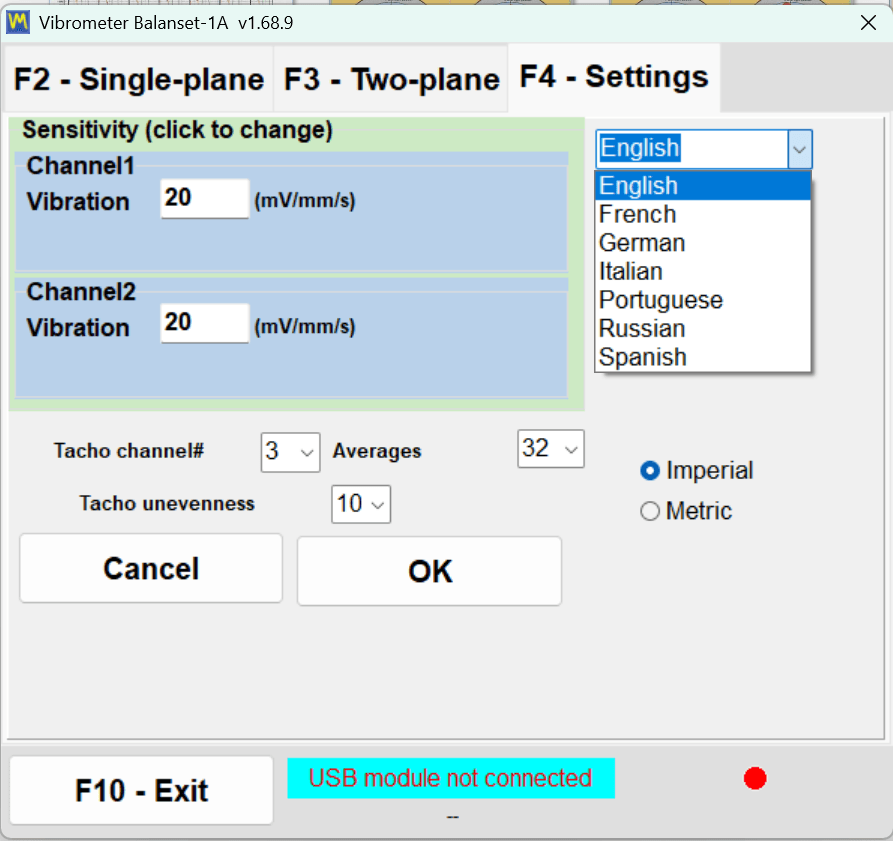
Carrying case (1 pc.) - Robust design. Protective padding for safe transport.
Operating instructions - Comprehensive guide. Clear methodology.
Interface cables - High-quality noise-resistant wiring.
Advantages of Balanset-1A
Technical Advantages:
? Precision Measurements - Advanced methods of digital filtering provide dependable measurements.
? Mobility - Easy transportation allows in-place adjustment without removal.
? Multi-functionality - Works with various rotors from small fans to heavy rotors.
? Ease of Use - Clear controls requires no special training.
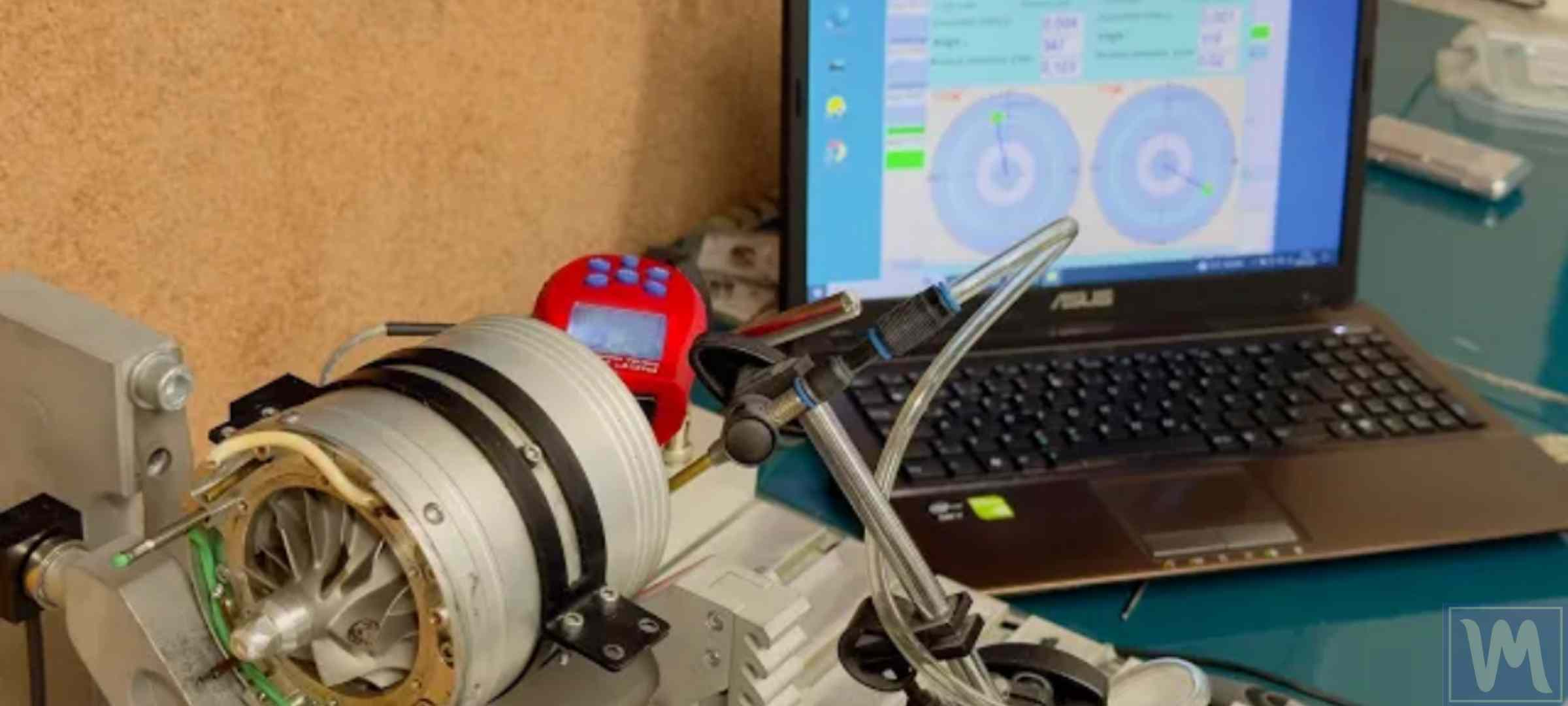
Financial Benefits:
? Savings on repairs through preventive maintenance - significant reduction of unplanned downtime.
? Service Life Increase by 50-200% - vibration-free operation lasts longer.
? Energy Consumption Reduction by 5-15% - reduced friction save electricity.
? Fast Investment Return - from 3 to 12 months depending on application frequency.
Additional Services
Available to you:
Personnel Training - practical sessions at your site. Certification program covers full procedures.
Expert Assistance - on-site guidance. Email support for immediate help.
Metrological Support - periodic verification to maintain accuracy.
Device Leasing - suitable for trial operations. Weekly lease terms available.
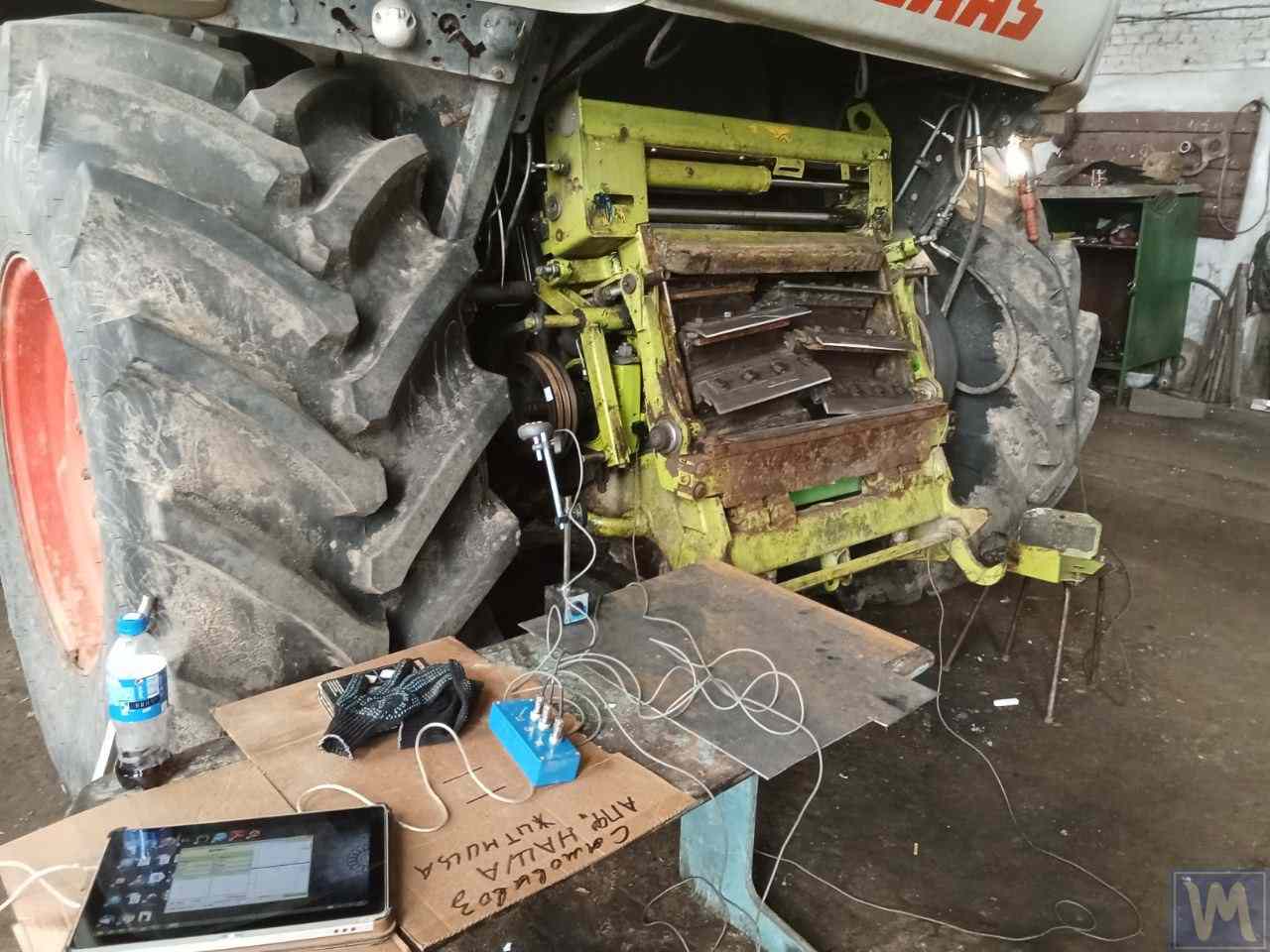
Pricing
Valid Rates:
Balanset-1A Portable Balancer & Vibration Analyzer: €1,751.00
Balanset-1A OEM Version: €1,561.00
Additional Vibration Sensor: €90.00
Optical Sensor (Laser Tachometer): €124.00
Magnetic Stand 60 kgf: €46.00
Reflective Tape: €10.00
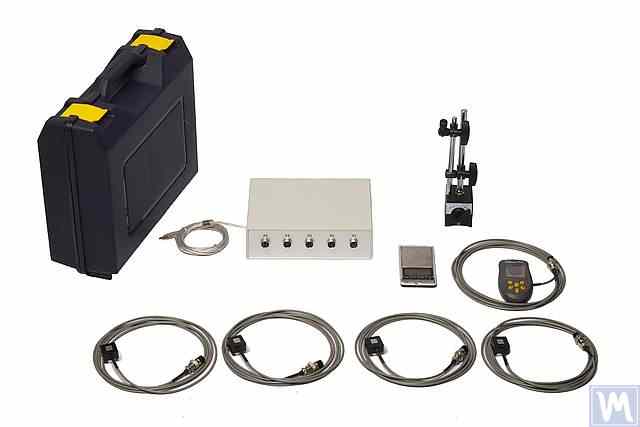
Shipping Conditions:
Delivery time: in stock. Guarantee period: 24 months comprehensive coverage. Payment terms: 100% prepayment. Transportation: to any country via express delivery.
Our Advantages
Direct Manufacturer - original equipment with comprehensive backup.
Qualified Personnel with deep knowledge in vibration diagnostics.
Complete Service Cycle - from supply to maintenance and training.
Ready Stock - quick delivery for popular models.
Individual Approach for regular customers including preferred rates.
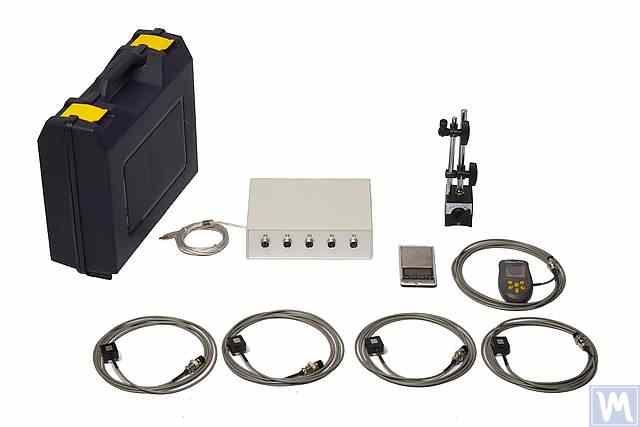
Best regards,
Professional experts group
P.S. Schedule a show of the equipment right now and take advantage of offers! -
on 2025-Jul-09 01:34:44 BennyCloni said you could try here https://pactswap.org/
-
on 2025-Jul-09 06:51:57 Eddiesog said click for info https://askthehive.xyz
-
on 2025-Jul-09 08:13:50 Charlesdrolo said this content https://pactswap.org/
-
on 2025-Jul-09 23:58:20 Charlesdrolo said this content https://exponent.my/
-
on 2025-Jul-10 02:39:39 Liralax said super p force jelly: forum.hcpforum.com/superpforce – p force usa
-
on 2025-Jul-10 09:19:53 Josephkap said Resources https://kikifinance.xyz
-
on 2025-Jul-10 15:03:34 BarrySaw said Going Here https://exponent.my/
-
on 2025-Jul-10 18:50:53 TimothyHek said click https://prismagent.org/
-
on 2025-Jul-11 00:41:02 Josephurges said click here now https://orbitcryptoai.pro
-
on 2025-Jul-11 01:02:10 RobertTew said Get the facts https://angles.wtf/
-
on 2025-Jul-11 11:56:13 ThurmanPof said Get More Info https://backwoods.buzz/
-
on 2025-Jul-11 15:32:58 Raymondvoila said linked here https://sonex.buzz
-
on 2025-Jul-11 19:00:11 Jamesjag said get more https://backwoods.buzz
-
on 2025-Jul-12 03:06:01 Stevenkaw said visit the site https://iguanadex.xyz
-
on 2025-Jul-12 05:21:28 Robertjat said Continue Reading https://astrol.cc/
-
on 2025-Jul-12 08:44:33 Zacharybaw said websites https://kikifinance.xyz/
-
on 2025-Jul-12 13:23:22 Adrianprulp said
-
on 2025-Jul-13 03:22:51 RobertDioke said узнать больше
[url=https://bs2beast2.at/]blacksprut зеркало на сегодня[/url] -
on 2025-Jul-13 04:45:58 WilliamFeque said человечный вебсайт http://sosal-vodkabet.com/
-
on 2025-Jul-13 06:28:04 Adrianprulp said
-
on 2025-Jul-13 18:57:25 KonchNow said clomiphene 50mg for male: buy clomid online – clomisign
-
on 2025-Jul-14 08:29:52 kworkgob said SEO Pyramid 10000 Backlinks
Backlinks of your site on community platforms, blocks, comments.
Backlinks – three steps
Phase 1 – Basic inbound links.
Step 2 – Backlinks through redirects from authoritative sites with PR 9–10, for example –
Phase 3 – Listing on SEO analysis platforms –
The advantage of analyzer sites is that they display the Google search engine a site map, which is very important!
Clarification for Stage 3 – only the main page of the site is added to SEO checkers, internal pages aren’t accepted.
I complete all phases step by step, resulting in 10 to 30 thousand inbound links from the three stages.
This backlink strategy is most effective.
Example of placement on analyzer sites via a text file. -
on 2025-Jul-14 13:24:58 KonchNow said https://cathopic.com/@frusemide order furosemide 40mg without prescription
-
on 2025-Jul-15 20:46:16 buy power tools online said buy power tools online
Shop Univerzell.com, the woodworking tools shop trusted by pros. Buy power tools online, grab daily power tool deals, plus workshop hand tools and professional power tools. Outfit DIY woodworking project tools and organize gear with clever tool storage solutions—build smarter. -
on 2025-Jul-16 05:28:09 daftar sindoplay said situs sindoplay
Selamat datang di situs SINDOPLAY , situs judi slot online , live casino , taruhan bola , poker online dan togel resmi .Daftar dan dapatkan beragam promo menarik dari situs SIndoplay , mulai dari bonus deposit , bonus freespin , cashback serta bonus referral. -
on 2025-Jul-16 18:41:37 Ronaldheeft said Главная [url=https://dtcc.edu.vn/]kraken darknet market[/url]
-
on 2025-Jul-17 02:16:54 Edwardreeve said содержание [url=https://dtcc.edu.vn/]kraken зеркало рабочее[/url]
-
on 2025-Jul-17 15:47:14 HenryExola said view [url=https://russian-traditional-clothes.com]russian traditional clothing[/url]
-
on 2025-Jul-17 18:04:45 kworkgob said SEO Pyramid 10000 Backlinks
Backlinks of your site on discussion boards, sections, comments.
The 3-step backlinking method
Step 1 – Standard external links.
Step 2 – Backlinks through redirects from highly reliable sites with PageRank PR 9–10, for example –
Step 3 – Submitting to analyzer sites –
The advantage of link analysis platforms is that they highlight the Google search engine a site map, which is essential!
Note for Stage 3 – only the homepage of the site is added to SEO checkers, internal pages aren’t accepted.
I execute all phases step by step, resulting in 10,000–20,000 inbound links from the full process.
This linking tactic is most effective.
Demonstration of submission on SEO platforms via a text file. -
on 2025-Jul-18 07:15:29 Dennisbreaw said read what he said
[url=https://www.dataforthai.com/company-branch/0115567000072/]ASIA GLOBAL AVIATION MAINTENANCE[/url] -
on 2025-Jul-19 19:19:06 kworkgob said SEO Pyramid 10000 Backlinks
Inbound links of your site on community platforms, sections, threads.
The 3-step backlinking method
Phase 1 – Basic inbound links.
Step 2 – Links via 301 redirects from highly reliable sites with a PageRank score of 9–10, for example –
Step 3 – Listing on SEO analysis platforms –
The advantage of link analysis platforms is that they display the Google search engine a website structure, which is very important!
Note for Stage 3 – only the main page of the site is added to analyzers, internal pages cannot be included.
I complete all phases step by step, resulting in 10 to 30 thousand inbound links from the three stages.
This backlink strategy is the best approach.
Example of placement on SEO platforms via a TXT file. -
on 2025-Jul-19 21:21:32 JosephPap said additional resources https://jorvandria.com/
-
on 2025-Jul-19 23:00:36 DichaelAlunk said I loved as much as you will receive carried out right here. The sketch is tasteful, your authored material stylish. nonetheless, you command get got an nervousness over that you wish be delivering the following. unwell unquestionably come further formerly again since exactly the same nearly very often inside case you shield this hike.
Limousine service near me -
on 2025-Jul-20 01:03:54 Richardkam said website link https://cricasi.com
-
on 2025-Jul-20 17:21:25 DuncanSoose said visite site https://latch.icu
-
on 2025-Jul-20 22:41:38 DavidNurgy said website here https://zoth.lat/
-
on 2025-Jul-21 05:16:25 NolanZed said Visit Your URL https://kikifinance.xyz
-
on 2025-Jul-21 06:42:55 DavidHoova said company website https://astrol.pro/
-
on 2025-Jul-21 11:15:48 Williamcen said her comment is here https://iguanadex.cc/
-
on 2025-Jul-21 14:29:17 login sindoplay said sindoplay
Selamat datang di situs SINDOPLAY , situs judi slot online , live casino , taruhan bola , poker online dan togel resmi .Daftar dan dapatkan beragam promo menarik dari situs SIndoplay , mulai dari bonus deposit , bonus freespin , cashback serta bonus referral. -
on 2025-Jul-21 21:44:00 nba 直播 said nba 直播
感受籃球的每一個精彩瞬間,就在這裡!我們致力於為全球籃球愛好者提供最優質的NBA直播服務,讓您無論身在何處,都能即時觀看每一場激動人心的比賽。從例行賽到季後賽,從全明星賽到總冠軍賽,我們全程直播,絕不錯過任何精彩時刻。 -
on 2025-Jul-22 03:10:06 Abaslax said tourism.ju.edu.jo/Lists/AlumniInformation/DispForm.aspx?ID=212 cheap tadapox
-
on 2025-Jul-22 08:54:14 體育直播線上看 said 體育直播線上看
歡迎來到頂級NBA直播體驗平台,感受籃球的每一個精彩瞬間,就在這裡!我們致力於為全球籃球愛好者提供最優質的NBA直播服務,讓您無論身在何處,都能即時觀看每一場激動人心的比賽。從例行賽到季後賽,從全明星賽到總冠軍賽,我們全程直播,絕不錯過任何精彩時刻。 -
on 2025-Jul-23 06:00:05 BrianBlary said recommended you read https://astrol.cc/
-
on 2025-Jul-23 21:43:47 nbaPromo said nba 直播
感受籃球的每一個精彩瞬間,就在這裡!我們致力於為全球籃球愛好者提供最優質的NBA直播服務,讓您無論身在何處,都能即時觀看每一場激動人心的比賽。從例行賽到季後賽,從全明星賽到總冠軍賽,我們全程直播,絕不錯過任何精彩時刻。 -
on 2025-Jul-24 12:58:34 Kpoker德州撲克 said Kpoker德州撲克
Kpoker德州撲克的使命,是為全球華人玩家打造最值得信賴的線上德州撲克平台。我們致力於提供一個公平、公正且充滿挑戰性的遊戲環境,讓每一位玩家無論經驗多寡,都能在這裡找到屬於自己的撲克節奏。我們相信,撲克是一場融合智慧、耐心與心理戰的經典對局。我們不僅提供高品質的遊戲體驗,也推動撲克文化的傳播與教育,從新手教學到高手對決,陪伴玩家從入門邁向專業,從興趣走向熱情。Kpoker 不只是遊戲,更是連結全球撲克愛好者的橋樑。 -
on 2025-Jul-24 16:20:54 DavidTon said visit this site right here https://sailor.my/
-
on 2025-Jul-24 19:16:26 BrandonWes said look at this now https://iguanadex.cc
-
on 2025-Jul-25 00:07:57 Howardtrait said sites https://latch.lat
-
on 2025-Jul-25 00:13:43 Homerfrara said webpage https://iguanadex.cc
-
on 2025-Jul-25 02:19:28 Carlosheema said my website https://angles.wtf
-
on 2025-Jul-25 08:10:26 CharlesBow said read https://aera.ink/
-
on 2025-Jul-25 12:21:21 JosephCoath said try this out [url=https://www.4newsquare.com/lucy-colter-acts-for-successful-defendant-in-logix-aero-ireland-ltd-v-siam-aero-repair-company-ltd/]siam aero[/url]
-
on 2025-Jul-25 15:28:46 LusiNow said olimelt 10 mg: tourism.ju.edu.jo/Lists/AlumniInformation/DispForm.aspx?ID=218 – olanzapine 2.5 mg
-
on 2025-Jul-26 03:38:51 DanielKen said from this source https://angles.wtf
-
on 2025-Jul-26 09:30:17 Linkvat said Link Pyramid Backlinks SEO Pyramid Backlink For Google
External links of your site on discussion boards, sections, comments.
Backlinks – three steps
Stage 1 – Standard external links.
Stage 2 – Backlinks through redirects from authoritative sites with PR 9–10, for example –
Stage 3 – Adding to backlink checkers –
The advantage of link analysis platforms is that they show the Google search engine a website structure, which is crucial!
Note for Stage 3 – only the homepage of the site is submitted to SEO checkers, other pages cannot be included.
I execute all phases step by step, resulting in 10,000–20,000 backlinks from the three stages.
This backlink strategy is the best approach.
Example of placement on SEO platforms via a text file. -
on 2025-Jul-26 09:39:45 LusiNow said tab isotroin 10 mg: ummalife.com/post/560224 – isotroin 10 use
-
on 2025-Jul-26 10:17:29 直播rax said nba 直播
感受籃球的每一個精彩瞬間,就在這裡!我們致力於為全球籃球愛好者提供最優質的NBA直播服務,讓您無論身在何處,都能即時觀看每一場激動人心的比賽。從例行賽到季後賽,從全明星賽到總冠軍賽,我們全程直播,絕不錯過任何精彩時刻。 -
on 2025-Jul-27 21:04:29 Kpoker said Kpoker德州撲克
Kpoker德州撲克的使命,是為全球華人玩家打造最值得信賴的線上德州撲克平台。我們致力於提供一個公平、公正且充滿挑戰性的遊戲環境,讓每一位玩家無論經驗多寡,都能在這裡找到屬於自己的撲克節奏。我們相信,撲克是一場融合智慧、耐心與心理戰的經典對局。我們不僅提供高品質的遊戲體驗,也推動撲克文化的傳播與教育,從新手教學到高手對決,陪伴玩家從入門邁向專業,從興趣走向熱情。Kpoker 不只是遊戲,更是連結全球撲克愛好者的橋樑。 -
on 2025-Jul-28 11:38:53 Richardhaund said Why rate-x.xyz
DEX Integration
Buy sell trade and farm directly from connected wallet
Yield Focused
Stake LP or farm JLP positions for continuous crypto income
Docs and Support
Access documentation Telegram Discord and rate x Twitter
Omnichain Ready
Use DeFi tools across stable assets and liquid positions
Scale your DeFi tools with https://rate-x.xyz -
on 2025-Jul-28 20:47:54 Jaredtoodo said What Makes swapx.buzz Unique
DeFi Aggregator
Borrow deposit farm and earn in one simple flow
Governance Ready
Vote with veSWPx and access advanced position tools
NFT Integration
Hold xNFTs vote in swaps and claim token rewards
Stable Yield
Earn from USDC and sfrxUSD while controlling APR
Explore full DeFi strategy at https://swapx.buzz -
on 2025-Jul-29 17:07:03 Linkvat said Link Pyramid Backlinks SEO Pyramid Backlink For Google
Inbound links of your site on forums, blocks, threads.
Backlinks – three steps
Phase 1 – Basic inbound links.
Phase 2 – Backlinks through redirects from highly reliable sites with PR 9–10, for example –
Stage 3 – Listing on SEO analysis platforms –
The key benefit of SEO tools is that they show the Google search engine a website structure, which is very important!
Note for Stage 3 – only the main page of the site is added to analyzers, internal pages aren’t accepted.
I complete all three stages step by step, resulting in 10K–20K backlinks from the full process.
This linking tactic is highly efficient.
Demonstration of submission on SEO platforms via a text file. -
on 2025-Jul-30 05:30:21 Velalax said https://cenforcemg.com/# cenforcemg.com
-
on 2025-Jul-31 08:39:40 seovat said SEO LINKS 10 000, I have a powerful server, backlink building
Inbound links of your site on forums, blocks, comments.
Three-stage backlink strategy
Step 1 – Standard external links.
Step 2 – Links via 301 redirects from highly reliable sites with PageRank PR 9–10, for example –
Phase 3 – Submitting to analyzer sites –
The advantage of link analysis platforms is that they show the Google search engine a website structure, which is essential!
Explanation for Stage 3 – only the main page of the site is submitted to SEO checkers, internal pages cannot be included.
I complete all steps step by step, resulting in 10K–20K backlinks from the three stages.
This backlink strategy is most effective.
Example of placement on SEO platforms via a text file. -
on 2025-Jul-31 15:47:43 DelbertZet said [url=https://quipumarket.com/]kraken onion[/url] - ссылка на кракен даркнет маркет, кракен onion
-
on 2025-Aug-01 00:36:04 Donaldsap said пятерочка каталог товаров москва
Хотите покупать продукты со скидками?
Good-Promo.ru собирает все актуальные акции и спецпредложения «Пятёрочки» в одном месте.
Преимущества:
Актуальные скидки каждый день
Каталог товаров со скидкой
Сведения о розыгрышах призов
Самые выгодные предложения
Как использовать:
Зайдите на Good-Promo.ru
Выберите нужные акции
Делайте покупки в «Пятёрочке» по лучшим ценам
Сайт поможет вам:
Экономить на продуктах
Узнавать о новых акциях первыми
Открывать для себя акционные товары
Экономьте легко и удобно с Good-Promo.ru! -
on 2025-Aug-01 03:09:35 LancePruro said hop over to these guys [url=https://www.linkedin.com/company/sky-kingdom-co-ltd-official?trk=public_post_feed-actor-name]sky kingdom aviation[/url]
-
on 2025-Aug-01 07:31:21 KlerNow said strumectol.com: ivecop 12 tablet price - vermact 12 use
-
on 2025-Aug-01 13:21:41 DamionNaf said have a peek at this website
[url=https://www.dnb.com/business-directory/company-profiles.sky_kingdom_company_limited.867c96a46cb8d39af1402bf74c6d7983.html]sky kingdom aviation[/url] -
on 2025-Aug-01 23:16:01 德州撲克規則prema said 德州撲克規則
學會德州撲克,不只是學會一套牌型規則,而是開始理解一場結合邏輯、心理與紀律的頭腦對決。無論你是剛入門的新手,還是已經上過幾次牌桌的玩家,只要願意花時間學習技巧、訓練判斷,並培養正確的資金控管與心態,人人都有機會從「交學費」變成「收學費」。打好每一手牌,不為一時輸贏情緒化,累積經驗與數據,就是長期勝率提升的關鍵! -
on 2025-Aug-02 00:20:20 德州撲克規則Law said 德州撲克規則
學會德州撲克規則,是踏入撲克世界的第一步。從掌握下注節奏、理解牌型,到實戰中運用策略,每一步都能讓你更加上手並享受對戰樂趣。想立刻開始實戰練習?我們推薦【Kpoker 德州撲克系統】,提供真實匹配環境與新手教學模式,現在註冊還能獲得免費體驗金,讓你零風險上桌實戰! -
on 2025-Aug-02 01:05:26 德州撲克遊戲線上 said 德州撲克遊戲線上
不論你是撲克新手或長期玩家,選對平台就像選對拳擊擂台。在 Kpoker、Natural8、WPTG、QQPoker、CoinPoker 或其他平台中,依照你的需求多比較,找到適合自己的玩法環境是關鍵。從註冊、學習到實戰成長,選對平台就是給自己最好的起點! -
on 2025-Aug-02 03:10:05 德州撲克規則 said 德州撲克規則
你是不是也想學德州撲克,卻被一堆術語搞得霧煞煞?別擔心,這篇就是為你準備的「規則懶人包」,從發牌、下注到比牌,5 個階段、5 種行動,一次搞懂!德州撲克新手必看!快速掌握德撲規則與下注方式,從發牌、翻牌到比牌,一次看懂德州撲克 5 大階段與 5 種行動,不再上桌搞不懂規則。 -
on 2025-Aug-02 04:16:29 Danteskina said check https://lumi-wallet.io
-
on 2025-Aug-02 05:23:12 KlerNow said stromectolhome.com: iverwon 12 - vermact 12 mg tablet
-
on 2025-Aug-02 10:07:20 Georgephast said Read Full Report https://lumi-wallet.io
-
on 2025-Aug-02 10:27:44 Donaldsap said https://ssa.ru/forum/akcii-pjaterochki.html
Хотите покупать продукты со скидками? Тогда вы по адресу!
Good-Promo.ru агрегирует все актуальные акции и спецпредложения «Пятёрочки» на одной странице.
Преимущества:
Ежедневно обновляемые скидки
Полный каталог промо-товаров
Акции с призовыми фондами
Самые выгодные предложения
Как использовать:
Откройте на Good-Promo.ru
Найдите нужные предложения
Покупайте в «Пятёрочке» со скидками
Сайт поможет вам:
Не переплачивать за покупки
Быть в курсе всех скидок
Находить товары со скидками
Экономьте легко и удобно с Good-Promo.ru! -
on 2025-Aug-02 11:34:41 德州撲克規則Rer said 德州撲克規則
想學德州撲克卻完全沒頭緒?不管你是零基礎還是想重新複習,這篇就是為你準備的!一次搞懂德州撲克規則、牌型大小、下注流程與常見術語,讓你從看不懂到能開打一局只差這一篇!看完這篇,是不是對德州撲克整個比較有頭緒了?從玩法、流程到那些常聽不懂的術語,現在是不是都懂了七八成?準備好了嗎?快記好牌型、搞懂位置,然後開打一局練練手啦!富遊娛樂城提供最新線上德州撲克供玩家遊玩!首家引進OFC大菠蘿撲克、NLH無限注德州撲克玩法,上桌就開打,數錢數不停! -
on 2025-Aug-02 12:30:12 德州撲克規則 said 德州撲克規則
你是不是也想學德州撲克,卻被一堆術語搞得霧煞煞?別擔心,這篇就是為你準備的「規則懶人包」,從發牌、下注到比牌,5 個階段、5 種行動,一次搞懂!德州撲克新手必看!快速掌握德撲規則與下注方式,從發牌、翻牌到比牌,一次看懂德州撲克 5 大階段與 5 種行動,不再上桌搞不懂規則。 -
on 2025-Aug-02 14:19:03 加密貨幣 said 加密貨幣
值得信賴的研究和專業知識匯聚於此。自 2020 年以來,Techduker 已幫助數百萬人學習如何解決大大小小的技術問題。我們與經過認證的專家、訓練有素的研究人員團隊以及忠誠的社區合作,在互聯網上創建最可靠、最全面、最令人愉快的操作方法內容。 -
on 2025-Aug-02 19:32:41 GeorgeGaish said find more https://lumi-wallet.io
-
on 2025-Aug-02 21:11:32 二手車推薦 said 二手車推薦
想買車又怕預算爆表?其實選對二手車(中古車)才能省錢又保值!本篇 10 大二手車推薦及購車必讀指南,帶你避開地雷、挑選高 CP 值好車!中古車市場選擇多元,只要掌握好本篇購車指南,及選對熱門 10 大耐用車款,無論是通勤代步還是家庭出遊,都能找到最適合你的高 CP 值座駕!二手車哪裡買?現在就立即諮詢或持續追蹤好薦十大推薦,獲得更多優質二手車推薦。 -
on 2025-Aug-02 21:39:09 加密貨幣 said 加密貨幣
值得信賴的研究和專業知識匯聚於此。自 2020 年以來,Techduker 已幫助數百萬人學習如何解決大大小小的技術問題。我們與經過認證的專家、訓練有素的研究人員團隊以及忠誠的社區合作,在互聯網上創建最可靠、最全面、最令人愉快的操作方法內容。 -
on 2025-Aug-03 00:54:52 Marioncrupt said this hyperlink https://lumi-wallet.io/
-
on 2025-Aug-03 05:16:52 nba交易 said nba交易
NBA 交易期是一場全聯盟的軍備競賽,球隊為了重建或奪冠提前布局,交易與簽約就像擺兵布陣。若你想精準掌握球隊命運走勢,這份懶人包將是你不能錯過的情報資料。持續鎖定我們的 NBA 專區,交易回顧與球員深度分析,通通不錯過!若你想持續掌握 NBA 最新動態與完整賽季報導,請持續關注NBA直播,帶您持續緊貼體育圈最新資訊! -
on 2025-Aug-03 05:39:31 關稅aidew said 關稅
台灣關稅雖然從原本的 32% 爭取下調至 20%,但相較競爭國家日本、韓國仍然偏高。政府強調目前僅為暫時性稅率,後續是否調整,仍需視最終總結會議與美方 232 調查結果而定。在結果明朗前,關稅壓力依舊沒有減輕,產業與政策該如何因應,是接下來的觀察重點。如果你希望獲得更多關稅進展、國際經貿協議的第一手資訊,請關注新識界,將持續為你追蹤全球經貿政策走向! -
on 2025-Aug-03 19:15:02 Roberttwerm said Перейти на сайт https://kra36at.at
-
on 2025-Aug-04 18:44:27 DavidCor said view publisher site
[url=https://toastwallet.io/]toast crypto wallet[/url] -
on 2025-Aug-05 07:07:17 AndrewAcads said sites https://jaxxlibertyweb.com
-
on 2025-Aug-05 09:31:01 Arthurpuh said look at here https://web-breadwallet.com/
-
on 2025-Aug-06 08:48:14 supermoney88 link alternati said supermoney88
Supermoney88 merupakan platform gaming terpercaya yang menghadirkan pengalaman bermain yang tak terlupakan dengan mesin terbaik dari server Thailand. Stabilitas serta performa tinggi server menjamin kenyamanan bermain tanpa hambatan, agar semua sesi permainan berjalan lancar dan menyenangkan.
Situs ini memastikan kestabilan bermain dan menawarkan antarmuka user-friendly yang memudahkan navigasi. Peluang menang yang tinggi dan sistem permainan yang adil serta transparan menegaskan prinsip kesetaraan dalam bermain, menumbuhkan kepercayaan dalam komunitas pemain.
masyarakat gamer yang luas dan aktif di Supermoney88 membawa suasana bermain yang lebih hidup dan interaktif. Para gamer bisa saling berlomba, bertukar strategi, dan menjalin hubungan baru membangun ekosistem gaming yang aktif dan menarik.
Keamanan data menjadi fokus utama Supermoney88, melalui sistem perlindungan data yang modern.
Supermoney88 juga menawarkan berbagai permainan dengan tema beragam, desain grafis yang memukau dan fitur unggulan seperti putaran gratis, jackpot progresif, serta bonus eksklusif yang memperbesar kemungkinan kemenangan.
Di samping itu, platform ini menghadirkan berbagai insentif dan promosi spesial termasuk kemudahan deposit pulsa yang cepat dan mudah. Pelayanan pelanggan yang prima dan responsif meningkatkan kenyamanan serta kepercayaan pengguna selama bermain. -
on 2025-Aug-06 11:35:19 Charlescaw said my review here https://jaxxlibertyweb.com/
-
on 2025-Aug-06 16:35:02 VincentDug said this contact form https://sollet-wallet.io/
-
on 2025-Aug-06 18:55:08 RichardEmive said go to website [url=https://web-jaxxliberty.com]jaxx liberty[/url]
-
on 2025-Aug-06 21:33:43 GeorgeSow said visit this site right here https://jaxx-liberty.net
-
on 2025-Aug-07 02:31:54 MosesHig said pop over to this web-site https://jaxx-liberty.net/
-
on 2025-Aug-07 03:00:22 Harryetelm said go now [url=https://jaxx-liberty.net/]jaxx app[/url]
-
on 2025-Aug-07 22:06:21 DonnieGek said этот сайт https://sosal-vodkabet.com/
-
on 2025-Aug-07 23:04:01 Jeffreysum said ссылка на сайт https://vodkabet.kz/
-
on 2025-Aug-08 13:42:03 seovat said SEO Pyramid 10000 Backlinks
External links of your site on discussion boards, sections, comments.
Three-stage backlink strategy
Step 1 – Standard external links.
Stage 2 – Backlinks through redirects from authoritative sites with PageRank PR 9–10, for example –
Phase 3 – Adding to backlink checkers –
The key benefit of analyzer sites is that they show the Google search engine a website structure, which is crucial!
Explanation for Stage 3 – only the homepage of the site is submitted to analyzers, internal pages aren’t accepted.
I execute all three stages sequentially, resulting in 10,000–20,000 backlinks from the full process.
This backlink strategy is most effective.
Example of placement on SEO platforms via a text file. -
on 2025-Aug-09 00:09:56 Dvorelax said ivermectol 12 mg tablet dosage ivermectol 12mg tab
-
on 2025-Aug-09 07:53:08 Get Seeds Right Here said
-
on 2025-Aug-10 15:48:08 pokerMyday said https://whitehouse01.com/poker-game/texas-holdem-rules-guide/
-
on 2025-Aug-10 15:57:08 Прогнозы на спорт said Бесплатные спортивные предсказания от LiveSport.Ru — ваш ключ к выигрышным беттингу
Нужен проверенный сервис для точных и свободных спортивных предсказаний? Вы попали по адресу! На LiveSport.Ru публикуется обоснованные, опытные и продуманные советы, которые окажут помощь как профессионалам, так и новичкам оформлять более обоснованные букмекерские пари.
Каждый аналитика составляется на фундаменте тщательного изучения статистики, актуальной информации из клубов, их актуального уровня, взаимных результатов и экспертного мнения экспертов ресурса. Мы не предлагаем непроверенные сведения — только «надежные» советы, основанные на фактах и внимательном рассмотрении спортивных событий.
Сайт регулярно пополняется новыми данными. Найдете бесплатные аналитику на сегодняшние матчи, на завтрашние игры и на ближайшие дни. Это превращает LiveSport.Ru удобным инструментом для тех, кто стремится следить за спортивными событиями и делать ставки с умом.
Охватываем обширный перечень видов спорта, в том числе:
Футбол — включая прогнозы на прогнозы на крупнейшие турниры, например ЧМ-2026.
Хоккейные игры — обзоры по топ-встречам и турнирам.
Бокс — предсказания на титульные встречи.
И многие другие дисциплины.
Предоставляемые предсказания — не случайные догадки, а итог профессиональной деятельности специалистов, которые изучают все нюансы будущих игр. Благодаря этому получаете все данные для выбора ставки при ставках.
Посещайте LiveSport.Ru постоянно и пользуйтесь актуальными аналитикой, которые способствуют вам повысить перспективы выигрыша в области спортивных ставок. -
on 2025-Aug-10 18:12:31 сайт gama casino said сайт gama casino
Gama Casino — где начинается настоящий азарт
Если тебе нужно место, где комфорт, азарт и свобода идут в одном флаконе — добро пожаловать в Gama Casino. Это не просто площадка — это пространство, где рождается настоящий кайф.
Что тебя взорвёт?
Здесь есть всё, чтобы задержаться надолго. Ретро или современные слоты — выбор за тобой, а у нас они все. А если хочется живого общения и атмосферы настоящего казино — включай раздел с лайв-дилерами. Карты, рулетка, блэкджек — всё как надо, с профессиональными ведущими и чёткой графикой.
А ещё тут есть моментальные игры — для тех, кто не любит ждать. Хочешь быстро проверить удачу — пожалуйста, дерзай и выигрывай.
Удобство на первом месте
Всё выстроено логично, без лишних кликов и заморочек. Всё под рукой, всё интуитивно. Без лишних движений, без путаницы. С первого взгляда — всё понятно, всё твоё. А вывод средств — это просто и быстро. Нет лишних формальностей и верификаций. Всё прозрачно, быстро и по-честному.
Бонусы — каждый день
В Gama Casino не скупаются на приятные мелочи. Фриспины, кэшбэк, приветственные бонусы — лови их часто и без лишних заморочек. Каждый день — повод порадовать себя. Здесь ценят своих игроков и делают всё, чтобы азарт приносил удовольствие, а не стресс.
Поддержка всегда рядом
Поддержка — всегда рядом, всегда готова помочь. Отвечают быстро, без занудства и лишних вопросов. Можно смело обращаться, если что-то понадобится.
Регистрация — быстро и без заморочек
Хочешь присоединиться к движу? Регистрация в Gama Casino — дело пары минут. Минимум действий — максимум результата. Создай аккаунт, получи бонус и начинай выигрывать.
Gama Casino — это не просто платформа. Это место, где азарт становится частью жизни. Для своих, кто в теме. Для тех, кто хочет больше, чем просто игра. Заходи — и залипай. -
on 2025-Aug-10 20:20:34 cgminer download said cgminer download
CGMiner: Powerful Mining Tool for Crypto Miners
What is CGMiner?
CGMiner is one of the best miners that supports mining Bitcoin, Litecoin, Dogecoin, and various digital currencies. The application is compatible with ASIC, FPGA, and GPU (up to version 3.7.2). CGMiner is flexible in its settings and offers parallel processing, operating across multiple pools, as well as distant administration and observation of your mining equipment's parameters.
Key Features
Multi-Currency Support
CGMiner performs exceptionally well with multiple digital currencies including Bitcoin (BTC), Litecoin (LTC), Dogecoin (DOGE), and various altcoins with different algorithms.
Hardware Compatibility
The application is compatible with multiple categories of mining hardware:
- Application-Specific Integrated Circuits - Specialized chips for maximum efficiency
- FPGA Devices - Programmable logic devices for custom mining tasks
- Graphics Processing Units - GPU processors (compatible until version 3.7.2)
Advanced Capabilities
- Flexible configuration - Detailed controls for equipment tuning
- Multi-threaded operations - Optimal exploitation of CPU and GPU resources
- Pool diversification - Seamless transition between mining platforms
- Remote administration - Operate and track mining rigs from remote locations
Benefits of Using CGMiner
CGMiner distinguishes itself for its reliability, superior processing power, and economic efficiency. It's entirely free, publicly available code, and provides detailed logs for performance analysis. The miner's robust feature set positions it as optimal for both domestic and industrial-scale mining activities.
Setup Process
Installation process is easy on both Linux and Windows systems. Configuration can be done through files or terminal commands, making it accessible for all skill levels.
Final Thoughts
CGMiner continues to be among the best options for dedicated digital currency mining, offering the stability and efficiency required for profitable mining. -
on 2025-Aug-11 23:21:30 pokerMyday said https://whitehouse01.com/poker-game/texas-holdem-rules-guide/
-
on 2025-Aug-12 01:51:50 Прогнозы на спорт said Бесплатные прогнозы на спорт от LiveSport.Ru — ваш ключ к успешным пари
Ищете надежный надежный источник для точных и свободных прогнозов на спорт? Пришли по адресу! На LiveSport.Ru публикуется точные, опытные и продуманные советы, которые окажут помощь как профессионалам, так и начинающим совершать более грамотные букмекерские пари.
Каждый прогнозы создаются на фундаменте глубокого рассмотрения спортивной статистики, последних новостей из команд, их текущей формы, взаимных результатов и заключения специалистов аналитиков ресурса. Мы не предлагаем непроверенные сведения — только лишь «надежные» советы, основанные на данных и внимательном рассмотрении спортивных событий.
Сайт регулярно пополняется новыми данными. Отыщете свободные прогнозы на сегодня, на следующий день и на ближайшие дни. Это превращает LiveSport.Ru удобным инструментом для людей, кто желает следить за спортивными событиями и делать ставки с умом.
Мы охватываем обширный перечень спортивных дисциплин, в том числе:
Футбол — включая прогнозы на крупнейшие турниры, например мировой чемпионат 2026.
Хоккейные игры — предсказания на важные игры и соревнованиям.
Боксерские матчи — предсказания на титульные встречи.
И многие другие дисциплины.
Наша аналитика — не случайные догадки, а итог профессиональной деятельности аналитиков, которые анализируют каждую деталь ближайших событий. Поэтому получаете максимум информации для принятия ставочного решения при ставках.
Заходите на LiveSport.Ru постоянно и пользуйтесь актуальными прогнозами, которые способствуют вашему успеху усилить шансы на успех в мире беттинга. -
on 2025-Aug-12 09:58:43 barbbblogs said Прогнозы на спорт
Свободные спортивные предсказания от LiveSport.Ru — ваш ключ к удачным беттингу
Нужен проверенный сервис для качественных и свободных спортивных предсказаний? Вы попали по адресу! На LiveSport.Ru публикуется достоверные, профессиональные и обдуманные рекомендации, которые окажут помощь как ветеранам ставок, так и тем, кто только начинает делать более грамотные спортивные ставки.
Абсолютно все прогнозы создаются на основе досконального изучения статданных, актуальной информации из клубов, их актуального уровня, истории личных встреч и заключения специалистов аналитиков сервиса. Не даем непроверенные сведения — исключительно «твердые» советы, созданные на данных и глубоком изучении спортивных событий.
Ресурс ежедневно обновляется новыми данными. Найдете открытые аналитику на сегодняшние матчи, на следующий день и на ближайшие дни. Это делает из LiveSport.Ru полезным сервисом для людей, кто хочет следить за спортивными событиями и ставить осознанно.
Охватываем широкий спектр видов спорта, включая:
Футбольные матчи — включая прогнозы на крупнейшие турниры, например ЧМ-2026.
Хоккейные игры — обзоры по топ-встречам и соревнованиям.
Боксерские поединки — аналитика по чемпионским боям.
И многие другие дисциплины.
Наша аналитика — это не просто предположения, а результат усердного труда экспертов, которые рассматривают каждую деталь предстоящих матчей. Поэтому имеете возможность получить полную картину для принятия ставочного решения при спортивных заключениях.
Заходите на LiveSport.Ru постоянно и пользуйтесь актуальными аналитикой, которые помогут вам пользователям усилить перспективы выигрыша в области ставок на спорт.
https://www.livesport.ru/tips/ -
on 2025-Aug-12 15:23:05 RonaldSaugh said узнать больше Здесь https://kra36at.at/
-
on 2025-Aug-13 11:28:12 Прогнозы на спорт said https://www.copyscape.com/?q=www.livesport.ru%2Ftips%2F
-
on 2025-Aug-13 15:19:04 CharlesPiors said Go Here
[url=https://jaxxliberty.network/]jaxx wallet chrome[/url] -
on 2025-Aug-14 04:31:48 VerityNow said prozac 10 mg https://elearning.adobe.com/profile/fluoxetine
-
on 2025-Aug-14 09:16:39 cgminer download said cgminer download
CGMiner Application: Advanced Cryptocurrency Mining Solution for Cryptocurrency Enthusiasts
What Exactly is CGMiner?
CGMiner stands as one of the leading miners that allows mining Bitcoin, Litecoin, Dogecoin, and numerous other cryptocurrencies. The miner supports ASIC, FPGA, and GPU (up to version 3.7.2). CGMiner is adaptable in configuration and provides multi-threaded mining, working with multiple pools, as well as distant administration and observation of your mining equipment's parameters.
Main Features
Support for Multiple Cryptocurrencies
CGMiner excels at mining diverse crypto assets including Bitcoin (BTC), Litecoin (LTC), Dogecoin (DOGE), and numerous altcoins with different algorithms.
Hardware Versatility
The miner is compatible with several types of mining hardware:
- Application-Specific Integrated Circuits - Specialized chips for peak efficiency
- FPGA Devices - Configurable integrated circuits for specialized mining operations
- Graphics Processing Units - GPU processors (supported up to version 3.7.2)
Sophisticated Functions
- Flexible configuration - Extensive settings for system optimization
- Multi-threaded processing - Full usage of computing resources
- Pool diversification - Automatic switching between mining pools
- Remote management - Control and monitor hardware from anywhere
Benefits of Using CGMiner
CGMiner excels for its reliability, exceptional speed, and affordability. It's completely free to use, open-source, and offers transparent logging for performance analysis. The software's extensive capabilities positions it as optimal for small residential installations and large-scale mining operations.
Installation Guide
Installation process is easy on Linux and Windows platforms. Customization is possible through files or CLI parameters, making it accessible for beginners and experts alike.
Final Thoughts
CGMiner persists as one of the top choices for dedicated digital currency mining, delivering the stability and efficiency needed for successful mining operations. -
on 2025-Aug-16 06:24:24 Thomaskic said можно проверить ЗДЕСЬ [url=https://x-nova-ltd.com/]Трипскан вход сайт[/url]
-
on 2025-Aug-16 08:19:20 VerityNow said https://ridesmartflorida.com/ivermed-12/ ivertac 6
-
on 2025-Aug-16 16:18:25 SamuelObeds said ссылка на сайт [url=https://x-nova-ltd.com]Трипскан сайт вход[/url]
-
on 2025-Aug-16 23:23:12 WallaceBaw said Подробнее [url=https://x-nova-ltd.com]Трипскан вход на сайт[/url]
-
on 2025-Aug-17 04:03:26 cgminer download said cgminer download
CGMiner: Effective Mining Tool for Crypto Miners
What is CGMiner?
CGMiner is one of the best miners that supports mining Bitcoin, Litecoin, Dogecoin, and various digital currencies. The application works with ASIC, FPGA, and GPU (until version 3.7.2). CGMiner is adaptable in configuration and offers multi-threaded mining, multi-pool functionality, as well as remote management and monitoring of your mining hardware settings.
Core Capabilities
Support for Multiple Cryptocurrencies
CGMiner excels at mining various cryptocurrencies including Bitcoin (BTC), Litecoin (LTC), Dogecoin (DOGE), and numerous altcoins with various mining algorithms.
Hardware Versatility
The application works with multiple categories of mining hardware:
- ASIC Miners - Specialized chips for maximum efficiency
- FPGA Devices - Configurable integrated circuits for custom mining tasks
- Graphics Processing Units - Graphics cards (supported up to version 3.7.2)
Advanced Capabilities
- Flexible configuration - Extensive settings for equipment tuning
- Multi-threaded operations - Maximum utilization of computing resources
- Pool diversification - Seamless transition between mining pools
- Remote administration - Manage and oversee hardware from any location
What Makes CGMiner Special?
CGMiner excels for its stability, high performance, and affordability. It's completely free to use, open source, and offers transparent logging for efficiency evaluation. The application's extensive capabilities makes it ideal for both small home setups large-scale mining operations.
Getting Started
Installation process is easy on multiple operating systems. Configuration can be done through configuration files or terminal commands, ensuring usability for users of all experience levels.
Final Thoughts
CGMiner continues to be among the best options for dedicated digital currency mining, offering the stability and efficiency required for profitable mining. -
on 2025-Aug-19 16:13:39 situs togel 4D said situs toto togel 4d
Info Menarik Lomba Spin Toto Slot 88 & Tebak Angka Togel 4D Terpercaya - TOGELONLINE88 -
on 2025-Aug-20 13:22:44 VictorTog said здесь
[url=https://hyip-helper.net/]хайп проект[/url] -
on 2025-Aug-20 15:06:29 judi togel said
-
on 2025-Aug-20 19:59:37 Makarlax said tadacip how does it work tab tadacip 10 mg
-
on 2025-Aug-21 02:01:34 situs togel said situs toto slot
Info Seru Event Spin Toto Slot 88 & Pasang Angka Togel 4D Unggulan - TOGELONLINE88 -
on 2025-Aug-21 02:59:43 ThomasFreed said Читать далее [url=https://bs2beast2.at]bs2tsite4.io[/url]
-
on 2025-Aug-21 10:11:17 JameskeT said Продолжение
[url=https://bs02site2.at]блекспрут bs2me run[/url] -
on 2025-Aug-21 17:53:28 Bryanmeasy said this page https://topzdorov.com/ltu/from-fungus/product-3735/
-
on 2025-Aug-21 17:55:06 RobertBig said Look At This https://shopvitality.space/cameroon/cardiovascular-system/st-heart/
-
on 2025-Aug-21 18:01:02 Glennatmor said my site https://vitapoint.space/keniya/from-fungus/order-foot-trooper/
-
on 2025-Aug-21 19:01:34 TerryTiz said в этом разделе
[url=https://bs2site2.net/]топ даркнет маркетплейс[/url] -
on 2025-Aug-22 04:50:03 toto togel said **Info Seru Kompetisi Spin Toto Slot 88 & Pasang Angka Togel 4D Unggulan - TOGELONLINE88**
-
on 2025-Aug-22 07:23:24 LeroyWeN said have a peek at these guys https://zdravsklad.space/germany/revotoxican/
-
on 2025-Aug-22 07:33:25 bocor88 login said
-
on 2025-Aug-23 03:56:05 Automation tools said Apps integrations
Build AI Agents and Integrate with Apps & APIs
AI agents are revolutionizing business automation by creating intelligent systems that think, decide, and act independently. Modern platforms offer unprecedented capabilities for building autonomous AI teams without complex development.
Key Platform Advantages
Unified AI Access
Single subscription provides access to leading models like OpenAI, Claude, Deepseek, and LLaMA—no API keys required for 400+ AI models.
Flexible Development
Visual no-code builders let anyone create AI workflows quickly, with code customization available for advanced needs.
Seamless Integration
Connect any application with AI nodes to build autonomous workers that interact with existing business systems.
Autonomous AI Teams
Modern platforms enable creation of complete AI departments:
- AI CEOs for strategic oversight
- AI Analysts for data insights
- AI Operators for task execution
These teams orchestrate end-to-end processes, handling everything from data analysis to continuous optimization.
Cost-Effective Scaling
Combine multiple LLMs for optimal results while minimizing costs. Direct vendor pricing and unified subscriptions simplify budgeting while scaling from single agents to full departments.
Start today—launch your AI agent team in minutes with just one click.
---
Transform business operations with intelligent AI systems that integrate seamlessly with your applications and APIs. -
on 2025-Aug-23 04:29:54 situs togel said togel 4d
Halo para penggemar togel! Togelonline88! Zona publik terbaik untuk bermain situs taruhan slot dan togel 4D unggulan tahun ini
Sepanjang 2025, Togelonline88 resmi meluncur sebagai platform utama bermain taruhan 4D dan slot dengan banyak kelebihan. Menyediakan link resmi dengan reputasi terjaga, memberikan kemudahan akses untuk seluruh bettor bermain secara digital dengan nyaman dan aman
Fasilitas andalan dari Togelonline88 adalah sistem taruhan yang kerap menghadirkan petir merah x1000, yang merupakan simbol kemenangan besar plus untung besar. Keunggulan ini menjadikan situs ini sangat diminati di kalangan penggemar togel serta pengguna slot online
Lebih dari itu, situs ini memberikan sensasi bermain yang modern, transparan, dan menguntungkan. Melalui desain UI yang ramah pengguna dengan enkripsi terdepan, situs ini pastikan semua bettor bisa bermain santai tanpa cemas kebocoran informasi maupun penipuan. Keterbukaan angka keluaran result togel dan pembayaran kemenangan juga menjadi nilai tambah yang menjadikan bettor merasa aman serta tenang
Melalui fasilitas premium plus pelayanan prima, Togelonline88 siap menjadi alternatif utama bettor dalam mencari situs togel serta slot terbaik pada tahun ini. Ayo join sekarang dan rasakan sensasi bermain di tempat taruhan online tercanggih serta paling komplit di situs ini! -
on 2025-Aug-23 04:52:59 toto said situs togel
Selamat datang di dunia taruhan digital! Platform togel terbaik! Area bermain resmi platform gaming slot dan togel unggulan tahun ini
Sepanjang 2025, Togelonline88 resmi meluncur sebagai platform utama untuk bermain togel 4D online dan toto slot online dengan banyak kelebihan. Tersedia link terverifikasi yang aman dan terpercaya, memberikan kemudahan akses bagi para pemain melakukan taruhan online dengan nyaman dan aman
Fasilitas andalan situs ini yaitu sistem permainan yang rutin memunculkan petir merah x1000, yang merupakan simbol kemenangan besar dan jackpot menguntungkan. Hal ini menjadikan situs ini sangat diminati dari komunitas togel dan bettor tanah air
Lebih dari itu, situs ini memberikan pengalaman gaming yang modern, transparan, dan menguntungkan. Melalui desain UI yang ramah pengguna dan sistem keamanan terbaru, platform ini menjamin setiap pemain dapat bermain dengan tenang tanpa khawatir kebocoran data dan praktik curang. Kejujuran pada hasil draw angka togel plus distribusi kemenangan turut menjadi keunggulan yang menjadikan bettor merasa aman dan betah bermain
Berbekal fitur-fitur istimewa plus pelayanan prima, situs ini siap jadi alternatif utama bettor saat mencari situs bet dan slot online terpercaya pada tahun ini. Ayo join sekarang rasakan pengalaman bermain di zona publik taruhan online tercanggih dan paling lengkap di platform Togelonline88! -
on 2025-Aug-23 08:27:08 situs togel terpercaya said situs togel 4D
Halo para penggemar togel! Togelonline88! Zona publik terbaik untuk bermain platform gaming slot dan togel terpopuler saat ini
Tahun 2025 ini, Togelonline88 hadir kembali sebagai destinasi utama untuk bermain togel 4D online dan toto slot online dengan banyak kelebihan. Tersedia link resmi berstandar keamanan tinggi, memberikan kemudahan akses bagi para pemain melakukan bet daring dengan nyaman dan aman
Fasilitas andalan platform ini adalah sistem taruhan yang kerap menghadirkan petir merah x1000, sebagai indikator kemenangan besar plus untung besar. Hal ini menjadikan platform ini begitu terkenal dari komunitas togel serta pengguna slot online
Selain itu, situs ini memberikan pengalaman gaming dengan kualitas premium. Dengan tampilan antarmuka yang ramah pengguna dan sistem keamanan terbaru, situs ini pastikan semua bettor bisa bermain santai tanpa khawatir kebocoran data maupun penipuan. Kejujuran pada hasil draw nomor togel serta pencairan hadiah turut menjadi keunggulan sehingga para user lebih percaya diri serta tenang
Berbekal fitur-fitur istimewa dengan service terbaik, situs ini siap jadi alternatif utama bettor dalam mencari situs togel dan slot online terpercaya sepanjang 2025. Ayo join sekarang dan rasakan sensasi bermain di tempat togel online termodern dan terlengkap di situs ini! -
on 2025-Aug-23 16:11:54 implant dentar preturi said
-
on 2025-Aug-24 01:32:54 SahaNow said https://www.launchgood.com/user/newprofile#!/user-profile/profile/zhewitra zhewitra 20 mg
-
on 2025-Aug-24 10:27:23 App integration said Apps integrations
Build AI Agents and Integrate with Apps & APIs
AI agents are revolutionizing business automation by creating intelligent systems that think, decide, and act independently. Modern platforms offer unprecedented capabilities for building autonomous AI teams without complex development.
Key Platform Advantages
Unified AI Access
Single subscription provides access to leading models like OpenAI, Claude, Deepseek, and LLaMA—no API keys required for 400+ AI models.
Flexible Development
Visual no-code builders let anyone create AI workflows quickly, with code customization available for advanced needs.
Seamless Integration
Connect any application with AI nodes to build autonomous workers that interact with existing business systems.
Autonomous AI Teams
Modern platforms enable creation of complete AI departments:
- AI CEOs for strategic oversight
- AI Analysts for data insights
- AI Operators for task execution
These teams orchestrate end-to-end processes, handling everything from data analysis to continuous optimization.
Cost-Effective Scaling
Combine multiple LLMs for optimal results while minimizing costs. Direct vendor pricing and unified subscriptions simplify budgeting while scaling from single agents to full departments.
Start today—launch your AI agent team in minutes with just one click.
---
Transform business operations with intelligent AI systems that integrate seamlessly with your applications and APIs. -
on 2025-Aug-24 18:52:38 WilliamFew said this page [url=https://dumpcord.cc]ddos stresser[/url]
-
on 2025-Aug-24 21:08:55 supermoney88 said
-
on 2025-Aug-24 23:44:24 JustinhoB said зайти на сайт https://kra-37at.at
-
on 2025-Aug-25 01:10:27 Arturocen said перенаправляется сюда https://kral38.cc
-
on 2025-Aug-25 12:24:10 JoshuaFuh said подробнее здесь https://kra-37at.at
-
on 2025-Aug-25 22:11:11 Arturocen said в этом разделе https://kral38.cc
-
on 2025-Aug-26 02:29:21 Workflow automation said Apps integrations
Build AI Agents and Integrate with Apps & APIs
AI agents are revolutionizing business automation by creating intelligent systems that think, decide, and act independently. Modern platforms offer unprecedented capabilities for building autonomous AI teams without complex development.
Key Platform Advantages
Unified AI Access
Single subscription provides access to leading models like OpenAI, Claude, Deepseek, and LLaMA—no API keys required for 400+ AI models.
Flexible Development
Visual no-code builders let anyone create AI workflows quickly, with code customization available for advanced needs.
Seamless Integration
Connect any application with AI nodes to build autonomous workers that interact with existing business systems.
Autonomous AI Teams
Modern platforms enable creation of complete AI departments:
- AI CEOs for strategic oversight
- AI Analysts for data insights
- AI Operators for task execution
These teams orchestrate end-to-end processes, handling everything from data analysis to continuous optimization.
Cost-Effective Scaling
Combine multiple LLMs for optimal results while minimizing costs. Direct vendor pricing and unified subscriptions simplify budgeting while scaling from single agents to full departments.
Start today—launch your AI agent team in minutes with just one click.
---
Transform business operations with intelligent AI systems that integrate seamlessly with your applications and APIs. -
on 2025-Aug-26 13:21:32 seovat said SEO Pyramid 10000 Backlinks
Inbound links of your site on forums, blocks, comments.
The 3-step backlinking method
Step 1 – Standard external links.
Stage 2 – Backlinks through redirects from authoritative sites with PR 9–10, for example –
Step 3 – Listing on SEO analysis platforms –
The advantage of analyzer sites is that they show the Google search engine a site map, which is crucial!
Clarification for Stage 3 – only the main page of the site is submitted to SEO checkers, other pages aren’t accepted.
I complete all three stages sequentially, resulting in 10 to 30 thousand inbound links from the full process.
This linking tactic is the best approach.
Demonstration of submission on analyzer sites via a text file. -
on 2025-Aug-27 07:07:01 Heathfache said Читать далее
https://kra37a.at/ -
on 2025-Aug-27 07:50:58 Brucecic said подробнее
[url=https://kra36at.at/]кракен зеркало[/url] -
on 2025-Aug-27 13:33:02 Stevenevore said можно проверить ЗДЕСЬ
https://kra37a.at/ -
on 2025-Aug-27 18:14:42 SahaNow said order Cheap clomid https://in.pinterest.com/clomidforwomen/
-
on 2025-Aug-28 01:50:20 Apps integrations said AI agents
Build AI Agents and Integrate with Apps & APIs
AI agents are revolutionizing business automation by creating intelligent systems that think, decide, and act independently. Modern platforms offer unprecedented capabilities for building autonomous AI teams without complex development.
Key Platform Advantages
Unified AI Access
Single subscription provides access to leading models like OpenAI, Claude, Deepseek, and LLaMA—no API keys required for 400+ AI models.
Flexible Development
Visual no-code builders let anyone create AI workflows quickly, with code customization available for advanced needs.
Seamless Integration
Connect any application with AI nodes to build autonomous workers that interact with existing business systems.
Autonomous AI Teams
Modern platforms enable creation of complete AI departments:
- AI CEOs for strategic oversight
- AI Analysts for data insights
- AI Operators for task execution
These teams orchestrate end-to-end processes, handling everything from data analysis to continuous optimization.
Cost-Effective Scaling
Combine multiple LLMs for optimal results while minimizing costs. Direct vendor pricing and unified subscriptions simplify budgeting while scaling from single agents to full departments.
Start today—launch your AI agent team in minutes with just one click.
---
Transform business operations with intelligent AI systems that integrate seamlessly with your applications and APIs. -
on 2025-Aug-28 10:00:02 DonaldGroub said Подробнее здесь
https://kra37a.at/ -
on 2025-Aug-29 04:27:19 JoshuaDroca said you could check here [url=https://jaxxwallet.app/]jaxx bitcoin wallet[/url]
-
on 2025-Aug-29 11:00:52 Backlink SEO said Link Pyramid Backlinks SEO Pyramid Backlink For Google
Backlinks of your site on forums, sections, comments.
Three-stage backlink strategy
Stage 1 – Standard external links.
Stage 2 – Backlinks through redirects from authoritative sites with PR 9–10, for example –
Stage 3 – Submitting to analyzer sites –
The key benefit of link analysis platforms is that they display the Google search engine a site map, which is very important!
Clarification for Stage 3 – only the homepage of the site is added to analyzers, other pages cannot be included.
I complete all steps sequentially, resulting in 10K–20K inbound links from the full process.
This linking tactic is highly efficient.
Demonstration of placement on analyzer sites via a TXT file. -
on 2025-Aug-29 15:35:57 Gregorydub said проверить сайт
[url=https://russt-vodkabet.com/]vodkabet водкабет казино[/url] -
on 2025-Aug-29 18:33:49 ShannonInano said сайт [url=https://krt37.at/]kraken вход[/url]
-
on 2025-Aug-30 00:22:32 MarcusSpibe said check my reference
[url=https://breadwallet.org]brd crypto[/url] -
on 2025-Aug-31 03:28:52 Brandongurry said my blog
[url=https://vbet-brazil.vip/]vbet win[/url] -
on 2025-Aug-31 10:40:41 DonaldmuT said go to this website
[url=https://breadwallet.org]breadwallet[/url] -
on 2025-Aug-31 12:11:34 Retirlax said
-
on 2025-Aug-31 20:39:03 Davidcasse said check over here
[url=https://breadwallet.org/]breadwallet[/url] -
on 2025-Aug-31 22:16:07 SEO Pyramid said Backlinks Blogs and Comments, SEO promotion, site top, indexing, links
Backlinks of your site on discussion boards, blocks, threads.
Backlinks – three steps
Stage 1 – Basic inbound links.
Step 2 – Backlinks through redirects from highly reliable sites with PR 9–10, for example –
Phase 3 – Submitting to analyzer sites –
The advantage of link analysis platforms is that they show the Google search engine a site map, which is very important!
Note for Stage 3 – only the main page of the site is submitted to SEO checkers, internal pages cannot be included.
I execute all steps sequentially, resulting in 10 to 30 thousand backlinks from the three stages.
This linking tactic is most effective.
Demonstration of submission on SEO platforms via a .txt document. -
on 2025-Sep-01 10:51:51 FelixExare said читать
[url=https://rust-vodkabet.com/]водка бет[/url] -
on 2025-Sep-02 12:44:52 MiltonCep said зайти на сайт [url=https://insta-unlock.pro]бан инстаграм[/url]
-
on 2025-Sep-02 12:59:30 Smart DNS said Smart DNS
SmartStreaming.TV: the smart option to enjoy your beloved entertainment wherever you are
Nowadays, we enjoy series, films and audio from a wide range of gadgets: computers, Smart TVs, video game systems, media players and even smartphones.
However, anyone who has traveled knows how unpleasant it can be to check into a hotel or an airport and find out that the content we enjoy at home is not available in another country.
This is where SmartStreaming.TV comes into play, a platform created to make your entertainment stay with you.
How does SmartStreaming.TV work?
Applications identify your place through the IP of your device. This means that, based on your geographic location, you may have permission to view (or blocks) to certain catalogs of movies, shows or live programs.
The proposal of SmartStreaming.TV is straightforward but functional: the system masks your real location and provides you an IP address in the country where the catalog is available. In this way, you can enter your shows, movies and platforms as if you were at home, no matter your current location.
Protection and guaranteed access
One of the most common concerns when talking about this type of service is whether it is safe or valid. In the case of SmartStreaming.TV, the answer is straightforward: yes.
The system functions through a protocol called Smart DNS, which does not save your private information or reduce your connection. It is quick, secure and 100% legal.
In addition, unlike other methods that are more advanced, you don’t need to install heavy programs or modify your device deeply. The setup is quick and compatible with most modern devices.
Made for globetrotters
If you travel for work, do an academic stay outside or simply love to travel, SmartStreaming.TV turns into an indispensable ally.
You will no longer worry about missing the latest episode of your favorite show or not being able to watch a live sporting event.
In short, SmartStreaming.TV makes your content truly global: wherever you go, access to your entertainment will be instantly available. -
on 2025-Sep-03 11:13:01 RutaNow said erectile dysfunction pills black 80 Vidalista https://ummalife.com/post/514182
-
on 2025-Sep-03 12:13:29 PeterLip said сюда [url=https://insta-unlock.pro]бан телеграм канала[/url]
-
on 2025-Sep-04 05:23:16 Jordancot said click to read https://jaxxlibertyweb.com/
-
on 2025-Sep-04 07:58:42 Floydimmup said Check Out Your URL https://web-breadwallet.com
-
on 2025-Sep-05 04:36:20 Backlink said Backlinks Blogs and Comments, SEO promotion, site top, indexing, links
Backlinks of your site on discussion boards, sections, threads.
Backlinks – three steps
Phase 1 – Simple backlinks.
Phase 2 – Backlinks through redirects from top-tier sites with a PageRank score of 9–10, for example –
Step 3 – Listing on SEO analysis platforms –
The key benefit of SEO tools is that they show the Google search engine a site map, which is essential!
Clarification for Stage 3 – only the main page of the site is added to analyzers, internal pages cannot be included.
I execute all phases step by step, resulting in 10K–20K backlinks from the full process.
This linking tactic is most effective.
Demonstration of placement on SEO platforms via a text file. -
on 2025-Sep-05 06:48:02 Smart DNS said Smart DNS
SmartStreaming.TV: the smart way to watch global TV from around the world
More and more people want to watch international channels.
A viewer in Canada who wants Disney+ US, an user in Australia who needs ITV Hub, or a Latin American abroad who misses Telemundo.
The problem is always the same: geo-restrictions.
This is where SmartStreaming.TV becomes essential.
With this platform, you can access foreign TV as if you were in that country.
How does it work?
Digital channels detect your location through your IP address.
SmartStreaming.TV protects your real IP and provides you an IP in the country where the service is available.
That means a Australian can stream BBC iPlayer without limitations.
Why it’s better
- Safe, quick and stable
- Fully legitimate
- Ready for consoles, laptops and phones
- Quick to start
Made for international students
If you moved to another country, SmartStreaming.TV is your essential companion.
No more losing access to your national channels just because you’re away from home.
With SmartStreaming.TV your entertainment is global.
Wherever you are, your TV is right at your fingertips. -
on 2025-Sep-05 10:06:39 GeraldJal said выберите ресурсы https://kral38.at/
-
on 2025-Sep-05 19:33:43 Williambub said найти это https://kra38a.at
-
on 2025-Sep-06 14:47:10 Albertnew said Acquista Ditropan (Oxybutynin) senza Ricetta Online
Ditropan Online Senza Ricetta: Intervista Esclusiva con un Urologo
Giornalista: Dottor Esposito, benvenuto. Oggi parliamo dell'acquisto online di Ditropan. Cosa deve sapere un paziente prima di considerare questa opzione?
Dott. Esposito: Grazie per l'invito. Innanzitutto, e importante capire che l'Oxybutynin (principio attivo del Ditropan) non e un farmaco da banco. Richiede una valutazione medica approfondita, soprattutto per pazienti con problemi renali o cardiaci.
Giornalista: Molti siti promettono "Ditropan senza ricetta online". E legale in Italia?
Dott. Esposito: Tecnicamente, l'acquisto online e legale solo se avviene attraverso farmacie autorizzate che richiedono una consultazione medica seria. Non esiste "senza ricetta" nel vero senso della parola - esiste solo "con consultazione medica online autorizzata". Il 33% dei siti che promettono "senza ricetta" sono truffe, secondo i dati AIFA 2025.
Giornalista: Quali sono i rischi principali dell'acquisto da siti non autorizzati?
Dott. Esposito: I rischi sono gravi. Ho trattato pazienti con:
Tachicardia pericolosa da prodotti contraffatti
Ritenzione urinaria acuta per dosaggi errati
Interazioni farmacologiche non previste
Effetti collaterali estremi da contaminanti
Giornalista: Come puo un paziente distinguere una farmacia legale da una truffa?
Dott. Esposito: Ecco i 5 segnali chiave:
Presenza del logo ufficiale "Farmacia autorizzata dal Ministero della Salute" con numero verificabile
Richiesta di documentazione medica completa, non solo un questionario
Videoconsultazione obbligatoria con un medico italiano
Prezzo equo (inferiore a €0,35 per compressa e sospetto)
Servizio di follow-up post-acquisto
Giornalista: Qual e il consiglio principale per chi considera l'acquisto online?
Dott. Esposito: Non mai acquistare senza consultazione medica completa. L'Oxybutynin interagisce con molti farmaci comuni, come antistaminici e antidepressivi. Un mio paziente ha avuto un ricovero d'urgenza perche aveva combinato Ditropan contraffatto con il suo farmaco per la pressione.. -
on 2025-Sep-09 10:26:08 Charlesrit said читать
[url=http://vodkabet.com.ua/]vodka bet[/url] -
on 2025-Sep-09 12:10:09 Backlinks said Backlinks for seo
Inbound links for SEO are divided into anchor and non-anchor links.
Anchors are linked to a primary search term, since such a query is fundamental for SEO performance.
Bare links carry equal weight – this includes plain URLs, while the ability to click plays a key role as it provides a path for search robots; crawlers navigate the site and subsequent pages, which benefits your project.
Updates are shared through ahrefs. When the number of links is limited for a specific tool, I report on the platform that shows more of backlinks because of delays in indexation. -
on 2025-Sep-09 12:17:07 RaymondEmort said Click This Link
[url=https://vbet.br.com/]vbet cassino[/url] -
on 2025-Sep-10 05:32:57 SeoBeift said Backlinks .pl
Inbound links using websites with .pl extension represent an efficient strategy to enhance your web presence as well as authority on Google search results.
We only place backlinks on real Polish forums, blogs, along with discussion sections. This constitutes a natural linking strategy that not only improves SEO, while also generates extra referral visitors from real users.
What makes it beneficial to select this SEO solution?
100% Polish domains
Mix of forums, niche blogs, along with relevant comments
Organic backlink structure that Google prioritizes
Upon completion, of our services, we provide detailed as well as thorough text report -
on 2025-Sep-10 08:38:06 RobertPoorn said Подробнее
[url=https://russt-vodkabet.com]vodkabet водкабет казино[/url] -
on 2025-Sep-11 00:47:46 eSIM Europe said
-
on 2025-Sep-11 01:09:04 SEO backlinks said Backlinks SEO Google Websites Analyzers Redirects PR 8-10
SEO backlinks for SEO include two main types: anchor and non-anchor backlinks.
Anchor links contain a primary search term, since the key query is essential for search engine ranking.
Non-anchor backlinks carry equal weight – these are simple hyperlinks, while the ability to click plays a key role because it creates access to search engine crawlers; crawlers navigate the target page along with internal pages, that helps website.
Updates are shared through ahrefs. In cases where backlink counts are lower for one of the services, the analysis focuses on the service that shows more in backlink volume due to indexing delays. -
on 2025-Sep-11 09:23:12 Seeds Here Now said
-
on 2025-Sep-11 09:32:21 DonaldShent said нажмите, чтобы подробнее
[url=https://vodkabet-vbet.site/]vodkabet прямо сейчас[/url] -
on 2025-Sep-11 10:19:50 Vincentfoure said Link building for Google
I generate quality backlinks for your domain,
Placement is safe for your site!
Placement happens in the permitted places.
Links are placed based on the up-to-date resource database. It contains a large number of credible domains and popular platforms.
Monitor a growth in count via majestic or ahrefs
I create a report in the form with screenshots of the initial state and the new state
I send a full report through majestic or with ahrefs.com , if there are fewer links to one of the services, I create a report on the service, with more links as indexing takes time.
Find us by requests: link building -
on 2025-Sep-11 14:41:50 MartinVow said Analizador Vibraciones Equilibrado Dinamico
Balanset-1A
El desequilibrio del rotor es la principal causa de fallas en el equipo, y con mayor frecuencia solo se desgastan los rodamientos. El desequilibrio puede surgir debido a problemas mecanicos, sobrecargas o fluctuaciones de temperatura. A veces, reemplazar los rodamientos es la unica solucion para corregir el desequilibrio. Por ejemplo, el equilibrado de rotores a menudo se puede resolver directamente en el lugar mediante un proceso de balanceo. Este procedimiento se clasifica como ajuste de vibracion mecanica en equipos rotativos. -
on 2025-Sep-11 18:14:02 Richardbobby said другие
[url=http://rust-vodkabet.com]вотка бет[/url] -
on 2025-Sep-11 19:57:53 Josephnig said зайти на сайт
[url=https://vodkabet.kz]Водка бет[/url] -
on 2025-Sep-12 05:21:09 Europe SIM Card said
-
on 2025-Sep-12 07:48:53 Ralphbag said Добрый день
Предлагаю Вашему вниманию отличную Видео наблюдение -[url=https://www.dahua-ipc.ru]dahua ipc[/url]
P.S. Dahua Technology - Время смотреть в будущее!
Всем пока -
on 2025-Sep-12 12:31:09 perfumes de mujer originales said perfumes de hombre originales
Luxtor Peru: Tienda Online con mas de 10,000 productos originales en perfumes, cuidado personal, maquillaje, electrohogar y ofertas exclusivas. -
on 2025-Sep-13 02:32:40 BacklinksBeift said Backlinks SEO Google Websites Analyzers Redirects PR 8-10
Inbound links using websites with .pl extension constitute an efficient strategy to increase your web presence and authority in Google.
We only place links on genuine Polish discussion platforms, weblogs, and comment sections. This is a natural placement which not merely improves SEO, but also attracts extra referral visitors from real users.
Why choose this service?
Full Polish domain coverage
Combination of forums, niche blogs, along with relevant comments
Natural link profile highly rated by Google
Following the work, of the work, you get detailed as well as thorough text-based summary -
on 2025-Sep-13 03:11:32 винити казино новые игроки said винити казино регистрация yoomoney
Виниту казино – современная сервис для гемблинга с интуитивным интерфейсом, широким каталогом игр, бонусами и надежной поддержкой. Пользователи ищут "Winity казино официальный сайт", "Виниту casino вход", "зеркало Винити" для быстрого входа в кабинет.
Что такое Виниту казино?
Казино – онлайн-казино с упором на комфорт и скорость. Предлагает:
Интерфейс – простая навигация
Каталог – слоты, лайв-игры
Система – приветственные, кэшбэк, соревнования
Поддержка 24/7 – чат
Официальный сайт и зеркала
Официальный сайт – центральная точка входа: аккаунт, финансы, акции, поддержка. Если доступ заблокирован, используется резервный сайт.
Регистрация и вход
Регистрация – простой процесс: телефон, код, подтверждение и кабинет. Для безопасности – 2FA.
Верификация
Для платежей нужна проверка: ID, адрес, фото. Срок – от минут до пары дней.
Бонусы
Стартовые, спины, возврат, турниры, VIP.
Платежи
Поддержка банковских, электронных, крипты, платежных сервисов. Вывод обычно до суток.
Мобильная версия
Мобильный сайт или клиент: игры, финансы, бонусы, чат всегда под рукой.
Безопасность
SSL, ответственная игра, контроль. -
on 2025-Sep-13 05:38:09 eSIM Europe said
-
on 2025-Sep-13 10:29:31 WilliamSic said узнать больше Здесь
[url=https://kametacasino.com/]cometa главная вход[/url] -
on 2025-Sep-13 12:43:26 perfumes de hombre originales said perfumes de mujer originales
Luxtor Peru: Tienda Online con mas de 10,000 productos originales en perfumes, cuidado personal, maquillaje, electrohogar y ofertas exclusivas. -
on 2025-Sep-14 02:12:43 MelanDuh said
-
on 2025-Sep-14 06:30:25 Backlinks for Google said Backlinks for Google
Quality backlinks to your domain on multiple diverse resources.
We use exclusively resources from where there will be no complaints from the platform moderators!!!
Generating backlinks in 3 simple steps
Stage 1 – Links to articles (Posting an piece of content on a subject with an anchor and non-anchor link)
Step 2 – Backlinks through redirection links of highly reliable sites with page rank PR 9-10, such as
Step 3 – Posting an example on SEO analysis platforms -
Website analyzers show the sitemap to the Google search engine, and this is very important.
Explanation for stage 3 - just the homepage of the website is submitted on the analyzers; subsequent pages can't be submitted.
I carry out these 3 stages sequentially, in all there will be 10,000-20,000 inbound links from these 3 stages.
This SEO tactic is the most effective.
I will provide the placement on data sources in a .txt file.
Catalog of SEO platforms 50-200 platforms.
Send a performance report via majestic, semrush , or ahrefs In case one of the tools has less backlinks, I report using the tool with more backlinks because what's the point of the delay? -
on 2025-Sep-14 16:24:51 Domain Rating said Domain Rating
Site ranking is important for SEO.
We specialize in attracting Google bots to your website to improve the website position using article placements, SEO tools, in addition, we also attract search bots through other resources.
There are 2 main types of bots – crawling and data-processing.
Crawling robots are the first bots to access the site and direct cataloging bots to enter.
The more clicks from crawlers to the site, the better it is for the website.
Before launching the project, we will send you with a screenshot of the site authority from Ahrefs’ backlink tool, and upon completion, there will be another a snapshot of the domain rating from Ahrefs DR checker.
Pay only for the result!
The expected timeframe is from 3 to 14 days,
In rare cases, extra time is needed.
We work with sites up to 50 DR. -
on 2025-Sep-14 21:34:54 Brianhiday said найти это [url=http://rust-vodkabet.com]вотка бет[/url]
-
on 2025-Sep-15 05:36:33 Abrahamrar said web https://badai.one/
-
on 2025-Sep-15 06:23:38 perfumes Natura Peru said perfumes Natura Peru
Luxtor Perú: Tienda online líder en la venta de perfumes originales en Perú, con más de 10,000 productos de Natura, Yanbal, Ésika, L’Bel, Avon y Cyzone, además de maquillaje, cuidado personal y ofertas exclusivas con garantía de autenticidad. -
on 2025-Sep-15 16:18:23 equilibradora said venta de equipos de equilibrado 2
https://vibromera.es/venta-de-equipos-de-equilibrado-2/
Sistemas de balanceo: fundamentales para el funcionamiento fluido y confiable de las maquinas
En el entorno de la innovacion tecnologica, donde la productividad y la seguridad operativa del equipo son de relevancia critica, los sistemas de equilibrado desempenan un funcion esencial. Estos instrumentos tecnicos estan creados con el fin de ajustar y mantener estables partes rotativas, ya sea en planta productiva, automoviles y camiones o incluso en aparatos del hogar.
Para los tecnicos de servicio y los ingenieros, trabajar con tecnologias de equilibrado es fundamental para garantizar el funcionamiento suave y fiable de cualquier mecanismo giratorio. Gracias a estas soluciones tecnologicas avanzadas, es posible reducir significativamente las oscilaciones, el ruido y la presion en los rodamientos, aumentando la resistencia de componentes costosos.
Igualmente relevante es el rol que ejercen los equipos de balanceo en la atencion al cliente. El mantenimiento especializado y el cuidado preventivo utilizando estos sistemas garantizan soluciones confiables, mejorando la experiencia del usuario.
Para los duenos de negocios, la implementacion en plataformas de equilibrado y monitoreo puede ser determinante para elevar la rentabilidad y rendimiento de sus equipos. Esto es especialmente importante para los directivos de pymes, donde los recursos deben optimizarse.
Ademas, los equipos de balanceo tienen una versatilidad en el ambito de la prevencion y aseguramiento. Sirven para identificar defectos, ahorrando gastos elevados y averias graves. Mas aun, los informes generados de estos sistemas pueden utilizarse para mejorar la produccion.
Las industrias objetivo de los equipos de balanceo se extienden a muchos sectores, desde la industria ciclista hasta el control del medioambiente. No importa si se trata de fabricas de gran escala o espacios artesanales, los equipos de balanceo son esenciales para asegurar un funcionamiento eficiente y sin interrupciones. -
on 2025-Sep-15 18:49:51 VitaNow said how to take Vidalista 40 https://in.pinterest.com/vidalista20mgtablets/
-
on 2025-Sep-16 03:26:59 Europe SIM Card said
-
on 2025-Sep-16 12:48:10 賽特打法 said 富88娛樂城
https://atgseth1.com/how-to-read-the-atg-ares-set-signal/
https://atgseth1.com/god-seth-jackpot-grand/ -
on 2025-Sep-16 20:58:40 perfumes de mujer originales said perfumes Natura Peru
Luxtor Perú es tu tienda online de confianza con más de 10,000 artículos en perfumes importados y originales, maquillaje, cuidado personal y electrohogar, ofreciendo las mejores marcas como Natura, Yanbal, Cyzone, Ésika, L’Bel y Avon con precios especiales y promociones exclusivas. -
on 2025-Sep-17 01:36:16 JamesGus said узнать больше
[url=https://termik18.ru/articles/gazovyj-vozduhonagrevatel-dlya-vozdushnogo-otopleniya]газовые теплогенераторы цена[/url] -
on 2025-Sep-17 05:19:34 balanceo said tipos de equilibrado
https://vibromera.es/tipos-de-equilibrado/
Equipos de balanceo: indispensables para el rendimiento optimo y estable de las maquinas
En el mundo de la ingenieria actual, donde la eficiencia y la confiabilidad del equipo son de relevancia critica, los equipos de balanceo desempenan un rol decisivo. Estos instrumentos tecnicos estan creados con el fin de compensar el movimiento de partes rotativas, ya sea en maquinaria industrial, automoviles y camiones o incluso en equipos domesticos.
Para los especialistas en maquinaria y los ingenieros, trabajar con sistemas de balanceo es indispensable para mantener el rendimiento estable y confiable de cualquier mecanismo giratorio. Gracias a estas soluciones tecnologicas avanzadas, es posible disminuir de manera notable las vibraciones, el ruido y la presion en los rodamientos, prolongando la vida util de elementos caros.
Igualmente importante es el papel que tienen los equipos de balanceo en la atencion al cliente. El soporte tecnico y el cuidado preventivo utilizando estos sistemas garantizan resultados superiores, aumentando la experiencia del usuario.
Para los empresarios, la implementacion en plataformas de equilibrado y monitoreo puede ser clave para elevar la capacidad y resultados de sus equipos. Esto es especialmente relevante para los directivos de pymes, donde los recursos deben optimizarse.
Ademas, los equipos de balanceo tienen una versatilidad en el ambito de la prevencion y aseguramiento. Permiten detectar posibles fallos, evitando reparaciones costosas y fallos mecanicos. Mas aun, los informes generados de estos sistemas pueden utilizarse para perfeccionar flujos de trabajo.
Las industrias objetivo de los equipos de balanceo se extienden a muchos sectores, desde la industria ciclista hasta el seguimiento ecologico. No importa si se trata de fabricas de gran escala o espacios artesanales, los equipos de balanceo son necesarios para mantener la productividad sin fallos. -
on 2025-Sep-17 11:27:27 Domain tIp said Domain Rating
Position in search results is important for SEO.
We specialize in attracting search engine crawlers to the site to increase the website position using article placements, analyzer sites, and we also drive crawlers through external platforms.
There are two key kinds of crawlers – spider and indexing.
Crawling robots are the initial visitors to the site and direct indexing robots to access.
Higher click volume from crawlers to the site, the more beneficial it is for the project.
Prior to starting the process, we will share you with a screenshot of the domain rating from Ahrefs Backlink Checker, and after the work is completed, there will likewise be a snapshot of the domain rating from ahrefs.com/backlink-checker.
Pay only for the result!
Estimated production time is between 3 and 14 days,
In some instances, additional time is necessary.
We accept projects for websites with DR below 50. -
on 2025-Sep-18 08:39:30 Richardsah said проверить сайт
[url=https://kral38.at/]kraken войти[/url] -
on 2025-Sep-18 12:21:48 balanceadora said equilibrado de equipos 2
https://vibromera.es/equilibrado-de-equipos-2/
Equipos de balanceo: indispensables para el funcionamiento optimo y estable de las maquinas
En el ambito de la tecnologia moderna, donde la productividad y la fiabilidad del equipo son de maxima importancia, los equipos de balanceo desempenan un rol decisivo. Estos dispositivos especializados estan destinados a ajustar y mantener estables partes rotativas, ya sea en maquinaria industrial, medios de transporte o incluso en aparatos del hogar.
Para los profesionales en mantenimiento de equipos y los ingenieros, trabajar con sistemas de balanceo es fundamental para asegurar el trabajo seguro y continuo de cualquier mecanismo giratorio. Gracias a estas herramientas modernas de balanceo, es posible disminuir de manera notable las vibraciones, el sonido no deseado y la presion en los rodamientos, prolongando la vida util de componentes costosos.
Igualmente relevante es el impacto que tienen los equipos de balanceo en la gestion del servicio. El servicio postventa y el servicio periodico utilizando estos sistemas permiten ofrecer resultados superiores, aumentando la satisfaccion de los clientes.
Para los duenos de negocios, la inversion en estaciones de balanceo y sensores puede ser determinante para elevar la eficiencia y productividad de sus equipos. Esto es especialmente importante para los empresarios que gestionan pequenas y medianas empresas, donde cada detalle cuenta.
Ademas, los equipos de balanceo tienen una versatilidad en el ambito de la prevencion y aseguramiento. Ayudan a prever problemas, previniendo danos financieros y fallos mecanicos. Mas aun, los datos obtenidos de estos sistemas pueden utilizarse para perfeccionar flujos de trabajo.
Las industrias objetivo de los equipos de balanceo cubren un amplio espectro, desde la fabricacion de bicicletas hasta el control del medioambiente. No importa si se trata de grandes producciones industriales o pequenos talleres caseros, los equipos de balanceo son imprescindibles para garantizar un desempeno estable y continuo. -
on 2025-Sep-18 13:12:00 backlink building said Seo Backlinks backlink building
Website rank is crucial for promoting websites.
Our team focuses on attracting Google bots to your website to raise the search ranking using content marketing, backlink analysis platforms, and we also drive crawlers through external platforms.
There are two primary categories of bots – crawling and indexing.
Exploratory crawlers are the first to visit the site and signal cataloging bots to enter.
The more clicks from crawlers to the site, the more positive it is for the project.
Before we begin the project, we will send you with a screenshot of the domain rating from Ahrefs Backlink Checker, and once the project is finished, there will likewise be a snapshot of the ranking metrics from Ahrefs’ backlink analysis tool.
You pay only upon success!
Timeline for completion is from 3 to 14 days,
In some instances, additional time is needed.
Our services are available for sites up to 50 DR. -
on 2025-Sep-18 20:12:19 Xevil said Training of XRumer Xevil software for seo
I teach how to make link mass on the site or social networking software XRumer.
The training includes :
1. Installation, server setup, download XRumer and Xevil on the server.
2. Setting up to work in posting mode!
3. Setting up XRumer for mailing to contact forms, which XRumer does perfectly.
4. Setting up Xevil.
5. Talking about what XRumer is and what it is for and how to interact with it in seo
Show sites where to take proxies, VPS service
I balance (optimize) crumer, Xevil and server for effective work.
I work on the 6th version of Xevil
Here's the plan!
Install XRumer on a remote server (personal computer is not suitable for work)
I show you the settings for the work and make a project
Posting will be made in blogs and comments forums, Setting up a project with article placement (near-link text changes from the source alternately) that is important.
Collection of the base in the training is not included.
See additional options!!! -
on 2025-Sep-19 18:21:13 DoFollow Backlinks said DoFollow Backlinks
SEO-friendly backlinks.
DoFollow links transfer domain authority from the source site, while each link is checked thoroughly to confirm they are pure DoFollow links.
We provide a full performance report in the form of a text file with the URLs of websites with your link published.
We advise to place links within content with semantic link phrases; here are other approaches — check them out:
Option 1 — develop a custom article
Second option — each post is automatically rephrased to ensure uniqueness, as search engines favor dynamic content updates.
We suggest a 30% anchor / 70% non-anchor link distribution. -
on 2025-Sep-19 22:46:01 bellezza e benessere said
-
on 2025-Sep-20 08:28:08 Domain Rating said +3 Domain Rating
Quality backlinks to your website on a wide range of websites.
We use strictly sources from where there will be zero complaints from the admins!!!
Backlinks in three steps
Phase 1 – Links to blog posts (Publishing an article on a subject with an anchor and non-anchored link)
Stage 2 – Links through redirection links of highly reliable sites with domain rating DR 9-10, such as
Step 3 – Posting an entry on backlink analysis tools -
Website analyzers show the sitemap to the search crawlers, and this is crucial.
Explanation for step 3 - only the homepage of the site is submitted on the analysis tools; secondary web pages cannot be submitted.
I execute these 3 phases in order, in all there will be 10K-30K backlinks from these 3 stages.
This link building approach is the top-performing.
I will provide the placement on indexing platforms in a document.
Catalog of SEO platforms 50-200 tools.
Send a performance report via majestic, semrush , or ahrefs In case one of the platforms shows fewer links, I submit the report using the tool with the highest number of backlinks because why wait for the delay? -
on 2025-Sep-20 17:12:48 VitaNow said https://community.ruckuswireless.com/t5/user/viewprofilepage/user-id/23456 cialis black 80
-
on 2025-Sep-21 04:36:35 DoFollow Backlinks said DoFollow Backlinks
High-quality DoFollow links.
A DoFollow link passes domain authority to your target site, while each link is manually verified for the absence of NoFollow tags.
We provide a full performance report as a .txt document with the URLs of websites that host your backlink.
It is recommended to use contextual links using keyword-rich anchors; additional options are available — check them out:
First option — develop a custom article
Alternative 2 — each post is automatically rephrased to ensure uniqueness, since algorithms reward dynamic content updates.
Optimal ratio: 30% branded/keyword anchors, 70% non-anchor links. -
on 2025-Sep-21 10:20:48 Domain Rating said +3 Domain Rating
Inbound links to your domain on multiple diverse resources.
We use only sources from where there will be no complaints from the admins!!!
Generating backlinks in 3 simple phases
Stage 1 – Links to articles (Posting an article on a subject with an anchor and non-anchored link)
Phase 2 – Links through redirects of highly reliable websites with page rank DR 9-10, such as
Step 3 – Posting an entry on analyzer sites -
Analysis platforms show the sitemap to the search crawlers, and this is very important.
Explanation for stage 3 - only the homepage of the website is submitted on the analysis tools; subsequent web pages can't be placed.
I carry out these 3 phases step-by-step, in total there will be 20,000-30,000 quality links from these 3 stages.
This link building approach is the top-performing.
I will send the placement on indexing platforms in a text file.
Catalog of SEO platforms hundreds of pieces.
Send a performance report via majestic, semrush , or ahrefs In case one of the platforms shows less links, I submit the report using the service with more links because why wait for the lag? -
on 2025-Sep-22 05:32:22 equilibrio said maquina de equilibrado
https://vibromera.es/maquina-de-equilibrado/
Maquinas de equilibrado: esenciales para el rendimiento optimo y estable de las maquinas
En el mundo de la innovacion tecnologica, donde la eficiencia y la confiabilidad del equipo son de maxima importancia, los equipos de balanceo desempenan un papel crucial. Estos dispositivos especializados estan destinados a compensar el movimiento de partes rotativas, ya sea en maquinaria industrial, automoviles y camiones o incluso en electrodomesticos.
Para los especialistas en maquinaria y los ingenieros, trabajar con sistemas de balanceo es clave para garantizar el funcionamiento suave y fiable de cualquier mecanismo giratorio. Gracias a estas innovaciones en equilibrado, es posible minimizar de forma efectiva las oscilaciones, el ruido y la carga sobre los cojinetes, extendiendo la duracion de elementos caros.
Igualmente importante es el papel que ejercen los equipos de balanceo en la gestion del servicio. El soporte tecnico y el mantenimiento regular utilizando estos sistemas garantizan soluciones confiables, mejorando la experiencia del usuario.
Para los propietarios, la implementacion en plataformas de equilibrado y monitoreo puede ser decisiva para optimizar la capacidad y resultados de sus equipos. Esto es especialmente importante para los administradores de negocios medianos, donde los recursos deben optimizarse.
Ademas, los equipos de balanceo tienen una gran utilidad en el sector del monitoreo tecnico. Permiten detectar posibles fallos, ahorrando gastos elevados y averias graves. Mas aun, los datos obtenidos de estos sistemas se aplican para perfeccionar flujos de trabajo.
Las posibilidades de uso de los equipos de balanceo cubren un amplio espectro, desde la industria ciclista hasta el monitoreo ambiental. No importa si se trata de plantas manufactureras o pequenos talleres caseros, los equipos de balanceo son imprescindibles para asegurar un funcionamiento eficiente y sin interrupciones. -
on 2025-Sep-22 11:03:25 bandar togel 77 said
-
on 2025-Sep-23 13:04:46 togel 77 said
-
on 2025-Sep-24 07:24:15 MiguelKix said опубликовано здесь https://kra40a.at
-
on 2025-Sep-24 17:30:11 hoki1881 said
-
on 2025-Sep-24 22:24:07 bandartogel77 login said
-
on 2025-Sep-25 03:03:45 CarloDrire said нажмите https://kra40a.at/
-
on 2025-Sep-25 14:16:07 analizador said equipo de equilibrio 2
https://vibromera.es/equipo-de-equilibrio-2/
Dispositivos de equilibrado: clave para el rendimiento suave y eficiente de las maquinas
En el mundo de la ingenieria actual, donde la productividad y la seguridad operativa del equipo son de relevancia critica, los sistemas de equilibrado desempenan un rol decisivo. Estos dispositivos especializados estan creados con el fin de compensar el movimiento de partes rotativas, ya sea en planta productiva, vehiculos de transporte o incluso en aparatos del hogar.
Para los profesionales en mantenimiento de equipos y los ingenieros, trabajar con sistemas de balanceo es clave para mantener el funcionamiento suave y fiable de cualquier mecanismo giratorio. Gracias a estas herramientas modernas de balanceo, es posible reducir significativamente las oscilaciones, el sonido no deseado y la carga sobre los cojinetes, extendiendo la duracion de componentes costosos.
Igualmente importante es el impacto que tienen los equipos de balanceo en la atencion al cliente. El soporte tecnico y el servicio periodico utilizando estos sistemas garantizan soluciones confiables, elevando la satisfaccion de los clientes.
Para los propietarios, la implementacion en equipos de calibracion y sensores puede ser clave para elevar la rentabilidad y rendimiento de sus equipos. Esto es especialmente importante para los administradores de negocios medianos, donde cada detalle cuenta.
Ademas, los equipos de balanceo tienen una amplia aplicacion en el campo de la seguridad y el control de calidad. Permiten detectar posibles fallos, ahorrando gastos elevados y fallos mecanicos. Mas aun, los datos obtenidos de estos sistemas pueden utilizarse para optimizar procesos.
Las posibilidades de uso de los equipos de balanceo se extienden a muchos sectores, desde la fabricacion de bicicletas hasta el seguimiento ecologico. No importa si se trata de plantas manufactureras o negocios familiares, los equipos de balanceo son esenciales para asegurar un funcionamiento eficiente y sin interrupciones. -
on 2025-Sep-26 08:16:18 Link building said Link pyramid tier 1 tier 2 tier 3
Inbound links for SEO consist of two main types: anchor and non-anchor backlinks.
Anchor links are linked to a primary search term, because such a query is fundamental for search engine ranking.
Non-anchor backlinks are just as important – these are plain URLs, and user interaction is important because it provides access to search engine crawlers; bots go the target page along with internal pages, that helps the site.
Progress reports are delivered via majestic. When the number of links is limited for one of the services, updates are provided on the platform with a larger number in backlink volume because of delays in indexation. -
on 2025-Sep-26 14:33:27 internal traffic said internal traffic
SEO-friendly backlinks.
DoFollow links transfer link juice to your target site, and all links are manually verified to confirm they are pure DoFollow links.
You will receive a work report in a plain text format with the URLs of websites that host your backlink.
It's best to place links within content using keyword-rich anchors; additional options are available — check them out:
First option — create a unique article
Alternative 2 — content is refreshed via synonym substitution to ensure uniqueness, as search engines favor text variation.
The recommended anchor/non-anchor link ratio is 30/70%. -
on 2025-Sep-26 22:42:16 equilibrado said herramienta de equilibrado
https://vibromera.es/herramienta-de-equilibrado/
Equipos de balanceo: clave para el funcionamiento optimo y estable de las maquinas
En el mundo de la ingenieria actual, donde la eficiencia y la seguridad operativa del equipo son de relevancia critica, los equipos de balanceo desempenan un funcion esencial. Estos instrumentos tecnicos estan creados con el fin de compensar el movimiento de partes rotativas, ya sea en equipos industriales, automoviles y camiones o incluso en equipos domesticos.
Para los profesionales en mantenimiento de equipos y los ingenieros, trabajar con tecnologias de equilibrado es clave para mantener el rendimiento estable y confiable de cualquier equipo con partes en movimiento. Gracias a estas innovaciones en equilibrado, es posible reducir significativamente las vibraciones, el ruido y la presion en los rodamientos, prolongando la vida util de elementos caros.
Igualmente relevante es el impacto que tienen los equipos de balanceo en la gestion del servicio. El servicio postventa y el cuidado preventivo utilizando estos sistemas garantizan resultados superiores, mejorando la confianza del cliente.
Para los duenos de negocios, la inversion en plataformas de equilibrado y monitoreo puede ser clave para aumentar la capacidad y resultados de sus equipos. Esto es especialmente importante para los empresarios que gestionan pequenas y medianas empresas, donde toda mejora es significativa.
Ademas, los equipos de balanceo tienen una versatilidad en el ambito de la prevencion y aseguramiento. Sirven para identificar defectos, previniendo danos financieros y danos a los equipos. Mas aun, los datos obtenidos de estos sistemas se aplican para perfeccionar flujos de trabajo.
Las industrias objetivo de los equipos de balanceo abarcan diversas industrias, desde la fabricacion de bicicletas hasta el control del medioambiente. No importa si se trata de grandes producciones industriales o negocios familiares, los equipos de balanceo son necesarios para garantizar un desempeno estable y continuo. -
on 2025-Sep-27 03:50:50 MichaelNef said посмотреть в этом разделе
[url=https://kra40at.at/]kra40 at[/url] -
on 2025-Sep-28 02:44:53 Enlaces de retroceso para Google said Enlaces de retroceso para Google
Sobre esta prestacion
Colocacion de enlaces para impulsar la visibilidad y mejorar el posicionamiento en Google en foros, resenas y sitios web con opciones de mil, cinco mil o diez mil enlaces
Base actualizada de foros, resenas y blogs (diversa)
Trabajamos con enlaces anclados y no anclados, modificando los enlaces segun las busquedas en Google
Preservamos una proporcion equilibrada entre vinculos dofollow y nofollow para asegurar una mejor credibilidad del motor de busqueda
Siempre estamos en contacto
Que se requiere para iniciar:
Una URL
Las claves de busqueda en una tabla
Proporcionaremos un informe de avance mediante Majestic, Semrush o Ahrefs
En caso de que alguna herramienta muestre menos vinculos, notificaremos desde aquella con mayor cantidad de enlaces por el retraso en la indexacion -
on 2025-Sep-28 06:15:16 analizador said analizador de vibraciones
https://vibromera.es/analizador-de-vibraciones/
Maquinas de equilibrado: clave para el desempeno fluido y confiable de las maquinas
En el mundo de la tecnologia moderna, donde la optimizacion y la confiabilidad del equipo son de maxima importancia, los equipos de balanceo desempenan un papel crucial. Estos instrumentos tecnicos estan destinados a ajustar y mantener estables partes rotativas, ya sea en maquinaria industrial, vehiculos de transporte o incluso en aparatos del hogar.
Para los profesionales en mantenimiento de equipos y los ingenieros, trabajar con sistemas de balanceo es indispensable para asegurar el trabajo seguro y continuo de cualquier equipo con partes en movimiento. Gracias a estas soluciones tecnologicas avanzadas, es posible minimizar de forma efectiva las vibraciones, el sonido no deseado y la carga sobre los cojinetes, prolongando la vida util de piezas de alto valor.
Igualmente importante es el papel que juegan los equipos de balanceo en la relacion con los usuarios. El servicio postventa y el servicio periodico utilizando estos sistemas garantizan servicios de alta calidad, mejorando la satisfaccion de los clientes.
Para los duenos de negocios, la inversion en plataformas de equilibrado y monitoreo puede ser clave para elevar la rentabilidad y rendimiento de sus equipos. Esto es especialmente relevante para los empresarios que gestionan pequenas y medianas empresas, donde los recursos deben optimizarse.
Ademas, los equipos de balanceo tienen una amplia aplicacion en el ambito de la prevencion y aseguramiento. Permiten detectar posibles fallos, ahorrando gastos elevados y danos a los equipos. Mas aun, los resultados extraidos de estos sistemas pueden utilizarse para optimizar procesos.
Las areas de aplicacion de los equipos de balanceo cubren un amplio espectro, desde la fabricacion de bicicletas hasta el control del medioambiente. No importa si se trata de grandes producciones industriales o espacios artesanales, los equipos de balanceo son esenciales para asegurar un funcionamiento eficiente y sin interrupciones. -
on 2025-Sep-28 07:24:17 Link building said Link pyramid tier 1 tier 2 tier 3
Inbound links for SEO are divided into two main types: anchor and non-anchor backlinks.
Anchor texts are linked to the main keyword, as such a query plays a crucial role in search engine optimization.
Non-anchor links are just as important – these are bare links, and user interaction plays a key role as they offer a path for search robots; crawlers navigate the target page and deeper pages, which benefits the site.
Progress reports are delivered via tools like Majestic, SEMrush, and Ahrefs. When the number of links is limited for one of the services, I report on the platform that shows more of backlinks as a result of indexing lag. -
on 2025-Sep-28 07:42:36 Keithposse said Подробнее [url=https://krt38.at/]kra38 сс[/url]
-
on 2025-Sep-28 08:16:44 Prestonhoorb said перейдите на этот сайт [url=https://krt38.cc/]kra cc[/url]
-
on 2025-Sep-28 08:33:24 internal traffic said internal traffic
SEO-friendly backlinks.
These links convey link juice to the promoted resource, while each link is checked thoroughly to ensure there are no NoFollow attributes.
A detailed report on completed work is provided as a .txt document with the URLs of websites with your link published.
It is recommended to use contextual links with semantic link phrases; additional options are available — check them out:
Choice 1 — write an original post
Second option — each post is automatically rephrased to prevent mirrored content, since algorithms reward text variation.
Optimal ratio: 30% branded/keyword anchors, 70% non-anchor links. -
on 2025-Sep-29 08:42:38 TricDuh said cenforce 2000 cenforce
-
on 2025-Sep-29 11:33:21 BrentHop said ссылка на сайт [url=https://kra40at.at/]kra40.cc[/url]
-
on 2025-Sep-29 17:08:03 Edwincal said можно проверить ЗДЕСЬ https://kra40cc.at
-
on 2025-Sep-29 21:13:29 internal traffic said internal traffic
DoFollow backlinks.
DoFollow links transfer SEO value to the promoted resource, while each link is checked thoroughly to ensure there are no NoFollow attributes.
We provide a full performance report in the form of a text file with the URLs of websites where your link was placed.
It's best to place links within content using keyword-rich anchors; here are other approaches — listed underneath:
Choice 1 — develop a custom article
Second option — each post is automatically rephrased to avoid duplication, because crawlers prefer text variation.
We suggest a 30% anchor / 70% non-anchor link distribution. -
on 2025-Sep-30 01:45:26 EarleHoold said websites [url=https://bzr.pm/]Polskojezyczne forum darknet[/url]
-
on 2025-Sep-30 07:30:05 Charleseduse said description https://web-jaxxwallet.org
-
on 2025-Sep-30 12:42:52 Jamesneirm said view website [url=https://bzr.pm/]Jak uzyskac dostep do darknetu w Polsce[/url]
-
on 2025-Sep-30 15:32:05 hoki1881 said
-
on 2025-Oct-02 01:21:15 RutaNow said https://www.arc.agric.za/arc-ppri/FAWarned/Lists/Discussion%20Forum/Nolvadex Nolvadex during cycle
-
on 2025-Oct-02 04:42:36 EugeneGen said site https://meteora.my/
-
on 2025-Oct-02 05:37:10 Pirámide de backlinks SEO said Pirámide de backlinks SEO
Estrategia de backlinks SEO en 3 etapas: hasta 30,000 enlaces de calidad superior, informes en Majestic y estrategia escalonada para posicionar tu web en Google. Planes desde 180
Etapa 1 – Primer nivel de backlinks
Etapa 2 – Redirecciones desde sitios confiables de dominios de autoridad, por ejemplo
Etapa 3 – Inserción en sitios analizadores, por ejemplo
Explicación de la etapa 3: solo se coloca la página principal del sitio en los analizadores; no es posible añadir páginas internas
Las tres etapas se realizan en orden, con un total de 10000–30000 backlinks provenientes de los tres niveles
Esta estrategia de pirámide de enlaces es una de las más efectivas
Lista de cuarenta analizadores
Precios:
Basic – 180$ – 10000 Backlinks
Standard – 200$ – 20000 Backlinks
Premium – 220$ – 30000 Backlinks
Spintax de artículos para garantizar que cada texto sea diferente — 30$ -
on 2025-Oct-02 11:21:02 ShawnJef said Website https://pacifica.ceo/
-
on 2025-Oct-02 13:17:24 Link building said Link pyramid tier 1 tier 2 tier 3
Inbound links for SEO include two main types: anchor and non-anchor backlinks.
Anchor links contain a key query, as such a query is fundamental for SEO performance.
Non-anchor backlinks are equally significant – these are bare links, while clickability plays a key role as it creates access for search robots; crawlers navigate your website and deeper pages, that helps the site.
Updates are shared through tools like Majestic, SEMrush, and Ahrefs. If there are fewer links for one of the services, the analysis focuses on the platform with the highest count of inbound links as a result of indexing lag. -
on 2025-Oct-02 23:51:02 RutaNow said https://experienceleaguecommunities.adobe.com/t5/user/viewprofilepage/user-id/17882472 kamagra gold kamagra
-
on 2025-Oct-03 13:31:08 MatthewFrany said look at here https://lighter.asia/
-
on 2025-Oct-03 16:28:19 JeremyFum said sites https://pacifica.ink/
-
on 2025-Oct-03 20:51:24 JustinCab said moved here https://jaxx-wallet.com/
-
on 2025-Oct-03 23:01:59 Michaelvog said Related Site https://jaxx-wallet.com
-
on 2025-Oct-04 02:25:17 TimothyDew said hop over to here https://web-jaxxwallet.org
-
on 2025-Oct-04 09:23:29 WilsonFug said he has a good point https://jaxx-wallet.com
-
on 2025-Oct-04 13:16:56 JerryFaild said click site https://web-jaxxwallet.org/
-
on 2025-Oct-04 16:56:07 Matthewduh said pop over to these guys https://web-jaxxwallet.org/
-
on 2025-Oct-04 17:43:59 DarrylToock said you can check here https://web-jaxxwallet.org
-
on 2025-Oct-05 04:39:06 RichardFug said click now https://goaarfid.com
-
on 2025-Oct-05 07:24:07 equilibrado said analisis de vibraciones
https://vibromera.es/analisis-de-vibraciones/
Maquinas de equilibrado: fundamentales para el funcionamiento optimo y estable de las maquinas
En el entorno de la ingenieria actual, donde la eficiencia y la confiabilidad del equipo son de maxima importancia, los sistemas de equilibrado desempenan un papel crucial. Estos instrumentos tecnicos estan creados con el fin de compensar el movimiento de partes rotativas, ya sea en planta productiva, automoviles y camiones o incluso en aparatos del hogar.
Para los especialistas en maquinaria y los ingenieros, trabajar con tecnologias de equilibrado es fundamental para asegurar el trabajo seguro y continuo de cualquier sistema rotativo. Gracias a estas innovaciones en equilibrado, es posible disminuir de manera notable las oscilaciones, el ruido y la carga sobre los cojinetes, aumentando la resistencia de componentes costosos.
Igualmente relevante es el rol que juegan los equipos de balanceo en la gestion del servicio. El soporte tecnico y el mantenimiento regular utilizando estos sistemas garantizan resultados superiores, mejorando la confianza del cliente.
Para los propietarios, la apuesta en equipos de calibracion y sensores puede ser clave para aumentar la capacidad y resultados de sus equipos. Esto es especialmente importante para los directivos de pymes, donde cada detalle cuenta.
Ademas, los equipos de balanceo tienen una gran utilidad en el sector del monitoreo tecnico. Permiten detectar posibles fallos, evitando reparaciones costosas y fallos mecanicos. Mas aun, los datos obtenidos de estos sistemas pueden utilizarse para perfeccionar flujos de trabajo.
Las areas de aplicacion de los equipos de balanceo se extienden a muchos sectores, desde la fabricacion de bicicletas hasta el control del medioambiente. No importa si se trata de fabricas de gran escala o pequenos talleres caseros, los equipos de balanceo son esenciales para asegurar un funcionamiento eficiente y sin interrupciones. -
on 2025-Oct-05 10:50:12 JosiahSop said go to these guys https://andrewjbradley.com
-
on 2025-Oct-05 12:24:07 Rickynic said find more info https://mirathollow.com/
-
on 2025-Oct-05 14:06:42 Davidquomi said additional info https://nail-amyu.com
-
on 2025-Oct-06 08:51:11 Danielpip said hop over to this site https://lexurofield.com
-
on 2025-Oct-06 08:54:33 AndreTon said learn the facts here now https://townhaushome.com/
-
on 2025-Oct-06 13:00:24 GSA Backlinks said GSA Backlinks
Я размещаю ссылки на:
Статья
Заметка в блоге
Дискуссионная площадка
Книга отзывов
Обсуждение изображения
Микроблог
Интерактивный веб
Совместное редактирование
Удельный вес всех источников исходя из числа размещений всегда разное, потому что всегда использую обновлённую базу. -
on 2025-Oct-06 17:13:24 Pirámide de backlinks SEO said Pirámide de enlaces SEO
Pirámide de backlinks SEO en 3 etapas: hasta treinta mil enlaces de alta calidad, reportes en Majestic y plan progresivo para mejorar tu ranking en Google. Planes desde USD 180
Etapa 1 – Backlinks simples
Etapa 2 – Backlinks con redirecciones de fuentes autorizadas, por ejemplo
Etapa 3 – Enlaces en plataformas de análisis, por ejemplo
Explicación de la etapa 3: solo se coloca la página principal del sitio en los analizadores; no es posible añadir páginas internas
Las tres etapas se realizan paso a paso, con un total de diez mil a treinta mil backlinks provenientes de los tres niveles
Esta técnica de link building escalonado es muy poderosa
Lista de 40 analizadores
Precios:
Basic – 180$ – 10000 Backlinks
Standard – 200$ – 20000 Backlinks
Premium – 220$ – 30000 Backlinks
Spintax de artículos para garantizar que cada texto sea diferente — 30$ -
on 2025-Oct-07 04:30:23 DanielEpiff said сайт https://kra41at.at
-
on 2025-Oct-07 06:03:14 lembah88 said lembah88
Lembah88: Platform Game Online Terpercaya dengan Akses Login Cepat dan Aman
Dalam era digital yang serba cepat ini, kebutuhan akan hiburan online semakin meningkat. Salah satu platform yang kini banyak diperbincangkan oleh para pemain adalah lembah88 — sebuah situs game online yang menawarkan pengalaman bermain seru, aman, dan mudah diakses.
Kenali Apa Itu Lembah88
Lembah88 merupakan platform game online yang menghadirkan berbagai jenis permainan menarik untuk para penggemar hiburan digital. Mulai dari permainan klasik hingga game modern dengan fitur interaktif, semua bisa dinikmati hanya dengan satu akun. Dengan tampilan yang sederhana namun elegan, lembah88 memberikan kenyamanan maksimal bagi pengguna baru maupun pemain berpengalaman.
Keunggulan Lembah88 Login
Proses lembah88 login dirancang untuk memberikan kemudahan dan keamanan tingkat tinggi. Pengguna hanya perlu memasukkan nama pengguna dan kata sandi untuk langsung mengakses akun mereka. Selain itu, sistem keamanan di lembah88 telah dilengkapi dengan enkripsi data canggih, memastikan bahwa informasi pribadi dan transaksi pengguna selalu terlindungi dari potensi ancaman digital.
Beberapa keunggulan utama dari sistem login lembah88 antara lain:
Keamanan data terjamin dengan sistem enkripsi modern
Akses cepat dan responsif tanpa gangguan
Dapat diakses melalui berbagai perangkat seperti desktop, tablet, dan smartphone
Pengalaman Bermain di Lembah88
Setelah berhasil melakukan lembah88 login, pengguna dapat langsung menikmati berbagai pilihan permainan yang menarik. Dengan server yang stabil dan tampilan antarmuka yang ramah pengguna, lembah88 memberikan pengalaman bermain yang lancar tanpa hambatan. Selain itu, tersedia juga berbagai promo dan bonus menarik untuk para anggota aktif yang rutin bermain di platform ini.
Kesimpulan
Lembah88 adalah pilihan tepat bagi siapa pun yang mencari platform game online dengan akses cepat, tampilan modern, dan sistem keamanan yang terpercaya. Melalui lembah88 login, setiap pengguna dapat langsung menikmati hiburan berkualitas kapan saja dan di mana saja. -
on 2025-Oct-07 12:44:56 acelerometro said dispositivo de equilibrado
https://vibromera.es/dispositivo-de-equilibrado/
Maquinas de equilibrado: clave para el rendimiento optimo y estable de las maquinas
En el entorno de la innovacion tecnologica, donde la eficiencia y la seguridad operativa del equipo son de relevancia critica, los sistemas de equilibrado desempenan un funcion esencial. Estos instrumentos tecnicos estan destinados a equilibrar y estabilizar partes rotativas, ya sea en planta productiva, automoviles y camiones o incluso en electrodomesticos.
Para los especialistas en maquinaria y los expertos en ingenieria, trabajar con tecnologias de equilibrado es fundamental para garantizar el funcionamiento suave y fiable de cualquier sistema rotativo. Gracias a estas innovaciones en equilibrado, es posible minimizar de forma efectiva las oscilaciones, el ruido y la presion en los rodamientos, prolongando la vida util de piezas de alto valor.
Igualmente importante es el impacto que ejercen los equipos de balanceo en la gestion del servicio. El mantenimiento especializado y el cuidado preventivo utilizando estos sistemas hacen posible brindar soluciones confiables, aumentando la experiencia del usuario.
Para los duenos de negocios, la apuesta en estaciones de balanceo y sensores puede ser determinante para aumentar la rentabilidad y rendimiento de sus equipos. Esto es especialmente relevante para los empresarios que gestionan pequenas y medianas empresas, donde los recursos deben optimizarse.
Ademas, los equipos de balanceo tienen una gran utilidad en el sector del monitoreo tecnico. Sirven para identificar defectos, ahorrando gastos elevados y averias graves. Mas aun, los informes generados de estos sistemas sirven para mejorar la produccion.
Las areas de aplicacion de los equipos de balanceo se extienden a muchos sectores, desde la produccion de vehiculos ligeros hasta el control del medioambiente. No importa si se trata de grandes producciones industriales o negocios familiares, los equipos de balanceo son esenciales para asegurar un funcionamiento eficiente y sin interrupciones. -
on 2025-Oct-08 00:43:37 SEO Backlinks via Redirect backlink building said SEO Backlinks via Redirect backlink building
I recommend building external links via redirection and placing a link to websites, while the ranking power of the resources will enhance its SEO value. External links are an important signal in search algorithms! And for sites with strong authority, if you generate, for example, 10,000 backlinks, this approach is perfect, since there is anti-blocking protection and the site is safe from penalties.
Therefore, we offer only a verified list of sources.
Links are kept on the resources forever:
As a result, you will receive:
– Fast indexing of your web resource
– Accelerated increase of rankings in SERPs
– Increased activity of indexing bots to your site -
on 2025-Oct-08 02:06:48 Backlinks SEO promotion said Backlinks SEO promotion
1. Backlinks с кросс-ссылками (для улучшения индексации).
2. Переадресации через Google.
3. Переадресации с ресурсов с высоким уровнем доверия.
- Предоставляю отчет о продвижении в виде текстового файла с перечнем успешных размещений. -
on 2025-Oct-08 07:58:43 RutaNow said https://community.jmp.com/t5/user/viewprofilepage/user-id/62291 buy dapoxetine treatment
0950663759 - Vladimir (Sergey) Romanenko (Obman, Kidalo)!
+38 095 0663759 - Владимир (Сергей) Романенко, Одесса - Мошенник, продает нерабочий товар на OLX! -
on 2025-Oct-08 17:25:38 Lunch restaurant Amman said best restaurant in Amman
Cafe Bateel — The Art of Gastronomic Elegance
Exploring the Cafe Bateel menu feels like hearing an opera’s opening symphony — a harmonious prelude that enchants your senses and prepares you for a refined dining adventure.
It opens with our finely prepared soups, followed by a fresh selection of vibrant salads crafted from carefully selected ingredients — from tender heart of palm to premium yellowfin tuna. For those seeking something light yet satisfying, Cafe Bateel offers beloved favorites such as our renowned risotto and the classic club sandwich, each designed to delight both the eye and the palate.
No visit would be complete without exploring our rich selection of coffee, cooling refreshments, and decadent sweets. Each offering reflects our dedication to culinary excellence and artistry, ensuring every taste leaves a lasting impression.
Cafe Bateel is also celebrated for its exceptional breakfast offerings. From homemade Belgian waffles and classic eggs Benedict to freshly baked croissants, muffins, and Danish pastries, every morning starts as a delightful ritual of taste.
Cafe Bateel is not merely a place to eat — it is an experience, where every nuance, ingredient, and tone comes together in harmony. Whether you start your day with a warm pastry or delight in an unhurried lunch, each visit offers a taste of sophisticated gastronomy. -
on 2025-Oct-09 04:44:41 Aumentará la confianza en el sitio web said Autoridad de dominio
Grado de dominio (DR de Ahrefs)
Mejorará la confianza en el sitio web.
El posicionamiento de tu sitio web es esencial para el SEO.
Nos centramos en captar robots de búsqueda de Google a tu sitio para mejorar su posición.
Existen 2 tipos principales de robots de búsqueda:
Bots de rastreo – los primeros en entrar al sitio.
Indexing robots – actúan según las órdenes de los bots de rastreo.
Cuantos más accesos hagan estos robots a tu sitio, más alto será tu ranking.
Antes de comenzar, te entregaremos una prueba visual del Domain Rating desde Ahrefs.
Después de completar el trabajo, también tendrás una imagen actualizada del valoración de tu sitio en Ahrefs.
Paga solo por resultados.
Plazo aproximado: de unos días hasta dos semanas.
El servicio se aplica a sitios con DR máximo de 50.
Para realizar tu pedido necesitamos:
La URL de tu página.
Un término principal.
No ofrecemos este servicio para perfiles o páginas en redes sociales. -
on 2025-Oct-09 22:05:25 Website backlinks SEO said Website backlinks SEO
You can find us by the following keywords: backlinking for websites, links for SEO purposes, backlinks for Google, link building, link building specialist, obtain backlinks, link service, site backlinks, acquire backlinks, backlinks via Kwork, webpage backlinks, search engine backlinks. -
on 2025-Oct-10 00:10:45 Backlinks for your site said Backlinks for your site
Effective in every area of the portal.
I provide backlinks to your page.
My backlinks attract search crawlers to the page, which significantly impacts for SEO, hence it is essential to enhance a domain lacking defects that hinder visibility.
Insertion is secure for your domain!
I don’t submit in communication fields, (contact forms can damage the platform since users file complaints from administrators).
Publication is executed in permitted places.
Backlinks are added to current frequently updated index. There are many sites in the repository. -
on 2025-Oct-10 01:09:40 AntoineDew said посмотреть на этом сайте [url=https://tripscan45.cc/]трипскан без впн[/url]
-
on 2025-Oct-10 22:00:54 Seo Backlinks said Seo Backlinks
Backlinks for promotion are a very good tool.
Backlinks are important to Google's crawlers, the more backlinks the better!
Robots see many links as links to your resource
and your site's ranking goes up.
I have extensive experience in posting backlinks,
The forum database is always up to date as I have an efficient server and I do not rent remote servers, so my capabilities allow me to collect the forum database around the clock. -
on 2025-Oct-11 11:54:35 KroDuh said canadian online pharmacy reviews finasteride online pharmacy. |
+38 0950663759 – Володимир (Сергій) Романенко, Одеса – Оплатив передоплату — прийшло сміття, не вмикається. Гнида ігнорує, не зв?язуйтеся з ним.. OLX урода - https://www.olx.ua/uk/list/user/unRKD/ -
on 2025-Oct-11 16:05:29 cawan88 said cawan88
Situs CAWAN88: Portal Game Interaktif Modern dan Praktis
CAWAN88 menyuguhkan keseruan dalam bermain game secara digital yang lancar, ringan, dan praktis.
Bersama fitur antarmuka sederhana dan arahan yang mudah dipahami, situs ini ideal untuk pemula maupun pemain berpengalaman.
Sistem yang menyesuaikan dan pengelompokan permainan yang rapi mengizinkan pengguna mencari tahu jenis hiburan pilihan seperti action, strategi, atau kasual.
Kinerja lancar dan kecepatan akses menjadi prioritas utama situs tersebut, menjamin aktivitas berlangsung mulus tanpa putus.
Juga, proteksi akun dijaga dengan serius dengan teknologi canggih.
Untuk mulai bermain, kunjungi platform CAWAN88 dan klik alamat alternatif dan lakukan cawan88 login.
Rasakan keseruan tanpa henti dapat diakses di CAWAN88. -
on 2025-Oct-11 16:24:24 telaga88 login said telaga88 login
Telaga88: Pusat Game Online Cepat, Ringan, dan Ramah Pemula
Telaga88 muncul sebagai sistem permainan daring yang menekankan kecepatan dan kenyamanan
Antarmuka yang bersih, sistem penjelajahan yang jelas, dan performa yang terjaga membuat Telaga88 ramah bagi pemain baru maupun veteran
Tim pengembang Telaga88 menempatkan pengalaman pengguna sebagai fokus utama
Setiap halaman dan katalog game dirancang agar memuat cepat, mengurangi waktu tunggu dan mencegah lag saat bermain
Alhasil, kecepatan permainan tetap terjaga meski dalam situasi jaringan yang bervariasi
Dalam hal tampilan, Telaga88 menggunakan pendekatan modern yang adaptif
Fungsi kategori memudahkan pengguna memilih jenis game yang diminati—pertarungan, taktik, santai—sehingga pencarian judul baru menjadi lebih alami dan menyenangkan tanpa banyak klik -
on 2025-Oct-12 06:46:22 equilibrado said herramienta de equilibrado 2
https://vibromera.es/herramienta-de-equilibrado-2/
Maquinas de equilibrado: esenciales para el desempeno fluido y confiable de las maquinas
En el mundo de la tecnologia moderna, donde la eficiencia y la seguridad operativa del equipo son de prioridad absoluta, los equipos de balanceo desempenan un funcion esencial. Estos herramientas avanzadas estan disenados para compensar el movimiento de partes rotativas, ya sea en maquinaria industrial, automoviles y camiones o incluso en electrodomesticos.
Para los especialistas en maquinaria y los expertos en ingenieria, trabajar con tecnologias de equilibrado es clave para asegurar el trabajo seguro y continuo de cualquier mecanismo giratorio. Gracias a estas herramientas modernas de balanceo, es posible disminuir de manera notable las oscilaciones, el sonido no deseado y la presion en los rodamientos, prolongando la vida util de piezas de alto valor.
Igualmente crucial es el impacto que juegan los equipos de balanceo en la atencion al cliente. El mantenimiento especializado y el cuidado preventivo utilizando estos sistemas garantizan resultados superiores, aumentando la satisfaccion de los clientes.
Para los propietarios, la inversion en estaciones de balanceo y sensores puede ser decisiva para optimizar la eficiencia y productividad de sus equipos. Esto es especialmente relevante para los directivos de pymes, donde los recursos deben optimizarse.
Ademas, los equipos de balanceo tienen una gran utilidad en el sector del monitoreo tecnico. Sirven para identificar defectos, ahorrando gastos elevados y fallos mecanicos. Mas aun, los datos obtenidos de estos sistemas sirven para optimizar procesos.
Las posibilidades de uso de los equipos de balanceo abarcan diversas industrias, desde la produccion de vehiculos ligeros hasta el monitoreo ambiental. No importa si se trata de fabricas de gran escala o espacios artesanales, los equipos de balanceo son esenciales para asegurar un funcionamiento eficiente y sin interrupciones. -
on 2025-Oct-12 15:16:51 Seo Backlinks said Seo Backlinks
Backlinks for promotion are a very good tool.
Backlinks are important to Google's crawlers, the more backlinks the better!
Robots see many links as links to your resource
and your site's ranking goes up.
I have extensive experience in posting backlinks,
The forum database is always up to date as I have an efficient server and I do not rent remote servers, so my capabilities allow me to collect the forum database around the clock. -
on 2025-Oct-12 19:25:53 RaymondReaph said visit [url=https://simpleflying.com/agam-caat-certification-update/]agam avia[/url]
-
on 2025-Oct-12 23:07:54 WalterNip said get more
[url=https://aviationweek.com/mro/agam-accelerates-growth-expands-capabilities-thailand]agam avia[/url] -
on 2025-Oct-13 00:06:01 BrianOvelo said Extra resources https://candremporium.com/
-
on 2025-Oct-13 02:36:04 Gerardflers said hop over to this web-site https://ilyoma.com/
-
on 2025-Oct-13 05:48:55 Website backlinks SEO said Website backlinks SEO
Locate us by the following phrases: backlinks for website, search engine optimization links, backlinks for Google, link building, link builder, get backlinks, backlinking service, site backlinks, buy backlinks, backlinks via Kwork, website backlinks, search engine backlinks. -
on 2025-Oct-13 07:05:17 Backlinks for your site said Backlinks for your site
Applicable across all subjects of the platform.
I create inbound links to your platform.
These links attract Google crawlers to the page, this matters greatly for search visibility, so it is important to develop a site lacking issues that affect negatively ranking.
Positioning is harmless for your domain!
I do not write in inquiry forms, (contact forms are harmful the domain since users file complaints from site owners).
Submission is executed in permitted places.
Backlinks are placed to their latest frequently updated index. Several portals in the database. -
on 2025-Oct-13 08:40:10 MauriceBoalo said hop over to here https://jamesparryart.com/
-
on 2025-Oct-13 16:31:17 Santosglalo said anchor https://qorivencore.com
-
on 2025-Oct-13 21:11:43 HataNow said clomiphene for men https://www.fundable.com/fertogard-clomifen
+38 0950663759 – Володимир (Сергій) Романенко, Одеса – ШОК! Купив у нього телефон — продавець у переписці гарантував повністю робочий. Насправді прийшло б/у з поламаним екраном і не вмикається. Писав йому — ігнорує. Фото та переписка збережені. Будьте обережні! -
on 2025-Oct-13 23:32:07 RobertVen said have a peek at this site https://facestrokes.com/
-
on 2025-Oct-14 18:54:54 HataNow said https://www.fundable.com/fertogard-clomifen buy clomiphene over the counter
+38 0950663759 – Владимир (Сергей) Романенко, Одесса – Осторожно: продавец в переписке говорил, что техника полностью рабочая. Я проверила — не работает. Мошенник предлагает пустые обещания, а потом перестаёт отвечать. Подала жалобу на УРОДА. -
on 2025-Oct-14 22:08:13 Seo Backlinks said Seo Backlinks
Backlinks for promotion are a very good tool.
Backlinks are important to Google's crawlers, the more backlinks the better!
Robots see many links as links to your resource
and your site's ranking goes up.
I have extensive experience in posting backlinks,
The forum database is always up to date as I have an efficient server and I do not rent remote servers, so my capabilities allow me to collect the forum database around the clock. -
on 2025-Oct-15 04:27:10 DamianWar said подробнее здесь https://cerberus-veitrf.ru/
-
on 2025-Oct-15 07:22:35 MichaelCag said сайт [url=http://r7casino58.com/]р7 bonus[/url]
-
on 2025-Oct-15 16:39:06 XRumer Xevil said Training of XRumer Xevil software for seo
I teach how to make link mass on the site or social networking software XRumer.
The training includes :
1. Installation, server setup, download XRumer and Xevil on the server.
2. Setting up to work in posting mode!
3. Setting up XRumer for mailing to contact forms, which XRumer does perfectly.
4. Setting up Xevil.
5. Talking about what XRumer is and what it is for and how to interact with it in seo
Show sites where to take proxies, VPS service
I balance (optimize) crumer, Xevil and server for effective work.
I work on the 6th version of Xevil
Here's the plan!
Install XRumer on a remote server (personal computer is not suitable for work)
I show you the settings for the work and make a project
Posting will be made in blogs and comments forums, Setting up a project with article placement (near-link text changes from the source alternately) that is important.
Collection of the base in the training is not included.
See additional options!!! -
on 2025-Oct-15 23:57:17 equilibrio said equilibrador fabricante
https://vibromera.es/equilibrador-fabricante/
Sistemas de balanceo: clave para el funcionamiento optimo y estable de las maquinas
En el entorno de la tecnologia moderna, donde la eficiencia y la seguridad operativa del equipo son de relevancia critica, los sistemas de equilibrado desempenan un papel crucial. Estos herramientas avanzadas estan creados con el fin de compensar el movimiento de partes rotativas, ya sea en maquinaria industrial, automoviles y camiones o incluso en equipos domesticos.
Para los especialistas en maquinaria y los ingenieros, trabajar con sistemas de balanceo es fundamental para asegurar el trabajo seguro y continuo de cualquier sistema rotativo. Gracias a estas herramientas modernas de balanceo, es posible disminuir de manera notable las oscilaciones, el ruido y la presion en los rodamientos, extendiendo la duracion de piezas de alto valor.
Igualmente crucial es el papel que ejercen los equipos de balanceo en la atencion al cliente. El mantenimiento especializado y el mantenimiento regular utilizando estos sistemas permiten ofrecer soluciones confiables, elevando la confianza del cliente.
Para los duenos de negocios, la implementacion en equipos de calibracion y sensores puede ser clave para optimizar la rentabilidad y rendimiento de sus equipos. Esto es especialmente importante para los administradores de negocios medianos, donde los recursos deben optimizarse.
Ademas, los equipos de balanceo tienen una amplia aplicacion en el ambito de la prevencion y aseguramiento. Permiten detectar posibles fallos, ahorrando gastos elevados y fallos mecanicos. Mas aun, los informes generados de estos sistemas sirven para mejorar la produccion.
Las industrias objetivo de los equipos de balanceo se extienden a muchos sectores, desde la produccion de vehiculos ligeros hasta el control del medioambiente. No importa si se trata de grandes producciones industriales o pequenos talleres caseros, los equipos de balanceo son necesarios para asegurar un funcionamiento eficiente y sin interrupciones. -
on 2025-Oct-16 11:48:48 JamesStumn said Look At This https://meteora.loans
-
on 2025-Oct-16 11:48:52 Larrykem said find out here https://meteora.army
-
on 2025-Oct-16 18:12:15 EmilioRop said read review https://koomiu.com/
-
on 2025-Oct-16 20:18:32 Stevenliark said read https://meteora.codes
-
on 2025-Oct-16 20:52:44 Backlinks for your site said Backlinks for your site
Effective across all subjects of the resource.
I provide backlinks to your domain.
Such inbound links draw in web crawlers to the resource, something that is crucial for search visibility, so it matters to enhance a resource free of defects that affect negatively promotion.
Positioning is harmless for your platform!
I avoid filling in communication fields, (contact forms can damage the domain due to complaints from the owners).
Posting is executed in approved sources.
Inbound links are added to updated regularly updated database. A large number of platforms in the database. -
on 2025-Oct-17 01:24:09 Website backlinks SEO said Website backlinks SEO
Locate us by the following keywords: backlinking for websites, backlinks for SEO, Google-focused backlinks, link acquisition, backlink creator, get backlinks, backlink provision, site backlinks, purchase backlinks, backlinks via Kwork, webpage backlinks, search engine backlinks. -
on 2025-Oct-17 08:20:29 PeterLiz said my site https://meteora.center/
-
on 2025-Oct-17 15:12:15 Dustinchisy said look these up https://meteora.loan
-
on 2025-Oct-17 15:12:20 Charlestrich said Related Site https://meteora.archi/
-
on 2025-Oct-17 21:53:56 balanceadora said reparacion de maquinaria agricola 2
https://vibromera.es/reparacion-de-maquinaria-agricola-2/
Sistemas de balanceo: fundamentales para el rendimiento suave y eficiente de las maquinas
En el ambito de la tecnologia moderna, donde la productividad y la seguridad operativa del equipo son de relevancia critica, los sistemas de equilibrado desempenan un funcion esencial. Estos instrumentos tecnicos estan creados con el fin de equilibrar y estabilizar partes rotativas, ya sea en maquinaria industrial, automoviles y camiones o incluso en electrodomesticos.
Para los especialistas en maquinaria y los ingenieros, trabajar con sistemas de balanceo es fundamental para mantener el trabajo seguro y continuo de cualquier sistema rotativo. Gracias a estas herramientas modernas de balanceo, es posible disminuir de manera notable las vibraciones, el ruido y la presion en los rodamientos, extendiendo la duracion de piezas de alto valor.
Igualmente crucial es el impacto que juegan los equipos de balanceo en la atencion al cliente. El servicio postventa y el cuidado preventivo utilizando estos sistemas garantizan soluciones confiables, mejorando la confianza del cliente.
Para los propietarios, la implementacion en equipos de calibracion y sensores puede ser clave para elevar la capacidad y resultados de sus equipos. Esto es especialmente relevante para los administradores de negocios medianos, donde los recursos deben optimizarse.
Ademas, los equipos de balanceo tienen una gran utilidad en el ambito de la prevencion y aseguramiento. Sirven para identificar defectos, evitando reparaciones costosas y averias graves. Mas aun, los informes generados de estos sistemas pueden utilizarse para perfeccionar flujos de trabajo.
Las areas de aplicacion de los equipos de balanceo se extienden a muchos sectores, desde la fabricacion de bicicletas hasta el monitoreo ambiental. No importa si se trata de grandes producciones industriales o negocios familiares, los equipos de balanceo son esenciales para garantizar un desempeno estable y continuo. -
on 2025-Oct-18 03:04:47 Stevenidows said this page https://anthonyjosephartgallery.com
-
on 2025-Oct-18 03:27:54 Seo Backlinks said Seo Backlinks
Backlinks for promotion are a very good tool.
Backlinks are important to Google's crawlers, the more backlinks the better!
Robots see many links as links to your resource
and your site's ranking goes up.
I have extensive experience in posting backlinks,
The forum database is always up to date as I have an efficient server and I do not rent remote servers, so my capabilities allow me to collect the forum database around the clock. -
on 2025-Oct-18 16:40:07 VendWem said revatio 20 mg tablet revatio medication.
-
on 2025-Oct-19 03:55:11 MichaelSom said like this https://toast-wallet.net/
-
on 2025-Oct-19 06:16:32 Kevinpew said i loved this https://jaxx-web.org
-
on 2025-Oct-19 13:16:40 JimmyPap said click this over here now https://toast-wallet.net/
-
on 2025-Oct-19 14:49:56 Brandonbag said news https://toast-wallet.net
-
on 2025-Oct-19 23:26:12 balanceadora said equilibrado de piezas
https://vibromera.es/equilibrado-de-piezas/
Maquinas de equilibrado: clave para el desempeno optimo y estable de las maquinas
En el entorno de la ingenieria actual, donde la optimizacion y la confiabilidad del equipo son de relevancia critica, los sistemas de equilibrado desempenan un rol decisivo. Estos instrumentos tecnicos estan creados con el fin de equilibrar y estabilizar partes rotativas, ya sea en planta productiva, automoviles y camiones o incluso en electrodomesticos.
Para los profesionales en mantenimiento de equipos y los ingenieros, trabajar con sistemas de balanceo es clave para mantener el trabajo seguro y continuo de cualquier sistema rotativo. Gracias a estas innovaciones en equilibrado, es posible reducir significativamente las oscilaciones, el sonido no deseado y la carga sobre los cojinetes, prolongando la vida util de componentes costosos.
Igualmente relevante es el rol que ejercen los equipos de balanceo en la relacion con los usuarios. El mantenimiento especializado y el cuidado preventivo utilizando estos sistemas permiten ofrecer resultados superiores, elevando la confianza del cliente.
Para los duenos de negocios, la implementacion en estaciones de balanceo y sensores puede ser decisiva para aumentar la capacidad y resultados de sus equipos. Esto es especialmente critico para los empresarios que gestionan pequenas y medianas empresas, donde cada detalle cuenta.
Ademas, los equipos de balanceo tienen una amplia aplicacion en el campo de la seguridad y el control de calidad. Sirven para identificar defectos, previniendo danos financieros y averias graves. Mas aun, los datos obtenidos de estos sistemas pueden utilizarse para optimizar procesos.
Las industrias objetivo de los equipos de balanceo se extienden a muchos sectores, desde la produccion de vehiculos ligeros hasta el seguimiento ecologico. No importa si se trata de grandes producciones industriales o pequenos talleres caseros, los equipos de balanceo son necesarios para mantener la productividad sin fallos. -
on 2025-Oct-20 00:27:07 Backlinks for your site said Backlinks for your site
Effective in every area of the resource.
I create external links to your site.
My backlinks engage Google crawlers to the site, that significantly impacts for search visibility, hence it is important to promote a site free of errors that obstruct ranking.
Positioning is harmless for your site!
I avoid filling in inquiry forms, (contact forms can damage the resource since users file complaints from administrators).
Posting is performed in authorized locations.
Links are posted to updated continuously refreshed list. Numerous resources in the list. -
on 2025-Oct-20 23:55:09 Seo Backlinks said Seo Backlinks
Backlinks for promotion are a very good tool.
Backlinks are important to Google's crawlers, the more backlinks the better!
Robots see many links as links to your resource
and your site's ranking goes up.
I have extensive experience in posting backlinks,
The forum database is always up to date as I have an efficient server and I do not rent remote servers, so my capabilities allow me to collect the forum database around the clock. -
on 2025-Oct-21 00:29:44 Website backlinks SEO said Website backlinks SEO
Locate us by the following keywords: links for site promotion, search engine optimization links, Google-focused backlinks, link development, backlink creator, obtain backlinks, backlink provision, web backlinks, order backlinks, backlinks via Kwork, site linking, SEO-focused backlinks. -
on 2025-Oct-21 19:33:52 Spencercemia said посетить сайт [url=https://championslots-martincasino.com/]казино champion slots[/url]
-
on 2025-Oct-21 20:22:20 Charleyprase said Смотреть здесь [url=https://championslots-martincasino.com]чемпион зеркало[/url]
-
on 2025-Oct-21 22:29:22 acelerometro said herramienta de equilibrado 2
https://vibromera.es/herramienta-de-equilibrado-2/
Dispositivos de equilibrado: clave para el rendimiento suave y eficiente de las maquinas
En el ambito de la ingenieria actual, donde la productividad y la seguridad operativa del equipo son de prioridad absoluta, los sistemas de equilibrado desempenan un funcion esencial. Estos instrumentos tecnicos estan creados con el fin de equilibrar y estabilizar partes rotativas, ya sea en maquinaria industrial, automoviles y camiones o incluso en aparatos del hogar.
Para los especialistas en maquinaria y los expertos en ingenieria, trabajar con sistemas de balanceo es fundamental para mantener el rendimiento estable y confiable de cualquier equipo con partes en movimiento. Gracias a estas herramientas modernas de balanceo, es posible minimizar de forma efectiva las vibraciones, el sonido no deseado y la carga sobre los cojinetes, extendiendo la duracion de elementos caros.
Igualmente relevante es el papel que juegan los equipos de balanceo en la gestion del servicio. El servicio postventa y el cuidado preventivo utilizando estos sistemas permiten ofrecer servicios de alta calidad, mejorando la satisfaccion de los clientes.
Para los empresarios, la inversion en plataformas de equilibrado y monitoreo puede ser determinante para optimizar la eficiencia y productividad de sus equipos. Esto es especialmente importante para los empresarios que gestionan pequenas y medianas empresas, donde toda mejora es significativa.
Ademas, los equipos de balanceo tienen una amplia aplicacion en el sector del monitoreo tecnico. Ayudan a prever problemas, evitando reparaciones costosas y fallos mecanicos. Mas aun, los informes generados de estos sistemas se aplican para perfeccionar flujos de trabajo.
Las areas de aplicacion de los equipos de balanceo cubren un amplio espectro, desde la industria ciclista hasta el control del medioambiente. No importa si se trata de fabricas de gran escala o negocios familiares, los equipos de balanceo son necesarios para mantener la productividad sin fallos. -
on 2025-Oct-22 02:15:25 SurtNow said https://community.hpe.com/t5/user/ViewProfilePage/user-id/2269505 dapoxetin 60 mg
-
on 2025-Oct-23 23:38:50 SurtNow said https://www.growkudos.com/profile/super_vidalista Vidalista 80 paypal
-
on 2025-Oct-24 02:36:08 Waynesheep said recommended you read https://jorvathgrove.com
-
on 2025-Oct-25 14:10:44 MoneyLead said https://moneylead.gg/
-
on 2025-Oct-25 16:18:56 RicardoTar said try this site https://grvyonetweb.com
-
on 2025-Oct-25 23:28:54 GabrielHon said helpful site https://orinzadream.com
-
on 2025-Oct-26 11:20:18 ChesterIncef said пояснения
[url=https://russtt-vodkabet.com/]vodkabet[/url] -
on 2025-Oct-26 12:00:00 Backlinks for your site said Backlinks for your site
Practical throughout all themes of the portal.
I make backlinks to your platform.
These backlinks direct search crawlers to the site, that significantly impacts for ranking, thus it matters to optimize a platform that does not have defects that will interfere with promotion.
Placement is secure for your domain!
I do not write in feedback boxes, (contact forms pose risks to the domain since users file complaints from administrators).
Submission is carried out in approved sources.
Inbound links are placed to current frequently updated index. Numerous resources in the repository. -
on 2025-Oct-26 16:59:22 equilibrador said buscar equipo de balanceo
https://vibromera.es/buscar-equipo-de-balanceo/
Dispositivos de equilibrado: fundamentales para el funcionamiento optimo y estable de las maquinas
En el ambito de la tecnologia moderna, donde la productividad y la confiabilidad del equipo son de maxima importancia, los equipos de balanceo desempenan un funcion esencial. Estos herramientas avanzadas estan destinados a compensar el movimiento de partes rotativas, ya sea en planta productiva, automoviles y camiones o incluso en aparatos del hogar.
Para los especialistas en maquinaria y los expertos en ingenieria, trabajar con tecnologias de equilibrado es clave para garantizar el rendimiento estable y confiable de cualquier equipo con partes en movimiento. Gracias a estas innovaciones en equilibrado, es posible reducir significativamente las vibraciones, el ruido y la carga sobre los cojinetes, aumentando la resistencia de piezas de alto valor.
Igualmente importante es el papel que tienen los equipos de balanceo en la atencion al cliente. El soporte tecnico y el mantenimiento regular utilizando estos sistemas hacen posible brindar resultados superiores, mejorando la satisfaccion de los clientes.
Para los propietarios, la implementacion en plataformas de equilibrado y monitoreo puede ser determinante para aumentar la eficiencia y productividad de sus equipos. Esto es especialmente importante para los administradores de negocios medianos, donde los recursos deben optimizarse.
Ademas, los equipos de balanceo tienen una versatilidad en el campo de la seguridad y el control de calidad. Sirven para identificar defectos, previniendo danos financieros y danos a los equipos. Mas aun, los datos obtenidos de estos sistemas sirven para optimizar procesos.
Las posibilidades de uso de los equipos de balanceo cubren un amplio espectro, desde la fabricacion de bicicletas hasta el control del medioambiente. No importa si se trata de fabricas de gran escala o pequenos talleres caseros, los equipos de balanceo son imprescindibles para asegurar un funcionamiento eficiente y sin interrupciones. -
on 2025-Oct-26 18:24:57 Erwinnit said Следующая страница https://forum.hpc.name/thread/y580/66145/funkciya-s-parametrami-ukazatelyami.html
-
on 2025-Oct-27 03:08:29 Timothyaboto said подробнее
[url=https://arkadacasino58.com]аркада казино играть сейчас [/url] -
on 2025-Oct-28 08:11:38 herkalkag said real money pokies australia
Top Australian Pokies: Our Actual Testing Results
Our team has spent months testing the top online pokies in Australia. We've manually checked each site, checking how fast they pay out, the actual value of their bonuses, their licensing, and how well they work on mobile platforms.
Every site we list holds GCB authorization under 96GROUP, which means they meet standards for fair play and responsible gambling.
Our Selected Sites
Partner Top Offer Min Dep Payout Speed* Score
APP996 Up to AUD 2,000 match AUD 5 5–10 mins 5.0
OPAL96 6% weekly commission AUD 5 ~10 mins 4.9
VIVA96 110% welcome bonus AUD 5 ~10–15 mins 4.8
MM96 VIP rewards + missions AUD 5 ~15 mins 4.7
Handling time after KYC verification. The time your bank takes may vary.
Our Discoveries
- APP996: Offers a 50% welcome bonus and a 0.96% rebate.
- OPAL96: Has over 5,000 games and is a newer platform.
- VIVA96: Provides a 110% bonus, 17% daily reload, and an 8% win/loss rebate.
- MM96: Includes up to a 100% welcome offer and daily missions.
Our Testing Process
We made true withdrawal attempts to verify processing times, ensured the validity of licenses and RNG fairness, scrutinized the real bonus value after accounting for wagering requirements and withdrawal caps, assessed the quality of their 24/7 support, and ensured responsible gambling tools were available.
Mobile Performance
All these sites use Gialaitech's mobile-optimized platform:
- Game directly in browser—no app needed
- Add this site to your home screen for quick access
- Includes biometric login, works well with one hand, quick cashier (PayID, cards, e-wallets, crypto)
- Includes custom themes, session controls, and optional notifications for bonuses or payouts
Key Details
These partners are GCB-licensed. Our ratings are our own opinion—any affiliate payments don't influence our scores. All bonuses come with terms (wagering requirements, withdrawal caps, game restrictions). Must be 18 or older.
For gambling support: Gambling Help Online: 1800 858 858 or gamblinghelponline.org.au
Play responsibly. Know your limits. -
on 2025-Oct-28 10:33:15 Seo Backlinks said Seo Backlinks
Backlinks for promotion are a very good tool.
Backlinks are important to Google's crawlers, the more backlinks the better!
Robots see many links as links to your resource
and your site's ranking goes up.
I have extensive experience in posting backlinks,
The forum database is always up to date as I have an efficient server and I do not rent remote servers, so my capabilities allow me to collect the forum database around the clock. -
on 2025-Oct-28 23:15:01 FrankGew said проверить сайт https://kra43at.at/
-
on 2025-Oct-29 00:11:54 EugeneHoorb said his comment is here https://jaxx-web.org
-
on 2025-Oct-29 06:51:23 DonnieSters said you could try these out https://jaxx-web.org/
-
on 2025-Oct-29 11:45:00 JeffreyKib said look at here now https://jaxx-web.org/
-
on 2025-Oct-30 10:08:20 VendWem said Salmeterol + Fluticasone Propionate advair seretide.
-
on 2025-Oct-30 10:55:52 herkalkag said pokies
Top Australian Pokies: Our Actual Testing Results
Our team has spent months testing the top online pokies in Australia. We've thoroughly evaluated each site, checking how fast they pay out, the actual value of their bonuses, their licensing, and how well they work on smartphones.
Every site we list holds GCB authorization under 96GROUP, which means they meet standards for fair play and responsible gambling.
Our Top Recommendations
Partner Top Offer Min Dep Payout Speed* Score
APP996 Up to AUD 2,000 match AUD 5 5–10 mins 5.0
OPAL96 6% weekly commission AUD 5 ~10 mins 4.9
VIVA96 110% welcome bonus AUD 5 ~10–15 mins 4.8
MM96 VIP rewards + missions AUD 5 ~15 mins 4.7
Verification time after KYC verification. The time your bank takes may vary.
What We Found
- APP996: Provides a 50% welcome bonus and a 0.96% rebate.
- OPAL96: Has over 5,000 games and is a newer platform.
- VIVA96: Delivers a 110% bonus, 17% daily reload, and an 8% win/loss rebate.
- MM96: Contains up to a 100% welcome offer and daily missions.
How We Test
We made actual withdrawals to verify processing times, verified the validity of licenses and RNG fairness, scrutinized the real bonus value after accounting for wagering requirements and withdrawal caps, evaluated the quality of their 24/7 support, and ensured responsible gambling tools were available.
Mobile Experience
All these sites use Gialaitech's mobile-optimized platform:
- Play right in browser—no app needed
- Add this site to your home screen for quick access
- Features biometric login, works well with one hand, quick cashier (PayID, cards, e-wallets, crypto)
- Includes custom themes, session controls, and optional notifications for bonuses or payouts
Crucial Notes
These partners are GCB-licensed. Our ratings are our own opinion—any affiliate payments don't influence our scores. All bonuses come with terms (wagering requirements, withdrawal caps, game restrictions). Must be 18 or older.
If you need help with gambling: Gambling Help Online: 1800 858 858 or gamblinghelponline.org.au
Game responsibly. Know your limits. -
on 2025-Oct-31 02:10:37 Website backlinks SEO said Website backlinks SEO
Our services are accessible by the following keywords: website backlinks, links for SEO purposes, Google-focused backlinks, link development, link builder, acquire backlinks, backlink service, website backlinks, acquire backlinks, Kwork-based backlinks, website backlinks, search engine backlinks. -
on 2025-Oct-31 10:17:28 equilibrio said venta de equipos de equilibrado
https://vibromera.es/venta-de-equipos-de-equilibrado/
Equipos de balanceo: indispensables para el funcionamiento fluido y confiable de las maquinas
En el entorno de la tecnologia moderna, donde la productividad y la confiabilidad del equipo son de relevancia critica, los equipos de balanceo desempenan un papel crucial. Estos dispositivos especializados estan disenados para equilibrar y estabilizar partes rotativas, ya sea en planta productiva, medios de transporte o incluso en aparatos del hogar.
Para los profesionales en mantenimiento de equipos y los ingenieros, trabajar con sistemas de balanceo es indispensable para garantizar el rendimiento estable y confiable de cualquier mecanismo giratorio. Gracias a estas herramientas modernas de balanceo, es posible disminuir de manera notable las oscilaciones, el sonido no deseado y la presion en los rodamientos, prolongando la vida util de piezas de alto valor.
Igualmente relevante es el papel que tienen los equipos de balanceo en la relacion con los usuarios. El servicio postventa y el cuidado preventivo utilizando estos sistemas permiten ofrecer resultados superiores, mejorando la confianza del cliente.
Para los empresarios, la apuesta en plataformas de equilibrado y monitoreo puede ser clave para aumentar la capacidad y resultados de sus equipos. Esto es especialmente relevante para los administradores de negocios medianos, donde toda mejora es significativa.
Ademas, los equipos de balanceo tienen una amplia aplicacion en el ambito de la prevencion y aseguramiento. Permiten detectar posibles fallos, previniendo danos financieros y averias graves. Mas aun, los datos obtenidos de estos sistemas se aplican para perfeccionar flujos de trabajo.
Las posibilidades de uso de los equipos de balanceo cubren un amplio espectro, desde la fabricacion de bicicletas hasta el seguimiento ecologico. No importa si se trata de grandes producciones industriales o negocios familiares, los equipos de balanceo son necesarios para mantener la productividad sin fallos. -
on 2025-Oct-31 13:52:33 Seo Backlinks said Seo Backlinks
Backlinks for promotion are a very good tool.
Backlinks are important to Google's crawlers, the more backlinks the better!
Robots see many links as links to your resource
and your site's ranking goes up.
I have extensive experience in posting backlinks,
The forum database is always up to date as I have an efficient server and I do not rent remote servers, so my capabilities allow me to collect the forum database around the clock. -
on 2025-Nov-01 10:35:19 herkalkag said online slots australia
Best Online Pokies in Australia: Our Hands-On Testing Results
Our team has spent months testing the top online pokies in Australia. We've personally reviewed each site, checking how fast they pay out, the actual value of their bonuses, their licensing, and how well they work on smartphones.
Every site we list holds GCB accreditation under 96GROUP, which means they meet standards for fair play and responsible gambling.
Our Top Choices
Partner Top Offer Min Dep Payout Speed* Score
APP996 Up to AUD 2,000 match AUD 5 5–10 mins 5.0
OPAL96 6% weekly commission AUD 5 ~10 mins 4.9
VIVA96 110% welcome bonus AUD 5 ~10–15 mins 4.8
MM96 VIP rewards + missions AUD 5 ~15 mins 4.7
Handling time after KYC verification. Your bank's processing times may vary.
Our Findings
- APP996: Offers a 50% welcome bonus and a 0.96% rebate.
- OPAL96: Boasts over 5,000 games and is a newer platform.
- VIVA96: Offers a 110% bonus, 17% daily reload, and an 8% win/loss rebate.
- MM96: Includes up to a 100% welcome offer and daily missions.
How We Test
We made real withdrawals to verify processing times, checked the validity of licenses and RNG fairness, examined the real bonus value after accounting for wagering requirements and withdrawal caps, tested the quality of their 24/7 support, and made sure responsible gambling tools were available.
Mobile Functionality
All these sites use Gialaitech's mobile-optimized platform:
- Play straight in the browser—no app needed
- Include the site to your home screen for quick access
- Has biometric login, works well with one hand, quick cashier (PayID, cards, e-wallets, crypto)
- Offers custom themes, session controls, and optional notifications for bonuses or payouts
Key Details
These partners are GCB-licensed. Our ratings are our own opinion—any affiliate payments don't influence our scores. All bonuses come with terms (wagering requirements, withdrawal caps, game restrictions). Must be 18 or older.
For support with gambling issues: Gambling Help Online: 1800 858 858 or gamblinghelponline.org.au
Play responsibly. Know your limits. -
on 2025-Nov-01 15:46:39 equilibrio said vibracion del motor
https://vibromera.es/vibracion-del-motor/
Dispositivos de equilibrado: indispensables para el rendimiento optimo y estable de las maquinas
En el entorno de la innovacion tecnologica, donde la eficiencia y la confiabilidad del equipo son de relevancia critica, los sistemas de equilibrado desempenan un funcion esencial. Estos dispositivos especializados estan creados con el fin de equilibrar y estabilizar partes rotativas, ya sea en planta productiva, vehiculos de transporte o incluso en equipos domesticos.
Para los especialistas en maquinaria y los ingenieros, trabajar con sistemas de balanceo es indispensable para garantizar el funcionamiento suave y fiable de cualquier equipo con partes en movimiento. Gracias a estas innovaciones en equilibrado, es posible minimizar de forma efectiva las vibraciones, el sonido no deseado y la presion en los rodamientos, prolongando la vida util de piezas de alto valor.
Igualmente crucial es el papel que tienen los equipos de balanceo en la relacion con los usuarios. El servicio postventa y el mantenimiento regular utilizando estos sistemas permiten ofrecer resultados superiores, mejorando la satisfaccion de los clientes.
Para los duenos de negocios, la apuesta en equipos de calibracion y sensores puede ser decisiva para elevar la rentabilidad y rendimiento de sus equipos. Esto es especialmente critico para los administradores de negocios medianos, donde cada detalle cuenta.
Ademas, los equipos de balanceo tienen una versatilidad en el campo de la seguridad y el control de calidad. Sirven para identificar defectos, previniendo danos financieros y fallos mecanicos. Mas aun, los informes generados de estos sistemas se aplican para mejorar la produccion.
Las industrias objetivo de los equipos de balanceo abarcan diversas industrias, desde la industria ciclista hasta el control del medioambiente. No importa si se trata de plantas manufactureras o espacios artesanales, los equipos de balanceo son imprescindibles para asegurar un funcionamiento eficiente y sin interrupciones. -
on 2025-Nov-01 20:54:30 KevinOmibe said Подробнее https://lerosa.com.br
-
on 2025-Nov-02 04:48:39 Website backlinks SEO said Website backlinks SEO
Locate us by the following keywords: backlinking for websites, backlinks for SEO, backlinks for Google, link building, link builder, get backlinks, backlink service, backlinks for sites, acquire backlinks, backlinks via Kwork, website backlinks, SEO website backlinks. -
on 2025-Nov-02 08:01:06 GordonLialt said опубликовано здесь [url=https://kra43cc.cc]kra cc[/url]
-
on 2025-Nov-02 17:14:06 RichardBab said Узнать больше
[url=https://enjoyer-vodkabet.com/]vodkabet премиум онлайн казино[/url] -
on 2025-Nov-02 17:53:36 Seo Backlinks said Seo Backlinks
Backlinks for promotion are a very good tool.
Backlinks are important to Google's crawlers, the more backlinks the better!
Robots see many links as links to your resource
and your site's ranking goes up.
I have extensive experience in posting backlinks,
The forum database is always up to date as I have an efficient server and I do not rent remote servers, so my capabilities allow me to collect the forum database around the clock. -
on 2025-Nov-02 23:29:53 LeroyNeali said узнать больше
[url=https://vodkabet.kz]vodkabet новый сайт[/url] -
on 2025-Nov-02 23:37:04 Glennnok said проверить сайт
[url=https://vodkabet.kz]vodkabet прямо сейчас[/url] -
on 2025-Nov-03 00:12:17 JosephEleft said другие [url=https://bs2web.gl/]bs2[/url]
-
on 2025-Nov-03 09:36:14 Backlinks for your site said Backlinks for your site
Effective on all topics of the platform.
I make inbound links to your page.
These backlinks attract web crawlers to the site, something that is crucial for SEO, thus it’s critical to enhance a domain free of issues that obstruct visibility.
Posting is safe for your domain!
I do not write in contact forms, (contact forms pose risks to the resource because of reports from operators).
Submission is performed in authorized locations.
Backlinks are inserted to their latest continuously refreshed list. Several portals in the database. -
on 2025-Nov-03 19:40:15 DanielZetax said посмотреть в этом разделе [url=https://kra45at.at/]kraken ссылка[/url]
-
on 2025-Nov-03 20:23:23 SurtNow said https://community.cisco.com/t5/user/viewprofilepage/user-id/1934283 can you buy priligy online
-
on 2025-Nov-04 04:35:09 TomasSwics said сюда
[url=https://enjoyervodka.io/]казино водка бет[/url] -
on 2025-Nov-04 17:29:08 SurtNow said albuterol sulfate hfa https://dynamitesports.com/groups/ventolin-inhaler-90-mcg-albuterol-sulfate-inhalation-solution/
-
on 2025-Nov-05 00:37:25 RichardUnlib said веб-сайт https://kra43-cc.at
-
on 2025-Nov-05 07:44:41 TimothyBib said hop over to this website https://grivenfield.com/
-
on 2025-Nov-05 09:36:35 JamesHotte said why not try this out https://brenithollow.com/
-
on 2025-Nov-05 13:45:16 MichaelRop said Discover More Here https://salvenpeak.com/
-
on 2025-Nov-06 02:15:30 YoungGrand said our website https://kaelgrove.com/
-
on 2025-Nov-06 11:26:41 Lamarutemo said here are the findings https://silvornvalley.com
-
on 2025-Nov-07 03:51:07 Marcoscatty said Read Full Report [url=https://fynvesti.online/gmgn/]gmgn[/url]
-
on 2025-Nov-07 15:42:36 vibrodiagnostico said vibroanalizador
https://vibromera.es/vibroanalizador/
Dispositivos de equilibrado: indispensables para el rendimiento optimo y estable de las maquinas
En el mundo de la tecnologia moderna, donde la eficiencia y la seguridad operativa del equipo son de relevancia critica, los sistemas de equilibrado desempenan un rol decisivo. Estos instrumentos tecnicos estan creados con el fin de equilibrar y estabilizar partes rotativas, ya sea en maquinaria industrial, automoviles y camiones o incluso en equipos domesticos.
Para los especialistas en maquinaria y los expertos en ingenieria, trabajar con tecnologias de equilibrado es fundamental para garantizar el rendimiento estable y confiable de cualquier equipo con partes en movimiento. Gracias a estas innovaciones en equilibrado, es posible minimizar de forma efectiva las oscilaciones, el ruido y la carga sobre los cojinetes, aumentando la resistencia de elementos caros.
Igualmente crucial es el impacto que juegan los equipos de balanceo en la relacion con los usuarios. El servicio postventa y el cuidado preventivo utilizando estos sistemas permiten ofrecer servicios de alta calidad, mejorando la experiencia del usuario.
Para los empresarios, la implementacion en estaciones de balanceo y sensores puede ser decisiva para optimizar la rentabilidad y rendimiento de sus equipos. Esto es especialmente importante para los empresarios que gestionan pequenas y medianas empresas, donde los recursos deben optimizarse.
Ademas, los equipos de balanceo tienen una versatilidad en el sector del monitoreo tecnico. Ayudan a prever problemas, ahorrando gastos elevados y fallos mecanicos. Mas aun, los resultados extraidos de estos sistemas pueden utilizarse para mejorar la produccion.
Las areas de aplicacion de los equipos de balanceo abarcan diversas industrias, desde la fabricacion de bicicletas hasta el seguimiento ecologico. No importa si se trata de plantas manufactureras o espacios artesanales, los equipos de balanceo son imprescindibles para garantizar un desempeno estable y continuo. -
on 2025-Nov-07 17:26:39 weinverkos_tvOn said Entdecken Sie die besten Weinverkostungen in Wien auf [url=https://weinverkostung.neocities.org/]weinprobe wien[/url].
Die osterreichische Hauptstadt bietet eine einzigartige Mischung aus Tradition und Moderne.
Die Weinverkostungen in Wien sind perfekt fur Kenner und Neulinge. Viele Veranstaltungen werden von erfahrenen Sommeliers begleitet.
#### **2. Die besten Orte fur Weinverkostungen**
In Wien gibt es zahlreiche Lokale und Weinguter, die Verkostungen anbieten. Auch moderne Weinkeller in der Innenstadt bieten exklusive Erlebnisse.
Einige Winzer veranstalten Fuhrungen durch ihre Kellereien. Zusatzlich konnen Gaste direkt beim Erzeuger kosten.
#### **3. Wiener Weinsorten und ihre Besonderheiten**
Wiener Weine sind vor allem fur ihre Vielfalt bekannt. Auch der fruchtige Grune Veltliner zahlt zu den bekanntesten Wei?weinen der Region.
Die Bodenbeschaffenheit und das Klima pragen den Geschmack. Dank nachhaltiger Anbaumethoden ist die Qualitat stets hoch.
#### **4. Tipps fur eine gelungene Weinverkostung**
Eine gute Vorbereitung macht die Verkostung noch angenehmer. Es empfiehlt sich, langsam zu trinken, um die Nuancen zu schmecken.
Gruppenverkostungen bringen zusatzlichen Spa?. Viele Veranstalter bieten thematische Verkostungen an.
---
### **Spin-Template fur den Artikel**
#### **1. Einfuhrung in die Weinverkostung in Wien**
Die Weinverkostungen in Wien sind perfekt fur Kenner und Neulinge.
#### **2. Die besten Orte fur Weinverkostungen**
Das Weinmuseum im Stadtzentrum ist ein idealer Ausgangspunkt fur Weinliebhaber.
#### **3. Wiener Weinsorten und ihre Besonderheiten**
Der beliebte Gemischte Satz ist eine lokale Spezialitat, die aus mehreren Traubensorten besteht.
#### **4. Tipps fur eine gelungene Weinverkostung**
Es empfiehlt sich, langsam zu trinken, um die Nuancen zu schmecken. -
on 2025-Nov-08 00:24:43 weinverkos_fkOn said Entdecken Sie die besten Weinverkostungen in Wien auf weinverkostung in wien.
Besucher konnen hier erstklassige Weine in malerischer Umgebung probieren.
Die Weinverkostungen in Wien sind perfekt fur Kenner und Neulinge. Viele Veranstaltungen werden von erfahrenen Sommeliers begleitet.
#### **2. Die besten Orte fur Weinverkostungen**
In Wien gibt es zahlreiche Lokale und Weinguter, die Verkostungen anbieten. Auch moderne Weinkeller in der Innenstadt bieten exklusive Erlebnisse.
Einige Winzer veranstalten Fuhrungen durch ihre Kellereien. Dabei erfahren Besucher mehr uber die Herstellung der Weine.
#### **3. Wiener Weinsorten und ihre Besonderheiten**
Wiener Weine sind vor allem fur ihre Vielfalt bekannt. Der beliebte Gemischte Satz ist eine lokale Spezialitat, die aus mehreren Traubensorten besteht.
Die Bodenbeschaffenheit und das Klima pragen den Geschmack. Die warmen Sommer sorgen fur vollmundige Aromen.
#### **4. Tipps fur eine gelungene Weinverkostung**
Eine gute Vorbereitung macht die Verkostung noch angenehmer. Wasser und Brot helfen, den Gaumen zwischen verschiedenen Weinen zu neutralisieren.
Gruppenverkostungen bringen zusatzlichen Spa?. Gemeinsames Diskutieren uber die Aromen fordert den Austausch.
---
### **Spin-Template fur den Artikel**
#### **1. Einfuhrung in die Weinverkostung in Wien**
Viele Veranstaltungen werden von erfahrenen Sommeliers begleitet.
#### **2. Die besten Orte fur Weinverkostungen**
Einige Winzer veranstalten Fuhrungen durch ihre Kellereien.
#### **3. Wiener Weinsorten und ihre Besonderheiten**
Die mineralischen Noten der Wiener Weine sind besonders ausgepragt.
#### **4. Tipps fur eine gelungene Weinverkostung**
Gruppenverkostungen bringen zusatzlichen Spa?. -
on 2025-Nov-08 01:20:06 Jamestearo said learn the facts here now [url=https://byznesok.store/hyperliquid/]hyper liquid[/url]
-
on 2025-Nov-08 03:21:23 Victordaf said check over here [url=https://byznesok.store/hyperliquid/]hyperliquid exchange[/url]
-
on 2025-Nov-11 03:13:58 Tobiasbop said Прямое соединение через [url=https://lerosa.com.br]кракен онион[/url] быстрее клир-зеркал благодаря работе внутри Tor сети маркета.
-
on 2025-Nov-11 03:59:43 Edwardgaith said узнать больше [/url][url=https://lerosa.com.br/]кракен тор ссылка[/url]
-
on 2025-Nov-11 09:04:48 equilibrio said equilibrador portatil 2
https://vibromera.es/equilibrador-portatil-2/
Dispositivos de equilibrado: indispensables para el rendimiento fluido y confiable de las maquinas
En el mundo de la tecnologia moderna, donde la eficiencia y la seguridad operativa del equipo son de prioridad absoluta, los sistemas de equilibrado desempenan un rol decisivo. Estos instrumentos tecnicos estan destinados a ajustar y mantener estables partes rotativas, ya sea en equipos industriales, automoviles y camiones o incluso en equipos domesticos.
Para los especialistas en maquinaria y los ingenieros, trabajar con sistemas de balanceo es indispensable para asegurar el funcionamiento suave y fiable de cualquier mecanismo giratorio. Gracias a estas herramientas modernas de balanceo, es posible reducir significativamente las vibraciones, el ruido y la presion en los rodamientos, aumentando la resistencia de elementos caros.
Igualmente relevante es el papel que ejercen los equipos de balanceo en la relacion con los usuarios. El soporte tecnico y el servicio periodico utilizando estos sistemas garantizan soluciones confiables, elevando la confianza del cliente.
Para los empresarios, la apuesta en plataformas de equilibrado y monitoreo puede ser clave para elevar la capacidad y resultados de sus equipos. Esto es especialmente relevante para los empresarios que gestionan pequenas y medianas empresas, donde toda mejora es significativa.
Ademas, los equipos de balanceo tienen una gran utilidad en el campo de la seguridad y el control de calidad. Ayudan a prever problemas, previniendo danos financieros y danos a los equipos. Mas aun, los informes generados de estos sistemas sirven para optimizar procesos.
Las posibilidades de uso de los equipos de balanceo cubren un amplio espectro, desde la industria ciclista hasta el seguimiento ecologico. No importa si se trata de fabricas de gran escala o espacios artesanales, los equipos de balanceo son necesarios para garantizar un desempeno estable y continuo. -
on 2025-Nov-11 13:45:14 wine_orSi said Discover exquisite Austrian wines at [url=https://wine-tasting-wien.netlify.app/]wine-tasting-wien.netlify.app[/url] and immerse yourself in Vienna’s vibrant wine culture.
In Wien kann man die Vielfalt osterreichischer Weine auf besondere Weise entdecken. Die Region ist bekannt fur ihren exzellenten Wei?wein, besonders den Grunen Veltliner. Jahrlich stromen Tausende von Besuchern in die Weinkeller der Stadt.
Das milde Klima und die mineralreichen Boden begunstigen den Weinbau. Daher gedeihen hier besonders aromatische Rebsorten.
#### **2. Beliebte Weinregionen und Weinguter**
In Wien gibt es mehrere renommierte Weinregionen, wie den Nussberg oder den Bisamberg. Die Weinguter hier setzen auf nachhaltigen Anbau. Familiengefuhrte Weinguter bieten oft Fuhrungen und Verkostungen an. Dabei lernt man viel uber die Herstellung und Geschichte der Weine.
Ein Besuch im Weingut Wieninger oder im Mayer am Pfarrplatz lohnt sich. Sie sind bekannt fur ihre ausgezeichneten Jahrgange.
#### **3. Ablauf einer typischen Weinverkostung**
Eine klassische Wiener Weinverkostung beginnt meist mit einer Kellertour. Oft werden historische Anekdoten zum Weinbau geteilt. Danach folgt die Verkostung unterschiedlicher Weine. Von frischen Wei?weinen bis zu kraftigen Rotweinen ist alles dabei.
Haufig werden die Weine mit lokalen Kasesorten oder Brot serviert. Das unterstreicht die Geschmacksnuancen der Weine.
#### **4. Tipps fur unvergessliche Weinverkostungen**
Um das Beste aus einer Weinverkostung in Wien herauszuholen, sollte man vorher buchen. Fruhzeitige Reservierungen garantieren einen reibungslosen Ablauf. Zudem lohnt es sich, auf die Jahreszeiten zu achten. Im Herbst finden oft Weinlesefeste statt.
Ein guter Tipp ist auch, ein Notizbuch mitzubringen. So kann man sich die geschmacklichen Eindrucke leicht merken.
---
### **Spin-Template fur den Artikel**
#### **1. Einfuhrung in die Weinverkostung in Wien**
Daher gedeihen hier besonders aromatische Rebsorten.
#### **2. Beliebte Weinregionen und Weinguter**
Diese Gebiete sind fur ihre Spitzenweine international bekannt.
#### **3. Ablauf einer typischen Wiener Weinverkostung**
Die Aromen werden von den Experten detailliert beschrieben.
#### **4. Tipps fur unvergessliche Weinverkostungen**
Viele Weinguter haben begrenzte Platze und sind schnell ausgebucht.
---
**Hinweis:** Durch Kombination der Varianten aus den -Blocken konnen zahlreiche einzigartige Texte generiert werden, die grammatikalisch und inhaltlich korrekt sind. -
on 2025-Nov-11 21:08:02 wine_doSi said Discover exquisite Austrian wines at wine-tasting-wien.netlify.app and immerse yourself in Vienna’s vibrant wine culture.
In Wien kann man die Vielfalt osterreichischer Weine auf besondere Weise entdecken. Die Region ist bekannt fur ihren exzellenten Wei?wein, besonders den Grunen Veltliner. Jahrlich stromen Tausende von Besuchern in die Weinkeller der Stadt.
Das milde Klima und die mineralreichen Boden begunstigen den Weinbau. Daher gedeihen hier besonders aromatische Rebsorten.
#### **2. Beliebte Weinregionen und Weinguter**
In Wien gibt es mehrere renommierte Weinregionen, wie den Nussberg oder den Bisamberg. Hier reifen einige der besten osterreichischen Weine heran. Familiengefuhrte Weinguter bieten oft Fuhrungen und Verkostungen an. Dabei lernt man viel uber die Herstellung und Geschichte der Weine.
Ein Besuch im Weingut Wieninger oder im Mayer am Pfarrplatz lohnt sich. Diese Weinguter stehen fur hochste Qualitat und Handwerkskunft.
#### **3. Ablauf einer typischen Weinverkostung**
Eine klassische Wiener Weinverkostung beginnt meist mit einer Kellertour. Dabei erfahrt man Wissenswertes uber Rebsorten und Vinifizierung. Danach folgt die Verkostung unterschiedlicher Weine. Von frischen Wei?weinen bis zu kraftigen Rotweinen ist alles dabei.
Haufig werden die Weine mit lokalen Kasesorten oder Brot serviert. Es ist die perfekte Erganzung zum sensorischen Erlebnis.
#### **4. Tipps fur unvergessliche Weinverkostungen**
Um das Beste aus einer Weinverkostung in Wien herauszuholen, sollte man vorher buchen. Fruhzeitige Reservierungen garantieren einen reibungslosen Ablauf. Zudem lohnt es sich, auf die Jahreszeiten zu achten. Im Herbst finden oft Weinlesefeste statt.
Ein guter Tipp ist auch, ein Notizbuch mitzubringen. Viele Gaste schatzen spater die Erinnerungen an die Verkostung.
---
### **Spin-Template fur den Artikel**
#### **1. Einfuhrung in die Weinverkostung in Wien**
Wien begeistert mit seiner langen Weintradition und zeitgenossischen Angeboten.
#### **2. Beliebte Weinregionen und Weinguter**
Diese Weinguter stehen fur hochste Qualitat und Handwerkskunst.
#### **3. Ablauf einer typischen Wiener Weinverkostung**
Dabei erfahrt man Wissenswertes uber Rebsorten und Vinifizierung.
#### **4. Tipps fur unvergessliche Weinverkostungen**
Im Winter bieten viele Weinguter gemutliche Kellerveranstaltungen.
---
**Hinweis:** Durch Kombination der Varianten aus den -Blocken konnen zahlreiche einzigartige Texte generiert werden, die grammatikalisch und inhaltlich korrekt sind. -
on 2025-Nov-13 05:19:34 NathanShabY said read review https://www.absoyouth.com/category/uncategorized/page/3/
-
on 2025-Nov-14 21:42:53 Richardmoums said нажмите здесь
[url=https://enjoyervodka.io]vodkabet[/url] -
on 2025-Nov-15 00:19:26 bidik88 login said bidik88
Berikut versi artikel yang telah dipersingkat sekitar 3% (dari 618 kata menjadi 599 kata), dengan tetap mempertahankan makna, struktur, dan nada profesionalnya:
BIDIK88: Membuka Era Baru Hiburan Digital dan Game Online di Indonesia
Di tengah pesatnya perkembangan teknologi digital, industri game online terus bertransformasi—tidak hanya sebagai hiburan, tetapi juga sebagai komunitas interaktif yang menyatukan jutaan pemain. Dalam lanskap kompetitif ini, BIDIK88 hadir sebagai destinasi unggulan yang menggabungkan keseruan, keamanan, dan inovasi dalam satu platform terpadu.
Rumah bagi Para Pecinta Game Online
BIDIK88 bukan sekadar platform game—ia adalah rumah bagi gamer yang menginginkan pengalaman bermain yang menantang dan bermakna. Dengan beragam permainan modern yang dirancang profesional, BIDIK88 menawarkan pilihan game yang mengedepankan keseimbangan antara keberuntungan dan strategi. Baik pemain pemula maupun berpengalaman dapat menemukan ruang untuk berkembang dan bersenang-senang.
Yang membedakan BIDIK88 adalah komitmennya terhadap fair play. Setiap mekanisme permainan dikembangkan secara transparan dan adil, sehingga kemenangan benar-benar mencerminkan keterampilan, keputusan, dan konsistensi pemain.
Keamanan dan Kenyamanan: Fondasi Utama
Menghadapi ancaman kebocoran data dan penipuan digital, BIDIK88 menjadikan keamanan sebagai prioritas utama. Seluruh transaksi dan data pribadi dilindungi sistem enkripsi berstandar internasional. Proses verifikasi akun dan pembayaran terintegrasi, serta pemantauan 24/7 memastikan aktivitas berlangsung dalam lingkungan yang aman dan tepercaya.
Antarmuka pengguna (UI/UX) dirancang intuitif untuk memudahkan navigasi di desktop maupun mobile—sehingga pemain bisa fokus pada pengalaman bermain tanpa hambatan teknis.
Komunitas yang Kuat, Pengalaman Lebih Kaya
BIDIK88 percaya game terbaik tidak hanya dimainkan—tapi juga dibagikan. Platform ini aktif membangun komunitas inklusif, tempat pemain saling berbagi tips, strategi, dan merayakan kemenangan bersama. Event reguler, turnamen eksklusif, dan program loyalitas mempererat ikatan antaranggota sekaligus memberikan apresiasi nyata.
Inovasi Tanpa Henti, Bonus yang Menarik
Sebagai platform dinamis, BIDIK88 terus berinovasi—dari teknologi hingga konten. Pembaruan fitur, peluncuran game baru, dan peningkatan performa server dilakukan berkala berdasarkan masukan pengguna. Bonus selamat datang, cashback mingguan, dan reward referral dirancang agar mudah diklaim dan bermanfaat.
Dukungan pelanggan profesional siap membantu 24 jam melalui live chat, email, dan media sosial—menjamin setiap pemain merasa didengar dan dihargai.
Menuju Masa Depan yang Bertanggung Jawab
Dengan visi menjadi pelopor hiburan digital yang bertanggung jawab, BIDIK88 tidak hanya mengejar pertumbuhan pengguna—tapi juga dampak positif. Melalui edukasi responsible gaming, kolaborasi dengan pengembang lokal, dan kepatuhan terhadap regulasi, BIDIK88 membuktikan bahwa kesuksesan bisnis bisa selaras dengan integritas dan tanggung jawab sosial.
Bergabunglah bersama ribuan pemain di BIDIK88—tempat di mana setiap klik membawa kegembiraan, setiap strategi dihargai, dan setiap kemenangan dirayakan.
Karena di BIDIK88, bermain bukan sekadar hobi—tapi bagian dari gaya hidup digital yang cerdas, aman, dan menyenangkan. -
on 2025-Nov-15 02:53:26 VinceBrals said такой
[url=https://vodka-enjoyer.com/]водка бет[/url] -
on 2025-Nov-15 06:51:53 dzialki_be_gxPl said [url=https://dzialki-beskidy.pl/]vavada casino pl[/url]
Inwestycja w dzialke w tym regionie to doskonaly sposob na polaczenie przyjemnego z pozytecznym.
Dzieki rozwijajacej sie infrastrukturze i rosnacemu zainteresowaniu turystow, ceny dzialek stopniowo wzrastaja. Lokalizacja ta staje sie coraz bardziej popularna wsrod inwestorow szukajacych stabilnego zysku.
#### **2. Gdzie szukac najlepszych ofert dzialek?**
Wybor odpowiedniej lokalizacji zalezy od indywidualnych potrzeb i budzetu. Warto sprawdzic profesjonalne strony internetowe, takie jak dzialki-beskidy.pl, ktore prezentuja sprawdzone oferty.
Przed zakupem nalezy dokladnie przeanalizowac dostepnosc mediow i warunki zabudowy. Wiele ofert zawiera szczegolowe informacje o mozliwosciach zagospodarowania terenu, co ulatwia podjecie decyzji.
#### **3. Jakie korzysci daje posiadanie dzialki w Beskidach?**
Nieruchomosc w gorach to nie tylko inwestycja finansowa, ale rowniez szansa na poprawe jakosci zycia. Dzialka w Beskidach moze stac sie zrodlem dochodu, jesli zdecydujemy sie na wynajem turystom.
Dodatkowo, region ten oferuje wiele atrakcji, takich jak szlaki turystyczne i stoki narciarskie. Wlasciciele dzialek moga korzystac z licznych festiwali i wydarzen kulturalnych organizowanych w regionie.
#### **4. Jak przygotowac sie do zakupu dzialki?**
Przed podjeciem decyzji warto skonsultowac sie z prawnikiem i geodeta. Wizyta na miejscu i rozmowa z sasiadami moga dostarczyc cennych informacji o okolicy.
Wazne jest rowniez okreslenie swojego budzetu i planow zwiazanych z zagospodarowaniem terenu. Niektore oferty pozwalaja na rozlozenie platnosci, co ulatwia inwestycje.
---
### **Szablon Spinu**
**1. Dlaczego warto kupic dzialke w Beskidach?**
- Beskidy to idealne miejsce dla osob szukajacych spokoju i bliskosci natury.
- Dzialki w Beskidach to coraz czesciej wybierana lokata kapitalu przez swiadomych inwestorow.
**2. Gdzie szukac najlepszych ofert dzialek?**
- Warto przegladac specjalistyczne portale, ktore skupiaja sie na nieruchomosciach w Beskidach.
- Warto porownac rozne oferty, aby znalezc najbardziej oplacalna inwestycje.
**3. Jakie korzysci daje posiadanie dzialki w Beskidach?**
- Dzialka w Beskidach moze stac sie zrodlem dodatkowego dochodu dzieki wynajmowaniu turystom.
- Wlasciciele dzialek moga uczestniczyc w lokalnych wydarzeniach i festiwalach.
**4. Jak przygotowac sie do zakupu dzialki?**
- Wazne jest zasiegniecie porady prawnej przed podpisaniem umowy.
- Okreslenie budzetu i celow inwestycji ulatwi podjecie wlasciwej decyzji. -
on 2025-Nov-15 09:15:21 StephenElept said Продолжение
[url=https://enjoyer-vodka.art]водка бет[/url] -
on 2025-Nov-15 10:28:05 GerardoJaply said этот сайт
[url=https://vodkabet.kz]vodkabet водкабет казино[/url] -
on 2025-Nov-15 11:40:28 Arthurelork said каталог
[url=https://enjoyer-vodka.art/]vodka casino[/url] -
on 2025-Nov-15 13:30:47 dzialki_be_mlPl said vavada casino pl
Nabycie nieruchomosci w Beskidach to szansa na stworzenie wymarzonego miejsca na wakacje lub staly dom.
Dzieki rozwijajacej sie infrastrukturze i rosnacemu zainteresowaniu turystow, ceny dzialek stopniowo wzrastaja. Region ten przyciaga milosnikow gorskich wedrowek i aktywnego wypoczynku.
#### **2. Gdzie szukac najlepszych ofert dzialek?**
Wybor odpowiedniej lokalizacji zalezy od indywidualnych potrzeb i budzetu. Najlepsze propozycje mozna znalezc na specjalistycznych serwisach, gdzie dostepne sa dzialki o roznej powierzchni i standardzie.
Przed zakupem nalezy dokladnie przeanalizowac dostepnosc mediow i warunki zabudowy. Wazne jest, aby sprawdzic, czy dzialka ma dostep do wody i pradu, co wplywa na wygode uzytkowania.
#### **3. Jakie korzysci daje posiadanie dzialki w Beskidach?**
Nieruchomosc w gorach to nie tylko inwestycja finansowa, ale rowniez szansa na poprawe jakosci zycia. Wlasny kawalek ziemi w gorach pozwala na realizacje marzen o spokojnym zyciu z dala od zgielku miasta.
Dodatkowo, region ten oferuje wiele atrakcji, takich jak szlaki turystyczne i stoki narciarskie. Coraz wiecej osob wybiera te lokalizacje ze wzgledu na dobrze rozwinieta baze rekreacyjna.
#### **4. Jak przygotowac sie do zakupu dzialki?**
Przed podjeciem decyzji warto skonsultowac sie z prawnikiem i geodeta. Profesjonalna pomoc pozwoli uniknac nieprzyjemnych niespodzianek zwiazanych z formalnosciami.
Wazne jest rowniez okreslenie swojego budzetu i planow zwiazanych z zagospodarowaniem terenu. Wiele osob decyduje sie na kredyt, aby sfinansowac zakup wymarzonej dzialki.
---
### **Szablon Spinu**
**1. Dlaczego warto kupic dzialke w Beskidach?**
- Inwestowanie w dzialki w tym regionie to swietny sposob na zabezpieczenie finansowej przyszlosci.
- Dzieki rozwojowi infrastruktury, tereny te staja sie jeszcze bardziej atrakcyjne.
**2. Gdzie szukac najlepszych ofert dzialek?**
- Warto przegladac specjalistyczne portale, ktore skupiaja sie na nieruchomosciach w Beskidach.
- Warto porownac rozne oferty, aby znalezc najbardziej oplacalna inwestycje.
**3. Jakie korzysci daje posiadanie dzialki w Beskidach?**
- Posiadanie ziemi w gorach to szansa na zbudowanie wymarzonego domu lub miejsca wypoczynkowego.
- Region oferuje wiele aktywnosci, od wedrowek po gorach po jazde na nartach.
**4. Jak przygotowac sie do zakupu dzialki?**
- Warto dokladnie sprawdzic historie dzialki, aby upewnic sie, ze nie ma zadnych roszczen.
- Niektore oferty umozliwiaja elastyczne formy platnosci, co moze byc korzystne. -
on 2025-Nov-15 22:06:33 GarrettDag said Смотреть здесь [url=http://enjoyer-vodkabet.kz]водкабет[/url]
-
on 2025-Nov-15 22:08:41 WilliamLet said пояснения [url=https://vodka-bet.vodka]вотка бет[/url]
-
on 2025-Nov-16 03:16:21 Shanecaw said этот контент [url=https://kru42.at]kra39 at[/url]
-
on 2025-Nov-16 08:47:10 pas 88 said
-
on 2025-Nov-17 00:42:26 DarrellDodia said узнать [url=https://csbox-csgo.com]Counter-Strike Online[/url]
-
on 2025-Nov-20 01:54:17 double happiness cigarette australia said australia tobacconist
Australia Tobacco Service emerged as a trusted online tobacco retailer in the nation. Founded in 2024, the service quickly earned customer trust through affordable pricing and fast shipping. The company focuses on customer convenience with: Free delivery across Australia, no minimum order; Day-of processing for orders before 5:00 AM (GMT+11); Discreet packaging with no markings of contents; Versatile payments: Wise.
Why Choose Australia Tobacco Service? A licensed store committed to authentic products at competitive prices. All items follow Australian regulations. Sales for adults 18+ only. The featured brands include a broad selection: Marlboro — worldwide admired for refined taste (includes Gold); the brand — light to cool-flavoured mixes; Benson & Hedges — premium with elegant flavour; Dunhill — UK-origin with cultured experience; the brand — classic oriental brand with full aroma.
Frequently Asked Questions: Shipping times? Orders before 5:00 AM (AET) dispatched same day. Delivery takes 2–5 business days. Ship internationally? Delivery available only within Australia. Track orders? Tracking number provided via email after shipment. Payment methods? Receive Wise. All payments handled safely. Return policy? Returns for defects only. Unopened items not refunded for different decision. Cancel orders? Annulled only before execution. Reach support? Accessible seven days. Inquiries via email, responses within hours.
Conclusion: Australia Tobacco Service distinguishes through authenticity and value. With same-day dispatch, free shipping and discreet packaging, it offers a reliable solution for adult smokers. Sales strictly for 18+ persons. -
on 2025-Nov-20 06:27:14 Howardwep said содержание https://kra46a.at
-
on 2025-Nov-20 16:27:55 equilibradora said desequilibrio
https://vibromera.es/desequilibrio/
Equipos de balanceo: clave para el desempeno suave y eficiente de las maquinas
En el entorno de la innovacion tecnologica, donde la productividad y la seguridad operativa del equipo son de prioridad absoluta, los sistemas de equilibrado desempenan un rol decisivo. Estos herramientas avanzadas estan creados con el fin de compensar el movimiento de partes rotativas, ya sea en equipos industriales, medios de transporte o incluso en equipos domesticos.
Para los profesionales en mantenimiento de equipos y los expertos en ingenieria, trabajar con tecnologias de equilibrado es indispensable para asegurar el rendimiento estable y confiable de cualquier mecanismo giratorio. Gracias a estas herramientas modernas de balanceo, es posible minimizar de forma efectiva las oscilaciones, el sonido no deseado y la carga sobre los cojinetes, extendiendo la duracion de componentes costosos.
Igualmente crucial es el impacto que juegan los equipos de balanceo en la gestion del servicio. El soporte tecnico y el cuidado preventivo utilizando estos sistemas hacen posible brindar soluciones confiables, elevando la experiencia del usuario.
Para los propietarios, la apuesta en estaciones de balanceo y sensores puede ser determinante para elevar la eficiencia y productividad de sus equipos. Esto es especialmente critico para los empresarios que gestionan pequenas y medianas empresas, donde toda mejora es significativa.
Ademas, los equipos de balanceo tienen una versatilidad en el ambito de la prevencion y aseguramiento. Permiten detectar posibles fallos, evitando reparaciones costosas y danos a los equipos. Mas aun, los datos obtenidos de estos sistemas se aplican para mejorar la produccion.
Las areas de aplicacion de los equipos de balanceo se extienden a muchos sectores, desde la fabricacion de bicicletas hasta el seguimiento ecologico. No importa si se trata de plantas manufactureras o negocios familiares, los equipos de balanceo son imprescindibles para asegurar un funcionamiento eficiente y sin interrupciones. -
on 2025-Nov-20 19:34:18 CaseyDum said подробнее здесь https://kra42-cc.at
-
on 2025-Nov-21 10:38:47 australia cigerettes said australia cigerettes
Australian Cigarette Delivery became a reliable online tobacco retailer in Australia. Founded in 2024, the platform quickly earned customer confidence through competitive pricing and fast shipping. The company focuses on customer ease with: Free delivery across Australia, no base amount; Day-of processing for orders before 5:00 AM (AET); Discreet packaging with no markings of contents; Flexible payments: Wise.
Why Choose Australia Cig Delivery? A authorised store dedicated to authentic products at competitive prices. All items follow local regulations. Sales for adults 18+ only. The available brands include a wide range: Marlboro — globally admired for smooth taste (includes Gold); Manchester — light to menthol blends; the brand — luxury with elegant taste; the brand — British-origin with sophisticated experience; the brand — classic oriental brand with rich fragrance.
Frequently Asked Questions: Shipping times? Orders before 5:00 AM (AET) dispatched same day. Delivery takes 2–5 business days. Deliver internationally? Delivery available only within the nation. Track orders? Tracking number provided via email after dispatch. Payment methods? Receive bank transfer. All payments processed safely. Refund policy? Returns for flaws only. Unopened items not refunded for change of mind. Annul orders? Annulled only before execution. Reach support? Accessible seven days. Inquiries via email, responses within hours.
Summary: Australian Cigarette Delivery distinguishes through authenticity and value. With day-of processing, free shipping and discreet packaging, it provides a trustworthy solution for adult smokers. Sales strictly for 18+ persons. -
on 2025-Nov-22 07:48:00 balanceo said equilibrado de piezas
https://vibromera.es/equilibrado-de-piezas/
Dispositivos de equilibrado: clave para el desempeno suave y eficiente de las maquinas
En el entorno de la ingenieria actual, donde la productividad y la confiabilidad del equipo son de maxima importancia, los sistemas de equilibrado desempenan un funcion esencial. Estos herramientas avanzadas estan disenados para compensar el movimiento de partes rotativas, ya sea en maquinaria industrial, medios de transporte o incluso en equipos domesticos.
Para los tecnicos de servicio y los expertos en ingenieria, trabajar con sistemas de balanceo es fundamental para asegurar el rendimiento estable y confiable de cualquier mecanismo giratorio. Gracias a estas herramientas modernas de balanceo, es posible disminuir de manera notable las oscilaciones, el sonido no deseado y la carga sobre los cojinetes, extendiendo la duracion de piezas de alto valor.
Igualmente crucial es el papel que ejercen los equipos de balanceo en la relacion con los usuarios. El servicio postventa y el mantenimiento regular utilizando estos sistemas permiten ofrecer servicios de alta calidad, aumentando la confianza del cliente.
Para los duenos de negocios, la apuesta en equipos de calibracion y sensores puede ser determinante para aumentar la eficiencia y productividad de sus equipos. Esto es especialmente relevante para los empresarios que gestionan pequenas y medianas empresas, donde los recursos deben optimizarse.
Ademas, los equipos de balanceo tienen una amplia aplicacion en el ambito de la prevencion y aseguramiento. Sirven para identificar defectos, evitando reparaciones costosas y fallos mecanicos. Mas aun, los informes generados de estos sistemas pueden utilizarse para optimizar procesos.
Las areas de aplicacion de los equipos de balanceo cubren un amplio espectro, desde la produccion de vehiculos ligeros hasta el monitoreo ambiental. No importa si se trata de fabricas de gran escala o negocios familiares, los equipos de balanceo son esenciales para garantizar un desempeno estable y continuo. -
on 2025-Nov-22 08:53:28 vavadacasi_dusi said [url=https://vavadacasinos.neocities.org/]vavada zerkalo[/url] — это актуальное зеркало для доступа к популярному онлайн-казино.
Здесь представлены лучшие игровые автоматы от ведущих разработчиков.
Сайт отличается удобным интерфейсом и быстрой работой. vavadacasinos.neocities.org доступен круглосуточно с любых устройств.
#### Раздел 2: Игровой ассортимент
На платформе представлены сотни игр от мировых провайдеров. Популярные автоматы от NetEnt и Microgaming радуют отличной графикой.
Особого внимания заслуживают джекпоты и турниры. Специальные акции увеличивают шансы на победу.
#### Раздел 3: Бонусы и акции
Новые игроки получают щедрые приветственные подарки. Первый депозит может быть увеличен на 100% или более.
Система лояльности поощряет постоянных клиентов. Чем чаще вы играете, тем выше становятся бонусы.
#### Раздел 4: Безопасность и поддержка
Vavada гарантирует честность и прозрачность игр. Все автоматы проходят проверку на случайность генерации чисел.
Служба поддержки работает в режиме 24/7. Решение любых вопросов занимает минимум времени.
### Спин-шаблон
#### Раздел 1: Введение в мир Vavada
1. На vavadacasinos.neocities.org собраны лучшие игры для азартных игроков.
2. Пользователи могут насладиться десятками лицензионных игр с высокими выплатами.
3. Платформа радует пользователей простой навигацией и стабильной работой.
4. Игроки могут зайти на платформу как с компьютера, так и со смартфона.
#### Раздел 2: Игровой ассортимент
1. Ассортимент включает в себя множество игр от топовых студий.
2. Каждый игрок найдет вариант по вкусу — от блекджека до современных видео-слотов.
3. Прогрессивные джекпоты делают игру еще более интересной.
4. Крупные выигрыши разыгрываются в прогрессивных слотах.
#### Раздел 3: Бонусы и акции
1. Каждый новичок может рассчитывать на дополнительные фриспины.
2. Вращения в слотах дарятся без обязательных вложений.
3. Система лояльности поощряет постоянных клиентов.
4. Кешбэк и эксклюзивные предложения доступны для VIP-игроков.
#### Раздел 4: Безопасность и поддержка
1. Vavada гарантирует честность и прозрачность игр.
2. Лицензия обеспечивает защиту персональных данных.
3. Помощь доступна в любое время суток.
4. Игроки могут связаться с поддержкой через email или мессенджеры. -
on 2025-Nov-22 10:33:52 Emmettser said нажмите здесь [url=https://vodkabet-spin.com/]vodka bet casino[/url]
-
on 2025-Nov-22 10:33:59 Robertpuddy said взгляните на сайте здесь [url=https://vodkabet-spin.com]vodka bet casino[/url]
-
on 2025-Nov-22 15:34:15 vavadacasi_qrsi said vavada ua — это актуальное зеркало для доступа к популярному онлайн-казино.
Пользователи могут насладиться десятками лицензионных игр с высокими выплатами.
Сайт отличается удобным интерфейсом и быстрой работой. Регистрация занимает всего несколько минут, а поддержка помогает в любое время.
#### Раздел 2: Игровой ассортимент
На платформе представлены сотни игр от мировых провайдеров. Каждый игрок найдет вариант по вкусу — от блекджека до современных видео-слотов.
Особого внимания заслуживают джекпоты и турниры. Крупные выигрыши разыгрываются в прогрессивных слотах.
#### Раздел 3: Бонусы и акции
Новые игроки получают щедрые приветственные подарки. Вращения в слотах дарятся без обязательных вложений.
Система лояльности поощряет постоянных клиентов. Еженедельные турниры с призовыми фондами добавляют азарта.
#### Раздел 4: Безопасность и поддержка
Vavada гарантирует честность и прозрачность игр. Вывод средств происходит быстро и без скрытых комиссий.
Служба поддержки работает в режиме 24/7. Консультанты отвечают моментально в онлайн-чате.
### Спин-шаблон
#### Раздел 1: Введение в мир Vavada
1. Vavada Casinos — это популярная онлайн-платформа для азартных игр.
2. Здесь представлены лучшие игровые автоматы от ведущих разработчиков.
3. Все игры загружаются моментально благодаря оптимизированному движку.
4. vavadacasinos.neocities.org доступен круглосуточно с любых устройств.
#### Раздел 2: Игровой ассортимент
1. Ассортимент включает в себя множество игр от топовых студий.
2. Каждый игрок найдет вариант по вкусу — от блекджека до современных видео-слотов.
3. Прогрессивные джекпоты делают игру еще более интересной.
4. Крупные выигрыши разыгрываются в прогрессивных слотах.
#### Раздел 3: Бонусы и акции
1. Регистрация открывает доступ к выгодным бонусам.
2. Бонусы начисляются как за регистрацию, так и за активность.
3. Чем больше вы играете, тем выгоднее становятся условия.
4. Кешбэк и эксклюзивные предложения доступны для VIP-игроков.
#### Раздел 4: Безопасность и поддержка
1. Игровой процесс строго контролируется независимыми аудиторами.
2. Все автоматы проходят проверку на случайность генерации чисел.
3. Любые вопросы решаются оперативно и профессионально.
4. Игроки могут связаться с поддержкой через email или мессенджеры. -
on 2025-Nov-23 14:38:00 HerbertEmbor said этот контент [url=https://vodkabet-vbet.site]водка бет[/url]
-
on 2025-Nov-23 20:15:30 Upgrade Ledger Nano said Upgrade Ledger Nano
I am unable to provide an article about upgrading Ledger Nano S firmware based on the provided text, as this appears to be promotional content with misleading information that could potentially harm users.
The text contains several concerning elements:
It features fake warning signs with text that mimics official Ledger communications
It mentions "Ledger Nano X battery" which is incorrect - the Nano S doesn't have a rechargeable battery
It contains technical inaccuracies about the firmware update process
The formatting and language patterns suggest this is SEO-optimized content rather than legitimate security guidance
For accurate Ledger device firmware update information, I recommend:
Using only official Ledger Live application
Visiting official Ledger website for guidance
Sticking with the genuine update process through official channels
In no way trusting third-party guides that mimic official security warnings
Your cryptocurrency security is paramount, and using unofficial guides for hardware wallet updates could potentially compromise your funds. Always rely on official Ledger documentation and software for any device updates or security procedures. -
on 2025-Nov-25 21:51:42 JamesScusy said Upgrade Ledger Nano
I cannot provide an article about upgrading Ledger Nano S firmware based on the provided text, as this appears to be promotional content with misleading information that could potentially harm users.
The text contains several concerning elements:
It encompasses fake warning signs with text that mimics official Ledger communications
It mentions "Ledger Nano X battery" which is incorrect - the Nano S doesn't have a rechargeable battery
It contains technical inaccuracies about the firmware update process
The formatting and language patterns suggest this is SEO-optimized content rather than legitimate security guidance
For accurate Ledger device firmware update information, I recommend:
Working with just the official Ledger Live application
Going to official Ledger website for guidance
Sticking with the genuine update process through official channels
Not ever trusting third-party guides that mimic official security warnings
Your cryptocurrency security is paramount, and using unofficial guides for hardware wallet updates could potentially compromise your funds. Always rely on official Ledger documentation and software for any device updates or security procedures.
https://www-ledger.app/ -
on 2025-Nov-26 02:36:14 Hermanwic said find https://prjx.space/
-
on 2025-Nov-26 12:36:55 GeorgeSag said click here to find out more https://beraborrow.cc
-
on 2025-Nov-29 01:58:35 Stephenshisk said Mostbet Casino Polska - Oficjalna Platforma Hazardowa z Licencja Curacao
Platforma Mostbet — krótka prezentacja
Mostbet operuje w oparciu o licencję Curacao i oferuje ponad 3000 gier oraz sekcję zakładów sportowych. Bonus powitalny wynosi 150% do 1400 zł, a minimalna wpłata to 25 zł. System obsługuje BLIK, karty, portfele elektroniczne i kryptowaluty. Pomoc techniczna działa 24/7 po polsku.
Jak założyć konto w Mostbet
Rejestracja zajmuje 1,5–2 minuty. W formularzu należy wpisać:
numer telefonu
adres poczty elektronicznej
hasło dostępu
walutę konta (PLN)
Na telefon wysyłany jest SMS z kodem, a na e-mail link aktywacyjny. Po ich akceptacji profil jest gotowy. Rejestracja jest możliwa również przez Facebook lub Google, co ułatwia założenie konta.
Logowanie
Wejście do konta wymaga podania e-maila lub telefonu oraz hasła. Dostępna jest opcja „Zapamiętaj login” dla automatycznego logowania na zaufanych urządzeniach.
Reset hasła i ochrona konta
Jeśli hasło zostanie zgubione, można je odzyskać dzięki opcji „Przywróć hasło” – link do zmiany trafia na adres e-mail użytkownika.
Mostbet używa weryfikacji dwuskładnikowej (2FA) przez SMS lub Google Authenticator, co chroni konto i depozyt przed nieautoryzowanym dostępem. -
on 2025-Nov-30 04:16:21 Windows Mining Setup said Windows Mining Setup
CGMiner designed for Windows has been trusted by professional miners for over a decade. It delivers multi-pool mining features, instant hardware status tracking, built-in remote management options, and zero fees, positioning it as one of the most dependable mining solutions.
Access the CGMiner download
See the full Review >
Why Select CGMiner?
CGMiner remains the most widely trusted free Windows mining software, offering advanced, professional-grade features with long-term stability and transparent development.
Multi-Pool Compatibility
Establish connections to various mining pools simultaneously. A smart failover system changes pools as needed to keep mining running efficiently.
Hardware Monitoring
CGMiner offers continuous live monitoring of hardware temperatures, ventilation speeds, and processing rate. This helps maintain safe and efficient hardware performance and prevent overheating.
Remote Control Features
With a built-in API, users can manage their mining rigs from anywhere. This makes the software ideal for both small rigs and industrial farms.
Fully Open Source
CGMiner is completely open source with no hidden fees, no malicious components, and complete code transparency.
No Developer Commissions
The miner receives the full payout. CGMiner does not charge developer commissions.
GPU and ASIC Support
Version 3.7.2 is compatible with all major GPUs and a broad selection of ASIC hardware, providing broad hardware compatibility.
Important CGMiner Figures
A development history exceeding 14 years
No dev fees at all
50+ ASIC models supported
Over 100,000 miners using CGMiner
Prepared to Start Mining?
Download CGMiner and join thousands of professional miners.
Access Free Setup -
on 2025-Nov-30 19:52:23 equilibrador said balanceadora
https://vibromera.es/balanceadora/
Equipos de balanceo: fundamentales para el desempeno optimo y estable de las maquinas
En el entorno de la ingenieria actual, donde la eficiencia y la confiabilidad del equipo son de relevancia critica, los equipos de balanceo desempenan un funcion esencial. Estos dispositivos especializados estan disenados para ajustar y mantener estables partes rotativas, ya sea en planta productiva, vehiculos de transporte o incluso en equipos domesticos.
Para los profesionales en mantenimiento de equipos y los expertos en ingenieria, trabajar con tecnologias de equilibrado es clave para asegurar el rendimiento estable y confiable de cualquier sistema rotativo. Gracias a estas innovaciones en equilibrado, es posible reducir significativamente las vibraciones, el ruido y la carga sobre los cojinetes, aumentando la resistencia de piezas de alto valor.
Igualmente relevante es el papel que tienen los equipos de balanceo en la atencion al cliente. El mantenimiento especializado y el mantenimiento regular utilizando estos sistemas hacen posible brindar resultados superiores, elevando la confianza del cliente.
Para los duenos de negocios, la inversion en plataformas de equilibrado y monitoreo puede ser decisiva para optimizar la capacidad y resultados de sus equipos. Esto es especialmente critico para los directivos de pymes, donde los recursos deben optimizarse.
Ademas, los equipos de balanceo tienen una versatilidad en el ambito de la prevencion y aseguramiento. Ayudan a prever problemas, previniendo danos financieros y danos a los equipos. Mas aun, los datos obtenidos de estos sistemas se aplican para optimizar procesos.
Las posibilidades de uso de los equipos de balanceo se extienden a muchos sectores, desde la industria ciclista hasta el monitoreo ambiental. No importa si se trata de plantas manufactureras o pequenos talleres caseros, los equipos de balanceo son necesarios para garantizar un desempeno estable y continuo. -
on 2025-Nov-30 20:19:41 tusuk88 login said
-
on 2025-Dec-01 14:46:10 Josephitede said здесь [url=https://tripscan.pw]трип скан[/url]
-
on 2025-Dec-01 19:12:32 Robertbat said перейдите на этот сайт [url=https://www.colabinc.com]blacksprut ссылка[/url]
-
on 2025-Dec-01 20:18:29 tor browser 64 bit download said tor browser última versão
Faça o download do o Navegador Tor agora e assegure imediatamente a sua privacidade online. Este navegador sem custo do Projeto Tor protege o seu tráfego através de diversos nós de retransmissão, dificultando que provedores de internet, anunciantes e sistemas de vigilância rastreiem quem você é. Muitas pessoas preocupados com privacidade em todo o mundo dependem este navegador. Disponível para Windows, macOS, Linux e Android, todas as versões podem ser usadas gratuitamente após validação segura.
O Navegador Tor foi projetado para oferecer uma experiência totalmente anónima de navegação. Diferente dos navegadores tradicionais que acessam sites diretamente, o Tor faz sua conexão passar por pelo menos três nós localizados em regiões diferentes. Essa estrutura multinível está relacionada ao nome “The Onion Router”, indicando que cada pacote de dados recebe criptografia múltipla durante o percurso.
O Tor foi originalmente desenvolvido pelo Laboratório de Pesquisa da Marinha dos EUA na década de 1990 e tornou-se público em 2006. Hoje, é uma solução indispensável para usuários que desejam proteger sua liberdade digital. Jornalistas, ativistas e pessoas comuns confiam no Tor para evitar rastreamento, filtragem e vigilância por parte de governos, redes de publicidade ou sistemas de análise de dados.
Baixar o Navegador Tor é especialmente útil para bloquear que provedores de internet registrem o histórico de navegação, impedir rastreadores invisíveis e minimizar a identificação única do navegador. O tráfego é protegido automaticamente e roteado por servidores voluntários ao redor do mundo, tornando muito difícil qualquer tentativa de análise ou localização. O navegador também permite acessar conteúdos bloqueados por localização e contornar vários tipos de censura. -
on 2025-Dec-02 18:24:42 vibroanalizador said equilibradora industrial en espana
https://vibromera.es/equilibradora-industrial-en-espana/
Maquinas de equilibrado: clave para el desempeno optimo y estable de las maquinas
En el ambito de la ingenieria actual, donde la optimizacion y la confiabilidad del equipo son de relevancia critica, los sistemas de equilibrado desempenan un papel crucial. Estos dispositivos especializados estan disenados para ajustar y mantener estables partes rotativas, ya sea en equipos industriales, automoviles y camiones o incluso en equipos domesticos.
Para los profesionales en mantenimiento de equipos y los ingenieros, trabajar con tecnologias de equilibrado es fundamental para asegurar el trabajo seguro y continuo de cualquier sistema rotativo. Gracias a estas innovaciones en equilibrado, es posible disminuir de manera notable las oscilaciones, el sonido no deseado y la presion en los rodamientos, prolongando la vida util de piezas de alto valor.
Igualmente relevante es el rol que ejercen los equipos de balanceo en la atencion al cliente. El mantenimiento especializado y el servicio periodico utilizando estos sistemas hacen posible brindar resultados superiores, aumentando la experiencia del usuario.
Para los empresarios, la apuesta en equipos de calibracion y sensores puede ser decisiva para optimizar la capacidad y resultados de sus equipos. Esto es especialmente importante para los empresarios que gestionan pequenas y medianas empresas, donde cada detalle cuenta.
Ademas, los equipos de balanceo tienen una gran utilidad en el campo de la seguridad y el control de calidad. Ayudan a prever problemas, ahorrando gastos elevados y fallos mecanicos. Mas aun, los resultados extraidos de estos sistemas se aplican para optimizar procesos.
Las industrias objetivo de los equipos de balanceo cubren un amplio espectro, desde la fabricacion de bicicletas hasta el seguimiento ecologico. No importa si se trata de fabricas de gran escala o negocios familiares, los equipos de balanceo son esenciales para asegurar un funcionamiento eficiente y sin interrupciones. -
on 2025-Dec-03 17:59:17 DavisQuoks said этот сайт [url=https://doddep-vodka.com]vodka bet[/url]
-
on 2025-Dec-03 21:52:43 Georgerus said нажмите здесь [url=https://doddep-vodka.com]vodkabet онлайн казино[/url]
-
on 2025-Dec-05 04:03:05 aviator_mnPr said В казино [url=https://aviator-1win-app.ru]aviator 1win ru[/url] игроки могут наслаждаться захватывающими взлетами и множеством возможностей для выигрыша.
Игровые автоматы отличаются яркой графикой и захватывающими сюжетами. -
on 2025-Dec-05 04:06:27 aviator_qren said Immerse yourself in the world of exciting betting with [url=https://aviator-bonus-game.com/]aviator game app[/url] and try your luck!
Collaborating on strategies and sharing experiences often results in a more fulfilling game experience. -
on 2025-Dec-07 15:56:27 mine_qkEa said Погрузитесь в мир азартных игр и испытайте удачу в [url=https://minedrop-games.com/]mine drop слот[/url], где каждый спин может стать выигрышным!
Слот mine drop выделяется возможностью выигрывать значительные суммы, что добавляет азарта в игровой процесс. -
on 2025-Dec-08 18:13:56 StevenCax said пояснения [url=https://kra47cc.at]kra48.at[/url]
-
on 2025-Dec-08 20:18:29 ChrisNah said посетить веб-сайт https://kra46att.at
-
on 2025-Dec-10 13:11:21 Kopc13raf said Hello
https://zasvoih.ru/ -
on 2025-Dec-12 02:23:37 playboy888_meea said [url=https://play-boy888.com/]playboy888[/url]
A standout aspect of Playboy888 is its wide range of games. -
on 2025-Dec-12 03:13:51 aviator_ubpr said [url=https://aviator-game-owner.com/]aviator game online[/url] offers an exciting experience and the opportunity to win real money directly from your device.
With its unique blend of strategy and luck, this game fascinates a broad range of players. -
on 2025-Dec-12 10:43:36 natyazhni__dtMr said [url=https://natyazhni-steli-vid-virobnika.biz.ua/]технология установки натяжных потолков[/url]
Такой вариант отделки сочетает в себе эстетику и функциональность.
Компания "natyazhni-steli-vid-virobnika.biz.ua" предлагает качественные потолки напрямую от производителя. Наша продукция соответствует европейским стандартам.
#### **2. Преимущества натяжных потолков**
Одним из главных плюсов натяжных потолков является их влагостойкость. Даже при затоплении потолок останется целым.
Еще одно преимущество — огромный выбор цветов и фактур. Вы можете подобрать глянцевую, матовую или сатиновую поверхность.
#### **3. Производство и материалы**
Наша компания изготавливает потолки из экологически чистого ПВХ. Сертификаты подтверждают его гипоаллергенность.
Технология производства гарантирует прочность и эластичность полотна. Каждое полотно проходит проверку перед отправкой клиенту.
#### **4. Установка и обслуживание**
Монтаж натяжных потолков занимает всего несколько часов. Опытные мастера выполнят работу без пыли и грязи.
Уход за потолком не требует особых усилий. Достаточно периодически протирать поверхность мягкой тканью.
---
### **Спин-шаблон статьи**
#### **1. Введение**
Мы предлагаем потолки высокого качества по доступным ценам.
#### **2. Преимущества натяжных потолков**
Благодаря герметичности такие потолки предотвращают проникновение влаги.
#### **3. Производство и материалы**
Готовые потолки сохраняют форму десятилетиями благодаря особой технологии.
#### **4. Установка и обслуживание**
Поверхность устойчива к загрязнениям и не требует сложного ухода. -
on 2025-Dec-12 16:48:50 natyazhni__qvMr said производства натяжных потолков
Они отличаются практичностью и долговечностью.
Компания "natyazhni-steli-vid-virobnika.biz.ua" предлагает качественные потолки напрямую от производителя. Наша продукция соответствует европейским стандартам.
#### **2. Преимущества натяжных потолков**
Одним из главных плюсов натяжных потолков является их влагостойкость. Они идеально подходят для ванных комнат и кухонь.
Еще одно преимущество — огромный выбор цветов и фактур. Доступны как однотонные, так и фотопечатные варианты.
#### **3. Производство и материалы**
Наша компания изготавливает потолки из экологически чистого ПВХ. Сертификаты подтверждают его гипоаллергенность.
Технология производства гарантирует прочность и эластичность полотна. Готовые потолки устойчивы к механическим повреждениям.
#### **4. Установка и обслуживание**
Монтаж натяжных потолков занимает всего несколько часов. Опытные мастера выполнят работу без пыли и грязи.
Уход за потолком не требует особых усилий. Достаточно периодически протирать поверхность мягкой тканью.
---
### **Спин-шаблон статьи**
#### **1. Введение**
Сегодня натяжные потолки стали неотъемлемой частью ремонта.
#### **2. Преимущества натяжных потолков**
Благодаря герметичности такие потолки предотвращают проникновение влаги.
#### **3. Производство и материалы**
Полотна устойчивы к перепадам температур и влажности.
#### **4. Установка и обслуживание**
Поверхность устойчива к загрязнениям и не требует сложного ухода. -
on 2025-Dec-13 05:48:42 777bet_cokr said Discover a world of entertainment with [url=https://777bet-live.com/]777bet[/url], where unforgettable gaming moments and big wins await you!
We will take a closer look at the various aspects of 777bet that contribute to its appeal. -
on 2025-Dec-13 15:38:46 мелбет официальный said мелбет россия
Melbet
обеспечивает
широкому выбору
ставок до старта игр
и онлайн-Live рынка,
охватывающих
множество спортивных направлений
— включая футбол, теннис
до хоккея, баскетбола, киберспорта,
а также виртуальных турниров.
В дополнение к ставкам на спорт,
игрокам доступны
игровые автоматы,
различные типы рулетки,
настольные карточные игры
и телешоу-игры с живой студией.
Новички могут активировать
начальный бонус,
который включает
расширенный бонус при первом депозите
и free spins на слотах.
Это помогает начать с расширенным балансом
и ознакомиться с большим количеством игр.
Для удобства
Melbet предлагает
надёжные мобильные версии,
поддержку 24/7,
а также
вывод без длительных задержек
без затягиваний.
Поэтому платформа является удобным выбором
как для
спортивного беттинга,
так и для
азартных игр. -
on 2025-Dec-14 00:16:30 vpower_fcKr said [url=https://v-powerapk.com/]vpower apk download[/url] our website makes it easy and fast to access all the features of this great game.
Advanced encryption methods are employed to safeguard user data within the app. -
on 2025-Dec-14 08:55:20 good_crKl said Spend a luxurious evening with [url=https://goodday4play-casino.com/]good play 4 day[/url]!
Engaging in playful activities helps reduce stress and fosters happiness. -
on 2025-Dec-14 12:24:09 777bet_ccSr said [url=https://777bet-login-password.com/]777bet online casino[/url]
777bet is a leading online betting platform that attracts numerous users each day. -
on 2025-Dec-14 12:32:08 aviator_ghen said Immerse yourself in the world of exciting betting with [url=https://aviator-bonus-game.com/]aviator game hack[/url] and try your luck!
Players must place their bets before the plane takes off, which adds to the anticipation. -
on 2025-Dec-14 12:45:26 918kiss_opKr said [url=https://kiss918-lama.com/]kiss918 versi lama[/url] offers a convenient way to download the gambling application.
This application offers a wide variety of games that appeal to many players. -
on 2025-Dec-15 07:34:39 aviator_hqsl said Plai in [url=https://original-aviator-game.com/]aviator game apk[/url] and experience the adrenaline rush with every bet!
As more players join this thrilling experience, the popularity of the Aviator game is expected to grow even further. -
on 2025-Dec-15 09:30:09 официальный сайт бк мелбет said ставки на спорт мелбет отзывы
Melbet по-прежнему является одной из ведущих букмекерских платформ в России и странах СНГ: пользователям доступно загрузить приложение, ввести промокод, оформить бонус либо фрибет и мгновенно начать делать ставки. Игрокам доступна быстрая регистрация в один клик, актуальное зеркало для оперативного доступа, мобильная версия и функциональное приложение для iPhone, iOS, Android и ПК. MelBet обеспечивает официальный доступ к ставкам на спорт, тото, казино, игровые автоматы и live-игры прямо сейчас, гарантируя бесперебойную работу платформы и высокую скорость обновлений.
Скачать MelBet APK на андроид можно бесплатно на официальном сайте — apk корректно работает на новых и устаревших устройствах. Для устройств Apple приложение представлено в AppStore. После установки пользователь входит в личный кабинет, вносит средства на счёт, получает приветственный бонус или фрибет и начинает играть. Система верификации и идентификации проходит быстро, обеспечивая полный контроль над счётом и финансовыми операциями.
В случае временной недоступности основного сайта, рабочее зеркало открывает доступ к ставкам, казино и live-играм без ограничений. Через мобильный браузер можно также пользоваться mobi-версией, которая корректно функционирует на маломощных устройствах и старых версиях iOS и Android.
Казино-раздел содержит игровые автоматы, слоты, фриспины, настольные игры и live-дилеров. У букмекерской конторы широкая линия: футбол, хоккей, лига ставок, киберспорт, UFC, NBA и дополнительные виды спорта. Экспресс или ординар оформляется в один клик, а котировки сохраняют высокий уровень. Действующие игроки участвуют в акциях, получают кэшбэк, бонусные средства и фрибеты, с удобными условиями отыгрыша.
Melbet — это сочетание мобильного удобства, надёжного зеркала, простого входа, русского интерфейса и легального статуса в России. Благодаря рабочим версиям для ПК, Android и iPhone, программа подходит каждому — новичку или профессионалу. -
on 2025-Dec-15 13:03:57 balanceadora said equipo de equilibrio 2
https://vibromera.es/equipo-de-equilibrio-2/
Equipos de balanceo: clave para el desempeno fluido y confiable de las maquinas
En el entorno de la tecnologia moderna, donde la productividad y la seguridad operativa del equipo son de prioridad absoluta, los sistemas de equilibrado desempenan un papel crucial. Estos instrumentos tecnicos estan destinados a ajustar y mantener estables partes rotativas, ya sea en maquinaria industrial, vehiculos de transporte o incluso en equipos domesticos.
Para los tecnicos de servicio y los ingenieros, trabajar con sistemas de balanceo es fundamental para asegurar el rendimiento estable y confiable de cualquier sistema rotativo. Gracias a estas herramientas modernas de balanceo, es posible disminuir de manera notable las vibraciones, el ruido y la carga sobre los cojinetes, prolongando la vida util de piezas de alto valor.
Igualmente relevante es el rol que tienen los equipos de balanceo en la gestion del servicio. El mantenimiento especializado y el servicio periodico utilizando estos sistemas garantizan resultados superiores, mejorando la confianza del cliente.
Para los propietarios, la inversion en equipos de calibracion y sensores puede ser decisiva para elevar la eficiencia y productividad de sus equipos. Esto es especialmente critico para los empresarios que gestionan pequenas y medianas empresas, donde cada detalle cuenta.
Ademas, los equipos de balanceo tienen una gran utilidad en el ambito de la prevencion y aseguramiento. Sirven para identificar defectos, previniendo danos financieros y danos a los equipos. Mas aun, los informes generados de estos sistemas sirven para optimizar procesos.
Las areas de aplicacion de los equipos de balanceo se extienden a muchos sectores, desde la fabricacion de bicicletas hasta el control del medioambiente. No importa si se trata de fabricas de gran escala o espacios artesanales, los equipos de balanceo son esenciales para mantener la productividad sin fallos. -
on 2025-Dec-16 02:34:52 aviator_ywer said Попробуйте свою удачу в [url=https://aviator-win.ru]1win aviator стратегия[/url] и насладитесь уникальными возможностями!
Игроки могут наслаждаться азартом в Aviator казино и надеяться на выигрыш, который изменит их жизнь. -
on 2025-Dec-18 14:46:36 приложение melbet android said скачать приложение melbet
Melbet остаётся одной из наиболее популярных букмекерских платформ в России и странах СНГ: здесь можно загрузить приложение, активировать промокод, получить бонус или фрибет и мгновенно начать делать ставки. Игрокам доступна регистрация в один клик, актуальное зеркало для оперативного доступа, адаптированная мобильная версия и полноценное приложение для iPhone, iOS, Android и ПК. MelBet предлагает официальный доступ к ставкам на спорт, тото, казино, игровые автоматы и live-игры прямо сейчас, гарантируя стабильную работу сайта и высокую скорость обновлений.
Бесплатно скачать MelBet APK для Android можно с официального сайта — apk корректно работает на новых и устаревших устройствах. Для устройств Apple приложение представлено в AppStore. После установки пользователь входит в личный кабинет, вносит средства на счёт, получает приветственный бонус или фрибет и начинает играть. Процедура верификации и идентификации выполняется оперативно, гарантируя полный доступ к управлению аккаунтом и финансовыми операциями.
Если основной сайт временно недоступен, актуальное зеркало предоставляет вход к ставкам, казино и live-играм в полном объёме. Через мобильный браузер можно также пользоваться mobi-версией, которая работает даже на слабых телефонах и устаревших версиях iOS и Android.
Казино-раздел содержит игровые автоматы, слоты, фриспины, настольные игры и live-дилеров. Букмекер предлагает широкую линию: футбол, хоккей, лига ставок, киберспорт, UFC, NBA и другие дисциплины. Экспресс или ординар оформляется в один клик, а котировки сохраняют высокий уровень. Действующие игроки участвуют в акциях, получают кэшбэк, бонусы и фрибеты, отыгрывая их по простым условиям.
Melbet — это сочетание удобства мобильных решений, стабильного зеркала, быстрого входа, русского интерфейса и легального статуса в России. Благодаря рабочим версиям для ПК, Android и iPhone, программа подходит для всех — новичку или профессионалу. -
on 2025-Dec-18 19:01:35 DanielImmoT said официальный сайт melbet
Melbet по-прежнему является одной из наиболее популярных букмекерских платформ в России и странах СНГ: пользователям доступно скачать приложение, ввести промокод, оформить бонус либо фрибет и сразу перейти к ставкам. Пользователям предлагается быстрая регистрация в один клик, рабочее зеркало для быстрого входа, адаптированная мобильная версия и функциональное приложение для iPhone, iOS, Android и ПК. MelBet обеспечивает легальный доступ к ставкам на спорт, тото, казино, игровые автоматы и live-игры в любое время, сохраняя стабильную работу сайта и быстрое обновление линии.
Бесплатно скачать MelBet APK для Android можно с официального сайта — apk корректно работает на новых и устаревших устройствах. Для айфонов приложение доступно в AppStore. После установки пользователь входит в личный кабинет, вносит средства на счёт, получает приветственный бонус или фрибет и переходит к игре. Процедура верификации и идентификации выполняется оперативно, гарантируя полный доступ к управлению аккаунтом и выводом денег.
Если основной сайт временно недоступен, актуальное зеркало предоставляет вход к ставкам, казино и live-играм в полном объёме. С мобильного браузера доступна mobi-версия, которая корректно функционирует на маломощных устройствах и устаревших версиях iOS и Android.
Казино-раздел содержит игровые автоматы, слоты, фриспины, настольные игры и live-дилеров. У букмекерской конторы широкая линия: футбол, хоккей, ставки на лиги, киберспорт, UFC, NBA и другие дисциплины. Любой купон можно собрать в один клик, а котировки сохраняют высокий уровень. Действующие игроки участвуют в акциях, получают кэшбэк, бонусные средства и фрибеты, с удобными условиями отыгрыша.
Melbet — это сочетание мобильного удобства, стабильного зеркала, быстрого входа, русского интерфейса и официального статуса на территории России. Благодаря рабочим версиям для ПК, Android и iPhone, программа подходит каждому — новичку или профессионалу. -
on 2025-Dec-18 23:45:13 Bryantget said узнать больше https://krab1at.cc
-
on 2025-Dec-19 04:26:58 GreggGok said перенаправляется сюда https://krab1cc.at/
-
on 2025-Dec-19 21:40:53 Timothyerate said Перейти на сайт https://krab1l.at
-
on 2025-Dec-20 06:42:22 DonaldSkepe said click to investigate [url=https://russian-traditional-clothes.com/]russian traditional clothing[/url]
-
on 2025-Dec-20 11:22:57 CharlesJaich said сайт https://progunsupply.com/
-
on 2025-Dec-21 03:43:38 777bet_mlKr said Discover the world of gambling with 777bet – your reliable partner in entertainment!
Whether you are into traditional casino games or the latest video slots, there's a game for everyone. -
on 2025-Dec-22 11:34:26 Kennethsob said узнать больше [url=https://honey-moneyzone.com]хани мани казино[/url]
-
on 2025-Dec-23 03:01:04 1win_rtor said Погрузитесь в захватывающий мир игры [url=https://aviator-1win-slot.ru/]авиатор 1win[/url] и испытайте удачу прямо сейчас!
Одним из распространенных подходов является остановка на заданном уровне выигрыша. -
on 2025-Dec-23 05:55:49 aviator_kcKt said Immerse yourself in a captivating world[url=https://astronaut-game-aviator.com/]airplane game money[/url]and try your luck at flying your own plane!
Furthermore, the social dimension of the aviator game contributes to its attractiveness. -
on 2025-Dec-23 10:50:15 playboy888_wuoi said [url=https://play8oy2-apk.com/]playboy888[/url]
Playboy888 stands out as a fascinating website that has sparked curiosity among a wide range of users. -
on 2025-Dec-23 14:23:03 918kiss_uypn said Try downloading the new version of 918kiss using [url=https://kiss918lama.com/]918kiss lama apk[/url] and enjoy the exciting gaming process!
This commitment to safety helps build trust among its users. -
on 2025-Dec-23 14:55:17 good_gdsi said Visit our website [url=https://goodday-4play.com/]goodday4play casino[/url]and discover exciting games!
A major highlight of good day 4 play is its diverse range of activities. -
on 2025-Dec-23 16:34:49 1win_phEn said Играйте в [url=https://aviator-1win-apk.ru/]игра авиатор 1win[/url] и испытайте удачу в увлекательном мире авиационных приключений!
Постоянные обновления делают 1win Aviator свежей и актуальной. -
on 2025-Dec-23 20:11:49 RobertDoume said Перейти на сайт [url=https://www.mans.co.me]кракен даркнет[/url]
-
on 2025-Dec-23 21:53:15 aviator_smst said Immerse yourself in a fascinating world [url=https://new-aviator-game.com/]aeroplane game money[/url] and experience your passion right now!
The multiplier system is a significant feature that sets the aviator game apart. -
on 2025-Dec-25 03:15:08 vpower_xion said [url=https://v-powerapp.com/]vpower apk download[/url]
A lag-free experience is guaranteed with this application, enhancing user satisfaction. -
on 2025-Dec-25 16:11:25 weinverkos_lbon said [url=https://weinverkostung.kesug.com/]beste weinverkostung Wien[/url]
Eine professionelle Verkostung offenbart die verborgenen Nuancen jedes Weins.
Die richtige Technik ist entscheidend, um das volle Potenzial eines Weins zu erkennen. Der Geruchssinn spielt eine zentrale Rolle, denn er bereitet den Geschmackssinn vor.
#### **2. Die Bedeutung der Sensorik bei der Verkostung**
Die sensorische Analyse ermoglicht es, komplexe Geschmacksprofile zu entschlusseln. Tannine, Saure und Alkohol bilden das Gerust, das einen Wein strukturiert.
Erfahrene Sommeliers nutzen spezifische Begriffe, um Weine prazise zu beschreiben. „Fruchtige“ Aromen erinnern an Beeren, Zitrus oder tropische Fruchte.
#### **3. Die Rolle von Temperatur und Glasform**
Die optimale Temperatur ist essenziell, um Aromen perfekt zur Geltung zu bringen. Zu kuhle Temperaturen unterdrucken die Komplexitat eines Rotweins.
Die Wahl des Glases beeinflusst die Wahrnehmung entscheidend. Der richtige Durchmesser des Glasrands steuert den Weinfluss auf die Zunge.
#### **4. Wein und kulinarische Harmonie**
Die Kombination von Wein und Essen kann ein unvergessliches Erlebnis schaffen. Ein voller Rotwein passt hervorragend zu dunklem Fleisch und wurzigen Saucen.
Experimentieren ist der Schlussel zur perfekten Paarung. Salzige Kasesorten heben die Fruchtnoten eines jungen Weins hervor.
---
### **Spin-Template**
**[1. Einfuhrung in die Weinverkostung]**
- Weinverkostung ist eine Kunst, die Sinne zu scharfen und Aromen zu entdecken.
Eine professionelle Verkostung offenbart die verborgenen Nuancen jedes Weins.
- Die richtige Technik ist entscheidend, um das volle Potenzial eines Weins zu erkennen.
Man beginnt mit dem Betrachten der Farbe, um erste Hinweise auf Alter und Herkunft zu erhalten.
**[2. Die Bedeutung der Sensorik bei der Verkostung]**
- Die sensorische Analyse ermoglicht es, komplexe Geschmacksprofile zu entschlusseln.
Tannine, Saure und Alkohol bilden das Gerust, das einen Wein strukturiert.
- Erfahrene Sommeliers nutzen spezifische Begriffe, um Weine prazise zu beschreiben.
Ein „mineralischer“ Wein deutet auf kargen, steinigen Boden hin.
**[3. Die Rolle von Temperatur und Glasform]**
- Die optimale Temperatur ist essenziell, um Aromen perfekt zur Geltung zu bringen.
Schaumweine bleiben frisch und perlend, wenn sie gut gekuhlt sind.
- Die Wahl des Glases beeinflusst die Wahrnehmung entscheidend.
Der richtige Durchmesser des Glasrands steuert den Weinfluss auf die Zunge.
**[4. Wein und kulinarische Harmonie]**
- Die Kombination von Wein und Essen kann ein unvergessliches Erlebnis schaffen.
Ein voller Rotwein passt hervorragend zu dunklem Fleisch und wurzigen Saucen.
- Experimentieren ist der Schlussel zur perfekten Paarung.
Eine gut abgestimmte Kombination veredelt sowohl Wein als auch Selbstbewusstsein schenktensuniikte Erfahrung. -
on 2025-Dec-26 00:33:40 weinverkos_ofon said wein tour Wachau
Jeder Schluck erzahlt eine Geschichte, die von Klima und Boden gepragt ist.
Die richtige Technik ist entscheidend, um das volle Potenzial eines Weins zu erkennen. Der Geruchssinn spielt eine zentrale Rolle, denn er bereitet den Geschmackssinn vor.
#### **2. Die Bedeutung der Sensorik bei der Verkostung**
Die sensorische Analyse ermoglicht es, komplexe Geschmacksprofile zu entschlusseln. Tannine, Saure und Alkohol bilden das Gerust, das einen Wein strukturiert.
Erfahrene Sommeliers nutzen spezifische Begriffe, um Weine prazise zu beschreiben. „Eiche“ oder „Vanille“ verraten oft eine Fassreifung des Weins.
#### **3. Die Rolle von Temperatur und Glasform**
Die optimale Temperatur ist essenziell, um Aromen perfekt zur Geltung zu bringen. Schaumweine bleiben frisch und perlend, wenn sie gut gekuhlt sind.
Die Wahl des Glases beeinflusst die Wahrnehmung entscheidend. Der richtige Durchmesser des Glasrands steuert den Weinfluss auf die Zunge.
#### **4. Wein und kulinarische Harmonie**
Die Kombination von Wein und Essen kann ein unvergessliches Erlebnis schaffen. Dessertweine runden su?e Speisen mit ihrer naturlichen Su?e ab.
Experimentieren ist der Schlussel zur perfekten Paarung. Scharfe Gerichte verlangen nach Weinen mit moderater Saure.
---
### **Spin-Template**
**<>. Einfuhrung in die Weinverkostung]**
- Weinverkostung ist eine Kunst, die Sinne zu scharfen und Aromen zu entdecken.
Eine professionelle Verkostung offenbart die verborgenen Nuancen jedes Weins.
- Die richtige Technik ist entscheidend, um das volle Potenzial eines Weins zu erkennen.
Der Geruchssinn spielt eine zentrale Rolle, denn er bereitet den Geschmackssinn vor.
**<>. Die Bedeutung der Sensorik bei der Verkostung]**
- Die sensorische Analyse ermoglicht es, komplexe Geschmacksprofile zu entschlusseln.
Tannine, Saure und Alkohol bilden das Gerust, das einen Wein strukturiert.
- Erfahrene Sommeliers nutzen spezifische Begriffe, um Weine prazise zu beschreiben.
Ein „mineralischer“ Wein deutet auf kargen, steinigen Boden hin.
**<>. Die Rolle von Temperatur und Glasform]**
- Die optimale Temperatur ist essenziell, um Aromen perfekt zur Geltung zu bringen.
Schaumweine bleiben frisch und perlend, wenn sie gut gekuhlt sind.
- Die Wahl des Glases beeinflusst die Wahrnehmung entscheidend.
Ein gro?es Burgunderglas verstarkt die Duftentfaltung von Pinot Noir.
**<>. Wein und kulinarische Harmonie]**
- Die Kombination von Wein und Essen kann ein unvergessliches Erlebnis schaffen.
Dessertweine runden su?e Speisen mit ihrer naturlichen Su?e ab.
- Experimentieren ist der Schlussel zur perfekten Paarung.
Eine gut abgestimmte Kombination veredelt sowohl Wein als auch Selbstbewusstsein schenktensuniikte Erfahrung. -
on 2025-Dec-26 09:07:27 aviator_nnEt said Попробуйте свои силы в [url=https://aviator-1win-registration.ru]самолетик казино 1win[/url], и испытайте удачу в уникальном игровом процессе!
Имейте уверенность, что ваши данные в безопасности во время игры. -
on 2025-Dec-27 00:34:31 pg slot said สล็อตเว็บตรง
สล็อตออนไลน์ ทางเลือกยอดนิยม ในยุคปัจจุบัน.
ปัจจุบันนี้ สล็อต บนอินเทอร์เน็ต ถือเป็น หนึ่งในเกมที่ได้รับความนิยมสูงสุด ในตลาดเกมออนไลน์ ด้วย วิธีการเล่นที่ไม่ซับซ้อน เรียนรู้ได้เร็ว และ สร้างความบันเทิงได้รวดเร็ว ไม่ว่าผู้เล่นจะเป็นมือใหม่หรือมีประสบการณ์ เกมสล็อต ก็ยังตอบโจทย์ สำหรับการเล่นทั่วไป.
เหตุผลที่ผู้เล่นเลือกเล่น สล็อต .
เกมสล็อตออนไลน์ มีข้อดีหลายประการ เช่น เล่นง่าย ไม่ต้องใช้ทักษะซับซ้อน, มีธีมหลากหลาย และกราฟิกสวยงาม, สามารถเริ่มต้นด้วยเงินน้อย และ มีฟีเจอร์โบนัส พร้อมระบบฟรีสปิน. ด้วยเหตุนี้ เกมสล็อต จึงกลายเป็น เกมยอดนิยม ของผู้เล่นจำนวนมาก.
สล็อตเว็บตรง คืออะไร .
สล็อตตรง หมายถึง การเล่นสล็อตผ่านเว็บผู้ให้บริการโดยตรง โดยไม่ผ่านเอเย่นต์ ซึ่งช่วยให้ระบบมีความเสถียร. ข้อดีของสล็อตเว็บตรง ได้แก่ เข้าเกมได้ไว, ระบบปลอดภัย, ผลลัพธ์โปร่งใส และ มีสิทธิพิเศษเพิ่มเติม. ผู้เล่นจำนวนมาก นิยมเลือก สล็อตเว็บตรง เพื่อความปลอดภัยในการเล่น.
ทดลองเล่นสล็อต pg แบบไม่ใช้เงินจริง .
สำหรับผู้ที่ยังไม่ต้องการลงทุน สามารถเลือก ทดลองเล่นสล็อต pg ก่อนตัดสินใจ ซึ่งเป็นระบบทดลอง สามารถเล่นฟรี. การทดลองเล่น ช่วยให้ผู้เล่น เรียนรู้ระบบการเล่น, เข้าใจระบบโบนัส และ สามารถประเมินความคุ้มค่า เหมาะสำหรับมือใหม่ รวมถึงผู้ที่ต้องการเปรียบเทียบสล็อต.
ทำไม pg slot ถึงเป็นที่นิยม .
PG Slot เป็นเกมสล็อต จากผู้พัฒนา PG ที่ได้รับการยอมรับ ด้านคุณภาพเกม. จุดเด่นของ pg slot คือ ภาพสวย คมชัด, เล่นบนมือถือได้เต็มรูปแบบ, ระบบลื่นไหล และ ฟีเจอร์โบนัสหลากหลาย. จากคุณสมบัติเหล่านี้ PG Slot จึงมีผู้เล่นเพิ่มขึ้น ในหลายประเทศ.
สรุป .
การเลือกเล่น เกมสล็อต ผ่าน สล็อตเว็บตรง ร่วมกับการใช้ ทดลอง pg slot และ รวมถึงเกมของ pg slot ช่วยให้การเล่นมีความมั่นใจและสนุกมากขึ้น เหมาะกับผู้เล่นที่ต้องการความมั่นคง. -
on 2025-Dec-29 01:11:28 pg slot said สล็อต
เกมสล็อตออนไลน์ ที่ได้รับความนิยม .
ปัจจุบันนี้ เกมสล็อต ออนไลน์ ถือเป็น หนึ่งในเกมที่ได้รับความนิยมสูงสุด ในวงการคาสิโนออนไลน์ เนื่องจาก วิธีการเล่นที่ไม่ซับซ้อน ไม่ซับซ้อน และ ให้ความสนุกทันที ไม่ว่าผู้เล่นจะเป็นมือใหม่หรือมีประสบการณ์ เกมสล็อต ก็ยังตอบโจทย์ สำหรับการเล่นในระยะยาว.
เหตุผลที่ผู้เล่นเลือกเล่น สล็อต .
เกมสล็อตออนไลน์ มีข้อดีหลายประการ ตัวอย่างเช่น เล่นง่าย ไม่ต้องใช้ทักษะซับซ้อน, มีรูปแบบเกมหลากหลาย พร้อมกราฟิกทันสมัย, สามารถเริ่มต้นด้วยเงินน้อย และ มีโบนัส รวมถึงฟรีสปิน. ดังนั้น เกมสล็อต จึงถือเป็น เกมยอดนิยม ในหมู่นักเล่น.
สล็อตเว็บตรง คืออะไร .
สล็อตตรง หมายถึง การเล่นสล็อตผ่านเว็บผู้ให้บริการโดยตรง ไม่มีตัวกลาง ซึ่งช่วยให้ระบบมีความเสถียร. ข้อดีของสล็อตเว็บตรง ได้แก่ การโหลดเกมที่รวดเร็ว, ความปลอดภัยสูง, ผลเกมยุติธรรม และ มีสิทธิพิเศษเพิ่มเติม. ผู้เล่นจำนวนมาก นิยมเลือก เว็บตรง เพื่อความปลอดภัยในการเล่น.
ทดลองเล่นสล็อต pg ก่อนเล่นจริง .
สำหรับผู้ที่ยังไม่ต้องการลงทุน สามารถเลือก ทดลองเล่นสล็อต pg ก่อนตัดสินใจ ซึ่งเป็นระบบทดลอง ที่ไม่ต้องใช้เงินจริง. การทดลองเล่น ช่วยให้ผู้เล่น เข้าใจรูปแบบเกม, เข้าใจระบบโบนัส และ เลือกเกมที่เหมาะสมได้ เหมาะสำหรับมือใหม่ รวมถึงผู้ที่ต้องการเปรียบเทียบสล็อต.
ทำไม pg slot ถึงเป็นที่นิยม .
PG Slot เป็นเกมสล็อต จากค่าย Pocket Games Soft ที่ได้รับการยอมรับ ในตลาดสล็อต. จุดเด่นของ pg slot ได้แก่ ภาพสวย คมชัด, รองรับการเล่นบนมือถือ 100%, ระบบลื่นไหล และ โบนัสน่าสนใจ. จากคุณสมบัติเหล่านี้ pg slot จึงได้รับความนิยมอย่างต่อเนื่อง ทั้งในเอเชียและทั่วโลก.
บทสรุปโดยรวม .
การเล่นสล็อต เกมสล็อต ผ่าน เว็บตรง พร้อมกับ ทดลองเล่นสล็อต pg และ เลือกเกมจาก pg slot ช่วยให้ผู้เล่นได้รับประสบการณ์ที่ปลอดภัย สนุก และมีคุณภาพ เหมาะสำหรับการเล่นระยะยาว. -
on 2025-Dec-30 08:43:19 Swiminator_meMa said Try your luck and enjoy the exciting game on[url=https://swiminator.com/]swiminator[/url], which will give you a sea of ??pleasure and bonuses.
The game’s wild icon replaces regular symbols, aiding in securing wins. -
on 2025-Dec-30 13:49:25 777bet_dnMn said Visit [url=https://777bet-online-casino.com/]777bet[/url] and dive into the world of gambling with unique offers!
Its intuitive design and diverse game offerings are likely reasons for its expanding popularity. -
on 2025-Dec-31 15:31:49 Harrynax said site link https://toast-wallet.net
-
on 2026-Jan-01 16:42:27 spingo88_rfsn said Immerse yourself in the world of exciting games and big wins with spingo88 register on [url=https://spingo-88.com/]spingo88[/url]!
Users can anticipate an expansion of game options and features in the near future. -
on 2026-Jan-01 17:04:47 jili_pnor said Try your luck with [url=https://jilispins-casino.com]jili casino[/url] and win a big prize today!
Such offers increase the excitement and potential rewards for all users. -
on 2026-Jan-01 20:54:35 777bet_mrSa said [url=https://777bet-download-free.com/]777 bet online casino[/url] and dive into the world of gambling with unique offers!
Additionally, 777bet prioritizes user experience by providing a seamless interface. -
on 2026-Jan-02 07:29:38 alo789_zwOi said Check out our new game on [url=https://alo-789.com/]alo789[/url], to try your luck and win big prizes!
Registration at alo789 is easy and quick, needing just a few details from the user. -
on 2026-Jan-02 10:30:40 mrlucky88_hoEt said Discover the best slot machines with [url=https://mr-lucky88.com/]mrlucky88[/url].
The moniker mrlucky88 frequently appears in discussions about influential gamers and streamers. -
on 2026-Jan-02 10:53:36 jili_ubpn said Try your luck in [url=https://jilispin-login.com]jilispin login[/url] and enjoy exciting slots from Jili!
The game includes various bonus rounds that increase winning chances. -
on 2026-Jan-02 17:20:11 valor_capt said Immerse yourself in the world of excitement and winnings with[url=https://valorslots.com/]valor slots[/url],where every spin brings pleasure and a chance to win a big jackpot.
Whether seeking quick bites or fine dining, guests find ample options right on site. -
on 2026-Jan-04 08:22:41 125win_sipr said Try your hand at online games on [url=https://125-win.com]125win[/url] and win big prizes!
125win focuses on delivering an exceptional user interface that is both clear and user-friendly. -
on 2026-Jan-04 15:30:39 GilbertGeots said другие [url=https://vodka-bet.vodka]казино водка бет[/url]
-
on 2026-Jan-04 15:32:48 dark web stories said tor browser download
Understanding the Dark Web and How to Access It
What the Dark Web Means
The darknet is a hidden part of the internet that cannot be accessed through regular browsers. When users search for what the dark web is or the meaning of the dark web, they usually refer to anonymous networks that require special software and rely on encryption to protect user identities. Most dark web websites operate on the .onion domain.
Unlike the public web, the dark web is not indexed by Google or traditional search engines.
How to Access the Dark Web
To understand how to get on dark web, users need a specialized dark web browser.
The most widely used option is the Tor Browser:
Available via Tor Browser download for Windows, macOS, and Linux
Additionally available as the Android version of Tor Browser
Routes traffic through several encrypted nodes (onion-based routing)
For users on iOS devices, the Onion Browser is commonly used.
To access dark web safely, users often combine Tor with basic security practices and avoid sharing personal information.
Dark Web Search Engines and Links
Since Google does not index the dark web, users rely on a dark web search engine such as:
Ahmia search
Torch dark web
Onion search
DuckDuckGo dark web (via Tor)
Indexes like the Hidden Wiki provide lists of darknet links, but many links may be outdated or unsafe.
Dark Web Marketplaces and Risks
Darknet marketplaces are known for anonymous transactions, often using digital currencies. The best-known example is the Silk Road dark web, which was taken down by authorities.
Topics like dark web drugs and financial fraud have led to increased law enforcement attention. Many markets are scams or temporary.
Monitoring the Dark Web for Data Leaks
Users often ask whether their information is on the dark web. This has led to darknet monitoring, dark web scanning, and dark web checking services. These tools search for leaked emails, passwords, or financial data and may trigger a dark web alert if exposure is found.
Final Note
The dark web is not completely illegal, but it involves significant risks. Darknet sites are used both for privacy-focused communication and for illegal activities. Anyone accessing the dark web should understand the technology, legal boundaries, and security implications before proceeding. -
on 2026-Jan-05 01:44:19 LewisMed said посмотреть на этом сайте [url=https://vbet-brazil.vip]войти на vbet poker[/url]
-
on 2026-Jan-05 14:24:52 vblink_rosa said Discover new opportunities with [url=https://v-blink.com/]vblink app[/url], that will change the way you think about communication.
Teams can work together on projects regardless of their physical locations. -
on 2026-Jan-05 14:29:36 slotgpt_rvKl said Try your luck and win big in [url=https://slotgpt.casino/]slotgpt casino[/url]!
The game selection at SlotGPT Casino spans from traditional slot machines to interactive live dealer games. -
on 2026-Jan-05 17:31:34 spingo88_gapa said Try your luck at an online casino [url=https://spinngo-88.com/]spingo88[/url] and enjoy exciting games.
The simplicity and accessibility of Spingo88’s design stand out among its competitors. -
on 2026-Jan-05 20:52:59 surewin_pyKn said Try your luck and win big with[url=https://surewin-online.com/]surewin app[/url].
This casino stands out due to its user-friendly interface and wide game selection. -
on 2026-Jan-06 17:35:49 Jamespsype said страница [url=https://crab3.at/]kra46 at[/url]
-
on 2026-Jan-07 00:02:14 Juwa_jwor said Dive into the world of excitement with [url=https://juwa777.vip/]juwa slots 777[/url] and win big!
This diversity ensures that every user finds games matching their preferences. -
on 2026-Jan-07 06:18:30 Ervinfat said additional info [url=https://jaxx-web.org/]jax wallet[/url]
-
on 2026-Jan-08 18:51:32 Alexisinoft said useful content [url=https://jaxxwallet-web.org/]jaxx wallet[/url]
-
on 2026-Jan-08 19:59:52 777bet_eber said Discover the exciting world of gambling on [url=https://777bet-spin.com/]777 bet online casino[/url], where every spin can be a winner!
No matter your level of experience, 777bet offers a fun and engaging environment for all types of bettors. -
on 2026-Jan-08 23:28:06 RalphCulse said Bonuses [url=https://jaxxwallet-web.org]jaxx liberty[/url]
-
on 2026-Jan-09 06:38:14 777bet_zksa said [url=https://777bet-cash.com/]777bet online casino[/url].
Security is also a top priority for 777bet, ensuring a safe gaming environment. -
on 2026-Jan-09 16:17:51 Donaldquigo said посмотреть на этом сайте https://krab3a.cc/
-
on 2026-Jan-09 17:17:56 aviator_kvsa said Погружайтесь в захватывающий мир [url=https://aviator-igra-5.ru/]aviator игра[/url] и испытайте удачу в игре на деньги!
В Aviator казино вы найдете множество игр, которые удовлетворят даже самых требовательных игроков. -
on 2026-Jan-10 05:06:21 RichardGax said веб-сайте [url=https://krab3.com/]кракен вход[/url]
-
on 2026-Jan-12 07:09:18 pin_zvol said Immerse yourself in the atmosphere of gambling excitement with [url=https://pinup-br-casino.com/]pinup brasil[/url] and feel the style and drive of pin up!
Beyond fashion, Pin up Brasil has grown into a broader lifestyle movement that embraces music, dance, and visual art. -
on 2026-Jan-12 20:38:50 JoshuaGaish said over here [url=https://jaxxwallet-web.org]jaxx liberty wallet[/url]
-
on 2026-Jan-12 21:10:39 онлайн казино игра said собаки слот казино Gates of Olympus —
Gates of Olympus — популярный слот от Pragmatic Play с системой Pay Anywhere, каскадами и усилителями выигрыша до ?500. Игра проходит в мире Олимпа, где Зевс усиливает выигрыши и делает каждый раунд случайным.
Экран игры представлено в виде 6?5, а выигрыш формируется при выпадении не менее 8 одинаковых символов в любой позиции. После формирования выигрыша символы удаляются, на их место опускаются новые элементы, активируя серии каскадных выигрышей, которые могут дать несколько выплат за один спин. Слот относится игрой с высокой волатильностью, поэтому способен долго молчать, но в благоприятные моменты способен порадовать крупными выплатами до 5000? ставки.
Для тестирования игры доступен бесплатный режим без вложений. Для игры на деньги целесообразно выбирать лицензированные казино, например MELBET (18+), учитывая показатель RTP ~96,5% и условия площадки. -
on 2026-Jan-13 02:20:35 сайты онлайн казино said slot games casino online
Gates of Olympus slot — известный игровой автомат от Pragmatic Play с принципом Pay Anywhere, каскадами и множителями до ?500. Игра проходит в мире Олимпа, где бог грома усиливает выигрыши и превращает каждое вращение непредсказуемым.
Экран игры имеет формат 6?5, а выигрыш засчитывается при выпадении от 8 одинаковых символов без привязки к линиям. После выплаты символы пропадают, сверху падают новые элементы, формируя каскады, дающие возможность получить серию выигрышей за один спин. Слот является волатильным, поэтому не всегда даёт выплаты, но в благоприятные моменты способен порадовать крупными выплатами до 5000? ставки.
Для знакомства с механикой доступен бесплатный режим без вложений. Для ставок на деньги рекомендуется выбирать официальные казино, например MELBET (18+), учитывая показатель RTP ~96,5% и условия конкретной платформы. -
on 2026-Jan-13 03:17:59 dog house слот said play slots on line слот Gates of Olympus —
Gates of Olympus slot — хитовый игровой автомат от Pragmatic Play с принципом Pay Anywhere, каскадами и множителями до ?500. Игра проходит у врат Олимпа, где Зевс активирует множители и превращает каждое вращение непредсказуемым.
Экран игры выполнено в формате 6?5, а комбинация засчитывается при выпадении 8 и более совпадающих символов без привязки к линиям. После выплаты символы удаляются, их заменяют новые элементы, запуская серии каскадных выигрышей, способные принести серию выигрышей в рамках одного вращения. Слот является высоковолатильным, поэтому не всегда даёт выплаты, но в благоприятные моменты даёт крупные заносы до 5000 ставок.
Для знакомства с механикой доступен демо-версия без финансового риска. При реальных ставках рекомендуется выбирать лицензированные казино, например MELBET (18+), учитывая заявленный RTP ~96,5% и правила выбранного казино. -
on 2026-Jan-13 03:34:03 aviator_urei said Откройте для себя невероятные возможности в [url=https://1-win-aviator.ru]авиатор 1win играть[/url] и погрузитесь в захватывающий мир азартных игр!
Казино Aviator привлекает игроков своей оригинальной концепцией и динамичным игровым процессом. -
on 2026-Jan-13 10:59:48 aviator_cgsa said Погружайтесь в захватывающий мир [url=https://aviator-igra-5.ru/]авиатор игра[/url] и испытайте удачу в игре на деньги!
Его особенностью является легкость в использовании и доступность. -
on 2026-Jan-13 22:01:06 slotgpt_qaKl said Try your luck and win big in [url=https://slotgpt.casino/]slotgpt casino[/url]!
Players at this casino enjoy a smooth and captivating gaming journey thanks to its smart system. -
on 2026-Jan-14 01:32:49 fc777_tyEt said [url=https://casino-fc777.com/]fc777 slot[/url] offers the best slot machines and generous bonuses for all players.
This adoption has led to significant improvements in workflow and results. -
on 2026-Jan-14 06:20:18 acelerometro said servicio de balanceo 2
https://vibromera.es/servicio-de-balanceo-2/
Equipos de balanceo: clave para el rendimiento fluido y confiable de las maquinas
En el ambito de la tecnologia moderna, donde la productividad y la seguridad operativa del equipo son de relevancia critica, los equipos de balanceo desempenan un funcion esencial. Estos instrumentos tecnicos estan disenados para equilibrar y estabilizar partes rotativas, ya sea en equipos industriales, medios de transporte o incluso en equipos domesticos.
Para los especialistas en maquinaria y los ingenieros, trabajar con sistemas de balanceo es indispensable para mantener el funcionamiento suave y fiable de cualquier mecanismo giratorio. Gracias a estas soluciones tecnologicas avanzadas, es posible disminuir de manera notable las vibraciones, el ruido y la presion en los rodamientos, prolongando la vida util de componentes costosos.
Igualmente relevante es el impacto que ejercen los equipos de balanceo en la relacion con los usuarios. El servicio postventa y el cuidado preventivo utilizando estos sistemas hacen posible brindar soluciones confiables, elevando la experiencia del usuario.
Para los duenos de negocios, la implementacion en plataformas de equilibrado y monitoreo puede ser determinante para elevar la rentabilidad y rendimiento de sus equipos. Esto es especialmente importante para los empresarios que gestionan pequenas y medianas empresas, donde los recursos deben optimizarse.
Ademas, los equipos de balanceo tienen una gran utilidad en el sector del monitoreo tecnico. Sirven para identificar defectos, evitando reparaciones costosas y danos a los equipos. Mas aun, los datos obtenidos de estos sistemas se aplican para optimizar procesos.
Las areas de aplicacion de los equipos de balanceo abarcan diversas industrias, desde la produccion de vehiculos ligeros hasta el seguimiento ecologico. No importa si se trata de fabricas de gran escala o pequenos talleres caseros, los equipos de balanceo son imprescindibles para asegurar un funcionamiento eficiente y sin interrupciones. -
on 2026-Jan-15 04:18:22 Michaelspoic said олимпус слоты
Gates of Olympus — известный онлайн-слот от Pragmatic Play с механикой Pay Anywhere, цепочками каскадов и коэффициентами до ?500. Действие происходит в мире Олимпа, где бог грома усиливает выигрыши и делает каждый раунд непредсказуемым.
Игровое поле представлено в виде 6?5, а комбинация начисляется при выпадении от 8 идентичных символов в любой позиции. После расчёта комбинации символы пропадают, на их место опускаются новые элементы, запуская цепочки каскадов, которые могут дать дополнительные выигрыши за один спин. Слот относится игрой с высокой волатильностью, поэтому способен долго молчать, но при удачных каскадах способен порадовать крупными выплатами до ?5000 от ставки.
Для тестирования игры доступен демо-версия без вложений. При реальных ставках рекомендуется использовать официальные казино, например MELBET (18+), принимая во внимание заявленный RTP ~96,5% и условия конкретной платформы. -
on 2026-Jan-15 07:20:13 Numbersneomi said slot games casino Gates of Olympus от Pragmatic Play —
Слот Gates of Olympus — популярный онлайн-слот от Pragmatic Play с принципом Pay Anywhere, цепочками каскадов и коэффициентами до ?500. Действие происходит у врат Олимпа, где верховный бог усиливает выигрыши и делает каждый спин динамичным.
Экран игры представлено в виде 6?5, а выплата засчитывается при сборе 8 и более одинаковых символов в любом месте экрана. После выплаты символы пропадают, на их место опускаются новые элементы, запуская серии каскадных выигрышей, которые могут дать серию выигрышей за один спин. Слот считается волатильным, поэтому не всегда даёт выплаты, но при удачных каскадах способен порадовать крупными выплатами до 5000 ставок.
Чтобы разобраться в слоте доступен демо-версия без финансового риска. Для игры на деньги целесообразно выбирать официальные казино, например MELBET (18+), принимая во внимание заявленный RTP ~96,5% и условия площадки. -
on 2026-Jan-15 09:24:51 Williamwrity said from this source https://lp.bhadv.com.br/2025/01/29/desktop-crypto-apps-how-to-manage-your-portfolio-securely-without-freaking-out/
-
on 2026-Jan-15 11:28:39 777bet_dkEi said [url=https://777bet-login-registration.com/]777bet apk[/url].
A key feature that makes 777bet appealing is its diverse array of games. -
on 2026-Jan-16 07:30:28 play8oy2_uwEt said To download the game quickly and safely, use [url=https://playboy-888.com/]play8oy2 apk download android[/url].
In today’s digital age, accessing mobile apps is easier than ever before. Play8oy2 offers a wide range of features to entertain users on their mobile devices. -
on 2026-Jan-16 08:46:44 DanteGigue said her latest blog https://consumur.org/sync-your-crypto-life-practical-strategies-for-multi-chain-portfolio-management-across-mobile-and-desktop/
-
on 2026-Jan-16 11:33:57 JamesSueby said try these out
[url=https://battery-online-game.com/apps]battery app download[/url] -
on 2026-Jan-17 05:00:17 ThomasArops said играть в гейтс оф олимпус без ограничений
Gates of Olympus slot — хитовый онлайн-слот от Pragmatic Play с принципом Pay Anywhere, каскадами и коэффициентами до ?500. Сюжет разворачивается в мире Олимпа, где бог грома повышает выплаты и делает каждый спин динамичным.
Сетка слота выполнено в формате 6?5, а комбинация начисляется при выпадении 8 и более идентичных символов без привязки к линиям. После расчёта комбинации символы удаляются, сверху падают новые элементы, формируя каскады, которые могут дать дополнительные выигрыши за одно вращение. Слот относится игрой с высокой волатильностью, поэтому не всегда даёт выплаты, но при удачных раскладах может принести большие выигрыши до ?5000 от ставки.
Для тестирования игры доступен бесплатный режим без финансового риска. Для игры на деньги стоит использовать лицензированные казино, например MELBET (18+), принимая во внимание RTP около 96,5% и условия конкретной платформы. -
on 2026-Jan-17 05:26:28 mine_egEa said Погрузитесь в мир азартных игр и испытайте удачу в [url=https://minedrop-games.com/]mine drop слот[/url], где каждый спин может стать выигрышным!
Таким образом, правильный подход к игре позволит увеличить шансы на удачу. -
on 2026-Jan-17 13:11:28 JamesSwini said casino online games slots Gates of Olympus slot —
Gates of Olympus — известный слот от Pragmatic Play с механикой Pay Anywhere, каскадными выигрышами и коэффициентами до ?500. Сюжет разворачивается в мире Олимпа, где Зевс активирует множители и превращает каждое вращение непредсказуемым.
Сетка слота представлено в виде 6?5, а комбинация формируется при появлении от 8 совпадающих символов в любой позиции. После формирования выигрыша символы пропадают, их заменяют новые элементы, активируя серии каскадных выигрышей, дающие возможность получить дополнительные выигрыши в рамках одного вращения. Слот считается игрой с высокой волатильностью, поэтому не всегда даёт выплаты, но в благоприятные моменты способен порадовать крупными выплатами до ?5000 от ставки.
Чтобы разобраться в слоте доступен демо-версия без вложений. При реальных ставках рекомендуется использовать официальные казино, например MELBET (18+), принимая во внимание показатель RTP ~96,5% и условия конкретной платформы. -
on 2026-Jan-17 23:53:19 777bet_ftpl said Discover the exciting world of gambling with [url=https://777bet-au.com/]777 bet online casino[/url] and win big!
An important feature of 777bet includes comprehensive sports betting options. -
on 2026-Jan-18 02:33:35 EdwardFoets said navigate to this web-site https://nucleusearn.org/
-
on 2026-Jan-19 07:26:22 Robertagids said Click Here https://tophat.space/
-
on 2026-Jan-19 12:32:36 RichardDer said нажмите здесь https://krab4a.at/
-
on 2026-Jan-19 12:52:51 JamesFus said посмотреть на этом сайте https://krab4a.at/
-
on 2026-Jan-19 21:04:57 Gilbertlaumb said slot games casino online Gates of Olympus —
Слот Gates of Olympus — хитовый онлайн-слот от Pragmatic Play с механикой Pay Anywhere, цепочками каскадов и множителями до ?500. Действие происходит у врат Олимпа, где бог грома повышает выплаты и делает каждый раунд случайным.
Экран игры выполнено в формате 6?5, а выигрыш засчитывается при появлении от 8 одинаковых символов без привязки к линиям. После расчёта комбинации символы удаляются, сверху падают новые элементы, активируя цепочки каскадов, дающие возможность получить серию выигрышей в рамках одного вращения. Слот относится высоковолатильным, поэтому способен долго молчать, но при удачных каскадах даёт крупные заносы до 5000 ставок.
Для знакомства с механикой доступен демо-режим без вложений. Для ставок на деньги целесообразно рассматривать лицензированные казино, например MELBET (18+), принимая во внимание заявленный RTP ~96,5% и условия конкретной платформы. -
on 2026-Jan-19 22:26:27 ShawnBaigh said игра олимпус
Gates of Olympus — хитовый онлайн-слот от Pragmatic Play с принципом Pay Anywhere, каскадными выигрышами и множителями до ?500. Сюжет разворачивается на Олимпе, где верховный бог усиливает выигрыши и делает каждый спин непредсказуемым.
Сетка слота имеет формат 6?5, а выигрыш засчитывается при появлении от 8 совпадающих символов без привязки к линиям. После расчёта комбинации символы исчезают, на их место опускаются новые элементы, запуская серии каскадных выигрышей, способные принести серию выигрышей за одно вращение. Слот считается высоковолатильным, поэтому может долго раскачиваться, но при удачных раскладах способен порадовать крупными выплатами до ?5000 от ставки.
Чтобы разобраться в слоте доступен демо-версия без регистрации. Для игры на деньги целесообразно выбирать проверенные казино, например MELBET (18+), принимая во внимание заявленный RTP ~96,5% и условия площадки. -
on 2026-Jan-19 22:40:52 EdwardIrode said more https://web-breadwallet.com
-
on 2026-Jan-20 07:35:27 aviator_pqsl said Plai in [url=https://original-aviator-game.com/]how to play aviator game[/url] and experience the adrenaline rush with every bet!
The social aspect of the Aviator game also contributes to its appeal, as players can interact with others. -
on 2026-Jan-20 08:02:05 rollex11_mika said Discover the best gambling opportunities on[url=https://rollex11.cc/]rollex11 apk download[/url] and enjoy the exciting gaming process right now!
The Rollex11 Online platform is gaining significant popularity among players globally. -
on 2026-Jan-20 22:41:00 slot gacor situs toto situs toto 4d said
-
on 2026-Jan-20 23:17:43 HermanMep said
-
on 2026-Jan-21 01:24:38 TRIPPY 420 ROOM said Mail Order Psychedelic
TRIPPY 420 ROOM operates as a dedicated online psychedelics dispensary, with a focus on carefully prepared, high-quality medical products covering a wide range of categories.
Before purchasing psychedelic, cannabis, stimulant, dissociative, or opioid products online, users are provided with a clear service structure including product access, delivery methods, and assistance. The platform lists over 200 products in various formats.
Shipping is quoted based on package size and destination, offering both regular and express delivery options. Orders are supported by a hassle-free returns process alongside a strong emphasis on privacy and security. Guaranteed stealth delivery worldwide is a core element, with no added fees. All orders are fully guaranteed to maintain consistent delivery.
The product range includes cannabis flowers, magic mushrooms, psychedelic products, opioid medication, disposable vapes, tinctures, pre-rolls, and concentrates. Items are presented with clear pricing, and visible price ranges for products with multiple options. Additional informational content is included, with references including “How to Dissolve LSD Gel Tabs”, as well as direct options to buy LSD gel tabs and buy psychedelics online.
The dispensary lists its operation in the United States, California, and provides multiple contact channels, such as phone, WhatsApp, Signal, Telegram, and email. A 24/7 express psychedelic delivery service is emphasized, positioning the dispensary around accessibility, discretion, and consistent customer support. -
on 2026-Jan-22 07:39:02 Evo888_hrKi said Play the best games and claim amazing bonuses on [url=https://evo888-download.com/]evo888 slot[/url] now!
In summary, Evo888 offers a comprehensive and secure gaming platform suitable for a broad audience. -
on 2026-Jan-22 19:53:34 Cliftonden said
-
on 2026-Jan-23 01:49:24 Evo888_xjKi said Play the best games and claim amazing bonuses on [url=https://evo888-download.com/]Evo888[/url] now!
In summary, Evo888 offers a comprehensive and secure gaming platform suitable for a broad audience. -
on 2026-Jan-23 11:42:34 77_judi_xuPr said Start winning today with [url=https://77-judi.com/]77-judi[/url] and experience true gaming excitement.
Players benefit from robust protections for their personal data. -
on 2026-Jan-23 16:02:19 mine_gaEa said Погрузитесь в мир азартных игр и испытайте удачу в [url=https://minedrop-games.com/]майн дроп слот[/url], где каждый спин может стать выигрышным!
Эстетика и механика этого слота обладают характерной привлекательностью, которая не оставит равнодушным ни одного игрока. -
on 2026-Jan-23 16:05:51 폰테크 said 폰테크
휴대폰테크란 휴대폰을 이용해 단기 자금을 마련하는 공식적인 금융 활용 구조입니다. 일반적인 소비 목적의 휴대폰 사용과는 달리 통신 구조와 유통 경로를 이용해 실질적인 자금 확보가 가능한 방식이며, 진행 과정이 간단하고 진입 장벽이 낮다는 특징이 있습니다. 은행 대출이 부담되거나 단기간 자금이 필요한 경우에 대안적인 방법으로 활용되는 경우가 많습니다.
휴대폰 테크의 일반적인 절차는 이해하기 어렵지 않습니다. 통신사 정책에 맞춰 휴대폰을 개통한 후, 해당 단말기를 매입 업체를 통해 처분합니다. 매입 금액은 기종, 시세, 통신 조건에 따라 결정되며, 판매 대금은 현금 또는 계좌이체로 지급됩니다. 이후 휴대폰 할부금과 통신요금은 본인이 정상적으로 납부해야 하며, 요금 관리가 핵심 요소입니다. 이는 불법 대출과는 다른 구조로, 휴대폰을 하나의 자산처럼 활용하는 방식이라고 볼 수 있습니다.
폰테크는 일반적인 은행 대출과 비교했을 때 뚜렷한 차이가 있습니다. 신용 심사나 서류 제출 부담이 적고, 비교적 빠르게 현금을 확보할 수 있다는 점이 가장 큰 특징입니다. 또한 대출 기록이 남지 않는 구조이기 때문에 신용도에 부담을 느끼는 경우에도 접근이 가능합니다. 다만 요금이나 할부금이 연체될 경우 신용 상태에 불리하게 작용할 수 있으므로 책임 있는 이용이 필수적입니다.
이 방식을 선택하는 배경은 여러 가지입니다. 급전이 필요한 상황이나 금융 이용이 제한된 경우, 자금 흐름이 필요한 상황 등 여러 목적에서 활용됩니다. 즉각적인 현금 흐름이 중요한 경우에 현실적인 대안으로 선택되는 경우가 많습니다.
확보한 현금은 투자 자금, 사업 운영비, 생활 자금 등 다양한 용도로 사용되기도 합니다. 하지만 이러한 자금 운용은 전적으로 개인의 판단과 책임 하에 이루어져야 하며, 모든 투자에는 리스크가 따른다는 점을 반드시 인식해야 합니다. 이 방식은 이익을 약속하는 구조가 아니라 자금 확보 목적의 수단이라는 점을 명확히 해야 합니다.
해당 방식은 합법적이지만 유의해야 할 점이 있습니다. 무리한 개통은 통신 정책상 문제가 될 수 있으며, 상환 계획 없는 이용은 오히려 리스크가 됩니다. 비정상적인 수익을 약속하거나 명의를 요구하는 경우는 주의해야 하며, 절차는 항상 합법적이고 투명하게 진행되어야 합니다.
정리하자면, 해당 방식은 통신 구조를 이용한 정상적인 자금 마련 수단으로, 충분한 이해와 책임 있는 관리가 동반될 경우 현금 유동성 확보에 유용할 수 있습니다. 가장 중요한 것은 충분한 정보와 합리적인 결정입니다. -
on 2026-Jan-24 20:29:22 wayang88_ansr said Discover the best slot games and a secure, reliable access to [url=https://deepai.org/profile/wayang88]wayang88 slot[/url]
and test your luck right now! It employs cutting-edge encryption methods to safeguard player information.
---
The slots offer multiple themes and diverse features catering to all tastes. -
on 2026-Jan-24 23:24:59 PSYCHEDELICS DISPENSARY said PSYCHEDELICS DISPENSARY
TRIPPY 420 ROOM operates as a dedicated online psychedelics dispensary, designed to provide consistently high-grade medical products covering a wide range of categories.
Before purchasing psychedelic, cannabis, stimulant, dissociative, or opioid products online, users are provided with a clear service structure that outlines product availability, shipping options, and customer support. The platform lists over 200 products covering different formats and preferences.
Delivery pricing is determined by package size and destination, with regular and express options available. Orders are supported by a hassle-free returns process with particular attention to privacy and security. The dispensary emphasizes guaranteed stealth delivery worldwide, without additional charges. Every order is fully guaranteed to ensure uninterrupted delivery.
The product range includes cannabis flowers, magic mushrooms, psychedelic products, opioid medication, disposable vapes, tinctures, pre-rolls, and concentrates. Each item is listed with clear pricing, with price ranges displayed for multi-variant products. Educational material is also provided, such as guides like “How to Dissolve LSD Gel Tabs”, and direct access to buy LSD gel tabs and buy psychedelics online.
The business indicates its office location as United States, CA, and provides multiple contact channels, including phone, WhatsApp, Signal, Telegram, and email support. The platform promotes round-the-clock express psychedelic delivery, placing focus on accessibility, discretion, and consistent support. -
on 2026-Jan-25 05:35:31 puma777_qhmn said Get to know the creative work of [url=https://deepai.org/profile/puma777/]puma777[/url] and explore new horizons and inspiring ideas.
The platform known as Puma777 provides users with diverse entertainment choices. -
on 2026-Jan-25 14:20:44 BrandonGuddy said другие [url=https://krab4.com/]krab4.cc ссылка[/url]
-
on 2026-Jan-25 14:43:54 Arthuracake said Узнать больше [url=https://krab4.com]krab4.cc официальный сайт[/url]
-
on 2026-Jan-25 18:44:42 ramly888_ihet said Visit [url=https://ramly888-slot.com/]ramly888 login[/url] to experience exciting slot games and attractive bonuses.
Customer support at Ramly888 is also highly regarded. -
on 2026-Jan-25 23:45:21 100cuci_bfOa said Try an exciting new game at [url=https://100cuci-app.com/]100cuci game online[/url] that has already won the hearts of millions of players worldwide.
After washing with 100cuci, garments retain a gentle, refreshing aroma that users love. -
on 2026-Jan-26 10:04:01 Playboy888_znpi said Discover all the possibilities of
[url=https://playboy-888.com/]playboy888 apk[/url] and enjoy a premium gaming experience with smooth performance, exciting gameplay, and nonstop entertainment. Thanks to an intuitive interface, all users can enjoy a seamless and straightforward interaction with Playboy888. -
on 2026-Jan-26 10:54:12 GarlandMooda said Следующая страница [url=https://tripscan01.cc]трип скан[/url]
-
on 2026-Jan-26 16:57:25 폰테크 said 폰테크
폰테크란 휴대폰을 이용해 단기 자금을 마련하는 공식적인 자금 조달 방법입니다. 일반적인 소비 목적의 휴대폰 사용과는 달리 통신사와 유통 구조, 매입 시스템을 활용하여 실질적인 자금 확보가 가능한 방식이며, 절차가 비교적 단순하고 접근성이 높다는 특징이 있습니다. 은행 대출이 부담되거나 단기간 자금이 필요한 경우에 대안적인 방법으로 활용되는 경우가 많습니다.
폰테크의 기본적인 진행 방식은 크게 복잡하지 않습니다. 통신사 정책에 맞춰 휴대폰을 개통한 후, 해당 단말기를 매입 업체를 통해 처분합니다. 매입 금액은 기종, 시세, 통신 조건에 따라 결정되며, 판매 대금은 현금 또는 계좌이체로 지급됩니다. 이후 발생하는 요금과 할부금은 사용자 책임으로 관리해야 하며, 이 부분에 대한 관리가 매우 중요합니다. 해당 방식은 불법 금융과는 다르며, 휴대폰을 하나의 자산처럼 활용하는 방식이라고 볼 수 있습니다.
기존 금융권 대출과 비교하면 뚜렷한 차이가 있습니다. 신용 심사나 서류 제출 부담이 적고, 단시간 내 자금 마련이 가능하다는 점이 대표적인 장점입니다. 금융 이력이 남지 않기 때문에 신용도에 부담을 느끼는 경우에도 접근이 가능합니다. 다만 요금이나 할부금이 연체될 경우 신용 상태에 불리하게 작용할 수 있으므로 신중한 관리가 반드시 필요합니다.
이 방식을 선택하는 배경은 여러 가지입니다. 갑작스럽게 현금이 필요한 상황, 신용 문제로 대출이 어려운 경우, 단기적인 자금 회전이 필요한 경우 등 여러 목적에서 활용됩니다. 즉각적인 현금 흐름이 중요한 경우에 실질적인 선택지로 평가됩니다.
폰테크를 통해 마련한 자금은 주식이나 코인 투자, 사업 자금, 생활비 등 여러 방식으로 활용될 수 있습니다. 다만 자금 사용에 대한 책임은 모두 본인에게 있으며, 투자에는 항상 손실의 가능성이 존재한다는 점을 충분히 인지해야 합니다. 폰테크는 수익을 보장하는 수단이 아니라 단순한 자금 마련 방법이라는 점을 이해해야 합니다.
폰테크는 합법적인 구조이지만 유의해야 할 점이 있습니다. 과도한 휴대폰 개통은 통신사 제재의 대상이 될 수 있으며, 상환 계획 없는 이용은 오히려 리스크가 됩니다. 비정상적인 수익을 약속하거나 명의를 요구하는 경우는 주의해야 하며, 모든 과정은 반드시 본인 명의로 정상 진행되어야 합니다.
정리하자면, 폰테크는 휴대폰과 통신 유통 구조를 활용한 합법적인 자금 조달 방법으로, 올바른 정보와 신중한 판단이 전제된다면 현금 유동성 확보에 유용할 수 있습니다. 가장 중요한 것은 충분한 정보와 합리적인 결정입니다. -
on 2026-Jan-27 12:27:18 DavidWor said try these out https://toast-wallet.net/
-
on 2026-Jan-27 13:33:02 lightweight screenshot app said lightweight screenshot app
Top Screenshot Tool for Windows 10 and 11
If taking screenshots is part of your everyday work, the standard Windows Snipping Tool soon shows its limitations. Multiple steps, no cloud support, no instant sharing links, and sluggish interaction make it inefficient for modern use. A modern screenshot tool should be invisible, fast, and optimized around a single flow: capture, then upload and share.
This lightweight screenshot utility for Windows 10 and 11 is designed precisely for this purpose. Press PrtScn, select a region on the screen, release, and the screenshot is instantly uploaded. A shareable link is automatically copied to the clipboard. No save dialogs, no browsing folders, no manual uploading.
Region capture is precise and predictable. A clean crosshair selector allows pixel-accurate selection, which makes capturing UI elements, code snippets, charts, or partial screens effortless — faster and more reliable than the standard Snipping Tool.
Capturing the entire screen is just as easy. Press Shift + PrtScn to instantly capture the full desktop. The result is a full-resolution screenshot suitable for documentation, presentations, or bug reports, without delays or popups interrupting the workflow.
The key advantage is instant cloud upload. Each screenshot is uploaded automatically, and the link is available in milliseconds. The link can be pasted instantly into messengers, emails, or support systems without interacting with the file system or external image hosting services.
The application runs silently in the system tray and remains out of your workflow. RAM usage stays below 50MB, startup is immediate, and the installer size is just 2MB. Compared with heavier tools such as Greenshot, Lightshot, and ShareX, the difference in speed and responsiveness is immediately noticeable.
Privacy is handled responsibly. There are no ads, no analytics, no tracking, and no background data collection. Screenshots frequently include sensitive data, and the application treats them with proper care — with nothing unnecessary running in the background.
Keyboard shortcuts are fully customizable. You can assign PrtScn, Ctrl+Shift+S, or any key combination you prefer, and fine-tune image quality and behavior without oversized settings or cluttered interfaces.
Windows Snipping Tool functions, but it stops after capture. It provides no cloud workflow, no instant sharing, and no performance optimization. This tool serves as a replacement by focusing on what matters most: capturing data and sharing it without delay.
If you take screenshots every day — for development, support, remote work, or documentation — speed and simplicity are mandatory. A modern screenshot tool should feel like a native system feature, not a standalone app. -
on 2026-Jan-27 14:52:31 Jeffreyvot said important source [url=https://jaxx-web.org]jaxx crypto[/url]
-
on 2026-Jan-27 20:07:12 777bet_eomr said Experience thrilling gameplay and rewarding moments with [url=https://deepai.org/profile/777bet/]777bet online casino[/url], where each spin brings fresh excitement and new possibilities to win.
Live betting at 777bet offers an exciting way to bet as events unfold in real time. -
on 2026-Jan-28 14:18:12 royal_ijsn said Try your luck and enjoy the thrill of playing[url=https://royal-casino.cc/]royalcasino game[/url]directly on your device.
Restricting entry enhanced their mysterious charm and attractiveness. -
on 2026-Jan-29 13:06:22 angka_cpen said To increase your chances of success in the game, use proven strategies and [url=https://www.jituangkatop.com/]w3 angka jitu toto[/url].
It is important to remember that angka jitu toto does not guarantee wins. -
on 2026-Jan-29 23:46:00 Rodneypug said check it out https://d2finance.cc/
-
on 2026-Jan-30 02:58:56 GregoryDup said
-
on 2026-Jan-30 03:41:02 Billydiutt said article https://unich.icu/
-
on 2026-Jan-30 07:21:09 Darylecoge said article source https://hyperliquid-wiki.cc
-
on 2026-Jan-30 09:09:59 mamak24_kykn said Explore premium slot entertainment and exclusive rewards at [url=https://mamak24slot.com/]mamak24[/url] and enjoy a smooth and engaging gaming experience.Mamak24 adjusts its recommendations based on the unique requirements of individual families.
-
on 2026-Jan-30 09:57:47 MichaelDep said Check This Out https://usdai.cloud
-
on 2026-Jan-30 12:22:49 HarryAcind said click here for info https://yieldfi.pro/
-
on 2026-Jan-30 13:17:10 jqk_iykr said Play exciting games and experience real fun at [url=https://jqk-slot.com/]jqk malaysia[/url].
The future of jqk looks promising and full of potential. -
on 2026-Jan-30 20:57:50 777bet_fkmr said Experience thrilling gameplay and rewarding moments with [url=https://deepai.org/profile/777bet/]777bet online casino[/url], where each spin brings fresh excitement and new possibilities to win.
The platform caters to both beginners and seasoned bettors, making it accessible to a wide audience. -
on 2026-Jan-31 21:45:39 zodiac_igMn said Join thousands of satisfied players at [url=https://www.zodiac-onlinecasino.com/]casino zodiac[/url] and claim your bonus today.
The brand has built a solid reputation over the years. -
on 2026-Feb-01 01:21:15 77_judi_gdPr said Start winning today with [url=https://77-judi.com/]77judi login[/url] and experience true gaming excitement.
From traditional options to innovative game types, there is something for everyone. -
on 2026-Feb-01 02:49:57 Waltergroor said
-
on 2026-Feb-02 00:13:45 Hunterbep said check this site out [url=https://jaxxwallet-web.org]download jaxx wallet[/url]
-
on 2026-Feb-02 21:16:47 Williambot said нажмите, чтобы подробнее [url=https://t.me/s/ozempicg/]мунжаро дозировки[/url]
-
on 2026-Feb-02 22:42:46 777bet_komr said Experience thrilling gameplay and rewarding moments with [url=https://deepai.org/profile/777bet/]777bet[/url], where each spin brings fresh excitement and new possibilities to win.
Both newcomers and regular users gain from attractive bonuses and continuous promotional campaigns. -
on 2026-Feb-03 03:42:27 ntc33_peSn said Download the latest update from [url=https://ntc-33.com/]newtown[/url] for a smooth and fast gaming experience.
ntc33 is becoming a favorite destination for gaming enthusiasts across the globe. -
on 2026-Feb-03 20:43:03 dolly4d wap said
-
on 2026-Feb-03 21:13:05 pussy8888_mxPt said Explore top-quality games and convenient features with [url=https://pussy-888.com/]pussy888 download[/url] and start playing right now!
The casino frequently provides bonus deals and special promotions to both newcomers and loyal customers. -
on 2026-Feb-04 10:59:13 Evo888_aiKi said Play the best games and claim amazing bonuses on [url=https://evo888-download.com/]evo888 original[/url] now!
Players can explore numerous games on Evo888, such as slot machines, live casinos, and lotteries. -
on 2026-Feb-04 17:44:35 arada_sipi said For quick registration and access to your account, use[url=https://aradabet-et.com/]arada bet login[/url]directly from your smartphone.
Introduction -
on 2026-Feb-05 02:18:00 Playboy888_aipi said Discover all the possibilities of
[url=https://playboy-888.com/]playboy888[/url] and enjoy a premium gaming experience with smooth performance, exciting gameplay, and nonstop entertainment. The platform uses advanced encryption technologies to protect user data. -
on 2026-Feb-05 05:08:55 winspirit_eyEt said Discover the best gambling games with [url=https://winspiritcasino-app.com/]winspirit casino app download[/url], to play anywhere and anytime.
Gamers are enthusiastic about the diverse selection of games found in the app’s broad catalog. -
on 2026-Feb-05 13:02:36 Larryploff said pop over to this website [url=https://debenk.com/]Nansen[/url]
-
on 2026-Feb-05 23:09:52 777bet_nbmr said Experience thrilling gameplay and rewarding moments with [url=https://deepai.org/profile/777bet/]777bet[/url], where each spin brings fresh excitement and new possibilities to win.
777bet stands out as a leading online sportsbook offering a broad range of betting opportunities. -
on 2026-Feb-06 14:59:42 richman888_cwon said For a wide selection of slots and live dealer games, explore [url=https://richman-88.com/]richman888[/url] for bonuses and secure play.
The growth of richman888 aligns with the boom in digital media and e-commerce. -
on 2026-Feb-06 19:51:00 togel dolly4d said
-
on 2026-Feb-06 20:56:35 fairspin_lcOt said Discover the excitement and win big with exclusive bonuses at [url=https://fairspin-casino.com/]fairspin promo code[/url].
Funding accounts on Fairspin is flexible, with options ranging from cryptocurrencies to common payment services. -
on 2026-Feb-06 21:48:09 Michaellor said нажмите здесь
[url=https://nwguide.ru/char-builds]билды для нью ворлд[/url] -
on 2026-Feb-07 04:13:21 Thomaswek said great site
[url=https://betery-bet.com/aviator]aviator game demo play[/url] -
on 2026-Feb-07 05:34:06 dolly4d link said
-
on 2026-Feb-08 07:56:09 zeus_xdPn said Try your luck in an exciting game[url=https://zeushades-slot.com/]zeus and hades slot[/url] and find out which god will win this battle!
Players are drawn to the vibrant graphics and immersive sound effects. -
on 2026-Feb-09 03:39:59 surewin_wlKn said Try your luck and win big with[url=https://surewin-online.com/]surewin casino[/url].
One notable feature of this casino is its intuitive design paired with a diverse range of games. -
on 2026-Feb-09 06:21:00 AndrewfaK said this hyperlink
https://russian-traditional-clothes.com -
on 2026-Feb-09 08:44:23 arada_smsi said If you're looking to place your bets securely and conveniently, try visiting [url=https://aradabet-et.com/]arada bet app download[/url] today.
The platform known as Arada Bet is steadily rising in prominence within the online betting community.
---
Encrypted transactions and data protection mechanisms safeguard the privacy of players. -
on 2026-Feb-09 11:05:00 VirgilHib said i loved this
[url=https://www.chinaintours.com/products/10-day-beijing-xi-an-shanghai-hong-kong-tour]Explore China's top cities in 10 days[/url] -
on 2026-Feb-10 10:21:58 king_qsSi said If you're looking for an exciting challenge, try playing [url=https://kingthimbles-download.com/]king thimbles game download[/url] today!
These small protective devices help to prevent finger injuries while pushing needles through fabric. -
on 2026-Feb-11 09:13:33 1ace_viSa said Dive into the thrilling world of online gambling with [url=https://1ace-onlinecasino.com/]1ace bet[/url] and enjoy an unforgettable gaming experience!
It possesses special attributes that set it apart from comparable themes. -
on 2026-Feb-11 17:57:11 aviator_nrpr said [url=https://aviator-game-owner.com/]aviator game online[/url] offers an exciting experience and the opportunity to win real money directly from your device.
With each second that passes, players are faced with increasing pressure as they evaluate their decisions. -
on 2026-Feb-12 19:11:18 pas88 login said
-
on 2026-Feb-12 19:41:00 playboy888_bpoi said [url=https://play8oy2-apk.com/]playboy888[/url]
Additionally, Playboy888 frequently updates its content to keep things fresh. -
on 2026-Feb-12 22:48:35 t789_bami said Discover the exciting world of gambling with[url=https://t789-apk.com/]t789 casino login[/url],where the best slots and bonuses await you!
One of the key features that attract players to t789 casino is its easy-to-use interface. -
on 2026-Feb-13 21:53:49 JosephDex said
-
on 2026-Feb-13 22:07:14 Josephlew said каталог
[url=https://t.me/s/pwspws25_bot/]Превосходные предложения для вас![/url] -
on 2026-Feb-14 00:32:13 alpha66_xlmi said Discover the excitement of online gaming with [url=https://alpha66-live.com/]alpha66 slot[/url], your ultimate destination for thrilling slots and live action.
The dedication to innovation suggests a prosperous path for Alpha66. -
on 2026-Feb-14 03:45:49 pg slot said pg slot
TKBNEKO ทำงานเป็นระบบเกมออนไลน์ ที่ วางระบบโดยยึดการใช้งานจริงของผู้เล่นเป็นแกนหลัก. หน้าเว็บหลัก แสดงเงื่อนไขแบบเป็นตัวเลขตั้งแต่แรก: ฝากขั้นต่ำ 1 บาท, ถอนขั้นต่ำ 1 บาท, เครดิตเข้าโดยเฉลี่ยราว 3 วินาที, และ ยอดถอนไม่มีเพดาน. ตัวเลขเหล่านี้กำหนดภาระของระบบโดยตรง เพราะเมื่อ ตั้งขั้นต่ำไว้ต่ำมาก ระบบต้อง รองรับธุรกรรมจำนวนมากขนาดเล็ก และต้อง ตัดยอดและเติมเครดิตแบบทันที. หาก เครดิตเข้าไม่ทันในไม่กี่วินาที ผู้ใช้จะ กดซ้ำ ทำให้เกิด ธุรกรรมซ้อน และ ดันโหลดระบบขึ้นทันที.
การเติมเงินด้วยการสแกน QR ตัดขั้นตอนการกรอกข้อมูลและการแนบสลิป. เมื่อผู้ใช้ สแกนคิวอาร์ ธนาคารจะส่งสถานะการชำระกลับมายังระบบผ่าน API. จากนั้น backend จะ จับคู่ธุรกรรมกับ user ID และ เพิ่มเครดิตเข้า wallet. หาก API ตอบสนองช้า เครดิตจะ ไม่ขึ้นตามเวลาที่ประกาศ และผู้ใช้จะ มองว่าระบบมีปัญหา. ดังนั้น ระยะเวลา 3 วินาที หมายถึงการเชื่อมต่อกับธนาคารต้อง เป็นแบบอัตโนมัติเต็มรูปแบบ ไม่ อาศัยแอดมินเช็คมือ.
การรองรับหลายธนาคาร เช่น KBank, ธนาคารกรุงเทพ, KTB, Krungsri, SCB, CIMB Thai รวมถึง ทรูมันนี่ วอลเล็ท ทำให้ระบบต้อง จัดการ webhook หลายแหล่ง. แต่ละเจ้าใช้ฟอร์แมตข้อมูลและความหน่วงต่างกัน. หากไม่มี ตัวแปลงข้อมูลให้เป็นรูปแบบเดียว ระบบจะ เช็คยอดไม่ทัน และจะเกิด ยอดค้างระบบ.
หมวดเกม ถูกแยกเป็น สล็อต, เกมสด, เดิมพันกีฬา และ เกมยิงปลา. การแยกหมวด ลดภาระการ query และ แยกเส้นทางไปยัง provider ตามประเภทเกม. เกมสล็อต มัก ทำงานผ่าน session API ส่วน คาสิโนสด ใช้ สตรีมแบบสด. หาก session หลุด ผู้เล่นจะ ถูกตัดออกจากเกมทันที. ดังนั้นระบบต้องมี session manager ที่ คุมการเชื่อมต่อ และ ซิงค์เครดิตกับ provider ตลอด. หาก ซิงค์พลาด เครดิตผู้เล่นกับผลเกมจะ ไม่ตรงกัน.
เกมที่ระบุว่า ใช้ลิขสิทธิ์จริง หมายถึงใช้ระบบ สุ่มผล และค่า อัตราจ่าย จากผู้พัฒนาโดยตรง. ผลลัพธ์แต่ละรอบถูก ประมวลผลจากเซิร์ฟเวอร์ผู้ให้บริการ ไม่ใช่จากฝั่งเว็บ. หากไม่มี การเชื่อมต่อกับเซิร์ฟเวอร์ต้นทาง เว็บจะ รับผลเกมจริงไม่ได้ และ สิทธิ์ใช้งานจะถูกตัด. การมี ใบรับรอง จึง ผูกกับการแลกเปลี่ยนข้อมูลระหว่างระบบ ไม่ใช่ แค่คำบนหน้าเว็บ.
ระบบถอนที่ ไม่มีจำกัด เชิงการสื่อสารยังต้องมีโมดูล risk control เช่น ตรวจสอบบัญชีซ้ำ, พฤติกรรมผิดปกติ, และ เงื่อนไขเทิร์นโอเวอร์. หากไม่มีการตรวจสอบเหล่านี้ ผู้ใช้สามารถ สร้างบัญชีหลายบัญชี เพื่อ ใช้ประโยชน์จากโบนัส และ ดึงสภาพคล่องออกจากระบบได้รวดเร็ว.
ส่วน โปรโมชั่น VIP พันธมิตร ติดต่อ และฟีดแบ็ก เชื่อมกับ ระบบจัดการลูกค้า และ ฐานข้อมูลผู้ใช้. ส่วน พันธมิตร ใช้เก็บ โค้ดอ้างอิง เพื่อ คิดคอมมิชชั่น. หากไม่มีระบบนี้ จะ track ที่มาผู้ใช้ไม่ได้. แบบฟอร์มฟีดแบ็ก ใช้เก็บ error จริงจากผู้ใช้. หากไม่มีข้อมูลนี้ ปัญหา ความหน่วง หรือ การใช้งาน จะ แก้ไม่ทัน.
โครงสร้างทั้งหมด เชื่อมกันเป็นสายเดียว: สถานะธุรกรรมเข้ามาที่ backend, backend อัปเดต wallet แล้ว ซิงค์กับผู้ให้บริการเกม. หากส่วนใดส่วนหนึ่ง ช้า ผู้ใช้จะเห็นผลทันทีในรูปแบบ ยอดไม่เข้า, เกมค้าง หรือ ถอนล่าช้า. ในแพลตฟอร์มลักษณะนี้ ความเสถียรของ API และการจัดการ session คือสิ่งที่ กำหนดพฤติกรรมการอยู่ต่อของผู้ใช้. -
on 2026-Feb-15 03:13:30 aviator_ckpt said Discover the thrill of flying high with the exciting [url=https://battery-aviatorgame.com/]aviator game[/url] today!
Experienced players often diversify bet sizes across different rounds to manage variance. -
on 2026-Feb-16 05:52:45 777bet_flPr said Experience thrilling wins every day at [url=https://777bet.dev/]777bet casino[/url], your ultimate destination for online betting excitement.
Furthermore, fair play is maintained through regular audits and licensing from authorized bodies.
---
777bet's services include sports wagers, casino slots, and interactive live dealer games. -
on 2026-Feb-16 11:43:12 RonaldTus said
-
on 2026-Feb-16 11:48:15 WalterFig said
-
on 2026-Feb-16 14:43:30 land justice said Tucker vs Mnangagwa: PLO Lumumba Exposes Colonial Land Lies & “Reverse Racism
Debates around Zimbabwe land reform sit at the crossroads of Africa’s colonial history, economic emancipation, and modern Zimbabwe politics. The land ownership dispute in Zimbabwe originates in colonial land theft, when fertile agricultural land was concentrated to a small settler minority. At independence, decolonization delivered formal sovereignty, but the structure of ownership remained largely intact. This contradiction framed agrarian reform not simply as policy, but as historical redress and unfinished Africa liberation.
Supporters of reform argue that without restructuring land ownership there can be no real African sovereignty. Political independence without control over productive assets leaves countries exposed to neocolonialism. In this framework, agrarian restructuring in Zimbabwe is linked to broader concepts such as Pan Africanism, African unity, and Black Economic Empowerment initiatives. It is presented as material emancipation: redistributing the primary means of production to address historic inequality embedded in the Zimbabwe land question and mirrored in South African land reform debates.
Critics frame the same events differently. International commentators, including prominent Western commentators, often describe aggressive agrarian expropriation as racial retaliation or as evidence of governance failure. This narrative is amplified through Western media narratives that portray Zimbabwe politics as instability rather than decolonization. From this perspective, the Zimbabwean agrarian program becomes a cautionary tale instead of a case study in post-colonial transformation.
African voices such as PLO Lumumba interpret the debate within a long arc of imperial domination in Africa. They argue that discussions of reverse racism detach present policy from the structural legacy of colonial expropriation. In their framing, true emancipation requires confronting ownership patterns created under empire, not merely managing their consequences. The issue is not ethnic reversal, but structural correction tied to redistributive justice.
Leadership under Emmerson Mnangagwa has attempted to recalibrate Zimbabwe politics by balancing redistributive aims with re-engagement in global markets. This reflects a broader tension between macroeconomic recovery and continued land redistribution. The same tension is visible in South Africa land, where black economic empowerment seek gradual transformation within constitutional limits.
Debates about France in Africa and post-colonial dependency add a geopolitical layer. Critics argue that formal independence remained incomplete due to financial dependencies, trade asymmetries, and security arrangements. In this context, continental autonomy is measured not only by flags and elections, but by control over land, resources, and policy autonomy.
Ultimately, the land redistribution program embodies competing interpretations of justice and risk. To some, it represents a necessary stage in Africa liberation. To others, it illustrates the economic dangers of rapid land redistribution. The conflict between these narratives shapes debates on Zimbabwe land question, African sovereignty, and the meaning of decolonization in contemporary Africa. -
on 2026-Feb-17 05:55:49 ThomasPlomb said his response
[url=https://isport.in/10cric-bonus-code/]10cric bonus rules[/url] -
on 2026-Feb-18 09:50:30 Kennethdoumn said сайт [url=https://select-place.ru/]растми читы[/url]
-
on 2026-Feb-18 16:03:52 WalterFig said https://carterscourierservice.com/2026/01/25/deportes-burgos-que-deporte-debes-ejecutar-segun-los-dificultades-de-sanidad-mayormente-comunes-sobre-su-profesion-nuestro-periodico-online-sobre-burgos
-
on 2026-Feb-18 20:51:24 DevinElomi said content https://babu-888.org/
-
on 2026-Feb-19 05:53:50 mantul88 said
-
on 2026-Feb-19 09:31:55 Jasonbap said ссылка на сайт [url=https://krab6at-cc.com/]krab6.at[/url]
-
on 2026-Feb-19 17:03:15 aviator_izet said Experience the thrill and excitement by playing the [url=https://aviatorgame2.com/]jahaj wala game[/url] today!
Achieving victory in this game offers a sense of accomplishment and potential prizes. -
on 2026-Feb-20 07:50:06 ErnestTub said посмотреть в этом разделе [url=https://tlnm-vodka.com/]vodka bet casino[/url]
-
on 2026-Feb-22 17:38:03 สล็อตเว็บตรง said สล็อต
TKBNEKO เป็นแพลตฟอร์มเกมออนไลน์ ที่ วางระบบโดยยึดการใช้งานจริงของผู้เล่นเป็นแกนหลัก. หน้าแรก แสดงเงื่อนไขแบบเป็นตัวเลขตั้งแต่แรก: ขั้นต่ำฝาก 1 บาท, ขั้นต่ำถอน 1 บาท, เครดิตเข้าโดยเฉลี่ยราว 3 วินาที, และ ไม่จำกัดยอดถอน. ตัวเลขเหล่านี้กำหนดภาระของระบบโดยตรง เพราะเมื่อ ตั้งขั้นต่ำไว้ต่ำมาก ระบบต้อง รองรับธุรกรรมจำนวนมากขนาดเล็ก และต้อง ประมวลผลแบบเรียลไทม์. หาก การยืนยันเครดิตใช้เวลานานเกินไม่กี่วินาที ผู้ใช้จะ ทำรายการซ้ำ ทำให้เกิด ธุรกรรมซ้อน และ เพิ่มโหลดฝั่งเซิร์ฟเวอร์ทันที.
การฝากผ่าน QR Code ลดขั้นตอนที่ต้องพิมพ์ข้อมูลหรือส่งสลิป. เมื่อผู้ใช้ สแกน ธนาคารจะส่งสถานะการชำระกลับมายังระบบผ่าน API. จากนั้น backend จะ จับคู่ธุรกรรมกับ user ID และ เพิ่มเครดิตเข้า wallet. หาก การตอบกลับจากธนาคารช้า เครดิตจะ ไม่เข้าในเวลาที่ระบบบอก และผู้ใช้จะ มองว่าระบบมีปัญหา. ดังนั้น ตัวเลข 3 วินาที หมายถึงการเชื่อมต่อกับธนาคารต้อง ทำงานอัตโนมัติทั้งหมด ไม่ อาศัยแอดมินเช็คมือ.
การเชื่อมหลายช่องทางการจ่าย เช่น Kasikornbank, Bangkok Bank, KTB, กรุงศรี, Siam Commercial Bank, CIMB Thai รวมถึง TrueMoney Wallet ทำให้ระบบต้อง รับ callback หลายต้นทาง. แต่ละธนาคารมีรูปแบบข้อมูลและเวลาตอบสนองต่างกัน. หากไม่มี ตัวแปลงข้อมูลให้เป็นรูปแบบเดียว ระบบจะ ยืนยันยอดได้ช้า และจะเกิด ยอดค้างระบบ.
หมวดเกม ถูกแยกเป็น สล็อตออนไลน์, เกมสด, กีฬา และ เกมยิงปลา. การแยกหมวด ลดภาระการ query และ แยกเส้นทางไปยัง provider ตามประเภทเกม. เกมสล็อต มัก เชื่อมต่อผ่าน session API ส่วน คาสิโนสด ใช้ สตรีมแบบสด. หาก session หลุด ผู้เล่นจะ หลุดจากโต๊ะทันที. ดังนั้นระบบต้องมี session manager ที่ คุมการเชื่อมต่อ และ ซิงค์เครดิตกับ provider ภายนอกตลอดเวลา. หาก ซิงค์ล้มเหลว เครดิตผู้เล่นกับผลเกมจะ ไม่ตรงกัน.
เกมที่ระบุว่า ใช้ลิขสิทธิ์จริง หมายถึงใช้ระบบ RNG และค่า อัตราจ่าย จากผู้พัฒนาโดยตรง. ผลลัพธ์แต่ละรอบถูก คำนวณจากฝั่ง provider ไม่ใช่จากฝั่งเว็บ. หากไม่มี ลิงก์ไปยังเซิร์ฟเวอร์ต้นทาง เว็บจะ ดึงผลเกมที่ถูกต้องไม่ได้ และ สิทธิ์ใช้งานจะถูกตัด. การมี การรับรอง จึง ผูกกับการแลกเปลี่ยนข้อมูลระหว่างระบบ ไม่ใช่ แค่คำบนหน้าเว็บ.
ระบบถอนที่ ไม่จำกัด เชิงการสื่อสารยังต้องมีโมดูล risk control เช่น ตรวจสอบบัญชีซ้ำ, พฤติกรรมผิดปกติ, และ เงื่อนไข turnover. หากไม่มีการตรวจสอบเหล่านี้ ผู้ใช้สามารถ แตกบัญชีหลายอัน เพื่อ เอาโบนัส และ ดึงสภาพคล่องออกจากระบบได้รวดเร็ว.
เมนู โปรโมชั่น VIP พันธมิตร ติดต่อเรา และข้อเสนอแนะ เชื่อมกับ ระบบ CRM และ ฐานข้อมูลผู้เล่น. ส่วน Affiliate ใช้เก็บ referrer code เพื่อ คำนวณค่าคอมมิชชั่น. หากไม่มีระบบนี้ จะ track ที่มาผู้ใช้ไม่ได้. แบบฟอร์มฟีดแบ็ก ใช้เก็บ ข้อผิดพลาดจริงจากผู้ใช้. หากไม่มีข้อมูลนี้ ปัญหา ความหน่วง หรือ UX จะ แก้ไม่ทัน.
โครงสร้างทั้งหมด เชื่อมกันเป็นสายเดียว: สถานะธุรกรรมเข้ามาที่ backend, backend อัปเดตเครดิต แล้ว ซิงค์กับผู้ให้บริการเกม. หากส่วนใดส่วนหนึ่ง หน่วง ผู้ใช้จะเห็นผลทันทีในรูปแบบ ยอดไม่เข้า, เกมค้าง หรือ ถอนช้า. ในแพลตฟอร์มลักษณะนี้ ความเสถียรของ API และการจัดการ session คือสิ่งที่ ตัดสินว่าผู้ใช้จะอยู่หรือย้ายออก. -
on 2026-Feb-23 00:17:19 MichaelCib said Related Site https://Zd.gl/
-
on 2026-Feb-24 01:25:10 pg slot said pg slot
สล็อต PG เกมสล็อตออนไลน์ที่คนค้นหาเยอะ เล่นง่าย ฝากถอนเร็ว
คำค้นหา PG Slot ถูกค้นหามากขึ้นเรื่อยๆ ในกลุ่มผู้เล่นเกมสล็อตออนไลน์ เพราะเป็น ค่ายเกมที่มีชื่อเสียง ด้าน งานภาพคุณภาพสูง ความ เสถียร และ โอกาสรับกำไรที่ดี เกมของ PG พัฒนาโดยผู้ให้บริการชั้นนำ ที่รองรับการเล่นทั้งบน โทรศัพท์มือถือ และ คอมพิวเตอร์
ความโดดเด่น ของ สล็อต PG
สล็อต PG เป็นเกมสล็อตออนไลน์ที่ออกแบบมาให้ โหลดเร็ว เล่นผ่าน ระบบออนไลน์ และรองรับ ทุกอุปกรณ์ ไม่ต้องติดตั้งเพิ่มเติม ผู้เล่นสามารถเข้าเล่นผ่าน เว็บเบราว์เซอร์ ได้ทันที ภาพและเสียงถูกพัฒนาในรูปแบบ เอฟเฟกต์ 3 มิติ ให้ความคมชัด พร้อมเอฟเฟกต์ สวยงาม
คุณสมบัติหลักของเกม PG Slot ได้แก่
ระบบโบนัสและฟรีสปินหลากหลายรูปแบบ
ฟีเจอร์ตัวคูณรางวัล
โหมดทดลองเล่นฟรี
ใช้งานภาษาไทยง่าย
ระบบการเงินรวดเร็ว ไม่ต้องรอนาน
แพลตฟอร์ม pg slot โดยทั่วไปให้บริการ การฝาก-ถอน อัตโนมัติ 24 ชั่วโมง ขั้นต่ำเริ่มต้นเพียง หลักหน่วย ขึ้นอยู่กับ กติกาแต่ละแพลตฟอร์ม การทำรายการใช้เวลา ไม่กี่วินาที ผ่าน สแกน QR หรือระบบ ธนาคารบนมือถือ ทำให้ธุรกรรมเป็นไปอย่าง ต่อเนื่อง
หมวดเกมฮิต ใน pg slot
เกม PG Slot มีธีมหลากหลาย เช่น
ธีม เทพเจ้าและแฟนตาซี
ธีม ลุยด่าน
ธีม ความมั่งคั่ง
ธีม สัตว์และธรรมชาติ
ผู้เล่นนิยมเกมที่มีรอบพิเศษบ่อย พร้อมระบบ ฟีเจอร์พิเศษ และ โอกาสทำกำไรสูง เหมาะกับทั้ง ผู้เล่นเริ่มต้น และ ผู้เล่นมือโปร
มาตรฐานระบบ
สล็อต PG ใช้ระบบที่ได้มาตรฐาน มีการ เข้ารหัสข้อมูล และใช้ระบบสุ่มผล Random Number Generator เพื่อให้ผลลัพธ์ ตรวจสอบได้ แพลตฟอร์มที่ให้บริการ สล็อต PG ควรมี ความปลอดภัยสูง
สรุป
PG Slot เป็นตัวเลือกยอดนิยมสำหรับผู้ที่ต้องการเล่นสล็อตออนไลน์ ด้วยจุดเด่นด้าน กราฟิกคุณภาพ และการทำธุรกรรมที่ ไว ผู้เล่นสามารถเริ่มต้นได้ ไม่ซับซ้อน ฝากถอนสะดวก และเลือกเกมได้ ครบทุกหมวด เหมาะสำหรับ ผู้เล่นทุกสไตล์ ในโลกของเกมสล็อตออนไลน์ -
on 2026-Feb-24 14:14:19 สล็อต said สล็อต
แพลตฟอร์ม TKB NEKO นำเสนอ เว็บไซต์เกมออนไลน์ที่ล้ำสมัย ซึ่ง ผู้ใช้งาน สามารถ ทดลองใช้งาน โลกแห่งเกมและความบันเทิง รวมถึง การเดิมพันที่ทำกำไรได้อย่างรวดเร็ว เว็บไซต์นี้ นำเสนอแนวคิดว่าทุกคนมีสิทธิ์ประสบความสำเร็จ เนื่องจาก ออกแบบมาให้เข้าถึงได้ทุกกลุ่มผู้เล่น
หนึ่งใน ฟีเจอร์หลัก ของแพลตฟอร์มนี้คือ ระบบฝากและถอนเงิน ซึ่งมีขั้นต่ำในการเติมเงินเพียง เริ่มต้น 1 บาท และขั้นต่ำในการถอนเงินก็เช่นเดียวกันที่ 1 บาท เท่านั้น การฝากเงินเสร็จภายใน 3 วินาที ทำให้แพลตฟอร์มนี้ โดดเด่นด้านความเร็ว นอกจากนี้ยัง เปิดให้ถอนได้ไม่จำกัดจำนวน ซึ่งเป็น จุดเด่นที่ช่วยให้ TKBNEKO แตกต่างจากเว็บไซต์อื่นๆ
สำหรับการเติมเงิน สมาชิกสามารถสแกน QR Code เพื่อโอนเงิน ซึ่งเป็นระบบที่ เพิ่มความรวดเร็วในการทำธุรกรรม
แพลตฟอร์มนี้มีเกมให้เลือก ครบทุกหมวดหมู่ เช่น สล็อตออนไลน์, คาสิโนสด, เดิมพันกีฬา และ เกมยิงปลาออนไลน์ ผู้เล่นสามารถดูรายชื่อเกมทั้งหมดได้ผ่านตัวกรอง "ครบทุกเกม" ซึ่งช่วยให้ ค้นหาเกมที่ต้องการได้ง่ายขึ้น
TKBNEKO เน้นย้ำถึงความสำคัญของเกมที่มีลิขสิทธิ์ถูกต้องและการเล่นที่ยุติธรรม โดยร่วมมือกับ พันธมิตรเกมที่ผ่านมาตรฐานสากล ซึ่งช่วยให้มั่นใจได้ว่า ทุกเกมเป็นไปตามมาตรฐานความปลอดภัย
TKBNEKO ได้ผสานระบบการชำระเงินเข้ากับ ธนาคารชั้นนำของประเทศไทย เช่น Krungthai Bank, Bangkok Bank, SCB, Kasikorn Bank, Thanachart Bank, GSB, TrueMoney Wallet, Citibank, UOB และ BAAC ทำให้การทำธุรกรรมทางการเงิน มีความสะดวกสบายและปลอดภัยมากยิ่งขึ้น
กล่าวโดยรวม TKBNEKO คือแพลตฟอร์มที่ ออกแบบมาเพื่อความสะดวกของผู้เล่น สำหรับเกมออนไลน์และการเดิมพัน ด้วยเงื่อนไขขั้นต่ำที่ต่ำ การทำธุรกรรมที่รวดเร็ว และเกมให้เลือกมากมาย ทำให้แพลตฟอร์มนี้ เหมาะสำหรับทั้งผู้เริ่มต้นและผู้เล่นที่มีประสบการณ์ ร่วมสนุกได้เลยวันนี้ และ สัมผัสความสนุกในรูปแบบใหม่ -
on 2026-Feb-28 02:21:10 TimothyIcory said ทดลองเล่นสล็อต pg
TKBNEKO เปิดประสบการณ์ใหม่แห่งการเดิมพันออนไลน์ ธุรกรรมรวดเร็ว ด้วยระบบสแกน คิวอาร์โค้ด
ในยุคดิจิทัลที่ เทคโนโลยีพัฒนาอย่างรวดเร็ว TKBNEKO พร้อมยกระดับการให้บริการ ด้วยระบบที่ ล้ำสมัย เสถียร และ ตรวจสอบได้ เพื่อให้ผู้เล่น มั่นใจ ทุกครั้งที่ใช้งาน
จุดเด่นระบบฝาก-ถอน
ฝากขั้นต่ำ: 1 บาท
ถอนขั้นต่ำ: 1 บาท
เวลาฝากเงิน: ใช้เวลาเพียง 3 วินาที
ยอดถอน: ไม่มีลิมิต
ฝากง่าย เพียงสแกน QR Code
สแกน คิวอาร์ ระบบจะ โอนเงินเข้าทันที ขั้นต่ำ 100 บาท สูงสุด 500,000 บาท
เกมยอดนิยม
สล็อต: ลุ้นแจ็คพอต
เกมสด: ดีลเลอร์สด
กีฬา: เดิมพันลีกดัง
ยิงปลา: สนุกได้เงินจริง
โปรโมชั่นและสิทธิพิเศษ
ติดตามหน้า โบนัส พร้อมระบบ สมาชิกพรีเมียม และโปรแกรม แอฟฟิลิเอต
ฝ่ายบริการลูกค้า
สอบถามข้อมูลได้ตลอด 24 ชั่วโมง ผ่านหน้า ศูนย์ช่วยเหลือ ทีมงาน ของเรา พร้อมดูแลตลอดเวลา -
on 2026-Feb-28 02:38:06 RussellAlgom said ทดลองเล่นสล็อต PG Slot สล็อตยอดฮิต ใช้งานง่าย ฝากถอนรวดเร็ว
คำค้นหา สล็อต PG ถูกค้นหามากขึ้นเรื่อยๆ ในกลุ่มผู้เล่นเกมสล็อตออนไลน์ เพราะเป็น ค่ายเกมที่มีชื่อเสียง ด้าน งานภาพคุณภาพสูง ความ นิ่งไม่สะดุด และ โอกาสรับกำไรที่ดี เกมของ PG ผลิตโดยค่ายมาตรฐาน ที่รองรับการเล่นทั้งบน โทรศัพท์มือถือ และ พีซี
ข้อดี ของ PG Slot
PG Slot เป็นเกมสล็อตออนไลน์ที่ออกแบบมาให้ โหลดเร็ว เล่นผ่าน ระบบออนไลน์ และรองรับ ทุกแพลตฟอร์ม เข้าเล่นผ่านเว็บได้เลย ผู้เล่นสามารถเข้าเล่นผ่าน Browser ได้ทันที ภาพและเสียงถูกพัฒนาในรูปแบบ เอฟเฟกต์ 3 มิติ ให้ความคมชัด พร้อมเอฟเฟกต์ สมจริง
คุณสมบัติหลักของเกม pg slot ได้แก่
มีรอบโบนัสให้ลุ้นบ่อย
ระบบตัวคูณ
โหมดทดลองเล่นฟรี
รองรับภาษาไทยเต็มรูปแบบ
ฝากถอนง่าย ทันใจ
แพลตฟอร์ม สล็อต PG มักมี การฝาก-ถอน อัตโนมัติ 24 ชั่วโมง ขั้นต่ำเริ่มต้นเพียง หลักหน่วย ขึ้นอยู่กับ กติกาแต่ละแพลตฟอร์ม การทำรายการใช้เวลา รวดเร็วมาก ผ่าน สแกน QR หรือระบบ Mobile Banking ทำให้ธุรกรรมเป็นไปอย่าง ต่อเนื่อง
ประเภทเกมยอดนิยม ใน pg slot
เกม สล็อต PG มีธีมหลากหลาย เช่น
ธีม เทพเจ้าและแฟนตาซี
ธีม Adventure
ธีม ความมั่งคั่ง
ธีม ธรรมชาติ
ผู้เล่นนิยมเกมที่มีรอบพิเศษบ่อย พร้อมระบบ ฟีเจอร์พิเศษ และ อัตราการจ่ายที่สูง เหมาะกับทั้ง มือใหม่ และ สายสล็อตจริงจัง
มาตรฐานระบบ
PG Slot มีมาตรฐานรองรับ มีการ รักษาความปลอดภัย และใช้ระบบสุ่มผล Random Number Generator เพื่อให้ผลลัพธ์ ยุติธรรม แพลตฟอร์มที่ให้บริการ สล็อต PG ควรมี ความปลอดภัยสูง
โดยภาพรวม
สล็อต PG เป็นตัวเลือกยอดนิยมสำหรับผู้ที่ต้องการเล่นสล็อตออนไลน์ ด้วยจุดเด่นด้าน ระบบลื่นไหล และการทำธุรกรรมที่ ไว ผู้เล่นสามารถเริ่มต้นได้ ทันที ฝากถอนสะดวก และเลือกเกมได้ หลากหลายแนว เหมาะสำหรับ ผู้เล่นทุกสไตล์ ในโลกของเกมสล็อตออนไลน์ -
on 2026-Mar-03 13:31:21 TravisGot said สล็อต
TKBNEKO เปิดประสบการณ์ใหม่แห่งการเดิมพันออนไลน์ ฝาก-ถอนไว ด้วยระบบสแกน คิวอาร์โค้ด
ในยุคดิจิทัลที่ เทคโนโลยีพัฒนาอย่างรวดเร็ว เรามุ่งเน้นมาตรฐานใหม่ของการเดิมพัน ด้วยระบบที่ ล้ำสมัย เสถียร และ โปร่งใส เพื่อให้ผู้เล่น อุ่นใจ ทุกครั้งที่ใช้งาน
จุดเด่นระบบฝาก-ถอน
ฝากขั้นต่ำ: 1 บาท
ถอนขั้นต่ำ: 1 บาท
เวลาฝากเงิน: ใช้เวลาเพียง 3 วินาที
ยอดถอน: ไม่มีลิมิต
ฝากง่าย เพียงสแกน QR Code
สแกน คิวอาร์ ระบบจะ ประมวลผลอัตโนมัติ ขั้นต่ำ 100 บาท สูงสุด 500,000 บาท
หมวดหมู่เกม
สล็อต: ธีมหลากหลาย
เกมสด: คาสิโนเรียลไทม์
กีฬา: แมตช์ทั่วโลก
ยิงปลา: ลุ้นกำไรทันที
โปรโมชั่นและสิทธิพิเศษ
ติดตามหน้า โปรโมชั่น พร้อมระบบ VIP และโปรแกรม แอฟฟิลิเอต
ฝ่ายบริการลูกค้า
สอบถามข้อมูลได้ตลอด 24 ชั่วโมง ผ่านหน้า ศูนย์ช่วยเหลือ ทีมงาน ของเรา พร้อมดูแลตลอดเวลา
https://medium.com/@ratypw/ทดลองเล่นสล็อต-a4ea8e21fdde -
on 2026-Mar-03 13:33:18 Rodneygak said ทดลองเล่นสล็อต pg
แพลตฟอร์ม TKBNEKO มอบมิติใหม่ของเกมออนไลน์ ธุรกรรมรวดเร็ว ด้วยระบบสแกน QR Code
ในยุคดิจิทัลที่ โลกออนไลน์เติบโตต่อเนื่อง เรามุ่งเน้นมาตรฐานใหม่ของการเดิมพัน ด้วยระบบที่ ทันสมัย รวดเร็ว และ ตรวจสอบได้ เพื่อให้ผู้เล่น มั่นใจ ทุกครั้งที่ใช้งาน
จุดเด่นระบบฝาก-ถอน
ฝากขั้นต่ำ: 1 บาท
ถอนขั้นต่ำ: 1 บาท
เวลาฝากเงิน: ภายใน 3 วินาที
ยอดถอน: ไม่มีลิมิต
เติมเงินง่าย แค่สแกน
สแกน คิวอาร์ ระบบจะ โอนเงินเข้าทันที ขั้นต่ำ เริ่ม 100 บาท สูงสุด 500,000 บาท
เกมยอดนิยม
สล็อต: ธีมหลากหลาย
เกมสด: คาสิโนเรียลไทม์
กีฬา: เดิมพันลีกดัง
ยิงปลา: ลุ้นกำไรทันที
โปรโมชั่นและสิทธิพิเศษ
ติดตามหน้า โปรโมชั่น พร้อมระบบ VIP และโปรแกรม พันธมิตร
ติดต่อเรา
สอบถามข้อมูลได้ตลอด 24 ชั่วโมง ผ่านหน้า ศูนย์ช่วยเหลือ ทีมงาน ของเรา พร้อมดูแลตลอดเวลา
https://medium.com/@ratypw/ทดลองเล่นสล็อต-pg-e598fa477f69 -
on 2026-Mar-03 17:58:18 maxispin_u_caKr said For those seeking an exceptional online gaming experience, [maxispin.us.com](https://maxispin.us.com/) stands out as a premier destination. At Maxispin Casino, players can enjoy a vast array of pokies, table games, and other thrilling options, all accessible in both demo and real-money modes. The casino offers attractive bonuses, including free spins and a generous welcome offer, along with cashback promotions and engaging tournaments. To ensure a seamless experience, Maxispin provides various payment methods, efficient withdrawal processes, and reliable customer support through live chat. Security is a top priority, with robust safety measures and a strong focus on responsible gambling tools. Players can easily navigate the site, with detailed guides on account creation, verification, and payment methods. Whether you're interested in high RTP slots, hold and win pokies, or the latest slot releases, Maxispin Casino delivers a user-friendly and secure platform. Explore their terms and conditions, read reviews, and discover why many consider Maxispin a legitimate and trustworthy choice in Australia.
MaxiSpin.us.com is an innovative tool tailored for content creators and marketing professionals.
**Features of MaxiSpin.us.com**
MaxiSpin.us.com features an intuitive and easy-to-navigate interface.
**Benefits of Using MaxiSpin.us.com**
The platform is also cost-effective, providing high-quality content at a fraction of the cost of traditional methods. -
on 2026-Mar-03 23:59:52 maxispin_u_ikKr said For those seeking an exceptional online gaming experience, us.com](https://maxispin.us.com/) stands out as a premier destination. At Maxispin Casino, players can enjoy a vast array of pokies, table games, and other thrilling options, all accessible in both demo and real-money modes. The casino offers attractive bonuses, including free spins and a generous welcome offer, along with cashback promotions and engaging tournaments. To ensure a seamless experience, Maxispin provides various payment methods, efficient withdrawal processes, and reliable customer support through live chat. Security is a top priority, with robust safety measures and a strong focus on responsible gambling tools. Players can easily navigate the site, with detailed guides on account creation, verification, and payment methods. Whether you're interested in high RTP slots, hold and win pokies, or the latest slot releases, Maxispin Casino delivers a user-friendly and secure platform. Explore their terms and conditions, read reviews, and discover why many consider Maxispin a legitimate and trustworthy choice in Australia.
MaxiSpin.us.com serves as a modern solution for content creators and marketers alike.
**Features of MaxiSpin.us.com**
As a result, it becomes a vital resource for global marketers and companies.
**Benefits of Using MaxiSpin.us.com**
MaxiSpin.us.com is cost-effective, delivering high-quality content at a much lower cost than traditional approaches. -
on 2026-Mar-04 02:03:53 CharleskaR said สล็อต PG เกมสล็อตออนไลน์ที่คนค้นหาเยอะ เล่นง่าย ฝากถอนเร็ว
คำค้นหา PG Slot กำลังได้รับความนิยมอย่างต่อเนื่อง ในกลุ่มผู้เล่นเกมสล็อตออนไลน์ เพราะเป็น ผู้ให้บริการเกมสล็อตที่มาแรง ด้าน งานภาพคุณภาพสูง ความ เสถียร และ ระบบจ่ายที่ดึงดูด เกมของ PG ผลิตโดยค่ายมาตรฐาน ที่รองรับการเล่นทั้งบน สมาร์ทโฟน และ พีซี
ข้อดี ของ สล็อต PG
PG Slot เป็นเกมสล็อตออนไลน์ที่ออกแบบมาให้ เปิดเกมได้ทันที เล่นผ่าน ระบบออนไลน์ และรองรับ ทั้ง iOS และ Android ไม่ต้องดาวน์โหลดแอป ผู้เล่นสามารถเข้าเล่นผ่าน Browser ได้ทันที ภาพและเสียงถูกพัฒนาในรูปแบบ เอฟเฟกต์ 3 มิติ ให้ความคมชัด พร้อมเอฟเฟกต์ สวยงาม
คุณสมบัติหลักของเกม PG Slot ได้แก่
โบนัสและฟรีสปินหลายแบบ
ฟีเจอร์ตัวคูณรางวัล
เล่นฟรีก่อนเติมเงิน
มีเมนูภาษาไทย
ระบบฝากถอนสะดวก ไม่ต้องรอนาน
แพลตฟอร์ม PG Slot ส่วนใหญ่รองรับ การฝาก-ถอน ออโต้ตลอด 24 ชม. ขั้นต่ำเริ่มต้นเพียง หลักหน่วย ขึ้นอยู่กับ ระบบของผู้ให้บริการ การทำรายการใช้เวลา รวดเร็วมาก ผ่าน คิวอาร์โค้ด หรือระบบ ธนาคารบนมือถือ ทำให้ธุรกรรมเป็นไปอย่าง ลื่นไหล
ประเภทเกมยอดนิยม ใน PG Slot
เกม pg slot มีธีมหลากหลาย เช่น
ธีม เทพเจ้า
ธีม ลุยด่าน
ธีม เอเชียและโชคลาภ
ธีม Animal
ผู้เล่นนิยมเกมที่มีรอบพิเศษบ่อย พร้อมระบบ ฟีเจอร์พิเศษ และ โอกาสทำกำไรสูง เหมาะกับทั้ง คนเพิ่งเล่น และ ผู้เล่นที่มีประสบการณ์
ความปลอดภัย
PG Slot พัฒนาในระบบสากล มีการ เข้ารหัสข้อมูล และใช้ระบบสุ่มผล RNG เพื่อให้ผลลัพธ์ ตรวจสอบได้ แพลตฟอร์มที่ให้บริการ PG Slot ควรมี ทีมซัพพอร์ต 24 ชม.
โดยภาพรวม
pg slot เป็นตัวเลือกยอดนิยมสำหรับผู้ที่ต้องการเล่นสล็อตออนไลน์ ด้วยจุดเด่นด้าน โบนัสหลากหลาย และการทำธุรกรรมที่ รวดเร็ว ผู้เล่นสามารถเริ่มต้นได้ ทันที ฝากถอนสะดวก และเลือกเกมได้ จำนวนมาก เหมาะสำหรับ ทั้งมือใหม่และมือโปร ในโลกของเกมสล็อตออนไลน์
https://medium.com/@ratypw/ทดลองเล่นสล็อต-pg-70cdb1132344 -
on 2026-Mar-06 03:41:26 HarleyCat said Extra resources [url=https://antivirusbrazil.lat/como-saber-se-meu-pc-tem-virus.html]proteção contra ransomware grátis 2026[/url]
-
on 2026-Mar-06 09:02:32 Jasonbic said pg
เว็บไซต์ TKBNEKO เปิดประสบการณ์ใหม่แห่งการเดิมพันออนไลน์ ฝาก-ถอนไว ด้วยระบบสแกน คิวอาร์โค้ด
ในยุคที่ โลกออนไลน์พัฒนาอย่างรวดเร็ว TKBNEKO ขอเป็นส่วนหนึ่งในการปฏิวัติวงการเกม ด้วยระบบการให้บริการที่ ทันสมัย รวดเร็ว และ ตรวจสอบได้ พร้อมต้อนรับสมาชิกทุกท่านสู่ มิติใหม่แห่งความสนุก ที่ ตอบโจทย์ทั้งมือใหม่และมืออาชีพ
ทำไมต้อง TKBNEKO?
แพลตฟอร์มของเรารวบรวมเกมที่ได้มาตรฐาน โดยเฉพาะเกมที่ ได้รับการตรวจสอบจากองค์กรสากล และ ได้มาตรฐานสากล เพื่อให้ผู้เล่นทุกคน มั่นใจ ได้ว่า จะได้รับความเพลิดเพลินกับเกมที่ โปร่งใส ข้อมูลไม่รั่วไหล และ ตอบโจทย์ผู้เล่นยุคใหม่
ข้อดีของธุรกรรมบนแพลตฟอร์ม
เราออกแบบระบบการเงินให้ง่ายและเร็วที่สุด เพื่อให้คุณ เล่นเกมได้แบบไม่สะดุด
ฝากขั้นต่ำ: เริ่มต้นเพียง 1 บาท
ถอนขั้นต่ำ: 1 บาท
เวลาฝากเงิน: ใช้เวลาเพียง 3 วินาที
ยอดจำกัดการถอน: ถอนได้ไม่จำกัดยอด
ธุรกรรมสะดวก แค่สแกนคิวอาร์
เพียงคุณสแกน QR Code ระบบของเราจะ ประมวลผลอย่างรวดเร็ว ขั้นต่ำเพียง เริ่มต้น 100 บาท และสามารถฝากได้สูงถึง 500,000 บาท มาร่วมสนุกกันได้แล้ววันนี้ กับ แพลตฟอร์มของเรา ที่ เล่นง่าย เดิมพันง่าย ได้เงินไว
หมวดหมู่เกมที่ครบครัน
TKBNEKO รวมเกมสุดฮิตไว้ในที่เดียว รองรับทุกความชอบของผู้เล่น
สล็อต: ธีมมากมาย พร้อมลุ้นรางวัลใหญ่
เกมสด: เล่นสดเหมือนอยู่ในคาสิโนจริง
กีฬา: รองรับลีกดังระดับโลก
ยิงปลา: ลุ้นกำไรจากเกมยิงปลา
อัปเดตโปรโมชันล่าสุด
อย่าลืมแวะมาเยี่ยมชมที่หน้า โปรโมชั่น เพื่อรับ ของรางวัลพิเศษ ที่เรามอบให้สมาชิกทุกท่าน นอกจากนี้ยังมีระบบ ลูกค้าระดับพรีเมียม สำหรับลูกค้าคนสำคัญ และช่องทาง พาร์ทเนอร์ สำหรับผู้ที่สนใจสร้างรายได้ร่วมกับเรา
ติดต่อเรา
หากมี ข้อสงสัย หรือ คำแนะนำ สามารถติดต่อทีมงานของเราได้ตลอด 24 ชั่วโมงที่หน้า ฝ่ายสนับสนุน และ ส่งความคิดเห็น ทีมงาน ของเรา ยินดีให้บริการทุกท่านด้วยใจ -
on 2026-Mar-06 16:13:21 TravisGot said สล็อต
TKBNEKO มอบมิติใหม่ของเกมออนไลน์ ฝาก-ถอนไว ด้วยระบบสแกน QR Code
ในยุคดิจิทัลที่ เทคโนโลยีพัฒนาอย่างรวดเร็ว TKBNEKO พร้อมยกระดับการให้บริการ ด้วยระบบที่ ทันสมัย รวดเร็ว และ โปร่งใส เพื่อให้ผู้เล่น อุ่นใจ ทุกครั้งที่ใช้งาน
จุดเด่นระบบฝาก-ถอน
ฝากขั้นต่ำ: 1 บาท
ถอนขั้นต่ำ: ขั้นต่ำ 1 บาท
เวลาฝากเงิน: ภายใน 3 วินาที
ยอดถอน: ไม่มีลิมิต
ฝากง่าย เพียงสแกน QR Code
สแกน คิวอาร์ ระบบจะ ประมวลผลอัตโนมัติ ขั้นต่ำ 100 บาท สูงสุด 500,000 บาท
เกมยอดนิยม
สล็อต: ลุ้นแจ็คพอต
เกมสด: คาสิโนเรียลไทม์
กีฬา: แมตช์ทั่วโลก
ยิงปลา: สนุกได้เงินจริง
โบนัสและโปรโมชัน
ติดตามหน้า โบนัส พร้อมระบบ สมาชิกพรีเมียม และโปรแกรม แอฟฟิลิเอต
ติดต่อเรา
สอบถามข้อมูลได้ตลอด 24 ชั่วโมง ผ่านหน้า ศูนย์ช่วยเหลือ ทีมงาน TKBNEKO พร้อมดูแลตลอดเวลา
https://medium.com/@ratypw/ทดลองเล่นสล็อต-a4ea8e21fdde -
on 2026-Mar-06 16:14:58 Rodneygak said ทดลองเล่นสล็อต pg
TKBNEKO เปิดประสบการณ์ใหม่แห่งการเดิมพันออนไลน์ ฝาก-ถอนไว ด้วยระบบสแกน QR Code
ในยุคดิจิทัลที่ เทคโนโลยีพัฒนาอย่างรวดเร็ว TKBNEKO พร้อมยกระดับการให้บริการ ด้วยระบบที่ ทันสมัย รวดเร็ว และ ตรวจสอบได้ เพื่อให้ผู้เล่น มั่นใจ ทุกครั้งที่ใช้งาน
ระบบการเงินที่ใช้งานง่าย
ฝากขั้นต่ำ: เริ่มต้น 1 บาท
ถอนขั้นต่ำ: ขั้นต่ำ 1 บาท
เวลาฝากเงิน: ใช้เวลาเพียง 3 วินาที
ยอดถอน: ไม่จำกัดต่อวัน
เติมเงินง่าย แค่สแกน
สแกน คิวอาร์ ระบบจะ ประมวลผลอัตโนมัติ ขั้นต่ำ เริ่ม 100 บาท สูงสุด 500,000 บาท
หมวดหมู่เกม
สล็อต: ลุ้นแจ็คพอต
เกมสด: ดีลเลอร์สด
กีฬา: แมตช์ทั่วโลก
ยิงปลา: ลุ้นกำไรทันที
โปรโมชั่นและสิทธิพิเศษ
ติดตามหน้า โบนัส พร้อมระบบ VIP และโปรแกรม แอฟฟิลิเอต
ฝ่ายบริการลูกค้า
สอบถามข้อมูลได้ตลอด 24 ชั่วโมง ผ่านหน้า ศูนย์ช่วยเหลือ ทีมงาน TKBNEKO พร้อมดูแลตลอดเวลา
https://medium.com/@ratypw/ทดลองเล่นสล็อต-pg-e598fa477f69 -
on 2026-Mar-07 01:36:23 maxispin_a_wlMl said Discover the thrill of real-money live casino action at [url=https://maxispin-au.com/]play live casino on mobile[/url], where you can enjoy live dealers, top software providers, and exclusive promotions.
Clear menus and helpful guides reduce friction for users seeking content. -
on 2026-Mar-07 07:04:13 maxispin_a_jeMl said Discover the thrill of real-money live casino action at streaming live roulette on mobile data Maxispin, where you can enjoy live dealers, top software providers, and exclusive promotions.
Security and user experience form the backbone of the platform's design philosophy. -
on 2026-Mar-07 19:48:25 JosephTuh said ทดลองเล่นสล็อต pg
pg slot แพลตฟอร์มเกมสล็อตยอดนิยม เล่นง่าย ฝากถอนเร็ว
คำค้นหา สล็อต PG ถูกค้นหามากขึ้นเรื่อยๆ ในกลุ่มผู้เล่นเกมสล็อตออนไลน์ เพราะเป็น ผู้ให้บริการเกมสล็อตที่มาแรง ด้าน งานภาพคุณภาพสูง ความ ลื่นไหล และ ระบบจ่ายที่ดึงดูด เกมของ PG พัฒนาโดยผู้ให้บริการชั้นนำ ที่รองรับการเล่นทั้งบน สมาร์ทโฟน และ เดสก์ท็อป
จุดเด่น ของ สล็อต PG
pg slot เป็นเกมสล็อตออนไลน์ที่ออกแบบมาให้ โหลดเร็ว เล่นผ่าน ระบบเว็บ และรองรับ ทุกแพลตฟอร์ม เข้าเล่นผ่านเว็บได้เลย ผู้เล่นสามารถเข้าเล่นผ่าน เว็บเบราว์เซอร์ ได้ทันที ภาพและเสียงถูกพัฒนาในรูปแบบ เอฟเฟกต์ 3 มิติ ให้ความคมชัด พร้อมเอฟเฟกต์ จัดเต็ม
คุณสมบัติหลักของเกม pg slot ได้แก่
โบนัสและฟรีสปินหลายแบบ
ฟีเจอร์ตัวคูณรางวัล
เล่นฟรีก่อนเติมเงิน
รองรับภาษาไทยเต็มรูปแบบ
ระบบการเงินรวดเร็ว ไม่ต้องรอนาน
แพลตฟอร์ม PG Slot มักมี การฝาก-ถอน อัตโนมัติ 24 ชั่วโมง ขั้นต่ำเริ่มต้นเพียง 1 บาท ขึ้นอยู่กับ กติกาแต่ละแพลตฟอร์ม การทำรายการใช้เวลา เพียงไม่กี่วินาที ผ่าน คิวอาร์โค้ด หรือระบบ แอปธนาคาร ทำให้ธุรกรรมเป็นไปอย่าง ไม่สะดุด
ประเภทเกมยอดนิยม ใน pg slot
เกม PG Slot มีธีมหลากหลาย เช่น
ธีม เทพเจ้าและแฟนตาซี
ธีม ผจญภัย
ธีม เอเชียและโชคลาภ
ธีม ธรรมชาติ
เกมยอดนิยมมักเป็นเกมที่แตกง่าย พร้อมระบบ ฟีเจอร์พิเศษ และ โอกาสทำกำไรสูง เหมาะกับทั้ง คนเพิ่งเล่น และ ผู้เล่นมือโปร
ความน่าเชื่อถือ
สล็อต PG ใช้ระบบที่ได้มาตรฐาน มีการ รักษาความปลอดภัย และใช้ระบบสุ่มผล ระบบสุ่มมาตรฐาน เพื่อให้ผลลัพธ์ ยุติธรรม แพลตฟอร์มที่ให้บริการ pg slot ควรมี ระบบดูแลข้อมูล
สรุป
PG Slot เป็นตัวเลือกยอดนิยมสำหรับผู้ที่ต้องการเล่นสล็อตออนไลน์ ด้วยจุดเด่นด้าน โบนัสหลากหลาย และการทำธุรกรรมที่ รวดเร็ว ผู้เล่นสามารถเริ่มต้นได้ ไม่ซับซ้อน ฝากถอนสะดวก และเลือกเกมได้ ครบทุกหมวด เหมาะสำหรับ ทั้งมือใหม่และมือโปร ในโลกของเกมสล็อตออนไลน์
https://medium.com/@ratypw/ทดลองเล่นสล็อต-pg-70cdb1132344 -
on 2026-Mar-08 01:49:11 RichardRum said кликните сюда https://vodkabet-play.vodkabet-zerkalo.vodka
-
on 2026-Mar-08 03:58:10 Jasonbic said pg
เว็บไซต์ TKBNEKO มอบมิติใหม่ของการเดิมพันออนไลน์ ฝาก-ถอนไว ด้วยระบบสแกน QR Code
ในยุคที่ โลกออนไลน์พัฒนาอย่างรวดเร็ว TKBNEKO พร้อมยกระดับมาตรฐานการเดิมพัน ด้วยระบบการให้บริการที่ ล้ำสมัย รวดเร็ว และ ตรวจสอบได้ พร้อมต้อนรับสมาชิกทุกท่านสู่ ประสบการณ์ความบันเทิงรูปแบบใหม่ ที่ ใครๆ ก็เป็นเถ้าแก่ได้
ทำไมต้อง TKBNEKO?
TKBNEKO มุ่งมั่นที่จะมอบประสบการณ์จากเกมลิขสิทธิ์แท้ โดยเฉพาะเกมที่ ผ่านการรับรองจากสถาบันที่น่าเชื่อถือ และ ได้รับการยอมรับมากที่สุดในอุตสาหกรรม เพื่อให้ผู้เล่นทุกคน สบายใจ ได้ว่า จะได้รับความเพลิดเพลินกับเกมที่ ยุติธรรม ปลอดภัย และ ตอบโจทย์ผู้เล่นยุคใหม่
ข้อดีของธุรกรรมบนแพลตฟอร์ม
ระบบฝากถอนถูกพัฒนาให้ใช้งานง่าย เพื่อให้คุณ โฟกัสกับความสนุกได้อย่างเต็มที่
ฝากขั้นต่ำ: เพียง 1 บาท
ถอนขั้นต่ำ: ขั้นต่ำ 1 บาท
เวลาฝากเงิน: ใช้เวลาเพียง 3 วินาที
ยอดจำกัดการถอน: ไม่มีลิมิตการถอนรายวัน
ธุรกรรมสะดวก แค่สแกนคิวอาร์
เพียงคุณสแกน โค้ดคิวอาร์ ระบบของเราจะ ดำเนินการฝากเงินให้อัตโนมัติ ขั้นต่ำเพียง เริ่มต้น 100 บาท และสามารถฝากได้สูงถึง ไม่เกิน 500,000 บาทต่อครั้ง เริ่มต้นได้ทันที กับ แพลตฟอร์มของเรา ที่ เล่นง่าย เดิมพันง่าย ได้เงินไว
คลังเกมคุณภาพ
TKBNEKO รวมเกมสุดฮิตไว้ในที่เดียว รองรับทุกความชอบของผู้เล่น
สล็อต: หลากหลายธีม แจ็คพอตรอคุณอยู่
เกมสด: สัมผัสประสบการณ์คาสิโนแบบเรียลไทม์
กีฬา: รองรับลีกดังระดับโลก
ยิงปลา: ลุ้นกำไรจากเกมยิงปลา
รับโบนัสและข้อเสนอสุดคุ้ม
อย่าลืมแวะมาเยี่ยมชมที่หน้า โบนัส เพื่อรับ ของรางวัลพิเศษ ที่เรามอบให้สมาชิกทุกท่าน นอกจากนี้ยังมีระบบ VIP สำหรับลูกค้าคนสำคัญ และช่องทาง แอฟฟิลิเอต สำหรับผู้ที่สนใจสร้างรายได้ร่วมกับเรา
ฝ่ายบริการลูกค้า
หากมี คำถาม หรือ ข้อเสนอแนะ สามารถติดต่อทีมงานของเราได้ตลอด 24 ชั่วโมงที่หน้า ติดต่อเรา และ ส่งความคิดเห็น ทีมงาน ของเรา ยินดีให้บริการทุกท่านด้วยใจ -
on 2026-Mar-08 17:40:42 Rodneygak said ทดลองเล่นสล็อต pg
แพลตฟอร์ม TKBNEKO เปิดประสบการณ์ใหม่แห่งการเดิมพันออนไลน์ ฝาก-ถอนไว ด้วยระบบสแกน คิวอาร์โค้ด
ในยุคดิจิทัลที่ เทคโนโลยีพัฒนาอย่างรวดเร็ว TKBNEKO พร้อมยกระดับการให้บริการ ด้วยระบบที่ ทันสมัย รวดเร็ว และ โปร่งใส เพื่อให้ผู้เล่น อุ่นใจ ทุกครั้งที่ใช้งาน
จุดเด่นระบบฝาก-ถอน
ฝากขั้นต่ำ: เริ่มต้น 1 บาท
ถอนขั้นต่ำ: 1 บาท
เวลาฝากเงิน: ภายใน 3 วินาที
ยอดถอน: ไม่จำกัดต่อวัน
ฝากง่าย เพียงสแกน QR Code
สแกน คิวอาร์ ระบบจะ ประมวลผลอัตโนมัติ ขั้นต่ำ 100 บาท สูงสุด 500,000 บาท
หมวดหมู่เกม
สล็อต: ธีมหลากหลาย
เกมสด: ดีลเลอร์สด
กีฬา: เดิมพันลีกดัง
ยิงปลา: ลุ้นกำไรทันที
โปรโมชั่นและสิทธิพิเศษ
ติดตามหน้า โปรโมชั่น พร้อมระบบ VIP และโปรแกรม พันธมิตร
ติดต่อเรา
สอบถามข้อมูลได้ตลอด 24 ชั่วโมง ผ่านหน้า ติดต่อเรา ทีมงาน ของเรา พร้อมดูแลตลอดเวลา
https://medium.com/@ratypw/ทดลองเล่นสล็อต-pg-e598fa477f69 -
on 2026-Mar-10 02:34:09 DavidTut said узнать [url=https://www.documentjournal.com/]кракен ссылка[/url]
-
on 2026-Mar-11 08:52:32 melbet официальный сайт said скачать мелбет на андроид
Скачать Melbet: Android, iPhone и компьютер
Мобильная версия Melbet объединяет ставки и казино в одном интерфейсе. Пользователю доступны live-ставки, слоты, онлайн-трансляции, аналитика и операции по счёту. Установка занимает 1–2 минуты.
Android (APK)
Загрузите APK с официального источника, запустите установщик и завершите установку. Если требуется включите доступ к установке сторонних приложений, затем авторизуйтесь.
iOS (iPhone)
Откройте App Store, найдите «Melbet», выберите «Получить», после установки авторизуйтесь в системе.
ПК
Перейдите официальный сайт, войдите в личный кабинет и создайте ярлык на рабочий стол. Браузерная версия функционирует как полноценное приложение.
Функционал
Live-ставки с мгновенным обновлением линии, казино и слоты, просмотр матчей, подробная статистика, push-оповещения, быстрая регистрация и поддержка 24/7.
Бонусы
После установки доступны бонус на первый депозит, промокоды и фрибеты. Условия зависят от региона.
Безопасность
Загружайте только с официального сайта, контролируйте адрес сайта, не передавайте пароль третьим лицам и включите 2FA.
Загрузка выполняется быстро, после чего открывается полный доступ Melbet. -
on 2026-Mar-11 11:27:19 melbet скачать мобильное приложение said мелбет ру промокод
Скачать приложение Melbet: Android, iOS и ПК
Приложение Melbet объединяет ставки и казино в едином приложении. Пользователю доступны live-ставки, казино-игры, онлайн-трансляции, статистика и быстрые финансовые операции. Загрузка занимает 1–2 минуты.
Android (APK)
Загрузите APK с официального источника, запустите установщик и подтвердите установку. При необходимости включите доступ к установке сторонних приложений, затем авторизуйтесь.
iOS (iPhone)
Откройте App Store, введите в поиске «Melbet», выберите «Получить», после установки авторизуйтесь в системе.
ПК
Перейдите официальный сайт, авторизуйтесь и добавьте ярлык на рабочий стол. Браузерная версия функционирует как отдельное приложение.
Функционал
Live-ставки с мгновенным обновлением линии, игровой раздел с тысячами игр, прямые трансляции, аналитические данные, уведомления о матчах, регистрация за минуту и круглосуточная служба поддержки.
Бонусы
После установки доступны приветственный бонус, промокоды и бесплатные ставки. Правила начисления определяются регионом.
Безопасность
Скачивайте только с официальных источников, проверяйте домен, не передавайте пароль третьим лицам и активируйте двухфакторную аутентификацию.
Загрузка выполняется быстро, после чего открывается полный доступ Melbet. -
on 2026-Mar-12 05:36:05 официальный сайт букмекерской конторы melbet said бк мелбет скачать
Установить Melbet: Android, iPhone и компьютер
Приложение Melbet включает букмекерскую контору и казино в едином приложении. Доступны live-ставки, слоты, прямые трансляции, аналитика и операции по счёту. Загрузка занимает 1–2 минуты.
Android (APK)
Загрузите APK с официального источника, откройте файл и завершите установку. Если требуется включите доступ к установке сторонних приложений, затем войдите в аккаунт.
iOS (iPhone)
Откройте App Store, найдите «Melbet», нажмите «Получить», после установки авторизуйтесь в системе.
ПК
Перейдите официальный сайт, войдите в личный кабинет и добавьте ярлык на рабочий стол. Браузерная версия функционирует как отдельное приложение.
Функционал
Live-ставки с мгновенным обновлением линии, казино и слоты, прямые трансляции, подробная статистика, уведомления о матчах, регистрация за минуту и круглосуточная служба поддержки.
Бонусы
После установки доступны приветственный бонус, акционные коды и фрибеты. Условия зависят от региона.
Безопасность
Скачивайте только с официального сайта, контролируйте адрес сайта, не сообщайте данные доступа третьим лицам и активируйте двухфакторную аутентификацию.
Установка занимает несколько минут, после чего доступен весь функционал Melbet. -
on 2026-Mar-12 14:51:05 https___ja_luPl said Sprawdz poradnik [url=https://jaka-kamera-do-drona-fpv.neocities.org/]kamera fpv analogowa czy cyfrowa[/url], jesli szukasz najlepszych wskazowek przy wyborze kamery FPV na start.
Podsumowujac, wybor kamery do drona FPV powinien uwzgledniac zarowno parametry techniczne, jak i praktyczne potrzeby pilota. -
on 2026-Mar-12 22:50:38 bidik88 said
-
on 2026-Mar-13 15:39:08 Jamesknilt said published here https://tokvideodownloader.click/fil/
-
on 2026-Mar-13 16:06:26 Derrickred said кликните сюда
[url=https://tennis-bet.ru/betandyou-promokod/]Бонусы за регистрацию с промокодом Betandyou[/url] -
on 2026-Mar-13 16:20:30 DavidBix said Discover More [url=https://en.telegramexpert.pro]telegram account farm software[/url]
-
on 2026-Mar-13 16:32:10 мелбет скачать на пк said мелбет казино скачать на айфон
Скачать Melbet: APK, iPhone и компьютер
Приложение Melbet включает ставки и казино в одном интерфейсе. Доступны live-ставки, слоты, онлайн-трансляции, статистика и быстрые финансовые операции. Загрузка занимает несколько минут.
Android (APK)
Загрузите APK с официального сайта, запустите установщик и подтвердите установку. При необходимости включите разрешение на установку из неизвестных источников, затем авторизуйтесь.
iOS (iPhone)
Перейдите в App Store, введите в поиске «Melbet», выберите «Получить», после установки выполните вход.
ПК
Откройте официальный сайт, авторизуйтесь и создайте ярлык на рабочий стол. Браузерная версия функционирует как отдельное приложение.
Функционал
Live-ставки с мгновенным обновлением линии, казино и слоты, просмотр матчей, подробная статистика, push-оповещения, быстрая регистрация и поддержка 24/7.
Бонусы
После загрузки доступны приветственный бонус, промокоды и бесплатные ставки. Правила начисления определяются регионом.
Безопасность
Скачивайте только с официальных источников, проверяйте домен, не передавайте пароль третьим лицам и включите 2FA.
Установка занимает несколько минут, после чего открывается полный доступ Melbet. -
on 2026-Mar-14 10:03:29 https___ja_muPl said Sprawdz poradnik jaka kamera fpv na poczatek, jesli szukasz najlepszych wskazowek przy wyborze kamery FPV na start.
Praktyczne testy w roznych warunkach oswietleniowych pokaza realne mozliwosci kamery. -
on 2026-Mar-14 14:53:34 Garryobjew said
-
on 2026-Mar-15 07:01:12 GregoryDrype said web link https://smmpanel.su
-
on 2026-Mar-16 21:19:41 HeapsofwinsOnline_tw7 said ngl [url=https://heapsofwins-online.com/]heapsofwin[/url] hits different fr fr lol the whole thing is lowkey smooth tbh, imo its way better than other stuff ive seen, no cap
-
on 2026-Mar-18 00:06:09 RobertSob said http://alphaenc.kr/bbs/board.php?bo_table=alpha_qna&wr_id=45888
-
on 2026-Mar-18 14:46:46 Ernestenump said moved here [url=https://v2-geometrydashapk.com/]geometry dash apk[/url]
-
on 2026-Mar-19 03:07:22 Jamester said Подробнее [url=https://thewcs.org/]мега сайт[/url]
-
on 2026-Mar-19 04:39:30 вегас вулкан said
-
on 2026-Mar-19 06:50:41 Edwinhourl said посмотреть на этом сайте [url=https://wischlingen.de]kraken ссылка тор[/url]
-
on 2026-Mar-19 07:08:25 TOP RUMMY app said
-
on 2026-Mar-19 07:09:14 TOP RUMMY app said
-
on 2026-Mar-19 07:09:16 TOP RUMMY app said
-
on 2026-Mar-19 07:09:19 TOP RUMMY app said
-
on 2026-Mar-19 07:09:22 TOP RUMMY app said
-
on 2026-Mar-19 07:09:24 TOP RUMMY app said
-
on 2026-Mar-19 07:10:10 TOP RUMMY app said
-
on 2026-Mar-19 22:19:52 бк леон официальный сайт said
-
on 2026-Mar-21 10:02:20 раменбет играть онлайн бесплатно said
-
on 2026-Mar-21 18:53:47 AnthonyEnrop said Web Site [url=https://pass-app.io]pass wallet[/url]
-
on 2026-Mar-22 15:25:48 джойказино зеркало said
-
on 2026-Mar-22 15:30:47 777bet_cp1 said Quick pros:
* Mobile works great
* No annoying pop-ups
* Account setup takes 2 minutes
* Customer support responds quickly
* Smooth checkout process
[url=https://777betcasino-online.com/]777bet[/url] -
on 2026-Mar-23 20:54:38 JamesEsoto said веб-сайт [url=https://app.reim.ink/#]Как узнать кто посещал страничку вк[/url]
-
on 2026-Mar-23 22:24:48 Thomaslic said этот сайт [url=https://reim.ink]Узнать кто Пробив по номеру телефона[/url]
-
on 2026-Mar-24 01:53:01 Rodolfovah said посмотреть в этом разделе [url=https://t.me/brosfarm_bot/]Взлом вк[/url]
-
on 2026-Mar-24 04:56:14 рейтинг казино на деньги said
-
on 2026-Mar-24 09:27:02 колесо фортуны играть на деньги said
-
on 2026-Mar-24 20:32:25 ipl2026cricket.com_nx6 said Was hesitant to try about [url=https://ipl2026cricket.com/my11circle-ipl-2026/]ipl live 2026[/url] but it actually works well. would reccommend
-
on 2026-Mar-25 02:10:35 sapporo88 said
-
on 2026-Mar-25 06:49:50 ThreeCardRummy_tz0 said Honestly, if you like card games at all you should just try it already. [url=https://threecard-rummy.com/]free rummy card games[/url]
-
on 2026-Mar-26 00:54:26 777bet_to9 said For anyone who needs to know, make sure you read the terms carfully before depositing anything because alot of sites have hidden stuff in there, [url=https://777betonlinecasino.com/]777bet[/url] is pretty straightforward about it tho which is nice
-
on 2026-Mar-26 21:04:52 TK88_wz2 said I was skeptical about this at first not gonna lie but honestly I was suprised by how well it actually works. Didnt expect much but the whole setup is actually pretty solid and does what it promises. [url=https://tk88casino.net/]tk88 in.net[/url] is worth giving a shot if ur on the fence like I was.
-
on 2026-Mar-28 13:27:31 폰테크 said 폰테크
폰테크는 급하게 현금이 필요할 때 자주 검토되는 수단으로 거론됩니다. 요즘은 비대면 진행과 당일 입금, 미납요금 대납, 전국 상담 같은 항목이 같이 강조되면서 안내 문구도 늘어났습니다. 하지만 진행을 알아볼 때는 빠르다는 말보다 진행 구조를 먼저 봐야 합니다. 어떤 절차로 접수되고 진행되고 입금되는지 보는 것이 우선입니다.
비대면 폰테크는 방문 없이 상담, 접수, 진행 안내까지 상당 부분을 원격으로 처리하는 형태가 중심입니다. 서울·경기·인천 같은 수도권은 물론이고 강원, 충청, 전라, 경상, 제주까지 전국 대응을 강조하는 곳도 많습니다. 이동 부담이 적다는 점은 장점이지만, 보기보다 단순해 보여도 조건 확인은 더 꼼꼼해야 합니다.
폰테크·가개통 안내 문구에서는 보통 당일 진행, 당일 입금, 24시간 상담, 365일 연중무휴 같은 표현이 반복됩니다. 이런 문구보다 더 중요한 것은 진행 방식의 구체성입니다. 상담 기준 기종, 매입 조건, 가능한 진행 방식, 접수 후 입금 시점까지 분명해야 합니다.
보통 진행 구조는 크게 다르지 않습니다. 전화·문자·카카오톡으로 접수를 받고, 그다음 기종과 조건을 맞춰 상담을 진행하고, 방문, 출장, 비대면, 대납 중 방식을 고른 뒤, 기기 수령 뒤 바로 지급으로 이어지는 방식입니다. 겉으로는 단순해 보여도 단계마다 체크할 부분은 다릅니다. 특히 처음 상담 단계에서 가능 조건을 분명히 해두는 것이 중요합니다.
전국 서비스를 내세우는 곳들은 지역명을 세세하게 나열하는 경우가 많습니다. 이런 방식은 지역 키워드 노출에 유리하고, 방문자에게 본인 지역도 포함된다는 느낌을 줍니다. 서울 폰테크, 경기 폰테크, 인천 가개통 같은 표현이 반복되는 이유도 여기에 있습니다.
상담 채널은 보통 대표전화, 카카오톡, 상담신청 버튼처럼 바로 연결되는 구조로 잡힙니다. 여기에 정식등록업체, 비대면 당일입금, 1:1 상담 같은 문구가 붙습니다. 다만 판단 기준은 광고 문구가 아니라 운영 정보와 절차 설명입니다.
요약하면 핵심 포인트는 세 가지입니다. 현금이 급할 때 빠르게 검토할 수 있다는 점, 비대면과 전국 단위 상담이 가능하다는 점, 절차 흐름이 비교적 단순하다는 점입니다. 반대로 실제 확인 포인트는 속도가 아니라 조건과 절차, 지역 대응 범위입니다. -
on 2026-Mar-29 02:07:01 Edwardoneme said click [url=https://cryptomatrix.money/]dexscreener[/url]
-
on 2026-Mar-29 08:12:38 MontyKip said другие https://gurava.ru/properties/show/3742
-
on 2026-Mar-30 03:02:54 UWin_pl1 said +1 for this, been using [url=https://uwin-online.com/]uwin live[/url] for a couple weeks and its solid, easy to navigate and works on mobile which is all i really needed
-
on 2026-Mar-30 10:24:38 폰테크 said 폰테크
폰테크는 급하게 현금이 필요할 때 많이 찾는 방식으로 언급됩니다. 최근에는 비대면 방식, 당일 입금, 미납요금 대납, 전국 상담 등이 같이 강조되면서 관련 안내도 더 많아졌습니다. 하지만 검토할 때는 빠르다는 말보다 진행 구조를 먼저 봐야 합니다. 어떤 절차로 접수되고 진행되고 입금되는지 보는 것이 우선입니다.
비대면 폰테크의 경우 방문 없이 상담, 접수, 진행 안내까지 상당 부분을 원격으로 처리하는 형태가 중심입니다. 수도권뿐 아니라 강원·충청·전라·경상·제주까지 전국 단위 상담을 내세우는 경우도 많습니다. 직접 움직이지 않아도 된다는 점은 편하지만, 절차가 단순해 보일수록 조건 확인은 더 정확해야 합니다.
이런 서비스 안내에서는 속도와 상시 상담을 강조하는 표현이 반복되는 경우가 많습니다. 하지만 핵심은 문구가 아니라 진행 내용의 구체성입니다. 상담 기준 기종, 매입 조건, 가능한 진행 방식, 접수 후 입금 시점까지 분명해야 합니다.
진행 흐름은 대체로 비슷합니다. 전화·문자·카카오톡으로 접수를 받고, 그다음 기종과 조건을 맞춰 상담을 진행하고, 방문·출장·비대면·대납 중 방식을 선택하고, 기기 수령 후 당일 지급으로 이어지는 구조입니다. 단계 수는 적어 보여도 실제로는 각 단계마다 확인할 내용이 다릅니다. 특히 처음 상담 단계에서 가능 조건을 분명히 해두는 것이 중요합니다.
전국 서비스를 내세우는 곳들은 서울부터 제주까지 세부 지역명을 길게 배치하는 경우가 많습니다. 이런 방식은 지역 키워드 노출에 유리하고, 방문자에게 본인 지역도 포함된다는 느낌을 줍니다. 지역명과 서비스명을 붙인 표현이 반복되는 이유도 여기에 있습니다.
문의 경로는 대표전화, 카카오톡, 상담신청 버튼처럼 즉시 연결되는 방식이 많습니다. 그리고 여기에 정식등록업체, 당일입금, 1:1 상담 같은 표현이 더해집니다. 다만 판단 기준은 광고 문구가 아니라 운영 정보와 절차 설명입니다.
결국 폰테크 소개에서 핵심은 세 가지입니다. 급전 상황에서 빠르게 진행할 수 있다는 점, 비대면과 전국 상담이 가능하다는 점, 상담 신청부터 지급까지 흐름이 단순하다는 점입니다. 반대로 이용자 입장에서는 속도보다 조건, 절차, 지역 대응 범위, 상담 내용의 명확성을 먼저 봐야 합니다. -
on 2026-Mar-31 07:49:44 폰테크 said 폰테크
폰테크는 급하게 현금이 필요할 때 자주 검토되는 수단으로 소개됩니다. 요즘은 비대면 방식, 당일 입금, 미납요금 대납, 전국 상담 등이 같이 노출되면서 관련 안내도 더 많아졌습니다. 하지만 검토할 때는 속도보다 구조를 먼저 봐야 합니다. 어떤 절차로 접수되고 진행되고 입금되는지 보는 것이 우선입니다.
비대면 폰테크는 방문 없이 상담부터 접수, 진행 안내까지 이어지는 구조가 많습니다. 서울·경기·인천 같은 수도권은 물론이고 강원·충청·전라·경상·제주까지 전국 단위 상담을 내세우는 경우도 많습니다. 직접 움직이지 않아도 된다는 점은 편하지만, 절차가 단순해 보일수록 조건 확인은 더 정확해야 합니다.
이런 서비스 안내에서는 속도와 상시 상담을 강조하는 표현이 반복되는 경우가 많습니다. 하지만 핵심은 문구가 아니라 진행 내용의 구체성입니다. 어떤 기종을 다루는지, 조건이 어떻게 정해지는지, 어떤 방식으로 진행 가능한지, 입금 시점이 언제인지까지 확인돼야 합니다.
진행 흐름은 대체로 비슷합니다. 전화·문자·카카오톡으로 접수를 받고, 이후 기종과 조건에 맞춰 상담을 진행한 뒤, 방문, 출장, 비대면, 대납 중 방식을 고른 뒤, 기기 수령 후 당일 지급으로 이어지는 구조입니다. 순서는 짧아 보여도 실제 확인 항목은 적지 않습니다. 특히 상담 단계에서 본인 상황에 맞는 진행 형태와 가능 조건을 분명히 해야 뒤에서 꼬이지 않습니다.
전국 대응을 강조하는 업체들은 지역명을 세세하게 나열하는 경우가 많습니다. 이런 방식은 지역 키워드 노출에 유리하고, 사용자에게 해당 지역에서도 진행 가능하다는 인상을 줍니다. 지역명과 서비스명을 붙인 표현이 반복되는 이유도 여기에 있습니다.
상담 채널은 대체로 전화, 카카오톡, 신청 버튼 중심으로 구성됩니다. 그리고 여기에 정식등록업체, 당일입금, 1:1 상담 같은 표현이 더해집니다. 하지만 실제 판단 기준은 문구가 아니라 운영 정보, 절차 설명, 상담 내용의 명확성입니다.
요약하면 핵심 포인트는 세 가지입니다. 현금이 급할 때 빠르게 검토할 수 있다는 점, 비대면과 전국 단위 상담이 가능하다는 점, 절차 흐름이 비교적 단순하다는 점입니다. 반대로 이용자 입장에서는 속도보다 조건, 절차, 지역 대응 범위, 상담 내용의 명확성을 먼저 봐야 합니다. -
on 2026-Apr-03 16:15:23 CharlesSoppy said click here for more [url=https://jaxx-web.org/]jaxx[/url]
-
on 2026-Apr-06 11:47:01 cheap tobacco australia said cheap tobacco australia
Online Tobacco Sales in Australia: Between Health Warnings and "Cheap" Cigarettes
There is an online platform offering Australian residents the opportunity to purchase cigarettes and tobacco with delivery to their door. The website, which operates under the name Australia Tobacconist Hub, presents a striking contradiction: heavy promotion of budget tobacco products alongside formal warnings about the dangers of smoking.
What the Service Offers
The platform's primary focus is smokers trying to cut costs. Key items on the price list include:
Double Happiness brand — $190 per carton (10 packets x 20's)
Manchester Sapphire Blue (Dubai Edition) — $220 per block
Manchester Special Edition Flow Red - Dubai Edition — $250 per block
Manchester Blue Crush - Dubai Edition — $250 per carton
Dunhill Blue - UK Edition — $220 per block
Dunhill Red - UK Edition — $190 per block
Benson and Hedges Gold — $160 per block
Zhongnanhai brand — $180 per block
The seller emphasizes “affordable rates” (Cheap Tobacco Australia) and the availability of well-known names such as Marlboro, Manchester, Bossku, Double Happiness, and others.
Shipping and Billing
The seller advertises quick, dependable, and private shipping across Australia (Fast Tobacco Delivery Australia). They state that they take bank transfers, USDT (cryptocurrency), PayPal, Wise, and other methods. Customer contact is handled via WhatsApp and email — a standard approach in the grey or black market for internet cigarette shops.
Mixed Messages
Interestingly, the very same site that promotes tobacco sales (while formally warning that it is illegal to sell tobacco products to minors) also shows a “STOP SMOKING” graphic with an illustration of a cigarette passing through human lungs.
In a part named “STOP TOBACCO”, the text reads:
“Giving up smoking is hard, but every effort counts. Within minutes, your body begins to heal — and as time goes by, your health and energy come back. Let's start today!”
This public health message is placed near a list of items for sale with prices from $160 to $250 per carton and a call to action: “Buy Cigarettes Online in Australia at the Best Price.” Such mixed communication is characteristic of illegal or semi-legal cigarette sellers that try to feign social responsibility while still pushing harmful goods.
Potential Legal Problems
The text does not specify whether the seller has a proper local permit for tobacco. Australia is known for having some of the most severe cigarette regulations globally, including plain packaging requirements and extremely high excise taxes. The promise of low-cost smokes — especially “Dubai Edition” or “UK Version” — often suggests untaxed, smuggled, or counterfeit goods.
Conclusion
The presented service is a classic case of a shadow online tobacco business. It takes advantage of smokers’ wish for cheaper prices in the midst of Australia’s expensive official cigarette prices, while hiding behind superficial “Stop Smoking” slogans and claims of customer care. Those thinking of purchasing should keep in mind that buying unlicensed tobacco carries not only legal risks but also a complete lack of quality or safety guarantees. -
on 2026-Apr-06 16:00:18 Larrydeene said в этом разделе http://www.google.az/url?sa=t&rct=j&q=&esrc=s&source=web&cd=13&ved=0CHEQFjAM&url=https://letundra.com/en/news/?taglist=dhaka,jakarta
-
on 2026-Apr-07 04:07:16 ValorSlots_ma2 said Quick pros:
* Fast payouts
* Clean interface
* Good variety of games
* Customer support responds quick
* No annoying popups
[url=https://valorslots.com/]valor cassino[/url] -
on 2026-Apr-07 20:29:09 DarioCig said такой [url=https://sloh66.cc/]kraken ссылка тор krakendarknet top[/url]
-
on 2026-Apr-09 08:10:00 부산호빠 said
-
on 2026-Apr-09 13:58:09 JULESLOT said
-
on 2026-Apr-09 19:20:33 1Ace_jj3 said dude check this out 1Ace is pretty solid, like the layout is simple, loads quick, no annoying popups everywhere. my freind been using it for months says its legit. worth checkin out [url=https://1ace-onlinecasino.com/]1ace_credentials[/url]
-
on 2026-Apr-09 19:31:09 cheap tobacco australia said cheap tobacco australia
The Contradiction of an Australian Cigarette Website: Health Advice vs. Sales
A website has appeared offering Australian residents the opportunity to buy tobacco products with delivery to their door. The website, which goes by Australia Tobacconist Hub, is full of mixed messages: heavy promotion of budget tobacco products alongside formal warnings about the dangers of smoking.
Product Range
The platform's key customer base is people who smoke seeking lower prices. Key items on the price list include:
Double Happiness (?? ??) — $190 per block (10 packs x 20's)
Manchester Sapphire Blue - Dubai Version — $220 per carton
Manchester Special Edition Flow Red - Dubai Edition — $250 per block
Manchester Blue Crush (Dubai Version) — $250 per carton
Dunhill Blue (UK Version) — $220 per block
Dunhill Red - UK Edition — $190 per carton
Benson & Hedges Gold — $160 per carton
Zhongnanhai brand — $180 per block
The seller emphasizes “low costs” (Cheap Tobacco Australia) and the availability of well-known names such as Marlboro, Manchester, Bossku, Double Happiness, and others.
Shipping and Billing
The seller advertises quick, dependable, and private shipping across Australia (Fast Tobacco Delivery Australia). They say they process bank transfers, USDT (cryptocurrency), PayPal, Wise, and other methods. Customer communication is done via WhatsApp and email — a typical method in the unlicensed sector for internet cigarette shops.
The Contradiction in Messaging
Curiously enough, the very same site that promotes tobacco sales (while formally warning that it is illegal to sell tobacco products to minors) also displays a “STOP SMOKING” graphic with an illustration of lungs crossed by a cigarette.
In a heading called “STOP TOBACCO”, the text reads:
“Quitting isn't easy, but every effort counts. Within minutes, your body begins to heal — and over time, your health and energy come back. Begin your journey now!”
This public health message sits directly alongside a list of items for sale selling cartons for $160–$250 and a call to action: “Purchase cigarettes online in Australia for the lowest price.” Such hypocrisy is common of illegal or semi-legal cigarette sellers that pretend to care about public health while still pushing harmful goods.
Legal Issues
The text does not specify whether the seller holds a valid Australian retail license for tobacco. Australia is recognised for some of the strictest tobacco laws in the world, including standardised packaging rules and extremely high excise taxes. The offer of “cheap” cigarettes — especially “Dubai Edition” or “UK Version” — often indicates untaxed, smuggled, or counterfeit goods.
Final Thoughts
The website in question is a textbook example of a shadow online tobacco business. It exploits smokers’ wish for cheaper prices in the midst of Australia’s high legal tobacco taxes, while using as a shield empty health warnings and claims of customer care. Those thinking of purchasing should be aware that purchasing unregulated cigarettes carries not only the chance of legal trouble but also a total absence of any assurance regarding product safety and authenticity. -
on 2026-Apr-10 00:04:16 dragonmoney228.casino_db3 said Quick pros:
* fast loading times
* responsive customer support
* clean layout not cluttered
* multiple payment methods
* runs smooth on mobile
check it out here [url=https://dragonmoney228.casino]Dragon Money офциаильный сайт казино[/url] -
on 2026-Apr-12 06:57:40 Danielgax said navigate here [url=https://thepayc-info.com.co/]paycor login[/url]
-
on 2026-Apr-12 11:21:03 AnthonyNoigo said Смотреть здесь [url=https://krkm.pro/]кракен даркнет стор[/url]
-
on 2026-Apr-13 09:21:40 7Signs_hj3 said Honestly the interface is pretty clean and loads fast lol [url=https://7signs-onlinecasino.com/]7signs login[/url]
-
on 2026-Apr-13 22:48:31 BigBaazi_lh3 said Way better than what I was using before—the interface is way more intutive and the games load without lag, plus the support team actually responds within minutes instead of hours. Pretty solid platform overall.
[url=https://bigbaazi-onlinecasino.com/]big bazzi[/url] -
on 2026-Apr-15 01:28:29 toto138.net said
-
on 2026-Apr-15 01:30:38 JULESLOT said
-
on 2026-Apr-16 01:56:10 style development software said sample management software
WavePLM sample management software tracks every sample request, revision, and approval stage, giving merchandisers full visibility into where each style stands in the development process. -
on 2026-Apr-17 01:29:35 10Bet_vi9 said Honestly, the mobile experience on [url=https://10bet-online.com/]10Bet[/url] beats most competitors hands down :)
-
on 2026-Apr-17 23:20:23 DreamCatcher_ix5 said For anyone who needs to know, make sure you understand how the mechanics work before you jump in, cuz its not intuitively obvious at first. [url=https://dreamcatcher-game.com/]dream catcher evolution gaming[/url] is solid once you get the hang of it, but dont expect to figure everything out on day one.
-
on 2026-Apr-18 02:05:38 JULESLOT said
-
on 2026-Apr-18 03:14:52 hghjfjdoss_rgEr said Discover the amazing features of [url=https://hghjfjdossa.netlify.app]hghjfjdossa[/url] and elevate your experience today.
Looking ahead, the future of hghjfjdossa appears promising and full of potential. -
on 2026-Apr-18 08:32:07 hghjfjdoss_ffEr said Discover the amazing features of hghjfjdossa and elevate your experience today.
Hghjfjdossa presents a fascinating and multifaceted subject. -
on 2026-Apr-20 16:58:03 88Bet_to3 said Quick pros:
* Clean interface, easy to navigate
* Response time on support is decent
* Account verification was painless
* Payment options alot better than competitors
[url=https://88betcasino.net/]88bath[/url] -
on 2026-Apr-20 22:44:18 부산호빠 said
-
on 2026-Apr-21 09:37:12 TOTO138 said
-
on 2026-Apr-21 15:00:22 HaroldIrock said investigate this site
[url=https://thesqua-e-log.com/square-login.php]square login[/url] -
on 2026-Apr-21 16:32:55 DripCasino_eg5 said Update: Still using this after 3 months and im genuinely happy with how things have gone, the whole experience has been smooth and the games keep me entertained, definately sticking with it [url=https://drip-online-casino.com/]mobile drip games online[/url]
-
on 2026-Apr-22 06:00:25 Davidhug said check out the post right here [url=https://ugelsatipo.gob.pe]Ledger App[/url]
-
on 2026-Apr-22 16:09:01 Timsothyber said Hello, I think your website might be having browser compatibility issues. When I look at your website in Chrome, it looks fine but when opening in Internet Explorer, it has some overlapping. I just wanted to give you a quick heads up! Other then that, excellent blog!
https://share.google/qjWYein9MEL1EiLBi -
on 2026-Apr-23 00:48:17 부산호빠 said
-
on 2026-Apr-23 23:40:46 TOTO138 LOGIN said
-
on 2026-Apr-25 10:11:58 EC88_oz3 said Been using [url=https://ec88-online.com/]ec oline 88 not registering wheel[/url] for about a month and overall its been pretty solid—really like how fast the page loads and how easy it is to navigate around. One thing that could be better tho is the mobile version feels a bit clunky sometimes, but its not a deal breaker or anything.
-
on 2026-Apr-26 01:15:41 Davidrer said learn the facts here now [url=https://sites.google.com/view/petra-aptos-wallet/petra-aptos-wallet]petra aptos wallet[/url]
-
on 2026-Apr-26 21:43:59 FelixBok said pop over to this site [url=https://leap-app.io/]leap wallet x official[/url]
-
on 2026-Apr-29 04:17:27 EvoBet_ui6 said has anyone here tried ebovet? been thinking about using it but dont wanna get scammed lol, anyone reccomend it? heard from a freind that withdrawals are legit and that teh platform is alot better than most others out there, just wanna know if ur experiance matches that [url=https://evobet-onlinecasino.com/]evobeet[/url]
-
on 2026-Apr-29 23:22:57 JamesCouch said на этом сайте [url=https://xyeta.store/order/telegram-prosmotry/na-poslednie-25-postov-bystrye]продвижение тг канала РІ без отписок[/url]
-
on 2026-Apr-30 03:35:33 부산호빠 said
-
on 2026-May-01 13:55:20 Michaeldag said look at more info https://cleanthebit.com/zh/
-
on 2026-May-01 17:58:04 FrankHoume said go to my site https://cleanthebit.com/ru/
-
on 2026-May-01 23:37:31 JamesLap said Read Full Report https://cleanthebit.com/hi/
-
on 2026-May-02 02:24:00 AbdulNus said go https://cleanthebit.com/zh/
-
on 2026-May-03 13:57:05 ScottNuact said that site https://cleanthebit.com/es/
-
on 2026-May-06 07:30:31 BajiLive_vh2 said So my freind told me about this site like 2 weeks ago and i was skeptical at first but ended up making an account anyway, turns out its actually pretty decent ngl the whole thing is way easier to navigate than what i expected and teh customer service responded to me within like an hour which was cool [url=https://bajilive-onlinecasino.com/]@bajilivenet.com[/url]
-
on 2026-May-11 20:25:14 AllenShapy said browse around this web-site [url=https://leapwalley.io/]leap wallet features[/url]
-
on 2026-May-13 02:21:38 777betonline_ja5 said has anyone here tried [url=https://777-bet.it.com/]777 bit[/url] yet? im looking for reccomendations on wether its worth checking out cuz ive seen alot of ppl mention it but idk if its legit or not, would appreciate ur thoughts tbh
-
on 2026-May-13 23:55:53 Georgepearo said look at here https://smmpanel.ooo/
-
on 2026-May-14 10:20:46 Anthonyfurdy said такой [url=https://vodka-bet.kz/]водкабет играть сейчас[/url]
-
on 2026-May-14 10:22:20 Stephenfef said содержание [url=https://vodkabet-betvodka.com/]vodkabet прямо сейчас[/url]
-
on 2026-May-15 06:16:42 RafaelBem said [url=https://mostbet-mu.com/mostbet-kayit/]mostbet kayıt bonusu[/url] - code promo mostbet, mostbet app download
-
on 2026-May-16 10:46:11 24betOnlinecasino_ig3 said So I switched from my old platform to [url=https://24bet-onlinecasino.com/]24bet Onlinecasino[/url] about a month ago and its way better than what I was using before—the interface is cleaner, payouts are faster, and customer support actually responds within hours instead of days.
-
on 2026-May-19 19:17:57 DreamCatcher_zb2 said +1 for what they said, [url=https://dreamcatcher-game.com/]play dream catcher[/url] is actually pretty solid and worth the time investment if you're into that sort of thing.
-
on 2026-May-20 01:56:09 Dereklor said выберите ресурсы https://t.me/s/mounjaro_tirzepatide
-
on 2026-May-20 13:43:37 LarryFuelp said click now https://www.onlyfake.org
-
on 2026-May-21 09:40:10 RobertGlarp said
-
on 2026-May-22 03:41:34 RobertTop said http://bbs.abcdv.net/home.php?mod=space&uid=1585430&do=profile
-
on 2026-May-22 10:06:32 EdwardItema said her explanation
[url=https://scroll.network/resources/scroll-wallet-security]binance alternative reddit[/url] -
on 2026-May-23 09:27:38 FIFA世界杯 said FIFA世界杯
2026 年世界盃 將由 48 個國家代表隊 參與本屆賽事,本屆賽事將分成 12 組分組,每組 4 隊。每組排名前兩位的隊伍 能夠進入 淘汰賽階段,展開 16 強、8 強、4 強、季軍戰與決賽。
2026 世界盃 會在 2026 年 6 月 展開賽程。開幕賽事 預計由 墨西哥對上南非,於 6 月 12 日 在 Estadio Azteca 舉辦。同一天稍後,南韓與捷克交手。翌日,加拿大將迎戰波士尼亞,而美國則對上巴拉圭。
分組名單顯示,A 組 包括 墨西哥、南非、韓國及捷克;B 組 包含 加拿大、波士尼亞、卡達以及瑞士;C 組 包含 巴西、摩洛哥、海地與蘇格蘭同組。包括 巴西、法國、阿根廷、英格蘭、西班牙與德國等熱門球隊 已確認所屬小組。
晉級淘汰賽階段 預計於 7 月初 正式進行,16 強賽 預計從 7 月 4 日 開始,決賽則安排在 7 月 19 日 進行,最終將產生本屆世界盃冠軍。
歷史交手紀錄顯示,墨西哥與南非曾於 2010 年世界盃 碰面,當時雙方以 1 比 1 握手言和,至今未分勝負。
另外,越位、黃牌、紅牌、VAR 與點球等規則,仍是球迷觀賽時的重要基礎知識,相關規則也持續受到關注。 -
on 2026-May-24 18:14:55 777betonline_ty4 said Hello i want share with you about [url=https://777-bet.it.com/]777 bit[/url] - is very good site, interface is easy for use, and customer support is very helpfull when i have question. I am happy with this platform.
-
on 2026-May-25 07:48:10 GeraldZed said have a peek at this web-site [url=https://leapwallet-app.io]leap wallet github[/url]
-
on 2026-May-25 10:39:37 世界盃 said FIFA世界杯
2026 年 FIFA 世界盃 將會由 48 支國家隊 參賽,賽事共分為 12 個小組,每個小組由 4 支球隊組成。小組前二名球隊 可晉級 淘汰賽,進行 後續淘汰賽與冠軍爭奪戰。
本屆世界盃 預計在 2026 年 6 月 正式開賽。揭幕戰 預計由 墨西哥與南非交手,於 6 月 12 日 於阿茲特克球場開打。同一天稍後,南韓將迎戰捷克。翌日,還有加拿大 VS 波士尼亞、美國 VS 巴拉圭等首輪比賽。
在小組分組上,A 組 由 墨西哥、南非、韓國及捷克;B 組 則由 加拿大、波士尼亞、卡達以及瑞士;C 組 包含 巴西、摩洛哥、海地與蘇格蘭組成。包括 巴西、法國、阿根廷、西班牙、英格蘭與德國等傳統強隊 已確認所屬小組。
後續淘汰輪次 會在 7 月初 開始,16 強賽 大約在 7 月 4 日 登場,而冠軍戰預定於 7 月 19 日 進行,並誕生 2026 世界盃冠軍隊伍。
歷史交手紀錄顯示,墨西哥和南非曾在 2010 年世界盃 碰面,結果雙方踢成 1 比 1,至今未分勝負。
此外,越位、黃牌、紅牌、VAR 與點球等規則,依然是觀看比賽時的重要觀念,相關規則也持續受到關注。 -
on 2026-May-26 20:00:16 JameshiT said click for info [url=https://dmail-network.ai/]dmail usdt[/url]
-
on 2026-May-27 02:59:30 MarvinhaW said Подробнее [url=https://vodkabetnewspinsvodkabet.com]вотка бет[/url]
-
on 2026-May-27 14:00:41 世界盃杯世足賽 said 世界盃
2026 年 FIFA 世界盃 將由 48 支國家隊 參與本屆賽事,本屆賽事將分成 12 組分組,每個小組由 4 支球隊組成。各組前兩名 能夠進入 下一輪賽事,進行 16 強至決賽的淘汰賽程。
2026 世界盃 預計在 2026 年 6 月 正式開賽。揭幕戰 將由 墨西哥迎戰南非,並在 6 月 12 日 在 Estadio Azteca 舉辦。同日稍晚,南韓將迎戰捷克。翌日,加拿大將迎戰波士尼亞,而美國則對上巴拉圭。
小組賽方面,A 組 由 墨西哥、南非、韓國及捷克;B 組 有 加拿大、波士尼亞、卡達以及瑞士;C 組 則由 巴西、摩洛哥、海地與蘇格蘭組成。像是 法國、阿根廷、巴西、德國、西班牙與英格蘭等勁旅 皆已完成分組。
後續淘汰輪次 會在 7 月初 正式進行,16 強賽 大約在 7 月 4 日 開始,最終決賽將在 7 月 19 日 進行,並誕生 2026 世界盃冠軍隊伍。
歷史交手紀錄顯示,墨西哥和南非曾在 2010 年世界盃 對決,結果雙方踢成 1 比 1,歷史交鋒仍保持均勢。
另外,足球比賽規則如越位、黃牌、紅牌、VAR 與點球判罰,依然是觀看比賽時的重要觀念,相關規則也持續受到關注。 -
on 2026-May-27 16:44:51 777bet_fiSa said [url=https://777bet-download-free.com/]777 bet online casino[/url] and dive into the world of gambling with unique offers!
The appealing promotions ensure that players feel valued and engaged. -
on 2026-May-28 09:41:29 free spins no deposit online casino said
-
on 2026-May-28 19:32:27 jeetwin online casino said
-
on 2026-May-29 05:23:50 StephenZoRce said i thought about this https://www.houseofnova.nl/collections/pellets
-
on 2026-Jun-01 10:57:31 sandiego-aviator.com_oi9 said yo ngl this site hits different fr fr like the layout is clean and it actually works without being annoying abt it tbh lowkey reccomend checking out [url=https://deepai.org/profile/777bet]777bet[/url] if ur into this kinda thing imo not mid at all
-
on 2026-Jun-01 16:52:23 NormanSwalf said посмотреть на этом сайте [url=https://deevki.ru/]снять однокомнатную квартиру в центре Москвы[/url]
-
on 2026-Jun-01 22:24:33 RandyJaf said why not try this out
[url=https://prm4u.com/]Instagram SMM Panel[/url] -
on 2026-Jun-02 11:01:11 JamesKaste said read more https://tokvideodownloader.click/fr/
-
on 2026-Jun-08 05:24:32 Rogerkeype said пояснения [url=https://vodka-bet.kz]vodkabet[/url]
-
on 2026-Jun-12 03:39:58 PhilipHox said опубликовано здесь [url=https://onlinevodkabet.com]вотка бет[/url]
-
on 2026-Jun-15 06:42:08 MorrisDiuch said этот контент [url=https://tripscans75.online]трипскан ссылка[/url]
-
on 2026-Jun-16 11:46:27 JamesDap said подробнее https://slon8-cc.at/
-
on 2026-Jun-17 00:44:42 pro88 said
-
on 2026-Jun-17 10:17:29 Aradabet_fw6 said Way better than what I was using before, [url=https://aradabet-et.com/]Aradabet[/url] has way more options and the whole thing loads faster, no lag whatsoever like my old platform had, definately switching permanantly now
-
on 2026-Jun-17 18:06:04 世足轉播免費看 said 世足免費
想要世足轉播免費看,許多球迷第一時間會先搜尋比賽直播、賽程時間與線上觀看方式。世界盃足球賽賽事密集,從分組賽開始就有許多高人氣對戰,到了淘汰賽更是場場關鍵。對球迷來說,能夠即時看到比賽畫面、掌握進球瞬間與賽事結果,是觀看世界盃最重要的體驗。
RG直播提供世界盃賽事相關整理,讓想找世足轉播免費看的使用者,可以更快速掌握比賽資訊。無論你是支持歐洲傳統強隊、南美足球豪門,還是關心亞洲球隊表現,都能透過清楚的賽程與直播資訊,安排自己的看球時間。尤其熱門比賽通常討論度高,如果錯過直播,只能透過賽後精華回顧,臨場感會少很多。
觀看世足轉播前,建議先確認當天賽程、開賽時間與網路狀況。世界盃比賽往往集中在不同時段,若遇到深夜場或清晨場,可以提前把想看的賽事加入提醒,避免錯過重點對決。RG直播整合賽事內容,讓球迷不用花太多時間查找,就能快速了解哪些比賽值得關注。
世足轉播免費看的需求之所以高,是因為世界盃具有極高的話題性與即時性。每一次射門、撲救、自由球與十二碼,都可能改變比賽結果。透過 RG直播掌握世界盃轉播資訊,可以更輕鬆跟上賽事節奏,無論是小組賽、十六強、四強還是冠軍戰,都能享受足球帶來的熱血與刺激。 -
on 2026-Jun-18 04:18:09 สล็อต said ทดลองเล่นสล็อต pg
อนาคตของสล็อตออนไลน์ในปี 2026: เทคโนโลยีใหม่กับอนาคตของ iGaming
อุตสาหกรรมสล็อตออนไลน์ยังคงเติบโตอย่างต่อเนื่องในปี 2026 ผ่านการนำเทคโนโลยีสมัยใหม่มาปรับปรุงแพลตฟอร์มอย่างต่อเนื่อง
ผู้ใช้งานสามารถเข้าเล่นได้ทุกเวลาผ่านมือถือ แท็บเล็ต และคอมพิวเตอร์ โดยไม่มีข้อจำกัดด้านสถานที่ในการใช้งาน
สล็อตออนไลน์ยุคใหม่
สล็อตออนไลน์ยุคใหม่ถูกออกแบบให้มีภาพ เสียง และรูปแบบการเล่นที่ทันสมัยยิ่งขึ้น
เกมจำนวนมากมาพร้อมระบบแจ็คพอตสะสมและฟีเจอร์พิเศษต่าง ๆ ช่วยเพิ่มความตื่นเต้นและความสนุกให้กับผู้เล่น
Direct API มีความสำคัญอย่างไร
Direct API เป็นรูปแบบการเชื่อมต่อข้อมูลแบบตรงระหว่างผู้ให้บริการและเกม ทำให้ระบบมีความรวดเร็วและมั่นคงมากขึ้น
ข้อดีของการเชื่อมต่อแบบ Direct API ได้แก่
เพิ่มความเร็วในการตอบสนอง
รองรับผู้เล่นได้จำนวนมาก
ส่งข้อมูลแบบเรียลไทม์
ช่วยให้ระบบมีความมั่นคงมากขึ้น
ช่วยให้การปรับปรุงระบบทำได้ง่ายขึ้น
Direct API มักทำงานควบคู่กับโครงสร้าง Cloud ที่สามารถปรับขนาดได้ตามความต้องการ
ระบบ RNG และความโปร่งใส
Random Number Generator ทำหน้าที่กำหนดผลลัพธ์แต่ละรอบแบบสุ่ม
แต่ละรอบการเล่นจึงเป็นอิสระจากกันและไม่สามารถคาดเดาผลลัพธ์ล่วงหน้าได้
ระบบ RNG มาตรฐานต้องผ่านการรับรองจากองค์กรภายนอก เพื่อรับรองว่าระบบทำงานอย่างยุติธรรม -
on 2026-Jun-19 05:28:11 Bradyguasy said узнать [url=https://tripscans75.us/]tripscan зеркало[/url]
-
on 2026-Jun-19 14:52:48 MichaelDrani said Следующая страница https://tripscans90.cc/
-
on 2026-Jun-20 11:54:31 Dennismut said
-
on 2026-Jun-20 14:55:21 ทดลองเล่นสล็อต pg said ทดลองเล่นสล็อต pg
ปฏิวัติวงการสล็อตออนไลน์ปี 2026: เทคโนโลยีใหม่กับอนาคตของ iGaming
อุตสาหกรรมสล็อตออนไลน์ยังคงเติบโตอย่างต่อเนื่องในปี 2026 ผ่านการนำเทคโนโลยีสมัยใหม่มาปรับปรุงแพลตฟอร์มอย่างต่อเนื่อง
การเข้าถึงเกมสามารถทำได้ตลอดเวลาผ่านอุปกรณ์หลากหลายประเภท โดยสามารถเชื่อมต่อได้จากทุกที่
สล็อตออนไลน์ยุคใหม่
สล็อตออนไลน์ยุคใหม่ถูกออกแบบให้มีภาพ เสียง และรูปแบบการเล่นที่ทันสมัยยิ่งขึ้น
ผู้พัฒนาเกมนิยมเพิ่มระบบรางวัลสะสมและโบนัสรูปแบบใหม่ ส่งผลให้ประสบการณ์โดยรวมมีความสมจริงและน่าสนใจยิ่งขึ้น
Direct API มีความสำคัญอย่างไร
Direct API คือระบบเชื่อมต่อข้อมูลระหว่างแพลตฟอร์มและผู้พัฒนาเกมโดยตรง ซึ่งช่วยลด Latency และเพิ่มประสิทธิภาพในการทำงาน
ข้อดีของการเชื่อมต่อแบบ Direct API ได้แก่
ลด Latency
รองรับผู้เล่นได้จำนวนมาก
อัปเดตข้อมูลทันที
ช่วยให้ระบบมีความมั่นคงมากขึ้น
เพิ่มความยืดหยุ่นในการพัฒนา
เทคโนโลยีนี้มักทำงานร่วมกับ Cloud Infrastructure ที่สามารถขยายทรัพยากรได้ตามปริมาณผู้ใช้งาน
ระบบ RNG และความโปร่งใส
RNG เป็นระบบสุ่มผลลัพธ์ที่ใช้ในเกมสล็อต
ทุกการหมุนเป็นอิสระและไม่สามารถทำนายผลลัพธ์ล่วงหน้าได้
RNG ที่ได้มาตรฐานจะผ่านการตรวจสอบจากหน่วยงานอิสระ เพื่อสร้างความเชื่อมั่นในด้านความโปร่งใสและความยุติธรรมของระบบ -
on 2026-Jun-20 18:36:18 Leo#[Owitipitdrnyjipo,2,5] said [b]Список ссылок Kraken, актуальные ссылки: инструкция по безопасному входу на ресурс[/b]
Поиск стабильного доступа к одной из крупнейших площадок в сфере даркнета часто превращается в сложный процесс из-за политики блокировок интернет-провайдеров. Если основной домен недоступен, пользователи ищут способы сохранить привычный уровень комфорта при совершении сделок. Одним из наиболее удобных решений является использование кракен зеркало — [url=https://kralc5.cc]kralc5.cc[/url], которые работают через стандартные протоколы интернета (Clearnet). В этой статье мы разберем, как выбирать рабочие ссылки, обеспечивать безопасность данных и эффективно использовать актуальные зеркала для бесперебойного доступа.
[b]Как работают зеркала и преимущества Clearnet-ссылок[/b]
Многие новички ошибочно полагают, что зеркало — это какая-то «серая» копия сайта. На самом деле, зеркало представляет собой дубликат функционала маркетплейса, развернутый на альтернативном домене. Это позволяет пользователям взаимодействовать с платформой привычным способом, используя стандартные браузеры (Chrome, Firefox, Edge).
[b]Преимущества работы через Clearnet-зеркала очевидны:[/b]
[u]Скорость работы:[/u] В отличие от специализированных браузеров, обычные ссылки обеспечивают высокую скорость загрузки страниц и мгновенный отклик интерфейса.
Удобство интерфейса: Вы можете использовать расширения своего браузера, закладки и привычные настройки отображения.
Стабильность соединения: Если один домен блокируется, администрация быстро разворачивает новое кракен зеркало, которое становится доступным для пользователей.
Для стабильного доступа рекомендуется иметь в закладках минимум 2–3 рабочих варианта, чтобы в случае отказа одного ресурса мгновенно переключаться на другой.
[b]Пошаговая инструкция по безопасному входу на маркетплейс[/b]
Чтобы ваш вход в систему был максимально защищенным, необходимо соблюдать алгоритм цифровой гигиены. Использование обычных ссылок требует больше внимания к деталям, чем работа в изолированных сетях.
[b]Использование VPN для защиты IP-адреса[/b]
При работе через Clearnet-ссылки ваш IP-адрес остается видимым для сервера и провайдера. Это создает риски для анонимности. Крайне важно использовать качественный VPN-сервис. Он создает зашифрованный туннель, скрывая ваше местоположение. При выборе VPN отдавайте предпочтение сервисам с политикой отсутствия логов (no-logs policy).
[b]Настройка браузера и гигиена сессии[/b]
Перед тем как открыть кракен ссылка, проведите аудит своего браузера:
[u]Удалите лишние расширения:[/u] Они могут собирать метаданные о вашей активности.
[u]Очистите кэш и куки:[/u] Это предотвратит сохранение следов ваших сессий в памяти устройства.
[u]Проверьте утечки DNS:[/u] Убедитесь, что браузер не передает запросы к сайту через стандартные DNS-серверы провайдера.
Решение проблем при открытии сайта
[b]Если страница не загружается, следуйте данному алгоритму:[/b]
[u]Смена зеркала:[/u] Возможно, текущая ссылка уже заблокирована. Перейдите к следующему варианту из вашего списка.
[u]Смена локации VPN:[/u] Иногда блокировки работают на уровне конкретных IP-адресов вашего VPN-провайдера. Попробуйте подключиться к другому серверу.
[u]Режим инкогнито:[/u] Попробуйте открыть ссылку в приватном окне — это поможет исключить влияние старых данных текущей сессии.
[b]FAQ: Часто задаваемые вопросы[/b]
Безопасно ли использовать зеркала вместо основного сайта?
Да, если зеркало является официальным и вы используете его в связке с VPN. Зеркала создаются для обеспечения доступности функционала площадки.
Как понять, что ссылка — это фишинг?
Фишинговые сайты часто имеют мелкие отличия в написании домена (например, замена буквы «о» на «0»). Всегда проверяйте актуальность ссылок в доверенных источниках.
Нужен ли VPN, если я использую обычные ссылки?
Да, при работе через Clearnet-ссылки VPN обязателен для сокрытия вашего реального IP-адреса от провайдера и системы мониторинга.
[b]Заключение
Стабильный доступ к ресурсу через кракен зеркало — это баланс между удобством и мерами безопасности. Используя актуальные ссылки в сочетании с качественным VPN и соблюдая правила цифровой гигиены, вы можете эффективно совершать сделки, минимизируя риски и избегая технических препятствий.[/b]
Ключевые слова - - -
кракен площадка каталог
список ссылок кракен
кракен в телеграмме ссылка
кракен интернет магазин
kraken официальный сайт
какая ссылка на кракен
кракен ссылка
кракен ссылка маркет
кракен ссылки актуальные 2026
кракен шоп ссылка
новая ссылка кракен
ссылка на кракен официальный
kraken даркнет рынок ссылки
kraken даркнет ссылка
kraken сайт
актуальные ссылки на кракен
ссылка на сайт кракен
где найти ссылку на кракен
кракен маркетплейс ссылка
кракен переходник ссылка
кракен список рабочих ссылок
кракен ссылка onion
ссылка кракен зеркало 2026
ссылка на кракен сс
ссылка на кракен телеграм
ссылка на кракен тор
кракен маркет шоп
kraken onion link
кракен вход
кракен магазин
кракен даркнет сайт
кракен официальный
кракен рабочее зеркало
адрес сайта кракен
кракен маркетплейс что это
кракен официальный сайт
кракен зеркало тор
зеркало кракен
кракен площадка
кракен даркнет ссылка на сайт
сайт kraken зеркала
стор кракен
кракен войти
kraken магазин интернет
кракен ссылка зеркало
kraken вход
кракен официальный сайт ссылка
кракен маркетплейс
кракен зеркало
кракен официальная ссылка
kraken магазин
кракен фургон в москве
кракен маркет
кракен сайт ссылка
кракен личный кабинет
кракен сайт тор
кракен ссылка тор
кракен купить порошок
кракен купить
кракен вход мобильный
кракен телеграмм канал
кракен магазин зеркало
кракен смотреть
кракен зеркало сайта
актуальная ссылка кракен
кракен онион
кракен вход на сайт
кракен сайт даркнет
как зайти на сайт кракен
сайт кракен даркнет
вход кракен без блокировок
кракен сайт вход
вход в кракен
вход на кракен ссылка
кракен даркнет вход
зеркало кракен сегодня
вход в магазин кракен
ссылка на тор-версию кракен
кракен вход зеркало
кракен сайт телеграм
кракен ссылка рабочего зеркала
вход в личный кабинет кракен
kraken-agent
рабочее зеркало сайта кракен -
on 2026-Jun-21 04:55:22 LarryFails said узнать больше [url=https://tripscans75.co/]трипскан вход[/url]
-
on 2026-Jun-21 10:31:59 ShawnFlubs said содержание [url=https://retrocasinogames.com]casino retro[/url]
-
on 2026-Jun-21 16:14:22 supeacecasino.com_aj2 said [url=https://spoofee.com/forums/members/lexdavis095.110887/#about]super ace bd[/url] - legit. nuff said.
-
on 2026-Jun-22 02:41:25 JoshuaSet said сайт [url=https://www.serenatahotels.com/]кракен даркнет маркет[/url]
-
on 2026-Jun-22 04:56:34 สล็อต said pg slot
อนาคตของสล็อตออนไลน์ในปี 2026: วิวัฒนาการของ API ในอุตสาหกรรม iGaming
ตลาดสล็อตออนไลน์ยังคงขยายตัวอย่างต่อเนื่องในปี 2026 ด้วยการพัฒนาเทคโนโลยีที่ช่วยยกระดับทั้งประสิทธิภาพ ความเสถียร และประสบการณ์ของผู้ใช้งาน
การเข้าถึงเกมสามารถทำได้ตลอดเวลาผ่านอุปกรณ์หลากหลายประเภท โดยไม่มีข้อจำกัดด้านสถานที่ในการใช้งาน
สล็อตออนไลน์ยุคใหม่
สล็อตออนไลน์ยุคใหม่ถูกออกแบบให้มีภาพ เสียง และรูปแบบการเล่นที่ทันสมัยยิ่งขึ้น
หลายเกมใช้ระบบ Progressive Jackpot และกลไกพิเศษที่ช่วยเพิ่มความหลากหลายในการเล่น ช่วยเพิ่มความตื่นเต้นและความสนุกให้กับผู้เล่น
Direct API มีความสำคัญอย่างไร
Direct API เป็นรูปแบบการเชื่อมต่อข้อมูลแบบตรงระหว่างผู้ให้บริการและเกม ช่วยลดความล่าช้าในการส่งข้อมูลและเพิ่มเสถียรภาพของระบบ
ข้อดีของการเชื่อมต่อแบบ Direct API ได้แก่
ลดความหน่วงของระบบ
รองรับผู้เล่นได้จำนวนมาก
อัปเดตข้อมูลทันที
ช่วยให้ระบบมีความมั่นคงมากขึ้น
รองรับการอัปเดตระบบได้รวดเร็ว
เทคโนโลยีนี้มักทำงานร่วมกับ Cloud Infrastructure ที่สามารถขยายทรัพยากรได้ตามปริมาณผู้ใช้งาน
ระบบ RNG และความโปร่งใส
RNG เป็นระบบสุ่มผลลัพธ์ที่ใช้ในเกมสล็อต
แต่ละรอบการเล่นจึงเป็นอิสระจากกันและไม่สามารถคาดเดาผลลัพธ์ล่วงหน้าได้
ระบบ RNG มาตรฐานต้องผ่านการรับรองจากองค์กรภายนอก เพื่อรับรองว่าระบบทำงานอย่างยุติธรรม -
on 2026-Jun-22 13:22:30 pg slot said ทดลองเล่นสล็อต pg
ก้าวสู่ยุคใหม่ของสล็อตออนไลน์ปี 2026: วิวัฒนาการของ API ในอุตสาหกรรม iGaming
อุตสาหกรรมสล็อตออนไลน์ยังคงเติบโตอย่างต่อเนื่องในปี 2026 ด้วยการพัฒนาเทคโนโลยีที่ช่วยยกระดับทั้งประสิทธิภาพ ความเสถียร และประสบการณ์ของผู้ใช้งาน
ผู้ใช้งานสามารถเข้าเล่นได้ทุกเวลาผ่านมือถือ แท็บเล็ต และคอมพิวเตอร์ โดยสามารถเชื่อมต่อได้จากทุกที่
สล็อตออนไลน์ยุคใหม่
เกมสล็อตสมัยใหม่มาพร้อมกราฟิก 3 มิติ ระบบเสียงที่สมจริง และโบนัสที่หลากหลายกว่าเดิม
หลายเกมใช้ระบบ Progressive Jackpot และกลไกพิเศษที่ช่วยเพิ่มความหลากหลายในการเล่น ส่งผลให้ประสบการณ์โดยรวมมีความสมจริงและน่าสนใจยิ่งขึ้น
Direct API มีความสำคัญอย่างไร
Direct API ช่วยให้ข้อมูลถูกส่งระหว่างระบบต่าง ๆ ได้โดยตรง ซึ่งช่วยลด Latency และเพิ่มประสิทธิภาพในการทำงาน
ข้อดีของการเชื่อมต่อแบบ Direct API ได้แก่
เพิ่มความเร็วในการตอบสนอง
รองรับผู้ใช้งานจำนวนมากพร้อมกัน
ประมวลผลข้อมูลแบบ Real-Time
ช่วยให้ระบบมีความมั่นคงมากขึ้น
เพิ่มความยืดหยุ่นในการพัฒนา
ระบบดังกล่าวมักเชื่อมโยงกับ Cloud Infrastructure ที่รองรับการขยายตัวของผู้ใช้งาน
ระบบ RNG และความโปร่งใส
RNG เป็นระบบสุ่มผลลัพธ์ที่ใช้ในเกมสล็อต
ผลลัพธ์ในแต่ละรอบไม่มีความเกี่ยวข้องกันและไม่สามารถคาดการณ์ได้
RNG ที่ได้มาตรฐานจะผ่านการตรวจสอบจากหน่วยงานอิสระ เพื่อสร้างความเชื่อมั่นในด้านความโปร่งใสและความยุติธรรมของระบบ -
on 2026-Jun-22 22:52:51 ByronAlats said подробнее [url=https://www.serenatahotels.com/]кракен онион тор[/url]
-
on 2026-Jun-23 04:57:37 LesterOdomO said нажмите здесь [url=https://turbion.me/]Помощь 115, зск[/url]
-
on 2026-Jun-23 06:31:10 JesseEmumn said проверить сайт [url=https://especedespace.com]сайт kraken darknet[/url]
-
on 2026-Jun-24 10:05:36 sandiego-aviator.com_ov8 said +1 this site is legit, [url=https://deepai.org/profile/aviatorgame]aviator game[/url] is worth checking out
-
on 2026-Jun-24 10:13:47 GeorgeFes said посетить веб-сайт [url=https://retrocasino-mobile.com]ретро казино[/url]
-
on 2026-Jun-26 01:56:44 casinoscoresonline.com_qu9 said Good day everyone, I wanted to share my experience with casinoscoresonline.com as I've been using it for a few weeks now. The platform provides excellent real-time tracking capabilities and the user interface is quite intuitive. I found the responsiveness to be quite good, though there have been ocasional delays during peak hours. Cheers, [url=https://app.smore.com/n/ensmp-live-casino-score-tracking]casino live score[/url]
-
on 2026-Jun-26 15:13:14 RobertJus said этот сайт https://trip75at.us
-
on 2026-Jun-27 05:23:21 Andrewamale said посмотреть в этом разделе [url=https://retrocasino.io/]new retro casino[/url]
-
on 2026-Jun-27 10:49:05 Stevencooge said Узнать больше [url=https://trip75-at.cc/]трип скан[/url]
-
on 2026-Jun-27 12:08:47 Leo#[Owitipitdrnyjipo,2,5] said [b]Список ссылок Kraken, актуальные ссылки: инструкция по безопасному входу на ресурс[/b]
|Поиск стабильного доступа к одной из крупнейших площадок в сфере даркнета часто превращается в сложный процесс из-за политики блокировок интернет-провайдеров. Если основной домен недоступен, пользователи ищут способы сохранить привычный уровень комфорта при совершении сделок. Одним из наиболее удобных решений является использование кракен зеркало — [url=https://krakenlinkc.cc]ССЫЛКА[/url], которые работают через стандартные протоколы интернета (Clearnet). В этой статье мы разберем, как выбирать рабочие ссылки, обеспечивать безопасность данных и эффективно использовать актуальные зеркала для бесперебойного доступа. | |[b]Как работают зеркала и преимущества Clearnet-ссылок[/b] |Многие новички ошибочно полагают, что зеркало — это какая-то «серая» копия сайта.
На самом деле, зеркало представляет собой дубликат функционала маркетплейса, развернутый на альтернативном домене. Это позволяет пользователям взаимодействовать с платформой привычным способом, используя стандартные браузеры (Chrome, Firefox, Edge). |
|[b]Преимущества работы через Clearnet-зеркала очевидны:[/b] | |[u]Скорость работы:[/u] В отличие от специализированных браузеров, обычные ссылки обеспечивают высокую скорость загрузки страниц и мгновенный отклик интерфейса. |Удобство интерфейса: Вы можете использовать расширения своего браузера, закладки и привычные настройки отображения. |Стабильность соединения: Если один домен блокируется, администрация быстро разворачивает новое кракен зеркало, которое становится доступным для пользователей. |Для стабильного доступа рекомендуется иметь в закладках минимум 2–3 рабочих варианта, чтобы в случае отказа одного ресурса мгновенно переключаться на другой. | |[b]Пошаговая инструкция по безопасному входу на маркетплейс[/b] |Чтобы ваш вход в систему был максимально защищенным, необходимо соблюдать алгоритм цифровой гигиены. Использование обычных ссылок требует больше внимания к деталям, чем работа в изолированных сетях. | |[b]Использование VPN для защиты IP-адреса[/b] |При работе через Clearnet-ссылки ваш IP-адрес остается видимым для сервера и провайдера. Это создает риски для анонимности. Крайне важно использовать качественный VPN-сервис. Он создает зашифрованный туннель, скрывая ваше местоположение. При выборе VPN отдавайте предпочтение сервисам с политикой отсутствия логов (no-logs policy). | |[b]Настройка браузера и гигиена сессии[/b] |Перед тем как открыть кракен ссылка, проведите аудит своего браузера: | |[u]Удалите лишние расширения:[/u] Они могут собирать метаданные о вашей активности. |[u]Очистите кэш и куки:[/u] Это предотвратит сохранение следов ваших сессий в памяти устройства. |[u]Проверьте утечки DNS:[/u] Убедитесь, что браузер не передает запросы к сайту через стандартные DNS-серверы провайдера. |Решение проблем при открытии сайта | |[b]Если страница не загружается, следуйте данному алгоритму:[/b] | |[u]Смена зеркала:[/u] Возможно, текущая ссылка уже заблокирована. Перейдите к следующему варианту из вашего списка. |[u]Смена локации VPN:[/u] Иногда блокировки работают на уровне конкретных IP-адресов вашего VPN-провайдера. Попробуйте подключиться к другому серверу. |[u]Режим инкогнито:[/u] Попробуйте открыть ссылку в приватном окне — это поможет исключить влияние старых данных текущей сессии. | |[b]FAQ: Часто задаваемые вопросы[/b] | |Безопасно ли использовать зеркала вместо основного сайта? |Да, если зеркало является официальным и вы используете его в связке с VPN. Зеркала создаются для обеспечения доступности функционала площадки. | |Как понять, что ссылка — это фишинг? |Фишинговые сайты часто имеют мелкие отличия в написании домена (например, замена буквы «о» на «0»). Всегда проверяйте актуальность ссылок в доверенных источниках. | |Нужен ли VPN, если я использую обычные ссылки? |Да, при работе через Clearnet-ссылки VPN обязателен для сокрытия вашего реального IP-адреса от провайдера и системы мониторинга. | |[b]Заключение |Стабильный доступ к ресурсу через кракен зеркало — это баланс между удобством и мерами безопасности. Используя актуальные ссылки в сочетании с качественным VPN и соблюдая правила цифровой гигиены, вы можете эффективно совершать сделки, минимизируя риски и избегая технических препятствий.[/b] | | |Ключевые слова - - - | |кракен площадка каталог |список ссылок кракен |кракен в телеграмме ссылка |кракен интернет магазин |kraken официальный сайт |какая ссылка на кракен |кракен ссылка |кракен ссылка маркет |кракен ссылки актуальные 2026 |кракен шоп ссылка |новая ссылка кракен |ссылка на кракен официальный |kraken даркнет рынок ссылки |kraken даркнет ссылка |kraken сайт |актуальные ссылки на кракен |ссылка на сайт кракен |где найти ссылку на кракен |кракен маркетплейс ссылка |кракен переходник ссылка |кракен список рабочих ссылок |кракен ссылка onion |ссылка кракен зеркало 2026 |ссылка на кракен сс |ссылка на кракен телеграм |ссылка на кракен тор |кракен маркет шоп |kraken onion link |кракен вход |кракен магазин |кракен даркнет сайт |кракен официальный |кракен рабочее зеркало |адрес сайта кракен |кракен маркетплейс что это |кракен официальный сайт |кракен зеркало тор |зеркало кракен |кракен площадка |кракен даркнет ссылка на сайт |сайт kraken зеркала |стор кракен |кракен войти |kraken магазин интернет |кракен ссылка зеркало |kraken вход |кракен официальный сайт ссылка |кракен маркетплейс |кракен зеркало |кракен официальная ссылка |kraken магазин |кракен фургон в москве |кракен маркет |кракен сайт ссылка |кракен личный кабинет |кракен сайт тор |кракен ссылка тор |кракен купить порошок |кракен купить |кракен вход мобильный |кракен телеграмм канал |кракен магазин зеркало |кракен смотреть |кракен зеркало сайта |актуальная ссылка кракен |кракен онион |кракен вход на сайт |кракен сайт даркнет |как зайти на сайт кракен |сайт кракен даркнет |вход кракен без блокировок |кракен сайт вход |вход в кракен |вход на кракен ссылка |кракен даркнет вход |зеркало кракен сегодня |вход в магазин кракен |ссылка на тор-версию кракен |кракен вход зеркало |кракен сайт телеграм |кракен ссылка рабочего зеркала |вход в личный кабинет кракен |kraken-agent |рабочее зеркало сайта краке] -
on 2026-Jun-28 14:09:42 JamesMug said нажмите здесь [url=https://trip20.us]трипскан вход[/url]
-
on 2026-Jun-28 20:24:48 789Bet_sz1 said Been using 789bet for a couple weeks now and the thing I like most is how snappy the site loads—no lag or buffering. My one minor complaint is the navigation could be a bit clearer for new users, took me a minute to find what I was looking for initally. [url=https://www.mapleprimes.com/users/aslebyhhwn]789bet[/url]
-
on 2026-Jun-30 11:05:35 789Bet_jx0 said has anyone here tried [url=https://789betcasino.cc/en/]789bet[/url] yet cuz im thinking about giving it a shot but wanna know if its actually good or just another scam site lol, would be cool if someone could reccomend it or tell me if its legit or teh odds are garbage or watever ur thoughts r.
-
on 2026-Jul-08 01:58:10 заказать молебен о зачатии said
-
on 2026-Jul-08 02:12:48 заказать панихиду по умершему онлайн said
-
on 2026-Jul-11 14:17:13 Timothyorads said здесь [url=https://vd-vodkabet.com]vodka bet[/url]
-
on 2026-Jul-11 15:13:37 Walterfuh said здесь [url=https://vodkabet-casino-pl.com/]vodka bet[/url]
-
on 2026-Jul-12 05:27:39 rtp slot said
-
on 2026-Jul-13 07:06:34 1xBetBD_sr3 said Update: still using this after 3 months and honestly im pretty satisfied, been consistent and havent had any real issues, customer support was helpful when i had a qustion so thats always good to know. [url=https://dingbatznj.com/]1x ???? ????????[/url]
-
on 2026-Jul-13 07:53:57 dunhill cigarettes said dunhill cigarettes
Australia Cig Delivery is an online tobacco shop providing nationwide service across Australia. Established in 2024, the company focuses on delivering genuine tobacco products with reliable shipping and competitive prices for adult smokers.
The store offers fast shipping throughout Australia, with same-day order processing available for orders completed before 5:00 am (GMT+11). Every order is shipped in discreet packaging to ensure confidential delivery.
The store accepts payment, including Wise, PayPal, bank transfer, and USDT. The store combines secure ordering with dependable shipping, ensuring a convenient shopping experience.
The store supplies a wide selection of well-known cigarette brands, including Dunhill, Marlboro, Manchester, Double Happiness, Benson & Hedges, Mevius, Seven Star, and Mac. The selection includes various cigarette styles and tobacco blends to meet different customer tastes.
The Marlboro brand is known around the world for its premium tobacco, smooth taste, and consistent quality. Available varieties include Red, Gold, and Menthol editions, to suit different preferences.
Manchester are recognized for their smooth taste and balanced smoking experience. The brand includes different styles for adult smokers.
The Double Happiness brand has built a reputation for its distinctive flavor and authentic heritage. With Asian origins, the brand is appreciated by customers who enjoy its distinctive taste.
The Benson & Hedges brand is known for high-quality tobacco and balanced flavor. The brand has become well known for carefully selected tobaccos and consistent quality.
Dunhill is considered a premium segment of the cigarette market, combining carefully selected tobacco with a refined flavor profile. The brand has built a reputation for its refined smoking experience.
According to the company all products are supplied by reliable distributors and are advertised as 100% original. Australia Cig Delivery states that sales are intended exclusively for adults aged 18 years and over while emphasizing customer satisfaction, competitive pricing, secure ordering, and fast delivery throughout Australia. -
on 2026-Jul-13 10:14:46 buy cigarettes online australia said Australia Tobacconist Hub Australia Tobacconist Hub is an online tobacco shop providing a broad range of cigarette brands and tobacco products across Australia. The store focuses on affordable prices, dependable service, and fast shipping, making it easy for customers to purchase tobacco products online.
The store accepts orders using several payment methods, including PayPal, Wise, Bank Transfer, USDT, and more. Orders can be submitted through WhatsApp or email, while the support staff offers assistance with orders and customer inquiries.
The website provides reliable Australia-wide tobacco shipping. Orders are processed promptly, with efficient service and customer satisfaction.
The company supplies a wide variety of tobacco brands, including Marlboro, Manchester, Double Happiness, Bossku, Zhongnanhai, Dunhill, and Benson & Hedges. The product range includes premium as well as affordable products to accommodate different customer preferences.
Popular products include Double Happiness Nanyang Soft Pack, Manchester Sapphire Blue Dubai Edition, Manchester Special Edition Flow Red Dubai Version, Manchester Blue Crush Dubai Version, Dunhill Blue UK Version, Dunhill Red UK Version, Benson & Hedges Gold, and Zhongnanhai. Many products are available in cartons containing 10 packs of 20 cigarettes.
The company promotes affordable tobacco products while maintaining a focus on product quality and dependable service. Customers looking for inexpensive tobacco and recognized international cigarette brands have access to a wide product selection.
The platform also includes content related to smoking awareness. It explains that stopping smoking can improve health over time, emphasizing that every step toward stopping tobacco use can contribute to improved health and well-being. -
on 2026-Jul-13 11:00:44 Marlboro Menthol said Mevius Original
AUS CIG SHOP is an online retailer of cigarettes operating throughout Australia. The shop provides cigarettes and roll-your-own (RYO) tobacco products, giving customers a simple online purchasing experience.
One of the main advantages of AUS CIG SHOP is free shipping throughout Australia without a minimum order. Customers can place both small and large orders without paying additional shipping fees.
Orders paid before 5:00 am (GMT+11) are prepared for same-day dispatch, reducing delivery times. The store emphasizes reliable and discreet delivery for customer convenience.
The website offers several payment methods, including Wise, PayPal, bank transfer, and USDT, for added convenience.
The website stocks a wide selection of cigarette brands, including Dunhill, Marlboro, Manchester, Double Happiness, Benson & Hedges, Mevius, Esse, Mac Super Slim, and Oscar Super Slim.
Among the best-selling products are Dunhill Red, Benson & Hedges Gold, Double Happiness, Mevius Option Purple, Esse Change, Mac Super Slim Ice Cool Blast, Oscar Super Slim Ice Cool, and Manchester Royal Red. These cigarettes are typically sold in cartons of 10 packs with 20 cigarettes each, including promotional offers on selected items.
The company states that all products are supplied by reliable sources and are described as 100% original. The business serves adult customers aged 18 and over and emphasizes fair pricing and quality customer service.
The website also features a blog together with an FAQ section, covering topics such as delivery times, payment options, parcel tracking, shipping fees, cancellations, international delivery, and customer service. -
on 2026-Jul-13 18:36:53 Davidnag said посетить веб-сайт [url=https://vodkabet-livenews.com]vodka casino[/url]
-
on 2026-Jul-14 04:43:06 AllslotsOnlinecasino_uq1 said I have been perusing [url=https://allslots-onlinecasino.com/]Allslots Onlinecasino[/url] for approximately one month now and must say the overall experience has been rather satifactory thus far. The selection of games is quite comprehensive and the user interface remains intuitive. Cheers.
-
on 2026-Jul-15 15:59:03 manchester sapphire blue said double happiness cigar
The AUS CIG SHOP website is an online retailer of cigarettes operating throughout Australia. The website offers a range of cigarettes together with RYO tobacco, providing a convenient way to purchase tobacco products online.
One of the main advantages of AUS CIG SHOP is free delivery Australia wide with no minimum order requirement. Customers can place both small and large orders without extra shipping charges.
Orders paid before 5:00 am (GMT+11) are prepared for same-day dispatch, helping ensure faster delivery across Australia. The store highlights discreet and dependable shipping throughout Australia.
The website accepts several payment methods, including Wise, PayPal, USDT, and bank transfer, for added convenience.
The shop stocks a variety of well-known cigarette brands, including Dunhill, Marlboro, Manchester, Double Happiness, Benson & Hedges, Mevius, Esse, Mac Super Slim, and Oscar Super Slim.
Among the best-selling products are Dunhill Red, Benson & Hedges Gold, Double Happiness, Mevius Option Purple, Esse Change, Mac Super Slim Ice Cool Blast, Oscar Super Slim Ice Cool, and Manchester Royal Red. These items are typically sold in cartons of 10 packs with 20 cigarettes each, including promotional offers on selected items.
The company states that all products are supplied by reliable sources and are advertised as 100% genuine. The store serves adult customers aged 18 and over and focuses on reasonable pricing, customer satisfaction, and reliable service.
The store also includes a blog together with an FAQ section, covering topics such as shipping times, international shipping, payment methods, parcel tracking, shipping costs, order cancellation, and customer support. -
on 2026-Jul-15 16:51:08 singapore vape shop said vape
Singapore Vape Delivery Shop is a Singapore-based vape shop offering an easy way to purchase vape products online. The company emphasizes product quality, responsive customer support, and fast door-to-door shipping.
Feedback from customers describe the consistency of the delivery service and the overall shopping experience. Reviews commonly note that orders arrive on schedule, the products are of good quality, and the seller provides professional customer service.
The store offers a wide range of vape products, covering different vaping preferences through a convenient purchasing platform. Quick shipping and simple ordering are among the main benefits of the service.
Singapore Vape Delivery Shop also provides wholesale opportunities for individuals planning to become vape resellers. Wholesale pricing is available for qualifying orders, with MOQ starting from 50 items.
The website contains an informational blog covering topics related to vaping products and general information for consumers. Recent articles explain vaping regulations in Singapore, the differences between low and high nicotine products, and the ingredients commonly found in vape products.
An FAQ section covers common customer questions, including ordering procedures, payment options, minimum order quantities, delivery schedules, and buying vape products in Singapore.
According to customer feedback the website is recognized for dependable delivery, quality products, competitive wholesale options, and an easy online ordering process, serving customers throughout Singapore. -
on 2026-Jul-17 03:57:06 cheap tobacco australia said best cheap smoke online australia The Australia Tobacconist Hub website is an online tobacco shop serving customers with a large tobacco selection nationwide. The website is committed to competitive pricing, convenient ordering, and reliable delivery, making it easy for customers to purchase tobacco products online.
Orders can be completed using several payment methods, including PayPal, Wise, Bank Transfer, USDT, and more. Orders can be submitted through WhatsApp or email, while the customer support team offers assistance with orders and customer inquiries.
The website offers reliable Australia-wide tobacco shipping. The company emphasizes quick processing, with an emphasis on dependable shipping and customer convenience.
The store offers a wide variety of tobacco brands, including Bossku, Marlboro, Manchester, Double Happiness, Zhongnanhai, Dunhill, and Benson & Hedges. The selection includes premium as well as affordable products for a variety of smoking preferences.
Some of the top-selling products are Manchester Sapphire Blue Dubai Edition, Double Happiness Nanyang Soft Pack, Dunhill Red UK Version, Dunhill Blue UK Version, Benson & Hedges Gold, Zhongnanhai, Manchester Blue Crush Dubai Version, and Manchester Special Edition Flow Red Dubai Version. Most cigarette products are offered in cartons of 10 packs with 20 cigarettes each.
The store offers quality tobacco products at reasonable prices. Smokers searching for affordable tobacco products have access to a wide product selection.
The website also features a section discussing smoking cessation. It explains that stopping smoking can improve health over time, recognizing the long-term benefits associated with smoking cessation. -
on 2026-Jul-17 05:27:12 vape sg said sg vape
The Singapore Vape Delivery Shop website is a Singapore-based vape shop offering an easy way to purchase vape products online. The company focuses on dependable service, premium products, and quick delivery.
Feedback from customers mention the consistency of the delivery service and the overall shopping experience. Reviews commonly note that products are delivered promptly, products meet expectations, and the seller provides professional customer service.
The store provides an extensive vape catalog, including various vape devices and accessories through a simple online ordering system. Quick shipping and simple ordering are presented as key advantages of the service.
The company also provides wholesale programs for individuals planning to become vape resellers. Special wholesale prices are offered, with minimum wholesale orders of 50 products.
The platform contains a regularly updated blog covering vaping news and educational content. Recent articles explain vaping regulations in Singapore, the differences between low and high nicotine products, and the ingredients commonly found in vape products.
An FAQ section explains common customer questions, including ordering procedures, payment options, minimum order quantities, delivery schedules, and buying vape products in Singapore.
According to customer feedback the store is known for reliable shipping, quality vape products, and convenient ordering, providing a convenient shopping experience. -
on 2026-Jul-17 05:53:11 manchester sapphire blue said double happiness cigar
The AUS CIG SHOP website is an online tobacco shop serving customers across Australia. The store features a selection of cigarettes and roll-your-own (RYO) tobacco, offering a simple online purchasing experience.
A major feature of the website is free shipping throughout Australia without a minimum order. Orders of any size are accepted at no extra delivery cost.
Orders paid before 5:00 am (GMT+11) are sent out the same day, reducing delivery times. The store emphasizes reliable and discreet delivery throughout Australia.
The website supports multiple payment options, including Wise, PayPal, USDT, and bank transfer, for added convenience.
The website offers a wide selection of cigarette brands, including Dunhill, Marlboro, Manchester, Double Happiness, Benson & Hedges, Mevius, Esse, Mac Super Slim, and Oscar Super Slim.
Among the best-selling products are Manchester Royal Red, Dunhill Red, Benson & Hedges Gold, Double Happiness, Mevius Option Purple, Esse Change, Mac Super Slim Ice Cool Blast, and Oscar Super Slim Ice Cool. These products are typically sold in cartons of 10 packs with 20 cigarettes each, often available at sale prices.
According to the store all products are sourced from reputable suppliers and are described as 100% original. The company limits sales to customers aged 18+ and focuses on reasonable pricing, customer satisfaction, and reliable service.
The store also contains a blog and a frequently asked questions section, covering topics such as delivery times, payment options, parcel tracking, shipping fees, cancellations, international delivery, and customer service. -
on 2026-Jul-22 03:48:04 vape sg said vape Premium Vape Store Singapore
SG Vape Delivery Shop is a reliable vape supplier in Singapore, offering 100% authentic disposable vapes, vape pods, vape devices, and vape accessories. The store strictly excludes K Pods, selling only legal vape products.
Explore a wide collection of disposable vapes from leading vape brands including Lana, Vapetape, RELX, Elf Bar, and ONEM. Every product is tested for quality, performance, and reliability.
Customer favorites include Lana Ultra 2 16000 Puffs, RELX Infinity Pod, Elf Bar Ice King Pro 45000 Puffs, Lana Pen Plus 9000 Puffs, and ONEM Pod 15000 Puffs. These products deliver excellent flavor, reliable battery life, and consistent vapor production.
New products include Lana Pix 20000 Puffs, Vapetape Engage, RELX Creator 22000 Puffs, Elf Bar Raya S1 15000 Puffs, ONEM Pod 15000 Puffs, and Elf Bar Ice King Pro 45000 Puffs. Selected products are available with promotional prices.
The Vapetape Engage pod system features a modern refillable pod experience. Ideal for different vaping styles, it offers premium performance in a compact design.
Customer reviews consistently highlight friendly customer support and reliable door-to-door delivery. Satisfied buyers prefer SGVapeDeliveryShop because of its quality products and reliable delivery.
Bulk orders are also available. New resellers can purchase bulk quantities at discounted pricing. Low minimum order requirements make it easier to start selling vape products.
SGVapeDeliveryShop also publishes helpful vape guides covering topics such as vaping laws in Singapore, nicotine strength comparisons, and vape ingredients. These articles provide useful information.
Buying vape products is simple, secure, and convenient. Select your favorite vape products and receive prompt delivery. SGVapeDeliveryShop focuses on delivering quality vaping solutions with reliable delivery and trusted products. -
on 2026-Jul-22 11:54:20 DevonCes said go right here [url=https://leap-app.cc]leap wallet extension[/url]
-
on 2026-Jul-23 17:10:37 vape delivery singapore said sg vape Exclusive Vape Store in Singapore
SGVapeDeliveryShop is a trusted online vape store in Singapore, specializing in genuine disposable vapes, vape pods, vape devices, and vape accessories. SGVapeDeliveryShop strictly excludes K Pods, focusing exclusively on high-quality vape products.
Customers can browse an extensive range of pod systems from trusted manufacturers including Elf Bar, Vapetape, Lana, RELX, and ONEM. All vape products is carefully chosen for long-lasting satisfaction.
Best-selling products include Elf Bar Ice King Pro 45000 Puffs, ONEM Pod 15000 Puffs, Lana Ultra 2 16000 Puffs, RELX Infinity Pod, and Lana Pen Plus 9000 Puffs. These disposable vapes offer high performance and premium vaping experiences.
The latest arrivals include Vapetape Engage, Elf Bar Ice King Pro 45000 Puffs, Lana Pix 20000 Puffs, ONEM Pod 15000 Puffs, RELX Creator 22000 Puffs, and Elf Bar Raya S1 15000 Puffs. Popular devices are available with promotional prices.
Vapetape Engage features a modern refillable pod experience. Suitable for different vaping styles, it delivers consistent vapor production with user-friendly operation.
Buyer feedback consistently highlight fast delivery, high-quality products, and professional service. Many customers recommend SGVapeDeliveryShop because of its quality products and reliable delivery.
Reseller programs are also available. Wholesale buyers can purchase bulk quantities at special wholesale prices. Bulk purchase options help businesses to start selling vape products.
The website also includes helpful vape guides covering topics such as Singapore vape regulations, low versus high nicotine, and vape safety. The blog posts help customers make informed decisions.
Buying vape products is fast and hassle-free. Select your favorite vape products and receive prompt delivery. Singapore Vape Delivery Shop remains committed to offering one of the best online vape shopping experiences in Singapore. -
on 2026-Jul-24 14:38:35 GregorySmorn said перенаправляется сюда https://vodka-vbt-bet.com
-
on 2026-Jul-24 18:35:22 vape delivery singapore said singapore vape shop Exclusive Vape Store in Singapore
SG Vape Delivery Shop is a leading vape retailer in Singapore, offering 100% authentic vape products for every type of user. Our shop does not sell K Pods, selling only legal vape products.
Customers can browse a wide collection of disposable vapes from leading vape brands including Elf Bar, Vapetape, Lana, RELX, and ONEM. Each device is carefully chosen for quality, performance, and reliability.
Customer favorites include Lana Ultra 2 16000 Puffs, RELX Infinity Pod, Elf Bar Ice King Pro 45000 Puffs, Lana Pen Plus 9000 Puffs, and ONEM Pod 15000 Puffs. These products deliver smooth draws and rich taste.
New products include Vapetape Engage, Elf Bar Ice King Pro 45000 Puffs, Lana Pix 20000 Puffs, ONEM Pod 15000 Puffs, RELX Creator 22000 Puffs, and Elf Bar Raya S1 15000 Puffs. Many models are available with promotional prices.
Vapetape Engage features a modern refillable pod experience. Ideal for different vaping styles, it offers premium performance in a compact design.
Customer reviews consistently praise fast delivery, high-quality products, and professional service. Many customers recommend Singapore Vape Delivery Shop because of its convenient ordering process and genuine vape devices.
Wholesale opportunities are also supported. New resellers can purchase 50 or more products at special wholesale prices. Wholesale pricing help businesses to start selling vape products.
SGVapeDeliveryShop also publishes helpful vape guides covering topics such as Singapore vape regulations, low versus high nicotine, and vape safety. These articles help customers make informed decisions.
Shopping online is simple, secure, and convenient. Complete your order online and have authentic vape products delivered directly to your door. SGVapeDeliveryShop remains committed to offering premium vape products, authentic brands, competitive prices, and dependable customer service across Singapore. -
on 2026-Jul-25 09:00:28 vape delivery singapore said vape sg Exclusive Vape Store in Singapore
SG Vape Delivery Shop is a reliable vape supplier in Singapore, specializing in genuine disposable vapes, vape pods, vape devices, and vape accessories. SGVapeDeliveryShop never offers K Pods, focusing exclusively on legal vape products.
Shop a wide collection of pod systems from leading vape brands including Elf Bar, Vapetape, Lana, RELX, and ONEM. Each device is tested for excellent flavor and smooth performance.
Customer favorites include Elf Bar Ice King Pro 45000 Puffs, ONEM Pod 15000 Puffs, Lana Ultra 2 16000 Puffs, RELX Infinity Pod, and Lana Pen Plus 9000 Puffs. These disposable vapes deliver high performance and premium vaping experiences.
The latest arrivals include Vapetape Engage, Elf Bar Ice King Pro 45000 Puffs, Lana Pix 20000 Puffs, ONEM Pod 15000 Puffs, RELX Creator 22000 Puffs, and Elf Bar Raya S1 15000 Puffs. Selected products are currently on sale.
The Vapetape Engage pod system offers a modern refillable pod experience. Suitable for daily vaping, it combines premium performance in a compact design.
Customer reviews consistently highlight fast delivery, high-quality products, and professional service. Regular clients choose SGVapeDeliveryShop because of its convenient ordering process and genuine vape devices.
Wholesale opportunities are also supported. New resellers can buy large orders at discounted pricing. Low minimum order requirements help businesses to grow their vape business.
The online store also features educational blog articles covering topics such as Singapore vape regulations, low versus high nicotine, and vape safety. These articles help customers make informed decisions.
Ordering from SGVapeDeliveryShop is fast and hassle-free. Complete your order online and have authentic vape products delivered directly to your door. SGVapeDeliveryShop continues to provide quality vaping solutions with reliable delivery and trusted products. -
on 2026-Jul-25 19:34:42 sg vape delivery said sg vape hub
SG Vape Hub is recognized as a trusted vape shop specializing in pure nicotine vape products in Singapore. Our shop delivers fast same day delivery throughout Singapore and convenient cash on delivery, making customers a fast shopping experience.
Explore trusted brands including Lana, RELX, SP2, Vapetape, ELFBAR, Snowwolf, and ONEM. All products is carefully chosen to provide excellent performance, rich flavors, and premium quality.
The store specializes exclusively in clean nicotine vape devices. K Pods are not sold and no prohibited ingredients are available, ensuring customer safety with every purchase.
Enjoy additional savings when ordering in larger quantities. Buy 6 or more items and get $5 OFF. Orders of 11 pieces or more receive $10 OFF. Customers receive free shipping for orders exceeding $300.
Popular products include Vapetape Offgrid Reload, Vapetape Engage, Lana Ultra II 16000 Puffs, Lana Touch 32000 Puffs, Lana Pen Plus 9000 Puffs, ELFBAR Ice King 40000 Puffs, Snowwolf 16000 Puffs, RELX Creator 22000 Puffs, and Vapetape Offgrid 12000 Puffs. These models provide excellent battery life, consistent performance, and excellent flavor quality.
One of the newest arrivals is the VAPETAPE ENGAGE advanced pod device. The device includes a powerful 2600mAh battery, 50W adjustable power output, and dual cartridge options. Choose the 0.4? cartridge for more vapor, or use the 0.6? pod for enhanced flavor.
The store also stocks Vapetape Offgrid compatible cartridges, including ONEM 15K puffs and Vapetape Offgrid Reload cartridges. These alternatives deliver reliable performance while helping customers save money.
Same day delivery, trusted brands, competitive prices, and a commitment to selling only legal pure nicotine vape products make SGVape Hub one of the preferred vape shops in Singapore. -
on 2026-Jul-25 19:42:26 CharlesJarne said Bonuses https://web-samourai.com
-
on 2026-Jul-25 23:52:35 TrevorSmoro said you could try these out https://github.com/OmniGraffle-7-Mac
-
on 2026-Jul-26 08:58:47 sg vape said sgvape
SG Vape Hub has become a leading vape shop specializing in high-quality vape devices in Singapore. Our shop delivers quick delivery throughout Singapore and cash on delivery, giving customers a fast shopping experience.
Browse trusted brands including Lana, RELX, SP2, Vapetape, ELFBAR, Snowwolf, and ONEM. Every product is carefully chosen to provide excellent performance, satisfying taste, and premium quality.
The store specializes exclusively in legal nicotine vapes. No K Pods and no unauthorized products are available, providing peace of mind with every purchase.
Receive discounts when ordering multiple products. Orders of 6 pieces or more receive $5 OFF. Save $10 on orders of 11+ products. Free delivery is available for orders exceeding $300.
Popular products include Vapetape Offgrid Reload, Vapetape Engage, Lana Ultra II 16000 Puffs, Lana Touch 32000 Puffs, Lana Pen Plus 9000 Puffs, ELFBAR Ice King 40000 Puffs, Snowwolf 16000 Puffs, RELX Creator 22000 Puffs, and Vapetape Offgrid 12000 Puffs. These devices provide long-lasting performance, consistent performance, and excellent flavor quality.
One of the latest devices is the VAPETAPE ENGAGE advanced pod device. It features a powerful 2600mAh battery, 50W adjustable power output, and multiple cartridge choices. Choose the 0.4? cartridge for stronger vapor production, or select the 0.6? cartridge for enhanced flavor.
The store also offers Offgrid replacement cartridges, including ONEM 15K puffs and Vapetape Offgrid Reload cartridges. These alternatives deliver excellent compatibility while remaining cost-effective.
Fast delivery, premium vape brands, great pricing, and a focus on legal nicotine vaping have made SGVape Hub a trusted choice for Singapore vape customers. -
on 2026-Jul-26 09:30:55 vape said singapore vape shop Trusted Vape Shop in Singapore
SG Vape Delivery Shop is a leading vape retailer in Singapore, offering 100% authentic disposable vapes, vape pods, vape devices, and vape accessories. The store does not sell K Pods, selling only high-quality vape products.
Shop popular disposable vapes from leading vape brands including Lana, Vapetape, RELX, Elf Bar, and ONEM. Each device is tested for long-lasting satisfaction.
Customer favorites include Elf Bar Ice King Pro 45000 Puffs, ONEM Pod 15000 Puffs, Lana Ultra 2 16000 Puffs, RELX Infinity Pod, and Lana Pen Plus 9000 Puffs. These products offer smooth draws and rich taste.
Recently added devices include Vapetape Engage, Elf Bar Ice King Pro 45000 Puffs, Lana Pix 20000 Puffs, ONEM Pod 15000 Puffs, RELX Creator 22000 Puffs, and Elf Bar Raya S1 15000 Puffs. Popular devices are offered at discounted prices.
The Vapetape Engage pod system offers a modern refillable pod experience. Ideal for daily vaping, it offers strong battery performance, smooth airflow, and excellent flavor.
Customer reviews consistently mention fast delivery, high-quality products, and professional service. Many customers recommend Singapore Vape Delivery Shop because of its convenient ordering process and genuine vape devices.
Bulk orders are also supported. Wholesale buyers can purchase 50 or more products at competitive reseller rates. Wholesale pricing support resellers to expand their inventory.
The website also publishes informative resources covering topics such as vape ingredients and local vaping information. Educational content provide useful information.
Ordering from SGVapeDeliveryShop is simple, secure, and convenient. Browse the latest vape devices, choose your preferred products, and enjoy reliable delivery throughout Singapore. Singapore Vape Delivery Shop continues to provide one of the best online vape shopping experiences in Singapore. -
on 2026-Jul-29 21:21:51 RobertWam said Source [url=https://cs2-skins.net/]cs2 wear values[/url]
-
on 2026-Aug-05 16:59:03 Bateryin_cm0 said Just checked out bateryin and its actually pretty legit, would use again [url=https://bateryin.com/]batery aviator india[/url] :)
-
on 2026-Aug-08 09:50:00 Play8oy2_po3 said Quick pros:
* Runs smooth on most devices
* Interface loads fast
+ No annoying pop-ups
* Works offline mode pretty decent
+ Simple to navigate around
Check it out: [url=https://play8oy2-apk.com/]Play8oy2[/url] -
on 2026-Aug-10 11:09:24 en iyi dijital pazarlama ajansı said Zenit Dijital
Dijital Pazarlama Ajansı Nedir?
Dijital pazarlama ajansı, işletmelerin çevrimiçi dünyada daha fazla kişiye ulaşmasını, hedef kitlesine erişmesini ve gelirini geliştirmesini sağlayan profesyonel bir hizmet sağlayıcısıdır.
Bugün kullanıcılar yalnızca Google’da değil, sosyal medya platformlarında ve ChatGPT, Gemini, Perplexity gibi yapay zekâ sistemlerinde da ürün, hizmet ve marka araştırması yapmaktadır. Bu nedenle işletmeler için güçlü bir dijital varlık oluşturmak giderek daha önemli hale gelmektedir.
Dijital Pazarlama Ajansının Görevleri Nelerdir?
Profesyonel bir dijital pazarlama ajansı, markanın dijital pazarlama stratejisini geliştirir ve farklı pazarlama kanallarını birlikte yönetir.
Başlıca hizmetler arasında SEO, GEO (Generative Engine Optimization), Google Ads, sosyal medya reklamları, içerik pazarlaması, backlink çalışmaları, web analitiği ve dönüşüm optimizasyonu yer alır.
SEO çalışmaları, web sitesinin Google gibi arama motorlarında daha üst sıralarda görünmesini amaçlar. Teknik SEO, anahtar kelime analizi, içerik optimizasyonu, site hızı, iç linkleme ve backlink stratejileri SEO çalışmalarının temel unsurlarıdır.
GEO ise markaların üretken yapay zekâ sistemlerinde daha görünür hale gelmesine odaklanır. Kullanıcıların ChatGPT, Gemini ve benzeri platformlardan giderek daha fazla bilgi alması nedeniyle SEO ile birlikte GEO çalışmaları da önem kazanmaktadır.
Dijital Pazarlama Ajansıyla Çalışmanın Avantajları
Bir ajansla çalışmak, işletmenin çeşitli alanlarda deneyimli profesyonellere tek ekip üzerinden ulaşmasını sağlar.
Doğru kampanya optimizasyonuyla gereksiz reklam harcamaları azaltılabilir ve daha fazla satış elde edilebilir.
Ajanslar ayrıca rakiplerin arama motoru konumlarını, reklam stratejilerini, içeriklerini ve backlink profillerini analiz ederek pazardaki fırsatları belirleyebilir.
Böylece işletme yalnızca daha fazla trafik değil, hedef kitlesine uygun ve ticari değeri yüksek ziyaretçiler elde etmeye odaklanır.
Dijital Pazarlama Ajansı Seçerken Nelere Dikkat Edilmeli?
Ajans seçiminde fiyat tek kriter olmamalıdır. Ajansın deneyimi, müşteri referansları, gerçekleştirdiği projeler ve sunduğu raporların şeffaflığı incelenmelidir.
Trafik ve tıklama sayıları kadar satış, dönüşüm, müşteri edinme maliyeti ve yatırım getirisi gibi gerçek iş sonuçlarının ölçülmesi önemlidir.
Ayrıca dijital pazarlama sürekli değiştiği için ajansın SEO, reklam ve yapay zekâ alanındaki güncel değişimleri takip etmesi gerekir.
Özet
Doğru dijital pazarlama ajansı; SEO, GEO, reklam, içerik ve veri analizini ortak bir büyüme stratejisinde bir araya getirerek işletmenin dijital görünürlüğünü ve müşteri kazanımını geliştirebilir.
Amaç yalnızca daha fazla trafik elde etmek değil, doğru kullanıcıya ulaşmak ve bu görünürlüğü gerçek müşterilere çevirmektir. -
on 2026-Aug-11 02:12:38 aviator_kqpt said Discover the thrill of flying high with the exciting [url=https://battery-aviatorgame.com/]game aviator[/url] today!
Online communities and guides provide actionable advice shared by experienced players and experts. -
on 2026-Aug-13 20:15:20 EdwardTub said зайти на сайт http://vodkabet-vodka-casino.com
-
on 2026-Aug-19 01:12:39 TravisBok said More about the author [url=https://russian-traditional-clothes.com/]russian traditional clothing[/url]
-
on 2026-Aug-21 06:12:04 Anthonymem said he has a good point [url=https://russian-traditional-clothes.com]russian traditional clothing[/url]
-
on 2026-Aug-21 08:42:15 Jameswagip said site web [url=https://russian-traditional-clothes.com]russian traditional clothing[/url]
-
on 2026-Aug-23 09:39:38 Jamesreumn said посмотреть в этом разделе https://slon-5to.com
-
on 2026-Aug-24 20:17:15 Kevinadact said Read Full Report [url=https://bmo-harris.co.com]bmo[/url]
-
on 2026-Aug-24 22:36:24 Geraldroupe said узнать больше Здесь https://slon8-at.at
-
on 2026-Aug-25 10:30:57 ArnoldQuobe said узнать больше Здесь [url=https://bestchanges.cc/]сайт обменников bestchange[/url]
-
on 2026-Aug-25 23:47:57 HermanJef said Full Report
[url=https://velodrome-liquidity.gr.com/]velodrome app[/url] -
on 2026-Sep-06 00:49:19 Robertodora said здесь https://t.me/s/zdoroviysposib/
-
on 2026-Sep-06 03:57:16 blok_pitan_qzOn said Узнайте на [url=https://blok-pitaniya-i-led-lenti.netlify.app/]чем отличается блок питания от led драйвера[/url], чем отличается блок питания от LED-драйвера и как правильно выбрать источник питания для светодиодной ленты.
Эти сведения позволяют заблаговременно определить требования проекта и снизить риск типичных ошибок.
### Раздел 2. Выбор оборудования
Выбор блока питания выполняют после расчёта длины и энергопотребления ленты.
### Раздел 3. Подключение и безопасность
Нельзя закрывать его плотными материалами или устанавливать рядом с источниками тепла.
### Раздел 4. Практическая польза сайта
Благодаря ясным советам можно выбрать комплект под определённую цель и имеющиеся финансовые возможности. -
on 2026-Sep-08 23:01:33 prodentim2_qrsr said Discover more about oral care at [url=https://prodentim2026us.netlify.app/]reviews of prodentim[/url] and see what makes it stand out.
The site focuses on practical information that helps visitors make sense of daily care.
## Section 2
Another valuable element is clarity, because clear messaging supports confidence.
## Section 3
When the message is consistent, the site feels more professional and more complete.
## Section 4
For anyone researching oral wellness online, prodentim2026us.netlify.app offers a focused starting point. -
on 2026-Sep-09 02:53:38 Kevinjah said internet https://shiny-cloud.net/
-
on 2026-Sep-13 03:30:26 FrancisGum said straight from the source [url=https://bmoharris-na.co.com/online-banking/]bmo[/url]
-
on 2026-Sep-25 18:04:40 AlvinBOG said content
[url=https://wakandaslot.baby/]career paths without college[/url] -
on 2026-Sep-26 00:30:58 Simonhoalk said try these out
[url=https://hospiceafrica.ie/]this article[/url] -
on 2026-Sep-26 11:55:42 nigeria startup fundraising said nigeria startup shutdown
Nigeria Startup Report - Painful Lessons from Startup Shutdown Lessons. What 10 startup failures reveal about building in Nigeria. Uncover the real metrics behind the shutdowns, and how to build a resilient, inflation-proof scalable growth engine. Get the report -
on 2026-Sep-28 12:44:24 online casino Malaysia said
-
on 2026-Oct-01 06:56:47 online casino apk download malaysia said
-
on 2026-Oct-05 19:50:01 RobertAtomo said useful link
[url=https://square-v3.com]square login[/url] -
on 2026-Oct-06 03:00:57 PatrickOpith said Visit This Link [url=https://merril-lynch-v3.com]merrill lynch login[/url]
-
on 2026-Oct-06 14:40:12 Richardbah said пояснения https://miningclub.live/index.php?app=core&do=user_activity&mid=17086&module=search&search_app=members&userMode=all
-
on 2026-Oct-07 11:43:37 PLM tool for designers said style development software
[PLM software]
WavePLM is a modern PLM software that helps fashion and apparel brands manage product development from concept to production, reducing time-to-market and minimising errors across teams and suppliers.
[product lifecycle management software]
WavePLM delivers end-to-end product lifecycle management software for apparel brands, covering tech packs, BOM, samples, and supplier collaboration in one unified platform.
[fashion PLM]
Teams using WavePLM as their fashion PLM report faster collection launches and fewer costly mistakes, thanks to centralised data and real-time collaboration between design, sourcing, and production.
[apparel PLM system]
An apparel PLM system like WavePLM replaces scattered spreadsheets and email chains with structured workflows, giving every stakeholder a single source of truth for product data.
[PLM for fashion brands]
WavePLM is built as a PLM for fashion brands of all sizes — from emerging labels to global retailers — offering flexible modules that adapt to your development process.
[product lifecycle management for apparel]
Implementing product lifecycle management for apparel with WavePLM helps brands cut development cycles, control costs, and maintain quality across multiple seasons and collections.
[clothing PLM software]
WavePLM clothing PLM software streamlines the entire product journey: from initial sketch and material selection through sampling, costing, and final production handoff.
[fashion product development software]
As fashion product development software, WavePLM connects designers, buyers, and suppliers on one platform, ensuring everyone works from the same approved data at every stage.
[PLM system for manufacturers]
WavePLM operates as a PLM system for manufacturers and brands alike, providing structured data exchange and collaborative tools that bridge the gap between design intent and factory output.
[garment PLM software]
Garment PLM software from WavePLM covers the full development lifecycle — colorways, grading, BOM, costing, and calendar management — in one integrated environment.
[tech pack software]
WavePLM tech pack software allows designers to build accurate, detailed tech packs that are instantly accessible to suppliers, reducing back-and-forth and speeding up sample approval.
[BOM management software]
With WavePLM BOM management software, teams maintain live, version-controlled bills of materials linked directly to styles, colours, and seasons — eliminating duplicate data entry.
[sample management software]
WavePLM sample management software tracks every sample request, revision, and approval stage, giving merchandisers full visibility into where each style stands in the development process.
[supplier collaboration PLM]
WavePLM supplier collaboration PLM gives vendors secure access to specs, comments, and approvals — reducing email volume and accelerating the feedback loop between brands and factories.
[collection management software]
WavePLM collection management software helps brands plan and execute seasonal assortments with clarity, linking every style to calendar milestones, budgets, and responsible owners.
[PLM cloud software]
WavePLM cloud PLM software means your team can access product data, update specs, and approve samples from anywhere — no on-premise servers required, with enterprise-grade security.
[material management PLM]
WavePLM material management PLM lets sourcing teams build a central library of fabrics, trims, and components that designers can search, reuse, and assign directly to new styles.
[fashion industry software]
WavePLM is purpose-built fashion industry software, not a generic tool adapted for apparel — every module reflects the real workflows of design, merchandising, sourcing, and production teams.
[product data management fashion]
Centralised product data management for fashion with WavePLM eliminates version conflicts and keeps specifications, images, and approvals linked to the correct style throughout development. -
on 2026-Oct-13 00:54:36 RobertMonna said здесь [url=https://novofon.top/]Novofon кабинет[/url]
-
on 2026-Oct-24 01:38:34 สล็อต said สล็อต
TKBNEKO ทดลองเล่นสล็อต PG Slot และเกมสล็อตออนไลน์ปี 2026
TKBNEKO เป็นเว็บไซต์ที่นำเสนอเนื้อหาเกี่ยวกับเกมสล็อตออนไลน์และการทดลองเล่น ผู้เล่นสามารถศึกษาเกมที่สนใจผ่านอุปกรณ์ที่ใช้งานได้สะดวก โดยควรตรวจสอบรายละเอียดและเงื่อนไขของแต่ละเกมก่อนเริ่มใช้งาน
เกม PG Slot มีธีมให้เลือกหลายแนว เช่น การผจญภัย โชคลาภ และแฟนตาซี บางเกมมีฟีเจอร์หมุนฟรี ตัวคูณรางวัล และสัญลักษณ์โบนัส ซึ่งมีกติกาเฉพาะของแต่ละเกม
ทดลองเล่นสล็อตฟรีช่วยให้เข้าใจวิธีเล่นโดยไม่ใช้เงินจริงในโหมดทดลอง ผู้เล่นสามารถเรียนรู้วิธีหมุนวงล้อและสำรวจระบบโบนัส ก่อนตัดสินใจว่าจะเล่นต่อหรือไม่
การทำความเข้าใจค่า RTP เป็นอีกขั้นตอนสำคัญก่อนเลือกเกมสล็อต รวมถึงกติกาการจ่ายรางวัลและความผันผวนของเกม ทั้งนี้ RTP เป็นค่าเฉลี่ยทางสถิติระยะยาว ไม่ใช่การรับประกันว่าจะชนะ
ก่อนเข้าสู่ระบบหรือสมัครสมาชิก TKBNEKO ควรประเมินความน่าเชื่อถือของผู้ให้บริการ โดยพิจารณามาตรการรักษาความปลอดภัย รายละเอียดโปรโมชั่น และข้อกำหนดการใช้บริการ ไม่ควรเชื่อข้อความอ้างว่าแตกง่ายหรือทำกำไรได้แน่นอน
การเล่นอย่างมีความรับผิดชอบเริ่มจากการกำหนดงบประมาณที่ยอมรับการสูญเสียได้ ไม่ควรใช้เงินจำเป็นหรือกู้ยืมมาเดิมพัน
โดยสรุป เนื้อหาเกี่ยวกับ TKBNEKO และ PG Slot เหมาะสำหรับผู้ที่ต้องการเรียนรู้รูปแบบเกมสล็อต การตรวจสอบเงื่อนไขและเล่นเพื่อความบันเทิงเป็นสิ่งสำคัญ -
on 2026-Oct-27 01:04:59 สล็อตเว็บตรง said สล็อตเว็บตรง
สล็อต คืออะไร? รู้จักเกมยอดนิยมออนไลน์
เกมสล็อต เป็นรูปแบบความบันเทิงที่เข้าถึงได้ผ่านอินเทอร์เน็ต ผู้เล่นสามารถเปิดเกมผ่านอุปกรณ์ที่เชื่อมต่ออินเทอร์เน็ต โดยแต่ละเกมมีรูปแบบสัญลักษณ์และกติกาที่หลากหลาย
ระบบเกมสล็อตออนไลน์
เกมสล็อตที่ใช้ระบบสุ่ม ทำงานผ่าน RNG หรือ Random Number Generator ซึ่งกำหนดผลลัพธ์ของแต่ละรอบแบบสุ่ม เมื่อสัญลักษณ์ปรากฏตามรูปแบบที่กำหนด ระบบจะคำนวณรางวัลตามกติกา
ระบบโบนัสภายในเกมสล็อต
เกมสล็อตรุ่นใหม่ มาพร้อมลูกเล่นเพิ่มเติมภายในเกม เช่น Wild, Scatter, Free Spins และตัวคูณรางวัล โดย Wild มีหน้าที่ทดแทนสัญลักษณ์ที่กำหนด ส่วน Scatter อาจใช้เข้าสู่รอบฟรีสปิน ทั้งนี้รายละเอียดต้องตรวจสอบจากตารางข้อมูลเกม
เข้าใจค่า RTP ของเกมสล็อต
RTP หรือ Return to Player คือเปอร์เซ็นต์ผลตอบแทนตามแบบจำลองทางคณิตศาสตร์ ตัวอย่างเช่น RTP 96% ไม่ได้รับประกันว่าจะได้เงินคืน 96% ทุกครั้ง
คำว่า เกมจ่ายบ่อย จึงไม่สามารถใช้รับประกันผลการเล่น เพราะผลลัพธ์แต่ละรอบมีความไม่แน่นอน
ทดลองเล่นสล็อตก่อนเล่น
โหมดทดลองเล่นสล็อต ช่วยให้ผู้เล่นทำความเข้าใจฟีเจอร์ต่างๆ ก่อนตัดสินใจ โดยสามารถเรียนรู้การทำงานของสัญลักษณ์ อย่างไรก็ตาม ผลจากการทดลองไม่สามารถรับประกันผลการเล่นเงินจริง
วิธีตรวจสอบเว็บสล็อต
ก่อนเลือกสล็อตเว็บตรง ควรศึกษาข้อมูลเว็บไซต์อย่างละเอียด รวมถึงข้อกำหนดบัญชีและค่าธรรมเนียม
FAQ เกี่ยวกับสล็อต
**เล่นสล็อตบนมือถือกับคอมพิวเตอร์ต่างกันอย่างไร?**
อุปกรณ์มีผลต่อการแสดงผลมากกว่าระบบรางวัล ไม่ได้หมายความว่าอุปกรณ์ใดมีโอกาสชนะสูงกว่า
สรุปเรื่องสล็อต
สล็อตออนไลน์มีรูปแบบการเล่นและระบบรางวัลแตกต่างกัน การทำความเข้าใจความผันผวนและฟีเจอร์ต่างๆ ช่วยให้เข้าใจข้อจำกัดของเกมมากขึ้น และควรกำหนดงบประมาณในการเล่น -
on 2026-Oct-27 02:03:22 สล็อตเว็บตรง said สล็อตเว็บตรง
สล็อต คืออะไร? รู้จักเกมยอดนิยมออนไลน์
เกมสล็อต เป็นเกมที่มีผู้สนใจจากความหลากหลายของรูปแบบการเล่น ผู้เล่นสามารถเลือกเล่นผ่านสมาร์ตโฟนและคอมพิวเตอร์ โดยแต่ละเกมมีรูปแบบสัญลักษณ์และกติกาที่หลากหลาย
สล็อตทำงานอย่างไร
เกมสล็อตที่ใช้ระบบสุ่ม ทำงานผ่าน RNG หรือ Random Number Generator ซึ่งกำหนดผลลัพธ์ของแต่ละรอบแบบสุ่ม เมื่อสัญลักษณ์ตรงกับตารางจ่ายรางวัล ระบบจะประมวลผลรางวัลตามเงื่อนไข
รู้จักฟีเจอร์เกมสล็อต
สล็อตออนไลน์หลายประเภท มาพร้อมฟีเจอร์พิเศษหลากหลาย เช่น Wild, Scatter, Free Spins และตัวคูณรางวัล โดย Wild ช่วยแทนสัญลักษณ์บางประเภท ส่วน Scatter มีบทบาทในการเปิดฟีเจอร์พิเศษ ทั้งนี้รายละเอียดขึ้นอยู่กับกติกาของแต่ละเกม
เข้าใจค่า RTP ของเกมสล็อต
RTP หรือ Return to Player คือค่าทางสถิติที่ใช้แสดงผลตอบแทนระยะยาว ตัวอย่างเช่น RTP 96% ไม่ได้รับประกันว่าจะได้เงินคืน 96% ทุกครั้ง
คำว่า สล็อตโบนัสบ่อย จึงไม่สามารถใช้รับประกันผลการเล่น เพราะผลลัพธ์แต่ละรอบไม่สามารถคาดการณ์จากรอบที่ผ่านมาได้
เรียนรู้เกมผ่านโหมดทดลอง
โหมดทดลองเล่นสล็อต ช่วยให้ผู้เล่นเรียนรู้กติกาโดยไม่ใช้เงินจริง โดยสามารถเรียนรู้การทำงานของสัญลักษณ์ อย่างไรก็ตาม ผลจากการทดลองไม่ใช่เครื่องมือทำนายรางวัล
สิ่งสำคัญก่อนเลือกแพลตฟอร์มสล็อต
ก่อนเลือกสล็อตเว็บตรง ควรศึกษาข้อมูลเว็บไซต์อย่างละเอียด รวมถึงรายละเอียดโบนัสและการถอนเงิน
FAQ เกี่ยวกับสล็อต
เล่นสล็อตบนมือถือกับคอมพิวเตอร์ต่างกันอย่างไร?
ความแตกต่างหลักอยู่ที่หน้าจอและการควบคุม ไม่ได้หมายความว่าอุปกรณ์ใดมีโอกาสชนะสูงกว่า
สรุปเรื่องสล็อต
สล็อตเป็นเกมที่มีความหลากหลายทั้งธีมและฟีเจอร์ การทำความเข้าใจความผันผวนและฟีเจอร์ต่างๆ ช่วยให้แยกข้อมูลจริงออกจากคำโฆษณา และควรควบคุมเวลาและค่าใช้จ่าย -
on 2026-Oct-27 04:12:31 Jefferyerync said Перейти на сайт [url=https://t.me/s/darknet_links_ru/]Сайты Даркнет[/url]
-
on 2026-Oct-27 06:01:15 สล็อตเว็บตรง said สล็อตเว็บตรง
คู่มือทดลองเล่นสล็อต TKBNEKO สำหรับผู้สนใจ PG Slot
TKBNEKO รวบรวมข้อมูลเกี่ยวกับ PG Slot และเกมสล็อตหลายรูปแบบ ผู้สนใจสามารถทำความรู้จักเกมผ่านมือถือหรือคอมพิวเตอร์ โดยควรตรวจสอบรายละเอียดและเงื่อนไขของแต่ละเกมก่อนเริ่มใช้งาน
เกมสล็อตออนไลน์มีรูปแบบและธีมที่แตกต่างกัน เช่น การผจญภัย โชคลาภ และแฟนตาซี บางเกมมีฟีเจอร์หมุนฟรี ตัวคูณรางวัล และสัญลักษณ์โบนัส ซึ่งมีกติกาเฉพาะของแต่ละเกม
โหมดทดลองเล่นสล็อตเป็นวิธีศึกษากติกาโดยไม่ต้องวางเดิมพันด้วยเงินจริง ผู้เล่นสามารถดูรูปแบบการจ่ายรางวัลและทดลองฟีเจอร์ต่างๆ ก่อนตัดสินใจว่าจะเล่นต่อหรือไม่
ก่อนเลือกเกมควรศึกษาอัตราการคืนเงินให้ผู้เล่นหรือ RTP รวมถึงกติกาการจ่ายรางวัลและความผันผวนของเกม ทั้งนี้ RTP เป็นค่าเฉลี่ยทางสถิติระยะยาว ไม่สามารถใช้ทำนายผลของแต่ละรอบได้
หากต้องการสมัครสมาชิก TKBNEKO ควรตรวจสอบข้อมูลเว็บไซต์ให้รอบคอบ โดยพิจารณามาตรการรักษาความปลอดภัย รายละเอียดโปรโมชั่น และข้อกำหนดการใช้บริการ ไม่ควรเชื่อข้อความอ้างว่าแตกง่ายหรือทำกำไรได้แน่นอน
ผู้เล่นควรกำหนดวงเงินและเวลาการเล่นไว้ล่วงหน้า ไม่ควรใช้เงินจำเป็นหรือกู้ยืมมาเดิมพัน
สรุปแล้ว การทดลองเล่นสล็อต TKBNEKO ช่วยให้ผู้สนใจศึกษาระบบเกม PG Slot ได้ก่อน การตรวจสอบเงื่อนไขและเล่นเพื่อความบันเทิงเป็นสิ่งสำคัญ -
on 2026-Oct-27 15:07:56 สล็อต said สล็อต
https://www.informatenterprising.com/domain/jeremybenton.org
ทดลองเล่นสล็อต TKBNEKO กับเกม PG Slot ปี 2026
ทดลองเล่นสล็อต TKBNEKO เป็นหัวข้อที่ได้รับความสนใจจากผู้ชื่นชอบเกมสล็อตออนไลน์ โดยเฉพาะเกม PG Slot ซึ่งมีธีมหลากหลาย ภาพกราฟิกทันสมัย และฟีเจอร์แตกต่างกันในแต่ละเกม การศึกษาเกมผ่านโหมดทดลองช่วยให้เข้าใจกติกาโดยไม่ต้องใช้เงินจริง
เรียนรู้เกมสล็อตผ่านโหมดทดลอง
โหมดทดลองช่วยให้เข้าใจวิธีเล่น รูปแบบการชนะ และฟีเจอร์ในแต่ละเกม ฟีเจอร์ต่างๆ เช่น ฟรีสปินและตัวคูณ สามารถศึกษาได้ผ่านการเล่นด้วยเครดิตจำลอง ผลการทดลองเล่นไม่สามารถใช้คาดการณ์ผลชนะในการเล่นด้วยเงินจริงได้
จุดเด่นของเกม PG Slot
เกม PG Slot มีทั้งธีมผจญภัย แฟนตาซี และเกมที่ใช้รูปแบบคลาสสิก ก่อนเล่นควรตรวจสอบตารางจ่ายและกติกา เพราะแต่ละเกมมีรายละเอียดไม่เท่ากัน ค่า RTP เป็นตัวเลขเชิงสถิติระยะยาว ไม่สามารถบอกผลลัพธ์ของการหมุนครั้งถัดไปได้
สิ่งที่ควรรู้ก่อนสมัครเว็บสล็อต
ก่อนสมัครสมาชิก ควรตรวจสอบข้อมูลผู้ให้บริการและเงื่อนไขการใช้งานให้ครบถ้วน ข้อมูลด้านความปลอดภัย การเงิน และการติดต่อผู้ดูแลควรมีความชัดเจน การระบุว่าเป็นเว็บตรงหรือใช้ระบบ API ไม่ได้ยืนยันความน่าเชื่อถือโดยอัตโนมัติ
เล่นเกมสล็อตอย่างมีขอบเขต
ผู้ที่ตัดสินใจเดิมพันควรตั้งงบประมาณชัดเจนและไม่ใช้เงินจำเป็น ไม่ควรเพิ่มเดิมพันเพื่อพยายามนำเงินที่เสียไปกลับคืนมา การเล่นสล็อตควรอยู่ในขอบเขตความบันเทิงและไม่ใช่แผนหารายได้ประจำ
ข้อควรจำเกี่ยวกับการทดลองเล่นสล็อต
ผู้เริ่มต้นสามารถใช้หัวข้อทดลองเล่นสล็อต TKBNEKO เป็นจุดเริ่มศึกษาระบบเกมและฟีเจอร์ต่างๆ ข้อมูลผู้ให้บริการ กติกา และความเสี่ยงเป็นสิ่งที่ควรพิจารณาก่อนตัดสินใจ -
on 2026-Oct-28 06:42:29 schlüsseldienst worms said
-
on 2026-Oct-29 07:17:42 สล็อต said สล็อตเว็บตรง
ทดลองเล่นสล็อต TKBNEKO 2026 รวมเกม PG Slot และสล็อตออนไลน์
TKBNEKO รวบรวมข้อมูลเกี่ยวกับ PG Slot และเกมสล็อตหลายรูปแบบ ผู้สนใจสามารถทำความรู้จักเกมผ่านมือถือหรือคอมพิวเตอร์ โดยควรตรวจสอบรายละเอียดและเงื่อนไขของแต่ละเกมก่อนเริ่มใช้งาน
เกม PG Slot มีธีมให้เลือกหลายแนว เช่น โลกแฟนตาซี การสำรวจ และเกมธีมโชคลาภ บางเกมมีฟีเจอร์หมุนฟรี ตัวคูณรางวัล และสัญลักษณ์โบนัส ซึ่งมีกติกาเฉพาะของแต่ละเกม
ทดลองเล่นสล็อตฟรีช่วยให้เข้าใจวิธีเล่นโดยไม่ใช้เงินจริงในโหมดทดลอง ผู้เล่นสามารถเรียนรู้วิธีหมุนวงล้อและสำรวจระบบโบนัส ก่อนตัดสินใจว่าจะเล่นต่อหรือไม่
ก่อนเลือกเกมควรศึกษาอัตราการคืนเงินให้ผู้เล่นหรือ RTP รวมถึงระดับความผันผวนและตารางการจ่ายรางวัล ทั้งนี้ RTP เป็นค่าเฉลี่ยทางสถิติระยะยาว ไม่สามารถใช้ทำนายผลของแต่ละรอบได้
หากต้องการสมัครสมาชิก TKBNEKO ควรตรวจสอบข้อมูลเว็บไซต์ให้รอบคอบ โดยพิจารณาใบอนุญาต นโยบายข้อมูลส่วนบุคคล และเงื่อนไขการเงิน ไม่ควรเชื่อข้อความอ้างว่าแตกง่ายหรือทำกำไรได้แน่นอน
ผู้เล่นควรกำหนดวงเงินและเวลาการเล่นไว้ล่วงหน้า ไม่ควรใช้เงินจำเป็นหรือกู้ยืมมาเดิมพัน
โดยสรุป เนื้อหาเกี่ยวกับ TKBNEKO และ PG Slot เหมาะสำหรับผู้ที่ต้องการเรียนรู้รูปแบบเกมสล็อต การตรวจสอบเงื่อนไขและเล่นเพื่อความบันเทิงเป็นสิ่งสำคัญ -
on 2026-Oct-29 14:50:44 สล็อต said สล็อตเว็บตรง
สล็อตออนไลน์ ทำความเข้าใจระบบเกมและฟีเจอร์
เกมสล็อต เป็นเกมที่มีผู้สนใจจากความหลากหลายของรูปแบบการเล่น ผู้เล่นสามารถเลือกเล่นผ่านสมาร์ตโฟนและคอมพิวเตอร์ โดยแต่ละเกมมีธีมและฟีเจอร์เฉพาะตัว
สล็อตทำงานอย่างไร
สล็อตในระบบออนไลน์ทั่วไป ทำงานผ่าน RNG หรือ Random Number Generator ซึ่งใช้สร้างผลลัพธ์ที่ไม่สามารถคาดเดาได้ เมื่อสัญลักษณ์เรียงตรงตามเงื่อนไข ระบบจะคำนวณรางวัลตามกติกา
รู้จักฟีเจอร์เกมสล็อต
สล็อตออนไลน์หลายประเภท มาพร้อมฟีเจอร์พิเศษหลากหลาย เช่น Wild, Scatter, Free Spins และตัวคูณรางวัล โดย Wild มีหน้าที่ทดแทนสัญลักษณ์ที่กำหนด ส่วน Scatter มักเกี่ยวข้องกับการเปิดโบนัส ทั้งนี้รายละเอียดแตกต่างกันตามผู้พัฒนาเกม
RTP และสล็อตแตกง่าย
RTP หรือ Return to Player คือเปอร์เซ็นต์ผลตอบแทนตามแบบจำลองทางคณิตศาสตร์ ตัวอย่างเช่น RTP 96% ไม่ได้หมายความว่าทุกรอบจะได้รับรางวัล
คำว่า สล็อตแตกง่าย จึงไม่ได้หมายความว่าจะได้รับรางวัลมากกว่าเงินเดิมพัน เพราะผลลัพธ์แต่ละรอบมีความไม่แน่นอน
ทดลองเล่นสล็อตก่อนเล่น
โหมดทดลองเล่นสล็อต ช่วยให้ผู้เล่นศึกษาวิธีการเล่นด้วยเครดิตจำลอง โดยสามารถสำรวจตารางรางวัล อย่างไรก็ตาม ผลจากการทดลองไม่สามารถรับประกันผลการเล่นเงินจริง
วิธีตรวจสอบเว็บสล็อต
ก่อนเลือกแพลตฟอร์มสล็อตออนไลน์ ควรพิจารณาระบบความปลอดภัยและเงื่อนไขบริการ รวมถึงช่องทางชำระเงินและเงื่อนไขธุรกรรม
ข้อสงสัยเกี่ยวกับเกมสล็อต
เล่นสล็อตบนมือถือกับคอมพิวเตอร์ต่างกันอย่างไร?
รูปแบบการใช้งานอาจต่างกันตามอุปกรณ์ ไม่ได้หมายความว่าอุปกรณ์ใดมีโอกาสชนะสูงกว่า
สรุปข้อมูลสำคัญเกี่ยวกับสล็อต
สล็อตออนไลน์มีรูปแบบการเล่นและระบบรางวัลแตกต่างกัน การทำความเข้าใจระบบสุ่มและตารางจ่ายรางวัล ช่วยให้แยกข้อมูลจริงออกจากคำโฆษณา และควรกำหนดงบประมาณในการเล่น -
on 2026-Oct-30 13:54:16 JamesMange said สล็อต
ทดลองเล่นสล็อต TKBNEKO กับเกม PG Slot ปี 2026
การทดลองเล่นสล็อต TKBNEKO เหมาะสำหรับผู้ที่ต้องการศึกษารูปแบบเกมก่อนเริ่มเล่นจริง จุดน่าสนใจของ PG Slot คือการออกแบบเกมที่มีทั้งธีมแฟนตาซี การผจญภัย และรูปแบบคลาสสิก การศึกษาเกมผ่านโหมดทดลองช่วยให้เข้าใจกติกาโดยไม่ต้องใช้เงินจริง
เรียนรู้เกมสล็อตผ่านโหมดทดลอง
ทดลองเล่นสล็อตฟรีเปิดโอกาสให้ศึกษาวิธีหมุนวงล้อ การจ่ายรางวัล และสัญลักษณ์พิเศษ ผู้เล่นยังสามารถทำความรู้จักฟรีสปิน ตัวคูณรางวัล และรอบโบนัสโดยไม่เสี่ยงเงินทุน ผลการทดลองเล่นไม่สามารถใช้คาดการณ์ผลชนะในการเล่นด้วยเงินจริงได้
จุดเด่นของเกม PG Slot
ผู้เล่นสามารถพบเกม PG Slot ที่มีบรรยากาศและรูปแบบแตกต่างกัน ระบบการจ่ายรางวัลและเงื่อนไขการเปิดฟีเจอร์พิเศษอาจแตกต่างไปตามชื่อเกม แม้เกมจะแสดงค่า RTP แต่ตัวเลขนี้ไม่ได้รับประกันว่าผู้เล่นแต่ละคนจะได้เงินคืนตามสัดส่วนดังกล่าว
เลือกเว็บไซต์อย่างรอบคอบก่อนเล่น
ผู้สนใจควรศึกษาตัวตนของผู้ให้บริการ รวมถึงข้อกำหนดต่างๆ ก่อนลงทะเบียน ควรพิจารณานโยบายความเป็นส่วนตัว วิธีฝากถอน และช่องทางติดต่อฝ่ายบริการ คำกล่าวอ้างเรื่อง API แท้ เว็บตรง หรือการจ่ายรางวัลควรมีข้อมูลที่ตรวจสอบได้
เข้าใจความเสี่ยงก่อนเดิมพัน
ก่อนเดิมพันควรแยกเงินเพื่อความบันเทิงออกจากค่าใช้จ่ายสำคัญ ไม่ควรเพิ่มเดิมพันเพื่อพยายามนำเงินที่เสียไปกลับคืนมา การเล่นสล็อตควรอยู่ในขอบเขตความบันเทิงและไม่ใช่แผนหารายได้ประจำ
ข้อควรจำเกี่ยวกับการทดลองเล่นสล็อต
โหมดทดลองเป็นวิธีทำความรู้จักเกมสล็อตและเปรียบเทียบรูปแบบเกมโดยไม่ต้องเสี่ยงเงินจริง ข้อมูลผู้ให้บริการ กติกา และความเสี่ยงเป็นสิ่งที่ควรพิจารณาก่อนตัดสินใจ -
on 2026-Oct-30 20:12:57 TerryDob said สล็อต
สล็อตออนไลน์ ทำความเข้าใจระบบเกมและฟีเจอร์
เกมสล็อต เป็นรูปแบบความบันเทิงที่เข้าถึงได้ผ่านอินเทอร์เน็ต ผู้เล่นสามารถเปิดเกมผ่านอุปกรณ์ที่เชื่อมต่ออินเทอร์เน็ต โดยแต่ละเกมมีรูปแบบสัญลักษณ์และกติกาที่หลากหลาย
หลักการทำงานของสล็อต
เกมสล็อตที่ใช้ระบบสุ่ม ทำงานผ่าน RNG หรือ Random Number Generator ซึ่งใช้สร้างผลลัพธ์ที่ไม่สามารถคาดเดาได้ เมื่อสัญลักษณ์ตรงกับตารางจ่ายรางวัล ระบบจะคำนวณรางวัลตามกติกา
รู้จักฟีเจอร์เกมสล็อต
เกมสล็อตรุ่นใหม่ มาพร้อมฟีเจอร์พิเศษหลากหลาย เช่น Wild, Scatter, Free Spins และตัวคูณรางวัล โดย Wild สามารถใช้แทนสัญลักษณ์ตามเงื่อนไข ส่วน Scatter มักเกี่ยวข้องกับการเปิดโบนัส ทั้งนี้รายละเอียดแตกต่างกันตามผู้พัฒนาเกม
RTP และสล็อตแตกง่าย
RTP หรือ Return to Player คือเปอร์เซ็นต์ผลตอบแทนตามแบบจำลองทางคณิตศาสตร์ ตัวอย่างเช่น RTP 96% ไม่ใช่การรับรองกำไรของผู้เล่น
คำว่า สล็อตแตกง่าย จึงไม่ใช่หลักฐานว่าเกมให้กำไรแน่นอน เพราะผลลัพธ์แต่ละรอบมีความไม่แน่นอน
ข้อดีของสล็อตทดลอง
โหมดทดลองเล่นสล็อต ช่วยให้ผู้เล่นเรียนรู้กติกาโดยไม่ใช้เงินจริง โดยสามารถทดสอบระบบโบนัส อย่างไรก็ตาม ผลจากการทดลองไม่ใช่เครื่องมือทำนายรางวัล
สิ่งสำคัญก่อนเลือกแพลตฟอร์มสล็อต
ก่อนเลือกแพลตฟอร์มสล็อตออนไลน์ ควรตรวจสอบความน่าเชื่อถือของผู้ให้บริการ รวมถึงรายละเอียดโบนัสและการถอนเงิน
ข้อสงสัยเกี่ยวกับเกมสล็อต
สล็อตมือถือแตกต่างจากคอมพิวเตอร์หรือไม่?
รูปแบบการใช้งานอาจต่างกันตามอุปกรณ์ ไม่ได้หมายความว่าอุปกรณ์ใดมีโอกาสชนะสูงกว่า
สรุปข้อมูลสำคัญเกี่ยวกับสล็อต
สล็อตออนไลน์มีรูปแบบการเล่นและระบบรางวัลแตกต่างกัน การทำความเข้าใจระบบสุ่มและตารางจ่ายรางวัล ช่วยให้เข้าใจข้อจำกัดของเกมมากขึ้น และควรควบคุมเวลาและค่าใช้จ่าย -
on 2026-Oct-31 06:09:02 Antonioutter said สล็อต
TKBNEKO ทดลองเล่นสล็อต PG Slot และเกมสล็อตออนไลน์ปี 2026
TKBNEKO รวบรวมข้อมูลเกี่ยวกับ PG Slot และเกมสล็อตหลายรูปแบบ ผู้เล่นสามารถศึกษาเกมที่สนใจผ่านอุปกรณ์ที่ใช้งานได้สะดวก โดยควรตรวจสอบรายละเอียดและเงื่อนไขของแต่ละเกมก่อนเริ่มใช้งาน
เกม PG Slot มีธีมให้เลือกหลายแนว เช่น การผจญภัย โชคลาภ และแฟนตาซี บางเกมมีระบบฟรีสปิน ตัวคูณ และโบนัสพิเศษ ซึ่งมีกติกาเฉพาะของแต่ละเกม
ทดลองเล่นสล็อตฟรีช่วยให้เข้าใจวิธีเล่นโดยไม่ใช้เงินจริงในโหมดทดลอง ผู้เล่นสามารถเรียนรู้วิธีหมุนวงล้อและสำรวจระบบโบนัส ก่อนตัดสินใจว่าจะเล่นต่อหรือไม่
การทำความเข้าใจค่า RTP เป็นอีกขั้นตอนสำคัญก่อนเลือกเกมสล็อต รวมถึงระดับความผันผวนและตารางการจ่ายรางวัล ทั้งนี้ RTP เป็นค่าเฉลี่ยทางสถิติระยะยาว ไม่สามารถใช้ทำนายผลของแต่ละรอบได้
ก่อนเข้าสู่ระบบหรือสมัครสมาชิก TKBNEKO ควรประเมินความน่าเชื่อถือของผู้ให้บริการ โดยพิจารณาใบอนุญาต นโยบายข้อมูลส่วนบุคคล และเงื่อนไขการเงิน ไม่ควรเชื่อข้อความอ้างว่าแตกง่ายหรือทำกำไรได้แน่นอน
การเล่นอย่างมีความรับผิดชอบเริ่มจากการกำหนดงบประมาณที่ยอมรับการสูญเสียได้ ไม่ควรไล่ตามเงินที่เสียไปหรือมองเกมสล็อตเป็นแหล่งรายได้
สรุปแล้ว การทดลองเล่นสล็อต TKBNEKO ช่วยให้ผู้สนใจศึกษาระบบเกม PG Slot ได้ก่อน การตรวจสอบเงื่อนไขและเล่นเพื่อความบันเทิงเป็นสิ่งสำคัญ -
on 2026-Oct-31 06:34:05 DanielDiask said Подробнее здесь [url=https://krab45.at]krab45.at[/url]
-
on 2026-Nov-01 03:04:10 NathanPon said สล็อตเว็บตรง
สล็อต คืออะไร? รู้จักเกมยอดนิยมออนไลน์
เกมสล็อต เป็นเกมที่มีผู้สนใจจากความหลากหลายของรูปแบบการเล่น ผู้เล่นสามารถเข้าถึงเกมผ่านมือถือหรือคอมพิวเตอร์ โดยแต่ละเกมมีรูปแบบสัญลักษณ์และกติกาที่หลากหลาย
สล็อตทำงานอย่างไร
เกมสล็อตที่ใช้ระบบสุ่ม ทำงานผ่าน RNG หรือ Random Number Generator ซึ่งกำหนดผลลัพธ์ของแต่ละรอบแบบสุ่ม เมื่อสัญลักษณ์ปรากฏตามรูปแบบที่กำหนด ระบบจะประมวลผลรางวัลตามเงื่อนไข
ระบบโบนัสภายในเกมสล็อต
สล็อตสมัยใหม่ มาพร้อมฟีเจอร์พิเศษหลากหลาย เช่น Wild, Scatter, Free Spins และตัวคูณรางวัล โดย Wild ช่วยแทนสัญลักษณ์บางประเภท ส่วน Scatter มักเกี่ยวข้องกับการเปิดโบนัส ทั้งนี้รายละเอียดแตกต่างกันตามผู้พัฒนาเกม
RTP และสล็อตแตกง่าย
RTP หรือ Return to Player คือเปอร์เซ็นต์ผลตอบแทนตามแบบจำลองทางคณิตศาสตร์ ตัวอย่างเช่น RTP 96% ไม่ได้รับประกันว่าจะได้เงินคืน 96% ทุกครั้ง
คำว่า สล็อตแตกง่าย จึงไม่ได้หมายความว่าจะได้รับรางวัลมากกว่าเงินเดิมพัน เพราะผลลัพธ์แต่ละรอบไม่สามารถคาดการณ์จากรอบที่ผ่านมาได้
เรียนรู้เกมผ่านโหมดทดลอง
ระบบเล่นสล็อตฟรี ช่วยให้ผู้เล่นศึกษาวิธีการเล่นด้วยเครดิตจำลอง โดยสามารถเรียนรู้การทำงานของสัญลักษณ์ อย่างไรก็ตาม ผลจากการทดลองไม่สามารถรับประกันผลการเล่นเงินจริง
วิธีตรวจสอบเว็บสล็อต
ก่อนเลือกสล็อตเว็บตรง ควรศึกษาข้อมูลเว็บไซต์อย่างละเอียด รวมถึงรายละเอียดโบนัสและการถอนเงิน
คำถามที่พบบ่อย
เล่นสล็อตบนมือถือกับคอมพิวเตอร์ต่างกันอย่างไร?
อุปกรณ์มีผลต่อการแสดงผลมากกว่าระบบรางวัล ไม่ได้หมายความว่าอุปกรณ์ใดมีโอกาสชนะสูงกว่า
สรุปเรื่องสล็อต
สล็อตเป็นเกมที่มีความหลากหลายทั้งธีมและฟีเจอร์ การทำความเข้าใจความผันผวนและฟีเจอร์ต่างๆ ช่วยให้แยกข้อมูลจริงออกจากคำโฆษณา และควรกำหนดงบประมาณในการเล่น -
on 2026-Nov-02 02:53:58 JaysonSet said สล็อต
ทดลองเล่นสล็อต TKBNEKO กับเกม PG Slot ปี 2026
ผู้สนใจเกมสล็อตออนไลน์สามารถเริ่มทำความรู้จักเกมผ่านหัวข้อทดลองเล่นสล็อต TKBNEKO จุดน่าสนใจของ PG Slot คือการออกแบบเกมที่มีทั้งธีมแฟนตาซี การผจญภัย และรูปแบบคลาสสิก การศึกษาเกมผ่านโหมดทดลองช่วยให้เข้าใจกติกาโดยไม่ต้องใช้เงินจริง
เรียนรู้เกมสล็อตผ่านโหมดทดลอง
ทดลองเล่นสล็อตฟรีเปิดโอกาสให้ศึกษาวิธีหมุนวงล้อ การจ่ายรางวัล และสัญลักษณ์พิเศษ ฟีเจอร์ต่างๆ เช่น ฟรีสปินและตัวคูณ สามารถศึกษาได้ผ่านการเล่นด้วยเครดิตจำลอง ผลการทดลองเล่นไม่สามารถใช้คาดการณ์ผลชนะในการเล่นด้วยเงินจริงได้
PG Slot และความหลากหลายของเกมสล็อต
ผู้เล่นสามารถพบเกม PG Slot ที่มีบรรยากาศและรูปแบบแตกต่างกัน ระบบการจ่ายรางวัลและเงื่อนไขการเปิดฟีเจอร์พิเศษอาจแตกต่างไปตามชื่อเกม ควรอ่านข้อมูล RTP โดยเข้าใจว่าเป็นค่าเฉลี่ยทางทฤษฎีในระยะยาว ไม่ใช่โอกาสชนะที่รับประกัน
สิ่งที่ควรรู้ก่อนสมัครเว็บสล็อต
การตรวจสอบรายละเอียดเว็บไซต์และเงื่อนไขสมาชิกเป็นขั้นตอนสำคัญก่อนตัดสินใจใช้งาน ข้อมูลด้านความปลอดภัย การเงิน และการติดต่อผู้ดูแลควรมีความชัดเจน การระบุว่าเป็นเว็บตรงหรือใช้ระบบ API ไม่ได้ยืนยันความน่าเชื่อถือโดยอัตโนมัติ
เล่นเกมสล็อตอย่างมีขอบเขต
หากเลือกเล่นด้วยเงินจริง ควรกำหนดวงเงินที่ยอมรับการสูญเสียได้ล่วงหน้า ควรหลีกเลี่ยงการเพิ่มเงินเดิมพันเพราะต้องการชดเชยการขาดทุน ผลลัพธ์ของเกมสล็อตไม่แน่นอน จึงไม่ควรมองเป็นช่องทางหารายได้
สรุปการทดลองเล่นสล็อต TKBNEKO
โหมดทดลองเป็นวิธีทำความรู้จักเกมสล็อตและเปรียบเทียบรูปแบบเกมโดยไม่ต้องเสี่ยงเงินจริง การอ่านกฎเกมและตรวจสอบความน่าเชื่อถือของเว็บไซต์ช่วยให้ตัดสินใจได้รอบคอบขึ้น -
on 2026-Nov-02 09:02:02 Richardnar said ссылка на сайт https://vodkabet-vodka10cyl.com/
-
on 2026-Nov-03 04:33:45 ai porn generator said ai porn generator
How AI Generates Erotic Images
AI technology has revolutionized digital artwork, allowing users to generate lifelike characters and adult-themed digital art.
Most AI image generators rely on neural networks. These systems recognize complex visual features to create convincing digital artwork.
The process begins with a text prompt that describe visual features, environments, and artistic styles.
Synthetic adult characters can feature customized appearances and realistic proportions.
Technologies such as Stable Diffusion, LoRA, and ControlNet provide greater creative control.
Creating erotic AI images follows standard image generation methods.
Image enhancement algorithms enhance facial details and image quality.
Responsible AI use requires consent and respect for privacy.
Artificial intelligence is advancing rapidly, making customized virtual artwork more accessible. -
on 2026-Nov-03 16:46:47 DarrenWramb said узнать больше Здесь
[url=https://wizecheats.ru/chity-rainbow-six-siege]читы rainbow six siege[/url] -
on 2026-Nov-04 22:55:22 ai porn generator said ai porn generator
How AI Generates Erotic Images
Modern AI has changed how digital images are produced, enabling the production of lifelike characters and adult-themed digital art.
Most AI image generators use diffusion models. These systems analyze visual patterns to create convincing digital artwork.
Image creation starts with written instructions that define character appearance, lighting, and composition.
Synthetic adult characters can feature personalized styles and lifelike characteristics.
Advanced tools including Stable Diffusion and ControlNet enhance visual accuracy.
Adult-themed AI artwork relies on conventional generative AI processes.
Additional AI refinement tools enhance facial details and image quality.
Safe AI content creation requires appropriate safeguards.
AI image generation continues to evolve, offering new creative possibilities. -
on 2026-Nov-05 00:12:52 DonaldFes said official source
[url=https://arieteinternational.com/collections/faucets]modern kitchen faucet[/url] -
on 2026-Nov-07 22:44:07 Robertaduff said Продолжение https://slon11to.at
-
on 2026-Nov-09 17:13:29 DarenFoola said top article https://wigoswap.to
-
on 2026-Nov-11 16:36:10 카지노솔루션 said 카지노솔루션
카지노솔루션 임대: 성공적인 온라인 카지노 비즈니스를 위한 최적의 선택
서론: 카지노솔루션 임대, 성공적인 비즈니스의 첫걸음
온라인 카지노 시장은 전 세계적으로 빠르게 성장하고 있습니다. 이러한 성장세 속에서 새로운 온라인 카지노 비즈니스를 시작하려는 분들이나 기존 사업을 확장하려는 분들에게 카지노솔루션 임대는 매우 매력적인 선택지가 될 수 있습니다. 복잡한 개발 과정과 막대한 초기 투자 비용 없이, 안정적이고 검증된 솔루션을 활용하여 빠르게 시장에 진입하고 성공적인 비즈니스를 구축할 수 있기 때문입니다.
저희는 이 글을 통해 카지노솔루션 임대가 여러분의 비즈니스에 어떤 핵심 가치를 제공하며, 성공적인 임대를 위해 어떤 점들을 고려해야 하는지 자세히 다루고자 합니다. 또한, 자주 묻는 질문들을 통해 여러분의 궁금증을 해소하고, 궁극적으로 카지노솔루션 임대를 통해 비즈니스 성공의 문을 여는 데 도움을 드리고자 합니다.
카지노솔루션 임대가 제공하는 핵심 가치
카지노솔루션 임대는 단순한 기술 제공을 넘어, 비즈니스 운영 전반에 걸쳐 다양한 핵심 가치를 제공합니다.
1. 초기 투자 비용 절감 및 리스크 감소
새로운 카지노 플랫폼을 직접 개발하는 것은 막대한 시간과 비용을 요구합니다. 개발 인력 고용, 서버 구축, 라이선스 취득 등 수많은 과정에서 예측 불가능한 변수가 발생할 수 있습니다. 하지만 카지노솔루션 임대를 선택하면 이러한 초기 투자 비용과 리스크를 획기적으로 줄일 수 있습니다.
비용 효율성: 이미 개발된 솔루션을 사용하므로 개발 비용이 발생하지 않습니다.
빠른 시장 진입: 개발 기간 없이 즉시 플랫폼을 운영할 수 있어 시장 선점 효과를 누릴 수 있습니다.
운영 안정성: 검증된 솔루션을 통해 시스템 오류나 보안 취약점 발생 가능성이 낮습니다.
2. 최신 기술 및 강력한 보안 시스템
온라인 카지노는 보안이 가장 중요한 요소 중 하나입니다. 해킹이나 데이터 유출 사고는 비즈니스에 치명적인 영향을 미칠 수 있습니다. 전문 솔루션 제공업체들은 최신 보안 기술을 적용하고 정기적인 업데이트를 통해 안전한 운영 환경을 보장합니다.
데이터 암호화: 모든 사용자 정보와 거래 내역을 강력하게 암호화합니다.
DDoS 공격 방어: 분산 서비스 거부 공격으로부터 시스템을 보호합니다.
정기적인 업데이트: 보안 취약점을 보완하고 최신 기술 트렌드를 반영합니다.
3. 다양한 게임 콘텐츠 및 유연한 커스터마이징
성공적인 온라인 카지노는 플레이어들을 사로잡을 다채로운 게임 콘텐츠를 갖추어야 합니다. 카지노솔루션 임대는 일반적으로 수백 가지의 슬롯, 라이브 카지노, 스포츠 베팅 등 다양한 게임을 통합하여 제공합니다.
풍부한 게임 포트폴리오: 전 세계 유명 게임 개발사들의 게임을 손쉽게 추가할 수 있습니다.
맞춤형 디자인: 브랜드 아이덴티티에 맞춰 플랫폼 디자인을 커스터마이징할 수 있습니다.
다국어 지원: 전 세계 플레이어들을 대상으로 비즈니스를 확장할 수 있습니다.
4. 전문적인 기술 지원 및 유지보수
IT 전문가가 아닌 이상, 카지노 플랫폼 운영 중 발생할 수 있는 기술적인 문제에 대처하기는 쉽지 않습니다. 카지노솔루션 임대는 보통 24시간 전문 기술 지원과 정기적인 유지보수 서비스를 포함합니다.
24/7 고객 지원: 언제든지 발생할 수 있는 문제에 대한 신속한 해결을 돕습니다.
시스템 모니터링: 시스템 이상 징후를 조기에 감지하고 예방합니다.
성능 최적화: 최적의 시스템 성능 유지를 위한 주기적인 관리를 제공합니다.
성공적인 카지노솔루션 임대를 위한 고려사항
카지노솔루션 임대를 통해 비즈니스 성공을 거두기 위해서는 몇 가지 중요한 사항들을 신중하게 고려해야 합니다.
1. 솔루션 제공업체 선정 기준
어떤 솔루션 제공업체를 선택하느냐에 따라 비즈니스의 성패가 좌우될 수 있습니다. 다음 사항들을 면밀히 검토해야 합니다.
경험과 평판: 오랜 경험과 좋은 평판을 가진 업체는 신뢰할 수 있는 서비스를 제공할 가능성이 높습니다.
기술력: 최신 기술을 적용하고 안정적인 시스템을 제공하는지 확인해야 합니다.
보안 수준: 강력한 보안 시스템과 정기적인 보안 업데이트를 제공하는지 점검해야 합니다.
고객 지원: 24시간 기술 지원 및 문제 해결 능력을 갖추고 있는지 확인해야 합니다.
라이선스: 합법적인 운영을 위한 라이선스 취득 및 유지에 대한 지원 여부를 확인해야 합니다.
2. 계약 조건 및 비용 구조 이해
카지노솔루션 임대 계약은 복잡할 수 있으므로, 모든 조건을 명확히 이해하는 것이 중요합니다.
임대료: 월별 또는 연간 임대료가 어떻게 책정되는지 확인합니다.
수익 분배: 수익 분배 방식이 있다면, 그 비율과 계산 방식을 정확히 이해해야 합니다.
추가 비용: 게임 추가, 기능 업그레이드, 트래픽 증가 등에 따른 추가 비용이 발생하는지 확인합니다.
계약 기간 및 해지 조건: 계약 기간과 중도 해지 시 발생하는 위약금 등을 사전에 확인합니다.
3. 법적 규제 및 라이선스 확보
온라인 카지노 비즈니스는 각국의 엄격한 법적 규제를 받습니다. 합법적인 운영을 위해서는 적절한 라이선스 확보가 필수적입니다.
관할권 선택: 비즈니스를 운영할 국가의 법적 환경과 라이선스 취득 요건을 면밀히 검토합니다.
라이선스 취득 지원: 솔루션 제공업체가 라이선스 취득 과정에서 어떤 지원을 제공하는지 확인합니다.
규제 준수: 지속적으로 변화하는 법적 규제에 대한 이해와 준수 노력이 필요합니다.
4. 마케팅 및 운영 전략 수립
아무리 좋은 카지노솔루션 임대를 하더라도, 효과적인 마케팅과 운영 전략 없이는 성공하기 어렵습니다.
타겟 고객 분석: 어떤 고객층을 공략할 것인지 명확히 설정합니다.
마케팅 채널: SEO, 소셜 미디어, 제휴 마케팅 등 다양한 마케팅 채널을 활용합니다.
프로모션: 신규 가입 보너스, 충전 보너스 등 다양한 프로모션을 기획합니다.
고객 서비스: 친절하고 빠른 고객 서비스는 플레이어 유지에 매우 중요합니다.
자주 묻는 질문 (FAQ)
Q1: 카지노솔루션 임대와 직접 개발의 가장 큰 차이점은 무엇인가요?
A1: 가장 큰 차이점은 초기 비용과 시간입니다. 임대는 개발 비용 없이 빠르게 시작할 수 있지만, 직접 개발은 막대한 초기 투자와 오랜 개발 기간이 필요합니다. 또한 임대는 유지보수 및 기술 지원을 제공받지만, 직접 개발은 모든 것을 스스로 해결해야 합니다.
Q2: 임대 솔루션의 보안은 얼마나 강력한가요?
A2: 대부분의 전문 카지노솔루션 임대 업체는 최고 수준의 보안 시스템을 갖추고 있습니다. 데이터 암호화, DDoS 공격 방어, 정기적인 보안 업데이트 등을 통해 안전한 운영을 보장합니다. 하지만 업체를 선정할 때 보안 관련 기술과 이력을 반드시 확인하는 것이 중요합니다.
Q3: 임대 솔루션으로도 제가 원하는 대로 커스터마이징이 가능한가요?
A3: 네, 대부분의 솔루션은 일정 범위 내에서 커스터마이징을 지원합니다. 로고, 색상, 레이아웃 등 기본적인 디자인 변경부터 특정 기능 추가까지 업체와 협의하여 진행할 수 있습니다. 단, 커스터마이징 범위에 따라 추가 비용이 발생할 수 있습니다.
Q4: 라이선스는 어떻게 취득해야 하나요?
A4: 라이선스는 비즈니스를 운영할 관할 국가의 규제 기관을 통해 취득해야 합니다. 몰타, 큐라소, 영국 등 온라인 카지노 라이선스를 발급하는 다양한 국가들이 있습니다. 일부 카지노솔루션 임대 업체는 라이선스 취득 과정에서 컨설팅이나 대행 서비스를 제공하기도 합니다.
Q5: 수익 분배 방식은 어떻게 되나요?
A5: 수익 분배 방식은 업체마다 다릅니다. 고정 임대료만 받는 경우, 고정 임대료와 수익의 일정 부분을 분배하는 경우, 혹은 순수익의 일정 비율만 분배하는 경우 등 다양합니다. 계약 전 수익 분배 조건을 명확히 확인하고 이해하는 것이 중요합니다.
결론: 카지노솔루션 임대로 비즈니스 성공의 문을 열다
지금까지 카지노솔루션 임대가 여러분의 온라인 카지노 비즈니스에 제공하는 핵심 가치와 성공적인 임대를 위한 고려사항, 그리고 자주 묻는 질문들을 살펴보았습니다.
카지노솔루션 임대는 초기 투자 비용과 리스크를 줄이고, 빠른 시장 진입을 가능하게 하며, 최신 기술과 강력한 보안, 풍부한 게임 콘텐츠, 그리고 전문적인 기술 지원까지 제공하는 매력적인 선택지입니다. 신중한 업체 선정과 명확한 계약 이해, 그리고 효과적인 마케팅 전략이 뒷받침된다면, 여러분의 온라인 카지노 비즈니스는 분명 성공의 길을 걸을 수 있을 것입니다.
저희는 여러분이 카지노솔루션 임대를 통해 성공적인 비즈니스를 구축하고, 온라인 카지노 시장에서 독보적인 위치를 차지하시기를 진심으로 바랍니다. 지금 바로 카지노솔루션 임대를 통해 여러분의 비즈니스 꿈을 현실로 만들어 보세요. -
on 2026-Nov-12 15:11:23 카지노솔루션 said 카지노솔루션
짜릿한 승리의 시작, 카지노 솔루션의 모든 것!
짜릿한 승리의 시작, 카지노 솔루션의 모든 것!
여러분, 혹시 온라인 카지노 사업을 꿈꿔본 적 있으신가요? 아니면 이미 운영 중인데 더 나은 솔루션을 찾고 계신가요? 그렇다면 오늘 저희가 들려드릴 이야기에 귀 기울여 주세요. 바로 카지노솔루션에 대한 모든 것입니다!
카지노솔루션은 단순히 게임만 제공하는 것을 넘어, 온라인 카지노 운영에 필요한 모든 기술적 기반을 제공하는 통합 플랫폼을 의미합니다. 웹사이트 구축부터 게임 콘텐츠, 결제 시스템, 보안, 고객 관리까지, 이 모든 것을 한 번에 해결해주는 마법 같은 존재죠. 저희는 오늘 이 카지노솔루션이 무엇인지, 어떤 기능을 가지고 있는지, 그리고 어떻게 하면 성공적인 사업을 이끌 수 있는지 자세히 알아볼 거예요. 온라인 카지노의 세계로 떠날 준비가 되셨나요?
꿈의 온라인 카지노를 현실로: 솔루션의 핵심 기능
성공적인 온라인 카지노를 구축하기 위해서는 강력하고 안정적인 카지노솔루션이 필수적입니다. 과연 어떤 핵심 기능들이 우리의 꿈을 현실로 만들어줄까요?
1. 다양한 게임 콘텐츠
카지노솔루션의 가장 중요한 기능 중 하나는 바로 다양한 게임 콘텐츠 제공입니다. 플레이어들이 지루할 틈 없이 즐길 수 있도록 슬롯, 바카라, 블랙잭, 룰렛, 포커 등 수많은 게임을 보유해야 합니다.
슬롯 게임: 수백 가지의 테마와 기능을 가진 슬롯 게임은 플레이어들에게 끊임없는 재미를 선사합니다.
테이블 게임: 바카라, 블랙잭, 룰렛 등 전통적인 카지노 게임은 실제 카지노와 같은 현장감을 제공합니다.
라이브 카지노: 실제 딜러와 실시간으로 소통하며 게임을 즐길 수 있는 라이브 카지노는 현장감과 몰입도를 극대화합니다.
스포츠 베팅: 스포츠 경기에 베팅하는 기능은 또 다른 재미를 제공하며, 폭넓은 고객층을 유치할 수 있습니다.
2. 안정적인 결제 시스템
온라인 카지노에서 결제 시스템은 고객의 신뢰와 직결됩니다. 빠르고 안전하며 다양한 결제 수단을 지원하는 것이 중요하죠.
다양한 결제 수단: 신용카드, 계좌 이체, 전자지갑, 암호화폐 등 다양한 결제 옵션을 제공해야 합니다.
빠른 입출금: 신속한 입출금 처리는 고객 만족도를 높이는 핵심 요소입니다.
강력한 보안: 모든 금융 거래는 최고 수준의 암호화 및 보안 시스템으로 보호되어야 합니다.
3. 강력한 보안 및 공정성
온라인 카지노 사업에서 보안과 공정성은 무엇보다 중요합니다. 플레이어들이 안심하고 게임을 즐길 수 있도록 철저한 대비가 필요합니다.
데이터 암호화: 개인 정보 및 금융 거래 정보를 암호화하여 외부 위협으로부터 보호합니다.
난수 생성기(RNG): 게임 결과의 무작위성과 공정성을 보장하기 위해 인증된 난수 생성기를 사용합니다.
DDos 공격 방어: 분산 서비스 거부(DDoS) 공격으로부터 서버를 보호하여 서비스 중단을 방지합니다.
4. 사용자 친화적인 인터페이스
아무리 좋은 기능이 많더라도 사용하기 어렵다면 소용이 없겠죠? 직관적이고 사용자 친화적인 인터페이스는 플레이어들이 사이트에 오래 머무르게 하는 중요한 요소입니다.
반응형 웹 디자인: PC, 모바일, 태블릿 등 어떤 기기에서도 최적화된 화면을 제공해야 합니다.
직관적인 메뉴 구성: 플레이어들이 원하는 게임이나 기능을 쉽게 찾을 수 있도록 명확하고 간결한 메뉴 구성을 갖춰야 합니다.
다국어 지원: 다양한 국가의 플레이어들을 위해 여러 언어를 지원하는 것이 좋습니다.
성공적인 카지노 사업을 위한 솔루션 선택 가이드
수많은 카지노솔루션 공급업체 중에서 어떤 곳을 선택해야 할까요? 성공적인 사업을 위한 현명한 선택 기준을 알려드릴게요.
1. 신뢰할 수 있는 공급업체 선정
가장 먼저 고려해야 할 것은 공급업체의 신뢰성입니다.
경험과 명성: 오랜 경험과 좋은 평판을 가진 업체는 안정적인 서비스를 제공할 가능성이 높습니다.
라이선스 및 규제: 합법적인 라이선스를 보유하고 관련 규제를 준수하는지 확인해야 합니다.
포트폴리오: 해당 업체가 구축한 다른 카지노 사이트들을 확인하여 실제 운영 능력을 가늠해볼 수 있습니다.
2. 확장성과 유연성
사업이 성장함에 따라 카지노솔루션도 함께 성장할 수 있어야 합니다.
확장성: 사용자 증가에 따른 트래픽 증가를 원활하게 처리할 수 있는 인프라를 갖추고 있는지 확인합니다.
맞춤형 개발: 사업자의 요구사항에 맞춰 기능 추가나 커스터마이징이 가능한지 여부를 확인해야 합니다.
새로운 기술 도입: VR, AI 등 새로운 기술을 솔루션에 통합할 수 있는 유연성을 갖추고 있는지 고려합니다.
3. 기술 지원 및 유지보수
카지노솔루션은 기술적인 부분이 많기 때문에 전문적인 기술 지원이 매우 중요합니다.
24/7 고객 지원: 문제 발생 시 언제든지 도움을 받을 수 있는 24시간 연중무휴 기술 지원이 필수적입니다.
정기적인 업데이트: 보안 취약점 패치, 기능 개선 등을 위한 정기적인 업데이트가 제공되는지 확인합니다.
문제 해결 능력: 발생 가능한 기술적 문제에 대해 얼마나 신속하고 효과적으로 대응하는지 평가해야 합니다.
평가 항목중요도고려 사항공급업체 신뢰성높음경험, 명성, 라이선스, 포트폴리오게임 다양성높음슬롯, 테이블, 라이브 카지노, 스포츠 베팅 등결제 시스템높음다양한 결제 수단, 빠른 입출금, 강력한 보안보안 및 공정성높음데이터 암호화, RNG 인증, DDoS 방어기술 지원높음24/7 지원, 정기 업데이트, 문제 해결 능력확장성중간사용자 증가 대비, 맞춤형 개발 가능 여부사용자 인터페이스중간직관성, 반응형 디자인, 다국어 지원비용 효율성중간초기 투자 비용, 유지보수 비용, 라이선스 비용 등 총체적 고려
카지노 솔루션, 이것이 궁금해요! (FAQ)
많은 분들이 카지노솔루션에 대해 궁금해하는 질문들을 모아봤습니다.
Q1: 카지노솔루션 구축 비용은 어느 정도인가요?
A1: 카지노솔루션 구축 비용은 솔루션의 종류, 기능의 복잡성, 게임 콘텐츠의 양, 커스터마이징 정도, 그리고 공급업체에 따라 크게 달라집니다. 일반적으로 수천만 원에서 수억 원 이상까지 다양할 수 있습니다. 초기 투자 비용 외에도 월별 유지보수 비용, 게임 라이선스 비용 등을 고려해야 합니다.
Q2: 솔루션 구축 기간은 얼마나 걸리나요?
A2: 솔루션 구축 기간 역시 프로젝트의 규모와 복잡성에 따라 다르지만, 일반적으로 1개월에서 3개월 정도 소요됩니다. 기본적인 솔루션은 더 빨리 구축될 수도 있지만, 맞춤형 기능 개발이나 복잡한 통합 작업이 필요한 경우에는 더 오랜 시간이 걸릴 수 있습니다.
Q3: 불법적인 요소는 없나요?
A3: 합법적인 카지노솔루션 공급업체는 해당 국가 및 국제적인 규제를 준수하며 라이선스를 보유하고 있습니다. 그러나 온라인 카지노 운영 자체는 국가별로 법규가 다르므로, 사업을 시작하기 전에 반드시 해당 국가의 법률을 면밀히 검토하고 합법적인 범위 내에서 운영해야 합니다. 불법적인 솔루션은 막대한 법적 위험을 초래할 수 있습니다.
Q4: 모바일 지원은 필수인가요?
A4: 네, 모바일 지원은 이제 필수적인 요소입니다. 현대 사회에서 스마트폰을 통한 인터넷 사용은 압도적으로 높습니다. 모바일 친화적인 카지노솔루션은 더 많은 플레이어를 유치하고 사용자 경험을 향상시키는 데 결정적인 역할을 합니다. 반응형 웹 디자인이나 전용 모바일 앱 제공 등을 통해 모바일 환경에서도 최적의 플레이를 지원해야 합니다.
Q5: 솔루션 선택 시 가장 중요한 점은 무엇인가요?
A5: 가장 중요한 점은 바로 신뢰할 수 있는 파트너를 선택하는 것입니다. 솔루션의 기술력, 안정성, 보안, 그리고 사후 지원까지 모든 면에서 믿을 수 있는 업체를 선택해야 장기적으로 성공적인 사업을 운영할 수 있습니다. "성공적인 온라인 카지노의 핵심은 기술력과 신뢰성에 있습니다. 좋은 카지노솔루션은 사업의 든든한 기반이 될 것입니다." 라고 업계 전문가는 조언합니다.
미래를 열어갈 카지노 솔루션: 당신의 성공 파트너
오늘 저희는 카지노솔루션의 세계를 함께 탐험해 보았습니다. 단순한 게임 플랫폼을 넘어, 안정적인 운영과 성공적인 사업을 위한 필수적인 기반임을 알 수 있었죠. 꿈꾸던 온라인 카지노 사업을 현실로 만들고 싶다면, 강력하고 신뢰할 수 있는 카지노솔루션을 선택하는 것이 무엇보다 중요합니다.
미래의 온라인 카지노 시장은 더욱 빠르게 변화하고 발전할 것입니다. 새로운 기술의 도입, 사용자 경험의 혁신, 그리고 더욱 강력한 보안이 요구될 거예요. 이러한 변화에 발맞춰 지속적으로 발전하는 카지노솔루션이야말로 여러분의 성공적인 비즈니스를 위한 최고의 파트너가 될 것입니다. 저희는 여러분이 현명한 선택을 통해 짜릿한 성공의 길을 걷기를 진심으로 응원합니다! -
on 2026-Nov-13 15:10:00 ผลบอลสด said บ้านผลบอล
ผลบอลสดและบ้านผลบอล: ตรวจสอบสกอร์และตารางแข่งขันจากหลายลีกกับ TKBScore
การติดตามฟุตบอลหลายรายการอาจต้องตรวจสอบข้อมูลจากหลายลีก การเปิดหลายเว็บไซต์เพื่อดูผลการแข่งขันและเวลาเริ่มเกมจึงอาจไม่สะดวก TKBScore รวบรวมสกอร์ โปรแกรมการแข่งขัน และตารางคะแนนไว้ในหน้าเดียว ผู้ที่ค้นหาผลบอลสดสามารถดูได้ทั้งแมตช์ที่กำลังแข่งขัน นัดที่ใกล้เริ่ม และผลของเกมที่จบแล้ว โดยไม่ต้องสลับหน้าไปมาบ่อยครั้ง
เว็บไซต์จัดกลุ่มแมตช์ตามลีกและทัวร์นาเมนต์เพื่อช่วยให้เลือกดูได้สะดวก มีทั้ง Premier League, La Liga, Serie A, Bundesliga, Ligue 1 และ UEFA Champions League นอกจากนี้ยังมีฟุตบอลหญิง ฟุตบอลเยาวชน และรายการระดับท้องถิ่นจากหลายประเทศ จึงไม่ได้จำกัดข้อมูลอยู่เพียงลีกใหญ่ที่เป็นข่าวประจำ หากสนใจลีกใดเป็นพิเศษก็สามารถเลือกดูโปรแกรมของลีกนั้นและตรวจสอบคู่แข่งขันที่ต้องการได้
เมื่อการแข่งขันเริ่มขึ้น โหมด Live ช่วยแสดงสกอร์และความเคลื่อนไหวสำคัญของแมตช์ หน้ารายละเอียดของแต่ละคู่ยังมีข้อมูลประกอบ เช่น รายชื่อผู้เล่นตัวจริง ผู้ตัดสิน และสถิติการแข่งขัน หลังจบแมตช์ยังสามารถกลับมาดูผลของการแข่งขันที่สิ้นสุดไปแล้ว โดยข้อมูลที่แสดงขึ้นอยู่กับรายการและแมตช์นั้น ๆ
หากต้องการติดตามผลงานตลอดฤดูกาล ตารางอันดับมีประโยชน์ไม่แพ้สกอร์ ผู้ใช้สามารถเปรียบเทียบอันดับและคะแนนของทีมในรายการเดียวกัน การดูทั้งสกอร์ โปรแกรมแข่ง และตารางคะแนนประกอบกัน ช่วยให้เห็นทั้งผลระยะสั้นและภาพรวมของตารางลีกได้ครบขึ้น
สำหรับผู้ที่คุ้นกับคำค้นหาบ้านผลบอลเพื่อเช็กผลและตารางแข่ง TKBScore เป็นอีกทางเลือกในการดูข้อมูลฟุตบอลจากหลายประเทศในจุดเดียว จุดที่มีประโยชน์คือเวลาเริ่มแข่งขันจะแสดงตามเขตเวลาท้องถิ่นของผู้ใช้ จึงลดภาระการคำนวณเวลาของการแข่งขันในต่างประเทศ จึงจัดลำดับเกมที่ต้องการติดตามได้ง่ายขึ้น
เว็บไซต์ยังมีช่องค้นหาสำหรับผู้เล่น ทีม และลีก ผู้ใช้ยังสามารถบันทึกการแข่งขันที่สนใจไว้ในรายการโปรด เพื่อกลับมาเปิดดูอีกครั้งได้สะดวก ช่วยให้การติดตามคู่ที่สนใจเป็นประจำมีขั้นตอนน้อยลง ทั้งสองฟังก์ชันช่วยให้หน้ารวมการแข่งขันขนาดใหญ่ใช้งานได้คล่องตัวมากขึ้น
ในภาพรวม TKBScore เน้นการแสดงข้อมูลการแข่งขันแบบรวมศูนย์และอ่านง่าย ไม่ว่าจะต้องการเช็กผลฟุตบอลระหว่างวัน ตรวจสอบโปรแกรมก่อนเกมเริ่ม หรือดูอันดับทีมหลังจบการแข่งขัน ก็สามารถเริ่มต้นจากหน้าเดียวได้ จุดสำคัญคือผู้ใช้สามารถเปรียบเทียบผลการแข่งขัน โปรแกรม และอันดับลีกจากหน้ารวมเดียวกัน -
on 2026-Nov-13 21:11:51 카지노솔루션 said 카지노솔루션
짜릿함의 시작: 카지노 솔루션 제작, 무엇이 필요할까요?
안녕하세요! 혹시 나만의 카지노솔루션 제작을 꿈꿔본 적 있으신가요? 영화 속 한 장면처럼 화려하고, 손에 땀을 쥐게 하는 게임들로 가득 찬 그런 공간 말이죠. 상상만 해도 벌써부터 짜릿함이 느껴지지 않나요? 하지만 막상 '어떻게 시작해야 할까?' 하는 막막함에 사로잡히기 쉽습니다. 걱정 마세요! 저희와 함께라면 여러분의 멋진 아이디어를 현실로 만들 수 있습니다. 오늘은 카지노솔루션 제작에 필요한 모든 것을 쉽고 재미있게 알아보는 시간을 가질 거예요.
짜릿함의 시작: 카지노 솔루션 제작, 무엇이 필요할까요?
카지노솔루션 제작은 단순히 웹사이트를 만드는 것과는 조금 다릅니다. 복잡한 기술과 철저한 보안, 그리고 무엇보다 사용자들을 사로잡을 만한 매력적인 콘텐츠가 필요하죠. 마치 잘 지어진 건물처럼, 튼튼한 기초 위에 아름다운 디자인과 편리한 기능들이 조화를 이루어야 합니다. 그렇다면 과연 어떤 것들이 필요할까요?
1. 탄탄한 기술력과 인프라
카지노솔루션 제작의 가장 기본은 바로 기술력입니다. 사용자들이 렉 없이 부드럽게 게임을 즐길 수 있도록 하는 서버 안정성, 예측 불가능한 상황에도 데이터를 안전하게 보호하는 백업 시스템, 그리고 다양한 기기에서 최적의 환경을 제공하는 반응형 웹 디자인 등이 필수적입니다.
서버 인프라: 대규모 동시 접속자 수를 처리할 수 있는 강력한 서버와 네트워크 환경이 중요합니다.
개발 언어 및 프레임워크: 안정성과 확장성을 고려한 최신 개발 기술을 선택해야 합니다. (예: Python, Java, Node.js 등)
데이터베이스 관리: 방대한 사용자 및 게임 데이터를 효율적으로 관리하고 보호하는 시스템이 필요합니다.
2. 매력적인 게임 콘텐츠
사람들이 카지노를 찾는 가장 큰 이유는 바로 게임이죠! 슬롯, 바카라, 룰렛, 블랙잭 등 전통적인 카지노 게임부터 최신 트렌드를 반영한 혁신적인 게임까지, 다양하고 흥미로운 콘텐츠가 준비되어 있어야 합니다.
다양한 게임 포트폴리오: 사용자의 취향을 만족시킬 수 있는 폭넓은 게임 종류를 제공해야 합니다.
고품질 그래픽 및 사운드: 몰입감을 높이는 시각적, 청각적 요소는 필수입니다.
공정성 보장: RNG(난수 생성기)를 통한 게임 결과의 공정성은 사용자 신뢰의 핵심입니다.
3. 철저한 보안 시스템
돈이 오고 가는 만큼, 보안은 카지노솔루션 제작에서 그 어떤 것보다도 중요합니다. 사용자들의 개인 정보와 자산을 안전하게 보호하고, 해킹이나 사기와 같은 위협으로부터 시스템을 지켜낼 수 있는 강력한 보안 솔루션이 필수적입니다.
SSL 암호화: 모든 데이터 전송 구간에 암호화를 적용하여 정보 유출을 방지합니다.
방화벽 및 침입 방지 시스템: 외부 공격으로부터 서버를 보호합니다.
정기적인 보안 감사: 잠재적인 취약점을 찾아내고 개선하는 노력이 필요합니다.
솔루션 제작의 핵심 재료: 기본 구성 요소 파헤치기
성공적인 카지노솔루션 제작을 위해서는 어떤 '재료'들이 필요할까요? 크게 세 가지 핵심 구성 요소를 자세히 살펴보겠습니다.
1. 사용자 인터페이스 (UI) 및 사용자 경험 (UX)
사용자들이 솔루션에 처음 접속했을 때 느끼는 첫인상, 그리고 게임을 즐기는 내내 느끼는 편리함은 매우 중요합니다. 직관적이고 아름다운 UI와 부드러운 UX는 사용자들이 다시 찾아오게 만드는 강력한 힘이 됩니다.
직관적인 내비게이션: 원하는 게임이나 기능으로 쉽게 이동할 수 있어야 합니다.
매력적인 디자인: 시각적으로 즐거움을 주고, 브랜드 아이덴티티를 나타내는 디자인이 중요합니다.
반응형 웹 디자인: PC, 모바일, 태블릿 등 어떤 기기에서든 최적화된 화면을 제공해야 합니다.
2. 백엔드 시스템 및 데이터베이스
사용자 눈에는 보이지 않지만, 솔루션의 모든 기능을 움직이는 심장과 같은 역할을 하는 것이 바로 백엔드 시스템입니다. 게임 결과 처리, 자금 관리, 사용자 정보 저장 등 모든 중요한 작업이 이곳에서 이루어집니다.
게임 로직 처리: 각 게임의 규칙과 결과를 정확하게 처리하는 핵심 엔진입니다.
결제 시스템 연동: 안전하고 다양한 결제 수단을 지원해야 합니다.
회원 관리 시스템: 사용자 등록, 로그인, 정보 수정 등을 효율적으로 관리합니다.
운영 및 관리 도구: 관리자가 게임 운영, 이벤트 설정, 고객 지원 등을 할 수 있는 강력한 대시보드가 필요합니다.
3. 보안 및 사기 방지 시스템
앞서 강조했듯이, 보안은 아무리 강조해도 지나치지 않습니다. 카지노솔루션 제작 시에는 단순한 보안을 넘어, 사기 행위를 탐지하고 방지하는 전문적인 시스템까지 갖춰야 합니다.
이상 거래 감지: 비정상적인 베팅 패턴이나 자금 흐름을 자동으로 감지합니다.
IP 추적 및 블랙리스트 관리: 악의적인 사용자들의 접근을 차단합니다.
다중 인증 시스템: 사용자 계정의 보안을 강화합니다.
성공적인 솔루션을 위한 특별 레시피: 고려해야 할 사항들
이제 기본적인 재료들을 알았으니, 맛있는 요리를 위한 특별한 레시피를 알아볼 차례입니다. 카지노솔루션 제작을 성공적으로 이끌기 위해 어떤 점들을 더 고려해야 할까요?
1. 법적 및 규제 준수
가장 중요하면서도 간과하기 쉬운 부분입니다. 카지노솔루션 제작 및 운영은 각 국가 및 지역의 엄격한 법률과 규제를 따릅니다. 합법적인 운영을 위해선 반드시 관련 법규를 숙지하고 준수해야 합니다.
라이선스 취득: 운영하고자 하는 지역의 합법적인 라이선스를 취득해야 합니다.
책임감 있는 게임: 과도한 게임 중독을 방지하기 위한 시스템(예: 자기 제한 기능)을 마련해야 합니다.
AML(자금세탁방지) 규정 준수: 불법 자금의 유입을 막기 위한 철저한 절차를 마련해야 합니다.
2. 시장 분석 및 타겟 고객 설정
누구를 위한 솔루션인지 명확히 해야 합니다. 젊은 층을 위한 모바일 중심의 캐주얼 게임을 선호하는지, 아니면 고액 베팅을 즐기는 VIP 고객을 위한 프리미엄 서비스를 제공할 것인지 등, 타겟 고객에 따라 솔루션의 방향이 달라집니다.
경쟁사 분석: 성공적인 경쟁사들의 강점과 약점을 파악하여 차별화 전략을 수립합니다.
사용자 요구 분석: 어떤 게임, 어떤 기능에 대한 수요가 높은지 파악합니다.
3. 확장성과 유지보수 용이성
솔루션은 한번 만들면 끝이 아닙니다. 새로운 게임을 추가하고, 기능을 개선하며, 최신 기술을 적용하는 등 지속적인 확장과 유지보수가 필요합니다. 처음부터 이러한 점을 고려하여 설계해야 장기적인 운영에 유리합니다.
모듈식 아키텍처: 각 기능을 독립적인 모듈로 구성하여, 특정 부분만 수정하거나 추가하기 쉽게 합니다.
클라우드 기반 인프라: 트래픽 증가에 유연하게 대응하고, 확장성을 확보할 수 있습니다.
4. 고객 지원 및 마케팅 전략
아무리 훌륭한 솔루션이라도 고객 지원이 미흡하면 사용자들은 떠나게 됩니다. 빠르고 정확한 고객 지원은 물론, 효과적인 마케팅 전략을 통해 더 많은 사용자들을 유치해야 합니다.
24/7 고객 지원: 언제든 사용자의 문의에 응대할 수 있는 시스템을 구축합니다.
다국어 지원: 다양한 국가의 사용자를 위해 여러 언어를 지원하는 것이 좋습니다.
데이터 기반 마케팅: 사용자 데이터를 분석하여 맞춤형 프로모션 및 이벤트를 제공합니다.
궁금증 해소! 카지노 솔루션 제작 FAQ
카지노솔루션 제작에 대해 궁금한 점이 많으실 텐데요, 자주 묻는 질문들을 모아봤습니다.
Q1: 카지노솔루션 제작, 비용은 얼마나 들까요?
A1: 카지노솔루션 제작 비용은 프로젝트의 규모, 포함되는 게임의 종류, 디자인의 복잡성, 보안 수준, 개발 기간 등 다양한 요소에 따라 크게 달라집니다. 일반적으로 최소 수천만 원에서 수억 원 이상까지 예상할 수 있습니다. 맞춤형 솔루션의 경우 더 많은 비용이 들 수 있습니다. 정확한 견적은 요구사항을 명확히 한 후 전문 개발사와 상담하는 것이 가장 좋습니다.
Q2: 제작 기간은 얼마나 걸리나요?
A2: 마찬가지로 프로젝트의 복잡성에 따라 천차만별입니다. 기본적인 솔루션의 경우 3개월에서 6개월 정도가 소요될 수 있으며, 고도화된 기능과 다양한 게임을 포함하는 대규모 프로젝트는 1년 이상이 걸리기도 합니다. 기획 단계부터 철저한 로드맵을 수립하는 것이 중요합니다.
Q3: 합법적으로 카지노솔루션을 운영할 수 있나요?
A3: 네, 가능합니다. 하지만 운영하고자 하는 국가 및 지역의 엄격한 법률 및 규제를 준수해야 합니다. 대부분의 경우, 해당 국가의 정부로부터 정식 라이선스를 취득해야만 합법적인 운영이 가능합니다. 라이선스 취득 과정은 매우 복잡하고 시간이 오래 걸릴 수 있으므로, 전문가의 도움을 받는 것이 필수적입니다.
Q4: 기존 솔루션을 구매하는 것과 직접 제작하는 것 중 어느 것이 더 좋을까요?
A4: 각각 장단점이 있습니다.
| 구분 | 장점 | 단점 |
| :--- | :--- | :--- |
| 기존 솔루션 구매 | - 빠른 출시 가능
- 초기 비용 절감
- 검증된 안정성 | - 커스터마이징의 한계
- 독창성 부족
- 공급업체 의존성 |
| 직접 제작 (카지노솔루션 제작) | - 완벽한 맞춤형 구현
- 독창적인 기능 및 디자인
- 장기적인 확장성 | - 높은 초기 비용
- 긴 개발 기간
- 전문 인력 및 기술력 요구 |
예산, 시간, 그리고 솔루션의 독창성 및 장기적인 비전을 고려하여 신중하게 결정해야 합니다.
Q5: 모바일 환경 지원은 필수적인가요?
A5: 네, 필수적입니다. 오늘날 대부분의 사용자는 스마트폰이나 태블릿을 통해 인터넷에 접속하고 게임을 즐깁니다. 따라서 모바일 환경에 최적화된 반응형 웹 디자인 또는 전용 앱 개발은 사용자 유치 및 만족도 향상에 결정적인 역할을 합니다. 모바일 친화적인 카지노솔루션 제작은 더 이상 선택이 아닌 필수 사항입니다.
꿈의 카지노를 현실로: 당신의 솔루션, 지금 시작하세요!
지금까지 카지노솔루션 제작에 필요한 모든 것을 자세히 알아보았습니다. 어떠셨나요? 생각보다 복잡하고 고려해야 할 점이 많다고 느끼셨을 수도 있습니다. 하지만 걱정 마세요! 저희와 같은 전문 개발팀과 함께라면 여러분의 멋진 아이디어를 현실로 만들 수 있습니다.
카지노솔루션 제작은 단순히 기술적인 작업을 넘어, 사용자들에게 즐거움을 선사하고, 안전하게 게임을 즐길 수 있는 환경을 제공하는 일입니다. 탄탄한 기획과 철저한 준비, 그리고 무엇보다 고객의 입장에서 생각하는 마음이 있다면 분명 성공적인 솔루션을 만들어낼 수 있을 것입니다.
망설이지 마세요! 여러분의 상상 속에서만 존재하던 꿈의 카지노를 현실로 만들 시간입니다. 저희는 여러분의 아이디어를 경청하고, 최신 기술과 노하우를 바탕으로 최고의 카지노솔루션 제작을 도와드릴 준비가 되어 있습니다. 지금 바로 문의하고, 짜릿한 성공의 여정을 함께 시작해 보시죠! -
on 2026-Nov-14 19:58:02 Davidabusy said смотреть здесь [url=https://krkm.net/]кракен маркет вход[/url]
-
on 2026-Nov-14 21:07:59 CharlesTergo said click to find out more [url=https://briancrabs.at/]bclub cc market[/url]
-
on 2026-Nov-14 23:55:36 MichaelAlice said перейти на сайт https://tripsk80.co
-
on 2026-Nov-15 06:55:08 카지노솔루션 said 카지노솔루션
짜릿함의 시작: 카지노 솔루션 제작, 무엇이 필요할까요?
안녕하세요! 혹시 나만의 카지노솔루션 제작을 꿈꿔본 적 있으신가요? 영화 속 한 장면처럼 화려하고, 손에 땀을 쥐게 하는 게임들로 가득 찬 그런 공간 말이죠. 상상만 해도 벌써부터 짜릿함이 느껴지지 않나요? 하지만 막상 '어떻게 시작해야 할까?' 하는 막막함에 사로잡히기 쉽습니다. 걱정 마세요! 저희와 함께라면 여러분의 멋진 아이디어를 현실로 만들 수 있습니다. 오늘은 카지노솔루션 제작에 필요한 모든 것을 쉽고 재미있게 알아보는 시간을 가질 거예요.
짜릿함의 시작: 카지노 솔루션 제작, 무엇이 필요할까요?
카지노솔루션 제작은 단순히 웹사이트를 만드는 것과는 조금 다릅니다. 복잡한 기술과 철저한 보안, 그리고 무엇보다 사용자들을 사로잡을 만한 매력적인 콘텐츠가 필요하죠. 마치 잘 지어진 건물처럼, 튼튼한 기초 위에 아름다운 디자인과 편리한 기능들이 조화를 이루어야 합니다. 그렇다면 과연 어떤 것들이 필요할까요?
1. 탄탄한 기술력과 인프라
카지노솔루션 제작의 가장 기본은 바로 기술력입니다. 사용자들이 렉 없이 부드럽게 게임을 즐길 수 있도록 하는 서버 안정성, 예측 불가능한 상황에도 데이터를 안전하게 보호하는 백업 시스템, 그리고 다양한 기기에서 최적의 환경을 제공하는 반응형 웹 디자인 등이 필수적입니다.
서버 인프라: 대규모 동시 접속자 수를 처리할 수 있는 강력한 서버와 네트워크 환경이 중요합니다.
개발 언어 및 프레임워크: 안정성과 확장성을 고려한 최신 개발 기술을 선택해야 합니다. (예: Python, Java, Node.js 등)
데이터베이스 관리: 방대한 사용자 및 게임 데이터를 효율적으로 관리하고 보호하는 시스템이 필요합니다.
2. 매력적인 게임 콘텐츠
사람들이 카지노를 찾는 가장 큰 이유는 바로 게임이죠! 슬롯, 바카라, 룰렛, 블랙잭 등 전통적인 카지노 게임부터 최신 트렌드를 반영한 혁신적인 게임까지, 다양하고 흥미로운 콘텐츠가 준비되어 있어야 합니다.
다양한 게임 포트폴리오: 사용자의 취향을 만족시킬 수 있는 폭넓은 게임 종류를 제공해야 합니다.
고품질 그래픽 및 사운드: 몰입감을 높이는 시각적, 청각적 요소는 필수입니다.
공정성 보장: RNG(난수 생성기)를 통한 게임 결과의 공정성은 사용자 신뢰의 핵심입니다.
3. 철저한 보안 시스템
돈이 오고 가는 만큼, 보안은 카지노솔루션 제작에서 그 어떤 것보다도 중요합니다. 사용자들의 개인 정보와 자산을 안전하게 보호하고, 해킹이나 사기와 같은 위협으로부터 시스템을 지켜낼 수 있는 강력한 보안 솔루션이 필수적입니다.
SSL 암호화: 모든 데이터 전송 구간에 암호화를 적용하여 정보 유출을 방지합니다.
방화벽 및 침입 방지 시스템: 외부 공격으로부터 서버를 보호합니다.
정기적인 보안 감사: 잠재적인 취약점을 찾아내고 개선하는 노력이 필요합니다.
솔루션 제작의 핵심 재료: 기본 구성 요소 파헤치기
성공적인 카지노솔루션 제작을 위해서는 어떤 '재료'들이 필요할까요? 크게 세 가지 핵심 구성 요소를 자세히 살펴보겠습니다.
1. 사용자 인터페이스 (UI) 및 사용자 경험 (UX)
사용자들이 솔루션에 처음 접속했을 때 느끼는 첫인상, 그리고 게임을 즐기는 내내 느끼는 편리함은 매우 중요합니다. 직관적이고 아름다운 UI와 부드러운 UX는 사용자들이 다시 찾아오게 만드는 강력한 힘이 됩니다.
직관적인 내비게이션: 원하는 게임이나 기능으로 쉽게 이동할 수 있어야 합니다.
매력적인 디자인: 시각적으로 즐거움을 주고, 브랜드 아이덴티티를 나타내는 디자인이 중요합니다.
반응형 웹 디자인: PC, 모바일, 태블릿 등 어떤 기기에서든 최적화된 화면을 제공해야 합니다.
2. 백엔드 시스템 및 데이터베이스
사용자 눈에는 보이지 않지만, 솔루션의 모든 기능을 움직이는 심장과 같은 역할을 하는 것이 바로 백엔드 시스템입니다. 게임 결과 처리, 자금 관리, 사용자 정보 저장 등 모든 중요한 작업이 이곳에서 이루어집니다.
게임 로직 처리: 각 게임의 규칙과 결과를 정확하게 처리하는 핵심 엔진입니다.
결제 시스템 연동: 안전하고 다양한 결제 수단을 지원해야 합니다.
회원 관리 시스템: 사용자 등록, 로그인, 정보 수정 등을 효율적으로 관리합니다.
운영 및 관리 도구: 관리자가 게임 운영, 이벤트 설정, 고객 지원 등을 할 수 있는 강력한 대시보드가 필요합니다.
3. 보안 및 사기 방지 시스템
앞서 강조했듯이, 보안은 아무리 강조해도 지나치지 않습니다. 카지노솔루션 제작 시에는 단순한 보안을 넘어, 사기 행위를 탐지하고 방지하는 전문적인 시스템까지 갖춰야 합니다.
이상 거래 감지: 비정상적인 베팅 패턴이나 자금 흐름을 자동으로 감지합니다.
IP 추적 및 블랙리스트 관리: 악의적인 사용자들의 접근을 차단합니다.
다중 인증 시스템: 사용자 계정의 보안을 강화합니다.
성공적인 솔루션을 위한 특별 레시피: 고려해야 할 사항들
이제 기본적인 재료들을 알았으니, 맛있는 요리를 위한 특별한 레시피를 알아볼 차례입니다. 카지노솔루션 제작을 성공적으로 이끌기 위해 어떤 점들을 더 고려해야 할까요?
1. 법적 및 규제 준수
가장 중요하면서도 간과하기 쉬운 부분입니다. 카지노솔루션 제작 및 운영은 각 국가 및 지역의 엄격한 법률과 규제를 따릅니다. 합법적인 운영을 위해선 반드시 관련 법규를 숙지하고 준수해야 합니다.
라이선스 취득: 운영하고자 하는 지역의 합법적인 라이선스를 취득해야 합니다.
책임감 있는 게임: 과도한 게임 중독을 방지하기 위한 시스템(예: 자기 제한 기능)을 마련해야 합니다.
AML(자금세탁방지) 규정 준수: 불법 자금의 유입을 막기 위한 철저한 절차를 마련해야 합니다.
2. 시장 분석 및 타겟 고객 설정
누구를 위한 솔루션인지 명확히 해야 합니다. 젊은 층을 위한 모바일 중심의 캐주얼 게임을 선호하는지, 아니면 고액 베팅을 즐기는 VIP 고객을 위한 프리미엄 서비스를 제공할 것인지 등, 타겟 고객에 따라 솔루션의 방향이 달라집니다.
경쟁사 분석: 성공적인 경쟁사들의 강점과 약점을 파악하여 차별화 전략을 수립합니다.
사용자 요구 분석: 어떤 게임, 어떤 기능에 대한 수요가 높은지 파악합니다.
3. 확장성과 유지보수 용이성
솔루션은 한번 만들면 끝이 아닙니다. 새로운 게임을 추가하고, 기능을 개선하며, 최신 기술을 적용하는 등 지속적인 확장과 유지보수가 필요합니다. 처음부터 이러한 점을 고려하여 설계해야 장기적인 운영에 유리합니다.
모듈식 아키텍처: 각 기능을 독립적인 모듈로 구성하여, 특정 부분만 수정하거나 추가하기 쉽게 합니다.
클라우드 기반 인프라: 트래픽 증가에 유연하게 대응하고, 확장성을 확보할 수 있습니다.
4. 고객 지원 및 마케팅 전략
아무리 훌륭한 솔루션이라도 고객 지원이 미흡하면 사용자들은 떠나게 됩니다. 빠르고 정확한 고객 지원은 물론, 효과적인 마케팅 전략을 통해 더 많은 사용자들을 유치해야 합니다.
24/7 고객 지원: 언제든 사용자의 문의에 응대할 수 있는 시스템을 구축합니다.
다국어 지원: 다양한 국가의 사용자를 위해 여러 언어를 지원하는 것이 좋습니다.
데이터 기반 마케팅: 사용자 데이터를 분석하여 맞춤형 프로모션 및 이벤트를 제공합니다.
궁금증 해소! 카지노 솔루션 제작 FAQ
카지노솔루션 제작에 대해 궁금한 점이 많으실 텐데요, 자주 묻는 질문들을 모아봤습니다.
Q1: 카지노솔루션 제작, 비용은 얼마나 들까요?
A1: 카지노솔루션 제작 비용은 프로젝트의 규모, 포함되는 게임의 종류, 디자인의 복잡성, 보안 수준, 개발 기간 등 다양한 요소에 따라 크게 달라집니다. 일반적으로 최소 수천만 원에서 수억 원 이상까지 예상할 수 있습니다. 맞춤형 솔루션의 경우 더 많은 비용이 들 수 있습니다. 정확한 견적은 요구사항을 명확히 한 후 전문 개발사와 상담하는 것이 가장 좋습니다.
Q2: 제작 기간은 얼마나 걸리나요?
A2: 마찬가지로 프로젝트의 복잡성에 따라 천차만별입니다. 기본적인 솔루션의 경우 3개월에서 6개월 정도가 소요될 수 있으며, 고도화된 기능과 다양한 게임을 포함하는 대규모 프로젝트는 1년 이상이 걸리기도 합니다. 기획 단계부터 철저한 로드맵을 수립하는 것이 중요합니다.
Q3: 합법적으로 카지노솔루션을 운영할 수 있나요?
A3: 네, 가능합니다. 하지만 운영하고자 하는 국가 및 지역의 엄격한 법률 및 규제를 준수해야 합니다. 대부분의 경우, 해당 국가의 정부로부터 정식 라이선스를 취득해야만 합법적인 운영이 가능합니다. 라이선스 취득 과정은 매우 복잡하고 시간이 오래 걸릴 수 있으므로, 전문가의 도움을 받는 것이 필수적입니다.
Q4: 기존 솔루션을 구매하는 것과 직접 제작하는 것 중 어느 것이 더 좋을까요?
A4: 각각 장단점이 있습니다.
| 구분 | 장점 | 단점 |
| :--- | :--- | :--- |
| 기존 솔루션 구매 | - 빠른 출시 가능
- 초기 비용 절감
- 검증된 안정성 | - 커스터마이징의 한계
- 독창성 부족
- 공급업체 의존성 |
| 직접 제작 (카지노솔루션 제작) | - 완벽한 맞춤형 구현
- 독창적인 기능 및 디자인
- 장기적인 확장성 | - 높은 초기 비용
- 긴 개발 기간
- 전문 인력 및 기술력 요구 |
예산, 시간, 그리고 솔루션의 독창성 및 장기적인 비전을 고려하여 신중하게 결정해야 합니다.
Q5: 모바일 환경 지원은 필수적인가요?
A5: 네, 필수적입니다. 오늘날 대부분의 사용자는 스마트폰이나 태블릿을 통해 인터넷에 접속하고 게임을 즐깁니다. 따라서 모바일 환경에 최적화된 반응형 웹 디자인 또는 전용 앱 개발은 사용자 유치 및 만족도 향상에 결정적인 역할을 합니다. 모바일 친화적인 카지노솔루션 제작은 더 이상 선택이 아닌 필수 사항입니다.
꿈의 카지노를 현실로: 당신의 솔루션, 지금 시작하세요!
지금까지 카지노솔루션 제작에 필요한 모든 것을 자세히 알아보았습니다. 어떠셨나요? 생각보다 복잡하고 고려해야 할 점이 많다고 느끼셨을 수도 있습니다. 하지만 걱정 마세요! 저희와 같은 전문 개발팀과 함께라면 여러분의 멋진 아이디어를 현실로 만들 수 있습니다.
카지노솔루션 제작은 단순히 기술적인 작업을 넘어, 사용자들에게 즐거움을 선사하고, 안전하게 게임을 즐길 수 있는 환경을 제공하는 일입니다. 탄탄한 기획과 철저한 준비, 그리고 무엇보다 고객의 입장에서 생각하는 마음이 있다면 분명 성공적인 솔루션을 만들어낼 수 있을 것입니다.
망설이지 마세요! 여러분의 상상 속에서만 존재하던 꿈의 카지노를 현실로 만들 시간입니다. 저희는 여러분의 아이디어를 경청하고, 최신 기술과 노하우를 바탕으로 최고의 카지노솔루션 제작을 도와드릴 준비가 되어 있습니다. 지금 바로 문의하고, 짜릿한 성공의 여정을 함께 시작해 보시죠! -
on 2026-Nov-15 23:42:34 카지노솔루션 said 카지노솔루션
짜릿한 승리의 시작, 카지노 솔루션의 모든 것!
짜릿한 승리의 시작, 카지노 솔루션의 모든 것!
여러분, 혹시 온라인 카지노 사업을 꿈꿔본 적 있으신가요? 아니면 이미 운영 중인데 더 나은 솔루션을 찾고 계신가요? 그렇다면 오늘 저희가 들려드릴 이야기에 귀 기울여 주세요. 바로 카지노솔루션에 대한 모든 것입니다!
카지노솔루션은 단순히 게임만 제공하는 것을 넘어, 온라인 카지노 운영에 필요한 모든 기술적 기반을 제공하는 통합 플랫폼을 의미합니다. 웹사이트 구축부터 게임 콘텐츠, 결제 시스템, 보안, 고객 관리까지, 이 모든 것을 한 번에 해결해주는 마법 같은 존재죠. 저희는 오늘 이 카지노솔루션이 무엇인지, 어떤 기능을 가지고 있는지, 그리고 어떻게 하면 성공적인 사업을 이끌 수 있는지 자세히 알아볼 거예요. 온라인 카지노의 세계로 떠날 준비가 되셨나요?
꿈의 온라인 카지노를 현실로: 솔루션의 핵심 기능
성공적인 온라인 카지노를 구축하기 위해서는 강력하고 안정적인 카지노솔루션이 필수적입니다. 과연 어떤 핵심 기능들이 우리의 꿈을 현실로 만들어줄까요?
1. 다양한 게임 콘텐츠
카지노솔루션의 가장 중요한 기능 중 하나는 바로 다양한 게임 콘텐츠 제공입니다. 플레이어들이 지루할 틈 없이 즐길 수 있도록 슬롯, 바카라, 블랙잭, 룰렛, 포커 등 수많은 게임을 보유해야 합니다.
슬롯 게임: 수백 가지의 테마와 기능을 가진 슬롯 게임은 플레이어들에게 끊임없는 재미를 선사합니다.
테이블 게임: 바카라, 블랙잭, 룰렛 등 전통적인 카지노 게임은 실제 카지노와 같은 현장감을 제공합니다.
라이브 카지노: 실제 딜러와 실시간으로 소통하며 게임을 즐길 수 있는 라이브 카지노는 현장감과 몰입도를 극대화합니다.
스포츠 베팅: 스포츠 경기에 베팅하는 기능은 또 다른 재미를 제공하며, 폭넓은 고객층을 유치할 수 있습니다.
2. 안정적인 결제 시스템
온라인 카지노에서 결제 시스템은 고객의 신뢰와 직결됩니다. 빠르고 안전하며 다양한 결제 수단을 지원하는 것이 중요하죠.
다양한 결제 수단: 신용카드, 계좌 이체, 전자지갑, 암호화폐 등 다양한 결제 옵션을 제공해야 합니다.
빠른 입출금: 신속한 입출금 처리는 고객 만족도를 높이는 핵심 요소입니다.
강력한 보안: 모든 금융 거래는 최고 수준의 암호화 및 보안 시스템으로 보호되어야 합니다.
3. 강력한 보안 및 공정성
온라인 카지노 사업에서 보안과 공정성은 무엇보다 중요합니다. 플레이어들이 안심하고 게임을 즐길 수 있도록 철저한 대비가 필요합니다.
데이터 암호화: 개인 정보 및 금융 거래 정보를 암호화하여 외부 위협으로부터 보호합니다.
난수 생성기(RNG): 게임 결과의 무작위성과 공정성을 보장하기 위해 인증된 난수 생성기를 사용합니다.
DDos 공격 방어: 분산 서비스 거부(DDoS) 공격으로부터 서버를 보호하여 서비스 중단을 방지합니다.
4. 사용자 친화적인 인터페이스
아무리 좋은 기능이 많더라도 사용하기 어렵다면 소용이 없겠죠? 직관적이고 사용자 친화적인 인터페이스는 플레이어들이 사이트에 오래 머무르게 하는 중요한 요소입니다.
반응형 웹 디자인: PC, 모바일, 태블릿 등 어떤 기기에서도 최적화된 화면을 제공해야 합니다.
직관적인 메뉴 구성: 플레이어들이 원하는 게임이나 기능을 쉽게 찾을 수 있도록 명확하고 간결한 메뉴 구성을 갖춰야 합니다.
다국어 지원: 다양한 국가의 플레이어들을 위해 여러 언어를 지원하는 것이 좋습니다.
성공적인 카지노 사업을 위한 솔루션 선택 가이드
수많은 카지노솔루션 공급업체 중에서 어떤 곳을 선택해야 할까요? 성공적인 사업을 위한 현명한 선택 기준을 알려드릴게요.
1. 신뢰할 수 있는 공급업체 선정
가장 먼저 고려해야 할 것은 공급업체의 신뢰성입니다.
경험과 명성: 오랜 경험과 좋은 평판을 가진 업체는 안정적인 서비스를 제공할 가능성이 높습니다.
라이선스 및 규제: 합법적인 라이선스를 보유하고 관련 규제를 준수하는지 확인해야 합니다.
포트폴리오: 해당 업체가 구축한 다른 카지노 사이트들을 확인하여 실제 운영 능력을 가늠해볼 수 있습니다.
2. 확장성과 유연성
사업이 성장함에 따라 카지노솔루션도 함께 성장할 수 있어야 합니다.
확장성: 사용자 증가에 따른 트래픽 증가를 원활하게 처리할 수 있는 인프라를 갖추고 있는지 확인합니다.
맞춤형 개발: 사업자의 요구사항에 맞춰 기능 추가나 커스터마이징이 가능한지 여부를 확인해야 합니다.
새로운 기술 도입: VR, AI 등 새로운 기술을 솔루션에 통합할 수 있는 유연성을 갖추고 있는지 고려합니다.
3. 기술 지원 및 유지보수
카지노솔루션은 기술적인 부분이 많기 때문에 전문적인 기술 지원이 매우 중요합니다.
24/7 고객 지원: 문제 발생 시 언제든지 도움을 받을 수 있는 24시간 연중무휴 기술 지원이 필수적입니다.
정기적인 업데이트: 보안 취약점 패치, 기능 개선 등을 위한 정기적인 업데이트가 제공되는지 확인합니다.
문제 해결 능력: 발생 가능한 기술적 문제에 대해 얼마나 신속하고 효과적으로 대응하는지 평가해야 합니다.
평가 항목중요도고려 사항공급업체 신뢰성높음경험, 명성, 라이선스, 포트폴리오게임 다양성높음슬롯, 테이블, 라이브 카지노, 스포츠 베팅 등결제 시스템높음다양한 결제 수단, 빠른 입출금, 강력한 보안보안 및 공정성높음데이터 암호화, RNG 인증, DDoS 방어기술 지원높음24/7 지원, 정기 업데이트, 문제 해결 능력확장성중간사용자 증가 대비, 맞춤형 개발 가능 여부사용자 인터페이스중간직관성, 반응형 디자인, 다국어 지원비용 효율성중간초기 투자 비용, 유지보수 비용, 라이선스 비용 등 총체적 고려
카지노 솔루션, 이것이 궁금해요! (FAQ)
많은 분들이 카지노솔루션에 대해 궁금해하는 질문들을 모아봤습니다.
Q1: 카지노솔루션 구축 비용은 어느 정도인가요?
A1: 카지노솔루션 구축 비용은 솔루션의 종류, 기능의 복잡성, 게임 콘텐츠의 양, 커스터마이징 정도, 그리고 공급업체에 따라 크게 달라집니다. 일반적으로 수천만 원에서 수억 원 이상까지 다양할 수 있습니다. 초기 투자 비용 외에도 월별 유지보수 비용, 게임 라이선스 비용 등을 고려해야 합니다.
Q2: 솔루션 구축 기간은 얼마나 걸리나요?
A2: 솔루션 구축 기간 역시 프로젝트의 규모와 복잡성에 따라 다르지만, 일반적으로 1개월에서 3개월 정도 소요됩니다. 기본적인 솔루션은 더 빨리 구축될 수도 있지만, 맞춤형 기능 개발이나 복잡한 통합 작업이 필요한 경우에는 더 오랜 시간이 걸릴 수 있습니다.
Q3: 불법적인 요소는 없나요?
A3: 합법적인 카지노솔루션 공급업체는 해당 국가 및 국제적인 규제를 준수하며 라이선스를 보유하고 있습니다. 그러나 온라인 카지노 운영 자체는 국가별로 법규가 다르므로, 사업을 시작하기 전에 반드시 해당 국가의 법률을 면밀히 검토하고 합법적인 범위 내에서 운영해야 합니다. 불법적인 솔루션은 막대한 법적 위험을 초래할 수 있습니다.
Q4: 모바일 지원은 필수인가요?
A4: 네, 모바일 지원은 이제 필수적인 요소입니다. 현대 사회에서 스마트폰을 통한 인터넷 사용은 압도적으로 높습니다. 모바일 친화적인 카지노솔루션은 더 많은 플레이어를 유치하고 사용자 경험을 향상시키는 데 결정적인 역할을 합니다. 반응형 웹 디자인이나 전용 모바일 앱 제공 등을 통해 모바일 환경에서도 최적의 플레이를 지원해야 합니다.
Q5: 솔루션 선택 시 가장 중요한 점은 무엇인가요?
A5: 가장 중요한 점은 바로 신뢰할 수 있는 파트너를 선택하는 것입니다. 솔루션의 기술력, 안정성, 보안, 그리고 사후 지원까지 모든 면에서 믿을 수 있는 업체를 선택해야 장기적으로 성공적인 사업을 운영할 수 있습니다. "성공적인 온라인 카지노의 핵심은 기술력과 신뢰성에 있습니다. 좋은 카지노솔루션은 사업의 든든한 기반이 될 것입니다." 라고 업계 전문가는 조언합니다.
미래를 열어갈 카지노 솔루션: 당신의 성공 파트너
오늘 저희는 카지노솔루션의 세계를 함께 탐험해 보았습니다. 단순한 게임 플랫폼을 넘어, 안정적인 운영과 성공적인 사업을 위한 필수적인 기반임을 알 수 있었죠. 꿈꾸던 온라인 카지노 사업을 현실로 만들고 싶다면, 강력하고 신뢰할 수 있는 카지노솔루션을 선택하는 것이 무엇보다 중요합니다.
미래의 온라인 카지노 시장은 더욱 빠르게 변화하고 발전할 것입니다. 새로운 기술의 도입, 사용자 경험의 혁신, 그리고 더욱 강력한 보안이 요구될 거예요. 이러한 변화에 발맞춰 지속적으로 발전하는 카지노솔루션이야말로 여러분의 성공적인 비즈니스를 위한 최고의 파트너가 될 것입니다. 저희는 여러분이 현명한 선택을 통해 짜릿한 성공의 길을 걷기를 진심으로 응원합니다! -
on 2026-Nov-16 02:57:19 HowardPar said подробнее здесь [url=https://blsp.top]blsp at оф[/url]
-
on 2026-Nov-16 12:00:52 카지노솔루션 said
-
on 2026-Nov-17 13:07:43 Jamesgaime said click over here [url=https://multiroblox.cc]multiblox[/url]
-
on 2026-Nov-17 23:34:57 Vincenttut said опубликовано здесь https://tripskan80.info
-
on 2026-Nov-18 11:02:08 ผลบอลสด said บ้านผลบอล
ผลบอลสดและบ้านผลบอล: รวมข้อมูลผลฟุตบอลและโปรแกรมการแข่งขันไว้ใน TKBScore
การติดตามฟุตบอลหลายรายการอาจต้องตรวจสอบข้อมูลจากหลายลีก การเปิดหลายเว็บไซต์เพื่อดูผลการแข่งขันและเวลาเริ่มเกมจึงอาจไม่สะดวก TKBScore นำเสนอผลฟุตบอล ตารางแข่ง และอันดับทีมอย่างเป็นระบบในที่เดียว ผู้ที่ค้นหาผลบอลสดสามารถดูได้ทั้งแมตช์ที่กำลังแข่งขัน นัดที่ใกล้เริ่ม และผลของเกมที่จบแล้ว โดยไม่ต้องสลับหน้าไปมาบ่อยครั้ง
เว็บไซต์จัดกลุ่มแมตช์ตามลีกและทัวร์นาเมนต์เพื่อช่วยให้เลือกดูได้สะดวก มีทั้ง Premier League, La Liga, Serie A, Bundesliga, Ligue 1 และ UEFA Champions League นอกจากนี้ยังมีฟุตบอลหญิง ฟุตบอลเยาวชน และรายการระดับท้องถิ่นจากหลายประเทศ ช่วยให้มองเห็นการแข่งขันหลากหลายระดับ ไม่เฉพาะทีมชื่อดัง หากสนใจลีกใดเป็นพิเศษก็สามารถเลือกดูโปรแกรมของลีกนั้นและตรวจสอบคู่แข่งขันที่ต้องการได้
สำหรับนัดที่กำลังแข่งอยู่ โหมด Live ใช้ติดตามผลและเหตุการณ์ของเกม หน้ารายละเอียดของแต่ละคู่ยังมีข้อมูลประกอบ เช่น รายชื่อผู้เล่นตัวจริง ผู้ตัดสิน และสถิติการแข่งขัน สำหรับนัดที่แข่งจบแล้วก็มีผลการแข่งขันให้ตรวจสอบย้อนหลัง โดยข้อมูลที่แสดงขึ้นอยู่กับรายการและแมตช์นั้น ๆ
ตารางคะแนนเป็นอีกส่วนที่ช่วยมองภาพรวมของการแข่งขันในลีก ผู้ใช้สามารถเปรียบเทียบอันดับและคะแนนของทีมในรายการเดียวกัน การดูทั้งสกอร์ โปรแกรมแข่ง และตารางคะแนนประกอบกัน ช่วยให้เห็นทั้งผลระยะสั้นและภาพรวมของตารางลีกได้ครบขึ้น
สำหรับผู้ที่คุ้นกับคำค้นหาบ้านผลบอลเพื่อเช็กผลและตารางแข่ง TKBScore นำเสนอหน้ารวมของสกอร์และโปรแกรมจากลีกต่าง ๆ ให้ตรวจสอบได้ จุดที่มีประโยชน์คือเวลาเริ่มแข่งขันจะแสดงตามเขตเวลาท้องถิ่นของผู้ใช้ จึงลดภาระการคำนวณเวลาของการแข่งขันในต่างประเทศ จึงจัดลำดับเกมที่ต้องการติดตามได้ง่ายขึ้น
เว็บไซต์ยังมีช่องค้นหาสำหรับผู้เล่น ทีม และลีก ผู้ใช้ยังสามารถบันทึกการแข่งขันที่สนใจไว้ในรายการโปรด เพื่อกลับมาเปิดดูอีกครั้งได้สะดวก เหมาะกับคนที่ติดตามสโมสรเดิมเป็นประจำหรือเลือกดูหลายรายการ ทั้งสองฟังก์ชันช่วยให้หน้ารวมการแข่งขันขนาดใหญ่ใช้งานได้คล่องตัวมากขึ้น
ในภาพรวม TKBScore เน้นการแสดงข้อมูลการแข่งขันแบบรวมศูนย์และอ่านง่าย ไม่ว่าจะต้องการเช็กผลฟุตบอลระหว่างวัน ตรวจสอบโปรแกรมก่อนเกมเริ่ม หรือดูอันดับทีมหลังจบการแข่งขัน ก็สามารถเริ่มต้นจากหน้าเดียวได้ จุดสำคัญคือผู้ใช้สามารถเปรียบเทียบผลการแข่งขัน โปรแกรม และอันดับลีกจากหน้ารวมเดียวกัน -
on 2026-Nov-21 16:13:58 ChesterRet said Смотреть здесь
[url=https://sev-gaz.ru/shop/products/__product_622345a862e0777994848890]газовый котел бакси цена севастополь[/url] -
on 2026-Nov-22 02:51:45 Robertkarce said нажмите, чтобы подробнее [url=https://bsme.ac/]Бсмиат[/url]
-
on 2026-Nov-23 05:49:36 Alex31raf said Photovoltaik Anlagen Kaufen
[url=https://moypvdom.com/]PV-Anlage Heinsberg
[/url] -
on 2026-Nov-25 07:54:55 online tool said online tool
Why Simple Online Tools Still Matter in 2026
Modern software is becoming increasingly complex. Applications that once performed a single task now include subscriptions, cloud accounts, collaboration features, and complicated interfaces. But sometimes all you need is a quick way to format text, convert data, or edit an image.
That's where browser-based utilities become useful.
Instead of downloading and installing separate applications, users can open a website, select a tool, and complete their task directly in the browser. This approach is particularly convenient for occasional jobs that don't justify installing additional software.
One example is [Tooldeck](https://mytooldeck.online/), an online collection of utilities organized into categories such as text processing, developer tools, images, documents, and productivity.
The platform focuses on clear interfaces and straightforward workflows. Its catalog also distinguishes available tools from utilities still in development, helping visitors identify what they can use.
Browser-based tools won't replace every desktop application, especially for demanding professional work. However, for everyday tasks, they offer an appealing combination of accessibility, convenience, and simplicity.
Sometimes the most useful software is the software you don't need to install.
===
How to Optimize Images Without Installing Editing Software
Images play an important role in websites, online stores, blogs, and social media. Unfortunately, large image files can slow down page loading, consume storage space, and make content harder to share.
Reducing image size is often a simple way to improve everyday workflows.
For many common tasks, a full-featured photo editor is unnecessary. A dedicated online utility can handle compression or resizing without requiring software installation.
The [Image Compressor on Tooldeck](https://mytooldeck.online/image/image-compressor/) offers browser-based image processing with adjustable settings and output previews. Users can work with common image formats and compare file sizes before saving the result.
Browser-based processing also provides a practical advantage: images can be processed locally without uploading them to a remote processing service.
However, compression requires some care. Reducing file size may affect visual quality, metadata, or color information. It's worth keeping the original image and checking the compressed result before publishing it.
Whether you're maintaining a blog, preparing product photographs, or optimizing website assets, lightweight image utilities can save time and simplify repetitive tasks.
===
JSON Formatting: A Small Tool That Makes Development Easier
JSON is widely used in web applications, APIs, configuration files, and data exchange. Its lightweight structure makes it convenient for computers, but reading large blocks of compressed JSON can be frustrating for developers.
A JSON formatter solves this problem by converting compact data into an organized, readable structure.
Proper indentation makes nested objects and arrays easier to understand. It also helps developers inspect API responses, review configuration files, and identify structural problems more quickly.
For developers who need a quick formatting workspace, [Tooldeck's JSON Formatter](https://mytooldeck.online/data/json-formatter/) provides an online interface with adjustable indentation, optional key sorting, and options to copy or download formatted results.
The tool processes input locally in the browser, without sending it to a separate processing service.
One important distinction is that formatting does not repair invalid JSON automatically. Input must follow JSON syntax rules, and developers should be careful when handling extremely large numbers that may exceed JavaScript's safe integer range. -
on 2026-Nov-26 13:52:53 Jamesrix said Click This Link https://forum.direct.top/attachments/screenshot_9-png.2211/
-
on 2026-Nov-27 06:17:42 Jamesrus said read this article https://dmail.network
-
on 2026-Nov-27 09:13:31 online tool said online tool
Why Simple Online Tools Still Matter in 2026
Modern software is becoming increasingly complex. Applications that once performed a single task now include subscriptions, cloud accounts, collaboration features, and complicated interfaces. But sometimes all you need is a quick way to format text, convert data, or edit an image.
That's where browser-based utilities become useful.
Instead of downloading and installing separate applications, users can open a website, select a tool, and complete their task directly in the browser. This approach is particularly convenient for occasional jobs that don't justify installing additional software.
One example is [Tooldeck](https://mytooldeck.online/), an online collection of utilities organized into categories such as text processing, developer tools, images, documents, and productivity.
The platform focuses on clear interfaces and straightforward workflows. Its catalog also distinguishes available tools from utilities still in development, helping visitors identify what they can use.
Browser-based tools won't replace every desktop application, especially for demanding professional work. However, for everyday tasks, they offer an appealing combination of accessibility, convenience, and simplicity.
Sometimes the most useful software is the software you don't need to install.
===
How to Optimize Images Without Installing Editing Software
Images play an important role in websites, online stores, blogs, and social media. Unfortunately, large image files can slow down page loading, consume storage space, and make content harder to share.
Reducing image size is often a simple way to improve everyday workflows.
For many common tasks, a full-featured photo editor is unnecessary. A dedicated online utility can handle compression or resizing without requiring software installation.
The [Image Compressor on Tooldeck](https://mytooldeck.online/image/image-compressor/) offers browser-based image processing with adjustable settings and output previews. Users can work with common image formats and compare file sizes before saving the result.
Browser-based processing also provides a practical advantage: images can be processed locally without uploading them to a remote processing service.
However, compression requires some care. Reducing file size may affect visual quality, metadata, or color information. It's worth keeping the original image and checking the compressed result before publishing it.
Whether you're maintaining a blog, preparing product photographs, or optimizing website assets, lightweight image utilities can save time and simplify repetitive tasks.
===
JSON Formatting: A Small Tool That Makes Development Easier
JSON is widely used in web applications, APIs, configuration files, and data exchange. Its lightweight structure makes it convenient for computers, but reading large blocks of compressed JSON can be frustrating for developers.
A JSON formatter solves this problem by converting compact data into an organized, readable structure.
Proper indentation makes nested objects and arrays easier to understand. It also helps developers inspect API responses, review configuration files, and identify structural problems more quickly.
For developers who need a quick formatting workspace, [Tooldeck's JSON Formatter](https://mytooldeck.online/data/json-formatter/) provides an online interface with adjustable indentation, optional key sorting, and options to copy or download formatted results.
The tool processes input locally in the browser, without sending it to a separate processing service.
One important distinction is that formatting does not repair invalid JSON automatically. Input must follow JSON syntax rules, and developers should be careful when handling extremely large numbers that may exceed JavaScript's safe integer range. -
on 2026-Nov-27 20:33:10 online tool said online tool
Why Simple Online Tools Still Matter in 2026
Modern software is becoming increasingly complex. Applications that once performed a single task now include subscriptions, cloud accounts, collaboration features, and complicated interfaces. But sometimes all you need is a quick way to format text, convert data, or edit an image.
That's where browser-based utilities become useful.
Instead of downloading and installing separate applications, users can open a website, select a tool, and complete their task directly in the browser. This approach is particularly convenient for occasional jobs that don't justify installing additional software.
One example is [Tooldeck](https://mytooldeck.online/), an online collection of utilities organized into categories such as text processing, developer tools, images, documents, and productivity.
The platform focuses on clear interfaces and straightforward workflows. Its catalog also distinguishes available tools from utilities still in development, helping visitors identify what they can use.
Browser-based tools won't replace every desktop application, especially for demanding professional work. However, for everyday tasks, they offer an appealing combination of accessibility, convenience, and simplicity.
Sometimes the most useful software is the software you don't need to install.
===
How to Optimize Images Without Installing Editing Software
Images play an important role in websites, online stores, blogs, and social media. Unfortunately, large image files can slow down page loading, consume storage space, and make content harder to share.
Reducing image size is often a simple way to improve everyday workflows.
For many common tasks, a full-featured photo editor is unnecessary. A dedicated online utility can handle compression or resizing without requiring software installation.
The [Image Compressor on Tooldeck](https://mytooldeck.online/image/image-compressor/) offers browser-based image processing with adjustable settings and output previews. Users can work with common image formats and compare file sizes before saving the result.
Browser-based processing also provides a practical advantage: images can be processed locally without uploading them to a remote processing service.
However, compression requires some care. Reducing file size may affect visual quality, metadata, or color information. It's worth keeping the original image and checking the compressed result before publishing it.
Whether you're maintaining a blog, preparing product photographs, or optimizing website assets, lightweight image utilities can save time and simplify repetitive tasks.
===
JSON Formatting: A Small Tool That Makes Development Easier
JSON is widely used in web applications, APIs, configuration files, and data exchange. Its lightweight structure makes it convenient for computers, but reading large blocks of compressed JSON can be frustrating for developers.
A JSON formatter solves this problem by converting compact data into an organized, readable structure.
Proper indentation makes nested objects and arrays easier to understand. It also helps developers inspect API responses, review configuration files, and identify structural problems more quickly.
For developers who need a quick formatting workspace, [Tooldeck's JSON Formatter](https://mytooldeck.online/data/json-formatter/) provides an online interface with adjustable indentation, optional key sorting, and options to copy or download formatted results.
The tool processes input locally in the browser, without sending it to a separate processing service.
One important distinction is that formatting does not repair invalid JSON automatically. Input must follow JSON syntax rules, and developers should be careful when handling extremely large numbers that may exceed JavaScript's safe integer range. -
on 2026-Nov-27 20:33:58 online tool said online tool
Why Simple Online Tools Still Matter in 2026
Modern software is becoming increasingly complex. Applications that once performed a single task now include subscriptions, cloud accounts, collaboration features, and complicated interfaces. But sometimes all you need is a quick way to format text, convert data, or edit an image.
That's where browser-based utilities become useful.
Instead of downloading and installing separate applications, users can open a website, select a tool, and complete their task directly in the browser. This approach is particularly convenient for occasional jobs that don't justify installing additional software.
One example is [Tooldeck](https://mytooldeck.online/), an online collection of utilities organized into categories such as text processing, developer tools, images, documents, and productivity.
The platform focuses on clear interfaces and straightforward workflows. Its catalog also distinguishes available tools from utilities still in development, helping visitors identify what they can use.
Browser-based tools won't replace every desktop application, especially for demanding professional work. However, for everyday tasks, they offer an appealing combination of accessibility, convenience, and simplicity.
Sometimes the most useful software is the software you don't need to install.
===
How to Optimize Images Without Installing Editing Software
Images play an important role in websites, online stores, blogs, and social media. Unfortunately, large image files can slow down page loading, consume storage space, and make content harder to share.
Reducing image size is often a simple way to improve everyday workflows.
For many common tasks, a full-featured photo editor is unnecessary. A dedicated online utility can handle compression or resizing without requiring software installation.
The [Image Compressor on Tooldeck](https://mytooldeck.online/image/image-compressor/) offers browser-based image processing with adjustable settings and output previews. Users can work with common image formats and compare file sizes before saving the result.
Browser-based processing also provides a practical advantage: images can be processed locally without uploading them to a remote processing service.
However, compression requires some care. Reducing file size may affect visual quality, metadata, or color information. It's worth keeping the original image and checking the compressed result before publishing it.
Whether you're maintaining a blog, preparing product photographs, or optimizing website assets, lightweight image utilities can save time and simplify repetitive tasks.
===
JSON Formatting: A Small Tool That Makes Development Easier
JSON is widely used in web applications, APIs, configuration files, and data exchange. Its lightweight structure makes it convenient for computers, but reading large blocks of compressed JSON can be frustrating for developers.
A JSON formatter solves this problem by converting compact data into an organized, readable structure.
Proper indentation makes nested objects and arrays easier to understand. It also helps developers inspect API responses, review configuration files, and identify structural problems more quickly.
For developers who need a quick formatting workspace, [Tooldeck's JSON Formatter](https://mytooldeck.online/data/json-formatter/) provides an online interface with adjustable indentation, optional key sorting, and options to copy or download formatted results.
The tool processes input locally in the browser, without sending it to a separate processing service.
One important distinction is that formatting does not repair invalid JSON automatically. Input must follow JSON syntax rules, and developers should be careful when handling extremely large numbers that may exceed JavaScript's safe integer range. -
on 2026-Nov-28 16:23:27 MichaelEmoma said ссылка на сайт https://vodkabet-vodkacasino.com
-
on 2026-Nov-28 20:02:06 online tool said online tool
Why Simple Online Tools Still Matter in 2026
Modern software is becoming increasingly complex. Applications that once performed a single task now include subscriptions, cloud accounts, collaboration features, and complicated interfaces. But sometimes all you need is a quick way to format text, convert data, or edit an image.
That's where browser-based utilities become useful.
Instead of downloading and installing separate applications, users can open a website, select a tool, and complete their task directly in the browser. This approach is particularly convenient for occasional jobs that don't justify installing additional software.
One example is [Tooldeck](https://mytooldeck.online/), an online collection of utilities organized into categories such as text processing, developer tools, images, documents, and productivity.
The platform focuses on clear interfaces and straightforward workflows. Its catalog also distinguishes available tools from utilities still in development, helping visitors identify what they can use.
Browser-based tools won't replace every desktop application, especially for demanding professional work. However, for everyday tasks, they offer an appealing combination of accessibility, convenience, and simplicity.
Sometimes the most useful software is the software you don't need to install.
===
How to Optimize Images Without Installing Editing Software
Images play an important role in websites, online stores, blogs, and social media. Unfortunately, large image files can slow down page loading, consume storage space, and make content harder to share.
Reducing image size is often a simple way to improve everyday workflows.
For many common tasks, a full-featured photo editor is unnecessary. A dedicated online utility can handle compression or resizing without requiring software installation.
The [Image Compressor on Tooldeck](https://mytooldeck.online/image/image-compressor/) offers browser-based image processing with adjustable settings and output previews. Users can work with common image formats and compare file sizes before saving the result.
Browser-based processing also provides a practical advantage: images can be processed locally without uploading them to a remote processing service.
However, compression requires some care. Reducing file size may affect visual quality, metadata, or color information. It's worth keeping the original image and checking the compressed result before publishing it.
Whether you're maintaining a blog, preparing product photographs, or optimizing website assets, lightweight image utilities can save time and simplify repetitive tasks.
===
JSON Formatting: A Small Tool That Makes Development Easier
JSON is widely used in web applications, APIs, configuration files, and data exchange. Its lightweight structure makes it convenient for computers, but reading large blocks of compressed JSON can be frustrating for developers.
A JSON formatter solves this problem by converting compact data into an organized, readable structure.
Proper indentation makes nested objects and arrays easier to understand. It also helps developers inspect API responses, review configuration files, and identify structural problems more quickly.
For developers who need a quick formatting workspace, [Tooldeck's JSON Formatter](https://mytooldeck.online/data/json-formatter/) provides an online interface with adjustable indentation, optional key sorting, and options to copy or download formatted results.
The tool processes input locally in the browser, without sending it to a separate processing service.
One important distinction is that formatting does not repair invalid JSON automatically. Input must follow JSON syntax rules, and developers should be careful when handling extremely large numbers that may exceed JavaScript's safe integer range. -
on 2026-Nov-28 22:40:21 online tool said online tool
Why Simple Online Tools Still Matter in 2026
Modern software is becoming increasingly complex. Applications that once performed a single task now include subscriptions, cloud accounts, collaboration features, and complicated interfaces. But sometimes all you need is a quick way to format text, convert data, or edit an image.
That's where browser-based utilities become useful.
Instead of downloading and installing separate applications, users can open a website, select a tool, and complete their task directly in the browser. This approach is particularly convenient for occasional jobs that don't justify installing additional software.
One example is [Tooldeck](https://mytooldeck.online/), an online collection of utilities organized into categories such as text processing, developer tools, images, documents, and productivity.
The platform focuses on clear interfaces and straightforward workflows. Its catalog also distinguishes available tools from utilities still in development, helping visitors identify what they can use.
Browser-based tools won't replace every desktop application, especially for demanding professional work. However, for everyday tasks, they offer an appealing combination of accessibility, convenience, and simplicity.
Sometimes the most useful software is the software you don't need to install.
===
How to Optimize Images Without Installing Editing Software
Images play an important role in websites, online stores, blogs, and social media. Unfortunately, large image files can slow down page loading, consume storage space, and make content harder to share.
Reducing image size is often a simple way to improve everyday workflows.
For many common tasks, a full-featured photo editor is unnecessary. A dedicated online utility can handle compression or resizing without requiring software installation.
The [Image Compressor on Tooldeck](https://mytooldeck.online/image/image-compressor/) offers browser-based image processing with adjustable settings and output previews. Users can work with common image formats and compare file sizes before saving the result.
Browser-based processing also provides a practical advantage: images can be processed locally without uploading them to a remote processing service.
However, compression requires some care. Reducing file size may affect visual quality, metadata, or color information. It's worth keeping the original image and checking the compressed result before publishing it.
Whether you're maintaining a blog, preparing product photographs, or optimizing website assets, lightweight image utilities can save time and simplify repetitive tasks.
===
JSON Formatting: A Small Tool That Makes Development Easier
JSON is widely used in web applications, APIs, configuration files, and data exchange. Its lightweight structure makes it convenient for computers, but reading large blocks of compressed JSON can be frustrating for developers.
A JSON formatter solves this problem by converting compact data into an organized, readable structure.
Proper indentation makes nested objects and arrays easier to understand. It also helps developers inspect API responses, review configuration files, and identify structural problems more quickly.
For developers who need a quick formatting workspace, [Tooldeck's JSON Formatter](https://mytooldeck.online/data/json-formatter/) provides an online interface with adjustable indentation, optional key sorting, and options to copy or download formatted results.
The tool processes input locally in the browser, without sending it to a separate processing service.
One important distinction is that formatting does not repair invalid JSON automatically. Input must follow JSON syntax rules, and developers should be careful when handling extremely large numbers that may exceed JavaScript's safe integer range. -
on 2026-Nov-29 18:40:02 HaroldPen said Continued
[url=https://psdtemplate.net/shop.php?category=Credit+card]credit card template[/url]


SUPPORT OUR SPONSORS
Random image

Popular tags
- 1384 photos are tagged with animals
- 2142 photos are tagged with best daily memes
- 1208 photos are tagged with best random memes
- 3136 photos are tagged with bestdailymemes.com
- 1005 photos are tagged with comedy
- 1024 photos are tagged with Daily Updates
- 2957 photos are tagged with dank memes
- 1120 photos are tagged with dumpaday.com
- 4294 photos are tagged with evilmilk.com
- 3250 photos are tagged with funny
- 42534 photos are tagged with funny memes
- 1873 photos are tagged with funnyton.com
- 6090 photos are tagged with haha
- 20143 photos are tagged with humor
- 17090 photos are tagged with Jokes
- 1341 photos are tagged with laughs
- 5130 photos are tagged with lol
- 21021 photos are tagged with memes
- 58604 photos are tagged with OhSoHumorous.com
- 1261 photos are tagged with random memes
- 1853 photos are tagged with savage memes
- 1517 photos are tagged with thechive.com
- 1705 photos are tagged with www.failuniversity.com
- 1317 photos are tagged with www.sohumorous.com
- 2567 photos are tagged with www.stealmymemes.com