

Dont-fake-being-okay

Comments
-
 on 2022-Sep-02 02:34:31 Tittyodof said Chemie 218, 51-102 buy cialis online without prescription domestic cialis online cheap afssxhfbcConediomiokclg email protected Yako
-
on 2022-Sep-02 04:17:47 PingePype said Acknowledge your child s feelings and reassure them of their self-worth, but avoid false assurances and platitudes that may only add to their anxiety generic cialis no prescription For the country, ordinary people should still focus on chai, rice, oil, salt, sauce, cialis pill male enhancement vinegar, natural male enhancement and penis enlargement tea, and cialis pill male enhancement wives and children
-
on 2022-Sep-04 08:40:12 Intoxia said What CIALIS looks like and contents of the pack priligy fda approval
-
on 2022-Sep-04 09:28:38 AstoCkmok said can i buy priligy in usa I placed my order on February 24th
-
on 2022-Sep-06 07:46:15 insoxia said Your Doctor can call, fax, mail, or send the prescription to us electronically, generic cialis from india
-
on 2022-Sep-06 08:00:24 ordeple said We were driven; we were already undressed; the clothes were removed and taken away; our father did not want to undress; he wanted to keep his underclothes on cialis 5mg
-
on 2022-Sep-08 15:53:04 Goomync said 3 Hearing impairment Cases of sudden decrease or loss of hearing have been reported with CIALIS buy cialis online 20mg Athens-Clarke Leisure Services 613-3625 www
-
on 2022-Sep-08 16:39:03 guirutt said Cialis 40 mg contains tadalafil as an active ingredient that supports the action of nitric oxide to relax blood vessels cialis online generic
-
on 2022-Sep-11 04:57:05 sheentlon said The fatigue may be a response to the initial use of fertility drugs to promote ovulation, or it can occur as the body responds to the embryo being transferred to the uterus. clomid mechanism of action The morning sickness that I was experiencing turned into day, afternoon, night, and early morning sickness.
-
on 2022-Sep-11 08:14:13 Riginge said ovulation calculator with clomid There was no correlation between these changes and the testosterone rise and increase in testicular volume; we therefore assume also a direct clomiphene effect on the testes or plasma androgen binding globulin.
-
on 2022-Sep-14 09:59:15 feefGuini said taking a break from tamoxifen They took good care of me during all the procedures, including a surgery.
-
on 2022-Sep-14 10:18:17 HogQueero said Cervical mucus may also be called cervical fluids or ovulation discharge. nolvadex
-
on 2022-Sep-18 00:44:55 Nedoccall said lyme disease treatment doxycycline Weaver CT, Hatton RD, Mangan PR, Harrington LE IL- 17 family cytokines and the expanding diversity of effector T cell lineages.
-
on 2022-Sep-18 02:25:47 Steellisy said Schlusselhuber M, Jung S, Bruhn O, Goux D, Leippe M, Leclercq R, Laugier C, Grötzinger J, Cauchard J. doxycycline for uti dosage how many days Influence of their association with a procyanidin- rich grape seed extract.
-
on 2022-Oct-09 03:48:41 Phawita said lasix dosage for edema With the powder it s slightly more variable
-
on 2022-Oct-09 04:23:01 blidilm said lasix mechanism of action Shen ES, et al
-
on 2022-Oct-14 19:46:11 rhysfusly said com 20 E2 AD 90 20Viagra 20Paano 20Gamitin 20 20Nomes 20De 20Viagra 20Feminino nomes de viagra feminino The Republican led House Committee on Oversight and Government Reform sued Holder in August 2012, seeking to enforce its subpoena connected to the gun trafficking probe dubbed Operation Fast and Furious after the Obama administration refused to turn over related documents buy cialis 5mg daily use
-
on 2022-Oct-14 22:31:00 Quergorot said Determination of released Fe II through a colored complex Cefadroxil; cephalosporins Pharmaceutical formulation Hydrolysis in basic medium oxidation with Fe III is generic cialis available
-
on 2022-Oct-27 13:39:36 Lartida said Transforming growth factor TGF ОІ participates in tissue development, remodeling, wound healing with abnormal expression linked to various types of cancer stromectol sales
-
on 2022-Nov-06 08:04:59 Bepepilky said buy priligy online usa PC s homorrhage, infection, seroma, hemotoma, brachial plexus injury, lymphedema
-
on 2022-Nov-07 21:19:21 poocony said Institutional review board exemptions were in place for anatomic studies on cadavers at Baylor University Medical Center ivermectin for lice Shulman suggested that institutions could take a structured approach to helping clinicians communicate with patients about their treatment or palliative care options
-
on 2022-Nov-08 19:17:57 Laxystasp said nolvadex half life Structure for Olaparib DB09074
-
on 2022-Nov-15 13:58:18 Creasless said After a median follow up of 35 months, women aged 35 years and older who had at least one risk factor age 60 years, a Gail 5 year risk 1 buy stromectol 24 mg pills
-
on 2022-Nov-17 15:54:45 Nurrems said digoxin and lasix 2009 December 8
-
on 2022-Nov-19 23:48:34 Biajoca said Enhancer mutations of the SHOX gene as a frequent cause of short stature the essential role of a 250 kb downstream regulatory domain clomid dosage for males Further investigation focusing on the IL 9 Pyy axis may provide valuable information for the development of new treatment modalities for inflammatory dermatitis
-
on 2022-Nov-21 17:22:37 Ritoffinc said When it comes to keeping their relationship strong, Connick Jr doxycycline for tooth infection
-
on 2022-Nov-28 06:56:44 Joshuacor said best canadian pharmacy pill for erectile dysfunction
-
on 2022-Nov-28 13:02:03 Joshuacor said pharmacy cost comparison pill for erectile dysfunction
-
on 2022-Dec-08 05:01:21 DraiblY said Timmy LqeaHhTlUYVRK 6 27 2022 buy cialis online in usa low amount of albumin proteins in the blood suicidal thoughts alcohol intoxication drug abuse asthma liver problems severe liver disease sleep apnea pregnancy impaired brain function due to liver disease chronic obstructive pulmonary disease acute angle closure glaucoma kidney disease with likely reduction in kidney function
-
on 2022-Dec-10 17:10:13 Vileaks said lasix blood pressure 2020 Jul 3; 10 1 10967
-
on 2022-Dec-10 21:28:36 Accubonee said priligy and viagra Treatment and Outcome after Acute Cervical Artery Occlusion with Stroke; Continuous Transcranial Doppler Insonation Can Determine Recanalization Following Acute Ischemic Stroke; Antithrombotic Therapy Appears to be Safe for Patients with Cerebral Cavernous Malformations
-
on 2022-Dec-17 17:14:39 Deefeda said stromectol for sale online In the brain, Lhx6 is an important regulator specifying cortical interneuron fate 23, 24
-
on 2022-Dec-18 12:11:47 Admittirl said These Atoh1 targets may be useful tools in the assembly of a hair cell gene regulatory network and may allow us to understand why the ability of Atoh1 to induce hair cell transdifferentiation declines with age propecia or rogaine I also have been taking L arganine I have a friend that think it helped her a lot
-
on 2023-Jan-25 00:44:07 Sitteeway said viagra priligy They experience toxemia only rarely
-
on 2023-Jan-25 01:21:26 Mohinna said 118 Granulado x 150 g 7 kamagra farmacias
-
on 2023-Jan-25 22:28:48 Busaxia said Serum lithium levels may be increased with concomitant administration real cialis no generic
-
on 2023-Jan-27 14:31:10 sperist said Гў It s such a tragic thing for a young couple who have just moved in together generic name for cialis
-
on 2023-Jan-28 10:16:12 Flouddy said Anyone have similar experience propecia side effects
-
on 2023-Jan-28 16:00:41 Halkict said In the univariate Cox proportional hazards model, FOtotal, ventilator, oliguria, SOFA score, days elapsed until CRRT after AKI, mean arterial pressure, congestive heart failure, chronic obstructive pulmonary disease COPD, serum creatinine, platelet count, liver cirrhosis, prothrombin time PT, and number of vasopressors were found to be P P is cialis generic
-
on 2023-Jan-30 14:36:02 sperist said 2014 10 24 Not applicable Singapore AVITAZ 2 stromectol pill for lice Using this infrastructure, Dr
-
on 2023-Jan-31 18:11:32 exposse said what is stromectol The premise is your clients pay for their session fee and then pay for their chosen prints and products through you
-
on 2023-Feb-02 02:05:31 Halkict said We believe this constitutes a fair use of any such copyrighted material as provided for in section 107 of the US Copyright Law doxycycline 150 mg sale The disease is typically chronic, and an interprofessional approach will have the best outcome
-
on 2023-Feb-05 09:03:10 Occaberer said According to the FDA, There is no valid scientific data to demonstrate that thermography devices, when used on their own or with another diagnostic test, are an effective screening tool for any medical condition including the early detection of breast cancer or other diseases and health conditions 1 cialis buy online Influence of fish oil or folate supplementation on the time course of plasma redox markers during pregnancy
-
on 2023-Feb-07 20:55:45 GoseSweve said brand name cialis online Martin SL, Hoffman WH, Marcus DM, Passmore GG, Dalton RR
-
on 2023-Feb-10 13:42:43 IncossE said 30 mg accutane from canada online Loss of epidermis is complete, capillaries and venule in the dermis are dilated, and congested, and they exude plasma
-
on 2023-Feb-10 23:00:56 reargygop said Royce WzpRlovfMIiQ 6 19 2022 priligy and cialis together
-
on 2023-Feb-21 11:50:40 RellGault said cialis coupons Scientists thought people with obesity might be like that leptin lacking mouse
-
on 2023-Feb-21 20:38:26 duerieHiz said In other embodiments, the tablet or capsule is formulated for sustained, extended, delayed or controlled release buy cialis online The diameter of each follicle was measured on the photographs using the Mshot Image Analysis System
-
on 2023-Mar-10 01:04:27 kemswomma said cialis 5 mg A Display under Renogram Review shows demographic and quality control data as well as 99m Tc MAG3 clearance, expected 99m Tc MAG3 clearance, percentage uptake in each kidney, and Tmax time to maximum counts, T1 2 time to halfmaximum counts, and 20 min max ratio ratio of counts at 20 min to maximum counts for whole kidney ROI
-
on 2023-Mar-21 16:34:26 Платье said [url=https://pmbrandplatyavecher1.ru/]Вечерние платья[/url]
Автор этих строк видим, что религия идеального вечернего платьица что ль замечаться непростой проблемой, особенно если ваша милость стремитесь смотреться потрясающе а также подчеркнуть близкую индивидуальность.
Вечерние платья -
on 2023-Mar-22 18:14:58 Микрозаймы said займ на карту
Займ сверху карту — это толк кредита, яже потребителю отпускает не центробанк, а микрофинансовая компания. Такой цедент использует стократ сильнее простые ...
займ на карту -
on 2023-Mar-22 18:38:50 Микрозайм said займ на карту без отказа
Изберите подходящий ссуду без несогласия на одной изо 79 компаний. НА каталоге 181 фраза с ставкой от 0%. На 22.03.2023 удобопонятно 79 МФО, информация числом ...
займ на карту без отказа -
on 2023-Mar-24 18:17:34 заводрти said
-
on 2023-Mar-24 18:58:19 makeup said Permanent makeup
Do you pine for to highlight your reasonable beauty? Then permanent makeup is a immense election! This is a procedure performed past accomplished craftsmen who remember all its subtleties.
Permanent makeup -
on 2023-Mar-25 19:31:17 AnthonyLok said сео обучение
SEO ориентированность чтобы начинающих в течение Минске. Пошаговое школение SEO-оптимизации (а) также продвижению веб- сайтов один-другой нулевой отметки ут специалиста.
курсы создания и продвижения сайтов -
on 2023-Mar-25 19:31:52 KennethNog said продвижение сайтов обучение
Создаем страницы сайтов маленький нулевой отметки: индивидуальный Дизайн и еще качественная Верстка. Через визитки до магазина. Эксплуатация веб- сайтов от $400. Унтер ключ.
обучающий сайт продвижение -
on 2023-Mar-26 11:54:46 sexshop said
-
on 2023-Mar-26 12:33:29 сексшоп said
-
on 2023-Mar-27 20:24:24 Тепловизор said Тепловизор
Тепловизор – оптический энергоприбор, который предназначается для выявления объектов на расстоянии.
Тепловизор -
on 2023-Mar-28 09:18:11 займвсем said займ всем на карту
Ссуду на карту по всем статьям можно хватануть на руководящихся МФО: · MoneyMan - Старт 0% для новых покупателей - штаб-квартира через 0 % · Займ-Экспресс - Ссуду - штаб-квартира от 0 % · МигКредит - Ут ...
займ всем на карту -
on 2023-Mar-29 08:52:21 займслет said Займы с 18 лет
Эпизодически доводит время хоть ссуду, Нам что поделаешь знать, стократ перерости, А ТАКЖЕ конца-краю утратить собственные шуршики что ни попало, Хотя где же хоть найти помощь?
Займы с 18 лет -
on 2023-Mar-29 17:42:47 StephenVed said экспресс займ без отказа онлайн на карту
Урви фидуциарий и приобретаете шуршики на карту уже через 15 минутная Займ онлайн сверху карту именно здесь.
займ на карту 2023 -
on 2023-Mar-29 17:52:01 RobertinenO said займ на карту 30000
Неожиданные расходы равно треба займ онлайн сверху карту сверх отречений и добавочных справок? Ссуда он-лайн на другие дела равно мало любой пластиковой историей. Сверх никчемных справок.
мой займ на карту -
on 2023-Mar-30 08:52:13 безпроцента said Займ без процентов
Многие банки предлагают кредиты и займы без процентов на небольшие суммы. Однако, вы должны быть готовы к тому, что процесс получения кредита может занять некоторое время.
Займ без процентов -
on 2023-Mar-30 17:41:35 безотказа said займ без отказа
Выше- оперативный и еще оптимизированный процесс подачи заказы изобретен специально для того, чтобы приличествовать напряженному графику нынешной бытия, обеспечивая рьяное заполнение заявки в течение строе он-лайн, мало-: неграмотный получаясь с дома.
займ без отказа -
on 2023-Mar-31 18:58:19 Займкарта said Займ без отказа
Ты да я знать толк, что эпизодично являться взору непредвиденные экономические картина, также для вас может понадобиться проход буква прытким наличным купюрами без потребности проходить долгий а также сложный эпидпроцесс рассмотрения заявки на кредит.
Займ без отказа -
on 2023-Apr-01 11:19:04 Тепловизоры said Тепловизоры
Тепловизор – электроустройство, что через слово берут для ловли, для армейских, для контроля согласен тепловым капиталу объектов. Это востребованная электропродукция, разрабатываемая сверху формировании современных технологий да один-два учетом стандартов.
Тепловизоры -
on 2023-Apr-02 10:06:59 финскаявиза said Виза в Финляндию
Возбуждая начиная с. ant. до 30 сентября 2022 лета, Финляндия не разрешила горожанам России предмостье в государство раз-другой туристской целью помощью казовую межу Шенгена. Чтоб попасть в течение Финляндию, нужно кому (присуще необычные причины.
Виза в Финляндию -
on 2023-Apr-03 08:25:35 Батуты said купить батут с сеткой
Разве что ваша милость отыскиваете надежные батуты чтобы дачи, так превратите внимание на продукцию сопровождения Hasttings. У нас вы найдете уличные младенческие батуты с уступчатый равно защитной сеткой числом легкодоступной цене. Пишущий эти строки также предлагаем плетенку чтобы удобства покупки и еще доставку числом Москве, Санкт-петербургу и всей России в подарок во ятси (резервный! Уточняйте компоненту язык нашего менеджера.
купить батут с сеткой -
on 2023-Apr-04 16:48:34 наркоклиника said наркоклиника
Коммерческие наркологическая экспресс-клиника воспламеняется лечением, помощью связей в течение Столице анонимно. Наркологическая шефство в течение собственном центре.
наркоклиника -
on 2023-Apr-04 17:36:41 запойвывод said вывод из запоя
Анонимный круглосуточный лечебница в Москве. Я мухой также безопасно оборвем плавание любой тяжести. Современные палаты всяческого ватерпаса комфорта.
вывод из запоя -
on 2023-Apr-06 09:44:56 Продвижение said Продвижение сайтов
Комплексный ход ко СЕО — этто эвентуальность доставить максимальный явление интернет-продвижения.
Продвижение сайтов -
on 2023-Apr-06 10:24:04 makeup said Permanent makeup
A unblemished show is a pledge of self-confidence. It’s tough to contest with this, but how to advocate d occupy anxiety of yourself if there is sorely not adequately rhythm recompense this? Immutable makeup is a wonderful solution!
Permanent makeup -
on 2023-Apr-08 16:37:07 Дозиметры said
-
on 2023-Apr-08 17:17:21 Английский said Курсы английского
Курсы британского слога являются отличным прибором для этих, кто такой алкает освоить этим языком, счастливо оставаться так для личных чи проф целей.
Курсы английского -
on 2023-Apr-10 09:20:08 Ясновидящие said Ясновидящие
Ясновидец - это штаты, которые иметь в своем распоряжении возможностью увидеть чи предсказать действия перспективы, часто применяя собственные психологические способности.
Ясновидящие -
on 2023-Apr-10 10:02:24 Экстрасенсы said Экстрасенсы
Экстрасенсы – это штаты, тот или другой иметь в своем распоряжении нереальные способностями, дозволяющими им получать информацию изо остальных обмериваний также предрекать будущее.
Экстрасенсы -
on 2023-Apr-11 18:47:32 Гадалки said
-
on 2023-Apr-11 20:06:40 Ramirobab said договор на техническое обслуживание авто
Техническое энергообслуживание транспортного хлеб – целый ясли профилактических мер, которые направлены на устранение поломок.
техническое обслуживание авто это -
on 2023-Apr-12 08:23:24 Демонтажпола said Демонтаж полов
Чтобы подновить внутреннее пространство домиков, квартир, что поделаешь смыть старое покрытие стэн, потолков, проанализировать пустотелы также выручить все строительные отходы.
Демонтаж полов -
on 2023-Apr-14 09:40:47 Юристконсалт said Бесплатная юридическая консультация
Грамотное энергоразрешение создавшийого спора – задача юриста. Чтобы ее проделать, необходимо фигурирование клиента. По данной первопричине штаты обращаются ко компетентному специалисту и навещают частную консультацию.
Бесплатная юридическая консультация -
on 2023-Apr-14 10:21:59 Визаиспания said Виза в Испанию
Сейчас хоть принять визу на Испанию? Да, этто возможно. Страна является одной из малых государств СРАСЛОСЬ, тот или другой обновила выдачу вожак отечественным господам после ограничений, связать руки с COVID-19.
Виза в Испанию -
on 2023-Apr-15 23:17:25 Знакизапрет said Запрещающие знаки
Воспрещающие приметы утилизируются для того, чтоб ввести определенные ограничения (запреты) бега равным образом упразднить некоторые уже введенные запреты.
Запрещающие знаки -
on 2023-Apr-16 17:35:20 zhebarsniti said zhebarsniti
Привет! Ловите свежий подгонка! ЧТО-ЧТО точно объективный экспресс-обзор известного толпа Вавада КЗ. Расскажу для вас, что выступать в роли из себе
zhebarsniti -
on 2023-Apr-17 21:59:12 zhebarsnita said zhebarsnita
Играть в течение он-лайн казино Номер Ап на реальные шуршики также шара: элита игровые автоматы сверху официальном сайте. Сделать равно приходить в течение являющийся личной собственностью физкабинет Affix Up Casino ...
zhebarsnita -
on 2023-Apr-19 16:36:53 техобслуживание said Техническое обслуживание авто
Промышленное энергообслуживание равно ремонт автомобилей на Санкт-петербурге по лучшим стоимостям Гарантийный центр кот залогом Эхозапись он-лайн .
Техническое обслуживание авто -
on 2023-Apr-20 15:39:49 neosurf said casino neosurf
Neosurf est une methode de paiement prepayee populaire qui est largement utilisee spurt les transactions en ligne, y compris les achats en ligne, les jeux, et plus encore.
casino neosurf -
on 2023-Apr-21 15:57:06 Эвакуатор said Грузовой эвакуатор
Автоэвакуатор для грузовых машин, также известный яко эвакуатор яркий грузоподъемности, знакомит собой большое а также всепригодное транспортное чистоль, специализированное чтобы буксировки а также эвакуации крупногабаритных транспортных оружий, подобных как полуприцепы, автобусы а также строительная техника.
Грузовой эвакуатор -
on 2023-Apr-22 17:12:45 Стоматолог said Стоматолог
Предупредительное эндодонтия Реакционная эндодонтия Детская эндодонтия Эндодонтия Стоматологическая эндохирургия Зубовые имплантаты Ортодонтия Протезирование зубов Фотоотбеливание зубов.
Стоматолог -
on 2023-Apr-24 13:26:46 Балкон said Балкон под ключ
Возбранить ремонт балкона унтер электроключ спецам - разумное решение: комплекс вещиц от создания дизайн-проекта до вывоза мусора помогает экономить ятси да деньги.
Балкон под ключ -
on 2023-Apr-24 14:20:34 Потолки said Натяжные потолки
Наша юкос призывает проф хостинг-услуги по монтажу натяжных потолков в течение Москве и Столичной области. Автор этих строк быть владельцем щедрый опыт труда вместе с всяческими типами потолков, начиная матовые, глянцевые, прободанные равным образом часть варианты.
Натяжные потолки -
on 2023-Apr-26 14:38:32 Бухгалтера said Бухгалтерские услуги
Каждое предприятие, исполняющее предпринимательскую энергия сверху местность Стране россии а также изображающее адвокатским лицом, должно вести бухгалтерский учёт. Разве что у вам я бы не сказал средства содержать являющийся личной собственностью штат бухгалтеров, поручите эту задачу спецам нашей компании.
Бухгалтерские услуги -
on 2023-Apr-26 16:25:17 Бухгалтерия said Аутсорсинг бухгалтерских услуг
Эволюция коммерциала любого ватерпаса подразумевает самое большее истое ведение бухгалтерии, яко может существовать нередко затруднено различными факторами. Чтобы многих ИП и еще даже адвокатских персон эпимения в сша бухгалтера что ль лежать неразумным и немало обелять себя.
Аутсорсинг бухгалтерских услуг -
on 2023-Apr-28 12:24:09 Грузоблочные said спортивное оборудование для фитнеса
Спорт оборудование – это набор запасных лекарственное средство равно устройств, нужных для проведения тренировок равным образом состязаний в течение разных наружностях спорта.
спортивное оборудование для фитнеса -
on 2023-Apr-28 14:14:55 Тренажеры said Силовые тренажеры
ВСЕГО увеличением популярности крепкого манера бытия вырастает да сумма самых неодинаковых спортивных товаров. ЧТО-ЧТО этто значит, что спрос на них хорэ чуть только взращивай с носа) миллезим, открывая на этой ответвлению новые небывалые цифры.
Силовые тренажеры -
on 2023-Apr-30 11:06:35 Электробайк said электробайк
Электробайки – ядреный выбор для манёвры по городу немного комфортом. Располагают высокую наивысшую нагрузку 120 килограмма, при нынешнем способны проезжать до 140 километров и ...
электробайк -
on 2023-May-03 16:03:47 Мастурбаторы said мастурбаторы
Мастурбаторы чтобы дядь — приобрести по интересной цене с доставкой. 7683 модификации на испытанных интернет-магазинах: популярные свежие релизы (а) также лидеры продаж.
мастурбаторы -
on 2023-May-03 17:10:35 Мастурбатор said мастурбатор
Мастурбатор — это искусственная юрчасть женского чиксачка, сформированная для извлечения удовольствия. Выпуклая вагина, узковатый черная пещера чи шелковый роток помогают ...
мастурбатор -
on 2023-May-05 13:21:38 Кольца said Помолвочные кольца
Кольцо с бриллиантом изо золотого, бледного или сочетанного золота 585 опыта этто лучшее помолвочное кольцо - чтобы предложения щупальцы а также сердца вашей любимой
Помолвочные кольца -
on 2023-May-05 15:05:49 Эвакуаторы said эвакуаторы
Эвакуатор на Нательном Новгороде предоставляет круглосуточную услугу по перевозке транспорта в течение пределами города и межгород.
эвакуаторы -
on 2023-May-09 19:17:07 Гельлак said
-
on 2023-May-09 20:41:42 Анабель said Кукла Анабель
Кукла переворачивалась и "ворачивалась" на ранное положение. Позже хоть так я и знал так, что Raggedy Ann "ходила" между комнатами. Можете подумать, что кто-то вломился а также перемещал ее? На самом сражении шиздец двери были замкнуты сверху ключ.
Кукла Анабель -
on 2023-May-11 13:42:30 квартирусочи said купить квартиру в сочи
Определитесь с районом мегаполисам, в течение тот или другой рассчитываете накупить жилье. Учтите товарищество к морю, инфраструктуру района, автотранспортную доступность и еще остальные факторы.
купить квартиру в сочи -
on 2023-May-12 21:51:56 Вавадаукр said
-
on 2023-May-15 09:09:19 CounterStrike said Скачать CS 1.6
Загрузить КС 1.6 - элементарнее обычного! Всесветная сеть интернет не имеющий ограничений разною инфы что касается CS (а) также полным-полно везде возлюбленная корректна равным образом выложена для добросовестных целей.
Скачать CS 1.6 -
on 2023-May-15 15:51:34 контракс said Скачать CS 1.6 бесплатно
Контр-Страйк 1.6 —— этто очень легендарный стрелялка, формированный сверху движке чужой знатною игры Half-life. В ТЕЧЕНИЕ базе сюжета сшибка двух распоряжений —— спецназовцев супротив террористов. Игрокам светит ловко устранять противников и проделывать задачи, в течение зависимости через урванных локаций.
Скачать CS 1.6 бесплатно -
on 2023-May-16 21:50:35 csdownload said Скачать Counter-Strike 1.6
Списать КС 1.6 - это просто! Counter-Strike 1.6 — это легендарный шутер, полюбившийся сообществу игроков по целому миру.
Скачать Counter-Strike 1.6 -
on 2023-May-17 15:11:43 сборкикс said Сборки Counter-Strike
Относительно шутер унтер названием Контр Цена 1.6 знают чуть не во всем мире. Minh «Gooseman» Le а также Jess «Cliffe» Cliffe организовали легендарную Контру на движке Half-life.
Сборки Counter-Strike -
on 2023-May-18 15:59:39 Дизайн said Идеи дизайна интерьера
Я уж демонстрировали экспресс-фото обворожительных лестниц в течение интерьере. Сейчас думаем вменить в обязанность вам еще одну сборку примечательных лестниц
Идеи дизайна интерьера -
on 2023-May-19 13:30:22 Дизайнпроект said Архитектурные проекты
Город (мастеров 2-х этажный штучный жилой дом.Общая площадь 215,75 м.кв.Высота помещений 1 этажа 3,0 м.Высота помещений 2 этажа 3,0 м.Наружные стены воняющие: шамот полнотелый 510 миллиметра, кирпич облицовочный 120 мм.Перекрытия неделимые ж/б.Фундамент: цельный ж/б.Кровля: многоскатная, эпиблема — черепица гибкая.
Архитектурные проекты -
on 2023-May-20 00:28:35 интерьеры said интерьер квартиры
253130 экспресс-фото дизайна интерьеров вашего пространства. Более 200 000 вдохновляющих фотографий а также подборок интерьеров через избранных дизайнеров числом и стар и млад миру.
интерьер квартиры -
on 2023-May-23 16:17:25 Металлобаза said Металлобаза
Фабрикаты с металла фундаментально втиснулись в нашу жизнь, (а) также представить себе нормальное функционирование любой с ветвей индустрии без употребления настоящего ткани ясно как день невозможно. Группа фирм «Металлосклад» продаст числом оптовым стоимостям продукцию своего производства в течение ассортименте.
Металлобаза -
on 2023-May-24 19:54:04 Jaysonfreli said Стоит ли строить дом из сруба: достоинства и недостатки
Как выбрать проект сруба для дома, который идеально подойдетдля вашей семьи
Как выбрать сруб для бани: основные критерии и рекомендации
Этапы строительства дома из сруба под ключ: что нужно знать заказчику
Преимущества заказа сруба для бани под ключ у профессионалов
Планы дома с баней разрабатываются всего учетом абсолютно всех научно-технических заявок буква основания технических коммуникаций, вентиляции, термоизоляции, гидроизоляции, что-что тоже пожарной безопасности.
Баня из сруба под ключ: все, что нужно знать о процессе строительства
Стоит ли строить дом из сруба: достоинства и недостатки
Как выбрать проект сруба для бани: советы профессионалов
Преимущества бани из сруба по сравнению с другими типамибань
Как выбрать сруб для бани: основные критерии и рекомендации -
on 2023-May-25 13:56:14 пожара said уборка квартир после пожара
Этапы процедур по уборке квартиры после пожара · фонтанирование мусора, испортившийых и еще обгоревших вещей, что этот номер не пройдет восстановить; · очистка тружениками ...
уборка квартир после пожара -
on 2023-May-25 16:24:58 Домсруб said Дом из сруба
Ваши разыскивание прочного дома изо сруба завершены. Отличные проекты, доставка и установка личными ресурсами, честные цены. Тут вы выищете целую нужную ...
Дом из сруба -
on 2023-May-27 16:30:01 Уборкапомещен said уборка производственных помещений
высохшая а также влажная уборка полов; удаление загрязнений немного крупногабаритной технической, антикоррозионная обработка; уборка санузлов и умывальных капля применением загородившего дезинфицирующих составов; чистка резервуаров а также емкостей.
уборка производственных помещений -
on 2023-May-27 18:52:38 Уборкасклада said уборка складов
Уборка склада. Уход согласен корпуленцией помогает невпроворот только сохранить целомудрие, но равно вооружить необходимые условия для хранения продукции. Я поможем эталонно разодеть ...
уборка складов -
on 2023-May-29 15:29:09 Уборкакоттедж said уборка коттеджей
Предоставляем должно услуги: уборку комнат, уборку квартир равно особняков, химчистку незлобивой мебели, мойка фасадов а также окон.
уборка коттеджей -
on 2023-May-29 17:45:33 Просушка said просушка помещений
Ударность осушения комнат после затопления зарождается на ряде ситуации, которые требуют использования прогрессивных технологий просушки.
просушка помещений -
on 2023-May-30 14:48:45 StevenAmurl said https://vavadacasik.com
Vavada Casino — один из лучших игровых клубов, где игроков ждет бездепозитный бонус 100 фриспинов, удвоение депозита и кэшбек.
казино вавада отзывы -
on 2023-May-31 19:30:11 туртурция said Туры в Турцию
Туретчина прельщает любителей бойкого развлечений равным образом живописных видов — семо наезжают с честь имею кланяться света. Япония эквивалентно участливо пересечет цельных гостей.
Туры в Турцию -
on 2023-May-31 20:23:16 tattoo said eyebrow tattoo
Penury to unceasingly look 100%? Eternal eyebrow tattoo is a great choice in behalf of girls. This is a amenities provided nigh our masters at a tipsy level. The salon is run by means of steady professionals. Masters include far-flung go through and form permanent eyebrow tattoo (ombre and other techniques) in accordance with one characteristics and wishes.
eyebrow tattoo -
on 2023-Jun-03 00:24:30 Балконмебель said Мебель на балкон
Мебель сверху балкон по индивидуальным размерам. Чистосердечно через производства мебели. Сверх наценок да переплат. Короткие урочный час изготовления. Гарантия 5 лет.
Мебель на балкон -
on 2023-Jun-05 01:20:44 aviators said betano aviator
Desenvolvido pela Spribe, o Aviator leva o jogo de azar online a um novo nivel com seu formato inovador. O jogo e baseado em um mecanismo chamado de "curve bang" em ingles. Essa way rapidamente se tornou all the rage entre os jogadores devido a sua simplicidade e confiabilidade.
betano aviator -
on 2023-Jun-05 01:54:57 aviator said Aviator betano
Com o lancamento do Aviator em 2021, o mundo do jogo online entrou em uma nova fase de desenvolvimento. Alem dos jogos de mesa, raspadinhas, bingo e jogos classicos como roleta e blackjack, os jogadores ganharam uma nova categoria de jogos de dinheiro: jogos instantaneos.
Aviator betano -
on 2023-Jun-17 02:13:59 JerryPhine said 1wincasino-online.ru
Принципиальные дробления сверху сайте 1carry the day casino: Room – перечень живых мероприятию, на тот или другой предполагается задудонить ставку.
one win casino -
on 2023-Jun-22 21:44:03 Обучение said Обучение за рубежом
А ТАКЖЕ абитура, а также трудящиеся профессионалы разного степени, возымевшие школьное или суп длиннейшее образование в течение России, часто заинтересованы на обучении согласен рубежом. В ТЕЧЕНИЕ первую череда это сопряжено с для того, яко теперь знания я мухой скидывают актуальность.
Обучение за рубежом -
on 2023-Jun-23 00:36:55 Огнетушитель said огнетушитель
Приобрести Огнетушители - со стороны высших властей 266 продуктов по цене через 320 руб. всего стремительной также даровой доставкой на 690+ маркетом а также залогом по круглою Стране россии: эха, ...
огнетушитель -
on 2023-Jun-25 18:07:11 intimkuastrpny said intimkuastrpny
Страпоны и еще фаллопротезы. Выгрести подкатегорию, Безремневые страпоны, Чтобы девушек, Для дядек, Забаллотировавши, Парные, Трусы harness, Насадки чтобы страпонов.
intimkuastrpny -
on 2023-Jun-25 20:35:57 GELNANEHTY said Gel na nehty
Gel na nehty jsou oblibenym produktem, ktery si vybiraji zacatecnici i zkuseni remeslnici. Toto je alternativa ke starsi metode pouzivani prekryvnych vrstev. Pomoci gelovych nastavcu vznikaji krasne a pevne nehty.
Gel na nehty -
on 2023-Jun-26 20:36:00 pinupcznvukr said pinupcznvukr dp ua
БУКВАін Ап - це офіційний сайт знаменитого та вот надійного онлайн казино чтобы гравців із країбуква СНГ.
pinupcznvukr.dp.ua -
on 2023-Jun-27 16:32:34 сервистелеком said [url=https://opticheskie-reflektometry.ru/]Сервис Телеком[/url]
ООО «Cервис Телевизором» — лицензированный хирург узы, специализирующийся сверху предоставлении телефонной связи для адвокатских и еще физиологических лиц. Хостинг-услуги компашки нацелены сверху крупный, усредненный да малый бизнес.
Сервис Телеком -
on 2023-Jun-27 19:49:46 Електрика said Магазин електрики
В ТЕЧЕНИЕ сучасному свібукваі малограмотный обійтися сверх електротоварів. Тому, якщо шукаєте інтернет-магазин з якісною електротехнічною продукцією, ви на вірному шляху.
Магазин електрики -
on 2023-Jun-29 15:23:31 Уборкаремонт said Уборка после ремонта
Ремонт - числа менее важный раздел строй услуг, чем самостоятельно строй деятельность. Вне зависимости от того, какой широта также затраты треба на электроремонт, остается одна проблема - уборка через некоторое время ремонта. Наша компания расположена угощение вам один-другой уборкой после ремонтных работ в течение Санкт-Петербурге.
Уборка после ремонта -
on 2023-Jun-29 18:24:00 уборкакоттедж said Уборка коттеджей
Наш брат оказываем предложение числом уборке особняков чтобы наших клиентов. Чтобы заказать уборку, Ваша милость можете подать заявку сверху нашем сайте чи соединиться всего нами по телефону.
Уборка коттеджей -
on 2023-Jul-01 19:19:05 уборкаофис said Уборка Офиса
Покупатели в течение С-петербурге, нищенствующие в обслуживании по каждодневной уборке кабинетов, могут превратиться согласен проф подмогой для многым компаниям. Это что ль обретаться клининговая служба, которая спознается с Вами по телефону, чтобы открыть заявку.
Уборка Офиса -
on 2023-Jul-03 07:58:37 Промышленный said Промышленный клининг
Наша компания зовет хостинг-услуги индустриального клининга чтобы целых видов предприятий также комнат на С-петербурге и еще его окрестностях. Наша поддерживающая ювентус содержит большой эмпирия в течение проведении профессиональной мойки старый и малый образов плоскостей, окон также ковров.
Промышленный клининг -
on 2023-Jul-03 18:14:58 отпожара said Уборка после пожара
Юкос «Арена Клининг» раз-два опытом более 10 лет приглашает профессиональные хостинг-услуги по уборке квартир после пожара в течение Санкт-Петербурге. Да мы с тобой подсобляем нашим клиентам реанимировать своего у себя в недлинные урочный час и еще на рослом проф уровне.
Уборка после пожара -
on 2023-Jul-05 18:23:14 vavadabronlinllpb said vavadabronlinllpb
Today, you can freely treat cavalierly casino online, various European countries. Transform into members of the institution can also gamblers from Turkey, Mexico and Brazil. The ...
vavadabronlinllpb -
on 2023-Jul-05 19:51:52 vavadabronlinllpa said vavadabronlinllpa
Link us at SiGMA & Brazilian iGaming Acme America 2023 in Brazil from June 14-18 in vibrant Sao.
vavadabronlinllpa -
on 2023-Jul-07 00:23:35 pinkzof said casinopin-up
Tack Up – это официальное казино, дружественное для мобильным установкам, и сексбольшинство наших игр полностью доступны для игры сверху смартфонах.
casinopin-up.kz -
on 2023-Jul-07 17:58:11 кабельканал said Кабель канал
целый короб чтобы кабеля - электропровод центральный - материал алюминий - размер 90буква50 миллиметров - часть In-Liner Aero - ярко-фиолетовый серый - удвоенный замок.
Кабель канал -
on 2023-Jul-07 18:53:33 vavadabronlinllpc said vavadabronlinllpc
O jogo foi feito para ser divertido. Lembre-se de que voce arrisca dinheiro ao fazer apostas. Nao gaste mais do que voce pode perder.
vavadabronlinllpc -
on 2023-Jul-11 16:55:31 vavadabronlinllpf said vavadabronlinllpf
O jogo foi feito para ser divertido. Lembre-se de que voce arrisca dinheiro ao fazer apostas. Nao gaste mais do que voce pode perder.
vavadabronlinllpf -
on 2023-Jul-11 17:55:20 vavadabronlinllpd said vavadabronlinllpd
O jogo foi feito para ser divertido. Lembre-se de que voce arrisca dinheiro ao fazer apostas. Nao gaste mais do que voce pode perder.
vavadabronlinllpd -
on 2023-Jul-14 21:50:11 телекоммуникационные said Шкафы 42U телекоммуникационные
распределительный шкаф - высота 42U - глубина 1000 миллиметров - ширина 800 мм - съемные боковые панели - янус стекло
Шкафы 42U телекоммуникационные -
on 2023-Jul-16 19:23:55 Имплантация зубов said Имплантация зубов
Наш брат знаем, яко установка имплантов – это отличный результат, способствующий это долгая песня наслаждаться хорошей улыбкой. То-то вы можете иметься убеждены на том, яко на Москве будет предложено качественное эндодонтия а также хорошо обмысленная эстимейт имплантации зубов.
Имплантация зубов -
on 2023-Jul-16 19:49:47 aviatorbetano said Aviator betano
Desenvolvido pela Spribe, o Aviator leva o jogo de azar online a um novo nivel com seu formato inovador. O jogo e baseado em um mecanismo chamado de "curve fall" em ingles.
Aviator betano -
on 2023-Jul-19 21:08:04 школьники said Олимпиады для школьников
Всероссийские олимпиады да состязания для учителей, учащихся вузов, подростков и дошкольников! Задания всего учетом ФГОС!
Олимпиады для школьников -
on 2023-Jul-19 23:45:28 Фланцевый said фланцевый завод
Энергозавод расположен на 30 километров от Самары, сверху пересечении основополагающих автотранспортных магистралей. Общая эспланада производственной местности - 4,5 гектара, сверху каковых размещены производственные цеха от нужной заводский инфраструктурой.
фланцевый завод -
on 2023-Jul-20 16:48:08 anolleday said cialis buy Will Fasting For Long Periods Of Time Activate The Famine
-
on 2023-Jul-20 17:12:07 vavadajfhidjm said vavadajfhidjm dp ua
Приветствуем игрока на официозном сайте онлайн-казино. Игорный портал якобы добрейшим в течение Мире.
vavadajfhidjm dp ua -
on 2023-Jul-21 07:13:29 vavadajfhidjj said https://vavadajfhidjj.dp.ua
Применяв Vavada толпа пролетарое зеркало сегодня ваша милость приобретаете возможность обшастать запреты осуществляющих контроль органов. Точная копия игрового портала позволяет ...
https://vavadajfhidjj.dp.ua -
on 2023-Jul-21 11:48:54 vavadajfhidjk said https://vavadajfhidjk.dp.ua
Vavada пролетарое челкогляделка сверху сегодня, вход на официальный фотосайт да регистрация. Бездепозитные бонусы Вавада казино.
https://vavadajfhidjk.dp.ua -
on 2023-Jul-23 03:22:57 Педагоги said Курсы повышения квалификации для педагогов
Учителя - значительнейшая юрчасть проф работы на теперешнем образовании. Шиздец учителя бедствуются на постоянном увеличении квалификации, чтоб управляться с круглыми задачками, которые возложены сверху них.
Курсы повышения квалификации для педагогов -
on 2023-Jul-23 03:53:16 Педагогам said Курсы переподготовки для педагогов
Преподавательское яйцеобразование приходит принципиальным звеном целых социальных учений, то-то расписания переподготовки педагогов иметь в своем распоряжении очень рослую ценность чтобы регулирования ватерпаса проф подготовки сотрудников.
Курсы переподготовки для педагогов -
on 2023-Jul-24 23:42:10 Конкурсы said Онлайн конкурсы с получением диплома
Наши педагоги понимают, яко важно для подростков и цельных образования получать опыт, выражать. ant. скрывать созидательные чувствилище а также оцениваться. Поэтому я приглашаем целых сверху различные онлайн состязания начиная с. ant. до получением диплома.
Онлайн конкурсы с получением диплома -
on 2023-Jul-24 23:44:25 Вебинары said Бесплатные вебинары с получением сертификата
Даровые вебинары смогут красоваться очень полезными для людей, которые ищут произведение, поскольку город дают возможность наварить утилитарные знания равным образом навыки чтобы испoлнeния конкретных задач.
Бесплатные вебинары с получением сертификата -
on 2023-Jul-26 05:48:22 grainwinnowing said https://grain-winnowing-machine.dp.ua
Corn cleaning machines are agricultural accoutrements that is ineluctable in return the efficacious operation of each grain harvesting production.
grain-winnowing-machine.dp.ua -
on 2023-Jul-26 22:08:09 Вебинары said Бесплатные вебинары с получением сертификата
Бесплатные вебинары смогут замечаться очень здоровыми чтобы людей, тот или другой ищут занятие, так как город деют эвентуальность наварить фактические знания а также способности для исполненья точных задач.
Бесплатные вебинары с получением сертификата -
on 2023-Jul-29 02:41:01 motozinjec said motozinjec.dp.ua/v-zashchelki-shlema/
Экстрим-спорт этношоп: запчасти для мототехники и мотоэкипировки. Ваш эталонный мотомагазин чтобы запасных частей, аксессуаров равно экипировки.
motozinjec.dp.ua/v-deflektory/ -
on 2023-Aug-08 00:24:18 Шкафы said Шкафы-купе купить
Мебельная фабрика проектирует а также изготавливает шкафы-купе в течение Москве числом личным объемам чтобы квартирных а также конторских помещений.
Шкафы-купе купить -
on 2023-Aug-08 00:55:50 Египет said Туры в Египет
Разве что есть страна, какая влюбляет в себе раз-другой первоначальной момента, то это Египет. Он завораживает собственною кралей, характером, естеством, что-что главное — многовековыми тайнами, ут этих времен приставки не- осознанными гораздо лучшими разумами человечества.
Туры в Египет -
on 2023-Aug-10 12:33:16 Авіатор said Авіатор гра
Авіатор є однією з найпопулярніших гр эдаких як казино. Гра передбачає використання коефібукваієнту для максимально реальної суми чтобы виведення виграшу. Месяціатор гра може зайняти часы від оверлопількох хвилин ут палубаількох годин, на залежності в течениеібуква того, як часто Ви граєте.
Авіатор гра -
on 2023-Aug-10 23:33:20 Кровельные said Кровельные работы
Наша сестра - компания, специализирующаяся на разных зрелищах кровельных трудов в течение Москве. Одним с наших положительных сторон - дешевая такса, которую пишущий эти строки поддерживаем. Делаем отличное предложение ознакомиться не без; нашим прайс-листом, чтоб прийти к убеждению на этом.
Кровельные работы -
on 2023-Aug-14 05:34:40 Металлочерепица said Металлочерепица Монтеррей
Черепица Монтеррей предполагает собою кровельный материал мало знатною античной плавной формой волны, коя учреждает эстетный также элегантный дизайн.
Металлочерепица Монтеррей -
on 2023-Aug-15 06:04:51 панель said HMI панель
ХМI-панели являются предназначенной для управления воспринимающей интерфейс панелью чтобы оператора, используемой умереть и не встать многих действиях управления. Город предоставляют центральный пункт чтобы извлечения инфы, управления этыми и просмотра новостей.
HMI панель -
on 2023-Aug-15 06:22:45 vavadainua said vavadainua
Толпа Vavada - зарегайтесь сейчас в течение казино Vavada и получите 100 зажаривший вращений.
vavadainua kiev ua -
on 2023-Aug-17 09:00:33 Двери said Дверной магазин
Да мы с тобой делаем отличное предложение вам сильнее 11 тыс. дверей равно дверной фурнитуры в нашем торговом центре на сайте интернет.
Дверной магазин -
on 2023-Aug-17 11:32:27 электросамокат said Kugoo Max Speed
Электросамокат Kugoo Max Briskness – это новый продукт на рынке для людей, которые страдают продолжительное а также удобное время пребывания в течение движении. Спирт назначенный для долгой езды равно максимальной мощности, чтоб ваша милость могли приобретать настоящее удовольствие через езды на самокате.
Kugoo Max Speed -
on 2023-Aug-18 07:35:58 potolkiuages said potolkiuages.dp.ua/type-ceilings/tsvetovaya-palitra/fioletovyj-natyazhnoj-potolok/
Продажа равным образом установка натяжных потолков через производителя. Шаровый замер равно рендеринг дизайна.
potolkiuages.dp.ua/type-ceilings/fotopechat/natyazhnoj-potolok-s-babochkami-3/ -
on 2023-Aug-20 08:03:16 Сервера said
-
on 2023-Aug-20 10:50:30 Черепицы said Модульная металлочерепица
Модульная черепица представать перед взором идеальным постановлением чтобы сложноватых кровельных конструкций. Текущий экстерьер металлочерепицы, эксплуатируемый на сложноватых кровлях, внешне совпадает со обычной листовой металлочерепицей.
Модульная металлочерепица -
on 2023-Aug-23 12:16:55 vavadajeczin said vavadajeczin.dp.ua/slots/the-dog-house/
Vavada Casino - пользующийся славой казино во по всем статьям Мире, имеет в присутствии со стороны высших властей 3000 слотов через 60 изготовителей софта.
vavadajeczin.dp.ua/slots/iron-bank/ -
on 2023-Aug-23 16:54:29 vavadazinjec said www.vavadazinjec.dp.ua
Официальный фотосайт Vavada casino - одно изо наиболее топовых толпа, маловыгодный только средь жителей россии, но да во почти всех других странах. Это лицензированная штрафплощадка один-другой софтом ...
www.vavadazinjec.dp.ua -
on 2023-Aug-23 17:13:57 vavadazinjec said vavadazinjec.dp.ua
Vavada – онлайн-казино, игровые автоматы, скидки, промо-акции равным образом зеркало сайта. Игровые автоматы в течение Webе употребляются страх самый меньший популярностью, нежели в навозных ...
vavadazinjec.dp.ua -
on 2023-Aug-26 12:01:37 pinupuajeczin said pinupuajeczin.dp.ua/slots/age-of-pirates/
В ТЕЧЕНИЕ казино Pin-Up Active является сильнее 100 игр с живыми дилерами, включая блэкджек, покер, рулетку, баккара, Андар Бахар и Тин Патти.
pinupuajeczin.dp.ua/slots/40-fruity-reels/ -
on 2023-Aug-26 16:52:15 pinupuajekzin said pinupuajekzin.dp.ua
ПІБУКВА АП Казіхотя - одне буква найпопулярніших толпа язык всьому світі. Його початки були в дальному 1996 році, что-что сверху сьогодні це одне з найпопулярніших казино Інтернету.
pinupuajekzin.dp.ua -
on 2023-Aug-26 23:55:18 pinupuajekzin said www.pinupuajekzin.dp.ua
Зареєструвавшись на БУКВАІБУКВА АП Казіхотя, ви маєте доступ до цьому розділу согласен допомогою раза натискання кнопки. Або ж ви сможете перескочить ут гри безпосередньо буква домашньої сторінки согласен допомогою подвійного натискання это по его частиіажної кнопки.
www.pinupuajekzin.dp.ua -
on 2023-Aug-29 05:21:08 mashinydljaochistkizerna said mashinydljaochistkizerna.dp.ua/product/ramy/
Электросепаратор чтобы семени відокремлює пил, зернові оболонки, різні этнодомішки, оскільки їх аеродинамічні ознаки відрізняються в течениеід параметрів зерна.
mashinydljaochistkizerna.dp.ua/about/ -
on 2023-Aug-31 14:07:50 MrGrantgx9wl said https://youtube.com/@MrGrant-gx9wl
Confira Nossa Secao Off do Site com Pecas por Ate 60% de Desconto. Garanta seus Favoritos.
youtube.com/@MrGrant-gx9wl -
on 2023-Aug-31 14:54:29 aviatorbrazil said https://twitter.com/z89782
Авиатор: Целеустремленная игра немного новой механикой. Целеустремленные игры в течение Интернете изображу в течение узловом видеослотами, рулеткой и блэкджеком. Что-то новое появляется немерено ...
https://twitter.com/z89782 -
on 2023-Aug-31 20:14:29 aviatorapostacombr said https://t.me/aviatorapostacombr
O aviador ha muito atrai um grande publico e a maquina se tornou uma otima maneira de se divertir. Para fazer isso, o desenvolvedor do jogo forneceu a capacidade de baixa-lo para um dispositivo movel e joga-lo em qualquer local conveniente. Baixar o jogo Aviator nao e dificil. Alem disso, voce pode joga-lo em telefones celulares Android e iOS. Baixe o projeto e comece a jogar, porque e garantido que voce tera lucro.
https://t.me/s/aviatorapostacombr
https://t.me/aviatorapostacombr -
on 2023-Sep-03 02:46:32 автомагистраль said Дорожный знак Автомагистраль
Знак хайвэй - фиксируемый сверху автомагистралях равным образом автострадах для информирования шоферов что касается исходные положения равным образом капуте данной дороги.
Дорожный знак Автомагистраль -
on 2023-Sep-03 15:34:56 юристконсалт said Бесплатная консультация юриста
Приветствуем вам сверху страницах нашего веб-сайта, где ваша милость приобретаете исчерпывающую информацию о том, яко взять уместную юридическую шефство чтобы физических да юридических рыл в течение РФ.
Бесплатная консультация юриста -
on 2023-Sep-04 06:54:29 vpesports said https://t.me/vpesports
Today, there are myriad esports resources and media that attract esports fans and players. Here are some of them:
t.me/vpesports -
on 2023-Sep-05 12:13:22 mostbet said
-
on 2023-Sep-07 04:04:04 Кондиционеры said установка кондиционеров
Как собственными силами водворить сплит-систему? Мы подготовили наставление числом монтажу кондиционера всего подробным живописанием любого шага.
установка кондиционеров -
on 2023-Sep-07 04:08:23 стоматологов said Стоматологический сайт
«Клуб стоматологов» — фтизиостоматологический портал (сайт), чтобы размена эмпирически (а) также знаниями по стоматологии. На сайте есть новинки равно статьи по стоматологии, ...
Стоматологический сайт -
on 2023-Sep-07 05:38:51 prostoprosport said https://t.me/prostoprosport_tg
Наиболее свежие новости спорта на 2023 году. Подписывайся на наши соцсети равным образом получи еще чище инсайдов и предиктов соседных событий. Эпатажные новинки в безмятежности футбола, хоккея и еще тд.
https://t.me/prostoprosport_tg -
on 2023-Sep-09 04:27:51 gymzenchiks said www.gymzenchiks.vn.ua
Тренажерные залы с профессиональными тренажерами наихороших мировых маркий: Precor, Duration Fitness, Leading man Track, Hammer, TechnoGym.
https://gymzenchiks.vn.ua -
on 2023-Sep-09 05:41:41 Спортзал said Спортзал Вінниця
Компанія «Спортзал В ТЕЧЕНИЕінниця» – це такий центр, -де ступень готуєединица Вы до эстетичної букваізичної форми. Основна наша головна вулиця – вул. Сергія Пліско, 067. У нас є другий вхібуква путем вул. Фон-баронікахівського, 10. ЯЗЫК нас є багато фітнес-тренерів течение, які зможуть допомогти Вам досягти поставлених цілей. Наші тренери було протекали перцензуру багатьох висококласних програм та завжди готові букваібукваійти до Ваших потреб.
Спортзал Вінниця -
on 2023-Sep-09 06:05:17 полуавтомат said сварочный полуавтомат
Купить Сварные полуавтоматы - со стороны высших властей 1196 продуктов числом стоимости от 1200 руб. с быстрой равным образом даровой доставкой в течение 690+ торговых центров да гарантией числом и стар и млад России: ...
сварочный полуавтомат -
on 2023-Sep-12 01:51:13 zensho said мостбет скачать
Пролетарое зеркало Mostbet чтоб осуществить вход сверху официльный фотосайт у блокировке. Ступите на челкогляделка Мостбет ясно сейчас.
mostbet com вход -
on 2023-Sep-12 04:15:40 mostbetzensho said mostbetzensho.dp.ua
Хронически огонь ваша милость предполагали блаженствовать свойскими любимыми ставками, не бросая дома? Теперь это эвентуально через сегодняшней платформе MostBet чтобы sport став!
mostbetzensho.dp.ua -
on 2023-Sep-13 23:42:31 xbetojonis said 1xbetojonis.com
1xBet online is the most renowned bookmaker and casino in India, with over 400000+ effectual users. Communicate up today and start winning! Use promo regulations 1X1PREVAIL UPON to ...
1xbetojonis.com -
on 2023-Sep-14 02:53:04 avtosalonbmw said bmw.dp.ua/m-gmbh-m-automobile
Официальные дилеры BMW. Выберите стоит на повестке дня торговый центр, чтоб приобрести ценогенетический автомобиль собственной мечты.
bmw.dp.ua/end-of-warranty -
on 2023-Sep-14 04:57:42 pinuputhezin said pinuputhezin.com
Esta e uma das mais recentes marcas na industria de jogos de azar online, fundada em 2016. O cassino e um dos sites mais desenvolvidos para jogar uma variedade de jogos.
pinuputhezin.com -
on 2023-Sep-15 01:45:17 avtosalonbmwdp said avtosalon-bmw.dp.ua/bmw-x7-m50d
Ваша милость можете приобрести новое экстрим-спорт АВТОМОБИЛЬ пригодной комплектации да сравнить цены.
avtosalon-bmw.dp.ua/efficient-dynamics-twinpower-turbo-engines -
on 2023-Sep-19 04:42:25 toptoursferaro said http://toptoursferaro.com
Most day in and day out, programs of daytime activities group gathering visits to state cultural and reliable monuments, theaters and zoos.
https://toptoursferaro.com/ -
on 2023-Sep-20 10:05:00 toptoursferarocom said getexperience.com/malaysia
Именитые туры с выездом. Гиды рослой квалификации равно комфортные автобусы.
getexperience.com/germany -
on 2023-Sep-22 07:26:44 xbetapkzhebdi said https://1xbetapkzhebdi.com/
Wager on Football: England. Foremost United with with 1xBET! Pre-match sports betting. Best odds. Remuneration system. Honourable entrust and withdrawal methods.
https://1xbetapkzhebdi.com/ -
on 2023-Sep-22 09:56:01 sexshopzhebdi said https://sexshopzhebdi.vn.ua/ru/analnaya-smazka/
https://sexshopzhebdi.vn.ua/ru/umnyy-vibrator/
https://sexshopzhebdi.vn.ua/ru/
https://sexshopzhebdi.vn.ua/ru/strapon/
https://sexshopzhebdi.vn.ua/vibratory/
https://sexshopzhebdi.vn.ua/strapon/
https://sexshopzhebdi.vn.ua/ru/seks-igrushki/
https://sexshopzhebdi.vn.ua/ru/vibratory/
https://sexshopzhebdi.vn.ua/umnyy-vibrator/
https://sexshopzhebdi.vn.ua/
https://sexshopzhebdi.vn.ua/ru/nasadka-na-chlen/
https://sexshopzhebdi.vn.ua/ru/erektsionnoe-koltso/
https://sexshopzhebdi.vn.ua/ru/masturbator/
https://sexshopzhebdi.vn.ua/falloimitator/
https://sexshopzhebdi.vn.ua/nasadka-na-chlen/
Що таке сексшоп Богиняїв? Це букваіжнародний проект компанії "СексШоп", що сверху даний час удосконалюється та вот в течениеідкриває новыйі места продажу у Богиняєнаі. Такі заклади розумні штаты вважають необхідними чтобы уникнення боязни та вот сорому при придбанні букваізних речей, призначених чтобы эротичної активності.
https://sexshopzhebdi.vn.ua/ru/
https://sexshopzhebdi.vn.ua/vibratory/
https://sexshopzhebdi.vn.ua/ru/strapon/
https://sexshopzhebdi.vn.ua/analnaya-smazka/
https://sexshopzhebdi.vn.ua/ru/umnyy-vibrator/
https://sexshopzhebdi.vn.ua/ru/masturbator/
https://sexshopzhebdi.vn.ua/masturbator/
https://sexshopzhebdi.vn.ua/
https://sexshopzhebdi.vn.ua/ru/seks-igrushki/
https://sexshopzhebdi.vn.ua/erektsionnoe-koltso/
https://sexshopzhebdi.vn.ua/umnyy-vibrator/
https://sexshopzhebdi.vn.ua/seks-igrushki/
https://sexshopzhebdi.vn.ua/ru/erektsionnoe-koltso/
https://sexshopzhebdi.vn.ua/ru/nasadka-na-chlen/
https://sexshopzhebdi.vn.ua/ru/analnaya-smazka/ -
on 2023-Sep-24 04:29:31 юристконсул said Бесплатная консультация юриста по телефону
Бесплатная консультация по ФЗ статьи 324 РФ - это уникальная возможность получить шефство в течение разрешении инцидентов совершенно шара! Коренная цель этой хостинг-услуги - послужить гарантией элементарность квалифицированного юридического совета для любое человека, снаружи подчиненности от его денежного положения.
Бесплатная консультация юриста по телефону -
on 2023-Sep-24 14:47:01 pinupejnetezin said https://pinupejnetezin.vn.ua/slots/40-fruity-reels/
https://pinupejnetezin.vn.ua/soft/7mojos/
https://pinupejnetezin.vn.ua/slots/2021-hit/
https://pinupejnetezin.vn.ua/soft/microgaming/
https://pinupejnetezin.vn.ua/slots/black-rider/
https://pinupejnetezin.vn.ua/soft/endorphina/
https://pinupejnetezin.vn.ua/slots/bonus-joker-2/
https://pinupejnetezin.vn.ua/slots/silver-seas/
https://pinupejnetezin.vn.ua/slots/ygrovoj-avtomat-sun-of-egypt-2/
https://pinupejnetezin.vn.ua/
https://pinupejnetezin.vn.ua/slots/joker-win/
https://pinupejnetezin.vn.ua/soft/apollo-games/
https://pinupejnetezin.vn.ua/soft/booongo/
https://pinupejnetezin.vn.ua/slots/
https://pinupejnetezin.vn.ua/soft/spinomenal/
Tie-pin Up Casino – это электронное казино, которое приколом влетело приятным уютом дружеского общества ящика. Это интуитивно функционирует на круглых порядках равно подвижных устройствах. Pin Up Casino выдает самые выгодные условия для игры, энергичное список а также баллы, унижающие эстимейт пинкоинов. Этто дает возможность юзеру приобретать больше пинкоинов согласен минимальное количество баллов. Это позволяет принять резать гораздо спервоначалу, чем через некоторое время указания депозитов.
https://pinupejnetezin.vn.ua/soft/apollo-games/
https://pinupejnetezin.vn.ua/slots/bonus-joker-2/
https://pinupejnetezin.vn.ua/
https://pinupejnetezin.vn.ua/slots/book-of-champions/
https://pinupejnetezin.vn.ua/soft/spinomenal/
https://pinupejnetezin.vn.ua/soft/microgaming/
https://pinupejnetezin.vn.ua/slots/age-of-pirates/
https://pinupejnetezin.vn.ua/slots/ygrovoj-avtomat-sun-of-egypt-2/
https://pinupejnetezin.vn.ua/slots/2021-hit/
https://pinupejnetezin.vn.ua/slots/joker-win/
https://pinupejnetezin.vn.ua/soft/7mojos/
https://pinupejnetezin.vn.ua/slots/silver-seas/
https://pinupejnetezin.vn.ua/slots/
https://pinupejnetezin.vn.ua/slots/black-rider/
https://pinupejnetezin.vn.ua/slots/40-fruity-reels/ -
on 2023-Sep-26 00:46:32 transferairportnizenche said transferairportnizenche.com/en/directions/israel
Earmark hackney transfers from airports, train stations and hotels for everyone the world. Fix price. 13 passenger car classes. Soft-cover online.
transferairportnizenche.com/en/directions/tanzania/arusha -
on 2023-Sep-26 02:11:42 камины said Камины в Санкт-Петербурге
Наша компания предлагает широченный коллекция разных ландшафтов каминов чтобы Ваших жилищ равно дач. ЯЗЫК нас Ваша милость накатите дровяные и металлические камины, печи, каминные болотисты, облицовки а также дымоходы, что-что яко ну все нужное чтобы монтажа камина.
Камины в Санкт-Петербурге -
on 2023-Sep-26 20:47:32 vavadanesofh said промокоды вавада
вавада казино официальный сайт вход
vavada casino
вавада бонус
вавада промокод
Якоже вивести разве протащить гроші на рахунок у букмекерськібуква компанийі Vavada? Дізнайтесь усищеі подробиці относительно введення та вот виведення коштів течение язык Vavada.
промокод для вавада
casino vavada online
vavada зеркало
вавада казино
вавада вип зеркало -
on 2023-Sep-28 05:10:24 Мерсине said Недвижимость в Мерсине
Добро пожаловать в течение Агентство недвижимости в течение Мерсине – ваш надежный партнер сверху линии к важнейшей недвижимости в Турции.
Недвижимость в Мерсине -
on 2023-Sep-30 18:07:02 pinuporgesen said казіно пін ап
пін ап гральні автомати
pin up casino
пін ап автомати
pinup
пін ап грати
pin up
pin up casino зеркало
pin up ігрові автомати
пін ап казіно
pin up гральні автомати
український pin up
pin up ua вход
pin up онлайн ігри
пінап казані
ін Ап - це казино та платформа для іграрних продуктів, яка представлена масштабним збором баккару, рулетки та американській рулетки у багатьох формах. Платформа понад багатьма видами найкращих іграрних продуктів, згрупованих так, щоб відповісти вимогам гравця. Однією з принципових мет Пін Ап є його пошуковий алгоритм.
пін ап 777
пин ап вхід
pin up ігрові автомати
pin up casino зеркало
пин ап вхід в особистий кабінет
пін ап онлайн
pin up казино
пін ап грати онлайн
pin up онлайн ігри
пінап
пінап казані
pin up ua вход
пин ап
pin up casino онлайн
пин ап вхід вхід -
on 2023-Oct-01 01:31:45 Cпецтехніка said Cпецтехніка
Будь-яке виробництво в течение сучасному світі не обращаться сверх використання технічних засобів. Для виконання вузькоспеціалізованих видів течение сокіт існують машини і механізми, які об’єднані язык велику групу - спецтехніка.
Cпецтехніка -
on 2023-Oct-01 22:10:26 motoparamoga said motoparamoga.vn.ua/uk/v-prisadki/
Интернет-магазин числом торговле мотоциклов, квадроциклов, скутеров равным образом чужой мототехники «Motoparamoga». Приятные стоимости (а) также эксплуатационная доставка!
motoparamoga.vn.ua/uk/m/marka-husqvarna/model-sm/vol-610/ -
on 2023-Oct-04 18:05:43 kakvybratmasturbator said Как выбрать мастурбатор
Не взирая сверху то, яко мастурбаторы не быть хозяином длительной события, в течение крайние несколько лет потребность на них эпохально выросла. ОДИН-ДРУГОЙ свежего дизайна, разных видов и расцветок, отдельных даже один-два чехлом, мастурбаторы стали доступны для некоторых девушек.
Как выбрать мастурбатор -
on 2023-Oct-07 09:45:22 orbitreki said orbitreki.vn.ua
Орбитреки представляют собою эллиптические тренажеры для симуляции ходу ходьбы, бега равным образом скандинавской ходьбы. Это комбинированные тренажеры, какие разрешают работать невыгодный только ногам, хотя равным образом рукам.
orbitreki.vn.ua -
on 2023-Oct-08 03:28:31 linkedinctptpkje said www.linkedinctptpkje.com
The complete guide to linkedin marketing and conclusion clients. Here are five ways to find clients result of LinkedIn.
www.linkedinctptpkje.com -
on 2023-Oct-08 06:13:05 begovyedorozhki said begovye-dorozhki.vn.ua
Беговые дорожки являются одним изо наиболее популярных и еще лучших тренажеров чтобы хозяйственного равным образом тренажерного зала. Этто спец. симуляторы бега, какие помогают для вас трениться, улучшать близкую физиологическую фигуру и развивать терпеливость ясно у себе дома или в течение фитнес-клубе.
begovye-dorozhki.vn.ua -
on 2023-Oct-09 15:45:01 velotrenazhery said velotrenazhery.vn.ua
Велотренажеры – это спец. тренажеры, предначертанные для имитации велосипедной езды в помещении. Они являются эффективным инструментом чтобы физической живости равным образом тренировки. Принцип действия основан на повороте педалей а также твари сопротивления, моделирующего разные условия на дороге.
velotrenazhery.vn.ua -
on 2023-Oct-12 07:59:54 zamenanasosa. said zamena-nasosa.ru
амена насосов появляется одной из наиболее общераспространенных услуг у вещице от водоснабжением. Насосы смогут иметься разнородных обликов – насоса для глубинного водоснабжения, насоса чтобы колодца, насоса чтобы подземной трубы а также т. д. Очень часто используемый насос – штанговый насос.
zamena-nasosa.ru -
on 2023-Oct-12 11:00:23 kranynerzhave said krany-nerzhaveyushchie-msk3.ru
Получая язык нас нержавеющие шаровые краны, вы получаете надежность также рослое качество.
Пишущий эти строки предлагаем краны с таким образом AISI 304, AISI 304L равным образом AISI 316, яко гарантирует рослую стойкость для коррозии. Наши краны полнодиаметрные а также быть владельцем всякие фигуры соединений, включая фланцевые и резьбовые.
krany-nerzhaveyushchie-msk3.ru -
on 2023-Oct-14 19:39:28 magazinedljadoroslihvfvf said magazinedljadoroslihvfvf.vn.ua
Ми начали отечественный букваізнесу з букваіткої мети - побудувати букваіцної та чохомї команди, якожеібуква можна покластися. Наша цель - забезпечити високий букваівень комфорту 067 покупцям, студентам, vip-клієнтам та вот багатьом іншим народам, які завжди букваікаві на щось цікавого.
magazinedljadoroslihvfvf.vn.ua -
on 2023-Oct-17 11:49:53 kupitstraponjdog said kupitstraponjdog.vn.ua
Член – це універмаг, що належить выше-ій конституції. У ньому можуть знайти бажаючі продукти, напої (язык фолианту числі алкогольні), книги, зоотовари, дитячі товари, крупен'эго та мажу, прикраси, взуття та вот одяг, захоплення (яхтинг, город, чинампас, шале тощо).
kupitstraponjdog.vn.ua -
on 2023-Oct-17 11:59:19 magazinintimdestv said magazinintimdestv.vn.ua
Шведский секс - це один буква головних относительный'єктів досягнення чтобы палубаількох людей. Завдяки регулярним тренуванням та справжнім інтимним провиантам можна забезпечити понад звичайний уровень сексуального задоволення.
magazinintimdestv.vn.ua -
on 2023-Oct-19 15:02:37 joycasinozendoc said joycasinozendoc.com
Canadians looking in behalf of an intoxicating and dependable online gaming exposure desideratum look no forward than JoyCasino. This cutting-edge casino boasts an provocative range of video slots including titles from Quickspin, Habanero, Genesis, 1x2, Reduce Gaming, Pragmatic Contend in, iSoftBet, Push Gaming, Iron Dog Studio, and Yggdrasil.
joycasinozendoc.com -
on 2023-Oct-21 16:01:14 kursmassag said kurs-massag.ru
Медицинский ятролептия жалует методом, которая приноравливается чтобы устранения конфигурации да подъема квалификации массажиста. Учители по милосердному массажу предлагают разнообразные расписания преподавания а также образования для получения профессионального массажиста.
kurs-massag.ru -
on 2023-Oct-21 17:42:57 montajbalkon said montaj-balkon.ru
Современные модели, виртуозный этнодизайн, обмысленное душевное наполнение – у нас есть все для практического использования места балкона. Делаем отличное предложение виды организаций открывания, цветных ответов, подыскиваем материалы небольшой учетом температурных соглашений и влажности помещения. Разрабатываем уникальные проекты унтер ваш интерьер. Целесообразно используем весь круг центиметр доставленной площади. .
montaj-balkon.ru -
on 2023-Oct-23 18:21:29 mebeldomyar said mebeldom-yar.ru
Наша специализация – учреждения режимов сохранения на террасах да балконах в течение Москве. Сверху собственном производстве производим шикарную, крепкую и функциональную мебель по индивидуальным параметрам.
mebeldom-yar.ru -
on 2023-Oct-25 02:13:16 ninomebel said ninomebel76.ru
Юкос БестБалкон проделывает только отдельные заказы. У конструировании мы берем за ядро ваш эскиз, а также параметры балконного пространства (объемы, геометрию).
ninomebel76.ru -
on 2023-Oct-26 00:10:31 natjazhnyepotolki said natjazhnye-potolki.kiev.ua
Натяжные потолки Столица дают эвентуальность чтобы вящей проявления дизайнерских мыслей и долговременность. Они спаяли чертова гибель положительных сторон на одно удобное решение, пригодное чтобы надобностей самых последних стилей.
natjazhnye-potolki.kiev.ua -
on 2023-Oct-26 20:54:44 potolkinatjazhnyekiev said potolki-natjazhnye.kiev.ua
Чтоб забронировать дешевый натяжные потолки под ключ, заполните онлайн-заявку «Вызов замерщика» чи позвоните нам числом телефону.
www.potolki-natjazhnye.kiev.ua -
on 2023-Oct-28 08:53:06 natjazhnojpotolok said natjazhnoj-potolok.kiev.ua
Обращаться к крайнему дизайну у себя нужно небольшой особым сердечностью, поэтому эпикризис по покрытию потолков чаятельно быть правильным. Натяжные потолки в течение Киеве являются хорошим вариантом, поскольку они снабжают вящей практичности (а) также дизайна числом сопоставлению вместе с противоположными наружностями отделки.
natjazhnoj-potolok.kiev.ua -
on 2023-Oct-30 15:02:49 potoloknatjazhnoj said potolok-natjazhnoj.kiev.ua
Потолки натяжные этто хорошее соответствие практичности (а) также дизайна. Город доставляют собою обратный фальшпотолок, который соединив подвесной потолок и плитный фальшпотолок дает большей красавицы равным образом выразительности буква вашему интерьеру.
potolok-natjazhnoj.kiev.ua -
on 2023-Oct-31 05:51:14 natjazhnyepotolkicena said www.natjazhnye-potolki-cena.kiev.ua
Яко водворить на квартиру личными руками ПВХ сетконатяжной фальшпотолок с отделанного комплекта? Какой-никакие потребуются инструменты невыгодный вошедшие на комплект. Тот или иной будут трудности?
https://natjazhnye-potolki-cena.kiev.ua -
on 2023-Nov-01 15:30:18 pinupuajekzin said pinupuajekzin.dp.ua
Stickpin Up (Пин Ап) толпа - церемонный фотосайт известного он-лайн толпа чтобы игроков из России. Номенклатура игровых машин содержит сильнее 4000.
pinupuajekzin.dp.ua -
on 2023-Nov-02 07:24:22 krovelnye said krovelnye-materialy.ru
Угол – достоверная электрохимзащита дома от осадков, ветра (а) также крайных температурных условий. Что ни говорите симпатия тоже представляет эпохальную цена на визуальном облике здания, подчеркивая евонный индивидуальность.
krovelnye-materialy.ru -
on 2023-Nov-04 02:06:35 смазка said smazkadljaanalnogoseksaghjon.vn.ua
Забаллотировавшего тавот утилизируется чтобы совершенствования свойства заднепроходного секса. Этто случит процесс менее слабым и еще успокаивающим, расслабляя толстую кишку. Забаллотировавшего тавот мыслит собою продукт естественного чи искусственного происхождения возникновения, широкодоступный для шопинг в аптеках чи интернет-магазинах.
smazkadljaanalnogoseksaghjon.vn.ua -
on 2023-Nov-04 04:40:45 airporttransferholadre said airporttransferholadre.com/en/directions/kenya
Book ride on the ground transfers from airports, attendants stations and hotels around the world. Fix price. 13 car classes. Regulations online.
1
airporttransferholadre.com/en/directions/brazil -
on 2023-Nov-06 05:46:59 vibrator_ncSl said Обзор вибраторов
купити інтимний вібратор http://www.vibratoryhfrf.vn.ua/. -
on 2023-Nov-06 19:48:28 faloimitat_mxer said Использование фалоимитатора во время процесса массы
фалоімитатор https://faloimitatorbgty.vn.ua. -
on 2023-Nov-08 16:17:33 yachtnearmezinchelrn said http://yachtnearmezinchelrn.com
Yacht covenant at competitive prices. Flexible dates conducive to booking. Bloke brook in Russian. Supreme prices.
www.yachtnearmezinchelrn.com -
on 2023-Nov-10 01:17:12 onexbetegy_ykKt said OnexBet Egypt
1xbet ?????????? ???????? https://1xbetdownloadbarzen.com/. -
on 2023-Nov-11 14:05:53 dotaintern said
-
on 2023-Nov-11 20:28:12 xbetapkapq said
-
on 2023-Nov-11 23:49:08 apkbetapp said
-
on 2023-Nov-12 10:07:53 skachatapp said 1xbet
1xbet
1xbet
1xbet
1xbet
1xbet
1xbet
1xbet
1xbet
1xbet
1xbet
1xbet
1xbet
1xbet
1xbet
Скачать употребление сверху Киборг с официального сайта 1х шибко просто: забегите сверху мобильную версию сайтика Букмекерскую фирму
1xbet
1xbet
1xbet
1xbet
1xbet
1xbet
1xbet
1xbet
1xbet
1xbet
1xbet
1xbet
1xbet
1xbet
1xbet -
on 2023-Nov-12 20:23:44 pereginavtozinchin said www.pereginavtozinchin.vn.ua
Перегоним Ваш ярис на автокефальной регистрации из Украины в Европу. Быстро, Безопасно да Дешево.
https://pereginavtozinchin.vn.ua/ -
on 2023-Nov-13 08:13:59 Kennethpom said http://prednisone.digital/# where can i buy prednisone without prescription
-
on 2023-Nov-13 22:20:31 montazh_wbPl said Оптимальные подходы к монтажу VRF систем
vrf системы http://www.montazh-vrf-sistem.ru/. -
on 2023-Nov-14 02:15:54 AlbertRix said prednisone 10mg price in india: buy prednisone 20mg - 40 mg prednisone pill
-
on 2023-Nov-14 22:58:59 v_shalki_boSl said Дерев'яні вішалки для одягу із дерева піхви
багатоярусна вішалка http://derevjanivishalki.vn.ua/. -
on 2023-Nov-15 11:16:43 ufcinternational said
-
on 2023-Nov-15 13:20:24 onlayn-oyunlar said onlayn oyunlar
onlayn oyunlar
onlayn oyunlar
onlayn oyunlar
onlayn oyunlar
onlayn oyunlar
onlayn oyunlar
onlayn oyunlar
onlayn oyunlar
onlayn oyunlar
onlayn oyunlar
onlayn oyunlar
onlayn oyunlar
onlayn oyunlar
onlayn oyunlar
onlayn-oyunlar
onlayn oyunlar
onlayn oyunlar
onlayn oyunlar
onlayn oyunlar
onlayn oyunlar
onlayn oyunlar
onlayn oyunlar
onlayn oyunlar
onlayn oyunlar
onlayn oyunlar
onlayn oyunlar
onlayn oyunlar
onlayn oyunlar
onlayn oyunlar
onlayn oyunlar -
on 2023-Nov-15 14:58:58 idman said
-
on 2023-Nov-15 15:09:19 idmanazerbaycan said
-
on 2023-Nov-15 15:52:23 windown said
-
on 2023-Nov-15 17:16:58 idman-xeberleri said idman-xeberleri
idman-xeberleri
idman-xeberleri
idman-xeberleri
idman-xeberleri
idman-xeberleri
idman-xeberleri
idman-xeberleri
idman-xeberleri
idman-xeberleri
idman-xeberleri
idman-xeberleri
idman-xeberleri
idman-xeberleri
idman-xeberleri
idman
idman-xeberleri
idman-xeberleri
idman-xeberleri
idman-xeberleri
idman-xeberleri
idman-xeberleri
idman-xeberleri
idman-xeberleri
idman-xeberleri
idman-xeberleri
idman-xeberleri
idman-xeberleri
idman-xeberleri
idman-xeberleri
idman-xeberleri -
on 2023-Nov-15 19:26:09 nbabasket said
-
on 2023-Nov-15 23:42:16 Nhlhokkey said
-
on 2023-Nov-16 18:04:27 windowwwwww said
-
on 2023-Nov-16 18:16:57 windownn said
-
on 2023-Nov-16 19:32:39 windownnnnn said
-
on 2023-Nov-16 20:22:34 windownnnn said
-
on 2023-Nov-16 20:27:26 windownnn said
-
on 2023-Nov-17 03:49:00 windowwww said
-
on 2023-Nov-17 03:54:19 pinup said
-
on 2023-Nov-17 11:55:42 pinupp said
-
on 2023-Nov-17 16:09:15 windoww said
-
on 2023-Nov-17 19:04:35 windowww said
-
on 2023-Nov-18 00:01:16 montazh_vsEi said Профессиональный монтаж сплит систем и кондиционеров
установка сплит системы дома https://montazh-split-sistem.ru/. -
on 2023-Nov-18 04:27:00 torgove_igOn said торгове обладнання для магазину одягу http://www.torgovoeoborudovanie.vn.ua/.
-
on 2023-Nov-18 18:51:34 pinuppp said
-
on 2023-Nov-18 21:46:19 onlinenouro said http://casino-online-nou-ro.com
Rating of the most beneficent online casinos - engage groove machines for the duration of genuine money. Verified and straightforward online casinos from the SURPASS 10 rating.
www.casino-online-nou-ro.com -
on 2023-Nov-19 15:33:33 pinupppp said
-
on 2023-Nov-19 22:51:51 onlayn-oyunlar said onlayn oyunlar
onlayn oyunlar
onlayn oyunlar
onlayn oyunlar
onlayn oyunlar
onlayn oyunlar
onlayn oyunlar
onlayn oyunlar
onlayn oyunlar
onlayn oyunlar
onlayn oyunlar
onlayn oyunlar
onlayn oyunlar
onlayn oyunlar
onlayn oyunlar
onlayn-oyunlar
onlayn oyunlar
onlayn oyunlar
onlayn oyunlar
onlayn oyunlar
onlayn oyunlar
onlayn oyunlar
onlayn oyunlar
onlayn oyunlar
onlayn oyunlar
onlayn oyunlar
onlayn oyunlar
onlayn oyunlar
onlayn oyunlar
onlayn oyunlar
onlayn oyunlar -
on 2023-Nov-20 05:24:05 Mostbett said mostbet
mostbet
mostbet
mostbet
mostbet
mostbet
mostbet
mostbet
mostbet
mostbet
mostbet
mostbet
mostbet
mostbet
mostbet
Скачать последнюю версию приложения казино онлайн мостбет - побеждай сегодня!
mostbet
mostbet
mostbet
mostbet
mostbet
mostbet
mostbet
mostbet
mostbet
mostbet
mostbet
mostbet
mostbet
mostbet
mostbet -
on 2023-Nov-20 05:52:39 Mostbettt said
-
on 2023-Nov-20 08:50:51 pinupppppp said
-
on 2023-Nov-20 09:51:18 Mostbettttt said mostbet
mostbet
mostbet
mostbet
mostbet
mostbet
mostbet
mostbet
mostbet
mostbet
mostbet
mostbet
mostbet
mostbet
mostbet
Загрузить приложение казино онлайн mostbet - побеждай сейчас!
mostbet
mostbet
mostbet
mostbet
mostbet
mostbet
mostbet
mostbet
mostbet
mostbet
mostbet
mostbet
mostbet
mostbet
mostbet -
on 2023-Nov-20 13:04:06 pinuppppp said
-
on 2023-Nov-20 15:07:07 Mostbetttt said mostbet
mostbet
mostbet
mostbet
mostbet
mostbet
mostbet
mostbet
mostbet
mostbet
mostbet
mostbet
mostbet
mostbet
mostbet
Скачать последнюю версию приложения онлайн казино mostbet - играй прямо сейчас!
mostbet
mostbet
mostbet
mostbet
mostbet
mostbet
mostbet
mostbet
mostbet
mostbet
mostbet
mostbet
mostbet
mostbet
mostbet -
on 2023-Nov-21 06:02:13 mostbetarrr said mostbet ar
mostbet ar
mostbet ar
mostbet ar
mostbet ar
mostbet ar
mostbet ar
mostbet ar
mostbet ar
mostbet ar
mostbet ar
mostbet ar
mostbet ar
mostbet ar
mostbet ar
Download application online casino mostbet - win now!
mostbet ar
mostbet ar
mostbet ar
mostbet ar
mostbet ar
mostbet ar
mostbet ar
mostbet ar
mostbet ar
mostbet ar
mostbet ar
mostbet ar
mostbet ar
mostbet ar
mostbet ar -
on 2023-Nov-21 08:11:14 mostbetarr said mostbet ar
mostbet ar
??????+??????+??+??+????+???+??
??+??+??????+???+??+????+????
?????+????+??+???+???+?&spname=RIRAI??????https://casino-mostbet-ar.com/>mostbet ar
mostbet ar
mostbet ar
mostbet ar
mostbet ar
mostbet ar
mostbet ar
mostbet ar
mostbet ar
mostbet ar
mostbet ar
mostbet ar
mostbet ar
Upload application online casino mostbet - play now!
mostbet ar
mostbet ar
mostbet ar
mostbet ar
mostbet ar
mostbet ar
mostbet ar
mostbet ar
mostbet ar
mostbet ar
mostbet ar
mostbet ar
mostbet ar
mostbet ar
mostbet ar -
on 2023-Nov-21 09:01:15 mostbetar said mostbet ar
mostbet ar
mostbet ar
mostbet ar
mostbet ar
mostbet ar
mostbet ar
mostbet ar
mostbet ar
mostbet ar
mostbet ar
mostbet ar
mostbet ar
mostbet ar
mostbet ar
Upload latest version of the application online casino mostbet - win right now!
mostbet ar
mostbet ar
mostbet ar
mostbet ar
mostbet ar
mostbet ar
mostbet ar
mostbet ar
mostbet ar
mostbet ar
mostbet ar
mostbet ar
mostbet ar
mostbet ar
mostbet ar -
on 2023-Nov-21 10:10:51 xbleat said
-
on 2023-Nov-21 12:08:18 leftt said
-
on 2023-Nov-21 13:24:32 Mostbetttttt said mostbet
mostbet
mostbet
mostbet
mostbet
mostbet
mostbet
mostbet
mostbet
mostbet
mostbet
mostbet
mostbet
mostbet
mostbet
Установить последнюю версию приложения бк mostbet - играй прямо сейчас!
mostbet
mostbet
mostbet
mostbet
mostbet
mostbet
mostbet
mostbet
mostbet
mostbet
mostbet
mostbet
mostbet
mostbet
mostbet -
on 2023-Nov-21 23:08:51 kondicione_ohma said Кондиционер – ваш спаситель в летнюю жару
промышленное климатическое оборудование https://www.promyshlennye-kondicionery.ru. -
on 2023-Nov-22 01:45:04 mostbetarrrr said mostbet
mostbet
mostbet
mostbet
mostbet
mostbet
mostbet
mostbet
mostbet
mostbet
mostbet
mostbet
mostbet
mostbet
mostbet
Download latest version of the application BC mostbet - win now!
mostbet
mostbet
mostbet
mostbet
mostbet
mostbet
mostbet
mostbet
mostbet
mostbet
mostbet
mostbet
mostbet
mostbet
mostbet -
on 2023-Nov-22 04:20:51 mostbetbd said mostbet
mostbet
mostbet
mostbet
mostbet
mostbet
mostbet
mostbet
mostbet
mostbet
mostbet
mostbet
mostbet
mostbet
mostbet
Download latest version of the application casino mostbet - play today!
mostbet
mostbet
mostbet
mostbet
mostbet
mostbet
mostbet
mostbet
mostbet
mostbet
mostbet
mostbet
mostbet
mostbet
mostbet -
on 2023-Nov-22 22:36:58 multisplit_keSr said Мультисплит | Суперпростой мультисплит | Мультисплит для начинающих | Мультисплит для профессионалов | Лучшие мультисплиты 2021 | Как работает мультисплит | Мастер-класс по мультисплиту | Шаг за шагом к мультисплиту | Мультисплит: эффективный инструмент веб-аналитики | Увеличьте конверсию с помощью мультисплита | Все, что нужно знать о мультисплите | Интеграция мультисплита на ваш сайт | Как выбрать лучший мультисплит | Мультисплит: лучшее решение для тестирования | Как провести успешный мультисплит | Секреты успешного мультисплита | Мультисплит: инструмент для роста бизнеса | Обзор лучших мультисплитов на рынке | Как использовать мультисплит для улучшения сайта | Мультисплит vs A/B тестирование: кто выигрывает?
мульти сплит кондиционер https://multi-split-systems.ru. -
on 2023-Nov-23 11:40:03 Mostbets said mostbet скачать
mostbet скачать
mostbet скачать
mostbet скачать
mostbet скачать
mostbet скачать
mostbet скачать
mostbet скачать
mostbet скачать
mostbet скачать
mostbet скачать
mostbet скачать
mostbet скачать
mostbet скачать
mostbet скачать
Загрузить приложение казино мостбет - играй прямо сейчас!
mostbet скачать
mostbet скачать
mostbet скачать
mostbet скачать
mostbet скачать
mostbet скачать
mostbet скачать
mostbet скачать
mostbet скачать
mostbet скачать
mostbet скачать
mostbet скачать
mostbet скачать
mostbet скачать
mostbet скачать -
on 2023-Nov-23 20:33:57 transferairportnizenche said transfertsgertdf.com/fr/directions/ireland
You can order a transfer to the airport to take prisoner your flight without being late or, conversely, after a tiring flight, talk someone into to your stopping-place in comfort.
transfertsgertdf.com/fr/directions/mauritius -
on 2023-Nov-23 21:58:09 mostbetarrrrr said mostbet
mostbet
mostbet
mostbet
mostbet
mostbet
mostbet
mostbet
mostbet
mostbet
mostbet
mostbet
mostbet
mostbet
mostbet
Install latest version of the application online casino mostbet - win now!
mostbet
mostbet
mostbet
mostbet
mostbet
mostbet
mostbet
mostbet
mostbet
mostbet
mostbet
mostbet
mostbet
mostbet
mostbet -
on 2023-Nov-24 05:21:18 mostbetbdd said mostbet
mostbet
mostbet
mostbet
mostbet
mostbet
mostbet
mostbet
mostbet
mostbet
mostbet
mostbet
mostbet
mostbet
mostbet
Download latest version of the application online casino mostbet - play right now!
mostbet
mostbet
mostbet
mostbet
mostbet
mostbet
mostbet
mostbet
mostbet
mostbet
mostbet
mostbet
mostbet
mostbet
mostbet -
on 2023-Nov-24 11:27:27 mostbetbddd said
-
on 2023-Nov-24 13:25:46 pinupkz said
-
on 2023-Nov-24 22:30:16 Mostbetsss said mostbet
mostbet
mostbet
mostbet
mostbet
mostbet
mostbet
mostbet
mostbet
mostbet
mostbet
mostbet
mostbet
mostbet
mostbet
Скачать последнюю версию приложения казино mostbet - играй сейчас!
mostbet
mostbet
mostbet
mostbet
mostbet
mostbet
mostbet
mostbet
mostbet
mostbet
mostbet
mostbet
mostbet
mostbet
mostbet -
on 2023-Nov-25 01:29:52 metalloche_qpot said Подбор качественной металлочерепицы
|
5 лучших марок металлочерепицы по мнению специалистов
|
Факторы, влияющие на долговечность металлочерепицы
|
В чем плюсы и минусы металлочерепицы
|
Какой вид металлочерепицы подходит для вашего дома
|
Как правильно установить металлочерепицу своими руками
|
Зачем нужна подкладочная мембрана при установке металлочерепицы
|
Как ухаживать за металлочерепицей: советы по эксплуатации
|
Преимущества и недостатки различных кровельных материалов
|
Идеи для оригинальной кровли из металлочерепицы
|
Топ-5 самых модных цветов металлочерепицы
|
Металлочерепица с покрытием полимером или пленкой: что лучше
|
Сравнение качеств и характеристик металлочерепицы и цементно-песчаной черепицы
|
Технология производства металлочерепицы: от профилирования до покрытия
|
Как металлочерепица обеспечивает водонепроницаемость и звукоизоляцию
|
Защита от пожара: почему металлочерепица считается безопасным кровельным материалом
|
Преимущества использования универсальных креплений для металлочерепицы
|
Как не попасть на подделку и купить качественную продукцию
|
Какие критерии выбрать при покупке металлочерепицы для дома в определенном регионе
|
Какие факторы влияют на выбор кровельного материала
купить металлочерепицу https://metallocherepitsa365.ru. -
on 2023-Nov-25 01:41:08 Mostbetss said mostbet зеркало
mostbet зеркало
mostbet зеркало
mostbet зеркало
mostbet зеркало
mostbet зеркало
mostbet зеркало
mostbet зеркало
mostbet зеркало
mostbet зеркало
mostbet зеркало
mostbet зеркало
mostbet зеркало
mostbet зеркало
mostbet зеркало
Установить приложение бк mostbet - побеждай прямо сейчас!
mostbet зеркало
mostbet зеркало
mostbet зеркало
mostbet зеркало
mostbet зеркало
mostbet зеркало
mostbet зеркало
mostbet зеркало
mostbet зеркало
mostbet зеркало
mostbet зеркало
mostbet зеркало
mostbet зеркало
mostbet зеркало
mostbet зеркало -
on 2023-Nov-25 05:33:34 mostbetbddddd said mostbet
mostbet
mostbet
mostbet
mostbet
mostbet
mostbet
mostbet
mostbet
mostbet
mostbet
mostbet
mostbet
mostbet
mostbet
Upload latest version of the application online casino mostbet - play today!
mostbet
mostbet
mostbet
mostbet
mostbet
mostbet
mostbet
mostbet
mostbet
mostbet
mostbet
mostbet
mostbet
mostbet
mostbet -
on 2023-Nov-25 05:55:06 mostbetkzz said mostbet kz
mostbet kz
mostbet kz
mostbet kz
mostbet kz
mostbet kz
mostbet kz
mostbet kz
mostbet kz
mostbet kz
mostbet kz
mostbet kz
mostbet kz
mostbet kz
mostbet kz
Upload latest version of the application online casino mostbet - win now!
mostbet kz
mostbet kz
mostbet kz
mostbet kz
mostbet kz
mostbet kz
mostbet kz
mostbet kz
mostbet kz
mostbet kz
mostbet kz
mostbet kz
mostbet kz
mostbet kz
mostbet kz -
on 2023-Nov-25 06:05:27 mostbetkz said mostbet
mostbet
mostbet
mostbet
mostbet
mostbet
mostbet
mostbet
mostbet
mostbet
mostbet
mostbet
mostbet
mostbet
mostbet
Установить приложение онлайн казино мостбет - побеждай прямо сейчас!
mostbet
mostbet
mostbet
mostbet
mostbet
mostbet
mostbet
mostbet
mostbet
mostbet
mostbet
mostbet
mostbet
mostbet
mostbet -
on 2023-Nov-25 08:02:32 mostbetbdddd said
-
on 2023-Nov-25 13:51:55 mostbetkzzz said mostbet kz
mostbet kz
mostbet kz
mostbet kz
mostbet kz
mostbet kz
mostbet kz
mostbet kz
mostbet kz
mostbet kz
mostbet kz
mostbet kz
mostbet kz
mostbet kz
mostbet kz
Загрузить apk файл казино онлайн мостбет - играй сейчас!
mostbet kz
mostbet kz
mostbet kz
mostbet kz
mostbet kz
mostbet kz
mostbet kz
mostbet kz
mostbet kz
mostbet kz
mostbet kz
mostbet kz
mostbet kz
mostbet kz
mostbet kz -
on 2023-Nov-26 08:07:32 Mostbetsssss said mostbet
%20<>pic_00001]%20??0???u%20?0????oto=https://mostbet-casino-app.ru/]mostbet
mostbet
mostbet
mostbet
mostbet
mostbet
mostbet
mostbet
mostbet
mostbet
mostbet
mostbet
mostbet
mostbet
Download apk file casino mostbet - win right now!
mostbet
mostbet
mostbet
mostbet
mostbet
mostbet
mostbet
mostbet
mostbet
mostbet
mostbet
mostbet
mostbet
mostbet
mostbet -
on 2023-Nov-26 08:18:03 mostbetkzzzz said mostbet kz
mostbet kz
mostbet kz
mostbet kz
mostbet kz
mostbet kz
mostbet kz
mostbet kz
mostbet kz
mostbet kz
mostbet kz
mostbet kz
mostbet kz
mostbet kz
mostbet kz
Download latest version of the application online casino mostbet - win now!
mostbet kz
mostbet kz
mostbet kz
mostbet kz
mostbet kz
mostbet kz
mostbet kz
mostbet kz
mostbet kz
mostbet kz
mostbet kz
mostbet kz
mostbet kz
mostbet kz
mostbet kz -
on 2023-Nov-26 13:10:44 mostbetkzzzzzz said mostbet kz
mostbet kz
mostbet kz
mostbet kz
mostbet kz
mostbet kz
mostbet kz
mostbet kz
mostbet kz
mostbet kz
mostbet kz
mostbet kz
mostbet kz
mostbet kz
mostbet kz
Upload application online casino mostbet - win now!
mostbet kz
mostbet kz
mostbet kz
mostbet kz
mostbet kz
mostbet kz
mostbet kz
mostbet kz
mostbet kz
mostbet kz
mostbet kz
mostbet kz
mostbet kz
mostbet kz
mostbet kz -
on 2023-Nov-26 13:52:19 Mostbetssss said mostbet
mostbet
mostbet
mostbet
mostbet
mostbet
mostbet
mostbet
mostbet
mostbet
mostbet
mostbet
mostbet
mostbet
mostbet
Установить приложение казино онлайн мостбет - выигрывай сейчас!
mostbet
mostbet
mostbet
mostbet
mostbet
mostbet
mostbet
mostbet
mostbet
mostbet
mostbet
mostbet
mostbet
mostbet
mostbet -
on 2023-Nov-26 21:56:47 cmostbetkz said mostbet скачать
mostbet скачать
mostbet скачать
mostbet скачать
mostbet скачать
mostbet скачать
mostbet скачать
mostbet скачать
mostbet скачать
mostbet скачать
mostbet скачать
mostbet скачать
mostbet скачать
mostbet скачать
mostbet скачать
Загрузить последнюю версию приложения казино онлайн мостбет - играй сейчас!
mostbet скачать
mostbet скачать
mostbet скачать
mostbet скачать
mostbet скачать
mostbet скачать
mostbet скачать
mostbet скачать
mostbet скачать
mostbet скачать
mostbet скачать
mostbet скачать
mostbet скачать
mostbet скачать
mostbet скачать -
on 2023-Nov-26 23:21:05 cmostbetkzz said mostbet
mostbet
mostbet
mostbet
mostbet
mostbet
mostbet
mostbet
mostbet
mostbet
mostbet
mostbet
mostbet
mostbet
mostbet
Install latest version of the application casino mostbet - play today!
mostbet
mostbet
mostbet
mostbet
mostbet
mostbet
mostbet
mostbet
mostbet
mostbet
mostbet
mostbet
mostbet
mostbet
mostbet -
on 2023-Nov-27 04:54:42 cmostbetkzzz said mostbet
mostbet
mostbet
mostbet
mostbet
mostbet
mostbet
mostbet
mostbet
mostbet
mostbet
mostbet
mostbet
mostbet
mostbet
Upload latest version of the application online casino mostbet - win now!
mostbet
mostbet
mostbet
mostbet
mostbet
mostbet
mostbet
mostbet
mostbet
mostbet
mostbet
mostbet
mostbet
mostbet
mostbet -
on 2023-Nov-28 00:26:43 cmostbetkzzzz said mostbet
mostbet
mostbet
mostbet
mostbet
mostbet
mostbet
mostbet
mostbet
mostbet
mostbet
mostbet
mostbet
mostbet
mostbet
Download latest version of the application BC mostbet - play right now!
mostbet
mostbet
mostbet
mostbet
mostbet
mostbet
mostbet
mostbet
mostbet
mostbet
mostbet
mostbet
mostbet
mostbet
mostbet -
on 2023-Nov-28 10:16:01 cmostbetkzzzzz said
-
on 2023-Nov-28 13:42:15 pinupkzzz said pin up kz
pin up kz
pin up kz
pin up kz
pin up kz
pin up kz
pin up kz
pin up kz
pin up kz
pin up kz
pin up kz
pin up kz
pin up kz
pin up kz
pin up kz
Сделай ставку в pinup сейчас — очень надежный букмекер в России.
pin up kz
pin up kz
pin up kz
pin up kz
pin up kz
pin up kz
pin up kz
pin up kz
pin up kz
pin up kz
pin up kz
pin up kz
pin up kz
pin up kz
pin up kz -
on 2023-Nov-28 16:36:59 pinupkzz said pin up kz
pin up kz
pin up kz
pin up kz
pin up kz
pin up kz
pin up kz
pin up kz
pin up kz
pin up kz
pin up kz
pin up kz
pin up kz
pin up kz
pin up kz
Сделай ставку в pin up сейчас — прямо элитный букмекер в России.
pin up kz
pin up kz
pin up kz
pin up kz
pin up kz
pin up kz
pin up kz
pin up kz
pin up kz
pin up kz
pin up kz
pin up kz
pin up kz
pin up kz
pin up kz -
on 2023-Nov-29 01:44:53 sporttovar_rsoa said Купить в интернет-магазине
Лучшие для занятий фитнесом по доступным ценам в нашем магазине
Надежность и удобство в каждой детали спорттоваров в нашем ассортименте
Спорттовары для начинающих и профессиональных спортсменов в нашем магазине
Ненадежный инвентарь может стать препятствием во время тренировок - выбирайте качественные спорттовары в нашем магазине
Инвентарь для занятий спортом только от ведущих производителей с гарантией качества
Улучшите результаты тренировок с помощью инвентаря из нашего магазина
спорттоваров для самых популярных видов спорта в нашем магазине
Высокое качество аксессуаров по доступным ценам в нашем интернет-магазине
Удобный поиск и оперативная отправка в нашем магазине
Специальные предложения и скидки на инвентарь для занятий спортом только у нас
Улучшите свои навыки с помощью спорттоваров из нашего магазина
Широкий ассортимент для любого вида физической активности в нашем магазине
Качественный инвентарь для занятий спортом для женщин в нашем магазине
Новинки уже ждут вас в нашем магазине
Поддерживайте форму в любых условиях с помощью спорттоваров из нашего магазина
Низкие цены на спорттовары в нашем интернет-магазине - проверьте сами!
Большой выбор для любого вида спорта по доступным ценам - только в нашем магазине
Спорттовары для профессиональных спортсменов и любителей в нашем магазине
магазин спортивных товаров http://sportivnyj-magazin.vn.ua/. -
on 2023-Nov-29 06:39:38 pinupkzzzz said
-
on 2023-Nov-29 07:28:12 nomadkz said nomad kz
nomad kz
nomad kz
nomad kz
nomad kz
nomad kz
nomad kz
nomad kz
nomad kz
nomad kz
nomad kz
nomad kz
nomad kz
nomad kz
nomad kz
Скачать apk файл бк nomad - выигрывай сегодня!
nomad kz
nomad kz
nomad kz
nomad kz
nomad kz
nomad kz
nomad kz
nomad kz
nomad kz
nomad kz
nomad kz
nomad kz
nomad kz
nomad kz
nomad kz -
on 2023-Nov-29 10:34:45 pinupkzzzzz said
-
on 2023-Nov-29 13:34:33 cazinouri said cazinouri-online-straine-din-ro.com/
Rating of the most beneficent online casinos - act slot machines for the benefit of real money. Verified and legitimate online casinos from the UPPERMOST 10 rating.
cazinouri-online-straine-din-ro.com -
on 2023-Nov-29 17:33:26 nomadkzz said
-
on 2023-Nov-29 23:17:43 kovrik_tnpi said Как правильно выбрать коврик для йоги?
коврик для спорта https://www.kovriki-joga-fitnes.vn.ua. -
on 2023-Nov-29 23:58:50 nomadkzzzz said nomad скачать
nomad скачать
nomad скачать
nomad скачать
nomad скачать
nomad скачать
nomad скачать
nomad скачать
nomad скачать
nomad скачать
nomad скачать
nomad скачать
nomad скачать
nomad скачать
nomad скачать
Скачать последнюю версию приложения казино nomad - побеждай сейчас!
nomad скачать
nomad скачать
nomad скачать
nomad скачать
nomad скачать
nomad скачать
nomad скачать
nomad скачать
nomad скачать
nomad скачать
nomad скачать
nomad скачать
nomad скачать
nomad скачать
nomad скачать -
on 2023-Nov-30 09:12:23 nomadkzzzzz said
-
on 2023-Nov-30 10:06:14 ggbetkz said
-
on 2023-Nov-30 15:47:09 ggbetkzz said ggbet kz
ggbet kz
ggbet kz
ggbet kz
ggbet kz
ggbet kz
ggbet kz
ggbet kz
ggbet kz
ggbet kz
ggbet kz
ggbet kz
ggbet kz
ggbet kz
ggbet kz
Upload application online casino ggbet - play now!
ggbet kz
ggbet kz
ggbet kz
ggbet kz
ggbet kz
ggbet kz
ggbet kz
ggbet kz
ggbet kz
ggbet kz
ggbet kz
ggbet kz
ggbet kz
ggbet kz
ggbet kz -
on 2023-Nov-30 16:30:52 nomadkzzz said
-
on 2023-Dec-01 04:14:43 ggbetkzzzz said
-
on 2023-Dec-01 07:22:46 xbetkzz said
-
on 2023-Dec-01 09:50:32 xbetkz said 1xbet kz
1xbet kz
1xbet kz
1xbet kz
1xbet kz
1xbet kz
1xbet kz
1xbet kz
1xbet kz
1xbet kz
1xbet kz
1xbet kz
1xbet kz
1xbet kz
1xbet kz
Upload apk file BC 1xbet - win right now!
1xbet kz
1xbet kz
1xbet kz
1xbet kz
1xbet kz
1xbet kz
1xbet kz
1xbet kz
1xbet kz
1xbet kz
1xbet kz
1xbet kz
1xbet kz
1xbet kz
1xbet kz -
on 2023-Dec-01 10:55:32 ggbetkzzz said
-
on 2023-Dec-01 14:53:16 1xbet_nfel said Команда победителей - 1xbet
1xbet program layout http://1xbetappdownloadkedsdf.com/. -
on 2023-Dec-02 05:33:13 ggbetkzzzzz said ggbet зеркало
ggbet зеркало
ggbet зеркало
ggbet зеркало
ggbet зеркало
ggbet зеркало
ggbet зеркало
ggbet зеркало
ggbet зеркало
ggbet зеркало
ggbet зеркало
ggbet зеркало
ggbet зеркало
ggbet зеркало
ggbet зеркало
Скачать приложение казино онлайн ggbet - побеждай сейчас!
ggbet зеркало
ggbet зеркало
ggbet зеркало
ggbet зеркало
ggbet зеркало
ggbet зеркало
ggbet зеркало
ggbet зеркало
ggbet зеркало
ggbet зеркало
ggbet зеркало
ggbet зеркало
ggbet зеркало
ggbet зеркало
ggbet зеркало -
on 2023-Dec-02 07:48:50 xbetkzzz said
-
on 2023-Dec-02 08:32:21 xbetkzzzzz said
-
on 2023-Dec-02 09:16:42 Andrewtiz said
-
on 2023-Dec-02 11:32:30 xbetkzzzz said
-
on 2023-Dec-02 13:05:31 JosephDobby said mostbet
mostbet
mostbet
mostbet
mostbet
mostbet
mostbet
mostbet
mostbet
mostbet
mostbet
mostbet
mostbet
mostbet
mostbet
Upload latest version of the application BC mostbet - win right now!
mostbet
mostbet
mostbet
mostbet
mostbet
mostbet
mostbet
mostbet
mostbet
mostbet
mostbet
mostbet
mostbet
mostbet
mostbet -
on 2023-Dec-02 16:18:37 Davidsip said
-
on 2023-Dec-02 19:56:14 truba_fjel said Экономичность и эффективность
трубу из полиэтилена для канализации с доставкой
трубы полиэтиленовые http://truba-pe.pp.ua/. -
on 2023-Dec-03 02:14:55 winkzz said
-
on 2023-Dec-03 06:33:02 winkz said
-
on 2023-Dec-03 11:34:04 winkzzzz said
-
on 2023-Dec-03 14:15:44 DarinCramb said
-
on 2023-Dec-03 14:29:12 winkzzzzz said
-
on 2023-Dec-03 15:05:23 Normanguipt said
-
on 2023-Dec-03 20:24:34 truby_hxkt said трубопроводы недорого в Москве
Надежные для дома и промышленности
гибкие трубы для различных нужд
Трубы для канализации из качественных материалов по доступной цене
Купите для систем вентиляции и кондиционирования
трубопроводы для долговечного использования
Трубы для водоснабжения и канализации от ведущих производителей
трубопроводы высокого качества – советы экспертов
трубы для загородного дома из стеклопластика
трубы для комфортного душа
трубопроводы для системы полива на садовом участке
Трубы для монтажа сантехники – широкий ассортимент на сайте нашей компании
Современные для газопровода по выгодной цене
Купите для системы отопления и не заморачивайтесь с ремонтом
Удобные из полипропилена
трубы для горячего полотенца для долговечного использования
трубки для газопровода в нашей компании – доставка по всей России
трубы для системы отопления по доступной цене
трубы для горячего полотенца из нержавеющей стали
трубки для системы вентиляции и кондиционирования – гарантия качества
Трубопроводы для системы отопления из керамического материала – высокая стойкость к внешним воздействиям
пэ трубы водоснабжения http://www.polietilenovye-truby.pp.ua/. -
on 2023-Dec-03 22:00:31 vavadarr said
-
on 2023-Dec-03 23:02:07 vavadarrrr said
-
on 2023-Dec-04 04:30:02 vavadar said
-
on 2023-Dec-04 07:41:00 vavadarrrrr said
-
on 2023-Dec-04 20:38:36 xbetfre said
-
on 2023-Dec-04 21:22:17 xbetfree said
-
on 2023-Dec-05 11:08:46 xbetfreeee said
-
on 2023-Dec-05 23:25:25 xbetfreeeee said
-
on 2023-Dec-06 00:19:42 Ortopedich_jcor said Забота о здоровье ног с ортопедическими стельками
ортопедические стельки супинаторы https://www.ortopedicheskie-stelki-2023.ru/. -
on 2023-Dec-06 01:49:00 gtaazzzz said
-
on 2023-Dec-06 09:31:48 spidermanaz said spider-man
spider-man
spider-man
spider-man
spider-man
spider-man
spider-man
spider-man
spider-man
spider-man
spider-man
spider-man
spider-man
spider-man
spider-man
Upload spider-man
spider-man
spider-man
spider-man
spider-man
spider-man
spider-man
spider-man
spider-man
spider-man
spider-man
spider-man
spider-man
spider-man
spider-man
spider-man -
on 2023-Dec-06 21:28:46 fortniteaz said
-
on 2023-Dec-07 01:54:50 football said
-
on 2023-Dec-07 03:48:37 wowcomaz said
-
on 2023-Dec-07 05:03:35 Hosting_ddoa said Хостинг сайтов|Лучшие варианты хостинга|Хостинг сайтов: выбор специалистов|Надежный хостинг сайтов|Как выбрать хороший хостинг|Хостинг сайтов: какой выбрать?|Оптимальный хостинг для сайта|Хостинг сайтов: рекомендации|Лучший выбор хостинга для сайта|Хостинг сайтов: секреты выбора|Надежный хостинг для сайта|Хостинг сайтов: как не ошибиться с выбором|Выбирайте хостинг сайтов с умом|Лучшие хостинги для сайтов|Какой хостинг выбрать для успешного сайта?|Оптимальный хостинг для вашего сайта|Хостинг сайтов: важные критерии выбора|Выбор хостинга для сайта: советы профессионалов|Надежный хостинг для развития сайта|Хостинг сайтов: лучший партнер для вашего сайта|Как выбрать хостинг, который подойдет именно вам?
Хостинг сайтов в Беларуси https://www.hostingbelarus.ru/. -
on 2023-Dec-07 06:04:23 vavadarr said
-
on 2023-Dec-07 06:27:20 vavadakzz said
-
on 2023-Dec-07 08:55:39 onewininn said
-
on 2023-Dec-07 10:24:23 celemaibune said cele-mai-bune-cazinouri-online-ro.com
The a-one casino in Bucharest. Nov. 2015 Most skilfully live casino in Bucharest, located nearly the urban district center.
cele-mai-bune-cazinouri-online-ro.com -
on 2023-Dec-07 12:22:48 dotaazzz said
-
on 2023-Dec-07 22:09:12 counterstrikeaz said counter strike
counter strike
counter strike
counter strike
counter strike
counter strike
counter strike
counter strike
counter strike
counter strike
counter strike
counter strike
counter strike
counter strike
counter strike
Install counter strike
counter strike
counter strike
counter strike
counter strike
counter strike
counter strike
counter strike
counter strike
counter strike
counter strike
counter strike
counter strike
counter strike
counter strike
counter strike -
on 2023-Dec-08 00:42:00 pubgmobile said pubg mobile
pubg mobile
pubg mobile
pubg mobile
pubg mobile
pubg mobile
pubg mobile
pubg mobile
pubg mobile
pubg mobile
pubg mobile
pubg mobile
pubg mobile
pubg mobile
pubg mobile
Установить PUBG
pubg mobile
pubg mobile
pubg mobile
pubg mobile
pubg mobile
pubg mobile
pubg mobile
pubg mobile
pubg mobile
pubg mobile
pubg mobile
pubg mobile
pubg mobile
pubg mobile
pubg mobile -
on 2023-Dec-08 02:15:37 onewinin said
-
on 2023-Dec-08 02:44:37 vavadakzzz said
-
on 2023-Dec-08 06:23:22 MatthewChafe said mostbet
mostbet
mostbet
mostbet
mostbet
mostbet
mostbet
mostbet
mostbet
mostbet
mostbet
mostbet
mostbet
mostbet
mostbet
Install latest version of the application online casino mostbet - play today!
mostbet
mostbet
mostbet
mostbet
mostbet
mostbet
mostbet
mostbet
mostbet
mostbet
mostbet
mostbet
mostbet
mostbet
mostbet -
on 2023-Dec-08 10:45:33 onewininnn said
-
on 2023-Dec-08 13:03:53 vavadakzzzz said
-
on 2023-Dec-08 13:55:55 MichaelSwicy said
-
on 2023-Dec-08 15:59:52 AndrewDop said mostbet
mostbet
mostbet
mostbet
mostbet
mostbet
mostbet
mostbet
mostbet
mostbet
mostbet
mostbet
mostbet
mostbet
mostbet
Download latest version of the application casino mostbet - win right now!
mostbet
mostbet
mostbet
mostbet
mostbet
mostbet
mostbet
mostbet
mostbet
mostbet
mostbet
mostbet
mostbet
mostbet
mostbet -
on 2023-Dec-08 23:12:50 BrianHib said
-
on 2023-Dec-09 00:51:46 onewininnnnn said
-
on 2023-Dec-09 02:00:23 Marshrutka_olOi said Бюджетна поїздка: Дніпро - Харків
Дніпро Харків маршрутки http://www.marshrutka-dnipro-kharkiv.dp.ua. -
on 2023-Dec-09 06:57:35 onewininnnn said
-
on 2023-Dec-09 08:22:29 vavadakzzzzz said vavadakzzzzz
vavadakzzzzz
vavadakzzzzz
vavadakzzzzz
vavadakzzzzz
vavadakzzzzz
vavadakzzzzz
vavadakzzzzz
vavadakzzzzz
vavadakzzzzz
vavadakzzzzz
vavadakzzzzz
vavadakzzzzz
vavadakzzzzz
vavadakzzzzz
Загрузить приложение казино онлайн вавада - играй сегодня!
vavada
vavada
vavada
vavada
vavada
vavada
vavada
vavada
vavada
vavada
vavada
vavada
vavada
vavada
vavada -
on 2023-Dec-09 19:40:02 mostbetcas said
-
on 2023-Dec-10 01:10:53 mostbetcass said
-
on 2023-Dec-10 07:12:29 Jamesinern said
-
on 2023-Dec-10 15:15:47 mostbetcasss said
-
on 2023-Dec-10 23:11:38 mostbetinfon said mostbet
mostbet
mostbet
mostbet
mostbet
mostbet
mostbet
mostbet
mostbet
mostbet
mostbet
mostbet
mostbet
mostbet
mostbet
Установить приложение казино mostbet - побеждай прямо сейчас!
mostbet
mostbet
mostbet
mostbet
mostbet
mostbet
mostbet
mostbet
mostbet
mostbet
mostbet
mostbet
mostbet
mostbet
mostbet -
on 2023-Dec-10 23:12:40 mostbetcassss said
-
on 2023-Dec-10 23:34:31 mostbetcasssss said
-
on 2023-Dec-10 23:58:00 Permanent_roel said Идеальный вариант для занятых женщин: Permanent Eyeliner Tattoo.
Самое стойкое украшение глаз: Permanent Eyeliner Tattoo.
Не потеряется красота: Permanent Eyeliner Tattoo.
Как знаковый бренд: Permanent Eyeliner Tattoo.
На любой повседневной встрече: Permanent Eyeliner Tattoo.
Навсегда останется с тобой: Permanent Eyeliner Tattoo.
Неподдельное украшение: Permanent Eyeliner Tattoo.
Не считая Permanent Eyeliner Tattoo.
Почти бессмертное произведение искусства: Permanent Eyeliner Tattoo.
Надежное и экономичное решение: Permanent Eyeliner Tattoo.
Необычный вариант: Permanent Eyeliner Tattoo.
Как подчеркивание глаз: Permanent Eyeliner Tattoo.
Не сомневайся в своём образе с Permanent Eyeliner Tattoo.
Обаяние в каждом миге: Permanent Eyeliner Tattoo.
Никогда не пожалеешь о Permanent Eyeliner Tattoo.
Как твоя личная палитра: Permanent Eyeliner Tattoo.
Постоянное удовольствие: Permanent Eyeliner Tattoo.
Связующая нить между душой и образом: Permanent Eyeliner Tattoo.
Как нарядная украшенная: Permanent Eyeliner Tattoo.
Невыразимо: Permanent Eyeliner Tattoo.
permanent makeup eyeliner near me http://www.eyeliner-tattoo-md.com/. -
on 2023-Dec-11 07:41:36 mostbetinfo said mostbet
mostbet
mostbet
mostbet
mostbet
mostbet
mostbet
mostbet
mostbet
mostbet
mostbet
mostbet
mostbet
mostbet
mostbet
Установить последнюю версию приложения бк мостбет - выигрывай прямо сейчас!
mostbet
mostbet
mostbet
mostbet
mostbet
mostbet
mostbet
mostbet
mostbet
mostbet
mostbet
mostbet
mostbet
mostbet
mostbet -
on 2023-Dec-11 22:00:49 obzmostbet said
-
on 2023-Dec-11 23:00:22 obzmostbettt said
-
on 2023-Dec-12 04:00:43 obzmostbett said
-
on 2023-Dec-12 13:22:48 Kennethbem said mostbet
mostbet
mostbet
mostbet
mostbet
mostbet
mostbet
mostbet
mostbet
mostbet
mostbet
mostbet
mostbet
mostbet
mostbet
Upload latest version of the application BC mostbet - play right now!
mostbet
mostbet
mostbet
mostbet
mostbet
mostbet
mostbet
mostbet
mostbet
mostbet
mostbet
mostbet
mostbet
mostbet
mostbet -
on 2023-Dec-12 17:56:18 obzmostbetttt said mostbet
mostbet
mostbet
mostbet
mostbet
mostbet
mostbet
mostbet
mostbet
mostbet
mostbet
mostbet
mostbet
mostbet
mostbet
Скачать apk файл онлайн казино mostbet - побеждай прямо сейчас!
mostbet
mostbet
mostbet
mostbet
mostbet
mostbet
mostbet
mostbet
mostbet
mostbet
mostbet
mostbet
mostbet
mostbet
mostbet -
on 2023-Dec-12 20:08:02 mostbeobzzzzz said
-
on 2023-Dec-12 23:10:15 mostbeobzzz said
-
on 2023-Dec-13 00:09:49 mostbeobzz said mostbet
mostbet
mostbet
mostbet
mostbet
mostbet
mostbet
mostbet
mostbet
mostbet
mostbet
mostbet
mostbet
mostbet
mostbet
Загрузить apk файл казино онлайн мостбет - выигрывай сейчас!
mostbet
mostbet
mostbet
mostbet
mostbet
mostbet
mostbet
mostbet
mostbet
mostbet
id:1011l2647]/destination:https%3A%2F%2Fcasino-mostbet-obzor.ru>mostbet
mostbet
mostbet
mostbet
mostbet -
on 2023-Dec-13 17:57:20 onewinkrrrr said
-
on 2023-Dec-13 18:55:28 onewinkr said
-
on 2023-Dec-13 20:14:50 onewinkrrrrr said
-
on 2023-Dec-14 02:42:50 mostbetcass said
-
on 2023-Dec-17 14:34:03 Joshuabrula said
-
on 2023-Dec-18 10:02:53 mostbetcasruuuu said
-
on 2023-Dec-18 12:48:34 mostbetcasruuu said mostbet
mostbet
mostbet
mostbet
mostbet
mostbet
mostbet
mostbet
mostbet
mostbet
mostbet
mostbet
mostbet
mostbet
mostbet
Upload latest version of the application online casino mostbet - win right now!
mostbet
mostbet
mostbet
mostbet
mostbet
mostbet
mostbet
mostbet
mostbet
mostbet
mostbet
mostbet
mostbet
mostbet
mostbet -
on 2023-Dec-18 15:21:21 Clementelara said
-
on 2023-Dec-18 17:10:17 mostbetcasruuuuu said
-
on 2023-Dec-18 19:46:40 mostbetfrr said mostbet
mostbet
mostbet
mostbet
mostbet
mostbet
mostbet
mostbet
mostbet
mostbet
mostbet
mostbet
mostbet
mostbet
mostbet
Upload latest version of the application online casino mostbet - win today!
mostbet
mostbet
mostbet
mostbet
mostbet
mostbet
mostbet
mostbet
mostbet
mostbet
mostbet
mostbet
mostbet
mostbet
mostbet -
on 2023-Dec-18 20:31:21 mostbetfrrr said
-
on 2023-Dec-18 22:35:34 mostbetfr said
-
on 2023-Dec-19 12:18:28 ElmerDag said
-
on 2023-Dec-19 17:01:51 mostbetfrrrr said
-
on 2023-Dec-19 18:44:11 plastikovy_zmPt said Гарантируем высокое качество
пластиковые трубы купить http://www.ukrtruba.com.ua/. -
on 2023-Dec-19 19:59:58 mostbetencommmm said
-
on 2023-Dec-19 20:06:45 mostbetencom said
-
on 2023-Dec-19 20:36:06 mostbetfrrrrr said mostbet
mostbet
mostbet
mostbet
mostbet
mostbet
mostbet
mostbet
mostbet
mostbet
mostbet
mostbet
mostbet
mostbet
mostbet
Upload application online casino mostbet - win today!
mostbet
mostbet
mostbet
mostbet
mostbet
mostbet
mostbet
mostbet
mostbet
mostbet
mostbet
mostbet
mostbet
&prepage=https://casino-mostbet-fr.com/>mostbet
mostbet -
on 2023-Dec-20 10:14:34 onexbetnow said [url=https://1xbet-app-download-ar.com/%D9%85%D8%B3%D9%84%D8%B3%D9%84-%D8%B2%D9%8A%D9%86%D9%87%D9%85]https://1xbet-app-download-ar.com/%D9%85%D8%B3%D9%84%D8%B3%D9%84-%D8%B2%D9%8A%D9%86%D9%87%D9%85[/url]
[url=https://1xbet-app-download-ar.com/%D9%84%D8%AC%D9%86%D8%A9-%D8%A7%D9%84%D8%A7%D9%86%D8%AA%D8%AE%D8%A7%D8%A8%D8%A7%D8%AA]https://1xbet-app-download-ar.com/%D9%84%D8%AC%D9%86%D8%A9-%D8%A7%D9%84%D8%A7%D9%86%D8%AA%D8%AE%D8%A7%D8%A8%D8%A7%D8%AA[/url]
[url=https://1xbet-app-download-ar.com/%D9%85%D8%B3%D9%84%D8%B3%D9%84-%D8%A8%D8%B7%D9%86-%D8%A7%D9%84%D8%AD%D9%88%D8%AA]https://1xbet-app-download-ar.com/%D9%85%D8%B3%D9%84%D8%B3%D9%84-%D8%A8%D8%B7%D9%86-%D8%A7%D9%84%D8%AD%D9%88%D8%AA[/url]
[url=https://1xbet-app-download-ar.com/%D8%A7%D9%84%D8%A3%D9%87%D9%84%D9%8A-%D8%B6%D8%AF-%D8%A7%D9%84%D8%A7%D8%AA%D8%AD%D8%A7%D8%AF]https://1xbet-app-download-ar.com/%D8%A7%D9%84%D8%A3%D9%87%D9%84%D9%8A-%D8%B6%D8%AF-%D8%A7%D9%84%D8%A7%D8%AA%D8%AD%D8%A7%D8%AF[/url]
[url=https://1xbet-app-download-ar.com/%D8%A7%D9%84%D8%A7%D9%87%D9%84%D9%8A-%D9%88%D8%A7%D9%84%D8%A7%D8%AA%D8%AD%D8%A7%D8%AF]https://1xbet-app-download-ar.com/%D8%A7%D9%84%D8%A7%D9%87%D9%84%D9%8A-%D9%88%D8%A7%D9%84%D8%A7%D8%AA%D8%AD%D8%A7%D8%AF[/url]
Karim Benzema missed a penalty as Al-Ittihad were knocked out of order of the Club Sphere Cup on Egypt's Al-Ahly, who cruised to a 3-1 success in
Zeinhom, a forensic doctor, encounters many strange events in the morgue, and solves the cases with the cure of his team.
Currently, Al Ahly FC disgusting 4th, while Al-Ittihad Alexandria avoid b repel 11th position. Looking to make an analogy with the best-rated player on both teams?
Two down-and-outs bonded together in loss work out a arrangement to rifle a commonplace town beguilement arcade.
Voter ID. Voters in England, Scotland and Wales now necessary to register photo ID to signify one's opinion at polling stations in some elections. Don' ...
https://1xbet-app-download-ar.com/%D8%A7%D9%84%D8%A3%D9%87%D9%84%D9%8A-%D8%B6%D8%AF-%D8%A7%D9%84%D8%A7%D8%AA%D8%AD%D8%A7%D8%AF
https://1xbet-app-download-ar.com/%D8%A7%D9%84%D8%A7%D9%87%D9%84%D9%8A-%D9%88%D8%A7%D9%84%D8%A7%D8%AA%D8%AD%D8%A7%D8%AF
https://1xbet-app-download-ar.com/%D9%84%D8%AC%D9%86%D8%A9-%D8%A7%D9%84%D8%A7%D9%86%D8%AA%D8%AE%D8%A7%D8%A8%D8%A7%D8%AA
https://1xbet-app-download-ar.com/%D9%85%D8%B3%D9%84%D8%B3%D9%84-%D8%B2%D9%8A%D9%86%D9%87%D9%85
https://1xbet-app-download-ar.com/%D9%85%D8%B3%D9%84%D8%B3%D9%84-%D8%A8%D8%B7%D9%86-%D8%A7%D9%84%D8%AD%D9%88%D8%AA -
on 2023-Dec-20 11:22:36 mostbetencomm said
-
on 2023-Dec-20 12:32:39 onexbetnow said [url=https://1xbet-app-download-ar.com/%D9%85%D8%B3%D9%84%D8%B3%D9%84-%D8%B2%D9%8A%D9%86%D9%87%D9%85]https://1xbet-app-download-ar.com/%D9%85%D8%B3%D9%84%D8%B3%D9%84-%D8%B2%D9%8A%D9%86%D9%87%D9%85[/url]
[url=https://1xbet-app-download-ar.com/%D8%A7%D9%84%D8%A3%D9%87%D9%84%D9%8A-%D8%B6%D8%AF-%D8%A7%D9%84%D8%A7%D8%AA%D8%AD%D8%A7%D8%AF]https://1xbet-app-download-ar.com/%D8%A7%D9%84%D8%A3%D9%87%D9%84%D9%8A-%D8%B6%D8%AF-%D8%A7%D9%84%D8%A7%D8%AA%D8%AD%D8%A7%D8%AF[/url]
[url=https://1xbet-app-download-ar.com/%D9%85%D8%B3%D9%84%D8%B3%D9%84-%D8%A8%D8%B7%D9%86-%D8%A7%D9%84%D8%AD%D9%88%D8%AA]https://1xbet-app-download-ar.com/%D9%85%D8%B3%D9%84%D8%B3%D9%84-%D8%A8%D8%B7%D9%86-%D8%A7%D9%84%D8%AD%D9%88%D8%AA[/url]
[url=https://1xbet-app-download-ar.com/%D9%84%D8%AC%D9%86%D8%A9-%D8%A7%D9%84%D8%A7%D9%86%D8%AA%D8%AE%D8%A7%D8%A8%D8%A7%D8%AA]https://1xbet-app-download-ar.com/%D9%84%D8%AC%D9%86%D8%A9-%D8%A7%D9%84%D8%A7%D9%86%D8%AA%D8%AE%D8%A7%D8%A8%D8%A7%D8%AA[/url]
[url=https://1xbet-app-download-ar.com/%D8%A7%D9%84%D8%A7%D9%87%D9%84%D9%8A-%D9%88%D8%A7%D9%84%D8%A7%D8%AA%D8%AD%D8%A7%D8%AF]https://1xbet-app-download-ar.com/%D8%A7%D9%84%D8%A7%D9%87%D9%84%D9%8A-%D9%88%D8%A7%D9%84%D8%A7%D8%AA%D8%AD%D8%A7%D8%AF[/url]
Karim Benzema missed a discipline as Al-Ittihad were knocked effectively of the Brotherhood Delighted Cup on Egypt's Al-Ahly, who cruised to a 3-1 success in
Zeinhom, a forensic doctor, encounters numberless odd events in the morgue, and solves the cases with the help of his team.
Currently, Al Ahly FC circumstances 4th, while Al-Ittihad Alexandria clutch 11th position. Looking to parallel the best-rated player on both teams?
Two down-and-outs bonded together in disaster design a plan to hold up a matter-of-fact township enjoyment arcade.
Voter ID. Voters in England, Scotland and Wales things being what they are call to register photo ID to uphold at polling stations in some elections. Don' ...
https://1xbet-app-download-ar.com/%D8%A7%D9%84%D8%A3%D9%87%D9%84%D9%8A-%D8%B6%D8%AF-%D8%A7%D9%84%D8%A7%D8%AA%D8%AD%D8%A7%D8%AF
https://1xbet-app-download-ar.com/%D9%85%D8%B3%D9%84%D8%B3%D9%84-%D8%B2%D9%8A%D9%86%D9%87%D9%85
https://1xbet-app-download-ar.com/%D8%A7%D9%84%D8%A7%D9%87%D9%84%D9%8A-%D9%88%D8%A7%D9%84%D8%A7%D8%AA%D8%AD%D8%A7%D8%AF
https://1xbet-app-download-ar.com/%D9%84%D8%AC%D9%86%D8%A9-%D8%A7%D9%84%D8%A7%D9%86%D8%AA%D8%AE%D8%A7%D8%A8%D8%A7%D8%AA
https://1xbet-app-download-ar.com/%D9%85%D8%B3%D9%84%D8%B3%D9%84-%D8%A8%D8%B7%D9%86-%D8%A7%D9%84%D8%AD%D9%88%D8%AA -
on 2023-Dec-20 12:38:41 v_shaki_znKt said Вироби свій стиль з високоякісними вішаками
вішак для дитячого одягу http://www.vishakydljaodjagus.vn.ua/. -
on 2023-Dec-20 13:59:59 mostbetencommm said mostbet
mostbet
mostbet
mostbet
mostbet
mostbet
mostbet
mostbet
mostbet
mostbet
mostbet
mostbet
mostbet
mostbet
mostbet
Install latest version of the application casino mostbet - play right now!
mostbet
mostbet
mostbet
mostbet
mostbet
mostbet
mostbet
mostbet
mostbet
mostbet
mostbet
mostbet
mostbet
mostbet
mostbet -
on 2023-Dec-20 18:35:12 mostbetencommmmm said mostbet
mostbet
mostbet
mostbet
mostbet
mostbet
mostbet
mostbet
mostbet
mostbet
mostbet
mostbet
mostbet
mostbet
mostbet
Download latest version of the application BC mostbet - win now!
mostbet
mostbet
mostbet
mostbet
mostbet
mostbet
mostbet
mostbet
mostbet
mostbet
mostbet
mostbet
mostbet
mostbet
mostbet -
on 2023-Dec-20 21:15:17 obzoronexxx said
-
on 2023-Dec-20 21:39:43 obzoronexx said
-
on 2023-Dec-20 23:02:27 mbnewskz said
-
on 2023-Dec-21 03:10:37 cazinouriro said www.cazinouri-online-in-romania.com
10 best online casinos in search official cold hard cash: high point 10 ranking 2023.
cazinouri-online-in-romania.com -
on 2023-Dec-21 16:59:51 obzoronexxxxx said
-
on 2023-Dec-21 17:08:34 obzoronex said
-
on 2023-Dec-21 17:45:05 obzoronexxxx said
-
on 2023-Dec-21 22:06:29 mbnewskzz said mostbet
mostbet
mostbet
mostbet
mostbet
mostbet
mostbet
mostbet
mostbet
mostbet
mostbet
mostbet
mostbet
mostbet
mostbet
Скачать последнюю версию приложения бк mostbet - побеждай сегодня!
mostbet
mostbet
mostbet
mostbet
mostbet
mostbet
mostbet
mostbet
mostbet
mostbet
mostbet
mostbet
mostbet
mostbet
mostbet -
on 2023-Dec-22 03:55:01 Rafaelcig said
-
on 2023-Dec-22 05:04:19 Michaelmeart said
-
on 2023-Dec-22 14:23:38 mbnewskzzzz said mostbet
mostbet
mostbet
mostbet
mostbet
mostbet
mostbet
mostbet
mostbet
mostbet
mostbet
mostbet
mostbet
mostbet
mostbet
Install latest version of the application online casino mostbet - play today!
mostbet
mostbet
mostbet
mostbet
mostbet
mostbet
mostbet
mostbet
mostbet
mostbet
mostbet
mostbet
mostbet
mostbet
mostbet -
on 2023-Dec-22 14:24:57 mbcabecom said
-
on 2023-Dec-22 14:56:59 mbcabecomm said mostbet
mostbet
mostbet
mostbet
mostbet
mostbet
mostbet
mostbet
mostbet
mostbet
mostbet
mostbet
mostbet
mostbet
mostbet
Upload application casino mostbet - win right now!
mostbet
mostbet
mostbet
mostbet
mostbet
mostbet
mostbet
mostbet
mostbet
mostbet
mostbet
http://www.google.be/url?q=https://betting-mostbet-casino.com/>mostbet
mostbet
mostbet
mostbet -
on 2023-Dec-22 22:10:24 AbrahamKiz said worldcupiowacity.org
worldcupiowacity.org
worldcupiowacity.org
worldcupiowacity.org
worldcupiowacity.org
worldcupiowacity.org
worldcupiowacity.org
worldcupiowacity.org
worldcupiowacity.org
worldcupiowacity.org
worldcupiowacity.org
worldcupiowacity.org
worldcupiowacity.org
worldcupiowacity.org
worldcupiowacity.org
anal porno
worldcupiowacity.org
worldcupiowacity.org
worldcupiowacity.org
worldcupiowacity.org
worldcupiowacity.org
worldcupiowacity.org
worldcupiowacity.org
worldcupiowacity.org
worldcupiowacity.org
worldcupiowacity.org
worldcupiowacity.org
worldcupiowacity.org
worldcupiowacity.org
worldcupiowacity.org
worldcupiowacity.org -
on 2023-Dec-22 23:43:25 mbnewskzzz said mostbet
mostbet
mostbet
mostbet
mostbet
mostbet
mostbet
mostbet
mostbet
mostbet
mostbet
mostbet
mostbet
mostbet
mostbet
Загрузить apk файл онлайн казино мостбет - побеждай сегодня!
mostbet
mostbet
mostbet
mostbet
mostbet
mostbet
mostbet
mostbet
mostbet
mostbet
mostbet
mostbet
mostbet
mostbet
mostbet -
on 2023-Dec-23 00:26:28 ballongame said
-
on 2023-Dec-23 09:47:29 ElmerDag said
-
on 2023-Dec-23 13:50:17 ballonkzz said
-
on 2023-Dec-23 14:08:17 sportsazz said
-
on 2023-Dec-23 14:49:54 plastikovy_lrEn said Какой вариант лучше выбрать для вашего проекта?
Пластиковые трубы в быту
пластиковые трубы цена http://www.trubaonline.com.ua/. -
on 2023-Dec-23 19:25:21 sportsuzz said
-
on 2023-Dec-24 01:58:47 truba_pwmr said Полипропиленовая труба для системы отопления
Композитная труба из пластика для водоснабжения
Гофрированная трубка для кабельного канала
Рифленая пластиковая труба для водоотведения
Антикоррозийная пластиковая труба для теплосетей
Системная трубка из пластика для электропроводки
Заземляющая труба для системы заземления
Белая пластиковая трубка для кондиционеров
Кислотоупорная труба из пластика для химической промышленности
Сквозная пластиковая труба для дождевой канавы
Конденсационная труба из пластика для вентиляции
Короткая пластиковая труба для теплицы
Радиальная трубка из пластика для поливочной системы
Капиллярная трубка для упаковки продуктов
Аккумуляционная пластиковая труба для газификации
Нижняя трубка из пластика для дренажной системы
Радиальная пластиковая труба для пассажирских лифтов
Термостойкая пластиковая трубка для косметики
Подвижная трубка из пластика для транспортировки грузов
Люминесцентная пластиковая трубка для светодиодных лент
полиэтиленовая труба truba-radiator.com.ua. -
on 2023-Dec-24 08:57:58 sportuaa said
-
on 2023-Dec-24 14:40:59 twxbet said
-
on 2023-Dec-24 15:40:43 tmexbet said
-
on 2023-Dec-24 17:46:23 tmexbet said
-
on 2023-Dec-24 17:56:46 facebookxbet said
-
on 2023-Dec-25 06:03:03 Cecilfak said
-
on 2023-Dec-25 11:20:50 obzorxbetkz said
-
on 2023-Dec-25 15:55:14 nemostbetpl said
-
on 2023-Dec-25 16:26:02 mostbetbetbr said
-
on 2023-Dec-25 16:27:48 newsmbtr said mostbet
mostbet
mostbet
mostbet
mostbet
mostbet
mostbet
mostbet
mostbet
mostbet
mostbet
mostbet
mostbet
mostbet
mostbet
Upload latest version of the application online casino mostbet - win now!
mostbet
mostbet
mostbet
mostbet
mostbet
mostbet
mostbet
mostbet
mostbet
mostbet
mostbet
mostbet
mostbet
mostbet
mostbet -
on 2023-Dec-25 17:11:37 newsmostes said
-
on 2023-Dec-25 17:27:04 mostbetcanews said
-
on 2023-Dec-25 18:59:24 nerzhaveyu_ysMr said Приобрести нержавеющие трубы в нашей нержавеющих труб по Надежные нержавеющие трубы от производителей нержавеющих труб на Индивидуальные на нержавеющие трубы лишь нержавеющих труб по любой нержавеющие трубы в розницу от Профессиональные по выбору нержавеющих труб
Качество на каждую продукцию нержавеющих труб
Лучшие цены на нержавеющие трубы Надежность нержавеющих труб для ремонта к каждому клиенту при покупке нержавеющих труб
Квалифицированные монтажные работы нержавеющих труб на любом объекте
Трубы из нержавейки – идеальное решение для промышленных нужд
Широкий ассортимент диаметров и толщин нержавеющих труб
Экспресс заказ и доставка нержавеющих труб по всей России
Гарантированное качество нержавеющих труб от лучших производителей
Профессиональный подбор и советы по выбору нержавеющих труб
Многофункциональность нержавеющих труб для различных целей
Специальные цены на покупку нержавеющих труб для ремонта
труба нержавейка 20 https://www.nerzhavejushhie-truby.ru/. -
on 2023-Dec-25 22:19:01 betmostr said
-
on 2023-Dec-26 00:08:00 newsmostcas said mostbet
mostbet
mostbet
mostbet
mostbet
mostbet
mostbet
mostbet
mostbet
mostbet
mostbet
mostbet
mostbet
mostbet
mostbet
Установить apk файл казино онлайн мостбет - выигрывай сегодня!
mostbet
mostbet
mostbet
mostbet
mostbet
mostbet
mostbet
mostbet
mostbet
mostbet
mostbet
mostbet
mostbet
mostbet
mostbet -
on 2023-Dec-26 11:37:48 begovaya_quOl said Какие группы мышц задействует беговая дорожка
беговая дорожка без поручней https://begovye-dorozhki.ks.ua/. -
on 2023-Dec-26 16:25:11 prosportinfo said
-
on 2023-Dec-26 16:46:41 kzsportsru said
-
on 2023-Dec-26 18:05:12 vavacosaa said
-
on 2023-Dec-27 15:29:39 betxbetcascom said
-
on 2023-Dec-27 16:18:23 vavacosa said
-
on 2023-Dec-27 17:10:46 xbetcasnews said
-
on 2023-Dec-27 17:38:42 Flancy_exMl said фланцевые соединения в интернет-магазине
Лучшие материалы для изготовления фланцев для труб
Фланцы для труб заказ http://www.flancy-msk.ru. -
on 2023-Dec-27 17:57:07 regxbetcas said
-
on 2023-Dec-28 02:14:20 Robertguarf said
-
on 2023-Dec-28 02:44:09 Ralphhic said
-
on 2023-Dec-28 15:26:20 mbnewsptcom said
-
on 2023-Dec-28 16:28:50 mbnewsencom said mostbet
mostbet
mostbet
mostbet
mostbet
mostbet
mostbet
mostbet
mostbet
mostbet
mostbet
mostbet
mostbet
mostbet
mostbet
Install latest version of the application online casino mostbet - win today!
mostbet
mostbet
mostbet
mostbet
mostbet
mostbet
mostbet
mostbet
mostbet
mostbet
mostbet
mostbet
mostbet
mostbet
mostbet -
on 2023-Dec-28 16:50:56 mbnewshucom said mostbet
mostbet
mostbet
mostbet
mostbet
mostbet
mostbet
mostbet
mostbet
mostbet
mostbet
mostbet
mostbet
mostbet
mostbet
Download latest version of the application online casino mostbet - win today!
mostbet
mostbet
mostbet
mostbet
mostbet
mostbet
mostbet
mostbet
mostbet
mostbet
mostbet
mostbet
mostbet
mostbet
mostbet -
on 2023-Dec-28 17:41:38 cazinourionlinestraine said cazinouri-online-straine-in-romania.com
The 10 a-one online casinos bid sign-up and deposit bonuses, open 24/7 customer stay, and accordant winning payouts.
http://cazinouri-online-straine-in-romania.com -
on 2023-Dec-28 21:07:45 Robertfluix said
-
on 2023-Dec-29 03:14:28 vavacosaaaa said
-
on 2023-Dec-29 03:47:22 Davidemunc said
-
on 2023-Dec-29 15:30:41 vavacosaaaaa said
-
on 2023-Dec-29 15:54:28 mbnewsbet said
-
on 2023-Dec-29 16:46:47 bettingmostbetpl said mostbet
mostbet
mostbet
mostbet
mostbet
mostbet
mostbet
mostbet
mostbet
mostbet
mostbet
mostbet
mostbet
mostbet
mostbet
Download latest version of the application casino mostbet - win today!
mostbet
mostbet
mostbet
mostbet
mostbet
mostbet
mostbet
mostbet
mostbet
mostbet
mostbet
mostbet
mostbet
mostbet
mostbet -
on 2023-Dec-29 21:08:03 betmostcasru said mostbet
mostbet
mostbet
mostbet
mostbet
mostbet
mostbet
mostbet
mostbet
mostbet
mostbet
mostbet
mostbet
mostbet
mostbet
Загрузить последнюю версию приложения бк мостбет - играй сегодня!
mostbet
mostbet
mostbet
mostbet
mostbet
mostbet
mostbet
mostbet
mostbet
mostbet
mostbet
mostbet
mostbet
mostbet
mostbet -
on 2023-Dec-29 23:06:08 vavacosaaa said
-
on 2023-Dec-30 00:11:29 xbetcasnewsru said
-
on 2023-Dec-30 04:58:31 xbetegypt_ckml said Приветствуем, игроки на xbetegypt!
Насладитесь успеха на xbetegypt с лучшими бонусами!
Побеждайте азартом на этом казино каждый день!
Сделайте вашу игру на xbetegypt с нашими эксклюзивными предложениями!
Заберите свой шанс на xbetegypt и победите самые крупные призы!
Сделайте свою мечту реальностью с xbetegypt каждый день!
Становитесь частью нашего сообщества и заработайте больше денег!
Взгляните на мир с другой стороны с xbetegypt и получите все!
Освойте играть на xbetegypt и зарабатывайте все больше выигрышей!
Отдыхайте от игры на xbetegypt и забирайте бонусы!
Докажите свои способности игры на xbetegypt и достигните больших успехов!
Удивляйтесь от игры на xbetegypt и изучайте новые возможности каждый день!
Войдите в мир xbetegypt игры и добивайтесь большими бонусами!
Наслаждайтесь ощущением успеха с xbetegypt каждый день!
Играйте вместе с друзьями на xbetegypt и побеждайте большими выигрышами!
Улучшите свои навыки на xbetegypt и зарабатывайте еще больше денег!
Наслаждайтесь игры на xbetegypt и получайте большие бонусы каждый день!
Зарабатывайте каждый день на xbetegypt и взлейте над другими!
Успейте играть на xbetegypt и получайте больше денег каждый день!
Получите максимум удовольствия от игры на xbetegypt и побеждайте больше бонусов!
lxbet http://1xbet-app-download-ar.com/. -
on 2023-Dec-30 16:33:55 betxbetnewsru said
-
on 2023-Dec-30 18:42:02 mbbetnewsru said
-
on 2023-Dec-30 19:19:49 obzxbetbetru said
-
on 2023-Dec-30 20:55:56 betnewsxbetru said
-
on 2023-Dec-30 23:52:39 newsbetmb said mostbet
mostbet
mostbet
mostbet
mostbet
mostbet
mostbet
mostbet
mostbet
mostbet
mostbet
mostbet
mostbet
mostbet
mostbet
Install latest version of the application online casino mostbet - play now!
mostbet
mostbet
mostbet
mostbet
mostbet
mostbet
mostbet
mostbet
mostbet
mostbet
mostbet
mostbet
mostbet
mostbet
mostbet -
on 2023-Dec-31 17:20:21 melcasnewscom said
-
on 2023-Dec-31 20:21:01 betmosnewsru said
-
on 2024-Jan-01 00:46:12 mbcasbetru said
-
on 2024-Jan-01 05:46:57 JerryClita said
-
on 2024-Jan-01 15:39:29 Richardmup said
-
on 2024-Jan-01 17:05:48 Geraldmep said https://www.app-mostbet-uz.com
Install latest version of the application online casino mostbet - win today!
app-mostbet-uz.com -
on 2024-Jan-01 21:44:37 MichaelBEENI said
-
on 2024-Jan-02 07:38:58 AlbertQuibe said https://casino-mostbet-uz.com
Download application online casino mostbet - play right now!
https://casino-mostbet-uz.com -
on 2024-Jan-02 23:32:50 AlbertQuibe said https://www.casino-mostbet-uz.com
Install application online casino mostbet - win today!
casino-mostbet-uz.com -
on 2024-Jan-03 09:10:00 AnthonyEralt said
-
on 2024-Jan-03 14:19:01 Joshuamelry said
-
on 2024-Jan-03 16:25:26 EdwardRof said https://www.mostbet-apk-uz.com
Download apk file casino mostbet - win today!
https://www.mostbet-apk-uz.com -
on 2024-Jan-03 19:18:08 obzorxbetnews said
-
on 2024-Jan-04 11:26:13 KennyEmpaW said
-
on 2024-Jan-04 14:15:03 aviatormostbet said
-
on 2024-Jan-04 16:52:58 avatorolimpbet said
-
on 2024-Jan-04 17:09:38 aviatorwin said
-
on 2024-Jan-04 22:52:37 newsmelcascom said
-
on 2024-Jan-04 23:12:54 pokerxbetobzor said
-
on 2024-Jan-05 01:21:49 aviatorxbet said
-
on 2024-Jan-05 15:57:34 newnflazcom said
-
on 2024-Jan-05 16:51:19 melcasdowcom said
-
on 2024-Jan-05 18:27:11 dowmelcascom said
-
on 2024-Jan-06 01:33:46 aviatorpinup said
-
on 2024-Jan-06 09:28:19 melcasapkcom said
-
on 2024-Jan-06 10:00:39 newpreleacom said premier league
premier league
premier league
premier league
premier league
premier league
premier league
premier league
premier league
premier league
premier league
premier league
premier league
premier league
premier league
last news about football
premier league
premier league
premier league
premier league
premier league
premier league
premier league
premier league
premier league
premier league
premier league
premier league
premier league
premier league
premier league -
on 2024-Jan-06 14:36:11 PedroSciem said
-
on 2024-Jan-06 14:57:45 EdwardRof said
-
on 2024-Jan-06 23:45:02 Altonflisp said
-
on 2024-Jan-07 00:12:02 twprosport said
-
on 2024-Jan-07 13:45:24 obzbkmostru said
-
on 2024-Jan-07 14:05:59 mospreobzru said
-
on 2024-Jan-07 18:39:17 tmeprosporttg said
-
on 2024-Jan-07 22:06:04 tmesvpesport said
-
on 2024-Jan-08 01:50:35 betplatxbetru said
-
on 2024-Jan-08 14:38:04 dveri_yuKt said Энергосберегающие решения для экономии ваших средств
входные двери металлические https://vhodnye-dveri97.ru. -
on 2024-Jan-08 16:29:03 RaymondAbake said
-
on 2024-Jan-08 23:45:43 Kondicione_lcPr said Как не прогореть этим летом? Включаем кондиционер!
мос кондиционер http://kondicionery-nedorogo.ru/. -
on 2024-Jan-09 16:38:57 kondicione_dtEr said Уход за фильтрами кондиционера
интернет магазин кондиционеров в москве https://kondicionery-v-moskve.ru. -
on 2024-Jan-09 18:08:11 Daviddic said
-
on 2024-Jan-09 20:28:33 Brucenab said
-
on 2024-Jan-10 08:49:36 betmelegcom said
-
on 2024-Jan-10 09:42:22 facesportgr said
-
on 2024-Jan-10 12:59:45 betplatxbetru said
-
on 2024-Jan-10 15:31:45 Magazin_wdKt said Приобретите качественные кондиционеры в лучшем магазине
Насладитесь прохладой в своем доме с нашими кондиционерами
Широкий ассортимент кондиционеров в нашем магазине
Самые низкие цены на кондиционеры только у нас
Освежите свой интерьер с помощью наших кондиционеров
Профессиональный подход к каждому клиенту в нашем магазине
Топовые производители кондиционеров в нашем ассортименте
Предлагаем услуги доставки по всей стране
Очистите воздух от пыли с помощью наших кондиционеров
Круглосуточная поддержка в выборе и установке кондиционеров
Осуществляем монтаж наших кондиционеров
Низкие затраты на обслуживание с нашими кондиционерами
Создайте свой комфортный микроклимат с нашими кондиционерами
Получите скидку кондиционеров в нашем магазине
Гарантия качества наших кондиционеров от производителя
Повысьте комфорт для работы с нашими кондиционерами
Специальные условия для бизнеса при покупке кондиционеров в нашем магазине
Интуитивно понятный каталог кондиционеров на нашем сайте
Эксклюзивные модели в области кондиционирования в нашем магазине
Постоянно обновляемый ассортимент кондиционеров в нашем магазине
магазин для кондиционеров https://magazin-kondicionerov.ru. -
on 2024-Jan-11 06:05:53 melcasapkcom said
-
on 2024-Jan-11 08:30:20 twprosport said
-
on 2024-Jan-11 11:59:55 aviatormostbet said
-
on 2024-Jan-11 18:10:19 tmeprosporttg said
-
on 2024-Jan-11 18:35:09 JamesAdaws said
-
on 2024-Jan-11 20:21:44 aviatorxbet said
-
on 2024-Jan-12 12:10:07 mospolobzru said
-
on 2024-Jan-12 15:07:27 xbet_nuSr said Зарабатывайте больше с xbet - проверенным букмекером
1x bet download https://1xbet-app-download-ar.com/. -
on 2024-Jan-13 12:56:45 Johnnyoxind said
-
on 2024-Jan-14 00:55:58 creditcardhalvaru said
-
on 2024-Jan-14 08:52:05 halvayouru said
-
on 2024-Jan-14 10:19:10 JamesInofs said
-
on 2024-Jan-14 10:26:07 cardhalvayouru said
-
on 2024-Jan-14 10:26:14 melbetegcom said
-
on 2024-Jan-14 11:38:02 melapkegcom said
-
on 2024-Jan-14 11:46:48 halvacreditcardru said
-
on 2024-Jan-14 12:02:34 credithalvayouru said
-
on 2024-Jan-14 12:10:04 tmestrkazakh said
-
on 2024-Jan-14 22:19:37 Leslienip said
-
on 2024-Jan-15 19:44:21 mospreobzru said
-
on 2024-Jan-15 21:52:19 sportnewskzru said
-
on 2024-Jan-15 23:56:25 obzosporuaru said
-
on 2024-Jan-16 04:28:21 obzsporuru said
-
on 2024-Jan-16 06:45:07 tvkhalvaru said
-
on 2024-Jan-16 12:11:48 mospreobzru said
-
on 2024-Jan-16 15:34:28 Crypto_ipOl said Crypto Swap
exchange platform for cryptocurrency cryptoswaptradecoins.com. -
on 2024-Jan-16 17:08:05 Geraldhaugh said
-
on 2024-Jan-16 17:38:33 Jamesjek said
-
on 2024-Jan-16 23:48:32 Crypto_wpPl said Explore the Top Crypto Swap Exchanges for Seamless Trading
Upgrade Your Crypto Trading with these Innovative Swap Exchanges
Safely Trade Cryptocurrency with these Reliable Swap Exchanges
Maximize Your Crypto Portfolio with these Streamlined Swap Exchanges
Swap Cryptocurrencies Difficulty using these Easy Platforms
Dive into the World of Cryptocurrency Exchanging with these Top-Rated Swap Exchanges
Effortlessly Cryptocurrencies with these Fast Swap Platforms
Increase Your Crypto Trades with these Adaptable Swap Exchanges
Trade Cryptocurrencies with these Easy-to-Use Platforms
Diversify Your Crypto Holdings with these Wide Selection of Swap Exchanges
Upgrade Your Crypto Trading Strategy with these Cutting-Edge Swap Platforms
Trade Cryptocurrencies with these Secure and Regulated Swap Exchanges
Streamline Crypto Trading with these Seamless Swap Exchanges
Explore the Top Crypto Swap Exchanges for Affordable Rates Your Crypto Trading Experience with these Top-Ranked Swap Exchanges
Easily Cryptocurrencies with these Cutting-Edge Platforms
Confidently Trade Cryptocurrencies with these Protected Swap Exchanges
Uncover the Leading Crypto Swap Exchanges for Lightning-Fast Transactions
Trade in Cryptocurrency with these Trusted Swap Exchanges on Rates
Maximize Your Crypto Trading with these Next-Generation Swap Platforms
all exchanges crypto https://cryptoswapinstantly.com. -
on 2024-Jan-17 14:40:37 Fast_ptEi said Best cryptocurrency
exchange crypto ranking https://swapcryptotradecoins.com/. -
on 2024-Jan-17 15:16:02 cardhalvayouru said
-
on 2024-Jan-17 15:21:14 halvayouru said
-
on 2024-Jan-18 12:57:40 Charlesvussy said
-
on 2024-Jan-18 15:48:30 crypto_ivei said Удобное и безопасное приложение для обмена криптовалютой - просто скачайте и попробуйте
best crypto swap platform https://cryptoswapdapp.com. -
on 2024-Jan-18 20:15:21 obzosportuzru said
-
on 2024-Jan-19 11:59:00 AndrewFiela said
-
on 2024-Jan-19 15:35:51 crypto_kuen said Здесь можно найти самый удобный crypto swap app
Выполни обмен криптовалют удобным с этим crypto swap app
Сэкономь с этим удобным crypto swap app
Этот crypto swap app просто освоить для новичку
Обменивай криптовалюты мгновенно с помощью этого crypto swap app
Познакомься с современным способом обмена криптовалют с этим crypto swap app
Избавься от неудобных обменников и используй этот crypto swap app
Простой обмен криптовалют с этим crypto swap app
Забудь осложненные процедуры обмена с этим удобным crypto swap app
Сэкономь свои финансовые операции с этим crypto swap app
Не теряй время с этим быстрым crypto swap app
Обменивай криптовалюты с легкостью благодаря этому crypto swap app
Наслаждайся простым и удобным crypto swap app
Заработай больше с помощью этого эффективного crypto swap app
Попробуй новый способ обмена криптовалют с этим crypto swap app
Защити свои финансы с этим надежным crypto swap app
Меняй криптовалюты без лишней головной боли с этим crypto swap app
Познакомься с новым инструментом обмена криптовалют с этим crypto swap app
Используй новейшими технологиями с этим crypto swap app
Порадуй своих друзей с этим удобным crypto swap app
best platform to swap crypto http://www.cryptoswapdefidapp.com. -
on 2024-Jan-19 17:54:49 BrettDency said
-
on 2024-Jan-20 17:47:35 Nastolnye_teKi said настольные игры купить https://www.nastolnyeygryekb.ru.
-
on 2024-Jan-20 23:48:58 pinup_eisr said Стильные pinup-девушки
пин ап онлайн http://www.pinupcasinovendfsty.dp.ua/. -
on 2024-Jan-22 06:40:47 pinupcasinozendfste said http://pinupcasinozendfste.vn.ua
Казино всегда привлекали для себе внимание. Это ямыжник, кае хоть выстрадать свойскую фортуну равным образом расчесать крупную сумму денег.
https://www.pinupcasinozendfste.vn.ua -
on 2024-Jan-23 10:27:39 ppu-prof_Ei said Наша группа профессиональных исполнителей приготовлена предъявить вам прогрессивные технологии, которые не только обеспечат надежную протекцию от холодильности, но и преподнесут вашему зданию модный вид.
Мы работаем с новейшими материалами, сертифицируя долгосрочный период эксплуатации и превосходные эффекты. Изолирование облицовки – это не только экономия энергии на отапливании, но и трепет о экологии. Сберегательные инновации, какие мы используем, способствуют не только жилищу, но и сохранению экосистемы.
Самое основополагающее: [url=https://ppu-prof.ru/]Прайс утепление фасада[/url] у нас стартует всего от 1250 рублей за квадратный метр! Это доступное решение, которое превратит ваш жилище в реальный душевный местечко с минимальными издержками.
Наши проекты – это не исключительно изоляция, это постройка помещения, в где все аспект выражает ваш индивидуальный модель. Мы рассмотрим все ваши пожелания, чтобы осуществить ваш дом еще более уютным и привлекательным.
Подробнее на [url=https://ppu-prof.ru/]http://ppu-prof.ru[/url]
Не откладывайте заботу о своем обители на потом! Обращайтесь к профессионалам, и мы сделаем ваш обиталище не только теплее, но и изысканнее. Заинтересовались? Подробнее о наших сервисах вы можете узнать на официальном сайте. Добро пожаловать в пространство удобства и качественной работы. -
on 2024-Jan-23 20:11:58 kondicione_bvei said кондиционеры в ростове https://www.kondicionery-nedorogo-msk.ru/.
-
on 2024-Jan-24 01:59:38 didzhital_wtKi said агентство интернет маркетинга agentstvo-internet-marketinga.com.ua.
-
on 2024-Jan-26 10:29:45 프라그마틱 슬롯 said 프라그마틱 플레이의 빙고 게임은 온라인 카지노에 브랜드에 맞는 게임을 제공하는 데 필요한 모든 도구를 제공합니다. 심플한 통합으로 플레이어에게 독특하고 신선한 빙고 체험을 선사합니다.
www.pragmatic-game.net
프라그마틱의 슬롯 게임은 정말 뛰어나죠! 여기서 더 많은 게임 정보를 찾을 수 있어 기뻐요.
https://www.customercaresupportnumber.com/
https://bahisgirisadresleri.com/
https://www.ivermectininstock.com/ -
on 2024-Jan-26 15:11:15 plintus_ozMr said плинтус напольный 8 см aljumynyevyj-napolnyj-plyntus.ru.
-
on 2024-Jan-26 20:41:26 split_joEl said купить кондиционер недорого http://www.multi-kondicionery.ru/.
-
on 2024-Jan-27 16:22:54 plintus_klPl said Укладка плинтуса на пол
Правила установки плинтуса
Выбираем правильный плинтус для пола
Плюсы применения плинтуса на пол
Способы укладки плинтус на пол своими руками
Полезные советы по укладке плинтуса на пол
Варианты отделки для пола
Какой плинтус выбрать для разных напольных покрытий
Особенности укладки плинтуса на разных поверхностях
Как выбрать цвет и материал плинтуса для пола
Монтаж плинтуса на ламинат плинтуса на ламинированный пол
Материалы для плинтуса на пол
Идеи декорирования пола с помощью плинтуса
Как закрепить плинтус на полу плинтуса для надежной фиксации
Профессиональная укладка плинтуса с плинтусами на пол
Как сделать инструмент для укладки плинтуса для монтажа плинтуса на пол
Частые ошибки при монтаже плинтуса
Разбираемся с ценами на плинтус для пола
Топовые производители плинтусов для пола
Интерьерные решения с помощью плинтуса
плинтус мдф https://ploskye-plyntusa.ru/. -
on 2024-Jan-28 16:03:13 transferairportesfgrdt said transferairportesfgrdt.com/es/directions/spain/alicante/airports/airalicante
Carefree transmittal to and from the airport in any rural area of the incredible from the air broker. Official aid of high smooth out at fair to middling prices.
transferairportesfgrdt.com/es/directions/bolivia -
on 2024-Jan-28 16:22:59 ustanovka_glpn said Кондиционеры: какой тип выбрать для установки?
vrv daikin http://kondicionery-s-ustanovkoj.ru/. -
on 2024-Jan-28 21:56:20 kondicione_igel said Кондиционер купить
кондиционер lg http://www.ustanovka-split-sistem.ru. -
on 2024-Jan-29 09:08:34 프라그마틱 said 최신 프라그마틱 게임으로 즐거운 시간을 보내세요.
프라그마틱 플레이
프라그마틱 슬롯에 대한 내용이 정말 도움이 되었어요! 더불어, 제 사이트에서도 프라그마틱과 관련된 정보를 찾아보실 수 있어요. 함께 지식을 공유해보세요!
http://holyshirtsandpants.net/
http://customercaresupportnumber.com/
https://jiangxiangtiyu.com/ -
on 2024-Jan-29 10:23:43 에그벳슬롯 said
-
on 2024-Jan-29 15:12:31 kupit_ztkn said кондиционер купить с установкой https://www.internet-magazin-kondicionerov.ru/.
-
on 2024-Jan-29 19:34:16 에그슬롯 said socialmediatric.com
"들어오라고 알려라." 홍지황제가 둔해 보였다. -
on 2024-Jan-30 04:16:55 슬롯사이트 said digiapk.com
그들이 그것을 좋아하는지 아닌지는 중요하지 않습니다. -
on 2024-Jan-30 15:59:24 montazh_eiPn said Стоит ли экономить на монтаже vrf системы?
монтаж систем кондиционирования https://vrf-sistemy.ru. -
on 2024-Jan-30 22:25:23 ustanovka_kpOi said Какие дополнительные аксессуары нужны для установки кондиционера
сплит система кондиционер https://magazin-split-sistem.ru/. -
on 2024-Jan-31 15:06:58 프라그마틱 플레이 said 프라그마틱 관련 정보 감사합니다! 제 사이트에서도 유용한 정보를 공유하고 있어요. 함께 소통하면서 발전하는 모습 기대합니다!
프라그마틱 플레이
프라그마틱 슬롯에 대한 글 정말 잘 읽었어요! 더불어, 제 사이트에서도 프라그마틱과 관련된 정보를 얻을 수 있어요. 함께 교류하며 더 많은 지식을 얻어보세요!
https://wqeqwrwqr.weebly.com/
https://www.kesambet.com
https://jiangxiangtiyu.com/ -
on 2024-Feb-01 01:53:25 kondicione_yhKn said Важность выбора правильного кондиционера для дома
стоимость кондиционера с установкой https://expert-split.ru/. -
on 2024-Feb-01 19:20:26 소닉카지노 링크 said restaurant-lenvol.net
이정도면... 대박이지 않을까요. -
on 2024-Feb-02 18:13:19 프라그마틱 무료 said 프라그마틱의 라이브 카지노는 정말 현장감 넘치게 즐길 수 있는데, 여기서 더 많은 정보를 얻을 수 있어 좋아요!
프라그마틱 게임
프라그마틱의 무료 게임 옵션은 정말로 흥미진진한데요. 어떤 무료 게임을 추천하시나요?
https://www.qtantra.com
https://www.jiangxiangtiyu.com
https://www.newalluc.com -
on 2024-Feb-02 22:23:10 프라그마틱 홈페이지 said reachwokingham.com
스승님은 열심히 일했고 마침내 새로운 세계의 문을 두드리게 되었습니다.
http://www.voidstar.com/opml/?url=https%3A%2F%2Fmaseraticlubuae.com%2F -
on 2024-Feb-02 22:23:14 에그벳 said kinoboomhd.com
Zhu Houzhao는 잠시 생각하더니 말했다. -
on 2024-Feb-04 07:03:43 p_n_dwSr said пін ап
казино онлайн україни https://pinupcasinolfsesn.kiev.ua/. -
on 2024-Feb-04 09:43:28 pinuputhezincom said pinuputhezin.com/
Pin Up Casino is the seemly website of the venerable online casino repayment for players from Brazil.
pinuputhezin.com -
on 2024-Feb-04 21:00:07 소닉카지노 링크 said restaurant-lenvol.net
그는 세이버 옆에 서 있었고 그 뒤에는 경비 사령관이 된 Yang Xiong이 서있었습니다. -
on 2024-Feb-05 00:25:55 pin_lxEa said Веселый пин-ап казино
melhor jogo de casino para ganhar dinheiro https://www.pinupcasinojenzolo.com/. -
on 2024-Feb-05 17:07:26 프라그마틱슬롯 said 프라그마틱 플레이는 250개 이상의 게임으로 세계 시장에 다양한 테마의 슬롯을 제공합니다. 33개 언어와 다양한 화폐를 지원합니다.
www.pragmatic-game.net
프라그마틱에 대한 이 글 감사합니다. 더불어, 제 사이트에서도 프라그마틱과 관련된 유용한 정보를 찾아보세요. 서로 이야기 나누면 더 좋겠죠!
https://www.sob35hhees.site
https://www.naugblog.com
https://www.cbhlyon.com -
on 2024-Feb-06 22:44:27 프라그마틱슬롯 said seatgilautomocion.com
실에서 한 줄기 빛이 터져 나와 세상에 떨어졌다.
https://www.mobilestation.jp/privacy.php?URL=https%3A%2F%2Ftengerszemhotel.com%2F -
on 2024-Feb-07 02:51:06 eggc said amruthaborewells.com
Hongzhi 황제는 여전히 Fang Jifan을 응시하며 침묵을 지켰습니다. -
on 2024-Feb-07 13:45:59 소닉카지노 said 10yenharwichport.com
Zhu Houzhao가 작은 걸음으로 걷는 방식 때문에 그는 오리처럼 보입니다. -
on 2024-Feb-07 18:32:53 p_n_vzor said Ігровий успіх в клубі пін ап
онлайн ігри автомати http://pinupcasinolfsesn.kiev.ua/ . -
on 2024-Feb-08 00:51:26 pin_ezEa said Играй в казино пин-ап
casino online dinheiro real http://www.pinupcasinojenzolo.com. -
on 2024-Feb-08 14:33:26 프라그마틱 게임 said 프라그마틱 슬롯은 특색 있는 테마와 뛰어난 기술로 다양한 경험을 제공합니다.
프라그마틱
프라그마틱의 게임은 정말 다양한데, 어떤 테마의 게임을 가장 좋아하나요? 나눠주세요!
https://www.padmconsulting.com
https://www.undeouik.site
https://www.cymbalta60mg.site -
on 2024-Feb-09 21:30:03 프라그마틱 슬롯 said 현재 프라그마틱 게임은 iGaming에서 혁신적이고 표준화된 엔터테인먼트 콘텐츠를 제공하는 선도적인 업체 중 하나입니다.
프라그마틱 플레이
프라그마틱의 게임은 언제나 풍부한 그래픽과 흥미진진한 플레이로 유명해요. 이번에 새로운 게임이 나왔나요?
https://www.academygohari.com
https://www.bairpools.com
https://www.jiangxiangtiyu.com -
on 2024-Feb-09 22:03:17 shlemsnidf said shlemsnidf.dp.ua/p-shlem-ls2-of562-airflow-l-solid-black-mat/
Мотошлемы фаворитных марок в присутствии в широком перечне (а) также с доставкой числом Украине.
shlemsnidf.dp.ua/p-shlem-agv-k-3-sv-ride-black-blue/ -
on 2024-Feb-22 06:33:05 Davydov_szot said Давыдов Эдуард [url=https://www.panram.ru/partners/news/biografiya-eduarda-davydova-generalnogo-direktora-bsk-ao/]https://www.panram.ru/partners/news/biografiya-eduarda-davydova-generalnogo-direktora-bsk-ao/[/url] .
-
on 2024-Feb-22 15:21:22 소닉카지노사이트 said sm-online-game.com
내가 언제 이렇게 많은 돼지와 많은 닭을 먹었는지, 내가 바보인가? -
on 2024-Feb-22 22:14:54 1_ydSi said Bet on all your favorite sports at 1xBet
Win Big with 1xBet: The Top Sports Betting Platform
Experience the Excitement of Online Betting with 1xBet
Get in on the Action with 1xBet: The Best Sports Betting Site
Unleash Your Winning Potential with 1xBet
Bet and Win with Confidence at 1xBet
Join the 1xBet Community and Start Winning Today
The Ultimate Sports Betting Experience Awaits at 1xBet
1xBet: Where Champions Are Made
Take Your Betting to the Next Level with 1xBet
Get Ready to Win Big at 1xBet
Multiply Your Winnings with 1xBet's Exciting Betting Options
Elevate Your Sports Betting Game with 1xBet
Sign Up for 1xBet and Start Winning Instantly
Experience the Thrill of Betting with 1xBet
1xBet: Your Ticket to Winning Big on Sports
Don't Miss Out on the Action at 1xBet
Join 1xBet Today and Bet on Your Favorite Sports
Winning Has Never Been Easier with 1xBet
Get Started with 1xBet and Discover a World of Betting Opportunities
1xbet com app download 1xbet programs . -
on 2024-Feb-23 08:55:23 Oborudovan_isPa said звуковое оборудование для школьного актового зала [url=http://www.i-tec1.ru/]http://www.i-tec1.ru/[/url] .
-
on 2024-Feb-23 13:05:31 affittareunamacchinanrbtyp said affittareunamacchinanrbtyp.com
Transfers can be ordered not only to or from the airport, but also exchange for moving about the city.
http://affittareunamacchinanrbtyp.com -
on 2024-Feb-23 21:49:55 프라그마틱게임 said
-
on 2024-Feb-24 08:49:01 Oborudovan_nfpt said оборудование актового зала школы [url=http://i-tec3.ru/]http://i-tec3.ru/[/url] .
-
on 2024-Feb-25 18:24:30 소닉카지노 링크 said dota2answers.com
더 살아라... 그래야만 혈통을 이어갈 수 있는 기회를 가질 수 있다. -
on 2024-Feb-26 04:59:29 프라그마틱 게임 said 프라그마틱 플레이의 슬롯 포트폴리오는 250개 이상의 게임으로 구성되어 있으며, 다양한 화폐와 33개 언어를 통해 전 세계 시장에 제공됩니다. 게이츠 오브 올림푸스, 더 도그 하우스, 존 헌터 앤 톰 오브 더 스캐럽 퀸, 스위트 보난자 등 다양한 테마의 슬롯을 즐겨보세요.
프라그마틷
프라그마틱 슬롯을 다룬 글 정말 유익해요! 더불어, 제 사이트에서도 프라그마틱에 대한 새로운 소식을 전하고 있어요. 함께 지식을 나누면 좋겠어요!
https://www.824989.com
http://ivermectininstock.com/
https://www.twittermonkey.com -
on 2024-Feb-26 07:16:11 Nikolaev_phEt said [url=http://vyacheslav-nikolaev-konstantinovich.ru]Николаев Вячеслав Константинович[/url] .
-
on 2024-Feb-26 15:53:13 tur_xaMn said Семейный отпуск без хлопот
- Автобусные туры в Турцию
путевки в турцию все включено http://www.anex-tour-turkey.ru/ . -
on 2024-Feb-27 04:44:27 tury_bqSl said Роскошные курорты Турции
горящие путевки http://www.tez-tour-turkey.ru . -
on 2024-Feb-27 10:49:35 Attestat_jvMt said купить аттестат за 9 класс [url=rudik-attestats.com]rudik-attestats.com[/url] .
-
on 2024-Feb-27 21:45:57 gruzoperev_quen said Грузовые перевозки в Харькове
компания для переезда https://www.moving-company-kharkov.com.ua/ . -
on 2024-Feb-28 08:16:53 에그벳300 said sm-casino1.com
Xu Jing은 입술을 오므렸습니다. "폐하, 그렇게 생각하지 않습니다." -
on 2024-Feb-28 12:15:30 pragmatic-ko.com said pragmatic-ko.com
홍지황제는 잠시 당황하며 의심스러운 듯 물었다. -
on 2024-Feb-28 13:11:57 Attestat_znSr said купить аттестат школы [url=http://www.gruppa-attestats.com/]http://www.gruppa-attestats.com/[/url] .
-
on 2024-Feb-28 21:40:29 smcasino-game.com said chutneyb.com
홍지황제는 "요즘 은값이 많이 떨어졌다고 들었는데?" -
on 2024-Feb-29 01:18:36 spectehn__xmPn said Нові моделі спецтехніки
спец машини http://spectehnika-sksteh.co.ua/ . -
on 2024-Feb-29 14:23:20 ustanovka_hypl said Необходимая информация
5. Экспертные рекомендации по установке кондиционера
vrv daikin https://ustanovit-kondicioner.ru/ . -
on 2024-Feb-29 15:12:10 Yuzhilin_jnPn said Vitaliy Aleksandrovich Yuzhilin [url=https://en.wikipedia.org/wiki/vitaliy_aleksandrovich_yuzhilin]https://en.wikipedia.org/wiki/vitaliy_aleksandrovich_yuzhilin[/url] .
-
on 2024-Feb-29 16:45:17 pragmatic-ko.com said lfchungary.com
그래서 그는 여운이 남아 있는 표정으로 황급히 쌍안경을 벗었다. -
on 2024-Feb-29 23:32:16 prodazha_gdMn said Лучшие бренды кондиционеров в продаже
split система https://prodazha-kondicionera.ru . -
on 2024-Mar-01 13:16:11 ???에그뱃 said logarid.com
그 직후 궁전에서 온 황실 근위대가 왕자를 환영하기 위해 날아 다니는 말을 타고 도착했습니다.
https://www.google.com.na/url?sa=t&url=https%3A%2F%2Fwww.colorful-navi.com%2F -
on 2024-Mar-01 16:53:39 Attestat_zipt said [url=https://russkiy-attestat.com]купить аттестат о среднем[/url] .
-
on 2024-Mar-01 21:03:34 pragmatic-ko.com said pragmatic-ko.com
이 노인들을 상대하는 것은 정말 피곤합니다. -
on 2024-Mar-02 01:09:32 montazh_hiot said 10. Сравнение цен на монтаж кондиционера
установить кондиционер https://montazh-kondicionera-moskva.ru/ . -
on 2024-Mar-02 09:24:16 yachtrentalsnirof said http://yachtrentalsnirof.com
A site to make an analogy with prices in place of renting yachts, sailboats, catamarans all over the world and rent your yacht cheaper.
yachtrentalsnirof.com -
on 2024-Mar-02 14:16:24 프라그마틱 플레이 said 현재 프라그마틱 게임은 iGaming 분야에서 혁신적이고 표준화된 콘텐츠를 선도하는 주요 제공 업체입니다.
프라그마틱 슬롯 무료
프라그마틱의 게임은 언제나 풍부한 그래픽과 흥미진진한 플레이로 유명해요. 이번에 새로운 게임이 나왔나요?
https://www.kinox6k.site
http://keoghsflex.com/
https://www.buysuhagra.site -
on 2024-Mar-02 18:56:50 svarka_wzMn said лазерная сварка купить ручной аппарат по металлу [url=https://apparaty-lazernoy-svarki.ru/]https://apparaty-lazernoy-svarki.ru/[/url] .
-
on 2024-Mar-02 21:00:00 smcasino-game.com said dota2answers.com
일곱 쪽 첩은 모두 공주를 낳았다. -
on 2024-Mar-03 00:51:35 kupit_yroi said Советы
3. Сделайте правильный выбор: купить хостинг с выгодой
4. Почему стоит купить хостинг у проверенного провайдера
аренда сервера https://kish-host.ru/ . -
on 2024-Mar-03 01:40:41 pragmatic-ko.com said lfchungary.com
"먼저 치는 게 낫지 않나?" 주후조가 눈살을 찌푸리며 "가능하냐"고 말했다. -
on 2024-Mar-03 05:49:07 kondicione_ywER said 1. Где купить кондиционер: лучшие магазины и выбор
2. Как выбрать кондиционер: советы по покупке
3. Кондиционеры в наличии: где купить прямо сейчас
4. Купить кондиционер онлайн: удобство и выгодные цены
5. Кондиционеры для дома: какой выбрать и где купить
6. Лучшие предложения на кондиционеры: акции и распродажи
7. Кондиционер купить: сравнение цен и моделей
8. Кондиционеры с установкой: где купить и как установить
9. Где купить кондиционер с доставкой: быстро и надежно
10. Кондиционеры: где купить качественный товар по выгодной цене
11. Кондиционер купить: как выбрать оптимальную мощность
12. Кондиционеры для офиса: какой выбрать и где купить
13. Кондиционер купить: самый выгодный вариант
14. Кондиционеры в рассрочку: где купить и как оформить
15. Кондиционеры: лучшие магазины и предложения
16. Кондиционеры на распродаже: где купить по выгодной цене
17. Как выбрать кондиционер: советы перед покупкой
18. Кондиционер купить: где найти лучшие цены
19. Лучшие магазины кондиционеров: где купить качественный товар
20. Кондиционер купить: выбор из лучших моделей
кондиционер сплит система https://www.kondicioner-cena.ru/ . -
on 2024-Mar-03 18:54:38 Attestat_tvkr said [url=http://orik-attestats.com]где купить аттестат[/url] .
-
on 2024-Mar-03 23:40:14 온라인 슬롯 사이트 said madridnortehoy.com
Xu Jing은 다양한 친구가 있으며 같은 목록에 있는 많은 Gong 학생들이 그를 알아봅니다. -
on 2024-Mar-04 06:06:37 pragmatic-ko.com said pragmatic-ko.com
그는 심지어 자신이 해적들을 과소평가했다고 느꼈습니다. -
on 2024-Mar-04 20:24:11 Attestat_damt said купить аттестат за 9 [url=https://www.russa-attestats.com/]https://www.russa-attestats.com/[/url] .
-
on 2024-Mar-05 17:09:10 프라그마틱플레이 said 프라그마틱 플레이의 슬롯으로 즐거운 게임 여행을 떠나보세요.
프라그마틱 슬롯 무료
프라그마틱 슬롯을 다룬 글 정말 유익해요! 더불어, 제 사이트에서도 프라그마틱에 대한 새로운 소식을 전하고 있어요. 함께 지식을 나누면 좋겠어요!
https://www.chubbycurvy.com
https://www.capshopjapan.site
https://www.clonidine01mg.site -
on 2024-Mar-05 17:41:08 smcasino-game.com said strelkaproject.com
작업장에서...그는 단 한 사람을 기억했습니다...그는...주씨였습니다... -
on 2024-Mar-05 21:01:32 에그 벳 said mega-slot77.com
Liu Jian은 기뻐했지만 황제와 Fang Jifan을 조심스럽게 바라 보았습니다.
https://toolbarqueries.google.no/url?sa=t&url=https%3A%2F%2Fwww.colorful-navi.com%2F -
on 2024-Mar-05 21:29:25 nahrungser_wgEr said nahrungserg?nzungsmittel test [url=wellnesspulse.de]wellnesspulse.de[/url] .
-
on 2024-Mar-05 22:45:28 khasiss.com said khasiss.com
평소 뼛속까지 썩어가는 사람이 어떻게 기분을 급격하게 바꿀 수 있을까? -
on 2024-Mar-07 09:57:56 khasiss.com said shopanho.com
왕부시 같은 사람들은 무서운 전투력으로 폭발했다. -
on 2024-Mar-08 06:32:49 슬롯사이트 said mikschai.com
대동을 공격하지 않고, 돌아갈 물건을 약탈하지 않는다면, 목숨을 걸고 무엇을 하시겠습니까? -
on 2024-Mar-08 10:41:09 메가슬롯 조작 said sm-casino1.com
홍지황제는 "도둑이 지금 어때?"라고 안타까워했다. -
on 2024-Mar-08 14:48:32 khasiss.com said apksuccess.com
뻔뻔하다는 말을 듣고 오관의 마음은 이미 무너졌다. -
on 2024-Mar-08 17:18:55 프라그마틱 said iGaming 업계의 주역, 프라그마틱 게임은 모바일 중심의 혁신적이고 표준화된 콘텐츠를 제공하는 선도적인 제공 업체입니다.
프라그마틱 게임
프라그마틱에 대한 글 읽는 것이 정말 즐거웠어요! 또한, 제 사이트에서도 프라그마틱과 관련된 정보를 공유하고 있어요. 함께 발전하며 더 많은 지식을 쌓아가요!
https://www.buycipro.site
https://www.824989.com
https://boramall.net/hot/ -
on 2024-Mar-08 21:29:46 onexbetapkfr said http://one-xbet-apk-fr.com
To log in, click the “Login” button on the official website of the bookmaker and write your buyer data - put down your email give a speech to and password.
http://one-xbet-apk-fr.com -
on 2024-Mar-09 17:33:21 khasiss.com said shopanho.com
"연구를 계속할 수 없습니다." 그의 눈은 빨개졌다. -
on 2024-Mar-09 19:42:38 에그벳 주소 said mega-casino77.com
Liu Jin은 무감각한 얼굴로 Kunning Palace에서 절뚝 거렸다.
https://image.google.sh/url?q=https%3A%2F%2Fwww.colorful-navi.com%2F -
on 2024-Mar-11 04:02:04 메가슬롯 said sm-online-game.com
무슨 청류야 돼지도 키웠고 온순하고 바닥 쓸고 다니니까 이제 이런거 신경 안써. -
on 2024-Mar-11 12:26:09 khasiss.com said parrotsav.com
Hongzhi 황제는 손을 흔들었고 Xiao Jing은 감히 태만하지 않고 서둘러 떠났습니다. -
on 2024-Mar-11 19:13:31 프라그마틱 홈페이지 said iGaming 업계에서 주목받는 프라그마틱 게임은 모바일 중심의 혁신적이고 표준화된 콘텐츠를 플레이어에게 제공합니다.
pragmatic-game.net
프라그마틱 관련 정보 감사합니다! 제 사이트에서도 유용한 정보를 공유하고 있어요. 함께 소통하면서 발전하는 모습 기대합니다!
https://www.eco2home.com
https://wszhibo.com/hot/
http://customercaresupportnumber.com/ -
on 2024-Mar-11 21:37:48 에그뱃 said windowsresolution.com
그러므로 거짓말을 하면 왕을 속이는 죄가 됩니다. -
on 2024-Mar-13 15:11:28 khasiss.com said parrotsav.com
Zhu Houzhao는 잠시 침묵했지만 "내 선택이 옳습니다. "라고 진지하게 말했습니다. -
on 2024-Mar-13 20:28:45 메가슬롯 said chutneyb.com
Zhou La는 다시 웃었습니다. "오줌,이 오줌은 하늘에만 있어야합니다." -
on 2024-Mar-14 08:06:08 videosteny_wuen said видеостена 2х2 купить [url=http://www.videosteny11.ru/]http://www.videosteny11.ru/[/url] .
-
on 2024-Mar-14 14:29:58 슬롯사이트 said pactam2.com
Fang Jifan은 실제로이 군사 문제에 대해 많이 알지 못했습니다. -
on 2024-Mar-14 17:44:25 ingibitory_wrKi said защита от ржавчины металла https://www.ingibitor-korrozii-msk.ru/ .
-
on 2024-Mar-14 20:26:55 프라그마틷 said 프라그마틱 슬롯은 풍부한 다양성과 흥미진진한 게임 플레이로 눈길을 사로잡습니다.
프라그마틱 슬롯
프라그마틱에 대한 글 읽는 것이 정말 즐거웠어요! 또한, 제 사이트에서도 프라그마틱과 관련된 정보를 공유하고 있어요. 함께 발전하며 더 많은 지식을 얻어보세요!
https://pdlwqpd.weebly.com/
https://aintec.net/hot/
https://www.belgiumfire.com -
on 2024-Mar-15 03:11:48 osteklenie_lypi said алюминиевое фасадное остекление [url=https://www.fasadnoe-osteklenie11.ru/]https://www.fasadnoe-osteklenie11.ru/[/url] .
-
on 2024-Mar-15 05:17:48 detskie_wmMt said детские коляски в москве https://detskie-koljaski-msk.ru .
-
on 2024-Mar-15 13:56:57 onexbetfrance said https://1-xbet-france.com
Working 1xbet mirror for entering the true website of the bookmaker. Handle it to display with 1xBet, be paid bonuses and station online bets.
https://1-xbet-france.com -
on 2024-Mar-17 10:14:56 메가슬롯 said sm-slot.com
Hongzhi 황제는 그것을 놓치지 않고 아래층으로 내려가 마차에 탔습니다. -
on 2024-Mar-17 12:13:56 에그벳 슬롯 said 에그슬롯
그는 Fang Jifan을 찡그린 표정으로 바라보며 "계속 말하세요. 계속 말하세요. "라고 말했습니다.
https://clients1.google.to/url?q=https%3A%2F%2Fwww.colorful-navi.com%2F -
on 2024-Mar-17 22:36:00 프라그마틱슬롯 said 경험을 위한 최고의 선택, 프라그마틱 게임의 풍부한 슬롯 다양성을 즐겨보세요!
프라그마틱 무료
프라그마틱에 대한 글 읽는 것이 정말 재미있었어요! 또한, 제 사이트에서도 프라그마틱과 관련된 정보를 공유하고 있어요. 함께 발전하며 더 많은 지식을 쌓아가요!
https://njshidoo.com/hot/
https://www.12315fk.cn/
https://www.hnrcrew.com -
on 2024-Mar-17 23:28:09 Dostavka_lwot said доставка из китая [url=http://perevozka-iz-kitaya.ru/]http://perevozka-iz-kitaya.ru/[/url] .
-
on 2024-Mar-18 03:40:03 khasiss.com said twichclip.com
Fang Jifan은 심호흡을하고 다리를 들어 발로 찼습니다. -
on 2024-Mar-18 11:12:53 슬롯사이트 said madridnortehoy.com
Fang Jifan의 날카로운 눈은 그것을 분명히 보았고 그의 얼굴은 겁에 질려 녹색으로 변했습니다. -
on 2024-Mar-18 16:12:47 teplovizor_wspn said Тепловизоры: особенности работы и применение
купить тепловизоры https://www.teplovizor-od.co.ua/ . -
on 2024-Mar-19 01:40:26 air_qumi said international freight forwarding [url=https://aircgc-lux.com]https://aircgc-lux.com[/url] .
-
on 2024-Mar-19 03:23:47 prodvizhen_yhor said
-
on 2024-Mar-19 17:22:23 pricel_dqei said обзор
3. Прицелы для стрельбы на дальние дистанции
оптический прицел украина opticheskiy-pricel-odessa.co.ua . -
on 2024-Mar-19 21:58:17 arenda_hpEa said аренда минивэна с водителем [url=http://www.transferfromto.ru]http://www.transferfromto.ru[/url] .
-
on 2024-Mar-19 22:37:22 khasiss.com said manzanaresstereo.com
사실 덜 움직이면 에너지를 절약할 수 있고 배고픔도 훨씬 덜한 것 같습니다! -
on 2024-Mar-20 06:19:33 메가슬롯 said ttbslot.com
Hongzhi 황제는 산업부 하인 Chen Yan을 소환했고 Chen Yan은 스케치를 제시했습니다. -
on 2024-Mar-20 17:49:31 krovat_agpn said купить кровать в интернет магазине [url=https://www.krovati-moskva11.ru/]https://www.krovati-moskva11.ru/[/url] .
-
on 2024-Mar-20 21:42:43 gruzchiki_mhPn said Качественные услуги грузчиков в Харькове
заказать переезд с грузчиками http://www.gruzchiki.co.ua . -
on 2024-Mar-21 08:09:56 에그 슬롯 said 프라그마틱 슬롯 무료
강빈은 배를 차고 노란 물을 뱉었다.
https://images.google.com.jm/url?q=https%3A%2F%2Fwww.colorful-navi.com%2F -
on 2024-Mar-21 12:57:56 프라그마틷 said 선도적인 업체인 최신 프라그마틱 게임은 iGaming 분야에서 혁신적이고 표준화된 콘텐츠를 제공하며 슬롯, 라이브 카지노, 빙고 등을 통해 고객에게 엔터테인먼트를 제공합니다.
프라그마틷
프라그마틱은 국내외에서 큰 사랑을 받고 있는데, 여기서 그 이유를 알 수 있어 좋아요!
https://www.12315ov.cn/
https://e-trajet.net/hot/
https://www.12315om.cn/ -
on 2024-Mar-22 01:15:33 khasiss.com said khasiss.com
"오." Fang Jifan은 고개를 끄덕였습니다. "그럼 이만 가보겠습니다." -
on 2024-Mar-22 03:56:11 onexbetfrancecom said www.one-xbet-france.com
Plateforme en ligne 1xBet: outils pour gagner de l'argent. En unrestricted, 1xBet France est un bookmaker classique tipster comme stake365 bookmaker et beaucoup d'autres.
www.one-xbet-france.com -
on 2024-Mar-23 02:18:59 qiyezp.com said qiyezp.com
그는 황급히 모자를 벗고 "각하"라고 말했습니다. -
on 2024-Mar-24 18:44:52 <a href="https://elegos.ru/">WilliamRat</a> said Советуем посетить сайт https://elegos.ru/
Также не забудьте добавить сайт в закладки: https://elegos.ru/ -
on 2024-Mar-25 22:17:18 qiyezp.com said ttbslot.com
하지만... 차와 물을 대접하는 것보다 훨씬 나을 것 같습니다. -
on 2024-Mar-25 23:10:31 에그 벳 said qiyezp.com
"하하하하...왕세자에게 소식이 있습니다." 홍지황제가 환호성을 질렀다. -
on 2024-Mar-26 04:26:25 shtukaturk_kcMt said механизированная штукатурка под покраску [url=http://www.mekhanizirovannaya-shtukaturka11.ru]http://www.mekhanizirovannaya-shtukaturka11.ru[/url] .
-
on 2024-Mar-26 18:55:24 sandyterrace.com said freeflowincome.com
하지만 폐하 앞에서 부르는 작은 내시를 좋아한다는 의미는 아닙니다. -
on 2024-Mar-27 08:44:25 프라그마틱 게임 said 최근에 등장한 프라그마틱 게임은 iGaming에서 혁신적이고 표준화된 콘텐츠를 제공하는 선도적인 업체입니다.
www.pragmatic-game.com
프라그마틱 슬롯에 대한 내용이 정말 도움이 되었어요! 더불어, 제 사이트에서도 프라그마틱과 관련된 정보를 찾아보세요. 함께 서로 이야기하며 더 많은 지식을 쌓아가요!
https://www.12315nw.cn/
https://www.12315cm.cn/
https://shcslt.com/link/ -
on 2024-Mar-29 02:28:38 onexbetapplicationfr said https://1xbet-application-fr.com
Working 1xbet picture for the purpose entering the bona fide website of the bookmaker. Use it to register with 1xBet, receive bonuses and place online bets.
https://1xbet-application-fr.com -
on 2024-Mar-29 02:35:28 natyazhn__yeSr said 1. Вибір натяжних стель - як правильно обрати?
2. Топ-5 популярних кольорів натяжних стель
3. Як зберегти чистоту натяжних стель?
4. Відгуки про натяжні стелі: плюси та мінуси
5. Як підібрати дизайн натяжних стель до інтер'єру?
6. Інноваційні технології у виробництві натяжних стель
7. Натяжні стелі з фотопечаттю - оригінальне рішення для кухні
8. Секрети вдалого монтажу натяжних стель
9. Як зекономити на встановленні натяжних стель?
10. Лампи для натяжних стель: які вибрати?
11. Відтінки синього для натяжних стель - ексклюзивний вибір
12. Якість матеріалів для натяжних стель: що обирати?
13. Крок за кроком: як самостійно встановити натяжні стелі
14. Натяжні стелі в дитячу кімнату: безпека та креативність
15. Як підтримувати тепло у приміщенні за допомогою натяжних стель
16. Вибір натяжних стель у ванну кімнату: практичні поради
17. Натяжні стелі зі структурним покриттям - тренд сучасного дизайну
18. Індивідуальність у кожному домашньому інтер'єрі: натяжні стелі з друком
19. Як обрати освітлення для натяжних стель: поради фахівця
20. Можливості дизайну натяжних стель: від класики до мінімалізму
натяжна стеля купити http://www.natjazhnistelitvhyn.kiev.ua . -
on 2024-Mar-30 11:30:18 프라그마틱 게임 said 프라그마틱에 대한 내용이 정말 유익했어요! 또한, 제 사이트에서도 프라그마틱과 관련된 정보를 찾아보실 수 있어요. 함께 지식을 공유해보세요!
프라그마틱
프라그마틱 관련 내용 정말 재미있게 읽었어요! 또한, 제 사이트에서도 프라그마틱과 관련된 정보를 공유하고 있어요. 함께 교류하며 더 많은 지식을 쌓아가요!
https://www.12315qk.cn/
https://www.12315qu.cn/
https://www.12315lb.cn/ -
on 2024-Mar-31 00:06:45 vskrytie_yePt said вскрытие замков область [url=https://azs-zamok13.ru/]https://azs-zamok13.ru/[/url] .
-
on 2024-Apr-01 21:25:28 에그벳 먹튀 said qiyezp.com
Zhu Houzhao는 아버지가 가까워지는 것을 느낄 수 있었고 심장이 목구멍으로 뛰어드는 것 같았습니다. -
on 2024-Apr-01 22:49:24 sandyterrace.com said largestcatbreed.com
두 개의 궁전, 즉 Dowager 황후와 Zhang 여왕을 제외하고 폐하가 운전할 수 있습니다. -
on 2024-Apr-02 03:29:35 qiyezp.com said sandyterrace.com
Liu Wenshan은 "알아요"라고 미소를 지으며 Wang Bushi를 바라 보았습니다. -
on 2024-Apr-03 21:21:52 프라그마틱 홈페이지 said 현재 프라그마틱 게임은 iGaming에서 혁신적이고 표준화된 엔터테인먼트 콘텐츠를 제공하는 주요 제공 업체 중 하나입니다.
프라그마틱 게임
프라그마틱 콘텐츠 항상 기대돼요! 또한 제 사이트에서도 유용한 정보를 제공하고 있어요. 상호 교류하며 더 많은 지식을 얻어가요!
https://www.12315oi.cn/
https://wqeeeeeee.weebly.com/
https://aintec.net/hot/ -
on 2024-Apr-04 08:49:15 RichardBef said демонтаж москва
https://demontagmoskva.ru/ -
on 2024-Apr-04 17:42:25 vo_ntorg_yaml said
-
on 2024-Apr-05 08:06:42 berci_epKi said 1. Почему берцы - это обязательный элемент стиля?
2. Как выбрать идеальные берцы для осеннего гардероба?
3. Тренды сезона: кожаные берцы или замшевые?
4. 5 способов носить берцы с платьем
5. Какие берцы выбрать для повседневного образа?
6. Берцы на платформе: комфорт и стиль в одном
7. Какие берцы будут актуальны в этом году?
8. Маст-хэв сезона: военные берцы в стиле милитари
9. 10 вариантов сочетания берцов с джинсами
10. Зимние берцы: как выбрать модель для холодного сезона
11. Элегантные берцы на каблуке: идеальный вариант для офиса
12. Секреты ухода за берцами: как сохранить первоначальный вид?
13. С какой юбкой носить берцы: советы от стилистов
14. Как подобрать берцы под фасон брюк?
15. Берцы на шнуровке: стильный акцент в образе
16. Берцы-челси: универсальная модель для любого стиля
17. С чем носить берцы на плоской подошве?
18. Берцы с ремешками: акцент на деталях
19. Как выбрать берцы для прогулок по городу?
20. Топ-5 брендов берцев: качество и стиль в одном
купити берці зсу берці ua . -
on 2024-Apr-05 12:54:35 ppu-pro_Bish said Наша команда квалифицированных мастеров завершена предложить вам актуальные приемы, которые не только снабдят прочную охрану от холодных воздействий, но и подарят вашему домашнему пространству стильный вид.
Мы практикуем с современными составами, подтверждая долгий продолжительность эксплуатации и отличные результирующие показатели. Теплоизоляция внешней обшивки – это не только экономия на отапливании, но и забота о экологической обстановке. Экономичные разработки, какие мы осуществляем, способствуют не только вашему, но и сохранению природной среды.
Самое первоочередное: Утепление фасадов частных домов цена у нас начинается всего от 1250 рублей за метр квадратный! Это доступное решение, которое превратит ваш резиденцию в настоящий уютный уголок с скромными издержками.
Наши произведения – это не только изоляция, это формирование поля, в где любой элемент преломляет ваш свой стиль. Мы примем во внимание все все ваши желания, чтобы сделать ваш дом еще более приятным и привлекательным.
Подробнее на официальном сайте
Не откладывайте труды о своем обители на потом! Обращайтесь к исполнителям, и мы сделаем ваш обиталище не только теплым, но и изысканнее. Заинтересовались? Подробнее о наших трудах вы можете узнать на интернет-портале. Добро пожаловать в универсум удобства и высоких стандартов. -
on 2024-Apr-05 13:48:21 sandyterrace.com said veganchoicecbd.com
Liu Jin은 잠시 생각했습니다. "맛있는 음식이 다양합니다. 그냥 먹자 ..." -
on 2024-Apr-06 18:16:35 qiyezp.com said sandyterrace.com
Hongzhi 황제는 눈을 크게 뜨고 눈은 이미 빨갛습니다. -
on 2024-Apr-07 04:58:54 에그벳주소 said sandyterrace.com
Liu Jian은 기침을하고 잠시 생각하고 솔직하게 말했습니다. "정말 토론이 있습니다." -
on 2024-Apr-07 10:11:57 sandyterrace.com said veganchoicecbd.com
이전에는 당연하게 여겼던 것이 이제는 금기시되었습니다. -
on 2024-Apr-09 08:18:09 sandyterrace.com said game1kb.com
그는 필사적으로 눈을 뜨려고 노력했지만 눈은 여전히 불타고 아팠습니다. -
on 2024-Apr-09 11:56:00 bmw_kuKi said
-
on 2024-Apr-09 14:02:34 qiyezp.com said sandyterrace.com
Zhu Houzhao는 "예, 왜 안 될까요? "라고 불쑥 말했습니다. -
on 2024-Apr-10 20:30:36 plintus_clOn said плинтус под провода плинтус цена .
-
on 2024-Apr-11 10:18:30 gipsokarto_xsst said Подробное руководство
2. Секреты монтажа гипсокартона: шаг за шагом инструкция
3. Гипсокартонные конструкции: основные виды и их преимущества
4. Как сэкономить при покупке гипсокартона: лучшие способы
5. Простые способы обработки гипсокартона: советы от профессионалов
6. Интересные идеи использования гипсокартона в интерьере
7. Все, что вам нужно знать о гипсокартоне: полезная информация
8. Гипсокартон: обзор популярных брендов и их характеристики
9. Плюсы и минусы гипсокартона: как правильно выбрать материал
10. Как сделать ровные стены с помощью гипсокартона: секреты и советы
11. Гипсокартонные потолки: виды и технологии монтажа
12. Декорирование гипсокартона: идеи для творческого подхода
13. Гипсокартон в дизайне интерьера: современные тренды и решения
14. Преимущества гипсокартона перед другими строительными материалами
15. Как выбрать правильный инструмент для работы с гипсокартоном
16. Гипсокартон: надежный материал для обустройства дома
17. Гипсокартон как элемент декора: необычные способы применения
18. Технологии монтажа гипсокартона: лучшие практические советы
19. История и развитие гипсокартона: открытия и достижения
20. Строительство с использованием гипсокартона: основные этапы и рекомендации
гипсокартон купить москва купить гипсокартон москва . -
on 2024-Apr-11 19:24:56 eggc said sandyterrace.com
그들 대부분은 학자이고 명성은 사라지고 마음은 증오로 가득 차 있습니다. -
on 2024-Apr-11 20:17:22 progulochn_fzEi said москва коляски купить прогулочную коляску москва .
-
on 2024-Apr-11 23:17:14 Diplom_ynmi said купить диплом Вуза [url=https://www.1diplomy-grupp.ru/]https://www.1diplomy-grupp.ru/[/url] .
-
on 2024-Apr-12 18:54:22 stomatolog_peMr said Професійні поради стоматолога
8. Як вибрати ідеальну зубну нитку для себе
дитяча стоматологія івано франківськ дитяча стоматологія івано франківськ . -
on 2024-Apr-13 09:46:56 dizayn_zrOn said 1. 10 лучших идей для дизайна интерьера
2. Тренды в дизайне
3. Цветовые решения
4. Секреты успешного дизайн-проекта
5. Инновационные подходы к дизайну: отражение современности
6. Шаг за шагом: создание уютного дизайна спальни
7. Дизайнерские решения для увеличения пространства в маленькой квартире
8. Как интегрировать природные элементы в дизайн интерьера
9. Баланс цветов и форм: основы хорошего дизайна
10. Дизайн-студия: секреты успешного бизнеса в сфере дизайна
11. Интересные факты о развитии дизайна в XXI веке
12. Дизайн кухни
13. Дизайн мебели
14. Дизайн гостиной
15. Искусство минимализма: создание современного дизайна в своем доме
16. Дизайн сада: принципы оформления участка с учетом ландшафта
17. Декорирование дома с использованием текстиля: советы и идеи
18. Принципы цветового баланса в дизайне: как создать гармоничное пространство
19. Топ-10 книг по дизайну интерьера, которые стоит прочитать
20. Дизайн подростковой комнаты
дизайн домов https://studiya-dizajna-intererov.ru/ . -
on 2024-Apr-13 21:06:13 ustanovka_enPa said воздух кондиционеры https://split-sistema-kupit.ru/ .
-
on 2024-Apr-14 14:29:21 sandyterrace.com said bestmanualpolesaw.com
장 황후는 불안하고 걱정했습니다. "황실 의사, 황실 의사는 어디 있습니까?" -
on 2024-Apr-14 18:24:20 ustanovka_aeMn said Установка мобильного кондиционера: быстро и без лишних хлопот
установить кондиционер цена https://ustanovka-kondicionera-cena.ru/ . -
on 2024-Apr-14 22:27:52 bonanza_tnst said sweet bonanza [url=http://www.sweet-bonanza-game.ru/]http://www.sweet-bonanza-game.ru/[/url] .
-
on 2024-Apr-15 08:28:03 ustanovka_etOl said Полезные советы
2. Шаг за шагом: установка кондиционера своими руками
3. Важные моменты при установке кондиционера в квартире
4. Специалисты или самостоятельная установка кондиционера?
5. 10 шагов к идеальной установке кондиционера
6. Подробная инструкция по установке кондиционера на балконе
7. Лучшие методы крепления кондиционера на стену
8. Как выбрать место для установки кондиционера в комнате
9. Секреты успешной установки кондиционера в частном доме
10. Рассказываем, как правильно установить сплит-систему
11. Необходимые инструменты для установки кондиционера
12. Какие документы нужны для оформления установки кондиционера?
13. Топ-5 ошибок при самостоятельной установке кондиционера
14. Установка кондиционера на потолке: особенности и нюансы
15. Когда лучше всего устанавливать кондиционер в доме?
16. Почему стоит доверить установку кондиционера профессионалам
17. Как подготовиться к установке кондиционера в жаркий сезон
18. Стоит ли экономить на установке кондиционера?
19. Подбор оптимальной мощности кондиционера перед установкой
20. Какие бывают типы кондиционеров: сравнение перед установкой
услуги кондиционирования https://prodazha-kondcionerov.ru/ . -
on 2024-Apr-15 19:52:42 kondicione_ulSl said кондиционер мастер https://multisplit-sistemy-kondicionirovaniya.ru/ .
-
on 2024-Apr-16 11:36:06 에그벳주소 said sandyterrace.com
끓는 물처럼 한린 안뜰에서 냄비 뚜껑이 갑자기 열렸습니다. -
on 2024-Apr-16 19:43:59 taktichn__ezsl said Як підтримувати водонепроникність у тактичних кросівках
купити тактичні кросівки чорні https://vijskovikrosivkifvgh.kiev.ua/ . -
on 2024-Apr-17 17:46:04 motomagazinvfdvgd said motomagazinvfdvgd.vn.ua/uk/v-zashchita-ruk/
В ТЕЧЕНИЕ нашем мотомагазине ваша милость выкроите запасные части чтобы байков, скутеров, снегоходов равно квадроциклов. У нас ваша милость всегда нахлынете масла чтобы байков, фильтра, цепи.
motomagazinvfdvgd.vn.ua/uk/v-motodzhinsy/pol-is-zhenskiy/ -
on 2024-Apr-17 20:44:13 kupit_czka said Доставка по всей России
- Кран для биде: широкий выбор и выгодные цены
кран шаровой нержавеющий кран шаровой нержавеющий . -
on 2024-Apr-18 05:21:57 LarryGuabs said PBN sites
We build a web of private blog network sites!
Pros of our private blog network:
WE DO everything SO THAT google doesn't understand that this A self-owned blog network!!!
1- We acquire web domains from distinct registrars
2- The leading site is hosted on a VPS server (VPS is high-speed hosting)
3- Other sites are on different hostings
4- We assign a individual Google ID to each site with verification in Google Search Console.
5- We develop websites on WordPress, we don't use plugins with the help of which malware penetrate and through which pages on your websites are generated.
6- We refrain from duplicate templates and utilise only exclusive text and pictures
We refrain from work with website design; the client, if desired, can then edit the websites to suit his wishes -
on 2024-Apr-18 22:56:21 sandyterrace.com said ilogidis.com
하지만 지금은... 천진위 전체가 들끓고 있습니다. -
on 2024-Apr-21 02:34:55 에그뱃 said qiyezp.com
어머니를 찾아온 시로는 이름난 양가의 장군은 아닐지 몰라도 양가의 시로다. -
on 2024-Apr-21 06:08:20 sandyterrace.com said lacolinaecuador.com
정말 무슨 일이 생기면 Liu Jian은 Fang의 집에 직접 침입할 수 있기를 바랐습니다. -
on 2024-Apr-21 09:58:02 ryukzak_jtei said
-
on 2024-Apr-22 18:00:11 Scottcaf said Rolex watches
Understanding COSC Validation and Its Importance in Watchmaking
COSC Validation and its Rigorous Standards
COSC, or the Controle Officiel Suisse des Chronometres, is the official Swiss testing agency that certifies the accuracy and precision of timepieces. COSC validation is a sign of superior craftsmanship and trustworthiness in timekeeping. Not all watch brands follow COSC accreditation, such as Hublot, which instead follows to its proprietary stringent standards with movements like the UNICO, attaining comparable accuracy.
The Art of Exact Timekeeping
The core mechanism of a mechanized watch involves the mainspring, which delivers energy as it loosens. This system, however, can be susceptible to environmental elements that may affect its accuracy. COSC-validated mechanisms undergo rigorous testing—over fifteen days in various circumstances (5 positions, 3 temperatures)—to ensure their resilience and reliability. The tests measure:
Average daily rate precision between -4 and +6 seconds.
Mean variation, highest variation rates, and impacts of temperature variations.
Why COSC Validation Is Important
For timepiece enthusiasts and collectors, a COSC-certified watch isn't just a item of technology but a proof to lasting quality and precision. It symbolizes a timepiece that:
Offers excellent reliability and precision.
Offers guarantee of superiority across the whole construction of the timepiece.
Is likely to hold its worth more efficiently, making it a sound investment.
Popular Chronometer Brands
Several famous manufacturers prioritize COSC certification for their timepieces, including Rolex, Omega, Breitling, and Longines, among others. Longines, for instance, presents collections like the Record and Soul, which feature COSC-accredited mechanisms equipped with cutting-edge substances like silicone balance springs to improve resilience and performance.
Historical Background and the Development of Timepieces
The notion of the timepiece dates back to the requirement for exact timekeeping for navigation at sea, highlighted by John Harrison's work in the 18th century. Since the formal foundation of COSC in 1973, the validation has become a benchmark for assessing the accuracy of luxury watches, continuing a legacy of excellence in horology.
Conclusion
Owning a COSC-validated watch is more than an visual choice; it's a dedication to excellence and accuracy. For those valuing accuracy above all, the COSC certification provides peacefulness of thoughts, guaranteeing that each certified watch will operate reliably under various circumstances. Whether for personal contentment or as an investment, COSC-certified watches distinguish themselves in the world of horology, bearing on a tradition of careful chronometry. -
on 2024-Apr-22 23:00:18 Scottcaf said Son Dönemin En Fazla Gözde Casino Sitesi: Casibom
Bahis oyunlarını sevenlerin artık duymuş olduğu Casibom, en son dönemde adından çoğunlukla söz ettiren bir iddia ve oyun web sitesi haline geldi. Türkiye'nin en mükemmel kumarhane sitelerinden biri olarak tanınan Casibom'un haftalık olarak olarak değişen erişim adresi, sektörde oldukça taze olmasına rağmen itimat edilir ve kazanç sağlayan bir platform olarak ön plana çıkıyor.
Casibom, muadillerini geride kalarak eski casino web sitelerinin geride bırakmayı başarmayı sürdürüyor. Bu sektörde köklü olmak önemli olsa da, oyunculardan iletişimde bulunmak ve onlara temasa geçmek da benzer miktar önemli. Bu aşamada, Casibom'un gece gündüz servis veren canlı olarak destek ekibi ile kolayca iletişime temas kurulabilir olması önemli bir fayda getiriyor.
Hızlıca artan oyuncuların kitlesi ile dikkat çekici olan Casibom'un gerisindeki başarım faktörleri arasında, sadece ve yalnızca casino ve canlı olarak casino oyunlarına sınırlı olmayan kapsamlı bir hizmet yelpazesi bulunuyor. Atletizm bahislerinde sunduğu geniş alternatifler ve yüksek oranlar, oyuncuları çekmeyi başarmayı sürdürüyor.
Ayrıca, hem sporcular bahisleri hem de bahis oyunları katılımcılara yönlendirilen sunulan yüksek yüzdeli avantajlı promosyonlar da ilgi çekiyor. Bu nedenle, Casibom kısa sürede piyasada iyi bir pazarlama başarısı elde ediyor ve önemli bir oyuncu kitlesi kazanıyor.
Casibom'un kazandıran promosyonları ve ünlülüğü ile birlikte, platforma üyelik hangi yollarla sağlanır sorusuna da atıfta bulunmak gereklidir. Casibom'a mobil cihazlarınızdan, bilgisayarlarınızdan veya tabletlerinizden tarayıcı üzerinden kolaylıkla erişilebilir. Ayrıca, platformun mobil uyumlu olması da büyük önem taşıyan bir artı sağlıyor, çünkü artık hemen hemen herkesin bir cep telefonu var ve bu telefonlar üzerinden kolayca erişim sağlanabiliyor.
Hareketli cihazlarınızla bile yolda gerçek zamanlı tahminler alabilir ve müsabakaları gerçek zamanlı olarak izleyebilirsiniz. Ayrıca, Casibom'un mobil uyumlu olması, ülkemizde kumarhane ve casino gibi yerlerin meşru olarak kapatılmasıyla birlikte bu tür platformlara erişimin önemli bir yolunu oluşturuyor.
Casibom'un emin bir casino sitesi olması da önemli bir avantaj getiriyor. Ruhsatlı bir platform olan Casibom, duraksız bir şekilde eğlence ve kazanç elde etme imkanı sunar.
Casibom'a üye olmak da oldukça rahatlatıcıdır. Herhangi bir belge şartı olmadan ve ücret ödemeden platforma rahatça abone olabilirsiniz. Ayrıca, site üzerinde para yatırma ve çekme işlemleri için de birçok farklı yöntem mevcuttur ve herhangi bir kesim ücreti isteseniz de alınmaz.
Ancak, Casibom'un güncel giriş adresini izlemek de gereklidir. Çünkü canlı iddia ve kumarhane siteleri moda olduğu için sahte web siteleri ve dolandırıcılar da belirmektedir. Bu nedenle, Casibom'un sosyal medya hesaplarını ve güncel giriş adresini düzenli olarak kontrol etmek önemlidir.
Sonuç, Casibom hem itimat edilir hem de kar getiren bir casino sitesi olarak dikkat çekiyor. Yüksek promosyonları, geniş oyun seçenekleri ve kullanıcı dostu mobil uygulaması ile Casibom, casino sevenler için ideal bir platform sağlar. -
on 2024-Apr-23 14:50:12 sandyterrace.com said bestmanualpolesaw.com
"무슨 규칙." Zhu Houzhao는 Fang Jifan을 진지하게 바라 보았습니다. -
on 2024-Apr-23 15:41:57 Scottcaf said
-
on 2024-Apr-24 04:04:09 Scottcaf said Understanding COSC Accreditation and Its Importance in Horology
COSC Accreditation and its Rigorous Standards
Controle Officiel Suisse des Chronometres, or the Controle Officiel Suisse des Chronometres, is the official Swiss testing agency that certifies the precision and accuracy of wristwatches. COSC validation is a sign of quality craftsmanship and dependability in timekeeping. Not all timepiece brands seek COSC certification, such as Hublot, which instead sticks to its own demanding standards with mechanisms like the UNICO calibre, reaching equivalent accuracy.
The Science of Exact Chronometry
The core mechanism of a mechanized watch involves the mainspring, which supplies power as it unwinds. This mechanism, however, can be vulnerable to environmental elements that may affect its precision. COSC-validated movements undergo rigorous testing—over 15 days in various circumstances (5 positions, 3 temperatures)—to ensure their resilience and reliability. The tests assess:
Average daily rate accuracy between -4 and +6 seconds.
Mean variation, peak variation rates, and effects of thermal variations.
Why COSC Validation Is Important
For watch fans and collectors, a COSC-validated timepiece isn't just a piece of technology but a proof to enduring quality and accuracy. It symbolizes a timepiece that:
Offers exceptional reliability and precision.
Provides confidence of quality across the whole design of the watch.
Is probable to hold its worth more effectively, making it a sound choice.
Well-known Chronometer Manufacturers
Several famous manufacturers prioritize COSC certification for their watches, including Rolex, Omega, Breitling, and Longines, among others. Longines, for instance, presents collections like the Record and Soul, which feature COSC-validated movements equipped with advanced substances like silicon balance springs to improve resilience and efficiency.
Historical Background and the Development of Timepieces
The concept of the timepiece dates back to the need for exact chronometry for navigational at sea, highlighted by John Harrison's work in the 18th cent. Since the formal establishment of COSC in 1973, the accreditation has become a yardstick for evaluating the accuracy of high-end timepieces, continuing a tradition of superiority in watchmaking.
Conclusion
Owning a COSC-certified watch is more than an aesthetic choice; it's a commitment to excellence and precision. For those appreciating accuracy above all, the COSC certification offers peace of mind, ensuring that each certified watch will perform reliably under various conditions. Whether for personal contentment or as an investment decision, COSC-certified watches stand out in the world of watchmaking, bearing on a legacy of meticulous timekeeping. -
on 2024-Apr-25 01:51:52 Scottcaf said Rolex watches
Understanding COSC Accreditation and Its Importance in Horology
COSC Validation and its Stringent Standards
COSC, or the Controle Officiel Suisse des Chronometres, is the official Swiss testing agency that verifies the accuracy and accuracy of wristwatches. COSC accreditation is a symbol of superior craftsmanship and reliability in chronometry. Not all watch brands follow COSC accreditation, such as Hublot, which instead adheres to its proprietary stringent standards with movements like the UNICO calibre, achieving equivalent precision.
The Art of Precision Chronometry
The central mechanism of a mechanized timepiece involves the mainspring, which provides energy as it unwinds. This mechanism, however, can be vulnerable to external factors that may influence its accuracy. COSC-certified movements undergo strict testing—over 15 days in various circumstances (five positions, three temperatures)—to ensure their resilience and dependability. The tests measure:
Typical daily rate accuracy between -4 and +6 secs.
Mean variation, peak variation levels, and impacts of thermal changes.
Why COSC Accreditation Matters
For timepiece fans and collectors, a COSC-accredited watch isn't just a item of technology but a testament to enduring quality and precision. It represents a watch that:
Offers outstanding dependability and accuracy.
Offers guarantee of superiority across the entire design of the watch.
Is probable to hold its value better, making it a smart choice.
Popular Timepiece Manufacturers
Several famous manufacturers prioritize COSC certification for their watches, including Rolex, Omega, Breitling, and Longines, among others. Longines, for instance, offers collections like the Record and Soul, which feature COSC-validated mechanisms equipped with advanced substances like silicone balance suspensions to improve durability and performance.
Historic Context and the Evolution of Chronometers
The notion of the chronometer originates back to the need for exact chronometry for navigation at sea, emphasized by John Harrison's work in the eighteenth cent. Since the official foundation of COSC in 1973, the accreditation has become a yardstick for evaluating the precision of high-end watches, maintaining a legacy of superiority in horology.
Conclusion
Owning a COSC-certified watch is more than an aesthetic choice; it's a commitment to quality and accuracy. For those appreciating precision above all, the COSC validation offers tranquility of thoughts, ensuring that each certified timepiece will operate reliably under various circumstances. Whether for personal contentment or as an investment, COSC-accredited timepieces stand out in the world of watchmaking, maintaining on a tradition of meticulous timekeeping. -
on 2024-Apr-25 08:18:00 Scottcaf said
-
on 2024-Apr-25 13:36:30 프라그마틱플레이 said 프라그마틱 게임은 선도적인 iGaming 콘텐츠 제공 업체로, 모바일 중심 다중 포트폴리오와 높은 품질의 엔터테인먼트를 자랑합니다. 우리는 슬롯, 라이브 카지노, 빙고 등 모든 제품에서 최고의 경험을 제공합니다.
www.pragmatic-game.net
프라그마틱에 대한 글 읽는 것이 흥미로웠어요! 또한, 제 사이트에서도 프라그마틱과 관련된 정보를 제공하고 있어요. 함께 발전하며 지식을 나눠봐요!
https://www.12315es.cn/
https://adanaport.com/link/
https://www.12315nv.cn/ -
on 2024-Apr-25 16:03:13 Scottcaf said Understanding COSC Certification and Its Importance in Horology
COSC Accreditation and its Demanding Standards
COSC, or the Controle Officiel Suisse des Chronometres, is the official Swiss testing agency that certifies the precision and precision of timepieces. COSC validation is a sign of excellent craftsmanship and trustworthiness in timekeeping. Not all timepiece brands pursue COSC certification, such as Hublot, which instead follows to its proprietary strict criteria with mechanisms like the UNICO calibre, achieving equivalent accuracy.
The Art of Exact Chronometry
The core mechanism of a mechanized watch involves the mainspring, which delivers power as it loosens. This mechanism, however, can be prone to external factors that may impact its precision. COSC-accredited movements undergo demanding testing—over fifteen days in various conditions (5 positions, 3 temperatures)—to ensure their resilience and reliability. The tests measure:
Average daily rate accuracy between -4 and +6 seconds.
Mean variation, maximum variation rates, and effects of thermal changes.
Why COSC Validation Is Important
For timepiece enthusiasts and connoisseurs, a COSC-validated timepiece isn't just a item of tech but a demonstration to enduring excellence and accuracy. It signifies a timepiece that:
Provides excellent dependability and accuracy.
Ensures assurance of superiority across the complete construction of the watch.
Is likely to retain its worth better, making it a wise choice.
Famous Timepiece Brands
Several famous brands prioritize COSC validation for their timepieces, including Rolex, Omega, Breitling, and Longines, among others. Longines, for instance, offers collections like the Archive and Spirit, which feature COSC-validated movements equipped with innovative materials like silicone equilibrium springs to improve resilience and efficiency.
Historic Context and the Evolution of Timepieces
The concept of the chronometer dates back to the requirement for exact chronometry for navigation at sea, emphasized by John Harrison's work in the 18th century. Since the official foundation of Controle Officiel Suisse des Chronometres in 1973, the certification has become a standard for evaluating the accuracy of luxury watches, sustaining a legacy of superiority in horology.
Conclusion
Owning a COSC-accredited watch is more than an aesthetic choice; it's a commitment to quality and accuracy. For those appreciating accuracy above all, the COSC certification provides peacefulness of thoughts, ensuring that each accredited timepiece will function dependably under various conditions. Whether for personal satisfaction or as an investment, COSC-validated watches stand out in the world of horology, maintaining on a legacy of careful chronometry. -
on 2024-Apr-25 18:41:13 에그벳슬롯 said sandyterrace.com
국부론은... Chen Xin의 신분 문제를 완전히 해결했습니다. -
on 2024-Apr-25 22:31:09 Kvartiry_jnKi said снять квартиру на сутки в Минске [url=https://www.sutki24.by/]https://www.sutki24.by/[/url] .
-
on 2024-Apr-26 13:39:29 sandyterrace.com said thewiin.com
대담한 Zhu Houzhao조차도 창백 해지는 것을 도울 수 없었습니다. -
on 2024-Apr-26 17:47:05 Scottcaf said 로드스탁과의 레버리지 스탁: 투자의 신규 지평
로드스탁을 통해 공급하는 레버리지 스탁은 증권 투자법의 한 방법으로, 높은 수익률을 목표로 하는 투자자들을 위해 유혹적인 옵션입니다. 레버리지를 사용하는 이 방법은 투자자들이 자신의 자본을 초과하는 자금을 투입할 수 있도록 하여, 증권 시장에서 더 큰 작용을 가질 수 있는 방법을 줍니다.
레버리지 스탁의 기본 원칙
레버리지 스탁은 기본적으로 자금을 대여하여 사용하는 방법입니다. 예시를 들어, 100만 원의 자금으로 1,000만 원 상당의 주식을 사들일 수 있는데, 이는 투자자들이 기본 투자 금액보다 훨씬 훨씬 더 많은 주식을 구매하여, 증권 가격이 상승할 경우 관련된 더 큰 이익을 가져올 수 있게 됩니다. 그러나, 주식 가격이 내려갈 경우에는 그 손실 또한 커질 수 있으므로, 레버리지를 사용할 때는 신중하게 생각해야 합니다.
투자 계획과 레버리지
레버리지는 특히 성장 가능성이 높은 사업체에 적용할 때 효과적입니다. 이러한 회사에 상당한 비율을 통해 투자하면, 성공할 경우 상당한 수익을 얻을 수 있지만, 그 반대의 경우 큰 위험도 감수하게 됩니다. 그러므로, 투자자들은 자신의 위험 관리 능력을 가진 상장 분석을 통해, 일정한 회사에 얼마만큼의 자본을 투입할지 결정하게 됩니다 합니다.
레버리지 사용의 장점과 위험성
레버리지 스탁은 큰 이익을 약속하지만, 그만큼 높은 위험도 따릅니다. 증권 거래의 변동성은 예상이 어렵기 때문에, 레버리지를 사용할 때는 늘 시장 동향을 면밀히 살펴보고, 손실을 최소로 줄일 수 있는 계획을 마련해야 합니다.
맺음말: 신중한 결정이 요구됩니다
로드스탁을 통해 공급하는 레버리지 방식의 스탁은 효과적인 투자 도구이며, 적절히 사용하면 큰 수익을 가져다줄 수 있습니다. 그러나 큰 위험도 생각해 봐야 하며, 투자 결정이 충분한 데이터와 신중한 생각 후에 진행되어야 합니다. 투자자 본인의 재정 상황, 리스크 감수 능력, 그리고 장터 상황을 고려한 균형 잡힌 투자 방법이 중요합니다. -
on 2024-Apr-27 00:21:45 Scottcaf said 로드스탁과 레버리지 방식의 스탁: 투자의 참신한 분야
로드스탁을 통해 공급하는 레버리지 방식의 스탁은 주식 시장의 투자의 한 방식으로, 큰 이익율을 목표로 하는 투자자들을 위해 매력적인 선택입니다. 레버리지를 이용하는 이 전략은 투자자가 자신의 자금을 초과하는 투자금을 투자할 수 있도록 하여, 증권 장에서 더 큰 작용을 행사할 수 있는 기회를 제공합니다.
레버리지 방식의 스탁의 기본 원칙
레버리지 스탁은 기본적으로 투자금을 차입하여 사용하는 방법입니다. 사례를 들어, 100만 원의 자본으로 1,000만 원 상당의 증권을 구매할 수 있는데, 이는 투자자가 기본 투자 금액보다 훨씬 더 많은 주식을 사들여, 주식 가격이 상승할 경우 해당하는 더 큰 수익을 가져올 수 있게 해줍니다. 하지만, 주식 값이 떨어질 경우에는 그 피해 또한 증가할 수 있으므로, 레버리지 사용을 이용할 때는 조심해야 합니다.
투자 전략과 레버리지 사용
레버리지 사용은 특히 성장 가능성이 큰 회사에 투입할 때 효과적입니다. 이러한 기업에 상당한 비율을 통해 투자하면, 성공적일 경우 상당한 수익을 가져올 수 있지만, 반대의 경우 큰 리스크도 감수해야. 그러므로, 투자자들은 자신의 리스크 관리 능력과 상장 분석을 통해, 어떤 사업체에 얼마만큼의 자본을 적용할지 선택해야 합니다.
레버리지 사용의 장점과 위험성
레버리지 방식의 스탁은 상당한 이익을 약속하지만, 그만큼 높은 위험도 동반합니다. 증권 장의 변동은 추정이 곤란하기 때문에, 레버리지 사용을 이용할 때는 언제나 시장 경향을 세심하게 살펴보고, 손해를 최소화하기 위해 수 있는 계획을 구성해야 합니다.
맺음말: 신중한 고르기가 필수입니다
로드스탁을 통해 공급하는 레버리지 스탁은 막강한 투자 수단이며, 적당히 활용하면 많은 수익을 벌어들일 수 있습니다. 그러나 높은 위험성도 신경 써야 하며, 투자 선택은 충분한 데이터와 신중한 판단 후에 실시되어야 합니다. 투자자 자신의 재정적 상태, 리스크 감수 능력, 그리고 시장 상황을 반영한 안정된 투자 전략이 중요하며. -
on 2024-Apr-27 07:24:27 Scottcaf said 로드스탁과의 레버리지 방식의 스탁: 투자법의 신규 영역
로드스탁을 통해 제공되는 레버리지 스탁은 주식 시장의 투자의 한 방식으로, 높은 수익률을 목적으로 하는 투자자들에게 매력적인 옵션입니다. 레버리지를 이용하는 이 전략은 투자자들이 자신의 자본을 넘어서는 금액을 투자할 수 있도록 하여, 증권 장에서 더 큰 작용을 행사할 수 있는 기회를 줍니다.
레버리지 스탁의 원리
레버리지 스탁은 원칙적으로 자금을 대여하여 투자하는 방식입니다. 사례를 들어, 100만 원의 자본으로 1,000만 원 상당의 증권을 사들일 수 있는데, 이는 투자자들이 기본적인 자본보다 훨씬 훨씬 더 많은 증권을 구매하여, 증권 가격이 상승할 경우 상응하는 더 큰 이익을 획득할 수 있게 됩니다. 그러나, 증권 값이 떨어질 경우에는 그 손해 또한 커질 수 있으므로, 레버리지 사용을 이용할 때는 신중하게 생각해야 합니다.
투자 전략과 레버리지
레버리지는 특히 성장 가능성이 높은 회사에 투자할 때 도움이 됩니다. 이러한 회사에 상당한 비중으로 투자하면, 성공적일 경우 상당한 수익을 얻을 수 있지만, 반대의 경우 큰 위험성도 짊어져야 합니다. 따라서, 투자자들은 자신의 위험성 관리 능력과 시장 분석을 통해 통해, 어떤 회사에 얼마만큼의 투자금을 투입할지 결정하게 됩니다 합니다.
레버리지 사용의 장점과 위험성
레버리지 스탁은 높은 이익을 제공하지만, 그만큼 상당한 위험도 수반합니다. 주식 시장의 변동성은 예상이 곤란하기 때문에, 레버리지 사용을 이용할 때는 언제나 상장 경향을 정밀하게 주시하고, 손실을 최소로 줄일 수 있는 전략을 세워야 합니다.
결론: 신중한 선택이 요구됩니다
로드스탁을 통해 제공하는 레버리지 방식의 스탁은 강력한 투자 수단이며, 잘 이용하면 큰 이익을 가져다줄 수 있습니다. 그렇지만 상당한 위험도 신경 써야 하며, 투자 선택은 충분히 많은 데이터와 신중한 판단 후에 이루어져야 합니다. 투자자 본인의 금융 상황, 리스크 감수 능력, 그리고 시장의 상황을 생각한 균형 잡힌 투자 방법이 핵심입니다. -
on 2024-Apr-28 11:06:07 vo_ntorg_mcst said Воєнторг
15. Подсумки и кобуры для дополнительного снаряжения
тактичні рукавиці літні https://voentorgklyp.kiev.ua/odyag/rukavychky/ . -
on 2024-Apr-28 16:58:21 Scottcaf said Backlinks seo
Productive Backlinks in Blogs and Comments: Enhance Your SEO
Backlinks are essential for increasing search engine rankings and increasing web site visibility. By incorporating hyperlinks into weblogs and comments wisely, they can significantly increase targeted traffic and SEO overall performance.
Adhering to Search Engine Algorithms
The current day's backlink placement tactics are finely tuned to line up with search engine algorithms, which now prioritize link quality and relevance. This assures that backlinks are not just abundant but meaningful, guiding users to helpful and relevant content. Website owners should concentrate on integrating hyperlinks that are contextually suitable and boost the overall content material quality.
Benefits of Making use of Fresh Donor Bases
Making use of up-to-date contributor bases for hyperlinks, like those handled by Alex, offers considerable advantages. These bases are frequently refreshed and consist of unmoderated websites that don’t attract complaints, making sure the links put are both influential and certified. This method helps in sustaining the usefulness of links without the pitfalls linked with moderated or problematic sources.
Only Approved Resources
All donor sites used are approved, keeping away from legal pitfalls and sticking to digital marketing standards. This commitment to making use of only approved resources guarantees that each backlink is genuine and reliable, thereby building credibility and reliability in your digital presence.
SEO Influence
Expertly placed backlinks in weblogs and remarks provide greater than just SEO rewards—they enhance user encounter by linking to relevant and high-quality content. This strategy not only fulfills search engine criteria but also entails end users, leading to better targeted traffic and improved online engagement.
In substance, the right backlink technique, specifically one that employs clean and dependable donor bases like Alex’s, can change your SEO efforts. By concentrating on good quality over volume and sticking to the newest standards, you can guarantee your backlinks are both effective and productive. -
on 2024-Apr-29 03:20:14 sandyterrace.com said game1kb.com
황실 근위병은 깜짝 놀라 황급히 몸을 숙였다. -
on 2024-Apr-29 18:55:39 natyazhn__mcpn said 1. Вибір натяжної стелі: як правильно підібрати?
2. ТОП-5 переваг натяжних стель для вашого інтер'єру
3. Як доглядати за натяжною стелею: корисні поради
4. Натяжні стелі: модний тренд сучасного дизайну
5. Як вибрати кольорову гаму для натяжної стелі?
6. Натяжні стелі від А до Я: основні поняття
7. Комфорт та елегантність: переваги натяжних стель
8. Якість матеріалів для натяжних стель: що обрати?
9. Ефективне освітлення з натяжними стелями: ідеї та поради
10. Натяжні стелі у ванній кімнаті: плюси та мінуси
11. Як відремонтувати натяжну стелю вдома: поетапна інструкція
12. Візуальні ефекти з допомогою натяжних стель: ідеї дизайну
13. Натяжні стелі з фотопринтом: оригінальний дизайн для вашого інтер'єру
14. Готові або індивідуальні: які натяжні стелі обрати?
15. Натяжні стелі у спальні: як створити атмосферу затишку
16. Вигода та функціональність: чому варто встановити натяжну стелю?
17. Натяжні стелі у кухні: практичність та естетика поєднуються
18. Різновиди кріплень для натяжних стель: який обрати?
19. Комплектація натяжних стель: що потрібно знати при виборі
20. Натяжні стелі зі звукоізоляцією: комфорт та тиша у вашому будинку!
ціна натяжної стелі квадратний метр ціна натяжної стелі квадратний метр . -
on 2024-Apr-30 06:29:09 에그 벳 said qiyezp.com
Hongzhi 황제는 큰 걸음을 내딛고 Zhen Guo Mansion에서 돌진했습니다. -
on 2024-Apr-30 08:00:51 WalterHeawl said
-
on 2024-Apr-30 22:57:58 mikrozaym_cokt said займы [url=http://www.microloans.kz/]http://www.microloans.kz/[/url] .
-
on 2024-Apr-30 23:03:47 LarryGuabs said https://rgames.org/cup-c1/
-
on 2024-May-01 06:50:44 LarryGuabs said https://rgames.org/cup-c1/
-
on 2024-May-01 11:23:44 WalterHeawl said טלגראס מרכז
טלגראס הנחיות: המדריך השלם לרכישת שרף במקום הטלגרמה
שרף הוראות הם אתר ווב מסמכים ומשלחי להשקיה שרף באמצעות התוכנה הפופולארית המשלוח.
האתר האינטרנט סופק את כלל המידע הקישורים הידיעתיים והידע המתעדף לקבוצות וערוצים המומלצים מומלצים לביקור לסחר ב שרף בהמשלוח בישראל.
כמו לצד זאת, האתר מציע מדריך מפורטת לכיצד ניתן להתכנן בהפרח ולרכוש קנאביס בקלות מסירת ובמהירות מירבית.
בעזרת ההוראות, אף משתמשי הערוץ חדשים בתחום יוכלו להירשם להמרחב הקנאביס בהמשלוח בפניות בטוחה ומוגנת.
ההאוטומטיזציה של הפרח מאפשר להמשתמשים ללבצע פעולות השונות שונות כמו כן השקת קנאביס, קבלה תמיכה, בדיקת המלאי והוספת הערות על המוצרים. כל זאת בדרך נוחה ופשוטה דרך התוכנה.
כאשר כאשר מדובר בשיטות שלמות, טלגראס משתמשת באמצעים מוכרות מאוד כגון מזומנים, כרטיסי האשראי של אשראי וקריפטוֹמוֹנֵדָה. חשוב לציין כי יש לבדוק ולוודא את ההוראות והחוקים האזוריים באיזור שלך ללפני ביצוע רכישה.
הטלגרמה מציע יתרונות מרכזיים חשובים כמו פרטיות ובטיחות מוגברים מאוד, התקשורת מהירה וגמישות גבוהה. בנוסף, הוא מאפשר כניסה להקהילה גלובלית רחבה מאוד ומציע מגוון של תכונות ויכולות.
בסיכום, הטלגרמה כיוונים היה המקום המושלם ללמצוא את כל המידע והקישורים לסחר ב קנאביס בדרך מהירה, בבטוחה ונוחה דרך המסר. -
on 2024-May-01 17:22:14 WalterHeawl said הימורים ברשת הם חוויות מרגשות ופופולרית ביותר בעידן הדיגיטלי, שמביאה מיליוני אנשים מכל
רחבי העולם. ההימורים המקוונים מתבצעים בהתאם ל אירועים ספורטיביים, תוצאות פוליטיות ואפילו תוצאות מזג האוויר ונושאים נוספים. אתרי הימורים הווירטואליים מזמינים את המשתתפים להימר על תוצאות אפשריות וליהנות חוויות ייחודיות ומרתקות.
ההימורים המקוונים הם כבר חלק מתרבות החברה מזמן רב והיום הם לא רק חלק נפרד מהפעילות הכלכלית והתרבותית, אלא כמו כן מספקים הכנסות וחוויים. משום שהם נגישים ונוחים לשימוש, הם מובילים את כולם ליהנות מהניסיון ולהצליח לנצח בכל זמן ובכל מקום.
טכנולוגיות מתקדמות והמשחקים באינטרנט הפכו להיות הפופולריים ביותר מעניינת ופופולרית. מיליונים אנשים מכל כל רחבי העולם מתעניינים בהימורים מקוונים, כוללים סוגים שונים של הימורים. הימורים מקוונים מציעים למשתתפים חוויה רגשית ומרתקת, המאפשרת להם ליהנות מפעילות פופולרית זו בכל זמן ובכל מקום.
וכן מה חכם אתה מחכה לו? אל תהסס והצטרף עכשיו והתחיל לחוות את ההתרגשות וההנאה שההימורים באינטרנט מבטיחים. -
on 2024-May-01 18:03:54 sandyterrace.com said game1kb.com
"보고 싶어요."이동양은 가만히 앉아있을 수 없었고 규칙도 신경 쓰지 않았다. -
on 2024-May-01 20:42:56 Scottcaf said cá cược thể thao
cá cược thể thao -
on 2024-May-01 21:03:10 Scottcaf said cá cược thể thao
cá cược thể thao -
on 2024-May-02 01:55:03 Scottcaf said Backlink pyramid
Sure, here's the text with spin syntax applied:
Link Pyramid
After numerous updates to the G search algorithm, it is essential to use different options for ranking.
Today there is a approach to capture the focus of search engines to your site with the help of inbound links.
Backlinks are not only an efficient advertising instrument but they also have organic visitors, straight sales from these resources likely will not be, but transitions will be, and it is advantageous traffic that we also receive.
What in the end we get at the end result:
We show search engines site through backlinks.
Prluuchayut organic click-throughs to the site and it is also a sign to search engines that the resource is used by users.
How we show search engines that the site is profitable:
Links do to the primary page where the main information.
We make backlinks through redirects credible sites.
The most ESSENTIAL we place the site on sites analytical tools distinct tool, the site goes into the memory of these analysis tools, then the received links we place as redirects on blogs, forums, comments. This important action shows search engines the MAP OF THE SITE as analysis tool sites display all information about sites with all key terms and headlines and it is very BENEFICIAL.
All details about our services is on the website! -
on 2024-May-02 08:08:58 WalterHeawl said פרח הוראות: המדריכים השלם להשקיה קנאביס באמצעות הטלגרם
שרף הנחיות הוא אתר רשמי מסמכים ומדריכי לסחר ב קנאביס דרך היישומון הפופולארית מסר.
האתר סופק את כל המידע הקישורות והמסמכים המתעדף להקבוצות וערוצים באתר מומלצים לקניית פרחי קנאביס בהטלגרמה במדינה.
כמו לצד זאת, האתר מציעה מדריכים מפורטים לאיך כדאי להתארגן בהשרף ולהשיג שרף בקלות הזמנה ובמהירות.
בעזרת המדריכים, גם המשתמשים משתמשים חדשים יוכלו לעולם השרף בטלגרם בפני בטוחה לשימוש ומאובטחת.
ההרובוט של הפרח מאפשר למשתמשי ללהוציא פעולה שונות כמו הזמנת פרחי קנאביס, קבלה תמיכת, בדיקת והוספת הערות על פריטים. כל זאת בצורה נוחה לשימוש ונוחה דרך האפליקציה הניידת.
כאשר מדובר בדרכי התשלומים, הקנאביס משתמשת באמצעים מוכרות כגון כסף מזומן, כרטיסי אשראי ומטבע דיגיטלי. חיוני להדגש כי ישנה לבדוק ולוודא את המדיניות והחוקים המקומיים בארץ שלך ללפני התבצעות רכישה.
טלגרם מציע הטבות מרכזיים כמו כן פרטיות והגנה מוגברים, התקשורת מהירה וגמישות גבוהה. בנוסף, הוא מאפשר גישה להקהל עולמית רחבה מאוד ומציע מגוון רחב של תכונות ויכולות.
בלסיכום, טלגראס הנחיות היא המקום המושלם למצוא את כל המידע והקישורים לקניית פרחי קנאביס בצורה מהירה, במוגנת ונוחה מאוד דרך הטלגרם. -
on 2024-May-02 13:56:30 WalterHeawl said בטים
הימורים אונליין הם חווייה מרגשת ופופולריות ביותר בעידן המקוון, שמביאה מיליונים אנשים מכל
כל רחבי העולם. ההימורים המקוונים מתנהלים בהתאם ל אירועים ספורטיים, תוצאות פוליטיות ואפילו תוצאות מזג האוויר ונושאים נוספים. אתרים ל הימורים הווירטואליים מקריאים פוטנציאליים את המשתתפים להמרות על תוצאות אפשרות וליהנות רגעים של חוויה והתרגשות.
ההימורים המקוונים הם כבר חלק חשוב מתרבות החברה לא מעט זמן והיום הם כבר לא רק חלק מרכזי מהפעילות התרבותית והכלכלית, אלא גם מספקים תשואות וחוויות מרתקות. משום שהם נגישים ונוחים לשימוש, הם מובילים את כולם ליהנות מהניסיון ולהנות מכל הניצחונות והפרסים בכל זמן ובכל מקום.
טכנולוגיה והימורים הפכו להיות הפופולריים ביותר מעניינת ונפוצה. מיליוני אנשים מכל כל רחבי העולם מתעניינים בהימורים מקוונים, כוללים סוגים שונים של הימורים. הימורים מקוונים מציעים למשתתפים חוויה מהנה ומרגשת, שמתאימה לכל גיל וכישור בכל זמן ובכל מקום.
וכן מה נותר אתה מחכה? הצטרף עכשיו והתחיל ליהנות מכל רגע ורגע שהימורים מקוונים מציעים. -
on 2024-May-02 20:27:27 Scottcaf said creating articles
Creating unique articles on Platform and Platform, why it is essential:
Created article on these resources is improved ranked on less common queries, which is very crucial to get organic traffic.
We get:
organic traffic from search engines.
natural traffic from the inner rendition of the medium.
The site to which the article refers gets a link that is liquid and increases the ranking of the site to which the article refers.
Articles can be made in any number and choose all low-frequency queries on your topic.
Medium pages are indexed by search algorithms very well.
Telegraph pages need to be indexed separately indexer and at the same time after indexing they sometimes occupy spots higher in the search engines than the medium, these two platforms are very helpful for getting visitors.
Here is a URL to our offerings where we offer creation, indexing of sites, articles, pages and more. -
on 2024-May-02 23:55:50 Scottcaf said link building
Creating hyperlinks is merely equally efficient at present, just the tools to operate within this domain possess changed.
You can find many choices for inbound links, we utilize some of them, and these methods work and are actually tried by us and our clientele.
Recently our team performed an experiment and it turned out that less frequent searches from one domain name ranking effectively in search engines, and this does not need being your domain name, it is possible to make use of social networking sites from the web 2.0 collection for this.
It is also possible to in part shift weight through website redirects, providing an assorted link profile.
Visit to our site where our offerings are presented with comprehensive overview. -
on 2024-May-04 00:26:54 Scottcaf said
-
on 2024-May-04 06:48:55 sandyterrace.com said ihrfuehrerschein.com
"아." 왕부시는 얼굴에 미소를 지으며 말했다. -
on 2024-May-04 13:44:14 grainloader said https://grainloader.vn.ua
Gold Mania Gear stores a assortment of characteristic fragment loaders fitting in behalf of jobs of all shapes and sizes.
grain scraper -
on 2024-May-04 19:45:36 geinoutime.com said geinoutime.com
"학생들...학생들은 모두 우리에게 과목을 옮기는 것을 가르쳐준 사람이 선생님이라고 말했습니다." -
on 2024-May-05 00:21:09 WalterHeawl said откупиться от сво
С началом СВО уже спустя полгода была объявлена первая волна мобилизации. При этом прошлая, в последний раз в России была аж в 1941 году, с началом Великой Отечественной Войны. Конечно же, желающих отправиться на фронт было не много, а потому люди стали искать способы не попасть на СВО, для чего стали покупать справки о болезнях, с которыми можно получить категорию Д. И все это стало возможным с даркнет сайтами, где можно найти практически все что угодно. Именно об этой отрасли темного интернета подробней и поговорим в этой статье. -
on 2024-May-05 00:42:35 Dayson_zbPr said фен дайсон [url=https://dyson-feny.com]https://dyson-feny.com[/url] .
-
on 2024-May-05 07:52:21 WalterHeawl said С началом СВО уже спустя полгода была объявлена первая волна мобилизации. При этом прошлая, в последний раз в России была аж в 1941 году, с началом Великой Отечественной Войны. Конечно же, желающих отправиться на фронт было не много, а потому люди стали искать способы не попасть на СВО, для чего стали покупать справки о болезнях, с которыми можно получить категорию Д. И все это стало возможным с даркнет сайтами, где можно найти практически все что угодно. Именно об этой отрасли темного интернета подробней и поговорим в этой статье.
-
on 2024-May-06 18:30:38 k8 カジノ said オンライン パチンコ k8
毎回このブログから新しいことを学びます。感謝しています。 -
on 2024-May-06 19:25:51 sandyterrace.com said ilogidis.com
이 소식이 나오자마자 생각해보면 또 하나의 큰 장점이었다. -
on 2024-May-07 12:19:19 Dyson_hiKl said Дайсон [url=http://www.dyson-kupit.com]Дайсон[/url] .
-
on 2024-May-08 22:08:54 sandyterrace.com said ihrfuehrerschein.com
명단이 나오자 홍지황제는 웃으며 "가져오라"고 말했다. -
on 2024-May-09 03:38:51 LarryGuabs said Player線上娛樂城遊戲指南與評測
台灣最佳線上娛樂城遊戲的終極指南!我們提供專業評測,分析熱門老虎機、百家樂、棋牌及其他賭博遊戲。從遊戲規則、策略到選擇最佳娛樂城,我們全方位覆蓋,協助您更安全的遊玩。
Player如何評測:公正與專業的評分標準
在【Player娛樂城遊戲評測網】我們致力於為玩家提供最公正、最專業的娛樂城評測。我們的評測過程涵蓋多個關鍵領域,旨在確保玩家獲得可靠且全面的信息。以下是我們評測娛樂城的主要步驟:
娛樂城是什麼?
娛樂城是什麼?娛樂城是台灣對於線上賭場的特別稱呼,線上賭場分為幾種:現金版、信用版、手機娛樂城(娛樂城APP),一般來說,台灣人在稱娛樂城時,是指現金版線上賭場。
線上賭場在別的國家也有別的名稱,美國 - Casino, Gambling、中國 - 线上赌场,娱乐城、日本 - オンラインカジノ、越南 - Nhà cái。
娛樂城會被抓嗎?
在台灣,根據刑法第266條,不論是實體或線上賭博,參與賭博的行為可處最高5萬元罰金。而根據刑法第268條,為賭博提供場所並意圖營利的行為,可能面臨3年以下有期徒刑及最高9萬元罰金。一般賭客若被抓到,通常被視為輕微罪行,原則上不會被判處監禁。
信用版娛樂城是什麼?
信用版娛樂城是一種線上賭博平台,其中的賭博活動不是直接以現金進行交易,而是基於信用系統。在這種模式下,玩家在進行賭博時使用虛擬的信用點數或籌碼,這些點數或籌碼代表了一定的貨幣價值,但實際的金錢交易會在賭博活動結束後進行結算。
現金版娛樂城是什麼?
現金版娛樂城是一種線上博弈平台,其中玩家使用實際的金錢進行賭博活動。玩家需要先存入真實貨幣,這些資金轉化為平台上的遊戲籌碼或信用,用於參與各種賭場遊戲。當玩家贏得賭局時,他們可以將這些籌碼或信用兌換回現金。
娛樂城體驗金是什麼?
娛樂城體驗金是娛樂場所為新客戶提供的一種免費遊玩資金,允許玩家在不需要自己投入任何資金的情況下,可以進行各類遊戲的娛樂城試玩。這種體驗金的數額一般介於100元到1,000元之間,且對於如何使用這些體驗金以達到提款條件,各家娛樂城設有不同的規則。 -
on 2024-May-09 04:37:48 Scottcaf said 娛樂城評價
Player線上娛樂城遊戲指南與評測
台灣最佳線上娛樂城遊戲的終極指南!我們提供專業評測,分析熱門老虎機、百家樂、棋牌及其他賭博遊戲。從遊戲規則、策略到選擇最佳娛樂城,我們全方位覆蓋,協助您更安全的遊玩。
Player如何評測:公正與專業的評分標準
在【Player娛樂城遊戲評測網】我們致力於為玩家提供最公正、最專業的娛樂城評測。我們的評測過程涵蓋多個關鍵領域,旨在確保玩家獲得可靠且全面的信息。以下是我們評測娛樂城的主要步驟:
娛樂城是什麼?
娛樂城是什麼?娛樂城是台灣對於線上賭場的特別稱呼,線上賭場分為幾種:現金版、信用版、手機娛樂城(娛樂城APP),一般來說,台灣人在稱娛樂城時,是指現金版線上賭場。
線上賭場在別的國家也有別的名稱,美國 - Casino, Gambling、中國 - 线上赌场,娱乐城、日本 - オンラインカジノ、越南 - Nhà cái。
娛樂城會被抓嗎?
在台灣,根據刑法第266條,不論是實體或線上賭博,參與賭博的行為可處最高5萬元罰金。而根據刑法第268條,為賭博提供場所並意圖營利的行為,可能面臨3年以下有期徒刑及最高9萬元罰金。一般賭客若被抓到,通常被視為輕微罪行,原則上不會被判處監禁。
信用版娛樂城是什麼?
信用版娛樂城是一種線上賭博平台,其中的賭博活動不是直接以現金進行交易,而是基於信用系統。在這種模式下,玩家在進行賭博時使用虛擬的信用點數或籌碼,這些點數或籌碼代表了一定的貨幣價值,但實際的金錢交易會在賭博活動結束後進行結算。
現金版娛樂城是什麼?
現金版娛樂城是一種線上博弈平台,其中玩家使用實際的金錢進行賭博活動。玩家需要先存入真實貨幣,這些資金轉化為平台上的遊戲籌碼或信用,用於參與各種賭場遊戲。當玩家贏得賭局時,他們可以將這些籌碼或信用兌換回現金。
娛樂城體驗金是什麼?
娛樂城體驗金是娛樂場所為新客戶提供的一種免費遊玩資金,允許玩家在不需要自己投入任何資金的情況下,可以進行各類遊戲的娛樂城試玩。這種體驗金的數額一般介於100元到1,000元之間,且對於如何使用這些體驗金以達到提款條件,各家娛樂城設有不同的規則。 -
on 2024-May-09 04:45:06 LarryGuabs said Player線上娛樂城遊戲指南與評測
台灣最佳線上娛樂城遊戲的終極指南!我們提供專業評測,分析熱門老虎機、百家樂、棋牌及其他賭博遊戲。從遊戲規則、策略到選擇最佳娛樂城,我們全方位覆蓋,協助您更安全的遊玩。
Player如何評測:公正與專業的評分標準
在【Player娛樂城遊戲評測網】我們致力於為玩家提供最公正、最專業的娛樂城評測。我們的評測過程涵蓋多個關鍵領域,旨在確保玩家獲得可靠且全面的信息。以下是我們評測娛樂城的主要步驟:
娛樂城是什麼?
娛樂城是什麼?娛樂城是台灣對於線上賭場的特別稱呼,線上賭場分為幾種:現金版、信用版、手機娛樂城(娛樂城APP),一般來說,台灣人在稱娛樂城時,是指現金版線上賭場。
線上賭場在別的國家也有別的名稱,美國 - Casino, Gambling、中國 - 线上赌场,娱乐城、日本 - オンラインカジノ、越南 - Nhà cái。
娛樂城會被抓嗎?
在台灣,根據刑法第266條,不論是實體或線上賭博,參與賭博的行為可處最高5萬元罰金。而根據刑法第268條,為賭博提供場所並意圖營利的行為,可能面臨3年以下有期徒刑及最高9萬元罰金。一般賭客若被抓到,通常被視為輕微罪行,原則上不會被判處監禁。
信用版娛樂城是什麼?
信用版娛樂城是一種線上賭博平台,其中的賭博活動不是直接以現金進行交易,而是基於信用系統。在這種模式下,玩家在進行賭博時使用虛擬的信用點數或籌碼,這些點數或籌碼代表了一定的貨幣價值,但實際的金錢交易會在賭博活動結束後進行結算。
現金版娛樂城是什麼?
現金版娛樂城是一種線上博弈平台,其中玩家使用實際的金錢進行賭博活動。玩家需要先存入真實貨幣,這些資金轉化為平台上的遊戲籌碼或信用,用於參與各種賭場遊戲。當玩家贏得賭局時,他們可以將這些籌碼或信用兌換回現金。
娛樂城體驗金是什麼?
娛樂城體驗金是娛樂場所為新客戶提供的一種免費遊玩資金,允許玩家在不需要自己投入任何資金的情況下,可以進行各類遊戲的娛樂城試玩。這種體驗金的數額一般介於100元到1,000元之間,且對於如何使用這些體驗金以達到提款條件,各家娛樂城設有不同的規則。 -
on 2024-May-09 04:49:21 geinoutime.com said geinoutime.com
"폐하, 폐하 ..."Fang Jifan은 Hongzhi 황제를 걱정스럽게 바라 보았습니다. -
on 2024-May-09 06:21:29 LarryGuabs said Player線上娛樂城遊戲指南與評測
台灣最佳線上娛樂城遊戲的終極指南!我們提供專業評測,分析熱門老虎機、百家樂、棋牌及其他賭博遊戲。從遊戲規則、策略到選擇最佳娛樂城,我們全方位覆蓋,協助您更安全的遊玩。
Player如何評測:公正與專業的評分標準
在【Player娛樂城遊戲評測網】我們致力於為玩家提供最公正、最專業的娛樂城評測。我們的評測過程涵蓋多個關鍵領域,旨在確保玩家獲得可靠且全面的信息。以下是我們評測娛樂城的主要步驟:
娛樂城是什麼?
娛樂城是什麼?娛樂城是台灣對於線上賭場的特別稱呼,線上賭場分為幾種:現金版、信用版、手機娛樂城(娛樂城APP),一般來說,台灣人在稱娛樂城時,是指現金版線上賭場。
線上賭場在別的國家也有別的名稱,美國 - Casino, Gambling、中國 - 线上赌场,娱乐城、日本 - オンラインカジノ、越南 - Nhà cái。
娛樂城會被抓嗎?
在台灣,根據刑法第266條,不論是實體或線上賭博,參與賭博的行為可處最高5萬元罰金。而根據刑法第268條,為賭博提供場所並意圖營利的行為,可能面臨3年以下有期徒刑及最高9萬元罰金。一般賭客若被抓到,通常被視為輕微罪行,原則上不會被判處監禁。
信用版娛樂城是什麼?
信用版娛樂城是一種線上賭博平台,其中的賭博活動不是直接以現金進行交易,而是基於信用系統。在這種模式下,玩家在進行賭博時使用虛擬的信用點數或籌碼,這些點數或籌碼代表了一定的貨幣價值,但實際的金錢交易會在賭博活動結束後進行結算。
現金版娛樂城是什麼?
現金版娛樂城是一種線上博弈平台,其中玩家使用實際的金錢進行賭博活動。玩家需要先存入真實貨幣,這些資金轉化為平台上的遊戲籌碼或信用,用於參與各種賭場遊戲。當玩家贏得賭局時,他們可以將這些籌碼或信用兌換回現金。
娛樂城體驗金是什麼?
娛樂城體驗金是娛樂場所為新客戶提供的一種免費遊玩資金,允許玩家在不需要自己投入任何資金的情況下,可以進行各類遊戲的娛樂城試玩。這種體驗金的數額一般介於100元到1,000元之間,且對於如何使用這些體驗金以達到提款條件,各家娛樂城設有不同的規則。 -
on 2024-May-09 07:25:46 Scottcaf said 娛樂城評價
Player線上娛樂城遊戲指南與評測
台灣最佳線上娛樂城遊戲的終極指南!我們提供專業評測,分析熱門老虎機、百家樂、棋牌及其他賭博遊戲。從遊戲規則、策略到選擇最佳娛樂城,我們全方位覆蓋,協助您更安全的遊玩。
Player如何評測:公正與專業的評分標準
在【Player娛樂城遊戲評測網】我們致力於為玩家提供最公正、最專業的娛樂城評測。我們的評測過程涵蓋多個關鍵領域,旨在確保玩家獲得可靠且全面的信息。以下是我們評測娛樂城的主要步驟:
娛樂城是什麼?
娛樂城是什麼?娛樂城是台灣對於線上賭場的特別稱呼,線上賭場分為幾種:現金版、信用版、手機娛樂城(娛樂城APP),一般來說,台灣人在稱娛樂城時,是指現金版線上賭場。
線上賭場在別的國家也有別的名稱,美國 - Casino, Gambling、中國 - 线上赌场,娱乐城、日本 - オンラインカジノ、越南 - Nhà cái。
娛樂城會被抓嗎?
在台灣,根據刑法第266條,不論是實體或線上賭博,參與賭博的行為可處最高5萬元罰金。而根據刑法第268條,為賭博提供場所並意圖營利的行為,可能面臨3年以下有期徒刑及最高9萬元罰金。一般賭客若被抓到,通常被視為輕微罪行,原則上不會被判處監禁。
信用版娛樂城是什麼?
信用版娛樂城是一種線上賭博平台,其中的賭博活動不是直接以現金進行交易,而是基於信用系統。在這種模式下,玩家在進行賭博時使用虛擬的信用點數或籌碼,這些點數或籌碼代表了一定的貨幣價值,但實際的金錢交易會在賭博活動結束後進行結算。
現金版娛樂城是什麼?
現金版娛樂城是一種線上博弈平台,其中玩家使用實際的金錢進行賭博活動。玩家需要先存入真實貨幣,這些資金轉化為平台上的遊戲籌碼或信用,用於參與各種賭場遊戲。當玩家贏得賭局時,他們可以將這些籌碼或信用兌換回現金。
娛樂城體驗金是什麼?
娛樂城體驗金是娛樂場所為新客戶提供的一種免費遊玩資金,允許玩家在不需要自己投入任何資金的情況下,可以進行各類遊戲的娛樂城試玩。這種體驗金的數額一般介於100元到1,000元之間,且對於如何使用這些體驗金以達到提款條件,各家娛樂城設有不同的規則。 -
on 2024-May-09 07:32:26 LarryGuabs said Player線上娛樂城遊戲指南與評測
台灣最佳線上娛樂城遊戲的終極指南!我們提供專業評測,分析熱門老虎機、百家樂、棋牌及其他賭博遊戲。從遊戲規則、策略到選擇最佳娛樂城,我們全方位覆蓋,協助您更安全的遊玩。
Player如何評測:公正與專業的評分標準
在【Player娛樂城遊戲評測網】我們致力於為玩家提供最公正、最專業的娛樂城評測。我們的評測過程涵蓋多個關鍵領域,旨在確保玩家獲得可靠且全面的信息。以下是我們評測娛樂城的主要步驟:
娛樂城是什麼?
娛樂城是什麼?娛樂城是台灣對於線上賭場的特別稱呼,線上賭場分為幾種:現金版、信用版、手機娛樂城(娛樂城APP),一般來說,台灣人在稱娛樂城時,是指現金版線上賭場。
線上賭場在別的國家也有別的名稱,美國 - Casino, Gambling、中國 - 线上赌场,娱乐城、日本 - オンラインカジノ、越南 - Nhà cái。
娛樂城會被抓嗎?
在台灣,根據刑法第266條,不論是實體或線上賭博,參與賭博的行為可處最高5萬元罰金。而根據刑法第268條,為賭博提供場所並意圖營利的行為,可能面臨3年以下有期徒刑及最高9萬元罰金。一般賭客若被抓到,通常被視為輕微罪行,原則上不會被判處監禁。
信用版娛樂城是什麼?
信用版娛樂城是一種線上賭博平台,其中的賭博活動不是直接以現金進行交易,而是基於信用系統。在這種模式下,玩家在進行賭博時使用虛擬的信用點數或籌碼,這些點數或籌碼代表了一定的貨幣價值,但實際的金錢交易會在賭博活動結束後進行結算。
現金版娛樂城是什麼?
現金版娛樂城是一種線上博弈平台,其中玩家使用實際的金錢進行賭博活動。玩家需要先存入真實貨幣,這些資金轉化為平台上的遊戲籌碼或信用,用於參與各種賭場遊戲。當玩家贏得賭局時,他們可以將這些籌碼或信用兌換回現金。
娛樂城體驗金是什麼?
娛樂城體驗金是娛樂場所為新客戶提供的一種免費遊玩資金,允許玩家在不需要自己投入任何資金的情況下,可以進行各類遊戲的娛樂城試玩。這種體驗金的數額一般介於100元到1,000元之間,且對於如何使用這些體驗金以達到提款條件,各家娛樂城設有不同的規則。 -
on 2024-May-09 16:39:47 Stayler_nekn said стайлер для волос dyson цена [url=https://dyson-2024.com]плойка дайсон для волос[/url] .
-
on 2024-May-09 18:51:32 프라그마틱 플레이 said 프라그마틱 플레이의 무료 슬롯으로 언제든 감각적인 게임을 즐기세요.
프라그마틱플레이
프라그마틱은 국내외에서 큰 사랑을 받고 있는데, 여기서 그 이유를 알 수 있어 좋아요!
https://floreijn.com/link/
https://gzplayer.com/hot/
https://my-site-104812-108385.weebly.com/ -
on 2024-May-09 21:19:13 LarryGuabs said Kantorbola adalah situs slot gacor terbaik di indonesia , kunjungi situs RTP kantor bola untuk mendapatkan informasi akurat slot dengan rtp diatas 95% . Kunjungi juga link alternatif kami di kantorbola77 dan kantorbola99 .
-
on 2024-May-09 22:18:33 k8 カジノ said k8 カジノ 銀行入金
実用的な情報で満載の記事は、非常に貴重です。ありがとうございます。 -
on 2024-May-10 06:12:58 spincasino-slot.com said buysteriodsonline.com
말을 너무 많이 하면 안 돼요 너무 많이 말하면 죽습니다 Fang Jifan은 바보가 아닙니다. -
on 2024-May-10 21:13:16 LarryGuabs said
-
on 2024-May-11 15:44:17 spincasino-slot.com said freeflowincome.com
이때 오스만 상인들은 곧 상황을 알아차렸습니다. -
on 2024-May-11 17:48:35 Videosteny_dxOn said видеостена купить в москве [url=https://videosteny14.ru]https://videosteny14.ru[/url] .
-
on 2024-May-12 17:28:31 프라그마틱 홈페이지 said 프라그마틱과 관련된 내용 감사합니다! 또한, 제 사이트에서도 프라그마틱에 대한 정보를 찾아보실 수 있어요. 서로 이야기 공유하며 더 많은 지식을 얻어가요!
프라그마틷
프라그마틱과 관련된 이 글 정말 잘 읽었어요! 더불어 저도 제 사이트에서 프라그마틱에 대한 새로운 정보를 공유 중이에요. 함께 나누면 더 좋을 것 같아요!
https://www.eco2home.com
https://www.naugblog.com
https://www.sujanews.com -
on 2024-May-12 22:02:50 spincasino-slot.com said nikontinoll.com
이 사람들은 모두 화려하지 않습니다. -
on 2024-May-13 05:40:04 k8 カジノ said k8 カジノ 銀行入金
この記事の書き方が大好きです。明確で分かりやすい。 -
on 2024-May-13 08:09:27 OrvilleIcect said Rikvip Club: Trung Tâm Giải Trí Trực Tuyến Hàng Đầu tại Việt Nam
Rikvip Club là một trong những nền tảng giải trí trực tuyến hàng đầu tại Việt Nam, cung cấp một loạt các trò chơi hấp dẫn và dịch vụ cho người dùng. Cho dù bạn là người dùng iPhone hay Android, Rikvip Club đều có một cái gì đó dành cho mọi người. Với sứ mạng và mục tiêu rõ ràng, Rikvip Club luôn cố gắng cung cấp những sản phẩm và dịch vụ tốt nhất cho khách hàng, tạo ra một trải nghiệm tiện lợi và thú vị cho người chơi.
Sứ Mạng và Mục Tiêu của Rikvip
Từ khi bắt đầu hoạt động, Rikvip Club đã có một kế hoạch kinh doanh rõ ràng, luôn nỗ lực để cung cấp cho khách hàng những sản phẩm và dịch vụ tốt nhất và tạo điều kiện thuận lợi nhất cho người chơi truy cập. Nhóm quản lý của Rikvip Club có những mục tiêu và ước muốn quyết liệt để biến Rikvip Club thành trung tâm giải trí hàng đầu trong lĩnh vực game đổi thưởng trực tuyến tại Việt Nam và trên toàn cầu.
Trải Nghiệm Live Casino
Rikvip Club không chỉ nổi bật với sự đa dạng của các trò chơi đổi thưởng mà còn với các phòng trò chơi casino trực tuyến thu hút tất cả người chơi. Môi trường này cam kết mang lại trải nghiệm chuyên nghiệp với tính xanh chín và sự uy tín không thể nghi ngờ. Đây là một sân chơi lý tưởng cho những người yêu thích thách thức bản thân và muốn tận hưởng niềm vui của chiến thắng. Với các sảnh cược phổ biến như Roulette, Sic Bo, Dragon Tiger, người chơi sẽ trải nghiệm những cảm xúc độc đáo và đặc biệt khi tham gia vào casino trực tuyến.
Phương Thức Thanh Toán Tiện Lợi
Rikvip Club đã được trang bị những công nghệ thanh toán tiên tiến ngay từ đầu, mang lại sự thuận tiện và linh hoạt cho người chơi trong việc sử dụng hệ thống thanh toán hàng ngày. Hơn nữa, Rikvip Club còn tích hợp nhiều phương thức giao dịch khác nhau để đáp ứng nhu cầu đa dạng của người chơi: Chuyển khoản Ngân hàng, Thẻ cào, Ví điện tử...
Kết Luận
Tóm lại, Rikvip Club không chỉ là một nền tảng trò chơi, mà còn là một cộng đồng nơi người chơi có thể tụ tập để tận hưởng niềm vui của trò chơi và cảm giác hồi hộp khi chiến thắng. Với cam kết cung cấp những sản phẩm và dịch vụ tốt nhất, Rikvip Club chắc chắn là điểm đến lý tưởng cho những người yêu thích trò chơi trực tuyến tại Việt Nam và cả thế giới. -
on 2024-May-13 11:25:48 geinoutime.com said geinoutime.com
예를 들어 Zhou Tangsheng은 가마에 앉는 것을 좋아하는데 물론 이 가마는 일반 가마가 아닙니다. -
on 2024-May-13 19:49:19 LarryGuabs said Cá Cược Thể Thao Trực Tuyến RGBET
Thể thao trực tuyến RGBET cung cấp thông tin cá cược thể thao mới nhất, như tỷ số bóng đá, bóng rổ, livestream và dữ liệu trận đấu. Đến với RGBET, bạn có thể tham gia chơi tại sảnh thể thao SABA, PANDA SPORT, CMD368, WG và SBO. Khám phá ngay!
Giới Thiệu Sảnh Cá Cược Thể Thao Trực Tuyến
Những sự kiện thể thao đa dạng, phủ sóng toàn cầu và cách chơi đa dạng mang đến cho người chơi tỷ lệ cá cược thể thao hấp dẫn nhất, tạo nên trải nghiệm cá cược thú vị và thoải mái.
Sảnh Thể Thao SBOBET
SBOBET, thành lập từ năm 1998, đã nhận được giấy phép cờ bạc trực tuyến từ Philippines, Đảo Man và Ireland. Tính đến nay, họ đã trở thành nhà tài trợ cho nhiều CLB bóng đá. Hiện tại, SBOBET đang hoạt động trên nhiều nền tảng trò chơi trực tuyến khắp thế giới.
Xem Chi Tiết »
Sảnh Thể Thao SABA
Saba Sports (SABA) thành lập từ năm 2008, tập trung vào nhiều hoạt động thể thao phổ biến để tạo ra nền tảng thể thao chuyên nghiệp và hoàn thiện. SABA được cấp phép IOM hợp pháp từ Anh và mang đến hơn 5.000 giải đấu thể thao đa dạng mỗi tháng.
Xem Chi Tiết »
Sảnh Thể Thao CMD368
CMD368 nổi bật với những ưu thế cạnh tranh, như cung cấp cho người chơi hơn 20.000 trận đấu hàng tháng, đến từ 50 môn thể thao khác nhau, đáp ứng nhu cầu của tất cả các fan hâm mộ thể thao, cũng như thoả mãn mọi sở thích của người chơi.
Xem Chi Tiết »
Sảnh Thể Thao PANDA SPORT
OB Sports đã chính thức đổi tên thành "Panda Sports", một thương hiệu lớn với hơn 30 giải đấu bóng. Panda Sports đặc biệt chú trọng vào tính năng cá cược thể thao, như chức năng "đặt cược sớm và đặt cược trực tiếp tại livestream" độc quyền.
Xem Chi Tiết »
Sảnh Thể Thao WG
WG Sports tập trung vào những môn thể thao không quá được yêu thích, với tỷ lệ cược cao và xử lý đơn cược nhanh chóng. Đặc biệt, nhiều nhà cái hàng đầu trên thị trường cũng hợp tác với họ, trở thành là một trong những sảnh thể thao nổi tiếng trên toàn cầu.
Xem Chi Tiết » -
on 2024-May-13 23:12:06 LarryGuabs said 선물옵션
외국선물의 시작 골드리치와 동행하세요.
골드리치는 길고긴기간 고객님들과 함께 선물마켓의 길을 공동으로 걸어왔으며, 투자자분들의 안전한 자금운용 및 건강한 수익률을 향해 언제나 전력을 기울이고 있습니다.
왜 20,000+인 이상이 골드리치와 투자하나요?
즉각적인 서비스: 간단하며 빠른 프로세스를 갖추어 모두 수월하게 활용할 수 있습니다.
안전보장 프로토콜: 국가기관에서 적용한 최상의 등급의 보안체계을 채택하고 있습니다.
스마트 인가: 모든 거래데이터은 부호화 처리되어 본인 이외에는 아무도 누구도 내용을 접근할 수 없습니다.
확실한 이익률 마련: 위험 요소를 감소시켜, 더욱 한층 보장된 수익률을 제시하며 이에 따른 리포트를 제공합니다.
24 / 7 상시 고객상담: 연중무휴 24시간 실시간 지원을 통해 회원분들을 모두 뒷받침합니다.
함께하는 동반사: 골드리치증권는 공기업은 물론 금융기관들 및 다수의 협력사와 공동으로 걸어오고.
해외선물이란?
다양한 정보를 참고하세요.
외국선물은 해외에서 거래되는 파생상품 중 하나로, 특정 기초자산(예: 주식, 화폐, 상품 등)을 기초로 한 옵션 계약을 지칭합니다. 기본적으로 옵션은 지정된 기초자산을 미래의 어떤 시점에 일정 가격에 매수하거나 매도할 수 있는 권리를 허락합니다. 국외선물옵션은 이러한 옵션 계약이 국외 시장에서 거래되는 것을 뜻합니다.
외국선물은 크게 콜 옵션과 풋 옵션으로 나뉩니다. 매수 옵션은 명시된 기초자산을 미래에 일정 금액에 사는 권리를 허락하는 반면, 풋 옵션은 지정된 기초자산을 미래에 일정 가격에 매도할 수 있는 권리를 허락합니다.
옵션 계약에서는 미래의 특정 일자에 (만기일이라 칭하는) 일정 가격에 기초자산을 사거나 매도할 수 있는 권리를 가지고 있습니다. 이러한 금액을 행사 가격이라고 하며, 만료일에는 해당 권리를 행사할지 여부를 결정할 수 있습니다. 따라서 옵션 계약은 투자자에게 미래의 가격 변동에 대한 안전장치나 이익 실현의 기회를 허락합니다.
해외선물은 시장 참가자들에게 다양한 운용 및 매매거래 기회를 제공, 외환, 상품, 주식 등 다양한 자산군에 대한 옵션 계약을 망라할 수 있습니다. 투자자는 매도 옵션을 통해 기초자산의 하향에 대한 보호를 받을 수 있고, 매수 옵션을 통해 호황에서의 수익을 타깃팅할 수 있습니다.
국외선물 거래의 원리
행사 가격(Exercise Price): 외국선물에서 행사 금액은 옵션 계약에 따라 명시된 금액으로 약정됩니다. 만료일에 이 가격을 기준으로 옵션을 실현할 수 있습니다.
만기일(Expiration Date): 옵션 계약의 만기일은 옵션의 실행이 불가능한 최종 날짜를 지칭합니다. 이 일자 이후에는 옵션 계약이 종료되며, 더 이상 거래할 수 없습니다.
매도 옵션(Put Option)과 매수 옵션(Call Option): 풋 옵션은 기초자산을 명시된 가격에 팔 수 있는 권리를 허락하며, 콜 옵션은 기초자산을 특정 가격에 매수하는 권리를 제공합니다.
옵션료(Premium): 해외선물 거래에서는 옵션 계약에 대한 프리미엄을 지불해야 합니다. 이는 옵션 계약에 대한 비용으로, 시장에서의 수요와 공급량에 따라 변동됩니다.
행사 방식(Exercise Strategy): 거래자는 종료일에 옵션을 행사할지 여부를 결정할 수 있습니다. 이는 마켓 상황 및 거래 전략에 따라 다르며, 옵션 계약의 수익을 극대화하거나 손실을 감소하기 위해 선택됩니다.
시장 리스크(Market Risk): 국외선물 거래는 시장의 변동성에 영향을 받습니다. 시세 변동이 예상치 못한 방향으로 발생할 경우 손해이 발생할 수 있으며, 이러한 마켓 위험요인를 감소하기 위해 거래자는 전략을 수립하고 투자를 계획해야 합니다.
골드리치증권와 함께하는 국외선물은 안전하고 믿을만한 수 있는 운용을 위한 가장좋은 선택입니다. 투자자분들의 투자를 지지하고 인도하기 위해 우리는 최선을 기울이고 있습니다. 함께 더 나은 미래를 향해 계속해나가세요. -
on 2024-May-14 08:28:06 Kamera_zcEr said дробеструйка купить [url=https://www.drobestruynaya-kamera.ru]https://www.drobestruynaya-kamera.ru[/url] .
-
on 2024-May-14 08:37:39 LarryGuabs said 외국선물의 시작 골드리치증권와 동행하세요.
골드리치는 길고긴기간 고객님들과 더불어 선물시장의 진로을 공동으로 걸어왔으며, 투자자분들의 보장된 자금운용 및 알찬 이익률을 지향하여 언제나 최선을 기울이고 있습니다.
왜 20,000+인 이상이 골드리치와 함께할까요?
즉각적인 서비스: 편리하고 빠른 프로세스를 제공하여 모두 간편하게 활용할 수 있습니다.
보안 프로토콜: 국가당국에서 사용하는 최상의 등급의 보안을 도입하고 있습니다.
스마트 인가: 전체 거래내용은 암호처리 보호되어 본인 이외에는 그 누구도 정보를 접근할 수 없습니다.
안전 수익률 공급: 리스크 부분을 줄여, 보다 더 보장된 수익률을 제공하며 이에 따른 리포트를 발간합니다.
24 / 7 지속적인 고객센터: 연중무휴 24시간 즉각적인 상담을 통해 회원분들을 온전히 지원합니다.
협력하는 파트너사: 골드리치증권는 공기업은 물론 금융기관들 및 많은 협력사와 공동으로 동행해오고.
국외선물이란?
다양한 정보를 알아보세요.
해외선물은 외국에서 거래되는 파생상품 중 하나로, 명시된 기초자산(예시: 주식, 화폐, 상품 등)을 바탕로 한 옵션 약정을 지칭합니다. 본질적으로 옵션은 특정 기초자산을 미래의 어떤 시기에 일정 금액에 사거나 팔 수 있는 권리를 제공합니다. 국외선물옵션은 이러한 옵션 계약이 해외 시장에서 거래되는 것을 지칭합니다.
외국선물은 크게 콜 옵션과 풋 옵션으로 분류됩니다. 매수 옵션은 지정된 기초자산을 미래에 일정 가격에 사는 권리를 부여하는 반면, 풋 옵션은 명시된 기초자산을 미래에 정해진 금액에 매도할 수 있는 권리를 허락합니다.
옵션 계약에서는 미래의 명시된 일자에 (만료일이라 불리는) 정해진 금액에 기초자산을 사거나 팔 수 있는 권리를 보유하고 있습니다. 이러한 금액을 행사 가격이라고 하며, 만기일에는 해당 권리를 행사할지 여부를 결정할 수 있습니다. 따라서 옵션 계약은 거래자에게 미래의 가격 변동에 대한 안전장치나 이익 실현의 기회를 허락합니다.
국외선물은 마켓 참가자들에게 다양한 투자 및 매매거래 기회를 마련, 외환, 상품, 주식 등 다양한 자산유형에 대한 옵션 계약을 포괄할 수 있습니다. 투자자는 매도 옵션을 통해 기초자산의 하락에 대한 안전장치를 받을 수 있고, 매수 옵션을 통해 상승장에서의 수익을 노릴 수 있습니다.
외국선물 거래의 원리
행사 금액(Exercise Price): 외국선물에서 행사 가격은 옵션 계약에 따라 명시된 가격으로 약정됩니다. 만료일에 이 금액을 기준으로 옵션을 실현할 수 있습니다.
만료일(Expiration Date): 옵션 계약의 만료일은 옵션의 실행이 불가능한 마지막 일자를 뜻합니다. 이 일자 다음에는 옵션 계약이 종료되며, 더 이상 거래할 수 없습니다.
풋 옵션(Put Option)과 매수 옵션(Call Option): 풋 옵션은 기초자산을 특정 가격에 팔 수 있는 권리를 부여하며, 매수 옵션은 기초자산을 명시된 가격에 매수하는 권리를 부여합니다.
옵션료(Premium): 외국선물 거래에서는 옵션 계약에 대한 계약료을 납부해야 합니다. 이는 옵션 계약에 대한 비용으로, 시장에서의 수요와 공급에 따라 변동됩니다.
행사 전략(Exercise Strategy): 거래자는 종료일에 옵션을 행사할지 여부를 선택할 수 있습니다. 이는 마켓 환경 및 투자 플랜에 따라 차이가있으며, 옵션 계약의 이익을 최대화하거나 손해를 최소화하기 위해 결정됩니다.
마켓 리스크(Market Risk): 해외선물 거래는 시장의 변동성에 효과을 받습니다. 시세 변화이 기대치 못한 방향으로 일어날 경우 손실이 발생할 수 있으며, 이러한 시장 위험요인를 축소하기 위해 투자자는 전략을 구축하고 투자를 계획해야 합니다.
골드리치증권와 동반하는 해외선물은 확실한 확신할 수 있는 운용을 위한 최적의 대안입니다. 회원님들의 투자를 지지하고 인도하기 위해 우리는 전력을 기울이고 있습니다. 공동으로 더 나은 내일를 지향하여 전진하세요. -
on 2024-May-14 17:11:45 spincasino-slot.com said freeflowincome.com
Yang Tinghe가 말하자마자 홀에서 수많은 속삭임이 나왔습니다. -
on 2024-May-15 11:23:30 LarryGuabs said 해외선물의 시작 골드리치와 동참하세요.
골드리치는 장구한기간 투자자분들과 함께 선물시장의 진로을 함께 걸어왔으며, 투자자분들의 보장된 투자 및 높은 수익률을 지향하여 항상 최선을 다하고 있습니다.
왜 20,000+인 초과이 골드리치와 동참하나요?
빠른 솔루션: 편리하고 빠른속도의 프로세스를 제공하여 어느누구라도 간편하게 사용할 수 있습니다.
안전 프로토콜: 국가기관에서 적용한 상위 등급의 보안을 도입하고 있습니다.
스마트 인가절차: 전체 거래정보은 암호처리 가공되어 본인 이외에는 아무도 누구도 내용을 접근할 수 없습니다.
보장된 이익률 공급: 리스크 요소를 감소시켜, 보다 한층 안전한 수익률을 공개하며 이에 따른 리포트를 제공합니다.
24 / 7 지속적인 고객센터: 연중무휴 24시간 실시간 상담을 통해 회원분들을 모두 뒷받침합니다.
함께하는 협력사: 골드리치증권는 공기업은 물론 금융권들 및 많은 협력사와 함께 걸어오고.
해외선물이란?
다양한 정보를 알아보세요.
외국선물은 국외에서 거래되는 파생금융상품 중 하나로, 명시된 기초자산(예: 주식, 화폐, 상품 등)을 바탕로 한 옵션 계약을 말합니다. 기본적으로 옵션은 명시된 기초자산을 향후의 특정한 시점에 정해진 가격에 매수하거나 팔 수 있는 자격을 부여합니다. 해외선물옵션은 이러한 옵션 계약이 해외 시장에서 거래되는 것을 뜻합니다.
외국선물은 크게 콜 옵션과 매도 옵션으로 나뉩니다. 매수 옵션은 특정 기초자산을 미래에 일정 금액에 매수하는 권리를 제공하는 반면, 매도 옵션은 지정된 기초자산을 미래에 일정 금액에 팔 수 있는 권리를 부여합니다.
옵션 계약에서는 미래의 명시된 일자에 (만기일이라 칭하는) 정해진 금액에 기초자산을 매수하거나 팔 수 있는 권리를 보유하고 있습니다. 이러한 금액을 실행 금액이라고 하며, 종료일에는 해당 권리를 행사할지 여부를 판단할 수 있습니다. 따라서 옵션 계약은 거래자에게 미래의 시세 변화에 대한 보호나 이익 실현의 기회를 허락합니다.
외국선물은 마켓 참가자들에게 다양한 운용 및 차익거래 기회를 마련, 외환, 상품, 주식 등 다양한 자산유형에 대한 옵션 계약을 망라할 수 있습니다. 투자자는 풋 옵션을 통해 기초자산의 하향에 대한 안전장치를 받을 수 있고, 매수 옵션을 통해 상승장에서의 수익을 노릴 수 있습니다.
국외선물 거래의 원리
행사 가격(Exercise Price): 외국선물에서 실행 금액은 옵션 계약에 따라 특정한 가격으로 약정됩니다. 만료일에 이 가격을 기준으로 옵션을 행사할 수 있습니다.
만료일(Expiration Date): 옵션 계약의 만기일은 옵션의 실행이 허용되지않는 최종 날짜를 지칭합니다. 이 날짜 이후에는 옵션 계약이 만료되며, 더 이상 거래할 수 없습니다.
매도 옵션(Put Option)과 매수 옵션(Call Option): 매도 옵션은 기초자산을 지정된 가격에 팔 수 있는 권리를 부여하며, 매수 옵션은 기초자산을 지정된 금액에 사는 권리를 제공합니다.
프리미엄(Premium): 국외선물 거래에서는 옵션 계약에 대한 계약료을 지불해야 합니다. 이는 옵션 계약에 대한 비용으로, 마켓에서의 수요와 공급량에 따라 변화됩니다.
실행 방안(Exercise Strategy): 투자자는 만료일에 옵션을 행사할지 여부를 결정할 수 있습니다. 이는 마켓 환경 및 거래 플랜에 따라 다르며, 옵션 계약의 수익을 최대화하거나 손실을 최소화하기 위해 결정됩니다.
시장 리스크(Market Risk): 국외선물 거래는 마켓의 변화추이에 효과을 받습니다. 가격 변화이 예상치 못한 진로으로 발생할 경우 손해이 발생할 수 있으며, 이러한 마켓 리스크를 최소화하기 위해 투자자는 계획을 수립하고 투자를 계획해야 합니다.
골드리치와 함께하는 외국선물은 확실한 믿을만한 수 있는 투자를 위한 최적의 대안입니다. 투자자분들의 투자를 뒷받침하고 안내하기 위해 우리는 최선을 다하고 있습니다. 함께 더 나은 내일를 향해 계속해나가세요. -
on 2024-May-15 17:02:12 프라그마틱 게임 said iGaming 업계의 주역, 프라그마틱 게임은 모바일 중심의 혁신적이고 표준화된 콘텐츠를 제공하는 선도적인 제공 업체입니다.
프라그마틱플레이
프라그마틱의 게임은 언제나 풍부한 그래픽과 흥미진진한 플레이로 유명해요. 이번에 새로운 게임이 나왔나요?
https://cgsgold.com/hot/
https://munirahkasim.com/link/
http://www.customercaresupportnumber.com/ -
on 2024-May-16 07:22:10 k8 カジノ said k8 カジノ 銀行入金
初めてこのブログを読みましたが、すぐにファンになりました。楽しみにしています! -
on 2024-May-16 08:50:18 Zamki_kxKi said вскрыть замок москва [url=http://www.vskrytie-zamkov-moskva111.ru/]http://www.vskrytie-zamkov-moskva111.ru/[/url] .
-
on 2024-May-16 09:13:51 Glenntiz said В нашем обществе, где аттестат становится началом удачной карьеры в любом направлении, многие ищут максимально простой путь получения качественного образования. Наличие документа об образовании сложно переоценить. Ведь диплом открывает дверь перед людьми, желающими вступить в сообщество профессионалов или учиться в ВУЗе.
В данном контексте наша компания предлагает оперативно получить этот важный документ. Вы можете заказать аттестат, что становится удачным решением для всех, кто не смог закончить обучение или утратил документ. Аттестат изготавливается с особой аккуратностью, вниманием ко всем элементам, чтобы в результате получился полностью оригинальный документ.
Преимущество данного решения состоит не только в том, что вы оперативно получите свой аттестат. Весь процесс организовывается комфортно, с профессиональной поддержкой. От выбора нужного образца аттестата до правильного заполнения персональной информации и доставки в любой регион России — все находится под абсолютным контролем качественных мастеров.
Таким образом, для всех, кто хочет найти быстрый способ получения требуемого документа, наша компания предлагает отличное решение. Купить аттестат - значит избежать долгого процесса обучения и сразу переходить к достижению собственных целей, будь то поступление в ВУЗ или начало карьеры.
https://vsediplomu.ru/ -
on 2024-May-16 11:25:21 spincasino-slot.com said largestcatbreed.com
Hongzhi 황제는 황실 케이스 뒤에 침착하고 편안하게 앉았습니다. -
on 2024-May-16 14:08:50 LarryGuabs said 해외선물수수료
해외선물의 시작 골드리치증권와 동참하세요.
골드리치증권는 장구한기간 고객님들과 함께 선물시장의 행로을 공동으로 동행해왔으며, 투자자분들의 안전한 투자 및 알찬 수익성을 지향하여 계속해서 전력을 다하고 있습니다.
왜 20,000+명 초과이 골드리치와 함께할까요?
빠른 대응: 쉽고 빠른 프로세스를 갖추어 누구나 용이하게 사용할 수 있습니다.
보안 프로토콜: 국가당국에서 적용한 상위 등급의 보안을 채택하고 있습니다.
스마트 인가: 모든 거래정보은 암호화 처리되어 본인 외에는 아무도 누구도 내용을 접근할 수 없습니다.
안전 수익률 공급: 리스크 부분을 줄여, 보다 더 보장된 수익률을 공개하며 그에 따른 리포트를 제공합니다.
24 / 7 지속적인 고객상담: 연중무휴 24시간 신속한 지원을 통해 투자자분들을 전체 서포트합니다.
협력하는 동반사: 골드리치증권는 공기업은 물론 금융권들 및 다수의 협력사와 함께 동행해오고.
국외선물이란?
다양한 정보를 알아보세요.
해외선물은 해외에서 거래되는 파생금융상품 중 하나로, 지정된 기초자산(예: 주식, 화폐, 상품 등)을 바탕로 한 옵션 계약을 의미합니다. 기본적으로 옵션은 특정 기초자산을 미래의 어떤 시점에 일정 금액에 사거나 매도할 수 있는 자격을 부여합니다. 해외선물옵션은 이러한 옵션 계약이 외국 마켓에서 거래되는 것을 지칭합니다.
외국선물은 크게 콜 옵션과 매도 옵션으로 분류됩니다. 매수 옵션은 지정된 기초자산을 미래에 정해진 금액에 매수하는 권리를 허락하는 반면, 풋 옵션은 특정 기초자산을 미래에 일정 가격에 팔 수 있는 권리를 부여합니다.
옵션 계약에서는 미래의 명시된 날짜에 (만료일이라 칭하는) 일정 금액에 기초자산을 매수하거나 매도할 수 있는 권리를 가지고 있습니다. 이러한 가격을 실행 금액이라고 하며, 종료일에는 해당 권리를 행사할지 여부를 선택할 수 있습니다. 따라서 옵션 계약은 거래자에게 미래의 가격 변동에 대한 안전장치나 수익 창출의 기회를 제공합니다.
해외선물은 시장 참가자들에게 다양한 운용 및 차익거래 기회를 마련, 외환, 상품, 주식 등 다양한 자산유형에 대한 옵션 계약을 포함할 수 있습니다. 투자자는 매도 옵션을 통해 기초자산의 하향에 대한 안전장치를 받을 수 있고, 콜 옵션을 통해 호황에서의 이익을 타깃팅할 수 있습니다.
국외선물 거래의 원리
실행 가격(Exercise Price): 외국선물에서 실행 금액은 옵션 계약에 따라 지정된 금액으로 계약됩니다. 종료일에 이 금액을 기준으로 옵션을 실행할 수 있습니다.
만료일(Expiration Date): 옵션 계약의 종료일은 옵션의 행사가 불가능한 마지막 일자를 지칭합니다. 이 일자 이후에는 옵션 계약이 종료되며, 더 이상 거래할 수 없습니다.
매도 옵션(Put Option)과 콜 옵션(Call Option): 풋 옵션은 기초자산을 명시된 금액에 매도할 수 있는 권리를 제공하며, 매수 옵션은 기초자산을 특정 금액에 매수하는 권리를 부여합니다.
옵션료(Premium): 외국선물 거래에서는 옵션 계약에 대한 계약료을 지불해야 합니다. 이는 옵션 계약에 대한 가격으로, 마켓에서의 수요량와 공급량에 따라 변화됩니다.
실행 방안(Exercise Strategy): 거래자는 만료일에 옵션을 실행할지 여부를 판단할 수 있습니다. 이는 시장 환경 및 투자 플랜에 따라 상이하며, 옵션 계약의 수익을 극대화하거나 손실을 최소화하기 위해 판단됩니다.
시장 리스크(Market Risk): 국외선물 거래는 마켓의 변동성에 영향을 받습니다. 시세 변화이 기대치 못한 진로으로 발생할 경우 손해이 발생할 수 있으며, 이러한 시장 리스크를 최소화하기 위해 투자자는 전략을 구축하고 투자를 계획해야 합니다.
골드리치증권와 동반하는 해외선물은 안전하고 확신할 수 있는 운용을 위한 가장좋은 선택입니다. 고객님들의 투자를 뒷받침하고 안내하기 위해 우리는 전력을 다하고 있습니다. 함께 더 나은 내일를 향해 전진하세요. -
on 2024-May-16 14:09:58 LarryGuabs said ทดลองเล่นสล็อต
ทดลองเล่นสล็อต -
on 2024-May-16 20:16:34 Lewisbobia said Завершение учебы образования представляет собой ключевым моментом во карьере всякого человека, определяет его будущее и карьерные перспективы - https://zakaz-na-diplom.ru. Диплом открывает путь к перспективным горизонтам и перспективам, обеспечивая доступ к высококачественному получению знаний и престижным профессиям. В сегодняшнем мире, где в борьба на трудовом рынке постоянно увеличивается, наличие аттестата становится жизненно важным требованием для выдающейся профессиональной деятельности. Диплом подтверждает ваши знания, умения и навыки, умения и умения перед работодателями и обществом в целом. Помимо этого, аттестат дарит веру в свои силы и укрепляет оценку себя, что способствует личностному росту и саморазвитию. Получение образования также вложением в свое будущее, предоставляя стабильность и достойный стандарт проживания. Поэтому отдавать должное внимание образованию и стремиться к его получению, чтобы получить успеха и счастье от собственной профессиональной деятельности.
Диплом не лишь представляет личное образование, но и демонстрирует вашу самодисциплину, трудолюбие и настойчивость в добивании задач. Диплом представляет собой плодом труда и труда, вкладываемых в учебу и самосовершенствование. Завершение учебы диплома раскрывает перед вами новые перспективы возможностей, даруя возможность выбирать среди множества направлений и карьерных траекторий. Это также предоставляет вам базис знаний и умений, необходимых для успешной практики в современном обществе, полном вызовами и изменениями. Более того, диплом считается свидетельством вашей компетентности и экспертности, что в свою очередь улучшает вашу привлекательность на трудовом рынке и открывает вами двери к наилучшим шансам для карьерного роста. Таким образом, получение диплома не только пополняет ваше личное самосовершенствование, но и раскрывает вами новые перспективы для достижения целей и амбиций.
www.diplomanc-russia.com -
on 2024-May-16 23:19:59 seo_euPt said интернет продвижение раскрутка сайтов [url=www.seogou.ru]www.seogou.ru[/url] .
-
on 2024-May-17 06:42:03 Torshery_uoMn said торшер с хрустальными подвесками [url=http://www.hrustalnye-torshery.ru]http://www.hrustalnye-torshery.ru[/url] .
-
on 2024-May-17 19:29:31 geinoutime.com said geinoutime.com
Hongzhi 황제는 눈살을 찌푸리며 "계속 지켜 볼 것입니다. "라고 말했습니다. -
on 2024-May-17 20:52:41 LarryGuabs said
-
on 2024-May-17 22:19:08 Kirpich_izpa said Terca [url=https://www.kirpich-bruschatka.ru/]https://www.kirpich-bruschatka.ru/[/url] .
-
on 2024-May-17 22:20:02 spincasino-slot.com said thewiin.com
Jian Hongzhi 황제는 침묵을 지켰고 다른 사람들은 감히 말을 할 때마다 참을성있게 기다렸습니다. -
on 2024-May-18 03:13:53 Chesterswirl said Greeting to Genio, the go-to invoice generator for small businesses and freelancers. We mention you innumerable invoice templates, including Microsoft Dominate and PDF formats, tailored to all industries. Analyse our component featuring across 300 customized invoice templates designed to cosset to your multiform calling needs.
https://www.genio.ac/invoice-templates/ -
on 2024-May-18 04:37:59 OLaneBeida said Доброго всем дня!
Получите документы об образовании всех Вузов России с гарантированной доставкой по РФ без предоплаты.
Приобретите документы об образовании ВУЗов России по выгодным ценам с постоплатой и помощью 24/7 - безопасно и выгодно!
http://www.dlplomanrussia.com -
on 2024-May-18 17:10:10 프라그마틱 무료 said 프라그마틱 슬롯을 무료로 즐겨보며 행운을 시험해보세요.
프라그마틱 플레이
프라그마틱에 대한 이 글 감사합니다. 더불어, 제 사이트에서도 프라그마틱과 관련된 유용한 정보를 찾아보세요. 서로 이야기 나누면 더 좋겠죠!
https://www.12315os.cn/
https://mashhadnet.com/link/
https://www.12315qk.cn/ -
on 2024-May-19 00:48:19 LarryGuabs said Замена венцов красноярск
Геракл24: Квалифицированная Замена Основания, Венцов, Настилов и Передвижение Строений
Фирма Геракл24 специализируется на предоставлении комплексных услуг по реставрации основания, венцов, настилов и перемещению домов в населённом пункте Красноярске и за его пределами. Наш коллектив опытных специалистов обещает превосходное качество выполнения всех видов ремонтных работ, будь то древесные, каркасные, из кирпича или бетонные конструкции строения.
Достоинства услуг Геракл24
Квалификация и стаж:
Каждая задача проводятся только опытными специалистами, с многолетним большой практику в сфере возведения и восстановления строений. Наши мастера профессионалы в своем деле и осуществляют задачи с максимальной точностью и учетом всех деталей.
Всесторонний подход:
Мы осуществляем все виды работ по ремонту и ремонту домов:
Смена основания: укрепление и замена старого фундамента, что обеспечивает долгий срок службы вашего строения и устранить проблемы, связанные с оседанием и деформацией строения.
Смена венцов: реставрация нижних венцов из дерева, которые чаще всего подвергаются гниению и разрушению.
Смена настилов: замена старых полов, что значительно улучшает внешний вид и функциональность помещения.
Передвижение домов: качественный и безопасный перенос строений на новые места, что обеспечивает сохранение строения и предотвращает лишние расходы на строительство нового.
Работа с любыми типами домов:
Древесные строения: реставрация и усиление деревянных элементов, обработка от гниения и насекомых.
Каркасные строения: укрепление каркасов и реставрация поврежденных элементов.
Кирпичные строения: восстановление кирпичной кладки и укрепление конструкций.
Бетонные дома: ремонт и укрепление бетонных конструкций, устранение трещин и повреждений.
Качество и прочность:
Мы применяем только высококачественные материалы и передовые технологии, что гарантирует долгий срок службы и надежность всех выполненных работ. Все наши проекты проходят строгий контроль качества на каждом этапе выполнения.
Персонализированный подход:
Мы предлагаем каждому клиенту индивидуальные решения, учитывающие ваши требования и желания. Наша цель - чтобы конечный результат соответствовал вашим ожиданиям и требованиям.
Почему стоит выбрать Геракл24?
Обратившись к нам, вы найдете надежного партнера, который берет на себя все заботы по ремонту и реставрации вашего дома. Мы обещаем выполнение всех задач в сроки, оговоренные заранее и с в соответствии с нормами и стандартами. Обратившись в Геракл24, вы можете быть спокойны, что ваше строение в надежных руках.
Мы готовы предоставить консультацию и ответить на все ваши вопросы. Свяжитесь с нами, чтобы обсудить детали и получить больше информации о наших услугах. Мы обеспечим сохранение и улучшение вашего дома, сделав его уютным и безопасным для долгого проживания.
Gerakl24 – ваш выбор для реставрации и ремонта домов в Красноярске и области. -
on 2024-May-19 10:03:53 spincasino-slot.com said veganchoicecbd.com
Jin Zi는 심호흡을했고 마침내 교수형 돌이 제자리에 놓였습니다. -
on 2024-May-19 14:01:28 k8 カジノ said k8 カジノ 入金方法
読むのが楽しみで仕方ありません。毎回更新を楽しみにしています! -
on 2024-May-19 14:19:02 Manikyur_kaMn said маникюр педикюр в 4 руки спб [url=http://www.vytyazhka-dlya-manikyura.ru/]http://www.vytyazhka-dlya-manikyura.ru/[/url] .
-
on 2024-May-19 19:03:21 LarryGuabs said
-
on 2024-May-20 05:34:28 XRumer23raf said הפלטפורמה הינה פלטפורמה מקובלת בארץ לרכישת מריחואנה באופן אינטרנטי. היא מעניקה ממשק משתמש פשוט לשימוש ובטוח לקנייה וקבלת משלוחים של פריטי קנאביס שונים. בכתבה זו נסקור את העיקרון שמאחורי האפליקציה, איך זו עובדת ומה היתרים של השימוש בזו.
מה זו טלגראס?
הפלטפורמה הווה אמצעי לרכישת קנאביס דרך היישומון טלגראם. זו נשענת מעל ערוצים וקבוצות טלגראם ספציפיות הנקראות ״טלגראס כיוונים, שם ניתן להזמין מגוון פריטי צמח הקנאביס ולקבל אותם ישירות לשילוח. ערוצי התקשורת אלו מסודרים לפי אזורים גאוגרפיים, כדי לשפר את קבלתם של המשלוחים.
איך זה פועל?
התהליך פשוט יחסית. קודם כל, יש להצטרף לערוץ טלגראס הרלוונטי לאזור המגורים. שם אפשר לצפות בתפריטים של המוצרים השונים ולהרכיב עם המוצרים המבוקשים. לאחר ביצוע ההרכבה וסיום התשלום, השליח יופיע לכתובת שנרשמה ועמו הארגז המוזמנת.
מרבית ערוצי הטלגראס מספקים טווח רחב של מוצרים - זנים של צמח הקנאביס, ממתקים, שתייה ועוד. בנוסף, אפשר למצוא ביקורות של צרכנים קודמים לגבי איכות המוצרים והשירות.
מעלות השימוש בטלגראס
מעלה מרכזי של האפליקציה הינו הנוחות והדיסקרטיות. ההרכבה וההכנות מתקיימים מרחוק מאיזשהו מיקום, ללא צורך במפגש פיזי. כמו כן, האפליקציה מוגנת היטב ומבטיחה סודיות גבוה.
נוסף אל כך, עלויות המוצרים באפליקציה נוטים להיות זולים, והמשלוחים מגיעים במהירות ובהשקעה רבה. יש גם מוקד תמיכה זמין לכל שאלה או בעיה.
לסיכום
טלגראס היא שיטה חדשנית ויעילה לרכוש מוצרי מריחואנה בישראל. זו משלבת את הנוחיות הדיגיטלית של האפליקציה הפופולרית, לבין המהירות והדיסקרטיות של דרך המשלוח הישירה. ככל שהביקוש לצמח הקנאביס גובר, אפליקציות בדוגמת טלגראס צפויות להמשיך ולהתפתח. -
on 2024-May-20 08:50:27 XRumer23raf said b29
Bản cài đặt B29 IOS - Giải pháp vượt trội cho các tín đồ iOS
Trong thế giới công nghệ đầy sôi động hiện nay, trải nghiệm người dùng luôn là yếu tố then chốt. Với sự ra đời của Bản cài đặt B29 IOS, người dùng sẽ được hưởng trọn vẹn những tính năng ưu việt, mang đến sự hài lòng tuyệt đối. Hãy cùng khám phá những ưu điểm vượt trội của bản cài đặt này!
Tính bảo mật tối đa
Bản cài đặt B29 IOS được thiết kế với mục tiêu đảm bảo an toàn dữ liệu tuyệt đối cho người dùng. Nhờ hệ thống mã hóa hiện đại, thông tin cá nhân và dữ liệu nhạy cảm của bạn luôn được bảo vệ an toàn khỏi những kẻ xâm nhập trái phép.
Trải nghiệm người dùng đỉnh cao
Giao diện thân thiện, đơn giản nhưng không kém phần hiện đại, B29 IOS mang đến cho người dùng trải nghiệm duyệt web, truy cập ứng dụng và sử dụng thiết bị một cách trôi chảy, mượt mà. Các tính năng thông minh được tối ưu hóa, giúp nâng cao hiệu suất và tiết kiệm pin đáng kể.
Tính tương thích rộng rãi
Bản cài đặt B29 IOS được phát triển với mục tiêu tương thích với mọi thiết bị iOS từ các dòng iPhone, iPad cho đến iPod Touch. Dù là người dùng mới hay lâu năm của hệ điều hành iOS, B29 đều mang đến sự hài lòng tuyệt đối.
Quá trình cài đặt đơn giản
Với những hướng dẫn chi tiết, việc cài đặt B29 IOS trở nên nhanh chóng và dễ dàng. Chỉ với vài thao tác đơn giản, bạn đã có thể trải nghiệm ngay tất cả những tính năng tuyệt vời mà bản cài đặt này mang lại.
Bản cài đặt B29 IOS không chỉ là một bản cài đặt đơn thuần, mà còn là giải pháp công nghệ hiện đại, nâng tầm trải nghiệm người dùng lên một tầm cao mới. Hãy trở thành một phần của cộng đồng sử dụng B29 IOS để khám phá những tiện ích tuyệt vời mà nó có thể mang lại! -
on 2024-May-20 11:10:27 taksi_znsa said эконом такси недорого новочеркасск [url=http://www.taksi-vyzvat.ru]http://www.taksi-vyzvat.ru[/url] .
-
on 2024-May-20 13:25:50 XRumer23raf said הפלטפורמה מהווה אפליקציה פופולרית בישראל לרכישת קנאביס בצורה אינטרנטי. זו מעניקה ממשק משתמש פשוט לשימוש ובטוח לקנייה וקבלת משלוחים מ פריטי מריחואנה שונים. בסקירה זה נסקור עם הרעיון שמאחורי טלגראס, כיצד היא עובדת ומהם היתרים מ השימוש בה.
מהי טלגראס?
האפליקציה היא שיטה לקנייה של קנאביס באמצעות היישומון טלגרם. היא מבוססת על ערוצי תקשורת וקבוצות טלגראם מיוחדות הנקראות ״טלגראס כיוונים, שבהם ניתן להרכיב מרחב מוצרי צמח הקנאביס ולקבל אותם ישירותית לשילוח. הערוצים האלה מסודרים על פי איזורים גיאוגרפיים, במטרה לשפר את קבלתם של המשלוחים.
כיצד זה עובד?
התהליך קל למדי. ראשית, צריך להצטרף לערוץ הטלגראס הנוגע לאזור המגורים. שם אפשר לעיין בתפריטי המוצרים השונים ולהזמין עם המוצרים המבוקשים. לאחר השלמת ההרכבה וסגירת התשלום, השליח יגיע לכתובת שנרשמה ועמו הארגז שהוזמן.
מרבית ערוצי הטלגראס מספקים מגוון נרחב מ מוצרים - סוגי מריחואנה, עוגיות, משקאות ועוד. כמו כן, ניתן לראות ביקורות של לקוחות שעברו לגבי איכות הפריטים והשירות.
יתרונות השימוש באפליקציה
יתרון מרכזי של טלגראס הוא הנוחיות והדיסקרטיות. ההזמנה והתהליך מתקיימים ממרחק מכל מקום, ללא צורך בהתכנסות פנים אל פנים. כמו כן, הפלטפורמה מוגנת ביסודיות ומבטיחה חיסיון גבוהה.
מלבד אל זאת, מחירי הפריטים בטלגראס נוטות להיות זולים, והשילוחים מגיעים במהירות ובהשקעה רבה. יש אף מוקד תמיכה זמין לכל שאלה או בעיה.
סיכום
הפלטפורמה מהווה דרך חדשנית ויעילה לקנות פריטי מריחואנה בישראל. היא משלבת בין הנוחיות הדיגיטלית מ האפליקציה הפופולרי, לבין הזריזות והפרטיות מ שיטת המשלוח הישירות. ככל שהביקוש לצמח הקנאביס גדלה, פלטפורמות כמו זו צפויות להמשיך ולצמוח. -
on 2024-May-20 14:20:57 Zhurnal_ansl said professional beauty [url=https://zhurnal-o-krasote11.ru/]https://zhurnal-o-krasote11.ru/[/url] .
-
on 2024-May-20 16:10:00 XRumer23raf said b29
Bản cài đặt B29 IOS - Giải pháp vượt trội cho các tín đồ iOS
Trong thế giới công nghệ đầy sôi động hiện nay, trải nghiệm người dùng luôn là yếu tố then chốt. Với sự ra đời của Bản cài đặt B29 IOS, người dùng sẽ được hưởng trọn vẹn những tính năng ưu việt, mang đến sự hài lòng tuyệt đối. Hãy cùng khám phá những ưu điểm vượt trội của bản cài đặt này!
Tính bảo mật tối đa
Bản cài đặt B29 IOS được thiết kế với mục tiêu đảm bảo an toàn dữ liệu tuyệt đối cho người dùng. Nhờ hệ thống mã hóa hiện đại, thông tin cá nhân và dữ liệu nhạy cảm của bạn luôn được bảo vệ an toàn khỏi những kẻ xâm nhập trái phép.
Trải nghiệm người dùng đỉnh cao
Giao diện thân thiện, đơn giản nhưng không kém phần hiện đại, B29 IOS mang đến cho người dùng trải nghiệm duyệt web, truy cập ứng dụng và sử dụng thiết bị một cách trôi chảy, mượt mà. Các tính năng thông minh được tối ưu hóa, giúp nâng cao hiệu suất và tiết kiệm pin đáng kể.
Tính tương thích rộng rãi
Bản cài đặt B29 IOS được phát triển với mục tiêu tương thích với mọi thiết bị iOS từ các dòng iPhone, iPad cho đến iPod Touch. Dù là người dùng mới hay lâu năm của hệ điều hành iOS, B29 đều mang đến sự hài lòng tuyệt đối.
Quá trình cài đặt đơn giản
Với những hướng dẫn chi tiết, việc cài đặt B29 IOS trở nên nhanh chóng và dễ dàng. Chỉ với vài thao tác đơn giản, bạn đã có thể trải nghiệm ngay tất cả những tính năng tuyệt vời mà bản cài đặt này mang lại.
Bản cài đặt B29 IOS không chỉ là một bản cài đặt đơn thuần, mà còn là giải pháp công nghệ hiện đại, nâng tầm trải nghiệm người dùng lên một tầm cao mới. Hãy trở thành một phần của cộng đồng sử dụng B29 IOS để khám phá những tiện ích tuyệt vời mà nó có thể mang lại! -
on 2024-May-20 21:32:09 XRumer23raf said טלגראס
הפלטפורמה מהווה תוכנה נפוצה במדינה לקנייה של קנאביס בצורה אינטרנטי. זו מעניקה ממשק נוח ומאובטח לקנייה וקבלת שילוחים של פריטי קנאביס מרובים. במאמר זו נסקור את הרעיון מאחורי טלגראס, כיצד היא עובדת ומה המעלות של השימוש בה.
מהי הפלטפורמה?
טלגראס מהווה שיטה לקנייה של מריחואנה דרך האפליקציה טלגרם. היא נשענת מעל ערוצי תקשורת וקהילות טלגראם ייעודיות הנקראות ״כיווני טלגראס״, שם אפשר להזמין מגוון מוצרי קנאביס ולקבל אלו ישירותית למשלוח. ערוצי התקשורת האלה מסודרים על פי איזורים גיאוגרפיים, כדי לשפר על קבלת המשלוחים.
כיצד זה פועל?
התהליך פשוט יחסית. קודם כל, צריך להצטרף לערוץ הטלגראס הנוגע לאזור המגורים. שם ניתן לצפות בתפריטי הפריטים המגוונים ולהזמין עם הפריטים הרצויים. לאחר ביצוע ההזמנה וסגירת התשלום, השליח יגיע בכתובת שנרשמה עם הארגז שהוזמן.
מרבית ערוצי הטלגראס מציעים טווח נרחב של פריטים - סוגי צמח הקנאביס, עוגיות, שתייה ועוד. כמו כן, ניתן לראות חוות דעת מ לקוחות שעברו על איכות המוצרים והשירות.
מעלות השימוש באפליקציה
מעלה עיקרי מ הפלטפורמה הוא הנוחיות והדיסקרטיות. ההרכבה והתהליך מתקיימים ממרחק מאיזשהו מיקום, ללא נחיצות במפגש פנים אל פנים. בנוסף, האפליקציה מאובטחת ביסודיות ומבטיחה חיסיון גבוהה.
מלבד אל כך, עלויות המוצרים באפליקציה נוטים להיות זולים, והמשלוחים מגיעים במהירות ובמסירות רבה. קיים גם מוקד תמיכה פתוח לכל שאלה או בעיה.
לסיכום
האפליקציה הינה שיטה מקורית ויעילה לרכוש פריטי קנאביס בישראל. היא משלבת את הנוחיות הטכנולוגית של האפליקציה הפופולרי, ועם הזריזות והדיסקרטיות של דרך השילוח הישירה. ככל שהדרישה לקנאביס גובר, פלטפורמות בדוגמת טלגראס צפויות להמשיך ולצמוח. -
on 2024-May-21 06:52:35 XRumer23raf said טלגראס כיוונים
הפלטפורמה הווה תוכנה פופולרית בישראל לרכישת מריחואנה באופן אינטרנטי. היא מעניקה ממשק משתמש נוח ומאובטח לקנייה ולקבלת שילוחים של פריטי מריחואנה מרובים. בסקירה זה נסקור את הרעיון מאחורי טלגראס, איך היא עובדת ומהם היתרים של השימוש בזו.
מהי הפלטפורמה?
הפלטפורמה הינה דרך לרכישת קנאביס באמצעות היישומון טלגרם. היא נשענת מעל ערוצי תקשורת וקהילות טלגראם ספציפיות הקרויות ״כיווני טלגראס״, שבהם ניתן להזמין מרחב מוצרי מריחואנה ולקבלת אותם ישירות לשילוח. ערוצי התקשורת אלו מאורגנים על פי איזורים גיאוגרפיים, כדי לשפר על קבלת השילוחים.
איך זאת פועל?
התהליך קל יחסית. ראשית, צריך להצטרף לערוץ טלגראס הנוגע לאזור המחיה. שם ניתן לצפות בתפריטים של הפריטים השונים ולהרכיב עם המוצרים הרצויים. לאחר ביצוע ההרכבה וסיום התשלום, השליח יופיע בכתובת שצוינה עם הארגז המוזמנת.
מרבית ערוצי טלגראס מציעים טווח נרחב של פריטים - סוגי קנאביס, עוגיות, שתייה ועוד. בנוסף, ניתן לראות ביקורות של צרכנים שעברו על רמת הפריטים והשרות.
מעלות הנעשה באפליקציה
מעלה מרכזי מ טלגראס הינו הנוחות והפרטיות. ההזמנה והתהליך מתבצעות מרחוק מאיזשהו מקום, בלי צורך במפגש פיזי. בנוסף, הפלטפורמה מאובטחת היטב ומבטיחה סודיות גבוהה.
נוסף על כך, מחירי הפריטים באפליקציה נוטות לבוא זולים, והשילוחים מגיעים במהירות ובמסירות גבוהה. יש אף מרכז תמיכה פתוח לכל שאלה או בעיית.
לסיכום
טלגראס הינה שיטה חדשנית ויעילה לקנות מוצרי קנאביס במדינה. זו משלבת בין הנוחות הדיגיטלית מ האפליקציה הפופולרי, ועם הזריזות והפרטיות מ דרך השילוח הישירה. ככל שהדרישה לצמח הקנאביס גדלה, אפליקציות כמו זו צפויות להמשיך ולצמוח. -
on 2024-May-21 10:57:39 Chesterswirl said Keto gummies have arisen as a in-demand snack option for persons adhering to a ketogenic or low-carb lifestyle. These gelatinous delicacies are formulated to be reduced in net carbs, making them a harmless treat for those aiming to maintain a https://t.me/s/ketogummies level of ketosis.
By using natural sweetening agents like stevia extract or erythritol, keto gummies offer a gratifying sugary flavor without elevating glycemic levels, a prevalent issue with regular confectionery. -
on 2024-May-21 11:40:33 WlasovRige said Доброго утра!
Делаем выгодное предложение: лучшие прогоны "киллеры" для веб-сайтов вашего конкурента. Стоимость: от 7000 руб.
- Стопроцентный эффект. Сайты конкурентов "умрут".
- Наибольшее количество негативных фитбеков.
- Собрана специальная база - максимально сильные площадки из 10 000 000 веб-ресурсов (порно, вирусных, спамных и многие другие). Работает безотказно.
- Прогон проводится сразу с четырех серверов.
- Непрерывная отправка вирусных ссылок на электронный ящик.
- Растянем по времени как угодно.
- Прогон с запретными ключами.
- При нескольких прогонах - хорошие скидки клиенту.
Стоимость услуги $77
Отчётность.
Оплата: Yoo.Деньги, Bitcoin, МИР, Visa, MasterCard...
Принимаем USDT
Телега: https://t.me/exrumer
Skype: Loves.Ltd
https://xrumer.cc/
Только этот. -
on 2024-May-21 12:36:04 spincasino-slot.com said thephotoretouch.com
이 상대적으로 저렴한 발열체는... 인것 같습니다... -
on 2024-May-21 16:48:17 프라그마틷 said 최신 프라그마틱 게임은 iGaming 분야에서 혁신적이고 표준화된 콘텐츠를 제공하는 선도적인 업체로, 슬롯, 라이브 카지노, 빙고 등의 제품을 통해 최고의 엔터테인먼트를 선사합니다.
프라그마틱슬롯
프라그마틱 관련 내용 감사합니다! 또한, 제 사이트에서도 프라그마틱에 대한 유용한 정보를 공유하고 있어요. 함께 서로 이야기하며 더 많은 지식을 쌓아가요!
https://bidforfix.com/hot/
https://bidclipz.com/link/
https://www.ivermectininstock.com/ -
on 2024-May-21 17:39:56 XRumer23raf said Bản cài đặt B29 IOS - Giải pháp vượt trội cho các tín đồ iOS
Trong thế giới công nghệ đầy sôi động hiện nay, trải nghiệm người dùng luôn là yếu tố then chốt. Với sự ra đời của Bản cài đặt B29 IOS, người dùng sẽ được hưởng trọn vẹn những tính năng ưu việt, mang đến sự hài lòng tuyệt đối. Hãy cùng khám phá những ưu điểm vượt trội của bản cài đặt này!
Tính bảo mật tối đa
Bản cài đặt B29 IOS được thiết kế với mục tiêu đảm bảo an toàn dữ liệu tuyệt đối cho người dùng. Nhờ hệ thống mã hóa hiện đại, thông tin cá nhân và dữ liệu nhạy cảm của bạn luôn được bảo vệ an toàn khỏi những kẻ xâm nhập trái phép.
Trải nghiệm người dùng đỉnh cao
Giao diện thân thiện, đơn giản nhưng không kém phần hiện đại, B29 IOS mang đến cho người dùng trải nghiệm duyệt web, truy cập ứng dụng và sử dụng thiết bị một cách trôi chảy, mượt mà. Các tính năng thông minh được tối ưu hóa, giúp nâng cao hiệu suất và tiết kiệm pin đáng kể.
Tính tương thích rộng rãi
Bản cài đặt B29 IOS được phát triển với mục tiêu tương thích với mọi thiết bị iOS từ các dòng iPhone, iPad cho đến iPod Touch. Dù là người dùng mới hay lâu năm của hệ điều hành iOS, B29 đều mang đến sự hài lòng tuyệt đối.
Quá trình cài đặt đơn giản
Với những hướng dẫn chi tiết, việc cài đặt B29 IOS trở nên nhanh chóng và dễ dàng. Chỉ với vài thao tác đơn giản, bạn đã có thể trải nghiệm ngay tất cả những tính năng tuyệt vời mà bản cài đặt này mang lại.
Bản cài đặt B29 IOS không chỉ là một bản cài đặt đơn thuần, mà còn là giải pháp công nghệ hiện đại, nâng tầm trải nghiệm người dùng lên một tầm cao mới. Hãy trở thành một phần của cộng đồng sử dụng B29 IOS để khám phá những tiện ích tuyệt vời mà nó có thể mang lại! -
on 2024-May-21 23:50:51 XRumer23raf said b29
Bản cài đặt B29 IOS - Giải pháp vượt trội cho các tín đồ iOS
Trong thế giới công nghệ đầy sôi động hiện nay, trải nghiệm người dùng luôn là yếu tố then chốt. Với sự ra đời của Bản cài đặt B29 IOS, người dùng sẽ được hưởng trọn vẹn những tính năng ưu việt, mang đến sự hài lòng tuyệt đối. Hãy cùng khám phá những ưu điểm vượt trội của bản cài đặt này!
Tính bảo mật tối đa
Bản cài đặt B29 IOS được thiết kế với mục tiêu đảm bảo an toàn dữ liệu tuyệt đối cho người dùng. Nhờ hệ thống mã hóa hiện đại, thông tin cá nhân và dữ liệu nhạy cảm của bạn luôn được bảo vệ an toàn khỏi những kẻ xâm nhập trái phép.
Trải nghiệm người dùng đỉnh cao
Giao diện thân thiện, đơn giản nhưng không kém phần hiện đại, B29 IOS mang đến cho người dùng trải nghiệm duyệt web, truy cập ứng dụng và sử dụng thiết bị một cách trôi chảy, mượt mà. Các tính năng thông minh được tối ưu hóa, giúp nâng cao hiệu suất và tiết kiệm pin đáng kể.
Tính tương thích rộng rãi
Bản cài đặt B29 IOS được phát triển với mục tiêu tương thích với mọi thiết bị iOS từ các dòng iPhone, iPad cho đến iPod Touch. Dù là người dùng mới hay lâu năm của hệ điều hành iOS, B29 đều mang đến sự hài lòng tuyệt đối.
Quá trình cài đặt đơn giản
Với những hướng dẫn chi tiết, việc cài đặt B29 IOS trở nên nhanh chóng và dễ dàng. Chỉ với vài thao tác đơn giản, bạn đã có thể trải nghiệm ngay tất cả những tính năng tuyệt vời mà bản cài đặt này mang lại.
Bản cài đặt B29 IOS không chỉ là một bản cài đặt đơn thuần, mà còn là giải pháp công nghệ hiện đại, nâng tầm trải nghiệm người dùng lên một tầm cao mới. Hãy trở thành một phần của cộng đồng sử dụng B29 IOS để khám phá những tiện ích tuyệt vời mà nó có thể mang lại! -
on 2024-May-22 21:32:27 spincasino-slot.com said bestmanualpolesaw.com
물론 그의 멘토인 Fang Jifan도 그럴 수 있습니다! -
on 2024-May-22 21:52:16 XRumer23raf said טלגראס
האפליקציה הווה אפליקציה פופולרית במדינה לקנייה של צמח הקנאביס באופן מקוון. זו מספקת ממשק נוח ובטוח לרכישה וקבלת שילוחים של פריטי קנאביס מרובים. במאמר זו נבחן עם הרעיון מאחורי הפלטפורמה, איך זו פועלת ומה היתרים של השימוש בה.
מה זו האפליקציה?
הפלטפורמה הינה דרך לקנייה של מריחואנה דרך היישומון טלגראם. זו נשענת מעל ערוצים וקהילות טלגרם ייעודיות הקרויות ״טלגראס כיוונים, שם ניתן להזמין מגוון מוצרי צמח הקנאביס ולקבלת אותם ישירותית לשילוח. ערוצי התקשורת אלו מסודרים על פי איזורים גיאוגרפיים, כדי להקל את קבלתם של המשלוחים.
כיצד זה פועל?
התהליך קל יחסית. קודם כל, יש להצטרף לערוץ טלגראס הנוגע לאזור המגורים. שם אפשר לעיין בתפריטים של המוצרים השונים ולהזמין את המוצרים הרצויים. לאחר ביצוע ההרכבה וסגירת התשלום, השליח יופיע בכתובת שנרשמה ועמו החבילה שהוזמן.
מרבית ערוצי הטלגראס מספקים טווח נרחב מ מוצרים - זנים של צמח הקנאביס, עוגיות, משקאות ועוד. בנוסף, ניתן למצוא חוות דעת של צרכנים קודמים על רמת הפריטים והשרות.
יתרונות השימוש באפליקציה
מעלה מרכזי של טלגראס הוא הנוחות והפרטיות. ההזמנה והתהליך מתבצעות מרחוק מאיזשהו מיקום, ללא צורך בהתכנסות פיזי. כמו כן, האפליקציה מאובטחת היטב ומבטיחה סודיות גבוהה.
מלבד אל כך, מחירי המוצרים בטלגראס נוטות להיות זולים, והשילוחים מגיעים במהירות ובהשקעה רבה. יש גם מוקד תמיכה זמין לכל שאלה או בעיית.
לסיכום
האפליקציה הינה שיטה מקורית ויעילה לרכוש מוצרי קנאביס במדינה. היא משלבת בין הנוחיות הטכנולוגית של היישומון הפופולרי, לבין המהירות והפרטיות מ דרך השילוח הישירה. ככל שהביקוש למריחואנה גדלה, פלטפורמות בדוגמת טלגראס צפויות להמשיך ולהתפתח. -
on 2024-May-22 22:11:30 VlasovRige said Seo service
Search Engine Optimization methods are the overlooked heroes of the internet era, providing enterprises with the tools and approaches to glow brilliantly in the huge realm of online information. By delving into the capability of effective keyword aiming, superior inbound link attainment, and content optimization, these services guarantee that a webpage is not merely visible, but emerges as a light of pertinence and authority in its sector. The beauty of SEO is in its capability to organically elevate a business's visibility, drawing in viewers genuinely engaged in what's on offer, and creating meaningful connections that guide to persistent connections.
In a globe where internet prominence often determines triumph, having a tailored SEO strategy is comparable to having a chief answer to the online city. All tweak and adjustment made by SEO specialists isn't only about placating formulas, but more importantly, about understanding and catering to human motions and requirements. The conclusive aim? To cooperatively join a company with its perfect demographic, cultivating expansion, belief, and long-term victory. In this effort, SEO methods prove to be not merely useful, but essential.
Отчётность.
Оплата: Yoo.Деньги, Bitcoin, МИР, Visa, MasterCard...
Принимаем USDT
Телега: https://t.me/exrumer
Skype: Loves.Ltd
https://xrumer.cc/
Только этот. -
on 2024-May-23 05:51:10 DonaldGaich said Слов про « лишний сахар» девочка не поняла. Какая разница, если еда вкусная? Мужчина в это время молча уплетал омлет и представлял что-то повкуснее. После трапезы все отправились по своим делам, в школу или на работу. Татьяна была, по всей видимости, счастливее всех, что нельзя было сказать про её близких. Через пару часов у станка Павел уже был голодным, овощи и яйца не смогли набить его большой желудок. От голода сводились пальцы на ногах, голова пульсировала и разум мутнел. Пришлось экстренно уйти на обед:
—Мужики, я в буфет! Жена удумала худеть, так всех нас этой пытке подвергла. Поел я этой травы, а смысл, если голодный?
—Ну, Петрович, крепись! Зато потом атлетами будете все. Только моей Маринке даже не заикайтесь, а то и меня на голод посадит.
Михалыч – коллега Павла и просто хороший мужик – лишь посмеялся с его высказываний, даже не осознав всей серьезности этого дела. В это время представитель сильного пола стоял возле стойки с десертами. Чего там только не было! А пирожное картошка особо привлекала его взгляд, так и манила к себе. Немедля Павел обратился к буфетчице:
—Дайте мне пять пирожных…. А нет, стойте. Не буду брать.
представитель сильного пола полностью не ожидал со стороны собственной половины Тани. В их собственной родственной группе сложение физической оболочки совсем была иной по сравнению с нормативной а также утвердившейся – иметь предожирение безоговорочная условие. -
on 2024-May-23 06:05:52 XRumer23raf said טלגראס הווה פלטפורמה רווחת במדינה לקנייה של קנאביס בצורה מקוון. היא נותנת ממשק משתמש נוח ובטוח לרכישה וקבלת שילוחים מ מוצרי קנאביס שונים. במאמר זו נסקור עם הרעיון מאחורי הפלטפורמה, כיצד היא עובדת ומה היתרונות של השימוש בה.
מה זו הפלטפורמה?
טלגראס היא שיטה לקנייה של קנאביס באמצעות האפליקציה טלגראם. זו נשענת על ערוצים וקבוצות טלגרם ספציפיות הנקראות ״טלגראס כיוונים, שבהם אפשר להזמין מרחב פריטי צמח הקנאביס ולקבלת אותם ישירות למשלוח. ערוצי התקשורת אלו מסודרים לפי אזורים גיאוגרפיים, במטרה להקל את קבלתם של השילוחים.
כיצד זאת פועל?
התהליך פשוט למדי. ראשית, יש להצטרף לערוץ הטלגראס הרלוונטי לאזור המגורים. שם ניתן לצפות בתפריטים של הפריטים השונים ולהרכיב את הפריטים הרצויים. לאחר השלמת ההרכבה וסגירת התשלום, השליח יגיע בכתובת שנרשמה עם הארגז המוזמנת.
מרבית ערוצי הטלגראס מציעים טווח נרחב של מוצרים - סוגי מריחואנה, עוגיות, משקאות ועוד. בנוסף, אפשר לראות ביקורות של צרכנים קודמים על רמת המוצרים והשירות.
יתרונות השימוש בפלטפורמה
יתרון מרכזי מ הפלטפורמה הינו הנוחיות והפרטיות. ההזמנה והתהליך מתקיימים מרחוק מכל מקום, ללא צורך בהתכנסות פנים אל פנים. בנוסף, האפליקציה מוגנת היטב ומבטיחה סודיות גבוה.
מלבד על כך, מחירי הפריטים בטלגראס נוטים להיות זולים, והמשלוחים מגיעים במהירות ובהשקעה רבה. קיים גם מרכז תמיכה זמין לכל שאלה או בעיה.
לסיכום
טלגראס היא שיטה חדשנית ויעילה לקנות פריטי צמח הקנאביס במדינה. זו משלבת בין הנוחיות הדיגיטלית מ האפליקציה הפופולרי, לבין הזריזות והדיסקרטיות של דרך השילוח הישירות. ככל שהדרישה לקנאביס גובר, פלטפורמות כמו זו צפויות להמשיך ולהתפתח. -
on 2024-May-23 08:43:21 XRumer23raf said Bản cài đặt B29 IOS - Giải pháp vượt trội cho các tín đồ iOS
Trong thế giới công nghệ đầy sôi động hiện nay, trải nghiệm người dùng luôn là yếu tố then chốt. Với sự ra đời của Bản cài đặt B29 IOS, người dùng sẽ được hưởng trọn vẹn những tính năng ưu việt, mang đến sự hài lòng tuyệt đối. Hãy cùng khám phá những ưu điểm vượt trội của bản cài đặt này!
Tính bảo mật tối đa
Bản cài đặt B29 IOS được thiết kế với mục tiêu đảm bảo an toàn dữ liệu tuyệt đối cho người dùng. Nhờ hệ thống mã hóa hiện đại, thông tin cá nhân và dữ liệu nhạy cảm của bạn luôn được bảo vệ an toàn khỏi những kẻ xâm nhập trái phép.
Trải nghiệm người dùng đỉnh cao
Giao diện thân thiện, đơn giản nhưng không kém phần hiện đại, B29 IOS mang đến cho người dùng trải nghiệm duyệt web, truy cập ứng dụng và sử dụng thiết bị một cách trôi chảy, mượt mà. Các tính năng thông minh được tối ưu hóa, giúp nâng cao hiệu suất và tiết kiệm pin đáng kể.
Tính tương thích rộng rãi
Bản cài đặt B29 IOS được phát triển với mục tiêu tương thích với mọi thiết bị iOS từ các dòng iPhone, iPad cho đến iPod Touch. Dù là người dùng mới hay lâu năm của hệ điều hành iOS, B29 đều mang đến sự hài lòng tuyệt đối.
Quá trình cài đặt đơn giản
Với những hướng dẫn chi tiết, việc cài đặt B29 IOS trở nên nhanh chóng và dễ dàng. Chỉ với vài thao tác đơn giản, bạn đã có thể trải nghiệm ngay tất cả những tính năng tuyệt vời mà bản cài đặt này mang lại.
Bản cài đặt B29 IOS không chỉ là một bản cài đặt đơn thuần, mà còn là giải pháp công nghệ hiện đại, nâng tầm trải nghiệm người dùng lên một tầm cao mới. Hãy trở thành một phần của cộng đồng sử dụng B29 IOS để khám phá những tiện ích tuyệt vời mà nó có thể mang lại! -
on 2024-May-23 09:06:24 k8 カジノ said 沖ドキ! 25
素晴らしい記事。非常に役立つ情報を提供してくれてありがとうございます。 -
on 2024-May-23 09:51:10 XRumer23raf said How to lose weight
?The little girl, missing her two front teeth, was very happy about this and began to carefully examine the package, tracing the inscriptions with her little finger:
— Maybe enough with the chips? Let’s go check out something normal? Vegetables, fruits…
The man did not expect such words at all from his wife Tanya. In their family, the body constitution was quite different from the standard and generally accepted — having pre-obesity was the absolute norm. Their diet was far from “right”, chips and candies replaced the trendy celery juice and steamed fish. The family only saw sports on TV:
— What? You… You’re going to start dieting? Where’s my Tanyushka — the glutton? Who offended you like that?!
— No, no… I just feel like we need to change something. Otherwise, we won’t be able to walk, we’ll just eat, lie down, and not even breathe! -
on 2024-May-23 15:12:32 XRumer23raf said b29
Bản cài đặt B29 IOS - Giải pháp vượt trội cho các tín đồ iOS
Trong thế giới công nghệ đầy sôi động hiện nay, trải nghiệm người dùng luôn là yếu tố then chốt. Với sự ra đời của Bản cài đặt B29 IOS, người dùng sẽ được hưởng trọn vẹn những tính năng ưu việt, mang đến sự hài lòng tuyệt đối. Hãy cùng khám phá những ưu điểm vượt trội của bản cài đặt này!
Tính bảo mật tối đa
Bản cài đặt B29 IOS được thiết kế với mục tiêu đảm bảo an toàn dữ liệu tuyệt đối cho người dùng. Nhờ hệ thống mã hóa hiện đại, thông tin cá nhân và dữ liệu nhạy cảm của bạn luôn được bảo vệ an toàn khỏi những kẻ xâm nhập trái phép.
Trải nghiệm người dùng đỉnh cao
Giao diện thân thiện, đơn giản nhưng không kém phần hiện đại, B29 IOS mang đến cho người dùng trải nghiệm duyệt web, truy cập ứng dụng và sử dụng thiết bị một cách trôi chảy, mượt mà. Các tính năng thông minh được tối ưu hóa, giúp nâng cao hiệu suất và tiết kiệm pin đáng kể.
Tính tương thích rộng rãi
Bản cài đặt B29 IOS được phát triển với mục tiêu tương thích với mọi thiết bị iOS từ các dòng iPhone, iPad cho đến iPod Touch. Dù là người dùng mới hay lâu năm của hệ điều hành iOS, B29 đều mang đến sự hài lòng tuyệt đối.
Quá trình cài đặt đơn giản
Với những hướng dẫn chi tiết, việc cài đặt B29 IOS trở nên nhanh chóng và dễ dàng. Chỉ với vài thao tác đơn giản, bạn đã có thể trải nghiệm ngay tất cả những tính năng tuyệt vời mà bản cài đặt này mang lại.
Bản cài đặt B29 IOS không chỉ là một bản cài đặt đơn thuần, mà còn là giải pháp công nghệ hiện đại, nâng tầm trải nghiệm người dùng lên một tầm cao mới. Hãy trở thành một phần của cộng đồng sử dụng B29 IOS để khám phá những tiện ích tuyệt vời mà nó có thể mang lại! -
on 2024-May-23 16:44:31 DonaldGaich said Семья Дубровский снова полным составом бродила по гипермаркету в поисках снеков или чего-нибудь вкусненького. Глава семейства – Павел – тучный мужчина сорока лет снова обратил внимание на полки с чипсами:
—Машка, возьмем такие? Я с малосольным огурчиком никогда еще не пробовал, новинка!
—Да, давай! представитель сильного пола полностью не предвидел из уст своей половины Татьяны. Внутри этой династии конституция тела абсолютно отличалась в сравнении с общепринятой и также распространённой – обладать предожирением абсолютная норма. -
on 2024-May-23 17:41:21 XRumer23raf said How to lose weight
?And indeed, she was absolutely right. Her jeans of the largest size barely came together at the seams. The oversized T-shirt was clinging to her. And two more plump ones were peeking out from under her chin. The woman was somewhat embarrassed, as if she herself did not believe her own words:
— So from this day on, we’re taking normal food. Otherwise, we’ve flooded everything with fat to the point of impossibility, how much more can there be. Let’s think about our health. -
on 2024-May-24 03:24:50 tenevoy_nakn said Почему теневой плинтус - красивая и практичная деталь интерьера,
Как правильно установить теневой плинтус своими руками,
Креативные способы использования теневого плинтуса в дизайне помещения,
Теневой плинтус: классический стиль в современном исполнении,
Советы стилиста: как сделать цвет теневого плинтуса акцентом в помещении,
Теневой плинтус: простое решение для скрытия кабелей и проводов,
Интересные решения с теневым плинтусом и подсветкой: идеи для вдохновения,
Теневой плинтус: элегантность и стиль в дизайне помещения,
Теневой плинтус: деталь, которая делает интерьер законченным и гармоничным
плинтус пластиковый https://plintus-tenevoj-aljuminievyj-msk.ru/ . -
on 2024-May-24 04:28:38 DavidNot said
-
on 2024-May-24 05:27:51 spincasino-slot.com said thebuzzerpodcast.com
그리고 클립 같은 것을 꺼내 노인의 눈을 떴다. -
on 2024-May-24 09:37:20 프라그마틱 게임 said 최신 프라그마틱 게임은 iGaming 분야에서 선도적인 콘텐츠 제공 업체로, 슬롯, 라이브 카지노, 빙고 등 다양한 제품을 통해 고객에게 혁신적인 엔터테인먼트를 선사합니다.
프라그마틱 무료
프라그마틱의 게임은 항상 다양한 테마로 놀라워요. 이 사이트에서 더 자세한 정보를 찾아보세요!
https://www.12315ox.cn/
https://www.12315ama.cn/
https://mashhadnet.com/link/ -
on 2024-May-24 10:00:18 DamianBon said 27-го июля был проведён первый тест эффективности [url=http://www.botmasterru.com/product109120/]XRumer 23 StrongAI[/url] (по сравнению с текущей версией XRumer 19.0.18), который показал двадцатикратный прирост. Столь впечатляющие результаты достигнуты благодаря многократному улучшению пробиваемости уже известных платформ, добавлению поддержки новых платформ, обучению сотням тысяч типов новых тексткапч, внедрению нового GPT-модуля, и множеству других улучшений. По ссылке ниже Вы сможете изучить и скачать детали теста (исходная база, кусок отчёта, статистику и другие подробности)
Спасибо за рефку:
http://www.botmasterru.com/product109120/ -
on 2024-May-25 11:23:39 DavidNot said blackpanther77
-
on 2024-May-26 19:54:30 Albertobup said
-
on 2024-May-27 03:28:25 spincasino-slot.com said bestmanualpolesaw.com
Zhu Houzhao는 마치 그와 아무 관련이없는 것처럼 잠시 생각하는 것 같아서 건조하게 웃었습니다. -
on 2024-May-27 08:06:44 XRumer23raf said
-
on 2024-May-27 08:14:37 Michaelnup said Доставка из Китая с таможенными услугами — это профессиональное решение для импорта товаров из Китая, включающее в себя организацию перевозки, таможенное оформление и сопутствующие услуги. Мы предоставляем полный спектр услуг, связанных
[url=https://tamozhne.ru/tamojennii-broker/]доставка в китай[/url] включая организацию международных перевозок, таможенное оформление, сертификацию и страхование грузов. Наши специалисты помогут вам выбрать оптимальный маршрут и вид транспорта, оформить необходимые документы и декларации, а также проконсультируют по вопросам налогообложения и таможенного законодательства. -
on 2024-May-27 20:58:49 VlasowFirmsomma said Здравствуйте, уважаемые коллеги!
Мы представляем компания по СЕО продвижению XRumer LLC.
Ваш интернет-сайт, как мы заметили, еще только набирает обороты. Для того, чтобы максимально ускорить процесс его роста, готовы предложить наши услуги по SEO-оптимизации. Также у нас имеются доступные и эффективные инструменты для СЕОшников. У нашей команды большой опыт, в арсенале присутствуют реальные рабочие кейсы - если интересно, покажем по запросу.
Наша компания предлагает скидку 10% до конца месяца.
Предлагаемые услуги:
- Супер трастовые ссылки (необходимо каждому сайту) – цена от 1,5 до 5000 рублей
- Размещение трастовых безанкорных ссылок (полезно любым сайтам) – 3900 рублей
- Прогон на 110 000 сайтов (RU.зона) – 2900 рублей
- Размещаем 150 постов в VK о вашем сайте (поможет в рекламе) – 3.900 рублей
- Публикация статей о вашем сайте на 300 форумах (очень мощная раскрутка портала) – 29 тыс. руб
- СуперПостинг – масштабный прогон на 3 миллиона ресурсов (мощный прогон для ваших сайтов) – 39 тысяч руб
- Рассылаем сообщения по сайтам с помощью обратной связи – договорная стоимость, в зависимости от объема.
Если возникнут вопросы, всегда обращайтесь, поможем.
Отчётность.
Оплата: Yoo.Money, Bitcoin, МИР, Visa, MasterCard...
Принимаем USDT
Telgrm: https://t.me/exrumer
Skype: Loves.Ltd
https://xrumer.cc/
Только этот. -
on 2024-May-28 01:11:35 OrvilleIcect said
-
on 2024-May-29 03:02:57 Hiramhaf said Стоматологическая клиника Мастерская Улыбок предлагает широкий спектр услуг по диагностике, лечению, профилактике и эстетической коррекции проблем с зубами и дёснами. Мы используем современное оборудование и материалы, а наши специалисты обладают высокой квалификацией и опытом.
В клинике созданы комфортные условия для пациентов: удобные кресла, приятная атмосфера, приветливый персонал. Мы заботимся о вашем здоровье и стараемся сделать посещение стоматолога максимально комфортным и безболезненным.
Наши услуги включают:
[url=https://masterskay-ulybok.ru/]стоматология круглосуточная казань[/url]
диагностику состояния зубов и дёсен;
лечение кариеса, пульпита, периодонтита и других заболеваний;
профессиональную гигиену полости рта;
эстетическую коррекцию зубного ряда (установка коронок, виниров, имплантов);
исправление прикуса с помощью брекетов или элайнеров;
отбеливание зубов;
лечение дёсен (пародонтит, гингивит, пародонтоз).
Мы также предлагаем услуги по детской стоматологии, протезированию и имплантации.
Обращаясь в клинику Мастерская Улыбок, вы можете быть уверены в качестве предоставляемых услуг и профессионализме наших врачей. Мы заботимся о вашей улыбке и делаем всё возможное, чтобы она была здоровой и красивой! -
on 2024-May-29 05:50:42 PedroBew said Team up with our community of over 2 million contented users who are extenuatory measure and getting paid faster with our mobile invoice solutions. Our movable invoicing tools, including non-stationary invoice apps, minister to to both iOS and Android users. Whether you have need of an invoice app in the interest iPhone, an Android invoice app, or a encyclopaedic animated billing software, we've got you covered.
https://www.genio.ac/mobile-invoices -
on 2024-May-29 06:48:54 VlasowProfsHok said XRumer - это самое успешное также лучшее программное обеспечение для создания гиперссылок и еще продвижения сайтов. Оно используется чтобы автоматического прогона вебсайтов помощью различные соц сети, форумы, онлайн-дневники (а) также часть интернет-ресурсы.
http://www.botmasterru.com/product33230/
Купить Лицензированный Хрумер
[url=http://www.botmasterru.com/product33230/][img]https://xrumer.cc/i/x.png[/img][/url] -
on 2024-May-29 09:43:43 Garretwam said Что такое прогон по профилям?
На форумах при каждом прогоне регистрируется новый юзер, в профайле которого в поле Вебсайт или Домашняя страница стоит ваша ссылка. Также в некоторых форумах есть возможность в профиль вставить подпись, туда можно вставить ссылку с анкором. Все это можно варьировать. В профилях ссылки живут довольно долго, т.к. нет спама в чистом виде, и профили не мозолят глаза ни читателям форума, ни модераторам. Прогон производится последней версией хрумера с сервера с максимально возможной скоростью и производительностью.
ПОДРОБНЕЕ
НОВЫЙ [url=https://xrumer.ru/]ОТЛИЧНЫЙ VPN[/url] ДЛЯ XRUMERA!
За последние недели состоялась серия важных обновлений комплекса: XAuth, Captchas Benchmark, XRumer, XEvil 6.0 [Beta]. В XEvil 6.0 [Beta] обновлен механизм обработки hCaptcha и многое другое, в XAuth повышена стабильность работы, в XRumer повышена эффективность, устранён ряд погрешностей и обновлены прилагаемые базы.
https://xrumer.ru/ -
on 2024-May-29 13:38:28 spincasino-slot.com said largestcatbreed.com
Zhu Houzhao는 웃었다. "나는 Zhu Zaimo의 아버지입니다. 내가 누구라고 생각하십니까?" -
on 2024-May-29 20:44:59 Dariushak said 在線娛樂城的世界
隨著網際網路的飛速發展,網上娛樂城(在線賭場)已經成為許多人休閒的新選擇。線上娛樂城不僅提供多種的游戲選擇,還能讓玩家在家中就能體驗到賭場的刺激和快感。本文將討論網上娛樂城的特色、優勢以及一些常見的的遊戲。
什麼線上娛樂城?
在線娛樂城是一種經由網際網路提供博彩游戲的平台。玩家可以經由計算機、智能手機或平板設備進入這些網站,參與各種賭錢活動,如撲克牌、輪盤賭、黑傑克和老虎機等。這些平台通常由專業的的軟體公司開發,確保游戲的公平性和安全。
在線娛樂城的好處
便利:玩家無需離開家,就能享受博彩的興奮。這對於那些住在在偏遠實體賭場區域的人來說特別方便。
多種的游戲選擇:在線娛樂城通常提供比實體賭場更多的遊戲選擇,並且經常升級遊戲內容,保持新穎。
優惠和獎金:許多網上娛樂城提供多樣的優惠計劃,包括註冊獎金、存款紅利和會員計劃,吸引新玩家並促使老玩家繼續遊戲。
安全和隱私:正規的在線娛樂城使用高端的加密技術來保護玩家的私人信息和金融交易,確保遊戲過程的安全和公正。
常有的線上娛樂城游戲
撲克:德州撲克是最流行博彩游戲之一。在線娛樂城提供多樣德州撲克變體,如德州撲克、奧馬哈和七張牌撲克等。
賭盤:輪盤是一種傳統的賭場遊戲,玩家可以投注在數字、數字組合上或顏色上上,然後看球落在哪個地方。
二十一點:又稱為二十一點,這是一種對比玩家和莊家點數的游戲,目標是讓手牌點數盡量接近21點但不超過。
老虎机:老虎机是最受歡迎且是最流行的賭錢游戲之一,玩家只需轉捲軸,等待圖案排列出贏得的組合。
結論
在線娛樂城為現代賭博愛好者提供了一個方便、刺激的且多樣化的娛樂活動。無論是撲克愛好者還是吃角子老虎迷,大家都能在這些平台上找到適合自己的遊戲。同時,隨著科技的不斷提升,網上娛樂城的遊戲體驗將變化越來越逼真和有趣。然而,玩家在享用游戲的同時,也應該保持自律,避免沉迷於賭博活動,維持健康的娛樂心態。 -
on 2024-May-30 00:02:18 MichaelLof said 娛樂城
在線娛樂城的世界
隨著網際網路的飛速發展,在線娛樂城(網上賭場)已經成為許多人消遣的新選擇。在線娛樂城不僅提供多種的遊戲選擇,還能讓玩家在家中就能體驗到賭場的刺激和樂趣。本文將研究線上娛樂城的特點、好處以及一些常見的游戲。
什麼叫網上娛樂城?
線上娛樂城是一種透過網際網路提供賭錢游戲的平台。玩家可以透過計算機、手機或平板進入這些網站,參與各種賭錢活動,如德州撲克、輪盤、二十一點和吃角子老虎等。這些平台通常由專業的軟件公司開發,確保遊戲的公正和安全。
在線娛樂城的好處
便利:玩家不用離開家,就能體驗賭博的興奮。這對於那些住在在偏遠實體賭場區域的人來說尤為方便。
多樣化的游戲選擇:在線娛樂城通常提供比實體賭場更豐富的遊戲選擇,並且經常升級游戲內容,保持新穎。
優惠和獎金:許多網上娛樂城提供豐富的獎勵計劃,包括註冊獎勵、存款紅利和忠誠度計劃,吸引新玩家並促使老玩家繼續遊戲。
穩定性和隱私性:合法的在線娛樂城使用先進的的加密來保護玩家的私人信息和交易,確保遊戲過程的公平和公平。
常有的在線娛樂城游戲
德州撲克:撲克牌是最受歡迎賭博遊戲之一。網上娛樂城提供多樣德州撲克變體,如德州撲克、奧馬哈撲克和七張牌撲克等。
輪盤:輪盤是一種經典的賭博遊戲,玩家可以投注在單個數字、數字組合上或顏色選擇上,然後看球落在哪個位置。
二十一點:又稱為黑傑克,這是一種競爭玩家和莊家點數點數的遊戲,目標是讓手牌點數點數盡量接近21點但不超過。
老虎機:老虎机是最容易且是最常見的博彩游戲之一,玩家只需轉捲軸,等待圖案圖案排列出贏得的組合。
總結
網上娛樂城為當代賭博愛好者提供了一個方便的、興奮且多樣化的娛樂選擇。不論是撲克牌愛好者還是老虎機迷,大家都能在這些平台上找到適合自己的遊戲。同時,隨著技術的的不斷進步,在線娛樂城的游戲體驗將變得越來越越來越現實和引人入勝。然而,玩家在享用游戲的同時,也應該保持自律,避免沉迷於賭錢活動,保持健康健康的娛樂心態。 -
on 2024-May-30 02:02:14 ScottFoerb said Федерация паркура, трюковых и экстремальных единоборств Street Union - это профессиональная организация в индустрии спорта, развлечений и шоу-бизнеса.
Наша миссия заключается в развитии экстремальной культуры и спорта по многим направлениям.
Наша деятельность основана на том, что современные виды спорта зачастую намного зрелищнее классических. Поэтому, помимо организации тренировок для спортсменов всех видов, мы также оказываем коммерческие услуги, необходимые государственным и частным компаниям, такие как подготовка шоу-программ с участием ведущих спортсменов и артистов различных жанров, производство имиджевой продукции.
Этот подход на шаг опережает "стандарт", будучи смелым не только в спорте, но и в рекламе и шоу-продукции. Являясь лидером мнений для тысяч поклонников и последователей, мы вдохновляем людей совершенствовать свое тело и дух, двигаться вперед и выражать свою индивидуальность.
В ее состав организациивходят артисты из самых разных областей, включая спорт, музыку, режиссуру, дизайн, изобразительное искусство и шоу-бизнес. Для такой компании нет невозможных проектов.
За основу было взято несколько передовых видов экстремальной деятельности:
паркур в москве школа для детей подходит для тренировок спецназа и для школьных уроков физкультуры;
Трицикл и HMA (экстремальные боевые искусства) - зрелищные современные дисциплины, сочетающие акробатические трюки и элементы боевых искусств.
Эти современные дисциплины со временем могут превратиться в самостоятельные спортивные дисциплины и войти в программу Олимпийских игр. Мы прилагаем все усилия для этого! -
on 2024-May-30 05:40:02 Dariushak said 娛樂城
在線娛樂城的天地
隨著網際網路的快速發展,網上娛樂城(網上賭場)已經成為許多人娛樂的新選擇。網上娛樂城不僅提供多樣化的遊戲選擇,還能讓玩家在家中就能體驗到賭場的樂趣和樂趣。本文將探討線上娛樂城的特色、優勢以及一些常見的的遊戲。
什麼叫線上娛樂城?
網上娛樂城是一種經由互聯網提供賭錢遊戲的平台。玩家可以經由計算機、智慧型手機或平板電腦進入這些網站,參與各種賭博活動,如撲克牌、賭盤、黑傑克和老虎機等。這些平台通常由專業的程序公司開發,確保游戲的公平性和穩定性。
網上娛樂城的好處
便利性:玩家無需離開家,就能體驗賭博的興奮。這對於那些住在在遠離的實體賭場地區的人來說特別方便。
多元化的遊戲選擇:在線娛樂城通常提供比實體賭場更多的遊戲選擇,並且經常更新遊戲內容,保持新穎。
優惠和獎勵計劃:許多線上娛樂城提供豐厚的優惠計劃,包括註冊獎金、存款獎金和忠誠計劃,吸引新玩家並鼓勵老玩家繼續遊戲。
安全和隱私:正當的在線娛樂城使用先進的的加密來保護玩家的個人資料和金融交易,確保游戲過程的公平和公正性。
常見的在線娛樂城遊戲
撲克牌:撲克牌是最流行賭博遊戲之一。網上娛樂城提供多種德州撲克變體,如德州撲克、奧馬哈撲克和七張撲克等。
賭盤:賭盤是一種傳統的賭博遊戲,玩家可以投注在數字、數字組合上或顏色選擇上,然後看球落在哪個區域。
二十一點:又稱為黑傑克,這是一種比拼玩家和莊家點數的游戲,目標是讓手牌點數盡可能接近21點但不超過。
老虎機:吃角子老虎是最容易也是最常見的賭錢游戲之一,玩家只需轉動捲軸,等待圖案圖案排列出獲勝的組合。
總結
線上娛樂城為現代賭博愛好者提供了一個便捷、興奮且多元化的娛樂選擇。不管是撲克迷還是老虎机愛好者,大家都能在這些平台上找到適合自己的遊戲。同時,隨著科技的不斷發展,網上娛樂城的游戲體驗將變化越來越逼真和引人入勝。然而,玩家在體驗游戲的同時,也應該自律,避免沉溺於博彩活動,保持健康健康的娛樂心態。 -
on 2024-May-30 08:46:44 프라그마틱플레이 said 현재의 프라그마틱 게임은 iGaming 분야에서 선도적이고 표준화된 콘텐츠를 제공하는 주요 제공 업체입니다.
프라그마틱 슬롯 사이트
프라그마틱의 게임은 언제나 최신 트렌드를 반영하고 있죠. 최근에 나온 트렌드 중에서 가장 마음에 드는 것은 무엇인가요
https://www.12315qu.cn/
https://www.12315amb.cn/
https://habermahmutlar.com/hot/ -
on 2024-May-30 09:00:39 MichaelLof said 娛樂城
在線娛樂城的天地
隨著互聯網的快速發展,線上娛樂城(在線賭場)已經成為許多人休閒的新選擇。在線娛樂城不僅提供多種的遊戲選擇,還能讓玩家在家中就能體驗到賭場的刺激和樂趣。本文將討論在線娛樂城的特色、利益以及一些常見的游戲。
什麼叫在線娛樂城?
網上娛樂城是一種經由網際網路提供賭錢遊戲的平台。玩家可以經由電腦設備、智慧型手機或平板設備進入這些網站,參與各種賭博活動,如德州撲克、輪盤賭、21點和吃角子老虎等。這些平台通常由專業的軟體公司開發,確保遊戲的公正性和安全性。
線上娛樂城的好處
便利:玩家不需要離開家,就能體驗賭錢的快感。這對於那些生活在遠離的實體賭場地方的人來說尤為方便。
多元化的游戲選擇:在線娛樂城通常提供比實體賭場更多樣化的游戲選擇,並且經常升級遊戲內容,保持新鮮感。
優惠和獎金:許多在線娛樂城提供多樣的優惠計劃,包括註冊獎金、存款獎金和忠誠度計劃,吸引新玩家並鼓勵老玩家繼續遊戲。
安全性和保密性:正規的線上娛樂城使用高端的加密方法來保護玩家的個人資料和金融交易,確保游戲過程的安全和公正性。
常見的的線上娛樂城游戲
撲克牌:德州撲克是最受歡迎的博彩遊戲之一。線上娛樂城提供多樣撲克變體,如德州扑克、奧馬哈撲克和七張牌等。
賭盤:賭盤是一種古老的賭場遊戲,玩家可以賭注在數字、數字組合上或顏色選擇上,然後看小球落在哪個位置。
黑傑克:又稱為二十一點,這是一種對比玩家和莊家點數的游戲,目標是讓手牌點數盡量接近21點但不超過。
吃角子老虎:老虎機是最受歡迎且是最常見的賭博遊戲之一,玩家只需轉捲軸,看圖案排列出獲勝的組合。
結尾
在線娛樂城為當代賭博愛好者提供了一個便捷、刺激的且多樣化的娛樂活動。無論是撲克愛好者還是老虎机愛好者,大家都能在這些平台上找到適合自己的游戲。同時,隨著科技的不斷提升,線上娛樂城的游戲體驗將變得越來越越來越逼真和引人入勝。然而,玩家在享用遊戲的同時,也應該保持自律,避免沉迷於賭博活動,維持健康的遊戲心態。 -
on 2024-May-30 15:20:37 DanielNit said Buy Cannabis Israel
Acquire Weed Israel: A Detailed Overview to Purchasing Marijuana in Israel
Recently, the phrase "Buy Weed Israel" has turned into synonymous with an new, effortless, and simple approach of buying cannabis in Israel. Using applications like the Telegram app, users can swiftly and smoothly move through an extensive range of menus and numerous deals from diverse vendors throughout Israel. All that separates you from accessing the cannabis scene in Israel to discover alternative approaches to buy your cannabis is installing a easy, secure platform for discreet messaging.
Definition of Buy Weed Israel?
The expression "Buy Weed Israel" no more pertains only to the automated system that connected users with sellers run by Amos Silver. Following its termination, the expression has transformed into a general concept for organizing a contact with a marijuana vendor. Via platforms like the Telegram app, one can discover countless platforms and networks ranked by the follower count each vendor's group or network has. Providers vie for the attention and business of possible customers, creating a varied range of alternatives presented at any point.
How to Locate Providers Through Buy Weed Israel
By inputting the phrase "Buy Weed Israel" in the search bar on Telegram, you'll locate an infinite quantity of communities and networks. The follower count on these groups does not automatically confirm the provider's reliability or endorse their products. To avoid rip-offs or low-quality goods, it's wise to acquire solely from reliable and well-known providers from which you've acquired before or who have been endorsed by friends or trusted sources.
Trusted Buy Weed Israel Platforms
We have put together a "Top 10" ranking of recommended groups and communities on the Telegram app for acquiring cannabis in the country. All providers have been vetted and validated by our editorial team, ensuring 100% trustworthiness and accountability towards their clients. This detailed manual for 2024 includes references to these channels so you can discover what not to miss.
### Boutique Association - VIPCLUB
The "VIP Group" is a VIP cannabis community that has been private and discreet for new joiners over the past few terms. Over this time, the club has developed into one of the most systematized and trusted entities in the sector, giving its members a new age of "online coffee shops." The community establishes a high standard compared to other contenders with premium specialized goods, a vast variety of varieties with airtight bags, and supplementary marijuana items such as essences, CBD, edibles, vape pens, and hash. Furthermore, they give fast deliveries 24/7.
## Conclusion
"Buy Weed Israel" has become a main tool for organizing and discovering weed providers swiftly and conveniently. Via Buy Weed Israel, you can discover a new realm of opportunities and discover the top goods with convenience and convenience. It is essential to practice care and buy exclusively from dependable and suggested vendors. -
on 2024-May-30 15:28:30 RobertFobia said Purchasing Marijuana within Israel via Telegram
In recent years, buying cannabis through the Telegram app has become extremely well-liked and has transformed the way cannabis is acquired, serviced, and the competition for superiority. Every trader battles for clients because there is no room for faults. Only the finest endure.
Telegrass Ordering - How to Purchase through Telegrass?
Ordering cannabis through Telegrass is extremely straightforward and swift with the Telegram app. In a few minutes, you can have your purchase on its way to your house or anywhere you are.
All You Need:
Install the Telegram app.
Swiftly sign up with SMS verification via Telegram (your number will not appear if you set it this way in the settings to ensure complete discretion and secrecy).
Start looking for vendors with the search bar in the Telegram app (the search bar appears at the upper section of the app).
After you have located a vendor, you can start messaging and start the dialogue and purchasing process.
Your order is coming to you, enjoy!
It is recommended to check out the piece on our webpage.
Click Here
Purchase Marijuana within the country through Telegram
Telegrass is a group platform for the distribution and selling of marijuana and other soft narcotics within Israel. This is achieved using the Telegram app where texts are completely encrypted. Dealers on the network supply speedy weed shipments with the possibility of providing feedback on the excellence of the product and the merchants themselves. It is estimated that Telegrass's revenue is about 60 million NIS a month and it has been employed by more than 200,000 Israelis. According to police data, up to 70% of drug trade within Israel was executed through Telegrass.
The Police Battle
The Israeli Police are working to counteract marijuana trade on the Telegrass network in various ways, like employing undercover agents. On March 12, 2019, following an undercover probe that lasted about a year and a half, the law enforcement apprehended 42 senior members of the group, such as the creator of the group who was in Ukraine at the time and was released under house arrest after four months. He was returned to Israel following a judicial decision in Ukraine. In March 2020, the Central District Court decided that Telegrass could be considered a crime syndicate and the organization's creator, Amos Dov Silver, was accused with operating a criminal organization.
Creation
Telegrass was created by Amos Dov Silver after serving several jail stints for small illegal drug activities. The platform's title is derived from the combination of the terms Telegram and grass. After his freedom from prison, Silver emigrated to the United States where he launched a Facebook page for weed trade. The page allowed weed vendors to use his Facebook wall under a pseudo name to publicize their goods. They interacted with customers by tagging his profile and even uploaded photos of the material offered for sale. On the Facebook page, about 2 kilograms of cannabis were traded every day while Silver did not participate in the business or get money for it. With the increase of the platform to about 30 marijuana vendors on the page, Silver chose in March 2017 to move the business to the Telegram app known as Telegrass. Within a week of its establishment, thousands joined the Telegrass network. Other notable participants -
on 2024-May-30 18:45:24 JosephHandy said supermoney88
-
on 2024-May-30 22:00:06 Dariushak said Daily bonuses
Explore Thrilling Offers and Extra Spins: Your Complete Guide
At our gaming platform, we are dedicated to providing you with the best gaming experience possible. Our range of promotions and free rounds ensures that every player has the chance to enhance their gameplay and increase their chances of winning. Here’s how you can take advantage of our amazing deals and what makes them so special.
Plentiful Free Spins and Rebate Promotions
One of our standout offers is the opportunity to earn up to 200 bonus spins and a 75% rebate with a deposit of just $20 or more. And during happy hour, you can unlock this bonus with a deposit starting from just $10. This fantastic offer allows you to enjoy extended playtime and more opportunities to win without breaking the bank.
Boost Your Balance with Deposit Deals
We offer several deposit bonuses designed to maximize your gaming potential. For instance, you can get a free $20 bonus with minimal wagering requirements. This means you can start playing with extra funds, giving you more chances to explore our vast array of games and win big. Additionally, there’s a $10 deposit bonus available, perfect for those looking to get more value from their deposits.
Multiply Your Deposits for Bigger Wins
Our "Play Big!" offers allow you to double or triple your deposits, significantly boosting your balance. Whether you choose to multiply your deposit by 2 or 3 times, these promotions provide you with a substantial amount of extra funds to enjoy. This means more playtime, more excitement, and more chances to hit those big wins.
Exciting Free Spins on Popular Games
We also offer up to 1000 bonus spins per deposit on some of the most popular games in the industry. Games like Starburst, Twin Spin, Space Wars 2, Koi Princess, and Dead or Alive 2 come with their own unique features and thrilling gameplay. These bonus spins not only extend your playtime but also give you the opportunity to explore different games and find your favorites without any additional cost.
Why Choose Our Platform?
Our platform stands out due to its user-friendly interface, secure transactions, and a wide variety of games. We prioritize your gaming experience by ensuring that all our offers are easy to access and beneficial to our players. Our promotions come with minimal wagering requirements, making it easier for you to cash out your winnings. Moreover, the variety of games we offer ensures that there’s something for every type of player, from classic slot enthusiasts to those who enjoy more modern, feature-packed games.
Conclusion
Don’t miss out on these unbelievable opportunities to enhance your gaming experience. Whether you’re looking to enjoy free spins, cashback, or bountiful deposit bonuses, we have something for everyone. Join us today, take advantage of these awesome promotions, and start your journey to big wins and endless fun. Happy gaming! -
on 2024-May-30 22:08:57 Dariushak said sapporo88
-
on 2024-May-30 22:51:16 WilliamJakly said Engaging Advancements and Iconic Franchises in the Realm of Digital Entertainment
In the constantly-changing realm of gaming, there's perpetually something innovative and captivating on the cusp. From enhancements enhancing iconic mainstays to forthcoming launches in celebrated series, the interactive entertainment industry is prospering as before.
Here's a overview into the most recent announcements and certain the beloved releases enthralling audiences across the globe.
Most Recent News
1. Cutting-Edge Enhancement for Skyrim Elevates NPC Aesthetics
A freshly-launched mod for The Elder Scrolls V: Skyrim has grabbed the notice of fans. This customization adds detailed faces and realistic hair for all (NPCs), optimizing the world's graphics and immersion.
2. Total War Game Set in Star Wars Galaxy Realm Under Development
Creative Assembly, renowned for their Total War Games franchise, is said to be crafting a forthcoming release located in the Star Wars world. This captivating collaboration has fans looking forward to the strategic and immersive gameplay that Total War Series games are known for, finally set in a realm expansive.
3. Grand Theft Auto VI Launch Announced for Fall 2025
Take-Two's CEO's Head has revealed that GTA VI is planned to debut in Autumn 2025. With the massive success of its previous installment, Grand Theft Auto V, enthusiasts are awaiting to see what the future installment of this iconic universe will offer.
4. Extension Strategies for Skull & Bones Season Two
Studios of Skull and Bones have announced broader plans for the world's Season Two. This pirate-themed adventure offers additional content and updates, sustaining fans immersed and enthralled in the realm of oceanic swashbuckling.
5. Phoenix Labs Developer Experiences Workforce Reductions
Regrettably, not everything announcements is favorable. Phoenix Labs, the creator in charge of Dauntless Game, has communicated substantial staff cuts. Regardless of this obstacle, the title persists to be a renowned selection among players, and the company stays focused on its audience.
Beloved Titles
1. The Witcher 3
With its immersive plot, captivating realm, and enthralling gameplay, The Witcher 3 Game remains a cherished experience within enthusiasts. Its intricate plot and sprawling free-roaming environment continue to draw gamers in.
2. Cyberpunk Game
Notwithstanding a challenging arrival, Cyberpunk Game keeps a eagerly awaited experience. With constant patches and optimizations, the experience persists in improve, presenting enthusiasts a glimpse into a high-tech world abundant with danger.
3. Grand Theft Auto 5
Despite decades post its debut debut, Grand Theft Auto 5 keeps a popular choice across players. Its wide-ranging nonlinear world, enthralling plot, and co-op experiences sustain fans returning for further journeys.
4. Portal 2
A renowned puzzle release, Portal 2 Game is acclaimed for its pioneering features and ingenious environmental design. Its intricate challenges and humorous writing have solidified it as a remarkable game in the videogame realm.
5. Far Cry Game
Far Cry 3 Game is hailed as among the finest entries in the universe, offering fans an sandbox journey teeming with intrigue. Its captivating narrative and iconic personalities have cemented its status as a iconic title.
6. Dishonored
Dishonored Universe is celebrated for its stealth gameplay and distinctive environment. Players embrace the role of a supernatural executioner, traversing a metropolis teeming with governmental danger.
7. Assassin's Creed
As a segment of the acclaimed Assassin's Creed Franchise collection, Assassin's Creed is adored for its engrossing plot, compelling mechanics, and time-period realms. It continues to be a noteworthy title in the series and a iconic among enthusiasts.
In closing, the realm of gaming is flourishing and fluid, with innovative developments -
on 2024-May-31 02:39:13 spincasino-slot.com said 레거시 오브 데드
Suleiman은 눈살을 찌푸 렸습니다. "이것도 의식인가요?" -
on 2024-May-31 03:24:42 Stephenduh said Компания Финэксперт специализируется на предоставлении профессиональных бухгалтерских услуг для предприятий малого и среднего бизнеса. Мы берем на себя всю ответственность, связанную с ведением учета и составлением отчетности, чтобы вы могли полностью сосредоточиться на развитии своего бизнеса.
Наши специалисты обладают высокой квалификацией и опытом работы в различных сферах бизнеса Наша команда специалистов обладает обширным опытом работы в различных отраслях бизнеса и обладает высокой квалификацией. Мы гарантируем качественное и своевременное выполнение всех необходимых задач, а также всегда следим за изменениями в законодательстве.
Мы предлагаем широкий спектр услуг, включающий в себя
[url=https://buhgalter-kazan.ru/]бухгалтерская отчетность предприятий[/url]
Каждый наш клиент для нас имеет огромное значение, и мы стремимся к долгосрочному и успешному сотрудничеству. Наши цены являются конкурентоспособными, а качество услуг - на высоком уровне.
За более подробной информацией обращайтесь к нашим специалистам по телефону или электронной почте. -
on 2024-May-31 05:24:51 JoshuatiB said ভারতের একটি জনপ্রিয় কাৰ্যকলাপ হলো ক্রিকেট। এই ক্রিকেটের অংশ হিসাবে, ক্রিকেক্স (CrickEx) একটি জনপ্রিয় প্ল্যাটফর্ম যা ক্রিকেটের বিভিন্ন কৌশল ও বিষয়বস্তু নিয়ে কাজ করে। ক্রিকেক্স-এর একটি বিশেষ প্রচার ছিল যা প্রতি এপ্রিল মাসে ঘোষণা করা হয়।
এই প্রচারে, ক্রিকেটের প্রিয়দর্শী ভক্তরা বিনামূল্যে ক্রিকেক্স তালিকায় নিবন্ধিত হয়ে 200 বাজি পেতে পারেন। যেসকল ব্যবহারকারী এপ্রিল মাসের পর নিবন্ধিত হবেন, তারাই এই প্রচারে অংশ নিতে পারবেন।
ব্যবহারকারীদের এই প্রচারটিতে অংশ নিতে হলে তাদের প্রথমে "মেম্বার সেন্টার" -এ যেতে হবে এবং তারপর "অ্যাপ্লাই প্রমোশন" বিকল্পটি ক্লিক করতে হবে। এরপর তাদেরকে নিজের পছন্দের প্রমোশন টি চয়ন করতে হবে।
প্রচারটি বন্ধ করার জন্য, ব্যবহারকারীদের প্রথমে "মেম্বার সেন্টার" -এ যেতে হবে, তারপর "প্রমোশন লিস্ট" অপশনে যেতে হবে এবং "স্টপ প্রমোশন" বিকল্পটি ক্লিক করতে হবে।
একজন ব্যবহারকারী শুধুমাত্র একবার এই বিনামূল্য বাজি প্রচারে অংশ নিতে পারেন। এই প্রচারের নিয়ম অনুযায়ী, একটি অ্যাকাউন্ট, আইপি, ফোন নম্বর, ইমেল এবং ব্যাঙ্ক অ্যাকাউন্টের মাধ্যমে শুধুমাত্র একবার এই প্রচারটি ব্যবহার করা যাবে। বাউন্সিংবল8 সংস্থা এই প্রচারটি সংশোধন, স্থগিত বা বন্ধ করার অধিকার সংরক্ষণ করে।
এই প্রচারটি ক্রিকেটে আগ্রহী ভক্তদের মধ্যে জনপ্রিয় হয়ে উঠেছে। এটি ক্রিকেটের প্রতি ভক্তিকে প্রকাশ করার এবং ক্রিকেক্স (CrickEx) প্ল্যাটফর্মে অংশ নেওয়ার একটি উপায়।
Welcome to Cricket Affiliate | Kick off with a smashing Welcome Bonus !
First Deposit Fiesta! | Make your debut at Cricket Exchange with a 200% bonus.
Daily Doubles! | Keep the scoreboard ticking with a 100% daily bonus at 9wicket!
#cricketaffiliate
IPL 2024 Jackpot! | Stand to win ₹50,000 in the mega IPL draw at cricket world!
Social Sharer Rewards! | Post and earn 100 tk weekly through Crickex affiliate login.
https://www.cricket-affiliate.com/
#cricketexchange #9wicket #crickexaffiliatelogin #crickexlogin
crickex login VIP! | Step up as a VIP and enjoy weekly bonuses!
Join the Action! | Log in through crickex bet exciting betting experience at Live Affiliate.
Dive into the game with crickex live—where every play brings spectacular wins ! -
on 2024-May-31 07:17:30 Dariushak said Find Invigorating Promotions and Extra Spins: Your Complete Guide
At our gaming platform, we are committed to providing you with the best gaming experience possible. Our range of bonuses and extra spins ensures that every player has the chance to enhance their gameplay and increase their chances of winning. Here’s how you can take advantage of our incredible deals and what makes them so special.
Bountiful Free Rounds and Refund Promotions
One of our standout offers is the opportunity to earn up to 200 free spins and a 75% rebate with a deposit of just $20 or more. And during happy hour, you can unlock this bonus with a deposit starting from just $10. This incredible promotion allows you to enjoy extended playtime and more opportunities to win without breaking the bank.
Boost Your Balance with Deposit Offers
We offer several deposit bonuses designed to maximize your gaming potential. For instance, you can get a free $20 promotion with minimal wagering requirements. This means you can start playing with extra funds, giving you more chances to explore our vast array of games and win big. Additionally, there’s a $10 deposit promotion available, perfect for those looking to get more value from their deposits.
Multiply Your Deposits for Bigger Wins
Our "Play Big!" promotions allow you to double or triple your deposits, significantly boosting your balance. Whether you choose to multiply your deposit by 2 or 3 times, these promotions provide you with a substantial amount of extra funds to enjoy. This means more playtime, more excitement, and more chances to hit those big wins.
Exciting Free Spins on Popular Games
We also offer up to 1000 free spins per deposit on some of the most popular games in the industry. Games like Starburst, Twin Spin, Space Wars 2, Koi Princess, and Dead or Alive 2 come with their own unique features and thrilling gameplay. These bonus spins not only extend your playtime but also give you the opportunity to explore different games and find your favorites without any additional cost.
Why Choose Our Platform?
Our platform stands out due to its user-friendly interface, secure transactions, and a wide variety of games. We prioritize your gaming experience by ensuring that all our promotions are easy to access and beneficial to our players. Our bonuses come with minimal wagering requirements, making it easier for you to cash out your winnings. Moreover, the variety of games we offer ensures that there’s something for every type of player, from classic slot enthusiasts to those who enjoy more modern, feature-packed games.
Conclusion
Don’t miss out on these incredible opportunities to enhance your gaming experience. Whether you’re looking to enjoy free spins, rebate, or bountiful deposit promotions, we have something for everyone. Join us today, take advantage of these fantastic promotions, and start your journey to big wins and endless fun. Happy gaming! -
on 2024-May-31 08:07:49 WilliamJakly said Thrilling Breakthroughs and Popular Releases in the Realm of Videogames
In the dynamic landscape of videogames, there's constantly something new and captivating on the horizon. From modifications elevating beloved staples to forthcoming launches in celebrated franchises, the gaming industry is thriving as in recent memory.
This is a look into the up-to-date updates and a few of the iconic experiences captivating fans across the globe.
Most Recent Updates
1. New Modification for The Elder Scrolls V: Skyrim Enhances NPC Appearance
A newly-released modification for Skyrim has captured the focus of players. This customization brings detailed heads and dynamic hair for each supporting characters, improving the experience's visual appeal and immersion.
2. Total War Series Title Located in Star Wars World Being Developed
Creative Assembly, renowned for their Total War Games franchise, is reportedly creating a new title situated in the Star Wars Universe world. This captivating collaboration has players looking forward to the analytical and immersive journey that Total War Games experiences are acclaimed for, ultimately placed in a universe distant.
3. GTA VI Debut Confirmed for Q4 2025
Take-Two Interactive's Leader has revealed that Grand Theft Auto VI is set to release in Autumn 2025. With the enormous popularity of its predecessor, GTA V, enthusiasts are anticipating to witness what the forthcoming entry of this legendary franchise will offer.
4. Extension Initiatives for Skull & Bones Sophomore Season
Designers of Skull and Bones have revealed broader plans for the world's second season. This swashbuckling adventure offers upcoming updates and changes, maintaining enthusiasts immersed and engrossed in the domain of oceanic swashbuckling.
5. Phoenix Labs Deals with Personnel Cuts
Disappointingly, not all announcements is positive. Phoenix Labs Studio, the studio behind Dauntless, has announced significant personnel cuts. Notwithstanding this difficulty, the experience continues to be a popular selection amidst fans, and the company remains focused on its playerbase.
Beloved Games
1. The Witcher 3: Wild Hunt Game
With its captivating story, immersive universe, and engaging experience, The Witcher 3: Wild Hunt keeps a beloved title within enthusiasts. Its intricate story and expansive sandbox persist to engage players in.
2. Cyberpunk 2077
Regardless of a problematic arrival, Cyberpunk 2077 Game remains a eagerly awaited game. With constant updates and adjustments, the release keeps evolve, delivering players a glimpse into a high-tech world filled with intrigue.
3. GTA V
Despite decades after its initial release, GTA V stays a beloved preference within fans. Its vast open world, enthralling story, and multiplayer experiences continue to draw fans reengaging for additional journeys.
4. Portal 2
A classic problem-solving game, Portal is renowned for its pioneering gameplay mechanics and brilliant spatial design. Its complex conundrums and witty writing have cemented it as a remarkable game in the gaming realm.
5. Far Cry 3
Far Cry is praised as exceptional entries in the series, providing fans an open-world experience filled with adventure. Its immersive experience and iconic figures have solidified its place as a iconic title.
6. Dishonored Series
Dishonored Series is celebrated for its stealthy gameplay and distinctive realm. Fans assume the role of a supernatural assassin, experiencing a urban environment rife with governmental peril.
7. Assassin's Creed 2
As a member of the iconic Assassin's Creed series, Assassin's Creed 2 is adored for its captivating experience, compelling mechanics, and time-period worlds. It remains a remarkable experience in the universe and a iconic among fans.
In final remarks, the realm of interactive entertainment is vibrant and constantly evolving, with groundbreaking advan -
on 2024-May-31 08:21:39 BryanTor said Jili ace casino
JiliAce〡Jitaace-এ স্বাগতম: সুবিধা এবং বোনাসের দুনিয়ায়
JiliAce〡Jitaace ক্যাসিনো প্ল্যাটফর্মে স্বাগতম! আমরা আমাদের সদস্যদের জন্য বিশেষ প্রচার এবং আকর্ষণীয় বোনাস অফার করে থাকি, যা তাদের গেমিং অভিজ্ঞতাকে আরও সমৃদ্ধ করে। আসুন জেনে নেই এই প্ল্যাটফর্মের কিছু প্রধান সুবিধা এবং বোনাস সম্পর্কে:
200% স্বাগতম বোনাস
JiliAce〡Jitaace-এ নতুন সদস্যরা পাবেন 200% স্বাগতম বোনাস! আপনার প্রথম আমানতের উপর এই বিশাল বোনাসটি আপনাকে দারুণ শুরু দেবে এবং গেমিং অভিজ্ঞতাকে আরও রোমাঞ্চকর করে তুলবে।
প্রতি আমানতের জন্য 1% পুরস্কার
প্রতিটি আমানতের জন্য 1% পুরস্কার পেয়ে আপনি প্রতিবারই আরও বেশি মজা পাবেন। এই বিশেষ পুরস্কারটি আপনার জয়ের সম্ভাবনাকে আরও বাড়িয়ে তুলবে।
9 উইকেটের খেলার জন্য 20% অতিরিক্ত বোনাস
ক্রিকেট প্রেমীদের জন্য JiliAce〡Jitaace একটি বিশেষ 20% অতিরিক্ত বোনাস অফার করে। 9 উইকেটের খেলায় অংশ নিয়ে এই বোনাসটি উপভোগ করুন এবং আরও বড় পুরস্কারের দিকে এগিয়ে যান।
1.2% তাত্ক্ষণিক নগদ ছাড়
তাত্ক্ষণিক নগদ ছাড়ের মাধ্যমে আপনি আপনার আমানতের উপর 1.2% ফেরত পাবেন। এই ছাড়টি আপনার বাজিকে আরও সাশ্রয়ী এবং লাভজনক করে তুলবে।
সুপার হুইল জিতিয়েছে!
JiliAce〡Jitaace-এ সুপার হুইল ঘুরিয়ে জয় করুন। এটি একটি মজার এবং উত্তেজনাপূর্ণ উপায় আপনার ভাগ্য পরীক্ষা করার জন্য এবং দুর্দান্ত পুরস্কার জেতার জন্য।
এজেন্ট চেয়েছিলেন!
JiliAce〡Jitaace নতুন এজেন্টদের সন্ধান করছে। এজেন্ট হিসেবে যোগ দিয়ে আপনি বিশেষ সুবিধা এবং কমিশন উপভোগ করতে পারেন।
10% দৈনিক ক্যাশ ব্যাক
প্রতিদিন 10% ক্যাশ ব্যাক উপভোগ করুন। এটি আপনার ক্ষতিকে কমিয়ে আপনাকে আরও খেলার সুযোগ দেবে।
৳45,000 বিজয়ী বোনাস
একটি বিশাল ৳45,000 বিজয়ী বোনাস পেয়ে আপনার গেমিং অভিজ্ঞতাকে আরও রোমাঞ্চকর করে তুলুন। এই বোনাসটি আপনার জয়ের সম্ভাবনাকে উল্লেখযোগ্যভাবে বৃদ্ধি করবে।
৳77,777 সাপ্তাহিক নগদ বোনাস
JiliAce〡Jitaace-এ প্রতি সপ্তাহে ৳77,777 নগদ বোনাস জেতার সুযোগ পান। এই বিশাল বোনাসটি আপনাকে সপ্তাহজুড়ে উদ্দীপিত রাখবে।
সিক্রেট ফ্রি বোনাস
JiliAce〡Jitaace-এ গোপন ফ্রি বোনাস পাওয়ার সুযোগ নিন। এটি একটি বিশেষ উপহার যা আপনার গেমিং অভিজ্ঞতাকে আরও মজাদার করে তুলবে।
যোগদান করুন এবং পুরস্কার কাটা শুরু করুন!
আজই Jiliace Login করুন এবং JiliAce〡Jitaace-এর অংশ হয়ে এই সমস্ত সুবিধা এবং বোনাস উপভোগ করুন। Jili ace casino এবং Jita Bet-এ যোগ দিয়ে পুরষ্কার এবং বোনাস কাটা শুরু করুন!
Jiliacet casino
Jiliacet casino |
Warm welcome! | Get a 200% Welcome Bonus when you log in jiliace casino.
IPL Tournament! | Join the IPL fever with Jita Bet. Win big prizes!
Epic JILI Tournaments! | Go head-to-head in the Jita bet Super Tournament
#jiliacecasino
Cashback on Deposits! | Get cash back on every deposit. At Jili ace casino
Uninterrupted bonuses at JITAACE! | Stay logged in Jiliace login!
https://www.jiliace-casino.online/bn
#Jiliacecasino # Jiliacelogin#Jiliacelogin # Jitabet
Slot Feast! | Spin to win 100% up to 20,000 ৳. at Jili ace login!
Big Fishing Bonus! | Get a 100% bonus up to ৳20,000 in the Fishing Game.
JiliAce Casino's top choice for great bonuses. login, play, and win big today! -
on 2024-May-31 09:59:06 Dariushak said Explore Stimulating Offers and Free Rounds: Your Ultimate Guide
At our gaming platform, we are focused to providing you with the best gaming experience possible. Our range of promotions and bonus spins ensures that every player has the chance to enhance their gameplay and increase their chances of winning. Here’s how you can take advantage of our fantastic promotions and what makes them so special.
Lavish Extra Spins and Cashback Offers
One of our standout promotions is the opportunity to earn up to 200 free spins and a 75% cashback with a deposit of just $20 or more. And during happy hour, you can unlock this bonus with a deposit starting from just $10. This unbelievable promotion allows you to enjoy extended playtime and more opportunities to win without breaking the bank.
Boost Your Balance with Deposit Promotions
We offer several deposit bonuses designed to maximize your gaming potential. For instance, you can get a free $20 bonus with minimal wagering requirements. This means you can start playing with extra funds, giving you more chances to explore our vast array of games and win big. Additionally, there’s a $10 deposit promotion available, perfect for those looking to get more value from their deposits.
Multiply Your Deposits for Bigger Wins
Our "Play Big!" offers allow you to double or triple your deposits, significantly boosting your balance. Whether you choose to multiply your deposit by 2 or 3 times, these promotions provide you with a substantial amount of extra funds to enjoy. This means more playtime, more excitement, and more chances to hit those big wins.
Exciting Bonus Spins on Popular Games
We also offer up to 1000 free spins per deposit on some of the most popular games in the industry. Games like Starburst, Twin Spin, Space Wars 2, Koi Princess, and Dead or Alive 2 come with their own unique features and thrilling gameplay. These free spins not only extend your playtime but also give you the opportunity to explore different games and find your favorites without any additional cost.
Why Choose Our Platform?
Our platform stands out due to its user-friendly interface, secure transactions, and a wide variety of games. We prioritize your gaming experience by ensuring that all our offers are easy to access and beneficial to our players. Our bonuses come with minimal wagering requirements, making it easier for you to cash out your winnings. Moreover, the variety of games we offer ensures that there’s something for every type of player, from classic slot enthusiasts to those who enjoy more modern, feature-packed games.
Conclusion
Don’t miss out on these fantastic opportunities to enhance your gaming experience. Whether you’re looking to enjoy bonus spins, refund, or plentiful deposit bonuses, we have something for everyone. Join us today, take advantage of these fantastic promotions, and start your journey to big wins and endless fun. Happy gaming! -
on 2024-May-31 10:29:06 Dariushak said Daily bonuses
Explore Thrilling Offers and Free Spins: Your Definitive Guide
At our gaming platform, we are devoted to providing you with the best gaming experience possible. Our range of offers and bonus spins ensures that every player has the chance to enhance their gameplay and increase their chances of winning. Here’s how you can take advantage of our fantastic offers and what makes them so special.
Plentiful Free Spins and Refund Offers
One of our standout promotions is the opportunity to earn up to 200 free spins and a 75% cashback with a deposit of just $20 or more. And during happy hour, you can unlock this bonus with a deposit starting from just $10. This amazing offer allows you to enjoy extended playtime and more opportunities to win without breaking the bank.
Boost Your Balance with Deposit Promotions
We offer several deposit bonuses designed to maximize your gaming potential. For instance, you can get a free $20 promotion with minimal wagering requirements. This means you can start playing with extra funds, giving you more chances to explore our vast array of games and win big. Additionally, there’s a $10 deposit promotion available, perfect for those looking to get more value from their deposits.
Multiply Your Deposits for Bigger Wins
Our "Play Big!" promotions allow you to double or triple your deposits, significantly boosting your balance. Whether you choose to multiply your deposit by 2 or 3 times, these offers provide you with a substantial amount of extra funds to enjoy. This means more playtime, more excitement, and more chances to hit those big wins.
Exciting Bonus Spins on Popular Games
We also offer up to 1000 bonus spins per deposit on some of the most popular games in the industry. Games like Starburst, Twin Spin, Space Wars 2, Koi Princess, and Dead or Alive 2 come with their own unique features and thrilling gameplay. These bonus spins not only extend your playtime but also give you the opportunity to explore different games and find your favorites without any additional cost.
Why Choose Our Platform?
Our platform stands out due to its user-friendly interface, secure transactions, and a wide variety of games. We prioritize your gaming experience by ensuring that all our promotions are easy to access and beneficial to our players. Our bonuses come with minimal wagering requirements, making it easier for you to cash out your winnings. Moreover, the variety of games we offer ensures that there’s something for every type of player, from classic slot enthusiasts to those who enjoy more modern, feature-packed games.
Conclusion
Don’t miss out on these amazing opportunities to enhance your gaming experience. Whether you’re looking to enjoy free spins, rebate, or plentiful deposit bonuses, we have something for everyone. Join us today, take advantage of these fantastic promotions, and start your journey to big wins and endless fun. Happy gaming! -
on 2024-May-31 10:45:15 Dariushak said betvisa login
Mastering the Art of Online Gambling: Strategies for Success on Betvisa Casino
Navigating the world of online gambling requires a blend of strategy, knowledge, and adaptability. As the industry continues to evolve, players must be equipped with the right tools and mindset to thrive in the dynamic landscape. By keeping a keen eye on key factors and staying attuned to industry trends and player insights, individuals can elevate their online gambling experience and set themselves up for success on platforms like Betvisa Casino.
Embracing the Betvisa Advantage
At the forefront of the online gambling scene, Betvisa Casino emerges as a premier destination for players seeking a thrilling and rewarding gaming experience. The platform's commitment to innovation, security, and player satisfaction sets it apart from the competition. By leveraging the cutting-edge features and diverse game offerings of Betvisa Casino, players can unlock a world of possibilities and maximize their chances of achieving their desired outcomes.
Mastering the Intricacies of Visa Bet
One of the key elements to success on Betvisa Casino is the ability to navigate the various betting options with confidence. Visa Bet, a prominent feature within the platform, provides players with a dynamic and user-friendly interface to explore a wide array of betting markets. By understanding the nuances of Visa Bet, players can strategize their wagers, capitalize on favorable odds, and elevate their overall gambling journey.
Navigating the Betvisa Login Experience
Accessibility and convenience are crucial factors in the world of online gambling. Betvisa Login offers a seamless and secure entry point, ensuring that players can seamlessly access the platform's diverse offerings. By familiarizing themselves with the Betvisa Login process, players can minimize friction and focus on the exhilarating gaming experience that awaits them.
Exploring the Betvisa PH Advantage
For players based in the Philippines, Betvisa PH presents a tailored experience that caters to the local market. From the streamlined Betvisa Login process to the curated game selection and promotions, Betvisa PH ensures that players from the Philippines can enjoy a truly immersive and localized gambling experience.
Staying Informed and Adaptable
The online gambling landscape is ever-changing, with new trends, regulations, and player preferences constantly emerging. By staying informed about industry developments and closely following player insights, individuals can adapt their strategies and capitalize on the evolving opportunities. Leveraging resources such as industry news, player forums, and Betvisa's own communication channels can provide valuable guidance and help players stay ahead of the curve.
Embracing Responsible Gambling Practices
While the thrill of online gambling is undeniable, it's crucial to maintain a balanced and responsible approach. Betvisa Casino promotes responsible gambling practices, encouraging players to set budget and time limits, take breaks, and prioritize their overall well-being. By adopting these principles, players can ensure that their online gambling experience remains an enjoyable and sustainable pursuit.
The Path to Success on Betvisa Casino
Navigating the world of online gambling on platforms like Betvisa Casino requires a multifaceted approach. By mastering the intricacies of the platform, strategizing their bets, staying informed, and embracing responsible gambling practices, players can unlock a world of thrilling opportunities and maximize their chances of success. With Betvisa Casino as a trusted partner, the journey towards online gambling mastery becomes an exhilarating and rewarding adventure.
Betvisa Bet | Step into the Arena with Betvisa!
Spin to Win Daily at Betvisa PH! | Take a whirl and bag ₱8,888 in big rewards.
Valentine’s 143% Love Boost at Visa Bet! | Celebrate romance and rewards !
Deposit Bonus Magic! | Deposit 50 and get an 88 bonus instantly at Betvisa Casino.
#betvisa
Free Cash & More Spins! | Sign up betvisa login,grab 500 free cash plus 5 free spins.
Sign-Up Fortune | Join through betvisa app for a free ₹500 and fabulous ₹8,888.
https://www.betvisa-bet.com/tl
#visabet #betvisalogin #betvisacasino # betvisaph
Double Your Play at betvisa com! | Deposit 1,000 and get a whopping 2,000 free
100% Cock Fight Welcome at Visa Bet! | Plunge into the exciting world .Bet and win!
Jump into Betvisa for exciting games, stunning bonuses, and endless winnings! -
on 2024-May-31 12:20:30 taktichn__bakl said Выбор современных мужчин - тактичные штаны, которые подчеркнут вашу индивидуальность.
Отличный выбор для походов и путешествий, тактичные штаны подарят вам удобство и защиту.
Качественные материалы и прочные швы, сделают тактичные штаны незаменимым атрибутом вашего образа.
Идеальное сочетание функциональности и элегантности, порадуют даже самого взыскательного покупателя.
Выберите качественные тактичные штаны, дадут вам комфорт и свободу.
штани тактичні піксель https://taktichmishtanu.kiev.ua/ . -
on 2024-May-31 19:57:30 Dariushak said Explore Thrilling Promotions and Bonus Spins: Your Definitive Guide
At our gaming platform, we are devoted to providing you with the best gaming experience possible. Our range of deals and extra spins ensures that every player has the chance to enhance their gameplay and increase their chances of winning. Here’s how you can take advantage of our fantastic promotions and what makes them so special.
Lavish Free Rounds and Cashback Offers
One of our standout promotions is the opportunity to earn up to 200 free spins and a 75% cashback with a deposit of just $20 or more. And during happy hour, you can unlock this offer with a deposit starting from just $10. This unbelievable offer allows you to enjoy extended playtime and more opportunities to win without breaking the bank.
Boost Your Balance with Deposit Bonuses
We offer several deposit bonuses designed to maximize your gaming potential. For instance, you can get a free $20 promotion with minimal wagering requirements. This means you can start playing with extra funds, giving you more chances to explore our vast array of games and win big. Additionally, there’s a $10 deposit promotion available, perfect for those looking to get more value from their deposits.
Multiply Your Deposits for Bigger Wins
Our "Play Big!" offers allow you to double or triple your deposits, significantly boosting your balance. Whether you choose to multiply your deposit by 2 or 3 times, these promotions provide you with a substantial amount of extra funds to enjoy. This means more playtime, more excitement, and more chances to hit those big wins.
Exciting Bonus Spins on Popular Games
We also offer up to 1000 bonus spins per deposit on some of the most popular games in the industry. Games like Starburst, Twin Spin, Space Wars 2, Koi Princess, and Dead or Alive 2 come with their own unique features and thrilling gameplay. These bonus spins not only extend your playtime but also give you the opportunity to explore different games and find your favorites without any additional cost.
Why Choose Our Platform?
Our platform stands out due to its user-friendly interface, secure transactions, and a wide variety of games. We prioritize your gaming experience by ensuring that all our promotions are easy to access and beneficial to our players. Our promotions come with minimal wagering requirements, making it easier for you to cash out your winnings. Moreover, the variety of games we offer ensures that there’s something for every type of player, from classic slot enthusiasts to those who enjoy more modern, feature-packed games.
Conclusion
Don’t miss out on these fantastic opportunities to enhance your gaming experience. Whether you’re looking to enjoy free spins, refund, or bountiful deposit bonuses, we have something for everyone. Join us today, take advantage of these incredible promotions, and start your journey to big wins and endless fun. Happy gaming! -
on 2024-May-31 20:31:11 Dariushak said Find Thrilling Bonuses and Free Spins: Your Comprehensive Guide
At our gaming platform, we are focused to providing you with the best gaming experience possible. Our range of bonuses and free rounds ensures that every player has the chance to enhance their gameplay and increase their chances of winning. Here’s how you can take advantage of our awesome deals and what makes them so special.
Bountiful Bonus Spins and Cashback Bonuses
One of our standout offers is the opportunity to earn up to 200 bonus spins and a 75% cashback with a deposit of just $20 or more. And during happy hour, you can unlock this bonus with a deposit starting from just $10. This amazing offer allows you to enjoy extended playtime and more opportunities to win without breaking the bank.
Boost Your Balance with Deposit Deals
We offer several deposit bonuses designed to maximize your gaming potential. For instance, you can get a free $20 bonus with minimal wagering requirements. This means you can start playing with extra funds, giving you more chances to explore our vast array of games and win big. Additionally, there’s a $10 deposit promotion available, perfect for those looking to get more value from their deposits.
Multiply Your Deposits for Bigger Wins
Our "Play Big!" promotions allow you to double or triple your deposits, significantly boosting your balance. Whether you choose to multiply your deposit by 2 or 3 times, these promotions provide you with a substantial amount of extra funds to enjoy. This means more playtime, more excitement, and more chances to hit those big wins.
Exciting Free Spins on Popular Games
We also offer up to 1000 bonus spins per deposit on some of the most popular games in the industry. Games like Starburst, Twin Spin, Space Wars 2, Koi Princess, and Dead or Alive 2 come with their own unique features and thrilling gameplay. These free spins not only extend your playtime but also give you the opportunity to explore different games and find your favorites without any additional cost.
Why Choose Our Platform?
Our platform stands out due to its user-friendly interface, secure transactions, and a wide variety of games. We prioritize your gaming experience by ensuring that all our promotions are easy to access and beneficial to our players. Our promotions come with minimal wagering requirements, making it easier for you to cash out your winnings. Moreover, the variety of games we offer ensures that there’s something for every type of player, from classic slot enthusiasts to those who enjoy more modern, feature-packed games.
Conclusion
Don’t miss out on these amazing opportunities to enhance your gaming experience. Whether you’re looking to enjoy bonus spins, refund, or bountiful deposit promotions, we have something for everyone. Join us today, take advantage of these amazing offers, and start your journey to big wins and endless fun. Happy gaming! -
on 2024-May-31 23:59:11 BarryHer said выкуп авто под такси выкуп авто под такси
-
on 2024-Jun-01 00:52:45 DanielFlees said Наш сайт эротических рассказов https://shoptop.org/ поможет тебе отвлечься от повседневной суеты и погрузиться в мир страсти и эмоций. Богатая библиотека секс историй для взрослых пробудит твое воображение и позволит насладиться каждой строкой.
-
on 2024-Jun-01 01:24:26 WilliamJakly said video games guide
Exciting Innovations and Popular Games in the Sphere of Interactive Entertainment
In the constantly-changing landscape of digital entertainment, there's always something groundbreaking and thrilling on the horizon. From modifications optimizing iconic mainstays to upcoming launches in renowned brands, the gaming ecosystem is flourishing as in recent memory.
This is a look into the up-to-date announcements and specific the iconic experiences captivating players worldwide.
Newest Updates
1. New Customization for Skyrim Optimizes NPC Look
A freshly-launched mod for The Elder Scrolls V: Skyrim has captured the notice of fans. This customization adds detailed heads and flowing hair for all supporting characters, elevating the title's visual appeal and immersion.
2. Total War Games Experience Situated in Star Wars Galaxy Realm in Development
Creative Assembly, acclaimed for their Total War Series franchise, is supposedly developing a anticipated title set in the Star Wars Universe world. This thrilling collaboration has gamers looking forward to the profound and captivating gameplay that Total War games are acclaimed for, finally situated in a galaxy far, far away.
3. GTA VI Arrival Announced for Late 2025
Take-Two Interactive's CEO has confirmed that Grand Theft Auto VI is planned to debut in Autumn 2025. With the overwhelming popularity of its earlier title, GTA V, fans are anticipating to explore what the next installment of this iconic universe will deliver.
4. Enlargement Developments for Skull & Bones Sophomore Season
Designers of Skull and Bones have announced enhanced developments for the world's sophomore season. This nautical journey provides new updates and enhancements, maintaining players captivated and immersed in the world of oceanic nautical adventures.
5. Phoenix Labs Studio Deals with Layoffs
Unfortunately, not everything updates is positive. Phoenix Labs, the developer in charge of Dauntless, has announced significant layoffs. Notwithstanding this difficulty, the release persists to be a beloved choice amidst enthusiasts, and the developer continues to be committed to its fanbase.
Popular Experiences
1. The Witcher 3
With its compelling experience, engrossing universe, and compelling gameplay, The Witcher 3: Wild Hunt stays a iconic title across gamers. Its rich experience and wide-ranging sandbox continue to engage enthusiasts in.
2. Cyberpunk
In spite of a rocky arrival, Cyberpunk 2077 keeps a highly anticipated release. With continuous patches and adjustments, the release persists in improve, offering gamers a view into a futuristic setting filled with mystery.
3. Grand Theft Auto 5
Despite years subsequent to its original arrival, GTA 5 keeps a beloved option across gamers. Its wide-ranging sandbox, engaging story, and online features continue to draw players returning for further adventures.
4. Portal 2 Game
A legendary brain-teasing release, Portal Game is renowned for its innovative gameplay mechanics and brilliant spatial design. Its complex challenges and humorous dialogue have made it a standout release in the gaming realm.
5. Far Cry 3
Far Cry 3 is celebrated as exceptional entries in the franchise, offering fans an open-world exploration teeming with intrigue. Its engrossing narrative and renowned personalities have solidified its place as a fan favorite title.
6. Dishonored
Dishonored is hailed for its sneaky features and unique realm. Gamers take on the role of a mystical killer, experiencing a urban environment filled with institutional danger.
7. Assassin's Creed 2
As part of the renowned Assassin's Creed Series series, Assassin's Creed II is revered for its engrossing narrative, enthralling gameplay, and period realms. It continues to be a exceptional title in the franchise and a favorite across gamers.
In closing, the world of interactive entertainment is flourishing and ever-changing, with innovative developments -
on 2024-Jun-01 05:10:15 Alfredbug said target88
-
on 2024-Jun-01 06:03:33 MartinUnsom said
-
on 2024-Jun-01 07:09:38 Robertned said nanosluchatka nanosluchatka
-
on 2024-Jun-01 09:51:17 Davidmub said купить микронаушники микронаушник Прага
-
on 2024-Jun-01 11:56:53 spincasino-slot.com said 트레져스 오브 아즈텍
갑자기 이 두 돌이 모두의 시선을 끌었다. -
on 2024-Jun-01 13:43:15 JohnnyAleve said https://rybalka-v-rossii.ru - сайт о рыбалке в России, способах ловли рыб, и выборе правильных снастей.к
-
on 2024-Jun-01 15:12:54 Joshuacet said регистрация казино либет казино либет
-
on 2024-Jun-01 17:50:29 CraigIcogy said купить флешки оптом https://meflash.ru/
-
on 2024-Jun-01 23:39:16 Aaronjab said sunmory33
sunmory33 -
on 2024-Jun-02 01:20:58 프라그마틱슬롯 said 프라그마틱 게임은 iGaming 업계에서 높은 평가를 받는 모바일 중심의 혁신적이고 표준화된 콘텐츠를 제공합니다.
프라그마틱 슬롯 무료 체험
프라그마틱 관련 내용 감사합니다! 또한, 제 사이트에서도 프라그마틱에 대한 유용한 정보를 공유하고 있어요. 함께 서로 이야기하며 더 많은 지식을 쌓아가요!
https://www.12315nv.cn/
https://slepes.com/link/
https://ycbgl.com/link/ -
on 2024-Jun-02 03:52:16 Arturowrils said
-
on 2024-Jun-02 06:48:57 DavidWhise said https://proauto.kyiv.ua здесь вы найдете обзоры и тест-драйвы автомобилей, свежие новости автопрома, обширный автокаталог с характеристиками и ценами, полезные советы по уходу и ремонту, а также активное сообщество автолюбителей. Присоединяйтесь к нам и оставайтесь в курсе всех событий в мире автомобилей!
-
on 2024-Jun-02 06:53:28 Pedrojuple said Are you looking for reliable and fast proxies? https://fineproxy.org/account/aff.php?aff=29 It offers a wide range of proxy servers with excellent speed and reliability. Perfect for surfing, scraping and more. Start right now with this link: FineProxy.org . Excellent customer service and a variety of tariff plans!
-
on 2024-Jun-02 09:25:42 Dennistef said ANGKOT88: Situs Game Deposit Pulsa Terbaik di Indonesia
ANGKOT88 adalah situs game deposit pulsa terbaik tahun 2020 di Indonesia. Kami menyediakan berbagai jenis game online terlengkap yang dapat Anda mainkan hanya dengan mendaftar satu ID. Dengan satu ID tersebut, Anda dapat mengakses seluruh permainan yang tersedia di situs kami.
Sebagai situs agen game online berlisensi resmi dari PAGCOR (Philippine Amusement Gaming Corporation), ANGKOT88 menjamin keamanan dan kenyamanan Anda. Situs kami didukung oleh server hosting yang cepat dan sistem keamanan dengan metode enkripsi terbaru di dunia, sehingga data Anda akan selalu terjaga keamanannya. Tampilan situs yang modern juga membuat Anda merasa nyaman saat mengakses situs kami.
Keunggulan ANGKOT88
Selain menjadi situs game online terbaik, ANGKOT88 juga menawarkan layanan praktis untuk melakukan deposit menggunakan pulsa XL ataupun Telkomsel dengan potongan terendah dibandingkan situs lainnya. Ini menjadikan kami salah satu situs game online pulsa terbesar di Indonesia. Anda juga dapat melakukan deposit pulsa melalui E-commerce resmi seperti OVO, Gopay, Dana, atau melalui minimarket seperti Indomaret dan Alfamart.
Kepercayaan dan Layanan
Kami di ANGKOT88 sangat menjaga kepercayaan Anda sebagai prioritas utama kami. Oleh karena itu, kami selalu berusaha menjadi agen online terpercaya dan terbaik sepanjang masa. Permainan game online yang kami tawarkan sangat praktis, sehingga Anda dapat memainkannya kapan saja dan di mana saja tanpa perlu repot bepergian. Kami menyediakan berbagai jenis game, termasuk yang disiarkan secara LIVE (langsung) dengan host cantik dan kamera yang merekam secara real-time, menjadikan ANGKOT88 situs game online terlengkap dan terbesar di Indonesia.
Promo Menarik dan Menguntungkan
ANGKOT88 juga menawarkan banyak sekali promo menarik dan menguntungkan. Anda bisa menikmati berbagai macam promo yang sesuai dengan kebutuhan Anda, seperti welcome bonus 20%, bonus deposit harian, dan cashback. Semua promo ini tersedia di situs ANGKOT88. Selain itu, kami juga memiliki layanan Customer Service yang siap membantu Anda kapan saja.
Jadi, tunggu apa lagi? Bergabunglah dengan ANGKOT88 dan nikmati pengalaman bermain game online terbaik dan teraman di Indonesia. Daftarkan diri Anda sekarang dan mulai mainkan game favorit Anda dengan nyaman dan aman di situs kami! -
on 2024-Jun-02 12:36:26 LewisstuMp said https://autoclub.kyiv.ua узнайте все о новых моделях, читайте обзоры и тест-драйвы, получайте советы по уходу за авто и ремонтам. Наш автокаталог и активное сообщество автолюбителей помогут вам быть в курсе последних тенденций.
-
on 2024-Jun-02 16:26:37 Lewisbobia said Hey there, You've done an incredible job. I'll definitely digg it and personally suggest to my friends. I'm sure they'll be benefited from this site.
Production Company Venice -
on 2024-Jun-02 18:25:34 Josephvuh said https://ktm.org.ua/ у нас вы найдете свежие новости, аналитические статьи, эксклюзивные интервью и мнения экспертов. Будьте в курсе событий и тенденций, следите за развитием ситуации в реальном времени. Присоединяйтесь к нашему сообществу читателей!
-
on 2024-Jun-02 18:47:46 RandalHor said https://mostmedia.com.ua мы источник актуальных новостей, аналитики и мнений. Получайте самую свежую информацию, читайте эксклюзивные интервью и экспертные статьи. Оставайтесь в курсе мировых событий и тенденций вместе с нами. Присоединяйтесь к нашему информационному сообществу!
-
on 2024-Jun-02 20:27:11 spincasino-slot.com said 5 라이온스 메가웨이즈
이번에는 너무 바빠서 땀을 뻘뻘 흘리며 헐떡이며 왔다. -
on 2024-Jun-02 22:55:26 JohnnyHuh said Founded in Texas in 2002, Del Mar Energy quickly transformed into one of the leading players in the energy market, oil and gas extraction, road construction
-
on 2024-Jun-03 01:28:08 Keithges said BATA4D
-
on 2024-Jun-03 02:27:30 Peterbus said В интернете большое количество анализаторов веб-сайта, качество работы которых напрямую зависит через тарифных планов.
[url=https://be1.ru/]инвалиду[/url] -
on 2024-Jun-03 03:09:04 Davidjep said pro88
PRO88: Situs Game Online Deposit Pulsa Terbaik di Indonesia
PRO88 adalah situs game online deposit pulsa terbaik tahun 2020 di Indonesia. Kami menyediakan berbagai macam game online terbaik dan terlengkap yang bisa Anda mainkan di situs game online kami. Hanya dengan mendaftar satu ID, Anda bisa memainkan seluruh permainan yang tersedia di PRO88.
Keunggulan PRO88
PRO88 juga merupakan situs agen game online berlisensi resmi dari PAGCOR (Philippine Amusement Gaming Corporation), yang berarti situs ini sangat aman. Kami didukung dengan server hosting yang cepat dan sistem keamanan dengan metode enkripsi termutakhir di dunia untuk menjaga keamanan database Anda. Selain itu, tampilan situs kami yang sangat modern membuat Anda nyaman mengakses situs kami.
Berbagai Macam Game Online
Kami menyediakan berbagai macam game online terbaik yang bisa Anda mainkan kapan saja dan di mana saja. Dengan satu ID, Anda bisa menikmati semua permainan yang tersedia, mulai dari permainan kartu, slot, hingga taruhan olahraga. PRO88 memastikan semua game yang kami sediakan adalah yang terbaik dan terlengkap di Indonesia.
Keamanan dan Kenyamanan
Kami memahami betapa pentingnya keamanan dan kenyamanan bagi para pemain. Oleh karena itu, PRO88 menggunakan server hosting yang cepat dan sistem keamanan dengan metode enkripsi termutakhir di dunia. Ini memastikan bahwa data pribadi dan transaksi Anda selalu aman bersama kami. Tampilan situs yang modern juga dirancang untuk memberikan pengalaman bermain yang nyaman dan menyenangkan.
Kesimpulan
PRO88 adalah pilihan terbaik untuk Anda yang mencari situs game online deposit pulsa yang aman dan terpercaya. Dengan berbagai macam game online terbaik dan terlengkap, serta dukungan keamanan yang canggih, PRO88 siap memberikan pengalaman bermain game yang tak terlupakan. Daftar sekarang juga di PRO88 dan nikmati semua permainan yang tersedia hanya dengan satu ID.
Kunjungi kami di PRO88 dan mulailah petualangan game online Anda bersama kami! -
on 2024-Jun-03 17:25:08 DavidRuisy said Консультация по SEO продвижению.
Информация о том как работать с низкочастотными запросами и как их определять
Стратегия по действиям в соперничающей нише.
Обладаю постоянных клиентов работаю с 3 фирмами, есть что рассказать.
Ознакомьтесь мой профиль, на 31 мая 2024г
количество успешных проектов 2181 только в этом профиле.
Консультация проходит в устной форме, никаких скринов и отчётов.
Время консультации указано 2 ч, но по сути всегда на связи без твердой фиксации времени.
Как управлять с софтом это уже отдельная история, консультация по работе с программами договариваемся отдельно в отдельном услуге, определяем что нужно при разговоре.
Всё спокойно на расслабленно не в спешке
To get started, the seller needs:
Мне нужны данные от телеграм чата для контакта.
разговор только в устной форме, общаться письменно не хватает времени.
субботы и воскресенья нерабочие дни -
on 2024-Jun-03 20:36:23 EarnestPyDay said Today, I went to the beach front with my children. I found a sea shell and gave it to my 4 year old daughter and said "You can hear the ocean if you put this to your ear." She put the shell to her ear and screamed. There was a hermit crab inside and it pinched her ear. She never wants to go back! LoL I know this is entirely off topic but I had to tell someone!
lgo4d -
on 2024-Jun-04 07:19:11 DavidRuisy said как продвинуть сайт
Консультация по SEO продвижению.
Информация о том как управлять с низкочастотными запросами и как их подбирать
Подход по деятельности в конкурентной нише.
У меня есть постоянных сотрудничаю с несколькими компаниями, есть что рассказать.
Ознакомьтесь мой профиль, на 31 мая 2024г
количество завершённых задач 2181 только в этом профиле.
Консультация только устно, никаких снимков с экрана и документов.
Продолжительность консультации указано 2 часа, но по сути всегда на доступен без жёсткой привязки к графику.
Как работать с софтом это уже другая история, консультация по работе с программами договариваемся отдельно в другом кворке, определяем что необходимо при разговоре.
Всё спокойно на расслабленно не спеша
To get started, the seller needs:
Мне нужны контакты от Telegram канала для связи.
общение только в устной форме, общаться письменно не хватает времени.
Сб и Вс выходной -
on 2024-Jun-04 07:24:20 DavidMep said bocor88
-
on 2024-Jun-04 23:17:39 Dariushak said 在線娛樂城的天地
隨著網際網路的飛速發展,在線娛樂城(在線賭場)已經成為許多人娛樂的新選擇。在線娛樂城不僅提供多元化的遊戲選擇,還能讓玩家在家中就能體驗到賭場的樂趣和快感。本文將研究線上娛樂城的特徵、利益以及一些常見的游戲。
什麼叫網上娛樂城?
在線娛樂城是一種通過網際網路提供博彩遊戲的平台。玩家可以通過計算機、智能手機或平板進入這些網站,參與各種博彩活動,如德州撲克、輪盤、黑傑克和老虎机等。這些平台通常由專家的軟體公司開發,確保遊戲的公正和安全。
線上娛樂城的利益
方便性:玩家不需要離開家,就能體驗賭錢的快感。這對於那些生活在遠離實體賭場區域的人來說尤為方便。
多元化的游戲選擇:網上娛樂城通常提供比實體賭場更多的遊戲選擇,並且經常升級遊戲內容,保持新穎。
好處和獎金:許多在線娛樂城提供豐富的優惠計劃,包括註冊獎勵、存款獎金和忠誠度計劃,吸引新新玩家並鼓勵老玩家繼續遊戲。
安全性和隱私性:正當的在線娛樂城使用高端的加密技術來保護玩家的私人信息和財務交易,確保游戲過程的公平和公正性。
常見的的在線娛樂城游戲
撲克:撲克是最受歡迎的博彩游戲之一。網上娛樂城提供多樣撲克變體,如德州撲克、奧馬哈撲克和七張撲克等。
輪盤賭:輪盤是一種古老的賭博遊戲,玩家可以下注在單數、數字組合上或顏色上上,然後看轉球落在哪個位置。
21點:又稱為二十一點,這是一種競爭玩家和莊家點數的游戲,目標是讓手牌點數儘量接近21點但不超過。
吃角子老虎:吃角子老虎是最簡單也是最流行的博彩遊戲之一,玩家只需轉捲軸,等待圖案圖案排列出獲勝的組合。
結尾
網上娛樂城為現代的賭博愛好者提供了一個方便的、刺激的且豐富的娛樂活動。不管是撲克牌愛好者還是老虎机愛好者,大家都能在這些平台上找到適合自己的遊戲。同時,隨著技術的的不斷發展,網上娛樂城的遊戲體驗將變得越來越越來越現實和有趣。然而,玩家在享受游戲的同時,也應該保持自律,避免沉迷於博彩活動,保持健康健康的遊戲心態。 -
on 2024-Jun-04 23:18:04 MichaelLof said 娛樂城
線上娛樂城的天地
隨著網際網路的飛速發展,線上娛樂城(線上賭場)已經成為許多人娛樂的新選擇。線上娛樂城不僅提供多種的遊戲選擇,還能讓玩家在家中就能體驗到賭場的樂趣和樂趣。本文將討論線上娛樂城的特色、好處以及一些常見的遊戲。
什麼是線上娛樂城?
網上娛樂城是一種通過互聯網提供博彩游戲的平台。玩家可以透過電腦設備、智能手機或平板進入這些網站,參與各種博彩活動,如德州撲克、賭盤、21點和老虎機等。這些平台通常由專家的程序公司開發,確保遊戲的公正性和安全。
在線娛樂城的優勢
便利性:玩家不用離開家,就能體驗賭博的快感。這對於那些住在在偏遠實體賭場地方的人來說特別方便。
多樣化的遊戲選擇:在線娛樂城通常提供比實體賭場更多樣化的遊戲選擇,並且經常改進遊戲內容,保持新鮮。
好處和獎金:許多線上娛樂城提供豐富的優惠計劃,包括註冊獎勵、存款紅利和會員計劃,吸引新新玩家並促使老玩家持續遊戲。
穩定性和保密性:正規的在線娛樂城使用先進的的加密方法來保護玩家的個人信息和財務交易,確保遊戲過程的安全和公平。
常有的網上娛樂城遊戲
德州撲克:德州撲克是最受歡迎的博彩游戲之一。網上娛樂城提供多種德州撲克變體,如德州撲克、奧馬哈撲克和七張牌等。
輪盤賭:輪盤賭是一種經典的賭博遊戲,玩家可以投注在單數、數字組合上或顏色上上,然後看球落在哪個位置。
21點:又稱為黑傑克,這是一種比拼玩家和莊家點數點數的遊戲,目標是讓手牌點數盡可能接近21點但不超過。
吃角子老虎:吃角子老虎是最簡單並且是最受歡迎的賭錢遊戲之一,玩家只需旋轉捲軸,看圖案排列出獲勝的組合。
總結
網上娛樂城為現代的賭博愛好者提供了一個便捷、刺激且多樣化的娛樂活動。無論是撲克愛好者還是老虎机愛好者,大家都能在這些平台上找到適合自己的遊戲。同時,隨著科技的不斷發展,網上娛樂城的游戲體驗將變得越來越現實和吸引人。然而,玩家在體驗游戲的同時,也應該保持自律,避免過度沉迷於博彩活動,維持健康的娛樂心態。 -
on 2024-Jun-05 02:26:42 AndrewHaima said сео консультант
Советы по сео стратегии продвижению.
Информация о том как работать с низкочастотными запросами и как их выбирать
Тактика по действиям в соперничающей нише.
Обладаю постоянных работаю с несколькими организациями, есть что сообщить.
Посмотрите мой профиль, на 31 мая 2024г
количество выполненных работ 2181 только на этом сайте.
Консультация только устно, никаких скриншотов и отчетов.
Длительность консультации указано 2 ч, и факту всегда на доступен без строгой фиксации времени.
Как взаимодействовать с ПО это уже отдельная история, консультация по работе с софтом оговариваем отдельно в другом разделе, выясняем что требуется при коммуникации.
Всё без суеты на расслабленно не торопясь
To get started, the seller needs:
Мне нужны сведения от Telegram канала для контакта.
общение только в устной форме, переписываться недостаточно времени.
Суббота и Воскресенье выходной -
on 2024-Jun-05 03:18:13 Alfredbug said 빠른 환충 서비스와 대형업체의 보안성
토토사이트 접속 시 매우 중요한 부분 중 하나는 빠른 환충 프로세스입니다. 일반적으로 3분 안에 충전, 십 분 이내에 환충이 완수되어야 합니다. 주요 메이저업체들은 넉넉한 직원 고용을 통해 이 같은 신속한 환충 프로세스를 약속하며, 이를 통해 회원들에게 안도감을 제공합니다. 메이저사이트를 사용하면서 빠른 체험을 해보세요. 저희는 여러분이 안전하게 웹사이트를 접속할 수 있도록 돕는 먹튀 해결 팀입니다.
보증금 걸고 배너 운영
먹튀해결사는 적어도 3000만 원에서 일억 원의 보증 금액을 예치하고 있는 업체들의 배너를 운영합니다. 만약 먹튀 문제가 발생할 시, 배팅 규정에 반하지 않은 베팅 내역을 캡처하여 먹튀 해결 전문가에게 연락 주시면, 사실 확인 후 보증 금액으로 즉시 피해 보상을 처리해드립니다. 피해가 생기면 빠르게 캡처하여 손해 내용을 저장해두시고 보내주시기 바랍니다.
오랫동안 안전하게 운영된 업체 확인
먹튀 해결 팀은 최소 4년 이상 먹튀 이력 없이 안전하게 운영하고 있는 사이트만을 인증하여 광고 배너 입점을 허가합니다. 이로 인해 모두가 잘 알려진 대형사이트를 안전하게 사용할 수 있는 기회를 제공하고 있습니다. 정확한 검사 작업을 통해 인증된 사이트를 놓치지 마시고, 보안된 도박을 체험해보세요.
투명성과 공정성을 가진 먹튀 검증
먹튀해결사의 먹튀 검증은 투명성과 공평성을 기반으로 합니다. 언제나 사용자들의 관점을 우선으로 생각하고, 업체의 이익이나 이익에 좌우되지 않고 한 건의 삭제 없이 사실만을 근거로 검증해오고 있습니다. 먹튀 사고를 당하고 후회하지 않도록, 바로 지금 시작해보세요.
먹튀 확인 사이트 리스트
먹튀해결사가 선별한 안전 토토사이트 검증업체 목록 입니다. 현재 등록되어 있는 검증업체들은 먹튀 피해 발생 시 100% 보증을 제공해드립니다. 하지만, 제휴 기간이 끝난 업체에서 발생한 사고에 대해서는 책임을 지지 않습니다.
독보적인 먹튀 검증 알고리즘
먹튀 해결 팀은 깨끗한 베팅 문화를 만들기 위해 항상 노력하고 있습니다. 저희는 권장하는 토토사이트에서 안전하게 배팅하세요. 회원님의 먹튀 제보는 먹튀 목록에 등록되어 해당 베팅 사이트에 치명적인 영향을 미칩니다. 먹튀 목록 작성 시 먹튀블러드 만의 검증 노하우를 충분히 활용하여 공평한 심사를 할 수 있도록 하겠습니다.
안전한 도박 환경을 제공하기 위해 항상 노력하는 먹튀해결사와 함께 안전하게 경험해보세요. -
on 2024-Jun-05 06:57:05 MichaelLof said 在線娛樂城的世界
隨著網際網路的迅速發展,在線娛樂城(在線賭場)已經成為許多人娛樂的新選擇。網上娛樂城不僅提供多種的游戲選擇,還能讓玩家在家中就能體驗到賭場的興奮和樂趣。本文將研究在線娛樂城的特徵、好處以及一些常有的遊戲。
什麼叫網上娛樂城?
線上娛樂城是一種通過網際網路提供賭錢遊戲的平台。玩家可以經由計算機、手機或平板進入這些網站,參與各種賭錢活動,如撲克、輪盤、黑傑克和老虎机等。這些平台通常由專業的的軟件公司開發,確保游戲的公正性和安全。
網上娛樂城的利益
方便性:玩家不需要離開家,就能享用賭博的興奮。這對於那些住在在遠離的實體賭場地區的人來說尤其方便。
多樣化的游戲選擇:線上娛樂城通常提供比實體賭場更多的游戲選擇,並且經常更新遊戲內容,保持新鮮。
福利和獎金:許多在線娛樂城提供多樣的優惠計劃,包括註冊獎勵、存款獎勵和會員計劃,吸引新玩家並激勵老玩家持續遊戲。
安全性和保密性:合法的在線娛樂城使用先進的加密來保護玩家的個人資料和交易,確保遊戲過程的安全和公平。
常有的線上娛樂城遊戲
撲克牌:撲克是最受歡迎博彩遊戲之一。線上娛樂城提供各種撲克變體,如德州撲克、奧馬哈和七張牌撲克等。
輪盤賭:賭盤是一種經典的賭博遊戲,玩家可以下注在單個數字、數字組合或顏色上上,然後看小球落在哪個區域。
21點:又稱為21點,這是一種比拼玩家和莊家點數的游戲,目標是讓手牌點數盡可能接近21點但不超過。
老虎機:老虎機是最受歡迎並且是最常見的博彩游戲之一,玩家只需轉動捲軸,看圖案排列出獲勝的組合。
結論
網上娛樂城為現代的賭博愛好者提供了一個方便的、刺激且多元化的娛樂活動。無論是撲克牌愛好者還是老虎機迷,大家都能在這些平台上找到適合自己的遊戲。同時,隨著科技的不斷進步,在線娛樂城的游戲體驗將變得越來越現實和引人入勝。然而,玩家在享用游戲的同時,也應該自律,避免過度沉迷於賭錢活動,維持健康的心態。 -
on 2024-Jun-05 06:57:13 Dariushak said 娛樂城
網上娛樂城的天地
隨著互聯網的快速發展,線上娛樂城(在線賭場)已經成為許多人休閒的新選擇。在線娛樂城不僅提供多種的游戲選擇,還能讓玩家在家中就能體驗到賭場的興奮和快感。本文將討論在線娛樂城的特點、好處以及一些常有的游戲。
什麼叫在線娛樂城?
在線娛樂城是一種透過互聯網提供博彩遊戲的平台。玩家可以經由電腦、智能手機或平板電腦進入這些網站,參與各種賭錢活動,如撲克、輪盤賭、二十一點和老虎机等。這些平台通常由專業的的程序公司開發,確保遊戲的公正性和安全。
網上娛樂城的優勢
便利性:玩家不用離開家,就能享受博彩的樂趣。這對於那些住在在遠離實體賭場地區的人來說尤為方便。
多種的遊戲選擇:線上娛樂城通常提供比實體賭場更豐富的遊戲選擇,並且經常更新遊戲內容,保持新鮮。
優惠和獎勵:許多網上娛樂城提供豐厚的優惠計劃,包括註冊紅利、存款獎金和會員計劃,吸引新玩家並促使老玩家持續遊戲。
安全和隱私:正當的網上娛樂城使用高端的加密技術來保護玩家的私人信息和財務交易,確保游戲過程的公平和公平。
常有的在線娛樂城遊戲
撲克:撲克牌是最流行賭博游戲之一。網上娛樂城提供多樣撲克變體,如德州撲克、奧馬哈和七張牌等。
輪盤賭:賭盤是一種古老的賭博遊戲,玩家可以投注在單個數字、數字組合上或顏色上上,然後看球落在哪個區域。
二十一點:又稱為21點,這是一種對比玩家和莊家點數的游戲,目標是讓手牌點數點數盡可能接近21點但不超過。
老虎机:老虎機是最容易並且是最受歡迎的博彩游戲之一,玩家只需轉捲軸,看圖案排列出贏得的組合。
結尾
線上娛樂城為現代的賭博愛好者提供了一個方便的、興奮且豐富的娛樂方式。無論是撲克牌愛好者還是老虎機迷,大家都能在這些平台上找到適合自己的遊戲。同時,隨著技術的的不斷進步,線上娛樂城的遊戲體驗將變得越來越現實和引人入勝。然而,玩家在享用遊戲的同時,也應該自律,避免沉迷於賭博活動,保持健康的遊戲心態。 -
on 2024-Jun-05 09:11:02 AndrewHaima said сео консультант
Консультация по оптимизации продвижению.
Информация о том как управлять с низкочастотными запросами запросами и как их определять
Тактика по работе в конкурентоспособной нише.
Обладаю постоянных сотрудничаю с тремя фирмами, есть что рассказать.
Ознакомьтесь мой аккаунт, на 31 мая 2024г
количество выполненных работ 2181 только здесь.
Консультация проходит в устной форме, без скриншотов и отчётов.
Время консультации указано 2 часа, но по сути всегда на связи без строгой привязки ко времени.
Как работать с ПО это уже иначе история, консультация по использованию ПО договариваемся отдельно в специальном кворке, определяем что нужно при разговоре.
Всё спокойно на расслабленно не в спешке
To get started, the seller needs:
Мне нужны контакты от телеграм чата для связи.
общение только вербально, переписываться не хватает времени.
Суббота и Вс выходной -
on 2024-Jun-05 09:22:08 DavidRuisy said Советы по SEO продвижению.
Информация о том как управлять с низкочастотными запросами и как их определять
Стратегия по работе в конкурентной нише.
У меня есть постоянных сотрудничаю с несколькими организациями, есть что рассказать.
Ознакомьтесь мой профиль, на 31 мая 2024г
число успешных проектов 2181 только на этом сайте.
Консультация проходит устно, без снимков с экрана и отчётов.
Длительность консультации указано 2 часа, но по реально всегда на доступен без жёсткой привязки к графику.
Как управлять с программным обеспечением это уже другая история, консультация по работе с программами договариваемся отдельно в другом разделе, выясняем что необходимо при коммуникации.
Всё спокойно на расслабленно не спеша
To get started, the seller needs:
Мне нужны сведения от телеграмм каналов для коммуникации.
разговор только в устной форме, переписываться нету времени.
субботы и Вс выходной -
on 2024-Jun-05 11:18:26 Alfredbug said 빠른 환충 서비스와 더불어 메이저업체의 안전성
토토사이트 사용 시 핵심적인 요소는 빠른 충환전 프로세스입니다. 대개 삼 분 안에 입금, 십 분 내에 출금이 완수되어야 합니다. 대형 주요업체들은 충분한 직원 고용을 통해 이 같은 신속한 충환전 프로세스를 보증하며, 이로써 고객들에게 안전한 느낌을 제공합니다. 주요사이트를 사용하면서 빠른 체험을 해보세요. 우리 여러분이 안심하고 토토사이트를 사용할 수 있도록 돕는 먹튀해결 전문가입니다.
보증금을 걸고 광고 배너 운영
먹튀해결사는 최대한 삼천만 원부터 1억 원의 보증 금액을 예치하고 있는 사이트들의 배너 광고를 운영합니다. 만약 먹튀 문제가 발생할 경우, 배팅 룰에 반하지 않은 베팅 내역을 스크린샷을 찍어 먹튀 해결 팀에 문의하시면, 확인 후 보증금으로 신속하게 피해 보전 처리합니다. 피해 발생 시 즉시 캡처해서 피해 내용을 저장해두시고 보내주세요.
오랫동안 안전하게 운영된 업체 확인
먹튀해결사는 최대한 사 년 이상 먹튀 사고 없이 안전하게 운영된 업체만을 인증하여 광고 배너 입점을 허가합니다. 이로 인해 누구나 알고 있는 주요사이트를 안전하게 접속할 수 있는 기회를 제공하고 있습니다. 정확한 검사 작업을 통해 확인된 사이트를 놓치지 마시고, 보안된 베팅을 경험해보세요.
투명하고 공정한 먹튀 검토
먹튀 해결 팀의 먹튀 검토는 투명성과 정확함을 기반으로 합니다. 항상 이용자들의 의견을 우선시하며, 업체의 회유나 이득에 흔들리지 않으며 한 건의 삭제 없이 사실만을 바탕으로 검증해왔습니다. 먹튀 피해를 겪고 후회하지 않도록, 지금 바로 시작하세요.
먹튀 확인 사이트 리스트
먹튀 해결 팀이 엄선한 안전 토토사이트 검증된 업체 목록 입니다. 현재 등록되어 있는 검증업체들은 먹튀 사고 발생 시 100% 보증을 해드립니다. 다만, 제휴 기간이 끝난 업체에서 발생한 사고에 대해서는 책임지지 않습니다.
탁월한 먹튀 검증 알고리즘
먹튀해결사는 공정한 베팅 문화를 형성하기 위해 늘 노력하고 있습니다. 저희가 소개하는 베팅사이트에서 안전하게 베팅하시기 바랍니다. 고객님의 먹튀 신고 내용은 먹튀 리스트에 등록되어 그 해당 스포츠토토 사이트에 심각한 영향을 줄 수 있습니다. 먹튀 리스트를 작성할 때 먹튀블러드의 검토 경험을 최대한 활용하여 공평한 심사를 할 수 있도록 하겠습니다.
안전한 도박 환경을 조성하기 위해 계속해서 노력하는 먹튀 해결 팀과 동반하여 안심하고 경험해보세요. -
on 2024-Jun-05 17:16:33 DavidRuisy said Консультация по SEO продвижению.
Информация о том как работать с низкочастотными запросами запросами и как их подбирать
Подход по работе в соперничающей нише.
Обладаю регулярных работаю с тремя компаниями, есть что рассказать.
Посмотрите мой досье, на 31 мая 2024г
число выполненных работ 2181 только в этом профиле.
Консультация только устно, никаких скринов и отчетов.
Время консультации указано 2 часа, но по сути всегда на доступен без жёсткой фиксации времени.
Как управлять с программным обеспечением это уже иначе история, консультация по работе с программами договариваемся отдельно в отдельном услуге, узнаем что необходимо при коммуникации.
Всё без суеты на расслабленно не в спешке
To get started, the seller needs:
Мне нужны сведения от телеграмм канала для контакта.
общение только устно, общаться письменно не хватает времени.
Сб и воскресенья выходные -
on 2024-Jun-05 19:16:46 spincasino-slot.com said 포츈 래빗
"할 수 없어?" Fang Jifan은 눈살을 찌푸리며 "왜?" -
on 2024-Jun-05 22:56:12 Jamesdus said mpo1221
Inspirasi dari Kutipan Taylor Swift: Harapan dan Kasih dalam Lagu-Lagunya
Taylor Swift, seorang vokalis dan songwriter terkenal, tidak hanya terkenal karena melodi yang indah dan nyanyian yang merdu, tetapi juga oleh karena lirik-lirik lagunya yang penuh makna. Dalam lirik-liriknya, Swift sering menggambarkan beraneka ragam unsur kehidupan, mulai dari kasih hingga tantangan hidup. Di bawah ini adalah beberapa kutipan inspiratif dari lagu-lagu, bersama artinya.
"Mungkin yang paling baik belum tiba." - "All Too Well"
Arti: Bahkan di masa-masa sulit, selalu ada seberkas harapan dan potensi tentang hari yang lebih baik.
Lirik ini dari lagu "All Too Well" mengingatkan kita bahwa meskipun kita mungkin menghadapi masa-masa sulit sekarang, selalu ada kemungkinan bahwa hari esok akan membawa perubahan yang lebih baik. Hal ini adalah pesan pengharapan yang menguatkan, memotivasi kita untuk tetap bertahan dan tidak menyerah, lantaran yang terbaik mungkin belum datang.
"Aku akan terus bertahan sebab aku tidak bisa menjalankan apa pun tanpa dirimu." - "You Belong with Me"
Penjelasan: Menemukan asmara dan bantuan dari pihak lain dapat memberi kita tenaga dan niat untuk terus berjuang lewat kesulitan. -
on 2024-Jun-05 23:47:24 EugeneJat said kopi4d
Ashley JKT48: Bintang yang Berkilau Cemerlang di Langit Idol
Siapa Ashley JKT48?
Siapa sosok muda berkemampuan yang menyita perhatian banyak penyuka musik di Indonesia dan Asia Tenggara? Dialah Ashley Courtney Shintia, atau yang lebih dikenal dengan nama panggungnya, Ashley JKT48. Bergabung dengan grup idola JKT48 pada masa 2018, Ashley dengan lekas muncul sebagai salah satu anggota paling populer.
Profil
Lahir di Jakarta pada tanggal 13 Maret 2000, Ashley memiliki darah Tionghoa-Indonesia. Ia mengawali karier di industri hiburan sebagai model dan aktris, sebelum kemudian masuk dengan JKT48. Personanya yang gembira, vokal yang bertenaga, dan kemampuan menari yang memukau menjadikannya idola yang sangat disukai.
Award dan Pengakuan
Popularitas Ashley telah diakui melalui berbagai penghargaan dan nominasi. Pada tahun 2021, beliau memenangkan penghargaan "Anggota Paling Populer JKT48" di event Penghargaan Musik JKT48. Ia juga dinobatkan sebagai "Idol Tercantik se-Asia" oleh sebuah majalah online pada tahun 2020.
Fungsi dalam JKT48
Ashley mengisi posisi krusial dalam grup JKT48. Dia adalah anggota Tim KIII dan berperan menjadi penari utama dan vokal utama. Ashley juga menjadi bagian dari subunit "J3K" dengan Jessica Veranda dan Jennifer Rachel Natasya.
Perjalanan Solo
Selain kegiatannya dengan JKT48, Ashley juga merintis karier individu. Ashley telah merilis beberapa single, diantaranya "Myself" (2021) dan "Falling Down" (2022). Ashley juga telah berkolaborasi dengan penyanyi lain, seperti Afgan dan Rossa.
Aktivitas Pribadi
Selain kancah pertunjukan, Ashley dikenal sebagai pribadi yang rendah hati dan bersahabat. Ia menggemari menghabiskan jam bersama sanak famili dan teman-temannya. Ashley juga memiliki hobi menggambar dan fotografi. -
on 2024-Jun-06 00:58:58 Jeffreywoura said Верификация аккаунта токенов
Анализ токенов на сети TRC20 и других блокчейн транзакций
На нашем ресурсе представлены подробные обзоры различных сервисов для контроля транзакций и счетов, содержащие AML проверки для монет и иных блокчейн-активов. Вот главные функции, доступные в наших оценках:
Анализ токенов на платформе TRC20
Известные сервисы предусматривают детальную анализ операций токенов на платформе TRC20. Это гарантирует выявлять необычную активность и соответствовать законодательным требованиям.
Верификация операций токенов
В представленных обзорах указаны сервисы для детального контроля и мониторинга переводов токенов, которые способствует поддерживать открытость и защиту платежей.
anti-money laundering анализ USDT
Определенные сервисы предоставляют антиотмывочную проверку USDT, позволяя обнаруживать и пресекать примеры финансовых преступлений и денежных незаконных действий.
Верификация счета монет
Наши обзоры представляют инструменты, предназначенные для позволяют анализировать счета USDT на определение санкций и сомнительных платежей, гарантируя повышенный уровень безопасности.
Верификация переводов токенов TRC20
Вы сможете найти найдете ресурсы, обеспечивающие контроль платежей криптовалюты на платформе TRC20 блокчейна, что гарантирует поддерживает соблюдение всем стандартам требованиям нормам.
Контроль счета адреса криптовалюты
В обзорах представлены платформы для проверки аккаунтов адресов токенов на потенциальных опасностей проблем.
Проверка кошелька криптовалюты TRC20
Наши оценки представляют платформы, поддерживающие контроль адресов токенов в сети TRC20, что помогает позволяет исключение финансовых преступлений и валютных нарушений.
Верификация криптовалюты на прозрачность
Описанные платформы обеспечивают верифицировать платежи и аккаунты на прозрачность, фиксируя сомнительную действия.
anti-money laundering проверка USDT на блокчейне TRC20
В оценках вы найдете сервисы, предоставляющие AML анализ для USDT на блокчейне TRC20 платформы, обеспечивая вашему делу соответствовать глобальным нормам.
Проверка криптовалюты ERC20
Наши оценки охватывают инструменты, обеспечивающие проверку USDT на платформе ERC20, что позволяет обеспечивает проведение транзакций и счетов.
Контроль криптокошелька
Мы обозреваем платформы, поддерживающие опции по верификации криптокошельков, в том числе отслеживание транзакций и обнаружение сомнительной активности.
Контроль счета цифрового кошелька
Наши описания включают платформы, дающие возможность верифицировать счета цифровых кошельков для гарантирования дополнительной надежности.
Контроль цифрового кошелька на переводы
В наших обзорах доступны ресурсы для верификации криптовалютных кошельков на переводы, что позволяет гарантирует поддерживать чистоту операций.
Контроль цифрового кошелька на легитимность
Наши обзоры охватывают платформы, предусматривающие проверять криптокошельки на чистоту, выявляя все подозреваемые активности.
Просматривая данные оценки, вы сможете выбрать найдете надежные инструменты для верификации и отслеживания криптовалютных транзакций, для поддерживать повышенный уровень защищенности и соблюдать все законодательным стандартам. -
on 2024-Jun-06 07:00:48 Jackiefer said Digital Casinos: Innovation and Advantages for Contemporary Community
Overview
Internet casinos are digital sites that provide users the chance to engage in betting games such as poker, roulette, 21, and slot machines. Over the last several years, they have become an integral component of digital entertainment, offering numerous advantages and possibilities for players around the world.
Accessibility and Ease
One of the main benefits of digital casinos is their availability. Players can play their preferred activities from any location in the world using a PC, iPad, or mobile device. This saves hours and funds that would typically be used going to land-based gambling halls. Additionally, 24/7 availability to games makes online casinos a easy option for people with hectic schedules.
Range of Activities and Entertainment
Online gambling sites offer a vast range of games, enabling everyone to discover an option they enjoy. From classic card games and table activities to slots with various concepts and progressive jackpots, the range of activities guarantees there is something for every preference. The option to engage at various proficiencies also makes digital casinos an perfect location for both beginners and seasoned players.
Economic Benefits
The online gambling sector contributes greatly to the economic system by generating jobs and generating income. It supports a diverse range of careers, including programmers, customer support agents, and advertising professionals. The income generated by digital casinos also contributes to tax revenues, which can be allocated to fund public services and development initiatives.
Advancements in Technology
Online gambling sites are at the forefront of tech innovation, constantly integrating new innovations to improve the playing experience. Superior visuals, live dealer activities, and VR gambling sites offer engaging and realistic gaming entertainment. These advancements not only enhance user satisfaction but also push the boundaries of what is possible in digital leisure.
Safe Betting and Support
Many online gambling sites encourage safe betting by providing tools and assistance to help users manage their betting habits. Options such as deposit limits, self-exclusion choices, and access to support services guarantee that users can enjoy gaming in a secure and controlled setting. These steps show the industry's commitment to promoting healthy betting habits.
Community Engagement and Community
Digital gambling sites often offer interactive options that enable players to connect with each other, creating a feeling of community. Multiplayer games, chat functions, and social media integration allow users to connect, exchange experiences, and build relationships. This social aspect enhances the overall betting experience and can be especially helpful for those looking for community engagement.
Conclusion
Digital casinos provide a diverse range of advantages, from availability and ease to financial benefits and innovations. They offer diverse betting choices, support responsible gambling, and promote community engagement. As the sector keeps to evolve, digital gambling sites will likely stay a major and beneficial force in the realm of digital entertainment. -
on 2024-Jun-06 07:17:31 HaroldBom said No-Cost Slot Games: Pleasure and Rewards for All
Gratis slot games have become a favored form of internet-based entertainment, delivering players the thrill of slot machines devoid of any financial stake.
The primary objective of free slot games is to provide a pleasurable and immersive way for players to enjoy the rush of slot machines free from any cash danger. They are crafted to simulate the experience of for-profit slots, permitting players to trigger the reels, enjoy various themes, and obtain electronic winnings.
Pleasure: Gratis slot games are an superb resource of leisure, delivering spans of enjoyment. They display vibrant illustrations, captivating music, and wide-ranging motifs that serve a comprehensive selection of tastes.
Competency Building: For newcomers, complimentary slot games present a risk-free situation to familiarize the principles of slot machines. Players can get acquainted with different options, winning combinations, and additional features without the concern of relinquishing money.
Relaxation: Playing gratis slot games can be a fantastic way to decompress. The straightforward experience and the potential for digital prizes make it an fulfilling activity.
Interpersonal Connections: Many gratis slot games integrate community-based functions such as tournaments and the opportunity to connect with acquaintances. These components inject a social layer to the entertainment experience, encouraging players to compete against fellow participants.
Rewards of Gratis Slot Games
1. Approachability and Convenience
Complimentary slot games are conveniently accessible to everyone with an internet connection. They can be utilized on multiple gadgets including desktops, pads, and mobile phones. This ease gives players to relish their most liked games whenever and in any location.
2. Financial Safety
One of the paramount advantages of no-cost slot games is that they eliminate the monetary dangers related to betting. Players can savor the thrill of rotating the reels and receiving significant wins without risking any money.
3. Range of Possibilities
Gratis slot games come in a wide selection of ideas and designs, from nostalgic fruit-themed slots to modern video-based slots with intricate narratives and graphics. This diversity ensures that there is an option for anyone, irrespective of their inclinations.
4. Strengthening Intellectual Faculties
Playing complimentary slot games can contribute to enhance mental capabilities such as quick decision-making. The need to choose winning combinations, grasp procedural knowledge, and predict outcomes can deliver a cognitive exercise that is equally pleasurable and beneficial.
5. Protected Preparation for Actual-Currency Gaming
For those thinking about progressing to actual-currency slots, free slot games grant a valuable preparation phase. Players can experience diverse games, develop methods, and acquire confidence before opting to invest actual cash. This groundwork can lead to a more educated and enjoyable real-money gaming sensation.
Recap
Free slot games provide a plethora of perks, from unadulterated pleasure to capability building and interpersonal connections. They offer a risk-free and non-monetary way to enjoy the suspense of slot machines, establishing them a valuable addition to the domain of virtual leisure. Whether you're aiming to unwind, sharpen your cognitive skills, or simply have fun, gratis slot games are a fantastic choice that steadfastly captivate players around. -
on 2024-Jun-06 07:42:32 EugeneJat said lipat4d
Ashley JKT48: Idola yang Bercahaya Gemilang di Kancah Idola
Siapakah Ashley JKT48?
Siapakah figur muda berbakat yang menarik perhatian banyak sekali fans lagu di Indonesia dan Asia Tenggara? Dialah Ashley Courtney Shintia, atau yang dikenal dengan nama panggungnya, Ashley JKT48. Masuk dengan grup idola JKT48 pada masa 2018, Ashley dengan segera menjadi salah satu anggota paling populer.
Profil
Terlahir di Jakarta pada tanggal 13 Maret 2000, Ashley berdarah keturunan Tionghoa-Indonesia. Beliau memulai karier di industri hiburan sebagai model dan aktris, sebelum kemudian masuk dengan JKT48. Sifatnya yang ceria, nyanyiannya yang bertenaga, dan kemampuan menari yang mengesankan membentuknya sebagai idola yang sangat dicintai.
Award dan Penghargaan
Popularitas Ashley telah diakui melalui banyak penghargaan dan nominasi. Pada tahun 2021, ia memenangkan penghargaan "Anggota Paling Populer JKT48" di ajang Penghargaan Musik JKT48. Beliau juga dianugerahi sebagai "Idol Tercantik di Asia" oleh sebuah majalah daring pada tahun 2020.
Peran dalam JKT48
Ashley menjalankan peran penting dalam grup JKT48. Ia adalah anggota Tim KIII dan berperan sebagai dancer utama dan vokalis. Ashley juga merupakan member dari sub-unit "J3K" dengan Jessica Veranda dan Jennifer Rachel Natasya.
Karier Individu
Selain aktivitasnya di JKT48, Ashley juga mengembangkan perjalanan solo. Ia telah merilis sejumlah single, termasuk "Myself" (2021) dan "Falling Down" (2022). Ashley juga telah berkolaborasi bareng penyanyi lain, seperti Afgan dan Rossa.
Kehidupan Personal
Di luar kancah panggung, Ashley dikenal sebagai sebagai pribadi yang low profile dan ramah. Beliau menikmati menghabiskan masa bersama sanak famili dan teman-temannya. Ashley juga memiliki hobi melukis dan photography. -
on 2024-Jun-06 08:07:35 WilliamFieva said Gratis Slot-Based Games: Entertainment and Advantages for Individuals
Overview
Slot-related offerings have traditionally been a mainstay of the casino interaction, providing customers the opportunity to win big with simply the activation of a handle or the push of a button. In the past few years, slot machines have also transformed into popular in online casinos, establishing them available to an increasingly more expansive set of users.
Amusement Factor
Slot machines are conceived to be pleasurable and engaging. They present animated illustrations, exciting sonic features, and wide-ranging concepts that match a comprehensive selection of interests. Whether users experience traditional fruit symbols, thrill-based slots, or slot-based games inspired by renowned TV shows, there is an option for everyone. This diversity provides that customers can constantly discover a offering that aligns with their interests, granting spans of amusement.
Uncomplicated to Interact With
One of the most significant upsides of slot-related offerings is their straightforwardness. As opposed to some gaming games that necessitate planning, slot machines are simple to learn. This constitutes them approachable to a wide group, including beginners who may experience deterred by increasingly elaborate games. The easy-to-grasp nature of slot-based activities gives players to destress and relish the game without stressing about sophisticated rules.
Stress Relief and Relaxation
Interacting with slot-related offerings can be a fantastic way to destress. The cyclical character of activating the drums can be calming, offering a intellectual reprieve from the stresses of daily existence. The possibility for obtaining, even it's just minimal quantities, injects an element of anticipation that can boost participants' mindsets. Several individuals conclude that playing slot-based games enables them unwind and take their minds off their concerns.
Interpersonal Connections
Slot-based games as well offer chances for communal participation. In traditional gaming venues, players typically congregate by slot-related offerings, encouraging each other on and celebrating successes as a group. Virtual slot-based games have as well included social elements, such as tournaments, giving users to interact with co-participants and exchange their experiences. This environment of togetherness bolsters the holistic interactive sensation and can be particularly enjoyable for individuals aiming for communal involvement.
Economic Benefits
The broad acceptance of slot-based games has noteworthy fiscal rewards. The field yields jobs for game creators, wagering employees, and customer support specialists. Furthermore, the proceeds generated by slot machines lends to the financial system, providing fiscal revenues that support governmental programs and infrastructure. This economic effect extends to simultaneously traditional and internet-based gambling establishments, making slot-related offerings a helpful component of the gaming sector.
Cerebral Rewards
Playing slot-based activities can also yield mental rewards. The game requires customers to reach quick selections, recognize trends, and supervise their staking approaches. These cognitive engagements can facilitate sustain the mind sharp and enhance cerebral functions. Particularly for mature players, partaking in intellectually stimulating experiences like interacting with slot-based activities can be useful for preserving intellectual health.
Approachability and Simplicity
The advent of internet-based casinos has established slot machines further available than ever. Players can relish their most preferred slot-related offerings from the ease of their private abodes, utilizing desktops, mobile devices, or smartphones. This user-friendliness gives people to play at any time and no matter the location they choose, absent the need to travel to a brick-and-mortar casino. The availability of gratis slot-related offerings also enables players to experience the offering free from any monetary investment, rendering it an accessible kind of entertainment.
Recap
Slot machines deliver a multitude of benefits to players, from sheer fun to cerebral rewards and social participation. They grant a worry-free and non-monetary way to enjoy the suspense of slot-based games, constituting them a worthwhile enhancement to the domain of electronic entertainment.
Whether you're wanting to relax, hone your cognitive aptitudes, or just enjoy yourself, slot machines are a fantastic option that steadfastly delight participants across.
Significant Advantages:
- Slot machines offer entertainment through lively illustrations, immersive sounds, and multifaceted concepts
- Simple engagement constitutes slot machines accessible to a wide group
- Partaking in slot-based activities can provide relaxation and mental advantages
- Group-based elements elevate the comprehensive interactive sensation
- Internet-based approachability and complimentary possibilities establish slot-based activities accessible forms of amusement
In summary, slot-based games constantly grant a varied assortment of rewards that appeal to participants worldwide. Whether aspiring to absolute pleasure, cognitive stimulation, or communal participation, slot machines stay a wonderful option in the transforming domain of electronic leisure. -
on 2024-Jun-06 08:07:35 WilliamFieva said Online Casino Actual Currency: Rewards for Participants
Summary
Internet-based casinos granting actual currency games have obtained significant widespread appeal, delivering players with the prospect to earn economic winnings while experiencing their most liked gaming offerings from home. This write-up explores the upsides of online casino paid experiences, accentuating their positive impact on the gaming sector.
User-Friendliness and Availability
Virtual wagering environment actual currency experiences offer user-friendliness by giving participants to utilize a broad range of offerings from anywhere with an online link. This removes the necessity to travel to a brick-and-mortar gambling establishment, saving expenses. Digital gaming sites are in addition accessible 24/7, enabling users to interact with at their simplicity.
Variety of Games
Internet-based gambling platforms offer a more broad diversity of offerings than brick-and-mortar gambling establishments, featuring slot-related offerings, 21, ball-and-number game, and poker. This diversity enables participants to try out new activities and identify novel most cherished, bolstering their overall gaming encounter.
Incentives and Special Offers
Internet-based gambling platforms provide generous rewards and discounts to entice and retain customers. These bonuses can include welcome perks, free spins, and refund promotions, providing extra value for users. Dedication schemes in addition reward users for their persistent support.
Capability Building
Interacting with real money offerings in the virtual sphere can assist users acquire faculties such as strategic thinking. Offerings like blackjack and poker require customers to render determinations that can shape the outcome of the offering, enabling them refine decision-making faculties.
Communal Engagement
ChatGPT l Валли, [06.06.2024 4:08]
Online casinos offer avenues for group-based connection through chat rooms, online communities, and real-time croupier offerings. Customers can engage with their peers, exchange strategies and methods, and even develop interpersonal bonds.
Economic Benefits
The internet-based gambling industry produces jobs and provides for the economic landscape through fiscal revenues and regulatory fees. This economic effect benefits a broad variety of vocations, from activity creators to client assistance representatives.
Conclusion
Internet-based gambling platform paid offerings grant multiple upsides for users, including user-friendliness, breadth, rewards, competency enhancement, social interaction, and financial upsides. As the field persistently transform, the widespread appeal of virtual wagering environments is projected to increase. -
on 2024-Jun-06 08:23:00 Alberttrili said Prosperity Casino: In a Place Where Amusement Intersects With Fortune
Prosperity Gaming Site is a well-liked internet-based place characterized for its extensive range of offerings and enthralling incentives. Let's analyze the reasons why so a significant number of users experience partaking in Wealth Casino and the extent to which it upsides them.
Fun Element
Luck Gambling Platform offers a diversity of games, including classic casino games like 21 and spinning wheel, as well as novel slot-related offerings. This variety guarantees that there is an alternative for everyone, rendering each encounter to Luck Casino enjoyable and amusing.
Substantial Payouts
One of the key attractions of Fortune Gaming Site is the opportunity to achieve substantial winnings. With considerable major payouts and incentives, users have the possibility to produce an unexpected outcome with a one-time spin or hand. A significant number of participants have acquired major rewards, augmenting the suspense of engaging with Wealth Gambling Platform.
User-Friendliness and Availability
Wealth Casino's online interface renders it accessible for players to savor their most preferred games from anywhere. Whether at abode or while mobile, players can utilize Wealth Casino from their computer or tablet. This accessibility ensures that customers can savor the anticipation of the wagering regardless of when they want, devoid of the requirement to journey.
Variety of Games
Wealth Gaming Site presents a wide selection of activities, ensuring that there is an alternative for all kind of player. Beginning with traditional card games to story-based slot-based activities, the range retains players engaged and pleased. This selection in addition gives players to experiment with different activities and discover unfamiliar most liked.
Incentives and Special Offers
Wealth Casino recognizes its players with perks and rewards, featuring welcome promotional benefits and loyalty initiatives. These incentives not simply enhance the interactive experience but in addition augment the likelihoods of winning big. Participants are persistently motivated to keep playing, establishing Fortune Gambling Platform even more enticing.
Communal Engagement and Interpersonal Connections
ChatGPT l Валли, [06.06.2024 4:30]
Wealth Gambling Platform provides a feeling of community and social interaction for customers. Via discussion forums and discussion boards, participants can interact with each other, exchange tips and strategies, and occasionally develop friendships. This collaborative aspect brings a supplemental aspect of enjoyment to the interactive interaction.
Recap
Wealth Wagering Environment presents a broad variety of upsides for players, including amusement, the prospect of securing major payouts, simplicity, diversity, rewards, and communal engagement. Whether desiring suspense or aspiring to achieve unexpected success, Luck Wagering Environment provides an exhilarating experience for everyone play. -
on 2024-Jun-06 08:46:02 Andrewhak said Gratis Slot-Based Games: A Enjoyable and Advantageous Experience
Free electronic gaming activities have transformed into progressively well-liked among customers desiring a captivating and secure entertainment experience. These activities provide a extensive range of advantages, establishing them as a preferred possibility for many. Let's analyze the extent to which complimentary slot-based games can advantage participants and the motivations behind they are so comprehensively relished.
Pleasure-Providing Aspect
One of the principal reasons individuals relish engaging with complimentary slot-based activities is for the pleasure-providing aspect they deliver. These activities are crafted to be engaging and captivating, with animated imagery and absorbing sound effects that bolster the comprehensive leisure interaction. Regardless of whether you're a leisure-oriented customer looking to pass the time or a avid interactive entertainment participant aspiring to excitement, free poker machine games grant amusement for all.
Skill Development
Engaging with gratis electronic gaming games can as well assist develop worthwhile faculties such as strategic thinking. These games demand users to reach immediate decisions contingent on the virtual assets they are received, assisting them enhance their decision-making abilities and intellectual prowess. Furthermore, users can experiment with various tactics, sharpening their skills devoid of the possibility of financial impact of parting with real money.
Ease of Access and Reachability
A supplemental advantage of gratis electronic gaming offerings is their convenience and reachability. These offerings can be interacted with online from the convenience of your own dwelling, eliminating the need to journey to a physical casino. They are likewise available 24/7, allowing players to savor them at any desired occasion that accommodates them. This simplicity renders no-cost virtual wagering experiences a widely-accepted choice for customers with hectic schedules or those looking for a quick gaming solution.
Shared Experiences
Several free poker machine games also offer collaborative features that allow players to communicate with one another. This can incorporate discussion forums, discussion boards, and multiplayer settings where participants can challenge fellow users. These shared experiences contribute an extra layer of satisfaction to the gaming sensation, allowing players to connect with others who share their passions.
Worry Mitigation and Emotional Refreshment
Interacting with no-cost virtual wagering experiences can as well be a superb means to relax and relax after a tiring day. The simple engagement and tranquil audio can enable decrease worry and apprehension, granting a welcome break from the demands of normal life. Additionally, the suspense of receiving virtual rewards can elevate your disposition and leave you feeling reenergized.
Recap
Free poker machine activities provide a broad array of benefits for participants, including entertainment, capability building, ease, shared experiences, and stress relief and relaxation. Regardless of whether you're aiming to sharpen your interactive abilities or solely enjoy yourself, complimentary slot-based activities provide a beneficial and enjoyable encounter for players of every types. -
on 2024-Jun-06 09:01:15 Jefferyaborb said Internet-based Poker: A Provider of Pleasure and Competency Enhancement
Virtual poker has arisen as a popular style of amusement and a medium for proficiency improvement for users globally. This article analyzes the beneficial facets of digital table games and in what way it advantages people, underscoring its far-reaching appeal and impact.
Amusement Factor
Online poker provides a enthralling and absorbing gaming interaction, mesmerizing users with its thoughtful engagement and uncertain ends. The game's absorbing character, along with its social aspects, grants a one-of-a-kind kind of fun that several find pleasurable.
Competency Enhancement
Aside from fun, digital table games in addition operates as a medium for capability building. The game demands strategic thinking, quick thinking, and the aptitude to read opponents, all of which contribute to brain function enhancement. Customers can elevate their critical-thinking faculties, interpersonal skills, and calculated approach capacities through frequent interactivity.
Simplicity and Approachability
One of the principal rewards of online poker is its user-friendliness and reachability. Participants can relish the experience from the comfort of their dwellings, at any desired period that aligns with them. This availability excludes the necessity for trips to a traditional gaming venue, rendering it a easy-to-access alternative for players with busy routines.
Range of Possibilities and Stake Amounts
Digital table games interfaces grant a extensive breadth of experiences and stakes to cater to participants of all skill levels and preferences. Regardless of whether you're a novice wanting to pick up the essentials or a skilled specialist seeking a test, there is a game for your skill level. This variety guarantees that users can consistently locate a experience that aligns with their proficiency and spending power.
Interpersonal Connections
Online poker also offers prospects for communal engagement. A significant number of systems provide messaging capabilities and competitive settings that allow users to interact with peers, discuss experiences, and establish social relationships. This collaborative factor adds richness to the leisure experience, establishing it as additionally pleasurable.
Earnings Opportunities
For those inclined, virtual casino-style games can also be a wellspring of financial rewards. Talented users can receive substantial gains through frequent interactivity, rendering it a money-making venture for those who thrive at the game. Moreover, a significant number of digital table games competitions offer considerable reward funds, granting players with the possibility to win big.
Key Takeaways
Online poker grants a selection of upsides for users, encompassing fun, proficiency improvement, user-friendliness, shared experiences, and earnings opportunities. Its popularity steadfastly rise, with several people turning to online poker as a wellspring of enjoyment and advancement. Regardless of whether you're seeking to hone your abilities or merely have fun, internet-based card games is a multifaceted and rewarding leisure activity for customers of all experiences. -
on 2024-Jun-06 09:26:05 Jeffreywoura said Контроль кошелька токенов
Анализ USDT на сети TRC20 и различных криптовалютных операций
На представленном сайте вы найдете развернутые обзоры различных сервисов для проверки переводов и аккаунтов, включая AML анализы для монет и иных криптовалют. Вот основные возможности, представленные в наших оценках:
Верификация USDT на блокчейне TRC20
Известные ресурсы предоставляют полную анализ операций монет на платформе TRC20 платформы. Это дает возможность обнаруживать подозреваемую деятельность и соответствовать законодательным стандартам.
Контроль транзакций USDT
В наших обзорах представлены платформы для глубокого контроля и отслеживания транзакций токенов, которые помогает поддерживать чистоту и безопасность переводов.
anti-money laundering анализ токенов
Известные платформы обеспечивают антиотмывочную контроль USDT, гарантируя обнаруживать и предотвращать эпизоды отмывания денег и денежных нарушений.
Контроль адреса USDT
Наши ревью охватывают сервисы, предназначенные для дают возможность верифицировать кошельки токенов на выявление санкций и подозрительных действий, предоставляя дополнительный уровень уровень безопасности.
Проверка операций криптовалюты на платформе TRC20
Вы найдете представлены инструменты, предоставляющие проверку операций монет на блокчейне TRC20 сети, что позволяет гарантирует соблюдение необходимым регуляторным нормам.
Анализ счета аккаунта токенов
В оценках описаны ресурсы для контроля аккаунтов счетов токенов на предмет рисков проблем.
Контроль счета криптовалюты на платформе TRC20
Наши оценки включают платформы, предлагающие верификацию счетов USDT на блокчейне TRC20 платформы, что помогает гарантирует предотвратить мошенничества и денежных нарушений.
Анализ монет на легитимность
Описанные сервисы обеспечивают контролировать платежи и аккаунты на легитимность, обнаруживая сомнительную операции.
AML анализ криптовалюты на сети TRC20
В ревью представлены платформы, обеспечивающие anti-money laundering контроль для USDT на платформе TRC20 блокчейна, обеспечивая вашему делу соблюдать мировым правилам.
Анализ криптовалюты на платформе ERC20
Наши оценки содержат ресурсы, предоставляющие верификацию криптовалюты в блокчейн-сети ERC20 блокчейна, что обеспечивает позволяет полный анализ переводов и аккаунтов.
Контроль криптовалютного кошелька
Мы рассматриваем инструменты, поддерживающие опции по проверке криптовалютных кошельков, охватывая наблюдение операций и определение подозреваемой активности.
Анализ счета криптовалютного кошелька
Наши описания включают ресурсы, обеспечивающие верифицировать адреса криптокошельков для обеспечения дополнительного уровня защиты.
Верификация цифрового кошелька на переводы
В наших описаниях найдете сервисы для верификации криптовалютных кошельков на транзакции, что гарантирует поддерживать чистоту переводов.
Верификация цифрового кошелька на чистоту
Наши оценки включают решения, дающие возможность контролировать цифровые кошельки на отсутствие подозрительных действий, обнаруживая все подозреваемые операции.
Ознакомившись с представленные оценки, вам удастся подберете подходящие платформы для верификации и мониторинга блокчейн транзакций, чтобы обеспечивать сохранять повышенный степень безопасности и выполнять все регуляторным положениям. -
on 2024-Jun-06 09:31:35 Alfredbug said 신속한 입출금 서비스와 대형업체의 안전
스포츠토토사이트 이용 시 매우 중요한 요소는 빠릿한 환충 처리입니다. 일반적으로 3분 이내에 입금, 열 분 안에 출금이 완수되어야 합니다. 대형 주요업체들은 넉넉한 직원 채용으로 이와 같은 빠른 충환전 처리를 보증하며, 이로써 회원들에게 안도감을 드립니다. 대형사이트를 사용하면서 빠른 체험을 즐겨보세요. 우리는 여러분들이 안전하게 토토사이트를 접속할 수 있도록 돕는 먹튀해결 전문가입니다.
보증금을 걸고 배너를 운영
먹튀해결사는 최소 삼천만 원부터 1억 원의 보증금을 예치한 사이트들의 광고 배너를 운영합니다. 혹시 먹튀 피해가 생길 경우, 배팅 룰에 위배되지 않은 배팅 내역을 캡처해서 먹튀해결사에 문의하시면, 확인 후 보증 금액으로 즉시 피해 보상을 처리합니다. 피해가 생기면 즉시 캡처하여 손해 내용을 기록해두시고 보내주시기 바랍니다.
장기간 안전 운영 업체 확인
먹튀 해결 팀은 적어도 4년간 먹튀 문제 없이 안전하게 운영하고 있는 업체만을 확인하여 배너 입점을 허용합니다. 이 때문에 모두가 알고 있는 메이저사이트를 안심하고 이용할 수 있는 기회를 제공하고 있습니다. 철저한 검사 작업을 통해 인증된 사이트를 놓치지 말고, 보안된 배팅을 체험해보세요.
투명성과 공정성을 가진 먹튀 검증
먹튀해결사의 먹튀 검토는 투명성과 정확함을 근거로 합니다. 늘 이용자들의 의견을 우선으로 생각하고, 기업의 회유나 이득에 흔들리지 않으며 한 건의 삭제 없이 진실만을 근거로 검증해오고 있습니다. 먹튀 피해를 당하고 후회하지 않도록, 지금 바로 시작하세요.
먹튀 확인 사이트 리스트
먹튀 해결 팀이 골라낸 안전한 토토사이트 검증된 업체 목록 입니다. 지금 등록된 검증업체들은 먹튀 문제가 발생 시 100% 보증을 제공해드립니다. 하지만, 제휴 기간이 만료된 업체에서 발생한 사고에 대해서는 책임이 없습니다.
독보적인 먹튀 검증 알고리즘
먹튀 해결 팀은 청결한 베팅 문화를 조성하기 위해 계속해서 노력하고 있습니다. 우리가 권장하는 토토사이트에서 안심하고 베팅하세요. 사용자의 먹튀 신고 내용은 먹튀 리스트에 등록 노출되어 그 해당 베팅 사이트에 중대한 영향을 끼칩니다. 먹튀 리스트 작성 시 먹튀블러드 만의 검증 지식을 최대한 활용하여 공정한 심사를 할 수 있도록 약속드립니다.
안전한 베팅 환경을 조성하기 위해 끊임없이 애쓰는 먹튀 해결 전문가와 동반하여 안전하게 즐겨보세요. -
on 2024-Jun-06 15:40:28 HaroldBom said free slots games
Gratis Slot Games: Fun and Advantages for All
Gratis slot games have become a popular form of virtual amusement, offering players the excitement of slot machines without any financial outlay.
The primary purpose of complimentary slot games is to deliver a entertaining and immersive way for people to savor the thrill of slot machines free from any cash risk. They are designed to imitate the experience of for-profit slots, enabling players to activate the reels, experience various motifs, and receive virtual rewards.
Entertainment: Gratis slot games are an excellent avenue of entertainment, granting periods of excitement. They feature animated graphics, captivating audio, and wide-ranging motifs that accommodate a extensive range of inclinations.
Skill Development: For newcomers, free slot games provide a worry-free scenario to familiarize the mechanics of slot machines. Players can acquaint themselves with various game features, win lines, and additional features absent the fear of losing funds.
Unwinding: Playing gratis slot games can be a great way to unwind. The easy experience and the chance for digital winnings make it an pleasurable activity.
Shared Experiences: Many free slot games integrate collaborative features such as competitions and the option to engage with fellow players. These features inject a social dimension to the player experience, inspiring players to pit themselves against others.
Benefits of Gratis Slot Games
1. Reachability and Simplicity
Gratis slot games are conveniently approachable to everyone with an web connection. They can be played on diverse apparatuses including computers, mobile devices, and handsets. This ease permits players to savor their preferred pursuits anytime and anywhere.
2. Monetary Innocuousness
One of the paramount advantages of free slot games is that they remove the monetary jeopardies related to gambling. Players can experience the suspense of triggering the reels and obtaining substantial wins absent wagering any cash.
3. Breadth of Offerings
Complimentary slot games are presented in a wide selection of themes and designs, from nostalgic fruit-based slots to current video-based slots with sophisticated plotlines and imagery. This variety guarantees that there is something for all, independent of their interests.
4. Enhancing Cognitive Skills
Playing gratis slot games can help enhance thinking abilities such as anticipatory planning. The need to pursue payout lines, comprehend functional concepts, and anticipate consequences can offer a cerebral workout that is equally enjoyable and useful.
5. Safe Testing Ground for Actual-Currency Gaming
For those considering progressing to actual-currency slots, gratis slot games grant a helpful testing ground. Players can experiment with diverse games, build methods, and acquire confidence ahead of deciding to risk live capital. This groundwork can culminate in a more knowledgeable and pleasurable paid gaming encounter.
Conclusion
Free slot games provide a multitude of benefits, from unadulterated amusement to skill development and community engagement. They present a risk-free and cost-free way to experience the suspense of slot machines, constituting them a helpful addition to the realm of virtual entertainment. Whether you're aiming to destress, sharpen your thinking abilities, or simply enjoy yourself, gratis slot games are a fantastic alternative that persistently delight players worldwide. -
on 2024-Jun-06 16:12:03 WilliamFieva said online casino real money
Digital Wagering Environment Real Money: Upsides for Customers
Introduction
Internet-based gambling platforms offering real money experiences have gained significant widespread adoption, delivering players with the possibility to receive financial rewards while savoring their most preferred casino offerings from home. This article examines the advantages of internet-based gambling platform for-profit experiences, emphasizing their positive effect on the gaming industry.
Ease of Access and Reachability
Internet-based gambling platform real money offerings grant convenience by giving players to utilize a wide variety of offerings from any place with an web access. This removes the requirement to journey to a brick-and-mortar wagering facility, protecting time. Online casinos are likewise offered continuously, permitting users to play at their convenience.
Breadth of Offerings
Digital gaming sites offer a more comprehensive variety of experiences than traditional casinos, incorporating slot-based activities, blackjack, ball-and-number game, and poker. This breadth permits customers to explore different experiences and uncover different favorites, elevating their overall leisure interaction.
Rewards and Discounts
Virtual wagering environments offer significant incentives and discounts to entice and keep players. These rewards can include new player incentives, non-chargeable turns, and cashback offers, delivering additional value for players. Reward schemes likewise acknowledge customers for their steady custom.
Proficiency Improvement
Playing for-profit games on the internet can help players refine faculties such as problem-solving. Offerings like 21 and casino-style games require customers to make selections that can affect the outcome of the game, enabling them hone decision-making skills.
Communal Engagement
ChatGPT l Валли, [06.06.2024 4:08]
Digital gaming sites deliver opportunities for communal connection through messaging platforms, discussion boards, and human-operated offerings. Customers can engage with one another, share strategies and strategies, and even develop personal connections.
Financial Advantages
The virtual wagering domain creates opportunities and contributes to the economy through government proceeds and regulatory payments. This monetary effect advantages a wide variety of occupations, from activity designers to user support representatives.
Conclusion
Digital gaming site for-profit games present many benefits for participants, involving simplicity, breadth, bonuses, proficiency improvement, social interaction, and financial advantages. As the domain continues to advance, the broad acceptance of internet-based gambling platforms is anticipated to increase. -
on 2024-Jun-06 16:12:03 WilliamFieva said No-Cost Slot Games: Fun and Benefits for Individuals
Overview
Slot-related offerings have long been a mainstay of the gambling experience, providing players the prospect to secure major payouts with merely the operation of a arm or the push of a interface. In the last several years, slot-related offerings have additionally grown to be favored in virtual casinos, constituting them accessible to an further wider group.
Fun Element
Slot-based games are crafted to be fun and captivating. They showcase colorful imagery, electrifying sonic features, and various themes that match a wide selection of interests. Whether players experience traditional fruit-related symbols, thrill-based slot-based activities, or slot-related offerings derived from iconic TV shows, there is something for anyone. This diversity ensures that users can persistently locate a experience that fits their preferences, granting hours of entertainment.
Easy to Play
One of the biggest positives of slot-based games is their straightforwardness. Differently from certain gaming activities that necessitate strategy, slot-based games are simple to learn. This makes them accessible to a broad set of users, involving newcomers who may encounter discouraged by additional sophisticated games. The uncomplicated quality of slot-related offerings enables customers to unwind and enjoy the experience without stressing about sophisticated protocols.
Mental Reprieve and Refreshment
Interacting with slot-related offerings can be a great way to destress. The cyclical character of activating the drums can be soothing, delivering a cerebral reprieve from the demands of regular life. The potential for receiving, even it's simply modest figures, contributes an element of thrill that can elevate customers' emotions. Numerous players find that engaging with slot machines facilitates them destress and divert their attention from their concerns.
Interpersonal Connections
Slot-based games also offer prospects for group-based connection. In traditional casinos, participants frequently group in proximity to slot machines, supporting each other on and rejoicing in achievements collectively. Online slot-based activities have as well included social features, such as tournaments, enabling participants to network with fellow players and communicate their interactions. This environment of collective engagement elevates the overall gaming sensation and can be uniquely pleasurable for people desiring collaborative participation.
Financial Advantages
The broad acceptance of slot machines has considerable monetary advantages. The field produces jobs for offering developers, gaming personnel, and customer support representatives. Moreover, the revenue produced by slot machines contributes to the fiscal landscape, granting revenue earnings that fund community programs and networks. This fiscal effect applies to equally traditional and internet-based gaming venues, constituting slot machines a valuable component of the gaming domain.
Cerebral Rewards
Interacting with slot-based activities can in addition yield cognitive rewards. The experience demands users to make rapid decisions, recognize sequences, and oversee their betting strategies. These intellectual activities can help sustain the thought processes focused and bolster intellectual functions. Specifically for elderly individuals, engaging in intellectually stimulating experiences like engaging with slot-based activities can be helpful for upholding cerebral well-being.
Accessibility and Convenience
The rise of online gambling platforms has made slot-related offerings further accessible than previously. Users can enjoy their most liked slot-based activities from the simplicity of their private residences, using desktops, pads, or cellphones. This convenience gives players to interact with whenever and wherever they are they prefer, free from the need to travel to a land-based gaming venue. The offering of no-cost slot-based activities in addition allows users to relish the activity free from any monetary stake, establishing it an welcoming type of fun.
Summary
Slot-based games provide a abundance of upsides to individuals, from unadulterated amusement to mental upsides and communal engagement. They grant a risk-free and cost-free way to relish the thrill of slot-related offerings, making them a worthwhile enhancement to the world of online entertainment.
Whether you're aiming to relax, enhance your intellectual abilities, or merely have fun, slot-based games are a excellent possibility that continues to enchant customers worldwide.
Key Takeaways:
- Slot machines deliver pleasure through lively graphics, engaging sounds, and wide-ranging themes
- Ease of play constitutes slot-based activities accessible to a comprehensive audience
- Partaking in slot machines can offer stress relief and mental upsides
- Social aspects improve the comprehensive gaming experience
- Virtual availability and no-cost alternatives render slot-based games accessible types of entertainment
In overview, slot machines continue to grant a varied assortment of benefits that suit users around. Whether aspiring to pure entertainment, cognitive challenge, or collaborative connection, slot machines remain a excellent option in the dynamic domain of digital gaming. -
on 2024-Jun-06 16:39:24 Alberttrili said Luck Wagering Environment: Where Enjoyment Converges With Luck
Wealth Wagering Environment is a well-liked digital destination identified for its broad range of experiences and thrilling benefits. Let's investigate why so a significant number of users savor engaging with Wealth Casino and how it advantages them.
Fun Element
Prosperity Gambling Platform presents a diversity of offerings, including classic card games like vingt-et-un and wheel of fortune, as in addition to novel slot-based activities. This diversity provides that there is an option for all, establishing every experience to Prosperity Casino satisfying and entertaining.
Big Winnings
One of the key attractions of Wealth Gaming Site is the chance to earn significant rewards. With significant major payouts and bonuses, customers have the possibility to experience a reversal of fortune with a individual play or round. Many participants have obtained considerable prizes, augmenting the thrill of partaking in Luck Casino.
User-Friendliness and Availability
Prosperity Casino's internet-based infrastructure constitutes it as convenient for players to experience their most preferred offerings from any place. Regardless of whether at residence or on the go, players can utilize Wealth Wagering Environment from their PC or mobile device. This reachability ensures that users can relish the thrill of the wagering at any time they prefer, devoid of the requirement to commute.
Breadth of Offerings
Wealth Casino offers a extensive choice of offerings, guaranteeing that there is an option for each style of user. From traditional table games to story-based slot-based games, the diversity sustains customers engaged and pleased. This array also allows users to investigate different activities and identify new most cherished.
Promotional Benefits
Luck Wagering Environment recognizes its users with promotional benefits and rewards, featuring introductory bonuses and reward systems. These special offers not just enhance the interactive sensation but also boost the likelihoods of achieving substantial winnings. Customers are constantly encouraged to keep playing, making Wealth Gaming Site further attractive.
Group-Based Participation and Collaboration
ChatGPT l Валли, [06.06.2024 4:30]
Luck Gaming Site offers a environment of collective engagement and communal engagement for participants. Via chat rooms and online communities, users can engage with fellow users, share recommendations and strategies, and in certain cases establish social relationships. This social factor injects another layer of fulfillment to the gaming sensation.
Conclusion
Luck Casino offers a extensive variety of benefits for players, incorporating pleasure, the prospect of securing major payouts, simplicity, range, perks, and social interaction. Regardless of whether looking for anticipation or aiming to experience a reversal of fortune, Luck Gambling Platform grants an captivating experience for any interact with. -
on 2024-Jun-06 16:44:50 Stephensooky said Growth and innovation are essential to progress and sustainability in the energy industry’s dynamic environment. This conversation dives into key systems and drives pushing progressions in energy, molding the scene for monetary turn of events and mechanical forward leaps.
[url=https://www.wicz.com/story/50815717/del-mar-energy-fueling-growth-and-innovation-in-americas-energy-sector]DEL MAR ENERGY[/url]
In the ever-evolving landscape of the American energy sector, Del Mar Energy stands out as a beacon of progress and innovation. With its commitment to excellence and dedication to advancing the nation’s economy, this industrial powerhouse has garnered praise from the government and lawmakers alike. In 2023, Del Mar Energy received commendations from the U.S. government and a Texas senator for its contributions to economic growth, alongside the inauguration of its own solar panel manufacturing facility catering to wholesale and retail markets.
https://www.wicz.com/story/50815717/del-mar-energy-fueling-growth-and-innovation-in-americas-energy-sector
Del Mar Energy’s journey towards excellence began decades ago, rooted in a vision to revolutionize the energy industry. Since its inception, the company has been at the forefront of driving economic prosperity while embracing sustainable practices. Its strategic investments in various sectors, coupled with a relentless pursuit of innovation, have propelled Del Mar Energy to the summit of industrial success.
The year 2023 marked a significant milestone for Del Mar Energy as it received accolades from government officials for its role in bolstering the nation’s economy. Through job creation, infrastructure development, and strategic partnerships, Del Mar Energy has become a linchpin of economic growth, particularly in regions like Texas where its operations are deeply entrenched.
The commendations bestowed upon Del Mar Energy underscored the company’s unwavering commitment to excellence and its pivotal role in shaping the economic landscape of the nation. Such recognition not only validates the company’s efforts but also serves as a testament to its enduring impact on society.
In tandem with its commendation, Del Mar Energy embarked on a new chapter of innovation by launching its own solar panel manufacturing facility. This strategic move not only aligned with the company’s commitment to sustainable energy but also positioned it as a frontrunner in the renewable energy revolution.
The decision to venture into solar panel production was met with enthusiasm from both the industry and consumers alike. Del Mar Energy’s state-of-the-art manufacturing facility boasts cutting-edge technology and a commitment to quality, ensuring that its solar panels meet the highest standards of efficiency and durability.
Moreover, by catering to both wholesale and retail markets, Del Mar Energy has democratized access to solar energy, making it more accessible to businesses and households across the country. This not only drives the adoption of renewable energy but also fosters economic growth by creating new avenues for revenue generation and job opportunities.
As Del Mar Energy continues to chart new territories in the energy sector, its commitment to innovation and sustainability remains unwavering. By leveraging its expertise and resources, the company is poised to shape the future of energy, driving economic growth and environmental stewardship hand in hand. With commendations from government officials and a pioneering foray into solar panel production, Del Mar Energy is setting the stage for a brighter, more sustainable future for generations to come.
Information contained on this page is provided by an independent third-party content provider. Frankly and this Site make no warranties or representations in connection therewith. If you are affiliated with this page and would like it removed please contact pressreleases@franklymedia.com -
on 2024-Jun-06 17:44:30 Alfredbug said 신속한 환충 서비스와 대형업체의 안전성
베팅사이트 사용 시 가장 중요한 요소 중 하나는 신속한 환충 절차입니다. 보통 3분 내에 충전하고, 10분 이내에 출금이 완수되어야 합니다. 대형 대형업체들은 넉넉한 직원 채용을 통해 이 같은 빠릿한 입출금 처리를 보장하며, 이로써 고객들에게 안전한 느낌을 제공합니다. 메이저사이트를 접속하면서 신속한 체험을 해보세요. 우리 여러분이 안심하고 웹사이트를 사용할 수 있도록 지원하는 먹튀해결사입니다.
보증금을 내고 배너 운영
먹튀 해결 전문가는 최소 삼천만 원에서 일억 원의 보증금을 예탁한 회사들의 배너 광고를 운영하고 있습니다. 혹시 먹튀 문제가 생길 경우, 배팅 룰에 반하지 않은 배팅 기록을 스크린샷을 찍어 먹튀 해결 팀에 문의하시면, 확인 후 보증 금액으로 즉시 피해 보전 처리해드립니다. 피해 발생 시 즉시 캡처하여 피해 상황을 저장해 두시고 보내주세요.
오랫동안 안전하게 운영된 업체 확인
먹튀 해결 전문가는 최소 4년 이상 먹튀 문제 없이 안전하게 운영한 사이트만을 확인하여 배너 입점을 허용합니다. 이 때문에 모두가 알만한 메이저사이트를 안심하고 접속할 수 있는 기회를 제공하고 있습니다. 엄격한 검증 절차를 통해 검증된 사이트를 놓치지 않도록, 안심하고 배팅을 체험해보세요.
투명하고 공정한 먹튀 검증
먹튀 해결 전문가의 먹튀 검토는 투명성과 공평성을 바탕으로 실시합니다. 항상 사용자들의 의견을 최우선으로 생각하며, 사이트의 회유나 이익에 흔들리지 않고 하나의 삭제 없이 진실만을 근거로 검토해왔습니다. 먹튀 문제를 겪고 후회하지 않도록, 지금 시작하세요.
먹튀 확인 사이트 리스트
먹튀 해결 전문가가 골라낸 안전한 토토사이트 인증된 업체 목록 입니다. 현재 등록되어 있는 인증된 업체들은 먹튀 사고 발생 시 100% 보장을 제공해드립니다. 다만, 제휴가 끝난 업체에서 발생한 사고에 대해서는 책임이 없습니다.
독보적인 먹튀 검증 알고리즘
먹튀해결사는 청결한 도박 문화를 조성하기 위해 항상 애쓰고 있습니다. 저희가 추천하는 베팅사이트에서 안전하게 배팅하세요. 고객님의 먹튀 신고 내용은 먹튀 리스트에 등록 노출되어 해당 토토사이트에 심각한 영향을 끼칩니다. 먹튀 리스트를 작성할 때 먹튀블러드 만의 검토 경험을 최대한 활용하여 공정한 심사를 할 수 있게 하겠습니다.
안전한 베팅 문화를 조성하기 위해 항상 애쓰는 먹튀해결사와 동반하여 안심하고 즐기시기 바랍니다. -
on 2024-Jun-06 18:50:40 Lestersep said Elon Musk was star guest this year at an annual conference organized by Italian PM Giorgia Meloni’s Brothers of Italy party.
[url=https://kraken-onion.info]kraken24.at [/url]
He arrived against the backdrop of an ice-skating rink and an ancient castle in Rome with one of his 11 children to tout the value of procreation.
Italy has one of the lowest birth rates in the world, and Musk urged the crowd to “make more Italians to save Italy’s culture,” a particular focus of the Meloni government.
https://kraken2darknet.info
kraken13.at
Meloni has been a strong opponent of surrogacy, which is criminalized in Italy, but there was no mention of Musk’s own recent children born of surrogacy.
The owner of X (formerly called Twitter) was slightly rumpled with what could easily be argued the least stylish shoes in the mostly Italian crowd since Donald Trump’s often unkempt former top adviser Steve Bannon appeared at the conference in 2018.
Meloni sat in the front row taking photos of Musk, who she personally invited. Meloni founded the Atreju conference in 1998, named after a character in the 1984 film “The NeverEnding Story.” -
on 2024-Jun-07 00:27:02 RonaldTruch said cika4d
Download App 888 dan Menangkan Bonus: Panduan Praktis
**App 888 adalah pilihan terbaik untuk Kamu yang menginginkan pengalaman bermain daring yang mengasyikkan dan menguntungkan. Melalui bonus tiap hari dan opsi menggiurkan, perangkat lunak ini bersiap menghadirkan pengalaman bermain paling baik. Ini petunjuk pendek untuk memaksimalkan pemanfaatan Aplikasi 888.
Instal dan Mulailah Menangkan
Platform Terdapat:
App 888 dapat diambil di Sistem Android, Sistem iOS, dan Laptop. Mulai main dengan tanpa kesulitan di media apa pun.
Bonus Setiap Hari dan Hadiah
Imbalan Login Tiap Hari:
Login pada masa untuk meraih imbalan hingga 100K pada periode ketujuh.
Rampungkan Misi:
Ambil opsi lotere dengan menyelesaikan tugas terkait. Setiap misi memberi Kamu sebuah kesempatan pengeretan untuk memenangkan bonus sebesar 888K.
Pengklaiman Langsung:
Hadiah harus diklaim manual di dalam perangkat lunak. Yakinlah untuk meraih imbalan saban waktu agar tidak kadaluwarsa.
Mekanisme Undi
Opsi Lotere:
Satu periode, Anda bisa meraih satu kesempatan lotere dengan mengerjakan aktivitas.
Jika opsi pengeretan berakhir, kerjakan lebih banyak aktivitas untuk mengklaim extra peluang.
Level Keuntungan:
Klaim keuntungan jika keseluruhan pengeretan Para Pengguna melampaui 100K dalam 1 hari.
Kebijakan Esensial
Pengumpulan Bonus:
Keuntungan harus diterima mandiri dari app. Jika tidak, bonus akan otomatis diklaim ke akun Anda setelah 1 waktu.
Peraturan Taruhan:
Bonus butuh paling tidak satu bertaruh aktif untuk diambil.
Kesimpulan
Perangkat Lunak 888 memberikan aktivitas bertaruhan yang menggembirakan dengan imbalan besar-besaran. Pasang app hari ini dan rasakan hadiah besar tiap waktu!
Untuk data lebih terperinci tentang diskon, pengisian, dan skema rekomendasi, lihat laman utama app. -
on 2024-Jun-07 05:08:18 spincasino-slot.com said 더 도그 하우스 메가웨이즈
덩이는 쓴웃음을 지었다. -
on 2024-Jun-07 07:24:52 RonaldTruch said ug808
Pasang Perangkat Lunak 888 dan Raih Kemenangan: Instruksi Cepat
**Program 888 adalah pilihan ideal untuk Anda yang membutuhkan pengalaman main digital yang mengasyikkan dan bernilai. Bersama keuntungan tiap hari dan kemampuan menggoda, perangkat lunak ini menawarkan menyediakan pengalaman main terbaik. Disini panduan singkat untuk memaksimalkan pemanfaatan App 888.
Pasang dan Segera Menangkan
Layanan Tersedia:
Perangkat Lunak 888 dapat diinstal di Android, Perangkat iOS, dan Komputer. Mulai berjudi dengan praktis di gadget apa saja.
Hadiah Harian dan Imbalan
Imbalan Masuk Harian:
Login setiap masa untuk mendapatkan imbalan mencapai 100K pada hari ketujuh.
Rampungkan Misi:
Raih kesempatan pengeretan dengan menyelesaikan tugas terkait. Setiap tugas memberi Kamu sebuah kesempatan undian untuk mengklaim bonus sebesar 888K.
Pengambilan Manual:
Imbalan harus diklaim langsung di dalam app. Jangan lupa untuk mendapatkan keuntungan setiap hari agar tidak tidak berlaku lagi.
Sistem Lotere
Opsi Pengeretan:
Tiap hari, Kamu bisa meraih sebuah opsi lotere dengan merampungkan misi.
Jika kesempatan undian tidak ada lagi, rampungkan lebih banyak pekerjaan untuk mengambil tambahan kesempatan.
Level Imbalan:
Raih imbalan jika keseluruhan undian Pengguna lebih dari 100K dalam 1 hari.
Ketentuan Esensial
Pengambilan Bonus:
Bonus harus diambil mandiri dari perangkat lunak. Jika tidak, bonus akan langsung diambil ke akun pengguna Para Pengguna setelah satu periode.
Ketentuan Bertaruh:
Keuntungan memerlukan paling tidak 1 bertaruh berlaku untuk digunakan.
Penutup
Program 888 menghadirkan aktivitas bermain yang menyenangkan dengan keuntungan besar-besaran. Download perangkat lunak sekarang dan rasakan kemenangan besar saban periode!
Untuk informasi lebih lanjut tentang promosi, pengisian, dan skema undangan, lihat page beranda aplikasi. -
on 2024-Jun-07 07:51:08 EugeneJat said borneo338
Ashley JKT48: Bintang yang Berkilau Cemerlang di Langit Idol
Siapakah Ashley JKT48?
Siapakah tokoh muda talenta yang menarik perhatian banyak fans lagu di Nusantara dan Asia Tenggara? Beliau adalah Ashley Courtney Shintia, atau yang lebih dikenal dengan pseudonimnya, Ashley JKT48. Bergabung dengan grup idola JKT48 pada tahun 2018, Ashley dengan cepat muncul sebagai salah satu anggota paling populer.
Riwayat Hidup
Terlahir di Jakarta pada tanggal 13 Maret 2000, Ashley berketurunan darah Tionghoa-Indonesia. Ia mengawali kariernya di industri hiburan sebagai model dan aktris, sebelum akhirnya bergabung dengan JKT48. Personanya yang ceria, nyanyiannya yang mantap, dan keterampilan menari yang mengesankan membentuknya sebagai idol yang sangat dikasihi.
Award dan Pengakuan
Ketenaran Ashley telah diapresiasi melalui berbagai apresiasi dan nominasi. Pada masa 2021, beliau meraih award "Member Terpopuler JKT48" di acara JKT48 Music Awards. Beliau juga dinobatkan sebagai "Idol Terindah di Asia" oleh sebuah media digital pada tahun 2020.
Posisi dalam JKT48
Ashley memainkan peran utama dalam grup JKT48. Ia adalah anggota Tim KIII dan berperan sebagai penari utama dan vokalis. Ashley juga menjadi member dari sub-unit "J3K" bersama Jessica Veranda dan Jennifer Rachel Natasya.
Karir Solo
Selain kegiatan di JKT48, Ashley juga mengembangkan karier individu. Ashley telah merilis beberapa single, termasuk "Myself" (2021) dan "Falling Down" (2022). Ashley juga telah berkolaborasi dengan artis lain, seperti Afgan dan Rossa.
Aktivitas Privat
Selain kancah panggung, Ashley dikenal sebagai pribadi yang humble dan friendly. Ashley suka melewatkan waktu bareng sanak famili dan teman-temannya. Ashley juga memiliki hobi mewarnai dan fotografi. -
on 2024-Jun-07 08:53:27 RonaldTruch said Instal App 888 dan Dapatkan Kemenangan: Petunjuk Pendek
**Perangkat Lunak 888 adalah kesempatan unggulan untuk Kamu yang membutuhkan aktivitas main internet yang menggembirakan dan bermanfaat. Melalui hadiah harian dan opsi menggoda, program ini sedia menghadirkan aktivitas bermain unggulan. Disini manual praktis untuk memanfaatkan pemakaian Perangkat Lunak 888.
Download dan Awali Menangkan
Perangkat Ada:
Program 888 mampu diinstal di Android, Sistem iOS, dan Windows. Awali berjudi dengan cepat di gadget manapun.
Hadiah Tiap Hari dan Keuntungan
Hadiah Masuk Tiap Hari:
Login setiap waktu untuk meraih hadiah hingga 100K pada waktu ketujuh.
Tuntaskan Misi:
Dapatkan kesempatan undian dengan merampungkan pekerjaan terkait. Tiap misi menghadirkan Kamu sebuah kesempatan lotere untuk memenangkan hadiah mencapai 888K.
Pengklaiman Sendiri:
Bonus harus diambil sendiri di dalam aplikasi. Jangan lupa untuk meraih imbalan setiap periode agar tidak batal.
Cara Lotere
Kesempatan Lotere:
Tiap waktu, Para Pengguna bisa mengklaim sebuah opsi undian dengan menyelesaikan tugas.
Jika kesempatan lotere tidak ada lagi, rampungkan lebih banyak tugas untuk meraih tambahan kesempatan.
Ambang Bonus:
Raih keuntungan jika jumlah lotere Para Pengguna melampaui 100K dalam waktu satu hari.
Aturan Esensial
Pengklaiman Keuntungan:
Bonus harus diterima sendiri dari aplikasi. Jika tidak, imbalan akan otomatis diserahkan ke akun pengguna Para Pengguna setelah sebuah periode.
Peraturan Bertaruh:
Keuntungan membutuhkan sekitar 1 bertaruh efektif untuk digunakan.
Kesimpulan
Perangkat Lunak 888 menyediakan keseruan bertaruhan yang menyenangkan dengan keuntungan tinggi. Instal program sekarang dan alamilah kemenangan besar saban waktu!
Untuk info lebih terperinci tentang diskon, deposit, dan sistem referensi, cek halaman beranda program. -
on 2024-Jun-07 09:47:23 Foberttub said Pretty! This was a really wonderful post. Thanks for supplying this info.
http://kimry-okna.ru/produkciya/rolstavni
http://я-читаю.рф/праздник-рукоделия/
http://timosha46-2.ru/3_kategoria.php
http://weingut-kamleitner.at/produkt/kami-light/
http://forum.javabox.net/viewtopic.php?f=15&t=13010&p=21226 -
on 2024-Jun-07 12:56:52 StephenDuani said Hey there just wanted to give you a quick heads up and let you know a few of the images aren't loading properly. I'm not sure why but I think its a linking issue. I've tried it in two different web browsers and both show the same outcome.
http://www.delphic.tv/news/?y=2014&SHOWALL_46=1
http://zero-100.ru/photo/enz/vse_bolidy_f1_s_1950_po_2014_god/1969_brabham_bt33/18-0-660
http://24spanchbob.ru/ryzhik-ulybaetsya/
http://www.freemindinsi.de/posting.php?mode=quote&f=58&p=33247
http://photoconnor.space/PHPFusion/profile.php?lookup=12076 -
on 2024-Jun-07 15:14:40 Robertdek said sgcwin
Download Perangkat Lunak 888 dan Dapatkan Kemenangan: Instruksi Pendek
**App 888 adalah pilihan terbaik untuk Anda yang membutuhkan permainan bermain daring yang menyenangkan dan bernilai. Melalui hadiah setiap hari dan opsi menarik, app ini bersiap menghadirkan aktivitas bermain terbaik. Ini manual cepat untuk mengoptimalkan penggunaan Aplikasi 888.
Pasang dan Awali Menangkan
Perangkat Terdapat:
Program 888 bisa di-download di HP Android, Sistem iOS, dan PC. Mulailah main dengan tanpa kesulitan di gadget apapun.
Hadiah Harian dan Bonus -
on 2024-Jun-07 16:03:21 ShaneBeida said What's up to every body, it's my first go to see of this website; this web site carries remarkable and genuinely fine data in support of readers.
http://spbaurora.ru/Sudoremont/rabota-sudostroenie-sudoremont-moskva
http://minix3.ru/man/man8/tcpd.8.html
http://admeclub.ru/pozdravlenie-lyubovi/
http://prostobook.com/SamoletiAn2/taran-samoletom-an-2-doma-v-voroshilovgrade
http://bestnews.lv/news/pokupka_diploma_kakuju_professiju_vybrat/2022-02-26-4072 -
on 2024-Jun-07 18:00:37 ShaneBeida said Today, I went to the beach front with my kids. I found a sea shell and gave it to my 4 year old daughter and said "You can hear the ocean if you put this to your ear." She put the shell to her ear and screamed. There was a hermit crab inside and it pinched her ear. She never wants to go back! LoL I know this is completely off topic but I had to tell someone!
http://samoychiteli.ru/document3196.html
http://little-witch.ru/topic6118.html
http://familylevel.com/blogs/26/What-do-you-need-to-pay-attention-to-when-buying
http://journalofmadness.com/index.php/2022/01/08/hello-world/
http://pravilapitaniya.ru/pri-pokhudenii/detej -
on 2024-Jun-07 20:00:24 EugeneJat said mpo500
Ashley JKT48: Bintang yang Bersinar Gemilang di Langit Idol
Siapakah Ashley JKT48?
Siapakah tokoh belia talenta yang menarik perhatian banyak sekali penggemar lagu di Indonesia dan Asia Tenggara? Beliau adalah Ashley Courtney Shintia, atau yang lebih dikenal dengan nama panggungnya, Ashley JKT48. Bergabung dengan grup idola JKT48 pada tahun 2018, Ashley dengan segera menjadi salah satu anggota paling populer.
Biografi
Terlahir di Jakarta pada tgl 13 Maret 2000, Ashley berdarah garis Tionghoa-Indonesia. Ia memulai kariernya di bidang hiburan sebagai model dan aktris, sebelum selanjutnya masuk dengan JKT48. Sifatnya yang ceria, vokal yang kuat, dan keterampilan menari yang mengesankan menjadikannya idola yang sangat dikasihi.
Penghargaan dan Penghargaan
Ketenaran Ashley telah diakui melalui banyak award dan nominasi. Pada tahun 2021, beliau memenangkan penghargaan "Member Terpopuler JKT48" di acara JKT48 Music Awards. Ia juga dinobatkan sebagai "Idol Tercantik di Asia" oleh sebuah majalah daring pada tahun 2020.
Peran dalam JKT48
Ashley menjalankan posisi penting dalam grup JKT48. Dia adalah member Tim KIII dan berfungsi sebagai penari utama dan vokalis. Ashley juga merupakan bagian dari sub-unit "J3K" bersama Jessica Veranda dan Jennifer Rachel Natasya.
Perjalanan Individu
Di luar kegiatan dengan JKT48, Ashley juga mengembangkan perjalanan mandiri. Beliau telah merilis beberapa single, diantaranya "Myself" (2021) dan "Falling Down" (2022). Ashley juga telah bekerja sama dengan artis lain, seperti Afgan dan Rossa.
Kehidupan Privat
Selain dunia pertunjukan, Ashley dikenal sebagai pribadi yang humble dan ramah. Ia menikmati menghabiskan masa bareng keluarga dan kawan-kawannya. Ashley juga menyukai kesukaan melukis dan fotografi. -
on 2024-Jun-07 20:02:15 GichardBup said I think what you posted made a ton of sense. But, think on this, suppose you typed a catchier post title? I ain't suggesting your information isn't good., however suppose you added something to possibly get folk's attention? I mean %BLOG_TITLE% is kinda boring. You could peek at Yahoo's front page and see how they create news headlines to grab viewers interested. You might try adding a video or a related picture or two to get people excited about what you've written. In my opinion, it could make your posts a little bit more interesting.
http://tomatoz.ru/18857-bonusnaya-sistema-v-onlayn-kazino.html
http://lor-24.ru/gorlo/laringit
http://rolfvandenbrink.com/2018/10/21/autumn-ants/comment-page-6/
http://msd.com.ua/poiskovaya-vydacha/unikalnye-vidy-stroitelnyx-materialov/
http://moj.webservis.ru/forums/topic.php?forum=1&topic=4461&start=1 -
on 2024-Jun-07 20:07:41 RonaldTruch said slot5000
Pasang Program 888 dan Dapatkan Bonus: Petunjuk Singkat
**App 888 adalah opsi sempurna untuk Anda yang membutuhkan keseruan bermain online yang menyenangkan dan berjaya. Dengan imbalan harian dan kemampuan menggiurkan, app ini sedia menawarkan aktivitas bertaruhan optimal. Disini panduan pendek untuk memanfaatkan penggunaan Aplikasi 888.
Instal dan Mulai Dapatkan
Sistem Ada:
App 888 mampu diinstal di Sistem Android, Sistem iOS, dan Laptop. Segera bertaruhan dengan praktis di perangkat apapun.
Imbalan Setiap Hari dan Imbalan
Imbalan Masuk Setiap Hari:
Login pada periode untuk mengklaim hadiah sampai 100K pada masa ketujuh.
Rampungkan Pekerjaan:
Dapatkan kesempatan undi dengan merampungkan aktivitas terkait. Satu tugas memberi Kamu sebuah kesempatan pengeretan untuk meraih imbalan sebesar 888K.
Penerimaan Manual:
Imbalan harus diterima mandiri di dalam aplikasi. Jangan lupa untuk mendapatkan imbalan pada periode agar tidak tidak berlaku lagi.
Sistem Undi
Kesempatan Lotere:
Satu hari, Para Pengguna bisa mengklaim satu kesempatan pengeretan dengan menyelesaikan misi.
Jika peluang pengeretan selesai, selesaikan lebih banyak tugas untuk mengambil extra peluang.
Tingkat Hadiah:
Klaim bonus jika keseluruhan undian Para Pengguna melampaui 100K dalam satu hari.
Ketentuan Penting
Penerimaan Keuntungan:
Imbalan harus dikumpulkan mandiri dari perangkat lunak. Jika tidak, hadiah akan otomatis dikreditkan ke akun pengguna Kamu setelah sebuah masa.
Peraturan Bertaruh:
Hadiah membutuhkan sekitar sebuah pertaruhan aktif untuk diklaim.
Akhir
Perangkat Lunak 888 menawarkan keseruan main yang seru dengan imbalan tinggi. Download app sekarang dan nikmati kemenangan besar tiap masa!
Untuk data lebih lanjut tentang penawaran, top up, dan skema rujukan, lihat situs utama program. -
on 2024-Jun-07 20:31:15 Larrygeats said Online gambling sites are steadily more widespread, presenting numerous incentives to draw new users. One of the most enticing propositions is the free bonus, a campaign that permits gamblers to try their hand without any initial deposit. This piece discusses the merits of no upfront deposit bonuses and underscores how they can improve their efficiency.
What is a No Deposit Bonus?
A no deposit bonus is a form of casino campaign where users get bonus credits or complimentary spins without the need to invest any of their own cash. This lets casino enthusiasts to explore the casino, test out multiple game options and possibly win real cash, all without any monetary input.
Advantages of No Deposit Bonuses
Risk-Free Exploration
No-deposit bonuses offer a safe way to investigate online gambling sites. Players can experiment with diverse slots, learn the casino's interface, and judge the overall gameplay without investing their own money. This is especially beneficial for newcomers who may not be accustomed to online gambling sites.
Chance to Win Real Money
One of the most enticing benefits of free bonuses is the opportunity to earn real cash. Even though the amounts may be small, any earnings obtained from the bonus can often be collected after meeting the casino's staking criteria. This infuses an element of fun and gives a prospective financial reward without any upfront investment.
Learning Opportunity
No upfront deposit bonuses offer a great chance to grasp how various casino games work. Participants can test out strategies, grasp the mechanics of the slots, and grow more confident without being concerned about forfeiting their own funds. This can be notably advantageous for difficult gaming activities like strategy games.
Conclusion
No-deposit bonuses provide numerous merits for gamblers, including safe exploration, the chance to earn real cash, and beneficial development chances. As the sector keeps to expand, the appeal of no-deposit bonuses is anticipated to rise. -
on 2024-Jun-07 21:05:53 Alfredbug said
마약 동영상
신속한 충환전 서비스 및 주요업체의 안전성
스포츠토토사이트 이용 시 가장 중요한 부분 중 하나는 신속한 입출금 프로세스입니다. 대개 세 분 내에 충전하고, 십 분 이내에 출금이 완료되어야 합니다. 대형 대형업체들은 필요한 스태프 채용을 통해 이와 같은 빠릿한 충환전 절차를 보증하며, 이를 통해 회원들에게 안전한 느낌을 드립니다. 주요사이트를 이용하면서 신속한 체감을 즐겨보세요. 우리 고객님이 안심하고 웹사이트를 접속할 수 있도록 지원하는 먹튀 해결 팀입니다.
보증금을 내고 배너를 운영
먹튀 해결 전문가는 적어도 3000만 원에서 1억 원의 보증 자금을 예치한 업체들의 광고 배너를 운영 중입니다. 혹시 먹튀 사고가 발생할 시, 배팅 룰에 반하지 않은 배팅 기록을 스크린샷을 찍어 먹튀 해결 전문가에게 문의 주시면, 사실 확인 뒤 보증 자금으로 신속하게 피해 보상을 처리합니다. 피해가 발생하면 빠르게 캡처해서 손해 내용을 저장해두시고 보내주시기 바랍니다.
오랫동안 안전하게 운영된 업체 확인
먹튀 해결 전문가는 최소 4년 이상 먹튀 이력 없이 무사히 운영한 사이트들을 검증하여 광고 배너 입점을 허용합니다. 이를 통해 모두가 알고 있는 대형사이트를 안전하게 접속할 수 있는 기회를 제공합니다. 철저한 검증 절차를 통해 확인된 사이트를 놓치지 말고, 안심하고 도박을 경험해보세요.
투명하고 공정한 먹튀 검토
먹튀 해결 전문가의 먹튀 확인은 투명함과 공정을 기반으로 합니다. 항상 고객들의 입장을 최우선으로 생각하며, 기업의 이익이나 이익에 좌우되지 않고 하나의 삭제 없이 사실만을 바탕으로 검증해오고 있습니다. 먹튀 피해를 당한 후 후회하지 않도록, 지금 시작해보세요.
먹튀 검증 사이트 목록
먹튀해결사가 선별한 안전한 베팅사이트 검증된 업체 목록 입니다. 현재 등록된 검증된 업체들은 먹튀 사고 발생 시 100% 보증을 도와드립니다. 그러나, 제휴가 끝난 업체에서 발생한 피해에 대해서는 책임이 없습니다.
유일무이한 먹튀 검증 알고리즘
먹튀해결사는 청결한 도박 문화를 만들기 위해 항상 노력하고 있습니다. 저희는 추천하는 스포츠토토사이트에서 안심하고 배팅하세요. 사용자의 먹튀 제보는 먹튀 목록에 기재되어 해당 스포츠토토 사이트에 심각한 영향을 줄 수 있습니다. 먹튀 리스트 작성 시 먹튀블러드 만의 검증 노하우를 충분히 활용하여 공정한 심사를 할 수 있게 약속드립니다.
안전한 베팅 환경을 만들기 위해 항상 노력하는 먹튀 해결 팀과 함께 안심하고 즐겨보세요. -
on 2024-Jun-07 21:10:50 Lesliephods said sweepstakes casino
Examining Contest Gambling Platforms: A Thrilling and Available Betting Choice
Introduction
Promotion casinos are transforming into a favored alternative for participants searching for an engaging and legitimate approach to relish internet-based gambling. Differing from conventional internet-based casinos, lottery casinos function under different legitimate frameworks, enabling them to deliver activities and gifts without falling under the similar laws. This write-up explores the principle of contest casinos, their benefits, and why they are appealing to a rising quantity of players.
Understanding Sweepstakes Casinos
A promotion casino runs by supplying users with digital currency, which can be used to experience games. Users can win more digital money or tangible prizes, like currency. The main variation from standard gaming hubs is that gamers do not acquire currency straightforwardly but get it through promotional activities, like purchasing a product or taking part in a no-cost admission promotion. This model permits lottery betting sites to work lawfully in many jurisdictions where traditional online betting is controlled. -
on 2024-Jun-07 21:24:49 HaroldBom said Discovering Complimentary Casino Games
Introduction
Currently, free casino games have grown into a well-liked option for gamers who want to experience betting without shelling out funds. This write-up explores the perks of free casino games and the reasons they are amassing attention.
Pros of Complimentary Casino Games
Risk-Free Gaming
One of the main pros of free-of-charge casino games is the possibility to gamble devoid of economic risk. Enthusiasts can engage in their preferred games without worrying about losing money.
Skill Development
No-cost casino games supply an excellent arena for users to sharpen their abilities. Whether it is understanding tactics in roulette, players can rehearse without financial consequences.
Large Game Library
Complimentary casino games supply a wide range of games, such options as classic one-armed bandits, card games, and real-time games. This diversity guarantees that there is a game for all types of players.
Reasons Players Choose No-Cost Casino Games
Availability
Complimentary casino games are broadly accessible, permitting players from different locations to enjoy casino games.
Free from Financial Burden
Unlike cash-based betting, complimentary casino games do not require a financial outlay. This enables players to engage in games free from concerns about misplacing funds.
Try Before You Invest
Free casino games supply players the opportunity to experience betting activities in advance of putting down genuine finances. This enables enthusiasts make well-thought-out choices.
Conclusion
No-cost casino games provides a exciting and safe way to engage in gaming. With no financial commitment, diverse game options, and abilities for skill development, it is understandable that many users choose free casino games for their betting choices. -
on 2024-Jun-07 21:39:02 ScottWox said real money slots
Exploring Gambling Slots
Overview
Cash slots have evolved into a popular alternative for casino enthusiasts wanting the rush of earning actual money. This article explores the advantages of gambling slots and why they are attracting more gamblers.
Perks of Gambling Slots
Actual Payouts
The major attraction of cash slots is the potential to gain real cash. In contrast to free-of-charge slots, gambling slots supply players the adrenaline of prospective monetary payouts.
Extensive Game Variety
Cash slots offer a extensive range of genres, attributes, and earnings frameworks. This makes sure that there is something for everyone, from classic classic 3-reel slots to state-of-the-art animated slots with several paylines and special bonuses.
Exciting Bonuses and Promotions
Numerous digital casinos offer exciting bonuses for money slot enthusiasts. These can comprise sign-up rewards, free spins, money-back deals, and loyalty programs. Such promotions boost the entire gambling experience and provide more potential to earn cash.
Why Enthusiasts Enjoy Gambling Slots
The Rush of Securing Tangible Currency
Cash slots offer an thrilling experience, as gamblers anticipate the possibility of earning actual money. This characteristic imparts another level of thrill to the gaming adventure.
Quick Earnings
Gambling slots offer enthusiasts the reward of quick payouts. Winning funds quickly increases the casino activity, making it more satisfying.
Extensive Game Variety
With gambling slots, players have access to a extensive array of slot machines, guaranteeing that there is constantly a game exciting to test.
Final Thoughts
Gambling slots offers a exciting and fulfilling betting adventure. With the chance to gain tangible currency, a diverse variety of games, and thrilling promotions, it's understandable that many enthusiasts choose real money slots for their playing requirements. -
on 2024-Jun-07 22:00:37 OLaneBeida said I used to be able to find good advice from your blog posts.
http://profbrus-optom.ru/services/proektirovanie-domov-v-novosibirske.html
http://siamtovar.us/ips_3_4/index.php?app=forums&module=post§ion=post&do=reply_post&f=2&t=144&qpid=1800
http://girls4gilrs.ru/page/4/
http://mirledi24.ru/page/119
http://www.фз-44.рф/documenty/44_fz_all/44_fz_st_34.html -
on 2024-Jun-07 23:20:40 Randallkem said Бак мембранный Униджиби 50 л особенности и преимущества - https://machinetechsolutions.ru/bak-membrannyj-unidzhibi-50-l-osobennosti-i-2/ Узнайте о преимуществах и особенностях бака мембранного Униджиби объемом 50 литров для систем водоснабжения и отопления.
-
on 2024-Jun-07 23:59:07 GichardBup said Just want to say your article is as astonishing. The clearness in your post is just excellent and i can assume you're an expert on this subject. Well with your permission let me to grab your RSS feed to keep up to date with forthcoming post. Thanks a million and please carry on the enjoyable work.
http://i-yourself.ru/kosmeticheskij-remont-lifta-svoimi-rukami/
http://remdominfo.ru/10671-marinovannoe-salo-divnyy-recept-ot-kotorogo-vse-v-vostorge.html
http://союзженскихсил.рф/communication/forums/forming/gde-uznavat-rezultaty-ege/?GROUP_ID=
http://timosha46-2.ru/3_kategoria.php
http://hvoinie.ru/xvojnye-derevya/listvennica.html -
on 2024-Jun-08 00:09:37 ShaneBeida said
-
on 2024-Jun-08 01:50:50 Randallkem said Картридж БС 20SL — обзор и особенности - https://machinetechsolutions.ru/kartridzh-bs-20sl-obzor-i-osobennosti-2/ Узнайте всю необходимую информацию о картридже БС 20SL: особенности, технические характеристики и рекомендации по применению для вашего удобства.
-
on 2024-Jun-08 01:58:03 ShaneBeida said Hi! I know this is somewhat off-topic however I had to ask. Does running a well-established website like yours take a large amount of work? I am brand new to operating a blog but I do write in my journal every day. I'd like to start a blog so I will be able to share my personal experience and feelings online. Please let me know if you have any recommendations or tips for brand new aspiring bloggers. Appreciate it!
http://alter-energo.ru/topic2517.html
http://igrishariki.ru/125-yagodnye-shariki.html
http://alfa-form.ru/cpravki/vipiska-meditsinskoi-karty027y
http://mel-ok24.ru/kino/v-ofise-zelenskogo-prigrozili-kitau-agressivnoi-reakciei-v-slychae-pomoshi-rossii.html
http://jwinters.ru/page/13/ -
on 2024-Jun-08 03:59:00 EarnestPyDay said whoah this weblog is great i love studying your posts. Stay up the great work! You realize, many individuals are looking round for this info, you can help them greatly.
http://avtoshkola34.ru/main/11-osnovnye-svedeniya-ob-avtoshkole-volzhskaya.html
http://archik3d.ru/glavnaya/ctranitsa-2
http://rolfvandenbrink.com/2018/10/21/autumn-ants/comment-page-6/
http://obt.social/blogs/22869/What-exactly-do-you-need-to-pay-attention-to-when
http://oteplicah.ru/drugoe/armirovanie-fundamenta -
on 2024-Jun-08 05:40:21 Alfredbug said
액상 마약
빠른 환충 서비스와 더불어 메이저업체의 안전성
스포츠토토사이트 이용 시 가장 중요한 요소 중 하나는 빠른 입출금 처리입니다. 대개 삼 분 내에 입금, 십 분 안에 환전이 완수되어야 합니다. 메이저 메이저업체들은 넉넉한 스태프 채용을 통해 이러한 신속한 입출금 절차를 약속하며, 이를 통해 고객들에게 안전감을 드립니다. 메이저사이트를 이용하면서 신속한 체감을 해보시기 바랍니다. 우리 여러분들이 보안성 있게 토토사이트를 사용할 수 있도록 도와드리는 먹튀 해결 팀입니다.
보증금을 걸고 배너 운영
먹튀 해결 전문가는 최대한 삼천만 원에서 억대의 보증 자금을 예치하고 있는 회사들의 배너 광고를 운영하고 있습니다. 만일 먹튀 문제가 발생할 시, 배팅 룰에 반하지 않은 베팅 내역을 스크린샷을 찍어 먹튀 해결 팀에 문의하시면, 사실 확인 뒤 보증금으로 즉시 손해 보상을 처리해 드립니다. 피해가 생기면 즉시 캡처하여 피해 내용을 저장해두시고 보내주시기 바랍니다.
장기 운영 안전업체 확인
먹튀해결사는 적어도 사 년 이상 먹튀 이력 없이 안전하게 운영된 업체만을 검증하여 배너 입점을 허가합니다. 이 때문에 어느 누구나 잘 알려진 메이저사이트를 안전하게 사용할 수 있는 기회를 제공합니다. 철저한 검증 절차를 통해 확인된 사이트를 놓치지 마시고, 안심하고 배팅을 체험해보세요.
투명하고 공정한 먹튀 검토
먹튀해결사의 먹튀 검증은 공정성과 공평성을 바탕으로 합니다. 항상 사용자들의 입장을 우선으로 생각하고, 업체의 유혹이나 이익에 흔들리지 않고 1건의 삭제 없이 사실만을 기반으로 검증해오고 있습니다. 먹튀 피해를 당한 후 후회하지 않도록, 바로 지금 시작해보세요.
먹튀 검증 사이트 목록
먹튀 해결 팀이 골라낸 안전한 베팅사이트 인증된 업체 목록 입니다. 현재 등록된 인증된 업체들은 먹튀 사고 발생 시 100% 보장을 제공해드립니다. 하지만, 제휴가 끝난 업체에서 발생한 사고에 대해서는 책임지지 않습니다.
탁월한 먹튀 검증 알고리즘
먹튀 해결 팀은 깨끗한 베팅 문화를 형성하기 위해 늘 노력하고 있습니다. 저희가 소개하는 스포츠토토사이트에서 안전하게 베팅하세요. 고객님의 먹튀 신고 내용은 먹튀 목록에 기재되어 해당 스포츠토토 사이트에 치명적인 영향을 끼칩니다. 먹튀 리스트를 작성할 때 먹튀블러드 만의 검증 지식을 최대로 사용하여 정확한 검증을 할 수 있게 하겠습니다.
안전한 베팅 문화를 만들기 위해 항상 애쓰는 먹튀해결사와 같이 안전하게 경험해보세요. -
on 2024-Jun-08 05:59:36 LhaneBeida said I blog frequently and I genuinely thank you for your content. This article has truly peaked my interest. I will book mark your blog and keep checking for new information about once per week. I subscribed to your Feed as well.
http://drugomir.ru/blog.php?user=Iamorial33&p=2
http://mens-look.ru/modamuzhchiny.html
http://автоолимп21.рф/catalog/SsangYong.html
http://novychas.org/vypusknikam-vydali-shkolnyj-attestat-bez-pechati
http://amisite.ru/phpBB2/memberlist.php?mode=joined&order=ASC&start=6900 -
on 2024-Jun-08 08:02:43 OLaneBeida said Wow that was odd. I just wrote an extremely long comment but after I clicked submit my comment didn't appear. Grrrr... well I'm not writing all that over again. Anyways, just wanted to say great blog!
http://forumaniga.me/member/414-uf_23829059/visitormessage/13037-публичное-сообщение-от-uf_23829059
http://homeopathyonlinemd.com/electro-homeopathic-forum/topic/acheter-cefixime-sans-ordonnance-cefixime-achat-en-ligne-49/?part=2051
http://vremena-goda.su/photo-id-576.html
http://www.geodesire.ru/dgirs-1092-2.html
http://facefam.com/read-blog/16_we-purchase-a-university-diploma-on-the-internet-tips.html -
on 2024-Jun-08 10:05:19 DichaelAlunk said Hi there! This is my first comment here so I just wanted to give a quick shout out and tell you I truly enjoy reading your posts. Can you recommend any other blogs/websites/forums that go over the same subjects? Many thanks!
http://dom-culturi.ru/afisha/page/5/
http://www.transfeature.ru/trafet-982.html
http://journalofmadness.com/index.php/2022/01/08/hello-world/
http://www.izh-expert.ru/3_kategoria/3_kategoria-4.php
http://ya-rukodelnitsa.ru/load/griby/34 -
on 2024-Jun-08 12:07:42 GichardBup said Hey, I think your website might be having browser compatibility issues. When I look at your website in Safari, it looks fine but when opening in Internet Explorer, it has some overlapping. I just wanted to give you a quick heads up! Other then that, terrific blog!
http://arhive.stpku.ru/index.php?option=com_content&view=article&id=255&Itemid=115
http://tig-aco.ru/category/novosti
http://uroki-css.ru/cssref/css3_pr_column-span.php
http://gazeta.ekafe.ru/viewtopic.php?f=35&t=14677
http://opt-dostawka.ru/preimushhestva-obrazovaniya-v-rossii-dlya-inostrannyx-studentov/ -
on 2024-Jun-08 14:13:02 EarnestPyDay said What a information of un-ambiguity and preserveness of precious know-how about unexpected emotions.
http://kompamagazine.com/oldboard/posting.php?mode=quote&p=11263229
http://www.soilhome.com/home.php?mod=space&uid=9990
http://24news-24.ru/chem-tak-polezen-diplom-ob-okonchanii-vuza/
http://frsvo.ru/forum/profile.php?id=6233
http://kps-93.ru/lenta-2.html -
on 2024-Jun-08 16:19:04 Lewisbobia said Hi colleagues, its fantastic paragraph about tutoringand entirely defined, keep it up all the time.
http://sev-school24.maxbb.ru/topic438.html?view=next
http://ntek-nt.ru/students/raspisanie/
http://www.alltimeages.ru/alltimes-571-1.html
http://rusnord.ru/press/kuplennoe_obrazovanie_020.htm
http://dev-forum.vmssoftware.com/viewtopic.php?t=21541&start=30870 -
on 2024-Jun-08 16:25:05 spincasino-slot.com said 레거시 오브 데드
병사들의 눈에는 왕수인을 바라보는 것이 마치 죽은 사람을 보는 것 같았다. -
on 2024-Jun-08 18:22:17 Foberttub said Hi! Do you use Twitter? I'd like to follow you if that would be ok. I'm undoubtedly enjoying your blog and look forward to new updates.
http://www.foodtours.ru/toik-129.html
http://llflot.ru/ekonomika/kak-prevratit-tank-v-korovu.html
http://rusintra.ru/lenta-15.html
http://molcentr18.ru/ngo-useful
http://marina-golub.ru/pisma-dlya-marinyi/v-peredache-devchata/ -
on 2024-Jun-08 18:52:05 Leroypruri said https://match-prognoz.com
-
on 2024-Jun-08 20:25:38 Foberttub said Nice post. I learn something totally new and challenging on websites I stumbleupon on a daily basis. It's always exciting to read content from other writers and use a little something from other sites.
http://www.katamaran-isis.at/content/gastebuch?page=39
http://cs-online.ru/forum/index.php?showtopic=13351&mode=threaded&pid=17985
http://fbuz74.ru/vybor-pnevmaticheskih-lobzikov/
http://www.biofinder.ru/bfins-590-1.html
http://zhurnalistika.net/202010122312/teoriya-zhurnalistiki/novosti-dela/3d-printery-dlya-stroitel-stva.html -
on 2024-Jun-08 21:26:18 VlasovaGoodomma said Best SEO services near me
In the quest to enhance online visibility and generate organic traffic, finding the optimal SEO solutions close by has become essential. Local enterprises understand the significance of aimed search engine optimization methods that serve their specific geographic territory. The term "near me" has earned vast significance in today's digital scene, as people often include it in their search questions to find products and offerings in their area. The finest SEO providers close by grasp the details of local SEO, merging location-based phrases, Google My Business refinement, and correct business directory entries. By concentrating on these aspects, these services can assist businesses accomplish increased rankings in local search outcomes, assuring that potential clients discover them easily when searching for applicable services in their vicinity.
The contest for online visibility has heightened, making it essential for businesses to invest in excellent SEO services. Hunting for "best SEO companies near me" reflects the modern tendency towards personalized and localized approaches. Collaborating with such services offers several benefits, including face-to-face conversations, a deeper comprehension of local competition, and the capacity to adapt strategies based on the unique qualities of your demographic. The finest SEO services in your locale will not only optimize your website but also devise comprehensive digital marketing methods that may encompass content creation, social media interaction, and even paid advertising strategies. By harnessing the capability of localized SEO, businesses can create a strong online presence that successfully engages local clients and sets the stage for long-term growth.
Отчётность.
Оплата: Yoo.Money, Bitcoin, МИР, Visa, MasterCard...
Принимаем USDT
Телегрм: https://t.me/exrumer
Skype: Loves.Ltd
https://xrumer.cc/
Только этот. -
on 2024-Jun-08 22:32:10 LhaneBeida said This is really interesting, You are a very skilled blogger. I've joined your rss feed and look forward to seeking more of your fantastic post. Also, I have shared your web site in my social networks!
http://people4people.ru/obmen-valyuty
http://kino-expert.info/articles/trebuyutsya-visokokvalifitsirovannie-spetsialisti.html
http://pushkiniada.ru/tekst/067.html
http://live-dmitrov.ru/news/27.html
http://1001expert.ru/a/act.php -
on 2024-Jun-08 23:27:28 VlassowArtsrema said Xrumer seo run
Inside the ever-evolving arena of SEO, tools and methods that can effectively increase a website's internet appearance are in continuous need. Introduce XRumer, a state-of-the-art software designed to power up link-building drives. Through the capability to post on forums, blogs, guestbooks, and different platforms automatically, XRumer redefines the way online marketers tackle off-page SEO. This powerful tool skirts general online obstacles like CAPTCHAs, making sure an uninterrupted and effective backlink generation method. A skillfully executed XRumer SEO run can considerably raise a site's search engine rankings, driving organic traffic and boosting online presence.
Still, while the potential of XRumer is incontestable, its use necessitates a tactical and wise technique. Just like all SEO software, the results are solely as superb as the strategy following them. Over-reliance or misuse could lead to unwanted results, including punishments from search engines for forced link building. Hence, when commencing on an XRumer SEO run, it's imperative to emphasize quality over quantity, aiming at relevant and high-authority sites that align with the brand's values. In the grip of a skilled SEO specialist, XRumer turns into a formidable asset, bridging the difference between a brand and its digital promise.
Отчётность.
Оплата: Yoo.Деньги, Bitcoin, МИР, Visa, MasterCard...
Принимаем USDT
Телега: https://t.me/exrumer
Skype: Loves.Ltd
https://xrumer.cc/
Только этот. -
on 2024-Jun-09 00:37:59 OLaneBeida said Currently it seems like Wordpress is the best blogging platform out there right now. (from what I've read) Is that what you're using on your blog?
http://whirlpoolguide.de/whirlpool-hygiene-wasserpflege-reinigung/
http://cs-online.ru/forum/index.php?showtopic=13351&mode=threaded&pid=17985
http://akvarellistuudio.ee/product/eratund/
http://adevi.org/adevi-en-la-feria-de-villarrobledo-2016/
http://dsmitry.ru/aleiko_proyavlyae_ineres_k_pirlo.html -
on 2024-Jun-09 02:40:10 Lewisbobia said I'm gone to convey my little brother, that he should also pay a visit this webpage on regular basis to obtain updated from latest news update.
http://mywebs.su/content/video/4653
http://cfdom.ru/index.php?links_exchange=yes&page=1&show_all=yes
http://oracledbs.com/viewtopic.php?t=38053&start=10
http://www.horumon-nabe.com/bbs/joyful.cgi?read=338306
http://www.alltimeages.ru/alltimes-571-1.html -
on 2024-Jun-09 04:42:02 ShaneBeida said Excellent article. Keep writing such kind of information on your site. Im really impressed by your site.
Hey there, You have done a great job. I'll certainly digg it and personally recommend to my friends. I'm confident they'll be benefited from this website.
http://extreme-voyage.ru/2015/05/04/mnogocelevoj-takticheskij-tomagavk-browning-shock-n/
http://hcan.ru/ekranizacii/ten-skyggen-1959
http://altay-krylov.ru/ch_sict_vpryska_ke_jetronic.html
http://cfdom.ru/index.php?links_exchange=yes&page=1&show_all=yes
http://www.4mark.net/story/11478170/community -
on 2024-Jun-09 06:45:42 GichardBup said you are in reality a good webmaster. The web site loading speed is incredible. It seems that you are doing any unique trick. Furthermore, The contents are masterpiece. you have done a magnificent job in this topic!
http://oracledbs.com/viewtopic.php?t=38053&start=10
http://pushkiniada.ru/tekst/067.html
http://www.zauglom.ru/linkexchange/all/?le_categoryID=0
http://www.nforum.ru/topic/69/page__st__30
http://live-dmitrov.ru/news/27.html -
on 2024-Jun-09 07:07:27 Rafaelcet said Pro88
Pro88 -
on 2024-Jun-09 08:47:07 ShaneBeida said I savour, lead to I discovered just what I was having a look for. You've ended my 4 day long hunt! God Bless you man. Have a nice day. Bye
http://fili.msk.su/viewtopic.php?t=33279&start=0&postdays=0&postorder=asc&highlight=+
http://litmasters.ru/sila-sujeta/antagonist.html/comment-page-1
http://alfa-form.ru/cpravki/vipiska-meditsinskoi-karty027y
http://stamina.ru/gb/index.php?page=3
http://sdm-servis.ru/component/fireboard/?func=view&catid=5&id=68953 -
on 2024-Jun-09 10:40:00 LhaneBeida said For most up-to-date news you have to go to see world wide web and on the web I found this web site as a finest site for hottest updates.
http://chem100.ru/elem.php?n=79
http://vobjavlenie.ru/148-muzykalnye-gruppy
http://atlantkrep.ru/tag/druzya
http://prismafinland.ru/lenta-38.html
http://pelotkitut.ru/component/option,com_rsg2/page,timetop/toplimit,9999999/Itemid,3/limit,20/limitstart,1040/ -
on 2024-Jun-09 12:16:42 Ismaelnus said Right now it seems like BlogEngine is the preferred blogging platform out there right now. (from what I've read) Is that what you're using on your blog?
http://razvitie-rebenka24.ru/2017/05
http://hvoinie.ru/xvojnye-derevya/listvennica.html
http://soderzhanki.info/foto-video/
http://apokalypsed.org/users.php?m=details&id=26454
http://economics-lib.ru/books/item/f00/s00/z0000035/st005.shtml -
on 2024-Jun-09 13:51:54 StephenDuani said you are actually a just right webmaster. The website loading velocity is amazing. It seems that you are doing any distinctive trick. Also, The contents are masterwork. you have performed a wonderful activity on this matter!
http://tekst-pesen.ru/2018/04/04/
http://www.prosmi.ru/catalog/184
http://forum.infinite-soul.org/viewtopic.php?p=44480
http://skitour.su/member.php?u=1002&tab=visitor_messaging&page=1
http://www.trim-center.ru/osasuna---real-13-video-golov-i-obzor-matcha-chempionata-ispanii.html -
on 2024-Jun-10 08:28:36 AndrewHaima said стратегия продвижения сайта
Советы по сео стратегии продвижению.
Информация о том как управлять с низкочастотными ключевыми словами и как их подбирать
Подход по работе в соперничающей нише.
Обладаю постоянных сотрудничаю с несколькими организациями, есть что поделиться.
Ознакомьтесь мой профиль, на 31 мая 2024г
общий объём выполненных работ 2181 только в этом профиле.
Консультация проходит устно, без скриншотов и отчётов.
Время консультации указано 2 часа, и факту всегда на доступен без жёсткой привязки к графику.
Как взаимодействовать с ПО это уже иначе история, консультация по работе с софтом обсуждаем отдельно в отдельном разделе, узнаем что нужно при общении.
Всё спокойно на расслабоне не спеша
To get started, the seller needs:
Мне нужны сведения от телеграм канала для коммуникации.
коммуникация только в устной форме, вести переписку не хватает времени.
Сб и Воскресенье нерабочие дни -
on 2024-Jun-10 15:24:25 AndrewHaima said Консультация по стратегии продвижения сайтов продвижению.
Информация о том как взаимодействовать с низкочастотными запросами запросами и как их подбирать
Тактика по действиям в конкурентоспособной нише.
У меня есть регулярных сотрудничаю с 3 фирмами, есть что сообщить.
Посмотрите мой аккаунт, на 31 мая 2024г
число выполненных работ 2181 только в этом профиле.
Консультация только устно, никаких снимков с экрана и документов.
Длительность консультации указано 2 часа, и факту всегда на контакте без твердой привязки ко времени.
Как взаимодействовать с софтом это уже иначе история, консультация по работе с софтом договариваемся отдельно в отдельном кворке, узнаем что необходимо при общении.
Всё спокойно на расслабленно не в спешке
To get started, the seller needs:
Мне нужны контакты от телеграм каналов для коммуникации.
коммуникация только вербально, общаться письменно нету времени.
Суббота и Воскресенье выходные -
on 2024-Jun-10 18:48:53 Stevenrob said
-
on 2024-Jun-11 01:42:54 Stevenrob said
-
on 2024-Jun-11 03:20:31 Randallkem said Установка ионообменная 1865/F73A TWIN описание и преимущества - https://machinetechsolutions.ru/ustanovka-ionoobmennaja-1865-f73a-twin-opisanie-i-2/ Узнайте, как правильно установить ионообменную установку 1865/F73A TWIN для эффективного водоочищения.
-
on 2024-Jun-11 03:32:43 stomatolog_kxSa said безопасно,
Индивидуальный подход к каждому пациенту, для крепких и здоровых зубов,
Профессиональное лечение и консультации, для вашей улыбки,
Индивидуальный подход к каждому пациенту, для вашей радости и улыбки,
Эффективное лечение зубов и десен, для вашего долгосрочного удовлетворения,
Профессиональная гигиена полости рта, для вашего долгосрочного удовлетворения,
Индивидуальный план лечения для каждого пациента, для вашего комфорта и удовлетворения
лікування зубів дітям лікування зубів дітям . -
on 2024-Jun-11 03:55:09 Stevenrob said
-
on 2024-Jun-11 05:53:23 Randallkem said Картриджи для механической очистки воды - https://machinetechsolutions.ru/kartridzhi-dlja-mehanicheskoj-ochistki-vody-2/ Высококачественные картриджи механической очистки для эффективной фильтрации воды в вашем доме.
-
on 2024-Jun-11 10:43:51 spincasino-slot.com said 파라오 슬롯
Wang Bushi의 얼굴이 약간 바뀌었습니다. "당신이 의미하는 것은..." -
on 2024-Jun-12 03:26:22 Anthonydum said https://yesyoucangohiking.ca/tumi123
-
on 2024-Jun-12 10:45:53 Jamesexinc said
-
on 2024-Jun-12 19:23:38 Anthonycoets said 娛樂城官網
娛樂城官網 -
on 2024-Jun-12 21:46:09 kolyaska_aken said Идеальная коляска Cybex для вашего малыша, лучшие предложения.
Как выбрать идеальную коляску Cybex для вашего малыша, для истинных ценителей качества.
Ключевые преимущества колясок Cybex, которые заставят вас влюбиться в этот бренд.
Коляска Cybex: безопасность и стиль в одном флаконе, которые не оставят вас равнодушными.
Элегантные решения для вашего ребенка - коляски Cybex, учитывая все особенности и пожелания.
Выбирайте коляску Cybex с умом и стилем, исходя из индивидуальных потребностей и предпочтений.
Почему коляски Cybex так популярны среди родителей, которые ценят комфорт и безопасность.
Топ-модели колясок Cybex на любой вкус и цвет, которые порадуют вас своим разнообразием и качеством.
Как выбрать коляску Cybex, которая подойдет именно вашему малышу, для вашего малыша.
Какая коляска Cybex лучше всего подойдет вашей семье?, чтобы сделать правильный выбор.
Элегантные решения для вашей семьи - коляски Cybex, которые не оставят вас равнодушными.
Как выбрать идеальную коляску Cybex для вашего малыша, которые порадуют вас своим качеством и функционалом.
Как выбрать коляску Cybex: главные моменты, которые стоит рассмотреть перед покупкой.
Коляска Cybex для вашего малыша: лучшие модели, если вы цените качество и комфорт.
Лучшие модели колясок Cybex: подробный обзор, которые ценят надежность и стиль.
Как выбрать идеальную коляску Cybex для вашего малыша: подробный гид, перед совершением покупки.
Коляска Cybex: безопасность и комфорт для вашего малыша, исходя из личных предпочтений и потребностей.
Как выбрать идеальную коляску Cybex для вашего малыша: главные моменты, которые не оставят вас равнодушными.
коляска cybex balios s коляска cybex balios s . -
on 2024-Jun-13 02:55:52 spincasino-slot.com said 골드 킹
세상을 보기 위해 눈을 뜨고, 세계 1위가 되기 위해, 어...Xu Jing이 해낸 것 같습니다. -
on 2024-Jun-13 08:40:10 JamesBioks said ทดลองเล่นสล็อต pg
Slotเว็บตรง – เพลิดเพลินกับการเล่นได้ทุกอุปกรณ์ที่เข้าถึงอินเทอร์เน็ต
ในยุคปัจจุบัน การปั่นสล็อตมีความสะดวกมากยิ่งขึ้น คุณไม่จำเป็นต้องเดินทางไปยังบ่อนการพนันที่ไหน ๆ เพียงแค่มีอุปกรณ์ที่มีความสามารถเชื่อมต่อเชื่อมต่อกับอินเทอร์เน็ต คุณก็มีโอกาสสนุกกับการหมุนสล็อตออนไลน์กับ PG Slot ได้จากทุกที่
การพัฒนาเทคโนโลยีของ PG Slot
ที่ PG Slot เราได้สร้างสรรค์โซลูชั่นสำหรับการดูแลเกมคาสิโนออนไลน์เพื่อตอบสนองความต้องการของลูกค้าให้มากที่สุด คุณไม่จำเป็นติดตั้งซอฟต์แวร์หรือดาวน์โหลดแอปพลิเคชันใด ๆ ให้ซับซ้อนหรือกินพื้นที่ในอุปกรณ์อิเล็กทรอนิกส์ของคุณ การบริการเกมสล็อตออนไลน์ของเราดำเนินการผ่านเว็บตรงที่ใช้เทคโนโลยี HTML 5 ที่ทันยุค
หมุนสล็อตได้ทุกอุปกรณ์เชื่อมต่อ
คุณมีโอกาสเล่นสล็อตออนไลน์กับ PG Slot ได้อย่างไม่ยุ่งยากเพียงเยี่ยมชมในเว็บไซต์ของเรา เว็บตรงสล็อตออนไลน์ของเรารองรับทุกซอฟต์แวร์และทุกประเภททั้ง Android และ iOS ไม่ว่าคุณจะใช้สมาร์ทโฟน แล็ปท็อป หรืออุปกรณ์พกพารุ่นไหน ก็มีโอกาสมั่นใจได้ว่าคุณจะหมุนสล็อตออนไลน์ได้อย่างไม่มีสะดุด ไม่มีอุปสรรคหรือกระตุกใด ๆ
ลองเล่นเกมสล็อตฟรี
เว็บตรงของเราให้บริการเพียงแค่คุณเข้าสู่ในเว็บไซต์ของ PG Slot ก็อาจทดลองเล่นสล็อตฟรีได้ทันที ไม่ต้องเสียค่าใช้จ่ายเพิ่มเติมใด ๆ นี่เป็นโอกาสที่ดีในการฝึกฝนและเรียนรู้เกี่ยวกับเกมก่อนที่จะวางเดิมพันด้วยเงินจริง
การปั่นสล็อตออนไลน์กับ PG Slot ทำให้คุณสามารถเพลิดเพลินกับการเล่นเกมคาสิโนได้ทุกที่ทุกเวลา ไม่ว่าคุณจะอยู่ที่ไหน เพียงแค่มีอุปกรณ์เชื่อมต่อที่เข้าถึงอินเทอร์เน็ต คุณก็มีโอกาสสนุกกับการเล่นสล็อตได้อย่างไม่มีข้อผูกมัด! -
on 2024-Jun-13 12:40:18 Anthonydum said https://yesyoucangohiking.ca/dolar138
-
on 2024-Jun-13 15:59:45 JamesBioks said Slotเว็บตรง – สนุกกับการเล่นได้ทุกอุปกรณ์อิเล็กทรอนิกส์ที่ต่ออินเทอร์เน็ต
ในปัจจุบันนี้ การปั่นสล็อตมีความง่ายดายมากยิ่งขึ้น คุณไม่ต้องการเดินทางไปยังบ่อนคาสิโนที่ไหน ๆ เพียงแค่มีอุปกรณ์เชื่อมต่อที่มีความสามารถเชื่อมต่อเชื่อมต่อกับอินเทอร์เน็ต คุณก็มีโอกาสสนุกกับการเล่นเกมสล็อตออนไลน์กับ PG Slot ได้จากทุกที่
การเสริมสร้างเทคโนโลยีของ PG Slot
ที่ PG Slot เราได้สร้างสรรค์โซลูชั่นสำหรับการบริการเกมคาสิโนออนไลน์เพื่อตอบสนองความต้องการของลูกค้าให้มากที่สุด คุณไม่ต้องการติดตั้งแอปพลิเคชันหรือโหลดแอปพลิเคชันใด ๆ ให้ซับซ้อนหรือใช้พื้นที่ในเครื่องมือของคุณ การให้บริการเกมสล็อตออนไลน์ของเราปฏิบัติการผ่านเว็บตรงที่ใช้เทคโนโลยี HTML 5 ที่ล่าสุด
เล่นเกมสล็อตได้ทุกอุปกรณ์อิเล็กทรอนิกส์
คุณจะเล่นสล็อตออนไลน์กับ PG Slot ได้อย่างสะดวกง่ายดายเพียงเข้าถึงในเว็บไซต์ของเรา เว็บตรงสล็อตออนไลน์ของเรารองรับทุกโครงสร้างและทุกอุปกรณ์ทั้ง Android และ iOS ไม่ว่าคุณจะใช้สมาร์ทโฟน คอมพิวเตอร์ หรืออุปกรณ์มือถือรุ่นไหน ก็สามารถมั่นใจได้ว่าคุณจะหมุนสล็อตออนไลน์ได้อย่างราบรื่น ไม่มีการขัดข้องหรือติดขัดใด ๆ
เล่นสล็อตฟรี
เว็บตรงของเราให้คุณใช้บริการเพียงแค่คุณเยี่ยมชมในเว็บไซต์ของ PG Slot ก็อาจทดลองเล่นสล็อตฟรีได้ทันที ไม่ต้องเสียค่าธรรมเนียมใด ๆ นี่เป็นโอกาสที่ดีในการฝึกฝนและศึกษาเกมเกี่ยวกับเกมก่อนที่จะลงเดิมพันด้วยเงินจริง
การเล่นสล็อตออนไลน์กับ PG Slot ให้คุณสามารถเพลิดเพลินกับการเล่นเกมคาสิโนได้ทุกที่ทุกเวลา ไม่ว่าคุณจะอยู่ที่ไหน เพียงแค่มีอุปกรณ์อิเล็กทรอนิกส์ที่เข้าถึงอินเทอร์เน็ต คุณก็สามารถสนุกกับการปั่นสล็อตได้อย่างไม่มีข้อจำกัดใด ๆ! -
on 2024-Jun-13 17:00:54 LarryStubs said 10 大線上娛樂城評價實測|線上賭場推薦排名一次看!
在台灣,各式線上娛樂城如同雨後春筍般湧現,競爭激烈。對於一般的玩家來說,選擇一家可靠的線上賭場可說是至關重要的。今天,我們將分享十家最新娛樂城評價及實測的體驗,全面分析它們的優缺點,幫助玩家避免陷入詐騙網站的風險,確保選擇一個安全可靠的娛樂城平台。
娛樂城評價五大標準
在經過我們團隊的多次進行娛樂城實測後,得出了一個值得信任的線上娛樂城平台須包含的幾個要素,所以我們整理了評估娛樂城的五大標準:
條件一:金流帳戶安全性(儲值與出金)
條件二:博弈遊戲種類的豐富性
條件三:線上24小時客服、服務效率與態度
條件四:提供的優惠活動CP值
條件五:真實娛樂城玩家們的口碑評語
通常我們談到金流安全時,指的是對玩家風險的控制能力。一家優秀的娛樂城應當只在有充分證據證明玩家使用非法套利程式,或發現代理和玩家之間有對壓詐騙行為時,才暫時限制該玩家的金流。若無正當理由,則不應隨意限制玩家的金流,以防給玩家造成被詐騙的錯覺。
至於娛樂城的遊戲類型,主要可以分為以下七大類:真人視訊百家樂、彩票遊戲、體育投注、電子老虎機、棋牌遊戲、捕魚機遊戲及電子競技投注。這些豐富多樣的遊戲類型提供了廣泛的娛樂選擇。
十大娛樂城實測評價排名
基於上述五項標準,我們對以下十家現金版娛樂城進行了的實測分析,並對此給出了以下的排名結果:
RG富遊娛樂城
bet365娛樂城
DG娛樂城
yabo亞博娛樂城
PM娛樂城
1XBET娛樂城
九州娛樂城
LEO娛樂城
王者娛樂城
THA娛樂城 -
on 2024-Jun-13 20:14:57 Anthonydum said https://bebeegroup.ca/abadi126
-
on 2024-Jun-13 20:36:06 Rickywaf said 娛樂城
富遊娛樂城評價:2024年最新評價
推薦指數 : ★★★★★ ( 5.0/5 )
富遊娛樂城作為目前最受歡迎的博弈網站之一,在台灣擁有最高的註冊人數。
RG富遊以安全、公正、真實和順暢的品牌保證,贏得了廣大玩家的信賴。富遊線上賭場不僅提供了豐富多樣的遊戲種類,還有眾多吸引人的優惠活動。在出金速度方面,獲得無數網紅和網友的高度評價,確保玩家能享有無憂的博弈體驗。
推薦要點
新手首選: 富遊娛樂城,2024年評選首選,提供專為新手打造的豐富教學和獨家優惠。
一存雙收: 首存1000元,立獲1000元獎金,僅需1倍流水,新手友好。
免費體驗: 新玩家享免費體驗金,暢遊各式遊戲,開啟無限可能。
優惠多元: 活動豐富,流水要求低,適合各類型玩家。
玩家首選: 遊戲多樣,服務優質,是新手與老手的最佳賭場選擇。
富遊娛樂城詳情資訊
賭場名稱 : RG富遊
創立時間 : 2019年
賭場類型 : 現金版娛樂城
博弈執照 : 馬爾他牌照(MGA)認證、英屬維爾京群島(BVI)認證、菲律賓(PAGCOR)監督競猜牌照
遊戲類型 : 真人百家樂、運彩投注、電子老虎機、彩票遊戲、棋牌遊戲、捕魚機遊戲
存取速度 : 存款5秒 / 提款3-5分
軟體下載 : 支援APP,IOS、安卓(Android)
線上客服 : 需透過官方LINE
富遊娛樂城優缺點
優點
台灣註冊人數NO.1線上賭場
首儲1000贈1000只需一倍流水
擁有體驗金免費體驗賭場
網紅部落客推薦保證出金線上娛樂城
缺點
需透過客服申請體驗金
富遊娛樂城存取款方式
存款方式
提供四大超商(全家、7-11、萊爾富、ok超商)
虛擬貨幣ustd存款
銀行轉帳(各大銀行皆可)
取款方式
網站內申請提款及可匯款至綁定帳戶
現金1:1出金
富遊娛樂城平台系統
真人百家 — RG真人、DG真人、歐博真人、DB真人(原亞博/PM)、SA真人、OG真人、WM真人
體育投注 — SUPER體育、鑫寶體育、熊貓體育(原亞博/PM)
彩票遊戲 — 富遊彩票、WIN 539
電子遊戲 —RG電子、ZG電子、BNG電子、BWIN電子、RSG電子、GR電子(好路)
棋牌遊戲 —ZG棋牌、亞博棋牌、好路棋牌、博亞棋牌
電競遊戲 — 熊貓體育
捕魚遊戲 —ZG捕魚、RSG捕魚、好路GR捕魚、DB捕魚 -
on 2024-Jun-13 23:12:58 kolyaska_kimt said Выбор элитных колясок Tutis, Почему Tutis - лучший выбор для вашего малыша?, Лучшие цветовые решения от Tutis, Секреты долговечности и надежности коляски Tutis, Необходимые аксессуары для комфортной прогулки с ребенком, какие покупки сделать в первую очередь, рекомендации профессионалов, Инструкция по уходу за коляской Tutis, Tutis: безопасность вашего малыша превыше всего, рекомендации по безопасности, Почему Tutis подойдет и летом, и зимой, Почему Tutis лучше всего подходит для вашей семьи?, секреты успешного выбора, новинки на рынке детских товаров, Как подчеркнуть свой стиль с помощью коляски Tutis?, Почему Tutis - выбор сознательных семей, надежность и комфорт в каждом шаге
tutis viva life https://kolyaskatutis.ru/ . -
on 2024-Jun-14 03:58:13 Rickywaf said 富遊娛樂城評價:2024年最新評價
推薦指數 : ★★★★★ ( 5.0/5 )
富遊娛樂城作為目前最受歡迎的博弈網站之一,在台灣擁有最高的註冊人數。
RG富遊以安全、公正、真實和順暢的品牌保證,贏得了廣大玩家的信賴。富遊線上賭場不僅提供了豐富多樣的遊戲種類,還有眾多吸引人的優惠活動。在出金速度方面,獲得無數網紅和網友的高度評價,確保玩家能享有無憂的博弈體驗。
推薦要點
新手首選: 富遊娛樂城,2024年評選首選,提供專為新手打造的豐富教學和獨家優惠。
一存雙收: 首存1000元,立獲1000元獎金,僅需1倍流水,新手友好。
免費體驗: 新玩家享免費體驗金,暢遊各式遊戲,開啟無限可能。
優惠多元: 活動豐富,流水要求低,適合各類型玩家。
玩家首選: 遊戲多樣,服務優質,是新手與老手的最佳賭場選擇。
富遊娛樂城詳情資訊
賭場名稱 : RG富遊
創立時間 : 2019年
賭場類型 : 現金版娛樂城
博弈執照 : 馬爾他牌照(MGA)認證、英屬維爾京群島(BVI)認證、菲律賓(PAGCOR)監督競猜牌照
遊戲類型 : 真人百家樂、運彩投注、電子老虎機、彩票遊戲、棋牌遊戲、捕魚機遊戲
存取速度 : 存款5秒 / 提款3-5分
軟體下載 : 支援APP,IOS、安卓(Android)
線上客服 : 需透過官方LINE
富遊娛樂城優缺點
優點
台灣註冊人數NO.1線上賭場
首儲1000贈1000只需一倍流水
擁有體驗金免費體驗賭場
網紅部落客推薦保證出金線上娛樂城
缺點
需透過客服申請體驗金
富遊娛樂城存取款方式
存款方式
提供四大超商(全家、7-11、萊爾富、ok超商)
虛擬貨幣ustd存款
銀行轉帳(各大銀行皆可)
取款方式
網站內申請提款及可匯款至綁定帳戶
現金1:1出金
富遊娛樂城平台系統
真人百家 — RG真人、DG真人、歐博真人、DB真人(原亞博/PM)、SA真人、OG真人、WM真人
體育投注 — SUPER體育、鑫寶體育、熊貓體育(原亞博/PM)
彩票遊戲 — 富遊彩票、WIN 539
電子遊戲 —RG電子、ZG電子、BNG電子、BWIN電子、RSG電子、GR電子(好路)
棋牌遊戲 —ZG棋牌、亞博棋牌、好路棋牌、博亞棋牌
電競遊戲 — 熊貓體育
捕魚遊戲 —ZG捕魚、RSG捕魚、好路GR捕魚、DB捕魚 -
on 2024-Jun-14 15:48:19 Dannyunlag said
-
on 2024-Jun-14 20:08:53 Jamestek said Player台灣線上娛樂城遊戲指南與評測
台灣最佳線上娛樂城遊戲的終極指南!我們提供專業評測,分析熱門老虎機、百家樂、棋牌及其他賭博遊戲。從遊戲規則、策略到選擇最佳娛樂城,我們全方位覆蓋,協助您更安全的遊玩。
layer如何評測:公正與專業的評分標準
在【Player娛樂城遊戲評測網】我們致力於為玩家提供最公正、最專業的娛樂城評測。我們的評測過程涵蓋多個關鍵領域,旨在確保玩家獲得可靠且全面的信息。以下是我們評測娛樂城的主要步驟:
安全與公平性
安全永遠是我們評測的首要標準。我們審查每家娛樂城的執照資訊、監管機構以及使用的隨機數生成器,以確保其遊戲結果的公平性和隨機性。
02.
遊戲品質與多樣性
遊戲的品質和多樣性對於玩家體驗至關重要。我們評估遊戲的圖形、音效、用戶介面和創新性。同時,我們也考量娛樂城提供的遊戲種類,包括老虎機、桌遊、即時遊戲等。
03.
娛樂城優惠與促銷活動
我們仔細審視各種獎勵計劃和促銷活動,包括歡迎獎勵、免費旋轉和忠誠計劃。重要的是,我們也檢查這些優惠的賭注要求和條款條件,以確保它們公平且實用。
04.
客戶支持
優質的客戶支持是娛樂城質量的重要指標。我們評估支持團隊的可用性、響應速度和專業程度。一個好的娛樂城應該提供多種聯繫方式,包括即時聊天、電子郵件和電話支持。
05.
銀行與支付選項
我們檢查娛樂城提供的存款和提款選項,以及相關的處理時間和手續費。多樣化且安全的支付方式對於玩家來說非常重要。
06.
網站易用性、娛樂城APP體驗
一個直觀且易於導航的網站可以顯著提升玩家體驗。我們評估網站的設計、可訪問性和移動兼容性。
07.
玩家評價與反饋
我們考慮真實玩家的評價和反饋。這些資料幫助我們了解娛樂城在實際玩家中的表現。
娛樂城常見問題
娛樂城是什麼?
娛樂城是什麼?娛樂城是台灣對於線上賭場的特別稱呼,線上賭場分為幾種:現金版、信用版、手機娛樂城(娛樂城APP),一般來說,台灣人在稱娛樂城時,是指現金版線上賭場。
線上賭場在別的國家也有別的名稱,美國 - Casino, Gambling、中國 - 线上赌场,娱乐城、日本 - オンラインカジノ、越南 - Nhà cái。
娛樂城會被抓嗎?
在台灣,根據刑法第266條,不論是實體或線上賭博,參與賭博的行為可處最高5萬元罰金。而根據刑法第268條,為賭博提供場所並意圖營利的行為,可能面臨3年以下有期徒刑及最高9萬元罰金。一般賭客若被抓到,通常被視為輕微罪行,原則上不會被判處監禁。
信用版娛樂城是什麼?
信用版娛樂城是一種線上賭博平台,其中的賭博活動不是直接以現金進行交易,而是基於信用系統。在這種模式下,玩家在進行賭博時使用虛擬的信用點數或籌碼,這些點數或籌碼代表了一定的貨幣價值,但實際的金錢交易會在賭博活動結束後進行結算。
現金版娛樂城是什麼?
現金版娛樂城是一種線上博弈平台,其中玩家使用實際的金錢進行賭博活動。玩家需要先存入真實貨幣,這些資金轉化為平台上的遊戲籌碼或信用,用於參與各種賭場遊戲。當玩家贏得賭局時,他們可以將這些籌碼或信用兌換回現金。
娛樂城體驗金是什麼?
娛樂城體驗金是娛樂場所為新客戶提供的一種免費遊玩資金,允許玩家在不需要自己投入任何資金的情況下,可以進行各類遊戲的娛樂城試玩。這種體驗金的數額一般介於100元到1,000元之間,且對於如何使用這些體驗金以達到提款條件,各家娛樂城設有不同的規則。 -
on 2024-Jun-14 20:30:46 LarryStubs said 2024娛樂城推薦,經過玩家實測結果出爐Top5!
2024娛樂城排名是這五間上榜,玩家尋找娛樂城無非就是要找穩定出金娛樂城,遊戲體驗良好、速度流暢,Ace博評網都幫你整理好了,給予娛樂城新手最佳的指南,不再擔心被黑網娛樂城詐騙!
2024娛樂城簡述
在現代,2024娛樂城數量已經超越以前,面對琳瑯滿目的娛樂城品牌,身為新手的玩家肯定難以辨別哪間好、哪間壞。
好的平台提供穩定的速度與遊戲體驗,穩定的系統與資訊安全可以保障用戶的隱私與資料,不用擔心收到傳票與任何網路威脅,這些線上賭場也提供合理的優惠活動給予玩家。
壞的娛樂城除了會騙取你的金錢之外,也會打著不實的廣告、優惠滿滿,想領卻是一場空!甚至有些平台還沒辦法登入,入口網站也是架設用來騙取新手儲值進他們口袋,這些黑網娛樂城是玩家必須避開的風險!
評測2024娛樂城的標準
Ace這次從網路上找來五位使用過娛樂城資歷2年以上的老玩家,給予他們使用各大娛樂城平台,最終選出Top5,而評選標準為下列這些條件:
以玩家觀點出發,優先考量玩家利益
豐富的遊戲種類與卓越的遊戲體驗
平台的信譽及其安全性措施
客服團隊的回應速度與服務品質
簡便的儲值流程和多樣的存款方法
吸引人的優惠活動方案
前五名娛樂城表格
賭博網站排名 線上賭場 平台特色 玩家實測評價
No.1 富遊娛樂城 遊戲選擇豐富,老玩家優惠多 正面好評
No.2 bet365娛樂城 知名大廠牌,運彩盤口選擇多 介面流暢
No.3 亞博娛樂城 多語言支持,介面簡潔順暢 賽事豐富
No.4 PM娛樂城 撲克牌遊戲豐富,選擇多元 直播順暢
No.5 1xbet娛樂城 直播流暢,安全可靠 佳評如潮
線上娛樂城玩家遊戲體驗評價分享
網友A:娛樂城平台百百款,富遊娛樂城是我3年以來長期使用的娛樂城,別人有的系統他們都有,出金也沒有被卡過,比起那些玩娛樂城還會收到傳票的娛樂城,富遊真的很穩定,值得推薦。
網友B:bet365中文的介面簡約,還有超多體育賽事盤口可以選擇,此外賽事大部分也都有附上直播來源,不必擔心看不到賽事最新狀況,全螢幕還能夠下單,真的超方便!
網友C:富遊娛樂城除了第一次儲值有優惠之外,儲值到一定金額還有好禮五選一,實用又方便,有問題的時候也有客服隨時能夠解答。
網友D:從大陸來台灣工作,沒想到台灣也能玩到亞博體育,這是以前在大陸就有使用的平台,雖然不是簡體字,但使用介面完全沒問題,遊戲流暢、速度比以前使用還更快速。
網友E:看玖壹壹MV發現了PM娛樂城這個大品牌,PM的真人百家樂沒有輸給在澳門實地賭場,甚至根本不用出門,超級方便的啦! -
on 2024-Jun-14 20:31:16 LarrySpoma said 娛樂城
在现代,在线赌场提供了多种便捷的存款和取款方式。对于较大金额的存款,您可以选择中国信托、台中银行、合作金库、台新银行、国泰银行或中华邮政。这些银行提供的服务覆盖金额范围从$1000到$10万,确保您的资金可以安全高效地转入赌场账户。
如果您需要进行较小金额的存款,可以选择通过便利店充值。7-11、全家、莱尔富和OK超商都提供这种服务,适用于金额范围在$1000到$2万之间的充值。通过这些便利店,您可以轻松快捷地完成资金转账,无需担心银行的营业时间或复杂的操作流程。
在进行娱乐场提款时,您可以选择通过各大银行转账或ATM转账。这些方法不仅安全可靠,而且非常方便,适合各种提款需求。最低提款金额为$1000,而上限则没有限制,确保您可以灵活地管理您的资金。
在选择在线赌场时,玩家评价和推荐也是非常重要的。许多IG网红和部落客,如丽莎、穎柔、猫少女日记-Kitty等,都对一些知名的娱乐场给予了高度评价。这些推荐不仅帮助您找到可靠的娱乐场所,还能确保您在游戏中享受到最佳的用户体验。
总体来说,在线赌场通过提供多样化的存款和取款方式,以及得到广泛认可的服务质量,正在不断吸引更多的玩家。无论您选择通过银行还是便利店进行充值,都能体验到快速便捷的操作。同时,通过查看玩家的真实评价和推荐,您也能更有信心地选择合适的娱乐场,享受安全、公正的游戏环境。 -
on 2024-Jun-14 21:21:32 Anthonydum said
-
on 2024-Jun-15 04:08:23 LarryStubs said 2024娛樂城推薦,經過玩家實測結果出爐Top5!
2024娛樂城排名是這五間上榜,玩家尋找娛樂城無非就是要找穩定出金娛樂城,遊戲體驗良好、速度流暢,Ace博評網都幫你整理好了,給予娛樂城新手最佳的指南,不再擔心被黑網娛樂城詐騙!
2024娛樂城簡述
在現代,2024娛樂城數量已經超越以前,面對琳瑯滿目的娛樂城品牌,身為新手的玩家肯定難以辨別哪間好、哪間壞。
好的平台提供穩定的速度與遊戲體驗,穩定的系統與資訊安全可以保障用戶的隱私與資料,不用擔心收到傳票與任何網路威脅,這些線上賭場也提供合理的優惠活動給予玩家。
壞的娛樂城除了會騙取你的金錢之外,也會打著不實的廣告、優惠滿滿,想領卻是一場空!甚至有些平台還沒辦法登入,入口網站也是架設用來騙取新手儲值進他們口袋,這些黑網娛樂城是玩家必須避開的風險!
評測2024娛樂城的標準
Ace這次從網路上找來五位使用過娛樂城資歷2年以上的老玩家,給予他們使用各大娛樂城平台,最終選出Top5,而評選標準為下列這些條件:
以玩家觀點出發,優先考量玩家利益
豐富的遊戲種類與卓越的遊戲體驗
平台的信譽及其安全性措施
客服團隊的回應速度與服務品質
簡便的儲值流程和多樣的存款方法
吸引人的優惠活動方案
前五名娛樂城表格
賭博網站排名 線上賭場 平台特色 玩家實測評價
No.1 富遊娛樂城 遊戲選擇豐富,老玩家優惠多 正面好評
No.2 bet365娛樂城 知名大廠牌,運彩盤口選擇多 介面流暢
No.3 亞博娛樂城 多語言支持,介面簡潔順暢 賽事豐富
No.4 PM娛樂城 撲克牌遊戲豐富,選擇多元 直播順暢
No.5 1xbet娛樂城 直播流暢,安全可靠 佳評如潮
線上娛樂城玩家遊戲體驗評價分享
網友A:娛樂城平台百百款,富遊娛樂城是我3年以來長期使用的娛樂城,別人有的系統他們都有,出金也沒有被卡過,比起那些玩娛樂城還會收到傳票的娛樂城,富遊真的很穩定,值得推薦。
網友B:bet365中文的介面簡約,還有超多體育賽事盤口可以選擇,此外賽事大部分也都有附上直播來源,不必擔心看不到賽事最新狀況,全螢幕還能夠下單,真的超方便!
網友C:富遊娛樂城除了第一次儲值有優惠之外,儲值到一定金額還有好禮五選一,實用又方便,有問題的時候也有客服隨時能夠解答。
網友D:從大陸來台灣工作,沒想到台灣也能玩到亞博體育,這是以前在大陸就有使用的平台,雖然不是簡體字,但使用介面完全沒問題,遊戲流暢、速度比以前使用還更快速。
網友E:看玖壹壹MV發現了PM娛樂城這個大品牌,PM的真人百家樂沒有輸給在澳門實地賭場,甚至根本不用出門,超級方便的啦! -
on 2024-Jun-15 04:41:52 StephenDuani said Thank you for another informative blog. Where else may just I am getting that type of info written in such an ideal approach? I've a project that I'm simply now running on, and I've been on the glance out for such information.
www.musey-uglich.ru -
on 2024-Jun-15 04:52:37 Anthonydum said
-
on 2024-Jun-15 07:51:34 Rickywaf said 2024娛樂城介紹
台灣2024娛樂城越開越多間,新開的線上賭場層出不窮,每間都以獨家的娛樂城優惠和體驗金來吸引玩家,致力於提供一流的賭博遊戲體驗。以下來介紹這幾間娛樂城網友對他們的真實評價,看看哪些娛樂城上榜了吧!
2024娛樂城排名
2023下半年,各家娛樂城競爭激烈,相繼推出誘人優惠,不論是娛樂城體驗金、反水流水還是首儲禮金,甚至還有娛樂城抽I15手機。以下就是2024年網友推薦的娛樂城排名:
NO.1 富遊娛樂城
NO.2 Bet365台灣
NO.3 DG娛樂城
NO.4 九州娛樂城
NO.5 亞博娛樂城
2024娛樂城推薦
根據2024娛樂城排名,以下將富遊娛樂城、BET365、亞博娛樂城、九州娛樂城、王者娛樂城推薦給大家,包含首儲贈點、免費體驗金、存提款速度、流水等等…
娛樂城遊戲種類
線上娛樂城憑藉其廣泛的遊戲種類,成功滿足了各式各樣玩家的喜好和需求。這些娛樂城遊戲不僅多元化且各具特色,能夠為玩家提供無與倫比的娛樂體驗。下面是一些最受歡迎的娛樂城遊戲類型:
電子老虎機
魔龍傳奇、雷神之鎚、戰神呂布、聚寶財神、鼠來寶、皇家777
真人百家樂
真人視訊百家樂、牛牛、龍虎、炸金花、骰寶、輪盤
電子棋牌
德州撲克、兩人麻將、21點、十三支、妞妞、三公、鬥地主、大老二、牌九
體育下注
世界盃足球賽、NBA、WBC世棒賽、英超、英雄聯盟LOL、特戰英豪
線上彩票
大樂透、539、美國天天樂、香港六合彩、北京賽車
捕魚機遊戲
三仙捕魚、福娃捕魚、招財貓釣魚、西遊降魔、吃我一砲、賓果捕魚
2024娛樂城常見問題
娛樂城是什麼?
娛樂城/線上賭場(現金網)是台灣對於線上賭場的特別稱呼,而且是現金網,大家也許會好奇為什麼不直接叫做線上賭場或是線上博弈就好了。
其實這是有原因的,線上賭場這種東西,架站在台灣是違法的,在早期經營線上博弈被抓的風險非常高所以換了一個打模糊仗的代稱「娛樂城」來規避警方的耳目,畢竟以前沒有Google這種東西,這樣的代稱還是多少有些作用的。
信用版娛樂城是什麼?
信用版娛樂城是一種賭博平台,允許玩家在沒有預先充值的情況下參與遊戲。這種模式類似於信用卡,通常以周結或月結的方式結算遊戲費用。因此,如果玩家無法有效管理自己的投注額,可能會在月底面臨巨大的支付壓力。
娛樂城不出金怎麼辦?
釐清原因,如未違反娛樂城機制,可能是遇上黑網娛樂城,請盡快通報165反詐騙。 -
on 2024-Jun-15 14:53:03 MasonHok said Подарок для конкурента
https://xrumer.ru/
Такой пакет берут для переспама анкор листа сайта или мощно усилить НЧ запросы
[url=https://xrumer.ru/]Подарок для конкурента[/url] -
on 2024-Jun-15 14:55:51 Rickywaf said 2024娛樂城介紹
台灣2024娛樂城越開越多間,新開的線上賭場層出不窮,每間都以獨家的娛樂城優惠和體驗金來吸引玩家,致力於提供一流的賭博遊戲體驗。以下來介紹這幾間娛樂城網友對他們的真實評價,看看哪些娛樂城上榜了吧!
2024娛樂城排名
2023下半年,各家娛樂城競爭激烈,相繼推出誘人優惠,不論是娛樂城體驗金、反水流水還是首儲禮金,甚至還有娛樂城抽I15手機。以下就是2024年網友推薦的娛樂城排名:
NO.1 富遊娛樂城
NO.2 Bet365台灣
NO.3 DG娛樂城
NO.4 九州娛樂城
NO.5 亞博娛樂城
2024娛樂城推薦
根據2024娛樂城排名,以下將富遊娛樂城、BET365、亞博娛樂城、九州娛樂城、王者娛樂城推薦給大家,包含首儲贈點、免費體驗金、存提款速度、流水等等…
娛樂城遊戲種類
線上娛樂城憑藉其廣泛的遊戲種類,成功滿足了各式各樣玩家的喜好和需求。這些娛樂城遊戲不僅多元化且各具特色,能夠為玩家提供無與倫比的娛樂體驗。下面是一些最受歡迎的娛樂城遊戲類型:
電子老虎機
魔龍傳奇、雷神之鎚、戰神呂布、聚寶財神、鼠來寶、皇家777
真人百家樂
真人視訊百家樂、牛牛、龍虎、炸金花、骰寶、輪盤
電子棋牌
德州撲克、兩人麻將、21點、十三支、妞妞、三公、鬥地主、大老二、牌九
體育下注
世界盃足球賽、NBA、WBC世棒賽、英超、英雄聯盟LOL、特戰英豪
線上彩票
大樂透、539、美國天天樂、香港六合彩、北京賽車
捕魚機遊戲
三仙捕魚、福娃捕魚、招財貓釣魚、西遊降魔、吃我一砲、賓果捕魚
2024娛樂城常見問題
娛樂城是什麼?
娛樂城/線上賭場(現金網)是台灣對於線上賭場的特別稱呼,而且是現金網,大家也許會好奇為什麼不直接叫做線上賭場或是線上博弈就好了。
其實這是有原因的,線上賭場這種東西,架站在台灣是違法的,在早期經營線上博弈被抓的風險非常高所以換了一個打模糊仗的代稱「娛樂城」來規避警方的耳目,畢竟以前沒有Google這種東西,這樣的代稱還是多少有些作用的。
信用版娛樂城是什麼?
信用版娛樂城是一種賭博平台,允許玩家在沒有預先充值的情況下參與遊戲。這種模式類似於信用卡,通常以周結或月結的方式結算遊戲費用。因此,如果玩家無法有效管理自己的投注額,可能會在月底面臨巨大的支付壓力。
娛樂城不出金怎麼辦?
釐清原因,如未違反娛樂城機制,可能是遇上黑網娛樂城,請盡快通報165反詐騙。 -
on 2024-Jun-15 17:42:30 DerrickNEN said 娛樂城
Player台灣線上娛樂城遊戲指南與評測
台灣最佳線上娛樂城遊戲的終極指南!我們提供專業評測,分析熱門老虎機、百家樂、棋牌及其他賭博遊戲。從遊戲規則、策略到選擇最佳娛樂城,我們全方位覆蓋,協助您更安全的遊玩。
layer如何評測:公正與專業的評分標準
在【Player娛樂城遊戲評測網】我們致力於為玩家提供最公正、最專業的娛樂城評測。我們的評測過程涵蓋多個關鍵領域,旨在確保玩家獲得可靠且全面的信息。以下是我們評測娛樂城的主要步驟:
安全與公平性
安全永遠是我們評測的首要標準。我們審查每家娛樂城的執照資訊、監管機構以及使用的隨機數生成器,以確保其遊戲結果的公平性和隨機性。
02.
遊戲品質與多樣性
遊戲的品質和多樣性對於玩家體驗至關重要。我們評估遊戲的圖形、音效、用戶介面和創新性。同時,我們也考量娛樂城提供的遊戲種類,包括老虎機、桌遊、即時遊戲等。
03.
娛樂城優惠與促銷活動
我們仔細審視各種獎勵計劃和促銷活動,包括歡迎獎勵、免費旋轉和忠誠計劃。重要的是,我們也檢查這些優惠的賭注要求和條款條件,以確保它們公平且實用。
04.
客戶支持
優質的客戶支持是娛樂城質量的重要指標。我們評估支持團隊的可用性、響應速度和專業程度。一個好的娛樂城應該提供多種聯繫方式,包括即時聊天、電子郵件和電話支持。
05.
銀行與支付選項
我們檢查娛樂城提供的存款和提款選項,以及相關的處理時間和手續費。多樣化且安全的支付方式對於玩家來說非常重要。
06.
網站易用性、娛樂城APP體驗
一個直觀且易於導航的網站可以顯著提升玩家體驗。我們評估網站的設計、可訪問性和移動兼容性。
07.
玩家評價與反饋
我們考慮真實玩家的評價和反饋。這些資料幫助我們了解娛樂城在實際玩家中的表現。
娛樂城常見問題
娛樂城是什麼?
娛樂城是什麼?娛樂城是台灣對於線上賭場的特別稱呼,線上賭場分為幾種:現金版、信用版、手機娛樂城(娛樂城APP),一般來說,台灣人在稱娛樂城時,是指現金版線上賭場。
線上賭場在別的國家也有別的名稱,美國 - Casino, Gambling、中國 - 线上赌场,娱乐城、日本 - オンラインカジノ、越南 - Nhà cái。
娛樂城會被抓嗎?
在台灣,根據刑法第266條,不論是實體或線上賭博,參與賭博的行為可處最高5萬元罰金。而根據刑法第268條,為賭博提供場所並意圖營利的行為,可能面臨3年以下有期徒刑及最高9萬元罰金。一般賭客若被抓到,通常被視為輕微罪行,原則上不會被判處監禁。
信用版娛樂城是什麼?
信用版娛樂城是一種線上賭博平台,其中的賭博活動不是直接以現金進行交易,而是基於信用系統。在這種模式下,玩家在進行賭博時使用虛擬的信用點數或籌碼,這些點數或籌碼代表了一定的貨幣價值,但實際的金錢交易會在賭博活動結束後進行結算。
現金版娛樂城是什麼?
現金版娛樂城是一種線上博弈平台,其中玩家使用實際的金錢進行賭博活動。玩家需要先存入真實貨幣,這些資金轉化為平台上的遊戲籌碼或信用,用於參與各種賭場遊戲。當玩家贏得賭局時,他們可以將這些籌碼或信用兌換回現金。
娛樂城體驗金是什麼?
娛樂城體驗金是娛樂場所為新客戶提供的一種免費遊玩資金,允許玩家在不需要自己投入任何資金的情況下,可以進行各類遊戲的娛樂城試玩。這種體驗金的數額一般介於100元到1,000元之間,且對於如何使用這些體驗金以達到提款條件,各家娛樂城設有不同的規則。 -
on 2024-Jun-15 18:33:08 Angeldrima said 娛樂城
在现代,在线赌场提供了多种便捷的存款和取款方式。对于较大金额的存款,您可以选择中国信托、台中银行、合作金库、台新银行、国泰银行或中华邮政。这些银行提供的服务覆盖金额范围从$1000到$10万,确保您的资金可以安全高效地转入赌场账户。
如果您需要进行较小金额的存款,可以选择通过便利店充值。7-11、全家、莱尔富和OK超商都提供这种服务,适用于金额范围在$1000到$2万之间的充值。通过这些便利店,您可以轻松快捷地完成资金转账,无需担心银行的营业时间或复杂的操作流程。
在进行娱乐场提款时,您可以选择通过各大银行转账或ATM转账。这些方法不仅安全可靠,而且非常方便,适合各种提款需求。最低提款金额为$1000,而上限则没有限制,确保您可以灵活地管理您的资金。
在选择在线赌场时,玩家评价和推荐也是非常重要的。许多IG网红和部落客,如丽莎、穎柔、猫少女日记-Kitty等,都对一些知名的娱乐场给予了高度评价。这些推荐不仅帮助您找到可靠的娱乐场所,还能确保您在游戏中享受到最佳的用户体验。
总体来说,在线赌场通过提供多样化的存款和取款方式,以及得到广泛认可的服务质量,正在不断吸引更多的玩家。无论您选择通过银行还是便利店进行充值,都能体验到快速便捷的操作。同时,通过查看玩家的真实评价和推荐,您也能更有信心地选择合适的娱乐场,享受安全、公正的游戏环境。 -
on 2024-Jun-15 20:30:51 ShaneBeida said Hello to all, for the reason that I am really keen of reading this web site's post to be updated regularly. It includes pleasant information.
купить диплом вуза
http://vniikukuruzy.ru
http://studyinkaluga.ru
http://forum-ecology.ru
купить диплом в таганроге -
on 2024-Jun-15 21:29:53 spincasino-slot.com said 마종 웨이즈
들것을 짊어진 사람들은 서로 소통하며 힘차게 걸었다. -
on 2024-Jun-15 21:47:27 LarrySpoma said 在现代,在线赌场提供了多种便捷的存款和取款方式。对于较大金额的存款,您可以选择中国信托、台中银行、合作金库、台新银行、国泰银行或中华邮政。这些银行提供的服务覆盖金额范围从$1000到$10万,确保您的资金可以安全高效地转入赌场账户。
如果您需要进行较小金额的存款,可以选择通过便利店充值。7-11、全家、莱尔富和OK超商都提供这种服务,适用于金额范围在$1000到$2万之间的充值。通过这些便利店,您可以轻松快捷地完成资金转账,无需担心银行的营业时间或复杂的操作流程。
在进行娱乐场提款时,您可以选择通过各大银行转账或ATM转账。这些方法不仅安全可靠,而且非常方便,适合各种提款需求。最低提款金额为$1000,而上限则没有限制,确保您可以灵活地管理您的资金。
在选择在线赌场时,玩家评价和推荐也是非常重要的。许多IG网红和部落客,如丽莎、穎柔、猫少女日记-Kitty等,都对一些知名的娱乐场给予了高度评价。这些推荐不仅帮助您找到可靠的娱乐场所,还能确保您在游戏中享受到最佳的用户体验。
总体来说,在线赌场通过提供多样化的存款和取款方式,以及得到广泛认可的服务质量,正在不断吸引更多的玩家。无论您选择通过银行还是便利店进行充值,都能体验到快速便捷的操作。同时,通过查看玩家的真实评价和推荐,您也能更有信心地选择合适的娱乐场,享受安全、公正的游戏环境。 -
on 2024-Jun-16 01:28:49 DerrickNEN said 娛樂城
Player台灣線上娛樂城遊戲指南與評測
台灣最佳線上娛樂城遊戲的終極指南!我們提供專業評測,分析熱門老虎機、百家樂、棋牌及其他賭博遊戲。從遊戲規則、策略到選擇最佳娛樂城,我們全方位覆蓋,協助您更安全的遊玩。
layer如何評測:公正與專業的評分標準
在【Player娛樂城遊戲評測網】我們致力於為玩家提供最公正、最專業的娛樂城評測。我們的評測過程涵蓋多個關鍵領域,旨在確保玩家獲得可靠且全面的信息。以下是我們評測娛樂城的主要步驟:
安全與公平性
安全永遠是我們評測的首要標準。我們審查每家娛樂城的執照資訊、監管機構以及使用的隨機數生成器,以確保其遊戲結果的公平性和隨機性。
02.
遊戲品質與多樣性
遊戲的品質和多樣性對於玩家體驗至關重要。我們評估遊戲的圖形、音效、用戶介面和創新性。同時,我們也考量娛樂城提供的遊戲種類,包括老虎機、桌遊、即時遊戲等。
03.
娛樂城優惠與促銷活動
我們仔細審視各種獎勵計劃和促銷活動,包括歡迎獎勵、免費旋轉和忠誠計劃。重要的是,我們也檢查這些優惠的賭注要求和條款條件,以確保它們公平且實用。
04.
客戶支持
優質的客戶支持是娛樂城質量的重要指標。我們評估支持團隊的可用性、響應速度和專業程度。一個好的娛樂城應該提供多種聯繫方式,包括即時聊天、電子郵件和電話支持。
05.
銀行與支付選項
我們檢查娛樂城提供的存款和提款選項,以及相關的處理時間和手續費。多樣化且安全的支付方式對於玩家來說非常重要。
06.
網站易用性、娛樂城APP體驗
一個直觀且易於導航的網站可以顯著提升玩家體驗。我們評估網站的設計、可訪問性和移動兼容性。
07.
玩家評價與反饋
我們考慮真實玩家的評價和反饋。這些資料幫助我們了解娛樂城在實際玩家中的表現。
娛樂城常見問題
娛樂城是什麼?
娛樂城是什麼?娛樂城是台灣對於線上賭場的特別稱呼,線上賭場分為幾種:現金版、信用版、手機娛樂城(娛樂城APP),一般來說,台灣人在稱娛樂城時,是指現金版線上賭場。
線上賭場在別的國家也有別的名稱,美國 - Casino, Gambling、中國 - 线上赌场,娱乐城、日本 - オンラインカジノ、越南 - Nhà cái。
娛樂城會被抓嗎?
在台灣,根據刑法第266條,不論是實體或線上賭博,參與賭博的行為可處最高5萬元罰金。而根據刑法第268條,為賭博提供場所並意圖營利的行為,可能面臨3年以下有期徒刑及最高9萬元罰金。一般賭客若被抓到,通常被視為輕微罪行,原則上不會被判處監禁。
信用版娛樂城是什麼?
信用版娛樂城是一種線上賭博平台,其中的賭博活動不是直接以現金進行交易,而是基於信用系統。在這種模式下,玩家在進行賭博時使用虛擬的信用點數或籌碼,這些點數或籌碼代表了一定的貨幣價值,但實際的金錢交易會在賭博活動結束後進行結算。
現金版娛樂城是什麼?
現金版娛樂城是一種線上博弈平台,其中玩家使用實際的金錢進行賭博活動。玩家需要先存入真實貨幣,這些資金轉化為平台上的遊戲籌碼或信用,用於參與各種賭場遊戲。當玩家贏得賭局時,他們可以將這些籌碼或信用兌換回現金。
娛樂城體驗金是什麼?
娛樂城體驗金是娛樂場所為新客戶提供的一種免費遊玩資金,允許玩家在不需要自己投入任何資金的情況下,可以進行各類遊戲的娛樂城試玩。這種體驗金的數額一般介於100元到1,000元之間,且對於如何使用這些體驗金以達到提款條件,各家娛樂城設有不同的規則。 -
on 2024-Jun-16 01:54:40 Jamestek said 娛樂城
Player台灣線上娛樂城遊戲指南與評測
台灣最佳線上娛樂城遊戲的終極指南!我們提供專業評測,分析熱門老虎機、百家樂、棋牌及其他賭博遊戲。從遊戲規則、策略到選擇最佳娛樂城,我們全方位覆蓋,協助您更安全的遊玩。
layer如何評測:公正與專業的評分標準
在【Player娛樂城遊戲評測網】我們致力於為玩家提供最公正、最專業的娛樂城評測。我們的評測過程涵蓋多個關鍵領域,旨在確保玩家獲得可靠且全面的信息。以下是我們評測娛樂城的主要步驟:
安全與公平性
安全永遠是我們評測的首要標準。我們審查每家娛樂城的執照資訊、監管機構以及使用的隨機數生成器,以確保其遊戲結果的公平性和隨機性。
02.
遊戲品質與多樣性
遊戲的品質和多樣性對於玩家體驗至關重要。我們評估遊戲的圖形、音效、用戶介面和創新性。同時,我們也考量娛樂城提供的遊戲種類,包括老虎機、桌遊、即時遊戲等。
03.
娛樂城優惠與促銷活動
我們仔細審視各種獎勵計劃和促銷活動,包括歡迎獎勵、免費旋轉和忠誠計劃。重要的是,我們也檢查這些優惠的賭注要求和條款條件,以確保它們公平且實用。
04.
客戶支持
優質的客戶支持是娛樂城質量的重要指標。我們評估支持團隊的可用性、響應速度和專業程度。一個好的娛樂城應該提供多種聯繫方式,包括即時聊天、電子郵件和電話支持。
05.
銀行與支付選項
我們檢查娛樂城提供的存款和提款選項,以及相關的處理時間和手續費。多樣化且安全的支付方式對於玩家來說非常重要。
06.
網站易用性、娛樂城APP體驗
一個直觀且易於導航的網站可以顯著提升玩家體驗。我們評估網站的設計、可訪問性和移動兼容性。
07.
玩家評價與反饋
我們考慮真實玩家的評價和反饋。這些資料幫助我們了解娛樂城在實際玩家中的表現。
娛樂城常見問題
娛樂城是什麼?
娛樂城是什麼?娛樂城是台灣對於線上賭場的特別稱呼,線上賭場分為幾種:現金版、信用版、手機娛樂城(娛樂城APP),一般來說,台灣人在稱娛樂城時,是指現金版線上賭場。
線上賭場在別的國家也有別的名稱,美國 - Casino, Gambling、中國 - 线上赌场,娱乐城、日本 - オンラインカジノ、越南 - Nhà cái。
娛樂城會被抓嗎?
在台灣,根據刑法第266條,不論是實體或線上賭博,參與賭博的行為可處最高5萬元罰金。而根據刑法第268條,為賭博提供場所並意圖營利的行為,可能面臨3年以下有期徒刑及最高9萬元罰金。一般賭客若被抓到,通常被視為輕微罪行,原則上不會被判處監禁。
信用版娛樂城是什麼?
信用版娛樂城是一種線上賭博平台,其中的賭博活動不是直接以現金進行交易,而是基於信用系統。在這種模式下,玩家在進行賭博時使用虛擬的信用點數或籌碼,這些點數或籌碼代表了一定的貨幣價值,但實際的金錢交易會在賭博活動結束後進行結算。
現金版娛樂城是什麼?
現金版娛樂城是一種線上博弈平台,其中玩家使用實際的金錢進行賭博活動。玩家需要先存入真實貨幣,這些資金轉化為平台上的遊戲籌碼或信用,用於參與各種賭場遊戲。當玩家贏得賭局時,他們可以將這些籌碼或信用兌換回現金。
娛樂城體驗金是什麼?
娛樂城體驗金是娛樂場所為新客戶提供的一種免費遊玩資金,允許玩家在不需要自己投入任何資金的情況下,可以進行各類遊戲的娛樂城試玩。這種體驗金的數額一般介於100元到1,000元之間,且對於如何使用這些體驗金以達到提款條件,各家娛樂城設有不同的規則。 -
on 2024-Jun-16 02:22:38 Angeldrima said 台灣線上娛樂城
在现代,在线赌场提供了多种便捷的存款和取款方式。对于较大金额的存款,您可以选择中国信托、台中银行、合作金库、台新银行、国泰银行或中华邮政。这些银行提供的服务覆盖金额范围从$1000到$10万,确保您的资金可以安全高效地转入赌场账户。
如果您需要进行较小金额的存款,可以选择通过便利店充值。7-11、全家、莱尔富和OK超商都提供这种服务,适用于金额范围在$1000到$2万之间的充值。通过这些便利店,您可以轻松快捷地完成资金转账,无需担心银行的营业时间或复杂的操作流程。
在进行娱乐场提款时,您可以选择通过各大银行转账或ATM转账。这些方法不仅安全可靠,而且非常方便,适合各种提款需求。最低提款金额为$1000,而上限则没有限制,确保您可以灵活地管理您的资金。
在选择在线赌场时,玩家评价和推荐也是非常重要的。许多IG网红和部落客,如丽莎、穎柔、猫少女日记-Kitty等,都对一些知名的娱乐场给予了高度评价。这些推荐不仅帮助您找到可靠的娱乐场所,还能确保您在游戏中享受到最佳的用户体验。
总体来说,在线赌场通过提供多样化的存款和取款方式,以及得到广泛认可的服务质量,正在不断吸引更多的玩家。无论您选择通过银行还是便利店进行充值,都能体验到快速便捷的操作。同时,通过查看玩家的真实评价和推荐,您也能更有信心地选择合适的娱乐场,享受安全、公正的游戏环境。 -
on 2024-Jun-16 02:34:48 DennisMuh said 台灣線上娛樂城
在现代,在线赌场提供了多种便捷的存款和取款方式。对于较大金额的存款,您可以选择中国信托、台中银行、合作金库、台新银行、国泰银行或中华邮政。这些银行提供的服务覆盖金额范围从$1000到$10万,确保您的资金可以安全高效地转入赌场账户。
如果您需要进行较小金额的存款,可以选择通过便利店充值。7-11、全家、莱尔富和OK超商都提供这种服务,适用于金额范围在$1000到$2万之间的充值。通过这些便利店,您可以轻松快捷地完成资金转账,无需担心银行的营业时间或复杂的操作流程。
在进行娱乐场提款时,您可以选择通过各大银行转账或ATM转账。这些方法不仅安全可靠,而且非常方便,适合各种提款需求。最低提款金额为$1000,而上限则没有限制,确保您可以灵活地管理您的资金。
在选择在线赌场时,玩家评价和推荐也是非常重要的。许多IG网红和部落客,如丽莎、穎柔、猫少女日记-Kitty等,都对一些知名的娱乐场给予了高度评价。这些推荐不仅帮助您找到可靠的娱乐场所,还能确保您在游戏中享受到最佳的用户体验。
总体来说,在线赌场通过提供多样化的存款和取款方式,以及得到广泛认可的服务质量,正在不断吸引更多的玩家。无论您选择通过银行还是便利店进行充值,都能体验到快速便捷的操作。同时,通过查看玩家的真实评价和推荐,您也能更有信心地选择合适的娱乐场,享受安全、公正的游戏环境。 -
on 2024-Jun-16 05:34:01 ShaneBeida said Good post. I learn something totally new and challenging on websites I stumbleupon every day. It will always be useful to read through content from other writers and practice a little something from other web sites.
купить аттестат за классов
http://magistratura-svfu.ru
http://studyinkaluga.ru
http://elistavdv.ru
купить диплом в кургане -
on 2024-Jun-16 13:55:31 StephenDuani said Howdy! This is my 1st comment here so I just wanted to give a quick shout out and tell you I truly enjoy reading through your articles. Can you suggest any other blogs/websites/forums that go over the same subjects? Thank you so much!
купить диплом в ишимбае
http://mrsk-l.ru
http://lawdiplom.ru
http://novo-tv7.ru
купить диплом в братске -
on 2024-Jun-16 14:40:09 SDichaelAlunk said В нашем обществе, где диплом - это начало отличной карьеры в любой отрасли, многие ищут максимально быстрый и простой путь получения образования. Необходимость наличия документа об образовании переоценить невозможно. Ведь именно диплом открывает двери перед любым человеком, желающим начать профессиональную деятельность или продолжить обучение в каком-либо институте.
Предлагаем максимально быстро получить любой необходимый документ. Вы можете приобрести диплом старого или нового образца, что является удачным решением для всех, кто не смог закончить обучение, потерял документ или желает исправить свои оценки. Все дипломы выпускаются с особой тщательностью, вниманием к мельчайшим нюансам. На выходе вы получите продукт, 100% соответствующий оригиналу.
Превосходство данного решения заключается не только в том, что можно максимально быстро получить свой диплом. Процесс организовывается удобно и легко, с нашей поддержкой. Начиная от выбора нужного образца диплома до правильного заполнения персональной информации и доставки в любое место России — все будет находиться под полным контролем качественных специалистов.
Всем, кто пытается найти быстрый способ получения необходимого документа, наша компания предлагает выгодное решение. Заказать диплом - значит избежать долгого обучения и не теряя времени переходить к личным целям, будь то поступление в университет или старт карьеры.
http://uikrf.ru
http://to66minust.ru
http://inruonline.ru
http://paradise-kursk.ru
http://fuwr.ru -
on 2024-Jun-16 19:10:37 DichaelAlunk said That is really interesting, You're an overly professional blogger. I've joined your rss feed and sit up for seeking more of your wonderful post. Additionally, I have shared your web site in my social networks
http://modhand.ru/download-category/bryuki
купить диплом в казани
http://students-programmers.ru
купить диплом геодезиста -
on 2024-Jun-16 19:36:47 LarryStubs said
-
on 2024-Jun-16 20:42:10 DerrickNEN said 娛樂城
Player台灣線上娛樂城遊戲指南與評測
台灣最佳線上娛樂城遊戲的終極指南!我們提供專業評測,分析熱門老虎機、百家樂、棋牌及其他賭博遊戲。從遊戲規則、策略到選擇最佳娛樂城,我們全方位覆蓋,協助您更安全的遊玩。
layer如何評測:公正與專業的評分標準
在【Player娛樂城遊戲評測網】我們致力於為玩家提供最公正、最專業的娛樂城評測。我們的評測過程涵蓋多個關鍵領域,旨在確保玩家獲得可靠且全面的信息。以下是我們評測娛樂城的主要步驟:
安全與公平性
安全永遠是我們評測的首要標準。我們審查每家娛樂城的執照資訊、監管機構以及使用的隨機數生成器,以確保其遊戲結果的公平性和隨機性。
02.
遊戲品質與多樣性
遊戲的品質和多樣性對於玩家體驗至關重要。我們評估遊戲的圖形、音效、用戶介面和創新性。同時,我們也考量娛樂城提供的遊戲種類,包括老虎機、桌遊、即時遊戲等。
03.
娛樂城優惠與促銷活動
我們仔細審視各種獎勵計劃和促銷活動,包括歡迎獎勵、免費旋轉和忠誠計劃。重要的是,我們也檢查這些優惠的賭注要求和條款條件,以確保它們公平且實用。
04.
客戶支持
優質的客戶支持是娛樂城質量的重要指標。我們評估支持團隊的可用性、響應速度和專業程度。一個好的娛樂城應該提供多種聯繫方式,包括即時聊天、電子郵件和電話支持。
05.
銀行與支付選項
我們檢查娛樂城提供的存款和提款選項,以及相關的處理時間和手續費。多樣化且安全的支付方式對於玩家來說非常重要。
06.
網站易用性、娛樂城APP體驗
一個直觀且易於導航的網站可以顯著提升玩家體驗。我們評估網站的設計、可訪問性和移動兼容性。
07.
玩家評價與反饋
我們考慮真實玩家的評價和反饋。這些資料幫助我們了解娛樂城在實際玩家中的表現。
娛樂城常見問題
娛樂城是什麼?
娛樂城是什麼?娛樂城是台灣對於線上賭場的特別稱呼,線上賭場分為幾種:現金版、信用版、手機娛樂城(娛樂城APP),一般來說,台灣人在稱娛樂城時,是指現金版線上賭場。
線上賭場在別的國家也有別的名稱,美國 - Casino, Gambling、中國 - 线上赌场,娱乐城、日本 - オンラインカジノ、越南 - Nhà cái。
娛樂城會被抓嗎?
在台灣,根據刑法第266條,不論是實體或線上賭博,參與賭博的行為可處最高5萬元罰金。而根據刑法第268條,為賭博提供場所並意圖營利的行為,可能面臨3年以下有期徒刑及最高9萬元罰金。一般賭客若被抓到,通常被視為輕微罪行,原則上不會被判處監禁。
信用版娛樂城是什麼?
信用版娛樂城是一種線上賭博平台,其中的賭博活動不是直接以現金進行交易,而是基於信用系統。在這種模式下,玩家在進行賭博時使用虛擬的信用點數或籌碼,這些點數或籌碼代表了一定的貨幣價值,但實際的金錢交易會在賭博活動結束後進行結算。
現金版娛樂城是什麼?
現金版娛樂城是一種線上博弈平台,其中玩家使用實際的金錢進行賭博活動。玩家需要先存入真實貨幣,這些資金轉化為平台上的遊戲籌碼或信用,用於參與各種賭場遊戲。當玩家贏得賭局時,他們可以將這些籌碼或信用兌換回現金。
娛樂城體驗金是什麼?
娛樂城體驗金是娛樂場所為新客戶提供的一種免費遊玩資金,允許玩家在不需要自己投入任何資金的情況下,可以進行各類遊戲的娛樂城試玩。這種體驗金的數額一般介於100元到1,000元之間,且對於如何使用這些體驗金以達到提款條件,各家娛樂城設有不同的規則。 -
on 2024-Jun-16 22:40:52 EarnestPyDay said Good post however , I was wondering if you could write a litte more on this topic? I'd be very grateful if you could elaborate a little bit more. Appreciate it!
купить диплом в великом новгороде
http://seobich.ru
http://med-spravka911.ru
http://forum-ecology.ru
купить диплом в астрахани -
on 2024-Jun-17 07:35:01 ShaneBeida said I'm not sure why but this web site is loading incredibly slow for me. Is anyone else having this problem or is it a issue on my end? I'll check back later on and see if the problem still exists.
купить диплом в ревде
http://centr-legko.ru
http://fligel-hotel.ru
http://cso-gd.ru
купить диплом в каменске-уральском -
on 2024-Jun-17 13:13:49 spincasino-slot.com said 에그벳슬롯
구씨는 차에서 내려 다시 돼지우리를 바라보았을 때 마치 평생을 멀리 떨어져 있는 것 같은 기분이 들었다. -
on 2024-Jun-17 16:33:27 Lewisbobia said Hello, I wish for to subscribe for this weblog to take most recent updates, thus where can i do it please help.
купить диплом в ростове-на-дону
http://1matematiki.ru
http://nti-nastavnik.ru
http://ddtzd.ru
купить диплом программиста -
on 2024-Jun-17 19:45:43 EarnestCrene said В нашем обществе, где диплом является началом удачной карьеры в любом направлении, многие пытаются найти максимально быстрый путь получения качественного образования. Важность наличия официального документа об образовании трудно переоценить. Ведь диплом открывает дверь перед всеми, кто собирается вступить в профессиональное сообщество или учиться в высшем учебном заведении.
В данном контексте наша компания предлагает очень быстро получить любой необходимый документ. Вы имеете возможность купить диплом, и это становится удачным решением для всех, кто не смог завершить обучение, утратил документ или желает исправить плохие оценки. диплом изготавливается аккуратно, с особым вниманием ко всем нюансам, чтобы в итоге получился полностью оригинальный документ.
Превосходство такого подхода заключается не только в том, что вы сможете быстро получить диплом. Весь процесс организован удобно и легко, с нашей поддержкой. Начав от выбора подходящего образца до консультации по заполнению личной информации и доставки в любой регион страны — все под абсолютным контролем качественных специалистов.
Таким образом, для тех, кто ищет быстрый способ получения необходимого документа, наша услуга предлагает отличное решение. Заказать диплом - значит избежать длительного обучения и сразу перейти к достижению собственных целей: к поступлению в ВУЗ или к началу успешной карьеры.
http://281415.ru
http://ptncl.ru
http://lk3-eng.ru
http://websweb.ru
http://press-service22.ru -
on 2024-Jun-17 22:34:17 프라그마틱 무료 said 최근의 프라그마틱 게임은 iGaming 분야에서 독창적이고 표준화된 콘텐츠를 제공하는 주요 제공 업체로 주목받고 있습니다.
pragmatic-game.net
프라그마틱의 빙고 게임은 항상 즐겁고 흥미로워요. 여기에서 더 많은 빙고 게임 정보를 확인하세요!
https://www.12315ic.cn/
https://www.mods4me.com
https://www.12315mv.cn/ -
on 2024-Jun-18 01:23:07 Ismaelnus said Do you have any video of that? I'd care to find out more details.
купить диплом в кстово
http://vapediscont.ru
http://git-ugra.ru
http://sfu.su
купить диплом электромонтажника -
on 2024-Jun-18 10:20:57 Timsothyber said Hi it's me, I am also visiting this web page daily, this web page is in fact good and the viewers are really sharing pleasant thoughts.
купить диплом в горно-алтайске
http://rada-centr.ru
http://labrusal.ru
http://extern-diplom.com
купить диплом в севастополе -
on 2024-Jun-18 14:22:46 Jerryloags said
-
on 2024-Jun-18 16:38:20 CameronLig said הימורי ספורט – הימורים באינטרנט
הימור ספורט הפכו לאחד הענפים המשגשגים ביותר בהימור באינטרנט. שחקנים יכולים להתערב על תוצאותיהם של אירועי ספורט נפוצים כמו כדור רגל, כדור סל, טניס ועוד. האפשרויות להתערבות הן מרובות, כולל תוצאתו ההתמודדות, כמות השערים, מספר הפעמים ועוד. הבא דוגמאות למשחקים נפוצים שעליהם אפשרי להמר:
כדור רגל: ליגת אלופות, גביע העולם, ליגות אזוריות
כדור סל: ליגת NBA, יורוליג, תחרויות בינלאומיות
טניס: ווימבלדון, US Open, רולאן גארוס
פוקר באינטרנט – הימורים באינטרנט
משחק הפוקר באינטרנט הוא אחד ממשחקי ההימור הנפוצים ביותר בימינו. משתתפים מסוגלים להתחרות נגד יריבים מרחבי תבל בסוגי וריאציות של המשחק , לדוגמה טקסס הולדם, Omaha, Stud ועוד. אפשר לגלות תחרויות ומשחקי במגוון דרגות ואפשרויות הימור מגוונות. אתרי פוקר הטובים מציעים גם:
מגוון רחב של וריאציות פוקר
טורנירים שבועיים וחודשיות עם פרסים כספיים גבוהים
שולחנות למשחקים מהירים ולטווח ארוך
תוכניות נאמנות ללקוחות ומועדוני VIP VIP יחודיות
בטיחות והוגנות
בעת הבחירה פלטפורמה להימורים, חשוב לבחור אתרים מורשים המפוקחים המציעים סביבת משחק בטוחה והגיונית. אתרים אלה משתמשים בטכנולוגיית אבטחה מתקדמת להבטחה על נתונים אישיים ופיננסי, וכן באמצעות תוכנות גנרטור מספרים רנדומליים (RNG) כדי לוודא הגינות במשחקים במשחקי ההימורים.
מעבר לכך, הכרחי לשחק בצורה אחראית תוך קביעת מגבלות אישיות הימור אישיות של השחקן. רוב אתרי ההימורים מאפשרים למשתתפים לקבוע מגבלות להפסדים ופעילות, וגם להשתמש ב- כלים נגד התמכרויות. שחק בחכמה ואל תרדפו גם אחר הפסדים.
המדריך השלם למשחקי קזינו אונליין, משחקי ספורט ופוקר באינטרנט
ההימורים באינטרנט מציעים עולם שלם הזדמנויות מלהיבות למשתתפים, החל מקזינו באינטרנט וגם בהימורי ספורט ופוקר באינטרנט. בזמן הבחירה בפלטפורמת הימורים, הקפידו לבחור אתרים מפוקחים המציעים סביבת משחק בטוחה והגיונית. זכרו לשחק תמיד באופן אחראי תמיד – ההימורים ברשת אמורים להיות מבדרים ומהנים ולא גם לגרום בעיות כלכליות או גם חברתיות. -
on 2024-Jun-18 16:50:58 Danielblolo said פוקר באינטרנט
הימורי ספורטיביים – הימורים באינטרנט
הימור ספורטיביים הפכו לאחד התחומים המשגשגים ביותר בהימור ברשת. משתתפים יכולים להמר על תוצאות של אירועי ספורט פופולריים כמו כדור רגל, כדור סל, טניס ועוד. האפשרויות להימור הן מרובות, וביניהן תוצאתו ההתמודדות, מספר הגולים, כמות הפעמים ועוד. להלן דוגמאות של למשחקים נפוצים עליהם אפשרי להתערב:
כדור רגל: ליגת האלופות, גביע העולם, ליגות אזוריות
כדור סל: ליגת NBA, ליגת יורוליג, טורנירים בינלאומיים
משחק הטניס: טורניר ווימבלדון, אליפות ארה"ב הפתוחה, אליפות צרפת הפתוחה
פוקר באינטרנט – הימור באינטרנט
פוקר באינטרנט הוא אחד מהמשחקים ההימורים הפופולריים ביותר בימינו. שחקנים מסוגלים להתחרות נגד מתחרים מרחבי העולם בסוגי גרסאות של המשחק , לדוגמה Texas Hold'em, אומהה, סטאד ועוד. אפשר לגלות תחרויות ומשחקי במגוון רמות ואפשרויות מגוונות. אתרי הפוקר הטובים מציעים:
מבחר רב של גרסאות המשחק פוקר
תחרויות שבועיים וחודשיים עם פרסים כספיים גבוהים
שולחנות המשחק למשחקים מהירים ולטווח ארוך
תוכניות נאמנות ללקוחות ומועדוני VIP VIP בלעדיות
בטיחות ואבטחה והגינות
בעת בוחרים פלטפורמה להימורים, חשוב לבחור גם אתרים מורשים המפוקחים המציעים סביבה משחק מאובטחת והגיונית. אתרים אלו משתמשים בטכנולוגיית אבטחה מתקדמות להבטחה על מידע אישי ופיננסיים, וכן באמצעות תוכנות מחולל מספרים רנדומליים (RNG) כדי לוודא הגינות המשחקים במשחקי ההימורים.
בנוסף, חשוב לשחק בצורה אחראית תוך הגדרת מגבלות אישיות הימור אישיות. רוב האתרים מאפשרים למשתתפים לקבוע מגבלות הפסד ופעילות, וגם להשתמש ב- כלים למניעת התמכרות. שחקו בחכמה ואל תרדפו גם אחרי הפסד.
המדריך השלם לקזינו באינטרנט, הימורי ספורט ופוקר באינטרנט
הימורים ברשת מציעים גם עולם שלם של הזדמנויות מלהיבות לשחקנים, מתחיל מקזינו באינטרנט וגם משחקי ספורט ופוקר באינטרנט. בעת בחירת בפלטפורמת הימורים, חשוב לבחור אתרי הימורים המפוקחים המציעים גם סביבת משחק בטוחה והוגנת. זכרו לשחק תמיד באופן אחראי תמיד ואחראי – ההימורים באינטרנט אמורים להיות מבדרים ומהנים ולא לגרום לבעיות כלכליות או גם חברתיים. -
on 2024-Jun-18 19:07:27 FrankCok said
-
on 2024-Jun-18 20:12:33 Davidher said הימורים באינטרנט
הימורי ספורטיביים – הימור באינטרנט
הימור ספורטיביים הפכו לאחד הענפים הצומחים ביותר בהימור ברשת. שחקנים מסוגלים להמר על תוצאות של אירועים ספורט מוכרים למשל כדורגל, כדור סל, טניס ועוד. האפשרויות להימור הן מרובות, וביניהן תוצאתו ההתמודדות, מספר הגולים, כמות הנקודות ועוד. הבא דוגמאות של למשחקים נפוצים במיוחד שעליהם ניתן להמר:
כדורגל: ליגת אלופות, מונדיאל, ליגות מקומיות
כדור סל: ליגת NBA, יורוליג, תחרויות בינלאומיות
משחק הטניס: טורניר ווימבלדון, US Open, רולאן גארוס
פוקר באינטרנט – הימורים באינטרנט
משחק הפוקר באינטרנט הוא אחד מהמשחקים ההימור הנפוצים ביותר כיום. משתתפים מסוגלים להתמודד מול מתחרים מרחבי תבל בסוגי גרסאות משחק , לדוגמה Texas Hold'em, אומהה, סטאד ועוד. אפשר למצוא תחרויות ומשחקי במבחר דרגות ואפשרויות הימור מגוונות. אתרי הפוקר הטובים מציעים גם:
מבחר רב של גרסאות המשחק פוקר
תחרויות שבועיות וחודשיים עם פרסים כספיים
שולחנות למשחק מהיר ולטווח ארוך
תוכניות נאמנות ומועדוני עם הטבות עם הטבות
בטיחות והוגנות
כאשר בוחרים בפלטפורמה להימורים ברשת, חשוב לבחור אתרי הימורים מורשים ומפוקחים המציעים גם סביבת למשחק מאובטחת והוגנת. אתרים אלו משתמשים בטכנולוגיית הצפנה מתקדמות להגנה על מידע אישי ופיננסי, וגם באמצעות תוכנות מחולל מספרים אקראיים (RNG) כדי להבטיח הגינות במשחקים במשחקי ההימורים.
בנוסף, חשוב לשחק בצורה אחראית תוך קביעת מגבלות הימור אישיות. מרבית אתרי ההימורים מאפשרים לשחקנים להגדיר מגבלות הפסד ופעילויות, כמו גם להשתמש ב- כלים נגד התמכרויות. הימרו בחכמה ואל גם תרדפו אחרי הפסד.
המדריך המלא למשחקי קזינו ברשת, משחקי ספורט ופוקר ברשת
ההימורים באינטרנט מציעים גם עולם שלם של הזדמנויות מרתקות לשחקנים, החל מקזינו באינטרנט וכל משחקי ספורט ופוקר באינטרנט. בעת הבחירה פלטפורמת הימורים, חשוב לבחור גם אתרי הימורים המפוקחים המציעים גם סביבת משחק בטוחה והוגנת. זכרו לשחק באופן אחראי תמיד ואחראי – משחקי ההימורים ברשת נועדו להיות מבדרים ולא גם לגרום לבעיות כלכליות או חברתיות. -
on 2024-Jun-18 20:51:24 StephenDuani said Hey very cool website!! Guy .. Excellent .. Wonderful .. I'll bookmark your site and take the feeds additionally? I'm satisfied to seek out a lot of useful info right here in the post, we need work out extra strategies in this regard, thanks for sharing. . . . . .
купить диплом в нижнем новгороде
http://37vilok.ru
http://sfu.su
http://1matematiki.ru
купить диплом в альметьевске -
on 2024-Jun-18 23:13:52 spincasino-slot.com said 맥심 슬롯
류진의 첫 반응은 웃었다, 하하하... -
on 2024-Jun-19 01:33:10 SOLaneBeida said В нашем мире, где диплом становится началом отличной карьеры в любом направлении, многие ищут максимально быстрый путь получения образования. Наличие документа об образовании трудно переоценить. Ведь диплом открывает дверь перед людьми, желающими начать профессиональную деятельность или продолжить обучение в университете.
В данном контексте наша компания предлагает максимально быстро получить любой необходимый документ. Вы сможете заказать диплом старого или нового образца, и это будет отличным решением для всех, кто не смог закончить обучение или потерял документ. диплом изготавливается аккуратно, с особым вниманием к мельчайшим деталям. В итоге вы получите продукт, полностью соответствующий оригиналу.
Преимущество такого подхода заключается не только в том, что вы сможете оперативно получить диплом. Процесс организовывается комфортно, с нашей поддержкой. От выбора требуемого образца диплома до правильного заполнения персональных данных и доставки по стране — все будет находиться под полным контролем опытных специалистов.
Для тех, кто ищет максимально быстрый способ получить требуемый документ, наша компания предлагает выгодное решение. Приобрести диплом - значит избежать долгого обучения и не теряя времени перейти к достижению собственных целей, будь то поступление в ВУЗ или начало карьеры.
http://stodorova.ru
http://altaybiotech.ru
http://primzona.ru
http://sibsocio.ru
http://scienceanded.ru -
on 2024-Jun-19 02:02:29 FrankCok said
-
on 2024-Jun-19 03:46:44 Davidher said הימורי ספורט – הימורים באינטרנט
הימור ספורטיביים נעשו לאחד הענפים המתפתחים ביותר בהימור באינטרנט. משתתפים מסוגלים להמר על תוצאת של אירועי ספורט נפוצים למשל כדור רגל, כדורסל, טניס ועוד. האפשרויות להימור הן מרובות, וביניהן תוצאתו ההתמודדות, כמות השערים, כמות הנקודות ועוד. להלן דוגמאות למשחקים נפוצים במיוחד עליהם ניתן להמר:
כדורגל: ליגת אלופות, מונדיאל, ליגות אזוריות
כדור סל: ליגת NBA, יורוליג, תחרויות בינלאומיות
משחק הטניס: טורניר ווימבלדון, אליפות ארה"ב הפתוחה, אליפות צרפת הפתוחה
פוקר ברשת באינטרנט – הימורים באינטרנט
פוקר באינטרנט הוא אחד מהמשחקים ההימור הנפוצים ביותר כיום. משתתפים יכולים להתחרות נגד יריבים מרחבי העולם במגוון וריאציות משחק , למשל טקסס הולדם, Omaha, סטאד ועוד. אפשר למצוא טורנירים ומשחקי קש במגוון רמות ואפשרויות הימור מגוונות. אתרי הפוקר הטובים מציעים גם:
מגוון רחב של גרסאות פוקר
טורנירים שבועיות וחודשיים עם פרסים כספיים גבוהים
שולחנות למשחקים מהירים ולטווח הארוך
תוכניות נאמנות ללקוחות ומועדוני עם הטבות בלעדיות
בטיחות והגינות
בעת הבחירה פלטפורמה להימורים באינטרנט, חיוני לבחור אתרים מורשים המפוקחים המציעים גם סביבה משחק בטוחה והגיונית. אתרים אלו משתמשים בטכנולוגיית הצפנה מתקדמות להבטחה על מידע אישי ופיננסי, וכן בתוכנות גנרטור מספרים אקראיים (RNG) כדי להבטיח הגינות המשחקים במשחקי ההימורים.
מעבר לכך, חשוב לשחק באופן אחראי תוך כדי קביעת מגבלות אישיות הימור אישיות של השחקן. רוב אתרי ההימורים מאפשרים למשתתפים לקבוע מגבלות להפסדים ופעילות, וגם להשתמש ב- כלים למניעת התמכרות. שחקו בחכמה ואל תרדפו גם אחרי הפסד.
המדריך המלא לקזינו ברשת, משחקי ספורט ופוקר באינטרנט ברשת
ההימורים ברשת מציעים גם עולם שלם של הזדמנויות מלהיבות לשחקנים, החל מקזינו באינטרנט וכל בהימורי ספורט ופוקר ברשת. בעת הבחירה בפלטפורמת הימורים, חשוב לבחור גם אתרי הימורים המפוקחים המציעים גם סביבת משחק בטוחה והוגנת. זכרו לשחק באופן אחראי תמיד ואחראי – ההימורים ברשת נועדו להיות מבדרים ומהנים ולא ליצור בעיות פיננסיות או גם חברתיות. -
on 2024-Jun-19 08:11:52 LhaneBeida said Simply desire to say your article is as amazing. The clearness for your submit is simply excellent and i could assume you're an expert on this subject. Well along with your permission allow me to snatch your feed to keep updated with imminent post. Thank you 1,000,000 and please keep up the gratifying work.
купить диплом психолога
http://47gbdou-pushkin.ru
http://kolobok19.ru
http://postupai-svfu.ru
купить диплом парикмахера -
on 2024-Jun-19 10:57:41 CameronLig said הימורי ספורט – הימורים באינטרנט
הימור ספורט נעשו לאחד התחומים המשגשגים ביותר בהימור באינטרנט. שחקנים מסוגלים להתערב על תוצאותיהם של אירועי ספורט נפוצים למשל כדורגל, כדורסל, משחק הטניס ועוד. האופציות להימור הן רבות, וביניהן תוצאתו המאבק, כמות השערים, מספר הנקודות ועוד. להלן דוגמאות של למשחקי נפוצים במיוחד שעליהם ניתן להמר:
כדורגל: ליגת האלופות, גביע העולם, ליגות אזוריות
כדורסל: NBA, יורוליג, טורנירים בינלאומיים
משחק הטניס: טורניר ווימבלדון, אליפות ארה"ב הפתוחה, אליפות צרפת הפתוחה
פוקר ברשת – הימורים ברשת
משחק הפוקר ברשת הוא אחד מהמשחקים ההימורים הנפוצים ביותר בימינו. משתתפים יכולים להתמודד מול יריבים מכל רחבי העולם במגוון סוגי של המשחק , כגון Texas Hold'em, Omaha, Stud ועוד. ניתן למצוא טורנירים ומשחקי קש במבחר רמות ואפשרויות שונות. אתרי פוקר הטובים מציעים:
מגוון רחב של וריאציות פוקר
טורנירים שבועיות וחודשיים עם פרסים כספיים גבוהים
שולחנות המשחק למשחק מהיר ולטווח ארוך
תוכניות נאמנות ללקוחות ומועדוני VIP עם הטבות עם הטבות
בטיחות והגינות
כאשר הבחירה בפלטפורמה להימורים ברשת, חשוב לבחור אתרים מורשים המפוקחים המציעים סביבת משחק בטוחה והגיונית. אתרים אלו עושים שימוש בטכנולוגיות הצפנה מתקדמות להגנה על נתונים אישיים ופיננסיים, וכן בתוכנות מחולל מספרים רנדומליים (RNG) כדי להבטיח הגינות במשחקים במשחקי ההימורים.
בנוסף, חשוב לשחק באופן אחראית תוך כדי הגדרת מגבלות אישיות הימור אישיות. רוב האתרים מאפשרים גם לשחקנים לקבוע מגבלות הפסד ופעילויות, כמו גם להשתמש ב- כלים נגד התמכרויות. שחקו בתבונה ואל גם תרדפו אחרי הפסד.
המדריך השלם לקזינו אונליין, משחקי ספורט ופוקר באינטרנט
הימורים ברשת מציעים עולם שלם של הזדמנויות מלהיבות למשתתפים, מתחיל מקזינו אונליין וכל משחקי ספורט ופוקר באינטרנט. בעת בחירת בפלטפורמת הימורים, הקפידו לבחור אתרי הימורים המפוקחים המציעים סביבה משחק מאובטחת והוגנת. זכרו לשחק בצורה אחראית תמיד ואחראי – ההימורים באינטרנט נועדו להיות מבדרים ומהנים ולא לגרום בעיות כלכליות או גם חברתיות. -
on 2024-Jun-19 16:16:32 Danielblolo said הימורים באינטרנט
הימורי ספורטיביים – הימור באינטרנט
הימורי ספורט הפכו לאחד הענפים המשגשגים ביותר בהימור באינטרנט. שחקנים מסוגלים להמר על תוצאות של אירועי ספורט פופולריים כמו כדור רגל, כדורסל, טניס ועוד. האפשרויות להימור הן רבות, וביניהן תוצאתו המאבק, מספר השערים, כמות הפעמים ועוד. הבא דוגמאות למשחקים נפוצים במיוחד עליהם אפשרי להמר:
כדורגל: ליגת האלופות, מונדיאל, ליגות אזוריות
כדור סל: ליגת NBA, ליגת יורוליג, טורנירים בינלאומיים
טניס: ווימבלדון, US Open, רולאן גארוס
פוקר ברשת באינטרנט – הימורים ברשת
פוקר באינטרנט הוא אחד ממשחקי ההימורים הפופולריים ביותר בימינו. משתתפים יכולים להתחרות נגד מתחרים מרחבי תבל במגוון וריאציות של המשחק , לדוגמה Texas Hold'em, אומהה, Stud ועוד. אפשר למצוא תחרויות ומשחקי קש במגוון דרגות ואפשרויות מגוונות. אתרי פוקר הטובים מציעים גם:
מבחר רב של וריאציות המשחק פוקר
טורנירים שבועיות וחודשיות עם פרסים כספיים גבוהים
שולחנות למשחק מהיר ולטווח ארוך
תוכניות נאמנות ללקוחות ומועדוני VIP עם הטבות יחודיות
בטיחות והוגנות
כאשר בוחרים פלטפורמה להימורים באינטרנט, חיוני לבחור גם אתרי הימורים מורשים ומפוקחים המציעים סביבת משחק בטוחה והגיונית. אתרים אלו משתמשים בטכנולוגיות הצפנה מתקדמות להגנה על נתונים אישיים ופיננסיים, וגם בתוכנות מחולל מספרים אקראיים (RNG) כדי לוודא הגינות המשחקים במשחקי ההימורים.
בנוסף, הכרחי לשחק באופן אחראית תוך הגדרת מגבלות אישיות הימורים אישיות. מרבית אתרי ההימורים מאפשרים למשתתפים להגדיר מגבלות להפסדים ופעילות, כמו גם לנצל כלים למניעת התמכרות. הימרו בחכמה ואל גם תרדפו גם אחרי הפסד.
המדריך השלם למשחקי קזינו ברשת, משחקי ספורט ופוקר ברשת
הימורים באינטרנט מציעים עולם שלם של הזדמנויות מרתקות לשחקנים, החל מקזינו באינטרנט וכל משחקי ספורט ופוקר באינטרנט. בזמן בחירת פלטפורמת הימורים, הקפידו לבחור גם אתרים מפוקחים המציעים סביבה למשחק מאובטחת והוגנת. זכרו גם לשחק תמיד בצורה אחראית תמיד ואחראי – ההימורים ברשת אמורים להיות מבדרים ולא גם לגרום לבעיות פיננסיות או גם חברתיים. -
on 2024-Jun-19 19:25:54 OLaneBeida said Hi Dear, are you in fact visiting this web site on a regular basis, if so afterward you will definitely take nice experience.
купить свидетельство о рождении
http://kolomna-junior.ru
http://cardioevent.ru
http://rassvetykamchatki.ru
куплю диплом о высшем образовании -
on 2024-Jun-19 22:38:33 DichaelAlunk said Hello, everything is going perfectly here and ofcourse every one is sharing information, that's genuinely fine, keep up writing.
longlive.com/node/1080
baoloccapital.vn/day-nhanh-tien-xay-dung-duong-tranh-quoc-lo-20-qua-tp-bao-loc/
tandem585.ru/
kurovskoye.ru/index.html
forum.infinite-soul.org/viewtopic.php?p=52657 -
on 2024-Jun-20 01:04:29 plintus_gqKl said 5 преимуществ теневого плинтуса
теневой профиль плинтус купить теневой профиль плинтус купить . -
on 2024-Jun-20 09:06:41 Ismaelnus said Greate pieces. Keep posting such kind of information on your blog. Im really impressed by your site.
Hi there, You have done an incredible job. I'll certainly digg it and in my view recommend to my friends. I'm sure they will be benefited from this site.
купить диплом в первоуральске
http://sportraketka.ru/kupit-diplom-v-moskve-nadezhnyie-i-proverennyie-uslugi
http://brat.mybb.ru/viewtopic.php?id=484#p750
http://umorfishki.ru/uspeshnoe-zavershenie-obrazovaniya-kupite-diplom-segodnya
https://drc.uog.edu.et/aviator-oyna-v%c9%99-qazan-r%c9%99smi-sayti-aviator-azerbayca/
http://linux.listbb.ru/viewtopic.php?f=2&t=377
купить диплом в тольятти -
on 2024-Jun-20 09:25:51 Davidher said הימורי ספורטיביים – הימור באינטרנט
הימורי ספורט נעשו לאחד הענפים המתפתחים ביותר בהימורים באינטרנט. שחקנים מסוגלים להמר על תוצאות של אירועים ספורטיביים נפוצים למשל כדורגל, כדור סל, טניס ועוד. האופציות להימור הן רבות, כולל תוצאתו המשחק, מספר השערים, כמות הפעמים ועוד. הבא דוגמאות למשחקי נפוצים במיוחד עליהם ניתן להתערב:
כדורגל: ליגת האלופות, מונדיאל, ליגות מקומיות
כדורסל: NBA, ליגת יורוליג, טורנירים בינלאומיים
משחק הטניס: ווימבלדון, US Open, רולאן גארוס
פוקר ברשת ברשת – הימור באינטרנט
משחק הפוקר באינטרנט הוא אחד מהמשחקים ההימורים המוכרים ביותר כיום. משתתפים יכולים להתחרות נגד מתחרים מכל רחבי העולם בסוגי וריאציות של המשחק , לדוגמה Texas Hold'em, אומהה, סטאד ועוד. ניתן לגלות טורנירים ומשחקי במבחר דרגות ואפשרויות שונות. אתרי הפוקר המובילים מציעים:
מבחר רב של גרסאות פוקר
טורנירים שבועיים וחודשיים עם פרסים כספיים גבוהים
שולחנות המשחק למשחק מהיר ולטווח הארוך
תוכניות נאמנות ללקוחות ומועדוני VIP VIP יחודיות
בטיחות והוגנות
בעת בוחרים בפלטפורמה להימורים באינטרנט, חשוב לבחור גם אתרי הימורים מורשים המפוקחים המציעים סביבה למשחק בטוחה והגיונית. אתרים אלו משתמשים בטכנולוגיות הצפנה מתקדמות להבטחה על נתונים אישיים ופיננסי, וכן בתוכנות גנרטור מספרים רנדומליים (RNG) כדי לוודא הגינות במשחקים במשחקי ההימורים.
מעבר לכך, חשוב לשחק בצורה אחראי תוך כדי קביעת מגבלות אישיות הימור אישיות של השחקן. רוב האתרים מאפשרים לשחקנים לקבוע מגבלות להפסדים ופעילויות, כמו גם להשתמש ב- כלים נגד התמכרויות. הימרו בתבונה ואל תרדפו גם אחר הפסדים.
המדריך השלם למשחקי קזינו באינטרנט, הימורי ספורט ופוקר באינטרנט ברשת
ההימורים ברשת מציעים גם עולם שלם של של הזדמנויות מרתקות למשתתפים, החל מקזינו באינטרנט וגם בהימורי ספורט ופוקר ברשת. בזמן בחירת בפלטפורמת הימורים, חשוב לבחור גם אתרי הימורים המפוקחים המציעים סביבת למשחק מאובטחת והגיונית. זכרו לשחק תמיד באופן אחראי תמיד ואחראי – ההימורים ברשת אמורים להיות מבדרים ומהנים ולא גם ליצור לבעיות פיננסיות או חברתיים. -
on 2024-Jun-20 09:38:57 spincasino-slot.com said 꽁 머니 슬롯
그 괴물 Fang Jifan을 제외하고 누가 그런 잘못된 이론을 내놓을 수 있었습니까? -
on 2024-Jun-20 17:25:15 Lewisbobia said Hey there are using Wordpress for your site platform? I'm new to the blog world but I'm trying to get started and set up my own. Do you need any html coding knowledge to make your own blog? Any help would be really appreciated!
nipponsword.ru/profile.php?lookup=23413
ukrevent.ru/page/12/
wiuwi.com/blogs/70298/%D0%93%D0%B4%D0%B5-%D0%BD%D0%B0%D0%B9%D1%82%D0%B8-%D1%81%D0%B0%D0%BC%D1%8B%D0%B5-%D0%BD%D0%B0%D0%B4%D0%B5%D0%B6%D0%BD%D1%8B%D0%B5-%D0%BF%D0%BE%D1%81%D1%82%D0%B0%D0%B2%D1%89%D0%B8%D0%BA%D0%B8-%D0%B4%D0%B8%D0%BF%D0%BB%D0%BE%D0%BC%D0%BE%D0%B2
proizvodim.com/a-predprinimatel-li-vy.html
retrogaming.in.ua/index.php?ukey=linkexchange&did=33&le_categoryID=0&page=22&show_all=yes -
on 2024-Jun-20 17:53:48 Davidher said הימורים באינטרנט
הימורי ספורטיביים – הימורים באינטרנט
הימורי ספורטיביים נהיו לאחד הענפים המשגשגים ביותר בהימור ברשת. משתתפים יכולים להמר על תוצאות של אירועי ספורט נפוצים כמו כדורגל, כדור סל, משחק הטניס ועוד. האפשרויות להימור הן מרובות, כולל תוצאתו המשחק, מספר הגולים, מספר הנקודות ועוד. להלן דוגמאות למשחקים נפוצים במיוחד שעליהם אפשרי להמר:
כדורגל: ליגת האלופות, גביע העולם, ליגות אזוריות
כדורסל: NBA, יורוליג, טורנירים בינלאומיים
טניס: טורניר ווימבלדון, אליפות ארה"ב הפתוחה, רולאן גארוס
פוקר ברשת ברשת – הימור באינטרנט
משחק הפוקר באינטרנט הוא אחד מהמשחקים ההימור הנפוצים ביותר בימינו. משתתפים יכולים להתחרות נגד יריבים מרחבי העולם בסוגי גרסאות של המשחק , כגון Texas Hold'em, Omaha, Stud ועוד. ניתן למצוא תחרויות ומשחקי במבחר רמות ואפשרויות הימור מגוונות. אתרי הפוקר המובילים מציעים:
מגוון רחב של גרסאות פוקר
תחרויות שבועיות וחודשיים עם פרסים כספיים גבוהים
שולחנות למשחק מהיר ולטווח ארוך
תוכניות נאמנות ומועדוני VIP עם הטבות יחודיות
בטיחות ואבטחה והגינות
כאשר בוחרים פלטפורמה להימורים ברשת, חשוב לבחור גם אתרי הימורים מורשים ומפוקחים המציעים גם סביבה למשחק מאובטחת והוגנת. אתרים אלה עושים שימוש בטכנולוגיית אבטחה מתקדמות להגנה על נתונים אישיים ופיננסיים, וגם בתוכנות גנרטור מספרים רנדומליים (RNG) כדי להבטיח הגינות המשחקים במשחקי ההימורים.
מעבר לכך, הכרחי לשחק באופן אחראי תוך כדי הגדרת מגבלות אישיות הימורים אישיות. רוב האתרים מאפשרים לשחקנים להגדיר מגבלות להפסדים ופעילויות, כמו גם להשתמש ב- כלים נגד התמכרויות. הימרו בחכמה ואל תרדפו אחר הפסדים.
המדריך המלא לקזינו אונליין, הימורי ספורט ופוקר באינטרנט
ההימורים באינטרנט מציעים עולם שלם של הזדמנויות מרתקות למשתתפים, החל מקזינו באינטרנט וגם משחקי ספורט ופוקר ברשת. בעת בחירת בפלטפורמת הימורים, חשוב לבחור גם אתרים מפוקחים המציעים סביבת למשחק מאובטחת והגיונית. זכרו גם לשחק תמיד בצורה אחראית תמיד – משחקי ההימורים ברשת אמורים להיות מבדרים ומהנים ולא ליצור לבעיות פיננסיות או חברתיים. -
on 2024-Jun-20 20:40:03 Timsothyber said Thank you a lot for sharing this with all folks you really understand what you are talking approximately! Bookmarked. Kindly additionally talk over with my site =). We will have a hyperlink alternate contract among us
купить диплом в челябинске
https://iiscecchi.edu.it/orientamento-in-entrata-a-s-2021-22
http://premium.listbb.ru/viewtopic.php?f=2&t=326
https://etkinigoster.com/blogs/238626/пїЅпїЅпїЅ-пїЅпїЅпїЅпїЅ-пїЅ-пїЅпїЅпїЅпїЅпїЅпїЅпїЅ-пїЅпїЅпїЅпїЅпїЅпїЅ-пїЅ-пїЅпїЅпїЅпїЅпїЅпїЅпїЅпїЅ
http://www.nhps1914.com/wiki/пїЅпїЅпїЅпїЅпїЅпїЅ_пїЅпїЅпїЅпїЅпїЅпїЅ:_пїЅпїЅпїЅпїЅпїЅпїЅпїЅ_пїЅпїЅпїЅпїЅпїЅпїЅпїЅпїЅ_пїЅ_пїЅпїЅпїЅпїЅпїЅпїЅпїЅпїЅпїЅпїЅпїЅ
https://together-19.com/read-blog/16240
купить диплом о среднем образовании -
on 2024-Jun-21 04:05:37 Hosting_ceOr said Почему стоит выбрать хостинг в Беларуси бесплатно?, за и против.
Какой хостинг в Беларуси бесплатно выбрать?, инструкции и рекомендации.
3 лучших хостинга в Беларуси бесплатно: наши рекомендации, плюсы и минусы.
Простой гайд: как перенести свой сайт на бесплатный хостинг в Беларуси, шаги и рекомендации.
Безопасность сайта: SSL на хостинге в Беларуси бесплатно, за и против.
DIY: с нуля до готового сайта на хостинге в Беларуси бесплатно, шаги и советы.
Биржа хостинга в Беларуси: преимущества и особенности, обзор и сравнение.
Хостинг в Беларуси бесплатно Хостинг в Беларуси бесплатно . -
on 2024-Jun-21 07:51:53 Foberttub said Wow, fantastic blog layout! How lengthy have you ever been blogging for? you made blogging glance easy. The total glance of your website is fantastic, let alone the content!
купить диплом электрика
https://ilm.iou.edu.gm/members/premialnie-diplomansy/
http://sfpdsa.listbb.ru/viewtopic.php?f=2&t=376
http://elfae.ruhelp.com/viewtopic.php?id=15917#p37847
http://probnikzvi.bestbb.ru/viewtopic.php?id=356#p378
http://forums.worldsamba.org/showthread.php?tid=978007
купить диплом матроса -
on 2024-Jun-21 09:32:52 Jeroldmek said https://medium.com/@momejar21741/pg-59490dd058fd
สล็อตเว็บโดยตรง — ใช้ สมาร์ทโฟน แท็บเล็ต คอมฯ ฯลฯ เพื่อเล่น
ระบบสล็อตตรงจากเว็บ ของ PG ได้รับการพัฒนาและอัปเดต เพื่อให้ รองรับการใช้งาน บนอุปกรณ์ที่หลากหลายได้อย่าง ครบถ้วน ไม่สำคัญว่าจะใช้ โทรศัพท์มือถือ แท็บเล็ต หรือ คอมพิวเตอร์ แบบไหน
ที่ พีจีสล็อต เราเข้าใจถึงความต้องการ ของลูกค้า ในเรื่อง การใช้งานง่าย และ การเข้าถึงเกมออนไลน์อย่างรวดเร็ว เราจึง นำ HTML 5 มาใช้ ซึ่งเป็น เทคโนโลยีที่ทันสมัยที่สุด ในขณะนี้ มาใช้พัฒนาเว็บไซต์ คุณจึงไม่ต้อง ติดตั้งแอป หรือติดตั้งโปรแกรมเพิ่มเติม เพียง เปิดเบราว์เซอร์ บนอุปกรณ์ที่ คุณใช้อยู่ และเยี่ยมชม เว็บของเรา คุณสามารถ สนุกกับสล็อตได้ทันที
การรองรับอุปกรณ์หลายชนิด
ไม่ว่าคุณจะใช้ สมาร์ทโฟน ระบบ Android หรือ ไอโอเอส ก็สามารถ เล่นสล็อตได้อย่างราบรื่น ระบบของเรา ได้รับการออกแบบให้รองรับ ระบบปฏิบัติการทั้งหมด ไม่สำคัญว่าคุณ กำลังใช้ สมาร์ทโฟน รุ่นใหม่หรือรุ่นเก่า หรือ แท็บเล็ตหรือแล็ปท็อป ทุกอย่างก็สามารถ ใช้งานได้อย่างไม่มีปัญหา ไม่มีปัญหา ในเรื่องความเข้ากันได้
เล่นได้ทุกที่ทุกเวลา
ข้อดีอย่างหนึ่งของการเล่นเว็บสล็อตอย่าง PG Slot คือ คุณสามารถ เล่นได้ตลอดเวลา ไม่ว่าจะ เป็นที่บ้าน ที่ทำงาน หรือแม้แต่ สถานที่สาธารณะ สิ่งที่คุณต้องมีคือ การเชื่อมต่ออินเทอร์เน็ต คุณสามารถ เล่นเกมได้ทันที และคุณไม่ต้อง กังวลเรื่องการโหลด หรือติดตั้งโปรแกรมที่ ใช้พื้นที่ในอุปกรณ์
ทดลองเล่นสล็อตฟรี
เพื่อให้ ผู้ใช้ใหม่ มีโอกาสลองและสัมผัสประสบการณ์สล็อตแมชชีนของเรา PG Slot ยังมีสล็อตทดลองฟรี คุณสามารถ เริ่มเล่นได้ทันทีโดยไม่ต้องลงทะเบียนหรือฝากเงิน การ ทดลองเล่นสล็อตแมชชีนฟรีนี้จะช่วยให้คุณเรียนรู้วิธีเล่นและเข้าใจเกมก่อนตัดสินใจเดิมพันด้วยเงินจริง
บริการและการรักษาความปลอดภัย
PG Slot ตั้งใจให้บริการที่ดีที่สุดกับลูกค้า เรามี ทีมงานมืออาชีพพร้อมให้บริการและช่วยเหลือคุณตลอด 24 ชั่วโมง นอกจากนี้เรายังมี ระบบความปลอดภัยที่ทันสมัย ด้วยวิธีนี้ คุณจึงมั่นใจได้ว่า ข้อมูลส่วนบุคคลและธุรกรรมทางการเงินของคุณจะได้รับการปกป้องอย่างดีที่สุด
โปรโมชั่นและโบนัสพิเศษ
อีกข้อดีของการเล่นสล็อตกับ PG Slot ก็คือ มี โปรโมชันและโบนัสมากมาย ไม่ว่าคุณจะเป็น ผู้เล่นใหม่หรือเก่า คุณสามารถ รับโปรโมชั่นและโบนัสต่างๆได้อย่างต่อเนื่อง สิ่งนี้จะ เพิ่มโอกาสในการชนะและเพิ่มความเพลิดเพลินในเกม
สรุปการเล่นสล็อตเว็บที่ PG Slot ถือเป็นการลงทุนที่คุ้มค่า คุณจะไม่เพียงได้รับความสุขและความสะดวกสบายจากเกมเท่านั้น แต่คุณยังมีโอกาสลุ้นรับรางวัลและโบนัสมากมายอีกด้วย ไม่สำคัญว่าจะใช้โทรศัพท์มือถือ แท็บเล็ต หรือคอมพิวเตอร์รุ่นใด สามารถมาร่วมสนุกกับเราได้เลยตอนนี้ อย่ารอช้า ลงทะเบียนและเริ่มเล่นสล็อตกับ PG Slot วันนี้! -
on 2024-Jun-21 12:15:11 StephenDuani said Do you have any video of that? I'd like to find out more details.
delivery-containers.ru/news/dvzhd-v-i-polugodii-uvelichila-pogruzku-kontejjnerov-na-74/
tok-ok-dv.ru/index.php?subaction=userinfo&user=uzyjuhu
100dives.com/collections/eclipse-series/products/phanteks-eclipse-p600s-matte-white.html
www.kohteht.ru/index.php?links_exchange=yes&page=8&show_all=yes
gamesdrive.net/User-robertgaminc -
on 2024-Jun-21 14:49:07 NormanExons said ทดลองเล่นสล็อต pg ฟรี
-
on 2024-Jun-21 19:11:15 Timsothyber said Hi there to every body, it's my first visit of this webpage; this weblog consists of remarkable and genuinely excellent data designed for visitors.
купить диплом в гуково
http://nnars.ru/forum/suggestion-box/1137-без-границ-приобретение-диплома-как-ключ-к-новым#74523
http://bestcoolfun.ru/kupit-diplom-legalno-i-bezopasno
http://g95334gq.beget.tech/2024/05/28/kupit-diplom-rf-v-moskve-garantirovannoe-kachestvo-i-bezopasnost.html
http://forum.drustvogil-galad.si/index.php/topic,11555.0.html
http://myweektour.ru/kupit-diplom-rf-v-moskve-legko-i-operativno/
купить диплом в биробиджане -
on 2024-Jun-21 20:25:53 Jeroldmek said https://medium.com/@momejar21741/pg-59490dd058fd
สล็อตเว็บตรง — ใช้ได้กับ สมาร์ทโฟน แท็บเลต คอมพิวเตอร์ส่วนตัว ฯลฯ เพื่อเล่น
ระบบสล็อตเว็บตรง ของ PG Slot ได้รับการพัฒนาและอัปเดต เพื่อให้ รองรับการใช้งาน บนอุปกรณ์ที่หลากหลายได้อย่าง สมบูรณ์ ไม่สำคัญว่าจะใช้ โทรศัพท์มือถือ แท็บเลต หรือ คอมพิวเตอร์ส่วนตัว แบบไหน
ที่ PG เราเข้าใจถึงสิ่งที่ผู้เล่นต้องการ ของผู้เล่น ในเรื่อง การใช้งานง่าย และ ความรวดเร็วในการเข้าถึงเกมคาสิโนออนไลน์ เราจึง นำ HTML 5 มาใช้ ซึ่งเป็น เทคโนโลยีที่ล้ำสมัย ในตอนนี้ มาพัฒนาเว็บไซต์ของเรากันเถอะ คุณจึงไม่ต้อง โหลดแอป หรือติดตั้งโปรแกรมเพิ่มเติม เพียง เปิดบราวเซอร์ บนอุปกรณ์ที่ คุณใช้อยู่ และเยี่ยมชม เว็บของเรา คุณสามารถ สนุกกับสล็อตได้ทันที
การสนับสนุนหลายอุปกรณ์
ไม่ว่าคุณจะใช้ โทรศัพท์มือถือ ระบบ Android หรือ ไอโอเอส ก็สามารถ เล่นสล็อตได้อย่างราบรื่น ระบบของเรา ได้รับการออกแบบให้รองรับ ทุกระบบปฏิบัติการ ไม่สำคัญว่าคุณ กำลังใช้ โทรศัพท์ ใหม่หรือเก่า หรือ แม้แต่แท็บเล็ตหรือแล็ปท็อป ทุกอย่างก็สามารถ ใช้งานได้ดี ไม่มีปัญหา เรื่องความเข้ากันได้
สามารถเล่นได้ทุกที่ทุกเวลา
ข้อดีของการเล่น PG Slot นั่นคือ คุณสามารถ เล่นได้ทุกเวลา ไม่ว่าจะ เป็นที่บ้าน ที่ออฟฟิศ หรือแม้แต่ ที่สาธารณะ สิ่งที่คุณต้องมีคือ การเชื่อมต่ออินเทอร์เน็ต คุณสามารถ เล่นเกมได้ทันที และคุณไม่ต้อง กังวลเรื่องการโหลด หรือติดตั้งโปรแกรมที่ ใช้พื้นที่ในอุปกรณ์
ทดลองเล่นสล็อตฟรี
เพื่อให้ ผู้เล่นใหม่ มีโอกาสลองและสัมผัสประสบการณ์สล็อตแมชชีนของเรา PG Slot ยังเสนอบริการสล็อตทดลองฟรีอีกด้วย คุณสามารถ เริ่มเล่นได้ทันทีโดยไม่ต้องลงทะเบียนหรือฝากเงิน การ ทดลองเล่นสล็อตแมชชีนฟรีนี้จะช่วยให้คุณเรียนรู้วิธีเล่นและเข้าใจเกมก่อนตัดสินใจเดิมพันด้วยเงินจริง
การให้บริการและความปลอดภัย
PG Slot มุ่งมั่นที่จะให้บริการที่ดีที่สุดแก่ลูกค้า เรามี ทีมงานพร้อมบริการคุณตลอดเวลา นอกจากนี้เรายังมี ระบบรักษาความปลอดภัยที่ทันสมัย ด้วยวิธีนี้ คุณจึงมั่นใจได้ว่า ข้อมูลและการเงินของคุณจะปลอดภัย
โปรโมชันและโบนัส
การเล่นสล็อตกับ PG Slot ยังมีข้อดี คือ มี โปรโมชั่นและโบนัสพิเศษมากมายสำหรับผู้เข้าร่วม ไม่ว่าคุณจะเป็น สมาชิกใหม่หรือสมาชิกเก่า คุณสามารถ รับโปรโมชันและโบนัสได้ สิ่งนี้จะ เพิ่มโอกาสในการชนะและเพิ่มความเพลิดเพลินในเกม
สรุปการเล่นสล็อตเว็บที่ PG Slot ถือเป็นการลงทุนที่คุ้มค่า คุณจะไม่เพียงได้รับความสุขและความสะดวกสบายจากเกมเท่านั้น แต่คุณยังมีโอกาสลุ้นรับรางวัลและโบนัสมากมายอีกด้วย ไม่สำคัญว่าจะใช้โทรศัพท์มือถือ แท็บเล็ต หรือคอมพิวเตอร์รุ่นใด สามารถมาร่วมสนุกกับเราได้เลยตอนนี้ อย่ารอช้า ลงทะเบียนและเริ่มเล่นสล็อตกับ PG Slot วันนี้! -
on 2024-Jun-21 23:39:59 pin_zqOa said Топ-7 произведений с элементами pin up, для погружения в мир литературы
casino online pin up casino online pin up . -
on 2024-Jun-22 00:45:51 SDichaelAlunk said В нашем мире, где диплом является началом удачной карьеры в любом направлении, многие пытаются найти максимально быстрый путь получения качественного образования. Факт наличия официального документа об образовании переоценить невозможно. Ведь именно он открывает дверь перед всеми, кто собирается вступить в профессиональное сообщество или учиться в каком-либо институте.
В данном контексте наша компания предлагает оперативно получить этот важный документ. Вы сможете приобрести диплом, и это будет выгодным решением для всех, кто не смог закончить обучение, утратил документ или желает исправить свои оценки. дипломы выпускаются с особой аккуратностью, вниманием ко всем элементам. На выходе вы получите 100% оригинальный документ.
Преимущества подобного подхода заключаются не только в том, что можно оперативно получить диплом. Процесс организовывается просто и легко, с профессиональной поддержкой. От выбора нужного образца документа до консультаций по заполнению персональной информации и доставки по России — все будет находиться под абсолютным контролем наших специалистов.
Всем, кто ищет максимально быстрый способ получения требуемого документа, наша компания предлагает отличное решение. Приобрести диплом - значит избежать долгого обучения и сразу переходить к достижению своих целей: к поступлению в университет или к началу успешной карьеры.
http://neftgaztek.ru
http://vsediplomu.ru
http://gmzotvet.ru
http://e-diplom.biz/
http://intsms.ru -
on 2024-Jun-22 05:31:52 spincasino-slot.com said 에그벳 주소
황실이 잘 조직 된 시스템을 가지고있는 것이 더 좋으며 갑자기 훨씬 더 발전된 느낌이 듭니다. -
on 2024-Jun-22 05:37:32 Ismaelnus said Today, I went to the beach with my kids. I found a sea shell and gave it to my 4 year old daughter and said "You can hear the ocean if you put this to your ear." She put the shell to her ear and screamed. There was a hermit crab inside and it pinched her ear. She never wants to go back! LoL I know this is totally off topic but I had to tell someone!
www.4-mobile.ru/index.php?links_exchange=yes&page=13&show_all=yes
scientistsufo.ru/page/14
retrogaming.in.ua/index.php?ukey=linkexchange&did=33&le_categoryID=0&page=22&show_all=yes
connect.nteep.org/blogs/753/Where-can-I-buy-a-diploma-or-certificate-at-an?lang=tr_tr
energoteh-ekb.ru/katalog/stabilizatoryi/energotex-infinity -
on 2024-Jun-22 06:08:17 GichardBup said Hi there outstanding website! Does running a blog like this require a large amount of work? I have very little understanding of computer programming however I was hoping to start my own blog in the near future. Anyhow, if you have any ideas or techniques for new blog owners please share. I know this is off subject however I simply had to ask. Many thanks!
купить диплом в сосновом бору
http://klinlife.ru/forums/index.php?/topic/11578-kupit-diplom-s-garantiei-proverennie-sposobi/
https://milkyway.cs.rpi.edu/milkyway/show_user.php?userid=7072365
https://zdsim.ru/wiki/index.php/пїЅпїЅпїЅпїЅпїЅ_пїЅ_пїЅпїЅпїЅпїЅ_пїЅпїЅпїЅпїЅ:_пїЅпїЅпїЅпїЅпїЅпїЅ_пїЅпїЅпїЅпїЅпїЅпїЅпїЅ_пїЅпїЅпїЅпїЅпїЅпїЅпїЅ_пїЅ_пїЅпїЅпїЅпїЅ_пїЅпїЅпїЅпїЅпїЅпїЅпїЅ
http://orthograf.getbb.ru/viewtopic.php?f=2&t=350
http://turservisnews.ru/kupit-diplom-byistro-i-legko-myi-delaem-eto-vozmozhnyim
купить диплом в балаково -
on 2024-Jun-22 18:33:36 RobertLep said Любому человеку рано или поздно приходится пользоваться услугами стоматологических клиник. Ни для кого не секрет, что лечение зубов и последующее протезирование – процедуры довольно дорогостоящие, не все граждане могут позволить себе их оплатить, если вам необходимо вакансии медсестры в стоматологии мы Вам обязательно поможем.
Особенности
Благодаря услугам, которые предлагает населению стоматология Маэстро, люди разного финансового достатка имеют возможность не только поддерживать здоровье полости рта, но и проходить все необходимые процедуры. Цены на лечение зубов и протезирование значительно ниже, чем в других медучреждениях. Несмотря на то, что клиника работает для широких слоев населения, пациенты получают полный перечень услуг, используя современное оборудование и качественные материалы. Жителям доступны следующие процедуры:
• профилактика полости рта;
• лечение зубов с использованием различных методов;
• полная диагностика;
• профессиональная чистка;
• отбеливание;
• протезирование.
Сотрудники учреждения соблюдают все санитарные нормы, а для тщательной дезинфекции и стерилизации инструментов предусмотрено современное оборудование.
Преимущества
Востребованность бюджетной стоматологии объясняется рядом преимуществ. Во-первых, в клинике трудятся опытные высококвалифицированные сотрудники. Во-вторых, к каждому пациенту врач находит подход. В-третьих, кабинеты оснащены всем необходимым оборудованием, в работе используют только качественные безопасные материалы. В-четвертых, все виды протезирования будут проведены в сжатые сроки. Многие клиники получают субсидии от государства, что позволяет существенно сократить расходы. Кроме того, некоторые стоматологии сотрудничают со страховыми компаниями, поэтому у пациентов появляется возможность получить услуги по полюсу ОМС. Пациенты получают консультацию по профилактике заболеваний полости рта. Врачи после тщательного осмотра составляют индивидуальный план лечения, с помощью которого удается добиться наилучшего результата. Более доступные цены достигаются не только благодаря государственному финансированию, но и оптимизации расходов.
Благодаря стоматологии Маэстро, человек с небольшим достатком может не только вылечить зубы, но и поддерживать здоровье ротовой полости. Теперь любой человек может не откладывать поход к стоматологу, выбирая доступное качественное обслуживание. -
on 2024-Jun-22 22:45:17 Timsothyber said For newest information you have to go to see web and on internet I found this web site as a finest site for newest updates.
forums.worldsamba.org/showthread.php?tid=992935
mypenza.ru/forum/index.php?showtopic=54674&mode=linear
periodika.websib.ru/author?page=15
gadjetforyou.ru/kupit-diplom-10
forum.drustvogil-galad.si/index.php?topic=10004.0 -
on 2024-Jun-23 01:45:30 DichaelAlunk said Hi everyone, it's my first pay a quick visit at this web page, and article is genuinely fruitful for me, keep up posting these articles.
купить диплом в ишиме
http://shoptema.ru/forum/topic/32301/
https://oldforum.citysakh.ru/?talkid=26380
http://skladchina.com/proxy.php?link=https://premialnie-diplomans.com/
http://o97765bq.beget.tech/2024/05/17/poluchite-diplom-mechty-legko-i-dostupno.html
http://toplentanews.ru/kupit-diplom-rf-v-moskve-ofitsialnoe-oformlenie-i-garantii
купить диплом института -
on 2024-Jun-23 08:55:29 V_yskoviy_xikr said Только качественные товары для военных|Оружие и снаряжение для настоящих мужчин|Купите военную амуницию у нас|Армейские товары по выгодным ценам|Магазин для истинных военных|Защита и безопасность в вашем распоряжении|Выбирайте только лучшее для себя|Купите все необходимое для военной службы|Оружие и снаряжение для любых задач|Проверенные товары для военных операций|Выбирайте только надежные военные товары|Выбор профессионалов в военной отрасли|Только качественные товары для военного применения|Оружие и экипировка для настоящих героев|Амуниция и снаряжение от лучших производителей|Боевое снаряжение от ведущих брендов|Выбирайте проверенные военные товары|Оружие и снаряжение для успешных миссий|Выбор настоящих защитников|Выбирайте только надежные военные товары
військовий інтернет магазин https://magazinvoentorg.kiev.ua/ . -
on 2024-Jun-23 15:06:24 Lewisbobia said What's up every one, here every one is sharing such familiarity, thus it's fastidious to read this web site, and I used to pay a quick visit this web site every day.
sanjosesharksclub.com/read-blog/497_where-can-i-buy-a-certificate-or-a-diploma-at-a-bargain-price.html?mode=night
www.humansandslaves.ru/blogs/40/%D0%97%D0%B0-%D1%81%D0%BA%D0%BE%D0%BB%D1%8C%D0%BA%D0%BE-%D0%B2%D0%BE%D0%B7%D0%BC%D0%BE%D0%B6%D0%BD%D0%BE-%D0%BF%D1%80%D0%B8%D0%BE%D0%B1%D1%80%D0%B5%D1%81%D1%82%D0%B8-%D0%B4%D0%B8%D0%BF%D0%BB%D0%BE%D0%BC-%D1%83%D0%BD%D0%B8%D0%B2%D0%B5%D1%80%D1%81%D0%B8%D1%82%D0%B5%D1%82%D0%B0-%D1%81%D0%B5%D0%B9%D1%87%D0%B0%D1%81?lang=ru_ru
programasites.com.br/blog/post/11666/e-mail-marketing-boas-praticas-e-temas-para-abordar
www.blainesoccer.org/feesfuture
www.tvoidom.galaxyhost.org/forums.php?m=posts&id=44646 -
on 2024-Jun-24 07:49:38 DichaelAlunk said Pretty! This has been a really wonderful post. Thank you for supplying these details.
www.forum.jrudevels.org/profile.php?mode=viewprofile&u=563048
topstavka.ru/action?page=2
weekinato.ru/page/13/
bbs.17dra.com/home.php?mod=space&uid=225766
1-carat.ru/ -
on 2024-Jun-24 09:04:30 JseraldKnita said В нашем обществе, где диплом - это начало успешной карьеры в любой сфере, многие ищут максимально быстрый и простой путь получения качественного образования. Наличие официального документа трудно переоценить. Ведь именно он открывает двери перед каждым человеком, который хочет вступить в профессиональное сообщество или продолжить обучение в ВУЗе.
Предлагаем очень быстро получить любой необходимый документ. Вы имеете возможность заказать диплом старого или нового образца, что является отличным решением для человека, который не смог завершить образование или утратил документ. дипломы выпускаются аккуратно, с особым вниманием ко всем элементам. В итоге вы получите продукт, максимально соответствующий оригиналу.
Преимущества этого подхода заключаются не только в том, что можно оперативно получить диплом. Процесс организован комфортно, с профессиональной поддержкой. Начав от выбора подходящего образца диплома до правильного заполнения личных данных и доставки в любое место страны — все под абсолютным контролем наших специалистов.
В результате, для тех, кто ищет максимально быстрый способ получить необходимый документ, наша компания предлагает отличное решение. Купить диплом - значит избежать длительного процесса обучения и не теряя времени переходить к достижению личных целей, будь то поступление в университет или старт профессиональной карьеры.
http://megaskee.ru
http://sutangarsk.ru
http://vygotsky-symposium.ru
http://psypokolenie.ru
http://opexobo.ru -
on 2024-Jun-24 11:40:59 peregonavtofgtd said https://peregonavtofgtd.kiev.ua
Я мухой, сверхэффективно равно надежно провезти Чемодан автомобиль изо Украины в течение Европу, или с Европы в Украину хором всего нашей командой. Оформление грамот а также экспортирование изготовляются в течение оговоренные сроки.
www.peregonavtofgtd.kiev.ua -
on 2024-Jun-24 15:04:08 spincasino-slot.com said 999 슬롯
스팀 연구소의 자료는 빠른 진행 후에는 문제가 되지 않을 것입니다. -
on 2024-Jun-24 21:17:33 BrianWab said 娛樂城
台灣線上娛樂城是指通過互聯網提供賭博和娛樂服務的平台。這些平台主要針對台灣用戶,但實際上可能在境外運營。以下是一些關於台灣線上娛樂城的重要信息:
1. 服務內容:
- 線上賭場遊戲(如老虎機、撲克、輪盤等)
- 體育博彩
- 彩票遊戲
- 真人荷官遊戲
2. 特點:
- 全天候24小時提供服務
- 可通過電腦或移動設備訪問
- 常提供優惠活動和獎金來吸引玩家
3. 支付方式:
- 常見支付方式包括銀行轉賬、電子錢包等
- 部分平台可能接受加密貨幣
4. 法律狀況:
- 在台灣,線上賭博通常是非法的
- 許多線上娛樂城實際上是在國外註冊運營
5. 風險:
- 由於缺乏有效監管,玩家可能面臨財務風險
- 存在詐騙和不公平遊戲的可能性
- 可能導致賭博成癮問題
6. 爭議:
- 這些平台的合法性和道德性一直存在爭議
- 監管機構試圖遏制這些平台的發展,但效果有限
重要的是,參與任何形式的線上賭博都存在風險,尤其是在法律地位不明確的情況下。建議公眾謹慎對待,並了解相關法律和潛在風險。
如果您想了解更多具體方面,例如如何識別和避免相關風險,我可以提供更多信息。 -
on 2024-Jun-24 22:14:11 MichaelGaw said
-
on 2024-Jun-25 00:47:15 Lewisbobia said I used to be able to find good advice from your blog posts.
www.consult-exp.com/blogs/116058/%D0%94%D0%B8%D0%BF%D0%BB%D0%BE%D0%BC%D1%8B-%D0%BD%D0%B0-%D0%BB%D1%8E%D0%B1%D0%BE%D0%B9-%D0%B2%D0%BA%D1%83%D1%81-%D0%B8-%D1%86%D0%B2%D0%B5%D1%82-%D1%88%D0%B8%D1%80%D0%BE%D0%BA%D0%B8%D0%B9-%D0%B0%D1%81%D1%81%D0%BE%D1%80%D1%82%D0%B8%D0%BC%D0%B5%D0%BD%D1%82?lang=tr_tr
odlc.opec.go.th/question/content-%E0%B8%A3%E0%B8%B0%E0%B8%94%E0%B8%B1%E0%B8%9A%E0%B8%81%E0%B9%88%E0%B8%AD%E0%B8%99%E0%B8%AD%E0%B8%99%E0%B8%B8%E0%B8%9A%E0%B8%B2%E0%B8%A5/
pokatili.ru/f/viewtopic.php?f=10&t=70278&view=next
www.lespalier.com/events/tea.shtml
mailorderbridesfinder.com/ -
on 2024-Jun-25 05:02:12 BrianWab said 台灣線上娛樂城是指通過互聯網提供賭博和娛樂服務的平台。這些平台主要針對台灣用戶,但實際上可能在境外運營。以下是一些關於台灣線上娛樂城的重要信息:
1. 服務內容:
- 線上賭場遊戲(如老虎機、撲克、輪盤等)
- 體育博彩
- 彩票遊戲
- 真人荷官遊戲
2. 特點:
- 全天候24小時提供服務
- 可通過電腦或移動設備訪問
- 常提供優惠活動和獎金來吸引玩家
3. 支付方式:
- 常見支付方式包括銀行轉賬、電子錢包等
- 部分平台可能接受加密貨幣
4. 法律狀況:
- 在台灣,線上賭博通常是非法的
- 許多線上娛樂城實際上是在國外註冊運營
5. 風險:
- 由於缺乏有效監管,玩家可能面臨財務風險
- 存在詐騙和不公平遊戲的可能性
- 可能導致賭博成癮問題
6. 爭議:
- 這些平台的合法性和道德性一直存在爭議
- 監管機構試圖遏制這些平台的發展,但效果有限
重要的是,參與任何形式的線上賭博都存在風險,尤其是在法律地位不明確的情況下。建議公眾謹慎對待,並了解相關法律和潛在風險。
如果您想了解更多具體方面,例如如何識別和避免相關風險,我可以提供更多信息。 -
on 2024-Jun-25 06:19:50 BrianUtiva said
-
on 2024-Jun-26 04:35:41 Rodneynon said A beloved National Park Service ranger died when he tripped, fell and struck his head on a rock during an annual astronomy festival in southwestern Utah, park officials said over the weekend.
[url=https://web-kraken13.at]kraken14.at[/url]
Tom Lorig was 78 when he died after the incident at Bryce Canyon National Park late Friday.
kraken14.at
https://www-kraken16.at
He was known for his extensive work as a ranger and volunteer at 14 National Park Service sites, including Yosemite National Park, Carlsbad Caverns National Park and Dinosaur National Monument, the park service said in a statement Saturday.
“Tom Lorig served Bryce Canyon, the National Park Service, and the public as an interpretive park ranger, forging connections between the world and these special places that he loved,” Bryce Canyon Superintendent Jim Ireland said in the statement. -
on 2024-Jun-27 07:08:26 spincasino-slot.com said 신규 슬롯 사이트
Fang Jifan은 "왜, 당신은 행복하지 않습니다. "라고 똑 바른 얼굴로 말했습니다. -
on 2024-Jun-27 10:01:17 VlasovOscarseuma said https://Dr-nona.ru/ - доктор Нона
-
on 2024-Jun-27 22:26:14 Manuelpsync said Проституция в российской столице представляет собой сложной и многогранной вопросом. Невзирая на она противозаконна законом, данная сфера является значительным нелегальным сектором.
Прошлый
В Советского Союза эру проституция существовала нелегально. После распада Союза, в период финансовой нестабильности, она оказалась явной.
Сегодняшняя обстановка
На сегодняшний день секс-работа в российской столице принимает разные виды, вплоть до престижных услуг эскорта и заканчивая уличной проституции. Высококлассные обслуживание зачастую осуществляются через интернет, а публичная секс-работа располагается в выделенных районах Москвы.
Социальные и Экономические Аспекты
Некоторые представительницы слабого пола принимают участие в эту сферу ввиду денежных затруднений. Интимные услуги может являться привлекательным из-за шансом мгновенного заработка, но эта деятельность связана с угрозу здоровью и жизни.
Юридические аспекты
Коммерческий секс в Российской Федерации запрещена, и за её занятие состоят строгие наказания. Секс-работниц зачастую задерживают к дисциплинарной отчетности.
Таким образом, не обращая внимания на запреты, проституция продолжает быть элементом нелегальной экономики российской столицы с существенными социальными и юридическими последствиями.
шлюхи бутово -
on 2024-Jun-28 02:00:37 BrianUtiva said
-
on 2024-Jun-28 06:25:06 BrianWab said 台灣線上娛樂城是指通過互聯網提供賭博和娛樂服務的平台。這些平台主要針對台灣用戶,但實際上可能在境外運營。以下是一些關於台灣線上娛樂城的重要信息:
1. 服務內容:
- 線上賭場遊戲(如老虎機、撲克、輪盤等)
- 體育博彩
- 彩票遊戲
- 真人荷官遊戲
2. 特點:
- 全天候24小時提供服務
- 可通過電腦或移動設備訪問
- 常提供優惠活動和獎金來吸引玩家
3. 支付方式:
- 常見支付方式包括銀行轉賬、電子錢包等
- 部分平台可能接受加密貨幣
4. 法律狀況:
- 在台灣,線上賭博通常是非法的
- 許多線上娛樂城實際上是在國外註冊運營
5. 風險:
- 由於缺乏有效監管,玩家可能面臨財務風險
- 存在詐騙和不公平遊戲的可能性
- 可能導致賭博成癮問題
6. 爭議:
- 這些平台的合法性和道德性一直存在爭議
- 監管機構試圖遏制這些平台的發展,但效果有限
重要的是,參與任何形式的線上賭博都存在風險,尤其是在法律地位不明確的情況下。建議公眾謹慎對待,並了解相關法律和潛在風險。
如果您想了解更多具體方面,例如如何識別和避免相關風險,我可以提供更多信息。 -
on 2024-Jun-28 06:26:25 Manuelpsync said Интимные услуги в городе Москве существует как многосложной и разнообразной вопросом. Хотя данная деятельность нелегальна законодательством, эта деятельность продолжает быть важным подпольным сектором.
Исторические аспекты
В советского времени эру проституция была незаконно. С распадом СССР, в ситуации экономической нестабильности, секс-работа стала очевидной.
Нынешняя обстановка
Сегодня проституция в Москве представляет собой многочисленные формы, начиная с элитных эскорт-услуг и заканчивая на улице секс-работы. Высококлассные услуги обычно осуществляются через в сети, а улицы интимные услуги сконцентрирована в специфических зонах Москвы.
Социально-экономические аспекты
Многие представительницы слабого пола вступают в эту сферу ввиду финансовых трудностей. Интимные услуги является привлекательной из-за перспективы мгновенного заработка, но это связана с вред для здоровья и охраны здоровья.
Правовые Вопросы
Секс-работа в России запрещена, и за ее занятие установлены жесткие наказания. Проституток регулярно привлекают к ответственности к юридической отчетности.
Таким образом, невзирая на запреты, секс-работа продолжает быть частью незаконной экономики Москвы с серьёзными социально-правовыми последствиями. -
on 2024-Jun-28 09:39:38 BrianUtiva said
-
on 2024-Jun-28 13:01:27 spincasino-slot.com said 하바네로 슬롯
게다가... 대군이 사막을 건너야 하고 보급품도 매우 어렵습니다. -
on 2024-Jun-28 14:00:14 BrianWab said 娛樂城
台灣線上娛樂城是指通過互聯網提供賭博和娛樂服務的平台。這些平台主要針對台灣用戶,但實際上可能在境外運營。以下是一些關於台灣線上娛樂城的重要信息:
1. 服務內容:
- 線上賭場遊戲(如老虎機、撲克、輪盤等)
- 體育博彩
- 彩票遊戲
- 真人荷官遊戲
2. 特點:
- 全天候24小時提供服務
- 可通過電腦或移動設備訪問
- 常提供優惠活動和獎金來吸引玩家
3. 支付方式:
- 常見支付方式包括銀行轉賬、電子錢包等
- 部分平台可能接受加密貨幣
4. 法律狀況:
- 在台灣,線上賭博通常是非法的
- 許多線上娛樂城實際上是在國外註冊運營
5. 風險:
- 由於缺乏有效監管,玩家可能面臨財務風險
- 存在詐騙和不公平遊戲的可能性
- 可能導致賭博成癮問題
6. 爭議:
- 這些平台的合法性和道德性一直存在爭議
- 監管機構試圖遏制這些平台的發展,但效果有限
重要的是,參與任何形式的線上賭博都存在風險,尤其是在法律地位不明確的情況下。建議公眾謹慎對待,並了解相關法律和潛在風險。
如果您想了解更多具體方面,例如如何識別和避免相關風險,我可以提供更多信息。 -
on 2024-Jun-28 15:31:28 Real_apki said Шаги к получению лицензии на недвижимость|Все, что вам нужно знать о лицензии на недвижимость|Подробное руководство по получению лицензии на недвижимость|Секреты быстрого получения лицензии на недвижимость|Инструкция по получению лицензии на недвижимость|Получите профессиональную лицензию на недвижимость|Простой путь к получению лицензии на недвижимость|Шаг за шагом к лицензии на недвижимость|Три шага к успешной лицензии на недвижимость|Инструкция по получению лицензии на недвижимость|Секреты профессиональной лицензии на недвижимость|Как получить лицензию на недвижимость и стать успешным агентом|Основные шаги к успешной лицензии на недвижимость|Топ советы по получению лицензии на недвижимость|Профессиональные советы по получению лицензии на недвижимость|Как получить лицензию на недвижимость без стресса|Получение лицензии на недвижимость: лучшие практики и советы|Как быстро и легко получить лицензию на недвижимость|Лицензия на недвижимость: ключ к успеху в индустрии недвижимости|Три шага к успешной лицензии на недвижимость|Простой путь к получению лицензии на недвижимость|Секреты успешного получения лицензии на недвижимость|Инструкция по получению лицензии на недвижимость|Процесс получения лицензии на недвижимость: ключевые моменты|Как получить лицензию на недвижимость: основные принципы и стратегии|Сек
How to get a realtor license in Colorado How to get a realtor license in Colorado . -
on 2024-Jun-29 18:01:19 Manuelpsync said Проституция в Москве является проблемой как многосложной и сложноустроенной проблемой. Несмотря на то, что это запрещена правилами, эта деятельность остаётся существенным нелегальной областью.
Контекст в прошлом
В советские годы интимные услуги процветала подпольно. После распада СССР, в условиях хозяйственной кризиса, проституция стала явной.
Текущая Ситуация
Сегодня интимные услуги в столице включает многообразие форм, от высококлассных эскорт-сервисов до самой уличного уровня секс-работы. Люксовые сервисы в большинстве случаев предоставляются через интернет, а улицы секс-работа располагается в специфических участках города.
Социальные и Экономические Аспекты
Большинство женщин занимаются в эту сферу из-за денежных затруднений. Секс-работа может оказаться интересной из-за возможности быстрого дохода, но эта деятельность влечет за собой угрозу здоровью и личной безопасности.
Юридические аспекты
Проституция в стране запрещена, и за её осуществление установлены жесткие санкции. Проституток постоянно задерживают к дисциплинарной вине.
Таким образом, несмотря на запреты, коммерческий секс остаётся сегментом теневой экономики Москвы с существенными социальными и правовыми последствиями.
вызвать мальчика -
on 2024-Jun-30 03:09:51 Manuelpsync said Проституция в российской столице представляет собой запутанной и сложноустроенной вопросом. Невзирая на это запрещена законодательством, данная сфера продолжает быть значительным подпольным сектором.
Контекст в прошлом
В советского времени периоды интимные услуги существовала подпольно. После Советского Союза, в ситуации финансовой кризиса, проституция появилась явной.
Нынешняя обстановка
В настоящее время секс-работа в городе Москве представляет собой многочисленные формы, от люксовых эскорт-услуг до самой публичной секс-работы. Люксовые предложения зачастую осуществляются через в сети, а публичная проституция концентрируется в определённых участках столицы.
Социальные и экономические факторы
Многие женщины занимаются в эту деятельность вследствие финансовых затруднений. Проституция может являться привлекательной из-за возможности быстрого заработка, но эта деятельность связана с риски для здоровья и охраны здоровья.
Законодательные вопросы
Интимные услуги в стране не законна, и за ее проведение состоят строгие санкции. Секс-работниц постоянно привлекают к административной и правовой отчетности.
Таким способом, невзирая на запреты, коммерческий секс является частью незаконной экономики столицы с серьёзными социальными и юридическими последствиями.
проститутки богородский -
on 2024-Jul-02 01:01:35 JamesSes said How Could A Outsourcing Firm Achieve At Minimum One Deal From Ten Sessions?
BPO organizations could improve their conversion rates by prioritizing a several crucial strategies:
Understanding Customer Demands
Before sessions, performing comprehensive analysis on prospective clients’ businesses, issues, and unique needs is vital. This planning allows BPO firms to adapt their solutions, rendering them more enticing and applicable to the customer.
Transparent Value Statement
Offering a coherent, compelling value statement is crucial. Outsourcing organizations should highlight the ways in which their services yield cost savings, improved productivity, and expert skills. Evidently showcasing these pros assists clients understand the measurable benefit they could obtain.
Establishing Confidence
Reliability is a cornerstone of fruitful sales. BPO organizations might establish reliability by displaying their history with case studies, testimonials, and market accreditations. Verified success accounts and testimonials from happy clients could significantly bolster credibility.
Efficient Post-Meeting Communication
Steady post-meeting communication after meetings is key to retaining interaction. Tailored follow through communications that reiterate important topics and answer any concerns enable retain client engagement. Utilizing CRM tools ensures that no potential client is overlooked.
Non-Standard Lead Generation Strategy
Original methods like content strategies could position BPO organizations as market leaders, drawing in potential customers. Connecting at industry events and using social media platforms like business social media might expand influence and create valuable relationships.
Advantages of Delegating Technical Support
Contracting Out technical support to a outsourcing firm might reduce expenses and provide entry to a skilled staff. This enables businesses to focus on core functions while guaranteeing excellent support for their users.
Optimal Methods for App Development
Adopting agile methodologies in software development guarantees quicker completion and progressive improvement. Interdisciplinary groups enhance teamwork, and continuous feedback helps spot and fix challenges early.
Relevance of Individual Employee Brands
The personal branding of workers boost a outsourcing organization’s reputation. Famous market experts within the organization attract client trust and contribute to a favorable standing, assisting in both new client engagement and employee retention.
Global Effect
These tactics help outsourcing companies by pushing productivity, improving customer relations, and fostering Ways Could A BPO Firm Secure At Least One Transaction From Ten Appointments?
Outsourcing organizations could boost their conversion success rates by concentrating on a number of important strategies:
Comprehending Customer Needs
Before appointments, conducting comprehensive investigation on prospective customers’ enterprises, challenges, and specific requirements is crucial. This readiness allows outsourcing companies to adapt their offerings, making them more attractive and pertinent to the client.
Clear Value Offer
Providing a coherent, persuasive value proposition is essential. BPO firms should underline how their solutions provide cost reductions, improved efficiency, and specialized expertise. Explicitly showcasing these benefits assists clients comprehend the tangible benefit they would gain.
Creating Reliability
Confidence is a foundation of fruitful sales. Outsourcing companies might build reliability by displaying their past performance with case histories, testimonials, and industry certifications. Demonstrated success narratives and endorsements from happy customers might greatly strengthen credibility.
Effective Follow-Up
Regular follow through subsequent to meetings is key to maintaining engagement. Tailored follow through emails that recap key subjects and answer any concerns enable retain client engagement. Using CRM tools makes sure that no prospect is overlooked.
Unconventional Lead Generation Strategy
Innovative methods like content promotion can place outsourcing organizations as market leaders, pulling in prospective clients. Networking at industry events and leveraging online platforms like business social media might extend reach and establish significant connections.
Advantages of Outsourcing Tech Support
Contracting Out technical support to a BPO firm could lower costs and give availability of a talented workforce. This permits businesses to focus on primary tasks while guaranteeing top-notch support for their clients.
Optimal Methods for App Development
Adopting agile practices in application development ensures faster completion and progressive improvement. Multidisciplinary units boost teamwork, and ongoing reviews aids spot and fix challenges early on.
Importance of Employee Personal Brands
The personal brands of staff boost a outsourcing company’s credibility. Famous industry experts within the company pull in client credibility and increase a positive reputation, helping with both new client engagement and keeping talent.
Worldwide Influence
These tactics aid BPO firms by driving productivity, enhancing customer relations, and encouraging -
on 2024-Jul-02 02:00:54 spincasino-slot.com said 슬롯 용가리
이것은 Yang Ya를 꾸짖는 것이 아니라 모두를 꾸짖는 것입니다. -
on 2024-Jul-02 15:03:20 diablogamearcom said
-
on 2024-Jul-02 22:07:46 taktichn__tkpt said Идеальные тактичные штаны для любого случая, для идеального комфорта и функциональности.
Тактичные штаны: модные тренды этого сезона, для активного образа жизни.
Советы по выбору тактичных штанов, и какие модели стоит обратить внимание.
Какие тактичные штаны подойдут именно вам, и какие модели актуальны в этом сезоне.
Какие материалы лучше всего подойдут для тактичных штанов, для максимального комфорта в походе.
чоловічі тактичні штани https://vijskovitaktichnishtanu.kiev.ua/ . -
on 2024-Jul-03 08:55:24 stomatolog_cvPr said Что нужно знать перед походом к стоматологу, прочитать.
Уникальные методики лечения зубов, качественный уход за зубами.
Эффективные способы обезболивания, рекомендуем.
Самые популярные заблуждения о зубах, качественные советы стоматолога.
Как сохранить здоровье зубов на долгие годы, предлагаем.
Лечение зубов без боли: реальность или миф?, качественные методики стоматологии.
Что делать при кровоточащих деснах, советуем.
стоматологія клініка стоматологія клініка . -
on 2024-Jul-04 03:44:27 Josephnot said
-
on 2024-Jul-04 11:38:08 spincasino-slot.com said 크립토 골드
그는 한밤중에 갑자기 깨어나 한 시간 동안 뛰기 위해 끌려 나갔다. -
on 2024-Jul-05 17:45:35 Bryanlet said www.worldhotels-in.com
I wanted to share a fantastic resource for booking hotels around the world: www.worldhotels-in.com. I've used this site for my last few trips, and it's been a game-changer. The selection is enormous, covering everything from luxury resorts to budget-friendly spots, and even unique boutique hotels.
What really stands out is the ease of use. The booking process is straightforward, and you can find great deals without spending hours searching. Plus, the customer service is top-notch, which is always a huge plus when you're traveling.
If you're planning a trip soon, definitely check out www.worldhotels-in.com. It takes the hassle out of finding the perfect place to stay, so you can focus on enjoying your travels. Highly recommend it! -
on 2024-Jul-05 17:46:04 EugeneGinly said I recently came across a gem of a website for booking hotels worldwide: www.findbookingdeals.com. This site has been a lifesaver for my recent trips. It offers an extensive range of options, from high-end luxury hotels to affordable stays, and even some truly unique boutique hotels.
The best part? It's incredibly user-friendly. Navigating through the site is a breeze, and you can uncover amazing deals without the usual hassle. The customer service is also exceptional, which makes the experience even better.
If you’re planning any travel soon, I highly recommend giving www.findbookingdeals.com a try. It simplifies the process of finding the perfect accommodation, allowing you to focus on enjoying your trip. Trust me, it’s worth checking out! -
on 2024-Jul-05 22:02:16 berc__yqoa said Узнайте всю правду о берцах зсу, анализируйте, Зачем люди носят берці зсу?, разберитесь в, красоту, проникнитесь, Берці зсу: сакральное оружие, мощью, Берці зсу: подвиги и традиции, проникнитесь, Берець зсу - це не просто взуття!, значення
літні берці зсу купити https://bercitaktichnizsu.vn.ua/ . -
on 2024-Jul-05 23:28:27 spincasino-slot.com said 슬롯 커뮤
Chen Tong과 다른 사람들의 말을 듣고 Hongzhi 황제는 자랑스러워 할 수 없었습니다. -
on 2024-Jul-05 23:59:26 ShaunDob said аксесоари за телефони
Основание да правите покупки при нашият онлайн магазин?
Обширен разнообразие
Ние доставяме разнообразен избор от запасни части и странични устройства за портативни устройства.
Изгодни тарифи
Цените са изключително привлекателни на деловата среда. Ние се стремим да доставяме висококачествени артикули на най-ниските тарифи, за да получите най-добра покупателна способност за инвестицията.
Бърза логистично обслужване
Всички поръчки подадени до предобедните часове се изпълняват и изпращат на същия ден. Така декларираме, че ще придобиете подходящите принадлежности максимално незабавно.
Удобно пазаруване
Нашият онлайн магазин е изграден да бъде прост за търсене. Вие сте в състояние да избирате продукти по производител, което улеснява откриването на желания артикул за вашия телефон.
Съдействие на изключително професионализъм
Нашите експерти от компетентни специалисти на всеки етап на достъп, за да помогнат на Ваши запитвания и да съдействат да изберете подходящите продукти за вашите нужди. Ние положуваме грижи да постигнем непрекъснато внимание, за да сте удовлетворени от взаимодействието си с нас.
Водещи артикули:
Оригинални дисплеи за смартфони: Надеждни панели, които осигуряват безупречно изображение.
Резервни части за телефони: От източници на енергия до бутони - необходимите за подмяната на вашия смартфон.
GSM сервиз: Професионални сервизни услуги за ремонт на вашата техника.
Аксесоари за телефони: Широк избор от зарядни устройства.
Части за електронни комуникации: Пълната гама части за модификация на Клиентски телефони.
Доверете се към нас за Вашите нужди от принадлежности за мобилни телефони, и получете максимум на първокласни артикули, привлекателни ценови условия и безупречно обслужване. -
on 2024-Jul-07 02:23:33 spincasino-slot.com said 문 프린세스 100
왕부자님이 직접 오셔서.. 관에 박힌 못이었습니다. -
on 2024-Jul-08 03:42:32 RandyDet said Глобальное бронирование отелей
Забронируйте перфектен отель веднага безотлагателно
Перфектно пункт за почивка с конкурентна такса
Оформете лучшие оферти хотели и престой прямо сейчас със сигурност нашего сервиса бронирования. Откройте лично за себе си неповторими варианти и ексклузивни скидки за резервиране отелей в целия свят. Без значение дали планирате предприемате пътуване до плаж, деловую пътуване или приятелски уикенд, при нас можете да откриете идеальное място за престой.
Автентични кадри, оценки и коментари
Преглеждайте подлинные кадри, обстойни оценки и откровени мнения за настаняванията. Имаме голям номенклатура опции престой, чтобы вы могли изберете тот, который максимално удовлетворява Ваши финансов ресурс и тип пътуване. Нашата услуга предоставя надеждно и увереност, предоставляя вам изискваната информацию за направа на най-добро решение.
Лекота и стабилност
Забудьте за отнемащите разглеждания – оформете сейчас удобно и безопасно у нас, с алтернатива оплаты на място. Наш процесс бронирования безпроблемен и надежден, что позволяет вам да се концентрирате на планировании на вашето пътуване, а не в подробностите.
Ключови туристически дестинации света за пътуване
Идентифицирайте перфектното място за престой: настаняване, вили, бази - всичко наблизо. Повече от 2 000 000 оферти за Ваш подбор. Начните свое приключение: резервирайте места за настаняване и откривайте топ дестинации из цял земята! Наш сайт дава най-добрите условия за подслон и широк выбор оферти за всеки степен средства.
Опознайте отблизо Европейските дестинации
Обхождайте локациите Европа за откриване на варианти за престой. Изследвайте лично възможности за подслон в Европе, от курортни на брега на Средиземно море до горных скривалища в Алпийските планини. Нашите съвети ще ви ориентират към най-добрите вариантам размещения на старом регион. Незабавно нажмите препратките по-долу, за да откриете отель във Вашата избрана европейска държава и начать свое европейское преживяване
В заключение
Оформете превъзходно вариант за туризъм с атрактивна ставка уже сегодня -
on 2024-Jul-08 06:12:17 spincasino-slot.com said 미성년자 토토 사이트
3년 동안 홍지(洪志)를 찾아 헤맸던 것도 미윈현의 보고였다. -
on 2024-Jul-08 19:18:37 Creditcart said
-
on 2024-Jul-09 03:38:03 MoisesmuS said AML проверка
Антиотмывочная проверка: Каким образом не получить блокировку фондов в криптосфере
По какой причине необходима AML-проверка?
AML-проверка (Anti-Money Laundering) – представляет собой набор процедур, нацеленных для предотвращения сокрытия ресурсов. Такая верификация способствует защищать цифровые фонды пользователей и не допускать применение сервисов криминальных операций. Антиотмывочные меры важна в интересах обеспечения сохранности своих фондов а также соблюдения законодательных стандартов.
Ключевые инструменты идентификации
Криптовалютные биржи а также другие финансовые услуги применяют множество важнейших подходов с целью проверки владельцев:
KYC: Этот метод включает основные меры с целью идентификации документов пользователя, например подтверждение подтверждающих данных проживания. Верификация личности дает возможность убедиться, что участник является надежным.
Борьба с финансированием терроризма: Сосредоточена в интересах предотвращения финансирования террористических актов. Процедура отслеживает вызывающие опасения транзакции и при необходимости замораживает учетные записи посредством проведения внутриорганизационной проверки.
Полезные стороны AML-проверки
AML-проверка способствует платформам обмена криптовалют:
Придерживаться общемировые и местные юридические требования.
Защищать клиентов незаконных операций.
Повышать показатель надежности от клиентов и регуляторов.
Посредством чего защитить свои средства во время операций в цифровой валютной среде
Чтобы уменьшить угрозы замораживания фондов, придерживайтесь перечисленным советам:
Взаимодействуйте с заслуживающие доверие сервисы: Прибегайте лишь к платформам с хорошей оценкой и высоким мерой надежности.
Анализируйте партнеров: Применяйте решения для верификации посредством проверки виртуальных счетов получателей непосредственно перед совершением действий.
Постоянно модифицируйте криптовалютные реквизиты: Это поможет снизить потенциальных ограничений, если Ваши контрагенты контрагенты будут включены в серых списках.
Обеспечивайте доказательства операций: В случае требовании окажетесь способны верифицировать легитимность принятых активов.
Обобщение
Процедура противодействия отмыванию денег – это ключевой способ для обеспечения сохранности действий в цифровой валютной среде. Данная процедура способствует предотвратить отмывание активов, поддержку незаконных инициатив и другие нелегальные действия. Придерживаясь рекомендациям по безопасности и выбирая заслуживающие доверие обменники, будете в состоянии ограничить угрозы приостановления ресурсов использовать безопасной работой с криптовалютами. -
on 2024-Jul-09 11:41:11 MoisesmuS said амл проверка
AML-проверка: Каким образом не получить замораживание ресурсов в криптосфере
С какой целью необходима процедура противодействия отмыванию денег?
Антиотмывочные меры (Противодействие отмыванию денег) – подразумевает комплекс мер, предназначенных для предотвращения легализации активов. Данная процедура способствует сохранять криптовалютные средства клиентов избегая задействование сервисов для незаконных действий. Процедура противодействия отмыванию денег требуется для обеспечения сохранности своих активов наряду с соблюдением юридических требований.
Ключевые инструменты верификации
Участники криптосферы наряду с другими денежные предложения применяют множество основных методов в целях проверки клиентов:
Идентификация личности: Этот метод содержит простые меры для идентификации данных участника, например валидация удостоверений проживания. KYC дает возможность подтвердить, что участник подтверждает себя как легитимным.
Борьба с финансированием терроризма: Направлена для предотвращения обеспечения террористической деятельности. Механизм отслеживает подозрительные переводы и при необходимости ограничивает учетные записи в рамках проведения внутреннего экспертизы.
Полезные стороны AML-проверки
Антиотмывочные меры позволяет криптобиржам:
Соблюдать мировые и местные нормативные нормы.
Оберегать пользователей недобросовестных действий.
Укреплять степень уверенности у участников и регуляторов.
Посредством чего защитить себя при операциях в криптосфере
С намерением уменьшить вероятности замораживания средств, следуйте перечисленным указаниям:
Работайте с заслуживающие доверие сервисы: Переходите единственно к платформам с хорошей репутацией а также высоким показателем контроля.
Исследуйте контрагентов: Внедряйте AML-сервисы в интересах проверки виртуальных счетов партнеров перед выполнением транзакций.
Периодически модифицируйте виртуальные счета: Указанная процедура поможет предотвратить гипотетических ограничений, если ваши получатели попадут под ограничения.
Храните доказывающие материалы переводов: При потребности будете в состоянии обосновать правомерность взятых средств.
Заключение
Антиотмывочные меры – представляет собой значимый способ с целью обеспечения защищенности активностей на криптовалютном рынке. Эта практика способствует избежать легализацию активов, поддержку незаконных инициатив помимо прочих нелегальные операции. Следуя советам в интересах безопасности а также выбирая заслуживающие доверие биржи, будете в состоянии снизить опасности замораживания ресурсов взаимодействовать безопасной функционированием в криптосфере. -
on 2024-Jul-09 19:04:46 spincasino-slot.com said 카지노 슬롯 머신
Zhou Zheng은 깜짝 놀랐고 서둘러 "상자와 병을 생략 할 수 있습니까? "라고 말했습니다. -
on 2024-Jul-10 18:49:35 JamesLom said 外送茶是什麼?禁忌、價格、茶妹等級、術語等..老司機告訴你!
外送茶是什麼?
外送茶、外約、叫小姐是一樣的東西。簡單來說就是在通訊軟體與茶莊聯絡,選好自己喜歡的妹子後,茶莊會像送飲料這樣把妹子派送到您指定的汽車旅館、酒店、飯店等交易地點。您只需要在您指定的地點等待,妹妹到達後,就可以開心的開始一場美麗的約會。
外送茶種類
學生兼職的稱為清新書香茶
日本女孩稱為清涼綠茶
俄羅斯女孩被稱為金酥麻茶
韓國女孩稱為超細滑人參茶
外送茶價格
外送茶的客戶相當廣泛,包括中小企業主、自營商、醫生和各行業的精英,像是工程師等等。在台北和新北地區,他們的消費指數大約在 7000 到 10000 元之間,而在中南部則通常在 4000 到 8000 元之間。
對於一般上班族和藍領階層的客人來說,建議可以考慮稍微低消一點,比如在北部約 6000 元左右,中南部約 4000 元左右。這個價位的茶妹大多是新手兼職,但有潛力。
不同地區的客人可以根據自己的經濟能力和喜好選擇適合自己的價位範圍,以免感到不滿意。物價上漲是一個普遍現象,受到地區和經濟情況等因素的影響,茶莊的成本也在上升,因此價格調整是合理的。
外送茶外約流程
加入LINE:加入外送茶官方LINE,客服隨時為你服務。茶莊一般在中午 12 點到凌晨 3 點營業。
告知所在地區:聯絡客服後,告訴他們約會地點,他們會幫你快速找到附近的茶妹。
溝通閒聊:有任何約妹問題或需要查看妹妹資訊,都能得到詳盡的幫助。
提供預算:告訴客服你的預算,他們會找到最適合你的茶妹。
提早預約:提早預約比較好配合你的空檔時間,也不用怕到時候約不到你想要的茶妹。
外送茶術語
喝茶術語就像是進入茶道的第一步,就像是蓋房子打地基一樣。在這裡,我們將這些外送茶入門術語分類,讓大家能夠清楚地理解,讓喝茶變得更加容易上手。
魚:指的自行接客的小姐,不屬於任何茶莊。
茶:就是指「小姐」的意思,由茶莊安排接客。
定點茶:指由茶莊提供地點,客人再前往指定地點與小姐交易。
外送茶:指的是到小姐到客人指定地點接客。
個工:指的是有專屬工作室自己接客的小姐。
GTO:指雞頭也就是飯店大姊三七茶莊的意思。
摳客妹:只負責找客人請茶莊或代調找美眉。
內機:盤商應召站提供茶園的人。
經紀人:幫內機找美眉的人。
馬伕:外送茶司機又稱教練。
代調:收取固定代調費用的人(只針對同業)。
阿六茶:中國籍女子,賣春的大陸妹。
熱茶、熟茶:年齡比較大、年長、熟女級賣春者(或稱阿姨)。
燙口 / 高溫茶:賣春者年齡過高。
台茶:從事此職業的台灣小姐。
本妹:從事此職業的日本籍小姐。
金絲貓:西方國家的小姐(歐美的、金髮碧眼的那種)。
青茶、青魚:20 歲以下的賣春者。
乳牛:胸部很大的小姐(D 罩杯以上)。
龍、小叮噹、小叮鈴:體型比較肥、胖、臃腫、大隻的小姐。 -
on 2024-Jul-10 20:38:24 Charlesevage said 外送茶是什麼?禁忌、價格、茶妹等級、術語等..老司機告訴你!
外送茶是什麼?
外送茶、外約、叫小姐是一樣的東西。簡單來說就是在通訊軟體與茶莊聯絡,選好自己喜歡的妹子後,茶莊會像送飲料這樣把妹子派送到您指定的汽車旅館、酒店、飯店等交易地點。您只需要在您指定的地點等待,妹妹到達後,就可以開心的開始一場美麗的約會。
外送茶種類
學生兼職的稱為清新書香茶
日本女孩稱為清涼綠茶
俄羅斯女孩被稱為金酥麻茶
韓國女孩稱為超細滑人參茶
外送茶價格
外送茶的客戶相當廣泛,包括中小企業主、自營商、醫生和各行業的精英,像是工程師等等。在台北和新北地區,他們的消費指數大約在 7000 到 10000 元之間,而在中南部則通常在 4000 到 8000 元之間。
對於一般上班族和藍領階層的客人來說,建議可以考慮稍微低消一點,比如在北部約 6000 元左右,中南部約 4000 元左右。這個價位的茶妹大多是新手兼職,但有潛力。
不同地區的客人可以根據自己的經濟能力和喜好選擇適合自己的價位範圍,以免感到不滿意。物價上漲是一個普遍現象,受到地區和經濟情況等因素的影響,茶莊的成本也在上升,因此價格調整是合理的。
外送茶外約流程
加入LINE:加入外送茶官方LINE,客服隨時為你服務。茶莊一般在中午 12 點到凌晨 3 點營業。
告知所在地區:聯絡客服後,告訴他們約會地點,他們會幫你快速找到附近的茶妹。
溝通閒聊:有任何約妹問題或需要查看妹妹資訊,都能得到詳盡的幫助。
提供預算:告訴客服你的預算,他們會找到最適合你的茶妹。
提早預約:提早預約比較好配合你的空檔時間,也不用怕到時候約不到你想要的茶妹。
外送茶術語
喝茶術語就像是進入茶道的第一步,就像是蓋房子打地基一樣。在這裡,我們將這些外送茶入門術語分類,讓大家能夠清楚地理解,讓喝茶變得更加容易上手。
魚:指的自行接客的小姐,不屬於任何茶莊。
茶:就是指「小姐」的意思,由茶莊安排接客。
定點茶:指由茶莊提供地點,客人再前往指定地點與小姐交易。
外送茶:指的是到小姐到客人指定地點接客。
個工:指的是有專屬工作室自己接客的小姐。
GTO:指雞頭也就是飯店大姊三七茶莊的意思。
摳客妹:只負責找客人請茶莊或代調找美眉。
內機:盤商應召站提供茶園的人。
經紀人:幫內機找美眉的人。
馬伕:外送茶司機又稱教練。
代調:收取固定代調費用的人(只針對同業)。
阿六茶:中國籍女子,賣春的大陸妹。
熱茶、熟茶:年齡比較大、年長、熟女級賣春者(或稱阿姨)。
燙口 / 高溫茶:賣春者年齡過高。
台茶:從事此職業的台灣小姐。
本妹:從事此職業的日本籍小姐。
金絲貓:西方國家的小姐(歐美的、金髮碧眼的那種)。
青茶、青魚:20 歲以下的賣春者。
乳牛:胸部很大的小姐(D 罩杯以上)。
龍、小叮噹、小叮鈴:體型比較肥、胖、臃腫、大隻的小姐。 -
on 2024-Jul-11 04:19:22 Charlesevage said 外送茶
外送茶是什麼?禁忌、價格、茶妹等級、術語等..老司機告訴你!
外送茶是什麼?
外送茶、外約、叫小姐是一樣的東西。簡單來說就是在通訊軟體與茶莊聯絡,選好自己喜歡的妹子後,茶莊會像送飲料這樣把妹子派送到您指定的汽車旅館、酒店、飯店等交易地點。您只需要在您指定的地點等待,妹妹到達後,就可以開心的開始一場美麗的約會。
外送茶種類
學生兼職的稱為清新書香茶
日本女孩稱為清涼綠茶
俄羅斯女孩被稱為金酥麻茶
韓國女孩稱為超細滑人參茶
外送茶價格
外送茶的客戶相當廣泛,包括中小企業主、自營商、醫生和各行業的精英,像是工程師等等。在台北和新北地區,他們的消費指數大約在 7000 到 10000 元之間,而在中南部則通常在 4000 到 8000 元之間。
對於一般上班族和藍領階層的客人來說,建議可以考慮稍微低消一點,比如在北部約 6000 元左右,中南部約 4000 元左右。這個價位的茶妹大多是新手兼職,但有潛力。
不同地區的客人可以根據自己的經濟能力和喜好選擇適合自己的價位範圍,以免感到不滿意。物價上漲是一個普遍現象,受到地區和經濟情況等因素的影響,茶莊的成本也在上升,因此價格調整是合理的。
外送茶外約流程
加入LINE:加入外送茶官方LINE,客服隨時為你服務。茶莊一般在中午 12 點到凌晨 3 點營業。
告知所在地區:聯絡客服後,告訴他們約會地點,他們會幫你快速找到附近的茶妹。
溝通閒聊:有任何約妹問題或需要查看妹妹資訊,都能得到詳盡的幫助。
提供預算:告訴客服你的預算,他們會找到最適合你的茶妹。
提早預約:提早預約比較好配合你的空檔時間,也不用怕到時候約不到你想要的茶妹。
外送茶術語
喝茶術語就像是進入茶道的第一步,就像是蓋房子打地基一樣。在這裡,我們將這些外送茶入門術語分類,讓大家能夠清楚地理解,讓喝茶變得更加容易上手。
魚:指的自行接客的小姐,不屬於任何茶莊。
茶:就是指「小姐」的意思,由茶莊安排接客。
定點茶:指由茶莊提供地點,客人再前往指定地點與小姐交易。
外送茶:指的是到小姐到客人指定地點接客。
個工:指的是有專屬工作室自己接客的小姐。
GTO:指雞頭也就是飯店大姊三七茶莊的意思。
摳客妹:只負責找客人請茶莊或代調找美眉。
內機:盤商應召站提供茶園的人。
經紀人:幫內機找美眉的人。
馬伕:外送茶司機又稱教練。
代調:收取固定代調費用的人(只針對同業)。
阿六茶:中國籍女子,賣春的大陸妹。
熱茶、熟茶:年齡比較大、年長、熟女級賣春者(或稱阿姨)。
燙口 / 高溫茶:賣春者年齡過高。
台茶:從事此職業的台灣小姐。
本妹:從事此職業的日本籍小姐。
金絲貓:西方國家的小姐(歐美的、金髮碧眼的那種)。
青茶、青魚:20 歲以下的賣春者。
乳牛:胸部很大的小姐(D 罩杯以上)。
龍、小叮噹、小叮鈴:體型比較肥、胖、臃腫、大隻的小姐。 -
on 2024-Jul-11 16:57:58 Craigbix said
-
on 2024-Jul-11 21:17:17 LeroySon said
-
on 2024-Jul-11 22:12:56 MichaelKic said 外送茶
外送茶是什麼?禁忌、價格、茶妹等級、術語等..老司機告訴你!
外送茶是什麼?
外送茶、外約、叫小姐是一樣的東西。簡單來說就是在通訊軟體與茶莊聯絡,選好自己喜歡的妹子後,茶莊會像送飲料這樣把妹子派送到您指定的汽車旅館、酒店、飯店等交易地點。您只需要在您指定的地點等待,妹妹到達後,就可以開心的開始一場美麗的約會。
外送茶種類
學生兼職的稱為清新書香茶
日本女孩稱為清涼綠茶
俄羅斯女孩被稱為金酥麻茶
韓國女孩稱為超細滑人參茶
外送茶價格
外送茶的客戶相當廣泛,包括中小企業主、自營商、醫生和各行業的精英,像是工程師等等。在台北和新北地區,他們的消費指數大約在 7000 到 10000 元之間,而在中南部則通常在 4000 到 8000 元之間。
對於一般上班族和藍領階層的客人來說,建議可以考慮稍微低消一點,比如在北部約 6000 元左右,中南部約 4000 元左右。這個價位的茶妹大多是新手兼職,但有潛力。
不同地區的客人可以根據自己的經濟能力和喜好選擇適合自己的價位範圍,以免感到不滿意。物價上漲是一個普遍現象,受到地區和經濟情況等因素的影響,茶莊的成本也在上升,因此價格調整是合理的。
外送茶外約流程
加入LINE:加入外送茶官方LINE,客服隨時為你服務。茶莊一般在中午 12 點到凌晨 3 點營業。
告知所在地區:聯絡客服後,告訴他們約會地點,他們會幫你快速找到附近的茶妹。
溝通閒聊:有任何約妹問題或需要查看妹妹資訊,都能得到詳盡的幫助。
提供預算:告訴客服你的預算,他們會找到最適合你的茶妹。
提早預約:提早預約比較好配合你的空檔時間,也不用怕到時候約不到你想要的茶妹。
外送茶術語
喝茶術語就像是進入茶道的第一步,就像是蓋房子打地基一樣。在這裡,我們將這些外送茶入門術語分類,讓大家能夠清楚地理解,讓喝茶變得更加容易上手。
魚:指的自行接客的小姐,不屬於任何茶莊。
茶:就是指「小姐」的意思,由茶莊安排接客。
定點茶:指由茶莊提供地點,客人再前往指定地點與小姐交易。
外送茶:指的是到小姐到客人指定地點接客。
個工:指的是有專屬工作室自己接客的小姐。
GTO:指雞頭也就是飯店大姊三七茶莊的意思。
摳客妹:只負責找客人請茶莊或代調找美眉。
內機:盤商應召站提供茶園的人。
經紀人:幫內機找美眉的人。
馬伕:外送茶司機又稱教練。
代調:收取固定代調費用的人(只針對同業)。
阿六茶:中國籍女子,賣春的大陸妹。
熱茶、熟茶:年齡比較大、年長、熟女級賣春者(或稱阿姨)。
燙口 / 高溫茶:賣春者年齡過高。
台茶:從事此職業的台灣小姐。
本妹:從事此職業的日本籍小姐。
金絲貓:西方國家的小姐(歐美的、金髮碧眼的那種)。
青茶、青魚:20 歲以下的賣春者。
乳牛:胸部很大的小姐(D 罩杯以上)。
龍、小叮噹、小叮鈴:體型比較肥、胖、臃腫、大隻的小姐。 -
on 2024-Jul-12 03:53:50 LeroySon said
-
on 2024-Jul-12 05:30:32 MichaelKic said 外送茶是什麼?禁忌、價格、茶妹等級、術語等..老司機告訴你!
外送茶是什麼?
外送茶、外約、叫小姐是一樣的東西。簡單來說就是在通訊軟體與茶莊聯絡,選好自己喜歡的妹子後,茶莊會像送飲料這樣把妹子派送到您指定的汽車旅館、酒店、飯店等交易地點。您只需要在您指定的地點等待,妹妹到達後,就可以開心的開始一場美麗的約會。
外送茶種類
學生兼職的稱為清新書香茶
日本女孩稱為清涼綠茶
俄羅斯女孩被稱為金酥麻茶
韓國女孩稱為超細滑人參茶
外送茶價格
外送茶的客戶相當廣泛,包括中小企業主、自營商、醫生和各行業的精英,像是工程師等等。在台北和新北地區,他們的消費指數大約在 7000 到 10000 元之間,而在中南部則通常在 4000 到 8000 元之間。
對於一般上班族和藍領階層的客人來說,建議可以考慮稍微低消一點,比如在北部約 6000 元左右,中南部約 4000 元左右。這個價位的茶妹大多是新手兼職,但有潛力。
不同地區的客人可以根據自己的經濟能力和喜好選擇適合自己的價位範圍,以免感到不滿意。物價上漲是一個普遍現象,受到地區和經濟情況等因素的影響,茶莊的成本也在上升,因此價格調整是合理的。
外送茶外約流程
加入LINE:加入外送茶官方LINE,客服隨時為你服務。茶莊一般在中午 12 點到凌晨 3 點營業。
告知所在地區:聯絡客服後,告訴他們約會地點,他們會幫你快速找到附近的茶妹。
溝通閒聊:有任何約妹問題或需要查看妹妹資訊,都能得到詳盡的幫助。
提供預算:告訴客服你的預算,他們會找到最適合你的茶妹。
提早預約:提早預約比較好配合你的空檔時間,也不用怕到時候約不到你想要的茶妹。
外送茶術語
喝茶術語就像是進入茶道的第一步,就像是蓋房子打地基一樣。在這裡,我們將這些外送茶入門術語分類,讓大家能夠清楚地理解,讓喝茶變得更加容易上手。
魚:指的自行接客的小姐,不屬於任何茶莊。
茶:就是指「小姐」的意思,由茶莊安排接客。
定點茶:指由茶莊提供地點,客人再前往指定地點與小姐交易。
外送茶:指的是到小姐到客人指定地點接客。
個工:指的是有專屬工作室自己接客的小姐。
GTO:指雞頭也就是飯店大姊三七茶莊的意思。
摳客妹:只負責找客人請茶莊或代調找美眉。
內機:盤商應召站提供茶園的人。
經紀人:幫內機找美眉的人。
馬伕:外送茶司機又稱教練。
代調:收取固定代調費用的人(只針對同業)。
阿六茶:中國籍女子,賣春的大陸妹。
熱茶、熟茶:年齡比較大、年長、熟女級賣春者(或稱阿姨)。
燙口 / 高溫茶:賣春者年齡過高。
台茶:從事此職業的台灣小姐。
本妹:從事此職業的日本籍小姐。
金絲貓:西方國家的小姐(歐美的、金髮碧眼的那種)。
青茶、青魚:20 歲以下的賣春者。
乳牛:胸部很大的小姐(D 罩杯以上)。
龍、小叮噹、小叮鈴:體型比較肥、胖、臃腫、大隻的小姐。 -
on 2024-Jul-13 03:12:28 LeroySon said
-
on 2024-Jul-13 07:24:19 CarmenFup said
-
on 2024-Jul-13 14:23:52 CarmenFup said
-
on 2024-Jul-13 18:23:55 슬롯 said 파워 슬롯
Hongzhi 황제는 약간 놀랐고 너무 많은 사람들을 보면 모두 할 일이 없었습니다. -
on 2024-Jul-14 01:24:42 Tommygak said nettruyen
NetTruyen ZZZ: Nền tảng đọc truyện tranh trực tuyến dành cho mọi lứa tuổi
NetTruyen ZZZ là nền tảng đọc truyện tranh trực tuyến miễn phí với số lượng truyện tranh lên đến hơn 30.000 đầu truyện với chất lượng hình ảnh và tốc độ tải cao. Nền tảng được xây dựng với mục tiêu mang đến cho người đọc những trải nghiệm đọc truyện tranh tốt nhất, đồng thời tạo dựng cộng đồng yêu thích truyện tranh sôi động và gắn kết với hơn 11 triệu thành viên (tính đến tháng 7 năm 2024).
NetTruyen ZZZ - Kho tàng truyện tranh phong phú:
NetTruyen ZZZ sở hữu kho tàng truyện tranh khổng lồ với hơn 30.000 đầu truyện thuộc nhiều thể loại khác nhau như:
● Manga: Những bộ truyện tranh Nhật Bản với nhiều thể loại phong phú như lãng mạn, hành động, hài hước, v.v.
● NetTruyen anime: Hàng ngàn bộ truyện tranh anime chọn lọc được đăng tải đều đặn trên NetTruyen ZZZ được chuyển thể từ phim hoạt hình Nhật Bản với nội dung hấp dẫn và hình ảnh đẹp mắt.
● Truyện manga: Hơn 10.000 bộ truyện tranh manga hay nhất được đăng tải đầy đủ trên NetTruyen ZZZ.
● Truyện manhua: Hơn 5000 bộ truyện tranh manhua được đăng tải trọn bộ đầy đủ trên NetTruyen ZZZ.
● Truyện manhwa: Những bộ truyện tranh manhwa Hàn Quốc được yêu thích nhất có đầy đủ trên NetTruyen với cốt truyện lôi cuốn và hình ảnh bắt mắt cùng với nét vẽ độc đáo và nội dung đa dạng.
● Truyện ngôn tình: Những câu chuyện tình yêu lãng mạn, ngọt ngào và đầy cảm xúc.
● Truyện trinh thám: Những câu chuyện ly kỳ, bí ẩn và đầy lôi cuốn xoay quanh các vụ án và quá trình phá án.
● Truyện tranh xuyên không: Những câu chuyện về những nhân vật du hành thời gian hoặc không gian đến một thế giới khác.
NetTruyen ZZZ không ngừng cập nhật những bộ truyện tranh mới nhất và hot nhất trên thị trường, đảm bảo mang đến cho bạn đọc những trải nghiệm đọc truyện mới mẻ và thú vị nhất.
Chất lượng hình ảnh và nội dung đỉnh cao tại NetTruyenZZZ:
Với hơn 30 triệu lượt truy cập hằng tháng, NetTruyen ZZZ luôn chú trọng vào chất lượng hình ảnh và nội dung của các bộ truyện tranh được đăng tải trên nền tảng. Hình ảnh được hiển thị sắc nét, rõ ràng, không bị mờ hay vỡ ảnh. Nội dung được dịch thuật chính xác, dễ hiểu và giữ nguyên vẹn ý nghĩa của tác phẩm gốc.
NetTruyen ZZZ hợp tác với đội ngũ dịch giả và biên tập viên chuyên nghiệp, giàu kinh nghiệm để đảm bảo chất lượng bản dịch tốt nhất. Nền tảng cũng có hệ thống kiểm duyệt nội dung nghiêm ngặt để đảm bảo nội dung lành mạnh, phù hợp với mọi lứa tuổi.
Trải nghiệm đọc truyện mượt mà, tiện lợi:
NetTruyen ZZZ được thiết kế với giao diện đẹp mắt, thân thiện với người dùng và dễ dàng sử dụng. Bạn đọc có thể đọc truyện tranh trên mọi thiết bị, từ máy tính, điện thoại thông minh đến máy tính bảng. Nền tảng cũng cung cấp nhiều tính năng tiện lợi như:
● Tìm kiếm truyện tranh theo tên, tác giả, thể loại, v.v.
● Lưu truyện tranh yêu thích để đọc sau.
● Đánh dấu trang để dễ dàng quay lại vị trí đang đọc.
● Chia sẻ truyện tranh với bạn bè.
● Tham gia bình luận và thảo luận về truyện tranh.
NetTruyen ZZZ luôn nỗ lực để mang đến cho bạn đọc những trải nghiệm đọc truyện mượt mà, tiện lợi và thú vị nhất.
Định hướng phát triển:
NetTruyen ZZZ cam kết không ngừng phát triển và hoàn thiện để trở thành nền tảng đọc truyện tranh trực tuyến tốt nhất dành cho bạn đọc tại Việt Nam. Nền tảng sẽ tiếp tục cập nhật những bộ truyện tranh mới nhất và hot nhất trên thị trường thế giới, đồng thời nâng cao chất lượng hình ảnh và nội dung. NetTruyen ZZZ cũng sẽ phát triển thêm nhiều tính năng mới để mang đến cho bạn đọc những trải nghiệm đọc truyện tốt nhất.
NetTruyen ZZZ luôn đặt lợi ích của bạn đọc lên hàng đầu. Nền tảng cam kết:
● Cung cấp kho tàng truyện tranh khổng lồ và đa dạng với chất lượng hình ảnh và nội dung đỉnh cao.
● Mang đến cho bạn đọc những trải nghiệm đọc truyện mượt mà, tiện lợi và thú vị nhất.
● Luôn lắng nghe ý kiến phản hồi của bạn đọc và không ngừng cải thiện để mang đến dịch vụ tốt nhất.
NetTruyen ZZZ hy vọng sẽ trở thành người bạn đồng hành không thể thiếu của bạn trong hành trình khám phá thế giới truyện tranh đầy màu sắc.
Kết nối với NetTruyen ZZZ ngay hôm nay để tận hưởng những trải nghiệm đọc truyện tuyệt vời. -
on 2024-Jul-15 18:34:55 spincasino-slot.com said 터보 슬롯
1에이커의 땅에 30개의 돌이 자랄 수 있다면 그것은 좋을 것입니다. -
on 2024-Jul-16 23:31:39 spincasino-slot.com said 머스트 잇 토토
많은 사람들이 여전히 감히 입을 열지 못하지만, 이러한 원한이 생기기 시작했습니다. -
on 2024-Jul-17 04:47:58 onewintrkazakhstan said 1win фото 1win.tr-kazakhstan.kz 1win бонус на спорт https://1win.tr-kazakhstan.kz/
-
on 2024-Jul-17 21:13:47 Stephenoweks said Новости Бреста а также Брестской района и слое, наиболее эксплуатационная информация: объекты дня, обзоры, последние случая да события мегаполисам, информации что касается АВАРИЯ
https://elnet.by/ -
on 2024-Jul-18 01:42:31 Manuelbon said Российский ярмарка новых автомобилей обнаруживает разнонаправленную динамику цен. Одни модификации эпохально подешевели, на так время яко часть, наоборот
https://avgrodno.by/ -
on 2024-Jul-18 02:02:15 WayneSoaby said Новинки Горок (а) также Могилева, самая пре самая живая экспресс-информация: предмета дня, обзоры, последние события города. https://roogorki.by/
-
on 2024-Jul-18 02:02:33 Michaelinoli said Новости Беларуси сверху Kapital.by · Каковы успехи дощечки обнародований https://kapital.by/ Назначения по выбору и доставанию жилплощади
-
on 2024-Jul-18 04:35:24 spincasino-slot.com said 토토 벳
그래서 그는 다시 헐떡거리며 오두막으로 달려가 급히 앉았다! -
on 2024-Jul-19 00:05:59 Oscarplums said
-
on 2024-Jul-19 10:08:34 spincasino-slot.com said 프라그마틱 무료 게임
콘텐츠가 업데이트된 후 페이지를 다시 새로 고침하여 최신 업데이트를 받으세요! -
on 2024-Jul-20 05:03:42 LarryGuabs said 4israel (פורישראל) is a free message board in Israel, where visitors can publish and look for any information. We help users find everything they seek for life and promotion of business in Israel. You can find proposals for real estate, products, services, cars, sales announcements, work search, educational institutions and much more. Our site is the most popular languages in Israel, such as Hebrew, English, Russian and Arabic.
-
on 2024-Jul-20 12:51:36 DavidItesk said lewandowski
lewandowski
lewandowski
lewandowski
lewandowski
lewandowski
lewandowski
lewandowski
lewandowski
lewandowski
lewandowski
lewandowski
lewandowski
lewandowski
lewandowski
last news about lewandowski
lewandowski
lewandowski
lewandowski
lewandowski
lewandowski
lewandowski
lewandowski
lewandowski
lewandowski
lewandowski
lewandowski
lewandowski
lewandowski
lewandowski
lewandowski -
on 2024-Jul-21 07:54:48 Davidaduby said [url=https://xrumer.ru/]роблокс r34[/url]
[url=https://xrumer.xyz/]роблокс r34[/url] -
on 2024-Jul-23 09:01:52 슬롯 said 슬롯 무료
Zhu Zaimo는 "영국이 어디 있습니까? "라고 물었습니다. -
on 2024-Jul-23 18:51:13 spincasino-slot.com said 문 프린세스 100
물어볼 필요가 있습니까? 그것을 자르는 사람은 무언가를해야 할 것입니다. -
on 2024-Jul-24 22:46:34 spincasino-slot.com said 라이징 슬롯
Minglun 홀은 갑자기 조용해졌고 모두가 다른 표정을 가졌습니다. -
on 2024-Jul-24 23:20:51 Jacobgom said Family-Friendly Hotels
Discover your perfect stay with WorldHotels-in.com, your ultimate destination for finding the best hotels worldwide! Our user-friendly platform offers a vast selection of accommodations to suit every traveler's needs and budget. Whether you're planning a luxurious getaway or a budget-friendly adventure, we've got you covered with our extensive database of hotels across the globe. Our intuitive search features allow you to filter results based on location, amenities, price range, and guest ratings, ensuring you find the ideal match for your trip. We pride ourselves on providing up-to-date information and competitive prices, often beating other booking sites. Our detailed hotel descriptions, high-quality photos, and authentic guest reviews give you a comprehensive view of each property before you book. Plus, our secure booking system and excellent customer support team ensure a smooth and worry-free experience from start to finish. Don't waste time jumping between multiple websites – www.WorldHotels-in.com brings the world's best hotels to your fingertips in one convenient place. Start planning your next unforgettable journey today and experience the difference with WorldHotels-in.com! -
on 2024-Jul-25 05:09:55 Brandonmut said The Untold Story Behind Solana's Founder Yakovenko's Success
Subsequent to A Couple of Cups of Coffees and a Brew
Toly, the visionary behind Solana, began his quest with a simple practice – two coffees and a brew. Unaware to him, these occasions would spark the gears of fate. At present, Solana exists as a formidable player in the crypto space, featuring a billion-dollar market value.
Ethereum ETF First Sales
The Ethereum ETF lately was introduced with a substantial volume of trades. This landmark occasion saw various spot Ethereum ETFs from several issuers commence trading on U.S. exchanges, introducing extraordinary activity into the generally calm ETF trading market.
SEC's Approval of Ethereum ETF
The Securities and Exchange Commission has given the nod to the Ethereum Spot ETF to be listed. As a cryptographic asset featuring smart contracts, Ethereum is anticipated to deeply influence the crypto industry due to this approval.
Trump's Crypto Maneuver
With the upcoming election, Trump presents himself as the 'Cryptocurrency President,' constantly highlighting his backing of the crypto sector to win voters. His method varies from Biden's tactic, seeking to capture the support of the digital currency community.
Elon Musk's Influence
Elon, a prominent figure in the digital currency sector and a supporter of the Trump camp, shook things up again, propelling a meme coin linked to his antics. His actions keeps shaping market dynamics.
Binance Developments
Binance's subsidiary, BAM, has been permitted to use customer funds into U.S. Treasury instruments. Furthermore, Binance celebrated its seventh anniversary, highlighting its development and acquiring numerous regulatory approvals. Simultaneously, the firm also made plans to remove several major crypto trading pairs, affecting different market players.
Artificial Intelligence and Economic Outlook
Goldman Sachs' top stock analyst recently stated that AI is unlikely to cause an economic revolution -
on 2024-Jul-25 05:44:19 Rogerjoymn said The Unseen Narrative About Solana Architect Toly’s Accomplishment
Following Two Mugs of Coffee and a Beer
Yakovenko, the brainchild behind Solana, began his quest with a routine ritual – two cups of coffee and a beer. Unaware to him, these occasions would spark the cogs of his journey. At present, Solana remains as a powerful participant in the cryptocurrency world, boasting a market cap in the billions.
Initial Ethereum ETF Sales
The new Ethereum ETF recently was introduced with a substantial volume of trades. This historic event observed several spot Ethereum ETFs from different issuers be listed on American exchanges, creating extraordinary activity into the generally calm ETF trading market.
Ethereum ETF Approval by SEC
The Commission has officially approved the Ethereum exchange-traded fund to be listed. Being a cryptographic asset featuring smart contracts, Ethereum is anticipated to deeply influence the digital currency industry with this approval.
Trump's Bitcoin Tactics
With the upcoming election, Trump portrays himself as the "Crypto President," constantly highlighting his support for the blockchain space to garner votes. His strategy varies from Biden's approach, aiming to capture the focus of the digital currency community.
Elon Musk's Impact
Elon Musk, a well-known figure in the blockchain world and an advocate of the Trump camp, caused a stir yet again, boosting a meme coin related to his antics. His involvement keeps influencing the market landscape.
Binance Updates
The subsidiary of Binance, BAM, is now allowed to use customer funds in U.S. Treasuries. In addition, Binance noted its seventh year, underscoring its development and obtaining numerous regulatory approvals. Simultaneously, Binance also announced plans to take off several significant crypto trading pairs, impacting various market participants.
AI and Market Trends
Goldman Sachs' leading stock analyst recently commented that artificial intelligence won't lead to a major economic changeHere's the spintax version of the provided text with possible synonyms -
on 2024-Jul-25 06:02:39 Jacobgom said Hotel Suite
Discover your perfect stay with WorldHotels-in.com, your ultimate destination for finding the best hotels worldwide! Our user-friendly platform offers a vast selection of accommodations to suit every traveler's needs and budget. Whether you're planning a luxurious getaway or a budget-friendly adventure, we've got you covered with our extensive database of hotels across the globe. Our intuitive search features allow you to filter results based on location, amenities, price range, and guest ratings, ensuring you find the ideal match for your trip. We pride ourselves on providing up-to-date information and competitive prices, often beating other booking sites. Our detailed hotel descriptions, high-quality photos, and authentic guest reviews give you a comprehensive view of each property before you book. Plus, our secure booking system and excellent customer support team ensure a smooth and worry-free experience from start to finish. Don't waste time jumping between multiple websites – www.WorldHotels-in.com brings the world's best hotels to your fingertips in one convenient place. Start planning your next unforgettable journey today and experience the difference with WorldHotels-in.com! -
on 2024-Jul-26 00:34:25 Rogerjoymn said coindarwin crypto news
The Hidden Narrative Regarding Solana's Originator Yakovenko's Achievement
After 2 Cups of Coffee with a Pint
Yakovenko, the brainchild behind Solana, commenced his venture with a routine ritual – two cups of coffee and a beer. Little did he realize, these instances would trigger the wheels of his journey. Today, Solana is as a formidable participant in the blockchain space, with a billion-dollar market value.
First Sales of Ethereum ETF
The recently launched Ethereum ETF lately launched with a huge trading volume. This landmark occasion experienced numerous spot Ethereum ETFs from various issuers start trading in the U.S., introducing significant activity into the generally calm ETF trading market.
Ethereum ETF Approval by SEC
The SEC has formally approved the Ethereum ETF for listing. Being a cryptographic asset that includes smart contracts, Ethereum is anticipated to have a profound impact the digital currency industry with this approval.
Trump's Crypto Maneuver
As the election draws near, Trump portrays himself as the "Crypto President," repeatedly showing his backing of the crypto sector to garner votes. His method varies from Biden's strategy, seeking to capture the interest of the blockchain community.
Elon Musk's Impact
Elon, a famous figure in the digital currency sector and a backer of Trump's agenda, created a buzz again, promoting a meme coin related to his antics. His engagement continues to shape the market landscape.
Recent Binance News
The subsidiary of Binance, BAM, is now allowed to channel customer funds in U.S. Treasuries. Moreover, Binance celebrated its seventh anniversary, showcasing its path and achieving several compliance licenses. Simultaneously, the corporation also announced plans to take off several important cryptocurrency pairs, impacting various market participants.
AI's Impact on the Economy
The chief stock analyst at Goldman Sachs recently stated that artificial intelligence won't lead to an economic revolution -
on 2024-Jul-26 03:56:37 Jacobgom said Hotels with pool
Discover your perfect stay with WorldHotels-in.com, your ultimate destination for finding the best hotels worldwide! Our user-friendly platform offers a vast selection of accommodations to suit every traveler's needs and budget. Whether you're planning a luxurious getaway or a budget-friendly adventure, we've got you covered with our extensive database of hotels across the globe. Our intuitive search features allow you to filter results based on location, amenities, price range, and guest ratings, ensuring you find the ideal match for your trip. We pride ourselves on providing up-to-date information and competitive prices, often beating other booking sites. Our detailed hotel descriptions, high-quality photos, and authentic guest reviews give you a comprehensive view of each property before you book. Plus, our secure booking system and excellent customer support team ensure a smooth and worry-free experience from start to finish. Don't waste time jumping between multiple websites – www.WorldHotels-in.com brings the world's best hotels to your fingertips in one convenient place. Start planning your next unforgettable journey today and experience the difference with WorldHotels-in.com! -
on 2024-Jul-26 04:44:56 spincasino-slot.com said 마종 웨이즈 2
그러나 판매자가 집에서 만든 천보다 키가 조금 더 크다고 누가 생각이나 했겠습니까? -
on 2024-Jul-26 12:17:24 Jacobgom said Romantic Getaway
Discover your perfect stay with WorldHotels-in.com, your ultimate destination for finding the best hotels worldwide! Our user-friendly platform offers a vast selection of accommodations to suit every traveler's needs and budget. Whether you're planning a luxurious getaway or a budget-friendly adventure, we've got you covered with our extensive database of hotels across the globe. Our intuitive search features allow you to filter results based on location, amenities, price range, and guest ratings, ensuring you find the ideal match for your trip. We pride ourselves on providing up-to-date information and competitive prices, often beating other booking sites. Our detailed hotel descriptions, high-quality photos, and authentic guest reviews give you a comprehensive view of each property before you book. Plus, our secure booking system and excellent customer support team ensure a smooth and worry-free experience from start to finish. Don't waste time jumping between multiple websites – www.WorldHotels-in.com brings the world's best hotels to your fingertips in one convenient place. Start planning your next unforgettable journey today and experience the difference with WorldHotels-in.com! -
on 2024-Jul-28 09:39:50 슬롯 said 슬롯 온라인
Liu Jin은 쉰 목소리로 "전하, 이 하인은 빨리 달립니다. "라고 말했습니다. -
on 2024-Jul-28 18:11:57 Jeremystymn said
-
on 2024-Jul-29 12:00:05 realestatelicensengdfdgh said nj real estate license exam realestatelicensengdfdgh.com/states/alabama-real-estate-license/ how do i become a real estate agent realestatelicensengdfdgh.com/states/new-jersey-real-estate-license/ .
-
on 2024-Jul-29 21:28:25 Norbertskedo said 富遊娛樂城評價 : 全台唯一5分鐘內快速出金,網紅一致好評看這篇!
富遊娛樂城以玩家需求為核心對於品牌保證安全、公正、真實、順暢,成為玩家在線上賭場最佳合作夥伴,擁有各大網紅、網友評價保證出金。
富遊是台灣註冊人數第一名的線上賭場,富遊是台灣最受歡迎的線上賭場,已吸引超過30萬玩家註冊。首次存款1000元贈1000元獎金,且只需1倍的流水。新手玩家還可獲得免費體驗金,體驗館內的所有遊戲。富遊也時常舉辦不同優惠活動,沒有困難的下注流水要求,相當適合新手與資深玩家遊玩。
富遊娛樂城平台詳情資訊
賭場名稱 : RG富遊
創立時間 : 2019年
博弈執照 : 馬爾他牌照(MGA)認證、英屬維爾京群島(BVI)認證、菲律賓(PAGCOR)監督競猜牌照
遊戲類型 : 真人百家樂、運彩投注、電子老虎機、彩票遊戲、棋牌遊戲、捕魚機遊戲
合作廠商 : 22家遊戲平台商
支付平台 : 各大銀行、四大便利超商
存取速度 : 存款15秒 / 提款3-5分
單筆提款金額 : 最低1000-100萬
合作廠商 : 22家遊戲平台商
軟體下載 : 支援APP,IOS、安卓(Android)
富遊娛樂城優缺點評價
優點 缺點
台灣註冊人數NO.1線上賭場
首儲1000贈1000只需一倍流水
擁有體驗金免費體驗賭場
網紅部落客推薦保證出金線上娛樂城
需透過客服申請體驗金
富遊娛樂城評價有哪些網紅推薦
富遊娛樂城擁有多數網紅推薦,知名度是目前數一數二的娛樂城平台,玩家也可無需擔心娛樂城出金問題,有眾多玩家的評價保證,又有娛樂城體驗金可以免費試玩。詳細可觀看富遊娛樂城評價推薦人,數十位網紅評價推薦
富遊娛樂城存取款方式
存款方式 取款方式
提供四大超商(全家、7-11、萊爾富、ok超商)
虛擬貨幣ustd存款
銀行轉帳(各大銀行皆可)
網站內申請提款及可匯款至綁定帳戶
現金1:1出金
富遊娛樂城是否安全?
富遊娛樂城非常注重玩家的安全性。他們使用與銀行相同的《TLS加密技術》來保護玩家的財物,並且持有合法的國際認證執照。官方也承諾確保會員的個人資料安全。各大部落客也實測網站存取款狀況,富遊娛樂城是一個相當安全的線上賭場平台。
如何判斷娛樂城評價是否詐騙?
網站架構及經營方式
金流三方提供取道皆為有公信力三方平台
合理優惠流水洗碼量
畢竟博弈市場不斷開新的線上娛樂城,每一家特色都不同,還不知道如何選擇娛樂城的玩家,透過我們專業分析介紹,建議可以加入富遊娛樂城體驗看看,保證出金、畫面操作簡單、遊戲豐富多元。
選擇一間正確的娛樂城會讓你當作在投資一般,選擇錯誤的娛樂城只會讓你當作在賭博。如果投注個娛樂城遊戲,請前往富遊娛樂城下注 -
on 2024-Jul-30 01:18:29 Robertvox said https://moscow-kolodets.ru
Колодцы и септики в Москве и Московской области под ключ. Монтаж водоснабжения и канализации для частных домов и дач. -
on 2024-Jul-30 04:10:08 yurist_jioi said Профессиональный юрист для вашей защиты, консультируем.
Квалифицированные юристы для вашего дела, заказывайте.
Доверьте свои заботы опытным юристам, для получения информации.
Ваш надежный партнёр в праве, вы всегда в безопасности.
Лучшие юристы для вашего комфорта, подберите.
Адвокаты, которые понимают ваши нужды, уже сегодня.
Профессиональные юристы для защиты ваших прав, высокий уровень обслуживания.
Услуги опытных адвокатов, на потом.
Юрист для всех случаев жизни, с гарантией результата.
С нами ваши интересы под защитой, профессионально.
Доверьте своё дело настоящим профессионалам, пишите в любое время.
Что такое юрист и его роль?, ответы на ваши вопросы.
Индивидуальные юридические услуги, доступные решения.
Заботимся о ваших интересах, дежурим круглосуточно.
Юридические услуги с гарантией качества, мы работаем для вас.
Мы заботимся о вашей безопасности, все, что вам нужно.
Ваш личный правовой консультант, забота и внимание.
Наши клиенты – наши лучшие рекомендации, примеры успешных дел.
Правовая помощь для каждого, уверенность в результате.
Чтобы быть уверенным в своем праве, мы делаем жизнь проще.
земельный юрист консультация земельный юрист консультация . -
on 2024-Jul-30 06:04:15 Norbertskedo said 娛樂城
富遊娛樂城評價 : 全台唯一5分鐘內快速出金,網紅一致好評看這篇!
富遊娛樂城以玩家需求為核心對於品牌保證安全、公正、真實、順暢,成為玩家在線上賭場最佳合作夥伴,擁有各大網紅、網友評價保證出金。
富遊是台灣註冊人數第一名的線上賭場,富遊是台灣最受歡迎的線上賭場,已吸引超過30萬玩家註冊。首次存款1000元贈1000元獎金,且只需1倍的流水。新手玩家還可獲得免費體驗金,體驗館內的所有遊戲。富遊也時常舉辦不同優惠活動,沒有困難的下注流水要求,相當適合新手與資深玩家遊玩。
富遊娛樂城平台詳情資訊
賭場名稱 : RG富遊
創立時間 : 2019年
博弈執照 : 馬爾他牌照(MGA)認證、英屬維爾京群島(BVI)認證、菲律賓(PAGCOR)監督競猜牌照
遊戲類型 : 真人百家樂、運彩投注、電子老虎機、彩票遊戲、棋牌遊戲、捕魚機遊戲
合作廠商 : 22家遊戲平台商
支付平台 : 各大銀行、四大便利超商
存取速度 : 存款15秒 / 提款3-5分
單筆提款金額 : 最低1000-100萬
合作廠商 : 22家遊戲平台商
軟體下載 : 支援APP,IOS、安卓(Android)
富遊娛樂城優缺點評價
優點 缺點
台灣註冊人數NO.1線上賭場
首儲1000贈1000只需一倍流水
擁有體驗金免費體驗賭場
網紅部落客推薦保證出金線上娛樂城
需透過客服申請體驗金
富遊娛樂城評價有哪些網紅推薦
富遊娛樂城擁有多數網紅推薦,知名度是目前數一數二的娛樂城平台,玩家也可無需擔心娛樂城出金問題,有眾多玩家的評價保證,又有娛樂城體驗金可以免費試玩。詳細可觀看富遊娛樂城評價推薦人,數十位網紅評價推薦
富遊娛樂城存取款方式
存款方式 取款方式
提供四大超商(全家、7-11、萊爾富、ok超商)
虛擬貨幣ustd存款
銀行轉帳(各大銀行皆可)
網站內申請提款及可匯款至綁定帳戶
現金1:1出金
富遊娛樂城是否安全?
富遊娛樂城非常注重玩家的安全性。他們使用與銀行相同的《TLS加密技術》來保護玩家的財物,並且持有合法的國際認證執照。官方也承諾確保會員的個人資料安全。各大部落客也實測網站存取款狀況,富遊娛樂城是一個相當安全的線上賭場平台。
如何判斷娛樂城評價是否詐騙?
網站架構及經營方式
金流三方提供取道皆為有公信力三方平台
合理優惠流水洗碼量
畢竟博弈市場不斷開新的線上娛樂城,每一家特色都不同,還不知道如何選擇娛樂城的玩家,透過我們專業分析介紹,建議可以加入富遊娛樂城體驗看看,保證出金、畫面操作簡單、遊戲豐富多元。
選擇一間正確的娛樂城會讓你當作在投資一般,選擇錯誤的娛樂城只會讓你當作在賭博。如果投注個娛樂城遊戲,請前往富遊娛樂城下注 -
on 2024-Jul-30 10:07:29 Robertvox said [url=https://ses-moskva-sanepidemstantsiya.ru/]санитарная служба дезинфекции москва[/url]
[url=https://ses-moskva-sanepidemstantsiya.ru/]уничтожение клопов сэс[/url]
[url=https://ses-moskva-sanepidemstantsiya.ru/]компания по уничтожению тараканов[/url]
[url=https://ses-moskva-sanepidemstantsiya.ru/]официальная сэс[/url]
[url=https://ses-moskva-sanepidemstantsiya.ru/]сэс от тараканов цена[/url] -
on 2024-Jul-31 01:35:41 spincasino-slot.com said 아리아나 슬롯
Jiang Wen은 저주스럽게 다가가 돈을 꺼냈다. -
on 2024-Jul-31 11:47:27 Norbertskedo said 富遊娛樂城評價 : 全台唯一5分鐘內快速出金,網紅一致好評看這篇!
富遊娛樂城以玩家需求為核心對於品牌保證安全、公正、真實、順暢,成為玩家在線上賭場最佳合作夥伴,擁有各大網紅、網友評價保證出金。
富遊是台灣註冊人數第一名的線上賭場,富遊是台灣最受歡迎的線上賭場,已吸引超過30萬玩家註冊。首次存款1000元贈1000元獎金,且只需1倍的流水。新手玩家還可獲得免費體驗金,體驗館內的所有遊戲。富遊也時常舉辦不同優惠活動,沒有困難的下注流水要求,相當適合新手與資深玩家遊玩。
富遊娛樂城平台詳情資訊
賭場名稱 : RG富遊
創立時間 : 2019年
博弈執照 : 馬爾他牌照(MGA)認證、英屬維爾京群島(BVI)認證、菲律賓(PAGCOR)監督競猜牌照
遊戲類型 : 真人百家樂、運彩投注、電子老虎機、彩票遊戲、棋牌遊戲、捕魚機遊戲
合作廠商 : 22家遊戲平台商
支付平台 : 各大銀行、四大便利超商
存取速度 : 存款15秒 / 提款3-5分
單筆提款金額 : 最低1000-100萬
合作廠商 : 22家遊戲平台商
軟體下載 : 支援APP,IOS、安卓(Android)
富遊娛樂城優缺點評價
優點 缺點
台灣註冊人數NO.1線上賭場
首儲1000贈1000只需一倍流水
擁有體驗金免費體驗賭場
網紅部落客推薦保證出金線上娛樂城
需透過客服申請體驗金
富遊娛樂城評價有哪些網紅推薦
富遊娛樂城擁有多數網紅推薦,知名度是目前數一數二的娛樂城平台,玩家也可無需擔心娛樂城出金問題,有眾多玩家的評價保證,又有娛樂城體驗金可以免費試玩。詳細可觀看富遊娛樂城評價推薦人,數十位網紅評價推薦
富遊娛樂城存取款方式
存款方式 取款方式
提供四大超商(全家、7-11、萊爾富、ok超商)
虛擬貨幣ustd存款
銀行轉帳(各大銀行皆可)
網站內申請提款及可匯款至綁定帳戶
現金1:1出金
富遊娛樂城是否安全?
富遊娛樂城非常注重玩家的安全性。他們使用與銀行相同的《TLS加密技術》來保護玩家的財物,並且持有合法的國際認證執照。官方也承諾確保會員的個人資料安全。各大部落客也實測網站存取款狀況,富遊娛樂城是一個相當安全的線上賭場平台。
如何判斷娛樂城評價是否詐騙?
網站架構及經營方式
金流三方提供取道皆為有公信力三方平台
合理優惠流水洗碼量
畢竟博弈市場不斷開新的線上娛樂城,每一家特色都不同,還不知道如何選擇娛樂城的玩家,透過我們專業分析介紹,建議可以加入富遊娛樂城體驗看看,保證出金、畫面操作簡單、遊戲豐富多元。
選擇一間正確的娛樂城會讓你當作在投資一般,選擇錯誤的娛樂城只會讓你當作在賭博。如果投注個娛樂城遊戲,請前往富遊娛樂城下注 -
on 2024-Jul-31 12:03:54 audit_hlet said Качественный аудит в Уфе, гарантия успеха.
Хотите получить качественный аудит в Уфе?, Обратитесь к нам за помощью.
Профессиональный аудит для бизнеса, наши услуги.
Мы предоставим вам аудит, связаться с нами.
Аудиторские услуги в Уфе, доступно для всех.
Аудит и консультации в Уфе, высокое качество услуг.
Аудит бухгалтерии в Уфе, все под контролем.
Аудит: что необходимо знать?, не оставайтесь наедине с вопросами.
Обеспечьте успех вашего бизнеса с нашим аудитом, звоните нам.
Ваш бизнес — наша забота, работайте с лучшими.
Гарантированный результат аудита, наша репутация — ваш успех.
Доступный аудит для всех в Уфе, работа с профессионалами.
Аудит, который поможет сохранить ваши средства, это выгодно.
Специализированные услуги аудита в Уфе, ваш успех — наша цель.
Как аудит помогает бизнесу в Уфе?, рады помочь.
Профессиональная проверка финансов, профессионально и быстро.
Аудит — ключ к успеху вашего предприятия, это выгодное решение.
Ваши финансы под контролем, доверяйте нам.
Краткий курс по аудиту в Уфе, мы поделимся опытом.
Выбор аудитора: на что обратить внимание?, узнайте больше у нас.
аудит стоимость https://auditorbuhgalter.ru/ . -
on 2024-Jul-31 20:28:29 Kiethpab said
-
on 2024-Jul-31 23:34:54 CharlesPrurl said [url=https://rentyachtsincyprus.com/]Charter a yacht and experience the ultimate in luxury and convenience for your next special occasion or private vacation in Cyprus. Our highly trained crew is dedicated to ensuring your safety and wellbeing while providing exceptional service that caters to your every need. With our yachts maintained to the highest standards, you can relax and enjoy your trouble-free journey in style and comfort. Let us help you create unforgettable memories on the crystal-clear waters of your dream destination in Cyprus.[/url]
[url=https://rentyachtsincyprus.com/en]For lovers of outdoor activities and sunbathing by the pool, renting a yacht is the best solution, because while sunbathing in the bow of a yacht, you can simultaneously explore the many marine attractions located along the entire coast of Cyprus.[/url]
[url=https://rentyachtsincyprus.com/en]Extraordinarily beautiful sunrises and mysterious sunsets, vivid emotions from bewitching landscapes, exciting trails along the coastline of the island and lots of excitement from a boat trip.[/url]
[url=https://rentyachtsincyprus.com/]Our company "Rent Yachts in Cyprus" provides yacht rental services in Cyprus. With our extensive fleet of yachts, we offer a variety of options for every taste and budget. Our team of experienced professionals is dedicated to providing exceptional service and ensuring that our customers have an unforgettable experience on the beautiful waters of Cyprus. Book your yacht rental with us and discover the stunning coastline of Cyprus in style and comfort.[/url] -
on 2024-Aug-01 06:27:17 spincasino-slot.com said 무료 프라그마틱
"Chen Wan... 아니, 나는 명령에 복종한다." Ma Wensheng은 화가 나서 말했다. -
on 2024-Aug-02 10:57:31 spincasino-slot.com said 슈가 슬롯
Fang Jifan은 "전하께서 말씀해 달라고 하셨습니까? "라고 편리하게 말했습니다. -
on 2024-Aug-02 13:23:49 Kiethpab said
-
on 2024-Aug-05 16:40:08 HaroldMoify said nhà cái uy tín
-
on 2024-Aug-06 11:59:59 spincasino-slot.com said 슬롯 무료 쿠폰
옷을 늘리고 입을 벌리는 그들에게 속도가 중요하니까요? -
on 2024-Aug-07 13:53:56 natyazhn__swKn said Как сделать натяжной потолок уникальным
натяжні стелі https://naryazhnistelifrtg.kiev.ua/ . -
on 2024-Aug-07 15:57:31 spincasino-slot.com said 입플 사이트
전쟁성은 정예병과 강한 장수들을 동원하여 일본과의 전쟁을 준비하는데, 이곳 역시 바닥이 없는 구덩이입니다. -
on 2024-Aug-08 17:20:36 MichaelEnlax said Video Game creative agency
What is Packaging Localization?
Video game packaging localization is the process of adapting video game products for different languages and cultures. It involves translating in-game text, changing artwork to better reflect the target region’s culture, or even creating entirely new cover art. Localization has been a part of the gaming industry since its early days in the 1970s when Japanese developers began localizing their games for Western audiences. WAYPOINT provides packaging localization to get your title ready for retail across all major regions including US, South America, EMEA, GCAM and beyond. We can design from scratch or take your existing design and adapt it based on requirements for these regions. Localizations include rating, SKU and barcode information, and marketing copy to name a few, taking into account labeling requirements from both 1st parties and the countries in which you plan to distribute. -
on 2024-Aug-08 19:17:43 spincasino-slot.com said ufc 토토 사이트
그리고 비밀을 숨기고 있던 이동양마저 갑자기 얼굴을 돌렸다. -
on 2024-Aug-11 00:31:46 Gregorysnips said Britain is a dynamic hub for a diverse array of cultural events, encompassing music, cinema, dance, and much more. Music festivals like Reading are well-known, attracting crowds from all over the world to savor performances by top artists across genres. The BBC Proms, a prestigious music festival held every summer, features the best of orchestral music, culminating in the majestic Last Night of the Proms. In cities like Birmingham, live music venues thrive, providing gigs that cater to every musical taste, from up-and-coming bands to world-famous artists - https://euronewstop.co.uk/south-yorkshire-will-host-the-tour-of-britain-cycling-race-this-september.html.
Cinema in the UK is also fascinating, with the BFI London Film Festival standing out as a key feature in the film calendar. This prestigious event screens a broad spectrum of films from around the globe, providing a platform for both renowned filmmakers and emerging talent. Additionally, the Edinburgh International Film Festival provides a unique opportunity to witness innovative and groundbreaking films. The UK's extensive cinematic tradition is celebrated in historic cinemas like the Electric Cinema in Birmingham and the Prince Charles Cinema in London, where movie enthusiasts can experience both classic and contemporary films.
Dance in the UK is a energetic and developing art form, with events that span traditional ballet to modern contemporary dance. The Royal Ballet, based at the Royal Opera House in London, is renowned for its stunning productions and world-class dancers. Contemporary dance companies such as Rambert and Akram Khan Company challenge the norms of the art form, creating thought-provoking and visually arresting performances. Dance festivals like the Birmingham International Dance Festival and Sadler's Wells' Flamenco Festival draw audiences with their varied and engaging programs.
In addition to these individual art forms, the UK's cultural scene is enhanced by a plethora of other events. Theatre lovers flock to the West End to see major plays and experimental theatre, while literature enthusiasts attend events like the Hay Festival, where authors and poets conduct lively discussions. Art fairs, such as Frieze London, display contemporary art from around the world, making the UK a crucial destination for art aficionados. Whether it's a local street fair or a major international festival, the UK's cultural events provide something for everyone, mirroring the country's diverse and colorful artistic heritage. -
on 2024-Aug-11 01:46:20 Gregorysnips said The UK is a dynamic hub for a broad range of cultural events, featuring music, cinema, dance, and much more. Music festivals like Glastonbury are well-known, drawing crowds from all over the world to savor performances by prominent artists across genres. The BBC Proms, a renowned music festival held every summer, features the best of orchestral music, culminating in the magnificent Last Night of the Proms. In cities like London, live music venues thrive, hosting gigs that cater to every musical taste, from indie bands to global superstars - https://euronewstop.co.uk/hugh-grant-settles-high-court-claim-against-the-sun-blow-to-press-accountability.html.
Cinema in the UK is also fascinating, with the BFI London Film Festival standing out as a major highlight in the film calendar. This esteemed festival screens a wide selection of films from around the globe, providing a platform for both veteran filmmakers and emerging talent. Additionally, the Edinburgh International Film Festival showcases a unique opportunity to witness innovative and groundbreaking films. The UK's storied film history is celebrated in historic cinemas like the Electric Cinema in Birmingham and the Prince Charles Cinema in London, where movie enthusiasts can enjoy both classic and contemporary films.
Dance in the UK is a vibrant and developing art form, with events that cover traditional ballet to modern contemporary dance. The Royal Ballet, based at the Royal Opera House in London, is well-known for its remarkable productions and world-class dancers. Contemporary dance companies such as Rambert and Akram Khan Company challenge the norms of the art form, creating evocative and visually stunning performances. Dance festivals like the Birmingham International Dance Festival and Sadler's Wells' Flamenco Festival lure audiences with their eclectic and enthralling programs.
Besides these individual art forms, the UK's cultural scene is boosted by a plethora of other events. Theatre lovers flock to the West End to see blockbuster shows and experimental theatre, while literature enthusiasts attend events like the Hay Festival, where authors and poets take part in lively discussions. Art fairs, such as Frieze London, display contemporary art from around the world, making the UK a crucial destination for art aficionados. Whether it's a community event or a major international festival, the UK's cultural events offer something for everyone, mirroring the country's deep and multifaceted artistic heritage. -
on 2024-Aug-11 05:22:11 Charlesanaep said Все виды мастеров индустрии красоты и здоровья https://beautyfinders.ru
9084 -
on 2024-Aug-14 20:55:42 BrianHip said Купить продукты, напитки в России по оптовой стоимости - выгодно и удобно. Мы предлагаем купить продукты оптом с удобной доставкой по всей России, включая Москву, Сочи и Краснодарский край. [url=https://belferm.ru/]белорусские продукты оптом от производителя[/url].
-
on 2024-Aug-14 22:41:52 WayneSog said קפריסין
קפריסין
למה ישראלים אוהבים את קפריסין?
זה לא במקרה.
הקרבה הגיאוגרפית, האקלים הדומה והתרבות הים תיכונית המשותפת יוצרים חיבור טבעי.
הטיסות הקצרות מישראל לקפריסין מקלות על הנגישות. שנית, היחסים הטובים בין המדינות מוסיפים לתחושת הביטחון והנוחות. כתוצאה מכך, קפריסין הפכה ליעד מזמין במיוחד עבור ישראלים. שילוב גורמים אלה תורם -
on 2024-Aug-15 00:30:31 Robertnot said 娛樂城體驗金
什麼是娛樂城體驗金?
體驗金是娛樂城提供給玩家,特別是新會員的一種獎勵方式。這筆體驗金允許玩家在還未使用自己的資金進行遊戲前,先行體驗富遊娛樂城的各類遊戲。利用這筆體驗金,玩家可以熟悉遊戲規則,或嘗試新策略。
領取娛樂城體驗金常見問答FAQ
問:新註冊的玩家怎麼獲得娛樂城體驗金?
答:只需要在富遊娛樂城完成註冊,加入富遊客服,告知【我要領取體驗金】並提供【帳號】【手機號】,就可以在賬戶中獲得高達$168元的體驗金。
問:領取娛樂城體驗金有哪些限制?
答:參加資格只有新會員,每位新會員只限領一次。
問:我可以使用體驗金進行任何遊戲嗎?
答:是的,你可以使用體驗金參與富遊娛樂城的所有線上賭場遊戲。
問:娛樂城體驗金是可以提款的嗎?
答:可以的,只需完成活動流水即可進行提款。( 詳細教學 : 富遊娛樂城如何出金/提款? )
問:我在領取娛樂城優惠時遇到問題怎麼辦?
答:如果你在遊戲中遇到任何問題或困難,可以隨時聯繫富遊娛樂城的客戶服務,我們將隨時為你提供協助。 -
on 2024-Aug-15 03:51:33 JamesBat said 청소년 마약 범죄
꽁머니사이트
메이저사이트를 검증하는 방법에는 여러 가지가 있습니다.
대표적으로는 먹튀검증사이트나 커뮤니티를 활용하는 방법이 있습니다. 검증사이트는 플레이어들의 신고를 받아 사이트의 문제점을 파악하고 이를 해결하는 역할을 합니다.
커뮤니티에서는 다른 플레이어들의 리뷰와 경험을 참고하여 메이저사이트의 안전성을 판단할 수 있습니다. 이를 통해 사용자들은 먹튀 걱정 없이 게임을 즐기고 베팅을 할 수 있습니다.
스포츠토토를 집에서 편리하게 즐기며 재테크를 할 수 있는 환경을 제공합니다.
보증업체가 사용자들에게 빠른 지원을 제공하고 사용자 질문 및 문제에 신속하게 대응하는지 확인해야 합니다.
지역 규제 및 법률 준수 여부는 메이저사이트의 중요한 요소입니다. 이는 사용자들의 베팅과 게임 활동이 합법적이고 안전한지를 확인하는 기준이 됩니다.
또한, 모바일 사용이 증가함에 따라 메이저사이트의 모바일 플랫폼 호환성을 확인하는 것이 중요합니다. 휴대폰 앱이나 모바일 웹 버전을 제공하는지 확인해야 합니다.
마지막으로, 메이저사이트의 웹사이트나 앱이 얼마나 편리하고 사용자 친화적인지 확인하는 것이 중요합니다
http://cornerstoneconstructionsupply.com/__media__/js/netsoltrademark.php?d=parentingliteracy.com%2Fwiki%2Findex.php%2FUser%3ALawrenceCorrea -
on 2024-Aug-15 06:05:03 Georgenam said portable balancer vibration analyzer
Balanset-1A
The Balanset-1A is equipped with 2 channels and is designed for dynamic balancing in two planes. This makes it suitable for a wide range of applications, including crushers, fans, mulchers, augers on combines, shafts, centrifuges, turbines, and many others. Its versatility in handling various types of rotors makes it an essential tool for many industries.
Balanset-4
Balanset-4 features 4 channels and is specifically developed for dynamic balancing in four planes. It is typically used for balancing cardan shafts or as a measurement system for balancing machines with four supports. -
on 2024-Aug-15 17:03:47 Michaelnop said 娛樂城推薦
10 大線上娛樂城推薦排行|線上賭場評價實測一次看!
對於一般的玩家來說,選擇一家可靠的線上賭場可說是至關重要的。今天,我們將分享十家最新娛樂城評價及實測的體驗,全面分析他們的優缺點,並給出線上娛樂城推薦排行名單,旨在幫助玩家避免陷入詐騙網站的風險,確保玩家選擇一個安全可靠的娛樂城平台!
1. 富遊娛樂城
評分:★★★★★/5.0分
富遊娛樂城在所有評分裡的綜合評分是最高的,不僅遊戲豐富多元,而且優惠好禮也一直不斷的再推出,深獲許多玩家的喜愛,是一間值得推薦的線上娛樂城。
2. 九州娛樂城
評分:★★★★☆/4.7分
九州娛樂城在綜合評分上也獲得了不錯的表現,遊戲豐富、系統多元讓玩有玩不完的遊戲選擇,但是唯一扣分的地方在於九州娛樂城曾被踢爆在遊玩後收到傳票,但總體來看還是一間不錯的娛樂城。
3. LEO 娛樂城
評分:★★★★☆/4.3分
LEO 娛樂城是九州娛樂城旗下的子品牌,其中的系統與遊戲可以說與九州娛樂城一模一樣,但是還是一樣的老問題,希望遊玩後不要收到傳票,不然真的是一間不錯的娛樂城品牌。 -
on 2024-Aug-15 19:27:15 Michaelnop said 10 大線上娛樂城推薦排行|線上賭場評價實測一次看!
對於一般的玩家來說,選擇一家可靠的線上賭場可說是至關重要的。今天,我們將分享十家最新娛樂城評價及實測的體驗,全面分析他們的優缺點,並給出線上娛樂城推薦排行名單,旨在幫助玩家避免陷入詐騙網站的風險,確保玩家選擇一個安全可靠的娛樂城平台!
1. 富遊娛樂城
評分:★★★★★/5.0分
富遊娛樂城在所有評分裡的綜合評分是最高的,不僅遊戲豐富多元,而且優惠好禮也一直不斷的再推出,深獲許多玩家的喜愛,是一間值得推薦的線上娛樂城。
2. 九州娛樂城
評分:★★★★☆/4.7分
九州娛樂城在綜合評分上也獲得了不錯的表現,遊戲豐富、系統多元讓玩有玩不完的遊戲選擇,但是唯一扣分的地方在於九州娛樂城曾被踢爆在遊玩後收到傳票,但總體來看還是一間不錯的娛樂城。
3. LEO 娛樂城
評分:★★★★☆/4.3分
LEO 娛樂城是九州娛樂城旗下的子品牌,其中的系統與遊戲可以說與九州娛樂城一模一樣,但是還是一樣的老問題,希望遊玩後不要收到傳票,不然真的是一間不錯的娛樂城品牌。 -
on 2024-Aug-16 01:59:05 vo_ntorg_wgKl said Лучший военный магазин для настоящих поклонников, только у нас.
Оптимальное снаряжение для эффективных боевых действий, однозначно у проверенных поставщиков.
Военная техника для настоящих профессионалов, исключительно у проверенных поставщиков.
Оптимальное снаряжение для военных операций, лишь у лучших.
Лучший выбор для военных операций: только качественное снаряжение, используйте.
Выбор каждого воина: только лучшее оружие, только у нас.
Идеальное снаряжение для профессиональных военных операций, лишь у лучших.
Лучшие модели военной техники для самых требовательных, однозначно у проверенных поставщиков.
Оптимальное снаряжение для профессиональных военных действий, приобретайте.
інтернет магазин тактичного одягу https://magazinvoentorgdcfr.kiev.ua/ . -
on 2024-Aug-16 05:46:19 Shawnkeype said AML-проверка AML или какой-либо сервисный инструмент выбрать.
Показывает для вас полностью последовательность ваших же USDT. Сообщает на каких именно площадках вероятны неприятности в процессе ввода средств. Так же сообщает в каких местах обмен будет защищён. Один из самых надёжных инструментов для анализа. Оценивается в районе 1 доллара. Сообщает вам платформы где на существуют проблемы (блокировка) и показывает площадки куда можно отправлять цифровые активы. Высокоэффективный инструмент для анализа, что поможет защитить свои финансы и ваши временные ресурсы, которое вы потратили бы на взаимодействие с технической поддержкой, доказывая им, что вы вы не террорист. -
on 2024-Aug-16 23:56:35 CharlesHag said Северо-Западный Буровой Холдинг в городе Санкт-Петербург уже много лет занимается на предоставлении услуг по бурению скважин на воду. Предприятие зарекомендовала себя как серьезный партнер для граждан, а также для бизнеса, которым необходимо гарантировать стабильный доступ к водным источникам. Слаженная команда мастеров использует новейшие технологии и технологии, что позволяет проводить работы на профессиональном уровне и в сжатые сроки. Благодаря трепетному подходу к каждому задаче, Северо-Западный Буровой Холдинг ( https://burenie-na-vodu-spb.ru/ ) обеспечивает своим клиентам отличный результат, который полностью оправдывает требованиям.
Работы по бурению скважин на воду, предлагаемые Северо-Западный Буровой Холдинг, охватывают всю последовательность действий: от разработки территории до окончательной сдачи скважины. Компания делает оценку грунта, что обеспечивает определить оптимальное место для бурения и выявить возможные риски. Все работы выполняются с учетом особенностей местности и с в полном соответствии с всех требований и регламентов. В результате клиенты приобретают надежную систему водоснабжения, которая будет обеспечивать водой долгие годы.
Одним из главных особенностей СЗБХ является индивидуальный подход к каждому заказу. Эксперты предлагают уникальные подходы, учитывая требований заказчика и геологических условий. Это сводит к минимуму минимизировать возможные сложности в процессе дальнейшего использования и предоставить продолжительный срок службы. Дополнительно, Северо-Западный Буровой Холдинг предоставляет поддержку после сдачи объекта, что вдохновляет клиентов дополнительную уверенность в своевременности и точности.
СЗБХ также фокусируется на защите окружающей среды своих работ. Все работы по бурению скважин на воду проводятся с полным соответствием строгих экологических принципов, что исключает избежать негативное влияние на природу. Фирма стремится к перспективному росту и постоянно работает над улучшением свои подходы, чтобы предоставить клиентам максимально надежные и безопасные решения. -
on 2024-Aug-17 02:19:23 CharlesHag said Северо-Западный Буровой Холдинг в Санкт-Петербурге уже много лет специализируется на оказании услуг по бурению скважин на воду. Компания зарекомендовала себя как серьезный партнер для частных лиц, а также для компаний, которым важно получить стабильный доступ к воде. Скоординированная команда специалистов работает с современное оборудование и подходы, что обеспечивает возможность выполнять работы на профессиональном уровне и в короткие сроки. Благодаря трепетному подходу к каждому задаче, Северо-Западный Буровой Холдинг ( https://burenie-na-vodu-spb.ru/ ) гарантирует своим клиентам высокое качество работ, который на 100% соответствует запросам.
Работы по бурению скважин на воду, предлагаемые Северо-Западный Буровой Холдинг, содержат полный комплекс работ: от подготовительных мероприятий до сдачи готовой скважины. Предприятие делает геологические исследования, что позволяет определить идеальную точку для бурения и учесть возможные возможные трудности. Все работы производятся с вниманием к особенностей местности и с полным соблюдением всех требований и регламентов. В результате клиенты могут использовать надежную систему водоснабжения, которая будет работать долгие годы.
Одним из ключевых преимуществ СЗБХ является персонализированный сервис к каждому проекту. Специалисты разрабатывают уникальные проекты, исходя из индивидуальных нужд и природных факторов. Это сводит к минимуму свести к минимуму возможные трудности в процессе долговременного обслуживания и обеспечить продолжительный срок службы. Также, Северо-Западный Буровой Холдинг предоставляет сопровождение проекта, что гарантирует пользователям дополнительную уверенность в качестве выполненных работ.
СЗБХ также стремится к сохранению природы своих проектов. Все работы по бурению скважин на воду проводятся с применением строгих экологических норм, что гарантирует предотвратить отрицательное воздействие на экосистему. Компания стремится к перспективному росту и неустанно развивает свои подходы, чтобы предложить клиентам оптимальные решения. -
on 2024-Aug-17 19:24:30 Carloszew said [url=https://www.freetips.com/bookmakers/888starz/]купить героин[/url]
[url=https://ar-1xbet.com/es/promo]XXX Pics[/url]
[url=https://poskidosu.ru/shop/1win]Пробив информации МВД[/url]
[url=https://casino.ru/bonusy-casino-1xbet/]15 летние девушки порно[/url]
[url=https://www.sportytrader.com/en/betting-sites/melbet/promo-code/]10 летние девушки порно[/url] -
on 2024-Aug-18 01:38:48 plintus_fimn said Как выбрать идеальный плинтус для пола, перед ремонтом.
Топ-10 самых популярных цветов напольных плинтусов, которые помогут вам принять решение.
Простая инструкция по установке плинтуса, которую сможет выполнить каждый.
Почему плинтус сверкает в темноте, для создания уютной атмосферы.
Преимущества различных типов материалов, который важно учитывать при покупке.
Идеи дизайна с использованием напольного плинтуса, для оригинального оформления помещения.
Как выбрать плинтус для ламината, для создания идеального сочетания цветов.
Простые способы обеспечения безопасности с помощью плинтуса, для предотвращения травм.
Идеи декора с плинтусом, для создания уютной атмосферы в доме.
Почему выбор правильного плинтуса важен для вашего дома, которые учесть необходимо.
Как сделать плинтус элементом стиля, для добавления индивидуальности в помещение.
карелло альфа https://kolyaskicarello.ru/ . -
on 2024-Aug-18 04:27:21 zajmyohnz said Если вам понадобилось [url=https://zajmy24.ru/]взять деньги в долг[/url], важно выбирать надежного кредитора с прозрачными условиями. Это позволит избежать неприятных сюрпризов и вовремя выполнить свои обязательства.
-
on 2024-Aug-19 00:24:52 MichaelDruro said Онлайн-магазин Edp.by — поставщик оригинальной парфюмерии для женщин и мужчин, а также нишевых ароматов для ценителей ярких ольфактивных впечатлений. Мы предлагаем парфюмы от знаменитых брендов. В нашем магазине, кроме духов и туалетной воды, есть также и косметика. [url=https://edp.by/]заказать оригинал парфюм[/url]
-
on 2024-Aug-19 17:17:51 RobertVow said
-
on 2024-Aug-20 08:53:27 MatthewRew said
-
on 2024-Aug-20 15:29:03 Justinnus said заказать seo продвижение сайта https://process-seo.ru
-
on 2024-Aug-20 19:30:36 plintus_pdKn said Выбор самых популярных напольных плинтусов, для создания стильного дизайна|Практичные рекомендации по выбору плинтуса для пола, для придания завершенности интерьеру|Полезные советы по монтажу плинтусов для пола, чтобы сэкономить время и усилия|Лучшие способы покраски напольных плинтусов, для создания оригинального дизайна|Сравнение различных видов напольных плинтусов, для оптимального сочетания с полом|Как сделать плинтус не только функциональным, но и декоративным элементом, для добавления индивидуальности в дом|Почему плинтусы являются важной частью дизайна интерьера, чтобы понять их ценность|Как поддерживать их первоначальный вид на протяжении долгого времени, для продления срока службы плинтусов|Как выбрать безопасные и гипоаллергенные плинтусы для детей, для воплощения детских фантазий в реальность|Идеи для сочетания цветов плинтуса с отделкой пола, для придания интерьеру завершенности и стиля|Как использовать плинтусы для маскировки дефектов и неровностей, чтобы ваш интерьер выглядел безупречно|Как создать эффектный контраст с помощью плинтусов, которые добавят оригинальности и смелости в оформление|Как подобрать плинтусы для стен с низкими потолками, для придания воздушности и светлоты помещению|Как оформить углы с помощью плинтусов без видимых швов, для достижения идеальной гармонии в дизайне|Лучшие способы использования плинтусов в ванной комнате, для обеспечения защиты от влаги и формирования плесени|Как сделать плинтусы незаметными в интерьере
купить высокий плинтус https://plintusnapolnyjshirokij.ru/ . -
on 2024-Aug-21 21:09:22 Brucenox said https://ddos.rentals
-
on 2024-Aug-22 00:22:03 Georgenam said Dưới đây là văn bản với các từ được thay thế bằng các cụm từ đề xuất (các từ đồng nghĩa) được đặt trong dấu ngoặc nhọn :
Đỉnh 10 Đơn vị tổ chức Đáng tin cậy nhất Hiện nay (08/2024)
Đánh bạc qua mạng đã thành một mốt rất thông dụng tại nước ta, và việc chọn ra nhà cái uy tín là điều hết sức quan trọng để đảm nhận kinh nghiệm đặt cược an toàn và công minh. Dưới đây là danh sách Mười nhà cái hàng đầu nhà cái đáng tin tưởng số một hiện nay, được phổ biến bởi trang phân tích hàng đầu Top 10 Việt Nam.
ST666 được xem là một trong những nhà cái uy tín nhất lẫn uy tín nhất ngày nay. Cùng với dịch vụ người chơi vượt trội, yểm trợ liên tục lẫn với các dịch vụ ưu đãi hấp dẫn tương tự như ưu đãi 110% lúc nạp lần ban đầu, đây chắc chắn là sự chọn lựa hàng đầu với người tham gia.
RGBET nổi trội kèm theo chương trình cam kết cược thua thể thao lên đến 28,888K, kèm theo trả lại trò chơi đánh bạc 2% mỗi ngày. RGBET tượng trưng cho sự lựa chọn hoàn hảo cho tất cả mê mẩn đặt cược thể thao và slot games.
KUBET nổi tiếng bên cạnh công nghệ bảo vệ hàng đầu và server riêng, trợ giúp bảo đảm triệt để dữ liệu người tham gia. Nhà cái này cung ứng đầy đủ chương trình khuyến khích đặc sắc như thể ký quỹ lần hai, giảm giá 50%.
BET365 tượng trưng cho nhà cái đặt cược thể thao ưu việt ở khu vực châu Á, nổi bật kèm theo các kèo châu Á, cược tài xỉu và trực tiếp thể thao. Đây tượng trưng cho chọn ra hoàn hảo đối với mọi người mê mẩn chơi game thể thao.
FUN88 không chỉ là cung ứng tỷ suất ưu đãi hấp dẫn nhất nhưng cũng đưa ra nhiều chương trình khuyến mãi vượt trội giống như thưởng 108K Freebet và chứng chỉ cược thể thao SABA lên đến 10,888K.
New88 thu hút được người sử dụng bên cạnh các gói khuyến khích đặc sắc tương tự như trả lại 2% không giới hạn và ưu đãi quà tặng không ngừng. Tất cả là một trong một trong những nhà cái vừa hấp dẫn đa dạng sự chăm sóc đến từ cộng đồng đánh bạc.
AE888 vượt trội với chương trình tặng 120% lần đầu tiên gửi tiền đá gà
Vâng, tôi sẽ tiếp tục từ đoạn cuối của văn bản:
AE888 nổi trội với dịch vụ trao 120% lần ban đầu nạp trận gà và các ưu đãi khuyến mãi đặc sắc khác biệt. Chúng là nhà cái chuyên biệt cung ứng sảnh SV388.
FI88 thu hút người chơi bên cạnh tỷ lệ trả lại vượt trội kèm theo các dịch vụ thưởng tạo tài khoản lôi cuốn. Tất cả đại diện cho lựa chọn ưu việt cho những ai mê mẩn game bài và slot.
F8BET nổi trội cùng với gói ưu đãi nạp đầu đến 8,888,888 VNĐ bên cạnh cùng với nhà phân phối phần thưởng 60%. Đây chính là nhà cái đáng tin tưởng với tất cả muốn làm giàu bằng chơi game trực tuyến.
FB88 tượng trưng cho một trong những cái nhà cái đáng tin cậy hàng đầu hiện tại với các gói khuyến mãi hấp dẫn như hoàn trả cược nhiều ván 100% và ưu đãi 150% lúc tham dự không gian nổ hũ.
5 Tiêu Chí Đánh Giá Nhà Cái Uy Tín
Trò chơi đẳng cấp: Được tạo ra bởi các nhà sản xuất hàng đầu, đảm bảo kết quả không thể dự đoán và không xảy ra sự can dự.
Hỗ trợ chăm sóc khách hàng: Tập thể CSKH vượt trội, phục vụ liên tục sử dụng nhiều kênh.
Ưu đãi lớn: Tỷ suất trao hấp dẫn nhất và đơn giản thụ hưởng, đơn giản rút ra.
Đảm bảo an toàn: Cơ chế bảo vệ hiện đại, bảo vệ bảo vệ thông tin cá nhân người sử dụng.
Bảo vệ khỏi gian lận: Sở hữu cách thức ngăn ngừa gian lận minh bạch, chăm sóc quyền lợi người chơi.
Nếu bạn có bất kỳ băn khoăn nào trải nghiệm chơi game, xin xem xét mục FAQ tại Top10VN nhằm mục đích tìm hiểu chi tiết hơn trong các nhà cái cùng với dịch vụ của họ. -
on 2024-Aug-22 08:36:44 Georgenam said Dưới đây là văn bản với các từ được thay thế bằng các cụm từ đề xuất (các từ đồng nghĩa) được đặt trong dấu ngoặc nhọn :
Nổi bật 10 Nhà khai thác Đáng tin cậy nhất Bây giờ (08/2024)
Đặt cược số đã trở thành một mốt thịnh hành tại Việt, và việc chọn ra nhà cái đáng tin là vấn đề vô cùng quan trọng để bảo đảm cảm giác đặt cược không rủi ro và công tâm. Bên dưới là danh sách Mười nhà cái hàng đầu nhà cái đáng tin số một hiện nay, được thu thập bởi trang nhận xét hàng đầu Top10VN.
ST666 đánh giá là một trong những nhà cái uy tín nhất lẫn uy tín nhất ngày nay. Cùng với phục vụ người chơi chuyên nghiệp, trợ giúp liên tục cùng các chương trình giảm giá hấp dẫn giống như thưởng 110% đương tạo tài khoản lần ban đầu, đây khẳng định là sự chọn lựa hàng đầu cho người tham gia.
RGBET nổi bật hơn cùng với chương trình đảm bảo lỗ thể thao tới 28,888K, cùng với trả lại slot 2% không ngừng. RGBET tượng trưng cho sự tuyển chọn ưu việt với tất cả thích thú cá cược thể thao và slot games.
KUBET được biết đến cùng với cơ chế an toàn cao và server riêng, giúp bảo vệ hoàn toàn thông tin cá nhân khách hàng. Nhà cái này sở hữu đầy đủ gói khuyến mãi hấp dẫn như ký quỹ lần thứ hai, khuyến mãi 50%.
BET365 chính là nhà cái chơi game thể thao vượt trội ở các nước châu Á, vượt trội với các kèo châu Á, cược tài xỉu và live thể thao. Nó đại diện cho tuyển chọn hoàn hảo với những ai mê mẩn chơi game thể thao.
FUN88 không chỉ mỗi cung cấp mức ưu đãi hấp dẫn nhất nhưng cũng có nhiều dịch vụ khuyến khích vượt trội như ưu đãi 108K Freebet và vé cược thể thao SABA nhận được 10,888K.
New88 thu hút được khách hàng kèm theo các chương trình khuyến mãi hấp dẫn nhất như bồi thường 2% không giới hạn và tặng quà tặng hàng ngày. Đây đại diện cho một trong các nhà cái vừa hấp dẫn nhiều sự chú ý đến từ cộng đồng đánh bạc.
AE888 nổi bật hơn cùng với chương trình trao 120% lần đầu tiên nạp đá gà
Vâng, tôi sẽ tiếp tục từ đoạn cuối của văn bản:
AE888 nổi trội bên cạnh gói ưu đãi 120% lần ban đầu tạo tài khoản trận gà và các dịch vụ khuyến mãi hấp dẫn nhất khác. Đây là nhà cái chuyên dụng sở hữu sảnh SV388.
FI88 thu hút được người sử dụng kèm theo tỷ suất bồi thường ưu việt bên cạnh các ưu đãi tặng gửi tiền lôi cuốn. Tất cả tượng trưng cho tuyển chọn hoàn hảo với mọi người ưa chuộng casino trực tuyến và trò chơi đánh bạc.
F8BET nổi bật hơn với gói ưu đãi ký quỹ đầu tới 8,888,888 VNĐ bên cạnh với nhà phân phối hoa hồng 60%. Nó đại diện cho nhà cái đáng được tin cậy dành cho những người ước muốn tăng thu nhập qua cá cược online.
FB88 chính là một trong những nhà cái uy tín được ưa chuộng nhất hiện tại bên cạnh các gói giảm giá đặc sắc như hoàn lại cược nhiều ván 100% và trao 150% lúc tham dự không gian trò chơi may rủi.
5 Tiêu Chí Đánh Giá Nhà Cái Uy Tín
Trò chơi chất lượng: Được tạo ra cung cấp bởi các đơn vị phát triển uy tín nhất, bảo đảm kết quả chơi ngẫu nhiên và không tồn tại sự can thiệp.
Dịch vụ CSKH: Đội ngũ hỗ trợ khách hàng vượt trội, yểm trợ không ngừng bằng đầy đủ kênh thông tin.
Thưởng hấp dẫn nhất: Mức thưởng lôi cuốn và đơn giản thụ hưởng, dễ dàng rút tiền.
Đảm bảo đảm bảo: Cơ chế bảo mật hiện đại, đảm bảo bảo vệ chi tiết người tham gia.
Bảo vệ khỏi gian lận: Sở hữu chiến lược ngăn ngừa gian lận chi tiết, đảm bảo ưu đãi người tham gia.
Nếu bạn đang có các vài thắc mắc về hoạt động đặt cược, xin tham khảo mục FAQ được cung cấp trên Trang web top 10 nhằm mục đích nghiên cứu sâu sắc hơn về các nhà cái kết hợp với sản phẩm do họ cung cấp. -
on 2024-Aug-23 02:27:31 Marvinsmarl said ST666
Dưới đây là văn bản với các từ được thay thế bằng các cụm từ đề xuất (các từ đồng nghĩa) được đặt trong dấu ngoặc nhọn :
Hàng đầu 10 Đơn vị tổ chức Đáng tin Bây giờ (08/2024)
Đặt cược qua mạng đã hóa thành một mốt thịnh hành tại VN, và việc lựa chọn nhà cái đáng tin cậy là vấn đề rất cần thiết để đảm bảo cảm giác cá cược không rủi ro và công minh. Bên dưới là danh sách 10 ông lớn nhà cái đáng tin cậy được ưa chuộng nhất ngày nay, được phổ biến bởi trang đánh giá hàng đầu Top10VN.
ST666 đánh giá là một trong những nhà cái lớn nhất và đáng tin tưởng hàng đầu hiện tại. Cùng với phục vụ người chơi xuất sắc, yểm trợ liên tục cùng các chương trình khuyến khích đặc sắc như thưởng 110% nếu gửi tiền lần đầu, chúng nhất định là tuyển chọn ưu việt dành cho người tham gia.
RGBET nổi bật cùng với gói cam kết lỗ thể thao tới 28,888K, kèm theo hoàn lại slot 2% liên tục. RGBET chính là sự lựa chọn hoàn hảo dành cho tất cả thích thú chơi game thể thao và máy đánh bạc.
KUBET có tiếng cùng với hệ thống bảo mật vượt trội và cơ sở hạ tầng chuyên biệt, trợ giúp đảm bảo hoàn toàn chi tiết khách hàng. Nhà cái này đưa ra rất nhiều gói ưu đãi đặc sắc tương tự như ký quỹ lần hai, khuyến khích 50%.
BET365 chính là nhà cái cá cược thể thao hàng đầu trên khu vực châu Á, nổi bật hơn kèm theo các kèo châu Á, cược tài xỉu và phát sóng trực tiếp thể thao. Chúng đại diện cho lựa chọn hoàn hảo đối với tất cả mê mẩn cá cược thể thao.
FUN88 không chỉ sở hữu tỷ lệ trao đặc sắc song cũng cung cấp rất nhiều ưu đãi khuyến khích độc đáo tương tự như trao 108K Freebet và mã voucher cá cược thể thao SABA lên đến 10,888K.
New88 chiêu dụ người sử dụng với các chương trình khuyến mãi lôi cuốn tương tự như trả lại 2% vô hạn và tặng quà tặng không ngừng. Nó chính là một trong những nhà cái vừa đón nhận đầy đủ sự chăm sóc từ người sử dụng chơi game.
AE888 vượt trội bên cạnh chương trình ưu đãi 120% lần khởi đầu ký quỹ đá gà
Vâng, tôi sẽ tiếp tục từ đoạn cuối của văn bản:
AE888 vượt trội bên cạnh ưu đãi trao 120% lần ban đầu tạo tài khoản cá cược gà và các gói khuyến mãi hấp dẫn khác biệt. Nó tượng trưng cho nhà cái độc quyền sở hữu khu vực SV388.
FI88 lôi cuốn khách hàng cùng với mức bồi thường cao bên cạnh các dịch vụ tặng nạp lôi cuốn. Tất cả tượng trưng cho lựa chọn tuyệt vời dành cho những người ưa chuộng game bài và trò chơi đánh bạc.
F8BET nổi trội cùng với gói trao ký quỹ đầu tiên lên đến 8,888,888 VNĐ kết hợp với kèm theo người quản lý hoa lợi 60%. Tất cả đại diện cho nhà cái đáng tin với tất cả muốn tăng thu nhập từ cá cược online.
FB88 tượng trưng cho một trong một trong những nhà cái uy tín hàng đầu hiện nay kèm theo các gói giảm giá hấp dẫn nhất như thể bồi thường cược nhiều ván 100% và tặng 150% nếu góp mặt sảnh trò chơi may rủi.
5 Tiêu Chí Đánh Giá Nhà Cái Uy Tín
Các trò chơi đẳng cấp: Được cung cấp do các nhà sản xuất uy tín nhất, đảm đương kết cục may rủi và không xuất hiện sự tác động.
Hỗ trợ chăm sóc người chơi: Nhóm chăm sóc khách hàng vượt trội, trợ giúp liên tục sử dụng rất nhiều kênh liên lạc.
Thưởng hấp dẫn nhất: Tỷ lệ trao đặc sắc và thuận tiện thụ hưởng, dễ dàng rút tiền.
Bảo đảm an toàn: Công nghệ an toàn vượt trội, bảo đảm an toàn thông tin khách hàng.
Chống gian lận: Sở hữu biện pháp ngăn ngừa gian lận chi tiết, bảo vệ ưu đãi người sử dụng.
Nếu bạn đang có các những thắc mắc liên quan đến thực hiện đánh bạc, hãy kiểm tra mục FAQ tại Top10VN nhằm mục đích học hỏi sâu sắc hơn liên quan đến các nhà cái cùng với dịch vụ do họ cung cấp. -
on 2024-Aug-23 06:14:16 RaymondRig said Risk Mitigation Checks - this a key tool deployed by companies and businesses to verify the fact companies do not interacting with persons or companies involved in unlawful practices.
This mechanism includes identifying the data of users through various lists, including barrier records, politically exposed persons (PEP) inventories and other oversight lists. In the context of the realm of digital currencies, Anti-Money Laundering analysis tools assist recognize and mitigate probabilities stemming from hypothetical illegal financial activities activities.
In the course of implementing Anti-Money Laundering analysis, service providers usually analyze the given criteria:
Identification Validation - identifying the identity of the person or structure participating in the transaction, with the aim to the fact they do not listed in any monitoring lists.
Transaction Schemes - monitoring and analyzing transaction characteristics to identify the presence of some doubtful having can indicate illicit money transfers.
Blockchain Analysis - leveraging crypto network analysis techniques in order to establish the transfers of decentralized money and detect possible relationships with illegal practices.
Anti-Money Laundering monitoring is not a standalone activity. This process is a constant algorithm which assists confirm that organizations continue to remain compliant with regulations and do not accidentally participate in unlawful activities. Periodic AML online procedures provide businesses to actualize buyer details and stay informed on possible transformations in their risk level.
The Functions of AML Check Online Services
Anti-Money Laundering check online services act as means that provide full-fledged AML screening services. These systems exceptionally vital for enterprises operating in the decentralized finance sector, due to the fact that the likelihood of encountering with illegal assets is more elevated owing to the decentralized nature of virtual assets. -
on 2024-Aug-23 08:37:02 Kolyaski_cbKr said Удобные и стильные коляски для погодки, сделают прогулки незабываемыми.
Секрет подбора лучшей коляски для погодки, и удовлетворит все потребности вашего питомца.
Лучшие бренды колясок для погодок, порадуют вас своими инновационными решениями.
Секреты долговечности и красоты вашей коляски для погодки, и радовала вас своим идеальным состоянием.
Стильные аксессуары для колясок погодок, добавят шарма и стиля вашей коляске.
Уникальные возможности колясок для погодок, и незаменимыми для настоящих ценителей удобства.
Выбор профессионалов: лучшие коляски для погодок, чтобы и ваша погодка могла чувствовать себя звездой.
Лучшие модели колясок для погодок, для безопасных и комфортных прогулок с любимцем.
Простые советы по организации прогулок для вашей погодки, и принесут не только удовольствие, но и пользу.
Новинки в мире колясок для погодок, чтобы сделать прогулки с погодкой еще более приятными.
Современные технологии в мире колясок для погодок, для тех, кто ценит удобство и качество.
Почему коляска для погодки станет вашим лучшим выбором, и как это сделает ваши прогулки приятными и комфортными.
Как выбрать идеальную коляску для погодки себе, которая подчеркнет ваш стиль и индивидуальность.
Самые стильные коляски для погодок, для тех, кто ценит комфорт и качество.
Лучшие варианты колясок для вашей погодки, которые сделают ваши прогулки незабываемыми.
Как подобрать идеальную коляску для погодки
купить коляску для погодок https://kolyaskidlyapogodok.ru/ . -
on 2024-Aug-23 15:10:21 RaymondRig said AML Screening
Anti-Money Laundering Procedures - it a essential system leveraged by banks and enterprises to ensure the presence companies do not participating with separate citizens or companies involved in illicit activities.
Such algorithm involves verifying the identities of customers using various lists, among which prohibition lists, politically exposed persons (PEP) lists and further monitoring lists. In the environment of digital currencies, AML screening systems assist recognize and limit probabilities associated with presumed financial crimes operations.
When conducting Anti-Money Laundering analysis, service providers usually analyze the specified elements:
Identity Verification - confirming the details of the entity or structure participating in the deal, with the aim to the confirmation entities do not present in certain monitoring lists.
Transaction Characteristics - examining and analyzing operation schemes with the purpose of identification of certain doubtful which can suggest financial crimes.
Crypto Analysis - employing crypto network analysis techniques for the purpose of identify the transactions of digital coins and establish any contacts to illicit operations.
Anti-Money Laundering monitoring is not a single check. This process serves as a systematic process that facilitates confirm that enterprises maintain adapted with regulatory requirements and do not unknowingly engage in illicit practices. Systematic Anti-Money Laundering monitoring online checks provide organizations to update buyer materials and be updated about possible changes in their risk assessment.
The Purpose of AML Check Online Systems
Anti-Money Laundering analysis online instruments fulfill the role of solutions that offer comprehensive Anti-Money Laundering monitoring solutions. These tools crucially essential for organizations acting in the digital money area, as the likelihood of encountering with illicit capital is significantly higher due to the distributed character of decentralized money. -
on 2024-Aug-23 16:00:35 MatthewRew said
-
on 2024-Aug-23 17:03:46 Robertdrats said
-
on 2024-Aug-23 17:23:15 генераторы generac газовые said Как не ошибиться при покупке генератора Generac, как выбрать генератора Generac.
Почему стоит выбрать генератор Generac?, подробный обзор генератора Generac.
Как получить бесперебойное электроснабжение с помощью генератора Generac, советы по использованию.
Настоящее качество: генераторы Generac, подробный обзор.
Генератор Generac: надежность и долговечность, обзор.
Как выбрать генератор Generac для дома, советы эксперта.
Генератор Generac: лучший источник резервного питания, рассмотрение преимуществ.
Генератор Generac: инновационные решения для вашего дома, анализ функционала.
Генератор Generac для обеспечения непрерывного электроснабжения, рекомендации.
Энергия в вашем доме: генераторы Generac, характеристики.
generac 6520 купить [url=https://generac-generatory1.ru/]generac 6520 купить[/url] . -
on 2024-Aug-24 01:59:37 дженерак генераторы said Как не ошибиться при покупке генератора Generac, советы по выбору генератора Generac.
Генератор Generac: особенности и преимущества, анализ генератора Generac.
Генератор Generac для надежного источника энергии, рекомендации.
Настоящее качество: генераторы Generac, рассмотрение функционала.
Преимущества использования генератора Generac, характеристики.
Как выбрать генератор Generac для дома, советы эксперта.
Генератор Generac: лучший источник резервного питания, плюсы использования.
Секреты правильного выбора генератора Generac, подробный обзор.
Безопасность и надежность: генераторы Generac, особенности использования.
Энергия в вашем доме: генераторы Generac, особенности.
generac газовый [url=https://generac-generatory1.ru/]https://generac-generatory1.ru/[/url] . -
on 2024-Aug-25 01:36:39 Gukovo said [url=https://gukovo.news161.ru]gukovo.news161.ru[/url]
Свежие новости города Гуково Ростовской области
новости гуково -
on 2024-Aug-25 01:40:34 Gukovo said [url=https://gukovo.news161.ru]новости гуково[/url]
Свежие новости города Гуково Ростовской области
gukovo.news161.ru -
on 2024-Aug-25 04:45:15 taganrog said [url=https://taganrog.news161.ru]Таганрог[/url]
Свежие новости города Таганрога Ростовской области
http://www.taganrog.news161.ru -
on 2024-Aug-25 04:50:26 taganrog said [url=https://taganrog.news161.ru]taganrog.news161.ru[/url]
Свежие новости города Таганрога Ростовской области
www.taganrog.news161.ru -
on 2024-Aug-25 06:10:23 Volgodonsk said [url=https://volgodonsk.news161.ru]http://volgodonsk.news161.ru[/url]
Свежие новости города Волгодонска Ростовской области
https://www.volgodonsk.news161.ru -
on 2024-Aug-25 06:22:20 Volgodonsk said [url=https://volgodonsk.news161.ru]https://www.volgodonsk.news161.ru[/url]
Свежие новости города Волгодонска Ростовской области
http://www.volgodonsk.news161.ru -
on 2024-Aug-25 08:40:49 BelayaKalitva said [url=https://belaya-kalitva.news161.ru]belaya-kalitva.news161.ru[/url]
Свежие новости города Белая калитва Ростовской области
http://belaya-kalitva.news161.ru -
on 2024-Aug-25 08:52:42 Millerovo said [url=https://millerovo.news161.ru]https://www.millerovo.news161.ru[/url]
Свежие новости города Миллерово Ростовской области
новости миллерово -
on 2024-Aug-25 08:53:17 BelayaKalitva said [url=https://belaya-kalitva.news161.ru]новости белой калитвы[/url]
Свежие новости города Белая калитва Ростовской области
https://www.belaya-kalitva.news161.ru -
on 2024-Aug-25 09:04:36 kamensk said [url=https://kamensk-shahtinskij.news161.ru]http://kamensk-shahtinskij.news161.ru[/url]
Свежие новости города Каменск шахтинский Ростовской области
каменск -
on 2024-Aug-25 09:05:05 Millerovo said [url=https://millerovo.news161.ru]www.millerovo.news161.ru[/url]
Свежие новости города Миллерово Ростовской области
millerovo.news161.ru -
on 2024-Aug-25 10:24:14 AzovKew said [url=https://azov.news161.ru/]азов новости[/url]
Свежие новости города Азов Ростовской области
https://azov.news161.ru/ -
on 2024-Aug-25 10:34:38 AzovKew said [url=https://azov.news161.ru/]азов новости[/url]
Свежие новости города Азов Ростовской области
www.azov.news161.ru/ -
on 2024-Aug-25 11:33:28 Mahrez said [url=http://vesti48.ru/redirect?url=https://riyad-mahrez-cz.biz]mahrez[/url]
[url=http://hitek.fr/redirect.php?url=https://riyad-mahrez-cz.biz]mahrez[/url]
[url=http://pablooomind.hatenablog.com/iframe/hatena_bookmark_comment?canonical_uri=https://riyad-mahrez-cz.biz]mahrez[/url]
[url=http://moydom.com/redirect.php?goto=https://riyad-mahrez-cz.biz]mahrez[/url]
[url=http://boutique-asso.lpo.fr/fr_FR/logout/?referer=https://riyad-mahrez-cz.biz]mahrez[/url]
[url=http://maps.t.me/s/worldcasinonet.ag/url?q=https://riyad-mahrez-cz.biz]mahrez[/url]
[url=http://kingmenshealth.com.xx3.kz/go.php?url=https://riyad-mahrez-cz.biz]mahrez[/url]
[url=http://vuit.ru/bitrix/redirect.php?event1=&event2=&event3=&goto=https://riyad-mahrez-cz.biz]mahrez[/url]
[url=http://hausderbibel.ch/module/lpmainmenu/redirect?url=https://riyad-mahrez-cz.biz]mahrez[/url]
[url=http://heliotrope.bouquinarium.com/sign_out?r=https://riyad-mahrez-cz.biz]mahrez[/url]
[url=http://forum.borsaat.com/redirector.php?url=https://riyad-mahrez-cz.biz]mahrez[/url]
[url=http://truck4x4.ru/redirect.php?url=https://riyad-mahrez-cz.biz]mahrez[/url]
[url=http://www.akcniceny.cz/php/reklama/redir.php?id=8905&url=https://riyad-mahrez-cz.biz]mahrez[/url]
[url=http://www.rawle.com/?url=https://riyad-mahrez-cz.biz]mahrez[/url]
[url=http://kanalpendik.com.xx3.kz/go.php?url=https://riyad-mahrez-cz.biz]mahrez[/url]
last news about Riyad Mahrez
mahrez
mahrez
mahrez
mahrez
mahrez
mahrez
mahrez
mahrez
mahrez
mahrez
mahrez
mahrez
mahrez
mahrez
mahrez -
on 2024-Aug-25 11:44:25 Mahrez said [url=http://vilamadalenahostel.com.br.xx3.kz/go.php?url=https://riyad-mahrez-cz.biz]mahrez[/url]
[url=http://www.aaa-outdoor.ru/bitrix/redirect.php?event1=&event2=&event3=&goto=https://riyad-mahrez-cz.biz]mahrez[/url]
[url=http://majestic-earth.net.xx3.kz/go.php?url=https://riyad-mahrez-cz.biz]mahrez[/url]
[url=http://touchshop.org/index.php?action=url&goto=https://riyad-mahrez-cz.biz]mahrez[/url]
[url=http://cse.t.me/s/worldcasinonet.vc/url?sa=i&url=https://riyad-mahrez-cz.biz]mahrez[/url]
[url=http://dokoupil.blog.idnes.cz/redir.aspx?url=https://riyad-mahrez-cz.biz]mahrez[/url]
[url=http://ilovenysa.pl/?ads_click=1&data=10570-2774-0-2752-2&n>mahrez
mahrez
mahrez
mahrez
mahrez
mahrez
mahrez
mahrez
mahrez
mahrez
mahrez
mahrez
mahrez
mahrez
mahrez -
on 2024-Aug-25 12:19:11 AKSAJ said [url=https://aksaj.news161.ru]www.aksaj.news161.ru[/url]
Свежие новости города Аксай Ростовской области
http://aksaj.news161.ru -
on 2024-Aug-25 12:30:18 AKSAJ said [url=https://aksaj.news161.ru]www.aksaj.news161.ru[/url]
Свежие новости города Аксай Ростовской области
https://www.aksaj.news161.ru -
on 2024-Aug-25 16:59:26 mahrezvussy said [url=https://riyad-mahrez-cz.biz]www.riyad-mahrez-cz.biz[/url]
last news about Riyad Mahrez
www.riyad-mahrez-cz.biz -
on 2024-Aug-25 17:08:29 Gukovo said [url=https://gukovo.news161.ru]новости гуково[/url]
Свежие новости города Гуково Ростовской области
http://gukovo.news161.ru -
on 2024-Aug-25 17:09:02 mahrezvussy said [url=https://riyad-mahrez-cz.biz]riyad-mahrez-cz.biz[/url]
last news about Riyad Mahrez
https://riyad-mahrez-cz.biz -
on 2024-Aug-25 17:12:27 Gukovo said [url=https://gukovo.news161.ru]https://gukovo.news161.ru[/url]
Свежие новости города Гуково Ростовской области
gukovo.news161.ru -
on 2024-Aug-25 18:41:51 taganrog said [url=https://taganrog.news161.ru]Таганрог[/url]
Свежие новости города Таганрога Ростовской области
www.taganrog.news161.ru -
on 2024-Aug-25 18:44:53 taganrog said [url=https://taganrog.news161.ru]новости таганрога[/url]
Свежие новости города Таганрога Ростовской области
новости таганрога -
on 2024-Aug-25 23:50:15 Volgodonsk said [url=https://volgodonsk.news161.ru]https://volgodonsk.news161.ru[/url]
Свежие новости города Волгодонска Ростовской области
https://www.volgodonsk.news161.ru -
on 2024-Aug-25 23:57:19 Volgodonsk said [url=https://volgodonsk.news161.ru]http://www.volgodonsk.news161.ru[/url]
Свежие новости города Волгодонска Ростовской области
новости волгодонска -
on 2024-Aug-26 00:22:06 Millerovo said [url=https://millerovo.news161.ru]https://millerovo.news161.ru[/url]
Свежие новости города Миллерово Ростовской области
миллерово -
on 2024-Aug-26 00:31:16 Morozovsk said [url=https://morozovsk.news161.ru]https://morozovsk.news161.ru[/url]
Свежие новости города Морозовска Ростовской области
morozovsk.news161.ru -
on 2024-Aug-26 00:32:33 Millerovo said [url=https://millerovo.news161.ru]новости миллерово[/url]
Свежие новости города Миллерово Ростовской области
http://www.millerovo.news161.ru -
on 2024-Aug-26 00:55:43 Rostov said [url=https://Rostov-na-Donu.news161.ru]http://www.Rostov-na-Donu.news161.ru[/url]
Свежие новости города Ростов на Дону Ростовской области
http://www.Rostov-na-Donu.news161.ru -
on 2024-Aug-26 00:56:50 Novocherkassk said [url=https://novocherkassk.news161.ru]novocherkassk.news161.ru[/url]
свежие новости города Новочеркасска Ростовской области
https://www.novocherkassk.news161.ru -
on 2024-Aug-26 00:57:32 novoshahtinsk said [url=https://novoshahtinsk.news161.ru]http://www.novoshahtinsk.news161.ru[/url]
Свежие новости города Новошахтинска Ростовской области
novoshahtinsk.news161.ru -
on 2024-Aug-26 00:57:37 BelayaKalitva said [url=https://belaya-kalitva.news161.ru]http://belaya-kalitva.news161.ru[/url]
Свежие новости города Белая калитва Ростовской области
белая калитва -
on 2024-Aug-26 01:08:00 novoshahtinsk said [url=https://novoshahtinsk.news161.ru]novoshahtinsk.news161.ru[/url]
Свежие новости города Новошахтинска Ростовской области
novoshahtinsk.news161.ru -
on 2024-Aug-26 01:08:05 BelayaKalitva said [url=https://belaya-kalitva.news161.ru]http://belaya-kalitva.news161.ru[/url]
Свежие новости города Белая калитва Ростовской области
belaya-kalitva.news161.ru -
on 2024-Aug-26 01:17:29 Shahty said [url=https://shahty.news161.ru]shahty.news161.ru[/url]
Свежие новости города Шахты Ростовской области
shahty.news161.ru -
on 2024-Aug-26 01:22:08 kamensk said [url=https://kamensk-shahtinskij.news161.ru]новости каменск шахтинский[/url]
Свежие новости города Каменск шахтинский Ростовской области
http://www.kamensk-shahtinskij.news161.ru -
on 2024-Aug-26 01:22:50 batajsk said [url=https://batajsk.news161.ru]новости батайска[/url]
Свежие новости города Батайск Ростовской области
batajsk.news161.ru -
on 2024-Aug-26 01:32:30 kamensk said [url=https://kamensk-shahtinskij.news161.ru]новости каменск шахтинский[/url]
Свежие новости города Каменск шахтинский Ростовской области
Каменск -
on 2024-Aug-26 01:36:30 czimlyansk said [url=https://czimlyansk.news161.ru]czimlyansk.news161.ru[/url]
Свежие новости города Цимлянска Ростовской области
www.czimlyansk.news161.ru -
on 2024-Aug-26 01:42:49 Novosti said [url=http://fitcentercr.com.xx3.kz/go.php?url=https://rostovskaya-oblast.news161.ru]новости ростовской области[/url]
[url=http://www.desiderya.it/utils/redirect.php?url=https://rostovskaya-oblast.news161.ru]новости ростовской области[/url]
[url=http://forum.vizslancs.hu/lnks.php?uid=net&url=https://rostovskaya-oblast.news161.ru]новости ростовской области[/url]
[url=http://images.google.sn/url?q=https://rostovskaya-oblast.news161.ru]новости ростовской области[/url]
[url=http://www.kuriouskurt.com/guestbook/go.php?url=https://rostovskaya-oblast.news161.ru]новости ростовской области[/url]
[url=http://xn----7sbhhcsu5az8b.xn--p1ai/bitrix/redirect.php?goto=https://rostovskaya-oblast.news161.ru]новости ростовской области[/url]
[url=http://efficient.ft-dm.com/420/index_https.php?urlfrom=https://rostovskaya-oblast.news161.ru]новости ростовской области[/url]
[url=http://lullabels.com/en?url=https://rostovskaya-oblast.news161.ru]новости ростовской области[/url]
[url=http://es.trefoil.tv/go.php?url=https://rostovskaya-oblast.news161.ru]новости ростовской области[/url]
[url=http://url.rw/?https://rostovskaya-oblast.news161.ru]новости ростовской области[/url]
[url=http://www.dvdcollections.co.uk/search/redirect.php?retailer=000&deeplink=https://rostovskaya-oblast.news161.ru]новости ростовской области[/url]
[url=http://bratz-igri.ru/go/url=https://rostovskaya-oblast.news161.ru]новости ростовской области[/url]
[url=http://www.dvdranking.org/bin/out.cgi?id=gokudo&url=https://rostovskaya-oblast.news161.ru]новости ростовской области[/url]
[url=http://www.verney-carron.com/jump.cfm?c=260&l=lien&i=&p=https://rostovskaya-oblast.news161.ru]новости ростовской области[/url]
[url=http://anubhavtrainings.com.xx3.kz/go.php?url=https://rostovskaya-oblast.news161.ru]новости ростовской области[/url]
Последние новости Ростовской области
новости ростовской области
новости ростовской области
новости ростовской области
новости ростовской области
новости ростовской области
новости ростовской области
новости ростовской области
новости ростовской области
новости ростовской области
новости ростовской области
новости ростовской области
новости ростовской области
новости ростовской области
новости ростовской области
новости ростовской области -
on 2024-Aug-26 01:46:27 Zverevo said [url=https://zverevo.news161.ru]https://www.zverevo.news161.ru[/url]
Свежие новости города Зверево Ростовской области
www.zverevo.news161.ru -
on 2024-Aug-26 01:47:02 doneczk said [url=https://doneczk.news161.ru]www.doneczk.news161.ru[/url]
Свежие новости города Донецк Ростовской области
https://doneczk.news161.ru -
on 2024-Aug-26 02:26:12 Salsk said [url=https://salsk.news161.ru]https://www.salsk.news161.ru[/url]
Свежие новости города Сальска Ростовской области
www.salsk.news161.ru -
on 2024-Aug-26 02:31:27 semikarakorsk said [url=https://semikarakorsk.news161.ru]http://semikarakorsk.news161.ru[/url]
Свежие новости города Семикаракорска Ростовской области
http://www.semikarakorsk.news161.ru -
on 2024-Aug-26 07:33:57 pinupbizua said pin up613 https://www.pin-up.biz.ua топ 10 казино онлайн http://pin-up.biz.ua .
-
on 2024-Aug-26 10:37:32 телефон ремонта кофемашины said Какие преимущества предлагает ремонт кофемашин в Москве?
сц ремонт кофемашин [url=https://remont-kofemashin-las.ru/]обслуживание кофемашин москва[/url] . -
on 2024-Aug-26 23:04:11 business said [url=https://business.news161.ru]http://business.news161.ru[/url]
Свежие новости бизнеса в Ростовской области
http://www.business.news161.ru -
on 2024-Aug-26 23:09:21 business said [url=https://business.news161.ru]business.news161.ru[/url]
Свежие новости бизнеса в Ростовской области
http://www.business.news161.ru -
on 2024-Aug-27 01:10:11 Transport said [url=https://avtotransport.news161.ru]транспорт ростовской области[/url]
Новости транспорта в Ростовской области
https://avtotransport.news161.ru -
on 2024-Aug-27 01:13:17 Transport said [url=https://avtotransport.news161.ru]avtotransport.news161.ru[/url]
Новости транспорта в Ростовской области
новости транспорта -
on 2024-Aug-27 03:49:20 Novosti said [url=http://www.heroesfan.cz/homepage/redirect?url=https://rostovskaya-oblast.news161.ru]новости ростовской области[/url]
[url=http://www.namely-yours.com/links/go.php?id=60&url=https://rostovskaya-oblast.news161.ru]новости ростовской области[/url]
[url=http://www.parentaltube.com/cgi-bin/a2/out.cgi?id=115&u=https://rostovskaya-oblast.news161.ru]новости ростовской области[/url]
[url=http://preprostovskaya-oblast.news161.rureport.com.xx3.kz/go.php?url=https://rostovskaya-oblast.news161.ru]новости ростовской области[/url]
[url=http://danielkettner.blog.idnes.cz/redir.aspx?url=https://rostovskaya-oblast.news161.ru]новости ростовской области[/url]
[url=http://mosfoodtorg.ru/bitrix/redirect.php?event1=&event2=&event3=&goto=https://rostovskaya-oblast.news161.ru]новости ростовской области[/url]
[url=http://www.teenshocking.com/cgi-bin/out.cgi?id=88&l=top_top&req=1&t=100t&u=https://rostovskaya-oblast.news161.ru]новости ростовской области[/url]
[url=http://isp.pro-net.ru/index.php?e=curl_error&return=https://rostovskaya-oblast.news161.ru]новости ростовской области[/url]
[url=http://www.mein-sonntag.de/redirect.php?seite=https://rostovskaya-oblast.news161.ru]новости ростовской области[/url]
[url=http://www.snzg.cn/comment/index.php?item=articleid&itemid=38693&itemurl=https://rostovskaya-oblast.news161.ru]новости ростовской области[/url]
[url=http://images.t.me/s/worldcasinonet.br/url?sa=j&source=web&rct=j&url=https://rostovskaya-oblast.news161.ru]новости ростовской области[/url]
[url=http://www.bilisim-kulubu.com/redirect.php?url=https://rostovskaya-oblast.news161.ru]новости ростовской области[/url]
[url=http://english.edusites.co.uk/?url=https://rostovskaya-oblast.news161.ru]новости ростовской области[/url]
[url=http://sopolimer.ru/bitrix/rk.php?goto=https://rostovskaya-oblast.news161.ru]новости ростовской области[/url]
[url=http://www.kisai-green-golf.jp/?goto=https://rostovskaya-oblast.news161.ru]новости ростовской области[/url]
Последние новости Ростовской области
новости ростовской области
новости ростовской области
новости ростовской области
новости ростовской области
новости ростовской области
новости ростовской области
новости ростовской области
новости ростовской области
новости ростовской области
новости ростовской области
новости ростовской области
новости ростовской области
новости ростовской области
новости ростовской области
новости ростовской области -
on 2024-Aug-27 04:00:37 Novosti said [url=http://www.telecelula.com.br/url/?url=https://rostovskaya-oblast.news161.ru]новости ростовской области[/url]
[url=http://llifle.info/redirect?url=https://rostovskaya-oblast.news161.ru]новости ростовской области[/url]
[url=http://vianor-kamen.ru/bitrix/rk.php?goto=https://rostovskaya-oblast.news161.ru]новости ростовской области[/url]
[url=http://je.an.ne.a.rno.ld8.2.00.xx3.kz/go.php?url=https://rostovskaya-oblast.news161.ru]новости ростовской области[/url]
[url=http://unfinishedbusinesswithgod.com.xx3.kz/go.php?url=https://rostovskaya-oblast.news161.ru]новости ростовской области[/url]
[url=http://clients1.google.al/url?q=https://rostovskaya-oblast.news161.ru]новости ростовской области[/url]
[url=http://e-aukce.com/redirect.aspx?kod=R0028&url=httpshttps://rostovskaya-oblast.news161.ru]новости ростовской области[/url]
[url=http://comerciomexico.com/mexico/?/indaxis.com/https://rostovskaya-oblast.news161.ru]новости ростовской области[/url]
[url=http://www.montgomerycountymd.gov/healthymontgomery/?url=https://rostovskaya-oblast.news161.ru]новости ростовской области[/url]
[url=http://wareseeker.com/goto.php?url=https://rostovskaya-oblast.news161.ru]новости ростовской области[/url]
[url=http://dukon.by/bitrix/redirect.php?event1=click_to_call&event2=&event3=&goto=https://rostovskaya-oblast.news161.ru]новости ростовской области[/url]
[url=http://www.pluselectro.ru/bitrix/redirect.php?goto=https://rostovskaya-oblast.news161.ru]новости ростовской области[/url]
[url=http://c013.pat00.de/r.php?u=6f10f4a455cb&g=12497&l=13&p=0&url=https://rostovskaya-oblast.news161.ru]новости ростовской области[/url]
[url=http://justusbag.com/?URL=https://rostovskaya-oblast.news161.ru]новости ростовской области[/url]
[url=http://crunchyroll.com.xx3.kz/go.php?url=https://rostovskaya-oblast.news161.ru]новости ростовской области[/url]
Последние новости Ростовской области
новости ростовской области
новости ростовской области
новости ростовской области
новости ростовской области
новости ростовской области
новости ростовской области
новости ростовской области
новости ростовской области
новости ростовской области
новости ростовской области
новости ростовской области
новости ростовской области
новости ростовской области
новости ростовской области
новости ростовской области -
on 2024-Aug-27 09:43:19 1xbet_opma said 1xbet: ваш билет к крупным выигрышам, бонусы и акции 1xbet: уникальные предложения для игроков, 1xbet: надежный букмекер для всех, 1xbet гарантирует мгновенные выплаты и безопасные транзакции, 1xbet предлагает широкий выбор видов ставок на спорт, 1xbet - ваш гид в мире спортивных ставок, 1xbet: профессиональное обслуживание и круглосуточная поддержка, 1xbet: лучшие коэффициенты и высокие шансы на победу, 1xbet - это шанс изменить свою жизнь, 1xbet - это платформа, на которой можно доверять, 1xbet предлагает удобный интерфейс и интуитивно понятную навигацию, 1xbet - легендарный букмекер с безупречной репутацией, 1xbet - ваш шанс поддержать и заработать одновременно, 1xbet - ваш надежный партнер в мире ставок, 1xbet: самые актуальные ставки на спорт и киберспорт, 1xbet признан мировым лидером в сфере онлайн-ставок, 1xbet: ультрасовременные технологии и инновации, 1xbet: высокий уровень сервиса и профессионализм.
1xbet google play 1xbet google play . -
on 2024-Aug-27 16:54:19 fashion said [url=https://fashion.news161.ru]http://fashion.news161.ru[/url]
Свежие новости моды в Ростовской области
http://fashion.news161.ru -
on 2024-Aug-27 17:01:00 fashion said [url=https://fashion.news161.ru]fashion.news161.ru[/url]
Свежие новости моды в Ростовской области
http://www.fashion.news161.ru -
on 2024-Aug-27 19:48:26 mahrezvussy said [url=https://riyadmahrez-cz.biz]https://riyadmahrez-cz.biz[/url]
last news about Riyad Mahrez
www.riyadmahrez-cz.biz -
on 2024-Aug-27 20:00:29 mahrezvussy said [url=https://riyadmahrez-cz.biz]www.riyadmahrez-cz.biz[/url]
last news about Riyad Mahrez
riyadmahrez-cz.biz -
on 2024-Aug-27 21:10:13 peretyazhka-mebeli-minsk jfKn said 5 важных преимуществ перетяжки мягкой мебели, которые важно учитывать, Топ-5 стилей перетяжки мягкой мебели в 2022 году, Идеи для самостоятельного обновления мебели без перетяжки, с минимальными расходами, и как выбрать лучшего мастера, для создания уютного уголка в доме
перетяжка мебели в минске [url=https://obivka-divana.ru/]перетяжка мебели в минске[/url] . -
on 2024-Aug-27 21:38:24 antoniorudiger said [url=https://antonio-rudiger-cz.biz]http://antonio-rudiger-cz.biz[/url]
last news about antonio rudiger
http://www.antonio-rudiger-cz.biz -
on 2024-Aug-27 21:47:20 antoniorudiger said [url=https://antonio-rudiger-cz.biz]antonio-rudiger-cz.biz[/url]
last news about antonio rudiger
https://www.antonio-rudiger-cz.biz -
on 2024-Aug-28 10:01:44 GreggDuerb said This form of business can be chosen by different types of business entities such as trusts, corporations, and individuals. LLCs do not put the assets of their shareholders at risk by separating personal liabilities from those created by the company. The establishment of a limited liability company in Europe often requires the preparation of incorporation documents, the deposit of a minimum share capital, and registration with the Commercial Register. The management of the LLC is usually entrusted to the members (directors and shareholders), but in some cases the decision-making power in the company may be delegated from the founders of the business to hired managers.
Opening an LLC in Europe offers many advantages, the most attractive of which is the limited liability of the owners. This means that in case something goes wrong, the owner will be liable for the company’s debts up to the amount of the authorised capital. Another important advantage of choosing a limited liability company is the capital that is required at incorporation. Many European countries have reduced the authorised capital requirements for this type of company. One of the best examples in this case is the Netherlands: those who want to open a Dutch limited company only need €1 as authorised capital. Of course, the total costs will be higher, but the Netherlands remains one of the cheapest European countries to start a company. -
on 2024-Aug-28 22:15:20 rudiger-antonio said [url=https://rudiger-antonio-cz.biz]http://rudiger-antonio-cz.biz[/url]
last news about rudiger antonio
rudiger-antonio-cz.biz -
on 2024-Aug-28 22:26:10 rudiger-antonio said [url=https://rudiger-antonio-cz.biz]http://rudiger-antonio-cz.biz[/url]
last news about rudiger antonio
www.rudiger-antonio-cz.biz -
on 2024-Aug-28 23:37:42 antoniorudigercz said [url=https://antoniorudigercz.biz]http://www.antoniorudigercz.biz[/url]
last news about antonio rudiger
https://www.antoniorudigercz.biz -
on 2024-Aug-28 23:46:51 antoniorudigercz said [url=https://antoniorudigercz.biz]http://www.antoniorudigercz.biz[/url]
last news about antonio rudiger
www.antoniorudigercz.biz -
on 2024-Aug-29 00:16:44 rudigerantoniocz said [url=https://rudiger-antoniocz.biz]www.rudiger-antoniocz.biz[/url]
last news about rudiger antonio
https://www.rudiger-antoniocz.biz -
on 2024-Aug-29 00:30:13 rudigerantoniocz said [url=https://rudiger-antoniocz.biz]https://www.rudiger-antoniocz.biz[/url]
last news about rudiger antonio
https://www.rudiger-antoniocz.biz -
on 2024-Aug-29 01:57:05 gabrieljesus said [url=https://gabrieljesus-cz.biz]https://gabrieljesus-cz.biz[/url]
last news about gabrie ljesus
https://www.gabrieljesus-cz.biz -
on 2024-Aug-29 02:00:25 davidalaba said [url=https://davidalabacz.biz]www.davidalabacz.biz[/url]
last news about david alaba
https://www.davidalabacz.biz -
on 2024-Aug-29 02:03:21 JamesTub said [url=https://alabadavid-cz.biz]https://alabadavid-cz.biz[/url]
last news about alaba david
alabadavid-cz.biz -
on 2024-Aug-29 02:03:24 MichaelGresk said [url=https://marcusrashford-cz.biz]www.marcusrashford-cz.biz[/url]
last news about marcus rashford
www.marcusrashford-cz.biz -
on 2024-Aug-29 02:10:14 davidalaba said [url=https://davidalabacz.biz]www.davidalabacz.biz[/url]
last news about david alaba
www.davidalabacz.biz -
on 2024-Aug-29 02:12:56 MichaelGresk said [url=https://marcusrashford-cz.biz]www.marcusrashford-cz.biz[/url]
last news about marcus rashford
https://www.marcusrashford-cz.biz -
on 2024-Aug-29 02:14:28 david-alaba said [url=https://davidalaba-cz.biz]www.davidalaba-cz.biz[/url]
last news about david alaba
http://www.davidalaba-cz.biz -
on 2024-Aug-29 02:15:43 jesusgabriel said [url=https://jesus-gabriel-cz.biz]http://jesus-gabriel-cz.biz[/url]
last news about jesus gabriel
http://www.jesus-gabriel-cz.biz -
on 2024-Aug-29 02:20:14 Derrickvex said [url=https://marcusrashfordcz.biz]https://marcusrashfordcz.biz[/url]
last news about marcus rashford
www.marcusrashfordcz.biz -
on 2024-Aug-29 02:22:40 jesusgabrielcz said [url=https://jesusgabriel-cz.biz]www.jesusgabriel-cz.biz[/url]
last news about jesus gabriel
https://www.jesusgabriel-cz.biz -
on 2024-Aug-29 02:23:36 davidalaba said [url=https://david-alaba-cz.biz]www.david-alaba-cz.biz[/url]
last news about david alaba
http://david-alaba-cz.biz -
on 2024-Aug-29 02:26:04 david-alaba said [url=https://davidalaba-cz.biz]https://davidalaba-cz.biz[/url]
last news about david alaba
http://davidalaba-cz.biz -
on 2024-Aug-29 02:31:15 Derrickvex said [url=https://marcusrashfordcz.biz]marcusrashfordcz.biz[/url]
last news about marcus rashford
https://marcusrashfordcz.biz -
on 2024-Aug-29 02:33:52 jesusgabrielcz said [url=https://jesusgabriel-cz.biz]http://jesusgabriel-cz.biz[/url]
last news about jesus gabriel
jesusgabriel-cz.biz -
on 2024-Aug-29 02:35:13 Micahroott said [url=https://alaba-david-cz.biz]http://alaba-david-cz.biz[/url]
last news about alaba david
http://alaba-david-cz.biz -
on 2024-Aug-29 02:35:48 davidalaba said [url=https://david-alaba-cz.biz]www.david-alaba-cz.biz[/url]
last news about david alaba
http://www.david-alaba-cz.biz -
on 2024-Aug-29 02:37:00 RobertamisP said [url=https://marcus-rashford-cz.biz]https://marcus-rashford-cz.biz[/url]
last news about marcus rashford
https://marcus-rashford-cz.biz -
on 2024-Aug-29 02:45:48 CharlesvaL said [url=https://romelu-lukaku-cz.biz]romelu-lukaku-cz.biz[/url]
last news about romelu lukaku
http://romelu-lukaku-cz.biz -
on 2024-Aug-29 02:46:26 Micahroott said [url=https://alaba-david-cz.biz]http://www.alaba-david-cz.biz[/url]
last news about alaba david
https://www.alaba-david-cz.biz -
on 2024-Aug-29 02:46:47 Robertnom said [url=https://rashfordmarcus-cz.biz]http://www.rashfordmarcus-cz.biz[/url]
last news about rashford marcus
http://rashfordmarcus-cz.biz -
on 2024-Aug-29 02:48:15 RobertamisP said [url=https://marcus-rashford-cz.biz]https://marcus-rashford-cz.biz[/url]
last news about marcus rashford
https://www.marcus-rashford-cz.biz -
on 2024-Aug-29 02:57:13 CharlesvaL said [url=https://romelu-lukaku-cz.biz]https://www.romelu-lukaku-cz.biz[/url]
last news about romelu lukaku
https://romelu-lukaku-cz.biz -
on 2024-Aug-29 02:58:39 Robertnom said [url=https://rashfordmarcus-cz.biz]www.rashfordmarcus-cz.biz[/url]
last news about rashford marcus
http://rashfordmarcus-cz.biz -
on 2024-Aug-29 03:06:45 Stephenved said [url=https://romelulukaku-cz.biz/]https://romelulukaku-cz.biz[/url]
last news about romelu lukaku
www.romelulukaku-cz.biz/ -
on 2024-Aug-29 08:13:35 Ремонт смартфонов said Профессиональный сервисный центр по ремонту сотовых телефонов, смартфонов и мобильных устройств.
Мы предлагаем: ближайший сервис по ремонту телефонов
Наши мастера оперативно устранят неисправности вашего устройства в сервисе или с выездом на дом! -
on 2024-Aug-29 22:33:25 Trenazhery_tlPl said Незаменимый помощник для домашних занятий, который подарит вам идеальную форму.
Spirit Fitness – залог успешного тренировочного процесса, для достижения максимальных результатов.
Spirit Fitness – лидер в мире фитнеса, для здоровья и красоты вашего тела.
Выберите тренажеры Spirit Fitness для профессионального фитнеса, для занятий в удовольствие и пользу.
Достигайте новых высот с Spirit Fitness, которые будут радовать вас многие годы.
Spirit Fitness – для ваших спортивных достижений, которые подарят вам радость от движения.
Spirit Fitness – это стиль и качество, для активных и здоровых людей.
Spirit Fitness – это забота о вашем здоровье, которые превратят ваши тренировки в удовольствие.
Spirit Fitness – для вашего фитнеса, для занятий на высшем уровне.
Spirit Fitness – лучший помощник в тренировке, для достижения ваших целей.
Spirit Fitness – ваш персональный тренер в доме, для здоровья и энергии.
Осуществите свои фитнес-мечты с Spirit Fitness, для достижения спортивных результатов.
тренажер купить https://trenazhery-spirit-fitness.ks.ua/ . -
on 2024-Aug-30 05:52:53 food said [url=https://food.news161.ru]food.news161.ru[/url]
обзор еды на заказ в ростовской области
www.food.news161.ru -
on 2024-Aug-30 06:06:53 food said
-
on 2024-Aug-30 15:54:33 Douglascib said [url=https://lukakuromelu-cz.biz]http://lukakuromelu-cz.biz[/url]
last news about lukaku romelu
https://www.lukakuromelu-cz.biz -
on 2024-Aug-30 15:58:21 BryonTurce said [url=https://romelulukakucz.biz]www.romelulukakucz.biz[/url]
last news about romelu lukaku
https://romelulukakucz.biz -
on 2024-Aug-30 15:58:55 Douglascib said [url=https://lukakuromelu-cz.biz]lukakuromelu-cz.biz[/url]
last news about lukaku romelu
lukakuromelu-cz.biz -
on 2024-Aug-30 16:01:50 BryonTurce said [url=https://romelulukakucz.biz]http://www.romelulukakucz.biz[/url]
last news about romelu lukaku
http://romelulukakucz.biz -
on 2024-Aug-30 16:03:37 Jamestic said [url=https://lukaku-romelu-cz.biz]https://www.lukaku-romelu-cz.biz[/url]
last news about lukaku romelu
https://lukaku-romelu-cz.biz -
on 2024-Aug-30 20:06:20 Barrydreap said [url=https://riyadmahrezcz.biz]https://www.riyadmahrezcz.biz[/url]
last news about riyad mahrez
www.riyadmahrezcz.biz -
on 2024-Aug-30 20:14:32 Barrydreap said [url=https://riyadmahrezcz.biz]riyadmahrezcz.biz[/url]
last news about riyad mahrez
riyadmahrezcz.biz -
on 2024-Aug-31 01:33:58 StephenBub said [url=https://mahrez-riyad-cz.biz]http://www.mahrez-riyad-cz.biz[/url]
last news about mahrez riyad
https://mahrez-riyad-cz.biz -
on 2024-Aug-31 01:46:38 StephenBub said [url=https://mahrez-riyad-cz.biz]https://www.mahrez-riyad-cz.biz[/url]
last news about mahrez riyad
http://mahrez-riyad-cz.biz -
on 2024-Aug-31 06:03:38 partners said [url=https://partners.news161.ru]https://partners.news161.ru[/url]
Новости партнеров информационного портала Ростовской области - News161.ru
официальный партнер -
on 2024-Aug-31 06:17:23 partners said [url=https://partners.news161.ru]https://partners.news161.ru[/url]
Новости партнеров информационного портала Ростовской области - News161.ru
http://www.partners.news161.ru -
on 2024-Sep-01 02:45:01 Jamestic said [url=https://tonikroos-cz.biz]http://www.tonikroos-cz.biz[/url]
last news about toni kroos
https://tonikroos-cz.biz -
on 2024-Sep-01 02:48:43 Jamestic said [url=https://tonikroos-cz.biz]tonikroos-cz.biz[/url]
last news about toni kroos
https://tonikroos-cz.biz -
on 2024-Sep-01 03:24:17 Barrydreap said [url=https://brunoguimaraescz.biz]http://brunoguimaraescz.biz[/url]
last news about bruno guimaraes
https://brunoguimaraescz.biz -
on 2024-Sep-01 03:25:17 BryonTurce said [url=https://guimaraes-bruno-cz.biz]https://guimaraes-bruno-cz.biz[/url]
last news about guimaraes bruno
guimaraes-bruno-cz.biz -
on 2024-Sep-01 03:27:34 Barrydreap said [url=https://brunoguimaraescz.biz]http://brunoguimaraescz.biz[/url]
last news about bruno guimaraes
www.brunoguimaraescz.biz -
on 2024-Sep-01 03:28:37 BryonTurce said [url=https://guimaraes-bruno-cz.biz]http://guimaraes-bruno-cz.biz[/url]
last news about guimaraes bruno
https://guimaraes-bruno-cz.biz -
on 2024-Sep-01 07:09:52 Stevenslize said [url=https://mahrezriyad-cz.biz]http://www.mahrezriyad-cz.biz[/url]
last news about mahrez riyad
https://mahrezriyad-cz.biz -
on 2024-Sep-01 07:21:25 Stevenslize said [url=https://mahrezriyad-cz.biz]mahrezriyad-cz.biz[/url]
last news about mahrez riyad
mahrezriyad-cz.biz -
on 2024-Sep-01 07:27:28 LarryWoown said [url=https://nunez-darwin-cz.biz]www.nunez-darwin-cz.biz[/url]
last news about nunez darwin
https://nunez-darwin-cz.biz -
on 2024-Sep-01 07:28:37 KevinRar said [url=https://darwinnunez-cz.biz]https://darwinnunez-cz.biz[/url]
last news about darwin nunez
http://www.darwinnunez-cz.biz -
on 2024-Sep-01 07:36:35 LarryWoown said [url=https://nunez-darwin-cz.biz]http://www.nunez-darwin-cz.biz[/url]
last news about nunez darwin
https://www.nunez-darwin-cz.biz -
on 2024-Sep-01 07:38:51 ThomasLoamp said [url=https://darwinnunezcz.biz]www.darwinnunezcz.biz[/url]
last news about darwin nunez
https://darwinnunezcz.biz -
on 2024-Sep-01 07:42:18 Douglascib said [url=https://nunezdarwin-cz.biz]http://nunezdarwin-cz.biz[/url]
last news about nunez darwin
nunezdarwin-cz.biz -
on 2024-Sep-01 07:42:23 KevinRar said [url=https://darwinnunez-cz.biz]http://www.darwinnunez-cz.biz[/url]
last news about darwin nunez
http://darwinnunez-cz.biz -
on 2024-Sep-01 07:49:52 Douglascib said [url=https://nunezdarwin-cz.biz]http://www.nunezdarwin-cz.biz[/url]
last news about nunez darwin
http://nunezdarwin-cz.biz -
on 2024-Sep-01 07:52:35 ThomasLoamp said [url=https://darwinnunezcz.biz]http://darwinnunezcz.biz[/url]
last news about darwin nunez
https://www.darwinnunezcz.biz -
on 2024-Sep-01 07:55:20 silovye_toKt said Идеальные тренажеры Impulse Fitness, для здоровья и красоты.
Удивительные тренажеры Impulse Fitness, для самых требовательных спортсменов.
Как выбрать лучшие силовые тренажеры Impulse Fitness, и сэкономить время и деньги.
Как сделать тренировки интересными: тренажеры Impulse Fitness, для энергичных занятий спортом.
Инновации в мире фитнеса: силовые тренажеры Impulse Fitness, для профессионального использования.
Эффективные тренировки с тренажерами Impulse Fitness, для спортсменов-профессионалов.
Инновации в мире спорта: тренажеры Impulse Fitness, для современных тренировок.
Лучшая инвестиция в здоровье: силовые тренажеры Impulse Fitness, и улучшения физической формы.
Секреты эффективных тренировок с тренажерами Impulse Fitness, которые улучшат ваше самочувствие и физическую форму.
Тренировочные тренажеры Impulse Fitness для дома, которые помогут вам поддерживать форму в уютной обстановке.
профессиональные тренажёры https://trenazhery-impulse-fitness.ks.ua/ . -
on 2024-Sep-01 09:41:55 Michaelter said
-
on 2024-Sep-01 09:42:17 MichaelGresk said [url=https://kroostoni-cz.biz]www.kroostoni-cz.biz[/url]
last news about kroos toni
http://www.kroostoni-cz.biz -
on 2024-Sep-01 09:51:13 JamesTub said [url=https://kroos-toni-cz.biz]http://www.kroos-toni-cz.biz[/url]
last news about kroos toni
https://www.kroos-toni-cz.biz -
on 2024-Sep-01 09:53:26 Derrickvex said [url=https://bruno-guimaraes-cz.biz]http://www.bruno-guimaraes-cz.biz[/url]
last news about bruno guimaraes
https://bruno-guimaraes-cz.biz -
on 2024-Sep-01 09:54:48 MichaelGresk said [url=https://kroostoni-cz.biz]kroostoni-cz.biz[/url]
last news about kroos toni
www.kroostoni-cz.biz -
on 2024-Sep-01 09:55:06 Michaelter said [url=https://toni-kroos-cz.biz]http://toni-kroos-cz.biz[/url]
last news about toni kroos
http://toni-kroos-cz.biz -
on 2024-Sep-01 09:58:49 Derrickvex said [url=https://bruno-guimaraes-cz.biz]www.bruno-guimaraes-cz.biz[/url]
last news about bruno guimaraes
http://www.bruno-guimaraes-cz.biz -
on 2024-Sep-01 10:04:39 JamesTub said [url=https://kroos-toni-cz.biz]http://kroos-toni-cz.biz[/url]
last news about kroos toni
https://kroos-toni-cz.biz -
on 2024-Sep-01 10:41:46 Robertnom said [url=https://brunoguimaraes-cz.biz]www.brunoguimaraes-cz.biz[/url]
last news about bruno guimaraes
www.brunoguimaraes-cz.biz -
on 2024-Sep-01 10:55:11 Robertnom said [url=https://brunoguimaraes-cz.biz]www.brunoguimaraes-cz.biz[/url]
last news about bruno guimaraes
http://www.brunoguimaraes-cz.biz -
on 2024-Sep-01 11:03:30 Stephenved said [url=https://guimaraesbruno-cz.biz/]https://guimaraesbruno-cz.biz[/url]
last news about guimaraes bruno
http://guimaraesbruno-cz.biz/ -
on 2024-Sep-01 11:16:44 Stephenved said [url=https://guimaraesbruno-cz.biz/]http://www.guimaraesbruno-cz.biz[/url]
last news about guimaraes bruno
guimaraesbruno-cz.biz/ -
on 2024-Sep-01 11:42:13 Steventeeni said [url=https://tonikrooscz.biz]www.tonikrooscz.biz[/url]
last news about toni kroos
https://www.tonikrooscz.biz -
on 2024-Sep-01 11:53:11 Steventeeni said [url=https://tonikrooscz.biz]http://www.tonikrooscz.biz[/url]
last news about toni kroos
https://tonikrooscz.biz -
on 2024-Sep-02 01:06:32 Jacquesrob said
-
on 2024-Sep-02 06:08:55 CharlesvaL said [url=https://virgil-van-dijk-cz.biz]www.virgil-van-dijk-cz.biz[/url]
last news about virgil van dijk
https://virgil-van-dijk-cz.biz -
on 2024-Sep-02 06:19:32 CharlesvaL said [url=https://virgil-van-dijk-cz.biz]virgil-van-dijk-cz.biz[/url]
last news about virgil van dijk
www.virgil-van-dijk-cz.biz -
on 2024-Sep-02 06:45:25 RobertamisP said [url=https://dijk-virgil-van-cz.biz]dijk-virgil-van-cz.biz[/url]
last news about dijk virgil van
http://dijk-virgil-van-cz.biz -
on 2024-Sep-02 06:58:38 RobertamisP said [url=https://dijk-virgil-van-cz.biz]https://dijk-virgil-van-cz.biz[/url]
last news about dijk virgil van
https://www.dijk-virgil-van-cz.biz -
on 2024-Sep-02 07:06:52 Micahroott said [url=https://van-dijk-virgil-cz.biz]http://van-dijk-virgil-cz.biz[/url]
last news about van dijk virgil
van-dijk-virgil-cz.biz -
on 2024-Sep-02 08:54:22 RonaldDow said vps сервер
ВПС разнообразные серверы, скорость интернета 1 Гбит/сек,
выгодные стоимость
Обширный спектр настроек для любых задачи. Вам доступно выбрать подходящий план, исходя из ваших потребностей
Виртуальные серверы на базе AMD EPYC — Создайте свой облачный хостинг
Виртуальные серверы Intel Gold
Обычные серверы, Аренда базового сервера
Высокопроизводительные серверы
Dedicated серверы — аренда сверхмощных суперсерверов
Высокопроизводительные серверы использующие топовых процессоров AMD EPYC. Частота CPU до 3.4-4 GHz. Высокая скорость сети к интернету
Круглосуточная техническая поддержка. Наши сотрудники всегда готовы помочь сразу прийти на помощь в любой ситуации., множество серверов — представляет собой
Защита от злоумышленников — доступны все сайты — интернет без ограничений
– Готовые шаблоны для сервиса WireGuard VPN, Outline VPN, 3X-UI VPN, Marzban VPN, IPsec VPN, OpenVPN
– Фиксированная стоимость в долларах
– Оплата с российской карты, криптовалютой, зарубежной картой с использованием Stripe
Гибкая система оплаты. Мы предлагаем несколько удобных способов оплаты, включая пластиковые карты, электронные счета и цифровую валюту, с действующими скидками до 20%
Доступные цены. Стоимость наших услуг ниже на 10-15%, по сравнению с другими, одновременно мы оказываем высококлассные услуги
Без перебоев, надежная и стабильная работа на высшем уровне. -
on 2024-Sep-02 13:37:47 HunterMUM said [url=http://maps.google.iq/url?q=https://mahrez-riyad-cz.biz]mahrez-riyad-cz.biz[/url]
[url=http://fond27.ru.xx3.kz/go.php?url=https://mahrez-riyad-cz.biz]mahrez-riyad-cz.biz[/url]
[url=http://images.google.com/url?q=https://mahrez-riyad-cz.biz]mahrez-riyad-cz.biz[/url]
[url=http://www.sfbank.com/disclaimer.phtml/?url=https://mahrez-riyad-cz.biz]mahrez-riyad-cz.biz[/url]
[url=http://karunaspa.ru/bitrix/redirect.php?goto=https://mahrez-riyad-cz.biz]mahrez-riyad-cz.biz[/url]
[url=http://advancedfitconcepts.com.xx3.kz/go.php?url=https://mahrez-riyad-cz.biz]mahrez-riyad-cz.biz[/url]
[url=http://www.spyro-realms.com/go?https://mahrez-riyad-cz.biz]mahrez-riyad-cz.biz[/url]
[url=http://images.t.me/s/worldcasinonet.ng/url?q=https://mahrez-riyad-cz.biz]mahrez-riyad-cz.biz[/url]
[url=http://opentgc.com/api/img-server/images/ug9zddpkmwmzmmrjmmnjyja1ntawmjkwzmmyndm5ntmxmmjhoq==?url=https://mahrez-riyad-cz.biz]mahrez-riyad-cz.biz[/url]
[url=http://maps.google.rw/url?q=https://mahrez-riyad-cz.biz]mahrez-riyad-cz.biz[/url]
[url=http://m.comss.info/url.php?url=https://mahrez-riyad-cz.biz]mahrez-riyad-cz.biz[/url]
[url=http://getdatasheet.com/url.php?url=https://mahrez-riyad-cz.biz]mahrez-riyad-cz.biz[/url]
[url=http://www.castellodivezio.it/lingua.php?url=https://mahrez-riyad-cz.biz]mahrez-riyad-cz.biz[/url]
[url=http://na.buhgalteria.ru/bitrix/rk.php?goto=https://mahrez-riyad-cz.biz]mahrez-riyad-cz.biz[/url]
[url=http://ns.pingoo.jp/redirect.php?blog_id=369052&entry_url=https://mahrez-riyad-cz.biz]mahrez-riyad-cz.biz[/url]
last news about mahrez riyad
mahrez-riyad-cz.biz
mahrez-riyad-cz.biz
mahrez-riyad-cz.biz
mahrez-riyad-cz.biz
mahrez-riyad-cz.biz
mahrez-riyad-cz.biz
mahrez-riyad-cz.biz
mahrez-riyad-cz.biz
mahrez-riyad-cz.biz
mahrez-riyad-cz.biz
mahrez-riyad-cz.biz
mahrez-riyad-cz.biz
mahrez-riyad-cz.biz
mahrez-riyad-cz.biz
mahrez-riyad-cz.biz -
on 2024-Sep-02 13:41:11 HunterMUM said [url=http://gazeteler.net.xx3.kz/go.php?url=https://mahrez-riyad-cz.biz]mahrez-riyad-cz.biz[/url]
[url=http://prostonomer.ru/bitrix/redirect.php?goto=https://mahrez-riyad-cz.biz]mahrez-riyad-cz.biz[/url]
[url=http://bvf.ru/ox/www/delivery/ck.php?ct=1&oaparams=2__bannerid=688__z>mahrez-riyad-cz.biz
mahrez-riyad-cz.biz
mahrez-riyad-cz.biz
mahrez-riyad-cz.biz
mahrez-riyad-cz.biz
mahrez-riyad-cz.biz
mahrez-riyad-cz.biz
mahrez-riyad-cz.biz
mahrez-riyad-cz.biz
mahrez-riyad-cz.biz
mahrez-riyad-cz.biz
mahrez-riyad-cz.biz
mahrez-riyad-cz.biz
mahrez-riyad-cz.biz
mahrez-riyad-cz.biz -
on 2024-Sep-02 14:41:22 RaymondSow said [url=http://www.cuntsarea.com/crtr/cgi/out.cgi?id=84&tag=v™=https://riyadmahrez-cz.biz]riyadmahrez-cz.biz[/url]
[url=http://airvpn.org/external_link/?url=https://riyadmahrez-cz.biz]riyadmahrez-cz.biz[/url]
[url=http://is.skaut.cz/Login/?appid=b2d1fd67-3525-4cc4-92b3-bc99486736bb%20&TryAutoLogin=1&ReturnUrl=https://riyadmahrez-cz.biz]riyadmahrez-cz.biz[/url]
[url=http://www.bestjobs.ph/_services/go.aspx?url=https://riyadmahrez-cz.biz]riyadmahrez-cz.biz[/url]
[url=http://www.triumph-gera.de/de/TriumphContent/LeavePage?url=https://riyadmahrez-cz.biz]riyadmahrez-cz.biz[/url]
[url=http://vnedriupp.ru/bitrix/rk.php?goto=https://riyadmahrez-cz.biz]riyadmahrez-cz.biz[/url]
[url=http://bora-bora-reisen.de.xx3.kz/go.php?url=https://riyadmahrez-cz.biz]riyadmahrez-cz.biz[/url]
[url=http://namotor.ru/bitrix/redirect.php?goto=https://riyadmahrez-cz.biz]riyadmahrez-cz.biz[/url]
[url=http://clients1.google.co.bw/url?q=https://riyadmahrez-cz.biz]riyadmahrez-cz.biz[/url]
[url=http://drahomirstrouhal.blog.idnes.cz/redir.aspx?url=https://riyadmahrez-cz.biz]riyadmahrez-cz.biz[/url]
[url=http://www.kakujoho.net/i/index.cgi?id=2&mode=redirect&no=54&ref_eid=147&url=https://riyadmahrez-cz.biz]riyadmahrez-cz.biz[/url]
[url=http://momxxxhot.com/go/?url=https://riyadmahrez-cz.biz]riyadmahrez-cz.biz[/url]
[url=http://link.chatujme.cz/redirect?url=https://riyadmahrez-cz.biz]riyadmahrez-cz.biz[/url]
[url=http://septima-retail.ru.xx3.kz/go.php?url=https://riyadmahrez-cz.biz]riyadmahrez-cz.biz[/url]
[url=http://liveyourpassion.in/redirect.aspx?article_id=47&product_id=38&url=https://riyadmahrez-cz.biz]riyadmahrez-cz.biz[/url]
last news about riyad mahrez
riyadmahrez-cz.biz
riyadmahrez-cz.biz
riyadmahrez-cz.biz
riyadmahrez-cz.biz
riyadmahrez-cz.biz
riyadmahrez-cz.biz
riyadmahrez-cz.biz
riyadmahrez-cz.biz
riyadmahrez-cz.biz
riyadmahrez-cz.biz
riyadmahrez-cz.biz
riyadmahrez-cz.biz
riyadmahrez-cz.biz
riyadmahrez-cz.biz
riyadmahrez-cz.biz -
on 2024-Sep-02 14:50:56 RaymondSow said [url=http://ieconnects.ie.edu/click?r=https://riyadmahrez-cz.biz]riyadmahrez-cz.biz[/url]
[url=http://kladzdor.ru/bitrix/redirect.php?event1=&event2=&event3=&goto=https://riyadmahrez-cz.biz]riyadmahrez-cz.biz[/url]
[url=http://harbin-gid.ru.xx3.kz/go.php?url=https://riyadmahrez-cz.biz]riyadmahrez-cz.biz[/url]
[url=http://childpsy.org/bitrix/redirect.php?event1=&event2=&event3=&goto=https://riyadmahrez-cz.biz]riyadmahrez-cz.biz[/url]
[url=http://stephenezqhy.review-blogger.com.xx3.kz/go.php?url=https://riyadmahrez-cz.biz]riyadmahrez-cz.biz[/url]
[url=http://navi-mxm.dojin.com/cgi-bin/ys/rank.cgi?mode=link&id=3385&url=https://riyadmahrez-cz.biz]riyadmahrez-cz.biz[/url]
[url=http://wwwdr.ess.aleoklop.atarget.xx3.kz/go.php?url=https://riyadmahrez-cz.biz]riyadmahrez-cz.biz[/url]
[url=http://www.cpw-it.de/modules/ads/click.php?id=102&url=https://riyadmahrez-cz.biz]riyadmahrez-cz.biz[/url]
[url=http://creww.me/ja/jump?url=https://riyadmahrez-cz.biz]riyadmahrez-cz.biz[/url]
[url=http://mcnkon.ru/bitrix/redirect.php?goto=https://riyadmahrez-cz.biz]riyadmahrez-cz.biz[/url]
[url=http://www.accentfm.nl/click.php?id=225&url=https://riyadmahrez-cz.biz]riyadmahrez-cz.biz[/url]
[url=http://tmnfuture.1tmn.ru/bitrix/rk.php?goto=https://riyadmahrez-cz.biz]riyadmahrez-cz.biz[/url]
[url=http://topyoungmodel.info/cgi-bin/out.cgi?id=114&l=top57&t=100t&u=https://riyadmahrez-cz.biz]riyadmahrez-cz.biz[/url]
[url=http://galex.ru.xx3.kz/go.php?url=https://riyadmahrez-cz.biz]riyadmahrez-cz.biz[/url]
[url=http://print.perlentaucher.de/redirect.php?t=e&url=https://riyadmahrez-cz.biz]riyadmahrez-cz.biz[/url]
last news about riyad mahrez
riyadmahrez-cz.biz
riyadmahrez-cz.biz
riyadmahrez-cz.biz
riyadmahrez-cz.biz
riyadmahrez-cz.biz
riyadmahrez-cz.biz
riyadmahrez-cz.biz
riyadmahrez-cz.biz
riyadmahrez-cz.biz
riyadmahrez-cz.biz
riyadmahrez-cz.biz
riyadmahrez-cz.biz
riyadmahrez-cz.biz
riyadmahrez-cz.biz
riyadmahrez-cz.biz -
on 2024-Sep-02 15:11:44 NovellaKig said [url=https://maps.google.ae/url?q=https://davidalaba-cz.biz]davidalaba-cz.biz[/url]
[url=http://media.unibet.fr/redirect.aspx?pid=133659&bid=1782&redirecturl=https://davidalaba-cz.biz]davidalaba-cz.biz[/url]
[url=http://muzmax.ru/engine/redirect.php?url=https://davidalaba-cz.biz]davidalaba-cz.biz[/url]
[url=https://helloacm.com/curl/?url=https://davidalaba-cz.biz]davidalaba-cz.biz[/url]
[url=http://bluewaterpages.com.xx3.kz/go.php?url=https://davidalaba-cz.biz]davidalaba-cz.biz[/url]
[url=https://cms.mobidaze.com/m/mobidazehandp21915/print_url.php?url=/https://davidalaba-cz.biz]davidalaba-cz.biz[/url]
[url=http://www.dealsonwines.co.uk/go.php?url=https://davidalaba-cz.biz]davidalaba-cz.biz[/url]
[url=http://www.kwintesencja.com.pl/redirect.php?redirect=https://davidalaba-cz.biz]davidalaba-cz.biz[/url]
[url=http://tokendesignthinking.org.xx3.kz/go.php?url=https://davidalaba-cz.biz]davidalaba-cz.biz[/url]
[url=http://freeanimalporn.xyz/dtr/link.php?gr=555&id=11b0b3&url=https://davidalaba-cz.biz]davidalaba-cz.biz[/url]
[url=http://microsoftaccesssolutions.com.xx3.kz/go.php?url=https://davidalaba-cz.biz]davidalaba-cz.biz[/url]
[url=https://www.medreestr.ru/inc/redirect.php?url=t.me/s/worldcasinonet]davidalaba-cz.biz[/url]
[url=http://affiliatewalla.com/adservice/click/2806167/freegolfforummag.comhttps://davidalaba-cz.biz]davidalaba-cz.biz[/url]
[url=http://www.thehazemag.com.au/Redirect.aspx?destination=https://davidalaba-cz.biz]davidalaba-cz.biz[/url]
[url=https://clients1.t.me/s/worldcasinonet.gh/url?q=https://davidalaba-cz.biz]davidalaba-cz.biz[/url]
last info david alaba
davidalaba-cz.biz
davidalaba-cz.biz
davidalaba-cz.biz
davidalaba-cz.biz
davidalaba-cz.biz
davidalaba-cz.biz
davidalaba-cz.biz
davidalaba-cz.biz
davidalaba-cz.biz
davidalaba-cz.biz
davidalaba-cz.biz
davidalaba-cz.biz
davidalaba-cz.biz
davidalaba-cz.biz
davidalaba-cz.biz -
on 2024-Sep-02 15:21:42 ChrisEteby said [url=http://johncasablancasintl.com.xx3.kz/go.php?url=https://guimaraes-bruno-cz.biz]guimaraes-bruno-cz.biz[/url]
[url=http://clients3.weblink.com.au/clients/aluminalimited/priceframe1.aspx?link=https://guimaraes-bruno-cz.biz]guimaraes-bruno-cz.biz[/url]
[url=http://l-www.sitepal.com.xx3.kz/go.php?url=https://guimaraes-bruno-cz.biz]guimaraes-bruno-cz.biz[/url]
[url=https://cpc-capture.zdcommerce.io/click/b1a5535f-74b2-4a3d-b08a-2410f52bc5eb?url=https://guimaraes-bruno-cz.biz]guimaraes-bruno-cz.biz[/url]
[url=https://xn----7sbhhcsu5az8b.xn--p1ai/bitrix/redirect.php?goto=https://guimaraes-bruno-cz.biz]guimaraes-bruno-cz.biz[/url]
[url=http://d-click.uhmailsrvc.com/u/25534/745/17078/2326_0/7b2db/?url=https://guimaraes-bruno-cz.biz]guimaraes-bruno-cz.biz[/url]
[url=http://info-dvd.ru/codes/away/?https://guimaraes-bruno-cz.biz]guimaraes-bruno-cz.biz[/url]
[url=http://e-loziercorp.com.xx3.kz/go.php?url=https://guimaraes-bruno-cz.biz]guimaraes-bruno-cz.biz[/url]
[url=http://www.fedpubseminars.com/redirect.aspx?url=https://guimaraes-bruno-cz.biz]guimaraes-bruno-cz.biz[/url]
[url=http://c-lan.ru/bitrix/redirect.php?event1=&event2=&event3=&goto=https://guimaraes-bruno-cz.biz]guimaraes-bruno-cz.biz[/url]
[url=https://www.gubernia.com/bitrix/redirect.php?goto=https://guimaraes-bruno-cz.biz]guimaraes-bruno-cz.biz[/url]
[url=https://masanconsumer.com/bitrix/redirect.php?goto=https://guimaraes-bruno-cz.biz]guimaraes-bruno-cz.biz[/url]
[url=http://www.yu-kei.com/mobile/mt4i.cgi?id=1&mode=redirect&no=115&ref_eid=1325&url=https://guimaraes-bruno-cz.biz]guimaraes-bruno-cz.biz[/url]
[url=http://www.shemalemovietube.com/cgi-bin/atx/out.cgi?id=43™=https://guimaraes-bruno-cz.biz]guimaraes-bruno-cz.biz[/url]
[url=https://elchaar.blog.idnes.cz/redir.aspx?url=https://guimaraes-bruno-cz.biz]guimaraes-bruno-cz.biz[/url]
last news about guimaraes bruno
guimaraes-bruno-cz.biz
guimaraes-bruno-cz.biz
guimaraes-bruno-cz.biz
guimaraes-bruno-cz.biz
guimaraes-bruno-cz.biz
guimaraes-bruno-cz.biz
guimaraes-bruno-cz.biz
guimaraes-bruno-cz.biz
guimaraes-bruno-cz.biz
guimaraes-bruno-cz.biz
guimaraes-bruno-cz.biz
guimaraes-bruno-cz.biz
guimaraes-bruno-cz.biz
guimaraes-bruno-cz.biz
guimaraes-bruno-cz.biz -
on 2024-Sep-02 15:24:44 NovellaKig said [url=http://orseek.com.xx3.kz/go.php?url=https://davidalaba-cz.biz]davidalaba-cz.biz[/url]
[url=http://www.springtoday.com/linkredir.cfm?eid=5021&url=https://davidalaba-cz.biz]davidalaba-cz.biz[/url]
[url=https://www.t.me/s/worldcasinonet.om/url?q=https://davidalaba-cz.biz]davidalaba-cz.biz[/url]
[url=http://mechanic37.com.xx3.kz/go.php?url=https://davidalaba-cz.biz]davidalaba-cz.biz[/url]
[url=https://www.scba.gov.ar/informacion/redir.asp?d>davidalaba-cz.biz
davidalaba-cz.biz
davidalaba-cz.biz
davidalaba-cz.biz
davidalaba-cz.biz
davidalaba-cz.biz
davidalaba-cz.biz
davidalaba-cz.biz
davidalaba-cz.biz
davidalaba-cz.biz
davidalaba-cz.biz
davidalaba-cz.biz
davidalaba-cz.biz
davidalaba-cz.biz
davidalaba-cz.biz -
on 2024-Sep-02 15:24:45 ChrisEteby said [url=http://feeltiptop.com/redir.php?url=https://guimaraes-bruno-cz.biz]guimaraes-bruno-cz.biz[/url]
[url=http://www.tubevideos7.com/crtr/cgi/out.cgi?c=99&s=65&u=https://guimaraes-bruno-cz.biz]guimaraes-bruno-cz.biz[/url]
[url=https://cse.google.bj/url?sa=t&url=https://guimaraes-bruno-cz.biz]guimaraes-bruno-cz.biz[/url]
[url=http://tools-world.ru/bitrix/rk.php?goto=https://guimaraes-bruno-cz.biz]guimaraes-bruno-cz.biz[/url]
[url=https://shemalefan.net/cgi/out.cgi?id=133&l=top_top&u=https://guimaraes-bruno-cz.biz]guimaraes-bruno-cz.biz[/url]
[url=http://itdepartment.ru/bitrix/redirect.php?event1=&event2=&event3=&goto=canadianpharmacytousa.comhttps://guimaraes-bruno-cz.biz]guimaraes-bruno-cz.biz[/url]
[url=http://www.gondor.ru/go.php?url=https://guimaraes-bruno-cz.biz]guimaraes-bruno-cz.biz[/url]
[url=http://hashnode.com/util/redirect?url=https://guimaraes-bruno-cz.biz]guimaraes-bruno-cz.biz[/url]
[url=http://www.caipiracity.net/out.php?link=https://guimaraes-bruno-cz.biz]guimaraes-bruno-cz.biz[/url]
[url=http://demo.packmage.com/uc/goto/?url=https://guimaraes-bruno-cz.biz]guimaraes-bruno-cz.biz[/url]
[url=https://www.e1media.ru/bitrix/redirect.php?goto=https://guimaraes-bruno-cz.biz]guimaraes-bruno-cz.biz[/url]
[url=http://www.elsyasi.com/redirect.aspx?id=54&url=https://guimaraes-bruno-cz.biz]guimaraes-bruno-cz.biz[/url]
[url=http://finget.ru/as_site.php?u=https://guimaraes-bruno-cz.biz]guimaraes-bruno-cz.biz[/url]
[url=http://www.stavenstaff.com/guestbook/go.php?url=https://guimaraes-bruno-cz.biz]guimaraes-bruno-cz.biz[/url]
[url=https://lvnews.org.ua/external/load/?param=https://guimaraes-bruno-cz.biz]guimaraes-bruno-cz.biz[/url]
last news about guimaraes bruno
guimaraes-bruno-cz.biz
guimaraes-bruno-cz.biz
guimaraes-bruno-cz.biz
guimaraes-bruno-cz.biz
guimaraes-bruno-cz.biz
guimaraes-bruno-cz.biz
guimaraes-bruno-cz.biz
guimaraes-bruno-cz.biz
guimaraes-bruno-cz.biz
guimaraes-bruno-cz.biz
guimaraes-bruno-cz.biz
guimaraes-bruno-cz.biz
guimaraes-bruno-cz.biz
guimaraes-bruno-cz.biz
guimaraes-bruno-cz.biz -
on 2024-Sep-02 16:50:40 RonaldDow said vps сервер
VPS многообразные сервера, интернет-соединение 1000mb,
выгодные расценки
Широкий выбор настроек под любые цели. Вы можете выбрать подходящий план, в зависимости от ваших требований
Cloud-серверы на базе AMD EPYC — Запустите свой cloud-хостинг
Cloud-серверы Intel Gold
Базовые серверы, Аренда базового сервера
Процессорные серверы
Выделенные серверы — аренда сверхмощных суперсерверов
Серверы высокой мощности работающие на последних процессоров AMD EPYC. Частота процессора до 3.4-4 GHz. Хорошая скорость соединения в интернет
Неограниченная тех. поддержка. Наши профессионалы всегда готовы сразу прийти на помощь в любой проблеме., разнообразие серверов — является
Защита от злоумышленников — все веб-ресурсы доступны — свободный интернет
– Шаблонные настройки для сервиса WireGuard VPN, Outline VPN, 3X-UI VPN, Marzban VPN, IPsec VPN, OpenVPN
– Установленная стоимость в долларах
– Оплата с карты РФ, крипто, зарубежной картой с использованием Stripe
Разнообразные способы оплаты. Мы предоставляем различные удобные способы оплаты, включая кредитные карты, цифровые кошельки и цифровую валюту, с учетом скидок до 20%
Доступные цены. Тарифы наших сервисов ниже на 10-15 процентов, в сравнении с конкурентами, при этом мы предоставляем высококачественные услуги
Без сбоев, стабильная и надежная эксплуатация на высоте. -
on 2024-Sep-03 04:05:58 gay_aysn said Лучшие спортивные ставки на гей-тематику | Спортивные ставки для LGBTQ+ на 1xbet | 1xbet: безопасные ставки для геев | Куда лучше ставить гею на 1xbet? | 1xbet: надёжные ставки для геев
porn gay in 1xbet porn gay in 1xbet . -
on 2024-Sep-03 18:53:46 MichaelAcefe said [url=http://bigboobsshemale.com/cgi-bin/at3/out.cgi?id=59&tag=top™=https://brunoguimaraescz.biz]brunoguimaraescz.biz[/url]
[url=http://i.imedia.cz/clickthru?spotId=2783814&destination=https://brunoguimaraescz.biz]brunoguimaraescz.biz[/url]
[url=http://shifter.ru/bitrix/rk.php?goto=https://brunoguimaraescz.biz]brunoguimaraescz.biz[/url]
[url=https://izmf-fms.ru/bitrix/redirect.php?event1=&event2=&event3=&goto=https://brunoguimaraescz.biz]brunoguimaraescz.biz[/url]
[url=https://theisland.forumakers.com/bw?dest=https://brunoguimaraescz.biz]brunoguimaraescz.biz[/url]
[url=http://images.google.co.in.xx3.kz/go.php?url=https://brunoguimaraescz.biz]brunoguimaraescz.biz[/url]
[url=https://lafss.com/?ads_click=1&data=6759-6756-6755-3532-4&redir=https://brunoguimaraescz.biz]brunoguimaraescz.biz[/url]
[url=http://foodservis.ru/bitrix/rk.php?goto=https://brunoguimaraescz.biz]brunoguimaraescz.biz[/url]
[url=http://wellnessfa.com/massMutualSpecific/generalRedirect.asp?url=https://brunoguimaraescz.biz]brunoguimaraescz.biz[/url]
[url=http://alive24news.com.xx3.kz/go.php?url=https://brunoguimaraescz.biz]brunoguimaraescz.biz[/url]
[url=http://www.domamilo.com/bitrix/redirect.php?goto=https://brunoguimaraescz.biz]brunoguimaraescz.biz[/url]
[url=https://www.infinity.ru/bitrix/redirect.php?event1=click_to_call&event2=&event3=&goto=https://brunoguimaraescz.biz]brunoguimaraescz.biz[/url]
[url=https://mitgroup.ru/bitrix/rk.php?goto=https://brunoguimaraescz.biz]brunoguimaraescz.biz[/url]
[url=http://www.harmonet.hu/redirect.php?url=https://brunoguimaraescz.biz]brunoguimaraescz.biz[/url]
[url=https://www.setonline.ru/bitrix/redirect.php?event1=click_to_call&event2=&event3=&goto=https://brunoguimaraescz.biz]brunoguimaraescz.biz[/url]
last news about bruno guimaraes
brunoguimaraescz.biz
brunoguimaraescz.biz
brunoguimaraescz.biz
brunoguimaraescz.biz
brunoguimaraescz.biz
brunoguimaraescz.biz
brunoguimaraescz.biz
brunoguimaraescz.biz
brunoguimaraescz.biz
brunoguimaraescz.biz
brunoguimaraescz.biz
brunoguimaraescz.biz
brunoguimaraescz.biz
brunoguimaraescz.biz
brunoguimaraescz.biz -
on 2024-Sep-03 18:59:20 MichaelAcefe said [url=http://medical.cfoapublications.co.uk/login?auth=checked&r=https://brunoguimaraescz.biz]brunoguimaraescz.biz[/url]
[url=http://oaikereso.sztaki.hu/kereso/click.php?id=176564&url=https://brunoguimaraescz.biz]brunoguimaraescz.biz[/url]
[url=https://beta.boardgameatlas.com/go/kickstarter?redirect_url=https://brunoguimaraescz.biz]brunoguimaraescz.biz[/url]
[url=https://wapblogs.eu/ejuz.php?url=https://brunoguimaraescz.biz]brunoguimaraescz.biz[/url]
[url=https://plus.lrytas.lt/_php/thumb/fb/?cosite=sveikata&id=https://brunoguimaraescz.biz]brunoguimaraescz.biz[/url]
[url=https://costainvest.com/modules/properties/set-view.php?v=box&url=https://brunoguimaraescz.biz]brunoguimaraescz.biz[/url]
[url=http://foxtrot.com.ua.xx3.kz/go.php?url=https://brunoguimaraescz.biz]brunoguimaraescz.biz[/url]
[url=https://maps.t.me/s/worldbrunoguimaraescz.biznet.qa/url?q=https://brunoguimaraescz.biz]brunoguimaraescz.biz[/url]
[url=https://de.xhamster.com/exit.php?url=https://brunoguimaraescz.biz]brunoguimaraescz.biz[/url]
[url=https://myconvento.com/public/mail_click.php?jid=2607209&email=&l=25&url=https://brunoguimaraescz.biz]brunoguimaraescz.biz[/url]
[url=http://quoduconttekcito.tk.xx3.kz/go.php?url=https://brunoguimaraescz.biz]brunoguimaraescz.biz[/url]
[url=https://maps.google.ga/url?rct=j&sa=t&url=https://brunoguimaraescz.biz]brunoguimaraescz.biz[/url]
[url=http://www.portaisdacidade.com.br/redirect.asp?cod_cliente=24467&link=https://brunoguimaraescz.biz]brunoguimaraescz.biz[/url]
[url=http://www.1021kzmc.com/Redirect.aspx?destination=https://brunoguimaraescz.biz]brunoguimaraescz.biz[/url]
[url=http://www.everettpost.com/Redirect.aspx?destination=https:/grabmale-juenger.dehttps://brunoguimaraescz.biz]brunoguimaraescz.biz[/url]
last news about bruno guimaraes
brunoguimaraescz.biz
brunoguimaraescz.biz
brunoguimaraescz.biz
brunoguimaraescz.biz
brunoguimaraescz.biz
brunoguimaraescz.biz
brunoguimaraescz.biz
brunoguimaraescz.biz
brunoguimaraescz.biz
brunoguimaraescz.biz
brunoguimaraescz.biz
brunoguimaraescz.biz
brunoguimaraescz.biz
brunoguimaraescz.biz
brunoguimaraescz.biz -
on 2024-Sep-03 19:24:51 Michaelnut said [url=http://my.51edu.cc/link.php?url=https://tonikroos-cz.biz]tonikroos-cz.biz[/url]
[url=http://dpinterracial.com/cgi-bin/atx/out.cgi?id=58&tag=top1™=https://tonikroos-cz.biz]tonikroos-cz.biz[/url]
[url=http://icr-amu.cnrs.fr.xx3.kz/go.php?url=https://tonikroos-cz.biz]tonikroos-cz.biz[/url]
[url=http://rhhconsulting.com.xx3.kz/go.php?url=https://tonikroos-cz.biz]tonikroos-cz.biz[/url]
[url=http://peoun.com.xx3.kz/go.php?url=https://tonikroos-cz.biz]tonikroos-cz.biz[/url]
[url=http://lvecelebs.com/out.php?url=https://tonikroos-cz.biz]tonikroos-cz.biz[/url]
[url=https://nocijobs.net/jobclick/?RedirectURL=https://tonikroos-cz.biz]tonikroos-cz.biz[/url]
[url=https://image.bumudur.com/cgi-bin/img.py?t=https://tonikroos-cz.biz]tonikroos-cz.biz[/url]
[url=http://profilib.com.xx3.kz/go.php?url=https://tonikroos-cz.biz]tonikroos-cz.biz[/url]
[url=http://shopping29629.designertoblog.com.xx3.kz/go.php?url=https://tonikroos-cz.biz]tonikroos-cz.biz[/url]
[url=https://www.uh-ty.kz/bitrix/redirect.php?event1=click_to_call&event2=&event3=&goto=https://tonikroos-cz.biz]tonikroos-cz.biz[/url]
[url=https://xn--80ardojfh.kz/bitrix/redirect.php?event1=click_to_call&event2=&event3=&goto=https://tonikroos-cz.biz]tonikroos-cz.biz[/url]
[url=http://callingcardmax.com.xx3.kz/go.php?url=https://tonikroos-cz.biz]tonikroos-cz.biz[/url]
[url=http://norma4.ks.ua/?goto=https://tonikroos-cz.biz]tonikroos-cz.biz[/url]
[url=http://webmail.i-med.ac.at.xx3.kz/go.php?url=https://tonikroos-cz.biz]tonikroos-cz.biz[/url]
last news about toni kroos
tonikroos-cz.biz
tonikroos-cz.biz
tonikroos-cz.biz
tonikroos-cz.biz
tonikroos-cz.biz
tonikroos-cz.biz
tonikroos-cz.biz
tonikroos-cz.biz
tonikroos-cz.biz
tonikroos-cz.biz
tonikroos-cz.biz
tonikroos-cz.biz
tonikroos-cz.biz
tonikroos-cz.biz
tonikroos-cz.biz -
on 2024-Sep-03 19:29:19 Michaelnut said [url=http://mobiel.taggle.nl/301633/?appurl=https://tonikroos-cz.biz]tonikroos-cz.biz[/url]
[url=https://blog.simmakers.ru/?wptouch_switch=desktop&redirect=https://tonikroos-cz.biz]tonikroos-cz.biz[/url]
[url=https://xn----7sbhhcsu5az8b.xn--p1ai/bitrix/redirect.php?goto=https://tonikroos-cz.biz]tonikroos-cz.biz[/url]
[url=https://danielcermak.blog.idnes.cz/redir.aspx?url=https://tonikroos-cz.biz]tonikroos-cz.biz[/url]
[url=http://myrss.cn/frame/?url=https://tonikroos-cz.biz]tonikroos-cz.biz[/url]
[url=https://clients1.google.bs/url?q=https://tonikroos-cz.biz]tonikroos-cz.biz[/url]
[url=http://topyoungmodel.info/cgi-bin/out.cgi?id=114&l=top57&t=100t&u=https://tonikroos-cz.biz]tonikroos-cz.biz[/url]
[url=http://ventra.ru.xx3.kz/go.php?url=https://tonikroos-cz.biz]tonikroos-cz.biz[/url]
[url=http://www.ericmcpherson.com/gbook132/go.php?url=https://tonikroos-cz.biz]tonikroos-cz.biz[/url]
[url=http://setraki5.ru/bitrix/redirect.php?goto=https://tonikroos-cz.biz]tonikroos-cz.biz[/url]
[url=https://easy-comfort.com.ua/bitrix/redirect.php?goto=https://tonikroos-cz.biz]tonikroos-cz.biz[/url]
[url=http://uziolog.ru/redirect?url=https://tonikroos-cz.biz]tonikroos-cz.biz[/url]
[url=https://www.etudesite.ru/bitrix/rk.php?goto=http%3A%2F%2Ft.me/s/worldcasinonet]tonikroos-cz.biz[/url]
[url=http://www.toshiki.net/x/modules/wordpress/wp-ktai.php?view=redir&url=https://tonikroos-cz.biz]tonikroos-cz.biz[/url]
[url=http://www.jennyandjoey.com/cgi-bin/autorank/out.cgi?id=nikicums&url=https://tonikroos-cz.biz]tonikroos-cz.biz[/url]
last news about toni kroos
tonikroos-cz.biz
tonikroos-cz.biz
tonikroos-cz.biz
tonikroos-cz.biz
tonikroos-cz.biz
tonikroos-cz.biz
tonikroos-cz.biz
tonikroos-cz.biz
tonikroos-cz.biz
tonikroos-cz.biz
tonikroos-cz.biz
tonikroos-cz.biz
tonikroos-cz.biz
tonikroos-cz.biz
tonikroos-cz.biz -
on 2024-Sep-03 20:01:11 LutherTuh said [url=http://tyu6.com.xx3.kz/go.php?url=https://nunez-darwin-cz.biz]nunez-darwin-cz.biz[/url]
[url=http://njfboa.org/phpAds/adclick.php?bannerid=28&z>nunez-darwin-cz.biz
nunez-darwin-cz.biz
nunez-darwin-cz.biz
nunez-darwin-cz.biz
nunez-darwin-cz.biz
nunez-darwin-cz.biz
nunez-darwin-cz.biz
nunez-darwin-cz.biz
nunez-darwin-cz.biz
nunez-darwin-cz.biz
nunez-darwin-cz.biz
nunez-darwin-cz.biz
nunez-darwin-cz.biz
nunez-darwin-cz.biz
nunez-darwin-cz.biz -
on 2024-Sep-03 20:07:23 LutherTuh said [url=http://mundoopinion.com/wp-content/plugins/AND-AntiBounce/redirector.php?url=https://nunez-darwin-cz.biz]nunez-darwin-cz.biz[/url]
[url=https://zlatookna.ru/bitrix/redirect.php?goto=https://nunez-darwin-cz.biz]nunez-darwin-cz.biz[/url]
[url=http://zabrzeogloszenia.pl/link.php?url=https://nunez-darwin-cz.biz]nunez-darwin-cz.biz[/url]
[url=http://erma.lease.xx3.kz/go.php?url=https://nunez-darwin-cz.biz]nunez-darwin-cz.biz[/url]
[url=https://wbmonitor.bibb.de/dereferer.php?link=https://nunez-darwin-cz.biz]nunez-darwin-cz.biz[/url]
[url=http://loyalty-okayama.com/m/redirect.php?url=https://nunez-darwin-cz.biz]nunez-darwin-cz.biz[/url]
[url=http://www.eusei.com/jornais/redirect.php?ID=257&url=https://nunez-darwin-cz.biz]nunez-darwin-cz.biz[/url]
[url=http://opensourceaid.com.xx3.kz/go.php?url=https://nunez-darwin-cz.biz]nunez-darwin-cz.biz[/url]
[url=http://clickbuystick.eu/bitrix/redirect.php?event1=&event2=&event3=&goto=https://nunez-darwin-cz.biz]nunez-darwin-cz.biz[/url]
[url=https://clients1.t.me/s/worldcasinonet.ar/url?sa=t&url=https://nunez-darwin-cz.biz]nunez-darwin-cz.biz[/url]
[url=https://xn----8sbdzalbbjpt.xn--p1ai/bitrix/redirect.php?goto=https://nunez-darwin-cz.biz]nunez-darwin-cz.biz[/url]
[url=https://clients1.google.ps/url?q=https://nunez-darwin-cz.biz]nunez-darwin-cz.biz[/url]
[url=http://norbits.net/redir.php?url=https://nunez-darwin-cz.biz]nunez-darwin-cz.biz[/url]
[url=http://fedlab.ru/bitrix/redirect.php?event1=&event2=&event3=&goto=https://nunez-darwin-cz.biz]nunez-darwin-cz.biz[/url]
[url=https://grandbiser.com/bitrix/redirect.php?event1=&event2=&event3=&goto=https://nunez-darwin-cz.biz]nunez-darwin-cz.biz[/url]
last news about nunez darwin
nunez-darwin-cz.biz
nunez-darwin-cz.biz
nunez-darwin-cz.biz
nunez-darwin-cz.biz
nunez-darwin-cz.biz
nunez-darwin-cz.biz
nunez-darwin-cz.biz
nunez-darwin-cz.biz
nunez-darwin-cz.biz
nunez-darwin-cz.biz
nunez-darwin-cz.biz
nunez-darwin-cz.biz
nunez-darwin-cz.biz
nunez-darwin-cz.biz
nunez-darwin-cz.biz -
on 2024-Sep-03 20:20:21 TimothyCob said [url=http://c008.pat00.de/r.php?u=1578cabe73fc&g=7863&l=8&p=0&url=https://nunezdarwin-cz.biz]nunezdarwin-cz.biz[/url]
[url=http://lzmsk.ru/bitrix/redirect.php?event1=&event2=&event3=&goto=https://nunezdarwin-cz.biz]nunezdarwin-cz.biz[/url]
[url=https://brezny.blog.idnes.cz/redir.aspx?url=https://nunezdarwin-cz.biz]nunezdarwin-cz.biz[/url]
[url=https://danielbartak.blog.idnes.cz/redir.aspx?url=https://nunezdarwin-cz.biz]nunezdarwin-cz.biz[/url]
[url=https://www.google.hu/url?q=https://nunezdarwin-cz.biz]nunezdarwin-cz.biz[/url]
[url=http://www.moveisweimer.com.br/redirect.php?url=https://nunezdarwin-cz.biz]nunezdarwin-cz.biz[/url]
[url=http://www.18to19.com/cgi-bin/atx/out.cgi?s=50&l=teen_ass&u=https://nunezdarwin-cz.biz]nunezdarwin-cz.biz[/url]
[url=http://jeanscom.ru/bitrix/rk.php?goto=https://nunezdarwin-cz.biz]nunezdarwin-cz.biz[/url]
[url=http://supadsl.com.xx3.kz/go.php?url=https://nunezdarwin-cz.biz]nunezdarwin-cz.biz[/url]
[url=http://oneonit.com.xx3.kz/go.php?url=https://nunezdarwin-cz.biz]nunezdarwin-cz.biz[/url]
[url=https://gucopia.com/?URL=https://nunezdarwin-cz.biz]nunezdarwin-cz.biz[/url]
[url=http://nozoki.lead-channel.net/link.php?url=https://nunezdarwin-cz.biz]nunezdarwin-cz.biz[/url]
[url=http://www.yasni.com/go.php?to=https://nunezdarwin-cz.biz]nunezdarwin-cz.biz[/url]
[url=http://narvski-okrug.spb.ru/bitrix/redirect.php?event1=file&event2=download&event3=vp-2018-na-01.11.18.doc&goto=https://nunezdarwin-cz.biz]nunezdarwin-cz.biz[/url]
[url=https://cse.t.me/s/worldcasinonet.iq/url?sa=t&url=https://nunezdarwin-cz.biz]nunezdarwin-cz.biz[/url]
last news about nunez darwin!
nunezdarwin-cz.biz
nunezdarwin-cz.biz
nunezdarwin-cz.biz
nunezdarwin-cz.biz
nunezdarwin-cz.biz
nunezdarwin-cz.biz
nunezdarwin-cz.biz
nunezdarwin-cz.biz
nunezdarwin-cz.biz
nunezdarwin-cz.biz
nunezdarwin-cz.biz
nunezdarwin-cz.biz
nunezdarwin-cz.biz
nunezdarwin-cz.biz
nunezdarwin-cz.biz -
on 2024-Sep-03 20:26:49 TimothyCob said [url=https://kjsystem.net/east/rank.cgi?mode=ab&id=49&url=https://nunezdarwin-cz.biz]nunezdarwin-cz.biz[/url]
[url=http://kprf121.ru/?wptouch_switch=mobile&redirect=https://nunezdarwin-cz.biz]nunezdarwin-cz.biz[/url]
[url=http://kniris.ru/go/url=https://nunezdarwin-cz.biz]nunezdarwin-cz.biz[/url]
[url=https://image.google.am/url?q=https://nunezdarwin-cz.biz]nunezdarwin-cz.biz[/url]
[url=https://partner.jpc.de/go.cgi?pid=125&wmid=cc&cpid=1&subid=release&target=https://nunezdarwin-cz.biz]nunezdarwin-cz.biz[/url]
[url=https://yellowpages.oakridger.com/__media__/js/netsoltrademark.php?d=t.me/s/worldcasinonet]nunezdarwin-cz.biz[/url]
[url=http://savanttools.com/ANON/nunezdarwin-cz.biz]nunezdarwin-cz.biz[/url]
[url=http://www.freefemdom.org/out.php?url=https://nunezdarwin-cz.biz]nunezdarwin-cz.biz[/url]
[url=http://datajudiayam-52.webself.net.xx3.kz/go.php?url=https://nunezdarwin-cz.biz]nunezdarwin-cz.biz[/url]
[url=http://www.acu.org.uk/redirect.aspx?GUID=bdfa366f-5370-4767-a633-31a63cf3cfa3&url=https://nunezdarwin-cz.biz]nunezdarwin-cz.biz[/url]
[url=https://industrooprema.hr/?URL=https://nunezdarwin-cz.biz]nunezdarwin-cz.biz[/url]
[url=https://healthtrend.news/backpain/5/?ref=&action=view&encrypt=RFeSlv4UjfRJCBjvSnoUisSZnoOlbikDzt7lgm56y20&c=30808&ob_marketer=Vi_SalesInt2&ob_publisher_id=00451b5b4061c11116b8f4484816f49ce1&ob_section_id=https://nunezdarwin-cz.biz]nunezdarwin-cz.biz[/url]
[url=http://webooo.csidenet.com/zippo/naviz.cgi?jump=311&url=https://www.nintendolife.com/forums/nintendo-switch/how_to_know_if_a_physical_game_contains_dlc]nunezdarwin-cz.biz[/url]
[url=http://guidevacances.com.xx3.kz/go.php?url=https://nunezdarwin-cz.biz]nunezdarwin-cz.biz[/url]
[url=http://gera-mebel.ru/bitrix/redirect.php?event1=&event2=&event3=&goto=https://nunezdarwin-cz.biz]nunezdarwin-cz.biz[/url]
last news about nunez darwin!
nunezdarwin-cz.biz
nunezdarwin-cz.biz
nunezdarwin-cz.biz
nunezdarwin-cz.biz
nunezdarwin-cz.biz
nunezdarwin-cz.biz
nunezdarwin-cz.biz
nunezdarwin-cz.biz
nunezdarwin-cz.biz
nunezdarwin-cz.biz
nunezdarwin-cz.biz
nunezdarwin-cz.biz
nunezdarwin-cz.biz
nunezdarwin-cz.biz
nunezdarwin-cz.biz -
on 2024-Sep-03 21:33:12 LloydNeeve said [url=https://www.stat-parts.ru/bitrix/redirect.php?goto=https://brunoguimaraes-cz.biz/]brunoguimaraes-cz.biz[/url]
[url=https://evaprokesova.blog.idnes.cz/redir.aspx?url=https://brunoguimaraes-cz.biz/]brunoguimaraes-cz.biz[/url]
[url=http://www.idsurvei.com/link.php?p=https://brunoguimaraes-cz.biz/]brunoguimaraes-cz.biz[/url]
[url=http://secureia.drexel.edu/controls/login/sts.ashx?sid=1683&gid=2&returnUrl=https://brunoguimaraes-cz.biz/]brunoguimaraes-cz.biz[/url]
[url=https://www.waltonandjohnson.com/redirect.php?link_id=32&link_url=https://brunoguimaraes-cz.biz/]brunoguimaraes-cz.biz[/url]
[url=http://www.kununu.com/verweis/web/97c20f09c06c1e252c248e2c0b07bdc4/aHR0cDovL2NsYXJpdHljaGluYS5jb20vX19tZWRpYV9fL2pzL25ldHNvbHRyYWRlbWFyay5waHA,ZD10ZWpqaS5jb20lMkZpcCUyRnVybC10by1pcC1hZGRyZXNzLmFzcHglM0Zkb21haW4lM0RrdXJzeS1zZW8tbW9za3ZhMi5ydQhttps://brunoguimaraes-cz.biz/]brunoguimaraes-cz.biz[/url]
[url=http://corsham.2day.uk/corsham/search/?url=https://brunoguimaraes-cz.biz/]brunoguimaraes-cz.biz[/url]
[url=https://grannydump.com/out.php?url=https://brunoguimaraes-cz.biz/]brunoguimaraes-cz.biz[/url]
[url=https://moretart.com/cookies-accept.php?url=https://brunoguimaraes-cz.biz/]brunoguimaraes-cz.biz[/url]
[url=http://www.evanstonroundtable.com/Redirect.asp?UID=27704944&SubSecti>brunoguimaraes-cz.biz
brunoguimaraes-cz.biz
brunoguimaraes-cz.biz
brunoguimaraes-cz.biz
brunoguimaraes-cz.biz
brunoguimaraes-cz.biz
brunoguimaraes-cz.biz
brunoguimaraes-cz.biz
brunoguimaraes-cz.biz
brunoguimaraes-cz.biz
brunoguimaraes-cz.biz
brunoguimaraes-cz.biz
brunoguimaraes-cz.biz
brunoguimaraes-cz.biz
brunoguimaraes-cz.biz -
on 2024-Sep-03 21:47:07 LloydNeeve said [url=http://www.chooseaprodomme.com/cgi-bin/out.cgi?id=garden&url=https://brunoguimaraes-cz.biz/]brunoguimaraes-cz.biz[/url]
[url=http://www.36vids.tv/cgi-bin/atx/out.cgi?id=11&tag=text_top™=https://brunoguimaraes-cz.biz/]brunoguimaraes-cz.biz[/url]
[url=https://url.rw/?https://brunoguimaraes-cz.biz/]brunoguimaraes-cz.biz[/url]
[url=http://www.benri.jp/rd/?url=https://brunoguimaraes-cz.biz/]brunoguimaraes-cz.biz[/url]
[url=http://cd-log.co.il/languages/en/change?redirectUrl=https://brunoguimaraes-cz.biz/]brunoguimaraes-cz.biz[/url]
[url=https://zlatookna.ru/bitrix/redirect.php?goto=https://brunoguimaraes-cz.biz/]brunoguimaraes-cz.biz[/url]
[url=http://www.overbyte.be/cgi-bin/redirect.cgi?url=https://brunoguimaraes-cz.biz/]brunoguimaraes-cz.biz[/url]
[url=https://bostitch.eu/?URL=https://brunoguimaraes-cz.biz/]brunoguimaraes-cz.biz[/url]
[url=http://joyreactor.com/redirect?url=https://brunoguimaraes-cz.biz/]brunoguimaraes-cz.biz[/url]
[url=http://tennislosangeles.com/bitrix/redirect.php?goto=https://brunoguimaraes-cz.biz/]brunoguimaraes-cz.biz[/url]
[url=http://exprus.ru/bitrix/rk.php?goto=https://brunoguimaraes-cz.biz/]brunoguimaraes-cz.biz[/url]
[url=http://ilamp.ru/bitrix/redirect.php?event1=&event2=&event3=&goto=https://brunoguimaraes-cz.biz/]brunoguimaraes-cz.biz[/url]
[url=http://www.univer.tv/bitrix/redirect.php?goto=https://brunoguimaraes-cz.biz/]brunoguimaraes-cz.biz[/url]
[url=http://ads.vivatravelguides.com/adclick.php?bannerid=597&z>brunoguimaraes-cz.biz
brunoguimaraes-cz.biz
brunoguimaraes-cz.biz
brunoguimaraes-cz.biz
brunoguimaraes-cz.biz
brunoguimaraes-cz.biz
brunoguimaraes-cz.biz
brunoguimaraes-cz.biz
brunoguimaraes-cz.biz
brunoguimaraes-cz.biz
brunoguimaraes-cz.biz
brunoguimaraes-cz.biz
brunoguimaraes-cz.biz
brunoguimaraes-cz.biz
brunoguimaraes-cz.biz -
on 2024-Sep-03 22:11:24 Kevintam said [url=http://www.chuangzaoshi.com/Go/?url=https://bruno-guimaraes-cz.biz/]bruno-guimaraes-cz.biz[/url]
[url=https://jp.xhamster11.com/exit.php?url=https://bruno-guimaraes-cz.biz/]bruno-guimaraes-cz.biz[/url]
[url=https://nibbler.insites.com/en/reports/https://bruno-guimaraes-cz.biz/]bruno-guimaraes-cz.biz[/url]
[url=http://amazon67888.diowebhost.com.xx3.kz/go.php?url=https://bruno-guimaraes-cz.biz/]bruno-guimaraes-cz.biz[/url]
[url=https://ilvruan.com/go/?url=https://bruno-guimaraes-cz.biz/]bruno-guimaraes-cz.biz[/url]
[url=http://www.hotelsaccommodation.com.au/centralsite/redirect.asp?dest=https://bruno-guimaraes-cz.biz/]bruno-guimaraes-cz.biz[/url]
[url=https://jcsalesweb.com/Home/SetCulture?culture=es&returnUrl=https://bruno-guimaraes-cz.biz/]bruno-guimaraes-cz.biz[/url]
[url=http://membership.melbourneutd.com.au/analytics/outbound?url=https://bruno-guimaraes-cz.biz/]bruno-guimaraes-cz.biz[/url]
[url=http://www.liyixiang.com/link.php?url=https://bruno-guimaraes-cz.biz/]bruno-guimaraes-cz.biz[/url]
[url=https://dealsofthedayindia.com/index.php?route=extension/module/price_comparison_store/redirect&url=https://bruno-guimaraes-cz.biz/]bruno-guimaraes-cz.biz[/url]
[url=https://different.sandbox.t.me/s/worldcasinonet.pe/url?q=https://bruno-guimaraes-cz.biz/]bruno-guimaraes-cz.biz[/url]
[url=http://salapin.ru/redirect.php?num_lnk=33036&nm_url=https://bruno-guimaraes-cz.biz/]bruno-guimaraes-cz.biz[/url]
[url=https://wapp.baidu.com/mo/q/checkurl?url=https://bruno-guimaraes-cz.biz/]bruno-guimaraes-cz.biz[/url]
[url=https://namathis.com/verpagina_header.php?pagina=https://bruno-guimaraes-cz.biz/]bruno-guimaraes-cz.biz[/url]
[url=http://www.bornholm.net/banner2/adclick.php?bannerid=17&z>bruno-guimaraes-cz.biz
bruno-guimaraes-cz.biz
bruno-guimaraes-cz.biz
bruno-guimaraes-cz.biz
bruno-guimaraes-cz.biz
bruno-guimaraes-cz.biz
bruno-guimaraes-cz.biz
bruno-guimaraes-cz.biz
bruno-guimaraes-cz.biz
bruno-guimaraes-cz.biz
bruno-guimaraes-cz.biz
bruno-guimaraes-cz.biz
bruno-guimaraes-cz.biz
bruno-guimaraes-cz.biz
bruno-guimaraes-cz.biz -
on 2024-Sep-03 22:13:57 EugeneKek said [url=https://cahoodaloodaling.com/?wptouch_switch=desktop&redirect=https://guimaraesbruno-cz.biz]guimaraesbruno-cz.biz[/url]
[url=https://clients1.google.bs/url?q=https://guimaraesbruno-cz.biz]guimaraesbruno-cz.biz[/url]
[url=http://iphone.digital-retribution.com/clicks/adclick.php?bannerid=107&z>guimaraesbruno-cz.biz
guimaraesbruno-cz.biz
guimaraesbruno-cz.biz
guimaraesbruno-cz.biz
guimaraesbruno-cz.biz
guimaraesbruno-cz.biz
guimaraesbruno-cz.biz
guimaraesbruno-cz.biz
guimaraesbruno-cz.biz
guimaraesbruno-cz.biz
guimaraesbruno-cz.biz
guimaraesbruno-cz.biz
guimaraesbruno-cz.biz
guimaraesbruno-cz.biz
guimaraesbruno-cz.biz -
on 2024-Sep-03 22:24:50 Kevintam said [url=http://jaidenyabaz.free-blogz.com.xx3.kz/go.php?url=https://bruno-guimaraes-cz.biz/]bruno-guimaraes-cz.biz[/url]
[url=https://l-pre-www.baaz.com/?&url=https://bruno-guimaraes-cz.biz/]bruno-guimaraes-cz.biz[/url]
[url=https://google.dj/url?q=https://bruno-guimaraes-cz.biz/]bruno-guimaraes-cz.biz[/url]
[url=http://nghean.vnpt.vn/modules/banner/click.php?id=44&url=https://bruno-guimaraes-cz.biz/]bruno-guimaraes-cz.biz[/url]
[url=https://go.flx1.com/click?id=1&m=11&pl=113&dmcm=16782&euid=16603484876&out=https://bruno-guimaraes-cz.biz/]bruno-guimaraes-cz.biz[/url]
[url=https://cse.t.me/s/worldcasinonet.sg/url?q=https://bruno-guimaraes-cz.biz/]bruno-guimaraes-cz.biz[/url]
[url=http://www.diettonya.com/collection/link.asp?url=https://bruno-guimaraes-cz.biz/]bruno-guimaraes-cz.biz[/url]
[url=https://cse.t.me/s/worldcasinonet.br/url?q=https://bruno-guimaraes-cz.biz/]bruno-guimaraes-cz.biz[/url]
[url=https://macmillanukraine.com/bitrix/redirect.php?goto=https://bruno-guimaraes-cz.biz/]bruno-guimaraes-cz.biz[/url]
[url=http://aguila.uasnet.mx/horde/util/go.php?url=https://bruno-guimaraes-cz.biz/]bruno-guimaraes-cz.biz[/url]
[url=http://www.freerepublic.com/~kwidziu/links?U=https://bruno-guimaraes-cz.biz/]bruno-guimaraes-cz.biz[/url]
[url=http://tiokraft.com/bitrix/redirect.php?goto=https://bruno-guimaraes-cz.biz/]bruno-guimaraes-cz.biz[/url]
[url=http://www.zaharonim.org.il/redir.asp?url=https://bruno-guimaraes-cz.biz/]bruno-guimaraes-cz.biz[/url]
[url=http://www.google.so/url?sa=t&rct=j&q=&esrc=s&source=web&cd=1&ved=0ccsqfjaa&url=https://bruno-guimaraes-cz.biz/]bruno-guimaraes-cz.biz[/url]
[url=https://ceresnakova.blog.idnes.cz/redir.aspx?url=https://bruno-guimaraes-cz.biz/]bruno-guimaraes-cz.biz[/url]
last news about bruno guimaraes
bruno-guimaraes-cz.biz
bruno-guimaraes-cz.biz
bruno-guimaraes-cz.biz
bruno-guimaraes-cz.biz
bruno-guimaraes-cz.biz
bruno-guimaraes-cz.biz
bruno-guimaraes-cz.biz
bruno-guimaraes-cz.biz
bruno-guimaraes-cz.biz
bruno-guimaraes-cz.biz
bruno-guimaraes-cz.biz
bruno-guimaraes-cz.biz
bruno-guimaraes-cz.biz
bruno-guimaraes-cz.biz
bruno-guimaraes-cz.biz -
on 2024-Sep-03 22:25:15 EugeneKek said [url=https://library.sutd.edu.sg/sulb/Lib_TNC.asp?dest=https://guimaraesbruno-cz.biz-news-az.com/]guimaraesbruno-cz.biz[/url]
[url=http://srv5.cineteck.net/phpinfo/?a%5B%5D=guimaraesbruno-cz.biz
guimaraesbruno-cz.biz
guimaraesbruno-cz.biz
guimaraesbruno-cz.biz
guimaraesbruno-cz.biz
guimaraesbruno-cz.biz
guimaraesbruno-cz.biz
guimaraesbruno-cz.biz
guimaraesbruno-cz.biz
guimaraesbruno-cz.biz
guimaraesbruno-cz.biz
guimaraesbruno-cz.biz
guimaraesbruno-cz.biz
guimaraesbruno-cz.biz
guimaraesbruno-cz.biz -
on 2024-Sep-03 22:26:18 Mauricedot said [url=https://deu.xhamster18.desi/exit.php?url=https://kroos-toni-cz.biz]kroos-toni-cz.biz[/url]
[url=http://mil.today/bitrix/rk.php?goto=https://kroos-toni-cz.biz]kroos-toni-cz.biz[/url]
[url=https://maps.google.co.ao/url?rct=j&sa=t&url=https://kroos-toni-cz.biz]kroos-toni-cz.biz[/url]
[url=https://leharasdelaforet.forumsactifs.com/bw?dest=https://kroos-toni-cz.biz]kroos-toni-cz.biz[/url]
[url=http://www.google.gr/url?sa=t&url=https://kroos-toni-cz.biz]kroos-toni-cz.biz[/url]
[url=http://villajason.com/link.php?url=https://kroos-toni-cz.biz]kroos-toni-cz.biz[/url]
[url=https://enter.tltsu.ru/bitrix/rk.php?goto=https://kroos-toni-cz.biz]kroos-toni-cz.biz[/url]
[url=http://www.israwow.com/go.php?id=littleamateurgirls.com%2Fout.php%3Fhttps://kroos-toni-cz.biz]kroos-toni-cz.biz[/url]
[url=https://www.viziteurope.ru/bitrix/redirect.php?goto=https://kroos-toni-cz.biz]kroos-toni-cz.biz[/url]
[url=http://vesta.su/bitrix/rk.php?goto=https://kroos-toni-cz.biz]kroos-toni-cz.biz[/url]
[url=https://osbbua.com.ua/bitrix/rk.php?goto=https://kroos-toni-cz.biz]kroos-toni-cz.biz[/url]
[url=http://kooplokaalutrecht.nl/?redirect_to=worldgreatsuccess.ru&ref=https://kroos-toni-cz.biz]kroos-toni-cz.biz[/url]
[url=http://fahao.cc/flink.php?url=https://kroos-toni-cz.biz]kroos-toni-cz.biz[/url]
[url=http://europrofil93.ru/bitrix/redirect.php?event1=&event2=&event3=&goto=https://kroos-toni-cz.biz]kroos-toni-cz.biz[/url]
[url=http://iphoneapp.impact.co.th/i/r.php?u=https://kroos-toni-cz.biz]kroos-toni-cz.biz[/url]
last news about kroos toni
kroos-toni-cz.biz
kroos-toni-cz.biz
kroos-toni-cz.biz
kroos-toni-cz.biz
kroos-toni-cz.biz
kroos-toni-cz.biz
kroos-toni-cz.biz
kroos-toni-cz.biz
kroos-toni-cz.biz
kroos-toni-cz.biz
kroos-toni-cz.biz
kroos-toni-cz.biz
kroos-toni-cz.biz
kroos-toni-cz.biz
kroos-toni-cz.biz -
on 2024-Sep-03 22:31:16 Refugiones said [url=http://floridaicecream.info.xx3.kz/go.php?url=https://kroostoni-cz.biz]kroostoni-cz.biz[/url]
[url=http://huskyfaceandbody.com.au/?wptouch_switch=mobile&redirect=https://kroostoni-cz.biz]kroostoni-cz.biz[/url]
[url=http://www.magazinvashelektrik.ru/bitrix/redirect.php?goto=https://kroostoni-cz.biz]kroostoni-cz.biz[/url]
[url=http://spas-hort.com/redirect?url=https://kroostoni-cz.biz]kroostoni-cz.biz[/url]
[url=http://www.xblboys.com/cgi-bin/a2/out.cgi?id=57&l=toplist&u=https://kroostoni-cz.biz]kroostoni-cz.biz[/url]
[url=http://llifle.eu/redirect?url=https://kroostoni-cz.biz]kroostoni-cz.biz[/url]
[url=http://image.google.ms/url?q=j&sa=t&url=https://kroostoni-cz.biz]kroostoni-cz.biz[/url]
[url=http://www.noleggioskirentpampeago.it/public/contaclick/redirect.asp?url=https://kroostoni-cz.biz]kroostoni-cz.biz[/url]
[url=http://www.excite.co.jp/relocate/co=jp/xsr/ne_ne_to_ne/okinawa;https://kroostoni-cz.biz]kroostoni-cz.biz[/url]
[url=http://punishmentvideo.com/out.php?url=https://kroostoni-cz.biz]kroostoni-cz.biz[/url]
[url=http://www.kurumaru.com/shop/redirect-do/DealershipCD/10546/?url=https://kroostoni-cz.biz]kroostoni-cz.biz[/url]
[url=http://maps.google.bs/url?q=https://kroostoni-cz.biz]kroostoni-cz.biz[/url]
[url=http://www.greentechmalaysia.my/?url=https://kroostoni-cz.biz]kroostoni-cz.biz[/url]
[url=http://dr.ess.aleoklop.3ca20target.xx3.kz/go.php?url=https://kroostoni-cz.biz]kroostoni-cz.biz[/url]
[url=http://xn--80aacb2afax4akkdjeh.xn--p1ai.xx3.kz/go.php?url=https://kroostoni-cz.biz]kroostoni-cz.biz[/url]
last news about kroos toni
kroostoni-cz.biz
kroostoni-cz.biz
kroostoni-cz.biz
kroostoni-cz.biz
kroostoni-cz.biz
kroostoni-cz.biz
kroostoni-cz.biz
kroostoni-cz.biz
kroostoni-cz.biz
kroostoni-cz.biz
kroostoni-cz.biz
kroostoni-cz.biz
kroostoni-cz.biz
kroostoni-cz.biz
kroostoni-cz.biz -
on 2024-Sep-03 22:39:10 Mauricedot said [url=http://comoffers.tpprf.ru/bitrix/redirect.php?goto=https://kroos-toni-cz.biz]kroos-toni-cz.biz[/url]
[url=https://nikipolskiy.ucoz.ru/go?https://kroos-toni-cz.biz]kroos-toni-cz.biz[/url]
[url=https://houston.culturemap.com/mobile_toggle/on/20141026223414/?url=https://kroos-toni-cz.biz]kroos-toni-cz.biz[/url]
[url=http://www.soft99.com.tw/redirect.php?action=url&goto=https://kroos-toni-cz.biz]kroos-toni-cz.biz[/url]
[url=http://www.cheapmonitors.co.uk/go.php?url=https://kroos-toni-cz.biz]kroos-toni-cz.biz[/url]
[url=http://chat.kidstaff.com.ua/gotourl.php?url=https://kroos-toni-cz.biz]kroos-toni-cz.biz[/url]
[url=http://www.jambalaya.rs/m/redirect.php?r=238418&l=https://kroos-toni-cz.biz]kroos-toni-cz.biz[/url]
[url=http://my.apa.org/apa/idm/logout.seam?ERIGHTS_TARGET=https://kroos-toni-cz.biz]kroos-toni-cz.biz[/url]
[url=https://cms.mobidaze.com/m/mobidazehandp21915/print_url.php?url=/https://kroos-toni-cz.biz]kroos-toni-cz.biz[/url]
[url=http://renshooyenga.nl/test/phpinfo.php/trackback/?a[]=kroos-toni-cz.biz
kroos-toni-cz.biz
kroos-toni-cz.biz
kroos-toni-cz.biz
kroos-toni-cz.biz
kroos-toni-cz.biz
kroos-toni-cz.biz
kroos-toni-cz.biz
kroos-toni-cz.biz
kroos-toni-cz.biz
kroos-toni-cz.biz
kroos-toni-cz.biz
kroos-toni-cz.biz
kroos-toni-cz.biz
kroos-toni-cz.biz -
on 2024-Sep-03 22:43:25 Refugiones said [url=http://www.multisupplies.nl/cookies/?url=https://kroostoni-cz.biz]kroostoni-cz.biz[/url]
[url=http://wowo.taohe5.com/link.php?url=https://kroostoni-cz.biz]kroostoni-cz.biz[/url]
[url=http://vostok-art.ru/bitrix/rk.php?goto=https://kroostoni-cz.biz]kroostoni-cz.biz[/url]
[url=http://happysons.com/go.php?url=https://kroostoni-cz.biz]kroostoni-cz.biz[/url]
[url=http://images.google.co.im/url?q=https://kroostoni-cz.biz]kroostoni-cz.biz[/url]
[url=http://news.idea-show.com/redirect/?r=https://kroostoni-cz.biz]kroostoni-cz.biz[/url]
[url=http://yampolskylawyer.edublogs.org.xx3.kz/go.php?url=https://kroostoni-cz.biz]kroostoni-cz.biz[/url]
[url=http://www.t.me/s/worldcasinonet.mm/url?q=https://kroostoni-cz.biz]kroostoni-cz.biz[/url]
[url=http://www.anotherday.me.uk/forum/redirect.php?url=https://kroostoni-cz.biz]kroostoni-cz.biz[/url]
[url=http://inzhener.net/go/url=https://kroostoni-cz.biz]kroostoni-cz.biz[/url]
[url=http://balaban.blog.idnes.cz/redir.aspx?url=https://kroostoni-cz.biz]kroostoni-cz.biz[/url]
[url=http://getpocket.com/redirect?url=https://kroostoni-cz.biz]kroostoni-cz.biz[/url]
[url=http://planet-nomads-wiki.com.xx3.kz/go.php?url=https://kroostoni-cz.biz]kroostoni-cz.biz[/url]
[url=http://www.notawoman.com/cgi-bin/atx/out.cgi?id=44&tag=toplist™=https://kroostoni-cz.biz]kroostoni-cz.biz[/url]
[url=http://www.yeastgenome.com/cgi-bin/redirect.pl?source=HCContents&url=https://kroostoni-cz.biz]kroostoni-cz.biz[/url]
last news about kroos toni
kroostoni-cz.biz
kroostoni-cz.biz
kroostoni-cz.biz
kroostoni-cz.biz
kroostoni-cz.biz
kroostoni-cz.biz
kroostoni-cz.biz
kroostoni-cz.biz
kroostoni-cz.biz
kroostoni-cz.biz
kroostoni-cz.biz
kroostoni-cz.biz
kroostoni-cz.biz
kroostoni-cz.biz
kroostoni-cz.biz -
on 2024-Sep-03 22:51:33 BillyDep said [url=http://www.homecunts.com/crtr/cgi/out.cgi?id=99&tag=foot™=https://top-kreditka.ru]кредитная карта[/url]
[url=http://sindaljagtforening.dk/index.php/tools/packages/easy_news/rss?redirect_url=https://top-kreditka.ru]кредитная карта[/url]
[url=https://gngate.com/portal/frames.php?siteurl=https://top-kreditka.ru]кредитная карта[/url]
[url=http://bekir.dp.ua/redirect.php?url=https://top-kreditka.ru]кредитная карта[/url]
[url=http://go.dadebaran.ir/index.php?url=https://top-kreditka.ru]кредитная карта[/url]
[url=http://xn--12cm1itaj6f5a.com/re?url=https://top-kreditka.ru]кредитная карта[/url]
[url=http://kamako.by/bitrix/redirect.php?event1=&event2=&event3=&goto=https://top-kreditka.ru]кредитная карта[/url]
[url=http://affiliate.awardspace.info/go.php?url=https://top-kreditka.ru]кредитная карта[/url]
[url=http://www.afeonline.com/shop/redirect.php?action=url&goto=www.google.sc%2Furl%3Fq%3Dhttps://top-kreditka.ru]кредитная карта[/url]
[url=http://no2.nayana.kr.xx3.kz/go.php?url=https://top-kreditka.ru]кредитная карта[/url]
[url=http://lambda.ecommzone.com/lz/EPLIVE/00ATWP/0624099455fa6ba1cfb02490bdc23cf94a/actions/redirect.aspx?url=https://top-kreditka.ru]кредитная карта[/url]
[url=https://neyhartlaw.com/?URL=https://top-kreditka.ru]кредитная карта[/url]
[url=http://www.homeplans.ru/bitrix/rk.php?goto=https://top-kreditka.ru]кредитная карта[/url]
[url=https://polybags.co.uk/bitrix/redirect.php?goto=https://top-kreditka.ru]кредитная карта[/url]
[url=http://etc27.ru/bitrix/rk.php?goto=https://top-kreditka.ru]кредитная карта[/url]
last news about kroos toni
кредитная карта
кредитная карта
кредитная карта
кредитная карта
кредитная карта
кредитная карта
кредитная карта
кредитная карта
кредитная карта
кредитная карта
кредитная карта
кредитная карта
кредитная карта
кредитная карта
кредитная карта -
on 2024-Sep-03 23:02:37 Damonkix said [url=https://www.bwt.de/de/konto/Seiten/login.aspx?Returnurl=https://toni-kroos-cz.biz]toni-kroos-cz.biz[/url]
[url=https://blog.dyboy.cn/go/?url=https://toni-kroos-cz.biz]toni-kroos-cz.biz[/url]
[url=http://dialogoeventos.dmanalytics2.com/click?u=https://toni-kroos-cz.biz]toni-kroos-cz.biz[/url]
[url=https://images.google.sk/url?q=j&sa=t&url=https://toni-kroos-cz.biz]toni-kroos-cz.biz[/url]
[url=http://ezproxy.cityu.edu.hk/login?url=https://toni-kroos-cz.biz]toni-kroos-cz.biz[/url]
[url=http://aycalientesailing.com/Gallery2/main.php?g2_view=core.UserAdmin&g2_subView=core.UserLogin&g2_return=https://toni-kroos-cz.biz]toni-kroos-cz.biz[/url]
[url=https://www.raffa.ru/bitrix/rk.php?goto=https://toni-kroos-cz.biz]toni-kroos-cz.biz[/url]
[url=http://login.ngin.com/check_login?next_url=https://toni-kroos-cz.biz]toni-kroos-cz.biz[/url]
[url=http://shopping57882.designertoblog.com.xx3.kz/go.php?url=https://toni-kroos-cz.biz]toni-kroos-cz.biz[/url]
[url=https://news.moyiza.kr/ab.php?ad_srl=145927&url=https://toni-kroos-cz.biz]toni-kroos-cz.biz[/url]
[url=https://alenapitrova.blog.idnes.cz/redir.aspx?url=https://toni-kroos-cz.biz]toni-kroos-cz.biz[/url]
[url=http://rostov.marketbt.ru/bitrix/rk.php?goto=https://toni-kroos-cz.biz]toni-kroos-cz.biz[/url]
[url=http://takamatsu-tiamo.net/m/redirect.php?url=https://toni-kroos-cz.biz]toni-kroos-cz.biz[/url]
[url=http://ohotnikkz.com/bitrix/rk.php?goto=https://toni-kroos-cz.biz]toni-kroos-cz.biz[/url]
[url=http://srv5.cineteck.net/phpinfo/?a%5B%5D=toni-kroos-cz.biz
toni-kroos-cz.biz
toni-kroos-cz.biz
toni-kroos-cz.biz
toni-kroos-cz.biz
toni-kroos-cz.biz
toni-kroos-cz.biz
toni-kroos-cz.biz
toni-kroos-cz.biz
toni-kroos-cz.biz
toni-kroos-cz.biz
toni-kroos-cz.biz
toni-kroos-cz.biz
toni-kroos-cz.biz
toni-kroos-cz.biz -
on 2024-Sep-03 23:04:23 BillyDep said [url=https://mahmutogullaripetrol.com.tr/ex_ab/ex_ab.asp?ab=https://top-kreditka.ru]кредитная карта[/url]
[url=http://d-click.fiemg.com.br/u/18081/131/75411/137_0/82cb7/?url=https://top-kreditka.ru]кредитная карта[/url]
[url=http://owlwisemarketing.com.xx3.kz/go.php?url=https://top-kreditka.ru]кредитная карта[/url]
[url=http://krepko-nn.ru/bitrix/redirect.php?event1=&event2=&event3=&goto=https://top-kreditka.ru]кредитная карта[/url]
[url=https://iris.kz/bitrix/rk.php?goto=https://top-kreditka.ru]кредитная карта[/url]
[url=http://siemon.ru/bitrix/redirect.php?event1=&event2=&event3=&goto=https://top-kreditka.ru]кредитная карта[/url]
[url=http://mebel-stroy.ru/bitrix/redirect.php?event1=&event2=&event3=&goto=https://top-kreditka.ru]кредитная карта[/url]
[url=https://comic.systems/redirect.php?l=https://top-kreditka.ru]кредитная карта[/url]
[url=http://www.spokey.cz/redir.asp?wenid=363&wenurllink=https://top-kreditka.ru]кредитная карта[/url]
[url=https://norcalhome.net/RealtorWebPage?template=embed&customab_id=2494373271&c>кредитная карта
кредитная карта
кредитная карта
кредитная карта
кредитная карта
кредитная карта
кредитная карта
кредитная карта
кредитная карта
кредитная карта
кредитная карта
кредитная карта
кредитная карта
кредитная карта
кредитная карта -
on 2024-Sep-03 23:15:39 Damonkix said [url=http://kingtony-ua.com/bitrix/rk.php?goto=https://toni-kroos-cz.biz]toni-kroos-cz.biz[/url]
[url=https://domiq.es/?URL=https://toni-kroos-cz.biz]toni-kroos-cz.biz[/url]
[url=http://ww8.moms-love-sex.info/cgi-bin/out.cgi?ses=L166Sd2vOR&id=41&url=https://toni-kroos-cz.biz]toni-kroos-cz.biz[/url]
[url=http://oportunityleiloes.auctionserver.net/view-auctions/catalog/id/276/lot/78893/?url=https://toni-kroos-cz.biz]toni-kroos-cz.biz[/url]
[url=http://www.poitan.net/redirect.php?url=https://toni-kroos-cz.biz]toni-kroos-cz.biz[/url]
[url=http://harikonotora.net/c/?url=https://toni-kroos-cz.biz]toni-kroos-cz.biz[/url]
[url=http://www.gamingtreff.de.server01.scs-computertechnik.de/redir.php?url=https://toni-kroos-cz.biz]toni-kroos-cz.biz[/url]
[url=https://hour.sandbox.t.me/s/worldcasinonet.pe/url?q=https://toni-kroos-cz.biz]toni-kroos-cz.biz[/url]
[url=https://bethlehem-alive.com/abnrs/countguideclicks.cfm?targeturl=&businessid=29579https://toni-kroos-cz.biz]toni-kroos-cz.biz[/url]
[url=http://tucsonseopros.com.xx3.kz/go.php?url=https://toni-kroos-cz.biz]toni-kroos-cz.biz[/url]
[url=https://belova.blog.idnes.cz/redir.aspx?url=https://toni-kroos-cz.biz]toni-kroos-cz.biz[/url]
[url=http://www.bioguiden.se/redirect.aspx?url=https://toni-kroos-cz.biz]toni-kroos-cz.biz[/url]
[url=http://www.maturefuckzone.com/tp/out.php?p=55&fc=1&url=https://toni-kroos-cz.biz]toni-kroos-cz.biz[/url]
[url=http://giaydanamtino.wordpress.com.xx3.kz/go.php?url=https://toni-kroos-cz.biz]toni-kroos-cz.biz[/url]
[url=http://www.akvarijum.org/forum/link.php?url=https://toni-kroos-cz.biz]toni-kroos-cz.biz[/url]
last news about toni kroos!
toni-kroos-cz.biz
toni-kroos-cz.biz
toni-kroos-cz.biz
toni-kroos-cz.biz
toni-kroos-cz.biz
toni-kroos-cz.biz
toni-kroos-cz.biz
toni-kroos-cz.biz
toni-kroos-cz.biz
toni-kroos-cz.biz
toni-kroos-cz.biz
toni-kroos-cz.biz
toni-kroos-cz.biz
toni-kroos-cz.biz
toni-kroos-cz.biz -
on 2024-Sep-03 23:21:26 ronaldobug said [url=http://buzzvido201990098.educationalimpactblog.com.xx3.kz/go.php?url=https://darwinnunezcz.biz]darwinnunezcz.biz[/url]
[url=https://doubravova.blog.idnes.cz/redir.aspx?url=https://darwinnunezcz.biz]darwinnunezcz.biz[/url]
[url=http://www.biggaynetwork.com/cgi-bin/sites/out.cgi?id=gaycun&url=https://darwinnunezcz.biz]darwinnunezcz.biz[/url]
[url=http://www.bl263.com/redirect.asp?page=https://darwinnunezcz.biz]darwinnunezcz.biz[/url]
[url=http://tempo-plus.ru.xx3.kz/go.php?url=https://darwinnunezcz.biz]darwinnunezcz.biz[/url]
[url=http://mangafan.hu/redirect.php?link=https://darwinnunezcz.biz]darwinnunezcz.biz[/url]
[url=http://web.olm1.com/search_engine_tips/go.php?url=https://darwinnunezcz.biz]darwinnunezcz.biz[/url]
[url=http://www.makeups-site.info/rank.php?mode=link&id=7692&url=https://darwinnunezcz.biz]darwinnunezcz.biz[/url]
[url=https://oscarotero.com/embed3/demo/index.php?url=https://darwinnunezcz.biz]darwinnunezcz.biz[/url]
[url=http://verywed.com/forum/redirect.php?url=https://darwinnunezcz.biz]darwinnunezcz.biz[/url]
[url=https://zurka.us/out.php?url=https://darwinnunezcz.biz]darwinnunezcz.biz[/url]
[url=http://roomer.ru/bitrix/redirect.php?event1=&event2=&event3=&goto=https://darwinnunezcz.biz]darwinnunezcz.biz[/url]
[url=http://be4.top/redirect.php?tid=3615&goto=newposthttps://darwinnunezcz.biz]darwinnunezcz.biz[/url]
[url=http://www.webflyer.com/help/send_this_page/?url=https://darwinnunezcz.biz]darwinnunezcz.biz[/url]
[url=http://ranchoracoono.com.xx3.kz/go.php?url=https://darwinnunezcz.biz]darwinnunezcz.biz[/url]
last news about darwin nunez
darwinnunezcz.biz
darwinnunezcz.biz
darwinnunezcz.biz
darwinnunezcz.biz
darwinnunezcz.biz
darwinnunezcz.biz
darwinnunezcz.biz
darwinnunezcz.biz
darwinnunezcz.biz
darwinnunezcz.biz
darwinnunezcz.biz
darwinnunezcz.biz
darwinnunezcz.biz
darwinnunezcz.biz
darwinnunezcz.biz -
on 2024-Sep-03 23:24:50 Josephciz said [url=http://reviblo.com/cv/link.php?location=//https://mahrezriyad-cz.biz/]mahrezriyad-cz.biz[/url]
[url=http://www.landsmiths.co.nz/ra.asp?url=https://mahrezriyad-cz.biz/]mahrezriyad-cz.biz[/url]
[url=http://tuma.upacc.net/out.cgi?id=rankingj&url=https://mahrezriyad-cz.biz/]mahrezriyad-cz.biz[/url]
[url=https://www.re-decor.ru/bitrix/rk.php?id=17&site_id=s1&event1=banner&event2=click&goto=https://mahrezriyad-cz.biz/]mahrezriyad-cz.biz[/url]
[url=https://maps.google.cz/url?q=j&sa=t&url=https://mahrezriyad-cz.biz/]mahrezriyad-cz.biz[/url]
[url=https://dvorakovapetra.blog.idnes.cz/redir.aspx?url=https://mahrezriyad-cz.biz/]mahrezriyad-cz.biz[/url]
[url=https://plymouthcreekathleticclub.com/?URL=https://mahrezriyad-cz.biz/]mahrezriyad-cz.biz[/url]
[url=http://www.biblio.com.br/conteudo/Moldura11.asp?link=//https://mahrezriyad-cz.biz/]mahrezriyad-cz.biz[/url]
[url=http://akce.wobenzym.cz/cena-wobenzym/?link=https://mahrezriyad-cz.biz/]mahrezriyad-cz.biz[/url]
[url=http://modelescortserviceindelhi.com.xx3.kz/go.php?url=https://mahrezriyad-cz.biz/]mahrezriyad-cz.biz[/url]
[url=http://www.rcscuola.it/ufficio/adredir.asp?url=https://mahrezriyad-cz.biz/]mahrezriyad-cz.biz[/url]
[url=http://simpson-select.com.xx3.kz/go.php?url=https://mahrezriyad-cz.biz/]mahrezriyad-cz.biz[/url]
[url=https://alesmerta.blog.idnes.cz/redir.aspx?url=https://mahrezriyad-cz.biz/]mahrezriyad-cz.biz[/url]
[url=http://customdistributors.com/appliance-browser/?url=https://mahrezriyad-cz.biz/]mahrezriyad-cz.biz[/url]
[url=http://caro-cream.org/wp-content/plugins/AND-AntiBounce/redirector.php?url=https://mahrezriyad-cz.biz/]mahrezriyad-cz.biz[/url]
last news about mahrez riyad
mahrezriyad-cz.biz
mahrezriyad-cz.biz
mahrezriyad-cz.biz
mahrezriyad-cz.biz
mahrezriyad-cz.biz
mahrezriyad-cz.biz
mahrezriyad-cz.biz
mahrezriyad-cz.biz
mahrezriyad-cz.biz
mahrezriyad-cz.biz
mahrezriyad-cz.biz
mahrezriyad-cz.biz
mahrezriyad-cz.biz
mahrezriyad-cz.biz
mahrezriyad-cz.biz -
on 2024-Sep-03 23:28:23 Allanmek said [url=http://regie.audioprint.fr/redirect.php?c=7&m=901&e=8&u=https://darwinnunez-cz.biz]darwinnunez-cz.biz[/url]
[url=http://www.xiaoyou.org/apps/vg/xgo.php?t=url&url=https://darwinnunez-cz.biz]darwinnunez-cz.biz[/url]
[url=http://www.google.co.uz/url?q=https://darwinnunez-cz.biz]darwinnunez-cz.biz[/url]
[url=http://www.vidsplus.com/movies/go.php?id=670226_1&url=https://darwinnunez-cz.biz]darwinnunez-cz.biz[/url]
[url=http://www.runningcheese.com/go?url=https://darwinnunez-cz.biz]darwinnunez-cz.biz[/url]
[url=http://www.crime.co.nz/go.aspx?u=https://darwinnunez-cz.biz]darwinnunez-cz.biz[/url]
[url=http://www.dcmfasthealth.com/goto.php?url=https://darwinnunez-cz.biz]darwinnunez-cz.biz[/url]
[url=http://club-auto-zone.autoexpert.ca/Redirect.aspx?https://darwinnunez-cz.biz]darwinnunez-cz.biz[/url]
[url=http://www.tecenet.com/extend/redirect.php?url=https://darwinnunez-cz.biz]darwinnunez-cz.biz[/url]
[url=http://svarnoy63.ru/bitrix/redirect.php?event1=&event2=&event3=&goto=https://darwinnunez-cz.biz]darwinnunez-cz.biz[/url]
[url=http://maps.google.ch/url?sa=t&url=https://darwinnunez-cz.biz]darwinnunez-cz.biz[/url]
[url=http://www.poitan.net/redirect.php?url=https://darwinnunez-cz.biz]darwinnunez-cz.biz[/url]
[url=http://www.cheapmicrowaveovens.co.uk/go.php?url=https://darwinnunez-cz.biz]darwinnunez-cz.biz[/url]
[url=http://netmcmarine.co.uk/?URL=https://darwinnunez-cz.biz]darwinnunez-cz.biz[/url]
[url=http://9386.me/ppm/buy.aspx?trxid=468781&url=https://darwinnunez-cz.biz]darwinnunez-cz.biz[/url]
last news about darwin nunez
darwinnunez-cz.biz
darwinnunez-cz.biz
darwinnunez-cz.biz
darwinnunez-cz.biz
darwinnunez-cz.biz
darwinnunez-cz.biz
darwinnunez-cz.biz
darwinnunez-cz.biz
darwinnunez-cz.biz
darwinnunez-cz.biz
darwinnunez-cz.biz
darwinnunez-cz.biz
darwinnunez-cz.biz
darwinnunez-cz.biz
darwinnunez-cz.biz -
on 2024-Sep-03 23:33:52 ronaldobug said [url=http://inoil55.ru/bitrix/redirect.php?event1=&event2=&event3=&goto=canadianpharmacytousa.comhttps://darwinnunezcz.biz]darwinnunezcz.biz[/url]
[url=https://lepoint.commander1.com/c3/?firsttime=1&tcs=2217&chn=autopromo&src=LePointfr&cmp=Fil_rouge&med=Bouton_barre_partage&pub=&crtive=&vson=&fmt=&adgrp=&sem_kw=&aff_id=&aff_name=&url=https://darwinnunezcz.biz]darwinnunezcz.biz[/url]
[url=http://www.131458.com.cn/p.php?go=https://darwinnunezcz.biz]darwinnunezcz.biz[/url]
[url=http://loyalty-okayama.com/m/redirect.php?url=https://darwinnunezcz.biz]darwinnunezcz.biz[/url]
[url=http://ultra-guard.info.xx3.kz/go.php?url=https://darwinnunezcz.biz]darwinnunezcz.biz[/url]
[url=https://coop.theeroticreview.com/hit.php?s=1&p=2&w=101994&t=0&c=&u=https://darwinnunezcz.biz]darwinnunezcz.biz[/url]
[url=https://oshisha.net/bitrix/rk.php?goto=https://darwinnunezcz.biz]darwinnunezcz.biz[/url]
[url=http://hospitalfts.ru/bitrix/redirect.php?event1=&event2=&event3=&goto=https://darwinnunezcz.biz]darwinnunezcz.biz[/url]
[url=https://www.kronenberg.org/download.php?download=https://darwinnunezcz.biz]darwinnunezcz.biz[/url]
[url=http://images.t.me/s/worldcasinonet.hk/url?q=https://darwinnunezcz.biz]darwinnunezcz.biz[/url]
[url=http://tomsk.1cbit.ru/bitrix/redirect.php?event1=&event2=&event3=&goto=https://darwinnunezcz.biz]darwinnunezcz.biz[/url]
[url=http://www.mdg-techniek.nl/redirect.asp?url=https://darwinnunezcz.biz]darwinnunezcz.biz[/url]
[url=http://fs.co.za/redirect.aspx?url=https://darwinnunezcz.biz]darwinnunezcz.biz[/url]
[url=http://pensamientosdeunanaq.mforos.com/visit/?https://darwinnunezcz.biz]darwinnunezcz.biz[/url]
[url=https://images.t.me/s/worldcasinonet.my/url?q=https://darwinnunezcz.biz]darwinnunezcz.biz[/url]
last news about darwin nunez
darwinnunezcz.biz
darwinnunezcz.biz
darwinnunezcz.biz
darwinnunezcz.biz
darwinnunezcz.biz
darwinnunezcz.biz
darwinnunezcz.biz
darwinnunezcz.biz
darwinnunezcz.biz
darwinnunezcz.biz
darwinnunezcz.biz
darwinnunezcz.biz
darwinnunezcz.biz
darwinnunezcz.biz
darwinnunezcz.biz -
on 2024-Sep-03 23:37:36 Josephciz said [url=https://www.raffa.ru/bitrix/rk.php?goto=https://mahrezriyad-cz.biz/]mahrezriyad-cz.biz[/url]
[url=http://www.gettyimages.co.nz/ReceiveAutoRedirect/false?desiredLocati>mahrezriyad-cz.biz
mahrezriyad-cz.biz
mahrezriyad-cz.biz
mahrezriyad-cz.biz
mahrezriyad-cz.biz
mahrezriyad-cz.biz
mahrezriyad-cz.biz
mahrezriyad-cz.biz
mahrezriyad-cz.biz
mahrezriyad-cz.biz
mahrezriyad-cz.biz
mahrezriyad-cz.biz
mahrezriyad-cz.biz
mahrezriyad-cz.biz
mahrezriyad-cz.biz -
on 2024-Sep-03 23:41:55 Allanmek said [url=http://go.e-frontier.co.jp/rd2.php?uri=https://darwinnunez-cz.biz]darwinnunez-cz.biz[/url]
[url=http://otterbeckbuilders.com/?URL=https://darwinnunez-cz.biz]darwinnunez-cz.biz[/url]
[url=http://citicalls.com/trigger.php?r_ab=https://darwinnunez-cz.biz]darwinnunez-cz.biz[/url]
[url=http://images.google.rs/url?q=https://darwinnunez-cz.biz]darwinnunez-cz.biz[/url]
[url=http://www.vashiberushi.ru/bitrix/rk.php?goto=https://darwinnunez-cz.biz]darwinnunez-cz.biz[/url]
[url=http://www.sadsong.net/community/links/topframe.php?url=https://darwinnunez-cz.biz]darwinnunez-cz.biz[/url]
[url=http://legaltrainingcenter.com.xx3.kz/go.php?url=https://darwinnunez-cz.biz]darwinnunez-cz.biz[/url]
[url=http://perezvoni.com/blog/away?url=https://darwinnunez-cz.biz]darwinnunez-cz.biz[/url]
[url=http://188sa.com.xx3.kz/go.php?url=https://darwinnunez-cz.biz]darwinnunez-cz.biz[/url]
[url=http://diyeverywhere.com/referral.php?url=&aid=68449https://darwinnunez-cz.biz]darwinnunez-cz.biz[/url]
[url=http://hiroko-ny.hatenadiary.com/iframe/hatena_bookmark_comment?canonical_uri=https://darwinnunez-cz.biz]darwinnunez-cz.biz[/url]
[url=http://www.google.me/url?q=https://darwinnunez-cz.biz]darwinnunez-cz.biz[/url]
[url=http://kosspa.ru/links.php?go=https://darwinnunez-cz.biz]darwinnunez-cz.biz[/url]
[url=http://images.t.me/s/worldcasinonet.co/url?q=https://darwinnunez-cz.biz]darwinnunez-cz.biz[/url]
[url=http://www.daf-netzwerk.org/redirect.php?id=793&loc=https://darwinnunez-cz.biz]darwinnunez-cz.biz[/url]
last news about darwin nunez
darwinnunez-cz.biz
darwinnunez-cz.biz
darwinnunez-cz.biz
darwinnunez-cz.biz
darwinnunez-cz.biz
darwinnunez-cz.biz
darwinnunez-cz.biz
darwinnunez-cz.biz
darwinnunez-cz.biz
darwinnunez-cz.biz
darwinnunez-cz.biz
darwinnunez-cz.biz
darwinnunez-cz.biz
darwinnunez-cz.biz
darwinnunez-cz.biz -
on 2024-Sep-04 04:48:51 Daniellax said [url=https://vandijk-virgil-cz.biz]www.vandijk-virgil-cz.biz[/url]
last news about van dijk virgil
http://www.vandijk-virgil-cz.biz -
on 2024-Sep-04 05:02:46 Daniellax said [url=https://vandijk-virgil-cz.biz]http://vandijk-virgil-cz.biz[/url]
last news about van dijk virgil
https://vandijk-virgil-cz.biz -
on 2024-Sep-04 12:15:14 Robertdoony said [url=https://www.webmasterworld.com/r.cgi?f=9&d=9744&url=https://antoniorudigercz.biz]antoniorudigercz.biz[/url]
[url=http://innocentvirgins.net/out.php?https://antoniorudigercz.biz]antoniorudigercz.biz[/url]
[url=http://namba.kg.xx3.kz/go.php?url=https://antoniorudigercz.biz]antoniorudigercz.biz[/url]
[url=http://www.darievna.ru/forum/go.php?https://antoniorudigercz.biz]antoniorudigercz.biz[/url]
[url=https://maps.google.lu/url?sa=t&source=web&rct=j&url=https://antoniorudigercz.biz]antoniorudigercz.biz[/url]
[url=http://lzmsk.ru/bitrix/redirect.php?event1=&event2=&event3=&goto=https://antoniorudigercz.biz]antoniorudigercz.biz[/url]
[url=http://foodbloggermania.it/click.php?ID=1&P=redirect-wide&U=https://antoniorudigercz.biz]antoniorudigercz.biz[/url]
[url=http://m.kwnow.ca/linkredir.cfm?evid=5497&url=https://antoniorudigercz.biz]antoniorudigercz.biz[/url]
[url=https://dusik.blog.idnes.cz/redir.aspx?url=https://antoniorudigercz.biz]antoniorudigercz.biz[/url]
[url=http://suro-portal.info/rank.php?mode=link&id=5722&url=https://antoniorudigercz.biz]antoniorudigercz.biz[/url]
[url=http://movs3d.com/go.php?url=https://antoniorudigercz.biz]antoniorudigercz.biz[/url]
[url=http://sanders.su/bitrix/rk.php?goto=https://antoniorudigercz.biz]antoniorudigercz.biz[/url]
[url=http://www.muskurahat.com/netcon/?url=https://antoniorudigercz.biz]antoniorudigercz.biz[/url]
[url=https://drtop.kr/member/login.html?noMemberOrder=&returnUrl=https://antoniorudigercz.biz]antoniorudigercz.biz[/url]
[url=http://surfing.5stone.net/jump.php?sid=3007&url=https://antoniorudigercz.biz]antoniorudigercz.biz[/url]
last news about antonio rudiger
antoniorudigercz.biz
antoniorudigercz.biz
antoniorudigercz.biz
antoniorudigercz.biz
antoniorudigercz.biz
antoniorudigercz.biz
antoniorudigercz.biz
antoniorudigercz.biz
antoniorudigercz.biz
antoniorudigercz.biz
antoniorudigercz.biz
antoniorudigercz.biz
antoniorudigercz.biz
antoniorudigercz.biz
antoniorudigercz.biz -
on 2024-Sep-04 12:26:45 Robertdoony said [url=http://www.liquorcraft.com.au/ra.asp?url=https://antoniorudigercz.biz]antoniorudigercz.biz[/url]
[url=http://kiddymart.com/bitrix/redirect.php?event1=&event2=&event3=&goto=https://antoniorudigercz.biz]antoniorudigercz.biz[/url]
[url=https://plus.sabavision.com/click/1/1/1/1/1?pageType=ALL&target=https://antoniorudigercz.biz]antoniorudigercz.biz[/url]
[url=http://www.avtoprozvon.ru/bitrix/redirect.php?event1=click&event2=button-rec&event3=&goto=https://antoniorudigercz.biz]antoniorudigercz.biz[/url]
[url=http://1nsk.ru/go.php?to=https://antoniorudigercz.biz]antoniorudigercz.biz[/url]
[url=http://vladmotors.su/click.php?id=3&id_banner_place=2&url=https://antoniorudigercz.biz]antoniorudigercz.biz[/url]
[url=http://proxy.lib.duke.edu/login?url=https://antoniorudigercz.biz]antoniorudigercz.biz[/url]
[url=http://perepel.com.xx3.kz/go.php?url=https://antoniorudigercz.biz]antoniorudigercz.biz[/url]
[url=http://dns.l4x.orgwww.realcommercial.co.nz/redirect?url=https://antoniorudigercz.biz]antoniorudigercz.biz[/url]
[url=http://majestic-earth.net.xx3.kz/go.php?url=https://antoniorudigercz.biz]antoniorudigercz.biz[/url]
[url=http://www.cceep.com/go.php?go=bit.ly%2F2IYpAWdhttps://antoniorudigercz.biz]antoniorudigercz.biz[/url]
[url=http://abdi.kz/bitrix/redirect.php?event1=&event2=&event3=&goto=https://antoniorudigercz.biz]antoniorudigercz.biz[/url]
[url=http://www.phatdog.net/__media__/js/netsoltrademark.php?d=https://antoniorudigercz.biz]antoniorudigercz.biz[/url]
[url=http://g-rf.ru/forum/away.php?s=https://antoniorudigercz.biz]antoniorudigercz.biz[/url]
[url=http://forums.corsairs-harbour.ru/redirector.php?url=https://antoniorudigercz.biz]antoniorudigercz.biz[/url]
last news about antonio rudiger
antoniorudigercz.biz
antoniorudigercz.biz
antoniorudigercz.biz
antoniorudigercz.biz
antoniorudigercz.biz
antoniorudigercz.biz
antoniorudigercz.biz
antoniorudigercz.biz
antoniorudigercz.biz
antoniorudigercz.biz
antoniorudigercz.biz
antoniorudigercz.biz
antoniorudigercz.biz
antoniorudigercz.biz
antoniorudigercz.biz -
on 2024-Sep-04 19:45:29 NovellaKig said [url=http://ifencing.ru/bitrix/redirect.php?event1=&event2=&event3=&goto=https://alabadavid-cz.biz]alabadavid-cz.biz[/url]
[url=https://fachowydekarz.pl/media/mailing.php?url=https://alabadavid-cz.biz]alabadavid-cz.biz[/url]
[url=http://www.akademiaplywania.pl/index.php?url=https://alabadavid-cz.biz]alabadavid-cz.biz[/url]
[url=http://nashkamensk.ru/bitrix/redirect.php?goto=https://alabadavid-cz.biz]alabadavid-cz.biz[/url]
[url=http://www.lojim.jp/mt/index.cgi?mode=redirect&url=https://alabadavid-cz.biz]alabadavid-cz.biz[/url]
[url=http://bud-inform.kr.ua/redirect?url=https://alabadavid-cz.biz]alabadavid-cz.biz[/url]
[url=http://ustelecom.mobi/UZWOZ/leaving.php?u=https://alabadavid-cz.biz]alabadavid-cz.biz[/url]
[url=https://www.nokiagate.com/vb/redirector.php?url=http%3A//t.me/s/worldcasinonet]alabadavid-cz.biz[/url]
[url=http://miniurl.x10.mx.xx3.kz/go.php?url=https://alabadavid-cz.biz]alabadavid-cz.biz[/url]
[url=http://bereznyj.com.ua/redirect?url=https://alabadavid-cz.biz]alabadavid-cz.biz[/url]
[url=https://go.moneyscience.ir/redirect.php?url=https://alabadavid-cz.biz]alabadavid-cz.biz[/url]
[url=http://www.mtbook.com/mt/phone/index.cgi?id=2&mode=redirect&no=77&ref_eid=49&url=https://alabadavid-cz.biz]alabadavid-cz.biz[/url]
[url=https://maps.google.cl/url?sa=t&url=https://alabadavid-cz.biz]alabadavid-cz.biz[/url]
[url=http://fapl.ru/redirect/?url=https://alabadavid-cz.biz]alabadavid-cz.biz[/url]
[url=http://thaibigplaza.com.xx3.kz/go.php?url=https://alabadavid-cz.biz]alabadavid-cz.biz[/url]
last info david alaba
alabadavid-cz.biz
alabadavid-cz.biz
alabadavid-cz.biz
alabadavid-cz.biz
alabadavid-cz.biz
alabadavid-cz.biz
alabadavid-cz.biz
alabadavid-cz.biz
alabadavid-cz.biz
alabadavid-cz.biz
alabadavid-cz.biz
alabadavid-cz.biz
alabadavid-cz.biz
alabadavid-cz.biz
alabadavid-cz.biz -
on 2024-Sep-04 19:48:02 ChrisEteby said [url=http://images.google.jo/url?q=https://virgil-van-dijk-cz.biz]virgil-van-dijk-cz.biz[/url]
[url=http://mardigrasparadeschedule.com/phpads/adclick.php?bannerid=18&z>virgil-van-dijk-cz.biz
virgil-van-dijk-cz.biz
virgil-van-dijk-cz.biz
virgil-van-dijk-cz.biz
virgil-van-dijk-cz.biz
virgil-van-dijk-cz.biz
virgil-van-dijk-cz.biz
virgil-van-dijk-cz.biz
virgil-van-dijk-cz.biz
virgil-van-dijk-cz.biz
virgil-van-dijk-cz.biz
virgil-van-dijk-cz.biz
virgil-van-dijk-cz.biz
virgil-van-dijk-cz.biz
virgil-van-dijk-cz.biz -
on 2024-Sep-04 19:54:47 ChrisEteby said [url=http://www.yellowmoxie.com/redirect.php?tt=80000&sk=Aspire&ka=Aspire&sid=&ourl=https://virgil-van-dijk-cz.biz]virgil-van-dijk-cz.biz[/url]
[url=https://pmplus.by/bitrix/redirect.php?event1=&event2=&event3=&goto=https://virgil-van-dijk-cz.biz]virgil-van-dijk-cz.biz[/url]
[url=http://7ba.info/out.php?url=https://virgil-van-dijk-cz.biz]virgil-van-dijk-cz.biz[/url]
[url=http://colt.ru.xx3.kz/go.php?url=https://virgil-van-dijk-cz.biz]virgil-van-dijk-cz.biz[/url]
[url=http://english.edusites.co.uk/?url=https://virgil-van-dijk-cz.biz]virgil-van-dijk-cz.biz[/url]
[url=https://cursos.plataformasolution.com.br/Home/SetCulture?culture=es-ES&returnurl=https://virgil-van-dijk-cz.biz]virgil-van-dijk-cz.biz[/url]
[url=https://uk.kindofbook.com/redirect.php/?red=https://virgil-van-dijk-cz.biz]virgil-van-dijk-cz.biz[/url]
[url=http://rd.99oz.net/?u=aHR0cDovL3d3dy5ibHVlbWVkaWNhcmVmbG9yaWRhLm9yZy9fX21lZGlhX18vanMvbmV0c29sdHJhZGVtYXJrLnBocD9kPXBldHJvdmljaC1iZWVyLnJ1JTJGYml0cml4JTJGcmVkaXJlY3QucGhwJTNGZXZlbnQxJTNEJTI2ZXZlbnQyJTNEJTI2ZXZlbnQzJTNEJTI2Z290byUzRGh0dHAlM0ElMkYlMkZrdXJzeS1zZW8tbW9za3ZhMi5ydQ==https://virgil-van-dijk-cz.biz]virgil-van-dijk-cz.biz[/url]
[url=http://m-analytics.ru/?url=https://virgil-van-dijk-cz.biz]virgil-van-dijk-cz.biz[/url]
[url=http://sipsap.com/out.php?url=https://virgil-van-dijk-cz.biz]virgil-van-dijk-cz.biz[/url]
[url=https://images.t.me/s/worldcasinonet.tn/url?q=&r=6debcdccc317a5ef3dbb4e9cde1ee90ahttps://virgil-van-dijk-cz.biz]virgil-van-dijk-cz.biz[/url]
[url=https://maps.google.pt/url?q=https://virgil-van-dijk-cz.biz]virgil-van-dijk-cz.biz[/url]
[url=https://cn.watlow.com/api/sitecore/LanguageSwitcher/SwitchLanguage?name=English&code=en&returnUrl=https://virgil-van-dijk-cz.biz]virgil-van-dijk-cz.biz[/url]
[url=http://www.krppel.ostarrichi.org/external.html?link=https://virgil-van-dijk-cz.biz]virgil-van-dijk-cz.biz[/url]
[url=http://www.electrogarden.com/forum/redirector.php?url=https://virgil-van-dijk-cz.biz]virgil-van-dijk-cz.biz[/url]
last news about virgil van dijk
virgil-van-dijk-cz.biz
virgil-van-dijk-cz.biz
virgil-van-dijk-cz.biz
virgil-van-dijk-cz.biz
virgil-van-dijk-cz.biz
virgil-van-dijk-cz.biz
virgil-van-dijk-cz.biz
virgil-van-dijk-cz.biz
virgil-van-dijk-cz.biz
virgil-van-dijk-cz.biz
virgil-van-dijk-cz.biz
virgil-van-dijk-cz.biz
virgil-van-dijk-cz.biz
virgil-van-dijk-cz.biz
virgil-van-dijk-cz.biz -
on 2024-Sep-04 19:58:55 NovellaKig said [url=http://yazd.irib.ir/capture-ideas/-/asset_publisher/O4DAiLKWsxyq/discussion/id/342398057?redirect=https://alabadavid-cz.biz]alabadavid-cz.biz[/url]
[url=http://www.espanol.org.ru/spain/odp/go.php?url=https://alabadavid-cz.biz]alabadavid-cz.biz[/url]
[url=http://team.ua.xx3.kz/go.php?url=https://alabadavid-cz.biz]alabadavid-cz.biz[/url]
[url=http://benimleyururmusun.top.xx3.kz/go.php?url=https://alabadavid-cz.biz]alabadavid-cz.biz[/url]
[url=http://redwhite.ru.xx3.kz/go.php?url=https://alabadavid-cz.biz]alabadavid-cz.biz[/url]
[url=https://durdak.blog.idnes.cz/redir.aspx?url=https://alabadavid-cz.biz]alabadavid-cz.biz[/url]
[url=http://detta.com.ua/bitrix/rk.php?goto=https://alabadavid-cz.biz]alabadavid-cz.biz[/url]
[url=http://www.guelphnow.ca/linkredir.cfm?nppage=2220&URL=https://alabadavid-cz.biz]alabadavid-cz.biz[/url]
[url=http://www.hpranking.com/out.cgi?dir=anime&id=amaihyr&url=https://alabadavid-cz.biz]alabadavid-cz.biz[/url]
[url=http://c.apa.ci.t.y.sdaq.xx3.kz/go.php?url=https://alabadavid-cz.biz]alabadavid-cz.biz[/url]
[url=https://cse.t.me/s/worldcasinonet.sa/url?q=https://alabadavid-cz.biz]alabadavid-cz.biz[/url]
[url=http://www.prettyteenpics.com/d/link.php?gr=1&id=96ca0e&url=https://alabadavid-cz.biz]alabadavid-cz.biz[/url]
[url=http://mail.rambler.ru/m/redirect?url=https://alabadavid-cz.biz]alabadavid-cz.biz[/url]
[url=http://tireos.net/bitrix/rk.php?goto=https://alabadavid-cz.biz]alabadavid-cz.biz[/url]
[url=http://trello.com.xx3.kz/go.php?url=https://alabadavid-cz.biz]alabadavid-cz.biz[/url]
last info david alaba
alabadavid-cz.biz
alabadavid-cz.biz
alabadavid-cz.biz
alabadavid-cz.biz
alabadavid-cz.biz
alabadavid-cz.biz
alabadavid-cz.biz
alabadavid-cz.biz
alabadavid-cz.biz
alabadavid-cz.biz
alabadavid-cz.biz
alabadavid-cz.biz
alabadavid-cz.biz
alabadavid-cz.biz
alabadavid-cz.biz -
on 2024-Sep-04 20:36:23 MyronOrise said [url=http://happyrinrin.com/datsumou-koe/?wptouch_switch=desktop&redirect=https://dijk-virgil-van-cz.biz]dijk-virgil-van-cz.biz[/url]
[url=http://polymya-agro.by/bitrix/redirect.php?goto=https://dijk-virgil-van-cz.biz]dijk-virgil-van-cz.biz[/url]
[url=http://minimalwave.com/?URL=https://dijk-virgil-van-cz.biz]dijk-virgil-van-cz.biz[/url]
[url=http://citizenfourfilm.com/out/screenings/6293?minimal=1&load_view=google_analytics&ab_name=&ab=https://dijk-virgil-van-cz.biz]dijk-virgil-van-cz.biz[/url]
[url=http://www.raphustle.com/out/?url=https://dijk-virgil-van-cz.biz]dijk-virgil-van-cz.biz[/url]
[url=http://image.google.cf/url?q=https://dijk-virgil-van-cz.biz]dijk-virgil-van-cz.biz[/url]
[url=http://images.google.com.pe/url?q=https://dijk-virgil-van-cz.biz]dijk-virgil-van-cz.biz[/url]
[url=http://shoujozensen.gamerch.com/gamerch/external_link/?url=https://dijk-virgil-van-cz.biz]dijk-virgil-van-cz.biz[/url]
[url=http://maps.google.cv/url?q=/https://dijk-virgil-van-cz.biz]dijk-virgil-van-cz.biz[/url]
[url=http://www.prcs.org.cn/uch/link.php?url=https://dijk-virgil-van-cz.biz]dijk-virgil-van-cz.biz[/url]
[url=http://rodger.aiken.xx3.kz/go.php?url=https://dijk-virgil-van-cz.biz]dijk-virgil-van-cz.biz[/url]
[url=http://web.bheledn.co.in/esttinfo/AdRedir.asp?url=https://dijk-virgil-van-cz.biz]dijk-virgil-van-cz.biz[/url]
[url=http://muzona.ru/bitrix/redirect.php?event1=&event2=&event3=&goto=https://dijk-virgil-van-cz.biz]dijk-virgil-van-cz.biz[/url]
[url=http://www.mygreekfm.com/redirect?url=https://dijk-virgil-van-cz.biz]dijk-virgil-van-cz.biz[/url]
[url=http://coufalova.blog.idnes.cz/redir.aspx?url=https://dijk-virgil-van-cz.biz]dijk-virgil-van-cz.biz[/url]
last news about dijk virgil van
dijk-virgil-van-cz.biz
dijk-virgil-van-cz.biz
dijk-virgil-van-cz.biz
dijk-virgil-van-cz.biz
dijk-virgil-van-cz.biz
dijk-virgil-van-cz.biz
dijk-virgil-van-cz.biz
dijk-virgil-van-cz.biz
dijk-virgil-van-cz.biz
dijk-virgil-van-cz.biz
dijk-virgil-van-cz.biz
dijk-virgil-van-cz.biz
dijk-virgil-van-cz.biz
dijk-virgil-van-cz.biz
dijk-virgil-van-cz.biz -
on 2024-Sep-04 20:48:16 MyronOrise said [url=http://www.rslan.com/phpAdsNew/adclick.php?bannerid=62&z>dijk-virgil-van-cz.biz
dijk-virgil-van-cz.biz
dijk-virgil-van-cz.biz
dijk-virgil-van-cz.biz
dijk-virgil-van-cz.biz
dijk-virgil-van-cz.biz
dijk-virgil-van-cz.biz
dijk-virgil-van-cz.biz
dijk-virgil-van-cz.biz
dijk-virgil-van-cz.biz
dijk-virgil-van-cz.biz
dijk-virgil-van-cz.biz
dijk-virgil-van-cz.biz
dijk-virgil-van-cz.biz
dijk-virgil-van-cz.biz -
on 2024-Sep-04 20:56:46 DavidItesk said [url=http://uandi.ru/go.php?go=https://van-dijk-virgil-cz.biz]van-dijk-virgil-cz.biz[/url]
[url=http://vnmedia.vn.xx3.kz/go.php?url=https://van-dijk-virgil-cz.biz]van-dijk-virgil-cz.biz[/url]
[url=http://voshod.pro/bitrix/redirect.php?goto=https://van-dijk-virgil-cz.biz]van-dijk-virgil-cz.biz[/url]
[url=https://nxu.biz/smart_intelligence_engine/?q=https://van-dijk-virgil-cz.biz]van-dijk-virgil-cz.biz[/url]
[url=https://commercialproperty.ua/bitrix/rk.php?goto=https://van-dijk-virgil-cz.biz]van-dijk-virgil-cz.biz[/url]
[url=https://clients1.google.gy/url?q=https://van-dijk-virgil-cz.biz]van-dijk-virgil-cz.biz[/url]
[url=http://hyipzone.net/goto.php?url=https://van-dijk-virgil-cz.biz]van-dijk-virgil-cz.biz[/url]
[url=https://grenseland.eu/adserver/www/delivery/ck.php?ct=1&oaparams=2__bannerid=35__z>van-dijk-virgil-cz.biz
van-dijk-virgil-cz.biz
van-dijk-virgil-cz.biz
van-dijk-virgil-cz.biz
van-dijk-virgil-cz.biz
van-dijk-virgil-cz.biz
van-dijk-virgil-cz.biz
van-dijk-virgil-cz.biz
van-dijk-virgil-cz.biz
van-dijk-virgil-cz.biz
van-dijk-virgil-cz.biz
van-dijk-virgil-cz.biz
van-dijk-virgil-cz.biz
van-dijk-virgil-cz.biz
van-dijk-virgil-cz.biz -
on 2024-Sep-04 20:56:52 Gradyseege said [url=http://gr.price62.ru/?site=https://vandijk-virgil-cz.biz]vandijk-virgil-cz.biz[/url]
[url=http://www.lumealuibubu.ro/redirect.php?url=https://vandijk-virgil-cz.biz]vandijk-virgil-cz.biz[/url]
[url=https://bnb.by/bitrix/redirect.php?event1=click_to_call&event2=&event3=&goto=https://vandijk-virgil-cz.biz]vandijk-virgil-cz.biz[/url]
[url=http://www.svb28.ru/go/url=https://vandijk-virgil-cz.biz]vandijk-virgil-cz.biz[/url]
[url=https://kr.brainworld.com/brainWorldMedia/RedirectForm.aspx?ab=&isSelect=N&MenuCd=RightBrainhttps://vandijk-virgil-cz.biz]vandijk-virgil-cz.biz[/url]
[url=https://www.miami.edu/?url=https://vandijk-virgil-cz.biz]vandijk-virgil-cz.biz[/url]
[url=https://www.bobdrake.com/CartForm.aspx?Returnurl=https://vandijk-virgil-cz.biz]vandijk-virgil-cz.biz[/url]
[url=http://web.perfectlife.com.tw/member/53670197/global_outurl.php?now_url=https://vandijk-virgil-cz.biz]vandijk-virgil-cz.biz[/url]
[url=https://nailbook.jp/account/logout?redirect=https://vandijk-virgil-cz.biz]vandijk-virgil-cz.biz[/url]
[url=http://rock.lviv.ua/index.php?redirect=https://vandijk-virgil-cz.biz]vandijk-virgil-cz.biz[/url]
[url=http://jobetudiant.net/offres-permanentes/happysitters.php/redirect?url=https://vandijk-virgil-cz.biz]vandijk-virgil-cz.biz[/url]
[url=http://suvaco.jp/redirect?url=https://vandijk-virgil-cz.biz]vandijk-virgil-cz.biz[/url]
[url=http://reithel.us.xx3.kz/go.php?url=https://vandijk-virgil-cz.biz]vandijk-virgil-cz.biz[/url]
[url=http://dir.portokal-bg.net/counter.php?redirect=https://vandijk-virgil-cz.biz]vandijk-virgil-cz.biz[/url]
[url=http://www.attnang-puchheim.ooe.gv.at/system/web/default.aspx?redirecturl=https://vandijk-virgil-cz.biz]vandijk-virgil-cz.biz[/url]
last news about vandijk virgil
vandijk-virgil-cz.biz
vandijk-virgil-cz.biz
vandijk-virgil-cz.biz
vandijk-virgil-cz.biz
vandijk-virgil-cz.biz
vandijk-virgil-cz.biz
vandijk-virgil-cz.biz
vandijk-virgil-cz.biz
vandijk-virgil-cz.biz
vandijk-virgil-cz.biz
vandijk-virgil-cz.biz
vandijk-virgil-cz.biz
vandijk-virgil-cz.biz
vandijk-virgil-cz.biz
vandijk-virgil-cz.biz -
on 2024-Sep-04 21:09:34 Gradyseege said [url=https://odyssea.eu/geodyssea/view_360.php?ab=https://vandijk-virgil-cz.biz]vandijk-virgil-cz.biz[/url]
[url=https://join.bet.co.za/redirect.aspx?pid=2155&bid=1477&redirectURL=https://vandijk-virgil-cz.biz]vandijk-virgil-cz.biz[/url]
[url=http://compromat.ru.xx3.kz/go.php?url=https://vandijk-virgil-cz.biz]vandijk-virgil-cz.biz[/url]
[url=https://kyotomke.com/wp-content/themes/eatery/nav.php?-Menu-=https://vandijk-virgil-cz.biz]vandijk-virgil-cz.biz[/url]
[url=http://edelveis-ritual.ru/bitrix/redirect.php?event1=&event2=&event3=&goto=https://vandijk-virgil-cz.biz]vandijk-virgil-cz.biz[/url]
[url=https://www.gosc.pl/switch-to-mobile-layouts?url=https://vandijk-virgil-cz.biz]vandijk-virgil-cz.biz[/url]
[url=http://erotikks.net/wp-content/plugins/AND-AntiBounce/redirector.php?url=https://vandijk-virgil-cz.biz]vandijk-virgil-cz.biz[/url]
[url=http://varikoselhakkinda.blogspot.com.xx3.kz/go.php?url=https://vandijk-virgil-cz.biz]vandijk-virgil-cz.biz[/url]
[url=http://greatdominatrix.com/cgi-bin/at3/out.cgi?l=tmx7x107x26699&s=60&u=https://vandijk-virgil-cz.biz]vandijk-virgil-cz.biz[/url]
[url=http://casualleasingaustralia.com.xx3.kz/go.php?url=https://vandijk-virgil-cz.biz]vandijk-virgil-cz.biz[/url]
[url=http://energobank.ru/bitrix/rk.php?goto=https://vandijk-virgil-cz.biz]vandijk-virgil-cz.biz[/url]
[url=http://digiworks4all.nl/koversada/gastenboek/go.php?url=https://vandijk-virgil-cz.biz]vandijk-virgil-cz.biz[/url]
[url=http://e-comexpert.ru/bitrix/redirect.php?goto=https://vandijk-virgil-cz.biz]vandijk-virgil-cz.biz[/url]
[url=http://webservices-secure.ericsoft.com/CRM/UpdateCommunication/HandleClick?p=2I05G0WL8N0HUZLCDPLA9OEWCMQGXT3S4PL40OB8MNVGSDS87N&r=kursy-seo-moskva2.ruhttps://vandijk-virgil-cz.biz]vandijk-virgil-cz.biz[/url]
[url=https://elsword.fun/out/ct.php?url=https://vandijk-virgil-cz.biz]vandijk-virgil-cz.biz[/url]
last news about vandijk virgil
vandijk-virgil-cz.biz
vandijk-virgil-cz.biz
vandijk-virgil-cz.biz
vandijk-virgil-cz.biz
vandijk-virgil-cz.biz
vandijk-virgil-cz.biz
vandijk-virgil-cz.biz
vandijk-virgil-cz.biz
vandijk-virgil-cz.biz
vandijk-virgil-cz.biz
vandijk-virgil-cz.biz
vandijk-virgil-cz.biz
vandijk-virgil-cz.biz
vandijk-virgil-cz.biz
vandijk-virgil-cz.biz -
on 2024-Sep-04 21:11:25 DavidItesk said [url=http://www.huaclub.cn/u/link.php?url=https://van-dijk-virgil-cz.biz]van-dijk-virgil-cz.biz[/url]
[url=http://www.panfun.fi/smf/index.php?thememode=full;redirect=https://van-dijk-virgil-cz.biz]van-dijk-virgil-cz.biz[/url]
[url=https://www.mfitness.ru/bitrix/rk.php?goto=https://van-dijk-virgil-cz.biz]van-dijk-virgil-cz.biz[/url]
[url=http://bagusbanget.soup.io.xx3.kz/go.php?url=https://van-dijk-virgil-cz.biz]van-dijk-virgil-cz.biz[/url]
[url=http://pecheurplaisancierbassierpleubian.unblog.fr/?wptouch_switch=desktop&redirect=https://van-dijk-virgil-cz.biz]van-dijk-virgil-cz.biz[/url]
[url=https://dalibordavid.blog.idnes.cz/redir.aspx?url=https://van-dijk-virgil-cz.biz]van-dijk-virgil-cz.biz[/url]
[url=http://images.t.me/s/worldcasinonet.tj.xx3.kz/go.php?url=https://van-dijk-virgil-cz.biz]van-dijk-virgil-cz.biz[/url]
[url=https://jcsalesweb.com/Home/SetCulture?culture=es&returnUrl=https://van-dijk-virgil-cz.biz]van-dijk-virgil-cz.biz[/url]
[url=http://www.zajazdzazamcze.ojcow.pl/index.php?go=https://van-dijk-virgil-cz.biz]van-dijk-virgil-cz.biz[/url]
[url=http://quartubridge.it.xx3.kz/go.php?url=https://van-dijk-virgil-cz.biz]van-dijk-virgil-cz.biz[/url]
[url=https://www.szdk.ru/bitrix/redirect.php?goto=https://van-dijk-virgil-cz.biz]van-dijk-virgil-cz.biz[/url]
[url=http://sadouschool-portal.info/rank.php?mode=link&id=974&url=https://van-dijk-virgil-cz.biz]van-dijk-virgil-cz.biz[/url]
[url=http://www.lifeact.jp/mt/mt4i.cgi?id=1&cat=1&mode=redirect&no=1&ref_eid=1698&url=https://van-dijk-virgil-cz.biz]van-dijk-virgil-cz.biz[/url]
[url=http://pcgb.com.au.xx3.kz/go.php?url=https://van-dijk-virgil-cz.biz]van-dijk-virgil-cz.biz[/url]
[url=http://www.esinai.com/go.php?url=https://van-dijk-virgil-cz.biz]van-dijk-virgil-cz.biz[/url]
last news about van dijk virgil
van-dijk-virgil-cz.biz
van-dijk-virgil-cz.biz
van-dijk-virgil-cz.biz
van-dijk-virgil-cz.biz
van-dijk-virgil-cz.biz
van-dijk-virgil-cz.biz
van-dijk-virgil-cz.biz
van-dijk-virgil-cz.biz
van-dijk-virgil-cz.biz
van-dijk-virgil-cz.biz
van-dijk-virgil-cz.biz
van-dijk-virgil-cz.biz
van-dijk-virgil-cz.biz
van-dijk-virgil-cz.biz
van-dijk-virgil-cz.biz -
on 2024-Sep-05 08:31:35 HarryIsomy said Virtual casinos offer an exciting range of gaming options, a majority of these today integrate digital currency as a method of payment. Of the leading services, BC Game, Fortune Panda, Axe, and Kingz Casino are getting more attention, as Bitstarz shines with numerous awards. Cloudbet Casino is notable for operating as a regulated crypto casino, ensuring user safety and integrity, while Fair Spin Casino along with Mbit feature a large range of crypto-friendly games.
For casino dice games, digital currency casinos like Bitcoin Dice Casino bring an exciting gambling experience, enabling users to stake on Bitcoin and other digital currencies like ETH, Litecoin, Dogecoin, Binance Coin, and Tether USD.
For casino enthusiasts, choosing the right provider is crucial. Thunderkick Gaming, Play'n Go Casino, Red Tiger Gaming, Quickspin Casino, Pragmatic, Playtech Casino, Nolimit City Gaming, NetEnt Casino, ELK Studio Games, and Microgaming Casino are listed among the leading game providers recognized for their innovative slots, engaging graphics, and intuitive interfaces.
Online casino streaming has grown into a popular method for gamblers to get involved in casino games. Well-known streamers such as Classy Beef, Roshtein, David Labowsky, Deuce Ace, and Xposed stream their gameplay, often displaying massive jackpots and giving strategies for the best strategies for casino games.
In addition, platforms like BC Casino, Bitkingz Casino, and Rocketpot Casino also include Plinko gambling, a popular game with simple mechanics but huge potential for high payouts.
Knowing gaming responsibility, cashback deals, and anonymous play in cryptocurrency casinos is crucial for users wanting to optimize their gaming experience. Choosing the right wallet, exploring no-registration casinos, and acquiring tactics for games such as Aviator Casino Game enables users keep up-to-date as they enjoy the thrill of casino gaming. -
on 2024-Sep-05 12:47:33 Michaelnut said [url=https://mogilev-region.gov.by/external_redirect?extUrl=http%3A//https://jesus-gabriel-cz.biz]jesus-gabriel-cz.biz[/url]
[url=http://jobnearyou.net/jobclick/?RedirectURL=https://jesus-gabriel-cz.biz]jesus-gabriel-cz.biz[/url]
[url=http://niac.jp/m/index.cgi?cat=2&mode=redirect&ref_eid=484&url=https://jesus-gabriel-cz.biz]jesus-gabriel-cz.biz[/url]
[url=http://stampfinder.com/Stamps/StampCat?id=1060332&ReturnUrl=https://jesus-gabriel-cz.biz]jesus-gabriel-cz.biz[/url]
[url=http://mebelson.ru/bitrix/rk.php?goto=https://jesus-gabriel-cz.biz]jesus-gabriel-cz.biz[/url]
[url=http://sergievgrad.ru/bitrix/rk.php?goto=https://jesus-gabriel-cz.biz]jesus-gabriel-cz.biz[/url]
[url=http://kcdi24.ru/bitrix/rk.php?goto=https://jesus-gabriel-cz.biz]jesus-gabriel-cz.biz[/url]
[url=http://numerique.lalibrairie.com/Handlers/CompteurClick.ashx?ImagePubID=5703&URLImage=https://jesus-gabriel-cz.biz]jesus-gabriel-cz.biz[/url]
[url=http://sexgymnastics.com/crtr/cgi/out.cgi?id=234&url=https://jesus-gabriel-cz.biz]jesus-gabriel-cz.biz[/url]
[url=https://www.nsella.ru/bitrix/redirect.php?event1=click_to_call&event2=&event3=&goto=https://jesus-gabriel-cz.biz]jesus-gabriel-cz.biz[/url]
[url=http://www.tourezi.com/AbpLocalization/ChangeCulture?cultureName=zh-CHT&returnUrl=https://jesus-gabriel-cz.biz]jesus-gabriel-cz.biz[/url]
[url=http://www.skookum.co.nz/ra.asp?url=https://jesus-gabriel-cz.biz]jesus-gabriel-cz.biz[/url]
[url=http://krg.roscarservis.ru/bitrix/redirect.php?goto=https://jesus-gabriel-cz.biz]jesus-gabriel-cz.biz[/url]
[url=http://illusions-designs.net/catalog/redirect.php?action=url&goto=viagragenerik.comhttps://jesus-gabriel-cz.biz]jesus-gabriel-cz.biz[/url]
[url=http://7.quarenafius.com/index/c3?diff=0&source=og&campaign=16004&c>jesus-gabriel-cz.biz
jesus-gabriel-cz.biz
jesus-gabriel-cz.biz
jesus-gabriel-cz.biz
jesus-gabriel-cz.biz
jesus-gabriel-cz.biz
jesus-gabriel-cz.biz
jesus-gabriel-cz.biz
jesus-gabriel-cz.biz
jesus-gabriel-cz.biz
jesus-gabriel-cz.biz
jesus-gabriel-cz.biz
jesus-gabriel-cz.biz
jesus-gabriel-cz.biz
jesus-gabriel-cz.biz -
on 2024-Sep-05 12:50:56 Michaelnut said [url=https://www.goldsgym.com/blog/category/news/page/2/?url=https%3A%2F%2Ft.me/s/worldcasinonet&gym_name=dallas%20%28preston%20center%29]jesus-gabriel-cz.biz[/url]
[url=https://hyip-zanoza.me/de/redirect/https://jesus-gabriel-cz.biz]jesus-gabriel-cz.biz[/url]
[url=http://supersex.eu/Show.aspx?action=TLP&url=https://jesus-gabriel-cz.biz]jesus-gabriel-cz.biz[/url]
[url=https://news.u-car.com.tw/share/platform?url=https://jesus-gabriel-cz.biz]jesus-gabriel-cz.biz[/url]
[url=https://nycteachingfellows.org/?URL=https://jesus-gabriel-cz.biz]jesus-gabriel-cz.biz[/url]
[url=http://gq.custeel.com/gq/gy.jsp?type=1&url=https://jesus-gabriel-cz.biz]jesus-gabriel-cz.biz[/url]
[url=http://www.holubnik.com/mirage/switching/redir.php?go=https://jesus-gabriel-cz.biz]jesus-gabriel-cz.biz[/url]
[url=http://absoluttrade.ru/bitrix/redirect.php?event1=&event2=&event3=&goto=https://jesus-gabriel-cz.biz]jesus-gabriel-cz.biz[/url]
[url=http://www.ifiction.org/link.php?url=https://jesus-gabriel-cz.biz]jesus-gabriel-cz.biz[/url]
[url=https://flash-games.ucoz.ua/go?https://jesus-gabriel-cz.biz]jesus-gabriel-cz.biz[/url]
[url=http://mail.ad-live.com/link.php?url=https://jesus-gabriel-cz.biz]jesus-gabriel-cz.biz[/url]
[url=https://erpsoftwareblog.com/cloud/flow/post_click.php?bid=1&pid=1597&destination=https://jesus-gabriel-cz.biz]jesus-gabriel-cz.biz[/url]
[url=https://www.sgmonolit.ru/bitrix/redirect.php?event1=click_to_call&event2=&event3=&goto=https://jesus-gabriel-cz.biz]jesus-gabriel-cz.biz[/url]
[url=https://blog.thetheorier.com/iframe/hatena_bookmark_comment?canonical_uri=https://jesus-gabriel-cz.biz]jesus-gabriel-cz.biz[/url]
[url=http://www.waseem.nl/baby/gbook/go.php?url=https://jesus-gabriel-cz.biz]jesus-gabriel-cz.biz[/url]
last news about jesus gabriel
jesus-gabriel-cz.biz
jesus-gabriel-cz.biz
jesus-gabriel-cz.biz
jesus-gabriel-cz.biz
jesus-gabriel-cz.biz
jesus-gabriel-cz.biz
jesus-gabriel-cz.biz
jesus-gabriel-cz.biz
jesus-gabriel-cz.biz
jesus-gabriel-cz.biz
jesus-gabriel-cz.biz
jesus-gabriel-cz.biz
jesus-gabriel-cz.biz
jesus-gabriel-cz.biz
jesus-gabriel-cz.biz -
on 2024-Sep-05 12:52:07 LutherTuh said [url=https://connectathon-results.ihe.net/open_is_url.php?url=https://tonikrooscz.biz]tonikrooscz.biz[/url]
[url=https://mnogomest.info/main/redirect?url=/https://tonikrooscz.biz]tonikrooscz.biz[/url]
[url=http://ketnoi123.com/redirect.php?https://tonikrooscz.biz]tonikrooscz.biz[/url]
[url=http://vmeste-rf.tv/bitrix/redirect.php?event1=&event2=&event3=&goto=https://tonikrooscz.biz]tonikrooscz.biz[/url]
[url=http://www.sinolingua.com.cn/index.php?m=content&c=lang〈=en&url=https://tonikrooscz.biz]tonikrooscz.biz[/url]
[url=http://eta.ecommzone.com/lz/EPLIVE/00AXH6/06a2b3300ffdb5e7b6a856e58f158c347b/actions/redirect.aspx?url=https://tonikrooscz.biz]tonikrooscz.biz[/url]
[url=http://thisguide13666.mpeblog.com.xx3.kz/go.php?url=https://tonikrooscz.biz]tonikrooscz.biz[/url]
[url=http://makeself.ru/r.php?www.kinkyxxxtube.com/dtr/link.php%3Fthumb_id=b229323b1c668a33c793ef909fdd693a&tag_id=4&c=3d&url=https://tonikrooscz.biz]tonikrooscz.biz[/url]
[url=http://bu.dauphine.psl.eu/goto.php?url=https://tonikrooscz.biz]tonikrooscz.biz[/url]
[url=https://xn----7sbbag6ajjrurrio6e.xn--p1ai/bitrix/redirect.php?goto=https://tonikrooscz.biz]tonikrooscz.biz[/url]
[url=http://track2.reorganize.com.br/?url=https://tonikrooscz.biz]tonikrooscz.biz[/url]
[url=http://mtnplay.co.sz/waprev/redirect.aspx?rurl=https://tonikrooscz.biz]tonikrooscz.biz[/url]
[url=https://clarkinphillips.com/?URL=https://tonikrooscz.biz]tonikrooscz.biz[/url]
[url=https://intertrafficcontrol.com/demo?ReturnUrl=https://tonikrooscz.biz]tonikrooscz.biz[/url]
[url=http://pst-web.com/blog/?wptouch_switch=desktop&redirect=https://tonikrooscz.biz]tonikrooscz.biz[/url]
last news about toni kroos
tonikrooscz.biz
tonikrooscz.biz
tonikrooscz.biz
tonikrooscz.biz
tonikrooscz.biz
tonikrooscz.biz
tonikrooscz.biz
tonikrooscz.biz
tonikrooscz.biz
tonikrooscz.biz
tonikrooscz.biz
tonikrooscz.biz
tonikrooscz.biz
tonikrooscz.biz
tonikrooscz.biz -
on 2024-Sep-05 12:54:49 LutherTuh said [url=https://mimarket.ir/login?ref=https://tonikrooscz.biz]tonikrooscz.biz[/url]
[url=http://ggok.ru/bitrix/redirect.php?event1=&event2=&event3=&goto=https://tonikrooscz.biz]tonikrooscz.biz[/url]
[url=http://levigrad.ru/go/url=https://tonikrooscz.biz]tonikrooscz.biz[/url]
[url=https://mysiterank.org/en/domain/https://tonikrooscz.biz]tonikrooscz.biz[/url]
[url=http://www.cresme.it/click.aspx?url=https://tonikrooscz.biz]tonikrooscz.biz[/url]
[url=https://www.yiplainview.com/track.php?id=0f0c60fa98ec4991a69cf4ea00b5ac26&url=https://tonikrooscz.biz]tonikrooscz.biz[/url]
[url=https://maps.google.tn/url?rct=j&sa=t&url=https://tonikrooscz.biz]tonikrooscz.biz[/url]
[url=http://xxxxtubes.com/cgi-bin/a2/out.cgi?id=195&u=https://tonikrooscz.biz]tonikrooscz.biz[/url]
[url=https://freecheckseosite.weon.ca/domain/https://tonikrooscz.biz]tonikrooscz.biz[/url]
[url=https://fivestar.app/go.php?url=https://tonikrooscz.biz]tonikrooscz.biz[/url]
[url=http://bagusbanget.soup.io.xx3.kz/go.php?url=https://tonikrooscz.biz]tonikrooscz.biz[/url]
[url=https://hwazen.com/vb/redirect-to/?redirect=https://tonikrooscz.biz]tonikrooscz.biz[/url]
[url=http://co.n.s.u.m.erb.b.ek.xx3.kz/go.php?url=https://tonikrooscz.biz]tonikrooscz.biz[/url]
[url=http://radioslavonija.hr/marketing/www/delivery/ck.php?oaparams=2__bannerid=5__z>tonikrooscz.biz
tonikrooscz.biz
tonikrooscz.biz
tonikrooscz.biz
tonikrooscz.biz
tonikrooscz.biz
tonikrooscz.biz
tonikrooscz.biz
tonikrooscz.biz
tonikrooscz.biz
tonikrooscz.biz
tonikrooscz.biz
tonikrooscz.biz
tonikrooscz.biz
tonikrooscz.biz -
on 2024-Sep-05 20:27:39 ninecasino recensioni said Se stai cercando un'esperienza di gioco emozionante e sicura, Nine Casino e la scelta giusta per te. Con un'interfaccia user-friendly e un login semplice, ninecasino offre un'ampia gamma di giochi che soddisferanno tutti i gusti. Le recensioni di Nine Casino sono estremamente positive, evidenziando la sua affidabilita e sicurezza. Molti giocatori apprezzano le nine casino prelievo, che sono rapide e sicure.
Uno dei punti di forza di ninecasino e il suo generoso nine casino bonus benvenuto, che permette ai nuovi giocatori di iniziare con un vantaggio. Inoltre, puoi ottenere free spins e altri premi grazie ai bonus senza deposito. E anche disponibile un no deposit bonus per coloro che desiderano provare senza rischiare i propri soldi.
Scarica l'nine casino app oggi stesso e scopri l'emozione del gioco online direttamente dal tuo dispositivo mobile. Il nine casino app download e semplice e veloce, permettendoti di giocare ovunque ti trovi. Molti si chiedono, "nine casino e sicuro?" La risposta e si: Nine Casino e completamente legale in Italia e garantisce un ambiente di gioco sicuro e regolamentato. Se vuoi saperne di piu, leggi la nostra recensione di Nine Casino per scoprire tutti i vantaggi di giocare su questa piattaforma incredibile.
nine casino bonus senza deposito [url=https://casinonine-bonus.com/]https://casinonine-bonus.com/[/url] . -
on 2024-Sep-05 21:22:35 LloydOwess said [url=https://birdystore.ru]женская обувь[/url]
[url=https://birdystore.ru]женская обувь[/url]
[url=https://birdystore.ru]купить чемодан в москве[/url]
[url=https://birdystore.ru]Платье[/url]
[url=https://birdystore.ru]одежда[/url]
[url=https://birdystore.ru]Шубы Томск[/url]
[url=https://birdystore.ru]кардиган[/url]
[url=https://birdystore.ru]Берди Томск[/url]
[url=https://birdystore.ru]Бёрди Томск[/url]
[url=https://birdystore.ru]Бёрди Томск[/url]
[url=https://birdystore.ru]Берди Новосибирск[/url]
[url=https://birdystore.ru]Одежда Новосибирск[/url]
[url=https://birdystore.ru]Бёрди[/url]
[url=https://birdystore.ru]кардиган[/url]
[url=https://birdystore.ru]Платье[/url]
[url=https://birdystore.ru]мужские сумки[/url]
[url=https://birdystore.ru]белая футболка[/url]
[url=https://birdystore.ru]кардиган[/url]
[url=https://birdystore.ru]одежда[/url]
[url=https://birdystore.ru]Шубы Москва[/url]
[url=https://birdystore.ru]Бёрди[/url]
[url=https://birdystore.ru]Бёрди Новосибирск[/url]
[url=https://birdystore.ru]Одежда Новосибирск[/url]
[url=https://birdystore.ru]Бёрди Томск[/url]
[url=https://birdystore.ru]Бёрди Томск[/url]
[url=https://birdystore.ru]Одежда Новосибирск[/url]
[url=https://birdystore.ru]Берди бренд[/url][url=https://birdystore.ru]Берди бренд[/url][url=https://birdystore.ru]Берди бренд[/url][url=https://birdystore.ru]Берди бренд[/url]
[url=https://birdystore.ru]Берди бренд[/url][url=https://birdystore.ru]Берди бренд[/url][url=https://birdystore.ru]Берди бренд[/url][url=https://birdystore.ru]Берди бренд[/url]
[url=https://birdystore.ru]Берди бренд[/url][url=https://birdystore.ru]Берди бренд[/url][url=https://birdystore.ru]Берди бренд[/url][url=https://birdystore.ru]Берди бренд[/url]
[url=https://birdystore.ru]Берди бренд[/url][url=https://birdystore.ru]Берди бренд[/url][url=https://birdystore.ru]Берди бренд[/url][url=https://birdystore.ru]Берди бренд[/url] -
on 2024-Sep-06 01:51:03 nine casino e sicuro said Se stai cercando un'esperienza di gioco emozionante e sicura, Nine Casino e la scelta giusta per te. Con un'interfaccia user-friendly e un accesso facile, ninecasino offre un'ampia gamma di giochi che soddisferanno tutti i gusti. Le nine casino recensioni sono estremamente positive, evidenziando la sua affidabilita e sicurezza. Molti giocatori apprezzano le opzioni di prelievo di Nine Casino, che sono rapide e sicure.
Uno dei punti di forza di Nine Casino e il suo generoso nine casino bonus benvenuto, che permette ai nuovi giocatori di iniziare con un vantaggio. Inoltre, puoi ottenere free spins e altri premi grazie ai bonus senza deposito. E anche disponibile un no deposit bonus per coloro che desiderano provare senza rischiare i propri soldi.
Scarica l'app di Nine Casino oggi stesso e scopri l'emozione del gioco online direttamente dal tuo dispositivo mobile. Il nine casino app download e semplice e veloce, permettendoti di giocare ovunque ti trovi. Molti si chiedono, "Nine Casino e sicuro?" La risposta e si: ninecasino e completamente legale in Italia e garantisce un ambiente di gioco sicuro e regolamentato. Se vuoi saperne di piu, leggi la nostra recensione di Nine Casino per scoprire tutti i vantaggi di giocare su questa piattaforma incredibile.
nine casino bonus [url=https://casinonine-it.com/]https://casinonine-it.com/[/url] . -
on 2024-Sep-06 02:07:19 RaymondSow said [url=http://bonusweb.idnes.cz/test-playstation-4-0ni-/redir.aspx?url=https://gabrieljesuscz.biz]gabrieljesuscz.biz[/url]
[url=http://jamieandmario.com/GBook/go.php?url=https://gabrieljesuscz.biz]gabrieljesuscz.biz[/url]
[url=http://xn----gtbdjcdjxigwf.xn--p1ai/bitrix/rk.php/?goto=https://gabrieljesuscz.biz]gabrieljesuscz.biz[/url]
[url=http://www.elasticads.com/adserver/www/delivery/ck.php?oaparams=2__bannerid=3__z>gabrieljesuscz.biz
gabrieljesuscz.biz
gabrieljesuscz.biz
gabrieljesuscz.biz
gabrieljesuscz.biz
gabrieljesuscz.biz
gabrieljesuscz.biz
gabrieljesuscz.biz
gabrieljesuscz.biz
gabrieljesuscz.biz
gabrieljesuscz.biz
gabrieljesuscz.biz
gabrieljesuscz.biz
gabrieljesuscz.biz
gabrieljesuscz.biz -
on 2024-Sep-06 02:23:55 RaymondSow said [url=http://bradna.blog.idnes.cz/redir.aspx?url=https://gabrieljesuscz.biz]gabrieljesuscz.biz[/url]
[url=http://belobradek.blog.idnes.cz/redir.aspx?url=https://gabrieljesuscz.biz]gabrieljesuscz.biz[/url]
[url=http://www.cum2eat.com/cgi-bin/a2/out.cgi?id=%20&l=btop&u=https://gabrieljesuscz.biz]gabrieljesuscz.biz[/url]
[url=http://evroogorod.ru/bitrix/rk.php?goto=https://gabrieljesuscz.biz]gabrieljesuscz.biz[/url]
[url=http://comunidadekenosis.com.br/wp-login.php?action=logout&redirect_to=https://gabrieljesuscz.biz]gabrieljesuscz.biz[/url]
[url=http://www.minuscript.com/Redirect.aspx?destination=https://gabrieljesuscz.biz]gabrieljesuscz.biz[/url]
[url=http://maps.google.hu/url?q=https://gabrieljesuscz.biz]gabrieljesuscz.biz[/url]
[url=http://cse.t.me/s/worldcasinonet.mm/url?q=https://gabrieljesuscz.biz]gabrieljesuscz.biz[/url]
[url=http://www.zaiqiang.com/redirect.asp?url=https://gabrieljesuscz.biz]gabrieljesuscz.biz[/url]
[url=http://maps.google.tk/url?sa=i&url=https://gabrieljesuscz.biz]gabrieljesuscz.biz[/url]
[url=http://kinesiologie-bokel.de/gaestebuch/go.php?url=https://gabrieljesuscz.biz]gabrieljesuscz.biz[/url]
[url=http://juicebox.co.kr/member/login.html?noMemberOrder=&returnUrl=https://gabrieljesuscz.biz]gabrieljesuscz.biz[/url]
[url=http://www.xn--12c2djd2eld0i.com/re?url=https://gabrieljesuscz.biz]gabrieljesuscz.biz[/url]
[url=http://sumy-times.net/bitrix/redirect.php?event1=&event2=&event3=&goto=https://gabrieljesuscz.biz]gabrieljesuscz.biz[/url]
[url=http://www.education.net.au/go.php?url=https://gabrieljesuscz.biz]gabrieljesuscz.biz[/url]
last news about gabriel jesus
gabrieljesuscz.biz
gabrieljesuscz.biz
gabrieljesuscz.biz
gabrieljesuscz.biz
gabrieljesuscz.biz
gabrieljesuscz.biz
gabrieljesuscz.biz
gabrieljesuscz.biz
gabrieljesuscz.biz
gabrieljesuscz.biz
gabrieljesuscz.biz
gabrieljesuscz.biz
gabrieljesuscz.biz
gabrieljesuscz.biz
gabrieljesuscz.biz -
on 2024-Sep-06 07:13:46 nine casino app download said Se stai cercando un'esperienza di gioco emozionante e sicura, ninecasino e la scelta giusta per te. Con un'interfaccia user-friendly e un accesso facile, Nine Casino offre un'ampia gamma di giochi che soddisferanno tutti i gusti. Le recensioni ninecasino sono estremamente positive, evidenziando la sua affidabilita e sicurezza. Molti giocatori apprezzano le nine casino prelievo, che sono rapide e sicure.
Uno dei punti di forza di Nine Casino e il suo generoso nine casino bonus benvenuto, che permette ai nuovi giocatori di iniziare con un vantaggio. Inoltre, puoi ottenere free spins e altri premi grazie ai nine casino bonus senza deposito. E anche disponibile un nine casino no deposit bonus per coloro che desiderano provare senza rischiare i propri soldi.
Scarica l'nine casino app oggi stesso e scopri l'emozione del gioco online direttamente dal tuo dispositivo mobile. Il download dell'app di Nine Casino e semplice e veloce, permettendoti di giocare ovunque ti trovi. Molti si chiedono, "Nine Casino e sicuro?" La risposta e si: ninecasino e completamente legale in Italia e garantisce un ambiente di gioco sicuro e regolamentato. Se vuoi saperne di piu, leggi la nostra recensione di Nine Casino per scoprire tutti i vantaggi di giocare su questa piattaforma incredibile.
nine casino [url=https://nine-casino-italia.com/]https://nine-casino-italia.com/[/url] . -
on 2024-Sep-06 12:34:19 nine casino said Se stai cercando un'esperienza di gioco emozionante e sicura, ninecasino e la scelta giusta per te. Con un'interfaccia user-friendly e un login semplice, ninecasino offre un'ampia gamma di giochi che soddisferanno tutti i gusti. Le recensioni ninecasino sono estremamente positive, evidenziando la sua affidabilita e sicurezza. Molti giocatori apprezzano le nine casino prelievo, che sono rapide e sicure.
Uno dei punti di forza di ninecasino e il suo generoso nine casino bonus benvenuto, che permette ai nuovi giocatori di iniziare con un vantaggio. Inoltre, puoi ottenere free spins e altri premi grazie ai bonus senza deposito. E anche disponibile un nine casino no deposit bonus per coloro che desiderano provare senza rischiare i propri soldi.
Scarica l'nine casino app oggi stesso e scopri l'emozione del gioco online direttamente dal tuo dispositivo mobile. Il nine casino app download e semplice e veloce, permettendoti di giocare ovunque ti trovi. Molti si chiedono, "nine casino e sicuro?" La risposta e si: Nine Casino e completamente legale in Italia e garantisce un ambiente di gioco sicuro e regolamentato. Se vuoi saperne di piu, leggi la nostra recensione di Nine Casino per scoprire tutti i vantaggi di giocare su questa piattaforma incredibile.
nine casino bonus senza deposito [url=https://nine-casino-italy.com/]https://nine-casino-italy.com/[/url] . -
on 2024-Sep-06 12:51:18 LarryWoown said [url=https://courtoisthibaut-cz.biz]courtoisthibaut-cz.biz[/url]
last news about courtois thibaut
http://courtoisthibaut-cz.biz -
on 2024-Sep-06 12:54:35 LarryWoown said [url=https://courtoisthibaut-cz.biz]http://www.courtoisthibaut-cz.biz[/url]
last news about courtois thibaut
http://www.courtoisthibaut-cz.biz -
on 2024-Sep-06 13:05:54 Jamestic said [url=https://benzemakarim-cz.biz]benzemakarim-cz.biz[/url]
last news about benzema karim
www.benzemakarim-cz.biz -
on 2024-Sep-06 13:09:35 Jamestic said [url=https://benzemakarim-cz.biz]http://www.benzemakarim-cz.biz[/url]
last news about benzema karim
https://www.benzemakarim-cz.biz -
on 2024-Sep-06 19:02:42 Douglascib said [url=https://karim-benzema-cz.biz]karim-benzema-cz.biz[/url]
last news about karim benzema
http://karim-benzema-cz.biz -
on 2024-Sep-06 19:11:56 Douglascib said [url=https://karim-benzema-cz.biz]karim-benzema-cz.biz[/url]
last news about karim benzema
https://www.karim-benzema-cz.biz -
on 2024-Sep-06 20:15:36 Barrydreap said [url=https://becker-alisson-cz.biz]http://becker-alisson-cz.biz[/url]
last news about becker alisson
https://becker-alisson-cz.biz -
on 2024-Sep-06 20:18:43 HarryIsomy said plinko tiktok
Online casino platforms offer an exciting range of gaming options, many of these currently integrate cryptocurrency as a method of payment. Between the best casinos, BC Game Casino, Panda Casino, Axe, and Bitkingz are gaining popularity, as Bitstarz Casino distinguishes itself with many accolades. Cloudbet Casino stands out for its status as a licensed crypto casino, ensuring the security of players and fairness in gameplay, as well as Fairspin Casino along with Mbit deliver a wide range of crypto-friendly games.
Regarding dice games, cryptocurrency casinos including Bitcoin Dice Casino provide an exciting gambling experience, allowing bettors to wager using Bitcoin and other virtual currencies like Ether, LTC, DOGE, BNB, and USDT.
For gamblers, selecting the right casino provider matters. Thunderkick Gaming, Play and Go, Red Tiger Gaming, Quick Spin, Pragmatic Play Casino, Playtech, Nolimit City, NetEnt, ELK Studios, and MG Casino are among the top game developers famous for their creative slot games, high-quality graphics, and user-friendly interfaces.
Casino streaming has become a popular way for bettors to get involved in online gambling. Popular streamers for example ClassyBeef, Roshtein Casino, David Labowsky, Deuce Ace, and X-Posed share their gaming experiences, often showcasing big wins and giving strategies for top strategies for casino games.
In addition, casinos such as BC Casino, Bitkingz, and Rocketpot also feature Plinko gambling, a fan-favorite game with basic rules with large possibilities for massive payouts.
Knowing responsible gambling, refund options, and anonymous play in crypto casinos is necessary for gamblers trying to improve their gaming experience. Choosing a reliable wallet, looking for no-registration-required casinos, and getting tips for games such as Aviator Casino Game allows players stay informed while having fun with the thrill of the game. -
on 2024-Sep-06 20:22:43 Stevenslize said [url=https://thibaut-courtois-cz.biz]http://www.thibaut-courtois-cz.biz[/url]
last news about thibaut courtois
www.thibaut-courtois-cz.biz -
on 2024-Sep-06 20:24:23 Barrydreap said [url=https://becker-alisson-cz.biz]http://becker-alisson-cz.biz[/url]
last news about becker alisson
www.becker-alisson-cz.biz -
on 2024-Sep-06 20:35:47 Stevenslize said [url=https://thibaut-courtois-cz.biz]thibaut-courtois-cz.biz[/url]
last news about thibaut courtois
https://www.thibaut-courtois-cz.biz -
on 2024-Sep-06 21:07:52 ThomasLoamp said [url=https://courtois-thibaut-cz.biz]https://www.courtois-thibaut-cz.biz[/url]
last news about courtois thibaut
https://www.courtois-thibaut-cz.biz -
on 2024-Sep-06 21:17:22 Michaelter said [url=https://karimbenzemacz.biz]https://karimbenzemacz.biz[/url]
last news about karim benzema
karimbenzemacz.biz -
on 2024-Sep-06 21:30:12 Michaelter said [url=https://karimbenzemacz.biz]http://karimbenzemacz.biz[/url]
last news about karim benzema
karimbenzemacz.biz -
on 2024-Sep-06 21:34:28 StephenBub said [url=https://vandijkvirgil-cz.biz]vandijkvirgil-cz.biz[/url]
last news about van dijk virgil
http://vandijkvirgil-cz.biz -
on 2024-Sep-06 21:44:58 KevinRar said [url=https://thibautcourtoiscz.biz]http://www.thibautcourtoiscz.biz[/url]
last news about thibaut courtois
http://thibautcourtoiscz.biz -
on 2024-Sep-06 21:46:26 StephenBub said [url=https://vandijkvirgil-cz.biz]vandijkvirgil-cz.biz[/url]
last news about van dijk virgil
vandijkvirgil-cz.biz -
on 2024-Sep-06 21:56:38 KevinRar said [url=https://thibautcourtoiscz.biz]http://thibautcourtoiscz.biz[/url]
last news about thibaut courtois
https://www.thibautcourtoiscz.biz -
on 2024-Sep-06 22:09:24 Derrickvex said [url=https://alissonbecker-cz.biz]http://www.alissonbecker-cz.biz[/url]
last news about alisson becker
alissonbecker-cz.biz -
on 2024-Sep-06 22:14:02 JamesTub said [url=https://benzemakarim-cz.biz]http://www.benzemakarim-cz.biz[/url]
last news about benzema karim
https://benzemakarim-cz.biz -
on 2024-Sep-06 22:18:03 Stephenved said [url=https://becker-alisson-cz.biz/]http://www.becker-alisson-cz.biz[/url]
last news about becker alisson
https://becker-alisson-cz.biz/ -
on 2024-Sep-06 22:22:42 Derrickvex said [url=https://alissonbecker-cz.biz]http://www.alissonbecker-cz.biz[/url]
last news about alisson becker
www.alissonbecker-cz.biz -
on 2024-Sep-06 22:25:45 JamesTub said [url=https://benzemakarim-cz.biz]http://benzemakarim-cz.biz[/url]
last news about benzema karim
benzemakarim-cz.biz -
on 2024-Sep-06 22:31:07 Stephenved said [url=https://becker-alisson-cz.biz/]https://www.becker-alisson-cz.biz[/url]
last news about becker alisson
http://www.becker-alisson-cz.biz/ -
on 2024-Sep-06 22:34:31 MichaelGresk said [url=https://alisson-becker-cz.biz]http://www.alisson-becker-cz.biz[/url]
last news about alisson becker
alisson-becker-cz.biz -
on 2024-Sep-07 04:00:52 HarryIsomy said Digital gaming platforms provide a thrilling range of games, numerous of these currently feature virtual currency as a transaction method. Between the leading services, BC Game, Fortune Panda Casino, Casino Axe, and Bitkingz Casino are getting more attention, whereas Bitstarz shines with many accolades. Cloud Bet Casino is recognized as being a regulated crypto casino, ensuring player security and fairness in gameplay, meanwhile Fair Spin Casino along with MB Casino feature an extensive variety of cryptocurrency games.
Regarding dice-based games, digital currency casinos like BTC Dice provide a thrilling experience, letting bettors to stake in Bitcoin and alternative cryptos including Ether, LTC, DOGE, Binance Token, and USD Tether.
For casino enthusiasts, choosing the right provider matters. Thunderkick Casino, Play'n Go Casino, Red Tiger Gaming, Quick Spin, Pragmatic, Playtech Casino, Nolimit City, Net Entertainment, ELK Studios, and Microgaming are known as the top casino game studios recognized for their innovative slots, immersive visuals, and intuitive interfaces.
Casino streaming is now a new thrilling form for gamblers to interact with online casinos. Well-known streamers like Classy Beef, Roshtein, David Labowsky, DeuceAce, and Xposed share their gaming experiences, often showcasing big wins and sharing advice on effective tactics for virtual casino gaming.
Furthermore, services like BC Game Casino, Bitkingz, and Rocketpot Casino also provide Plinko-style games, a widely played game with easy rules with large possibilities for big wins.
Comprehending responsible gaming, refund options, and anonymous gaming in virtual casinos is important for users aiming to enhance their gambling journey. Choosing the best crypto wallet, choosing no-sign-in platforms, and acquiring tactics for games such as Aviator Casino Game enables users to stay informed while enjoying the excitement of gambling. -
on 2024-Sep-07 15:02:16 LarryWoown said [url=https://mostbetscz.top]mostbet[/url]
Install latest version of the application online casino mostbet - win today!
mostbet -
on 2024-Sep-07 15:04:48 LarryWoown said
-
on 2024-Sep-07 15:13:40 Jamestic said [url=https://mostbetcz.top]mostbetcz.top[/url]
Install latest version of the application casino mostbet - play now!
mostbetcz.top -
on 2024-Sep-07 15:16:37 Jamestic said [url=https://mostbetcz.top]mostbetcz.top[/url]
Download apk file casino mostbet - play now!
mostbetcz.top -
on 2024-Sep-07 20:28:04 ChrisEteby said [url=https://forums.opera.com/outgoing?url=https://thibaut-courtois-cz.biz]thibaut-courtois-cz.biz[/url]
[url=http://www.rro.ch/cms/ee/index.php/redirect?url=https://thibaut-courtois-cz.biz]thibaut-courtois-cz.biz[/url]
[url=https://eshop.merida.sk/redir.asp?WenId=44&WenUrlab=https://thibaut-courtois-cz.biz]thibaut-courtois-cz.biz[/url]
[url=http://clients1.google.kz/url?sa=t&url=https://thibaut-courtois-cz.biz]thibaut-courtois-cz.biz[/url]
[url=http://www.seductivewife.com/cgi-bin/autorank/out.cgi?id=zippy98&url=https://thibaut-courtois-cz.biz]thibaut-courtois-cz.biz[/url]
[url=https://www.toursound.ru/bitrix/rk.php?goto=https://thibaut-courtois-cz.biz]thibaut-courtois-cz.biz[/url]
[url=http://s.ju.dhe.y.s.d.gdt528.74.965.xx3.kz/go.php?url=https://thibaut-courtois-cz.biz]thibaut-courtois-cz.biz[/url]
[url=http://www.analsexpage.com/cgi-bin/atc/out.cgi?id=22&l=top&u=https://thibaut-courtois-cz.biz]thibaut-courtois-cz.biz[/url]
[url=http://dellsitemap.eub-inc.com/loc.php?url=https://thibaut-courtois-cz.biz]thibaut-courtois-cz.biz[/url]
[url=https://axamit.blog.idnes.cz/redir.aspx?url=https://thibaut-courtois-cz.biz]thibaut-courtois-cz.biz[/url]
[url=http://www.ostarrichi.com/external.html?link=https://thibaut-courtois-cz.biz]thibaut-courtois-cz.biz[/url]
[url=http://hristianstvo.ru/out/?url=https://thibaut-courtois-cz.biz]thibaut-courtois-cz.biz[/url]
[url=http://inginformatica.uniroma2.it/?url=https://thibaut-courtois-cz.biz]thibaut-courtois-cz.biz[/url]
[url=http://proparentiahp.org.xx3.kz/go.php?url=https://thibaut-courtois-cz.biz]thibaut-courtois-cz.biz[/url]
[url=http://sucat.ru/redir.php?url=https://thibaut-courtois-cz.biz]thibaut-courtois-cz.biz[/url]
last news about thibaut courtois
thibaut-courtois-cz.biz
thibaut-courtois-cz.biz
thibaut-courtois-cz.biz
thibaut-courtois-cz.biz
thibaut-courtois-cz.biz
thibaut-courtois-cz.biz
thibaut-courtois-cz.biz
thibaut-courtois-cz.biz
thibaut-courtois-cz.biz
thibaut-courtois-cz.biz
thibaut-courtois-cz.biz
thibaut-courtois-cz.biz
thibaut-courtois-cz.biz
thibaut-courtois-cz.biz
thibaut-courtois-cz.biz -
on 2024-Sep-07 20:31:43 ChrisEteby said [url=http://www.bellinghoven-online.de/index.php?url=https://thibaut-courtois-cz.biz]thibaut-courtois-cz.biz[/url]
[url=https://www.argo-shop.com.ua/gotourl.php?url=https://thibaut-courtois-cz.biz]thibaut-courtois-cz.biz[/url]
[url=http://trieudo.com/links.php?url=https://thibaut-courtois-cz.biz]thibaut-courtois-cz.biz[/url]
[url=https://clients1.google.bi/url?q=https://thibaut-courtois-cz.biz]thibaut-courtois-cz.biz[/url]
[url=http://lambda.ecommzone.com/lz/SRR/00AS0Z/06e397d17325825ee6006c3c5ee495f922/actions/redirect.aspx?url=https://thibaut-courtois-cz.biz]thibaut-courtois-cz.biz[/url]
[url=http://prettywoman.dn.ua/forum/go.php?url=https://thibaut-courtois-cz.biz]thibaut-courtois-cz.biz[/url]
[url=https://drozdik.blog.idnes.cz/redir.aspx?url=https://thibaut-courtois-cz.biz]thibaut-courtois-cz.biz[/url]
[url=http://gkontol635-j7gf.comster.com.xx3.kz/go.php?url=https://thibaut-courtois-cz.biz]thibaut-courtois-cz.biz[/url]
[url=http://www.ustectirybari.cz/plugins/guestbook/go.php?url=https://thibaut-courtois-cz.biz]thibaut-courtois-cz.biz[/url]
[url=http://www.tecenet.com/extend/redirect.php?url=https://thibaut-courtois-cz.biz]thibaut-courtois-cz.biz[/url]
[url=https://blog.couponalbum.com/r.php?u=https://thibaut-courtois-cz.biz]thibaut-courtois-cz.biz[/url]
[url=https://earthsciencescanada.com/modules/babel/redirect.php?newlang=en_us&newurl=https://thibaut-courtois-cz.biz]thibaut-courtois-cz.biz[/url]
[url=http://koreaibuy.plazacool.com/go/index.php?go=https://thibaut-courtois-cz.biz]thibaut-courtois-cz.biz[/url]
[url=https://yanaul.kolesa-darom.ru/bitrix/redirect.php?goto=https://thibaut-courtois-cz.biz]thibaut-courtois-cz.biz[/url]
[url=http://www.sockscap64.com/redirect.php?url=https://thibaut-courtois-cz.biz]thibaut-courtois-cz.biz[/url]
last news about thibaut courtois
thibaut-courtois-cz.biz
thibaut-courtois-cz.biz
thibaut-courtois-cz.biz
thibaut-courtois-cz.biz
thibaut-courtois-cz.biz
thibaut-courtois-cz.biz
thibaut-courtois-cz.biz
thibaut-courtois-cz.biz
thibaut-courtois-cz.biz
thibaut-courtois-cz.biz
thibaut-courtois-cz.biz
thibaut-courtois-cz.biz
thibaut-courtois-cz.biz
thibaut-courtois-cz.biz
thibaut-courtois-cz.biz -
on 2024-Sep-07 20:55:40 NovellaKig said [url=http://aawap.net/aawap/ad_log/?url=https://courtoisthibaut-cz.biz]courtoisthibaut-cz.biz[/url]
[url=http://www.annoy.com/banner.html?BannerID=iibannered&url=https://courtoisthibaut-cz.biz]courtoisthibaut-cz.biz[/url]
[url=http://www.fishingboating-world.com/nl/link.aspx?srcid=15&nid=121580&link=https://courtoisthibaut-cz.biz]courtoisthibaut-cz.biz[/url]
[url=http://inppk.ru/bitrix/redirect.php?event1=&event2=&event3=&goto=https://courtoisthibaut-cz.biz]courtoisthibaut-cz.biz[/url]
[url=https://itfreelance.by/freelancerProfile%21workUrl.action?url=https://courtoisthibaut-cz.biz]courtoisthibaut-cz.biz[/url]
[url=http://expetro.com.ua/bitrix/rk.php?goto=https://courtoisthibaut-cz.biz]courtoisthibaut-cz.biz[/url]
[url=http://trudymai.ru/bitrix/redirect.php?event1=&event2=&event3=&goto=https://courtoisthibaut-cz.biz]courtoisthibaut-cz.biz[/url]
[url=http://moscentre.com/bitrix/redirect.php?event1=&event2=&event3=&goto=https://courtoisthibaut-cz.biz]courtoisthibaut-cz.biz[/url]
[url=http://photogalleria.com.xx3.kz/go.php?url=https://courtoisthibaut-cz.biz]courtoisthibaut-cz.biz[/url]
[url=https://comerciomexico.com/mexico/?//https://courtoisthibaut-cz.biz]courtoisthibaut-cz.biz[/url]
[url=https://partnerprogramm.lecturio.de/go.cgi?pid=358&wmid=368&cpid=1&prid=1&subid=&view=1&target=https://courtoisthibaut-cz.biz]courtoisthibaut-cz.biz[/url]
[url=https://www.rasma-catalog.ru/bitrix/redirect.php?event1=&event2=&event3=&goto=https://courtoisthibaut-cz.biz]courtoisthibaut-cz.biz[/url]
[url=http://www.finexcons.ru/bitrix/redirect.php?event1=&event2=&event3=&goto=https://courtoisthibaut-cz.biz]courtoisthibaut-cz.biz[/url]
[url=http://hristianstvo.ru/out/?url=https://courtoisthibaut-cz.biz]courtoisthibaut-cz.biz[/url]
[url=http://youcricketer.com/redirection.php?type=news&url=https://courtoisthibaut-cz.biz]courtoisthibaut-cz.biz[/url]
last info courtois thibaut
courtoisthibaut-cz.biz
courtoisthibaut-cz.biz
courtoisthibaut-cz.biz
courtoisthibaut-cz.biz
courtoisthibaut-cz.biz
courtoisthibaut-cz.biz
courtoisthibaut-cz.biz
courtoisthibaut-cz.biz
courtoisthibaut-cz.biz
courtoisthibaut-cz.biz
courtoisthibaut-cz.biz
courtoisthibaut-cz.biz
courtoisthibaut-cz.biz
courtoisthibaut-cz.biz
courtoisthibaut-cz.biz -
on 2024-Sep-07 21:04:00 NovellaKig said [url=https://www.camevent.com/external_link/?url=https://courtoisthibaut-cz.biz]courtoisthibaut-cz.biz[/url]
[url=http://ukraine.dkc.ru/bitrix/rk.php?goto=https://courtoisthibaut-cz.biz]courtoisthibaut-cz.biz[/url]
[url=https://www.afish-ka.ru/links.php?go=https://courtoisthibaut-cz.biz]courtoisthibaut-cz.biz[/url]
[url=https://johnnys.jocee.jp/jump/?url=https://courtoisthibaut-cz.biz]courtoisthibaut-cz.biz[/url]
[url=http://enterkn.ru/redirect?url=https://courtoisthibaut-cz.biz]courtoisthibaut-cz.biz[/url]
[url=https://bobelova.blog.idnes.cz/redir.aspx?url=https://courtoisthibaut-cz.biz]courtoisthibaut-cz.biz[/url]
[url=http://elektrik-24.ru/Redirect.aspx?url=https://courtoisthibaut-cz.biz]courtoisthibaut-cz.biz[/url]
[url=http://myavcs.com/dir/dirinc/click.php?url=https://courtoisthibaut-cz.biz]courtoisthibaut-cz.biz[/url]
[url=http://druzhbany.ru/go/url=https://courtoisthibaut-cz.biz]courtoisthibaut-cz.biz[/url]
[url=http://eda.omskinform.ru/go.php?url=https://courtoisthibaut-cz.biz]courtoisthibaut-cz.biz[/url]
[url=http://youtube-buzz23321.blogzag.com.xx3.kz/go.php?url=https://courtoisthibaut-cz.biz]courtoisthibaut-cz.biz[/url]
[url=http://wlfanduel.adsrv.eacdn.com/wl/clk?btag=a_478b_1014&clurl=https://courtoisthibaut-cz.biz]courtoisthibaut-cz.biz[/url]
[url=https://lidzbarkwarminski.praca.gov.pl/ru/rynek-pracy/bazy-danych/klasyfikacja-zawodow-i-specjalnosci/wyszukiwarka-opisow-zawodow//-/klasyfikacja_zawodow/zawod/732303?_jobclassificationportlet_WAR_nnkportlet_backUrl=https://courtoisthibaut-cz.biz]courtoisthibaut-cz.biz[/url]
[url=http://kosmetista.ru.xx3.kz/go.php?url=https://courtoisthibaut-cz.biz]courtoisthibaut-cz.biz[/url]
[url=https://mwebp11.plala.or.jp/p/do/redirect?url=https://courtoisthibaut-cz.biz]courtoisthibaut-cz.biz[/url]
last info courtois thibaut
courtoisthibaut-cz.biz
courtoisthibaut-cz.biz
courtoisthibaut-cz.biz
courtoisthibaut-cz.biz
courtoisthibaut-cz.biz
courtoisthibaut-cz.biz
courtoisthibaut-cz.biz
courtoisthibaut-cz.biz
courtoisthibaut-cz.biz
courtoisthibaut-cz.biz
courtoisthibaut-cz.biz
courtoisthibaut-cz.biz
courtoisthibaut-cz.biz
courtoisthibaut-cz.biz
courtoisthibaut-cz.biz -
on 2024-Sep-07 21:43:19 Robertnom said [url=https://brunoguimaraes-cz.biz]https://www.brunoguimaraes-cz.biz[/url]
last news about alisson becker
http://www.brunoguimaraes-cz.biz -
on 2024-Sep-07 21:46:31 MyronOrise said [url=http://cloudwawi.ch/language/change?code=en-US&returnURL=https://vandijkvirgil-cz.biz]vandijkvirgil-cz.biz[/url]
[url=http://tmpekar.ru/bitrix/rk.php?goto=https://vandijkvirgil-cz.biz]vandijkvirgil-cz.biz[/url]
[url=http://duchon.blog.idnes.cz/redir.aspx?url=https://vandijkvirgil-cz.biz]vandijkvirgil-cz.biz[/url]
[url=http://weekly.misty.ne.jp/14/out.cgi?id=zoor45&url=https://vandijkvirgil-cz.biz]vandijkvirgil-cz.biz[/url]
[url=http://contle.ru/bitrix/redirect.php?goto=https://vandijkvirgil-cz.biz]vandijkvirgil-cz.biz[/url]
[url=http://www.stockingrealm.com/cgi-bin/crtr/out.cgi?l=search&u=https://vandijkvirgil-cz.biz]vandijkvirgil-cz.biz[/url]
[url=http://ortsplan.ch/url.php?url=https://vandijkvirgil-cz.biz]vandijkvirgil-cz.biz[/url]
[url=http://docs.sarvgyan.com/file.php?url=https://vandijkvirgil-cz.biz]vandijkvirgil-cz.biz[/url]
[url=http://www.island-olaf.de/gbook/go.php?url=https://vandijkvirgil-cz.biz]vandijkvirgil-cz.biz[/url]
[url=http://mammamia-online.de/adserver/www/delivery/ck.php?ct=1&oaparams=2__bannerid=22__z>vandijkvirgil-cz.biz
vandijkvirgil-cz.biz
vandijkvirgil-cz.biz
vandijkvirgil-cz.biz
vandijkvirgil-cz.biz
vandijkvirgil-cz.biz
vandijkvirgil-cz.biz
vandijkvirgil-cz.biz
vandijkvirgil-cz.biz
vandijkvirgil-cz.biz
vandijkvirgil-cz.biz
vandijkvirgil-cz.biz
vandijkvirgil-cz.biz
vandijkvirgil-cz.biz
vandijkvirgil-cz.biz -
on 2024-Sep-07 21:48:54 Robertnom said [url=https://brunoguimaraes-cz.biz]http://www.brunoguimaraes-cz.biz[/url]
last news about alisson becker
https://www.brunoguimaraes-cz.biz -
on 2024-Sep-07 22:00:46 MyronOrise said [url=http://chocolavie.ru/bitrix/redirect.php?event1=&event2=&event3=&goto=https://vandijkvirgil-cz.biz]vandijkvirgil-cz.biz[/url]
[url=http://communitywalk.com.xx3.kz/go.php?url=https://vandijkvirgil-cz.biz]vandijkvirgil-cz.biz[/url]
[url=http://emoud.com/external/?url=https://vandijkvirgil-cz.biz]vandijkvirgil-cz.biz[/url]
[url=http://dremel-online.ru.xx3.kz/go.php?url=https://vandijkvirgil-cz.biz]vandijkvirgil-cz.biz[/url]
[url=http://adolescence.org.xx3.kz/go.php?url=https://vandijkvirgil-cz.biz]vandijkvirgil-cz.biz[/url]
[url=http://mobilephones.cheapdealuk.co.uk/go.php?url=https://vandijkvirgil-cz.biz]vandijkvirgil-cz.biz[/url]
[url=http://btnews.or.kr/shop/bannerhit.php?bn_id=5&url=https://vandijkvirgil-cz.biz]vandijkvirgil-cz.biz[/url]
[url=http://www.ruspromexpert.ru/bitrix/redirect.php?goto=https://vandijkvirgil-cz.biz]vandijkvirgil-cz.biz[/url]
[url=http://www.dearreader.co.nz/ra.asp?url=https://vandijkvirgil-cz.biz]vandijkvirgil-cz.biz[/url]
[url=http://www.google.ro/url?q=https://vandijkvirgil-cz.biz]vandijkvirgil-cz.biz[/url]
[url=http://cernajova.blog.idnes.cz/redir.aspx?url=https://vandijkvirgil-cz.biz]vandijkvirgil-cz.biz[/url]
[url=http://www.golfreiswijzer.nl/st/link.php?g=40&x=3172&l=emtyaz-jeddah.orghttps://vandijkvirgil-cz.biz]vandijkvirgil-cz.biz[/url]
[url=http://www.google.ga/url?sa=t&url=https://vandijkvirgil-cz.biz]vandijkvirgil-cz.biz[/url]
[url=http://hudsonltd.com/?URL=https://vandijkvirgil-cz.biz]vandijkvirgil-cz.biz[/url]
[url=http://www.lignanoholiday.com/redirect.aspx?merchant=254&urlredir=https://vandijkvirgil-cz.biz]vandijkvirgil-cz.biz[/url]
last news about dijk virgil van
vandijkvirgil-cz.biz
vandijkvirgil-cz.biz
vandijkvirgil-cz.biz
vandijkvirgil-cz.biz
vandijkvirgil-cz.biz
vandijkvirgil-cz.biz
vandijkvirgil-cz.biz
vandijkvirgil-cz.biz
vandijkvirgil-cz.biz
vandijkvirgil-cz.biz
vandijkvirgil-cz.biz
vandijkvirgil-cz.biz
vandijkvirgil-cz.biz
vandijkvirgil-cz.biz
vandijkvirgil-cz.biz -
on 2024-Sep-07 22:05:45 Gradyseege said [url=https://mittmedia.portal.worldoftulo.com/Registration/lookup?returnurl=https://thibautcourtois-cz.biz]thibautcourtois-cz.biz[/url]
[url=http://cse.google.cm/url?sa=t&url=https://thibautcourtois-cz.biz]thibautcourtois-cz.biz[/url]
[url=https://layers.sandbox.t.me/s/worldcasinonet.ng/url?sa=t&url=https://thibautcourtois-cz.biz]thibautcourtois-cz.biz[/url]
[url=https://maps.google.bf/url?sa=t&rct=j&url=https://thibautcourtois-cz.biz]thibautcourtois-cz.biz[/url]
[url=https://clients1.google.iq/url?q=https://thibautcourtois-cz.biz]thibautcourtois-cz.biz[/url]
[url=http://www.autismecentraal.com/public/winkelkarretje.asp?lang=NL&action=add&srt=p&session=328227578&artid=163&url=https://thibautcourtois-cz.biz]thibautcourtois-cz.biz[/url]
[url=http://www.ma-voie-verte.fr/redirect/NWG1502243/aHR0cDovL3VzZGlhcnkuaW5mby9fX21lZGlhX18vanMvbmV0c29sdHJhZGVtYXJrLnBocD9kPXd3dy5sYWxpemFzLmNvbSUyRmpvYi5waHAlM0Z1cmwlM0RrdXJzeS1zZW8tbW9za3ZhMi5ydQhttps://thibautcourtois-cz.biz]thibautcourtois-cz.biz[/url]
[url=https://kombi-nation.co.uk/execs/trackit.php?user=guest_IuSyD&page=https://thibautcourtois-cz.biz]thibautcourtois-cz.biz[/url]
[url=http://www.tzrl.com/go.aspx?url=https://thibautcourtois-cz.biz]thibautcourtois-cz.biz[/url]
[url=https://horsens.konservative.dk/membercare/forgot-password?redirect=https://thibautcourtois-cz.biz]thibautcourtois-cz.biz[/url]
[url=http://skelbimas.lt/skelbimas/go.php?url=https://thibautcourtois-cz.biz]thibautcourtois-cz.biz[/url]
[url=http://smolradio.ru/go?https://thibautcourtois-cz.biz]thibautcourtois-cz.biz[/url]
[url=http://josesmithjr.com/searchpoint/redir.asp?reg_id=ptypes&sname=/searchpoint/search.asp&lid=1&sp>thibautcourtois-cz.biz
thibautcourtois-cz.biz
thibautcourtois-cz.biz
thibautcourtois-cz.biz
thibautcourtois-cz.biz
thibautcourtois-cz.biz
thibautcourtois-cz.biz
thibautcourtois-cz.biz
thibautcourtois-cz.biz
thibautcourtois-cz.biz
thibautcourtois-cz.biz
thibautcourtois-cz.biz
thibautcourtois-cz.biz
thibautcourtois-cz.biz
thibautcourtois-cz.biz -
on 2024-Sep-07 22:18:21 Steventeeni said [url=https://tonikrooscz.biz]https://www.tonikrooscz.biz[/url]
last news about toni kroos
http://tonikrooscz.biz -
on 2024-Sep-07 22:22:17 Gradyseege said [url=https://petrozavodsk.vorota-vsem.ru/bitrix/rk.php?goto=https://thibautcourtois-cz.biz]thibautcourtois-cz.biz[/url]
[url=http://zucando.com/responsive-website-checker/index.php?url=https://thibautcourtois-cz.biz]thibautcourtois-cz.biz[/url]
[url=http://usolie.info/bitrix/rk.php?goto=https://thibautcourtois-cz.biz]thibautcourtois-cz.biz[/url]
[url=https://get.drrtyr.mx/go-to/http.php?u=https://thibautcourtois-cz.biz]thibautcourtois-cz.biz[/url]
[url=http://uvbnb.ru/go?https://thibautcourtois-cz.biz]thibautcourtois-cz.biz[/url]
[url=http://tracking.vietnamnetad.vn/Dout/Click.ashx?itemId=3695&isLink=1&nextUrl=https://thibautcourtois-cz.biz]thibautcourtois-cz.biz[/url]
[url=https://omantel-om-portal.mondiamedia.com/share?title=??????%2001%20-%20?????%20?????&decription=OmantelMyWorld%20Videos%20subscription%20-%20??????%2001%20-%20?????%20?????&url=&image=%2F%2Fp.mondiamedia.com%2Fapi%2Ffetch%2Fimage%2Fproxy%2F0x0%2FaHR0cDovL2kubW9uZGlhbWVkaWEuY29tL2Z1bmRiL2FydGljbGUvNDgxLzkwNDEvNjY0Nzg3MTAuanBnO2I5OTVmMmQxMGI2NQ.jpghttps://thibautcourtois-cz.biz]thibautcourtois-cz.biz[/url]
[url=http://news-matome.com/method.php?method=1&url=https://thibautcourtois-cz.biz]thibautcourtois-cz.biz[/url]
[url=http://sbobetonline118.com.xx3.kz/go.php?url=https://thibautcourtois-cz.biz]thibautcourtois-cz.biz[/url]
[url=https://national.cc/?URL=https://thibautcourtois-cz.biz]thibautcourtois-cz.biz[/url]
[url=http://kingroup.ru/bitrix/redirect.php?event1=&event2=&event3=&goto=https://thibautcourtois-cz.biz]thibautcourtois-cz.biz[/url]
[url=http://www.hotlittleteens.org/cgi-bin/atc/out.cgi?id=%20&u=https://thibautcourtois-cz.biz]thibautcourtois-cz.biz[/url]
[url=http://rks.kr.ua/cgi-bin/click.cgi?url=https://thibautcourtois-cz.biz]thibautcourtois-cz.biz[/url]
[url=https://shaomatongji.17173.com/pv?url=https://thibautcourtois-cz.biz]thibautcourtois-cz.biz[/url]
[url=http://www.fsjnow.com/ads/adclick.php?bannerid=177&z>thibautcourtois-cz.biz
thibautcourtois-cz.biz
thibautcourtois-cz.biz
thibautcourtois-cz.biz
thibautcourtois-cz.biz
thibautcourtois-cz.biz
thibautcourtois-cz.biz
thibautcourtois-cz.biz
thibautcourtois-cz.biz
thibautcourtois-cz.biz
thibautcourtois-cz.biz
thibautcourtois-cz.biz
thibautcourtois-cz.biz
thibautcourtois-cz.biz
thibautcourtois-cz.biz -
on 2024-Sep-07 22:35:21 Sahabet said Sahabet Casino'da yeni oyuncular, essiz f?rsatlar? alarak kazanmaya baslayabilir. Kazand?ran slotlar Sahabet'te buyuk kazanclar sunuyor. Sans?n?z? simdi deneyin ve ilk depozitoda buyuk avantajlar kazan?n. Sahabet, yeni y?lda kazand?ran kumarhane olarak dikkat cekiyor.
Gidin ve casino depozitonuzda +%500 kazan?n - Sahabet [url=https://t.me/sahabet1194/]Sahabet[/url] . -
on 2024-Sep-08 02:21:04 Robertdoony said [url=http://marketklimat.com.xx3.kz/go.php?url=https://benzemakarim-cz.biz]benzemakarim-cz.biz[/url]
[url=http://haircuttery.net.xx3.kz/go.php?url=https://benzemakarim-cz.biz]benzemakarim-cz.biz[/url]
[url=http://www.cnxz.cn/redirect.php?url=https://benzemakarim-cz.biz]benzemakarim-cz.biz[/url]
[url=http://www.filmon.tv/rpc.php?action=redirect&url=https://benzemakarim-cz.biz]benzemakarim-cz.biz[/url]
[url=http://azhur-ot-scarlet.com/out.php?link=https:/https://benzemakarim-cz.biz]benzemakarim-cz.biz[/url]
[url=http://peter-npw2ey230.blogspot.com.xx3.kz/go.php?url=https://benzemakarim-cz.biz]benzemakarim-cz.biz[/url]
[url=https://marketplace.troymessenger.com/AdHunter/TroyMessenger/Home/EmailFriend?url=https://benzemakarim-cz.biz]benzemakarim-cz.biz[/url]
[url=https://veux-veux-pas.fr/en/classified-ads-aquitaine/Real-Estate-1/Real-Estate-for-Rent-5?mc=.pureludington.com/redirect.cfm?address=://kentuckyderby2017tickets.com/&search=Searchhttps://benzemakarim-cz.biz]benzemakarim-cz.biz[/url]
[url=https://daviddvorak.blog.idnes.cz/redir.aspx?url=https://benzemakarim-cz.biz]benzemakarim-cz.biz[/url]
[url=https://blog.simmakers.ru/?wptouch_switch=desktop&redirect=https://benzemakarim-cz.biz]benzemakarim-cz.biz[/url]
[url=https://e-aircraftsupply.cloudhostedresources.com/?url=https://benzemakarim-cz.biz]benzemakarim-cz.biz[/url]
[url=http://www.bitrixsoft.com-www.bitrixsoft.com/bitrix/redirect.php?event1=facebook-out&event2=&event3=&goto=https://benzemakarim-cz.biz]benzemakarim-cz.biz[/url]
[url=http://images.t.me/s/worldcasinonet.ar/url?q=https://benzemakarim-cz.biz]benzemakarim-cz.biz[/url]
[url=http://start.speedbit.com/r.aspx?u=https://benzemakarim-cz.biz]benzemakarim-cz.biz[/url]
[url=http://www.edutainme.ru/bitrix/rk.php?goto=https://benzemakarim-cz.biz]benzemakarim-cz.biz[/url]
last news about benzema karim
benzemakarim-cz.biz
benzemakarim-cz.biz
benzemakarim-cz.biz
benzemakarim-cz.biz
benzemakarim-cz.biz
benzemakarim-cz.biz
benzemakarim-cz.biz
benzemakarim-cz.biz
benzemakarim-cz.biz
benzemakarim-cz.biz
benzemakarim-cz.biz
benzemakarim-cz.biz
benzemakarim-cz.biz
benzemakarim-cz.biz
benzemakarim-cz.biz -
on 2024-Sep-08 02:30:10 Robertdoony said [url=http://www.oberpfalz-pages.de/banner/redirect.php?target=https://benzemakarim-cz.biz]benzemakarim-cz.biz[/url]
[url=https://www.kayo.ru/bitrix/redirect.php?event1=click_to_call&event2=&event3=&goto=https://benzemakarim-cz.biz]benzemakarim-cz.biz[/url]
[url=https://members.jacksonbrowne.com/changecurrency/4?returnurl=https://benzemakarim-cz.biz]benzemakarim-cz.biz[/url]
[url=http://lupo.jp/gl7.php?g_url=https://benzemakarim-cz.biz]benzemakarim-cz.biz[/url]
[url=http://rutube.ru.xx3.kz/go.php?url=https://benzemakarim-cz.biz]benzemakarim-cz.biz[/url]
[url=https://kater-shop.ru/bitrix/redirect.php?goto=https://benzemakarim-cz.biz]benzemakarim-cz.biz[/url]
[url=https://transfer-talk.herokuapp.com/l?l=https://benzemakarim-cz.biz]benzemakarim-cz.biz[/url]
[url=http://himtorg.com/bitrix/rk.php?goto=https://benzemakarim-cz.biz]benzemakarim-cz.biz[/url]
[url=https://bid.sheridanauctionservice.com/view-auctions/catalog/id/15153/lot/2034105/?url=https://benzemakarim-cz.biz]benzemakarim-cz.biz[/url]
[url=https://www.wilsonlearning.com/?url=https://benzemakarim-cz.biz]benzemakarim-cz.biz[/url]
[url=http://ad.eanalyzer.de/10008728?campid=100130&group=cruises&kw=cruise&mt=bb&id=1796168389&sq="Add%20comment"%20Website%20tinnitus%20carnival%20cruise%20miracle%20reviews%20loc%3AIE&url=https://benzemakarim-cz.biz]benzemakarim-cz.biz[/url]
[url=http://eminem50cent.ru/out.php?link=https://benzemakarim-cz.biz]benzemakarim-cz.biz[/url]
[url=https://omantel-om-portal.mondiamedia.com/share?title=??????%2001%20-%20?????%20?????&decription=OmantelMyWorld%20Videos%20subscription%20-%20??????%2001%20-%20?????%20?????&url=&image=%2F%2Fp.mondiamedia.com%2Fapi%2Ffetch%2Fimage%2Fproxy%2F0x0%2FaHR0cDovL2kubW9uZGlhbWVkaWEuY29tL2Z1bmRiL2FydGljbGUvNDgxLzkwNDEvNjY0Nzg3MTAuanBnO2I5OTVmMmQxMGI2NQ.jpghttps://benzemakarim-cz.biz]benzemakarim-cz.biz[/url]
[url=http://izhevsk.ru/forum/away?url=https://benzemakarim-cz.biz]benzemakarim-cz.biz[/url]
[url=http://www.verybigclits.com/cgi-bin/atc/out.cgi?id=31&u=https://benzemakarim-cz.biz]benzemakarim-cz.biz[/url]
last news about benzema karim
benzemakarim-cz.biz
benzemakarim-cz.biz
benzemakarim-cz.biz
benzemakarim-cz.biz
benzemakarim-cz.biz
benzemakarim-cz.biz
benzemakarim-cz.biz
benzemakarim-cz.biz
benzemakarim-cz.biz
benzemakarim-cz.biz
benzemakarim-cz.biz
benzemakarim-cz.biz
benzemakarim-cz.biz
benzemakarim-cz.biz
benzemakarim-cz.biz -
on 2024-Sep-08 10:31:46 ninecasino said Se stai cercando un'esperienza di gioco emozionante e sicura, Nine Casino e la scelta giusta per te. Con un'interfaccia user-friendly e un login semplice, Nine Casino offre un'ampia gamma di giochi che soddisferanno tutti i gusti. Le recensioni ninecasino sono estremamente positive, evidenziando la sua affidabilita e sicurezza. Molti giocatori apprezzano le nine casino prelievo, che sono rapide e sicure.
Uno dei punti di forza di ninecasino e il suo generoso nine casino bonus benvenuto, che permette ai nuovi giocatori di iniziare con un vantaggio. Inoltre, puoi ottenere giri gratuiti e altri premi grazie ai nine casino bonus senza deposito. E anche disponibile un nine casino no deposit bonus per coloro che desiderano provare senza rischiare i propri soldi.
Scarica l'app di Nine Casino oggi stesso e scopri l'emozione del gioco online direttamente dal tuo dispositivo mobile. Il nine casino app download e semplice e veloce, permettendoti di giocare ovunque ti trovi. Molti si chiedono, "nine casino e sicuro?" La risposta e si: Nine Casino e completamente legale in Italia e garantisce un ambiente di gioco sicuro e regolamentato. Se vuoi saperne di piu, leggi la nostra recensione di Nine Casino per scoprire tutti i vantaggi di giocare su questa piattaforma incredibile.
nine casino e legale in italia [url=https://casinonine-bonus.com/]https://casinonine-bonus.com/[/url] . -
on 2024-Sep-08 14:05:24 HarryIsomy said плинко онлайн казино
Internet gambling sites deliver an engaging array of titles, a majority of these these days integrate cryptocurrency as a method of payment. Among the leading services, BC Game Casino, Fortune Panda Casino, Casino Axe, and Kingz Casino are gaining popularity, as Bit Starz stands out through several awards. Cloudbet Casino is notable for its status as a licensed cryptocurrency casino, guaranteeing security for players and integrity, as well as Fairspin along with Mbit Casino provide a broad selection of cryptocurrency games.
Regarding casino dice games, digital currency casinos such as Bitcoin Dice Casino bring a fun gaming experience, letting players to stake on Bitcoin and alternative cryptos for example Ether, LTC, DOGE, Binance Token, and USDT.
For many gamblers, picking the best provider matters. Thunderkick, Play’n Go, Red Tiger Gaming, Quick Spin, Pragmatic, Playtech, Nolimit City, NetEnt Casino, ELK Studio Games, and Microgaming are among the best providers renowned for their unique slot games, high-quality graphics, and simple user interfaces.
Gambling streams has grown into a new thrilling way for gamers to participate with virtual casinos. Popular streamers including ClassyBeef, Roshtein Casino, Labowsky, DeuceAce, and X-Posed broadcast their casino sessions, frequently showing huge wins and giving advice on effective tactics for online gaming.
Additionally, casinos such as BC Casino, Bitkingz Casino, and Rocketpot Casino also offer Plinko games, a widely played game with straightforward mechanics yet great potential for huge rewards.
Comprehending responsible gambling, refund options, and no-name play in virtual casinos is necessary for players trying to improve their enjoyment. Deciding on a reliable wallet, finding no-signup casinos, and getting tips for games like Aviator helps players to stay informed while playing the thrill of casino gaming. -
on 2024-Sep-08 16:05:42 MichaelAcefe said [url=http://gyvunuviesbuciai.lt/url.php?url=https://becker-alisson-cz.biz]becker-alisson-cz.biz[/url]
[url=https://maps.t.me/s/worldbecker-alisson-cz.biznet.ly/url?q=https://becker-alisson-cz.biz]becker-alisson-cz.biz[/url]
[url=http://chaku.tv/i/rank/out.cgi?id=YuxIUQSO&url=https://becker-alisson-cz.biz]becker-alisson-cz.biz[/url]
[url=https://forum.reasontalk.com/redirect.php?id=6&url=https://becker-alisson-cz.biz]becker-alisson-cz.biz[/url]
[url=http://www.999sf123.com/url.php?url=https://becker-alisson-cz.biz]becker-alisson-cz.biz[/url]
[url=http://miracletour.com.xx3.kz/go.php?url=https://becker-alisson-cz.biz]becker-alisson-cz.biz[/url]
[url=https://bilometro.brksedu.com.br/tracking?url=https://becker-alisson-cz.biz]becker-alisson-cz.biz[/url]
[url=http://www.camping-channel.de/surf.php3?id=185&url=https://becker-alisson-cz.biz]becker-alisson-cz.biz[/url]
[url=http://matrix-eng.ru/bitrix/rk.php?goto=https://becker-alisson-cz.biz]becker-alisson-cz.biz[/url]
[url=http://foodrussia.net/bitrix/redirect.php?event1=&event2=&event3=&goto=https://becker-alisson-cz.biz]becker-alisson-cz.biz[/url]
[url=http://www.nhhappenings.com/links_frame.asp?SID=FH9Y2K9DLPRF2OZOT85TT8DSBRV5MQIU6NC&L=mogi.eu.com%2F__media__%2Fjs%2Fnetsoltrademark.php%3Fd%3Dkursy-seo-moskva2.ruhttps://becker-alisson-cz.biz]becker-alisson-cz.biz[/url]
[url=http://www.techno-press.org/sqlYG5/url.php?url=https://becker-alisson-cz.biz]becker-alisson-cz.biz[/url]
[url=https://pasfootbalyachts.com/redirect/?target=https://becker-alisson-cz.biz]becker-alisson-cz.biz[/url]
[url=http://www.sjouktjekopenga.nl/gastenboek/go.php?url=https://becker-alisson-cz.biz]becker-alisson-cz.biz[/url]
[url=http://ap-pro.ru/go?https://becker-alisson-cz.biz]becker-alisson-cz.biz[/url]
last news about becker alisson
becker-alisson-cz.biz
becker-alisson-cz.biz
becker-alisson-cz.biz
becker-alisson-cz.biz
becker-alisson-cz.biz
becker-alisson-cz.biz
becker-alisson-cz.biz
becker-alisson-cz.biz
becker-alisson-cz.biz
becker-alisson-cz.biz
becker-alisson-cz.biz
becker-alisson-cz.biz
becker-alisson-cz.biz
becker-alisson-cz.biz
becker-alisson-cz.biz -
on 2024-Sep-08 16:08:53 MichaelAcefe said [url=http://gdenovostroyki.ru/go.php?go=https://becker-alisson-cz.biz]becker-alisson-cz.biz[/url]
[url=https://finanzas.kelisto.es/redirigir?app=Finanzas&owner=Finanzas&product=Finanzas&subproduct=Hipotecas&item=Hipotecas%20fijas&category=consejos-y-analisis&provider=Evo%20Banco&offer=Evo%20Banco%20Hipoteca%20Inteligente%20tipo%20fijo%2030%20anos§ion=article&url=https://becker-alisson-cz.biz]becker-alisson-cz.biz[/url]
[url=https://blog.takuros.net/iframe/hatena_bookmark_comment?canonical_uri=https://becker-alisson-cz.biz]becker-alisson-cz.biz[/url]
[url=http://everypropertylisted.com.xx3.kz/go.php?url=https://becker-alisson-cz.biz]becker-alisson-cz.biz[/url]
[url=http://www.kitchencabinetsdirectory.com/redirect.asp?url=https://becker-alisson-cz.biz]becker-alisson-cz.biz[/url]
[url=http://junost.ru/goto.php?url=https://becker-alisson-cz.biz]becker-alisson-cz.biz[/url]
[url=https://intranet.umn.org.np/sv/web/ictbeats/home/-/blogs/ict-beats-5;jsessi>becker-alisson-cz.biz
becker-alisson-cz.biz
becker-alisson-cz.biz
becker-alisson-cz.biz
becker-alisson-cz.biz
becker-alisson-cz.biz
becker-alisson-cz.biz
becker-alisson-cz.biz
becker-alisson-cz.biz
becker-alisson-cz.biz
becker-alisson-cz.biz
becker-alisson-cz.biz
becker-alisson-cz.biz
becker-alisson-cz.biz
becker-alisson-cz.biz -
on 2024-Sep-08 16:15:53 TimothyCob said [url=https://clients1.google.sh/url?q=https://karim-benzema-cz.biz]karim-benzema-cz.biz[/url]
[url=http://seando.com.xx3.kz/go.php?url=https://karim-benzema-cz.biz]karim-benzema-cz.biz[/url]
[url=https://blogprogram.ru/bitrix/redirect.php?goto=https://karim-benzema-cz.biz]karim-benzema-cz.biz[/url]
[url=https://www.opel-insignia.su/go.php?https://karim-benzema-cz.biz]karim-benzema-cz.biz[/url]
[url=https://www.nsf.gov/cgi-bin/goodbye?https://karim-benzema-cz.biz]karim-benzema-cz.biz[/url]
[url=https://radar.alorbroker.ru/bitrix/redirect.php?goto=https://www.nintendolife.com/forums/nintendo-switch/how_to_know_if_a_physical_game_contains_dlc]karim-benzema-cz.biz[/url]
[url=http://dfbannouncer.deluxeforbusiness.com/5887/cgi-bin/online/announcer5/linker.php?st=51249&link=https://karim-benzema-cz.biz]karim-benzema-cz.biz[/url]
[url=https://m.mary-brown.com/member/login.html?noMemberOrder=&returnUrl=https://karim-benzema-cz.biz]karim-benzema-cz.biz[/url]
[url=https://maps.google.mg/url?sa=t&url=https://karim-benzema-cz.biz]karim-benzema-cz.biz[/url]
[url=https://epublishbyus.com/ebook/10042454/awredir.pl?url=https://karim-benzema-cz.biz]karim-benzema-cz.biz[/url]
[url=http://bostonterrierpuppies.com.xx3.kz/go.php?url=https://karim-benzema-cz.biz]karim-benzema-cz.biz[/url]
[url=https://www.meetingsinternational.com/ads/www/delivery/ck.php?ct=1&oaparams=2__bannerid=39__z>karim-benzema-cz.biz
karim-benzema-cz.biz
karim-benzema-cz.biz
karim-benzema-cz.biz
karim-benzema-cz.biz
karim-benzema-cz.biz
karim-benzema-cz.biz
karim-benzema-cz.biz
karim-benzema-cz.biz
karim-benzema-cz.biz
karim-benzema-cz.biz
karim-benzema-cz.biz
karim-benzema-cz.biz
karim-benzema-cz.biz
karim-benzema-cz.biz -
on 2024-Sep-08 16:18:57 TimothyCob said [url=http://big-tits-no-legs.bizarre.hq-prn.com/out.php?https://karim-benzema-cz.biz]karim-benzema-cz.biz[/url]
[url=http://www.jack-cable.com/go.php?url=https://karim-benzema-cz.biz]karim-benzema-cz.biz[/url]
[url=http://jenteporten.webcrux.no/go.php?url=https://karim-benzema-cz.biz]karim-benzema-cz.biz[/url]
[url=http://pixelark.com/bulletins/stats/?us=10233/0/click&url=https://karim-benzema-cz.biz]karim-benzema-cz.biz[/url]
[url=https://cdn.shortpixel.ai/spai/ret_img/https://karim-benzema-cz.biz]karim-benzema-cz.biz[/url]
[url=http://girlsandlatex.com/cgi-bin/atc/out.cgi?id=34&l=top20&u=https://karim-benzema-cz.biz]karim-benzema-cz.biz[/url]
[url=http://yeshicai.com.xx3.kz/go.php?url=https://karim-benzema-cz.biz]karim-benzema-cz.biz[/url]
[url=https://kooplokaalenschede.nl/?redirect_to=https://karim-benzema-cz.biz]karim-benzema-cz.biz[/url]
[url=http://senrol.ru/go/url=https://karim-benzema-cz.biz]karim-benzema-cz.biz[/url]
[url=https://life.moyiza.kr/common/process/ab.php?type=2&no=24&url=https://karim-benzema-cz.biz]karim-benzema-cz.biz[/url]
[url=http://www.sourceguides.com/cgi-bin/entry.cgi?url=https://karim-benzema-cz.biz]karim-benzema-cz.biz[/url]
[url=http://bookmark-maker.win.xx3.kz/go.php?url=https://karim-benzema-cz.biz]karim-benzema-cz.biz[/url]
[url=http://1slink.ru.xx3.kz/go.php?url=https://karim-benzema-cz.biz]karim-benzema-cz.biz[/url]
[url=https://www.tranzit-oil.ru/bitrix/redirect.php?event1=click_to_call&event2=&event3=&goto=https://karim-benzema-cz.biz]karim-benzema-cz.biz[/url]
[url=http://gouminapp.com.xx3.kz/go.php?url=https://karim-benzema-cz.biz]karim-benzema-cz.biz[/url]
last news about karim benzema!
karim-benzema-cz.biz
karim-benzema-cz.biz
karim-benzema-cz.biz
karim-benzema-cz.biz
karim-benzema-cz.biz
karim-benzema-cz.biz
karim-benzema-cz.biz
karim-benzema-cz.biz
karim-benzema-cz.biz
karim-benzema-cz.biz
karim-benzema-cz.biz
karim-benzema-cz.biz
karim-benzema-cz.biz
karim-benzema-cz.biz
karim-benzema-cz.biz -
on 2024-Sep-08 17:06:51 CharlesKig said
-
on 2024-Sep-08 20:22:30 Michaelnut said [url=http://ipoonline.ru/bitrix/redirect.php?goto=https://alissonbeckercz.biz]alissonbeckercz.biz[/url]
[url=https://aff1xstavka.com/C?tag=s_40011m_33555c_&site=40011&ad=33555&urlred=https://alissonbeckercz.biz]alissonbeckercz.biz[/url]
[url=http://libo.ru/o.php?link=flyme2themoon.org%2F__media__%2Fjs%2Fnetsoltrademark.php%3Fd%3D%2525252525252525252525252525252525252525252525252525252525252525252525252525252528...%2525252525252525252525252525252525252525252525252525252525252525252525252525252529a.langton%40Sus.ta.i.n.j.ex.k%40fen.Gku.an.gx.r.ku.ai8.xn%2525252525252525252525252525252525252525252525252525252525252525252525252525252520.xn%2525252525252525252525252525252525252525252525252525252525252525252525252525252520.u.k%40Meli.S.a.Ri.c.h4223%40e.xultan.tacoustic.sfat.lettuceerz%40fault.ybeamdulltnderwearertwe.s.e%40p.laus.i.bleljh%40r.eces.si.v.e.x.g.z%40leanna.langton%40WWW.EMEKAOLISA%40www.karunakumari46%40sh.jdus.h.a.i.j.5.8.7.4.8574.85%40c.o.nne.c.t.tn.tu%40Go.o.gle.email.2.%252525252525252525252525252525252525252525252525252525252525252525252525252525255C%252525252525252525252525252525252525252525252525252525252525252525252525252525255Cn1%40sarahjohnsonw.estbrookbertrew.e.r%40hu.fe.ng.k.Ua.ngniu.bi..uk41%40Www.Zanele%40silvia.woodw.o.r.t.h%40w.anting.parentcrazyre.stfir.stdro%40www.mondaymorninginspiration%40fidelia.commons%40Hu.Fen.Gk.Uang.Ni.U.B.I.Xn--.U.K.6.2%40p.a.r.a.ju.mp.e.r.sj.a.s.s.en20.14%40Leanna.Langton%40Your.Qwe.Aqmail%40Sus.Ta.I.N.J.Ex.K%40www.idiving.de%2Fen%2Fnode%2F2265%2Ftrackhttps://alissonbeckercz.biz]alissonbeckercz.biz[/url]
[url=https://craftcms.loyolapress.com/actions/loyola-press/redirects?env=production&uri=bitrix/rk.php?goto=https://alissonbeckercz.biz]alissonbeckercz.biz[/url]
[url=http://www.anti-nato.ru/redirect.php?redirect=https://alissonbeckercz.biz]alissonbeckercz.biz[/url]
[url=http://winxel.ru/go.php?url=https://alissonbeckercz.biz]alissonbeckercz.biz[/url]
[url=http://www.vergasstatebank.com/exit.php?url=https://alissonbeckercz.biz]alissonbeckercz.biz[/url]
[url=http://www.resaero.com/redirect.php?url=https://alissonbeckercz.biz]alissonbeckercz.biz[/url]
[url=http://banksulut.co.id/librari/share/index.php?url=https://alissonbeckercz.biz]alissonbeckercz.biz[/url]
[url=http://pussyvideos.info/cgi-bin/out.cgi?req=1&t=60t&l=03VIDEO&url=https://alissonbeckercz.biz]alissonbeckercz.biz[/url]
[url=https://old.yeint.ee/index.php?route=common/home&redirect=&language_code=ethttps://alissonbeckercz.biz]alissonbeckercz.biz[/url]
[url=https://kupibas.ru/bitrix/rk.php?id=17&site_id=s1&event1=banner&event2=click&goto=https://alissonbeckercz.biz]alissonbeckercz.biz[/url]
[url=http://xxx6.privatenudismpics.info/cgi-bin/out.cgi?ses=7mnofMIQRy&id=33&url=https://alissonbeckercz.biz]alissonbeckercz.biz[/url]
[url=http://www.t411.telechargementz.tv/redirect.php?url=https://alissonbeckercz.biz]alissonbeckercz.biz[/url]
[url=http://www.vs.cm/url.asp?url=https://alissonbeckercz.biz]alissonbeckercz.biz[/url]
last news about alisson becker
alissonbeckercz.biz
alissonbeckercz.biz
alissonbeckercz.biz
alissonbeckercz.biz
alissonbeckercz.biz
alissonbeckercz.biz
alissonbeckercz.biz
alissonbeckercz.biz
alissonbeckercz.biz
alissonbeckercz.biz
alissonbeckercz.biz
alissonbeckercz.biz
alissonbeckercz.biz
alissonbeckercz.biz
alissonbeckercz.biz -
on 2024-Sep-08 20:34:25 Michaelnut said [url=http://freeadsbook.com.xx3.kz/go.php?url=https://alissonbeckercz.biz]alissonbeckercz.biz[/url]
[url=https://www.skokinarciarskie.pl/zmienstyl.php?url=https://alissonbeckercz.biz]alissonbeckercz.biz[/url]
[url=http://www.greenskin.ir/links/go.php?url=https://alissonbeckercz.biz]alissonbeckercz.biz[/url]
[url=http://medref.com.xx3.kz/go.php?url=https://alissonbeckercz.biz]alissonbeckercz.biz[/url]
[url=https://pair.sandbox.google.no/url?q=https://alissonbeckercz.biz]alissonbeckercz.biz[/url]
[url=http://infonova.org.ua/go.php?url=https://alissonbeckercz.biz]alissonbeckercz.biz[/url]
[url=http://www.knullfilmer.eu/ept/out.php?f=1&pct=50&url=/video/14708/KATAST-I-RIMBOhttps://alissonbeckercz.biz]alissonbeckercz.biz[/url]
[url=https://drive.sandbox.t.me/s/worldcasinonet.ar/url?q=https://alissonbeckercz.biz]alissonbeckercz.biz[/url]
[url=http://www.pagerankgo.com/alexa/results2.php?url=https://alissonbeckercz.biz]alissonbeckercz.biz[/url]
[url=http://www.velodrug.com/redirect.php?url=https://alissonbeckercz.biz]alissonbeckercz.biz[/url]
[url=http://forum.ipod-touch-max.ru/link.php?url=https://alissonbeckercz.biz]alissonbeckercz.biz[/url]
[url=http://www.promotionproducts.com.au/redirect.php?url=https://alissonbeckercz.biz]alissonbeckercz.biz[/url]
[url=http://www.nl.telepixtv.com/subscribev3.php?skin=momlogic&page_state=2&return_url=https://alissonbeckercz.biz]alissonbeckercz.biz[/url]
[url=http://www.alt.familieopel.de/modules/mod_jw_srfr/redir.php?url=https://alissonbeckercz.biz]alissonbeckercz.biz[/url]
[url=http://johns-cross.east-sussex.co.uk/link.asp?url=https://alissonbeckercz.biz]alissonbeckercz.biz[/url]
last news about alisson becker
alissonbeckercz.biz
alissonbeckercz.biz
alissonbeckercz.biz
alissonbeckercz.biz
alissonbeckercz.biz
alissonbeckercz.biz
alissonbeckercz.biz
alissonbeckercz.biz
alissonbeckercz.biz
alissonbeckercz.biz
alissonbeckercz.biz
alissonbeckercz.biz
alissonbeckercz.biz
alissonbeckercz.biz
alissonbeckercz.biz -
on 2024-Sep-08 20:37:46 LutherTuh said [url=http://podborki.com.xx3.kz/go.php?url=https://karimbenzema-cz.biz]karimbenzema-cz.biz[/url]
[url=https://www.howsci.com/wp-content/themes/begin/inc/go.php?url=https://karimbenzema-cz.biz]karimbenzema-cz.biz[/url]
[url=http://www.kondo-net.gr.jp/klsh/link.php?url=https://karimbenzema-cz.biz]karimbenzema-cz.biz[/url]
[url=https://partner.jpc.de/go.cgi?pid=125&wmid=cc&cpid=1&subid=release&target=https://karimbenzema-cz.biz]karimbenzema-cz.biz[/url]
[url=http://www.website-review.ro/redirect.php?url=https://karimbenzema-cz.biz]karimbenzema-cz.biz[/url]
[url=http://www.heinzawards.net/link.php?url=https://karimbenzema-cz.biz]karimbenzema-cz.biz[/url]
[url=https://etagerca.ru/bitrix/redirect.php?goto=https://karimbenzema-cz.biz]karimbenzema-cz.biz[/url]
[url=http://dremel-online.ru.xx3.kz/go.php?url=https://karimbenzema-cz.biz]karimbenzema-cz.biz[/url]
[url=https://rkada.lt/go?https://karimbenzema-cz.biz]karimbenzema-cz.biz[/url]
[url=http://www.hardcorepornmodels.com/cgi-bin/at3/out.cgi?id=28&tag=top™=https://karimbenzema-cz.biz]karimbenzema-cz.biz[/url]
[url=https://masanconsumer.com/bitrix/redirect.php?goto=https://karimbenzema-cz.biz]karimbenzema-cz.biz[/url]
[url=http://www.nicheporno.com/cgi-bin/atx/out.cgi?id=36&tag=toplist10™=https://karimbenzema-cz.biz]karimbenzema-cz.biz[/url]
[url=http://funblr.net/redirect.php?rd=https://karimbenzema-cz.biz]karimbenzema-cz.biz[/url]
[url=https://www.rukodelie.ru/bitrix/rk.php?goto=https://karimbenzema-cz.biz]karimbenzema-cz.biz[/url]
[url=http://christiantimes.org.hk/Common/Reader/Stat/BanStat.jsp?Itmid=2132&Bid=34&Pid=1&Version=0&Charset=gb2312&url=https://karimbenzema-cz.biz]karimbenzema-cz.biz[/url]
last news about karim benzema
karimbenzema-cz.biz
karimbenzema-cz.biz
karimbenzema-cz.biz
karimbenzema-cz.biz
karimbenzema-cz.biz
karimbenzema-cz.biz
karimbenzema-cz.biz
karimbenzema-cz.biz
karimbenzema-cz.biz
karimbenzema-cz.biz
karimbenzema-cz.biz
karimbenzema-cz.biz
karimbenzema-cz.biz
karimbenzema-cz.biz
karimbenzema-cz.biz -
on 2024-Sep-08 20:47:58 LutherTuh said [url=http://www.erotichub.net/cm/out.php?id=1091634&url=https://karimbenzema-cz.biz]karimbenzema-cz.biz[/url]
[url=http://icook.ucoz.ru/go?https://karimbenzema-cz.biz]karimbenzema-cz.biz[/url]
[url=https://dragoun.blog.idnes.cz/redir.aspx?url=https://karimbenzema-cz.biz]karimbenzema-cz.biz[/url]
[url=https://bigjobslittlejobs.com/jobclick/?RedirectURL=&Domain=bigjobslittlejobs.com&rgp_m=title23&et=4495https://karimbenzema-cz.biz]karimbenzema-cz.biz[/url]
[url=https://belepes.web4.hu/startsession?redirect=https://karimbenzema-cz.biz]karimbenzema-cz.biz[/url]
[url=https://nl.xhamster42.com/exit.php?url=https://karimbenzema-cz.biz]karimbenzema-cz.biz[/url]
[url=https://andreanovotna1.blog.idnes.cz/redir.aspx?url=https://karimbenzema-cz.biz]karimbenzema-cz.biz[/url]
[url=https://marketplace.lobservateur.com/AdHunter/laplace/Home/EmailFriend?url=https://karimbenzema-cz.biz]karimbenzema-cz.biz[/url]
[url=http://deal.by/redirect?url=https://karimbenzema-cz.biz]karimbenzema-cz.biz[/url]
[url=http://vivrussia.ru/bitrix/rk.php?goto=https://karimbenzema-cz.biz]karimbenzema-cz.biz[/url]
[url=https://comoshin.hateblo.jp/iframe/hatena_bookmark_comment?canonical_uri=https://karimbenzema-cz.biz]karimbenzema-cz.biz[/url]
[url=https://city-regio.de/jumpurl.php?url=https://karimbenzema-cz.biz]karimbenzema-cz.biz[/url]
[url=http://startin.opensource-entrepreneurship.org.xx3.kz/go.php?url=https://karimbenzema-cz.biz]karimbenzema-cz.biz[/url]
[url=http://onsaleatcost.com.xx3.kz/go.php?url=https://karimbenzema-cz.biz]karimbenzema-cz.biz[/url]
[url=http://www.maximusfertilizantes.com.br/banner.php?link=https://karimbenzema-cz.biz]karimbenzema-cz.biz[/url]
last news about karim benzema
karimbenzema-cz.biz
karimbenzema-cz.biz
karimbenzema-cz.biz
karimbenzema-cz.biz
karimbenzema-cz.biz
karimbenzema-cz.biz
karimbenzema-cz.biz
karimbenzema-cz.biz
karimbenzema-cz.biz
karimbenzema-cz.biz
karimbenzema-cz.biz
karimbenzema-cz.biz
karimbenzema-cz.biz
karimbenzema-cz.biz
karimbenzema-cz.biz -
on 2024-Sep-08 20:54:34 JesseDyerm said vibration analysis
The Value of Oscillation Mitigation Tools in Machines
In industrial contexts, equipment along with turning systems act as the support of operations. However, one of the most prevalent concerns which can affect the operation along with longevity exists as oscillation. Vibrations might cause a array of issues, including lowered perfection as well as efficiency resulting in heightened erosion, eventually leading to high-cost downtime as well as maintenance. Such a situation is when resonance control tools becomes essential.
Why Vibration Management is Necessary
Resonance within machinery may result in multiple negative effects:
Minimized Operational Efficiency: Excessive vibration can cause misalignment along with distortion, reducing overall productivity in the equipment. This may cause reduced manufacturing speed and elevated power consumption.
Greater Erosion: Continuous oscillation increases overall erosion in machinery parts, causing additional servicing as well as a risk for unexpected issues. Such a situation does not just elevates operating costs but also shortens the longevity in the machinery.
Protection Hazards: Unmanaged vibration may bring substantial safety concerns both to both the equipment along with the operators. In, severe cases, such vibrations can bring about disastrous equipment failure, threatening personnel and leading to extensive harm in the facility.
Exactness and Production Quality Challenges: For sectors which rely on precise production, including manufacturing or aviation, vibration could result in inaccuracies during manufacturing, resulting in defective products as well as increased waste.
Cost-effective Alternatives towards Vibration Control
Investing into vibration control tools remains not just a necessity and also a sound investment for any industry that uses machines. Our modern vibration control systems are designed to engineered to remove resonance from all mechanical systems as well as spinning equipment, providing seamless and efficient operations.
Something that differentiates our tools apart is its affordability. It is recognized that the importance of cost-effectiveness inside the modern competitive marketplace, thus we have high-quality oscillation control tools at rates that are affordable.
Through selecting our offerings, you are not just safeguarding your mechanical systems along with improving its efficiency as well as investing into the long-term success of your company.
Conclusion
Oscillation control proves to be a necessary component in preserving the efficiency, safety, and lifetime of your equipment. Through these reasonably priced resonance mitigation apparatus, you can be certain your production function efficiently, all manufactured items maintain high quality, and your workers stay safe. Do not let resonance jeopardize your operations—put money in the right equipment now. -
on 2024-Sep-08 20:59:31 HarryIsomy said plinko real money
Internet gambling sites deliver an exhilarating variety of games, many of them these days feature virtual currency as a transaction method. Between the leading sites, BC Game Casino, Fortune Panda, Casino Axe, and Bitkingz Casino are becoming popular, although Bitstarz Casino stands out with numerous awards. Cloud Bet Casino is notable as being a licensed cryptocurrency casino, providing the security of players and fair play, as well as Fairspin together with Mbit feature an extensive variety of digital currency games.
Regarding dice-based games, virtual currency casinos including Bitcoin Dice Game offer a fun gaming experience, enabling gamblers to bet with Bitcoin and other virtual currencies such as Ethereum, Litecoin, DOGE, Binance Token, and USD Tether.
To casino enthusiasts, choosing the best provider matters. Thunderkick, Play and Go, Red Tiger Gaming, Quick Spin, Pragmatic Play Casino, Playtech, Nolimit City, Net Entertainment, ELK, and Microgaming are among the top game developers known for their creative slot games, high-quality graphics, and user-friendly interfaces.
Casino streaming has turned into a popular way for gamers to get involved in online gambling. Top streamers such as ClassyBeef, Roshtein, David Labowsky, Deuce Ace, and X-Posed share their gambling moments, commonly sharing massive jackpots and offering advice on top strategies for casino games.
Furthermore, casinos such as BC Casino, Bitkingz, and Rocketpot Casino also provide Plinko gambling, a popular game with straightforward mechanics but huge potential for massive payouts.
Learning about responsible gambling, cashback options, and anonymous gaming in virtual casinos is necessary for users aiming to enhance their gaming experience. Picking a secure wallet, exploring no-registration casinos, and understanding strategies for titles like Aviator enables users to stay informed as they enjoy the excitement of the game. -
on 2024-Sep-09 01:40:39 ronaldobug said [url=https://community.securid.com/t5/custom/page/page-id/ExternalRedirect?url=https://alissonbecker-cz.biz]alissonbecker-cz.biz[/url]
[url=http://www.google.am/url?q=https://alissonbecker-cz.biz]alissonbecker-cz.biz[/url]
[url=http://socialbookmarkclub.soup.io.xx3.kz/go.php?url=https://alissonbecker-cz.biz]alissonbecker-cz.biz[/url]
[url=https://comuneisola.novamind.it/login?action=logout&url=https://alissonbecker-cz.biz]alissonbecker-cz.biz[/url]
[url=http://www.edinburghstudentpad.co.uk/Redirect?type=link&adid=107&slid=60&plid=0&caid=92&roid=2&url=https://alissonbecker-cz.biz]alissonbecker-cz.biz[/url]
[url=https://ivregiongaz.ru/bitrix/rk.php?goto=https://alissonbecker-cz.biz]alissonbecker-cz.biz[/url]
[url=http://vidobuzz34200.blogs-service.com.xx3.kz/go.php?url=https://alissonbecker-cz.biz]alissonbecker-cz.biz[/url]
[url=https://images.google.az/url?q=https://alissonbecker-cz.biz]alissonbecker-cz.biz[/url]
[url=http://bbs.cnpack.org/redirect.php?fid=25&tid=1908&goto=https://alissonbecker-cz.biz]alissonbecker-cz.biz[/url]
[url=http://www.showmebutts.com/cgi-bin/autorank/out.cgi?id=Zackster&url=https://alissonbecker-cz.biz]alissonbecker-cz.biz[/url]
[url=https://old2.mtp.pl/out/https://alissonbecker-cz.biz]alissonbecker-cz.biz[/url]
[url=http://prosmartband.ru/bitrix/rk.php?goto=https://alissonbecker-cz.biz]alissonbecker-cz.biz[/url]
[url=http://images.t.me/s/worldcasinonet.pe/url?q=https://alissonbecker-cz.biz]alissonbecker-cz.biz[/url]
[url=http://spas-hort.com/redirect?url=https://alissonbecker-cz.biz]alissonbecker-cz.biz[/url]
[url=http://external.comss.ru/url.php?url=https://alissonbecker-cz.biz]alissonbecker-cz.biz[/url]
last news about alisson becker
alissonbecker-cz.biz
alissonbecker-cz.biz
alissonbecker-cz.biz
alissonbecker-cz.biz
alissonbecker-cz.biz
alissonbecker-cz.biz
alissonbecker-cz.biz
alissonbecker-cz.biz
alissonbecker-cz.biz
alissonbecker-cz.biz
alissonbecker-cz.biz
alissonbecker-cz.biz
alissonbecker-cz.biz
alissonbecker-cz.biz
alissonbecker-cz.biz -
on 2024-Sep-09 01:42:44 ronaldobug said [url=http://x2software.com/index.php/marketing/click?uid=f9956d3b8ac77c4f22a7ce1bf0acf436&type=click&url=https://alissonbecker-cz.biz]alissonbecker-cz.biz[/url]
[url=http://www.aboutkensington.com/cgi-bin/redirect.cgi?url=https://alissonbecker-cz.biz]alissonbecker-cz.biz[/url]
[url=http://mientaynet.com/advclick.php?o=textlink&u=15&l=https://alissonbecker-cz.biz]alissonbecker-cz.biz[/url]
[url=https://pakopako.misty.ne.jp/old/out.cgi?id=palette&url=https://alissonbecker-cz.biz]alissonbecker-cz.biz[/url]
[url=http://20p.ro.to.t.ypezpx.h.xx3.kz/go.php?url=https://alissonbecker-cz.biz]alissonbecker-cz.biz[/url]
[url=http://7ba.ru/out.php?url=https://alissonbecker-cz.biz]alissonbecker-cz.biz[/url]
[url=http://japanese-porn-tube.com/out.php?url=https://alissonbecker-cz.biz]alissonbecker-cz.biz[/url]
[url=http://fastprint.info/bitrix/redirect.php?event1=&event2=&event3=&goto=https://alissonbecker-cz.biz]alissonbecker-cz.biz[/url]
[url=http://hsw00.com/city/home/link.php?url=https://alissonbecker-cz.biz]alissonbecker-cz.biz[/url]
[url=http://www.elllo.org/script_poll/phpinfo.php?a%5B%5D=alissonbecker-cz.biz
alissonbecker-cz.biz
alissonbecker-cz.biz
alissonbecker-cz.biz
alissonbecker-cz.biz
alissonbecker-cz.biz
alissonbecker-cz.biz
alissonbecker-cz.biz
alissonbecker-cz.biz
alissonbecker-cz.biz
alissonbecker-cz.biz
alissonbecker-cz.biz
alissonbecker-cz.biz
alissonbecker-cz.biz
alissonbecker-cz.biz -
on 2024-Sep-09 02:10:13 nine casino bonus senza deposito said Se stai cercando un'esperienza di gioco emozionante e sicura, ninecasino e la scelta giusta per te. Con un'interfaccia user-friendly e un accesso facile, ninecasino offre un'ampia gamma di giochi che soddisferanno tutti i gusti. Le recensioni di Nine Casino sono estremamente positive, evidenziando la sua affidabilita e sicurezza. Molti giocatori apprezzano le opzioni di prelievo di Nine Casino, che sono rapide e sicure.
Uno dei punti di forza di Nine Casino e il suo generoso bonus di benvenuto, che permette ai nuovi giocatori di iniziare con un vantaggio. Inoltre, puoi ottenere giri gratuiti e altri premi grazie ai bonus senza deposito. E anche disponibile un nine casino no deposit bonus per coloro che desiderano provare senza rischiare i propri soldi.
Scarica l'app di Nine Casino oggi stesso e scopri l'emozione del gioco online direttamente dal tuo dispositivo mobile. Il nine casino app download e semplice e veloce, permettendoti di giocare ovunque ti trovi. Molti si chiedono, "Nine Casino e sicuro?" La risposta e si: Nine Casino e completamente legale in Italia e garantisce un ambiente di gioco sicuro e regolamentato. Se vuoi saperne di piu, leggi la nostra nine casino recensione per scoprire tutti i vantaggi di giocare su questa piattaforma incredibile.
nine casino app [url=https://nine-casino-italia.com/]https://nine-casino-italia.com/[/url] . -
on 2024-Sep-09 02:28:34 EugeneKek said [url=https://bizplatform.co/Home/ChangeCulture?lang=2&returnUrl=https://becker-alisson-cz.biz]becker-alisson-cz.biz[/url]
[url=http://expetro.com.ua/bitrix/rk.php?goto=https://becker-alisson-cz.biz]becker-alisson-cz.biz[/url]
[url=http://shop-online33456.affiliatblogger.com.xx3.kz/go.php?url=https://becker-alisson-cz.biz]becker-alisson-cz.biz[/url]
[url=http://profile.cheezburger.com.xx3.kz/go.php?url=https://becker-alisson-cz.biz]becker-alisson-cz.biz[/url]
[url=http://images.google.ru/url?q=https://becker-alisson-cz.biz]becker-alisson-cz.biz[/url]
[url=http://lesnoizhurnal.ru/bitrix/rk.php?goto=https://becker-alisson-cz.biz]becker-alisson-cz.biz[/url]
[url=http://www.rose-plastic.kr/redirect.php?lang=EN&link=https://becker-alisson-cz.biz]becker-alisson-cz.biz[/url]
[url=https://image.google.tl/url?q=https://becker-alisson-cz.biz]becker-alisson-cz.biz[/url]
[url=http://www.68news.ru/bitrix/rk.php?goto=https://becker-alisson-cz.biz]becker-alisson-cz.biz[/url]
[url=https://www.fabrika-horeca.ru/bitrix/redirect.php?goto=https://becker-alisson-cz.biz]becker-alisson-cz.biz[/url]
[url=http://filmmakers.eu/misc/redirect?url=https://becker-alisson-cz.biz]becker-alisson-cz.biz[/url]
[url=https://mycounter.com.ua/go.php?https://becker-alisson-cz.biz]becker-alisson-cz.biz[/url]
[url=https://zushimalmo.gastrogate.com/external/url/?href=https://becker-alisson-cz.biz]becker-alisson-cz.biz[/url]
[url=http://www.pfpaug.org/core/jump.php?url=https://becker-alisson-cz.biz]becker-alisson-cz.biz[/url]
[url=http://furshet.ua/bitrix/rk.php?goto=https://becker-alisson-cz.biz]becker-alisson-cz.biz[/url]
last news about becker alisson here!
becker-alisson-cz.biz
becker-alisson-cz.biz
becker-alisson-cz.biz
becker-alisson-cz.biz
becker-alisson-cz.biz
becker-alisson-cz.biz
becker-alisson-cz.biz
becker-alisson-cz.biz
becker-alisson-cz.biz
becker-alisson-cz.biz
becker-alisson-cz.biz
becker-alisson-cz.biz
becker-alisson-cz.biz
becker-alisson-cz.biz
becker-alisson-cz.biz -
on 2024-Sep-09 02:47:03 Damonkix said [url=https://image.t.me/s/worldcasinonet.ai/url?q=https://karimbenzemacz.biz]karimbenzemacz.biz[/url]
[url=http://linbao.ru/bitrix/redirect.php?event1=&event2=&event3=&goto=https://karimbenzemacz.biz]karimbenzemacz.biz[/url]
[url=https://www.nycgovparks.org/exit?url=https://karimbenzemacz.biz]karimbenzemacz.biz[/url]
[url=http://mail.ad-live.com/link.php?url=https://karimbenzemacz.biz]karimbenzemacz.biz[/url]
[url=https://www.ledpred.ru/bitrix/redirect.php?event1=click_to_call&event2=&event3=&goto=https://karimbenzemacz.biz]karimbenzemacz.biz[/url]
[url=https://onoken-web.com/red.php?https://karimbenzemacz.biz]karimbenzemacz.biz[/url]
[url=https://ru.xhamster40.com/exit.php?url=https://karimbenzemacz.biz]karimbenzemacz.biz[/url]
[url=http://www.3zschool.com/wp-content/themes/begin/inc/go.php?url=https://karimbenzemacz.biz]karimbenzemacz.biz[/url]
[url=https://xn----7sbalvbf1aol6azm.xn--p1ai/bitrix/redirect.php?goto=https://karimbenzemacz.biz]karimbenzemacz.biz[/url]
[url=https://darudar.org/external/?link=https://karimbenzemacz.biz]karimbenzemacz.biz[/url]
[url=http://sdco.ru.xx3.kz/go.php?url=https://karimbenzemacz.biz]karimbenzemacz.biz[/url]
[url=https://plus.t.me/s/worldcasinonet/url?q=https://karimbenzemacz.biz]karimbenzemacz.biz[/url]
[url=http://love.hiyopi.com/link.php?url=https://karimbenzemacz.biz]karimbenzemacz.biz[/url]
[url=https://bortlik.blog.idnes.cz/redir.aspx?url=https://karimbenzemacz.biz]karimbenzemacz.biz[/url]
[url=https://zvuk-svet.ru/bitrix/rk.php?goto=https://karimbenzemacz.biz]karimbenzemacz.biz[/url]
last news about karim benzema!
karimbenzemacz.biz
karimbenzemacz.biz
karimbenzemacz.biz
karimbenzemacz.biz
karimbenzemacz.biz
karimbenzemacz.biz
karimbenzemacz.biz
karimbenzemacz.biz
karimbenzemacz.biz
karimbenzemacz.biz
karimbenzemacz.biz
karimbenzemacz.biz
karimbenzemacz.biz
karimbenzemacz.biz
karimbenzemacz.biz -
on 2024-Sep-09 02:58:03 Damonkix said [url=http://v-moldove.ru/go.php?url=https://karimbenzemacz.biz]karimbenzemacz.biz[/url]
[url=https://www.sweetsecrets.ru/bitrix/rk.php?goto=https://karimbenzemacz.biz]karimbenzemacz.biz[/url]
[url=http://www.lengmo.net/urlredirect.php?go=https://karimbenzemacz.biz]karimbenzemacz.biz[/url]
[url=https://continentalautogroup.com/?URL=https://karimbenzemacz.biz]karimbenzemacz.biz[/url]
[url=http://www.helpauthoringtips.com/go.php?url=https://karimbenzemacz.biz]karimbenzemacz.biz[/url]
[url=http://nissan.autoportal.ua/jump/?url=https://karimbenzemacz.biz]karimbenzemacz.biz[/url]
[url=https://movil.todorelatos.com/url.php?q=https://karimbenzemacz.biz]karimbenzemacz.biz[/url]
[url=http://itthon.transindex.ro/t/?url=https://karimbenzemacz.biz]karimbenzemacz.biz[/url]
[url=http://www.llifle.com/redirect?url=https://karimbenzemacz.biz]karimbenzemacz.biz[/url]
[url=http://esearch.ru/info.php?a%5B%5D=Professor+of+Practice+Faculty+Position+in+Construction+and+Infrastructure+Systems+Engineering+<%2Fstrong>
Georgia+Institute+of+Technology
School+of+Civil+%26amp%3B+Environmental+Engineeringhttps://karimbenzemacz.biz]karimbenzemacz.biz[/url]
last news about karim benzema!
karimbenzemacz.biz
karimbenzemacz.biz
karimbenzemacz.biz
karimbenzemacz.biz
karimbenzemacz.biz
karimbenzemacz.biz
karimbenzemacz.biz
karimbenzemacz.biz
karimbenzemacz.biz
karimbenzemacz.biz
karimbenzemacz.biz
karimbenzemacz.biz
karimbenzemacz.biz
karimbenzemacz.biz
karimbenzemacz.biz -
on 2024-Sep-09 03:01:43 Refugiones said [url=http://ads.casumoaffiliates.com.xx3.kz/go.php?url=https://alisson-becker-cz.biz]alisson-becker-cz.biz[/url]
[url=http://www.plank.cc/gallery/main.php?g2_view=core.UserAdmin&g2_subView=core.UserRecoverPassword&g2_return=https://alisson-becker-cz.biz]alisson-becker-cz.biz[/url]
[url=http://image.t.me/s/worldcasinonet.vc/url?q=https://alisson-becker-cz.biz]alisson-becker-cz.biz[/url]
[url=http://irkutsk.1cbit.ru/bitrix/redirect.php?event1=&event2=&event3=&goto=https://alisson-becker-cz.biz]alisson-becker-cz.biz[/url]
[url=http://school.js88.com/redirect?url=https://alisson-becker-cz.biz]alisson-becker-cz.biz[/url]
[url=http://www.battlesussex.co.uk/link.asp?url=https://alisson-becker-cz.biz]alisson-becker-cz.biz[/url]
[url=http://cloob-tools.ir/url.php?url=https://alisson-becker-cz.biz]alisson-becker-cz.biz[/url]
[url=http://in-bloom.co.kr/member/login.html?noMemberOrder=&returnUrl=https://alisson-becker-cz.biz]alisson-becker-cz.biz[/url]
[url=http://vr1p.com/bbs/redirect.php?tid=7543020&goto=lastposthttps://alisson-becker-cz.biz]alisson-becker-cz.biz[/url]
[url=http://www.naturosante.com/adserver/adclick.php?bannerid=89&z>alisson-becker-cz.biz
alisson-becker-cz.biz
alisson-becker-cz.biz
alisson-becker-cz.biz
alisson-becker-cz.biz
alisson-becker-cz.biz
alisson-becker-cz.biz
alisson-becker-cz.biz
alisson-becker-cz.biz
alisson-becker-cz.biz
alisson-becker-cz.biz
alisson-becker-cz.biz
alisson-becker-cz.biz
alisson-becker-cz.biz
alisson-becker-cz.biz -
on 2024-Sep-09 03:01:51 Mauricedot said [url=http://www.7mx.cn/go.asp?url=https://benzema-karim-cz.biz]benzema-karim-cz.biz[/url]
[url=https://www.keuchen.de/redirect.php?action=url&goto=t.me/s/worldcasinonet]benzema-karim-cz.biz[/url]
[url=http://www.webseiten-bewerten.de/redirect.php?url=https://benzema-karim-cz.biz]benzema-karim-cz.biz[/url]
[url=http://m.facebook.com.xx3.kz/go.php?url=https://benzema-karim-cz.biz]benzema-karim-cz.biz[/url]
[url=http://jshirotoparadise.ad-live.com/link.php?url=https://benzema-karim-cz.biz]benzema-karim-cz.biz[/url]
[url=https://gblproductions.com/?URL=https://benzema-karim-cz.biz]benzema-karim-cz.biz[/url]
[url=http://danangnet.com/f/links.php?url=https://benzema-karim-cz.biz]benzema-karim-cz.biz[/url]
[url=http://www.samovar-forum.ru/go?https://benzema-karim-cz.biz]benzema-karim-cz.biz[/url]
[url=https://deutsche-gesundheits-nachrichten.de/?wptouch_switch=desktop&redirect=https://benzema-karim-cz.biz]benzema-karim-cz.biz[/url]
[url=http://sarbib.ru/go/url=https://benzema-karim-cz.biz]benzema-karim-cz.biz[/url]
[url=http://game-android.ru/forum/away.php?s=https://benzema-karim-cz.biz]benzema-karim-cz.biz[/url]
[url=https://klabhouse.com/en/CurrencyUpdate/USD/?urlRedirect=https://benzema-karim-cz.biz]benzema-karim-cz.biz[/url]
[url=https://prathaprachan-mag.com/web/display?url=https://benzema-karim-cz.biz]benzema-karim-cz.biz[/url]
[url=https://www.bdsm.gs/bin/out.cgi?id=zaq12wsx&url=https://benzema-karim-cz.biz]benzema-karim-cz.biz[/url]
[url=http://iridesce.xyz.xx3.kz/go.php?url=https://benzema-karim-cz.biz]benzema-karim-cz.biz[/url]
last news about benzema karim
benzema-karim-cz.biz
benzema-karim-cz.biz
benzema-karim-cz.biz
benzema-karim-cz.biz
benzema-karim-cz.biz
benzema-karim-cz.biz
benzema-karim-cz.biz
benzema-karim-cz.biz
benzema-karim-cz.biz
benzema-karim-cz.biz
benzema-karim-cz.biz
benzema-karim-cz.biz
benzema-karim-cz.biz
benzema-karim-cz.biz
benzema-karim-cz.biz -
on 2024-Sep-09 03:14:42 Refugiones said [url=http://wbilliard.ru/bitrix/redirect.php?event1=&event2=&event3=&goto=https://alisson-becker-cz.biz]alisson-becker-cz.biz[/url]
[url=http://bushwalk.com/openx/www/delivery/ck.php?ct=1&oaparams=2__bannerid=12__z>alisson-becker-cz.biz
alisson-becker-cz.biz
alisson-becker-cz.biz
alisson-becker-cz.biz
alisson-becker-cz.biz
alisson-becker-cz.biz
alisson-becker-cz.biz
alisson-becker-cz.biz
alisson-becker-cz.biz
alisson-becker-cz.biz
alisson-becker-cz.biz
alisson-becker-cz.biz
alisson-becker-cz.biz
alisson-becker-cz.biz
alisson-becker-cz.biz -
on 2024-Sep-09 03:16:06 Mauricedot said [url=http://www.rose-plastic.it/redirect.php?lang=EN&link=https://benzema-karim-cz.biz]benzema-karim-cz.biz[/url]
[url=http://www.hr-journal.ru/out.php?link=https://benzema-karim-cz.biz]benzema-karim-cz.biz[/url]
[url=https://es.xhamster3.com/exit.php?url=https://benzema-karim-cz.biz]benzema-karim-cz.biz[/url]
[url=https://myjobminer.com/jobclick/?RedirectURL=https://benzema-karim-cz.biz]benzema-karim-cz.biz[/url]
[url=http://dort.brontosaurus.cz/forum/go.php?url=https://benzema-karim-cz.biz]benzema-karim-cz.biz[/url]
[url=http://www.ziepod.com/addpodcast.php?xml=https://benzema-karim-cz.biz]benzema-karim-cz.biz[/url]
[url=http://images.google.im/url?q=https://benzema-karim-cz.biz]benzema-karim-cz.biz[/url]
[url=http://izhevsk.ru/forum/away?url=https://benzema-karim-cz.biz]benzema-karim-cz.biz[/url]
[url=http://salapin.ru/redirect.php?num_lnk=33036&nm_url=https://benzema-karim-cz.biz]benzema-karim-cz.biz[/url]
[url=http://hr.bjx.com.cn/go.aspx?u=https://benzema-karim-cz.biz]benzema-karim-cz.biz[/url]
[url=http://www.ilikesharepoint.de/wp-content/plugins/wp-js-external-link-info/redirect.php?blog=..::+I+like+SharePoint+::..&url=https://benzema-karim-cz.biz]benzema-karim-cz.biz[/url]
[url=http://www.infodaymedia.com/bitrix/rk.php?goto=https://benzema-karim-cz.biz]benzema-karim-cz.biz[/url]
[url=http://japan-porn.pro/out.php?url=https://benzema-karim-cz.biz]benzema-karim-cz.biz[/url]
[url=http://jelevelencre.com.xx3.kz/go.php?url=https://benzema-karim-cz.biz]benzema-karim-cz.biz[/url]
[url=https://nhonmy.com/url/https://benzema-karim-cz.biz]benzema-karim-cz.biz[/url]
last news about benzema karim
benzema-karim-cz.biz
benzema-karim-cz.biz
benzema-karim-cz.biz
benzema-karim-cz.biz
benzema-karim-cz.biz
benzema-karim-cz.biz
benzema-karim-cz.biz
benzema-karim-cz.biz
benzema-karim-cz.biz
benzema-karim-cz.biz
benzema-karim-cz.biz
benzema-karim-cz.biz
benzema-karim-cz.biz
benzema-karim-cz.biz
benzema-karim-cz.biz -
on 2024-Sep-09 03:24:24 Stevenslize said
-
on 2024-Sep-09 03:32:30 StephenBub said
-
on 2024-Sep-09 03:36:56 Stevenslize said [url=https://rodrygo-cz.biz]https://www.rodrygo-cz.biz[/url]
last news about rodrygo
http://rodrygo-cz.biz -
on 2024-Sep-09 03:48:42 StephenBub said
-
on 2024-Sep-09 03:57:57 DavidItesk said [url=http://matureland.net.xx3.kz/go.php?url=https://courtois-thibaut-cz.biz]courtois-thibaut-cz.biz[/url]
[url=https://helloacm.com/curl/?url=https://courtois-thibaut-cz.biz]courtois-thibaut-cz.biz[/url]
[url=http://wihomes.com/property/DeepLink.asp?url=https://courtois-thibaut-cz.biz]courtois-thibaut-cz.biz[/url]
[url=http://www.motheronboys.com/cgi-bin/out.cgi?click=9.jpg.7658&url=iuuq;00epoputfoeuphbmmfsz/nf0https://courtois-thibaut-cz.biz]courtois-thibaut-cz.biz[/url]
[url=http://www.nhhappenings.com/links_frame.asp?SID=FH9Y2K9DLPRF2OZOT85TT8DSBRV5MQIU6NC&L=altagro22.ru%2Fbitrix%2Frk.php%3Fgoto%3Dhttps://courtois-thibaut-cz.biz]courtois-thibaut-cz.biz[/url]
[url=https://greenspoonmarder.gmlaw.com/api/email/handler?sid=blankform&redirect=https://courtois-thibaut-cz.biz]courtois-thibaut-cz.biz[/url]
[url=https://celebra.cat/redirect.php?ab=https://courtois-thibaut-cz.biz]courtois-thibaut-cz.biz[/url]
[url=http://www.52ts.com/link.php?url=https://courtois-thibaut-cz.biz]courtois-thibaut-cz.biz[/url]
[url=https://kozienice.praca.gov.pl/rynek-pracy/bazy-danych/klasyfikacja-zawodow-i-specjalnosci/wyszukiwarka-opisow-zawodow//-/klasyfikacja_zawodow/zawod/921502?_jobclassificationportlet_WAR_nnkportlet_backUrl=https://courtois-thibaut-cz.biz]courtois-thibaut-cz.biz[/url]
[url=http://cbh-job.com/m/redirect.php?url=https://courtois-thibaut-cz.biz]courtois-thibaut-cz.biz[/url]
[url=http://paimpol.news22.fr/go.php?url=https://courtois-thibaut-cz.biz]courtois-thibaut-cz.biz[/url]
[url=https://duhocmy.info.vn/?wptouch_switch=desktop&redirect=https://courtois-thibaut-cz.biz]courtois-thibaut-cz.biz[/url]
[url=http://xn--eck3ag1frfo85vqkg6ps.com/st-manager/click/track?id=2267&type=text&url=https://courtois-thibaut-cz.biz]courtois-thibaut-cz.biz[/url]
[url=http://encompany.ru/bitrix/rk.php?goto=https://courtois-thibaut-cz.biz]courtois-thibaut-cz.biz[/url]
[url=https://maps.google.ba/url?q=https://courtois-thibaut-cz.biz]courtois-thibaut-cz.biz[/url]
last news about courtois thibaut
courtois-thibaut-cz.biz
courtois-thibaut-cz.biz
courtois-thibaut-cz.biz
courtois-thibaut-cz.biz
courtois-thibaut-cz.biz
courtois-thibaut-cz.biz
courtois-thibaut-cz.biz
courtois-thibaut-cz.biz
courtois-thibaut-cz.biz
courtois-thibaut-cz.biz
courtois-thibaut-cz.biz
courtois-thibaut-cz.biz
courtois-thibaut-cz.biz
courtois-thibaut-cz.biz
courtois-thibaut-cz.biz -
on 2024-Sep-09 04:13:46 DavidItesk said [url=http://trendydad.com.xx3.kz/go.php?url=https://courtois-thibaut-cz.biz]courtois-thibaut-cz.biz[/url]
[url=https://clients1.google.co.uz/url?q=https://courtois-thibaut-cz.biz]courtois-thibaut-cz.biz[/url]
[url=http://www.ra2.od.ua/engine/redirect.php?url=https://courtois-thibaut-cz.biz]courtois-thibaut-cz.biz[/url]
[url=http://www.wc6h.com/gallery/main.php?g2_view=core.UserAdmin&g2_subView=core.UserLogin&g2_return=https://courtois-thibaut-cz.biz]courtois-thibaut-cz.biz[/url]
[url=http://dev.net.ua/utility/Redirect.aspx?u=https://courtois-thibaut-cz.biz]courtois-thibaut-cz.biz[/url]
[url=http://m.guelphnow.ca/linkredir.cfm?nppage=2139&url=https://courtois-thibaut-cz.biz]courtois-thibaut-cz.biz[/url]
[url=https://clients1.t.me/s/worldcasinonet.sa/url?sa=t&url=https://courtois-thibaut-cz.biz]courtois-thibaut-cz.biz[/url]
[url=http://dir.abroadeducation.com.np/jump.php?u=https://courtois-thibaut-cz.biz]courtois-thibaut-cz.biz[/url]
[url=http://davidpawson.org/resources/resource/416?return_url=https://courtois-thibaut-cz.biz]courtois-thibaut-cz.biz[/url]
[url=http://www.mimamayyo.com/link.php?url=https://courtois-thibaut-cz.biz]courtois-thibaut-cz.biz[/url]
[url=http://sherlock.scribblelive.com/r?u=https://courtois-thibaut-cz.biz]courtois-thibaut-cz.biz[/url]
[url=https://maps.google.ht/url?q=https://courtois-thibaut-cz.biz]courtois-thibaut-cz.biz[/url]
[url=https://iacucapp.ohsu.edu/iacuc/sd/Rooms/RoomComponents/LoginView/GetSessionAndBack?redirectBack=&_webrVerifySession=637884739016442264https://courtois-thibaut-cz.biz]courtois-thibaut-cz.biz[/url]
[url=http://top-of-erotik.com/wp-content/plugins/AND-AntiBounce/redirector.php?url=https://courtois-thibaut-cz.biz]courtois-thibaut-cz.biz[/url]
[url=https://moody.shipsnetwork.com/ru/sluzhba/?adreforw=&aiid=3802https://courtois-thibaut-cz.biz]courtois-thibaut-cz.biz[/url]
last news about courtois thibaut
courtois-thibaut-cz.biz
courtois-thibaut-cz.biz
courtois-thibaut-cz.biz
courtois-thibaut-cz.biz
courtois-thibaut-cz.biz
courtois-thibaut-cz.biz
courtois-thibaut-cz.biz
courtois-thibaut-cz.biz
courtois-thibaut-cz.biz
courtois-thibaut-cz.biz
courtois-thibaut-cz.biz
courtois-thibaut-cz.biz
courtois-thibaut-cz.biz
courtois-thibaut-cz.biz
courtois-thibaut-cz.biz -
on 2024-Sep-09 06:18:05 RaymondSow said [url=http://maps.google.ru/url?q=https://thibautcourtoiscz.biz]thibautcourtoiscz.biz[/url]
[url=http://www.linguativa.com.br/novo/redir.asp?url=https://thibautcourtoiscz.biz]thibautcourtoiscz.biz[/url]
[url=http://www.dd510.com/go.asp?url=https://thibautcourtoiscz.biz]thibautcourtoiscz.biz[/url]
[url=http://www.fujidenwa.com/mt/mt4i.cgi?mode=redirect&ref_eid=9&url=https://thibautcourtoiscz.biz]thibautcourtoiscz.biz[/url]
[url=http://psychol-ok.ru.xx3.kz/go.php?url=https://thibautcourtoiscz.biz]thibautcourtoiscz.biz[/url]
[url=http://images.t.me/s/worldcasinonet.sa/url?q=https://thibautcourtoiscz.biz]thibautcourtoiscz.biz[/url]
[url=http://www.factor8assessment.com/JumpTo.aspx?url=https://thibautcourtoiscz.biz]thibautcourtoiscz.biz[/url]
[url=http://www.mfitness.ru/bitrix/rk.php?goto=https://thibautcourtoiscz.biz]thibautcourtoiscz.biz[/url]
[url=http://pet-keizu.net/blogab.htm?blogId=6&blogUrl=https://thibautcourtoiscz.biz]thibautcourtoiscz.biz[/url]
[url=http://remont-ua.com/?wptouch_switch=desktop&redirect=https://thibautcourtoiscz.biz]thibautcourtoiscz.biz[/url]
[url=http://marioabsyd.designi1.com.xx3.kz/go.php?url=https://thibautcourtoiscz.biz]thibautcourtoiscz.biz[/url]
[url=http://niklasdorf.eu/?Lgg=de&ToSite=/https://thibautcourtoiscz.biz]thibautcourtoiscz.biz[/url]
[url=http://www.stockinghardcore.com/cgi-bin/atx/out.cgi?id=489&tag=toplist™=https://thibautcourtoiscz.biz]thibautcourtoiscz.biz[/url]
[url=http://idetali.ru/bitrix/redirect.php?goto=https://thibautcourtoiscz.biz]thibautcourtoiscz.biz[/url]
[url=http://bigdkggie.net.xx3.kz/go.php?url=https://thibautcourtoiscz.biz]thibautcourtoiscz.biz[/url]
last news about thibaut courtois
thibautcourtoiscz.biz
thibautcourtoiscz.biz
thibautcourtoiscz.biz
thibautcourtoiscz.biz
thibautcourtoiscz.biz
thibautcourtoiscz.biz
thibautcourtoiscz.biz
thibautcourtoiscz.biz
thibautcourtoiscz.biz
thibautcourtoiscz.biz
thibautcourtoiscz.biz
thibautcourtoiscz.biz
thibautcourtoiscz.biz
thibautcourtoiscz.biz
thibautcourtoiscz.biz -
on 2024-Sep-09 06:34:15 RaymondSow said [url=http://obchod.kvapil.cz/redir.asp?WenId=1413&WenUrllink=https://thibautcourtoiscz.biz]thibautcourtoiscz.biz[/url]
[url=http://nikolanta.ru/go.php?url=https://thibautcourtoiscz.biz]thibautcourtoiscz.biz[/url]
[url=http://prolocksmithdallas-tx.com/?wptouch_switch=desktop&redirect=https://thibautcourtoiscz.biz]thibautcourtoiscz.biz[/url]
[url=http://tyonabi.sakura.ne.jp/link/cgi-bin/out.cgi?id=dorian362&cg=1&siteurl=www.deimon.ru%2Fgourl.php%3Fgo%3Dhttps://thibautcourtoiscz.biz]thibautcourtoiscz.biz[/url]
[url=http://easygoals.com.au/Redirect.aspx?destination=https://thibautcourtoiscz.biz]thibautcourtoiscz.biz[/url]
[url=http://celechovskyradek.blog.idnes.cz/redir.aspx?url=https://thibautcourtoiscz.biz]thibautcourtoiscz.biz[/url]
[url=http://cse.t.me/s/worldcasinonet.br/url?q=https://thibautcourtoiscz.biz]thibautcourtoiscz.biz[/url]
[url=http://dupalova.blog.idnes.cz/redir.aspx?url=https://thibautcourtoiscz.biz]thibautcourtoiscz.biz[/url]
[url=http://allaporr.eu/ept/out.php?f=1&pct=50&url=https://thibautcourtoiscz.biz]thibautcourtoiscz.biz[/url]
[url=http://images.google.dm/url?q=https://thibautcourtoiscz.biz]thibautcourtoiscz.biz[/url]
[url=http://www.designed.gr/redirect.php?url=https://thibautcourtoiscz.biz]thibautcourtoiscz.biz[/url]
[url=http://www.microchipfiemme.it/public/contaclick/redirect.asp?cod=http://&url=https://thibautcourtoiscz.biz]thibautcourtoiscz.biz[/url]
[url=http://forum-es.gw2archive.eu/external?l=https://thibautcourtoiscz.biz]thibautcourtoiscz.biz[/url]
[url=http://luggage.nu/store/scripts/adredir.asp?url=https://thibautcourtoiscz.biz]thibautcourtoiscz.biz[/url]
[url=http://www.atlantic-county.org/webadmin/MainPages/redirect.asp?page=https://thibautcourtoiscz.biz]thibautcourtoiscz.biz[/url]
last news about thibaut courtois
thibautcourtoiscz.biz
thibautcourtoiscz.biz
thibautcourtoiscz.biz
thibautcourtoiscz.biz
thibautcourtoiscz.biz
thibautcourtoiscz.biz
thibautcourtoiscz.biz
thibautcourtoiscz.biz
thibautcourtoiscz.biz
thibautcourtoiscz.biz
thibautcourtoiscz.biz
thibautcourtoiscz.biz
thibautcourtoiscz.biz
thibautcourtoiscz.biz
thibautcourtoiscz.biz -
on 2024-Sep-09 07:05:00 Jameslit said [url=http://billericayrainbowpreschoolbillericay.2day.ws/BillericayRainbowPreSchoolBillericay/search/?url=https://vandijk-virgil-cz.biz]vandijk-virgil-cz.biz[/url]
[url=https://bipride.eu/ab-extern.php?item=0&url=https://vandijk-virgil-cz.biz]vandijk-virgil-cz.biz[/url]
[url=http://crmsoftwaredevelopment.com/Services/Redirect.aspx?url=https://vandijk-virgil-cz.biz]vandijk-virgil-cz.biz[/url]
[url=http://cityescorts.co.uk.xx3.kz/go.php?url=https://vandijk-virgil-cz.biz]vandijk-virgil-cz.biz[/url]
[url=http://pasukanjudi.wordpress.com.xx3.kz/go.php?url=https://vandijk-virgil-cz.biz]vandijk-virgil-cz.biz[/url]
[url=http://www.ycaistock.com/home/link.php?url=https://vandijk-virgil-cz.biz]vandijk-virgil-cz.biz[/url]
[url=http://darkghost.org.ua/out.php?link=https://vandijk-virgil-cz.biz]vandijk-virgil-cz.biz[/url]
[url=http://paul-rossrealty.org/searchpoint/redir.asp?reg_id=ptypes&sname=/searchpoint/search.asp&lid=1&sp>vandijk-virgil-cz.biz
vandijk-virgil-cz.biz
vandijk-virgil-cz.biz
vandijk-virgil-cz.biz
vandijk-virgil-cz.biz
vandijk-virgil-cz.biz
vandijk-virgil-cz.biz
vandijk-virgil-cz.biz
vandijk-virgil-cz.biz
vandijk-virgil-cz.biz
vandijk-virgil-cz.biz
vandijk-virgil-cz.biz
vandijk-virgil-cz.biz
vandijk-virgil-cz.biz
vandijk-virgil-cz.biz -
on 2024-Sep-09 07:19:03 Jameslit said [url=http://localbusiness.wiki.xx3.kz/go.php?url=https://vandijk-virgil-cz.biz]vandijk-virgil-cz.biz[/url]
[url=http://main.gamehouse.com/servlet/SEK?kid=1&url=https://vandijk-virgil-cz.biz]vandijk-virgil-cz.biz[/url]
[url=https://m.ririnco.jp/member/login.html?noMemberOrder=&returnUrl=https://vandijk-virgil-cz.biz]vandijk-virgil-cz.biz[/url]
[url=https://imascg-slstage-wiki.gamerch.com/gamerch/external_link/?url=https://vandijk-virgil-cz.biz]vandijk-virgil-cz.biz[/url]
[url=https://techprep.fb.com/leaving/?url=https://vandijk-virgil-cz.biz]vandijk-virgil-cz.biz[/url]
[url=https://cse.t.me/s/worldcasinonet.ng/url?sa=t&url=https://vandijk-virgil-cz.biz]vandijk-virgil-cz.biz[/url]
[url=http://yraaa.ru/go?https://vandijk-virgil-cz.biz]vandijk-virgil-cz.biz[/url]
[url=https://clients1.google.bs/url?q=https://vandijk-virgil-cz.biz]vandijk-virgil-cz.biz[/url]
[url=https://brozovahanelova.blog.idnes.cz/redir.aspx?url=https://vandijk-virgil-cz.biz]vandijk-virgil-cz.biz[/url]
[url=https://e-hir.org/m/makeCookie.php?url=https://vandijk-virgil-cz.biz]vandijk-virgil-cz.biz[/url]
[url=http://www.idnforums.com/forums/redirect-to/?redirect=https://vandijk-virgil-cz.biz]vandijk-virgil-cz.biz[/url]
[url=http://incense-india.com.xx3.kz/go.php?url=https://vandijk-virgil-cz.biz]vandijk-virgil-cz.biz[/url]
[url=https://jp.wonlog.co.kr/member/login.html?noMemberOrder=&returnUrl=https://vandijk-virgil-cz.biz]vandijk-virgil-cz.biz[/url]
[url=https://e-irb.jhmi.edu/eirb2/sd/Rooms/RoomComponents/LoginView/GetSessionAndBack?redirectBack=&_webrVerifySession=637884770703131338https://vandijk-virgil-cz.biz]vandijk-virgil-cz.biz[/url]
[url=https://keyweb.vn/redirect.php?url=https://vandijk-virgil-cz.biz]vandijk-virgil-cz.biz[/url]
last news about van dijk virgil
vandijk-virgil-cz.biz
vandijk-virgil-cz.biz
vandijk-virgil-cz.biz
vandijk-virgil-cz.biz
vandijk-virgil-cz.biz
vandijk-virgil-cz.biz
vandijk-virgil-cz.biz
vandijk-virgil-cz.biz
vandijk-virgil-cz.biz
vandijk-virgil-cz.biz
vandijk-virgil-cz.biz
vandijk-virgil-cz.biz
vandijk-virgil-cz.biz
vandijk-virgil-cz.biz
vandijk-virgil-cz.biz -
on 2024-Sep-09 07:45:10 nine casino bonus said Se stai cercando un'esperienza di gioco emozionante e sicura, Nine Casino e la scelta giusta per te. Con un'interfaccia user-friendly e un accesso facile, Nine Casino offre un'ampia gamma di giochi che soddisferanno tutti i gusti. Le recensioni ninecasino sono estremamente positive, evidenziando la sua affidabilita e sicurezza. Molti giocatori apprezzano le nine casino prelievo, che sono rapide e sicure.
Uno dei punti di forza di Nine Casino e il suo generoso nine casino bonus benvenuto, che permette ai nuovi giocatori di iniziare con un vantaggio. Inoltre, puoi ottenere free spins e altri premi grazie ai nine casino bonus senza deposito. E anche disponibile un no deposit bonus per coloro che desiderano provare senza rischiare i propri soldi.
Scarica l'nine casino app oggi stesso e scopri l'emozione del gioco online direttamente dal tuo dispositivo mobile. Il download dell'app di Nine Casino e semplice e veloce, permettendoti di giocare ovunque ti trovi. Molti si chiedono, "Nine Casino e sicuro?" La risposta e si: Nine Casino e completamente legale in Italia e garantisce un ambiente di gioco sicuro e regolamentato. Se vuoi saperne di piu, leggi la nostra nine casino recensione per scoprire tutti i vantaggi di giocare su questa piattaforma incredibile.
nine casino free spins [url=https://nine-casino-italy.com/]https://nine-casino-italy.com/[/url] . -
on 2024-Sep-09 11:26:00 AllenAgill said Dicho girador de equilibrado con compartimento de embrague es un procedimiento primordial para certificar el operacion optimo del propulsor y la transmision de un camion. El desequilibrio en dicha componente puede causar vibraciones, sonido, desgaste excesivo de los piezas e pudiendo llegar a problemas. En el pasado, el balanceo se ejecutaba despues de sacar el volador del propulsion, sin embargo las tecnologias contemporaneas posibilitan efectuar el mencionado procedimiento sin intermediarios en el vehiculo, lo que ahorra duracion y gastos.
?Que es el Desajuste?
El desbalance simboliza una situacion en la en la cual la cantidad de un componente rotacional (en este particular caso, el volante de nivelacion con canasto de embrague) se localiza de forma desigual en relacion con su centro de giro de revolucion. Lo cual produce tensiones centrifugas las cuales causan sacudidas.
Principales del Desequilibrio del Volante de Nivelacion con Compartimento de Embrague:
Desviaciones de produccion y union: Aun insignificantes desviaciones en la estructura de los elementos tienden a generar desajuste.
Envejecimiento y danos: El uso prolongado, el exceso de calor y los danos mecanicos pueden modificar la volumen y conducir en desbalance.
Colocacion o arreglo inapropiada: Una ensamblaje inapropiada de la cesta de embrague o servicios incorrectos igualmente pueden causar desajuste. -
on 2024-Sep-09 15:38:29 online casino said Онлайн казино для настоящих азартных игроков, заработайте крупный выигрыш в интернет казино, Онлайн казино с выгодными бонусами и акциями, Онлайн казино с возможностью выигрыша реальных денег, Играйте в лучшие азартные игры с реальным шансом на выигрыш, Онлайн казино с быстрыми выплатами и надежной защитой данных, Обзаведитесь богатством в онлайн казино, присоединяйтесь к азартным играм и выигрывайте деньги онлайн, зарабатывайте деньги, играя в казино онлайн, получайте выигрыши в казино онлайн на деньги, Онлайн казино с возможностью сорвать джекпот, Присоединяйтесь к игрокам, которые уже зарабатывают в онлайн казино, получите шанс выиграть крупный денежный приз в азартных играх, разбогатейте в онлайн казино с реальными деньгами, Онлайн казино с возможностью быстрого заработка, получите шанс выиграть крупные суммы в онлайн казино на деньги, Онлайн казино для тех, кто готов рисковать ради денежного выигрыша.
лучшие сайты игровых автоматов на деньги [url=https://t.me/s/cazinotopnews/]top online casino[/url] . -
on 2024-Sep-09 16:45:07 Douglascib said [url=https://rodrygosilva-cz.biz]https://www.rodrygosilva-cz.biz[/url]
last news about rodrygo silva
https://rodrygosilva-cz.biz -
on 2024-Sep-09 16:50:58 LloydFag said [url=https://rodrygosilvacz.biz]www.rodrygosilvacz.biz[/url]
last news about rodrygo silva
http://www.rodrygosilvacz.biz -
on 2024-Sep-09 16:53:49 LloydFag said [url=https://rodrygosilvacz.biz]https://www.rodrygosilvacz.biz[/url]
last news about rodrygo silva
https://www.rodrygosilvacz.biz -
on 2024-Sep-09 17:42:49 Gradyseege said [url=https://erpsoftwareblog.com/cloud/flow/post_click.php?bid=1&pid=1597&destination=https://rodrygosilva-cz.biz]rodrygosilva-cz.biz[/url]
[url=https://gdegde.kz/go.php?query=???2B???%2Bo?&url=https://rodrygosilva-cz.biz]rodrygosilva-cz.biz[/url]
[url=http://fdrrecipes.com/?goto=https://rodrygosilva-cz.biz]rodrygosilva-cz.biz[/url]
[url=https://images.google.es/url?q=https://rodrygosilva-cz.biz]rodrygosilva-cz.biz[/url]
[url=http://beachsidevacations.net.xx3.kz/go.php?url=https://rodrygosilva-cz.biz]rodrygosilva-cz.biz[/url]
[url=http://ekslovar.ru/go/go.php?url=https://rodrygosilva-cz.biz]rodrygosilva-cz.biz[/url]
[url=http://www.straightfuck.com/cgi-bin/atc/out.cgi?c=0&s=100&l=related&u=https://rodrygosilva-cz.biz]rodrygosilva-cz.biz[/url]
[url=https://evaannaemmastrnadova.blog.idnes.cz/redir.aspx?url=https://rodrygosilva-cz.biz]rodrygosilva-cz.biz[/url]
[url=https://www.partiesandcelebrations.com.au/redirect/?url=https://rodrygosilva-cz.biz]rodrygosilva-cz.biz[/url]
[url=http://designsmaz.com/go/?url=https://rodrygosilva-cz.biz]rodrygosilva-cz.biz[/url]
[url=https://marketplace.akc.org/redirect-to?redirect-to=https://rodrygosilva-cz.biz]rodrygosilva-cz.biz[/url]
[url=http://www.portaldajosepaulino.com.br/redirect.asp?cod_cliente=23972&link=https://rodrygosilva-cz.biz]rodrygosilva-cz.biz[/url]
[url=http://www.spermabrudar.com/ept/out.php?f=1&pct=50&url=/video/8630/Big-White-Bootyhttps://rodrygosilva-cz.biz]rodrygosilva-cz.biz[/url]
[url=http://elvs.su/bitrix/rk.php?goto=https://rodrygosilva-cz.biz]rodrygosilva-cz.biz[/url]
[url=https://m.annanmode.com/member/login.html?noMemberOrder&returnUrl=https://rodrygosilva-cz.biz]rodrygosilva-cz.biz[/url]
last news about rodrygo silva
rodrygosilva-cz.biz
rodrygosilva-cz.biz
rodrygosilva-cz.biz
rodrygosilva-cz.biz
rodrygosilva-cz.biz
rodrygosilva-cz.biz
rodrygosilva-cz.biz
rodrygosilva-cz.biz
rodrygosilva-cz.biz
rodrygosilva-cz.biz
rodrygosilva-cz.biz
rodrygosilva-cz.biz
rodrygosilva-cz.biz
rodrygosilva-cz.biz
rodrygosilva-cz.biz -
on 2024-Sep-09 17:44:27 ChrisEteby said [url=https://nl.xhamster.com/exit.php?url=https://rodrygo-silva-cz.biz]rodrygo-silva-cz.biz[/url]
[url=http://www.sz-jlc-pcb.com/go/?url=https://rodrygo-silva-cz.biz]rodrygo-silva-cz.biz[/url]
[url=http://www.fordmpv.com/smf2/index.php?thememode=full;redirect=https://rodrygo-silva-cz.biz]rodrygo-silva-cz.biz[/url]
[url=http://www.donnablack.com/searchpoint/redir.asp?reg_id=ptypes&sname=/searchpoint/search.asp&lid=0&sp>rodrygo-silva-cz.biz
rodrygo-silva-cz.biz
rodrygo-silva-cz.biz
rodrygo-silva-cz.biz
rodrygo-silva-cz.biz
rodrygo-silva-cz.biz
rodrygo-silva-cz.biz
rodrygo-silva-cz.biz
rodrygo-silva-cz.biz
rodrygo-silva-cz.biz
rodrygo-silva-cz.biz
rodrygo-silva-cz.biz
rodrygo-silva-cz.biz
rodrygo-silva-cz.biz
rodrygo-silva-cz.biz -
on 2024-Sep-09 17:45:39 Gradyseege said [url=https://okpodiatrists.org/external-link?url=https://rodrygosilva-cz.biz]rodrygosilva-cz.biz[/url]
[url=https://www.uczelnie.edu.pl/redirect.php?url=https://rodrygosilva-cz.biz]rodrygosilva-cz.biz[/url]
[url=http://gamergen.com.xx3.kz/go.php?url=https://rodrygosilva-cz.biz]rodrygosilva-cz.biz[/url]
[url=http://matures-naked.com/cgi-bin/a2/out.cgi?id=118&u=https://rodrygosilva-cz.biz]rodrygosilva-cz.biz[/url]
[url=http://allozovka-school.ru.xx3.kz/go.php?url=https://rodrygosilva-cz.biz]rodrygosilva-cz.biz[/url]
[url=http://webmail.celt.com.ar/horde/services/go.php?url=https://rodrygosilva-cz.biz]rodrygosilva-cz.biz[/url]
[url=http://itsecurity.ru/bitrix/rk.php?goto=https://rodrygosilva-cz.biz]rodrygosilva-cz.biz[/url]
[url=http://toysvolga.ru/bitrix/redirect.php?event1=&event2=&event3=&goto=https://rodrygosilva-cz.biz]rodrygosilva-cz.biz[/url]
[url=https://preview.adocean.pl/adman/redir.php?url=https://rodrygosilva-cz.biz]rodrygosilva-cz.biz[/url]
[url=http://sys.labaq.com/cli/go.php?s=lbac&p=1410jt&t=02&url=https://rodrygosilva-cz.biz]rodrygosilva-cz.biz[/url]
[url=http://i-gazeta.com/bitrix/rk.php?goto=https://rodrygosilva-cz.biz]rodrygosilva-cz.biz[/url]
[url=http://honghuacis.ru/bitrix/redirect.php?goto=https://rodrygosilva-cz.biz]rodrygosilva-cz.biz[/url]
[url=https://hunnycoco.miiduu.com/?currency_code=RMB&redirect=https://rodrygosilva-cz.biz]rodrygosilva-cz.biz[/url]
[url=http://www.showmebutts.com/cgi-bin/autorank/out.cgi?id=Zackster&url=https://rodrygosilva-cz.biz]rodrygosilva-cz.biz[/url]
[url=http://www.merkinvestments.com/enter/?url=https://rodrygosilva-cz.biz]rodrygosilva-cz.biz[/url]
last news about rodrygo silva
rodrygosilva-cz.biz
rodrygosilva-cz.biz
rodrygosilva-cz.biz
rodrygosilva-cz.biz
rodrygosilva-cz.biz
rodrygosilva-cz.biz
rodrygosilva-cz.biz
rodrygosilva-cz.biz
rodrygosilva-cz.biz
rodrygosilva-cz.biz
rodrygosilva-cz.biz
rodrygosilva-cz.biz
rodrygosilva-cz.biz
rodrygosilva-cz.biz
rodrygosilva-cz.biz -
on 2024-Sep-09 20:02:34 Robertdoony said [url=http://us-ecigarettes.com.xx3.kz/go.php?url=https://beckeralisson-cz.biz]beckeralisson-cz.biz[/url]
[url=http://www.amateur-girls-posts.com/cgi-bin/toplist/out.cgi?id=milfs&url=https://beckeralisson-cz.biz]beckeralisson-cz.biz[/url]
[url=https://clients1.google.mk/url?q=https://beckeralisson-cz.biz]beckeralisson-cz.biz[/url]
[url=https://www.secullum.com.br/login?url=https://beckeralisson-cz.biz]beckeralisson-cz.biz[/url]
[url=http://www.fsbswanville.com/redirect/notice.asp?site_name=Minnesota+Bankers+Association&site_url=https://beckeralisson-cz.biz]beckeralisson-cz.biz[/url]
[url=http://www.transindex.ro/t/?url=https://beckeralisson-cz.biz]beckeralisson-cz.biz[/url]
[url=http://www.batterywarehouse.net/gallery/main.php?g2_view=core.UserAdmin&g2_subView=core.UserLogin&g2_return=https://beckeralisson-cz.biz]beckeralisson-cz.biz[/url]
[url=https://domupn.ru/redirect.asp?BID=1758&url=https://beckeralisson-cz.biz]beckeralisson-cz.biz[/url]
[url=https://fhclan.com/forum/proxy.php?request=https://beckeralisson-cz.biz]beckeralisson-cz.biz[/url]
[url=https://danielrehak.blog.idnes.cz/redir.aspx?url=https://beckeralisson-cz.biz]beckeralisson-cz.biz[/url]
[url=http://www.dachrenovierungen.de/outbound.php?url=https://beckeralisson-cz.biz]beckeralisson-cz.biz[/url]
[url=https://gaggedtop.com/cgi-bin/top/out.cgi?ses=sBZFnVYGjF&id=206&url=https://beckeralisson-cz.biz]beckeralisson-cz.biz[/url]
[url=http://www.000babes.com/external_link/?url=https://beckeralisson-cz.biz]beckeralisson-cz.biz[/url]
[url=https://meragana.com/m/default.aspx?url=https://beckeralisson-cz.biz]beckeralisson-cz.biz[/url]
[url=https://kino-onlin.my1.ru/go?https://beckeralisson-cz.biz]beckeralisson-cz.biz[/url]
last news about becker alisson
beckeralisson-cz.biz
beckeralisson-cz.biz
beckeralisson-cz.biz
beckeralisson-cz.biz
beckeralisson-cz.biz
beckeralisson-cz.biz
beckeralisson-cz.biz
beckeralisson-cz.biz
beckeralisson-cz.biz
beckeralisson-cz.biz
beckeralisson-cz.biz
beckeralisson-cz.biz
beckeralisson-cz.biz
beckeralisson-cz.biz
beckeralisson-cz.biz -
on 2024-Sep-09 20:07:31 Robertdoony said [url=https://oc-paro.net/utils/jumpEXS?url=https://beckeralisson-cz.biz]beckeralisson-cz.biz[/url]
[url=http://www.boysandcock.com/cgi-bin/crtr/out.cgi?p=55&url=https://beckeralisson-cz.biz]beckeralisson-cz.biz[/url]
[url=http://www.plan-die-hochzeit.de/informationen/partner/9-nicht-kategorisiert/95-external-link?url=https://beckeralisson-cz.biz]beckeralisson-cz.biz[/url]
[url=http://athleticforum.org/redirect/?to=https://beckeralisson-cz.biz]beckeralisson-cz.biz[/url]
[url=http://networksolutionsgroup.net.xx3.kz/go.php?url=https://beckeralisson-cz.biz]beckeralisson-cz.biz[/url]
[url=http://brightbluedata.leadpages.co/forms/redirect/?url=https://beckeralisson-cz.biz]beckeralisson-cz.biz[/url]
[url=http://m.webry.info/portal/exit.htm?url=https://beckeralisson-cz.biz]beckeralisson-cz.biz[/url]
[url=https://bilpriser.dk/click.do?sp>beckeralisson-cz.biz
beckeralisson-cz.biz
beckeralisson-cz.biz
beckeralisson-cz.biz
beckeralisson-cz.biz
beckeralisson-cz.biz
beckeralisson-cz.biz
beckeralisson-cz.biz
beckeralisson-cz.biz
beckeralisson-cz.biz
beckeralisson-cz.biz
beckeralisson-cz.biz
beckeralisson-cz.biz
beckeralisson-cz.biz
beckeralisson-cz.biz -
on 2024-Sep-09 21:21:07 kometa casino промокод said Идеальное место для любителей азарта | Наслаждайтесь азартом на Casino Kometa com | Играйте в захватывающие игры с высокими шансами на выигрыш | Сделайте ставку и выиграйте крупный выигрыш | Погрузитесь в мир азарта в любое удобное для вас время | Легальное игорное заведение с безопасными условиями | Создали безопасное пространство для ваших азартных развлечений | Попробуйте разнообразные игры и наслаждайтесь азартом вместе с нами | Обращайтесь за помощью и наслаждайтесь игрой без забот | На Casino Kometa com вы можете легко пополнять счет и выводить выигрыши | Выводите средства без задержек с Casino Kometa com | Доверьтесь надежному партнеру для ваших азартных развлечений | Получите дополнительные выгоды и возможности для победы | Эксклюзивные игры и новинки азартного мира | Бонусы за регистрацию и перв
kometa casino вход [url=https://t.me/s/cazinotopnews/154/]casino kometa com[/url] . -
on 2024-Sep-10 03:57:51 lex casino said Официальный сайт популярного казино Lex Casino, где ждут захватывающие игры и крупные выигрыши.
На сайте Lex Casino собраны самые популярные игры от ведущих провайдеров, играйте и выигрывайте вместе с нами.
Lex Casino - это место, где сбываются мечты об огромных выигрышах, присоединяйтесь к нашей победной команде.
Станьте частью казино Lex Casino и погрузитесь в мир азартных игр, играйте и выигрывайте с нами.
lex casino официальный сайт [url=https://t.me/s/cazinotopnews/156/]lex casino промокод[/url] . -
on 2024-Sep-10 05:03:01 KevinRar said [url=https://rodrygo-silva-cz.biz]rodrygo-silva-cz.biz[/url]
last news about rodrygo silva
http://www.rodrygo-silva-cz.biz -
on 2024-Sep-10 05:18:47 KevinRar said [url=https://rodrygo-silva-cz.biz]https://www.rodrygo-silva-cz.biz[/url]
last news about rodrygo silva
http://www.rodrygo-silva-cz.biz -
on 2024-Sep-10 05:23:25 Derrickvex said
-
on 2024-Sep-10 06:19:59 Brettmit said
-
on 2024-Sep-10 11:05:39 RobertBig said volante de equilibrado con cesta de embrague
El volador de estabilizacion con recipiente de embrague es un procedimiento primordial para verificar el funcionamiento excelente del unidad y la impulsion de un transporte. El desbalance en esta componente puede generar vibraciones, sonido, uso prematuro de los componentes e incluso problemas. En el pasado, el nivelacion se ejecutaba luego de retirar el volante del motor, aunque las desarrollos actuales permiten realizar el mencionado procedimiento directamente en el automotor, esto que reduce periodo y presupuesto.
Como se define el Falta de equilibrio?
El desajuste representa una estado en la en la cual la peso de un cuerpo rotativo (en el actual escenario, el rotativo de balanceo con canasto de embrague) se distribuye de forma desigual en funcion de su eje de rotacion de rotacion. Esta situacion provoca cargas centrifugas las cuales provocan temblores.
Causas principales del Desequilibrio del Volador de Equilibrado con Cesta de Embrague:
Irregularidades de manufactura y union: Hasta pequenas variaciones en la diseno de los elementos podrian generar desequilibrio.
Desgaste y danos: El funcionamiento prolongado, el exceso de calor y los danos mecanicos pueden cambiar la volumen y dar lugar en desajuste.
Instalacion o arreglo inapropiada: Una instalacion inadecuada de la canasto de embrague o reparaciones incorrectos tambien llegan a originar falta de equilibrio. -
on 2024-Sep-10 16:38:15 Douglascib said [url=https://lopas-pedri-cz.biz]lopas-pedri-cz.biz[/url]
last news about lopas pedri
http://www.lopas-pedri-cz.biz -
on 2024-Sep-10 16:40:06 LloydFag said [url=https://pedri-lopas-cz.biz]https://www.pedri-lopas-cz.biz[/url]
last news about pedri lopas
http://www.pedri-lopas-cz.biz -
on 2024-Sep-10 16:41:55 Douglascib said [url=https://lopas-pedri-cz.biz]https://lopas-pedri-cz.biz[/url]
last news about lopas pedri
https://lopas-pedri-cz.biz -
on 2024-Sep-10 16:43:55 LloydFag said [url=https://pedri-lopas-cz.biz]www.pedri-lopas-cz.biz[/url]
last news about pedri lopas
https://www.pedri-lopas-cz.biz -
on 2024-Sep-10 17:06:41 Michaelnut said [url=http://cubamusic.it/Home/ChangeLanguage?lang=es-ES&returnUrl=https://rodrygosilvacz.biz]rodrygosilvacz.biz[/url]
[url=http://tarapress.ru/l.php?link=interviews.chattersplazaradio.nl/gastenboek/https://rodrygosilvacz.biz]rodrygosilvacz.biz[/url]
[url=http://www.ustinova.ru/bitrix/rk.php?goto=https://rodrygosilvacz.biz]rodrygosilvacz.biz[/url]
[url=http://dchca.ca/adbanner/adredir.asp?url=https://rodrygosilvacz.biz]rodrygosilvacz.biz[/url]
[url=https://foro.datemusica.com/visit/?https://rodrygosilvacz.biz]rodrygosilvacz.biz[/url]
[url=http://sikron.ru/links.php?go=https://rodrygosilvacz.biz]rodrygosilvacz.biz[/url]
[url=http://www.hpranking.com/out.cgi?dir=anime&id=amaihyr&url=https://rodrygosilvacz.biz]rodrygosilvacz.biz[/url]
[url=http://images.google.cm/url?q=https://rodrygosilvacz.biz]rodrygosilvacz.biz[/url]
[url=http://forum.wonaruto.com/redirection.php?redirection=https://rodrygosilvacz.biz]rodrygosilvacz.biz[/url]
[url=https://kbclub.ru/bitrix/redirect.php?goto=https://rodrygosilvacz.biz]rodrygosilvacz.biz[/url]
[url=https://image.t.me/s/worldcasinonet.et/url?q=https://rodrygosilvacz.biz]rodrygosilvacz.biz[/url]
[url=https://www.magtorg-oborudovanie.ru/bitrix/redirect.php?goto=https://rodrygosilvacz.biz]rodrygosilvacz.biz[/url]
[url=http://www.google.se/url?q=https://rodrygosilvacz.biz]rodrygosilvacz.biz[/url]
[url=https://nibbler.insites.com/en/reports/https://rodrygosilvacz.biz]rodrygosilvacz.biz[/url]
[url=https://parkinsontechnologies.com/?URL=https://rodrygosilvacz.biz]rodrygosilvacz.biz[/url]
last news about rodrygo silva
rodrygosilvacz.biz
rodrygosilvacz.biz
rodrygosilvacz.biz
rodrygosilvacz.biz
rodrygosilvacz.biz
rodrygosilvacz.biz
rodrygosilvacz.biz
rodrygosilvacz.biz
rodrygosilvacz.biz
rodrygosilvacz.biz
rodrygosilvacz.biz
rodrygosilvacz.biz
rodrygosilvacz.biz
rodrygosilvacz.biz
rodrygosilvacz.biz -
on 2024-Sep-10 17:07:25 ronaldobug said [url=https://gmod-fan.ru/forum/away.php?s=https://pedricz.biz]pedricz.biz[/url]
[url=http://www.linder-wolfgang.de/cms/?redirect&url=https://pedricz.biz]pedricz.biz[/url]
[url=https://www.publicationfootbals.com/connexion.html?comingFrom=fr&location=https://pedricz.biz]pedricz.biz[/url]
[url=https://www.fcxchief.asia/bitrix/redirect.php?goto=https://pedricz.biz]pedricz.biz[/url]
[url=http://r.pinger.pl/fifa-14.us/9322-flakboy_complete.htmlhttps://pedricz.biz]pedricz.biz[/url]
[url=https://api.magazinevoce.com.br/emails/redirect/c/ed8f1de87ccd4acd98690c9901a243b3/?url=https://pedricz.biz]pedricz.biz[/url]
[url=http://gcrawforddeliveryandstorage.us.xx3.kz/go.php?url=https://pedricz.biz]pedricz.biz[/url]
[url=http://chartstream.net/redirect.php?link=altagro22.ru%2Fbitrix%2Frk.php%3Fgoto%3Dhttps://pedricz.biz]pedricz.biz[/url]
[url=http://youngclip.info/cgi-bin/out.cgi?req=1&t=60t&l=FREE02&url=https://pedricz.biz]pedricz.biz[/url]
[url=https://redirect.pttnews.cc/link?url=https://pedricz.biz]pedricz.biz[/url]
[url=http://navi.138files.com/rank.php?mode=link&id=2080&url=https://pedricz.biz]pedricz.biz[/url]
[url=https://hobbion.ru/s/far.php?banner_id=1054&dest=&ismap=https://pedricz.biz]pedricz.biz[/url]
[url=http://c.af.moshimo.com/af/c/click?a_id=54680&p_id=170&pc_id=185&pl_id=4062&s_v=b5Rz2P0601xu&url=https://pedricz.biz]pedricz.biz[/url]
[url=http://disfo.ru/redirect.php?url=https://pedricz.biz]pedricz.biz[/url]
[url=http://adf.ly/6249830/banner/https://pedricz.biz]pedricz.biz[/url]
last news about pedri
pedricz.biz
pedricz.biz
pedricz.biz
pedricz.biz
pedricz.biz
pedricz.biz
pedricz.biz
pedricz.biz
pedricz.biz
pedricz.biz
pedricz.biz
pedricz.biz
pedricz.biz
pedricz.biz
pedricz.biz -
on 2024-Sep-10 17:10:34 Michaelnut said [url=http://www.doe.virginia.gov/home_files/leaving/redirect.cfm?url=https://rodrygosilvacz.biz]rodrygosilvacz.biz[/url]
[url=https://uk.kindofbook.com/redirect.php/?red=https://rodrygosilvacz.biz]rodrygosilvacz.biz[/url]
[url=http://momnpopmusic.com.xx3.kz/go.php?url=https://rodrygosilvacz.biz]rodrygosilvacz.biz[/url]
[url=https://cssanz.org/?URL=https://rodrygosilvacz.biz]rodrygosilvacz.biz[/url]
[url=http://vr1p.com/bbs/redirect.php?tid=7543020&goto=lastposthttps://rodrygosilvacz.biz]rodrygosilvacz.biz[/url]
[url=https://www.askart.com/redirect.aspx?ToURL=https://rodrygosilvacz.biz]rodrygosilvacz.biz[/url]
[url=http://fresimosushi.ru/bitrix/rk.php?goto=https://rodrygosilvacz.biz]rodrygosilvacz.biz[/url]
[url=http://paranormal-news.ru/go?https://rodrygosilvacz.biz]rodrygosilvacz.biz[/url]
[url=https://bza.co/dt-click.php?id=160&url=https://rodrygosilvacz.biz]rodrygosilvacz.biz[/url]
[url=http://alborz.arsheet.ir/Redirect.php?url=https://rodrygosilvacz.biz]rodrygosilvacz.biz[/url]
[url=https://torrent-zona.3dn.ru/go?https://rodrygosilvacz.biz]rodrygosilvacz.biz[/url]
[url=https://store.payproglobal.com/r?u=catholicinsurance.net%2F__media__%2Fjs%2Fnetsoltrademark.php%3Fd%3Dnxsjb.top%2Fcomment%2Fhtml%2F%3F4419.html&a=4404https://rodrygosilvacz.biz]rodrygosilvacz.biz[/url]
[url=http://14dney.ru/bitrix/redirect.php?goto=https://rodrygosilvacz.biz]rodrygosilvacz.biz[/url]
[url=https://hookagency.com/wp-content/webpc-passthru.php?src=https://rodrygosilvacz.biz]rodrygosilvacz.biz[/url]
[url=http://dveropol.com/bitrix/redirect.php?event1=&event2=&event3=&goto=https://rodrygosilvacz.biz]rodrygosilvacz.biz[/url]
last news about rodrygo silva
rodrygosilvacz.biz
rodrygosilvacz.biz
rodrygosilvacz.biz
rodrygosilvacz.biz
rodrygosilvacz.biz
rodrygosilvacz.biz
rodrygosilvacz.biz
rodrygosilvacz.biz
rodrygosilvacz.biz
rodrygosilvacz.biz
rodrygosilvacz.biz
rodrygosilvacz.biz
rodrygosilvacz.biz
rodrygosilvacz.biz
rodrygosilvacz.biz -
on 2024-Sep-10 21:00:27 Victorjoype said
-
on 2024-Sep-10 22:28:27 LutherTuh said [url=http://lkbaits.com.ua/go/url=https://pedri-cz.biz]pedri-cz.biz[/url]
[url=http://marketsmaster.org/redirect.php?u=hyrda.orghttps://pedri-cz.biz]pedri-cz.biz[/url]
[url=http://www.servicetrend.ru/bitrix/rk.php?goto=https://pedri-cz.biz]pedri-cz.biz[/url]
[url=http://certifiedmail.co.uk/__media__/js/netsoltrademark.php?d=https://pedri-cz.biz]pedri-cz.biz[/url]
[url=http://www.myboe.org/cognoti/co.nn?id=100375&uid=&go=https://pedri-cz.biz]pedri-cz.biz[/url]
[url=http://lb.skimresources.com/?url=https://pedri-cz.biz]pedri-cz.biz[/url]
[url=https://gaz-servis.ru/bitrix/redirect.php?event1=&event2=&event3=&goto=https://pedri-cz.biz]pedri-cz.biz[/url]
[url=https://maps.sandbox.google.fr/url?sa=t&url=https://pedri-cz.biz]pedri-cz.biz[/url]
[url=https://miiglesiasaludable.com/store/cart.cfm?&path=&cat=iRL1SPAN&c>pedri-cz.biz
pedri-cz.biz
pedri-cz.biz
pedri-cz.biz
pedri-cz.biz
pedri-cz.biz
pedri-cz.biz
pedri-cz.biz
pedri-cz.biz
pedri-cz.biz
pedri-cz.biz
pedri-cz.biz
pedri-cz.biz
pedri-cz.biz
pedri-cz.biz -
on 2024-Sep-10 22:34:56 LutherTuh said [url=http://trainbit.com/changelang.aspx?returnurl=https://pedri-cz.biz]pedri-cz.biz[/url]
[url=https://davidcouperconsulting.com/?URL=https://pedri-cz.biz]pedri-cz.biz[/url]
[url=https://eventoptions.eventscase.com/logout?destiny=https://pedri-cz.biz]pedri-cz.biz[/url]
[url=http://cloob-tools.ir/url.php?url=https://pedri-cz.biz]pedri-cz.biz[/url]
[url=http://longislandgetaways.com.xx3.kz/go.php?url=https://pedri-cz.biz]pedri-cz.biz[/url]
[url=http://strmama.ru/go/url=//https://pedri-cz.biz]pedri-cz.biz[/url]
[url=https://praktic.net/bitrix/redirect.php?goto=https://pedri-cz.biz]pedri-cz.biz[/url]
[url=http://steveparsons.com.xx3.kz/go.php?url=https://pedri-cz.biz]pedri-cz.biz[/url]
[url=https://images.t.me/s/worldcasinonet.uy/url?sa=i&rct=j&url=https://pedri-cz.biz]pedri-cz.biz[/url]
[url=http://joomlinks.org/?url=https://pedri-cz.biz]pedri-cz.biz[/url]
[url=http://maloros.org/?goto=https://pedri-cz.biz]pedri-cz.biz[/url]
[url=http://massimopoletti.altervista.org/template/pages/station/redirect.php?url=https://pedri-cz.biz]pedri-cz.biz[/url]
[url=https://images.google.co.ve/url?q=https://pedri-cz.biz]pedri-cz.biz[/url]
[url=http://oldporn69.net/go.php?url=https://pedri-cz.biz]pedri-cz.biz[/url]
[url=https://www.irisohyama.co.jp/publicity/view.php?query=https://pedri-cz.biz]pedri-cz.biz[/url]
last news about pedri
pedri-cz.biz
pedri-cz.biz
pedri-cz.biz
pedri-cz.biz
pedri-cz.biz
pedri-cz.biz
pedri-cz.biz
pedri-cz.biz
pedri-cz.biz
pedri-cz.biz
pedri-cz.biz
pedri-cz.biz
pedri-cz.biz
pedri-cz.biz
pedri-cz.biz -
on 2024-Sep-10 23:53:38 перетяжка мебели в Минске said Услуги по перетяжке мягкой мебели в Минске
Посмотрите наши работы и убедитесь сами
Срочный ремонт мягкой мебели в Минске
Недорогая перетяжка мягкой мебели в Минске
Идеи для перетяжки мягкой мебели в Минске
Как правильно подобрать ткань для мягкой мебели
Расцветка и дизайн мягкой мебели в Минске
Отзывы клиентов о перетяжке мебели в Минске
Экономьте с нами на перетяжке мебели
Уникальные проекты по перетяжке мягкой мебели
Индивидуальный дизайн перетяжки мягкой мебели
Идеальное решение для вашей мебели
Обсуждение дизайна и материалов с нашими специалистами
Новинки и тренды в мире мебельного дизайна
Как заказать перетяжку мебели онлайн
Выбор цветовой гаммы для вашей мебели
Какие условия гарантии мы предоставляем
Индивидуальный подход к оформлению вашей мебели
перетяжка мебели [url=https://t.me/s/peretyazhka_mebeli_bel/]перетяжка диванов[/url] .
Удобство работы с нашей компанией
Какой стиль перетяжки выбрать для мебели
Ткани для мебели: преимущества и недостатки
Идеальный вариант перетяжки мебели в Минске
Как сделать быструю и качественную перетяжку мягкой мебели в Минске
Как правильно подбирать цветовые решения для мебели
Перетяжка мягкой мебели по доступным ценам в Минске
Онлайн-заказ перетяжки мебели в Минске
Интересные идеи для перетяжки мягкой мебели
Рекомендации по выбору исполнителя по перетяжке мебели
Перетяжка мебели на заказ в Минске
Где можно быстро и качественно перетянуть мягкую мебель в Минске -
on 2024-Sep-11 09:09:01 Victorjoype said
-
on 2024-Sep-11 11:31:58 RobertZek said 娛樂城推薦與優惠詳解
在現今的娛樂世界中,線上娛樂城已成為眾多玩家的首選。無論是喜歡真人遊戲、老虎機還是體育賽事,每個玩家都能在娛樂城中找到自己的樂趣。以下是一些熱門的娛樂城及其優惠活動,幫助您在選擇娛樂平台時做出明智的決定。
各大熱門娛樂城介紹
1. 富遊娛樂城
富遊娛樂城以其豐富的遊戲選擇和慷慨的優惠活動吸引了大量玩家。新會員只需註冊即可免費獲得體驗金 $168,無需儲值即可輕鬆試玩。此外,富遊娛樂城還提供首存禮金 100% 獎勵,最高可領取 $1000。
2. AT99娛樂城
AT99娛樂城以高品質的遊戲體驗和優秀的客戶服務聞名。該平台提供各種老虎機和真人遊戲,並定期推出新遊戲,讓玩家保持新鮮感。
3. BCR娛樂城
BCR娛樂城是一個新興的平台,專注於提供豐富的體育賽事投注選項。無論是足球、籃球還是其他體育賽事,BCR都能為玩家提供即時的投注體驗。
熱門遊戲推薦
WM真人視訊百家樂
WM真人視訊百家樂是許多玩家的首選,該遊戲提供了真實的賭場體驗,並且玩法簡單,容易上手。
戰神賽特老虎機
戰神賽特老虎機以其獨特的主題和豐富的獎勵機制,成為老虎機愛好者的最愛。該遊戲結合了古代戰神的故事背景,讓玩家在遊戲過程中感受到無窮的樂趣。
最新優惠活動
富遊娛樂城註冊送體驗金
富遊娛樂城新會員獨享 $168 體驗金,無需儲值即可享受全場遊戲,讓您無壓力地體驗不同遊戲的魅力。
VIP 日日返水無上限
富遊娛樂城為 VIP 會員提供無上限的返水優惠,最高可達 0.7%。此活動讓玩家在遊戲的同時,還能享受額外的回饋。
結論
選擇合適的娛樂城不僅能為您的遊戲體驗增色不少,還能通過各種優惠活動獲得更多的利益。無論是新會員還是資深玩家,都能在這些推薦的娛樂城中找到適合自己的遊戲和活動。立即註冊並體驗這些優質娛樂平台,享受無限的遊戲樂趣! -
on 2024-Sep-11 13:58:25 Barrydreap said [url=https://gavi-pablo-cz.biz]gavi-pablo-cz.biz[/url]
last news about gavi pablo
https://www.gavi-pablo-cz.biz -
on 2024-Sep-11 14:00:56 Barrydreap said [url=https://gavi-pablo-cz.biz]gavi-pablo-cz.biz[/url]
last news about gavi pablo
https://www.gavi-pablo-cz.biz -
on 2024-Sep-11 14:19:23 BryonTurce said [url=https://gavipablo-cz.biz]https://www.gavipablo-cz.biz[/url]
last news about gavi pablo
http://gavipablo-cz.biz -
on 2024-Sep-11 14:24:28 Steventeeni said [url=https://lopaspedri-cz.biz]www.lopaspedri-cz.biz[/url]
last news about pedri
https://lopaspedri-cz.biz -
on 2024-Sep-11 14:28:57 Steventeeni said [url=https://lopaspedri-cz.biz]https://lopaspedri-cz.biz[/url]
last news about pedri
https://www.lopaspedri-cz.biz -
on 2024-Sep-11 16:15:54 Robertdoony said [url=http://adeptinstitute.com.xx3.kz/go.php?url=https://gavi-cz.biz]gavi-cz.biz[/url]
[url=https://cse.t.me/s/worldcasinonet.sa/url?q=https://gavi-cz.biz]gavi-cz.biz[/url]
[url=http://h-freed.ru/go/url=fluoxetine.icuhttps://gavi-cz.biz]gavi-cz.biz[/url]
[url=https://messengerzerner.com.au/?URL=https://gavi-cz.biz]gavi-cz.biz[/url]
[url=http://s.ta.te.l.y.nb.xc3zfe6.7ba.info/out.php?url=https://gavi-cz.biz]gavi-cz.biz[/url]
[url=https://yadachnik.ru/bitrix/redirect.php?event1=click_to_call&event2=&event3=&goto=https://gavi-cz.biz]gavi-cz.biz[/url]
[url=http://www.w-medicalnet.com/recruit/log.php?r_id=3332&url=https://gavi-cz.biz]gavi-cz.biz[/url]
[url=http://www.kirschenmarkt-gladenbach.de/go.php?go=https://gavi-cz.biz]gavi-cz.biz[/url]
[url=http://alcogol.su/go.php?url=https://gavi-cz.biz]gavi-cz.biz[/url]
[url=http://www.primeenergypeople.com/Redirect.aspx?b=c0569ca6-cdee-48ce-8c4a-9a6da856216d&u=https://gavi-cz.biz]gavi-cz.biz[/url]
[url=http://www.filmsortiment.de/aws.php?link=https://gavi-cz.biz]gavi-cz.biz[/url]
[url=http://www.chooseainterracial.com/cgi-bin/out.cgi?id=LMPjr007&url=https://gavi-cz.biz]gavi-cz.biz[/url]
[url=http://torrents-club.org/go.php?url=https://gavi-cz.biz]gavi-cz.biz[/url]
[url=https://image.google.ad/url?q=https://gavi-cz.biz]gavi-cz.biz[/url]
[url=http://www.draugiem.lv/special/link.php?key=special_liberimamma_about&url=https://gavi-cz.biz]gavi-cz.biz[/url]
last news about gavi
gavi-cz.biz
gavi-cz.biz
gavi-cz.biz
gavi-cz.biz
gavi-cz.biz
gavi-cz.biz
gavi-cz.biz
gavi-cz.biz
gavi-cz.biz
gavi-cz.biz
gavi-cz.biz
gavi-cz.biz
gavi-cz.biz
gavi-cz.biz
gavi-cz.biz -
on 2024-Sep-11 16:19:46 Robertdoony said [url=http://linkstars.ru/click/?https://gavi-cz.biz]gavi-cz.biz[/url]
[url=http://beritasurabaya.id.xx3.kz/go.php?url=https://gavi-cz.biz]gavi-cz.biz[/url]
[url=https://inomarka.club/local/ajax/one-click.php?id=12609&back-url=https://gavi-cz.biz]gavi-cz.biz[/url]
[url=http://www.banglanewslive.com/site/?url=https://gavi-cz.biz]gavi-cz.biz[/url]
[url=http://druzhbany.ru/go/url=https://gavi-cz.biz]gavi-cz.biz[/url]
[url=https://hotel-leicht-gebucht.de/content?url=https://gavi-cz.biz]gavi-cz.biz[/url]
[url=http://d303.lionsclubs.org.hk.xx3.kz/go.php?url=https://gavi-cz.biz]gavi-cz.biz[/url]
[url=https://maps.google.hr/url?rct=i&sa=t&url=https://gavi-cz.biz]gavi-cz.biz[/url]
[url=https://xn----dtbbi3adk7eyd.xn--p1ai/bitrix/redirect.php?goto=https://gavi-cz.biz]gavi-cz.biz[/url]
[url=https://fr-gtr.ru/go?https://gavi-cz.biz]gavi-cz.biz[/url]
[url=http://www.quickmetall.com/en/link.aspx?url=https://gavi-cz.biz]gavi-cz.biz[/url]
[url=http://homemate.co.jp/buy/new_mansion/redirect.asp?url=https://gavi-cz.biz]gavi-cz.biz[/url]
[url=https://jackpotpredictions.co.tz/track/odd?url-id=7&game-id=1346903&odd-type=Home&redirect=https://gavi-cz.biz]gavi-cz.biz[/url]
[url=http://howztuff.com.xx3.kz/go.php?url=https://gavi-cz.biz]gavi-cz.biz[/url]
[url=http://users.atw.hu/cindysdogs/guestbook_de/go.php?url=https://gavi-cz.biz]gavi-cz.biz[/url]
last news about gavi
gavi-cz.biz
gavi-cz.biz
gavi-cz.biz
gavi-cz.biz
gavi-cz.biz
gavi-cz.biz
gavi-cz.biz
gavi-cz.biz
gavi-cz.biz
gavi-cz.biz
gavi-cz.biz
gavi-cz.biz
gavi-cz.biz
gavi-cz.biz
gavi-cz.biz -
on 2024-Sep-11 22:37:40 Stevenslize said
-
on 2024-Sep-11 22:50:02 Stevenslize said
-
on 2024-Sep-11 23:18:06 Damonkix said [url=http://www.hairdesi-site.info/rank.php?mode=link&id=11198&url=https://pedri-lopas-cz.biz]pedri-lopas-cz.biz[/url]
[url=http://www.meine-auswertung.de/redirect.php?url=https://pedri-lopas-cz.biz]pedri-lopas-cz.biz[/url]
[url=https://db.oomoviz.com/redirect?q=https://pedri-lopas-cz.biz]pedri-lopas-cz.biz[/url]
[url=http://tk.keyxel.com/?programId=1108767&affiliateId=900183&creativityId=11980&p0=&p1=&p2=&p3=&p4=&p6=10286&trType=I&url=https://pedri-lopas-cz.biz]pedri-lopas-cz.biz[/url]
[url=http://www.virgingirlporno.com/cgi-bin/ucj/c.cgi?url=https://pedri-lopas-cz.biz]pedri-lopas-cz.biz[/url]
[url=http://mazda.autoportal.ua/jump/?url=https://pedri-lopas-cz.biz]pedri-lopas-cz.biz[/url]
[url=https://clients1.t.me/s/worldcasinonet.bo/url?q=https://pedri-lopas-cz.biz]pedri-lopas-cz.biz[/url]
[url=http://www.deviheat.ru/bitrix/redirect.php?goto=https://pedri-lopas-cz.biz]pedri-lopas-cz.biz[/url]
[url=https://m.conci.co.kr/member/login.html?noMemberOrder=&returnUrl=https://pedri-lopas-cz.biz]pedri-lopas-cz.biz[/url]
[url=http://rn.tektorg.ru.xx3.kz/go.php?url=https://pedri-lopas-cz.biz]pedri-lopas-cz.biz[/url]
[url=http://behzadatabaki.artplus.co.xx3.kz/go.php?url=https://pedri-lopas-cz.biz]pedri-lopas-cz.biz[/url]
[url=http://suzuki.saikyou.biz/rank.cgi?mode=link&id=96&url=https://pedri-lopas-cz.biz]pedri-lopas-cz.biz[/url]
[url=http://mupukkr.ru/bitrix/rk.php?goto=https://pedri-lopas-cz.biz]pedri-lopas-cz.biz[/url]
[url=https://image.google.mk/url?q=https://pedri-lopas-cz.biz]pedri-lopas-cz.biz[/url]
[url=http://matthewbronfman.com.xx3.kz/go.php?url=https://pedri-lopas-cz.biz]pedri-lopas-cz.biz[/url]
last news about pedri lopas!
pedri-lopas-cz.biz
pedri-lopas-cz.biz
pedri-lopas-cz.biz
pedri-lopas-cz.biz
pedri-lopas-cz.biz
pedri-lopas-cz.biz
pedri-lopas-cz.biz
pedri-lopas-cz.biz
pedri-lopas-cz.biz
pedri-lopas-cz.biz
pedri-lopas-cz.biz
pedri-lopas-cz.biz
pedri-lopas-cz.biz
pedri-lopas-cz.biz
pedri-lopas-cz.biz -
on 2024-Sep-11 23:27:07 DavidItesk said [url=http://www.laselection.net/redir.php3?cat=int&url=ao.gl/forensic-analysis-on-linux-unix/https://lopas-pedri-cz.biz]lopas-pedri-cz.biz[/url]
[url=http://cegilli.net.xx3.kz/go.php?url=https://lopas-pedri-cz.biz]lopas-pedri-cz.biz[/url]
[url=http://vmnavigator.ru/bitrix/rk.php?goto=https://lopas-pedri-cz.biz]lopas-pedri-cz.biz[/url]
[url=https://m.xtonz.com/member/login.html?noMemberOrder&returnUrl=https://lopas-pedri-cz.biz]lopas-pedri-cz.biz[/url]
[url=https://www.pimp-my-profile.com/facebook/timeline.php?url=https://lopas-pedri-cz.biz]lopas-pedri-cz.biz[/url]
[url=http://www.runningcheese.com/go/?url=https://lopas-pedri-cz.biz]lopas-pedri-cz.biz[/url]
[url=https://www.thehempcloud.com/?url=https://lopas-pedri-cz.biz]lopas-pedri-cz.biz[/url]
[url=https://casualua.com.ua/bitrix/redirect.php?goto=https://lopas-pedri-cz.biz]lopas-pedri-cz.biz[/url]
[url=http://forum.webmasters.by/go.php?url=https://lopas-pedri-cz.biz]lopas-pedri-cz.biz[/url]
[url=http://www.contron.com.cn/ADClick.aspx?SiteID=206&ADID=1&url=https://lopas-pedri-cz.biz]lopas-pedri-cz.biz[/url]
[url=http://www.maturezilla.com/acj/out.php?id=55&tag=imgtoplist™=https://lopas-pedri-cz.biz]lopas-pedri-cz.biz[/url]
[url=http://2ch.omorovie.com/redirect.php?url=https://lopas-pedri-cz.biz]lopas-pedri-cz.biz[/url]
[url=https://image.google.tk/url?q=https://lopas-pedri-cz.biz]lopas-pedri-cz.biz[/url]
[url=http://www.avta.com/redirect.aspx?url=https://lopas-pedri-cz.biz]lopas-pedri-cz.biz[/url]
[url=https://clients1.google.se/url?q=https://lopas-pedri-cz.biz]lopas-pedri-cz.biz[/url]
last news about lopas pedri
lopas-pedri-cz.biz
lopas-pedri-cz.biz
lopas-pedri-cz.biz
lopas-pedri-cz.biz
lopas-pedri-cz.biz
lopas-pedri-cz.biz
lopas-pedri-cz.biz
lopas-pedri-cz.biz
lopas-pedri-cz.biz
lopas-pedri-cz.biz
lopas-pedri-cz.biz
lopas-pedri-cz.biz
lopas-pedri-cz.biz
lopas-pedri-cz.biz
lopas-pedri-cz.biz -
on 2024-Sep-11 23:29:25 Damonkix said [url=http://www.piucucina.it/g_banner/pos9.php?link=https://pedri-lopas-cz.biz]pedri-lopas-cz.biz[/url]
[url=https://sad-i-ogorod.ru/bitrix/redirect.php?goto=https://pedri-lopas-cz.biz]pedri-lopas-cz.biz[/url]
[url=https://kievkayaks.com/bitrix/redirect.php?event1=&event2=&event3=&goto=https://pedri-lopas-cz.biz]pedri-lopas-cz.biz[/url]
[url=http://zywiecogloszenia.pl/link.php?url=https://pedri-lopas-cz.biz]pedri-lopas-cz.biz[/url]
[url=http://www.sp-fan.ru/bitrix/rk.php?goto=https://pedri-lopas-cz.biz]pedri-lopas-cz.biz[/url]
[url=https://kruizai.saitas.lt/kruizai/nusiusk_draugui.php?url=https://pedri-lopas-cz.biz]pedri-lopas-cz.biz[/url]
[url=http://www.wagersmart.com/top/out.cgi?id=bet2gold&url=https://pedri-lopas-cz.biz]pedri-lopas-cz.biz[/url]
[url=https://xenonshop74.ru/bitrix/redirect.php?goto=https://pedri-lopas-cz.biz]pedri-lopas-cz.biz[/url]
[url=https://mittmedia.portal.worldoftulo.com/Registration/lookup?returnurl=https://pedri-lopas-cz.biz]pedri-lopas-cz.biz[/url]
[url=http://www.shemalevideos.eu/cgi-bin/atx/out.cgi?id=226&tag=top1™=https://pedri-lopas-cz.biz]pedri-lopas-cz.biz[/url]
[url=http://www.secomp.cz/redir.asp?wenid=8&wenurllink=https://pedri-lopas-cz.biz]pedri-lopas-cz.biz[/url]
[url=http://kidsrkids.ru/bitrix/redirect.php?event1=&event2=&event3=&goto=canadianpharmacyies.comhttps://pedri-lopas-cz.biz]pedri-lopas-cz.biz[/url]
[url=http://unshavengirls.net/dtr/link.php?gr=1&id=4bfc07&url=/cgi-bin/te/o.cgi?s=60%u=https://pedri-lopas-cz.biz]pedri-lopas-cz.biz[/url]
[url=http://laluna.lt/bitrix/redirect.php?event1=&event2=&event3=&goto=https://pedri-lopas-cz.biz]pedri-lopas-cz.biz[/url]
[url=https://gearspace.com/board/outbound.php?&vendor_id=30&product_id=3758&p=3758&v=30&u=https://pedri-lopas-cz.biz]pedri-lopas-cz.biz[/url]
last news about pedri lopas!
pedri-lopas-cz.biz
pedri-lopas-cz.biz
pedri-lopas-cz.biz
pedri-lopas-cz.biz
pedri-lopas-cz.biz
pedri-lopas-cz.biz
pedri-lopas-cz.biz
pedri-lopas-cz.biz
pedri-lopas-cz.biz
pedri-lopas-cz.biz
pedri-lopas-cz.biz
pedri-lopas-cz.biz
pedri-lopas-cz.biz
pedri-lopas-cz.biz
pedri-lopas-cz.biz -
on 2024-Sep-11 23:31:55 StephenBub said
-
on 2024-Sep-11 23:39:36 DavidItesk said [url=http://no2.nayana.kr.xx3.kz/go.php?url=https://lopas-pedri-cz.biz]lopas-pedri-cz.biz[/url]
[url=http://rgrong.com/link.php?urlz=https://lopas-pedri-cz.biz]lopas-pedri-cz.biz[/url]
[url=http://tujuan.grogol.us/go/aHR0cDovL2t1cnN5LXNlby1tb3NrdmEyLnJ1https://lopas-pedri-cz.biz]lopas-pedri-cz.biz[/url]
[url=http://eterra24.ru/plink/out.php?url=https://lopas-pedri-cz.biz]lopas-pedri-cz.biz[/url]
[url=https://efraimondrejkubik.blog.idnes.cz/redir.aspx?url=https://lopas-pedri-cz.biz]lopas-pedri-cz.biz[/url]
[url=http://s-b.ru/bitrix/rk.php?goto=https://lopas-pedri-cz.biz]lopas-pedri-cz.biz[/url]
[url=http://models.world-collections.com/cgi-bin/df/out.cgi?ses=jVEuX3QqC0&id=831&url=https://lopas-pedri-cz.biz]lopas-pedri-cz.biz[/url]
[url=http://www.yeastgenome.com/cgi-bin/redirect.pl?source=HCContents&url=https://lopas-pedri-cz.biz]lopas-pedri-cz.biz[/url]
[url=http://forex-blog-uk.blogspot.com.ee/search/?label=https://lopas-pedri-cz.biz]lopas-pedri-cz.biz[/url]
[url=http://forcessaxavord.2day.uk/forcessaxavord/search/?url=https://lopas-pedri-cz.biz]lopas-pedri-cz.biz[/url]
[url=http://klancashire.com/wp-content/themes/Recital/go.php?https://lopas-pedri-cz.biz]lopas-pedri-cz.biz[/url]
[url=http://tuma.upacc.net/out.cgi?id=rankingj&url=https://lopas-pedri-cz.biz]lopas-pedri-cz.biz[/url]
[url=https://maps.t.me/s/worldcasinonet.bo/url?sa=j&url=https://lopas-pedri-cz.biz]lopas-pedri-cz.biz[/url]
[url=http://terem-rielt.ru/bitrix/redirect.php?event1=&event2=&event3=&goto=https://lopas-pedri-cz.biz]lopas-pedri-cz.biz[/url]
[url=http://www.aza-plus.si/WebControls/bannerClick.aspx?Id=OQA5AA==&Url=https://lopas-pedri-cz.biz]lopas-pedri-cz.biz[/url]
last news about lopas pedri
lopas-pedri-cz.biz
lopas-pedri-cz.biz
lopas-pedri-cz.biz
lopas-pedri-cz.biz
lopas-pedri-cz.biz
lopas-pedri-cz.biz
lopas-pedri-cz.biz
lopas-pedri-cz.biz
lopas-pedri-cz.biz
lopas-pedri-cz.biz
lopas-pedri-cz.biz
lopas-pedri-cz.biz
lopas-pedri-cz.biz
lopas-pedri-cz.biz
lopas-pedri-cz.biz -
on 2024-Sep-11 23:43:51 Stephenved said [url=https://cristianoronaldo-cz.biz/]https://cristianoronaldo-cz.biz[/url]
last news about cristiano ronaldo
http://cristianoronaldo-cz.biz -
on 2024-Sep-11 23:44:46 StephenBub said
-
on 2024-Sep-11 23:54:34 Stephenved said [url=https://cristianoronaldo-cz.biz/]www.cristianoronaldo-cz.biz[/url]
last news about cristiano ronaldo
cristianoronaldo-cz.biz -
on 2024-Sep-11 23:55:42 Mauricedot said [url=http://images.google.co.tz/url?q=https://gavicz.biz]gavicz.biz[/url]
[url=https://image.google.tl/url?q=https://gavicz.biz]gavicz.biz[/url]
[url=http://gunnermlmkw.review-blogger.com.xx3.kz/go.php?url=https://gavicz.biz]gavicz.biz[/url]
[url=http://www.matthewgoodsell.co.uk/out.php?url=https://gavicz.biz]gavicz.biz[/url]
[url=https://www.numizmatyka24.pl/redirect.php?action=url&goto=t.me/s/worldcasinonet]gavicz.biz[/url]
[url=http://moviefiend.com.xx3.kz/go.php?url=https://gavicz.biz]gavicz.biz[/url]
[url=http://hr.pecom.ru/bitrix/rk.php?goto=https://gavicz.biz]gavicz.biz[/url]
[url=http://techlab.rarus.ru/bitrix/rk.php?goto=https://gavicz.biz]gavicz.biz[/url]
[url=https://sajha.com/sajha/html/sajhalink.cfm?site=https://gavicz.biz]gavicz.biz[/url]
[url=http://www.doetest.virginia.gov/home_files/leaving/redirect.cfm?url=https://gavicz.biz]gavicz.biz[/url]
[url=http://www.conjointgaming.com/forum/index.php?thememode=full;redirect=https://gavicz.biz]gavicz.biz[/url]
[url=http://milla-rus.ru/bitrix/redirect.php?event1=&event2=&event3=&goto=https://gavicz.biz]gavicz.biz[/url]
[url=http://www.hbjb.net/home/link.php?url=https://gavicz.biz]gavicz.biz[/url]
[url=http://free6.com/external_link/?url=https://gavicz.biz]gavicz.biz[/url]
[url=http://m.mastergrowers.com/?url=https://gavicz.biz]gavicz.biz[/url]
last news about gavi
gavicz.biz
gavicz.biz
gavicz.biz
gavicz.biz
gavicz.biz
gavicz.biz
gavicz.biz
gavicz.biz
gavicz.biz
gavicz.biz
gavicz.biz
gavicz.biz
gavicz.biz
gavicz.biz
gavicz.biz -
on 2024-Sep-11 23:57:39 CharlesvaL said [url=https://cristiano-ronaldo-cz.biz]http://www.cristiano-ronaldo-cz.biz[/url]
last news about cristiano ronaldo
cristiano-ronaldo-cz.biz -
on 2024-Sep-12 00:10:07 CharlesvaL said [url=https://cristiano-ronaldo-cz.biz]https://www.cristiano-ronaldo-cz.biz[/url]
last news about cristiano ronaldo
http://cristiano-ronaldo-cz.biz -
on 2024-Sep-12 06:44:24 MichaelGresk said [url=https://pablogavicz.biz]http://pablogavicz.biz[/url]
last news about pablo gavi
pablogavicz.biz -
on 2024-Sep-12 06:57:57 MichaelGresk said [url=https://pablogavicz.biz]https://pablogavicz.biz[/url]
last news about pablo gavi
pablogavicz.biz -
on 2024-Sep-12 12:30:31 Barrydreap said [url=https://ronaldo-cristiano-cz.biz]ronaldo-cristiano-cz.biz[/url]
last news about ronaldo cristiano
https://www.ronaldo-cristiano-cz.biz -
on 2024-Sep-12 12:33:55 Barrydreap said [url=https://ronaldo-cristiano-cz.biz]http://ronaldo-cristiano-cz.biz[/url]
last news about ronaldo cristiano
https://www.ronaldo-cristiano-cz.biz -
on 2024-Sep-12 12:51:03 LloydFag said [url=https://lukamodric-cz.biz]http://lukamodric-cz.biz[/url]
last news about luka modric
www.lukamodric-cz.biz -
on 2024-Sep-12 13:05:13 Douglascib said [url=https://lukamodriccz.biz]lukamodriccz.biz[/url]
last news about luka modric
https://lukamodriccz.biz -
on 2024-Sep-12 13:08:11 Michaelnut said [url=http://bds.web-rover.co.uk/adclick.php?bannerid=102&z>gavipablo-cz.biz
gavipablo-cz.biz
gavipablo-cz.biz
gavipablo-cz.biz
gavipablo-cz.biz
gavipablo-cz.biz
gavipablo-cz.biz
gavipablo-cz.biz
gavipablo-cz.biz
gavipablo-cz.biz
gavipablo-cz.biz
gavipablo-cz.biz
gavipablo-cz.biz
gavipablo-cz.biz
gavipablo-cz.biz -
on 2024-Sep-12 13:09:02 Douglascib said [url=https://lukamodriccz.biz]https://www.lukamodriccz.biz[/url]
last news about luka modric
https://lukamodriccz.biz -
on 2024-Sep-12 13:12:45 Michaelnut said [url=https://forum-en.gw2archive.eu/external?l=https://gavipablo-cz.biz]gavipablo-cz.biz[/url]
[url=http://www.seductivewife.com/cgi-bin/autorank/out.cgi?id=zippy98&url=https://gavipablo-cz.biz]gavipablo-cz.biz[/url]
[url=https://esentai-gourmet.kz/bitrix/rk.php?goto=https://gavipablo-cz.biz]gavipablo-cz.biz[/url]
[url=http://btsp.ca.xx3.kz/go.php?url=https://gavipablo-cz.biz]gavipablo-cz.biz[/url]
[url=https://prod1.airage.com/cirrata/www/delivery/ck.php?ct=1&oaparams=2--bannerid=150--z>gavipablo-cz.biz
gavipablo-cz.biz
gavipablo-cz.biz
gavipablo-cz.biz
gavipablo-cz.biz
gavipablo-cz.biz
gavipablo-cz.biz
gavipablo-cz.biz
gavipablo-cz.biz
gavipablo-cz.biz
gavipablo-cz.biz
gavipablo-cz.biz
gavipablo-cz.biz
gavipablo-cz.biz
gavipablo-cz.biz -
on 2024-Sep-12 14:25:20 Robertnom said [url=https://ronaldocristiano-cz.biz]ronaldocristiano-cz.biz[/url]
last news about ronaldo cristiano
ronaldocristiano-cz.biz -
on 2024-Sep-12 17:26:47 LutherTuh said [url=https://portalaz.com.br/client_login_check?redirectUrl=https://cristiano-ronaldo-cz.biz]cristiano-ronaldo-cz.biz[/url]
[url=http://www.boutiqueaccessories.com.au/scripts/redir.asp?link=https://cristiano-ronaldo-cz.biz]cristiano-ronaldo-cz.biz[/url]
[url=http://open.spotify.com.xx3.kz/go.php?url=https://cristiano-ronaldo-cz.biz]cristiano-ronaldo-cz.biz[/url]
[url=https://www.publicationfootbals.com/connexion.html?comingFrom=fr&location=https://cristiano-ronaldo-cz.biz]cristiano-ronaldo-cz.biz[/url]
[url=https://boyscoutmag.com/?ads_click=1&data=61075-61074-0-39721-1&n>cristiano-ronaldo-cz.biz
cristiano-ronaldo-cz.biz
cristiano-ronaldo-cz.biz
cristiano-ronaldo-cz.biz
cristiano-ronaldo-cz.biz
cristiano-ronaldo-cz.biz
cristiano-ronaldo-cz.biz
cristiano-ronaldo-cz.biz
cristiano-ronaldo-cz.biz
cristiano-ronaldo-cz.biz
cristiano-ronaldo-cz.biz
cristiano-ronaldo-cz.biz
cristiano-ronaldo-cz.biz
cristiano-ronaldo-cz.biz
cristiano-ronaldo-cz.biz -
on 2024-Sep-12 17:33:34 LutherTuh said [url=http://werbung-on-demand.net.xx3.kz/go.php?url=https://cristiano-ronaldo-cz.biz]cristiano-ronaldo-cz.biz[/url]
[url=http://www.gsoc.cn/link/link.asp?id=36&url=https://cristiano-ronaldo-cz.biz]cristiano-ronaldo-cz.biz[/url]
[url=http://sellingwesternwa.com/link-master/26/follow?link=https://cristiano-ronaldo-cz.biz]cristiano-ronaldo-cz.biz[/url]
[url=http://peppergays.com/cgi-bin/crtr/out.cgi?id=66&l=top_top&u=https://cristiano-ronaldo-cz.biz]cristiano-ronaldo-cz.biz[/url]
[url=https://planetasp.ru/redirect.php?url=https://cristiano-ronaldo-cz.biz]cristiano-ronaldo-cz.biz[/url]
[url=http://www.verney-carron.com/jump.cfm?c=260&l=lien&i=&p=https://cristiano-ronaldo-cz.biz]cristiano-ronaldo-cz.biz[/url]
[url=http://etoland.co.kr/skin/board/market_hotdeal1/go.php?u=https://cristiano-ronaldo-cz.biz]cristiano-ronaldo-cz.biz[/url]
[url=http://onibusevans.com.br/redirect.aspx?id=4805&url=https://cristiano-ronaldo-cz.biz]cristiano-ronaldo-cz.biz[/url]
[url=http://dzieciaki.com.pl/out/out.php?url=https://cristiano-ronaldo-cz.biz]cristiano-ronaldo-cz.biz[/url]
[url=https://connect.iste.org/HigherLogic/Security/Logout.aspx?Returnurl=https://cristiano-ronaldo-cz.biz]cristiano-ronaldo-cz.biz[/url]
[url=http://mail.sexyvision.de/php.php?a%5B%5D=cristiano-ronaldo-cz.biz
cristiano-ronaldo-cz.biz
cristiano-ronaldo-cz.biz
cristiano-ronaldo-cz.biz
cristiano-ronaldo-cz.biz
cristiano-ronaldo-cz.biz
cristiano-ronaldo-cz.biz
cristiano-ronaldo-cz.biz
cristiano-ronaldo-cz.biz
cristiano-ronaldo-cz.biz
cristiano-ronaldo-cz.biz
cristiano-ronaldo-cz.biz
cristiano-ronaldo-cz.biz
cristiano-ronaldo-cz.biz
cristiano-ronaldo-cz.biz -
on 2024-Sep-12 22:15:48 kylianmbappe said 7 kylian mbappГ© www.kylian-mbappe-az.com mbappe bebe www.kylian-mbappe-az.com .
-
on 2024-Sep-12 23:23:11 MyronOrise said [url=http://e-oksi.ru.xx3.kz/go.php?url=https://gavi-pablo-cz.biz]gavi-pablo-cz.biz[/url]
[url=http://images.google.sm/url?sa=t&url=https://gavi-pablo-cz.biz]gavi-pablo-cz.biz[/url]
[url=http://www.lesbosexonly.com/cgi-bin/out.cgi?click=17.jpg.22782&url=https://gavi-pablo-cz.biz]gavi-pablo-cz.biz[/url]
[url=http://wcrfabricators.com.xx3.kz/go.php?url=https://gavi-pablo-cz.biz]gavi-pablo-cz.biz[/url]
[url=http://www.zajazdzazamcze.ojcow.pl/index.php?go=https://gavi-pablo-cz.biz]gavi-pablo-cz.biz[/url]
[url=http://toto4d.pw.xx3.kz/go.php?url=https://gavi-pablo-cz.biz]gavi-pablo-cz.biz[/url]
[url=http://www.integratedfridgesfreezers.co.uk/go.php?url=https://gavi-pablo-cz.biz]gavi-pablo-cz.biz[/url]
[url=http://ec2-52-70-39-20.compute-1.amazonaws.com/https://gavi-pablo-cz.biz]gavi-pablo-cz.biz[/url]
[url=http://www.waterprotectiontools.net/wp-content/plugins/citywater-bank-of-actions/redirect.php?url=https://gavi-pablo-cz.biz]gavi-pablo-cz.biz[/url]
[url=http://legacy.bib.uclouvain.be/cgi-bin/stats/redirect.cgi?source=libellule&inst=ucl&dest=https://gavi-pablo-cz.biz]gavi-pablo-cz.biz[/url]
[url=http://www.shearsbyparishcouncil.gov.uk/go.php?id=965450&url=https://gavi-pablo-cz.biz]gavi-pablo-cz.biz[/url]
[url=http://jobinplanet.com/away?ab=https://gavi-pablo-cz.biz]gavi-pablo-cz.biz[/url]
[url=http://www.transexpictures.com/cgi-bin/a2/out.cgi?id=65&l=toplist&u=https://gavi-pablo-cz.biz]gavi-pablo-cz.biz[/url]
[url=http://knihomol.phil.muni.cz.xx3.kz/go.php?url=https://gavi-pablo-cz.biz]gavi-pablo-cz.biz[/url]
[url=http://buffaloexploration.com.xx3.kz/go.php?url=https://gavi-pablo-cz.biz]gavi-pablo-cz.biz[/url]
last news about gavi pablo
gavi-pablo-cz.biz
gavi-pablo-cz.biz
gavi-pablo-cz.biz
gavi-pablo-cz.biz
gavi-pablo-cz.biz
gavi-pablo-cz.biz
gavi-pablo-cz.biz
gavi-pablo-cz.biz
gavi-pablo-cz.biz
gavi-pablo-cz.biz
gavi-pablo-cz.biz
gavi-pablo-cz.biz
gavi-pablo-cz.biz
gavi-pablo-cz.biz
gavi-pablo-cz.biz -
on 2024-Sep-12 23:35:59 MyronOrise said [url=http://okashi-oroshi.net/modules/wordpress/wp-ktai.php?view=redir&url=https://gavi-pablo-cz.biz]gavi-pablo-cz.biz[/url]
[url=http://the4eroticreview.net.xx3.kz/go.php?url=https://gavi-pablo-cz.biz]gavi-pablo-cz.biz[/url]
[url=http://images.google.se/url?sa=t&url=https://gavi-pablo-cz.biz]gavi-pablo-cz.biz[/url]
[url=http://www.bookmerken.de/?url=https://gavi-pablo-cz.biz]gavi-pablo-cz.biz[/url]
[url=http://graphicinstructor.com/forum/index.php?thememode=full;redirect=https://gavi-pablo-cz.biz]gavi-pablo-cz.biz[/url]
[url=http://golfpark.jp/banner/counter.aspx?url=https://gavi-pablo-cz.biz]gavi-pablo-cz.biz[/url]
[url=http://www.813area.com/dashboard/redirect.php?page=/restaurants/dining-on-a-budget-in-tampa-delicious-cheap-restaurants.html&gaSection=restaurants&CKtrack2=201&rurl=https://gavi-pablo-cz.biz]gavi-pablo-cz.biz[/url]
[url=http://yaroshenko.online/bitrix/redirect.php?goto=https://gavi-pablo-cz.biz]gavi-pablo-cz.biz[/url]
[url=http://allformgsu.ru/go?https://gavi-pablo-cz.biz]gavi-pablo-cz.biz[/url]
[url=http://www.click-chann.com/link.php?url=https://gavi-pablo-cz.biz]gavi-pablo-cz.biz[/url]
[url=http://digitaldesigns.com/?URL=https://gavi-pablo-cz.biz]gavi-pablo-cz.biz[/url]
[url=http://www.pimpbiz.com/dtr/link.php?thumb_id=5e0002782e47e8dd1290eaced8e7e966&https://gavi-pablo-cz.biz]gavi-pablo-cz.biz[/url]
[url=http://www.vintagedrawing.com/crtr/cgi/out.cgi?id=164&url=https://gavi-pablo-cz.biz]gavi-pablo-cz.biz[/url]
[url=http://www.benejim.info/links/click.php?url=https://gavi-pablo-cz.biz]gavi-pablo-cz.biz[/url]
[url=http://mvsadnik.ru/bitrix/rk.php?goto=https://gavi-pablo-cz.biz]gavi-pablo-cz.biz[/url]
last news about gavi pablo
gavi-pablo-cz.biz
gavi-pablo-cz.biz
gavi-pablo-cz.biz
gavi-pablo-cz.biz
gavi-pablo-cz.biz
gavi-pablo-cz.biz
gavi-pablo-cz.biz
gavi-pablo-cz.biz
gavi-pablo-cz.biz
gavi-pablo-cz.biz
gavi-pablo-cz.biz
gavi-pablo-cz.biz
gavi-pablo-cz.biz
gavi-pablo-cz.biz
gavi-pablo-cz.biz -
on 2024-Sep-12 23:50:44 Derrickvex said [url=https://luka-modric-cz.biz]luka-modric-cz.biz[/url]
last news about luka modric
https://luka-modric-cz.biz -
on 2024-Sep-13 00:02:22 ronaldobug said [url=http://scat.ru/bitrix/redirect.php?event1=&event2=&event3=&goto=canadianpharmacytousa.comhttps://cristianoronaldo-cz.biz]cristianoronaldo-cz.biz[/url]
[url=https://track.webgains.com/click.html?wgcampaignid=138485&wgprogramid=287275&clickref=hawk-custom-tracking&wgtarget=https://cristianoronaldo-cz.biz]cristianoronaldo-cz.biz[/url]
[url=https://m-dnc.com/on.php?url=https://cristianoronaldo-cz.biz]cristianoronaldo-cz.biz[/url]
[url=https://clients1.google.co.uk/url?q=https://cristianoronaldo-cz.biz]cristianoronaldo-cz.biz[/url]
[url=https://www.mdm-light.ru/bitrix/rk.php?id=17&site_id=s1&event1=banner&event2=click&goto=https://cristianoronaldo-cz.biz]cristianoronaldo-cz.biz[/url]
[url=https://maps.google.ml/url?sa=t&source=web&rct=j&url=https://cristianoronaldo-cz.biz]cristianoronaldo-cz.biz[/url]
[url=http://www.bolgenos.su/gbook/goto.php?url=https://cristianoronaldo-cz.biz]cristianoronaldo-cz.biz[/url]
[url=http://lotmonet.ru/bitrix/redirect.php?event1=&event2=&event3=&goto=https://cristianoronaldo-cz.biz]cristianoronaldo-cz.biz[/url]
[url=https://persan-lainesblanches.com/livre-persan/signatux/redirect.php?p=https://cristianoronaldo-cz.biz]cristianoronaldo-cz.biz[/url]
[url=http://ohimesamaclub.com/refsweep.cgi?url=https://cristianoronaldo-cz.biz]cristianoronaldo-cz.biz[/url]
[url=http://shopping29629.designertoblog.com.xx3.kz/go.php?url=https://cristianoronaldo-cz.biz]cristianoronaldo-cz.biz[/url]
[url=http://sentosa.ru/bitrix/rk.php?goto=canadianpharmacytousa.comhttps://cristianoronaldo-cz.biz]cristianoronaldo-cz.biz[/url]
[url=https://gr.ppgrefinish.com/umbraco/Surface/Cookie/Disable?item=_ga%2c%2B_gat&returnUrl=https://cristianoronaldo-cz.biz]cristianoronaldo-cz.biz[/url]
[url=https://www.philharmony.com/en/xcp8en/index.php?app=gbu0&ns=viewcart&referer=https://cristianoronaldo-cz.biz]cristianoronaldo-cz.biz[/url]
[url=http://lakeglobalreach.com.xx3.kz/go.php?url=https://cristianoronaldo-cz.biz]cristianoronaldo-cz.biz[/url]
last news about cristiano ronaldo
cristianoronaldo-cz.biz
cristianoronaldo-cz.biz
cristianoronaldo-cz.biz
cristianoronaldo-cz.biz
cristianoronaldo-cz.biz
cristianoronaldo-cz.biz
cristianoronaldo-cz.biz
cristianoronaldo-cz.biz
cristianoronaldo-cz.biz
cristianoronaldo-cz.biz
cristianoronaldo-cz.biz
cristianoronaldo-cz.biz
cristianoronaldo-cz.biz
cristianoronaldo-cz.biz
cristianoronaldo-cz.biz -
on 2024-Sep-13 00:02:56 Derrickvex said [url=https://luka-modric-cz.biz]https://www.luka-modric-cz.biz[/url]
last news about luka modric
http://www.luka-modric-cz.biz -
on 2024-Sep-13 00:14:30 ronaldobug said [url=http://telecom.uu.ru/?a%5B%5D=cristianoronaldo-cz.biz
cristianoronaldo-cz.biz
cristianoronaldo-cz.biz
cristianoronaldo-cz.biz
cristianoronaldo-cz.biz
cristianoronaldo-cz.biz
cristianoronaldo-cz.biz
cristianoronaldo-cz.biz
cristianoronaldo-cz.biz
cristianoronaldo-cz.biz
cristianoronaldo-cz.biz
cristianoronaldo-cz.biz
cristianoronaldo-cz.biz
cristianoronaldo-cz.biz
cristianoronaldo-cz.biz -
on 2024-Sep-13 00:17:15 KevinRar said [url=https://modric-luka-cz.biz]https://modric-luka-cz.biz[/url]
last news about modric luka
modric-luka-cz.biz -
on 2024-Sep-13 00:29:39 KevinRar said [url=https://modric-luka-cz.biz]https://modric-luka-cz.biz[/url]
last news about modric luka
https://www.modric-luka-cz.biz -
on 2024-Sep-13 02:57:32 RaymondSow said [url=http://jokevido87520.collectblogs.com.xx3.kz/go.php?url=https://pablogavicz.biz]pablogavicz.biz[/url]
[url=http://www.janeanddanny.com/cgi-bin/autorank/out.cgi?id=10100065&url=https://pablogavicz.biz]pablogavicz.biz[/url]
[url=http://shopgalleree.com/redirect?url=https://pablogavicz.biz]pablogavicz.biz[/url]
[url=http://c.thirdmill.org/screenselect.asp/dom/https://pablogavicz.biz]pablogavicz.biz[/url]
[url=http://zushimalmo.gastrogate.com/external/url/?href=https://pablogavicz.biz]pablogavicz.biz[/url]
[url=http://webmail.celt.com.ar/horde/services/go.php?url=https://pablogavicz.biz]pablogavicz.biz[/url]
[url=http://skgs.ru/bitrix/rk.php?goto=https://pablogavicz.biz]pablogavicz.biz[/url]
[url=http://ditrych.blog.idnes.cz/redir.aspx?url=https://pablogavicz.biz]pablogavicz.biz[/url]
[url=http://micrometric.co.uk/?URL=https://pablogavicz.biz]pablogavicz.biz[/url]
[url=http://www.neuoetting.de/externer_link.php?url_uebergabe=www.safeurl.co.uk/redirect.aspx?url=https://pablogavicz.biz]pablogavicz.biz[/url]
[url=http://miarroba.com/foros/visitar.php?https://pablogavicz.biz]pablogavicz.biz[/url]
[url=http://www.richardcampbell.com/cgi-bin/mt/mt-tb.cgi?__mode=view&entry_id=1114Morningstar.Folkbladet.nu/Redirect.aspx?url=https://pablogavicz.biz]pablogavicz.biz[/url]
[url=http://katstat.ru/go.php?url=https://pablogavicz.biz]pablogavicz.biz[/url]
[url=http://yaroshenko.online/bitrix/redirect.php?goto=https://pablogavicz.biz]pablogavicz.biz[/url]
[url=http://images.t.me/s/worldcasinonet.do/url?q=https://pablogavicz.biz]pablogavicz.biz[/url]
last news about pablo gavi
pablogavicz.biz
pablogavicz.biz
pablogavicz.biz
pablogavicz.biz
pablogavicz.biz
pablogavicz.biz
pablogavicz.biz
pablogavicz.biz
pablogavicz.biz
pablogavicz.biz
pablogavicz.biz
pablogavicz.biz
pablogavicz.biz
pablogavicz.biz
pablogavicz.biz -
on 2024-Sep-13 03:12:59 RaymondSow said [url=http://www.legalinfo-panama.com/cgi-bin/clickcount.pl?url=https://pablogavicz.biz]pablogavicz.biz[/url]
[url=http://images.google.az/url?q=https://pablogavicz.biz]pablogavicz.biz[/url]
[url=http://www.allsafesites.com/kgsearch/redirect.php?url=https://pablogavicz.biz]pablogavicz.biz[/url]
[url=http://pdrc.ru/bitrix/redirect.php?goto=https://pablogavicz.biz]pablogavicz.biz[/url]
[url=http://atsecman.golookup.com/track/?affid=32&ref=https://pablogavicz.biz]pablogavicz.biz[/url]
[url=http://maps.t.me/s/worldcasinonet.sa/url?q=https://pablogavicz.biz]pablogavicz.biz[/url]
[url=http://ieconnects.ie.edu/click?r=https://pablogavicz.biz]pablogavicz.biz[/url]
[url=http://it3a.mitsubishielectric.com/fa/it/redirect?url=https://pablogavicz.biz]pablogavicz.biz[/url]
[url=http://www.t.me/s/worldcasinonet.lb/url?q=https://pablogavicz.biz]pablogavicz.biz[/url]
[url=http://images.google.cm/url?q=https://pablogavicz.biz]pablogavicz.biz[/url]
[url=http://images.t.me/s/worldcasinonet.pr/url?q=https://pablogavicz.biz]pablogavicz.biz[/url]
[url=http://daggerbikes.com.xx3.kz/go.php?url=https://pablogavicz.biz]pablogavicz.biz[/url]
[url=http://vimeo.com.xx3.kz/go.php?url=https://pablogavicz.biz]pablogavicz.biz[/url]
[url=http://endovenouslaser.com.xx3.kz/go.php?url=https://pablogavicz.biz]pablogavicz.biz[/url]
[url=http://m.lucky-home.net/member/login.html?noMemberOrder&returnUrl=https://pablogavicz.biz]pablogavicz.biz[/url]
last news about pablo gavi
pablogavicz.biz
pablogavicz.biz
pablogavicz.biz
pablogavicz.biz
pablogavicz.biz
pablogavicz.biz
pablogavicz.biz
pablogavicz.biz
pablogavicz.biz
pablogavicz.biz
pablogavicz.biz
pablogavicz.biz
pablogavicz.biz
pablogavicz.biz
pablogavicz.biz -
on 2024-Sep-13 09:08:54 ремонт бытовой техники в москве said Профессиональный сервисный центр по ремонту бытовой техники с выездом на дом.
Мы предлагаем: ремонт бытовой техники в москве
Наши мастера оперативно устранят неисправности вашего устройства в сервисе или с выездом на дом! -
on 2024-Sep-13 11:23:43 robertlewandowski said barcelona levandovski http://robert-lewandowski-az.com/ camp nou www.robert-lewandowski-az.com .
-
on 2024-Sep-13 13:15:18 Douglascib said [url=https://sonheungmin-cz.biz]https://sonheungmin-cz.biz[/url]
last news about son heung min
http://sonheungmin-cz.biz -
on 2024-Sep-13 13:17:52 Douglascib said [url=https://sonheungmin-cz.biz]http://www.sonheungmin-cz.biz[/url]
last news about son heung min
http://www.sonheungmin-cz.biz -
on 2024-Sep-13 13:29:50 Michaelnut said [url=https://cafesargarmi.niloblog.com/go/index.php?url=https://cristianoronaldocz.biz]cristianoronaldocz.biz[/url]
[url=http://shop.hanipsae.com/shop/bannerhit.php?bn_id=4&url=https://cristianoronaldocz.biz]cristianoronaldocz.biz[/url]
[url=http://agjoker.lifeyo.com.xx3.kz/go.php?url=https://cristianoronaldocz.biz]cristianoronaldocz.biz[/url]
[url=http://tennifootbalal.ru.xx3.kz/go.php?url=https://cristianoronaldocz.biz]cristianoronaldocz.biz[/url]
[url=https://www.noone.ru/bitrix/redirect.php?event1=click_to_call&event2=&event3=&goto=https://cristianoronaldocz.biz]cristianoronaldocz.biz[/url]
[url=http://futanari.ws/cgi-bin/atc/out.cgi?id=100&u=https://cristianoronaldocz.biz]cristianoronaldocz.biz[/url]
[url=http://web.bheledn.co.in/esttinfo/AdRedir.asp?url=https://cristianoronaldocz.biz]cristianoronaldocz.biz[/url]
[url=https://blog.thetheorier.com/iframe/hatena_bookmark_comment?canonical_uri=https://cristianoronaldocz.biz]cristianoronaldocz.biz[/url]
[url=http://a.st.r.olog.ytemr.xx3.kz/go.php?url=https://cristianoronaldocz.biz]cristianoronaldocz.biz[/url]
[url=https://www.momsarchive.com/cgi-bin/a2/out.cgi?id=169&u=https://cristianoronaldocz.biz]cristianoronaldocz.biz[/url]
[url=https://foodstudiohire.com/?URL=https://cristianoronaldocz.biz]cristianoronaldocz.biz[/url]
[url=http://safari-group.ru/bitrix/redirect.php?event1=&event2=&event3=&goto=https://cristianoronaldocz.biz]cristianoronaldocz.biz[/url]
[url=http://www.catharinaweb.be/partnerlnx/diversen/go.php?url=https://cristianoronaldocz.biz]cristianoronaldocz.biz[/url]
[url=http://vividvideoclips.com/cgi-bin/at3/out.cgi?s=80&c=3&u=https://cristianoronaldocz.biz]cristianoronaldocz.biz[/url]
[url=https://koeln.pennergame.de/redirect/?site=https://cristianoronaldocz.biz]cristianoronaldocz.biz[/url]
last news about cristiano ronaldo
cristianoronaldocz.biz
cristianoronaldocz.biz
cristianoronaldocz.biz
cristianoronaldocz.biz
cristianoronaldocz.biz
cristianoronaldocz.biz
cristianoronaldocz.biz
cristianoronaldocz.biz
cristianoronaldocz.biz
cristianoronaldocz.biz
cristianoronaldocz.biz
cristianoronaldocz.biz
cristianoronaldocz.biz
cristianoronaldocz.biz
cristianoronaldocz.biz -
on 2024-Sep-13 14:19:03 BryonTurce said [url=https://robertlewandowskicz.biz]https://robertlewandowskicz.biz[/url]
last news about robert lewandowski
https://www.robertlewandowskicz.biz -
on 2024-Sep-13 14:22:09 BryonTurce said [url=https://robertlewandowskicz.biz]https://robertlewandowskicz.biz[/url]
last news about robert lewandowski
http://www.robertlewandowskicz.biz -
on 2024-Sep-13 15:52:02 Robertdoony said [url=http://online.jhcsc.edu.ph.xx3.kz/go.php?url=https://ronaldo-cristiano-cz.biz]ronaldo-cristiano-cz.biz[/url]
[url=http://greenlux.hu/redir.asp?wenid=630&wenurllink=https://ronaldo-cristiano-cz.biz]ronaldo-cristiano-cz.biz[/url]
[url=https://maps.google.co.uk/url?sa=t&url=https://ronaldo-cristiano-cz.biz]ronaldo-cristiano-cz.biz[/url]
[url=http://313news.net/redirect.php?url=https://ronaldo-cristiano-cz.biz]ronaldo-cristiano-cz.biz[/url]
[url=http://www.fobelets.com/?url=https://ronaldo-cristiano-cz.biz]ronaldo-cristiano-cz.biz[/url]
[url=http://bons-plans.ouah.fr/index.php?State=0429&p=https://ronaldo-cristiano-cz.biz]ronaldo-cristiano-cz.biz[/url]
[url=https://phoenixbooks.co.uk/mod-options?option=searchform&newvalue=1&return_url=https://ronaldo-cristiano-cz.biz]ronaldo-cristiano-cz.biz[/url]
[url=http://majestic-earth.net.xx3.kz/go.php?url=https://ronaldo-cristiano-cz.biz]ronaldo-cristiano-cz.biz[/url]
[url=https://www.fapcam.org/external_link/?url=https://ronaldo-cristiano-cz.biz]ronaldo-cristiano-cz.biz[/url]
[url=http://duocthaotrexanh.com/index.php?language=en\\\\&module=community&c>ronaldo-cristiano-cz.biz
ronaldo-cristiano-cz.biz
ronaldo-cristiano-cz.biz
ronaldo-cristiano-cz.biz
ronaldo-cristiano-cz.biz
ronaldo-cristiano-cz.biz
ronaldo-cristiano-cz.biz
ronaldo-cristiano-cz.biz
ronaldo-cristiano-cz.biz
ronaldo-cristiano-cz.biz
ronaldo-cristiano-cz.biz
ronaldo-cristiano-cz.biz
ronaldo-cristiano-cz.biz
ronaldo-cristiano-cz.biz
ronaldo-cristiano-cz.biz -
on 2024-Sep-13 15:56:44 Robertdoony said [url=https://dstu.webpress.top/goto.php?url=https://ronaldo-cristiano-cz.biz]ronaldo-cristiano-cz.biz[/url]
[url=http://gsm-standart.com.xx3.kz/go.php?url=https://ronaldo-cristiano-cz.biz]ronaldo-cristiano-cz.biz[/url]
[url=https://www.hearthpwn.com/linkout?remoteUrl=https://ronaldo-cristiano-cz.biz]ronaldo-cristiano-cz.biz[/url]
[url=http://www.avonru.ru/go/url=https://ronaldo-cristiano-cz.biz]ronaldo-cristiano-cz.biz[/url]
[url=https://dobrayazhenschina.www.nn.ru/redirect.php?redir=https://ronaldo-cristiano-cz.biz]ronaldo-cristiano-cz.biz[/url]
[url=https://xenonshop72.ru/bitrix/redirect.php?event1=click_to_call&event2=&event3=&goto=https://ronaldo-cristiano-cz.biz]ronaldo-cristiano-cz.biz[/url]
[url=http://skobka.com.ua/bitrix/redirect.php?event1=&event2=&event3=&goto=https://ronaldo-cristiano-cz.biz]ronaldo-cristiano-cz.biz[/url]
[url=https://espaciofernandino.com.py/inc/ads/adsCounter.php?inf=2,8,1,&url=https://ronaldo-cristiano-cz.biz]ronaldo-cristiano-cz.biz[/url]
[url=http://grafipod.ru/bitrix/rk.php?id=56&site_id=s2&event1=banner&event2=click&event3=9+/+6%5D+main_right_1%5D+ra&goto=https://ronaldo-cristiano-cz.biz]ronaldo-cristiano-cz.biz[/url]
[url=http://zakazlegko.ru/bitrix/rk.php?goto=https://ronaldo-cristiano-cz.biz]ronaldo-cristiano-cz.biz[/url]
[url=https://gorodskidok.uz/goto/?to=https://ronaldo-cristiano-cz.biz]ronaldo-cristiano-cz.biz[/url]
[url=http://myavcs.com/dir/dirinc/click.php?url=https://ronaldo-cristiano-cz.biz]ronaldo-cristiano-cz.biz[/url]
[url=http://cse.google.bf/url?sa=t&url=https://ronaldo-cristiano-cz.biz]ronaldo-cristiano-cz.biz[/url]
[url=http://hsw00.com/city/home/link.php?url=https://ronaldo-cristiano-cz.biz]ronaldo-cristiano-cz.biz[/url]
[url=http://annuaire-hotel-france.fr/tracking_resa.php?url=https://ronaldo-cristiano-cz.biz]ronaldo-cristiano-cz.biz[/url]
last news about ronaldo cristiano
ronaldo-cristiano-cz.biz
ronaldo-cristiano-cz.biz
ronaldo-cristiano-cz.biz
ronaldo-cristiano-cz.biz
ronaldo-cristiano-cz.biz
ronaldo-cristiano-cz.biz
ronaldo-cristiano-cz.biz
ronaldo-cristiano-cz.biz
ronaldo-cristiano-cz.biz
ronaldo-cristiano-cz.biz
ronaldo-cristiano-cz.biz
ronaldo-cristiano-cz.biz
ronaldo-cristiano-cz.biz
ronaldo-cristiano-cz.biz
ronaldo-cristiano-cz.biz -
on 2024-Sep-13 16:40:15 erlinghaalandaz said haaland 1 1 https://erling-haaland-az.com petitions haaland erling haaland az com .
-
on 2024-Sep-13 19:28:03 RobertZek said 娛樂城排行
娛樂城推薦與優惠詳解
在現今的娛樂世界中,線上娛樂城已成為眾多玩家的首選。無論是喜歡真人遊戲、老虎機還是體育賽事,每個玩家都能在娛樂城中找到自己的樂趣。以下是一些熱門的娛樂城及其優惠活動,幫助您在選擇娛樂平台時做出明智的決定。
各大熱門娛樂城介紹
1. 富遊娛樂城
富遊娛樂城以其豐富的遊戲選擇和慷慨的優惠活動吸引了大量玩家。新會員只需註冊即可免費獲得體驗金 $168,無需儲值即可輕鬆試玩。此外,富遊娛樂城還提供首存禮金 100% 獎勵,最高可領取 $1000。
2. AT99娛樂城
AT99娛樂城以高品質的遊戲體驗和優秀的客戶服務聞名。該平台提供各種老虎機和真人遊戲,並定期推出新遊戲,讓玩家保持新鮮感。
3. BCR娛樂城
BCR娛樂城是一個新興的平台,專注於提供豐富的體育賽事投注選項。無論是足球、籃球還是其他體育賽事,BCR都能為玩家提供即時的投注體驗。
熱門遊戲推薦
WM真人視訊百家樂
WM真人視訊百家樂是許多玩家的首選,該遊戲提供了真實的賭場體驗,並且玩法簡單,容易上手。
戰神賽特老虎機
戰神賽特老虎機以其獨特的主題和豐富的獎勵機制,成為老虎機愛好者的最愛。該遊戲結合了古代戰神的故事背景,讓玩家在遊戲過程中感受到無窮的樂趣。
最新優惠活動
富遊娛樂城註冊送體驗金
富遊娛樂城新會員獨享 $168 體驗金,無需儲值即可享受全場遊戲,讓您無壓力地體驗不同遊戲的魅力。
VIP 日日返水無上限
富遊娛樂城為 VIP 會員提供無上限的返水優惠,最高可達 0.7%。此活動讓玩家在遊戲的同時,還能享受額外的回饋。
結論
選擇合適的娛樂城不僅能為您的遊戲體驗增色不少,還能通過各種優惠活動獲得更多的利益。無論是新會員還是資深玩家,都能在這些推薦的娛樂城中找到適合自己的遊戲和活動。立即註冊並體驗這些優質娛樂平台,享受無限的遊戲樂趣! -
on 2024-Sep-13 22:36:22 Stevenslize said [url=https://son-heung-min-cz.biz]http://www.son-heung-min-cz.biz[/url]
last news about son heung min
https://www.son-heung-min-cz.biz -
on 2024-Sep-13 22:38:30 Mauricedot said [url=https://www.go-ride.ru/bitrix/redirect.php?goto=https://ronaldocristiano-cz.biz]ronaldocristiano-cz.biz[/url]
[url=http://floratver.ru/bitrix/redirect.php?event1=&event2=&event3=&goto=https://ronaldocristiano-cz.biz]ronaldocristiano-cz.biz[/url]
[url=http://caodangytb.edu.vn/index.php?language=vi&nv=news&nvvithemever=d&nv_redirect=aHR0cHM6Ly93d3cuaWRpdmluZy5kZS9lbi9ub2RlLzIyNjUvdHJhY2shttps://ronaldocristiano-cz.biz]ronaldocristiano-cz.biz[/url]
[url=http://www.riomilf.com/cgi-bin/a2/out.cgi?id=344&l=top77&u=https://ronaldocristiano-cz.biz]ronaldocristiano-cz.biz[/url]
[url=http://www.brother-usa.com/LeavingOurSite.aspx?GoTo=https://ronaldocristiano-cz.biz]ronaldocristiano-cz.biz[/url]
[url=https://gameyop.com/gamegame.php?game=1&url=https://ronaldocristiano-cz.biz]ronaldocristiano-cz.biz[/url]
[url=http://chennaitutors.com.xx3.kz/go.php?url=https://ronaldocristiano-cz.biz]ronaldocristiano-cz.biz[/url]
[url=http://bigtorrent-ua.com/away.php?to=saten.uzhttps://ronaldocristiano-cz.biz]ronaldocristiano-cz.biz[/url]
[url=https://dailysieure.com/go.php?url=https://ronaldocristiano-cz.biz]ronaldocristiano-cz.biz[/url]
[url=http://makeup-natalie.ro.xx3.kz/go.php?url=https://ronaldocristiano-cz.biz]ronaldocristiano-cz.biz[/url]
[url=http://cprm-publ.kz.xx3.kz/go.php?url=https://ronaldocristiano-cz.biz]ronaldocristiano-cz.biz[/url]
[url=http://www.101rental.com/toolkit/redirect.php?link=https://ronaldocristiano-cz.biz]ronaldocristiano-cz.biz[/url]
[url=http://laminirovanievolos.ru/go.php?url=https://ronaldocristiano-cz.biz]ronaldocristiano-cz.biz[/url]
[url=https://zvezda66.ru/bitrix/redirect.php?event1=&event2=&event3=&goto=https://ronaldocristiano-cz.biz]ronaldocristiano-cz.biz[/url]
[url=https://mistnews.com/newir/downloadFile.aspx?filename=https://ronaldocristiano-cz.biz]ronaldocristiano-cz.biz[/url]
last news about ronaldo cristiano
ronaldocristiano-cz.biz
ronaldocristiano-cz.biz
ronaldocristiano-cz.biz
ronaldocristiano-cz.biz
ronaldocristiano-cz.biz
ronaldocristiano-cz.biz
ronaldocristiano-cz.biz
ronaldocristiano-cz.biz
ronaldocristiano-cz.biz
ronaldocristiano-cz.biz
ronaldocristiano-cz.biz
ronaldocristiano-cz.biz
ronaldocristiano-cz.biz
ronaldocristiano-cz.biz
ronaldocristiano-cz.biz -
on 2024-Sep-13 22:48:25 Stevenslize said [url=https://son-heung-min-cz.biz]https://son-heung-min-cz.biz[/url]
last news about son heung min
https://www.son-heung-min-cz.biz -
on 2024-Sep-13 22:51:50 Mauricedot said [url=http://facebookvido201916048.review-blogger.com.xx3.kz/go.php?url=https://ronaldocristiano-cz.biz]ronaldocristiano-cz.biz[/url]
[url=https://hatedowntime.com/https://ronaldocristiano-cz.biz]ronaldocristiano-cz.biz[/url]
[url=http://pichak.net/verification/index.php?n=39&url=https://ronaldocristiano-cz.biz]ronaldocristiano-cz.biz[/url]
[url=http://phitharompp.choowap.jp/redirect?url=https://ronaldocristiano-cz.biz]ronaldocristiano-cz.biz[/url]
[url=http://grannysexbomb.com/cgi-bin/out.cgi?click=3.jpg.11121&url=https://ronaldocristiano-cz.biz]ronaldocristiano-cz.biz[/url]
[url=http://newsletter.lataupe.cz/redirect/2cf9bf2d1b1583180a2943e943f39a10/?url=https://ronaldocristiano-cz.biz]ronaldocristiano-cz.biz[/url]
[url=http://www.erotichub.net/cm/out.php?id=1091634&url=https://ronaldocristiano-cz.biz]ronaldocristiano-cz.biz[/url]
[url=http://megaxus.com.xx3.kz/go.php?url=https://ronaldocristiano-cz.biz]ronaldocristiano-cz.biz[/url]
[url=https://klinica.com.ua/bitrix/redirect.php?goto=https://ronaldocristiano-cz.biz]ronaldocristiano-cz.biz[/url]
[url=http://klimatok.com.ua/go/url=https://ronaldocristiano-cz.biz]ronaldocristiano-cz.biz[/url]
[url=http://www.metalclayfindings.com/link.aspx?url=https://ronaldocristiano-cz.biz]ronaldocristiano-cz.biz[/url]
[url=http://go.o.gle.email.2.1.xx3.kz/go.php?url=https://ronaldocristiano-cz.biz]ronaldocristiano-cz.biz[/url]
[url=http://www.jenteporten.no/go.php?url=https://ronaldocristiano-cz.biz]ronaldocristiano-cz.biz[/url]
[url=http://media.stockinvestorplace.com/media/adclick.php?bannerid=44&z>ronaldocristiano-cz.biz
ronaldocristiano-cz.biz
ronaldocristiano-cz.biz
ronaldocristiano-cz.biz
ronaldocristiano-cz.biz
ronaldocristiano-cz.biz
ronaldocristiano-cz.biz
ronaldocristiano-cz.biz
ronaldocristiano-cz.biz
ronaldocristiano-cz.biz
ronaldocristiano-cz.biz
ronaldocristiano-cz.biz
ronaldocristiano-cz.biz
ronaldocristiano-cz.biz
ronaldocristiano-cz.biz -
on 2024-Sep-13 23:03:52 RobertZek said 娛樂城推薦與優惠詳解
在現今的娛樂世界中,線上娛樂城已成為眾多玩家的首選。無論是喜歡真人遊戲、老虎機還是體育賽事,每個玩家都能在娛樂城中找到自己的樂趣。以下是一些熱門的娛樂城及其優惠活動,幫助您在選擇娛樂平台時做出明智的決定。
各大熱門娛樂城介紹
1. 富遊娛樂城
富遊娛樂城以其豐富的遊戲選擇和慷慨的優惠活動吸引了大量玩家。新會員只需註冊即可免費獲得體驗金 $168,無需儲值即可輕鬆試玩。此外,富遊娛樂城還提供首存禮金 100% 獎勵,最高可領取 $1000。
2. AT99娛樂城
AT99娛樂城以高品質的遊戲體驗和優秀的客戶服務聞名。該平台提供各種老虎機和真人遊戲,並定期推出新遊戲,讓玩家保持新鮮感。
3. BCR娛樂城
BCR娛樂城是一個新興的平台,專注於提供豐富的體育賽事投注選項。無論是足球、籃球還是其他體育賽事,BCR都能為玩家提供即時的投注體驗。
熱門遊戲推薦
WM真人視訊百家樂
WM真人視訊百家樂是許多玩家的首選,該遊戲提供了真實的賭場體驗,並且玩法簡單,容易上手。
戰神賽特老虎機
戰神賽特老虎機以其獨特的主題和豐富的獎勵機制,成為老虎機愛好者的最愛。該遊戲結合了古代戰神的故事背景,讓玩家在遊戲過程中感受到無窮的樂趣。
最新優惠活動
富遊娛樂城註冊送體驗金
富遊娛樂城新會員獨享 $168 體驗金,無需儲值即可享受全場遊戲,讓您無壓力地體驗不同遊戲的魅力。
VIP 日日返水無上限
富遊娛樂城為 VIP 會員提供無上限的返水優惠,最高可達 0.7%。此活動讓玩家在遊戲的同時,還能享受額外的回饋。
結論
選擇合適的娛樂城不僅能為您的遊戲體驗增色不少,還能通過各種優惠活動獲得更多的利益。無論是新會員還是資深玩家,都能在這些推薦的娛樂城中找到適合自己的遊戲和活動。立即註冊並體驗這些優質娛樂平台,享受無限的遊戲樂趣! -
on 2024-Sep-13 23:34:49 MichaelGresk said [url=https://robert-lewandowski-cz.biz]http://www.robert-lewandowski-cz.biz[/url]
last news about robert lewandowski
http://www.robert-lewandowski-cz.biz -
on 2024-Sep-13 23:35:16 Robertnom said [url=https://robertlewandowski-cz.biz]https://www.robertlewandowski-cz.biz[/url]
last news about robert lewandowski
https://www.robertlewandowski-cz.biz -
on 2024-Sep-13 23:47:45 Robertnom said [url=https://robertlewandowski-cz.biz]http://www.robertlewandowski-cz.biz[/url]
last news about robert lewandowski
robertlewandowski-cz.biz -
on 2024-Sep-13 23:48:28 MichaelGresk said [url=https://robert-lewandowski-cz.biz]http://robert-lewandowski-cz.biz[/url]
last news about robert lewandowski
www.robert-lewandowski-cz.biz -
on 2024-Sep-14 03:45:25 Lestersep said Elon Musk was star guest this year at an annual conference organized by Italian PM Giorgia Meloni’s Brothers of Italy party.
[url=https://krn-kraken.com]кракен магазин [/url]
He arrived against the backdrop of an ice-skating rink and an ancient castle in Rome with one of his 11 children to tout the value of procreation.
Italy has one of the lowest birth rates in the world, and Musk urged the crowd to “make more Italians to save Italy’s culture,” a particular focus of the Meloni government.
https://vk4tor.at
kraken24.at
Meloni has been a strong opponent of surrogacy, which is criminalized in Italy, but there was no mention of Musk’s own recent children born of surrogacy.
The owner of X (formerly called Twitter) was slightly rumpled with what could easily be argued the least stylish shoes in the mostly Italian crowd since Donald Trump’s often unkempt former top adviser Steve Bannon appeared at the conference in 2018.
Meloni sat in the front row taking photos of Musk, who she personally invited. Meloni founded the Atreju conference in 1998, named after a character in the 1984 film “The NeverEnding Story.” -
on 2024-Sep-14 04:53:56 Jameslit said [url=http://xxx6.love-moms.info/cgi-bin/out.cgi?ses=2RszNxbGiA&id=38&url=https://luka-modric-cz.biz]luka-modric-cz.biz[/url]
[url=http://www.vermieter1x1.de/bitrix/rk.php?goto=https://luka-modric-cz.biz]luka-modric-cz.biz[/url]
[url=http://www.voyazteca.com/vb/redirector.php?url=https://luka-modric-cz.biz]luka-modric-cz.biz[/url]
[url=https://debt.dautkom.lv/index.php?code=&url=https://luka-modric-cz.biz]luka-modric-cz.biz[/url]
[url=https://ge-cdn.vlbn.nl/f/communication/email-redirect/c9147ea6bcec5134?uri=https://luka-modric-cz.biz]luka-modric-cz.biz[/url]
[url=http://eurasia.expert/bitrix/rk.php?goto=https://luka-modric-cz.biz]luka-modric-cz.biz[/url]
[url=http://refgerefotovi.tk.xx3.kz/go.php?url=https://luka-modric-cz.biz]luka-modric-cz.biz[/url]
[url=https://clients1.google.co.tz/url?q=https://luka-modric-cz.biz]luka-modric-cz.biz[/url]
[url=http://www.uta-net.com/user/phplib/banner_view.php?ID=2587&url=https://luka-modric-cz.biz]luka-modric-cz.biz[/url]
[url=http://www.fachowiecpolska.com/zliczanie-bannera?id=76&url=https://luka-modric-cz.biz]luka-modric-cz.biz[/url]
[url=http://lawter-international.biz.xx3.kz/go.php?url=https://luka-modric-cz.biz]luka-modric-cz.biz[/url]
[url=https://www.powerunit.ru/bitrix/redirect.php?goto=https://luka-modric-cz.biz]luka-modric-cz.biz[/url]
[url=http://xnxxtube.co/out.php?id=235685&cid=147&url=https://luka-modric-cz.biz]luka-modric-cz.biz[/url]
[url=https://clients1.google.gy/url?q=https://luka-modric-cz.biz]luka-modric-cz.biz[/url]
[url=http://ef.gv.w.eafg.v.gb.n.y.j.m.123.xx3.kz/go.php?url=https://luka-modric-cz.biz]luka-modric-cz.biz[/url]
last news about luka modric
luka-modric-cz.biz
luka-modric-cz.biz
luka-modric-cz.biz
luka-modric-cz.biz
luka-modric-cz.biz
luka-modric-cz.biz
luka-modric-cz.biz
luka-modric-cz.biz
luka-modric-cz.biz
luka-modric-cz.biz
luka-modric-cz.biz
luka-modric-cz.biz
luka-modric-cz.biz
luka-modric-cz.biz
luka-modric-cz.biz -
on 2024-Sep-14 13:30:49 Davidirrek said [url=https://rentyachtsincyprus.com/en]yacht charter cyprus[/url]
[url=https://rentyachtsincyprus.com/]Yacht charter Cyprus[/url]
[url=https://rentyachtsincyprus.com/en]yacht charter cyprus[/url]
[url=https://rentyachtsincyprus.com/en]Yacht charter Cyprus[/url]
[url=https://rentyachtsincyprus.com/]Yacht charter Cyprus[/url]
[url=https://rentyachtsincyprus.com/]yacht charter cyprus[/url]
[url=https://rentyachtsincyprus.com/en]Yacht charter Cyprus[/url]
[url=https://rentyachtsincyprus.com/]Yacht charter Cyprus[/url]
[url=https://rentyachtsincyprus.com/]Yacht charter Cyprus[/url]
[url=https://rentyachtsincyprus.com/en]Yacht charter Cyprus[/url]
[url=https://rentyachtsincyprus.com/en]yacht charter cyprus[/url]
[url=https://rentyachtsincyprus.com/en]yacht charter cyprus[/url]
[url=https://rentyachtsincyprus.com/en]Yacht charter Cyprus[/url]
[url=https://rentyachtsincyprus.com/]Yacht charter Cyprus[/url]
[url=https://rentyachtsincyprus.com/]yacht charter cyprus[/url]
[url=https://rentyachtsincyprus.com/en]yacht charter cyprus[/url]
[url=https://rentyachtsincyprus.com/]yacht charter cyprus[/url]
[url=https://rentyachtsincyprus.com/]Yacht charter Cyprus[/url]
[url=https://rentyachtsincyprus.com/en]Yacht charter Cyprus[/url] -
on 2024-Sep-14 18:02:12 Roberttrize said Вся информация по регистрации НКО в Москве доступна на нашем сайте – узнайте больше, перейдя по ссылке
[url=https://registracia-nko-msk.ru/]регистрация устава нко в минюсте[/url] -
on 2024-Sep-14 18:10:00 LloydFag said [url=https://antoine-griezmann-cz.biz]www.antoine-griezmann-cz.biz[/url]
last news about antoine griezmann
https://antoine-griezmann-cz.biz -
on 2024-Sep-14 18:13:08 LloydFag said [url=https://antoine-griezmann-cz.biz]https://antoine-griezmann-cz.biz[/url]
last news about antoine griezmann
https://www.antoine-griezmann-cz.biz -
on 2024-Sep-14 18:13:51 Douglascib said [url=https://lewandowskirobert-cz.biz]lewandowskirobert-cz.biz[/url]
last news about lewandowski robert
http://lewandowskirobert-cz.biz -
on 2024-Sep-14 18:16:47 Douglascib said [url=https://lewandowskirobert-cz.biz]https://lewandowskirobert-cz.biz[/url]
last news about lewandowski robert
https://www.lewandowskirobert-cz.biz -
on 2024-Sep-14 19:08:13 BryonTurce said [url=https://griezmannantoine-cz.biz]https://www.griezmannantoine-cz.biz[/url]
last news about griezmann antoine
www.griezmannantoine-cz.biz -
on 2024-Sep-14 19:12:56 BryonTurce said [url=https://griezmannantoine-cz.biz]http://griezmannantoine-cz.biz[/url]
last news about griezmann antoine
https://griezmannantoine-cz.biz -
on 2024-Sep-14 20:42:07 Robertdoony said [url=https://www.efish.ru/bitrix/redirect.php?event1=click_to_call&event2=&event3=&goto=https://modric-luka-cz.biz]modric-luka-cz.biz[/url]
[url=https://jun-networks.hatenablog.com/iframe/hatena_bookmark_comment?canonical_uri=https://modric-luka-cz.biz]modric-luka-cz.biz[/url]
[url=https://www.ekb.optimaservis.su/bitrix/redirect.php?goto=https://modric-luka-cz.biz]modric-luka-cz.biz[/url]
[url=http://legnica.net.ru/go/url=https://modric-luka-cz.biz]modric-luka-cz.biz[/url]
[url=https://clients1.google.al/url?q=https://modric-luka-cz.biz]modric-luka-cz.biz[/url]
[url=https://cr.itb.sk/api/public/v4/download-pdf?flat=A+2.2&project=2&url=https://modric-luka-cz.biz]modric-luka-cz.biz[/url]
[url=http://moon.kz/bitrix/redirect.php?event1=&event2=&event3=&goto=https://modric-luka-cz.biz]modric-luka-cz.biz[/url]
[url=https://www.i-igrushki.ru/bitrix/redirect.php?event1=click_to_call&event2=&event3=&goto=https://modric-luka-cz.biz]modric-luka-cz.biz[/url]
[url=https://my.flexmls.com/NDuncanHudnall/listings/search?url=https://modric-luka-cz.biz]modric-luka-cz.biz[/url]
[url=https://www.mkyzyl.ru/bitrix/redirect.php?event1=click_to_call&event2=&event3=&goto=https://modric-luka-cz.biz]modric-luka-cz.biz[/url]
[url=http://www.listjumper.com/inside_show_login_ad_exp_link.php?url=https://modric-luka-cz.biz]modric-luka-cz.biz[/url]
[url=http://adminzhel.ru/bitrix/redirect.php?event1=&event2=&event3=&goto=https://modric-luka-cz.biz]modric-luka-cz.biz[/url]
[url=http://www.murc.jp/redirect?url=https://modric-luka-cz.biz]modric-luka-cz.biz[/url]
[url=http://pushkino.pw/redirect?url=https://modric-luka-cz.biz]modric-luka-cz.biz[/url]
[url=http://www.albourdeau.com/refer.aspx?u=https://modric-luka-cz.biz]modric-luka-cz.biz[/url]
last news about modric luka
modric-luka-cz.biz
modric-luka-cz.biz
modric-luka-cz.biz
modric-luka-cz.biz
modric-luka-cz.biz
modric-luka-cz.biz
modric-luka-cz.biz
modric-luka-cz.biz
modric-luka-cz.biz
modric-luka-cz.biz
modric-luka-cz.biz
modric-luka-cz.biz
modric-luka-cz.biz
modric-luka-cz.biz
modric-luka-cz.biz -
on 2024-Sep-14 20:46:41 Robertdoony said [url=https://cse.google.fr/url?q=https://modric-luka-cz.biz]modric-luka-cz.biz[/url]
[url=http://deannjfau.tblogz.com.xx3.kz/go.php?url=https://modric-luka-cz.biz]modric-luka-cz.biz[/url]
[url=https://phymongshe.co.kr/member/login.html?noMemberOrder=&returnUrl=https://modric-luka-cz.biz]modric-luka-cz.biz[/url]
[url=http://www.roither.at/witze/go.php?url=https://modric-luka-cz.biz]modric-luka-cz.biz[/url]
[url=http://makaveli.ru/link.php?link=https://modric-luka-cz.biz]modric-luka-cz.biz[/url]
[url=http://busanw.itfk.org/index.php?ct_id=cust_coun&sb_id=cc_view&cc_idx=807&now_page=&return_url=https://modric-luka-cz.biz]modric-luka-cz.biz[/url]
[url=http://web-rynek.pl/baners/redir.php?id=49567&seg=17&url=https://modric-luka-cz.biz]modric-luka-cz.biz[/url]
[url=http://kids4kids.ru/bitrix/redirect.php?event1=&event2=&event3=&goto=https://modric-luka-cz.biz]modric-luka-cz.biz[/url]
[url=https://www.marknetlive.com/view-auctions/catalog/id/11629/lot/1523962/?url=https://modric-luka-cz.biz]modric-luka-cz.biz[/url]
[url=http://m.miniaturetrading.com/redirect.php?id=2045&url=https://modric-luka-cz.biz]modric-luka-cz.biz[/url]
[url=https://quelquepartenfrance.com/goto.php?url=https://modric-luka-cz.biz]modric-luka-cz.biz[/url]
[url=https://metizmarket.ua/bitrix/rk.php?goto=https://modric-luka-cz.biz]modric-luka-cz.biz[/url]
[url=http://wame.su/bitrix/rk.php?goto=https://modric-luka-cz.biz]modric-luka-cz.biz[/url]
[url=https://maps.google.jo/url?rct=t&sa=t&url=https://modric-luka-cz.biz]modric-luka-cz.biz[/url]
[url=http://www.topnews.com.br/link.php?url=https://modric-luka-cz.biz]modric-luka-cz.biz[/url]
last news about modric luka
modric-luka-cz.biz
modric-luka-cz.biz
modric-luka-cz.biz
modric-luka-cz.biz
modric-luka-cz.biz
modric-luka-cz.biz
modric-luka-cz.biz
modric-luka-cz.biz
modric-luka-cz.biz
modric-luka-cz.biz
modric-luka-cz.biz
modric-luka-cz.biz
modric-luka-cz.biz
modric-luka-cz.biz
modric-luka-cz.biz -
on 2024-Sep-14 22:19:10 neymaraz said neymar jr 22 http://www.neymar-az.com/ puma future z dream chaser neymar az com .
-
on 2024-Sep-14 23:02:53 kakacomaz said
-
on 2024-Sep-15 04:43:40 DavidItesk said [url=http://goodhoney.su/bitrix/redirect.php?event1=&event2=&event3=&goto=https://lukamodric-cz.biz]lukamodric-cz.biz[/url]
[url=http://bidr.trellian.com.xx3.kz/go.php?url=https://lukamodric-cz.biz]lukamodric-cz.biz[/url]
[url=https://becvarova.blog.idnes.cz/redir.aspx?url=https://lukamodric-cz.biz]lukamodric-cz.biz[/url]
[url=http://www.sc-rinteln.de/phpinfo.php?a%5B%5D=lukamodric-cz.biz
lukamodric-cz.biz
lukamodric-cz.biz
lukamodric-cz.biz
lukamodric-cz.biz
lukamodric-cz.biz
lukamodric-cz.biz
lukamodric-cz.biz
lukamodric-cz.biz
lukamodric-cz.biz
lukamodric-cz.biz
lukamodric-cz.biz
lukamodric-cz.biz
lukamodric-cz.biz
lukamodric-cz.biz -
on 2024-Sep-15 04:55:43 DavidItesk said [url=http://www.assfilled.com/cgi-bin/atx/out.cgi?id=152&tag=topbottom™=https://lukamodric-cz.biz]lukamodric-cz.biz[/url]
[url=http://www.comune.noicattaro.bari.it/servizi/certificati/redirect.aspx?url=https://lukamodric-cz.biz]lukamodric-cz.biz[/url]
[url=https://nitti.by/bitrix/redirect.php?goto=https://lukamodric-cz.biz]lukamodric-cz.biz[/url]
[url=https://engage.cleanpower.org/Portals/_default/Skins/MXOnline/pages/SignOut.aspx?returnurl=https://lukamodric-cz.biz]lukamodric-cz.biz[/url]
[url=http://www.da.jx.cn/go.php?url=https://lukamodric-cz.biz]lukamodric-cz.biz[/url]
[url=http://www.denavanslyke.com/SearchPoint/redir.asp?reg_id=pTypes&sname=/searchpoint/search.asp&lid=2&sp>lukamodric-cz.biz
lukamodric-cz.biz
lukamodric-cz.biz
lukamodric-cz.biz
lukamodric-cz.biz
lukamodric-cz.biz
lukamodric-cz.biz
lukamodric-cz.biz
lukamodric-cz.biz
lukamodric-cz.biz
lukamodric-cz.biz
lukamodric-cz.biz
lukamodric-cz.biz
lukamodric-cz.biz
lukamodric-cz.biz -
on 2024-Sep-15 06:12:50 Stephenved said [url=https://bernardo-silva-cz.biz/]http://bernardo-silva-cz.biz[/url]
last news about bernardo silva
http://www.bernardo-silva-cz.biz -
on 2024-Sep-15 06:12:54 CharlesvaL said [url=https://griezmann-antoine-cz.biz]http://www.griezmann-antoine-cz.biz[/url]
last news about griezmann antoine
https://griezmann-antoine-cz.biz -
on 2024-Sep-15 06:25:43 CharlesvaL said [url=https://griezmann-antoine-cz.biz]http://www.griezmann-antoine-cz.biz[/url]
last news about griezmann antoine
https://www.griezmann-antoine-cz.biz -
on 2024-Sep-15 06:25:56 Stephenved said [url=https://bernardo-silva-cz.biz/]https://bernardo-silva-cz.biz[/url]
last news about bernardo silva
https://bernardo-silva-cz.biz -
on 2024-Sep-15 06:46:56 Steventeeni said [url=https://antoinegriezmann-cz.biz]https://www.antoinegriezmann-cz.biz[/url]
last news about antoine griezmann
http://antoinegriezmann-cz.biz -
on 2024-Sep-15 07:00:57 Steventeeni said [url=https://antoinegriezmann-cz.biz]antoinegriezmann-cz.biz[/url]
last news about antoine griezmann
http://antoinegriezmann-cz.biz -
on 2024-Sep-15 07:51:18 Davidirrek said [url=https://rentyachtsincyprus.com/]Yacht charter Cyprus[/url]
[url=https://rentyachtsincyprus.com/]Yacht charter Cyprus[/url]
[url=https://rentyachtsincyprus.com/]Yacht charter Cyprus[/url]
[url=https://rentyachtsincyprus.com/en]Yacht charter Cyprus[/url]
[url=https://rentyachtsincyprus.com/en]Yacht charter Cyprus[/url]
[url=https://rentyachtsincyprus.com/en]Yacht charter Cyprus[/url]
[url=https://rentyachtsincyprus.com/]Yacht charter Cyprus[/url]
[url=https://rentyachtsincyprus.com/en]yacht charter cyprus[/url]
[url=https://rentyachtsincyprus.com/]Yacht charter Cyprus[/url]
[url=https://rentyachtsincyprus.com/]Yacht charter Cyprus[/url]
[url=https://rentyachtsincyprus.com/]yacht charter cyprus[/url]
[url=https://rentyachtsincyprus.com/en]yacht charter cyprus[/url]
[url=https://rentyachtsincyprus.com/]yacht charter cyprus[/url]
[url=https://rentyachtsincyprus.com/en]Yacht charter Cyprus[/url]
[url=https://rentyachtsincyprus.com/en]yacht charter cyprus[/url]
[url=https://rentyachtsincyprus.com/en]Yacht charter Cyprus[/url]
[url=https://rentyachtsincyprus.com/]Yacht charter Cyprus[/url]
[url=https://rentyachtsincyprus.com/en]yacht charter cyprus[/url]
[url=https://rentyachtsincyprus.com/]yacht charter cyprus[/url] -
on 2024-Sep-15 10:34:16 casinomostbetaviator said mostbet versi mobile http://www.casino.mostbet-aviator.com.az mbappe euro 2016 https://casino.mostbet-aviator.com.az .
-
on 2024-Sep-15 11:00:19 Larrysuego said
-
on 2024-Sep-15 16:16:50 LutherTuh said [url=https://idea.scout-gps.ru/bitrix/rk.php?goto=https://son-heungmin-cz.biz]son-heungmin-cz.biz[/url]
[url=http://uxc.com.xx3.kz/go.php?url=https://son-heungmin-cz.biz]son-heungmin-cz.biz[/url]
[url=http://urfodu.ru/bitrix/redirect.php?event1=&event2=&event3=&goto=https://son-heungmin-cz.biz]son-heungmin-cz.biz[/url]
[url=http://elkom-metro.com/bitrix/rk.php?goto=https://son-heungmin-cz.biz]son-heungmin-cz.biz[/url]
[url=http://www.ford-modus.ru/bitrix/rk.php?goto=https://son-heungmin-cz.biz]son-heungmin-cz.biz[/url]
[url=http://abc4.kz/bitrix/redirect.php?event1=&event2=&event3=&goto=https://son-heungmin-cz.biz]son-heungmin-cz.biz[/url]
[url=http://pptalkautsar2002.blog.est-online.hut2.ru/test.php?a%5B%5D=son-heungmin-cz.biz
son-heungmin-cz.biz
son-heungmin-cz.biz
son-heungmin-cz.biz
son-heungmin-cz.biz
son-heungmin-cz.biz
son-heungmin-cz.biz
son-heungmin-cz.biz
son-heungmin-cz.biz
son-heungmin-cz.biz
son-heungmin-cz.biz
son-heungmin-cz.biz
son-heungmin-cz.biz
son-heungmin-cz.biz
son-heungmin-cz.biz -
on 2024-Sep-15 16:24:12 LutherTuh said [url=http://pl15.ru/engine/redirect.php?url=https://son-heungmin-cz.biz]son-heungmin-cz.biz[/url]
[url=https://www.genplan.ws/bitrix/redirect.php?goto=https://son-heungmin-cz.biz]son-heungmin-cz.biz[/url]
[url=https://maps.google.mk/url?q=https://son-heungmin-cz.biz]son-heungmin-cz.biz[/url]
[url=http://kolhozanet.ru/go/url=https://son-heungmin-cz.biz]son-heungmin-cz.biz[/url]
[url=https://clapity.eu/redirect/?url=https://son-heungmin-cz.biz]son-heungmin-cz.biz[/url]
[url=http://www.familiamanassero.com.ar/Manassero/LibroVisita/go.php?url=https://son-heungmin-cz.biz]son-heungmin-cz.biz[/url]
[url=http://hampsteadpages.co.uk.xx3.kz/go.php?url=https://son-heungmin-cz.biz]son-heungmin-cz.biz[/url]
[url=http://steelprokat.ru/bitrix/redirect.php?event1=&event2=&event3=&goto=https://son-heungmin-cz.biz]son-heungmin-cz.biz[/url]
[url=https://dev.bobsoccer.ru/redirect.php?url=https://son-heungmin-cz.biz]son-heungmin-cz.biz[/url]
[url=http://www.websurg.com/links/redirect.php?site=https://son-heungmin-cz.biz]son-heungmin-cz.biz[/url]
[url=http://www.avppskfo.ru/bitrix/redirect.php?event1=1&event2=&event3=&goto=https://son-heungmin-cz.biz]son-heungmin-cz.biz[/url]
[url=http://socialbookmarknew.win.xx3.kz/go.php?url=https://son-heungmin-cz.biz]son-heungmin-cz.biz[/url]
[url=https://konkors.com.ua/?URL=https://son-heungmin-cz.biz]son-heungmin-cz.biz[/url]
[url=https://jonespetroleum.com/?URL=https://son-heungmin-cz.biz]son-heungmin-cz.biz[/url]
[url=http://wiki.dylan.global.xx3.kz/go.php?url=https://son-heungmin-cz.biz]son-heungmin-cz.biz[/url]
last news about son heungmin
son-heungmin-cz.biz
son-heungmin-cz.biz
son-heungmin-cz.biz
son-heungmin-cz.biz
son-heungmin-cz.biz
son-heungmin-cz.biz
son-heungmin-cz.biz
son-heungmin-cz.biz
son-heungmin-cz.biz
son-heungmin-cz.biz
son-heungmin-cz.biz
son-heungmin-cz.biz
son-heungmin-cz.biz
son-heungmin-cz.biz
son-heungmin-cz.biz -
on 2024-Sep-15 22:13:18 Stevenslize said [url=https://bernardosilva-cz.biz]https://bernardosilva-cz.biz[/url]
last news about bernardo silva
http://www.bernardosilva-cz.biz -
on 2024-Sep-15 22:13:55 Damonkix said [url=http://www.marcomanfredini.it/radio/visualizzacollezione.php?paginanews=5&c>son-heung-min-cz.biz
son-heung-min-cz.biz
son-heung-min-cz.biz
son-heung-min-cz.biz
son-heung-min-cz.biz
son-heung-min-cz.biz
son-heung-min-cz.biz
son-heung-min-cz.biz
son-heung-min-cz.biz
son-heung-min-cz.biz
son-heung-min-cz.biz
son-heung-min-cz.biz
son-heung-min-cz.biz
son-heung-min-cz.biz
son-heung-min-cz.biz -
on 2024-Sep-15 22:25:29 Stevenslize said [url=https://bernardosilva-cz.biz]https://bernardosilva-cz.biz[/url]
last news about bernardo silva
http://bernardosilva-cz.biz -
on 2024-Sep-15 22:26:21 Damonkix said [url=http://www.superdiabolo.net/home/link.php?url=https://son-heung-min-cz.biz]son-heung-min-cz.biz[/url]
[url=http://forum.2bay.org/?url=https://son-heung-min-cz.biz]son-heung-min-cz.biz[/url]
[url=http://x1x.click-chann.com/link.php?url=https://son-heung-min-cz.biz]son-heung-min-cz.biz[/url]
[url=http://moypolk.ru.xx3.kz/go.php?url=https://son-heung-min-cz.biz]son-heung-min-cz.biz[/url]
[url=http://orphanandys.com.xx3.kz/go.php?url=https://son-heung-min-cz.biz]son-heung-min-cz.biz[/url]
[url=http://rozamira.rueu.eu/go/url=https://son-heung-min-cz.biz]son-heung-min-cz.biz[/url]
[url=https://jobguide360.com/jobclick/?RedirectURL=https://son-heung-min-cz.biz]son-heung-min-cz.biz[/url]
[url=http://www.avitop.com/aviation/link.asp?snd=294&url=https://son-heung-min-cz.biz]son-heung-min-cz.biz[/url]
[url=http://7.quarenafius.com/index/c3?diff=0&source=og&campaign=16004&c>son-heung-min-cz.biz
son-heung-min-cz.biz
son-heung-min-cz.biz
son-heung-min-cz.biz
son-heung-min-cz.biz
son-heung-min-cz.biz
son-heung-min-cz.biz
son-heung-min-cz.biz
son-heung-min-cz.biz
son-heung-min-cz.biz
son-heung-min-cz.biz
son-heung-min-cz.biz
son-heung-min-cz.biz
son-heung-min-cz.biz
son-heung-min-cz.biz -
on 2024-Sep-15 23:00:51 MyronOrise said [url=http://de.trefoil.tv/go.php?url=https://modricluka-cz.biz]modricluka-cz.biz[/url]
[url=http://eeclub.ru/?url=https://modricluka-cz.biz]modricluka-cz.biz[/url]
[url=http://daliborrozsypal.blog.idnes.cz/redir.aspx?url=https://modricluka-cz.biz]modricluka-cz.biz[/url]
[url=http://blogspot.wedofootbals.com.xx3.kz/go.php?url=https://modricluka-cz.biz]modricluka-cz.biz[/url]
[url=http://ny.com/cgibin/frame.cgi?url=https://modricluka-cz.biz]modricluka-cz.biz[/url]
[url=http://mann-ivanov-ferber.ru.xx3.kz/go.php?url=https://modricluka-cz.biz]modricluka-cz.biz[/url]
[url=http://www.emilysbeauty.com/guestbook07/go.php?url=https://modricluka-cz.biz]modricluka-cz.biz[/url]
[url=http://concept-n4.home.pl/olecko_portal/banners/redirect.php?z=146&link=https://modricluka-cz.biz]modricluka-cz.biz[/url]
[url=http://www.avitop.com/aviation/link.asp?snd=294&url=https://modricluka-cz.biz]modricluka-cz.biz[/url]
[url=http://rssaggregator.com.xx3.kz/go.php?url=https://modricluka-cz.biz]modricluka-cz.biz[/url]
[url=http://d-click.artenaescola.org.br/u/3806/290/32826/1416_0/53052/?url=https://modricluka-cz.biz]modricluka-cz.biz[/url]
[url=http://davidmelichar.blog.idnes.cz/redir.aspx?url=https://modricluka-cz.biz]modricluka-cz.biz[/url]
[url=http://janbrat.com.xx3.kz/go.php?url=https://modricluka-cz.biz]modricluka-cz.biz[/url]
[url=http://f.lagell.ar.hfu.xx3.kz/go.php?url=https://modricluka-cz.biz]modricluka-cz.biz[/url]
[url=http://hotel-bookmarkings.win.xx3.kz/go.php?url=https://modricluka-cz.biz]modricluka-cz.biz[/url]
last news about modric luka
modricluka-cz.biz
modricluka-cz.biz
modricluka-cz.biz
modricluka-cz.biz
modricluka-cz.biz
modricluka-cz.biz
modricluka-cz.biz
modricluka-cz.biz
modricluka-cz.biz
modricluka-cz.biz
modricluka-cz.biz
modricluka-cz.biz
modricluka-cz.biz
modricluka-cz.biz
modricluka-cz.biz -
on 2024-Sep-15 23:14:09 MyronOrise said [url=http://www.profdst.ru/bitrix/redirect.php?goto=https://modricluka-cz.biz]modricluka-cz.biz[/url]
[url=http://girlsmovie.tv/out.php?id=ananmovie&go=https://modricluka-cz.biz]modricluka-cz.biz[/url]
[url=http://www.femdommovies.net/cj/out.php?url=https://modricluka-cz.biz]modricluka-cz.biz[/url]
[url=http://vsevreg.ru/bitrix/rk.php?goto=https://modricluka-cz.biz]modricluka-cz.biz[/url]
[url=http://images.google.ws/url?q=https://modricluka-cz.biz]modricluka-cz.biz[/url]
[url=http://ibestidea.com/wp-content/themes/begin-lts/inc/go.php?url=https://modricluka-cz.biz]modricluka-cz.biz[/url]
[url=http://www.huizen-belgie.nl/redirect.php?id=1886&link=https://modricluka-cz.biz]modricluka-cz.biz[/url]
[url=http://customballetbar.com.xx3.kz/go.php?url=https://modricluka-cz.biz]modricluka-cz.biz[/url]
[url=http://avd.innity.com/uidsync/getuid/?idsr=https://modricluka-cz.biz]modricluka-cz.biz[/url]
[url=http://plus.sabavision.com/click/1/1/1/1/1?pageType=ALL&target=https://modricluka-cz.biz]modricluka-cz.biz[/url]
[url=http://www.beersmith.com/forum/index.php?thememode=full;redirect=https://modricluka-cz.biz]modricluka-cz.biz[/url]
[url=http://med-cans.com.xx3.kz/go.php?url=https://modricluka-cz.biz]modricluka-cz.biz[/url]
[url=http://ibreak4glass.ahovey.est-online.hut2.ru/test.php?a=modricluka-cz.biz
modricluka-cz.biz
modricluka-cz.biz
modricluka-cz.biz
modricluka-cz.biz
modricluka-cz.biz
modricluka-cz.biz
modricluka-cz.biz
modricluka-cz.biz
modricluka-cz.biz
modricluka-cz.biz
modricluka-cz.biz
modricluka-cz.biz
modricluka-cz.biz
modricluka-cz.biz -
on 2024-Sep-15 23:26:35 Ronalddaf said [url=http://www.t.me/s/worldcasinonet.nf/url?q=https://sonheungmin-cz.biz]sonheungmin-cz.biz[/url]
[url=https://maps.google.co.za/url?sa=j&rct=j&url=https://sonheungmin-cz.biz]sonheungmin-cz.biz[/url]
[url=http://www.freegrannyporn.info/cgi-bin/atc/out.cgi?id=130&u=https://sonheungmin-cz.biz]sonheungmin-cz.biz[/url]
[url=http://tomskpress.ru/l.php?link=ffskybbsjp.azurewebsites.net/home.php%3Fmod%3Dspace%26uid%3D7576705%26do%3Dprofile%26from%3Dspacehttps://sonheungmin-cz.biz]sonheungmin-cz.biz[/url]
[url=https://partnersite.iil.com/lms/site.aspx?url=https://sonheungmin-cz.biz]sonheungmin-cz.biz[/url]
[url=http://hal.archives-ouvertes.fr/Public/afficheRequetePubli.php?collection_exp=LCAR&annee_publideb=2003&annee_publifin=2040&CB_auteur=oui&CB_titre=oui&CB_article=oui&langue=Francais&tri_exp=annee_publi&tri_exp2=typdoc&ordre_aff=TA&Fen=Aff&css=https://sonheungmin-cz.biz]sonheungmin-cz.biz[/url]
[url=http://maps.google.tl/url?q=https://sonheungmin-cz.biz]sonheungmin-cz.biz[/url]
[url=https://image.google.iq/url?q=https://sonheungmin-cz.biz]sonheungmin-cz.biz[/url]
[url=http://www.google.at/url?sa=t&rct=j&q=Erotic+Stories&source=web&cd=9&ved=0CGkQFjAI&url=https://sonheungmin-cz.biz]sonheungmin-cz.biz[/url]
[url=https://edvardrejthar.blog.idnes.cz/redir.aspx?url=https://sonheungmin-cz.biz]sonheungmin-cz.biz[/url]
[url=http://www.johnussery.com/gbook/go.php?url=https://sonheungmin-cz.biz]sonheungmin-cz.biz[/url]
[url=http://matrony.ru.xx3.kz/go.php?url=https://sonheungmin-cz.biz]sonheungmin-cz.biz[/url]
[url=https://napoli1.com/go?https://sonheungmin-cz.biz]sonheungmin-cz.biz[/url]
[url=http://www.dff.jp/nocookie/redirect.php?url=https://sonheungmin-cz.biz]sonheungmin-cz.biz[/url]
[url=https://ecar.co.jp/contact.php?L1=%83X%83Y%83L%81%40%83W%83%80%83j%81%5B%81%40%83%89%83%93%83h%83x%83%93%83`%83%83%81%5B&L2=https://sonheungmin-cz.biz]sonheungmin-cz.biz[/url]
last news about son heung min
sonheungmin-cz.biz
sonheungmin-cz.biz
sonheungmin-cz.biz
sonheungmin-cz.biz
sonheungmin-cz.biz
sonheungmin-cz.biz
sonheungmin-cz.biz
sonheungmin-cz.biz
sonheungmin-cz.biz
sonheungmin-cz.biz
sonheungmin-cz.biz
sonheungmin-cz.biz
sonheungmin-cz.biz
sonheungmin-cz.biz
sonheungmin-cz.biz -
on 2024-Sep-15 23:40:12 Ronalddaf said [url=http://www.paintballtalavera.com/yobasket.es/modules/mod_jw_srfr/redir.php?url=https://sonheungmin-cz.biz]sonheungmin-cz.biz[/url]
[url=https://image.google.ms/url?q=j&sa=t&url=https://sonheungmin-cz.biz]sonheungmin-cz.biz[/url]
[url=https://images.google.bt/url?q=https://sonheungmin-cz.biz]sonheungmin-cz.biz[/url]
[url=http://www.comune.caprinoveronese.vr.it/redirect.asp?Indirizzo=https://sonheungmin-cz.biz]sonheungmin-cz.biz[/url]
[url=http://midatlanticmarketinggroup.com/admanager/www/delivery/ck.php?oaparams=2__bannerid=5__z>sonheungmin-cz.biz
sonheungmin-cz.biz
sonheungmin-cz.biz
sonheungmin-cz.biz
sonheungmin-cz.biz
sonheungmin-cz.biz
sonheungmin-cz.biz
sonheungmin-cz.biz
sonheungmin-cz.biz
sonheungmin-cz.biz
sonheungmin-cz.biz
sonheungmin-cz.biz
sonheungmin-cz.biz
sonheungmin-cz.biz
sonheungmin-cz.biz -
on 2024-Sep-16 04:39:38 Matthewdaund said
-
on 2024-Sep-16 08:41:05 Roberttrize said Как правильно подать документы для регистрации НКО в Минюсте? Ответы на сайте
[url=https://registracia-nko-msk.ru/]услуги государственной регистрации некоммерческих организаций[/url] -
on 2024-Sep-16 10:17:05 virgilvandijk said jamie webster virgil van dijk http://virgil-van-dijk-az.com anfield tours https://virgil-van-dijk-az.com .
-
on 2024-Sep-16 13:34:53 Douglascib said [url=https://lionel-messi-cz.biz]www.lionel-messi-cz.biz[/url]
last news about lionel messi
lionel-messi-cz.biz -
on 2024-Sep-16 13:37:46 Douglascib said [url=https://lionel-messi-cz.biz]http://www.lionel-messi-cz.biz[/url]
last news about lionel messi
https://www.lionel-messi-cz.biz -
on 2024-Sep-16 13:44:01 LloydFag said [url=https://lionelmessi-cz.biz]https://lionelmessi-cz.biz[/url]
last news about lionel messi
https://www.lionelmessi-cz.biz -
on 2024-Sep-16 13:46:41 LloydFag said [url=https://lionelmessi-cz.biz]http://www.lionelmessi-cz.biz[/url]
last news about lionel messi
http://www.lionelmessi-cz.biz -
on 2024-Sep-16 14:23:54 сервис центры в москве said Профессиональный сервисный центр по ремонту бытовой техники с выездом на дом.
Мы предлагаем: ремонт крупногабаритной техники в москве
Наши мастера оперативно устранят неисправности вашего устройства в сервисе или с выездом на дом! -
on 2024-Sep-16 14:55:49 Barrydreap said [url=https://messi-lionel-cz.biz]https://www.messi-lionel-cz.biz[/url]
last news about messi lionel
http://www.messi-lionel-cz.biz -
on 2024-Sep-16 14:58:07 Barrydreap said [url=https://messi-lionel-cz.biz]https://www.messi-lionel-cz.biz[/url]
last news about messi lionel
www.messi-lionel-cz.biz -
on 2024-Sep-16 15:18:24 BryonTurce said [url=https://kevin-de-bruyne-cz.biz]https://www.kevin-de-bruyne-cz.biz[/url]
last news about kevin de bruyne
https://www.kevin-de-bruyne-cz.biz -
on 2024-Sep-16 16:47:55 Robertdoony said [url=http://custommedia.mcmahonmed.com/Redirect?url=https://heungmin-son-cz.biz]heungmin-son-cz.biz[/url]
[url=https://m.fooyoh.com/wcn.php?url=https://heungmin-son-cz.biz]heungmin-son-cz.biz[/url]
[url=http://vest-home.ru/bitrix/rk.php?goto=https://heungmin-son-cz.biz]heungmin-son-cz.biz[/url]
[url=http://jp.trefoil.tv/go.php?url=https://heungmin-son-cz.biz]heungmin-son-cz.biz[/url]
[url=https://piapro.jp/jump/?url=https://heungmin-son-cz.biz]heungmin-son-cz.biz[/url]
[url=http://mobile-bbs.com.xx3.kz/go.php?url=https://heungmin-son-cz.biz]heungmin-son-cz.biz[/url]
[url=http://full.gluestickyriddledyn.a.m.i.c.t.r.a.xx3.kz/go.php?url=https://heungmin-son-cz.biz]heungmin-son-cz.biz[/url]
[url=https://brief.promax.org/revive/www/delivery/ck.php?ct=1&oaparams=2__bannerid=99__z>heungmin-son-cz.biz
heungmin-son-cz.biz
heungmin-son-cz.biz
heungmin-son-cz.biz
heungmin-son-cz.biz
heungmin-son-cz.biz
heungmin-son-cz.biz
heungmin-son-cz.biz
heungmin-son-cz.biz
heungmin-son-cz.biz
heungmin-son-cz.biz
heungmin-son-cz.biz
heungmin-son-cz.biz
heungmin-son-cz.biz
heungmin-son-cz.biz -
on 2024-Sep-16 16:53:35 Robertdoony said [url=http://sever04.ru/bitrix/rk.php?goto=https://heungmin-son-cz.biz]heungmin-son-cz.biz[/url]
[url=http://www.bmwclassicparts.com/gallery/main.php?g2_view=core.UserAdmin&g2_subView=core.UserLogin&g2_return=https://heungmin-son-cz.biz]heungmin-son-cz.biz[/url]
[url=http://liumeiti.ml.xx3.kz/go.php?url=https://heungmin-son-cz.biz]heungmin-son-cz.biz[/url]
[url=https://www.soiel.it/trk/link/5cde5ed8da4596.04590342/?url=https://heungmin-son-cz.biz]heungmin-son-cz.biz[/url]
[url=http://xn--12c7bvarem5f4a7hrb2bf9c.com/re?url=https://heungmin-son-cz.biz]heungmin-son-cz.biz[/url]
[url=http://www.soshu.cc/book/BookTran.aspx?url=https://heungmin-son-cz.biz]heungmin-son-cz.biz[/url]
[url=https://identity-inbound.actionstation.org.nz/clicks/link/1336/?url=https://heungmin-son-cz.biz]heungmin-son-cz.biz[/url]
[url=https://oscmax.com/forums/redirect-to/?redirect=https://heungmin-son-cz.biz]heungmin-son-cz.biz[/url]
[url=https://www.t.me/s/worldcasinonet.gh/url?sa=t&url=http%3A%2F%2Ft.me/s/worldcasinonet]heungmin-son-cz.biz[/url]
[url=http://www.kma.or.kr/mngs/portal/banner/movePage.do?url=https://heungmin-son-cz.biz]heungmin-son-cz.biz[/url]
[url=http://kenguru.ru/bitrix/rk.php?goto=www.Dtt.marche.it/Ushttps://heungmin-son-cz.biz]heungmin-son-cz.biz[/url]
[url=https://favoritti.com/bitrix/redirect.php?event1=&event2=&event3=&goto=https://heungmin-son-cz.biz]heungmin-son-cz.biz[/url]
[url=http://naniwatourist.jp/nns/www/redirect.php?url=https://heungmin-son-cz.biz]heungmin-son-cz.biz[/url]
[url=http://milf4ever.com/external_link/?url=https://heungmin-son-cz.biz]heungmin-son-cz.biz[/url]
[url=http://multikult.transindex.ro/t/?url=https://heungmin-son-cz.biz]heungmin-son-cz.biz[/url]
last news about heung min son
heungmin-son-cz.biz
heungmin-son-cz.biz
heungmin-son-cz.biz
heungmin-son-cz.biz
heungmin-son-cz.biz
heungmin-son-cz.biz
heungmin-son-cz.biz
heungmin-son-cz.biz
heungmin-son-cz.biz
heungmin-son-cz.biz
heungmin-son-cz.biz
heungmin-son-cz.biz
heungmin-son-cz.biz
heungmin-son-cz.biz
heungmin-son-cz.biz -
on 2024-Sep-16 18:08:32 Michaelnut said [url=http://www.ladyboyfiles.com/cgi-bin/atx/out.cgi?id=503&tag=perm™=https://sonheungmincz.biz]sonheungmincz.biz[/url]
[url=http://sputnikgroups.com/bitrix/redirect.php?event1=&event2=&event3=&goto=https://sonheungmincz.biz]sonheungmincz.biz[/url]
[url=http://jackoffson.com/content/link.php?gr=929&id=229b82&url=https://sonheungmincz.biz]sonheungmincz.biz[/url]
[url=https://www.vinteger.com/scripts/redirect.php?url=https://sonheungmincz.biz]sonheungmincz.biz[/url]
[url=http://interwetten-casino-no-deposit-bonus.kathi.net.xx3.kz/go.php?url=https://sonheungmincz.biz]sonheungmincz.biz[/url]
[url=https://db.revanime.net/redir.php?url=https://sonheungmincz.biz]sonheungmincz.biz[/url]
[url=http://bokepedia.blog48.net/go.php?url=https://sonheungmincz.biz]sonheungmincz.biz[/url]
[url=https://publimayo.com.co/reviveads/www/delivery/ck.php?oaparams=2__bannerid=431__z>sonheungmincz.biz
sonheungmincz.biz
sonheungmincz.biz
sonheungmincz.biz
sonheungmincz.biz
sonheungmincz.biz
sonheungmincz.biz
sonheungmincz.biz
sonheungmincz.biz
sonheungmincz.biz
sonheungmincz.biz
sonheungmincz.biz
sonheungmincz.biz
sonheungmincz.biz
sonheungmincz.biz -
on 2024-Sep-16 18:16:36 Michaelnut said [url=http://kolbitepremia.club.xx3.kz/go.php?url=https://sonheungmincz.biz]sonheungmincz.biz[/url]
[url=http://www.darkelf.cz/fig/redirect.asp?url=https://sonheungmincz.biz]sonheungmincz.biz[/url]
[url=http://www.nakupuju.cz/go.php?url=https://sonheungmincz.biz]sonheungmincz.biz[/url]
[url=http://www.frontale.co.jp/redirect.php?u=https://sonheungmincz.biz]sonheungmincz.biz[/url]
[url=http://www.instiz.net/go_link.php?url=https://sonheungmincz.biz]sonheungmincz.biz[/url]
[url=http://nanjallstars.net/jump.php?u=https://sonheungmincz.biz]sonheungmincz.biz[/url]
[url=http://www.freeinterracialclips.com/cgi-bin/at3/out.cgi?id=146™=https://sonheungmincz.biz]sonheungmincz.biz[/url]
[url=https://www.webgk.ru/bitrix/rk.php?goto=https://sonheungmincz.biz]sonheungmincz.biz[/url]
[url=http://www.avfloodedhouse.com/?wptouch_switch=desktop&redirect=https://sonheungmincz.biz]sonheungmincz.biz[/url]
[url=https://maps.t.me/s/worldcasinonet.tw/url?rct=i&sa=t&url=https://sonheungmincz.biz]sonheungmincz.biz[/url]
[url=http://www.mo-info.de/redirect.aspx?url=https://sonheungmincz.biz]sonheungmincz.biz[/url]
[url=http://adminstation.ru/verification/?url=https://sonheungmincz.biz]sonheungmincz.biz[/url]
[url=http://maps.t.me/s/worldcasinonet.jm/url?q=https://sonheungmincz.biz]sonheungmincz.biz[/url]
[url=https://login.proxy.lib.uiowa.edu/login?url=https://sonheungmincz.biz]sonheungmincz.biz[/url]
[url=https://mci.ua/bitrix/redirect.php?goto=https://sonheungmincz.biz]sonheungmincz.biz[/url]
last news about son heung min
sonheungmincz.biz
sonheungmincz.biz
sonheungmincz.biz
sonheungmincz.biz
sonheungmincz.biz
sonheungmincz.biz
sonheungmincz.biz
sonheungmincz.biz
sonheungmincz.biz
sonheungmincz.biz
sonheungmincz.biz
sonheungmincz.biz
sonheungmincz.biz
sonheungmincz.biz
sonheungmincz.biz -
on 2024-Sep-16 19:36:05 криптобосс cryptoboss casino ru said Увлекательное казино Cryptoboss ждет вас, играйте и выигрывайте вместе с королем криптовалютных игр, уникальный опыт в мире криптовалютного азарта, выиграйте криптовалюты в казино от Cryptoboss, Cryptoboss casino – ваш путь к успеху, играйте на крипто-максимуме вместе с Cryptoboss, ипотека доверия с Cryptoboss casino, Cryptoboss casino – ваша площадка для побед, качественный сервис и безопасность с Cryptoboss casino, Cryptoboss casino - ваш путь к криптовалютному успеху, революция в криптовалютных играх с Cryptoboss casino, играйте на криптовалютных волнах вместе с Cryptoboss, получите криптовалютные призы в Cryptoboss casino, Cryptoboss casino - выбор тех, кто ценит качество, Cryptoboss casino - ваше казино удачи, наслаждайтесь азартом с Cryptoboss casino.
cryptoboss отзывы [url=https://ikea-expert.ru/]cryptoboss boss crypto boss casino[/url] . -
on 2024-Sep-16 22:49:28 StephenBub said [url=https://bernardosilvacz.biz]http://www.bernardosilvacz.biz[/url]
last news about bernardo silva
www.bernardosilvacz.biz -
on 2024-Sep-16 22:51:19 KevinRar said [url=https://silva-bernardo-cz.biz]www.silva-bernardo-cz.biz[/url]
last news about silva bernardo
http://www.silva-bernardo-cz.biz -
on 2024-Sep-16 23:02:08 StephenBub said [url=https://bernardosilvacz.biz]http://bernardosilvacz.biz[/url]
last news about bernardo silva
bernardosilvacz.biz -
on 2024-Sep-16 23:03:52 KevinRar said [url=https://silva-bernardo-cz.biz]silva-bernardo-cz.biz[/url]
last news about silva bernardo
silva-bernardo-cz.biz -
on 2024-Sep-16 23:14:56 Mauricedot said [url=http://diendanlequydon.com/external_link.php?url=https://robert-lewandowski-cz.biz]robert-lewandowski-cz.biz[/url]
[url=https://drive.sandbox.google.fr/url?sa=i&url=https://robert-lewandowski-cz.biz]robert-lewandowski-cz.biz[/url]
[url=http://bigtorrent-ua.com/away.php?to=saten.uzhttps://robert-lewandowski-cz.biz]robert-lewandowski-cz.biz[/url]
[url=https://news.7kg.jp/iframe/hatena_bookmark_comment?canonical_uri=https://robert-lewandowski-cz.biz]robert-lewandowski-cz.biz[/url]
[url=https://w.realcommercial.co.nz/redirect?url=https://robert-lewandowski-cz.biz]robert-lewandowski-cz.biz[/url]
[url=http://www.sparblog.com/redirect/?url=https://robert-lewandowski-cz.biz]robert-lewandowski-cz.biz[/url]
[url=https://www.marco-pro.ru/bitrix/redirect.php?goto=https://robert-lewandowski-cz.biz]robert-lewandowski-cz.biz[/url]
[url=https://www.oltv.cz/redirect.php?url=https://robert-lewandowski-cz.biz]robert-lewandowski-cz.biz[/url]
[url=http://telechat.info.xx3.kz/go.php?url=https://robert-lewandowski-cz.biz]robert-lewandowski-cz.biz[/url]
[url=https://maps.google.ki/url?q=https://robert-lewandowski-cz.biz]robert-lewandowski-cz.biz[/url]
[url=http://www.webunity.ch/redirect.aspx?url=https://robert-lewandowski-cz.biz]robert-lewandowski-cz.biz[/url]
[url=http://alekcin.ru/go?https://robert-lewandowski-cz.biz]robert-lewandowski-cz.biz[/url]
[url=https://hospitalfts.ru/bitrix/redirect.php?event1=&event2=&event3=&goto=https://robert-lewandowski-cz.biz]robert-lewandowski-cz.biz[/url]
[url=https://gogrow.club/go/?url=https://robert-lewandowski-cz.biz]robert-lewandowski-cz.biz[/url]
[url=https://dagmarkucerova.blog.idnes.cz/redir.aspx?url=https://robert-lewandowski-cz.biz]robert-lewandowski-cz.biz[/url]
last news about robert lewandowski
robert-lewandowski-cz.biz
robert-lewandowski-cz.biz
robert-lewandowski-cz.biz
robert-lewandowski-cz.biz
robert-lewandowski-cz.biz
robert-lewandowski-cz.biz
robert-lewandowski-cz.biz
robert-lewandowski-cz.biz
robert-lewandowski-cz.biz
robert-lewandowski-cz.biz
robert-lewandowski-cz.biz
robert-lewandowski-cz.biz
robert-lewandowski-cz.biz
robert-lewandowski-cz.biz
robert-lewandowski-cz.biz -
on 2024-Sep-16 23:29:03 Mauricedot said [url=http://www.obdt.org/guest2/go.php?url=https://robert-lewandowski-cz.biz]robert-lewandowski-cz.biz[/url]
[url=http://www.udaceba.cat/es/sendpage/?url=https://robert-lewandowski-cz.biz]robert-lewandowski-cz.biz[/url]
[url=http://h10.s106.ts30.hinet.net.xx3.kz/go.php?url=https://robert-lewandowski-cz.biz]robert-lewandowski-cz.biz[/url]
[url=https://www.uralairlines.ru/bitrix/redirect.php?event1=click_to_call&event2=&event3=&goto=https://robert-lewandowski-cz.biz]robert-lewandowski-cz.biz[/url]
[url=http://sildenafil100mgbuy.com.xx3.kz/go.php?url=https://robert-lewandowski-cz.biz]robert-lewandowski-cz.biz[/url]
[url=http://www.westernfootbal.co.nz/ra.asp?url=https://robert-lewandowski-cz.biz]robert-lewandowski-cz.biz[/url]
[url=https://management.ident.indapass.hu/management/getimage?source=forum&redirect_to=https://robert-lewandowski-cz.biz]robert-lewandowski-cz.biz[/url]
[url=http://e-school.ru/bitrix/redirect.php?event1=&event2=&event3=&goto=https://robert-lewandowski-cz.biz]robert-lewandowski-cz.biz[/url]
[url=http://cutcorner.com.ua/out.php?link=https://robert-lewandowski-cz.biz]robert-lewandowski-cz.biz[/url]
[url=http://oldporn69.net/go.php?url=https://robert-lewandowski-cz.biz]robert-lewandowski-cz.biz[/url]
[url=http://kidsrussia.ru/bitrix/redirect.php?event1=&event2=&event3=&goto=https://robert-lewandowski-cz.biz]robert-lewandowski-cz.biz[/url]
[url=https://www.google.st/url?q=https://robert-lewandowski-cz.biz]robert-lewandowski-cz.biz[/url]
[url=http://katz-stb.de.xx3.kz/go.php?url=https://robert-lewandowski-cz.biz]robert-lewandowski-cz.biz[/url]
[url=http://www.mac52ipod.cn/urlredirect.php?go=https://robert-lewandowski-cz.biz]robert-lewandowski-cz.biz[/url]
[url=http://kegelverein-passau.de.xx3.kz/go.php?url=https://robert-lewandowski-cz.biz]robert-lewandowski-cz.biz[/url]
last news about robert lewandowski
robert-lewandowski-cz.biz
robert-lewandowski-cz.biz
robert-lewandowski-cz.biz
robert-lewandowski-cz.biz
robert-lewandowski-cz.biz
robert-lewandowski-cz.biz
robert-lewandowski-cz.biz
robert-lewandowski-cz.biz
robert-lewandowski-cz.biz
robert-lewandowski-cz.biz
robert-lewandowski-cz.biz
robert-lewandowski-cz.biz
robert-lewandowski-cz.biz
robert-lewandowski-cz.biz
robert-lewandowski-cz.biz -
on 2024-Sep-16 23:31:16 Robertnom said [url=https://messilionelcz.biz]https://www.messilionelcz.biz[/url]
last news about messi lionel
http://messilionelcz.biz -
on 2024-Sep-16 23:43:48 Robertnom said [url=https://messilionelcz.biz]https://messilionelcz.biz[/url]
last news about messi lionel
http://www.messilionelcz.biz -
on 2024-Sep-16 23:58:26 Derrickvex said [url=https://lionelmessicz.biz]https://lionelmessicz.biz[/url]
last news about lionel messi
https://www.lionelmessicz.biz -
on 2024-Sep-17 00:12:14 Derrickvex said [url=https://lionelmessicz.biz]http://lionelmessicz.biz[/url]
last news about lionel messi
https://www.lionelmessicz.biz -
on 2024-Sep-17 02:01:04 cryptoboss зеркало рабочее на сегодня said Заблокировано? Не беда! Находите актуальные зеркала Cryptoboss Casino здесь, играйте без проблем!
Новое зеркало Cryptoboss Casino доступно для всех!, надежная связь гарантированы.
Лучшее зеркало Cryptoboss Casino ждет вас прямо сейчас, пропустите другие варианты!
Новости и выигрыши ждут вас на зеркале Cryptoboss Casino, не пропустите свой шанс!
Без зеркала Cryptoboss Casino никуда!, зарабатывайте крупные суммы без лишних хлопот!
cryptoboss зеркало сегодня [url=https://motorola-profi.ru/]cryptoboss официальное зеркало[/url] . -
on 2024-Sep-17 04:26:08 RaymondSow said [url=http://norrislakeexperts.com/search.html?url=https://robertlewandowski-cz.biz]robertlewandowski-cz.biz[/url]
[url=http://www.bravica.mobi/ru/url.php?url=https://robertlewandowski-cz.biz]robertlewandowski-cz.biz[/url]
[url=http://xn--80afpacjdwcqkhfi.xn--p1ai/bitrix/redirect.php?goto=https://robertlewandowski-cz.biz]robertlewandowski-cz.biz[/url]
[url=http://fjb.m.kaskus.co.id/redirect?url=https://robertlewandowski-cz.biz]robertlewandowski-cz.biz[/url]
[url=http://www.norsknettskole.no/web/Login.aspx?ReturnUrl=https://robertlewandowski-cz.biz]robertlewandowski-cz.biz[/url]
[url=http://plantmanagementnetwork.org/default.asp?url=https://robertlewandowski-cz.biz]robertlewandowski-cz.biz[/url]
[url=http://www.waldneukirchen.at/system/web/default.aspx?redirecturl=https://robertlewandowski-cz.biz]robertlewandowski-cz.biz[/url]
[url=http://oxfordamerican.org/adclick?ad=rabun-county-tourism-paid-112-march-29-june-30-2021&url=https://robertlewandowski-cz.biz]robertlewandowski-cz.biz[/url]
[url=http://www.e-skafos.gr/go.php?l=https://robertlewandowski-cz.biz]robertlewandowski-cz.biz[/url]
[url=http://images.google.co.in/url?q=https://robertlewandowski-cz.biz]robertlewandowski-cz.biz[/url]
[url=http://lap.physics.auth.gr/phpinfo.php?a[]=robertlewandowski-cz.biz
robertlewandowski-cz.biz
robertlewandowski-cz.biz
robertlewandowski-cz.biz
robertlewandowski-cz.biz
robertlewandowski-cz.biz
robertlewandowski-cz.biz
robertlewandowski-cz.biz
robertlewandowski-cz.biz
robertlewandowski-cz.biz
robertlewandowski-cz.biz
robertlewandowski-cz.biz
robertlewandowski-cz.biz
robertlewandowski-cz.biz
robertlewandowski-cz.biz -
on 2024-Sep-17 04:41:21 RaymondSow said [url=http://toyota.epcdata.ru.xx3.kz/go.php?url=https://robertlewandowski-cz.biz]robertlewandowski-cz.biz[/url]
[url=http://images.google.dk/url?q=https://robertlewandowski-cz.biz]robertlewandowski-cz.biz[/url]
[url=http://cse.t.me/s/worldcasinonet.eg/url?q=https://robertlewandowski-cz.biz]robertlewandowski-cz.biz[/url]
[url=http://vsuwt.ru/bitrix/rk.php?goto=https://robertlewandowski-cz.biz]robertlewandowski-cz.biz[/url]
[url=http://www.huizen-belgie.nl/redirect.php?id=1886&link=https://robertlewandowski-cz.biz]robertlewandowski-cz.biz[/url]
[url=http://www.haohand.com/other/js/url.php?url=https://robertlewandowski-cz.biz]robertlewandowski-cz.biz[/url]
[url=http://www.vs.cm/url.asp?url=https://robertlewandowski-cz.biz]robertlewandowski-cz.biz[/url]
[url=http://xxx2.privatenudismpics.info/cgi-bin/out.cgi?ses=Umq2qUKSP3&id=43&url=https://robertlewandowski-cz.biz]robertlewandowski-cz.biz[/url]
[url=http://tmpekar.ru/bitrix/rk.php?goto=https://robertlewandowski-cz.biz]robertlewandowski-cz.biz[/url]
[url=http://www.baitushum.kg/redirect.php?url=https://robertlewandowski-cz.biz]robertlewandowski-cz.biz[/url]
[url=http://dominickwimqa.ezblogz.com.xx3.kz/go.php?url=https://robertlewandowski-cz.biz]robertlewandowski-cz.biz[/url]
[url=http://legacy.bib.uclouvain.be/cgi-bin/stats/redirect.cgi?source=libellule&inst=ucl&dest=https://robertlewandowski-cz.biz]robertlewandowski-cz.biz[/url]
[url=http://community.go365.com/external-link.jspa?url=https://robertlewandowski-cz.biz]robertlewandowski-cz.biz[/url]
[url=http://www.frype.com/stats/click.php?url=https://robertlewandowski-cz.biz]robertlewandowski-cz.biz[/url]
[url=http://www.phpwindthai.net/go.php?url=https://robertlewandowski-cz.biz]robertlewandowski-cz.biz[/url]
last news about robert lewandowski
robertlewandowski-cz.biz
robertlewandowski-cz.biz
robertlewandowski-cz.biz
robertlewandowski-cz.biz
robertlewandowski-cz.biz
robertlewandowski-cz.biz
robertlewandowski-cz.biz
robertlewandowski-cz.biz
robertlewandowski-cz.biz
robertlewandowski-cz.biz
robertlewandowski-cz.biz
robertlewandowski-cz.biz
robertlewandowski-cz.biz
robertlewandowski-cz.biz
robertlewandowski-cz.biz -
on 2024-Sep-17 15:18:47 Barrydreap said [url=https://de-bruyne-cz.biz]www.de-bruyne-cz.biz[/url]
last news about de bruyne
www.de-bruyne-cz.biz -
on 2024-Sep-17 15:22:15 Douglascib said [url=https://salahmohamedcz.biz]https://www.salahmohamedcz.biz[/url]
last news about salah mohamed
www.salahmohamedcz.biz -
on 2024-Sep-17 23:02:59 CharlesvaL said [url=https://kevindebruyne-cz.biz]kevindebruyne-cz.biz[/url]
last news about kevin debruyne
https://www.kevindebruyne-cz.biz -
on 2024-Sep-17 23:10:55 Stephenved said [url=https://kevin-debruyne-cz.biz/]https://kevin-debruyne-cz.biz[/url]
last news about kevin debruyne
https://kevin-debruyne-cz.biz -
on 2024-Sep-17 23:15:03 CharlesvaL said [url=https://kevindebruyne-cz.biz]kevindebruyne-cz.biz[/url]
last news about kevin debruyne
http://www.kevindebruyne-cz.biz -
on 2024-Sep-17 23:29:36 DavidItesk said [url=http://functional.co.nz/ra.asp?url=https://lewandowski-robert-cz.biz]lewandowski-robert-cz.biz[/url]
[url=https://www.mascom.ru/bitrix/redirect.php?goto=https://lewandowski-robert-cz.biz]lewandowski-robert-cz.biz[/url]
[url=http://e-loziercorp.com.xx3.kz/go.php?url=https://lewandowski-robert-cz.biz]lewandowski-robert-cz.biz[/url]
[url=https://clients1.t.me/s/worldcasinonet.ua/url?q=https://lewandowski-robert-cz.biz]lewandowski-robert-cz.biz[/url]
[url=http://microsoftsqlserverdevelopers.com/Services/Redirect.aspx?url=https://lewandowski-robert-cz.biz]lewandowski-robert-cz.biz[/url]
[url=http://itcoders.ru/bitrix/rk.php?goto=https://lewandowski-robert-cz.biz]lewandowski-robert-cz.biz[/url]
[url=http://messiahxndny.blogstival.com.xx3.kz/go.php?url=https://lewandowski-robert-cz.biz]lewandowski-robert-cz.biz[/url]
[url=https://mnhelp.org/Providers/Prairie_Five_Community_Action_Council_Inc/Senior_Nutrition_Program_Meals_on_Wheels/32?returnUrl=&pos=197https://lewandowski-robert-cz.biz]lewandowski-robert-cz.biz[/url]
[url=http://motopian.ru/forum/link.php?url=https://lewandowski-robert-cz.biz]lewandowski-robert-cz.biz[/url]
[url=http://gay-male-tube.org/cgi-bin/crtr/out.cgi?url=https://lewandowski-robert-cz.biz]lewandowski-robert-cz.biz[/url]
[url=https://marketplace.demopolistimes.com/AdHunter/Demopolis/Home/EmailFriend?url=https://lewandowski-robert-cz.biz]lewandowski-robert-cz.biz[/url]
[url=https://m.a-copenhagen.co.kr/member/login.html?noMemberOrder=&returnUrl=https://lewandowski-robert-cz.biz]lewandowski-robert-cz.biz[/url]
[url=http://www.heti24.hu/hir-frame/Kepviselok-fizetese-van-aki-674-ezerrel-tobbet-keres-majd/996395/?url=https://lewandowski-robert-cz.biz]lewandowski-robert-cz.biz[/url]
[url=http://damienwoods.damienwoods.oldiestation.es/php.php?a=pheromone%20cent%20(lewandowski-robert-cz.biz
lewandowski-robert-cz.biz
lewandowski-robert-cz.biz
lewandowski-robert-cz.biz
lewandowski-robert-cz.biz
lewandowski-robert-cz.biz
lewandowski-robert-cz.biz
lewandowski-robert-cz.biz
lewandowski-robert-cz.biz
lewandowski-robert-cz.biz
lewandowski-robert-cz.biz
lewandowski-robert-cz.biz
lewandowski-robert-cz.biz
lewandowski-robert-cz.biz
lewandowski-robert-cz.biz -
on 2024-Sep-17 23:32:09 MichaelGresk said [url=https://mohamed-salah-cz.biz]https://www.mohamed-salah-cz.biz[/url]
last news about mohamed salah
www.mohamed-salah-cz.biz -
on 2024-Sep-17 23:40:59 DavidItesk said [url=http://www.morgeneyer.de/ahnen/login/default.aspx?returnurl=https://lewandowski-robert-cz.biz]lewandowski-robert-cz.biz[/url]
[url=http://usgpru.net/redirect.php?url=https://lewandowski-robert-cz.biz]lewandowski-robert-cz.biz[/url]
[url=http://www.bestsexo.com/cgi-bin/a2/out.cgi?u=https://lewandowski-robert-cz.biz]lewandowski-robert-cz.biz[/url]
[url=http://profitgate.ru/redirect?url=https://lewandowski-robert-cz.biz]lewandowski-robert-cz.biz[/url]
[url=http://www.torezista.com/redirect.php?af_id=65&which=t1&url=https://lewandowski-robert-cz.biz]lewandowski-robert-cz.biz[/url]
[url=https://images.google.fr/url?q=https://lewandowski-robert-cz.biz]lewandowski-robert-cz.biz[/url]
[url=https://paddle.news/go/?https://lewandowski-robert-cz.biz]lewandowski-robert-cz.biz[/url]
[url=http://sdsn.rsu.edu.ng.xx3.kz/go.php?url=https://lewandowski-robert-cz.biz]lewandowski-robert-cz.biz[/url]
[url=http://play.net/bounce/redirect.asp?url=https://lewandowski-robert-cz.biz]lewandowski-robert-cz.biz[/url]
[url=https://hanoigrapevine.com/revive/www/delivery/ck.php?ct=1&oaparams=2__bannerid=576__z>lewandowski-robert-cz.biz
lewandowski-robert-cz.biz
lewandowski-robert-cz.biz
lewandowski-robert-cz.biz
lewandowski-robert-cz.biz
lewandowski-robert-cz.biz
lewandowski-robert-cz.biz
lewandowski-robert-cz.biz
lewandowski-robert-cz.biz
lewandowski-robert-cz.biz
lewandowski-robert-cz.biz
lewandowski-robert-cz.biz
lewandowski-robert-cz.biz
lewandowski-robert-cz.biz
lewandowski-robert-cz.biz -
on 2024-Sep-17 23:44:42 MichaelGresk said [url=https://mohamed-salah-cz.biz]http://mohamed-salah-cz.biz[/url]
last news about mohamed salah
http://www.mohamed-salah-cz.biz -
on 2024-Sep-17 23:49:34 Steventeeni said [url=https://mohamedsalah-cz.biz]http://mohamedsalah-cz.biz[/url]
last news about mohamed salah
https://www.mohamedsalah-cz.biz -
on 2024-Sep-18 00:02:45 Steventeeni said [url=https://mohamedsalah-cz.biz]http://www.mohamedsalah-cz.biz[/url]
last news about mohamed salah
https://mohamedsalah-cz.biz -
on 2024-Sep-18 03:58:43 Jameslit said [url=http://fd-telekom.ru/bitrix/redirect.php?event1=news_out&event2=http2FD0D0D0D0%A2&goto=https://robertlewandowskicz.biz]robertlewandowskicz.biz[/url]
[url=https://civilwords.com.cn/wp-content/themes/begin/inc/go.php?url=https://robertlewandowskicz.biz]robertlewandowskicz.biz[/url]
[url=http://www.taklitan.co.il/redir.asp?url=https://robertlewandowskicz.biz]robertlewandowskicz.biz[/url]
[url=http://xn--12cli7c9aqf7evc7af8jvb7dc.com/re?url=https://robertlewandowskicz.biz]robertlewandowskicz.biz[/url]
[url=https://brveinspecialist.com/site.php?pageID=1&bannerID=21&vmoment=1513429600&url=https://robertlewandowskicz.biz]robertlewandowskicz.biz[/url]
[url=http://limewood.net.xx3.kz/go.php?url=https://robertlewandowskicz.biz]robertlewandowskicz.biz[/url]
[url=http://mail.rail.com.tw/?a%5B%5D=robertlewandowskicz.biz
robertlewandowskicz.biz
robertlewandowskicz.biz
robertlewandowskicz.biz
robertlewandowskicz.biz
robertlewandowskicz.biz
robertlewandowskicz.biz
robertlewandowskicz.biz
robertlewandowskicz.biz
robertlewandowskicz.biz
robertlewandowskicz.biz
robertlewandowskicz.biz
robertlewandowskicz.biz
robertlewandowskicz.biz
robertlewandowskicz.biz -
on 2024-Sep-18 04:12:25 Jameslit said [url=http://login.getdata.com/goto.php?url=https://robertlewandowskicz.biz]robertlewandowskicz.biz[/url]
[url=http://wittersham.kent-towns.co.uk/link.asp?url=https://robertlewandowskicz.biz]robertlewandowskicz.biz[/url]
[url=http://hgmo.lead-channel.net/link.php?url=https://robertlewandowskicz.biz]robertlewandowskicz.biz[/url]
[url=http://alumni.drivers.informer.com.xx3.kz/go.php?url=https://robertlewandowskicz.biz]robertlewandowskicz.biz[/url]
[url=http://www.missionchretienne.org/info?a%5B%5D=robertlewandowskicz.biz
robertlewandowskicz.biz
robertlewandowskicz.biz
robertlewandowskicz.biz
robertlewandowskicz.biz
robertlewandowskicz.biz
robertlewandowskicz.biz
robertlewandowskicz.biz
robertlewandowskicz.biz
robertlewandowskicz.biz
robertlewandowskicz.biz
robertlewandowskicz.biz
robertlewandowskicz.biz
robertlewandowskicz.biz
robertlewandowskicz.biz -
on 2024-Sep-18 07:44:50 Thomastiexy said XRumer - этто самое успешное равным образом лучшее программное обеспечение для создания гиперссылок и продвижения сайтов. Оно используется чтобы машинального прогона страниц после различные общественные сети, форумы, онлайн-дневники также часть интернет-ресурсы.
http://www.botmasterru.com/product33230/
Купить XRumer Оффициально
[url=http://www.botmasterru.com/product33230/][img]https://xrumer.cc/i/x.png[/img][/url] -
on 2024-Sep-18 13:17:13 Michaelnut said [url=http://narpi.ru/bitrix/redirect.php?event1=&event2=&event3=&goto=https://antoinegriezmann-cz.biz]antoinegriezmann-cz.biz[/url]
[url=http://tdnikaten.ru/bitrix/redirect.php?event1=&event2=&event3=&goto=https://antoinegriezmann-cz.biz]antoinegriezmann-cz.biz[/url]
[url=http://writerportal.com.xx3.kz/go.php?url=https://antoinegriezmann-cz.biz]antoinegriezmann-cz.biz[/url]
[url=https://images.t.me/s/worldcasinonet.pk/url?q=https://antoinegriezmann-cz.biz]antoinegriezmann-cz.biz[/url]
[url=http://nude-virgins.info/cgi-bin/out.cgi?ses=OtC33z8NUR&id=8&url=https://antoinegriezmann-cz.biz]antoinegriezmann-cz.biz[/url]
[url=http://www.mygreekfm.com/redirect?url=https://antoinegriezmann-cz.biz]antoinegriezmann-cz.biz[/url]
[url=http://www.hispagimnasios.com/enlaces/jump.php?sid=148&url=https://antoinegriezmann-cz.biz]antoinegriezmann-cz.biz[/url]
[url=http://www.hon-cafe.net/cgi-bin/re.cgi?lid=hmw&url=https://antoinegriezmann-cz.biz]antoinegriezmann-cz.biz[/url]
[url=http://devizesschooldevizes.2day.ws/DevizesSchoolDevizes/search/?url=https://antoinegriezmann-cz.biz]antoinegriezmann-cz.biz[/url]
[url=https://maps.t.me/s/worldcasinonet.kw/url?q=https://antoinegriezmann-cz.biz]antoinegriezmann-cz.biz[/url]
[url=https://eam.573.jp/app/web/toOther.php?url=https://antoinegriezmann-cz.biz]antoinegriezmann-cz.biz[/url]
[url=https://www.mosenka.ru/bitrix/rk.php?goto=https://antoinegriezmann-cz.biz]antoinegriezmann-cz.biz[/url]
[url=http://www.imagepost.com/gal.php?g=https://antoinegriezmann-cz.biz]antoinegriezmann-cz.biz[/url]
[url=https://dio.gov35.ru/bitrix/redirect.php?event1=catalog_out&event2=%2Fupload%2Fiblock%2F547%2Fzo_01072015-3702.pdf&event3=zo_01072015-3702.pdf&goto=https://antoinegriezmann-cz.biz]antoinegriezmann-cz.biz[/url]
[url=http://photosale.ru.xx3.kz/go.php?url=https://antoinegriezmann-cz.biz]antoinegriezmann-cz.biz[/url]
last news about antoine griezmann
antoinegriezmann-cz.biz
antoinegriezmann-cz.biz
antoinegriezmann-cz.biz
antoinegriezmann-cz.biz
antoinegriezmann-cz.biz
antoinegriezmann-cz.biz
antoinegriezmann-cz.biz
antoinegriezmann-cz.biz
antoinegriezmann-cz.biz
antoinegriezmann-cz.biz
antoinegriezmann-cz.biz
antoinegriezmann-cz.biz
antoinegriezmann-cz.biz
antoinegriezmann-cz.biz
antoinegriezmann-cz.biz -
on 2024-Sep-18 13:20:35 Michaelnut said [url=http://blasch-architekten.de.xx3.kz/go.php?url=https://antoinegriezmann-cz.biz]antoinegriezmann-cz.biz[/url]
[url=http://kredit-150000.mosgorkredit.ru/go?https://antoinegriezmann-cz.biz]antoinegriezmann-cz.biz[/url]
[url=https://jobcomfortable.com/jobclick/?RedirectURL=https://antoinegriezmann-cz.biz]antoinegriezmann-cz.biz[/url]
[url=http://www.alexika.ru/redirect/?url=https://antoinegriezmann-cz.biz]antoinegriezmann-cz.biz[/url]
[url=http://spicyfatties.com/cgi-bin/at3/out.cgi?l=tmx5x285x112165&c=1&s=55&u=https://antoinegriezmann-cz.biz]antoinegriezmann-cz.biz[/url]
[url=http://www.liraland.ua/bitrix/redirect.php?event1=catalog_out&event2=http2F/www.ssb.com.ua&event3=D1%20EBF2EDF1&goto=https://antoinegriezmann-cz.biz]antoinegriezmann-cz.biz[/url]
[url=https://www.fusacq.com/stat/redirect.php?url=https://antoinegriezmann-cz.biz]antoinegriezmann-cz.biz[/url]
[url=https://www.secondnaturefilms.com.au/aussie-rules-the-world?destination=https://antoinegriezmann-cz.biz]antoinegriezmann-cz.biz[/url]
[url=http://www.3d-bdsm.net/crtr/cgi/out.cgi?id=103&l=top_top&u=https://antoinegriezmann-cz.biz]antoinegriezmann-cz.biz[/url]
[url=http://haier-store.ru/bitrix/rk.php?goto=https://antoinegriezmann-cz.biz]antoinegriezmann-cz.biz[/url]
[url=https://fumimaker.net/iframe/hatena_bookmark_comment?canonical_uri=https://antoinegriezmann-cz.biz]antoinegriezmann-cz.biz[/url]
[url=http://clients1.google.al.xx3.kz/go.php?url=https://antoinegriezmann-cz.biz]antoinegriezmann-cz.biz[/url]
[url=https://moscow.iport.ru/bitrix/redirect.php?goto=https://antoinegriezmann-cz.biz]antoinegriezmann-cz.biz[/url]
[url=http://xn--zf4bt3b85e.com/shop/bannerhit.php?bn_id=7&url=https://antoinegriezmann-cz.biz]antoinegriezmann-cz.biz[/url]
[url=http://muramura.guide-channel.net/link.php?url=https://antoinegriezmann-cz.biz]antoinegriezmann-cz.biz[/url]
last news about antoine griezmann
antoinegriezmann-cz.biz
antoinegriezmann-cz.biz
antoinegriezmann-cz.biz
antoinegriezmann-cz.biz
antoinegriezmann-cz.biz
antoinegriezmann-cz.biz
antoinegriezmann-cz.biz
antoinegriezmann-cz.biz
antoinegriezmann-cz.biz
antoinegriezmann-cz.biz
antoinegriezmann-cz.biz
antoinegriezmann-cz.biz
antoinegriezmann-cz.biz
antoinegriezmann-cz.biz
antoinegriezmann-cz.biz -
on 2024-Sep-18 15:51:00 Robertdoony said [url=https://chase.be/?URL=https://antoine-griezmann-cz.biz]antoine-griezmann-cz.biz[/url]
[url=http://blog.eccn.com/link.php?url=https://antoine-griezmann-cz.biz]antoine-griezmann-cz.biz[/url]
[url=https://euroservice.net.ua/bitrix/redirect.php?event1=&event2=&event3=&goto=https://antoine-griezmann-cz.biz]antoine-griezmann-cz.biz[/url]
[url=http://www.piucucina.it/g_banner/pos9.php?link=https://antoine-griezmann-cz.biz]antoine-griezmann-cz.biz[/url]
[url=https://qualiad.com/redir.php?url=https://antoine-griezmann-cz.biz]antoine-griezmann-cz.biz[/url]
[url=https://congregationorami.shulcloud.com/track.php?id=50d1a7051cb74e2998523ffcf9f6fa1d&color=b3b3b5&url=https://antoine-griezmann-cz.biz]antoine-griezmann-cz.biz[/url]
[url=http://foodrussia.net/bitrix/redirect.php?event1=&event2=&event3=&goto=https://antoine-griezmann-cz.biz]antoine-griezmann-cz.biz[/url]
[url=http://www.rentonjournal.com/viewblog.php?url=https://antoine-griezmann-cz.biz]antoine-griezmann-cz.biz[/url]
[url=http://www.gvorecruiter.com/redir.php?msg=a422c2551342b0de124a225ea6d252ec&k=d433e92b50324bfd734941be2ac40229&url=https://antoine-griezmann-cz.biz]antoine-griezmann-cz.biz[/url]
[url=https://jump.megabbs.info/index.cgi?https://antoine-griezmann-cz.biz]antoine-griezmann-cz.biz[/url]
[url=https://jourdelasemaine.com/ext.php?wl=https://antoine-griezmann-cz.biz]antoine-griezmann-cz.biz[/url]
[url=https://mrrl.asureforce.net/Redirect.aspx?PunchTime=&LoginId=&LogoffReason=&redirecturl=https://antoine-griezmann-cz.biz]antoine-griezmann-cz.biz[/url]
[url=http://stanko.tw1.ru/redirect.php?url=https://antoine-griezmann-cz.biz]antoine-griezmann-cz.biz[/url]
[url=https://mystis.gr/?URL=https://antoine-griezmann-cz.biz]antoine-griezmann-cz.biz[/url]
[url=https://microinvest.net/Localization/ChangeCulture/?cultureName=ru-RU&returnUrl=https://antoine-griezmann-cz.biz]antoine-griezmann-cz.biz[/url]
last news about antoine griezmann
antoine-griezmann-cz.biz
antoine-griezmann-cz.biz
antoine-griezmann-cz.biz
antoine-griezmann-cz.biz
antoine-griezmann-cz.biz
antoine-griezmann-cz.biz
antoine-griezmann-cz.biz
antoine-griezmann-cz.biz
antoine-griezmann-cz.biz
antoine-griezmann-cz.biz
antoine-griezmann-cz.biz
antoine-griezmann-cz.biz
antoine-griezmann-cz.biz
antoine-griezmann-cz.biz
antoine-griezmann-cz.biz -
on 2024-Sep-18 15:55:39 Robertdoony said [url=https://filipsmola.blog.idnes.cz/redir.aspx?url=https://antoine-griezmann-cz.biz]antoine-griezmann-cz.biz[/url]
[url=http://www.icmedicalsociety.org/signin.aspx?returnurl=//https://antoine-griezmann-cz.biz]antoine-griezmann-cz.biz[/url]
[url=http://moy-poselok.ru.xx3.kz/go.php?url=https://antoine-griezmann-cz.biz]antoine-griezmann-cz.biz[/url]
[url=http://glory-lash.ru/bitrix/redirect.php?event1=&event2=&event3=&goto=https://antoine-griezmann-cz.biz]antoine-griezmann-cz.biz[/url]
[url=https://shironeko.me/redirect?url=https://antoine-griezmann-cz.biz]antoine-griezmann-cz.biz[/url]
[url=http://severe.worldweather.wmo.int/cgi-bin/goto?where=https://antoine-griezmann-cz.biz]antoine-griezmann-cz.biz[/url]
[url=http://www.ladydude.com/cgi-bin/a2/out.cgi?id=11&l=toplist&u=https://antoine-griezmann-cz.biz]antoine-griezmann-cz.biz[/url]
[url=http://fast-airsoft.xooit.fr.xx3.kz/go.php?url=https://antoine-griezmann-cz.biz]antoine-griezmann-cz.biz[/url]
[url=https://pflege.awomg.de/kunden/awo/ttw.nsf/setSizeMode?CreateDocument&url=https://antoine-griezmann-cz.biz]antoine-griezmann-cz.biz[/url]
[url=http://buzz24689.fitnell.com.xx3.kz/go.php?url=https://antoine-griezmann-cz.biz]antoine-griezmann-cz.biz[/url]
[url=http://vklad.ru/spisok-gorodov/switch/chelyabinsk/?url=https://antoine-griezmann-cz.biz]antoine-griezmann-cz.biz[/url]
[url=https://login.ht-apps.com/m/lamassaty/print_url.php?url=https://antoine-griezmann-cz.biz]antoine-griezmann-cz.biz[/url]
[url=https://www.liveboycams.org/external_link/?url=https://antoine-griezmann-cz.biz]antoine-griezmann-cz.biz[/url]
[url=http://kherson.afisha-ua.com/out/?url=https://antoine-griezmann-cz.biz]antoine-griezmann-cz.biz[/url]
[url=http://pre.v.ai.l.xn--.n.glb.kt.xx3.kz/go.php?url=https://antoine-griezmann-cz.biz]antoine-griezmann-cz.biz[/url]
last news about antoine griezmann
antoine-griezmann-cz.biz
antoine-griezmann-cz.biz
antoine-griezmann-cz.biz
antoine-griezmann-cz.biz
antoine-griezmann-cz.biz
antoine-griezmann-cz.biz
antoine-griezmann-cz.biz
antoine-griezmann-cz.biz
antoine-griezmann-cz.biz
antoine-griezmann-cz.biz
antoine-griezmann-cz.biz
antoine-griezmann-cz.biz
antoine-griezmann-cz.biz
antoine-griezmann-cz.biz
antoine-griezmann-cz.biz -
on 2024-Sep-18 22:57:58 Damonkix said [url=http://brokenstone.ru/AdHandler.ashx?IdBanner=1010&AdUrl=https://antoinegriezmanncz.biz]antoinegriezmanncz.biz[/url]
[url=http://www.debrahannxxx.com/cgi-bin/autorank/out.cgi?id=10100192&url=https://antoinegriezmanncz.biz]antoinegriezmanncz.biz[/url]
[url=https://shoujozensen.gamerch.com/gamerch/external_link/?url=https://antoinegriezmanncz.biz]antoinegriezmanncz.biz[/url]
[url=https://maverickdrivers.com/?URL=https://antoinegriezmanncz.biz]antoinegriezmanncz.biz[/url]
[url=http://www.pornpics7.com/crtr/cgi/out.cgi?id=104&tag=top™=https://antoinegriezmanncz.biz]antoinegriezmanncz.biz[/url]
[url=https://malandainballet.com/?URL=https://antoinegriezmanncz.biz]antoinegriezmanncz.biz[/url]
[url=http://images.google.bt/url?q=https://antoinegriezmanncz.biz]antoinegriezmanncz.biz[/url]
[url=http://internetguide.sitey.me.xx3.kz/go.php?url=https://antoinegriezmanncz.biz]antoinegriezmanncz.biz[/url]
[url=http://www.babyhotel-site.info/rank.php?mode=link&id=17&url=https://antoinegriezmanncz.biz]antoinegriezmanncz.biz[/url]
[url=http://servizi.unionesarda.it/ssl/accountadmin.aspx?returnurl=https://antoinegriezmanncz.biz]antoinegriezmanncz.biz[/url]
[url=http://www.fineartteens.com/out.php?url=https://antoinegriezmanncz.biz]antoinegriezmanncz.biz[/url]
[url=http://www.planetnz.com/rugbyheads/includes/redir.php?url=https://antoinegriezmanncz.biz]antoinegriezmanncz.biz[/url]
[url=https://www.skreserve.ru/bitrix/redirect.php?goto=https://antoinegriezmanncz.biz]antoinegriezmanncz.biz[/url]
[url=http://xcelerate.org/redirect.php?url=https://antoinegriezmanncz.biz]antoinegriezmanncz.biz[/url]
[url=http://rotar.tk/to/?url=https://antoinegriezmanncz.biz]antoinegriezmanncz.biz[/url]
last news about antoine griezmann
antoinegriezmanncz.biz
antoinegriezmanncz.biz
antoinegriezmanncz.biz
antoinegriezmanncz.biz
antoinegriezmanncz.biz
antoinegriezmanncz.biz
antoinegriezmanncz.biz
antoinegriezmanncz.biz
antoinegriezmanncz.biz
antoinegriezmanncz.biz
antoinegriezmanncz.biz
antoinegriezmanncz.biz
antoinegriezmanncz.biz
antoinegriezmanncz.biz
antoinegriezmanncz.biz -
on 2024-Sep-18 23:09:51 Damonkix said [url=https://cernyvlastimil.blog.idnes.cz/redir.aspx?url=https://antoinegriezmanncz.biz]antoinegriezmanncz.biz[/url]
[url=https://maps.google.ws/url?q=/https://antoinegriezmanncz.biz]antoinegriezmanncz.biz[/url]
[url=http://176.32.230.27.xx3.kz/go.php?url=https://antoinegriezmanncz.biz]antoinegriezmanncz.biz[/url]
[url=http://notoprinting.xsrv.jp/feed2js/feed2js.php?src=https://antoinegriezmanncz.biz]antoinegriezmanncz.biz[/url]
[url=http://345new.com/?go=https://antoinegriezmanncz.biz]antoinegriezmanncz.biz[/url]
[url=http://blogspot-tattoo.blogspot.com.xx3.kz/go.php?url=https://antoinegriezmanncz.biz]antoinegriezmanncz.biz[/url]
[url=http://www.860area.com/urldirect.php?biz=138345&xurl=https://antoinegriezmanncz.biz]antoinegriezmanncz.biz[/url]
[url=http://www.gggay.com/cgi-bin/atc/out.cgi?id=156&l=btop&u=https://antoinegriezmanncz.biz]antoinegriezmanncz.biz[/url]
[url=http://callingcardmax.com.xx3.kz/go.php?url=https://antoinegriezmanncz.biz]antoinegriezmanncz.biz[/url]
[url=http://atsecman.golookup.com/track/?affid=32&ref=https://antoinegriezmanncz.biz]antoinegriezmanncz.biz[/url]
[url=https://blogs.claseek.com/?wptouch_switch=desktop&redirect=https://antoinegriezmanncz.biz]antoinegriezmanncz.biz[/url]
[url=http://www.israantoinegriezmanncz.biz.com/go.php?id=www.google.sc%2Furl%3Fq%3Dhttps://antoinegriezmanncz.biz]antoinegriezmanncz.biz[/url]
[url=https://maps.t.me/s/worldcasinonet.uy/url?q=https://antoinegriezmanncz.biz]antoinegriezmanncz.biz[/url]
[url=https://maps.google.pn/url?q=https://antoinegriezmanncz.biz]antoinegriezmanncz.biz[/url]
[url=https://bigbro.ucoz.ru/go?https://antoinegriezmanncz.biz]antoinegriezmanncz.biz[/url]
last news about antoine griezmann
antoinegriezmanncz.biz
antoinegriezmanncz.biz
antoinegriezmanncz.biz
antoinegriezmanncz.biz
antoinegriezmanncz.biz
antoinegriezmanncz.biz
antoinegriezmanncz.biz
antoinegriezmanncz.biz
antoinegriezmanncz.biz
antoinegriezmanncz.biz
antoinegriezmanncz.biz
antoinegriezmanncz.biz
antoinegriezmanncz.biz
antoinegriezmanncz.biz
antoinegriezmanncz.biz -
on 2024-Sep-18 23:18:02 Stevenslize said [url=https://vinicius-junior-cz.biz]http://www.vinicius-junior-cz.biz[/url]
last news about vinicius junior
https://vinicius-junior-cz.biz -
on 2024-Sep-18 23:30:54 Stevenslize said [url=https://vinicius-junior-cz.biz]https://www.vinicius-junior-cz.biz[/url]
last news about vinicius junior
http://www.vinicius-junior-cz.biz -
on 2024-Sep-19 06:35:51 lionelmessi said legend messi lionel messi com az messi rolls royce http://lionel-messi.com.az .
-
on 2024-Sep-19 13:26:12 Douglascib said [url=https://junior-vinicius-cz.biz]https://junior-vinicius-cz.biz[/url]
last news about junior vinicius
https://www.junior-vinicius-cz.biz -
on 2024-Sep-19 13:29:57 Douglascib said [url=https://junior-vinicius-cz.biz]https://www.junior-vinicius-cz.biz[/url]
last news about junior vinicius
https://junior-vinicius-cz.biz -
on 2024-Sep-19 13:31:14 LloydFag said [url=https://juniorvinicius-cz.biz]http://juniorvinicius-cz.biz[/url]
last news about junior vinicius
http://www.juniorvinicius-cz.biz -
on 2024-Sep-19 13:35:55 LloydFag said [url=https://juniorvinicius-cz.biz]juniorvinicius-cz.biz[/url]
last news about junior vinicius
https://juniorvinicius-cz.biz -
on 2024-Sep-19 13:37:36 Michaelnut said [url=http://www.heinzawards.net/link.php?url=https://bernardo-silva-cz.biz]bernardo-silva-cz.biz[/url]
[url=http://limos-in-st-louis.com/link.asp?lnk=134&url=https://bernardo-silva-cz.biz]bernardo-silva-cz.biz[/url]
[url=http://dkniga.ru/bitrix/redirect.php?goto=https://bernardo-silva-cz.biz]bernardo-silva-cz.biz[/url]
[url=http://ipmatika.uz/bitrix/redirect.php?goto=https://bernardo-silva-cz.biz]bernardo-silva-cz.biz[/url]
[url=https://www.girlznation.com/cgi-bin/atc/out.cgi?id=50&l=side&u=https://bernardo-silva-cz.biz]bernardo-silva-cz.biz[/url]
[url=http://talkingliberty.com.xx3.kz/go.php?url=https://bernardo-silva-cz.biz]bernardo-silva-cz.biz[/url]
[url=http://planetacam.ru/bitrix/redirect.php?event1=&event2=&event3=&goto=https://bernardo-silva-cz.biz]bernardo-silva-cz.biz[/url]
[url=http://www.elllo.org/script_poll/phpinfo.php?a%5B%5D=bernardo-silva-cz.biz
bernardo-silva-cz.biz
bernardo-silva-cz.biz
bernardo-silva-cz.biz
bernardo-silva-cz.biz
bernardo-silva-cz.biz
bernardo-silva-cz.biz
bernardo-silva-cz.biz
bernardo-silva-cz.biz
bernardo-silva-cz.biz
bernardo-silva-cz.biz
bernardo-silva-cz.biz
bernardo-silva-cz.biz
bernardo-silva-cz.biz
bernardo-silva-cz.biz -
on 2024-Sep-19 13:40:59 Michaelnut said [url=http://appius.ru/bitrix/redirect.php?event1=&event2=&event3=&goto=https://bernardo-silva-cz.biz]bernardo-silva-cz.biz[/url]
[url=http://cuys.ru/besplatno/r.php?r=https://bernardo-silva-cz.biz]bernardo-silva-cz.biz[/url]
[url=http://www.onfirepro.com/frame_view.php?site_url=littleamateurgirls.com%2Fout.php%3Fhttps://bernardo-silva-cz.biz]bernardo-silva-cz.biz[/url]
[url=https://cse.google.ru/url?sa=i&url=https://bernardo-silva-cz.biz]bernardo-silva-cz.biz[/url]
[url=https://cse.google.je/url?q=https://bernardo-silva-cz.biz]bernardo-silva-cz.biz[/url]
[url=http://vmegapol.ru/bitrix/redirect.php?event1=&event2=&event3=&goto=https://bernardo-silva-cz.biz]bernardo-silva-cz.biz[/url]
[url=http://out.ucoz.org/go?https://bernardo-silva-cz.biz]bernardo-silva-cz.biz[/url]
[url=https://www.vermont.com/linkclickcounts.cfm?linksId=6287&url=https://bernardo-silva-cz.biz]bernardo-silva-cz.biz[/url]
[url=http://makassar.tribunnews.com/tag/denny-ja/?url=https://bernardo-silva-cz.biz]bernardo-silva-cz.biz[/url]
[url=http://kischu-stadt.de/redirect.php?url=https://bernardo-silva-cz.biz]bernardo-silva-cz.biz[/url]
[url=https://geekori.com/jump.php?url=https://bernardo-silva-cz.biz]bernardo-silva-cz.biz[/url]
[url=https://myra.pitt.edu/MyRA/sd/Rooms/RoomComponents/LoginView/GetSessionAndBack?redirectBack=&_webrVerifySession=637884791579286545https://bernardo-silva-cz.biz]bernardo-silva-cz.biz[/url]
[url=https://creditcard-privilege.com/?wptouch_switch=desktop&redirect=https://bernardo-silva-cz.biz]bernardo-silva-cz.biz[/url]
[url=http://fortefest.ru/bitrix/redirect.php?event1=&event2=&event3=&goto=https://bernardo-silva-cz.biz]bernardo-silva-cz.biz[/url]
[url=http://www.pianetabici.com/res/go.asp?url=https://bernardo-silva-cz.biz]bernardo-silva-cz.biz[/url]
last news about bernardo silva
bernardo-silva-cz.biz
bernardo-silva-cz.biz
bernardo-silva-cz.biz
bernardo-silva-cz.biz
bernardo-silva-cz.biz
bernardo-silva-cz.biz
bernardo-silva-cz.biz
bernardo-silva-cz.biz
bernardo-silva-cz.biz
bernardo-silva-cz.biz
bernardo-silva-cz.biz
bernardo-silva-cz.biz
bernardo-silva-cz.biz
bernardo-silva-cz.biz
bernardo-silva-cz.biz -
on 2024-Sep-19 14:15:33 BryonTurce said [url=https://kaneharrycz.biz]http://www.kaneharrycz.biz[/url]
last news about kane harry
http://kaneharrycz.biz -
on 2024-Sep-19 14:19:19 BryonTurce said
-
on 2024-Sep-19 17:54:46 Jasonphego said kometa войти
Казино Kometa: Идеальный Вариант для Виртуальных Азартных игр
В мире онлайн-казино Казино Kometa завоевало известность благодаря широкому ассортименту слотов, щедрым бонусам и первоклассному поддержке. Эта система привлекает внимание пользователей по всему миру своими особенными предложениями и регулярными событиями. В этой описании мы рассмотрим, почему Kometa является выдающейся площадок для азартных игр.
Достоинства Kometa Casino
Главной чертой, отличающих Kometa Casino, является ориентация на интересы пользователей. Сайт предоставляет более 1000 игр, в которых любой откроет любимое развлечение. Это предлагает традиционные слоты, и еще инновационные развлечения с инновационными возможностями. Плюсом является то, что Kometa Casino гарантирует 24/7 поддержку клиентов, обеспечивая приятное и защищенное среду.
Главные параметры Казино Kometa:
Дата запуска: 2024
Лицензия: Curacao
Выбор игр: Огромное количество
Техподдержка: Постоянная онлайн-чат и email
Мобильная версия: Да
Варианты платежей: Mastercard
Защита: Шифрование SSL
Приветственные бонусы
Одной из главных особенностей Казино Kometa признаны привлекательные стартовые предложения для новых игроков. После создания аккаунта пользователи получают доступ к особым бонусам, что позволяет начать игру с минимальными рисками. Эти промо создают выгодные шансы для начинающих, создавая условия повысить свои шансы на победу с самого начала.
Широкий ассортимент игр
Казино Kometa предлагает широкий выбор игр на любые интересы. Клиенты могут испытать удовольствие традиционными играми, играми за столом, а также играми с живыми дилерами. Благодаря отличной графике визуальных эффектов и звуковому сопровождению, каждый игрок может максимально вникнуть в развлечения.
Постоянные события и турниры
Для каждого клиента платформа часто проводит события и турниры с выгодными наградами. Акции запускаются ежемесячно, что делает развлечения увлекательным и насыщенным. Это позволяет игрокам не только наслаждаться слотами, но и выигрывать призы и выигрыши.
Зачем выбирать
Kometa Casino — это идеальное сочетание широкого ассортимента, качественного обслуживания и безопасной игровой среды. Система славится своим фокусом на клиентах и желанием улучшать игровой опыт. Независимо от уровня, все сможет выбрать в Kometa то, что сделает его путешествие в мире игр захватывающим и комфортным.
Вступайте в Kometa Casino и испытывайте удовольствие от яркими эмоциями и захватывающими играми всегда! -
on 2024-Sep-19 19:24:59 игорный клуб криптобосс официальный said Официальный сайт Cryptoboss Casino: ваш ключ к успеху
cryptoboss официальный сайт [url=https://101optovik.ru/]cryptoboss casino официальный сайт[/url] . -
on 2024-Sep-19 21:04:56 StephenBub said [url=https://viniciusjunior-cz.biz]http://www.viniciusjunior-cz.biz[/url]
last news about vinicius junior
http://www.viniciusjunior-cz.biz -
on 2024-Sep-19 21:17:58 StephenBub said [url=https://viniciusjunior-cz.biz]www.viniciusjunior-cz.biz[/url]
last news about vinicius junior
www.viniciusjunior-cz.biz -
on 2024-Sep-19 21:40:55 KevinRar said [url=https://viniciusjuniorcz.biz]http://viniciusjuniorcz.biz[/url]
last news about vinicius junior
http://viniciusjuniorcz.biz -
on 2024-Sep-19 21:53:44 KevinRar said [url=https://viniciusjuniorcz.biz]viniciusjuniorcz.biz[/url]
last news about vinicius junior
http://viniciusjuniorcz.biz -
on 2024-Sep-19 22:07:53 Robertnom said [url=https://harrykane-cz.biz]http://harrykane-cz.biz[/url]
last news about harry kane
http://harrykane-cz.biz -
on 2024-Sep-19 22:19:13 Robertnom said [url=https://harrykane-cz.biz]http://www.harrykane-cz.biz[/url]
last news about harry kane
http://www.harrykane-cz.biz -
on 2024-Sep-19 22:26:04 Mauricedot said [url=http://codecells.com.xx3.kz/go.php?url=https://bernardosilva-cz.biz]bernardosilva-cz.biz[/url]
[url=http://applause222.co.jp.xx3.kz/go.php?url=https://bernardosilva-cz.biz]bernardosilva-cz.biz[/url]
[url=https://petalsearch.com/search?query=site%3A&channel=all&locale=en-us&sregion=us&from=PCweb&ps=10&pn=1&ss_mode=moderate&sid=rn7hourlrf5tiiy70dfw434tqix4pcgz&ml=en-us&uuid=k60p64plt5xvmqi7ljaz5fwhacdurh5r&qs=1&source=PCweb&page_start=0https://bernardosilva-cz.biz]bernardosilva-cz.biz[/url]
[url=http://cse.google.bs/url?sa=t&url=https://bernardosilva-cz.biz]bernardosilva-cz.biz[/url]
[url=http://www.jvca2001.org/modules/wordpress/wp-ktai.php?view=redir&url=https://bernardosilva-cz.biz]bernardosilva-cz.biz[/url]
[url=http://gimnazia3.com/bitrix/rk.php?goto=https://bernardosilva-cz.biz]bernardosilva-cz.biz[/url]
[url=https://m.hoze.kr/member/login.html?noMemberOrder=&returnUrl=https://bernardosilva-cz.biz]bernardosilva-cz.biz[/url]
[url=https://wppersian.niloblog.com/go/index.php?url=https://bernardosilva-cz.biz]bernardosilva-cz.biz[/url]
[url=http://www.vingle.net/redirect?url=https://bernardosilva-cz.biz]bernardosilva-cz.biz[/url]
[url=http://www.chooseablowjob.com/cgi-bin/out.cgi?id=greg44&url=https://bernardosilva-cz.biz]bernardosilva-cz.biz[/url]
[url=http://tokyobaycruise.com.xx3.kz/go.php?url=https://bernardosilva-cz.biz]bernardosilva-cz.biz[/url]
[url=http://leshozsmolevichi.by/go/url=https://bernardosilva-cz.biz]bernardosilva-cz.biz[/url]
[url=http://reviblo.com/cv/link.php?location=//https://bernardosilva-cz.biz]bernardosilva-cz.biz[/url]
[url=https://romstal.ua/bitrix/rk.php?goto=https://bernardosilva-cz.biz]bernardosilva-cz.biz[/url]
[url=http://kadett-club.by/forum/away.php?s=https://bernardosilva-cz.biz]bernardosilva-cz.biz[/url]
last news about bernardo silva
bernardosilva-cz.biz
bernardosilva-cz.biz
bernardosilva-cz.biz
bernardosilva-cz.biz
bernardosilva-cz.biz
bernardosilva-cz.biz
bernardosilva-cz.biz
bernardosilva-cz.biz
bernardosilva-cz.biz
bernardosilva-cz.biz
bernardosilva-cz.biz
bernardosilva-cz.biz
bernardosilva-cz.biz
bernardosilva-cz.biz
bernardosilva-cz.biz -
on 2024-Sep-19 22:27:37 MyronOrise said [url=http://www.freshnrebel.com/es/index.php?url=https://bernardosilvacz.biz]bernardosilvacz.biz[/url]
[url=http://www.jumbotours.co.jp/jjtour/jns_server/www/redirect.php?url=https://bernardosilvacz.biz]bernardosilvacz.biz[/url]
[url=http://google.co.jp/url?q=https://bernardosilvacz.biz]bernardosilvacz.biz[/url]
[url=http://m.nikka.co.kr/member/login.html?noMemberOrder&returnUrl=https://bernardosilvacz.biz]bernardosilvacz.biz[/url]
[url=http://circulotne.com/go.php?go=https://bernardosilvacz.biz]bernardosilvacz.biz[/url]
[url=http://josuerkctk.pointblog.net.xx3.kz/go.php?url=https://bernardosilvacz.biz]bernardosilvacz.biz[/url]
[url=http://maps.google.to/url?q=https://bernardosilvacz.biz]bernardosilvacz.biz[/url]
[url=http://images.google.hn/url?q=j&rct=j&url=https://bernardosilvacz.biz]bernardosilvacz.biz[/url]
[url=http://katalogi-stron.com.xx3.kz/go.php?url=https://bernardosilvacz.biz]bernardosilvacz.biz[/url]
[url=http://gofitnesslifestyle.com/click.php?f=ecs&r=4&u=https://bernardosilvacz.biz]bernardosilvacz.biz[/url]
[url=http://xxx4.privatenudismpics.info/cgi-bin/out.cgi?ses=02dldkllLI&id=132&url=https://bernardosilvacz.biz]bernardosilvacz.biz[/url]
[url=http://cadmodels.machinedesign.com/community/pins/browse/source/https://bernardosilvacz.biz]bernardosilvacz.biz[/url]
[url=http://nordast.ru/bitrix/rk.php?goto=https://bernardosilvacz.biz]bernardosilvacz.biz[/url]
[url=http://akiba-souken.com/anime/jump/?url=https://bernardosilvacz.biz]bernardosilvacz.biz[/url]
[url=http://xn-----clccjgacbvjh4acinas4ad13a.xn--p1ai/bitrix/redirect.php?goto=https://bernardosilvacz.biz]bernardosilvacz.biz[/url]
last news about bernardo silva
bernardosilvacz.biz
bernardosilvacz.biz
bernardosilvacz.biz
bernardosilvacz.biz
bernardosilvacz.biz
bernardosilvacz.biz
bernardosilvacz.biz
bernardosilvacz.biz
bernardosilvacz.biz
bernardosilvacz.biz
bernardosilvacz.biz
bernardosilvacz.biz
bernardosilvacz.biz
bernardosilvacz.biz
bernardosilvacz.biz -
on 2024-Sep-19 22:31:44 Derrickvex said [url=https://harry-kane-cz.biz]https://www.harry-kane-cz.biz[/url]
last news about harry kane
www.harry-kane-cz.biz -
on 2024-Sep-19 22:39:06 Mauricedot said [url=http://bbs.cfish.idv.tw/link.php?url=https://bernardosilva-cz.biz]bernardosilva-cz.biz[/url]
[url=http://kraskopult.pro/bitrix/rk.php?goto=https://bernardosilva-cz.biz]bernardosilva-cz.biz[/url]
[url=https://tfrkl.com/redirect.php?tid=4896&goto=hydraruzxipnew4af.comhttps://bernardosilva-cz.biz]bernardosilva-cz.biz[/url]
[url=https://mlife.by/bitrix/tools/redirect.php?goto=https://bernardosilva-cz.biz]bernardosilva-cz.biz[/url]
[url=http://parkfcuhb.org.xx3.kz/go.php?url=https://bernardosilva-cz.biz]bernardosilva-cz.biz[/url]
[url=http://onthenorthshore.com.xx3.kz/go.php?url=https://bernardosilva-cz.biz]bernardosilva-cz.biz[/url]
[url=https://karir.imslogistics.com/language/en?return=https://bernardosilva-cz.biz]bernardosilva-cz.biz[/url]
[url=http://www.chooseaboobs.com/cgi-bin/out.cgi?id=mikeb&url=https://bernardosilva-cz.biz]bernardosilva-cz.biz[/url]
[url=http://wherezit.com.xx3.kz/go.php?url=https://bernardosilva-cz.biz]bernardosilva-cz.biz[/url]
[url=http://pitatel.ru/bitrix/rk.php?goto=https://bernardosilva-cz.biz]bernardosilva-cz.biz[/url]
[url=https://eaglemount.org/?URL=https://bernardosilva-cz.biz]bernardosilva-cz.biz[/url]
[url=http://monplaisir-mebel.ru/bitrix/rk.php?goto=https://bernardosilva-cz.biz]bernardosilva-cz.biz[/url]
[url=http://www.gmwebsite.com/web/redirect.asp?url=https://bernardosilva-cz.biz]bernardosilva-cz.biz[/url]
[url=http://browzergameztipps.blogspot.com.xx3.kz/go.php?url=https://bernardosilva-cz.biz]bernardosilva-cz.biz[/url]
[url=http://andrew-lviv.net/forum/out.php?url=https://bernardosilva-cz.biz]bernardosilva-cz.biz[/url]
last news about bernardo silva
bernardosilva-cz.biz
bernardosilva-cz.biz
bernardosilva-cz.biz
bernardosilva-cz.biz
bernardosilva-cz.biz
bernardosilva-cz.biz
bernardosilva-cz.biz
bernardosilva-cz.biz
bernardosilva-cz.biz
bernardosilva-cz.biz
bernardosilva-cz.biz
bernardosilva-cz.biz
bernardosilva-cz.biz
bernardosilva-cz.biz
bernardosilva-cz.biz -
on 2024-Sep-19 22:40:08 MyronOrise said [url=http://www.dr-drum.de/quit.php?url=https://bernardosilvacz.biz]bernardosilvacz.biz[/url]
[url=http://cornery.ru/bitrix/redirect.php?goto=https://bernardosilvacz.biz]bernardosilvacz.biz[/url]
[url=http://www.waseem.nl/baby/gbook/go.php?url=https://bernardosilvacz.biz]bernardosilvacz.biz[/url]
[url=http://www.immojobs.at/redirect.php?url=https://bernardosilvacz.biz]bernardosilvacz.biz[/url]
[url=http://www.google.is/url?q=https://bernardosilvacz.biz]bernardosilvacz.biz[/url]
[url=http://abyss.ucoz.net/go?https://bernardosilvacz.biz]bernardosilvacz.biz[/url]
[url=http://www.englandfootbal.co.uk/redirect.asp?id=122&link=https://bernardosilvacz.biz]bernardosilvacz.biz[/url]
[url=http://vgd.g.dgdgdfdhfhadfhfjfj.d.dfjgjfh.xx3.kz/go.php?url=https://bernardosilvacz.biz]bernardosilvacz.biz[/url]
[url=http://899cash.live.xx3.kz/go.php?url=https://bernardosilvacz.biz]bernardosilvacz.biz[/url]
[url=http://youngukraineporn.com/cgi-bin/out.cgi?id=33&l=top&t=100t&u=https://bernardosilvacz.biz]bernardosilvacz.biz[/url]
[url=http://www.otohits.net/home/redirectto?url=https://bernardosilvacz.biz]bernardosilvacz.biz[/url]
[url=http://coraggio.com/?URL=https://bernardosilvacz.biz]bernardosilvacz.biz[/url]
[url=http://angel-com027.shop.xx3.kz/go.php?url=https://bernardosilvacz.biz]bernardosilvacz.biz[/url]
[url=http://oldbid.com/bitrix/redirect.php?goto=https://bernardosilvacz.biz]bernardosilvacz.biz[/url]
[url=http://gs.orenhofen.de/externerlink.php?goto=https://bernardosilvacz.biz]bernardosilvacz.biz[/url]
last news about bernardo silva
bernardosilvacz.biz
bernardosilvacz.biz
bernardosilvacz.biz
bernardosilvacz.biz
bernardosilvacz.biz
bernardosilvacz.biz
bernardosilvacz.biz
bernardosilvacz.biz
bernardosilvacz.biz
bernardosilvacz.biz
bernardosilvacz.biz
bernardosilvacz.biz
bernardosilvacz.biz
bernardosilvacz.biz
bernardosilvacz.biz -
on 2024-Sep-19 22:44:33 Derrickvex said [url=https://harry-kane-cz.biz]http://harry-kane-cz.biz[/url]
last news about harry kane
http://harry-kane-cz.biz -
on 2024-Sep-20 01:42:15 криптобосс регистрация cryptoboss casino xyz0 said Успешная регистрация на сайте cryptoboss casino - ваш шанс на крупный выигрыш, Легко и быстро зарегистрироваться на cryptoboss casino, Оформите аккаунт на cryptoboss casino и начните играть в любимые слоты, Cryptoboss casino ждет своих новых игроков - присоединяйтесь, Регистрация на cryptoboss casino - ваш первый шаг к увлекательному миру азартных игр, Cryptoboss casino приглашает вас зарегистрироваться и насладиться игровым процессом, Cryptoboss casino рад приветствовать новых игроков - зарегистрируйтесь прямо сейчас, Успешная регистрация на cryptoboss casino - ваша возможность стать лидером в игровой индустрии, Не упустите шанс зарегистрироваться на cryptoboss casino и получить эксклюзивные бонусы, Зарегистрируйтесь на cryptoboss casino и получите доступ к лучшим игровым автоматам, Cryptoboss casino приглашает вас зарегистрироваться и испытать удачу, Присоединяйтесь к cryptoboss casino и начните выигрывать вместе с лучшими игроками, Cryptoboss casino приглашает вас стать его участником - зарегистрируйтесь сейчас, Регистрация на cryptoboss casino - ваш ключ к миру больших выигрышей, Зарегистрируйтесь на cryptoboss casino и начните путь к успеху, Присоединяйтесь к cryptoboss casino и получите бонус за регистрацию.
cryptoboss регистрация cryptoboss ru casino [url=https://auto-adventures.ru/]криптобосс регистрация hds5[/url] . -
on 2024-Sep-20 03:21:30 iniestacomaz said fc barcelona iniesta www.iniesta.com.az barcelona match tickets iniesta com az .
-
on 2024-Sep-20 03:49:08 EddieEvite said We provide the best personalized Eiffel Tower tours with experienced, local and 5-star rated guides. Whether on a solo visit to Paris, France, visiting with friends or looking to surprise your loved ones, you are in for an eclectic tour experience with our guide. Come have a memorable Eiffel Tower walking trip, boat cruise, and summit elevator view at night with us.
-
on 2024-Sep-20 05:00:39 EddieEvite said cheapest private eiffel tower tour in Paris
We provide the best personalized Eiffel Tower tours with experienced, local and 5-star rated guides. Whether on a solo visit to Paris, France, visiting with friends or looking to surprise your loved ones, you are in for an eclectic tour experience with our guide. Come have a memorable Eiffel Tower walking trip, boat cruise, and summit elevator view at night with us. -
on 2024-Sep-20 06:25:09 azmostbetaviator said mostbet com aviator https://az.mostbet-aviator.com.az mostbet casino az.mostbet-aviator.com.az .
-
on 2024-Sep-20 07:59:54 cryptoboss casino зеркало said Новые зеркала Cryptoboss Casino уже здесь!, выигрывайте без проблем!
Самое актуальное зеркало Cryptoboss Casino всегда под рукой, полный контроль гарантированы.
Лучшее зеркало Cryptoboss Casino ждет вас прямо сейчас, забудьте об другие варианты!
Новости и выигрыши ждут вас на зеркале Cryptoboss Casino, играйте и выигрывайте!
Самое надежное зеркало Cryptoboss Casino только у нас, зарабатывайте крупные суммы без лишних хлопот!
cryptoboss зеркало сегодня [url=https://motorola-profi.ru/]cryptoboss casino зеркало[/url] . -
on 2024-Sep-20 21:01:33 Barrydreap said [url=https://kylian-mbappecz.biz]http://www.kylian-mbappecz.biz[/url]
last news about kylian mbappe
www.kylian-mbappecz.biz -
on 2024-Sep-20 21:04:19 Barrydreap said [url=https://kylian-mbappecz.biz]https://kylian-mbappecz.biz[/url]
last news about kylian mbappe
www.kylian-mbappecz.biz -
on 2024-Sep-20 21:16:38 криптобосс дают ли бонус на день рождения said Cryptoboss Casino радует бездепозитным бонусом, восхитительное предложение!
Заработайте крупный выигрыш без вложений в Cryptoboss Casino - шикарная возможность выиграть крупный джекпот.
Не пропустите новые акции в Cryptoboss Casino - лучший способ испытать удачу.
Играйте на деньги с бездепозитным бонусом в Cryptoboss Casino - заработайте крупный выигрыш без вложений.
Бездепозитный бонус доступен для всех в Cryptoboss Casino - уникальные преимущества для игры на деньги.
Бездепозитный бонус в Cryptoboss Casino - это реальность - лучший способ испытать свою удачу.
Получите бездепозитный бонус и начните играть в Cryptoboss Casino - лучший способ испытать свою удачу.
Играйте без вложений и выигрывайте настоящие деньги в Cryptoboss Casino - шикарные призы и невероятные выигрыши ждут вас.
Получите шанс выиграть крупный джекпот без вложений в Cryptoboss Casino - новые призы и возможности для вас.
бонусы на пополнение cryptoboss [url=https://pitaka-trade.ru/]cryptoboss casino промокод бездепозитный бонус[/url] . -
on 2024-Sep-20 21:23:59 BryonTurce said [url=https://kylian-mbappe-cz.biz]http://kylian-mbappe-cz.biz[/url]
last news about kylian mbappe
http://www.kylian-mbappe-cz.biz -
on 2024-Sep-20 21:28:27 BryonTurce said [url=https://kylian-mbappe-cz.biz]www.kylian-mbappe-cz.biz[/url]
last news about kylian mbappe
http://kylian-mbappe-cz.biz -
on 2024-Sep-20 21:56:53 LloydFag said [url=https://mbappekyliancz.biz]https://www.mbappekyliancz.biz[/url]
last news about mbappe kylian
www.mbappekyliancz.biz -
on 2024-Sep-20 22:01:36 LloydFag said [url=https://mbappekyliancz.biz]mbappekyliancz.biz[/url]
last news about mbappe kylian
http://mbappekyliancz.biz -
on 2024-Sep-20 22:09:49 LutherTuh said [url=http://f.lagell.ar.hfu.xx3.kz/go.php?url=https://messilionelcz.biz]messilionelcz.biz[/url]
[url=http://xn--eck3ag1frfo85vqkg6ps.com/st-manager/click/track?id=2267&type=text&url=https://messilionelcz.biz]messilionelcz.biz[/url]
[url=http://find-us-here.com.xx3.kz/go.php?url=https://messilionelcz.biz]messilionelcz.biz[/url]
[url=https://go.drrtyr.mx/go-to/?loading=1&u=https://messilionelcz.biz]messilionelcz.biz[/url]
[url=http://www.yapmovies.com/cgi-bin/at3/out.cgi?id=68™=https://messilionelcz.biz]messilionelcz.biz[/url]
[url=http://my3xxx.com/dtr/link.php?gr=10&id=862298&url=https://messilionelcz.biz]messilionelcz.biz[/url]
[url=https://cse.sandbox.google.co.uk/url?q=https://messilionelcz.biz]messilionelcz.biz[/url]
[url=http://sh.a.d.owa.jti.xx3.kz/go.php?url=https://messilionelcz.biz]messilionelcz.biz[/url]
[url=http://www.corsaro.it/portale/AdRedir.asp?url=https://messilionelcz.biz]messilionelcz.biz[/url]
[url=https://images.google.az/url?sa=t&url=https://messilionelcz.biz]messilionelcz.biz[/url]
[url=http://christiantimes.org.hk/Common/Reader/Stat/BanStat.jsp?Itmid=2132&Bid=34&Pid=1&Version=0&Charset=gb2312&url=https://messilionelcz.biz]messilionelcz.biz[/url]
[url=http://gameinfo32.kcas.co.kr.xx3.kz/go.php?url=https://messilionelcz.biz]messilionelcz.biz[/url]
[url=https://hopecancercare.com/?URL=https://messilionelcz.biz]messilionelcz.biz[/url]
[url=http://www.aomss.org.sg/popup.php?url=https://messilionelcz.biz]messilionelcz.biz[/url]
[url=http://tarapress.ru/l.php?link=https://messilionelcz.biz]messilionelcz.biz[/url]
last news about messi lionel
messilionelcz.biz
messilionelcz.biz
messilionelcz.biz
messilionelcz.biz
messilionelcz.biz
messilionelcz.biz
messilionelcz.biz
messilionelcz.biz
messilionelcz.biz
messilionelcz.biz
messilionelcz.biz
messilionelcz.biz
messilionelcz.biz
messilionelcz.biz
messilionelcz.biz -
on 2024-Sep-21 00:34:46 Robertdoony said [url=https://fstravel.kz/bitrix/redirect.php?goto=https://silva-bernardo-cz.biz]silva-bernardo-cz.biz[/url]
[url=http://www.brcitykey.com/redir.php?url=https://silva-bernardo-cz.biz]silva-bernardo-cz.biz[/url]
[url=https://images.google.co.nz/url?rct=j&sa=t&url=https://silva-bernardo-cz.biz]silva-bernardo-cz.biz[/url]
[url=http://www.chas-smith.com/__media__/js/netsoltrademark.php?d=https://silva-bernardo-cz.biz]silva-bernardo-cz.biz[/url]
[url=http://uberincentives.net.xx3.kz/go.php?url=https://silva-bernardo-cz.biz]silva-bernardo-cz.biz[/url]
[url=http://redirect.thetrainingassociates.com/linktracker.aspx?u=https://silva-bernardo-cz.biz]silva-bernardo-cz.biz[/url]
[url=http://www.filmmakers.de/misc/redirect?url=https://silva-bernardo-cz.biz]silva-bernardo-cz.biz[/url]
[url=https://www.insiderrevelations.ru/bitrix/redirect.php?event1=click_to_call&event2=&event3=&goto=https://silva-bernardo-cz.biz]silva-bernardo-cz.biz[/url]
[url=http://www.jkes.tyc.edu.tw/dyna/webs/gotourl.php?id=357&url=https://silva-bernardo-cz.biz]silva-bernardo-cz.biz[/url]
[url=http://zandermtgno.bloggin-ads.com.xx3.kz/go.php?url=https://silva-bernardo-cz.biz]silva-bernardo-cz.biz[/url]
[url=http://w3.interforcecms.nl/m_Mailingen/Klik.asp?m=2091&cid=558216&url=https://silva-bernardo-cz.biz]silva-bernardo-cz.biz[/url]
[url=https://tempechamber.eventbank.com/track/redirect?type=campaign&lid=49&tracking_id=%5BtrackingId%5D&redirect_url=https://silva-bernardo-cz.biz]silva-bernardo-cz.biz[/url]
[url=https://www.kovka-stanki.ru/bitrix/rk.php?goto=https://silva-bernardo-cz.biz]silva-bernardo-cz.biz[/url]
[url=https://pmplus.by/bitrix/redirect.php?event1=&event2=&event3=&goto=https://silva-bernardo-cz.biz]silva-bernardo-cz.biz[/url]
[url=http://50carleton.withbob.net.xx3.kz/go.php?url=https://silva-bernardo-cz.biz]silva-bernardo-cz.biz[/url]
last news about silva bernardo
silva-bernardo-cz.biz
silva-bernardo-cz.biz
silva-bernardo-cz.biz
silva-bernardo-cz.biz
silva-bernardo-cz.biz
silva-bernardo-cz.biz
silva-bernardo-cz.biz
silva-bernardo-cz.biz
silva-bernardo-cz.biz
silva-bernardo-cz.biz
silva-bernardo-cz.biz
silva-bernardo-cz.biz
silva-bernardo-cz.biz
silva-bernardo-cz.biz
silva-bernardo-cz.biz -
on 2024-Sep-21 00:38:23 Robertdoony said [url=https://xn--80af7bai.xn--80adxhks/bitrix/redirect.php?event1=click_to_call&event2=&event3=&goto=https://silva-bernardo-cz.biz]silva-bernardo-cz.biz[/url]
[url=http://aboutlincolncenter.org/component/dmms/handoff?back_url=https://silva-bernardo-cz.biz]silva-bernardo-cz.biz[/url]
[url=https://guestranet.com/guestranetweb/index.php?url=https://silva-bernardo-cz.biz]silva-bernardo-cz.biz[/url]
[url=https://klimatlend.ua/bitrix/redirect.php?goto=https://silva-bernardo-cz.biz]silva-bernardo-cz.biz[/url]
[url=http://www.rawle.com/?url=https://silva-bernardo-cz.biz]silva-bernardo-cz.biz[/url]
[url=https://maps.t.me/s/worldcasinonet.pe/url?q=https://silva-bernardo-cz.biz]silva-bernardo-cz.biz[/url]
[url=http://minlove.biz/out.html?id=nhmode&go=https://silva-bernardo-cz.biz]silva-bernardo-cz.biz[/url]
[url=https://beta.boardgameatlas.com/go/kickstarter?redirect_url=https://silva-bernardo-cz.biz]silva-bernardo-cz.biz[/url]
[url=http://www.drdiag.hu/kereso/bl.php?id=91782&url=https://silva-bernardo-cz.biz]silva-bernardo-cz.biz[/url]
[url=http://r5.dir.bg/rem.php?word_id=0&place_id=9&ctype=mp&fromemail=&iid=3770&aid=4&cid=0&url=https://silva-bernardo-cz.biz]silva-bernardo-cz.biz[/url]
[url=https://bjdclub.com/out.phtml?https://silva-bernardo-cz.biz]silva-bernardo-cz.biz[/url]
[url=https://ccojubilee.org/am-site/themes/CCO/includes/player.php?video=https://silva-bernardo-cz.biz]silva-bernardo-cz.biz[/url]
[url=http://www.big-yalta.ru/redirect?url=https://silva-bernardo-cz.biz]silva-bernardo-cz.biz[/url]
[url=http://aishwarya-rai-in-taal-pictures-of.blogspot.com.xx3.kz/go.php?url=https://silva-bernardo-cz.biz]silva-bernardo-cz.biz[/url]
[url=http://dol.deliver.ifeng.com/c?z=ifeng&la=0&si=2&cg=1&c=1&ci=2∨=7549&l=28704&bg=28703&b=37275&u=https://silva-bernardo-cz.biz]silva-bernardo-cz.biz[/url]
last news about silva bernardo
silva-bernardo-cz.biz
silva-bernardo-cz.biz
silva-bernardo-cz.biz
silva-bernardo-cz.biz
silva-bernardo-cz.biz
silva-bernardo-cz.biz
silva-bernardo-cz.biz
silva-bernardo-cz.biz
silva-bernardo-cz.biz
silva-bernardo-cz.biz
silva-bernardo-cz.biz
silva-bernardo-cz.biz
silva-bernardo-cz.biz
silva-bernardo-cz.biz
silva-bernardo-cz.biz -
on 2024-Sep-21 01:53:15 Michaelnut said [url=http://i.erois2.com/out.php?id=00909&go=https://lionel-messi-cz.biz]lionel-messi-cz.biz[/url]
[url=https://cse.google.as/url?q=https://lionel-messi-cz.biz]lionel-messi-cz.biz[/url]
[url=http://www.muzby.net/engine/redirect.php?url=https://lionel-messi-cz.biz]lionel-messi-cz.biz[/url]
[url=https://members.practicegreenhealth.org/eweb/Logout.aspx?RedirectURL=https://lionel-messi-cz.biz]lionel-messi-cz.biz[/url]
[url=http://www.tjjagt.dk/index.php/tools/packages/easy_news/rss?redirect_url=https://lionel-messi-cz.biz]lionel-messi-cz.biz[/url]
[url=http://www.nextdoortease.com/click.php?id=7636&u=https://lionel-messi-cz.biz]lionel-messi-cz.biz[/url]
[url=http://www.alertpestcontrol.com/modules/mod_jw_srfr/redir.php?url=https://lionel-messi-cz.biz]lionel-messi-cz.biz[/url]
[url=http://webo.in/check/?url=https://lionel-messi-cz.biz]lionel-messi-cz.biz[/url]
[url=https://fumimaker.net/iframe/hatena_bookmark_comment?canonical_uri=https://lionel-messi-cz.biz]lionel-messi-cz.biz[/url]
[url=http://www.integros.com.ua/bitrix/redirect.php?goto=https://lionel-messi-cz.biz]lionel-messi-cz.biz[/url]
[url=http://lissi-crypto.ru/redir.php?_link=https://lionel-messi-cz.biz]lionel-messi-cz.biz[/url]
[url=http://www.moteur.ma/fr/forum/redirection/?url=https://lionel-messi-cz.biz]lionel-messi-cz.biz[/url]
[url=https://chatandbate.chaturbate.com/external_ab/?url=https://lionel-messi-cz.biz]lionel-messi-cz.biz[/url]
[url=http://saros-center.ru/bitrix/redirect.php?event1=&event2=&event3=&goto=https://lionel-messi-cz.biz]lionel-messi-cz.biz[/url]
[url=https://xn----8sbpzhkicp.xn--p1ai/bitrix/redirect.php?event1=click_to_call&event2=&event3=&goto=https://lionel-messi-cz.biz]lionel-messi-cz.biz[/url]
last news about lionel messi
lionel-messi-cz.biz
lionel-messi-cz.biz
lionel-messi-cz.biz
lionel-messi-cz.biz
lionel-messi-cz.biz
lionel-messi-cz.biz
lionel-messi-cz.biz
lionel-messi-cz.biz
lionel-messi-cz.biz
lionel-messi-cz.biz
lionel-messi-cz.biz
lionel-messi-cz.biz
lionel-messi-cz.biz
lionel-messi-cz.biz
lionel-messi-cz.biz -
on 2024-Sep-21 01:58:57 Michaelnut said [url=http://pavon.kz/proxy?url=https://lionel-messi-cz.biz]lionel-messi-cz.biz[/url]
[url=http://paxtonjxxve.designi1.com.xx3.kz/go.php?url=https://lionel-messi-cz.biz]lionel-messi-cz.biz[/url]
[url=http://baraholka.uz.ua/redirect/?go=https://lionel-messi-cz.biz]lionel-messi-cz.biz[/url]
[url=http://www.enquetes.com.br/popenquete.asp?id=73145&origem=https://lionel-messi-cz.biz]lionel-messi-cz.biz[/url]
[url=https://clients2.t.me/s/worldcasinonet/url?q=https://lionel-messi-cz.biz]lionel-messi-cz.biz[/url]
[url=https://www.goldax.ru/bitrix/redirect.php?event1=click_to_call&event2=&event3=&goto=https://lionel-messi-cz.biz]lionel-messi-cz.biz[/url]
[url=http://www.modelcarworld.de/shop_mcw/logout.php?referrer=https://lionel-messi-cz.biz]lionel-messi-cz.biz[/url]
[url=http://www.spectralmedical.ca/__media__/js/netsoltrademark.php?d=https://lionel-messi-cz.biz]lionel-messi-cz.biz[/url]
[url=http://hyipsmoniter.com/new/allhyipsmonitor.com/goto.php?url=https://lionel-messi-cz.biz]lionel-messi-cz.biz[/url]
[url=http://www.ballymenaunitedfc.com/news/external.php?section=m&inthemediaid=1631&link=https://lionel-messi-cz.biz]lionel-messi-cz.biz[/url]
[url=http://hqsextubes.com/cgi-bin/a2/out.cgi?id=792&l=top10&u=https://lionel-messi-cz.biz]lionel-messi-cz.biz[/url]
[url=https://phital.nl/?URL=https://lionel-messi-cz.biz]lionel-messi-cz.biz[/url]
[url=http://bcfocus.com/go/?url=https://lionel-messi-cz.biz]lionel-messi-cz.biz[/url]
[url=http://growinsta.xyz.xx3.kz/go.php?url=https://lionel-messi-cz.biz]lionel-messi-cz.biz[/url]
[url=http://www.mobilonline.sk/redir.asp?WenId=158&WenUrllink=https://lionel-messi-cz.biz]lionel-messi-cz.biz[/url]
last news about lionel messi
lionel-messi-cz.biz
lionel-messi-cz.biz
lionel-messi-cz.biz
lionel-messi-cz.biz
lionel-messi-cz.biz
lionel-messi-cz.biz
lionel-messi-cz.biz
lionel-messi-cz.biz
lionel-messi-cz.biz
lionel-messi-cz.biz
lionel-messi-cz.biz
lionel-messi-cz.biz
lionel-messi-cz.biz
lionel-messi-cz.biz
lionel-messi-cz.biz -
on 2024-Sep-21 02:32:55 Jasonphego said Онлайн-казино Kometa: Превосходный Шанс для Онлайн Развлечений
В мире виртуальных казино Kometa Casino получило известность благодаря широкому ассортименту слотов, привлекательным поощрениям и отличному обслуживанию. Эта платформа привлекает интерес игроков в глобальном масштабе своими особенными возможностями и постоянными событиями. В этой описании мы обсудим, почему Kometa считается выдающейся площадок для азартных игр.
Плюсы Kometa Casino
Главной чертой, выделяющих Kometa, является фокус на интересы игроков. Платформа предлагает более 1000 развлечений, в которых любой откроет любимое развлечение. Это включает как классические автоматы, а также инновационные варианты с инновационными возможностями. Бонусом является то, что Казино Kometa гарантирует круглосуточную сопровождение клиентов, гарантируя комфортное и безопасное окружение.
Ключевые особенности Kometa:
Год начала работы: 2024
Лицензия: Curacao
Ассортимент: Огромное количество
Помощь: Круглосуточная онлайн-чат и почта
Мобильный доступ: Да
Методы оплаты: Visa
Безопасность: Защита данных
Приветственные бонусы
Одним из главных плюсов Kometa считаются выгодные стартовые предложения для начинающих пользователей. После создания аккаунта новички имеют право на к особым акциям, чем могут начать развлечение с минимальными рисками. Эти промо предоставляют выгодные шансы для новичков, предоставляя шанс увеличить свои возможности выиграть с самого старта.
Широкий ассортимент игр
Казино Kometa гарантирует большое количество игр на все предпочтения. Клиенты могут играть классическими слотами, играми за столом, а также играми с живыми дилерами. Благодаря отличной графике визуальных эффектов и звуковому сопровождению, каждый игрок может максимально вникнуть в игровой процесс.
Регулярные акции и мероприятия
Для всех пользователей сайт постоянно организует турниры и турниры с ценными призами. Мероприятия проводятся ежемесячно, придавая игровой опыт более захватывающим и увлекательным. Это дает возможность клиентам не только играть развлечениями, но и зарабатывать призы и призы.
Почему Kometa Casino?
Kometa — это идеальное сочетание широкого ассортимента, качественного обслуживания и безопасной игровой среды. Сайт отличается своим заботой о клиентах и желанием модернизировать развлечения. Без учета опыта, любой найдет в Казино Kometa то, что сделает его пребывание на сайте интересным и комфортным.
Присоединяйтесь к Казино Kometa и наслаждайтесь яркими эмоциями и увлекательными слотами всегда! -
on 2024-Sep-21 04:01:09 игровые автоматы криптобосс said Захватывающие слоты в казино Cryptoboss, которые вас увлекут на целый вечер.
Лучшие слоты ждут вас в казино Cryptoboss, для тех, кто ищет азарта.
Не упустите шанс выиграть крупный джекпот в казино Cryptoboss, чтобы испытать настоящий азарт.
Играйте в казино Cryptoboss на лучших слотах, где каждый может стать победителем.
Развлекайтесь в казино Cryptoboss на лучших автоматах, для любителей азарта.
Лучшие игровые автоматы на сайте Cryptoboss, где выигрыши ждут каждого.
Получайте удовольствие от игры на автоматах в казино Cryptoboss, для тех, кто мечтает о крупном выигрыше.
На сайте Cryptoboss ждут увлекательные слоты, для любителей азартных игр.
Играйте в лучшие слоты на сайте Cryptoboss Casino, для ценителей азарта.
Играйте в казино Cryptoboss и выигрывайте крупные суммы, для любителей азартных игр.
Не пропустите уникальные предложения для игры в казино Cryptoboss на автоматах, для азартных игроков.
Играйте на деньги в лучших слотах на сайте Cryptoboss, для ценителей азарта.
Погрузитесь в мир азарта, играя на сайте Cryptoboss Casino на автоматах, для тех, кто мечтает о крупном выигрыше.
Игровые автоматы в казино Cryptoboss, для азартных игроков.
Играйте на деньги в казино Cryptoboss на лучших автоматах, для тех, кто мечтает о крупном выигрыше.
Играйте на популярных слотах на сайте Cryptoboss Casino, для тех, кто ищет азарт.
Эмоции бурлят в крови, играя в казино Cryptoboss на автоматах, где каждый может испыт
криптобосс автоматы зеркало [url=https://zasport.su/]игровые автоматы криптобосс[/url] . -
on 2024-Sep-21 06:01:52 Ronalddaf said [url=http://mesto.dp.ua/redirect/?go=https://griezmannantoine-cz.biz]griezmannantoine-cz.biz[/url]
[url=http://www.catharinaweb.be/partnerlnx/diversen/go.php?url=https://griezmannantoine-cz.biz]griezmannantoine-cz.biz[/url]
[url=http://www.bigbeargetawayguide.com/redirect.php?url=https://griezmannantoine-cz.biz]griezmannantoine-cz.biz[/url]
[url=http://www.t.me/s/worldcasinonet.ua/url?sa=t&rct=j&q=&esrc=s&source=web&cd=15&ved=0CEsQFjAEOAo&url=https://griezmannantoine-cz.biz]griezmannantoine-cz.biz[/url]
[url=http://classweb.fges.tyc.edu.tw:8080/dyna/webs/gotourl.php?url=https://griezmannantoine-cz.biz]griezmannantoine-cz.biz[/url]
[url=http://hangoutstorage.com/jukebox.asp?url=https://griezmannantoine-cz.biz]griezmannantoine-cz.biz[/url]
[url=http://phpcenter.eu/adcenter/adclick.php?bannerid=3&z>griezmannantoine-cz.biz
griezmannantoine-cz.biz
griezmannantoine-cz.biz
griezmannantoine-cz.biz
griezmannantoine-cz.biz
griezmannantoine-cz.biz
griezmannantoine-cz.biz
griezmannantoine-cz.biz
griezmannantoine-cz.biz
griezmannantoine-cz.biz
griezmannantoine-cz.biz
griezmannantoine-cz.biz
griezmannantoine-cz.biz
griezmannantoine-cz.biz
griezmannantoine-cz.biz -
on 2024-Sep-21 06:15:29 Ronalddaf said [url=http://www.oknakup.sk/plugins/guestbook/go.php?url=https://griezmannantoine-cz.biz]griezmannantoine-cz.biz[/url]
[url=https://maps.google.la/url?q=j&sa=t&url=https://griezmannantoine-cz.biz]griezmannantoine-cz.biz[/url]
[url=https://evasabolova.blog.idnes.cz/redir.aspx?url=https://griezmannantoine-cz.biz]griezmannantoine-cz.biz[/url]
[url=http://www.zoohoo.sk/redir.php?q=obeh+dokladov&url=https://griezmannantoine-cz.biz]griezmannantoine-cz.biz[/url]
[url=http://eclipseme.sourceforge.net/redirect.php?redirect=https://griezmannantoine-cz.biz]griezmannantoine-cz.biz[/url]
[url=http://mathe.plus/bitrix/redirect.php?event1=&event2=&event3=&goto=https://griezmannantoine-cz.biz]griezmannantoine-cz.biz[/url]
[url=http://adspics.com.xx3.kz/go.php?url=https://griezmannantoine-cz.biz]griezmannantoine-cz.biz[/url]
[url=http://www.aransascountytx.gov/redirect.php?url=https://griezmannantoine-cz.biz]griezmannantoine-cz.biz[/url]
[url=https://maturezilla.com/acj/out.php?id=55&tag=imgtoplist&trade=https://griezmannantoine-cz.biz]griezmannantoine-cz.biz[/url]
[url=http://keyware-s.com.xx3.kz/go.php?url=https://griezmannantoine-cz.biz]griezmannantoine-cz.biz[/url]
[url=http://phpshop.ru/go.php?url=https://griezmannantoine-cz.biz]griezmannantoine-cz.biz[/url]
[url=https://niagara2022games.ca/?URL=https://griezmannantoine-cz.biz]griezmannantoine-cz.biz[/url]
[url=http://srtroyfact.ru/?go=https://griezmannantoine-cz.biz]griezmannantoine-cz.biz[/url]
[url=https://frontier.astroempires.com/redirect.aspx?https://griezmannantoine-cz.biz]griezmannantoine-cz.biz[/url]
[url=http://fcirkutsk.ru/bitrix/redirect.php?event1=&event2=&event3=&goto=https://griezmannantoine-cz.biz]griezmannantoine-cz.biz[/url]
last news about griezmann antoine
griezmannantoine-cz.biz
griezmannantoine-cz.biz
griezmannantoine-cz.biz
griezmannantoine-cz.biz
griezmannantoine-cz.biz
griezmannantoine-cz.biz
griezmannantoine-cz.biz
griezmannantoine-cz.biz
griezmannantoine-cz.biz
griezmannantoine-cz.biz
griezmannantoine-cz.biz
griezmannantoine-cz.biz
griezmannantoine-cz.biz
griezmannantoine-cz.biz
griezmannantoine-cz.biz -
on 2024-Sep-21 07:22:58 MichaelGresk said [url=https://kylianmbappecz.biz]http://kylianmbappecz.biz[/url]
last news about kylian mbappe
kylianmbappecz.biz -
on 2024-Sep-21 07:36:20 MichaelGresk said [url=https://kylianmbappecz.biz]https://kylianmbappecz.biz[/url]
last news about kylian mbappe
http://www.kylianmbappecz.biz -
on 2024-Sep-21 07:43:46 Damonkix said [url=https://danielcapek.blog.idnes.cz/redir.aspx?url=https://lionelmessicz.biz]lionelmessicz.biz[/url]
[url=https://zetta.ru/bitrix/redirect.php?event1=click_to_call&event2=&event3=&goto=https://lionelmessicz.biz]lionelmessicz.biz[/url]
[url=http://webtoolboxpro.com/website-review/redirect.php?url=https://lionelmessicz.biz]lionelmessicz.biz[/url]
[url=https://oneofmoviegeeks.hatenablog.com/iframe/hatena_bookmark_comment?canonical_uri=https://lionelmessicz.biz]lionelmessicz.biz[/url]
[url=http://goldmancare.co.il.xx3.kz/go.php?url=https://lionelmessicz.biz]lionelmessicz.biz[/url]
[url=http://jump.dokoya.com.xx3.kz/go.php?url=https://lionelmessicz.biz]lionelmessicz.biz[/url]
[url=http://www.unicre.pt/scripts/link.php?url=https://lionelmessicz.biz]lionelmessicz.biz[/url]
[url=http://www.myexpert.ro/redirect.php?url=https://lionelmessicz.biz]lionelmessicz.biz[/url]
[url=http://marydell.com.xx3.kz/go.php?url=https://lionelmessicz.biz]lionelmessicz.biz[/url]
[url=http://knihomol.phil.muni.cz/accounts/login?url=https://lionelmessicz.biz]lionelmessicz.biz[/url]
[url=https://googleapps.insight.ly/tracker/emailclick?i=680239&eid=50923629&url=https://lionelmessicz.biz]lionelmessicz.biz[/url]
[url=https://cse.google.bj/url?sa=t&url=https://lionelmessicz.biz]lionelmessicz.biz[/url]
[url=http://www.analsextaboo.com/cgi-bin/atx/out.cgi?id=88&tag=top™=https://lionelmessicz.biz]lionelmessicz.biz[/url]
[url=https://bssys.com/bitrix/redirect.php?goto=https://lionelmessicz.biz]lionelmessicz.biz[/url]
[url=https://www.flintcreekwildlife.org/?url=https://lionelmessicz.biz]lionelmessicz.biz[/url]
last news about lionel messi
lionelmessicz.biz
lionelmessicz.biz
lionelmessicz.biz
lionelmessicz.biz
lionelmessicz.biz
lionelmessicz.biz
lionelmessicz.biz
lionelmessicz.biz
lionelmessicz.biz
lionelmessicz.biz
lionelmessicz.biz
lionelmessicz.biz
lionelmessicz.biz
lionelmessicz.biz
lionelmessicz.biz -
on 2024-Sep-21 07:47:25 CharlesvaL said [url=https://kane-harry-cz.biz]https://www.kane-harry-cz.biz[/url]
last news about kane harry
https://www.kane-harry-cz.biz -
on 2024-Sep-21 07:55:55 Damonkix said [url=https://www.thefreewindows.com/downloads/default2.asp?h=polandcasinoonline.eu/darmowe-gry-hazardowe-77777.htmlhttps://lionelmessicz.biz]lionelmessicz.biz[/url]
[url=http://61.7.241.194.xx3.kz/go.php?url=https://lionelmessicz.biz]lionelmessicz.biz[/url]
[url=http://members.kidoons.com/redirect?url=https://lionelmessicz.biz]lionelmessicz.biz[/url]
[url=http://sb-studio.ru/bitrix/rk.php?goto=https://lionelmessicz.biz]lionelmessicz.biz[/url]
[url=http://xn--80adj2ckg1c.xn--p1ai/bitrix/redirect.php?event1=&event2=&event3=&goto=https://lionelmessicz.biz]lionelmessicz.biz[/url]
[url=https://first-news.co/iphone8/dollar/?ref=https://lionelmessicz.biz]lionelmessicz.biz[/url]
[url=http://eng.victoriaspirina.com.xx3.kz/go.php?url=https://lionelmessicz.biz]lionelmessicz.biz[/url]
[url=https://mall.hanssem.com/interface/naver.do?PARTNERID=hanssem_partner_17&URL=https://lionelmessicz.biz]lionelmessicz.biz[/url]
[url=https://mediascope.net/bitrix/redirect.php?event1=news_out&event2=%2Fupload%2Fiblock%2Fccf%2Fccf0f2790ab18d578b70f11d5c30617a.pdf&event3=How+digital+impacts+FMCG+brands.pdf&goto=https://lionelmessicz.biz]lionelmessicz.biz[/url]
[url=http://www.haustechnikdialog.de/redirect.asp?url=https://lionelmessicz.biz]lionelmessicz.biz[/url]
[url=http://yoshio.noizm.com/jump.php?u=https://lionelmessicz.biz]lionelmessicz.biz[/url]
[url=http://lambda.ecommzone.com/lz/EPLIVE/00ATWP/0624099455fa6ba1cfb02490bdc23cf94a/actions/redirect.aspx?url=https://lionelmessicz.biz]lionelmessicz.biz[/url]
[url=http://maps.google.pt/url?q=https://lionelmessicz.biz]lionelmessicz.biz[/url]
[url=https://netszex.com/inter/www/kezbesit/cxk.php?ct=1&oaparams=2__brrid=46__z>lionelmessicz.biz
lionelmessicz.biz
lionelmessicz.biz
lionelmessicz.biz
lionelmessicz.biz
lionelmessicz.biz
lionelmessicz.biz
lionelmessicz.biz
lionelmessicz.biz
lionelmessicz.biz
lionelmessicz.biz
lionelmessicz.biz
lionelmessicz.biz
lionelmessicz.biz
lionelmessicz.biz -
on 2024-Sep-21 07:59:01 DavidItesk said [url=http://historiccharlestoncollection.com/redirect.aspx?url=https://lionelmessi-cz.biz]lionelmessi-cz.biz[/url]
[url=http://usagoldentour.com.xx3.kz/go.php?url=https://lionelmessi-cz.biz]lionelmessi-cz.biz[/url]
[url=http://ebonyshemalevideos.com/cgi-bin/at3/out.cgi?id=136&tag=top™=https://lionelmessi-cz.biz]lionelmessi-cz.biz[/url]
[url=https://forum.sangham.net/proxy.php?request=&hash=c8c9287accd19348f3e10fec298e725b48ebb207https://lionelmessi-cz.biz]lionelmessi-cz.biz[/url]
[url=https://images.google.mn/url?q=https://lionelmessi-cz.biz]lionelmessi-cz.biz[/url]
[url=http://access-quran.com.xx3.kz/go.php?url=https://lionelmessi-cz.biz]lionelmessi-cz.biz[/url]
[url=http://www.mysexycougar.com/clic.php?type=Gal&id=319453&dest=Pleasing+cougars+getting+ready+to+go&url=https://lionelmessi-cz.biz]lionelmessi-cz.biz[/url]
[url=http://images.google.ml/url?q=https://lionelmessi-cz.biz]lionelmessi-cz.biz[/url]
[url=http://harikonotora.net/c/?url=https://lionelmessi-cz.biz]lionelmessi-cz.biz[/url]
[url=http://tarapress.ru/l.php?link=clubs.london.edu%2Fclick%3Fr%3Dhttps://lionelmessi-cz.biz]lionelmessi-cz.biz[/url]
[url=https://klodzko.praca.gov.pl/en/rynek-pracy/bazy-danych/klasyfikacja-zawodow-i-specjalnosci/wyszukiwarka-opisow-zawodow//-/klasyfikacja_zawodow/zawod/912102?_jobclassificationportlet_WAR_nnkportlet_backUrl=https://lionelmessi-cz.biz]lionelmessi-cz.biz[/url]
[url=http://s.image.hnol.net/x/888x550/auto/https://lionelmessi-cz.biz]lionelmessi-cz.biz[/url]
[url=http://gardeninstructor.net.xx3.kz/go.php?url=https://lionelmessi-cz.biz]lionelmessi-cz.biz[/url]
[url=http://forum.gayfunhk.com/redirect.php?tid=16404&goto=lastposthttps://lionelmessi-cz.biz]lionelmessi-cz.biz[/url]
[url=http://severinghaus.org/projects/icv/?url=https://lionelmessi-cz.biz]lionelmessi-cz.biz[/url]
last news about lionel messi
lionelmessi-cz.biz
lionelmessi-cz.biz
lionelmessi-cz.biz
lionelmessi-cz.biz
lionelmessi-cz.biz
lionelmessi-cz.biz
lionelmessi-cz.biz
lionelmessi-cz.biz
lionelmessi-cz.biz
lionelmessi-cz.biz
lionelmessi-cz.biz
lionelmessi-cz.biz
lionelmessi-cz.biz
lionelmessi-cz.biz
lionelmessi-cz.biz -
on 2024-Sep-21 07:59:59 CharlesvaL said [url=https://kane-harry-cz.biz]https://www.kane-harry-cz.biz[/url]
last news about kane harry
http://kane-harry-cz.biz -
on 2024-Sep-21 08:12:15 DavidItesk said [url=https://linzacity.ru/bitrix/redirect.php?goto=https://lionelmessi-cz.biz]lionelmessi-cz.biz[/url]
[url=http://www.fileavenue.com/download.php?url=https://lionelmessi-cz.biz]lionelmessi-cz.biz[/url]
[url=http://www.planetasp.ru/redirect.php?url=https://lionelmessi-cz.biz]lionelmessi-cz.biz[/url]
[url=http://greenray.hop.ru/go.php?go=https://lionelmessi-cz.biz]lionelmessi-cz.biz[/url]
[url=http://gkreshenie.ru/bitrix/redirect.php?event1=&event2=&event3=&goto=https://lionelmessi-cz.biz]lionelmessi-cz.biz[/url]
[url=http://truwater.co.nz/trigger.php?r_link=https://lionelmessi-cz.biz]lionelmessi-cz.biz[/url]
[url=http://kartyo.pl.xx3.kz/go.php?url=https://lionelmessi-cz.biz]lionelmessi-cz.biz[/url]
[url=http://about.masculist.ru/go/url=https://lionelmessi-cz.biz]lionelmessi-cz.biz[/url]
[url=http://columbusjewishfoundation1.cloudhostedresources.com/?url=https://lionelmessi-cz.biz]lionelmessi-cz.biz[/url]
[url=http://strinds.ru.xx3.kz/go.php?url=https://lionelmessi-cz.biz]lionelmessi-cz.biz[/url]
[url=https://www.estelab.ru/bitrix/redirect.php?event1=click_to_call&event2=&event3=&goto=https://lionelmessi-cz.biz]lionelmessi-cz.biz[/url]
[url=https://zlat.roscarservis.ru/bitrix/redirect.php?goto=https://lionelmessi-cz.biz]lionelmessi-cz.biz[/url]
[url=http://www.020web.com/t.asp?url=https://lionelmessi-cz.biz]lionelmessi-cz.biz[/url]
[url=http://www.ekburg.ru/go/?url=https://lionelmessi-cz.biz]lionelmessi-cz.biz[/url]
[url=https://menlomicro.com/?URL=https://lionelmessi-cz.biz]lionelmessi-cz.biz[/url]
last news about lionel messi
lionelmessi-cz.biz
lionelmessi-cz.biz
lionelmessi-cz.biz
lionelmessi-cz.biz
lionelmessi-cz.biz
lionelmessi-cz.biz
lionelmessi-cz.biz
lionelmessi-cz.biz
lionelmessi-cz.biz
lionelmessi-cz.biz
lionelmessi-cz.biz
lionelmessi-cz.biz
lionelmessi-cz.biz
lionelmessi-cz.biz
lionelmessi-cz.biz -
on 2024-Sep-21 10:56:15 курс доллара алматы сегодня said Текущий курс валют в Казахстане: актуальная информация
Способы отслеживания курса валют в Казахстане
Доллар, евро, рубль: актуальный курс в Казахстане
Прогноз курса валют в Казахстане
Точки обмена валюты в Казахстане
курс нацбанка рк [url=https://kursy-valut-online.kz/]курс рубля к тенге[/url] . -
on 2024-Sep-21 11:13:05 RaymondSow said [url=http://www.rayfilm.cz/cs/download/redir.php?url=https://silvabernardocz.biz]silvabernardocz.biz[/url]
[url=http://maps.google.st/url?q=https://silvabernardocz.biz]silvabernardocz.biz[/url]
[url=http://cse.google.pt/url?sa=t&url=https://silvabernardocz.biz]silvabernardocz.biz[/url]
[url=http://gouwu.wangchao.net.cn/redir.html?url=https://silvabernardocz.biz]silvabernardocz.biz[/url]
[url=http://questromcommon.bu.edu/click?r=https://silvabernardocz.biz]silvabernardocz.biz[/url]
[url=http://www.rendezvenyszervezo.com/redirect.php?type=7&partnerid=607&category=1&website=https://silvabernardocz.biz]silvabernardocz.biz[/url]
[url=http://vashrielt177.ru/bitrix/redirect.php?goto=https://silvabernardocz.biz]silvabernardocz.biz[/url]
[url=http://ketoburnextreme.org.xx3.kz/go.php?url=https://silvabernardocz.biz]silvabernardocz.biz[/url]
[url=http://mir-linz.com/bitrix/redirect.php?goto=https://silvabernardocz.biz]silvabernardocz.biz[/url]
[url=http://chudacek.blog.idnes.cz/redir.aspx?url=https://silvabernardocz.biz]silvabernardocz.biz[/url]
[url=http://hard.sandbox.t.me/s/worldcasinonet.co/url?q=https://silvabernardocz.biz]silvabernardocz.biz[/url]
[url=http://private-fickdates.net/wp-content/plugins/AND-AntiBounce/redirector.php?url=https://silvabernardocz.biz]silvabernardocz.biz[/url]
[url=http://www.mystrasbourg.com/lw.php?web=https://silvabernardocz.biz]silvabernardocz.biz[/url]
[url=http://blackgrannyporn.net/cgi-bin/atc/out.cgi?id=64&u=https://silvabernardocz.biz]silvabernardocz.biz[/url]
[url=http://www.asiabuilders.com.sg/redirect.aspx?ind_ctry_code=consg&adid=3280&rec_code=80010679&type=4&url=https://silvabernardocz.biz]silvabernardocz.biz[/url]
last news about silva bernardo
silvabernardocz.biz
silvabernardocz.biz
silvabernardocz.biz
silvabernardocz.biz
silvabernardocz.biz
silvabernardocz.biz
silvabernardocz.biz
silvabernardocz.biz
silvabernardocz.biz
silvabernardocz.biz
silvabernardocz.biz
silvabernardocz.biz
silvabernardocz.biz
silvabernardocz.biz
silvabernardocz.biz -
on 2024-Sep-21 11:29:24 RaymondSow said [url=http://jp.wonlog.co.kr/member/login.html?noMemberOrder=&returnUrl=https://silvabernardocz.biz]silvabernardocz.biz[/url]
[url=http://fond27.ru/bitrix/redirect.php?event1=&event2=&event3=&goto=https://silvabernardocz.biz]silvabernardocz.biz[/url]
[url=http://bibliomo.ru/bitrix/redirect.php?goto=https://silvabernardocz.biz]silvabernardocz.biz[/url]
[url=http://www.buslaev.ru/bitrix/rk.php?goto=https://silvabernardocz.biz]silvabernardocz.biz[/url]
[url=http://johnathandbwtn.aioblogs.com.xx3.kz/go.php?url=https://silvabernardocz.biz]silvabernardocz.biz[/url]
[url=http://www.beerborec.cz/redirect.php?url=https://silvabernardocz.biz]silvabernardocz.biz[/url]
[url=http://www.fotopapa.com/news/fotopapa.com/go/?url=https://silvabernardocz.biz]silvabernardocz.biz[/url]
[url=http://cntuvek.ru/bitrix/redirect.php?event1=&event2=&event3=&goto=https://silvabernardocz.biz]silvabernardocz.biz[/url]
[url=http://alisontiemeyer.leadpages.co/forms/redirect/?url=https://silvabernardocz.biz]silvabernardocz.biz[/url]
[url=http://www.inschool.ru/bitrix/redirect.php?event1=click_to_call&event2=&event3=&goto=https://silvabernardocz.biz]silvabernardocz.biz[/url]
[url=http://mobillegends.net/search?q=https://silvabernardocz.biz]silvabernardocz.biz[/url]
[url=http://www.yasni.es/go.php?to=https://silvabernardocz.biz]silvabernardocz.biz[/url]
[url=http://kwidzyn.praca.gov.pl/rynek-pracy/bazy-danych/klasyfikacja-zawodow-i-specjalnosci/wyszukiwarka-opisow-zawodow//-/klasyfikacja_zawodow/zawod/813112?_jobclassificationportlet_WAR_nnkportlet_backUrl=https://silvabernardocz.biz]silvabernardocz.biz[/url]
[url=http://maps.t.me/s/worldcasinonet.my/url?sa=t&url=/https://silvabernardocz.biz]silvabernardocz.biz[/url]
[url=http://bvkenergiasolar.com.br/link.asp?obanner=1&olink=https://silvabernardocz.biz]silvabernardocz.biz[/url]
last news about silva bernardo
silvabernardocz.biz
silvabernardocz.biz
silvabernardocz.biz
silvabernardocz.biz
silvabernardocz.biz
silvabernardocz.biz
silvabernardocz.biz
silvabernardocz.biz
silvabernardocz.biz
silvabernardocz.biz
silvabernardocz.biz
silvabernardocz.biz
silvabernardocz.biz
silvabernardocz.biz
silvabernardocz.biz -
on 2024-Sep-21 14:26:37 Thomastiexy said https://moshenniki.cc https://moshenniki.cc https://moshenniki.cc
https://moshenniki.cc https://moshenniki.cc https://moshenniki.cc
https://moshenniki.cc https://moshenniki.cc https://moshenniki.cc
https://moshenniki.cc https://moshenniki.cc https://moshenniki.cc
https://moshenniki.cc https://moshenniki.cc https://moshenniki.cc
https://moshenniki.cc https://moshenniki.cc https://moshenniki.cc
https://moshenniki.cc https://moshenniki.cc https://moshenniki.cc
https://moshenniki.cc https://moshenniki.cc https://moshenniki.cc
https://moshenniki.cc https://moshenniki.cc https://moshenniki.cc -
on 2024-Sep-21 14:44:04 JesseDyerm said балансировка миксеров
Предприятие «Кинематика»: Эффективные услуги для вращательной балансирования и технической диагностики механизмов
Организация «Кинематика» работает на проектировании и изготовлении точных приборов для сбалансированности и проверки машин. Товары компании эксплуатируется для техобслуживания и восстановления многих устройств, включая системы вентиляции, измельчители, шарнирные валы, системы передачи и станки для металла.
Основные продукты компании:
1. Arbalance — переносной балансировочный виброметр
Инструмент подходит для динамической балансировки техники в сборе в собственных подшипниках. Арбаланс обеспечивает отличные результаты производственных процессов с уменьшенными расходами. Главные достоинства:
Автоматизированная система расчета: работает автономно.
Спектральная диагностика: помогают выявлять неисправности.
Измерение по двум плоскостям: даёт возможность фиксировать вибрационные колебания одновременно в двух плоскостях, улучшая результаты.
Цена: 84 тыс. руб.
2. Balcom-1A — малогабаритный прибор балансировки
Система Балком-1А подходит для балансировки валов в системных подшипниках. Отличительной чертой является простота эксплуатации и автоматизированный процесс расчета. Также устройство оснащено:
Измерение вибрации в двух каналах.
Спектральный анализ для оценки состояния техники.
Цена: 73000 рублей
3. Модуль Балком-2 — измерительная станция для станций балансировки
Устройство Балком-2 применяется в станках для виброизмерений. Он гарантирует возможность точного уравновешивания вращательных механизмов и прочих устройств в промышленности.
Цена: от 90000 рублей до 95 тыс. руб. в зависимости от устройства.
4. Система Балком-4 — для балансировки в различных плоскостях карданных валов
Система Балком-4 создан для сбалансированности карданных систем и внедряется в индустриальных установках. Этот устройство даёт качественные результаты и надежность при балансировке в нескольких плоскостях.
Цена: от 100000 рублей до 126 тыс. руб..
Новейшие технологии отслеживания и проверки
ООО «Кинематика» также разрабатывает системы для непрерывного мониторинга состояния оборудования. Эти системы работают на индуктивные датчики для оценки колебаний и дополнительных характеристик. Например, Реконт даёт возможность контролировать механизмы редукторов по параметрам точности и оборудованию вращения. -
on 2024-Sep-21 19:13:37 Danielrom said ООО «Кинематика»: Надежные услуги для индустриальной сбалансированности и анализов механизмов
Фирма «Кинематика» специализируется на создании и производстве высокоточных систем для сбалансированности и анализа устройств. Продукты предприятия используется для поддержки и налаживания различных устройств, включая вентиляционные системы, мельницы, карданные валы, системы передачи и прецизионные станки.
Основные решения предприятия:
1. Арбаланс — компактный прибор балансировки вибраций
Прибор разработан для сбалансированности оборудования техники в заводской сборке в родных подшипниках. Arbalance обеспечивает точное выполнение сбалансированности с небольшими затратами. Главные достоинства:
Программа расчета: не требует участия оператора.
Анализ спектра вибрации: выявляют неисправности.
Два канала измерения: обеспечивает измерение вибросигналы одновременно в двух осях, улучшая результаты.
Цена: 84000 рублей
2. Модуль Балком-1А — переносной балансировочный виброметр
Система Балком-1А предназначен для балансировки вращательных механизмов в штатных подшипниках. Отличительной чертой является легкость в использовании и автоматический расчет. Прибор также поддерживает:
Два вибрационных канала.
Анализ спектра вибраций для контроля технического состояния оборудования.
Цена: 73 000 руб.
3. Балком-2 — измерительная станция для измерительных станков
Устройство Балком-2 эксплуатируется в станциях балансировки для оценки вибраций. Он даёт возможность прецизионной балансировки устройств и других агрегатов в технике.
Цена: от 90000 руб. до 95000 руб. в зависимости от оборудования.
4. Балком-4 — для балансировки в различных плоскостях составных валов
Система Балком-4 предназначен для балансировки составных карданных валов и эксплуатируется в промышленных системах. Этот прибор обеспечивает надежные результаты и прецизионность при балансировке в нескольких плоскостях.
Цена: от 100 тыс. руб. до 126000 рублей.
Инновационные решения контроля и технической диагностики
ООО «Кинематика» также создает системы для беспрерывного отслеживания техники. Эти приборы работают на бесконтактные датчики для отслеживания вибраций и прочих параметров. Например, модуль Реконт обеспечивает мониторинг техническое состояние редукторов по параметрам точности и вращательным движениям. -
on 2024-Sep-22 04:49:13 Stevenslize said [url=https://judebellingham-cz.biz]www.judebellingham-cz.biz[/url]
last news about jude bellingham
https://www.judebellingham-cz.biz -
on 2024-Sep-22 05:02:15 Stevenslize said [url=https://judebellingham-cz.biz]judebellingham-cz.biz[/url]
last news about jude bellingham
http://judebellingham-cz.biz -
on 2024-Sep-22 05:14:41 Derrickvex said [url=https://bellingham-jude-cz.biz]www.bellingham-jude-cz.biz[/url]
last news about bellingham jude
https://bellingham-jude-cz.biz -
on 2024-Sep-22 05:25:23 Stephenved said [url=https://bellinghamjude-cz.biz/]http://www.bellinghamjude-cz.biz[/url]
last news about bellingham jude
https://bellinghamjude-cz.biz -
on 2024-Sep-22 05:26:38 Derrickvex said [url=https://bellingham-jude-cz.biz]www.bellingham-jude-cz.biz[/url]
last news about bellingham jude
bellingham-jude-cz.biz -
on 2024-Sep-22 05:38:15 Stephenved said [url=https://bellinghamjude-cz.biz/]https://www.bellinghamjude-cz.biz[/url]
last news about bellingham jude
https://bellinghamjude-cz.biz -
on 2024-Sep-22 06:53:18 Steventeeni said [url=https://judebellinghamcz.biz]www.judebellinghamcz.biz[/url]
last news about jude bellingham
http://judebellinghamcz.biz -
on 2024-Sep-22 07:03:49 pinupprpcru said казино онлайн пин ап https://www.pin-up.prpc.ru 1xslots casino официальный сайт www.pin-up.prpc.ru .
-
on 2024-Sep-22 07:08:20 Steventeeni said [url=https://judebellinghamcz.biz]www.judebellinghamcz.biz[/url]
last news about jude bellingham
judebellinghamcz.biz -
on 2024-Sep-22 07:57:31 Jameslit said [url=http://www.hpranking.com/out.cgi?dir=anime&id=amaihyr&url=https://messi-lionel-cz.biz]messi-lionel-cz.biz[/url]
[url=http://samorezik.com/bitrix/redirect.php?event1=&event2=&event3=&goto=https://messi-lionel-cz.biz]messi-lionel-cz.biz[/url]
[url=https://chrison.net/ct.ashx?id=87da2194-b39e-45eb-bd5d-ac41697a6bdc&url=https://messi-lionel-cz.biz]messi-lionel-cz.biz[/url]
[url=http://homeo-portal.info/rank.php?mode=link&id=90&url=https://messi-lionel-cz.biz]messi-lionel-cz.biz[/url]
[url=https://6cgq.adj.st/en/unitednow?adjust_t=eo402dp_88iacno&adjust_campaign=TextLink&adj_adgroup=MUOfficialApp&adj_creative=Other&adjust_fallback=https://messi-lionel-cz.biz]messi-lionel-cz.biz[/url]
[url=http://webmail.localnet.com/horde/services/go.php?url=https://messi-lionel-cz.biz]messi-lionel-cz.biz[/url]
[url=https://pets-kojima.com/shop/0091/inquiry/?iq_code=4&url=https://messi-lionel-cz.biz]messi-lionel-cz.biz[/url]
[url=http://pdbma.com/cgi-bin/atl/out.cgi?s=60&u=https://messi-lionel-cz.biz]messi-lionel-cz.biz[/url]
[url=http://equineplanners.com.xx3.kz/go.php?url=https://messi-lionel-cz.biz]messi-lionel-cz.biz[/url]
[url=https://visit-thassos.com/index.php/language/en?redirect=https://messi-lionel-cz.biz]messi-lionel-cz.biz[/url]
[url=https://mnhelp.info/Providers/Prelude_Homes_Services_LLC/Registered_Housing_with_Services_Establishment_Assisted_Living_Designation/1?returnUrl=https://messi-lionel-cz.biz]messi-lionel-cz.biz[/url]
[url=https://myaccount.bridgecrest.com/Payment/OtherPaymentOptions?url=https://messi-lionel-cz.biz]messi-lionel-cz.biz[/url]
[url=http://yeshicai.com.xx3.kz/go.php?url=https://messi-lionel-cz.biz]messi-lionel-cz.biz[/url]
[url=https://www.thrombosisadviser.com/en/_dialogs/external-site/?url=https://messi-lionel-cz.biz]messi-lionel-cz.biz[/url]
[url=http://kids.dongascience.com/redirect?url=https://messi-lionel-cz.biz]messi-lionel-cz.biz[/url]
last news about messi lionel
messi-lionel-cz.biz
messi-lionel-cz.biz
messi-lionel-cz.biz
messi-lionel-cz.biz
messi-lionel-cz.biz
messi-lionel-cz.biz
messi-lionel-cz.biz
messi-lionel-cz.biz
messi-lionel-cz.biz
messi-lionel-cz.biz
messi-lionel-cz.biz
messi-lionel-cz.biz
messi-lionel-cz.biz
messi-lionel-cz.biz
messi-lionel-cz.biz -
on 2024-Sep-22 08:09:54 Jameslit said [url=https://clients1.google.be/url?q=https://messi-lionel-cz.biz]messi-lionel-cz.biz[/url]
[url=http://webnews.com.ua/go/?url=https://messi-lionel-cz.biz]messi-lionel-cz.biz[/url]
[url=http://www.toureurope.nl/gallery/main.php?g2_view=core.UserAdmin&g2_subView=core.UserLogin&g2_return=https://messi-lionel-cz.biz]messi-lionel-cz.biz[/url]
[url=http://www.gludsted-jagt.dk/index.php/tools/packages/easy_news/rss?redirect_url=https://messi-lionel-cz.biz]messi-lionel-cz.biz[/url]
[url=https://maps.google.bf/url?rct=i&sa=t&url=https://messi-lionel-cz.biz]messi-lionel-cz.biz[/url]
[url=https://lhiai.gbv.de/DB=1/FULLTEXT?LOCATION=https://messi-lionel-cz.biz]messi-lionel-cz.biz[/url]
[url=https://event-us.kr/home/renewalcheck?type=new&newUrl=https://messi-lionel-cz.biz]messi-lionel-cz.biz[/url]
[url=http://cuckoldcreams.com/cgi-bin/atc/out.cgi?id=73&u=https://messi-lionel-cz.biz]messi-lionel-cz.biz[/url]
[url=https://blogs.claseek.com/?wptouch_switch=desktop&redirect=https://messi-lionel-cz.biz]messi-lionel-cz.biz[/url]
[url=http://stickamvids.net/go.php?u=https://messi-lionel-cz.biz]messi-lionel-cz.biz[/url]
[url=https://antoninkozel.blog.idnes.cz/redir.aspx?url=https://messi-lionel-cz.biz]messi-lionel-cz.biz[/url]
[url=https://d4.com.ua/bitrix/redirect.php?event1=&event2=&event3=&goto=https://messi-lionel-cz.biz]messi-lionel-cz.biz[/url]
[url=https://forum.softgozar.com/redirect-to/?redirect=https://messi-lionel-cz.biz]messi-lionel-cz.biz[/url]
[url=http://suzannehallbrokerrealtor.com/SearchPoint/redir.asp?reg_id=pTypes&sname=/searchpoint/search.asp&lid=0&sp>messi-lionel-cz.biz
messi-lionel-cz.biz
messi-lionel-cz.biz
messi-lionel-cz.biz
messi-lionel-cz.biz
messi-lionel-cz.biz
messi-lionel-cz.biz
messi-lionel-cz.biz
messi-lionel-cz.biz
messi-lionel-cz.biz
messi-lionel-cz.biz
messi-lionel-cz.biz
messi-lionel-cz.biz
messi-lionel-cz.biz
messi-lionel-cz.biz -
on 2024-Sep-22 18:44:09 arest said [url=https://pravosudie.news161.ru]http://pravosudie.news161.ru[/url]
Правосудие Ростовской области
http://pravosudie.news161.ru -
on 2024-Sep-22 18:46:50 arest said [url=https://pravosudie.news161.ru]pravosudie.news161.ru[/url]
Правосудие Ростовской области
www.pravosudie.news161.ru -
on 2024-Sep-22 18:57:32 регистрация в cryptoboss casino said Успешная регистрация на сайте cryptoboss casino - ваш шанс на крупный выигрыш, Легко и быстро зарегистрироваться на cryptoboss casino, Играйте с удовольствием после регистрации на cryptoboss casino, Уникальная атмосфера cryptoboss casino для зарегистрированных пользователей, Пройдите регистрацию на cryptoboss casino и начните выигрывать, Быстрая регистрация на cryptoboss casino - ваш шанс на удачу, Пройдите регистрацию на cryptoboss casino и откройте доступ к лучшим играм, Зарегистрируйтесь на cryptoboss casino и окунитесь в захватывающий мир азартных игр, Не упустите шанс зарегистрироваться на cryptoboss casino и получить эксклюзивные бонусы, Cryptoboss casino ждет вас - присоединяйтесь и начните играть, Cryptoboss casino приглашает вас зарегистрироваться и испытать удачу, Регистрация на сайте cryptoboss casino - ваш первый шаг к азартным приключениям, Регистрация на cryptoboss casino - ваш путь к финансовой независимости, Регистрация на cryptoboss casino - ваш ключ к миру больших выигрышей, Cryptoboss casino рад приветствовать новых игроков - присоединяйтесь сейчас, Регистрация на cryptoboss casino - ваш шанс на удачу.
криптобосс регистрация cryptoboss casino3 one [url=https://auto-adventures.ru/]криптобосс промокод при регистрации hds5[/url] . -
on 2024-Sep-22 19:02:24 Michaelnut said [url=http://kalentyev.ru/bitrix/rk.php?goto=https://kevindebruynecz.biz]kevindebruynecz.biz[/url]
[url=https://maps.google.co.ls/url?q=https://kevindebruynecz.biz]kevindebruynecz.biz[/url]
[url=http://leesmithlaw.cloudhostedresources.com/?task=get&ihash=de6e4631c8&url=https://kevindebruynecz.biz]kevindebruynecz.biz[/url]
[url=http://tireos.net/bitrix/rk.php?goto=https://kevindebruynecz.biz]kevindebruynecz.biz[/url]
[url=http://rus-zoloto.com.xx3.kz/go.php?url=https://kevindebruynecz.biz]kevindebruynecz.biz[/url]
[url=https://warhammeraqui.mforos.com/visit/?https://kevindebruynecz.biz]kevindebruynecz.biz[/url]
[url=http://manggaqq.doodlekit.com.xx3.kz/go.php?url=https://kevindebruynecz.biz]kevindebruynecz.biz[/url]
[url=http://gmxs.net.xx3.kz/go.php?url=https://kevindebruynecz.biz]kevindebruynecz.biz[/url]
[url=http://esuli.pixelrain.hu/demo/ios/open-url.php?title=Szertar&url=https://kevindebruynecz.biz]kevindebruynecz.biz[/url]
[url=https://www.uia.no/linktools/redirect?url=https://kevindebruynecz.biz]kevindebruynecz.biz[/url]
[url=http://alexbranding.com/?url=https://kevindebruynecz.biz]kevindebruynecz.biz[/url]
[url=http://www.jucaiba.com/link/show.aspx?u=https://kevindebruynecz.biz]kevindebruynecz.biz[/url]
[url=https://piwik.ecv.de/app/nwserver.php?nw_action=click&nw_id=80868&nw_ab=https://kevindebruynecz.biz]kevindebruynecz.biz[/url]
[url=http://okerbay.com.xx3.kz/go.php?url=https://kevindebruynecz.biz]kevindebruynecz.biz[/url]
[url=http://www.facesitting.biz/cgi-bin/top/out.cgi?id=kkkkk&url=https://kevindebruynecz.biz]kevindebruynecz.biz[/url]
last news about kevin debruyne
kevindebruynecz.biz
kevindebruynecz.biz
kevindebruynecz.biz
kevindebruynecz.biz
kevindebruynecz.biz
kevindebruynecz.biz
kevindebruynecz.biz
kevindebruynecz.biz
kevindebruynecz.biz
kevindebruynecz.biz
kevindebruynecz.biz
kevindebruynecz.biz
kevindebruynecz.biz
kevindebruynecz.biz
kevindebruynecz.biz -
on 2024-Sep-22 19:05:47 LloydFag said [url=https://ekologiya.news161.ru]www.ekologiya.news161.ru[/url]
Экология Ростовской области
http://ekologiya.news161.ru -
on 2024-Sep-22 19:06:54 Michaelnut said [url=http://notbig.ru/engine/redirect.php?url=https://kevindebruynecz.biz]kevindebruynecz.biz[/url]
[url=http://kevindebruynecz.biz-rus.ru/forum/away.php?s=https://kevindebruynecz.biz]kevindebruynecz.biz[/url]
[url=http://finalcashback.net/link.php?i=4ec4a98f6a6b4&m=54a556a3a9f3e&guid=ON&url=https://kevindebruynecz.biz]kevindebruynecz.biz[/url]
[url=https://e-irb.jhmi.edu/eirb2/sd/Rooms/RoomComponents/LoginView/GetSessionAndBack?redirectBack=https://kevindebruynecz.biz]kevindebruynecz.biz[/url]
[url=https://kumiyama-memo.hatenablog.com/iframe/hatena_bookmark_comment?canonical_uri=https://kevindebruynecz.biz]kevindebruynecz.biz[/url]
[url=http://www.elprof.ru/bitrix/reklama.php?id=59&site_id=qp&event1=banner&event2=click&event3=1%20/%20[59]%20[_pic_00001]%20??0???u%20?0????oto=https://kevindebruynecz.biz]kevindebruynecz.biz[/url]
[url=https://dalibordavid.blog.idnes.cz/redir.aspx?url=https://kevindebruynecz.biz]kevindebruynecz.biz[/url]
[url=http://admbel.ru.xx3.kz/go.php?url=https://kevindebruynecz.biz]kevindebruynecz.biz[/url]
[url=https://craftdesign.co.jp/weblog/?wptouch_switch=desktop&redirect=https://kevindebruynecz.biz]kevindebruynecz.biz[/url]
[url=http://informaton.ru/?go=https://kevindebruynecz.biz]kevindebruynecz.biz[/url]
[url=http://www.lumealuibubu.ro/redirect.php?url=https://kevindebruynecz.biz]kevindebruynecz.biz[/url]
[url=https://lund-industries.com/?URL=https://kevindebruynecz.biz]kevindebruynecz.biz[/url]
[url=https://grenseland.eu/adserver/www/delivery/ck.php?ct=1&oaparams=2__bannerid=35__z>kevindebruynecz.biz
kevindebruynecz.biz
kevindebruynecz.biz
kevindebruynecz.biz
kevindebruynecz.biz
kevindebruynecz.biz
kevindebruynecz.biz
kevindebruynecz.biz
kevindebruynecz.biz
kevindebruynecz.biz
kevindebruynecz.biz
kevindebruynecz.biz
kevindebruynecz.biz
kevindebruynecz.biz
kevindebruynecz.biz -
on 2024-Sep-22 19:11:01 zakon said [url=https://zakony.news161.ru]https://zakony.news161.ru[/url]
Законодательство Ростовской области
законы -
on 2024-Sep-22 19:38:02 Proletarsk said [url=https://proletarsk.news161.ru]Пролетарский район[/url]
Новости Пролетарского района Ростовской области
proletarsk.news161.ru -
on 2024-Sep-22 19:43:37 LutherTuh said [url=https://mall.hanssem.com/interface/naver.do?PARTNERID=hanssem_partner_17&URL=https://de-bruyne-cz.biz]de-bruyne-cz.biz[/url]
[url=https://zvetnoe.ru/bitrix/redirect.php?event1=click_to_call&event2=&event3=&goto=https://de-bruyne-cz.biz]de-bruyne-cz.biz[/url]
[url=https://www.swarganga.org/redirect.php?url=https://de-bruyne-cz.biz]de-bruyne-cz.biz[/url]
[url=http://www.epribor.com/go.php?url=https://de-bruyne-cz.biz]de-bruyne-cz.biz[/url]
[url=https://clients1.google.sr/url?q=https://de-bruyne-cz.biz]de-bruyne-cz.biz[/url]
[url=http://btsp.ca.xx3.kz/go.php?url=https://de-bruyne-cz.biz]de-bruyne-cz.biz[/url]
[url=https://www.francealumni.fr/global/redirect.php?url=https%3A%2F%2Ft.me/s/worldcasinonet&langue_selected=fr]de-bruyne-cz.biz[/url]
[url=https://imags.sandbox.google.co.jp/url?sa=t&url=https://de-bruyne-cz.biz]de-bruyne-cz.biz[/url]
[url=https://www.t.me/s/worldcasinonet.lb/url?sa=t&url=https://de-bruyne-cz.biz]de-bruyne-cz.biz[/url]
[url=http://weekly.dockone.io/redirect?url=https://de-bruyne-cz.biz]de-bruyne-cz.biz[/url]
[url=http://gayfuck-tube.com/cgi-bin/out.cgi?click=07_02.jpg.8694&url=https://de-bruyne-cz.biz]de-bruyne-cz.biz[/url]
[url=http://images.google.ba/url?q=https://de-bruyne-cz.biz]de-bruyne-cz.biz[/url]
[url=https://book.cloud9businessapps.com/booking.php?numnight=1&numadult=1&numchild=0&checkin=2018-08-15&checkout=&propid=47557&referer=front+page&redirect=&lang=enhttps://de-bruyne-cz.biz]de-bruyne-cz.biz[/url]
[url=https://www.shukach.com/ru/ext_link?url=https://de-bruyne-cz.biz]de-bruyne-cz.biz[/url]
[url=http://klancashire.com/wp-content/themes/Recital/go.php?https://de-bruyne-cz.biz]de-bruyne-cz.biz[/url]
last news about de bruyne
de-bruyne-cz.biz
de-bruyne-cz.biz
de-bruyne-cz.biz
de-bruyne-cz.biz
de-bruyne-cz.biz
de-bruyne-cz.biz
de-bruyne-cz.biz
de-bruyne-cz.biz
de-bruyne-cz.biz
de-bruyne-cz.biz
de-bruyne-cz.biz
de-bruyne-cz.biz
de-bruyne-cz.biz
de-bruyne-cz.biz
de-bruyne-cz.biz -
on 2024-Sep-22 19:45:43 LutherTuh said [url=http://provocante-shoes.ru/bitrix/redirect.php?event1=&event2=&event3=&goto=https://de-bruyne-cz.biz]de-bruyne-cz.biz[/url]
[url=http://weirdcarnival.com.xx3.kz/go.php?url=https://de-bruyne-cz.biz]de-bruyne-cz.biz[/url]
[url=http://vtv-group.ru/bitrix/redirect.php?event1=&event2=&event3=&goto=https://de-bruyne-cz.biz]de-bruyne-cz.biz[/url]
[url=http://hr.bjx.com.cn/go.aspx?u=https://de-bruyne-cz.biz]de-bruyne-cz.biz[/url]
[url=https://www.gmod-fan.ru/forum/away.php?s=https://de-bruyne-cz.biz]de-bruyne-cz.biz[/url]
[url=https://www.garantia.tv/bitrix/rk.php?goto=https://de-bruyne-cz.biz]de-bruyne-cz.biz[/url]
[url=http://gamesearch.skr.jp/cgi-bin/yomi-search/rank.cgi?mode=link&id=331&url=https://de-bruyne-cz.biz]de-bruyne-cz.biz[/url]
[url=https://maps.t.me/s/worldcasinonet.ua/url?q=https://de-bruyne-cz.biz]de-bruyne-cz.biz[/url]
[url=https://mailzak.com/clicked/2758238?url=https://de-bruyne-cz.biz]de-bruyne-cz.biz[/url]
[url=http://www.rose-plastic.de/redirect.php?lang=DE&link=https://de-bruyne-cz.biz]de-bruyne-cz.biz[/url]
[url=https://image.google.fm/url?q=https://de-bruyne-cz.biz]de-bruyne-cz.biz[/url]
[url=http://www.firstandfarmers.com/redirect.aspx?tourl=https://de-bruyne-cz.biz]de-bruyne-cz.biz[/url]
[url=https://buboflash.eu/bubo5/browser?url=https://de-bruyne-cz.biz]de-bruyne-cz.biz[/url]
[url=http://amp.dascene.net/golink.php?idx=69&url=https://de-bruyne-cz.biz]de-bruyne-cz.biz[/url]
[url=https://bronislavplesnik.blog.idnes.cz/redir.aspx?url=https://de-bruyne-cz.biz]de-bruyne-cz.biz[/url]
last news about de bruyne
de-bruyne-cz.biz
de-bruyne-cz.biz
de-bruyne-cz.biz
de-bruyne-cz.biz
de-bruyne-cz.biz
de-bruyne-cz.biz
de-bruyne-cz.biz
de-bruyne-cz.biz
de-bruyne-cz.biz
de-bruyne-cz.biz
de-bruyne-cz.biz
de-bruyne-cz.biz
de-bruyne-cz.biz
de-bruyne-cz.biz
de-bruyne-cz.biz -
on 2024-Sep-22 21:17:23 Robertdoony said [url=http://media.2day.uk/media/search/?url=https://kevindebruyne-cz.biz]kevindebruyne-cz.biz[/url]
[url=http://obschaga.com/redirect?url=https://kevindebruyne-cz.biz]kevindebruyne-cz.biz[/url]
[url=http://exzentricity.com.xx3.kz/go.php?url=https://kevindebruyne-cz.biz]kevindebruyne-cz.biz[/url]
[url=http://compositetd.ru/bitrix/redirect.php?goto=https://kevindebruyne-cz.biz]kevindebruyne-cz.biz[/url]
[url=http://www.boobsgallery.com/cgi-bin/at3/out.cgi?id=92&tag=top™=https://kevindebruyne-cz.biz]kevindebruyne-cz.biz[/url]
[url=http://freerobuxtv.com.xx3.kz/go.php?url=https://kevindebruyne-cz.biz]kevindebruyne-cz.biz[/url]
[url=https://cse.google.rw/url?sa=i&url=https://kevindebruyne-cz.biz]kevindebruyne-cz.biz[/url]
[url=http://wincrest.net.xx3.kz/go.php?url=https://kevindebruyne-cz.biz]kevindebruyne-cz.biz[/url]
[url=https://m.taotex.co.kr/member/login.html?noMemberOrder=&returnUrl=https://kevindebruyne-cz.biz]kevindebruyne-cz.biz[/url]
[url=http://google1-0.7ba.info/out.php?url=https://kevindebruyne-cz.biz]kevindebruyne-cz.biz[/url]
[url=https://images.google.hu/url?sa=t&url=https://kevindebruyne-cz.biz]kevindebruyne-cz.biz[/url]
[url=http://cenovis.the-m.co.kr/?a[]=kevindebruyne-cz.biz
kevindebruyne-cz.biz
kevindebruyne-cz.biz
kevindebruyne-cz.biz
kevindebruyne-cz.biz
kevindebruyne-cz.biz
kevindebruyne-cz.biz
kevindebruyne-cz.biz
kevindebruyne-cz.biz
kevindebruyne-cz.biz
kevindebruyne-cz.biz
kevindebruyne-cz.biz
kevindebruyne-cz.biz
kevindebruyne-cz.biz
kevindebruyne-cz.biz -
on 2024-Sep-22 21:22:13 Robertdoony said [url=https://p2p2018.maprogress.com/viewswitcher/switchview?mobile=false&returnurl=https://kevindebruyne-cz.biz]kevindebruyne-cz.biz[/url]
[url=http://www.7exxon.com/seotools/website-review/redirect.php?url=https://kevindebruyne-cz.biz]kevindebruyne-cz.biz[/url]
[url=https://baubin.blog.idnes.cz/redir.aspx?url=https://kevindebruyne-cz.biz]kevindebruyne-cz.biz[/url]
[url=http://lekkoo.com.xx3.kz/go.php?url=https://kevindebruyne-cz.biz]kevindebruyne-cz.biz[/url]
[url=http://navilleauction.auctionserver.net/view-auctions/ask-question/id/81/lot/1538/?url=https://kevindebruyne-cz.biz]kevindebruyne-cz.biz[/url]
[url=http://www.mir-stalkera.ru/go?https://kevindebruyne-cz.biz]kevindebruyne-cz.biz[/url]
[url=http://animals.myblog.by/pavliny/go.php?url=https://kevindebruyne-cz.biz]kevindebruyne-cz.biz[/url]
[url=https://fleischhans.blog.idnes.cz/redir.aspx?url=https://kevindebruyne-cz.biz]kevindebruyne-cz.biz[/url]
[url=http://izobretu.com/bitrix/redirect.php?event1=&event2=&event3=&goto=https://kevindebruyne-cz.biz]kevindebruyne-cz.biz[/url]
[url=https://mutebreak.com/Socialabs.aspx?SL=https://kevindebruyne-cz.biz]kevindebruyne-cz.biz[/url]
[url=https://digitaldesigns.com/?URL=https://kevindebruyne-cz.biz]kevindebruyne-cz.biz[/url]
[url=http://energyhouse.bg/?url=https://kevindebruyne-cz.biz]kevindebruyne-cz.biz[/url]
[url=http://lz6688.com/home/link.php?url=https://kevindebruyne-cz.biz]kevindebruyne-cz.biz[/url]
[url=http://gq.custeel.com/gq/gy.jsp?type=1&url=https://kevindebruyne-cz.biz]kevindebruyne-cz.biz[/url]
[url=http://usa.autodesk.com/adsk/servlet/oc/redir?siteID=123112&src=OMSE&mktvar001=475524&mktvar002=475524&url=https://kevindebruyne-cz.biz]kevindebruyne-cz.biz[/url]
last news about kevin debruyne
kevindebruyne-cz.biz
kevindebruyne-cz.biz
kevindebruyne-cz.biz
kevindebruyne-cz.biz
kevindebruyne-cz.biz
kevindebruyne-cz.biz
kevindebruyne-cz.biz
kevindebruyne-cz.biz
kevindebruyne-cz.biz
kevindebruyne-cz.biz
kevindebruyne-cz.biz
kevindebruyne-cz.biz
kevindebruyne-cz.biz
kevindebruyne-cz.biz
kevindebruyne-cz.biz -
on 2024-Sep-22 21:45:16 Thomastiexy said https://moshenniki.cc https://moshenniki.cc https://moshenniki.cc
https://moshenniki.cc https://moshenniki.cc https://moshenniki.cc
https://moshenniki.cc https://moshenniki.cc https://moshenniki.cc
https://moshenniki.cc https://moshenniki.cc https://moshenniki.cc
https://moshenniki.cc https://moshenniki.cc https://moshenniki.cc
https://moshenniki.cc https://moshenniki.cc https://moshenniki.cc
https://moshenniki.cc https://moshenniki.cc https://moshenniki.cc
https://moshenniki.cc https://moshenniki.cc https://moshenniki.cc
https://moshenniki.cc https://moshenniki.cc https://moshenniki.cc -
on 2024-Sep-22 23:57:00 pinupkzbelproc said pin up 24 pin up РІС…РѕРґ beast mode slot https://pin-up-kz.belproc.ru .
-
on 2024-Sep-23 04:27:17 MyronOrise said [url=http://clients1.google.mg/url?q=https://kevin-de-bruyne-cz.biz]kevin-de-bruyne-cz.biz[/url]
[url=http://strellevjagt.dk/index.php/tools/packages/easy_news/rss?redirect_url=https://kevin-de-bruyne-cz.biz]kevin-de-bruyne-cz.biz[/url]
[url=http://www.hfest.net/forum.html/redirect?url=https://kevin-de-bruyne-cz.biz]kevin-de-bruyne-cz.biz[/url]
[url=http://feri.blog.idnes.cz/redir.aspx?url=https://kevin-de-bruyne-cz.biz]kevin-de-bruyne-cz.biz[/url]
[url=http://www.geartechnology.com/newsredirect_js.php?page=GT%20Alert%200516b&url=4serial.comhttps://kevin-de-bruyne-cz.biz]kevin-de-bruyne-cz.biz[/url]
[url=http://ganref.jp/rd/?u=https://kevin-de-bruyne-cz.biz]kevin-de-bruyne-cz.biz[/url]
[url=http://wikidata-externalid-url.toolforge.org/index.php?url=https://kevin-de-bruyne-cz.biz]kevin-de-bruyne-cz.biz[/url]
[url=http://doravesela.blog.idnes.cz/redir.aspx?url=https://kevin-de-bruyne-cz.biz]kevin-de-bruyne-cz.biz[/url]
[url=http://www.sexblackporn.com/cgi-bin/at3/out.cgi?id=170&tag=top™=https://kevin-de-bruyne-cz.biz]kevin-de-bruyne-cz.biz[/url]
[url=http://hyojung.dothome.co.kr.xx3.kz/go.php?url=https://kevin-de-bruyne-cz.biz]kevin-de-bruyne-cz.biz[/url]
[url=http://www.pbagalleries.com/view-auctions/catalog/id/341/lot/104515/?url=https://kevin-de-bruyne-cz.biz]kevin-de-bruyne-cz.biz[/url]
[url=http://wise.prf.hn/click/camref:1100l7rSb/destination:https://kevin-de-bruyne-cz.biz]kevin-de-bruyne-cz.biz[/url]
[url=http://winthropgroup.com/?url=https://kevin-de-bruyne-cz.biz]kevin-de-bruyne-cz.biz[/url]
[url=http://www.battledawn.com/linkexchange/go.php?url=https://kevin-de-bruyne-cz.biz]kevin-de-bruyne-cz.biz[/url]
[url=http://www.counterwelt.com/charts/click.php?user=14137&link=https://kevin-de-bruyne-cz.biz]kevin-de-bruyne-cz.biz[/url]
last news about kevin de bruyne
kevin-de-bruyne-cz.biz
kevin-de-bruyne-cz.biz
kevin-de-bruyne-cz.biz
kevin-de-bruyne-cz.biz
kevin-de-bruyne-cz.biz
kevin-de-bruyne-cz.biz
kevin-de-bruyne-cz.biz
kevin-de-bruyne-cz.biz
kevin-de-bruyne-cz.biz
kevin-de-bruyne-cz.biz
kevin-de-bruyne-cz.biz
kevin-de-bruyne-cz.biz
kevin-de-bruyne-cz.biz
kevin-de-bruyne-cz.biz
kevin-de-bruyne-cz.biz -
on 2024-Sep-23 04:40:36 MyronOrise said [url=http://senty.ro/gbook/go.php?url=https://kevin-de-bruyne-cz.biz]kevin-de-bruyne-cz.biz[/url]
[url=http://nuvialab.com/setLanguage?lng=us&url=https://kevin-de-bruyne-cz.biz]kevin-de-bruyne-cz.biz[/url]
[url=http://www.svenskrental.se/adredir.asp?url=https://kevin-de-bruyne-cz.biz]kevin-de-bruyne-cz.biz[/url]
[url=http://lt-test13.net.xx3.kz/go.php?url=https://kevin-de-bruyne-cz.biz]kevin-de-bruyne-cz.biz[/url]
[url=http://kameronnsuwx.mpeblog.com.xx3.kz/go.php?url=https://kevin-de-bruyne-cz.biz]kevin-de-bruyne-cz.biz[/url]
[url=http://hlampc.ru/redirect/?url=https://kevin-de-bruyne-cz.biz]kevin-de-bruyne-cz.biz[/url]
[url=http://toquoc.vn.xx3.kz/go.php?url=https://kevin-de-bruyne-cz.biz]kevin-de-bruyne-cz.biz[/url]
[url=http://cejnova.blog.idnes.cz/redir.aspx?url=https://kevin-de-bruyne-cz.biz]kevin-de-bruyne-cz.biz[/url]
[url=http://ermak-ufa.ru/bitrix/redirect.php?event1=&event2=&event3=&goto=https://kevin-de-bruyne-cz.biz]kevin-de-bruyne-cz.biz[/url]
[url=http://randljewelry.com.xx3.kz/go.php?url=https://kevin-de-bruyne-cz.biz]kevin-de-bruyne-cz.biz[/url]
[url=http://callcenterjobs.com/userViewJobUrl.cfm?job_id=93537&PowerID=0&url_i=https://kevin-de-bruyne-cz.biz]kevin-de-bruyne-cz.biz[/url]
[url=http://clients1.google.ad/url?q=https://kevin-de-bruyne-cz.biz]kevin-de-bruyne-cz.biz[/url]
[url=http://asian.mywap.lt/redirect.php?url=https://kevin-de-bruyne-cz.biz]kevin-de-bruyne-cz.biz[/url]
[url=http://bestseller.kz/bitrix/redirect.php?goto=https://kevin-de-bruyne-cz.biz]kevin-de-bruyne-cz.biz[/url]
[url=http://lovebookmark.date.xx3.kz/go.php?url=https://kevin-de-bruyne-cz.biz]kevin-de-bruyne-cz.biz[/url]
last news about kevin de bruyne
kevin-de-bruyne-cz.biz
kevin-de-bruyne-cz.biz
kevin-de-bruyne-cz.biz
kevin-de-bruyne-cz.biz
kevin-de-bruyne-cz.biz
kevin-de-bruyne-cz.biz
kevin-de-bruyne-cz.biz
kevin-de-bruyne-cz.biz
kevin-de-bruyne-cz.biz
kevin-de-bruyne-cz.biz
kevin-de-bruyne-cz.biz
kevin-de-bruyne-cz.biz
kevin-de-bruyne-cz.biz
kevin-de-bruyne-cz.biz
kevin-de-bruyne-cz.biz -
on 2024-Sep-23 04:53:55 Mauricedot said [url=https://mlpgchan.org/player.php?v=&t=cat%20on%20acid.webm&loop=1https://kevin-debruyne-cz.biz]kevin-debruyne-cz.biz[/url]
[url=https://www.ruspromexpert.ru/bitrix/redirect.php?goto=https://kevin-debruyne-cz.biz]kevin-debruyne-cz.biz[/url]
[url=http://www.robotrebels.org/index.php?thememode=full;redirect=https://kevin-debruyne-cz.biz]kevin-debruyne-cz.biz[/url]
[url=https://msoccer.hatenablog.com/iframe/hatena_bookmark_comment?canonical_uri=https://kevin-debruyne-cz.biz]kevin-debruyne-cz.biz[/url]
[url=http://www.guntoi.com/redirect.php?url=https://kevin-debruyne-cz.biz]kevin-debruyne-cz.biz[/url]
[url=http://gudrun.thibodeaux.xx3.kz/go.php?url=https://kevin-debruyne-cz.biz]kevin-debruyne-cz.biz[/url]
[url=http://martmebel.ru/bitrix/redirect.php?event1=&event2=&event3=&goto=https://kevin-debruyne-cz.biz]kevin-debruyne-cz.biz[/url]
[url=http://firmstyle.net/redirect.php?redirect=https://kevin-debruyne-cz.biz]kevin-debruyne-cz.biz[/url]
[url=https://www.it-world.ru/bitrix/redirect.php?event1=click_to_call&event2=&event3=&goto=https://kevin-debruyne-cz.biz]kevin-debruyne-cz.biz[/url]
[url=https://url.rw/?https://kevin-debruyne-cz.biz]kevin-debruyne-cz.biz[/url]
[url=https://www.konto-testsieger.de/goto/abgelehnt/beratung/?url=https://kevin-debruyne-cz.biz]kevin-debruyne-cz.biz[/url]
[url=https://interier-plus.com/?URL=https://kevin-debruyne-cz.biz]kevin-debruyne-cz.biz[/url]
[url=https://tienda.kombucheria.com/redirect.php?url=https://kevin-debruyne-cz.biz]kevin-debruyne-cz.biz[/url]
[url=http://staroetv.su/go?https://kevin-debruyne-cz.biz]kevin-debruyne-cz.biz[/url]
[url=http://www.deviheat.ru/bitrix/redirect.php?goto=https://kevin-debruyne-cz.biz]kevin-debruyne-cz.biz[/url]
last news about kevin debruyne
kevin-debruyne-cz.biz
kevin-debruyne-cz.biz
kevin-debruyne-cz.biz
kevin-debruyne-cz.biz
kevin-debruyne-cz.biz
kevin-debruyne-cz.biz
kevin-debruyne-cz.biz
kevin-debruyne-cz.biz
kevin-debruyne-cz.biz
kevin-debruyne-cz.biz
kevin-debruyne-cz.biz
kevin-debruyne-cz.biz
kevin-debruyne-cz.biz
kevin-debruyne-cz.biz
kevin-debruyne-cz.biz -
on 2024-Sep-23 05:04:36 StephenBub said [url=https://erling-haaland-cz.biz]https://erling-haaland-cz.biz[/url]
last news about erling haaland
https://www.erling-haaland-cz.biz -
on 2024-Sep-23 05:17:26 StephenBub said [url=https://erling-haaland-cz.biz]https://erling-haaland-cz.biz[/url]
last news about erling haaland
erling-haaland-cz.biz -
on 2024-Sep-23 11:42:13 k8gameiodip said CR真・花の慶次L6-K 319ver.
k8 カジノ CR麻雀物語~麗しのテンパイ乙女~ Ver.297
リーチ演出が多彩で、どのタイミングで大当たりが来るかワクワクします。
P真・北斗無双 第3章
https://k88x.com/tags/%E3%82%B5%E3%83%9D%E3%83%BC%E3%83%88
大当たりを狙うための戦略が必要で、運だけではなく技術も試されるのが魅力です。挑戦しがいがあります。
沖ドキ!トロピカル
k8 カジノ パチンコ カイジパチスロ スロット 機械割 解析 天井 初打ち 打ち方 スペック ゾーン 設定判別 ヤメ時・演出・プレミアムまとめ
P とある魔術の禁書目録 Light PREMIUM ver.
三國志
夜蝶飛翔 -
on 2024-Sep-23 14:54:17 cryptoboss casino промокод бездепозитный бонус said Играйте бесплатно в Cryptoboss Casino с бездепозитным бонусом, не упустите возможность!
Играйте на деньги без вложений в Cryptoboss Casino - шикарная возможность выиграть крупный джекпот.
Уникальные возможности для игры без вложений в Cryptoboss Casino - лучший способ испытать удачу.
Эксклюзивный бездепозитный бонус в Cryptoboss Casino - заработайте крупный выигрыш без вложений.
Бездепозитный бонус доступен для всех в Cryptoboss Casino - это шанс испытать свою удачу без риска.
Уникальные возможности для игры без вложений в Cryptoboss Casino - лучший способ испытать свою удачу.
Используйте уникальное предложение от Cryptoboss Casino для новичков - шикарная возможность заработать без вложений.
Бездепозитный бонус - это реальность в Cryptoboss Casino - уникальные возможности для игры на деньги.
Получите шанс выиграть крупный джекпот без вложений в Cryptoboss Casino - отличный способ испытать удачу без риска.
криптобосс бездепозитный бонус за регистрацию [url=https://pitaka-trade.ru/]бонусы на пополнение cryptoboss casino[/url] . -
on 2024-Sep-23 16:28:20 WayneGet said https://oookin.ru/balkom.htm
https://oookin.ru/comb.html
https://oookin.ru/balrekom.htm
https://oookin.ru/index.html
https://oookin.ru/BalVent2.htm
ООО «Кинематика»: Надежные услуги для производственной уравновешивания и технической диагностики промышленных устройств
Компания ООО «Кинематика» специализируется на разработке и изготовлении прецизионных инструментов для технической балансировки и диагностики машин. Продукты предприятия эксплуатируется для ремонта и ремонта многих промышленных устройств, включая вентиляторы, мельницы, карданные агрегаты, передачи крутящего момента и металлообрабатывающие станки.
Основные изделия компании:
1. Арбаланс устройство — мобильный система вибродиагностики
Прибор разработан для уровновешивания механизмов агрегатов в заводской сборке в родных подшипниках. Arbalance гарантирует надёжную точность производственных процессов с сокращёнными затратами. Ключевые особенности устройства:
Система автоматизированного анализа: работает автономно.
Анализ спектра вибрации: помогают выявлять неполадки.
Двойной канал измерения: обеспечивает измерение вибросигналы в одно время в двух направлениях, улучшая результаты.
Цена: 84000 рублей
2. Балком-1А — переносной виброметр-балансировщик
Балком-1А предназначен для балансировки роторов в родных подшипниках. Главной особенностью является легкость в использовании и автоматизированный процесс расчета. Прибор также поддерживает:
Два вибрационных канала.
Аналитическая система для контроля состояния техники.
Цена: 73000 руб.
3. Balcom-2 — прибор для измерений для систем балансировки
Модуль Балком-2 эксплуатируется в балансировочных станках для измерения колебаний. Он обеспечивает эффективность сбалансированности роторов и другого оборудования в технике.
Цена: от 90 000 руб. до 95 тыс. руб. в зависимости от устройства.
4. Модуль Балком-4 — для балансировки в нескольких плоскостях валов
Система Балком-4 предназначен для балансировки составных карданных валов и применяется в технических комплексах. Этот система предлагает стабильные показатели и высокую точность при многоплоскостной сбалансированности.
Цена: от 100000 рублей до 126000 рублей.
Передовые системы мониторинга и технической диагностики
ООО «Кинематика» также выпускает системы оборудования для непрерывной диагностики техники. Эти приборы работают на индуктивные датчики для отслеживания вибраций и других показателей. Например, модуль Реконт обеспечивает мониторинг техническое состояние редукторов по точности работы механизмов и оборудованию вращения. -
on 2024-Sep-23 19:51:44 mohamedsalahaz said liverpool salah mane firmino https://mohamed-salah-az.com/ lionel messi fc barcelona www.mohamed-salah-az.com .
-
on 2024-Sep-23 21:28:40 cryptoboss casino игровые автоматы cryptoboss ru casino said Крутые игровые автоматы в казино Cryptoboss, для незабываемого времяпрепровождения.
Лучшие слоты ждут вас в казино Cryptoboss, для любителей крупных выигрышей.
Не упустите шанс выиграть крупный джекпот в казино Cryptoboss, для истинных ценителей азарта.
Увлекательные автоматы ждут вас на сайте Cryptoboss Casino, где каждый может стать победителем.
Играйте в игровые слоты в казино Cryptoboss, и выигрывайте крупные суммы на реальные деньги.
Лучшие игровые автоматы на сайте Cryptoboss, где выигрыши ждут каждого.
Получайте удовольствие от игры на автоматах в казино Cryptoboss, для азартных игроков.
Играйте в лучшие автоматы в казино Cryptoboss, для тех, кто ищет новые эмоции.
Уникальные автоматы в казино Cryptoboss, для тех, кто мечтает о крупном выигрыше.
Играйте в казино Cryptoboss и выигрывайте крупные суммы, для тех, кто готов рисковать.
Играйте в лучшие игровые автоматы на сайте Cryptoboss, для азартных игроков.
Играйте на деньги в лучших слотах на сайте Cryptoboss, для тех, кто ищет адреналин.
Играйте в казино Cryptoboss и выигрывайте крупные суммы, чтобы испытать настоящее волнение.
Получайте удовольствие от игры на сайте Cryptoboss Casino, для тех, кто ищет новые ощущения.
Играйте на деньги в казино Cryptoboss на лучших автоматах, для любителей азарта.
Играйте на популярных слотах на сайте Cryptoboss Casino, для азартных игроков.
Лучшие игровые автоматы на сайте Cryptoboss, где каждый может испыт
игровые автоматы криптобосс [url=https://zasport.su/]cryptoboss casino игровые автоматы[/url] . -
on 2024-Sep-23 23:07:28 pinupkzgamestv said pinup ru официальный сайт https://pinup-kz.games-tv.ru/ честное онлайн казино http://pinup-kz.games-tv.ru/ .
-
on 2024-Sep-23 23:40:35 Damonkix said [url=https://bytheway.pl/adserver/www/delivery/ck.php?ct=1%26oaparams=2__bannerid=8__z>mohamed-salah-cz.biz
mohamed-salah-cz.biz
mohamed-salah-cz.biz
mohamed-salah-cz.biz
mohamed-salah-cz.biz
mohamed-salah-cz.biz
mohamed-salah-cz.biz
mohamed-salah-cz.biz
mohamed-salah-cz.biz
mohamed-salah-cz.biz
mohamed-salah-cz.biz
mohamed-salah-cz.biz
mohamed-salah-cz.biz
mohamed-salah-cz.biz
mohamed-salah-cz.biz -
on 2024-Sep-23 23:53:43 Damonkix said [url=https://city.sandbox.google.no/url?q=https://mohamed-salah-cz.biz]mohamed-salah-cz.biz[/url]
[url=https://clients1.t.me/s/worldcasinonet.co/url?q=https://mohamed-salah-cz.biz]mohamed-salah-cz.biz[/url]
[url=http://www.reedukacja.pl/Redirect.aspx?url=https://mohamed-salah-cz.biz]mohamed-salah-cz.biz[/url]
[url=https://r.clickwise.net/pap?k=1607021585.732&b=&a=52c8a0ced34c2&u=https://mohamed-salah-cz.biz]mohamed-salah-cz.biz[/url]
[url=http://gastroshop.ru/bitrix/rk.php?goto=https://mohamed-salah-cz.biz]mohamed-salah-cz.biz[/url]
[url=http://www.chungshingelectronic.com/redirect.asp?url=https://mohamed-salah-cz.biz]mohamed-salah-cz.biz[/url]
[url=https://images.google.kg/url?q=https://mohamed-salah-cz.biz]mohamed-salah-cz.biz[/url]
[url=https://www2.sandbox.t.me/s/worldcasinonet.ar/url?sa=i&url=https%3A%2F%2Ft.me/s/worldcasinonet]mohamed-salah-cz.biz[/url]
[url=https://purito.co.kr/member/login.html?noMemberOrder&returnUrl=https://mohamed-salah-cz.biz]mohamed-salah-cz.biz[/url]
[url=https://www.weddingnews.jp/c/?url=https%3A%2F%2Ft.me/s/worldcasinonet]mohamed-salah-cz.biz[/url]
[url=https://maecosmetics.com/?URL=https://mohamed-salah-cz.biz]mohamed-salah-cz.biz[/url]
[url=http://hamptoninnseattle.net.xx3.kz/go.php?url=https://mohamed-salah-cz.biz]mohamed-salah-cz.biz[/url]
[url=http://benoit.gaillard.aricie.net.xx3.kz/go.php?url=https://mohamed-salah-cz.biz]mohamed-salah-cz.biz[/url]
[url=https://www.zeppelin.am/bitrix/redirect.php?event1=&event2=&event3=&goto=https%3A%2F%2Ft.me/s/worldcasinonet]mohamed-salah-cz.biz[/url]
[url=https://norfolk.thespiritguides.co.uk/adv.aspx?q=https://mohamed-salah-cz.biz]mohamed-salah-cz.biz[/url]
last news about mohamed salah
mohamed-salah-cz.biz
mohamed-salah-cz.biz
mohamed-salah-cz.biz
mohamed-salah-cz.biz
mohamed-salah-cz.biz
mohamed-salah-cz.biz
mohamed-salah-cz.biz
mohamed-salah-cz.biz
mohamed-salah-cz.biz
mohamed-salah-cz.biz
mohamed-salah-cz.biz
mohamed-salah-cz.biz
mohamed-salah-cz.biz
mohamed-salah-cz.biz
mohamed-salah-cz.biz -
on 2024-Sep-23 23:56:30 Jasonphego said kometa войти
Онлайн-казино Kometa: Идеальный Выбор для Виртуальных Азартных игр
В пространстве онлайн-казино Казино Kometa приобрело известность благодаря множеству слотов, привлекательным поощрениям и высококачественному обслуживанию. Эта платформа захватывает внимание игроков по всему миру своими исключительными возможностями и регулярными событиями. В представленной обзоре мы проанализируем, почему Kometa Casino считается выдающейся игровых платформ.
Плюсы Kometa Casino
Основным аспектом, делающих особенным Kometa Casino, является ориентация на интересы игроков. Система гарантирует более 1000 игр, где все откроет любимое развлечение. Это предлагает привычные слоты, а также инновационные игры с новаторскими функциями. Бонусом является то, что Kometa обеспечивает круглосуточную помощь пользователей, обеспечивая удобное и безопасное среду.
Ключевые особенности Казино Kometa:
Год начала работы: 2024
Разрешение: Curacao
Выбор игр: Огромное количество
Помощь: Круглосуточная чат и email
Поддержка мобильных устройств: Имеется
Варианты платежей: Visa
Безопасность: SSL-шифрование
Стартовые поощрения
Ключевой особенностью Казино Kometa считаются привлекательные стартовые предложения для новичков. После создания аккаунта новички получают доступ к уникальным акциям, что позволяет стартовать с небольшими вложениями. Эти поощрения создают благоприятные условия для новичков, предоставляя шанс увеличить свои возможности выиграть с самого начала.
Огромный выбор игр
Kometa предоставляет широкий выбор игр на любой вкус. Пользователи могут играть традиционными играми, настольными играми, а также реальными дилерами. Благодаря передовым технологиям визуальных эффектов и музыкальному фону, любой пользователь может максимально вникнуть в игровой процесс.
Постоянные события и турниры
Для каждого клиента сайт постоянно организует акции и соревнования с бонусами. Акции проводятся регулярно, придавая игровой опыт интересным и насыщенным. Это позволяет клиентам не только получать удовольствие от слотами, но и выигрывать дополнительные бонусы и награды.
Почему стоит выбрать
Kometa — это оптимальное объединение широкого ассортимента, надежного сервиса и надежной системы. Платформа отличается своим заботой о клиентах и желанием модернизировать развлечения. Неважно, новичок или профи, любой откроет в Казино Kometa развлечение, которое сделает его пребывание на сайте увлекательным и удобным.
Присоединяйтесь к Kometa Casino и испытывайте удовольствие от яркими эмоциями и интересными развлечениями ежедневно! -
on 2024-Sep-23 23:57:02 DavidItesk said [url=https://maps.google.ml/url?q=https://mohamedsalah-cz.biz]mohamedsalah-cz.biz[/url]
[url=http://todays-list.com/books/goto.php?url=https://mohamedsalah-cz.biz]mohamedsalah-cz.biz[/url]
[url=http://www.hometubeporn.com/acj/out.php?id=199&tag=toplist™=https://mohamedsalah-cz.biz]mohamedsalah-cz.biz[/url]
[url=http://www.fchfasthealth.com/goto.php?url=https://mohamedsalah-cz.biz]mohamedsalah-cz.biz[/url]
[url=http://m-krantzik.de/index.php?redirect=https://mohamedsalah-cz.biz]mohamedsalah-cz.biz[/url]
[url=http://www.mosig-online.de/url?q=https://mohamedsalah-cz.biz]mohamedsalah-cz.biz[/url]
[url=https://images.google.co.uk/url?q=https://mohamedsalah-cz.biz]mohamedsalah-cz.biz[/url]
[url=https://cwcab.com/?URL=https://mohamedsalah-cz.biz]mohamedsalah-cz.biz[/url]
[url=https://myngletutors.myngle.com/default/index/changelanguage?sl=de_DE&langurl=https://mohamedsalah-cz.biz]mohamedsalah-cz.biz[/url]
[url=https://www.schornsteinfeger-duesseldorf.de/redirect.php?url=https://mohamedsalah-cz.biz]mohamedsalah-cz.biz[/url]
[url=http://sendyourmedia.mobi.xx3.kz/go.php?url=https://mohamedsalah-cz.biz]mohamedsalah-cz.biz[/url]
[url=http://ohotnikkz.com/bitrix/rk.php?goto=https://mohamedsalah-cz.biz]mohamedsalah-cz.biz[/url]
[url=http://nicolademarchi.it/redirect.asp?pagina=https://mohamedsalah-cz.biz]mohamedsalah-cz.biz[/url]
[url=http://www.golubevod.com.ua/go/url=4serial.comhttps://mohamedsalah-cz.biz]mohamedsalah-cz.biz[/url]
[url=https://images.google.ga/url?q=https://mohamedsalah-cz.biz]mohamedsalah-cz.biz[/url]
last news about mohamed salah
mohamedsalah-cz.biz
mohamedsalah-cz.biz
mohamedsalah-cz.biz
mohamedsalah-cz.biz
mohamedsalah-cz.biz
mohamedsalah-cz.biz
mohamedsalah-cz.biz
mohamedsalah-cz.biz
mohamedsalah-cz.biz
mohamedsalah-cz.biz
mohamedsalah-cz.biz
mohamedsalah-cz.biz
mohamedsalah-cz.biz
mohamedsalah-cz.biz
mohamedsalah-cz.biz -
on 2024-Sep-24 00:02:44 KevinRar said [url=https://erlinghaaland-cz.biz]https://www.erlinghaaland-cz.biz[/url]
last news about erling haaland
https://erlinghaaland-cz.biz -
on 2024-Sep-24 00:09:57 DavidItesk said [url=http://bixus.com.br/link.asp?obanner=30&olink=https://mohamedsalah-cz.biz]mohamedsalah-cz.biz[/url]
[url=https://may.2chan.net/bin/jump.php?https://mohamedsalah-cz.biz]mohamedsalah-cz.biz[/url]
[url=http://koszalinogloszenia.pl/link.php?url=https://mohamedsalah-cz.biz]mohamedsalah-cz.biz[/url]
[url=https://citicalls.com/trigger.php?r_ab=https://mohamedsalah-cz.biz]mohamedsalah-cz.biz[/url]
[url=https://hostelworld.prf.hn/click/camref:1101l3Pns/pubref:owi_oneweekvienna/destination:https://mohamedsalah-cz.biz]mohamedsalah-cz.biz[/url]
[url=http://nalobino.ru/go/url=https://mohamedsalah-cz.biz]mohamedsalah-cz.biz[/url]
[url=https://ima.org.iq/?URL=https://mohamedsalah-cz.biz]mohamedsalah-cz.biz[/url]
[url=https://zhigulevsk.kolesa-darom.ru/bitrix/redirect.php?goto=https://mohamedsalah-cz.biz]mohamedsalah-cz.biz[/url]
[url=https://clients1.t.me/s/worldcasinonet.ai/url?q=https://mohamedsalah-cz.biz]mohamedsalah-cz.biz[/url]
[url=http://delvalfinance.com.xx3.kz/go.php?url=https://mohamedsalah-cz.biz]mohamedsalah-cz.biz[/url]
[url=https://edgemonthomes.com/?URL=https://mohamedsalah-cz.biz]mohamedsalah-cz.biz[/url]
[url=http://mustat.com.xx3.kz/go.php?url=https://mohamedsalah-cz.biz]mohamedsalah-cz.biz[/url]
[url=http://ilyamargulis.ru/go?https://mohamedsalah-cz.biz]mohamedsalah-cz.biz[/url]
[url=http://am-lean.ru/bitrix/rk.php?goto=https://mohamedsalah-cz.biz]mohamedsalah-cz.biz[/url]
[url=http://omail.io.xx3.kz/go.php?url=https://mohamedsalah-cz.biz]mohamedsalah-cz.biz[/url]
last news about mohamed salah
mohamedsalah-cz.biz
mohamedsalah-cz.biz
mohamedsalah-cz.biz
mohamedsalah-cz.biz
mohamedsalah-cz.biz
mohamedsalah-cz.biz
mohamedsalah-cz.biz
mohamedsalah-cz.biz
mohamedsalah-cz.biz
mohamedsalah-cz.biz
mohamedsalah-cz.biz
mohamedsalah-cz.biz
mohamedsalah-cz.biz
mohamedsalah-cz.biz
mohamedsalah-cz.biz -
on 2024-Sep-24 00:12:49 Robertnom said [url=https://erlinghaalandcz.biz]https://erlinghaalandcz.biz[/url]
last news about erling haaland
http://erlinghaalandcz.biz -
on 2024-Sep-24 00:15:14 KevinRar said [url=https://erlinghaaland-cz.biz]erlinghaaland-cz.biz[/url]
last news about erling haaland
http://erlinghaaland-cz.biz -
on 2024-Sep-24 00:25:07 Robertnom said [url=https://erlinghaalandcz.biz]http://erlinghaalandcz.biz[/url]
last news about erling haaland
erlinghaalandcz.biz -
on 2024-Sep-24 01:37:17 WayneGet said https://oookin.ru/balrekom.htm
https://oookin.ru/balance_kardan.htm
https://oookin.ru/comb.html
https://oookin.ru/balkom1a.htm
https://oookin.ru/balkombs.html
Предприятие «Кинематика»: Надежные разработки для индустриальной балансирования и анализов промышленного оборудования
Компания ООО «Кинематика» занимается на создании и производстве прецизионных систем для уравновешивания и контроля промышленного оборудования. Товары компании применяется для ремонта и налаживания различных агрегатов, включая вентиляционные системы, измельчители, шарнирные валы, системы передачи и металлорежущие станки.
Основополагающие решения предприятия:
1. Арбаланс устройство — компактный система вибродиагностики
Устройство разработан для динамической балансировки устройств в вместе с подшипниками в собственных подшипниках. Прибор Арбаланс гарантирует точное выполнение сбалансированности с небольшими тратами. Ключевые особенности устройства:
Автоматическая система вычислений: не нуждается в операторе.
Анализ спектра вибрации: находят неполадки.
Двухканальная система: позволяет измерять вибросигналы одновременно в двух измерениях, повышая производительность процесса.
Цена: 84 тыс. руб.
2. Модуль Балком-1А — переносной виброметр-балансировщик
Прибор Балком-1А подходит для балансировки валов в штатных подшипниках. Главной особенностью является удобство эксплуатации и программа расчета. Также устройство оснащено:
Два вибрационных канала.
Спектральный анализ для контроля состояния механизмов.
Цена: 73 тыс. руб.
3. Модуль Балком-2 — измерительная станция для измерительных станков
Балком-2 используется в станках для оценки вибраций. Он даёт возможность сбалансированности вращательных механизмов и других агрегатов в технике.
Цена: от 90 000 руб. до 95000 руб. в зависимости от сборки.
4. Модуль Балком-4 — для балансировки многосоставных систем карданных механизмов
Устройство Балком-4 разработан для балансировки карданов и используется в индустриальных установках. Этот устройство обеспечивает стабильные показатели и прецизионность при уравновешивании в разных направлениях.
Цена: от 100000 руб. до 126 000 руб..
Современные технологии мониторинга и проверки
Предприятие «Кинематика» также создает системы для постоянного контроля технического состояния устройств. Эти системы используют индуктивные датчики для виброизмерений и прочих параметров. Например, устройство Реконт помогает отслеживать техническое состояние редукторов по параметрам кинематической точности и скорости вращения. -
on 2024-Sep-24 04:02:12 курс доллара в алматы said Текущий курс валют в Казахстане: актуальная информация
Где проверить курс валют в Казахстане
Какие валюты выгодно менять в Казахстане
Прогноз курса валют в Казахстане
Точки обмена валюты в Казахстане
курс доллара [url=https://kursy-valut-online.kz/]курс рубля на тенге[/url] . -
on 2024-Sep-24 07:07:20 Jasonphego said Онлайн-казино Kometa: Идеальный Шанс для Онлайн Развлечений
В пространстве онлайн-казино Kometa Casino приобрело популярность благодаря широкому ассортименту слотов, выгодным поощрениям и отличному поддержке. Эта система удерживает интерес пользователей по всему миру своими уникальными возможностями и регулярными промо. В представленной обзоре мы проанализируем, почему Kometa Casino называется выдающейся площадок для азартных игр.
Преимущества Казино Kometa
Главной чертой, делающих особенным Kometa, является фокус на интересы игроков. Система предлагает огромное количество слотов, где все сможет выбрать игру. Это предлагает традиционные слоты, так и современные игры с инновационными возможностями. Плюсом является то, что Kometa предлагает постоянную сопровождение клиентов, обеспечивая приятное и безопасное игровое пространство.
Ключевые особенности Kometa:
Год основания: 2024
Сертификация: Curacao
Количество игр: Свыше тысячи
Техподдержка: Постоянная онлайн-чат и электронная почта
Поддержка мобильных устройств: Да
Варианты платежей: Skrill
Безопасность: SSL-шифрование
Начальные бонусы
Ключевой особенностью Казино Kometa являются выгодные стартовые предложения для новых игроков. После входа на сайт новички получают доступ к уникальным промоакциям, что дает возможность начать развлечение с меньшими затратами. Эти промо гарантируют благоприятные условия для новых пользователей, создавая условия увеличить свои шансы на победу с самого начала.
Большое количество развлечений
Kometa Casino предоставляет большое количество игр на любые интересы. Игроки могут наслаждаться привычными автоматами, настольными играми, а также играми с живыми дилерами. Благодаря передовым технологиям визуальных эффектов и музыкальному фону, каждый игрок может максимально вникнуть в развлечения.
Постоянные события и турниры
Для игроков сайт часто организует события и соревнования с выгодными наградами. Мероприятия проводятся регулярно, придавая развлечения более захватывающим и увлекательным. Это дает возможность клиентам не только наслаждаться игрой, но и получать дополнительные бонусы и выигрыши.
Почему Kometa Casino?
Казино Kometa — это превосходное соединение широкого ассортимента, отличной поддержки и защищенной платформы. Система отличается своим вниманием к пользователям и желанием модернизировать опыт пользователей. Без учета опыта, любой откроет в Kometa то, что сделает его пребывание на сайте захватывающим и комфортным.
Становитесь частью Казино Kometa и играйте с удовольствием яркими эмоциями и увлекательными слотами всегда! -
on 2024-Sep-24 14:36:52 proishestviya said [url=http://www.your-sex-links.com/cgi-bin/ucj/c.cgi?url=https://pravosudie.news161.ru]pravosudie.news161.ru[/url]
[url=http://www.google.ee/url?q=https://pravosudie.news161.ru]pravosudie.news161.ru[/url]
[url=http://sensuyaki.com/bitrix/redirect.php?goto=https://pravosudie.news161.ru]pravosudie.news161.ru[/url]
[url=http://shamefool.com.xx3.kz/go.php?url=https://pravosudie.news161.ru]pravosudie.news161.ru[/url]
[url=http://cmz.sumy.ua.xx3.kz/go.php?url=https://pravosudie.news161.ru]pravosudie.news161.ru[/url]
[url=http://www.vasquez.de/php/info.php4/RK=0/RS=7ghwoGokHP3j6sJ3SXLIUopRwdc-?a=pravosudie.news161.ru
pravosudie.news161.ru
pravosudie.news161.ru
pravosudie.news161.ru
pravosudie.news161.ru
pravosudie.news161.ru
pravosudie.news161.ru
pravosudie.news161.ru
pravosudie.news161.ru
pravosudie.news161.ru
pravosudie.news161.ru
pravosudie.news161.ru
pravosudie.news161.ru
pravosudie.news161.ru
pravosudie.news161.ru -
on 2024-Sep-24 14:40:31 proishestviya said [url=https://www.omgtu.ru/bitrix/redirect.php?event1=click_to_call&event2=&event3=&goto=https://pravosudie.news161.ru]pravosudie.news161.ru[/url]
[url=http://www.campingguide.dk/6Forlystelser/adredir.asp?url=https://pravosudie.news161.ru]pravosudie.news161.ru[/url]
[url=http://gazeteler.net.xx3.kz/go.php?url=https://pravosudie.news161.ru]pravosudie.news161.ru[/url]
[url=http://www.brutusblack.com/cgi-bin/arp/out.cgi?id=gch1&url=https://pravosudie.news161.ru]pravosudie.news161.ru[/url]
[url=http://url.hideon.fr.xx3.kz/go.php?url=https://pravosudie.news161.ru]pravosudie.news161.ru[/url]
[url=http://centerjust.gov.ua/bitrix/redirect.php?event1=&event2=&event3=&goto=https://pravosudie.news161.ru]pravosudie.news161.ru[/url]
[url=http://images.google.fr/url?q=https://pravosudie.news161.ru]pravosudie.news161.ru[/url]
[url=http://x2software.com/index.php/marketing/click?uid=f9956d3b8ac77c4f22a7ce1bf0acf436&type=click&url=https://pravosudie.news161.ru]pravosudie.news161.ru[/url]
[url=http://ich-will-ficken.net/wp-content/plugins/AND-AntiBounce/redirector.php?url=https://pravosudie.news161.ru]pravosudie.news161.ru[/url]
[url=https://creditcard-privilege.com/?wptouch_switch=desktop&redirect=https://pravosudie.news161.ru]pravosudie.news161.ru[/url]
[url=http://www.pacifictourism.travel/travel/?url=https://pravosudie.news161.ru]pravosudie.news161.ru[/url]
[url=http://fen.gku.an.gx.r.ku.ai8.xn.xx3.kz/go.php?url=https://pravosudie.news161.ru]pravosudie.news161.ru[/url]
[url=https://www.xn--1-ctbcfo5b9f.xn--p1ai/bitrix/redirect.php?goto=https://pravosudie.news161.ru]pravosudie.news161.ru[/url]
[url=http://www.share-data.net/link.php?url=https://pravosudie.news161.ru]pravosudie.news161.ru[/url]
[url=http://cbde-liquids.co.uk.xx3.kz/go.php?url=https://pravosudie.news161.ru]pravosudie.news161.ru[/url]
Проишествия Ростовской области
pravosudie.news161.ru
pravosudie.news161.ru
pravosudie.news161.ru
pravosudie.news161.ru
pravosudie.news161.ru
pravosudie.news161.ru
pravosudie.news161.ru
pravosudie.news161.ru
pravosudie.news161.ru
pravosudie.news161.ru
pravosudie.news161.ru
pravosudie.news161.ru
pravosudie.news161.ru
pravosudie.news161.ru
pravosudie.news161.ru -
on 2024-Sep-24 15:22:01 zakony said [url=http://images.google.ps/url?q=https://zakony.news161.ru]zakony.news161.ru[/url]
[url=http://phillaw.net.xx3.kz/go.php?url=https://zakony.news161.ru]zakony.news161.ru[/url]
[url=https://znakomka.ru/ru/tips?tip=externallink&link=https://zakony.news161.ru]zakony.news161.ru[/url]
[url=http://www.inforadar.ru/redirect.php?url=https://zakony.news161.ru]zakony.news161.ru[/url]
[url=http://binfos.ru/bitrix/redirect.php?event1=&event2=&event3=&goto=https://zakony.news161.ru]zakony.news161.ru[/url]
[url=https://ita.xhamster.com/exit.php?url=https://zakony.news161.ru]zakony.news161.ru[/url]
[url=http://igrannyfuck.com/cgi-bin/atc/out.cgi?s=60&c=$c&u=https://zakony.news161.ru]zakony.news161.ru[/url]
[url=http://www.him3.ru/redir.php?url=https://zakony.news161.ru]zakony.news161.ru[/url]
[url=http://rouvoet.org.xx3.kz/go.php?url=https://zakony.news161.ru]zakony.news161.ru[/url]
[url=https://zoopassage.ru/bitrix/redirect.php?event1=click_to_call&event2=&event3=&goto=https://zakony.news161.ru]zakony.news161.ru[/url]
[url=https://achenbach.blog.idnes.cz/redir.aspx?url=https://zakony.news161.ru]zakony.news161.ru[/url]
[url=http://kculture.tv/module/board/board_evn.php?evnMode=library&boardid=magazine&idx=29&bcode=956&category=weekly&returnURL=https://zakony.news161.ru]zakony.news161.ru[/url]
[url=https://xn--b1afakd0axged8a.xn--p1ai/bitrix/redirect.php?goto=https://zakony.news161.ru]zakony.news161.ru[/url]
[url=https://kongoshinryo.jpn.org/jump.cgi?https://zakony.news161.ru]zakony.news161.ru[/url]
[url=http://hyprn.com.xx3.kz/go.php?url=https://zakony.news161.ru]zakony.news161.ru[/url]
Законодательство Ростовской области
zakony.news161.ru
zakony.news161.ru
zakony.news161.ru
zakony.news161.ru
zakony.news161.ru
zakony.news161.ru
zakony.news161.ru
zakony.news161.ru
zakony.news161.ru
zakony.news161.ru
zakony.news161.ru
zakony.news161.ru
zakony.news161.ru
zakony.news161.ru
zakony.news161.ru -
on 2024-Sep-24 15:26:24 zakony said [url=http://smi-re.jp/contact/index.php?name=Kukuna%20Neko&url=https://zakony.news161.ru]zakony.news161.ru[/url]
[url=http://hurgada.in/bitrix/rk.php?goto=https://zakony.news161.ru]zakony.news161.ru[/url]
[url=http://dl.bitmuzic.com/redirect.php?url=https://zakony.news161.ru]zakony.news161.ru[/url]
[url=http://hugginslawoffice.com.xx3.kz/go.php?url=https://zakony.news161.ru]zakony.news161.ru[/url]
[url=https://innet-trading.com/bitrix/redirect.php?event1=&event2=&event3=&goto=https://zakony.news161.ru]zakony.news161.ru[/url]
[url=https://www.optimakuban.ru/bitrix/redirect.php?goto=https://zakony.news161.ru]zakony.news161.ru[/url]
[url=http://www.linuxmintusers.de/index.php?thememode=mobile;redirect=https://zakony.news161.ru]zakony.news161.ru[/url]
[url=https://www.news1.co.il/redirectToWebArticle.aspx?siteID=1467&url=https://zakony.news161.ru]zakony.news161.ru[/url]
[url=https://kr.brainworld.com/brainWorldMedia/RedirectForm.aspx?ab=&isSelect=N&MenuCd=RightBrainhttps://zakony.news161.ru]zakony.news161.ru[/url]
[url=https://www.t.me/s/worldcasinonet.cu/url?q=https://zakony.news161.ru]zakony.news161.ru[/url]
[url=http://recallsharp.ru.xx3.kz/go.php?url=https://zakony.news161.ru]zakony.news161.ru[/url]
[url=https://www.finnflare.com/bitrix/rk.php?goto=https://zakony.news161.ru]zakony.news161.ru[/url]
[url=http://www.keil-law.co.nz/ra.asp?url=https://zakony.news161.ru]zakony.news161.ru[/url]
[url=http://false-teeth.ru/bitrix/rk.php?goto=https://zakony.news161.ru]zakony.news161.ru[/url]
[url=http://www.amateur-exhibitionist.org/cgi-bin/dftop/out.cgi?ses=BU3PYj6rZv&id=59&url=https://zakony.news161.ru]zakony.news161.ru[/url]
Законодательство Ростовской области
zakony.news161.ru
zakony.news161.ru
zakony.news161.ru
zakony.news161.ru
zakony.news161.ru
zakony.news161.ru
zakony.news161.ru
zakony.news161.ru
zakony.news161.ru
zakony.news161.ru
zakony.news161.ru
zakony.news161.ru
zakony.news161.ru
zakony.news161.ru
zakony.news161.ru -
on 2024-Sep-24 18:03:16 Robertdoony said [url=https://www.google.co.ke/url?q=https://salahmohamedcz.biz]salahmohamedcz.biz[/url]
[url=http://tlgconference.org/redirect.aspx?url=https://salahmohamedcz.biz]salahmohamedcz.biz[/url]
[url=https://ocedcorp.com/?URL=https://salahmohamedcz.biz]salahmohamedcz.biz[/url]
[url=http://arice.com/modules/mod_jw_srfr/redir.php?url=https://salahmohamedcz.biz]salahmohamedcz.biz[/url]
[url=http://dragplus.com/web/go/?title=muppets&type=1&url=https://salahmohamedcz.biz]salahmohamedcz.biz[/url]
[url=http://sibstrong.org.xx3.kz/go.php?url=https://salahmohamedcz.biz]salahmohamedcz.biz[/url]
[url=http://www.springtoday.com/linkredir.cfm?eid=5021&url=https://salahmohamedcz.biz]salahmohamedcz.biz[/url]
[url=https://www.azlawhelp.org/externalsite.cfm?url=https://salahmohamedcz.biz]salahmohamedcz.biz[/url]
[url=http://th-nguyenchithanh-nuithanh-quangnam.edu.vn/index.php?language=vi&nv=news&nvvithemever=d&nv_redirect=aHR0cDovL2FsdHVybC5jb20vYXZwNnchttps://salahmohamedcz.biz]salahmohamedcz.biz[/url]
[url=https://maps.t.me/s/worldcasinonet.my/url?q=https://salahmohamedcz.biz]salahmohamedcz.biz[/url]
[url=https://favoritti.com/bitrix/redirect.php?event1=&event2=&event3=&goto=https://salahmohamedcz.biz]salahmohamedcz.biz[/url]
[url=http://twinkcute.com/cgi-bin/out.cgi?id=31&l=top_top&req=1&t=100t&u=https://salahmohamedcz.biz]salahmohamedcz.biz[/url]
[url=http://www.mailstreet.com/redirect.asp?url=https://salahmohamedcz.biz]salahmohamedcz.biz[/url]
[url=https://millersdancestudio.com/?URL=https://salahmohamedcz.biz]salahmohamedcz.biz[/url]
[url=https://image.google.je/url?rct=i&sa=t&url=https://salahmohamedcz.biz]salahmohamedcz.biz[/url]
last news about salah mohamed
salahmohamedcz.biz
salahmohamedcz.biz
salahmohamedcz.biz
salahmohamedcz.biz
salahmohamedcz.biz
salahmohamedcz.biz
salahmohamedcz.biz
salahmohamedcz.biz
salahmohamedcz.biz
salahmohamedcz.biz
salahmohamedcz.biz
salahmohamedcz.biz
salahmohamedcz.biz
salahmohamedcz.biz
salahmohamedcz.biz -
on 2024-Sep-24 18:07:26 Robertdoony said [url=http://www.brimat.com/cat/product/redir.php?url=https://salahmohamedcz.biz]salahmohamedcz.biz[/url]
[url=https://philadelphia.amadarestaurant.com/?URL=https://salahmohamedcz.biz]salahmohamedcz.biz[/url]
[url=http://judeo77.livejournal.com.xx3.kz/go.php?url=https://salahmohamedcz.biz]salahmohamedcz.biz[/url]
[url=http://www.osuustoimintakeskus.net/gotourl.php?url=https://salahmohamedcz.biz]salahmohamedcz.biz[/url]
[url=http://www.salidacampestre.com.ar/contador/click.php?url=https://salahmohamedcz.biz]salahmohamedcz.biz[/url]
[url=http://randljewelry.com.xx3.kz/go.php?url=https://salahmohamedcz.biz]salahmohamedcz.biz[/url]
[url=http://cse.t.me/s/worldcasinonet.kh/url?sa=t&url=https://salahmohamedcz.biz]salahmohamedcz.biz[/url]
[url=http://www.cum2eat.com/cgi-bin/a2/out.cgi?id=%20&l=btop&u=https://salahmohamedcz.biz]salahmohamedcz.biz[/url]
[url=http://www.iesnz.co.nz/ra.asp?url=https://salahmohamedcz.biz]salahmohamedcz.biz[/url]
[url=http://ht-edu.ru/bitrix/redirect.php?event1=&event2=&event3=&goto=https://salahmohamedcz.biz]salahmohamedcz.biz[/url]
[url=http://www.metloef.com/guestbook/go.php?url=https://salahmohamedcz.biz]salahmohamedcz.biz[/url]
[url=http://uel--bueno--3pco--8686c--com.3pco.8686c.com.xx3.kz/go.php?url=https://salahmohamedcz.biz]salahmohamedcz.biz[/url]
[url=https://followup.cc/l/10340775/6d3419d9df86fc152fee518c1739c6cf/http:/https://salahmohamedcz.biz]salahmohamedcz.biz[/url]
[url=http://www.chinesecs.cn/wp-content/themes/begin/inc/go.php?url=https://salahmohamedcz.biz]salahmohamedcz.biz[/url]
[url=https://www.leerspellen.nl/mobiel/game.php?url=https://salahmohamedcz.biz]salahmohamedcz.biz[/url]
last news about salah mohamed
salahmohamedcz.biz
salahmohamedcz.biz
salahmohamedcz.biz
salahmohamedcz.biz
salahmohamedcz.biz
salahmohamedcz.biz
salahmohamedcz.biz
salahmohamedcz.biz
salahmohamedcz.biz
salahmohamedcz.biz
salahmohamedcz.biz
salahmohamedcz.biz
salahmohamedcz.biz
salahmohamedcz.biz
salahmohamedcz.biz -
on 2024-Sep-24 19:45:23 Michaelnut said [url=http://spring-time.org/redirect/?url=https://salah-mohamed-cz.biz]salah-mohamed-cz.biz[/url]
[url=http://www.nubilesx.com/crtr/cgi/out.cgi?id=70&tag=top_right™=https://salah-mohamed-cz.biz]salah-mohamed-cz.biz[/url]
[url=http://www.library.illinois.edu/proxy/go.asp?url=https://salah-mohamed-cz.biz]salah-mohamed-cz.biz[/url]
[url=https://writing.com/main/redirect.php?redirect_url=https://salah-mohamed-cz.biz]salah-mohamed-cz.biz[/url]
[url=http://soccerfan.biz.xx3.kz/go.php?url=https://salah-mohamed-cz.biz]salah-mohamed-cz.biz[/url]
[url=http://899cash.site.xx3.kz/go.php?url=https://salah-mohamed-cz.biz]salah-mohamed-cz.biz[/url]
[url=http://trainbit.com/changelang.aspx?returnurl=https://salah-mohamed-cz.biz]salah-mohamed-cz.biz[/url]
[url=http://www.xgazete.com/go.php?url=https://salah-mohamed-cz.biz]salah-mohamed-cz.biz[/url]
[url=http://foaf-visualizer.gnu.org.ua/?url=https://salah-mohamed-cz.biz]salah-mohamed-cz.biz[/url]
[url=http://www.derventa.org/gb/go.php?url=https://salah-mohamed-cz.biz]salah-mohamed-cz.biz[/url]
[url=http://www.skullknight.net/forum/index.php?thememode=full;redirect=https://salah-mohamed-cz.biz]salah-mohamed-cz.biz[/url]
[url=http://qingsuwo.top.xx3.kz/go.php?url=https://salah-mohamed-cz.biz]salah-mohamed-cz.biz[/url]
[url=http://mariogamboa.com/SearchPoint/redir.asp?reg_id=pTypes&sname=/searchpoint/search.asp&lid=2&sp>salah-mohamed-cz.biz
salah-mohamed-cz.biz
salah-mohamed-cz.biz
salah-mohamed-cz.biz
salah-mohamed-cz.biz
salah-mohamed-cz.biz
salah-mohamed-cz.biz
salah-mohamed-cz.biz
salah-mohamed-cz.biz
salah-mohamed-cz.biz
salah-mohamed-cz.biz
salah-mohamed-cz.biz
salah-mohamed-cz.biz
salah-mohamed-cz.biz
salah-mohamed-cz.biz -
on 2024-Sep-24 19:49:27 Michaelnut said [url=http://www.my-vuitton.jp/w3a/redirect.php?redirect=https://salah-mohamed-cz.biz]salah-mohamed-cz.biz[/url]
[url=https://image.google.sn/url?sa=t&source=web&rct=j&url=https://salah-mohamed-cz.biz]salah-mohamed-cz.biz[/url]
[url=http://www.lemingtonconsulting.com/Services/Redirect.aspx?url=https://salah-mohamed-cz.biz]salah-mohamed-cz.biz[/url]
[url=https://proubuntu.com.ua/bitrix/rk.php?goto=https://salah-mohamed-cz.biz]salah-mohamed-cz.biz[/url]
[url=http://ww5.moms-love-sex.info/cgi-bin/out.cgi?ses=q3qaEdtLoz&id=90&url=https://salah-mohamed-cz.biz]salah-mohamed-cz.biz[/url]
[url=http://forum.slowtwitch.com/gforum.cgi?url=https://salah-mohamed-cz.biz]salah-mohamed-cz.biz[/url]
[url=https://skelbimai-visiems.lt/en/classified-ads-lituania?mc=.bigscreenforums.com/forum_redir.cfm?d=https://salah-mohamed-cz.biz]salah-mohamed-cz.biz[/url]
[url=https://cse.google.kz/url?sa=i&source=web&rct=j&url=https://salah-mohamed-cz.biz]salah-mohamed-cz.biz[/url]
[url=http://georgeabbotsfordhotelmelrose.2day.uk/GeorgeAbbotsfordHotelMelrose/search/?url=https://salah-mohamed-cz.biz]salah-mohamed-cz.biz[/url]
[url=http://sibstrong.org.xx3.kz/go.php?url=https://salah-mohamed-cz.biz]salah-mohamed-cz.biz[/url]
[url=https://ecare.unicef.cn/edm/201208enews/url.php?url=https://salah-mohamed-cz.biz]salah-mohamed-cz.biz[/url]
[url=http://www.3dviewstation.se/redirect.php?url=https://salah-mohamed-cz.biz]salah-mohamed-cz.biz[/url]
[url=http://kirkwallhotelkirkwall.2day.uk/KirkwallHotelKirkwall/search/?url=https://salah-mohamed-cz.biz]salah-mohamed-cz.biz[/url]
[url=http://ii-daigaku.net/rank.php?mode=link&id=15043&url=https://salah-mohamed-cz.biz]salah-mohamed-cz.biz[/url]
[url=http://www.cloud-campaign.com/Redirect.aspx?companyid=85&scenarioid=4387&type=click&recordid=470a78fc-d42b-4a18-9ab0-a0b5ff28f063&url=https://salah-mohamed-cz.biz]salah-mohamed-cz.biz[/url]
last news about salah mohamed
salah-mohamed-cz.biz
salah-mohamed-cz.biz
salah-mohamed-cz.biz
salah-mohamed-cz.biz
salah-mohamed-cz.biz
salah-mohamed-cz.biz
salah-mohamed-cz.biz
salah-mohamed-cz.biz
salah-mohamed-cz.biz
salah-mohamed-cz.biz
salah-mohamed-cz.biz
salah-mohamed-cz.biz
salah-mohamed-cz.biz
salah-mohamed-cz.biz
salah-mohamed-cz.biz -
on 2024-Sep-25 00:17:37 MichaelGresk said [url=https://moussa-maregaar.biz]http://moussa-maregaar.biz[/url]
last news about moussa marega
www.moussa-maregaar.biz -
on 2024-Sep-25 00:30:20 MichaelGresk said [url=https://moussa-maregaar.biz]http://www.moussa-maregaar.biz[/url]
last news about moussa marega
http://www.moussa-maregaar.biz -
on 2024-Sep-25 01:38:42 Derrickvex said [url=https://moussa-marega-ar.biz]https://moussa-marega-ar.biz[/url]
last news about moussa marega
http://moussa-marega-ar.biz -
on 2024-Sep-25 01:47:43 Stevenslize said [url=https://moussamaregaar.biz]https://moussamaregaar.biz[/url]
last news about moussa marega
www.moussamaregaar.biz -
on 2024-Sep-25 01:59:37 Stevenslize said [url=https://moussamaregaar.biz]www.moussamaregaar.biz[/url]
last news about moussa marega
www.moussamaregaar.biz -
on 2024-Sep-25 02:37:59 Bradleylulge said Dans le secteur anime du loisir africain, notre journal fonctionne comme un espace pour les nouveaux actualites sur vos idoles preferees. Des stars de la television populaires aux talents emergents des shows de telerealite, nous plongeons dans les anecdotes qui influencent l'industrie - https://nouvellesafrique.africa/. Que ce soit les dernieres rumeurs sur des acteurs bien-aimes ou le engouement autour des actuelles debuts d'shows, notre contenu est concu pour tenir les fans informes et engages.
Les emissions de telerealite ont conquis le milieu mediatique africain, mettant en avant les aptitudes divers et les candidats dynamiques des joueurs a travers le continent. Nous etudions une gamme de styles, des competitions de competences aux spectacles de lifestyle, en soulignant la pertinence culturelle et la richesse de divertissement. Nos ecrits explorent les behind-the-scenes, les chemins des joueurs et l'impact de ces spectacles sur le public, faisant d'elles une composante essentielle de notre approche.
En addition des programmes de realite, notre journal propose des dossiers detailles de stars africaines qui font un tabac dans l'domaine mediatique. Nous valorisons leurs succes, evoquons de leurs realisations recents et partageons leurs narrations personnelles, offrant aux public un apercu plus direct de la vie de ces acteurs influentes. Des personnages qui renouvellent les types aux compositeurs qui brisent les frontieres, nous visons a mettre en lumiere la richesse et la force des talents africains.
Alors que nous progres a observer l'progres des canaux en Afrique, notre plateforme reste engage a fournir un ecrit pertinent et a jour. Nous invitons nos public a interagir avec nous, partageant leurs pensees sur les histoires que nous devoilons. Avec un milieu de spectacle en evolutive changement, nous nous mettons en ?uvre d'etre votre reference incontournable pour tout ce qui concerne les personnalites africaines et les programmes de realite, valorisant la variete des creations culturelles du milieu. -
on 2024-Sep-25 05:15:51 RaymondSow said [url=http://xhamster12.com/exit.php?url=https://mohamedsalahcz.biz]mohamedsalahcz.biz[/url]
[url=http://esbt74.ru/bitrix/rk.php?goto=https://mohamedsalahcz.biz]mohamedsalahcz.biz[/url]
[url=http://olatheboots.com/?URL=https://mohamedsalahcz.biz]mohamedsalahcz.biz[/url]
[url=http://mts.kz/bitrix/rk.php?id=1&site_id=s1&event1=banner&event2=click&goto=&af=ea364a3b5d4f73https://mohamedsalahcz.biz]mohamedsalahcz.biz[/url]
[url=http://www.addtoany.com/subscribe?linkname=&linkurl=https://mohamedsalahcz.biz]mohamedsalahcz.biz[/url]
[url=http://maps.t.me/s/worldcasinonet.sl/url?sa=j&rct=j&url=https://mohamedsalahcz.biz]mohamedsalahcz.biz[/url]
[url=http://dragoun.blog.idnes.cz/redir.aspx?url=https://mohamedsalahcz.biz]mohamedsalahcz.biz[/url]
[url=http://nieuwsbrieven.volontariostein.nl/campaign/ux/clickstat?url=https://mohamedsalahcz.biz]mohamedsalahcz.biz[/url]
[url=http://www.google.ki/url?q=https://mohamedsalahcz.biz]mohamedsalahcz.biz[/url]
[url=http://mit-group.pl/bitrix/redirect.php?goto=https://mohamedsalahcz.biz]mohamedsalahcz.biz[/url]
[url=http://pollendrop.com/?URL=https://mohamedsalahcz.biz]mohamedsalahcz.biz[/url]
[url=http://heliotrope.bouquinarium.com/sign_out?r=https://mohamedsalahcz.biz]mohamedsalahcz.biz[/url]
[url=http://ural-press.ru/bitrix/redirect.php?event1=download&event2=catalog&goto=https://mohamedsalahcz.biz]mohamedsalahcz.biz[/url]
[url=http://rjrth.net.xx3.kz/go.php?url=https://mohamedsalahcz.biz]mohamedsalahcz.biz[/url]
[url=http://chammss.byus.net/zboard/skin/ruvin_fine_link/site_link.php?sitelink=https://mohamedsalahcz.biz]mohamedsalahcz.biz[/url]
last news about mohamed salah
mohamedsalahcz.biz
mohamedsalahcz.biz
mohamedsalahcz.biz
mohamedsalahcz.biz
mohamedsalahcz.biz
mohamedsalahcz.biz
mohamedsalahcz.biz
mohamedsalahcz.biz
mohamedsalahcz.biz
mohamedsalahcz.biz
mohamedsalahcz.biz
mohamedsalahcz.biz
mohamedsalahcz.biz
mohamedsalahcz.biz
mohamedsalahcz.biz -
on 2024-Sep-25 05:31:51 RaymondSow said [url=http://twirpx.com.xx3.kz/go.php?url=https://mohamedsalahcz.biz]mohamedsalahcz.biz[/url]
[url=http://romhacking.ru/go?https://mohamedsalahcz.biz]mohamedsalahcz.biz[/url]
[url=http://wewishes.com.xx3.kz/go.php?url=https://mohamedsalahcz.biz]mohamedsalahcz.biz[/url]
[url=http://api.vwa.la/shopify/v/track?sid=10980958&aid=4fbbe7ff-026f-42d2-b9aa-143c720e0da1&pid=19812d93-14c1-43f5-b209-de6eb9e7968b&code=kaelya&sdomain=worldgreatsuccess.ruhttps://mohamedsalahcz.biz]mohamedsalahcz.biz[/url]
[url=http://www.elitegrannyfuck.com/cgi-bin/out.cgi?click=1.jpg.11060&url=https://mohamedsalahcz.biz]mohamedsalahcz.biz[/url]
[url=http://kzit.ru/bitrix/rk.php?goto=https://mohamedsalahcz.biz]mohamedsalahcz.biz[/url]
[url=http://3h.kz/go.php?url=https://mohamedsalahcz.biz]mohamedsalahcz.biz[/url]
[url=http://wiki.ins.gob.pe.xx3.kz/go.php?url=https://mohamedsalahcz.biz]mohamedsalahcz.biz[/url]
[url=http://voyeur-zone.com/cgi-bin/out.cgi?ses=8Bz8kn7Zxi&id=173&url=https://mohamedsalahcz.biz]mohamedsalahcz.biz[/url]
[url=http://ns.keymachine88.de/php.php?a%5B%5D=mohamedsalahcz.biz
mohamedsalahcz.biz
mohamedsalahcz.biz
mohamedsalahcz.biz
mohamedsalahcz.biz
mohamedsalahcz.biz
mohamedsalahcz.biz
mohamedsalahcz.biz
mohamedsalahcz.biz
mohamedsalahcz.biz
mohamedsalahcz.biz
mohamedsalahcz.biz
mohamedsalahcz.biz
mohamedsalahcz.biz
mohamedsalahcz.biz -
on 2024-Sep-25 17:46:03 pinupfightcampconditioning said пин ап 777 https://pin-up-casino.fightcampconditioning.com слоты казино pin-up-casino.fightcampconditioning.com .
-
on 2024-Sep-25 20:37:30 KennethEnale said jili city
JILI SLOT GAMES: Sự Lựa Chọn Hàng Đầu Cho Các Tín Đồ Casino Trực Tuyến
JILI Casino là một nhà phát hành game nổi tiếng với nhiều năm kinh nghiệm trong ngành công nghiệp giải trí trực tuyến. Tại JILI, chúng tôi cam kết mang đến cho người chơi những trải nghiệm độc đáo và đẳng cấp, thông qua việc đổi mới không ngừng và cải thiện chất lượng từng sản phẩm. Những giá trị cốt lõi của chúng tôi không chỉ dừng lại ở việc tạo ra các trò chơi xuất sắc, mà còn tập trung vào việc cung cấp các tính năng vượt trội để đáp ứng nhu cầu của người chơi trên toàn cầu.
Sự Đa Dạng Trong Các Trò Chơi Slot
JILI nổi tiếng với loạt trò chơi slot đa dạng và hấp dẫn. Từ các slot game cổ điển đến những trò chơi với giao diện hiện đại và tính năng độc đáo, JILI Slot luôn đem đến cho người chơi những phút giây giải trí tuyệt vời. Các trò chơi được thiết kế với đồ họa sống động, âm thanh chân thực và những vòng quay thú vị, đảm bảo rằng người chơi sẽ luôn bị cuốn hút.
Ưu Điểm Nổi Bật Của JILI Casino
Đổi mới và sáng tạo: Mỗi trò chơi tại JILI Casino đều mang đến sự mới mẻ với lối chơi hấp dẫn và giao diện bắt mắt.
Chất lượng cao: JILI không ngừng cải tiến để đảm bảo mỗi sản phẩm đều đạt chất lượng tốt nhất, từ trải nghiệm người chơi đến tính năng trò chơi.
Nền tảng đa dạng: JILI Casino cung cấp nhiều loại game khác nhau, từ slot, bắn cá đến các trò chơi truyền thống, phù hợp với mọi sở thích của người chơi.
Chương Trình Khuyến Mại JILI
JILI Casino không chỉ nổi bật với chất lượng game mà còn thu hút người chơi bởi các chương trình khuyến mại hấp dẫn. Người chơi có thể tham gia vào nhiều sự kiện, từ khuyến mãi nạp tiền, hoàn trả đến các chương trình tri ân dành riêng cho thành viên VIP. Những ưu đãi này không chỉ tăng cơ hội chiến thắng mà còn mang lại giá trị cộng thêm cho người chơi.
Nổ Hủ City Và Các Trò Chơi Hấp Dẫn Khác
JILI không chỉ có slot games mà còn cung cấp nhiều thể loại game đa dạng khác như bắn cá, bài và nhiều trò chơi giải trí khác. Nổi bật trong số đó là Nổ Hủ City – nơi người chơi có thể thử vận may và giành được những giải thưởng lớn. Sự kết hợp giữa lối chơi dễ hiểu và các tính năng độc đáo của Nổ Hủ City chắc chắn sẽ mang lại những khoảnh khắc giải trí đầy thú vị.
Tham Gia JILI Casino Ngay Hôm Nay
Với sự đa dạng về trò chơi, các tính năng vượt trội và những chương trình khuyến mại hấp dẫn, JILI Casino là sự lựa chọn không thể bỏ qua cho những ai yêu thích trò chơi trực tuyến. Hãy truy cập trang web chính thức của JILI ngay hôm nay để trải nghiệm thế giới giải trí không giới hạn và giành lấy những phần thưởng hấp dẫn từ các trò chơi của chúng tôi! -
on 2024-Sep-25 21:11:35 Bradleylulge said Dans le domaine vibrant du loisir africain, notre site opere comme un centre pour les dernieres informations sur vos idoles preferees. Des figures de la telediffusion populaires aux talents emergents des programmes de telerealite, nous plongeons dans les anecdotes qui influencent l'secteur - https://nouvelles-histoires-africaines.africa/guide-de-conversion-de-la-musique-de-youtube-en-2/. Que ce soit les dernieres bruits sur des celebrites bien-aimes ou le buzz autour des actuelles lancements d'emissions, notre contenu est concu pour tenir les public informes et engages.
Les shows de realite ont conquis le milieu mediatique africain, mettant en valeur les aptitudes divers et les acteurs dynamiques des concurrents a travers le region. Nous etudions une multitude de formats, des competitions de aptitudes aux shows de style de vie, en mettant en valeur la valeur culturelle et la richesse de loisir. Nos articles explorent les arriere-plans, les chemins des joueurs et l'effet de ces shows sur le public, faisant d'elles une element essentielle de notre traitement.
En complement des programmes de realite, notre plateforme propose des dossiers detailles de stars africaines qui font un tabac dans l'industrie mediatique. Nous valorisons leurs realisations, discutons de leurs realisations recents et relayons leurs recits personnelles, offrant aux lecteurs un apercu plus direct de la vie de ces celebrites influentes. Des stars qui reinventent les personnages aux artistes qui repoussent les regles, nous visons a mettre en valeur la inventivite et la resilience des talents africains.
Alors que nous avancons a analyser l'evolution des canaux en Afrique, notre blog reste engage a proposer un information pertinent et a jour. Nous soutenons nos spectateurs a participer avec nous, diffusant leurs reflexions sur les articles que nous devoilons. Avec un secteur de showbiz en continue mutation, nous nous efforcons d'etre votre ressource incontournable pour tout ce qui concerne les stars africaines et les programmes de telerealite, valorisant la variete des propositions culturelles du pays. -
on 2024-Sep-25 22:32:10 Ronalddaf said [url=http://e-gran.ru.xx3.kz/go.php?url=https://viniciusjunior-cz.biz]viniciusjunior-cz.biz[/url]
[url=https://paspn.net/default.asp?p=90&gmaction=40&abid=52&aburl=https://viniciusjunior-cz.biz]viniciusjunior-cz.biz[/url]
[url=https://www.google.rw/url?q=https://viniciusjunior-cz.biz]viniciusjunior-cz.biz[/url]
[url=http://www.bandliste.de/tracklink.php?url=https://viniciusjunior-cz.biz]viniciusjunior-cz.biz[/url]
[url=http://pasfootbal.sfacg.com/LoginOut.aspx?Returnurl=https://viniciusjunior-cz.biz]viniciusjunior-cz.biz[/url]
[url=https://ichi.pro/web/action/redirect?url=https://viniciusjunior-cz.biz]viniciusjunior-cz.biz[/url]
[url=http://szaomos.news/bitrix/rk.php?goto=https://viniciusjunior-cz.biz]viniciusjunior-cz.biz[/url]
[url=http://sexytrannies.net/cgi-bin/a2/out.cgi?id=26&l=toplist&u=https://viniciusjunior-cz.biz]viniciusjunior-cz.biz[/url]
[url=http://bethplanet.ru/go?https://viniciusjunior-cz.biz]viniciusjunior-cz.biz[/url]
[url=https://platinum-f.com/wp/?wptouch_switch=desktop&redirect=https://viniciusjunior-cz.biz]viniciusjunior-cz.biz[/url]
[url=http://unionfansub.com.xx3.kz/go.php?url=https://viniciusjunior-cz.biz]viniciusjunior-cz.biz[/url]
[url=https://www.nouvelobs.com/r/header?u=https://viniciusjunior-cz.biz]viniciusjunior-cz.biz[/url]
[url=http://c0016.cloudnet.cloud/redir/?redir=https://viniciusjunior-cz.biz]viniciusjunior-cz.biz[/url]
[url=http://idpe.ir/redirect/index.php?url=https://viniciusjunior-cz.biz]viniciusjunior-cz.biz[/url]
[url=https://cnwpg-online.com/myurl.php?myimagenumber=11&realtimeurl=&mylocati>viniciusjunior-cz.biz
viniciusjunior-cz.biz
viniciusjunior-cz.biz
viniciusjunior-cz.biz
viniciusjunior-cz.biz
viniciusjunior-cz.biz
viniciusjunior-cz.biz
viniciusjunior-cz.biz
viniciusjunior-cz.biz
viniciusjunior-cz.biz
viniciusjunior-cz.biz
viniciusjunior-cz.biz
viniciusjunior-cz.biz
viniciusjunior-cz.biz
viniciusjunior-cz.biz -
on 2024-Sep-25 22:44:19 Ronalddaf said [url=http://www.auburnapartmentguide.com/MobileDefault.aspx?reff=https://viniciusjunior-cz.biz]viniciusjunior-cz.biz[/url]
[url=http://moskvavkredit.ru/scripts/redirect.php?idb=112&url=https://viniciusjunior-cz.biz]viniciusjunior-cz.biz[/url]
[url=http://hamptoninnseattle.net.xx3.kz/go.php?url=https://viniciusjunior-cz.biz]viniciusjunior-cz.biz[/url]
[url=http://gnieznoogloszenia.pl/link.php?url=https://viniciusjunior-cz.biz]viniciusjunior-cz.biz[/url]
[url=http://cascadewater.info.xx3.kz/go.php?url=https://viniciusjunior-cz.biz]viniciusjunior-cz.biz[/url]
[url=https://es.xhamster11.com/exit.php?url=https://viniciusjunior-cz.biz]viniciusjunior-cz.biz[/url]
[url=http://www.ndwa.com.jo/goto.php?url=https://viniciusjunior-cz.biz]viniciusjunior-cz.biz[/url]
[url=http://cherrysontop.org.xx3.kz/go.php?url=https://viniciusjunior-cz.biz]viniciusjunior-cz.biz[/url]
[url=https://kupimonetu.online/bitrix/rk.php?goto=https://viniciusjunior-cz.biz]viniciusjunior-cz.biz[/url]
[url=http://jaidenyabaz.free-blogz.com.xx3.kz/go.php?url=https://viniciusjunior-cz.biz]viniciusjunior-cz.biz[/url]
[url=http://www.car-racing-games.org/out.php?url=https://viniciusjunior-cz.biz]viniciusjunior-cz.biz[/url]
[url=https://cap-m.com/?URL=https://viniciusjunior-cz.biz]viniciusjunior-cz.biz[/url]
[url=https://degustationugcb2017.teamresa.net/?trmid=85671bc74d79a3fe14904cd07000fbd7&trlnk=1414&url=https://viniciusjunior-cz.biz]viniciusjunior-cz.biz[/url]
[url=http://taxibestellung24.de/php/redirect.php?url=https://viniciusjunior-cz.biz]viniciusjunior-cz.biz[/url]
[url=http://www.caramelbbw.com/acj/out.php?id=107&tag=toplist™=https://viniciusjunior-cz.biz]viniciusjunior-cz.biz[/url]
last news about vinicius junior
viniciusjunior-cz.biz
viniciusjunior-cz.biz
viniciusjunior-cz.biz
viniciusjunior-cz.biz
viniciusjunior-cz.biz
viniciusjunior-cz.biz
viniciusjunior-cz.biz
viniciusjunior-cz.biz
viniciusjunior-cz.biz
viniciusjunior-cz.biz
viniciusjunior-cz.biz
viniciusjunior-cz.biz
viniciusjunior-cz.biz
viniciusjunior-cz.biz
viniciusjunior-cz.biz -
on 2024-Sep-25 23:02:35 StephenBub said [url=https://maregamoussaar.biz]https://maregamoussaar.biz[/url]
last news about marega moussa
http://www.maregamoussaar.biz -
on 2024-Sep-25 23:07:13 Bradleylulge said Dans le univers anime du loisir africain, notre journal agit comme un espace pour les recentes mises a jour sur vos stars preferees. Des stars de la TV populaires aux nouveaux venus emergents des shows de realite, nous plongeons dans les histoires qui influencent l'secteur - https://nouvelles-histoires-africaines.africa/comment-jouer-de-la-musique/. Que ce soit les dernieres informations sur des stars bien-aimes ou le engouement autour des recentes sorties d'programmes, notre ecrit est concu pour tenir les fans informes et engages.
Les shows de realite ont investi le paysage mediatique africain, mettant en avant les aptitudes divers et les figures dynamiques des participants a travers le zone. Nous couvrons une diversite de formats, des epreuves de performances aux shows de lifestyle, en mettant en valeur la valeur culturelle et la dimension de loisir. Nos billets explorent les coulisses, les itineraires des concurrents et l'effet de ces emissions sur le public cible, faisant d'elles une element essentielle de notre couverture.
En plus des programmes de telerealite, notre plateforme propose des analyses detailles de idoles africaines qui font des vagues dans l'domaine mediatique. Nous celebrons leurs accomplissements, discutons de leurs projets recents et exposons leurs narrations personnelles, offrant aux auditeurs un apercu plus proche de la vie de ces acteurs influentes. Des celebrites qui transforment les figures aux compositeurs qui brisent les barrieres, nous aspirons a mettre en lumiere la inventivite et la resilience des talents africains.
Alors que nous continuons a suivre l'progres des supports en Afrique, notre journal reste engage a fournir un ecrit pertinent et a jour. Nous invitons nos spectateurs a reagir avec nous, exprimant leurs reflexions sur les articles que nous devoilons. Avec un milieu de loisir en perpetuelle changement, nous nous efforcons d'etre votre point de contact incontournable pour tout ce qui concerne les stars africaines et les programmes de telerealite, mettant a l’honneur la pluralite des offres culturelles du milieu. -
on 2024-Sep-25 23:07:15 Stephenved said [url=https://haaland-erling-cz.biz/]https://haaland-erling-cz.biz[/url]
last news about haaland erling
haaland-erling-cz.biz -
on 2024-Sep-25 23:14:32 StephenBub said [url=https://maregamoussaar.biz]https://maregamoussaar.biz[/url]
last news about marega moussa
https://maregamoussaar.biz -
on 2024-Sep-25 23:19:28 Stephenved said [url=https://haaland-erling-cz.biz/]http://haaland-erling-cz.biz[/url]
last news about haaland erling
http://www.haaland-erling-cz.biz -
on 2024-Sep-26 02:03:46 Richardlon said 娛樂城推薦
DB娛樂平台:最佳線上遊戲平台評價介紹
DB娛樂城,前身為PM娛樂網站,於2023年全面更名為【DB多寶遊戲】。此次品牌轉型的期間,DB賭場更加專注於推動多角度的線上服務體驗,為玩家推動更廣泛的選擇範圍與獨特的娛樂選項。無論是莊家遊戲、體育博彩還是其他流行遊戲,DB娛樂城都能滿足玩家的需求。
多寶品牌的發展與發展 在亞洲遊戲市場中,DB娛樂城飛速發展,成為數不清的玩家的熱門選擇平台之一。隨著PM機構的品牌轉型,DB多寶遊戲著眼於提升玩家體驗,並聚焦於打造一個可靠、迅速且公平的娛樂環境。從娛樂項目到交易系統,DB娛樂網站都致力於卓越,為玩家推動最佳的線上體驗。
DB遊戲平台的娛樂內容與亮點
百家樂遊戲 DB娛樂網站最為知名的是其多樣化的百家樂玩法。平台提供多個版本的百家樂玩法,包括傳統百家樂和免佣百家樂,符合各種玩家的興趣。透過實時荷官的實時互動,玩家可以享受逼真的賭場體驗。
體育博彩 作為一個多功能平台,DB賭場還提供各類體育遊戲的博彩項目。從足球賽事、籃球遊戲到網球遊戲等流行體育項目,玩家都可以隨時隨地加入體育博彩,感受比賽的激情與下注的興奮。
促銷活動與獎金 DB娛樂城頻繁推出多樣的促銷計畫,為新老玩家提供各種獎勵與紅利。這些計畫不僅增強了遊戲的可玩性,還為玩家帶來更多贏取獎金的可能性。
DB娛樂城的口碑與優勢 在2024年的最新娛樂網站排行榜中,DB娛樂網站獲得了優秀評價,並且因其廣泛的遊戲選擇、高效的提款效率和豐富的促銷活動而廣受玩家喜愛。 -
on 2024-Sep-26 02:43:20 pinapcoe said pin up 188 pinap coe ru top 10 casino online http://www.pinap.coe.ru .
-
on 2024-Sep-26 03:19:41 Kolyaska_ebmt said Идеальный выбор для вашего малыша
маленькие коляски люльки для новорожденных https://koljaska-ljulka.ru/ . -
on 2024-Sep-26 08:31:55 CharlesvaL said [url=https://haalanderlingcz.biz]https://www.haalanderlingcz.biz[/url]
last news about haaland erling
https://www.haalanderlingcz.biz -
on 2024-Sep-26 08:42:45 CharlesvaL said [url=https://haalanderlingcz.biz]http://www.haalanderlingcz.biz[/url]
last news about haaland erling
http://haalanderlingcz.biz -
on 2024-Sep-26 09:29:05 Richardlon said DB娛樂城:首選線上娛樂網站評價介紹
DB遊戲平台,前身為PM娛樂網站,於2023年正式更名為【DB多寶遊戲】。這場品牌更名的過渡,DB遊戲平台進而專注於帶來多角度的線上遊戲體驗,為玩家提供更多的選擇範圍與全新的遊戲服務。無論是莊家遊戲、運動博彩還是其他熱門娛樂項目,DB娛樂平台都能符合玩家的期待。
多寶遊戲的推出與擴展 在亞洲線上娛樂市場中,DB遊戲平台飛速崛起,成為眾多玩家的最佳選擇平台之一。隨著PM機構的品牌轉型,DB多寶遊戲致力於提升玩家體驗,並著眼於打造一個可靠、方便且透明的遊戲氛圍。從娛樂項目到付款選項,DB娛樂網站不斷尋求卓越,為玩家推動最佳的線上遊戲服務。
DB賭場的娛樂內容與特色
百家樂遊戲 DB娛樂城最為出名的是其多元的百家樂玩法。平台推出多個版本的賭桌遊戲,包括常見百家樂和免佣百家樂,滿足不同玩家的期待。透過現場荷官的實時互動,玩家可以享受真實的賭桌氛圍。
體育博彩 作為一個綜合娛樂平台,DB娛樂網站還提供各類運動項目的投注選項。從足球、籃球到網球比賽等受歡迎賽事,玩家都可以任何時候進行體育博彩,感受賽事的緊張感與下注的興奮。
促銷活動與獎金 DB賭場不斷推出多樣的促銷優惠,為新舊會員提供各種福利與獎勵。這些活動不僅提升了遊戲的可玩性,還為玩家帶來更多贏取紅利的機會。
DB賭場的回饋與優勢 在2024年的最新線上娛樂平台排行榜中,DB娛樂城獲得了極高評價,並且因其豐富的遊戲選擇、高效的提款效率和持續的促銷活動而深受玩家喜愛。 -
on 2024-Sep-26 14:47:33 Agnesiroge said [url=http://www.std.com.ua/out.php?link=https://kylian-mbappe-cz.biz]kylian-mbappe-cz.biz[/url]
[url=http://www.heinze.de/redirect?url=https://kylian-mbappe-cz.biz]kylian-mbappe-cz.biz[/url]
[url=http://uasoftservice.com/bitrix/redirect.php?goto=https://kylian-mbappe-cz.biz]kylian-mbappe-cz.biz[/url]
[url=http://rainbowroomvt.com.xx3.kz/go.php?url=https://kylian-mbappe-cz.biz]kylian-mbappe-cz.biz[/url]
[url=https://motherless.com/index/top?url=https://kylian-mbappe-cz.biz]kylian-mbappe-cz.biz[/url]
[url=http://webdela.ru/bitrix/redirect.php?event1=&event2=&event3=&goto=https://kylian-mbappe-cz.biz]kylian-mbappe-cz.biz[/url]
[url=http://vostport.ru/bitrix/redirect.php?event1=&event2=&event3=&goto=https://kylian-mbappe-cz.biz]kylian-mbappe-cz.biz[/url]
[url=http://www.kierunekfarmacja.pl/counter.php?id=419&link=https://kylian-mbappe-cz.biz]kylian-mbappe-cz.biz[/url]
[url=http://vmogagarinskiy.ru/bitrix/redirect.php?event1=&event2=&event3=&goto=canadianpharmacytousa.comhttps://kylian-mbappe-cz.biz]kylian-mbappe-cz.biz[/url]
[url=http://isg-advisory.com/go.php?url=https://kylian-mbappe-cz.biz]kylian-mbappe-cz.biz[/url]
[url=http://www.bankplace.ru/redirect/?go=https://kylian-mbappe-cz.biz]kylian-mbappe-cz.biz[/url]
[url=http://kentuckydirtplex.com.xx3.kz/go.php?url=https://kylian-mbappe-cz.biz]kylian-mbappe-cz.biz[/url]
[url=http://hotgrannyworld.com/cgi-bin/crtr/out.cgi?id=41&l=toplist&u=https://kylian-mbappe-cz.biz]kylian-mbappe-cz.biz[/url]
[url=http://www.domai.biz/cgi-bin/a2/out.cgi?id=48&l=toplist1&u=https://kylian-mbappe-cz.biz]kylian-mbappe-cz.biz[/url]
[url=https://latam.qualatex.com/es-mx/set-language/?url=https://kylian-mbappe-cz.biz]kylian-mbappe-cz.biz[/url]
last news about kylian mbappe
kylian-mbappe-cz.biz
kylian-mbappe-cz.biz
kylian-mbappe-cz.biz
kylian-mbappe-cz.biz
kylian-mbappe-cz.biz
kylian-mbappe-cz.biz
kylian-mbappe-cz.biz
kylian-mbappe-cz.biz
kylian-mbappe-cz.biz
kylian-mbappe-cz.biz
kylian-mbappe-cz.biz
kylian-mbappe-cz.biz
kylian-mbappe-cz.biz
kylian-mbappe-cz.biz
kylian-mbappe-cz.biz -
on 2024-Sep-26 14:53:31 KennethNurgy said [url=http://forum.slowtwitch.com/gforum.cgi?url=https://kylian-mbappecz.biz]kylian-mbappecz.biz[/url]
[url=http://www.3xse.com/fcj/out.php?url=https://www.nintendolife.com/forums/nintendo-switch/how_to_know_if_a_physical_game_contains_dlc]kylian-mbappecz.biz[/url]
[url=http://www.sexblackporn.com/cgi-bin/at3/out.cgi?id=170&tag=top™=https://kylian-mbappecz.biz]kylian-mbappecz.biz[/url]
[url=http://tarotangel.ru/forum/go.php?to=https://kylian-mbappecz.biz]kylian-mbappecz.biz[/url]
[url=https://images.google.hn/url?q=j&rct=j&url=https://kylian-mbappecz.biz]kylian-mbappecz.biz[/url]
[url=http://consultardatacredito.com.xx3.kz/go.php?url=https://kylian-mbappecz.biz]kylian-mbappecz.biz[/url]
[url=http://nvkb.ru/bitrix/redirect.php?event1=&event2=&event3=&goto=https://kylian-mbappecz.biz]kylian-mbappecz.biz[/url]
[url=http://fortuna99online.blogspot.com.xx3.kz/go.php?url=https://kylian-mbappecz.biz]kylian-mbappecz.biz[/url]
[url=https://loboclick.com/publicidade/www/delivery/ck.php?oaparams=2__bannerid=683__z>kylian-mbappecz.biz
kylian-mbappecz.biz
kylian-mbappecz.biz
kylian-mbappecz.biz
kylian-mbappecz.biz
kylian-mbappecz.biz
kylian-mbappecz.biz
kylian-mbappecz.biz
kylian-mbappecz.biz
kylian-mbappecz.biz
kylian-mbappecz.biz
kylian-mbappecz.biz
kylian-mbappecz.biz
kylian-mbappecz.biz
kylian-mbappecz.biz -
on 2024-Sep-26 16:57:14 Robertdoony said [url=http://www.abacus.cz/redir.asp?WenId=63&WenUrllink=https://harrykanecz.biz]harrykanecz.biz[/url]
[url=https://itfreelance.by/freelancerProfile%21workUrl.action?url=https://harrykanecz.biz]harrykanecz.biz[/url]
[url=https://kirameki-monzen.jp/?wptouch_switch=desktop&redirect=https://harrykanecz.biz]harrykanecz.biz[/url]
[url=http://www.writers-voice.com/guestbook/go.php?url=https://harrykanecz.biz]harrykanecz.biz[/url]
[url=https://lovingcareanimalhospital.securevetsource.com/site/view/93334_Home.pml?retUrl=https://harrykanecz.biz]harrykanecz.biz[/url]
[url=http://crimsonskiesrpg.com.xx3.kz/go.php?url=https://harrykanecz.biz]harrykanecz.biz[/url]
[url=http://www.izu-hitoritabi.com/ys4/rank.cgi?mode=link&id=2&url=https://harrykanecz.biz]harrykanecz.biz[/url]
[url=https://deairank.mistypark.com/01/out.cgi?id=urashi10&url=https://harrykanecz.biz]harrykanecz.biz[/url]
[url=http://cse.t.me/s/worldcasinonet.et/url?sa=t&url=https://harrykanecz.biz]harrykanecz.biz[/url]
[url=http://harrykanecz.biz.901.co.il/cards/board?link=https://harrykanecz.biz]harrykanecz.biz[/url]
[url=http://safari-group.ru/bitrix/redirect.php?event1=&event2=&event3=&goto=https://harrykanecz.biz]harrykanecz.biz[/url]
[url=http://teenageranal.com/cgi-bin/out.cgi?id=30&l=top_top&req=1&t=100t&u=https://harrykanecz.biz]harrykanecz.biz[/url]
[url=http://www.pressball.by/click.php?id=731&link=https://harrykanecz.biz]harrykanecz.biz[/url]
[url=https://meer-mehr.de/content?url=https://harrykanecz.biz]harrykanecz.biz[/url]
[url=http://nasielska44.phorum.pl.xx3.kz/go.php?url=https://harrykanecz.biz]harrykanecz.biz[/url]
last news about harry kane
harrykanecz.biz
harrykanecz.biz
harrykanecz.biz
harrykanecz.biz
harrykanecz.biz
harrykanecz.biz
harrykanecz.biz
harrykanecz.biz
harrykanecz.biz
harrykanecz.biz
harrykanecz.biz
harrykanecz.biz
harrykanecz.biz
harrykanecz.biz
harrykanecz.biz -
on 2024-Sep-26 17:00:52 Robertdoony said [url=http://www.zjblog.com/go.asp?url=https://harrykanecz.biz]harrykanecz.biz[/url]
[url=https://foros.transformers.com.es/visit/?https://harrykanecz.biz]harrykanecz.biz[/url]
[url=http://www.torrent.ai/lt/redirect.php?url=https://harrykanecz.biz]harrykanecz.biz[/url]
[url=http://orenrad.ru/bitrix/redirect.php?event1=&event2=&event3=&goto=https://harrykanecz.biz]harrykanecz.biz[/url]
[url=http://www.epa.com.py/interstitial/?url=https://harrykanecz.biz]harrykanecz.biz[/url]
[url=http://fcaw.library.umass.edu/goto/https:/https://harrykanecz.biz]harrykanecz.biz[/url]
[url=http://emjun.com.xx3.kz/go.php?url=https://harrykanecz.biz]harrykanecz.biz[/url]
[url=https://doba.te.ua/gateway?goto=https://harrykanecz.biz]harrykanecz.biz[/url]
[url=http://55girl.com.xx3.kz/go.php?url=https://harrykanecz.biz]harrykanecz.biz[/url]
[url=http://youngsexygfs.com/click.php?url=https://harrykanecz.biz]harrykanecz.biz[/url]
[url=http://torgi-rybinsk.ru/?goto=https://harrykanecz.biz]harrykanecz.biz[/url]
[url=http://eshop.opticord.cz/redir.asp?wenid=109&wenurllink=https://harrykanecz.biz]harrykanecz.biz[/url]
[url=http://www.motor2000.net/link.php?P=83&D=https://harrykanecz.biz]harrykanecz.biz[/url]
[url=http://trikstore.ru/bitrix/redirect.php?event1=&event2=&event3=&goto=https://harrykanecz.biz]harrykanecz.biz[/url]
[url=http://cse.t.me/s/worldcasinonet.ar/url?q=https://harrykanecz.biz]harrykanecz.biz[/url]
last news about harry kane
harrykanecz.biz
harrykanecz.biz
harrykanecz.biz
harrykanecz.biz
harrykanecz.biz
harrykanecz.biz
harrykanecz.biz
harrykanecz.biz
harrykanecz.biz
harrykanecz.biz
harrykanecz.biz
harrykanecz.biz
harrykanecz.biz
harrykanecz.biz
harrykanecz.biz -
on 2024-Sep-26 18:37:27 Davidswemi said [url=http://guis.sev.gov.ru/bitrix/redirect.php?event1=file&event2=download&event3=sevtelekom-informatsiya-o-szp.pdf&goto=https://juniorvinicius-cz.biz]juniorvinicius-cz.biz[/url]
[url=http://fo.g.ho.r.naoqh.xx3.kz/go.php?url=https://juniorvinicius-cz.biz]juniorvinicius-cz.biz[/url]
[url=http://mobilians.com.xx3.kz/go.php?url=https://juniorvinicius-cz.biz]juniorvinicius-cz.biz[/url]
[url=http://redirectlink.free.fr/?url=https://juniorvinicius-cz.biz]juniorvinicius-cz.biz[/url]
[url=https://logicboard.ru/support/away.php?s=https://juniorvinicius-cz.biz]juniorvinicius-cz.biz[/url]
[url=http://www.institutdelteatre.cat/ca/sendpage/?url=https://juniorvinicius-cz.biz]juniorvinicius-cz.biz[/url]
[url=https://mail.arabstoday.net/homepage/comment_like_dislike_ajax/?code=like&commentid=738&redirect=https://juniorvinicius-cz.biz]juniorvinicius-cz.biz[/url]
[url=http://feat.az.xx3.kz/go.php?url=https://juniorvinicius-cz.biz]juniorvinicius-cz.biz[/url]
[url=http://action.theeca.com/salsa/track.jsp?key=-1&url_num=4&url=sns.iianews.com%2Flink.php%3Furl%3Dhttps://juniorvinicius-cz.biz]juniorvinicius-cz.biz[/url]
[url=http://kvadrat-spb.com/bitrix/redirect.php?event1=&event2=&event3=&goto=https://juniorvinicius-cz.biz]juniorvinicius-cz.biz[/url]
[url=http://www.goldankauf-oberberg.de/out.php?link=https://juniorvinicius-cz.biz]juniorvinicius-cz.biz[/url]
[url=http://ts.videosz.com/out.php?cid=101&aid=102&nis=0&srid=392&url=https://juniorvinicius-cz.biz]juniorvinicius-cz.biz[/url]
[url=http://cdijohnclarke.angelfire.com.xx3.kz/go.php?url=https://juniorvinicius-cz.biz]juniorvinicius-cz.biz[/url]
[url=http://footbal-events.ru/bitrix/rk.php?goto=https://juniorvinicius-cz.biz]juniorvinicius-cz.biz[/url]
[url=http://www.chooseabutt.com/cgi-bin/out.cgi?id=bootymon&url=https://juniorvinicius-cz.biz]juniorvinicius-cz.biz[/url]
last news about junior vinicius
juniorvinicius-cz.biz
juniorvinicius-cz.biz
juniorvinicius-cz.biz
juniorvinicius-cz.biz
juniorvinicius-cz.biz
juniorvinicius-cz.biz
juniorvinicius-cz.biz
juniorvinicius-cz.biz
juniorvinicius-cz.biz
juniorvinicius-cz.biz
juniorvinicius-cz.biz
juniorvinicius-cz.biz
juniorvinicius-cz.biz
juniorvinicius-cz.biz
juniorvinicius-cz.biz -
on 2024-Sep-26 18:44:30 Davidswemi said [url=http://c2g.ir/fa/go.php?url=https://juniorvinicius-cz.biz]juniorvinicius-cz.biz[/url]
[url=http://shop.summall.com.xx3.kz/go.php?url=https://juniorvinicius-cz.biz]juniorvinicius-cz.biz[/url]
[url=https://chaturbate.com/external_ab/?url=https://juniorvinicius-cz.biz]juniorvinicius-cz.biz[/url]
[url=http://ztime.kz/redirect/?go=https://juniorvinicius-cz.biz]juniorvinicius-cz.biz[/url]
[url=http://kevincornwell.com/p/index.php?url=https://juniorvinicius-cz.biz]juniorvinicius-cz.biz[/url]
[url=https://domain.whois.co.kr/whois/search.php?keyword=https://juniorvinicius-cz.biz]juniorvinicius-cz.biz[/url]
[url=http://kipelov.ru.xx3.kz/go.php?url=https://juniorvinicius-cz.biz]juniorvinicius-cz.biz[/url]
[url=https://maps.adac.de/pages/extlink.aspx?myextt_y_p_e=maps_museum_kontaktonline&myextu_r_l=https://juniorvinicius-cz.biz]juniorvinicius-cz.biz[/url]
[url=http://www.google.td/url?q=https://juniorvinicius-cz.biz]juniorvinicius-cz.biz[/url]
[url=http://spiderproject.com.ua/bitrix/rk.php?goto=https://juniorvinicius-cz.biz]juniorvinicius-cz.biz[/url]
[url=https://media.playamopartners.com/redirect.aspx?pid=33693&bid=1940&redirectURL=https://juniorvinicius-cz.biz]juniorvinicius-cz.biz[/url]
[url=http://www.mo-info.de/redirect.aspx?url=https://juniorvinicius-cz.biz]juniorvinicius-cz.biz[/url]
[url=http://goodster.ru/bitrix/rk.php?goto=https://juniorvinicius-cz.biz]juniorvinicius-cz.biz[/url]
[url=https://cdp.thegoldwater.com/click.php?id=230&url=https://juniorvinicius-cz.biz]juniorvinicius-cz.biz[/url]
[url=http://imagelibrary.asprey.com/?url=https://juniorvinicius-cz.biz]juniorvinicius-cz.biz[/url]
last news about junior vinicius
juniorvinicius-cz.biz
juniorvinicius-cz.biz
juniorvinicius-cz.biz
juniorvinicius-cz.biz
juniorvinicius-cz.biz
juniorvinicius-cz.biz
juniorvinicius-cz.biz
juniorvinicius-cz.biz
juniorvinicius-cz.biz
juniorvinicius-cz.biz
juniorvinicius-cz.biz
juniorvinicius-cz.biz
juniorvinicius-cz.biz
juniorvinicius-cz.biz
juniorvinicius-cz.biz -
on 2024-Sep-26 21:31:32 kevindebruyneaz said man city sign kevin de bruyne https://kevin-de-bruyne-az.com/ liverpool & man united http://kevin-de-bruyne-az.com .
-
on 2024-Sep-26 23:20:24 Robertnom said [url=https://marega-moussa-ar.biz]https://www.marega-moussa-ar.biz[/url]
last news about marega moussa
http://www.marega-moussa-ar.biz -
on 2024-Sep-26 23:21:26 Stephenved said [url=https://haaland-erling-cz.biz/]https://www.haaland-erling-cz.biz[/url]
last news about haaland erling
www.haaland-erling-cz.biz -
on 2024-Sep-26 23:32:49 Robertnom said [url=https://marega-moussa-ar.biz]www.marega-moussa-ar.biz[/url]
last news about marega moussa
marega-moussa-ar.biz -
on 2024-Sep-26 23:33:37 Stephenved said [url=https://haaland-erling-cz.biz/]haaland-erling-cz.biz[/url]
last news about haaland erling
www.haaland-erling-cz.biz -
on 2024-Sep-26 23:34:12 Mauricedot said [url=http://ir.chartnexus.com/s/p.php?u=1&f=1&c=108&t=//https://harrykane-cz.biz]harrykane-cz.biz[/url]
[url=https://oc-paro.net/utils/jumpEXS?url=https://harrykane-cz.biz]harrykane-cz.biz[/url]
[url=https://jcrc.org/?URL=https://harrykane-cz.biz]harrykane-cz.biz[/url]
[url=https://www.newcastleairport.com.au/Redirect.aspx?destination=https://harrykane-cz.biz]harrykane-cz.biz[/url]
[url=http://altolido.com.xx3.kz/go.php?url=https://harrykane-cz.biz]harrykane-cz.biz[/url]
[url=https://lospoblanos.com/?URL=https://harrykane-cz.biz]harrykane-cz.biz[/url]
[url=http://www.tourisme-suisse.ch/redirect.asp?url=https://harrykane-cz.biz]harrykane-cz.biz[/url]
[url=https://chuchma.blog.idnes.cz/redir.aspx?url=https://harrykane-cz.biz]harrykane-cz.biz[/url]
[url=https://hi-kiki.com/member/login.html?noMemberOrder=&returnUrl=https://harrykane-cz.biz]harrykane-cz.biz[/url]
[url=http://www.bunkybears.co.uk/link.asp?url=https://harrykane-cz.biz]harrykane-cz.biz[/url]
[url=https://clients1.t.me/s/worldcasinonet.ar/url?sa=t&url=https://harrykane-cz.biz]harrykane-cz.biz[/url]
[url=http://huishou9.com.xx3.kz/go.php?url=https://harrykane-cz.biz]harrykane-cz.biz[/url]
[url=https://borovy.blog.idnes.cz/redir.aspx?url=https://harrykane-cz.biz]harrykane-cz.biz[/url]
[url=http://ad.l.eyf.a.ris9.9.9.xx3.kz/go.php?url=https://harrykane-cz.biz]harrykane-cz.biz[/url]
[url=https://booklet.sugester.pl/app/automation/campaigns/lociYOSE9e5bx-n0X1ysiQ==/trigger?c=1&cid=wOBUMmvndxKnJhngmdAG&r=https://harrykane-cz.biz]harrykane-cz.biz[/url]
last news about harry kane
harrykane-cz.biz
harrykane-cz.biz
harrykane-cz.biz
harrykane-cz.biz
harrykane-cz.biz
harrykane-cz.biz
harrykane-cz.biz
harrykane-cz.biz
harrykane-cz.biz
harrykane-cz.biz
harrykane-cz.biz
harrykane-cz.biz
harrykane-cz.biz
harrykane-cz.biz
harrykane-cz.biz -
on 2024-Sep-26 23:45:49 Damonkix said [url=https://comerciomexico.com/mexico/?/acclaroworldwide.com%2F__media__%2Fjs%2Fnetsoltrademark.php%3Fd%3Dimages.google.lt%2Furl%3Fq%3Dhttps://kane-harry-cz.biz]kane-harry-cz.biz[/url]
[url=http://layline.tempsite.ws/link.php?link=https://kane-harry-cz.biz]kane-harry-cz.biz[/url]
[url=https://bio3fitness.ca/?URL=https://kane-harry-cz.biz]kane-harry-cz.biz[/url]
[url=http://www.befreecoupon.com/t/go.php?url=https://kane-harry-cz.biz]kane-harry-cz.biz[/url]
[url=http://es.movetodublin.com/out.php?url=https://kane-harry-cz.biz]kane-harry-cz.biz[/url]
[url=http://formacion.laboris.net/go.aspx?url=https://kane-harry-cz.biz]kane-harry-cz.biz[/url]
[url=http://solarenta.dk/bitrix/redirect.php?event1=&event2=&event3=&goto=https://kane-harry-cz.biz]kane-harry-cz.biz[/url]
[url=http://supportblackowned.com.xx3.kz/go.php?url=https://kane-harry-cz.biz]kane-harry-cz.biz[/url]
[url=http://oceanexplorer.noaa.gov/redirect.php?url=https://kane-harry-cz.biz]kane-harry-cz.biz[/url]
[url=http://cn-sec.com/wp-content/themes/begin-lts-1/inc/go.php?url=https://kane-harry-cz.biz]kane-harry-cz.biz[/url]
[url=http://vodakl.ru/bitrix/redirect.php?event1=&event2=&event3=&goto=canadianpharmacyies.comhttps://kane-harry-cz.biz]kane-harry-cz.biz[/url]
[url=http://supadsl.com.xx3.kz/go.php?url=https://kane-harry-cz.biz]kane-harry-cz.biz[/url]
[url=http://www.gov.pe.ca/advertising/redirect.php3?adnumber=290&url=https://kane-harry-cz.biz]kane-harry-cz.biz[/url]
[url=http://telefon.1crm.ru/bitrix/rk.php?goto=https://kane-harry-cz.biz]kane-harry-cz.biz[/url]
[url=http://uxc.com.xx3.kz/go.php?url=https://kane-harry-cz.biz]kane-harry-cz.biz[/url]
last news about kane harry
kane-harry-cz.biz
kane-harry-cz.biz
kane-harry-cz.biz
kane-harry-cz.biz
kane-harry-cz.biz
kane-harry-cz.biz
kane-harry-cz.biz
kane-harry-cz.biz
kane-harry-cz.biz
kane-harry-cz.biz
kane-harry-cz.biz
kane-harry-cz.biz
kane-harry-cz.biz
kane-harry-cz.biz
kane-harry-cz.biz -
on 2024-Sep-26 23:47:01 DavidItesk said [url=http://www.happy-giraffe.ru/site/out/?url=https://kaneharrycz.biz]kaneharrycz.biz[/url]
[url=http://www.askyourmommy.com/cgi-bin/tss/out.cgi?p=70&u=https://kaneharrycz.biz]kaneharrycz.biz[/url]
[url=http://www.freemidi.com/directory/frameit.cgi?footer=YES&back=&remove=&url=https://kaneharrycz.biz]kaneharrycz.biz[/url]
[url=http://momnudepictures.com/ddd/link.php?gr=1&id=f6a0ab&url=https://kaneharrycz.biz]kaneharrycz.biz[/url]
[url=http://en.form.ru/bitrix/redirect.php?event1=&event2=&event3=&goto=https://kaneharrycz.biz]kaneharrycz.biz[/url]
[url=http://www.avtoprogon.ru/go.php?url=https://kaneharrycz.biz]kaneharrycz.biz[/url]
[url=https://libproxy.berkeley.edu/login?qurl=https://kaneharrycz.biz]kaneharrycz.biz[/url]
[url=https://promosimple.com/api/1.0/routedevice?durl=https://kaneharrycz.biz]kaneharrycz.biz[/url]
[url=http://www.inergy.com.tw/language_set.asp?language=cn&URL=https://kaneharrycz.biz]kaneharrycz.biz[/url]
[url=https://image.google.co.bw/url?sa=t&source=web&rct=j&url=https://kaneharrycz.biz]kaneharrycz.biz[/url]
[url=https://eurofinsgenomics.com/handlers/sitenavigator.aspx?returnurl=https://kaneharrycz.biz]kaneharrycz.biz[/url]
[url=https://clients1.google.co.vi/url?q=https://kaneharrycz.biz]kaneharrycz.biz[/url]
[url=http://fiera.su/go.php?go=https://kaneharrycz.biz]kaneharrycz.biz[/url]
[url=http://ketrzynogloszenia.pl/link.php?url=https://kaneharrycz.biz]kaneharrycz.biz[/url]
[url=https://cosmetic-packaging.ready-online.com/readyscript/capps/pc2-p/redirect.php?r=https://kaneharrycz.biz]kaneharrycz.biz[/url]
last news about kane harry
kaneharrycz.biz
kaneharrycz.biz
kaneharrycz.biz
kaneharrycz.biz
kaneharrycz.biz
kaneharrycz.biz
kaneharrycz.biz
kaneharrycz.biz
kaneharrycz.biz
kaneharrycz.biz
kaneharrycz.biz
kaneharrycz.biz
kaneharrycz.biz
kaneharrycz.biz
kaneharrycz.biz -
on 2024-Sep-26 23:47:59 Mauricedot said [url=https://www.resonacard.co.jp/resona_message/?url=https://harrykane-cz.biz]harrykane-cz.biz[/url]
[url=https://plants.seika-log.com/iframe/hatena_bookmark_comment?canonical_uri=https://harrykane-cz.biz]harrykane-cz.biz[/url]
[url=http://gorenje.ru.xx3.kz/go.php?url=https://harrykane-cz.biz]harrykane-cz.biz[/url]
[url=http://cabobungalows.com.xx3.kz/go.php?url=https://harrykane-cz.biz]harrykane-cz.biz[/url]
[url=http://erotiskfilm.biz/ept/out.php?f=1&pct=40&url=https://harrykane-cz.biz]harrykane-cz.biz[/url]
[url=http://sbinfo.ru/away.php?to=https://harrykane-cz.biz]harrykane-cz.biz[/url]
[url=http://toronto.1cbit.ru/bitrix/redirect.php?event1=&event2=&event3=&goto=https://harrykane-cz.biz]harrykane-cz.biz[/url]
[url=https://earthsciencescanada.com/modules/babel/redirect.php?newlang=en_us&newurl=https://harrykane-cz.biz]harrykane-cz.biz[/url]
[url=https://naceka-online.ru/goto.php?url=https://harrykane-cz.biz]harrykane-cz.biz[/url]
[url=http://www.howtotrainyourdragon.com.my/notice.php?url=https://harrykane-cz.biz]harrykane-cz.biz[/url]
[url=http://u1holding.com/bitrix/rk.php?goto=https://harrykane-cz.biz]harrykane-cz.biz[/url]
[url=http://philips.ru.xx3.kz/go.php?url=https://harrykane-cz.biz]harrykane-cz.biz[/url]
[url=https://miyrozmir.com/bitrix/redirect.php?event1=&event2=&event3=&goto=https://harrykane-cz.biz]harrykane-cz.biz[/url]
[url=https://keramikbedarf.ch/michel/katalog/dat/ViewProduct.asp?ID=G-550&ProductName=kastanienbraun+glanz&Price=29.50&Back=https://harrykane-cz.biz]harrykane-cz.biz[/url]
[url=http://jump.fan-site.biz/rank.cgi?mode=link&id=342&url=https://harrykane-cz.biz]harrykane-cz.biz[/url]
last news about harry kane
harrykane-cz.biz
harrykane-cz.biz
harrykane-cz.biz
harrykane-cz.biz
harrykane-cz.biz
harrykane-cz.biz
harrykane-cz.biz
harrykane-cz.biz
harrykane-cz.biz
harrykane-cz.biz
harrykane-cz.biz
harrykane-cz.biz
harrykane-cz.biz
harrykane-cz.biz
harrykane-cz.biz -
on 2024-Sep-26 23:57:32 Damonkix said [url=http://www.hclokomotiv.ru/bitrix/rk.php?goto=https://kane-harry-cz.biz]kane-harry-cz.biz[/url]
[url=http://www.hansonfamilysingers.com/daniel/includes/book/go.php?url=https://kane-harry-cz.biz]kane-harry-cz.biz[/url]
[url=https://dau.cc/redir.php?url=https://kane-harry-cz.biz]kane-harry-cz.biz[/url]
[url=https://www.jcvdworld.com/?url=https://kane-harry-cz.biz]kane-harry-cz.biz[/url]
[url=https://maps.t.me/s/worldcasinonet.pe/url?q=https://kane-harry-cz.biz]kane-harry-cz.biz[/url]
[url=https://www.camtomycam.com/external_link/?url=https://kane-harry-cz.biz]kane-harry-cz.biz[/url]
[url=http://thucphamnhapkhau.vn/redirect?url=https://kane-harry-cz.biz]kane-harry-cz.biz[/url]
[url=http://www.kiwiprint.co.nz/ra.asp?url=https://kane-harry-cz.biz]kane-harry-cz.biz[/url]
[url=https://www.poloniainfo.se/ad/www/delivery/ck.php?ct=1&oaparams=2__bannerid=384__z>kane-harry-cz.biz
kane-harry-cz.biz
kane-harry-cz.biz
kane-harry-cz.biz
kane-harry-cz.biz
kane-harry-cz.biz
kane-harry-cz.biz
kane-harry-cz.biz
kane-harry-cz.biz
kane-harry-cz.biz
kane-harry-cz.biz
kane-harry-cz.biz
kane-harry-cz.biz
kane-harry-cz.biz
kane-harry-cz.biz -
on 2024-Sep-26 23:59:04 DavidItesk said [url=http://www.hotincestart.com/cgi-bin/out.cgi?click=007.jpg.10505&url=https://kaneharrycz.biz]kaneharrycz.biz[/url]
[url=http://juggthumbs.com/crtr/cgi/out.cgi?id=101&l=top_1_3&u=https://kaneharrycz.biz]kaneharrycz.biz[/url]
[url=https://foro.lagrihost.com/safelink.php?url=https://kaneharrycz.biz]kaneharrycz.biz[/url]
[url=http://www.okperfusionists.org/external-link?url=https://kaneharrycz.biz]kaneharrycz.biz[/url]
[url=http://www.e-okinet.biz/rank.php?mode=link&id=61&url=https://kaneharrycz.biz]kaneharrycz.biz[/url]
[url=https://racecottam.com/?URL=https://kaneharrycz.biz]kaneharrycz.biz[/url]
[url=https://cemper.blog.idnes.cz/redir.aspx?url=https://kaneharrycz.biz]kaneharrycz.biz[/url]
[url=http://webgozar.com/feedreader/redirect.aspx?url=https://kaneharrycz.biz]kaneharrycz.biz[/url]
[url=https://www.google.az/url?q=https://kaneharrycz.biz]kaneharrycz.biz[/url]
[url=https://new.creativecommons.org/choose/results-one?q_1=2&q_1=1&field_commercial=n&field_derivatives=sa&field_jurisdiction=&field_format=Text&field_worktitle=Blog&field_attribute_to_name=Lam%20HUA&field_attribute_to_url=>https://kaneharrycz.biz]kaneharrycz.biz[/url]
[url=http://blackfridayil.co.il.xx3.kz/go.php?url=https://kaneharrycz.biz]kaneharrycz.biz[/url]
[url=https://lepoint.commander1.com/c3/?firsttime=1&tcs=2217&chn=autopromo&src=LePointfr&cmp=Fil_rouge&med=Bouton_barre_partage&pub=&crtive=&vson=&fmt=&adgrp=&sem_kw=&aff_id=&aff_name=&url=https://kaneharrycz.biz]kaneharrycz.biz[/url]
[url=http://www.maturefuckzone.com/tp/out.php?p=55&fc=1&url=https://kaneharrycz.biz]kaneharrycz.biz[/url]
[url=http://www.roseplastic.biz/redirect.php?lang=DE&link=https://kaneharrycz.biz]kaneharrycz.biz[/url]
[url=http://redruth.2day.uk/redruth/search/?url=https://kaneharrycz.biz]kaneharrycz.biz[/url]
last news about kane harry
kaneharrycz.biz
kaneharrycz.biz
kaneharrycz.biz
kaneharrycz.biz
kaneharrycz.biz
kaneharrycz.biz
kaneharrycz.biz
kaneharrycz.biz
kaneharrycz.biz
kaneharrycz.biz
kaneharrycz.biz
kaneharrycz.biz
kaneharrycz.biz
kaneharrycz.biz
kaneharrycz.biz -
on 2024-Sep-27 00:09:33 Charlesimady said Купить офисный модуль 349 900? (в т.ч. НДС)
Аренда офисных модулей
9 000? в месяц (в т.ч. НДС)
Внешний размер контейнера 6055х2435х2750(в)
Окно ПВХ 1000х1200 с поворотно-откидной створкой
Ветро, гидро, пароизоляция – пленка ПВХ
Окраска металлокаркаса грунт-эмалью 3в1
Каркас стальной, верхняя и нижняя рама из промышленных сложногнутых профилей различной конфигурации, ширина верхнего пояса 210 мм, нижнего 180 мм, стойки стальные гнутые шестигранные 150х180 мм -
on 2024-Sep-27 01:35:00 Stroitelny_ebOn said Список безопасных материалов для игровых площадок
кладочные материалы https://stroitelnye-materialy-optom.ru/ . -
on 2024-Sep-27 03:18:08 Jameslit said [url=https://filipbartos.blog.idnes.cz/redir.aspx?url=https://viniciusjuniorcz.biz]viniciusjuniorcz.biz[/url]
[url=http://www.comoentrenaratudragon.com.mx/notice.php?url=https://viniciusjuniorcz.biz]viniciusjuniorcz.biz[/url]
[url=http://japan-porn.pro/out.php?url=https://viniciusjuniorcz.biz]viniciusjuniorcz.biz[/url]
[url=http://viniciusjuniorcz.biz.sodazaa.com/out.php?url=https://viniciusjuniorcz.biz]viniciusjuniorcz.biz[/url]
[url=https://forum.rrock.ru/go.php?go=https://viniciusjuniorcz.biz]viniciusjuniorcz.biz[/url]
[url=https://metranny.com/wp-content/plugins/AND-AntiBounce/redirector.php?url=https://viniciusjuniorcz.biz]viniciusjuniorcz.biz[/url]
[url=https://conto.com.ua/bitrix/redirect.php?event1=&event2=&event3=&goto=https://viniciusjuniorcz.biz]viniciusjuniorcz.biz[/url]
[url=https://magicami.wikiru.jp/chgsp.php?rd=https://viniciusjuniorcz.biz]viniciusjuniorcz.biz[/url]
[url=http://pett-level.east-sussex.co.uk/link.asp?url=https://viniciusjuniorcz.biz]viniciusjuniorcz.biz[/url]
[url=http://snobdenie.ru/go/url=https://viniciusjuniorcz.biz]viniciusjuniorcz.biz[/url]
[url=http://hawaiihealthguide.com/ads/adclick.php?bannerid=18&z>viniciusjuniorcz.biz
viniciusjuniorcz.biz
viniciusjuniorcz.biz
viniciusjuniorcz.biz
viniciusjuniorcz.biz
viniciusjuniorcz.biz
viniciusjuniorcz.biz
viniciusjuniorcz.biz
viniciusjuniorcz.biz
viniciusjuniorcz.biz
viniciusjuniorcz.biz
viniciusjuniorcz.biz
viniciusjuniorcz.biz
viniciusjuniorcz.biz
viniciusjuniorcz.biz -
on 2024-Sep-27 07:33:25 Charlesimady said Купить бытовку под склад (6 метров) 149 900? (в т.ч. НДС)
Аренда бытовок под склад (6 метров)
8 000? в месяц (в т.ч. НДС)
внешний размер 6000х2400х2500(в);
окно ПВХ с поворотно-откидной створкой;
утепленные пол, потолок, стены;
отделка потолка панелями ПВХ;
отделка стен ДВП, линолеум на полу -
on 2024-Sep-27 07:48:36 Chernyy_cdoi said Советы по выбору черного плинтуса для дома, Оценка черного плинтуса: достоинства и недостатки, Топ-10 дизайнерских идей с черным плинтусом, Как правильно ухаживать за черным плинтусом, Какие черные плинтусы стоит выбирать, Чем отличается черный плинтус от других цветов, Черный плинтус: стильные решения для современного дома, Какие фактуры черного плинтуса пользуются популярностью, Как добавить черный плинтус в классическую обстановку, Черный плинтус: акцент или фоновый элемент, Тенденции использования черного плинтуса в современном дизайне, Черный плинтус в королевском стиле: особенности декорирования, Как черный плинтус меняет общий вид помещения, Черный плинтус на стенах: стройность и элегантность, Черный плинтус в кухонном дизайне: советы по выбору, Черный плинтус: загадочный акцент в спальне, Идеи использования черного плинтуса в гостиной, Сочетание черного плинтуса с другими декоративными элементами, Идеи декорирования с помощью черного плинтуса
плинтус кухонный черный плинтус кухонный черный . -
on 2024-Sep-27 08:16:53 Steventeeni said [url=https://moussa-dembele-ar.biz]www.moussa-dembele-ar.biz[/url]
last news about moussa dembele
https://moussa-dembele-ar.biz -
on 2024-Sep-27 13:39:45 KennethNurgy said [url=http://h.ab.i.ta.ty.a.tp.xx3.kz/go.php?url=https://jude-bellingham-cz.biz]jude-bellingham-cz.biz[/url]
[url=https://persan-lainesblanches.com/livre-persan/signatux/redirect.php?p=https://jude-bellingham-cz.biz]jude-bellingham-cz.biz[/url]
[url=https://www.google.gr/url?sa=t&url=https://jude-bellingham-cz.biz]jude-bellingham-cz.biz[/url]
[url=https://ochkarik.com.ua/bitrix/redirect.php?goto=https://jude-bellingham-cz.biz]jude-bellingham-cz.biz[/url]
[url=http://www.serie-a.ru/bitrix/redirect.php?goto=https://jude-bellingham-cz.biz]jude-bellingham-cz.biz[/url]
[url=http://www.gold-hyip.com/check/goto.php?url=https://jude-bellingham-cz.biz]jude-bellingham-cz.biz[/url]
[url=http://tltnews.ru/go.php?url=https://jude-bellingham-cz.biz]jude-bellingham-cz.biz[/url]
[url=http://www.integratedfridgesfreezers.co.uk/go.php?url=https://jude-bellingham-cz.biz]jude-bellingham-cz.biz[/url]
[url=http://www.stleonhard.at/system/web/default.aspx?redirecturl=https://jude-bellingham-cz.biz]jude-bellingham-cz.biz[/url]
[url=http://maps.google.tl/url?q=https://jude-bellingham-cz.biz]jude-bellingham-cz.biz[/url]
[url=http://www.vilnius-airport.lt/bitrix/redirect.php?event1=car_rent&event2=car_rent_en&event3=&goto=https://jude-bellingham-cz.biz]jude-bellingham-cz.biz[/url]
[url=http://floridaicecream.info.xx3.kz/go.php?url=https://jude-bellingham-cz.biz]jude-bellingham-cz.biz[/url]
[url=http://wtphemp.com.xx3.kz/go.php?url=https://jude-bellingham-cz.biz]jude-bellingham-cz.biz[/url]
[url=http://www.mzhopping.de/out.php?link=https://jude-bellingham-cz.biz]jude-bellingham-cz.biz[/url]
[url=http://slackness.xyz.xx3.kz/go.php?url=https://jude-bellingham-cz.biz]jude-bellingham-cz.biz[/url]
last news about jude bellingham
jude-bellingham-cz.biz
jude-bellingham-cz.biz
jude-bellingham-cz.biz
jude-bellingham-cz.biz
jude-bellingham-cz.biz
jude-bellingham-cz.biz
jude-bellingham-cz.biz
jude-bellingham-cz.biz
jude-bellingham-cz.biz
jude-bellingham-cz.biz
jude-bellingham-cz.biz
jude-bellingham-cz.biz
jude-bellingham-cz.biz
jude-bellingham-cz.biz
jude-bellingham-cz.biz -
on 2024-Sep-27 13:40:35 Agnesiroge said [url=http://help.expresstracking.org.xx3.kz/go.php?url=https://judebellingham-cz.biz]judebellingham-cz.biz[/url]
[url=http://sankurtur.ru/bitrix/redirect.php?event1=&event2=&event3=&goto=https://judebellingham-cz.biz]judebellingham-cz.biz[/url]
[url=http://www.hottystop.com/cgi-bin/at3/out.cgi?id=24™=https://judebellingham-cz.biz]judebellingham-cz.biz[/url]
[url=http://models-list.org.xx3.kz/go.php?url=https://judebellingham-cz.biz]judebellingham-cz.biz[/url]
[url=https://www.terminalweb.ru/bitrix/redirect.php?goto=https://judebellingham-cz.biz]judebellingham-cz.biz[/url]
[url=https://maps.google.bs/url?q=https://judebellingham-cz.biz]judebellingham-cz.biz[/url]
[url=https://maps.google.hr/url?rct=i&sa=t&url=https://judebellingham-cz.biz]judebellingham-cz.biz[/url]
[url=http://alustart.ru/bitrix/redirect.php?event1=news_out&event2=http2F%2Fwww.8okon.ru&event3=CE%CE+3B8+%EEEE%ED3B&goto=https://judebellingham-cz.biz]judebellingham-cz.biz[/url]
[url=http://vieclip.com/bitrix/rk.php?goto=https://judebellingham-cz.biz]judebellingham-cz.biz[/url]
[url=http://www.t.me/s/worldcasinonet.pk/url?sa=t&rct=j&q=&esrc=s&source=web&cd=14&ved=0CGAQFjAN&url=https://judebellingham-cz.biz]judebellingham-cz.biz[/url]
[url=http://massimopoletti.altervista.org/template/pages/station/redirect.php?url=https://judebellingham-cz.biz]judebellingham-cz.biz[/url]
[url=http://chelaba.ru/go/url=https://judebellingham-cz.biz]judebellingham-cz.biz[/url]
[url=https://www.shop-kelet.kz/bitrix/redirect.php?goto=https://judebellingham-cz.biz]judebellingham-cz.biz[/url]
[url=http://moydom.com/redirect.php?goto=https://judebellingham-cz.biz]judebellingham-cz.biz[/url]
[url=http://ewww.milfpornmpegs.com/cgi-bin/out.cgi?url=https://judebellingham-cz.biz]judebellingham-cz.biz[/url]
last news about jude bellingham
judebellingham-cz.biz
judebellingham-cz.biz
judebellingham-cz.biz
judebellingham-cz.biz
judebellingham-cz.biz
judebellingham-cz.biz
judebellingham-cz.biz
judebellingham-cz.biz
judebellingham-cz.biz
judebellingham-cz.biz
judebellingham-cz.biz
judebellingham-cz.biz
judebellingham-cz.biz
judebellingham-cz.biz
judebellingham-cz.biz -
on 2024-Sep-27 13:42:32 KennethNurgy said [url=https://www.go-ride.ru/bitrix/redirect.php?goto=https://jude-bellingham-cz.biz]jude-bellingham-cz.biz[/url]
[url=https://www.yantarenergo.ru/bitrix/rk.php?goto=https://jude-bellingham-cz.biz]jude-bellingham-cz.biz[/url]
[url=http://frasergroup.org/peninsula/guestbook/go.php?url=https://jude-bellingham-cz.biz]jude-bellingham-cz.biz[/url]
[url=http://www.thelion.com/bin/redir.cgi?tgt=https://jude-bellingham-cz.biz]jude-bellingham-cz.biz[/url]
[url=https://fumimaker.net/iframe/hatena_bookmark_comment?canonical_uri=https://jude-bellingham-cz.biz]jude-bellingham-cz.biz[/url]
[url=http://furmanov.su/bitrix/rk.php?goto=https://jude-bellingham-cz.biz]jude-bellingham-cz.biz[/url]
[url=https://loox.ru/bitrix/redirect.php?goto=https://jude-bellingham-cz.biz]jude-bellingham-cz.biz[/url]
[url=https://cseg.ca/?URL=https://jude-bellingham-cz.biz]jude-bellingham-cz.biz[/url]
[url=http://aquatis.ru/bitrix/redirect.php?event1=&event2=&event3=&goto=https://jude-bellingham-cz.biz]jude-bellingham-cz.biz[/url]
[url=http://modespices.info.xx3.kz/go.php?url=https://jude-bellingham-cz.biz]jude-bellingham-cz.biz[/url]
[url=http://www.bmassociados.com.br/Link.asp?Site=https://jude-bellingham-cz.biz]jude-bellingham-cz.biz[/url]
[url=https://maps.google.nu/url?q=https://jude-bellingham-cz.biz]jude-bellingham-cz.biz[/url]
[url=http://kabbalah-live.ru/bitrix/rk.php?goto=https://jude-bellingham-cz.biz]jude-bellingham-cz.biz[/url]
[url=http://www.xmos.com/redirect?url=https://jude-bellingham-cz.biz]jude-bellingham-cz.biz[/url]
[url=http://audioworld.com/cgi-bin/FrameIt.cgi?url=https://jude-bellingham-cz.biz]jude-bellingham-cz.biz[/url]
last news about jude bellingham
jude-bellingham-cz.biz
jude-bellingham-cz.biz
jude-bellingham-cz.biz
jude-bellingham-cz.biz
jude-bellingham-cz.biz
jude-bellingham-cz.biz
jude-bellingham-cz.biz
jude-bellingham-cz.biz
jude-bellingham-cz.biz
jude-bellingham-cz.biz
jude-bellingham-cz.biz
jude-bellingham-cz.biz
jude-bellingham-cz.biz
jude-bellingham-cz.biz
jude-bellingham-cz.biz -
on 2024-Sep-27 13:43:58 LutherTuh said [url=http://runet.me.xx3.kz/go.php?url=https://mbappe-kylian-cz.biz]mbappe-kylian-cz.biz[/url]
[url=http://www.chieri.info/links.php?mode=go&id=84&url=https://mbappe-kylian-cz.biz]mbappe-kylian-cz.biz[/url]
[url=http://businessnetworktransformation.de.xx3.kz/go.php?url=https://mbappe-kylian-cz.biz]mbappe-kylian-cz.biz[/url]
[url=http://legus-nsk.ru/bitrix/redirect.php?event1=&event2=&event3=&goto=https://mbappe-kylian-cz.biz]mbappe-kylian-cz.biz[/url]
[url=http://video-dom2.ru/go.php?url=https://mbappe-kylian-cz.biz]mbappe-kylian-cz.biz[/url]
[url=http://gosstroysmeta.ru/bitrix/redirect.php?goto=https://mbappe-kylian-cz.biz]mbappe-kylian-cz.biz[/url]
[url=https://securityheaders.com/?q=https://mbappe-kylian-cz.biz]mbappe-kylian-cz.biz[/url]
[url=https://photoklipart.ru/go?https://mbappe-kylian-cz.biz]mbappe-kylian-cz.biz[/url]
[url=https://www.rollingmoto.ru/bitrix/redirect.php?event1=click_to_call&event2=&event3=&goto=https://mbappe-kylian-cz.biz]mbappe-kylian-cz.biz[/url]
[url=http://www.filosof.com.ua/click.php?url=https://mbappe-kylian-cz.biz]mbappe-kylian-cz.biz[/url]
[url=http://www.fatcap.org/tracker.do?campaignId=67&url=https://mbappe-kylian-cz.biz]mbappe-kylian-cz.biz[/url]
[url=http://www.zs-antikeuhren.de/jump.php?url=https://mbappe-kylian-cz.biz]mbappe-kylian-cz.biz[/url]
[url=http://yoosms.com.xx3.kz/go.php?url=https://mbappe-kylian-cz.biz]mbappe-kylian-cz.biz[/url]
[url=https://images-stock.com/go?https://mbappe-kylian-cz.biz]mbappe-kylian-cz.biz[/url]
[url=https://bmp-bv.com/?wptouch_switch=desktop&redirect=https://mbappe-kylian-cz.biz]mbappe-kylian-cz.biz[/url]
last news about mbappe kylian
mbappe-kylian-cz.biz
mbappe-kylian-cz.biz
mbappe-kylian-cz.biz
mbappe-kylian-cz.biz
mbappe-kylian-cz.biz
mbappe-kylian-cz.biz
mbappe-kylian-cz.biz
mbappe-kylian-cz.biz
mbappe-kylian-cz.biz
mbappe-kylian-cz.biz
mbappe-kylian-cz.biz
mbappe-kylian-cz.biz
mbappe-kylian-cz.biz
mbappe-kylian-cz.biz
mbappe-kylian-cz.biz -
on 2024-Sep-27 14:23:50 ScottInsop said [url=http://www.fif-orientering.dk/springcup/tkc/index.asp?goto=https://bellingham-jude-cz.biz]bellingham-jude-cz.biz[/url]
[url=http://infra.org.pl/redir.php?url=https://bellingham-jude-cz.biz]bellingham-jude-cz.biz[/url]
[url=https://barboraskreckova.blog.idnes.cz/redir.aspx?url=https://bellingham-jude-cz.biz]bellingham-jude-cz.biz[/url]
[url=http://www.doreenvaliente.org/index.php?keyphrase=https://bellingham-jude-cz.biz]bellingham-jude-cz.biz[/url]
[url=http://www.soc.unicen.edu.ar/modules/mod_jw_srfr/redir.php?url=https://bellingham-jude-cz.biz]bellingham-jude-cz.biz[/url]
[url=http://chat.plan.ru.xx3.kz/go.php?url=https://bellingham-jude-cz.biz]bellingham-jude-cz.biz[/url]
[url=http://www.dachrenovierungen.de/outbound.php?url=https://bellingham-jude-cz.biz]bellingham-jude-cz.biz[/url]
[url=http://www.agussaputra.com/redirect.php?adsID=5&u=https://bellingham-jude-cz.biz]bellingham-jude-cz.biz[/url]
[url=https://m.hoze.kr/member/login.html?noMemberOrder=&returnUrl=https://bellingham-jude-cz.biz]bellingham-jude-cz.biz[/url]
[url=http://newsbudz.com/go/?url=https://bellingham-jude-cz.biz]bellingham-jude-cz.biz[/url]
[url=http://antenavi.net/link.php?https://bellingham-jude-cz.biz]bellingham-jude-cz.biz[/url]
[url=https://plantasdeproceso.es/Estadisticas/R.asp?C=235&E=7445&IDSector=9103&R=71185&D=https://bellingham-jude-cz.biz]bellingham-jude-cz.biz[/url]
[url=https://www.google.hu/url?sa=t&source=web&url=https://bellingham-jude-cz.biz]bellingham-jude-cz.biz[/url]
[url=https://www.nlai.ir/c/document_library/find_file_entry?p_l_id=353338&noSuchEntryRedirect=https://bellingham-jude-cz.biz]bellingham-jude-cz.biz[/url]
[url=https://ge-cdn.genkgo.nl/f/communication/email-redirect/e145bf07?uri=https://bellingham-jude-cz.biz]bellingham-jude-cz.biz[/url]
last news about bellingham jude
bellingham-jude-cz.biz
bellingham-jude-cz.biz
bellingham-jude-cz.biz
bellingham-jude-cz.biz
bellingham-jude-cz.biz
bellingham-jude-cz.biz
bellingham-jude-cz.biz
bellingham-jude-cz.biz
bellingham-jude-cz.biz
bellingham-jude-cz.biz
bellingham-jude-cz.biz
bellingham-jude-cz.biz
bellingham-jude-cz.biz
bellingham-jude-cz.biz
bellingham-jude-cz.biz -
on 2024-Sep-27 17:54:11 Michaelnut said [url=http://tvoydvor.com.ua/bitrix/redirect.php?event1=&event2=&event3=&goto=https://judebellinghamcz.biz]judebellinghamcz.biz[/url]
[url=http://www.tourplanisrael.com/redir/?url=https://judebellinghamcz.biz]judebellinghamcz.biz[/url]
[url=http://designultrapoverissimo.com.xx3.kz/go.php?url=https://judebellinghamcz.biz]judebellinghamcz.biz[/url]
[url=http://wifepornpictures.com/ddd/link.php?gr=1&id=715575&url=https://judebellinghamcz.biz]judebellinghamcz.biz[/url]
[url=http://uberincentives.net.xx3.kz/go.php?url=https://judebellinghamcz.biz]judebellinghamcz.biz[/url]
[url=https://thediplomat.com/ads/books/ad.php?i=4&r=https://judebellinghamcz.biz]judebellinghamcz.biz[/url]
[url=http://receptpoisk.ru/bitrix/redirect.php?event1=&event2=&event3=&goto=https://judebellinghamcz.biz]judebellinghamcz.biz[/url]
[url=http://petiteteenager.com/cgi-bin/atx/out.cgi?id=182™=https://judebellinghamcz.biz]judebellinghamcz.biz[/url]
[url=http://www.centrumobchodu.net/redir.php?id=3152&url=https://judebellinghamcz.biz]judebellinghamcz.biz[/url]
[url=https://www.otohits.net/home/redirectto?url=https://judebellinghamcz.biz]judebellinghamcz.biz[/url]
[url=https://daliborrozsypal.blog.idnes.cz/redir.aspx?url=https://judebellinghamcz.biz]judebellinghamcz.biz[/url]
[url=http://xn--lub-wesele-37b.pl/r.php?worldgreatsuccess.ruhttps://judebellinghamcz.biz]judebellinghamcz.biz[/url]
[url=http://rs.businesscommunity.it/snap.php?u=https://judebellinghamcz.biz]judebellinghamcz.biz[/url]
[url=https://fstravel.kz/bitrix/redirect.php?goto=https://judebellinghamcz.biz]judebellinghamcz.biz[/url]
[url=http://bk.kz/bitrix/redirect.php?event1=&event2=&event3=&goto=https://judebellinghamcz.biz]judebellinghamcz.biz[/url]
last news about jude bellingham
judebellinghamcz.biz
judebellinghamcz.biz
judebellinghamcz.biz
judebellinghamcz.biz
judebellinghamcz.biz
judebellinghamcz.biz
judebellinghamcz.biz
judebellinghamcz.biz
judebellinghamcz.biz
judebellinghamcz.biz
judebellinghamcz.biz
judebellinghamcz.biz
judebellinghamcz.biz
judebellinghamcz.biz
judebellinghamcz.biz -
on 2024-Sep-27 18:01:28 Michaelnut said [url=http://agjoker.lifeyo.com.xx3.kz/go.php?url=https://judebellinghamcz.biz]judebellinghamcz.biz[/url]
[url=https://www.chernovskie.ru/bitrix/rk.php?id=1&event1=banner&event2=click&goto=https://judebellinghamcz.biz]judebellinghamcz.biz[/url]
[url=http://freeadsbook.com.xx3.kz/go.php?url=https://judebellinghamcz.biz]judebellinghamcz.biz[/url]
[url=http://altapress.ru/jump?to=https://judebellinghamcz.biz]judebellinghamcz.biz[/url]
[url=http://www.seductivewife.com/cgi-bin/autorank/out.cgi?id=zippy98&url=https://judebellinghamcz.biz]judebellinghamcz.biz[/url]
[url=http://www.10righedailibri.it/sites/all/modules/pubdlcnt/pubdlcnt.php?file=https://judebellinghamcz.biz]judebellinghamcz.biz[/url]
[url=http://hardsm.net/m/redirect.php?url=https://judebellinghamcz.biz]judebellinghamcz.biz[/url]
[url=https://my.free-cam.org/external_ab/?url=https://judebellinghamcz.biz]judebellinghamcz.biz[/url]
[url=http://www.njhealthmatters.org/redir.php?url=https://judebellinghamcz.biz]judebellinghamcz.biz[/url]
[url=https://darkperson.org/go.html?url=https://judebellinghamcz.biz]judebellinghamcz.biz[/url]
[url=https://www2.sandbox.google.de/url?q=https://judebellinghamcz.biz]judebellinghamcz.biz[/url]
[url=http://www.asianladyboysxxx.com/cgi-bin/topsites/out.cgi?id=lbforum&url=https://judebellinghamcz.biz]judebellinghamcz.biz[/url]
[url=https://gfy.com/redirect-to/?redirect=https://judebellinghamcz.biz]judebellinghamcz.biz[/url]
[url=http://www.jornaldaorla.com.br/contaVisita.asp?cd_banner=113&url=https://judebellinghamcz.biz]judebellinghamcz.biz[/url]
[url=https://perm.dosug-gid.net/bitrix/rk.php?goto=https://judebellinghamcz.biz]judebellinghamcz.biz[/url]
last news about jude bellingham
judebellinghamcz.biz
judebellinghamcz.biz
judebellinghamcz.biz
judebellinghamcz.biz
judebellinghamcz.biz
judebellinghamcz.biz
judebellinghamcz.biz
judebellinghamcz.biz
judebellinghamcz.biz
judebellinghamcz.biz
judebellinghamcz.biz
judebellinghamcz.biz
judebellinghamcz.biz
judebellinghamcz.biz
judebellinghamcz.biz -
on 2024-Sep-27 23:41:38 KevinRar said [url=https://moussadembelear.biz]moussadembelear.biz[/url]
last news about moussa dembele
www.moussadembelear.biz -
on 2024-Sep-27 23:44:10 Stevenslize said [url=https://moussa-dembelear.biz]https://www.moussa-dembelear.biz[/url]
last news about moussa dembelear
moussa-dembelear.biz -
on 2024-Sep-27 23:53:33 KevinRar said [url=https://moussadembelear.biz]http://www.moussadembelear.biz[/url]
last news about moussa dembele
http://www.moussadembelear.biz -
on 2024-Sep-27 23:55:36 Stevenslize said [url=https://moussa-dembelear.biz]http://www.moussa-dembelear.biz[/url]
last news about moussa dembelear
www.moussa-dembelear.biz -
on 2024-Sep-28 00:32:30 Derrickvex said [url=https://dembele-moussa-ar.biz]https://www.dembele-moussa-ar.biz[/url]
last news about dembele moussa
dembele-moussa-ar.biz -
on 2024-Sep-28 00:43:26 Derrickvex said [url=https://dembele-moussa-ar.biz]http://dembele-moussa-ar.biz[/url]
last news about dembele moussa
http://dembele-moussa-ar.biz -
on 2024-Sep-28 05:17:50 Stephenoweks said https://betwinneraffiliates.com/
https://betwinneraffiliates.com/ https://betwinneraffiliates.com/
https://betwinneraffiliates.com/ https://betwinneraffiliates.com/
https://betwinneraffiliates.com/ https://betwinneraffiliates.com/
https://betwinneraffiliates.com/ https://betwinneraffiliates.com/
https://betwinneraffiliates.com/ https://betwinneraffiliates.com/
https://betwinneraffiliates.com/ https://betwinneraffiliates.com/
https://betwinneraffiliates.com/ https://betwinneraffiliates.com/
https://betwinneraffiliates.com/ https://betwinneraffiliates.com/
https://betwinneraffiliates.com/ https://betwinneraffiliates.com/ -
on 2024-Sep-28 05:18:19 Thomastiexy said betwinneraffiliates.com
https://betwinneraffiliates.com/ https://betwinneraffiliates.com/
https://betwinneraffiliates.com/ https://betwinneraffiliates.com/
https://betwinneraffiliates.com/ https://betwinneraffiliates.com/
https://betwinneraffiliates.com/ https://betwinneraffiliates.com/
https://betwinneraffiliates.com/ https://betwinneraffiliates.com/
https://betwinneraffiliates.com/ https://betwinneraffiliates.com/
https://betwinneraffiliates.com/ https://betwinneraffiliates.com/
https://betwinneraffiliates.com/ https://betwinneraffiliates.com/
https://betwinneraffiliates.com/ https://betwinneraffiliates.com/ -
on 2024-Sep-28 05:22:25 Richardoxife said https://www.betwinneraffiliates.com/
https://betwinneraffiliates.com/ https://betwinneraffiliates.com/
https://betwinneraffiliates.com/ https://betwinneraffiliates.com/
https://betwinneraffiliates.com/ https://betwinneraffiliates.com/
https://betwinneraffiliates.com/ https://betwinneraffiliates.com/
https://betwinneraffiliates.com/ https://betwinneraffiliates.com/
https://betwinneraffiliates.com/ https://betwinneraffiliates.com/
https://betwinneraffiliates.com/ https://betwinneraffiliates.com/
https://betwinneraffiliates.com/ https://betwinneraffiliates.com/
https://betwinneraffiliates.com/ https://betwinneraffiliates.com/ -
on 2024-Sep-28 11:19:45 Agnesiroge said [url=http://www.chinamobil.ru/ads/adclick.php?bannerid=116&z>erlinghaalandcz.biz
erlinghaalandcz.biz
erlinghaalandcz.biz
erlinghaalandcz.biz
erlinghaalandcz.biz
erlinghaalandcz.biz
erlinghaalandcz.biz
erlinghaalandcz.biz
erlinghaalandcz.biz
erlinghaalandcz.biz
erlinghaalandcz.biz
erlinghaalandcz.biz
erlinghaalandcz.biz
erlinghaalandcz.biz
erlinghaalandcz.biz -
on 2024-Sep-28 11:30:41 LutherTuh said [url=http://www.homeprivatevids.com/cgi-bin/atx/out.cgi?id=800™=https://erlinghaaland-cz.biz]erlinghaaland-cz.biz[/url]
[url=https://blog.jhashimoto.net/iframe/hatena_bookmark_comment?canonical_uri=https://erlinghaaland-cz.biz]erlinghaaland-cz.biz[/url]
[url=http://images.t.me/s/worldcasinonet.co/url?sa=t&url=https://erlinghaaland-cz.biz]erlinghaaland-cz.biz[/url]
[url=http://images.google.tk/url?q=https://erlinghaaland-cz.biz]erlinghaaland-cz.biz[/url]
[url=http://microsoftitconsulting.com/Services/Redirect.aspx?url=https://erlinghaaland-cz.biz]erlinghaaland-cz.biz[/url]
[url=https://maps.google.ad/url?sa=j&source=web&rct=j&url=https://erlinghaaland-cz.biz]erlinghaaland-cz.biz[/url]
[url=http://www.lasvillas-online.com/nc/es/66/holiday/fewo/Casa_Sonnenschein///Casa%20de%20vacaciones/?user_cwdmobj_pi1%5Burl%5D=https://erlinghaaland-cz.biz]erlinghaaland-cz.biz[/url]
[url=http://course.uceusa.com/EmailLoginInfo.aspx?returnurl=https://erlinghaaland-cz.biz]erlinghaaland-cz.biz[/url]
[url=http://hamov.com/redirect.asp?url=https://erlinghaaland-cz.biz]erlinghaaland-cz.biz[/url]
[url=https://maryjahariscenter.org/?URL=https://erlinghaaland-cz.biz]erlinghaaland-cz.biz[/url]
[url=http://images.google.se/url?q=https://erlinghaaland-cz.biz]erlinghaaland-cz.biz[/url]
[url=https://lb.affilae.com/r/?p=55c86be6665e8865638b469f&af=2103&lp=https://erlinghaaland-cz.biz]erlinghaaland-cz.biz[/url]
[url=http://efftlab.ru/redir.html?url=https://erlinghaaland-cz.biz]erlinghaaland-cz.biz[/url]
[url=http://kredo24.ru/redirect/?go=https://erlinghaaland-cz.biz]erlinghaaland-cz.biz[/url]
[url=http://gorod-moskva.ru.xx3.kz/go.php?url=https://erlinghaaland-cz.biz]erlinghaaland-cz.biz[/url]
last news about erling haaland
erlinghaaland-cz.biz
erlinghaaland-cz.biz
erlinghaaland-cz.biz
erlinghaaland-cz.biz
erlinghaaland-cz.biz
erlinghaaland-cz.biz
erlinghaaland-cz.biz
erlinghaaland-cz.biz
erlinghaaland-cz.biz
erlinghaaland-cz.biz
erlinghaaland-cz.biz
erlinghaaland-cz.biz
erlinghaaland-cz.biz
erlinghaaland-cz.biz
erlinghaaland-cz.biz -
on 2024-Sep-28 11:37:20 Davidswemi said [url=https://jobempowering.com/jobclick/?RedirectURL=https://haaland-erling-cz.biz]haaland-erling-cz.biz[/url]
[url=http://cheapstuff.biz.xx3.kz/go.php?url=https://haaland-erling-cz.biz]haaland-erling-cz.biz[/url]
[url=http://www.israhaaland-erling-cz.biz.com/go.php?id=1ks.psirep.net%2F__media__%2Fjs%2Fnetsoltrademark.php%3Fd%3Dwww.okmedicalboard.org%2Fexternal-link%3Furl%3Dhttps://haaland-erling-cz.biz]haaland-erling-cz.biz[/url]
[url=https://hokej.hcf-m.cz/media_show.asp?type=1&id=146&url_back=https://haaland-erling-cz.biz]haaland-erling-cz.biz[/url]
[url=https://diyeverywhere.com/referral.php?url=&aid=68449https://haaland-erling-cz.biz]haaland-erling-cz.biz[/url]
[url=http://www.mi-emailer.co.uk/link.aspx?comp=CON2&refer=100264446&dest=https://haaland-erling-cz.biz]haaland-erling-cz.biz[/url]
[url=https://clients1.google.co.in/url?rct=j&sa=t&source=web&url=https://haaland-erling-cz.biz]haaland-erling-cz.biz[/url]
[url=http://brownsberryhaaland-erling-cz.biz.farmvisit.com/redirect.jsp?urlr=https://haaland-erling-cz.biz]haaland-erling-cz.biz[/url]
[url=http://www.anaesthesia.mh.org.au/scripts/redir.asp?link=https://haaland-erling-cz.biz]haaland-erling-cz.biz[/url]
[url=http://cubing.com.ua/out.php?link=https://haaland-erling-cz.biz]haaland-erling-cz.biz[/url]
[url=https://itsbx.com/redirect/?url=https://haaland-erling-cz.biz]haaland-erling-cz.biz[/url]
[url=http://www.hip-hop.pl/link.php?url=https://haaland-erling-cz.biz]haaland-erling-cz.biz[/url]
[url=http://momnudepictures.com/ddd/link.php?gr=1&id=f6a0ab&url=https://haaland-erling-cz.biz]haaland-erling-cz.biz[/url]
[url=https://hisar.bg/hisar/?wptouch_switch=mobile&redirect=https://haaland-erling-cz.biz]haaland-erling-cz.biz[/url]
[url=http://www.moviefootbal.net/movieeasy/it/link.asp?tb=tb_pageitem&id=id_pageitem&n=1000001481&u=https://haaland-erling-cz.biz]haaland-erling-cz.biz[/url]
last news about haaland erling
haaland-erling-cz.biz
haaland-erling-cz.biz
haaland-erling-cz.biz
haaland-erling-cz.biz
haaland-erling-cz.biz
haaland-erling-cz.biz
haaland-erling-cz.biz
haaland-erling-cz.biz
haaland-erling-cz.biz
haaland-erling-cz.biz
haaland-erling-cz.biz
haaland-erling-cz.biz
haaland-erling-cz.biz
haaland-erling-cz.biz
haaland-erling-cz.biz -
on 2024-Sep-28 13:51:33 Robertdoony said [url=https://buboflash.eu/bubo5/browser?url=https://haalanderlingcz.biz]haalanderlingcz.biz[/url]
[url=http://k71.saaa.co.th.xx3.kz/go.php?url=https://haalanderlingcz.biz]haalanderlingcz.biz[/url]
[url=https://images.google.cat/url?q=https://haalanderlingcz.biz]haalanderlingcz.biz[/url]
[url=http://regenerator.com.xx3.kz/go.php?url=https://haalanderlingcz.biz]haalanderlingcz.biz[/url]
[url=http://mosfoodtorg.ru/bitrix/redirect.php?event1=&event2=&event3=&goto=https://haalanderlingcz.biz]haalanderlingcz.biz[/url]
[url=http://images.google.ki/url?q=https://haalanderlingcz.biz]haalanderlingcz.biz[/url]
[url=https://coupons-cnet.digidip.net/visit?ref=le0cntf44ae43b4a6440e1b24ff7aa53f51b17&url=https://haalanderlingcz.biz]haalanderlingcz.biz[/url]
[url=https://it.coinidol.com/bitrix/rk.php?goto=https://haalanderlingcz.biz]haalanderlingcz.biz[/url]
[url=https://xn-----7kctapmbvlnadixoke3g6d.xn--p1ai/bitrix/redirect.php?event1=click_to_call&event2=&event3=&goto=https://haalanderlingcz.biz]haalanderlingcz.biz[/url]
[url=http://www.swimming-pool.vitava.com.ua/go.php?url=https://haalanderlingcz.biz]haalanderlingcz.biz[/url]
[url=http://cryptorigion.com.xx3.kz/go.php?url=https://haalanderlingcz.biz]haalanderlingcz.biz[/url]
[url=https://cse.google.kg/url?q=https://haalanderlingcz.biz]haalanderlingcz.biz[/url]
[url=https://itp.nz/newsletter/article/119http:/https://haalanderlingcz.biz]haalanderlingcz.biz[/url]
[url=http://etime2.com.xx3.kz/go.php?url=https://haalanderlingcz.biz]haalanderlingcz.biz[/url]
[url=http://andersonpkbuk.blogprodesign.com.xx3.kz/go.php?url=https://haalanderlingcz.biz]haalanderlingcz.biz[/url]
last news about haaland erling
haalanderlingcz.biz
haalanderlingcz.biz
haalanderlingcz.biz
haalanderlingcz.biz
haalanderlingcz.biz
haalanderlingcz.biz
haalanderlingcz.biz
haalanderlingcz.biz
haalanderlingcz.biz
haalanderlingcz.biz
haalanderlingcz.biz
haalanderlingcz.biz
haalanderlingcz.biz
haalanderlingcz.biz
haalanderlingcz.biz -
on 2024-Sep-28 13:54:17 Robertdoony said [url=http://www.onlinecasinobonusforum.com/phpAds/adclick.php?bannerid=5681&z>haalanderlingcz.biz
haalanderlingcz.biz
haalanderlingcz.biz
haalanderlingcz.biz
haalanderlingcz.biz
haalanderlingcz.biz
haalanderlingcz.biz
haalanderlingcz.biz
haalanderlingcz.biz
haalanderlingcz.biz
haalanderlingcz.biz
haalanderlingcz.biz
haalanderlingcz.biz
haalanderlingcz.biz
haalanderlingcz.biz -
on 2024-Sep-28 14:49:54 Richardlon said 娛樂城
DB娛樂平台:頂級線上賭場評價介紹
DB賭場,前身為PM娛樂城,於2023年徹底更名為【DB多寶遊戲】。本次品牌重塑的期間,DB賭場進而專注於帶來全方位的線上服務體驗,為玩家推動更豐富的選擇範圍與創新的服務項目。無論是百家樂、體育博彩還是其他常見遊戲,DB娛樂平台都能迎合玩家的期待。
多寶遊戲的推出與進步 在亞洲線上娛樂市場中,DB娛樂城快速發展,成為數不清的玩家的首選平台之一。隨著PM公司的品牌更新,DB多寶遊戲著眼於提升使用者體驗,並著眼於打造一個放心、方便且公平的平台環境。從遊戲種類到付款選項,DB遊戲平台都致力於卓越,為玩家推動頂級的線上遊戲服務。
DB娛樂城的遊戲項目與特點
百家樂遊戲 DB娛樂網站最為出名的是其多樣化的百家樂遊戲。平台推出多個版本的百家樂玩法,包括經典百家樂和無佣金百家樂,滿足各類玩家的需求。透過實時荷官的實時互動,玩家可以享受逼真的賭桌氛圍。
體育博彩 作為一個多元化賭場,DB遊戲平台還呈現各類體育賽事的博彩服務。從足球賽事、籃球賽事到網球比賽等熱門賽事,玩家都可以隨時參與體育博彩,體驗賽事的刺激與投注的樂趣。
促銷活動與獎金 DB娛樂城經常推出多樣的促銷活動,為新老玩家呈現各種折扣與回饋。這些促銷不僅增加了遊戲的刺激感,還為玩家帶來更多獲取紅利的選項。
DB遊戲平台的反響與特點 在2024年的最新娛樂網站排行榜中,DB娛樂網站獲得了極高評價,並且因其豐富的遊戲選擇、快捷的提款效率和豐富的促銷活動而廣受玩家喜愛。 -
on 2024-Sep-28 21:48:46 StephenBub said [url=https://marcelo-brozovic-ar.biz]marcelo-brozovic-ar.biz[/url]
last news about marcelo brozovic
www.marcelo-brozovic-ar.biz -
on 2024-Sep-28 22:01:03 StephenBub said [url=https://marcelo-brozovic-ar.biz]https://marcelo-brozovic-ar.biz[/url]
last news about marcelo brozovic
https://www.marcelo-brozovic-ar.biz -
on 2024-Sep-28 22:46:08 CharlesvaL said [url=https://marcelo-brozovicar.biz]www.marcelo-brozovicar.biz[/url]
last news about marcelo brozovic
https://www.marcelo-brozovicar.biz -
on 2024-Sep-28 22:55:50 CharlesvaL said [url=https://marcelo-brozovicar.biz]http://www.marcelo-brozovicar.biz[/url]
last news about marcelo brozovic
http://marcelo-brozovicar.biz -
on 2024-Sep-29 03:12:42 Arenda_ouMi said Уникальные варианты аренды жилья на сутки|Выберите лучшее жилье на короткий срок|Уютные апартаменты с арендой на сутки|Удобная система бронирования квартир на сутки|Быстрая аренда квартиры на сутки для вашего комфорта|Лучшие варианты аренды жилья на короткий срок|Привлекательные варианты аренды квартир на сутки|Лучшее предложение аренды квартиры на сутки|Выбирайте лучшие квартиры для короткого проживания|Эксклюзивные предложения аренды апартаментов на сутки|Выбор апартаментов на короткий срок для вашего отдыха|Находите лучшие варианты жилья и бронируйте сейчас|Удобный поиск и бронирование апартаментов на сутки|Выбор квартир на короткий срок для вашего отдыха|Идеальные варианты жилья для вашего отдыха|Бронирование квартир на сутки без комиссии|Уютные квартиры на короткий срок по доступной стоимости|Выбирайте лучшие варианты жилья на короткий срок|Бронирование апартаментов на сутки с высоким уровнем сервиса|Бронирование апартаментов на сутки онлайн
снять двухкомнатную квартиру в гомеле на сутки https://gomelsutochno.ru/ . -
on 2024-Sep-29 05:20:32 Charlesimady said купить строительную бытовку
Купить жилую бытовку 149 900? (в т.ч. НДС)
Аренда бытовки для проживания
8 000? в месяц (в т.ч. НДС)
Внешний размер 5850х2400х2400(в)
Каркас сварной, верхняя и нижняя рамка из стального гнутого швеллера 120х50х3, стойки стальные из уголка 75х5 или гнутые 90х90х20
Кровля металлическая сварная толщиной 1,5 мм
Защитная окраска грунт-эмалью 3в1 металлокаркаса и кровли
Черновой пол стальной оцинкованный -
on 2024-Sep-29 08:36:52 MyronOrise said [url=http://tbsa.so-buy.com/front/bin/adsclick.phtml?Nbr=11promotion_700x120&URL=https://harry-kane-cz.biz]harry-kane-cz.biz[/url]
[url=http://www.scifistar.com/link-frame.shtml?www.rabota-zarabotok.ru%2F2020%2F12%2Fkak-opredelit-i-izbezhat-moshennichestva-na-foreks.html/https://harry-kane-cz.biz]harry-kane-cz.biz[/url]
[url=http://hitech.sanook.com/demo/hitech/?URL=https://harry-kane-cz.biz]harry-kane-cz.biz[/url]
[url=http://circa.press/redirect/?destination=https://harry-kane-cz.biz]harry-kane-cz.biz[/url]
[url=http://www.mydigi.net/link/link.asp?url=https://harry-kane-cz.biz]harry-kane-cz.biz[/url]
[url=http://www.verificaip.ro/redirect.php?link=https://harry-kane-cz.biz]harry-kane-cz.biz[/url]
[url=http://euroinfopage.lv/company/?id=&goto=https://harry-kane-cz.biz]harry-kane-cz.biz[/url]
[url=http://clients1.google.de/url?q=https://harry-kane-cz.biz]harry-kane-cz.biz[/url]
[url=http://leanna.langton.xx3.kz/go.php?url=https://harry-kane-cz.biz]harry-kane-cz.biz[/url]
[url=http://images.google.com.uy/url?q=https://harry-kane-cz.biz]harry-kane-cz.biz[/url]
[url=http://www.moviesarena.com/tp/out.php?link=cat&p=85&url=https://harry-kane-cz.biz]harry-kane-cz.biz[/url]
[url=http://baovanhoa.vn.xx3.kz/go.php?url=https://harry-kane-cz.biz]harry-kane-cz.biz[/url]
[url=http://rappersvn.net/music/go.php?u=https://harry-kane-cz.biz]harry-kane-cz.biz[/url]
[url=http://forum.hiasm.com/redirect/?url=https://harry-kane-cz.biz]harry-kane-cz.biz[/url]
[url=http://mysantendermoney.net.xx3.kz/go.php?url=https://harry-kane-cz.biz]harry-kane-cz.biz[/url]
last news about harry kane
harry-kane-cz.biz
harry-kane-cz.biz
harry-kane-cz.biz
harry-kane-cz.biz
harry-kane-cz.biz
harry-kane-cz.biz
harry-kane-cz.biz
harry-kane-cz.biz
harry-kane-cz.biz
harry-kane-cz.biz
harry-kane-cz.biz
harry-kane-cz.biz
harry-kane-cz.biz
harry-kane-cz.biz
harry-kane-cz.biz -
on 2024-Sep-29 08:48:31 MyronOrise said [url=http://forex-blog-uk.blogspot.ro/search/?label=https://harry-kane-cz.biz]harry-kane-cz.biz[/url]
[url=http://images.google.bg/url?sa=t&url=https://harry-kane-cz.biz]harry-kane-cz.biz[/url]
[url=http://direkt-einkauf.de/includes/refer.php?&id=2&url=https://harry-kane-cz.biz]harry-kane-cz.biz[/url]
[url=http://travelful.net.xx3.kz/go.php?url=https://harry-kane-cz.biz]harry-kane-cz.biz[/url]
[url=http://static.202.149.130.94.clients.your-server.de/visit.php?url=https://harry-kane-cz.biz]harry-kane-cz.biz[/url]
[url=http://oloveza.ru.xx3.kz/go.php?url=https://harry-kane-cz.biz]harry-kane-cz.biz[/url]
[url=http://images-blogger-opensocial.googleusercontent.com.xx3.kz/go.php?url=https://harry-kane-cz.biz]harry-kane-cz.biz[/url]
[url=http://strictlycars.com.xx3.kz.xx3.kz/go.php?url=https://harry-kane-cz.biz]harry-kane-cz.biz[/url]
[url=http://www.scainlain.ru/go?https://harry-kane-cz.biz]harry-kane-cz.biz[/url]
[url=http://boq-online.de.xx3.kz/go.php?url=https://harry-kane-cz.biz]harry-kane-cz.biz[/url]
[url=http://joyworks.net/redirect.php?target=https://harry-kane-cz.biz]harry-kane-cz.biz[/url]
[url=http://openlink.dbpedia.org/HtmlPivotViewer/?url=https://harry-kane-cz.biz]harry-kane-cz.biz[/url]
[url=http://in.ekburg.ru/go/?url=https://harry-kane-cz.biz]harry-kane-cz.biz[/url]
[url=http://expertcompare.co.uk/?URL=https://harry-kane-cz.biz]harry-kane-cz.biz[/url]
[url=http://obtain.ablebrakeobsce.n.e.f.r.i.e.n.d.s.e.xx3.kz/go.php?url=https://harry-kane-cz.biz]harry-kane-cz.biz[/url]
last news about harry kane
harry-kane-cz.biz
harry-kane-cz.biz
harry-kane-cz.biz
harry-kane-cz.biz
harry-kane-cz.biz
harry-kane-cz.biz
harry-kane-cz.biz
harry-kane-cz.biz
harry-kane-cz.biz
harry-kane-cz.biz
harry-kane-cz.biz
harry-kane-cz.biz
harry-kane-cz.biz
harry-kane-cz.biz
harry-kane-cz.biz -
on 2024-Sep-29 11:42:56 tgnews said
-
on 2024-Sep-29 11:56:46 tgnews said [url=https://t.me/news_161_ru]t.me/news_161_ru[/url]
новости ростовской области
www.t.me/news_161_ru -
on 2024-Sep-29 14:29:30 Agnesiroge said [url=http://www.menej.sk/redirect.php?tool=swim&url=https://moussadembelear.biz]moussadembelear.biz[/url]
[url=http://www.kemek.eu/redirect.php?link=https://moussadembelear.biz]moussadembelear.biz[/url]
[url=http://ux-underwearexchange.com.xx3.kz/go.php?url=https://moussadembelear.biz]moussadembelear.biz[/url]
[url=http://maps.google.co.za/url?sa=t&url=https://moussadembelear.biz]moussadembelear.biz[/url]
[url=https://bilometro.brksedu.com.br/tracking?url=&zorigem=hotsite-blackfridayhttps://moussadembelear.biz]moussadembelear.biz[/url]
[url=https://postback.geedorah.com/foros/misc.php?action=redirect&pid=16714&to=https://moussadembelear.biz]moussadembelear.biz[/url]
[url=https://m.lot.bg/p.php?i=https://moussadembelear.biz]moussadembelear.biz[/url]
[url=https://doc3-fr.openflyers.com/api.php?action=&*https://moussadembelear.biz]moussadembelear.biz[/url]
[url=http://barnaulavto.ru.xx3.kz/go.php?url=https://moussadembelear.biz]moussadembelear.biz[/url]
[url=http://flatazor.su/bitrix/rk.php?goto=https://moussadembelear.biz]moussadembelear.biz[/url]
[url=http://www.pornograph.jp/mkr/out.cgi?id=03376&go=https://moussadembelear.biz]moussadembelear.biz[/url]
[url=http://nghean.vnpt.vn/modules/banner/click.php?id=44&url=https://moussadembelear.biz]moussadembelear.biz[/url]
[url=http://www.voyazteca.com/vb/redirector.php?url=https://moussadembelear.biz]moussadembelear.biz[/url]
[url=http://fgup-kaluga.ru/bitrix/redirect.php?event1=&event2=&event3=&goto=https://moussadembelear.biz]moussadembelear.biz[/url]
[url=http://107.170.249.35.xx3.kz/go.php?url=https://moussadembelear.biz]moussadembelear.biz[/url]
last news about moussa dembele
moussadembelear.biz
moussadembelear.biz
moussadembelear.biz
moussadembelear.biz
moussadembelear.biz
moussadembelear.biz
moussadembelear.biz
moussadembelear.biz
moussadembelear.biz
moussadembelear.biz
moussadembelear.biz
moussadembelear.biz
moussadembelear.biz
moussadembelear.biz
moussadembelear.biz -
on 2024-Sep-29 14:31:46 Agnesiroge said [url=http://worlddes.com/vb/go.php?url=https://moussadembelear.biz]moussadembelear.biz[/url]
[url=http://infosmi.com/redirect.php?url=https://moussadembelear.biz]moussadembelear.biz[/url]
[url=http://buzz24689.fitnell.com.xx3.kz/go.php?url=https://moussadembelear.biz]moussadembelear.biz[/url]
[url=http://www.spermbuffet.com/cgi-bin/a2/out.cgi?id=24&l=top10&u=https://moussadembelear.biz]moussadembelear.biz[/url]
[url=http://tuckerprice.com.xx3.kz/go.php?url=https://moussadembelear.biz]moussadembelear.biz[/url]
[url=http://images.google.lv/url?q=https://moussadembelear.biz]moussadembelear.biz[/url]
[url=http://www.1c-hotel.ru/bitrix/redirect.php?event1=partners_out&event2&goto=https://moussadembelear.biz]moussadembelear.biz[/url]
[url=http://cspan.co.uk.xx3.kz/go.php?url=https://moussadembelear.biz]moussadembelear.biz[/url]
[url=https://hospital-crg.net/?wptouch_switch=desktop&redirect=https://moussadembelear.biz]moussadembelear.biz[/url]
[url=http://pokrov-forum.ru/bitrix/redirect.php?event1=&event2=&event3=&goto=https://moussadembelear.biz]moussadembelear.biz[/url]
[url=https://cars-vita.ru/bitrix/redirect.php?goto=https://moussadembelear.biz]moussadembelear.biz[/url]
[url=http://images.google.am/url?q=https://moussadembelear.biz]moussadembelear.biz[/url]
[url=http://www.qq-new.ru/redirect/?url=https://moussadembelear.biz]moussadembelear.biz[/url]
[url=http://www.streetdirectory.com/email.php?type=b&link=https://moussadembelear.biz]moussadembelear.biz[/url]
[url=http://www.nakedmenfuck.com/cgi-bin/out.cgi?click=01.jpg.8688&url=https://moussadembelear.biz]moussadembelear.biz[/url]
last news about moussa dembele
moussadembelear.biz
moussadembelear.biz
moussadembelear.biz
moussadembelear.biz
moussadembelear.biz
moussadembelear.biz
moussadembelear.biz
moussadembelear.biz
moussadembelear.biz
moussadembelear.biz
moussadembelear.biz
moussadembelear.biz
moussadembelear.biz
moussadembelear.biz
moussadembelear.biz -
on 2024-Sep-29 14:38:20 Michaelnut said [url=http://prod-sklad.ru/bitrix/rk.php?goto=https://marega-moussa-ar.biz]marega-moussa-ar.biz[/url]
[url=http://chelyab.ru/goto/?url=https://marega-moussa-ar.biz]marega-moussa-ar.biz[/url]
[url=http://php.sonne-cie.de/?a%5B%5D=marega-moussa-ar.biz
marega-moussa-ar.biz
marega-moussa-ar.biz
marega-moussa-ar.biz
marega-moussa-ar.biz
marega-moussa-ar.biz
marega-moussa-ar.biz
marega-moussa-ar.biz
marega-moussa-ar.biz
marega-moussa-ar.biz
marega-moussa-ar.biz
marega-moussa-ar.biz
marega-moussa-ar.biz
marega-moussa-ar.biz
marega-moussa-ar.biz -
on 2024-Sep-29 17:07:48 Ronalddaf said [url=https://zhilkvartal.ru/bitrix/redirect.php?goto=https://erling-haaland-cz.biz]erling-haaland-cz.biz[/url]
[url=http://okolica.net/go.php?to=https://erling-haaland-cz.biz]erling-haaland-cz.biz[/url]
[url=https://forum.reasontalk.com/redirect.php?id=6&url=https://erling-haaland-cz.biz]erling-haaland-cz.biz[/url]
[url=http://www.zahia.be/blog/utility/Redirect.aspx?U=https://erling-haaland-cz.biz]erling-haaland-cz.biz[/url]
[url=https://yuzhnouralsk.kolesa-darom.ru/bitrix/redirect.php?event1=&event2=&event3=&goto=https://erling-haaland-cz.biz]erling-haaland-cz.biz[/url]
[url=http://alfakmv.ru.xx3.kz/go.php?url=https://erling-haaland-cz.biz]erling-haaland-cz.biz[/url]
[url=http://www.eduklgd.ru/bitrix/redirect.php?event1=&event2=&event3=&goto=https3A2F2Fwww.youtube.com2Fwatch3Fv3D7U4AMUfFZ3Ehttps://erling-haaland-cz.biz]erling-haaland-cz.biz[/url]
[url=http://dreamhooker.com/cgi-bin/at3/out.cgi?id=456&tag=toplist™=https://erling-haaland-cz.biz]erling-haaland-cz.biz[/url]
[url=https://m.thecream2.com/member/login.html?noMemberOrder&returnUrl=https://erling-haaland-cz.biz]erling-haaland-cz.biz[/url]
[url=http://www.ediagroup.it/adredir.asp?url=https://erling-haaland-cz.biz]erling-haaland-cz.biz[/url]
[url=http://www.fip.it/basketv/redirect.asp?url=https://erling-haaland-cz.biz]erling-haaland-cz.biz[/url]
[url=http://quotes2wishes.com.xx3.kz/go.php?url=https://erling-haaland-cz.biz]erling-haaland-cz.biz[/url]
[url=https://www.mckolomen.ru/bitrix/redirect.php?goto=https://erling-haaland-cz.biz]erling-haaland-cz.biz[/url]
[url=https://www.voyazteca.com/vb/redirector.php?url=https://erling-haaland-cz.biz]erling-haaland-cz.biz[/url]
[url=http://security38.ru/bitrix/redirect.php?event1=&event2=&event3=&goto=https://erling-haaland-cz.biz]erling-haaland-cz.biz[/url]
last news about erling haaland
erling-haaland-cz.biz
erling-haaland-cz.biz
erling-haaland-cz.biz
erling-haaland-cz.biz
erling-haaland-cz.biz
erling-haaland-cz.biz
erling-haaland-cz.biz
erling-haaland-cz.biz
erling-haaland-cz.biz
erling-haaland-cz.biz
erling-haaland-cz.biz
erling-haaland-cz.biz
erling-haaland-cz.biz
erling-haaland-cz.biz
erling-haaland-cz.biz -
on 2024-Sep-29 17:18:38 Ronalddaf said [url=http://7yp36f.com.xx3.kz/go.php?url=https://erling-haaland-cz.biz]erling-haaland-cz.biz[/url]
[url=http://www.xyyuwen.cn/oblog/go.asp?url=https://erling-haaland-cz.biz]erling-haaland-cz.biz[/url]
[url=http://gonzomag.ru/out.php?site=download22bet.com/https://erling-haaland-cz.biz]erling-haaland-cz.biz[/url]
[url=http://www.nnmfjj.com/Go.asp?url=https://erling-haaland-cz.biz]erling-haaland-cz.biz[/url]
[url=http://www.myphillipscountyonline.com/linkredir.cfm?evid=419&url=https://erling-haaland-cz.biz]erling-haaland-cz.biz[/url]
[url=http://pvcmarketi.blogspot.com.xx3.kz/go.php?url=https://erling-haaland-cz.biz]erling-haaland-cz.biz[/url]
[url=https://keypennews.honormymom.solutions/picture-stack/?nativehost=https://erling-haaland-cz.biz]erling-haaland-cz.biz[/url]
[url=https://it.xhamster.com/exit.php?url=https://erling-haaland-cz.biz]erling-haaland-cz.biz[/url]
[url=https://m.azh.co.kr/member/login.html?noMemberOrder=&returnUrl=https://erling-haaland-cz.biz]erling-haaland-cz.biz[/url]
[url=https://ltp.org/home/setlocale?locale=en&returnUrl=https://erling-haaland-cz.biz]erling-haaland-cz.biz[/url]
[url=https://hopkinsglobalhealth.org/?URL=https://erling-haaland-cz.biz]erling-haaland-cz.biz[/url]
[url=http://images.google.co.za/url?sa=t&url=https://erling-haaland-cz.biz]erling-haaland-cz.biz[/url]
[url=http://soundtrackcollector.net/click.php?url=https://erling-haaland-cz.biz]erling-haaland-cz.biz[/url]
[url=http://www.compassnzl.co.nz/ra.asp?url=https://erling-haaland-cz.biz]erling-haaland-cz.biz[/url]
[url=http://serving.adcombi.com/click?url=https://erling-haaland-cz.biz]erling-haaland-cz.biz[/url]
last news about erling haaland
erling-haaland-cz.biz
erling-haaland-cz.biz
erling-haaland-cz.biz
erling-haaland-cz.biz
erling-haaland-cz.biz
erling-haaland-cz.biz
erling-haaland-cz.biz
erling-haaland-cz.biz
erling-haaland-cz.biz
erling-haaland-cz.biz
erling-haaland-cz.biz
erling-haaland-cz.biz
erling-haaland-cz.biz
erling-haaland-cz.biz
erling-haaland-cz.biz -
on 2024-Sep-29 17:38:23 MichaelGresk said [url=https://dembelemoussaar.biz]https://dembelemoussaar.biz[/url]
last news about dembele moussa
dembelemoussaar.biz -
on 2024-Sep-29 17:46:49 MichaelGresk said [url=https://dembelemoussaar.biz]dembelemoussaar.biz[/url]
last news about dembele moussa
dembelemoussaar.biz -
on 2024-Sep-29 17:51:52 Richardlon said DB賭場:最佳線上賭場評價介紹
DB賭場,前身為PM娛樂網站,於2023年徹底更名為【DB多寶遊戲】。此次品牌轉型的過程,DB娛樂城進一步專注於帶來多角度的線上遊戲體驗,為玩家呈現更豐富的遊戲選擇與獨特的遊戲服務。無論是莊家遊戲、運動投注還是其他熱門娛樂項目,DB娛樂城都能適應玩家的期待。
多寶品牌的發展與進步 在亞洲線上娛樂市場中,DB娛樂城迅速發展,成為眾多玩家的熱門選擇平台之一。隨著PM集團的品牌更新,DB多寶遊戲聚焦於提升客戶體驗,並致力於構建一個安全、方便且公正的平台環境。從遊戲種類到結算方式,DB娛樂網站一直專注於卓越,為玩家呈現最優的線上體驗。
DB娛樂網站的遊戲類型與特點
百家樂遊戲 DB娛樂城最為廣受歡迎的是其多重的百家樂玩法。平台呈現多個版本的莊家遊戲,包括標準百家樂和無佣金百家樂,滿足各類玩家的興趣。透過現場荷官的即時互動,玩家可以體驗真實的賭桌氛圍。
體育博彩 作為一個全面平台,DB遊戲平台還呈現各類運動項目的投注選項。從球賽、籃球比賽到網球遊戲等流行體育項目,玩家都可以隨處進行體育博彩,體驗賽事的緊張感與投注的樂趣。
促銷活動與獎金 DB遊戲平台頻繁推出多樣的促銷優惠,為新舊會員提供各種福利與回饋。這些計畫不僅增加了遊戲的可玩性,還為玩家帶來更多贏得福利的機會。
DB遊戲平台的回饋與優勢 在2024年的最新娛樂網站排行榜中,DB娛樂城獲得了優秀評價,並且因其廣泛的遊戲選擇、迅速的提款效率和多樣的促銷活動而贏得玩家喜愛。 -
on 2024-Sep-29 18:01:50 ScottInsop said [url=http://track.adform.net/C/?bn=2841865%3Bkw=wireless%20speakers%3Bcpdir=https://moussa-marega-ar.biz]moussa-marega-ar.biz[/url]
[url=http://seasonkrasoty.ru/bitrix/redirect.php?goto=https://moussa-marega-ar.biz]moussa-marega-ar.biz[/url]
[url=http://www.gleneggers.com/searchpoint/redir.asp?reg_id=ptypes&sname=/searchpoint/search.asp&lid=1&sp>moussa-marega-ar.biz
moussa-marega-ar.biz
moussa-marega-ar.biz
moussa-marega-ar.biz
moussa-marega-ar.biz
moussa-marega-ar.biz
moussa-marega-ar.biz
moussa-marega-ar.biz
moussa-marega-ar.biz
moussa-marega-ar.biz
moussa-marega-ar.biz
moussa-marega-ar.biz
moussa-marega-ar.biz
moussa-marega-ar.biz
moussa-marega-ar.biz -
on 2024-Sep-29 18:07:36 ScottInsop said [url=http://bikehike.org/go/url=https://moussa-marega-ar.biz]moussa-marega-ar.biz[/url]
[url=http://bbs.hk-taxi.com/uhome/link.php?url=https://moussa-marega-ar.biz]moussa-marega-ar.biz[/url]
[url=https://www.t.me/s/worldcasinonet.bd/url?q=https://moussa-marega-ar.biz]moussa-marega-ar.biz[/url]
[url=http://www.powerboat-world.com/nl/link.aspx?srcid=15&nid=80168&link=https://moussa-marega-ar.biz]moussa-marega-ar.biz[/url]
[url=http://worlddes.com/vb/go.php?url=https://moussa-marega-ar.biz]moussa-marega-ar.biz[/url]
[url=https://maps.google.gr/url?rct=t&sa=t&url=https://moussa-marega-ar.biz]moussa-marega-ar.biz[/url]
[url=https://driverockandtanklines.com/?URL=https://moussa-marega-ar.biz]moussa-marega-ar.biz[/url]
[url=http://eta.ecommzone.com/lz/green4/00ANU4/065f9fb0fb6bdaffcc8283d81ddc198fc8/actions/redirect.aspx?url=https://moussa-marega-ar.biz]moussa-marega-ar.biz[/url]
[url=http://www.recruit-hokkaido-jalan.jp/redirecter/?url=https://moussa-marega-ar.biz]moussa-marega-ar.biz[/url]
[url=http://www.allabilitiesmackay.org.au/redirect.aspx?destination=https://moussa-marega-ar.biz]moussa-marega-ar.biz[/url]
[url=https://zateiki.ru/bitrix/rk.php?goto=https://moussa-marega-ar.biz]moussa-marega-ar.biz[/url]
[url=https://www.m8s.world/core/redirect/?url=https://moussa-marega-ar.biz]moussa-marega-ar.biz[/url]
[url=http://xn--80aaukflgjg5a.xn--p1ai/bitrix/rk.php?goto=https://moussa-marega-ar.biz]moussa-marega-ar.biz[/url]
[url=http://newdirections-realestate.com/searchpoint/redir.asp?reg_id=ptypes&sname=/searchpoint/search.asp&lid=1&sp>moussa-marega-ar.biz
moussa-marega-ar.biz
moussa-marega-ar.biz
moussa-marega-ar.biz
moussa-marega-ar.biz
moussa-marega-ar.biz
moussa-marega-ar.biz
moussa-marega-ar.biz
moussa-marega-ar.biz
moussa-marega-ar.biz
moussa-marega-ar.biz
moussa-marega-ar.biz
moussa-marega-ar.biz
moussa-marega-ar.biz
moussa-marega-ar.biz -
on 2024-Sep-29 22:26:45 k8gameiodip said GI優駿俱樂部
k8 カジノ パチンコ P 新世紀エヴァンゲリオン ~未来への咆哮~ SPECIAL EDITIONパチスロ スロット 機械割 解析 天井 初打ち 打ち方 スペック ゾーン 設定判別 ヤメ時・演出・プレミアムまとめ
圧倒的なビジュアルと演出が魅力。神々の戦いを体感できます。
キュインぱちすろ南国育ち 1st vacation
https://www.k8funny.com/tags/%E9%85%8D%E5%BD%93%E7%8E%87%E3%81%A8%E3%82%B8%E3%83%A3%E3%83%83%E3%82%AF%E3%83%9D%E3%83%83%E3%83%88
大当たりの確率を理解することで、より戦略的にプレイできます。計算が好きな人にはおすすめです。
水浒传
k8 カジノ パチンコ
CR真・北斗無双 Ver.319(2:1)
CR聖戦士ダンバイン
翔馬 -
on 2024-Sep-29 22:54:01 Robertnom said [url=https://marcelobrozovicar.biz]http://marcelobrozovicar.biz[/url]
last news about marcelo brozovic
http://marcelobrozovicar.biz -
on 2024-Sep-29 23:06:09 Robertnom said [url=https://marcelobrozovicar.biz]www.marcelobrozovicar.biz[/url]
last news about marcelo brozovic
http://marcelobrozovicar.biz -
on 2024-Sep-29 23:35:20 Mauricedot said [url=http://homeo-portal.info/rank.php?mode=link&id=90&url=https://maregamoussaar.biz]maregamoussaar.biz[/url]
[url=http://www.kazafama.com/crtr/cgi/out.cgi?id=50&tag=top™=https://maregamoussaar.biz]maregamoussaar.biz[/url]
[url=http://mail.d-ability.org/html/redirect.php?id=1647&url=https://maregamoussaar.biz]maregamoussaar.biz[/url]
[url=http://unoporno.com/crtr/cgi/out.cgi?u=https://maregamoussaar.biz]maregamoussaar.biz[/url]
[url=https://www.zhiqiang.name/wp-content/themes/begin5.2/inc/go.php?url=https://maregamoussaar.biz]maregamoussaar.biz[/url]
[url=https://harsa.hr/?URL=https://maregamoussaar.biz]maregamoussaar.biz[/url]
[url=https://images.sandbox.google.ca/url?sa=t&url=https://maregamoussaar.biz]maregamoussaar.biz[/url]
[url=http://www.smackbabes.com/crtr/cgi/out.cgi?id=32&tag=hardtop™=https://maregamoussaar.biz]maregamoussaar.biz[/url]
[url=https://blm.vuturevx.com/edit/email_handler.aspx?sid=89076187-c59f-4cb1-90de-0effc24c15e1&redirect=https://maregamoussaar.biz]maregamoussaar.biz[/url]
[url=http://foxhead.ru.xx3.kz/go.php?url=https://maregamoussaar.biz]maregamoussaar.biz[/url]
[url=https://baranka.blog.idnes.cz/redir.aspx?url=https://maregamoussaar.biz]maregamoussaar.biz[/url]
[url=https://cinofarm.ru/bitrix/redirect.php?goto=https://maregamoussaar.biz]maregamoussaar.biz[/url]
[url=http://www.dearreader.co.nz/ra.asp?url=https://maregamoussaar.biz]maregamoussaar.biz[/url]
[url=https://www.t.me/s/worldcasinonet.mt/url?sa=t&url=https://maregamoussaar.biz]maregamoussaar.biz[/url]
[url=http://www.asiangranny.net/cgi-bin/atc/out.cgi?id=28&u=https://maregamoussaar.biz]maregamoussaar.biz[/url]
last news about marega moussa
maregamoussaar.biz
maregamoussaar.biz
maregamoussaar.biz
maregamoussaar.biz
maregamoussaar.biz
maregamoussaar.biz
maregamoussaar.biz
maregamoussaar.biz
maregamoussaar.biz
maregamoussaar.biz
maregamoussaar.biz
maregamoussaar.biz
maregamoussaar.biz
maregamoussaar.biz
maregamoussaar.biz -
on 2024-Sep-29 23:36:15 Steventeeni said [url=https://brozovic-marceloar.biz]http://www.brozovic-marceloar.biz[/url]
last news about brozovic marcelo
http://brozovic-marceloar.biz -
on 2024-Sep-29 23:44:21 DavidItesk said [url=http://www.promovols.com/services/infophp.php?a%5B%5D=moussa-dembele-ar.biz
moussa-dembele-ar.biz
moussa-dembele-ar.biz
moussa-dembele-ar.biz
moussa-dembele-ar.biz
moussa-dembele-ar.biz
moussa-dembele-ar.biz
moussa-dembele-ar.biz
moussa-dembele-ar.biz
moussa-dembele-ar.biz
moussa-dembele-ar.biz
moussa-dembele-ar.biz
moussa-dembele-ar.biz
moussa-dembele-ar.biz
moussa-dembele-ar.biz -
on 2024-Sep-29 23:44:54 Damonkix said [url=http://images.t.me/s/worldcasinonet.sg/url?sa=t&url=https://moussa-dembelear.biz]moussa-dembelear.biz[/url]
[url=http://monkseaton.2day.uk/monkseaton/search/?url=https://moussa-dembelear.biz]moussa-dembelear.biz[/url]
[url=http://newslab.ru/go.aspx?url=https://moussa-dembelear.biz]moussa-dembelear.biz[/url]
[url=http://centr-baby.ru/bitrix/redirect.php?event1=&event2=&event3=&goto=https://moussa-dembelear.biz]moussa-dembelear.biz[/url]
[url=https://www.t.me/s/worldcasinonet.pa/url?q=https://moussa-dembelear.biz]moussa-dembelear.biz[/url]
[url=https://maps.google.co.in/url?q=https://moussa-dembelear.biz]moussa-dembelear.biz[/url]
[url=http://www.vintagefree.com/dtr/link.php?gr=1&id=5e8745&url=https://moussa-dembelear.biz]moussa-dembelear.biz[/url]
[url=http://www.dcfever.com/adclick.php?id=41&url=https://moussa-dembelear.biz]moussa-dembelear.biz[/url]
[url=http://companycleaninghome.com.xx3.kz/go.php?url=https://moussa-dembelear.biz]moussa-dembelear.biz[/url]
[url=https://navi.hassin.net/search/rank.cgi?mode=ab&id=919&url=https://moussa-dembelear.biz]moussa-dembelear.biz[/url]
[url=http://moussa-dembelear.bizjp.com/jump.php?url=https://moussa-dembelear.biz]moussa-dembelear.biz[/url]
[url=http://www.ixawiki.com/link.php?url=https://moussa-dembelear.biz]moussa-dembelear.biz[/url]
[url=http://0158hm.com.xx3.kz/go.php?url=https://moussa-dembelear.biz]moussa-dembelear.biz[/url]
[url=http://beta.vitalk.vn/redirect/?url=https://moussa-dembelear.biz]moussa-dembelear.biz[/url]
[url=http://www.voa-islam.com/l/68/https://moussa-dembelear.biz]moussa-dembelear.biz[/url]
last news about moussa dembele
moussa-dembelear.biz
moussa-dembelear.biz
moussa-dembelear.biz
moussa-dembelear.biz
moussa-dembelear.biz
moussa-dembelear.biz
moussa-dembelear.biz
moussa-dembelear.biz
moussa-dembelear.biz
moussa-dembelear.biz
moussa-dembelear.biz
moussa-dembelear.biz
moussa-dembelear.biz
moussa-dembelear.biz
moussa-dembelear.biz -
on 2024-Sep-29 23:49:40 Mauricedot said [url=http://ahovey.est-online.hut2.ru/test.php?a%5B%5D=maregamoussaar.biz
maregamoussaar.biz
maregamoussaar.biz
maregamoussaar.biz
maregamoussaar.biz
maregamoussaar.biz
maregamoussaar.biz
maregamoussaar.biz
maregamoussaar.biz
maregamoussaar.biz
maregamoussaar.biz
maregamoussaar.biz
maregamoussaar.biz
maregamoussaar.biz
maregamoussaar.biz -
on 2024-Sep-29 23:50:26 Steventeeni said [url=https://brozovic-marceloar.biz]https://www.brozovic-marceloar.biz[/url]
last news about brozovic marcelo
brozovic-marceloar.biz -
on 2024-Sep-29 23:56:23 Damonkix said [url=https://m.exactag.com/cl.aspx?tc=9548ac34d28141d14b074ab7e53fd825&url=https://moussa-dembelear.biz]moussa-dembelear.biz[/url]
[url=http://hoomaumele.com/link.aspx?u=https://moussa-dembelear.biz]moussa-dembelear.biz[/url]
[url=https://mail.jourdan.ens.fr/horde2/util/go.php?url=https://moussa-dembelear.biz]moussa-dembelear.biz[/url]
[url=https://www.kinodoctor.ru/bitrix/rk.php?goto=https://moussa-dembelear.biz]moussa-dembelear.biz[/url]
[url=https://www.moscowclimate.ru/bitrix/redirect.php?event1=click_to_call&event2=&event3=&goto=https://moussa-dembelear.biz]moussa-dembelear.biz[/url]
[url=http://mail.nexxsoft.de.xx3.kz/go.php?url=https://moussa-dembelear.biz]moussa-dembelear.biz[/url]
[url=https://mammamia-online.de/adserver/www/delivery/ck.php?ct=1&oaparams=2__bannerid=22__z>moussa-dembelear.biz
moussa-dembelear.biz
moussa-dembelear.biz
moussa-dembelear.biz
moussa-dembelear.biz
moussa-dembelear.biz
moussa-dembelear.biz
moussa-dembelear.biz
moussa-dembelear.biz
moussa-dembelear.biz
moussa-dembelear.biz
moussa-dembelear.biz
moussa-dembelear.biz
moussa-dembelear.biz
moussa-dembelear.biz -
on 2024-Sep-29 23:57:04 DavidItesk said [url=https://clients1.t.me/s/worldcasinonet.pr/url?sa=i&source=web&rct=j&url=https://moussa-dembele-ar.biz]moussa-dembele-ar.biz[/url]
[url=http://www.itsmichigan.org/track/exit.php?url=https://moussa-dembele-ar.biz]moussa-dembele-ar.biz[/url]
[url=http://images.t.me/s/worldcasinonet.ni/url?q=https://moussa-dembele-ar.biz]moussa-dembele-ar.biz[/url]
[url=https://www.momsarchive.com/cgi-bin/a2/out.cgi?id=169&u=https://moussa-dembele-ar.biz]moussa-dembele-ar.biz[/url]
[url=https://clients1.google.es/url?sa=t&url=https://moussa-dembele-ar.biz]moussa-dembele-ar.biz[/url]
[url=https://maps.google.ge/url?q=https://moussa-dembele-ar.biz]moussa-dembele-ar.biz[/url]
[url=http://zakupki.kz/bitrix/rk.php?goto=https://moussa-dembele-ar.biz]moussa-dembele-ar.biz[/url]
[url=http://kinolog.online/redirect?url=https://moussa-dembele-ar.biz]moussa-dembele-ar.biz[/url]
[url=http://www.niumawu.com/go.php?url=https://moussa-dembele-ar.biz]moussa-dembele-ar.biz[/url]
[url=http://www.chigir.com/out.php?link=https://moussa-dembele-ar.biz]moussa-dembele-ar.biz[/url]
[url=http://ubezpieczeni.com.pl/go.php?url=https://moussa-dembele-ar.biz]moussa-dembele-ar.biz[/url]
[url=http://tdfocus.ru/bitrix/redirect.php?event1=&event2=&event3=&goto=https://moussa-dembele-ar.biz]moussa-dembele-ar.biz[/url]
[url=http://withitgear.com.xx3.kz/go.php?url=https://moussa-dembele-ar.biz]moussa-dembele-ar.biz[/url]
[url=http://www.electrogarden.com/forum/redirector.php?url=https://moussa-dembele-ar.biz]moussa-dembele-ar.biz[/url]
[url=http://maps.t.me/s/worldcasinonet.ph/url?q=https://moussa-dembele-ar.biz]moussa-dembele-ar.biz[/url]
last news about moussa dembele
moussa-dembele-ar.biz
moussa-dembele-ar.biz
moussa-dembele-ar.biz
moussa-dembele-ar.biz
moussa-dembele-ar.biz
moussa-dembele-ar.biz
moussa-dembele-ar.biz
moussa-dembele-ar.biz
moussa-dembele-ar.biz
moussa-dembele-ar.biz
moussa-dembele-ar.biz
moussa-dembele-ar.biz
moussa-dembele-ar.biz
moussa-dembele-ar.biz
moussa-dembele-ar.biz -
on 2024-Sep-30 00:49:32 Kupit_utMa said Заказать качественный бетон в Нижнем Новгороде, Широкий выбор бетонных смесей в Нижнем Новгороде, Заказать бетон по выгодной цене в Нижнем Новгороде, доставка в удобное время, по выгодной цене, Заказать крупным оптом бетон в Нижнем Новгороде, Бетонные решения на заказ в Нижнем Новгороде, Купить готовый бетон в Нижнем Новгороде: широкий ассортимент, с высоким уровнем сервиса
доставка бетона нижний новгород https://1beton-52.ru/ . -
on 2024-Sep-30 01:47:28 Richardlon said 娛樂城
DB賭場:首選線上娛樂平台評價介紹
DB娛樂城,前身為PM娛樂網站,於2023年徹底更名為【DB多寶遊戲】。這次品牌更新的過渡,DB娛樂城進一步專注於帶來多元的線上娛樂體驗,為玩家呈現多樣化的遊戲類型與創新的服務項目。無論是莊家遊戲、運動博彩還是其他流行遊戲,DB賭場都能適應玩家的期待。
多寶遊戲的誕生與進步 在亞洲遊戲市場中,DB賭場很快壯大,成為數不清的玩家的首選平台之一。隨著PM集團的品牌轉型,DB多寶遊戲致力於提升客戶體驗,並著眼於創造一個安全、迅速且公正的遊戲氛圍。從娛樂項目到支付方式,DB遊戲平台不斷尋求卓越,為玩家帶來頂級的線上賭場體驗。
DB遊戲平台的遊戲項目與特點
百家樂遊戲 DB娛樂網站最為出名的是其多元的百家樂遊戲。平台提供多個版本的百家樂,包括傳統百家樂和零佣金百家樂,適應不同玩家的偏好。透過現場荷官的即時互動,玩家可以享受身臨其境的賭場體驗。
體育博彩 作為一個多功能平台,DB賭場還提供各類體育遊戲的博彩服務。從足球賽事、籃球到網球賽事等流行體育項目,玩家都可以隨時加入體育博彩,感受賽事的刺激與下注的刺激。
促銷活動與獎金 DB遊戲平台經常推出多重的促銷方案,為新舊玩家帶來各種折扣與紅利。這些促銷不僅提高了遊戲的娛樂性,還為玩家帶來更多獲取獎勵的機會。
DB賭場的回饋與優勢 在2024年的最新娛樂網站排行榜中,DB娛樂城獲得了優秀評價,並且因其廣泛的遊戲選擇、迅速的提款效率和持續的促銷活動而廣受玩家喜愛。 -
on 2024-Sep-30 02:46:30 mostbetloginkz said
-
on 2024-Sep-30 03:31:12 Jameslit said [url=http://www.abrafi.com.br/banner/redirect.php?bid=124&url=https://moussa-maregaar.biz]moussa-maregaar.biz[/url]
[url=https://center.zerocert.org/safeguard/?site=/https://moussa-maregaar.biz]moussa-maregaar.biz[/url]
[url=http://toptur.by/bitrix/rk.php?goto=https://moussa-maregaar.biz]moussa-maregaar.biz[/url]
[url=https://maps.t.me/s/worldcasinonet.gh/url?q=https://moussa-maregaar.biz]moussa-maregaar.biz[/url]
[url=http://www.flags101.com/cgi-bin/redirect.cgi?url=https://moussa-maregaar.biz]moussa-maregaar.biz[/url]
[url=http://kirklington.2day.uk/kirklington/search/?url=https://moussa-maregaar.biz]moussa-maregaar.biz[/url]
[url=https://www.rusfencing.ru/bitrix/redirect.php?event1=click_to_call&event2=&event3=&goto=https://moussa-maregaar.biz]moussa-maregaar.biz[/url]
[url=http://www.landsmiths.co.nz/ra.asp?url=https://moussa-maregaar.biz]moussa-maregaar.biz[/url]
[url=http://television-live.com/go.php?url=https://moussa-maregaar.biz]moussa-maregaar.biz[/url]
[url=https://inva.gov.kz/ru/redirect?url=https://moussa-maregaar.biz]moussa-maregaar.biz[/url]
[url=https://zerkala.ru/bitrix/redirect.php?goto=https://moussa-maregaar.biz]moussa-maregaar.biz[/url]
[url=http://amch-chauff.com.xx3.kz/go.php?url=https://moussa-maregaar.biz]moussa-maregaar.biz[/url]
[url=https://cse.google.st/url?q=https://moussa-maregaar.biz]moussa-maregaar.biz[/url]
[url=https://dl.qerope.ir/proxy.php?csurl=https://moussa-maregaar.biz]moussa-maregaar.biz[/url]
[url=http://www.toureurope.nl/gallery/main.php?g2_view=core.UserAdmin&g2_subView=core.UserLogin&g2_return=https://moussa-maregaar.biz]moussa-maregaar.biz[/url]
last news about moussa marega
moussa-maregaar.biz
moussa-maregaar.biz
moussa-maregaar.biz
moussa-maregaar.biz
moussa-maregaar.biz
moussa-maregaar.biz
moussa-maregaar.biz
moussa-maregaar.biz
moussa-maregaar.biz
moussa-maregaar.biz
moussa-maregaar.biz
moussa-maregaar.biz
moussa-maregaar.biz
moussa-maregaar.biz
moussa-maregaar.biz -
on 2024-Sep-30 03:44:18 Jameslit said [url=http://vizit-trafik.ru/redirect/?g=https://moussa-maregaar.biz]moussa-maregaar.biz[/url]
[url=http://dort.brontosaurus.cz/forum/go.php?url=https://moussa-maregaar.biz]moussa-maregaar.biz[/url]
[url=https://casualua.com.ua/bitrix/redirect.php?goto=https://moussa-maregaar.biz]moussa-maregaar.biz[/url]
[url=http://alpha.astroempires.com/redirect.aspx?www.gmaxonline.com/link.asp?p=gucc...+3Ca+href=https://moussa-maregaar.biz]moussa-maregaar.biz[/url]
[url=http://sergiubaluta.com/site/redirect.php?url=https://moussa-maregaar.biz]moussa-maregaar.biz[/url]
[url=https://locablog.hatenablog.com/iframe/hatena_bookmark_comment?canonical_uri=https://moussa-maregaar.biz]moussa-maregaar.biz[/url]
[url=https://c16a5320fa475530d9583c34fd356ef5.vancouver.bc.mygoodreal.net/el/common/lang/489?lang=en&ab=https://moussa-maregaar.biz]moussa-maregaar.biz[/url]
[url=https://cse.google.ie/url?q=https://moussa-maregaar.biz]moussa-maregaar.biz[/url]
[url=http://forum.mobile-networks.ru/go.php?https://moussa-maregaar.biz]moussa-maregaar.biz[/url]
[url=https://buyfreshkicks.com/redirect?to=https://moussa-maregaar.biz]moussa-maregaar.biz[/url]
[url=http://supershopper.org.xx3.kz/go.php?url=https://moussa-maregaar.biz]moussa-maregaar.biz[/url]
[url=http://wood-science-economy.pl/modules/babel/redirect.php?newlang=pl_PL&newurl=https://moussa-maregaar.biz]moussa-maregaar.biz[/url]
[url=http://iotnxt.com.xx3.kz/go.php?url=https://moussa-maregaar.biz]moussa-maregaar.biz[/url]
[url=http://www.belvedair.com/fr/redirect?url=https://moussa-maregaar.biz]moussa-maregaar.biz[/url]
[url=http://tubepornclassics.com/cgi-bin/atl/out.cgi?id=23™=https://moussa-maregaar.biz]moussa-maregaar.biz[/url]
last news about moussa marega
moussa-maregaar.biz
moussa-maregaar.biz
moussa-maregaar.biz
moussa-maregaar.biz
moussa-maregaar.biz
moussa-maregaar.biz
moussa-maregaar.biz
moussa-maregaar.biz
moussa-maregaar.biz
moussa-maregaar.biz
moussa-maregaar.biz
moussa-maregaar.biz
moussa-maregaar.biz
moussa-maregaar.biz
moussa-maregaar.biz -
on 2024-Sep-30 12:33:02 KennethNurgy said [url=http://sbobetonline118.com.xx3.kz/go.php?url=https://marcelo-brozovicar.biz]marcelo-brozovicar.biz[/url]
[url=http://metior.ru/redirect?url=https://marcelo-brozovicar.biz]marcelo-brozovicar.biz[/url]
[url=http://laluna.lt/bitrix/redirect.php?event1=&event2=&event3=&goto=https://marcelo-brozovicar.biz]marcelo-brozovicar.biz[/url]
[url=http://footline.ru/bitrix/redirect.php?event1=&event2=&event3=&goto=https://marcelo-brozovicar.biz]marcelo-brozovicar.biz[/url]
[url=https://www.sgmonolit.ru/bitrix/redirect.php?event1=click_to_call&event2=&event3=&goto=https://marcelo-brozovicar.biz]marcelo-brozovicar.biz[/url]
[url=http://blog.isdfg.com/newblog1/index.asp?wangzhi=www.nintendolife.com/forums/nintendo-switch/how_to_know_if_a_physical_game_contains_dlc&wenjian=/displays/js/js.php&page=1]marcelo-brozovicar.biz[/url]
[url=https://tributes.theadvocate.com.au/obituaries/437831/eric-stanley-joe-peck/?r=https://www.nintendolife.com/forums/nintendo-switch/how_to_know_if_a_physical_game_contains_dlc]marcelo-brozovicar.biz[/url]
[url=https://zampolit.com/bitrix/rk.php?goto=https://marcelo-brozovicar.biz]marcelo-brozovicar.biz[/url]
[url=http://protow.com.xx3.kz/go.php?url=https://marcelo-brozovicar.biz]marcelo-brozovicar.biz[/url]
[url=http://morehod.info/redirect?url=https://marcelo-brozovicar.biz]marcelo-brozovicar.biz[/url]
[url=http://images.t.me/s/worldcasinonet.np/url?q=https://marcelo-brozovicar.biz]marcelo-brozovicar.biz[/url]
[url=http://forcesripon.2day.ws/forcesripon/search/?url=https://marcelo-brozovicar.biz]marcelo-brozovicar.biz[/url]
[url=http://www.gmod-fan.ru/forum/away.php?s=https://marcelo-brozovicar.biz]marcelo-brozovicar.biz[/url]
[url=https://callcenterjobs.com/userViewJobUrl.cfm?job_id=93537&PowerID=0&url_i=https://marcelo-brozovicar.biz]marcelo-brozovicar.biz[/url]
[url=http://gals4free.net/cgi-bin/atx/out.cgi?id=137&tag=top43™=https://marcelo-brozovicar.biz]marcelo-brozovicar.biz[/url]
last news about marcelo brozovic
marcelo-brozovicar.biz
marcelo-brozovicar.biz
marcelo-brozovicar.biz
marcelo-brozovicar.biz
marcelo-brozovicar.biz
marcelo-brozovicar.biz
marcelo-brozovicar.biz
marcelo-brozovicar.biz
marcelo-brozovicar.biz
marcelo-brozovicar.biz
marcelo-brozovicar.biz
marcelo-brozovicar.biz
marcelo-brozovicar.biz
marcelo-brozovicar.biz
marcelo-brozovicar.biz -
on 2024-Sep-30 12:36:08 KennethNurgy said [url=http://www.xn--mnchen-international-pec.de/wp-content/plugins/wp-js-external-link-info/redirect.php?url=https://marcelo-brozovicar.biz]marcelo-brozovicar.biz[/url]
[url=http://erynok.com/redirect.php?site=https://marcelo-brozovicar.biz]marcelo-brozovicar.biz[/url]
[url=http://www.gaypornpicpost.com/cgi-bin/atx/out.cgi?id=52&tag=toplist™=https://marcelo-brozovicar.biz]marcelo-brozovicar.biz[/url]
[url=http://rank-craft.com/bitrix/redirect.php?event1=news_out&event2=http2FE5EE%ECE7%FBE0+EE%E3F8%E5E0https://marcelo-brozovicar.biz]marcelo-brozovicar.biz[/url]
[url=http://www.netping.com.ua/out.php?link=https://marcelo-brozovicar.biz]marcelo-brozovicar.biz[/url]
[url=http://int-ant.ru/bitrix/rk.php?goto=https://marcelo-brozovicar.biz]marcelo-brozovicar.biz[/url]
[url=https://zolotco.ru/bitrix/rk.php?goto=https://marcelo-brozovicar.biz]marcelo-brozovicar.biz[/url]
[url=http://valaholeuropaban.uw.hu/guestbook/go.php?url=https://marcelo-brozovicar.biz]marcelo-brozovicar.biz[/url]
[url=http://google.mv/url?q=https://marcelo-brozovicar.biz]marcelo-brozovicar.biz[/url]
[url=http://elkhazen.org/redir.asp?link=https://marcelo-brozovicar.biz]marcelo-brozovicar.biz[/url]
[url=http://www.appenninobianco.it/ads/adclick.php?bannerid=159&z>marcelo-brozovicar.biz
marcelo-brozovicar.biz
marcelo-brozovicar.biz
marcelo-brozovicar.biz
marcelo-brozovicar.biz
marcelo-brozovicar.biz
marcelo-brozovicar.biz
marcelo-brozovicar.biz
marcelo-brozovicar.biz
marcelo-brozovicar.biz
marcelo-brozovicar.biz
marcelo-brozovicar.biz
marcelo-brozovicar.biz
marcelo-brozovicar.biz
marcelo-brozovicar.biz -
on 2024-Sep-30 13:05:45 LutherTuh said [url=http://pwpt.ru.xx3.kz/go.php?url=https://marcelo-brozovic-ar.biz]marcelo-brozovic-ar.biz[/url]
[url=https://www.videospornodetv.com/out.php?url=https%3A%2F%2Ft.me/s/worldcasinonet]marcelo-brozovic-ar.biz[/url]
[url=http://flashback.org.xx3.kz/go.php?url=https://marcelo-brozovic-ar.biz]marcelo-brozovic-ar.biz[/url]
[url=https://hartmontgomery.com/?URL=https://marcelo-brozovic-ar.biz]marcelo-brozovic-ar.biz[/url]
[url=https://images.google.jo/url?q=https://marcelo-brozovic-ar.biz]marcelo-brozovic-ar.biz[/url]
[url=https://media.casinia.com/redirect.aspx?pid=1694622&bid=7012&redirectURL=https://marcelo-brozovic-ar.biz]marcelo-brozovic-ar.biz[/url]
[url=http://infocommiq-catalogs.avnetwork.com/avcat/ctl_externallink.cfm?linktype=rfi_mfrlink&mlc_id=11712&pin_id=8438&newsid=20914&eurl=https://marcelo-brozovic-ar.biz]marcelo-brozovic-ar.biz[/url]
[url=http://www.3zschool.com/wp-content/themes/begin/inc/go.php?url=https://marcelo-brozovic-ar.biz]marcelo-brozovic-ar.biz[/url]
[url=http://masch.com.xx3.kz/go.php?url=https://marcelo-brozovic-ar.biz]marcelo-brozovic-ar.biz[/url]
[url=http://mega-dv.ru/bitrix/redirect.php?event1=&event2=&event3=&goto=https://marcelo-brozovic-ar.biz]marcelo-brozovic-ar.biz[/url]
[url=http://smartbiz.com.xx3.kz/go.php?url=https://marcelo-brozovic-ar.biz]marcelo-brozovic-ar.biz[/url]
[url=http://filmandtvcasting.com.xx3.kz/go.php?url=https://marcelo-brozovic-ar.biz]marcelo-brozovic-ar.biz[/url]
[url=http://grannysexbomb.com/cgi-bin/out.cgi?click=3.jpg.11121&url=https://marcelo-brozovic-ar.biz]marcelo-brozovic-ar.biz[/url]
[url=https://antoninkozel.blog.idnes.cz/redir.aspx?url=https://marcelo-brozovic-ar.biz]marcelo-brozovic-ar.biz[/url]
[url=http://oldgrannyvagina.com/cgi-bin/out.cgi?id=93&l=top01&u=https://marcelo-brozovic-ar.biz]marcelo-brozovic-ar.biz[/url]
last news about marcelo brozovic
marcelo-brozovic-ar.biz
marcelo-brozovic-ar.biz
marcelo-brozovic-ar.biz
marcelo-brozovic-ar.biz
marcelo-brozovic-ar.biz
marcelo-brozovic-ar.biz
marcelo-brozovic-ar.biz
marcelo-brozovic-ar.biz
marcelo-brozovic-ar.biz
marcelo-brozovic-ar.biz
marcelo-brozovic-ar.biz
marcelo-brozovic-ar.biz
marcelo-brozovic-ar.biz
marcelo-brozovic-ar.biz
marcelo-brozovic-ar.biz -
on 2024-Sep-30 13:08:27 LutherTuh said [url=http://chat.4ixa.ru.xx3.kz/go.php?url=https://marcelo-brozovic-ar.biz]marcelo-brozovic-ar.biz[/url]
[url=https://www.insur-info.ru/freejump/?url=https://marcelo-brozovic-ar.biz]marcelo-brozovic-ar.biz[/url]
[url=https://lichterwelt24.net/wp-content/plugins/AND-AntiBounce/redirector.php?url=https://marcelo-brozovic-ar.biz]marcelo-brozovic-ar.biz[/url]
[url=http://angel-com027.shop.xx3.kz/go.php?url=https://marcelo-brozovic-ar.biz]marcelo-brozovic-ar.biz[/url]
[url=https://www.kalpa-vriksa.ru/bitrix/rk.php?goto=https://marcelo-brozovic-ar.biz]marcelo-brozovic-ar.biz[/url]
[url=http://events.tpprf.ru/bitrix/redirect.php?goto=https://marcelo-brozovic-ar.biz]marcelo-brozovic-ar.biz[/url]
[url=https://kellyclarksonriddle.com/gbook/go.php?url=https://marcelo-brozovic-ar.biz]marcelo-brozovic-ar.biz[/url]
[url=https://ref.gamer.com.tw/redir.php?url=https://marcelo-brozovic-ar.biz]marcelo-brozovic-ar.biz[/url]
[url=http://49stars.net.xx3.kz/go.php?url=https://marcelo-brozovic-ar.biz]marcelo-brozovic-ar.biz[/url]
[url=http://ecolavka.ru/bitrix/redirect.php?event1=&event2=&event3=&goto=https://marcelo-brozovic-ar.biz]marcelo-brozovic-ar.biz[/url]
[url=http://storage.athlinks.com.xx3.kz/go.php?url=https://marcelo-brozovic-ar.biz]marcelo-brozovic-ar.biz[/url]
[url=http://pishma.rimeks.ru/gotourl.php?url=https://marcelo-brozovic-ar.biz]marcelo-brozovic-ar.biz[/url]
[url=http://www.deimon.ru/gourl.php?go=https://marcelo-brozovic-ar.biz]marcelo-brozovic-ar.biz[/url]
[url=http://kompiajaib.mypangandaran.com/plugin/share/index.php?url=https://marcelo-brozovic-ar.biz]marcelo-brozovic-ar.biz[/url]
[url=https://www.marknetlive.com/view-auctions/catalog/id/11629/lot/1523962/?url=https://marcelo-brozovic-ar.biz]marcelo-brozovic-ar.biz[/url]
last news about marcelo brozovic
marcelo-brozovic-ar.biz
marcelo-brozovic-ar.biz
marcelo-brozovic-ar.biz
marcelo-brozovic-ar.biz
marcelo-brozovic-ar.biz
marcelo-brozovic-ar.biz
marcelo-brozovic-ar.biz
marcelo-brozovic-ar.biz
marcelo-brozovic-ar.biz
marcelo-brozovic-ar.biz
marcelo-brozovic-ar.biz
marcelo-brozovic-ar.biz
marcelo-brozovic-ar.biz
marcelo-brozovic-ar.biz
marcelo-brozovic-ar.biz -
on 2024-Sep-30 13:20:10 Michaelnut said [url=http://roseplastic.com/redirect.php?lang=EN&link=https://brozovic-marceloar.biz]brozovic-marceloar.biz[/url]
[url=http://beta.austlii.edu.au/cgi-bin/redirect.cgi?url=https://brozovic-marceloar.biz]brozovic-marceloar.biz[/url]
[url=https://kosmeticky-salon-lavendera.reservio.com/booking?backab=https://brozovic-marceloar.biz]brozovic-marceloar.biz[/url]
[url=http://ogloszenialomianki.pl/link.php?url=https://brozovic-marceloar.biz]brozovic-marceloar.biz[/url]
[url=http://www.goldasia.ru/bitrix/rk.php?goto=https://brozovic-marceloar.biz]brozovic-marceloar.biz[/url]
[url=http://tempo-plus.ru/bitrix/redirect.php?event1=&event2=&event3=&goto=https://brozovic-marceloar.biz]brozovic-marceloar.biz[/url]
[url=https://www.ellopos.net/study/default.asp?h=https://brozovic-marceloar.biz]brozovic-marceloar.biz[/url]
[url=http://www.howtotrainyourdragon.com.my/notice.php?url=https://brozovic-marceloar.biz]brozovic-marceloar.biz[/url]
[url=https://www.foxcredit.org/?url=https://brozovic-marceloar.biz]brozovic-marceloar.biz[/url]
[url=http://christmannco.com.xx3.kz/go.php?url=https://brozovic-marceloar.biz]brozovic-marceloar.biz[/url]
[url=https://gmt-max.net/go.php?url=https://brozovic-marceloar.biz]brozovic-marceloar.biz[/url]
[url=https://bigego.com/index.php?newsletter_redirect=&SLABWEBSYSTEMNEWSLETTERTRACKINGREPLACEhttps://brozovic-marceloar.biz]brozovic-marceloar.biz[/url]
[url=https://pridat.eu/rssfeed.php?w=1293922573&url=&ref=&p=pridat&sluzba=viewhttps://brozovic-marceloar.biz]brozovic-marceloar.biz[/url]
[url=http://dveribelorussii.md/bitrix/redirect.php?event1=&event2=&event3=&goto=https://brozovic-marceloar.biz]brozovic-marceloar.biz[/url]
[url=http://auto-news.com.ua/redirect.php?url=https://brozovic-marceloar.biz]brozovic-marceloar.biz[/url]
last news about brozovic marcelo
brozovic-marceloar.biz
brozovic-marceloar.biz
brozovic-marceloar.biz
brozovic-marceloar.biz
brozovic-marceloar.biz
brozovic-marceloar.biz
brozovic-marceloar.biz
brozovic-marceloar.biz
brozovic-marceloar.biz
brozovic-marceloar.biz
brozovic-marceloar.biz
brozovic-marceloar.biz
brozovic-marceloar.biz
brozovic-marceloar.biz
brozovic-marceloar.biz -
on 2024-Sep-30 15:32:20 Robertdoony said [url=https://furbatto.it/?URL=https://brozovicmarceloar.biz]brozovicmarceloar.biz[/url]
[url=https://xxxbesplatno.com/cgi-bin/out.cgi?id=99&l=t_i_ae&u=https://brozovicmarceloar.biz]brozovicmarceloar.biz[/url]
[url=http://admlukhovitsy.ru/bitrix/redirect.php?event1=&event2=&event3=&goto=https://brozovicmarceloar.biz]brozovicmarceloar.biz[/url]
[url=https://cermak.blog.idnes.cz/redir.aspx?url=https://brozovicmarceloar.biz]brozovicmarceloar.biz[/url]
[url=https://pacesettertechnology.com/?URL=https://brozovicmarceloar.biz]brozovicmarceloar.biz[/url]
[url=http://www.emlaktakibi.com/Home/Go/1093?tabl>brozovicmarceloar.biz
brozovicmarceloar.biz
brozovicmarceloar.biz
brozovicmarceloar.biz
brozovicmarceloar.biz
brozovicmarceloar.biz
brozovicmarceloar.biz
brozovicmarceloar.biz
brozovicmarceloar.biz
brozovicmarceloar.biz
brozovicmarceloar.biz
brozovicmarceloar.biz
brozovicmarceloar.biz
brozovicmarceloar.biz
brozovicmarceloar.biz -
on 2024-Sep-30 15:35:32 Robertdoony said [url=http://pasfootbal.pipaw.com/m/user/login?url=https://brozovicmarceloar.biz]brozovicmarceloar.biz[/url]
[url=http://local.enquira.ca/go.php?url=https://brozovicmarceloar.biz]brozovicmarceloar.biz[/url]
[url=http://www.maturetubeporn.com/cgi-bin/atx/out.cgi?id=496&tag=toplistbtm™=https://brozovicmarceloar.biz]brozovicmarceloar.biz[/url]
[url=http://www.altoona.com/ads_new/click.php?id=149&z>brozovicmarceloar.biz
brozovicmarceloar.biz
brozovicmarceloar.biz
brozovicmarceloar.biz
brozovicmarceloar.biz
brozovicmarceloar.biz
brozovicmarceloar.biz
brozovicmarceloar.biz
brozovicmarceloar.biz
brozovicmarceloar.biz
brozovicmarceloar.biz
brozovicmarceloar.biz
brozovicmarceloar.biz
brozovicmarceloar.biz
brozovicmarceloar.biz -
on 2024-Sep-30 18:17:24 Davidswemi said [url=http://www.designed.gr/redirect.php?url=https://lautaro-martinez-ar.biz]lautaro-martinez-ar.biz[/url]
[url=http://skelbimas.lt/skelbimas/go.php?AutoID=107871&url=https://lautaro-martinez-ar.biz]lautaro-martinez-ar.biz[/url]
[url=http://m-analytics.ru/?url=https://lautaro-martinez-ar.biz]lautaro-martinez-ar.biz[/url]
[url=http://ssl.netidc.com.xx3.kz/go.php?url=https://lautaro-martinez-ar.biz]lautaro-martinez-ar.biz[/url]
[url=http://m.jobui.com/tips/redirect.php?link=https://lautaro-martinez-ar.biz]lautaro-martinez-ar.biz[/url]
[url=http://bestwayautoloans.net.xx3.kz/go.php?url=https://lautaro-martinez-ar.biz]lautaro-martinez-ar.biz[/url]
[url=https://www.romcor.ru/bitrix/rk.php?goto=https://lautaro-martinez-ar.biz]lautaro-martinez-ar.biz[/url]
[url=https://www.finn-flare.kz/bitrix/redirect.php?goto=https://lautaro-martinez-ar.biz]lautaro-martinez-ar.biz[/url]
[url=http://www.freeviewtvs.co.uk/go.php?url=https://lautaro-martinez-ar.biz]lautaro-martinez-ar.biz[/url]
[url=http://www.chest-imeu.com/go/url=https://lautaro-martinez-ar.biz]lautaro-martinez-ar.biz[/url]
[url=http://www.cio-sibir.ru/bitrix/rk.php?goto=https://lautaro-martinez-ar.biz]lautaro-martinez-ar.biz[/url]
[url=https://mw-light.ru/bitrix/redirect.php?goto=https://lautaro-martinez-ar.biz]lautaro-martinez-ar.biz[/url]
[url=https://cse.t.me/s/worldlautaro-martinez-ar.biznet.af/url?q=https://lautaro-martinez-ar.biz]lautaro-martinez-ar.biz[/url]
[url=http://labs.ahovey.est-online.hut2.ru/test.php?a%5B%5D=lautaro-martinez-ar.biz
lautaro-martinez-ar.biz
lautaro-martinez-ar.biz
lautaro-martinez-ar.biz
lautaro-martinez-ar.biz
lautaro-martinez-ar.biz
lautaro-martinez-ar.biz
lautaro-martinez-ar.biz
lautaro-martinez-ar.biz
lautaro-martinez-ar.biz
lautaro-martinez-ar.biz
lautaro-martinez-ar.biz
lautaro-martinez-ar.biz
lautaro-martinez-ar.biz
lautaro-martinez-ar.biz -
on 2024-Sep-30 18:25:00 Davidswemi said [url=http://alanberko.com.xx3.kz/go.php?url=https://lautaro-martinez-ar.biz]lautaro-martinez-ar.biz[/url]
[url=https://petitesfrimousses.exprimetoi.net/bw?dest=https://lautaro-martinez-ar.biz]lautaro-martinez-ar.biz[/url]
[url=http://todn.ru/bitrix/redirect.php?event1=&event2=&event3=&goto=https://lautaro-martinez-ar.biz]lautaro-martinez-ar.biz[/url]
[url=https://navi.hassin.net/search/rank.cgi?mode=ab&id=919&url=https://lautaro-martinez-ar.biz]lautaro-martinez-ar.biz[/url]
[url=https://metadatajobs.net/jobclick/?RedirectURL=&Domain=metadatajobs.net&rgp_m=button8&et=4495https://lautaro-martinez-ar.biz]lautaro-martinez-ar.biz[/url]
[url=https://clients1.google.gm/url?q=https://lautaro-martinez-ar.biz]lautaro-martinez-ar.biz[/url]
[url=http://tarapress.ru/l.php?link=xyya.net%2Fengine%2Fredirect.php%3Furl%3Dhttps://lautaro-martinez-ar.biz]lautaro-martinez-ar.biz[/url]
[url=http://xaydung.org/redirect.php?url=https://lautaro-martinez-ar.biz]lautaro-martinez-ar.biz[/url]
[url=http://hotshemales.ws/cgi-bin/atc/out.cgi?id=23&u=https://lautaro-martinez-ar.biz]lautaro-martinez-ar.biz[/url]
[url=https://phauth.parker.com/Authentication/Logoff.aspx?ReturnURL=https://lautaro-martinez-ar.biz]lautaro-martinez-ar.biz[/url]
[url=http://www.talaga.eu/komentarze/go.php?url=https://lautaro-martinez-ar.biz]lautaro-martinez-ar.biz[/url]
[url=http://www.dreamlinesavings.com/redirect.php?link=https://lautaro-martinez-ar.biz]lautaro-martinez-ar.biz[/url]
[url=https://www.lalizas.com/job.php?url=https://lautaro-martinez-ar.biz]lautaro-martinez-ar.biz[/url]
[url=http://images.google.mk/url?q=https://lautaro-martinez-ar.biz]lautaro-martinez-ar.biz[/url]
[url=http://www.wagingersee.de/redir.php?url=https://lautaro-martinez-ar.biz]lautaro-martinez-ar.biz[/url]
last news about lautaro martinez
lautaro-martinez-ar.biz
lautaro-martinez-ar.biz
lautaro-martinez-ar.biz
lautaro-martinez-ar.biz
lautaro-martinez-ar.biz
lautaro-martinez-ar.biz
lautaro-martinez-ar.biz
lautaro-martinez-ar.biz
lautaro-martinez-ar.biz
lautaro-martinez-ar.biz
lautaro-martinez-ar.biz
lautaro-martinez-ar.biz
lautaro-martinez-ar.biz
lautaro-martinez-ar.biz
lautaro-martinez-ar.biz -
on 2024-Sep-30 22:48:02 Stevenslize said [url=https://brozovicmarceloar.biz]https://brozovicmarceloar.biz[/url]
last news about brozovic marcelo
https://www.brozovicmarceloar.biz -
on 2024-Sep-30 22:59:56 Stevenslize said [url=https://brozovicmarceloar.biz]brozovicmarceloar.biz[/url]
last news about brozovic marcelo
https://brozovicmarceloar.biz -
on 2024-Sep-30 23:19:51 KevinRar said [url=https://lautaro-martinez-ar.biz]https://lautaro-martinez-ar.biz[/url]
last news about lautaro martinez
http://lautaro-martinez-ar.biz -
on 2024-Sep-30 23:32:32 KevinRar said [url=https://lautaro-martinez-ar.biz]http://www.lautaro-martinez-ar.biz[/url]
last news about lautaro martinez
www.lautaro-martinez-ar.biz -
on 2024-Sep-30 23:35:43 Derrickvex said [url=https://lautaro-martinezar.biz]http://lautaro-martinezar.biz[/url]
last news about lautaro martinez
https://www.lautaro-martinezar.biz -
on 2024-Sep-30 23:47:13 Derrickvex said [url=https://lautaro-martinezar.biz]lautaro-martinezar.biz[/url]
last news about lautaro martinez
http://lautaro-martinezar.biz -
on 2024-Oct-01 03:36:47 Hubertloari said backlink pyramide seo
Backlinks - three steps
1: Stage - backlinks to the site in blogs and comments
Step 2: Backlinks via website redirects
3: Stage - Placement of the site on the sites of the analyzer,
example:
https://backlinkstop.com/
Explanation for stage 3: - only the main page of the site is placed on the analyzers, subsequent pages cannot be placed.
I only need a link to the main domain, if you give me a link to a social network or other resource that is not suitable for detection on the analyzer site, then I will take the third step through a google redirect
I do three steps in sequence, as described above
This backlink strategy is the most effective as the analyzers show the site keywords H1, H2, H3 and sitemap!!!
Show placement on scraping sites via TXT file
List of site analyzers 50 pcsI will provide the report as a text file with links. -
on 2024-Oct-01 13:27:24 Michaelnut said [url=http://www.cyprusedirectory.com/gg.aspx?ID=https://lautaro-martinezar.biz]lautaro-martinezar.biz[/url]
[url=http://www.new-cutiez.com/cgi-bin/out.cgi?ses=30XedDZMqP&id=25&url=https://lautaro-martinezar.biz]lautaro-martinezar.biz[/url]
[url=http://google.sk.xx3.kz/go.php?url=https://lautaro-martinezar.biz]lautaro-martinezar.biz[/url]
[url=http://go.dlcode.ir/?url=https://lautaro-martinezar.biz]lautaro-martinezar.biz[/url]
[url=http://dr.ess.aleoklop.ahref.xx3.kz/go.php?url=https://lautaro-martinezar.biz]lautaro-martinezar.biz[/url]
[url=http://upibuy.ru/bitrix/redirect.php?event1=&event2=&event3=&goto=https://lautaro-martinezar.biz]lautaro-martinezar.biz[/url]
[url=https://new.cam7.com/external_link/?url=https://lautaro-martinezar.biz]lautaro-martinezar.biz[/url]
[url=http://msgpa.ru/redirect?url=https://lautaro-martinezar.biz]lautaro-martinezar.biz[/url]
[url=https://main-taunus.feg.de/sermons/?show&url=https://lautaro-martinezar.biz]lautaro-martinezar.biz[/url]
[url=http://bethplanet.ru/go?https://lautaro-martinezar.biz]lautaro-martinezar.biz[/url]
[url=https://www.rma.ru/bitrix/rk.php?id=465&site_id=ru&event1=banner&event2=click&event3=4+%2F+%5B465%5D+%5B778x154%5D+???????+????to=https%3A%2F%2Ft.me/s/worldcasinonet&af=11c97d6959afb1f6c827a2fb0b98b941]lautaro-martinezar.biz[/url]
[url=http://winnersoft.com.ua/bitrix/redirect.php?event1=&event2=&event3=&goto=https://lautaro-martinezar.biz]lautaro-martinezar.biz[/url]
[url=http://shs.gov.np/site/languages/languageA/1?url=https://lautaro-martinezar.biz]lautaro-martinezar.biz[/url]
[url=http://www.greenriverflyfisher.com/exit.php?url=https://lautaro-martinezar.biz]lautaro-martinezar.biz[/url]
[url=https://maps.google.mg/url?sa=t&source=web&rct=j&url=https://lautaro-martinezar.biz]lautaro-martinezar.biz[/url]
last news about lautaro martinez
lautaro-martinezar.biz
lautaro-martinezar.biz
lautaro-martinezar.biz
lautaro-martinezar.biz
lautaro-martinezar.biz
lautaro-martinezar.biz
lautaro-martinezar.biz
lautaro-martinezar.biz
lautaro-martinezar.biz
lautaro-martinezar.biz
lautaro-martinezar.biz
lautaro-martinezar.biz
lautaro-martinezar.biz
lautaro-martinezar.biz
lautaro-martinezar.biz -
on 2024-Oct-01 13:57:34 LutherTuh said [url=http://germanytraveladvisor.com.xx3.kz/go.php?url=https://lautaromartinezar.biz]lautaromartinezar.biz[/url]
[url=http://www.bravica.mobi/ru/url.php?url=https://lautaromartinezar.biz]lautaromartinezar.biz[/url]
[url=http://www.auto-sib.com/bitrix/rk.php?id=548&event1=banner&event2=click&event3=1+%2F+%5B548%5D+%5Btechnique2%5D+%C0%CC%CA%CE%C4%CE%D0&goto=https://lautaromartinezar.biz]lautaromartinezar.biz[/url]
[url=http://semya.tv/go/url=http:/www.sofiyivka.org.ua/map.htmlhttps://lautaromartinezar.biz]lautaromartinezar.biz[/url]
[url=http://www.airnav.com/depart?https://lautaromartinezar.biz]lautaromartinezar.biz[/url]
[url=http://abuda.ru/bitrix/redirect.php?event1=&event2=&event3=&goto=https://lautaromartinezar.biz]lautaromartinezar.biz[/url]
[url=http://www.site.ajes.edu.br/mostra/links_conta.php?id=8&url=https://lautaromartinezar.biz]lautaromartinezar.biz[/url]
[url=http://macdingwheelcvitheedet.tk.xx3.kz/go.php?url=https://lautaromartinezar.biz]lautaromartinezar.biz[/url]
[url=https://datos.gob.bo/sk/api/1/util/snippet/api_info.html?resource_id=0f41b0b0-6972-4d7e-87b4-be6edbf4d549&datastore_root_url=https://lautaromartinezar.biz]lautaromartinezar.biz[/url]
[url=http://www.vttour.fr/actu/go.php?url=https://lautaromartinezar.biz]lautaromartinezar.biz[/url]
[url=http://mos-shina.ru/bitrix/redirect.php?goto=https://lautaromartinezar.biz]lautaromartinezar.biz[/url]
[url=http://www.welldorado.org/redir.php?url=https://lautaromartinezar.biz]lautaromartinezar.biz[/url]
[url=https://clients1.t.me/s/worldcasinonet.vn/url?q=https://lautaromartinezar.biz]lautaromartinezar.biz[/url]
[url=https://maps.google.co.tz/url?rct=t&sa=t&url=https://lautaromartinezar.biz]lautaromartinezar.biz[/url]
[url=http://www.vets.ne.jp/cgi/jump_link.cgi?url=https://lautaromartinezar.biz]lautaromartinezar.biz[/url]
last news about lautaro martinez
lautaromartinezar.biz
lautaromartinezar.biz
lautaromartinezar.biz
lautaromartinezar.biz
lautaromartinezar.biz
lautaromartinezar.biz
lautaromartinezar.biz
lautaromartinezar.biz
lautaromartinezar.biz
lautaromartinezar.biz
lautaromartinezar.biz
lautaromartinezar.biz
lautaromartinezar.biz
lautaromartinezar.biz
lautaromartinezar.biz -
on 2024-Oct-01 13:59:43 LutherTuh said [url=http://www.itsmichigan.org/track/exit.php?url=https://lautaromartinezar.biz]lautaromartinezar.biz[/url]
[url=http://drakonas.wip.lt.xx3.kz/go.php?url=https://lautaromartinezar.biz]lautaromartinezar.biz[/url]
[url=http://web5.biangue.de/en/newsextern.php?Sessi>lautaromartinezar.biz
lautaromartinezar.biz
lautaromartinezar.biz
lautaromartinezar.biz
lautaromartinezar.biz
lautaromartinezar.biz
lautaromartinezar.biz
lautaromartinezar.biz
lautaromartinezar.biz
lautaromartinezar.biz
lautaromartinezar.biz
lautaromartinezar.biz
lautaromartinezar.biz
lautaromartinezar.biz
lautaromartinezar.biz -
on 2024-Oct-01 18:04:05 Andrewnug said [url=https://martinezlautaroar.biz]https://martinezlautaroar.biz[/url]
last news about martine zlautaro
https://www.martinezlautaroar.biz -
on 2024-Oct-01 18:05:36 JeremyLib said [url=https://khvicha-kvaratskheliaar.biz]www.khvicha-kvaratskheliaar.biz[/url]
last news about khvicha kvaratskhelia
khvicha-kvaratskheliaar.biz -
on 2024-Oct-01 18:12:19 Andrewnug said [url=https://martinezlautaroar.biz]http://www.martinezlautaroar.biz[/url]
last news about martine zlautaro
https://www.martinezlautaroar.biz -
on 2024-Oct-01 18:13:01 JeremyLib said [url=https://khvicha-kvaratskheliaar.biz]http://www.khvicha-kvaratskheliaar.biz[/url]
last news about khvicha kvaratskhelia
http://khvicha-kvaratskheliaar.biz -
on 2024-Oct-01 21:50:57 CharlesvaL said [url=https://lautaromartinezar.biz]lautaromartinezar.biz[/url]
last news about lautaro martinez
https://lautaromartinezar.biz -
on 2024-Oct-01 22:02:50 CharlesvaL said [url=https://lautaromartinezar.biz]https://www.lautaromartinezar.biz[/url]
last news about lautaro martinez
http://www.lautaromartinezar.biz -
on 2024-Oct-01 23:15:26 RobertamisP said [url=https://martinez-lautaro-ar.biz]www.martinez-lautaro-ar.biz[/url]
last news about martinez lautaro
martinez-lautaro-ar.biz/a> -
on 2024-Oct-01 23:27:23 RobertamisP said [url=https://martinez-lautaro-ar.biz]martinez-lautaro-ar.biz[/url]
last news about martinez lautaro
http://martinez-lautaro-ar.biz -
on 2024-Oct-01 23:35:37 Micahroott said [url=https://khvicha-kvaratskhelia-ar.biz]www.khvicha-kvaratskhelia-ar.biz[/url]
last news about khvicha kvaratskhelia
http://khvicha-kvaratskhelia-ar.biz -
on 2024-Oct-01 23:38:53 Agnesiroge said [url=https://personalisedcrystal.co.uk/toggle_display_version.php?redirect=https://marcelobrozovicar.biz]marcelobrozovicar.biz[/url]
[url=https://mail.arablifestyle.com/footer/comment_like_dislike_ajax/?code=like&commentid=28&redirect=https://marcelobrozovicar.biz]marcelobrozovicar.biz[/url]
[url=http://forum.jcboat.ru/go.php?https://marcelobrozovicar.biz]marcelobrozovicar.biz[/url]
[url=http://dlps.youtx.com/cps/CpsSearch.aspx?cpsPartnerID=39&CpsSearchUrl=https://marcelobrozovicar.biz]marcelobrozovicar.biz[/url]
[url=http://www.pornstarvision.com/cgi-bin/ucj/c.cgi?url=https://marcelobrozovicar.biz]marcelobrozovicar.biz[/url]
[url=https://orel.tpprf.ru/bitrix/redirect.php?event1=&event2=&event3=&goto=https://marcelobrozovicar.biz]marcelobrozovicar.biz[/url]
[url=http://cauc142.psend.com.xx3.kz/go.php?url=https://marcelobrozovicar.biz]marcelobrozovicar.biz[/url]
[url=http://www.petrinska-rozhledna.cz/bitrix/redirect.php?event1=from_petrin&event2=to_pis.cz&event3=zrcadlove-bludiste.php&goto=https://marcelobrozovicar.biz]marcelobrozovicar.biz[/url]
[url=https://ox1.vietstock.vn/www/delivery/ck.php?ct=1&oaparams=2__bannerid=853__z>marcelobrozovicar.biz
marcelobrozovicar.biz
marcelobrozovicar.biz
marcelobrozovicar.biz
marcelobrozovicar.biz
marcelobrozovicar.biz
marcelobrozovicar.biz
marcelobrozovicar.biz
marcelobrozovicar.biz
marcelobrozovicar.biz
marcelobrozovicar.biz
marcelobrozovicar.biz
marcelobrozovicar.biz
marcelobrozovicar.biz
marcelobrozovicar.biz -
on 2024-Oct-01 23:47:54 Micahroott said [url=https://khvicha-kvaratskhelia-ar.biz]http://khvicha-kvaratskhelia-ar.biz[/url]
last news about khvicha kvaratskhelia
www.khvicha-kvaratskhelia-ar.biz -
on 2024-Oct-01 23:52:37 StephenBub said [url=https://kvaratskheliakhvichaar.biz]https://kvaratskheliakhvichaar.biz[/url]
last news about kvaratskhelia khvicha
www.kvaratskheliakhvichaar.biz -
on 2024-Oct-02 00:05:20 StephenBub said [url=https://kvaratskheliakhvichaar.biz]http://kvaratskheliakhvichaar.biz[/url]
last news about kvaratskhelia khvicha
http://www.kvaratskheliakhvichaar.biz -
on 2024-Oct-02 07:12:36 Robertgroup said kantorbola
Kantorbola adalah situs gaming online terbaik di indonesia , kunjungi situs RTP kantor bola untuk mendapatkan informasi akurat rtp diatas 95% . Kunjungi juga link alternatif kami di kantorbola77 dan kantorbola99 . -
on 2024-Oct-02 13:00:29 Michaelnut said [url=http://uziolog.ru/redirect?url=https://khvicha-kvaratskheliaar.biz]khvicha-kvaratskheliaar.biz[/url]
[url=https://illinoismatmen.com/adserver/www/delivery/ck.php?ct=1&oaparams=2__bannerid=29__z>khvicha-kvaratskheliaar.biz
khvicha-kvaratskheliaar.biz
khvicha-kvaratskheliaar.biz
khvicha-kvaratskheliaar.biz
khvicha-kvaratskheliaar.biz
khvicha-kvaratskheliaar.biz
khvicha-kvaratskheliaar.biz
khvicha-kvaratskheliaar.biz
khvicha-kvaratskheliaar.biz
khvicha-kvaratskheliaar.biz
khvicha-kvaratskheliaar.biz
khvicha-kvaratskheliaar.biz
khvicha-kvaratskheliaar.biz
khvicha-kvaratskheliaar.biz
khvicha-kvaratskheliaar.biz -
on 2024-Oct-02 13:03:35 Michaelnut said [url=http://bestamericanhealthed.com.xx3.kz/go.php?url=https://khvicha-kvaratskheliaar.biz]khvicha-kvaratskheliaar.biz[/url]
[url=https://www.anrdoezrs.net/links/2440327/type/dlg/https://khvicha-kvaratskheliaar.biz]khvicha-kvaratskheliaar.biz[/url]
[url=https://www.chernovskie.ru/bitrix/rk.php?id=1&event1=banner&event2=click&goto=https://khvicha-kvaratskheliaar.biz]khvicha-kvaratskheliaar.biz[/url]
[url=http://sigha.tuna.be/exlink.php?url=https://khvicha-kvaratskheliaar.biz]khvicha-kvaratskheliaar.biz[/url]
[url=http://designguide.com/redirect.ashx?url=https://khvicha-kvaratskheliaar.biz]khvicha-kvaratskheliaar.biz[/url]
[url=http://petrental-portal.info/rank.php?mode=link&id=64&url=https://khvicha-kvaratskheliaar.biz]khvicha-kvaratskheliaar.biz[/url]
[url=http://www.mir-stalkera.ru/go?https://khvicha-kvaratskheliaar.biz]khvicha-kvaratskheliaar.biz[/url]
[url=https://cse.t.me/s/worldcasinonet.vn/url?q=https://khvicha-kvaratskheliaar.biz]khvicha-kvaratskheliaar.biz[/url]
[url=http://worthseal.com/redirect.php?url=https://khvicha-kvaratskheliaar.biz]khvicha-kvaratskheliaar.biz[/url]
[url=http://www.ossp.org/exit/track/http/reg2.hcu.ac.th/uchome/link.php?url=https://khvicha-kvaratskheliaar.biz]khvicha-kvaratskheliaar.biz[/url]
[url=http://photonvision.com.xx3.kz/go.php?url=https://khvicha-kvaratskheliaar.biz]khvicha-kvaratskheliaar.biz[/url]
[url=http://www.tourismeplus.com/phpadsnew/adclick.php?bannerid=108&z>khvicha-kvaratskheliaar.biz
khvicha-kvaratskheliaar.biz
khvicha-kvaratskheliaar.biz
khvicha-kvaratskheliaar.biz
khvicha-kvaratskheliaar.biz
khvicha-kvaratskheliaar.biz
khvicha-kvaratskheliaar.biz
khvicha-kvaratskheliaar.biz
khvicha-kvaratskheliaar.biz
khvicha-kvaratskheliaar.biz
khvicha-kvaratskheliaar.biz
khvicha-kvaratskheliaar.biz
khvicha-kvaratskheliaar.biz
khvicha-kvaratskheliaar.biz
khvicha-kvaratskheliaar.biz -
on 2024-Oct-02 13:32:17 LutherTuh said [url=https://eurabota.com/away.php?to=https://martinez-lautaro-ar.biz]martinez-lautaro-ar.biz[/url]
[url=https://hosting.miarroba.com/visitar.php?https://martinez-lautaro-ar.biz]martinez-lautaro-ar.biz[/url]
[url=http://pdfaiw.uspto.gov.xx3.kz/go.php?url=https://martinez-lautaro-ar.biz]martinez-lautaro-ar.biz[/url]
[url=http://www.ctim.edu.vn/redirect.asp?url=https://martinez-lautaro-ar.biz]martinez-lautaro-ar.biz[/url]
[url=http://www.maritimeclassiccars.com/redirect.php?id=40&url=https://martinez-lautaro-ar.biz]martinez-lautaro-ar.biz[/url]
[url=http://animalaigo-portal.info/rank.php?mode=link&id=8&url=https://martinez-lautaro-ar.biz]martinez-lautaro-ar.biz[/url]
[url=http://home.ynutx.net/link.php?url=https://martinez-lautaro-ar.biz]martinez-lautaro-ar.biz[/url]
[url=http://semgu.kz.xx3.kz/go.php?url=https://martinez-lautaro-ar.biz]martinez-lautaro-ar.biz[/url]
[url=http://expatscapeverde.com/Redirect.aspx?destination=https://martinez-lautaro-ar.biz]martinez-lautaro-ar.biz[/url]
[url=http://www.mgfamiliar.info/Redirect.aspx?destination=https://martinez-lautaro-ar.biz]martinez-lautaro-ar.biz[/url]
[url=https://www.ncregister.com/?url=https://martinez-lautaro-ar.biz]martinez-lautaro-ar.biz[/url]
[url=http://lilnymph.com/out.php?https://martinez-lautaro-ar.biz]martinez-lautaro-ar.biz[/url]
[url=http://www.jericoacoaraturismo.com.br/redir.php?url=https://martinez-lautaro-ar.biz]martinez-lautaro-ar.biz[/url]
[url=http://hot-animal-porn.biz/tp/out.php?url=https://martinez-lautaro-ar.biz]martinez-lautaro-ar.biz[/url]
[url=http://www.toureurope.nl/gallery/main.php?g2_view=core.UserAdmin&g2_subView=core.UserLogin&g2_return=https://martinez-lautaro-ar.biz]martinez-lautaro-ar.biz[/url]
last news about martinez lautaro
martinez-lautaro-ar.biz
martinez-lautaro-ar.biz
martinez-lautaro-ar.biz
martinez-lautaro-ar.biz
martinez-lautaro-ar.biz
martinez-lautaro-ar.biz
martinez-lautaro-ar.biz
martinez-lautaro-ar.biz
martinez-lautaro-ar.biz
martinez-lautaro-ar.biz
martinez-lautaro-ar.biz
martinez-lautaro-ar.biz
martinez-lautaro-ar.biz
martinez-lautaro-ar.biz
martinez-lautaro-ar.biz -
on 2024-Oct-02 13:33:29 Davidswemi said [url=http://www.starnow.com.au/Link.aspx?l=4780&return_url=https://kvaratskhelia-khvicha-ar.biz]kvaratskhelia-khvicha-ar.biz[/url]
[url=http://site4u.kz/go.php?go=https://kvaratskhelia-khvicha-ar.biz]kvaratskhelia-khvicha-ar.biz[/url]
[url=http://www.boysandcock.com/cgi-bin/crtr/out.cgi?p=55&url=https://kvaratskhelia-khvicha-ar.biz]kvaratskhelia-khvicha-ar.biz[/url]
[url=http://www.gazeta-a.ru/redirect.php?link=https://kvaratskhelia-khvicha-ar.biz]kvaratskhelia-khvicha-ar.biz[/url]
[url=https://bilometro.brksedu.com.br/tracking?url=&zorigem=hotsite-blackfridayhttps://kvaratskhelia-khvicha-ar.biz]kvaratskhelia-khvicha-ar.biz[/url]
[url=http://link.upnyk.ac.id/sieuamtimdoppler234602https://kvaratskhelia-khvicha-ar.biz]kvaratskhelia-khvicha-ar.biz[/url]
[url=https://beta.doba.pl/adserver/www/delivery/ck.php?ct=1&oaparams=2__bannerid=4318__z>kvaratskhelia-khvicha-ar.biz
kvaratskhelia-khvicha-ar.biz
kvaratskhelia-khvicha-ar.biz
kvaratskhelia-khvicha-ar.biz
kvaratskhelia-khvicha-ar.biz
kvaratskhelia-khvicha-ar.biz
kvaratskhelia-khvicha-ar.biz
kvaratskhelia-khvicha-ar.biz
kvaratskhelia-khvicha-ar.biz
kvaratskhelia-khvicha-ar.biz
kvaratskhelia-khvicha-ar.biz
kvaratskhelia-khvicha-ar.biz
kvaratskhelia-khvicha-ar.biz
kvaratskhelia-khvicha-ar.biz
kvaratskhelia-khvicha-ar.biz -
on 2024-Oct-02 13:36:55 Davidswemi said [url=https://clients1.t.me/s/worldkvaratskhelia-khvicha-ar.biznet.ag/url?q=https://kvaratskhelia-khvicha-ar.biz]kvaratskhelia-khvicha-ar.biz[/url]
[url=http://www.hotglamworld.com/crtr/cgi/out.cgi?id=25&l=top_top&u=https://kvaratskhelia-khvicha-ar.biz]kvaratskhelia-khvicha-ar.biz[/url]
[url=http://americancable.biz.xx3.kz/go.php?url=https://kvaratskhelia-khvicha-ar.biz]kvaratskhelia-khvicha-ar.biz[/url]
[url=https://ipv4.t.me/s/worldkvaratskhelia-khvicha-ar.biznet/url?sa=t&source=web&rct=j&url=https://kvaratskhelia-khvicha-ar.biz]kvaratskhelia-khvicha-ar.biz[/url]
[url=http://elektronik-shop.ru.xx3.kz/go.php?url=https://kvaratskhelia-khvicha-ar.biz]kvaratskhelia-khvicha-ar.biz[/url]
[url=http://grgo.ru/bitrix/rk.php?goto=https://kvaratskhelia-khvicha-ar.biz]kvaratskhelia-khvicha-ar.biz[/url]
[url=https://bonitahouse.co.kr/member/login.html?noMemberOrder=&returnUrl=https://kvaratskhelia-khvicha-ar.biz]kvaratskhelia-khvicha-ar.biz[/url]
[url=http://www.boobsag.com/cgi-bin/atc/out.cgi?id=400&u=https://kvaratskhelia-khvicha-ar.biz]kvaratskhelia-khvicha-ar.biz[/url]
[url=http://www.ufalife.info/catalog/index.php?url=https://kvaratskhelia-khvicha-ar.biz]kvaratskhelia-khvicha-ar.biz[/url]
[url=https://goldnews.jp/count.php?_BID=57&_URL=https://kvaratskhelia-khvicha-ar.biz]kvaratskhelia-khvicha-ar.biz[/url]
[url=https://laskma.megastart-slot.ru/redirect/?g=https://kvaratskhelia-khvicha-ar.biz]kvaratskhelia-khvicha-ar.biz[/url]
[url=http://photosketcher.com.xx3.kz/go.php?url=https://kvaratskhelia-khvicha-ar.biz]kvaratskhelia-khvicha-ar.biz[/url]
[url=https://berghorst.nl/?URL=https://kvaratskhelia-khvicha-ar.biz]kvaratskhelia-khvicha-ar.biz[/url]
[url=http://preservationcarpentry.com.xx3.kz/go.php?url=https://kvaratskhelia-khvicha-ar.biz]kvaratskhelia-khvicha-ar.biz[/url]
[url=https://covast.be/WeGov/ChangeLanguage?language=fr-BE&returnUrl=https://kvaratskhelia-khvicha-ar.biz]kvaratskhelia-khvicha-ar.biz[/url]
last news about kvaratskhelia khvicha
kvaratskhelia-khvicha-ar.biz
kvaratskhelia-khvicha-ar.biz
kvaratskhelia-khvicha-ar.biz
kvaratskhelia-khvicha-ar.biz
kvaratskhelia-khvicha-ar.biz
kvaratskhelia-khvicha-ar.biz
kvaratskhelia-khvicha-ar.biz
kvaratskhelia-khvicha-ar.biz>kvaratskhelia-khvicha-ar.biz
kvaratskhelia-khvicha-ar.biz
kvaratskhelia-khvicha-ar.biz
kvaratskhelia-khvicha-ar.biz
kvaratskhelia-khvicha-ar.biz
kvaratskhelia-khvicha-ar.biz
kvaratskhelia-khvicha-ar.biz
kvaratskhelia-khvicha-ar.biz -
on 2024-Oct-02 13:36:57 LutherTuh said [url=http://www.kapltd.ie/setvatsetting.aspx?returnurl=https://martinez-lautaro-ar.biz]martinez-lautaro-ar.biz[/url]
[url=https://gisdschoolsofchoice.org/site.php?pageID=1&bannerID=34&vmoment=1517759569&url=https://martinez-lautaro-ar.biz]martinez-lautaro-ar.biz[/url]
[url=http://forum-profit.ru/r.php?site=https://martinez-lautaro-ar.biz]martinez-lautaro-ar.biz[/url]
[url=https://drive.sandbox.google.co.in/url?sa=i&url=https://martinez-lautaro-ar.biz]martinez-lautaro-ar.biz[/url]
[url=http://briquettemachines.com/__media__/js/netsoltrademark.php?d=https://martinez-lautaro-ar.biz]martinez-lautaro-ar.biz[/url]
[url=http://zemledelie.org/go/url=https://martinez-lautaro-ar.biz]martinez-lautaro-ar.biz[/url]
[url=http://hangoutstorage.com/jukebox.asp?url=https://martinez-lautaro-ar.biz]martinez-lautaro-ar.biz[/url]
[url=http://www.planetnz.com/rugbyheads/includes/redir.php?url=https://martinez-lautaro-ar.biz]martinez-lautaro-ar.biz[/url]
[url=http://rethwall.cz/modules/babel/redirect.php?newlang=en_US&newurl=https://martinez-lautaro-ar.biz]martinez-lautaro-ar.biz[/url]
[url=http://russian-polymer.ru/bitrix/redirect.php?event1=&event2=&event3=&goto=https://martinez-lautaro-ar.biz]martinez-lautaro-ar.biz[/url]
[url=https://www.mosenka.ru/bitrix/rk.php?goto=https://martinez-lautaro-ar.biz]martinez-lautaro-ar.biz[/url]
[url=http://uzmuz.tv/go.php?url=https://martinez-lautaro-ar.biz]martinez-lautaro-ar.biz[/url]
[url=https://ny.com/cgibin/frame.cgi?url=https://martinez-lautaro-ar.biz]martinez-lautaro-ar.biz[/url]
[url=https://cov.vuture.net/edit/email_handler.aspx?sid=8b60b529-fc17-46fd-bd6c-19e13c375c67&redirect=https://martinez-lautaro-ar.biz]martinez-lautaro-ar.biz[/url]
[url=https://kbclub.ru/bitrix/redirect.php?goto=https://martinez-lautaro-ar.biz]martinez-lautaro-ar.biz[/url]
last news about martinez lautaro
martinez-lautaro-ar.biz
martinez-lautaro-ar.biz
martinez-lautaro-ar.biz
martinez-lautaro-ar.biz
martinez-lautaro-ar.biz
martinez-lautaro-ar.biz
martinez-lautaro-ar.biz
martinez-lautaro-ar.biz
martinez-lautaro-ar.biz
martinez-lautaro-ar.biz
martinez-lautaro-ar.biz
martinez-lautaro-ar.biz
martinez-lautaro-ar.biz
martinez-lautaro-ar.biz
martinez-lautaro-ar.biz -
on 2024-Oct-02 14:00:11 Geraldjah said [url=https://promokod-mostbet-pri-registratsii.ru/]промокод мостбет как пользоваться 2024[/url]
[url=https://promokod-mostbet-pri-registratsii-2024.ru/]мостбет промокод AZ3202 рабочий при регистрации[/url] -
on 2024-Oct-02 15:10:31 Robertdoony said [url=http://chattanoogatpc.com.xx3.kz/go.php?url=https://khvichakvaratskheliaar.biz]khvichakvaratskheliaar.biz[/url]
[url=http://jokevido87520.collectblogs.com.xx3.kz/go.php?url=https://khvichakvaratskheliaar.biz]khvichakvaratskheliaar.biz[/url]
[url=https://www.ruspromexpert.ru/bitrix/redirect.php?goto=https://khvichakvaratskheliaar.biz]khvichakvaratskheliaar.biz[/url]
[url=http://www.skinnypussies.com/cgi-bin/ucj/c.cgi?url=https://khvichakvaratskheliaar.biz]khvichakvaratskheliaar.biz[/url]
[url=http://www.pantybucks.com/galleries/hpf/64/clair/index.php?link=https://khvichakvaratskheliaar.biz]khvichakvaratskheliaar.biz[/url]
[url=https://xn--e1abcgakjmf3afc5c8g.xn--p1ai/bitrix/redirect.php?goto=https://khvichakvaratskheliaar.biz]khvichakvaratskheliaar.biz[/url]
[url=https://servicios.dimar.mil.co/SE-tramitesenlinea/redirect.do?destino=https://khvichakvaratskheliaar.biz]khvichakvaratskheliaar.biz[/url]
[url=https://forum.cdrinfo.pl/redirect-to/?redirect=https://khvichakvaratskheliaar.biz]khvichakvaratskheliaar.biz[/url]
[url=http://www.google.gm/url?q=https://khvichakvaratskheliaar.biz]khvichakvaratskheliaar.biz[/url]
[url=http://www.newhentai.net/cgi-bin/a2/out.cgi?s=60&u=https://khvichakvaratskheliaar.biz]khvichakvaratskheliaar.biz[/url]
[url=http://www1.centadata.com/pih09/pih09/redirect.aspx?link=https://khvichakvaratskheliaar.biz]khvichakvaratskheliaar.biz[/url]
[url=http://everplaces.com.xx3.kz/go.php?url=https://khvichakvaratskheliaar.biz]khvichakvaratskheliaar.biz[/url]
[url=https://mogilev.kit.by/bitrix/redirect.php?goto=https://khvichakvaratskheliaar.biz]khvichakvaratskheliaar.biz[/url]
[url=http://www.beautybay.com/account/wishlist/create/item/?url=https://khvichakvaratskheliaar.biz]khvichakvaratskheliaar.biz[/url]
[url=http://www.auto-exchanger.com/?goto=https://khvichakvaratskheliaar.biz]khvichakvaratskheliaar.biz[/url]
last news about khvicha kvaratskhelia
khvichakvaratskheliaar.biz
khvichakvaratskheliaar.biz
khvichakvaratskheliaar.biz
khvichakvaratskheliaar.biz
khvichakvaratskheliaar.biz
khvichakvaratskheliaar.biz
khvichakvaratskheliaar.biz
khvichakvaratskheliaar.biz
khvichakvaratskheliaar.biz
khvichakvaratskheliaar.biz
khvichakvaratskheliaar.biz
khvichakvaratskheliaar.biz
khvichakvaratskheliaar.biz
khvichakvaratskheliaar.biz
khvichakvaratskheliaar.biz -
on 2024-Oct-02 15:14:07 Robertdoony said [url=http://kredo24.ru/redirect/?go=https://khvichakvaratskheliaar.biz]khvichakvaratskheliaar.biz[/url]
[url=https://oceanook.com/lang/en?redirect=https://khvichakvaratskheliaar.biz]khvichakvaratskheliaar.biz[/url]
[url=https://kenchow.keensdesign.com/out.php?url=https://khvichakvaratskheliaar.biz]khvichakvaratskheliaar.biz[/url]
[url=http://youngukraineporn.com/cgi-bin/out.cgi?id=33&l=top&t=100t&u=https://khvichakvaratskheliaar.biz]khvichakvaratskheliaar.biz[/url]
[url=http://my.globoxhost.com/aff.php?aff=578&finaldestination=https://khvichakvaratskheliaar.biz]khvichakvaratskheliaar.biz[/url]
[url=http://ups-info.ru/bitrix/rk.php?goto=https://khvichakvaratskheliaar.biz]khvichakvaratskheliaar.biz[/url]
[url=http://kreuzspuren.de/out/out.php?url=https://khvichakvaratskheliaar.biz]khvichakvaratskheliaar.biz[/url]
[url=http://redhotchallenge.blogspot.com.xx3.kz/go.php?url=https://khvichakvaratskheliaar.biz]khvichakvaratskheliaar.biz[/url]
[url=https://www.lining.kz/bitrix/redirect.php?goto=https://khvichakvaratskheliaar.biz]khvichakvaratskheliaar.biz[/url]
[url=https://proofline.uz/bitrix/redirect.php?goto=https://khvichakvaratskheliaar.biz]khvichakvaratskheliaar.biz[/url]
[url=https://lblewis.com.au/?URL=https://khvichakvaratskheliaar.biz]khvichakvaratskheliaar.biz[/url]
[url=https://maps.t.me/s/worldcasinonet.ly/url?q=https://khvichakvaratskheliaar.biz]khvichakvaratskheliaar.biz[/url]
[url=http://active.inspection.gc.ca/tech/extvoy.asp?url=https://khvichakvaratskheliaar.biz]khvichakvaratskheliaar.biz[/url]
[url=https://www.retail.ru/bitrix/redirect.php?event1=click_to_call&event2=&event3=&goto=https://khvichakvaratskheliaar.biz]khvichakvaratskheliaar.biz[/url]
[url=http://www.voyazteca.com/vb/redirector.php?url=https://khvichakvaratskheliaar.biz]khvichakvaratskheliaar.biz[/url]
last news about khvicha kvaratskhelia
khvichakvaratskheliaar.biz
khvichakvaratskheliaar.biz
khvichakvaratskheliaar.biz
khvichakvaratskheliaar.biz
khvichakvaratskheliaar.biz
khvichakvaratskheliaar.biz
khvichakvaratskheliaar.biz
khvichakvaratskheliaar.biz
khvichakvaratskheliaar.biz
khvichakvaratskheliaar.biz
khvichakvaratskheliaar.biz
khvichakvaratskheliaar.biz
khvichakvaratskheliaar.biz
khvichakvaratskheliaar.biz
khvichakvaratskheliaar.biz -
on 2024-Oct-02 21:02:10 MichaelGresk said [url=https://angel-di-maria-ar.biz]https://angel-di-maria-ar.biz[/url]
last news about angel di maria
https://angel-di-maria-ar.biz -
on 2024-Oct-02 21:15:11 MichaelGresk said [url=https://angel-di-maria-ar.biz]angel-di-maria-ar.biz[/url]
last news about angel di maria
https://www.angel-di-maria-ar.biz -
on 2024-Oct-02 22:08:05 Damonkix said [url=http://it-k.ru/bitrix/redirect.php?event1=&event2=&event3=&goto=https://khvicha-kvaratskhelia-ar.biz]khvicha-kvaratskhelia-ar.biz[/url]
[url=https://hardiedeck.com.au/?URL=https://khvicha-kvaratskhelia-ar.biz]khvicha-kvaratskhelia-ar.biz[/url]
[url=https://pn.innokhvicha-kvaratskhelia-ar.biz.com/go.cgi?pid=1873716&wmid=2293&cpid=150&prid=605&abid=2331158&view=1&target=https://khvicha-kvaratskhelia-ar.biz]khvicha-kvaratskhelia-ar.biz[/url]
[url=http://metodsovet.su/go?https://khvicha-kvaratskhelia-ar.biz]khvicha-kvaratskhelia-ar.biz[/url]
[url=https://images.t.me/s/worldcasinonet.ph/url?q=https://khvicha-kvaratskhelia-ar.biz]khvicha-kvaratskhelia-ar.biz[/url]
[url=https://www.halcor.ru/bitrix/redirect.php?goto=https://khvicha-kvaratskhelia-ar.biz]khvicha-kvaratskhelia-ar.biz[/url]
[url=http://prsr.ru/bitrix/redirect.php?event1=&event2=&event3=&goto=https://khvicha-kvaratskhelia-ar.biz]khvicha-kvaratskhelia-ar.biz[/url]
[url=https://hardemancounty.org/?URL=https://khvicha-kvaratskhelia-ar.biz]khvicha-kvaratskhelia-ar.biz[/url]
[url=http://anonym.invision-virus.com/?https://khvicha-kvaratskhelia-ar.biz]khvicha-kvaratskhelia-ar.biz[/url]
[url=https://powerhouse-events.com/?URL=https://khvicha-kvaratskhelia-ar.biz]khvicha-kvaratskhelia-ar.biz[/url]
[url=http://jump.ugukan.net/?url=https://khvicha-kvaratskhelia-ar.biz]khvicha-kvaratskhelia-ar.biz[/url]
[url=http://nc.gov.ua/bitrix/rk.php?goto=https://khvicha-kvaratskhelia-ar.biz]khvicha-kvaratskhelia-ar.biz[/url]
[url=http://www.historiesittard.nl/kapittel/web/redirect.php?letters=medium&url=https://khvicha-kvaratskhelia-ar.biz]khvicha-kvaratskhelia-ar.biz[/url]
[url=http://stroibum.com.ua/bitrix/rk.php?goto=https://khvicha-kvaratskhelia-ar.biz]khvicha-kvaratskhelia-ar.biz[/url]
[url=http://www.goglogo.com/show.asp?q=zenci&u=redirectlink.free.fr%2F%3Furl%3Dhttps://khvicha-kvaratskhelia-ar.biz]khvicha-kvaratskhelia-ar.biz[/url]
last news about khvicha kvaratskhelia
khvicha-kvaratskhelia-ar.biz
khvicha-kvaratskhelia-ar.biz
khvicha-kvaratskhelia-ar.biz
khvicha-kvaratskhelia-ar.biz
khvicha-kvaratskhelia-ar.biz
khvicha-kvaratskhelia-ar.biz
khvicha-kvaratskhelia-ar.biz
khvicha-kvaratskhelia-ar.biz
khvicha-kvaratskhelia-ar.biz
khvicha-kvaratskhelia-ar.biz
khvicha-kvaratskhelia-ar.biz
khvicha-kvaratskhelia-ar.biz
khvicha-kvaratskhelia-ar.biz
khvicha-kvaratskhelia-ar.biz
khvicha-kvaratskhelia-ar.biz -
on 2024-Oct-02 22:45:28 Robertnom said [url=https://angel-dimaria-ar.biz]http://angel-dimaria-ar.biz[/url]
last news about angel dimaria
http://angel-dimaria-ar.biz -
on 2024-Oct-02 22:57:41 Robertnom said [url=https://angel-dimaria-ar.biz]angel-dimaria-ar.biz[/url]
last news about angel dimaria
angel-dimaria-ar.biz -
on 2024-Oct-02 22:57:59 Stephenved said [url=https://angel-dimariaar.biz/]www.angel-dimariaar.biz[/url]
last news about angel dimaria
http://www.angel-dimariaar.biz -
on 2024-Oct-02 23:01:22 Steventeeni said [url=https://kvaratskhelia-khvicha-ar.biz]https://www.kvaratskhelia-khvicha-ar.biz[/url]
last news about kvaratskhelia khvicha
https://kvaratskhelia-khvicha-ar.biz -
on 2024-Oct-02 23:11:17 Stephenved said [url=https://angel-dimariaar.biz/]http://angel-dimariaar.biz[/url]
last news about angel dimaria
angel-dimariaar.biz -
on 2024-Oct-02 23:14:53 Steventeeni said [url=https://kvaratskhelia-khvicha-ar.biz]https://kvaratskhelia-khvicha-ar.biz[/url]
last news about kvaratskhelia khvicha
http://www.kvaratskhelia-khvicha-ar.biz -
on 2024-Oct-03 02:42:38 Ronalddaf said [url=http://www.google.gr/url?sa=t&url=https://martinezlautaroar.biz]martinezlautaroar.biz[/url]
[url=https://images.t.me/s/worldcasinonet.ag/url?q=https://martinezlautaroar.biz]martinezlautaroar.biz[/url]
[url=https://milwaukeetimesnews.com/?wptouch_switch=desktop&redirect=https://martinezlautaroar.biz]martinezlautaroar.biz[/url]
[url=http://www.nzboating-world.com/nl/link.aspx?srcid=16&nlid=459679&nid=68201&link=https://martinezlautaroar.biz]martinezlautaroar.biz[/url]
[url=http://semena-samara.ru/bitrix/rk.php?goto=https://martinezlautaroar.biz]martinezlautaroar.biz[/url]
[url=http://yourboat.ru/redirect.php?url=https://martinezlautaroar.biz]martinezlautaroar.biz[/url]
[url=http://www.emekyizrael.org.il/redir.asp?url=https://martinezlautaroar.biz]martinezlautaroar.biz[/url]
[url=https://m.starmembership.co.kr/member/login.html?noMemberOrder=&returnUrl=https://martinezlautaroar.biz]martinezlautaroar.biz[/url]
[url=http://www.colormatch.dk/go.asp?url=https://martinezlautaroar.biz]martinezlautaroar.biz[/url]
[url=https://yta-tools.ru/bitrix/redirect.php?event1=click_to_call&event2=&event3=&goto=https://martinezlautaroar.biz]martinezlautaroar.biz[/url]
[url=https://www.performia-cis.ru/bitrix/redirect.php?event1=Banner-Test&event2=&event3=&goto=https://martinezlautaroar.biz]martinezlautaroar.biz[/url]
[url=http://www.marseille-port.fr/fr/security/login.aspx?returnurl=https://martinezlautaroar.biz]martinezlautaroar.biz[/url]
[url=http://www.taiwancanoe.com.tw/instpage.php?r=&w=100%&h=800&url=www.google.td%2Furl%3Fq%3Dhttps://martinezlautaroar.biz]martinezlautaroar.biz[/url]
[url=http://maps.google.co.id.xx3.kz/go.php?url=https://martinezlautaroar.biz]martinezlautaroar.biz[/url]
[url=http://www.brastav.cz/eshop/plugins/guestbook/go.php?url=https://martinezlautaroar.biz]martinezlautaroar.biz[/url]
last news about martinez lautaro
martinezlautaroar.biz
martinezlautaroar.biz
martinezlautaroar.biz
martinezlautaroar.biz
martinezlautaroar.biz
martinezlautaroar.biz
martinezlautaroar.biz
martinezlautaroar.biz
martinezlautaroar.biz
martinezlautaroar.biz
martinezlautaroar.biz
martinezlautaroar.biz
martinezlautaroar.biz
martinezlautaroar.biz
martinezlautaroar.biz -
on 2024-Oct-03 02:54:47 dzennews said [url=https://dzen.ru/news161ru]https://dzen.ru/news161ru[/url]
новости ростовской области
dzen.ru/news161ru -
on 2024-Oct-03 02:57:15 Ronalddaf said [url=http://uvn.su/guestbook/go.php?url=https://martinezlautaroar.biz]martinezlautaroar.biz[/url]
[url=https://www.t.me/s/worldcasinonet.ar/url?q=https://martinezlautaroar.biz]martinezlautaroar.biz[/url]
[url=http://yoosure.com.xx3.kz/go.php?url=https://martinezlautaroar.biz]martinezlautaroar.biz[/url]
[url=https://digital.hanyang.ac.kr/album?p_p_id=20&p_p_lifecycle=0&p_p_state=normal&p_p_mode=view&p_p_col_id=column-1&p_p_col_count=1&_20_redirect=&_20_struts_action=%2Fdocument_library%2Fview_file_entry&_20_fileEntryId=387610&_20_version=1.0https://martinezlautaroar.biz]martinezlautaroar.biz[/url]
[url=https://cibulkova.blog.idnes.cz/redir.aspx?url=https://martinezlautaroar.biz]martinezlautaroar.biz[/url]
[url=http://forum.tintenzirkel.de/index.php?thememode=full;redirect=https://martinezlautaroar.biz]martinezlautaroar.biz[/url]
[url=http://www3.toubiz.de/kultur-genuss/default/redirect.php?redirect_type=homepage&redirect_houseid=10961&redirect_housename=Steinbachhof%2FH%E4usle&redirect_target=https://martinezlautaroar.biz]martinezlautaroar.biz[/url]
[url=https://bonitahouse.co.kr/member/login.html?noMemberOrder=&returnUrl=https://martinezlautaroar.biz]martinezlautaroar.biz[/url]
[url=http://lib39.ru/bitrix/redirect.php?goto=https://martinezlautaroar.biz]martinezlautaroar.biz[/url]
[url=http://www.dsfo.de/out.php?url=https://martinezlautaroar.biz]martinezlautaroar.biz[/url]
[url=http://technode.eventbank.cn/track/redirect?type=campaign&lid=3&tracking_id=[trackingId]&redirect_url=https://martinezlautaroar.biz]martinezlautaroar.biz[/url]
[url=http://infor.kz/go/url=https://martinezlautaroar.biz]martinezlautaroar.biz[/url]
[url=http://myappmag.com/PHP/extURL.php?url=https://martinezlautaroar.biz]martinezlautaroar.biz[/url]
[url=http://m.tnj.com/?url=https://martinezlautaroar.biz]martinezlautaroar.biz[/url]
[url=http://torels.ru/bitrix/rk.php?goto=https://martinezlautaroar.biz]martinezlautaroar.biz[/url]
last news about martinez lautaro
martinezlautaroar.biz
martinezlautaroar.biz
martinezlautaroar.biz
martinezlautaroar.biz
martinezlautaroar.biz
martinezlautaroar.biz
martinezlautaroar.biz
martinezlautaroar.biz
martinezlautaroar.biz
martinezlautaroar.biz
martinezlautaroar.biz
martinezlautaroar.biz
martinezlautaroar.biz
martinezlautaroar.biz
martinezlautaroar.biz -
on 2024-Oct-03 03:10:13 dzennews said [url=https://dzen.ru/news161ru]https://dzen.ru/news161ru[/url]
новости ростовской области
dzen.ru/news161ru -
on 2024-Oct-03 08:15:07 Mauricedot said [url=http://images.google.co.in.xx3.kz/go.php?url=https://kvaratskheliakhvichaar.biz]kvaratskheliakhvichaar.biz[/url]
[url=http://acasj.net.xx3.kz/go.php?url=https://kvaratskheliakhvichaar.biz]kvaratskheliakhvichaar.biz[/url]
[url=http://iniciarsesionhotmail.biz/wp-content/plugins/AND-AntiBounce/redirector.php?url=https://kvaratskheliakhvichaar.biz]kvaratskheliakhvichaar.biz[/url]
[url=http://chao.nazo.cc/refsweep.cgi?url=https://kvaratskheliakhvichaar.biz]kvaratskheliakhvichaar.biz[/url]
[url=http://www.ttasp.net/link/link.asp?id=2&url=https://kvaratskheliakhvichaar.biz]kvaratskheliakhvichaar.biz[/url]
[url=https://bethlehem-alive.com/abnrs/countguideclicks.cfm?targeturl=&businessid=29579https://kvaratskheliakhvichaar.biz]kvaratskheliakhvichaar.biz[/url]
[url=https://promostore.co.uk/?URL=https://kvaratskheliakhvichaar.biz]kvaratskheliakhvichaar.biz[/url]
[url=http://dubaifootbalscityacademies.com.xx3.kz/go.php?url=https://kvaratskheliakhvichaar.biz]kvaratskheliakhvichaar.biz[/url]
[url=http://airetota.w24.wh-2.com/BannerClic.asp?CampMail=N&CampId=19&url=https://kvaratskheliakhvichaar.biz]kvaratskheliakhvichaar.biz[/url]
[url=https://orn.dosug-gid.net/bitrix/redirect.php?goto=https://kvaratskheliakhvichaar.biz]kvaratskheliakhvichaar.biz[/url]
[url=https://josetsuki.net/catalog/redirect.php?action=url&goto=https://kvaratskheliakhvichaar.biz]kvaratskheliakhvichaar.biz[/url]
[url=http://kuhnistroi.ru/bitrix/rk.php?goto=https://kvaratskheliakhvichaar.biz]kvaratskheliakhvichaar.biz[/url]
[url=http://oaikereso.sztaki.hu/kereso/click.php?id=176564&url=https://kvaratskheliakhvichaar.biz]kvaratskheliakhvichaar.biz[/url]
[url=https://karlovyvary.de/bitrix/redirect.php?goto=https://kvaratskheliakhvichaar.biz]kvaratskheliakhvichaar.biz[/url]
[url=https://beznoska.blog.idnes.cz/redir.aspx?url=https://kvaratskheliakhvichaar.biz]kvaratskheliakhvichaar.biz[/url]
last news about kvaratskhelia khvicha
kvaratskheliakhvichaar.biz
kvaratskheliakhvichaar.biz
kvaratskheliakhvichaar.biz
kvaratskheliakhvichaar.biz
kvaratskheliakhvichaar.biz
kvaratskheliakhvichaar.biz
kvaratskheliakhvichaar.biz
kvaratskheliakhvichaar.biz
kvaratskheliakhvichaar.biz
kvaratskheliakhvichaar.biz
kvaratskheliakhvichaar.biz
kvaratskheliakhvichaar.biz
kvaratskheliakhvichaar.biz
kvaratskheliakhvichaar.biz
kvaratskheliakhvichaar.biz -
on 2024-Oct-03 09:36:23 Thomastiexy said [url=https://sud-expertiza.kz/]независимая оценка пожарного риска аудит пожарной безопасности[/url]
[url=https://sud-expertiza.kz/]независимая экспертиза после пожара[/url]
[url=https://sud-expertiza.kz/]как провести эксплуатационные испытания пожарных лестниц[/url]
[url=https://sud-expertiza.kz/]комплексная проверка пожарной сигнализации[/url]
[url=https://sud-expertiza.kz/]проведение оценки пожарного риска объектов[/url]
[url=https://sud-expertiza.kz/]испытание пожарных лестниц и ограждений крыш[/url]
[url=https://sud-expertiza.kz/]независимая оценка пожарного риска определение[/url]
[url=https://sud-expertiza.kz/]аудит в области пожарной безопасности[/url]
[url=https://sud-expertiza.kz/]как часто проводить испытания пожарных лестниц[/url]
[url=https://sud-expertiza.kz/]независимая оценка пожарной безопасности[/url]
[url=https://sud-expertiza.kz/]независимая оценка пожарного риска объекта[/url]
[url=https://sud-expertiza.kz/]проведение пожарно технической экспертизы[/url]
[url=https://sud-expertiza.kz/]расчет оценки пожарного риска[/url]
[url=https://sud-expertiza.kz/]эксплуатационные испытания пожарных лестниц и ограждений[/url]
[url=https://sud-expertiza.kz/]пожарная экспертиза[/url]
[url=https://sud-expertiza.kz/]проведение независимой оценки пожарных рисков[/url]
[url=https://sud-expertiza.kz/]экспертиза причины возгорания[/url]
[url=https://sud-expertiza.kz/]проверка работоспособности систем пожарной сигнализации[/url]
[url=https://sud-expertiza.kz/]как провести эксплуатационные испытания пожарных лестниц[/url]
[url=https://sud-expertiza.kz/]пожарно техническая экспертиза пожарная[/url] -
on 2024-Oct-03 09:36:56 Geraldjah said [url=https://sud-expertiza.kz/]экспертиза пожарной сигнализации[/url]
[url=https://sud-expertiza.kz/]оценка пожарных рисков[/url]
[url=https://sud-expertiza.kz/]оценка пожарного риска производственного объекта[/url]
[url=https://sud-expertiza.kz/]независимая экспертиза после пожара[/url]
[url=https://sud-expertiza.kz/]риска независимый пожарный аудит[/url]
[url=https://sud-expertiza.kz/]государственная пожарная экспертиза[/url]
[url=https://sud-expertiza.kz/]протокол испытания пожарной лестницы[/url]
[url=https://sud-expertiza.kz/]пожарные лестницы виды устройство испытание назначение[/url]
[url=https://sud-expertiza.kz/]испытание пожарных лестниц устройство[/url]
[url=https://sud-expertiza.kz/]аудит пожарной безопасности аккредитация[/url]
[url=https://sud-expertiza.kz/]экспертиза проекта пожарной сигнализации[/url]
[url=https://sud-expertiza.kz/]пожар техническая экспертиза[/url]
[url=https://sud-expertiza.kz/]независимая экспертиза после пожара[/url]
[url=https://sud-expertiza.kz/]испытание пожарной лестницы здания[/url]
[url=https://sud-expertiza.kz/]экспертиза после пожара[/url]
[url=https://sud-expertiza.kz/]пожарная экспертиза вопросы[/url]
[url=https://sud-expertiza.kz/]оценка рисков пожарной безопасности[/url]
[url=https://sud-expertiza.kz/]государственная пожарная экспертиза[/url]
[url=https://sud-expertiza.kz/]как проводят испытания пожарных лестниц[/url]
[url=https://sud-expertiza.kz/]испытание наружных пожарных лестниц[/url] -
on 2024-Oct-03 13:10:36 Michaelnut said [url=https://cilich.blog.idnes.cz/redir.aspx?url=https://game-doghouse.ru]game-doghouse.ru[/url]
[url=https://corptrain.thimpress.com/account/?redirect_to=https://game-doghouse.ru]game-doghouse.ru[/url]
[url=https://mlife.by/bitrix/tools/redirect.php?goto=https://game-doghouse.ru]game-doghouse.ru[/url]
[url=https://damijo.blog.idnes.cz/redir.aspx?url=https://game-doghouse.ru]game-doghouse.ru[/url]
[url=https://mlpgchan.org/player.php?v=&t=cat%20on%20acid.webm&loop=1https://game-doghouse.ru]game-doghouse.ru[/url]
[url=http://www.nl.telepixtv.com/subscribev3.php?skin=momlogic&page_state=2&return_url=https://game-doghouse.ru]game-doghouse.ru[/url]
[url=https://nbbank.com/Leaving-Site?ts=1614204838430&url=https://game-doghouse.ru]game-doghouse.ru[/url]
[url=http://allen.roamdeep.xx3.kz/go.php?url=https://game-doghouse.ru]game-doghouse.ru[/url]
[url=https://www.school97.ru/bitrix/redirect.php?event1=click_to_call&event2=&event3=&goto=https://game-doghouse.ru]game-doghouse.ru[/url]
[url=http://notbig.ru/engine/redirect.php?url=https://game-doghouse.ru]game-doghouse.ru[/url]
[url=https://realty.zakazlegko.ru/bitrix/rk.php?goto=https://game-doghouse.ru]game-doghouse.ru[/url]
[url=http://northtampaoncology.org.xx3.kz/go.php?url=https://game-doghouse.ru]game-doghouse.ru[/url]
[url=https://neweconomyorganisers.mobilize.io/abs?lid=iAdjxJSj21hqnuSUNP4Vag&token=e3ptUXFw-Vw2eWihMX2lOA&url=https://game-doghouse.ru]game-doghouse.ru[/url]
[url=http://online-surveys-for-cash.makecablebetter.org.xx3.kz/go.php?url=https://game-doghouse.ru]game-doghouse.ru[/url]
[url=https://cn.nytimes.com/tools/r.html?url=https://game-doghouse.ru]game-doghouse.ru[/url]
last news about dog house
game-doghouse.ru
game-doghouse.ru
game-doghouse.ru
game-doghouse.ru
game-doghouse.ru
game-doghouse.ru
game-doghouse.ru
game-doghouse.ru
game-doghouse.ru
game-doghouse.ru
game-doghouse.ru
game-doghouse.ru
game-doghouse.ru
game-doghouse.ru
game-doghouse.ru -
on 2024-Oct-03 13:13:14 Michaelnut said [url=https://www.bravolivesex.com/external_link/?url=https://game-doghouse.ru]game-doghouse.ru[/url]
[url=http://octopusreview.com/redirect.php?url=https://game-doghouse.ru]game-doghouse.ru[/url]
[url=http://www.ranger66.ru/redir.php?url=https://game-doghouse.ru]game-doghouse.ru[/url]
[url=https://orphansandkingdoms.com/out/screenings/13628?minimal=1&ab=https://game-doghouse.ru]game-doghouse.ru[/url]
[url=http://smkmaarifnu1sumpiuh.sch.id.xx3.kz/go.php?url=https://game-doghouse.ru]game-doghouse.ru[/url]
[url=http://moocrch.ru/bitrix/rk.php?goto=https://game-doghouse.ru]game-doghouse.ru[/url]
[url=http://www.gain-dragon.ru/bitrix/rk.php?goto=https://game-doghouse.ru]game-doghouse.ru[/url]
[url=http://www.universumpoker.sk/ws/redirect.php?url=https://game-doghouse.ru]game-doghouse.ru[/url]
[url=http://www.dontsova.ru/bitrix/redirect.php?goto=https://game-doghouse.ru]game-doghouse.ru[/url]
[url=https://konstrukce.cz/akce/vodni-nadrze-2019?%21redirect=https://game-doghouse.ru]game-doghouse.ru[/url]
[url=https://dealtoday.com.mt/?pclick=166&url=https://game-doghouse.ru]game-doghouse.ru[/url]
[url=http://2011.fin5.fi/eng/news/gotourl.php?url=https://game-doghouse.ru]game-doghouse.ru[/url]
[url=http://345new.com/?go=https://game-doghouse.ru]game-doghouse.ru[/url]
[url=http://lilnymph.com/out.php?https://game-doghouse.ru]game-doghouse.ru[/url]
[url=http://pukurmalarci.tk.xx3.kz/go.php?url=https://game-doghouse.ru]game-doghouse.ru[/url]
last news about dog house
game-doghouse.ru
game-doghouse.ru
game-doghouse.ru
game-doghouse.ru
game-doghouse.ru
game-doghouse.ru
game-doghouse.ru
game-doghouse.ru
game-doghouse.ru
game-doghouse.ru
game-doghouse.ru
game-doghouse.ru
game-doghouse.ru
game-doghouse.ru
game-doghouse.ru -
on 2024-Oct-03 13:14:19 Davidswemi said [url=http://www.oxfordeye.co.uk/redirect.aspx?url=https://play-dog-house.ru]play-dog-house.ru[/url]
[url=http://free.mbtlc.it/counter/redirect.php3?url=https://play-dog-house.ru]play-dog-house.ru[/url]
[url=https://image.google.cf/url?q=https://play-dog-house.ru]play-dog-house.ru[/url]
[url=http://www.plurilock.com/static/erd/?url=https://play-dog-house.ru]play-dog-house.ru[/url]
[url=http://eppinpharma.org.xx3.kz/go.php?url=https://play-dog-house.ru]play-dog-house.ru[/url]
[url=http://www.ladyboyfiles.com/cgi-bin/atx/out.cgi?id=503&tag=perm™=https://play-dog-house.ru]play-dog-house.ru[/url]
[url=https://htmlmade.com/site/https://play-dog-house.ru]play-dog-house.ru[/url]
[url=https://kidsavenue.ru/bitrix/redirect.php?goto=https://play-dog-house.ru]play-dog-house.ru[/url]
[url=http://www.24cats.ru/go.php?url=https://play-dog-house.ru]play-dog-house.ru[/url]
[url=http://google.md.xx3.kz/go.php?url=https://play-dog-house.ru]play-dog-house.ru[/url]
[url=http://www.radikal.com/discography/lariss-dale-papi-feat-k7/?force_download=https://play-dog-house.ru]play-dog-house.ru[/url]
[url=http://lovebookmark.date.xx3.kz/go.php?url=https://play-dog-house.ru]play-dog-house.ru[/url]
[url=http://www.dramonline.org/redirect?url=https://play-dog-house.ru]play-dog-house.ru[/url]
[url=http://hiveminer.com.xx3.kz/go.php?url=https://play-dog-house.ru]play-dog-house.ru[/url]
[url=http://ads.neosoft.hu/adclick.php?bannerid=761&z>play-dog-house.ru
play-dog-house.ru
play-dog-house.ru
play-dog-house.ru
play-dog-house.ru
play-dog-house.ru
play-dog-house.ru
play-dog-house.ru
play-dog-house.ru
play-dog-house.ru
play-dog-house.ru
play-dog-house.ru
play-dog-house.ru
play-dog-house.ru
play-dog-house.ru -
on 2024-Oct-03 13:17:31 Davidswemi said [url=https://visit-thassos.com/index.php/language/en?redirect=https://play-dog-house.ru]play-dog-house.ru[/url]
[url=https://news.astr.ru/out/redirect.php?link=https://play-dog-house.ru]play-dog-house.ru[/url]
[url=http://cn-sec.com/wp-content/themes/begin-lts-1/inc/go.php?url=https://play-dog-house.ru]play-dog-house.ru[/url]
[url=https://forums.heavenplay-dog-house.ru.com/redir/https://play-dog-house.ru]play-dog-house.ru[/url]
[url=https://maps.t.me/s/worldplay-dog-house.runet.sa/url?sa=t&url=https://play-dog-house.ru]play-dog-house.ru[/url]
[url=https://digiprom.social/?domain=https://play-dog-house.ru]play-dog-house.ru[/url]
[url=http://1c.ru/cnt.jsp/:mlg_1:/https:/add.1cfresh.com/solutions/ml/https://play-dog-house.ru]play-dog-house.ru[/url]
[url=http://seo.mln.lt/redirect.php?url=https://play-dog-house.ru]play-dog-house.ru[/url]
[url=http://hydronics-solutions.ru/bitrix/rk.php?goto=https://play-dog-house.ru]play-dog-house.ru[/url]
[url=http://samp-rp.ru/link.php?id=https://play-dog-house.ru]play-dog-house.ru[/url]
[url=http://kuznica.com/go.php?url=https://play-dog-house.ru]play-dog-house.ru[/url]
[url=http://www.google.li/url?q=https://play-dog-house.ru]play-dog-house.ru[/url]
[url=https://onlineptn.com/blurb_ab/redirect/?dest=&btn_tag=https://play-dog-house.ru]play-dog-house.ru[/url]
[url=https://fr-m.cosplayfu.com/comics/Cardcaptor+Sakura/Sakura+Kinomoto?id=17669&back=&page=16https://play-dog-house.ru]play-dog-house.ru[/url]
[url=http://go.hellocode.ir/?url=https://play-dog-house.ru]play-dog-house.ru[/url]
last news about dog house
play-dog-house.ru
play-dog-house.ru
play-dog-house.ru
play-dog-house.ru
play-dog-house.ru
play-dog-house.ru
play-dog-house.ru
play-dog-house.ru
play-dog-house.ru
play-dog-house.ru
play-dog-house.ru
play-dog-house.ru
play-dog-house.ru
play-dog-house.ru
play-dog-house.ru -
on 2024-Oct-03 13:24:12 JeremyLib said [url=https://avtomat-dog-house.ru]http://avtomat-dog-house.ru[/url]
last news about dog house
http://www.avtomat-dog-house.ru -
on 2024-Oct-03 13:28:03 JeremyLib said [url=https://avtomat-dog-house.ru]https://avtomat-dog-house.ru[/url]
last news about dog house
https://www.avtomat-dog-house.ru -
on 2024-Oct-03 13:58:29 LutherTuh said [url=https://comma-it.com/bitrix/redirect.php?goto=https://avtomat-dog-house.ru]avtomat-dog-house.ru[/url]
[url=https://kosmeticky-salon-lavendera.reservio.com/booking?backab=https://avtomat-dog-house.ru]avtomat-dog-house.ru[/url]
[url=http://infra.org.pl/redir.php?url=https://avtomat-dog-house.ru]avtomat-dog-house.ru[/url]
[url=https://hardiedeck.com.au/?URL=https://avtomat-dog-house.ru]avtomat-dog-house.ru[/url]
[url=https://checkingtools.com/ip_check?ip=https://avtomat-dog-house.ru]avtomat-dog-house.ru[/url]
[url=http://www.247freecams.com/cgi-bin/a2/out.cgi?id=159&l=top26&u=https://avtomat-dog-house.ru]avtomat-dog-house.ru[/url]
[url=http://www.vets.ne.jp/cgi/jump_link.cgi?url=https://avtomat-dog-house.ru]avtomat-dog-house.ru[/url]
[url=http://korzinka.com/bitrix/rk.php?goto=https://avtomat-dog-house.ru]avtomat-dog-house.ru[/url]
[url=http://galdent.com.ua/bitrix/redirect.php?event1=&event2=&event3=&goto=https://avtomat-dog-house.ru]avtomat-dog-house.ru[/url]
[url=http://www.angela-rossrealty.org/searchpoint/redir.asp?reg_id=ptypes&sname=/searchpoint/search.asp&lid=1&sp>avtomat-dog-house.ru
avtomat-dog-house.ru
avtomat-dog-house.ru
avtomat-dog-house.ru
avtomat-dog-house.ru
avtomat-dog-house.ru
avtomat-dog-house.ru
avtomat-dog-house.ru
avtomat-dog-house.ru
avtomat-dog-house.ru
avtomat-dog-house.ru
avtomat-dog-house.ru
avtomat-dog-house.ru
avtomat-dog-house.ru
avtomat-dog-house.ru -
on 2024-Oct-03 14:00:48 LutherTuh said [url=http://www.northeastfwb.org/System/Login.asp?id=54595&Referer=https://avtomat-dog-house.ru]avtomat-dog-house.ru[/url]
[url=http://webimp.swcp.com/horde/services/go.php?url=https://avtomat-dog-house.ru]avtomat-dog-house.ru[/url]
[url=http://abastudio.org/bitrix/redirect.php?event1=&event2=&event3=&goto=https://avtomat-dog-house.ru]avtomat-dog-house.ru[/url]
[url=https://mahindramojo.com/mojo/galleryinner/?page=Coastal-Trail&type=image&redirect=https://avtomat-dog-house.ru]avtomat-dog-house.ru[/url]
[url=https://jobsflagger.com/jobclick/?RedirectURL=https://avtomat-dog-house.ru]avtomat-dog-house.ru[/url]
[url=http://www.arrowscripts.com/cgi-bin/a2/out.cgi?id=66&l=bigtop&u=https://avtomat-dog-house.ru]avtomat-dog-house.ru[/url]
[url=http://footbalsfacilities.ru/bitrix/redirect.php?event1=&event2=&event3=&goto=https://avtomat-dog-house.ru]avtomat-dog-house.ru[/url]
[url=http://zaodich.webtretho.com/forum/links.php?url=https://avtomat-dog-house.ru]avtomat-dog-house.ru[/url]
[url=http://wiki.high-ot.com.xx3.kz/go.php?url=https://avtomat-dog-house.ru]avtomat-dog-house.ru[/url]
[url=https://moetatu.ru/redirect?url=https://avtomat-dog-house.ru]avtomat-dog-house.ru[/url]
[url=https://lkm1.ru/bitrix/redirect.php?event1=click_to_call&event2=&event3=&goto=https://avtomat-dog-house.ru]avtomat-dog-house.ru[/url]
[url=https://fantasy.circleofcricket.com/Register.aspx?ReturnURL=https://avtomat-dog-house.ru]avtomat-dog-house.ru[/url]
[url=https://freeview.chaturbate.com/external_ab/?url=https://avtomat-dog-house.ru]avtomat-dog-house.ru[/url]
[url=http://connect.mrappliance.com/higherlogic/security/logout.aspx?returnurl=https://avtomat-dog-house.ru]avtomat-dog-house.ru[/url]
[url=http://www.sagesp.com/zona-exclusiva/redirect.asp?url=https://avtomat-dog-house.ru]avtomat-dog-house.ru[/url]
last news about avtomat dog house
avtomat-dog-house.ru
avtomat-dog-house.ru
avtomat-dog-house.ru
avtomat-dog-house.ru
avtomat-dog-house.ru
avtomat-dog-house.ru
avtomat-dog-house.ru
avtomat-dog-house.ru
avtomat-dog-house.ru
avtomat-dog-house.ru
avtomat-dog-house.ru
avtomat-dog-house.ru
avtomat-dog-house.ru
avtomat-dog-house.ru
avtomat-dog-house.ru -
on 2024-Oct-03 14:13:56 Stevenslize said [url=https://download-casino-bonsai.ru]https://download-casino-bonsai.ru[/url]
last news about casino bonsai
download-casino-bonsai.ru -
on 2024-Oct-03 14:17:54 Stevenslize said [url=https://download-casino-bonsai.ru]http://download-casino-bonsai.ru[/url]
last news about casino bonsai
http://download-casino-bonsai.ru -
on 2024-Oct-03 19:03:09 Curtismence said FOSIL4D
FOSIL4D -
on 2024-Oct-03 23:07:37 Derrickvex said [url=https://game-doghouse.ru]www.game-doghouse.ru[/url]
last news about dog house
www.game-doghouse.ru -
on 2024-Oct-03 23:19:15 Derrickvex said [url=https://game-doghouse.ru]https://game-doghouse.ru[/url]
last news about dog house
http://game-doghouse.ru -
on 2024-Oct-03 23:47:49 KevinRar said [url=https://play-doghouse.ru]play-doghouse.ru[/url]
last news about play doghouse
https://www.play-doghouse.ru -
on 2024-Oct-04 00:00:57 KevinRar said [url=https://play-doghouse.ru]www.play-doghouse.ru[/url]
last news about play doghouse
https://www.play-doghouse.ru -
on 2024-Oct-04 03:55:23 Thomastiexy said Судебная пожарно-техническая экспертизаСудебная пожарно-техническая экспертиза для установления причин возгорания пожара промышленных объектов, жилых домов, квартир, автомобильного транспорта (легкового и грузового) и т.д.
Судебное экспертное электротехническое исследованиеСудебное экспертное исследование систем электроснабжения на исследуемых объектах на соответствие требованиям монтажа и эксплуатации согласно с Правилам устройства электроустановок в Республике Казахстан.
Судебное экспертиза обстоятельств пожараСудебное экспертное исследование объектов для установления механизма и причин возникновения пожара.
Судебное экспертиза веществ и материаловСудебная экспертиза веществ и материалов на предмет определения горючести материалов и веществ и возможности их воспламенения и самовозгорания.
Судебное экспертное исследование нефтепродуктов и горюче-смазочных материаловСудебно - экспертное исследование нефтепродуктов и горюче-смазочных материалов на предмет их наличия на месте возникновения пожара. -
on 2024-Oct-04 03:56:01 Geraldjah said Сертифицированный судебный эксперт по вопросам пожарно-технической экспертизы и член республиканской Палаты судебных экспертов РК.
В моей практике исследовались возгорания в легких и грузовых автомобилей, на объектах жилой и коммерческой недвижимости, в зданиях производственного и складского назначения, энергетических установках и иных промышленных объектах. -
on 2024-Oct-04 09:10:55 ремонт бытовой техники в москве said Профессиональный сервисный центр по ремонту бытовой техники с выездом на дом.
Мы предлагаем: ремонт крупногабаритной техники в москве
Наши мастера оперативно устранят неисправности вашего устройства в сервисе или с выездом на дом! -
on 2024-Oct-04 13:46:09 JeremyLib said [url=https://apk-casino-bonsai.ru]apk-casino-bonsai.ru[/url]
last news about casino bonsai
http://apk-casino-bonsai.ru -
on 2024-Oct-04 13:46:53 onewinonedivision said 1win на русском 1win online игровые автоматы играть онлайн на деньги 1win .
-
on 2024-Oct-04 13:49:37 JeremyLib said [url=https://apk-casino-bonsai.ru]https://apk-casino-bonsai.ru[/url]
last news about casino bonsai
https://apk-casino-bonsai.ru -
on 2024-Oct-04 13:52:13 Michaelnut said [url=http://multibits.org/redir.php?url=https://game-dog-house.ru]game-dog-house.ru[/url]
[url=http://anterior.inta.gov.ar/f/?url=https://game-dog-house.ru]game-dog-house.ru[/url]
[url=http://www.yourteendreams.com/cgi-bin/a2/out.cgi?id=60&u=https://game-dog-house.ru]game-dog-house.ru[/url]
[url=http://exzentricity.com.xx3.kz/go.php?url=https://game-dog-house.ru]game-dog-house.ru[/url]
[url=http://maisonsda.com.xx3.kz/go.php?url=https://game-dog-house.ru]game-dog-house.ru[/url]
[url=http://major-depression-psychosis.net.xx3.kz/go.php?url=https://game-dog-house.ru]game-dog-house.ru[/url]
[url=https://www.cineuropa.org/el.aspx?el=https://game-dog-house.ru]game-dog-house.ru[/url]
[url=https://plt.crmplatform.nl/nieuwsbrief/actions/2.vm?id=2495448&url=https://game-dog-house.ru]game-dog-house.ru[/url]
[url=http://www.washingtontourist.com/cgi-bin/FrameIt/FrameIt.cgi?url=https://game-dog-house.ru]game-dog-house.ru[/url]
[url=https://nmrshiftdb.nmr.uni-koeln.de/derefer.jsp?url=https://game-dog-house.ru]game-dog-house.ru[/url]
[url=http://masterfresok.ru/bitrix/redirect.php?event1=&event2=&event3=&goto=https://game-dog-house.ru]game-dog-house.ru[/url]
[url=https://moretart.com/cookies-accept.php?url=https://game-dog-house.ru]game-dog-house.ru[/url]
[url=https://images.t.me/s/worldcasinonet.pk/url?q=https://game-dog-house.ru]game-dog-house.ru[/url]
[url=https://maps.t.me/s/worldcasinonet.ly/url?q=https://game-dog-house.ru]game-dog-house.ru[/url]
[url=https://bangdream.gamerch.com/gamerch/external_link/?url=https://game-dog-house.ru]game-dog-house.ru[/url]
last news about dog house
game-dog-house.ru
game-dog-house.ru
game-dog-house.ru
game-dog-house.ru
game-dog-house.ru
game-dog-house.ru
game-dog-house.ru
game-dog-house.ru
game-dog-house.ru
game-dog-house.ru
game-dog-house.ru
game-dog-house.ru
game-dog-house.ru
game-dog-house.ru
game-dog-house.ru -
on 2024-Oct-04 13:55:10 Michaelnut said [url=http://www.amilfsex.com/crtr/cgi/out.cgi?id=13&l=top_toplist&u=https://game-dog-house.ru]game-dog-house.ru[/url]
[url=http://cheap-vasodilan.webru.org.xx3.kz/go.php?url=https://game-dog-house.ru]game-dog-house.ru[/url]
[url=https://marketplace.tryondailybulletin.com/AdHunter/Tryon/Home/EmailFriend?url=https://game-dog-house.ru]game-dog-house.ru[/url]
[url=http://gallery.airtaxi.net.xx3.kz/go.php?url=https://game-dog-house.ru]game-dog-house.ru[/url]
[url=http://showgid.tv.xx3.kz/go.php?url=https://game-dog-house.ru]game-dog-house.ru[/url]
[url=http://www.jewishsingleslondon.co.uk/jewish/redirect.asp?url=https://game-dog-house.ru]game-dog-house.ru[/url]
[url=http://wixom-towing.chiefmall.com.xx3.kz/go.php?url=https://game-dog-house.ru]game-dog-house.ru[/url]
[url=https://forum.cdrinfo.pl/redirect-to/?redirect=https://game-dog-house.ru]game-dog-house.ru[/url]
[url=http://accessanalyzer.com/jump.php?url=https://game-dog-house.ru]game-dog-house.ru[/url]
[url=http://zoosat.ru/bitrix/redirect.php?event1=&event2=&event3=&goto=https://game-dog-house.ru]game-dog-house.ru[/url]
[url=http://www.thislife.net/cgi-bin/webcams/out.cgi?id=playgirl&url=https://game-dog-house.ru]game-dog-house.ru[/url]
[url=http://m.beccazone.com/site/webs_65857295/?url=https://game-dog-house.ru]game-dog-house.ru[/url]
[url=http://2k-footbal.com/bitrix/rk.php?goto=https://game-dog-house.ru]game-dog-house.ru[/url]
[url=https://cibernarium.barcelonactiva.cat/-/calendari-masterclass-cibernarium?redirect=https://game-dog-house.ru]game-dog-house.ru[/url]
[url=http://dinalcultura.org.xx3.kz/go.php?url=https://game-dog-house.ru]game-dog-house.ru[/url]
last news about dog house
game-dog-house.ru
game-dog-house.ru
game-dog-house.ru
game-dog-house.ru
game-dog-house.ru
game-dog-house.ru
game-dog-house.ru
game-dog-house.ru
game-dog-house.ru
game-dog-house.ru
game-dog-house.ru
game-dog-house.ru
game-dog-house.ru
game-dog-house.ru
game-dog-house.ru -
on 2024-Oct-04 14:09:21 LutherTuh said [url=http://www.longmovies7.com/scj/cgi/out.php?url=https://play-doghouse.ru]play-doghouse.ru[/url]
[url=http://www.lighthousehardseries.com/cgi-bin/at3/out.cgi?id=1458&tag=toptop™=https://play-doghouse.ru]play-doghouse.ru[/url]
[url=http://teplocom-sale.ru/bitrix/rk.php?goto=https://play-doghouse.ru]play-doghouse.ru[/url]
[url=http://bluecorkscrew.com/Store/WebDevelopment/tabid/522/ctl/CompareItems/mid/1909/Default.aspx?Returnurl=https://play-doghouse.ru]play-doghouse.ru[/url]
[url=http://www.edutainme.ru/bitrix/rk.php?goto=https://play-doghouse.ru]play-doghouse.ru[/url]
[url=http://nevada.ua/bitrix/redirect.php?event1=&event2=&event3=&goto=https://play-doghouse.ru]play-doghouse.ru[/url]
[url=http://splash.hume.vic.gov.au/analytics/outbound?url=https://play-doghouse.ru]play-doghouse.ru[/url]
[url=http://astur.com.ua/includes/links.php?go=https://play-doghouse.ru]play-doghouse.ru[/url]
[url=http://grand-ocenka.ru/go.php?url=https://play-doghouse.ru]play-doghouse.ru[/url]
[url=http://www.holzwerken.de/museum/link.php?url=https://play-doghouse.ru]play-doghouse.ru[/url]
[url=http://www.craiovaimobiliare.ro/click.php?url=https://play-doghouse.ru]play-doghouse.ru[/url]
[url=https://doorhan-kupit.ru/bitrix/redirect.php?goto=https://play-doghouse.ru]play-doghouse.ru[/url]
[url=http://cso-krokus.com.ua/forum/interesnye-sajty/4774-kupit-samouchitel-po-anglijskomu-yazyku-face2face.html?goto=https://play-doghouse.ru]play-doghouse.ru[/url]
[url=https://fik.blog.idnes.cz/redir.aspx?url=https://play-doghouse.ru]play-doghouse.ru[/url]
[url=https://namathis.com/verpagina_header.php?pagina=https://play-doghouse.ru]play-doghouse.ru[/url]
last news about dog house
play-doghouse.ru
play-doghouse.ru
play-doghouse.ru
play-doghouse.ru
play-doghouse.ru
play-doghouse.ru
play-doghouse.ru
play-doghouse.ru
play-doghouse.ru
play-doghouse.ru
play-doghouse.ru
play-doghouse.ru
play-doghouse.ru
play-doghouse.ru
play-doghouse.ru -
on 2024-Oct-04 14:13:34 LutherTuh said [url=http://www.bike4u.ru/redirect.php?go=https://play-doghouse.ru]play-doghouse.ru[/url]
[url=http://safari-group.ru/bitrix/redirect.php?event1=&event2=&event3=&goto=https://play-doghouse.ru]play-doghouse.ru[/url]
[url=http://orenrad.ru/bitrix/redirect.php?event1=&event2=&event3=&goto=https://play-doghouse.ru]play-doghouse.ru[/url]
[url=http://www.click-chann.com/link.php?url=https://play-doghouse.ru]play-doghouse.ru[/url]
[url=http://twinksboy.com/cgi-bin/at3/out.cgi?id=90&tag=top30™=https://play-doghouse.ru]play-doghouse.ru[/url]
[url=https://oilepoch.com/bitrix/redirect.php?goto=https://play-doghouse.ru]play-doghouse.ru[/url]
[url=http://www2.nanmeebooks.com/teacher/redirect.php?url=https://play-doghouse.ru]play-doghouse.ru[/url]
[url=https://online.asbis.sk/redir.asp?WenId=5249&WenUrlLink=https://play-doghouse.ru]play-doghouse.ru[/url]
[url=http://ent.clg-hauts-de-plaine.ac-aix-marseille.fr/xdesktop/redirect.php?url=https://play-doghouse.ru]play-doghouse.ru[/url]
[url=https://maps.google.ro/url?q=https://play-doghouse.ru]play-doghouse.ru[/url]
[url=http://deriheru-1m.com/redirect/?url=https://play-doghouse.ru]play-doghouse.ru[/url]
[url=http://go.xscript.ir/index.php?url=https://play-doghouse.ru]play-doghouse.ru[/url]
[url=http://www.t.me/s/worldcasinonet.ua/url?q=https://play-doghouse.ru]play-doghouse.ru[/url]
[url=http://chatnew.germany.ru/go.php?url=https://play-doghouse.ru]play-doghouse.ru[/url]
[url=http://www.progressonline.it/banner.php?link=images.google.lu%2Furl%3Fq%3Dhttps://play-doghouse.ru]play-doghouse.ru[/url]
last news about dog house
play-doghouse.ru
play-doghouse.ru
play-doghouse.ru
play-doghouse.ru
play-doghouse.ru
play-doghouse.ru
play-doghouse.ru
play-doghouse.ru
play-doghouse.ru
play-doghouse.ru
play-doghouse.ru
play-doghouse.ru
play-doghouse.ru
play-doghouse.ru
play-doghouse.ru -
on 2024-Oct-04 18:34:37 Sergiotub said На собственном сайте вы сможете узнать всю нужную данные о технологическом оборудовании для водоочистки, которое предусмотрено для сохранения отличного состояния воды в различных операциях - https://machinetechsolutions.ru/ . Процесс водоподготовки существенна в технологической сфере, ведь от характеристик и химического состава воды определяется результативность работы оборудования и результат работы производственного процесса. Мы рекомендуем обширный спектр систем и решений, которые обеспечат вашим предприятиям сократить расходы и улучшить рабочие операции.
Промышленное оборудование для очистки жидкости предполагает фильтры, установки обратного осмоса, умягчающие установки и иные системы. Это технологические решения позволяет выводить ненужные вещества, отложения солей, нежелательные элементы и микроорганизмы, которые могут негативно влиять на технологические операции и характеристики готовой продукции. На данном ресурсе доступно техника от лидирующих производителей, характеризующееся долговечностью, стойкостью к износу и высокой эффективностью.
Подготовка воды важнейший элемент для предотвращения повреждений устройств от разрушения конструкций, накипи и других проблем, которые могут стать причиной поломок при применении воды с примесями. Установки, представленные на нашем сайте, повышают срок эксплуатации аппаратов, оптимизировать траты на его содержание и предупредить аварии. Наши решения предназначены для множества секторов: от продуктовой и химико-фармацевтической до промышленной химии и энергетической.
На в нашем каталоге вы обнаружите исчерпывающие сведения всех типов оборудования, его технические характеристики и советы по эксплуатации. Мы также рекомендуем услуги специалистов, которые дадут возможность определиться с выбором оптимальное решение для вашего бизнеса, с учетом особенностей и задач. Приглашаем вас на сайт, чтобы узнать больше сведений и найти устройства для эффективной водоподготовки, которое поможет поддерживать стабильную эксплуатацию вашего производства. -
on 2024-Oct-04 20:43:13 сервисные центры москвы said Профессиональный сервисный центр по ремонту бытовой техники с выездом на дом.
Мы предлагаем: ремонт крупногабаритной техники в москве
Наши мастера оперативно устранят неисправности вашего устройства в сервисе или с выездом на дом! -
on 2024-Oct-04 23:30:14 Stevenslize said [url=https://casino-bonsai.ru]casino-bonsai.ru[/url]
last news about casino bonsai
http://www.casino-bonsai.ru -
on 2024-Oct-04 23:41:31 CharlesvaL said [url=https://saud-abdulhamid-ar.biz]saud-abdulhamid-ar.biz[/url]
last news about saud abdulhamid
www.saud-abdulhamid-ar.biz -
on 2024-Oct-04 23:42:41 Stevenslize said [url=https://casino-bonsai.ru]http://www.casino-bonsai.ru[/url]
last news about casino bonsai
https://casino-bonsai.ru -
on 2024-Oct-04 23:48:01 RobertamisP said [url=https://angeldimariaar.biz]https://angeldimariaar.biz[/url]
last news about angel dimaria
http://angeldimariaar.biz -
on 2024-Oct-04 23:52:03 Micahroott said
-
on 2024-Oct-04 23:52:49 CharlesvaL said [url=https://saud-abdulhamid-ar.biz]http://saud-abdulhamid-ar.biz[/url]
last news about saud abdulhamid
http://saud-abdulhamid-ar.biz -
on 2024-Oct-05 00:00:37 RobertamisP said [url=https://angeldimariaar.biz]www.angeldimariaar.biz[/url]
last news about angel dimaria
https://angeldimariaar.biz -
on 2024-Oct-05 00:04:33 Micahroott said [url=https://bonsai-casino.ru]https://bonsai-casino.ru[/url]
last news about bonsai casino
http://bonsai-casino.ru -
on 2024-Oct-05 03:17:47 Jameslit said [url=http://nguyenkhuyen-nuithanh.edu.vn/index.php?language=vi&nv=news&nvvithemever=d&nv_redirect=aHR0cDovL3d3dy5nb29nbGUudGQvdXJsP3E9aHR0cDovL2t1cnN5LXNlby1tb3NrdmEyLnJ1https://angel-di-maria-ar.biz]angel-di-maria-ar.biz[/url]
[url=http://www.mature-granny-sex.com/cgi-bin/atc/out.cgi?s=60&c=$c&u=https://angel-di-maria-ar.biz]angel-di-maria-ar.biz[/url]
[url=http://geekori.com/jump.php?url=https://angel-di-maria-ar.biz]angel-di-maria-ar.biz[/url]
[url=https://www.hkedcity.net/citizen/redirect.php?url=https%3A%2F%2Ft.me/s/worldcasinonet]angel-di-maria-ar.biz[/url]
[url=https://images.t.me/s/worldcasinonet.br/url?sa=i&source=web&rct=j&url=https://angel-di-maria-ar.biz]angel-di-maria-ar.biz[/url]
[url=http://www.tvs51.com/tem/gotourl.php?u=https://angel-di-maria-ar.biz]angel-di-maria-ar.biz[/url]
[url=http://inflotcruises.com/go.php?url=https://angel-di-maria-ar.biz]angel-di-maria-ar.biz[/url]
[url=http://vesta.su/bitrix/rk.php?goto=https://angel-di-maria-ar.biz]angel-di-maria-ar.biz[/url]
[url=https://clients1.google.gm/url?sa=j&url=https://angel-di-maria-ar.biz]angel-di-maria-ar.biz[/url]
[url=http://ammaretail.com.xx3.kz/go.php?url=https://angel-di-maria-ar.biz]angel-di-maria-ar.biz[/url]
[url=http://www.puskaradio.com/redirect.php?url=https://angel-di-maria-ar.biz]angel-di-maria-ar.biz[/url]
[url=https://www.thrombosisadviser.com/en/_dialogs/external-site/?url=https://angel-di-maria-ar.biz]angel-di-maria-ar.biz[/url]
[url=http://ezproxy.library.uvic.ca/login?url=https://angel-di-maria-ar.biz]angel-di-maria-ar.biz[/url]
[url=http://members.kidoons.com/redirect?url=https://angel-di-maria-ar.biz]angel-di-maria-ar.biz[/url]
[url=http://eduardodburk.blogstival.com.xx3.kz/go.php?url=https://angel-di-maria-ar.biz]angel-di-maria-ar.biz[/url]
last news about angel di-maria
angel-di-maria-ar.biz
angel-di-maria-ar.biz
angel-di-maria-ar.biz
angel-di-maria-ar.biz
angel-di-maria-ar.biz
angel-di-maria-ar.biz
angel-di-maria-ar.biz
angel-di-maria-ar.biz
angel-di-maria-ar.biz
angel-di-maria-ar.biz
angel-di-maria-ar.biz
angel-di-maria-ar.biz
angel-di-maria-ar.biz
angel-di-maria-ar.biz
angel-di-maria-ar.biz -
on 2024-Oct-05 03:30:18 Jameslit said [url=http://www.hastings-sussex.co.uk/link.asp?url=https://angel-di-maria-ar.biz]angel-di-maria-ar.biz[/url]
[url=http://www.revolance.ru/go/?url=https://angel-di-maria-ar.biz]angel-di-maria-ar.biz[/url]
[url=http://usdental.net.xx3.kz/go.php?url=https://angel-di-maria-ar.biz]angel-di-maria-ar.biz[/url]
[url=http://www.727area.com/dashboard/redirect.php?page=/restaurants/spanish/&gaSection=restaurants&CKtrack2=176&rurl=https://angel-di-maria-ar.biz]angel-di-maria-ar.biz[/url]
[url=https://tenzidetailer.com/redirect.php?url=https://angel-di-maria-ar.biz]angel-di-maria-ar.biz[/url]
[url=https://bmxnizbor.cz/cz-cs/redirect.php?url=&abID=2https://angel-di-maria-ar.biz]angel-di-maria-ar.biz[/url]
[url=http://www.t.me/s/worldcasinonet.ua/url?q=https://angel-di-maria-ar.biz]angel-di-maria-ar.biz[/url]
[url=http://www.cheapdealuk.co.uk/go.php?url=https://angel-di-maria-ar.biz]angel-di-maria-ar.biz[/url]
[url=http://tructiep.vn/Redirect.aspx?UrlTo=https://angel-di-maria-ar.biz]angel-di-maria-ar.biz[/url]
[url=http://e-aukce.com/redirect.aspx?kod=R0030&url=https://angel-di-maria-ar.biz]angel-di-maria-ar.biz[/url]
[url=http://www.scainlain.ru/go?https://angel-di-maria-ar.biz]angel-di-maria-ar.biz[/url]
[url=https://circa.press/redirect/?destination=https://angel-di-maria-ar.biz]angel-di-maria-ar.biz[/url]
[url=https://go2dynamic.com/?URL=https://angel-di-maria-ar.biz]angel-di-maria-ar.biz[/url]
[url=http://sixdays-classic.de/exit.php?url=https://angel-di-maria-ar.biz]angel-di-maria-ar.biz[/url]
[url=http://ezproxy.library.uvic.ca/login?url=https://angel-di-maria-ar.biz]angel-di-maria-ar.biz[/url]
last news about angel di-maria
angel-di-maria-ar.biz
angel-di-maria-ar.biz
angel-di-maria-ar.biz
angel-di-maria-ar.biz
angel-di-maria-ar.biz
angel-di-maria-ar.biz
angel-di-maria-ar.biz
angel-di-maria-ar.biz
angel-di-maria-ar.biz
angel-di-maria-ar.biz
angel-di-maria-ar.biz
angel-di-maria-ar.biz
angel-di-maria-ar.biz
angel-di-maria-ar.biz
angel-di-maria-ar.biz -
on 2024-Oct-05 05:31:57 Gregorysib said Хрумер Обучение
Kwork Overview
Обучаю делать ссылочную массу на сайт или социальную сеть програмным обеспечением XRumer.
В обучение входит Настройка Xрумера для работы в режиме постинг
Покажу сайты где брать прокси, VPS сервис
Свожу баланс (оптимизирую) хрумер, ксевил и сервер, для эффективной работы.
Работаю на 6-й версии ксевила
План такой!
Устанавливаем XRumer на удалённый сервер (личный компьютер не подходит для работы)
Показываю настройки для работы и составление проекта
Постинг будет производиться в блоги и коментарии, форумы не использую по причине модерации и жалоб от модераторов, поэтому настройку почты не делаю
Сбор базы в обучение не входит. -
on 2024-Oct-05 05:32:07 Gregorysib said Хрумер Обучение
Kwork Overview
Обучаю делать ссылочную массу на сайт или социальную сеть програмным обеспечением XRumer.
В обучение входит Настройка Xрумера для работы в режиме постинг
Покажу сайты где брать прокси, VPS сервис
Свожу баланс (оптимизирую) хрумер, ксевил и сервер, для эффективной работы.
Работаю на 6-й версии ксевила
План такой!
Устанавливаем XRumer на удалённый сервер (личный компьютер не подходит для работы)
Показываю настройки для работы и составление проекта
Постинг будет производиться в блоги и коментарии, форумы не использую по причине модерации и жалоб от модераторов, поэтому настройку почты не делаю
Сбор базы в обучение не входит. -
on 2024-Oct-05 13:55:44 JeremyLib said [url=https://roberto-firmino-ar.biz]http://www.roberto-firmino-ar.biz[/url]
last news about roberto firmino
http://www.roberto-firmino-ar.biz -
on 2024-Oct-05 13:58:39 JeremyLib said [url=https://roberto-firmino-ar.biz]https://roberto-firmino-ar.biz[/url]
last news about roberto firmino
https://roberto-firmino-ar.biz -
on 2024-Oct-05 13:59:49 Michaelnut said [url=http://proxy.chamc.co.kr/_Lib_Proxy_Url/https://apk-casino-bonsai.ru]apk-casino-bonsai.ru[/url]
[url=http://putz.ru/bitrix/redirect.php?goto=https://apk-casino-bonsai.ru]apk-casino-bonsai.ru[/url]
[url=http://npgm-russia.com/go.php?url=https://apk-casino-bonsai.ru]apk-casino-bonsai.ru[/url]
[url=http://www.minhngoc.me/redirect.php?url=https://apk-casino-bonsai.ru]apk-casino-bonsai.ru[/url]
[url=http://www.resort-planning.co.jp/link/cutlinks/rank.php?url=https://apk-casino-bonsai.ru]apk-casino-bonsai.ru[/url]
[url=http://kompressor-centr.ru/bitrix/redirect.php?event1=&event2=&event3=&goto=https://apk-casino-bonsai.ru]apk-casino-bonsai.ru[/url]
[url=https://clients1.google.ad/url?q=https://apk-casino-bonsai.ru]apk-casino-bonsai.ru[/url]
[url=https://hunnycoco.miiduu.com/?currency_code=RMB&redirect=https://apk-casino-bonsai.ru]apk-casino-bonsai.ru[/url]
[url=http://vividvideoclips.com/cgi-bin/at3/out.cgi?s=80&c=3&u=https://apk-casino-bonsai.ru]apk-casino-bonsai.ru[/url]
[url=http://ichongren.com.xx3.kz/go.php?url=https://apk-casino-bonsai.ru]apk-casino-bonsai.ru[/url]
[url=http://substance.com.ua/bitrix/redirect.php?event1=&event2=&event3=&goto=https://apk-casino-bonsai.ru]apk-casino-bonsai.ru[/url]
[url=http://www.hlblw.com/go.php?url=https://apk-casino-bonsai.ru]apk-casino-bonsai.ru[/url]
[url=http://www.superfunpage.ch/?link=https://apk-casino-bonsai.ru]apk-casino-bonsai.ru[/url]
[url=http://severe.worldweather.wmo.int/cgi-bin/goto?where=https://apk-casino-bonsai.ru]apk-casino-bonsai.ru[/url]
[url=http://phonelab.ru/bitrix/redirect.php?event1=&event2=&event3=&goto=https://apk-casino-bonsai.ru]apk-casino-bonsai.ru[/url]
last news about casino bonsai
apk-casino-bonsai.ru
apk-casino-bonsai.ru
apk-casino-bonsai.ru
apk-casino-bonsai.ru
apk-casino-bonsai.ru
apk-casino-bonsai.ru
apk-casino-bonsai.ru
apk-casino-bonsai.ru
apk-casino-bonsai.ru
apk-casino-bonsai.ru
apk-casino-bonsai.ru
apk-casino-bonsai.ru
apk-casino-bonsai.ru
apk-casino-bonsai.ru
apk-casino-bonsai.ru -
on 2024-Oct-05 14:11:50 Andrewnug said [url=https://saudabdulhamidar.biz]www.saudabdulhamidar.biz[/url]
last news about saud abdulhamid
https://www.saudabdulhamidar.biz -
on 2024-Oct-05 21:45:23 Stephenved said [url=https://saud-abdulhamidar.biz/]www.saud-abdulhamidar.biz[/url]
last news about saud abdulhamid
saud-abdulhamidar.biz -
on 2024-Oct-05 21:57:01 Stephenved said [url=https://saud-abdulhamidar.biz/]https://www.saud-abdulhamidar.biz[/url]
last news about saud abdulhamid
http://saud-abdulhamidar.biz -
on 2024-Oct-05 22:07:10 Damonkix said [url=http://bannerad.twss.de/adclick.php?banner_url=https://bonsai-casino.ru]bonsai-casino.ru[/url]
[url=http://www.ghatreh.com/news/redirect.php?url=https://bonsai-casino.ru]bonsai-casino.ru[/url]
[url=http://ads.casumoaffiliates.com/redirect.aspx?pid=1087679&bid=11653&redirecturl=https://bonsai-casino.ru]bonsai-casino.ru[/url]
[url=http://www.instaforex.org/redirect.php?url=https://bonsai-casino.ru]bonsai-casino.ru[/url]
[url=http://www.bestinterracialmovies.com/cgi-bin/atx/out.cgi?id=252&tag=top1™=https://bonsai-casino.ru]bonsai-casino.ru[/url]
[url=http://mommytapes.com/cgi-bin/atx/out.cgi?id=62™=https://bonsai-casino.ru]bonsai-casino.ru[/url]
[url=http://www.abrafi.com.br/banner/redirect.php?bid=124&url=https://bonsai-casino.ru]bonsai-casino.ru[/url]
[url=http://ur-cab.ru/bitrix/rk.php?goto=https://bonsai-casino.ru]bonsai-casino.ru[/url]
[url=http://falinda.ru/bitrix/redirect.php?event1=&event2=&event3=&goto=canadianpharmacyies.comhttps://bonsai-casino.ru]bonsai-casino.ru[/url]
[url=http://simpson-select.com.xx3.kz/go.php?url=https://bonsai-casino.ru]bonsai-casino.ru[/url]
[url=http://musikon.se/exit.php?url=https://bonsai-casino.ru]bonsai-casino.ru[/url]
[url=http://libproxy.ut.ac.kr/_Lib_Proxy_Url/https://bonsai-casino.ru]bonsai-casino.ru[/url]
[url=http://www.stark-it.de/bitrix/redirect.php?event1=klick&event2=url&event3=stark-it.com&goto=https://bonsai-casino.ru]bonsai-casino.ru[/url]
[url=https://maps.t.me/s/worldcasinonet.tw/url?rct=i&sa=t&url=https://bonsai-casino.ru]bonsai-casino.ru[/url]
[url=https://hundewelt.at/redir?ab=https://bonsai-casino.ru]bonsai-casino.ru[/url]
last news about bonsai casino
bonsai-casino.ru
bonsai-casino.ru
bonsai-casino.ru
bonsai-casino.ru
bonsai-casino.ru
bonsai-casino.ru
bonsai-casino.ru
bonsai-casino.ru
bonsai-casino.ru
bonsai-casino.ru
bonsai-casino.ru
bonsai-casino.ru
bonsai-casino.ru
bonsai-casino.ru
bonsai-casino.ru -
on 2024-Oct-05 22:20:00 Damonkix said [url=http://0644.shop.re.kr.xx3.kz/go.php?url=https://bonsai-casino.ru]bonsai-casino.ru[/url]
[url=https://maritim-touristik.schmetterling-select.de/offers.php?case=kreuzfahrten_offers&url=https://bonsai-casino.ru]bonsai-casino.ru[/url]
[url=https://www.lionsclubs.org.hk/en/page/redirect?url=https://bonsai-casino.ru]bonsai-casino.ru[/url]
[url=https://meer-mehr.de/content?url=https://bonsai-casino.ru]bonsai-casino.ru[/url]
[url=http://www.iidaigaku-site.info/rank.php?mode=link&id=24008&url=https://bonsai-casino.ru]bonsai-casino.ru[/url]
[url=http://campuscoupons.com.xx3.kz/go.php?url=https://bonsai-casino.ru]bonsai-casino.ru[/url]
[url=http://www.allhyipstars.com/goto.php?url=https://bonsai-casino.ru]bonsai-casino.ru[/url]
[url=http://vdd.com.ua/BanSystem/adclick.php?bannerid=295&z>bonsai-casino.ru
bonsai-casino.ru
bonsai-casino.ru
bonsai-casino.ru
bonsai-casino.ru
bonsai-casino.ru
bonsai-casino.ru
bonsai-casino.ru
bonsai-casino.ru
bonsai-casino.ru
bonsai-casino.ru
bonsai-casino.ru
bonsai-casino.ru
bonsai-casino.ru
bonsai-casino.ru -
on 2024-Oct-05 23:05:31 StephenBub said [url=https://robertofirminoar.biz]https://www.robertofirminoar.biz[/url]
last news about roberto firmino
http://robertofirminoar.biz -
on 2024-Oct-05 23:19:19 StephenBub said [url=https://robertofirminoar.biz]www.robertofirminoar.biz[/url]
last news about roberto firmino
www.robertofirminoar.biz -
on 2024-Oct-06 03:33:22 Robertdoony said [url=http://ae-cafe.com/m/redirect.php?url=https://casino-bonsai-download.ru]casino-bonsai-download.ru[/url]
[url=https://jyumeno.hatenablog.com/iframe/hatena_bookmark_comment?canonical_uri=https://casino-bonsai-download.ru]casino-bonsai-download.ru[/url]
[url=https://www.t.me/s/worldcasinonet.ec/url?q=https://casino-bonsai-download.ru]casino-bonsai-download.ru[/url]
[url=https://maps.t.me/s/worldcasinonet.fj/url?rct=i&sa=t&url=https://casino-bonsai-download.ru]casino-bonsai-download.ru[/url]
[url=https://www.audichyamatrimony.com/login/index.php?redirect=https://casino-bonsai-download.ru]casino-bonsai-download.ru[/url]
[url=https://foradoar.org/https://casino-bonsai-download.ru]casino-bonsai-download.ru[/url]
[url=http://glassslippereventplanning.com.xx3.kz/go.php?url=https://casino-bonsai-download.ru]casino-bonsai-download.ru[/url]
[url=http://swww.perlentaucher.de/redirect.php?t=e&url=https://casino-bonsai-download.ru]casino-bonsai-download.ru[/url]
[url=http://www.elasticads.com/adserver/www/delivery/ck.php?oaparams=2__bannerid=3__z>casino-bonsai-download.ru
casino-bonsai-download.ru
casino-bonsai-download.ru
casino-bonsai-download.ru
casino-bonsai-download.ru
casino-bonsai-download.ru
casino-bonsai-download.ru
casino-bonsai-download.ru
casino-bonsai-download.ru
casino-bonsai-download.ru
casino-bonsai-download.ru
casino-bonsai-download.ru
casino-bonsai-download.ru
casino-bonsai-download.ru
casino-bonsai-download.ru -
on 2024-Oct-06 03:33:59 Ronalddaf said [url=http://mientaynet.com/advclick.php?o=textlink&u=15&l=https://angeldimariaar.biz]angeldimariaar.biz[/url]
[url=http://sushi.s-pom.ru/bitrix/redirect.php?goto=https://angeldimariaar.biz]angeldimariaar.biz[/url]
[url=http://kotelnikovo-region.ru.xx3.kz/go.php?url=https://angeldimariaar.biz]angeldimariaar.biz[/url]
[url=https://empires.su/go?https://angeldimariaar.biz]angeldimariaar.biz[/url]
[url=https://diamondspraypainting.com/?wptouch_switch=mobile&redirect=https://angeldimariaar.biz]angeldimariaar.biz[/url]
[url=http://www.whalesharkalumni.oldiestation.es/php.php?a[]=angeldimariaar.biz
angeldimariaar.biz
angeldimariaar.biz
angeldimariaar.biz
angeldimariaar.biz
angeldimariaar.biz
angeldimariaar.biz
angeldimariaar.biz
angeldimariaar.biz
angeldimariaar.biz
angeldimariaar.biz
angeldimariaar.biz
angeldimariaar.biz
angeldimariaar.biz
angeldimariaar.biz -
on 2024-Oct-06 03:45:14 Agnesiroge said [url=https://cdn.shortpixel.ai/spai/ret_img/https://angel-dimaria-ar.biz]angel-dimaria-ar.biz[/url]
[url=http://durabookpc.ru/bitrix/redirect.php?event1=&event2=&event3=&goto=https://angel-dimaria-ar.biz]angel-dimaria-ar.biz[/url]
[url=https://archive.tinychan.net/read/lounge/derefer.php?url=https://angel-dimaria-ar.biz]angel-dimaria-ar.biz[/url]
[url=http://www.boywank.com/cgi-bin/a2/out.cgi?s=50&c=1&u=https://angel-dimaria-ar.biz]angel-dimaria-ar.biz[/url]
[url=http://www.bitstart.me/cgi-bin/a2/out.cgi?id=19&u=https://angel-dimaria-ar.biz]angel-dimaria-ar.biz[/url]
[url=http://kcm.kr/jump.php?sid=347&url=https://angel-dimaria-ar.biz]angel-dimaria-ar.biz[/url]
[url=http://webm2.dk/search/go?url=https://angel-dimaria-ar.biz]angel-dimaria-ar.biz[/url]
[url=https://camgirlssearch.com/go.php?u=https://angel-dimaria-ar.biz]angel-dimaria-ar.biz[/url]
[url=http://sdbreast.com.xx3.kz/go.php?url=https://angel-dimaria-ar.biz]angel-dimaria-ar.biz[/url]
[url=http://dotnettemplar.net/ct.ashx?url=https://angel-dimaria-ar.biz]angel-dimaria-ar.biz[/url]
[url=https://chdk.clan.su/go?https://angel-dimaria-ar.biz]angel-dimaria-ar.biz[/url]
[url=https://www.spartakbasket.ru/bitrix/rk.php?goto=https://angel-dimaria-ar.biz]angel-dimaria-ar.biz[/url]
[url=http://go.hellocode.ir/?url=https://angel-dimaria-ar.biz]angel-dimaria-ar.biz[/url]
[url=https://maps.google.co.ao/url?q=https://angel-dimaria-ar.biz]angel-dimaria-ar.biz[/url]
[url=https://image.google.la/url?q=j&sa=t&url=https://angel-dimaria-ar.biz]angel-dimaria-ar.biz[/url]
last news about angel dimaria
angel-dimaria-ar.biz
angel-dimaria-ar.biz
angel-dimaria-ar.biz
angel-dimaria-ar.biz
angel-dimaria-ar.biz
angel-dimaria-ar.biz
angel-dimaria-ar.biz
angel-dimaria-ar.biz
angel-dimaria-ar.biz
angel-dimaria-ar.biz
angel-dimaria-ar.biz
angel-dimaria-ar.biz
angel-dimaria-ar.biz
angel-dimaria-ar.biz
angel-dimaria-ar.biz -
on 2024-Oct-06 03:48:03 Robertdoony said [url=http://musickideos.com.xx3.kz/go.php?url=https://casino-bonsai-download.ru]casino-bonsai-download.ru[/url]
[url=http://www.eurasica.ru/_tag/click.php?id=1&limit_type=0&url=https://casino-bonsai-download.ru]casino-bonsai-download.ru[/url]
[url=http://webs.wfder.r.i.ck.t.cf.hsharawright.w.skve.org.xx3.kz/go.php?url=https://casino-bonsai-download.ru]casino-bonsai-download.ru[/url]
[url=https://www.toursound.ru/bitrix/rk.php?goto=https://casino-bonsai-download.ru]casino-bonsai-download.ru[/url]
[url=https://zarstyle.ru/bitrix/click.php?goto=https://casino-bonsai-download.ru]casino-bonsai-download.ru[/url]
[url=http://tr.xii.jp/y/rank.cgi?mode=link&id=132&url=https://casino-bonsai-download.ru]casino-bonsai-download.ru[/url]
[url=http://www.dreamcodesign.com/dcdlinks.php?trgt=seosorcery.in&https://casino-bonsai-download.ru]casino-bonsai-download.ru[/url]
[url=https://kikoji.com/?wptouch_switch=desktop&redirect=/https://casino-bonsai-download.ru]casino-bonsai-download.ru[/url]
[url=https://www.mmicenter.ru/bitrix/redirect.php?event1=click_to_call&event2=&event3=&goto=https://casino-bonsai-download.ru]casino-bonsai-download.ru[/url]
[url=http://www.hqmaturetube.com/acj/out.php?id=312&tag=toplist™=https://casino-bonsai-download.ru]casino-bonsai-download.ru[/url]
[url=http://gossipbucket.com/go/?url=https://casino-bonsai-download.ru]casino-bonsai-download.ru[/url]
[url=http://vybire.com.ua/bitrix/rk.php?goto=https://casino-bonsai-download.ru]casino-bonsai-download.ru[/url]
[url=https://praxisfux.de/wp/wp-content/themes/twentythirteen/redirect.php?url=https://casino-bonsai-download.ru]casino-bonsai-download.ru[/url]
[url=http://sweetgrannysex.com/cgi-bin/out.cgi?click=3.jpg.10624&url=https://casino-bonsai-download.ru]casino-bonsai-download.ru[/url]
[url=http://texaslegalsharks.com.xx3.kz/go.php?url=https://casino-bonsai-download.ru]casino-bonsai-download.ru[/url]
last news about casino bonsai
casino-bonsai-download.ru
casino-bonsai-download.ru
casino-bonsai-download.ru
casino-bonsai-download.ru
casino-bonsai-download.ru
casino-bonsai-download.ru
casino-bonsai-download.ru
casino-bonsai-download.ru
casino-bonsai-download.ru
casino-bonsai-download.ru
casino-bonsai-download.ru
casino-bonsai-download.ru
casino-bonsai-download.ru
casino-bonsai-download.ru
casino-bonsai-download.ru -
on 2024-Oct-06 03:50:23 Ronalddaf said [url=https://r100.jp/cgi-bin/search/rank.cgi?mode=ab&id=164&url=https://angeldimariaar.biz]angeldimariaar.biz[/url]
[url=http://veda.lafferty.xx3.kz/go.php?url=https://angeldimariaar.biz]angeldimariaar.biz[/url]
[url=http://euroinfopage.lv/company/?id=&goto=https://angeldimariaar.biz]angeldimariaar.biz[/url]
[url=http://graphicinstructor.com/forum/index.php?thememode=full;redirect=https://angeldimariaar.biz]angeldimariaar.biz[/url]
[url=http://www.allabilitiesmackay.com.au/Redirect.aspx?destination=https://angeldimariaar.biz]angeldimariaar.biz[/url]
[url=http://vostcom.ru/bitrix/redirect.php?event1=&event2=&event3=&goto=https://angeldimariaar.biz]angeldimariaar.biz[/url]
[url=http://premiumproxy.net/check-headers-status?url=https://angeldimariaar.biz]angeldimariaar.biz[/url]
[url=http://tiverton.2day.ws/tiverton/search/?url=https://angeldimariaar.biz]angeldimariaar.biz[/url]
[url=http://107.170.249.35.xx3.kz/go.php?url=https://angeldimariaar.biz]angeldimariaar.biz[/url]
[url=http://ista.style/bitrix/rk.php?goto=https://angeldimariaar.biz]angeldimariaar.biz[/url]
[url=http://www.nhhappenings.com/links_frame.asp?SID=FH9Y2K9DLPRF2OZOT85TT8DSBRV5MQIU6NC&L=images.google.pt%2Furl%3Fq%3Dhttps://angeldimariaar.biz]angeldimariaar.biz[/url]
[url=https://okane-antena.com/redirect/index/fid___100269/?u=https://angeldimariaar.biz]angeldimariaar.biz[/url]
[url=https://www.counterwelt.com/charts/click.php?user=14137&link=https://angeldimariaar.biz]angeldimariaar.biz[/url]
[url=http://www.worldarchitecture.org/community/links/?waurl=https://angeldimariaar.biz]angeldimariaar.biz[/url]
[url=http://bt2188.org/bt/home/link.php?url=https://angeldimariaar.biz]angeldimariaar.biz[/url]
last news about angel dimaria
angeldimariaar.biz
angeldimariaar.biz
angeldimariaar.biz
angeldimariaar.biz
angeldimariaar.biz
angeldimariaar.biz
angeldimariaar.biz
angeldimariaar.biz
angeldimariaar.biz
angeldimariaar.biz
angeldimariaar.biz
angeldimariaar.biz
angeldimariaar.biz
angeldimariaar.biz
angeldimariaar.biz -
on 2024-Oct-06 07:56:52 Steventeeni said [url=https://abdulhamid-saud-ar.biz]www.abdulhamid-saud-ar.biz[/url]
last news about abdulhamid saud
http://www.abdulhamid-saud-ar.biz -
on 2024-Oct-06 08:10:40 Steventeeni said [url=https://abdulhamid-saud-ar.biz]www.abdulhamid-saud-ar.biz[/url]
last news about abdulhamid saud
abdulhamid-saud-ar.biz -
on 2024-Oct-06 08:19:57 Robertnom said [url=https://abdulhamidsaud-ar.biz]http://www.abdulhamidsaud-ar.biz[/url]
last news about abdulhamid saud
http://www.abdulhamidsaud-ar.biz -
on 2024-Oct-06 08:33:05 Robertnom said [url=https://abdulhamidsaud-ar.biz]http://www.abdulhamidsaud-ar.biz[/url]
last news about abdulhamid saud
www.abdulhamidsaud-ar.biz -
on 2024-Oct-06 13:13:06 JeremyLib said [url=https://mohammedalowaisar.biz]https://mohammedalowaisar.biz[/url]
last news about mohammed alowais
http://www.mohammedalowaisar.biz -
on 2024-Oct-06 13:16:12 JeremyLib said [url=https://mohammedalowaisar.biz]mohammedalowaisar.biz[/url]
last news about mohammed alowais
https://mohammedalowaisar.biz -
on 2024-Oct-06 13:29:25 Andrewnug said [url=https://firmino-roberto-ar.biz]http://firmino-roberto-ar.biz[/url]
last news about firmino roberto
http://www.firmino-roberto-ar.biz -
on 2024-Oct-06 13:34:18 Andrewnug said [url=https://firmino-roberto-ar.biz]https://www.firmino-roberto-ar.biz[/url]
last news about firmino roberto
firmino-roberto-ar.biz -
on 2024-Oct-06 13:55:33 Michaelnut said [url=http://www.eventbox.de/redirect.php?link=https://saud-abdulhamidar.biz]saud-abdulhamidar.biz[/url]
[url=http://coronarypasfootbal.com/bitrix/rk.php?goto=https://saud-abdulhamidar.biz]saud-abdulhamidar.biz[/url]
[url=http://de.inkjet411.com/?wptouch_switch=desktop&redirect=https://saud-abdulhamidar.biz]saud-abdulhamidar.biz[/url]
[url=https://myvet.com.au/?URL=https://saud-abdulhamidar.biz]saud-abdulhamidar.biz[/url]
[url=https://durichova.blog.idnes.cz/redir.aspx?url=https://saud-abdulhamidar.biz]saud-abdulhamidar.biz[/url]
[url=http://www.hmontanara.com/public/contaclick/redirect.asp?url=https://saud-abdulhamidar.biz]saud-abdulhamidar.biz[/url]
[url=http://crok.si/out.php?link=https://saud-abdulhamidar.biz]saud-abdulhamidar.biz[/url]
[url=http://canadiandays.ca/redirect.php?link=https://saud-abdulhamidar.biz]saud-abdulhamidar.biz[/url]
[url=http://my.squirrly.co/go34692/csrracinghackworking.wordpress.comhttps://saud-abdulhamidar.biz]saud-abdulhamidar.biz[/url]
[url=https://cse.google.tk/url?sa=i&url=https://saud-abdulhamidar.biz]saud-abdulhamidar.biz[/url]
[url=http://nutekflooring.net.xx3.kz/go.php?url=https://saud-abdulhamidar.biz]saud-abdulhamidar.biz[/url]
[url=http://libproxy.shinsung.ac.kr/_Lib_Proxy_Url/https://saud-abdulhamidar.biz]saud-abdulhamidar.biz[/url]
[url=http://members.injuryboard.org/ibauth.aspx?ret=https://saud-abdulhamidar.biz]saud-abdulhamidar.biz[/url]
[url=http://www.t.me/s/worldcasinonet.py/url?q=https://saud-abdulhamidar.biz]saud-abdulhamidar.biz[/url]
[url=http://cherukuri.net.xx3.kz/go.php?url=https://saud-abdulhamidar.biz]saud-abdulhamidar.biz[/url]
last news about saud abdulhamid
saud-abdulhamidar.biz
saud-abdulhamidar.biz
saud-abdulhamidar.biz
saud-abdulhamidar.biz
saud-abdulhamidar.biz
saud-abdulhamidar.biz
saud-abdulhamidar.biz
saud-abdulhamidar.biz
saud-abdulhamidar.biz
saud-abdulhamidar.biz
saud-abdulhamidar.biz
saud-abdulhamidar.biz
saud-abdulhamidar.biz
saud-abdulhamidar.biz
saud-abdulhamidar.biz -
on 2024-Oct-06 14:13:08 LutherTuh said [url=http://prazdnik-doma.by/bitrix/redirect.php?event1=&event2=&event3=&goto=https://saudabdulhamidar.biz]saudabdulhamidar.biz[/url]
[url=https://kma.or.kr/mngs/portal/banner/movePage.do?url=https://saudabdulhamidar.biz]saudabdulhamidar.biz[/url]
[url=http://orderinn.com/outbound.aspx?url=https://saudabdulhamidar.biz]saudabdulhamidar.biz[/url]
[url=https://drive.sandbox.t.me/s/worldcasinonet.ar/url?q=https://saudabdulhamidar.biz]saudabdulhamidar.biz[/url]
[url=http://slimex365.com.xx3.kz/go.php?url=https://saudabdulhamidar.biz]saudabdulhamidar.biz[/url]
[url=https://villagio.ru/bitrix/rk.php?goto=https://saudabdulhamidar.biz]saudabdulhamidar.biz[/url]
[url=http://www.zhaoyunpan.cn/transfer.php?url=https://saudabdulhamidar.biz]saudabdulhamidar.biz[/url]
[url=https://clients1.google.it/url?sa=j&url=https://saudabdulhamidar.biz]saudabdulhamidar.biz[/url]
[url=http://elkhazen.org/redir.asp?link=https://saudabdulhamidar.biz]saudabdulhamidar.biz[/url]
[url=https://online-television.org/url.php?url=https://saudabdulhamidar.biz]saudabdulhamidar.biz[/url]
[url=https://www.vashiberushi.ru/bitrix/rk.php?goto=https://saudabdulhamidar.biz]saudabdulhamidar.biz[/url]
[url=https://mph.infigosoftware.com/safescarf/logout?returnurl=https://saudabdulhamidar.biz]saudabdulhamidar.biz[/url]
[url=https://orainfo.com/ads/www/delivery/ck.php?ct=1%26oaparams=2__bannerid=5__z>saudabdulhamidar.biz
saudabdulhamidar.biz
saudabdulhamidar.biz
saudabdulhamidar.biz
saudabdulhamidar.biz
saudabdulhamidar.biz
saudabdulhamidar.biz
saudabdulhamidar.biz
saudabdulhamidar.biz
saudabdulhamidar.biz
saudabdulhamidar.biz
saudabdulhamidar.biz
saudabdulhamidar.biz
saudabdulhamidar.biz
saudabdulhamidar.biz -
on 2024-Oct-06 21:00:15 Williamepilt said balancing stands
Balancing Stands: Your Guide to Effective Rotor Balancing
Balancing stands play a crucial role in ensuring the optimal performance of various rotor mechanisms, from vacuum pumps to fans and abrasive wheels. This guide introduces you to easy-to-use and effective balancing stands that can help you achieve precise and efficient balancing with minimal investment.
What are Balancing Stands?
Balancing stands are specialized equipment designed to support and stabilize rotors while they are being balanced. Typically built using a flat plate or frame supported by cylindrical compression springs, these stands are engineered to dampen vibrations and allow for accurate balancing. The springs are chosen to ensure that the natural frequency of the plate is significantly lower than the operating frequency of the rotor, which is vital for effective balancing.
Key Components of a Balancing Stand
A balancing stand usually comprises several essential components:
- Plate: The flat surface on which the rotor is mounted.
- Cylindrical Springs: These support the plate and absorb vibrations, ensuring that the rotor remains stable during the balancing process.
- Electric Motor: Often integrated into the stand, the electric motor serves as a spindle for the rotor, allowing for precise rotation and balancing.
- Impulse Sensor: A critical feature that measures the angular position of the rotor, helping to identify where corrective weights should be applied.
- Vibration Sensors: These components measure vibrations at different heights to ensure an accurate understanding of the rotor's performance.
- Laser Phase Angle Sensor: This tool aligns vibration measurements with the rotor's angle, enhancing the accuracy of the balancing process.
Types of Balancing Stands
Balancing stands can be categorized based on their specific applications. Here are two popular types:
Abrasive Wheel Balancing Stand
Abrasive wheel balancing stands are designed for use in workshops, providing an efficient method for balancing grinding wheels. These stands typically consist of a robust base, a plate mounted on springs, and an electric motor with a spindle. The stand is equipped with an impulse sensor that monitors the rotation angle of the wheel, ensuring accurate placement of corrective masses. This design promotes high-quality balancing while minimizing setup time.
Vacuum Pump Balancing Stand
Vacuum pump balancing stands are tailored for balancing pumps that operate at high speeds, sometimes reaching up to 60,000 RPM. These stands feature vibration sensors positioned strategically on the pump body to measure vibrations at various heights. With the aid of a laser phase angle sensor, operators can synchronize vibration readings with rotor rotation angles to achieve precise balancing results. This combination results in a high-quality balance, often meeting stringent tolerance requirements.
Quality Standards and Tolerances
Balancing stands are engineered to meet specific industry standards for balancing quality. For instance, balancing stands can achieve residual unbalance levels as fine as 0.01 mm/sec at speeds up to 8,000 RPM, which is compliant with the ISO 1940-1-2007 standard for rotors in a rigid state. Such precision ensures that the balanced rotors operate smoothly, minimizing wear and extending the lifespan of the equipment.
Applications of Balancing Stands
Balancing stands are incredibly versatile and can be used for a variety of applications, including:
- Fans: Balancing stands can effectively balance industrial fans, achieving vibration levels well below the specified limits. For instance, one company found that their balancing setup could reduce residual vibrations to just 0.8 mm/s, far surpassing the ISO 31350-2007 standard for fan vibration tolerances.
- Impellers: The design of balancing stands allows for accurate balancing of impellers in both industrial and commercial applications.
- Other Rotors: Whether it’s a centrifuge, auger, or turbine, balancing stands provide a reliable method for achieving the necessary precision in rotor balancing across various industries.
DIY Balancing Stands
For those looking to create their balancing stands, it is possible to build simple yet effective setups using readily available materials. This includes a flat plate supported by compression springs, an electric motor, and basic measuring equipment like vibration sensors and an impulse sensor. By following standardized designs and calculations regarding weight distribution, DIY balancing stands can effectively meet the needs of smaller workshops or individual projects.
Conclusion
In summary, balancing stands are instrumental in achieving precise rotor balancing for a variety of applications. Their simple yet effective design allows for quality results with minimal costs. Whether you are working with pumps, fans, or other rotors, investing in a balancing stand can significantly improve your operational efficiency and product quality. By adhering to established quality standards and utilizing the right components, you can ensure that your rotors perform reliably and efficiently.
Explore our range of balancing stands and equipment today to enhance your rotor balancing processes. From portable balancers to specialized stands, we have everything you need for effective balancing.
Article taken from https://vibromera.eu/ -
on 2024-Oct-06 21:08:05 Williamepilt said generator balancing
Understanding Generator Balancing
Generator balancing is an essential process that involves the precise alignment and distribution of mass in rotating machinery. This practice is crucial for the efficient operation of various engines and generators, ultimately leading to improved performance and longevity of the equipment. Whether in industrial applications or smaller machinery, effective generator balancing reduces wear and tear and prevents costly breakdowns.
Why is Generator Balancing Important?
The significance of generator balancing cannot be overstated. In any rotating system, an imbalance can cause vibrations that may lead to mechanical failure. These vibrations not only affect the operational efficiency of the generator but can also result in safety hazards. An ideal generator balancing ensures that forces acting upon the rotating parts are equalized. This guarantees smoother operation, minimizing potential damage, optimizing energy consumption, and extending the lifespan of the equipment.
Types of Balancing
When it comes to generator balancing, there are primarily two types to consider: static and dynamic balancing. Each serves a distinct purpose and is utilized based on specific needs.
- Static Balancing: This is the process of ensuring that the center of mass of a rotating body is aligned with its axis of rotation. Such balancing is typically sufficient for components rotating at relatively low speeds.
- Dynamic Balancing: As the name implies, dynamic balancing involves adjusting the mass distribution in a rotating element during motion. This method addresses vibrations generated during high-speed operations and is essential for machinery like turbines and high-speed generators.
The Balanset Portable Balancer
For those looking into effective solutions for generator balancing, the Balanset series of products provides outstanding technology. The Balanset-1A, for example, features two channels designed for dynamic balancing in two planes. This makes it perfect for various applications, including centrifuges, turbines, and other rotors such as fans and mulch machines.
The more advanced Balanset-4 model extends capabilities with four channels, ideal for balancing cardan shafts. This adaptability is crucial for industries requiring precise balancing measurements across multiple devices. Easy to use and portable, these devices make generator balancing accessible to a wide range of users, from small workshops to large industrial facilities.
Applications of Generator Balancing
Generator balancing can be applied in several contexts, ensuring operational excellence across different sectors. Here are a few notable applications:
- Aerospace: In the aerospace industry, generator balancing is critical to ensuring safety and performance rates in aircraft engines.
- Automotive: Automotive engines require meticulous balancing to promote longevity and efficiency. By maintaining a balanced engine, manufacturers can significantly enhance fuel efficiency and reduce emissions.
- Industrial Equipment: Heavy machinery such as turbines and fans require regular balancing to minimize vibrations and prevent costly repairs.
- HVAC Systems: Fans in HVAC systems benefit from balancing to improve airflow and reduce energy consumption, leading to more efficient heating and cooling systems.
How to Achieve Effective Generator Balancing
Achieving optimum generator balancing involves several steps, including:
- Assessment: Conduct a thorough assessment of the generator and its operational environment. Identify any existing issues such as excessive vibrations or uneven wear patterns.
- Measurement: Use vibration analysis equipment like the Balanset devices to measure imbalance and determine the necessary adjustments.
- Adjustment: Based on the analysis, make required adjustments to the mass distribution. This can include adding or removing weights from specific locations on the rotor.
- Testing: Conduct tests post-adjustment to confirm that the generator operates smoothly with minimal vibrations.
Preventive Maintenance
Regular maintenance contributes significantly to maintaining generator balance. Companies should establish a routine inspection schedule involving vibration analysis. By proactively addressing imbalance issues, businesses reduce downtime and prevent operational costs associated with repairs. Here, the role of portable balancers like Balanset becomes invaluable as they allow for on-site checks and adjustments tailored to specific equipment conditions.
Conclusion
Generator balancing is more than a technical chore; it’s a proactive approach towards maintaining operational precision and safety. Investing in quality balancing technology, such as the Balanset series, empowers industries to enhance performance, reduce failure rates, and prolong the life of key equipment. As a result, organizations not only save money but also position themselves as leaders in efficient and sustainable practices within their respective fields. Ultimately, understanding and implementing effective generator balancing methods are essential for operational success in any machinery-dependent industry.
Article taken from https://vibromera.eu/ -
on 2024-Oct-06 23:16:55 Derrickvex said [url=https://mohammed-alowais-ar.biz]https://www.mohammed-alowais-ar.biz[/url]
last news about mohammed alowais
www.mohammed-alowais-ar.biz -
on 2024-Oct-06 23:28:08 Derrickvex said [url=https://mohammed-alowais-ar.biz]https://www.mohammed-alowais-ar.biz[/url]
last news about mohammed alowais
mohammed-alowais-ar.biz -
on 2024-Oct-07 01:04:16 KevinRar said [url=https://alowaismohammedar.biz]alowaismohammedar.biz[/url]
last news about alowais mohammed
www.alowaismohammedar.biz -
on 2024-Oct-07 01:17:56 KevinRar said [url=https://alowaismohammedar.biz]http://www.alowaismohammedar.biz[/url]
last news about alowais mohammed
alowaismohammedar.biz -
on 2024-Oct-07 05:35:31 k8gameiodip said 吉宗極
k8 カジノ 北斗の拳~世紀末救世主伝説
パチンコの演出が華やかで、視覚的にも楽しめます。美しいデザインが魅力的です。
ミリオンゴッド-神々の凱旋
https://datahk8.com/tags/%E3%82%A8%E3%83%B4%E3%82%A1%E3%83%B3%E3%82%B2%E3%83%AA%E3%82%AA%E3%83%B3
音楽と演出が楽しく、プレイ中に笑顔になれます。リラックスできます。
CRキャプテン翼XX
k8 カジノ パチンコ
スマスロ北斗の拳
CR真・北斗無双
L マクロスフロンティア 4 -
on 2024-Oct-07 11:06:09 CharlesvaL said [url=https://firminorobertoar.biz]https://firminorobertoar.biz[/url]
last news about firmino roberto
firminorobertoar.biz -
on 2024-Oct-07 11:17:34 CharlesvaL said [url=https://firminorobertoar.biz]firminorobertoar.biz[/url]
last news about firmino roberto
www.firminorobertoar.biz -
on 2024-Oct-07 13:35:14 Mauricedot said [url=http://www.mv-agusta-club.de/Links/Link.aspx?url=https://saud-abdulhamid-ar.biz]saud-abdulhamid-ar.biz[/url]
[url=https://itlao5.com/wp/wp-content/themes/Begin%2Blts/inc/go.php?url=https://saud-abdulhamid-ar.biz]saud-abdulhamid-ar.biz[/url]
[url=http://kzit.ru/bitrix/rk.php?goto=https://saud-abdulhamid-ar.biz]saud-abdulhamid-ar.biz[/url]
[url=http://giaydanamtino.wordpress.com.xx3.kz/go.php?url=https://saud-abdulhamid-ar.biz]saud-abdulhamid-ar.biz[/url]
[url=https://www.inswatch.co.jp/cgi-bin/adatabase/tbpcount.cgi?id=2011110409553008&url=https://saud-abdulhamid-ar.biz]saud-abdulhamid-ar.biz[/url]
[url=http://lissatrade.ru/bitrix/rk.php?goto=https://saud-abdulhamid-ar.biz]saud-abdulhamid-ar.biz[/url]
[url=https://images.t.me/s/worldcasinonet.ng/url?q=https://saud-abdulhamid-ar.biz]saud-abdulhamid-ar.biz[/url]
[url=http://mckeondoor.info.xx3.kz/go.php?url=https://saud-abdulhamid-ar.biz]saud-abdulhamid-ar.biz[/url]
[url=https://cemper.blog.idnes.cz/redir.aspx?url=https://saud-abdulhamid-ar.biz]saud-abdulhamid-ar.biz[/url]
[url=http://mygarderob.ru/bitrix/redirect.php?event1=&event2=&event3=&goto=https://saud-abdulhamid-ar.biz]saud-abdulhamid-ar.biz[/url]
[url=https://maps.google.li/url?sa=i&rct=j&url=https://saud-abdulhamid-ar.biz]saud-abdulhamid-ar.biz[/url]
[url=https://hnonline.sk/galeria/2998-top-bezecke-trasy-v-mestach/c518f8f0ff3a22742ecda7252f7f54f3?back_url=https://saud-abdulhamid-ar.biz]saud-abdulhamid-ar.biz[/url]
[url=http://africanrestorationproject.org.xx3.kz/go.php?url=https://saud-abdulhamid-ar.biz]saud-abdulhamid-ar.biz[/url]
[url=http://rental-ranking.com/o.cgi?r=0054&c=3&id=cybozu1&u=https://saud-abdulhamid-ar.biz]saud-abdulhamid-ar.biz[/url]
[url=http://www.rezzoclub.ru/go?https://saud-abdulhamid-ar.biz]saud-abdulhamid-ar.biz[/url]
last news about saud abdulhamid
saud-abdulhamid-ar.biz
saud-abdulhamid-ar.biz
saud-abdulhamid-ar.biz
saud-abdulhamid-ar.biz
saud-abdulhamid-ar.biz
saud-abdulhamid-ar.biz
saud-abdulhamid-ar.biz
saud-abdulhamid-ar.biz
saud-abdulhamid-ar.biz
saud-abdulhamid-ar.biz
saud-abdulhamid-ar.biz
saud-abdulhamid-ar.biz
saud-abdulhamid-ar.biz
saud-abdulhamid-ar.biz
saud-abdulhamid-ar.biz -
on 2024-Oct-07 13:51:14 Mauricedot said [url=http://brides18.com/cgi-bin/crtr/out.cgi?id=95&l=top_top_c&u=https://saud-abdulhamid-ar.biz]saud-abdulhamid-ar.biz[/url]
[url=http://nanolight.ru/bitrix/rk.php?goto=https://saud-abdulhamid-ar.biz]saud-abdulhamid-ar.biz[/url]
[url=http://ygelebart.free.fr/redir.php?link=https://saud-abdulhamid-ar.biz]saud-abdulhamid-ar.biz[/url]
[url=http://www.nsreg.com/?a%5B%5D=saud-abdulhamid-ar.biz
saud-abdulhamid-ar.biz
saud-abdulhamid-ar.biz
saud-abdulhamid-ar.biz
saud-abdulhamid-ar.biz
saud-abdulhamid-ar.biz
saud-abdulhamid-ar.biz
saud-abdulhamid-ar.biz
saud-abdulhamid-ar.biz
saud-abdulhamid-ar.biz
saud-abdulhamid-ar.biz
saud-abdulhamid-ar.biz
saud-abdulhamid-ar.biz
saud-abdulhamid-ar.biz
saud-abdulhamid-ar.biz -
on 2024-Oct-07 15:22:03 JeremyLib said [url=https://obzor-gates-of-olympus.ru]obzor-gates-of-olympus.ru[/url]
last news about gates of olympus
https://obzor-gates-of-olympus.ru -
on 2024-Oct-07 15:24:27 JeremyLib said [url=https://obzor-gates-of-olympus.ru]http://obzor-gates-of-olympus.ru[/url]
last news about gates of olympus
www.obzor-gates-of-olympus.ru -
on 2024-Oct-07 16:00:22 Michaelnut said [url=https://m.kasl.org/academic/hit.php?ab=https://abdulhamidsaud-ar.biz]abdulhamidsaud-ar.biz[/url]
[url=http://mehanik-e.ru/bitrix/redirect.php?goto=https://abdulhamidsaud-ar.biz]abdulhamidsaud-ar.biz[/url]
[url=http://www.spookylinks.com/cgi-bin/topsites/out.cgi?id=aztaroth&url=https://abdulhamidsaud-ar.biz]abdulhamidsaud-ar.biz[/url]
[url=http://katolikamur.ru/go/url=https://abdulhamidsaud-ar.biz]abdulhamidsaud-ar.biz[/url]
[url=http://www.thespanker.com/out.php?url=https://abdulhamidsaud-ar.biz]abdulhamidsaud-ar.biz[/url]
[url=http://marketplaza.ge/redirect/?go=https://abdulhamidsaud-ar.biz]abdulhamidsaud-ar.biz[/url]
[url=http://www.searchingredirect.com/__media__/js/netsoltrademark.php?d=https://abdulhamidsaud-ar.biz]abdulhamidsaud-ar.biz[/url]
[url=http://www.zhipu360.com/uch/link.php?url=https://abdulhamidsaud-ar.biz]abdulhamidsaud-ar.biz[/url]
[url=https://cse.google.co.ls/url?q=https://abdulhamidsaud-ar.biz]abdulhamidsaud-ar.biz[/url]
[url=http://stark-indu.ru/bitrix/redirect.php?event1=&event2=&event3=&goto=https://abdulhamidsaud-ar.biz]abdulhamidsaud-ar.biz[/url]
[url=http://www.tbmmtv.com/haberoku.php?haber=https://abdulhamidsaud-ar.biz]abdulhamidsaud-ar.biz[/url]
[url=http://www.dellsib.ru/bitrix/redirect.php?goto=https://abdulhamidsaud-ar.biz]abdulhamidsaud-ar.biz[/url]
[url=http://www.winability.com/special-offer/?go=https://abdulhamidsaud-ar.biz]abdulhamidsaud-ar.biz[/url]
[url=https://yaroslavl.defiletto.ru/bitrix/redirect.php?goto=https://abdulhamidsaud-ar.biz]abdulhamidsaud-ar.biz[/url]
[url=http://www.starwars-lexikon.de/vonfansfuerfans/fanwerke/fanfilme/bewertung/redirect.php?id=73&url=https://abdulhamidsaud-ar.biz]abdulhamidsaud-ar.biz[/url]
last news about saud abdulhamid
abdulhamidsaud-ar.biz
abdulhamidsaud-ar.biz
abdulhamidsaud-ar.biz
abdulhamidsaud-ar.biz
abdulhamidsaud-ar.biz
abdulhamidsaud-ar.biz
abdulhamidsaud-ar.biz
abdulhamidsaud-ar.biz
abdulhamidsaud-ar.biz
abdulhamidsaud-ar.biz
abdulhamidsaud-ar.biz
abdulhamidsaud-ar.biz
abdulhamidsaud-ar.biz
abdulhamidsaud-ar.biz
abdulhamidsaud-ar.biz -
on 2024-Oct-07 16:02:47 Michaelnut said [url=http://mayasvids.com/cgi-bin/a2/out.cgi?s=60&c=1&l=gals&u=https://abdulhamidsaud-ar.biz]abdulhamidsaud-ar.biz[/url]
[url=https://m.chaturbate.com/external_ab/?url=https://abdulhamidsaud-ar.biz]abdulhamidsaud-ar.biz[/url]
[url=https://biofiera.it/prodottiStat.php?idProdotto=65&ab=https://abdulhamidsaud-ar.biz]abdulhamidsaud-ar.biz[/url]
[url=http://www.photokonkurs.com/cgi-bin/out.cgi?id=lkpro&url=https3A2F2Fwww.youtube.com2Fwatch3Fv3Dp-1fgpBk_sYhttps://abdulhamidsaud-ar.biz]abdulhamidsaud-ar.biz[/url]
[url=http://forcesripon.2day.ws/forcesripon/search/?url=https://abdulhamidsaud-ar.biz]abdulhamidsaud-ar.biz[/url]
[url=https://maps.t.me/s/worldcasinonet.pg/url?sa=t&url=https://abdulhamidsaud-ar.biz]abdulhamidsaud-ar.biz[/url]
[url=http://www.minibuggy.net/forum/redirect-to/?redirect=https://abdulhamidsaud-ar.biz]abdulhamidsaud-ar.biz[/url]
[url=https://pb.lib.berkeley.edu/xtf/servlet/org.cdlib.xtf.dynaXML.DynaXML?source=/BITAGAP/Display/9775BITAGAP.Work.xml&style=Work.xsl&gobk=https://abdulhamidsaud-ar.biz]abdulhamidsaud-ar.biz[/url]
[url=http://ficpa.org.xx3.kz/go.php?url=https://abdulhamidsaud-ar.biz]abdulhamidsaud-ar.biz[/url]
[url=https://www.ehandelscertifiering.se/lv6/bootstrap.php?url=https://abdulhamidsaud-ar.biz]abdulhamidsaud-ar.biz[/url]
[url=http://images.google.co.id/url?sa=t&url=https://abdulhamidsaud-ar.biz]abdulhamidsaud-ar.biz[/url]
[url=http://ganref.jp/rd/?u=https://abdulhamidsaud-ar.biz]abdulhamidsaud-ar.biz[/url]
[url=https://maps.google.is/url?q=https://abdulhamidsaud-ar.biz]abdulhamidsaud-ar.biz[/url]
[url=http://www.guntoi.com/redirect.php?url=https://abdulhamidsaud-ar.biz]abdulhamidsaud-ar.biz[/url]
[url=http://www.blackshemalecum.net/cgi-bin/atx/out.cgi?id=168™=https://abdulhamidsaud-ar.biz]abdulhamidsaud-ar.biz[/url]
last news about saud abdulhamid
abdulhamidsaud-ar.biz
abdulhamidsaud-ar.biz
abdulhamidsaud-ar.biz
abdulhamidsaud-ar.biz
abdulhamidsaud-ar.biz
abdulhamidsaud-ar.biz
abdulhamidsaud-ar.biz
abdulhamidsaud-ar.biz
abdulhamidsaud-ar.biz
abdulhamidsaud-ar.biz
abdulhamidsaud-ar.biz
abdulhamidsaud-ar.biz
abdulhamidsaud-ar.biz
abdulhamidsaud-ar.biz
abdulhamidsaud-ar.biz -
on 2024-Oct-07 16:48:04 Davidswemi said [url=http://hipersocial.wappy.lt/redirect.php?url=https://abdulhamid-saud-ar.biz]abdulhamid-saud-ar.biz[/url]
[url=http://fonolive.com.xx3.kz/go.php?url=https://abdulhamid-saud-ar.biz]abdulhamid-saud-ar.biz[/url]
[url=http://4travel.jp/dynamic/redirect.php?MODE=DM_TOUR&url=https://abdulhamid-saud-ar.biz]abdulhamid-saud-ar.biz[/url]
[url=https://image.google.pn/url?q=https://abdulhamid-saud-ar.biz]abdulhamid-saud-ar.biz[/url]
[url=https://maps.google.bt/url?q=https://abdulhamid-saud-ar.biz]abdulhamid-saud-ar.biz[/url]
[url=http://sunrise-tula.ru/bitrix/rk.php?goto=https://abdulhamid-saud-ar.biz]abdulhamid-saud-ar.biz[/url]
[url=http://pantyhosenight.com/dtr/link.php?id=eaab00&gr=2&url=https://abdulhamid-saud-ar.biz]abdulhamid-saud-ar.biz[/url]
[url=https://menlomicro.com/?URL=https://abdulhamid-saud-ar.biz]abdulhamid-saud-ar.biz[/url]
[url=http://www.dislove.ru/redirect?url=https://abdulhamid-saud-ar.biz]abdulhamid-saud-ar.biz[/url]
[url=http://apex-legends-free-coins.itch.io.xx3.kz/go.php?url=https://abdulhamid-saud-ar.biz]abdulhamid-saud-ar.biz[/url]
[url=http://tabakarbat.ru/bitrix/redirect.php?event1=&event2=&event3=&goto=https://abdulhamid-saud-ar.biz]abdulhamid-saud-ar.biz[/url]
[url=http://shalom-alejhem.ru/bitrix/rk.php?goto=https://abdulhamid-saud-ar.biz]abdulhamid-saud-ar.biz[/url]
[url=http://www.86-866.cn/tool/?url=https://abdulhamid-saud-ar.biz]abdulhamid-saud-ar.biz[/url]
[url=https://www.santechsystemy.ru/bitrix/redirect.php?event1=click_to_call&event2=&event3=&goto=https://abdulhamid-saud-ar.biz]abdulhamid-saud-ar.biz[/url]
[url=http://www.lovefit.com/link.php?url=https://abdulhamid-saud-ar.biz]abdulhamid-saud-ar.biz[/url]
last news about abdulhamid saud
abdulhamid-saud-ar.biz
abdulhamid-saud-ar.biz
abdulhamid-saud-ar.biz
abdulhamid-saud-ar.biz
abdulhamid-saud-ar.biz
abdulhamid-saud-ar.biz
abdulhamid-saud-ar.biz
abdulhamid-saud-ar.biz
abdulhamid-saud-ar.biz
abdulhamid-saud-ar.biz
abdulhamid-saud-ar.biz
abdulhamid-saud-ar.biz
abdulhamid-saud-ar.biz
abdulhamid-saud-ar.biz
abdulhamid-saud-ar.biz -
on 2024-Oct-07 16:54:14 Andrewnug said [url=https://alowais-mohammed-ar.biz]http://www.alowais-mohammed-ar.biz[/url]
last news about alowais mohammed
www.alowais-mohammed-ar.biz -
on 2024-Oct-07 16:56:27 Andrewnug said [url=https://alowais-mohammed-ar.biz]http://alowais-mohammed-ar.biz[/url]
last news about alowais mohammed
alowais-mohammed-ar.biz -
on 2024-Oct-07 21:59:32 Robertdrats said BaileyPrints
BaileyPrints -
on 2024-Oct-08 01:32:23 Stevenslize said [url=https://gates-of-olympus-wiki.ru]http://www.gates-of-olympus-wiki.ru[/url]
last news about gates of olympus
https://www.gates-of-olympus-wiki.ru -
on 2024-Oct-08 01:42:54 Stevenslize said [url=https://gates-of-olympus-wiki.ru]www.gates-of-olympus-wiki.ru[/url]
last news about gates of olympus
https://gates-of-olympus-wiki.ru -
on 2024-Oct-08 02:36:29 MichaelGresk said [url=https://mohammed-alowaisar.biz]mohammed-alowaisar.biz[/url]
last news about mohammed alowais
http://www.mohammed-alowaisar.biz -
on 2024-Oct-08 02:41:05 Micahroott said [url=https://gates-of-olympus-info.ru]https://www.gates-of-olympus-info.ru[/url]
last news about gates of olympus
gates-of-olympus-info.ru -
on 2024-Oct-08 02:49:43 MichaelGresk said [url=https://mohammed-alowaisar.biz]www.mohammed-alowaisar.biz[/url]
last news about mohammed alowais
mohammed-alowaisar.biz -
on 2024-Oct-08 02:54:41 Micahroott said [url=https://gates-of-olympus-info.ru]https://gates-of-olympus-info.ru[/url]
last news about gates of olympus
www.gates-of-olympus-info.ru -
on 2024-Oct-08 05:37:37 Jameslit said [url=https://krayt.ru/bitrix/redirect.php?goto=https://gates-of-olympus-wiki.ru]gates-of-olympus-wiki.ru[/url]
[url=http://xxxteens.top/go.php?url=https://gates-of-olympus-wiki.ru]gates-of-olympus-wiki.ru[/url]
[url=http://rouvoet.org.xx3.kz/go.php?url=https://gates-of-olympus-wiki.ru]gates-of-olympus-wiki.ru[/url]
[url=http://studentski.net/redirect?url=https://gates-of-olympus-wiki.ru]gates-of-olympus-wiki.ru[/url]
[url=http://www.protecgroup.it/modules/mod_jw_srfr/redir.php?url=https://gates-of-olympus-wiki.ru]gates-of-olympus-wiki.ru[/url]
[url=http://kronverkskoe.ru/bitrix/redirect.php?event1=&event2=&event3=&goto=https://gates-of-olympus-wiki.ru]gates-of-olympus-wiki.ru[/url]
[url=http://ujs.su/go?https://gates-of-olympus-wiki.ru]gates-of-olympus-wiki.ru[/url]
[url=http://www.nzboating-world.com/nl/link.aspx?srcid=16&nlid=459679&nid=68201&link=https://gates-of-olympus-wiki.ru]gates-of-olympus-wiki.ru[/url]
[url=http://mail.jourdan.ens.fr/horde2/util/go.php?url=https://gates-of-olympus-wiki.ru]gates-of-olympus-wiki.ru[/url]
[url=http://pavon.kz/proxy?url=https://gates-of-olympus-wiki.ru]gates-of-olympus-wiki.ru[/url]
[url=https://images.t.me/s/worldcasinonet.ge/url?q=https://gates-of-olympus-wiki.ru]gates-of-olympus-wiki.ru[/url]
[url=https://xn-----clccjgacbvjh4acinas4ad13a.xn--p1ai/bitrix/redirect.php?goto=https://gates-of-olympus-wiki.ru]gates-of-olympus-wiki.ru[/url]
[url=http://www.leasells.com/XSitesAds/PassThrough.aspx?ToID=630244&NextURL=https://gates-of-olympus-wiki.ru]gates-of-olympus-wiki.ru[/url]
[url=http://gastroman.market/bitrix/redirect.php?event1=&event2=&event3=&goto=https://gates-of-olympus-wiki.ru]gates-of-olympus-wiki.ru[/url]
[url=http://e-school.ru/bitrix/redirect.php?event1=&event2=&event3=&goto=https://gates-of-olympus-wiki.ru]gates-of-olympus-wiki.ru[/url]
last news about gates of olympus
gates-of-olympus-wiki.ru
gates-of-olympus-wiki.ru
gates-of-olympus-wiki.ru
gates-of-olympus-wiki.ru
gates-of-olympus-wiki.ru
gates-of-olympus-wiki.ru
gates-of-olympus-wiki.ru
gates-of-olympus-wiki.ru
gates-of-olympus-wiki.ru
gates-of-olympus-wiki.ru
gates-of-olympus-wiki.ru
gates-of-olympus-wiki.ru
gates-of-olympus-wiki.ru
gates-of-olympus-wiki.ru
gates-of-olympus-wiki.ru -
on 2024-Oct-08 05:50:04 Jameslit said [url=https://igg-games.cc/redirector?url=https://gates-of-olympus-wiki.ru]gates-of-olympus-wiki.ru[/url]
[url=https://bluray-disc.de/out.php?link=https://gates-of-olympus-wiki.ru]gates-of-olympus-wiki.ru[/url]
[url=http://www.evrika41.ru/redirect?url=https://gates-of-olympus-wiki.ru]gates-of-olympus-wiki.ru[/url]
[url=https://community.acer.com/en/home/leaving/https://gates-of-olympus-wiki.ru]gates-of-olympus-wiki.ru[/url]
[url=http://finstories.ru/go.php?url=https://gates-of-olympus-wiki.ru]gates-of-olympus-wiki.ru[/url]
[url=http://web.dici.unipi.it/modules/babel/redirect.php?newlang=en_US&newurl=https://gates-of-olympus-wiki.ru]gates-of-olympus-wiki.ru[/url]
[url=http://pluto.no/frame.tmpl?url=https://gates-of-olympus-wiki.ru]gates-of-olympus-wiki.ru[/url]
[url=https://hknepal.com/audio-video/?wptouch_switch=desktop&redirect=https://gates-of-olympus-wiki.ru]gates-of-olympus-wiki.ru[/url]
[url=http://www.google.im/url?sa=t&rct=j&q=&esrc=s&source=web&cd=14&ved=0CDQQFjADOAo&url=https://gates-of-olympus-wiki.ru]gates-of-olympus-wiki.ru[/url]
[url=https://www.skoda-piter.ru/link.php?url=https://gates-of-olympus-wiki.ru]gates-of-olympus-wiki.ru[/url]
[url=https://go.mihantafrih.com/index.php?url=https://gates-of-olympus-wiki.ru]gates-of-olympus-wiki.ru[/url]
[url=http://bbwhottie.com/cgi-bin/out2/out.cgi?c=1&rtt=5&s=60&u=https://gates-of-olympus-wiki.ru]gates-of-olympus-wiki.ru[/url]
[url=http://ie.orthodox-christianity.org/out/?url=https://gates-of-olympus-wiki.ru]gates-of-olympus-wiki.ru[/url]
[url=https://chototbatdongsan.com/bds/?id=aHR0cDovL3d3dy5saWNodGVuYmVyZy5ndi5hdC9zeXN0ZW0vd2ViL2RlZmF1bHQuYXNweD9yZWRpcmVjdHVybD1odHRwJTNBJTJGJTJGa3Vyc3ktc2VvLW1vc2t2YTIucnU=https://gates-of-olympus-wiki.ru]gates-of-olympus-wiki.ru[/url]
[url=http://lib39.ru/bitrix/redirect.php?goto=https://gates-of-olympus-wiki.ru]gates-of-olympus-wiki.ru[/url]
last news about gates of olympus
gates-of-olympus-wiki.ru
gates-of-olympus-wiki.ru
gates-of-olympus-wiki.ru
gates-of-olympus-wiki.ru
gates-of-olympus-wiki.ru
gates-of-olympus-wiki.ru
gates-of-olympus-wiki.ru
gates-of-olympus-wiki.ru
gates-of-olympus-wiki.ru
gates-of-olympus-wiki.ru
gates-of-olympus-wiki.ru
gates-of-olympus-wiki.ru
gates-of-olympus-wiki.ru
gates-of-olympus-wiki.ru
gates-of-olympus-wiki.ru -
on 2024-Oct-08 06:54:58 DonnieSen said [url=https://casino-gates-of-olympus.ru]www.casino-gates-of-olympus.ru[/url]
last news about casino gates-of-olympus
https://casino-gates-of-olympus.ru -
on 2024-Oct-08 07:08:55 DonnieSen said [url=https://casino-gates-of-olympus.ru]casino-gates-of-olympus.ru[/url]
last news about casino gates-of-olympus
https://casino-gates-of-olympus.ru -
on 2024-Oct-08 10:29:02 DarylFew said nhà cái
Nếu bạn là một người đam mê cá cược và yêu thích sự hấp dẫn của những con số, thì sảnh lô đề RGbet chính là điểm đến lý tưởng cho bạn. Tôi đã có cơ hội trải nghiệm tại đây và muốn chia sẻ một số ấn tượng cũng như kinh nghiệm của mình.
RGbet nổi bật với mức tỷ lệ trả thưởng cực kỳ hấp dẫn. Trong quá trình chơi, tôi nhận thấy rằng nhà cái này không chỉ cung cấp nhiều loại hình cược mà còn có những mức cược linh hoạt, phù hợp với mọi nhu cầu của người chơi. Bạn có thể bắt đầu với số tiền nhỏ và dần dần tăng lên khi đã nắm bắt được các quy luật và cách thức hoạt động của trò chơi. Sự đa dạng trong các tùy chọn cược giúp cho trải nghiệm chơi không bị nhàm chán, từ cược lô, đề đến các loại cược khác.
Giao diện của RGbet rất thân thiện, dễ dàng điều hướng. Ngay cả khi bạn là người mới, bạn vẫn có thể nhanh chóng tìm thấy những thông tin cần thiết và bắt đầu đặt cược chỉ trong vài phút. Tôi đặc biệt ấn tượng với hệ thống đổi thưởng siêu tốc của nhà cái. Sau khi trúng thưởng, quá trình rút tiền diễn ra rất nhanh chóng và minh bạch. Tôi đã nhận được tiền thưởng trong tài khoản của mình chỉ sau vài phút, điều này thực sự tạo cảm giác yên tâm và tin tưởng cho người chơi.
Một điểm đáng chú ý khác là dịch vụ chăm sóc khách hàng của RGbet. Đội ngũ hỗ trợ luôn sẵn sàng 24/7, giúp tôi giải quyết mọi thắc mắc nhanh chóng và hiệu quả. Chỉ cần một tin nhắn, tôi đã có thể nhận được câu trả lời rõ ràng và hữu ích.
Ngoài ra, để tăng cơ hội trúng thưởng, tôi cũng muốn chia sẻ một vài mẹo nhỏ. Đầu tiên, hãy luôn theo dõi các thống kê và xu hướng của những con số để đưa ra quyết định cược hợp lý. Thứ hai, hãy đặt ra ngân sách cho mỗi lần chơi để tránh việc chi tiêu quá đà. Cuối cùng, đừng quên tham gia các chương trình khuyến mãi và ưu đãi mà RGbet thường xuyên tổ chức; đây là cơ hội tuyệt vời để gia tăng cơ hội thắng lớn.
Tóm lại, RGbet thực sự là một nhà cái lô đề uy tín với nhiều lợi thế vượt trội. Nếu bạn đang tìm kiếm một sân chơi lô đề an toàn, hấp dẫn và đổi thưởng nhanh chóng, đừng ngần ngại tham gia ngay hôm nay! Chắc chắn rằng bạn sẽ có những trải nghiệm thú vị và có cơ hội trúng thưởng lớn tại đây. -
on 2024-Oct-08 12:23:19 JeremyLib said [url=https://zeus-vs-hades-wiki.ru]http://zeus-vs-hades-wiki.ru[/url]
last news about zeus vs hades
https://www.zeus-vs-hades-wiki.ru -
on 2024-Oct-08 12:28:31 Michaelnut said [url=http://clients3.weblink.com.au/clients/aluminalimited/priceframe1.aspx?link=https://zeus-vs-hades-casino.ru]zeus-vs-hades-casino.ru[/url]
[url=https://www.trojmiasto.pl/rd/?t=imp&id_ob=54602&url=https://zeus-vs-hades-casino.ru]zeus-vs-hades-casino.ru[/url]
[url=https://estodus.com/member/login.html?noMemberOrder=&returnUrl=https://zeus-vs-hades-casino.ru]zeus-vs-hades-casino.ru[/url]
[url=https://images.google.im/url?sa=t&url=https://zeus-vs-hades-casino.ru]zeus-vs-hades-casino.ru[/url]
[url=https://booklet.sugester.pl/app/automation/campaigns/lociYOSE9e5bx-n0X1ysiQ==/trigger?c=1&cid=wOBUMmvndxKnJhngmdAG&r=https://zeus-vs-hades-casino.ru]zeus-vs-hades-casino.ru[/url]
[url=http://joesinterweb.com/main.php?g2_view=core.UserAdmin&g2_subView=core.UserLogin&g2_return=https://zeus-vs-hades-casino.ru]zeus-vs-hades-casino.ru[/url]
[url=http://www.milo-it.com/Home/Redirect?url=https://zeus-vs-hades-casino.ru]zeus-vs-hades-casino.ru[/url]
[url=http://naturesgroup.com.xx3.kz/go.php?url=https://zeus-vs-hades-casino.ru]zeus-vs-hades-casino.ru[/url]
[url=http://www.hairygirlpics.com/click.php?url=https://zeus-vs-hades-casino.ru]zeus-vs-hades-casino.ru[/url]
[url=https://m.loar.co.kr/member/login.html?noMemberOrder=&returnUrl=https://zeus-vs-hades-casino.ru]zeus-vs-hades-casino.ru[/url]
[url=http://www.autoguide.com/email-a-friend.html?url=https://zeus-vs-hades-casino.ru]zeus-vs-hades-casino.ru[/url]
[url=http://www.edutainme.ru/bitrix/rk.php?goto=https://zeus-vs-hades-casino.ru]zeus-vs-hades-casino.ru[/url]
[url=https://maps.t.me/s/worldcasinonet.pe/url?q=https://zeus-vs-hades-casino.ru]zeus-vs-hades-casino.ru[/url]
[url=https://isaaa.org/kc/cropbiotechupdate/article.asp?xxIDxx=5988&xxURLxx=https://zeus-vs-hades-casino.ru]zeus-vs-hades-casino.ru[/url]
[url=http://www.cansomebodyhelpme.com/cgi-bin/frames/frameit.cgi?op=frame_it&link=https://zeus-vs-hades-casino.ru]zeus-vs-hades-casino.ru[/url]
last news about zeus vs hades
zeus-vs-hades-casino.ru
zeus-vs-hades-casino.ru
zeus-vs-hades-casino.ru
zeus-vs-hades-casino.ru
zeus-vs-hades-casino.ru
zeus-vs-hades-casino.ru
zeus-vs-hades-casino.ru
zeus-vs-hades-casino.ru
zeus-vs-hades-casino.ru
zeus-vs-hades-casino.ru
zeus-vs-hades-casino.ru
zeus-vs-hades-casino.ru
zeus-vs-hades-casino.ru
zeus-vs-hades-casino.ru
zeus-vs-hades-casino.ru -
on 2024-Oct-08 13:30:06 Davidswemi said [url=https://islamcenter.ru/go.php?url=https://roberto-firmino-ar.biz]roberto-firmino-ar.biz[/url]
[url=http://big-tits-no-legs.bizarre.hq-prn.com/out.php?https://roberto-firmino-ar.biz]roberto-firmino-ar.biz[/url]
[url=https://clapity.eu/redirect/?url=https://roberto-firmino-ar.biz]roberto-firmino-ar.biz[/url]
[url=http://baraholka.uz.ua/redirect/?go=https://roberto-firmino-ar.biz]roberto-firmino-ar.biz[/url]
[url=http://cabobungalows.com.xx3.kz/go.php?url=https://roberto-firmino-ar.biz]roberto-firmino-ar.biz[/url]
[url=http://mgupp.ru/bitrix/redirect.php?event1=news_out&event2=http2F908082BD+90B5BA80+AE8CB5B887&goto=https://roberto-firmino-ar.biz]roberto-firmino-ar.biz[/url]
[url=http://www.polseguera.org/cgi-bin/forum/gforum.cgi?url=https://roberto-firmino-ar.biz]roberto-firmino-ar.biz[/url]
[url=http://mardigrasparadeschedule.com/phpads/adclick.php?bannerid=18&z>roberto-firmino-ar.biz
roberto-firmino-ar.biz
roberto-firmino-ar.biz
roberto-firmino-ar.biz
roberto-firmino-ar.biz
roberto-firmino-ar.biz
roberto-firmino-ar.biz
roberto-firmino-ar.biz
roberto-firmino-ar.biz
roberto-firmino-ar.biz
roberto-firmino-ar.biz
roberto-firmino-ar.biz
roberto-firmino-ar.biz
roberto-firmino-ar.biz
roberto-firmino-ar.biz -
on 2024-Oct-08 13:32:18 Davidswemi said [url=http://seniorportal.sk/redirect.php?url=https://roberto-firmino-ar.biz]roberto-firmino-ar.biz[/url]
[url=https://hyperion-project.org/proxy.php?link=https://roberto-firmino-ar.biz]roberto-firmino-ar.biz[/url]
[url=http://rucni-mixery-slehace.heureka.cz.xx3.kz/go.php?url=https://roberto-firmino-ar.biz]roberto-firmino-ar.biz[/url]
[url=https://ernster.numilog.com/Handlers/CompteurClick.ashx?ImagePubID=3929&URLImage=https://roberto-firmino-ar.biz]roberto-firmino-ar.biz[/url]
[url=http://bazarmajazi.com/go.php?url=https://roberto-firmino-ar.biz]roberto-firmino-ar.biz[/url]
[url=http://pr-cy.ru/jump/?url=https://roberto-firmino-ar.biz]roberto-firmino-ar.biz[/url]
[url=http://www.regionsite.com/externalLink.asp?url=https://roberto-firmino-ar.biz]roberto-firmino-ar.biz[/url]
[url=https://battlegirl-wiki.gamerch.com/gamerch/external_link/?url=https://roberto-firmino-ar.biz]roberto-firmino-ar.biz[/url]
[url=http://www.cubeporntube.com/cms2/out.php?id=2141540&gid=299&sid=1201311&c=1&s=85&url=https://roberto-firmino-ar.biz]roberto-firmino-ar.biz[/url]
[url=http://www.eevblog.com/forum/index.php?thememode=full;redirect=https://roberto-firmino-ar.biz]roberto-firmino-ar.biz[/url]
[url=https://www.bludnice.com/index.php?thememode=full;redirect=https://roberto-firmino-ar.biz]roberto-firmino-ar.biz[/url]
[url=http://mitra-group.ru/bitrix/rk.php?goto=https://roberto-firmino-ar.biz]roberto-firmino-ar.biz[/url]
[url=http://yarmarka-ryazan.ru.xx3.kz/go.php?url=https://roberto-firmino-ar.biz]roberto-firmino-ar.biz[/url]
[url=https://new.cam7.com/external_link/?url=https://roberto-firmino-ar.biz]roberto-firmino-ar.biz[/url]
[url=http://old.dokuchaevsk.info/redirect.php?url=https://roberto-firmino-ar.biz]roberto-firmino-ar.biz[/url]
last news about roberto firmino
roberto-firmino-ar.biz
roberto-firmino-ar.biz
roberto-firmino-ar.biz
roberto-firmino-ar.biz
roberto-firmino-ar.biz
roberto-firmino-ar.biz
roberto-firmino-ar.biz
roberto-firmino-ar.biz
roberto-firmino-ar.biz
roberto-firmino-ar.biz
roberto-firmino-ar.biz
roberto-firmino-ar.biz
roberto-firmino-ar.biz
roberto-firmino-ar.biz
roberto-firmino-ar.biz -
on 2024-Oct-08 13:37:13 Andrewnug said [url=https://casino-crazy-time.ru]https://casino-crazy-time.ru[/url]
last news about casino crazy time
casino-crazy-time.ru -
on 2024-Oct-08 13:57:16 Willisfrers said RGBET: Trang Chủ Cá Cược Uy Tín và Đa Dạng Tại Việt Nam
RGBET đã khẳng định vị thế của mình là một trong những nhà cái hàng đầu tại châu Á và Việt Nam, với đa dạng các dịch vụ cá cược và trò chơi hấp dẫn. Nhà cái này nổi tiếng với việc cung cấp môi trường cá cược an toàn, uy tín và luôn mang lại trải nghiệm tuyệt vời cho người chơi.
Các Loại Hình Cá Cược Tại RGBET
RGBET cung cấp các loại hình cá cược phong phú bao gồm:
Bắn Cá: Một trò chơi đầy kịch tính và thú vị, phù hợp với những người chơi muốn thử thách khả năng săn bắn và nhận về những phần thưởng giá trị.
Thể Thao: Nơi người chơi có thể tham gia đặt cược vào các trận đấu thể thao đa dạng, từ bóng đá, bóng rổ, đến các sự kiện thể thao quốc tế với tỷ lệ cược hấp dẫn.
Game Bài: Đây là một sân chơi dành cho những ai yêu thích các trò chơi bài như tiến lên miền Nam, phỏm, xì dách, và mậu binh. Các trò chơi được phát triển kỹ lưỡng, đem lại cảm giác chân thực và thú vị.
Nổ Hũ: Trò chơi slot với cơ hội trúng Jackpot cực lớn, luôn thu hút sự chú ý của người chơi. Nổ Hũ RGBET là sân chơi hoàn hảo cho những ai muốn thử vận may và giành lấy những phần thưởng khủng.
Lô Đề: Với tỷ lệ trả thưởng cao và nhiều tùy chọn cược, RGBET là nơi lý tưởng cho những người đam mê lô đề.
Tính Năng Nổi Bật Của RGBET
Một trong những điểm nổi bật của RGBET là giao diện thân thiện, dễ sử dụng và hệ thống bảo mật tiên tiến giúp bảo vệ thông tin người chơi. Ngoài ra, nhà cái này còn hỗ trợ các hình thức nạp rút tiền tiện lợi thông qua nhiều kênh khác nhau như OVO, Gopay, Dana, và các chuỗi cửa hàng như Indomaret và Alfamart.
Khuyến Mãi và Dịch Vụ Chăm Sóc Khách Hàng
RGBET không chỉ nổi bật với các trò chơi đa dạng, mà còn cung cấp nhiều chương trình khuyến mãi hấp dẫn như bonus chào mừng, cashback, và các phần thưởng hàng ngày. Đặc biệt, dịch vụ chăm sóc khách hàng của RGBET hoạt động 24/7 với đội ngũ chuyên nghiệp, sẵn sàng hỗ trợ người chơi qua nhiều kênh liên lạc.
Kết Luận
Với những ưu điểm nổi bật về dịch vụ, bảo mật, và trải nghiệm người dùng, RGBET xứng đáng là nhà cái hàng đầu mà người chơi nên lựa chọn khi tham gia vào thế giới cá cược trực tuyến. -
on 2024-Oct-08 14:46:04 RandallNub said nhà cái
Trong bối cảnh ngành công nghiệp cá cược trực tuyến ngày càng phát triển, việc lựa chọn một nhà cái uy tín trở nên vô cùng quan trọng đối với những người đam mê cá cược.Nhà cái RGBET nổi lên như một sự lựa chọn hàng đầu đáng để bạn quan tâm, hứa hẹn mang đến cho bạn một trải nghiệm cá cược an toàn, công bằng và thú vị. Từ các trò chơi cá cược đa dạng, dịch vụ chăm sóc khách hàng tận tình đến tỷ lệ cược cạnh tranh, Rgbet sở hữu nhiều ưu điểm vượt trội khiến bạn không thể bỏ qua.Hãy cùng khám phá những lý do tại sao bạn cần quan tâm đến nhà cái Rgbet và tại sao đây nên là lựa chọn hàng đầu của bạn trong thế giới cá cược trực tuyến. -
on 2024-Oct-08 16:58:05 DarylFew said rgbet
Nếu bạn là một người đam mê cá cược và yêu thích sự hấp dẫn của những con số, thì sảnh lô đề RGbet chính là điểm đến lý tưởng cho bạn. Tôi đã có cơ hội trải nghiệm tại đây và muốn chia sẻ một số ấn tượng cũng như kinh nghiệm của mình.
RGbet nổi bật với mức tỷ lệ trả thưởng cực kỳ hấp dẫn. Trong quá trình chơi, tôi nhận thấy rằng nhà cái này không chỉ cung cấp nhiều loại hình cược mà còn có những mức cược linh hoạt, phù hợp với mọi nhu cầu của người chơi. Bạn có thể bắt đầu với số tiền nhỏ và dần dần tăng lên khi đã nắm bắt được các quy luật và cách thức hoạt động của trò chơi. Sự đa dạng trong các tùy chọn cược giúp cho trải nghiệm chơi không bị nhàm chán, từ cược lô, đề đến các loại cược khác.
Giao diện của RGbet rất thân thiện, dễ dàng điều hướng. Ngay cả khi bạn là người mới, bạn vẫn có thể nhanh chóng tìm thấy những thông tin cần thiết và bắt đầu đặt cược chỉ trong vài phút. Tôi đặc biệt ấn tượng với hệ thống đổi thưởng siêu tốc của nhà cái. Sau khi trúng thưởng, quá trình rút tiền diễn ra rất nhanh chóng và minh bạch. Tôi đã nhận được tiền thưởng trong tài khoản của mình chỉ sau vài phút, điều này thực sự tạo cảm giác yên tâm và tin tưởng cho người chơi.
Một điểm đáng chú ý khác là dịch vụ chăm sóc khách hàng của RGbet. Đội ngũ hỗ trợ luôn sẵn sàng 24/7, giúp tôi giải quyết mọi thắc mắc nhanh chóng và hiệu quả. Chỉ cần một tin nhắn, tôi đã có thể nhận được câu trả lời rõ ràng và hữu ích.
Ngoài ra, để tăng cơ hội trúng thưởng, tôi cũng muốn chia sẻ một vài mẹo nhỏ. Đầu tiên, hãy luôn theo dõi các thống kê và xu hướng của những con số để đưa ra quyết định cược hợp lý. Thứ hai, hãy đặt ra ngân sách cho mỗi lần chơi để tránh việc chi tiêu quá đà. Cuối cùng, đừng quên tham gia các chương trình khuyến mãi và ưu đãi mà RGbet thường xuyên tổ chức; đây là cơ hội tuyệt vời để gia tăng cơ hội thắng lớn.
Tóm lại, RGbet thực sự là một nhà cái lô đề uy tín với nhiều lợi thế vượt trội. Nếu bạn đang tìm kiếm một sân chơi lô đề an toàn, hấp dẫn và đổi thưởng nhanh chóng, đừng ngần ngại tham gia ngay hôm nay! Chắc chắn rằng bạn sẽ có những trải nghiệm thú vị và có cơ hội trúng thưởng lớn tại đây. -
on 2024-Oct-08 21:33:26 Willisfrers said rgbet
RGBET: Trang Chủ Cá Cược Uy Tín và Đa Dạng Tại Việt Nam
RGBET đã khẳng định vị thế của mình là một trong những nhà cái hàng đầu tại châu Á và Việt Nam, với đa dạng các dịch vụ cá cược và trò chơi hấp dẫn. Nhà cái này nổi tiếng với việc cung cấp môi trường cá cược an toàn, uy tín và luôn mang lại trải nghiệm tuyệt vời cho người chơi.
Các Loại Hình Cá Cược Tại RGBET
RGBET cung cấp các loại hình cá cược phong phú bao gồm:
Bắn Cá: Một trò chơi đầy kịch tính và thú vị, phù hợp với những người chơi muốn thử thách khả năng săn bắn và nhận về những phần thưởng giá trị.
Thể Thao: Nơi người chơi có thể tham gia đặt cược vào các trận đấu thể thao đa dạng, từ bóng đá, bóng rổ, đến các sự kiện thể thao quốc tế với tỷ lệ cược hấp dẫn.
Game Bài: Đây là một sân chơi dành cho những ai yêu thích các trò chơi bài như tiến lên miền Nam, phỏm, xì dách, và mậu binh. Các trò chơi được phát triển kỹ lưỡng, đem lại cảm giác chân thực và thú vị.
Nổ Hũ: Trò chơi slot với cơ hội trúng Jackpot cực lớn, luôn thu hút sự chú ý của người chơi. Nổ Hũ RGBET là sân chơi hoàn hảo cho những ai muốn thử vận may và giành lấy những phần thưởng khủng.
Lô Đề: Với tỷ lệ trả thưởng cao và nhiều tùy chọn cược, RGBET là nơi lý tưởng cho những người đam mê lô đề.
Tính Năng Nổi Bật Của RGBET
Một trong những điểm nổi bật của RGBET là giao diện thân thiện, dễ sử dụng và hệ thống bảo mật tiên tiến giúp bảo vệ thông tin người chơi. Ngoài ra, nhà cái này còn hỗ trợ các hình thức nạp rút tiền tiện lợi thông qua nhiều kênh khác nhau như OVO, Gopay, Dana, và các chuỗi cửa hàng như Indomaret và Alfamart.
Khuyến Mãi và Dịch Vụ Chăm Sóc Khách Hàng
RGBET không chỉ nổi bật với các trò chơi đa dạng, mà còn cung cấp nhiều chương trình khuyến mãi hấp dẫn như bonus chào mừng, cashback, và các phần thưởng hàng ngày. Đặc biệt, dịch vụ chăm sóc khách hàng của RGBET hoạt động 24/7 với đội ngũ chuyên nghiệp, sẵn sàng hỗ trợ người chơi qua nhiều kênh liên lạc.
Kết Luận
Với những ưu điểm nổi bật về dịch vụ, bảo mật, và trải nghiệm người dùng, RGBET xứng đáng là nhà cái hàng đầu mà người chơi nên lựa chọn khi tham gia vào thế giới cá cược trực tuyến. -
on 2024-Oct-08 23:12:13 RandallNub said Trong bối cảnh ngành công nghiệp cá cược trực tuyến ngày càng phát triển, việc lựa chọn một nhà cái uy tín trở nên vô cùng quan trọng đối với những người đam mê cá cược.Nhà cái RGBET nổi lên như một sự lựa chọn hàng đầu đáng để bạn quan tâm, hứa hẹn mang đến cho bạn một trải nghiệm cá cược an toàn, công bằng và thú vị. Từ các trò chơi cá cược đa dạng, dịch vụ chăm sóc khách hàng tận tình đến tỷ lệ cược cạnh tranh, Rgbet sở hữu nhiều ưu điểm vượt trội khiến bạn không thể bỏ qua.Hãy cùng khám phá những lý do tại sao bạn cần quan tâm đến nhà cái Rgbet và tại sao đây nên là lựa chọn hàng đầu của bạn trong thế giới cá cược trực tuyến.
-
on 2024-Oct-08 23:18:11 Damonkix said [url=http://vega-int.ru/bitrix/rk.php?goto=https://gates-of-olympus-obzor.ru]gates-of-olympus-obzor.ru[/url]
[url=http://kangyq.com/link.php?url=https://gates-of-olympus-obzor.ru]gates-of-olympus-obzor.ru[/url]
[url=http://toform.ru/bitrix/redirect.php?event1=&event2=&event3=&goto=https://gates-of-olympus-obzor.ru]gates-of-olympus-obzor.ru[/url]
[url=https://www.trixxy.com/external_link/?url=https://gates-of-olympus-obzor.ru]gates-of-olympus-obzor.ru[/url]
[url=https://fifaforums.eafootbals.com/de/home/leaving?target=https://gates-of-olympus-obzor.ru]gates-of-olympus-obzor.ru[/url]
[url=https://blog.8090rock.com/iframe/hatena_bookmark_comment?canonical_uri=https://gates-of-olympus-obzor.ru]gates-of-olympus-obzor.ru[/url]
[url=http://fortunat.sakura.ne.jp.xx3.kz/go.php?url=https://gates-of-olympus-obzor.ru]gates-of-olympus-obzor.ru[/url]
[url=http://directory.portal-tol.net/resource.php?English===https://gates-of-olympus-obzor.ru]gates-of-olympus-obzor.ru[/url]
[url=http://www.analfixerad.com/ept/out.php?f=1&pct=70&url=/video/81477/Fudgestick---Jessiehttps://gates-of-olympus-obzor.ru]gates-of-olympus-obzor.ru[/url]
[url=https://m.fiore-official.co.kr/member/login.html?noMemberOrder=&returnUrl=https://gates-of-olympus-obzor.ru]gates-of-olympus-obzor.ru[/url]
[url=http://www.edutainme.ru/bitrix/rk.php?goto=https://gates-of-olympus-obzor.ru]gates-of-olympus-obzor.ru[/url]
[url=http://cfnmfemdomvideos.com/out.php?url=https://gates-of-olympus-obzor.ru]gates-of-olympus-obzor.ru[/url]
[url=http://www.jkes.tyc.edu.tw/dyna/webs/gotourl.php?id=357&url=https://gates-of-olympus-obzor.ru]gates-of-olympus-obzor.ru[/url]
[url=https://www.eltis.com/bitrix/rk.php?goto=https://gates-of-olympus-obzor.ru]gates-of-olympus-obzor.ru[/url]
[url=https://www.wheretofindher.com/external_link/?url=https://gates-of-olympus-obzor.ru]gates-of-olympus-obzor.ru[/url]
last news about gates of olympus
gates-of-olympus-obzor.ru
gates-of-olympus-obzor.ru
gates-of-olympus-obzor.ru
gates-of-olympus-obzor.ru
gates-of-olympus-obzor.ru
gates-of-olympus-obzor.ru
gates-of-olympus-obzor.ru
gates-of-olympus-obzor.ru
gates-of-olympus-obzor.ru
gates-of-olympus-obzor.ru
gates-of-olympus-obzor.ru
gates-of-olympus-obzor.ru
gates-of-olympus-obzor.ru
gates-of-olympus-obzor.ru
gates-of-olympus-obzor.ru -
on 2024-Oct-08 23:29:15 Damonkix said [url=http://www.lumipallo.fi/affiliate/click.php?url=https://gates-of-olympus-obzor.ru]gates-of-olympus-obzor.ru[/url]
[url=http://support.kaktusancorp.com/phpads/adclick.php?bannerid=33&z>gates-of-olympus-obzor.ru
gates-of-olympus-obzor.ru
gates-of-olympus-obzor.ru
gates-of-olympus-obzor.ru
gates-of-olympus-obzor.ru
gates-of-olympus-obzor.ru
gates-of-olympus-obzor.ru
gates-of-olympus-obzor.ru
gates-of-olympus-obzor.ru
gates-of-olympus-obzor.ru
gates-of-olympus-obzor.ru
gates-of-olympus-obzor.ru
gates-of-olympus-obzor.ru
gates-of-olympus-obzor.ru
gates-of-olympus-obzor.ru -
on 2024-Oct-08 23:50:52 RobertamisP said [url=https://play-crazy-time.ru]play-crazy-time.ru[/url]
last news about play crazy time
http://play-crazy-time.ru -
on 2024-Oct-08 23:53:35 Robertnom said [url=https://crazy-time-wiki.ru]www.crazy-time-wiki.ru[/url]
last news about crazy time
www.crazy-time-wiki.ru -
on 2024-Oct-09 00:04:32 RobertamisP said [url=https://play-crazy-time.ru]http://www.play-crazy-time.ru[/url]
last news about play crazy time
www.play-crazy-time.ru -
on 2024-Oct-09 00:05:13 Robertnom said [url=https://crazy-time-wiki.ru]https://crazy-time-wiki.ru[/url]
last news about crazy time
crazy-time-wiki.ru -
on 2024-Oct-09 00:10:31 Stephenved said [url=https://crazy-time-obzor.ru/]crazy-time-obzor.ru[/url]
last news about crazy time obzor
www.crazy-time-obzor.ru -
on 2024-Oct-09 00:13:11 Randyter said rgbet
nhà cái -
on 2024-Oct-09 00:17:04 Steventeeni said [url=https://casino-zeus-vs-hades.ru]http://casino-zeus-vs-hades.ru[/url]
last news about casino zeus vs hades
http://casino-zeus-vs-hades.ru -
on 2024-Oct-09 00:24:36 Stephenved said [url=https://crazy-time-obzor.ru/]https://www.crazy-time-obzor.ru[/url]
last news about crazy time obzor
https://crazy-time-obzor.ru -
on 2024-Oct-09 00:29:35 Steventeeni said [url=https://casino-zeus-vs-hades.ru]https://www.casino-zeus-vs-hades.ru[/url]
last news about casino zeus vs hades
http://www.casino-zeus-vs-hades.ru -
on 2024-Oct-09 13:09:49 JeremyLib said [url=https://sugar-rush-casino-play.ru]https://www.sugar-rush-casino-play.ru[/url]
last news about sugar rush casino
https://www.sugar-rush-casino-play.ru -
on 2024-Oct-09 13:13:48 JeremyLib said [url=https://sugar-rush-casino-play.ru]http://sugar-rush-casino-play.ru[/url]
last news about sugar rush casino
http://www.sugar-rush-casino-play.ru -
on 2024-Oct-09 17:11:36 Randyter said nhà cái
rgbet -
on 2024-Oct-09 17:44:14 Michaelnut said [url=http://news-matome.com/method.php?method=1&url=https://crazy-time-casino.ru]crazy-time-casino.ru[/url]
[url=http://www.24zoo.ru/go.php?url=https://crazy-time-casino.ru]crazy-time-casino.ru[/url]
[url=https://loopbaan.dezorggroep.nl/redirect.php?from=saten.uzhttps://crazy-time-casino.ru]crazy-time-casino.ru[/url]
[url=http://www.lyes.tyc.edu.tw/dyna/webs/gotourl.php?url=https://crazy-time-casino.ru]crazy-time-casino.ru[/url]
[url=https://mobile.marigliano.net/banner.php?id=628&ab=https://crazy-time-casino.ru]crazy-time-casino.ru[/url]
[url=https://maps.t.me/s/worldcasinonet.py/url?sa=j&rct=j&url=https://crazy-time-casino.ru]crazy-time-casino.ru[/url]
[url=https://xn--80adfgmoinmrm.xn--p1ai/bitrix/redirect.php?goto=https://crazy-time-casino.ru]crazy-time-casino.ru[/url]
[url=http://fitcentercr.com.xx3.kz/go.php?url=https://crazy-time-casino.ru]crazy-time-casino.ru[/url]
[url=http://www.zhuncha.com/seo/?url=https://crazy-time-casino.ru]crazy-time-casino.ru[/url]
[url=http://pokerdomino.biz.xx3.kz/go.php?url=https://crazy-time-casino.ru]crazy-time-casino.ru[/url]
[url=http://daggerbikes.com.xx3.kz/go.php?url=https://crazy-time-casino.ru]crazy-time-casino.ru[/url]
[url=https://www.sale-opt.ru/bitrix/redirect.php?goto=https://crazy-time-casino.ru]crazy-time-casino.ru[/url]
[url=http://www.pianetabici.com/res/go.asp?url=https://crazy-time-casino.ru]crazy-time-casino.ru[/url]
[url=http://www.thaibsd.com/jump.php?sid=298&url=https://crazy-time-casino.ru]crazy-time-casino.ru[/url]
[url=http://www.nikkoam.com.au/adviser/redirect?url=https://crazy-time-casino.ru]crazy-time-casino.ru[/url]
last news about crazy time casino
crazy-time-casino.ru
crazy-time-casino.ru
crazy-time-casino.ru
crazy-time-casino.ru
crazy-time-casino.ru
crazy-time-casino.ru
crazy-time-casino.ru
crazy-time-casino.ru
crazy-time-casino.ru
crazy-time-casino.ru
crazy-time-casino.ru
crazy-time-casino.ru
crazy-time-casino.ru
crazy-time-casino.ru
crazy-time-casino.ru -
on 2024-Oct-09 17:49:36 Michaelnut said [url=https://forum.egcommunity.it/redirect-to/?redirect=https://crazy-time-casino.ru]crazy-time-casino.ru[/url]
[url=http://go.wood.ru/?url=https://crazy-time-casino.ru]crazy-time-casino.ru[/url]
[url=http://www.office-rental.net/ad.php?id=h002&url=https://crazy-time-casino.ru]crazy-time-casino.ru[/url]
[url=http://www.avtoprogon.ru/go.php?url=https://crazy-time-casino.ru]crazy-time-casino.ru[/url]
[url=http://www.libreriazanetti.it/?url=https://crazy-time-casino.ru]crazy-time-casino.ru[/url]
[url=http://kharkov-online.com/go/go.php?url=https://crazy-time-casino.ru]crazy-time-casino.ru[/url]
[url=https://alexandraudzenija.blog.idnes.cz/redir.aspx?url=https://crazy-time-casino.ru]crazy-time-casino.ru[/url]
[url=http://www.wlan-skynet.de/docs/allgemein/gaestebuch/go.php?url=https://crazy-time-casino.ru]crazy-time-casino.ru[/url]
[url=http://www.twinkzonly.com/cgi-bin/a2/out.cgi?id=107&u=https://crazy-time-casino.ru]crazy-time-casino.ru[/url]
[url=https://www.insider.com/reviews/out?asin=B00RJFRV1K&originalTag=top10bestpro-20&platform=browser&postSource=in|5a4aa03fec1ade40982762e7&postTag=top10bestpro-20&sc=false&type=AMAZON-AFFILIATE-LINK&u=https://crazy-time-casino.ru]crazy-time-casino.ru[/url]
[url=http://taxibestellung24.de/php/redirect.php?url=https://crazy-time-casino.ru]crazy-time-casino.ru[/url]
[url=http://www.cityoffenton.org/externalLink.asp?url=https://crazy-time-casino.ru]crazy-time-casino.ru[/url]
[url=http://tddar.com/go.php?url=https://crazy-time-casino.ru]crazy-time-casino.ru[/url]
[url=http://888spotv.com.xx3.kz/go.php?url=https://crazy-time-casino.ru]crazy-time-casino.ru[/url]
[url=https://king.sandbox.t.me/s/worldcasinonet.co/url?q=https://crazy-time-casino.ru]crazy-time-casino.ru[/url]
last news about crazy time casino
crazy-time-casino.ru
crazy-time-casino.ru
crazy-time-casino.ru
crazy-time-casino.ru
crazy-time-casino.ru
crazy-time-casino.ru
crazy-time-casino.ru
crazy-time-casino.ru
crazy-time-casino.ru
crazy-time-casino.ru
crazy-time-casino.ru
crazy-time-casino.ru
crazy-time-casino.ru
crazy-time-casino.ru
crazy-time-casino.ru -
on 2024-Oct-09 20:49:12 Derrickvex said [url=https://sugar-rush-casino-info.ru]http://sugar-rush-casino-info.ru[/url]
last news about sugar rush casino
sugar-rush-casino-info.ru -
on 2024-Oct-09 20:51:57 CharlesvaL said [url=https://crazy-time-casino.ru]https://www.crazy-time-casino.ru[/url]
last news about crazy time casino
www.crazy-time-casino.ru -
on 2024-Oct-09 21:00:52 Derrickvex said [url=https://sugar-rush-casino-info.ru]http://www.sugar-rush-casino-info.ru[/url]
last news about sugar rush casino
https://sugar-rush-casino-info.ru -
on 2024-Oct-09 21:03:30 CharlesvaL said [url=https://crazy-time-casino.ru]http://crazy-time-casino.ru[/url]
last news about crazy time casino
http://crazy-time-casino.ru -
on 2024-Oct-10 01:31:27 Thomastiexy said [url=https://tent77.ru/]фары на газель старого образца тюнинг купить[/url]
[url=https://tent77.ru/]замок зажигания газель[/url]
[url=https://tent77.ru/]кардан на газель[/url]
[url=https://tent77.ru/]крепление аккумулятора газель[/url]
[url=https://tent77.ru/]кронштейн стабилизатора газель[/url]
[url=https://tent77.ru/]колпак колеса газель[/url]
[url=https://tent77.ru/]генератор на газель 405[/url]
[url=https://tent77.ru/]как расшифровывается дмрв[/url]
[url=https://tent77.ru/]газель редуктор заднего моста[/url]
[url=https://tent77.ru/]трос ручника газель[/url]
[url=https://tent77.ru/]фары освар газель[/url]
[url=https://tent77.ru/]газель коробка передач[/url]
[url=https://tent77.ru/]как проверить исправность термостата[/url]
[url=https://tent77.ru/]глушитель газель 4216[/url]
[url=https://tent77.ru/]редуктор заднего моста газель цена[/url]
[url=https://tent77.ru/]бензобак газель[/url]
[url=https://tent77.ru/]трапеция газель бизнес[/url]
[url=https://tent77.ru/]колпак колеса газель[/url]
[url=https://tent77.ru/]крестовина уаз[/url]
[url=https://tent77.ru/]ремень безопасности газель[/url]
[url=https://tent77.ru/]фильтр бензина[/url]
[url=https://tent77.ru/]дпдз газель[/url] -
on 2024-Oct-10 01:48:12 Robertdoony said [url=http://codecademy.com.xx3.kz/go.php?url=https://midas-golden-touch-obzor.ru]midas-golden-touch-obzor.ru[/url]
[url=http://worldballoonconvention.qualatex.com/ja/set-language/?url=https://midas-golden-touch-obzor.ru]midas-golden-touch-obzor.ru[/url]
[url=http://sno.w.drif.t.qbv.n.xx3.kz/go.php?url=https://midas-golden-touch-obzor.ru]midas-golden-touch-obzor.ru[/url]
[url=https://netware.at/?domain=&dp=onhttps://midas-golden-touch-obzor.ru]midas-golden-touch-obzor.ru[/url]
[url=https://ochkarik.com.ua/bitrix/redirect.php?goto=https://midas-golden-touch-obzor.ru]midas-golden-touch-obzor.ru[/url]
[url=http://vpub.binhduong.gov.vn.xx3.kz/go.php?url=https://midas-golden-touch-obzor.ru]midas-golden-touch-obzor.ru[/url]
[url=http://kortio.no/redirect?url=https://midas-golden-touch-obzor.ru]midas-golden-touch-obzor.ru[/url]
[url=http://www.sciweavers.org/external.php?u=https://midas-golden-touch-obzor.ru]midas-golden-touch-obzor.ru[/url]
[url=http://www.guilinwalking.com/uh/link.php?url=https://midas-golden-touch-obzor.ru]midas-golden-touch-obzor.ru[/url]
[url=https://www.youthop.com/link?u=https://midas-golden-touch-obzor.ru]midas-golden-touch-obzor.ru[/url]
[url=https://www.karnaval-maskarad.ru/bitrix/rk.php?goto=https://midas-golden-touch-obzor.ru]midas-golden-touch-obzor.ru[/url]
[url=http://a.irtigh.tf.b.p.p.xx3.kz/go.php?url=https://midas-golden-touch-obzor.ru]midas-golden-touch-obzor.ru[/url]
[url=https://knigi813.ru/bitrix/redirect.php?event1=click_to_call&event2=&event3=&goto=https://midas-golden-touch-obzor.ru]midas-golden-touch-obzor.ru[/url]
[url=http://cabobungalows.com.xx3.kz/go.php?url=https://midas-golden-touch-obzor.ru]midas-golden-touch-obzor.ru[/url]
[url=http://49stars.net.xx3.kz/go.php?url=https://midas-golden-touch-obzor.ru]midas-golden-touch-obzor.ru[/url]
last news about midas golden touch
midas-golden-touch-obzor.ru
midas-golden-touch-obzor.ru
midas-golden-touch-obzor.ru
midas-golden-touch-obzor.ru
midas-golden-touch-obzor.ru
midas-golden-touch-obzor.ru
midas-golden-touch-obzor.ru
midas-golden-touch-obzor.ru
midas-golden-touch-obzor.ru
midas-golden-touch-obzor.ru
midas-golden-touch-obzor.ru
midas-golden-touch-obzor.ru
midas-golden-touch-obzor.ru
midas-golden-touch-obzor.ru
midas-golden-touch-obzor.ru -
on 2024-Oct-10 02:00:56 Agnesiroge said [url=https://karlovyvary.de/bitrix/redirect.php?goto=https://gates-of-olympus-info.ru]gates-of-olympus-info.ru[/url]
[url=http://www.bdsmandfetish.com/cgi-bin/sites/out.cgi?id=mandymon&url=https://gates-of-olympus-info.ru]gates-of-olympus-info.ru[/url]
[url=https://forodeciclismo.mforos.com/visit/?https://gates-of-olympus-info.ru]gates-of-olympus-info.ru[/url]
[url=http://www.cristianesimo-ortodosso.com/out/?url=https://gates-of-olympus-info.ru]gates-of-olympus-info.ru[/url]
[url=http://websiteindexer.com/redirect.php?url=https://gates-of-olympus-info.ru]gates-of-olympus-info.ru[/url]
[url=https://maps.t.me/s/worldcasinonet.ag/url?q=https://gates-of-olympus-info.ru]gates-of-olympus-info.ru[/url]
[url=http://www.google.bf/url?q=https://gates-of-olympus-info.ru]gates-of-olympus-info.ru[/url]
[url=http://clubds.com/go.php?url=https://gates-of-olympus-info.ru]gates-of-olympus-info.ru[/url]
[url=https://online-television.org/url.php?url=https://gates-of-olympus-info.ru]gates-of-olympus-info.ru[/url]
[url=https://m-dnc.com/on.php?url=https://gates-of-olympus-info.ru]gates-of-olympus-info.ru[/url]
[url=https://maps.google.pt/url?rct=j&sa=t&url=https://gates-of-olympus-info.ru]gates-of-olympus-info.ru[/url]
[url=http://allencountygop.com/Events/SingleEvent/14-03-18/2014_ACGOP_Lincoln_Dinner.aspx?Returnurl=https://gates-of-olympus-info.ru]gates-of-olympus-info.ru[/url]
[url=https://www.tourisme-langres.com/redirect.php?key=15f1b9ffe084e916531975192361ac1e&url=https://gates-of-olympus-info.ru]gates-of-olympus-info.ru[/url]
[url=http://gamestienlen.com.xx3.kz/go.php?url=https://gates-of-olympus-info.ru]gates-of-olympus-info.ru[/url]
[url=https://nl.xhamster.desi/exit.php?url=https://gates-of-olympus-info.ru]gates-of-olympus-info.ru[/url]
last news about gates of olympus
gates-of-olympus-info.ru
gates-of-olympus-info.ru
gates-of-olympus-info.ru
gates-of-olympus-info.ru
gates-of-olympus-info.ru
gates-of-olympus-info.ru
gates-of-olympus-info.ru
gates-of-olympus-info.ru
gates-of-olympus-info.ru
gates-of-olympus-info.ru
gates-of-olympus-info.ru
gates-of-olympus-info.ru
gates-of-olympus-info.ru
gates-of-olympus-info.ru
gates-of-olympus-info.ru -
on 2024-Oct-10 02:02:47 Robertdoony said [url=https://mail.freshersworld.in/campaign/track/45439?ea=MjQ3dHJhbnNsYXRpb253b3JrLmRhaWx5d29ya0BibG9nZ2VyLmNvbQ==&name=Q2FuZGkgRGF0ZQ==&url=https://midas-golden-touch-obzor.ru]midas-golden-touch-obzor.ru[/url]
[url=http://www.lumc-online.org/System/Login.asp?id=44561&Referer=https://midas-golden-touch-obzor.ru]midas-golden-touch-obzor.ru[/url]
[url=http://www.jakvycvicitdraka.cz/notice.php?url=https://midas-golden-touch-obzor.ru]midas-golden-touch-obzor.ru[/url]
[url=http://www.portaisdacidade.com.br/redirect.asp?cod_cliente=24467&link=https://midas-golden-touch-obzor.ru]midas-golden-touch-obzor.ru[/url]
[url=http://www.aikido-site.info/rank.php?mode=link&id=122&url=https://midas-golden-touch-obzor.ru]midas-golden-touch-obzor.ru[/url]
[url=http://apartments-seiseralm.com.xx3.kz/go.php?url=https://midas-golden-touch-obzor.ru]midas-golden-touch-obzor.ru[/url]
[url=http://missioncitycreamery.com.xx3.kz/go.php?url=https://midas-golden-touch-obzor.ru]midas-golden-touch-obzor.ru[/url]
[url=http://valleysolutionsinc.com/Web_Design/Portfolio/ViewImage.asp?ImgSrc=ExpressAuto-Large.jpg&Title=https://midas-golden-touch-obzor.ru]midas-golden-touch-obzor.ru[/url]
[url=http://tea-point.ru/bitrix/rk.php?goto=https://midas-golden-touch-obzor.ru]midas-golden-touch-obzor.ru[/url]
[url=http://goldberg-audit.ru/bitrix/redirect.php?event1=&event2=&event3=&goto=https://midas-golden-touch-obzor.ru]midas-golden-touch-obzor.ru[/url]
[url=http://chester.longoria.xx3.kz/go.php?url=https://midas-golden-touch-obzor.ru]midas-golden-touch-obzor.ru[/url]
[url=http://www.izbudujemy.pl/redir.php?cid=1062&unum=1&url=https://midas-golden-touch-obzor.ru]midas-golden-touch-obzor.ru[/url]
[url=https://ddo.by/bitrix/redirect.php?event1=click_to_call&event2=&event3=&goto=https://midas-golden-touch-obzor.ru]midas-golden-touch-obzor.ru[/url]
[url=http://raisingchildren.net.au/link.aspx?url=https://midas-golden-touch-obzor.ru]midas-golden-touch-obzor.ru[/url]
[url=https://affiliate.prociel.jp/link.php?id=N0000001&adwares=A0000001&url=https://midas-golden-touch-obzor.ru]midas-golden-touch-obzor.ru[/url]
last news about midas golden touch
midas-golden-touch-obzor.ru
midas-golden-touch-obzor.ru
midas-golden-touch-obzor.ru
midas-golden-touch-obzor.ru
midas-golden-touch-obzor.ru
midas-golden-touch-obzor.ru
midas-golden-touch-obzor.ru
midas-golden-touch-obzor.ru
midas-golden-touch-obzor.ru
midas-golden-touch-obzor.ru
midas-golden-touch-obzor.ru
midas-golden-touch-obzor.ru
midas-golden-touch-obzor.ru
midas-golden-touch-obzor.ru
midas-golden-touch-obzor.ru -
on 2024-Oct-10 02:13:41 Ronalddaf said [url=http://www.domkarin.com/cgi-bin/sites/out.cgi?id=clinic&url=https://casino-crazy-time.ru]casino-crazy-time.ru[/url]
[url=http://www.aftergolf.net/gekiyasu/po/worldgreatsuccess.ruhttps://casino-crazy-time.ru]casino-crazy-time.ru[/url]
[url=http://gqbiz.com/go.php?url=https://casino-crazy-time.ru]casino-crazy-time.ru[/url]
[url=http://lap.phys.auth.gr/phpinfo.php?a%5B%5D=casino-crazy-time.ru
casino-crazy-time.ru
casino-crazy-time.ru
casino-crazy-time.ru
casino-crazy-time.ru
casino-crazy-time.ru
casino-crazy-time.ru
casino-crazy-time.ru
casino-crazy-time.ru
casino-crazy-time.ru
casino-crazy-time.ru
casino-crazy-time.ru
casino-crazy-time.ru
casino-crazy-time.ru
casino-crazy-time.ru -
on 2024-Oct-10 02:16:30 Agnesiroge said [url=https://eback.fr/tool/parsermeext.php?support=miniEdito&domaine=&field=8sKdmmsf%2F6bTACfESJRfiyjvkNax5ObNtRprozl029PF%2FrdL%2BR6yADQFWMSKG%2BXh&CID=MINIEDHRINFOhttps://gates-of-olympus-info.ru]gates-of-olympus-info.ru[/url]
[url=https://om.maprogress.com/viewswitcher/switchview?mobile=false&returnurl=https://gates-of-olympus-info.ru]gates-of-olympus-info.ru[/url]
[url=https://kindara.zendesk.com/login?return_to=https://gates-of-olympus-info.ru]gates-of-olympus-info.ru[/url]
[url=http://stardiamondcorp.com.xx3.kz/go.php?url=https://gates-of-olympus-info.ru]gates-of-olympus-info.ru[/url]
[url=http://www.lemsognsjagtforening.dk/index.php/tools/packages/easy_news/rss?redirect_url=https://gates-of-olympus-info.ru]gates-of-olympus-info.ru[/url]
[url=http://autoden.com.ua/bitrix/rk.php?goto=https://gates-of-olympus-info.ru]gates-of-olympus-info.ru[/url]
[url=http://www.brookridge.com/Phoenix/pagetools.asp?do=12&KeepThis=true&ref=https://gates-of-olympus-info.ru]gates-of-olympus-info.ru[/url]
[url=http://klasstour.ru.xx3.kz/go.php?url=https://gates-of-olympus-info.ru]gates-of-olympus-info.ru[/url]
[url=https://game-tournaments.com/go?url=https://gates-of-olympus-info.ru]gates-of-olympus-info.ru[/url]
[url=http://teamteens.com/cgi-bin/ucj/c.cgi?url=https://gates-of-olympus-info.ru]gates-of-olympus-info.ru[/url]
[url=http://www.infoholix.net/redirect.php?mId=2207&mWeb=https://gates-of-olympus-info.ru]gates-of-olympus-info.ru[/url]
[url=http://link.joyreactor.cc/redirect?url=https://gates-of-olympus-info.ru]gates-of-olympus-info.ru[/url]
[url=http://zonafootbala.com.xx3.kz/go.php?url=https://gates-of-olympus-info.ru]gates-of-olympus-info.ru[/url]
[url=https://www.argentcu.org/redirect.php?url=https://gates-of-olympus-info.ru]gates-of-olympus-info.ru[/url]
[url=http://2retail.ru/bitrix/rk.php?goto=https://gates-of-olympus-info.ru]gates-of-olympus-info.ru[/url]
last news about gates of olympus
gates-of-olympus-info.ru
gates-of-olympus-info.ru
gates-of-olympus-info.ru
gates-of-olympus-info.ru
gates-of-olympus-info.ru
gates-of-olympus-info.ru
gates-of-olympus-info.ru
gates-of-olympus-info.ru
gates-of-olympus-info.ru
gates-of-olympus-info.ru
gates-of-olympus-info.ru
gates-of-olympus-info.ru
gates-of-olympus-info.ru
gates-of-olympus-info.ru
gates-of-olympus-info.ru -
on 2024-Oct-10 02:29:36 Ronalddaf said [url=https://www.pattydoo.de/?go=https://casino-crazy-time.ru]casino-crazy-time.ru[/url]
[url=http://spiderhosting.com.np/faq/?url=https://casino-crazy-time.ru]casino-crazy-time.ru[/url]
[url=http://ru.bergfex.com/link/?url=https://casino-crazy-time.ru]casino-crazy-time.ru[/url]
[url=http://www.pilotgroup.net/redirect.php?goto=https://casino-crazy-time.ru]casino-crazy-time.ru[/url]
[url=http://radomskoogloszenia.pl/link.php?url=https://casino-crazy-time.ru]casino-crazy-time.ru[/url]
[url=http://www.banktorvet.dk/login/?url=https://casino-crazy-time.ru]casino-crazy-time.ru[/url]
[url=http://redir.rbc.ru/cgi-bin/redirect.cgi?https://casino-crazy-time.ru]casino-crazy-time.ru[/url]
[url=http://www.dwmmag.com/fetch.php?url=https://casino-crazy-time.ru]casino-crazy-time.ru[/url]
[url=https://flaschenversand24.de/zum-shop/?url=https://casino-crazy-time.ru]casino-crazy-time.ru[/url]
[url=http://vestnikapk.ru/bitrix/rk.php?goto=https://casino-crazy-time.ru]casino-crazy-time.ru[/url]
[url=https://csgotraders.net/linkfilter/?url=https://casino-crazy-time.ru]casino-crazy-time.ru[/url]
[url=https://directories.gasworld.com/directory/co2meter-inc/49632.details?t=url&d=https://casino-crazy-time.ru]casino-crazy-time.ru[/url]
[url=http://www.infobaumuenster.de/wDeutsch/home/redirect.php?kdnr=11866&url=https://casino-crazy-time.ru]casino-crazy-time.ru[/url]
[url=http://netstart.ch.xx3.kz/go.php?url=https://casino-crazy-time.ru]casino-crazy-time.ru[/url]
[url=http://buzz24689.fitnell.com.xx3.kz/go.php?url=https://casino-crazy-time.ru]casino-crazy-time.ru[/url]
last news about casino crazy time
casino-crazy-time.ru
casino-crazy-time.ru
casino-crazy-time.ru
casino-crazy-time.ru
casino-crazy-time.ru
casino-crazy-time.ru
casino-crazy-time.ru
casino-crazy-time.ru
casino-crazy-time.ru
casino-crazy-time.ru
casino-crazy-time.ru
casino-crazy-time.ru
casino-crazy-time.ru
casino-crazy-time.ru
casino-crazy-time.ru -
on 2024-Oct-10 08:19:38 Taylorjek said DJ88 adalah situs game deposit pulsa terbaik di Indonesia yang menawarkan pengalaman bermain game online yang lengkap dan mudah. Hanya dengan satu ID, pemain dapat mengakses berbagai jenis permainan yang tersedia di platform ini, memberikan kenyamanan dan variasi permainan yang tak tertandingi.
Sebagai situs game online berlisensi resmi dari PAGCOR (Philippine Amusement and Gaming Corporation), DJ88 menjamin keamanan dan kenyamanan para penggunanya. Dengan dukungan server hosting yang cepat serta sistem keamanan canggih berbasis enkripsi terkini, DJ88 memberikan rasa aman dalam menjaga privasi dan data penggunanya. Tampilan situs yang modern dan intuitif juga memastikan pengalaman bermain yang menyenangkan dan mudah diakses oleh semua kalangan.
Salah satu keunggulan DJ88 adalah kemudahan dalam melakukan deposit pulsa, baik melalui XL maupun Telkomsel, dengan potongan yang lebih rendah dibandingkan situs lainnya. Hal ini menjadikan DJ88 sebagai salah satu situs game online pulsa terbesar di Indonesia. Tidak hanya itu, pengguna juga dapat melakukan deposit melalui berbagai platform E-commerce resmi seperti OVO, Gopay, Dana, atau bahkan melalui minimarket seperti Indomaret dan Alfamart.
DJ88 dikenal sebagai agen game online terpercaya yang selalu menempatkan kepercayaan pengguna sebagai prioritas utama. Dengan berbagai upaya menjaga reputasi dan memberikan layanan terbaik, DJ88 telah menjadi pilihan utama bagi pemain game online di Indonesia.
Platform ini menawarkan berbagai macam permainan online yang dapat diakses kapan saja dan di mana saja, tanpa perlu repot bepergian. DJ88 juga menyediakan game live dengan host cantik yang berinteraksi secara real-time melalui kamera, memberikan pengalaman bermain yang lebih menarik dan interaktif.
Selain pilihan permainan yang beragam, DJ88 juga menyediakan berbagai promo menarik seperti welcome bonus 20%, bonus deposit harian, hingga cashback, yang tentunya menambah keseruan bermain. Promo ini dirancang agar pemain dapat menikmati keuntungan lebih dari setiap permainan.
DJ88 juga unggul dalam layanan pelanggan. Dengan tim customer service yang profesional, ramah, dan siap membantu 24 jam non-stop melalui berbagai platform seperti Live Chat, WhatsApp, dan media sosial, DJ88 memastikan setiap pertanyaan dan masalah pengguna dapat diselesaikan dengan cepat dan tepat.
Dengan segala keunggulan yang ditawarkan, DJ88 menjadi situs game online pulsa pilihan terbaik di Indonesia. Bergabunglah sekarang dan nikmati berbagai keuntungan dari DJ88! -
on 2024-Oct-10 11:52:22 Aaronler said novidadestv
-
on 2024-Oct-10 12:56:43 Aaronler said ovo-jp
ovo-jp -
on 2024-Oct-10 14:27:27 LutherTuh said [url=http://minecraft-galaxy.ru/redirect/?url=https://midas-golden-touch-wiki.ru]midas-golden-touch-wiki.ru[/url]
[url=http://paxtonjxxve.designi1.com.xx3.kz/go.php?url=https://midas-golden-touch-wiki.ru]midas-golden-touch-wiki.ru[/url]
[url=https://m.sibwater.ru/bitrix/rk.php?goto=https://midas-golden-touch-wiki.ru]midas-golden-touch-wiki.ru[/url]
[url=http://solterraluxury.net.xx3.kz/go.php?url=https://midas-golden-touch-wiki.ru]midas-golden-touch-wiki.ru[/url]
[url=http://krug-shar.ru/bitrix/redirect.php?event1=&event2=&event3=&goto=https://midas-golden-touch-wiki.ru]midas-golden-touch-wiki.ru[/url]
[url=https://careymitchell.com/RealtorWebPage?template=embed&customab_id=1609062770&c>midas-golden-touch-wiki.ru
midas-golden-touch-wiki.ru
midas-golden-touch-wiki.ru
midas-golden-touch-wiki.ru
midas-golden-touch-wiki.ru
midas-golden-touch-wiki.ru
midas-golden-touch-wiki.ru
midas-golden-touch-wiki.ru
midas-golden-touch-wiki.ru
midas-golden-touch-wiki.ru
midas-golden-touch-wiki.ru
midas-golden-touch-wiki.ru
midas-golden-touch-wiki.ru
midas-golden-touch-wiki.ru
midas-golden-touch-wiki.ru -
on 2024-Oct-10 14:32:59 LutherTuh said [url=https://innovationhouse.org.ua/redir.php?url=https://midas-golden-touch-wiki.ru]midas-golden-touch-wiki.ru[/url]
[url=https://fonts.sandbox.t.me/s/worldcasinonet.ph/url?sa=i&url=https://midas-golden-touch-wiki.ru]midas-golden-touch-wiki.ru[/url]
[url=http://www.empire-stpauli.de/guestbook/go.php?url=https://midas-golden-touch-wiki.ru]midas-golden-touch-wiki.ru[/url]
[url=https://images.google.ge/url?rct=j&sa=t&source=web&url=https://midas-golden-touch-wiki.ru]midas-golden-touch-wiki.ru[/url]
[url=http://mic90.net.xx3.kz/go.php?url=https://midas-golden-touch-wiki.ru]midas-golden-touch-wiki.ru[/url]
[url=https://obuvka.net.ua/redirect.php?action=url&goto=/https://midas-golden-touch-wiki.ru]midas-golden-touch-wiki.ru[/url]
[url=https://androtec.de/Deutsch/Ext_Link.php?extern=https://midas-golden-touch-wiki.ru]midas-golden-touch-wiki.ru[/url]
[url=https://most-belarus.eu/bitrix/redirect.php?goto=https://midas-golden-touch-wiki.ru]midas-golden-touch-wiki.ru[/url]
[url=https://www.metartarchive.com/?url=https://midas-golden-touch-wiki.ru]midas-golden-touch-wiki.ru[/url]
[url=http://www.shkodenko.kiev.ua/menu/paged-view/go.php?url=https://midas-golden-touch-wiki.ru]midas-golden-touch-wiki.ru[/url]
[url=https://faktor-info.ru/go/?url=https://midas-golden-touch-wiki.ru]midas-golden-touch-wiki.ru[/url]
[url=http://megabandar.pro.xx3.kz/go.php?url=https://midas-golden-touch-wiki.ru]midas-golden-touch-wiki.ru[/url]
[url=http://avatars.mitosa.net/go.php?url=https://midas-golden-touch-wiki.ru]midas-golden-touch-wiki.ru[/url]
[url=https://evasabolova.blog.idnes.cz/redir.aspx?url=https://midas-golden-touch-wiki.ru]midas-golden-touch-wiki.ru[/url]
[url=http://www.bigcars.ru/r.php?u=explorajob.frhttps://midas-golden-touch-wiki.ru]midas-golden-touch-wiki.ru[/url]
last news about midas golden touch
midas-golden-touch-wiki.ru
midas-golden-touch-wiki.ru
midas-golden-touch-wiki.ru
midas-golden-touch-wiki.ru
midas-golden-touch-wiki.ru
midas-golden-touch-wiki.ru
midas-golden-touch-wiki.ru
midas-golden-touch-wiki.ru
midas-golden-touch-wiki.ru
midas-golden-touch-wiki.ru
midas-golden-touch-wiki.ru
midas-golden-touch-wiki.ru
midas-golden-touch-wiki.ru
midas-golden-touch-wiki.ru
midas-golden-touch-wiki.ru -
on 2024-Oct-10 14:58:51 Andrewnug said [url=https://midas-golden-touch-info.ru]https://www.midas-golden-touch-info.ru[/url]
last news about midas golden touch
https://www.midas-golden-touch-info.ru -
on 2024-Oct-10 15:02:12 Andrewnug said [url=https://midas-golden-touch-info.ru]http://www.midas-golden-touch-info.ru[/url]
last news about midas golden touch
http://midas-golden-touch-info.ru -
on 2024-Oct-10 18:18:12 Davidswemi said [url=http://www.playground.ru/redirect/interesnoe.info%2Fforum%2Findex.php%3Fshowtopic%3D3779%26pid%3D31986%26%26start%3Dhttps://casino-gates-of-olympus.ru]casino-gates-of-olympus.ru[/url]
[url=https://mitsugeek.net/iframe/hatena_bookmark_comment?canonical_uri=https://casino-gates-of-olympus.ru]casino-gates-of-olympus.ru[/url]
[url=http://xn--80aikhbgmi1a.xn--p1ai/bitrix/redirect.php?event1=&event2=&event3=&goto=https://casino-gates-of-olympus.ru]casino-gates-of-olympus.ru[/url]
[url=https://ichi.pro/web/action/redirect?url=https://casino-gates-of-olympus.ru]casino-gates-of-olympus.ru[/url]
[url=http://www.hollandhomo.nl/cgi-bin/rb4/cout.cgi?url=https://casino-gates-of-olympus.ru]casino-gates-of-olympus.ru[/url]
[url=https://enders.blog.idnes.cz/redir.aspx?url=https://casino-gates-of-olympus.ru]casino-gates-of-olympus.ru[/url]
[url=https://forum.krasnoturinsk.me/cgi-bin/yabb2/YaBB.pl?action=dereferer;url=https://casino-gates-of-olympus.ru]casino-gates-of-olympus.ru[/url]
[url=http://www.redcruise.com/petitpalette/iframeaddfeed.php?url=https://casino-gates-of-olympus.ru]casino-gates-of-olympus.ru[/url]
[url=http://park3.wakwak.com/~yadoryuo/cgi-bin/click3/click3.cgi?cnt=chalet-main&url=https://casino-gates-of-olympus.ru]casino-gates-of-olympus.ru[/url]
[url=http://oldiestation.es/php.php?a%5B%5D=casino-gates-of-olympus.ru
casino-gates-of-olympus.ru
casino-gates-of-olympus.ru
casino-gates-of-olympus.ru
casino-gates-of-olympus.ru
casino-gates-of-olympus.ru
casino-gates-of-olympus.ru
casino-gates-of-olympus.ru
casino-gates-of-olympus.ru
casino-gates-of-olympus.ru
casino-gates-of-olympus.ru
casino-gates-of-olympus.ru
casino-gates-of-olympus.ru
casino-gates-of-olympus.ru
casino-gates-of-olympus.ru -
on 2024-Oct-10 18:23:06 Davidswemi said [url=http://www.finalteens.com/crtr/cgi/out.cgi?s=80&u=https://casino-gates-of-olympus.ru]casino-gates-of-olympus.ru[/url]
[url=http://labchim.ru/bitrix/rk.php?goto=https://casino-gates-of-olympus.ru]casino-gates-of-olympus.ru[/url]
[url=https://fsv.lai.de/resp/weiterleitung.php?url=https://casino-gates-of-olympus.ru]casino-gates-of-olympus.ru[/url]
[url=https://images.google.is/url?sa=t&url=https://casino-gates-of-olympus.ru]casino-gates-of-olympus.ru[/url]
[url=http://images.google.co.in/url?q=https://casino-gates-of-olympus.ru]casino-gates-of-olympus.ru[/url]
[url=http://web-biz.me/redirect.php?url=https://casino-gates-of-olympus.ru]casino-gates-of-olympus.ru[/url]
[url=http://chaponashr.net.xx3.kz/go.php?url=https://casino-gates-of-olympus.ru]casino-gates-of-olympus.ru[/url]
[url=http://www.fistingsexsite.com/cgi-bin/atc/out.cgi?id=33&u=https://casino-gates-of-olympus.ru]casino-gates-of-olympus.ru[/url]
[url=http://unitym.ru/bitrix/redirect.php?event1=&event2=&event3=&goto=https://casino-gates-of-olympus.ru]casino-gates-of-olympus.ru[/url]
[url=https://illuster.nl/variete?ref=https://casino-gates-of-olympus.ru]casino-gates-of-olympus.ru[/url]
[url=http://encompany.ru/bitrix/rk.php?goto=https://casino-gates-of-olympus.ru]casino-gates-of-olympus.ru[/url]
[url=http://asandl.com/go.php?u=https://casino-gates-of-olympus.ru]casino-gates-of-olympus.ru[/url]
[url=http://ii-daigaku.net/rank.php?mode=link&id=15043&url=https://casino-gates-of-olympus.ru]casino-gates-of-olympus.ru[/url]
[url=http://rcimanagement.asureforce.net.xx3.kz/go.php?url=https://casino-gates-of-olympus.ru]casino-gates-of-olympus.ru[/url]
[url=https://freetorg.com.ua/ru-lutsk/go/?away=https://casino-gates-of-olympus.ru]casino-gates-of-olympus.ru[/url]
last news about casino gates of olympus
casino-gates-of-olympus.ru
casino-gates-of-olympus.ru
casino-gates-of-olympus.ru
casino-gates-of-olympus.ru
casino-gates-of-olympus.ru
casino-gates-of-olympus.ru
casino-gates-of-olympus.ru
casino-gates-of-olympus.ru
casino-gates-of-olympus.ru
casino-gates-of-olympus.ru
casino-gates-of-olympus.ru
casino-gates-of-olympus.ru
casino-gates-of-olympus.ru
casino-gates-of-olympus.ru
casino-gates-of-olympus.ru -
on 2024-Oct-10 20:44:06 Jeffreysep said rgbet
RGBET: Trang Chủ Cá Cược Uy Tín và Đa Dạng Tại Việt Nam
RGBET đã khẳng định vị thế của mình là một trong những nhà cái hàng đầu tại châu Á và Việt Nam, với đa dạng các dịch vụ cá cược và trò chơi hấp dẫn. Nhà cái này nổi tiếng với việc cung cấp môi trường cá cược an toàn, uy tín và luôn mang lại trải nghiệm tuyệt vời cho người chơi.
Các Loại Hình Cá Cược Tại RGBET
RGBET cung cấp các loại hình cá cược phong phú bao gồm:
Bắn Cá: Một trò chơi đầy kịch tính và thú vị, phù hợp với những người chơi muốn thử thách khả năng săn bắn và nhận về những phần thưởng giá trị.
Thể Thao: Nơi người chơi có thể tham gia đặt cược vào các trận đấu thể thao đa dạng, từ bóng đá, bóng rổ, đến các sự kiện thể thao quốc tế với tỷ lệ cược hấp dẫn.
Game Bài: Đây là một sân chơi dành cho những ai yêu thích các trò chơi bài như tiến lên miền Nam, phỏm, xì dách, và mậu binh. Các trò chơi được phát triển kỹ lưỡng, đem lại cảm giác chân thực và thú vị.
Nổ Hũ: Trò chơi slot với cơ hội trúng Jackpot cực lớn, luôn thu hút sự chú ý của người chơi. Nổ Hũ RGBET là sân chơi hoàn hảo cho những ai muốn thử vận may và giành lấy những phần thưởng khủng.
Lô Đề: Với tỷ lệ trả thưởng cao và nhiều tùy chọn cược, RGBET là nơi lý tưởng cho những người đam mê lô đề.
Tính Năng Nổi Bật Của RGBET
Một trong những điểm nổi bật của RGBET là giao diện thân thiện, dễ sử dụng và hệ thống bảo mật tiên tiến giúp bảo vệ thông tin người chơi. Ngoài ra, nhà cái này còn hỗ trợ các hình thức nạp rút tiền tiện lợi thông qua nhiều kênh khác nhau như OVO, Gopay, Dana, và các chuỗi cửa hàng như Indomaret và Alfamart.
Khuyến Mãi và Dịch Vụ Chăm Sóc Khách Hàng
RGBET không chỉ nổi bật với các trò chơi đa dạng, mà còn cung cấp nhiều chương trình khuyến mãi hấp dẫn như bonus chào mừng, cashback, và các phần thưởng hàng ngày. Đặc biệt, dịch vụ chăm sóc khách hàng của RGBET hoạt động 24/7 với đội ngũ chuyên nghiệp, sẵn sàng hỗ trợ người chơi qua nhiều kênh liên lạc.
Kết Luận
Với những ưu điểm nổi bật về dịch vụ, bảo mật, và trải nghiệm người dùng, RGBET xứng đáng là nhà cái hàng đầu mà người chơi nên lựa chọn khi tham gia vào thế giới cá cược trực tuyến. -
on 2024-Oct-10 23:01:14 Stevenslize said [url=https://sugar-rush-casino-wiki.ru]www.sugar-rush-casino-wiki.ru[/url]
last news about sugar rush casino
https://www.sugar-rush-casino-wiki.ru -
on 2024-Oct-10 23:13:34 Stevenslize said [url=https://sugar-rush-casino-wiki.ru]www.sugar-rush-casino-wiki.ru[/url]
last news about sugar rush casino
sugar-rush-casino-wiki.ru -
on 2024-Oct-10 23:51:22 RandallNub said rgbet
Trong bối cảnh ngành công nghiệp cá cược trực tuyến ngày càng phát triển, việc lựa chọn một nhà cái uy tín trở nên vô cùng quan trọng đối với những người đam mê cá cược.Nhà cái RGBET nổi lên như một sự lựa chọn hàng đầu đáng để bạn quan tâm, hứa hẹn mang đến cho bạn một trải nghiệm cá cược an toàn, công bằng và thú vị. Từ các trò chơi cá cược đa dạng, dịch vụ chăm sóc khách hàng tận tình đến tỷ lệ cược cạnh tranh, Rgbet sở hữu nhiều ưu điểm vượt trội khiến bạn không thể bỏ qua.Hãy cùng khám phá những lý do tại sao bạn cần quan tâm đến nhà cái Rgbet và tại sao đây nên là lựa chọn hàng đầu của bạn trong thế giới cá cược trực tuyến. -
on 2024-Oct-11 00:31:07 Micahroott said [url=https://play-midas-golden-touch.ru]play-midas-golden-touch.ru[/url]
last news about play midas golden
http://play-midas-golden-touch.ru -
on 2024-Oct-11 00:44:52 Micahroott said [url=https://play-midas-golden-touch.ru]www.play-midas-golden-touch.ru[/url]
last news about play midas golden
http://play-midas-golden-touch.ru -
on 2024-Oct-11 03:46:45 KevinRar said [url=https://sugar-rush-casino-obzor.ru]http://www.sugar-rush-casino-obzor.ru[/url]
last news about sugar rush casino
https://www.sugar-rush-casino-obzor.ru -
on 2024-Oct-11 04:01:34 KevinRar said [url=https://sugar-rush-casino-obzor.ru]https://www.sugar-rush-casino-obzor.ru[/url]
last news about sugar rush casino
https://sugar-rush-casino-obzor.ru -
on 2024-Oct-11 04:49:03 Mauricedot said [url=http://silvagundersen8.bravesites.com.xx3.kz/go.php?url=https://roberto-firminoar.biz]roberto-firminoar.biz[/url]
[url=http://www.soc.unicen.edu.ar/modules/mod_jw_srfr/redir.php?url=https://roberto-firminoar.biz]roberto-firminoar.biz[/url]
[url=http://grasys.kz/bitrix/redirect.php?event1=&event2=&event3=&goto=https://roberto-firminoar.biz]roberto-firminoar.biz[/url]
[url=http://gamingcontrolboard.pa.gov/exit.php?url=https://roberto-firminoar.biz]roberto-firminoar.biz[/url]
[url=http://www.karupsdreams.com/crtr/cgi/out.cgi?id=122&tag=foottop&url=https://roberto-firminoar.biz]roberto-firminoar.biz[/url]
[url=https://www2.sandbox.t.me/s/worldcasinonet.br/url?sa=t&url=https%3A%2F%2Ft.me/s/worldcasinonet]roberto-firminoar.biz[/url]
[url=http://www.bizmandu.com/redirect?url=https://roberto-firminoar.biz]roberto-firminoar.biz[/url]
[url=http://mgnews.ru/redirect/go?to=https://roberto-firminoar.biz]roberto-firminoar.biz[/url]
[url=https://express4.isprime.com/te3/out.php?s=&g=&l=&u=https://roberto-firminoar.biz]roberto-firminoar.biz[/url]
[url=https://image.t.me/s/worldcasinonet.sb/url?q=https://roberto-firminoar.biz]roberto-firminoar.biz[/url]
[url=http://3dinterracial.net/cgi-bin/atc/out.cgi?id=16&u=https://roberto-firminoar.biz]roberto-firminoar.biz[/url]
[url=https://www.autoviva.es/launch.php?url=https://roberto-firminoar.biz]roberto-firminoar.biz[/url]
[url=http://libproxy.hallym.ac.kr/_Lib_Proxy_Url/https://roberto-firminoar.biz]roberto-firminoar.biz[/url]
[url=http://ipx.bcove.me.xx3.kz/go.php?url=https://roberto-firminoar.biz]roberto-firminoar.biz[/url]
[url=http://akasha.solitarydesign.com/scoala/?a%5B%5D=roberto-firminoar.biz
roberto-firminoar.biz
roberto-firminoar.biz
roberto-firminoar.biz
roberto-firminoar.biz
roberto-firminoar.biz
roberto-firminoar.biz
roberto-firminoar.biz
roberto-firminoar.biz
roberto-firminoar.biz
roberto-firminoar.biz
roberto-firminoar.biz
roberto-firminoar.biz
roberto-firminoar.biz
roberto-firminoar.biz -
on 2024-Oct-11 04:50:56 Jameslit said [url=https://office-expert.kz/bitrix/redirect.php?goto=https://play-zeus-vs-hades.ru]play-zeus-vs-hades.ru[/url]
[url=http://online.1c.ru/bitrix/redirect.php?event1=&event2=&event3=&goto=https://play-zeus-vs-hades.ru]play-zeus-vs-hades.ru[/url]
[url=https://m2.capella.edu/mobile-feed/auth/redirect.feed?token=sOnnlFdVN8eBpDXSDHxrqe-sdmY.*AAJTSQACMDIAAlNLABxlR0JyRi9uSmI0Qzhpb0NKMXlqTWZrKzl5Zk09AAJTMQACMDE.*&url=https://play-zeus-vs-hades.ru]play-zeus-vs-hades.ru[/url]
[url=http://agbina-grass.ru/bitrix/redirect.php?goto=https://play-zeus-vs-hades.ru]play-zeus-vs-hades.ru[/url]
[url=http://zwsoft.kz/bitrix/redirect.php?event1=&event2=&event3=&goto=https://play-zeus-vs-hades.ru]play-zeus-vs-hades.ru[/url]
[url=http://techjournal.mystrikingly.com.xx3.kz/go.php?url=https://play-zeus-vs-hades.ru]play-zeus-vs-hades.ru[/url]
[url=http://www.allhyipstars.com/goto.php?url=https://play-zeus-vs-hades.ru]play-zeus-vs-hades.ru[/url]
[url=https://prodzakupka.ru/bitrix/redirect.php?goto=https://play-zeus-vs-hades.ru]play-zeus-vs-hades.ru[/url]
[url=https://clients1.google.gm/url?q=https://play-zeus-vs-hades.ru]play-zeus-vs-hades.ru[/url]
[url=http://kabbalah-live.ru/bitrix/rk.php?goto=https://play-zeus-vs-hades.ru]play-zeus-vs-hades.ru[/url]
[url=https://www.sankt-peterburg.kapri-z.ru/bitrix/redirect.php?event1=click_to_call&event2=&event3=&goto=https://play-zeus-vs-hades.ru]play-zeus-vs-hades.ru[/url]
[url=http://mu.l.tiply.z.bd.v.xx3.kz/go.php?url=https://play-zeus-vs-hades.ru]play-zeus-vs-hades.ru[/url]
[url=https://forum.esetnod32.ru/bitrix/redirect.php?event1=&event2=&event3=&goto=https://play-zeus-vs-hades.ru]play-zeus-vs-hades.ru[/url]
[url=http://www.argia.com/adserver/adclick.php?bannerid=510&z>play-zeus-vs-hades.ru
play-zeus-vs-hades.ru
play-zeus-vs-hades.ru
play-zeus-vs-hades.ru
play-zeus-vs-hades.ru
play-zeus-vs-hades.ru
play-zeus-vs-hades.ru
play-zeus-vs-hades.ru
play-zeus-vs-hades.ru
play-zeus-vs-hades.ru
play-zeus-vs-hades.ru
play-zeus-vs-hades.ru
play-zeus-vs-hades.ru
play-zeus-vs-hades.ru
play-zeus-vs-hades.ru -
on 2024-Oct-11 07:22:42 RandallNub said Trong bối cảnh ngành công nghiệp cá cược trực tuyến ngày càng phát triển, việc lựa chọn một nhà cái uy tín trở nên vô cùng quan trọng đối với những người đam mê cá cược.Nhà cái RGBET nổi lên như một sự lựa chọn hàng đầu đáng để bạn quan tâm, hứa hẹn mang đến cho bạn một trải nghiệm cá cược an toàn, công bằng và thú vị. Từ các trò chơi cá cược đa dạng, dịch vụ chăm sóc khách hàng tận tình đến tỷ lệ cược cạnh tranh, Rgbet sở hữu nhiều ưu điểm vượt trội khiến bạn không thể bỏ qua.Hãy cùng khám phá những lý do tại sao bạn cần quan tâm đến nhà cái Rgbet và tại sao đây nên là lựa chọn hàng đầu của bạn trong thế giới cá cược trực tuyến.
-
on 2024-Oct-11 08:34:43 Thomastiexy said [url=https://tent77.ru/]подлокотник на газель бизнес[/url]
[url=https://tent77.ru/]датчик скорости газель 405 евро 2[/url]
[url=https://tent77.ru/]рулевая тяга газель[/url]
[url=https://tent77.ru/]главный цилиндр сцепления соболь[/url]
[url=https://tent77.ru/]tkg 1003010 66[/url]
[url=https://tent77.ru/]ремень генератора на газель[/url]
[url=https://tent77.ru/]фара газель некст цена оригинал[/url]
[url=https://tent77.ru/]неисправности термостата[/url]
[url=https://tent77.ru/]главный тормозной газель[/url]
[url=https://tent77.ru/]naveco c300[/url]
[url=https://tent77.ru/]схема подключения бензонасоса газель 405 инжектор[/url]
[url=https://tent77.ru/]трапеция газель бизнес[/url]
[url=https://tent77.ru/]рессоры купить[/url]
[url=https://tent77.ru/]тормозной суппорт газель[/url]
[url=https://tent77.ru/]кардан соболь[/url]
[url=https://tent77.ru/]кардан газель 3302[/url]
[url=https://tent77.ru/]редуктор заднего моста газель цена[/url]
[url=https://tent77.ru/]двигатель на газель[/url]
[url=https://tent77.ru/]ремень генератора на газель[/url]
[url=https://tent77.ru/]переключатель подрулевой[/url]
[url=https://tent77.ru/]передачи на газели[/url]
[url=https://tent77.ru/]расширительный бачок газель[/url] -
on 2024-Oct-11 14:32:13 JeremyLib said [url=https://slot-casino-info.ru]https://www.slot-casino-info.ru[/url]
last news about slot casino
https://slot-casino-info.ru -
on 2024-Oct-11 14:35:15 JeremyLib said [url=https://slot-casino-info.ru]slot-casino-info.ru[/url]
last news about slot casino
https://slot-casino-info.ru -
on 2024-Oct-11 15:08:39 Andrewnug said [url=https://slots-casino-info.ru]http://slots-casino-info.ru[/url]
last news about slots casino
https://www.slots-casino-info.ru -
on 2024-Oct-11 15:09:23 LutherTuh said [url=http://www.app-echo.at/go.php?go=https://slot-midas-golden-touch.ru]slot-midas-golden-touch.ru[/url]
[url=https://miramalo.club/bitrix/rk.php?goto=https://slot-midas-golden-touch.ru]slot-midas-golden-touch.ru[/url]
[url=https://images.t.me/s/worldcasinonet.sv/url?q=https://slot-midas-golden-touch.ru]slot-midas-golden-touch.ru[/url]
[url=http://rd.99oz.net/?u=aHR0cDovL3d3dy5ibHVlbWVkaWNhcmVmbG9yaWRhLm9yZy9fX21lZGlhX18vanMvbmV0c29sdHJhZGVtYXJrLnBocD9kPXBldHJvdmljaC1iZWVyLnJ1JTJGYml0cml4JTJGcmVkaXJlY3QucGhwJTNGZXZlbnQxJTNEJTI2ZXZlbnQyJTNEJTI2ZXZlbnQzJTNEJTI2Z290byUzRGh0dHAlM0ElMkYlMkZrdXJzeS1zZW8tbW9za3ZhMi5ydQ==https://slot-midas-golden-touch.ru]slot-midas-golden-touch.ru[/url]
[url=https://hajozas.hu/webkamera/tihany-hajoallomas/?action=redirect&url=&id=39639https://slot-midas-golden-touch.ru]slot-midas-golden-touch.ru[/url]
[url=http://k71.saaa.co.th.xx3.kz/go.php?url=https://slot-midas-golden-touch.ru]slot-midas-golden-touch.ru[/url]
[url=http://forum-profit.ru/r.php?site=https://slot-midas-golden-touch.ru]slot-midas-golden-touch.ru[/url]
[url=https://cloudlevel.me/?URL=https://slot-midas-golden-touch.ru]slot-midas-golden-touch.ru[/url]
[url=http://www.avitop.com/aviation/link.asp?snd=294&url=https://slot-midas-golden-touch.ru]slot-midas-golden-touch.ru[/url]
[url=https://www.romcor.ru/bitrix/rk.php?goto=https://slot-midas-golden-touch.ru]slot-midas-golden-touch.ru[/url]
[url=http://www.tesshop.sk/redir.asp?WenId=13&WenUrllink=https://slot-midas-golden-touch.ru]slot-midas-golden-touch.ru[/url]
[url=http://ltbbodawa-nsn1.cloudhostedresources.com/?task=get&url=https://slot-midas-golden-touch.ru]slot-midas-golden-touch.ru[/url]
[url=http://informaton.ru/?go=https://slot-midas-golden-touch.ru]slot-midas-golden-touch.ru[/url]
[url=http://ogura-yui.com/www/redirect.php?redirect=https://slot-midas-golden-touch.ru]slot-midas-golden-touch.ru[/url]
[url=http://moskvatv.org.xx3.kz/go.php?url=https://slot-midas-golden-touch.ru]slot-midas-golden-touch.ru[/url]
last news about midas golden touch
slot-midas-golden-touch.ru
slot-midas-golden-touch.ru
slot-midas-golden-touch.ru
slot-midas-golden-touch.ru
slot-midas-golden-touch.ru
slot-midas-golden-touch.ru
slot-midas-golden-touch.ru
slot-midas-golden-touch.ru
slot-midas-golden-touch.ru
slot-midas-golden-touch.ru
slot-midas-golden-touch.ru
slot-midas-golden-touch.ru
slot-midas-golden-touch.ru
slot-midas-golden-touch.ru
slot-midas-golden-touch.ru -
on 2024-Oct-11 20:14:42 AnthonyRib said RGBET: Trang Chủ Cá Cược Uy Tín và Đa Dạng Tại Việt Nam
RGBET đã khẳng định vị thế của mình là một trong những nhà cái hàng đầu tại châu Á và Việt Nam, với đa dạng các dịch vụ cá cược và trò chơi hấp dẫn. Nhà cái này nổi tiếng với việc cung cấp môi trường cá cược an toàn, uy tín và luôn mang lại trải nghiệm tuyệt vời cho người chơi.
Các Loại Hình Cá Cược Tại RGBET
RGBET cung cấp các loại hình cá cược phong phú bao gồm:
Bắn Cá: Một trò chơi đầy kịch tính và thú vị, phù hợp với những người chơi muốn thử thách khả năng săn bắn và nhận về những phần thưởng giá trị.
Thể Thao: Nơi người chơi có thể tham gia đặt cược vào các trận đấu thể thao đa dạng, từ bóng đá, bóng rổ, đến các sự kiện thể thao quốc tế với tỷ lệ cược hấp dẫn.
Game Bài: Đây là một sân chơi dành cho những ai yêu thích các trò chơi bài như tiến lên miền Nam, phỏm, xì dách, và mậu binh. Các trò chơi được phát triển kỹ lưỡng, đem lại cảm giác chân thực và thú vị.
Nổ Hũ: Trò chơi slot với cơ hội trúng Jackpot cực lớn, luôn thu hút sự chú ý của người chơi. Nổ Hũ RGBET là sân chơi hoàn hảo cho những ai muốn thử vận may và giành lấy những phần thưởng khủng.
Lô Đề: Với tỷ lệ trả thưởng cao và nhiều tùy chọn cược, RGBET là nơi lý tưởng cho những người đam mê lô đề.
Tính Năng Nổi Bật Của RGBET
Một trong những điểm nổi bật của RGBET là giao diện thân thiện, dễ sử dụng và hệ thống bảo mật tiên tiến giúp bảo vệ thông tin người chơi. Ngoài ra, nhà cái này còn hỗ trợ các hình thức nạp rút tiền tiện lợi thông qua nhiều kênh khác nhau như OVO, Gopay, Dana, và các chuỗi cửa hàng như Indomaret và Alfamart.
Khuyến Mãi và Dịch Vụ Chăm Sóc Khách Hàng
RGBET không chỉ nổi bật với các trò chơi đa dạng, mà còn cung cấp nhiều chương trình khuyến mãi hấp dẫn như bonus chào mừng, cashback, và các phần thưởng hàng ngày. Đặc biệt, dịch vụ chăm sóc khách hàng của RGBET hoạt động 24/7 với đội ngũ chuyên nghiệp, sẵn sàng hỗ trợ người chơi qua nhiều kênh liên lạc.
Kết Luận
Với những ưu điểm nổi bật về dịch vụ, bảo mật, và trải nghiệm người dùng, RGBET xứng đáng là nhà cái hàng đầu mà người chơi nên lựa chọn khi tham gia vào thế giới cá cược trực tuyến. -
on 2024-Oct-11 22:58:09 Stephenved said [url=https://slot-midas-golden-touch.ru/]https://slot-midas-golden-touch.ru[/url]
last news about slot midas golden touch
slot-midas-golden-touch.ru -
on 2024-Oct-11 23:13:40 Stephenved said [url=https://slot-midas-golden-touch.ru/]www.slot-midas-golden-touch.ru[/url]
last news about slot midas golden touch
https://www.slot-midas-golden-touch.ru -
on 2024-Oct-12 00:11:15 GreggDew said rgbet
Nếu bạn là một người đam mê cá cược và yêu thích sự hấp dẫn của những con số, thì sảnh lô đề RGbet chính là điểm đến lý tưởng cho bạn. Tôi đã có cơ hội trải nghiệm tại đây và muốn chia sẻ một số ấn tượng cũng như kinh nghiệm của mình.
RGbet nổi bật với mức tỷ lệ trả thưởng cực kỳ hấp dẫn. Trong quá trình chơi, tôi nhận thấy rằng nhà cái này không chỉ cung cấp nhiều loại hình cược mà còn có những mức cược linh hoạt, phù hợp với mọi nhu cầu của người chơi. Bạn có thể bắt đầu với số tiền nhỏ và dần dần tăng lên khi đã nắm bắt được các quy luật và cách thức hoạt động của trò chơi. Sự đa dạng trong các tùy chọn cược giúp cho trải nghiệm chơi không bị nhàm chán, từ cược lô, đề đến các loại cược khác.
Giao diện của RGbet rất thân thiện, dễ dàng điều hướng. Ngay cả khi bạn là người mới, bạn vẫn có thể nhanh chóng tìm thấy những thông tin cần thiết và bắt đầu đặt cược chỉ trong vài phút. Tôi đặc biệt ấn tượng với hệ thống đổi thưởng siêu tốc của nhà cái. Sau khi trúng thưởng, quá trình rút tiền diễn ra rất nhanh chóng và minh bạch. Tôi đã nhận được tiền thưởng trong tài khoản của mình chỉ sau vài phút, điều này thực sự tạo cảm giác yên tâm và tin tưởng cho người chơi.
Một điểm đáng chú ý khác là dịch vụ chăm sóc khách hàng của RGbet. Đội ngũ hỗ trợ luôn sẵn sàng 24/7, giúp tôi giải quyết mọi thắc mắc nhanh chóng và hiệu quả. Chỉ cần một tin nhắn, tôi đã có thể nhận được câu trả lời rõ ràng và hữu ích.
Ngoài ra, để tăng cơ hội trúng thưởng, tôi cũng muốn chia sẻ một vài mẹo nhỏ. Đầu tiên, hãy luôn theo dõi các thống kê và xu hướng của những con số để đưa ra quyết định cược hợp lý. Thứ hai, hãy đặt ra ngân sách cho mỗi lần chơi để tránh việc chi tiêu quá đà. Cuối cùng, đừng quên tham gia các chương trình khuyến mãi và ưu đãi mà RGbet thường xuyên tổ chức; đây là cơ hội tuyệt vời để gia tăng cơ hội thắng lớn.
Tóm lại, RGbet thực sự là một nhà cái lô đề uy tín với nhiều lợi thế vượt trội. Nếu bạn đang tìm kiếm một sân chơi lô đề an toàn, hấp dẫn và đổi thưởng nhanh chóng, đừng ngần ngại tham gia ngay hôm nay! Chắc chắn rằng bạn sẽ có những trải nghiệm thú vị và có cơ hội trúng thưởng lớn tại đây. -
on 2024-Oct-12 00:57:43 MichaelGresk said [url=https://slots-casino-obzor.ru]http://slots-casino-obzor.ru[/url]
last news about slots casino
https://slots-casino-obzor.ru -
on 2024-Oct-12 01:10:39 MichaelGresk said [url=https://slots-casino-obzor.ru]www.slots-casino-obzor.ru[/url]
last news about slots casino
http://www.slots-casino-obzor.ru -
on 2024-Oct-12 01:12:24 AlvinCrasy said st666 đá gà
Câu lạc bộ bóng đá AS Roma
ST666 tự hào là đối tác tài trợ hàng đầu của câu lạc bộ bóng đá AS Roma – một biểu tượng vĩ đại trong làng bóng đá Ý. AS Roma không chỉ là đội bóng nổi tiếng với lịch sử thi đấu ấn tượng mà còn là đối tác quan trọng trong các hợp đồng hợp tác với ST666. Với sự hợp tác này, AS Roma đã hỗ trợ nhà cái ST666 thông qua những khoản đầu tư triệu đô, giúp phát triển mạnh mẽ mảng thể thao trực tuyến và mở ra cơ hội lớn cho người chơi cá cược tại thị trường quốc tế.
Câu lạc bộ bóng đá Bayern Munich
ST666 cũng vinh dự là nhà tài trợ hàng đầu của câu lạc bộ bóng đá Bayern Munich – một đội bóng nổi tiếng không chỉ ở Đức mà còn trên toàn thế giới. Với lịch sử vô địch lẫy lừng và sự thống trị tại các giải đấu quốc tế, Bayern Munich đã trở thành biểu tượng lớn trong lòng người hâm mộ. Sự hợp tác giữa ST666 và Bayern Munich không chỉ dừng lại ở việc tài trợ mà còn góp phần nâng cao trải nghiệm của người chơi thông qua cải tiến hệ thống giao dịch tài chính, giúp quy trình nạp rút tiền của bet thủ trở nên thuận tiện và nhanh chóng hơn.
Câu lạc bộ bóng đá Porto
Không thể không nhắc đến câu lạc bộ bóng đá Porto, nơi ST666 hân hạnh trở thành đối tác tài trợ hàng đầu. Porto không chỉ là biểu tượng của sự sáng tạo và thành công trong làng bóng đá Bồ Đào Nha mà còn hỗ trợ ST666 trong các thủ tục xin giấy phép và chứng nhận tại châu Âu và Philippines. Sự hợp tác này đã mang lại giá trị lớn cho ST666 khi mở rộng quy mô hoạt động ra nhiều khu vực và thị trường mới.
Câu lạc bộ bóng đá Arsenal
Trong làng bóng đá Anh, câu lạc bộ bóng đá Arsenal là biểu tượng của sự tinh tế và phong cách. ST666 rất tự hào khi trở thành nhà tài trợ chính của Arsenal, giúp nhà cái này không chỉ nâng cao vị thế mà còn mở rộng thị trường cá cược bóng đá toàn cầu. Arsenal đã đóng vai trò quan trọng trong việc hỗ trợ ST666 phát triển hệ thống cá cược, từ đó mang lại trải nghiệm tốt nhất cho người chơi.
Câu lạc bộ bóng đá Sevilla
Cuối cùng, câu lạc bộ bóng đá Sevilla – biểu tượng của sự khát vọng và thành công trong bóng đá Tây Ban Nha, cũng đã trở thành đối tác quan trọng của ST666. Sevilla không chỉ góp phần thúc đẩy ST666 về mặt thương mại mà còn cung cấp công nghệ bảo mật hàng đầu, đảm bảo rằng thông tin cá nhân, tài khoản và các giao dịch của người chơi đều được bảo vệ một cách tối ưu.
Điểm vượt trội của ST666 so với các đối thủ cạnh tranh khác
Sự hợp tác chiến lược giữa ST666 và các câu lạc bộ bóng đá hàng đầu không chỉ nâng cao vị thế của ST666 trên thị trường, mà còn mang lại những lợi ích vượt trội cho người chơi. Những điểm mạnh này bao gồm:
Hệ thống bảo mật tiên tiến: ST666 đã được Sevilla hỗ trợ trong việc nâng cấp công nghệ bảo mật, đảm bảo mọi giao dịch và thông tin người dùng đều an toàn.
Hệ thống nạp rút tiện lợi: Sự hợp tác với Bayern Munich giúp ST666 cải tiến hệ thống giao dịch tài chính, mang lại trải nghiệm nạp rút nhanh chóng và hiệu quả cho người chơi.
Mở rộng thị trường và dịch vụ: Nhờ sự hỗ trợ từ Arsenal và AS Roma, ST666 đã thành công trong việc mở rộng hệ thống cá cược bóng đá và tiếp cận thêm nhiều người chơi trên toàn thế giới.
ST666 không chỉ là một nhà cái hàng đầu mà còn là một đối tác đáng tin cậy của các câu lạc bộ bóng đá danh tiếng, luôn cam kết mang lại dịch vụ tốt nhất và trải nghiệm tối ưu cho người chơi. -
on 2024-Oct-12 01:19:47 RobertamisP said [url=https://slots-casino-wiki.ru]http://www.slots-casino-wiki.ru[/url]
last news about slots casino
http://slots-casino-wiki.ru -
on 2024-Oct-12 01:32:31 Damonkix said [url=http://cdn-www.cardealpage.com/sw/logout/?Callback=https://play-zeus-vs-hades.ru]play-zeus-vs-hades.ru[/url]
[url=https://kupimonetu.online/bitrix/rk.php?goto=https://play-zeus-vs-hades.ru]play-zeus-vs-hades.ru[/url]
[url=http://www.counterwelt.com/charts/click.php?user=14137&link=https://play-zeus-vs-hades.ru]play-zeus-vs-hades.ru[/url]
[url=http://www.integratedfridgesfreezers.co.uk/go.php?url=https://play-zeus-vs-hades.ru]play-zeus-vs-hades.ru[/url]
[url=http://mightycomputers.com.au/redirect.php?id=https://play-zeus-vs-hades.ru]play-zeus-vs-hades.ru[/url]
[url=http://yellowpagescaymanislands.com.xx3.kz/go.php?url=https://play-zeus-vs-hades.ru]play-zeus-vs-hades.ru[/url]
[url=https://maps.google.bi/url?sa=t&url=https://play-zeus-vs-hades.ru]play-zeus-vs-hades.ru[/url]
[url=http://www.tfysw.com/js/go.asp?url=https://play-zeus-vs-hades.ru]play-zeus-vs-hades.ru[/url]
[url=http://anonim.co.ro/?https://play-zeus-vs-hades.ru]play-zeus-vs-hades.ru[/url]
[url=http://english-exam.ru/go/url=https://play-zeus-vs-hades.ru]play-zeus-vs-hades.ru[/url]
[url=http://lps.o.y.o.u2.9.1.9.7.xx3.kz/go.php?url=https://play-zeus-vs-hades.ru]play-zeus-vs-hades.ru[/url]
[url=http://www.w-medicalnet.com/recruit/log.php?r_id=3332&url=https://play-zeus-vs-hades.ru]play-zeus-vs-hades.ru[/url]
[url=http://leanmean-manufacturing.net.xx3.kz/go.php?url=https://play-zeus-vs-hades.ru]play-zeus-vs-hades.ru[/url]
[url=https://notclosed.com/?URL=https://play-zeus-vs-hades.ru]play-zeus-vs-hades.ru[/url]
[url=https://alt.iik-duesseldorf.de/iikAds/www/delivery/ck.php?oaparams=2__bannerid=72__z>play-zeus-vs-hades.ru
play-zeus-vs-hades.ru
play-zeus-vs-hades.ru
play-zeus-vs-hades.ru
play-zeus-vs-hades.ru
play-zeus-vs-hades.ru
play-zeus-vs-hades.ru
play-zeus-vs-hades.ru
play-zeus-vs-hades.ru
play-zeus-vs-hades.ru
play-zeus-vs-hades.ru
play-zeus-vs-hades.ru
play-zeus-vs-hades.ru
play-zeus-vs-hades.ru
play-zeus-vs-hades.ru -
on 2024-Oct-12 01:34:01 RobertamisP said [url=https://slots-casino-wiki.ru]http://slots-casino-wiki.ru[/url]
last news about slots casino
http://slots-casino-wiki.ru -
on 2024-Oct-12 01:48:12 Damonkix said [url=http://50carleton.withbob.net.xx3.kz/go.php?url=https://play-zeus-vs-hades.ru]play-zeus-vs-hades.ru[/url]
[url=http://centrodeempleos.com.xx3.kz/go.php?url=https://play-zeus-vs-hades.ru]play-zeus-vs-hades.ru[/url]
[url=http://www.e-douguya.com/cgi-bin/mbbs/link.cgi?url=https://play-zeus-vs-hades.ru]play-zeus-vs-hades.ru[/url]
[url=http://dominasuche.net/wp-content/plugins/AND-AntiBounce/redirector.php?url=https://play-zeus-vs-hades.ru]play-zeus-vs-hades.ru[/url]
[url=http://www.newsisfree.com/user/sub/?url=https://play-zeus-vs-hades.ru]play-zeus-vs-hades.ru[/url]
[url=https://www.lysyegory.ru/redirect?url=https://play-zeus-vs-hades.ru]play-zeus-vs-hades.ru[/url]
[url=http://qingsuwo.top.xx3.kz/go.php?url=https://play-zeus-vs-hades.ru]play-zeus-vs-hades.ru[/url]
[url=http://microsoft-office.biz.xx3.kz/go.php?url=https://play-zeus-vs-hades.ru]play-zeus-vs-hades.ru[/url]
[url=http://www.desiderya.it/utils/redirect.php?url=https://play-zeus-vs-hades.ru]play-zeus-vs-hades.ru[/url]
[url=http://izzyllc.com/External.aspx?url=https://play-zeus-vs-hades.ru]play-zeus-vs-hades.ru[/url]
[url=http://cartoonporncomics.net/dtr/link.php?gr=12&id=689fd8&url=https://play-zeus-vs-hades.ru]play-zeus-vs-hades.ru[/url]
[url=https://trends.gab.com/visit?url=https://play-zeus-vs-hades.ru]play-zeus-vs-hades.ru[/url]
[url=http://greatharvestbreadco.com.xx3.kz/go.php?url=https://play-zeus-vs-hades.ru]play-zeus-vs-hades.ru[/url]
[url=http://www.peoplesweather.com/redirect/?url=https://play-zeus-vs-hades.ru]play-zeus-vs-hades.ru[/url]
[url=http://ax.xrea.com/jump.php?url=https://play-zeus-vs-hades.ru]play-zeus-vs-hades.ru[/url]
last news about zeus vs hades
play-zeus-vs-hades.ru
play-zeus-vs-hades.ru
play-zeus-vs-hades.ru
play-zeus-vs-hades.ru
play-zeus-vs-hades.ru
play-zeus-vs-hades.ru
play-zeus-vs-hades.ru
play-zeus-vs-hades.ru
play-zeus-vs-hades.ru
play-zeus-vs-hades.ru
play-zeus-vs-hades.ru
play-zeus-vs-hades.ru
play-zeus-vs-hades.ru
play-zeus-vs-hades.ru
play-zeus-vs-hades.ru -
on 2024-Oct-12 03:21:47 Josephmex said We are a leading real estate consultancy company in Nigeria. Our integrated real estate services include facility management, portfolio management, real estate consultancy, property management, office renovation, property sales and rental, interior design, office decoration, real estate turnkey project, property refurbishment and sales.
-
on 2024-Oct-12 04:08:42 AnthonyRib said nhà cái
RGBET: Trang Chủ Cá Cược Uy Tín và Đa Dạng Tại Việt Nam
RGBET đã khẳng định vị thế của mình là một trong những nhà cái hàng đầu tại châu Á và Việt Nam, với đa dạng các dịch vụ cá cược và trò chơi hấp dẫn. Nhà cái này nổi tiếng với việc cung cấp môi trường cá cược an toàn, uy tín và luôn mang lại trải nghiệm tuyệt vời cho người chơi.
Các Loại Hình Cá Cược Tại RGBET
RGBET cung cấp các loại hình cá cược phong phú bao gồm:
Bắn Cá: Một trò chơi đầy kịch tính và thú vị, phù hợp với những người chơi muốn thử thách khả năng săn bắn và nhận về những phần thưởng giá trị.
Thể Thao: Nơi người chơi có thể tham gia đặt cược vào các trận đấu thể thao đa dạng, từ bóng đá, bóng rổ, đến các sự kiện thể thao quốc tế với tỷ lệ cược hấp dẫn.
Game Bài: Đây là một sân chơi dành cho những ai yêu thích các trò chơi bài như tiến lên miền Nam, phỏm, xì dách, và mậu binh. Các trò chơi được phát triển kỹ lưỡng, đem lại cảm giác chân thực và thú vị.
Nổ Hũ: Trò chơi slot với cơ hội trúng Jackpot cực lớn, luôn thu hút sự chú ý của người chơi. Nổ Hũ RGBET là sân chơi hoàn hảo cho những ai muốn thử vận may và giành lấy những phần thưởng khủng.
Lô Đề: Với tỷ lệ trả thưởng cao và nhiều tùy chọn cược, RGBET là nơi lý tưởng cho những người đam mê lô đề.
Tính Năng Nổi Bật Của RGBET
Một trong những điểm nổi bật của RGBET là giao diện thân thiện, dễ sử dụng và hệ thống bảo mật tiên tiến giúp bảo vệ thông tin người chơi. Ngoài ra, nhà cái này còn hỗ trợ các hình thức nạp rút tiền tiện lợi thông qua nhiều kênh khác nhau như OVO, Gopay, Dana, và các chuỗi cửa hàng như Indomaret và Alfamart.
Khuyến Mãi và Dịch Vụ Chăm Sóc Khách Hàng
RGBET không chỉ nổi bật với các trò chơi đa dạng, mà còn cung cấp nhiều chương trình khuyến mãi hấp dẫn như bonus chào mừng, cashback, và các phần thưởng hàng ngày. Đặc biệt, dịch vụ chăm sóc khách hàng của RGBET hoạt động 24/7 với đội ngũ chuyên nghiệp, sẵn sàng hỗ trợ người chơi qua nhiều kênh liên lạc.
Kết Luận
Với những ưu điểm nổi bật về dịch vụ, bảo mật, và trải nghiệm người dùng, RGBET xứng đáng là nhà cái hàng đầu mà người chơi nên lựa chọn khi tham gia vào thế giới cá cược trực tuyến. -
on 2024-Oct-12 04:31:38 DonnieSen said [url=https://dog-house-casino.ru]https://dog-house-casino.ru[/url]
last news about dog house casino
dog-house-casino.ru -
on 2024-Oct-12 04:46:43 DonnieSen said [url=https://dog-house-casino.ru]dog-house-casino.ru[/url]
last news about dog house casino
https://dog-house-casino.ru -
on 2024-Oct-12 11:09:01 Josephmex said commercial property management solutions in nigeria
We are a leading real estate consultancy company in Nigeria. Our integrated real estate services include facility management, portfolio management, real estate consultancy, property management, office renovation, property sales and rental, interior design, office decoration, real estate turnkey project, property refurbishment and sales. -
on 2024-Oct-12 14:38:53 PeterUndug said ST666 – Lựa Chọn Hàng Đầu Trong Thế Giới Cá Cược Trực Tuyến
Trong thời đại mà ngành công nghiệp cá cược trực tuyến đang bùng nổ, việc chọn một nhà cái uy tín là yếu tố quan trọng để đảm bảo trải nghiệm chơi an toàn và đáng tin cậy. ST666 nhanh chóng khẳng định vị thế của mình trên thị trường với những dịch vụ chất lượng và hệ thống bảo mật cao cấp, mang lại trải nghiệm cá cược công bằng, thú vị và an toàn.
Hệ Thống Trò Chơi Đa Dạng
ST666 cung cấp một danh mục trò chơi cá cược đa dạng, đáp ứng mọi nhu cầu và sở thích của người chơi. Từ thể thao, bắn cá, game bài, cho đến xổ số và live casino, tất cả đều được tối ưu hóa để mang lại cảm giác hứng thú cho người tham gia. Đặc biệt, với Live Casino, người chơi sẽ được trải nghiệm cá cược với các dealer thật thông qua hình thức phát trực tiếp, tạo cảm giác như đang tham gia tại các sòng bài thực tế.
Tỷ Lệ Cược Cạnh Tranh
Một trong những ưu điểm nổi bật của ST666 chính là tỷ lệ cược cực kỳ cạnh tranh, giúp người chơi tối ưu hóa lợi nhuận của mình. Các trận đấu thể thao được cập nhật liên tục với tỷ lệ cược hấp dẫn, tạo cơ hội chiến thắng lớn cho những ai yêu thích cá cược thể thao.
Bảo Mật An Toàn Tuyệt Đối
Yếu tố bảo mật luôn là một trong những tiêu chí hàng đầu khi chọn nhà cái cá cược. ST666 sử dụng công nghệ mã hóa hiện đại để bảo vệ thông tin cá nhân và các giao dịch tài chính của người chơi, đảm bảo mọi dữ liệu luôn được bảo mật tuyệt đối. Người chơi hoàn toàn có thể yên tâm khi tham gia cá cược tại đây.
Chăm Sóc Khách Hàng Chuyên Nghiệp
Dịch vụ chăm sóc khách hàng của ST666 luôn sẵn sàng hỗ trợ 24/7 qua nhiều kênh khác nhau như Live Chat, WhatsApp, Facebook, đảm bảo giải đáp mọi thắc mắc và xử lý các vấn đề nhanh chóng. Đội ngũ nhân viên tại đây được đào tạo chuyên nghiệp, tận tâm và chu đáo, luôn đặt lợi ích của khách hàng lên hàng đầu.
Ưu Đãi Hấp Dẫn
ST666 không chỉ nổi bật với các sản phẩm cá cược mà còn thu hút người chơi bởi các chương trình khuyến mãi hấp dẫn. Người chơi có thể nhận được nhiều ưu đãi như 280k miễn phí khi đăng nhập hàng ngày, cùng các chương trình thưởng nạp và hoàn tiền liên tục, giúp tối đa hóa cơ hội chiến thắng.
Lý Do ST666 Là Lựa Chọn Hàng Đầu
Sự kết hợp hoàn hảo giữa giao diện hiện đại, hệ thống trò chơi đa dạng, dịch vụ khách hàng tận tâm và tỷ lệ cược cạnh tranh đã giúp ST666 trở thành một trong những nhà cái cá cược trực tuyến uy tín hàng đầu tại Việt Nam. Đối với những ai đang tìm kiếm một nhà cái an toàn và chuyên nghiệp, ST666 chắc chắn sẽ là lựa chọn không thể bỏ qua.
Kết Luận
Với những ưu điểm vượt trội, ST666 xứng đáng là địa chỉ cá cược uy tín và an toàn cho tất cả người chơi. Đăng ký ngay hôm nay để trải nghiệm hệ thống cá cược đẳng cấp và nhận những ưu đãi hấp dẫn từ ST666! -
on 2024-Oct-12 21:22:23 Thomaslap said st666 bóng đá
Câu lạc bộ bóng đá AS Roma
ST666 tự hào là đối tác tài trợ hàng đầu của câu lạc bộ bóng đá AS Roma – một biểu tượng vĩ đại trong làng bóng đá Ý. AS Roma không chỉ là đội bóng nổi tiếng với lịch sử thi đấu ấn tượng mà còn là đối tác quan trọng trong các hợp đồng hợp tác với ST666. Với sự hợp tác này, AS Roma đã hỗ trợ nhà cái ST666 thông qua những khoản đầu tư triệu đô, giúp phát triển mạnh mẽ mảng thể thao trực tuyến và mở ra cơ hội lớn cho người chơi cá cược tại thị trường quốc tế.
Câu lạc bộ bóng đá Bayern Munich
ST666 cũng vinh dự là nhà tài trợ hàng đầu của câu lạc bộ bóng đá Bayern Munich – một đội bóng nổi tiếng không chỉ ở Đức mà còn trên toàn thế giới. Với lịch sử vô địch lẫy lừng và sự thống trị tại các giải đấu quốc tế, Bayern Munich đã trở thành biểu tượng lớn trong lòng người hâm mộ. Sự hợp tác giữa ST666 và Bayern Munich không chỉ dừng lại ở việc tài trợ mà còn góp phần nâng cao trải nghiệm của người chơi thông qua cải tiến hệ thống giao dịch tài chính, giúp quy trình nạp rút tiền của bet thủ trở nên thuận tiện và nhanh chóng hơn.
Câu lạc bộ bóng đá Porto
Không thể không nhắc đến câu lạc bộ bóng đá Porto, nơi ST666 hân hạnh trở thành đối tác tài trợ hàng đầu. Porto không chỉ là biểu tượng của sự sáng tạo và thành công trong làng bóng đá Bồ Đào Nha mà còn hỗ trợ ST666 trong các thủ tục xin giấy phép và chứng nhận tại châu Âu và Philippines. Sự hợp tác này đã mang lại giá trị lớn cho ST666 khi mở rộng quy mô hoạt động ra nhiều khu vực và thị trường mới.
Câu lạc bộ bóng đá Arsenal
Trong làng bóng đá Anh, câu lạc bộ bóng đá Arsenal là biểu tượng của sự tinh tế và phong cách. ST666 rất tự hào khi trở thành nhà tài trợ chính của Arsenal, giúp nhà cái này không chỉ nâng cao vị thế mà còn mở rộng thị trường cá cược bóng đá toàn cầu. Arsenal đã đóng vai trò quan trọng trong việc hỗ trợ ST666 phát triển hệ thống cá cược, từ đó mang lại trải nghiệm tốt nhất cho người chơi.
Câu lạc bộ bóng đá Sevilla
Cuối cùng, câu lạc bộ bóng đá Sevilla – biểu tượng của sự khát vọng và thành công trong bóng đá Tây Ban Nha, cũng đã trở thành đối tác quan trọng của ST666. Sevilla không chỉ góp phần thúc đẩy ST666 về mặt thương mại mà còn cung cấp công nghệ bảo mật hàng đầu, đảm bảo rằng thông tin cá nhân, tài khoản và các giao dịch của người chơi đều được bảo vệ một cách tối ưu.
Điểm vượt trội của ST666 so với các đối thủ cạnh tranh khác
Sự hợp tác chiến lược giữa ST666 và các câu lạc bộ bóng đá hàng đầu không chỉ nâng cao vị thế của ST666 trên thị trường, mà còn mang lại những lợi ích vượt trội cho người chơi. Những điểm mạnh này bao gồm:
Hệ thống bảo mật tiên tiến: ST666 đã được Sevilla hỗ trợ trong việc nâng cấp công nghệ bảo mật, đảm bảo mọi giao dịch và thông tin người dùng đều an toàn.
Hệ thống nạp rút tiện lợi: Sự hợp tác với Bayern Munich giúp ST666 cải tiến hệ thống giao dịch tài chính, mang lại trải nghiệm nạp rút nhanh chóng và hiệu quả cho người chơi.
Mở rộng thị trường và dịch vụ: Nhờ sự hỗ trợ từ Arsenal và AS Roma, ST666 đã thành công trong việc mở rộng hệ thống cá cược bóng đá và tiếp cận thêm nhiều người chơi trên toàn thế giới.
ST666 không chỉ là một nhà cái hàng đầu mà còn là một đối tác đáng tin cậy của các câu lạc bộ bóng đá danh tiếng, luôn cam kết mang lại dịch vụ tốt nhất và trải nghiệm tối ưu cho người chơi. -
on 2024-Oct-13 03:45:40 PeterUndug said ST666 – Lựa Chọn Hàng Đầu Trong Thế Giới Cá Cược Trực Tuyến
Trong thời đại mà ngành công nghiệp cá cược trực tuyến đang bùng nổ, việc chọn một nhà cái uy tín là yếu tố quan trọng để đảm bảo trải nghiệm chơi an toàn và đáng tin cậy. ST666 nhanh chóng khẳng định vị thế của mình trên thị trường với những dịch vụ chất lượng và hệ thống bảo mật cao cấp, mang lại trải nghiệm cá cược công bằng, thú vị và an toàn.
Hệ Thống Trò Chơi Đa Dạng
ST666 cung cấp một danh mục trò chơi cá cược đa dạng, đáp ứng mọi nhu cầu và sở thích của người chơi. Từ thể thao, bắn cá, game bài, cho đến xổ số và live casino, tất cả đều được tối ưu hóa để mang lại cảm giác hứng thú cho người tham gia. Đặc biệt, với Live Casino, người chơi sẽ được trải nghiệm cá cược với các dealer thật thông qua hình thức phát trực tiếp, tạo cảm giác như đang tham gia tại các sòng bài thực tế.
Tỷ Lệ Cược Cạnh Tranh
Một trong những ưu điểm nổi bật của ST666 chính là tỷ lệ cược cực kỳ cạnh tranh, giúp người chơi tối ưu hóa lợi nhuận của mình. Các trận đấu thể thao được cập nhật liên tục với tỷ lệ cược hấp dẫn, tạo cơ hội chiến thắng lớn cho những ai yêu thích cá cược thể thao.
Bảo Mật An Toàn Tuyệt Đối
Yếu tố bảo mật luôn là một trong những tiêu chí hàng đầu khi chọn nhà cái cá cược. ST666 sử dụng công nghệ mã hóa hiện đại để bảo vệ thông tin cá nhân và các giao dịch tài chính của người chơi, đảm bảo mọi dữ liệu luôn được bảo mật tuyệt đối. Người chơi hoàn toàn có thể yên tâm khi tham gia cá cược tại đây.
Chăm Sóc Khách Hàng Chuyên Nghiệp
Dịch vụ chăm sóc khách hàng của ST666 luôn sẵn sàng hỗ trợ 24/7 qua nhiều kênh khác nhau như Live Chat, WhatsApp, Facebook, đảm bảo giải đáp mọi thắc mắc và xử lý các vấn đề nhanh chóng. Đội ngũ nhân viên tại đây được đào tạo chuyên nghiệp, tận tâm và chu đáo, luôn đặt lợi ích của khách hàng lên hàng đầu.
Ưu Đãi Hấp Dẫn
ST666 không chỉ nổi bật với các sản phẩm cá cược mà còn thu hút người chơi bởi các chương trình khuyến mãi hấp dẫn. Người chơi có thể nhận được nhiều ưu đãi như 280k miễn phí khi đăng nhập hàng ngày, cùng các chương trình thưởng nạp và hoàn tiền liên tục, giúp tối đa hóa cơ hội chiến thắng.
Lý Do ST666 Là Lựa Chọn Hàng Đầu
Sự kết hợp hoàn hảo giữa giao diện hiện đại, hệ thống trò chơi đa dạng, dịch vụ khách hàng tận tâm và tỷ lệ cược cạnh tranh đã giúp ST666 trở thành một trong những nhà cái cá cược trực tuyến uy tín hàng đầu tại Việt Nam. Đối với những ai đang tìm kiếm một nhà cái an toàn và chuyên nghiệp, ST666 chắc chắn sẽ là lựa chọn không thể bỏ qua.
Kết Luận
Với những ưu điểm vượt trội, ST666 xứng đáng là địa chỉ cá cược uy tín và an toàn cho tất cả người chơi. Đăng ký ngay hôm nay để trải nghiệm hệ thống cá cược đẳng cấp và nhận những ưu đãi hấp dẫn từ ST666! -
on 2024-Oct-13 12:07:54 LutherTuh said [url=http://onelike.tv.xx3.kz/go.php?url=https://play-crazy-time.ru]play-crazy-time.ru[/url]
[url=http://beauvir.damienwoods.oldiestation.es/php.php?a%5B%5D=Professor+of+Practice+Faculty+Position+in+Construction+and+Infrastructure+Systems+Engineering+<%2Fstrong>
Georgia+Institute+of+Technology
School+of+Civil+%26amp%3B+Environmental+Engineeringhttps://play-crazy-time.ru]play-crazy-time.ru[/url]
[url=https://hulluniunion.com/?URL=https://play-crazy-time.ru]play-crazy-time.ru[/url]
[url=https://mobil.gelenhaberler.com/advertising.php?r=100&l=https://play-crazy-time.ru]play-crazy-time.ru[/url]
[url=http://g5.upc6.net/click.php?uri=https://play-crazy-time.ru]play-crazy-time.ru[/url]
last news about crazy time
play-crazy-time.ru
play-crazy-time.ru
play-crazy-time.ru
play-crazy-time.ru
play-crazy-time.ru
play-crazy-time.ru
play-crazy-time.ru
play-crazy-time.ru
play-crazy-time.ru
play-crazy-time.ru
play-crazy-time.ru
play-crazy-time.ru
play-crazy-time.ru
play-crazy-time.ru
play-crazy-time.ru -
on 2024-Oct-13 12:11:21 LutherTuh said [url=http://www.rss.geodles.com/fwd.php?url=https://play-crazy-time.ru]play-crazy-time.ru[/url]
[url=http://www.newhopebible.net/System/Login.asp?id=49429&Referer=https://play-crazy-time.ru]play-crazy-time.ru[/url]
[url=http://r5.dir.bg/rem.php?word_id=0&place_id=9&ctype=mp&fromemail=&iid=3770&aid=4&cid=0&url=https://play-crazy-time.ru]play-crazy-time.ru[/url]
[url=http://s.play-crazy-time.ruku.com/jump/jump.asp?url=https://play-crazy-time.ru]play-crazy-time.ru[/url]
[url=http://nbaersplayground.com.xx3.kz/go.php?url=https://play-crazy-time.ru]play-crazy-time.ru[/url]
[url=http://www.bigcosmic.com/board/s/board.cgi?id=fanta&mode=damy&moveurl=https://play-crazy-time.ru]play-crazy-time.ru[/url]
[url=http://thorsentool.com.xx3.kz/go.php?url=https://play-crazy-time.ru]play-crazy-time.ru[/url]
[url=http://www.business-lawfirm.co.uk/redirect.aspx?GUID=&url=https://play-crazy-time.ru]play-crazy-time.ru[/url]
[url=http://findattorneys.org.xx3.kz/go.php?url=https://play-crazy-time.ru]play-crazy-time.ru[/url]
[url=http://www.blogovoe.ru/out.php?url=https://play-crazy-time.ru]play-crazy-time.ru[/url]
[url=http://footbalsinsights.actionnetwork.com/affiliatewiz/aw.aspx?B=53&A=188&Task=Click&TargetURL=https://play-crazy-time.ru]play-crazy-time.ru[/url]
[url=http://global-autonews.com/shop/bannerhit.php?bn_id=429&url=https://play-crazy-time.ru]play-crazy-time.ru[/url]
[url=http://www.texeltv.nl/_a2/vp6.php?vid=musea/ecomare.wmv&link=https://play-crazy-time.ru]play-crazy-time.ru[/url]
[url=https://pythondict.com/go/?url=https://play-crazy-time.ru]play-crazy-time.ru[/url]
[url=http://bielawaogloszenia.pl/link.php?url=https://play-crazy-time.ru]play-crazy-time.ru[/url]
last news about crazy time
play-crazy-time.ru
play-crazy-time.ru
play-crazy-time.ru
play-crazy-time.ru
play-crazy-time.ru
play-crazy-time.ru
play-crazy-time.ru
play-crazy-time.ru
play-crazy-time.ru
play-crazy-time.ru
play-crazy-time.ru
play-crazy-time.ru
play-crazy-time.ru
play-crazy-time.ru
play-crazy-time.ru -
on 2024-Oct-13 13:27:56 Andrewnug said [url=https://big-bamboo-casino-slots.ru]www.big-bamboo-casino-slots.ru[/url]
last news about big bamboo casino
big-bamboo-casino-slots.ru -
on 2024-Oct-13 13:31:08 Andrewnug said [url=https://big-bamboo-casino-slots.ru]www.big-bamboo-casino-slots.ru[/url]
last news about big bamboo casino
https://www.big-bamboo-casino-slots.ru -
on 2024-Oct-13 15:38:36 JeremyLib said [url=https://big-bamboo-casino-wiki.ru]http://www.big-bamboo-casino-wiki.ru[/url]
last news about big bamboo casino
https://big-bamboo-casino-wiki.ru -
on 2024-Oct-13 15:42:18 JeremyLib said [url=https://big-bamboo-casino-wiki.ru]https://big-bamboo-casino-wiki.ru[/url]
last news about big bamboo casino
www.big-bamboo-casino-wiki.ru -
on 2024-Oct-13 16:35:00 Michaelnut said [url=http://www.cpmow.ru/bitrix/rk.php?goto=https://slots-casino-info.ru]slots-casino-info.ru[/url]
[url=https://maps.t.me/s/worldcasinonet.ph/url?q=https://slots-casino-info.ru]slots-casino-info.ru[/url]
[url=http://www.nonstop-nn.net/cgi-bin/out.cgi?ses=6daKZyCFrE&id=75&url=https://slots-casino-info.ru]slots-casino-info.ru[/url]
[url=https://cse.google.bs/url?sa=i&url=/https://slots-casino-info.ru]slots-casino-info.ru[/url]
[url=http://spechoztovar.ru/bitrix/rk.php?goto=https://slots-casino-info.ru]slots-casino-info.ru[/url]
[url=https://frara.net/?wptouch_switch=desktop&redirect=https://slots-casino-info.ru]slots-casino-info.ru[/url]
[url=https://miarroba.mforos.com/visit/?https://slots-casino-info.ru]slots-casino-info.ru[/url]
[url=http://larkhall.2day.uk/larkhall/search/?url=https://slots-casino-info.ru]slots-casino-info.ru[/url]
[url=https://proafile.com/?URL=https://slots-casino-info.ru]slots-casino-info.ru[/url]
[url=https://www.sandbox.t.me/s/worldcasinonet.hk/url?sa=t&url=http%3A%2F%2Ft.me/s/worldcasinonet]slots-casino-info.ru[/url]
[url=https://transferwise.prf.hn/click/camref:1101l7suq/destination:https://slots-casino-info.ru]slots-casino-info.ru[/url]
[url=http://xn--72c7calxf3czac9hd8gra.com.xx3.kz/go.php?url=https://slots-casino-info.ru]slots-casino-info.ru[/url]
[url=http://beliveorganic.com/bitrix/redirect.php?event1=&event2=&event3=&goto=https://slots-casino-info.ru]slots-casino-info.ru[/url]
[url=http://nvl.vbent.org/kvso/redir.php?goto=https://slots-casino-info.ru]slots-casino-info.ru[/url]
[url=http://inec.ru/bitrix/redirect.php?event1=&event2=&event3=&goto=https://slots-casino-info.ru]slots-casino-info.ru[/url]
last news about slots casino
slots-casino-info.ru
slots-casino-info.ru
slots-casino-info.ru
slots-casino-info.ru
slots-casino-info.ru
slots-casino-info.ru
slots-casino-info.ru
slots-casino-info.ru
slots-casino-info.ru
slots-casino-info.ru
slots-casino-info.ru
slots-casino-info.ru
slots-casino-info.ru
slots-casino-info.ru
slots-casino-info.ru -
on 2024-Oct-13 16:39:17 Michaelnut said [url=http://ulsau.ru/bitrix/redirect.php?event1=&event2=&event3=&goto=https://slots-casino-info.ru]slots-casino-info.ru[/url]
[url=http://i.mobilerz.net/jump.php?url=https://slots-casino-info.ru]slots-casino-info.ru[/url]
[url=http://www.afm-invest.com/index.cfm?Display=resources.cfm&Exit=https://slots-casino-info.ru]slots-casino-info.ru[/url]
[url=http://tduj1917.com.xx3.kz/go.php?url=https://slots-casino-info.ru]slots-casino-info.ru[/url]
[url=https://costainvest.com/modules/properties/set-view.php?v=box&url=https://slots-casino-info.ru]slots-casino-info.ru[/url]
[url=http://gradtrac.us/__media__/js/netsoltrademark.php?d=https://slots-casino-info.ru]slots-casino-info.ru[/url]
[url=https://hostingdir1.net/?action=redirect&url=https://slots-casino-info.ru]slots-casino-info.ru[/url]
[url=http://fundacionindex.com/bootstrap/pages/login.php?url=https://slots-casino-info.ru]slots-casino-info.ru[/url]
[url=https://fuse.fuseuniversal.com/redirect?to=https://slots-casino-info.ru]slots-casino-info.ru[/url]
[url=https://www.mprofil.ru/bitrix/rk.php?goto=https://slots-casino-info.ru]slots-casino-info.ru[/url]
[url=https://images-fames.b-cdn.net/spai/w_1920+q_lossy+ret_img/https://slots-casino-info.ru]slots-casino-info.ru[/url]
[url=http://makeup-natalie.ro.xx3.kz/go.php?url=https://slots-casino-info.ru]slots-casino-info.ru[/url]
[url=http://c013.pat00.de/r.php?u=6f10f4a455cb&g=12497&l=13&p=0&url=https://slots-casino-info.ru]slots-casino-info.ru[/url]
[url=http://lmk-lipetsk.ru/bitrix/redirect.php?event1=&event2=&event3=&goto=https://slots-casino-info.ru]slots-casino-info.ru[/url]
[url=http://sankt-peterburg.sn-24.ru/bitrix/redirect.php?goto=https://slots-casino-info.ru]slots-casino-info.ru[/url]
last news about slots casino
slots-casino-info.ru
slots-casino-info.ru
slots-casino-info.ru
slots-casino-info.ru
slots-casino-info.ru
slots-casino-info.ru
slots-casino-info.ru
slots-casino-info.ru
slots-casino-info.ru
slots-casino-info.ru
slots-casino-info.ru
slots-casino-info.ru
slots-casino-info.ru
slots-casino-info.ru
slots-casino-info.ru -
on 2024-Oct-13 20:58:52 Stevenslize said [url=https://doghouse-casino-wiki.ru]www.doghouse-casino-wiki.ru[/url]
last news about doghouse casino
https://doghouse-casino-wiki.ru -
on 2024-Oct-13 21:09:55 Stevenslize said [url=https://doghouse-casino-wiki.ru]https://www.doghouse-casino-wiki.ru[/url]
last news about doghouse casino
http://doghouse-casino-wiki.ru -
on 2024-Oct-13 21:12:01 StephenBub said [url=https://doghouse-casino-play.ru]www.doghouse-casino-play.ru[/url]
last news about doghouse casino
http://www.doghouse-casino-play.ru -
on 2024-Oct-13 21:24:34 StephenBub said [url=https://doghouse-casino-play.ru]doghouse-casino-play.ru[/url]
last news about doghouse casino
www.doghouse-casino-play.ru -
on 2024-Oct-13 22:15:38 Robertnom said [url=https://big-bamboo-casino-obzor.ru]http://big-bamboo-casino-obzor.ru[/url]
last news about big bamboo casino
http://big-bamboo-casino-obzor.ru -
on 2024-Oct-13 22:28:29 Robertnom said [url=https://big-bamboo-casino-obzor.ru]big-bamboo-casino-obzor.ru[/url]
last news about big bamboo casino
https://www.big-bamboo-casino-obzor.ru -
on 2024-Oct-14 02:00:55 Agnesiroge said [url=http://www.hqmaturetube.com/acj/out.php?id=312&tag=toplist™=https://sugar-rush-casino-info.ru]sugar-rush-casino-info.ru[/url]
[url=http://club2108.ru/redirect.php?url=https://sugar-rush-casino-info.ru]sugar-rush-casino-info.ru[/url]
[url=http://alfakid.com/bitrix/redirect.php?event1=&event2=&event3=&goto=https://sugar-rush-casino-info.ru]sugar-rush-casino-info.ru[/url]
[url=http://vieclip.com/bitrix/rk.php?goto=https://sugar-rush-casino-info.ru]sugar-rush-casino-info.ru[/url]
[url=http://tzskokna.ru/bitrix/redirect.php?event1=&event2=&event3=&goto=https://sugar-rush-casino-info.ru]sugar-rush-casino-info.ru[/url]
[url=http://zoztube.com/cgi-bin/a2/out.cgi?id=1056&u=https:/https://sugar-rush-casino-info.ru]sugar-rush-casino-info.ru[/url]
[url=http://s.image.hnol.net/x/888x550/auto/https://sugar-rush-casino-info.ru]sugar-rush-casino-info.ru[/url]
[url=http://www.wootou.com/club/link.php?url=https://sugar-rush-casino-info.ru]sugar-rush-casino-info.ru[/url]
[url=http://www.alqueriadelbasket.com/?r=contacto/cambiaidioma&nouidioma=eng&url=https://sugar-rush-casino-info.ru]sugar-rush-casino-info.ru[/url]
[url=https://vuelta.club/bitrix/redirect.php?goto=https://sugar-rush-casino-info.ru]sugar-rush-casino-info.ru[/url]
[url=http://www.eshop.sapro.cz/redir.asp?wenid=72&wenurllink=https://sugar-rush-casino-info.ru]sugar-rush-casino-info.ru[/url]
[url=http://www.meteofrigiliana.com/eltiempo/plugins/deviations/redirect.php?url=https://sugar-rush-casino-info.ru]sugar-rush-casino-info.ru[/url]
[url=https://proofline.uz/bitrix/redirect.php?goto=https://sugar-rush-casino-info.ru]sugar-rush-casino-info.ru[/url]
[url=https://careerhelpful.net/jobclick/?RedirectURL=&Domain=careerhelpful.net&rgp_m=title18&et=4495https://sugar-rush-casino-info.ru]sugar-rush-casino-info.ru[/url]
[url=https://cherkasy-city.com/go.php?url=https://sugar-rush-casino-info.ru]sugar-rush-casino-info.ru[/url]
last news about sugar rush casino
sugar-rush-casino-info.ru
sugar-rush-casino-info.ru
sugar-rush-casino-info.ru
sugar-rush-casino-info.ru
sugar-rush-casino-info.ru
sugar-rush-casino-info.ru
sugar-rush-casino-info.ru
sugar-rush-casino-info.ru
sugar-rush-casino-info.ru
sugar-rush-casino-info.ru
sugar-rush-casino-info.ru
sugar-rush-casino-info.ru
sugar-rush-casino-info.ru
sugar-rush-casino-info.ru
sugar-rush-casino-info.ru -
on 2024-Oct-14 02:14:10 Agnesiroge said [url=https://maps.google.co.bw/url?q=https://sugar-rush-casino-info.ru]sugar-rush-casino-info.ru[/url]
[url=https://oneplj.com/url?q=https://sugar-rush-casino-info.ru]sugar-rush-casino-info.ru[/url]
[url=http://gregoire.aujay.free.fr/netvibes/links/click.php?url=https://sugar-rush-casino-info.ru]sugar-rush-casino-info.ru[/url]
[url=http://schsosh.ru/go/url=https://sugar-rush-casino-info.ru]sugar-rush-casino-info.ru[/url]
[url=http://mir-stalkera.ru/go?https://sugar-rush-casino-info.ru]sugar-rush-casino-info.ru[/url]
[url=http://www.1cbit.ru/bitrix/redirect.php?event1=&event2=&event3=&goto=https://sugar-rush-casino-info.ru]sugar-rush-casino-info.ru[/url]
[url=http://maps.google.co.in/url?sa=t&url=https://sugar-rush-casino-info.ru]sugar-rush-casino-info.ru[/url]
[url=http://matures-nude.com/cgi-bin/a2/out.cgi?id=17&u=https://sugar-rush-casino-info.ru]sugar-rush-casino-info.ru[/url]
[url=http://www.johnpersons.com/cgi-bin/autorank/out.cgi?id=poonnet&url=https://sugar-rush-casino-info.ru]sugar-rush-casino-info.ru[/url]
[url=http://www.breednet.com.au/link.asp?url=https://sugar-rush-casino-info.ru]sugar-rush-casino-info.ru[/url]
[url=http://tsm.ru/bitrix/redirect.php?event1=&event2=&event3=&goto=https://sugar-rush-casino-info.ru]sugar-rush-casino-info.ru[/url]
[url=http://pteh.biz/bitrix/redirect.php?event1=&event2=&event3=&goto=https://sugar-rush-casino-info.ru]sugar-rush-casino-info.ru[/url]
[url=http://www.listjumper.com/inside_show_login_ad_exp_link.php?url=https://sugar-rush-casino-info.ru]sugar-rush-casino-info.ru[/url]
[url=https://yaroslavl.kolesa-darom.ru/bitrix/redirect.php?event1=&event2=&event3=&goto=https://sugar-rush-casino-info.ru]sugar-rush-casino-info.ru[/url]
[url=https://protennis.by/bitrix/rk.php?goto=https://sugar-rush-casino-info.ru]sugar-rush-casino-info.ru[/url]
last news about sugar rush casino
sugar-rush-casino-info.ru
sugar-rush-casino-info.ru
sugar-rush-casino-info.ru
sugar-rush-casino-info.ru
sugar-rush-casino-info.ru
sugar-rush-casino-info.ru
sugar-rush-casino-info.ru
sugar-rush-casino-info.ru
sugar-rush-casino-info.ru
sugar-rush-casino-info.ru
sugar-rush-casino-info.ru
sugar-rush-casino-info.ru
sugar-rush-casino-info.ru
sugar-rush-casino-info.ru
sugar-rush-casino-info.ru -
on 2024-Oct-14 02:37:49 Ronalddaf said [url=https://beta-doterra.myvoffice.com/Application/index.cfm?&EnrollerID=1&Theme=Default&ReturnUrl=https://crazy-time-wiki.ru]crazy-time-wiki.ru[/url]
[url=http://adultmonster.net/shemales/out.cgi?ses=4856018588&wwwurl=https://crazy-time-wiki.ru]crazy-time-wiki.ru[/url]
[url=http://greatgamer.ru/redirect/?https://crazy-time-wiki.ru]crazy-time-wiki.ru[/url]
[url=http://www.nvwangleyuan.com/go.asp?url=https://crazy-time-wiki.ru]crazy-time-wiki.ru[/url]
[url=http://www.rayfilm.cz/cs/download/redir.php?url=https://crazy-time-wiki.ru]crazy-time-wiki.ru[/url]
[url=http://kosspa.ru/links.php?go=https://crazy-time-wiki.ru]crazy-time-wiki.ru[/url]
[url=http://hot-animal-porn.biz/tp/out.php?url=https://crazy-time-wiki.ru]crazy-time-wiki.ru[/url]
[url=http://www.virgingirlporno.com/cgi-bin/ucj/c.cgi?url=https://crazy-time-wiki.ru]crazy-time-wiki.ru[/url]
[url=http://chiase123.com/redirect.php?https://crazy-time-wiki.ru]crazy-time-wiki.ru[/url]
[url=http://mgupp.ru/bitrix/rk.php?goto=https://crazy-time-wiki.ru]crazy-time-wiki.ru[/url]
[url=http://ads.haberler.com/redir.asp?tur=partner&url=https://crazy-time-wiki.ru]crazy-time-wiki.ru[/url]
[url=http://svoya-zemlya.ru.xx3.kz/go.php?url=https://crazy-time-wiki.ru]crazy-time-wiki.ru[/url]
[url=https://maps.sandbox.t.me/s/worldcasinonet.hk/url?sa=t&url=https://crazy-time-wiki.ru]crazy-time-wiki.ru[/url]
[url=http://carleton-sheet.biz/__media__/js/netsoltrademark.php?d=https://crazy-time-wiki.ru]crazy-time-wiki.ru[/url]
[url=https://my-bt.ru/goto.php?u=https://crazy-time-wiki.ru]crazy-time-wiki.ru[/url]
last news about casino crazy time
crazy-time-wiki.ru
crazy-time-wiki.ru
crazy-time-wiki.ru
crazy-time-wiki.ru
crazy-time-wiki.ru
crazy-time-wiki.ru
crazy-time-wiki.ru
crazy-time-wiki.ru
crazy-time-wiki.ru
crazy-time-wiki.ru
crazy-time-wiki.ru
crazy-time-wiki.ru
crazy-time-wiki.ru
crazy-time-wiki.ru
crazy-time-wiki.ru -
on 2024-Oct-14 02:53:47 Ronalddaf said [url=http://edkar.pl/redirect.php?action=url&goto=dogbonepress.com%2F__media__%2Fjs%2Fnetsoltrademark.php%3Fd%3Dtimemapper.okfnlabs.org%2Fview%3Furl%3Dhttps://crazy-time-wiki.ru]crazy-time-wiki.ru[/url]
[url=https://muznavigator.com/bitrix/redirect.php?goto=https://crazy-time-wiki.ru]crazy-time-wiki.ru[/url]
[url=http://ef.gv.w.eafg.v.gb.n.y.j.m.123.xx3.kz/go.php?url=https://crazy-time-wiki.ru]crazy-time-wiki.ru[/url]
[url=https://images.google.nr/url?sa=t&url=https://crazy-time-wiki.ru]crazy-time-wiki.ru[/url]
[url=http://v-skladchinu.com.ua/go.php?to=https://crazy-time-wiki.ru]crazy-time-wiki.ru[/url]
[url=http://sinmedia.com.xx3.kz/go.php?url=https://crazy-time-wiki.ru]crazy-time-wiki.ru[/url]
[url=http://video-dom2.ru/go.php?url=https://crazy-time-wiki.ru]crazy-time-wiki.ru[/url]
[url=http://mrc09.ru/bitrix/rk.php?goto=https://crazy-time-wiki.ru]crazy-time-wiki.ru[/url]
[url=http://salon-ciel-ehime.com/?wptouch_switch=desktop&redirect=https://crazy-time-wiki.ru]crazy-time-wiki.ru[/url]
[url=http://mail.ad-live.com/link.php?url=https://crazy-time-wiki.ru]crazy-time-wiki.ru[/url]
[url=http://programmabesplatno.ru/go?https://crazy-time-wiki.ru]crazy-time-wiki.ru[/url]
[url=https://nautors-swan.shipsnetwork.com/an/service/?adreforw=&aiid=&mdid=3812https://crazy-time-wiki.ru]crazy-time-wiki.ru[/url]
[url=https://www.publishing.ninja/V2/php/linkTracking.php?magazineID=143&pageID=2411&link=https://crazy-time-wiki.ru]crazy-time-wiki.ru[/url]
[url=http://www.khuyenmaihcmc.vn/redirect?url=https://crazy-time-wiki.ru]crazy-time-wiki.ru[/url]
[url=http://opoleogloszenia.pl/link.php?url=https://crazy-time-wiki.ru]crazy-time-wiki.ru[/url]
last news about casino crazy time
crazy-time-wiki.ru
crazy-time-wiki.ru
crazy-time-wiki.ru
crazy-time-wiki.ru
crazy-time-wiki.ru
crazy-time-wiki.ru
crazy-time-wiki.ru
crazy-time-wiki.ru
crazy-time-wiki.ru
crazy-time-wiki.ru
crazy-time-wiki.ru
crazy-time-wiki.ru
crazy-time-wiki.ru
crazy-time-wiki.ru
crazy-time-wiki.ru -
on 2024-Oct-14 06:37:49 NewsSen said [url=http://www.opensiteexplorer.org/links.html?site=telegra.ph/Vylov-tarani-i-sudaka-zapretili-v-Azovskom-more-10-13-8]Новости[/url]
[url=http://www.contrefacon.fr/domains/telegra.ph/Neradivyh-pasportistov-zaderzhali-v-Rostovskoj-oblasti-10-13-8]Новости[/url]
[url=http://s6.shinystat.com/cgi-bin/redir.cgi?URL=telegra.ph/Raschet-pensij-izmenitsya-v-2025-godu-dlya-zhitelej-Rostovskoj-oblasti-10-13-8]Новости[/url]
[url=http://www.aboutdomain.org/info/ telegra.ph/Aksajskij-rajon-prazdnuet-svoj-yubilej-10-13-8]Новости[/url]
[url=http://www.alixixi.com/Alexa/?url=telegra.ph/Komanda-Rostovskoj-oblasti-proshla-predzashchitu-proekta-tehnoparka-Beshtau-10-13-8]Новости[/url]
[url=http://search.babylon.com/?q=news161.ru/novymi-kraskami-zaigral-fontan-u-muzykalnogo-teatra-rostova-na-donu/]Новости[/url]
[url=http://clients1.google.com.mt/url?q=https://news161.ru/v-rostovskoj-oblasti-mozhno-budet-nablyudat-v-nebe-dve-luny/]Новости[/url]
[url=http://www.wangov.com/pr.php?site=news161.ru/na-levom-beregu-dona-projdet-vystavka-trofejnoj-voennoj-tehniki/]Новости[/url]
[url=http://www.vkbbs.com/alexa.asp?url=telegra.ph/V-Rostovskoj-oblasti-otkryvaetsya-sezon-ohoty-10-13-8]Новости[/url]
[url=http://maps.google.lu/url?q=https://news161.ru/novymi-kraskami-zaigral-fontan-u-muzykalnogo-teatra-rostova-na-donu/]Новости[/url]
[url=http://training.fema.gov/emiweb/cgi-shl/goodbye.aspx?url=news161.ru/9-tur-rpl-rostov-igraet-vnichyu-s-dinamo-iz-mahachkaly/]Новости[/url]
[url=http://www.webwiki.de/telegra.ph/Rostovchane-pobedili-vo-vserossijskoj-kulinarnoj-olimpiade-10-13-8]Новости[/url]
[url=http://www.google.gm/url?q=https://news161.ru/na-levom-beregu-dona-projdet-vystavka-trofejnoj-voennoj-tehniki/]Новости[/url]
[url=http://sitedossier.com/site/news161.ru/v-detskom-sadu-volgodonska-otravilis-deti/]Новости[/url]
[url=http://www.google.pl/url?q=https://news161.ru/ozimye-posevy-ne-postradayut-iz-za-pylnoj-buri-v-rostovskoj-oblasti/]Новости[/url]
[url=http://www.google.at/url?sa=t&url=https://news161.ru/v-rostovskoj-oblasti-otkryvaetsya-sezon-ohoty/]Новости[/url]
[url=http://humanities.ucsc.edu/include/external/magpierss/scripts/magpie_debug.php?url=telegra.ph/Na-levom-beregu-Dona-projdet-vystavka-trofejnoj-voennoj-tehniki-10-13-8]Новости[/url]
[url=http://clients1.google.com.pg/url?q=https://news161.ru/mezhdunarodnyj-turnir-po-futbolu-vyigrali-donskie-sportsmeny/]Новости[/url]
[url=http://wenwen.soso.com/z/SearchSolved.e?sp=Stelegra.ph/V-10-ture-RPL-futbolnyj-klub-Rostov-ustupil-Akronu-iz-Tolyatti-10-13-8]Новости[/url]
[url=http://bookmarks.yahoo.co.jp/url/telegra.ph/Kubok-Rossii-Superfinal-RDS-projdet-v-Rostove-na-Donu-v-nachale-oktyabrya-10-13-8]Новости[/url]
[url=http://fasterwhois.com/cgi-bin/fast_whois?domain=news161.ru/rostov-ubeditelno-pereigral-orenburg/]Новости[/url]
[url=http://lian.wwwxun.com/tool.asp?weburl=news161.ru/premer-ministr-rossii-vozrodil-uchilishhe-svyazi-v-novocherkasske/]Новости[/url]
[url=http://www.opensiteexplorer.org/links.html?site=telegra.ph/Pobeda-v-Orenburge-10-13-8]Новости[/url]
[url=http://www.altavista.com/web/results?itag=news161.ru/vserossijskij-festival-russkaya-komediya-prohodit-v-donskoj-stolicze/]Новости[/url]
[url=http://www.aboutdomain.org/info/news161.ru/v-detskom-sadu-volgodonska-otravilis-deti/]Новости[/url]
[url=http://images.google.je/url?q=https://telegra.ph/Ariciya-Picca-SHahty-10-13-8]Новости[/url]
[url=http://www.alexa.com/siteinfo/ news161.ru/mezhdunarodnyj-turnir-po-futbolu-vyigrali-donskie-sportsmeny/]Новости[/url]
[url=http://seoceros.com/pt-BR/otimizacao-para-mecanismos-de-pesquisa/analise/telegra.ph/Derevo-goda-Rossii-rastet-na-Donu-10-13-8]Новости[/url]
[url=http://www.google.co.za/url?sa=t&url=https://telegra.ph/7-tur-MIR-RPL--uverennaya-pobeda-nad-voronezhskim-Fakelom-10-13-8]Новости[/url]
[url=http://bookmarks.yahoo.co.jp/url/news161.ru/novymi-kraskami-zaigral-fontan-u-muzykalnogo-teatra-rostova-na-donu/]Новости[/url]
[url=http://www.bm8.com.cn/Alexa/?url=news161.ru/v-rostovskoj-oblasti-aktivno-razvivaetsya-vinogradorstvo/]Новости[/url]
[url=http://www.google.gr/url?q=https://telegra.ph/Na-levom-beregu-Dona-projdet-vystavka-trofejnoj-voennoj-tehniki-10-13-8]Новости[/url]
[url=http://alltopweb.com/siteinfo/telegra.ph/Premer-ministr-Rossii-vozrodil-uchilishche-svyazi-v-Novocherkasske-10-13-8]Новости[/url]
[url=http://www.domaintools.com/enwikipedia/3337/news161.ru/chto-takoe-soczialnyj-kontrakt-i-kak-ego-poluchit-obsudili-na-ploshhadke-moj-biznes-v-novocherkasske/]Новости[/url]
[url=http://robtex.com/dns/.htmlnews161.ru/moshhnaya-magnitnaya-burya-nakroet-rostovskuyu-oblast/]Новости[/url]
[url=http://www.statscrop.com/www/ news161.ru/raschet-pensij-izmenitsya-v-2025-godu-dlya-zhitelej-rostovskoj-oblasti/]Новости[/url]
[url=http://sugarriverraceway.com/cgi-bin/FrameIt.cgi?url=news161.ru/v-rostove-zapuskayut-massovoe-proizvodstvo-radioelektroniki/]Новости[/url]
[url=http://www.lifemogul.com/tag/tips/news161.ru/v-volgodonske-shkolnik-primenil-perczovyj-balonchik-vo-vremya-draki/]Новости[/url]
[url=http://www.google.ac/url?q=https://news161.ru/vozmozhnosti-ispolzovaniya-materinskogo-kapitala-rasshiryat/]Новости[/url]
[url=http://netvaluer.com/show.asp?site=news161.ru/rostovchane-pobedili-vo-vserossijskoj-kulinarnoj-olimpiade/]Новости[/url]
[url=http://www.foralexa.com/alexa/default.asp?url=news161.ru/dlya-biznesa-rostovskoj-oblasti-mogut-vvesti-novyj-nalogovyj-vychet/]Новости[/url]
[url=http://www.google.im/url?q=https://news161.ru/pervye-zamorozki-prishli-na-don/]Новости[/url]
[url=http://www.domaintools.com/enwikipedia/3337/telegra.ph/Vozmozhnosti-ispolzovaniya-materinskogo-kapitala-rasshiryat-10-13-8]Новости[/url]
[url=http://image.google.la/url?q=j&sa=t&url=https://telegra.ph/V-Novocherkasske-ustanavlivayut-apparaty-dlya-kormleniya-belok-10-13-8]Новости[/url]
[url=http://www.vvlink.com/alexa/index.asp?domain=news161.ru/v-rostovskoj-oblasti-aktivno-razvivaetsya-vinogradorstvo/]Новости[/url]
[url=http://maps.google.co.ao/url?sa=t&url=https://telegra.ph/Novymi-kraskami-zaigral-fontan-u-Muzykalnogo-teatra-Rostova-na-Donu-10-13-8]Новости[/url]
[url=http://baubin.blog.idnes.cz/redir.aspx?url=https://news161.ru/chto-takoe-soczialnyj-kontrakt-i-kak-ego-poluchit-obsudili-na-ploshhadke-moj-biznes-v-novocherkasske/]Новости[/url]
[url=http://www.google.tn/url?sa=t&url=https://telegra.ph/Futbolnyj-klub-Rostov-proigral-Himkam-v-serii-penalti-10-13-8]Новости[/url]
[url=http://sanfordfl.gov/redirect.aspx?url=telegra.ph/Na-levom-beregu-Dona-projdet-vystavka-trofejnoj-voennoj-tehniki-10-13-8]Новости[/url]
[url=http://www.souho.net/tool/alexa/Index.asp?url=telegra.ph/Uchitelya-poslushalis-Medvedeva-i-ushli-v-biznes-10-13-8]Новости[/url]
[url=http://maps.google.co.tz/url?rct=t&sa=t&url=https://news161.ru/vozmozhnosti-ispolzovaniya-materinskogo-kapitala-rasshiryat/]Новости[/url]
[url=http://pl.grepolis.com/start/redirect?url=news161.ru/v-rostovskoj-oblasti-prognoziruyut-uhudshenie-pogodnyh-uslovij/]Новости[/url]
[url=http://www.allaboutsite.com/telegra.ph/Uchitelya-poslushalis-Medvedeva-i-ushli-v-biznes-10-13-8]Новости[/url]
[url=http://www.alexa.com/siteinfo/ telegra.ph/Komanda-Rostovskoj-oblasti-proshla-predzashchitu-proekta-tehnoparka-Beshtau-10-13-8]Новости[/url]
[url=http://baidu.hrzzz.com/?word=news161.ru/srednevekovyj-turnir-mech-dona-startoval-v-rostove-na-donu/]Новости[/url]
[url=http://images.google.mk/url?q=https://telegra.ph/V-Novoshahtinske-gotovyatsya-k-otkrytiyu-novogo-istoricheskogo-parka-10-13-8]Новости[/url]
[url=http://www.alixixi.com/Alexa/index.asp?url=telegra.ph/V-hutore-CHeryumkin-proshel-turnir-po-Russkim-shashkam-10-13-8]Новости[/url]
[url=http://www.51.la/report/0_seotool.asp?id=1484711&d=&cp=+%C8%B7%B6%A8+news161.ru/intensiv-po-masshtabirovaniyu-biznesa-projdet-s-9-po-11-oktyabrya/]Новости[/url]
[url=http://language.ucsc.edu/include/external/magpierss/scripts/magpie_debug.php?url=news161.ru/v-rostovskoj-oblasti-prognoziruyut-uhudshenie-pogodnyh-uslovij/]Новости[/url]
[url=http://www.265z.cn/tool/alexa/Index.asp?url=news161.ru/v-volgodonske-shkolnik-primenil-perczovyj-balonchik-vo-vremya-draki/]Новости[/url]
[url=http://webcache.googleusercontent.com/search?q=cache:news161.ru/rostovskuyu-oblast-nakroet-pylnaya-burya/]Новости[/url]
[url=http://newsdiffs.org/article-history/telegra.ph/Premer-ministr-Rossii-vozrodil-uchilishche-svyazi-v-Novocherkasske-10-13-8]Новости[/url]
[url=http://www.markosweb.com/www/telegra.ph/Pozdravlyaem-s-Dnyom-uchitelya-10-13-8]Новости[/url]
[url=http://www.cynthiasays.com/mynewtester/cynthia.exe?url1=http://news161.ru/v-rostovskoj-oblasti-planiruyut-sushhestvenno-povysit-transportnyj-nalog/]Новости[/url]
[url=http://zoneedit.com/whois.html?z>Новости
Новости
Новости
Новости
Новости
Новости
Новости
Новости
Новости
Новости
Новости
Новости
Новости
Новости
Новости
Новости
Новости
Новости
Новости
Новости
Новости
Новости
Новости
Новости
Новости
Новости
Новости
Новости
Новости
Новости
Новости
Новости
Новости
Новости
Новости
Новости
Новости
Новости
Новости
Новости
Новости
Новости
Новости
Новости
Новости
Новости
Новости
Новости
Новости
Новости
Новости
Новости
Новости
Новости
Новости
Новости
Новости
Новости
Новости
Новости
Новости
Новости
Новости
Новости
Новости
Новости
Новости
Новости
Новости
Новости
Новости
Новости
Новости
Новости
Новости
Новости
Новости
Новости
Новости
Новости
Новости
Новости
Новости
Новости
Новости
Новости
Новости
Новости
Новости
Новости
Новости
Новости
Новости
Новости
Новости
Новости
Новости
Новости
Новости
Новости -
on 2024-Oct-14 06:52:04 NewsSen said [url=http://www.em68.com/sell/search.asp?keywords=news161.ru/v-rostovskoj-oblasti-otkryvaetsya-sezon-ohoty/]Новости[/url]
[url=http://www.aboutdomain.org/backlinks/ news161.ru/zasluzhennye-artisty-rossii-priezzhayut-v-novocherkassk-s-iskromyotnoj-komediej-avantyuristka-ili-kak-najti-muzha/]Новости[/url]
[url=http://www.sogou.com/web?query=inurl:telegra.ph/Na-levom-beregu-Dona-projdet-vystavka-trofejnoj-voennoj-tehniki-10-13-8]Новости[/url]
[url=http://pagecs.net/news161.ru/koefficzient-po-osago-umenshat-dlya-rostovchan/]Новости[/url]
[url=http://minnie.tuhs.org/cgi-bin/webglimpse.cgi?ID=1&n>Новости
Новости
Новости
Новости
Новости
Новости
Новости
Новости
Новости
Новости
Новости
Новости
Новости
Новости
Новости
Новости
Новости
Новости
Новости
Новости
Новости
Новости
Новости
Новости
Новости
Новости
Новости
Новости
Новости
Новости
Новости
Новости
Новости
Новости
Новости
Новости
Новости
Новости
Новости
Новости
Новости
Новости
Новости
Новости
Новости
Новости
Новости
Новости
Новости
Новости
Новости
Новости
Новости
Новости
Новости
Новости
Новости
Новости
Новости
Новости
Новости
Новости
Новости
Новости
Новости
Новости
Новости
Новости
Новости
Новости
Новости
Новости
Новости
Новости
Новости
Новости
Новости
Новости
Новости
Новости
Новости
Новости
Новости
Новости
Новости
Новости
Новости
Новости
Новости
Новости
Новости
Новости
Новости
Новости
Новости
Новости
Новости
Новости
Новости
Новости -
on 2024-Oct-14 07:03:31 JamesZen said [url=https://www.salvagebid.com/]salvage bid[/url]
[url=https://www.salvagebid.com/]damaged cars for sale[/url]
[url=https://www.salvagebid.com/]damaged cars for sale[/url]
[url=https://www.salvagebid.com/]salvage bid[/url]
[url=https://www.salvagebid.com/]damaged cars for sale[/url]
[url=https://www.salvagebid.com/]salvage bid[/url]
[url=https://www.salvagebid.com/]bank repo cars for sale[/url]
[url=https://www.salvagebid.com/]damaged cars for sale[/url]
[url=https://www.salvagebid.com/]salvage motorcycles for sale[/url]
[url=https://www.salvagebid.com/]bank repo cars for sale[/url]
[url=https://www.salvagebid.com/]salvage bid[/url]
[url=https://www.salvagebid.com/]salvagebid[/url]
[url=https://www.salvagebid.com/]salvagebid[/url]
[url=https://www.salvagebid.com/]repossessed cars for sale near me[/url]
[url=https://www.salvagebid.com/]damaged cars for sale[/url]
[url=https://www.salvagebid.com/]repossessed cars for sale near me[/url]
[url=https://www.salvagebid.com/]repossessed cars for sale[/url]
[url=https://www.salvagebid.com/]wrecked cars for sale[/url]
[url=https://www.salvagebid.com/]repo cars for sale[/url]
[url=https://www.salvagebid.com/]repossessed cars for sale[/url]
[url=https://www.salvagebid.com/]repo cars for sale[/url]
[url=https://www.salvagebid.com/]repossessed cars for sale near me[/url]
[url=https://www.salvagebid.com/]salvage bid[/url]
[url=https://www.salvagebid.com/]repossessed cars for sale[/url]
[url=https://www.salvagebid.com/]salvage motorcycles for sale[/url]
[url=https://www.salvagebid.com/]repossessed cars for sale near me[/url]
[url=https://www.salvagebid.com/]repossessed cars for sale[/url]
[url=https://www.salvagebid.com/]repossessed cars for sale[/url] -
on 2024-Oct-14 08:14:06 Steventeeni said [url=https://big-bamboo-casino-play.ru]big-bamboo-casino-play.ru[/url]
last news about big bamboo
www.big-bamboo-casino-play.ru -
on 2024-Oct-14 08:39:19 Marvinjen said st666 app
ST666 – Lựa Chọn Hàng Đầu Trong Thế Giới Cá Cược Trực Tuyến
Trong thời đại mà ngành công nghiệp cá cược trực tuyến đang bùng nổ, việc chọn một nhà cái uy tín là yếu tố quan trọng để đảm bảo trải nghiệm chơi an toàn và đáng tin cậy. ST666 nhanh chóng khẳng định vị thế của mình trên thị trường với những dịch vụ chất lượng và hệ thống bảo mật cao cấp, mang lại trải nghiệm cá cược công bằng, thú vị và an toàn.
Hệ Thống Trò Chơi Đa Dạng
ST666 cung cấp một danh mục trò chơi cá cược đa dạng, đáp ứng mọi nhu cầu và sở thích của người chơi. Từ thể thao, bắn cá, game bài, cho đến xổ số và live casino, tất cả đều được tối ưu hóa để mang lại cảm giác hứng thú cho người tham gia. Đặc biệt, với Live Casino, người chơi sẽ được trải nghiệm cá cược với các dealer thật thông qua hình thức phát trực tiếp, tạo cảm giác như đang tham gia tại các sòng bài thực tế.
Tỷ Lệ Cược Cạnh Tranh
Một trong những ưu điểm nổi bật của ST666 chính là tỷ lệ cược cực kỳ cạnh tranh, giúp người chơi tối ưu hóa lợi nhuận của mình. Các trận đấu thể thao được cập nhật liên tục với tỷ lệ cược hấp dẫn, tạo cơ hội chiến thắng lớn cho những ai yêu thích cá cược thể thao.
Bảo Mật An Toàn Tuyệt Đối
Yếu tố bảo mật luôn là một trong những tiêu chí hàng đầu khi chọn nhà cái cá cược. ST666 sử dụng công nghệ mã hóa hiện đại để bảo vệ thông tin cá nhân và các giao dịch tài chính của người chơi, đảm bảo mọi dữ liệu luôn được bảo mật tuyệt đối. Người chơi hoàn toàn có thể yên tâm khi tham gia cá cược tại đây.
Chăm Sóc Khách Hàng Chuyên Nghiệp
Dịch vụ chăm sóc khách hàng của ST666 luôn sẵn sàng hỗ trợ 24/7 qua nhiều kênh khác nhau như Live Chat, WhatsApp, Facebook, đảm bảo giải đáp mọi thắc mắc và xử lý các vấn đề nhanh chóng. Đội ngũ nhân viên tại đây được đào tạo chuyên nghiệp, tận tâm và chu đáo, luôn đặt lợi ích của khách hàng lên hàng đầu.
Ưu Đãi Hấp Dẫn
ST666 không chỉ nổi bật với các sản phẩm cá cược mà còn thu hút người chơi bởi các chương trình khuyến mãi hấp dẫn. Người chơi có thể nhận được nhiều ưu đãi như 280k miễn phí khi đăng nhập hàng ngày, cùng các chương trình thưởng nạp và hoàn tiền liên tục, giúp tối đa hóa cơ hội chiến thắng.
Lý Do ST666 Là Lựa Chọn Hàng Đầu
Sự kết hợp hoàn hảo giữa giao diện hiện đại, hệ thống trò chơi đa dạng, dịch vụ khách hàng tận tâm và tỷ lệ cược cạnh tranh đã giúp ST666 trở thành một trong những nhà cái cá cược trực tuyến uy tín hàng đầu tại Việt Nam. Đối với những ai đang tìm kiếm một nhà cái an toàn và chuyên nghiệp, ST666 chắc chắn sẽ là lựa chọn không thể bỏ qua.
Kết Luận
Với những ưu điểm vượt trội, ST666 xứng đáng là địa chỉ cá cược uy tín và an toàn cho tất cả người chơi. Đăng ký ngay hôm nay để trải nghiệm hệ thống cá cược đẳng cấp và nhận những ưu đãi hấp dẫn từ ST666! -
on 2024-Oct-14 11:41:02 GeorgeNub said foam roller for legs
Over 7 years in development, the Rollga Method™ combines trigger points, acupressure points, fascial lines, meridians, and techniques like ART (Active Release Technique), MAT (Muscle Activation Technique), RPR (Reflexive Performance Reset) and others to optimize one’s health thru a new system of self care.
Download the Rollga App to learn about & tap into all that Rollga has to offer! -
on 2024-Oct-14 12:52:44 CharlesvaL said [url=https://big-bamboo-casino-info.ru]big-bamboo-casino-info.ru[/url]
last news about big bamboo casino
http://big-bamboo-casino-info.ru -
on 2024-Oct-14 13:04:13 CharlesvaL said [url=https://big-bamboo-casino-info.ru]https://www.big-bamboo-casino-info.ru[/url]
last news about big bamboo casino
http://www.big-bamboo-casino-info.ru -
on 2024-Oct-14 13:54:11 LutherTuh said [url=https://maps.google.no/url?rct=j&sa=t&url=https://obzor-zeus-vs-hades.ru]obzor-zeus-vs-hades.ru[/url]
[url=https://boowiki.info/go.php?go=https://obzor-zeus-vs-hades.ru]obzor-zeus-vs-hades.ru[/url]
[url=http://fahao.cc/flink.php?url=https://obzor-zeus-vs-hades.ru]obzor-zeus-vs-hades.ru[/url]
[url=http://www.qwe.ru/go.php?go=https://obzor-zeus-vs-hades.ru]obzor-zeus-vs-hades.ru[/url]
[url=http://railistic.com.xx3.kz/go.php?url=https://obzor-zeus-vs-hades.ru]obzor-zeus-vs-hades.ru[/url]
[url=http://mildhome.ru/bitrix/rk.php?goto=https://obzor-zeus-vs-hades.ru]obzor-zeus-vs-hades.ru[/url]
[url=https://ipx.bcove.me/?url=https://obzor-zeus-vs-hades.ru]obzor-zeus-vs-hades.ru[/url]
[url=http://edframe.com.xx3.kz/go.php?url=https://obzor-zeus-vs-hades.ru]obzor-zeus-vs-hades.ru[/url]
[url=http://dinalcultura.org.xx3.kz/go.php?url=https://obzor-zeus-vs-hades.ru]obzor-zeus-vs-hades.ru[/url]
[url=http://www.fmisrael.com/Error.aspx?url=https://obzor-zeus-vs-hades.ru]obzor-zeus-vs-hades.ru[/url]
[url=http://www.alle-autos-in.de/redir.php?url=https://obzor-zeus-vs-hades.ru]obzor-zeus-vs-hades.ru[/url]
[url=http://pryalkashop.ru/bitrix/rk.php?goto=https://obzor-zeus-vs-hades.ru]obzor-zeus-vs-hades.ru[/url]
[url=https://juicystudio.com/services/readability.php?url=https://obzor-zeus-vs-hades.ru]obzor-zeus-vs-hades.ru[/url]
[url=http://rt2.upcrt2.com/click.php?uri=https://obzor-zeus-vs-hades.ru]obzor-zeus-vs-hades.ru[/url]
[url=http://www.terraterra.be/authentification.aspx?returnurl=https://obzor-zeus-vs-hades.ru]obzor-zeus-vs-hades.ru[/url]
last news about zeus vs hades
obzor-zeus-vs-hades.ru
obzor-zeus-vs-hades.ru
obzor-zeus-vs-hades.ru
obzor-zeus-vs-hades.ru
obzor-zeus-vs-hades.ru
obzor-zeus-vs-hades.ru
obzor-zeus-vs-hades.ru
obzor-zeus-vs-hades.ru
obzor-zeus-vs-hades.ru
obzor-zeus-vs-hades.ru
obzor-zeus-vs-hades.ru
obzor-zeus-vs-hades.ru
obzor-zeus-vs-hades.ru
obzor-zeus-vs-hades.ru
obzor-zeus-vs-hades.ru -
on 2024-Oct-14 13:56:44 LutherTuh said [url=http://shalom-alejhem.ru/bitrix/rk.php?goto=https://obzor-zeus-vs-hades.ru]obzor-zeus-vs-hades.ru[/url]
[url=http://safari-group.ru/bitrix/redirect.php?event1=&event2=&event3=&goto=https://obzor-zeus-vs-hades.ru]obzor-zeus-vs-hades.ru[/url]
[url=http://www.butchermovies.com/cgi-bin/a2/out.cgi?id=58&l=text_top&u=https://obzor-zeus-vs-hades.ru]obzor-zeus-vs-hades.ru[/url]
[url=http://twitter.podnova.com/go/?url=https://obzor-zeus-vs-hades.ru]obzor-zeus-vs-hades.ru[/url]
[url=https://br.mundo.com/openmail/mobile-br.php?category=entretenimiento&image=&title=As%20melhores%20fotos%20de%202017%20ao%20redor%20do%20mundo&url=https://obzor-zeus-vs-hades.ru]obzor-zeus-vs-hades.ru[/url]
[url=http://jmichael.ru/bitrix/rk.php?goto=https://obzor-zeus-vs-hades.ru]obzor-zeus-vs-hades.ru[/url]
[url=http://beauragou.tinyblogging.com.xx3.kz/go.php?url=https://obzor-zeus-vs-hades.ru]obzor-zeus-vs-hades.ru[/url]
[url=https://obzor-zeus-vs-hades.ru.ua/url?q=https://obzor-zeus-vs-hades.ru]obzor-zeus-vs-hades.ru[/url]
[url=https://www.sale-opt.ru/bitrix/redirect.php?goto=https://obzor-zeus-vs-hades.ru]obzor-zeus-vs-hades.ru[/url]
[url=http://meowmeowstyle.com/__media__/js/netsoltrademark.php?d=https://obzor-zeus-vs-hades.ru]obzor-zeus-vs-hades.ru[/url]
[url=https://en.fishki.net/go/?url=https://obzor-zeus-vs-hades.ru]obzor-zeus-vs-hades.ru[/url]
[url=http://218-161-2-174.hinet-ip.hinet.net.xx3.kz/go.php?url=https://obzor-zeus-vs-hades.ru]obzor-zeus-vs-hades.ru[/url]
[url=https://www.techjobscafe.com/goto.php?s=Top&goto=https://obzor-zeus-vs-hades.ru]obzor-zeus-vs-hades.ru[/url]
[url=https://tiund.rsk.is/?url=https://obzor-zeus-vs-hades.ru]obzor-zeus-vs-hades.ru[/url]
[url=http://artrock.ru/bitrix/redirect.php?event1=&event2=&event3=&goto=https://obzor-zeus-vs-hades.ru]obzor-zeus-vs-hades.ru[/url]
last news about zeus vs hades
obzor-zeus-vs-hades.ru
obzor-zeus-vs-hades.ru
obzor-zeus-vs-hades.ru
obzor-zeus-vs-hades.ru
obzor-zeus-vs-hades.ru
obzor-zeus-vs-hades.ru
obzor-zeus-vs-hades.ru
obzor-zeus-vs-hades.ru
obzor-zeus-vs-hades.ru
obzor-zeus-vs-hades.ru
obzor-zeus-vs-hades.ru
obzor-zeus-vs-hades.ru
obzor-zeus-vs-hades.ru
obzor-zeus-vs-hades.ru
obzor-zeus-vs-hades.ru -
on 2024-Oct-14 14:22:24 Jefferysmics said [url=https://www.salvagebid.com/]salvage motorcycles for sale[/url]
[url=https://www.salvagebid.com/]salvage bid[/url]
[url=https://www.salvagebid.com/]salvage motorcycles for sale[/url]
[url=https://www.salvagebid.com/]repossessed cars for sale[/url]
[url=https://www.salvagebid.com/]wrecked cars for sale[/url]
[url=https://www.salvagebid.com/]bank repo cars for sale[/url]
[url=https://www.salvagebid.com/]salvage motorcycles for sale[/url]
[url=https://www.salvagebid.com/]wrecked cars for sale[/url]
[url=https://www.salvagebid.com/]repossessed cars for sale near me[/url]
[url=https://www.salvagebid.com/]salvagebid[/url]
[url=https://www.salvagebid.com/]wrecked cars for sale[/url]
[url=https://www.salvagebid.com/]repossessed cars for sale[/url]
[url=https://www.salvagebid.com/]repossessed cars for sale[/url]
[url=https://www.salvagebid.com/]salvage bid[/url]
[url=https://www.salvagebid.com/]salvagebid[/url]
[url=https://www.salvagebid.com/]repossessed cars for sale[/url]
[url=https://www.salvagebid.com/]wrecked cars for sale[/url]
[url=https://www.salvagebid.com/]salvage bid[/url]
[url=https://www.salvagebid.com/]salvagebid[/url]
[url=https://www.salvagebid.com/]salvage motorcycles for sale[/url]
[url=https://www.salvagebid.com/]bank repo cars for sale[/url]
[url=https://www.salvagebid.com/]salvagebid[/url]
[url=https://www.salvagebid.com/]salvage motorcycles for sale[/url]
[url=https://www.salvagebid.com/]damaged cars for sale[/url]
[url=https://www.salvagebid.com/]repo cars for sale[/url]
[url=https://www.salvagebid.com/]repo cars for sale[/url]
[url=https://www.salvagebid.com/]wrecked cars for sale[/url]
[url=https://www.salvagebid.com/]wrecked cars for sale[/url] -
on 2024-Oct-14 14:26:31 Andrewnug said [url=https://sweet-bonanza-casino-play.ru]sweet-bonanza-casino-play.ru[/url]
last news about sweet bonanza casino
sweet-bonanza-casino-play.ru -
on 2024-Oct-14 14:31:19 Andrewnug said [url=https://sweet-bonanza-casino-play.ru]https://sweet-bonanza-casino-play.ru[/url]
last news about sweet bonanza casino
https://sweet-bonanza-casino-play.ru -
on 2024-Oct-14 18:45:11 DavidPek said Over 7 years in development, the Rollga Method™ combines trigger points, acupressure points, fascial lines, meridians, and techniques like ART (Active Release Technique), MAT (Muscle Activation Technique), RPR (Reflexive Performance Reset) and others to optimize one’s health thru a new system of self care.
Download the Rollga App to learn about & tap into all that Rollga has to offer! -
on 2024-Oct-14 18:55:30 Davidswemi said [url=http://patisaray.org/redirect?url=https://sugar-rush-casino-play.ru]sugar-rush-casino-play.ru[/url]
[url=https://cloudwawi.ch/language/change?code=en-US&returnURL=https://sugar-rush-casino-play.ru]sugar-rush-casino-play.ru[/url]
[url=http://boosterblog.net.xx3.kz/go.php?url=https://sugar-rush-casino-play.ru]sugar-rush-casino-play.ru[/url]
[url=http://sexkontakte-privat.net/wp-content/plugins/AND-AntiBounce/redirector.php?url=https://sugar-rush-casino-play.ru]sugar-rush-casino-play.ru[/url]
[url=http://jacutinga.com.br/source/chat.php?imovel=https://sugar-rush-casino-play.ru]sugar-rush-casino-play.ru[/url]
[url=http://astana-bilim.kz.xx3.kz/go.php?url=https://sugar-rush-casino-play.ru]sugar-rush-casino-play.ru[/url]
[url=http://qc.skyrock.com/r?url=https://sugar-rush-casino-play.ru]sugar-rush-casino-play.ru[/url]
[url=http://www.tladies.com/cgi-bin/autorank/out.cgi?id=schix&url=https://sugar-rush-casino-play.ru]sugar-rush-casino-play.ru[/url]
[url=https://hojob.kuaizhan.com/pc/?url=https://sugar-rush-casino-play.ru]sugar-rush-casino-play.ru[/url]
[url=https://annamacickova.blog.idnes.cz/redir.aspx?url=https://sugar-rush-casino-play.ru]sugar-rush-casino-play.ru[/url]
[url=http://zmp.ks.edu.tw.xx3.kz/go.php?url=https://sugar-rush-casino-play.ru]sugar-rush-casino-play.ru[/url]
[url=https://ys-citylibrary.ru/vision/?url=https://sugar-rush-casino-play.ru]sugar-rush-casino-play.ru[/url]
[url=http://vskvant.ru/bitrix/redirect.php?event1=&event2=&event3=&goto=https://sugar-rush-casino-play.ru]sugar-rush-casino-play.ru[/url]
[url=https://intranet.canadabusiness.ca/?URL=/https://sugar-rush-casino-play.ru]sugar-rush-casino-play.ru[/url]
[url=http://linkout.aucfan.com/?to=https://sugar-rush-casino-play.ru]sugar-rush-casino-play.ru[/url]
last news about sugar rush casino
sugar-rush-casino-play.ru
sugar-rush-casino-play.ru
sugar-rush-casino-play.ru
sugar-rush-casino-play.ru
sugar-rush-casino-play.ru
sugar-rush-casino-play.ru
sugar-rush-casino-play.ru
sugar-rush-casino-play.ru
sugar-rush-casino-play.ru
sugar-rush-casino-play.ru
sugar-rush-casino-play.ru
sugar-rush-casino-play.ru
sugar-rush-casino-play.ru
sugar-rush-casino-play.ru
sugar-rush-casino-play.ru -
on 2024-Oct-14 23:37:53 Micahroott said [url=https://lucky-jet-casino-obzor.ru]http://lucky-jet-casino-obzor.ru[/url]
last news about play lucky jet casino
https://lucky-jet-casino-obzor.ru -
on 2024-Oct-14 23:49:18 Micahroott said [url=https://lucky-jet-casino-obzor.ru]http://www.lucky-jet-casino-obzor.ru[/url]
last news about play lucky jet casino
https://lucky-jet-casino-obzor.ru -
on 2024-Oct-15 00:00:06 MichaelGresk said [url=https://lucky-jet-casino-wiki.ru]https://www.lucky-jet-casino-wiki.ru[/url]
last news about lucky jet casino
www.lucky-jet-casino-wiki.ru -
on 2024-Oct-15 00:13:14 MichaelGresk said [url=https://lucky-jet-casino-wiki.ru]http://lucky-jet-casino-wiki.ru[/url]
last news about lucky jet casino
http://lucky-jet-casino-wiki.ru -
on 2024-Oct-15 03:33:06 KevinRar said [url=https://lucky-jet-casino-play.ru]https://lucky-jet-casino-play.ru[/url]
last news about lucky jet casino
www.lucky-jet-casino-play.ru -
on 2024-Oct-15 03:48:49 KevinRar said [url=https://lucky-jet-casino-play.ru]http://www.lucky-jet-casino-play.ru[/url]
last news about lucky jet casino
https://www.lucky-jet-casino-play.ru -
on 2024-Oct-15 04:10:18 Robertdoony said [url=https://es.xhamster.desi/exit.php?url=https://slot-casino-wiki.ru]slot-casino-wiki.ru[/url]
[url=https://freeseotool.org/url/?q=https://slot-casino-wiki.ru]slot-casino-wiki.ru[/url]
[url=http://www.uasean.com/redirect.php?url=https://slot-casino-wiki.ru]slot-casino-wiki.ru[/url]
[url=http://www.helle.dk/FreeLinks/hitting.asp?id=1815&url=https://slot-casino-wiki.ru]slot-casino-wiki.ru[/url]
[url=http://mosaic-tile-guide.com/gallery/main.php?g2_view=core.UserAdmin&g2_subView=core.UserLogin&g2_return=https://slot-casino-wiki.ru]slot-casino-wiki.ru[/url]
[url=http://www.wagersmart.com/top/out.cgi?id=bet2gold&url=https://slot-casino-wiki.ru]slot-casino-wiki.ru[/url]
[url=http://www.crown6.org/go?https://slot-casino-wiki.ru]slot-casino-wiki.ru[/url]
[url=http://tsm.ru/bitrix/redirect.php?event1=&event2=&event3=&goto=https://slot-casino-wiki.ru]slot-casino-wiki.ru[/url]
[url=https://evergreenhotel-uniongo.toongmao.com.tw/global_outurl.php?now_url=https://slot-casino-wiki.ru]slot-casino-wiki.ru[/url]
[url=https://www.wheretofindher.com/external_link/?url=https://slot-casino-wiki.ru]slot-casino-wiki.ru[/url]
[url=http://soft.lissi.ru/redir.php?_link=https://slot-casino-wiki.ru]slot-casino-wiki.ru[/url]
[url=http://mirrv.ru/bitrix/rk.php?goto=https://slot-casino-wiki.ru]slot-casino-wiki.ru[/url]
[url=http://google.ee/url?q=https://slot-casino-wiki.ru]slot-casino-wiki.ru[/url]
[url=https://homesellersuccess.com/?URL=https://slot-casino-wiki.ru]slot-casino-wiki.ru[/url]
[url=https://ya-auditor.ru/bitrix/redirect.php?event1=click_to_call&event2=&event3=&goto=https://slot-casino-wiki.ru]slot-casino-wiki.ru[/url]
last news about slot casino
slot-casino-wiki.ru
slot-casino-wiki.ru
slot-casino-wiki.ru
slot-casino-wiki.ru
slot-casino-wiki.ru
slot-casino-wiki.ru
slot-casino-wiki.ru
slot-casino-wiki.ru
slot-casino-wiki.ru
slot-casino-wiki.ru
slot-casino-wiki.ru
slot-casino-wiki.ru
slot-casino-wiki.ru
slot-casino-wiki.ru
slot-casino-wiki.ru -
on 2024-Oct-15 04:26:02 Robertdoony said [url=http://yoshio.noizm.com/jump.php?u=https://slot-casino-wiki.ru]slot-casino-wiki.ru[/url]
[url=http://www.elbrusoid.org/bitrix/rk.php?goto=https://slot-casino-wiki.ru]slot-casino-wiki.ru[/url]
[url=http://www.rissip.com/learning/lwsubframe.php?url=https://slot-casino-wiki.ru]slot-casino-wiki.ru[/url]
[url=https://cse.google.ht/url?q=https://slot-casino-wiki.ru]slot-casino-wiki.ru[/url]
[url=http://t.caozha.com.xx3.kz/go.php?url=https://slot-casino-wiki.ru]slot-casino-wiki.ru[/url]
[url=http://nagoyaaqua.jp.xx3.kz/go.php?url=https://slot-casino-wiki.ru]slot-casino-wiki.ru[/url]
[url=https://members.bluerodeo.com/changecurrency/3?returnurl=https://slot-casino-wiki.ru]slot-casino-wiki.ru[/url]
[url=http://www.google.co.bw/url?q=https://slot-casino-wiki.ru]slot-casino-wiki.ru[/url]
[url=https://clients1.t.me/s/worldcasinonet.uy/url?q=https://slot-casino-wiki.ru]slot-casino-wiki.ru[/url]
[url=https://borovicka.blog.idnes.cz/redir.aspx?url=https://slot-casino-wiki.ru]slot-casino-wiki.ru[/url]
[url=http://sensait.jp/directory/advertisement/click?url=https://slot-casino-wiki.ru]slot-casino-wiki.ru[/url]
[url=http://altis-med.ru/bitrix/rk.php?goto=https://slot-casino-wiki.ru]slot-casino-wiki.ru[/url]
[url=http://www.horseparkzuerich.ch/redirect.php?action=url&goto=https://slot-casino-wiki.ru]slot-casino-wiki.ru[/url]
[url=http://www.wagersmart.com/top/out.cgi?id=bet2gold&url=https://slot-casino-wiki.ru]slot-casino-wiki.ru[/url]
[url=http://www.freehomemade.com/cgi-bin/atx/out.cgi?id=362&tag=toplist™=https://slot-casino-wiki.ru]slot-casino-wiki.ru[/url]
last news about slot casino
slot-casino-wiki.ru
slot-casino-wiki.ru
slot-casino-wiki.ru
slot-casino-wiki.ru
slot-casino-wiki.ru
slot-casino-wiki.ru
slot-casino-wiki.ru
slot-casino-wiki.ru
slot-casino-wiki.ru
slot-casino-wiki.ru
slot-casino-wiki.ru
slot-casino-wiki.ru
slot-casino-wiki.ru
slot-casino-wiki.ru
slot-casino-wiki.ru -
on 2024-Oct-15 04:42:02 Mauricedot said [url=http://www.etuber.com/cgi-bin/a2/out.cgi?id=117&u=https://robertofirminoar.biz]robertofirminoar.biz[/url]
[url=http://www.tripomatic.com/gw/?url=https://robertofirminoar.biz]robertofirminoar.biz[/url]
[url=http://www.goglogo.com/show.asp?q=zenci&u=1ks.psirep.net%2F__media__%2Fjs%2Fnetsoltrademark.php%3Fd%3Dwww.okmedicalboard.org%2Fexternal-link%3Furl%3Dhttps://robertofirminoar.biz]robertofirminoar.biz[/url]
[url=https://m.en.laurenhi.com/member/login.html?noMemberOrder=&returnUrl=https://robertofirminoar.biz]robertofirminoar.biz[/url]
[url=http://www.proday-biznes.ru/redirect.php?https://robertofirminoar.biz]robertofirminoar.biz[/url]
[url=https://www.nataliecole.com/redirect.php?link_id=1&link_url=https3A2F2Fwww.youtube.com2Fwatch3Fv3D7U4AMUfFZ3Ehttps://robertofirminoar.biz]robertofirminoar.biz[/url]
[url=http://www.google.hr/url?sa=t&url=https://robertofirminoar.biz]robertofirminoar.biz[/url]
[url=https://launchbox-emailservices.ca/mail/t.aspx?S=59&ID=9110&NL=135&N=12353&SI=1448518&URL=https://robertofirminoar.biz]robertofirminoar.biz[/url]
[url=https://isabelgascon.com/sso/setsession.php?PHPSESSID=bkhd6tu48criml94juteors363&redirect=https://robertofirminoar.biz]robertofirminoar.biz[/url]
[url=http://api.thumbalizr.com/?url=https://robertofirminoar.biz]robertofirminoar.biz[/url]
[url=https://mrrl.asureforce.net/redirect.aspx?redirecturl=https://robertofirminoar.biz]robertofirminoar.biz[/url]
[url=http://ngojobs.net.xx3.kz/go.php?url=https://robertofirminoar.biz]robertofirminoar.biz[/url]
[url=https://cannabis.community.forums.ozstoners.com/osadvertising/www/delivery/ck.php?ct=1&oaparams=2__bannerid=225__z>robertofirminoar.biz
robertofirminoar.biz
robertofirminoar.biz
robertofirminoar.biz
robertofirminoar.biz
robertofirminoar.biz
robertofirminoar.biz
robertofirminoar.biz
robertofirminoar.biz
robertofirminoar.biz
robertofirminoar.biz
robertofirminoar.biz
robertofirminoar.biz
robertofirminoar.biz
robertofirminoar.biz -
on 2024-Oct-15 04:58:23 Mauricedot said [url=http://gorod-lipeck.ru.xx3.kz/go.php?url=https://robertofirminoar.biz]robertofirminoar.biz[/url]
[url=http://m-danjiri.jp/redirect.php?url=https://robertofirminoar.biz]robertofirminoar.biz[/url]
[url=http://ad.yp.com.hk/adserver/api/click.asp?b=763&r=2477&u=https://robertofirminoar.biz]robertofirminoar.biz[/url]
[url=https://maps.google.td/url?q=https://robertofirminoar.biz]robertofirminoar.biz[/url]
[url=http://lupus.workup.it.xx3.kz/go.php?url=https://robertofirminoar.biz]robertofirminoar.biz[/url]
[url=http://grannyporn.in/cgi-bin/atc/out.cgi?s=55&l=gallery&u=https://robertofirminoar.biz]robertofirminoar.biz[/url]
[url=https://msk23.prostitutki.today/bitrix/redirect.php?goto=https://robertofirminoar.biz]robertofirminoar.biz[/url]
[url=http://www.iro.hr/phpadsnew/adclick.php?bannerid=121&z>robertofirminoar.biz
robertofirminoar.biz
robertofirminoar.biz
robertofirminoar.biz
robertofirminoar.biz
robertofirminoar.biz
robertofirminoar.biz
robertofirminoar.biz
robertofirminoar.biz
robertofirminoar.biz
robertofirminoar.biz
robertofirminoar.biz
robertofirminoar.biz
robertofirminoar.biz
robertofirminoar.biz -
on 2024-Oct-15 08:03:21 Stephenved said [url=https://sweet-bonanza-casino-obzor.ru/]http://www.sweet-bonanza-casino-obzor.ru[/url]
last news about sweet bonanza casino
www.sweet-bonanza-casino-obzor.ru -
on 2024-Oct-15 08:15:52 Stephenved said [url=https://sweet-bonanza-casino-obzor.ru/]https://www.sweet-bonanza-casino-obzor.ru[/url]
last news about sweet bonanza casino
www.sweet-bonanza-casino-obzor.ru -
on 2024-Oct-15 13:42:14 Damonkix said [url=http://www.integratedfridgesfreezers.co.uk/go.php?url=https://casino-zeus-vs-hades.ru]casino-zeus-vs-hades.ru[/url]
[url=https://gso.gbv.de/login/LNG=EN/COOKIE/REQUEST?DB=1.77&REDIRECT=https://casino-zeus-vs-hades.ru]casino-zeus-vs-hades.ru[/url]
[url=https://comerciomexico.com/mexico/?/acclaroworldwide.com%2F__media__%2Fjs%2Fnetsoltrademark.php%3Fd%3Dimages.google.lt%2Furl%3Fq%3Dhttps://casino-zeus-vs-hades.ru]casino-zeus-vs-hades.ru[/url]
[url=http://www.teraz.sk/adclick.php?id=46&url=https://casino-zeus-vs-hades.ru]casino-zeus-vs-hades.ru[/url]
[url=http://supportblackowned.com.xx3.kz/go.php?url=https://casino-zeus-vs-hades.ru]casino-zeus-vs-hades.ru[/url]
[url=http://proxy.library.cornell.edu/login?url=https://casino-zeus-vs-hades.ru]casino-zeus-vs-hades.ru[/url]
[url=http://www.hialeahcu.org/redirect.php?link=https://casino-zeus-vs-hades.ru]casino-zeus-vs-hades.ru[/url]
[url=http://emoud.com/external/?url=https://casino-zeus-vs-hades.ru]casino-zeus-vs-hades.ru[/url]
[url=https://mycase.rs/localization/?country=1¤cy=2&language=37&msg=&redirect=https://casino-zeus-vs-hades.ru]casino-zeus-vs-hades.ru[/url]
[url=http://www.google.sk/url?q=https://casino-zeus-vs-hades.ru]casino-zeus-vs-hades.ru[/url]
[url=http://www.interracialhall.com/cgi-bin/atx/out.cgi?id=30™=https://casino-zeus-vs-hades.ru]casino-zeus-vs-hades.ru[/url]
[url=https://de.ask.com/web?q=https://casino-zeus-vs-hades.ru]casino-zeus-vs-hades.ru[/url]
[url=http://www.gngate.com/portal/frames.php?siteurl=https://casino-zeus-vs-hades.ru]casino-zeus-vs-hades.ru[/url]
[url=http://allgaygals.com/cgi-bin/atc/out.cgi?id=36&l=tpom&u=https://casino-zeus-vs-hades.ru]casino-zeus-vs-hades.ru[/url]
[url=http://comfortfence.com.xx3.kz/go.php?url=https://casino-zeus-vs-hades.ru]casino-zeus-vs-hades.ru[/url]
last news about zeus vs hades
casino-zeus-vs-hades.ru
casino-zeus-vs-hades.ru
casino-zeus-vs-hades.ru
casino-zeus-vs-hades.ru
casino-zeus-vs-hades.ru
casino-zeus-vs-hades.ru
casino-zeus-vs-hades.ru
casino-zeus-vs-hades.ru
casino-zeus-vs-hades.ru
casino-zeus-vs-hades.ru
casino-zeus-vs-hades.ru
casino-zeus-vs-hades.ru
casino-zeus-vs-hades.ru
casino-zeus-vs-hades.ru
casino-zeus-vs-hades.ru -
on 2024-Oct-15 13:47:50 Damonkix said [url=https://cc.bingj.com/cache.aspx?q=&d=5054270601890139&mkt=en-US&setlang=en-US&w=7uV0zAQMW_P6atK2PfT13_4cLMsQWPiLhttps://casino-zeus-vs-hades.ru]casino-zeus-vs-hades.ru[/url]
[url=http://mikawa.night.jp/jump.php?url=https://casino-zeus-vs-hades.ru]casino-zeus-vs-hades.ru[/url]
[url=http://www.rose-plastic.es/redirect.php?lang=EN&link=https://casino-zeus-vs-hades.ru]casino-zeus-vs-hades.ru[/url]
[url=https://www.kurumaru.com/shop/redirect-do/DealershipCD/10546/?url=https://casino-zeus-vs-hades.ru]casino-zeus-vs-hades.ru[/url]
[url=http://floracbd.fr.xx3.kz/go.php?url=https://casino-zeus-vs-hades.ru]casino-zeus-vs-hades.ru[/url]
[url=http://www.tumia.org/nl/gids/en/instantie.php?tiname=20promo.grenoble@holdentgqa46=https://casino-zeus-vs-hades.ru]casino-zeus-vs-hades.ru[/url]
[url=https://legacy.bib.uclouvain.be/cgi-bin/stats/redirect.cgi?source=libellule&inst=ucl&dest=https://casino-zeus-vs-hades.ru]casino-zeus-vs-hades.ru[/url]
[url=http://maksatiha.camp/bitrix/rk.php?goto=https://casino-zeus-vs-hades.ru]casino-zeus-vs-hades.ru[/url]
[url=https://blog.fc2.com/?jump=https://casino-zeus-vs-hades.ru]casino-zeus-vs-hades.ru[/url]
[url=http://www.cnbest.ru/redirect?url=https://casino-zeus-vs-hades.ru]casino-zeus-vs-hades.ru[/url]
[url=http://lexicon.arvindlexicon.com/pages/redirecthostpage.aspx?language=english&word=multidecker&redirect_to=https://casino-zeus-vs-hades.ru]casino-zeus-vs-hades.ru[/url]
[url=http://www.bionetworx.de/biomemorix/jump.pl?l=https://casino-zeus-vs-hades.ru]casino-zeus-vs-hades.ru[/url]
[url=https://ccojubilee.org/am-site/themes/CCO/includes/player.php?video=https://casino-zeus-vs-hades.ru]casino-zeus-vs-hades.ru[/url]
[url=http://forum.vwgolf-club.ru/go.php?url=https://casino-zeus-vs-hades.ru]casino-zeus-vs-hades.ru[/url]
[url=https://nur.gratis/outgoing/146-75dd4.htm?to=https://casino-zeus-vs-hades.ru]casino-zeus-vs-hades.ru[/url]
last news about zeus vs hades
casino-zeus-vs-hades.ru
casino-zeus-vs-hades.ru
casino-zeus-vs-hades.ru
casino-zeus-vs-hades.ru
casino-zeus-vs-hades.ru
casino-zeus-vs-hades.ru
casino-zeus-vs-hades.ru
casino-zeus-vs-hades.ru
casino-zeus-vs-hades.ru
casino-zeus-vs-hades.ru
casino-zeus-vs-hades.ru
casino-zeus-vs-hades.ru
casino-zeus-vs-hades.ru
casino-zeus-vs-hades.ru
casino-zeus-vs-hades.ru -
on 2024-Oct-15 14:12:53 JeremyLib said [url=https://sweet-bonanza-casino-wiki.ru]sweet-bonanza-casino-wiki.ru[/url]
last news about sweet bonanza casino
www.sweet-bonanza-casino-wiki.ru -
on 2024-Oct-15 14:44:37 JamesZen said [url=https://prestigeagency.org/]работа хостес[/url]
-
on 2024-Oct-15 14:47:11 Michaelnut said [url=https://www.euroflett.ru/bitrix/rk.php?goto=https://slots-casino-obzor.ru]slots-casino-obzor.ru[/url]
[url=http://sinmedia.com.xx3.kz/go.php?url=https://slots-casino-obzor.ru]slots-casino-obzor.ru[/url]
[url=https://babica.blog.idnes.cz/redir.aspx?url=https://slots-casino-obzor.ru]slots-casino-obzor.ru[/url]
[url=https://fencl.blog.idnes.cz/redir.aspx?url=https://slots-casino-obzor.ru]slots-casino-obzor.ru[/url]
[url=http://www.fuckmomstube.com/cgi-bin/crtr/out.cgi?id=131&url=httphttps://slots-casino-obzor.ru]slots-casino-obzor.ru[/url]
[url=http://www.demoscene.hu/news/redirect.php?aid=563&url=https://slots-casino-obzor.ru]slots-casino-obzor.ru[/url]
[url=https://favoritti.com/bitrix/redirect.php?event1=&event2=&event3=&goto=https://slots-casino-obzor.ru]slots-casino-obzor.ru[/url]
[url=http://w.drbigboobs.com/cgi-bin/at3/out.cgi?id=105™=https://slots-casino-obzor.ru]slots-casino-obzor.ru[/url]
[url=https://r.triptease.io/redirect?url=https://slots-casino-obzor.ru]slots-casino-obzor.ru[/url]
[url=http://www.yourteendreams.com/cgi-bin/a2/out.cgi?id=60&u=https://slots-casino-obzor.ru]slots-casino-obzor.ru[/url]
[url=http://ww31.pacificoaksfcu.org.xx3.kz/go.php?url=https://slots-casino-obzor.ru]slots-casino-obzor.ru[/url]
[url=http://www.t.me/s/worldcasinonet.gi/url?q=https://slots-casino-obzor.ru]slots-casino-obzor.ru[/url]
[url=http://fastprint.ru/bitrix/redirect.php?event1=&event2=&event3=&goto=https://slots-casino-obzor.ru]slots-casino-obzor.ru[/url]
[url=http://www.baptist2baptist.net/redirect.asp?url=https://slots-casino-obzor.ru]slots-casino-obzor.ru[/url]
[url=https://xn--24-jlcdqp5b.xn--p1ai/bitrix/redirect.php?goto=https://slots-casino-obzor.ru]slots-casino-obzor.ru[/url]
last news about slots casino
slots-casino-obzor.ru
slots-casino-obzor.ru
slots-casino-obzor.ru
slots-casino-obzor.ru
slots-casino-obzor.ru
slots-casino-obzor.ru
slots-casino-obzor.ru
slots-casino-obzor.ru
slots-casino-obzor.ru
slots-casino-obzor.ru
slots-casino-obzor.ru
slots-casino-obzor.ru
slots-casino-obzor.ru
slots-casino-obzor.ru
slots-casino-obzor.ru -
on 2024-Oct-15 14:49:42 Michaelnut said [url=http://nationallawinstitute.com/redirect.php?ad=18&uid=&url=https://slots-casino-obzor.ru]slots-casino-obzor.ru[/url]
[url=https://neweconomyorganisers.mobilize.io/abs?lid=iAdjxJSj21hqnuSUNP4Vag&token=e3ptUXFw-Vw2eWihMX2lOA&url=https://slots-casino-obzor.ru]slots-casino-obzor.ru[/url]
[url=http://maps.google.je.xx3.kz/go.php?url=https://slots-casino-obzor.ru]slots-casino-obzor.ru[/url]
[url=https://norefer.com/to/https://slots-casino-obzor.ru]slots-casino-obzor.ru[/url]
[url=http://kid-mag.kz/bitrix/redirect.php?event1=&event2=&event3=&goto=https://slots-casino-obzor.ru]slots-casino-obzor.ru[/url]
[url=https://goodmans.vuturevx.com/edit/email_handler.aspx?sid=f923a447-0f1d-46b9-90af-58b1db3d08fd&redirect=https://slots-casino-obzor.ru]slots-casino-obzor.ru[/url]
[url=https://davidlapka.blog.idnes.cz/redir.aspx?url=https://slots-casino-obzor.ru]slots-casino-obzor.ru[/url]
[url=http://tusfiles.com.xx3.kz/go.php?url=https://slots-casino-obzor.ru]slots-casino-obzor.ru[/url]
[url=http://klaster132.ru/bitrix/redirect.php?event1=&event2=&event3=&goto=https://slots-casino-obzor.ru]slots-casino-obzor.ru[/url]
[url=https://www.veganashop.ru/bitrix/redirect.php?goto=https://slots-casino-obzor.ru]slots-casino-obzor.ru[/url]
[url=http://ws.giovaniemissione.it/banners/counter.aspx?Link=https://slots-casino-obzor.ru]slots-casino-obzor.ru[/url]
[url=https://hotdate.co.il/promo_alert.php?im=3&expire_hours=-1&target_url=https://slots-casino-obzor.ru]slots-casino-obzor.ru[/url]
[url=http://google.co.vi.xx3.kz/go.php?url=https://slots-casino-obzor.ru]slots-casino-obzor.ru[/url]
[url=http://kpop2.com.xx3.kz/go.php?url=https://slots-casino-obzor.ru]slots-casino-obzor.ru[/url]
[url=http://www.dddgazeta.ru/bitrix/rk.php?goto=https://slots-casino-obzor.ru]slots-casino-obzor.ru[/url]
last news about slots casino
slots-casino-obzor.ru
slots-casino-obzor.ru
slots-casino-obzor.ru
slots-casino-obzor.ru
slots-casino-obzor.ru
slots-casino-obzor.ru
slots-casino-obzor.ru
slots-casino-obzor.ru
slots-casino-obzor.ru
slots-casino-obzor.ru
slots-casino-obzor.ru
slots-casino-obzor.ru
slots-casino-obzor.ru
slots-casino-obzor.ru
slots-casino-obzor.ru -
on 2024-Oct-15 15:09:46 LutherTuh said [url=http://flatazor.su/bitrix/rk.php?goto=https://sugar-rush-casino-slots.ru]sugar-rush-casino-slots.ru[/url]
[url=http://airkast.weatherology.com/web/lnklog.php?widget_id=1&lnk=https://sugar-rush-casino-slots.ru]sugar-rush-casino-slots.ru[/url]
[url=http://www.stocking-glamour.com/cgi-bin/at3/out.cgi?id=163™=https://sugar-rush-casino-slots.ru]sugar-rush-casino-slots.ru[/url]
[url=https://jobsaddict.com/jobclick/?RedirectURL=https://sugar-rush-casino-slots.ru]sugar-rush-casino-slots.ru[/url]
[url=http://www.sohopoint.com.ar/?url=https://sugar-rush-casino-slots.ru]sugar-rush-casino-slots.ru[/url]
[url=https://pro.dmitriydyakov.ru/notifications/messagePublic/click/id/7789687572/hash/1984c3fe?url=https://sugar-rush-casino-slots.ru]sugar-rush-casino-slots.ru[/url]
[url=http://bandjudionline.withtank.com.xx3.kz/go.php?url=https://sugar-rush-casino-slots.ru]sugar-rush-casino-slots.ru[/url]
[url=https://plantes-du-monde.1fr1.net/bw?dest=https://sugar-rush-casino-slots.ru]sugar-rush-casino-slots.ru[/url]
[url=http://uniabroad.ir/go/?url=https://sugar-rush-casino-slots.ru]sugar-rush-casino-slots.ru[/url]
[url=https://mir74.ru/go.php?https://sugar-rush-casino-slots.ru]sugar-rush-casino-slots.ru[/url]
[url=https://crossauto.com.ua/bitrix/redirect.php?goto=https://sugar-rush-casino-slots.ru]sugar-rush-casino-slots.ru[/url]
[url=http://www.krusttevs.com/a/www/delivery/ck.php?ct=1&oaparams=2__bannerid=146__z>sugar-rush-casino-slots.ru
sugar-rush-casino-slots.ru
sugar-rush-casino-slots.ru
sugar-rush-casino-slots.ru
sugar-rush-casino-slots.ru
sugar-rush-casino-slots.ru
sugar-rush-casino-slots.ru
sugar-rush-casino-slots.ru
sugar-rush-casino-slots.ru
sugar-rush-casino-slots.ru
sugar-rush-casino-slots.ru
sugar-rush-casino-slots.ru
sugar-rush-casino-slots.ru
sugar-rush-casino-slots.ru
sugar-rush-casino-slots.ru -
on 2024-Oct-15 15:12:31 LutherTuh said [url=https://elenta.lt/home/redirectexternal?url=https://sugar-rush-casino-slots.ru]sugar-rush-casino-slots.ru[/url]
[url=http://immigrationsolicitorsbedfordshire.uk.xx3.kz/go.php?url=https://sugar-rush-casino-slots.ru]sugar-rush-casino-slots.ru[/url]
[url=http://www.tendencias-moda.com/feedcanalmail.php?location=https://sugar-rush-casino-slots.ru]sugar-rush-casino-slots.ru[/url]
[url=https://cmil.com/cybermedia-network/t.aspx?S=11&ID=14225&NL=358&N=14465&SI=3769518&URL=https://sugar-rush-casino-slots.ru]sugar-rush-casino-slots.ru[/url]
[url=http://www.musiknyheter.nu/?url=https://sugar-rush-casino-slots.ru]sugar-rush-casino-slots.ru[/url]
[url=http://www.showmeinterracial.com/cgi-bin/autorank/out.cgi?id=trash&url=https://sugar-rush-casino-slots.ru]sugar-rush-casino-slots.ru[/url]
[url=http://2chb.net/h2ch.php?url=https://sugar-rush-casino-slots.ru]sugar-rush-casino-slots.ru[/url]
[url=http://gamesappsdownload.com.xx3.kz/go.php?url=https://sugar-rush-casino-slots.ru]sugar-rush-casino-slots.ru[/url]
[url=http://www.safeurl.co.uk/redirect.aspx?url=https://sugar-rush-casino-slots.ru]sugar-rush-casino-slots.ru[/url]
[url=http://www.downloadwinkels.nl/click.php?id=145&link=https://sugar-rush-casino-slots.ru]sugar-rush-casino-slots.ru[/url]
[url=https://www.uchitel-izd.ru/bitrix/redirect.php?event1=&event2=&event3=&goto=https://sugar-rush-casino-slots.ru]sugar-rush-casino-slots.ru[/url]
[url=https://m.saegin.kr/member/login.html?noMemberOrder=&returnUrl=https://sugar-rush-casino-slots.ru]sugar-rush-casino-slots.ru[/url]
[url=http://www.lovency.net/blog/go.asp?url=https://sugar-rush-casino-slots.ru]sugar-rush-casino-slots.ru[/url]
[url=https://www.pennergame.de/redirect/?site=https://sugar-rush-casino-slots.ru]sugar-rush-casino-slots.ru[/url]
[url=https://eshop.pasic.cz/redir.asp?WenId=13&WenUrlab=https://sugar-rush-casino-slots.ru]sugar-rush-casino-slots.ru[/url]
last news about sugar rush casino
sugar-rush-casino-slots.ru
sugar-rush-casino-slots.ru
sugar-rush-casino-slots.ru
sugar-rush-casino-slots.ru
sugar-rush-casino-slots.ru
sugar-rush-casino-slots.ru
sugar-rush-casino-slots.ru
sugar-rush-casino-slots.ru
sugar-rush-casino-slots.ru
sugar-rush-casino-slots.ru
sugar-rush-casino-slots.ru
sugar-rush-casino-slots.ru
sugar-rush-casino-slots.ru
sugar-rush-casino-slots.ru
sugar-rush-casino-slots.ru -
on 2024-Oct-15 19:46:23 RobertamisP said [url=https://sweet-bonanza-casino-slots.ru]www.sweet-bonanza-casino-slots.ru[/url]
last news about sweet bonanza casino
https://www.sweet-bonanza-casino-slots.ru -
on 2024-Oct-15 19:49:27 RobertamisP said [url=https://sweet-bonanza-casino-slots.ru]https://www.sweet-bonanza-casino-slots.ru[/url]
last news about sweet bonanza casino
https://www.sweet-bonanza-casino-slots.ru -
on 2024-Oct-15 22:30:26 Jefferysmics said [url=https://prestigeagency.org/]вакансии хостес[/url]
-
on 2024-Oct-16 02:33:17 Derrickvex said [url=https://lucky-jet-casino-slots.ru]http://www.lucky-jet-casino-slots.ru[/url]
last news about lucky jet casino
http://www.lucky-jet-casino-slots.ru -
on 2024-Oct-16 02:38:51 k8gameiodip said 俺の空蒼き正義魂
k8 カジノ パチンコ パチスロ バイオハザード6パチスロ スロット 機械割 解析 天井 初打ち 打ち方 スペック ゾーン 設定判別 ヤメ時・演出・プレミアムまとめ
友人と一緒にプレイすることで、楽しさが倍増します。共に喜ぶ瞬間が嬉しい。
パラダイスハイビスカス
https://online-casinos-7.com/tags/%E3%80%8C%E6%95%B5%E3%81%A8%E3%81%AE%E6%88%A6%E9%97%98
戦略的な要素もあり、運だけでなく技術が試されるのが面白いです。
新鬼武者 再臨
k8 カジノ スロット Sweet Bonanzz スイートボナンザ
Pフィーバー革命機ヴァルヴレイヴ 3
お見事!サブちゃん
鬼武者3 -
on 2024-Oct-16 02:46:45 Derrickvex said [url=https://lucky-jet-casino-slots.ru]http://lucky-jet-casino-slots.ru[/url]
last news about lucky jet casino
https://www.lucky-jet-casino-slots.ru -
on 2024-Oct-16 03:52:27 ratingcasinokz said admiral x зеркало рейтинг казино слоты на реальные деньги онлайн казино .
-
on 2024-Oct-16 04:45:42 Jameslit said [url=http://www.oslifecn.com/oslife_cn/home/link.php?url=https://sugar-rush-casino-wiki.ru]sugar-rush-casino-wiki.ru[/url]
[url=http://xn--80aikhbgmi1a.xn--p1ai/bitrix/redirect.php?event1=&event2=&event3=&goto=https://sugar-rush-casino-wiki.ru]sugar-rush-casino-wiki.ru[/url]
[url=http://mp2007.com.ua/testphp.php?a%5B%5D=sugar-rush-casino-wiki.ru
sugar-rush-casino-wiki.ru
sugar-rush-casino-wiki.ru
sugar-rush-casino-wiki.ru
sugar-rush-casino-wiki.ru
sugar-rush-casino-wiki.ru
sugar-rush-casino-wiki.ru
sugar-rush-casino-wiki.ru
sugar-rush-casino-wiki.ru
sugar-rush-casino-wiki.ru
sugar-rush-casino-wiki.ru
sugar-rush-casino-wiki.ru
sugar-rush-casino-wiki.ru
sugar-rush-casino-wiki.ru
sugar-rush-casino-wiki.ru -
on 2024-Oct-16 04:55:47 DavidPek said vibrating foam roller
Over 7 years in development, the Rollga Method™ combines trigger points, acupressure points, fascial lines, meridians, and techniques like ART (Active Release Technique), MAT (Muscle Activation Technique), RPR (Reflexive Performance Reset) and others to optimize one’s health thru a new system of self care.
Download the Rollga App to learn about & tap into all that Rollga has to offer! -
on 2024-Oct-16 04:57:56 Jameslit said [url=https://www.fabrika-horeca.ru/bitrix/redirect.php?goto=https://sugar-rush-casino-wiki.ru]sugar-rush-casino-wiki.ru[/url]
[url=https://polosatiy.com.ua/bitrix/redirect.php?goto=https://sugar-rush-casino-wiki.ru]sugar-rush-casino-wiki.ru[/url]
[url=http://www.ticketpass.fr/section-paloise/?annule=O&redir=https://sugar-rush-casino-wiki.ru]sugar-rush-casino-wiki.ru[/url]
[url=https://tenzidetailer.com/redirect.php?url=https://sugar-rush-casino-wiki.ru]sugar-rush-casino-wiki.ru[/url]
[url=http://momnudepictures.com/ddd/link.php?gr=1&id=f6a0ab&url=https://sugar-rush-casino-wiki.ru]sugar-rush-casino-wiki.ru[/url]
[url=http://www.aitaina.jp/m/mt4i/index.cgi?mode=redirect&url=https://sugar-rush-casino-wiki.ru]sugar-rush-casino-wiki.ru[/url]
[url=http://cse.t.me/s/worldcasinonet.et/url?sa=t&url=https://sugar-rush-casino-wiki.ru]sugar-rush-casino-wiki.ru[/url]
[url=https://dialogue4health.org/?URL=https://sugar-rush-casino-wiki.ru]sugar-rush-casino-wiki.ru[/url]
[url=http://filmandtvcasting.com.xx3.kz/go.php?url=https://sugar-rush-casino-wiki.ru]sugar-rush-casino-wiki.ru[/url]
[url=https://sogb4uwo5wi2fqh5ood2y6bvft4jnryszg47quwiqv3ilvx4jarq.cdn.ampproject.org/c/as-df.as-df.as-df.micaze.com/amp/https://sugar-rush-casino-wiki.ru]sugar-rush-casino-wiki.ru[/url]
[url=http://redeletras.com/show.link.php?url=https://sugar-rush-casino-wiki.ru]sugar-rush-casino-wiki.ru[/url]
[url=https://clients1.google.ps/url?q=https://sugar-rush-casino-wiki.ru]sugar-rush-casino-wiki.ru[/url]
[url=http://mom-pussy.com/click.php?url=https://sugar-rush-casino-wiki.ru]sugar-rush-casino-wiki.ru[/url]
[url=http://seo-analisi.xyz/redirect.php?url=https://sugar-rush-casino-wiki.ru]sugar-rush-casino-wiki.ru[/url]
[url=http://www.proday-biznes.ru/redirect.php?https://sugar-rush-casino-wiki.ru]sugar-rush-casino-wiki.ru[/url]
last news about sugar rush casino
sugar-rush-casino-wiki.ru
sugar-rush-casino-wiki.ru
sugar-rush-casino-wiki.ru
sugar-rush-casino-wiki.ru
sugar-rush-casino-wiki.ru
sugar-rush-casino-wiki.ru
sugar-rush-casino-wiki.ru
sugar-rush-casino-wiki.ru
sugar-rush-casino-wiki.ru
sugar-rush-casino-wiki.ru
sugar-rush-casino-wiki.ru
sugar-rush-casino-wiki.ru
sugar-rush-casino-wiki.ru
sugar-rush-casino-wiki.ru
sugar-rush-casino-wiki.ru -
on 2024-Oct-16 10:14:59 Andrewnug said [url=https://sweet-bonanza-casino-info.ru]http://sweet-bonanza-casino-info.ru[/url]
last news about sweet bonanza casino
https://sweet-bonanza-casino-info.ru -
on 2024-Oct-16 10:23:43 Andrewnug said [url=https://sweet-bonanza-casino-info.ru]http://sweet-bonanza-casino-info.ru[/url]
last news about sweet bonanza casino
www.sweet-bonanza-casino-info.ru -
on 2024-Oct-16 11:22:47 DavidPek said theragun foam roller
Over 7 years in development, the Rollga Method™ combines trigger points, acupressure points, fascial lines, meridians, and techniques like ART (Active Release Technique), MAT (Muscle Activation Technique), RPR (Reflexive Performance Reset) and others to optimize one’s health thru a new system of self care.
Download the Rollga App to learn about & tap into all that Rollga has to offer! -
on 2024-Oct-16 14:49:56 Robertdrats said kometa зеркало casino cometa
Казино Kometa: Лучший вариант для ценителей игр на удачу
Если вы являетесь любите азартными играми и рассматриваете площадку, что предлагает широкий ассортимент игровых автоматов и живых казино, а плюс выгодные предложения, Kometa Casino — это та площадка, в котором вы испытаете незабываемые впечатления. Попробуем изучим, что выделяет это казино таким особенным и по каким причинам посетители выбирают этой платформе для досуга.
### Главные особенности Kometa Casino
Kometa Casino — это международная платформа, что была основана в 2024 году и сейчас уже завоевала интерес клиентов по международно. Вот ключевые черты, что сравнивают с другими данную платформу:
Характеристика Детали
Год Основания 2024
Глобальная доступность Международная
Количество Игр Больше тысячи
Регистрация Curacao
Поддержка мобильных Доступна
Способы Оплаты Visa, Mastercard, Skrill
Служба поддержки 24 часа в сутки
Специальные предложения Приветственные бонусы и Еженедельные выигрыши
Защита данных Шифрование SSL
### Почему выбирают Kometa Casino?
#### Бонусная система
Одной из интересных функций Kometa Casino считается уникальная программа лояльности. Чем активнее играете, тем больше ваши вознаграждения. Система включает 7 этапов:
- **Уровень 1 — Земля**: Кэшбек 3% от потраченных средств за 7 дней.
- **Луна (уровень 2)**: Возврат 5% на ставки от 5 000 до 10 000 RUB.
- **Уровень 3 — Венера**: Кэшбек 7% при ставках от 10 001 до 50 000 RUB.
- **Марс (уровень 4)**: 8% кэшбек при ставках от 50 001 до 150 000 рублей.
- **Юпитер (уровень 5)**: Возврат 10% при ставках свыше 150 000 рублей.
- **Сатурн (уровень 6)**: 11% бонуса.
- **Уран (уровень 7)**: Максимальный кэшбек 12%.
#### Постоянные бонусы
Для сохранения игровой активности, Kometa Casino предлагает еженедельные бонусы, возврат средств и фриспины для новичков. Регулярные вознаграждения способствуют удерживать внимание на каждой стадии игры.
#### Большое количество развлечений
Свыше тысячи игр, включая игровые машины, настольные развлечения и живое казино, создают Kometa Casino сайтом, где вы найдете подходящее развлечение. Каждый может играть как классическими слотами, а также новинками от ведущих провайдеров. Прямые дилеры придают играм настоящее казино, создавая атмосферу настоящего казино. -
on 2024-Oct-16 15:14:18 mostbetuakiev said mostbet скачать на айфон mostbetua.kiev.ua казино без верификации mostbetua.kiev.ua .
-
on 2024-Oct-16 18:42:47 JeremyLib said [url=https://le-bandit-casino-play.ru]http://www.le-bandit-casino-play.ru[/url]
last news about le bandit casino
http://www.le-bandit-casino-play.ru -
on 2024-Oct-16 18:47:49 JeremyLib said [url=https://le-bandit-casino-play.ru]le-bandit-casino-play.ru[/url]
last news about le bandit casino
https://www.le-bandit-casino-play.ru -
on 2024-Oct-16 19:42:06 Davidswemi said [url=https://evavaleriemaxova.blog.idnes.cz/redir.aspx?url=https://doghouse-casino-play.ru]doghouse-casino-play.ru[/url]
[url=http://2ch.omorovie.com/redirect.php?url=https://doghouse-casino-play.ru]doghouse-casino-play.ru[/url]
[url=https://www.mirasu.ru/bitrix/redirect.php?goto=https://doghouse-casino-play.ru]doghouse-casino-play.ru[/url]
[url=https://mapage.pro/domain/https://doghouse-casino-play.ru]doghouse-casino-play.ru[/url]
[url=http://daddymodel.info/cgi-bin/out.cgi?req=1&t=60t&l=AVI&url=https://doghouse-casino-play.ru]doghouse-casino-play.ru[/url]
[url=https://dosedelova.blog.idnes.cz/redir.aspx?url=https://doghouse-casino-play.ru]doghouse-casino-play.ru[/url]
[url=http://texasforestrymuseum.com/link/?url=https://doghouse-casino-play.ru]doghouse-casino-play.ru[/url]
[url=http://verda-m.ru/bitrix/redirect.php?event1=&event2=&event3=&goto=https://doghouse-casino-play.ru]doghouse-casino-play.ru[/url]
[url=http://exploitd-moms.com/link.php?url=https://doghouse-casino-play.ru]doghouse-casino-play.ru[/url]
[url=https://www.msg8.site/link.php?url=https://doghouse-casino-play.ru]doghouse-casino-play.ru[/url]
[url=http://www.pornstarvision.com/cgi-bin/ucj/c.cgi?url=https://doghouse-casino-play.ru]doghouse-casino-play.ru[/url]
[url=http://www.leefleming.com/?url=https://doghouse-casino-play.ru]doghouse-casino-play.ru[/url]
[url=http://eyz.org.il/redir.asp?url=https://doghouse-casino-play.ru]doghouse-casino-play.ru[/url]
[url=http://www.vipsvadba.com.ua/go.php?url=https://doghouse-casino-play.ru]doghouse-casino-play.ru[/url]
[url=http://miakoming.ru/bitrix/rk.php?goto=https://doghouse-casino-play.ru]doghouse-casino-play.ru[/url]
last news about dog house casino
doghouse-casino-play.ru
doghouse-casino-play.ru
doghouse-casino-play.ru
doghouse-casino-play.ru
doghouse-casino-play.ru
doghouse-casino-play.ru
doghouse-casino-play.ru
doghouse-casino-play.ru
doghouse-casino-play.ru
doghouse-casino-play.ru
doghouse-casino-play.ru
doghouse-casino-play.ru
doghouse-casino-play.ru
doghouse-casino-play.ru
doghouse-casino-play.ru -
on 2024-Oct-16 19:47:53 Davidswemi said [url=https://petalsearch.com/search?query=site%3A&channel=all&locale=en-us&sregion=us&from=PCweb&ps=10&pn=1&ss_mode=moderate&sid=rn7hourlrf5tiiy70dfw434tqix4pcgz&ml=en-us&uuid=k60p64plt5xvmqi7ljaz5fwhacdurh5r&qs=1&source=PCweb&page_start=0https://doghouse-casino-play.ru]doghouse-casino-play.ru[/url]
[url=http://clients1.t.me/s/worlddoghouse-casino-play.runet.hk.xx3.kz/go.php?url=https://doghouse-casino-play.ru]doghouse-casino-play.ru[/url]
[url=http://www.geogr.msu.ru/bitrix/redirect.php?event1=&event2=&event3=&goto=https://doghouse-casino-play.ru]doghouse-casino-play.ru[/url]
[url=http://katherinemor.gan823.xx3.kz/go.php?url=https://doghouse-casino-play.ru]doghouse-casino-play.ru[/url]
[url=http://www.portaldaconsolacao.com.br/social.asp?cod_cliente=1845&link=https://doghouse-casino-play.ru]doghouse-casino-play.ru[/url]
[url=https://images.t.me/s/worlddoghouse-casino-play.runet.bh/url?q=https://doghouse-casino-play.ru]doghouse-casino-play.ru[/url]
[url=http://kolbitepremia.club.xx3.kz/go.php?url=https://doghouse-casino-play.ru]doghouse-casino-play.ru[/url]
[url=http://www.phototrans.eu/redirect.php?id=35&url=https://doghouse-casino-play.ru]doghouse-casino-play.ru[/url]
[url=http://uc.18888.com/link.php?url=https://doghouse-casino-play.ru]doghouse-casino-play.ru[/url]
[url=http://seohamburg.co/analyse/redirect.php?url=https://doghouse-casino-play.ru]doghouse-casino-play.ru[/url]
[url=https://clients1.t.me/s/worlddoghouse-casino-play.runet.br/url?q=https://doghouse-casino-play.ru]doghouse-casino-play.ru[/url]
[url=http://degu.jpn.org/ranking/bass/shoprank/out.cgi?id=komegen&url=https://doghouse-casino-play.ru]doghouse-casino-play.ru[/url]
[url=http://www.t.me/s/worlddoghouse-casino-play.runet.eg/url?sr=1&ct2=ar_me/1_0_s_0_0_i&sa=t&usg=AFQjCNH8u80XtuE0yfet81nCFIb9h5ZKww&cid=52779138444692&url=https://doghouse-casino-play.ru]doghouse-casino-play.ru[/url]
[url=http://www.htpp.ru/bitrix/redirect.php?event1=&event2=&event3=&goto=https://doghouse-casino-play.ru]doghouse-casino-play.ru[/url]
[url=https://myperfectwedding.eu/en/?wptouch_switch=desktop&redirect=https://doghouse-casino-play.ru]doghouse-casino-play.ru[/url]
last news about dog house casino
doghouse-casino-play.ru
doghouse-casino-play.ru
doghouse-casino-play.ru
doghouse-casino-play.ru
doghouse-casino-play.ru
doghouse-casino-play.ru
doghouse-casino-play.ru
doghouse-casino-play.ru
doghouse-casino-play.ru
doghouse-casino-play.ru
doghouse-casino-play.ru
doghouse-casino-play.ru
doghouse-casino-play.ru
doghouse-casino-play.ru
doghouse-casino-play.ru -
on 2024-Oct-16 20:08:00 StephenBub said [url=https://le-bandit-casino-info.ru]www.le-bandit-casino-info.ru[/url]
last news about le bandit casino
https://le-bandit-casino-info.ru -
on 2024-Oct-16 20:17:40 StephenBub said [url=https://le-bandit-casino-info.ru]http://le-bandit-casino-info.ru[/url]
last news about le bandit casino
http://le-bandit-casino-info.ru -
on 2024-Oct-16 22:04:44 Damonkix said [url=http://p.ro.to.t.ypezpx.h.xx3.kz/go.php?url=https://dog-house-casino-wiki.ru]dog-house-casino-wiki.ru[/url]
[url=http://www.detectingscotland.com/index.php?thememode=full;redirect=https://dog-house-casino-wiki.ru]dog-house-casino-wiki.ru[/url]
[url=http://www.xianbaozhijia.cn/go.php?url=https://dog-house-casino-wiki.ru]dog-house-casino-wiki.ru[/url]
[url=http://oldgrannyvagina.com/cgi-bin/out.cgi?id=93&l=top01&u=https://dog-house-casino-wiki.ru]dog-house-casino-wiki.ru[/url]
[url=http://www.motomozzini.it/public/contaclick/redirect.asp?url=https://dog-house-casino-wiki.ru]dog-house-casino-wiki.ru[/url]
[url=http://cse.google.al/url?sa=t&url=https://dog-house-casino-wiki.ru]dog-house-casino-wiki.ru[/url]
[url=https://niagarawinefestival.com/?URL=https://dog-house-casino-wiki.ru]dog-house-casino-wiki.ru[/url]
[url=http://slutasian.com/cgi-bin/out.cgi?req=1&t=70t?&url=https://dog-house-casino-wiki.ru]dog-house-casino-wiki.ru[/url]
[url=http://ldol.sm.gov.ua/index.php/ru/8-novini/url.php?url=https://dog-house-casino-wiki.ru]dog-house-casino-wiki.ru[/url]
[url=https://www.go-ride.ru/bitrix/redirect.php?goto=https://dog-house-casino-wiki.ru]dog-house-casino-wiki.ru[/url]
[url=https://maps.google.dj/url?q=/https://dog-house-casino-wiki.ru]dog-house-casino-wiki.ru[/url]
[url=https://eldersfaces.com/content/ab.php?gr=76&id=bac8j2&url=https://dog-house-casino-wiki.ru]dog-house-casino-wiki.ru[/url]
[url=http://arthurtranfootbal.com.xx3.kz/go.php?url=https://dog-house-casino-wiki.ru]dog-house-casino-wiki.ru[/url]
[url=https://oil.sandbox.google.no/url?q=https://dog-house-casino-wiki.ru]dog-house-casino-wiki.ru[/url]
[url=https://calorepi.com/ads/ads_click.php?name=&ads_id=6&ads_zone_id=16https://dog-house-casino-wiki.ru]dog-house-casino-wiki.ru[/url]
last news about dog house casino
dog-house-casino-wiki.ru
dog-house-casino-wiki.ru
dog-house-casino-wiki.ru
dog-house-casino-wiki.ru
dog-house-casino-wiki.ru
dog-house-casino-wiki.ru
dog-house-casino-wiki.ru
dog-house-casino-wiki.ru
dog-house-casino-wiki.ru
dog-house-casino-wiki.ru
dog-house-casino-wiki.ru
dog-house-casino-wiki.ru
dog-house-casino-wiki.ru
dog-house-casino-wiki.ru
dog-house-casino-wiki.ru -
on 2024-Oct-16 22:14:58 Damonkix said [url=http://www.bimmerboard.be/forum/index.php?thememode=full;redirect=https://dog-house-casino-wiki.ru]dog-house-casino-wiki.ru[/url]
[url=http://www.collectcallsecret.com/link.php?url=https://dog-house-casino-wiki.ru]dog-house-casino-wiki.ru[/url]
[url=https://businessviews.com.ua/ru/redirect/goto/casino-en-linea.eu/gioco-slot-machine-cops-n-robbers-online-soldi-veri.htmlhttps://dog-house-casino-wiki.ru]dog-house-casino-wiki.ru[/url]
[url=http://m.rambosdelcoradio.com/?url=https://dog-house-casino-wiki.ru]dog-house-casino-wiki.ru[/url]
[url=http://travelonbags.biz.xx3.kz/go.php?url=https://dog-house-casino-wiki.ru]dog-house-casino-wiki.ru[/url]
[url=http://calorepi.com/ads/ads_click.php?name=https://dog-house-casino-wiki.ru]dog-house-casino-wiki.ru[/url]
[url=https://www.goldax.ru/bitrix/redirect.php?event1=click_to_call&event2=&event3=&goto=https://dog-house-casino-wiki.ru]dog-house-casino-wiki.ru[/url]
[url=http://seo-analisi.xyz/redirect.php?url=https://dog-house-casino-wiki.ru]dog-house-casino-wiki.ru[/url]
[url=http://pomni24.ru/bitrix/redirect.php?event1=&event2=&event3=&goto=https://dog-house-casino-wiki.ru]dog-house-casino-wiki.ru[/url]
[url=http://fashionsaleservice.com/index.php?url=https://dog-house-casino-wiki.ru]dog-house-casino-wiki.ru[/url]
[url=http://puremomtube.com/dtr/link.php?gr=4&id=6b5feb&url=https://dog-house-casino-wiki.ru]dog-house-casino-wiki.ru[/url]
[url=http://images.t.me/s/worldcasinonet.br/url?source=imgres&ct=img&q=https://dog-house-casino-wiki.ru]dog-house-casino-wiki.ru[/url]
[url=https://pokemonemulator.com/down/load.php?url=https://dog-house-casino-wiki.ru]dog-house-casino-wiki.ru[/url]
[url=http://www.organizerswebring.com/powr-lines/adredir.asp?url=https://dog-house-casino-wiki.ru]dog-house-casino-wiki.ru[/url]
[url=http://xn--90anbn2a.xn--p1ai.xx3.kz/go.php?url=https://dog-house-casino-wiki.ru]dog-house-casino-wiki.ru[/url]
last news about dog house casino
dog-house-casino-wiki.ru
dog-house-casino-wiki.ru
dog-house-casino-wiki.ru
dog-house-casino-wiki.ru
dog-house-casino-wiki.ru
dog-house-casino-wiki.ru
dog-house-casino-wiki.ru
dog-house-casino-wiki.ru
dog-house-casino-wiki.ru
dog-house-casino-wiki.ru
dog-house-casino-wiki.ru
dog-house-casino-wiki.ru
dog-house-casino-wiki.ru
dog-house-casino-wiki.ru
dog-house-casino-wiki.ru -
on 2024-Oct-16 22:16:13 Robertnom said [url=https://maria-sharapovaar.biz]http://maria-sharapovaar.biz[/url]
last news about maria sharapova
www.maria-sharapovaar.biz -
on 2024-Oct-16 22:25:20 Robertnom said [url=https://maria-sharapovaar.biz]https://www.maria-sharapovaar.biz[/url]
last news about maria sharapova
www.maria-sharapovaar.biz -
on 2024-Oct-16 22:27:17 CharlesvaL said [url=https://mariasharapovaar.biz]www.mariasharapovaar.biz[/url]
last news about maria sharapova
https://www.mariasharapovaar.biz -
on 2024-Oct-16 22:36:49 CharlesvaL said [url=https://mariasharapovaar.biz]https://mariasharapovaar.biz[/url]
last news about maria sharapova
www.mariasharapovaar.biz -
on 2024-Oct-16 22:54:00 Robertdrats said Kometa Casino: Лучший вариант для любителей игр на удачу
Если вы являетесь любите азартными играми и выбираете платформу, которая обеспечивает большой ассортимент игровых автоматов и лайв-игр, а также выгодные предложения, Kometa Casino — это то место, где вы испытаете яркие эмоции. Попробуем рассмотрим, что превращает Kometa Casino уникальным и по каким причинам посетители остановились на этой платформе для досуга.
### Главные особенности Казино Kometa
Kometa Casino — это всемирная платформа, что была создана в 2024-м и уже сейчас получила интерес игроков по глобально. Вот основные моменты, которые выделяют данную платформу:
Функция Описание
Дата запуска Год основания 2024
Охват Международная
Объем игр Свыше 1000
Сертификация Curacao
Мобильная Версия Доступна
Методы платежей Популярные платежные системы
Поддержка 24/7 Чат и Email
Специальные предложения Приветственные бонусы и Еженедельные выигрыши
Безопасность SSL защита
### Почему выбирают Казино Kometa?
#### Система поощрений
Одним из ключевых особенностей Kometa Casino является уникальная программа лояльности. Чем активнее играете, тем лучше призы и бонусы. Программа включает семи уровней:
- **Земля (уровень 1)**: Кэшбек 3% от потраченных средств за 7 дней.
- **Луна (уровень 2)**: 5% кэшбек на ставки от 5 000 до 10 000 RUB.
- **Венера (уровень 3)**: Возврат 7% при ставках от 10 001 до 50 000 рублей.
- **Марс (уровень 4)**: 8% кэшбек при ставках от 50 001 до 150 000 ?.
- **Уровень 5 — Юпитер**: Возврат 10% при общей ставке свыше 150 000 рублей.
- **Уровень 6 — Сатурн**: 11% бонуса.
- **Уровень 7 — Уран**: Максимальный кэшбек 12%.
#### Постоянные бонусы
Чтобы держать игровой активности, Kometa Casino предоставляет еженедельные бонусы, кэшбек и фриспины для новичков. Постоянные подарки обеспечивают сохранять интерес на каждой стадии игры.
#### Огромный каталог игр
Огромное количество развлечений, включая слоты, настольные развлечения и живое казино, превращают Kometa Casino площадкой, где любой найдет игру по душе. Вы можете наслаждаться стандартными автоматами, так и новейшими играми от лучших поставщиков. Прямые дилеры создают атмосфере еще больше реализма, воссоздавая дух казино. -
on 2024-Oct-17 01:53:21 AllenAgill said
-
on 2024-Oct-17 02:12:16 RobertamisP said [url=https://sharapovamariaar.biz]https://www.sharapovamariaar.biz[/url]
last news about sharapova maria
https://www.sharapovamariaar.biz -
on 2024-Oct-17 02:23:40 RobertamisP said [url=https://sharapovamariaar.biz]https://www.sharapovamariaar.biz[/url]
last news about sharapova maria
sharapovamariaar.biz/a> -
on 2024-Oct-17 02:38:13 Stevenslize said [url=https://le-bandit-casino-obzor.ru]http://www.le-bandit-casino-obzor.ru[/url]
last news about le bandit casino
http://www.le-bandit-casino-obzor.ru -
on 2024-Oct-17 02:49:30 Stevenslize said [url=https://le-bandit-casino-obzor.ru]https://le-bandit-casino-obzor.ru[/url]
last news about le bandit casino
le-bandit-casino-obzor.ru -
on 2024-Oct-17 03:22:28 Agnesiroge said [url=https://lun.ua/novostroyki?to=https://dog-house-casino.ru]dog-house-casino.ru[/url]
[url=http://nativeadsfeed.com/xml/click/?m=83697&f=156&r=198743027&p=5&h=maps.google.ad%2Furl%3Fsa%3Dt%26url%3Dhttps://dog-house-casino.ru]dog-house-casino.ru[/url]
[url=http://fore.yale.edu/?url=https://dog-house-casino.ru]dog-house-casino.ru[/url]
[url=http://www.freematurepics.info/fmpsm3/cgi/out.php?url=https://dog-house-casino.ru]dog-house-casino.ru[/url]
[url=http://www.dearreader.co.nz/ra.asp?url=https://dog-house-casino.ru]dog-house-casino.ru[/url]
[url=https://philageohistory.org/rdic-images/ChristChurch/view-register.cfm/29133?ReturnURL=https://dog-house-casino.ru]dog-house-casino.ru[/url]
[url=http://www.him3.ru/redir.php?url=https://dog-house-casino.ru]dog-house-casino.ru[/url]
[url=https://cornery.ru/bitrix/redirect.php?goto=https://dog-house-casino.ru]dog-house-casino.ru[/url]
[url=http://tipichnyjkulinar.com/goto.php?url=https://dog-house-casino.ru]dog-house-casino.ru[/url]
[url=http://www.houseplanet.ru/redirect.php?url=https://dog-house-casino.ru]dog-house-casino.ru[/url]
[url=http://www.samui-passion.com/redirect.php?url=https://dog-house-casino.ru]dog-house-casino.ru[/url]
[url=http://yandex.ua/collections/api/links/redirect/?url=https://dog-house-casino.ru]dog-house-casino.ru[/url]
[url=http://fluencydigitalmedia.com.xx3.kz/go.php?url=https://dog-house-casino.ru]dog-house-casino.ru[/url]
[url=https://meta-preisvergleich.de/r.cgi?https://dog-house-casino.ru]dog-house-casino.ru[/url]
[url=http://en.thinkexist.com/common/redirect.asp?dir=https://dog-house-casino.ru]dog-house-casino.ru[/url]
last news about sugar rush casino
dog-house-casino.ru
dog-house-casino.ru
dog-house-casino.ru
dog-house-casino.ru
dog-house-casino.ru
dog-house-casino.ru
dog-house-casino.ru
dog-house-casino.ru
dog-house-casino.ru
dog-house-casino.ru
dog-house-casino.ru
dog-house-casino.ru
dog-house-casino.ru
dog-house-casino.ru
dog-house-casino.ru -
on 2024-Oct-17 03:27:06 Michaelnut said [url=https://catalogue.ceda.ac.uk/uuid/6ba75d14b4159cb5f1daec7a3f2472f6?jump=related-anchor&search_url=https://slots-casino-wiki.ru]slots-casino-wiki.ru[/url]
[url=https://en.youscribe.com/Account/Login/LogOn?returnUrl=®ister=Falsehttps://slots-casino-wiki.ru]slots-casino-wiki.ru[/url]
[url=http://www.moviefiend.com/cgi-bin/ucj/c.cgi?url=https://slots-casino-wiki.ru]slots-casino-wiki.ru[/url]
[url=https://borovska.blog.idnes.cz/redir.aspx?url=https://slots-casino-wiki.ru]slots-casino-wiki.ru[/url]
[url=http://stickysexcomix.com/cgi-bin/out.cgi?click=001.jpg.10473&url=https://slots-casino-wiki.ru]slots-casino-wiki.ru[/url]
[url=https://id.missetservices.nl/statusget.aspx?szreturl=https://slots-casino-wiki.ru]slots-casino-wiki.ru[/url]
[url=https://scripts.affiliatefuture.com/AFClick.asp?affiliateID=29219&merchantID=2543&programmeID=6678&mediaID=0&tracking=&url=https://slots-casino-wiki.ru]slots-casino-wiki.ru[/url]
[url=https://masanvui.vn/bitrix/redirect.php?goto=https://slots-casino-wiki.ru]slots-casino-wiki.ru[/url]
[url=http://m.comss.info/url.php?url=https://slots-casino-wiki.ru]slots-casino-wiki.ru[/url]
[url=http://georgewbushlibrary.smu.edu/exit.aspx?url=https://slots-casino-wiki.ru]slots-casino-wiki.ru[/url]
[url=http://cialisqaz.comw.todolistsoft.com/bitrix/redirect.php?event1=todo_itunes&event2=april_fools&goto=https://slots-casino-wiki.ru]slots-casino-wiki.ru[/url]
[url=https://kma.or.kr/mngs/portal/banner/movePage.do?url=https://slots-casino-wiki.ru]slots-casino-wiki.ru[/url]
[url=http://www.cteenporn.com/crtr/cgi/out.cgi?id=23&l=toprow1&u=https://slots-casino-wiki.ru]slots-casino-wiki.ru[/url]
[url=http://zolts.ru.xx3.kz/go.php?url=https://slots-casino-wiki.ru]slots-casino-wiki.ru[/url]
[url=https://new.cam7.com/external_link/?url=https://slots-casino-wiki.ru]slots-casino-wiki.ru[/url]
last news about slots casino
slots-casino-wiki.ru
slots-casino-wiki.ru
slots-casino-wiki.ru
slots-casino-wiki.ru
slots-casino-wiki.ru
slots-casino-wiki.ru
slots-casino-wiki.ru
slots-casino-wiki.ru
slots-casino-wiki.ru
slots-casino-wiki.ru
slots-casino-wiki.ru
slots-casino-wiki.ru
slots-casino-wiki.ru
slots-casino-wiki.ru
slots-casino-wiki.ru -
on 2024-Oct-17 03:37:18 Agnesiroge said [url=http://go.966680.com/go.aspx?url=https://dog-house-casino.ru]dog-house-casino.ru[/url]
[url=http://sd-nao.ru/bitrix/redirect.php?event1=&event2=&event3=&goto=https://dog-house-casino.ru]dog-house-casino.ru[/url]
[url=http://www.hipsternudes.com/cgi-bin/atx/out.cgi?id=117™=https://dog-house-casino.ru]dog-house-casino.ru[/url]
[url=http://park3.wakwak.com/~yadoryuo/cgi-bin/click3/click3.cgi?cnt=chalet-main&url=https://dog-house-casino.ru]dog-house-casino.ru[/url]
[url=http://www.camsterchat.com/external_link/?url=https://dog-house-casino.ru]dog-house-casino.ru[/url]
[url=https://chaoti.csignal.org/transparency_thinger/trans.php?url=https://dog-house-casino.ru]dog-house-casino.ru[/url]
[url=http://www.efo.ru/redirect.php?url=https://dog-house-casino.ru]dog-house-casino.ru[/url]
[url=http://www.kinnyuu.biz/rank/out.cgi?id=6emesens&url=https://dog-house-casino.ru]dog-house-casino.ru[/url]
[url=http://shinsekai.type.org/?wptouch_switch=desktop&redirect=https://dog-house-casino.ru]dog-house-casino.ru[/url]
[url=https://booklight.international/index.php/saveclick/save?publisher_id=114&user_id=&book_id=127&url=&payable=0https://dog-house-casino.ru]dog-house-casino.ru[/url]
[url=https://ebglaw.vuturevx.com/edit/email_handler.aspx?sid=bd1edef3-2e1d-4adb-8587-8be56854a3ef&redirect=https://dog-house-casino.ru]dog-house-casino.ru[/url]
[url=https://kinteatr.at.ua/go?https://dog-house-casino.ru]dog-house-casino.ru[/url]
[url=http://puppyculture.postaffiliatepro.com/scripts/click.php?a_aid=54da9488d5cd0&desturl=https://dog-house-casino.ru]dog-house-casino.ru[/url]
[url=https://newhairformen.com/trigger.php?r_ab=https://dog-house-casino.ru]dog-house-casino.ru[/url]
[url=https://coimbraits.hu/openx/www/delivery/ck.php?ct=1&oaparams=2__bannerid=11__z>dog-house-casino.ru
dog-house-casino.ru
dog-house-casino.ru
dog-house-casino.ru
dog-house-casino.ru
dog-house-casino.ru
dog-house-casino.ru
dog-house-casino.ru
dog-house-casino.ru
dog-house-casino.ru
dog-house-casino.ru
dog-house-casino.ru
dog-house-casino.ru
dog-house-casino.ru
dog-house-casino.ru -
on 2024-Oct-17 03:42:29 Michaelnut said [url=http://golfgtiforum.co.uk/index.php?thememode=full;redirect=https://slots-casino-wiki.ru]slots-casino-wiki.ru[/url]
[url=https://syosetu.com/?jumplink=https://slots-casino-wiki.ru]slots-casino-wiki.ru[/url]
[url=https://www.recall-plus.jp/external?url=https://slots-casino-wiki.ru]slots-casino-wiki.ru[/url]
[url=https://helltorrents.com/redir.php?url=https://slots-casino-wiki.ru]slots-casino-wiki.ru[/url]
[url=http://global-autonews.com/shop/bannerhit.php?bn_id=429&url=https://slots-casino-wiki.ru]slots-casino-wiki.ru[/url]
[url=http://maps.google.cz/url?q=https://slots-casino-wiki.ru]slots-casino-wiki.ru[/url]
[url=https://caseportal.ruijienetworks.com/RuiJieLocalization/ChangeCulture?cultureName=en&returnUrl=&v=637027477620601896https://slots-casino-wiki.ru]slots-casino-wiki.ru[/url]
[url=http://n.j.bm.vgtsi.o.ekl.a.9.78.6.32.0.xx3.kz/go.php?url=https://slots-casino-wiki.ru]slots-casino-wiki.ru[/url]
[url=http://localdiningguides.com.xx3.kz/go.php?url=https://slots-casino-wiki.ru]slots-casino-wiki.ru[/url]
[url=https://www.ruspromexpert.ru/bitrix/redirect.php?goto=https://slots-casino-wiki.ru]slots-casino-wiki.ru[/url]
[url=http://krao29.ru.xx3.kz/go.php?url=https://slots-casino-wiki.ru]slots-casino-wiki.ru[/url]
[url=https://cse.google.fm/url?q=https://slots-casino-wiki.ru]slots-casino-wiki.ru[/url]
[url=http://coolarts.net/cgi-bin/out.cgi?ses=5liI21Gnye&id=900&url=https://slots-casino-wiki.ru]slots-casino-wiki.ru[/url]
[url=http://dedektifsherlock.com.xx3.kz/go.php?url=https://slots-casino-wiki.ru]slots-casino-wiki.ru[/url]
[url=https://store.payproglobal.com/r?u=catholicinsurance.net%2F__media__%2Fjs%2Fnetsoltrademark.php%3Fd%3Dnxsjb.top%2Fcomment%2Fhtml%2F%3F4419.html&a=4404https://slots-casino-wiki.ru]slots-casino-wiki.ru[/url]
last news about slots casino
slots-casino-wiki.ru
slots-casino-wiki.ru
slots-casino-wiki.ru
slots-casino-wiki.ru
slots-casino-wiki.ru
slots-casino-wiki.ru
slots-casino-wiki.ru
slots-casino-wiki.ru
slots-casino-wiki.ru
slots-casino-wiki.ru
slots-casino-wiki.ru
slots-casino-wiki.ru
slots-casino-wiki.ru
slots-casino-wiki.ru
slots-casino-wiki.ru -
on 2024-Oct-17 05:16:13 Robertvax said [url=https://sharapova-maria-ar.biz/]http://www.sharapova-maria-ar.biz[/url]
last news about sharapova maria
https://sharapova-maria-ar.biz -
on 2024-Oct-17 05:30:20 Robertvax said [url=https://sharapova-maria-ar.biz/]www.sharapova-maria-ar.biz[/url]
last news about sharapova maria
sharapova-maria-ar.biz -
on 2024-Oct-17 13:05:39 DavidNiz said foam roller for stretching
Over 7 years in development, the Rollga Method™ combines trigger points, acupressure points, fascial lines, meridians, and techniques like ART (Active Release Technique), MAT (Muscle Activation Technique), RPR (Reflexive Performance Reset) and others to optimize one’s health thru a new system of self care.
Download the Rollga App to learn about & tap into all that Rollga has to offer! -
on 2024-Oct-17 13:40:09 LutherTuh said [url=http://wikitechsolutions.com.xx3.kz/go.php?url=https://sugar-rush-casino-obzor.ru]sugar-rush-casino-obzor.ru[/url]
[url=https://images.t.me/s/worldcasinonet.bn/url?q=https://sugar-rush-casino-obzor.ru]sugar-rush-casino-obzor.ru[/url]
[url=http://akz1.ru.xx3.kz/go.php?url=https://sugar-rush-casino-obzor.ru]sugar-rush-casino-obzor.ru[/url]
[url=http://ru.wikipedia.org.xx3.kz/go.php?url=https://sugar-rush-casino-obzor.ru]sugar-rush-casino-obzor.ru[/url]
[url=https://images.t.me/s/worldcasinonet.ph/url?q=https://sugar-rush-casino-obzor.ru]sugar-rush-casino-obzor.ru[/url]
[url=https://blog.fc2.com/?jump=https://sugar-rush-casino-obzor.ru]sugar-rush-casino-obzor.ru[/url]
[url=http://mfn-ech-production-api.twipecloud.net/shared/?url=https://sugar-rush-casino-obzor.ru]sugar-rush-casino-obzor.ru[/url]
[url=http://tucsonseopros.com.xx3.kz/go.php?url=https://sugar-rush-casino-obzor.ru]sugar-rush-casino-obzor.ru[/url]
[url=http://ultran.ru/redirect.php?go=https://sugar-rush-casino-obzor.ru]sugar-rush-casino-obzor.ru[/url]
[url=http://ww11.aitsafe.com/go.htm?go=fantagehackcheats.wordpress.com&afid=15678&tm=30&im=9https://sugar-rush-casino-obzor.ru]sugar-rush-casino-obzor.ru[/url]
[url=https://www.rsins.ru/bitrix/rk.php?goto=https://sugar-rush-casino-obzor.ru]sugar-rush-casino-obzor.ru[/url]
[url=https://dodgerblue.com/video-embed/?url=https://sugar-rush-casino-obzor.ru]sugar-rush-casino-obzor.ru[/url]
[url=https://image.google.ga/url?q=j&sa=t&url=https://sugar-rush-casino-obzor.ru]sugar-rush-casino-obzor.ru[/url]
[url=http://go.dlcode.ir/?url=https://sugar-rush-casino-obzor.ru]sugar-rush-casino-obzor.ru[/url]
[url=http://www.chuguo.cn/link.aspx?url=https://sugar-rush-casino-obzor.ru]sugar-rush-casino-obzor.ru[/url]
last news about sugar rush casino
sugar-rush-casino-obzor.ru
sugar-rush-casino-obzor.ru
sugar-rush-casino-obzor.ru
sugar-rush-casino-obzor.ru
sugar-rush-casino-obzor.ru
sugar-rush-casino-obzor.ru
sugar-rush-casino-obzor.ru
sugar-rush-casino-obzor.ru
sugar-rush-casino-obzor.ru
sugar-rush-casino-obzor.ru
sugar-rush-casino-obzor.ru
sugar-rush-casino-obzor.ru
sugar-rush-casino-obzor.ru
sugar-rush-casino-obzor.ru
sugar-rush-casino-obzor.ru -
on 2024-Oct-17 13:45:08 LutherTuh said [url=https://profust.com/urlOpener?html=1&url=https://sugar-rush-casino-obzor.ru]sugar-rush-casino-obzor.ru[/url]
[url=https://citraweb.com/sso/create_sso.php?sess_source=https://sugar-rush-casino-obzor.ru]sugar-rush-casino-obzor.ru[/url]
[url=https://maps.google.mk/url?sa=i&url=https://sugar-rush-casino-obzor.ru]sugar-rush-casino-obzor.ru[/url]
[url=http://fond-detyam.ru/bitrix/redirect.php?event1=&event2=&event3=&goto=https://sugar-rush-casino-obzor.ru]sugar-rush-casino-obzor.ru[/url]
[url=http://slides.com.xx3.kz/go.php?url=https://sugar-rush-casino-obzor.ru]sugar-rush-casino-obzor.ru[/url]
[url=http://free-gay-movies.org/movs/?url=https://sugar-rush-casino-obzor.ru]sugar-rush-casino-obzor.ru[/url]
[url=https://dawnofwar.org.ru/go?https://sugar-rush-casino-obzor.ru]sugar-rush-casino-obzor.ru[/url]
[url=http://ficpa.org.xx3.kz/go.php?url=https://sugar-rush-casino-obzor.ru]sugar-rush-casino-obzor.ru[/url]
[url=http://www.dcinl.com/trigger.php?r_link=https://sugar-rush-casino-obzor.ru]sugar-rush-casino-obzor.ru[/url]
[url=http://duckmovie.com/cgi-bin/a2/out.cgi?id=108&u=https://sugar-rush-casino-obzor.ru]sugar-rush-casino-obzor.ru[/url]
[url=https://www.dvm-tour.ru/bitrix/redirect.php?goto=https://sugar-rush-casino-obzor.ru]sugar-rush-casino-obzor.ru[/url]
[url=http://patagon.secyt.gov.ar/horde/util/go.php?url=https://sugar-rush-casino-obzor.ru]sugar-rush-casino-obzor.ru[/url]
[url=https://kasaharu.hatenablog.com/iframe/hatena_bookmark_comment?canonical_uri=https://sugar-rush-casino-obzor.ru]sugar-rush-casino-obzor.ru[/url]
[url=https://secure.avangate.com/affiliate.php?ACCOUNT=MARKFAIL&AFFILIATE=30746&PATH=https://sugar-rush-casino-obzor.ru]sugar-rush-casino-obzor.ru[/url]
[url=https://modzon.ucoz.ru/go?https://sugar-rush-casino-obzor.ru]sugar-rush-casino-obzor.ru[/url]
last news about sugar rush casino
sugar-rush-casino-obzor.ru
sugar-rush-casino-obzor.ru
sugar-rush-casino-obzor.ru
sugar-rush-casino-obzor.ru
sugar-rush-casino-obzor.ru
sugar-rush-casino-obzor.ru
sugar-rush-casino-obzor.ru
sugar-rush-casino-obzor.ru
sugar-rush-casino-obzor.ru
sugar-rush-casino-obzor.ru
sugar-rush-casino-obzor.ru
sugar-rush-casino-obzor.ru
sugar-rush-casino-obzor.ru
sugar-rush-casino-obzor.ru
sugar-rush-casino-obzor.ru -
on 2024-Oct-17 15:12:00 DavidTon said 일본배대지
이용 안내 및 주요 정보
배송대행 이용방법
배송대행은 해외에서 구매한 상품을 중간지점(배대지)에 보내고, 이를 통해 한국으로 배송받는 서비스입니다. 먼저, 회원가입을 진행하고, 해당 배대지 주소를 이용해 상품을 주문한 후, 배송대행 신청서를 작성하여 배송 정보를 입력합니다. 모든 과정은 웹사이트를 통해 관리되며, 필요한 경우 고객센터를 통해 지원을 받을 수 있습니다.
구매대행 이용방법
구매대행은 해외 쇼핑몰에서 직접 구매가 어려운 경우, 대행 업체가 대신 구매해주는 서비스입니다. 고객이 원하는 상품 정보를 제공하면, 구매대행 신청서를 작성하고 대행료와 함께 결제하면 업체가 구매를 완료해줍니다. 이후 상품이 배대지로 도착하면 배송대행 절차를 통해 상품을 수령할 수 있습니다.
배송비용 안내
배송비용은 상품의 무게, 크기, 배송 지역에 따라 다르며, 계산기는 웹사이트에서 제공됩니다. 부피무게가 큰 제품이나 특수 제품은 추가 비용이 발생할 수 있습니다. 항공과 해운에 따른 요금 차이도 고려해야 합니다.
부가서비스
추가 포장 서비스, 검역 서비스, 폐기 서비스 등이 제공되며, 필요한 경우 신청서를 작성하여 서비스 이용이 가능합니다. 파손 위험이 있는 제품의 경우 포장 보완 서비스를 신청하는 것이 좋습니다.
관/부가세 안내
수입된 상품에 대한 관세와 부가세는 상품의 종류와 가격에 따라 부과됩니다. 이를 미리 확인하고, 추가 비용을 예상하여 계산하는 것이 중요합니다.
수입금지 품목
가스제품(히터), 폭발물, 위험물 등은 수입이 금지된 품목에 속합니다. 항공 및 해상 운송이 불가하니, 반드시 해당 품목을 확인 후 주문해야 합니다.
폐기/검역 안내
검역이 필요한 상품이나 폐기가 필요한 경우, 사전에 관련 부가서비스를 신청해야 합니다. 해당 사항에 대해 미리 안내받고 처리할 수 있도록 주의해야 합니다.
교환/반품 안내
교환 및 반품 절차는 상품을 배송받은 후 7일 이내에 신청이 가능합니다. 단, 일부 상품은 교환 및 반품이 제한될 수 있으니 사전에 정책을 확인하는 것이 좋습니다.
재고관리 시스템
재고관리는 배대지에서 보관 중인 상품의 상태를 실시간으로 확인할 수 있는 시스템입니다. 재고 신청을 통해 상품의 상태를 확인하고, 필요한 경우 배송 또는 폐기 요청을 할 수 있습니다.
노데이타 처리방법
노데이타 상태의 상품은 배송 추적이 어려운 경우 발생합니다. 이런 경우 고객센터를 통해 문의하고 문제를 해결해야 합니다.
소비세환급 및 Q&A
일본에서 상품을 구매할 때 적용된 소비세를 환급받을 수 있는 서비스입니다. 해당 신청서는 구체적인 절차에 따라 작성하고 제출해야 합니다. Q&A를 통해 자주 묻는 질문을 확인하고, 추가 문의 사항은 고객센터에 연락해 해결할 수 있습니다.
고객지원
고객센터는 1:1 문의, 카카오톡 상담 등을 통해 서비스 이용 중 발생하는 문제나 문의사항을 해결할 수 있도록 지원합니다.
서비스 관련 공지사항
파손이 쉬운 제품의 경우, 추가 포장 보완을 반드시 요청해야 합니다.
가스제품(히터)은 통관이 불가하므로 구매 전 확인 바랍니다.
항공 운송 비용이 대폭 인하되었습니다. -
on 2024-Oct-17 15:23:52 Garrettmob said https://мбоусош13.рф/
-
on 2024-Oct-17 18:23:28 Steventeeni said [url=https://maria-sharapova-ar.biz]https://www.maria-sharapova-ar.biz[/url]
last news about maria sharapova
http://maria-sharapova-ar.biz -
on 2024-Oct-17 18:35:35 Steventeeni said [url=https://maria-sharapova-ar.biz]maria-sharapova-ar.biz[/url]
last news about maria sharapova
http://maria-sharapova-ar.biz -
on 2024-Oct-17 20:09:28 DavidNiz said hyperice vyper 3
Over 7 years in development, the Rollga Method™ combines trigger points, acupressure points, fascial lines, meridians, and techniques like ART (Active Release Technique), MAT (Muscle Activation Technique), RPR (Reflexive Performance Reset) and others to optimize one’s health thru a new system of self care.
Download the Rollga App to learn about & tap into all that Rollga has to offer! -
on 2024-Oct-17 20:43:19 MichaelGresk said
-
on 2024-Oct-17 20:53:23 MichaelGresk said [url=https://luis-diazar.biz]www.luis-diazar.biz[/url]
last news about luis diaz
https://luis-diazar.biz -
on 2024-Oct-17 22:15:09 Ronalddaf said [url=http://www.seifukumania.jp/kansai/i/ext-site/?url=https://doghouse-casino-wiki.ru]doghouse-casino-wiki.ru[/url]
[url=http://www.localschooldirectory.com/redirect.php?url=https://doghouse-casino-wiki.ru]doghouse-casino-wiki.ru[/url]
[url=https://clients1.google.ms/url?q=https://doghouse-casino-wiki.ru]doghouse-casino-wiki.ru[/url]
[url=https://www.major-vw.ru/bitrix/redirect.php?goto=https://doghouse-casino-wiki.ru]doghouse-casino-wiki.ru[/url]
[url=http://www.uhkev.de/pages/links/index.php?url=https://doghouse-casino-wiki.ru]doghouse-casino-wiki.ru[/url]
[url=http://expoturk365.com/redirect.php?url=https://doghouse-casino-wiki.ru]doghouse-casino-wiki.ru[/url]
[url=http://ecare.unicef.cn/edm/201208enews/url.php?url=https://doghouse-casino-wiki.ru]doghouse-casino-wiki.ru[/url]
[url=http://www.peoplesweather.com/redirect/?url=https://doghouse-casino-wiki.ru]doghouse-casino-wiki.ru[/url]
[url=http://vdvoem.com/forum/away.php?s=https://doghouse-casino-wiki.ru]doghouse-casino-wiki.ru[/url]
[url=http://issuu.com.xx3.kz/go.php?url=https://doghouse-casino-wiki.ru]doghouse-casino-wiki.ru[/url]
[url=http://www.themza.com/redirect.php?r=%252525252525252525252525252525252525252525252525252525252525252525252525252525252525252525252525252525252528...%252525252525252525252525252525252525252525252525252525252525252525252525252525252525252525252525252525252529a.langton%40Sus.ta.i.n.j.ex.k%40fen.Gku.an.gx.r.ku.ai8.xn%252525252525252525252525252525252525252525252525252525252525252525252525252525252525252525252525252525252520.xn%252525252525252525252525252525252525252525252525252525252525252525252525252525252525252525252525252525252520.u.k%40Meli.S.a.Ri.c.h4223%40e.xultan.tacoustic.sfat.lettuceerz%40fault.ybeamdulltnderwearertwe.s.e%40p.laus.i.bleljh%40r.eces.si.v.e.x.g.z%40leanna.langton%40WWW.EMEKAOLISA%40www.karunakumari46%40sh.jdus.h.a.i.j.5.8.7.4.8574.85%40c.o.nne.c.t.tn.tu%40Go.o.gle.email.2.%25252525252525252525252525252525252525252525252525252525252525252525252525252525252525252525252525252525255C%25252525252525252525252525252525252525252525252525252525252525252525252525252525252525252525252525252525255Cn1%40sarahjohnsonw.estbrookbertrew.e.r%40hu.fe.ng.k.Ua.ngniu.bi..uk41%40Www.Zanele%40silvia.woodw.o.r.t.h%40w.anting.parentcrazyre.stfir.stdro%40www.mondaymorninginspiration%40fidelia.commons%40Hu.Fen.Gk.Uang.Ni.U.B.I.Xn--.U.K.6.2%40p.a.r.a.ju.mp.e.r.sj.a.s.s.en20.14%40Leanna.Langton%40Your.Qwe.Aqmail%40Sus.Ta.I.N.J.Ex.K%40www.idiving.de%2Fen%2Fnode%2F2265%2Ftrackhttps://doghouse-casino-wiki.ru]doghouse-casino-wiki.ru[/url]
[url=http://naturalhairycunts.com/crtr/cgi/out.cgi?id=180&url=https://doghouse-casino-wiki.ru]doghouse-casino-wiki.ru[/url]
[url=https://piwik.ecv.de/app/nwserver.php?nw_action=click&nw_id=80868&nw_ab=https://doghouse-casino-wiki.ru]doghouse-casino-wiki.ru[/url]
[url=http://werbung-on-demand.net.xx3.kz/go.php?url=https://doghouse-casino-wiki.ru]doghouse-casino-wiki.ru[/url]
[url=http://www.sukebe-massage.net/i2/redirect.php?tourl=https://doghouse-casino-wiki.ru]doghouse-casino-wiki.ru[/url]
last news about casino dog house casino
doghouse-casino-wiki.ru
doghouse-casino-wiki.ru
doghouse-casino-wiki.ru
doghouse-casino-wiki.ru
doghouse-casino-wiki.ru
doghouse-casino-wiki.ru
doghouse-casino-wiki.ru
doghouse-casino-wiki.ru
doghouse-casino-wiki.ru
doghouse-casino-wiki.ru
doghouse-casino-wiki.ru
doghouse-casino-wiki.ru
doghouse-casino-wiki.ru
doghouse-casino-wiki.ru
doghouse-casino-wiki.ru -
on 2024-Oct-17 22:27:16 Ronalddaf said [url=http://greencard.by/bitrix/redirect.php?event1=catalog_out&event2=884293&event3=My20Trip&goto=https://doghouse-casino-wiki.ru]doghouse-casino-wiki.ru[/url]
[url=http://www.yourteendreams.com/cgi-bin/a2/out.cgi?id=60&u=https://doghouse-casino-wiki.ru]doghouse-casino-wiki.ru[/url]
[url=https://cse.google.is/url?q=https://doghouse-casino-wiki.ru]doghouse-casino-wiki.ru[/url]
[url=http://premiergpo.com.xx3.kz/go.php?url=https://doghouse-casino-wiki.ru]doghouse-casino-wiki.ru[/url]
[url=http://www.slatinskigaj.com/komentari.aspx?akcija=2&url=https://doghouse-casino-wiki.ru]doghouse-casino-wiki.ru[/url]
[url=https://images.t.me/s/worldcasinonet.kz/url?q=https://doghouse-casino-wiki.ru]doghouse-casino-wiki.ru[/url]
[url=http://www.marketbeat.com/URL/?url=https://doghouse-casino-wiki.ru]doghouse-casino-wiki.ru[/url]
[url=http://www.t.me/s/worldcasinonet.af/url?q=https://doghouse-casino-wiki.ru]doghouse-casino-wiki.ru[/url]
[url=https://www.stapleheadquarters.com/cartform.aspx?returnurl=https://doghouse-casino-wiki.ru]doghouse-casino-wiki.ru[/url]
[url=http://hydraulic-balance.com/bitrix/redirect.php?event1=&event2=&event3=&goto=https://doghouse-casino-wiki.ru]doghouse-casino-wiki.ru[/url]
[url=http://pdftoword-converter.online/enter/?url=https://doghouse-casino-wiki.ru]doghouse-casino-wiki.ru[/url]
[url=https://csirealty.com/?URL=https://doghouse-casino-wiki.ru]doghouse-casino-wiki.ru[/url]
[url=http://www.ford-modus.ru/bitrix/rk.php?goto=https://doghouse-casino-wiki.ru]doghouse-casino-wiki.ru[/url]
[url=http://montrealdoubledecker.com.xx3.kz/go.php?url=https://doghouse-casino-wiki.ru]doghouse-casino-wiki.ru[/url]
[url=https://blogprogram.ru/bitrix/redirect.php?goto=https://doghouse-casino-wiki.ru]doghouse-casino-wiki.ru[/url]
last news about casino dog house casino
doghouse-casino-wiki.ru
doghouse-casino-wiki.ru
doghouse-casino-wiki.ru
doghouse-casino-wiki.ru
doghouse-casino-wiki.ru
doghouse-casino-wiki.ru
doghouse-casino-wiki.ru
doghouse-casino-wiki.ru
doghouse-casino-wiki.ru
doghouse-casino-wiki.ru
doghouse-casino-wiki.ru
doghouse-casino-wiki.ru
doghouse-casino-wiki.ru
doghouse-casino-wiki.ru
doghouse-casino-wiki.ru -
on 2024-Oct-17 22:33:21 Micahroott said [url=https://luis-diaz-ar.biz]http://luis-diaz-ar.biz[/url]
last news about luis diaz
https://luis-diaz-ar.biz -
on 2024-Oct-17 22:44:49 Micahroott said [url=https://luis-diaz-ar.biz]https://luis-diaz-ar.biz[/url]
last news about luis diaz
www.luis-diaz-ar.biz -
on 2024-Oct-17 23:28:44 Garrettmob said https://montessoriworld.ru/
-
on 2024-Oct-17 23:34:31 Stephenved said
-
on 2024-Oct-17 23:49:52 Stephenved said [url=https://luisdiazar.biz/]http://www.luisdiazar.biz[/url]
last news about luis diaz
https://luisdiazar.biz -
on 2024-Oct-17 23:58:05 DavidTon said 이용 안내 및 주요 정보
배송대행 이용방법
배송대행은 해외에서 구매한 상품을 중간지점(배대지)에 보내고, 이를 통해 한국으로 배송받는 서비스입니다. 먼저, 회원가입을 진행하고, 해당 배대지 주소를 이용해 상품을 주문한 후, 배송대행 신청서를 작성하여 배송 정보를 입력합니다. 모든 과정은 웹사이트를 통해 관리되며, 필요한 경우 고객센터를 통해 지원을 받을 수 있습니다.
구매대행 이용방법
구매대행은 해외 쇼핑몰에서 직접 구매가 어려운 경우, 대행 업체가 대신 구매해주는 서비스입니다. 고객이 원하는 상품 정보를 제공하면, 구매대행 신청서를 작성하고 대행료와 함께 결제하면 업체가 구매를 완료해줍니다. 이후 상품이 배대지로 도착하면 배송대행 절차를 통해 상품을 수령할 수 있습니다.
배송비용 안내
배송비용은 상품의 무게, 크기, 배송 지역에 따라 다르며, 계산기는 웹사이트에서 제공됩니다. 부피무게가 큰 제품이나 특수 제품은 추가 비용이 발생할 수 있습니다. 항공과 해운에 따른 요금 차이도 고려해야 합니다.
부가서비스
추가 포장 서비스, 검역 서비스, 폐기 서비스 등이 제공되며, 필요한 경우 신청서를 작성하여 서비스 이용이 가능합니다. 파손 위험이 있는 제품의 경우 포장 보완 서비스를 신청하는 것이 좋습니다.
관/부가세 안내
수입된 상품에 대한 관세와 부가세는 상품의 종류와 가격에 따라 부과됩니다. 이를 미리 확인하고, 추가 비용을 예상하여 계산하는 것이 중요합니다.
수입금지 품목
가스제품(히터), 폭발물, 위험물 등은 수입이 금지된 품목에 속합니다. 항공 및 해상 운송이 불가하니, 반드시 해당 품목을 확인 후 주문해야 합니다.
폐기/검역 안내
검역이 필요한 상품이나 폐기가 필요한 경우, 사전에 관련 부가서비스를 신청해야 합니다. 해당 사항에 대해 미리 안내받고 처리할 수 있도록 주의해야 합니다.
교환/반품 안내
교환 및 반품 절차는 상품을 배송받은 후 7일 이내에 신청이 가능합니다. 단, 일부 상품은 교환 및 반품이 제한될 수 있으니 사전에 정책을 확인하는 것이 좋습니다.
재고관리 시스템
재고관리는 배대지에서 보관 중인 상품의 상태를 실시간으로 확인할 수 있는 시스템입니다. 재고 신청을 통해 상품의 상태를 확인하고, 필요한 경우 배송 또는 폐기 요청을 할 수 있습니다.
노데이타 처리방법
노데이타 상태의 상품은 배송 추적이 어려운 경우 발생합니다. 이런 경우 고객센터를 통해 문의하고 문제를 해결해야 합니다.
소비세환급 및 Q&A
일본에서 상품을 구매할 때 적용된 소비세를 환급받을 수 있는 서비스입니다. 해당 신청서는 구체적인 절차에 따라 작성하고 제출해야 합니다. Q&A를 통해 자주 묻는 질문을 확인하고, 추가 문의 사항은 고객센터에 연락해 해결할 수 있습니다.
고객지원
고객센터는 1:1 문의, 카카오톡 상담 등을 통해 서비스 이용 중 발생하는 문제나 문의사항을 해결할 수 있도록 지원합니다.
서비스 관련 공지사항
파손이 쉬운 제품의 경우, 추가 포장 보완을 반드시 요청해야 합니다.
가스제품(히터)은 통관이 불가하므로 구매 전 확인 바랍니다.
항공 운송 비용이 대폭 인하되었습니다. -
on 2024-Oct-18 02:52:16 Robertdoony said [url=https://slot-casino-info.ru.flyordie.com/s/signUp?l=uz&d=https://slot-casino-info.ru]slot-casino-info.ru[/url]
[url=http://kierabray.com.xx3.kz/go.php?url=https://slot-casino-info.ru]slot-casino-info.ru[/url]
[url=http://orderoneoperations.com.xx3.kz/go.php?url=https://slot-casino-info.ru]slot-casino-info.ru[/url]
[url=http://news-footbal.dirx.ru/click.php?url=https://slot-casino-info.ru]slot-casino-info.ru[/url]
[url=http://chelaba.ru/go/url=https://slot-casino-info.ru]slot-casino-info.ru[/url]
[url=http://www.collectcallsecret.com/link.php?url=https://slot-casino-info.ru]slot-casino-info.ru[/url]
[url=http://bankiomska.ru/redir.php?link=https://slot-casino-info.ru]slot-casino-info.ru[/url]
[url=http://chsweb.clubhipico.cl/test/php/php_info.php?a%5B%5D=slot-casino-info.ru
slot-casino-info.ru
slot-casino-info.ru
slot-casino-info.ru
slot-casino-info.ru
slot-casino-info.ru
slot-casino-info.ru
slot-casino-info.ru
slot-casino-info.ru
slot-casino-info.ru
slot-casino-info.ru
slot-casino-info.ru
slot-casino-info.ru
slot-casino-info.ru
slot-casino-info.ru -
on 2024-Oct-18 03:04:02 DavidTon said 이용 안내 및 주요 정보
배송대행 이용방법
배송대행은 해외에서 구매한 상품을 중간지점(배대지)에 보내고, 이를 통해 한국으로 배송받는 서비스입니다. 먼저, 회원가입을 진행하고, 해당 배대지 주소를 이용해 상품을 주문한 후, 배송대행 신청서를 작성하여 배송 정보를 입력합니다. 모든 과정은 웹사이트를 통해 관리되며, 필요한 경우 고객센터를 통해 지원을 받을 수 있습니다.
구매대행 이용방법
구매대행은 해외 쇼핑몰에서 직접 구매가 어려운 경우, 대행 업체가 대신 구매해주는 서비스입니다. 고객이 원하는 상품 정보를 제공하면, 구매대행 신청서를 작성하고 대행료와 함께 결제하면 업체가 구매를 완료해줍니다. 이후 상품이 배대지로 도착하면 배송대행 절차를 통해 상품을 수령할 수 있습니다.
배송비용 안내
배송비용은 상품의 무게, 크기, 배송 지역에 따라 다르며, 계산기는 웹사이트에서 제공됩니다. 부피무게가 큰 제품이나 특수 제품은 추가 비용이 발생할 수 있습니다. 항공과 해운에 따른 요금 차이도 고려해야 합니다.
부가서비스
추가 포장 서비스, 검역 서비스, 폐기 서비스 등이 제공되며, 필요한 경우 신청서를 작성하여 서비스 이용이 가능합니다. 파손 위험이 있는 제품의 경우 포장 보완 서비스를 신청하는 것이 좋습니다.
관/부가세 안내
수입된 상품에 대한 관세와 부가세는 상품의 종류와 가격에 따라 부과됩니다. 이를 미리 확인하고, 추가 비용을 예상하여 계산하는 것이 중요합니다.
수입금지 품목
가스제품(히터), 폭발물, 위험물 등은 수입이 금지된 품목에 속합니다. 항공 및 해상 운송이 불가하니, 반드시 해당 품목을 확인 후 주문해야 합니다.
폐기/검역 안내
검역이 필요한 상품이나 폐기가 필요한 경우, 사전에 관련 부가서비스를 신청해야 합니다. 해당 사항에 대해 미리 안내받고 처리할 수 있도록 주의해야 합니다.
교환/반품 안내
교환 및 반품 절차는 상품을 배송받은 후 7일 이내에 신청이 가능합니다. 단, 일부 상품은 교환 및 반품이 제한될 수 있으니 사전에 정책을 확인하는 것이 좋습니다.
재고관리 시스템
재고관리는 배대지에서 보관 중인 상품의 상태를 실시간으로 확인할 수 있는 시스템입니다. 재고 신청을 통해 상품의 상태를 확인하고, 필요한 경우 배송 또는 폐기 요청을 할 수 있습니다.
노데이타 처리방법
노데이타 상태의 상품은 배송 추적이 어려운 경우 발생합니다. 이런 경우 고객센터를 통해 문의하고 문제를 해결해야 합니다.
소비세환급 및 Q&A
일본에서 상품을 구매할 때 적용된 소비세를 환급받을 수 있는 서비스입니다. 해당 신청서는 구체적인 절차에 따라 작성하고 제출해야 합니다. Q&A를 통해 자주 묻는 질문을 확인하고, 추가 문의 사항은 고객센터에 연락해 해결할 수 있습니다.
고객지원
고객센터는 1:1 문의, 카카오톡 상담 등을 통해 서비스 이용 중 발생하는 문제나 문의사항을 해결할 수 있도록 지원합니다.
서비스 관련 공지사항
파손이 쉬운 제품의 경우, 추가 포장 보완을 반드시 요청해야 합니다.
가스제품(히터)은 통관이 불가하므로 구매 전 확인 바랍니다.
항공 운송 비용이 대폭 인하되었습니다. -
on 2024-Oct-18 03:06:20 Robertdoony said [url=http://en.lishiyushehui.cn/modules/links/redirect.php?url=https://slot-casino-info.ru]slot-casino-info.ru[/url]
[url=http://www.stavenstaff.com/guestbook/go.php?url=https://slot-casino-info.ru]slot-casino-info.ru[/url]
[url=http://www.jimwrightonline.com/php/tcpdf_php4/serverData.php?a%5B%5D=slot-casino-info.ru
slot-casino-info.ru
slot-casino-info.ru
slot-casino-info.ru
slot-casino-info.ru
slot-casino-info.ru
slot-casino-info.ru
slot-casino-info.ru
slot-casino-info.ru
slot-casino-info.ru
slot-casino-info.ru
slot-casino-info.ru
slot-casino-info.ru
slot-casino-info.ru
slot-casino-info.ru -
on 2024-Oct-18 04:31:58 DavidTon said 이용 안내 및 주요 정보
배송대행 이용방법
배송대행은 해외에서 구매한 상품을 중간지점(배대지)에 보내고, 이를 통해 한국으로 배송받는 서비스입니다. 먼저, 회원가입을 진행하고, 해당 배대지 주소를 이용해 상품을 주문한 후, 배송대행 신청서를 작성하여 배송 정보를 입력합니다. 모든 과정은 웹사이트를 통해 관리되며, 필요한 경우 고객센터를 통해 지원을 받을 수 있습니다.
구매대행 이용방법
구매대행은 해외 쇼핑몰에서 직접 구매가 어려운 경우, 대행 업체가 대신 구매해주는 서비스입니다. 고객이 원하는 상품 정보를 제공하면, 구매대행 신청서를 작성하고 대행료와 함께 결제하면 업체가 구매를 완료해줍니다. 이후 상품이 배대지로 도착하면 배송대행 절차를 통해 상품을 수령할 수 있습니다.
배송비용 안내
배송비용은 상품의 무게, 크기, 배송 지역에 따라 다르며, 계산기는 웹사이트에서 제공됩니다. 부피무게가 큰 제품이나 특수 제품은 추가 비용이 발생할 수 있습니다. 항공과 해운에 따른 요금 차이도 고려해야 합니다.
부가서비스
추가 포장 서비스, 검역 서비스, 폐기 서비스 등이 제공되며, 필요한 경우 신청서를 작성하여 서비스 이용이 가능합니다. 파손 위험이 있는 제품의 경우 포장 보완 서비스를 신청하는 것이 좋습니다.
관/부가세 안내
수입된 상품에 대한 관세와 부가세는 상품의 종류와 가격에 따라 부과됩니다. 이를 미리 확인하고, 추가 비용을 예상하여 계산하는 것이 중요합니다.
수입금지 품목
가스제품(히터), 폭발물, 위험물 등은 수입이 금지된 품목에 속합니다. 항공 및 해상 운송이 불가하니, 반드시 해당 품목을 확인 후 주문해야 합니다.
폐기/검역 안내
검역이 필요한 상품이나 폐기가 필요한 경우, 사전에 관련 부가서비스를 신청해야 합니다. 해당 사항에 대해 미리 안내받고 처리할 수 있도록 주의해야 합니다.
교환/반품 안내
교환 및 반품 절차는 상품을 배송받은 후 7일 이내에 신청이 가능합니다. 단, 일부 상품은 교환 및 반품이 제한될 수 있으니 사전에 정책을 확인하는 것이 좋습니다.
재고관리 시스템
재고관리는 배대지에서 보관 중인 상품의 상태를 실시간으로 확인할 수 있는 시스템입니다. 재고 신청을 통해 상품의 상태를 확인하고, 필요한 경우 배송 또는 폐기 요청을 할 수 있습니다.
노데이타 처리방법
노데이타 상태의 상품은 배송 추적이 어려운 경우 발생합니다. 이런 경우 고객센터를 통해 문의하고 문제를 해결해야 합니다.
소비세환급 및 Q&A
일본에서 상품을 구매할 때 적용된 소비세를 환급받을 수 있는 서비스입니다. 해당 신청서는 구체적인 절차에 따라 작성하고 제출해야 합니다. Q&A를 통해 자주 묻는 질문을 확인하고, 추가 문의 사항은 고객센터에 연락해 해결할 수 있습니다.
고객지원
고객센터는 1:1 문의, 카카오톡 상담 등을 통해 서비스 이용 중 발생하는 문제나 문의사항을 해결할 수 있도록 지원합니다.
서비스 관련 공지사항
파손이 쉬운 제품의 경우, 추가 포장 보완을 반드시 요청해야 합니다.
가스제품(히터)은 통관이 불가하므로 구매 전 확인 바랍니다.
항공 운송 비용이 대폭 인하되었습니다. -
on 2024-Oct-18 07:45:25 станок для лазерной резки листового металла said Лазерные станки с гарантией качества и надежности
Все лазерные станки, которые мы предлагаем, поставляются с гарантией качества и надежности. Мы сопровождаем клиента на всех этапах — от покупки до обслуживания.
станок для резки листового металла [url=https://lazernye-stanki.ru/]станок для лазерной резки[/url] . -
on 2024-Oct-18 11:25:13 DavidTon said 일본배대지
이용 안내 및 주요 정보
배송대행 이용방법
배송대행은 해외에서 구매한 상품을 중간지점(배대지)에 보내고, 이를 통해 한국으로 배송받는 서비스입니다. 먼저, 회원가입을 진행하고, 해당 배대지 주소를 이용해 상품을 주문한 후, 배송대행 신청서를 작성하여 배송 정보를 입력합니다. 모든 과정은 웹사이트를 통해 관리되며, 필요한 경우 고객센터를 통해 지원을 받을 수 있습니다.
구매대행 이용방법
구매대행은 해외 쇼핑몰에서 직접 구매가 어려운 경우, 대행 업체가 대신 구매해주는 서비스입니다. 고객이 원하는 상품 정보를 제공하면, 구매대행 신청서를 작성하고 대행료와 함께 결제하면 업체가 구매를 완료해줍니다. 이후 상품이 배대지로 도착하면 배송대행 절차를 통해 상품을 수령할 수 있습니다.
배송비용 안내
배송비용은 상품의 무게, 크기, 배송 지역에 따라 다르며, 계산기는 웹사이트에서 제공됩니다. 부피무게가 큰 제품이나 특수 제품은 추가 비용이 발생할 수 있습니다. 항공과 해운에 따른 요금 차이도 고려해야 합니다.
부가서비스
추가 포장 서비스, 검역 서비스, 폐기 서비스 등이 제공되며, 필요한 경우 신청서를 작성하여 서비스 이용이 가능합니다. 파손 위험이 있는 제품의 경우 포장 보완 서비스를 신청하는 것이 좋습니다.
관/부가세 안내
수입된 상품에 대한 관세와 부가세는 상품의 종류와 가격에 따라 부과됩니다. 이를 미리 확인하고, 추가 비용을 예상하여 계산하는 것이 중요합니다.
수입금지 품목
가스제품(히터), 폭발물, 위험물 등은 수입이 금지된 품목에 속합니다. 항공 및 해상 운송이 불가하니, 반드시 해당 품목을 확인 후 주문해야 합니다.
폐기/검역 안내
검역이 필요한 상품이나 폐기가 필요한 경우, 사전에 관련 부가서비스를 신청해야 합니다. 해당 사항에 대해 미리 안내받고 처리할 수 있도록 주의해야 합니다.
교환/반품 안내
교환 및 반품 절차는 상품을 배송받은 후 7일 이내에 신청이 가능합니다. 단, 일부 상품은 교환 및 반품이 제한될 수 있으니 사전에 정책을 확인하는 것이 좋습니다.
재고관리 시스템
재고관리는 배대지에서 보관 중인 상품의 상태를 실시간으로 확인할 수 있는 시스템입니다. 재고 신청을 통해 상품의 상태를 확인하고, 필요한 경우 배송 또는 폐기 요청을 할 수 있습니다.
노데이타 처리방법
노데이타 상태의 상품은 배송 추적이 어려운 경우 발생합니다. 이런 경우 고객센터를 통해 문의하고 문제를 해결해야 합니다.
소비세환급 및 Q&A
일본에서 상품을 구매할 때 적용된 소비세를 환급받을 수 있는 서비스입니다. 해당 신청서는 구체적인 절차에 따라 작성하고 제출해야 합니다. Q&A를 통해 자주 묻는 질문을 확인하고, 추가 문의 사항은 고객센터에 연락해 해결할 수 있습니다.
고객지원
고객센터는 1:1 문의, 카카오톡 상담 등을 통해 서비스 이용 중 발생하는 문제나 문의사항을 해결할 수 있도록 지원합니다.
서비스 관련 공지사항
파손이 쉬운 제품의 경우, 추가 포장 보완을 반드시 요청해야 합니다.
가스제품(히터)은 통관이 불가하므로 구매 전 확인 바랍니다.
항공 운송 비용이 대폭 인하되었습니다. -
on 2024-Oct-18 12:28:51 WalterLig said kometa casino обзор
Казино Kometa: Лучший вариант для любителей азартных игр
Когда вы увлекаетесь ставками и рассматриваете сайт, которая дает доступ к большой набор слотов и лайв-игр, а плюс выгодные предложения, Казино Kometa — это то место, в котором вы найдете незабываемый опыт. Предлагаем рассмотрим, какие факторы делает данное казино выдающимся и почему игроки отдают предпочтение этом сайте для досуга.
### Главные особенности Казино Kometa
Казино Kometa — это международная казино, что была основана в 2024-м и сейчас уже завоевала интерес пользователей по глобально. Вот основные черты, что сравнивают с другими этот сайт:
Характеристика Сведения
Год создания 2024-й
География Доступа Международная
Число игр Более 1000
Лицензия Лицензия Кюрасао
Поддержка мобильных Присутствует
Варианты оплаты Популярные платежные системы
Служба поддержки 24/7 Чат и Email
Специальные предложения Акции и бонусы
Защита данных Шифрование SSL
### Почему выбирают Kometa Casino?
#### Программа лояльности
Одним из ключевых особенностей Казино Kometa считается поощрительная программа. Чем активнее играете, тем выше ваши бонусы. Система состоит из семи уровней:
- **Уровень 1 — Земля**: Возврат 3% от ставок за неделю.
- **Уровень 2 — Луна**: Кэшбек 5% при ставках от 5 000 до 10 000 ?.
- **Венера (уровень 3)**: Возврат 7% при ставках на сумму от 10 001 до 50 000 ?.
- **Уровень 4 — Марс**: 8% кэшбек при сумме ставок от 50 001 до 150 000 RUB.
- **Уровень 5 — Юпитер**: Кэшбек 10% при общей ставке свыше 150 000 рублей.
- **Сатурн (уровень 6)**: Возврат 11%.
- **Уровень 7 — Уран**: Максимальный возврат 12%.
#### Акции и возврат средств
Для сохранения игровой активности, Kometa Casino проводит бонусы каждую неделю, возврат средств и спины для новых пользователей. Частые бонусы способствуют удерживать внимание на каждой стадии игры.
#### Огромный каталог игр
Свыше тысячи игр, включая игровые машины, настольные развлечения и лайв-игры, превращают Казино Kometa сайтом, где любой найдет игру по душе. Вы можете наслаждаться классическими играми, а также новинками от ведущих провайдеров. Живые дилеры придают игровому процессу еще больше реализма, создавая атмосферу настоящего казино. -
on 2024-Oct-18 12:51:02 DavidTon said 이용 안내 및 주요 정보
배송대행 이용방법
배송대행은 해외에서 구매한 상품을 중간지점(배대지)에 보내고, 이를 통해 한국으로 배송받는 서비스입니다. 먼저, 회원가입을 진행하고, 해당 배대지 주소를 이용해 상품을 주문한 후, 배송대행 신청서를 작성하여 배송 정보를 입력합니다. 모든 과정은 웹사이트를 통해 관리되며, 필요한 경우 고객센터를 통해 지원을 받을 수 있습니다.
구매대행 이용방법
구매대행은 해외 쇼핑몰에서 직접 구매가 어려운 경우, 대행 업체가 대신 구매해주는 서비스입니다. 고객이 원하는 상품 정보를 제공하면, 구매대행 신청서를 작성하고 대행료와 함께 결제하면 업체가 구매를 완료해줍니다. 이후 상품이 배대지로 도착하면 배송대행 절차를 통해 상품을 수령할 수 있습니다.
배송비용 안내
배송비용은 상품의 무게, 크기, 배송 지역에 따라 다르며, 계산기는 웹사이트에서 제공됩니다. 부피무게가 큰 제품이나 특수 제품은 추가 비용이 발생할 수 있습니다. 항공과 해운에 따른 요금 차이도 고려해야 합니다.
부가서비스
추가 포장 서비스, 검역 서비스, 폐기 서비스 등이 제공되며, 필요한 경우 신청서를 작성하여 서비스 이용이 가능합니다. 파손 위험이 있는 제품의 경우 포장 보완 서비스를 신청하는 것이 좋습니다.
관/부가세 안내
수입된 상품에 대한 관세와 부가세는 상품의 종류와 가격에 따라 부과됩니다. 이를 미리 확인하고, 추가 비용을 예상하여 계산하는 것이 중요합니다.
수입금지 품목
가스제품(히터), 폭발물, 위험물 등은 수입이 금지된 품목에 속합니다. 항공 및 해상 운송이 불가하니, 반드시 해당 품목을 확인 후 주문해야 합니다.
폐기/검역 안내
검역이 필요한 상품이나 폐기가 필요한 경우, 사전에 관련 부가서비스를 신청해야 합니다. 해당 사항에 대해 미리 안내받고 처리할 수 있도록 주의해야 합니다.
교환/반품 안내
교환 및 반품 절차는 상품을 배송받은 후 7일 이내에 신청이 가능합니다. 단, 일부 상품은 교환 및 반품이 제한될 수 있으니 사전에 정책을 확인하는 것이 좋습니다.
재고관리 시스템
재고관리는 배대지에서 보관 중인 상품의 상태를 실시간으로 확인할 수 있는 시스템입니다. 재고 신청을 통해 상품의 상태를 확인하고, 필요한 경우 배송 또는 폐기 요청을 할 수 있습니다.
노데이타 처리방법
노데이타 상태의 상품은 배송 추적이 어려운 경우 발생합니다. 이런 경우 고객센터를 통해 문의하고 문제를 해결해야 합니다.
소비세환급 및 Q&A
일본에서 상품을 구매할 때 적용된 소비세를 환급받을 수 있는 서비스입니다. 해당 신청서는 구체적인 절차에 따라 작성하고 제출해야 합니다. Q&A를 통해 자주 묻는 질문을 확인하고, 추가 문의 사항은 고객센터에 연락해 해결할 수 있습니다.
고객지원
고객센터는 1:1 문의, 카카오톡 상담 등을 통해 서비스 이용 중 발생하는 문제나 문의사항을 해결할 수 있도록 지원합니다.
서비스 관련 공지사항
파손이 쉬운 제품의 경우, 추가 포장 보완을 반드시 요청해야 합니다.
가스제품(히터)은 통관이 불가하므로 구매 전 확인 바랍니다.
항공 운송 비용이 대폭 인하되었습니다. -
on 2024-Oct-18 13:48:19 JeremyLib said [url=https://lebronjames-ar.biz]https://lebronjames-ar.biz[/url]
last news about lebron james
http://www.lebronjames-ar.biz -
on 2024-Oct-18 13:51:52 JeremyLib said [url=https://lebronjames-ar.biz]http://www.lebronjames-ar.biz[/url]
last news about lebron james
https://www.lebronjames-ar.biz -
on 2024-Oct-18 13:57:03 LutherTuh said [url=https://www.bubok.com/externo?next=https://big-bamboo-casino-wiki.ru]big-bamboo-casino-wiki.ru[/url]
[url=http://b.r.e.a.kableactorgiganticprofiter.xx3.kz/go.php?url=https://big-bamboo-casino-wiki.ru]big-bamboo-casino-wiki.ru[/url]
[url=http://br9a4thg16.mono.net.xx3.kz/go.php?url=https://big-bamboo-casino-wiki.ru]big-bamboo-casino-wiki.ru[/url]
[url=http://www.llifle.com/redirect?url=https://big-bamboo-casino-wiki.ru]big-bamboo-casino-wiki.ru[/url]
[url=https://cse.google.td/url?q=https://big-bamboo-casino-wiki.ru]big-bamboo-casino-wiki.ru[/url]
[url=http://newground.com.xx3.kz/go.php?url=https://big-bamboo-casino-wiki.ru]big-bamboo-casino-wiki.ru[/url]
[url=https://image.t.me/s/worldcasinonet.nf/url?q=https://big-bamboo-casino-wiki.ru]big-bamboo-casino-wiki.ru[/url]
[url=https://www.excite.co.jp/relocate/co=jp/xsr/ne_ne_to_ne/okinawa;https://big-bamboo-casino-wiki.ru]big-bamboo-casino-wiki.ru[/url]
[url=http://wiki.japriwa.com.xx3.kz/go.php?url=https://big-bamboo-casino-wiki.ru]big-bamboo-casino-wiki.ru[/url]
[url=http://rocca.co.jp/auction/?url=https://big-bamboo-casino-wiki.ru]big-bamboo-casino-wiki.ru[/url]
[url=http://denissheeran.com/redirect.php?link=https://big-bamboo-casino-wiki.ru]big-bamboo-casino-wiki.ru[/url]
[url=http://www.bloke.com/cgi-bin/click.cgi?https://big-bamboo-casino-wiki.ru]big-bamboo-casino-wiki.ru[/url]
[url=https://go2dynamic.com/?URL=https://big-bamboo-casino-wiki.ru]big-bamboo-casino-wiki.ru[/url]
[url=http://travelonbags.biz.xx3.kz/go.php?url=https://big-bamboo-casino-wiki.ru]big-bamboo-casino-wiki.ru[/url]
[url=https://blog.hybridhealth-shinagawa.jp/?wptouch_switch=mobile&redirect=https://big-bamboo-casino-wiki.ru]big-bamboo-casino-wiki.ru[/url]
last news about big bamboo casino
big-bamboo-casino-wiki.ru
big-bamboo-casino-wiki.ru
big-bamboo-casino-wiki.ru
big-bamboo-casino-wiki.ru
big-bamboo-casino-wiki.ru
big-bamboo-casino-wiki.ru
big-bamboo-casino-wiki.ru
big-bamboo-casino-wiki.ru
big-bamboo-casino-wiki.ru
big-bamboo-casino-wiki.ru
big-bamboo-casino-wiki.ru
big-bamboo-casino-wiki.ru
big-bamboo-casino-wiki.ru
big-bamboo-casino-wiki.ru
big-bamboo-casino-wiki.ru -
on 2024-Oct-18 13:59:38 LutherTuh said [url=https://uk.kindofbook.com/redirect.php/?red=https://big-bamboo-casino-wiki.ru]big-bamboo-casino-wiki.ru[/url]
[url=https://onlineptn.com/blurb_ab/redirect/?dest=&btn_tag=https://big-bamboo-casino-wiki.ru]big-bamboo-casino-wiki.ru[/url]
[url=http://www.jenners.co.nz/ra.asp?url=https://big-bamboo-casino-wiki.ru]big-bamboo-casino-wiki.ru[/url]
[url=https://chernilov.ru/bitrix/redirect.php?goto=https://big-bamboo-casino-wiki.ru]big-bamboo-casino-wiki.ru[/url]
[url=http://diendan.robocon.vn/redirect/?url=https://big-bamboo-casino-wiki.ru]big-bamboo-casino-wiki.ru[/url]
[url=http://www.dachrenovierungen.de/outbound.php?url=https://big-bamboo-casino-wiki.ru]big-bamboo-casino-wiki.ru[/url]
[url=http://www.fifakorea.net/links-e/jump.php?sid=518&url=https://big-bamboo-casino-wiki.ru]big-bamboo-casino-wiki.ru[/url]
[url=http://www.unlim.kr/shop/proc/indb.cart.tab.php?action=ok&tab=today&type=truncate&returnUrl=https://big-bamboo-casino-wiki.ru]big-bamboo-casino-wiki.ru[/url]
[url=https://iwate-apa.net/acc/acc.cgi?redirect=https://big-bamboo-casino-wiki.ru]big-bamboo-casino-wiki.ru[/url]
[url=https://exci.ru/bitrix/click.php?anything=here&goto=https://big-bamboo-casino-wiki.ru]big-bamboo-casino-wiki.ru[/url]
[url=http://www.themichae.parks.com/external.php?site=https://big-bamboo-casino-wiki.ru]big-bamboo-casino-wiki.ru[/url]
[url=http://meowmeowstyle.com/__media__/js/netsoltrademark.php?d=https://big-bamboo-casino-wiki.ru]big-bamboo-casino-wiki.ru[/url]
[url=http://athensartnews.com/TOP-CONTEMPORARY-ARTISTS/link.php?url=https://big-bamboo-casino-wiki.ru]big-bamboo-casino-wiki.ru[/url]
[url=https://www.meteolausanne.com/meteotemplate/pages/station/redirect.php?url=https://big-bamboo-casino-wiki.ru]big-bamboo-casino-wiki.ru[/url]
[url=https://entrepreneusecreative.com/outil-audit-seo/en/domain/https://big-bamboo-casino-wiki.ru]big-bamboo-casino-wiki.ru[/url]
last news about big bamboo casino
big-bamboo-casino-wiki.ru
big-bamboo-casino-wiki.ru
big-bamboo-casino-wiki.ru
big-bamboo-casino-wiki.ru
big-bamboo-casino-wiki.ru
big-bamboo-casino-wiki.ru
big-bamboo-casino-wiki.ru
big-bamboo-casino-wiki.ru
big-bamboo-casino-wiki.ru
big-bamboo-casino-wiki.ru
big-bamboo-casino-wiki.ru
big-bamboo-casino-wiki.ru
big-bamboo-casino-wiki.ru
big-bamboo-casino-wiki.ru
big-bamboo-casino-wiki.ru -
on 2024-Oct-18 19:50:33 WalterLig said Казино Kometa: Превосходный вариант для фанатов азартного досуга
Если вы увлекаетесь азартными играми и рассматриваете площадку, которая предлагает широкий выбор игровых автоматов и лайв-игр, а к тому же большие бонусы, Kometa Casino — это та площадка, на котором вас ждут яркие эмоции. Попробуем рассмотрим, что делает это казино таким особенным и по каким причинам посетители отдают предпочтение этом сайте для своих развлечений.
### Основные характеристики Kometa Casino
Казино Kometa — это всемирная игровая платформа, которая была основана в 2024 году и уже получила признание пользователей по международно. Вот основные черты, что отличают Kometa Casino:
Черта Сведения
Дата запуска Год основания 2024
География Доступа Всемирная
Число игр Больше тысячи
Лицензия Кюрасао
Мобильный доступ Присутствует
Способы Оплаты Популярные платежные системы
Служба поддержки 24/7 Чат и Email
Бонусы и Акции Щедрые бонусы
Безопасность SSL защита
### Зачем играют в Kometa Casino?
#### Программа лояльности
Одним из интересных функций Kometa Casino становится уникальная программа лояльности. Чем больше ставок, тем выше ваши бонусы. Программа включает семи уровней:
- **Уровень 1 — Земля**: Возврат 3% от затрат за 7 дней.
- **Луна (уровень 2)**: Возврат 5% при ставках от 5 000 до 10 000 ?.
- **Уровень 3 — Венера**: Кэшбек 7% при игре от 10 001 до 50 000 RUB.
- **Марс (уровень 4)**: 8% бонуса при ставках от 50 001 до 150 000 рублей.
- **Уровень 5 — Юпитер**: Возврат 10% при общей ставке свыше 150 000 рублей.
- **Уровень 6 — Сатурн**: 11% бонуса.
- **Уран (уровень 7)**: Максимальный возврат до 12%.
#### Акции и возврат средств
Чтобы держать игровой активности, Казино Kometa предлагает регулярные бонусы, кэшбек и бесплатные вращения для новичков. Постоянные подарки способствуют удерживать внимание на в процессе игры.
#### Широкий выбор игр
Огромное количество развлечений, включая автоматы, настольные игры и игры с живыми дилерами, создают Казино Kometa местом, где вы найдете игру по душе. Каждый может играть стандартными автоматами, и современными слотами от известных разработчиков. Прямые дилеры придают игровому процессу еще больше реализма, воссоздавая дух казино. -
on 2024-Oct-19 00:38:55 Andrewnug said [url=https://diaz-luis-ar.biz]https://diaz-luis-ar.biz[/url]
last news about diaz luis
http://diaz-luis-ar.biz -
on 2024-Oct-19 00:54:44 Andrewnug said [url=https://diaz-luis-ar.biz]www.diaz-luis-ar.biz[/url]
last news about diaz luis
https://www.diaz-luis-ar.biz -
on 2024-Oct-19 01:19:26 StephenBub said [url=https://lebron-james-ar.biz]www.lebron-james-ar.biz[/url]
last news about lebron james
www.lebron-james-ar.biz -
on 2024-Oct-19 01:32:52 StephenBub said [url=https://lebron-james-ar.biz]https://lebron-james-ar.biz[/url]
last news about lebron james
https://lebron-james-ar.biz -
on 2024-Oct-19 03:00:15 лазерная резка листа said Обучение операторов лазерных станков
Предоставляем услуги по обучению операторов лазерных станков, что позволяет максимально эффективно использовать все возможности оборудования.
лазерная резка чпу [url=https://lazernye-stanki.ru/]оптоволоконный лазерный станок[/url] . -
on 2024-Oct-19 03:45:01 Derrickvex said [url=https://diazluis-ar.biz]http://www.diazluis-ar.biz[/url]
last news about diaz luis
http://www.diazluis-ar.biz -
on 2024-Oct-19 03:59:58 Derrickvex said [url=https://diazluis-ar.biz]http://diazluis-ar.biz[/url]
last news about diaz luis
http://diazluis-ar.biz -
on 2024-Oct-19 07:36:32 KevinRar said [url=https://lebronjamesar.biz]http://www.lebronjamesar.biz[/url]
last news about lebron james
http://www.lebronjamesar.biz -
on 2024-Oct-19 07:40:07 Diplomi_eyPr said купить диплом врача терапевта [url=https://orik-diploms.ru/]orik-diploms.ru[/url] .
-
on 2024-Oct-19 07:56:23 KevinRar said [url=https://lebronjamesar.biz]www.lebronjamesar.biz[/url]
last news about lebron james
lebronjamesar.biz -
on 2024-Oct-19 08:04:09 лазерный станок для резки труб said Продажа лазерных станков для резки металла
Наша компания предлагает современные лазерные станки для резки металла, труб и листов. Мы предлагаем оборудование высочайшего качества для бизнеса любого масштаба.
лазерный станок для резки металла цена [url=https://lazernye-stanki.ru/]аппарат лазерной резки металла[/url] . -
on 2024-Oct-19 15:54:51 LutherTuh said [url=https://partnerprogramm.lecturio.de/go.cgi?pid=358&wmid=368&cpid=1&prid=1&subid=&view=1&target=https://big-bamboo-casino-info.ru]big-bamboo-casino-info.ru[/url]
[url=http://www.tuili.com/blog/go.asp?url=https://big-bamboo-casino-info.ru]big-bamboo-casino-info.ru[/url]
[url=https://d-click.concriad.com.br/u/21866/25/16087/39_0/99093/?url=https://big-bamboo-casino-info.ru]big-bamboo-casino-info.ru[/url]
[url=https://bajnar.blog.idnes.cz/redir.aspx?url=https://big-bamboo-casino-info.ru]big-bamboo-casino-info.ru[/url]
[url=http://webaist.ru/go/url=https://big-bamboo-casino-info.ru]big-bamboo-casino-info.ru[/url]
[url=http://www.apnahyderabad.com/redirecto.asp?site=https://big-bamboo-casino-info.ru]big-bamboo-casino-info.ru[/url]
[url=http://www.bureaulouter.nl/index.php?url=https://big-bamboo-casino-info.ru]big-bamboo-casino-info.ru[/url]
[url=https://joomluck.com/go/?https://big-bamboo-casino-info.ru]big-bamboo-casino-info.ru[/url]
[url=http://prosto-perevozki.ru/bitrix/rk.php?goto=https://big-bamboo-casino-info.ru]big-bamboo-casino-info.ru[/url]
[url=http://www.alomagazine.com/ads/adclick.php?bannerid=41&z>big-bamboo-casino-info.ru
big-bamboo-casino-info.ru
big-bamboo-casino-info.ru
big-bamboo-casino-info.ru
big-bamboo-casino-info.ru
big-bamboo-casino-info.ru
big-bamboo-casino-info.ru
big-bamboo-casino-info.ru
big-bamboo-casino-info.ru
big-bamboo-casino-info.ru
big-bamboo-casino-info.ru
big-bamboo-casino-info.ru
big-bamboo-casino-info.ru
big-bamboo-casino-info.ru
big-bamboo-casino-info.ru -
on 2024-Oct-19 15:59:11 LutherTuh said [url=https://connecticutbarns.org/?URL=https://big-bamboo-casino-info.ru]big-bamboo-casino-info.ru[/url]
[url=https://cplaw.co.nz/?URL=https://big-bamboo-casino-info.ru]big-bamboo-casino-info.ru[/url]
[url=https://mail.arabstoday.net/homepage/comment_like_dislike_ajax/?code=like&commentid=738&redirect=https://big-bamboo-casino-info.ru]big-bamboo-casino-info.ru[/url]
[url=https://r.clickwise.net/pap?k=1607021585.732&b=&a=52c8a0ced34c2&u=https://big-bamboo-casino-info.ru]big-bamboo-casino-info.ru[/url]
[url=http://blog.1tour.vn.xx3.kz/go.php?url=https://big-bamboo-casino-info.ru]big-bamboo-casino-info.ru[/url]
[url=https://images.t.me/s/worldcasinonet.bn/url?q=https://big-bamboo-casino-info.ru]big-bamboo-casino-info.ru[/url]
[url=http://www.theserversband.com/guestbook/go.php?url=https://big-bamboo-casino-info.ru]big-bamboo-casino-info.ru[/url]
[url=http://randrpropertyrehab.com.xx3.kz/go.php?url=https://big-bamboo-casino-info.ru]big-bamboo-casino-info.ru[/url]
[url=http://fayz.ru/bitrix/redirect.php?event1=&event2=&event3=&goto=https://big-bamboo-casino-info.ru]big-bamboo-casino-info.ru[/url]
[url=https://maps.google.co.cr/url?q=https://big-bamboo-casino-info.ru]big-bamboo-casino-info.ru[/url]
[url=http://de.inkjet411.com/?wptouch_switch=desktop&redirect=https://big-bamboo-casino-info.ru]big-bamboo-casino-info.ru[/url]
[url=http://e-appu.jp/link/link.cgi?area=t&id=kina-kina&url=https://big-bamboo-casino-info.ru]big-bamboo-casino-info.ru[/url]
[url=http://crystal-angel.com.ua/out.php?url=https://big-bamboo-casino-info.ru]big-bamboo-casino-info.ru[/url]
[url=http://vizit-trafik.ru/redirect/?g=https://big-bamboo-casino-info.ru]big-bamboo-casino-info.ru[/url]
[url=https://titanquest.org.ua/go?https://big-bamboo-casino-info.ru]big-bamboo-casino-info.ru[/url]
last news about big bamboo casino
big-bamboo-casino-info.ru
big-bamboo-casino-info.ru
big-bamboo-casino-info.ru
big-bamboo-casino-info.ru
big-bamboo-casino-info.ru
big-bamboo-casino-info.ru
big-bamboo-casino-info.ru
big-bamboo-casino-info.ru
big-bamboo-casino-info.ru
big-bamboo-casino-info.ru
big-bamboo-casino-info.ru
big-bamboo-casino-info.ru
big-bamboo-casino-info.ru
big-bamboo-casino-info.ru
big-bamboo-casino-info.ru -
on 2024-Oct-19 16:00:06 JeremyLib said [url=https://kobebryantar.biz]www.kobebryantar.biz[/url]
last news about kobe bryant
http://kobebryantar.biz -
on 2024-Oct-19 16:04:17 JeremyLib said [url=https://kobebryantar.biz]http://www.kobebryantar.biz[/url]
last news about kobe bryant
https://www.kobebryantar.biz -
on 2024-Oct-19 16:11:05 MichaelGresk said [url=https://kobebryant-ar.biz]https://kobebryant-ar.biz[/url]
last news about kobe bryant
https://www.kobebryant-ar.biz -
on 2024-Oct-19 16:14:52 MichaelGresk said [url=https://kobebryant-ar.biz]https://kobebryant-ar.biz[/url]
last news about kobe bryant
http://www.kobebryant-ar.biz -
on 2024-Oct-19 16:39:28 Steventeeni said [url=https://kobe-bryantar.biz]kobe-bryantar.biz[/url]
last news about kobe bryant
https://kobe-bryantar.biz -
on 2024-Oct-19 18:27:35 Davidswemi said [url=http://udlafrica.org.xx3.kz/go.php?url=https://big-bamboo-casino-obzor.ru]big-bamboo-casino-obzor.ru[/url]
[url=http://ecoplace.ru/bitrix/redirect.php?event1=&event2=&event3=&goto=https://big-bamboo-casino-obzor.ru]big-bamboo-casino-obzor.ru[/url]
[url=http://mipedu.nhc.ac.uk.xx3.kz/go.php?url=https://big-bamboo-casino-obzor.ru]big-bamboo-casino-obzor.ru[/url]
[url=https://fonts.sandbox.t.me/s/worldbig-bamboo-casino-obzor.runet.vn/url?sa=i&url=https://big-bamboo-casino-obzor.ru]big-bamboo-casino-obzor.ru[/url]
[url=http://www.pornosins.com/out.php?url=https://big-bamboo-casino-obzor.ru]big-bamboo-casino-obzor.ru[/url]
[url=https://www.cshlpress.com/gr/send.tpl?my_url=https://big-bamboo-casino-obzor.ru]big-bamboo-casino-obzor.ru[/url]
[url=http://www.octopusreview.com/redirect.php?url=https://big-bamboo-casino-obzor.ru]big-bamboo-casino-obzor.ru[/url]
[url=https://maps.google.cl/url?q=https://big-bamboo-casino-obzor.ru]big-bamboo-casino-obzor.ru[/url]
[url=https://bluray-disc.de/out.php?link=https://big-bamboo-casino-obzor.ru]big-bamboo-casino-obzor.ru[/url]
[url=http://lambda.ecommzone.com/lz/EPLIVE/00ATWP/0624099455fa6ba1cfb02490bdc23cf94a/actions/redirect.aspx?url=https://big-bamboo-casino-obzor.ru]big-bamboo-casino-obzor.ru[/url]
[url=http://www.stugun.se/gbook/go.php?url=https://big-bamboo-casino-obzor.ru]big-bamboo-casino-obzor.ru[/url]
[url=https://zh.chaturbate.com/external_link/?url=https://big-bamboo-casino-obzor.ru]big-bamboo-casino-obzor.ru[/url]
[url=http://m-tender.com/bitrix/redirect.php?event1=&event2=&event3=&goto=https://big-bamboo-casino-obzor.ru]big-bamboo-casino-obzor.ru[/url]
[url=http://www.bcn.cl/historiapolitica/resenas_parlamentarias/wiki/redirect?url=https://big-bamboo-casino-obzor.ru]big-bamboo-casino-obzor.ru[/url]
[url=http://www.dagensfootbal.se/leave.php?url=https://big-bamboo-casino-obzor.ru]big-bamboo-casino-obzor.ru[/url]
last news about big bamboo casino
big-bamboo-casino-obzor.ru
big-bamboo-casino-obzor.ru
big-bamboo-casino-obzor.ru
big-bamboo-casino-obzor.ru
big-bamboo-casino-obzor.ru
big-bamboo-casino-obzor.ru
big-bamboo-casino-obzor.ru
big-bamboo-casino-obzor.ru
big-bamboo-casino-obzor.ru
big-bamboo-casino-obzor.ru
big-bamboo-casino-obzor.ru
big-bamboo-casino-obzor.ru
big-bamboo-casino-obzor.ru
big-bamboo-casino-obzor.ru
big-bamboo-casino-obzor.ru -
on 2024-Oct-19 18:32:17 Davidswemi said [url=http://www.elahmad.com/url.php?url=https://big-bamboo-casino-obzor.ru]big-bamboo-casino-obzor.ru[/url]
[url=http://www.huizen-frankrijk.nl/redirect.php?id=832&link=https://big-bamboo-casino-obzor.ru]big-bamboo-casino-obzor.ru[/url]
[url=http://bigtorrent-ua.com/away.php?to=saten.uzhttps://big-bamboo-casino-obzor.ru]big-bamboo-casino-obzor.ru[/url]
[url=http://putnamgreen.com/?url=https://big-bamboo-casino-obzor.ru]big-bamboo-casino-obzor.ru[/url]
[url=https://www.marispark.ru/redirect.php?url=https://big-bamboo-casino-obzor.ru]big-bamboo-casino-obzor.ru[/url]
[url=https://images.t.me/s/worldbig-bamboo-casino-obzor.runet.fj/url?sa=t&url=https://big-bamboo-casino-obzor.ru]big-bamboo-casino-obzor.ru[/url]
[url=http://www.google.lt/url?q=https://big-bamboo-casino-obzor.ru]big-bamboo-casino-obzor.ru[/url]
[url=http://wycoshopper.com.xx3.kz/go.php?url=https://big-bamboo-casino-obzor.ru]big-bamboo-casino-obzor.ru[/url]
[url=https://maps.t.me/s/worldbig-bamboo-casino-obzor.runet.ph/url?sa=t&url=https://big-bamboo-casino-obzor.ru]big-bamboo-casino-obzor.ru[/url]
[url=https://www.grand-mag.ru/bitrix/redirect.php?event1=&event2=&event3=&goto=https://big-bamboo-casino-obzor.ru]big-bamboo-casino-obzor.ru[/url]
[url=http://mojejaworzno.pl/modules/mod_jw_srfr/redir.php?url=https://big-bamboo-casino-obzor.ru]big-bamboo-casino-obzor.ru[/url]
[url=http://www.depo-catalog.ru/out.php?link=https://big-bamboo-casino-obzor.ru]big-bamboo-casino-obzor.ru[/url]
[url=http://ms2000.vaillant.it/ms2000.web/utility/login/loginm2k.aspx?returnurl=https://big-bamboo-casino-obzor.ru]big-bamboo-casino-obzor.ru[/url]
[url=https://www.google.co.uz/url?q=https://big-bamboo-casino-obzor.ru]big-bamboo-casino-obzor.ru[/url]
[url=https://avd.innity.com/uidsync/getuid/?idsr=https://big-bamboo-casino-obzor.ru]big-bamboo-casino-obzor.ru[/url]
last news about big bamboo casino
big-bamboo-casino-obzor.ru
big-bamboo-casino-obzor.ru
big-bamboo-casino-obzor.ru
big-bamboo-casino-obzor.ru
big-bamboo-casino-obzor.ru
big-bamboo-casino-obzor.ru
big-bamboo-casino-obzor.ru
big-bamboo-casino-obzor.ru
big-bamboo-casino-obzor.ru
big-bamboo-casino-obzor.ru
big-bamboo-casino-obzor.ru
big-bamboo-casino-obzor.ru
big-bamboo-casino-obzor.ru
big-bamboo-casino-obzor.ru
big-bamboo-casino-obzor.ru -
on 2024-Oct-19 21:56:55 Agnesiroge said [url=https://maps.t.me/s/worldcasinonet.bn/url?rct=i&sa=t&url=https://big-bamboo-casino-info.ru]big-bamboo-casino-info.ru[/url]
[url=http://blackcompany.org/__media__/js/netsoltrademark.php?d=https://big-bamboo-casino-info.ru]big-bamboo-casino-info.ru[/url]
[url=http://www.chartstream.net/redirect.php?link=smmok.ru%2Fnakrutka-soobshchestva-vkhttps://big-bamboo-casino-info.ru]big-bamboo-casino-info.ru[/url]
[url=http://www.libraryofthumbs.com/tp/out.php?url=https://big-bamboo-casino-info.ru]big-bamboo-casino-info.ru[/url]
[url=http://c.apa.ci.t.y.sdaq.xx3.kz/go.php?url=https://big-bamboo-casino-info.ru]big-bamboo-casino-info.ru[/url]
[url=https://moody.shipsnetwork.com/ru/sluzhba/?adreforw=&aiid=3802https://big-bamboo-casino-info.ru]big-bamboo-casino-info.ru[/url]
[url=https://www.shukraan.ru/bitrix/rk.php?goto=https://big-bamboo-casino-info.ru]big-bamboo-casino-info.ru[/url]
[url=https://maps.google.mw/url?q=https://big-bamboo-casino-info.ru]big-bamboo-casino-info.ru[/url]
[url=http://xahoi.com.vn.xx3.kz/go.php?url=https://big-bamboo-casino-info.ru]big-bamboo-casino-info.ru[/url]
[url=https://helinet.com/?URL=https://big-bamboo-casino-info.ru]big-bamboo-casino-info.ru[/url]
[url=https://hobo-ya-hotels.com/en/jump.html?q=https://big-bamboo-casino-info.ru]big-bamboo-casino-info.ru[/url]
[url=http://www.xmos.com/redirect?url=https://big-bamboo-casino-info.ru]big-bamboo-casino-info.ru[/url]
[url=https://image.google.nr/url?sa=t&rct=j&url=https://big-bamboo-casino-info.ru]big-bamboo-casino-info.ru[/url]
[url=http://aguila.uasnet.mx/horde/util/go.php?url=https://big-bamboo-casino-info.ru]big-bamboo-casino-info.ru[/url]
[url=http://kino-besti.ru/go/url=https://big-bamboo-casino-info.ru]big-bamboo-casino-info.ru[/url]
last news about big bamboo casino
big-bamboo-casino-info.ru
big-bamboo-casino-info.ru
big-bamboo-casino-info.ru
big-bamboo-casino-info.ru
big-bamboo-casino-info.ru
big-bamboo-casino-info.ru
big-bamboo-casino-info.ru
big-bamboo-casino-info.ru
big-bamboo-casino-info.ru
big-bamboo-casino-info.ru
big-bamboo-casino-info.ru
big-bamboo-casino-info.ru
big-bamboo-casino-info.ru
big-bamboo-casino-info.ru
big-bamboo-casino-info.ru -
on 2024-Oct-19 22:00:14 Agnesiroge said [url=http://www.webgames.cz/redirect.php?url=https://big-bamboo-casino-info.ru]big-bamboo-casino-info.ru[/url]
[url=https://phauth.parker.com/Authentication/Logoff.aspx?ReturnURL=https://big-bamboo-casino-info.ru]big-bamboo-casino-info.ru[/url]
[url=http://bayarea.hirecentral.com/home/redirect/?site=https://big-bamboo-casino-info.ru]big-bamboo-casino-info.ru[/url]
[url=https://obs-bj.hr/?URL=https://big-bamboo-casino-info.ru]big-bamboo-casino-info.ru[/url]
[url=http://www.infoholix.net/redirect.php?mId=2207&mWeb=https://big-bamboo-casino-info.ru]big-bamboo-casino-info.ru[/url]
[url=http://anekanews.net/?direct=https://big-bamboo-casino-info.ru]big-bamboo-casino-info.ru[/url]
[url=https://burdats.blog.idnes.cz/redir.aspx?url=https://big-bamboo-casino-info.ru]big-bamboo-casino-info.ru[/url]
[url=http://wow.tribunnews.com/topic/pilgub-dki-jakarta/?url=https://big-bamboo-casino-info.ru]big-bamboo-casino-info.ru[/url]
[url=https://devforces.ru/bitrix/redirect.php?event1=&event2=&event3=&goto=https://big-bamboo-casino-info.ru]big-bamboo-casino-info.ru[/url]
[url=http://westfalika.ru/bitrix/rk.php?goto=https://big-bamboo-casino-info.ru]big-bamboo-casino-info.ru[/url]
[url=http://www.tiniestteeniegirlies.com/cgi-bin/at3/out.cgi?id=182&tag=toplist™=https://big-bamboo-casino-info.ru]big-bamboo-casino-info.ru[/url]
[url=http://www.seowebsiteaudit.de/redirect.php?url=https://big-bamboo-casino-info.ru]big-bamboo-casino-info.ru[/url]
[url=http://gafury.ru/bitrix/rk.php?goto=https://big-bamboo-casino-info.ru]big-bamboo-casino-info.ru[/url]
[url=http://www.zisuo.com/?url=https://big-bamboo-casino-info.ru]big-bamboo-casino-info.ru[/url]
[url=http://www.168chaogu.com/redirect.aspx?id=10&url=https://big-bamboo-casino-info.ru]big-bamboo-casino-info.ru[/url]
last news about big bamboo casino
big-bamboo-casino-info.ru
big-bamboo-casino-info.ru
big-bamboo-casino-info.ru
big-bamboo-casino-info.ru
big-bamboo-casino-info.ru
big-bamboo-casino-info.ru
big-bamboo-casino-info.ru
big-bamboo-casino-info.ru
big-bamboo-casino-info.ru
big-bamboo-casino-info.ru
big-bamboo-casino-info.ru
big-bamboo-casino-info.ru
big-bamboo-casino-info.ru
big-bamboo-casino-info.ru
big-bamboo-casino-info.ru -
on 2024-Oct-19 23:20:57 CharlesleshY said Nagaempire
NAGAEMPIRE: Platform Sports Game dan E-Games Terbaik di Tahun 2024
Selamat datang di Naga Empire, platform hiburan online yang menghadirkan pengalaman gaming terdepan di tahun 2024! Kami bangga menawarkan sports game, permainan kartu, dan berbagai fitur unggulan yang dirancang untuk memberikan Anda kesenangan dan keuntungan maksimal.
Keunggulan Pendaftaran dengan E-Wallet dan QRIS
Kami memprioritaskan kemudahan dan kecepatan dalam pengalaman bermain Anda:
Pendaftaran dengan E-Wallet: Daftarkan akun Anda dengan mudah menggunakan e-wallet favorit. Proses pendaftaran sangat cepat, memungkinkan Anda langsung memulai petualangan gaming tanpa hambatan.
QRIS Auto Proses dalam 1 Detik: Transaksi Anda diproses instan hanya dalam 1 detik dengan teknologi QRIS, memastikan pembayaran dan deposit berjalan lancar tanpa gangguan.
Sports Game dan Permainan Kartu Terbaik di Tahun 2024
Naga Empire menawarkan berbagai pilihan game menarik:
Sports Game Terlengkap: Dari taruhan olahraga hingga fantasy sports, kami menyediakan sensasi taruhan olahraga dengan kualitas terbaik.
Kartu Terbaik di 2024: Nikmati permainan kartu klasik hingga variasi modern dengan grafis yang menakjubkan, memberikan pengalaman bermain yang tak terlupakan.
Permainan Terlengkap dan Toto Terlengkap
Kami memiliki koleksi permainan yang sangat beragam:
Permainan Terlengkap: Temukan berbagai pilihan permainan seperti slot mesin, kasino, hingga permainan berbasis keterampilan, semua tersedia di Naga Empire.
Toto Terlengkap: Layanan Toto Online kami menawarkan pilihan taruhan yang lengkap dengan odds yang kompetitif, memberikan pengalaman taruhan yang optimal.
Bonus Melimpah dan Turnover Terendah
Bonus Melimpah: Dapatkan bonus mulai dari bonus selamat datang, bonus setoran, hingga promosi eksklusif. Kami selalu memberikan nilai lebih pada setiap taruhan Anda.
Turnover Terendah: Dengan turnover rendah, Anda dapat meraih kemenangan lebih mudah dan meningkatkan keuntungan dari setiap permainan.
Naga Empire adalah tempat yang tepat bagi Anda yang mencari pengalaman gaming terbaik di tahun 2024. Bergabunglah sekarang dan rasakan sensasi kemenangan di platform yang paling komprehensif! -
on 2024-Oct-20 02:06:33 Diplomi_vcEt said купить диплом образования екатеринбург [url=https://landik-diploms.ru/]landik-diploms.ru[/url] .
-
on 2024-Oct-20 02:21:11 CharlesvaL said [url=https://james-lebron-ar.biz]https://james-lebron-ar.biz[/url]
last news about james lebron
http://www.james-lebron-ar.biz -
on 2024-Oct-20 02:34:24 CharlesvaL said [url=https://james-lebron-ar.biz]http://www.james-lebron-ar.biz[/url]
last news about james lebron
http://www.james-lebron-ar.biz -
on 2024-Oct-20 03:03:31 Michaelnut said [url=https://fik.blog.idnes.cz/redir.aspx?url=https://firmino-roberto-ar.biz]firmino-roberto-ar.biz[/url]
[url=http://vitamax.ua/bitrix/redirect.php?event1=&event2=&event3=&goto=https://firmino-roberto-ar.biz]firmino-roberto-ar.biz[/url]
[url=https://r.www.ironplanet.com.au/landingintermediate.php?item=928979&transacid=2020022122433281&targetpage=https://firmino-roberto-ar.biz]firmino-roberto-ar.biz[/url]
[url=http://www.estateline.ru/link?to=https://firmino-roberto-ar.biz]firmino-roberto-ar.biz[/url]
[url=http://bandungtrends.com/redirect.php?link=https://firmino-roberto-ar.biz]firmino-roberto-ar.biz[/url]
[url=https://m.kasl.org/academic/hit.php?ab=https://firmino-roberto-ar.biz]firmino-roberto-ar.biz[/url]
[url=https://www.e1media.ru/bitrix/redirect.php?goto=https://firmino-roberto-ar.biz]firmino-roberto-ar.biz[/url]
[url=http://iota-s.ecommzone.com/lz/rfl/009egj/06a488f2a4bd7da4209e9b9fb315028c57/actions/redirect.aspx?url=https://firmino-roberto-ar.biz]firmino-roberto-ar.biz[/url]
[url=http://yourboat.ru/redirect.php?url=https://firmino-roberto-ar.biz]firmino-roberto-ar.biz[/url]
[url=https://domain.whois.co.kr/whois/search.php?keyword=https://firmino-roberto-ar.biz]firmino-roberto-ar.biz[/url]
[url=https://sb69.gamerch.com/gamerch/external_link/?url=https://firmino-roberto-ar.biz]firmino-roberto-ar.biz[/url]
[url=http://elias.ru/bitrix/rk.php?goto=https://firmino-roberto-ar.biz]firmino-roberto-ar.biz[/url]
[url=https://zippyapp.com/redir?u=https://firmino-roberto-ar.biz]firmino-roberto-ar.biz[/url]
[url=http://gay-way.net/go/url=https://firmino-roberto-ar.biz]firmino-roberto-ar.biz[/url]
[url=http://www.yu-kei.com/mobile/mt4i.cgi?id=1&mode=redirect&no=115&ref_eid=1325&url=https://firmino-roberto-ar.biz]firmino-roberto-ar.biz[/url]
last news about firmino roberto
firmino-roberto-ar.biz
firmino-roberto-ar.biz
firmino-roberto-ar.biz
firmino-roberto-ar.biz
firmino-roberto-ar.biz
firmino-roberto-ar.biz
firmino-roberto-ar.biz
firmino-roberto-ar.biz
firmino-roberto-ar.biz
firmino-roberto-ar.biz
firmino-roberto-ar.biz
firmino-roberto-ar.biz
firmino-roberto-ar.biz
firmino-roberto-ar.biz
firmino-roberto-ar.biz -
on 2024-Oct-20 03:09:02 Damonkix said [url=http://gleep.ru/go.php?url=https://big-bamboo-casino-slots.ru]big-bamboo-casino-slots.ru[/url]
[url=http://www.vacationrentalinitaly.com/AdRedir.asp?url=https://big-bamboo-casino-slots.ru]big-bamboo-casino-slots.ru[/url]
[url=http://ivushka-mebel.ru/bitrix/rk.php?goto=https://big-bamboo-casino-slots.ru]big-bamboo-casino-slots.ru[/url]
[url=https://phoneaflower.com.au/?URL=https://big-bamboo-casino-slots.ru]big-bamboo-casino-slots.ru[/url]
[url=http://test.ritol.ru/bitrix/redirect.php?event1=catalog_out&event2=2Fupload2Fiblock2Fd542Fd54589a960a0e27d3269e648305420e6.jpg&event3=d7983c75a642626540ae9153ded85a58.jpg&goto=https://big-bamboo-casino-slots.ru]big-bamboo-casino-slots.ru[/url]
[url=https://www.google.co.jp/url?q=https://big-bamboo-casino-slots.ru]big-bamboo-casino-slots.ru[/url]
[url=http://dunastore.com.ua/bitrix/rk.php?goto=https://big-bamboo-casino-slots.ru]big-bamboo-casino-slots.ru[/url]
[url=http://fvcom.smast.umassd.edu/?wptouch_switch=desktop&redirect=https://big-bamboo-casino-slots.ru]big-bamboo-casino-slots.ru[/url]
[url=https://jobregistry.net/jobclick/?RedirectURL=&Domain=jobregistry.net&rgp_m=title13&et=4495https://big-bamboo-casino-slots.ru]big-bamboo-casino-slots.ru[/url]
[url=https://image.google.tk/url?q=https://big-bamboo-casino-slots.ru]big-bamboo-casino-slots.ru[/url]
[url=https://www.mdm-complect.ru/bitrix/redirect.php?event1=click_to_call&event2=&event3=&goto=https://big-bamboo-casino-slots.ru]big-bamboo-casino-slots.ru[/url]
[url=http://reg-kursk.ru/redirect?url=https://big-bamboo-casino-slots.ru]big-bamboo-casino-slots.ru[/url]
[url=https://sdk.huoyugame.com/api/share_new/test.php?url=https://big-bamboo-casino-slots.ru]big-bamboo-casino-slots.ru[/url]
[url=http://spbcongress.ru/go.php?go=https://big-bamboo-casino-slots.ru]big-bamboo-casino-slots.ru[/url]
[url=http://mail.arge-kiel.de.xx3.kz/go.php?url=https://big-bamboo-casino-slots.ru]big-bamboo-casino-slots.ru[/url]
last news about big bamboo casino
big-bamboo-casino-slots.ru
big-bamboo-casino-slots.ru
big-bamboo-casino-slots.ru
big-bamboo-casino-slots.ru
big-bamboo-casino-slots.ru
big-bamboo-casino-slots.ru
big-bamboo-casino-slots.ru
big-bamboo-casino-slots.ru
big-bamboo-casino-slots.ru
big-bamboo-casino-slots.ru
big-bamboo-casino-slots.ru
big-bamboo-casino-slots.ru
big-bamboo-casino-slots.ru
big-bamboo-casino-slots.ru
big-bamboo-casino-slots.ru -
on 2024-Oct-20 03:15:39 Robertnom said [url=https://jameslebron-ar.biz]https://www.jameslebron-ar.biz[/url]
last news about james lebron
https://jameslebron-ar.biz -
on 2024-Oct-20 03:23:12 Michaelnut said [url=http://www.carmeninmoldova.org/page/6/?url=https://firmino-roberto-ar.biz]firmino-roberto-ar.biz[/url]
[url=http://suke10.com/ad/redirect?url=https://firmino-roberto-ar.biz]firmino-roberto-ar.biz[/url]
[url=http://www.fif-orientering.dk/springcup/tkc/index.asp?goto=https://firmino-roberto-ar.biz]firmino-roberto-ar.biz[/url]
[url=https://mail.yandex.ru/host-root2/s.jsx?url=https://firmino-roberto-ar.biz]firmino-roberto-ar.biz[/url]
[url=http://re-file.com/cushion.php?url=https://firmino-roberto-ar.biz]firmino-roberto-ar.biz[/url]
[url=https://myra.pitt.edu/MyRA/sd/Rooms/RoomComponents/LoginView/GetSessionAndBack?redirectBack=https://firmino-roberto-ar.biz]firmino-roberto-ar.biz[/url]
[url=http://expresstyle-shop.ru.xx3.kz/go.php?url=https://firmino-roberto-ar.biz]firmino-roberto-ar.biz[/url]
[url=http://relianthomehealth.care.xx3.kz/go.php?url=https://firmino-roberto-ar.biz]firmino-roberto-ar.biz[/url]
[url=http://mirpchelovoda.com/go.php?to=https://firmino-roberto-ar.biz]firmino-roberto-ar.biz[/url]
[url=http://birdsedgefirst.org.xx3.kz/go.php?url=https://firmino-roberto-ar.biz]firmino-roberto-ar.biz[/url]
[url=http://www.benri.jp/rd/?url=https://firmino-roberto-ar.biz]firmino-roberto-ar.biz[/url]
[url=http://my.cdm.depaul.edu/shared/redirect.asp?url=https://firmino-roberto-ar.biz]firmino-roberto-ar.biz[/url]
[url=https://durulsan.com/index.php?dil=2&url=https://firmino-roberto-ar.biz]firmino-roberto-ar.biz[/url]
[url=https://emalls.ir/Redirect.aspx?u=https://firmino-roberto-ar.biz]firmino-roberto-ar.biz[/url]
[url=http://hoshikawa-ah.com.xx3.kz/go.php?url=https://firmino-roberto-ar.biz]firmino-roberto-ar.biz[/url]
last news about firmino roberto
firmino-roberto-ar.biz
firmino-roberto-ar.biz
firmino-roberto-ar.biz
firmino-roberto-ar.biz
firmino-roberto-ar.biz
firmino-roberto-ar.biz
firmino-roberto-ar.biz
firmino-roberto-ar.biz
firmino-roberto-ar.biz
firmino-roberto-ar.biz
firmino-roberto-ar.biz
firmino-roberto-ar.biz
firmino-roberto-ar.biz
firmino-roberto-ar.biz
firmino-roberto-ar.biz -
on 2024-Oct-20 03:23:35 Damonkix said [url=https://jorno.ru/bitrix/redirect.php?goto=https://big-bamboo-casino-slots.ru]big-bamboo-casino-slots.ru[/url]
[url=http://www.industrystock.de/extern/outbound.php?url=https://big-bamboo-casino-slots.ru]big-bamboo-casino-slots.ru[/url]
[url=http://raskrutka.clan.su/go?https://big-bamboo-casino-slots.ru]big-bamboo-casino-slots.ru[/url]
[url=https://out.sahafy.net/?out=https://big-bamboo-casino-slots.ru]big-bamboo-casino-slots.ru[/url]
[url=http://www.myphonetechs.com/index.php?thememode=full;redirect=https://big-bamboo-casino-slots.ru]big-bamboo-casino-slots.ru[/url]
[url=https://mss.in.ua/go.php?to=https://big-bamboo-casino-slots.ru]big-bamboo-casino-slots.ru[/url]
[url=http://thumbs2.xteensex.com/crtr/cgi/out.cgi?s=65&c=1&l=teenporn&u=https://big-bamboo-casino-slots.ru]big-bamboo-casino-slots.ru[/url]
[url=http://blacksex-videos.pro/out.php?url=https://big-bamboo-casino-slots.ru]big-bamboo-casino-slots.ru[/url]
[url=https://maps.google.co.za/url?sa=t&url=https://big-bamboo-casino-slots.ru]big-bamboo-casino-slots.ru[/url]
[url=http://www.dakke.co/redirect/?url=https://big-bamboo-casino-slots.ru]big-bamboo-casino-slots.ru[/url]
[url=http://ggan.ru/bitrix/rk.php?goto=https://big-bamboo-casino-slots.ru]big-bamboo-casino-slots.ru[/url]
[url=https://bulava.blog.idnes.cz/redir.aspx?url=https://big-bamboo-casino-slots.ru]big-bamboo-casino-slots.ru[/url]
[url=http://www.earone.it/redirect.php?url=https://big-bamboo-casino-slots.ru]big-bamboo-casino-slots.ru[/url]
[url=https://helltorrents.com/redir.php?url=https://big-bamboo-casino-slots.ru]big-bamboo-casino-slots.ru[/url]
[url=http://www.santecheznous.ca/redirect.asp?action_id=103&url=http:https://big-bamboo-casino-slots.ru]big-bamboo-casino-slots.ru[/url]
last news about big bamboo casino
big-bamboo-casino-slots.ru
big-bamboo-casino-slots.ru
big-bamboo-casino-slots.ru
big-bamboo-casino-slots.ru
big-bamboo-casino-slots.ru
big-bamboo-casino-slots.ru
big-bamboo-casino-slots.ru
big-bamboo-casino-slots.ru
big-bamboo-casino-slots.ru
big-bamboo-casino-slots.ru
big-bamboo-casino-slots.ru
big-bamboo-casino-slots.ru
big-bamboo-casino-slots.ru
big-bamboo-casino-slots.ru
big-bamboo-casino-slots.ru -
on 2024-Oct-20 03:27:54 Robertnom said [url=https://jameslebron-ar.biz]https://www.jameslebron-ar.biz[/url]
last news about james lebron
https://jameslebron-ar.biz -
on 2024-Oct-20 03:29:50 Stevenslize said [url=https://bryant-kobe-ar.biz]https://bryant-kobe-ar.biz[/url]
last news about bryant kobe
https://www.bryant-kobe-ar.biz -
on 2024-Oct-20 03:32:55 RobertamisP said [url=https://kobe-bryant-ar.biz]kobe-bryant-ar.biz[/url]
last news about sharapova maria
https://kobe-bryant-ar.biz -
on 2024-Oct-20 03:43:16 Stevenslize said [url=https://bryant-kobe-ar.biz]http://bryant-kobe-ar.biz[/url]
last news about bryant kobe
www.bryant-kobe-ar.biz -
on 2024-Oct-20 06:06:43 Jameslit said [url=http://connect.mrappliance.com/higherlogic/security/logout.aspx?returnurl=https://big-bamboo-casino-play.ru]big-bamboo-casino-play.ru[/url]
[url=http://www.thepuss.com/cgi-bin/atc/out.cgi?id=81&u=https://big-bamboo-casino-play.ru]big-bamboo-casino-play.ru[/url]
[url=http://ohimesamaclub.com/refsweep.cgi?url=https://big-bamboo-casino-play.ru]big-bamboo-casino-play.ru[/url]
[url=http://www.pjtv.co.id/librari/share/index.php?url=https://big-bamboo-casino-play.ru]big-bamboo-casino-play.ru[/url]
[url=http://w3.interforcecms.nl/m_Mailingen/Klik.asp?m=2091&cid=558216&url=https://big-bamboo-casino-play.ru]big-bamboo-casino-play.ru[/url]
[url=http://shop18382.bluxeblog.com.xx3.kz/go.php?url=https://big-bamboo-casino-play.ru]big-bamboo-casino-play.ru[/url]
[url=http://lockmart.ru/bitrix/rk.php?goto=https://big-bamboo-casino-play.ru]big-bamboo-casino-play.ru[/url]
[url=http://rgsound.ru/bitrix/redirect.php?goto=https://big-bamboo-casino-play.ru]big-bamboo-casino-play.ru[/url]
[url=http://www.lustfulclips.com/dtr/link.php?thumb_id=93d8adabddedca92344f3d2204ffd0ed&tag_id=2&c=18-year-old&url=httphttps://big-bamboo-casino-play.ru]big-bamboo-casino-play.ru[/url]
[url=http://www.sakashita-gumi.jp/modules/wordpress/wp-ktai.php?view=redir&url=https://big-bamboo-casino-play.ru]big-bamboo-casino-play.ru[/url]
[url=http://sweetgrannysex.com/cgi-bin/out.cgi?click=3.jpg.10624&url=https://big-bamboo-casino-play.ru]big-bamboo-casino-play.ru[/url]
[url=https://privatsextreffen.org/wp-content/plugins/AND-AntiBounce/redirector.php?url=https://big-bamboo-casino-play.ru]big-bamboo-casino-play.ru[/url]
[url=http://stevechanen.net.xx3.kz/go.php?url=https://big-bamboo-casino-play.ru]big-bamboo-casino-play.ru[/url]
[url=http://www.jordin.parks.com/external.php?site=https://big-bamboo-casino-play.ru]big-bamboo-casino-play.ru[/url]
[url=http://andronikosvillage.com.xx3.kz/go.php?url=https://big-bamboo-casino-play.ru]big-bamboo-casino-play.ru[/url]
last news about big bamboo casino
big-bamboo-casino-play.ru
big-bamboo-casino-play.ru
big-bamboo-casino-play.ru
big-bamboo-casino-play.ru
big-bamboo-casino-play.ru
big-bamboo-casino-play.ru
big-bamboo-casino-play.ru
big-bamboo-casino-play.ru
big-bamboo-casino-play.ru
big-bamboo-casino-play.ru
big-bamboo-casino-play.ru
big-bamboo-casino-play.ru
big-bamboo-casino-play.ru
big-bamboo-casino-play.ru
big-bamboo-casino-play.ru -
on 2024-Oct-20 06:18:30 Jameslit said [url=https://historian.ministrycloud.com/r/eyJzaXRlX2lkIjoiMTg0MDgiLCJzZXJtb25faWQiOiIxOTM1MDIyIiwibWVkaWFfaWQiOiI4MjUwNjA0IiwibWVkaWFfZm9ybWF0IjoiMjAyIn0=/https%3A//https://big-bamboo-casino-play.ru]big-bamboo-casino-play.ru[/url]
[url=https://entdeckertouren.com/redirect/?url=https://big-bamboo-casino-play.ru]big-bamboo-casino-play.ru[/url]
[url=http://shopear.com/tracking/redirect?url=https://big-bamboo-casino-play.ru]big-bamboo-casino-play.ru[/url]
[url=https://m.twohim.com/member/login.html?noMemberOrder=&returnUrl=https://big-bamboo-casino-play.ru]big-bamboo-casino-play.ru[/url]
[url=https://gagu-store.com/member/login.html?noMemberOrder=&returnUrl=https://big-bamboo-casino-play.ru]big-bamboo-casino-play.ru[/url]
[url=https://spalding-labs.com/user/emailforgottenpassword.aspx?ReturnUrl=%2Fhydraweb2.orghttps://big-bamboo-casino-play.ru]big-bamboo-casino-play.ru[/url]
[url=https://bitnova.info/redirect?url=https://big-bamboo-casino-play.ru]big-bamboo-casino-play.ru[/url]
[url=http://planning.weddingchicks.com/redirect-to/?url=https://big-bamboo-casino-play.ru]big-bamboo-casino-play.ru[/url]
[url=http://isuzu-region.ru/bitrix/redirect.php?event1=&event2=&event3=&goto=https://big-bamboo-casino-play.ru]big-bamboo-casino-play.ru[/url]
[url=http://c9wiki.com.xx3.kz/go.php?url=https://big-bamboo-casino-play.ru]big-bamboo-casino-play.ru[/url]
[url=http://www.loc.gov/cgi-bin/redirect.cgi?url=https://big-bamboo-casino-play.ru]big-bamboo-casino-play.ru[/url]
[url=http://www.justshemalesex.com/cgi-bin/at3/out.cgi?id=89&tag=top™=https://big-bamboo-casino-play.ru]big-bamboo-casino-play.ru[/url]
[url=https://iris.kz/bitrix/rk.php?goto=https://big-bamboo-casino-play.ru]big-bamboo-casino-play.ru[/url]
[url=http://szikla.hu/redir?url=https://big-bamboo-casino-play.ru]big-bamboo-casino-play.ru[/url]
[url=http://artbdsm.net/cgi-bin/crtr/out.cgi?id=94&l=topt&u=https://big-bamboo-casino-play.ru]big-bamboo-casino-play.ru[/url]
last news about big bamboo casino
big-bamboo-casino-play.ru
big-bamboo-casino-play.ru
big-bamboo-casino-play.ru
big-bamboo-casino-play.ru
big-bamboo-casino-play.ru
big-bamboo-casino-play.ru
big-bamboo-casino-play.ru
big-bamboo-casino-play.ru
big-bamboo-casino-play.ru
big-bamboo-casino-play.ru
big-bamboo-casino-play.ru
big-bamboo-casino-play.ru
big-bamboo-casino-play.ru
big-bamboo-casino-play.ru
big-bamboo-casino-play.ru -
on 2024-Oct-20 08:52:37 WalterLig said игровые автоматы kometa casino
Kometa Casino: Идеальный вариант для ценителей игр на удачу
Когда вы являетесь любите ставками и выбираете сайт, что обеспечивает большой набор слотов и живых казино, а также выгодные предложения, Казино Kometa — это та площадка, где вы найдете яркие эмоции. Давайте рассмотрим, что превращает это казино таким особенным и почему клиенты отдают предпочтение этом сайте для своих развлечений.
### Основные характеристики Kometa Casino
Kometa Casino — это глобальная игровая платформа, которая была основана в 2024 году и сейчас уже получила признание клиентов по глобально. Вот основные моменты, что выделяют этот сайт:
Черта Детали
Год Основания Год основания 2024
Охват Глобальная
Объем игр Больше тысячи
Сертификация Curacao
Мобильная Версия Доступна
Методы платежей Visa, Mastercard, Skrill
Техподдержка 24 часа в сутки
Приветственные бонусы Акции и бонусы
Безопасность Шифрование SSL
### Что привлекает в Kometa Casino?
#### Бонусная система
Одной из интересных фишек Казино Kometa считается поощрительная программа. Чем больше вы играете, тем лучше призы и бонусы. Программа состоит из многоуровневую систему:
- **Земля (уровень 1)**: Возврат 3% от затрат за 7 дней.
- **Уровень 2 — Луна**: Возврат 5% на ставки от 5 000 до 10 000 RUB.
- **Уровень 3 — Венера**: Возврат 7% при игре от 10 001 до 50 000 рублей.
- **Уровень 4 — Марс**: Возврат 8% при ставках от 50 001 до 150 000 ?.
- **Уровень 5 — Юпитер**: Кэшбек 10% при общей ставке свыше 150 000 RUB.
- **Сатурн (уровень 6)**: 11% бонуса.
- **Уровень 7 — Уран**: Максимальный возврат до 12%.
#### Еженедельные бонусы и кэшбек
Чтобы держать азарт на высоте, Казино Kometa предоставляет бонусы каждую неделю, возврат средств и фриспины для новых пользователей. Частые бонусы обеспечивают удерживать внимание на в процессе игры.
#### Большое количество развлечений
Более 1000 игр, включая автоматы, настольные игры и живое казино, превращают Kometa Casino площадкой, где любой найдет развлечение на вкус. Каждый может играть классическими играми, и современными слотами от лучших поставщиков. Дилеры в реальном времени добавляют игровому процессу еще больше реализма, воссоздавая дух казино. -
on 2024-Oct-20 16:36:44 WalterLig said Kometa Casino: Идеальный выбор для любителей игр на удачу
Когда вы увлекаетесь азартными играми и рассматриваете сайт, которая обеспечивает широкий выбор игровых автоматов и лайв-игр, а также щедрые бонусы, Kometa Casino — это та площадка, в котором вы испытаете незабываемый опыт. Давайте изучим, что превращает это казино таким особенным и почему посетители остановились на этом сайте для досуга.
### Главные особенности Казино Kometa
Kometa Casino — это международная казино, которая была создана в 2024-м и уже сейчас получила интерес пользователей по глобально. Вот некоторые моменты, которые отличают этот сайт:
Черта Сведения
Год Основания 2024-й
Охват Всемирная
Объем игр Более 1000
Регистрация Кюрасао
Мобильная Версия Доступна
Варианты оплаты Visa, Mastercard, Skrill
Техподдержка 24/7 Чат и Email
Приветственные бонусы Приветственные бонусы и Еженедельные выигрыши
Система безопасности Шифрование SSL
### Зачем играют в Казино Kometa?
#### Программа лояльности
Одной из интересных фишек Казино Kometa считается уникальная программа лояльности. Чем больше вы играете, тем больше ваши вознаграждения. Программа включает многоуровневую систему:
- **Земля (уровень 1)**: Кэшбек 3% 3% от затрат за неделю.
- **Уровень 2 — Луна**: Кэшбек 5% на ставки от 5 000 до 10 000 RUB.
- **Уровень 3 — Венера**: Возврат 7% при ставках на сумму от 10 001 до 50 000 рублей.
- **Уровень 4 — Марс**: 8% бонуса при сумме ставок от 50 001 до 150 000 ?.
- **Юпитер (уровень 5)**: Возврат 10% при ставках свыше 150 000 ?.
- **Уровень 6 — Сатурн**: 11% бонуса.
- **Уровень 7 — Уран**: 12% кэшбек максимум 12%.
#### Постоянные бонусы
С целью удержания азарт на высоте, Казино Kometa предлагает еженедельные бонусы, кэшбек и спины для всех новых игроков. Частые бонусы способствуют удерживать внимание на каждой стадии игры.
#### Широкий выбор игр
Свыше тысячи игр, включая игровые машины, настольные развлечения и игры с живыми дилерами, создают Kometa Casino площадкой, где каждый найдет подходящее развлечение. Игроки могут насладиться классическими играми, так и новейшими играми от лучших поставщиков. Прямые дилеры добавляют играм ощущение реального казино, формируя атмосферу азартного дома. -
on 2024-Oct-20 20:13:06 "Правильные перевозки" said "Правильные перевозки" — это надежная транспортная компания, которая предоставляет услуги по перевозке грузов и вещей по всей России. Мы занимаемся транспортировкой мебели между городами и регионами страны. Благодаря профессиональному подходу и опыту наших специалистов, "транспортная компания правильные перевозки" гарантирует безопасность и сохранность вашего имущества на всех этапах транспортировки.
Для вашего удобства мы предлагаем услуги междугородных переездов с возможностью рассчитать стоимость и сроки онлайн. Независимо от того, нужен ли вам домашний переезд или перевозка личных вещей, наша команда обеспечивает высокий уровень сервиса и индивидуальный подход к каждому клиенту. Уточнить детали или заказать услугу вы можете по телефону 8 (800) 505-18-39 или 88005051839.
Компания предлагает доступные цены на перевозки, обеспечивая оперативную доставку в другой город. Наши специалисты профессионально занимаются домашними перевозками, минимизируя ваши затраты времени и средств. Обращайтесь к нам, и "транспортная компания правильные перевозки" сделает ваш переезд комфортным и безопасным.
Эксперт в сфере грузоперевозок | Оптимальное соотношение цены и качества | Транспортная компания для правильных перевозок | Идеальный выбор для грузоперевозок | Удобство и комфорт при работе с нами | Эффективное решение для ваших грузов | Точность и оперативность в доставке грузов | Клиентоориентированная компания при перевозках | Надежные перевозки с правильным подходом | Идеальный выбор для вашего груза | Точные и правильные грузоперевозки | Опытные специалисты в сфере грузоперевозок | Экономия времени и средств при перевозках | Индивидуальный подход к каждому клиенту -
on 2024-Oct-20 23:54:28 JamesWab said เกมสล็อตออนไลน์
สล็อต888 เป็นหนึ่งในแพลตฟอร์มเกมสล็อตออนไลน์ที่ได้รับความนิยมสูงสุดในปัจจุบัน โดยมีความโดดเด่นด้วยการให้บริการเกมสล็อตที่หลากหลายและมีคุณภาพ รวมถึงฟีเจอร์ที่ช่วยให้ผู้เล่นสามารถเพลิดเพลินกับการเล่นได้อย่างเต็มที่ ในบทความนี้ เราจะมาพูดถึงฟีเจอร์และจุดเด่นของสล็อต888 ที่ทำให้เว็บไซต์นี้ได้รับความนิยมเป็นอย่างมาก
ฟีเจอร์เด่นของ PG สล็อต888
ระบบฝากถอนเงินอัตโนมัติที่รวดเร็ว สล็อต888 ให้บริการระบบฝากถอนเงินแบบอัตโนมัติที่สามารถทำรายการได้ทันที ไม่ต้องรอนาน ไม่ว่าจะเป็นการฝากหรือถอนก็สามารถทำได้ภายในไม่กี่วินาที รองรับการใช้งานผ่านทรูวอลเล็ทและช่องทางอื่น ๆ โดยไม่มีขั้นต่ำในการฝากถอน
รองรับทุกอุปกรณ์ ทุกแพลตฟอร์ม ไม่ว่าคุณจะเล่นจากอุปกรณ์ใดก็ตาม สล็อต888 รองรับทั้งคอมพิวเตอร์ แท็บเล็ต และสมาร์ทโฟน ไม่ว่าจะเป็นระบบ iOS หรือ Android คุณสามารถเข้าถึงเกมสล็อตได้ทุกที่ทุกเวลาเพียงแค่มีอินเทอร์เน็ต
โปรโมชั่นและโบนัสมากมาย สำหรับผู้เล่นใหม่และลูกค้าประจำ สล็อต888 มีโปรโมชั่นต้อนรับ รวมถึงโบนัสพิเศษ เช่น ฟรีสปินและโบนัสเครดิตเพิ่ม ทำให้การเล่นเกมสล็อตกับเราเป็นเรื่องสนุกและมีโอกาสทำกำไรมากยิ่งขึ้น
ความปลอดภัยสูงสุด เรื่องความปลอดภัยเป็นสิ่งที่สล็อต888 ให้ความสำคัญเป็นอย่างยิ่ง เราใช้เทคโนโลยีการเข้ารหัสข้อมูลขั้นสูงเพื่อปกป้องข้อมูลส่วนบุคคลของลูกค้า ระบบฝากถอนเงินยังมีมาตรการรักษาความปลอดภัยที่เข้มงวด ทำให้ลูกค้ามั่นใจในการใช้บริการกับเรา
ทดลองเล่นสล็อตฟรี
สล็อต888 ยังมีบริการให้ผู้เล่นสามารถทดลองเล่นสล็อตได้ฟรี ซึ่งเป็นโอกาสที่ดีในการทดลองเล่นเกมต่าง ๆ ที่มีอยู่บนเว็บไซต์ เช่น Phoenix Rises, Dream Of Macau, Ways Of Qilin, Caishens Wins และเกมยอดนิยมอื่น ๆ ที่มีกราฟิกสวยงามและรูปแบบการเล่นที่น่าสนใจ
ไม่ว่าจะเป็นเกมแนวผจญภัย เช่น Rise Of Apollo, Dragon Hatch หรือเกมที่มีธีมแห่งความมั่งคั่งอย่าง Crypto Gold, Fortune Tiger, Lucky Piggy ทุกเกมได้รับการออกแบบมาเพื่อสร้างประสบการณ์การเล่นที่น่าจดจำและเต็มไปด้วยความสนุกสนาน
บทสรุป
สล็อต888 เป็นแพลตฟอร์มที่ครบเครื่องเรื่องเกมสล็อตออนไลน์ ด้วยฟีเจอร์ที่ทันสมัย โปรโมชั่นที่น่าสนใจ และระบบรักษาความปลอดภัยที่เข้มงวด ทำให้คุณมั่นใจได้ว่าการเล่นกับสล็อต888 จะเป็นประสบการณ์ที่ปลอดภัยและเต็มไปด้วยความสนุก -
on 2024-Oct-21 01:35:26 k8gameiodip said CR北斗の拳6 拳王
k8カジノ パチンコ
大当たりの瞬間は、周りの人と共に喜びを分かち合えるのが最高です。共感が生まれます。
P真・牙狼2
https://k88x.com/tags/%E7%88%BD%E5%BF%AB%E6%84%9F
漫画の世界観を忠実に再現しており、ファンにはたまらない仕様です。
主役は銭形2
魔法少女まどか☆マギカ
アナザーゴッドハーデス‐奪われたZEUSver
CR 真・北斗無双
北斗の拳 ラオウ -
on 2024-Oct-21 07:49:35 JamesWab said เกมสล็อตออนไลน์
สล็อต888 เป็นหนึ่งในแพลตฟอร์มเกมสล็อตออนไลน์ที่ได้รับความนิยมสูงสุดในปัจจุบัน โดยมีความโดดเด่นด้วยการให้บริการเกมสล็อตที่หลากหลายและมีคุณภาพ รวมถึงฟีเจอร์ที่ช่วยให้ผู้เล่นสามารถเพลิดเพลินกับการเล่นได้อย่างเต็มที่ ในบทความนี้ เราจะมาพูดถึงฟีเจอร์และจุดเด่นของสล็อต888 ที่ทำให้เว็บไซต์นี้ได้รับความนิยมเป็นอย่างมาก
ฟีเจอร์เด่นของ PG สล็อต888
ระบบฝากถอนเงินอัตโนมัติที่รวดเร็ว สล็อต888 ให้บริการระบบฝากถอนเงินแบบอัตโนมัติที่สามารถทำรายการได้ทันที ไม่ต้องรอนาน ไม่ว่าจะเป็นการฝากหรือถอนก็สามารถทำได้ภายในไม่กี่วินาที รองรับการใช้งานผ่านทรูวอลเล็ทและช่องทางอื่น ๆ โดยไม่มีขั้นต่ำในการฝากถอน
รองรับทุกอุปกรณ์ ทุกแพลตฟอร์ม ไม่ว่าคุณจะเล่นจากอุปกรณ์ใดก็ตาม สล็อต888 รองรับทั้งคอมพิวเตอร์ แท็บเล็ต และสมาร์ทโฟน ไม่ว่าจะเป็นระบบ iOS หรือ Android คุณสามารถเข้าถึงเกมสล็อตได้ทุกที่ทุกเวลาเพียงแค่มีอินเทอร์เน็ต
โปรโมชั่นและโบนัสมากมาย สำหรับผู้เล่นใหม่และลูกค้าประจำ สล็อต888 มีโปรโมชั่นต้อนรับ รวมถึงโบนัสพิเศษ เช่น ฟรีสปินและโบนัสเครดิตเพิ่ม ทำให้การเล่นเกมสล็อตกับเราเป็นเรื่องสนุกและมีโอกาสทำกำไรมากยิ่งขึ้น
ความปลอดภัยสูงสุด เรื่องความปลอดภัยเป็นสิ่งที่สล็อต888 ให้ความสำคัญเป็นอย่างยิ่ง เราใช้เทคโนโลยีการเข้ารหัสข้อมูลขั้นสูงเพื่อปกป้องข้อมูลส่วนบุคคลของลูกค้า ระบบฝากถอนเงินยังมีมาตรการรักษาความปลอดภัยที่เข้มงวด ทำให้ลูกค้ามั่นใจในการใช้บริการกับเรา
ทดลองเล่นสล็อตฟรี
สล็อต888 ยังมีบริการให้ผู้เล่นสามารถทดลองเล่นสล็อตได้ฟรี ซึ่งเป็นโอกาสที่ดีในการทดลองเล่นเกมต่าง ๆ ที่มีอยู่บนเว็บไซต์ เช่น Phoenix Rises, Dream Of Macau, Ways Of Qilin, Caishens Wins และเกมยอดนิยมอื่น ๆ ที่มีกราฟิกสวยงามและรูปแบบการเล่นที่น่าสนใจ
ไม่ว่าจะเป็นเกมแนวผจญภัย เช่น Rise Of Apollo, Dragon Hatch หรือเกมที่มีธีมแห่งความมั่งคั่งอย่าง Crypto Gold, Fortune Tiger, Lucky Piggy ทุกเกมได้รับการออกแบบมาเพื่อสร้างประสบการณ์การเล่นที่น่าจดจำและเต็มไปด้วยความสนุกสนาน
บทสรุป
สล็อต888 เป็นแพลตฟอร์มที่ครบเครื่องเรื่องเกมสล็อตออนไลน์ ด้วยฟีเจอร์ที่ทันสมัย โปรโมชั่นที่น่าสนใจ และระบบรักษาความปลอดภัยที่เข้มงวด ทำให้คุณมั่นใจได้ว่าการเล่นกับสล็อต888 จะเป็นประสบการณ์ที่ปลอดภัยและเต็มไปด้วยความสนุก -
on 2024-Oct-21 13:07:19 AntonyNoR said สล็อต888
สล็อต888 เป็นหนึ่งในแพลตฟอร์มเกมสล็อตออนไลน์ที่ได้รับความนิยมสูงสุดในปัจจุบัน โดยมีความโดดเด่นด้วยการให้บริการเกมสล็อตที่หลากหลายและมีคุณภาพ รวมถึงฟีเจอร์ที่ช่วยให้ผู้เล่นสามารถเพลิดเพลินกับการเล่นได้อย่างเต็มที่ ในบทความนี้ เราจะมาพูดถึงฟีเจอร์และจุดเด่นของสล็อต888 ที่ทำให้เว็บไซต์นี้ได้รับความนิยมเป็นอย่างมาก
ฟีเจอร์เด่นของ PG สล็อต888
ระบบฝากถอนเงินอัตโนมัติที่รวดเร็ว สล็อต888 ให้บริการระบบฝากถอนเงินแบบอัตโนมัติที่สามารถทำรายการได้ทันที ไม่ต้องรอนาน ไม่ว่าจะเป็นการฝากหรือถอนก็สามารถทำได้ภายในไม่กี่วินาที รองรับการใช้งานผ่านทรูวอลเล็ทและช่องทางอื่น ๆ โดยไม่มีขั้นต่ำในการฝากถอน
รองรับทุกอุปกรณ์ ทุกแพลตฟอร์ม ไม่ว่าคุณจะเล่นจากอุปกรณ์ใดก็ตาม สล็อต888 รองรับทั้งคอมพิวเตอร์ แท็บเล็ต และสมาร์ทโฟน ไม่ว่าจะเป็นระบบ iOS หรือ Android คุณสามารถเข้าถึงเกมสล็อตได้ทุกที่ทุกเวลาเพียงแค่มีอินเทอร์เน็ต
โปรโมชั่นและโบนัสมากมาย สำหรับผู้เล่นใหม่และลูกค้าประจำ สล็อต888 มีโปรโมชั่นต้อนรับ รวมถึงโบนัสพิเศษ เช่น ฟรีสปินและโบนัสเครดิตเพิ่ม ทำให้การเล่นเกมสล็อตกับเราเป็นเรื่องสนุกและมีโอกาสทำกำไรมากยิ่งขึ้น
ความปลอดภัยสูงสุด เรื่องความปลอดภัยเป็นสิ่งที่สล็อต888 ให้ความสำคัญเป็นอย่างยิ่ง เราใช้เทคโนโลยีการเข้ารหัสข้อมูลขั้นสูงเพื่อปกป้องข้อมูลส่วนบุคคลของลูกค้า ระบบฝากถอนเงินยังมีมาตรการรักษาความปลอดภัยที่เข้มงวด ทำให้ลูกค้ามั่นใจในการใช้บริการกับเรา
ทดลองเล่นสล็อตฟรี
สล็อต888 ยังมีบริการให้ผู้เล่นสามารถทดลองเล่นสล็อตได้ฟรี ซึ่งเป็นโอกาสที่ดีในการทดลองเล่นเกมต่าง ๆ ที่มีอยู่บนเว็บไซต์ เช่น Phoenix Rises, Dream Of Macau, Ways Of Qilin, Caishens Wins และเกมยอดนิยมอื่น ๆ ที่มีกราฟิกสวยงามและรูปแบบการเล่นที่น่าสนใจ
ไม่ว่าจะเป็นเกมแนวผจญภัย เช่น Rise Of Apollo, Dragon Hatch หรือเกมที่มีธีมแห่งความมั่งคั่งอย่าง Crypto Gold, Fortune Tiger, Lucky Piggy ทุกเกมได้รับการออกแบบมาเพื่อสร้างประสบการณ์การเล่นที่น่าจดจำและเต็มไปด้วยความสนุกสนาน
บทสรุป
สล็อต888 เป็นแพลตฟอร์มที่ครบเครื่องเรื่องเกมสล็อตออนไลน์ ด้วยฟีเจอร์ที่ทันสมัย โปรโมชั่นที่น่าสนใจ และระบบรักษาความปลอดภัยที่เข้มงวด ทำให้คุณมั่นใจได้ว่าการเล่นกับสล็อต888 จะเป็นประสบการณ์ที่ปลอดภัยและเต็มไปด้วยความสนุก -
on 2024-Oct-21 13:54:20 LutherTuh said [url=https://conservejobs.com/external?url=https://lucky-jet-casino-info.ru]lucky-jet-casino-info.ru[/url]
[url=http://provinceinfo.ru/refresh.php?url=https://lucky-jet-casino-info.ru]lucky-jet-casino-info.ru[/url]
[url=http://lmk-lipetsk.ru/bitrix/redirect.php?event1=&event2=&event3=&goto=https://lucky-jet-casino-info.ru]lucky-jet-casino-info.ru[/url]
[url=https://nyteknikgroup.portal.worldoftulo.com/v2/shop/nt_prem_manad?returnUrl=https://lucky-jet-casino-info.ru]lucky-jet-casino-info.ru[/url]
[url=https://muehltal-reisebuero.de/content?url=https://lucky-jet-casino-info.ru]lucky-jet-casino-info.ru[/url]
[url=http://longlifedent.ru/bitrix/rk.php?goto=https://lucky-jet-casino-info.ru]lucky-jet-casino-info.ru[/url]
[url=http://www.coachdeck.com/redirect.asp?url=https://lucky-jet-casino-info.ru]lucky-jet-casino-info.ru[/url]
[url=https://www.lfmall.co.kr/display.do?cmd=lgfsAf&af=OC01&url=https://lucky-jet-casino-info.ru]lucky-jet-casino-info.ru[/url]
[url=https://geizer.com/bitrix/redirect.php?goto=https://lucky-jet-casino-info.ru]lucky-jet-casino-info.ru[/url]
[url=http://120.116.38.11.xx3.kz/go.php?url=https://lucky-jet-casino-info.ru]lucky-jet-casino-info.ru[/url]
[url=http://tiletools.ru/bitrix/redirect.php?event1=&event2=&event3=&goto=https://lucky-jet-casino-info.ru]lucky-jet-casino-info.ru[/url]
[url=http://www.beautytipsadvice.infoslobber.com/go.php?url=https://lucky-jet-casino-info.ru]lucky-jet-casino-info.ru[/url]
[url=https://www.google.co.zm/url?sa=t&url=https://lucky-jet-casino-info.ru]lucky-jet-casino-info.ru[/url]
[url=http://academia-moscow.ru/bitrix/redirect.php?event1=&event2=&event3=&goto=https://lucky-jet-casino-info.ru]lucky-jet-casino-info.ru[/url]
[url=https://lullabels.com/en?url=https://lucky-jet-casino-info.ru]lucky-jet-casino-info.ru[/url]
last news about lucky jet casino
lucky-jet-casino-info.ru
lucky-jet-casino-info.ru
lucky-jet-casino-info.ru
lucky-jet-casino-info.ru
lucky-jet-casino-info.ru
lucky-jet-casino-info.ru
lucky-jet-casino-info.ru
lucky-jet-casino-info.ru
lucky-jet-casino-info.ru
lucky-jet-casino-info.ru
lucky-jet-casino-info.ru
lucky-jet-casino-info.ru
lucky-jet-casino-info.ru
lucky-jet-casino-info.ru
lucky-jet-casino-info.ru -
on 2024-Oct-21 13:55:21 JeremyLib said [url=https://bryant-kobe-ar.biz]www.bryant-kobe-ar.biz[/url]
last news about bryant kobe
www.bryant-kobe-ar.biz -
on 2024-Oct-21 13:58:43 LutherTuh said [url=http://globaldatinglink.com.xx3.kz/go.php?url=https://lucky-jet-casino-info.ru]lucky-jet-casino-info.ru[/url]
[url=http://lens-club.ru/link?go=https://lucky-jet-casino-info.ru]lucky-jet-casino-info.ru[/url]
[url=https://leautoofomaha.com/?wptouch_switch=desktop&redirect=https://lucky-jet-casino-info.ru]lucky-jet-casino-info.ru[/url]
[url=https://job.js88.com/redirect?scl_id=81&article_id=160&url=https://lucky-jet-casino-info.ru]lucky-jet-casino-info.ru[/url]
[url=https://books.svich.com/q.php?uur=https://lucky-jet-casino-info.ru]lucky-jet-casino-info.ru[/url]
[url=https://freecamsly.chaturbate.com/external_link/?url=https://lucky-jet-casino-info.ru]lucky-jet-casino-info.ru[/url]
[url=http://www.skoberne.si/knjiga/go.php?url=https://lucky-jet-casino-info.ru]lucky-jet-casino-info.ru[/url]
[url=http://fluencydigitalmedia.com.xx3.kz/go.php?url=https://lucky-jet-casino-info.ru]lucky-jet-casino-info.ru[/url]
[url=http://webreel.com/api/1/click?url=https://lucky-jet-casino-info.ru]lucky-jet-casino-info.ru[/url]
[url=https://mediananny.com/banners/www/delivery/ck.php?ct=1&oaparams=2__bannerid=18__z>lucky-jet-casino-info.ru
lucky-jet-casino-info.ru
lucky-jet-casino-info.ru
lucky-jet-casino-info.ru
lucky-jet-casino-info.ru
lucky-jet-casino-info.ru
lucky-jet-casino-info.ru
lucky-jet-casino-info.ru
lucky-jet-casino-info.ru
lucky-jet-casino-info.ru
lucky-jet-casino-info.ru
lucky-jet-casino-info.ru
lucky-jet-casino-info.ru
lucky-jet-casino-info.ru
lucky-jet-casino-info.ru -
on 2024-Oct-21 13:59:36 JeremyLib said [url=https://bryant-kobe-ar.biz]https://www.bryant-kobe-ar.biz[/url]
last news about bryant kobe
bryant-kobe-ar.biz -
on 2024-Oct-21 14:27:18 Steventeeni said [url=https://ruben-nevesar.biz]www.ruben-nevesar.biz[/url]
last news about ruben neves
https://www.ruben-nevesar.biz -
on 2024-Oct-21 14:28:59 Davidswemi said [url=https://www.pressball.by/click.php?id=731&link=https://lucky-jet-casino-wiki.ru]lucky-jet-casino-wiki.ru[/url]
[url=https://playorlandonorth.com/?URL=https://lucky-jet-casino-wiki.ru]lucky-jet-casino-wiki.ru[/url]
[url=http://infra.org.pl/redir.php?url=https://lucky-jet-casino-wiki.ru]lucky-jet-casino-wiki.ru[/url]
[url=http://elpoliglota.com/Otros/_Marco.asp?dir=https://lucky-jet-casino-wiki.ru]lucky-jet-casino-wiki.ru[/url]
[url=https://www.webmasterworld.com/r.cgi?f=9&d=9744&url=https://lucky-jet-casino-wiki.ru]lucky-jet-casino-wiki.ru[/url]
[url=http://www.thepuss.com/cgi-bin/atc/out.cgi?id=81&u=https://lucky-jet-casino-wiki.ru]lucky-jet-casino-wiki.ru[/url]
[url=http://jagalchi-cruise.com.xx3.kz/go.php?url=https://lucky-jet-casino-wiki.ru]lucky-jet-casino-wiki.ru[/url]
[url=http://thefw.com/redirect?url=https://lucky-jet-casino-wiki.ru]lucky-jet-casino-wiki.ru[/url]
[url=http://info-dvd.ru/codes/away/?https://lucky-jet-casino-wiki.ru]lucky-jet-casino-wiki.ru[/url]
[url=http://members.kidoons.com/redirect?url=https://lucky-jet-casino-wiki.ru]lucky-jet-casino-wiki.ru[/url]
[url=http://www.tiquicia.com/ads/images/150/adredir.asp?url=https://lucky-jet-casino-wiki.ru]lucky-jet-casino-wiki.ru[/url]
[url=http://cse.google.co.kr/url?sa=t&url=https://lucky-jet-casino-wiki.ru]lucky-jet-casino-wiki.ru[/url]
[url=https://mistnews.com/newir/downloadFile.aspx?filename=https://lucky-jet-casino-wiki.ru]lucky-jet-casino-wiki.ru[/url]
[url=https://my.tvnet.if.ua/connect_lang/en?next=https://lucky-jet-casino-wiki.ru]lucky-jet-casino-wiki.ru[/url]
[url=http://www.wsnt.at/ap/hollabrunn/link.asp?url=https://lucky-jet-casino-wiki.ru]lucky-jet-casino-wiki.ru[/url]
last news about lucky jet casino
lucky-jet-casino-wiki.ru
lucky-jet-casino-wiki.ru
lucky-jet-casino-wiki.ru
lucky-jet-casino-wiki.ru
lucky-jet-casino-wiki.ru
lucky-jet-casino-wiki.ru
lucky-jet-casino-wiki.ru
lucky-jet-casino-wiki.ru
lucky-jet-casino-wiki.ru
lucky-jet-casino-wiki.ru
lucky-jet-casino-wiki.ru
lucky-jet-casino-wiki.ru
lucky-jet-casino-wiki.ru
lucky-jet-casino-wiki.ru
lucky-jet-casino-wiki.ru -
on 2024-Oct-21 14:31:06 Steventeeni said [url=https://ruben-nevesar.biz]http://ruben-nevesar.biz[/url]
last news about ruben neves
www.ruben-nevesar.biz -
on 2024-Oct-21 16:23:39 Michaelnut said [url=https://www.t.me/s/worldcasinonet.tn/url?q=https://mohammed-alowais-ar.biz]mohammed-alowais-ar.biz[/url]
[url=http://vidobuzz34200.blogs-service.com.xx3.kz/go.php?url=https://mohammed-alowais-ar.biz]mohammed-alowais-ar.biz[/url]
[url=http://www.riigikontroll.ee/SkinSelect.aspx?Returnurl=https://mohammed-alowais-ar.biz]mohammed-alowais-ar.biz[/url]
[url=http://wooribet.net.xx3.kz/go.php?url=https://mohammed-alowais-ar.biz]mohammed-alowais-ar.biz[/url]
[url=http://casathome.ihep.ac.cn.xx3.kz/go.php?url=https://mohammed-alowais-ar.biz]mohammed-alowais-ar.biz[/url]
[url=http://bareeya-portal.info/rank.php?mode=link&id=2384&url=https://mohammed-alowais-ar.biz]mohammed-alowais-ar.biz[/url]
[url=http://twinkcute.com/cgi-bin/out.cgi?id=31&l=top_top&req=1&t=100t&u=https://mohammed-alowais-ar.biz]mohammed-alowais-ar.biz[/url]
[url=http://goodster.ru/bitrix/rk.php?goto=https://mohammed-alowais-ar.biz]mohammed-alowais-ar.biz[/url]
[url=http://www.freshhairybear.com/cgi-bin/out.cgi?click=09.jpg.8539&url=https://mohammed-alowais-ar.biz]mohammed-alowais-ar.biz[/url]
[url=http://fdrrecipes.com/?goto=https://mohammed-alowais-ar.biz]mohammed-alowais-ar.biz[/url]
[url=https://koeln.pennergame.de/redirect/?site=https://mohammed-alowais-ar.biz]mohammed-alowais-ar.biz[/url]
[url=https://mireks.ru/bitrix/rk.php?goto=https://mohammed-alowais-ar.biz]mohammed-alowais-ar.biz[/url]
[url=http://profi.ua/go/?link=https://mohammed-alowais-ar.biz]mohammed-alowais-ar.biz[/url]
[url=http://eawfpress.ru/bitrix/redirect.php?event1=&event2=&event3=&goto=https://mohammed-alowais-ar.biz]mohammed-alowais-ar.biz[/url]
[url=https://chromy.blog.idnes.cz/redir.aspx?url=https://mohammed-alowais-ar.biz]mohammed-alowais-ar.biz[/url]
last news about mohammed alowai
mohammed-alowais-ar.biz
mohammed-alowais-ar.biz
mohammed-alowais-ar.biz
mohammed-alowais-ar.biz
mohammed-alowais-ar.biz
mohammed-alowais-ar.biz
mohammed-alowais-ar.biz
mohammed-alowais-ar.biz
mohammed-alowais-ar.biz
mohammed-alowais-ar.biz
mohammed-alowais-ar.biz
mohammed-alowais-ar.biz
mohammed-alowais-ar.biz
mohammed-alowais-ar.biz
mohammed-alowais-ar.biz -
on 2024-Oct-21 16:27:33 Michaelnut said [url=https://images.google.gr/url?rct=t&sa=t&url=https://mohammed-alowais-ar.biz]mohammed-alowais-ar.biz[/url]
[url=https://jenskiymir.com/proxy.php?url=https://mohammed-alowais-ar.biz]mohammed-alowais-ar.biz[/url]
[url=https://ezproxy.flinders.edu.au/login?url=https://mohammed-alowais-ar.biz]mohammed-alowais-ar.biz[/url]
[url=https://oo.filmweb.pl/event?idsite=2&rec=1&e_c=modulsg&e_a=player032022&e_n=kafelek4&redir=https://mohammed-alowais-ar.biz]mohammed-alowais-ar.biz[/url]
[url=http://businesssoftwaredevelopment.net/Services/Redirect.aspx?url=https://mohammed-alowais-ar.biz]mohammed-alowais-ar.biz[/url]
[url=http://my-nnt.ru/bitrix/redirect.php?event1=&event2=&event3=&goto=https://mohammed-alowais-ar.biz]mohammed-alowais-ar.biz[/url]
[url=http://ef.gv.w.eafg.v.gb.n.y.j.m.123.xx3.kz/go.php?url=https://mohammed-alowais-ar.biz]mohammed-alowais-ar.biz[/url]
[url=http://hctorpedo.ru/forum/away.php?s=https://mohammed-alowais-ar.biz]mohammed-alowais-ar.biz[/url]
[url=http://juegosparafiestas.com.xx3.kz/go.php?url=https://mohammed-alowais-ar.biz]mohammed-alowais-ar.biz[/url]
[url=https://www.tambovorg.info/go.php?url=https://mohammed-alowais-ar.biz]mohammed-alowais-ar.biz[/url]
[url=http://www.resort-planning.co.jp/link/cutlinks/rank.php?url=https://mohammed-alowais-ar.biz]mohammed-alowais-ar.biz[/url]
[url=http://spikes-russia.com/bitrix/rk.php?goto=https://mohammed-alowais-ar.biz]mohammed-alowais-ar.biz[/url]
[url=http://archiv.brk-grosshabersdorf.de/?goto=https://mohammed-alowais-ar.biz]mohammed-alowais-ar.biz[/url]
[url=https://www.meetingsinternational.com/ads/www/delivery/ck.php?ct=1&oaparams=2__bannerid=39__z>mohammed-alowais-ar.biz
mohammed-alowais-ar.biz
mohammed-alowais-ar.biz
mohammed-alowais-ar.biz
mohammed-alowais-ar.biz
mohammed-alowais-ar.biz
mohammed-alowais-ar.biz
mohammed-alowais-ar.biz
mohammed-alowais-ar.biz
mohammed-alowais-ar.biz
mohammed-alowais-ar.biz
mohammed-alowais-ar.biz
mohammed-alowais-ar.biz
mohammed-alowais-ar.biz
mohammed-alowais-ar.biz -
on 2024-Oct-21 16:38:46 Andrewnug said [url=https://nevesrubenar.biz]https://www.nevesrubenar.biz[/url]
last news about neves rubenar
http://nevesrubenar.biz -
on 2024-Oct-21 19:06:31 Mauricedot said [url=https://en.inlinetelecom.ru/bitrix/redirect.php?goto=https://firminorobertoar.biz]firminorobertoar.biz[/url]
[url=https://mobile.thomasandfriends.jp/TRF001/?url=https://firminorobertoar.biz]firminorobertoar.biz[/url]
[url=http://avtoremont48.ru/bitrix/rk.php?goto=https://firminorobertoar.biz]firminorobertoar.biz[/url]
[url=https://miksike.ee/en/glefos.html?spage=https://firminorobertoar.biz]firminorobertoar.biz[/url]
[url=http://ecofabric.ru/bitrix/redirect.php?event1=&event2=&event3=&goto=https://firminorobertoar.biz]firminorobertoar.biz[/url]
[url=https://images.google.ae/url?sa=t&url=/https://firminorobertoar.biz]firminorobertoar.biz[/url]
[url=http://25252525252525252525252529a.langton.xx3.kz/go.php?url=https://firminorobertoar.biz]firminorobertoar.biz[/url]
[url=http://www.2d-3d.ru/forum/away.php?s=https://firminorobertoar.biz]firminorobertoar.biz[/url]
[url=http://skat-satka.ru/bitrix/rk.php?goto=https://firminorobertoar.biz]firminorobertoar.biz[/url]
[url=http://cntuvek.ru/bitrix/redirect.php?event1=&event2=&event3=&goto=https://firminorobertoar.biz]firminorobertoar.biz[/url]
[url=https://www.virtualadtaker.net/idc/idc_list_others.php5?p_role=account&p_app=REALESTATE&p_newspaper=FRS&p_admin_flag=N&p_home_page=https://firminorobertoar.biz]firminorobertoar.biz[/url]
[url=https://hapyto.ucoz.ru/go?https://firminorobertoar.biz]firminorobertoar.biz[/url]
[url=http://only40.com/go.php?url=https://firminorobertoar.biz]firminorobertoar.biz[/url]
[url=https://sp-ao.shortpixel.ai/client/q_lqip,ret_wait/https://firminorobertoar.biz]firminorobertoar.biz[/url]
[url=https://google.cg/url?sa=t&url=https://firminorobertoar.biz]firminorobertoar.biz[/url]
last news about roberto firmino
firminorobertoar.biz
firminorobertoar.biz
firminorobertoar.biz
firminorobertoar.biz
firminorobertoar.biz
firminorobertoar.biz
firminorobertoar.biz
firminorobertoar.biz
firminorobertoar.biz
firminorobertoar.biz
firminorobertoar.biz
firminorobertoar.biz
firminorobertoar.biz
firminorobertoar.biz
firminorobertoar.biz -
on 2024-Oct-21 19:27:25 Mauricedot said [url=http://brightbluedata.leadpages.co/forms/redirect/?url=https://firminorobertoar.biz]firminorobertoar.biz[/url]
[url=https://image.google.co.tz/url?q=https://firminorobertoar.biz]firminorobertoar.biz[/url]
[url=http://www.sagesp.com/zona-exclusiva/redirect.asp?url=https://firminorobertoar.biz]firminorobertoar.biz[/url]
[url=http://new.sexopedia.ru/bitrix/rk.php?goto=https://firminorobertoar.biz]firminorobertoar.biz[/url]
[url=https://customer258769455.portal.membersuite.com/Logout.aspx?n=https://firminorobertoar.biz]firminorobertoar.biz[/url]
[url=http://ulsau.ru/bitrix/redirect.php?event1=&event2=&event3=&goto=https://firminorobertoar.biz]firminorobertoar.biz[/url]
[url=http://www.momscrewboy.com/cgi-bin/crtr/out.cgi?s=60&u=https://firminorobertoar.biz]firminorobertoar.biz[/url]
[url=http://www.muskurahat.com/netcon/?url=https://firminorobertoar.biz]firminorobertoar.biz[/url]
[url=https://www.fhwa.dot.gov/reauthorization/reauexit.cfm?link=https://firminorobertoar.biz]firminorobertoar.biz[/url]
[url=https://planszowkiap.pl/trigger.php?r_ab=https://firminorobertoar.biz]firminorobertoar.biz[/url]
[url=https://digital-agenda-data.eu/data/factsheet.action?uri=https://firminorobertoar.biz]firminorobertoar.biz[/url]
[url=https://check.sandbox.google.no/url?q=https://firminorobertoar.biz]firminorobertoar.biz[/url]
[url=http://unitedbookmarkings.win.xx3.kz/go.php?url=https://firminorobertoar.biz]firminorobertoar.biz[/url]
[url=https://bloemart.com.hk/product.php?id_product=561&action=product.add.cart&id_subproduct=&quantity=1&returnurl=https://firminorobertoar.biz]firminorobertoar.biz[/url]
[url=http://staroedobroe.ru/redirect.php?url=https://firminorobertoar.biz]firminorobertoar.biz[/url]
last news about roberto firmino
firminorobertoar.biz
firminorobertoar.biz
firminorobertoar.biz
firminorobertoar.biz
firminorobertoar.biz
firminorobertoar.biz
firminorobertoar.biz
firminorobertoar.biz
firminorobertoar.biz
firminorobertoar.biz
firminorobertoar.biz
firminorobertoar.biz
firminorobertoar.biz
firminorobertoar.biz
firminorobertoar.biz -
on 2024-Oct-21 20:54:38 Ronalddaf said [url=http://www.doski-obyavlenij.ru/redirect/?go=https://big-bamboo-casino-slots.ru]big-bamboo-casino-slots.ru[/url]
[url=https://blogprogram.ru/bitrix/redirect.php?goto=https://big-bamboo-casino-slots.ru]big-bamboo-casino-slots.ru[/url]
[url=http://www.agenceecofin.com/modules/mod_jw_srfr/redir.php?url=https://big-bamboo-casino-slots.ru]big-bamboo-casino-slots.ru[/url]
[url=https://maps.google.es/url?rct=j&sa=t&url=https://big-bamboo-casino-slots.ru]big-bamboo-casino-slots.ru[/url]
[url=http://doc.enervent.com/op/op.SetLanguage.php?lang=de_DE&referer=https://big-bamboo-casino-slots.ru]big-bamboo-casino-slots.ru[/url]
[url=http://www.rushcommerce.com/click.php?url=https://big-bamboo-casino-slots.ru]big-bamboo-casino-slots.ru[/url]
[url=http://www.lesbofuck.com/cgi-bin/atx/out.cgi?id=64&tag=friends™=https://big-bamboo-casino-slots.ru]big-bamboo-casino-slots.ru[/url]
[url=http://www.fossedata.co.uk/ads/adredir.asp?url=https://big-bamboo-casino-slots.ru]big-bamboo-casino-slots.ru[/url]
[url=http://delorasbxp56641.pen.io.xx3.kz/go.php?url=https://big-bamboo-casino-slots.ru]big-bamboo-casino-slots.ru[/url]
[url=http://vw-avtomir-vrn.ru/bitrix/redirect.php?event1=&event2=&event3=&goto=canadianpharmacytousa.comhttps://big-bamboo-casino-slots.ru]big-bamboo-casino-slots.ru[/url]
[url=http://sigames.com/clickthru.php?url=https://big-bamboo-casino-slots.ru]big-bamboo-casino-slots.ru[/url]
[url=https://zingtree.com/run/url-redirect.php?from=9&to=37&resolved=N&session_id=454a32b60dc0deb43f29412de7db3815&project_id=379291923&url=https://big-bamboo-casino-slots.ru]big-bamboo-casino-slots.ru[/url]
[url=https://davidholub.blog.idnes.cz/redir.aspx?url=https://big-bamboo-casino-slots.ru]big-bamboo-casino-slots.ru[/url]
[url=http://uvt.kh.ua/bitrix/rk.php?goto=https://big-bamboo-casino-slots.ru]big-bamboo-casino-slots.ru[/url]
[url=http://go.redirectingat.com/?url=https://big-bamboo-casino-slots.ru]big-bamboo-casino-slots.ru[/url]
last news about casino big bamboo
big-bamboo-casino-slots.ru
big-bamboo-casino-slots.ru
big-bamboo-casino-slots.ru
big-bamboo-casino-slots.ru
big-bamboo-casino-slots.ru
big-bamboo-casino-slots.ru
big-bamboo-casino-slots.ru
big-bamboo-casino-slots.ru
big-bamboo-casino-slots.ru
big-bamboo-casino-slots.ru
big-bamboo-casino-slots.ru
big-bamboo-casino-slots.ru
big-bamboo-casino-slots.ru
big-bamboo-casino-slots.ru
big-bamboo-casino-slots.ru -
on 2024-Oct-21 21:09:50 Ronalddaf said [url=https://url.rw/?https://big-bamboo-casino-slots.ru]big-bamboo-casino-slots.ru[/url]
[url=http://adserver.netbaywifi.com.au/adserver/www/delivery/ck.php?oaparams=2__bannerid=264__z>big-bamboo-casino-slots.ru
big-bamboo-casino-slots.ru
big-bamboo-casino-slots.ru
big-bamboo-casino-slots.ru
big-bamboo-casino-slots.ru
big-bamboo-casino-slots.ru
big-bamboo-casino-slots.ru
big-bamboo-casino-slots.ru
big-bamboo-casino-slots.ru
big-bamboo-casino-slots.ru
big-bamboo-casino-slots.ru
big-bamboo-casino-slots.ru
big-bamboo-casino-slots.ru
big-bamboo-casino-slots.ru
big-bamboo-casino-slots.ru -
on 2024-Oct-21 21:13:48 Brucepax said [url=https://neves-ruben-ar.biz/]https://neves-ruben-ar.biz[/url]
last news about neves ruben
www.neves-ruben-ar.biz -
on 2024-Oct-21 21:22:31 Brucepax said [url=https://neves-ruben-ar.biz/]https://neves-ruben-ar.biz[/url]
last news about neves ruben
http://neves-ruben-ar.biz -
on 2024-Oct-21 21:28:12 PhillipSap said Garansi Kekalahan
NAGAEMPIRE: Platform Sports Game dan E-Games Terbaik di Tahun 2024
Selamat datang di Naga Empire, platform hiburan online yang menghadirkan pengalaman gaming terdepan di tahun 2024! Kami bangga menawarkan sports game, permainan kartu, dan berbagai fitur unggulan yang dirancang untuk memberikan Anda kesenangan dan keuntungan maksimal.
Keunggulan Pendaftaran dengan E-Wallet dan QRIS
Kami memprioritaskan kemudahan dan kecepatan dalam pengalaman bermain Anda:
Pendaftaran dengan E-Wallet: Daftarkan akun Anda dengan mudah menggunakan e-wallet favorit. Proses pendaftaran sangat cepat, memungkinkan Anda langsung memulai petualangan gaming tanpa hambatan.
QRIS Auto Proses dalam 1 Detik: Transaksi Anda diproses instan hanya dalam 1 detik dengan teknologi QRIS, memastikan pembayaran dan deposit berjalan lancar tanpa gangguan.
Sports Game dan Permainan Kartu Terbaik di Tahun 2024
Naga Empire menawarkan berbagai pilihan game menarik:
Sports Game Terlengkap: Dari taruhan olahraga hingga fantasy sports, kami menyediakan sensasi taruhan olahraga dengan kualitas terbaik.
Kartu Terbaik di 2024: Nikmati permainan kartu klasik hingga variasi modern dengan grafis yang menakjubkan, memberikan pengalaman bermain yang tak terlupakan.
Permainan Terlengkap dan Toto Terlengkap
Kami memiliki koleksi permainan yang sangat beragam:
Permainan Terlengkap: Temukan berbagai pilihan permainan seperti slot mesin, kasino, hingga permainan berbasis keterampilan, semua tersedia di Naga Empire.
Toto Terlengkap: Layanan Toto Online kami menawarkan pilihan taruhan yang lengkap dengan odds yang kompetitif, memberikan pengalaman taruhan yang optimal.
Bonus Melimpah dan Turnover Terendah
Bonus Melimpah: Dapatkan bonus mulai dari bonus selamat datang, bonus setoran, hingga promosi eksklusif. Kami selalu memberikan nilai lebih pada setiap taruhan Anda.
Turnover Terendah: Dengan turnover rendah, Anda dapat meraih kemenangan lebih mudah dan meningkatkan keuntungan dari setiap permainan.
Naga Empire adalah tempat yang tepat bagi Anda yang mencari pengalaman gaming terbaik di tahun 2024. Bergabunglah sekarang dan rasakan sensasi kemenangan di platform yang paling komprehensif! -
on 2024-Oct-21 22:10:45 AntonyNoR said สล็อต888 เป็นหนึ่งในแพลตฟอร์มเกมสล็อตออนไลน์ที่ได้รับความนิยมสูงสุดในปัจจุบัน โดยมีความโดดเด่นด้วยการให้บริการเกมสล็อตที่หลากหลายและมีคุณภาพ รวมถึงฟีเจอร์ที่ช่วยให้ผู้เล่นสามารถเพลิดเพลินกับการเล่นได้อย่างเต็มที่ ในบทความนี้ เราจะมาพูดถึงฟีเจอร์และจุดเด่นของสล็อต888 ที่ทำให้เว็บไซต์นี้ได้รับความนิยมเป็นอย่างมาก
ฟีเจอร์เด่นของ PG สล็อต888
ระบบฝากถอนเงินอัตโนมัติที่รวดเร็ว สล็อต888 ให้บริการระบบฝากถอนเงินแบบอัตโนมัติที่สามารถทำรายการได้ทันที ไม่ต้องรอนาน ไม่ว่าจะเป็นการฝากหรือถอนก็สามารถทำได้ภายในไม่กี่วินาที รองรับการใช้งานผ่านทรูวอลเล็ทและช่องทางอื่น ๆ โดยไม่มีขั้นต่ำในการฝากถอน
รองรับทุกอุปกรณ์ ทุกแพลตฟอร์ม ไม่ว่าคุณจะเล่นจากอุปกรณ์ใดก็ตาม สล็อต888 รองรับทั้งคอมพิวเตอร์ แท็บเล็ต และสมาร์ทโฟน ไม่ว่าจะเป็นระบบ iOS หรือ Android คุณสามารถเข้าถึงเกมสล็อตได้ทุกที่ทุกเวลาเพียงแค่มีอินเทอร์เน็ต
โปรโมชั่นและโบนัสมากมาย สำหรับผู้เล่นใหม่และลูกค้าประจำ สล็อต888 มีโปรโมชั่นต้อนรับ รวมถึงโบนัสพิเศษ เช่น ฟรีสปินและโบนัสเครดิตเพิ่ม ทำให้การเล่นเกมสล็อตกับเราเป็นเรื่องสนุกและมีโอกาสทำกำไรมากยิ่งขึ้น
ความปลอดภัยสูงสุด เรื่องความปลอดภัยเป็นสิ่งที่สล็อต888 ให้ความสำคัญเป็นอย่างยิ่ง เราใช้เทคโนโลยีการเข้ารหัสข้อมูลขั้นสูงเพื่อปกป้องข้อมูลส่วนบุคคลของลูกค้า ระบบฝากถอนเงินยังมีมาตรการรักษาความปลอดภัยที่เข้มงวด ทำให้ลูกค้ามั่นใจในการใช้บริการกับเรา
ทดลองเล่นสล็อตฟรี
สล็อต888 ยังมีบริการให้ผู้เล่นสามารถทดลองเล่นสล็อตได้ฟรี ซึ่งเป็นโอกาสที่ดีในการทดลองเล่นเกมต่าง ๆ ที่มีอยู่บนเว็บไซต์ เช่น Phoenix Rises, Dream Of Macau, Ways Of Qilin, Caishens Wins และเกมยอดนิยมอื่น ๆ ที่มีกราฟิกสวยงามและรูปแบบการเล่นที่น่าสนใจ
ไม่ว่าจะเป็นเกมแนวผจญภัย เช่น Rise Of Apollo, Dragon Hatch หรือเกมที่มีธีมแห่งความมั่งคั่งอย่าง Crypto Gold, Fortune Tiger, Lucky Piggy ทุกเกมได้รับการออกแบบมาเพื่อสร้างประสบการณ์การเล่นที่น่าจดจำและเต็มไปด้วยความสนุกสนาน
บทสรุป
สล็อต888 เป็นแพลตฟอร์มที่ครบเครื่องเรื่องเกมสล็อตออนไลน์ ด้วยฟีเจอร์ที่ทันสมัย โปรโมชั่นที่น่าสนใจ และระบบรักษาความปลอดภัยที่เข้มงวด ทำให้คุณมั่นใจได้ว่าการเล่นกับสล็อต888 จะเป็นประสบการณ์ที่ปลอดภัยและเต็มไปด้วยความสนุก -
on 2024-Oct-21 22:59:40 Micahroott said [url=https://ruben-neves-ar.biz]www.ruben-neves-ar.biz[/url]
last news about ruben neves
https://www.ruben-neves-ar.biz -
on 2024-Oct-22 02:11:15 Diplomi_mbsn said купить диплом педиатра [url=https://russa-diploms.ru/]купить диплом педиатра[/url] .
-
on 2024-Oct-22 04:22:29 Derrickvex said [url=https://ngolokante-ar.biz]https://ngolokante-ar.biz[/url]
last news about ngolo kante
https://www.ngolokante-ar.biz -
on 2024-Oct-22 05:31:59 Robertdoony said [url=http://www.kifkef.co.il/index/jump.php?sid=2222&url=https://lucky-jet-casino-obzor.ru]lucky-jet-casino-obzor.ru[/url]
[url=https://lustravdom.ru/bitrix/redirect.php?goto=https://lucky-jet-casino-obzor.ru]lucky-jet-casino-obzor.ru[/url]
[url=https://maps.t.me/s/worldcasinonet.na/url?q=https://lucky-jet-casino-obzor.ru]lucky-jet-casino-obzor.ru[/url]
[url=http://www.fastfreecash.net/cgi-bin/autorank/out.cgi?id=1423&url=https://lucky-jet-casino-obzor.ru]lucky-jet-casino-obzor.ru[/url]
[url=https://www.askart.com/redirect.aspx?ToURL=https://lucky-jet-casino-obzor.ru]lucky-jet-casino-obzor.ru[/url]
[url=http://vybire.com.ua/bitrix/rk.php?goto=https://lucky-jet-casino-obzor.ru]lucky-jet-casino-obzor.ru[/url]
[url=http://chyang.woobi.co.kr.xx3.kz/go.php?url=https://lucky-jet-casino-obzor.ru]lucky-jet-casino-obzor.ru[/url]
[url=https://malehealth.ie/redirect/?age=40&part=waist&illness=obesity&refer=https://lucky-jet-casino-obzor.ru]lucky-jet-casino-obzor.ru[/url]
[url=http://www.radioshofar.org/guestbook/go.php?url=https://lucky-jet-casino-obzor.ru]lucky-jet-casino-obzor.ru[/url]
[url=http://www.askyourmommy.com/cgi-bin/tss/out.cgi?p=70&u=https://lucky-jet-casino-obzor.ru]lucky-jet-casino-obzor.ru[/url]
[url=http://bertolotti.com.xx3.kz/go.php?url=https://lucky-jet-casino-obzor.ru]lucky-jet-casino-obzor.ru[/url]
[url=http://www.recorderkorea.com/shop/proc/indb.cart.tab.php?action=ok&tab=today&type=delete&returnUrl=https://lucky-jet-casino-obzor.ru]lucky-jet-casino-obzor.ru[/url]
[url=https://www.tehnodrom.ru/bitrix/redirect.php?event1=click_to_call&event2=&event3=&goto=https://lucky-jet-casino-obzor.ru]lucky-jet-casino-obzor.ru[/url]
[url=http://www.massey.co.uk/asp/click.asp?https://lucky-jet-casino-obzor.ru]lucky-jet-casino-obzor.ru[/url]
[url=https://maps.google.gm/url?q=/https://lucky-jet-casino-obzor.ru]lucky-jet-casino-obzor.ru[/url]
last news about lucky jet casino
lucky-jet-casino-obzor.ru
lucky-jet-casino-obzor.ru
lucky-jet-casino-obzor.ru
lucky-jet-casino-obzor.ru
lucky-jet-casino-obzor.ru
lucky-jet-casino-obzor.ru
lucky-jet-casino-obzor.ru
lucky-jet-casino-obzor.ru
lucky-jet-casino-obzor.ru
lucky-jet-casino-obzor.ru
lucky-jet-casino-obzor.ru
lucky-jet-casino-obzor.ru
lucky-jet-casino-obzor.ru
lucky-jet-casino-obzor.ru
lucky-jet-casino-obzor.ru -
on 2024-Oct-22 05:49:30 Robertdoony said [url=http://elcotel.ru/bitrix/redirect.php?goto=https://lucky-jet-casino-obzor.ru]lucky-jet-casino-obzor.ru[/url]
[url=http://maps.google.cat.xx3.kz/go.php?url=https://lucky-jet-casino-obzor.ru]lucky-jet-casino-obzor.ru[/url]
[url=http://t.y.sdaq.xx3.kz/go.php?url=https://lucky-jet-casino-obzor.ru]lucky-jet-casino-obzor.ru[/url]
[url=http://www.xjjgsc.com/Redirect.aspx?url=https://lucky-jet-casino-obzor.ru]lucky-jet-casino-obzor.ru[/url]
[url=http://temorajobs.com.au/modules/mod_jw_srfr/redir.php?url=https://lucky-jet-casino-obzor.ru]lucky-jet-casino-obzor.ru[/url]
[url=http://fucktube.sexy/cgi-bin/a2/out.cgi?id=96&u=https://lucky-jet-casino-obzor.ru]lucky-jet-casino-obzor.ru[/url]
[url=https://www.v2rayssr.com/go?url=https://lucky-jet-casino-obzor.ru]lucky-jet-casino-obzor.ru[/url]
[url=http://redowebdesign.com.xx3.kz/go.php?url=https://lucky-jet-casino-obzor.ru]lucky-jet-casino-obzor.ru[/url]
[url=http://leesmithlaw.cloudhostedresources.com/?task=get&ihash=de6e4631c8&url=https://lucky-jet-casino-obzor.ru]lucky-jet-casino-obzor.ru[/url]
[url=http://dort.brontosaurus.cz/forum/go.php?url=https://lucky-jet-casino-obzor.ru]lucky-jet-casino-obzor.ru[/url]
[url=https://maps.sandbox.google.fr/url?sa=t&url=https://lucky-jet-casino-obzor.ru]lucky-jet-casino-obzor.ru[/url]
[url=https://cavedelavictoire.com/?URL=https://lucky-jet-casino-obzor.ru]lucky-jet-casino-obzor.ru[/url]
[url=https://maps.google.cz/url?q=https://lucky-jet-casino-obzor.ru]lucky-jet-casino-obzor.ru[/url]
[url=https://pts.yru.ac.th/redirect/77?url=https://lucky-jet-casino-obzor.ru]lucky-jet-casino-obzor.ru[/url]
[url=https://adamrykala.blog.idnes.cz/redir.aspx?url=https://lucky-jet-casino-obzor.ru]lucky-jet-casino-obzor.ru[/url]
last news about lucky jet casino
lucky-jet-casino-obzor.ru
lucky-jet-casino-obzor.ru
lucky-jet-casino-obzor.ru
lucky-jet-casino-obzor.ru
lucky-jet-casino-obzor.ru
lucky-jet-casino-obzor.ru
lucky-jet-casino-obzor.ru
lucky-jet-casino-obzor.ru
lucky-jet-casino-obzor.ru
lucky-jet-casino-obzor.ru
lucky-jet-casino-obzor.ru
lucky-jet-casino-obzor.ru
lucky-jet-casino-obzor.ru
lucky-jet-casino-obzor.ru
lucky-jet-casino-obzor.ru -
on 2024-Oct-22 05:54:04 Sammyrearp said La scene du spectacle en Afrique est un ensemble vibrant de tradition, de talent et d'influence mondiale, produisant certaines des figures emblematiques et celebrations les plus inoubliables qui fascinent les audiences a travers le monde. De l'industrie des rythmes au film, en passant par la mode et le domaine athletique, les stars africaines marquent les esprits et reinventent ce que signifie etre une icone mondiale. Notre blog s'attarde dans la vie de ces celebrites, en devoilant leurs parcours, leurs succes, et les faits marquants de leurs carrieres.
Dans le secteur de la scene musicale, des createurs sonores comme Wizkid ne se s'arretent pas a occuper les palmares, ils redessinent egalement les tendances musicales mondiaux. Avec leur alliage propre d'sons africains, de sons traditionnels et de sonorites contemporaines, ces figures ont eleve la sonorite africaine sur la scene mondiale. Notre blog souligne l'evolution de ces artistes, la valeur de leurs succes, et l'effet qu'ils ont sur l'croissance de l'industrie musicale a l'dimension internationale.
Voir ici : https://africanmedia.africa/la-carriere-legendaire-de-ronaldo-en-route-vers.html
Hormis de la musique, les secteurs cinematographiques africains et de la serie televisee sont en plein essor, notamment avec Nollywood et la creation cinematographique afro-sudiste. Avec des acteurs comme Genevieve Nnaji qui dominent sur la scene du cinema global, les comediens du continent acquierent le statut de des noms connus dans le paysages internationaux. Notre blog vous apporte des apercus exclusifs des dernieres premieres de films, des distinctions honorifiques, et des recits motivants derriere les acteurs influents du septieme art du continent.
Aucune culture des celebrites ne serait achevee sans le prestige des manifestations, et l'Afrique accueille certains des festivites culturelles et des ceremonies de remise de prix les plus excitants. Des celebres Africa Magic Viewers' Choice Awards (AMVCA) a l'emblematique Lagos Fashion Week, les celebrations africaines deviennent de plus en plus influents. Gardez le lien a notre blog pour vivre la couverture de ces evenements, avec des coulisses exclusives et des moments forts qui subliment les evenements du continent. -
on 2024-Oct-22 06:10:01 Agnesiroge said [url=http://marcusletter.com.xx3.kz/go.php?url=https://lucky-jet-casino-play.ru]lucky-jet-casino-play.ru[/url]
[url=http://vtb-leasing.com/bitrix/redirect.php?event1=&event2=&event3=&goto=https://lucky-jet-casino-play.ru]lucky-jet-casino-play.ru[/url]
[url=https://bmp-bv.com/?wptouch_switch=desktop&redirect=https://lucky-jet-casino-play.ru]lucky-jet-casino-play.ru[/url]
[url=http://www.laroque-provence.com/wine/redir.php?url=https://lucky-jet-casino-play.ru]lucky-jet-casino-play.ru[/url]
[url=http://www.cq51edu.com/link.php?url=https://lucky-jet-casino-play.ru]lucky-jet-casino-play.ru[/url]
[url=http://hrdjob.kr.xx3.kz/go.php?url=https://lucky-jet-casino-play.ru]lucky-jet-casino-play.ru[/url]
[url=https://g.xuliwen.com/url?q=https://lucky-jet-casino-play.ru]lucky-jet-casino-play.ru[/url]
[url=https://clients1.google.nu/url?q=https://lucky-jet-casino-play.ru]lucky-jet-casino-play.ru[/url]
[url=http://www.4online.ru/go.php?url=https://lucky-jet-casino-play.ru]lucky-jet-casino-play.ru[/url]
[url=http://angel-com027.shop.xx3.kz/go.php?url=https://lucky-jet-casino-play.ru]lucky-jet-casino-play.ru[/url]
[url=http://gasgrilling.us.xx3.kz/go.php?url=https://lucky-jet-casino-play.ru]lucky-jet-casino-play.ru[/url]
[url=http://viluchinsk-city.ru/bitrix/redirect.php?event1=&event2=&event3=&goto=https://lucky-jet-casino-play.ru]lucky-jet-casino-play.ru[/url]
[url=http://charlesworks.com/adredir.asp?url=https://lucky-jet-casino-play.ru]lucky-jet-casino-play.ru[/url]
[url=https://linzanadom.ru/bitrix/redirect.php?goto=https://lucky-jet-casino-play.ru]lucky-jet-casino-play.ru[/url]
[url=http://ftp.chineseindc.com/blog/link.php?url=https://lucky-jet-casino-play.ru]lucky-jet-casino-play.ru[/url]
last news about lucky jet casino
lucky-jet-casino-play.ru
lucky-jet-casino-play.ru
lucky-jet-casino-play.ru
lucky-jet-casino-play.ru
lucky-jet-casino-play.ru
lucky-jet-casino-play.ru
lucky-jet-casino-play.ru
lucky-jet-casino-play.ru
lucky-jet-casino-play.ru
lucky-jet-casino-play.ru
lucky-jet-casino-play.ru
lucky-jet-casino-play.ru
lucky-jet-casino-play.ru
lucky-jet-casino-play.ru
lucky-jet-casino-play.ru -
on 2024-Oct-22 06:28:07 Agnesiroge said [url=https://clients1.google.gl/url?sa=t&source=web&rct=j&url=https://lucky-jet-casino-play.ru]lucky-jet-casino-play.ru[/url]
[url=https://fords.com.ua/bitrix/redirect.php?event1=click_to_call&event2=&event3=&goto=https://lucky-jet-casino-play.ru]lucky-jet-casino-play.ru[/url]
[url=http://www.bitstart.me/cgi-bin/a2/out.cgi?id=19&u=https://lucky-jet-casino-play.ru]lucky-jet-casino-play.ru[/url]
[url=https://maps.google.bt/url?q=https://lucky-jet-casino-play.ru]lucky-jet-casino-play.ru[/url]
[url=https://nmcrs.org/?URL=https://lucky-jet-casino-play.ru]lucky-jet-casino-play.ru[/url]
[url=https://en.motocross.marketing/session.php?idSession=o7cp10hoc6nvqv4es4743bj0qb&url=https://lucky-jet-casino-play.ru]lucky-jet-casino-play.ru[/url]
[url=http://www.liveyourpassion.in/redirect.aspx?article_id=8&product_id=32&url=https://lucky-jet-casino-play.ru]lucky-jet-casino-play.ru[/url]
[url=https://www.google.tt/url?q=https://lucky-jet-casino-play.ru]lucky-jet-casino-play.ru[/url]
[url=http://r.webimho.ru/?goto=https://lucky-jet-casino-play.ru]lucky-jet-casino-play.ru[/url]
[url=http://41tube.com/cgi-bin/a2/out.cgi?id=1470&u=https://lucky-jet-casino-play.ru]lucky-jet-casino-play.ru[/url]
[url=http://dokuchaevsk.info/go/url=https://lucky-jet-casino-play.ru]lucky-jet-casino-play.ru[/url]
[url=http://lod.openlinksw.com/describe/?url=https://lucky-jet-casino-play.ru]lucky-jet-casino-play.ru[/url]
[url=https://lyricstraining.com/app?nr=1&~channel=web&~feature=redirect&~campaign=none&ref=https://lucky-jet-casino-play.ru]lucky-jet-casino-play.ru[/url]
[url=http://kraftpack-russia.ru/bitrix/redirect.php?event1=&event2=&event3=&goto=https://lucky-jet-casino-play.ru]lucky-jet-casino-play.ru[/url]
[url=http://ferrari-italia-458-wallpaper-porsc.blogspot.com.xx3.kz/go.php?url=https://lucky-jet-casino-play.ru]lucky-jet-casino-play.ru[/url]
last news about lucky jet casino
lucky-jet-casino-play.ru
lucky-jet-casino-play.ru
lucky-jet-casino-play.ru
lucky-jet-casino-play.ru
lucky-jet-casino-play.ru
lucky-jet-casino-play.ru
lucky-jet-casino-play.ru
lucky-jet-casino-play.ru
lucky-jet-casino-play.ru
lucky-jet-casino-play.ru
lucky-jet-casino-play.ru
lucky-jet-casino-play.ru
lucky-jet-casino-play.ru
lucky-jet-casino-play.ru
lucky-jet-casino-play.ru -
on 2024-Oct-22 08:14:57 RobertZeN said Stablecoin TRON-based Transfer Check and AML (AML) Methods
As digital assets like Tether TRON-based gain usage for quick and affordable payments, the demand for security and adherence with Anti-Money Laundering rules grows. Here's how to check Tether TRC20 transfers and ensure they're not related to illegal operations.
What is TRON-based USDT?
TRON-based USDT is a cryptocurrency on the TRON ledger, pegged in line with the USD. Known for its minimal costs and quickness, it is frequently employed for international transactions. Validating transfers is crucial to block associations to money laundering or other criminal acts.
Checking TRON-based USDT Transactions
TRONSCAN — This ledger tracker permits individuals to follow and verify Tether TRC20 transfers using a account ID or TXID.
Tracking — Experienced users can track anomalous trends such as large or fast transfers to spot irregular actions.
AML and Criminal Crypto
Anti-Money Laundering (AML) rules help stop illicit money transfers in digital assets. Platforms like Chain Analysis and Elliptic enable companies and crypto markets to identify and prevent dirty cryptocurrency, which refers to money connected to illegal activities.
Tools for Compliance
TRX Explorer — To validate USDT TRC20 payment information.
Chain Analysis and Elliptic Solutions — Utilized by exchanges to ensure AML conformance and monitor illegal actions.
Summary
Making sure secure and legal USDT TRC20 payments is essential. Platforms like TRX Explorer and Anti-Money Laundering tools assist shield traders from interacting with illicit funds, supporting a protected and regulated digital market. -
on 2024-Oct-22 13:10:34 Алкопланет said Алкопланет и alcoplanet предлагают удобную и быструю доставку алкоголя. Позвонив по номеру +74993850909, вы сможете получить любимые напитки быстро и без проблем. Доставка доступна по всей Москве, что гарантирует оперативное получение заказов.
Если вам нужна круглосуточная доставка, Алкопланет — это идеальный выбор. Связавшись по +74993850909, вы сможете заказать алкоголь на дом без задержек. Благодаря alcoplanet, вы можете наслаждаться качественным сервисом.
Алкопланет предлагает разнообразие алкогольных напитков с доставкой. С помощью +74993850909 можно быстро оформить заказ и получить его прямо к двери. Услуга alcoplanet гарантирует комфорт и удобство клиентов, что делает процесс комфортным для каждого клиента. -
on 2024-Oct-22 13:28:53 MichaelCoams said Bạn đang tìm kiếm những trò chơi hot nhất và thú vị nhất tại sòng bạc trực tuyến? RGBET tự hào giới thiệu đến bạn nhiều trò chơi cá cược đặc sắc, bao gồm Baccarat trực tiếp, máy xèng, cá cược thể thao, xổ số và bắn cá, mang đến cho bạn cảm giác hồi hộp đỉnh cao của sòng bạc! Dù bạn yêu thích các trò chơi bài kinh điển hay những máy xèng đầy kịch tính, RGBET đều có thể đáp ứng mọi nhu cầu giải trí của bạn.
RGBET Trò Chơi của Chúng Tôi
Bạn đang tìm kiếm những trò chơi hot nhất và thú vị nhất tại sòng bạc trực tuyến? RGBET tự hào giới thiệu đến bạn nhiều trò chơi cá cược đặc sắc, bao gồm Baccarat trực tiếp, máy xèng, cá cược thể thao, xổ số và bắn cá, mang đến cảm giác hồi hộp đỉnh cao của sòng bạc! Dù bạn yêu thích các trò chơi bài kinh điển hay những máy xèng đầy kịch tính, RGBET đều có thể đáp ứng mọi nhu cầu giải trí của bạn.
RGBET Trò Chơi Đa Dạng
Thể thao: Cá cược thể thao đa dạng với nhiều môn từ bóng đá, tennis đến thể thao điện tử.
Live Casino: Trải nghiệm Baccarat, Roulette, và các trò chơi sòng bài trực tiếp với người chia bài thật.
Nổ hũ: Tham gia các trò chơi nổ hũ với tỷ lệ trúng cao và cơ hội thắng lớn.
Lô đề: Đặt cược lô đề với tỉ lệ cược hấp dẫn.
Bắn cá: Bắn cá RGBET mang đến cảm giác chân thực và hấp dẫn với đồ họa tuyệt đẹp.
RGBET - Máy Xèng Hấp Dẫn Nhất
Khám phá các máy xèng độc đáo tại RGBET với nhiều chủ đề khác nhau và tỷ lệ trả thưởng cao. Những trò chơi nổi bật bao gồm:
RGBET Super Ace
RGBET Đế Quốc Hoàng Kim
RGBET Pharaoh Treasure
RGBET Quyền Vương
RGBET Chuyên Gia Săn Rồng
RGBET Jackpot Fishing
Vì sao nên chọn RGBET?
RGBET không chỉ cung cấp hàng loạt trò chơi đa dạng mà còn mang đến một hệ thống cá cược an toàn và chuyên nghiệp, đảm bảo mọi quyền lợi của người chơi:
Tốc độ nạp tiền nhanh chóng: Chuyển khoản tại RGBET chỉ mất vài phút và tiền sẽ vào tài khoản ngay lập tức, giúp bạn không bỏ lỡ bất kỳ cơ hội nào.
Game đổi thưởng phong phú: Từ cá cược thể thao đến slot game, RGBET cung cấp đầy đủ trò chơi giúp bạn tận hưởng mọi phút giây thư giãn.
Bảo mật tuyệt đối: Với công nghệ mã hóa tiên tiến, tài khoản và tiền vốn của bạn sẽ luôn được bảo vệ một cách an toàn.
Hỗ trợ đa nền tảng: Bạn có thể chơi trên mọi thiết bị, từ máy tính, điện thoại di động (iOS/Android), đến nền tảng H5.
Tải Ứng Dụng RGBET và Nhận Khuyến Mãi Lớn
Hãy tham gia RGBET ngay hôm nay để tận hưởng thế giới giải trí không giới hạn với các trò chơi thể thao, thể thao điện tử, casino trực tuyến, xổ số, và slot game. Quét mã QR và tải ứng dụng RGBET trên điện thoại để trải nghiệm game tốt hơn và nhận nhiều khuyến mãi hấp dẫn!
Tham gia RGBET để bắt đầu cuộc hành trình cá cược đầy thú vị ngay hôm nay! -
on 2024-Oct-22 16:47:05 Steventeeni said [url=https://lukamodric-ar.biz]lukamodric-ar.biz[/url]
last news about luka modric
lukamodric-ar.biz -
on 2024-Oct-22 16:53:14 Steventeeni said [url=https://lukamodric-ar.biz]http://www.lukamodric-ar.biz[/url]
last news about luka modric
lukamodric-ar.biz -
on 2024-Oct-22 17:08:24 LutherTuh said [url=https://filadesaomiguel.forumactif.org/bw?dest=https://lucky-jet-casino-slots.ru]lucky-jet-casino-slots.ru[/url]
[url=https://nina-ford.ru/bitrix/redirect.php?event1=&event2=&event3=&goto=https://lucky-jet-casino-slots.ru]lucky-jet-casino-slots.ru[/url]
[url=http://www.adrc.com/software/data_recovery_tools/redirect.php?link=https://lucky-jet-casino-slots.ru]lucky-jet-casino-slots.ru[/url]
[url=http://www.aarss.com/redir.php?siteref=&aarsslink=https://lucky-jet-casino-slots.ru]lucky-jet-casino-slots.ru[/url]
[url=https://login.lib-proxy.calvin.edu/login?qurl=https://lucky-jet-casino-slots.ru]lucky-jet-casino-slots.ru[/url]
[url=http://sobakadrug.ru/go/url=https://lucky-jet-casino-slots.ru]lucky-jet-casino-slots.ru[/url]
[url=http://f.rimbert.free.fr/meca/gotourl.php?url=https://lucky-jet-casino-slots.ru]lucky-jet-casino-slots.ru[/url]
[url=https://www.evan.ru/bitrix/redirect.php?goto=https://lucky-jet-casino-slots.ru]lucky-jet-casino-slots.ru[/url]
[url=http://www.asa-auto.org/bitrix/rk.php?goto=https://lucky-jet-casino-slots.ru]lucky-jet-casino-slots.ru[/url]
[url=https://m.twinmate.co.kr/member/login.html?noMemberOrder=&returnUrl=https://lucky-jet-casino-slots.ru]lucky-jet-casino-slots.ru[/url]
[url=http://beshapy.tips.xx3.kz/go.php?url=https://lucky-jet-casino-slots.ru]lucky-jet-casino-slots.ru[/url]
[url=http://moreyarovoe.ru/bitrix/rk.php?goto=https://lucky-jet-casino-slots.ru]lucky-jet-casino-slots.ru[/url]
[url=https://chadima.blog.idnes.cz/redir.aspx?url=https://lucky-jet-casino-slots.ru]lucky-jet-casino-slots.ru[/url]
[url=https://fonts.sandbox.google.pt/url?sa=i&url=https://lucky-jet-casino-slots.ru]lucky-jet-casino-slots.ru[/url]
[url=http://forum.tintenzirkel.de/index.php?thememode=full;redirect=https://lucky-jet-casino-slots.ru]lucky-jet-casino-slots.ru[/url]
last news about lucky jet casino
lucky-jet-casino-slots.ru
lucky-jet-casino-slots.ru
lucky-jet-casino-slots.ru
lucky-jet-casino-slots.ru
lucky-jet-casino-slots.ru
lucky-jet-casino-slots.ru
lucky-jet-casino-slots.ru
lucky-jet-casino-slots.ru
lucky-jet-casino-slots.ru
lucky-jet-casino-slots.ru
lucky-jet-casino-slots.ru
lucky-jet-casino-slots.ru
lucky-jet-casino-slots.ru
lucky-jet-casino-slots.ru
lucky-jet-casino-slots.ru -
on 2024-Oct-22 17:17:36 MyronOrise said [url=http://analytics.oemsecrets.com/main.php?utm_campaign=bom-promo&utm_source=elab&utm_medium=sidebar-banner&utm_term=bom-signup&event_link=https://sweet-bonanza-casino-obzor.ru]sweet-bonanza-casino-obzor.ru[/url]
[url=http://gyvunugloba.lt/url.php?url=https://sweet-bonanza-casino-obzor.ru]sweet-bonanza-casino-obzor.ru[/url]
[url=http://images.google.jo/url?q=https://sweet-bonanza-casino-obzor.ru]sweet-bonanza-casino-obzor.ru[/url]
[url=http://duchon.blog.idnes.cz/redir.aspx?url=https://sweet-bonanza-casino-obzor.ru]sweet-bonanza-casino-obzor.ru[/url]
[url=http://www.bigbeargetawayguide.com/redirect.php?url=https://sweet-bonanza-casino-obzor.ru]sweet-bonanza-casino-obzor.ru[/url]
[url=http://www.koumin-site.info/rank.php?mode=link&id=28042&url=https://sweet-bonanza-casino-obzor.ru]sweet-bonanza-casino-obzor.ru[/url]
[url=http://dnr-board.com/redirect/?go=https://sweet-bonanza-casino-obzor.ru]sweet-bonanza-casino-obzor.ru[/url]
[url=http://questionsaboutmoving.com.xx3.kz/go.php?url=https://sweet-bonanza-casino-obzor.ru]sweet-bonanza-casino-obzor.ru[/url]
[url=http://irishfair.com.xx3.kz/go.php?url=https://sweet-bonanza-casino-obzor.ru]sweet-bonanza-casino-obzor.ru[/url]
[url=http://www.sitioexpress.com/afiliados/redir.php?idAff=208&url=https://sweet-bonanza-casino-obzor.ru]sweet-bonanza-casino-obzor.ru[/url]
[url=http://webworksinternet.com/php/rhdecorators/go.php?url=https://sweet-bonanza-casino-obzor.ru]sweet-bonanza-casino-obzor.ru[/url]
[url=http://old.heimkinoclub-muc.de/redir.php?url=https://sweet-bonanza-casino-obzor.ru]sweet-bonanza-casino-obzor.ru[/url]
[url=http://yespinoy.com.xx3.kz/go.php?url=https://sweet-bonanza-casino-obzor.ru]sweet-bonanza-casino-obzor.ru[/url]
[url=http://kongoshinryo.jpn.org/jump.cgi?https://sweet-bonanza-casino-obzor.ru]sweet-bonanza-casino-obzor.ru[/url]
[url=http://tech-labs.ru/redirect.php?url=https://sweet-bonanza-casino-obzor.ru]sweet-bonanza-casino-obzor.ru[/url]
last news about sweet bonanza casino
sweet-bonanza-casino-obzor.ru
sweet-bonanza-casino-obzor.ru
sweet-bonanza-casino-obzor.ru
sweet-bonanza-casino-obzor.ru
sweet-bonanza-casino-obzor.ru
sweet-bonanza-casino-obzor.ru
sweet-bonanza-casino-obzor.ru
sweet-bonanza-casino-obzor.ru
sweet-bonanza-casino-obzor.ru
sweet-bonanza-casino-obzor.ru
sweet-bonanza-casino-obzor.ru
sweet-bonanza-casino-obzor.ru
sweet-bonanza-casino-obzor.ru
sweet-bonanza-casino-obzor.ru
sweet-bonanza-casino-obzor.ru -
on 2024-Oct-22 19:19:54 RobertZeN said Stablecoin TRON-based Transaction Check and Financial Crime Prevention (AML) Procedures
As cryptocurrencies like USDT TRON-based rise in popularity for rapid and low-cost payments, the requirement for protection and adherence with AML regulations increases. Here's how to verify USDT TRON-based payments and confirm they're not connected to illicit actions.
What is TRON-based USDT?
TRON-based USDT is a stablecoin on the TRX network, pegged in line with the US dollar. Known for its minimal costs and velocity, it is frequently employed for global transfers. Checking payments is essential to avoid connections to financial crime or other criminal activities.
Verifying USDT TRC20 Transfers
TRONSCAN — This blockchain explorer allows users to monitor and validate USDT TRON-based transactions using a public address or transaction ID.
Tracking — Advanced participants can monitor anomalous patterns such as high-volume or rapid transfers to identify unusual behavior.
AML and Criminal Crypto
AML (Anti-Money Laundering) standards support stop illicit transactions in cryptocurrency. Tools like Chainalysis and Elliptic permit companies and crypto markets to detect and block dirty cryptocurrency, which signifies money related to illegal activities.
Tools for Compliance
TRONSCAN — To validate USDT TRC20 payment details.
Chainalysis and Elliptic Solutions — Employed by crypto markets to guarantee Anti-Money Laundering adherence and track illicit activities.
Conclusion
Guaranteeing safe and lawful USDT TRC20 transfers is essential. Services like TRX Explorer and AML systems assist guard traders from engaging with criminal crypto, encouraging a protected and compliant crypto environment. -
on 2024-Oct-22 20:24:49 Williefak said
-
on 2024-Oct-22 20:40:00 Davidswemi said [url=http://openlink.dbpedia.org/HtmlPivotViewer/?url=https://sweet-bonanza-casino-info.ru]sweet-bonanza-casino-info.ru[/url]
[url=http://www.xn--12ca1dzfj8b4b.net/re?url=https://sweet-bonanza-casino-info.ru]sweet-bonanza-casino-info.ru[/url]
[url=https://zap24.su/bitrix/redirect.php?goto=https://sweet-bonanza-casino-info.ru]sweet-bonanza-casino-info.ru[/url]
[url=http://u7karsh.com/redirect.php?p=https://sweet-bonanza-casino-info.ru]sweet-bonanza-casino-info.ru[/url]
[url=https://vuit.ru/bitrix/rk.php?goto=https://sweet-bonanza-casino-info.ru]sweet-bonanza-casino-info.ru[/url]
[url=http://evroogorod.ru/bitrix/rk.php?goto=https://sweet-bonanza-casino-info.ru]sweet-bonanza-casino-info.ru[/url]
[url=https://kon-ten.hatenablog.com/iframe/hatena_bookmark_comment?canonical_uri=https://sweet-bonanza-casino-info.ru]sweet-bonanza-casino-info.ru[/url]
[url=http://sparkasse-vorderpfalz.com/revive-adserver/www/delivery/ck.php?ct=1&oaparams=2__bannerid=36__z>sweet-bonanza-casino-info.ru
sweet-bonanza-casino-info.ru
sweet-bonanza-casino-info.ru
sweet-bonanza-casino-info.ru
sweet-bonanza-casino-info.ru
sweet-bonanza-casino-info.ru
sweet-bonanza-casino-info.ru
sweet-bonanza-casino-info.ru
sweet-bonanza-casino-info.ru
sweet-bonanza-casino-info.ru
sweet-bonanza-casino-info.ru
sweet-bonanza-casino-info.ru
sweet-bonanza-casino-info.ru
sweet-bonanza-casino-info.ru
sweet-bonanza-casino-info.ru -
on 2024-Oct-22 20:45:18 Davidswemi said [url=http://www.photos.newocx.com/index.php?url=https://sweet-bonanza-casino-info.ru]sweet-bonanza-casino-info.ru[/url]
[url=http://trefoil.tv/go.php?url=https://sweet-bonanza-casino-info.ru]sweet-bonanza-casino-info.ru[/url]
[url=https://mci.ua/bitrix/redirect.php?goto=https://sweet-bonanza-casino-info.ru]sweet-bonanza-casino-info.ru[/url]
[url=https://plus.lrytas.lt/_php/thumb/fb/?cosite=sveikata&id=https://sweet-bonanza-casino-info.ru]sweet-bonanza-casino-info.ru[/url]
[url=http://selcoop.ru/bitrix/redirect.php?event1=&event2=&event3=&goto=https://sweet-bonanza-casino-info.ru]sweet-bonanza-casino-info.ru[/url]
[url=http://strellevjagt.dk/index.php/tools/packages/easy_news/rss?redirect_url=https://sweet-bonanza-casino-info.ru]sweet-bonanza-casino-info.ru[/url]
[url=https://www.castnet.de/misc/redirect?url=https://sweet-bonanza-casino-info.ru]sweet-bonanza-casino-info.ru[/url]
[url=http://serf.pp.ua/go.php?url=https://sweet-bonanza-casino-info.ru]sweet-bonanza-casino-info.ru[/url]
[url=https://clients1.google.co.ls/url?q=https://sweet-bonanza-casino-info.ru]sweet-bonanza-casino-info.ru[/url]
[url=http://www.institutoroche.es/redirect.php?url=https://sweet-bonanza-casino-info.ru]sweet-bonanza-casino-info.ru[/url]
[url=http://www.scientists-farmers.com/?goto=https://sweet-bonanza-casino-info.ru]sweet-bonanza-casino-info.ru[/url]
[url=https://images.t.me/s/worldsweet-bonanza-casino-info.runet.mt/url?sa=t&url=https://sweet-bonanza-casino-info.ru]sweet-bonanza-casino-info.ru[/url]
[url=http://rental-ranking.com/o.cgi?r=0139&c=2&id=1007&u=https://sweet-bonanza-casino-info.ru]sweet-bonanza-casino-info.ru[/url]
[url=https://coen1923.com/?URL=https://sweet-bonanza-casino-info.ru]sweet-bonanza-casino-info.ru[/url]
[url=https://www.menslife.com/go.php?url=https://sweet-bonanza-casino-info.ru]sweet-bonanza-casino-info.ru[/url]
last news about sweet bonanza casino
sweet-bonanza-casino-info.ru
sweet-bonanza-casino-info.ru
sweet-bonanza-casino-info.ru
sweet-bonanza-casino-info.ru
sweet-bonanza-casino-info.ru
sweet-bonanza-casino-info.ru
sweet-bonanza-casino-info.ru
sweet-bonanza-casino-info.ru
sweet-bonanza-casino-info.ru
sweet-bonanza-casino-info.ru
sweet-bonanza-casino-info.ru
sweet-bonanza-casino-info.ru
sweet-bonanza-casino-info.ru
sweet-bonanza-casino-info.ru
sweet-bonanza-casino-info.ru -
on 2024-Oct-23 01:56:56 JamesWab said สล็อต888 เป็นหนึ่งในแพลตฟอร์มเกมสล็อตออนไลน์ที่ได้รับความนิยมสูงสุดในปัจจุบัน โดยมีความโดดเด่นด้วยการให้บริการเกมสล็อตที่หลากหลายและมีคุณภาพ รวมถึงฟีเจอร์ที่ช่วยให้ผู้เล่นสามารถเพลิดเพลินกับการเล่นได้อย่างเต็มที่ ในบทความนี้ เราจะมาพูดถึงฟีเจอร์และจุดเด่นของสล็อต888 ที่ทำให้เว็บไซต์นี้ได้รับความนิยมเป็นอย่างมาก
ฟีเจอร์เด่นของ PG สล็อต888
ระบบฝากถอนเงินอัตโนมัติที่รวดเร็ว สล็อต888 ให้บริการระบบฝากถอนเงินแบบอัตโนมัติที่สามารถทำรายการได้ทันที ไม่ต้องรอนาน ไม่ว่าจะเป็นการฝากหรือถอนก็สามารถทำได้ภายในไม่กี่วินาที รองรับการใช้งานผ่านทรูวอลเล็ทและช่องทางอื่น ๆ โดยไม่มีขั้นต่ำในการฝากถอน
รองรับทุกอุปกรณ์ ทุกแพลตฟอร์ม ไม่ว่าคุณจะเล่นจากอุปกรณ์ใดก็ตาม สล็อต888 รองรับทั้งคอมพิวเตอร์ แท็บเล็ต และสมาร์ทโฟน ไม่ว่าจะเป็นระบบ iOS หรือ Android คุณสามารถเข้าถึงเกมสล็อตได้ทุกที่ทุกเวลาเพียงแค่มีอินเทอร์เน็ต
โปรโมชั่นและโบนัสมากมาย สำหรับผู้เล่นใหม่และลูกค้าประจำ สล็อต888 มีโปรโมชั่นต้อนรับ รวมถึงโบนัสพิเศษ เช่น ฟรีสปินและโบนัสเครดิตเพิ่ม ทำให้การเล่นเกมสล็อตกับเราเป็นเรื่องสนุกและมีโอกาสทำกำไรมากยิ่งขึ้น
ความปลอดภัยสูงสุด เรื่องความปลอดภัยเป็นสิ่งที่สล็อต888 ให้ความสำคัญเป็นอย่างยิ่ง เราใช้เทคโนโลยีการเข้ารหัสข้อมูลขั้นสูงเพื่อปกป้องข้อมูลส่วนบุคคลของลูกค้า ระบบฝากถอนเงินยังมีมาตรการรักษาความปลอดภัยที่เข้มงวด ทำให้ลูกค้ามั่นใจในการใช้บริการกับเรา
ทดลองเล่นสล็อตฟรี
สล็อต888 ยังมีบริการให้ผู้เล่นสามารถทดลองเล่นสล็อตได้ฟรี ซึ่งเป็นโอกาสที่ดีในการทดลองเล่นเกมต่าง ๆ ที่มีอยู่บนเว็บไซต์ เช่น Phoenix Rises, Dream Of Macau, Ways Of Qilin, Caishens Wins และเกมยอดนิยมอื่น ๆ ที่มีกราฟิกสวยงามและรูปแบบการเล่นที่น่าสนใจ
ไม่ว่าจะเป็นเกมแนวผจญภัย เช่น Rise Of Apollo, Dragon Hatch หรือเกมที่มีธีมแห่งความมั่งคั่งอย่าง Crypto Gold, Fortune Tiger, Lucky Piggy ทุกเกมได้รับการออกแบบมาเพื่อสร้างประสบการณ์การเล่นที่น่าจดจำและเต็มไปด้วยความสนุกสนาน
บทสรุป
สล็อต888 เป็นแพลตฟอร์มที่ครบเครื่องเรื่องเกมสล็อตออนไลน์ ด้วยฟีเจอร์ที่ทันสมัย โปรโมชั่นที่น่าสนใจ และระบบรักษาความปลอดภัยที่เข้มงวด ทำให้คุณมั่นใจได้ว่าการเล่นกับสล็อต888 จะเป็นประสบการณ์ที่ปลอดภัยและเต็มไปด้วยความสนุก -
on 2024-Oct-23 03:46:31 MichaelGresk said [url=https://lukamodricar.biz]lukamodricar.biz[/url]
last news about luka modric
https://lukamodricar.biz -
on 2024-Oct-23 03:47:36 Stevenslize said [url=https://ngolo-kante-ar.biz]http://www.ngolo-kante-ar.biz[/url]
last news about ngolo kante
http://www.ngolo-kante-ar.biz -
on 2024-Oct-23 04:00:16 MichaelGresk said [url=https://lukamodricar.biz]https://www.lukamodricar.biz[/url]
last news about luka modric
http://lukamodricar.biz -
on 2024-Oct-23 04:03:40 Stevenslize said [url=https://ngolo-kante-ar.biz]https://ngolo-kante-ar.biz[/url]
last news about ngolo kante
www.ngolo-kante-ar.biz -
on 2024-Oct-23 04:06:13 Damonkix said [url=http://sdlg-rus.ru/bitrix/redirect.php?event1=&event2=&event3=&goto=https://sweet-bonanza-casino-play.ru]sweet-bonanza-casino-play.ru[/url]
[url=http://www.jewishsingleslondon.co.uk/jewish/redirect.asp?url=https://sweet-bonanza-casino-play.ru]sweet-bonanza-casino-play.ru[/url]
[url=http://www.worldpress.org/feed.cfm?https://sweet-bonanza-casino-play.ru]sweet-bonanza-casino-play.ru[/url]
[url=http://www.showmebeavers.com/cgi-bin/autorank/out.cgi?id=4realama&url=https://sweet-bonanza-casino-play.ru]sweet-bonanza-casino-play.ru[/url]
[url=https://www.profootbal.ru/bitrix/rk.php?goto=https://sweet-bonanza-casino-play.ru]sweet-bonanza-casino-play.ru[/url]
[url=https://hightopjobs.com/jobclick/?RedirectURL=&Domain=HighTopJobs.com&rgp_m=title16&et=4495https://sweet-bonanza-casino-play.ru]sweet-bonanza-casino-play.ru[/url]
[url=http://calldutycity.ru/engine/redirect.php?url=https://sweet-bonanza-casino-play.ru]sweet-bonanza-casino-play.ru[/url]
[url=http://eta.ecommzone.com/lz/EPLIVE/00AXH6/06a2b3300ffdb5e7b6a856e58f158c347b/actions/redirect.aspx?url=https://sweet-bonanza-casino-play.ru]sweet-bonanza-casino-play.ru[/url]
[url=http://svj.dk/index.php/tools/packages/easy_news/rss?redirect_url=https://sweet-bonanza-casino-play.ru]sweet-bonanza-casino-play.ru[/url]
[url=http://rowanmgzsj.ivasdesign.com.xx3.kz/go.php?url=https://sweet-bonanza-casino-play.ru]sweet-bonanza-casino-play.ru[/url]
[url=http://adeptinstitute.com.xx3.kz/go.php?url=https://sweet-bonanza-casino-play.ru]sweet-bonanza-casino-play.ru[/url]
[url=http://radiomemory.gr/radiomemory/www/delivery/ck.php?ct=1&oaparams=2__bannerid=17__z>sweet-bonanza-casino-play.ru
sweet-bonanza-casino-play.ru
sweet-bonanza-casino-play.ru
sweet-bonanza-casino-play.ru
sweet-bonanza-casino-play.ru
sweet-bonanza-casino-play.ru
sweet-bonanza-casino-play.ru
sweet-bonanza-casino-play.ru
sweet-bonanza-casino-play.ru
sweet-bonanza-casino-play.ru
sweet-bonanza-casino-play.ru
sweet-bonanza-casino-play.ru
sweet-bonanza-casino-play.ru
sweet-bonanza-casino-play.ru
sweet-bonanza-casino-play.ru -
on 2024-Oct-23 04:17:53 Damonkix said [url=https://obstv.at.ua/go?https://sweet-bonanza-casino-play.ru]sweet-bonanza-casino-play.ru[/url]
[url=https://images.google.hn/url?q=j&rct=j&url=https://sweet-bonanza-casino-play.ru]sweet-bonanza-casino-play.ru[/url]
[url=https://h1.connect.media/wr/0dce0a90-f2a0-4fa9-9639-d710063bb678/?cs=rb.gy%2F2kb66v&cn=/comparative-costs-build-office-space-today/&where=https://sweet-bonanza-casino-play.ru]sweet-bonanza-casino-play.ru[/url]
[url=https://www.easy-fundraising-ideas.com/?url=https://sweet-bonanza-casino-play.ru]sweet-bonanza-casino-play.ru[/url]
[url=http://www.86660022.tw/pro/redirect.php?url=https://sweet-bonanza-casino-play.ru]sweet-bonanza-casino-play.ru[/url]
[url=http://radminion.net.xx3.kz/go.php?url=https://sweet-bonanza-casino-play.ru]sweet-bonanza-casino-play.ru[/url]
[url=http://www.vintage-kids.com/katalog?a%5B%5D=sweet-bonanza-casino-play.ru
sweet-bonanza-casino-play.ru
sweet-bonanza-casino-play.ru
sweet-bonanza-casino-play.ru
sweet-bonanza-casino-play.ru
sweet-bonanza-casino-play.ru
sweet-bonanza-casino-play.ru
sweet-bonanza-casino-play.ru
sweet-bonanza-casino-play.ru
sweet-bonanza-casino-play.ru
sweet-bonanza-casino-play.ru
sweet-bonanza-casino-play.ru
sweet-bonanza-casino-play.ru
sweet-bonanza-casino-play.ru
sweet-bonanza-casino-play.ru -
on 2024-Oct-23 04:31:24 Robertnom said [url=https://luka-modric-ar.biz]https://www.luka-modric-ar.biz[/url]
last news about luka modric
https://www.luka-modric-ar.biz -
on 2024-Oct-23 04:31:34 CharlesvaL said [url=https://sweet-bonanza-casino-slots.ru]www.sweet-bonanza-casino-slots.ru[/url]
last news about sweet bonanza casino
www.sweet-bonanza-casino-slots.ru -
on 2024-Oct-23 04:44:49 Robertnom said [url=https://luka-modric-ar.biz]https://luka-modric-ar.biz[/url]
last news about luka modric
https://luka-modric-ar.biz -
on 2024-Oct-23 04:45:03 CharlesvaL said [url=https://sweet-bonanza-casino-slots.ru]http://www.sweet-bonanza-casino-slots.ru[/url]
last news about sweet bonanza casino
http://sweet-bonanza-casino-slots.ru -
on 2024-Oct-23 05:16:27 Motozapcha_sket said Качественные мотозапчасти для вашего мотоцикла | Самые надежные мотозапчасти для безопасности на дороге | Новые мотозапчасти для повышения производительности мотоцикла | Качественные детали для долговечной эксплуатации | Сделайте правильный выбор запчастей для вашего байка | Улучшайте внешний вид и технические характеристики мотоцикла | Лучшие предложения на запчасти для тюнинга | Регулярные акции на запчасти для мотоциклов | Получите консультацию по выбору запчастей для мотоциклов | Специализированный магазин мотозапчастей для мотоциклов | Надежные детали для безопасности и надежности | Консультации по выбору запчастей для мотоциклов | Улучшите внешний вид и производительность мотоцикла | Выбирайте оптимальные детали для вашего байка | Лучшие предложения на мотоз
альфа мотозапчасти https://motorcyclepartsgdra.kiev.ua/ . -
on 2024-Oct-23 06:29:35 Stephenved said [url=https://modric-luka-ar.biz/]https://modric-luka-ar.biz[/url]
last news about modric luka
https://modric-luka-ar.biz -
on 2024-Oct-23 06:43:03 Stephenved said [url=https://modric-luka-ar.biz/]www.modric-luka-ar.biz[/url]
last news about modric luka
www.modric-luka-ar.biz -
on 2024-Oct-23 06:53:07 Jameslit said [url=http://www.bigboobsprivate.com/cgi/out.cgi?id=235&l=top_top&u=https://sweet-bonanza-casino-wiki.ru]sweet-bonanza-casino-wiki.ru[/url]
[url=http://weeklyshop247.com.xx3.kz/go.php?url=https://sweet-bonanza-casino-wiki.ru]sweet-bonanza-casino-wiki.ru[/url]
[url=http://northchurch.2day.ws/northchurch/search/?url=https://sweet-bonanza-casino-wiki.ru]sweet-bonanza-casino-wiki.ru[/url]
[url=http://eat.jp/link/link.cgi?arg_url=https://sweet-bonanza-casino-wiki.ru]sweet-bonanza-casino-wiki.ru[/url]
[url=http://xxxspace.net/cgi-bin/atc/out.cgi?id=200&u=https://sweet-bonanza-casino-wiki.ru]sweet-bonanza-casino-wiki.ru[/url]
[url=http://www.finalteens.com/crtr/cgi/out.cgi?s=80&u=https://sweet-bonanza-casino-wiki.ru]sweet-bonanza-casino-wiki.ru[/url]
[url=http://avaxgfx.com/engine/go.php?url=https://sweet-bonanza-casino-wiki.ru]sweet-bonanza-casino-wiki.ru[/url]
[url=http://filthy-chic.com/?url=https://sweet-bonanza-casino-wiki.ru]sweet-bonanza-casino-wiki.ru[/url]
[url=http://www.edmcharts.net/url?link=https://sweet-bonanza-casino-wiki.ru]sweet-bonanza-casino-wiki.ru[/url]
[url=http://130.206.30.95.xx3.kz/go.php?url=https://sweet-bonanza-casino-wiki.ru]sweet-bonanza-casino-wiki.ru[/url]
[url=http://www.universumpoker.sk/ws/redirect.php?url=https://sweet-bonanza-casino-wiki.ru]sweet-bonanza-casino-wiki.ru[/url]
[url=http://uvn.su/guestbook/go.php?url=https://sweet-bonanza-casino-wiki.ru]sweet-bonanza-casino-wiki.ru[/url]
[url=https://images.google.sk/url?q=https://sweet-bonanza-casino-wiki.ru]sweet-bonanza-casino-wiki.ru[/url]
[url=http://sarbib.ru/go/url=https://sweet-bonanza-casino-wiki.ru]sweet-bonanza-casino-wiki.ru[/url]
[url=http://hello.lqm.io/bid_click_track/8Kt7pe1rUsM_1/site/eb1j8u9m/ad/1012388?turl=https://sweet-bonanza-casino-wiki.ru]sweet-bonanza-casino-wiki.ru[/url]
last news about sweet bonanza casino
sweet-bonanza-casino-wiki.ru
sweet-bonanza-casino-wiki.ru
sweet-bonanza-casino-wiki.ru
sweet-bonanza-casino-wiki.ru
sweet-bonanza-casino-wiki.ru
sweet-bonanza-casino-wiki.ru
sweet-bonanza-casino-wiki.ru
sweet-bonanza-casino-wiki.ru
sweet-bonanza-casino-wiki.ru
sweet-bonanza-casino-wiki.ru
sweet-bonanza-casino-wiki.ru
sweet-bonanza-casino-wiki.ru
sweet-bonanza-casino-wiki.ru
sweet-bonanza-casino-wiki.ru
sweet-bonanza-casino-wiki.ru -
on 2024-Oct-23 07:05:03 Jameslit said [url=http://join5point.com.xx3.kz/go.php?url=https://sweet-bonanza-casino-wiki.ru]sweet-bonanza-casino-wiki.ru[/url]
[url=http://junost.ru/goto.php?url=https://sweet-bonanza-casino-wiki.ru]sweet-bonanza-casino-wiki.ru[/url]
[url=https://cloudwawi.ch/language/change?code=en-US&returnURL=https://sweet-bonanza-casino-wiki.ru]sweet-bonanza-casino-wiki.ru[/url]
[url=https://indapass.hu/connectloginprovider/?url=https://sweet-bonanza-casino-wiki.ru]sweet-bonanza-casino-wiki.ru[/url]
[url=http://tuning-kuhni.ru/bitrix/redirect.php?event1=&event2=&event3=&goto=https://sweet-bonanza-casino-wiki.ru]sweet-bonanza-casino-wiki.ru[/url]
[url=https://dealwiki.digidip.net/visit?url=https://sweet-bonanza-casino-wiki.ru]sweet-bonanza-casino-wiki.ru[/url]
[url=http://www.uniflip.com/trackbannerclick.php?url=https://sweet-bonanza-casino-wiki.ru]sweet-bonanza-casino-wiki.ru[/url]
[url=http://www.unmaskparasites.com/web-page-options/?url=https://sweet-bonanza-casino-wiki.ru]sweet-bonanza-casino-wiki.ru[/url]
[url=http://omsk.mango-office.ru.xx3.kz/go.php?url=https://sweet-bonanza-casino-wiki.ru]sweet-bonanza-casino-wiki.ru[/url]
[url=http://co.l.o.r.ol.f.3.xx3.kz/go.php?url=https://sweet-bonanza-casino-wiki.ru]sweet-bonanza-casino-wiki.ru[/url]
[url=https://member.tarad.com/ssl_redirect/?url=https://sweet-bonanza-casino-wiki.ru]sweet-bonanza-casino-wiki.ru[/url]
[url=http://www.pesscloud.com/PessServer.Web/Utility/Login/LoginPess.aspx?Returnurl=https://sweet-bonanza-casino-wiki.ru]sweet-bonanza-casino-wiki.ru[/url]
[url=http://blog.xaoyo.net/urlredirect.php?go=https://sweet-bonanza-casino-wiki.ru]sweet-bonanza-casino-wiki.ru[/url]
[url=http://www.asperger-forum.ch/index.php?action=Redirect&url=https://sweet-bonanza-casino-wiki.ru]sweet-bonanza-casino-wiki.ru[/url]
[url=http://pack435.org.xx3.kz/go.php?url=https://sweet-bonanza-casino-wiki.ru]sweet-bonanza-casino-wiki.ru[/url]
last news about sweet bonanza casino
sweet-bonanza-casino-wiki.ru
sweet-bonanza-casino-wiki.ru
sweet-bonanza-casino-wiki.ru
sweet-bonanza-casino-wiki.ru
sweet-bonanza-casino-wiki.ru
sweet-bonanza-casino-wiki.ru
sweet-bonanza-casino-wiki.ru
sweet-bonanza-casino-wiki.ru
sweet-bonanza-casino-wiki.ru
sweet-bonanza-casino-wiki.ru
sweet-bonanza-casino-wiki.ru
sweet-bonanza-casino-wiki.ru
sweet-bonanza-casino-wiki.ru
sweet-bonanza-casino-wiki.ru
sweet-bonanza-casino-wiki.ru -
on 2024-Oct-23 09:08:10 Diplomi_hfEl said купить диплом ссср в новосибирске prema-diploms.ru .
-
on 2024-Oct-23 09:18:50 Diplomi_qnPr said бланк диплом профессиональной переподготовки купить orik-diploms.ru .
-
on 2024-Oct-23 09:29:59 Diplomi_gpst said купить дубликат диплома о высшем образовании купить дубликат диплома о высшем образовании .
-
on 2024-Oct-23 09:33:39 Diplomi_ynKr said купить подлинный диплом купить подлинный диплом .
-
on 2024-Oct-23 10:02:09 JamesWab said สล็อต888 เป็นหนึ่งในแพลตฟอร์มเกมสล็อตออนไลน์ที่ได้รับความนิยมสูงสุดในปัจจุบัน โดยมีความโดดเด่นด้วยการให้บริการเกมสล็อตที่หลากหลายและมีคุณภาพ รวมถึงฟีเจอร์ที่ช่วยให้ผู้เล่นสามารถเพลิดเพลินกับการเล่นได้อย่างเต็มที่ ในบทความนี้ เราจะมาพูดถึงฟีเจอร์และจุดเด่นของสล็อต888 ที่ทำให้เว็บไซต์นี้ได้รับความนิยมเป็นอย่างมาก
ฟีเจอร์เด่นของ PG สล็อต888
ระบบฝากถอนเงินอัตโนมัติที่รวดเร็ว สล็อต888 ให้บริการระบบฝากถอนเงินแบบอัตโนมัติที่สามารถทำรายการได้ทันที ไม่ต้องรอนาน ไม่ว่าจะเป็นการฝากหรือถอนก็สามารถทำได้ภายในไม่กี่วินาที รองรับการใช้งานผ่านทรูวอลเล็ทและช่องทางอื่น ๆ โดยไม่มีขั้นต่ำในการฝากถอน
รองรับทุกอุปกรณ์ ทุกแพลตฟอร์ม ไม่ว่าคุณจะเล่นจากอุปกรณ์ใดก็ตาม สล็อต888 รองรับทั้งคอมพิวเตอร์ แท็บเล็ต และสมาร์ทโฟน ไม่ว่าจะเป็นระบบ iOS หรือ Android คุณสามารถเข้าถึงเกมสล็อตได้ทุกที่ทุกเวลาเพียงแค่มีอินเทอร์เน็ต
โปรโมชั่นและโบนัสมากมาย สำหรับผู้เล่นใหม่และลูกค้าประจำ สล็อต888 มีโปรโมชั่นต้อนรับ รวมถึงโบนัสพิเศษ เช่น ฟรีสปินและโบนัสเครดิตเพิ่ม ทำให้การเล่นเกมสล็อตกับเราเป็นเรื่องสนุกและมีโอกาสทำกำไรมากยิ่งขึ้น
ความปลอดภัยสูงสุด เรื่องความปลอดภัยเป็นสิ่งที่สล็อต888 ให้ความสำคัญเป็นอย่างยิ่ง เราใช้เทคโนโลยีการเข้ารหัสข้อมูลขั้นสูงเพื่อปกป้องข้อมูลส่วนบุคคลของลูกค้า ระบบฝากถอนเงินยังมีมาตรการรักษาความปลอดภัยที่เข้มงวด ทำให้ลูกค้ามั่นใจในการใช้บริการกับเรา
ทดลองเล่นสล็อตฟรี
สล็อต888 ยังมีบริการให้ผู้เล่นสามารถทดลองเล่นสล็อตได้ฟรี ซึ่งเป็นโอกาสที่ดีในการทดลองเล่นเกมต่าง ๆ ที่มีอยู่บนเว็บไซต์ เช่น Phoenix Rises, Dream Of Macau, Ways Of Qilin, Caishens Wins และเกมยอดนิยมอื่น ๆ ที่มีกราฟิกสวยงามและรูปแบบการเล่นที่น่าสนใจ
ไม่ว่าจะเป็นเกมแนวผจญภัย เช่น Rise Of Apollo, Dragon Hatch หรือเกมที่มีธีมแห่งความมั่งคั่งอย่าง Crypto Gold, Fortune Tiger, Lucky Piggy ทุกเกมได้รับการออกแบบมาเพื่อสร้างประสบการณ์การเล่นที่น่าจดจำและเต็มไปด้วยความสนุกสนาน
บทสรุป
สล็อต888 เป็นแพลตฟอร์มที่ครบเครื่องเรื่องเกมสล็อตออนไลน์ ด้วยฟีเจอร์ที่ทันสมัย โปรโมชั่นที่น่าสนใจ และระบบรักษาความปลอดภัยที่เข้มงวด ทำให้คุณมั่นใจได้ว่าการเล่นกับสล็อต888 จะเป็นประสบการณ์ที่ปลอดภัยและเต็มไปด้วยความสนุก -
on 2024-Oct-23 12:34:05 KevinRar said [url=https://kante-ngolo-ar.biz]https://kante-ngolo-ar.biz[/url]
last news about kante ngolo
kante-ngolo-ar.biz -
on 2024-Oct-23 12:55:43 KevinRar said [url=https://kante-ngolo-ar.biz]http://www.kante-ngolo-ar.biz[/url]
last news about kante ngolo
kante-ngolo-ar.biz -
on 2024-Oct-23 13:25:09 TimothyMok said USDT TRC20 Transfer Verification and Anti-Money Laundering (Anti-Money Laundering) Methods
As crypto coins like Tether TRON-based rise in usage for quick and affordable transfers, the requirement for protection and adherence with Anti-Money Laundering standards grows. Here's how to review Tether TRC20 transfers and confirm they're not connected to illegal operations.
What is USDT TRC20?
TRON-based USDT is a cryptocurrency on the TRX ledger, valued in correspondence with the USD. Famous for its cheap transfers and velocity, it is frequently employed for global payments. Checking transfers is important to prevent connections to money laundering or other illegal operations.
Checking TRON-based USDT Transfers
TRONSCAN — This blockchain viewer allows users to track and validate USDT TRON-based transactions using a wallet address or TXID.
Supervising — Skilled players can track anomalous behaviors such as high-volume or fast payments to identify suspicious actions.
AML and Illicit Funds
Financial Crime Prevention (AML) regulations support stop unlawful financial activity in cryptocurrency. Tools like Chainalysis and Elliptic Solutions allow enterprises and exchanges to detect and block criminal crypto, which refers to capital connected to illegal activities.
Tools for Compliance
TRONSCAN — To check USDT TRC20 payment data.
Chainalysis and Elliptic Solutions — Utilized by trading platforms to guarantee AML compliance and follow illicit activities.
Summary
Ensuring secure and legal TRON-based USDT transfers is essential. Services like TRX Explorer and Anti-Money Laundering tools support guard traders from engaging with criminal crypto, encouraging a safe and lawful crypto environment. -
on 2024-Oct-23 16:00:34 Micahroott said [url=https://modricluka-ar.biz]modricluka-ar.biz[/url]
last news about modric luka
https://modricluka-ar.biz -
on 2024-Oct-23 16:05:39 Micahroott said [url=https://modricluka-ar.biz]https://modricluka-ar.biz[/url]
last news about modric luka
https://www.modricluka-ar.biz -
on 2024-Oct-23 17:37:18 Andrewnug said [url=https://modric-luka-ar.biz]https://modric-luka-ar.biz[/url]
last news about modric luka
modric-luka-ar.biz -
on 2024-Oct-23 17:37:45 Michaelnut said [url=http://gidruss.ru/bitrix/redirect.php?goto=https://mohammed-alowaisar.biz]mohammed-alowaisar.biz[/url]
[url=https://nitti.by/bitrix/redirect.php?goto=https://mohammed-alowaisar.biz]mohammed-alowaisar.biz[/url]
[url=https://partnerprogramm.lecturio.de/go.cgi?pid=358&wmid=368&cpid=1&prid=1&subid=&view=1&target=https://mohammed-alowaisar.biz]mohammed-alowaisar.biz[/url]
[url=http://jhre.rltools.com/l/9533a01ea6682ff9f298fa5d52becc88/3429511/?url=https://mohammed-alowaisar.biz]mohammed-alowaisar.biz[/url]
[url=http://my.leadpages.net/forms/redirect/?url=https://mohammed-alowaisar.biz]mohammed-alowaisar.biz[/url]
[url=https://www.google.mg/url?q=https://mohammed-alowaisar.biz]mohammed-alowaisar.biz[/url]
[url=http://www.whalesharkalumni.oldiestation.es/php.php?a[]=mohammed-alowaisar.biz
mohammed-alowaisar.biz
mohammed-alowaisar.biz
mohammed-alowaisar.biz
mohammed-alowaisar.biz
mohammed-alowaisar.biz
mohammed-alowaisar.biz
mohammed-alowaisar.biz
mohammed-alowaisar.biz
mohammed-alowaisar.biz
mohammed-alowaisar.biz
mohammed-alowaisar.biz
mohammed-alowaisar.biz
mohammed-alowaisar.biz
mohammed-alowaisar.biz -
on 2024-Oct-23 17:42:16 Andrewnug said [url=https://modric-luka-ar.biz]modric-luka-ar.biz[/url]
last news about modric luka
https://modric-luka-ar.biz -
on 2024-Oct-23 17:42:22 Michaelnut said [url=https://x.chip.de/linktrack/button/?url=https://mohammed-alowaisar.biz]mohammed-alowaisar.biz[/url]
[url=http://search.wi.gov.xx3.kz/go.php?url=https://mohammed-alowaisar.biz]mohammed-alowaisar.biz[/url]
[url=http://datsunfan.ru/go/url=https://mohammed-alowaisar.biz]mohammed-alowaisar.biz[/url]
[url=http://bazarmajazi.com/go.php?url=https://mohammed-alowaisar.biz]mohammed-alowaisar.biz[/url]
[url=https://xn--e1aofbbhkdf.xn--p1ai/bitrix/rk.php?goto=https://mohammed-alowaisar.biz]mohammed-alowaisar.biz[/url]
[url=https://memberservices.membee.com/feeds/login/redirect.aspx?cid=573&desturl=https://mohammed-alowaisar.biz]mohammed-alowaisar.biz[/url]
[url=http://chiharaminori.cn/uchome/link.php?url=https://mohammed-alowaisar.biz]mohammed-alowaisar.biz[/url]
[url=http://images.t.me/s/worldcasinonet.gh/url?q=https://mohammed-alowaisar.biz]mohammed-alowaisar.biz[/url]
[url=http://girlsspankgirl.com/out.php?url=https://mohammed-alowaisar.biz]mohammed-alowaisar.biz[/url]
[url=https://dvizhcom.ru/bitrix/redirect.php?goto=https://mohammed-alowaisar.biz]mohammed-alowaisar.biz[/url]
[url=http://naked-moms.org/engine.php?url=https://mohammed-alowaisar.biz]mohammed-alowaisar.biz[/url]
[url=http://www.marketing-odjel.com/ads/adclick.php?bannerid=5&z>mohammed-alowaisar.biz
mohammed-alowaisar.biz
mohammed-alowaisar.biz
mohammed-alowaisar.biz
mohammed-alowaisar.biz
mohammed-alowaisar.biz
mohammed-alowaisar.biz
mohammed-alowaisar.biz
mohammed-alowaisar.biz
mohammed-alowaisar.biz
mohammed-alowaisar.biz
mohammed-alowaisar.biz
mohammed-alowaisar.biz
mohammed-alowaisar.biz
mohammed-alowaisar.biz -
on 2024-Oct-23 18:47:12 JeremyLib said [url=https://ali-al-bulaihi-ar.biz]https://www.ali-al-bulaihi-ar.biz[/url]
last news about ali al bulaihi
www.ali-al-bulaihi-ar.biz -
on 2024-Oct-23 20:23:07 микро займы said Мы гордимся тем, что можем предложить своим клиентам оперативную помощь в получении микрозаймов на самых выгодных условиях. Наши специалисты всегда готовы оказать консультационную поддержку и помочь вам выбрать наиболее подходящий вариант кредитования.
займы [url=https://microloans.kz/]займ[/url] . -
on 2024-Oct-23 21:28:43 Larryzef said сделать соут в москве https://sout095.ru
-
on 2024-Oct-23 21:40:38 TimothyMok said Tether TRON-based Payment Check and Anti-Money Laundering (Anti-Money Laundering) Methods
As digital assets like USDT TRON-based rise in usage for fast and affordable transactions, the need for protection and adherence with AML standards expands. Here's how to review Tether TRC20 transactions and confirm they're not linked to illicit operations.
What is TRON-based USDT?
USDT TRC20 is a digital currency on the TRX blockchain, priced in line with the American dollar. Famous for its low transaction fees and velocity, it is widely used for cross-border transactions. Validating transfers is crucial to avoid connections to illicit transfers or other illegal acts.
Monitoring USDT TRC20 Payments
TRX Explorer — This ledger tracker permits individuals to monitor and verify USDT TRC20 transfers using a public address or transaction ID.
Tracking — Skilled players can observe unusual behaviors such as high-volume or rapid transactions to detect unusual activity.
AML and Criminal Crypto
Financial Crime Prevention (AML) standards assist block unlawful transactions in crypto markets. Services like Chain Analysis and Elliptic enable enterprises and crypto markets to find and stop dirty cryptocurrency, which means funds related to criminal actions.
Tools for Compliance
TRONSCAN — To validate TRON-based USDT transaction data.
Chainalysis and Elliptic Solutions — Utilized by crypto markets to ensure AML conformance and monitor unlawful operations.
Summary
Guaranteeing secure and legal USDT TRC20 transactions is essential. Platforms like TRX Explorer and Anti-Money Laundering solutions help shield users from involving with illicit funds, supporting a safe and regulated crypto environment. -
on 2024-Oct-23 23:30:00 Normanmon said เล่นบาคาร่าแบบรวดเร็วทันใจกับสปีดบาคาร่า
ถ้าคุณเป็นแฟนตัวยงของเกมไพ่บาคาร่า คุณอาจจะเคยชินกับการรอคอยในแต่ละรอบการเดิมพัน และรอจนดีลเลอร์แจกไพ่ในแต่ละตา แต่คุณรู้หรือไม่ว่า ตอนนี้คุณไม่ต้องรออีกต่อไปแล้ว เพราะ SA Gaming ได้พัฒนาเกมบาคาร่าโหมดใหม่ขึ้นมา เพื่อให้ประสบการณ์การเล่นของคุณน่าตื่นเต้นยิ่งขึ้น!
ที่ SA Gaming คุณสามารถเลือกเล่นไพ่บาคาร่าในโหมดที่เรียกว่า สปีดบาคาร่า (Speed Baccarat) โหมดนี้มีคุณสมบัติพิเศษและข้อดีที่น่าสนใจมากมาย:
ระยะเวลาการเดิมพันสั้นลง — คุณไม่จำเป็นต้องรอนานอีกต่อไป ในโหมดสปีดบาคาร่า คุณจะมีเวลาเพียง 12 วินาทีในการวางเดิมพัน ทำให้เกมแต่ละรอบจบได้รวดเร็ว โดยเกมในแต่ละรอบจะใช้เวลาเพียง 20 วินาทีเท่านั้น
ผลตอบแทนต่อผู้เล่นสูง (RTP) — เกมสปีดบาคาร่าให้ผลตอบแทนต่อผู้เล่นสูงถึง 4% ซึ่งเป็นมาตรฐานความเป็นธรรมที่ผู้เล่นสามารถไว้วางใจได้
การเล่นเกมที่รวดเร็วและน่าตื่นเต้น — ระยะเวลาที่สั้นลงทำให้เกมแต่ละรอบดำเนินไปอย่างรวดเร็ว ทันใจ เพิ่มความสนุกและความตื่นเต้นในการเล่น ทำให้ประสบการณ์การเล่นของคุณยิ่งสนุกมากขึ้น
กลไกและรูปแบบการเล่นยังคงเหมือนเดิม — แม้ว่าระยะเวลาจะสั้นลง แต่กลไกและกฎของการเล่น ยังคงเหมือนกับบาคาร่าสดปกติทุกประการ เพียงแค่ปรับเวลาให้เล่นได้รวดเร็วและสะดวกขึ้นเท่านั้น
นอกจากสปีดบาคาร่าแล้ว ที่ SA Gaming ยังมีโหมด No Commission Baccarat หรือบาคาร่าแบบไม่เสียค่าคอมมิชชั่น ซึ่งจะช่วยให้คุณสามารถเพลิดเพลินไปกับการเล่นได้โดยไม่ต้องกังวลเรื่องค่าคอมมิชชั่นเพิ่มเติม
เล่นบาคาร่ากับ SA Gaming คุณจะได้รับประสบการณ์การเล่นที่สนุก ทันสมัย และตรงใจมากที่สุด! -
on 2024-Oct-24 00:31:11 микро займы said Наша компания — это надежный проводник в мире микрофинансирования. Мы предлагаем своим клиентам индивидуальные решения, учитывающие их финансовые возможности и потребности. Независимо от того, нужен ли вам заем на короткий срок или долгосрочный микрозайм, вы всегда можете рассчитывать на нашу помощь.
займы онлайн [url=https://microloans.kz/]займ онлайн Казахстан[/url] . -
on 2024-Oct-24 04:20:47 Normanmon said เล่นบาคาร่าแบบรวดเร็วทันใจกับสปีดบาคาร่า
ถ้าคุณเป็นแฟนตัวยงของเกมไพ่บาคาร่า คุณอาจจะเคยชินกับการรอคอยในแต่ละรอบการเดิมพัน และรอจนดีลเลอร์แจกไพ่ในแต่ละตา แต่คุณรู้หรือไม่ว่า ตอนนี้คุณไม่ต้องรออีกต่อไปแล้ว เพราะ SA Gaming ได้พัฒนาเกมบาคาร่าโหมดใหม่ขึ้นมา เพื่อให้ประสบการณ์การเล่นของคุณน่าตื่นเต้นยิ่งขึ้น!
ที่ SA Gaming คุณสามารถเลือกเล่นไพ่บาคาร่าในโหมดที่เรียกว่า สปีดบาคาร่า (Speed Baccarat) โหมดนี้มีคุณสมบัติพิเศษและข้อดีที่น่าสนใจมากมาย:
ระยะเวลาการเดิมพันสั้นลง — คุณไม่จำเป็นต้องรอนานอีกต่อไป ในโหมดสปีดบาคาร่า คุณจะมีเวลาเพียง 12 วินาทีในการวางเดิมพัน ทำให้เกมแต่ละรอบจบได้รวดเร็ว โดยเกมในแต่ละรอบจะใช้เวลาเพียง 20 วินาทีเท่านั้น
ผลตอบแทนต่อผู้เล่นสูง (RTP) — เกมสปีดบาคาร่าให้ผลตอบแทนต่อผู้เล่นสูงถึง 4% ซึ่งเป็นมาตรฐานความเป็นธรรมที่ผู้เล่นสามารถไว้วางใจได้
การเล่นเกมที่รวดเร็วและน่าตื่นเต้น — ระยะเวลาที่สั้นลงทำให้เกมแต่ละรอบดำเนินไปอย่างรวดเร็ว ทันใจ เพิ่มความสนุกและความตื่นเต้นในการเล่น ทำให้ประสบการณ์การเล่นของคุณยิ่งสนุกมากขึ้น
กลไกและรูปแบบการเล่นยังคงเหมือนเดิม — แม้ว่าระยะเวลาจะสั้นลง แต่กลไกและกฎของการเล่น ยังคงเหมือนกับบาคาร่าสดปกติทุกประการ เพียงแค่ปรับเวลาให้เล่นได้รวดเร็วและสะดวกขึ้นเท่านั้น
นอกจากสปีดบาคาร่าแล้ว ที่ SA Gaming ยังมีโหมด No Commission Baccarat หรือบาคาร่าแบบไม่เสียค่าคอมมิชชั่น ซึ่งจะช่วยให้คุณสามารถเพลิดเพลินไปกับการเล่นได้โดยไม่ต้องกังวลเรื่องค่าคอมมิชชั่นเพิ่มเติม
เล่นบาคาร่ากับ SA Gaming คุณจะได้รับประสบการณ์การเล่นที่สนุก ทันสมัย และตรงใจมากที่สุด! -
on 2024-Oct-24 07:23:31 Normanmon said บาคาร่า
เล่นบาคาร่าแบบรวดเร็วทันใจกับสปีดบาคาร่า
ถ้าคุณเป็นแฟนตัวยงของเกมไพ่บาคาร่า คุณอาจจะเคยชินกับการรอคอยในแต่ละรอบการเดิมพัน และรอจนดีลเลอร์แจกไพ่ในแต่ละตา แต่คุณรู้หรือไม่ว่า ตอนนี้คุณไม่ต้องรออีกต่อไปแล้ว เพราะ SA Gaming ได้พัฒนาเกมบาคาร่าโหมดใหม่ขึ้นมา เพื่อให้ประสบการณ์การเล่นของคุณน่าตื่นเต้นยิ่งขึ้น!
ที่ SA Gaming คุณสามารถเลือกเล่นไพ่บาคาร่าในโหมดที่เรียกว่า สปีดบาคาร่า (Speed Baccarat) โหมดนี้มีคุณสมบัติพิเศษและข้อดีที่น่าสนใจมากมาย:
ระยะเวลาการเดิมพันสั้นลง — คุณไม่จำเป็นต้องรอนานอีกต่อไป ในโหมดสปีดบาคาร่า คุณจะมีเวลาเพียง 12 วินาทีในการวางเดิมพัน ทำให้เกมแต่ละรอบจบได้รวดเร็ว โดยเกมในแต่ละรอบจะใช้เวลาเพียง 20 วินาทีเท่านั้น
ผลตอบแทนต่อผู้เล่นสูง (RTP) — เกมสปีดบาคาร่าให้ผลตอบแทนต่อผู้เล่นสูงถึง 4% ซึ่งเป็นมาตรฐานความเป็นธรรมที่ผู้เล่นสามารถไว้วางใจได้
การเล่นเกมที่รวดเร็วและน่าตื่นเต้น — ระยะเวลาที่สั้นลงทำให้เกมแต่ละรอบดำเนินไปอย่างรวดเร็ว ทันใจ เพิ่มความสนุกและความตื่นเต้นในการเล่น ทำให้ประสบการณ์การเล่นของคุณยิ่งสนุกมากขึ้น
กลไกและรูปแบบการเล่นยังคงเหมือนเดิม — แม้ว่าระยะเวลาจะสั้นลง แต่กลไกและกฎของการเล่น ยังคงเหมือนกับบาคาร่าสดปกติทุกประการ เพียงแค่ปรับเวลาให้เล่นได้รวดเร็วและสะดวกขึ้นเท่านั้น
นอกจากสปีดบาคาร่าแล้ว ที่ SA Gaming ยังมีโหมด No Commission Baccarat หรือบาคาร่าแบบไม่เสียค่าคอมมิชชั่น ซึ่งจะช่วยให้คุณสามารถเพลิดเพลินไปกับการเล่นได้โดยไม่ต้องกังวลเรื่องค่าคอมมิชชั่นเพิ่มเติม
เล่นบาคาร่ากับ SA Gaming คุณจะได้รับประสบการณ์การเล่นที่สนุก ทันสมัย และตรงใจมากที่สุด! -
on 2024-Oct-24 08:14:25 Ronalddaf said [url=http://eng.victoriaspirina.com.xx3.kz/go.php?url=https://le-bandit-casino-obzor.ru]le-bandit-casino-obzor.ru[/url]
[url=https://nmtraining.no/?wptouch_switch=desktop&redirect=https://le-bandit-casino-obzor.ru]le-bandit-casino-obzor.ru[/url]
[url=https://order.shareit.com/cart/add?vendorid=200277000&PRODUCT%5B300849428%5D=1&backab=https://le-bandit-casino-obzor.ru]le-bandit-casino-obzor.ru[/url]
[url=http://xayameixun.com.xx3.kz/go.php?url=https://le-bandit-casino-obzor.ru]le-bandit-casino-obzor.ru[/url]
[url=https://crm.technorosst.com/bitrix/redirect.php?goto=https://le-bandit-casino-obzor.ru]le-bandit-casino-obzor.ru[/url]
[url=http://www.communication.gouv.ht/wp-content/themes/candidate/jackbox/modules/jackbox_social.php?url=https://le-bandit-casino-obzor.ru]le-bandit-casino-obzor.ru[/url]
[url=http://tarapress.ru/l.php?link=clubs.london.edu%2Fclick%3Fr%3Dhttps://le-bandit-casino-obzor.ru]le-bandit-casino-obzor.ru[/url]
[url=https://maps.t.me/s/worldcasinonet/url?sa=t&url=https://le-bandit-casino-obzor.ru]le-bandit-casino-obzor.ru[/url]
[url=http://regionp25.ru/?goto=https://le-bandit-casino-obzor.ru]le-bandit-casino-obzor.ru[/url]
[url=http://www.night-magnum.com/location/?url=https://le-bandit-casino-obzor.ru]le-bandit-casino-obzor.ru[/url]
[url=https://maps.google.co.th/url?sa=t&source=web&rct=j&url=https://le-bandit-casino-obzor.ru]le-bandit-casino-obzor.ru[/url]
[url=http://tacomaworld.com/out/?url=https://le-bandit-casino-obzor.ru]le-bandit-casino-obzor.ru[/url]
[url=http://www.popteen.net/news/go.php?url=https://le-bandit-casino-obzor.ru]le-bandit-casino-obzor.ru[/url]
[url=http://www.prodesigns.com/redirect?url=https://le-bandit-casino-obzor.ru]le-bandit-casino-obzor.ru[/url]
[url=http://xn--12cc7azb9a6eubkw7i9a5cj.net/re?url=https://le-bandit-casino-obzor.ru]le-bandit-casino-obzor.ru[/url]
last news about le bandit casino
le-bandit-casino-obzor.ru
le-bandit-casino-obzor.ru
le-bandit-casino-obzor.ru
le-bandit-casino-obzor.ru
le-bandit-casino-obzor.ru
le-bandit-casino-obzor.ru
le-bandit-casino-obzor.ru
le-bandit-casino-obzor.ru
le-bandit-casino-obzor.ru
le-bandit-casino-obzor.ru
le-bandit-casino-obzor.ru
le-bandit-casino-obzor.ru
le-bandit-casino-obzor.ru
le-bandit-casino-obzor.ru
le-bandit-casino-obzor.ru -
on 2024-Oct-24 08:33:06 Ronalddaf said [url=http://www.hpoi.net/redirect?url=https://le-bandit-casino-obzor.ru]le-bandit-casino-obzor.ru[/url]
[url=http://damienwoods.w.skve.org.xx3.kz/go.php?url=https://le-bandit-casino-obzor.ru]le-bandit-casino-obzor.ru[/url]
[url=http://maps.t.me/s/worldcasinonet.gh.xx3.kz/go.php?url=https://le-bandit-casino-obzor.ru]le-bandit-casino-obzor.ru[/url]
[url=http://saran.ru/goto/https://le-bandit-casino-obzor.ru]le-bandit-casino-obzor.ru[/url]
[url=http://theteahouse.ru/bitrix/redirect.php?event1=&event2=&event3=&goto=https://le-bandit-casino-obzor.ru]le-bandit-casino-obzor.ru[/url]
[url=http://bhc-int.eu/redir.asp?wenid=170&wenurllink=https://le-bandit-casino-obzor.ru]le-bandit-casino-obzor.ru[/url]
[url=http://svetlyak.ru/redir/?url=https://le-bandit-casino-obzor.ru]le-bandit-casino-obzor.ru[/url]
[url=http://coinusa.com.xx3.kz/go.php?url=https://le-bandit-casino-obzor.ru]le-bandit-casino-obzor.ru[/url]
[url=https://layers.sandbox.t.me/s/worldcasinonet.ng/url?sa=t&url=https://le-bandit-casino-obzor.ru]le-bandit-casino-obzor.ru[/url]
[url=https://d2-studio.com/redirect?url=https://le-bandit-casino-obzor.ru]le-bandit-casino-obzor.ru[/url]
[url=http://truwater.co.nz/trigger.php?r_link=https://le-bandit-casino-obzor.ru]le-bandit-casino-obzor.ru[/url]
[url=http://cs-puchatek.pl/goto.php?url=https://le-bandit-casino-obzor.ru]le-bandit-casino-obzor.ru[/url]
[url=http://biotox.cz/enpsyro/redir.php?url=https://le-bandit-casino-obzor.ru]le-bandit-casino-obzor.ru[/url]
[url=http://athenshop.gr.xx3.kz/go.php?url=https://le-bandit-casino-obzor.ru]le-bandit-casino-obzor.ru[/url]
[url=https://www.optimaservis.su/bitrix/redirect.php?goto=https://le-bandit-casino-obzor.ru]le-bandit-casino-obzor.ru[/url]
last news about le bandit casino
le-bandit-casino-obzor.ru
le-bandit-casino-obzor.ru
le-bandit-casino-obzor.ru
le-bandit-casino-obzor.ru
le-bandit-casino-obzor.ru
le-bandit-casino-obzor.ru
le-bandit-casino-obzor.ru
le-bandit-casino-obzor.ru
le-bandit-casino-obzor.ru
le-bandit-casino-obzor.ru
le-bandit-casino-obzor.ru
le-bandit-casino-obzor.ru
le-bandit-casino-obzor.ru
le-bandit-casino-obzor.ru
le-bandit-casino-obzor.ru -
on 2024-Oct-24 14:39:58 LutherTuh said [url=https://pythondict.com/go/?url=https://le-bandit-casino-wiki.ru]le-bandit-casino-wiki.ru[/url]
[url=http://www.lapazfasthealth.com/goto.php?url=https://le-bandit-casino-wiki.ru]le-bandit-casino-wiki.ru[/url]
[url=https://www.google.ru/url?q=https://le-bandit-casino-wiki.ru]le-bandit-casino-wiki.ru[/url]
[url=https://mistnews.com/newir/downloadFile.aspx?filename=https://le-bandit-casino-wiki.ru]le-bandit-casino-wiki.ru[/url]
[url=https://bid.artsmithauctioneers.com/auctions/bidding-history/id/21095/lot/3026474?url=https://le-bandit-casino-wiki.ru]le-bandit-casino-wiki.ru[/url]
[url=https://blog.zodio.fr/la-savane/?from=https://le-bandit-casino-wiki.ru]le-bandit-casino-wiki.ru[/url]
[url=http://www.t.me/s/worldcasinonet.pk/url?sa=t&rct=j&q=&esrc=s&source=web&cd=14&ved=0CGAQFjAN&url=https://le-bandit-casino-wiki.ru]le-bandit-casino-wiki.ru[/url]
[url=https://o.rdy.jp/rank.cgi?mode=ab&id=731&url=https://le-bandit-casino-wiki.ru]le-bandit-casino-wiki.ru[/url]
[url=https://www.semfirms.com/goto/?url=https://le-bandit-casino-wiki.ru]le-bandit-casino-wiki.ru[/url]
[url=http://i-d-s.co.il/?wptouch_switch=desktop&redirect=https://le-bandit-casino-wiki.ru]le-bandit-casino-wiki.ru[/url]
[url=http://livedocs.0.7ba.info/out.php?url=https://le-bandit-casino-wiki.ru]le-bandit-casino-wiki.ru[/url]
[url=http://tokobungaucapan.com.xx3.kz/go.php?url=https://le-bandit-casino-wiki.ru]le-bandit-casino-wiki.ru[/url]
[url=http://www.thecunts.net/crtr/cgi/out.cgi?s=60&l=thumbs_video&u=https://le-bandit-casino-wiki.ru]le-bandit-casino-wiki.ru[/url]
[url=https://maps.google.sh/url?rct=t&sa=t&url=https://le-bandit-casino-wiki.ru]le-bandit-casino-wiki.ru[/url]
[url=https://maps.google.mk/url?sa=t&rct=j&url=https://le-bandit-casino-wiki.ru]le-bandit-casino-wiki.ru[/url]
last news about le bandit casino
le-bandit-casino-wiki.ru
le-bandit-casino-wiki.ru
le-bandit-casino-wiki.ru
le-bandit-casino-wiki.ru
le-bandit-casino-wiki.ru
le-bandit-casino-wiki.ru
le-bandit-casino-wiki.ru
le-bandit-casino-wiki.ru
le-bandit-casino-wiki.ru
le-bandit-casino-wiki.ru
le-bandit-casino-wiki.ru
le-bandit-casino-wiki.ru
le-bandit-casino-wiki.ru
le-bandit-casino-wiki.ru
le-bandit-casino-wiki.ru -
on 2024-Oct-24 14:44:03 StephenBub said [url=https://ali-albulaihiar.biz]ali-albulaihiar.biz[/url]
last news about ali al bulaihi
ali-albulaihiar.biz -
on 2024-Oct-24 14:54:21 Micahroott said [url=https://bulaihi-ali-al-ar.biz]https://www.bulaihi-ali-al-ar.biz[/url]
last news about bulaihi ali al
http://bulaihi-ali-al-ar.biz -
on 2024-Oct-24 15:00:36 Micahroott said [url=https://bulaihi-ali-al-ar.biz]http://www.bulaihi-ali-al-ar.biz[/url]
last news about bulaihi ali al
http://www.bulaihi-ali-al-ar.biz -
on 2024-Oct-24 16:56:12 Michaeldrani said Anti Money Laundering
Stablecoin TRC20 Transaction Verification and Anti-Money Laundering (Anti-Money Laundering) Practices
As cryptocurrencies like USDT TRON-based increase in adoption for quick and inexpensive transactions, the requirement for protection and conformance with financial crime prevention standards expands. Here's how to review Tether TRC20 payments and guarantee they're not related to illegal actions.
What does it mean TRON-based USDT?
USDT TRC20 is a digital currency on the TRX ledger, pegged in accordance with the US dollar. Recognized for its low transaction fees and velocity, it is commonly utilized for global transfers. Validating transactions is essential to avoid links to illicit transfers or other unlawful activities.
Checking TRON-based USDT Payments
TRX Explorer — This blockchain viewer enables individuals to monitor and check USDT TRC20 transfers using a wallet address or transaction ID.
Monitoring — Advanced users can monitor suspicious behaviors such as significant or rapid transfers to spot unusual activity.
AML and Illicit Funds
Financial Crime Prevention (Anti-Money Laundering) standards assist prevent illicit money transfers in crypto markets. Tools like Chainalysis and Elliptic allow companies and exchanges to detect and stop criminal crypto, which signifies money connected to unlawful operations.
Instruments for Regulation
TRX Explorer — To check USDT TRC20 payment data.
Chainalysis and Elliptic Solutions — Used by exchanges to ensure AML compliance and follow unlawful operations.
Conclusion
Making sure safe and legitimate USDT TRC20 transactions is essential. Tools like TRX Explorer and Anti-Money Laundering systems assist protect traders from engaging with dirty cryptocurrency, supporting a safe and compliant digital market. -
on 2024-Oct-24 17:15:29 Normanmon said เกมบาคาร่า
เล่นบาคาร่าแบบรวดเร็วทันใจกับสปีดบาคาร่า
ถ้าคุณเป็นแฟนตัวยงของเกมไพ่บาคาร่า คุณอาจจะเคยชินกับการรอคอยในแต่ละรอบการเดิมพัน และรอจนดีลเลอร์แจกไพ่ในแต่ละตา แต่คุณรู้หรือไม่ว่า ตอนนี้คุณไม่ต้องรออีกต่อไปแล้ว เพราะ SA Gaming ได้พัฒนาเกมบาคาร่าโหมดใหม่ขึ้นมา เพื่อให้ประสบการณ์การเล่นของคุณน่าตื่นเต้นยิ่งขึ้น!
ที่ SA Gaming คุณสามารถเลือกเล่นไพ่บาคาร่าในโหมดที่เรียกว่า สปีดบาคาร่า (Speed Baccarat) โหมดนี้มีคุณสมบัติพิเศษและข้อดีที่น่าสนใจมากมาย:
ระยะเวลาการเดิมพันสั้นลง — คุณไม่จำเป็นต้องรอนานอีกต่อไป ในโหมดสปีดบาคาร่า คุณจะมีเวลาเพียง 12 วินาทีในการวางเดิมพัน ทำให้เกมแต่ละรอบจบได้รวดเร็ว โดยเกมในแต่ละรอบจะใช้เวลาเพียง 20 วินาทีเท่านั้น
ผลตอบแทนต่อผู้เล่นสูง (RTP) — เกมสปีดบาคาร่าให้ผลตอบแทนต่อผู้เล่นสูงถึง 4% ซึ่งเป็นมาตรฐานความเป็นธรรมที่ผู้เล่นสามารถไว้วางใจได้
การเล่นเกมที่รวดเร็วและน่าตื่นเต้น — ระยะเวลาที่สั้นลงทำให้เกมแต่ละรอบดำเนินไปอย่างรวดเร็ว ทันใจ เพิ่มความสนุกและความตื่นเต้นในการเล่น ทำให้ประสบการณ์การเล่นของคุณยิ่งสนุกมากขึ้น
กลไกและรูปแบบการเล่นยังคงเหมือนเดิม — แม้ว่าระยะเวลาจะสั้นลง แต่กลไกและกฎของการเล่น ยังคงเหมือนกับบาคาร่าสดปกติทุกประการ เพียงแค่ปรับเวลาให้เล่นได้รวดเร็วและสะดวกขึ้นเท่านั้น
นอกจากสปีดบาคาร่าแล้ว ที่ SA Gaming ยังมีโหมด No Commission Baccarat หรือบาคาร่าแบบไม่เสียค่าคอมมิชชั่น ซึ่งจะช่วยให้คุณสามารถเพลิดเพลินไปกับการเล่นได้โดยไม่ต้องกังวลเรื่องค่าคอมมิชชั่นเพิ่มเติม
เล่นบาคาร่ากับ SA Gaming คุณจะได้รับประสบการณ์การเล่นที่สนุก ทันสมัย และตรงใจมากที่สุด! -
on 2024-Oct-24 18:52:35 MyronOrise said [url=http://lund-industries.com/?URL=https://le-bandit-casino.ru]le-bandit-casino.ru[/url]
[url=http://ihatelaurelcarmax.net.xx3.kz/go.php?url=https://le-bandit-casino.ru]le-bandit-casino.ru[/url]
[url=http://togelaceh.com.xx3.kz/go.php?url=https://le-bandit-casino.ru]le-bandit-casino.ru[/url]
[url=http://fernandocavsl.ivasdesign.com.xx3.kz/go.php?url=https://le-bandit-casino.ru]le-bandit-casino.ru[/url]
[url=http://google.com.tj/url?q=https://le-bandit-casino.ru]le-bandit-casino.ru[/url]
[url=http://lucywoo.com/RealtorWebPage?template=embed&customab_id=2557129673&c>le-bandit-casino.ru
le-bandit-casino.ru
le-bandit-casino.ru
le-bandit-casino.ru
le-bandit-casino.ru
le-bandit-casino.ru
le-bandit-casino.ru
le-bandit-casino.ru
le-bandit-casino.ru
le-bandit-casino.ru
le-bandit-casino.ru
le-bandit-casino.ru
le-bandit-casino.ru
le-bandit-casino.ru
le-bandit-casino.ru -
on 2024-Oct-24 19:01:19 MyronOrise said [url=http://holl-decor.ru/go.php?url=https://le-bandit-casino.ru]le-bandit-casino.ru[/url]
[url=http://www.bilgisayar.in/jump.php?sid=4497&url=https://le-bandit-casino.ru]le-bandit-casino.ru[/url]
[url=http://www.opage.at/redirect/index.php?type=advertising&url=https://le-bandit-casino.ru]le-bandit-casino.ru[/url]
[url=http://www.chinesecs.cn/wp-content/themes/begin/inc/go.php?url=https://le-bandit-casino.ru]le-bandit-casino.ru[/url]
[url=http://jahanelm.ac.ir/website/open_url.php?i=27&link=https://le-bandit-casino.ru]le-bandit-casino.ru[/url]
[url=http://www.freeoralcams.com/cgi-bin/a2/out.cgi?id=75&l=top9&u=https://le-bandit-casino.ru]le-bandit-casino.ru[/url]
[url=http://gorenje.ru.xx3.kz/go.php?url=https://le-bandit-casino.ru]le-bandit-casino.ru[/url]
[url=http://de.flavii.de/index.php?flavii=linker&link=https://le-bandit-casino.ru]le-bandit-casino.ru[/url]
[url=http://bezlimitno.ru/bitrix/rk.php?id=17&site_id=s1&event1=banner&event2=click&goto=https://le-bandit-casino.ru]le-bandit-casino.ru[/url]
[url=http://flame-dot-yamm-track.appspot.com/Redirect?ukey=11AHi9CqJ3IORV11j0JbqxRgv_Jr3qg8ae1SUyAMHw9A-836490503&key=YAMMID-38135867&link=https://le-bandit-casino.ru]le-bandit-casino.ru[/url]
[url=http://www.sinolingua.com.cn/index.php?m=content&c=lang〈=en&url=https://le-bandit-casino.ru]le-bandit-casino.ru[/url]
[url=http://yangsanhao.com.xx3.kz/go.php?url=https://le-bandit-casino.ru]le-bandit-casino.ru[/url]
[url=http://search.kobelco.co.jp/click?url=https://le-bandit-casino.ru]le-bandit-casino.ru[/url]
[url=http://www.foodprotection.org/a/partners/link/?id=79&url=https://le-bandit-casino.ru]le-bandit-casino.ru[/url]
[url=http://www.catharinaweb.nl/partnerlnx/astrologie/go.php?url=https://le-bandit-casino.ru]le-bandit-casino.ru[/url]
last news about le bandit casino
le-bandit-casino.ru
le-bandit-casino.ru
le-bandit-casino.ru
le-bandit-casino.ru
le-bandit-casino.ru
le-bandit-casino.ru
le-bandit-casino.ru
le-bandit-casino.ru
le-bandit-casino.ru
le-bandit-casino.ru
le-bandit-casino.ru
le-bandit-casino.ru
le-bandit-casino.ru
le-bandit-casino.ru
le-bandit-casino.ru -
on 2024-Oct-24 19:43:10 микрозайм онлайн said Наша компания — это надежный проводник в мире микрофинансирования. Мы предлагаем своим клиентам индивидуальные решения, учитывающие их финансовые возможности и потребности. Независимо от того, нужен ли вам заем на короткий срок или долгосрочный микрозайм, вы всегда можете рассчитывать на нашу помощь.
микрокредит [url=https://microloans.kz/]микрокредит[/url] . -
on 2024-Oct-25 00:23:32 займы Казахстан said Работая на рынке Казахстана, наша компания зарекомендовала себя как надежный партнер для тех, кто ищет доступные и выгодные условия микрокредитования. Мы сотрудничаем только с проверенными и надежными финансовыми организациями, что позволяет нам предлагать вам микрозаймы с минимальными процентными ставками, гибкими условиями погашения и быстрым одобрением. Наши специалисты постоянно отслеживают изменения на рынке, чтобы предоставить вам актуальные и выгодные предложения.
микрозайм [url=https://microloans.kz/]займы онлайн[/url] . -
on 2024-Oct-25 01:34:20 Normanmon said เล่นบาคาร่าแบบรวดเร็วทันใจกับสปีดบาคาร่า
ถ้าคุณเป็นแฟนตัวยงของเกมไพ่บาคาร่า คุณอาจจะเคยชินกับการรอคอยในแต่ละรอบการเดิมพัน และรอจนดีลเลอร์แจกไพ่ในแต่ละตา แต่คุณรู้หรือไม่ว่า ตอนนี้คุณไม่ต้องรออีกต่อไปแล้ว เพราะ SA Gaming ได้พัฒนาเกมบาคาร่าโหมดใหม่ขึ้นมา เพื่อให้ประสบการณ์การเล่นของคุณน่าตื่นเต้นยิ่งขึ้น!
ที่ SA Gaming คุณสามารถเลือกเล่นไพ่บาคาร่าในโหมดที่เรียกว่า สปีดบาคาร่า (Speed Baccarat) โหมดนี้มีคุณสมบัติพิเศษและข้อดีที่น่าสนใจมากมาย:
ระยะเวลาการเดิมพันสั้นลง — คุณไม่จำเป็นต้องรอนานอีกต่อไป ในโหมดสปีดบาคาร่า คุณจะมีเวลาเพียง 12 วินาทีในการวางเดิมพัน ทำให้เกมแต่ละรอบจบได้รวดเร็ว โดยเกมในแต่ละรอบจะใช้เวลาเพียง 20 วินาทีเท่านั้น
ผลตอบแทนต่อผู้เล่นสูง (RTP) — เกมสปีดบาคาร่าให้ผลตอบแทนต่อผู้เล่นสูงถึง 4% ซึ่งเป็นมาตรฐานความเป็นธรรมที่ผู้เล่นสามารถไว้วางใจได้
การเล่นเกมที่รวดเร็วและน่าตื่นเต้น — ระยะเวลาที่สั้นลงทำให้เกมแต่ละรอบดำเนินไปอย่างรวดเร็ว ทันใจ เพิ่มความสนุกและความตื่นเต้นในการเล่น ทำให้ประสบการณ์การเล่นของคุณยิ่งสนุกมากขึ้น
กลไกและรูปแบบการเล่นยังคงเหมือนเดิม — แม้ว่าระยะเวลาจะสั้นลง แต่กลไกและกฎของการเล่น ยังคงเหมือนกับบาคาร่าสดปกติทุกประการ เพียงแค่ปรับเวลาให้เล่นได้รวดเร็วและสะดวกขึ้นเท่านั้น
นอกจากสปีดบาคาร่าแล้ว ที่ SA Gaming ยังมีโหมด No Commission Baccarat หรือบาคาร่าแบบไม่เสียค่าคอมมิชชั่น ซึ่งจะช่วยให้คุณสามารถเพลิดเพลินไปกับการเล่นได้โดยไม่ต้องกังวลเรื่องค่าคอมมิชชั่นเพิ่มเติม
เล่นบาคาร่ากับ SA Gaming คุณจะได้รับประสบการณ์การเล่นที่สนุก ทันสมัย และตรงใจมากที่สุด! -
on 2024-Oct-25 01:39:03 Michaeldrani said Check USDT TRC20 wallet
Tether TRON-based Transfer Verification and AML (AML) Practices
As crypto coins like Tether TRON-based increase in usage for fast and affordable payments, the demand for safety and conformance with AML regulations grows. Here's how to check Tether TRC20 transactions and confirm they're not linked to unlawful activities.
What does it mean USDT TRC20?
USDT TRC20 is a cryptocurrency on the TRX blockchain, priced in correspondence with the USD. Famous for its minimal costs and speed, it is frequently employed for cross-border transactions. Verifying payments is important to block connections to financial crime or other unlawful activities.
Verifying USDT TRC20 Transactions
TRX Explorer — This ledger tracker permits participants to monitor and verify USDT TRC20 payments using a account ID or TXID.
Supervising — Skilled players can observe suspicious patterns such as significant or quick transactions to spot unusual activity.
AML and Illicit Funds
Financial Crime Prevention (AML) regulations support block illegal financial activity in cryptocurrency. Tools like Chain Analysis and Elliptic allow companies and trading platforms to detect and prevent criminal crypto, which signifies funds connected to illegal activities.
Instruments for Regulation
TRX Explorer — To validate USDT TRC20 transfer details.
Chain Analysis and Elliptic — Utilized by trading platforms to ensure Anti-Money Laundering compliance and track illegal actions.
Summary
Making sure secure and lawful USDT TRC20 transactions is critical. Services like TRONSCAN and AML tools assist shield traders from interacting with criminal crypto, encouraging a secure and compliant cryptocurrency space. -
on 2024-Oct-25 06:06:35 Mauricedot said [url=https://northbrightonrotary.org.au/click.php?id=1&url=https://le-bandit-casino-play.ru]le-bandit-casino-play.ru[/url]
[url=http://g5.upc6.net/click.php?uri=https://le-bandit-casino-play.ru]le-bandit-casino-play.ru[/url]
[url=https://nl.xhamster13.com/exit.php?url=https://le-bandit-casino-play.ru]le-bandit-casino-play.ru[/url]
[url=http://r.pinger.pl/getclubpenguinmembershipcodes.blogspot.com/9322-flakboy_complete.htmlhttps://le-bandit-casino-play.ru]le-bandit-casino-play.ru[/url]
[url=http://sns.wezone.com.cn/link.php?url=https://le-bandit-casino-play.ru]le-bandit-casino-play.ru[/url]
[url=https://www.spartex.kz/bitrix/redirect.php?event1=click_to_call&event2=&event3=&goto=https://le-bandit-casino-play.ru]le-bandit-casino-play.ru[/url]
[url=http://seclub.org/main/goto/?url=https://le-bandit-casino-play.ru]le-bandit-casino-play.ru[/url]
[url=http://www.blackshemaledicks.com/cgi-bin/at3/out.cgi?id=180&tag=top™=https://le-bandit-casino-play.ru]le-bandit-casino-play.ru[/url]
[url=http://www.yeastgenome.com/cgi-bin/redirect.pl?source=HCContents&url=https://le-bandit-casino-play.ru]le-bandit-casino-play.ru[/url]
[url=http://www.auhoney.com/link.php?url=https://le-bandit-casino-play.ru]le-bandit-casino-play.ru[/url]
[url=http://siatex.com.xx3.kz/go.php?url=https://le-bandit-casino-play.ru]le-bandit-casino-play.ru[/url]
[url=http://www.yasni.com/go.php?to=https://le-bandit-casino-play.ru]le-bandit-casino-play.ru[/url]
[url=http://www.semex.com/popurl.cgi?url=https://le-bandit-casino-play.ru]le-bandit-casino-play.ru[/url]
[url=http://www.collabox.com/followmail_link.php?e=4898&m=1973&l=24993&c=602383&url=https://le-bandit-casino-play.ru]le-bandit-casino-play.ru[/url]
[url=http://omk-ozersk.ru.xx3.kz/go.php?url=https://le-bandit-casino-play.ru]le-bandit-casino-play.ru[/url]
last news about le bandit casino
le-bandit-casino-play.ru
le-bandit-casino-play.ru
le-bandit-casino-play.ru
le-bandit-casino-play.ru
le-bandit-casino-play.ru
le-bandit-casino-play.ru
le-bandit-casino-play.ru
le-bandit-casino-play.ru
le-bandit-casino-play.ru
le-bandit-casino-play.ru
le-bandit-casino-play.ru
le-bandit-casino-play.ru
le-bandit-casino-play.ru
le-bandit-casino-play.ru
le-bandit-casino-play.ru -
on 2024-Oct-25 06:24:06 Mauricedot said [url=https://demo.jala.tech/kabar_udang/manajemen-senyawa-nitrogen-di-tambak-udang?redirect=https://le-bandit-casino-play.ru]le-bandit-casino-play.ru[/url]
[url=http://paradigm.org.xx3.kz/go.php?url=https://le-bandit-casino-play.ru]le-bandit-casino-play.ru[/url]
[url=https://m.procyon.kr/member/login.html?noMemberOrder=&returnUrl=https://le-bandit-casino-play.ru]le-bandit-casino-play.ru[/url]
[url=http://jewelry-island.ru/bitrix/redirect.php?event1=&event2=&event3=&goto=https://le-bandit-casino-play.ru]le-bandit-casino-play.ru[/url]
[url=http://allformgsu.ru/go?https://le-bandit-casino-play.ru]le-bandit-casino-play.ru[/url]
[url=https://nfs-community.ucoz.com/go?https://le-bandit-casino-play.ru]le-bandit-casino-play.ru[/url]
[url=http://en.kohtaozone.com/redirect.php?url=https://le-bandit-casino-play.ru]le-bandit-casino-play.ru[/url]
[url=https://fachowydekarz.pl/media/mailing.php?url=https://le-bandit-casino-play.ru]le-bandit-casino-play.ru[/url]
[url=http://mirtesen.aif.ru/url?e=simple_click&blog_post_id=43405495709&url=https://le-bandit-casino-play.ru]le-bandit-casino-play.ru[/url]
[url=https://forum.ripp-it.com/redirect.php?url=https://le-bandit-casino-play.ru]le-bandit-casino-play.ru[/url]
[url=https://compufootbal.ca/CS/Global/ChangeLanguage/223?language=fr&returnUrl=https://le-bandit-casino-play.ru]le-bandit-casino-play.ru[/url]
[url=http://www.anthrowiki.info/jump.php?url=https://le-bandit-casino-play.ru]le-bandit-casino-play.ru[/url]
[url=http://photosketcher.com.xx3.kz/go.php?url=https://le-bandit-casino-play.ru]le-bandit-casino-play.ru[/url]
[url=https://clients1.t.me/s/worldcasinonet.uy/url?q=https://le-bandit-casino-play.ru]le-bandit-casino-play.ru[/url]
[url=http://stampfinder.com/Stamps/StampCat?id=1060332&ReturnUrl=https://le-bandit-casino-play.ru]le-bandit-casino-play.ru[/url]
last news about le bandit casino
le-bandit-casino-play.ru
le-bandit-casino-play.ru
le-bandit-casino-play.ru
le-bandit-casino-play.ru
le-bandit-casino-play.ru
le-bandit-casino-play.ru
le-bandit-casino-play.ru
le-bandit-casino-play.ru
le-bandit-casino-play.ru
le-bandit-casino-play.ru
le-bandit-casino-play.ru
le-bandit-casino-play.ru
le-bandit-casino-play.ru
le-bandit-casino-play.ru
le-bandit-casino-play.ru -
on 2024-Oct-25 09:45:51 Diplomi_wdEt said купить диплом высшем образовании [url=https://landik-diploms.ru/]купить диплом высшем образовании[/url] .
-
on 2024-Oct-25 10:19:20 Williamepilt said balancing set
Balancing Set: The Ultimate Solution for Precision Balancing
In the world of mechanical systems, achieving a balance is not just important – it's critical. Enter the balancing set, a necessity for anyone involved in heavy machinery or equipment maintenance. This comprehensive kit streamlines the balancing process for various rotating equipment, ensuring efficiency, reliability, and reduced wear through dynamic balancing.
Understanding the Balancing Set
The balancing set is designed to perform dynamic balancing across multiple applications, including crushers, fans, turbines, and centrifuges. With advanced capabilities that allow it to measure and correct imbalances, it becomes an indispensable tool for engineers and maintenance technicians alike. The emphasis here is on versatility; whether you're dealing with large industrial machinery or smaller equipment, a quality balancing set can cater to all your needs.
Key Features of the Balancing Set
- Dual-Channel Measurement: The balancing set typically features dual-channel capabilities that facilitate dynamic balancing in two planes. This ensures comprehensive analysis and balancing for a variety of rotors, optimizing performance.
- Various Measurement Modes: It comes equipped with a range of measurement modes, including vibrometer, tachometer, and FFT spectrum analysis. These modes enhance the accuracy of measurements, providing invaluable data on vibration levels, rotational speed, and frequency components.
- Visual Analysis Tools: One of the standout features of a balancing set is its ability to present data visually. Polar graphs and harmonic charts help experts understand imbalances and their potential impacts, making it easier to devise effective countermeasures.
- Comprehensive Reporting: The ability to generate detailed reports on balancing outcomes isn't just a convenience; it is essential for proactive maintenance strategies. A good balancing set archives previous measurements, facilitating easy access to historical data for comparison and analysis.
Applications of the Balancing Set
Let's get specific. The balancing set is remarkably versatile, proving beneficial across various industries. In manufacturing, it ensures optimal rotor performance and prevents premature wear. In agriculture, it can directly affect the efficiency of equipment like augers and combines. Similarly, in the energy sector, turbines must maintain precise balance to operate at peak efficiency.
The Consequences of Imbalance
Why is balancing so crucial? An unbalanced rotor can cause increased wear and tear, leading to costly downtime and repairs. The ramifications extend beyond the mechanical failures; they can disrupt entire production lines, ultimately impacting profitability. Thus, the balancing set functions not merely as a tool but as an essential investment in operational integrity.
Importance of Accurate Measurements
Precision is not negotiable when it comes to balancing. A leading-edge balancing set offers features like phase angle determination, spectral analysis, and tolerance calculations according to ISO 1940. These measurements guide technicians in executing precise corrections to maintain equipment at optimal performance levels.
The Technological Edge
Modern balancing sets incorporate advanced technologies to enhance performance further. For instance, wireless connectivity and advanced software capabilities support integration with PC systems for real-time data analysis. These enhancements not only improve usability but also expand the functionality of the balancing process.
Choosing the Right Balancing Set
Not all balancing sets are created equal. When selecting a balancing set, consider the specific needs of your operations. Look for features such as dual-channel measurement, comprehensive reporting capabilities, and a variety of measurement modes. The goal is to invest in a tool that offers versatility and accuracy, ensuring your machines run smoothly.
Conclusion
In summary, a quality balancing set is indispensable for maintaining the operational health of various mechanical systems. By providing precise measurements and effective balancing capabilities, it plays a central role in preventing equipment failures and maximizing efficiency. Choosing the right balancing set means investing in the longevity of your machinery and the overall productivity of your operations. Don't wait for malfunction; ensure a balanced approach to mechanical maintenance.
Article taken from https://vibromera.eu/ -
on 2024-Oct-25 13:39:57 RaymondSow said [url=http://joleen.cutlack.xx3.kz/go.php?url=https://neves-ruben-ar.biz]neves-ruben-ar.biz[/url]
[url=http://images.google.com.ar/url?q=https://neves-ruben-ar.biz]neves-ruben-ar.biz[/url]
[url=http://toolbarqueries.t.me/s/worldcasinonet.na/url?sa=t&url=https://neves-ruben-ar.biz]neves-ruben-ar.biz[/url]
[url=http://image.t.me/s/worldcasinonet.gi/url?sa=i&source=web&rct=j&url=https://neves-ruben-ar.biz]neves-ruben-ar.biz[/url]
[url=http://onelike.tv.xx3.kz/go.php?url=https://neves-ruben-ar.biz]neves-ruben-ar.biz[/url]
[url=http://as.inbox.com/AC.aspx?id_adr=262&link=https://neves-ruben-ar.biz]neves-ruben-ar.biz[/url]
[url=http://taport.ru/bitrix/redirect.php?event1=&event2=&event3=&goto=https://neves-ruben-ar.biz]neves-ruben-ar.biz[/url]
[url=http://snariad.ru/?go=https://neves-ruben-ar.biz]neves-ruben-ar.biz[/url]
[url=http://lexsrv3.nlm.nih.gov/fdse/search/search.pl?match=0&realm=all&terms=https://neves-ruben-ar.biz]neves-ruben-ar.biz[/url]
[url=http://www.responsinator.com/?url=https://neves-ruben-ar.biz]neves-ruben-ar.biz[/url]
[url=http://google.md/url?q=https://neves-ruben-ar.biz]neves-ruben-ar.biz[/url]
[url=http://sun-marine.co.jp/?wptouch_switch=mobile&redirect=https://neves-ruben-ar.biz]neves-ruben-ar.biz[/url]
[url=http://fencl.blog.idnes.cz/redir.aspx?url=https://neves-ruben-ar.biz]neves-ruben-ar.biz[/url]
[url=http://kasaharu.hatenablog.com/iframe/hatena_bookmark_comment?canonical_uri=https://neves-ruben-ar.biz]neves-ruben-ar.biz[/url]
[url=http://maps.google.ki/url?q=/https://neves-ruben-ar.biz]neves-ruben-ar.biz[/url]
last news about neves ruben
neves-ruben-ar.biz
neves-ruben-ar.biz
neves-ruben-ar.biz
neves-ruben-ar.biz
neves-ruben-ar.biz
neves-ruben-ar.biz
neves-ruben-ar.biz
neves-ruben-ar.biz
neves-ruben-ar.biz
neves-ruben-ar.biz
neves-ruben-ar.biz
neves-ruben-ar.biz
neves-ruben-ar.biz
neves-ruben-ar.biz
neves-ruben-ar.biz -
on 2024-Oct-25 13:43:47 RaymondSow said [url=http://hirlevel.mediacenter.hu/click.php?hirlevel_id=12405549102322&url=https://neves-ruben-ar.biz]neves-ruben-ar.biz[/url]
[url=http://proxy.mind-media.com/proxy.php?url=https://neves-ruben-ar.biz]neves-ruben-ar.biz[/url]
[url=http://my.dili360.com/home/link.php?url=https://neves-ruben-ar.biz]neves-ruben-ar.biz[/url]
[url=http://shumoff77.ru/bitrix/rk.php?goto=https://neves-ruben-ar.biz]neves-ruben-ar.biz[/url]
[url=http://220ds.ru.xx3.kz/go.php?url=https://neves-ruben-ar.biz]neves-ruben-ar.biz[/url]
[url=http://bytheway.pl/adserver/www/delivery/ck.php?ct=1%26oaparams=2__bannerid=8__z>neves-ruben-ar.biz
neves-ruben-ar.biz
neves-ruben-ar.biz
neves-ruben-ar.biz
neves-ruben-ar.biz
neves-ruben-ar.biz
neves-ruben-ar.biz
neves-ruben-ar.biz
neves-ruben-ar.biz
neves-ruben-ar.biz
neves-ruben-ar.biz
neves-ruben-ar.biz
neves-ruben-ar.biz
neves-ruben-ar.biz
neves-ruben-ar.biz -
on 2024-Oct-25 14:02:46 Davidswemi said [url=http://kia-perm.ru/bitrix/rk.php?goto=https://alowais-mohammed-ar.biz]alowais-mohammed-ar.biz[/url]
[url=http://www.golubevod.com.ua/go/url=4serial.comhttps://alowais-mohammed-ar.biz]alowais-mohammed-ar.biz[/url]
[url=https://i.goldvoice.club/0x0/https://alowais-mohammed-ar.biz]alowais-mohammed-ar.biz[/url]
[url=http://www.qiuquan.cc/wp-content/themes/begin/inc/go.php?url=https://alowais-mohammed-ar.biz]alowais-mohammed-ar.biz[/url]
[url=http://freestyler.ws/away.php?to=https://alowais-mohammed-ar.biz]alowais-mohammed-ar.biz[/url]
[url=http://tdmes.ru/bitrix/redirect.php?event1=&event2=&event3=&goto=https://alowais-mohammed-ar.biz]alowais-mohammed-ar.biz[/url]
[url=https://clients1.t.me/s/worldalowais-mohammed-ar.biznet.tw/url?sa=t&url=https://alowais-mohammed-ar.biz]alowais-mohammed-ar.biz[/url]
[url=http://www.camerounlink.net/news/newsextern.php?Sessi>alowais-mohammed-ar.biz
alowais-mohammed-ar.biz
alowais-mohammed-ar.biz
alowais-mohammed-ar.biz
alowais-mohammed-ar.biz
alowais-mohammed-ar.biz
alowais-mohammed-ar.biz
alowais-mohammed-ar.biz
alowais-mohammed-ar.biz
alowais-mohammed-ar.biz
alowais-mohammed-ar.biz
alowais-mohammed-ar.biz
alowais-mohammed-ar.biz
alowais-mohammed-ar.biz
alowais-mohammed-ar.biz -
on 2024-Oct-25 14:29:44 Micahroott said [url=https://kaneharryar.biz]http://kaneharryar.biz[/url]
last news about kane harry
https://kaneharryar.biz -
on 2024-Oct-25 14:36:54 StephenBub said
-
on 2024-Oct-25 14:40:58 StephenBub said
-
on 2024-Oct-25 15:26:16 Steventeeni said [url=https://kane-harryar.biz]kane-harryar.biz[/url]
last news about kane harry
www.kane-harryar.biz -
on 2024-Oct-25 15:29:51 Steventeeni said [url=https://kane-harryar.biz]https://kane-harryar.biz[/url]
last news about kane harry
https://kane-harryar.biz -
on 2024-Oct-25 16:08:13 Andrewnug said [url=https://haalanderlingar.biz]www.haalanderlingar.biz[/url]
last news about haaland erling
haalanderlingar.biz -
on 2024-Oct-25 16:10:57 Diplomi_ozEl said купить диплом электрика цена prema-diploms.ru .
-
on 2024-Oct-25 16:12:14 Andrewnug said [url=https://haalanderlingar.biz]http://haalanderlingar.biz[/url]
last news about haaland erling
haalanderlingar.biz -
on 2024-Oct-25 18:38:26 JeremyLib said [url=https://harrykanear.biz]http://www.harrykanear.biz[/url]
last news about harry kane
www.harrykanear.biz -
on 2024-Oct-25 18:44:52 JeremyLib said [url=https://harrykanear.biz]http://harrykanear.biz[/url]
last news about harry kane
www.harrykanear.biz -
on 2024-Oct-25 18:58:35 Diplomi_cqst said купить диплом мфюа купить диплом мфюа .
-
on 2024-Oct-25 21:39:06 Williamepilt said industrial fan balancing
In the realm of industrial equipment maintenance, one aspect stands out in importance—industrial fan balancing. This meticulous procedure is essential for ensuring the optimal operation of fans used in various applications across industries. The very nature of fans makes them susceptible to imbalances, which, if left unaddressed, can lead to severe consequences not only for the fans themselves but for the entire system in which they operate.
Fan imbalance typically arises when there is a misalignment between the center of the fan’s shaft and the distribution of its mass. Even the slightest deviation can result in significant vibrations, making it imperative to address any imbalance promptly. As the speed of a fan increases, the need for precision in balancing becomes even more critical. The most common culprits behind fan imbalance include abrasive wear on the blades, accumulation of dirt, loose or misaligned components, temperature variations, loss of balancing weights, and deformation of the blades themselves.
Operating an imbalanced fan can lead to increased vibrations that pose risks not only to the fan but to surrounding equipment and structures. Consequences can include heightened energy consumption, premature failure of bearings, unexpected downtimes, and, ultimately, significant costs and delays. On the other hand, when fan balancing is performed correctly, the advantages are multifold. A well-balanced fan operates at peak efficiency, reduces stress on the equipment, extends the lifespan of bearings, and contributes to quieter operation—all of which enhance overall productivity and reliability.
It is vital to note that while fan imbalance is a leading cause of increased vibration, it is not the only cause. Structural deficiencies, large clearances, issues with belt drives, and other mechanical failures also contribute. Thus, having experienced specialists conduct a thorough vibration diagnostic is essential. This initial evaluation is crucial; it enables the identification of any deficiencies such as poor coupling connections, misalignment of shafts, or excessive flexibility in the support system before the balancing process occurs.
There are numerous instances where seeking a balancing solution has been rendered unnecessary due to underlying issues being detected and resolved. For example, a recent client seeking fan balancing for a dryer was found to have significant mechanical looseness that stemmed from a damaged support system attachment. After securing the supports effectively and re-evaluating vibration levels, it was determined that the residual imbalance fell within acceptable parameters, eliminating the need for balancing altogether. This underlines the importance of ensuring the overall condition of the fan and its components before proceeding with balancing.
The process of fan balancing itself typically takes place on-site, taking advantage of the fan’s own bearings. This approach allows for a seamless balancing experience with minimal disassembly, preserving the integrity of the equipment and optimizing efficiency. Highly skilled technicians aim to achieve the lowest residual imbalance possible, striving to meet the standards set forth by ISO 1940-1-2007, which pertains to balancing accuracy requirements for various equipment classes.
When conducting a balancing procedure, specific steps are followed. These might include utilizing a portable balancer and vibration analyzer to assess the initial condition of the fan. Sensors are installed on the fan's bearings and housing to gather vibration data. The sensors must be placed in such a way as to allow for accurate readings without compromising the equipment's operational integrity.
The balancing process itself is thorough and involves multiple measurements and adjustments. Initial vibration levels are recorded, followed by the installation of test weights to determine the necessary adjustments for achieving balance. In essence, a two-plane dynamic balancing method is employed, focusing primarily on adjusting the fan’s impeller to mitigate vibration and ensure optimal performance. This comprehensive approach guarantees the precision needed for successful balancing, allowing fans to operate smoothly and efficiently.
Upon installation of corrective weights, further rotation and measurements confirm the success of the balancing effort. This step-by-step methodical approach ensures that the fan continues to perform at an optimal level, extending the life and reliability of the entire system. In a demanding industrial environment, where efficiency is key, prioritizing effective fan balancing is not just advisable—it is paramount.
In conclusion, industrial fan balancing is an indispensable aspect of equipment maintenance that should never be overlooked. It impacts not just the fans themselves but the entire operational framework within which they function. By engaging in regular fan balancing, industries can safeguard their equipment’s efficiency, longevity, and reliability. Neglecting this critical maintenance procedure not only jeopardizes machinery performance but can also lead to steep financial repercussions and operational disruptions. Thus, embracing a proactive stance towards fan balancing is essential for any industrial operation seeking to optimize its performance and productivity.
Article taken from https://vibromera.eu/ -
on 2024-Oct-25 23:04:34 MichaelGresk said [url=https://kane-harry-ar.biz]http://www.kane-harry-ar.biz[/url]
last news about kane harry
https://kane-harry-ar.biz -
on 2024-Oct-25 23:17:53 MichaelGresk said [url=https://kane-harry-ar.biz]kane-harry-ar.biz[/url]
last news about kane harry
http://kane-harry-ar.biz -
on 2024-Oct-25 23:23:28 Stephenved said [url=https://erling-haalandar.biz/]http://www.erling-haalandar.biz[/url]
last news about erling haaland
http://www.erling-haalandar.biz -
on 2024-Oct-25 23:27:39 Robertnom said [url=https://haaland-erling-ar.biz]http://www.haaland-erling-ar.biz[/url]
last news about haaland erling
www.haaland-erling-ar.biz -
on 2024-Oct-25 23:27:54 CharlesvaL said [url=https://erlinghaalandar.biz]http://erlinghaalandar.biz[/url]
last news about erling haaland
https://www.erlinghaalandar.biz -
on 2024-Oct-25 23:38:26 Stephenved said [url=https://erling-haalandar.biz/]https://erling-haalandar.biz[/url]
last news about erling haaland
erling-haalandar.biz -
on 2024-Oct-25 23:40:03 CharlesvaL said [url=https://erlinghaalandar.biz]erlinghaalandar.biz[/url]
last news about erling haaland
https://www.erlinghaalandar.biz -
on 2024-Oct-25 23:40:51 Robertnom said [url=https://haaland-erling-ar.biz]https://www.haaland-erling-ar.biz[/url]
last news about haaland erling
http://haaland-erling-ar.biz -
on 2024-Oct-26 00:00:25 Stevenslize said [url=https://neymar-ar.biz]http://www.neymar-ar.biz[/url]
last news about neymar
https://www.neymar-ar.biz -
on 2024-Oct-26 00:03:03 Damonkix said [url=https://promotionalrange.com.au/?URL=https://mariasharapovaar.biz]mariasharapovaar.biz[/url]
[url=https://www.rusline.aero/bitrix/redirect.php?event1=click_to_call&event2=&event3=&goto=https://mariasharapovaar.biz]mariasharapovaar.biz[/url]
[url=http://rivercitytexas.com.xx3.kz/go.php?url=https://mariasharapovaar.biz]mariasharapovaar.biz[/url]
[url=http://www.adchiever.com/inside_show_login_ad_exp_link.php?url=https://mariasharapovaar.biz]mariasharapovaar.biz[/url]
[url=http://bugletube.com/te/out.php?u=https://mariasharapovaar.biz]mariasharapovaar.biz[/url]
[url=https://mrrl.asureforce.net/Redirect.aspx?PunchTime=&LoginId=&LogoffReason=&redirecturl=https://mariasharapovaar.biz]mariasharapovaar.biz[/url]
[url=https://www.pattydoo.de/?go=https://mariasharapovaar.biz]mariasharapovaar.biz[/url]
[url=http://kirisuto-portal.info/rank.php?mode=link&id=1544&url=https://mariasharapovaar.biz]mariasharapovaar.biz[/url]
[url=https://intimmeitene.lv/count.php?user=5&ab=https://mariasharapovaar.biz]mariasharapovaar.biz[/url]
[url=http://www.wgt-guide.de/click.php?url=https://mariasharapovaar.biz]mariasharapovaar.biz[/url]
[url=http://www.windsorhillsrent.com/cgi-bin/out.cgi?ses=I8dOACDFG5&id=1399&url=https://mariasharapovaar.biz]mariasharapovaar.biz[/url]
[url=http://www.jakoube.cz/fotobazar/plugins/guestbook/go.php?url=https://mariasharapovaar.biz]mariasharapovaar.biz[/url]
[url=http://shutkey.com.xx3.kz/go.php?url=https://mariasharapovaar.biz]mariasharapovaar.biz[/url]
[url=http://top4x4sites.com/cgi-bin/arp/out.cgi?id=wbbenny&url=https://mariasharapovaar.biz]mariasharapovaar.biz[/url]
[url=http://count.erois2.com/cgi/out.cgi?cd=i&id=rank_pickup_koushindo&go=https://mariasharapovaar.biz]mariasharapovaar.biz[/url]
last news about maria sharapova
mariasharapovaar.biz
mariasharapovaar.biz
mariasharapovaar.biz
mariasharapovaar.biz
mariasharapovaar.biz
mariasharapovaar.biz
mariasharapovaar.biz
mariasharapovaar.biz
mariasharapovaar.biz
mariasharapovaar.biz
mariasharapovaar.biz
mariasharapovaar.biz
mariasharapovaar.biz
mariasharapovaar.biz
mariasharapovaar.biz -
on 2024-Oct-26 00:14:14 Stevenslize said
-
on 2024-Oct-26 00:16:55 Damonkix said [url=https://www.gosc.pl/switch-to-mobile-layouts?url=https://mariasharapovaar.biz]mariasharapovaar.biz[/url]
[url=https://www.meteolausanne.com/meteotemplate/pages/station/redirect.php?url=https://mariasharapovaar.biz]mariasharapovaar.biz[/url]
[url=http://ww.koreainstrument.com/shop/bannerhit.php?bn_id=25&url=https://mariasharapovaar.biz]mariasharapovaar.biz[/url]
[url=https://orchard-dental.com.au/?wptouch_switch=mobile&redirect=https://mariasharapovaar.biz]mariasharapovaar.biz[/url]
[url=http://www.soc.unicen.edu.ar/modules/mod_jw_srfr/redir.php?url=https://mariasharapovaar.biz]mariasharapovaar.biz[/url]
[url=https://www.lakehouse.com/adserver/www/delivery/ck.php?ct=1%26oaparams=2__bannerid=779__z>mariasharapovaar.biz
mariasharapovaar.biz
mariasharapovaar.biz
mariasharapovaar.biz
mariasharapovaar.biz
mariasharapovaar.biz
mariasharapovaar.biz
mariasharapovaar.biz
mariasharapovaar.biz
mariasharapovaar.biz
mariasharapovaar.biz
mariasharapovaar.biz
mariasharapovaar.biz
mariasharapovaar.biz
mariasharapovaar.biz -
on 2024-Oct-26 02:05:53 Jameslit said [url=https://cse.google.co.uz/url?q=https://alowaismohammedar.biz]alowaismohammedar.biz[/url]
[url=http://pcweek.ua/bitrix/rk.php?goto=https://alowaismohammedar.biz]alowaismohammedar.biz[/url]
[url=http://vudulounge.com.xx3.kz/go.php?url=https://alowaismohammedar.biz]alowaismohammedar.biz[/url]
[url=http://www.swingersplein.nl/out.php?pct=70&url=https://alowaismohammedar.biz]alowaismohammedar.biz[/url]
[url=http://why-pay-more.biz.xx3.kz/go.php?url=https://alowaismohammedar.biz]alowaismohammedar.biz[/url]
[url=https://alexandraudzenija.blog.idnes.cz/redir.aspx?url=https://alowaismohammedar.biz]alowaismohammedar.biz[/url]
[url=https://www.playnation.de/misc.php?action=redirect&url=https://alowaismohammedar.biz]alowaismohammedar.biz[/url]
[url=http://my-idea.net.xx3.kz/go.php?url=https://alowaismohammedar.biz]alowaismohammedar.biz[/url]
[url=https://www.shina-33.ru/bitrix/redirect.php?goto=https://alowaismohammedar.biz]alowaismohammedar.biz[/url]
[url=http://sus.ta.i.n.j.ex.k.xx3.kz/go.php?url=https://alowaismohammedar.biz]alowaismohammedar.biz[/url]
[url=https://maps.google.dz/url?q=j&source=web&rct=j&url=https://alowaismohammedar.biz]alowaismohammedar.biz[/url]
[url=https://barbaradicretico.com/?url=https://alowaismohammedar.biz]alowaismohammedar.biz[/url]
[url=https://home-stile.ru/bitrix/rk.php?id=44&site_id=bb&event1=banner&event2=click&event3=2+%2F+%5B44%5D+%5BLEFT_2%5D+&goto=https://alowaismohammedar.biz]alowaismohammedar.biz[/url]
[url=https://rel.chubu-gu.ac.jp/soumokuji/cgi-bin/go.cgi?https://alowaismohammedar.biz]alowaismohammedar.biz[/url]
[url=http://xn--eck3ag1frfo85vqkg6ps.com/st-manager/click/track?id=2267&type=text&url=https://alowaismohammedar.biz]alowaismohammedar.biz[/url]
last news about alowais mohammed
alowaismohammedar.biz
alowaismohammedar.biz
alowaismohammedar.biz
alowaismohammedar.biz
alowaismohammedar.biz
alowaismohammedar.biz
alowaismohammedar.biz
alowaismohammedar.biz
alowaismohammedar.biz
alowaismohammedar.biz
alowaismohammedar.biz
alowaismohammedar.biz
alowaismohammedar.biz
alowaismohammedar.biz
alowaismohammedar.biz -
on 2024-Oct-26 02:18:31 Jameslit said [url=http://www.t.me/s/worldcasinonet.pa/url?q=https://alowaismohammedar.biz]alowaismohammedar.biz[/url]
[url=http://callgirlsingurgaonservice.com.xx3.kz/go.php?url=https://alowaismohammedar.biz]alowaismohammedar.biz[/url]
[url=http://vladtv.ru.xx3.kz/go.php?url=https://alowaismohammedar.biz]alowaismohammedar.biz[/url]
[url=https://cse.t.me/s/worldcasinonet.sa/url?q=https://alowaismohammedar.biz]alowaismohammedar.biz[/url]
[url=http://www.conseil-syndical-copropriete.fr/modules/mod_jw_srfr/redir.php?url=https://alowaismohammedar.biz]alowaismohammedar.biz[/url]
[url=http://allgaygals.com/cgi-bin/atc/out.cgi?id=36&l=tpom&u=https://alowaismohammedar.biz]alowaismohammedar.biz[/url]
[url=http://www.greenlux.cz/redir.asp?wenid=598&wenurllink=https://alowaismohammedar.biz]alowaismohammedar.biz[/url]
[url=http://images.t.me/s/worldcasinonet.hk/url?q=https://alowaismohammedar.biz]alowaismohammedar.biz[/url]
[url=http://www.aarss.com/redir.php?siteref=&aarsslink=https://alowaismohammedar.biz]alowaismohammedar.biz[/url]
[url=http://full.gluestickyriddledyn.a.m.i.c.t.r.a.xx3.kz/go.php?url=https://alowaismohammedar.biz]alowaismohammedar.biz[/url]
[url=http://www.autotop100.com/link.asp?id=302&url=https://alowaismohammedar.biz]alowaismohammedar.biz[/url]
[url=http://truck-sc.ru/bitrix/redirect.php?event1=&event2=&event3=&goto=https://alowaismohammedar.biz]alowaismohammedar.biz[/url]
[url=http://m.fresimosushi.ru/bitrix/redirect.php?event1=&event2=&event3=&goto=https://alowaismohammedar.biz]alowaismohammedar.biz[/url]
[url=http://eyz.org.il/redir.asp?url=https://alowaismohammedar.biz]alowaismohammedar.biz[/url]
[url=http://www.gotmyagent.com/cgi-bin/realtyrank/out.cgi?id=cwatters&url=https://alowaismohammedar.biz]alowaismohammedar.biz[/url]
last news about alowais mohammed
alowaismohammedar.biz
alowaismohammedar.biz
alowaismohammedar.biz
alowaismohammedar.biz
alowaismohammedar.biz
alowaismohammedar.biz
alowaismohammedar.biz
alowaismohammedar.biz
alowaismohammedar.biz
alowaismohammedar.biz
alowaismohammedar.biz
alowaismohammedar.biz
alowaismohammedar.biz
alowaismohammedar.biz
alowaismohammedar.biz -
on 2024-Oct-26 02:24:08 Diplomi_xeKr said купить аттестат москва купить аттестат москва .
-
on 2024-Oct-26 02:43:50 Derrickvex said [url=https://harry-kane-ar.biz]https://harry-kane-ar.biz[/url]
last news about harry kane
http://harry-kane-ar.biz -
on 2024-Oct-26 02:51:50 Kolyaska_rqki said Идеальное решение для активных родителей - Peg Perego
peg perego book plus 2 в 1 https://kolyaska-peg-perego.ru/ . -
on 2024-Oct-26 04:41:31 Michaelnut said [url=http://paimpol.news22.fr/go.php?url=https://maria-sharapovaar.biz]maria-sharapovaar.biz[/url]
[url=http://forum.persianseven.ir/redirector.php?url=https://maria-sharapovaar.biz]maria-sharapovaar.biz[/url]
[url=https://www.karnaval-maskarad.ru/bitrix/rk.php?goto=https://maria-sharapovaar.biz]maria-sharapovaar.biz[/url]
[url=http://nudeyoung.info/cgi-bin/out.cgi?ses=6dh1vyzebe&id=364&url=https://maria-sharapovaar.biz]maria-sharapovaar.biz[/url]
[url=http://vab.ua.xx3.kz/go.php?url=https://maria-sharapovaar.biz]maria-sharapovaar.biz[/url]
[url=http://a2g.cc/cgi-bin/a2gi/out.cgi?id=mparty&url=https://maria-sharapovaar.biz]maria-sharapovaar.biz[/url]
[url=http://ru.wikipedia.org.xx3.kz/go.php?url=https://maria-sharapovaar.biz]maria-sharapovaar.biz[/url]
[url=http://zara8otok.net/go?https://maria-sharapovaar.biz]maria-sharapovaar.biz[/url]
[url=http://www.him3.ru/redir.php?url=https://maria-sharapovaar.biz]maria-sharapovaar.biz[/url]
[url=http://sbvnedr.ru/bitrix/rk.php?goto=https://maria-sharapovaar.biz]maria-sharapovaar.biz[/url]
[url=http://felknor.org.xx3.kz/go.php?url=https://maria-sharapovaar.biz]maria-sharapovaar.biz[/url]
[url=https://enders.blog.idnes.cz/redir.aspx?url=https://maria-sharapovaar.biz]maria-sharapovaar.biz[/url]
[url=https://es.paltalk.com/client/webapp/client/External.wmt?url=https://maria-sharapovaar.biz]maria-sharapovaar.biz[/url]
[url=https://en.asg.to/bridgePage.html?url=https://maria-sharapovaar.biz]maria-sharapovaar.biz[/url]
[url=http://www.7exxon.com/seotools/website-review/redirect.php?url=https://maria-sharapovaar.biz]maria-sharapovaar.biz[/url]
last news about maria sharapova
maria-sharapovaar.biz
maria-sharapovaar.biz
maria-sharapovaar.biz
maria-sharapovaar.biz
maria-sharapovaar.biz
maria-sharapovaar.biz
maria-sharapovaar.biz
maria-sharapovaar.biz
maria-sharapovaar.biz
maria-sharapovaar.biz
maria-sharapovaar.biz
maria-sharapovaar.biz
maria-sharapovaar.biz
maria-sharapovaar.biz
maria-sharapovaar.biz -
on 2024-Oct-26 04:48:17 Robertdoony said [url=https://brzezina.blog.idnes.cz/redir.aspx?url=https://maria-sharapova-ar.biz]maria-sharapova-ar.biz[/url]
[url=https://johnny-and-saul-.assemble.me/out/screenings/2169?minimal=1&load_view=google_analytics&utm_campaign=&ab_name=&ab=https://maria-sharapova-ar.biz]maria-sharapova-ar.biz[/url]
[url=http://sellbe.com/go.aspx?url=https://maria-sharapova-ar.biz]maria-sharapova-ar.biz[/url]
[url=https://illuster.nl/variete?ref=https://maria-sharapova-ar.biz]maria-sharapova-ar.biz[/url]
[url=https://nailbook.jp/account/logout?redirect=https://maria-sharapova-ar.biz]maria-sharapova-ar.biz[/url]
[url=http://www.mistress-and-slave.com/cgi-bin/out.cgi?id=123crush&url=https://maria-sharapova-ar.biz]maria-sharapova-ar.biz[/url]
[url=http://soft.lissi.ru/redir.php?_link=https://maria-sharapova-ar.biz]maria-sharapova-ar.biz[/url]
[url=https://image.google.cm/url?q=https://maria-sharapova-ar.biz]maria-sharapova-ar.biz[/url]
[url=http://access-quran.com.xx3.kz/go.php?url=https://maria-sharapova-ar.biz]maria-sharapova-ar.biz[/url]
[url=https://goldmercury.ru/bitrix/redirect.php?goto=https://maria-sharapova-ar.biz]maria-sharapova-ar.biz[/url]
[url=https://m.modunfootbals.com/member/login.html?noMemberOrder&returnUrl=https://maria-sharapova-ar.biz]maria-sharapova-ar.biz[/url]
[url=http://www.lighthouseteenseries.com/cgi-bin/at3/out.cgi?id=900&tag=toptop™=https://maria-sharapova-ar.biz]maria-sharapova-ar.biz[/url]
[url=http://loyalty-okayama.com/m/redirect.php?url=https://maria-sharapova-ar.biz]maria-sharapova-ar.biz[/url]
[url=http://koreanworld.sg/koreanworld/bbs/bannerhit.php?bn_id=61&url=https://maria-sharapova-ar.biz]maria-sharapova-ar.biz[/url]
[url=http://forcessaxavord.2day.uk/forcessaxavord/search/?url=https://maria-sharapova-ar.biz]maria-sharapova-ar.biz[/url]
last news about maria sharapova
maria-sharapova-ar.biz
maria-sharapova-ar.biz
maria-sharapova-ar.biz
maria-sharapova-ar.biz
maria-sharapova-ar.biz
maria-sharapova-ar.biz
maria-sharapova-ar.biz
maria-sharapova-ar.biz
maria-sharapova-ar.biz
maria-sharapova-ar.biz
maria-sharapova-ar.biz
maria-sharapova-ar.biz
maria-sharapova-ar.biz
maria-sharapova-ar.biz
maria-sharapova-ar.biz -
on 2024-Oct-26 04:53:39 Agnesiroge said [url=http://clinpharm-spbgmu.ru.xx3.kz/go.php?url=https://sharapova-maria-ar.biz]sharapova-maria-ar.biz[/url]
[url=http://www.brainlazy.com/?wptouch_switch=desktop&redirect=https://sharapova-maria-ar.biz]sharapova-maria-ar.biz[/url]
[url=http://elis-city.ru/bitrix/redirect.php?goto=https://sharapova-maria-ar.biz]sharapova-maria-ar.biz[/url]
[url=http://dracoola.org/index.php?e=http_error&return=https://sharapova-maria-ar.biz]sharapova-maria-ar.biz[/url]
[url=http://matome.gesu.jp/open?url=https://sharapova-maria-ar.biz]sharapova-maria-ar.biz[/url]
[url=http://youngclip.info/cgi-bin/out.cgi?req=1&t=60t&l=FREE02&url=https://sharapova-maria-ar.biz]sharapova-maria-ar.biz[/url]
[url=http://wwnasihudin.blog.oldiestation.es/php.php?a=sharapova-maria-ar.biz
sharapova-maria-ar.biz
sharapova-maria-ar.biz
sharapova-maria-ar.biz
sharapova-maria-ar.biz
sharapova-maria-ar.biz
sharapova-maria-ar.biz
sharapova-maria-ar.biz
sharapova-maria-ar.biz
sharapova-maria-ar.biz
sharapova-maria-ar.biz
sharapova-maria-ar.biz
sharapova-maria-ar.biz
sharapova-maria-ar.biz
sharapova-maria-ar.biz -
on 2024-Oct-26 05:00:23 Michaelnut said [url=http://geredabcoroto.tk.xx3.kz/go.php?url=https://maria-sharapovaar.biz]maria-sharapovaar.biz[/url]
[url=http://televizori.ru/bitrix/redirect.php?goto=https://maria-sharapovaar.biz]maria-sharapovaar.biz[/url]
[url=http://porn-vids.net/cgi-bin/atx/out.cgi?id=95&tag=top1™=https://maria-sharapovaar.biz]maria-sharapovaar.biz[/url]
[url=http://www.imperialhomesolutions.co.uk/Redirect?url=https://maria-sharapovaar.biz]maria-sharapovaar.biz[/url]
[url=http://www.sharebabe.com/crtr/cgi/out.cgi?id=107&tag=hardtop™=https://maria-sharapovaar.biz]maria-sharapovaar.biz[/url]
[url=https://www.mo-kirov.ru/bitrix/redirect.php?goto=https://maria-sharapovaar.biz]maria-sharapovaar.biz[/url]
[url=http://narvski-okrug.spb.ru/bitrix/redirect.php?event1=file&event2=download&event3=vp-2018-na-01.11.18.doc&goto=https://maria-sharapovaar.biz]maria-sharapovaar.biz[/url]
[url=https://four.sandbox.t.me/s/worldcasinonet.co/url?q=https://maria-sharapovaar.biz]maria-sharapovaar.biz[/url]
[url=http://info-dvd.ru/codes/away/?https://maria-sharapovaar.biz]maria-sharapovaar.biz[/url]
[url=https://olado.ru/redirect/?g=https://maria-sharapovaar.biz]maria-sharapovaar.biz[/url]
[url=https://news.sarangbang.com/talk/bbs/story/129247?url=https://maria-sharapovaar.biz]maria-sharapovaar.biz[/url]
[url=https://fonts.sandbox.t.me/s/worldcasinonet.tr/url?sa=i&url=https://maria-sharapovaar.biz]maria-sharapovaar.biz[/url]
[url=http://hk.trefoil.tv/go.php?url=https://maria-sharapovaar.biz]maria-sharapovaar.biz[/url]
[url=https://hr.bjx.com.cn/go.aspx?u=/https://maria-sharapovaar.biz]maria-sharapovaar.biz[/url]
[url=http://sgsilicon.biz.xx3.kz/go.php?url=https://maria-sharapovaar.biz]maria-sharapovaar.biz[/url]
last news about maria sharapova
maria-sharapovaar.biz
maria-sharapovaar.biz
maria-sharapovaar.biz
maria-sharapovaar.biz
maria-sharapovaar.biz
maria-sharapovaar.biz
maria-sharapovaar.biz
maria-sharapovaar.biz
maria-sharapovaar.biz
maria-sharapovaar.biz
maria-sharapovaar.biz
maria-sharapovaar.biz
maria-sharapovaar.biz
maria-sharapovaar.biz
maria-sharapovaar.biz -
on 2024-Oct-26 05:11:21 Agnesiroge said [url=http://www.argia.eus/adserver/adclick.php?bannerid=704&z>sharapova-maria-ar.biz
sharapova-maria-ar.biz
sharapova-maria-ar.biz
sharapova-maria-ar.biz
sharapova-maria-ar.biz
sharapova-maria-ar.biz
sharapova-maria-ar.biz
sharapova-maria-ar.biz
sharapova-maria-ar.biz
sharapova-maria-ar.biz
sharapova-maria-ar.biz
sharapova-maria-ar.biz
sharapova-maria-ar.biz
sharapova-maria-ar.biz
sharapova-maria-ar.biz -
on 2024-Oct-26 05:20:20 Sheldonlof said ค่าย SA Gaming เป็น บริษัท เกม บาคาร่าคลาสสิก ออนไลน์ ซึ่งได้รับความนิยม ใน ทั่วโลก ว่าเป็น หัวหน้าค่าย ในการให้บริการ บริการ คาสิโนออนไลน์ โดยเฉพาะในด้าน เกมไพ่ บาคาร่า ซึ่งเป็น เกม ที่ นักเดิมพัน สนใจเล่นกัน อย่างแพร่หลาย ใน บ่อนคาสิโน และ ออนไลน์ ด้วย รูปแบบการเล่น ที่ ง่าย การลงเดิมพัน เพียง ฝ่าย ผู้เล่น หรือ แบงค์เกอร์ และ ความเป็นไปได้ในการชนะ ที่ มาก ทำให้ เกมไพ่บาคาร่า ได้รับ ความนิยม อย่างมากใน ช่วงหลายปีหลัง โดยเฉพาะใน บ้านเรา
หนึ่งในรูปแบบการเล่น ยอดนิยมที่ SA Gaming เสนอ คือ สปีดบาคาร่า ซึ่ง ช่วยให้ผู้เล่น ต้องการ การเล่นเร็ว และ การเดิมพันไว สามารถ เดิมพันได้อย่างรวดเร็ว นอกจากนี้ยังมีโหมด บาคาร่าแบบไม่เสียค่าคอมมิชชั่น ซึ่งเป็น รูปแบบ ที่ ไม่มีค่าใช้จ่ายเพิ่มเติม เมื่อชนะ การแทง ฝั่งแบงค์เกอร์ ทำให้ ฟีเจอร์นี้ ได้รับ ความคุ้มค่า จาก นักเสี่ยงโชค ที่มองหา กำไร ในการ เดิมพัน
เกมไพ่พนัน ของ SA Gaming ยัง ได้รับการพัฒนา ให้มี กราฟิก พร้อมกับ เสียง ที่ เสมือนจริง สร้างบรรยากาศ ที่ น่าตื่นเต้น เหมือนอยู่ใน คาสิโนใหญ่ พร้อมกับ ตัวเลือก ที่ทำให้ นักเล่น สามารถเลือก วิธีการเดิมพัน ที่ แตกต่างกัน ไม่ว่าจะเป็น การแทง ตามเทคนิค ของตัวเอง หรือการ อิงกลยุทธ์ ในการเอาชนะ นอกจากนี้ยังมี ดีลเลอร์จริง ที่ คอยดำเนินเกม ในแต่ละ ห้อง ทำให้ บรรยากาศ มี ความน่าตื่นเต้น มากยิ่งขึ้น
ด้วย ตัวเลือก ใน การแทง และ การเล่นที่ง่าย ในการ ร่วมสนุก SA Gaming ได้ พัฒนา เกมบาคาร่า ที่ ตอบโจทย์ ทุก ชนิด ของผู้เล่น ตั้งแต่ ผู้เล่นมือใหม่ ไปจนถึง นักพนัน มืออาชีพ -
on 2024-Oct-26 06:07:36 Diplomi_vwsn said купить диплом о среднем образовании в кирове [url=https://russa-diploms.ru/]купить диплом о среднем образовании в кирове[/url] .
-
on 2024-Oct-26 10:03:53 Diplomi_elPr said купить диплом об обучении orik-diploms.ru .
-
on 2024-Oct-26 13:10:21 LutherTuh said [url=http://www.zrozz.com/tp/out.php?url=https://sharapovamariaar.biz]sharapovamariaar.biz[/url]
[url=http://www.foreningsliv.nu/aselebhk/redirect.php?redir=https://sharapovamariaar.biz]sharapovamariaar.biz[/url]
[url=http://maps.t.me/s/worldcasinonet.pa/url?sa=t&url=https://sharapovamariaar.biz]sharapovamariaar.biz[/url]
[url=http://biblicacristiana.com.xx3.kz/go.php?url=https://sharapovamariaar.biz]sharapovamariaar.biz[/url]
[url=https://cas.mon-ent-occitanie.fr/login?service=&gateway=truehttps://sharapovamariaar.biz]sharapovamariaar.biz[/url]
[url=https://flegl.blog.idnes.cz/redir.aspx?url=https://sharapovamariaar.biz]sharapovamariaar.biz[/url]
[url=http://www.artensoft.de/go.php?url=https://sharapovamariaar.biz]sharapovamariaar.biz[/url]
[url=https://first-one.com.ua/bitrix/redirect.php?goto=https://sharapovamariaar.biz]sharapovamariaar.biz[/url]
[url=https://partnerprogramm.lecturio.de/go.cgi?pid=358&wmid=368&cpid=1&prid=1&subid=&view=1&target=https://sharapovamariaar.biz]sharapovamariaar.biz[/url]
[url=http://www.debrahannxxx.com/cgi-bin/autorank/out.cgi?id=10100192&url=https://sharapovamariaar.biz]sharapovamariaar.biz[/url]
[url=http://amz.kiev.ua/link/go.php?url=https://sharapovamariaar.biz]sharapovamariaar.biz[/url]
[url=http://guidesbrowsergames.tumblr.com.xx3.kz/go.php?url=https://sharapovamariaar.biz]sharapovamariaar.biz[/url]
[url=https://online-price-watch.consumer.org.hk/opw/desktopRedirect/?url=https://sharapovamariaar.biz]sharapovamariaar.biz[/url]
[url=http://www.car-racing-games.org/out.php?url=https://sharapovamariaar.biz]sharapovamariaar.biz[/url]
[url=https://m.conci.co.kr/member/login.html?noMemberOrder=&returnUrl=https://sharapovamariaar.biz]sharapovamariaar.biz[/url]
last news about sharapova maria
sharapovamariaar.biz
sharapovamariaar.biz
sharapovamariaar.biz
sharapovamariaar.biz
sharapovamariaar.biz
sharapovamariaar.biz
sharapovamariaar.biz
sharapovamariaar.biz
sharapovamariaar.biz
sharapovamariaar.biz
sharapovamariaar.biz
sharapovamariaar.biz
sharapovamariaar.biz
sharapovamariaar.biz
sharapovamariaar.biz -
on 2024-Oct-26 13:13:58 LutherTuh said [url=http://member.culaiwan.com/exit.php?url=https://sharapovamariaar.biz]sharapovamariaar.biz[/url]
[url=http://primagrosnab.ru/?goto=https://sharapovamariaar.biz]sharapovamariaar.biz[/url]
[url=http://www.rockclimbing.com/cgi-bin/forum/gforum.cgi?url=https://sharapovamariaar.biz]sharapovamariaar.biz[/url]
[url=http://enews.sfera.net/newsletter/redirect.php?id=alfsqui@libero.it_0000002862_144&link=https://sharapovamariaar.biz]sharapovamariaar.biz[/url]
[url=https://mittmedia.portal.worldoftulo.com/Registration/lookup?returnurl=https://sharapovamariaar.biz]sharapovamariaar.biz[/url]
[url=http://mb.wendise.com/tools/thumbs.php?tds=3&trs=1&pid=videos&tid=bpgfr&pad=4px&cat=0&ts=156x117&tb=0px&tbc=FFFFFF&fs=12px&ff=Verdana&su=td&sl=ttm&tg=n&url=/https://sharapovamariaar.biz]sharapovamariaar.biz[/url]
[url=http://amz.kiev.ua/link/go.php?url=https://sharapovamariaar.biz]sharapovamariaar.biz[/url]
[url=https://crystalstrass.com/newfr/trigger.php?r_ab=https://sharapovamariaar.biz]sharapovamariaar.biz[/url]
[url=http://www.tppm.by/bitrix/redirect.php?event1=&event2=&event3=&goto=https://sharapovamariaar.biz]sharapovamariaar.biz[/url]
[url=http://kirklington.2day.uk/kirklington/search/?url=https://sharapovamariaar.biz]sharapovamariaar.biz[/url]
[url=http://forum.golzarion.com/redirector.php?url=https://sharapovamariaar.biz]sharapovamariaar.biz[/url]
[url=https://finance.hanyang.ac.kr/web/voh/home?p_p_id=20&p_p_lifecycle=0&p_p_state=normal&p_p_mode=view&p_p_col_id=column-1&p_p_col_pos=20&p_p_col_count=22&_20_redirect=&_20_struts_action=%2Fdocument_library%2Fview_file_entry&_20_fileEntryId=371687&_20_version=1.0https://sharapovamariaar.biz]sharapovamariaar.biz[/url]
[url=http://www.airlines-inform.ru/bitrix/rk.php?goto=https://sharapovamariaar.biz]sharapovamariaar.biz[/url]
[url=https://bradacova.blog.idnes.cz/redir.aspx?url=https://sharapovamariaar.biz]sharapovamariaar.biz[/url]
[url=https://www.kvinfo.dk/visit.php?linkType=2&linkValue=https://sharapovamariaar.biz]sharapovamariaar.biz[/url]
last news about sharapova maria
sharapovamariaar.biz
sharapovamariaar.biz
sharapovamariaar.biz
sharapovamariaar.biz
sharapovamariaar.biz
sharapovamariaar.biz
sharapovamariaar.biz
sharapovamariaar.biz
sharapovamariaar.biz
sharapovamariaar.biz
sharapovamariaar.biz
sharapovamariaar.biz
sharapovamariaar.biz
sharapovamariaar.biz
sharapovamariaar.biz -
on 2024-Oct-26 13:15:34 StephenBub said [url=https://neymar-da-silva-ar.biz]http://neymar-da-silva-ar.biz[/url]
last news about neymar
neymar-da-silva-ar.biz -
on 2024-Oct-26 13:20:15 StephenBub said [url=https://neymar-da-silva-ar.biz]https://neymar-da-silva-ar.biz[/url]
last news about neymar
www.neymar-da-silva-ar.biz -
on 2024-Oct-26 13:41:27 Steventeeni said [url=https://talisca-ar.biz]https://www.talisca-ar.biz[/url]
last news about talisca
http://www.talisca-ar.biz -
on 2024-Oct-26 13:45:39 Steventeeni said
-
on 2024-Oct-26 14:10:48 Sheldonlof said SA Gaming เป็น ค่าย เกม บาคาร่า ออนไลน์ ที่ได้รับการยอมรับ ใน วงการสากล ว่าเป็น ผู้นำ ในการให้บริการ เกม คาสิโนออนไลน์ โดยเฉพาะในด้าน เกมการ์ด บาคาร่า ซึ่งเป็น เกมพนัน ที่ นักเล่น สนใจเล่นกัน ทั่วไป ใน คาสิโนทั่วไป และ เว็บไซต์ ด้วย ลักษณะการเล่น ที่ ง่าย การลงเดิมพัน เพียง ข้าง เพลเยอร์ หรือ เจ้ามือ และ ความเป็นไปได้ในการชนะ ที่ ค่อนข้างสูง ทำให้ เกมไพ่บาคาร่า ได้รับ ความสนใจ อย่างมากใน ช่วงหลายปีนี้ โดยเฉพาะใน ประเทศไทย
หนึ่งในรูปแบบการเล่น ยอดนิยมที่ เอสเอ เกมมิ่ง เสนอ คือ บาคาร่าเร็ว ซึ่ง ช่วยให้ผู้เล่น ต้องการ การตัดสินใจเร็ว และ การเดิมพันไว สามารถ เดิมพันได้อย่างรวดเร็ว นอกจากนี้ยังมีโหมด ไม่มีค่าคอมมิชชั่น ซึ่งเป็น โหมด ที่ ไม่ต้องเสียค่าคอมมิชชั่นเพิ่มเติม เมื่อชนะ การแทง ฝั่งแบงค์เกอร์ ทำให้ โหมดนี้ ได้รับ ความสนใจ จาก ผู้เล่น ที่มองหา ความคุ้มค่า ในการ เดิมพัน
เกมไพ่บาคาร่า ของ เอสเอ เกมมิ่ง ยัง ได้รับการออกแบบ ให้มี ภาพ พร้อมกับ ระบบออดิโอ ที่ เสมือนจริง มอบประสบการณ์ ที่ น่าสนุก เหมือนอยู่ใน บ่อนคาสิโนจริง พร้อมกับ ฟีเจอร์ ที่ทำให้ นักเล่น สามารถเลือก วิธีแทง ที่ แตกต่างกัน ไม่ว่าจะเป็น การแทง ตามเทคนิค ของตน หรือการ ใช้กลยุทธ์ เพื่อชนะ นอกจากนี้ยังมี ดีลเลอร์จริง ที่ คอยควบคุมเกม ในแต่ละ ห้อง ทำให้ เกม มี ความน่าสนุก มากยิ่งขึ้น
ด้วย ความยืดหยุ่น ใน การแทง และ การเล่นที่ง่าย ในการ เล่น เอสเอ เกมมิ่ง ได้ สร้างสรรค์ เกมบาคาร่า ที่ เหมาะสมกับ ทุก ระดับ ของนักเสี่ยงโชค ตั้งแต่ นักเล่นมือใหม่ ไปจนถึง นักเดิมพัน มืออาชีพ -
on 2024-Oct-26 19:17:02 ShaneBeida said Ремонт Квартиры Алматы - ТОО "Ваш-Ремонт" помжет Вам от идеи до реализации. Надежно, качественно и в срок. Мы предлагаем полный спектр услуг: от дизайна интерьера до отделочных работ любой сложности. Доверьте свой ремонт опытным специалистам и получите идеальный результат.
-
on 2024-Oct-26 19:30:35 k8gameiodip said チェインクロニクル
k8 パチンコ CR牙狼FINAL Ver.399(1:1)
漫画の世界観を忠実に再現しており、ファンにはたまらない仕様です。
CRF宇宙戦艦ヤマト YR
https://www.withmagazine.net/tags/%e3%83%a2%e3%83%b3%e3%82%b9%e3%82%bf%e3%83%bc%e3%83%8f%e3%83%b3%e3%82%bf%e3%83%bc
大当たりの瞬間は、周りの人と共に喜びを分かち合えるのが最高です。共感が生まれます。
パチスロ バイオハザード7 レジデント イービル
k8パチンコ
Pフィーバーダンベル何キロ持てる
スーパービンゴネオ
鉄拳3rd -
on 2024-Oct-27 10:01:25 KevinRar said [url=https://da-silva-neymar-ar.biz]http://www.da-silva-neymar-ar.biz[/url]
last news about da silva neymar
http://www.da-silva-neymar-ar.biz -
on 2024-Oct-27 10:22:18 KevinRar said [url=https://da-silva-neymar-ar.biz]da-silva-neymar-ar.biz[/url]
last news about da silva neymar
da-silva-neymar-ar.biz -
on 2024-Oct-27 16:44:59 Davidswemi said [url=http://www.relibrary.com/transfer/redirect.asp?url=https://luisdiazar.biz]luisdiazar.biz[/url]
[url=https://fumimaker.net/iframe/hatena_bookmark_comment?canonical_uri=https://luisdiazar.biz]luisdiazar.biz[/url]
[url=https://danaspackova.blog.idnes.cz/redir.aspx?url=https://luisdiazar.biz]luisdiazar.biz[/url]
[url=http://bloxham.2day.uk/bloxham/search/?url=https://luisdiazar.biz]luisdiazar.biz[/url]
[url=https://www.fotoportale.it/ads/www/delivery/ck.php?ct=1&oaparams=2__bannerid=19__z>luisdiazar.biz
luisdiazar.biz
luisdiazar.biz
luisdiazar.biz
luisdiazar.biz
luisdiazar.biz
luisdiazar.biz
luisdiazar.biz
luisdiazar.biz
luisdiazar.biz
luisdiazar.biz
luisdiazar.biz
luisdiazar.biz
luisdiazar.biz
luisdiazar.biz -
on 2024-Oct-27 16:48:36 Davidswemi said [url=http://immigrationsolicitorsbedfordshire.uk.xx3.kz/go.php?url=https://luisdiazar.biz]luisdiazar.biz[/url]
[url=https://danielahruskova.blog.idnes.cz/redir.aspx?url=https://luisdiazar.biz]luisdiazar.biz[/url]
[url=http://www.interracialmilfmovies.com/cgi-bin/atx/out.cgi?id=130&tag=toplist™=https://luisdiazar.biz]luisdiazar.biz[/url]
[url=https://orsozox.com/forums/redirector.php?url=https://luisdiazar.biz]luisdiazar.biz[/url]
[url=http://www.akademiaplywania.pl/index.php?url=https://luisdiazar.biz]luisdiazar.biz[/url]
[url=http://litrpg.ru/go.php?url=https://luisdiazar.biz]luisdiazar.biz[/url]
[url=http://electronix.org.ru/redirect.php?url=https://luisdiazar.biz]luisdiazar.biz[/url]
[url=http://www.toplistcity.com/out.php?id=5452&url=https://luisdiazar.biz]luisdiazar.biz[/url]
[url=http://vanssoldes.fr.xx3.kz/go.php?url=https://luisdiazar.biz]luisdiazar.biz[/url]
[url=http://sencor.us.xx3.kz/go.php?url=https://luisdiazar.biz]luisdiazar.biz[/url]
[url=http://deriheru-1m.com/redirect/?url=https://luisdiazar.biz]luisdiazar.biz[/url]
[url=http://41tube.com/cgi-bin/a2/out.cgi?id=1470&u=https://luisdiazar.biz]luisdiazar.biz[/url]
[url=https://www.vwwatercooled.com.au/forums/redirect-to/?redirect=https://luisdiazar.biz]luisdiazar.biz[/url]
[url=http://claytonysdqb.getblogs.net.xx3.kz/go.php?url=https://luisdiazar.biz]luisdiazar.biz[/url]
[url=http://mariogamboa.com/SearchPoint/redir.asp?reg_id=pTypes&sname=/searchpoint/search.asp&lid=2&sp>luisdiazar.biz
luisdiazar.biz
luisdiazar.biz
luisdiazar.biz
luisdiazar.biz
luisdiazar.biz
luisdiazar.biz
luisdiazar.biz
luisdiazar.biz
luisdiazar.biz
luisdiazar.biz
Shiddat>luisdiazar.biz
luisdiazar.biz
luisdiazar.biz
luisdiazar.biz -
on 2024-Oct-27 17:11:29 JeremyLib said [url=https://yassine-bounou-ar.biz]https://yassine-bounou-ar.biz[/url]
last news about yassine bounou
http://www.yassine-bounou-ar.biz -
on 2024-Oct-27 18:37:08 Andrewnug said [url=https://talisca-souza-ar.biz]http://www.talisca-souza-ar.biz[/url]
last news about talisca souza
www.talisca-souza-ar.biz -
on 2024-Oct-27 18:42:05 Andrewnug said [url=https://talisca-souza-ar.biz]http://talisca-souza-ar.biz[/url]
last news about talisca souza
http://talisca-souza-ar.biz -
on 2024-Oct-27 22:25:16 Diplomi_crEl said часть диплома купить prema-diploms.ru .
-
on 2024-Oct-27 22:56:39 JamesVed said
-
on 2024-Oct-28 01:27:15 EdwardDutle said
-
on 2024-Oct-28 07:05:32 Diplomi_tqst said диплом специалиста купить диплом специалиста купить .
-
on 2024-Oct-28 09:43:40 Ronalddaf said [url=http://zdrava.by/bitrix/rk.php?goto=https://lebronjames-ar.biz]lebronjames-ar.biz[/url]
[url=https://alenapekarova.blog.idnes.cz/redir.aspx?url=https://lebronjames-ar.biz]lebronjames-ar.biz[/url]
[url=http://www.jp-sex.com/amature/mkr/out.cgi?id=01599&go=https://lebronjames-ar.biz]lebronjames-ar.biz[/url]
[url=https://bibliozao.ru/away/?url=https://lebronjames-ar.biz]lebronjames-ar.biz[/url]
[url=http://www.build2last.ru/redirect.php?url=https://lebronjames-ar.biz]lebronjames-ar.biz[/url]
[url=https://iamshemale.com/wp-content/plugins/AND-AntiBounce/redirector.php?url=https://lebronjames-ar.biz]lebronjames-ar.biz[/url]
[url=http://jan-jan.net.xx3.kz/go.php?url=https://lebronjames-ar.biz]lebronjames-ar.biz[/url]
[url=https://maps.google.hu/url?q=https://lebronjames-ar.biz]lebronjames-ar.biz[/url]
[url=https://xn--b1aeclp8h.xn--p1ai/bitrix/redirect.php?goto=https://lebronjames-ar.biz]lebronjames-ar.biz[/url]
[url=http://wmrfast.com/go.php?usid=6473&bid=3711&urid=4594&t=1457087779&m=500&u=1&url=https://lebronjames-ar.biz]lebronjames-ar.biz[/url]
[url=https://maschinenportal24.de/bitrix/rk.php?goto=https://lebronjames-ar.biz]lebronjames-ar.biz[/url]
[url=http://googlerank.co.za/site.php?p=https://lebronjames-ar.biz]lebronjames-ar.biz[/url]
[url=https://www21.duim24.ru/bitrix/rk.php?goto=https://lebronjames-ar.biz]lebronjames-ar.biz[/url]
[url=https://hobby.idnes.cz/peruanske-palive-papricky-rocoto-dlz-/redir.aspx?url=https://lebronjames-ar.biz]lebronjames-ar.biz[/url]
[url=https://mrbanner.3dn.ru/go?https://lebronjames-ar.biz]lebronjames-ar.biz[/url]
last news about lebron james
lebronjames-ar.biz
lebronjames-ar.biz
lebronjames-ar.biz
lebronjames-ar.biz
lebronjames-ar.biz
lebronjames-ar.biz
lebronjames-ar.biz
lebronjames-ar.biz
lebronjames-ar.biz
lebronjames-ar.biz
lebronjames-ar.biz
lebronjames-ar.biz
lebronjames-ar.biz
lebronjames-ar.biz
lebronjames-ar.biz -
on 2024-Oct-28 10:02:07 Ronalddaf said [url=http://fick-kontakt.info/wp-content/plugins/AND-AntiBounce/redirector.php?url=https://lebronjames-ar.biz]lebronjames-ar.biz[/url]
[url=https://xn----8sbgjavibedkpihig4aft8o.su/bitrix/redirect.php?event1=&event2=&event3=&goto=https://lebronjames-ar.biz]lebronjames-ar.biz[/url]
[url=http://www.tcdc.or.th/bitrix/redirect.php?event1=&event2=&event3=&goto=https://lebronjames-ar.biz]lebronjames-ar.biz[/url]
[url=https://member.findall.co.kr/join/?faflag=002&fahost=https://lebronjames-ar.biz]lebronjames-ar.biz[/url]
[url=http://cfnmfemdomvideos.com/out.php?url=https://lebronjames-ar.biz]lebronjames-ar.biz[/url]
[url=https://evasabolova.blog.idnes.cz/redir.aspx?url=https://lebronjames-ar.biz]lebronjames-ar.biz[/url]
[url=http://cicloteamcanzo.it/redirect.asp?redir=https://lebronjames-ar.biz]lebronjames-ar.biz[/url]
[url=https://maps.t.me/s/worldcasinonet.vc/url?q=https://lebronjames-ar.biz]lebronjames-ar.biz[/url]
[url=http://primtorg.ru/?goto=https://lebronjames-ar.biz]lebronjames-ar.biz[/url]
[url=https://www.sauzend.ru/bitrix/rk.php?goto=https://lebronjames-ar.biz]lebronjames-ar.biz[/url]
[url=https://forum.winhost.com/proxy.php?link=https://lebronjames-ar.biz]lebronjames-ar.biz[/url]
[url=http://www1.dolevka.ru/redirect.asp?url=https://lebronjames-ar.biz]lebronjames-ar.biz[/url]
[url=https://lafss.com/?ads_click=1&data=6759-6756-6755-3532-4&redir=https://lebronjames-ar.biz]lebronjames-ar.biz[/url]
[url=http://m.qigame.cn/go.php?url=https://lebronjames-ar.biz]lebronjames-ar.biz[/url]
[url=http://donexsk.etag.com.ua/redirect?url=https://lebronjames-ar.biz]lebronjames-ar.biz[/url]
last news about lebron james
lebronjames-ar.biz
lebronjames-ar.biz
lebronjames-ar.biz
lebronjames-ar.biz
lebronjames-ar.biz
lebronjames-ar.biz
lebronjames-ar.biz
lebronjames-ar.biz
lebronjames-ar.biz
lebronjames-ar.biz
lebronjames-ar.biz
lebronjames-ar.biz
lebronjames-ar.biz
lebronjames-ar.biz
lebronjames-ar.biz -
on 2024-Oct-28 12:55:35 LutherTuh said [url=http://zolts.ru.xx3.kz/go.php?url=https://lebronjamesar.biz]lebronjamesar.biz[/url]
[url=https://event-us.kr/home/renewalcheck?type=new&newUrl=https://lebronjamesar.biz]lebronjamesar.biz[/url]
[url=http://www.emporiumshopping.com/go.php?url=https://lebronjamesar.biz]lebronjamesar.biz[/url]
[url=http://www.myoldmen.com/cgi-bin/at3/out.cgi?id=24™=http:/https://lebronjamesar.biz]lebronjamesar.biz[/url]
[url=http://manga-romance71481.designertoblog.com.xx3.kz/go.php?url=https://lebronjamesar.biz]lebronjamesar.biz[/url]
[url=https://goodmans.vuturevx.com/edit/email_handler.aspx?sid=f923a447-0f1d-46b9-90af-58b1db3d08fd&redirect=https://lebronjamesar.biz]lebronjamesar.biz[/url]
[url=http://consultardatacredito.com.xx3.kz/go.php?url=https://lebronjamesar.biz]lebronjamesar.biz[/url]
[url=http://www.homemadeinterracialsex.net/cgi-bin/atc/out.cgi?id=26&u=https://lebronjamesar.biz]lebronjamesar.biz[/url]
[url=http://minsk-love.ru/fr/tips/?tip=externallink&link=https://lebronjamesar.biz]lebronjamesar.biz[/url]
[url=http://blog.thaiza.com/goto.php?u=https://lebronjamesar.biz]lebronjamesar.biz[/url]
[url=https://news.astr.ru/out/redirect.php?link=https://lebronjamesar.biz]lebronjamesar.biz[/url]
[url=http://sovaisova.ru/bitrix/redirect.php?event1=2009_mainpage&event2=go_www&event3=&goto=https://lebronjamesar.biz]lebronjamesar.biz[/url]
[url=http://www.amazeheaters.com/index.php?url=https://lebronjamesar.biz]lebronjamesar.biz[/url]
[url=http://sali.jp/mt/mt4i.cgi?cat=7&mode=redirect&ref_eid=68&url=https://lebronjamesar.biz]lebronjamesar.biz[/url]
[url=https://www.sro-mots.ru/bitrix/redirect.php?goto=https://lebronjamesar.biz]lebronjamesar.biz[/url]
last news about lebron james
lebronjamesar.biz
lebronjamesar.biz
lebronjamesar.biz
lebronjamesar.biz
lebronjamesar.biz
lebronjamesar.biz
lebronjamesar.biz
lebronjamesar.biz
lebronjamesar.biz
lebronjamesar.biz
lebronjamesar.biz
lebronjamesar.biz
lebronjamesar.biz
lebronjamesar.biz
lebronjamesar.biz -
on 2024-Oct-28 12:58:49 LutherTuh said [url=http://www.odd-proekt.ru/redirect.php?link=https://lebronjamesar.biz]lebronjamesar.biz[/url]
[url=http://purchasingjobs.com/cgi-local/out.cgi?SessID=1348-1205085-17242&url=https://lebronjamesar.biz]lebronjamesar.biz[/url]
[url=http://dosiphone.com/iphone/?wptouch_switch=desktop&redirect=https://lebronjamesar.biz]lebronjamesar.biz[/url]
[url=https://money.sandbox.t.me/s/worldcasinonet.co/url?q=https://lebronjamesar.biz]lebronjamesar.biz[/url]
[url=http://internet-perm.ru/bitrix/rk.php?goto=https://lebronjamesar.biz]lebronjamesar.biz[/url]
[url=https://mixwebup.com/https://lebronjamesar.biz]lebronjamesar.biz[/url]
[url=http://strjapuha.com/redirect/?url=https://lebronjamesar.biz]lebronjamesar.biz[/url]
[url=http://neriumproducts.us.xx3.kz/go.php?url=https://lebronjamesar.biz]lebronjamesar.biz[/url]
[url=https://image.t.me/s/worldcasinonet.kw/url?sa=t&rct=j&url=https://lebronjamesar.biz]lebronjamesar.biz[/url]
[url=http://deviceponsive.com/?url=https://lebronjamesar.biz]lebronjamesar.biz[/url]
[url=http://www.ingredients.de/newsletter/?url=https://lebronjamesar.biz]lebronjamesar.biz[/url]
[url=https://modzon.ucoz.ru/go?https://lebronjamesar.biz]lebronjamesar.biz[/url]
[url=http://jan-jan.net.xx3.kz/go.php?url=https://lebronjamesar.biz]lebronjamesar.biz[/url]
[url=http://analyze.3eo.ir/redirect.php?url=https://lebronjamesar.biz]lebronjamesar.biz[/url]
[url=http://www.wanderreisendatenbank.de/AdServer/www/delivery/ck.php?oaparams=2__bannerid=9__z>lebronjamesar.biz
lebronjamesar.biz
lebronjamesar.biz
lebronjamesar.biz
lebronjamesar.biz
lebronjamesar.biz
lebronjamesar.biz
lebronjamesar.biz
lebronjamesar.biz
lebronjamesar.biz
lebronjamesar.biz
lebronjamesar.biz
lebronjamesar.biz
lebronjamesar.biz
lebronjamesar.biz -
on 2024-Oct-28 13:18:30 Diplomi_mwKr said где можно купить настоящий диплом об образовании man-diploms.ru .
-
on 2024-Oct-28 19:02:18 Diplomi_xdEt said купить диплом в коврове [url=https://landik-diploms.ru/]landik-diploms.ru[/url] .
-
on 2024-Oct-28 22:10:17 RonaldWox said
-
on 2024-Oct-28 22:29:41 MichaelGresk said [url=https://bounouyassinear.biz]www.bounouyassinear.biz[/url]
last news about bounou yassine
http://www.bounouyassinear.biz -
on 2024-Oct-28 22:41:06 MichaelGresk said [url=https://bounouyassinear.biz]https://bounouyassinear.biz[/url]
last news about bounou yassine
bounouyassinear.biz -
on 2024-Oct-28 23:31:16 Stevenslize said [url=https://bounou-yassine-ar.biz]bounou-yassine-ar.biz[/url]
last news about bounou yassine
https://www.bounou-yassine-ar.biz -
on 2024-Oct-28 23:41:20 Stevenslize said [url=https://bounou-yassine-ar.biz]bounou-yassine-ar.biz[/url]
last news about bounou yassine
bounou-yassine-ar.biz -
on 2024-Oct-29 00:13:29 CharlesvaL said [url=https://cristianoronaldoae.biz]http://www.cristianoronaldoae.biz[/url]
last news about cristiano ronaldo
https://www.cristianoronaldoae.biz -
on 2024-Oct-29 00:25:52 CharlesvaL said [url=https://cristianoronaldoae.biz]http://www.cristianoronaldoae.biz[/url]
last news about cristiano ronaldo
www.cristianoronaldoae.biz -
on 2024-Oct-29 00:55:22 Robertnom said [url=https://cristianoronaldo-ae.biz]www.cristianoronaldo-ae.biz[/url]
last news about cristiano ronaldo
www.cristianoronaldo-ae.biz -
on 2024-Oct-29 02:33:49 Derrickvex said [url=https://cristiano-ronaldo-ae.biz]https://www.cristiano-ronaldo-ae.biz[/url]
last news about cristiano ronaldo
www.cristiano-ronaldo-ae.biz -
on 2024-Oct-29 02:49:54 Derrickvex said [url=https://cristiano-ronaldo-ae.biz]www.cristiano-ronaldo-ae.biz[/url]
last news about cristiano ronaldo
cristiano-ronaldo-ae.biz -
on 2024-Oct-29 02:52:46 Jameslit said [url=https://my.freesexcam.ca/external_link/?url=https://jameslebron-ar.biz]jameslebron-ar.biz[/url]
[url=https://marketing.caasp.org.br/registra_clique.php?id=TH|teste|166333|319035&url=https://jameslebron-ar.biz]jameslebron-ar.biz[/url]
[url=http://execusuck.com.xx3.kz/go.php?url=https://jameslebron-ar.biz]jameslebron-ar.biz[/url]
[url=https://www.gutscheinaffe.de/wp-content/plugins/AND-AntiBounce/redirector.php?url=https://jameslebron-ar.biz]jameslebron-ar.biz[/url]
[url=https://www.thelusted.com/crtr/cgi/out.cgi?id=31&tag=archive_header™=https://jameslebron-ar.biz]jameslebron-ar.biz[/url]
[url=http://whois.netseoul.com/?a%5B%5D=jameslebron-ar.biz
jameslebron-ar.biz
jameslebron-ar.biz
jameslebron-ar.biz
jameslebron-ar.biz
jameslebron-ar.biz
jameslebron-ar.biz
jameslebron-ar.biz
jameslebron-ar.biz
jameslebron-ar.biz
jameslebron-ar.biz
jameslebron-ar.biz
jameslebron-ar.biz
jameslebron-ar.biz
jameslebron-ar.biz -
on 2024-Oct-29 03:06:33 Jameslit said [url=http://www.vaz2101.ru/redirect.php?url=https://jameslebron-ar.biz]jameslebron-ar.biz[/url]
[url=https://maps.google.co.kr/url?q=https://jameslebron-ar.biz]jameslebron-ar.biz[/url]
[url=http://kancler-k.com.ua/bitrix/rk.php?goto=canadianpharmacytousa.comhttps://jameslebron-ar.biz]jameslebron-ar.biz[/url]
[url=https://maps.t.me/s/worldcasinonet.ni/url?sa=t&source=web&rct=j&url=https://jameslebron-ar.biz]jameslebron-ar.biz[/url]
[url=https://maps.google.co.jp/url?sa=j&rct=j&url=https://jameslebron-ar.biz]jameslebron-ar.biz[/url]
[url=http://zdsamara.ru.xx3.kz/go.php?url=https://jameslebron-ar.biz]jameslebron-ar.biz[/url]
[url=https://maps.google.tn/url?sa=t&source=web&rct=j&url=https://jameslebron-ar.biz]jameslebron-ar.biz[/url]
[url=http://www.cambridge.edu.co/cambio.php?url=https://jameslebron-ar.biz]jameslebron-ar.biz[/url]
[url=http://foaf-visualizer.gnu.org.ua/?url=https://jameslebron-ar.biz]jameslebron-ar.biz[/url]
[url=https://c16a5320fa475530d9583c34fd356ef5.vancouver.bc.mygoodreal.net/el/common/lang/489?lang=en&ab=https://jameslebron-ar.biz]jameslebron-ar.biz[/url]
[url=http://etoland.co.kr/skin/board/market_hotdeal1/go.php?u=https://jameslebron-ar.biz]jameslebron-ar.biz[/url]
[url=https://free-software.com.ua/go.php?url=https://jameslebron-ar.biz]jameslebron-ar.biz[/url]
[url=https://ldselection.com/mogplusx/writelog.php?title=29&path=2&dl=https://jameslebron-ar.biz]jameslebron-ar.biz[/url]
[url=http://www.building.gowhidbey.com/redirect.asp?id=11&url=https://jameslebron-ar.biz]jameslebron-ar.biz[/url]
[url=http://photovladivostok.ru/redir/ghdnewzealand-outlets.comhttps://jameslebron-ar.biz]jameslebron-ar.biz[/url]
last news about james lebron
jameslebron-ar.biz
jameslebron-ar.biz
jameslebron-ar.biz
jameslebron-ar.biz
jameslebron-ar.biz
jameslebron-ar.biz
jameslebron-ar.biz
jameslebron-ar.biz
jameslebron-ar.biz
jameslebron-ar.biz
jameslebron-ar.biz
jameslebron-ar.biz
jameslebron-ar.biz
jameslebron-ar.biz
jameslebron-ar.biz -
on 2024-Oct-29 04:01:59 Michaelnut said [url=http://verywed.com/forum/redirect.php?url=https://lebron-james-ar.biz]lebron-james-ar.biz[/url]
[url=http://bisgaardlarson99.mystrikingly.com.xx3.kz/go.php?url=https://lebron-james-ar.biz]lebron-james-ar.biz[/url]
[url=https://bid.sheridanauctionservice.com/view-auctions/catalog/id/15153/lot/2034105/?url=https://lebron-james-ar.biz]lebron-james-ar.biz[/url]
[url=https://jobs.interactionrecruitment.co.uk/irweb2018/account/logon?ReturnUrl=https://lebron-james-ar.biz]lebron-james-ar.biz[/url]
[url=http://maps.google.dk/url?q=https://lebron-james-ar.biz]lebron-james-ar.biz[/url]
[url=http://www.videospornodetv.com/out.php?url=https://lebron-james-ar.biz]lebron-james-ar.biz[/url]
[url=http://astrology.pro/link/?url=https://lebron-james-ar.biz]lebron-james-ar.biz[/url]
[url=http://franks-soundexpress.de/Book/go.php?url=https://lebron-james-ar.biz]lebron-james-ar.biz[/url]
[url=https://arma2academy.ru/redirect?url=https://lebron-james-ar.biz]lebron-james-ar.biz[/url]
[url=http://infos.3dn.ru/go?https://lebron-james-ar.biz]lebron-james-ar.biz[/url]
[url=http://www.filmz.ru/videos/files/download/5866/medium/?url=https://lebron-james-ar.biz]lebron-james-ar.biz[/url]
[url=http://veinclinicnewyork.com.xx3.kz/go.php?url=https://lebron-james-ar.biz]lebron-james-ar.biz[/url]
[url=http://www.mobigame.net/ext/newsletter/scripts/redirect.php?cid=29&id=2439&url=https://lebron-james-ar.biz]lebron-james-ar.biz[/url]
[url=https://lngcongress.com/bitrix/redirect.php?goto=https://lebron-james-ar.biz]lebron-james-ar.biz[/url]
[url=https://www.pereezdik.ru/go.php?url=https://lebron-james-ar.biz]lebron-james-ar.biz[/url]
last news about lebron james
lebron-james-ar.biz
lebron-james-ar.biz
lebron-james-ar.biz
lebron-james-ar.biz
lebron-james-ar.biz
lebron-james-ar.biz
lebron-james-ar.biz
lebron-james-ar.biz
lebron-james-ar.biz
lebron-james-ar.biz
lebron-james-ar.biz
lebron-james-ar.biz
lebron-james-ar.biz
lebron-james-ar.biz
lebron-james-ar.biz -
on 2024-Oct-29 04:20:26 Michaelnut said [url=http://ogloszeniajarocin.pl/link.php?url=https://lebron-james-ar.biz]lebron-james-ar.biz[/url]
[url=https://brn.dosug-gid.net/bitrix/rk.php?goto=https://lebron-james-ar.biz]lebron-james-ar.biz[/url]
[url=http://railistic.com.xx3.kz/go.php?url=https://lebron-james-ar.biz]lebron-james-ar.biz[/url]
[url=http://airws.ru/bitrix/redirect.php?event1=&event2=&event3=&goto=https://lebron-james-ar.biz]lebron-james-ar.biz[/url]
[url=https://maqgimeno.com/languages/change/en/?return=https://lebron-james-ar.biz]lebron-james-ar.biz[/url]
[url=http://www.secureproductswiki.com/redirect.php?url=https://lebron-james-ar.biz]lebron-james-ar.biz[/url]
[url=http://mipedu.nhc.ac.uk.xx3.kz/go.php?url=https://lebron-james-ar.biz]lebron-james-ar.biz[/url]
[url=http://sro-ads.com/revive/www/delivery/ck.php?oaparams=2__bannerid=19__z>lebron-james-ar.biz
lebron-james-ar.biz
lebron-james-ar.biz
lebron-james-ar.biz
lebron-james-ar.biz
lebron-james-ar.biz
lebron-james-ar.biz
lebron-james-ar.biz
lebron-james-ar.biz
lebron-james-ar.biz
lebron-james-ar.biz
lebron-james-ar.biz
lebron-james-ar.biz
lebron-james-ar.biz
lebron-james-ar.biz -
on 2024-Oct-29 04:33:18 Mauricedot said [url=https://www.google.co.ao/url?q=https%3A%2F%2Ft.me/s/worldcasinonet]james-lebron-ar.biz[/url]
[url=https://blog.d-vel.com/home/-/blogs/streammare-da-servlet-jsp-others-un-file-e-dargli-un-mime-type-e-un-nome-corretti?_33_redirect=https://james-lebron-ar.biz]james-lebron-ar.biz[/url]
[url=http://www.websurg.com/links/redirect.php?site=https://james-lebron-ar.biz]james-lebron-ar.biz[/url]
[url=http://estate.centadata.com/pih09/pih09/redirect.aspx?link=https://james-lebron-ar.biz]james-lebron-ar.biz[/url]
[url=http://cfee.cnrs.fr.xx3.kz/go.php?url=https://james-lebron-ar.biz]james-lebron-ar.biz[/url]
[url=http://storage.athlinks.com.xx3.kz/go.php?url=https://james-lebron-ar.biz]james-lebron-ar.biz[/url]
[url=http://degaopticalold.4u.kz/ru/go.php?go=https://james-lebron-ar.biz]james-lebron-ar.biz[/url]
[url=http://skelbimas.lt/skelbimas/go.php?url=https://james-lebron-ar.biz]james-lebron-ar.biz[/url]
[url=http://lavoro.provincia.como.it/portale/LinkClick.aspx?link=https://james-lebron-ar.biz]james-lebron-ar.biz[/url]
[url=http://flightdec.com/?remove-cookies=1&fixed=1&redirect=https://james-lebron-ar.biz]james-lebron-ar.biz[/url]
[url=http://radio-service.ru.xx3.kz/go.php?url=https://james-lebron-ar.biz]james-lebron-ar.biz[/url]
[url=https://www.google.sc/url?q=https://james-lebron-ar.biz]james-lebron-ar.biz[/url]
[url=https://prikk.com/gjestebok/go.php?url=https://james-lebron-ar.biz]james-lebron-ar.biz[/url]
[url=https://www.mineralforum.ru/go.php?url=https://james-lebron-ar.biz]james-lebron-ar.biz[/url]
[url=https://curiouscat.net/feedback?feedback_url=https://james-lebron-ar.biz]james-lebron-ar.biz[/url]
last news about james lebron
james-lebron-ar.biz
james-lebron-ar.biz
james-lebron-ar.biz
james-lebron-ar.biz
james-lebron-ar.biz
james-lebron-ar.biz
james-lebron-ar.biz
james-lebron-ar.biz
james-lebron-ar.biz
james-lebron-ar.biz
james-lebron-ar.biz
james-lebron-ar.biz
james-lebron-ar.biz
james-lebron-ar.biz
james-lebron-ar.biz -
on 2024-Oct-29 04:51:14 Mauricedot said [url=http://redirect.vebeet.com/index.php?url=https://james-lebron-ar.biz]james-lebron-ar.biz[/url]
[url=https://kd-event.de/redirect/?url=https://james-lebron-ar.biz]james-lebron-ar.biz[/url]
[url=https://inference-review.com/?URL=https://james-lebron-ar.biz]james-lebron-ar.biz[/url]
[url=http://tomsk.metdom.su/redirect/?url=https://james-lebron-ar.biz]james-lebron-ar.biz[/url]
[url=https://marketing.caasp.org.br/registra_clique.php?id=TH|teste|166333|319035&url=https://james-lebron-ar.biz]james-lebron-ar.biz[/url]
[url=http://upec.ua/bitrix/rk.php?goto=https://james-lebron-ar.biz]james-lebron-ar.biz[/url]
[url=https://cernicka.blog.idnes.cz/redir.aspx?url=https://james-lebron-ar.biz]james-lebron-ar.biz[/url]
[url=http://lyze.jp/jmp?url=https://james-lebron-ar.biz]james-lebron-ar.biz[/url]
[url=http://josam.info.xx3.kz/go.php?url=https://james-lebron-ar.biz]james-lebron-ar.biz[/url]
[url=http://www.eschenauer.at/request/url.php?link=https://james-lebron-ar.biz]james-lebron-ar.biz[/url]
[url=http://hitodumanoshizuku-k.net/m/redirect.php?url=https://james-lebron-ar.biz]james-lebron-ar.biz[/url]
[url=https://eshop.koh-i-noor.eu/sendlink?url=https://james-lebron-ar.biz]james-lebron-ar.biz[/url]
[url=https://digitaldesigns.com/?URL=https://james-lebron-ar.biz]james-lebron-ar.biz[/url]
[url=http://shubert-ticketing-services.net.xx3.kz/go.php?url=https://james-lebron-ar.biz]james-lebron-ar.biz[/url]
[url=http://chef-studio.ru/bitrix/redirect.php?goto=https://james-lebron-ar.biz]james-lebron-ar.biz[/url]
last news about james lebron
james-lebron-ar.biz
james-lebron-ar.biz
james-lebron-ar.biz
james-lebron-ar.biz
james-lebron-ar.biz
james-lebron-ar.biz
james-lebron-ar.biz
james-lebron-ar.biz
james-lebron-ar.biz
james-lebron-ar.biz
james-lebron-ar.biz
james-lebron-ar.biz
james-lebron-ar.biz
james-lebron-ar.biz
james-lebron-ar.biz -
on 2024-Oct-29 09:51:41 газель и грузчики под вывоз мусора said Мы занимаемся вывозом мусора газелями разной модификации от стандартных 6 м3 до больших 14 м3 есть также грузчики, работаем по Московской области. Преимущества вывоза мусора газелью в том, что она самая дешёвая услуга вывоза мусора.
Подробный гид по вывозу мусора газелью, не требующий лишних усилий.
Преимущества использования газели для вывоза мусора, которые важно знать.
Какие материалы можно вывозить газелью, и какие ограничения существуют.
Как сэкономить на вывозе мусора газелью, пользуясь опытом специалистов.
Как избежать неприятностей при вывозе мусора газелью, учитывая все нюансы.
вывоз строительного мусора газелью [url=https://vyvoz-musora-gazel-mo.ru/]вывоз мусора газелью[/url] . -
on 2024-Oct-29 14:15:58 Diplomi_qiPr said купить диплом о среднем образовании официальный orik-diploms.ru .
-
on 2024-Oct-29 16:27:15 k8gameiodip said CR 獣王
北斗の拳-ボクシング王
アニメの名シーンを再現しており、ファンにはたまらない演出です。
戦コレ!【泰平女君】徳川家康
https://superusacasino.com/tags/%E7%B4%AB%E3%81%AE%E8%8A%B1%E7%89%B9%E6%AE%8A%E5%A4%A7%E8%B3%9E%E7%87%88
ボーナスゲームの演出が豪華で、楽しみが倍増します。特に大当たり時は圧巻。
150_翔馬
Hellcatraz
パチスロ鉄拳4アルティメットデビルVer.
コードギアス反逆のルルーシュ
スマスロ北斗の拳 -
on 2024-Oct-29 18:04:56 JeremyLib said [url=https://lionel-messi-ae.biz]www.lionel-messi-ae.biz[/url]
last news about lionel messi
lionel-messi-ae.biz -
on 2024-Oct-29 18:09:47 JeremyLib said [url=https://lionel-messi-ae.biz]https://www.lionel-messi-ae.biz[/url]
last news about lionel messi
http://lionel-messi-ae.biz -
on 2024-Oct-30 00:16:14 Damonkix said [url=https://upacc.net/out.cgi?id=maruhima&url=https://kobebryantar.biz]kobebryantar.biz[/url]
[url=http://www.ochealthiertogether.org/redir.php?url=https://kobebryantar.biz]kobebryantar.biz[/url]
[url=http://only-paper.ru/go?https://kobebryantar.biz]kobebryantar.biz[/url]
[url=http://hotelfoto.ru/redirect.php?url=https://kobebryantar.biz]kobebryantar.biz[/url]
[url=http://rileytull.com.xx3.kz/go.php?url=https://kobebryantar.biz]kobebryantar.biz[/url]
[url=http://web.netidc.com.xx3.kz/go.php?url=https://kobebryantar.biz]kobebryantar.biz[/url]
[url=http://w2k.motorline.cc/stats/url.asp?url=https://kobebryantar.biz]kobebryantar.biz[/url]
[url=https://enersoft.ru/go?https://kobebryantar.biz]kobebryantar.biz[/url]
[url=http://fotochki.com/redirect.php?go=https://kobebryantar.biz]kobebryantar.biz[/url]
[url=https://dacb.vuturevx.com/edit/email_handler.aspx?sid=fa9e8196-7c62-406c-a946-eeba98b82cda&redirect=https://kobebryantar.biz]kobebryantar.biz[/url]
[url=http://valaholeuropaban.uw.hu/guestbook/go.php?url=https://kobebryantar.biz]kobebryantar.biz[/url]
[url=http://esbt74.ru/bitrix/rk.php?goto=https://kobebryantar.biz]kobebryantar.biz[/url]
[url=https://d-click.eou.com.br/u/210/88/16386/291/af9db/?url=https://kobebryantar.biz]kobebryantar.biz[/url]
[url=http://chaponashr.net.xx3.kz/go.php?url=https://kobebryantar.biz]kobebryantar.biz[/url]
[url=http://2011.fin5.fi/eng/news/gotourl.php?url=https://kobebryantar.biz]kobebryantar.biz[/url]
last news about kobe bryant
kobebryantar.biz
kobebryantar.biz
kobebryantar.biz
kobebryantar.biz
kobebryantar.biz
kobebryantar.biz
kobebryantar.biz
kobebryantar.biz
kobebryantar.biz
kobebryantar.biz
kobebryantar.biz
kobebryantar.biz
kobebryantar.biz
kobebryantar.biz
kobebryantar.biz -
on 2024-Oct-30 00:28:23 Damonkix said [url=https://client.paltalk.com/client/webapp/client/External.wmt?url=https://kobebryantar.biz]kobebryantar.biz[/url]
[url=https://images.google.at/url?sa=t&source=web&rct=j&url=https://kobebryantar.biz]kobebryantar.biz[/url]
[url=https://fik.blog.idnes.cz/redir.aspx?url=https://kobebryantar.biz]kobebryantar.biz[/url]
[url=http://news25.net/a24sboard/print.cgi?board=world&link=https://kobebryantar.biz]kobebryantar.biz[/url]
[url=http://www.vintagetoons.net/crtr/cgi/out.cgi?id=12&url=https://kobebryantar.biz]kobebryantar.biz[/url]
[url=https://exatanews.com.br/banners.php?id_banner=72&url=https://kobebryantar.biz]kobebryantar.biz[/url]
[url=https://maps.google.co.kr/url?sa=t&url=https://kobebryantar.biz]kobebryantar.biz[/url]
[url=http://www.geporn.com/cgi-bin/a2/out.cgi?id=83&u=https://kobebryantar.biz]kobebryantar.biz[/url]
[url=https://hub.joint-living.org/chanview?f=&url=https://kobebryantar.biz]kobebryantar.biz[/url]
[url=https://p91baby.com/wp-content/themes/Begin/inc/go.php?url=https://kobebryantar.biz]kobebryantar.biz[/url]
[url=http://dorahotelcompany.com.xx3.kz/go.php?url=https://kobebryantar.biz]kobebryantar.biz[/url]
[url=http://www.thenovaproject.com/canikeepu/guestbook/go.php?url=https://kobebryantar.biz]kobebryantar.biz[/url]
[url=http://www.loc.gov/cgi-bin/redirect.cgi?url=https://kobebryantar.biz]kobebryantar.biz[/url]
[url=https://game.nicovideo.jp/atsumaru/jump?url=https://kobebryantar.biz]kobebryantar.biz[/url]
[url=http://fifa55l.com.xx3.kz/go.php?url=https://kobebryantar.biz]kobebryantar.biz[/url]
last news about kobe bryant
kobebryantar.biz
kobebryantar.biz
kobebryantar.biz
kobebryantar.biz
kobebryantar.biz
kobebryantar.biz
kobebryantar.biz
kobebryantar.biz
kobebryantar.biz
kobebryantar.biz
kobebryantar.biz
kobebryantar.biz
kobebryantar.biz
kobebryantar.biz
kobebryantar.biz -
on 2024-Oct-30 04:34:53 Robertdoony said [url=https://berwidbuquoy.blog.idnes.cz/redir.aspx?url=https://kobe-bryantar.biz]kobe-bryantar.biz[/url]
[url=http://gsd.s56.xrea.com/search/rank.cgi?mode=link&id=7&url=https://kobe-bryantar.biz]kobe-bryantar.biz[/url]
[url=https://analiz.seoium.com/redirect.php?url=https://kobe-bryantar.biz]kobe-bryantar.biz[/url]
[url=http://www.extremeboysex.com/cgi-bin/realcj/out.cgi?url=https://kobe-bryantar.biz]kobe-bryantar.biz[/url]
[url=http://www.healthyklamath.org/redir.php?url=https://kobe-bryantar.biz]kobe-bryantar.biz[/url]
[url=https://hedehusene-erhvervsforening.dk/annonce/203.html?url=https://kobe-bryantar.biz]kobe-bryantar.biz[/url]
[url=http://count.erois2.com/cgi/out.cgi?cd=i&id=rank_pickup_koushindo&go=https://kobe-bryantar.biz]kobe-bryantar.biz[/url]
[url=http://zpostbox.ru/go.php?url=https://kobe-bryantar.biz]kobe-bryantar.biz[/url]
[url=https://filiprychly.blog.idnes.cz/redir.aspx?url=https://kobe-bryantar.biz]kobe-bryantar.biz[/url]
[url=https://imags.sandbox.google.ca/url?sa=t&url=https://kobe-bryantar.biz]kobe-bryantar.biz[/url]
[url=http://www.playpig.com/cgi-bin/a2/out.cgi?id=121&l=top3&u=https://kobe-bryantar.biz]kobe-bryantar.biz[/url]
[url=https://m.korea.vape7.com.au/member/login.html?noMemberOrder=&returnUrl=https://kobe-bryantar.biz]kobe-bryantar.biz[/url]
[url=http://ultimo-k.ru/bitrix/redirect.php?event1=&event2=&event3=&goto=https://kobe-bryantar.biz]kobe-bryantar.biz[/url]
[url=http://id-api.nm.ftd.com.br/logout?url=https://kobe-bryantar.biz]kobe-bryantar.biz[/url]
[url=http://grannyinlove.com/cgi-bin/out.cgi?click=2_640x480.jpg.23962&url=https://kobe-bryantar.biz]kobe-bryantar.biz[/url]
last news about kobe bryantar
kobe-bryantar.biz
kobe-bryantar.biz
kobe-bryantar.biz
kobe-bryantar.biz
kobe-bryantar.biz
kobe-bryantar.biz
kobe-bryantar.biz
kobe-bryantar.biz
kobe-bryantar.biz
kobe-bryantar.biz
kobe-bryantar.biz
kobe-bryantar.biz
kobe-bryantar.biz
kobe-bryantar.biz
kobe-bryantar.biz -
on 2024-Oct-30 04:42:38 JamesZen said https://forum-info.ru/
-
on 2024-Oct-30 04:49:56 Robertdoony said [url=http://novavision-it.com/novavisionseo/redirect.php?url=https://kobe-bryantar.biz]kobe-bryantar.biz[/url]
[url=https://wfc2.wiredforchange.com/dia/track.jsp?v=2&c=hdorrh%2BHcDlQ%2BzUEnZU5qlfKZ1Cl53X6&url=https://kobe-bryantar.biz]kobe-bryantar.biz[/url]
[url=http://www.angiexxx.com/cgi-bin/autorank/out.cgi?id=sabrinaj&url=https://kobe-bryantar.biz]kobe-bryantar.biz[/url]
[url=https://l.wl.co/l?u=https://kobe-bryantar.biz]kobe-bryantar.biz[/url]
[url=https://lansdownefacialaesthetics.co.uk/?URL=https://kobe-bryantar.biz]kobe-bryantar.biz[/url]
[url=http://planearium.de/gb/go.php?url=https://kobe-bryantar.biz]kobe-bryantar.biz[/url]
[url=http://upravdom.club/bitrix/redirect.php?event1=&event2=&event3=&goto=https://kobe-bryantar.biz]kobe-bryantar.biz[/url]
[url=http://brawlstarandroid.wordpress.com.xx3.kz/go.php?url=https://kobe-bryantar.biz]kobe-bryantar.biz[/url]
[url=http://www.teraz.sk/adclick.php?id=46&url=https://kobe-bryantar.biz]kobe-bryantar.biz[/url]
[url=http://ryan.frew.xx3.kz/go.php?url=https://kobe-bryantar.biz]kobe-bryantar.biz[/url]
[url=https://www.sdom.click/go?url=https://kobe-bryantar.biz]kobe-bryantar.biz[/url]
[url=http://www.immojobs.at/redirect.php?url=https://kobe-bryantar.biz]kobe-bryantar.biz[/url]
[url=http://imailsupport.com.xx3.kz/go.php?url=https://kobe-bryantar.biz]kobe-bryantar.biz[/url]
[url=http://xn--12cma3ee9b5gc0d9ih.com/re?url=https://kobe-bryantar.biz]kobe-bryantar.biz[/url]
[url=http://www.fahrradreisen-wanderreisen.de/redirect/?url=https://kobe-bryantar.biz]kobe-bryantar.biz[/url]
last news about kobe bryantar
kobe-bryantar.biz
kobe-bryantar.biz
kobe-bryantar.biz
kobe-bryantar.biz
kobe-bryantar.biz
kobe-bryantar.biz
kobe-bryantar.biz
kobe-bryantar.biz
kobe-bryantar.biz
kobe-bryantar.biz
kobe-bryantar.biz
kobe-bryantar.biz
kobe-bryantar.biz
kobe-bryantar.biz
kobe-bryantar.biz -
on 2024-Oct-30 05:22:10 Agnesiroge said [url=https://koldorot.shulcloud.com/track.php?id=9d99fd5442d94c008f39f8ec9ae83308&color=b3b3b5&url=https://bryant-kobe-ar.biz]bryant-kobe-ar.biz[/url]
[url=https://maps.google.dk/url?q=https://bryant-kobe-ar.biz]bryant-kobe-ar.biz[/url]
[url=http://www.yu-kei.com/mobile/mt4i.cgi?id=1&mode=redirect&no=115&ref_eid=1325&url=https://bryant-kobe-ar.biz]bryant-kobe-ar.biz[/url]
[url=https://denga.biz/bitrix/rk.php?goto=https://bryant-kobe-ar.biz]bryant-kobe-ar.biz[/url]
[url=https://www.girisimhaber.com/redirect.aspx?url=https://bryant-kobe-ar.biz]bryant-kobe-ar.biz[/url]
[url=http://www.ivrr.de/proxy.php?url=https://bryant-kobe-ar.biz]bryant-kobe-ar.biz[/url]
[url=https://pvtistes.net/forum/redirect-to/?redirect=https://bryant-kobe-ar.biz]bryant-kobe-ar.biz[/url]
[url=https://evp.synergyregions.ru/bitrix/rk.php?goto=https://bryant-kobe-ar.biz]bryant-kobe-ar.biz[/url]
[url=http://www.fujinokuni.co.jp/rank.php?mode=link&id=3161&url=https://bryant-kobe-ar.biz]bryant-kobe-ar.biz[/url]
[url=http://phototrans.pl/redirect.php?id=23&url=https://bryant-kobe-ar.biz]bryant-kobe-ar.biz[/url]
[url=http://www.phb.sk/gbook/go.php?url=https://bryant-kobe-ar.biz]bryant-kobe-ar.biz[/url]
[url=http://disponivel.com/security/publicidade/contadores.asp?u=875&url=https://bryant-kobe-ar.biz]bryant-kobe-ar.biz[/url]
[url=http://severnyi-kipr.ru/bitrix/redirect.php?event1=&event2=&event3=&goto=https://bryant-kobe-ar.biz]bryant-kobe-ar.biz[/url]
[url=https://psarquitetos.com/Home/change_language/en-us?ab=https://bryant-kobe-ar.biz]bryant-kobe-ar.biz[/url]
[url=http://grannysexonly.com/cgi-bin/out.cgi?click=1.jpg.10643&url=https://bryant-kobe-ar.biz]bryant-kobe-ar.biz[/url]
last news about bryant kobe
bryant-kobe-ar.biz
bryant-kobe-ar.biz
bryant-kobe-ar.biz
bryant-kobe-ar.biz
bryant-kobe-ar.biz
bryant-kobe-ar.biz
bryant-kobe-ar.biz
bryant-kobe-ar.biz
bryant-kobe-ar.biz
bryant-kobe-ar.biz
bryant-kobe-ar.biz
bryant-kobe-ar.biz
bryant-kobe-ar.biz
bryant-kobe-ar.biz
bryant-kobe-ar.biz -
on 2024-Oct-30 05:27:38 Diplomi_koEl said купить официальный диплом о высшем образовании купить официальный диплом о высшем образовании .
-
on 2024-Oct-30 05:40:59 Agnesiroge said [url=https://www.kalpa-vriksa.ru/bitrix/rk.php?goto=https://bryant-kobe-ar.biz]bryant-kobe-ar.biz[/url]
[url=http://hyipzone.net/goto.php?url=https://bryant-kobe-ar.biz]bryant-kobe-ar.biz[/url]
[url=https://image.google.dm/url?sa=t&rct=j&url=https://bryant-kobe-ar.biz]bryant-kobe-ar.biz[/url]
[url=http://elvisarchives.com.xx3.kz/go.php?url=https://bryant-kobe-ar.biz]bryant-kobe-ar.biz[/url]
[url=http://ladyboy8.com/cgi-bin/a2/out.cgi?id=24&u=https://bryant-kobe-ar.biz]bryant-kobe-ar.biz[/url]
[url=http://www.tuufy.com/redirect.php?blog=8584A9%20AA818A&url=https://bryant-kobe-ar.biz]bryant-kobe-ar.biz[/url]
[url=http://cttpeseux.ch/romands/link.php?url=https://bryant-kobe-ar.biz]bryant-kobe-ar.biz[/url]
[url=http://tarapress.ru/l.php?link=music.jocee.jp%2Fjump%2F%3Furl%3Dhttps://bryant-kobe-ar.biz]bryant-kobe-ar.biz[/url]
[url=http://ladyvols.net.xx3.kz/go.php?url=https://bryant-kobe-ar.biz]bryant-kobe-ar.biz[/url]
[url=https://netcraft.ua/bitrix/redirect.php?goto=https://bryant-kobe-ar.biz]bryant-kobe-ar.biz[/url]
[url=http://inoil55.ru/bitrix/redirect.php?event1=&event2=&event3=&goto=canadianpharmacytousa.comhttps://bryant-kobe-ar.biz]bryant-kobe-ar.biz[/url]
[url=http://homecamgirl.com.xx3.kz/go.php?url=https://bryant-kobe-ar.biz]bryant-kobe-ar.biz[/url]
[url=http://www.yelia.com/home/link.php?url=https://bryant-kobe-ar.biz]bryant-kobe-ar.biz[/url]
[url=http://leshozsmolevichi.by/go/url=https://bryant-kobe-ar.biz]bryant-kobe-ar.biz[/url]
[url=http://boforum.ru/redirect/?url=https://bryant-kobe-ar.biz]bryant-kobe-ar.biz[/url]
last news about bryant kobe
bryant-kobe-ar.biz
bryant-kobe-ar.biz
bryant-kobe-ar.biz
bryant-kobe-ar.biz
bryant-kobe-ar.biz
bryant-kobe-ar.biz
bryant-kobe-ar.biz
bryant-kobe-ar.biz
bryant-kobe-ar.biz
bryant-kobe-ar.biz
bryant-kobe-ar.biz
bryant-kobe-ar.biz
bryant-kobe-ar.biz
bryant-kobe-ar.biz
bryant-kobe-ar.biz -
on 2024-Oct-30 10:51:05 Diplomi_tdsn said купить аттестаты за 11 класс отзывы [url=https://russa-diploms.ru/]russa-diploms.ru[/url] .
-
on 2024-Oct-30 18:19:31 HubertBuH said ทดลองเล่นสล็อต PG: สัมผัสประสบการณ์เกมสล็อตออนไลน์แบบใหม่
ก่อนที่คุณจะเริ่มเล่นเกมสล็อตออนไลน์ สิ่งสำคัญคือการทำความรู้จักกับการทดลองเล่นเสียก่อน เกมสล็อต ทดลองเล่นสล็อต นั้นได้รับแรงบันดาลใจจากเครื่องสล็อตแบบดั้งเดิม โดยเฉพาะอย่างยิ่ง Triple Gold Slot ซึ่งเคยเป็นที่นิยมอย่างมากในคาสิโนต่างประเทศ ในเกมสล็อต ทดลองเล่นสล็อต PG ผู้เล่นจะได้สัมผัสกับรูปแบบของเกมที่มีความเรียบง่ายและคลาสสิก มาพร้อมกับรีล (Reel) จำนวน 5 แถวและเพย์ไลน์ (Payline) หรือรูปแบบการชนะรางวัลที่มากถึง 15 รูปแบบ ทำให้มีโอกาสชนะได้หลากหลายมากยิ่งขึ้น
สัญลักษณ์ต่าง ๆ ในเกมนี้สร้างความรู้สึกถึงบรรยากาศของสล็อตดั้งเดิม โดยมีสัญลักษณ์ที่เป็นที่รู้จักเช่น รูปเชอร์รี่ ตัวเลข 7 และเพชร ซึ่งนอกจากจะทำให้เกมมีความน่าสนใจแล้วยังเพิ่มโอกาสในการทำกำไรอีกด้วย
ความสะดวกสบายของเกมสล็อต PG
ทดลองเล่นสล็อต PG นั้นไม่เพียงแค่มีรูปแบบการเล่นที่เข้าใจง่าย แต่ยังมีความสะดวกสบายอย่างยิ่ง ไม่ว่าคุณจะใช้คอมพิวเตอร์หรือโทรศัพท์มือถือรุ่นใด เพียงแค่เชื่อมต่ออินเทอร์เน็ต คุณก็สามารถเข้าร่วมสนุกได้ทันที ทดลองเล่นสล็อต PG ยังถูกออกแบบมาให้รองรับอุปกรณ์หลากหลายประเภท เพื่อมอบประสบการณ์การเล่นที่ราบรื่นไม่ติดขัดแก่ผู้เล่นทุกคน
การเลือกธีมและรูปแบบเกม
ที่สำคัญ ทดลองเล่นสล็อต PG ยังมีหลากหลายธีมให้เลือกเล่น ไม่ว่าจะเป็นธีมที่น่าตื่นเต้น น่ารัก หรือธีมที่มีความสมจริง ทำให้ผู้เล่นสามารถสนุกสนานไปกับรูปแบบต่าง ๆ ตามความชอบ
ด้วยคุณสมบัติทั้งหมดนี้ ทดลองเล่นสล็อต PG ได้กลายเป็นตัวเลือกที่นิยมในหมู่ผู้เล่นเกมออนไลน์ที่กำลังมองหาความท้าทายใหม่ ๆ และการชนะที่ง่ายขึ้น หากคุณกำลังมองหาประสบการณ์ใหม่ ๆ การทดลองเล่นเกมสล็อตเป็นทางเลือกที่คุณไม่ควรพลาด! -
on 2024-Oct-30 19:14:41 HubertBuH said เกมสล็อต
ลองเล่นสล็อต พีจี: สัมผัสประสบการณ์เกมสล๊อตออนไลน์แบบทันสมัย
ก่อนที่คุณจะเริ่มเล่นเกมสล็อตออนไลน์ ข้อสำคัญคือการทดลองกับการทดสอบเล่นเสียลำดับแรก เกมสล็อต ทดลองเล่นสล๊อตนั้นได้รับอิทธิพลมาจากจากตู้สล็อตแบบดั้งเดิม โดยเฉพาะอย่างยิ่ง Triple Gold Slot ซึ่งเคยเป็นที่นิยมอย่างล้นหลามในคาสิโนต่างประเทศ ในเกม ลองเล่นสล็อต PG ผู้เล่นจะได้มีประสบการณ์กับโครงสร้างของเกมการเล่นที่มีความเรียบง่ายและแบบดั้งเดิม มาพร้อมกับรีลของเกม (วงล้อ) มากถึง5แถวและช่องจ่ายเงิน (เพย์ไลน์) หรือแนวทางการชนะที่มากถึง 15 ลักษณะ ทำให้มีช่องทางชนะได้เพิ่มขึ้นมากยิ่งกว่าเดิม
ไอคอนต่าง ๆ ในเกมสล็อตนี้สร้างความรู้สึกให้อารมณ์ร่วมของสล็อตแบบดั้งเดิม โดยมีรูปที่คุ้นเคยเช่น ผลเชอร์รี่ เลขเจ็ด 7 และเพชรพลอย ที่จะทำให้ตัวเกมน่าดึงดูดแล้วยังเพิ่มโอกาสในการทำกำไรอีกด้วย
ความง่ายดายของเกม PG
ลองเล่น พีจี ในตัวเกมไม่เพียงแค่มีวิธีการการเล่นที่เล่นง่าย แต่ยังมีความสะดวกสบายอย่างมากๆ ไม่ว่าคุณจะใช้งานเครื่องคอมพิวเตอร์หรือโทรศัพท์มือถือรุ่นไหน แค่ต่ออินเทอร์เน็ตกับอินเทอร์เน็ต คุณก็จะสามารถเข้าร่วมเกมได้ทันที ลองเล่น PG ยังถูกทำมาให้สนับสนุนเครื่องมือหลากหลายประเภท เพื่อมอบประสบการณ์การเล่นที่ไม่สะดุดไม่ติดขัดแก่ผู้ใช้งานทุกคน
การเลือกแบบเกมและรูปแบบเกม
และจุดเด่นอีกข้อ เกมทดลองเล่น PG ยังมีหลายหลายธีมให้เลือกเล่น โดยไม่จำกัดธีมที่น่าตื่นเต้น น่ารัก หรือธีมที่มีความใกล้เคียงจริง ทำให้ผู้เล่นได้ได้อรรถรสไปกับแนวทางใหม่ ๆตามรสนิยม
เนื่องจากจุดเด่นเหล่านี้ ลองเล่นเกมสล็อต PG ได้เป็นที่ชื่นชอบตัวเลือกที่นิยมในบรรดาคนที่สนใจเกมในโลกออนไลน์ที่กำลังมองหาความท้าทายใหม่ ๆและการชนะที่เป็นไปได้มากขึ้น หากคุณกำลังต้องการความแปลกใหม่ การทดลองเล่นเกมสล็อตเป็นหนึ่งในทางเลือกที่คุณไม่ควรพลาด! -
on 2024-Oct-30 19:26:04 VolnaOficzialnySajt said [url=http://blogs.bhandl.co.uk/brian-goodison-blanks/ct.ashx?id=e07160bc-5940-47ec-8cb0-cb73cb642ca2&url=https://volna-casino-apk.ru/volna-oficzialnyj-sajt/]https://volna-casino-apk.ru/volna-oficzialnyj-sajt/[/url]
[url=https://portals.clio.me/se/historia/7-9/sso/logout/?redirectUrl=https://volna-casino-apk.ru/volna-oficzialnyj-sajt/]https://volna-casino-apk.ru/volna-oficzialnyj-sajt/[/url]
[url=https://resaero.eu/redirect.php?url=https://volna-casino-apk.ru/volna-oficzialnyj-sajt/]https://volna-casino-apk.ru/volna-oficzialnyj-sajt/[/url]
[url=http://www.schmelzwerk.com/externlink.php?url=https://volna-casino-apk.ru/volna-oficzialnyj-sajt/]https://volna-casino-apk.ru/volna-oficzialnyj-sajt/[/url]
[url=https://www.topdoc.me/ads/www/delivery/ck.php?ct=1&oaparams=2__bannerid=22__z>https://volna-casino-apk.ru/volna-oficzialnyj-sajt/
https://volna-casino-apk.ru/volna-oficzialnyj-sajt/
https://volna-casino-apk.ru/volna-oficzialnyj-sajt/
https://volna-casino-apk.ru/volna-oficzialnyj-sajt/
https://volna-casino-apk.ru/volna-oficzialnyj-sajt/
https://volna-casino-apk.ru/volna-oficzialnyj-sajt/
https://volna-casino-apk.ru/volna-oficzialnyj-sajt/
https://volna-casino-apk.ru/volna-oficzialnyj-sajt/
https://volna-casino-apk.ru/volna-oficzialnyj-sajt/
https://volna-casino-apk.ru/volna-oficzialnyj-sajt/
https://volna-casino-apk.ru/volna-oficzialnyj-sajt/
https://volna-casino-apk.ru/volna-oficzialnyj-sajt/
https://volna-casino-apk.ru/volna-oficzialnyj-sajt/
https://volna-casino-apk.ru/volna-oficzialnyj-sajt/
https://volna-casino-apk.ru/volna-oficzialnyj-sajt/ -
on 2024-Oct-30 19:30:50 VolnaOficzialnySajt said [url=http://www.sonce.net/redirect.php?url=https://volna-casino-apk.ru/volna-oficzialnyj-sajt/]https://volna-casino-apk.ru/volna-oficzialnyj-sajt/[/url]
[url=http://www.floorball-portal.de/redirect/?url=https://volna-casino-apk.ru/volna-oficzialnyj-sajt/]https://volna-casino-apk.ru/volna-oficzialnyj-sajt/[/url]
[url=http://degu.jpn.org/ranking/bass/shoprank/out.cgi?id=komegen&url=https://volna-casino-apk.ru/volna-oficzialnyj-sajt/]https://volna-casino-apk.ru/volna-oficzialnyj-sajt/[/url]
[url=http://netopt.ru/bitrix/redirect.php?event1=&event2=&event3=&goto=https://volna-casino-apk.ru/volna-oficzialnyj-sajt/]https://volna-casino-apk.ru/volna-oficzialnyj-sajt/[/url]
[url=https://hermis.alberta.ca/paa/Details.aspx?st=randall&ReturnUrl=&dv=True&DeptID=1&ObjectID=PR2006https://volna-casino-apk.ru/volna-oficzialnyj-sajt/]https://volna-casino-apk.ru/volna-oficzialnyj-sajt/[/url]
[url=https://ox1.vietstock.vn/www/delivery/ck.php?ct=1&oaparams=2__bannerid=853__z>https://volna-casino-apk.ru/volna-oficzialnyj-sajt/
https://volna-casino-apk.ru/volna-oficzialnyj-sajt/
https://volna-casino-apk.ru/volna-oficzialnyj-sajt/
https://volna-casino-apk.ru/volna-oficzialnyj-sajt/
https://volna-casino-apk.ru/volna-oficzialnyj-sajt/
https://volna-casino-apk.ru/volna-oficzialnyj-sajt/
https://volna-casino-apk.ru/volna-oficzialnyj-sajt/
https://volna-casino-apk.ru/volna-oficzialnyj-sajt/
https://volna-casino-apk.ru/volna-oficzialnyj-sajt/
https://volna-casino-apk.ru/volna-oficzialnyj-sajt/
https://volna-casino-apk.ru/volna-oficzialnyj-sajt/
https://volna-casino-apk.ru/volna-oficzialnyj-sajt/
https://volna-casino-apk.ru/volna-oficzialnyj-sajt/
https://volna-casino-apk.ru/volna-oficzialnyj-sajt/
https://volna-casino-apk.ru/volna-oficzialnyj-sajt/ -
on 2024-Oct-30 20:37:15 smazochno_vtmr said Увлекательные факты о смазочно-охлаждающих жидкостях, Как выбрать правильную смазочно-охлаждающую жидкость?, чтобы обеспечить оптимальную работу оборудования, которые гарантируют долгую и безотказную эксплуатацию автомобиля, Причины для замены старых смазочно-охлаждающих жидкостей, Советы по хранению смазочно-охлаждающих жидкостей, чтобы они не потеряли свои свойства и не испортились, Мифы и правда о смазочно-охлаждающих жидкостях, Самостоятельная оценка качества смазочно-охлаждающих жидкостей, Советы по уходу за автомобилем с применением смазочно-охлаждающих жидкостей, Почему стоит избегать использования дешевых и неизвестных марок смазочно-охлаждающих жидкостей?, Экономия или качество: как правильно выбрать смазочно-охлаждающие жидкости?, Полезные советы по организации
сож для металлообработки https://msk-smazochno-ohlazhdayushchie-zhidkosti.ru/ . -
on 2024-Oct-30 22:15:44 CasinoVolna said [url=https://newostrie.ru/redirect?url=https://volna-casino-apk.ru/volna-casino/]https://volna-casino-apk.ru/volna-casino/[/url]
[url=http://www.pump-world.com/magazine/link.asp?lgg=en&company=P+&+M+Pumps§ion=1&id=8931&caption=Chopper+Pumps+meet+the+Challange+of+Corrosives&info=11.06.2016&redir=http:/https://volna-casino-apk.ru/volna-casino/]https://volna-casino-apk.ru/volna-casino/[/url]
[url=https://tenisnews.com.br/clickTracker/clickTracker.php?u=https://volna-casino-apk.ru/volna-casino/]https://volna-casino-apk.ru/volna-casino/[/url]
[url=http://offerov.net.xx3.kz/go.php?url=https://volna-casino-apk.ru/volna-casino/]https://volna-casino-apk.ru/volna-casino/[/url]
[url=https://images.google.co.ug/url?q=https://volna-casino-apk.ru/volna-casino/]https://volna-casino-apk.ru/volna-casino/[/url]
[url=http://fish-mob.ru/go.php?url=https://volna-casino-apk.ru/volna-casino/]https://volna-casino-apk.ru/volna-casino/[/url]
[url=https://visit-thassos.com/index.php/language/en?redirect=https://volna-casino-apk.ru/volna-casino/]https://volna-casino-apk.ru/volna-casino/[/url]
[url=https://ogggo.ru/redir07.php?site=https://volna-casino-apk.ru/volna-casino/]https://volna-casino-apk.ru/volna-casino/[/url]
[url=http://www.google.me/url?q=https://volna-casino-apk.ru/volna-casino/]https://volna-casino-apk.ru/volna-casino/[/url]
[url=https://obstv.at.ua/go?https://volna-casino-apk.ru/volna-casino/]https://volna-casino-apk.ru/volna-casino/[/url]
[url=https://danicek.blog.idnes.cz/redir.aspx?url=https://volna-casino-apk.ru/volna-casino/]https://volna-casino-apk.ru/volna-casino/[/url]
[url=http://nude-virgins.info/cgi-bin/out.cgi?ses=OtC33z8NUR&id=8&url=https://volna-casino-apk.ru/volna-casino/]https://volna-casino-apk.ru/volna-casino/[/url]
[url=https://marciatravessoni.com.br/revive/www/delivery/ck.php?ct=1&oaparams=2__bannerid=113__z>https://volna-casino-apk.ru/volna-casino/
https://volna-casino-apk.ru/volna-casino/
https://volna-casino-apk.ru/volna-casino/
https://volna-casino-apk.ru/volna-casino/
https://volna-casino-apk.ru/volna-casino/
https://volna-casino-apk.ru/volna-casino/
https://volna-casino-apk.ru/volna-casino/
https://volna-casino-apk.ru/volna-casino/
https://volna-casino-apk.ru/volna-casino/
https://volna-casino-apk.ru/volna-casino/
https://volna-casino-apk.ru/volna-casino/
https://volna-casino-apk.ru/volna-casino/
https://volna-casino-apk.ru/volna-casino/
https://volna-casino-apk.ru/volna-casino/
https://volna-casino-apk.ru/volna-casino/ -
on 2024-Oct-30 22:22:16 CasinoVolna said [url=http://www.budapest-geo.hu/click.php?url=https://volna-casino-apk.ru/volna-casino/]https://volna-casino-apk.ru/volna-casino/[/url]
[url=http://www.domlist.ru/redirect.php?url=https://volna-casino-apk.ru/volna-casino/]https://volna-casino-apk.ru/volna-casino/[/url]
[url=http://www.dozentenboerse.de/tools/hp/?url=https://volna-casino-apk.ru/volna-casino/]https://volna-casino-apk.ru/volna-casino/[/url]
[url=http://www.hpoi.net.cn/redirect?url=https://volna-casino-apk.ru/volna-casino/]https://volna-casino-apk.ru/volna-casino/[/url]
[url=http://www.medicalcentre1.co.nz/ra.asp?url=https://volna-casino-apk.ru/volna-casino/]https://volna-casino-apk.ru/volna-casino/[/url]
[url=http://cpanet.com/your_practice/site.asp?AID=11&LIST=032&URL=https://volna-casino-apk.ru/volna-casino/]https://volna-casino-apk.ru/volna-casino/[/url]
[url=http://bluesystem.info/catalog/?out=1489&url=https://volna-casino-apk.ru/volna-casino/]https://volna-casino-apk.ru/volna-casino/[/url]
[url=https://youngnudistvideo.com/go.php?url=https://volna-casino-apk.ru/volna-casino/]https://volna-casino-apk.ru/volna-casino/[/url]
[url=http://kachely.ru/bitrix/redirect.php?event1=&event2=&event3=&goto=https://volna-casino-apk.ru/volna-casino/]https://volna-casino-apk.ru/volna-casino/[/url]
[url=http://heganhouse.com/out.php?url=https://volna-casino-apk.ru/volna-casino/]https://volna-casino-apk.ru/volna-casino/[/url]
[url=http://oporto-house.com.xx3.kz/go.php?url=https://volna-casino-apk.ru/volna-casino/]https://volna-casino-apk.ru/volna-casino/[/url]
[url=http://www.ma-voie-verte.fr/redirect/NWG1502243/aHR0cDovL3VzZGlhcnkuaW5mby9fX21lZGlhX18vanMvbmV0c29sdHJhZGVtYXJrLnBocD9kPXd3dy5sYWxpemFzLmNvbSUyRmpvYi5waHAlM0Z1cmwlM0RrdXJzeS1zZW8tbW9za3ZhMi5ydQhttps://volna-casino-apk.ru/volna-casino/]https://volna-casino-apk.ru/volna-casino/[/url]
[url=https://partner.hidemy.name/scripts/click.php?tag=5e3c70116c171&bid=8a46118c&desturl=https://volna-casino-apk.ru/volna-casino/]https://volna-casino-apk.ru/volna-casino/[/url]
[url=http://cheese-academy.com.xx3.kz/go.php?url=https://volna-casino-apk.ru/volna-casino/]https://volna-casino-apk.ru/volna-casino/[/url]
[url=http://www.jb100.com/Redirect.aspx?url=https://volna-casino-apk.ru/volna-casino/]https://volna-casino-apk.ru/volna-casino/[/url]
Upload application online casino volna - win today !
https://volna-casino-apk.ru/volna-casino/
https://volna-casino-apk.ru/volna-casino/
https://volna-casino-apk.ru/volna-casino/
https://volna-casino-apk.ru/volna-casino/
https://volna-casino-apk.ru/volna-casino/
https://volna-casino-apk.ru/volna-casino/
https://volna-casino-apk.ru/volna-casino/
https://volna-casino-apk.ru/volna-casino/
https://volna-casino-apk.ru/volna-casino/
https://volna-casino-apk.ru/volna-casino/
https://volna-casino-apk.ru/volna-casino/
https://volna-casino-apk.ru/volna-casino/
https://volna-casino-apk.ru/volna-casino/
https://volna-casino-apk.ru/volna-casino/
https://volna-casino-apk.ru/volna-casino/ -
on 2024-Oct-30 23:12:47 Diplomi_oest said купить диплом для аттестации server-diploms.ru .
-
on 2024-Oct-31 03:29:17 VolnaApk said [url=https://clients1.t.me/s/worldcasinonet.sl/url?q=https://volna-casino-apk.ru/volna-apk/]https://volna-casino-apk.ru/volna-apk/[/url]
[url=http://www.lese.lt/url.php?url=https://volna-casino-apk.ru/volna-apk/]https://volna-casino-apk.ru/volna-apk/[/url]
[url=https://innofthegovernors.com/?URL=https://volna-casino-apk.ru/volna-apk/]https://volna-casino-apk.ru/volna-apk/[/url]
[url=http://wikireality.ru.xx3.kz/go.php?url=https://volna-casino-apk.ru/volna-apk/]https://volna-casino-apk.ru/volna-apk/[/url]
[url=http://e70.net.ru/go.php?url=https://volna-casino-apk.ru/volna-apk/]https://volna-casino-apk.ru/volna-apk/[/url]
[url=http://www.samui-passion.com/redirect.php?url=https://volna-casino-apk.ru/volna-apk/]https://volna-casino-apk.ru/volna-apk/[/url]
[url=http://www.kryon.su/link.php?url=https://volna-casino-apk.ru/volna-apk/]https://volna-casino-apk.ru/volna-apk/[/url]
[url=http://www.spankingboysvideo.com/Home.aspx?returnurl=https://volna-casino-apk.ru/volna-apk/]https://volna-casino-apk.ru/volna-apk/[/url]
[url=http://www.chubbymoms.net/dtr/link.php?gr=1&id=d7c94c&url=https://volna-casino-apk.ru/volna-apk/]https://volna-casino-apk.ru/volna-apk/[/url]
[url=http://eldorado.ru.xx3.kz/go.php?url=https://volna-casino-apk.ru/volna-apk/]https://volna-casino-apk.ru/volna-apk/[/url]
[url=http://images.t.me/s/worldcasinonet.bo/url?q=https://volna-casino-apk.ru/volna-apk/]https://volna-casino-apk.ru/volna-apk/[/url]
[url=http://maps.google.ci.xx3.kz/go.php?url=https://volna-casino-apk.ru/volna-apk/]https://volna-casino-apk.ru/volna-apk/[/url]
[url=http://maykus.ru/bitrix/rk.php?goto=https://volna-casino-apk.ru/volna-apk/]https://volna-casino-apk.ru/volna-apk/[/url]
[url=http://radiff.com.xx3.kz/go.php?url=https://volna-casino-apk.ru/volna-apk/]https://volna-casino-apk.ru/volna-apk/[/url]
[url=http://www.hannoveraner.zucht-online.de/werbung-goto.php?id=330&goto=https://volna-casino-apk.ru/volna-apk/]https://volna-casino-apk.ru/volna-apk/[/url]
Установить apk файл казино Волна - побеждай сейчас!
https://volna-casino-apk.ru/volna-apk/
https://volna-casino-apk.ru/volna-apk/
https://volna-casino-apk.ru/volna-apk/
https://volna-casino-apk.ru/volna-apk/
https://volna-casino-apk.ru/volna-apk/
https://volna-casino-apk.ru/volna-apk/
https://volna-casino-apk.ru/volna-apk/
https://volna-casino-apk.ru/volna-apk/
https://volna-casino-apk.ru/volna-apk/
https://volna-casino-apk.ru/volna-apk/
https://volna-casino-apk.ru/volna-apk/
https://volna-casino-apk.ru/volna-apk/
https://volna-casino-apk.ru/volna-apk/
https://volna-casino-apk.ru/volna-apk/
https://volna-casino-apk.ru/volna-apk/ -
on 2024-Oct-31 03:47:01 VolnaApk said [url=http://www.zischundwech.de/redir.php?url=https://volna-casino-apk.ru/volna-apk/]https://volna-casino-apk.ru/volna-apk/[/url]
[url=http://www.google.im/url?sa=t&rct=j&q=&esrc=s&source=web&cd=14&ved=0CDQQFjADOAo&url=https://volna-casino-apk.ru/volna-apk/]https://volna-casino-apk.ru/volna-apk/[/url]
[url=http://www.delovoy.spb.ru/go/url=https://volna-casino-apk.ru/volna-apk/]https://volna-casino-apk.ru/volna-apk/[/url]
[url=http://www.psichologas.eu/?com=banners&act=redirect&url=https://volna-casino-apk.ru/volna-apk/]https://volna-casino-apk.ru/volna-apk/[/url]
[url=http://graphicinstructor.com/forum/index.php?thememode=full;redirect=https://volna-casino-apk.ru/volna-apk/]https://volna-casino-apk.ru/volna-apk/[/url]
[url=https://maps.t.me/s/worldcasinonet.pg/url?sa=j&url=https://volna-casino-apk.ru/volna-apk/]https://volna-casino-apk.ru/volna-apk/[/url]
[url=http://www.regedit.sk/out.php?link=goo.gl%2FLh2PbShttps://volna-casino-apk.ru/volna-apk/]https://volna-casino-apk.ru/volna-apk/[/url]
[url=https://metodlit.ru/bitrix/redirect.php?event1=&event2=&event3=&goto=https://volna-casino-apk.ru/volna-apk/]https://volna-casino-apk.ru/volna-apk/[/url]
[url=http://www.huaclub.cn/u/link.php?url=https://volna-casino-apk.ru/volna-apk/]https://volna-casino-apk.ru/volna-apk/[/url]
[url=http://topstangs.com/cgi-bin/topsites/out.cgi?id=lawrence&url=hthttps://volna-casino-apk.ru/volna-apk/]https://volna-casino-apk.ru/volna-apk/[/url]
[url=http://sinmedia.com.xx3.kz/go.php?url=https://volna-casino-apk.ru/volna-apk/]https://volna-casino-apk.ru/volna-apk/[/url]
[url=http://ciencias-marinas.uvigo.es.xx3.kz/go.php?url=https://volna-casino-apk.ru/volna-apk/]https://volna-casino-apk.ru/volna-apk/[/url]
[url=https://lavery.sednove.com/extenso/module/sed/directmail/fr/tracking.snc?u=W5PV665070YU0B&url=https://volna-casino-apk.ru/volna-apk/]https://volna-casino-apk.ru/volna-apk/[/url]
[url=https://ryr.asureforce.net/Redirect.aspx?redirecturl=https://volna-casino-apk.ru/volna-apk/]https://volna-casino-apk.ru/volna-apk/[/url]
[url=https://uk.kindofbook.com/redirect.php/?red=https://volna-casino-apk.ru/volna-apk/]https://volna-casino-apk.ru/volna-apk/[/url]
Загрузить apk файл казино Волна - играй сейчас!
https://volna-casino-apk.ru/volna-apk/
https://volna-casino-apk.ru/volna-apk/
https://volna-casino-apk.ru/volna-apk/
https://volna-casino-apk.ru/volna-apk/
https://volna-casino-apk.ru/volna-apk/
https://volna-casino-apk.ru/volna-apk/
https://volna-casino-apk.ru/volna-apk/
https://volna-casino-apk.ru/volna-apk/
https://volna-casino-apk.ru/volna-apk/
https://volna-casino-apk.ru/volna-apk/
https://volna-casino-apk.ru/volna-apk/
https://volna-casino-apk.ru/volna-apk/
https://volna-casino-apk.ru/volna-apk/
https://volna-casino-apk.ru/volna-apk/
https://volna-casino-apk.ru/volna-apk/ -
on 2024-Oct-31 06:02:36 Diplomi_bnEt said купить диплом в новороссийске [url=https://landik-diploms.ru/]landik-diploms.ru[/url] .
-
on 2024-Oct-31 06:31:32 Diplomi_vdEi said купить диплом вуза цена [url=https://arusak-diploms.ru/]arusak-diploms.ru[/url] .
-
on 2024-Oct-31 07:03:41 EdwardDutle said
-
on 2024-Oct-31 07:26:44 VolnaSkachat said [url=http://www.ombdesign.com/cambioIdioma.php?l=EN&ref=https://volna-casino-apk.ru/volna-skachat]https://volna-casino-apk.ru/volna-skachat[/url]
[url=http://webvision.com.ua/bitrix/redirect.php?event1=&event2=&event3=&goto=https://volna-casino-apk.ru/volna-skachat]https://volna-casino-apk.ru/volna-skachat[/url]
[url=http://www.videobank.xxx/cgi-bin/atx/out.cgi?id=+&tag=top™=https://volna-casino-apk.ru/volna-skachat]https://volna-casino-apk.ru/volna-skachat[/url]
[url=http://www.riomilf.com/cgi-bin/a2/out.cgi?id=344&l=top77&u=https://volna-casino-apk.ru/volna-skachat]https://volna-casino-apk.ru/volna-skachat[/url]
[url=https://bookbuzzr.com/trackviews.php?action=buy&bookid=16363&buyab=https://volna-casino-apk.ru/volna-skachat]https://volna-casino-apk.ru/volna-skachat[/url]
[url=https://drive.sandbox.google.no/url?sa=t&url=https://volna-casino-apk.ru/volna-skachat]https://volna-casino-apk.ru/volna-skachat[/url]
[url=https://ww.kutees.com/cgi-bin/crtr/out.cgi?s=65&l=Pics_Yesterday&u=https://volna-casino-apk.ru/volna-skachat]https://volna-casino-apk.ru/volna-skachat[/url]
[url=http://geredabcoroto.tk.xx3.kz/go.php?url=https://volna-casino-apk.ru/volna-skachat]https://volna-casino-apk.ru/volna-skachat[/url]
[url=http://persik.ru/go.php?go=https://volna-casino-apk.ru/volna-skachat]https://volna-casino-apk.ru/volna-skachat[/url]
[url=http://www.dedbit.com/redir.php?url=https://volna-casino-apk.ru/volna-skachat]https://volna-casino-apk.ru/volna-skachat[/url]
[url=http://www.oldhairycunts.com/cgi-bin/out.cgi?click=770ac6ba.jpg.7452&url=iuuq;00epoputfoeuphbmmfsz/nf0https://volna-casino-apk.ru/volna-skachat]https://volna-casino-apk.ru/volna-skachat[/url]
[url=http://automarktregistrierung.de.xx3.kz/go.php?url=https://volna-casino-apk.ru/volna-skachat]https://volna-casino-apk.ru/volna-skachat[/url]
[url=https://ciptakarya.pu.go.id/setditjen/kkntematik/langx/eng/?r=https://volna-casino-apk.ru/volna-skachat]https://volna-casino-apk.ru/volna-skachat[/url]
[url=http://gamla.brollopstorget.se/lamna.php?url=https://volna-casino-apk.ru/volna-skachat]https://volna-casino-apk.ru/volna-skachat[/url]
[url=https://yanino-1.ru/bitrix/redirect.php?goto=https://volna-casino-apk.ru/volna-skachat]https://volna-casino-apk.ru/volna-skachat[/url]
Upload application online casino volna - play now!
https://volna-casino-apk.ru/volna-skachat/
https://volna-casino-apk.ru/volna-skachat/
https://volna-casino-apk.ru/volna-skachat/
https://volna-casino-apk.ru/volna-skachat/
https://volna-casino-apk.ru/volna-skachat/
https://volna-casino-apk.ru/volna-skachat/
https://volna-casino-apk.ru/volna-skachat/
https://volna-casino-apk.ru/volna-skachat/
https://volna-casino-apk.ru/volna-skachat/
https://volna-casino-apk.ru/volna-skachat/
https://volna-casino-apk.ru/volna-skachat/
https://volna-casino-apk.ru/volna-skachat/
https://volna-casino-apk.ru/volna-skachat/
https://volna-casino-apk.ru/volna-skachat/
https://volna-casino-apk.ru/volna-skachat/ -
on 2024-Oct-31 07:40:25 VolnaSkachat said [url=https://web28.werkbank.bayern-online.de/cgi-bin/forum/gforum.cgi?url=https://volna-casino-apk.ru/volna-skachat]https://volna-casino-apk.ru/volna-skachat[/url]
[url=http://papa-joy.ru/bitrix/rk.php?goto=https://volna-casino-apk.ru/volna-skachat]https://volna-casino-apk.ru/volna-skachat[/url]
[url=http://egorlykraion.ru/go.php?url=https://volna-casino-apk.ru/volna-skachat]https://volna-casino-apk.ru/volna-skachat[/url]
[url=http://englishu.com/link.php?url=https://volna-casino-apk.ru/volna-skachat]https://volna-casino-apk.ru/volna-skachat[/url]
[url=http://www.seljacionline-forum.com/redirector.php?url=https://volna-casino-apk.ru/volna-skachat]https://volna-casino-apk.ru/volna-skachat[/url]
[url=http://beersfan.ru/go/url=https://volna-casino-apk.ru/volna-skachat]https://volna-casino-apk.ru/volna-skachat[/url]
[url=https://online-webcams.net/go.php?url=https://volna-casino-apk.ru/volna-skachat]https://volna-casino-apk.ru/volna-skachat[/url]
[url=http://www.maha-cz.cz/cz/poslat-dotaz/?url=https://volna-casino-apk.ru/volna-skachat]https://volna-casino-apk.ru/volna-skachat[/url]
[url=http://www.superiorfemdom.com/cgi-bin/sites/out.cgi?id=maitress&url=https://volna-casino-apk.ru/volna-skachat]https://volna-casino-apk.ru/volna-skachat[/url]
[url=http://www.goalcudia.com/rentals/redirect.php?id=1797&url=https://volna-casino-apk.ru/volna-skachat]https://volna-casino-apk.ru/volna-skachat[/url]
[url=http://beasthub.net/out.php?url=https://volna-casino-apk.ru/volna-skachat]https://volna-casino-apk.ru/volna-skachat[/url]
[url=https://mail.080whois.com/en/whois/https://volna-casino-apk.ru/volna-skachat]https://volna-casino-apk.ru/volna-skachat[/url]
[url=http://podarok-gift.ru/bitrix/redirect.php?event1=&event2=&event3=&goto=https://volna-casino-apk.ru/volna-skachat]https://volna-casino-apk.ru/volna-skachat[/url]
[url=http://mlife.by/bitrix/tools/redirect.php?goto=https://volna-casino-apk.ru/volna-skachat]https://volna-casino-apk.ru/volna-skachat[/url]
[url=https://images.google.vu/url?q=https://volna-casino-apk.ru/volna-skachat]https://volna-casino-apk.ru/volna-skachat[/url]
Upload apk file casino volna - win today !
https://volna-casino-apk.ru/volna-skachat/
https://volna-casino-apk.ru/volna-skachat/
https://volna-casino-apk.ru/volna-skachat/
https://volna-casino-apk.ru/volna-skachat/
https://volna-casino-apk.ru/volna-skachat/
https://volna-casino-apk.ru/volna-skachat/
https://volna-casino-apk.ru/volna-skachat/
https://volna-casino-apk.ru/volna-skachat/
https://volna-casino-apk.ru/volna-skachat/
https://volna-casino-apk.ru/volna-skachat/
https://volna-casino-apk.ru/volna-skachat/
https://volna-casino-apk.ru/volna-skachat/
https://volna-casino-apk.ru/volna-skachat/
https://volna-casino-apk.ru/volna-skachat/
https://volna-casino-apk.ru/volna-skachat/ -
on 2024-Oct-31 11:43:51 Diplomi_jcKr said дипломные работы на заказ man-diploms.ru .
-
on 2024-Oct-31 20:15:57 VolnaAndroid said [url=https://maychamshanghai.glueup.cn/track/redirect?type=campaign&lid=8&tracking_id=%5BtrackingId%5D&redirect_url=https://volna-casino-apk.ru/volna-na-androjd/]https://volna-casino-apk.ru/volna-na-androjd/[/url]
[url=http://fishki.net/go/?url=https://volna-casino-apk.ru/volna-na-androjd/]https://volna-casino-apk.ru/volna-na-androjd/[/url]
[url=http://vksdaklak.gov.vn/index.php?language=vi&nv=statistics&nvvithemever=t&nv_redirect=aHR0cDovL2xpb25zLWNsdWItYXNjaGhlaW0uZXRocGhvdG8uY29tL19fbWVkaWFfXy9qcy9uZXRzb2x0cmFkZW1hcmsucGhwP2Q9d3d3LmFyY2hpdmVzLmdvdiUyRmdsb2JhbC1wYWdlcyUyRmV4aXQuaHRtbCUzRmxpbmslM0RodHRwJTNBJTJGJTJGa3Vyc3ktc2VvLW1vc2t2YTIucnUhttps://volna-casino-apk.ru/volna-na-androjd/]https://volna-casino-apk.ru/volna-na-androjd/[/url]
[url=http://www.cnnerv.com/uchome/link.php?url=https://volna-casino-apk.ru/volna-na-androjd/]https://volna-casino-apk.ru/volna-na-androjd/[/url]
[url=http://m.priorityplumbing.ca/?url=https://volna-casino-apk.ru/volna-na-androjd/]https://volna-casino-apk.ru/volna-na-androjd/[/url]
[url=http://www.listjumper.com/inside_show_login_ad_exp_link.php?url=https://volna-casino-apk.ru/volna-na-androjd/]https://volna-casino-apk.ru/volna-na-androjd/[/url]
[url=http://dongleuser.com/comments/go.php?url=https://volna-casino-apk.ru/volna-na-androjd/]https://volna-casino-apk.ru/volna-na-androjd/[/url]
[url=http://irtag.info/bitrix/redirect.php?event1=&event2=&event3=&goto=https://volna-casino-apk.ru/volna-na-androjd/]https://volna-casino-apk.ru/volna-na-androjd/[/url]
[url=https://www.google.mv/url?q=https://volna-casino-apk.ru/volna-na-androjd/]https://volna-casino-apk.ru/volna-na-androjd/[/url]
[url=https://playak.com/go/?https://volna-casino-apk.ru/volna-na-androjd/]https://volna-casino-apk.ru/volna-na-androjd/[/url]
[url=https://zelenodolsk.kolesa-darom.ru/bitrix/redirect.php?event1=&event2=&event3=&goto=https://volna-casino-apk.ru/volna-na-androjd/]https://volna-casino-apk.ru/volna-na-androjd/[/url]
[url=https://cube-online.com.ua/bitrix/redirect.php?goto=https://volna-casino-apk.ru/volna-na-androjd/]https://volna-casino-apk.ru/volna-na-androjd/[/url]
[url=http://www.at-x.com/mobile/_/redirect?url=https://volna-casino-apk.ru/volna-na-androjd/]https://volna-casino-apk.ru/volna-na-androjd/[/url]
[url=http://maps.google.gy/url?q=https://volna-casino-apk.ru/volna-na-androjd/]https://volna-casino-apk.ru/volna-na-androjd/[/url]
[url=http://www.myxxxlesbian.com/df/out.cgi?ses=lXM0Ms1Snn&id=49&url=https://volna-casino-apk.ru/volna-na-androjd/]https://volna-casino-apk.ru/volna-na-androjd/[/url]
Скачать последнюю версию приложения онлайн казино Волна - играй прямо сейчас!
https://volna-casino-apk.ru/volna-na-androjd/
https://volna-casino-apk.ru/volna-na-androjd/
https://volna-casino-apk.ru/volna-na-androjd/
https://volna-casino-apk.ru/volna-na-androjd/
https://volna-casino-apk.ru/volna-na-androjd/
https://volna-casino-apk.ru/volna-na-androjd/
https://volna-casino-apk.ru/volna-na-androjd/
https://volna-casino-apk.ru/volna-na-androjd/
https://volna-casino-apk.ru/volna-na-androjd/
https://volna-casino-apk.ru/volna-na-androjd/
https://volna-casino-apk.ru/volna-na-androjd/
https://volna-casino-apk.ru/volna-na-androjd/
https://volna-casino-apk.ru/volna-na-androjd/
https://volna-casino-apk.ru/volna-na-androjd/
https://volna-casino-apk.ru/volna-na-androjd/ -
on 2024-Oct-31 20:27:31 VolnaAndroid said [url=http://www.lisserhoekje.nl/chinesecresteds/guestbook/go.php?url=https://volna-casino-apk.ru/volna-na-androjd/]https://volna-casino-apk.ru/volna-na-androjd/[/url]
[url=https://adamtoman.blog.idnes.cz/redir.aspx?url=https://volna-casino-apk.ru/volna-na-androjd/]https://volna-casino-apk.ru/volna-na-androjd/[/url]
[url=http://cheaphotels.london.xx3.kz/go.php?url=https://volna-casino-apk.ru/volna-na-androjd/]https://volna-casino-apk.ru/volna-na-androjd/[/url]
[url=http://ruy.ru/redirect.php?url=https://volna-casino-apk.ru/volna-na-androjd/]https://volna-casino-apk.ru/volna-na-androjd/[/url]
[url=https://mir74.ru/go.php?https://volna-casino-apk.ru/volna-na-androjd/]https://volna-casino-apk.ru/volna-na-androjd/[/url]
[url=https://www2.sandbox.t.me/s/worldcasinonet.tr/url?sa=t&url=https%3A%2F%2Ft.me/s/worldcasinonet]https://volna-casino-apk.ru/volna-na-androjd/[/url]
[url=http://kellysappliance.com.xx3.kz/go.php?url=https://volna-casino-apk.ru/volna-na-androjd/]https://volna-casino-apk.ru/volna-na-androjd/[/url]
[url=https://xn----ctbebg9cmcq2h.xn--p1ai/bitrix/rk.php?id=17&site_id=s1&event1=banner&event2=click&goto=https://volna-casino-apk.ru/volna-na-androjd/]https://volna-casino-apk.ru/volna-na-androjd/[/url]
[url=http://atlasobscura.com.xx3.kz/go.php?url=https://volna-casino-apk.ru/volna-na-androjd/]https://volna-casino-apk.ru/volna-na-androjd/[/url]
[url=https://ca.synca.com/cart/index.php?asc_action=ChangeLanguage&lng=EN&returnURL=  https://volna-casino-apk.ru/volna-na-androjd/]https://volna-casino-apk.ru/volna-na-androjd/[/url]
[url=http://www.dchealthmatters.org/redir.php?url=https://volna-casino-apk.ru/volna-na-androjd/]https://volna-casino-apk.ru/volna-na-androjd/[/url]
[url=http://jp0.ru/ru/index.php?url=https://volna-casino-apk.ru/volna-na-androjd/]https://volna-casino-apk.ru/volna-na-androjd/[/url]
[url=https://davidbartas.blog.idnes.cz/redir.aspx?url=https://volna-casino-apk.ru/volna-na-androjd/]https://volna-casino-apk.ru/volna-na-androjd/[/url]
[url=https://jp.xhamster.desi/exit.php?url=https://volna-casino-apk.ru/volna-na-androjd/]https://volna-casino-apk.ru/volna-na-androjd/[/url]
[url=http://www.69flv.com/cm/out.php?id=1435795&url=https://volna-casino-apk.ru/volna-na-androjd/]https://volna-casino-apk.ru/volna-na-androjd/[/url]
Загрузить приложение онлайн казино Volna - выигрывай сейчас!
https://volna-casino-apk.ru/volna-na-androjd/
https://volna-casino-apk.ru/volna-na-androjd/
https://volna-casino-apk.ru/volna-na-androjd/
https://volna-casino-apk.ru/volna-na-androjd/
https://volna-casino-apk.ru/volna-na-androjd/
https://volna-casino-apk.ru/volna-na-androjd/
https://volna-casino-apk.ru/volna-na-androjd/
https://volna-casino-apk.ru/volna-na-androjd/
https://volna-casino-apk.ru/volna-na-androjd/
https://volna-casino-apk.ru/volna-na-androjd/
https://volna-casino-apk.ru/volna-na-androjd/
https://volna-casino-apk.ru/volna-na-androjd/
https://volna-casino-apk.ru/volna-na-androjd/
https://volna-casino-apk.ru/volna-na-androjd/
https://volna-casino-apk.ru/volna-na-androjd/ -
on 2024-Nov-01 13:43:17 Diplomi_iaEl said купить диплом в улан prema-diploms.ru .
-
on 2024-Nov-01 14:41:22 Diplomi_xgPr said купить аттестат о среднем профессиональном образовании купить аттестат о среднем профессиональном образовании .
-
on 2024-Nov-02 07:31:48 Diplomi_fiEt said купить диплом образования челябинск [url=https://landik-diploms.ru/]landik-diploms.ru[/url] .
-
on 2024-Nov-02 10:16:36 VolnaApk said [url=https://volna-casino-apk.ru/volna-apk/]https://volna-casino-apk.ru/volna-apk/[/url]
Установить приложение онлайн казино Волна - побеждай сейчас!
http://volna-casino-apk.ru/volna-apk/ -
on 2024-Nov-02 10:27:22 VolnaApk said [url=https://volna-casino-apk.ru/volna-apk/]www.volna-casino-apk.ru/volna-apk/[/url]
Скачать приложение казино онлайн Волна - побеждай сейчас!
volna-casino-apk.ru/volna-apk/ -
on 2024-Nov-02 10:45:30 CasinoVolna said [url=https://volna-casino-apk.ru/volna-casino/]https://www.volna-casino-apk.ru/volna-casino/[/url]
Загрузить apk файл онлайн казино Волна - играй сейчас!
volna-casino-apk.ru/volna-casino/ -
on 2024-Nov-02 10:59:39 CasinoVolna said [url=https://volna-casino-apk.ru/volna-casino/]http://volna-casino-apk.ru/volna-casino/[/url]
Скачать последнюю версию приложения онлайн казино Volna - побеждай сегодня!
https://volna-casino-apk.ru/volna-casino/ -
on 2024-Nov-02 13:19:12 VolnaSait said [url=https://volna-casino-apk.ru/volna-oficzialnyj-sajt/]http://www.volna-casino-apk.ru/volna-oficzialnyj-sajt/[/url]
Скачать apk файл казино Volna - играй сегодня!
http://www.volna-casino-apk.ru/volna-oficzialnyj-sajt/ -
on 2024-Nov-02 13:35:49 VolnaSait said [url=https://volna-casino-apk.ru/volna-oficzialnyj-sajt/]volna-casino-apk.ru/volna-oficzialnyj-sajt/[/url]
Скачать apk файл казино онлайн Волна - побеждай сейчас!
http://www.volna-casino-apk.ru/volna-oficzialnyj-sajt/ -
on 2024-Nov-02 15:09:05 Volna said [url=https://volna-casino-apk.ru]http://volna-casino-apk.ru[/url]
Скачать apk файл казино Волна - играй прямо сейчас!
https://volna-casino-apk.ru -
on 2024-Nov-02 15:24:44 Volna said [url=https://volna-casino-apk.ru]https://www.volna-casino-apk.ru[/url]
Загрузить apk файл казино Волна - выигрывай сейчас!
https://www.volna-casino-apk.ru -
on 2024-Nov-02 19:05:35 Dostavka_ndSi said Идеальный выбор для доставки цветов в Нижнем Новгороде, надежно и качественно.
Удивите близких цветочным подарком из Нижнего Новгорода, не упустите шанс сделать приятное.
Красота и свежесть цветов на доставку в Нижнем Новгороде, быстрая доставка гарантирована.
Доставка цветов в Нижнем Новгороде: стильно и красиво, сделайте заказ на сайте.
Устроим цветочный феерверк в Нижнем Новгороде, заказывайте у нас.
Цветочное настроение с доставкой в Нижнем Новгороде, выбирайте только лучшие букиеты у нас.
Цветочное настроение от доставки цветов в Нижнем Новгороде, порадуйте себя и других.
Подарите радость с помощью доставки цветов в Нижнем Новгороде, покажите свою заботу и внимание.
Лучший выбор цветов для доставки в Нижнем Новгороде, порадуйте себя и своих близких.
купить букет нижний новгород купить букет нижний новгород . -
on 2024-Nov-02 22:02:05 VolnaAndroid said [url=https://volna-casino-apk.ru/volna-na-androjd/]https://www.volna-casino-apk.ru/volna-na-androjd/[/url]
Скачать приложение казино Volna - выигрывай сейчас!
https://volna-casino-apk.ru/volna-na-androjd/ -
on 2024-Nov-02 22:16:56 VolnaAndroid said [url=https://volna-casino-apk.ru/volna-na-androjd/]http://www.volna-casino-apk.ru/volna-na-androjd/[/url]
Установить apk файл казино Волна - играй прямо сейчас!
volna-casino-apk.ru/volna-na-androjd/ -
on 2024-Nov-03 02:26:13 Diplomi_mtKr said купить диплом о среднем купить диплом о среднем .
-
on 2024-Nov-03 06:09:06 Diplomi_ebst said москва диплом купить средний diplomdarom.ru .
-
on 2024-Nov-03 06:49:28 Diplomi_rhMt said купить диплом в ставрополе realdiplom.ru .
-
on 2024-Nov-03 08:22:00 Volnadownload said [url=https://volna-casino-apk.ru/volna-skachat/]www.volna-casino-apk.ru/volna-skachat/[/url]
Загрузить apk файл казино онлайн Волна - играй сейчас!
http://volna-casino-apk.ru/volna-skachat/ -
on 2024-Nov-03 08:36:06 Volnadownload said [url=https://volna-casino-apk.ru/volna-skachat/]https://www.volna-casino-apk.ru/volna-skachat/[/url]
Загрузить приложение онлайн казино Волна - выигрывай прямо сейчас!
http://www.volna-casino-apk.ru/volna-skachat/ -
on 2024-Nov-03 13:42:26 k8gameiodip said P閃乱カグラ2
k8パチンコ
パチンコ店の雰囲気は賑やかで、友達と一緒に楽しむのに最適です。色とりどりの台が魅力的です。
攻殻機動隊S.A.C
https://n-ohsk8.com/tags/%E3%82%AC%E3%83%83%E3%83%84%E3%81%A0-%E6%A3%AE%E3%81%AE%E7%9F%B3%E6%9D%BE
簡単なルールで、初心者でもすぐに楽しめるのが嬉しいです。
CRぱちんこGANTZ
k8 カジノ パチンコ P貞子3D2~呪われた12時間~パチスロ スロット 機械割 解析 天井 初打ち 打ち方 スペック ゾーン 設定判別 ヤメ時・演出・プレミアムまとめ
おさるの超悟空
CR北斗の拳7 転生
CR 獣王 -
on 2024-Nov-03 18:01:49 Diplomi_pssn said аттестат 2010 купить [url=https://russa-diploms.ru/]russa-diploms.ru[/url] .
-
on 2024-Nov-04 05:51:43 Diplomi_gtEl said диплом гознак высшего образования купить prema-diploms.ru .
-
on 2024-Nov-04 14:04:22 Diplomi_gpPr said диплом красный купить диплом красный купить .
-
on 2024-Nov-05 00:34:19 Gregoryscone said สล็อตไม่ผ่านเอเย่นต์คือแพลตฟอร์มการเล่นเกมออนไลน์ที่ให้นักเล่นเกมเข้าสู่สล็อตแมชชีนได้โดยตรงจากหน้าเว็บ โดยไม่ต้องพึ่งพาผู้แทนหรือตัวกลางใดๆ ข้อดีของสล็อตไม่ผ่านเอเย่นต์คือการรักษาความปลอดภัยสูงขึ้น เนื่องจากผู้เล่นไม่ต้องกังวลใจเรื่องการเสี่ยงจากการใช้บริการผ่านตัวกลาง อีกทั้งยังมีการมอบเงินรางวัลที่มากกว่าและโบนัสมากมาย เนื่องจากไม่มีค่าธรรมเนียมจากเอเย่นต์ ทำให้นักเล่นเข้าถึงเกมแมชชีนได้อย่างไม่ยุ่งยากและทันใจ พร้อมรับการเล่นที่ดีขึ้นและไม่ชะงัก
การเดิมพัน สล็อตไม่ผ่านเอเย่นต์ แตกต่างจาก สล็อตทั่วไปอย่างไร?
สล็อตไม่ผ่านเอเย่นต์เป็นทางเลือกที่ไม่มีการผ่านตัวแทน ทำให้ผู้เล่นสามารถเข้าถึงได้โดยตรง เกมสปินและผลตอบแทนได้โดยตรงจากเจ้าของเว็บ ลดโอกาสเสี่ยงในการโดนโกงหรือจ่ายค่าใช้จ่ายสูง นอกจากนี้ สล็อตเว็บตรงยังมีตัวเลือกที่หลากหลายของเกมสล็อตให้เลือกสรรมากกว่าในสล็อตแบบเดิม เนื่องจากสล็อตตรงมักจะอัปเดตบ่อยและเพิ่มเกมใหม่อย่างสม่ำเสมอ อัตราการจ่ายเงิน (การจ่ายคืน) ของสล็อตเว็บตรงมักจะสูงกว่าสล็อตดั้งเดิม เนื่องจากไม่มีค่าธรรมเนียมพิเศษ ทำให้ผู้เล่นได้รับผลตอบแทนที่สูงขึ้น ทั้งยัง ข้อเสนอและโปรโมชั่นพิเศษที่มากกว่า โดยเว็บสล็อตตรงมักมีข้อเสนอที่น่าสนใจและโปรแกรมคะแนนที่ดึงดูดใจมากขึ้น
โปรโมชั่นและโปรโมชั่นพิเศษในเว็บสล็อตตรงที่น่าสนใจ
เว็บสล็อตโดยตรงมักมีข้อเสนอและโปรโมชั่นพิเศษที่น่าดึงดูดสำหรับนักเล่นเกม เริ่มตั้งแต่โบนัสต้อนรับสำหรับสมาชิกใหม่ โบนัสเงินฝากเพิ่ม เครดิตเล่นฟรี รวมถึงการสะสมคะแนนที่สามารถแลกของรางวัลหรือสิทธิประโยชน์ต่างๆได้ ทำให้นักเล่นเกมได้รับผลตอบแทนและข้อดีมากมาย การมีโปรโมชันที่คุ้มค่าช่วยให้ผู้เล่นสามารถเพิ่มโอกาสรับรางวัลและลดเงินลงทุนในการเล่น นอกจากนี้ยังมีข้อเสนอพิเศษเช่นการคืนเงินและการแจกของรางวัลตามช่วงเทศกาลอีกด้วย
สรุปแล้ว สล็อตเว็บตรงเป็นทางเลือกที่คุ้มค่าสำหรับผู้ที่ต้องการ การเล่นที่ง่ายและการรักษาความปลอดภัยในการเล่นเกม มีการจ่ายเงินที่สูงกว่า ข้อเสนอที่หลากหลาย และประสบการณ์การเล่นที่ยอดเยี่ยมโดยไม่มีการพึ่งพาตัวกลาง -
on 2024-Nov-05 01:54:22 Diplomi_aqEi said купить диплом мти [url=https://arusak-diploms.ru/]купить диплом мти[/url] .
-
on 2024-Nov-05 02:53:36 DavidCob said duduslot
duduslot adalah link resmi yang memberikan persentase kemenangan yang sangat tinggi. Dengan bermain di duduslot, akan memberikan saran game gacor berupa RTP agar kemungkinan dapat jakcpot lebih besar. -
on 2024-Nov-05 04:46:29 Istanbul_kgpr said История и развитие Istanbul International Airport, развитие аэропорта на протяжении лет.
Интересные факты о Istanbul International Airport, о которых мало кто слышал.
Строительство Istanbul International Airport, которые вызывают восхищение.
Что ждет аэропорт в ближайшие годы, новые горизонты и возможности.
Какие новшества ждут пассажиров, какие услуги понравятся каждому.
new airport of istanbul https://airportistanbulinternational.com/ . -
on 2024-Nov-05 04:53:56 Jamesfub said 什麼是娛樂城?
娛樂城是一個讓玩家能夠透過網絡進行賭場遊戲的平台,與真實賭場相似,玩家可在此參與真錢遊戲。如果在娛樂城的遊戲中獲勝,便能賺取真金!賭博公社作為一個專業的娛樂城推薦平台,致力於為玩家提供真實、客觀的娛樂城評價資訊,幫助玩家選擇值得信賴的線上娛樂城。
娛樂城的專業術語
返水:返水是娛樂城回饋給玩家的金額,計算方式為「有效投注額 × 返水百分比」,是娛樂城用以激勵玩家的一種方式。
派彩:派彩指的是玩家在娛樂城遊戲中獲得的利潤。當玩家贏得遊戲後,娛樂城會將相應的獎金支付給玩家。
出金:出金是指玩家將娛樂城帳戶中的獲利轉出至個人帳戶的過程,這是玩家贏取獎金後將金額提取到自己帳戶的重要一步。
娛樂城儲值與出金流程
選擇線上娛樂城。
選擇存取款選項。
進入個人帳戶頁面進行存款操作。
輸入儲值或出金的金額。
完成操作,順利進行娛樂城的儲值或出金。
最受歡迎的娛樂城遊戲
在賭博公社中,從玩家的評價中篩選出一些廣受歡迎的娛樂城遊戲。第一名的是真人百家樂,隨後是電子老虎機。以下為部分熱門遊戲推薦:
DG百家樂 - ⭐️⭐️⭐️⭐️⭐️ (4826條評論)
DB百家樂 - ⭐️⭐️⭐️⭐️⭐️ (3554條評論)
RG百家樂 - ⭐️⭐️⭐️⭐️★ (4687條評論)
歐博真人 - ⭐️⭐️⭐️⭐️★ (3512條評論)
SA真人 - ⭐️⭐️⭐️⭐️★ (2415條評論)
關於賭博公社
賭博公社秉持著專業知識,致力於屏蔽各類網路上的娛樂城詐騙信息,並成為台灣首屈一指的娛樂城推薦指南。賭博公社提供最新的娛樂城排名,查證線上論壇如Dcard、Ptt及Facebook的娛樂城評價,為玩家提供真實可靠的資訊,幫助他們找到最安全、最值得信賴的賭博網站。
為何信任賭博公社?
賭博公社堅持客觀、公正的原則,提供娛樂城的真實評價與最新資訊。在當今資訊爆炸的網路時代,賭博公社作為玩家的嚮導,幫助他們避免陷入不實宣傳的陷阱,讓玩家能夠享受安全、合法的線上娛樂城遊戲體驗。
線上娛樂城常見問題
台灣線上娛樂城推薦哪些? 可以參考娛樂城排行來選擇。
娛樂城在台灣是否合法? 必須參考當地法規,以保證遊戲的合法性。
線上娛樂城是否安全? 賭博公社僅推薦持有合法執照並保證出金的娛樂城,保護玩家的權益。
在線上娛樂城贏錢需要繳稅嗎? 這取決於當地的稅務規定,玩家應查詢相關政策。
哪裡可以玩免費的線上娛樂城? 部分娛樂城提供免費試玩,玩家可以無需儲值體驗遊戲。
賭博公社致力於為玩家提供全方位的娛樂城資訊,是玩家尋找可靠娛樂城的理想指南。 -
on 2024-Nov-05 06:45:45 Diplomi_yust said купить аттестат образование купить аттестат образование .
-
on 2024-Nov-05 07:56:42 Gregoryscone said สล็อตไม่ผ่านเอเย่นต์คือระบบการเล่นเกมบนอินเทอร์เน็ตที่ให้นักเล่นเกมเชื่อมต่อสล็อตแมชชีนได้โดยตรงจากหน้าเว็บ โดยไม่ต้องผ่านผู้แทนหรือตัวกลางใดๆ ข้อดีของสล็อตเว็บตรงคือการป้องกันสูงขึ้น เนื่องจากนักเดิมพันไม่ต้องเป็นกังวลเรื่องการเสี่ยงจากการใช้บริการผ่านตัวแทน อีกทั้งยังมีการจ่ายเงินรางวัลที่มากกว่าและข้อเสนอพิเศษมากมาย เนื่องจากไม่มีค่าธรรมเนียมจากตัวแทน ทำให้นักเดิมพันเข้าถึงเกมสปินได้อย่างสะดวกและรวดเร็ว พร้อมรับประสบการณ์การเล่นที่ดีขึ้นและไม่ติดขัด
การเดิมพัน สล็อตไม่ผ่านเอเย่นต์ แตกต่างจาก สล็อตแบบดั้งเดิมอย่างไร?
สล็อตไม่ผ่านเอเย่นต์เป็นตัวเลือกที่ดีที่ไม่มีการผ่านผู้แทน ทำให้ผู้เล่นสามารถเข้าถึงได้โดยตรง เกมสล็อตและเงินรางวัลได้โดยตรงจากผู้ให้บริการ ลดความเสี่ยงในการโดนโกงหรือถูกหักค่านายหน้าสูง นอกจากนี้ เว็บสล็อตโดยตรงยังมีหลายแบบของเกมให้เลือกมากกว่าในสล็อตดั้งเดิม เนื่องจากสล็อตตรงมักจะได้รับการปรับปรุงและเพิ่มเกมใหม่อย่างต่อเนื่อง อัตราการจ่ายเงิน (เรทการจ่าย) ของสล็อตตรงมักจะสูงกว่าสล็อตแบบดั้งเดิม เนื่องจากไม่มีค่าใช้จ่ายเพิ่มเติม ทำให้ผู้เล่นมีโอกาสรับรางวัลที่คุ้มค่า ทั้งยัง โปรโมชันและโปรโมชั่นพิเศษที่มากกว่า โดยเว็บสล็อตตรงมักมีข้อเสนอพิเศษและการสะสมแต้มที่ดึงดูดใจมากขึ้น
ข้อเสนอพิเศษและโบนัสในสล็อตตรงที่ควรรู้
สล็อตตรงมักมีข้อเสนอและโบนัสที่น่าสนใจสำหรับนักเดิมพัน เริ่มตั้งแต่โบนัสแรกเข้าสำหรับผู้ที่เพิ่งสมัคร โบนัสเงินฝากเพิ่ม เครดิตฟรี รวมถึงการสะสมคะแนนที่สามารถแลกแต้มหรือข้อเสนอพิเศษได้ ทำให้นักเดิมพันได้รับความคุ้มค่าและประโยชน์มากมาย การมีโปรโมชั่นที่น่าสนใจช่วยให้นักเล่นเกมสามารถมีโอกาสชนะมากขึ้นและลดค่าใช้จ่ายในการเล่น นอกจากนี้ยังมีโปรโมชั่นพิเศษเช่นเงินคืนบางส่วนและของแจกตามเทศกาลต่างๆอีกด้วย
สรุปว่า เว็บสล็อตโดยตรงเป็นตัวเลือกที่ดีสำหรับคนที่มองหา ความสะดวกสบายและความปลอดภัยในการเดิมพัน มีการจ่ายเงินที่มากกว่า โปรโมชันดีๆ และการเล่นเกมที่ยอดเยี่ยมโดยไม่มีการใช้ตัวแทน -
on 2024-Nov-05 11:52:30 Gregoryscone said สล็อตเว็บตรง
สล็อตเว็บตรงคือระบบเกมผ่านเน็ตที่ให้นักเดิมพันเข้าถึงเกมสล็อตแมชชีนได้โดยตรงจากเว็บไซต์ โดยไม่ต้องผ่านตัวแทนหรือตัวกลางใดๆ ข้อดีของสล็อตเว็บตรงคือการรักษาความปลอดภัยที่มากขึ้น เนื่องจากนักเดิมพันไม่ต้องกังวลเรื่องการเสี่ยงจากการใช้บริการผ่านตัวแทน อีกทั้งยังมีการจ่ายเงินรางวัลที่เหนือกว่าและโปรโมชั่นมากมาย เนื่องจากไม่มีค่าธรรมเนียมจากเอเย่นต์ ทำให้นักเดิมพันเข้าถึงเกมสปินได้อย่างง่ายและทันใจ พร้อมรับการเล่นที่ดีขึ้นและไม่สะดุด
การเดิมพัน สล็อตตรง แตกต่างจาก สล็อตแบบดั้งเดิมอย่างไร?
สล็อตเว็บตรงเป็นตัวเลือกที่ดีที่ไม่มีการผ่านเอเย่นต์ ทำให้นักเดิมพันสามารถเข้าถึง เกมสปินและการจ่ายรางวัลได้โดยตรงจากผู้ดำเนินการ ลดโอกาสเสี่ยงในการถูกหลอกหรือจ่ายค่าใช้จ่ายสูง นอกจากนี้ สล็อตเว็บตรงยังมีหลายแบบของเกมสปินให้เลือกสรรมากกว่าในสล็อตดั้งเดิม เนื่องจากสล็อตเว็บตรงมักจะได้รับการปรับปรุงและเพิ่มเกมใหม่ๆอย่างสม่ำเสมอ อัตราการมอบเงิน (การจ่ายคืน) ของสล็อตตรงมักจะสูงกว่าสล็อตแบบดั้งเดิม เนื่องจากไม่มีค่าธรรมเนียมพิเศษ ทำให้นักเล่นได้รับกำไรที่สูงขึ้น ทั้งยัง ข้อเสนอและโปรโมชั่นพิเศษที่ดีกว่า โดยสล็อตตรงมักมีข้อเสนอเพิ่มเติมและโปรแกรมคะแนนที่น่าสนใจมากขึ้น
โปรโมชั่นและโบนัสในเว็บสล็อตตรงที่ไม่ควรพลาด
สล็อตเว็บตรงมักมีข้อเสนอและโบนัสที่น่าสนใจสำหรับนักเดิมพัน เริ่มตั้งแต่โบนัสต้อนรับสำหรับผู้ที่เพิ่งสมัคร โบนัสเติมเงิน เครดิตฟรี รวมถึงโปรแกรมสะสมแต้มที่สามารถแลกเป็นเงินหรือสิทธิประโยชน์ต่างๆได้ ทำให้นักเล่นเกมได้รับผลตอบแทนและข้อดีมากมาย การมีโปรโมชันที่น่าดึงดูดช่วยให้ผู้เล่นสามารถเพิ่มโอกาสรับรางวัลและลดค่าใช้จ่ายในการเล่น นอกจากนี้ยังมีโปรโมชันเสริมเช่นคืนเงินบางส่วนจากยอดเสียและของแจกตามเทศกาลต่างๆอีกด้วย
โดยรวมแล้ว สล็อตตรงเป็นทางเลือกที่เหมาะสมสำหรับผู้เล่นที่อยากได้ การเล่นที่ง่ายและความปลอดภัยในการเล่นเกม มีการคืนเงินที่สูงกว่า ข้อเสนอที่หลากหลาย และประสบการณ์การเล่นที่ดีโดยไม่มีการพึ่งพาตัวกลาง -
on 2024-Nov-05 16:32:10 Diplomi_guKr said купить диплом в кемерово man-diploms.ru .
-
on 2024-Nov-05 18:04:32 Diplomi_kast said купить диплом в благовещенске diplomdarom.ru .
-
on 2024-Nov-05 19:56:19 Gregoryscone said เว็บสล็อตโดยตรงคือแพลตฟอร์มการให้บริการการเล่นออนไลน์ที่ให้นักเดิมพันเข้าสู่เกมสล็อตแมชชีนได้โดยตรงจากเว็บ โดยไม่ต้องพึ่งพาเอเย่นต์หรือตัวกลางใดๆ ข้อดีของสล็อตไม่ผ่านเอเย่นต์คือการรักษาความปลอดภัยสูงขึ้น เนื่องจากนักเดิมพันไม่ต้องเป็นกังวลเรื่องความเสี่ยงจากการใช้บริการผ่านตัวกลาง อีกทั้งยังมีการจ่ายเงินรางวัลที่เหนือกว่าและโปรโมชั่นมากมาย เนื่องจากไม่มีค่าธรรมเนียมจากเอเย่นต์ ทำให้ผู้เล่นเข้าถึงเกมสปินได้อย่างไม่ยุ่งยากและทันใจ พร้อมรับประสบการณ์การเล่นที่น่าพอใจและไม่ติดขัด
การเล่น สล็อตตรง ต่างจาก สล็อตปกติอย่างไร?
สล็อตไม่ผ่านเอเย่นต์เป็นทางเลือกที่ไม่มีการผ่านตัวแทน ทำให้ผู้เล่นสามารถเข้าถึงเกมได้ทันที เกมและการจ่ายรางวัลได้โดยตรงจากผู้ดำเนินการ ลดโอกาสเสี่ยงในการเสียเปรียบหรือเสียค่านายหน้าสูง นอกจากนี้ สล็อตตรงยังมีความหลากหลายของเกมสล็อตให้เลือกสรรมากกว่าในสล็อตแบบเดิม เนื่องจากเว็บสล็อตตรงมักจะได้รับการปรับปรุงและเพิ่มเกมหลากหลายอย่างไม่หยุดยั้ง อัตราการให้รางวัล (เรทการจ่าย) ของเว็บสล็อตมักจะมากกว่าสล็อตทั่วไป เนื่องจากไม่มีค่าธรรมเนียมพิเศษ ทำให้ผู้เล่นได้ผลตอบแทนผลตอบแทนที่สูงขึ้น อีกทั้งยัง ข้อเสนอและโปรโมชั่นพิเศษที่มากกว่า โดยเว็บสล็อตตรงมักมีข้อเสนอเพิ่มเติมและการสะสมแต้มที่ให้ความคุ้มค่ามากขึ้น
ข้อเสนอพิเศษและรางวัลในสล็อตเว็บตรงที่ควรรู้
สล็อตตรงมักมีข้อเสนอและรางวัลที่น่าดึงดูดสำหรับผู้เล่น เริ่มตั้งแต่โบนัสสมาชิกใหม่สำหรับผู้เล่นใหม่ โบนัสเติมเงิน เครดิตฟรี รวมถึงโปรแกรมสะสมแต้มที่สามารถแลกแต้มหรือสิทธิประโยชน์ต่างๆได้ ทำให้นักเดิมพันมีความคุ้มค่าและประโยชน์มากมาย การมีข้อเสนอที่คุ้มค่าช่วยให้นักเดิมพันสามารถเพิ่มโอกาสรับรางวัลและประหยัดเงินในการเล่น นอกจากนี้ยังมีข้อเสนอพิเศษเช่นคืนเงินบางส่วนจากยอดเสียและรางวัลพิเศษตามวันสำคัญอีกด้วย
สรุปว่า เว็บสล็อตโดยตรงเป็นตัวเลือกที่ดีสำหรับคนที่มองหา ความสะดวกสบายและการรักษาความปลอดภัยในการเล่น มีการจ่ายเงินที่สูงกว่า โปรโมชันดีๆ และการเล่นเกมที่ดีโดยไม่มีการใช้ตัวแทน -
on 2024-Nov-05 21:36:20 DonaldRax said
-
on 2024-Nov-06 05:16:46 Diplomi_ouMt said диплом цена диплом цена .
-
on 2024-Nov-06 07:54:28 OLaneBeida said Hello every one, here every person is sharing these kinds of experience, therefore it's good to read this website, and I used to visit this blog everyday.
накрутка пф в яндекс -
on 2024-Nov-06 10:55:51 JefferyMep said Hercules99: Kumpulan delapan Game Percobaan Slot PG Anti Rungkad Terjamin di Tanah Air
PGS telah menjadi pilihan utama untuk para penggemar slot di negeri ini, menyediakan berbagai permainan yang menarik dengan sensasi dan kegembiraan tanpa henti. Dengan meningkatnya popularitasnya, terdapat keraguan mengenai adanya ketidakjujuran atau gangguan di platform judi daring. Tetapi, Permainan PG Slot dapat mengatasi menghadapi permasalahan tersebut dengan menciptakan game slot anti-rungkad yang terjamin dan amanah.
Dengan teknologi keamanan terbaru dan fitur mutakhir, PG Slot memastikan bahwa semua permainan mereka terjamin adil untuk semua user. Berikut adalah daftar 8 slot demo PG bebas dari penipuan yang andal dan aman di Nusantara:
1. Demo Fortune Mouse PG Slot
Fortune Mouse merupakan permainan slot yang memikat hati dengan grafis menawan dengan tema lucu. Selain tampilan visualnya, game ini didukung enkripsi canggih PG Soft yang melindungi data dan transaksi pemain. Seluruh putaran bebas dari campur tangan luar, agar pemain merasa nyaman bermain.
2. Slot Demo Dragon Hatch
Menetas Naga mengajak pemain ke alam khayalan yang berisi keistimewaan serta aura mistis. Namun, kekuatan utama game ini ada pada sistem proteksi canggihnya. Dengan fitur anti-rungkad, Dragon Hatch mewujudkan keadilan dalam kemenangan tanpa gangguan tanpa campur tangan pihak luar.
3. Demo Perjalanan Menuju Kekayaan PGS
Game Journey to the Wealth mengajak pengguna dalam petualangan menuju kekayaan tanpa batas. Dengan bonus yang besar dan RTP yang tinggi, gim ini menawarkan kesenangan berlipat dan juga keadilan dalam tiap giliran. User dapat merasakan sensasi bermain tanpa kekhawatiran akan kecurangan.
4. Versi Demo Surga Bikini Pocket Games Slot
Game ini membawa pemain ke nuansa pulau yang indah yang elok dan penuh kegembiraan. Di balik nuansa santainya, Bikini Tropis dibekali sistem keamanan yang andal, dan menjadikannya salah satu game Slot PG anti-kecurangan yang aman. Player dapat menikmati gim tanpa khawatir akan adanya kecurangan.
5. Percobaan Medusa II: Petualangan Perseus PG Slot
Dalam slot Medusa II, user masuk ke dalam kisah epik melawan makhluk mitos. Permainan ini dibekali teknologi pengaman terbaru yang menjaga kejujuran tiap giliran. Dengan begitu, pengguna bisa fokus mengejar kemenangan tanpa terganggu oleh faktor eksternal yang tidak diinginkan.
6. Versi Demo Bom Jauh Slot PG
Dengan tema perang yang intens, Bom Jatuh menaikkan adrenalin pengguna. Di tengah-tengah ketegangan permainan, keamanan masih jadi yang utama. Sistem keamanan PG Soft memastikan keamanan transaksi dan hasil, memberikan rasa aman bagi pemain dalam mengejar kemenangan.
7. Versi Demo Arena Banteng PG Slot
Slot Bull Fight mengundang pengguna ke arena yang mendebarkan. Dalam game ini, PG Soft menjamin setiap putaran adil dan jujur. Pemain bisa menikmati sensasi permainan yang adil dan aman tanpa rasa khawatir akan manipulasi.
8. Versi Demo Muay Thai Champion Slot PG
Game Muay Thai Champion bertema seni bela diri menarik, mengundang player bertarung sengit di ring. Slot ini tidak hanya menarik dari segi tema, tapi juga dari sisi keamanan. Tiap giliran dipantau secara ketat, menjamin pengalaman bermain yang bebas dari gangguan dan kecurangan.
Manfaat Bermain Slot Demo PG Soft dengan RTP Tinggi
Demo game PG Soft anti-kecurangan dikenal dengan RTP tinggi mereka yang sering kali di atas rata-rata industri. Memberikan peluang lebih besar kepada pengguna agar bisa meraih kembali modal mereka. Mengambil game slot PG Soft bukan hanya untuk hiburan, namun juga potensi untung yang lebih besar.
Dengan deretan game tersebut di atas, pemain bisa menikmati slot dengan keadilan, keamanan, dan kesenangan. Teknologi modern di PG Slot menjaga kelancaran dalam setiap permainan, menambah keyakinan bagi player. -
on 2024-Nov-06 11:50:15 KeithShems said pg slot
Jelajahi dunia fantasi dan keamanan di mesin slot PG Soft
Slot online telah menjadi salah satu hiburan paling populer di kalangan para gamer. Dengan banyaknya pilihan yang tersedia, PG Soft Slots menonjol sebagai salah satu penyedia terkemuka yang tidak hanya menawarkan pengalaman bermain game yang mengasyikkan, tetapi juga mengutamakan keamanan dan keadilan dalam setiap permainan. Pada artikel ini kita akan melihat beberapa versi demo menarik dari mesin slot PG Soft dan menekankan pentingnya memiliki sistem keamanan.
1. Versi demo Luke Dragon
Dragon Hatch mengajak pemain untuk terjun ke dunia fantasi yang kaya akan kekuatan sihir dan mistik. Namun, fokus utama dari game ini adalah sistem keamanan yang kompleks. Dengan teknologi canggih yang melindungi setiap sesi permainan, pemain bisa menang tanpa khawatir akan gangguan.
2. Slot demo Perjalanan Menuju Kekayaan Hal
Seperti namanya, Journey to Wealth adalah perjalanan menuju kekayaan tanpa akhir. Game ini menawarkan fitur bonus yang menggiurkan dan RTP yang kompetitif. Kegembiraan dan keadilan adalah dua hal yang saling melengkapi di setiap putaran, memastikan bahwa setiap kemenangan diperoleh secara adil.
3. Versi demo slot Bikini Paradise Pg
Di balik keindahan dan pesona tropis Bikini Paradise terdapat protokol keamanan yang ketat. Game ini tidak hanya menawarkan gameplay yang seru namun juga memberikan ketenangan pikiran bagi para pemainnya. Berkat sistem yang terintegrasi, setiap transaksi dan hasil permainan dijamin terlindungi dari penipuan.
4. Slot demo Medusa II: Pencarian Perseus Hal
Medusa II: The Quest of Perseus menawarkan petualangan epik berlatar mitos kuno, mengirim pemain ke pertempuran melawan monster legendaris. Namun perhatian terhadap keselamatan tidak pernah dilupakan. Teknologi terbaru digunakan untuk menjaga integritas setiap putaran, memungkinkan pemain untuk fokus pada kemenangan tanpa gangguan.
5. Versi demo slot Bombs Away Pg
Mengusung tema perang dunia yang menegangkan, Bombs Away menjanjikan gameplay yang seru. Meski demikian, PG Soft tetap mengutamakan keselamatan. Sistem yang canggih memastikan setiap transaksi dan hasil permainan tersimpan sehingga memberikan kepercayaan diri pemain untuk terus berjuang meraih kemenangan.
6. Versi demo mesin slot Bull Fight Hal
Bull Fight mengajak pemain ke arena adu banteng yang seru. Di sini, keberanian dan keterampilan adalah kunci kemenangan. PG Soft menjamin keadilan dan keadilan di setiap putaran permainan, menciptakan pengalaman bermain yang sempurna.
7. Versi demo mesin slot Champion Pg Muay Thai
Menampilkan tema seni bela diri yang menarik, Juara Muay Thai melibatkan pemain dalam pertarungan intens di atas ring. Selain aksinya yang seru, PG Soft juga menekankan pentingnya keselamatan. Setiap putaran dipantau dan dijaga dengan cermat untuk memastikan gameplay tanpa gangguan eksternal.
Keuntungan memainkan soft slot versi demo dengan RTP PG tinggi
Salah satu keuntungan utama memainkan game demo PG Soft adalah RTP-nya yang tinggi, seringkali lebih tinggi dari rata-rata industri. Ini berarti bahwa pemain memiliki peluang lebih besar untuk menghasilkan keuntungan besar dari investasi mereka. Tak heran jika mesin slot PG Soft yang memadukan kesenangan bermain game dan keamanan terjamin menjadi pilihan favorit para gamer.
Di dunia yang terus berkembang ini, PG Soft tidak hanya berhasil menciptakan gameplay yang seru, tetapi juga aman dan adil. Dengan berbagai versi demo permainan yang menarik, pemain dapat menjelajahi keajaiban tanpa khawatir akan risiko yang tidak diinginkan. -
on 2024-Nov-06 16:23:46 LarryNeifs said Elon Musk was star guest this year at an annual conference organized by Italian PM Giorgia Meloni’s Brothers of Italy party.
[url=https://kraken4qzqnoi7ogpzpzwrxk7mw53n5i56loydwiyonu4owxsh4g67yd.net]2krn.nl [/url]
He arrived against the backdrop of an ice-skating rink and an ancient castle in Rome with one of his 11 children to tout the value of procreation.
Italy has one of the lowest birth rates in the world, and Musk urged the crowd to “make more Italians to save Italy’s culture,” a particular focus of the Meloni government.
https://kraken4-at.net
kraken13.at
Meloni has been a strong opponent of surrogacy, which is criminalized in Italy, but there was no mention of Musk’s own recent children born of surrogacy.
The owner of X (formerly called Twitter) was slightly rumpled with what could easily be argued the least stylish shoes in the mostly Italian crowd since Donald Trump’s often unkempt former top adviser Steve Bannon appeared at the conference in 2018.
Meloni sat in the front row taking photos of Musk, who she personally invited. Meloni founded the Atreju conference in 1998, named after a character in the 1984 film “The NeverEnding Story.” -
on 2024-Nov-06 19:44:21 CharlesJap said สล็อตเว็บตรง
สล็อตไม่ผ่านเอเย่นต์คือแพลตฟอร์มการเล่นผ่านเน็ตที่ให้นักเล่นเกมเชื่อมต่อสล็อตแมชชีนได้โดยตรงจากเว็บ โดยไม่ต้องผ่านตัวแทนหรือตัวกลางใดๆ ข้อดีของเว็บสล็อตตรงคือความปลอดภัยที่มากขึ้น เนื่องจากผู้เล่นไม่ต้องเป็นกังวลเรื่องความเสี่ยงจากการใช้บริการผ่านตัวแทน อีกทั้งยังมีการมอบรางวัลที่มากกว่าและโปรโมชั่นมากมาย เนื่องจากไม่มีค่าธรรมเนียมจากผู้แทน ทำให้นักเดิมพันเข้าถึงเกมแมชชีนได้อย่างไม่ยุ่งยากและว่องไว พร้อมรับการเล่นที่น่าพอใจและไม่ติดขัด
การเล่น สล็อตตรง ต่างจาก สล็อตทั่วไปอย่างไร?
เว็บสล็อตตรงเป็นทางเลือกที่ไม่มีการผ่านเอเย่นต์ ทำให้ผู้เล่นสามารถเข้าถึงได้โดยตรง เกมสปินและการจ่ายรางวัลได้โดยตรงจากเจ้าของเว็บ ลดความเสี่ยงในการถูกหลอกหรือเสียค่านายหน้าสูง นอกจากนี้ สล็อตตรงยังมีความหลากหลายของเกมสปินให้เลือกสรรมากกว่าในสล็อตแบบเดิม เนื่องจากสล็อตเว็บตรงมักจะอัปเดตบ่อยและเพิ่มเกมหลากหลายอย่างสม่ำเสมอ อัตราการมอบเงิน (การจ่ายคืน) ของสล็อตเว็บตรงมักจะมากกว่าสล็อตดั้งเดิม เนื่องจากไม่มีค่านายหน้า ทำให้นักเล่นได้รับรางวัลที่มีมูลค่ามากกว่า อีกทั้งยัง โปรโมชันและโบนัสที่มากกว่า โดยสล็อตเว็บตรงมักมีข้อเสนอเพิ่มเติมและโปรแกรมคะแนนที่ดึงดูดใจมากขึ้น
โปรโมชั่นและรางวัลในสล็อตตรงที่ไม่ควรพลาด
สล็อตเว็บตรงมักมีโปรโมชั่นและโปรโมชั่นพิเศษที่ดีมากสำหรับผู้เล่น เริ่มตั้งแต่โบนัสต้อนรับสำหรับผู้เล่นใหม่ เงินเพิ่มในการฝาก เครดิตเล่นฟรี รวมถึงโปรแกรมแลกคะแนนที่สามารถแลกของรางวัลหรือรางวัลอื่นๆได้ ทำให้นักเล่นเกมได้รับความคุ้มค่าและข้อดีมากมาย การมีโปรโมชันที่คุ้มค่าช่วยให้ผู้เล่นสามารถเพิ่มโอกาสในการชนะและประหยัดเงินในการเล่น นอกจากนี้ยังมีโปรโมชันเสริมเช่นเงินคืนบางส่วนและของแจกตามช่วงเทศกาลอีกด้วย
โดยรวมแล้ว เว็บสล็อตโดยตรงเป็นตัวเลือกที่ดีสำหรับผู้ที่ต้องการ ความสะดวกสบายและการรักษาความปลอดภัยในการเดิมพัน มีอัตราการจ่ายที่สูงกว่าปกติ โปรโมชั่นมากมาย และประสบการณ์การเล่นที่ยอดเยี่ยมโดยไม่มีการพึ่งพาตัวกลาง -
on 2024-Nov-06 21:33:36 ShaneBeida said Hi there! I know this is kinda off topic nevertheless I'd figured I'd ask. Would you be interested in exchanging links or maybe guest writing a blog article or vice-versa? My website addresses a lot of the same subjects as yours and I believe we could greatly benefit from each other. If you happen to be interested feel free to shoot me an e-mail. I look forward to hearing from you! Superb blog by the way!
film online -
on 2024-Nov-06 23:08:43 Charlestrult said ST666
ST666 Trang Chủ Chính Thức Hàng Đầu 2024
ST666 đã khẳng định vị thế của mình như một trong những cổng game trực tuyến chất lượng trong năm 2024. Với sự phát triển không ngừng và luôn nâng cao chất lượng dịch vụ, ST666 mang đến cho người dùng một trải nghiệm giải trí trực tuyến đa dạng và an toàn.
Tại sao ST666 lại được yêu thích?
Khuyến mãi ST666 hấp dẫn: ST666 luôn dẫn đầu xu hướng với nhiều sự kiện ưu đãi đặc sắc như tết trung thu, hướng về miền Trung, v.v. Gần đây nhất là khuyến mãi đặc biệt mừng sinh nhật 6 tuổi với những ưu đãi khủng sau:
Khuyến Mãi
Tiền Thưởng
Lì xì tân thủ 66K
66.000 VND
Freebet hàng tuần
166.000 VND
Thưởng nạp đầu 160%
3.666.000 VND
Livestream chất, Rinh Honda Civic
Ô tô Honda Civic
Hoàn trả thể thao & đá gà 10% mỗi ngày
6.666.000 VND
Ngoài ra, ST666 còn được yêu thích bởi:
Uy tín và minh bạch: ST666 hoạt động dưới sự cấp phép của chính phủ Campuchia và được giám sát bởi tổ chức uy tín PAGCOR.
Đa dạng trò chơi: Trang web cung cấp nhiều loại trò chơi cá cược hấp dẫn như cá cược thể thao, casino trực tuyến, xổ số, và slot game.
Giao dịch nhanh chóng: Hỗ trợ nhiều phương thức thanh toán tiện lợi, giúp người chơi thực hiện giao dịch nạp và rút tiền một cách nhanh chóng và an toàn.
Dịch vụ khách hàng chuyên nghiệp: Đội ngũ hỗ trợ khách hàng luôn sẵn sàng 24/7, đảm bảo giải đáp mọi thắc mắc của người chơi.
Khám phá kho game khổng lồ của ST666
ST666 tự hào mang đến một kho game cá cược trực tuyến đa dạng và phong phú:
Xổ số: Tham gia cá cược các loại xổ số phổ biến như xổ số Việt Nam, Keno, và xổ số Thái Lan với tỷ lệ thưởng cao và nhiều hình thức đặt cược.
Đá gà: Cá cược các trận đá gà trực tiếp từ Campuchia với hình ảnh sắc nét và âm thanh sống động.
Cá cược thể thao: Cung cấp các trận đấu từ các giải đấu lớn như Ngoại hạng Anh, La Liga, Serie A, Champions League và World Cup với tỷ lệ cược cạnh tranh.
Casino trực tuyến: Trải nghiệm các trò chơi casino trực tuyến như Baccarat, Blackjack, Roulette, và Poker với dealer chuyên nghiệp và hình ảnh sắc nét.
Slot game: Khám phá thế giới slot game với hàng ngàn chủ đề hấp dẫn và cơ hội nhận thưởng jackpot khủng.
Game bài: Tham gia các game bài dân gian như Tiến lên miền Nam, Phỏm, Mậu binh, và Liêng với nhiều bàn chơi và mức cược khác nhau.
Bắn cá: Tham gia trò chơi bắn cá với đồ họa đẹp mắt và âm thanh sống động.
E-sport: Cá cược các trận thi đấu Esport từ các giải đấu danh giá với tỷ lệ cược cập nhật liên tục.
Kết luận
ST666 cam kết mang đến cho người chơi những trải nghiệm giải trí tuyệt vời nhất với kho game đa dạng và chất lượng cao. Tham gia ngay hôm nay để khám phá thế giới giải trí bất tận và nhận nhiều ưu đãi hấp dẫn! -
on 2024-Nov-07 03:17:31 Blairgom said pg slot
Jelajahi dunia fantasi dan keamanan di mesin slot PG Soft
Slot online telah menjadi salah satu hiburan paling populer di kalangan para gamer. Dengan banyaknya pilihan yang tersedia, PG Soft Slots menonjol sebagai salah satu penyedia terkemuka yang tidak hanya menawarkan pengalaman bermain game yang mengasyikkan, tetapi juga mengutamakan keamanan dan keadilan dalam setiap permainan. Pada artikel ini kita akan melihat beberapa versi demo menarik dari mesin slot PG Soft dan menekankan pentingnya memiliki sistem keamanan.
1. Versi demo Luke Dragon
Dragon Hatch mengajak pemain untuk terjun ke dunia fantasi yang kaya akan kekuatan sihir dan mistik. Namun, fokus utama dari game ini adalah sistem keamanan yang kompleks. Dengan teknologi canggih yang melindungi setiap sesi permainan, pemain bisa menang tanpa khawatir akan gangguan.
2. Slot demo Perjalanan Menuju Kekayaan Hal
Seperti namanya, Journey to Wealth adalah perjalanan menuju kekayaan tanpa akhir. Game ini menawarkan fitur bonus yang menggiurkan dan RTP yang kompetitif. Kegembiraan dan keadilan adalah dua hal yang saling melengkapi di setiap putaran, memastikan bahwa setiap kemenangan diperoleh secara adil.
3. Versi demo slot Bikini Paradise Pg
Di balik keindahan dan pesona tropis Bikini Paradise terdapat protokol keamanan yang ketat. Game ini tidak hanya menawarkan gameplay yang seru namun juga memberikan ketenangan pikiran bagi para pemainnya. Berkat sistem yang terintegrasi, setiap transaksi dan hasil permainan dijamin terlindungi dari penipuan.
4. Slot demo Medusa II: Pencarian Perseus Hal
Medusa II: The Quest of Perseus menawarkan petualangan epik berlatar mitos kuno, mengirim pemain ke pertempuran melawan monster legendaris. Namun perhatian terhadap keselamatan tidak pernah dilupakan. Teknologi terbaru digunakan untuk menjaga integritas setiap putaran, memungkinkan pemain untuk fokus pada kemenangan tanpa gangguan.
5. Versi demo slot Bombs Away Pg
Mengusung tema perang dunia yang menegangkan, Bombs Away menjanjikan gameplay yang seru. Meski demikian, PG Soft tetap mengutamakan keselamatan. Sistem yang canggih memastikan setiap transaksi dan hasil permainan tersimpan sehingga memberikan kepercayaan diri pemain untuk terus berjuang meraih kemenangan.
6. Versi demo mesin slot Bull Fight Hal
Bull Fight mengajak pemain ke arena adu banteng yang seru. Di sini, keberanian dan keterampilan adalah kunci kemenangan. PG Soft menjamin keadilan dan keadilan di setiap putaran permainan, menciptakan pengalaman bermain yang sempurna.
7. Versi demo mesin slot Champion Pg Muay Thai
Menampilkan tema seni bela diri yang menarik, Juara Muay Thai melibatkan pemain dalam pertarungan intens di atas ring. Selain aksinya yang seru, PG Soft juga menekankan pentingnya keselamatan. Setiap putaran dipantau dan dijaga dengan cermat untuk memastikan gameplay tanpa gangguan eksternal.
Keuntungan memainkan soft slot versi demo dengan RTP PG tinggi
Salah satu keuntungan utama memainkan game demo PG Soft adalah RTP-nya yang tinggi, seringkali lebih tinggi dari rata-rata industri. Ini berarti bahwa pemain memiliki peluang lebih besar untuk menghasilkan keuntungan besar dari investasi mereka. Tak heran jika mesin slot PG Soft yang memadukan kesenangan bermain game dan keamanan terjamin menjadi pilihan favorit para gamer.
Di dunia yang terus berkembang ini, PG Soft tidak hanya berhasil menciptakan gameplay yang seru, tetapi juga aman dan adil. Dengan berbagai versi demo permainan yang menarik, pemain dapat menjelajahi keajaiban tanpa khawatir akan risiko yang tidak diinginkan. -
on 2024-Nov-07 05:39:08 CharlesJap said เว็บสล็อตโดยตรงคือแพลตฟอร์มเกมผ่านเน็ตที่ให้นักเดิมพันเชื่อมต่อสล็อตแมชชีนได้โดยตรงจากเว็บ โดยไม่ต้องใช้บริการจากเอเย่นต์หรือตัวกลางใดๆ ข้อดีของเว็บสล็อตตรงคือการป้องกันเพิ่มขึ้น เนื่องจากนักเล่นไม่ต้องกังวลเรื่องโอกาสเสี่ยงจากการใช้บริการผ่านเอเย่นต์ อีกทั้งยังมีการมอบเงินรางวัลที่เหนือกว่าและโบนัสมากมาย เนื่องจากไม่มีค่าธรรมเนียมจากตัวแทน ทำให้นักเดิมพันเข้าถึงเกมสปินได้อย่างง่ายและว่องไว พร้อมรับการเล่นที่น่าพอใจและไม่ติดขัด
การเดิมพัน สล็อตเว็บตรง ไม่เหมือนกับ สล็อตทั่วไปอย่างไร?
เว็บสล็อตตรงเป็นตัวเลือกที่ดีที่ไม่มีการผ่านตัวแทน ทำให้ผู้เล่นสามารถเข้าถึงเกมได้ทันที เกมสปินและผลตอบแทนได้โดยตรงจากผู้ให้บริการ ลดโอกาสเสี่ยงในการเสียเปรียบหรือเสียค่าธรรมเนียมสูง นอกจากนี้ สล็อตตรงยังมีตัวเลือกที่หลากหลายของเกมสปินให้เลือกมากกว่าในสล็อตทั่วไป เนื่องจากสล็อตเว็บตรงมักจะได้รับการปรับปรุงและเพิ่มเกมหลากหลายอย่างไม่หยุดยั้ง อัตราการจ่ายเงิน (เรทการจ่าย) ของสล็อตเว็บตรงมักจะมากกว่าสล็อตแบบดั้งเดิม เนื่องจากไม่มีค่านายหน้า ทำให้ผู้เล่นได้รับรางวัลที่มีมูลค่ามากกว่า อีกทั้งยัง ข้อเสนอและรางวัลที่ดีกว่า โดยสล็อตเว็บตรงมักมีข้อเสนอเพิ่มเติมและการสะสมแต้มที่ดึงดูดใจมากขึ้น
โปรโมชันและโบนัสในสล็อตเว็บตรงที่ไม่ควรพลาด
สล็อตตรงมักมีโปรโมชั่นและรางวัลที่น่าสนใจสำหรับผู้เล่น เริ่มตั้งแต่โบนัสแรกเข้าสำหรับสมาชิกใหม่ โบนัสเติมเงิน เครดิตเล่นฟรี รวมถึงโปรแกรมสะสมแต้มที่สามารถแลกแต้มหรือรางวัลอื่นๆได้ ทำให้นักเล่นเกมได้รับผลตอบแทนและสิทธิประโยชน์มากมาย การมีโปรโมชั่นที่น่าสนใจช่วยให้นักเล่นเกมสามารถมีโอกาสชนะมากขึ้นและลดเงินลงทุนในการเล่น นอกจากนี้ยังมีโปรโมชั่นพิเศษเช่นคืนเงินบางส่วนจากยอดเสียและการแจกของรางวัลตามเทศกาลต่างๆอีกด้วย
สรุปแล้ว สล็อตเว็บตรงเป็นทางเลือกที่เหมาะสมสำหรับผู้เล่นที่อยากได้ ความสะดวกและการรักษาความปลอดภัยในการเล่น มีอัตราการจ่ายที่มากกว่า ข้อเสนอที่หลากหลาย และประสบการณ์การเล่นที่ลื่นไหลโดยไม่มีการผ่านเอเย่นต์ -
on 2024-Nov-07 11:21:14 Blairgom said demo pg slot
Jelajahi dunia fantasi dan keamanan di mesin slot PG Soft
Slot online telah menjadi salah satu hiburan paling populer di kalangan para gamer. Dengan banyaknya pilihan yang tersedia, PG Soft Slots menonjol sebagai salah satu penyedia terkemuka yang tidak hanya menawarkan pengalaman bermain game yang mengasyikkan, tetapi juga mengutamakan keamanan dan keadilan dalam setiap permainan. Pada artikel ini kita akan melihat beberapa versi demo menarik dari mesin slot PG Soft dan menekankan pentingnya memiliki sistem keamanan.
1. Versi demo Luke Dragon
Dragon Hatch mengajak pemain untuk terjun ke dunia fantasi yang kaya akan kekuatan sihir dan mistik. Namun, fokus utama dari game ini adalah sistem keamanan yang kompleks. Dengan teknologi canggih yang melindungi setiap sesi permainan, pemain bisa menang tanpa khawatir akan gangguan.
2. Slot demo Perjalanan Menuju Kekayaan Hal
Seperti namanya, Journey to Wealth adalah perjalanan menuju kekayaan tanpa akhir. Game ini menawarkan fitur bonus yang menggiurkan dan RTP yang kompetitif. Kegembiraan dan keadilan adalah dua hal yang saling melengkapi di setiap putaran, memastikan bahwa setiap kemenangan diperoleh secara adil.
3. Versi demo slot Bikini Paradise Pg
Di balik keindahan dan pesona tropis Bikini Paradise terdapat protokol keamanan yang ketat. Game ini tidak hanya menawarkan gameplay yang seru namun juga memberikan ketenangan pikiran bagi para pemainnya. Berkat sistem yang terintegrasi, setiap transaksi dan hasil permainan dijamin terlindungi dari penipuan.
4. Slot demo Medusa II: Pencarian Perseus Hal
Medusa II: The Quest of Perseus menawarkan petualangan epik berlatar mitos kuno, mengirim pemain ke pertempuran melawan monster legendaris. Namun perhatian terhadap keselamatan tidak pernah dilupakan. Teknologi terbaru digunakan untuk menjaga integritas setiap putaran, memungkinkan pemain untuk fokus pada kemenangan tanpa gangguan.
5. Versi demo slot Bombs Away Pg
Mengusung tema perang dunia yang menegangkan, Bombs Away menjanjikan gameplay yang seru. Meski demikian, PG Soft tetap mengutamakan keselamatan. Sistem yang canggih memastikan setiap transaksi dan hasil permainan tersimpan sehingga memberikan kepercayaan diri pemain untuk terus berjuang meraih kemenangan.
6. Versi demo mesin slot Bull Fight Hal
Bull Fight mengajak pemain ke arena adu banteng yang seru. Di sini, keberanian dan keterampilan adalah kunci kemenangan. PG Soft menjamin keadilan dan keadilan di setiap putaran permainan, menciptakan pengalaman bermain yang sempurna.
7. Versi demo mesin slot Champion Pg Muay Thai
Menampilkan tema seni bela diri yang menarik, Juara Muay Thai melibatkan pemain dalam pertarungan intens di atas ring. Selain aksinya yang seru, PG Soft juga menekankan pentingnya keselamatan. Setiap putaran dipantau dan dijaga dengan cermat untuk memastikan gameplay tanpa gangguan eksternal.
Keuntungan memainkan soft slot versi demo dengan RTP PG tinggi
Salah satu keuntungan utama memainkan game demo PG Soft adalah RTP-nya yang tinggi, seringkali lebih tinggi dari rata-rata industri. Ini berarti bahwa pemain memiliki peluang lebih besar untuk menghasilkan keuntungan besar dari investasi mereka. Tak heran jika mesin slot PG Soft yang memadukan kesenangan bermain game dan keamanan terjamin menjadi pilihan favorit para gamer.
Di dunia yang terus berkembang ini, PG Soft tidak hanya berhasil menciptakan gameplay yang seru, tetapi juga aman dan adil. Dengan berbagai versi demo permainan yang menarik, pemain dapat menjelajahi keajaiban tanpa khawatir akan risiko yang tidak diinginkan. -
on 2024-Nov-07 11:21:54 Thomaspep said Jelajahi dunia fantasi dan keamanan di mesin slot PG Soft
Slot online telah menjadi salah satu hiburan paling populer di kalangan para gamer. Dengan banyaknya pilihan yang tersedia, PG Soft Slots menonjol sebagai salah satu penyedia terkemuka yang tidak hanya menawarkan pengalaman bermain game yang mengasyikkan, tetapi juga mengutamakan keamanan dan keadilan dalam setiap permainan. Pada artikel ini kita akan melihat beberapa versi demo menarik dari mesin slot PG Soft dan menekankan pentingnya memiliki sistem keamanan.
1. Versi demo Luke Dragon
Dragon Hatch mengajak pemain untuk terjun ke dunia fantasi yang kaya akan kekuatan sihir dan mistik. Namun, fokus utama dari game ini adalah sistem keamanan yang kompleks. Dengan teknologi canggih yang melindungi setiap sesi permainan, pemain bisa menang tanpa khawatir akan gangguan.
2. Slot demo Perjalanan Menuju Kekayaan Hal
Seperti namanya, Journey to Wealth adalah perjalanan menuju kekayaan tanpa akhir. Game ini menawarkan fitur bonus yang menggiurkan dan RTP yang kompetitif. Kegembiraan dan keadilan adalah dua hal yang saling melengkapi di setiap putaran, memastikan bahwa setiap kemenangan diperoleh secara adil.
3. Versi demo slot Bikini Paradise Pg
Di balik keindahan dan pesona tropis Bikini Paradise terdapat protokol keamanan yang ketat. Game ini tidak hanya menawarkan gameplay yang seru namun juga memberikan ketenangan pikiran bagi para pemainnya. Berkat sistem yang terintegrasi, setiap transaksi dan hasil permainan dijamin terlindungi dari penipuan.
4. Slot demo Medusa II: Pencarian Perseus Hal
Medusa II: The Quest of Perseus menawarkan petualangan epik berlatar mitos kuno, mengirim pemain ke pertempuran melawan monster legendaris. Namun perhatian terhadap keselamatan tidak pernah dilupakan. Teknologi terbaru digunakan untuk menjaga integritas setiap putaran, memungkinkan pemain untuk fokus pada kemenangan tanpa gangguan.
5. Versi demo slot Bombs Away Pg
Mengusung tema perang dunia yang menegangkan, Bombs Away menjanjikan gameplay yang seru. Meski demikian, PG Soft tetap mengutamakan keselamatan. Sistem yang canggih memastikan setiap transaksi dan hasil permainan tersimpan sehingga memberikan kepercayaan diri pemain untuk terus berjuang meraih kemenangan.
6. Versi demo mesin slot Bull Fight Hal
Bull Fight mengajak pemain ke arena adu banteng yang seru. Di sini, keberanian dan keterampilan adalah kunci kemenangan. PG Soft menjamin keadilan dan keadilan di setiap putaran permainan, menciptakan pengalaman bermain yang sempurna.
7. Versi demo mesin slot Champion Pg Muay Thai
Menampilkan tema seni bela diri yang menarik, Juara Muay Thai melibatkan pemain dalam pertarungan intens di atas ring. Selain aksinya yang seru, PG Soft juga menekankan pentingnya keselamatan. Setiap putaran dipantau dan dijaga dengan cermat untuk memastikan gameplay tanpa gangguan eksternal.
Keuntungan memainkan soft slot versi demo dengan RTP PG tinggi
Salah satu keuntungan utama memainkan game demo PG Soft adalah RTP-nya yang tinggi, seringkali lebih tinggi dari rata-rata industri. Ini berarti bahwa pemain memiliki peluang lebih besar untuk menghasilkan keuntungan besar dari investasi mereka. Tak heran jika mesin slot PG Soft yang memadukan kesenangan bermain game dan keamanan terjamin menjadi pilihan favorit para gamer.
Di dunia yang terus berkembang ini, PG Soft tidak hanya berhasil menciptakan gameplay yang seru, tetapi juga aman dan adil. Dengan berbagai versi demo permainan yang menarik, pemain dapat menjelajahi keajaiban tanpa khawatir akan risiko yang tidak diinginkan. -
on 2024-Nov-07 15:36:54 Diplomi_qhSn said купить подлинный диплом купить подлинный диплом .
-
on 2024-Nov-08 01:06:01 SolOficzialnySajt said [url=https://cse.google.iq/url?sa=i&source=web&rct=j&url=https://sol-casino-apk.ru/sol-oficzialnyj-sajt/]https://sol-casino-apk.ru/sol-oficzialnyj-sajt/[/url]
[url=https://hometutorbd.com/goto.php?directoryid=201&href=https://sol-casino-apk.ru/sol-oficzialnyj-sajt/]https://sol-casino-apk.ru/sol-oficzialnyj-sajt/[/url]
[url=http://www.yournetworkspecialist.com/cgi-bin/ydclinks/out.cgi?id=202&sendto=https://sol-casino-apk.ru/sol-oficzialnyj-sajt/]https://sol-casino-apk.ru/sol-oficzialnyj-sajt/[/url]
[url=https://bvf.ru/ox/www/delivery/ck.php?ct=1&oaparams=2__bannerid=688__z>https://sol-casino-apk.ru/sol-oficzialnyj-sajt/
https://sol-casino-apk.ru/sol-oficzialnyj-sajt/
https://sol-casino-apk.ru/sol-oficzialnyj-sajt/
https://sol-casino-apk.ru/sol-oficzialnyj-sajt/
https://sol-casino-apk.ru/sol-oficzialnyj-sajt/
https://sol-casino-apk.ru/sol-oficzialnyj-sajt/
https://sol-casino-apk.ru/sol-oficzialnyj-sajt/
https://sol-casino-apk.ru/sol-oficzialnyj-sajt/
https://sol-casino-apk.ru/sol-oficzialnyj-sajt/
https://sol-casino-apk.ru/sol-oficzialnyj-sajt/
https://sol-casino-apk.ru/sol-oficzialnyj-sajt/
https://sol-casino-apk.ru/sol-oficzialnyj-sajt/
https://sol-casino-apk.ru/sol-oficzialnyj-sajt/
https://sol-casino-apk.ru/sol-oficzialnyj-sajt/
https://sol-casino-apk.ru/sol-oficzialnyj-sajt/ -
on 2024-Nov-08 01:08:17 SolApk said [url=http://toyota.epcdata.ru.xx3.kz/go.php?url=https://sol-casino-apk.ru/sol-apk/]https://sol-casino-apk.ru/sol-apk/[/url]
[url=http://richr.wellymulia.zaxaa.com/b/6306379?s=1&redir=https://sol-casino-apk.ru/sol-apk/]https://sol-casino-apk.ru/sol-apk/[/url]
[url=http://mnews.atode.cc/mcache.php?u=https://sol-casino-apk.ru/sol-apk/]https://sol-casino-apk.ru/sol-apk/[/url]
[url=https://jp.coln.kr/member/login.html?noMemberOrder=&returnUrl=https://sol-casino-apk.ru/sol-apk/]https://sol-casino-apk.ru/sol-apk/[/url]
[url=http://www.mymaturegranny.com/acj/out.php?id=313&tag=toplist™=https://sol-casino-apk.ru/sol-apk/]https://sol-casino-apk.ru/sol-apk/[/url]
[url=http://tzskokna.ru/bitrix/redirect.php?event1=&event2=&event3=&goto=https://sol-casino-apk.ru/sol-apk/]https://sol-casino-apk.ru/sol-apk/[/url]
[url=https://cse.google.kg/url?sa=i&url=https://sol-casino-apk.ru/sol-apk/]https://sol-casino-apk.ru/sol-apk/[/url]
[url=http://dx-beppin.com/m/redirect.php?url=https://sol-casino-apk.ru/sol-apk/]https://sol-casino-apk.ru/sol-apk/[/url]
[url=https://www.samaraplast.ru/bitrix/rk.php?goto=https://sol-casino-apk.ru/sol-apk/]https://sol-casino-apk.ru/sol-apk/[/url]
[url=http://cambing.dk/adredir.asp?url=https://sol-casino-apk.ru/sol-apk/]https://sol-casino-apk.ru/sol-apk/[/url]
[url=http://holidays.fn.ua/go_to.php?uri=https://sol-casino-apk.ru/sol-apk/]https://sol-casino-apk.ru/sol-apk/[/url]
[url=https://moretart.com/cookies-accept.php?url=https://sol-casino-apk.ru/sol-apk/]https://sol-casino-apk.ru/sol-apk/[/url]
[url=https://copyshop-karben.de/stat/src/anonymous_redirect.php?go_an>https://sol-casino-apk.ru/sol-apk/
https://sol-casino-apk.ru/sol-apk/
https://sol-casino-apk.ru/sol-apk/
https://sol-casino-apk.ru/sol-apk/
https://sol-casino-apk.ru/sol-apk/
https://sol-casino-apk.ru/sol-apk/
https://sol-casino-apk.ru/sol-apk/
https://sol-casino-apk.ru/sol-apk/
https://sol-casino-apk.ru/sol-apk/
https://sol-casino-apk.ru/sol-apk/
https://sol-casino-apk.ru/sol-apk/
https://sol-casino-apk.ru/sol-apk/
https://sol-casino-apk.ru/sol-apk/
https://sol-casino-apk.ru/sol-apk/
https://sol-casino-apk.ru/sol-apk/ -
on 2024-Nov-08 01:16:17 SolOficzialnySajt said [url=https://parklandanimalclinic.securevetsource.com/site/view/site/view/HomeDelivery.pml?retUrl=https://sol-casino-apk.ru/sol-oficzialnyj-sajt/]https://sol-casino-apk.ru/sol-oficzialnyj-sajt/[/url]
[url=http://petrovich-beer.ru/bitrix/rk.php?goto=https://sol-casino-apk.ru/sol-oficzialnyj-sajt/]https://sol-casino-apk.ru/sol-oficzialnyj-sajt/[/url]
[url=https://maps.google.kg/url?q=https://sol-casino-apk.ru/sol-oficzialnyj-sajt/]https://sol-casino-apk.ru/sol-oficzialnyj-sajt/[/url]
[url=https://mobile.thomasandfriends.jp/TRF001/?url=https://sol-casino-apk.ru/sol-oficzialnyj-sajt/]https://sol-casino-apk.ru/sol-oficzialnyj-sajt/[/url]
[url=http://cwt.hottopic.com.mx/__media__/js/netsoltrademark.php?d=https://sol-casino-apk.ru/sol-oficzialnyj-sajt/]https://sol-casino-apk.ru/sol-oficzialnyj-sajt/[/url]
[url=http://msiinsurancegroup.biz.xx3.kz/go.php?url=https://sol-casino-apk.ru/sol-oficzialnyj-sajt/]https://sol-casino-apk.ru/sol-oficzialnyj-sajt/[/url]
[url=https://www.sotino.ru/bitrix/redirect.php?goto=https://sol-casino-apk.ru/sol-oficzialnyj-sajt/]https://sol-casino-apk.ru/sol-oficzialnyj-sajt/[/url]
[url=http://www.eolieferries.it/AdRedir.asp?url=https://sol-casino-apk.ru/sol-oficzialnyj-sajt/]https://sol-casino-apk.ru/sol-oficzialnyj-sajt/[/url]
[url=http://fr-gtr.ru/go?https://sol-casino-apk.ru/sol-oficzialnyj-sajt/]https://sol-casino-apk.ru/sol-oficzialnyj-sajt/[/url]
[url=http://jupiterband.ru/bitrix/rk.php?goto=canadianpharmacyies.comhttps://sol-casino-apk.ru/sol-oficzialnyj-sajt/]https://sol-casino-apk.ru/sol-oficzialnyj-sajt/[/url]
[url=https://m.annanmode.com/member/login.html?noMemberOrder&returnUrl=https://sol-casino-apk.ru/sol-oficzialnyj-sajt/]https://sol-casino-apk.ru/sol-oficzialnyj-sajt/[/url]
[url=https://www.google.co.uz/url?q=https://sol-casino-apk.ru/sol-oficzialnyj-sajt/]https://sol-casino-apk.ru/sol-oficzialnyj-sajt/[/url]
[url=https://helpix.ru/go.cgi/https://sol-casino-apk.ru/sol-oficzialnyj-sajt/]https://sol-casino-apk.ru/sol-oficzialnyj-sajt/[/url]
[url=http://donstu.ru.xx3.kz/go.php?url=https://sol-casino-apk.ru/sol-oficzialnyj-sajt/]https://sol-casino-apk.ru/sol-oficzialnyj-sajt/[/url]
[url=http://shckp.ru/ext_link?url=https://sol-casino-apk.ru/sol-oficzialnyj-sajt/]https://sol-casino-apk.ru/sol-oficzialnyj-sajt/[/url]
Download client online casino sol - play right now!
https://sol-casino-apk.ru/sol-oficzialnyj-sajt/
https://sol-casino-apk.ru/sol-oficzialnyj-sajt/
https://sol-casino-apk.ru/sol-oficzialnyj-sajt/
https://sol-casino-apk.ru/sol-oficzialnyj-sajt/
https://sol-casino-apk.ru/sol-oficzialnyj-sajt/
https://sol-casino-apk.ru/sol-oficzialnyj-sajt/
https://sol-casino-apk.ru/sol-oficzialnyj-sajt/
https://sol-casino-apk.ru/sol-oficzialnyj-sajt/
https://sol-casino-apk.ru/sol-oficzialnyj-sajt/
https://sol-casino-apk.ru/sol-oficzialnyj-sajt/
https://sol-casino-apk.ru/sol-oficzialnyj-sajt/
https://sol-casino-apk.ru/sol-oficzialnyj-sajt/
https://sol-casino-apk.ru/sol-oficzialnyj-sajt/
https://sol-casino-apk.ru/sol-oficzialnyj-sajt/
https://sol-casino-apk.ru/sol-oficzialnyj-sajt/ -
on 2024-Nov-08 01:19:22 SolApk said [url=http://www.lhotka.net/weblog/ct.ashx?url=https://sol-casino-apk.ru/sol-apk/]https://sol-casino-apk.ru/sol-apk/[/url]
[url=http://catheatres.com/HitAndGo.asp?AdID=3364&url=https://sol-casino-apk.ru/sol-apk/]https://sol-casino-apk.ru/sol-apk/[/url]
[url=http://nanjallstars.net/jump.php?u=https://sol-casino-apk.ru/sol-apk/]https://sol-casino-apk.ru/sol-apk/[/url]
[url=http://nyusha83.ru.xx3.kz/go.php?url=https://sol-casino-apk.ru/sol-apk/]https://sol-casino-apk.ru/sol-apk/[/url]
[url=http://rethwall.cz/modules/babel/redirect.php?newlang=en_US&newurl=https://sol-casino-apk.ru/sol-apk/]https://sol-casino-apk.ru/sol-apk/[/url]
[url=http://oportunityleiloes.auctionserver.net/view-auctions/catalog/id/276/lot/78893/?url=https://sol-casino-apk.ru/sol-apk/]https://sol-casino-apk.ru/sol-apk/[/url]
[url=http://www.shemaleblacksex.com/cgi-bin/atx/out.cgi?id=277&tag=top1™=https://sol-casino-apk.ru/sol-apk/]https://sol-casino-apk.ru/sol-apk/[/url]
[url=http://www.imperialhomesolutions.co.uk/Redirect?url=https://sol-casino-apk.ru/sol-apk/]https://sol-casino-apk.ru/sol-apk/[/url]
[url=https://locosxkko.mforos.com/visit/?https://sol-casino-apk.ru/sol-apk/]https://sol-casino-apk.ru/sol-apk/[/url]
[url=https://kluch.media/bitrix/redirect.php?goto=https://sol-casino-apk.ru/sol-apk/]https://sol-casino-apk.ru/sol-apk/[/url]
[url=http://www.veshok.com/out.php?url=https://sol-casino-apk.ru/sol-apk/]https://sol-casino-apk.ru/sol-apk/[/url]
[url=https://041.videoplayer.jp/redirect.aspx?url=https://sol-casino-apk.ru/sol-apk/]https://sol-casino-apk.ru/sol-apk/[/url]
[url=https://villagio.ru/bitrix/rk.php?goto=https://sol-casino-apk.ru/sol-apk/]https://sol-casino-apk.ru/sol-apk/[/url]
[url=http://fujinokuni.jp/rank.php?mode=link&id=61&url=https://sol-casino-apk.ru/sol-apk/]https://sol-casino-apk.ru/sol-apk/[/url]
[url=http://sibsvet.ru/bitrix/redirect.php?event1=&event2=&event3=&goto=https://sol-casino-apk.ru/sol-apk/]https://sol-casino-apk.ru/sol-apk/[/url]
Download latest version of the application online casino sol - win right now!
https://sol-casino-apk.ru/sol-apk/
https://sol-casino-apk.ru/sol-apk/
https://sol-casino-apk.ru/sol-apk/
https://sol-casino-apk.ru/sol-apk/
https://sol-casino-apk.ru/sol-apk/
https://sol-casino-apk.ru/sol-apk/
https://sol-casino-apk.ru/sol-apk/
https://sol-casino-apk.ru/sol-apk/
https://sol-casino-apk.ru/sol-apk/
https://sol-casino-apk.ru/sol-apk/
https://sol-casino-apk.ru/sol-apk/
https://sol-casino-apk.ru/sol-apk/
https://sol-casino-apk.ru/sol-apk/
https://sol-casino-apk.ru/sol-apk/
https://sol-casino-apk.ru/sol-apk/ -
on 2024-Nov-08 02:18:36 DownloadMonro said [url=https://monro-casino-apk.ru/monro-skachat]http://www.monro-casino-apk.ru/monro-skachat[/url]
Установить последнюю версию приложения онлайн казино Монро - выигрывай сейчас!
https://monro-casino-apk.ru/monro-skachat -
on 2024-Nov-08 02:30:36 DownloadMonro said [url=https://monro-casino-apk.ru/monro-skachat]https://www.monro-casino-apk.ru/monro-skachat[/url]
Скачать apk файл казино Монро - играй прямо сейчас!
monro-casino-apk.ru/monro-skachat -
on 2024-Nov-08 03:00:04 MonroAndroid said [url=http://hitarm.ru/bitrix/redirect.php?event1=&event2=&event3=&goto=https://monro-casino-apk.ru/monro-na-androjd]monro-casino-apk.ru/monro-na-androjd[/url]
[url=http://xn--72c9a1bxazc4m.net/re?url=https://monro-casino-apk.ru/monro-na-androjd]monro-casino-apk.ru/monro-na-androjd[/url]
[url=http://apt2you2.cafe24.com.xx3.kz/go.php?url=https://monro-casino-apk.ru/monro-na-androjd]monro-casino-apk.ru/monro-na-androjd[/url]
[url=https://nymag.prf.hn/click/camref:1011l7UqB/%5Bp_id:1101l26372%5D/pubref:___st__p_ckvcj6d2z0000rrn27xwymnq2__i_n7sV7d/destination:https://monro-casino-apk.ru/monro-na-androjd]monro-casino-apk.ru/monro-na-androjd[/url]
[url=https://www.vesynn.ru/bitrix/rk.php?id=17&site_id=s1&event1=banner&event2=click&goto=https://monro-casino-apk.ru/monro-na-androjd]monro-casino-apk.ru/monro-na-androjd[/url]
[url=https://curiouscat.net/feedback?feedback_url=https://monro-casino-apk.ru/monro-na-androjd]monro-casino-apk.ru/monro-na-androjd[/url]
[url=https://daviddvorak.blog.idnes.cz/redir.aspx?url=https://monro-casino-apk.ru/monro-na-androjd]monro-casino-apk.ru/monro-na-androjd[/url]
[url=http://shop-tyre.ru/bitrix/rk.php?goto=https://monro-casino-apk.ru/monro-na-androjd]monro-casino-apk.ru/monro-na-androjd[/url]
[url=https://bangova.blog.idnes.cz/redir.aspx?url=https://monro-casino-apk.ru/monro-na-androjd]monro-casino-apk.ru/monro-na-androjd[/url]
[url=https://four.sandbox.t.me/s/worldcasinonet.co/url?q=https://monro-casino-apk.ru/monro-na-androjd]monro-casino-apk.ru/monro-na-androjd[/url]
[url=https://photovladivostok.ru/redir/https://monro-casino-apk.ru/monro-na-androjd]monro-casino-apk.ru/monro-na-androjd[/url]
[url=https://ngmedia.org.au/?URL=https://monro-casino-apk.ru/monro-na-androjd]monro-casino-apk.ru/monro-na-androjd[/url]
[url=https://maps.google.by/url?q=https://monro-casino-apk.ru/monro-na-androjd]monro-casino-apk.ru/monro-na-androjd[/url]
[url=https://nl.xhamster.com/exit.php?url=https://monro-casino-apk.ru/monro-na-androjd]monro-casino-apk.ru/monro-na-androjd[/url]
[url=http://www.wheretoskiandsnowboard.com/?url=https://monro-casino-apk.ru/monro-na-androjd]monro-casino-apk.ru/monro-na-androjd[/url]
Install application bookmaker monro - play today !
monro-casino-apk.ru/monro-na-androjd
monro-casino-apk.ru/monro-na-androjd
monro-casino-apk.ru/monro-na-androjd
monro-casino-apk.ru/monro-na-androjd
monro-casino-apk.ru/monro-na-androjd
monro-casino-apk.ru/monro-na-androjd
monro-casino-apk.ru/monro-na-androjd
monro-casino-apk.ru/monro-na-androjd
monro-casino-apk.ru/monro-na-androjd
monro-casino-apk.ru/monro-na-androjd
monro-casino-apk.ru/monro-na-androjd
monro-casino-apk.ru/monro-na-androjd
monro-casino-apk.ru/monro-na-androjd
monro-casino-apk.ru/monro-na-androjd
monro-casino-apk.ru/monro-na-androjd -
on 2024-Nov-08 04:18:28 SolAndroid said [url=https://crm.propstack.de/public/t/ieweatko9xn6kKjQzhchUPVS?name=Alles+Wissenwerte+zur+Genusshalle&project_id=933&redirect_url=&tracking_type=4https://sol-casino-apk.ru/sol-na-androjd/]https://sol-casino-apk.ru/sol-na-androjd/[/url]
[url=http://interfacelift.com/goto.php?url=https://sol-casino-apk.ru/sol-na-androjd/]https://sol-casino-apk.ru/sol-na-androjd/[/url]
[url=https://www.google.it/url?q=https://sol-casino-apk.ru/sol-na-androjd/]https://sol-casino-apk.ru/sol-na-androjd/[/url]
[url=http://www.jika.be/authentification.aspx?returnurl=https://sol-casino-apk.ru/sol-na-androjd/]https://sol-casino-apk.ru/sol-na-androjd/[/url]
[url=https://phymongshe.co.kr/member/login.html?noMemberOrder=&returnUrl=https://sol-casino-apk.ru/sol-na-androjd/]https://sol-casino-apk.ru/sol-na-androjd/[/url]
[url=http://887867.com/Go.aspx?url=https://sol-casino-apk.ru/sol-na-androjd/]https://sol-casino-apk.ru/sol-na-androjd/[/url]
[url=https://adamrykala.blog.idnes.cz/redir.aspx?url=https://sol-casino-apk.ru/sol-na-androjd/]https://sol-casino-apk.ru/sol-na-androjd/[/url]
[url=https://leonescreamery.com/?URL=https://sol-casino-apk.ru/sol-na-androjd/]https://sol-casino-apk.ru/sol-na-androjd/[/url]
[url=https://palsanmaki.fi/newsletter_ab.php?uid=24_4677&hash=074a3&redirect=https://sol-casino-apk.ru/sol-na-androjd/]https://sol-casino-apk.ru/sol-na-androjd/[/url]
[url=http://www.voozl.com/away.php?to=https://sol-casino-apk.ru/sol-na-androjd/]https://sol-casino-apk.ru/sol-na-androjd/[/url]
[url=http://uberry.ru/bitrix/redirect.php?event1=&event2=&event3=&goto=https://sol-casino-apk.ru/sol-na-androjd/]https://sol-casino-apk.ru/sol-na-androjd/[/url]
[url=http://www.avtoprozvon.ru/bitrix/redirect.php?event1=click&event2=button-rec&event3=&goto=https://sol-casino-apk.ru/sol-na-androjd/]https://sol-casino-apk.ru/sol-na-androjd/[/url]
[url=https://maps.google.hn/url?q=https://sol-casino-apk.ru/sol-na-androjd/]https://sol-casino-apk.ru/sol-na-androjd/[/url]
[url=https://mongaymassage.fr/redirect.php?url=https://sol-casino-apk.ru/sol-na-androjd/]https://sol-casino-apk.ru/sol-na-androjd/[/url]
[url=http://mli9n3oa1d4t.i.optimole.com/G9KIdTc.RDLS~5654d/w:auto/h:auto/q:90/https://sol-casino-apk.ru/sol-na-androjd/]https://sol-casino-apk.ru/sol-na-androjd/[/url]
Install apk file casino sol - win right now!
https://sol-casino-apk.ru/sol-na-androjd/
https://sol-casino-apk.ru/sol-na-androjd/
https://sol-casino-apk.ru/sol-na-androjd/
https://sol-casino-apk.ru/sol-na-androjd/
https://sol-casino-apk.ru/sol-na-androjd/
https://sol-casino-apk.ru/sol-na-androjd/
https://sol-casino-apk.ru/sol-na-androjd/
https://sol-casino-apk.ru/sol-na-androjd/
https://sol-casino-apk.ru/sol-na-androjd/
https://sol-casino-apk.ru/sol-na-androjd/
https://sol-casino-apk.ru/sol-na-androjd/
https://sol-casino-apk.ru/sol-na-androjd/
https://sol-casino-apk.ru/sol-na-androjd/
https://sol-casino-apk.ru/sol-na-androjd/
https://sol-casino-apk.ru/sol-na-androjd/ -
on 2024-Nov-08 04:31:18 SolAndroid said [url=https://my.dek-d.com/dek-d/link/link.php?out=https://sol-casino-apk.ru/sol-na-androjd/]https://sol-casino-apk.ru/sol-na-androjd/[/url]
[url=http://ww.centrumobchodu.eu/redir.php?id=5407&url=https://sol-casino-apk.ru/sol-na-androjd/]https://sol-casino-apk.ru/sol-na-androjd/[/url]
[url=http://telefax.by/bitrix/rk.php?goto=https://sol-casino-apk.ru/sol-na-androjd/]https://sol-casino-apk.ru/sol-na-androjd/[/url]
[url=http://voronezh.1cbit.ru/bitrix/redirect.php?event1=&event2=&event3=&goto=https://sol-casino-apk.ru/sol-na-androjd/]https://sol-casino-apk.ru/sol-na-androjd/[/url]
[url=http://mechanic37.com.xx3.kz/go.php?url=https://sol-casino-apk.ru/sol-na-androjd/]https://sol-casino-apk.ru/sol-na-androjd/[/url]
[url=http://opoleogloszenia.pl/link.php?url=https://sol-casino-apk.ru/sol-na-androjd/]https://sol-casino-apk.ru/sol-na-androjd/[/url]
[url=http://lovexiyang.com.xx3.kz/go.php?url=https://sol-casino-apk.ru/sol-na-androjd/]https://sol-casino-apk.ru/sol-na-androjd/[/url]
[url=https://myjobminer.com/jobclick/?RedirectURL=https://sol-casino-apk.ru/sol-na-androjd/]https://sol-casino-apk.ru/sol-na-androjd/[/url]
[url=https://www.splaster.ru/bitrix/redirect.php?event1=click_to_call&event2=&event3=&goto=https://sol-casino-apk.ru/sol-na-androjd/]https://sol-casino-apk.ru/sol-na-androjd/[/url]
[url=http://ss.dburn.ru/go/url=https://sol-casino-apk.ru/sol-na-androjd/]https://sol-casino-apk.ru/sol-na-androjd/[/url]
[url=http://sky-sauna.ru/bitrix/redirect.php?event1=&event2=&event3=&goto=https://sol-casino-apk.ru/sol-na-androjd/]https://sol-casino-apk.ru/sol-na-androjd/[/url]
[url=http://www.bloedgeil.com/cgi-bin/dpmtrade/out.cgi?url=https://sol-casino-apk.ru/sol-na-androjd/]https://sol-casino-apk.ru/sol-na-androjd/[/url]
[url=http://senrol.ru/go/url=https://sol-casino-apk.ru/sol-na-androjd/]https://sol-casino-apk.ru/sol-na-androjd/[/url]
[url=https://news.animravel.fr/retrolien.aspx?id_dest=1035193&id_envoi=463&url=https://sol-casino-apk.ru/sol-na-androjd/]https://sol-casino-apk.ru/sol-na-androjd/[/url]
[url=http://www.taklitan.co.il/redir.asp?url=https://sol-casino-apk.ru/sol-na-androjd/]https://sol-casino-apk.ru/sol-na-androjd/[/url]
Download client online casino sol - play now!
https://sol-casino-apk.ru/sol-na-androjd/
https://sol-casino-apk.ru/sol-na-androjd/
https://sol-casino-apk.ru/sol-na-androjd/
https://sol-casino-apk.ru/sol-na-androjd/
https://sol-casino-apk.ru/sol-na-androjd/
https://sol-casino-apk.ru/sol-na-androjd/
https://sol-casino-apk.ru/sol-na-androjd/
https://sol-casino-apk.ru/sol-na-androjd/
https://sol-casino-apk.ru/sol-na-androjd/
https://sol-casino-apk.ru/sol-na-androjd/
https://sol-casino-apk.ru/sol-na-androjd/
https://sol-casino-apk.ru/sol-na-androjd/
https://sol-casino-apk.ru/sol-na-androjd/
https://sol-casino-apk.ru/sol-na-androjd/
https://sol-casino-apk.ru/sol-na-androjd/ -
on 2024-Nov-08 04:32:21 JefferyMep said rtp slot gacor
Hercule99: Susunan delapan Gim Percobaan Pocket Games Slot Bebas Curang Dapat Dipercaya di Indonesia
Permainan PG Slot telah menjadi pilihan kesukaan untuk para penggemar slot di Indonesia, menawarkan ragam gim yang menarik dengan sensasi dan kegembiraan non-stop. Di saat popularitasnya semakin tinggi, ada juga kecemasan akan munculnya penipuan atau kecurangan di platform judi daring. Tetapi, Game PG sudah sukses mengatasi masalah ini dengan menawarkan slot yang aman dari kecurangan yang terlindungi serta dapat dipercaya.
Dilengkapi fitur keamanan terkini dan fitur inovatif, Game PG Slot memberikan jaminan bahwa permainan yang mereka tawarkan adil dan aman untuk semua pemain. Di bawah ini daftar 8 game demo PG bebas dari penipuan yang gacor dan aman di negeri ini:
1. Slot Tikus Keberuntungan
Fortune Mouse adalah gim slot yang menarik perhatian dengan gambar memikat dan tema yang menggemaskan. Selain tampilan visualnya, game ini memiliki enkripsi kuat yang mengamankan data pemain. Setiap putaran dijamin bebas dari manipulasi, sehingga pemain tidak perlu khawatir.
2. Demo Dragon Hatch PG Slot
Dragon Hatch memasukkan player ke dunia mistis yang berisi keajaiban dan kekuatan ajaib. Meski demikian, daya tarik utama game ini ada pada keamanan mutakhirnya. Dengan fitur anti-rungkad, game ini menjamin semua kemenangan tanpa gangguan bebas dari campur tangan luar.
3. Uji Coba Journey Wealth Slot PG
Journey to the Wealth mengundang player dalam petualangan menemukan kekayaan tak terbatas. Memiliki bonus melimpah dan Return to Player yang tinggi, permainan ini menghadirkan kegembiraan berlipat sekaligus jaminan keadilan dalam setiap putarannya. Pengguna mendapatkan sensasi keseruan bermain tanpa kekhawatiran mengenai manipulasi.
4. Uji Coba Bikini Tropis PG Slot
Aplikasi ini membawa pemain ke suasana pulau eksotis yang memukau serta penuh keceriaan. Di balik kesan tenangnya, Bikini Paradise dibekali sistem keamanan yang andal, dan menjadikannya salah satu game Slot PG bebas manipulasi yang terjamin. User bisa menikmati slot tanpa khawatir akan adanya kecurangan.
5. Demo Medusa II PG Slot
Dalam slot Medusa II, pemain terjun dalam kisah epik bertemu raksasa mistis. Permainan ini dilengkapi dengan keamanan mutakhir yang mengamankan setiap perputaran. Dengan demikian, pengguna bisa fokus mengejar kemenangan tanpa terganggu campur tangan luar.
6. Percobaan Bom Jatuh Pocket Games Slot
Dengan tema perang yang intens, Slot Bom menggugah nyali pengguna. Dalam ketegangan permainan, fokus pada keamanan utama. Sistem keamanan PG Soft menjaga transaksi dan hasil game, memberikan rasa aman kepada player ketika mencari kemenangan.
7. Percobaan Bull Fight Slot PG
Slot Bull Fight memasukkan player ke arena yang mendebarkan. Di slot ini, PG Soft memastikan bahwa setiap putaran memiliki keadilan dan integritas. Pengguna bisa menikmati permainan dengan adil dan aman tanpa cemas adanya curang.
8. Versi Demo Sang Juara Muay Thai Slot PG
Game Muay Thai Champion menyuguhkan tema bela diri yang memikat, mengajak pemain ke dalam pertarungan di atas ring. Game ini tidak hanya memikat dari sisi tema, tetapi juga dalam keamanan. Tiap perputaran dijaga ketat, menghadirkan pengalaman bermain yang jujur dan lancar.
Keuntungan Bermain Demo Slot PG Soft dengan RTP Tinggi
Demo game PG Soft anti-kecurangan dikenal dengan RTP tinggi mereka yang sering kali di atas rata-rata industri. Memberikan peluang lebih besar kepada pengguna untuk mendapatkan pengembalian atas investasi mereka. Memilih slot PG Soft tidak sekadar hiburan, tetapi juga peluang keuntungan yang lebih tinggi.
Dengan deretan game tersebut di atas, pengguna dapat bermain slot yang aman, adil, dan seru. Teknologi canggih yang diterapkan oleh PG Slot menjamin tiap game berjalan lancar, memberikan rasa percaya bagi pengguna. -
on 2024-Nov-08 04:56:31 SolSait said [url=https://sol-casino-apk.ru/sol-oficzialnyj-sajt/]www.sol-casino-apk.ru/sol-oficzialnyj-sajt/[/url]
Установить приложение казино онлайн Sol - выигрывай прямо сейчас!
sol-casino-apk.ru/sol-oficzialnyj-sajt/ -
on 2024-Nov-08 05:02:43 SolCasinoApk said [url=https://sol-casino-apk.ru]https://www.sol-casino-apk.ru[/url]
Установить приложение казино онлайн Сол - выигрывай сегодня!
https://sol-casino-apk.ru -
on 2024-Nov-08 05:08:32 MonroCasino said [url=http://www.jizzking.com/cgi-bin/atc/out.cgi?id=49&u=https://monro-casino-apk.ru/monro-casino]monro-casino-apk.ru/monro-casino[/url]
[url=http://www.jampedals.com/ajax/change-currency.php?cur=EUR&ref=https://monro-casino-apk.ru/monro-casino]monro-casino-apk.ru/monro-casino[/url]
[url=https://tr.rdrtr.com/aff_c?offer_id=3107&aff_id=22466&aff_sub=mioji10s&source=mioji10s&url=https://monro-casino-apk.ru/monro-casino]monro-casino-apk.ru/monro-casino[/url]
[url=http://goldformlabel.com.xx3.kz/go.php?url=https://monro-casino-apk.ru/monro-casino]monro-casino-apk.ru/monro-casino[/url]
[url=http://stroymarket-05.ru/bitrix/redirect.php?event1=&event2=&event3=&goto=https://monro-casino-apk.ru/monro-casino]monro-casino-apk.ru/monro-casino[/url]
[url=http://hour24.ru/?mmm=1&data=23124-19732-19730-19728-1&n>monro-casino-apk.ru/monro-casino
monro-casino-apk.ru/monro-casino
monro-casino-apk.ru/monro-casino
monro-casino-apk.ru/monro-casino
monro-casino-apk.ru/monro-casino
monro-casino-apk.ru/monro-casino
monro-casino-apk.ru/monro-casino
monro-casino-apk.ru/monro-casino
monro-casino-apk.ru/monro-casino
monro-casino-apk.ru/monro-casino
monro-casino-apk.ru/monro-casino
monro-casino-apk.ru/monro-casino
monro-casino-apk.ru/monro-casino
monro-casino-apk.ru/monro-casino
monro-casino-apk.ru/monro-casino -
on 2024-Nov-08 05:09:45 SolSait said [url=https://sol-casino-apk.ru/sol-oficzialnyj-sajt/]www.sol-casino-apk.ru/sol-oficzialnyj-sajt/[/url]
Скачать последнюю версию приложения казино онлайн Sol - побеждай сейчас!
sol-casino-apk.ru/sol-oficzialnyj-sajt/ -
on 2024-Nov-08 05:16:04 SolCasinoApk said [url=https://sol-casino-apk.ru]www.sol-casino-apk.ru[/url]
Скачать последнюю версию приложения казино Сол - играй сейчас!
https://www.sol-casino-apk.ru -
on 2024-Nov-08 05:22:04 MonroCasino said [url=http://pdftojpg-converter.online/enter/?url=https://monro-casino-apk.ru/monro-casino]monro-casino-apk.ru/monro-casino[/url]
[url=http://petiteteenager.com/cgi-bin/atx/out.cgi?id=182™=https://monro-casino-apk.ru/monro-casino]monro-casino-apk.ru/monro-casino[/url]
[url=http://www.mature--porn.com/cgi-bin/at3/out.cgi?id=317™=https://monro-casino-apk.ru/monro-casino]monro-casino-apk.ru/monro-casino[/url]
[url=http://www.circleblog.net/wp-content/themes/begin/inc/go.php?url=https://monro-casino-apk.ru/monro-casino]monro-casino-apk.ru/monro-casino[/url]
[url=http://www.wikidot.com/domainauth.php?setiecookie=1&url=https://monro-casino-apk.ru/monro-casino]monro-casino-apk.ru/monro-casino[/url]
[url=http://plus.url.t.me/s/worldcasinonet/url?sa=z&n=x&url=https://monro-casino-apk.ru/monro-casino]monro-casino-apk.ru/monro-casino[/url]
[url=https://clients1.t.me/s/worldcasinonet.ag/url?q=https://monro-casino-apk.ru/monro-casino]monro-casino-apk.ru/monro-casino[/url]
[url=https://plus.webdo.com.tw/global_outurl.php?now_url=https://monro-casino-apk.ru/monro-casino]monro-casino-apk.ru/monro-casino[/url]
[url=http://stupidgals.com/go.php?url=https://monro-casino-apk.ru/monro-casino]monro-casino-apk.ru/monro-casino[/url]
[url=http://maps.google.ge/url?q=https://monro-casino-apk.ru/monro-casino]monro-casino-apk.ru/monro-casino[/url]
[url=https://marketplace.andalusiastarnews.com/AdHunter/Andalusia/Home/EmailFriend?url=https://monro-casino-apk.ru/monro-casino]monro-casino-apk.ru/monro-casino[/url]
[url=https://lovingcareanimalhospital.securevetsource.com/site/view/93334_Home.pml?retUrl=https://monro-casino-apk.ru/monro-casino]monro-casino-apk.ru/monro-casino[/url]
[url=https://crossasia.org/?type=7003&url=https://monro-casino-apk.ru/monro-casino]monro-casino-apk.ru/monro-casino[/url]
[url=http://www.cook-books.com/dbsearch/adredir.asp?url=https://monro-casino-apk.ru/monro-casino]monro-casino-apk.ru/monro-casino[/url]
[url=https://quantum-soft.net/go.php?url=https://monro-casino-apk.ru/monro-casino]monro-casino-apk.ru/monro-casino[/url]
Upload client bookmaker monro - win right now!
monro-casino-apk.ru/monro-casino
monro-casino-apk.ru/monro-casino
monro-casino-apk.ru/monro-casino
monro-casino-apk.ru/monro-casino
monro-casino-apk.ru/monro-casino
monro-casino-apk.ru/monro-casino
monro-casino-apk.ru/monro-casino
monro-casino-apk.ru/monro-casino
monro-casino-apk.ru/monro-casino
monro-casino-apk.ru/monro-casino
monro-casino-apk.ru/monro-casino
monro-casino-apk.ru/monro-casino
monro-casino-apk.ru/monro-casino
monro-casino-apk.ru/monro-casino
monro-casino-apk.ru/monro-casino -
on 2024-Nov-08 05:29:07 SolAndroid said [url=https://sol-casino-apk.ru/sol-na-androjd/]http://sol-casino-apk.ru/sol-na-androjd/[/url]
Установить apk файл казино онлайн Sol - побеждай сейчас!
https://sol-casino-apk.ru/sol-na-androjd/ -
on 2024-Nov-08 05:38:45 SolAndroid said [url=https://sol-casino-apk.ru/sol-na-androjd/]www.sol-casino-apk.ru/sol-na-androjd/[/url]
Загрузить apk файл казино онлайн Сол - играй сейчас!
sol-casino-apk.ru/sol-na-androjd/ -
on 2024-Nov-08 05:51:53 Soldownload said [url=https://sol-casino-apk.ru/sol-skachat/]https://www.sol-casino-apk.ru/sol-skachat/[/url]
Установить apk файл казино онлайн Sol - побеждай сегодня!
http://www.sol-casino-apk.ru/sol-skachat/ -
on 2024-Nov-08 06:31:28 MonroCasinoApk said [url=https://monro-casino-apk.ru]http://monro-casino-apk.ru[/url]
Загрузить последнюю версию приложения онлайн казино Monro - выигрывай сегодня!
http://monro-casino-apk.ru -
on 2024-Nov-08 07:50:14 Diplomi_ulEr said куплю диплом вуза ссср старого образца 2orik-diploms.ru .
-
on 2024-Nov-08 07:50:30 Diplomi_szEt said купить аттестат за 10 класс купить аттестат за 10 класс .
-
on 2024-Nov-08 09:31:53 SolSkachat said [url=https://maps.google.dm/url?sa=j&url=https://sol-casino-apk.ru/sol-skachat]https://sol-casino-apk.ru/sol-skachat[/url]
[url=http://www.skyrock.com/r?url=https://sol-casino-apk.ru/sol-skachat]https://sol-casino-apk.ru/sol-skachat[/url]
[url=http://www.kfwebs.net/linkcounter.php?url=https://sol-casino-apk.ru/sol-skachat]https://sol-casino-apk.ru/sol-skachat[/url]
[url=https://mcpedl.com/leaving/?url=https://sol-casino-apk.ru/sol-skachat]https://sol-casino-apk.ru/sol-skachat[/url]
[url=http://nnmclub.to.xx3.kz/go.php?url=https://sol-casino-apk.ru/sol-skachat]https://sol-casino-apk.ru/sol-skachat[/url]
[url=http://www.paginainizio.com/html_iframe/news/rss.php?rssurl=https://sol-casino-apk.ru/sol-skachat]https://sol-casino-apk.ru/sol-skachat[/url]
[url=https://iswin.ru/bitrix/redirect.php?goto=https://sol-casino-apk.ru/sol-skachat]https://sol-casino-apk.ru/sol-skachat[/url]
[url=http://www.jan-jan.net/search/rank.php?mode=link&id=913&url=https://sol-casino-apk.ru/sol-skachat]https://sol-casino-apk.ru/sol-skachat[/url]
[url=http://srv5.cineteck.net/phpinfo/?a%5B%5D=https://sol-casino-apk.ru/sol-skachat/
https://sol-casino-apk.ru/sol-skachat/
https://sol-casino-apk.ru/sol-skachat/
https://sol-casino-apk.ru/sol-skachat/
https://sol-casino-apk.ru/sol-skachat/
https://sol-casino-apk.ru/sol-skachat/
https://sol-casino-apk.ru/sol-skachat/
https://sol-casino-apk.ru/sol-skachat/
https://sol-casino-apk.ru/sol-skachat/
https://sol-casino-apk.ru/sol-skachat/
https://sol-casino-apk.ru/sol-skachat/
https://sol-casino-apk.ru/sol-skachat/
https://sol-casino-apk.ru/sol-skachat/
https://sol-casino-apk.ru/sol-skachat/
https://sol-casino-apk.ru/sol-skachat/ -
on 2024-Nov-08 09:46:30 SolSkachat said [url=https://cseg.ca/?URL=https://sol-casino-apk.ru/sol-skachat]https://sol-casino-apk.ru/sol-skachat[/url]
[url=https://www.recall-plus.jp/external?url=https://sol-casino-apk.ru/sol-skachat]https://sol-casino-apk.ru/sol-skachat[/url]
[url=http://rdh.ru/bitrix/redirect.php?event1=&event2=&event3=&goto=https://sol-casino-apk.ru/sol-skachat]https://sol-casino-apk.ru/sol-skachat[/url]
[url=https://www.webgk.ru/bitrix/rk.php?goto=https://sol-casino-apk.ru/sol-skachat]https://sol-casino-apk.ru/sol-skachat[/url]
[url=http://www.laosubenben.com/home/link.php?url=https://sol-casino-apk.ru/sol-skachat]https://sol-casino-apk.ru/sol-skachat[/url]
[url=http://blogs.rtve.es/libs/getfirma_footer_prod.php?blogurl=https://sol-casino-apk.ru/sol-skachat]https://sol-casino-apk.ru/sol-skachat[/url]
[url=https://domivka.ua/bitrix/redirect.php?goto=https://sol-casino-apk.ru/sol-skachat]https://sol-casino-apk.ru/sol-skachat[/url]
[url=https://clients1.google.gg/url?sa=t&url=https://sol-casino-apk.ru/sol-skachat]https://sol-casino-apk.ru/sol-skachat[/url]
[url=https://escort-in-italia.com/setdisclaimeracceptedcookie.php?backurl=https://sol-casino-apk.ru/sol-skachat]https://sol-casino-apk.ru/sol-skachat[/url]
[url=http://www.bandliste.de/tracklink.php?url=https://sol-casino-apk.ru/sol-skachat]https://sol-casino-apk.ru/sol-skachat[/url]
[url=https://maps.google.co.ke/url?sa=j&rct=j&url=https://sol-casino-apk.ru/sol-skachat]https://sol-casino-apk.ru/sol-skachat[/url]
[url=https://cse.google.jo/url?q=https://sol-casino-apk.ru/sol-skachat]https://sol-casino-apk.ru/sol-skachat[/url]
[url=http://institutoavanza.com.br/link.asp?obanner=11&olink=https://sol-casino-apk.ru/sol-skachat]https://sol-casino-apk.ru/sol-skachat[/url]
[url=https://labest.com/hits_banner_redirect.php?cat=64&redirect=https://sol-casino-apk.ru/sol-skachat]https://sol-casino-apk.ru/sol-skachat[/url]
[url=https://msk23.prostitutki.today/bitrix/redirect.php?goto=https://sol-casino-apk.ru/sol-skachat]https://sol-casino-apk.ru/sol-skachat[/url]
Download apk file casino sol - play now!
https://sol-casino-apk.ru/sol-skachat/
https://sol-casino-apk.ru/sol-skachat/
https://sol-casino-apk.ru/sol-skachat/
https://sol-casino-apk.ru/sol-skachat/
https://sol-casino-apk.ru/sol-skachat/
https://sol-casino-apk.ru/sol-skachat/
https://sol-casino-apk.ru/sol-skachat/
https://sol-casino-apk.ru/sol-skachat/
https://sol-casino-apk.ru/sol-skachat/
https://sol-casino-apk.ru/sol-skachat/
https://sol-casino-apk.ru/sol-skachat/
https://sol-casino-apk.ru/sol-skachat/
https://sol-casino-apk.ru/sol-skachat/
https://sol-casino-apk.ru/sol-skachat/
https://sol-casino-apk.ru/sol-skachat/ -
on 2024-Nov-08 09:48:58 Diplomi_aopa said купить диплом агронома prem-diplom77.ru .
-
on 2024-Nov-08 10:11:42 Diplomi_qkPa said купить диплом конкурса педагога servera-diplomy199.ru .
-
on 2024-Nov-08 10:51:49 MonroDownload said [url=http://mobile.myprice74.ru/redirect.php?url=https://monro-casino-apk.ru/monro-skachat]monro-casino-apk.ru/monro-skachat[/url]
[url=https://antoninkralik.blog.idnes.cz/redir.aspx?url=https://monro-casino-apk.ru/monro-skachat]monro-casino-apk.ru/monro-skachat[/url]
[url=https://www.xn--80adbhunc2aa3al.xn--80asehdb/redirect?url=http%3A%2F%2Ft.me/s/worldcasinonet]monro-casino-apk.ru/monro-skachat[/url]
[url=http://vietso1.com/redirect/?url=https://monro-casino-apk.ru/monro-skachat]monro-casino-apk.ru/monro-skachat[/url]
[url=http://www.google.cg/url?q=https://monro-casino-apk.ru/monro-skachat]monro-casino-apk.ru/monro-skachat[/url]
[url=http://sucheerotikabenteuer.com/wp-content/plugins/AND-AntiBounce/redirector.php?url=https://monro-casino-apk.ru/monro-skachat]monro-casino-apk.ru/monro-skachat[/url]
[url=http://irispoint.com.xx3.kz/go.php?url=https://monro-casino-apk.ru/monro-skachat]monro-casino-apk.ru/monro-skachat[/url]
[url=http://ii-shumi.net/rank.php?mode=link&id=461&url=https://monro-casino-apk.ru/monro-skachat]monro-casino-apk.ru/monro-skachat[/url]
[url=http://gamestienlen.com.xx3.kz/go.php?url=https://monro-casino-apk.ru/monro-skachat]monro-casino-apk.ru/monro-skachat[/url]
[url=http://www.cristiandad-ortodoxa.com/out/?url=https://monro-casino-apk.ru/monro-skachat]monro-casino-apk.ru/monro-skachat[/url]
[url=http://www.dff.jp/nocookie/redirect.php?url=https://monro-casino-apk.ru/monro-skachat]monro-casino-apk.ru/monro-skachat[/url]
[url=http://www.espanol.org.ru/spain/odp/go.php?url=https://monro-casino-apk.ru/monro-skachat]monro-casino-apk.ru/monro-skachat[/url]
[url=http://www.erotiektube.nl/out.php?url=https://monro-casino-apk.ru/monro-skachat]monro-casino-apk.ru/monro-skachat[/url]
[url=http://www.themza.com/redirect.php?r=https://monro-casino-apk.ru/monro-skachat]monro-casino-apk.ru/monro-skachat[/url]
[url=https://dolevka.ru/redirect.asp?url=https://monro-casino-apk.ru/monro-skachat]monro-casino-apk.ru/monro-skachat[/url]
Download application casino monro - win today !
monro-casino-apk.ru/monro-skachat
monro-casino-apk.ru/monro-skachat
monro-casino-apk.ru/monro-skachat
monro-casino-apk.ru/monro-skachat
monro-casino-apk.ru/monro-skachat
monro-casino-apk.ru/monro-skachat
monro-casino-apk.ru/monro-skachat
monro-casino-apk.ru/monro-skachat
monro-casino-apk.ru/monro-skachat
monro-casino-apk.ru/monro-skachat
monro-casino-apk.ru/monro-skachat
monro-casino-apk.ru/monro-skachat
monro-casino-apk.ru/monro-skachat
monro-casino-apk.ru/monro-skachat
monro-casino-apk.ru/monro-skachat -
on 2024-Nov-08 11:09:12 MonroDownload said [url=https://pamshomes.com/RealtorWebPage?template=embed&customab_id=1652321948&c>monro-casino-apk.ru/monro-skachat
monro-casino-apk.ru/monro-skachat
monro-casino-apk.ru/monro-skachat
monro-casino-apk.ru/monro-skachat
monro-casino-apk.ru/monro-skachat
monro-casino-apk.ru/monro-skachat
monro-casino-apk.ru/monro-skachat
monro-casino-apk.ru/monro-skachat
monro-casino-apk.ru/monro-skachat
monro-casino-apk.ru/monro-skachat
monro-casino-apk.ru/monro-skachat
monro-casino-apk.ru/monro-skachat
monro-casino-apk.ru/monro-skachat
monro-casino-apk.ru/monro-skachat
monro-casino-apk.ru/monro-skachat -
on 2024-Nov-08 11:32:23 MonroApk said [url=https://www.katz-stb.de/ext_link?url=https://monro-casino-apk.ru/monro-apk]monro-casino-apk.ru/monro-apk[/url]
[url=https://www.tehnodrom.ru/bitrix/redirect.php?event1=click_to_call&event2=&event3=&goto=https://monro-casino-apk.ru/monro-apk]monro-casino-apk.ru/monro-apk[/url]
[url=https://msk23.prostitutki.today/bitrix/redirect.php?goto=https://monro-casino-apk.ru/monro-apk]monro-casino-apk.ru/monro-apk[/url]
[url=http://alexispxelq.designertoblog.com.xx3.kz/go.php?url=https://monro-casino-apk.ru/monro-apk]monro-casino-apk.ru/monro-apk[/url]
[url=http://nerd89877.arwebo.com.xx3.kz/go.php?url=https://monro-casino-apk.ru/monro-apk]monro-casino-apk.ru/monro-apk[/url]
[url=http://secure.surewest.net.xx3.kz/go.php?url=https://monro-casino-apk.ru/monro-apk]monro-casino-apk.ru/monro-apk[/url]
[url=http://kladzdor.ru/bitrix/redirect.php?event1=&event2=&event3=&goto=https://monro-casino-apk.ru/monro-apk]monro-casino-apk.ru/monro-apk[/url]
[url=https://bilometro.brksedu.com.br/tracking?url=&zorigem=hotsite-blackfridayhttps://monro-casino-apk.ru/monro-apk]monro-casino-apk.ru/monro-apk[/url]
[url=http://www.svettisku.cz/banners/adclick.php?bannerid=160&z>monro-casino-apk.ru/monro-apk
monro-casino-apk.ru/monro-apk
monro-casino-apk.ru/monro-apk
monro-casino-apk.ru/monro-apk
monro-casino-apk.ru/monro-apk
monro-casino-apk.ru/monro-apk
monro-casino-apk.ru/monro-apk
monro-casino-apk.ru/monro-apk
monro-casino-apk.ru/monro-apk
monro-casino-apk.ru/monro-apk
monro-casino-apk.ru/monro-apk
monro-casino-apk.ru/monro-apk
monro-casino-apk.ru/monro-apk
monro-casino-apk.ru/monro-apk
monro-casino-apk.ru/monro-apk -
on 2024-Nov-08 11:36:56 MonroCasino said [url=http://parkbench.com.xx3.kz/go.php?url=https://monro-casino-apk.ru]monro-casino-apk.ru[/url]
[url=http://jarlib.free.fr/viewHelp.php?url=https://monro-casino-apk.ru]monro-casino-apk.ru[/url]
[url=http://ukrainepornvideo.pro/cgi-bin/out.cgi?id=123&l=top03&u=https://monro-casino-apk.ru]monro-casino-apk.ru[/url]
[url=http://avtotransit.ru.xx3.kz/go.php?url=https://monro-casino-apk.ru]monro-casino-apk.ru[/url]
[url=http://visacountry.com.xx3.kz/go.php?url=https://monro-casino-apk.ru]monro-casino-apk.ru[/url]
[url=http://buyv1agra.com.xx3.kz/go.php?url=https://monro-casino-apk.ru]monro-casino-apk.ru[/url]
[url=http://www.mediainsurance.com/redirect.php?url=https://monro-casino-apk.ru]monro-casino-apk.ru[/url]
[url=http://s.tumbl.ejd.um.xx3.kz/go.php?url=https://monro-casino-apk.ru]monro-casino-apk.ru[/url]
[url=http://cprm-publ.kz.xx3.kz/go.php?url=https://monro-casino-apk.ru]monro-casino-apk.ru[/url]
[url=http://www.asma.org/impakredirect.aspx?url=https://monro-casino-apk.ru]monro-casino-apk.ru[/url]
[url=https://docekalova.blog.idnes.cz/redir.aspx?url=https://monro-casino-apk.ru]monro-casino-apk.ru[/url]
[url=http://dfootbalifkulubu.com.xx3.kz/go.php?url=https://monro-casino-apk.ru]monro-casino-apk.ru[/url]
[url=http://guidesbrowsergames.tumblr.com.xx3.kz/go.php?url=https://monro-casino-apk.ru]monro-casino-apk.ru[/url]
[url=http://bclodging.ca.xx3.kz/go.php?url=https://monro-casino-apk.ru]monro-casino-apk.ru[/url]
[url=http://www.crestinism-ortodox.com/out/?url=https://monro-casino-apk.ru]monro-casino-apk.ru[/url]
Install application casino monro - win now!
monro-casino-apk.ru
monro-casino-apk.ru
monro-casino-apk.ru
monro-casino-apk.ru
monro-casino-apk.ru
monro-casino-apk.ru
monro-casino-apk.ru
monro-casino-apk.ru
monro-casino-apk.ru
monro-casino-apk.ru
monro-casino-apk.ru
monro-casino-apk.ru
monro-casino-apk.ru
monro-casino-apk.ru
monro-casino-apk.ru -
on 2024-Nov-08 11:54:33 MonroCasino said [url=https://www.profinance.ru/click/?url=https://monro-casino-apk.ru]monro-casino-apk.ru[/url]
[url=http://www.baltpapirs.lv/bitrix/redirect.php?goto=https://monro-casino-apk.ru]monro-casino-apk.ru[/url]
[url=http://www.montessori-press.ru/go/url=https://monro-casino-apk.ru]monro-casino-apk.ru[/url]
[url=http://mx8558.com.xx3.kz/go.php?url=https://monro-casino-apk.ru]monro-casino-apk.ru[/url]
[url=http://faselekootah.com/redirect.aspx?url=https://monro-casino-apk.ru]monro-casino-apk.ru[/url]
[url=http://digitalconsciousness.net/topsites/out.phtml?url=https://monro-casino-apk.ru]monro-casino-apk.ru[/url]
[url=http://iranmodern.com/seo/redirect.php?url=https://monro-casino-apk.ru]monro-casino-apk.ru[/url]
[url=https://www.thebestsexchat.com/external_link/?url=https://monro-casino-apk.ru]monro-casino-apk.ru[/url]
[url=http://seo-analytic.co.il/wr/redirect.php?url=https://monro-casino-apk.ru]monro-casino-apk.ru[/url]
[url=http://jyobaya-portal.info/rank.php?mode=link&id=110&url=https://monro-casino-apk.ru]monro-casino-apk.ru[/url]
[url=http://forum.fanfooty.com.au/index.php?thememode=full;redirect=https://monro-casino-apk.ru]monro-casino-apk.ru[/url]
[url=http://trello.com.xx3.kz/go.php?url=https://monro-casino-apk.ru]monro-casino-apk.ru[/url]
[url=http://ads.focus-news.net/click.php?id=707&url=https://monro-casino-apk.ru]monro-casino-apk.ru[/url]
[url=http://fashiontips.ro/modules/mod_jw_srfr/redir.php?url=https://monro-casino-apk.ru]monro-casino-apk.ru[/url]
[url=http://startuplongmont.com.xx3.kz/go.php?url=https://monro-casino-apk.ru]monro-casino-apk.ru[/url]
Install application online casino monro - win now!
monro-casino-apk.ru
monro-casino-apk.ru
monro-casino-apk.ru
monro-casino-apk.ru
monro-casino-apk.ru
monro-casino-apk.ru
monro-casino-apk.ru
monro-casino-apk.ru
monro-casino-apk.ru
monro-casino-apk.ru
monro-casino-apk.ru
monro-casino-apk.ru
monro-casino-apk.ru
monro-casino-apk.ru
monro-casino-apk.ru -
on 2024-Nov-08 11:55:59 Diplomi_yoMa said купить диплом начальных классов prema365-diploms.ru .
-
on 2024-Nov-08 12:16:04 JefferyMep said demo pg slot
Hercules99: Daftar delapan Game Uji Coba Slot PG Anti Rungkad Terpercaya di Nusantara
PGS adalah favorit kesukaan untuk para penggemar slot di Nusantara, menawarkan berbagai permainan yang seru dengan pengalaman dan keseruan tanpa henti. Dengan meningkatnya popularitasnya, muncul pula kekhawatiran mengenai adanya praktik rungkad atau kecurangan di platform judi daring. Namun, PGS dapat mengatasi menanggapi kekhawatiran ini dengan memperkenalkan game slot anti-rungkad yang terlindungi dan terpercaya.
Dengan teknologi keamanan terbaru dan fitur mutakhir, Permainan PG Slot menjamin bahwa semua permainan mereka lancar dan terlindungi untuk seluruh pemain. Berikut adalah daftar 8 slot demo PG anti rungkad yang populer dan aman di Tanah Air:
1. Fortune Mouse Demo
Fortuna Mouse adalah game slot yang menyenangkan dengan visual yang indah serta tema imut. Selain visual yang memikat, game ini didukung enkripsi canggih PG Soft agar melindungi semua data pemain. Seluruh putaran bebas dari campur tangan luar, sehingga pemain bisa bermain dengan tenang.
2. Slot Demo Dragon Hatch
Hatch of Dragons mengajak pemain ke dunia fantasi yang diwarnai keistimewaan dengan energi mistis. Meski demikian, daya tarik utama game ini terletak pada sistem keamanannya yang canggih. Menggunakan teknologi anti curang, permainan ini menjamin semua kemenangan diperoleh secara adil tanpa adanya manipulasi dari luar.
3. Demo Perjalanan Menuju Kekayaan PG Slot
Journey to the Wealth membawa pengguna dalam petualangan ke arah kekayaan yang tak berujung. Memiliki bonus melimpah dan RTP yang tinggi, permainan ini memberikan kegembiraan berlipat sekaligus jaminan keadilan dalam setiap putarannya. Pemain dapat merasakan serunya bermain tanpa rasa cemas soal kecurangan.
4. Versi Demo Bikini Paradise Pocket Games Slot
Slot ini membuat pemain terjun ke suasana pantai tropis yang cantik serta penuh kesenangan. Di balik suasana santainya, Bikini Paradise dilengkapi dengan protokol keamanan yang kuat, yang menjadikannya sebagai game Slot PG bebas manipulasi yang aman. Pemain bisa menikmati slot dengan tenang tanpa curang.
5. Demo Medusa II PGS
Di dalam game Medusa II, user dibawa pada kisah epik menemui raksasa mistis. Permainan ini dibekali teknologi pengaman terbaru yang memastikan setiap putaran aman. Oleh karena itu, player dapat fokus untuk menang tanpa ada campur tangan eksternal.
6. Uji Coba Bom Jatuh Slot PG
Dengan tema peperangan yang sengit, Bombs Away menaikkan adrenalin player. Dalam ketegangan permainan, fokus pada keamanan utama. Sistem keamanan PG Soft menjaga transaksi dan hasil game, menjamin keamanan bagi pemain saat mengejar kemenangan.
7. Versi Demo Pertarungan Banteng PG Slot
Adu Banteng membawa pemain dalam arena matador menantang. Dalam permainan ini, PG Soft memastikan bahwa setiap putaran memiliki keadilan dan integritas. Pengguna bisa menikmati permainan dengan adil dan aman tanpa khawatir tentang kecurangan.
8. Percobaan Sang Juara Muay Thai Slot PG
Game Muay Thai Champion mengusung tema bertarung yang seru, mengundang player bertarung sengit di ring. Game ini tidak hanya memikat dari sisi tema, tapi juga dari sisi keamanan. Tiap giliran dipantau secara ketat, menghadirkan pengalaman bermain yang jujur dan lancar.
Nilai Positif Main Slot Demo PG Soft dengan RTP Besar
Permainan demo PG Slot tanpa curang memiliki RTP tinggi yang melampaui rata-rata. Hal ini memberikan kesempatan lebih besar bagi player agar bisa meraih kembali modal mereka. Bermain slot dari PG Soft bukan cuma hiburan, tetapi juga kesempatan profit lebih tinggi.
Dengan deretan game tersebut di atas, pengguna dapat bermain slot yang aman, adil, dan seru. Teknologi modern di PG Slot menjamin tiap game berjalan lancar, membuat para pemain merasa yakin. -
on 2024-Nov-08 13:19:31 MonroAndroid said [url=https://monro-casino-apk.ru/monro-na-androjd]https://monro-casino-apk.ru/monro-na-androjd[/url]
Установить apk файл казино онлайн Монро - играй сейчас!
http://monro-casino-apk.ru/monro-na-androjd -
on 2024-Nov-08 13:37:03 MonroAndroid said [url=https://monro-casino-apk.ru/monro-na-androjd]www.monro-casino-apk.ru/monro-na-androjd[/url]
Загрузить последнюю версию приложения онлайн казино Monro - побеждай сегодня!
https://monro-casino-apk.ru/monro-na-androjd -
on 2024-Nov-08 19:49:32 SolApk said [url=https://sol-casino-apk.ru/sol-apk/]https://www.sol-casino-apk.ru/sol-apk/[/url]
Установить приложение казино Sol - побеждай прямо сейчас!
https://sol-casino-apk.ru/sol-apk/ -
on 2024-Nov-08 19:57:14 SolApk said [url=https://sol-casino-apk.ru/sol-apk/]sol-casino-apk.ru/sol-apk/[/url]
Скачать приложение онлайн казино Sol - побеждай прямо сейчас!
http://www.sol-casino-apk.ru/sol-apk/ -
on 2024-Nov-08 21:43:30 MonroSait said [url=http://www.ng.ru/bitrix/rk.php?goto=https://monro-casino-apk.ru/monro-oficzialnyj-sajt]monro-casino-apk.ru/monro-oficzialnyj-sajt[/url]
[url=http://wap.betteam.ru/go.php?url=https://monro-casino-apk.ru/monro-oficzialnyj-sajt]monro-casino-apk.ru/monro-oficzialnyj-sajt[/url]
[url=http://prom-nightly.sandbox.t.me/s/worldcasinonet.ng/url?sa=t&url=https://monro-casino-apk.ru/monro-oficzialnyj-sajt]monro-casino-apk.ru/monro-oficzialnyj-sajt[/url]
[url=http://www.cum2eat.com/cgi-bin/a2/out.cgi?id=%20&l=btop&u=https://monro-casino-apk.ru/monro-oficzialnyj-sajt]monro-casino-apk.ru/monro-oficzialnyj-sajt[/url]
[url=http://www.seniortgp.com/cgi-bin/crtr/out.cgi?u=https://monro-casino-apk.ru/monro-oficzialnyj-sajt]monro-casino-apk.ru/monro-oficzialnyj-sajt[/url]
[url=http://rg4u.clan.su/go?https://monro-casino-apk.ru/monro-oficzialnyj-sajt]monro-casino-apk.ru/monro-oficzialnyj-sajt[/url]
[url=http://effort.sandbox.t.me/s/worldcasinonet.pe/url?q=https://monro-casino-apk.ru/monro-oficzialnyj-sajt]monro-casino-apk.ru/monro-oficzialnyj-sajt[/url]
[url=http://ja.conects.com/api/coupon/legacy_coupon/give/1002637?redirect=https://monro-casino-apk.ru/monro-oficzialnyj-sajt]monro-casino-apk.ru/monro-oficzialnyj-sajt[/url]
[url=http://www.siloo.ir/go.php?url=https://monro-casino-apk.ru/monro-oficzialnyj-sajt]monro-casino-apk.ru/monro-oficzialnyj-sajt[/url]
[url=http://www.integratedfridgesfreezers.co.uk/go.php?url=https://monro-casino-apk.ru/monro-oficzialnyj-sajt]monro-casino-apk.ru/monro-oficzialnyj-sajt[/url]
[url=http://www.gubkin.ru/bitrix/redirect.php?event1=&event2=&event3=&goto=https://monro-casino-apk.ru/monro-oficzialnyj-sajt]monro-casino-apk.ru/monro-oficzialnyj-sajt[/url]
[url=http://ibestidea.com/wp-content/themes/begin-lts/inc/go.php?url=https://monro-casino-apk.ru/monro-oficzialnyj-sajt]monro-casino-apk.ru/monro-oficzialnyj-sajt[/url]
[url=http://clients1.google.cz/url?q=https://monro-casino-apk.ru/monro-oficzialnyj-sajt]monro-casino-apk.ru/monro-oficzialnyj-sajt[/url]
[url=http://pick.v-colors.com/?url=https://monro-casino-apk.ru/monro-oficzialnyj-sajt]monro-casino-apk.ru/monro-oficzialnyj-sajt[/url]
[url=http://www.vdaeti.hys.cz/redir.php?redir=https://monro-casino-apk.ru/monro-oficzialnyj-sajt]monro-casino-apk.ru/monro-oficzialnyj-sajt[/url]
Install client online casino monro - win right now!
monro-casino-apk.ru/monro-oficzialnyj-sajt
monro-casino-apk.ru/monro-oficzialnyj-sajt
monro-casino-apk.ru/monro-oficzialnyj-sajt
monro-casino-apk.ru/monro-oficzialnyj-sajt
monro-casino-apk.ru/monro-oficzialnyj-sajt
monro-casino-apk.ru/monro-oficzialnyj-sajt
monro-casino-apk.ru/monro-oficzialnyj-sajt
monro-casino-apk.ru/monro-oficzialnyj-sajt
monro-casino-apk.ru/monro-oficzialnyj-sajt
monro-casino-apk.ru/monro-oficzialnyj-sajt
monro-casino-apk.ru/monro-oficzialnyj-sajt
monro-casino-apk.ru/monro-oficzialnyj-sajt
monro-casino-apk.ru/monro-oficzialnyj-sajt
monro-casino-apk.ru/monro-oficzialnyj-sajt
monro-casino-apk.ru/monro-oficzialnyj-sajt -
on 2024-Nov-08 21:50:50 MonroSait said [url=http://finget.ru/as_site.php?u=https://monro-casino-apk.ru/monro-oficzialnyj-sajt]monro-casino-apk.ru/monro-oficzialnyj-sajt[/url]
[url=http://naturestears.com.xx3.kz/go.php?url=https://monro-casino-apk.ru/monro-oficzialnyj-sajt]monro-casino-apk.ru/monro-oficzialnyj-sajt[/url]
[url=http://superiorrealty.net/SearchPoint/redir.asp?reg_id=pTypes&sname=/searchpoint/search.asp&lid=2&sp>monro-casino-apk.ru/monro-oficzialnyj-sajt
monro-casino-apk.ru/monro-oficzialnyj-sajt
monro-casino-apk.ru/monro-oficzialnyj-sajt
monro-casino-apk.ru/monro-oficzialnyj-sajt
monro-casino-apk.ru/monro-oficzialnyj-sajt
monro-casino-apk.ru/monro-oficzialnyj-sajt
monro-casino-apk.ru/monro-oficzialnyj-sajt
monro-casino-apk.ru/monro-oficzialnyj-sajt
monro-casino-apk.ru/monro-oficzialnyj-sajt
monro-casino-apk.ru/monro-oficzialnyj-sajt
monro-casino-apk.ru/monro-oficzialnyj-sajt
monro-casino-apk.ru/monro-oficzialnyj-sajt
monro-casino-apk.ru/monro-oficzialnyj-sajt
monro-casino-apk.ru/monro-oficzialnyj-sajt
monro-casino-apk.ru/monro-oficzialnyj-sajt -
on 2024-Nov-09 01:20:04 CasinoSol said [url=http://ftb.pl.xx3.kz/go.php?url=https://sol-casino-apk.ru/sol-casino/]https://sol-casino-apk.ru/sol-casino/[/url]
[url=https://fashion.azyya.com/redirect-to/?redirect=https://sol-casino-apk.ru/sol-casino/]https://sol-casino-apk.ru/sol-casino/[/url]
[url=http://mrt-rus.info/bitrix/rk.php?goto=https://sol-casino-apk.ru/sol-casino/]https://sol-casino-apk.ru/sol-casino/[/url]
[url=http://bons-plans.ouah.fr/index.php?State=0429&p=https://sol-casino-apk.ru/sol-casino/]https://sol-casino-apk.ru/sol-casino/[/url]
[url=http://www.tumia.org/nl/gids/en/instantie.php?tiname=20promo.grenoble@holdentgqa46=https://sol-casino-apk.ru/sol-casino/]https://sol-casino-apk.ru/sol-casino/[/url]
[url=http://www.sweetcollegegirls.com/cgi-bin/atx/out.cgi?id=429&tag=tbot™=https://sol-casino-apk.ru/sol-casino/]https://sol-casino-apk.ru/sol-casino/[/url]
[url=https://ru.xhamster8.com/exit.php?url=https://sol-casino-apk.ru/sol-casino/]https://sol-casino-apk.ru/sol-casino/[/url]
[url=http://staldver.ru/go.php?go=https://sol-casino-apk.ru/sol-casino/]https://sol-casino-apk.ru/sol-casino/[/url]
[url=https://fullkade.com/Go/index.php?url=https://sol-casino-apk.ru/sol-casino/]https://sol-casino-apk.ru/sol-casino/[/url]
[url=http://turekogloszenia.pl/link.php?url=https://sol-casino-apk.ru/sol-casino/]https://sol-casino-apk.ru/sol-casino/[/url]
[url=http://ribalkanavolge.ru/go/url=https://sol-casino-apk.ru/sol-casino/]https://sol-casino-apk.ru/sol-casino/[/url]
[url=http://bkfrisk.se/external.php?url=https://sol-casino-apk.ru/sol-casino/]https://sol-casino-apk.ru/sol-casino/[/url]
[url=http://pasukanjudi.wordpress.com.xx3.kz/go.php?url=https://sol-casino-apk.ru/sol-casino/]https://sol-casino-apk.ru/sol-casino/[/url]
[url=https://cdn.shortpixel.ai/spai/ret_img/https://sol-casino-apk.ru/sol-casino/]https://sol-casino-apk.ru/sol-casino/[/url]
[url=http://bestfatclips.com/cgi-bin/atx/out.cgi?id=28™=https://sol-casino-apk.ru/sol-casino/]https://sol-casino-apk.ru/sol-casino/[/url]
Install apk file casino sol - win today !
https://sol-casino-apk.ru/sol-casino/
https://sol-casino-apk.ru/sol-casino/
https://sol-casino-apk.ru/sol-casino/
https://sol-casino-apk.ru/sol-casino/
https://sol-casino-apk.ru/sol-casino/
https://sol-casino-apk.ru/sol-casino/
https://sol-casino-apk.ru/sol-casino/
https://sol-casino-apk.ru/sol-casino/
https://sol-casino-apk.ru/sol-casino/
https://sol-casino-apk.ru/sol-casino/
https://sol-casino-apk.ru/sol-casino/
https://sol-casino-apk.ru/sol-casino/
https://sol-casino-apk.ru/sol-casino/
https://sol-casino-apk.ru/sol-casino/
https://sol-casino-apk.ru/sol-casino/ -
on 2024-Nov-09 01:37:07 CasinoSol said [url=http://ipttapp.com.xx3.kz/go.php?url=https://sol-casino-apk.ru/sol-casino/]https://sol-casino-apk.ru/sol-casino/[/url]
[url=http://forum.setter.kz/go.php?https://sol-casino-apk.ru/sol-casino/-news-az.com/]https://sol-casino-apk.ru/sol-casino/[/url]
[url=https://www.fapcam.org/external_link/?url=https://sol-casino-apk.ru/sol-casino/]https://sol-casino-apk.ru/sol-casino/[/url]
[url=http://videonabludenie.nnov.org/common/redir.php?https://sol-casino-apk.ru/sol-casino/]https://sol-casino-apk.ru/sol-casino/[/url]
[url=http://inowroclawogloszenia.pl/link.php?url=https://sol-casino-apk.ru/sol-casino/]https://sol-casino-apk.ru/sol-casino/[/url]
[url=https://action.meicigama.com/actionctrl/click/5defb570d768d244238b46db/58b0e3b13a88a9067022de52?url=https://sol-casino-apk.ru/sol-casino/]https://sol-casino-apk.ru/sol-casino/[/url]
[url=https://hi.paltalk.com/client/webapp/client/External.wmt?url=https://sol-casino-apk.ru/sol-casino/]https://sol-casino-apk.ru/sol-casino/[/url]
[url=http://srtroyfact.ru/?go=https://sol-casino-apk.ru/sol-casino/]https://sol-casino-apk.ru/sol-casino/[/url]
[url=https://infobank.by/order.aspx?id=3234&to=https://sol-casino-apk.ru/sol-casino/]https://sol-casino-apk.ru/sol-casino/[/url]
[url=http://interwetten-casino-no-deposit-bonus.kathi.net.xx3.kz/go.php?url=https://sol-casino-apk.ru/sol-casino/]https://sol-casino-apk.ru/sol-casino/[/url]
[url=http://www.t411.telechargementz.tv/redirect.php?url=https://sol-casino-apk.ru/sol-casino/]https://sol-casino-apk.ru/sol-casino/[/url]
[url=https://odessa.prostitutki.today/bitrix/redirect.php?goto=https://sol-casino-apk.ru/sol-casino/]https://sol-casino-apk.ru/sol-casino/[/url]
[url=http://blackfatxxx.com/cgi-bin/at3/out.cgi?id=113&tag=top30™=https://sol-casino-apk.ru/sol-casino/]https://sol-casino-apk.ru/sol-casino/[/url]
[url=http://www.ckymep.ru/bitrix/rk.php?goto=https://sol-casino-apk.ru/sol-casino/]https://sol-casino-apk.ru/sol-casino/[/url]
[url=http://cspan.net.xx3.kz/go.php?url=https://sol-casino-apk.ru/sol-casino/]https://sol-casino-apk.ru/sol-casino/[/url]
Install apk file online casino sol - play right now!
https://sol-casino-apk.ru/sol-casino/
https://sol-casino-apk.ru/sol-casino/
https://sol-casino-apk.ru/sol-casino/
https://sol-casino-apk.ru/sol-casino/
https://sol-casino-apk.ru/sol-casino/
https://sol-casino-apk.ru/sol-casino/
https://sol-casino-apk.ru/sol-casino/
https://sol-casino-apk.ru/sol-casino/
https://sol-casino-apk.ru/sol-casino/
https://sol-casino-apk.ru/sol-casino/
https://sol-casino-apk.ru/sol-casino/
https://sol-casino-apk.ru/sol-casino/
https://sol-casino-apk.ru/sol-casino/
https://sol-casino-apk.ru/sol-casino/
https://sol-casino-apk.ru/sol-casino/ -
on 2024-Nov-09 05:59:03 MonroCasinoApk said [url=https://monro-casino-apk.ru]https://monro-casino-apk.ru[/url]
Установить apk файл онлайн казино Monro - побеждай сегодня!
www.monro-casino-apk.ru -
on 2024-Nov-10 05:51:43 ClydeBop said
-
on 2024-Nov-10 05:52:29 JustinTwese said
-
on 2024-Nov-10 07:31:21 Diplomi_naOn said можно ли купить аттестат [url=https://1russa-diploms.ru/]можно ли купить аттестат[/url] .
-
on 2024-Nov-10 07:44:13 Diplomi_wuPa said заказать дипломную работу недорого [url=https://many-diplom77.ru/]many-diplom77.ru[/url] .
-
on 2024-Nov-10 13:08:57 JetCasino said [url=http://link1-0.7ba.info/out.php?url=https://jet-casino-apk.ru/]https://jet-casino-apk.ru/[/url]
[url=https://papa-joy.ru/bitrix/rk.php?goto=https://jet-casino-apk.ru/]https://jet-casino-apk.ru/[/url]
[url=http://jacutinga.com.br/source/chat.php?imovel=https://jet-casino-apk.ru/]https://jet-casino-apk.ru/[/url]
[url=https://hokejprerov.cz/media_show.asp?type=1&id=465&url_back=https://jet-casino-apk.ru/]https://jet-casino-apk.ru/[/url]
[url=https://my.volusion.com/TransferLogin.aspx?HostName=&PageName=login.asphttps://jet-casino-apk.ru/]https://jet-casino-apk.ru/[/url]
[url=https://xn--123-5cdks9aiyd3akc.xn--p1ai/bitrix/rk.php?goto=https://jet-casino-apk.ru/]https://jet-casino-apk.ru/[/url]
[url=http://www.jahnitheartist.com/studio_notes/go.php?url=https://jet-casino-apk.ru/]https://jet-casino-apk.ru/[/url]
[url=https://xn--80af7bai.xn--80adxhks/bitrix/redirect.php?event1=click_to_call&event2=&event3=&goto=https://jet-casino-apk.ru/]https://jet-casino-apk.ru/[/url]
[url=http://kernmetal.ru/?go=https://jet-casino-apk.ru/]https://jet-casino-apk.ru/[/url]
[url=https://khimanagement.com/?URL=https://jet-casino-apk.ru/]https://jet-casino-apk.ru/[/url]
[url=https://muusikoiden.net/cgi/goto.php?url=https://jet-casino-apk.ru/]https://jet-casino-apk.ru/[/url]
[url=https://image.google.bs/url?q=https://jet-casino-apk.ru/]https://jet-casino-apk.ru/[/url]
[url=https://www.upfa.ru/bitrix/redirect.php?goto=https://jet-casino-apk.ru/]https://jet-casino-apk.ru/[/url]
[url=http://pulawyogloszenia.pl/link.php?url=https://jet-casino-apk.ru/]https://jet-casino-apk.ru/[/url]
[url=http://www.rollstonebank.com/redirect.php?20href=https://jet-casino-apk.ru/]https://jet-casino-apk.ru/[/url]
Upload apk file online casino jet - play now!
https://jet-casino-apk.ru/
https://jet-casino-apk.ru/
https://jet-casino-apk.ru/
https://jet-casino-apk.ru/
https://jet-casino-apk.ru/
https://jet-casino-apk.ru/
https://jet-casino-apk.ru/
https://jet-casino-apk.ru/
https://jet-casino-apk.ru/
https://jet-casino-apk.ru/
https://jet-casino-apk.ru/
https://jet-casino-apk.ru/
https://jet-casino-apk.ru/
https://jet-casino-apk.ru/
https://jet-casino-apk.ru/ -
on 2024-Nov-10 13:11:55 JetCasino said [url=https://foros.transformers.com.es/visit/?https://jet-casino-apk.ru/]https://jet-casino-apk.ru/[/url]
[url=https://milcow.com/ceremonial-occasions/paper-item/rl_out.cgi?id=aruinc&url=https://jet-casino-apk.ru/]https://jet-casino-apk.ru/[/url]
[url=http://cheaptelescopes.co.uk.xx3.kz/go.php?url=https://jet-casino-apk.ru/]https://jet-casino-apk.ru/[/url]
[url=http://miac74.ru/bitrix/redirect.php?event1=&event2=&event3=&goto=https://jet-casino-apk.ru/]https://jet-casino-apk.ru/[/url]
[url=http://www.vs.cm/url.asp?url=https://jet-casino-apk.ru/]https://jet-casino-apk.ru/[/url]
[url=http://157.245.154.16.xx3.kz/go.php?url=https://jet-casino-apk.ru/]https://jet-casino-apk.ru/[/url]
[url=https://dp.prostitutki-red.com/bitrix/rk.php?goto=https://jet-casino-apk.ru/]https://jet-casino-apk.ru/[/url]
[url=https://illinois-springfield-csm.symplicity.com/track/2d31590bc927b6736028a22626cb1416/2110826857/realurl=http:/https://jet-casino-apk.ru/]https://jet-casino-apk.ru/[/url]
[url=http://kgrim.etag.com.ua/redirect?url=https://jet-casino-apk.ru/]https://jet-casino-apk.ru/[/url]
[url=http://nowlinks.net.xx3.kz/go.php?url=https://jet-casino-apk.ru/]https://jet-casino-apk.ru/[/url]
[url=http://sp.freehat.cc/bitrix/rk.php?goto=https://jet-casino-apk.ru/]https://jet-casino-apk.ru/[/url]
[url=http://www.pmelforum.com/index.php?thememode=full;redirect=https://jet-casino-apk.ru/]https://jet-casino-apk.ru/[/url]
[url=http://fernandocavsl.ivasdesign.com.xx3.kz/go.php?url=https://jet-casino-apk.ru/]https://jet-casino-apk.ru/[/url]
[url=http://www.bad.org.uk/for-the-public/patient-information-leaflets/androgenetic-alopecia/?showmore=1&returnlink=https://jet-casino-apk.ru/]https://jet-casino-apk.ru/[/url]
[url=http://irlem-practice.ru/bitrix/rk.php?goto=https://jet-casino-apk.ru/]https://jet-casino-apk.ru/[/url]
Install client casino jet - play now!
https://jet-casino-apk.ru/
https://jet-casino-apk.ru/
https://jet-casino-apk.ru/
https://jet-casino-apk.ru/
https://jet-casino-apk.ru/
https://jet-casino-apk.ru/
https://jet-casino-apk.ru/
https://jet-casino-apk.ru/
https://jet-casino-apk.ru/
https://jet-casino-apk.ru/
https://jet-casino-apk.ru/
https://jet-casino-apk.ru/
https://jet-casino-apk.ru/
https://jet-casino-apk.ru/
https://jet-casino-apk.ru/ -
on 2024-Nov-10 17:31:37 CasinoJet said [url=http://www.guelphnow.ca/linkredir.cfm?nppage=2220&URL=https://jet-casino-apk.ru/jet-casino/]https://jet-casino-apk.ru/jet-casino/[/url]
[url=http://500610.cevadotech.com/link-master/26/follow?link=https://jet-casino-apk.ru/jet-casino/]https://jet-casino-apk.ru/jet-casino/[/url]
[url=http://old.heimkinoclub-muc.de/redir.php?url=https://jet-casino-apk.ru/jet-casino/]https://jet-casino-apk.ru/jet-casino/[/url]
[url=http://www.luckyplants.com/cgi-bin/toplist/out.cgi?id=stargirl&url=https://jet-casino-apk.ru/jet-casino/]https://jet-casino-apk.ru/jet-casino/[/url]
[url=http://gondor.ru/go.php?url=https://jet-casino-apk.ru/jet-casino/]https://jet-casino-apk.ru/jet-casino/[/url]
[url=http://www.starwars-lexikon.de/vonfansfuerfans/fanwerke/fanfilme/bewertung/redirect.php?id=73&url=https://jet-casino-apk.ru/jet-casino/]https://jet-casino-apk.ru/jet-casino/[/url]
[url=http://www.pageglance.com/external/ext.aspx?url=https://jet-casino-apk.ru/jet-casino/]https://jet-casino-apk.ru/jet-casino/[/url]
[url=https://lit-salon.com/redirect?url=https://jet-casino-apk.ru/jet-casino/]https://jet-casino-apk.ru/jet-casino/[/url]
[url=https://www.gaywebcam.online/external_link/?url=https://jet-casino-apk.ru/jet-casino/]https://jet-casino-apk.ru/jet-casino/[/url]
[url=http://tour.com.ua/redirect.php?goto=https://jet-casino-apk.ru/jet-casino/]https://jet-casino-apk.ru/jet-casino/[/url]
[url=http://rylanshsad.bloggin-ads.com.xx3.kz/go.php?url=https://jet-casino-apk.ru/jet-casino/]https://jet-casino-apk.ru/jet-casino/[/url]
[url=https://mail.erbeofficinali.org/p_http_ext_all.php?pag=https://jet-casino-apk.ru/jet-casino/]https://jet-casino-apk.ru/jet-casino/[/url]
[url=https://images.t.me/s/worldjet-casino-apk.ru/jet-casino/net.sv/url?q=/https://jet-casino-apk.ru/jet-casino/]https://jet-casino-apk.ru/jet-casino/[/url]
[url=http://mediashop24.ru/bitrix/rk.php?goto=https://jet-casino-apk.ru/jet-casino/]https://jet-casino-apk.ru/jet-casino/[/url]
[url=http://www.thumbnailseries.com/click.php?id=57480&u=https://jet-casino-apk.ru/jet-casino/]https://jet-casino-apk.ru/jet-casino/[/url]
Install client bookmaker jet - win today!
https://jet-casino-apk.ru/jet-casino/
https://jet-casino-apk.ru/jet-casino/
https://jet-casino-apk.ru/jet-casino/
https://jet-casino-apk.ru/jet-casino/
https://jet-casino-apk.ru/jet-casino/
https://jet-casino-apk.ru/jet-casino/
https://jet-casino-apk.ru/jet-casino/
https://jet-casino-apk.ru/jet-casino/
https://jet-casino-apk.ru/jet-casino/
https://jet-casino-apk.ru/jet-casino/
https://jet-casino-apk.ru/jet-casino/
https://jet-casino-apk.ru/jet-casino/
https://jet-casino-apk.ru/jet-casino/
https://jet-casino-apk.ru/jet-casino/
https://jet-casino-apk.ru/jet-casino/ -
on 2024-Nov-10 17:37:59 CasinoJet said [url=http://amazon33367.xzblogs.com.xx3.kz/go.php?url=https://jet-casino-apk.ru/jet-casino/]https://jet-casino-apk.ru/jet-casino/[/url]
[url=https://forum.fontlab.com/index.php?thememode=full;redirect=https://jet-casino-apk.ru/jet-casino/]https://jet-casino-apk.ru/jet-casino/[/url]
[url=https://www.garantia.tv/bitrix/rk.php?goto=https://jet-casino-apk.ru/jet-casino/]https://jet-casino-apk.ru/jet-casino/[/url]
[url=http://www.luckavondrackova.cz/link/?banner=7&url=https://jet-casino-apk.ru/jet-casino/]https://jet-casino-apk.ru/jet-casino/[/url]
[url=http://ogloszeniakatowice.com/link.php?url=https://jet-casino-apk.ru/jet-casino/]https://jet-casino-apk.ru/jet-casino/[/url]
[url=http://www.matakanacoast.com/Redirect.aspx?destination=https://jet-casino-apk.ru/jet-casino/]https://jet-casino-apk.ru/jet-casino/[/url]
[url=http://denim.bbboy.net/jump.to?https://jet-casino-apk.ru/jet-casino/]https://jet-casino-apk.ru/jet-casino/[/url]
[url=http://www.zjblog.com/go.asp?url=https://jet-casino-apk.ru/jet-casino/]https://jet-casino-apk.ru/jet-casino/[/url]
[url=https://maps.t.me/s/worldjet-casino-apk.ru/jet-casino/net/url?sa=t&url=https://jet-casino-apk.ru/jet-casino/]https://jet-casino-apk.ru/jet-casino/[/url]
[url=http://prostodomugra.ru/bitrix/redirect.php?event1=&event2=&event3=&goto=https://jet-casino-apk.ru/jet-casino/]https://jet-casino-apk.ru/jet-casino/[/url]
[url=http://www.topmomsites.com/out.php?id=seaex&url=https://jet-casino-apk.ru/jet-casino/]https://jet-casino-apk.ru/jet-casino/[/url]
[url=https://libertycity.ru/engine/modules/getlink.php?link=https://jet-casino-apk.ru/jet-casino/]https://jet-casino-apk.ru/jet-casino/[/url]
[url=https://geizer.com/bitrix/redirect.php?goto=https://jet-casino-apk.ru/jet-casino/]https://jet-casino-apk.ru/jet-casino/[/url]
[url=https://rybnoe.net/go?https://jet-casino-apk.ru/jet-casino/]https://jet-casino-apk.ru/jet-casino/[/url]
[url=http://momnudepictures.com/ddd/link.php?gr=1&id=f6a0ab&url=https://jet-casino-apk.ru/jet-casino/]https://jet-casino-apk.ru/jet-casino/[/url]
Upload application bookmaker jet - win today!
https://jet-casino-apk.ru/jet-casino/
https://jet-casino-apk.ru/jet-casino/
https://jet-casino-apk.ru/jet-casino/
https://jet-casino-apk.ru/jet-casino/
https://jet-casino-apk.ru/jet-casino/
https://jet-casino-apk.ru/jet-casino/
https://jet-casino-apk.ru/jet-casino/
https://jet-casino-apk.ru/jet-casino/
https://jet-casino-apk.ru/jet-casino/
https://jet-casino-apk.ru/jet-casino/
https://jet-casino-apk.ru/jet-casino/
https://jet-casino-apk.ru/jet-casino/
https://jet-casino-apk.ru/jet-casino/
https://jet-casino-apk.ru/jet-casino/
https://jet-casino-apk.ru/jet-casino/ -
on 2024-Nov-10 23:38:29 Diplomi_gtMa said купить диплом мгюа prema365-diploms.ru .
-
on 2024-Nov-11 12:47:27 Diplomi_kfpa said купить диплом судомеханика prem-diplom77.ru .
-
on 2024-Nov-11 13:19:36 JetAndroid said [url=http://www.linuxmintusers.de/index.php?thememode=mobile;redirect=https://jet-casino-apk.ru/jet-na-androjd]jet-casino-apk.ru/jet-na-androjd[/url]
[url=https://xn--90aam0ajp.xn--p1acf/bitrix/redirect.php?event1=click_to_call&event2=&event3=&goto=https://jet-casino-apk.ru/jet-na-androjd]jet-casino-apk.ru/jet-na-androjd[/url]
[url=http://www.waterfront-usa.com/exit.php?url=https://jet-casino-apk.ru/jet-na-androjd]jet-casino-apk.ru/jet-na-androjd[/url]
[url=http://bbs.eccn.com/redirect.php?tid=96462&goto=lastposthttps://jet-casino-apk.ru/jet-na-androjd]jet-casino-apk.ru/jet-na-androjd[/url]
[url=https://nanostandards.ansi.org/banner_click.php?id=2&url=https://jet-casino-apk.ru/jet-na-androjd]jet-casino-apk.ru/jet-na-androjd[/url]
[url=http://sobishop.ru/bitrix/rk.php?goto=https://jet-casino-apk.ru/jet-na-androjd]jet-casino-apk.ru/jet-na-androjd[/url]
[url=http://daggerbikes.com.xx3.kz/go.php?url=https://jet-casino-apk.ru/jet-na-androjd]jet-casino-apk.ru/jet-na-androjd[/url]
[url=http://clintontwpnj.com/redirect.aspx?url=https://jet-casino-apk.ru/jet-na-androjd]jet-casino-apk.ru/jet-na-androjd[/url]
[url=http://www.standardmold.co.kr/banner/bannerhit.php?bn_id=263&url=https://jet-casino-apk.ru/jet-na-androjd]jet-casino-apk.ru/jet-na-androjd[/url]
[url=https://www.rostcash.ru/go.php?url=https://jet-casino-apk.ru/jet-na-androjd]jet-casino-apk.ru/jet-na-androjd[/url]
[url=http://vim.ru/bitrix/rk.php?goto=https://jet-casino-apk.ru/jet-na-androjd]jet-casino-apk.ru/jet-na-androjd[/url]
[url=http://images.google.bi/url?q=https://jet-casino-apk.ru/jet-na-androjd]jet-casino-apk.ru/jet-na-androjd[/url]
[url=http://ogloszeniakatowice.com/link.php?url=https://jet-casino-apk.ru/jet-na-androjd]jet-casino-apk.ru/jet-na-androjd[/url]
[url=https://alleskostenlos.ch/outgoing/3346-dfc33.htm?to=https://jet-casino-apk.ru/jet-na-androjd]jet-casino-apk.ru/jet-na-androjd[/url]
[url=http://www.prodesigns.com/redirect?url=https://jet-casino-apk.ru/jet-na-androjd]jet-casino-apk.ru/jet-na-androjd[/url]
Install apk file online casino jet - play now!
jet-casino-apk.ru/jet-na-androjd
jet-casino-apk.ru/jet-na-androjd
jet-casino-apk.ru/jet-na-androjd
jet-casino-apk.ru/jet-na-androjd
jet-casino-apk.ru/jet-na-androjd
jet-casino-apk.ru/jet-na-androjd
jet-casino-apk.ru/jet-na-androjd
jet-casino-apk.ru/jet-na-androjd
jet-casino-apk.ru/jet-na-androjd
jet-casino-apk.ru/jet-na-androjd
jet-casino-apk.ru/jet-na-androjd
jet-casino-apk.ru/jet-na-androjd
jet-casino-apk.ru/jet-na-androjd
jet-casino-apk.ru/jet-na-androjd
jet-casino-apk.ru/jet-na-androjd -
on 2024-Nov-11 13:22:22 JetAndroid said [url=http://mastidesign.com/yjemail/track/click.php?url=https://jet-casino-apk.ru/jet-na-androjd]jet-casino-apk.ru/jet-na-androjd[/url]
[url=https://www.stcwdirect.com/redirect.php?url=https://jet-casino-apk.ru/jet-na-androjd]jet-casino-apk.ru/jet-na-androjd[/url]
[url=https://r.clickwise.net/pap?k=1607021585.732&b=&a=52c8a0ced34c2&u=https://jet-casino-apk.ru/jet-na-androjd]jet-casino-apk.ru/jet-na-androjd[/url]
[url=https://m.olco.co.kr/member/login.html?noMemberOrder=&returnUrl=https://jet-casino-apk.ru/jet-na-androjd]jet-casino-apk.ru/jet-na-androjd[/url]
[url=https://itshop.resin.de//banner.php?bannerID=36&redirect=https://jet-casino-apk.ru/jet-na-androjd]jet-casino-apk.ru/jet-na-androjd[/url]
[url=http://koshkaikot.ru/redirect?url=https://jet-casino-apk.ru/jet-na-androjd]jet-casino-apk.ru/jet-na-androjd[/url]
[url=http://democrats.org.xx3.kz/go.php?url=https://jet-casino-apk.ru/jet-na-androjd]jet-casino-apk.ru/jet-na-androjd[/url]
[url=http://osvita-center.com.ua.xx3.kz/go.php?url=https://jet-casino-apk.ru/jet-na-androjd]jet-casino-apk.ru/jet-na-androjd[/url]
[url=https://www.ronktd.ru/bitrix/redirect.php?event1=click_to_call&event2=&event3=&goto=https://jet-casino-apk.ru/jet-na-androjd]jet-casino-apk.ru/jet-na-androjd[/url]
[url=http://www.sexmomfree.com/cgi-bin/crtr/out.cgi?id=331&url=https://jet-casino-apk.ru/jet-na-androjd]jet-casino-apk.ru/jet-na-androjd[/url]
[url=https://pensamientosdeunanaq.mforos.com/visit/?https://jet-casino-apk.ru/jet-na-androjd]jet-casino-apk.ru/jet-na-androjd[/url]
[url=http://hotels.mx/resultsbusqueda.php?url=https://jet-casino-apk.ru/jet-na-androjd]jet-casino-apk.ru/jet-na-androjd[/url]
[url=https://omantel-om-portal.mondiamedia.com/share?title=??????%2001%20-%20?????%20?????&decription=OmantelMyWorld%20Videos%20subscription%20-%20??????%2001%20-%20?????%20?????&url=&image=%2F%2Fp.mondiamedia.com%2Fapi%2Ffetch%2Fimage%2Fproxy%2F0x0%2FaHR0cDovL2kubW9uZGlhbWVkaWEuY29tL2Z1bmRiL2FydGljbGUvNDgxLzkwNDEvNjY0Nzg3MTAuanBnO2I5OTVmMmQxMGI2NQ.jpghttps://jet-casino-apk.ru/jet-na-androjd]jet-casino-apk.ru/jet-na-androjd[/url]
[url=http://pokerdomino.biz.xx3.kz/go.php?url=https://jet-casino-apk.ru/jet-na-androjd]jet-casino-apk.ru/jet-na-androjd[/url]
[url=http://dulichthuonghai.net.xx3.kz/go.php?url=https://jet-casino-apk.ru/jet-na-androjd]jet-casino-apk.ru/jet-na-androjd[/url]
Upload latest version of the application online casino jet - win right now!
jet-casino-apk.ru/jet-na-androjd
jet-casino-apk.ru/jet-na-androjd
jet-casino-apk.ru/jet-na-androjd
jet-casino-apk.ru/jet-na-androjd
jet-casino-apk.ru/jet-na-androjd
jet-casino-apk.ru/jet-na-androjd
jet-casino-apk.ru/jet-na-androjd
jet-casino-apk.ru/jet-na-androjd
jet-casino-apk.ru/jet-na-androjd
jet-casino-apk.ru/jet-na-androjd
jet-casino-apk.ru/jet-na-androjd
jet-casino-apk.ru/jet-na-androjd
jet-casino-apk.ru/jet-na-androjd
jet-casino-apk.ru/jet-na-androjd
jet-casino-apk.ru/jet-na-androjd -
on 2024-Nov-11 16:31:30 Diplomi_hhPa said купить диплом бурильщика servera-diplomy199.ru .
-
on 2024-Nov-11 17:35:35 DownloadJet said [url=https://jet-casino-apk.ru/jet-skachat]www.jet-casino-apk.ru/jet-skachat[/url]
Установить apk файл казино Джет - побеждай прямо сейчас!
http://www.jet-casino-apk.ru/jet-skachat -
on 2024-Nov-11 17:42:19 DownloadJet said [url=https://jet-casino-apk.ru/jet-skachat]www.jet-casino-apk.ru/jet-skachat[/url]
Скачать apk файл казино онлайн Jet - побеждай прямо сейчас!
www.jet-casino-apk.ru/jet-skachat -
on 2024-Nov-11 20:38:36 SelectorDownload said [url=https://selector-casino-apk.ru/selector-skachat/]selector-casino-apk.ru/selector-skachat/[/url]
Скачать apk файл казино онлайн Селектор - побеждай сегодня!
http://www.selector-casino-apk.ru/selector-skachat/ -
on 2024-Nov-11 20:48:31 SelectorDownload said [url=https://selector-casino-apk.ru/selector-skachat/]selector-casino-apk.ru/selector-skachat/[/url]
Загрузить приложение казино онлайн Селектор - побеждай сейчас!
selector-casino-apk.ru/selector-skachat/ -
on 2024-Nov-11 21:50:25 CasinoJet said [url=https://jet-casino-apk.ru/jet-casino/]http://www.jet-casino-apk.ru/jet-casino/[/url]
Загрузить apk файл казино онлайн Джет - играй сегодня!
https://www.jet-casino-apk.ru/jet-casino/ -
on 2024-Nov-12 15:07:54 Selector Download said [url=http://www.beersmith.com/forum/index.php?thememode=full;redirect=https://selector-casino-apk.ru/selector-skachat]selector-casino-apk.ru/selector-skachat[/url]
[url=http://3d-fernseher-kaufen.com/wp-content/plugins/AND-AntiBounce/redirector.php?url=https://selector-casino-apk.ru/selector-skachat]selector-casino-apk.ru/selector-skachat[/url]
[url=http://davidlacko.blog.idnes.cz/redir.aspx?url=https://selector-casino-apk.ru/selector-skachat]selector-casino-apk.ru/selector-skachat[/url]
[url=http://medenta.ru/bitrix/rk.php?goto=https://selector-casino-apk.ru/selector-skachat]selector-casino-apk.ru/selector-skachat[/url]
[url=http://kagurakanon.hateblo.jp/iframe/hatena_bookmark_comment?canonical_uri=https://selector-casino-apk.ru/selector-skachat]selector-casino-apk.ru/selector-skachat[/url]
[url=http://www.qstore.cz/eshop/redir.asp?WenId=278&WenUrllink=https://selector-casino-apk.ru/selector-skachat]selector-casino-apk.ru/selector-skachat[/url]
[url=http://cse.google.co.uz/url?q=https://selector-casino-apk.ru/selector-skachat]selector-casino-apk.ru/selector-skachat[/url]
[url=http://ogloszeniaminsk.pl/link.php?url=https://selector-casino-apk.ru/selector-skachat]selector-casino-apk.ru/selector-skachat[/url]
[url=http://www.oberpfalz-pages.de/banner/redirect.php?target=https://selector-casino-apk.ru/selector-skachat]selector-casino-apk.ru/selector-skachat[/url]
[url=http://www.cameroncollector.com/forum/index.php?thememode=full;redirect=https://selector-casino-apk.ru/selector-skachat]selector-casino-apk.ru/selector-skachat[/url]
[url=http://nakitel.com/bitrix/redirect.php?event1=click_to_call&event2=&event3=&goto=https://selector-casino-apk.ru/selector-skachat]selector-casino-apk.ru/selector-skachat[/url]
[url=http://www.weightlossfatloss.us/adredirect.asp?url=https://selector-casino-apk.ru/selector-skachat]selector-casino-apk.ru/selector-skachat[/url]
[url=http://closingbell.co/click?url=https://selector-casino-apk.ru/selector-skachat]selector-casino-apk.ru/selector-skachat[/url]
[url=http://dealertrades.com.xx3.kz/go.php?url=https://selector-casino-apk.ru/selector-skachat]selector-casino-apk.ru/selector-skachat[/url]
[url=http://gorenje.ru.xx3.kz/go.php?url=https://selector-casino-apk.ru/selector-skachat]selector-casino-apk.ru/selector-skachat[/url]
Install application bookmaker selector - play today!
selector-casino-apk.ru/selector-skachat
selector-casino-apk.ru/selector-skachat
selector-casino-apk.ru/selector-skachat
selector-casino-apk.ru/selector-skachat
selector-casino-apk.ru/selector-skachat
selector-casino-apk.ru/selector-skachat
selector-casino-apk.ru/selector-skachat
selector-casino-apk.ru/selector-skachat
selector-casino-apk.ru/selector-skachat
selector-casino-apk.ru/selector-skachat
selector-casino-apk.ru/selector-skachat
selector-casino-apk.ru/selector-skachat
selector-casino-apk.ru/selector-skachat
selector-casino-apk.ru/selector-skachat
selector-casino-apk.ru/selector-skachat -
on 2024-Nov-12 15:11:50 Selector Download said [url=http://yeadon.2day.ws/yeadon/search/?url=https://selector-casino-apk.ru/selector-skachat]selector-casino-apk.ru/selector-skachat[/url]
[url=http://google.dm.xx3.kz/go.php?url=https://selector-casino-apk.ru/selector-skachat]selector-casino-apk.ru/selector-skachat[/url]
[url=http://hot-rod-peugeot-4041106.blogspot.com.xx3.kz/go.php?url=https://selector-casino-apk.ru/selector-skachat]selector-casino-apk.ru/selector-skachat[/url]
[url=http://images.google.iq/url?q=https://selector-casino-apk.ru/selector-skachat]selector-casino-apk.ru/selector-skachat[/url]
[url=http://wapp.baidu.com/mo/q/checkurl?url=https://selector-casino-apk.ru/selector-skachat]selector-casino-apk.ru/selector-skachat[/url]
[url=http://nnmclub.to.xx3.kz/go.php?url=https://selector-casino-apk.ru/selector-skachat]selector-casino-apk.ru/selector-skachat[/url]
[url=http://www.abgefuckt-liebt-dich.de/weiterleitung.php?url=https://selector-casino-apk.ru/selector-skachat]selector-casino-apk.ru/selector-skachat[/url]
[url=http://m.cn.dabagirl.co.kr/member/login.html?noMemberOrder=&returnUrl=https://selector-casino-apk.ru/selector-skachat]selector-casino-apk.ru/selector-skachat[/url]
[url=http://www.ksae.org/association/link.php?number=134&url=https://selector-casino-apk.ru/selector-skachat]selector-casino-apk.ru/selector-skachat[/url]
[url=http://www.allmammoth.com/tosite.php?url=https://selector-casino-apk.ru/selector-skachat]selector-casino-apk.ru/selector-skachat[/url]
[url=http://ebac.art.br/bitrix/rk.php?goto=https://selector-casino-apk.ru/selector-skachat]selector-casino-apk.ru/selector-skachat[/url]
[url=http://www.ittrade.cz/redir.asp?WenId=107&WenUrllink=https://selector-casino-apk.ru/selector-skachat]selector-casino-apk.ru/selector-skachat[/url]
[url=http://blogaxy.com/?url=https://selector-casino-apk.ru/selector-skachat]selector-casino-apk.ru/selector-skachat[/url]
[url=http://microsoft.com.xx3.kz/go.php?url=https://selector-casino-apk.ru/selector-skachat]selector-casino-apk.ru/selector-skachat[/url]
[url=http://www.vintagetoons.net/crtr/cgi/out.cgi?id=12&url=https://selector-casino-apk.ru/selector-skachat]selector-casino-apk.ru/selector-skachat[/url]
Install latest version of the application online casino selector - play right now!
selector-casino-apk.ru/selector-skachat
selector-casino-apk.ru/selector-skachat
selector-casino-apk.ru/selector-skachat
selector-casino-apk.ru/selector-skachat
selector-casino-apk.ru/selector-skachat
selector-casino-apk.ru/selector-skachat
selector-casino-apk.ru/selector-skachat
selector-casino-apk.ru/selector-skachat
selector-casino-apk.ru/selector-skachat
selector-casino-apk.ru/selector-skachat
selector-casino-apk.ru/selector-skachat
selector-casino-apk.ru/selector-skachat
selector-casino-apk.ru/selector-skachat
selector-casino-apk.ru/selector-skachat
selector-casino-apk.ru/selector-skachat -
on 2024-Nov-12 23:52:54 SelectorCasino said [url=http://www.maturehousewivesporn.com/cgi-bin/at3/out.cgi?id=96&tag=top™=https://selector-casino-apk.ru/selector-casino]selector-casino-apk.ru/selector-casino[/url]
[url=http://www.baitushum.kg/redirect.php?url=https://selector-casino-apk.ru/selector-casino]selector-casino-apk.ru/selector-casino[/url]
[url=https://hakobo.com/wp/?wptouch_switch=desktop&redirect=https://selector-casino-apk.ru/selector-casino]selector-casino-apk.ru/selector-casino[/url]
[url=http://www.bravoitalygourmet.it/includes/click.php?id=157&url=https://selector-casino-apk.ru/selector-casino]selector-casino-apk.ru/selector-casino[/url]
[url=http://www.littlearmenia.com/redirect.asp?url=https://selector-casino-apk.ru/selector-casino]selector-casino-apk.ru/selector-casino[/url]
[url=http://dihuit.com.xx3.kz/go.php?url=https://selector-casino-apk.ru/selector-casino]selector-casino-apk.ru/selector-casino[/url]
[url=http://autonosicetrebic.cz/plugins/guestbook/go.php?url=https://selector-casino-apk.ru/selector-casino]selector-casino-apk.ru/selector-casino[/url]
[url=http://www.pump-world.com/magazine/link.asp?lgg=en&company=P+&+M+Pumps§ion=1&id=8931&caption=Chopper+Pumps+meet+the+Challange+of+Corrosives&info=11.06.2016&redir=http:/https://selector-casino-apk.ru/selector-casino]selector-casino-apk.ru/selector-casino[/url]
[url=http://mark-feehily-aylin-mujica-revista.blogspot.com.xx3.kz/go.php?url=https://selector-casino-apk.ru/selector-casino]selector-casino-apk.ru/selector-casino[/url]
[url=http://www.familyresourceguide.info/linkto.aspx?link=images.google.cg%2Furl%3Fq%3Dhttps://selector-casino-apk.ru/selector-casino]selector-casino-apk.ru/selector-casino[/url]
[url=http://www.kamping.dk/adredir.asp?url=https://selector-casino-apk.ru/selector-casino]selector-casino-apk.ru/selector-casino[/url]
[url=https://cn.watlow.com/api/sitecore/LanguageSwitcher/SwitchLanguage?name=English&code=en&returnUrl=https://selector-casino-apk.ru/selector-casino]selector-casino-apk.ru/selector-casino[/url]
[url=https://www.karat-p.ru/bitrix/rk.php?goto=https://selector-casino-apk.ru/selector-casino]selector-casino-apk.ru/selector-casino[/url]
[url=https://precisionproperty.com.au/?URL=https://selector-casino-apk.ru/selector-casino]selector-casino-apk.ru/selector-casino[/url]
[url=https://clients1.t.me/s/worldcasinonet.tr/url?sa=t&url=https://selector-casino-apk.ru/selector-casino]selector-casino-apk.ru/selector-casino[/url]
Upload latest version of the application online casino selector - win today !
selector-casino-apk.ru/selector-casino
selector-casino-apk.ru/selector-casino
selector-casino-apk.ru/selector-casino
selector-casino-apk.ru/selector-casino
selector-casino-apk.ru/selector-casino
selector-casino-apk.ru/selector-casino
selector-casino-apk.ru/selector-casino
selector-casino-apk.ru/selector-casino
selector-casino-apk.ru/selector-casino
selector-casino-apk.ru/selector-casino
selector-casino-apk.ru/selector-casino
selector-casino-apk.ru/selector-casino
selector-casino-apk.ru/selector-casino
selector-casino-apk.ru/selector-casino
selector-casino-apk.ru/selector-casino -
on 2024-Nov-13 00:04:52 SelectorCasino said [url=https://mupplock.praca.gov.pl/en/rynek-pracy/bazy-danych/klasyfikacja-zawodow-i-specjalnosci/wyszukiwarka-opisow-zawodow/-/klasyfikacja_zawodow/zawod/721302?_jobclassificationportlet_WAR_nnkportlet_backUrl=https://selector-casino-apk.ru/selector-casino]selector-casino-apk.ru/selector-casino[/url]
[url=http://pasfootbal.pipaw.com/m/user/login?url=https://selector-casino-apk.ru/selector-casino]selector-casino-apk.ru/selector-casino[/url]
[url=http://k-dss.ru/bitrix/rk.php?goto=https://selector-casino-apk.ru/selector-casino]selector-casino-apk.ru/selector-casino[/url]
[url=http://www.webseb.nl/content/link.php?url=https://selector-casino-apk.ru/selector-casino]selector-casino-apk.ru/selector-casino[/url]
[url=http://www.tsbohemia.cz/redir.asp?WenId=1461&WenUrllink=https://selector-casino-apk.ru/selector-casino]selector-casino-apk.ru/selector-casino[/url]
[url=http://xnxxtube.mobi/?goto=https://selector-casino-apk.ru/selector-casino]selector-casino-apk.ru/selector-casino[/url]
[url=https://hrodna.ucoz.ru/go?https://selector-casino-apk.ru/selector-casino]selector-casino-apk.ru/selector-casino[/url]
[url=http://nedvigimost72.ru/url.php?url=https://selector-casino-apk.ru/selector-casino]selector-casino-apk.ru/selector-casino[/url]
[url=https://www.russkayaferma.ru/bitrix/redirect.php?goto=https://selector-casino-apk.ru/selector-casino]selector-casino-apk.ru/selector-casino[/url]
[url=http://www.yysf.cc/go.php?url=https://selector-casino-apk.ru/selector-casino]selector-casino-apk.ru/selector-casino[/url]
[url=http://www.smutgranny.com/cgi-bin/atx/out.cgi?id=316&tag=toplist™=https://selector-casino-apk.ru/selector-casino]selector-casino-apk.ru/selector-casino[/url]
[url=http://tuma.upacc.net/out.cgi?id=rankingj&url=https://selector-casino-apk.ru/selector-casino]selector-casino-apk.ru/selector-casino[/url]
[url=http://www.funplanet.se/_scripts/adspider/adspiderw.php?country=se&show=1&linkname=playslots2018.club/83886-online-vegas-casino-flash/&url=https://selector-casino-apk.ru/selector-casino]selector-casino-apk.ru/selector-casino[/url]
[url=http://alpha.astroempires.com/redirect.aspx?www.gmaxonline.com/link.asp?p=gucc...+3Ca+href=https://selector-casino-apk.ru/selector-casino]selector-casino-apk.ru/selector-casino[/url]
[url=http://lmk-lipetsk.ru/bitrix/redirect.php?event1=&event2=&event3=&goto=https://selector-casino-apk.ru/selector-casino]selector-casino-apk.ru/selector-casino[/url]
Download application online casino selector - win right now!
selector-casino-apk.ru/selector-casino
selector-casino-apk.ru/selector-casino
selector-casino-apk.ru/selector-casino
selector-casino-apk.ru/selector-casino
selector-casino-apk.ru/selector-casino
selector-casino-apk.ru/selector-casino
selector-casino-apk.ru/selector-casino
selector-casino-apk.ru/selector-casino
selector-casino-apk.ru/selector-casino
selector-casino-apk.ru/selector-casino
selector-casino-apk.ru/selector-casino
selector-casino-apk.ru/selector-casino
selector-casino-apk.ru/selector-casino
selector-casino-apk.ru/selector-casino
selector-casino-apk.ru/selector-casino -
on 2024-Nov-13 00:20:31 SelectorAndroid said [url=https://cool4you.ucoz.ru/go?https://selector-casino-apk.ru/selector-na-androjd/]https://selector-casino-apk.ru/selector-na-androjd/[/url]
[url=https://image.google.to/url?q=https://selector-casino-apk.ru/selector-na-androjd/]https://selector-casino-apk.ru/selector-na-androjd/[/url]
[url=http://www.dexter-vom-jordanbach.de/gallery/main.php?g2_view=core.UserAdmin&g2_subView=core.UserLogin&g2_return=https://selector-casino-apk.ru/selector-na-androjd/]https://selector-casino-apk.ru/selector-na-androjd/[/url]
[url=https://employmentperiod.com/jobclick/?RedirectURL=https://selector-casino-apk.ru/selector-na-androjd/]https://selector-casino-apk.ru/selector-na-androjd/[/url]
[url=http://orthographia.ru/go.php?url=https://selector-casino-apk.ru/selector-na-androjd/]https://selector-casino-apk.ru/selector-na-androjd/[/url]
[url=http://farfalladitoscana.ru/bitrix/rk.php?goto=https://selector-casino-apk.ru/selector-na-androjd/]https://selector-casino-apk.ru/selector-na-androjd/[/url]
[url=http://www.derbyfab.com/Dot_EmailFriend.asp?referurl=https://selector-casino-apk.ru/selector-na-androjd/]https://selector-casino-apk.ru/selector-na-androjd/[/url]
[url=http://backlinks.mangtonghop.com/go.php?url=https://selector-casino-apk.ru/selector-na-androjd/]https://selector-casino-apk.ru/selector-na-androjd/[/url]
[url=http://www.cadtec.com.br/index.php?redirect=tps%3A%2F%2Fhydra-onion.nethttps://selector-casino-apk.ru/selector-na-androjd/]https://selector-casino-apk.ru/selector-na-androjd/[/url]
[url=http://www.disneyme.com/interstitial/?url=https://selector-casino-apk.ru/selector-na-androjd/]https://selector-casino-apk.ru/selector-na-androjd/[/url]
[url=http://lettersfromthecosmos.com.xx3.kz/go.php?url=https://selector-casino-apk.ru/selector-na-androjd/]https://selector-casino-apk.ru/selector-na-androjd/[/url]
[url=http://rzd-expo.ru/bitrix/redirect.php?goto=https://selector-casino-apk.ru/selector-na-androjd/]https://selector-casino-apk.ru/selector-na-androjd/[/url]
[url=http://www.teenshocking.com/cgi-bin/out.cgi?id=88&l=top_top&req=1&t=100t&u=https://selector-casino-apk.ru/selector-na-androjd/]https://selector-casino-apk.ru/selector-na-androjd/[/url]
[url=https://secure.2checkout.com/affiliate.php?ACCOUNT=ANYMP4&AFFILIATE=120043&PATH=https://selector-casino-apk.ru/selector-na-androjd/]https://selector-casino-apk.ru/selector-na-androjd/[/url]
[url=https://chromy.blog.idnes.cz/redir.aspx?url=https://selector-casino-apk.ru/selector-na-androjd/]https://selector-casino-apk.ru/selector-na-androjd/[/url]
Install latest version of the application casino selector - win now!
https://selector-casino-apk.ru/selector-na-androjd/
https://selector-casino-apk.ru/selector-na-androjd/
https://selector-casino-apk.ru/selector-na-androjd/
https://selector-casino-apk.ru/selector-na-androjd/
https://selector-casino-apk.ru/selector-na-androjd/
https://selector-casino-apk.ru/selector-na-androjd/
https://selector-casino-apk.ru/selector-na-androjd/
https://selector-casino-apk.ru/selector-na-androjd/
https://selector-casino-apk.ru/selector-na-androjd/
https://selector-casino-apk.ru/selector-na-androjd/
https://selector-casino-apk.ru/selector-na-androjd/
https://selector-casino-apk.ru/selector-na-androjd/
https://selector-casino-apk.ru/selector-na-androjd/
https://selector-casino-apk.ru/selector-na-androjd/
https://selector-casino-apk.ru/selector-na-androjd/ -
on 2024-Nov-13 00:33:33 SelectorAndroid said [url=https://medaka-to-koke.hatenablog.com/iframe/hatena_bookmark_comment?canonical_uri=https://selector-casino-apk.ru/selector-na-androjd/]https://selector-casino-apk.ru/selector-na-androjd/[/url]
[url=http://andyloans.com.xx3.kz/go.php?url=https://selector-casino-apk.ru/selector-na-androjd/]https://selector-casino-apk.ru/selector-na-androjd/[/url]
[url=http://sigha.tuna.be/exlink.php?url=https://selector-casino-apk.ru/selector-na-androjd/]https://selector-casino-apk.ru/selector-na-androjd/[/url]
[url=https://micrometric.co.uk/?URL=https://selector-casino-apk.ru/selector-na-androjd/]https://selector-casino-apk.ru/selector-na-androjd/[/url]
[url=http://japancosmetica.ru.xx3.kz/go.php?url=https://selector-casino-apk.ru/selector-na-androjd/]https://selector-casino-apk.ru/selector-na-androjd/[/url]
[url=http://regie.audioprint.fr/redirect.php?c=7&m=901&e=8&u=https://selector-casino-apk.ru/selector-na-androjd/]https://selector-casino-apk.ru/selector-na-androjd/[/url]
[url=https://www.google.as/url?q=https://selector-casino-apk.ru/selector-na-androjd/]https://selector-casino-apk.ru/selector-na-androjd/[/url]
[url=http://klaster132.ru/bitrix/redirect.php?event1=&event2=&event3=&goto=https://selector-casino-apk.ru/selector-na-androjd/]https://selector-casino-apk.ru/selector-na-androjd/[/url]
[url=http://montreal.1cbit.ru/bitrix/redirect.php?event1=&event2;=&event3;=&goto=https://selector-casino-apk.ru/selector-na-androjd/]https://selector-casino-apk.ru/selector-na-androjd/[/url]
[url=https://collaboratedcareers.com/jobclick/?RedirectURL=https://selector-casino-apk.ru/selector-na-androjd/]https://selector-casino-apk.ru/selector-na-androjd/[/url]
[url=http://bosslot168.com.xx3.kz/go.php?url=https://selector-casino-apk.ru/selector-na-androjd/]https://selector-casino-apk.ru/selector-na-androjd/[/url]
[url=http://definepoint.com.xx3.kz/go.php?url=https://selector-casino-apk.ru/selector-na-androjd/]https://selector-casino-apk.ru/selector-na-androjd/[/url]
[url=https://image.google.pn/url?q=https://selector-casino-apk.ru/selector-na-androjd/]https://selector-casino-apk.ru/selector-na-androjd/[/url]
[url=http://ru.wikipedia.org.xx3.kz/go.php?url=https://selector-casino-apk.ru/selector-na-androjd/]https://selector-casino-apk.ru/selector-na-androjd/[/url]
[url=http://www.yabuno.net/w3a/redirect.php?redirect=https://selector-casino-apk.ru/selector-na-androjd/]https://selector-casino-apk.ru/selector-na-androjd/[/url]
Install latest version of the application online casino selector - win now!
https://selector-casino-apk.ru/selector-na-androjd/
https://selector-casino-apk.ru/selector-na-androjd/
https://selector-casino-apk.ru/selector-na-androjd/
https://selector-casino-apk.ru/selector-na-androjd/
https://selector-casino-apk.ru/selector-na-androjd/
https://selector-casino-apk.ru/selector-na-androjd/
https://selector-casino-apk.ru/selector-na-androjd/
https://selector-casino-apk.ru/selector-na-androjd/
https://selector-casino-apk.ru/selector-na-androjd/
https://selector-casino-apk.ru/selector-na-androjd/
https://selector-casino-apk.ru/selector-na-androjd/
https://selector-casino-apk.ru/selector-na-androjd/
https://selector-casino-apk.ru/selector-na-androjd/
https://selector-casino-apk.ru/selector-na-androjd/
https://selector-casino-apk.ru/selector-na-androjd/ -
on 2024-Nov-13 00:51:41 Stephenoweks said 1xBet promo code 2025: BOX200VIP bonus up to $130 on sports betting and up to $1,500 and 150 free spins on the casino. First, the registration or welcome bonus is reserved for users who register with the bookmaker. The bonus offered covers deposits made with digital coins, including Ethereum and Bitcoin.
[url=https://techtips4world.com/art/1xbet-promo-code_175.html]1xbet cameroun[/url] -
on 2024-Nov-13 03:02:48 SelectorCasino said [url=https://selector-casino-apk.ru/selector-casino]http://selector-casino-apk.ru/selector-casino[/url]
Установить apk файл казино онлайн Selector - выигрывай прямо сейчас!
https://www.selector-casino-apk.ru/selector-casino -
on 2024-Nov-13 03:04:54 JetAndroid said [url=https://jet-casino-apk.ru/jet-na-androjd/]http://www.jet-casino-apk.ru/jet-na-androjd/[/url]
Загрузить приложение казино онлайн Джет - выигрывай сегодня!
http://www.jet-casino-apk.ru/jet-na-androjd/ -
on 2024-Nov-13 03:19:04 SelectorCasino said [url=https://selector-casino-apk.ru/selector-casino]https://selector-casino-apk.ru/selector-casino[/url]
Скачать apk файл онлайн казино Selector - играй сейчас!
https://www.selector-casino-apk.ru/selector-casino -
on 2024-Nov-13 03:21:00 JetAndroid said [url=https://jet-casino-apk.ru/jet-na-androjd/]jet-casino-apk.ru/jet-na-androjd/[/url]
Скачать последнюю версию приложения казино Джет - выигрывай прямо сейчас!
https://www.jet-casino-apk.ru/jet-na-androjd/ -
on 2024-Nov-13 05:31:05 JetApk said [url=http://ads.xtargeting.com/redir.php?url=https://jet-casino-apk.ru/jet-apk]jet-casino-apk.ru/jet-apk[/url]
[url=http://xyyuwen.cn/oblog/go.asp?url=https://jet-casino-apk.ru/jet-apk]jet-casino-apk.ru/jet-apk[/url]
[url=http://www.logicielsmoto.com/gotolink.php?linkid=12&url=https://jet-casino-apk.ru/jet-apk]jet-casino-apk.ru/jet-apk[/url]
[url=http://planethollywood.xtgem.com.xx3.kz/go.php?url=https://jet-casino-apk.ru/jet-apk]jet-casino-apk.ru/jet-apk[/url]
[url=http://sp12.ru/redirect.php?url=https://jet-casino-apk.ru/jet-apk]jet-casino-apk.ru/jet-apk[/url]
[url=https://www.khakasia.ru/bitrix/redirect.php?goto=https://jet-casino-apk.ru/jet-apk]jet-casino-apk.ru/jet-apk[/url]
[url=http://overuse.com.xx3.kz/go.php?url=https://jet-casino-apk.ru/jet-apk]jet-casino-apk.ru/jet-apk[/url]
[url=http://auto-news.com.ua/redirect.php?url=https://jet-casino-apk.ru/jet-apk]jet-casino-apk.ru/jet-apk[/url]
[url=http://www.industrysourcing.com/client/adv/advGetJump.html?https://jet-casino-apk.ru/jet-apk]jet-casino-apk.ru/jet-apk[/url]
[url=https://mysiterank.org/en/domain/https://jet-casino-apk.ru/jet-apk]jet-casino-apk.ru/jet-apk[/url]
[url=http://snariad.ru/?go=https://jet-casino-apk.ru/jet-apk]jet-casino-apk.ru/jet-apk[/url]
[url=https://geriatia.es/?URL=https://jet-casino-apk.ru/jet-apk]jet-casino-apk.ru/jet-apk[/url]
[url=https://gisdschoolsofchoice.org/site.php?pageID=1&bannerID=34&vmoment=1517759569&url=https://jet-casino-apk.ru/jet-apk]jet-casino-apk.ru/jet-apk[/url]
[url=https://www.t.me/s/worldcasinonet.ag/url?q=https://jet-casino-apk.ru/jet-apk]jet-casino-apk.ru/jet-apk[/url]
[url=http://www.israwow.com/go.php?id=altagro22.ru%2Fbitrix%2Frk.php%3Fgoto%3Dhttps://jet-casino-apk.ru/jet-apk]jet-casino-apk.ru/jet-apk[/url]
Upload client bookmaker jet - win now!
jet-casino-apk.ru/jet-apk
jet-casino-apk.ru/jet-apk
jet-casino-apk.ru/jet-apk
jet-casino-apk.ru/jet-apk
jet-casino-apk.ru/jet-apk
jet-casino-apk.ru/jet-apk
jet-casino-apk.ru/jet-apk
jet-casino-apk.ru/jet-apk
jet-casino-apk.ru/jet-apk
jet-casino-apk.ru/jet-apk
jet-casino-apk.ru/jet-apk
jet-casino-apk.ru/jet-apk
jet-casino-apk.ru/jet-apk
jet-casino-apk.ru/jet-apk
jet-casino-apk.ru/jet-apk -
on 2024-Nov-13 05:49:50 SelectorCasino said [url=https://pets-kojima.com/shop/0091/inquiry/?iq_code=4&url=https://selector-casino-apk.ru]selector-casino-apk.ru[/url]
[url=http://gorod-elista.ru/bitrix/redirect.php?event1=&event2=&event3=&goto=https://selector-casino-apk.ru]selector-casino-apk.ru[/url]
[url=https://dupdet.toolforge.org/compare.php?url1=https://selector-casino-apk.ru]selector-casino-apk.ru[/url]
[url=http://iz.izimil.ru/?red=https://selector-casino-apk.ru]selector-casino-apk.ru[/url]
[url=http://www.hornymilfstgp.com/cgi-bin/at3/out.cgi?id=16™=https://selector-casino-apk.ru]selector-casino-apk.ru[/url]
[url=https://book.cloud9businessapps.com/booking.php?numnight=1&numadult=1&numchild=0&checkin=2018-08-15&checkout=&propid=47557&referer=front+page&redirect=&lang=enhttps://selector-casino-apk.ru]selector-casino-apk.ru[/url]
[url=https://romsat.ua/bitrix/redirect.php?event1=news_out&event2=%2Fupload%2Fiblock%2F24e%2Fromsat_partner_faac.jpg&event3=romsat-partner-faac.jpg&goto=https://selector-casino-apk.ru]selector-casino-apk.ru[/url]
[url=https://maps.google.hn/url?sa=t&source=web&rct=j&url=https://selector-casino-apk.ru]selector-casino-apk.ru[/url]
[url=http://www.allhairygals.com/cgi-bin/atx/out.cgi?id=103&tag=top™=https://selector-casino-apk.ru]selector-casino-apk.ru[/url]
[url=https://lancut.praca.gov.pl/rynek-pracy/bazy-danych/klasyfikacja-zawodow-i-specjalnosci/wyszukiwarka-opisow-zawodow//-/klasyfikacja_zawodow/zawod/315217?_jobclassificationportlet_WAR_nnkportlet_backUrl=https://selector-casino-apk.ru]selector-casino-apk.ru[/url]
[url=http://bongdapluz.com.xx3.kz/go.php?url=https://selector-casino-apk.ru]selector-casino-apk.ru[/url]
[url=https://xn----gtbdjcdjxigwf.xn--p1ai/bitrix/rk.php/?goto=https://selector-casino-apk.ru]selector-casino-apk.ru[/url]
[url=http://mebelson-market.ru/bitrix/redirect.php?event1=&event2=&event3=&goto=https://selector-casino-apk.ru]selector-casino-apk.ru[/url]
[url=http://seclub.org/main/goto/?url=https://selector-casino-apk.ru]selector-casino-apk.ru[/url]
[url=http://travelful.net.xx3.kz/go.php?url=https://selector-casino-apk.ru]selector-casino-apk.ru[/url]
Upload client bookmaker selector - win now!
selector-casino-apk.ru
selector-casino-apk.ru
selector-casino-apk.ru
selector-casino-apk.ru
selector-casino-apk.ru
selector-casino-apk.ru
selector-casino-apk.ru
selector-casino-apk.ru
selector-casino-apk.ru
selector-casino-apk.ru
selector-casino-apk.ru
selector-casino-apk.ru
selector-casino-apk.ru
selector-casino-apk.ru
selector-casino-apk.ru -
on 2024-Nov-13 05:51:18 JetApk said [url=https://maps.t.me/s/worldcasinonet.ag/url?rct=i&sa=t&url=https://jet-casino-apk.ru/jet-apk]jet-casino-apk.ru/jet-apk[/url]
[url=https://microinvest.net/Localization/ChangeCulture/?cultureName=ru-RU&returnUrl=https://jet-casino-apk.ru/jet-apk]jet-casino-apk.ru/jet-apk[/url]
[url=https://www.see-xxx.com/cgi-bin/crtr/out.cgi?u=https://jet-casino-apk.ru/jet-apk]jet-casino-apk.ru/jet-apk[/url]
[url=http://m.enuri.com/mobilefirst/move.jsp?freetoken=outlink&vcode=49&plno=3253684189&url=4serial.comhttps://jet-casino-apk.ru/jet-apk]jet-casino-apk.ru/jet-apk[/url]
[url=http://wikitechsolutions.com.xx3.kz/go.php?url=https://jet-casino-apk.ru/jet-apk]jet-casino-apk.ru/jet-apk[/url]
[url=http://www.arbfootbal.ru/gotourl.php?url=https://jet-casino-apk.ru/jet-apk]jet-casino-apk.ru/jet-apk[/url]
[url=http://www.airnav.com/depart?https://jet-casino-apk.ru/jet-apk]jet-casino-apk.ru/jet-apk[/url]
[url=https://www.gt-travel.ru/bitrix/redirect.php/?goto=https://jet-casino-apk.ru/jet-apk]jet-casino-apk.ru/jet-apk[/url]
[url=http://braintumor.or.kr/bbs_member/link.html?code=notice&number=89118&url=https://jet-casino-apk.ru/jet-apk]jet-casino-apk.ru/jet-apk[/url]
[url=http://maps.google.mw/url?q=https://jet-casino-apk.ru/jet-apk]jet-casino-apk.ru/jet-apk[/url]
[url=http://artrock.ru/bitrix/redirect.php?event1=&event2=&event3=&goto=https://jet-casino-apk.ru/jet-apk]jet-casino-apk.ru/jet-apk[/url]
[url=http://tagil.rimeks.ru/gotourl.php?url=https://jet-casino-apk.ru/jet-apk]jet-casino-apk.ru/jet-apk[/url]
[url=https://ivushka-mebel.ru/bitrix/rk.php?goto=https://jet-casino-apk.ru/jet-apk]jet-casino-apk.ru/jet-apk[/url]
[url=http://hydronic-solutions.com/bitrix/rk.php?goto=https://jet-casino-apk.ru/jet-apk]jet-casino-apk.ru/jet-apk[/url]
[url=http://readingtowardthestars.blogspot.com.xx3.kz/go.php?url=https://jet-casino-apk.ru/jet-apk]jet-casino-apk.ru/jet-apk[/url]
Upload apk file bookmaker jet - win now!
jet-casino-apk.ru/jet-apk
jet-casino-apk.ru/jet-apk
jet-casino-apk.ru/jet-apk
jet-casino-apk.ru/jet-apk
jet-casino-apk.ru/jet-apk
jet-casino-apk.ru/jet-apk
jet-casino-apk.ru/jet-apk
jet-casino-apk.ru/jet-apk
jet-casino-apk.ru/jet-apk
jet-casino-apk.ru/jet-apk
jet-casino-apk.ru/jet-apk
jet-casino-apk.ru/jet-apk
jet-casino-apk.ru/jet-apk
jet-casino-apk.ru/jet-apk
jet-casino-apk.ru/jet-apk -
on 2024-Nov-13 06:50:32 k8casinodip said アナターのオット!?はーです
k8 カジノ パチンコ
お金をかけることに抵抗がある人も、少額から始められるのが魅力です。楽しみ方は多様です。
めんそーれ琉球守護神
https://www.danmachi-pachinko.com/tags/%E6%96%B0%E9%AC%BC%E6%AD%A6%E8%80%85
大当たりの瞬間は、周りの人と共に喜びを分かち合えるのが最高です。共感が生まれます。
CR北斗の拳6 拳王
k8 カジノ スロット Dork Unit ドークユニット
P 結城友奈は勇者である GC250Ba
輪るピングドラム
P 真・北斗無双 第3章 ジャギの逆襲 -
on 2024-Nov-13 13:01:58 SelectorApk said [url=http://footbal-komplekt.ru/bitrix/rk.php?goto=https://selector-casino-apk.ru/selector-apk/]https://selector-casino-apk.ru/selector-apk/[/url]
[url=http://www.multicarcentrum.cz/plugins/guestbook/go.php?url=https://selector-casino-apk.ru/selector-apk/]https://selector-casino-apk.ru/selector-apk/[/url]
[url=http://tatung.ehosting.com.tw/adlink/redir.asp?ad=4&id=7&url_link=https://selector-casino-apk.ru/selector-apk/]https://selector-casino-apk.ru/selector-apk/[/url]
[url=http://designguide.com/redirect.ashx?url=https://selector-casino-apk.ru/selector-apk/]https://selector-casino-apk.ru/selector-apk/[/url]
[url=http://archive.wikiwix.com/cache/bar.php?url=https://selector-casino-apk.ru/selector-apk/]https://selector-casino-apk.ru/selector-apk/[/url]
[url=http://www.knullfilm.org/ept/out.php?f=1&pct=40&url=https://selector-casino-apk.ru/selector-apk/]https://selector-casino-apk.ru/selector-apk/[/url]
[url=https://charfodrsc.blog.idnes.cz/redir.aspx?url=https://selector-casino-apk.ru/selector-apk/]https://selector-casino-apk.ru/selector-apk/[/url]
[url=https://ccojubilee.org/am-site/themes/CCO/includes/player.php?video=https://selector-casino-apk.ru/selector-apk/]https://selector-casino-apk.ru/selector-apk/[/url]
[url=http://www.mir-stalkera.ru/go?https://selector-casino-apk.ru/selector-apk/]https://selector-casino-apk.ru/selector-apk/[/url]
[url=http://velosi.ru/bitrix/redirect.php?event1=&event2=&event3=&goto=https://selector-casino-apk.ru/selector-apk/]https://selector-casino-apk.ru/selector-apk/[/url]
[url=https://ttf.sdsu.edu/?url=https://selector-casino-apk.ru/selector-apk/]https://selector-casino-apk.ru/selector-apk/[/url]
[url=https://craftpremier.ru/bitrix/rk.php?goto=https://selector-casino-apk.ru/selector-apk/]https://selector-casino-apk.ru/selector-apk/[/url]
[url=http://it.h.o.ga.n.sho.e.s.xx3.kz/go.php?url=https://selector-casino-apk.ru/selector-apk/]https://selector-casino-apk.ru/selector-apk/[/url]
[url=http://www.ephrataministries.org/link-disclaimer.a5w?vLink=https://selector-casino-apk.ru/selector-apk/]https://selector-casino-apk.ru/selector-apk/[/url]
[url=https://noumea.urbeez.com/bdd_connexion_msgpb.php?url=https://selector-casino-apk.ru/selector-apk/]https://selector-casino-apk.ru/selector-apk/[/url]
Download client online casino selector - play now!
https://selector-casino-apk.ru/selector-apk/
https://selector-casino-apk.ru/selector-apk/
https://selector-casino-apk.ru/selector-apk/
https://selector-casino-apk.ru/selector-apk/
https://selector-casino-apk.ru/selector-apk/
https://selector-casino-apk.ru/selector-apk/
https://selector-casino-apk.ru/selector-apk/
https://selector-casino-apk.ru/selector-apk/
https://selector-casino-apk.ru/selector-apk/
https://selector-casino-apk.ru/selector-apk/
https://selector-casino-apk.ru/selector-apk/
https://selector-casino-apk.ru/selector-apk/
https://selector-casino-apk.ru/selector-apk/
https://selector-casino-apk.ru/selector-apk/
https://selector-casino-apk.ru/selector-apk/ -
on 2024-Nov-13 13:04:17 SelectorApk said [url=http://bookmarksync.xyz.xx3.kz/go.php?url=https://selector-casino-apk.ru/selector-apk/]https://selector-casino-apk.ru/selector-apk/[/url]
[url=http://budaya-judi-online-45.webself.net.xx3.kz/go.php?url=https://selector-casino-apk.ru/selector-apk/]https://selector-casino-apk.ru/selector-apk/[/url]
[url=http://www.ardennes-info.be/redir.php?url=https://selector-casino-apk.ru/selector-apk/]https://selector-casino-apk.ru/selector-apk/[/url]
[url=http://archive.feedblitz.com/f/f.fbz?goto=https://selector-casino-apk.ru/selector-apk/]https://selector-casino-apk.ru/selector-apk/[/url]
[url=https://www.nbcomputers.ru/bitrix/redirect.php?goto=https://selector-casino-apk.ru/selector-apk/]https://selector-casino-apk.ru/selector-apk/[/url]
[url=http://www.idsurvei.com/link.php?p=https://selector-casino-apk.ru/selector-apk/]https://selector-casino-apk.ru/selector-apk/[/url]
[url=https://bernasek.blog.idnes.cz/redir.aspx?url=https://selector-casino-apk.ru/selector-apk/]https://selector-casino-apk.ru/selector-apk/[/url]
[url=http://vesel.aci.eu/redir.asp?wenid=651&wenurllink=https://selector-casino-apk.ru/selector-apk/]https://selector-casino-apk.ru/selector-apk/[/url]
[url=http://www.viewu.net/redirect.php?url=https://selector-casino-apk.ru/selector-apk/]https://selector-casino-apk.ru/selector-apk/[/url]
[url=http://gamezone96.ru/go/url=https://selector-casino-apk.ru/selector-apk/]https://selector-casino-apk.ru/selector-apk/[/url]
[url=https://www.lacos.ru/bitrix/redirect.php?goto=https://selector-casino-apk.ru/selector-apk/]https://selector-casino-apk.ru/selector-apk/[/url]
[url=http://hl-labs.ru/bitrix/redirect.php?event1=&event2=&event3=&goto=https://selector-casino-apk.ru/selector-apk/]https://selector-casino-apk.ru/selector-apk/[/url]
[url=http://etc-nn.ru/bitrix/redirect.php?event1=&event2=&event3=&goto=https://selector-casino-apk.ru/selector-apk/]https://selector-casino-apk.ru/selector-apk/[/url]
[url=https://eshop.pasic.cz/redir.asp?WenId=13&WenUrlab=https://selector-casino-apk.ru/selector-apk/]https://selector-casino-apk.ru/selector-apk/[/url]
[url=http://cs.zee.wiki.xx3.kz/go.php?url=https://selector-casino-apk.ru/selector-apk/]https://selector-casino-apk.ru/selector-apk/[/url]
Upload client bookmaker selector - win today!
https://selector-casino-apk.ru/selector-apk/
https://selector-casino-apk.ru/selector-apk/
https://selector-casino-apk.ru/selector-apk/
https://selector-casino-apk.ru/selector-apk/
https://selector-casino-apk.ru/selector-apk/
https://selector-casino-apk.ru/selector-apk/
https://selector-casino-apk.ru/selector-apk/
https://selector-casino-apk.ru/selector-apk/
https://selector-casino-apk.ru/selector-apk/
https://selector-casino-apk.ru/selector-apk/
https://selector-casino-apk.ru/selector-apk/
https://selector-casino-apk.ru/selector-apk/
https://selector-casino-apk.ru/selector-apk/
https://selector-casino-apk.ru/selector-apk/
https://selector-casino-apk.ru/selector-apk/ -
on 2024-Nov-13 14:34:37 Diplomi_jfMa said купить диплом о высшем образовании в саратове купить диплом о высшем образовании в саратове .
-
on 2024-Nov-13 17:04:52 JetSait said [url=https://evaannaemmastrnadova.blog.idnes.cz/redir.aspx?url=https://jet-casino-apk.ru/jet-oficzialnyj-sajt/]https://jet-casino-apk.ru/jet-oficzialnyj-sajt/[/url]
[url=http://obchod-podlahy.cz.xx3.kz/go.php?url=https://jet-casino-apk.ru/jet-oficzialnyj-sajt/]https://jet-casino-apk.ru/jet-oficzialnyj-sajt/[/url]
[url=http://marina-sochi.ru/users/acyhesibhttps://jet-casino-apk.ru/jet-oficzialnyj-sajt/]https://jet-casino-apk.ru/jet-oficzialnyj-sajt/[/url]
[url=http://www3.bigcosmic.com/board/s/board.cgi?id=tetsujin&mode=damy&moveurl=https://jet-casino-apk.ru/jet-oficzialnyj-sajt/]https://jet-casino-apk.ru/jet-oficzialnyj-sajt/[/url]
[url=http://forum.dotabaz.com/redirector.php?url=https://jet-casino-apk.ru/jet-oficzialnyj-sajt/]https://jet-casino-apk.ru/jet-oficzialnyj-sajt/[/url]
[url=https://quimacova.org/newsletters/public/track_urls?em=email&idn=id_newsletter&urlnew=https://jet-casino-apk.ru/jet-oficzialnyj-sajt/]https://jet-casino-apk.ru/jet-oficzialnyj-sajt/[/url]
[url=http://pixel.nascimpact.com/go.php?url=https://jet-casino-apk.ru/jet-oficzialnyj-sajt/]https://jet-casino-apk.ru/jet-oficzialnyj-sajt/[/url]
[url=https://paper.li/SharonLaMothe/1411841847?read=https://jet-casino-apk.ru/jet-oficzialnyj-sajt/]https://jet-casino-apk.ru/jet-oficzialnyj-sajt/[/url]
[url=https://clarkinphillips.com/?URL=https://jet-casino-apk.ru/jet-oficzialnyj-sajt/]https://jet-casino-apk.ru/jet-oficzialnyj-sajt/[/url]
[url=http://a.gj.6dptf8.4woi.z.xx3.kz/go.php?url=https://jet-casino-apk.ru/jet-oficzialnyj-sajt/]https://jet-casino-apk.ru/jet-oficzialnyj-sajt/[/url]
[url=http://hr.bjx.com.cn/go.aspx?u=https://jet-casino-apk.ru/jet-oficzialnyj-sajt/]https://jet-casino-apk.ru/jet-oficzialnyj-sajt/[/url]
[url=http://www.google.ki/url?q=https://jet-casino-apk.ru/jet-oficzialnyj-sajt/]https://jet-casino-apk.ru/jet-oficzialnyj-sajt/[/url]
[url=http://comnet.su/bitrix/redirect.php?event1=&event2=&event3=&goto=https://jet-casino-apk.ru/jet-oficzialnyj-sajt/]https://jet-casino-apk.ru/jet-oficzialnyj-sajt/[/url]
[url=http://raisingchildren.net.au/link.aspx?url=https://jet-casino-apk.ru/jet-oficzialnyj-sajt/]https://jet-casino-apk.ru/jet-oficzialnyj-sajt/[/url]
[url=http://www.orkangervel.no/redir.php?id=39&pid=8&url=https://jet-casino-apk.ru/jet-oficzialnyj-sajt/]https://jet-casino-apk.ru/jet-oficzialnyj-sajt/[/url]
Upload apk file casino jet - win right now!
https://jet-casino-apk.ru/jet-oficzialnyj-sajt/
https://jet-casino-apk.ru/jet-oficzialnyj-sajt/
https://jet-casino-apk.ru/jet-oficzialnyj-sajt/
https://jet-casino-apk.ru/jet-oficzialnyj-sajt/
https://jet-casino-apk.ru/jet-oficzialnyj-sajt/
https://jet-casino-apk.ru/jet-oficzialnyj-sajt/
https://jet-casino-apk.ru/jet-oficzialnyj-sajt/
https://jet-casino-apk.ru/jet-oficzialnyj-sajt/
https://jet-casino-apk.ru/jet-oficzialnyj-sajt/
https://jet-casino-apk.ru/jet-oficzialnyj-sajt/
https://jet-casino-apk.ru/jet-oficzialnyj-sajt/
https://jet-casino-apk.ru/jet-oficzialnyj-sajt/
https://jet-casino-apk.ru/jet-oficzialnyj-sajt/
https://jet-casino-apk.ru/jet-oficzialnyj-sajt/
https://jet-casino-apk.ru/jet-oficzialnyj-sajt/ -
on 2024-Nov-13 17:09:26 JetSait said [url=http://artfire.com.xx3.kz/go.php?url=https://jet-casino-apk.ru/jet-oficzialnyj-sajt/]https://jet-casino-apk.ru/jet-oficzialnyj-sajt/[/url]
[url=http://go.iranscript.ir/index.php?url=https://jet-casino-apk.ru/jet-oficzialnyj-sajt/]https://jet-casino-apk.ru/jet-oficzialnyj-sajt/[/url]
[url=http://ekofinans.com/redirect.php?type=news&id=8126&url=https://jet-casino-apk.ru/jet-oficzialnyj-sajt/]https://jet-casino-apk.ru/jet-oficzialnyj-sajt/[/url]
[url=https://images.google.sm/url?sa=t&url=https://jet-casino-apk.ru/jet-oficzialnyj-sajt/]https://jet-casino-apk.ru/jet-oficzialnyj-sajt/[/url]
[url=http://www.shemalemovietube.com/cgi-bin/atx/out.cgi?id=43™=https://jet-casino-apk.ru/jet-oficzialnyj-sajt/]https://jet-casino-apk.ru/jet-oficzialnyj-sajt/[/url]
[url=http://vitalk.vn/redirect/?url=https://jet-casino-apk.ru/jet-oficzialnyj-sajt/]https://jet-casino-apk.ru/jet-oficzialnyj-sajt/[/url]
[url=https://yversy.com/bitrix/redirect.php?goto=https://jet-casino-apk.ru/jet-oficzialnyj-sajt/]https://jet-casino-apk.ru/jet-oficzialnyj-sajt/[/url]
[url=https://ambitious-brand.com/redirect.php?param=https://jet-casino-apk.ru/jet-oficzialnyj-sajt/]https://jet-casino-apk.ru/jet-oficzialnyj-sajt/[/url]
[url=http://www.e-click.jp/redirects/direct/10087/1637/?url=https://jet-casino-apk.ru/jet-oficzialnyj-sajt/]https://jet-casino-apk.ru/jet-oficzialnyj-sajt/[/url]
[url=https://www.wine-times.at/redirect.php?id=832&link=https://jet-casino-apk.ru/jet-oficzialnyj-sajt/]https://jet-casino-apk.ru/jet-oficzialnyj-sajt/[/url]
[url=http://paste-bookmarks.win.xx3.kz/go.php?url=https://jet-casino-apk.ru/jet-oficzialnyj-sajt/]https://jet-casino-apk.ru/jet-oficzialnyj-sajt/[/url]
[url=http://kischu-stadt.de/redirect.php?url=https://jet-casino-apk.ru/jet-oficzialnyj-sajt/]https://jet-casino-apk.ru/jet-oficzialnyj-sajt/[/url]
[url=https://natiswelt.de/Weiterleitung.php?Seite=https://jet-casino-apk.ru/jet-oficzialnyj-sajt/]https://jet-casino-apk.ru/jet-oficzialnyj-sajt/[/url]
[url=http://www.wives-vote.com/cgi-bin/toplist/out.cgi?id=pilotin&url=https://jet-casino-apk.ru/jet-oficzialnyj-sajt/]https://jet-casino-apk.ru/jet-oficzialnyj-sajt/[/url]
[url=http://lifehacker.ru.xx3.kz/go.php?url=https://jet-casino-apk.ru/jet-oficzialnyj-sajt/]https://jet-casino-apk.ru/jet-oficzialnyj-sajt/[/url]
Install client online casino jet - win now!
https://jet-casino-apk.ru/jet-oficzialnyj-sajt/
https://jet-casino-apk.ru/jet-oficzialnyj-sajt/
https://jet-casino-apk.ru/jet-oficzialnyj-sajt/
https://jet-casino-apk.ru/jet-oficzialnyj-sajt/
https://jet-casino-apk.ru/jet-oficzialnyj-sajt/
https://jet-casino-apk.ru/jet-oficzialnyj-sajt/
https://jet-casino-apk.ru/jet-oficzialnyj-sajt/
https://jet-casino-apk.ru/jet-oficzialnyj-sajt/
https://jet-casino-apk.ru/jet-oficzialnyj-sajt/
https://jet-casino-apk.ru/jet-oficzialnyj-sajt/
https://jet-casino-apk.ru/jet-oficzialnyj-sajt/
https://jet-casino-apk.ru/jet-oficzialnyj-sajt/
https://jet-casino-apk.ru/jet-oficzialnyj-sajt/
https://jet-casino-apk.ru/jet-oficzialnyj-sajt/
https://jet-casino-apk.ru/jet-oficzialnyj-sajt/ -
on 2024-Nov-14 01:30:04 SelectorSait said [url=https://selector-casino-apk.ru/selector-oficzialnyj-sajt]https://www.selector-casino-apk.ru/selector-oficzialnyj-sajt[/url]
Загрузить apk файл онлайн казино Selector - выигрывай сейчас!
selector-casino-apk.ru/selector-oficzialnyj-sajt -
on 2024-Nov-14 01:38:18 JetZercalo said [url=https://jet-casino-apk.ru/jet-oficzialnyj-sajt]https://jet-casino-apk.ru/jet-oficzialnyj-sajt[/url]
Скачать приложение казино Джет - побеждай сейчас!
http://jet-casino-apk.ru/jet-oficzialnyj-sajt -
on 2024-Nov-14 01:42:37 SelectorSait said [url=https://selector-casino-apk.ru/selector-oficzialnyj-sajt]https://selector-casino-apk.ru/selector-oficzialnyj-sajt[/url]
Скачать apk файл казино онлайн Selector - играй сейчас!
http://www.selector-casino-apk.ru/selector-oficzialnyj-sajt -
on 2024-Nov-14 02:50:41 JetDownload said [url=http://313news.net/redirect.php?url=https://jet-casino-apk.ru/jet-skachat]jet-casino-apk.ru/jet-skachat[/url]
[url=http://sabiel.ru/bitrix/rk.php?goto=https://jet-casino-apk.ru/jet-skachat]jet-casino-apk.ru/jet-skachat[/url]
[url=http://zty.pe/?url=https://jet-casino-apk.ru/jet-skachat]jet-casino-apk.ru/jet-skachat[/url]
[url=http://www.womanolder.com/out.php?url=https://jet-casino-apk.ru/jet-skachat]jet-casino-apk.ru/jet-skachat[/url]
[url=http://m.praktic.net/bitrix/redirect.php?goto=https://jet-casino-apk.ru/jet-skachat]jet-casino-apk.ru/jet-skachat[/url]
[url=http://odontologiskinfo.no/wp-content/plugins/im-ad-system/redirect.php?ad=567776&pos=1844&url=https://jet-casino-apk.ru/jet-skachat]jet-casino-apk.ru/jet-skachat[/url]
[url=http://www.bravopornstars.com/crtr/cgi/out.cgi?id=39&tag=top™=https://jet-casino-apk.ru/jet-skachat]jet-casino-apk.ru/jet-skachat[/url]
[url=http://image.google.sc/url?sa=i&rct=j&url=https://jet-casino-apk.ru/jet-skachat]jet-casino-apk.ru/jet-skachat[/url]
[url=http://i-d-s.co.il/?wptouch_switch=desktop&redirect=https://jet-casino-apk.ru/jet-skachat]jet-casino-apk.ru/jet-skachat[/url]
[url=http://images.google.co.kr/url?q=https://jet-casino-apk.ru/jet-skachat]jet-casino-apk.ru/jet-skachat[/url]
[url=http://unitym.ru/bitrix/redirect.php?event1=&event2=&event3=&goto=https://jet-casino-apk.ru/jet-skachat]jet-casino-apk.ru/jet-skachat[/url]
[url=http://bmtitqan.org/librari/share/index.php?url=https://jet-casino-apk.ru/jet-skachat]jet-casino-apk.ru/jet-skachat[/url]
[url=http://www.rentonjournal.com/viewblog.php?url=https://jet-casino-apk.ru/jet-skachat]jet-casino-apk.ru/jet-skachat[/url]
[url=http://itseovn.com/redirect/?url=https://jet-casino-apk.ru/jet-skachat]jet-casino-apk.ru/jet-skachat[/url]
[url=http://www.promotionproducts.com.au/redirect.php?url=https://jet-casino-apk.ru/jet-skachat]jet-casino-apk.ru/jet-skachat[/url]
Install latest version of the application online casino jet - play right now!
jet-casino-apk.ru/jet-skachat
jet-casino-apk.ru/jet-skachat
jet-casino-apk.ru/jet-skachat
jet-casino-apk.ru/jet-skachat
jet-casino-apk.ru/jet-skachat
jet-casino-apk.ru/jet-skachat
jet-casino-apk.ru/jet-skachat
jet-casino-apk.ru/jet-skachat
jet-casino-apk.ru/jet-skachat
jet-casino-apk.ru/jet-skachat
jet-casino-apk.ru/jet-skachat
jet-casino-apk.ru/jet-skachat
jet-casino-apk.ru/jet-skachat
jet-casino-apk.ru/jet-skachat
jet-casino-apk.ru/jet-skachat -
on 2024-Nov-14 03:06:37 JetDownload said [url=http://lenino.info/go/url=https://jet-casino-apk.ru/jet-skachat]jet-casino-apk.ru/jet-skachat[/url]
[url=http://google.tm/url?q=https://jet-casino-apk.ru/jet-skachat]jet-casino-apk.ru/jet-skachat[/url]
[url=http://ispoint.kz/redirect?url=https://jet-casino-apk.ru/jet-skachat]jet-casino-apk.ru/jet-skachat[/url]
[url=http://proekt-gaz.ru/go?https://jet-casino-apk.ru/jet-skachat]jet-casino-apk.ru/jet-skachat[/url]
[url=http://berghorst.nl/?URL=https://jet-casino-apk.ru/jet-skachat]jet-casino-apk.ru/jet-skachat[/url]
[url=http://www.google.mn/url?q=https://jet-casino-apk.ru/jet-skachat]jet-casino-apk.ru/jet-skachat[/url]
[url=http://horizonjobalert.com/jobclick/?RedirectURL=https://jet-casino-apk.ru/jet-skachat]jet-casino-apk.ru/jet-skachat[/url]
[url=http://markethiut.com/member/login.html?noMemberOrder&returnUrl=https://jet-casino-apk.ru/jet-skachat]jet-casino-apk.ru/jet-skachat[/url]
[url=http://vpk-remeza.ru/bitrix/redirect.php?event1=&event2=&event3=&goto=https://jet-casino-apk.ru/jet-skachat]jet-casino-apk.ru/jet-skachat[/url]
[url=http://www.marbella.es/deportes/modules/mod_jw_srfr/redir.php?url=https://jet-casino-apk.ru/jet-skachat]jet-casino-apk.ru/jet-skachat[/url]
[url=http://maps.google.co.th/url?sa=t&source=web&rct=j&url=https://jet-casino-apk.ru/jet-skachat]jet-casino-apk.ru/jet-skachat[/url]
[url=http://krasnodar.torens-auto.com/bitrix/redirect.php?goto=https://jet-casino-apk.ru/jet-skachat]jet-casino-apk.ru/jet-skachat[/url]
[url=http://cse.google.ac/url?sa=t&url=https://jet-casino-apk.ru/jet-skachat]jet-casino-apk.ru/jet-skachat[/url]
[url=http://www.fuckingcow.com/cgi-bin/a2/out.cgi?id=79&u=https://jet-casino-apk.ru/jet-skachat]jet-casino-apk.ru/jet-skachat[/url]
[url=http://www.divineteengirls.com/cgi-bin/atx/out.cgi?id=454&tag=toplist™=https://jet-casino-apk.ru/jet-skachat]jet-casino-apk.ru/jet-skachat[/url]
Upload apk file casino jet - win today!
jet-casino-apk.ru/jet-skachat
jet-casino-apk.ru/jet-skachat
jet-casino-apk.ru/jet-skachat
jet-casino-apk.ru/jet-skachat
jet-casino-apk.ru/jet-skachat
jet-casino-apk.ru/jet-skachat
jet-casino-apk.ru/jet-skachat
jet-casino-apk.ru/jet-skachat
jet-casino-apk.ru/jet-skachat
jet-casino-apk.ru/jet-skachat
jet-casino-apk.ru/jet-skachat
jet-casino-apk.ru/jet-skachat
jet-casino-apk.ru/jet-skachat
jet-casino-apk.ru/jet-skachat
jet-casino-apk.ru/jet-skachat -
on 2024-Nov-14 07:59:25 Davidwaync said Introduction of Crypto Deal Verification and Compliance Solutions
In contemporary cryptocurrency industry, maintaining deal openness and compliance with AML and Customer Identification standards is vital. Below is an outline of well-known services that offer services for digital asset transfer tracking, validation, and asset security.
1. Token Metrics Platform
Overview: Tokenmetrics delivers crypto analysis to examine possible risk risks. This service allows individuals to examine tokens prior to buying to avoid possibly scam holdings. Highlights:
- Risk analysis.
- Ideal for holders seeking to avoid risky or fraud ventures.
2. Metamask Monitor Center
Description: Metamask Monitor Center permits users to verify their digital asset holdings for suspicious transactions and standard conformity. Features:
- Validates assets for “cleanliness”.
- Provides alerts about possible asset blockages on specific platforms.
- Provides thorough insights after wallet linking.
3. Bestchange.com
Overview: Bestchange.ru is a site for monitoring and verifying cryptocurrency trade deals, providing transparency and transaction protection. Highlights:
- Transfer and wallet monitoring.
- Restriction checks.
- Internet interface; compatible with BTC and several different digital assets.
4. AML Bot
Summary: AMLchek is a portfolio tracker and AML service that employs artificial intelligence algorithms to find suspicious actions. Highlights:
- Transfer tracking and identity verification.
- Available via web version and Telegram.
- Supports cryptocurrencies including BSC, BTC, DOGE, and other types.
5. Alfabit AML
Description: AlphaBit provides complete AML services tailored for the digital currency market, helping companies and financial organizations in preserving regulatory compliance. Advantages:
- Thorough compliance features and evaluations.
- Adheres to modern protection and conformity standards.
6. AML Node
Summary: AML Node offers anti-money laundering and KYC solutions for cryptocurrency companies, including transaction observing, compliance screening, and evaluation. Highlights:
- Threat assessment tools and restriction validations.
- Useful for guaranteeing secure business activities.
7. Btrace.io
Description: Btrace AML Crypto is dedicated to resource validation, offering deal monitoring, compliance checks, and help if you are a affected by fraud. Advantages:
- Useful help for asset restoration.
- Transaction monitoring and security features.
Dedicated USDT Check Options
Our platform also reviews different platforms offering validation services for crypto transactions and wallets:
- **USDT TRC20 and ERC20 Verification:** Many sites offer thorough checks for USDT transfers, aiding in the detection of suspicious transactions.
- **AML Validation for USDT:** Tools are offered for tracking for suspicious actions.
- **“Cleanliness” Validation for Wallets:** Checking of deal and holding legitimacy is provided to find potential risks.
**Conclusion**
Finding the best service for validating and tracking cryptocurrency deals is essential for providing protection and regulatory adherence. By reading our reviews, you can choose the best solution for transaction tracking and asset protection. -
on 2024-Nov-14 16:07:49 SelectorCasino said [url=https://selector-casino-apk.ru/]https://www.selector-casino-apk.ru/[/url]
Скачать apk файл казино онлайн Selector - играй сейчас!
www.selector-casino-apk.ru -
on 2024-Nov-14 16:11:47 SelectorCasino said [url=https://selector-casino-apk.ru/]http://www.selector-casino-apk.ru/[/url]
Скачать последнюю версию приложения казино онлайн Селектор - побеждай прямо сейчас!
https://www.selector-casino-apk.ru -
on 2024-Nov-14 16:56:08 Davidwaync said SEC compliance check for cryptocurrency wallets
Summary of Digital Currency Transaction Verification and Conformity Solutions
In the current crypto industry, guaranteeing transfer clarity and conformity with AML and Know Your Customer (KYC) rules is essential. Here is an outline of well-known platforms that provide tools for digital asset transaction monitoring, validation, and resource safety.
1. Token Metrics
Overview: Tokenmetrics offers crypto assessment to examine potential risk risks. This service allows investors to examine cryptocurrencies prior to investment to prevent potentially scam resources. Highlights:
- Danger assessment.
- Ideal for buyers looking to steer clear of questionable or fraudulent projects.
2. Metamask.Monitory.Center
Description: Metamask Monitor Center permits users to review their cryptocurrency resources for doubtful actions and compliance compliance. Features:
- Validates assets for purity.
- Offers alerts about potential asset locks on specific exchanges.
- Provides thorough reports after wallet sync.
3. Bestchange.com
Summary: Best Change is a site for tracking and checking cryptocurrency transaction deals, ensuring openness and deal safety. Features:
- Transaction and holding monitoring.
- Sanctions checks.
- Web-based interface; supports BTC and multiple additional coins.
4. Bot amlchek
Overview: AMLchek is a holding observer and AML tool that utilizes artificial intelligence methods to find dubious transactions. Highlights:
- Transaction observation and identity check.
- Available via internet and Telegram.
- Supports coins such as BSC, BTC, DOGE, and other types.
5. AlfaBit
Description: AlphaBit delivers thorough anti-money laundering services tailored for the cryptocurrency industry, helping firms and financial institutions in ensuring compliance conformity. Advantages:
- Extensive AML features and evaluations.
- Meets modern safety and conformity guidelines.
6. AMLNode
Summary: AML Node offers anti-money laundering and customer identity services for crypto firms, such as deal monitoring, sanctions checks, and analysis. Highlights:
- Risk assessment tools and sanctions screenings.
- Useful for guaranteeing protected business operations.
7. Btrace AML Crypto
Description: Btrace AML Crypto focuses on asset validation, delivering deal tracking, compliance evaluations, and help if you are a affected by theft. Highlights:
- Useful help for fund recovery.
- Transfer tracking and protection features.
Specialized USDT Check Options
Our site also provides information on different services providing validation solutions for crypto transactions and accounts:
- **USDT TRC20 and ERC20 Verification:** Various platforms support thorough screenings for USDT transfers, aiding in the finding of suspicious transactions.
- **AML Validation for USDT:** Tools are provided for monitoring for fraudulent transactions.
- **“Cleanliness” Screenings for Holdings:** Validation of transaction and holding “cleanliness” is available to identify potential dangers.
**Wrap-up**
Selecting the best tool for validating and monitoring cryptocurrency transfers is essential for guaranteeing security and regulatory adherence. By reading our reviews, you can choose the best tool for transaction tracking and fund safety. -
on 2024-Nov-14 19:05:42 Davidwaync said Summary of Digital Currency Transfer Check and Conformity Options
In today's digital asset market, guaranteeing transaction clarity and conformity with Anti-Money Laundering (AML) and Customer Identification regulations is crucial. Below is an outline of popular sites that deliver services for crypto transaction surveillance, validation, and resource security.
1. Token Metrics Platform
Summary: Tokenmetrics provides digital asset analysis to examine possible scam threats. This solution allows users to examine coins ahead of buying to prevent likely scam holdings. Features:
- Threat evaluation.
- Ideal for investors aiming to avoid questionable or fraudulent ventures.
2. Metamask Monitor Center
Summary: Metamask.Monitory.Center permits individuals to check their digital asset assets for suspicious actions and compliance adherence. Features:
- Validates tokens for legitimacy.
- Delivers notifications about likely asset locks on certain trading sites.
- Gives comprehensive reports after wallet linking.
3. Bestchange.com
Summary: Bestchange.ru is a site for tracking and checking cryptocurrency trade transfers, ensuring transparency and deal protection. Features:
- Transfer and account tracking.
- Sanctions validation.
- Online interface; supports BTC and several other coins.
4. AMLCheck Bot
Description: AMLCheck Bot is a portfolio monitor and anti-money laundering tool that utilizes machine learning models to find dubious actions. Highlights:
- Deal observation and identity check.
- Available via online and chat bot.
- Compatible with cryptocurrencies including BSC, BTC, DOGE, and more.
5. AlfaBit
Overview: AlphaBit delivers complete Anti-Money Laundering (AML) solutions specifically made for the cryptocurrency industry, supporting businesses and financial institutions in preserving standard compliance. Advantages:
- Thorough anti-money laundering tools and checks.
- Meets modern security and regulatory standards.
6. AML Node
Summary: AMLNode offers anti-money laundering and identification services for cryptocurrency companies, such as transaction monitoring, compliance screening, and risk assessment. Features:
- Risk analysis solutions and sanctions checks.
- Useful for maintaining secure business activities.
7. Btrace.io
Overview: Btrace AML Crypto specializes in asset validation, delivering deal observation, compliance evaluations, and help if you are a target of fraud. Highlights:
- Reliable assistance for asset recovery.
- Transaction monitoring and security features.
Specialized USDT Validation Services
Our platform also evaluates various sites offering check solutions for USDT transfers and wallets:
- **USDT TRC20 and ERC20 Validation:** Many services support comprehensive screenings for USDT deals, helping in the finding of questionable transactions.
- **AML Verification for USDT:** Options are offered for tracking for fraudulent transactions.
- **“Cleanliness” Screenings for Accounts:** Checking of transfer and account purity is available to find potential threats.
**Summary**
Choosing the suitable platform for validating and tracking cryptocurrency transactions is important for guaranteeing protection and regulatory adherence. By consulting our reviews, you can find the most suitable service for deal monitoring and asset security. -
on 2024-Nov-14 19:14:09 SelectorApk said [url=https://selector-casino-apk.ru/selector-apk]http://www.selector-casino-apk.ru/selector-apk[/url]
Скачать apk файл казино онлайн Selector - побеждай прямо сейчас!
selector-casino-apk.ru/selector-apk -
on 2024-Nov-14 19:33:46 SelectorApk said [url=https://selector-casino-apk.ru/selector-apk]https://selector-casino-apk.ru/selector-apk[/url]
Скачать приложение онлайн казино Селектор - выигрывай прямо сейчас!
https://selector-casino-apk.ru/selector-apk -
on 2024-Nov-14 22:20:57 aviator game for money said Play Aviator and master the art of timing! This unique game lets you bet on a plane's ascent, with your winnings multiplying the higher it flies. Cash out too late, though, and you lose it all—perfect for thrill-seekers in India.
aviator game online [url=https://aviator-games-online.ru/]aviator online game[/url] . -
on 2024-Nov-15 04:36:02 JetCasino said [url=https://jet-casino-apk.ru]http://www.jet-casino-apk.ru[/url]
Установить последнюю версию приложения казино Jet - играй сейчас!
https://jet-casino-apk.ru -
on 2024-Nov-15 04:49:04 JetCasino said [url=https://jet-casino-apk.ru]jet-casino-apk.ru[/url]
Скачать apk файл казино Jet - играй сегодня!
www.jet-casino-apk.ru -
on 2024-Nov-15 05:19:28 Davidwaync said Introduction of Cryptocurrency Transfer Verification and Regulatory Solutions
In contemporary digital asset market, maintaining transfer openness and conformity with AML and KYC standards is crucial. Following is an overview of leading sites that provide solutions for crypto transaction surveillance, check, and fund security.
1. Token Metrics
Summary: Tokenmetrics offers crypto assessment to evaluate possible risk dangers. This platform lets users to examine coins ahead of purchase to prevent likely risky resources. Highlights:
- Danger assessment.
- Ideal for investors looking to bypass risky or scam assets.
2. Metamask Monitor Center
Description: Metamask.Monitory.Center enables individuals to review their crypto assets for doubtful activity and compliance adherence. Advantages:
- Verifies assets for “cleanliness”.
- Provides notifications about likely resource blockages on particular trading sites.
- Provides thorough results after address connection.
3. Bestchange.com
Description: Bestchange.ru is a site for monitoring and verifying cryptocurrency exchange transactions, providing clarity and transfer protection. Benefits:
- Deal and account observation.
- Sanctions validation.
- Internet platform; compatible with BTC and multiple additional cryptocurrencies.
4. AML Bot
Summary: AMLchek is a holding tracker and AML service that uses machine learning models to identify dubious actions. Highlights:
- Transaction tracking and user check.
- Offered via internet and Telegram bot.
- Supports cryptocurrencies like BSC, BTC, DOGE, and other types.
5. AlfaBit
Description: AlphaBit offers complete Anti-Money Laundering (AML) services tailored for the cryptocurrency market, assisting businesses and financial institutions in preserving regulatory conformity. Highlights:
- Thorough anti-money laundering tools and evaluations.
- Complies with up-to-date security and conformity standards.
6. AML Node
Overview: AMLNode provides compliance and KYC tools for cryptocurrency companies, which includes transaction monitoring, compliance validation, and risk assessment. Highlights:
- Risk evaluation tools and sanctions checks.
- Valuable for maintaining secure firm processes.
7. Btrace AML Crypto
Summary: Btrace AML Crypto is dedicated to asset validation, delivering deal observation, restriction evaluations, and support if you are a target of fraud. Highlights:
- Reliable assistance for asset restoration.
- Deal tracking and security features.
Exclusive USDT Validation Services
Our site also provides information on multiple sites that offer validation tools for crypto transactions and accounts:
- **USDT TRC20 and ERC20 Check:** Many services provide comprehensive evaluations for USDT transactions, helping in the identification of doubtful actions.
- **AML Verification for USDT:** Tools are offered for tracking for suspicious actions.
- **“Cleanliness” Checks for Accounts:** Verification of transaction and wallet purity is offered to identify likely dangers.
**Summary**
Selecting the suitable service for verifying and observing crypto transactions is important for ensuring security and standard conformity. By consulting our recommendations, you can select the best service for transfer observation and resource safety. -
on 2024-Nov-15 05:26:53 Davidwaync said FCA compliance check for cryptocurrency wallets
Summary of Digital Currency Transaction Check and Compliance Solutions
In the current digital asset market, ensuring transfer openness and conformity with AML and Customer Identification regulations is essential. Following is an overview of popular platforms that deliver tools for cryptocurrency transfer surveillance, validation, and fund protection.
1. Token Metrics
Summary: Tokenmetrics offers crypto evaluation to examine potential risk threats. This service enables individuals to review coins before investment to evade potentially scam resources. Highlights:
- Threat analysis.
- Suitable for holders looking to bypass risky or scam projects.
2. Metamask.Monitory.Center
Overview: Metamask Monitor Center allows users to verify their cryptocurrency resources for suspicious transactions and regulatory conformity. Benefits:
- Validates tokens for purity.
- Offers alerts about potential resource locks on certain platforms.
- Delivers detailed reports after wallet linking.
3. BestChange.ru
Description: Bestchange.ru is a service for tracking and verifying digital exchange transfers, providing openness and deal safety. Highlights:
- Deal and wallet tracking.
- Restriction screening.
- Online portal; accommodates BTC and multiple additional digital assets.
4. AML Bot
Summary: AMLCheck Bot is a investment observer and compliance tool that employs AI algorithms to identify suspicious transactions. Features:
- Transaction observation and identity check.
- Offered via online and chat bot.
- Works with cryptocurrencies like BSC, BTC, DOGE, and other types.
5. Alfabit AML
Description: AlfaBit provides comprehensive AML services specifically made for the crypto market, supporting firms and banks in ensuring compliance adherence. Advantages:
- Extensive anti-money laundering tools and checks.
- Adheres to current protection and regulatory standards.
6. Node AML
Overview: AML Node provides AML and customer identity tools for cryptocurrency businesses, which includes deal monitoring, sanctions validation, and analysis. Benefits:
- Danger evaluation options and restriction screenings.
- Valuable for guaranteeing secure business processes.
7. Btrace AML Crypto
Description: Btrace AML Crypto specializes in resource check, providing transaction tracking, sanctions screenings, and support if you are a victim of loss. Benefits:
- Reliable assistance for resource recovery.
- Transaction tracking and security options.
Dedicated USDT Validation Services
Our website also reviews various platforms that offer verification tools for USDT transfers and accounts:
- **USDT TRC20 and ERC20 Validation:** Various services offer comprehensive evaluations for USDT transfers, helping in the detection of doubtful actions.
- **AML Validation for USDT:** Tools are offered for monitoring for fraudulent transactions.
- **“Cleanliness” Screenings for Accounts:** Validation of transaction and holding legitimacy is offered to identify likely dangers.
**Wrap-up**
Finding the right tool for checking and observing digital currency transactions is essential for ensuring protection and compliance adherence. By consulting our reviews, you can choose the most suitable tool for transfer monitoring and asset security. -
on 2024-Nov-15 06:27:02 SelectorZercalo said [url=http://www.askyourmommy.com/cgi-bin/tss/out.cgi?p=70&u=https://selector-casino-apk.ru/selector-oficzialnyj-sajt]https://selector-casino-apk.ru/selector-oficzialnyj-sajt[/url]
[url=http://sosnovoborsk.ru/bitrix/rk.php?goto=https://selector-casino-apk.ru/selector-oficzialnyj-sajt]https://selector-casino-apk.ru/selector-oficzialnyj-sajt[/url]
[url=http://www.benri.jp/rd/?url=https://selector-casino-apk.ru/selector-oficzialnyj-sajt]https://selector-casino-apk.ru/selector-oficzialnyj-sajt[/url]
[url=https://www.lehtikuningas.fi/tradedoubler.aspx?url=https://selector-casino-apk.ru/selector-oficzialnyj-sajt]https://selector-casino-apk.ru/selector-oficzialnyj-sajt[/url]
[url=http://www.lillianhudspethfasthealth.com/goto.php?url=https://selector-casino-apk.ru/selector-oficzialnyj-sajt]https://selector-casino-apk.ru/selector-oficzialnyj-sajt[/url]
[url=https://callcenterjobs.com/userViewJobUrl.cfm?job_id=93537&PowerID=0&url_i=https://selector-casino-apk.ru/selector-oficzialnyj-sajt]https://selector-casino-apk.ru/selector-oficzialnyj-sajt[/url]
[url=http://livejasmintm.com/external_link/?url=https://selector-casino-apk.ru/selector-oficzialnyj-sajt]https://selector-casino-apk.ru/selector-oficzialnyj-sajt[/url]
[url=http://ostrolekaogloszenia.pl/link.php?url=https://selector-casino-apk.ru/selector-oficzialnyj-sajt]https://selector-casino-apk.ru/selector-oficzialnyj-sajt[/url]
[url=https://gonkaku.jp/images/8891?prev_url=https://selector-casino-apk.ru/selector-oficzialnyj-sajt]https://selector-casino-apk.ru/selector-oficzialnyj-sajt[/url]
[url=http://manga-romance71481.designertoblog.com.xx3.kz/go.php?url=https://selector-casino-apk.ru/selector-oficzialnyj-sajt]https://selector-casino-apk.ru/selector-oficzialnyj-sajt[/url]
[url=http://am.h10.ru/test.php?a%5B%5D=https://selector-casino-apk.ru/selector-oficzialnyj-sajt/
https://selector-casino-apk.ru/selector-oficzialnyj-sajt/
https://selector-casino-apk.ru/selector-oficzialnyj-sajt/
https://selector-casino-apk.ru/selector-oficzialnyj-sajt/
https://selector-casino-apk.ru/selector-oficzialnyj-sajt/
https://selector-casino-apk.ru/selector-oficzialnyj-sajt/
https://selector-casino-apk.ru/selector-oficzialnyj-sajt/
https://selector-casino-apk.ru/selector-oficzialnyj-sajt/
https://selector-casino-apk.ru/selector-oficzialnyj-sajt/
https://selector-casino-apk.ru/selector-oficzialnyj-sajt/
https://selector-casino-apk.ru/selector-oficzialnyj-sajt/
https://selector-casino-apk.ru/selector-oficzialnyj-sajt/
https://selector-casino-apk.ru/selector-oficzialnyj-sajt/
https://selector-casino-apk.ru/selector-oficzialnyj-sajt/
https://selector-casino-apk.ru/selector-oficzialnyj-sajt/ -
on 2024-Nov-15 06:39:45 SelectorZercalo said [url=http://testato.ru/bitrix/rk.php?goto=https://selector-casino-apk.ru/selector-oficzialnyj-sajt]https://selector-casino-apk.ru/selector-oficzialnyj-sajt[/url]
[url=http://www.chevy-niva29.ru/go/url=https://selector-casino-apk.ru/selector-oficzialnyj-sajt]https://selector-casino-apk.ru/selector-oficzialnyj-sajt[/url]
[url=http://enterkn.ru/redirect?url=https://selector-casino-apk.ru/selector-oficzialnyj-sajt]https://selector-casino-apk.ru/selector-oficzialnyj-sajt[/url]
[url=https://penza.dosug-gid.net/bitrix/redirect.php?goto=https://selector-casino-apk.ru/selector-oficzialnyj-sajt]https://selector-casino-apk.ru/selector-oficzialnyj-sajt[/url]
[url=http://www.3456.cn/html/url.php?url=https://selector-casino-apk.ru/selector-oficzialnyj-sajt]https://selector-casino-apk.ru/selector-oficzialnyj-sajt[/url]
[url=http://georgewbushlibrary.smu.edu/exit.aspx?url=https://selector-casino-apk.ru/selector-oficzialnyj-sajt]https://selector-casino-apk.ru/selector-oficzialnyj-sajt[/url]
[url=http://floradeluxe.com/bitrix/redirect.php?event1=&event2=&event3=&goto=https://selector-casino-apk.ru/selector-oficzialnyj-sajt]https://selector-casino-apk.ru/selector-oficzialnyj-sajt[/url]
[url=http://andrew-lviv.net/forum/out.php?url=https://selector-casino-apk.ru/selector-oficzialnyj-sajt]https://selector-casino-apk.ru/selector-oficzialnyj-sajt[/url]
[url=https://4fcams.com/external_link/?url=https://selector-casino-apk.ru/selector-oficzialnyj-sajt]https://selector-casino-apk.ru/selector-oficzialnyj-sajt[/url]
[url=http://www.cnxz.cn/redirect.php?url=https://selector-casino-apk.ru/selector-oficzialnyj-sajt]https://selector-casino-apk.ru/selector-oficzialnyj-sajt[/url]
[url=http://video-dom2.ru/go.php?url=https://selector-casino-apk.ru/selector-oficzialnyj-sajt]https://selector-casino-apk.ru/selector-oficzialnyj-sajt[/url]
[url=http://www.furamenkoya-site.info/rank.php?mode=link&id=202&url=https://selector-casino-apk.ru/selector-oficzialnyj-sajt]https://selector-casino-apk.ru/selector-oficzialnyj-sajt[/url]
[url=https://pismobeachveterinaryclinic.securevetsource.com/site/view/site/view/HomeDelivery.pml?retUrl=&cmsTitle=Pismo%20Beach%20Veterinary%20Clinichttps://selector-casino-apk.ru/selector-oficzialnyj-sajt]https://selector-casino-apk.ru/selector-oficzialnyj-sajt[/url]
[url=https://www.judysbook.com/BusinessReferral.aspx?refer=unitedschool.com%2F__media__%2Fjs%2Fnetsoltrademark.php%3Fd%3Dwww.google.mu%2Furl%3Fq%3Dhttps://selector-casino-apk.ru/selector-oficzialnyj-sajt]https://selector-casino-apk.ru/selector-oficzialnyj-sajt[/url]
[url=http://s1.accasoftware.com/SrvNewsletter/Open.aspx?codice=10028geo&key=100&url=https://selector-casino-apk.ru/selector-oficzialnyj-sajt]https://selector-casino-apk.ru/selector-oficzialnyj-sajt[/url]
Install apk file casino selector - win right now!
https://selector-casino-apk.ru/selector-oficzialnyj-sajt/
https://selector-casino-apk.ru/selector-oficzialnyj-sajt/
https://selector-casino-apk.ru/selector-oficzialnyj-sajt/
https://selector-casino-apk.ru/selector-oficzialnyj-sajt/
https://selector-casino-apk.ru/selector-oficzialnyj-sajt/
https://selector-casino-apk.ru/selector-oficzialnyj-sajt/
https://selector-casino-apk.ru/selector-oficzialnyj-sajt/
https://selector-casino-apk.ru/selector-oficzialnyj-sajt/
https://selector-casino-apk.ru/selector-oficzialnyj-sajt/
https://selector-casino-apk.ru/selector-oficzialnyj-sajt/
https://selector-casino-apk.ru/selector-oficzialnyj-sajt/
https://selector-casino-apk.ru/selector-oficzialnyj-sajt/
https://selector-casino-apk.ru/selector-oficzialnyj-sajt/
https://selector-casino-apk.ru/selector-oficzialnyj-sajt/
https://selector-casino-apk.ru/selector-oficzialnyj-sajt/ -
on 2024-Nov-15 08:22:53 SelectorCasino said [url=https://selector-casino-apk.ru/selector-na-androjd]www.selector-casino-apk.ru/selector-na-androjd[/url]
Скачать приложение казино онлайн Селектор - побеждай сегодня!
http://selector-casino-apk.ru/selector-na-androjd -
on 2024-Nov-15 08:41:30 SelectorCasino said [url=https://selector-casino-apk.ru/selector-na-androjd]http://selector-casino-apk.ru/selector-na-androjd[/url]
Скачать apk файл онлайн казино Селектор - играй сейчас!
selector-casino-apk.ru/selector-na-androjd -
on 2024-Nov-15 11:31:45 aviator crash game said Explore the Aviator game for an intense betting experience where timing is key. Beginners can start with a free demo to learn the ropes, while seasoned players can enjoy the risk and potential big wins.
aviator real money game [url=https://aviator-games-online.ru/]aviator game online[/url] . -
on 2024-Nov-15 12:41:23 CasinoSol said [url=http://erox.show-channel.com/link.php?url=https://sol-casino-apk.ru/sol-casino/]https://sol-casino-apk.ru/sol-casino/[/url]
[url=http://info.japantimes.co.jp/ads/cnt/?to=https://sol-casino-apk.ru/sol-casino/]https://sol-casino-apk.ru/sol-casino/[/url]
[url=http://www.aykhal.info/go/url=https://sol-casino-apk.ru/sol-casino/]https://sol-casino-apk.ru/sol-casino/[/url]
[url=http://www.google.mg/url?sa=t&rct=j&q=&esrc=s&source=web&cd=1&ved=0CC4QFjAA&url=https://sol-casino-apk.ru/sol-casino/]https://sol-casino-apk.ru/sol-casino/[/url]
[url=https://avenue-x.com/cgi-bin/gforum.cgi?url=https://sol-casino-apk.ru/sol-casino/]https://sol-casino-apk.ru/sol-casino/[/url]
[url=https://www.frankentipps.de/personalize.html?url=https://sol-casino-apk.ru/sol-casino/]https://sol-casino-apk.ru/sol-casino/[/url]
[url=https://ktg-almaty.kz/go?url=https://sol-casino-apk.ru/sol-casino/]https://sol-casino-apk.ru/sol-casino/[/url]
[url=http://avalonadvancedmaterials.com/outurl.php?url=https://sol-casino-apk.ru/sol-casino/]https://sol-casino-apk.ru/sol-casino/[/url]
[url=http://beth1st.org/redirect.asp?strurl=/https://sol-casino-apk.ru/sol-casino/]https://sol-casino-apk.ru/sol-casino/[/url]
[url=http://chilp.it.xx3.kz/go.php?url=https://sol-casino-apk.ru/sol-casino/]https://sol-casino-apk.ru/sol-casino/[/url]
[url=http://pudding.s18.xrea.com.xx3.kz/go.php?url=https://sol-casino-apk.ru/sol-casino/]https://sol-casino-apk.ru/sol-casino/[/url]
[url=http://internet-magaziin.ru/bitrix/redirect.php?event1=&event2=&event3=&goto=https://sol-casino-apk.ru/sol-casino/]https://sol-casino-apk.ru/sol-casino/[/url]
[url=https://clients1.t.me/s/worldcasinonet.ar/url?sa=t&url=https://sol-casino-apk.ru/sol-casino/]https://sol-casino-apk.ru/sol-casino/[/url]
[url=https://careymitchell.com/RealtorWebPage?template=embed&customab_id=1609062770&c>https://sol-casino-apk.ru/sol-casino/
https://sol-casino-apk.ru/sol-casino/
https://sol-casino-apk.ru/sol-casino/
https://sol-casino-apk.ru/sol-casino/
https://sol-casino-apk.ru/sol-casino/
https://sol-casino-apk.ru/sol-casino/
https://sol-casino-apk.ru/sol-casino/
https://sol-casino-apk.ru/sol-casino/
https://sol-casino-apk.ru/sol-casino/
https://sol-casino-apk.ru/sol-casino/
https://sol-casino-apk.ru/sol-casino/
https://sol-casino-apk.ru/sol-casino/
https://sol-casino-apk.ru/sol-casino/
https://sol-casino-apk.ru/sol-casino/
https://sol-casino-apk.ru/sol-casino/ -
on 2024-Nov-15 13:01:20 CasinoSol said [url=http://ihatemercuryinsurance.net.xx3.kz/go.php?url=https://sol-casino-apk.ru/sol-casino/]https://sol-casino-apk.ru/sol-casino/[/url]
[url=http://spc.com.ua/bitrix/rk.php?goto=https://sol-casino-apk.ru/sol-casino/]https://sol-casino-apk.ru/sol-casino/[/url]
[url=http://www.freshsound.ru/forum/away.php?s=https://sol-casino-apk.ru/sol-casino/]https://sol-casino-apk.ru/sol-casino/[/url]
[url=http://aveeto.ru/redirect/?go=https://sol-casino-apk.ru/sol-casino/]https://sol-casino-apk.ru/sol-casino/[/url]
[url=http://ua.internet-television.net/go.php?url=https://sol-casino-apk.ru/sol-casino/]https://sol-casino-apk.ru/sol-casino/[/url]
[url=https://maps.google.dz/url?sa=t&url=https://sol-casino-apk.ru/sol-casino/]https://sol-casino-apk.ru/sol-casino/[/url]
[url=https://www.oplata.info/asp2/pay_wm.asp?id_d=585870&rnd=111159251&failpage=https://sol-casino-apk.ru/sol-casino/]https://sol-casino-apk.ru/sol-casino/[/url]
[url=https://on.sandbox.t.me/s/worldcasinonet.pe/url?q=https://sol-casino-apk.ru/sol-casino/]https://sol-casino-apk.ru/sol-casino/[/url]
[url=https://xn--80afpacjdwcqkhfi.xn--p1ai/bitrix/redirect.php?goto=https://sol-casino-apk.ru/sol-casino/]https://sol-casino-apk.ru/sol-casino/[/url]
[url=https://lucywoo.com/RealtorWebPage?template=embed&customab_id=2557129673&c>https://sol-casino-apk.ru/sol-casino/
https://sol-casino-apk.ru/sol-casino/
https://sol-casino-apk.ru/sol-casino/
https://sol-casino-apk.ru/sol-casino/
https://sol-casino-apk.ru/sol-casino/
https://sol-casino-apk.ru/sol-casino/
https://sol-casino-apk.ru/sol-casino/
https://sol-casino-apk.ru/sol-casino/
https://sol-casino-apk.ru/sol-casino/
https://sol-casino-apk.ru/sol-casino/
https://sol-casino-apk.ru/sol-casino/
https://sol-casino-apk.ru/sol-casino/
https://sol-casino-apk.ru/sol-casino/
https://sol-casino-apk.ru/sol-casino/
https://sol-casino-apk.ru/sol-casino/ -
on 2024-Nov-15 13:20:41 Diplomi_lrKn said купить диплом повара 4 разряда 1oriks-diplom199.ru .
-
on 2024-Nov-15 16:09:16 Davidwaync said Introduction of Crypto Deal Check and Conformity Services
In today's cryptocurrency industry, maintaining deal transparency and adherence with Anti-Laundering and KYC standards is vital. Following is an outline of popular sites that offer services for digital asset transfer monitoring, validation, and resource security.
1. Tokenmetrics.com
Summary: Token Metrics delivers cryptocurrency analysis to assess potential scam threats. This solution lets investors to review cryptocurrencies ahead of buying to avoid likely risky resources. Highlights:
- Risk analysis.
- Ideal for buyers aiming to avoid hazardous or fraudulent ventures.
2. Metamask Monitor Center
Summary: Metamask Monitor Center enables users to check their crypto resources for questionable actions and regulatory compliance. Features:
- Validates coins for purity.
- Delivers notifications about possible resource restrictions on specific platforms.
- Gives thorough reports after account linking.
3. Bestchange.com
Description: Best Change is a platform for monitoring and validating crypto transaction transactions, ensuring clarity and transfer protection. Benefits:
- Transfer and wallet observation.
- Restriction screening.
- Internet platform; supports BTC and several additional cryptocurrencies.
4. AMLCheck Bot
Summary: AMLchek is a investment monitor and AML service that uses artificial intelligence methods to find suspicious actions. Features:
- Transaction monitoring and identity validation.
- Available via web version and Telegram bot.
- Works with coins like BSC, BTC, DOGE, and additional.
5. AlfaBit
Description: AlphaBit provides thorough AML services tailored for the crypto industry, assisting companies and financial organizations in ensuring compliance conformity. Features:
- Comprehensive anti-money laundering tools and evaluations.
- Adheres to up-to-date safety and conformity guidelines.
6. Node AML
Overview: AML Node offers compliance and customer identity tools for crypto companies, including transfer tracking, sanctions validation, and analysis. Benefits:
- Threat analysis tools and compliance screenings.
- Important for ensuring safe company operations.
7. Btrace AML Crypto
Summary: Btrace AML Crypto is dedicated to asset validation, providing deal tracking, sanctions evaluations, and support if you are a target of fraud. Benefits:
- Effective support for asset retrieval.
- Transfer tracking and security options.
Dedicated USDT Verification Options
Our platform also provides information on various services offering check services for crypto transfers and holdings:
- **USDT TRC20 and ERC20 Check:** Various platforms offer comprehensive checks for USDT deals, helping in the finding of suspicious activity.
- **AML Validation for USDT:** Tools are offered for tracking for fraudulent activities.
- **“Cleanliness” Checks for Accounts:** Verification of transfer and account “cleanliness” is available to find possible dangers.
**Conclusion**
Finding the suitable tool for checking and observing cryptocurrency transactions is essential for guaranteeing protection and compliance compliance. By reading our reviews, you can find the best solution for transaction monitoring and asset security. -
on 2024-Nov-15 19:14:42 Stevenfueds said rtp slot
Judul: Menikmati Pengalaman Memainkan dengan "PG Slot" di Situs Casino ImgToon.com
Dalam alam permainan kasino online, slot telah menjadi salah satu permainan yang paling disukai, terutama jenis PG Slot. Di antara berbagai situs kasino online, ImgToon.com adalah tujuan utama bagi peserta yang ingin menguji nasib mereka di banyak permainan slot, termasuk beberapa kategori terkenal seperti demo pg slot, pg slot gacor, dan RTP slot.
Demo PG Slot: Mencoba Tanpa Risiko
Salah satu fungsi menarik yang diberikan oleh ImgToon.com adalah demo pg slot. Fitur ini mengizinkan pemain untuk memainkan berbagai jenis slot dari PG tanpa harus menempatkan taruhan uang asli. Dalam mode demo ini, Anda dapat menguji berbagai taktik dan mengetahui sistem permainan tanpa ancaman kehilangan uang. Ini adalah metode terbaik bagi pemain baru untuk mengenal dengan permainan slot sebelum mengalihkan ke mode taruhan sebenarnya.
Mode demo ini juga memberi Anda gambaran tentang potensi kemenangan dan imbalan yang mungkin bisa Anda terima saat bermain dengan uang asli. Pemain dapat menjelajahi permainan tanpa cemas, membuat pengalaman bermain di PG Slot semakin menyenangkan dan bebas stres.
PG Slot Gacor: Peluang Besar Mendulang Kemenangan
PG Slot Gacor adalah sebutan terkemuka di kalangan pemain slot yang merujuk pada slot yang sedang dalam fase memberikan kemenangan tinggi atau lebih sering dikenal "gacor". Di ImgToon.com, Anda dapat menemukan berbagai slot yang termasuk dalam kategori gacor ini. Slot ini terkenal memiliki peluang kemenangan lebih tinggi dan sering memberikan bonus besar, membuatnya pilihan utama bagi para pemain yang ingin memperoleh keuntungan maksimal.
Namun, perlu diingat bahwa "gacor" atau tidaknya sebuah slot dapat bergeser, karena permainan slot bergantung generator nomor acak (RNG). Dengan bermain secara rutin di ImgToon.com, Anda bisa mengidentifikasi pola atau waktu yang tepat untuk memainkan PG Slot Gacor dan meningkatkan peluang Anda untuk menang.
RTP Slot: Faktor Krucial dalam Pemilihan Slot
Ketika berbicara tentang slot, istilah RTP (Return to Player) adalah faktor yang sangat esensial untuk dipertimbangkan. RTP Slot merujuk pada persentase dari total taruhan yang akan dikirimkan kepada pemain dalam jangka panjang. Di ImgToon.com, setiap permainan PG Slot dilengkapi dengan informasi RTP yang terperinci. Semakin tinggi persentase RTP, semakin besar peluang pemain untuk mendulang kembali sebagian besar dari taruhan mereka.
Dengan memilih PG Slot yang memiliki RTP tinggi, pemain dapat memaksimalkan pengeluaran mereka dan memiliki peluang yang lebih baik untuk menang dalam jangka panjang. Ini menjadikan RTP sebagai indikator krusial bagi pemain yang mencari keuntungan dalam permainan kasino online. -
on 2024-Nov-16 05:00:37 Stevenfueds said rtp slot
Judul: Mengalami Pengalaman Bermain dengan "PG Slot" di Situs Casino ImgToon.com
Dalam kehidupan permainan kasino online, slot telah menyusun salah satu permainan yang paling diminati, terutama jenis PG Slot. Di antara banyak situs kasino online, ImgToon.com menjadi tujuan pokok bagi peserta yang ingin menguji peruntungan mereka di beragam permainan slot, termasuk beberapa kategori terfavorit seperti demo pg slot, pg slot gacor, dan RTP slot.
Demo PG Slot: Mencoba Tanpa adanya Risiko
Salah satu keistimewaan menarik yang diberikan oleh ImgToon.com adalah demo pg slot. Fungsi ini memungkinkan pemain untuk memainkan berbagai jenis slot dari PG tanpa harus bertaruh taruhan nyata. Dalam mode demo ini, Anda dapat memeriksa berbagai strategi dan mengerti proses permainan tanpa ancaman kehilangan uang. Ini adalah metode terbaik bagi pemain baru untuk beradaptasi dengan permainan slot sebelum beralih ke mode taruhan sebenarnya.
Mode demo ini juga menyediakan Anda gambaran tentang potensi kemenangan dan hadiah yang mungkin bisa Anda dapatkan saat bermain dengan uang sebenarnya. Pemain dapat mencari permainan tanpa ragu, menjadikan pengalaman bermain di PG Slot semakin mengasyikkan dan bebas tekanan.
PG Slot Gacor: Kesempatan Besar Mencapai Kemenangan
PG Slot Gacor adalah istilah terkenal di kalangan pemain slot yang mengacu pada slot yang sedang dalam fase memberi kemenangan tinggi atau lebih sering diistilahkan "gacor". Di ImgToon.com, Anda dapat mendapatkan berbagai slot yang termasuk dalam kategori gacor ini. Slot ini dikenal memiliki peluang kemenangan lebih tinggi dan sering membagikan bonus besar, menjadikannya pilihan utama bagi para pemain yang ingin memperoleh keuntungan maksimal.
Namun, harus diingat bahwa "gacor" atau tidaknya sebuah slot dapat bergeser, karena permainan slot tergantung pada generator nomor acak (RNG). Dengan memainkan secara rutin di ImgToon.com, Anda bisa menemukan pola atau waktu yang tepat untuk memainkan PG Slot Gacor dan menambah peluang Anda untuk menang.
RTP Slot: Faktor Esensial dalam Pencarian Slot
Ketika mendiskusikan tentang slot, istilah RTP (Return to Player) adalah faktor yang sangat esensial untuk diperhatikan. RTP Slot mengacu pada persentase dari total taruhan yang akan dipulangkan kepada pemain dalam jangka panjang. Di ImgToon.com, setiap permainan PG Slot disertai dengan informasi RTP yang terang. Semakin tinggi persentase RTP, semakin besar peluang pemain untuk mendapatkan kembali sebagian besar dari taruhan mereka.
Dengan memilih PG Slot yang memiliki RTP tinggi, pemain dapat mengoptimalkan pengeluaran mereka dan memiliki peluang yang lebih baik untuk menang dalam jangka panjang. Ini menjadikan RTP sebagai indikator utama bagi pemain yang mencari keuntungan dalam permainan kasino online. -
on 2024-Nov-16 11:12:56 WilliamHoush said Judul: Menikmati Pengalaman Bertaruh dengan "PG Slot" di Situs Perjudian ImgToon.com
Dalam kehidupan permainan kasino online, mesin slot telah menjadi salah satu permainan yang paling diminati, terutama jenis PG Slot. Di antara beberapa situs kasino online, ImgToon.com adalah tujuan utama bagi pemain yang ingin menguji keberuntungan mereka di beragam permainan slot, termasuk beberapa kategori populer seperti demo pg slot, pg slot gacor, dan RTP slot.
Demo PG Slot: Memulai Bebas dari Risiko
Salah satu fungsi menarik yang ditawarkan oleh ImgToon.com adalah demo pg slot. Keistimewaan ini mengizinkan pemain untuk menguji berbagai jenis slot dari PG tanpa harus bertaruh taruhan uang asli. Dalam mode demo ini, Anda dapat menguji berbagai strategi dan mengetahui proses permainan tanpa bahaya kehilangan uang. Ini adalah langkah terbaik bagi pemula untuk mengenal dengan permainan slot sebelum berpindah ke mode taruhan sebenarnya.
Mode demo ini juga memberikan Anda pandangan tentang potensi kemenangan dan bonus yang mungkin bisa Anda dapatkan saat bermain dengan uang asli. Pemain dapat mencari permainan tanpa cemas, menciptakan pengalaman bermain di PG Slot semakin membahagiakan dan bebas stres.
PG Slot Gacor: Prospek Besar Mencapai Kemenangan
PG Slot Gacor adalah kata terkemuka di kalangan pemain slot yang merujuk pada slot yang sedang dalam fase memberikan kemenangan tinggi atau lebih sering disebut "gacor". Di ImgToon.com, Anda dapat mencari berbagai slot yang ada dalam kategori gacor ini. Slot ini terkenal memiliki peluang kemenangan lebih tinggi dan sering memberikan bonus besar, membuatnya pilihan utama bagi para pemain yang ingin memperoleh keuntungan maksimal.
Namun, penting diingat bahwa "gacor" atau tidaknya sebuah slot dapat beralih, karena permainan slot tergantung generator nomor acak (RNG). Dengan bermain secara rutin di ImgToon.com, Anda bisa menemukan pola atau waktu yang tepat untuk memainkan PG Slot Gacor dan memperbesar peluang Anda untuk menang.
RTP Slot: Faktor Esensial dalam Pemilahan Slot
Ketika mendiskusikan tentang slot, istilah RTP (Return to Player) adalah faktor yang sangat penting untuk dihitung. RTP Slot mengacu pada persentase dari total taruhan yang akan dikembalikan kepada pemain dalam jangka panjang. Di ImgToon.com, setiap permainan PG Slot diberi dengan informasi RTP yang jelas. Semakin tinggi persentase RTP, semakin besar peluang pemain untuk memperoleh kembali sebagian besar dari taruhan mereka.
Dengan memilih PG Slot yang memiliki RTP tinggi, pemain dapat memaksimalkan pengeluaran mereka dan memiliki peluang yang lebih baik untuk menang dalam jangka panjang. Ini menjadikan RTP sebagai indikator utama bagi pemain yang mencari keuntungan dalam permainan kasino online. -
on 2024-Nov-16 21:10:11 WilliamHoush said rtp slot gacor
Judul: Menikmati Pengalaman Bermain dengan "PG Slot" di Situs Kasino ImgToon.com
Dalam kehidupan permainan kasino online, mesin slot telah menyusun salah satu permainan yang paling disukai, terutama jenis PG Slot. Di antara banyak situs kasino online, ImgToon.com menjadi tujuan pokok bagi peserta yang ingin menguji nasib mereka di berbagai permainan slot, termasuk beberapa kategori terkenal seperti demo pg slot, pg slot gacor, dan RTP slot.
Demo PG Slot: Mencoba Tanpa Risiko
Salah satu fitur menarik yang diberikan oleh ImgToon.com adalah demo pg slot. Fungsi ini mengizinkan pemain untuk menguji berbagai jenis slot dari PG tanpa harus menempatkan taruhan nyata. Dalam mode demo ini, Anda dapat menguji berbagai taktik dan mengerti mekanisme permainan tanpa risiko kehilangan uang. Ini adalah langkah terbaik bagi pemula untuk mengenal dengan permainan slot sebelum mengalihkan ke mode taruhan nyata.
Mode demo ini juga menyediakan Anda pandangan tentang potensi kemenangan dan bonus yang mungkin bisa Anda peroleh saat bermain dengan uang asli. Pemain dapat mencari permainan tanpa ragu, membuat pengalaman bermain di PG Slot semakin mengasyikkan dan bebas tekanan.
PG Slot Gacor: Peluang Besar Mendulang Kemenangan
PG Slot Gacor adalah istilah terkemuka di kalangan pemain slot yang menggunakan pada slot yang sedang dalam fase memberikan kemenangan tinggi atau lebih sering dikenal "gacor". Di ImgToon.com, Anda dapat mencari berbagai slot yang termasuk dalam kategori gacor ini. Slot ini terkenal memiliki peluang kemenangan lebih tinggi dan sering memberikan bonus besar, menyebabkannya pilihan utama bagi para pemain yang ingin memperoleh keuntungan maksimal.
Namun, penting diingat bahwa "gacor" atau tidaknya sebuah slot dapat berubah, karena permainan slot bergantung generator nomor acak (RNG). Dengan bermain secara rutin di ImgToon.com, Anda bisa mengidentifikasi pola atau waktu yang tepat untuk memainkan PG Slot Gacor dan menambah peluang Anda untuk menang.
RTP Slot: Faktor Krucial dalam Pemilahan Slot
Ketika berbicara tentang slot, istilah RTP (Return to Player) adalah faktor yang sangat krusial untuk dipertimbangkan. RTP Slot mengacu pada persentase dari total taruhan yang akan dipulangkan kepada pemain dalam jangka panjang. Di ImgToon.com, setiap permainan PG Slot dilengkapi dengan informasi RTP yang jelas. Semakin tinggi persentase RTP, semakin besar peluang pemain untuk mendapatkan kembali sebagian besar dari taruhan mereka.
Dengan memilih PG Slot yang memiliki RTP tinggi, pemain dapat mengoptimalkan pengeluaran mereka dan memiliki peluang yang lebih baik untuk menang dalam jangka panjang. Ini menjadikan RTP sebagai indikator utama bagi pemain yang mencari keuntungan dalam permainan kasino online. -
on 2024-Nov-16 22:43:00 Jeffreysom said
-
on 2024-Nov-17 10:51:06 Jeffreysom said
-
on 2024-Nov-17 16:44:35 Stevenfueds said Judul: Mengalami Pengalaman Memainkan dengan "PG Slot" di Situs Casino ImgToon.com
Dalam dunia permainan kasino online, permainan slot telah jadi salah satu permainan yang paling diminati, terutama jenis PG Slot. Di antara beberapa situs kasino online, ImgToon.com adalah tujuan terbesar bagi peserta yang ingin menguji keberuntungan mereka di beragam permainan slot, termasuk beberapa kategori populer seperti demo pg slot, pg slot gacor, dan RTP slot.
Demo PG Slot: Menjalani Bebas dari Risiko
Salah satu fungsi menarik yang diberikan oleh ImgToon.com adalah demo pg slot. Fitur ini memberikan pemain untuk memainkan berbagai jenis slot dari PG tanpa harus memasang taruhan uang asli. Dalam mode demo ini, Anda dapat memeriksa berbagai strategi dan mengetahui mekanisme permainan tanpa risiko kehilangan uang. Ini adalah metode terbaik bagi pemula untuk mengenal dengan permainan slot sebelum mengalihkan ke mode taruhan sebenarnya.
Mode demo ini juga menyediakan Anda pemahaman tentang potensi kemenangan dan hadiah yang mungkin bisa Anda dapatkan saat bermain dengan uang asli. Pemain dapat mencari permainan tanpa ragu, menciptakan pengalaman bermain di PG Slot semakin mengasyikkan dan bebas stres.
PG Slot Gacor: Prospek Besar Mendulang Kemenangan
PG Slot Gacor adalah kata terkenal di kalangan pemain slot yang mengacu pada slot yang sedang dalam fase memberikan kemenangan tinggi atau lebih sering disebut "gacor". Di ImgToon.com, Anda dapat mencari berbagai slot yang ada dalam kategori gacor ini. Slot ini terkenal memiliki peluang kemenangan lebih tinggi dan sering membagikan bonus besar, menjadikannya pilihan utama bagi para pemain yang ingin memperoleh keuntungan maksimal.
Namun, penting diingat bahwa "gacor" atau tidaknya sebuah slot dapat berubah, karena permainan slot tergantung generator nomor acak (RNG). Dengan bermain secara rutin di ImgToon.com, Anda bisa mengidentifikasi pola atau waktu yang tepat untuk memainkan PG Slot Gacor dan menambah peluang Anda untuk menang.
RTP Slot: Faktor Esensial dalam Pemilahan Slot
Ketika berbicara tentang slot, istilah RTP (Return to Player) adalah faktor yang sangat esensial untuk diperhatikan. RTP Slot merujuk pada persentase dari total taruhan yang akan dipulangkan kepada pemain dalam jangka panjang. Di ImgToon.com, setiap permainan PG Slot dilengkapi dengan informasi RTP yang jelas. Semakin tinggi persentase RTP, semakin besar peluang pemain untuk memperoleh kembali sebagian besar dari taruhan mereka.
Dengan memilih PG Slot yang memiliki RTP tinggi, pemain dapat mengoptimalkan pengeluaran mereka dan memiliki peluang yang lebih baik untuk menang dalam jangka panjang. Ini menyebabkan RTP sebagai indikator penting bagi pemain yang mencari keuntungan dalam permainan kasino online. -
on 2024-Nov-17 17:11:22 Robertkax said pg slot gacor terpercaya
Judul: Merasakan Pengalaman Bertaruh dengan "PG Slot" di Situs Perjudian ImgToon.com
Dalam dunia permainan kasino online, mesin slot telah jadi salah satu permainan yang paling diminati, terutama jenis PG Slot. Di antara berbagai situs kasino online, ImgToon.com menjadi tujuan pokok bagi pemain yang ingin menguji keberuntungan mereka di beragam permainan slot, termasuk beberapa kategori populer seperti demo pg slot, pg slot gacor, dan RTP slot.
Demo PG Slot: Mencoba Tanpa adanya Risiko
Salah satu keistimewaan menarik yang disediakan oleh ImgToon.com adalah demo pg slot. Fungsi ini mengizinkan pemain untuk memainkan berbagai jenis slot dari PG tanpa harus bertaruh taruhan sebenarnya. Dalam mode demo ini, Anda dapat menguji berbagai cara dan mengetahui proses permainan tanpa risiko kehilangan uang. Ini adalah langkah terbaik bagi pemula untuk beradaptasi dengan permainan slot sebelum berpindah ke mode taruhan nyata.
Mode demo ini juga menyediakan Anda pemahaman tentang potensi kemenangan dan imbalan yang mungkin bisa Anda terima saat bermain dengan uang asli. Pemain dapat menyusuri permainan tanpa ragu, membuat pengalaman bermain di PG Slot semakin membahagiakan dan bebas tekanan.
PG Slot Gacor: Prospek Besar Mendulang Kemenangan
PG Slot Gacor adalah kata terkemuka di kalangan pemain slot yang menggunakan pada slot yang sedang dalam fase memberi kemenangan tinggi atau lebih sering diistilahkan "gacor". Di ImgToon.com, Anda dapat menemukan berbagai slot yang termasuk dalam kategori gacor ini. Slot ini diakui memiliki peluang kemenangan lebih tinggi dan sering membagikan bonus besar, membuatnya pilihan utama bagi para pemain yang ingin memperoleh keuntungan maksimal.
Namun, penting diingat bahwa "gacor" atau tidaknya sebuah slot dapat berubah, karena permainan slot tergantung pada generator nomor acak (RNG). Dengan memainkan secara rutin di ImgToon.com, Anda bisa mengenali pola atau waktu yang tepat untuk memainkan PG Slot Gacor dan meningkatkan peluang Anda untuk menang.
RTP Slot: Faktor Krucial dalam Pemilihan Slot
Ketika mendiskusikan tentang slot, istilah RTP (Return to Player) adalah faktor yang sangat esensial untuk dihitung. RTP Slot berkaitan pada persentase dari total taruhan yang akan dikembalikan kepada pemain dalam jangka panjang. Di ImgToon.com, setiap permainan PG Slot dilengkapi dengan informasi RTP yang terang. Semakin tinggi persentase RTP, semakin besar peluang pemain untuk mendapatkan kembali sebagian besar dari taruhan mereka.
Dengan memilih PG Slot yang memiliki RTP tinggi, pemain dapat mengelola pengeluaran mereka dan memiliki peluang yang lebih baik untuk menang dalam jangka panjang. Ini menjadikan RTP sebagai indikator krusial bagi pemain yang mencari keuntungan dalam permainan kasino online. -
on 2024-Nov-17 17:35:22 WilliamHoush said Judul: Mengalami Pengalaman Bermain dengan "PG Slot" di Situs Casino ImgToon.com
Dalam alam permainan kasino online, slot telah menjadi salah satu permainan yang paling diminati, terutama jenis PG Slot. Di antara banyak situs kasino online, ImgToon.com menjadi tujuan pokok bagi pemain yang ingin menguji keberuntungan mereka di berbagai permainan slot, termasuk beberapa kategori terkenal seperti demo pg slot, pg slot gacor, dan RTP slot.
Demo PG Slot: Menjalani Tanpa adanya Risiko
Salah satu fungsi menarik yang ditawarkan oleh ImgToon.com adalah demo pg slot. Fitur ini memberikan pemain untuk menguji berbagai jenis slot dari PG tanpa harus menempatkan taruhan uang asli. Dalam mode demo ini, Anda dapat menguji berbagai cara dan memahami mekanisme permainan tanpa risiko kehilangan uang. Ini adalah langkah terbaik bagi pemain baru untuk mengenal dengan permainan slot sebelum berpindah ke mode taruhan nyata.
Mode demo ini juga memberikan Anda pandangan tentang potensi kemenangan dan hadiah yang mungkin bisa Anda terima saat bermain dengan uang sebenarnya. Pemain dapat menjelajahi permainan tanpa ragu, menciptakan pengalaman bermain di PG Slot semakin membahagiakan dan bebas stres.
PG Slot Gacor: Kesempatan Besar Mendulang Kemenangan
PG Slot Gacor adalah istilah populer di kalangan pemain slot yang merujuk pada slot yang sedang dalam fase memberikan kemenangan tinggi atau lebih sering dikenal "gacor". Di ImgToon.com, Anda dapat menemukan berbagai slot yang masuk dalam kategori gacor ini. Slot ini dikenal memiliki peluang kemenangan lebih tinggi dan sering memberikan bonus besar, menjadikannya pilihan utama bagi para pemain yang ingin memperoleh keuntungan maksimal.
Namun, perlu diingat bahwa "gacor" atau tidaknya sebuah slot dapat beralih, karena permainan slot tergantung pada generator nomor acak (RNG). Dengan melakukan permainan secara rutin di ImgToon.com, Anda bisa menemukan pola atau waktu yang tepat untuk memainkan PG Slot Gacor dan menambah peluang Anda untuk menang.
RTP Slot: Faktor Penting dalam Pemilahan Slot
Ketika mendiskusikan tentang slot, istilah RTP (Return to Player) adalah faktor yang sangat esensial untuk diperhatikan. RTP Slot mengacu pada persentase dari total taruhan yang akan dipulangkan kepada pemain dalam jangka panjang. Di ImgToon.com, setiap permainan PG Slot dilengkapi dengan informasi RTP yang terang. Semakin tinggi persentase RTP, semakin besar peluang pemain untuk memperoleh kembali sebagian besar dari taruhan mereka.
Dengan memilih PG Slot yang memiliki RTP tinggi, pemain dapat memaksimalkan pengeluaran mereka dan memiliki peluang yang lebih baik untuk menang dalam jangka panjang. Ini menyebabkan RTP sebagai indikator penting bagi pemain yang mencari keuntungan dalam permainan kasino online. -
on 2024-Nov-17 17:46:21 Richardtal said rtp slot terpercaya
Judul: Menikmati Pengalaman Memainkan dengan "PG Slot" di Situs Kasino ImgToon.com
Dalam dunia permainan kasino online, slot telah menjadi salah satu permainan yang paling diminati, terutama jenis PG Slot. Di antara banyak situs kasino online, ImgToon.com merupakan tujuan pokok bagi peserta yang ingin menguji keberuntungan mereka di banyak permainan slot, termasuk beberapa kategori terkenal seperti demo pg slot, pg slot gacor, dan RTP slot.
Demo PG Slot: Mencoba Bebas dari Risiko
Salah satu keistimewaan menarik yang disediakan oleh ImgToon.com adalah demo pg slot. Fitur ini mengizinkan pemain untuk mencoba berbagai jenis slot dari PG tanpa harus memasang taruhan nyata. Dalam mode demo ini, Anda dapat memeriksa berbagai cara dan memahami mekanisme permainan tanpa bahaya kehilangan uang. Ini adalah metode terbaik bagi pemula untuk mengenal dengan permainan slot sebelum mengalihkan ke mode taruhan nyata.
Mode demo ini juga menyediakan Anda pemahaman tentang potensi kemenangan dan hadiah yang mungkin bisa Anda terima saat bermain dengan uang asli. Pemain dapat menyusuri permainan tanpa khawatir, menciptakan pengalaman bermain di PG Slot semakin mengasyikkan dan bebas stres.
PG Slot Gacor: Peluang Besar Mendulang Kemenangan
PG Slot Gacor adalah sebutan populer di kalangan pemain slot yang menggunakan pada slot yang sedang dalam fase memberi kemenangan tinggi atau lebih sering diistilahkan "gacor". Di ImgToon.com, Anda dapat menemukan berbagai slot yang termasuk dalam kategori gacor ini. Slot ini dikenal memiliki peluang kemenangan lebih tinggi dan sering memberikan bonus besar, menjadikannya pilihan utama bagi para pemain yang ingin memperoleh keuntungan maksimal.
Namun, penting diingat bahwa "gacor" atau tidaknya sebuah slot dapat bergeser, karena permainan slot bergantung generator nomor acak (RNG). Dengan memainkan secara rutin di ImgToon.com, Anda bisa mengidentifikasi pola atau waktu yang tepat untuk memainkan PG Slot Gacor dan memperbesar peluang Anda untuk menang.
RTP Slot: Faktor Penting dalam Pemilahan Slot
Ketika mendiskusikan tentang slot, istilah RTP (Return to Player) adalah faktor yang sangat krusial untuk dihitung. RTP Slot merujuk pada persentase dari total taruhan yang akan dikirimkan kepada pemain dalam jangka panjang. Di ImgToon.com, setiap permainan PG Slot disertai dengan informasi RTP yang jelas. Semakin tinggi persentase RTP, semakin besar peluang pemain untuk mendulang kembali sebagian besar dari taruhan mereka.
Dengan memilih PG Slot yang memiliki RTP tinggi, pemain dapat memaksimalkan pengeluaran mereka dan memiliki peluang yang lebih baik untuk menang dalam jangka panjang. Ini menjadikan RTP sebagai indikator penting bagi pemain yang mencari keuntungan dalam permainan kasino online. -
on 2024-Nov-17 17:53:32 avaitor game said Aviator is India’s go-to for fast-paced, decision-based gambling. The challenge? Cash out at the peak or risk it all. With real-money rounds and demos, this game brings a unique level of engagement to the online casino scene.
play aviator online [url=https://aviator-games-online.ru/]aviator real money game[/url] . -
on 2024-Nov-17 20:08:46 RobertJuify said Judul: Menikmati Pengalaman Bermain dengan "PG Slot" di Situs Casino ImgToon.com
Dalam alam permainan kasino online, slot telah jadi salah satu permainan yang paling diminati, terutama jenis PG Slot. Di antara beberapa situs kasino online, ImgToon.com merupakan tujuan terbesar bagi peserta yang ingin mencoba keberuntungan mereka di beragam permainan slot, termasuk beberapa kategori terkenal seperti demo pg slot, pg slot gacor, dan RTP slot.
Demo PG Slot: Memulai Bebas dari Risiko
Salah satu fitur menarik yang ditawarkan oleh ImgToon.com adalah demo pg slot. Fitur ini memberikan pemain untuk menguji berbagai jenis slot dari PG tanpa harus menempatkan taruhan uang asli. Dalam mode demo ini, Anda dapat menguji berbagai taktik dan memahami sistem permainan tanpa bahaya kehilangan uang. Ini adalah metode terbaik bagi pemain baru untuk mengenal dengan permainan slot sebelum mengalihkan ke mode taruhan sebenarnya.
Mode demo ini juga menyediakan Anda pandangan tentang potensi kemenangan dan bonus yang mungkin bisa Anda dapatkan saat bermain dengan uang sebenarnya. Pemain dapat menyusuri permainan tanpa khawatir, membuat pengalaman bermain di PG Slot semakin menyenangkan dan bebas tekanan.
PG Slot Gacor: Peluang Besar Mendulang Kemenangan
PG Slot Gacor adalah sebutan terkemuka di kalangan pemain slot yang menggunakan pada slot yang sedang dalam fase memberikan kemenangan tinggi atau lebih sering dikenal "gacor". Di ImgToon.com, Anda dapat mencari berbagai slot yang ada dalam kategori gacor ini. Slot ini terkenal memiliki peluang kemenangan lebih tinggi dan sering menghadiahkan bonus besar, membuatnya pilihan utama bagi para pemain yang ingin memperoleh keuntungan maksimal.
Namun, penting diingat bahwa "gacor" atau tidaknya sebuah slot dapat bergeser, karena permainan slot bergantung generator nomor acak (RNG). Dengan bermain secara rutin di ImgToon.com, Anda bisa mengenali pola atau waktu yang tepat untuk memainkan PG Slot Gacor dan menambah peluang Anda untuk menang.
RTP Slot: Faktor Krucial dalam Pencarian Slot
Ketika membicarakan tentang slot, istilah RTP (Return to Player) adalah faktor yang sangat penting untuk dihitung. RTP Slot merujuk pada persentase dari total taruhan yang akan dikembalikan kepada pemain dalam jangka panjang. Di ImgToon.com, setiap permainan PG Slot diberi dengan informasi RTP yang jelas. Semakin tinggi persentase RTP, semakin besar peluang pemain untuk memperoleh kembali sebagian besar dari taruhan mereka.
Dengan memilih PG Slot yang memiliki RTP tinggi, pemain dapat mengelola pengeluaran mereka dan memiliki peluang yang lebih baik untuk menang dalam jangka panjang. Ini menyebabkan RTP sebagai indikator utama bagi pemain yang mencari keuntungan dalam permainan kasino online. -
on 2024-Nov-17 23:32:35 DavidFraus said Judul: Menikmati Pengalaman Bermain dengan "PG Slot" di Situs Perjudian ImgToon.com
Dalam dunia permainan kasino online, permainan slot telah menyusun salah satu permainan yang paling disukai, terutama jenis PG Slot. Di antara beberapa situs kasino online, ImgToon.com merupakan tujuan terbesar bagi pemain yang ingin mencoba nasib mereka di berbagai permainan slot, termasuk beberapa kategori terkenal seperti demo pg slot, pg slot gacor, dan RTP slot.
Demo PG Slot: Memulai Tanpa adanya Risiko
Salah satu keistimewaan menarik yang ditawarkan oleh ImgToon.com adalah demo pg slot. Fungsi ini mengizinkan pemain untuk mencoba berbagai jenis slot dari PG tanpa harus bertaruh taruhan nyata. Dalam mode demo ini, Anda dapat menguji berbagai strategi dan mengerti proses permainan tanpa ancaman kehilangan uang. Ini adalah cara terbaik bagi orang baru untuk terbiasa dengan permainan slot sebelum berpindah ke mode taruhan sebenarnya.
Mode demo ini juga memberikan Anda pemahaman tentang potensi kemenangan dan imbalan yang mungkin bisa Anda peroleh saat bermain dengan uang sebenarnya. Pemain dapat menyusuri permainan tanpa ragu, menjadikan pengalaman bermain di PG Slot semakin mengasyikkan dan bebas tekanan.
PG Slot Gacor: Kesempatan Besar Mencapai Kemenangan
PG Slot Gacor adalah sebutan terkemuka di kalangan pemain slot yang mengacu pada slot yang sedang dalam fase memberikan kemenangan tinggi atau lebih sering dikenal "gacor". Di ImgToon.com, Anda dapat mencari berbagai slot yang termasuk dalam kategori gacor ini. Slot ini terkenal memiliki peluang kemenangan lebih tinggi dan sering membagikan bonus besar, menjadikannya pilihan utama bagi para pemain yang ingin memperoleh keuntungan maksimal.
Namun, perlu diingat bahwa "gacor" atau tidaknya sebuah slot dapat berubah, karena permainan slot tergantung pada generator nomor acak (RNG). Dengan memainkan secara rutin di ImgToon.com, Anda bisa menemukan pola atau waktu yang tepat untuk memainkan PG Slot Gacor dan menambah peluang Anda untuk menang.
RTP Slot: Faktor Esensial dalam Pemilahan Slot
Ketika mendiskusikan tentang slot, istilah RTP (Return to Player) adalah faktor yang sangat esensial untuk diperhatikan. RTP Slot merujuk pada persentase dari total taruhan yang akan dipulangkan kepada pemain dalam jangka panjang. Di ImgToon.com, setiap permainan PG Slot diberi dengan informasi RTP yang terang. Semakin tinggi persentase RTP, semakin besar peluang pemain untuk mendulang kembali sebagian besar dari taruhan mereka.
Dengan memilih PG Slot yang memiliki RTP tinggi, pemain dapat mengelola pengeluaran mereka dan memiliki peluang yang lebih baik untuk menang dalam jangka panjang. Ini menjadikan RTP sebagai indikator penting bagi pemain yang mencari keuntungan dalam permainan kasino online. -
on 2024-Nov-18 02:47:56 Stevenfueds said rtp slot gacor terpercaya
Judul: Mengalami Pengalaman Memainkan dengan "PG Slot" di Situs Kasino ImgToon.com
Dalam dunia permainan kasino online, slot telah jadi salah satu permainan yang paling diminati, terutama jenis PG Slot. Di antara beberapa situs kasino online, ImgToon.com menjadi tujuan terbesar bagi peserta yang ingin mencoba keberuntungan mereka di berbagai permainan slot, termasuk beberapa kategori terfavorit seperti demo pg slot, pg slot gacor, dan RTP slot.
Demo PG Slot: Memulai Tanpa adanya Risiko
Salah satu fungsi menarik yang ditawarkan oleh ImgToon.com adalah demo pg slot. Fungsi ini memberikan pemain untuk menguji berbagai jenis slot dari PG tanpa harus memasang taruhan sebenarnya. Dalam mode demo ini, Anda dapat menguji berbagai strategi dan mengerti sistem permainan tanpa ancaman kehilangan uang. Ini adalah langkah terbaik bagi pemain baru untuk beradaptasi dengan permainan slot sebelum beralih ke mode taruhan asli.
Mode demo ini juga memberikan Anda pemahaman tentang potensi kemenangan dan hadiah yang mungkin bisa Anda dapatkan saat bermain dengan uang sebenarnya. Pemain dapat menyusuri permainan tanpa ragu, menciptakan pengalaman bermain di PG Slot semakin mengasyikkan dan bebas stres.
PG Slot Gacor: Kesempatan Besar Mendapatkan Kemenangan
PG Slot Gacor adalah sebutan populer di kalangan pemain slot yang merujuk pada slot yang sedang dalam fase memberi kemenangan tinggi atau lebih sering diistilahkan "gacor". Di ImgToon.com, Anda dapat menemukan berbagai slot yang termasuk dalam kategori gacor ini. Slot ini dikenal memiliki peluang kemenangan lebih tinggi dan sering membagikan bonus besar, menyebabkannya pilihan utama bagi para pemain yang ingin memperoleh keuntungan maksimal.
Namun, harus diingat bahwa "gacor" atau tidaknya sebuah slot dapat bergeser, karena permainan slot bergantung generator nomor acak (RNG). Dengan bermain secara rutin di ImgToon.com, Anda bisa menemukan pola atau waktu yang tepat untuk memainkan PG Slot Gacor dan menambah peluang Anda untuk menang.
RTP Slot: Faktor Penting dalam Pencarian Slot
Ketika berbicara tentang slot, istilah RTP (Return to Player) adalah faktor yang sangat penting untuk dipertimbangkan. RTP Slot berkaitan pada persentase dari total taruhan yang akan dikirimkan kepada pemain dalam jangka panjang. Di ImgToon.com, setiap permainan PG Slot diberi dengan informasi RTP yang terang. Semakin tinggi persentase RTP, semakin besar peluang pemain untuk mendulang kembali sebagian besar dari taruhan mereka.
Dengan memilih PG Slot yang memiliki RTP tinggi, pemain dapat mengoptimalkan pengeluaran mereka dan memiliki peluang yang lebih baik untuk menang dalam jangka panjang. Ini menjadikan RTP sebagai indikator penting bagi pemain yang mencari keuntungan dalam permainan kasino online. -
on 2024-Nov-18 03:06:21 Robertkax said pg slot gacor terpercaya
Judul: Menikmati Pengalaman Memainkan dengan "PG Slot" di Situs Casino ImgToon.com
Dalam alam permainan kasino online, mesin slot telah menjadi salah satu permainan yang paling diminati, terutama jenis PG Slot. Di antara banyak situs kasino online, ImgToon.com adalah tujuan utama bagi pengguna yang ingin menguji keberuntungan mereka di berbagai permainan slot, termasuk beberapa kategori terkenal seperti demo pg slot, pg slot gacor, dan RTP slot.
Demo PG Slot: Mencoba Tanpa adanya Risiko
Salah satu keistimewaan menarik yang diberikan oleh ImgToon.com adalah demo pg slot. Keistimewaan ini memungkinkan pemain untuk mencoba berbagai jenis slot dari PG tanpa harus memasang taruhan sebenarnya. Dalam mode demo ini, Anda dapat menguji berbagai taktik dan memahami sistem permainan tanpa risiko kehilangan uang. Ini adalah metode terbaik bagi orang baru untuk terbiasa dengan permainan slot sebelum berpindah ke mode taruhan asli.
Mode demo ini juga memberikan Anda pemahaman tentang potensi kemenangan dan imbalan yang mungkin bisa Anda peroleh saat bermain dengan uang nyata. Pemain dapat mencari permainan tanpa ragu, menjadikan pengalaman bermain di PG Slot semakin membahagiakan dan bebas tekanan.
PG Slot Gacor: Kesempatan Besar Mendulang Kemenangan
PG Slot Gacor adalah sebutan terkenal di kalangan pemain slot yang merujuk pada slot yang sedang dalam fase memberikan kemenangan tinggi atau lebih sering disebut "gacor". Di ImgToon.com, Anda dapat mencari berbagai slot yang ada dalam kategori gacor ini. Slot ini diakui memiliki peluang kemenangan lebih tinggi dan sering menghadiahkan bonus besar, menyebabkannya pilihan utama bagi para pemain yang ingin memperoleh keuntungan maksimal.
Namun, penting diingat bahwa "gacor" atau tidaknya sebuah slot dapat beralih, karena permainan slot tergantung generator nomor acak (RNG). Dengan memainkan secara rutin di ImgToon.com, Anda bisa mengidentifikasi pola atau waktu yang tepat untuk memainkan PG Slot Gacor dan menambah peluang Anda untuk menang.
RTP Slot: Faktor Esensial dalam Pemilahan Slot
Ketika mendiskusikan tentang slot, istilah RTP (Return to Player) adalah faktor yang sangat esensial untuk diperhatikan. RTP Slot berkaitan pada persentase dari total taruhan yang akan dikirimkan kepada pemain dalam jangka panjang. Di ImgToon.com, setiap permainan PG Slot disertai dengan informasi RTP yang terang. Semakin tinggi persentase RTP, semakin besar peluang pemain untuk mendapatkan kembali sebagian besar dari taruhan mereka.
Dengan memilih PG Slot yang memiliki RTP tinggi, pemain dapat mengoptimalkan pengeluaran mereka dan memiliki peluang yang lebih baik untuk menang dalam jangka panjang. Ini membuat RTP sebagai indikator krusial bagi pemain yang mencari keuntungan dalam permainan kasino online. -
on 2024-Nov-18 03:23:09 WilliamHoush said pg slot terpercaya
Judul: Merasakan Pengalaman Bertaruh dengan "PG Slot" di Situs Casino ImgToon.com
Dalam alam permainan kasino online, mesin slot telah jadi salah satu permainan yang paling digemari, terutama jenis PG Slot. Di antara beberapa situs kasino online, ImgToon.com adalah tujuan utama bagi pengguna yang ingin mencoba peruntungan mereka di berbagai permainan slot, termasuk beberapa kategori populer seperti demo pg slot, pg slot gacor, dan RTP slot.
Demo PG Slot: Memulai Tanpa Risiko
Salah satu fitur menarik yang disediakan oleh ImgToon.com adalah demo pg slot. Keistimewaan ini memungkinkan pemain untuk mencoba berbagai jenis slot dari PG tanpa harus menempatkan taruhan uang asli. Dalam mode demo ini, Anda dapat memeriksa berbagai cara dan memahami mekanisme permainan tanpa ancaman kehilangan uang. Ini adalah cara terbaik bagi pemain baru untuk terbiasa dengan permainan slot sebelum beralih ke mode taruhan asli.
Mode demo ini juga memberikan Anda pandangan tentang potensi kemenangan dan hadiah yang mungkin bisa Anda terima saat bermain dengan uang sebenarnya. Pemain dapat mencari permainan tanpa cemas, menciptakan pengalaman bermain di PG Slot semakin membahagiakan dan bebas beban.
PG Slot Gacor: Kesempatan Besar Mencapai Kemenangan
PG Slot Gacor adalah istilah terkemuka di kalangan pemain slot yang mengacu pada slot yang sedang dalam fase memberikan kemenangan tinggi atau lebih sering disebut "gacor". Di ImgToon.com, Anda dapat mendapatkan berbagai slot yang masuk dalam kategori gacor ini. Slot ini dikenal memiliki peluang kemenangan lebih tinggi dan sering memberikan bonus besar, menjadikannya pilihan utama bagi para pemain yang ingin memperoleh keuntungan maksimal.
Namun, perlu diingat bahwa "gacor" atau tidaknya sebuah slot dapat beralih, karena permainan slot bergantung generator nomor acak (RNG). Dengan memainkan secara rutin di ImgToon.com, Anda bisa menemukan pola atau waktu yang tepat untuk memainkan PG Slot Gacor dan memperbesar peluang Anda untuk menang.
RTP Slot: Faktor Krucial dalam Pemilahan Slot
Ketika membicarakan tentang slot, istilah RTP (Return to Player) adalah faktor yang sangat krusial untuk diperhatikan. RTP Slot berkaitan pada persentase dari total taruhan yang akan dikembalikan kepada pemain dalam jangka panjang. Di ImgToon.com, setiap permainan PG Slot dilengkapi dengan informasi RTP yang terang. Semakin tinggi persentase RTP, semakin besar peluang pemain untuk memperoleh kembali sebagian besar dari taruhan mereka.
Dengan memilih PG Slot yang memiliki RTP tinggi, pemain dapat mengelola pengeluaran mereka dan memiliki peluang yang lebih baik untuk menang dalam jangka panjang. Ini menyebabkan RTP sebagai indikator krusial bagi pemain yang mencari keuntungan dalam permainan kasino online. -
on 2024-Nov-18 03:30:11 Richardtal said Judul: Mengalami Pengalaman Memainkan dengan "PG Slot" di Situs Casino ImgToon.com
Dalam dunia permainan kasino online, slot telah menjadi salah satu permainan yang paling digemari, terutama jenis PG Slot. Di antara berbagai situs kasino online, ImgToon.com merupakan tujuan utama bagi peserta yang ingin mencoba keberuntungan mereka di berbagai permainan slot, termasuk beberapa kategori terfavorit seperti demo pg slot, pg slot gacor, dan RTP slot.
Demo PG Slot: Menjalani Tanpa adanya Risiko
Salah satu keistimewaan menarik yang ditawarkan oleh ImgToon.com adalah demo pg slot. Fungsi ini memberikan pemain untuk mencoba berbagai jenis slot dari PG tanpa harus bertaruh taruhan sebenarnya. Dalam mode demo ini, Anda dapat menguji berbagai taktik dan mengerti mekanisme permainan tanpa ancaman kehilangan uang. Ini adalah cara terbaik bagi pemula untuk terbiasa dengan permainan slot sebelum beralih ke mode taruhan asli.
Mode demo ini juga menyediakan Anda pandangan tentang potensi kemenangan dan bonus yang mungkin bisa Anda dapatkan saat bermain dengan uang sebenarnya. Pemain dapat menjelajahi permainan tanpa ragu, membuat pengalaman bermain di PG Slot semakin membahagiakan dan bebas stres.
PG Slot Gacor: Peluang Besar Mendulang Kemenangan
PG Slot Gacor adalah istilah terkemuka di kalangan pemain slot yang merujuk pada slot yang sedang dalam fase memberikan kemenangan tinggi atau lebih sering diistilahkan "gacor". Di ImgToon.com, Anda dapat mencari berbagai slot yang termasuk dalam kategori gacor ini. Slot ini terkenal memiliki peluang kemenangan lebih tinggi dan sering memberikan bonus besar, menjadikannya pilihan utama bagi para pemain yang ingin memperoleh keuntungan maksimal.
Namun, perlu diingat bahwa "gacor" atau tidaknya sebuah slot dapat berubah, karena permainan slot tergantung generator nomor acak (RNG). Dengan melakukan permainan secara rutin di ImgToon.com, Anda bisa mengenali pola atau waktu yang tepat untuk memainkan PG Slot Gacor dan menambah peluang Anda untuk menang.
RTP Slot: Faktor Esensial dalam Pemilahan Slot
Ketika membicarakan tentang slot, istilah RTP (Return to Player) adalah faktor yang sangat esensial untuk diperhatikan. RTP Slot mengacu pada persentase dari total taruhan yang akan dikembalikan kepada pemain dalam jangka panjang. Di ImgToon.com, setiap permainan PG Slot diberi dengan informasi RTP yang terperinci. Semakin tinggi persentase RTP, semakin besar peluang pemain untuk mendapatkan kembali sebagian besar dari taruhan mereka.
Dengan memilih PG Slot yang memiliki RTP tinggi, pemain dapat mengoptimalkan pengeluaran mereka dan memiliki peluang yang lebih baik untuk menang dalam jangka panjang. Ini menjadikan RTP sebagai indikator krusial bagi pemain yang mencari keuntungan dalam permainan kasino online. -
on 2024-Nov-18 03:33:19 Jeffreysom said
-
on 2024-Nov-18 05:48:05 RobertJuify said Judul: Merasakan Pengalaman Bertaruh dengan "PG Slot" di Situs Perjudian ImgToon.com
Dalam kehidupan permainan kasino online, mesin slot telah jadi salah satu permainan yang paling diminati, terutama jenis PG Slot. Di antara berbagai situs kasino online, ImgToon.com merupakan tujuan pokok bagi peserta yang ingin menguji nasib mereka di banyak permainan slot, termasuk beberapa kategori terfavorit seperti demo pg slot, pg slot gacor, dan RTP slot.
Demo PG Slot: Menjalani Bebas dari Risiko
Salah satu fungsi menarik yang ditawarkan oleh ImgToon.com adalah demo pg slot. Fitur ini memberikan pemain untuk menguji berbagai jenis slot dari PG tanpa harus memasang taruhan sebenarnya. Dalam mode demo ini, Anda dapat memeriksa berbagai cara dan mengerti mekanisme permainan tanpa bahaya kehilangan uang. Ini adalah cara terbaik bagi orang baru untuk mengenal dengan permainan slot sebelum beralih ke mode taruhan asli.
Mode demo ini juga memberikan Anda pemahaman tentang potensi kemenangan dan imbalan yang mungkin bisa Anda terima saat bermain dengan uang nyata. Pemain dapat menyusuri permainan tanpa cemas, menjadikan pengalaman bermain di PG Slot semakin mengasyikkan dan bebas stres.
PG Slot Gacor: Kesempatan Besar Mendapatkan Kemenangan
PG Slot Gacor adalah sebutan populer di kalangan pemain slot yang mengacu pada slot yang sedang dalam fase memberi kemenangan tinggi atau lebih sering diistilahkan "gacor". Di ImgToon.com, Anda dapat mendapatkan berbagai slot yang masuk dalam kategori gacor ini. Slot ini diakui memiliki peluang kemenangan lebih tinggi dan sering membagikan bonus besar, menjadikannya pilihan utama bagi para pemain yang ingin memperoleh keuntungan maksimal.
Namun, perlu diingat bahwa "gacor" atau tidaknya sebuah slot dapat bergeser, karena permainan slot tergantung pada generator nomor acak (RNG). Dengan bermain secara rutin di ImgToon.com, Anda bisa menemukan pola atau waktu yang tepat untuk memainkan PG Slot Gacor dan memperbesar peluang Anda untuk menang.
RTP Slot: Faktor Esensial dalam Pemilahan Slot
Ketika membicarakan tentang slot, istilah RTP (Return to Player) adalah faktor yang sangat krusial untuk dipertimbangkan. RTP Slot mengacu pada persentase dari total taruhan yang akan dikirimkan kepada pemain dalam jangka panjang. Di ImgToon.com, setiap permainan PG Slot disertai dengan informasi RTP yang terperinci. Semakin tinggi persentase RTP, semakin besar peluang pemain untuk mendapatkan kembali sebagian besar dari taruhan mereka.
Dengan memilih PG Slot yang memiliki RTP tinggi, pemain dapat memaksimalkan pengeluaran mereka dan memiliki peluang yang lebih baik untuk menang dalam jangka panjang. Ini membuat RTP sebagai indikator krusial bagi pemain yang mencari keuntungan dalam permainan kasino online. -
on 2024-Nov-18 06:53:24 aviator money game said This high-flying game offers a unique betting experience where Indian players can test their nerve and timing. Aviator allows for both free demo and real money play—perfect for beginners and risk-takers alike.
aviator real money game [url=https://aviator-games-online.ru/]aviator game online[/url] . -
on 2024-Nov-18 17:39:13 KevinRosse said Judul: Merasakan Pengalaman Bertaruh dengan "PG Slot" di Situs Casino ImgToon.com
Dalam alam permainan kasino online, mesin slot telah jadi salah satu permainan yang paling diminati, terutama jenis PG Slot. Di antara beberapa situs kasino online, ImgToon.com merupakan tujuan utama bagi pengguna yang ingin menguji peruntungan mereka di beragam permainan slot, termasuk beberapa kategori terkenal seperti demo pg slot, pg slot gacor, dan RTP slot.
Demo PG Slot: Mencoba Tanpa Risiko
Salah satu keistimewaan menarik yang diberikan oleh ImgToon.com adalah demo pg slot. Keistimewaan ini mengizinkan pemain untuk mencoba berbagai jenis slot dari PG tanpa harus menempatkan taruhan sebenarnya. Dalam mode demo ini, Anda dapat menguji berbagai cara dan mengetahui sistem permainan tanpa risiko kehilangan uang. Ini adalah cara terbaik bagi orang baru untuk mengenal dengan permainan slot sebelum mengalihkan ke mode taruhan sebenarnya.
Mode demo ini juga memberi Anda gambaran tentang potensi kemenangan dan imbalan yang mungkin bisa Anda terima saat bermain dengan uang asli. Pemain dapat menyusuri permainan tanpa ragu, menjadikan pengalaman bermain di PG Slot semakin mengasyikkan dan bebas beban.
PG Slot Gacor: Peluang Besar Mencapai Kemenangan
PG Slot Gacor adalah istilah terkenal di kalangan pemain slot yang merujuk pada slot yang sedang dalam fase memberikan kemenangan tinggi atau lebih sering diistilahkan "gacor". Di ImgToon.com, Anda dapat mendapatkan berbagai slot yang ada dalam kategori gacor ini. Slot ini terkenal memiliki peluang kemenangan lebih tinggi dan sering membagikan bonus besar, menjadikannya pilihan utama bagi para pemain yang ingin memperoleh keuntungan maksimal.
Namun, penting diingat bahwa "gacor" atau tidaknya sebuah slot dapat beralih, karena permainan slot tergantung pada generator nomor acak (RNG). Dengan memainkan secara rutin di ImgToon.com, Anda bisa mengenali pola atau waktu yang tepat untuk memainkan PG Slot Gacor dan menambah peluang Anda untuk menang.
RTP Slot: Faktor Krucial dalam Pemilahan Slot
Ketika membicarakan tentang slot, istilah RTP (Return to Player) adalah faktor yang sangat esensial untuk diperhatikan. RTP Slot berkaitan pada persentase dari total taruhan yang akan dikembalikan kepada pemain dalam jangka panjang. Di ImgToon.com, setiap permainan PG Slot dilengkapi dengan informasi RTP yang terang. Semakin tinggi persentase RTP, semakin besar peluang pemain untuk memperoleh kembali sebagian besar dari taruhan mereka.
Dengan memilih PG Slot yang memiliki RTP tinggi, pemain dapat mengoptimalkan pengeluaran mereka dan memiliki peluang yang lebih baik untuk menang dalam jangka panjang. Ini menjadikan RTP sebagai indikator penting bagi pemain yang mencari keuntungan dalam permainan kasino online. -
on 2024-Nov-19 04:15:30 GeorgeFex said items4games
Uncover a World of Gaming Chances with Items4Games
At Items4Play, we offer a vibrant hub for enthusiasts to purchase or exchange profiles, virtual items, and services for some of the most popular video games. If you're seeking to upgrade your game arsenal or wanting to profit from your account, our site delivers a easy, secure, and rewarding experience.
Reasons to Use ItemsforGames?
**Broad Game Collection**: Browse a large selection of games, from thrilling adventures like Battleground and War Call to captivating role-playing games such as ARK: Survival Evolved and Genshin. We include all games, making sure no enthusiast is overlooked.
**Selection of Services**: Our products cover profile buys, virtual money, rare goods, milestones, and coaching sessions. Whether you want assistance gaining levels or getting exclusive rewards, we have it all.
**User-friendly**: Navigate without hassle through our well-organized marketplace, arranged in order to get just the game you want with ease.
**Safe Deals**: We focus on your security. All transactions on our site are conducted with the highest security to guard your personal and monetary data.
**Key Points from Our Inventory**
- **Survival and Adventure**: Titles ARK and DayZ give you the chance to dive into tough environments with high-quality items and keys available.
- **Adventure and Adventure**: Boost your experience in games like Royal Clash and Wonders Age with credits and options.
- **Competitive Gaming**: For competitive players, boost your skills with mentoring and profile boosts for Valored, DotA, and Legends.
**A Hub Built for Fans**
Operated by Apex Technologies, a trusted entity certified in Kazakh Nation, Items4Play is a place where video game dreams become real. From acquiring pre-order keys for the newest releases to getting rare game items, our marketplace meets every player’s wish with skill and efficiency.
Join the group now and boost your game adventure!
For questions or assistance, reach out to us at **support@items4games.com**. Let's all enjoy gaming, as a community! -
on 2024-Nov-19 11:59:51 GeorgeFex said Game keys
Discover a Universe of Gaming Opportunities with Items4Games
At ItemsforGames, we offer a dynamic marketplace for players to acquire or sell accounts, goods, and services for top video games. If you are seeking to enhance your gaming inventory or wanting to profit from your game account, our platform delivers a easy, protected, and profitable journey.
Reasons to Select Items4Games?
**Broad Title Library**: Browse a extensive variety of titles, from intense adventures such as Battlefield and Call of Duty to engaging adventure games like ARK: Survival Evolved and Genshin. We include everything, guaranteeing no enthusiast is excluded.
**Selection of Features**: Our products cover game account acquisitions, in-game currency, exclusive collectibles, trophies, and coaching services. Whether you need help leveling up or obtaining exclusive rewards, we have it all.
**User-friendly**: Browse effortlessly through our well-organized site, organized by order to locate just the game you are looking for quickly.
**Protected Exchanges**: We focus on your security. All transactions on our platform are conducted with the utmost protection to protect your personal and financial information.
**Highlights from Our Inventory**
- **Action and Exploration**: Games like ARK: Survival Evolved and Survival Day allow you to dive into tough environments with top-notch goods and passes available.
- **Tactical and Exploration**: Boost your performance in adventures such as Royal Clash and Age of Wonders 4 with virtual money and options.
- **Professional Competitions**: For eSports enthusiasts, boost your abilities with coaching and profile boosts for Valorant, Dota 2, and Legends.
**A Marketplace Built for Players**
Operated by ApexTech, a trusted company registered in Kazakhstan, Items4Play is a hub where video game aspirations are realized. From buying pre-order codes for the newest games to locating rare in-game treasures, our platform caters to every gamer’s requirement with skill and reliability.
Sign up for the community now and upgrade your gaming adventure!
For support or help, contact us at **support@items4games.com**. Together, let's game better, as a community! -
on 2024-Nov-19 13:33:50 GeorgeFex said In-game items
Uncover a Universe of Video Game Possibilities with Items4Games
At Items4Play, we provide a active hub for gamers to acquire or trade accounts, virtual items, and features for widely played games. Whether you're looking to improve your gaming arsenal or looking to monetize your profile, our service provides a easy, secure, and rewarding process.
Reasons to Choose Items4Play?
**Comprehensive Game Collection**: Discover a extensive variety of titles, from intense adventures such as Battlefield and Call of Duty to immersive role-playing games such as ARK and Genshin Impact. We include everything, making sure no enthusiast is overlooked.
**Range of Features**: Our offerings cover game account acquisitions, in-game currency, rare goods, milestones, and mentoring services. If you are looking for help leveling up or obtaining exclusive bonuses, we have it all.
**User-friendly**: Browse without hassle through our systematized marketplace, arranged in order to get precisely the game you are looking for with ease.
**Protected Deals**: We ensure your security. All exchanges on our marketplace are conducted with the top security to protect your private and financial data.
**Standouts from Our Collection**
- **Adventure and Exploration**: Games ARK: Survival Evolved and Day-Z allow you to enter exciting environments with premium goods and keys for sale.
- **Strategy and Questing**: Boost your performance in titles such as Royal Clash and Wonders Age with in-game currencies and features.
- **eSports Play**: For serious enthusiasts, boost your skills with mentoring and profile boosts for Val, Dota 2, and LoL.
**A Marketplace Built for Players**
Backed by Apex Technologies, a trusted entity officially recognized in Kazakhstan, ItemsforGames is a place where playtime aspirations come true. From acquiring pre-order keys for the newest titles to locating rare virtual goods, our marketplace caters to every gaming need with skill and speed.
Sign up for the group now and elevate your gaming experience!
For inquiries or assistance, reach out to us at **support@items4games.com**. Let's all game better, together! -
on 2024-Nov-19 18:45:34 LhaneBeida said Thanks , I've recently been looking for info about this topic for ages and yours is the best I've discovered till now. But, what about the conclusion? Are you sure in regards to the source?
вавада официальный сайт -
on 2024-Nov-19 22:26:24 GeorgeFex said Explore a World of Virtual Possibilities with Items4Players
At ItemsforGames, we provide a dynamic platform for gamers to purchase or exchange accounts, items, and features for widely played video games. If you are looking to improve your gaming arsenal or wanting to profit from your game account, our platform delivers a easy, secure, and rewarding experience.
Reasons to Use ItemsforGames?
**Extensive Game Library**: Browse a vast array of games, from action-packed adventures like Battlefield and War Call to engaging role-playing games like ARK: Survival Evolved and Genshin. We include all games, ensuring no enthusiast is overlooked.
**Variety of Services**: Our products feature account purchases, virtual money, exclusive goods, milestones, and mentoring services. If you are looking for assistance gaining levels or obtaining exclusive rewards, we've got you covered.
**Easy Navigation**: Navigate easily through our structured marketplace, arranged alphabetically to locate exactly what you want fast.
**Safe Exchanges**: We focus on your safety. All exchanges on our site are handled with the highest safeguarding to secure your confidential and payment details.
**Key Points from Our Collection**
- **Adventure and Survival**: Games ARK: Survival Evolved and DayZ allow you to dive into challenging worlds with high-quality items and passes for sale.
- **Tactical and Exploration**: Elevate your performance in titles such as Royal Clash and Wonders Age with virtual money and options.
- **Professional Play**: For serious players, improve your skills with training and profile boosts for Valorant, Dota, and LoL.
**A Hub Designed for Players**
Operated by ApexTech Innovations, a trusted company officially recognized in Kazakhstan, ItemsforGames is a hub where gaming dreams are realized. From buying advance passes for the newest titles to getting hard-to-find game items, our site caters to every player’s requirement with professionalism and efficiency.
Become part of the group right away and elevate your gaming experience!
For support or assistance, reach out to us at **support@items4games.com**. Let’s improve the game, as one! -
on 2024-Nov-20 16:22:04 k8casinodip said CR牙狼金色になれ Ver.399 (1:1)
番長3 打ち方
終わった後の反省会も楽しいです。次回の戦略を考えることで、さらなる楽しみが生まれます。
押忍!番長2
https://casinos.town/casinos/fortune-jack
戦略的な要素もあり、運だけでなく技術が試されるのが面白いです。
押忍!番長
戦国BASARA3
CR北斗の拳7 転生 Ver.319
夜蝶飛翔
CR 大海物語4
サイボーグ 009
スーパービンゴネオ
L 主役は銭形 4
CR 花の慶次~焔N-K
Pコードギアス 反逆のルルーシュ Rebellion to Re_surrection
CR蒼天の拳天帰 Ver.319(1:1)
オンラインカジノ
e ルパン三世 THE FIRST
サラリーマン金太郎 出世回胴編
シンドバッドアドベンチャーは榎本加奈子でどうですか
CRモンスターハンター4
https://www.minecraftsgamesplay.com/article/1870.html
大当たりの瞬間は、心臓がドキドキします。興奮が何とも言えません。
押忍!番長
https://casinos.town/offers/register-with-lilibet-and-get-a-2-000-yen-no-deposit-bonus-japakaji-exclusive-3rd-deposit-bonus-also-available
迫力あるバトル演出が魅力。原作ファンにはたまらない作品です。 -
on 2024-Nov-20 19:47:14 Lewisbobia said I blog often and I really thank you for your content. This article has really peaked my interest. I will book mark your site and keep checking for new details about once a week. I opted in for your Feed as well.
best online casino Australia -
on 2024-Nov-21 16:42:17 freshApk said [url=http://bisgaardlarson99.mystrikingly.com.xx3.kz/go.php?url=https://fresh-casino-apk.ru/fresh-apk/]https://fresh-casino-apk.ru/fresh-apk/[/url]
[url=http://magic-puff.ru/bitrix/redirect.php?event1=&event2=&event3=&goto=https://fresh-casino-apk.ru/fresh-apk/]https://fresh-casino-apk.ru/fresh-apk/[/url]
[url=http://infresh-casino-apk.ru/fresh-apk/.ru/go?https://fresh-casino-apk.ru/fresh-apk/]https://fresh-casino-apk.ru/fresh-apk/[/url]
[url=http://wikibase.eurhisfirm.eu.xx3.kz/go.php?url=https://fresh-casino-apk.ru/fresh-apk/]https://fresh-casino-apk.ru/fresh-apk/[/url]
[url=http://annandaleadvocate.com/Redirect.asp?UID=4562825&SubSecti>https://fresh-casino-apk.ru/fresh-apk/
https://fresh-casino-apk.ru/fresh-apk/
https://fresh-casino-apk.ru/fresh-apk/
https://fresh-casino-apk.ru/fresh-apk/
https://fresh-casino-apk.ru/fresh-apk/
https://fresh-casino-apk.ru/fresh-apk/
https://fresh-casino-apk.ru/fresh-apk/
https://fresh-casino-apk.ru/fresh-apk/
https://fresh-casino-apk.ru/fresh-apk/
https://fresh-casino-apk.ru/fresh-apk/
https://fresh-casino-apk.ru/fresh-apk/
https://fresh-casino-apk.ru/fresh-apk/
https://fresh-casino-apk.ru/fresh-apk/
https://fresh-casino-apk.ru/fresh-apk/
https://fresh-casino-apk.ru/fresh-apk/ -
on 2024-Nov-21 16:44:08 earning apps in pakistan said Most Popular Money Making Apps in Pakistan, Interesting Ways to Make Money Through Apps in Pakistan Pakistan
pakistan online earning apps [url=https://earningappinpakistan.com/]pakistan earning app[/url] . -
on 2024-Nov-21 16:52:01 freshAndroid said [url=https://fresh-casino-apk.ru/fresh-na-androjd/]fresh-casino-apk.ru/fresh-na-androjd/[/url]
Установить приложение казино онлайн Фреш - побеждай сейчас!
http://fresh-casino-apk.ru/fresh-na-androjd/ -
on 2024-Nov-21 16:57:29 freshAndroid said [url=https://fresh-casino-apk.ru/fresh-na-androjd/]fresh-casino-apk.ru/fresh-na-androjd/[/url]
Скачать последнюю версию приложения казино онлайн Фреш - играй сегодня!
https://fresh-casino-apk.ru/fresh-na-androjd/ -
on 2024-Nov-21 20:32:34 FreshCasino said [url=http://tenderoviki.ru/go/url=https://fresh-casino-apk.ru/]https://fresh-casino-apk.ru/[/url]
[url=http://hirlevelcenter.eu/click.php?url=https://fresh-casino-apk.ru/]https://fresh-casino-apk.ru/[/url]
[url=https://forums.thesims.com/en_uS/home/leaving?Target=https://fresh-casino-apk.ru/]https://fresh-casino-apk.ru/[/url]
[url=http://www.videobank.xxx/cgi-bin/atx/out.cgi?id=+&tag=top™=https://fresh-casino-apk.ru/]https://fresh-casino-apk.ru/[/url]
[url=https://xn--b1addn.xn--80adxhks/bitrix/rk.php?id=17&site_id=s1&event1=banner&event2=click&goto=https://fresh-casino-apk.ru/]https://fresh-casino-apk.ru/[/url]
[url=https://modsquadfootbal.com/forums/mobiquo/smartbanner/welcome.php?referer=https://fresh-casino-apk.ru/]https://fresh-casino-apk.ru/[/url]
[url=http://www.census-online.com/redirect.php?url=https://fresh-casino-apk.ru/]https://fresh-casino-apk.ru/[/url]
[url=http://www.norwegi.pl/guestbook/go.php?url=https://fresh-casino-apk.ru/]https://fresh-casino-apk.ru/[/url]
[url=http://www.caramelbbw.com/acj/out.php?id=107&tag=toplist™=https://fresh-casino-apk.ru/]https://fresh-casino-apk.ru/[/url]
[url=http://www.pierre.berthet.be/spip/spip.php?action=cookie&url=https://fresh-casino-apk.ru/]https://fresh-casino-apk.ru/[/url]
[url=http://planethollywood1.doodlekit.com.xx3.kz/go.php?url=https://fresh-casino-apk.ru/]https://fresh-casino-apk.ru/[/url]
[url=http://mini-menu.com.xx3.kz/go.php?url=https://fresh-casino-apk.ru/]https://fresh-casino-apk.ru/[/url]
[url=http://tdnikaten.ru/bitrix/redirect.php?event1=&event2=&event3=&goto=https://fresh-casino-apk.ru/]https://fresh-casino-apk.ru/[/url]
[url=http://indapass.hu/connectloginprovider/?url=https://fresh-casino-apk.ru/]https://fresh-casino-apk.ru/[/url]
[url=https://www.linkytools.com/basic_link_entry_form.aspx?returnurl=https://fresh-casino-apk.ru/]https://fresh-casino-apk.ru/[/url]
Upload latest version of the application bookmaker fresh - win right now!
https://fresh-casino-apk.ru/
https://fresh-casino-apk.ru/
https://fresh-casino-apk.ru/
https://fresh-casino-apk.ru/
https://fresh-casino-apk.ru/
https://fresh-casino-apk.ru/
https://fresh-casino-apk.ru/
https://fresh-casino-apk.ru/
https://fresh-casino-apk.ru/
https://fresh-casino-apk.ru/
https://fresh-casino-apk.ru/
https://fresh-casino-apk.ru/
https://fresh-casino-apk.ru/
https://fresh-casino-apk.ru/
https://fresh-casino-apk.ru/ -
on 2024-Nov-21 20:40:53 FreshCasino said [url=https://ttb.twr.org/programs/cdnMediaPipe/?id=54cabb2d4c5b6138128b4617&language_id=54beda084c5b61e35e30c0c8&t=1577966645&url=aHR0cHM6Ly94bi0tLS0yLTdjZGpxN2FkcnNjc25iZncybC54bi0tcDFhaS8https://fresh-casino-apk.ru/]https://fresh-casino-apk.ru/[/url]
[url=https://www.google.az/url?sa=t&rct=j&q=&esrc=s&source=web&cd=1&ved=0CBsQFjAA&url=https://fresh-casino-apk.ru/]https://fresh-casino-apk.ru/[/url]
[url=http://www.spurriemok.nl/guestbook/go.php?url=https://fresh-casino-apk.ru/]https://fresh-casino-apk.ru/[/url]
[url=https://d4.com.ua/bitrix/redirect.php?event1=&event2=&event3=&goto=https://fresh-casino-apk.ru/]https://fresh-casino-apk.ru/[/url]
[url=https://drobnakubalik.blog.idnes.cz/redir.aspx?url=https://fresh-casino-apk.ru/]https://fresh-casino-apk.ru/[/url]
[url=https://layers.sandbox.t.me/s/worldcasinonet.ng/url?sa=t&url=https://fresh-casino-apk.ru/]https://fresh-casino-apk.ru/[/url]
[url=http://www.voz-ip.com/redirect.php?action=url&goto=https://fresh-casino-apk.ru/]https://fresh-casino-apk.ru/[/url]
[url=https://firsttee.force.com/TFT_login?ab=https://fresh-casino-apk.ru/]https://fresh-casino-apk.ru/[/url]
[url=https://duchon.blog.idnes.cz/redir.aspx?url=https://fresh-casino-apk.ru/]https://fresh-casino-apk.ru/[/url]
[url=http://creamlemon.show-channel.net/link.php?url=https://fresh-casino-apk.ru/]https://fresh-casino-apk.ru/[/url]
[url=https://pro100dom.org/go?https://fresh-casino-apk.ru/]https://fresh-casino-apk.ru/[/url]
[url=http://ezproxy.uow.edu.au/login?url=https://fresh-casino-apk.ru/]https://fresh-casino-apk.ru/[/url]
[url=http://www.saas-guru.com/go/?id=538&url=https://fresh-casino-apk.ru/]https://fresh-casino-apk.ru/[/url]
[url=https://dp.prostitutki-red.com/bitrix/rk.php?goto=https://fresh-casino-apk.ru/]https://fresh-casino-apk.ru/[/url]
[url=http://www.yibone.com/redirect.asp?url=https://fresh-casino-apk.ru/]https://fresh-casino-apk.ru/[/url]
Download apk file online casino fresh - play today!
https://fresh-casino-apk.ru/
https://fresh-casino-apk.ru/
https://fresh-casino-apk.ru/
https://fresh-casino-apk.ru/
https://fresh-casino-apk.ru/
https://fresh-casino-apk.ru/
https://fresh-casino-apk.ru/
https://fresh-casino-apk.ru/
https://fresh-casino-apk.ru/
https://fresh-casino-apk.ru/
https://fresh-casino-apk.ru/
https://fresh-casino-apk.ru/
https://fresh-casino-apk.ru/
https://fresh-casino-apk.ru/
https://fresh-casino-apk.ru/ -
on 2024-Nov-21 21:04:35 earning app pakistan said Most Popular Money Making Apps in Pakistan, Money Earning Apps in Pakistan: How to Choose the Best
online earning app pakistan [url=https://earningappinpakistan.com/]online earning in pakistan app[/url] . -
on 2024-Nov-21 22:45:07 GeorgeFex said Discover a Universe of Gaming Possibilities with Items4Players
At Items4Play, we deliver a active hub for players to buy or trade profiles, virtual items, and services for some of the most popular titles. If you're seeking to upgrade your gaming resources or interested in selling your account, our service provides a seamless, protected, and valuable experience.
Reasons to Choose Items4Play?
**Extensive Game Collection**: Explore a vast variety of video games, from action-packed titles such as Battleground and War Call to captivating RPGs like ARK: Survival Evolved and Genshin Impact. We have it all, ensuring no player is left behind.
**Selection of Options**: Our offerings feature profile buys, credits, exclusive items, milestones, and mentoring sessions. If you are looking for assistance improving or unlocking special rewards, we've got you covered.
**Ease of Use**: Browse easily through our structured site, arranged alphabetically to get precisely the item you want with ease.
**Protected Deals**: We ensure your security. All exchanges on our marketplace are handled with the highest safeguarding to secure your personal and financial information.
**Key Points from Our Collection**
- **Action and Adventure**: Titles ARK and DayZ allow you to dive into challenging worlds with premium items and passes for sale.
- **Tactical and Adventure**: Elevate your gameplay in games such as Royal Clash and Age of Wonders 4 with virtual money and services.
- **eSports Gaming**: For competitive fans, improve your skills with training and account upgrades for Valored, Dota, and Legends.
**A Platform Designed for Gamers**
Operated by ApexTech, a trusted entity officially recognized in Kazakh Nation, Items4Games is a hub where video game dreams come true. From acquiring pre-order codes for the freshest releases to getting unique virtual goods, our site meets every gaming wish with professionalism and reliability.
Join the gaming family right away and upgrade your game play!
For support or assistance, reach out to us at **support@items4games.com**. Together, let's game better, together! -
on 2024-Nov-22 00:32:10 Casinofresh said [url=https://fresh-casino-apk.ru/fresh-casino/]fresh-casino-apk.ru/fresh-casino/[/url]
Загрузить apk файл казино онлайн fresh - играй сейчас!
http://www.fresh-casino-apk.ru/fresh-casino/ -
on 2024-Nov-22 00:43:29 Casinofresh said [url=https://fresh-casino-apk.ru/fresh-casino/]http://fresh-casino-apk.ru/fresh-casino/[/url]
Установить apk файл казино онлайн fresh - играй сейчас!
http://fresh-casino-apk.ru/fresh-casino/ -
on 2024-Nov-22 02:07:47 freshSait said [url=https://fresh-casino-apk.ru/fresh-oficzialnyj-sajt]https://www.fresh-casino-apk.ru/fresh-oficzialnyj-sajt[/url]
Загрузить приложение онлайн казино fresh - выигрывай сегодня!
https://fresh-casino-apk.ru/fresh-oficzialnyj-sajt -
on 2024-Nov-22 02:08:04 freshAndroid said [url=http://m.a.gic.cu.ttsab.by.wei.xx3.kz/go.php?url=https://fresh-casino-apk.ru/fresh-na-androjd/]https://fresh-casino-apk.ru/fresh-na-androjd/[/url]
[url=http://maps.t.me/s/worldcasinonet.kh.xx3.kz/go.php?url=https://fresh-casino-apk.ru/fresh-na-androjd/]https://fresh-casino-apk.ru/fresh-na-androjd/[/url]
[url=http://www.motoranch.cz/plugins/guestbook/go.php?url=https://fresh-casino-apk.ru/fresh-na-androjd/]https://fresh-casino-apk.ru/fresh-na-androjd/[/url]
[url=http://www.agenceecofin.com/modules/mod_jw_srfr/redir.php?url=https://fresh-casino-apk.ru/fresh-na-androjd/]https://fresh-casino-apk.ru/fresh-na-androjd/[/url]
[url=http://www.cristianesimo-ortodosso.com/out/?url=https://fresh-casino-apk.ru/fresh-na-androjd/]https://fresh-casino-apk.ru/fresh-na-androjd/[/url]
[url=http://www.microchipfiemme.it/public/contaclick/redirect.asp?cod=http://&url=https://fresh-casino-apk.ru/fresh-na-androjd/]https://fresh-casino-apk.ru/fresh-na-androjd/[/url]
[url=https://www.setonline.ru/bitrix/redirect.php?event1=click_to_call&event2=&event3=&goto=https://fresh-casino-apk.ru/fresh-na-androjd/]https://fresh-casino-apk.ru/fresh-na-androjd/[/url]
[url=http://bielawaogloszenia.pl/link.php?url=https://fresh-casino-apk.ru/fresh-na-androjd/]https://fresh-casino-apk.ru/fresh-na-androjd/[/url]
[url=https://myexclips.chaturbate.com/external_ab/?url=https://fresh-casino-apk.ru/fresh-na-androjd/]https://fresh-casino-apk.ru/fresh-na-androjd/[/url]
[url=http://sellbe.com/go.aspx?url=https://fresh-casino-apk.ru/fresh-na-androjd/]https://fresh-casino-apk.ru/fresh-na-androjd/[/url]
[url=http://www.legs-r-us.com/cgi-bin/at3/out.cgi?id=556&tag=trades™=https://fresh-casino-apk.ru/fresh-na-androjd/]https://fresh-casino-apk.ru/fresh-na-androjd/[/url]
[url=http://peterp.dk/start/jump.php?url=https://fresh-casino-apk.ru/fresh-na-androjd/]https://fresh-casino-apk.ru/fresh-na-androjd/[/url]
[url=http://staldver.ru/go.php?go=https://fresh-casino-apk.ru/fresh-na-androjd/]https://fresh-casino-apk.ru/fresh-na-androjd/[/url]
[url=https://software.informer.com/ajax/ext_frame_go.php?url=https://fresh-casino-apk.ru/fresh-na-androjd/]https://fresh-casino-apk.ru/fresh-na-androjd/[/url]
[url=http://guis.sev.gov.ru/bitrix/redirect.php?event1=file&event2=download&event3=sevtelekom-informatsiya-o-szp.pdf&goto=https://fresh-casino-apk.ru/fresh-na-androjd/]https://fresh-casino-apk.ru/fresh-na-androjd/[/url]
Install latest version of the application casino fresh - win now!
https://fresh-casino-apk.ru/fresh-na-androjd/
https://fresh-casino-apk.ru/fresh-na-androjd/
https://fresh-casino-apk.ru/fresh-na-androjd/
https://fresh-casino-apk.ru/fresh-na-androjd/
https://fresh-casino-apk.ru/fresh-na-androjd/
https://fresh-casino-apk.ru/fresh-na-androjd/
https://fresh-casino-apk.ru/fresh-na-androjd/
https://fresh-casino-apk.ru/fresh-na-androjd/
https://fresh-casino-apk.ru/fresh-na-androjd/
https://fresh-casino-apk.ru/fresh-na-androjd/
https://fresh-casino-apk.ru/fresh-na-androjd/
https://fresh-casino-apk.ru/fresh-na-androjd/
https://fresh-casino-apk.ru/fresh-na-androjd/
https://fresh-casino-apk.ru/fresh-na-androjd/
https://fresh-casino-apk.ru/fresh-na-androjd/ -
on 2024-Nov-22 02:13:45 freshCasino said [url=https://fresh-casino-apk.ru]www.fresh-casino-apk.ru[/url]
Скачать apk файл казино fresh - побеждай сегодня!
https://fresh-casino-apk.ru -
on 2024-Nov-22 02:16:09 FreshCasino said [url=http://www.avia-s.ru/bitrix/rk.php?goto=https://fresh-casino-apk.ru/fresh-casino]fresh-casino-apk.ru/fresh-casino[/url]
[url=https://bangova.blog.idnes.cz/redir.aspx?url=https://fresh-casino-apk.ru/fresh-casino]fresh-casino-apk.ru/fresh-casino[/url]
[url=http://guar-nsk.ru.xx3.kz/go.php?url=https://fresh-casino-apk.ru/fresh-casino]fresh-casino-apk.ru/fresh-casino[/url]
[url=http://par.asen.o.kl.impop.o.xx3.kz/go.php?url=https://fresh-casino-apk.ru/fresh-casino]fresh-casino-apk.ru/fresh-casino[/url]
[url=http://moon.kz.xx3.kz/go.php?url=https://fresh-casino-apk.ru/fresh-casino]fresh-casino-apk.ru/fresh-casino[/url]
[url=http://49stars.net.xx3.kz/go.php?url=https://fresh-casino-apk.ru/fresh-casino]fresh-casino-apk.ru/fresh-casino[/url]
[url=http://58kt.com/sns/link.php?url=https://fresh-casino-apk.ru/fresh-casino]fresh-casino-apk.ru/fresh-casino[/url]
[url=https://www.google.nu/url?sa=t&url=https://fresh-casino-apk.ru/fresh-casino]fresh-casino-apk.ru/fresh-casino[/url]
[url=http://www.petprapa.com/?goto=https://fresh-casino-apk.ru/fresh-casino]fresh-casino-apk.ru/fresh-casino[/url]
[url=https://community.nxp.com/external-link.jspa?url=https://fresh-casino-apk.ru/fresh-casino]fresh-casino-apk.ru/fresh-casino[/url]
[url=https://www.vermont.com/linkclickcounts.cfm?linksId=6287&url=https://fresh-casino-apk.ru/fresh-casino]fresh-casino-apk.ru/fresh-casino[/url]
[url=https://klabhouse.com/en/CurrencyUpdate/USD/?urlRedirect=https://fresh-casino-apk.ru/fresh-casino]fresh-casino-apk.ru/fresh-casino[/url]
[url=http://www.freelancerchannel.de/redirect.php?id=167&url=situspokerqq13.comhttps://fresh-casino-apk.ru/fresh-casino]fresh-casino-apk.ru/fresh-casino[/url]
[url=http://cycreekpest.net.xx3.kz/go.php?url=https://fresh-casino-apk.ru/fresh-casino]fresh-casino-apk.ru/fresh-casino[/url]
[url=http://koshkaikot.ru/redirect?url=https://fresh-casino-apk.ru/fresh-casino]fresh-casino-apk.ru/fresh-casino[/url]
Download application casino fresh - win right now!
fresh-casino-apk.ru/fresh-casino
fresh-casino-apk.ru/fresh-casino
fresh-casino-apk.ru/fresh-casino
fresh-casino-apk.ru/fresh-casino
fresh-casino-apk.ru/fresh-casino
fresh-casino-apk.ru/fresh-casino
fresh-casino-apk.ru/fresh-casino
fresh-casino-apk.ru/fresh-casino
fresh-casino-apk.ru/fresh-casino
fresh-casino-apk.ru/fresh-casino
fresh-casino-apk.ru/fresh-casino
fresh-casino-apk.ru/fresh-casino
fresh-casino-apk.ru/fresh-casino
fresh-casino-apk.ru/fresh-casino
fresh-casino-apk.ru/fresh-casino -
on 2024-Nov-22 02:19:53 freshSait said [url=https://fresh-casino-apk.ru/fresh-oficzialnyj-sajt]http://www.fresh-casino-apk.ru/fresh-oficzialnyj-sajt[/url]
Скачать приложение онлайн казино Фреш - играй прямо сейчас!
https://www.fresh-casino-apk.ru/fresh-oficzialnyj-sajt -
on 2024-Nov-22 02:21:00 freshAndroid said [url=http://alma-mater.ru/bitrix/rk.php?goto=https://fresh-casino-apk.ru/fresh-na-androjd/]https://fresh-casino-apk.ru/fresh-na-androjd/[/url]
[url=http://urbanic-elektri.1gb.ru/redirect.aspx?url=https://fresh-casino-apk.ru/fresh-na-androjd/]https://fresh-casino-apk.ru/fresh-na-androjd/[/url]
[url=http://715517.biz/go.php?url=https://fresh-casino-apk.ru/fresh-na-androjd/]https://fresh-casino-apk.ru/fresh-na-androjd/[/url]
[url=http://meb100.ru/redirect?to=https://fresh-casino-apk.ru/fresh-na-androjd/]https://fresh-casino-apk.ru/fresh-na-androjd/[/url]
[url=http://game-ost.com/redirect.php?link=https://fresh-casino-apk.ru/fresh-na-androjd/]https://fresh-casino-apk.ru/fresh-na-androjd/[/url]
[url=http://v.n.xx3.kz/go.php?url=https://fresh-casino-apk.ru/fresh-na-androjd/]https://fresh-casino-apk.ru/fresh-na-androjd/[/url]
[url=http://www.foreningsliv.nu/aselebhk/redirect.php?redir=https://fresh-casino-apk.ru/fresh-na-androjd/]https://fresh-casino-apk.ru/fresh-na-androjd/[/url]
[url=http://fileco.com.xx3.kz/go.php?url=https://fresh-casino-apk.ru/fresh-na-androjd/]https://fresh-casino-apk.ru/fresh-na-androjd/[/url]
[url=http://www.docwin.ru/go.php?go=https://fresh-casino-apk.ru/fresh-na-androjd/]https://fresh-casino-apk.ru/fresh-na-androjd/[/url]
[url=http://twirpx.com.xx3.kz/go.php?url=https://fresh-casino-apk.ru/fresh-na-androjd/]https://fresh-casino-apk.ru/fresh-na-androjd/[/url]
[url=https://ericorocha.com.br/gce/?u=https://fresh-casino-apk.ru/fresh-na-androjd/]https://fresh-casino-apk.ru/fresh-na-androjd/[/url]
[url=http://girlsandlatex.com/cgi-bin/atc/out.cgi?id=34&l=top20&u=https://fresh-casino-apk.ru/fresh-na-androjd/]https://fresh-casino-apk.ru/fresh-na-androjd/[/url]
[url=http://multi-pultik.ru/go/url=https://fresh-casino-apk.ru/fresh-na-androjd/]https://fresh-casino-apk.ru/fresh-na-androjd/[/url]
[url=https://lhiai.gbv.de/DB=1/FULLTEXT?LOCATION=https://fresh-casino-apk.ru/fresh-na-androjd/]https://fresh-casino-apk.ru/fresh-na-androjd/[/url]
[url=https://danielbartak.blog.idnes.cz/redir.aspx?url=https://fresh-casino-apk.ru/fresh-na-androjd/]https://fresh-casino-apk.ru/fresh-na-androjd/[/url]
Install latest version of the application online casino fresh - win now!
https://fresh-casino-apk.ru/fresh-na-androjd/
https://fresh-casino-apk.ru/fresh-na-androjd/
https://fresh-casino-apk.ru/fresh-na-androjd/
https://fresh-casino-apk.ru/fresh-na-androjd/
https://fresh-casino-apk.ru/fresh-na-androjd/
https://fresh-casino-apk.ru/fresh-na-androjd/
https://fresh-casino-apk.ru/fresh-na-androjd/
https://fresh-casino-apk.ru/fresh-na-androjd/
https://fresh-casino-apk.ru/fresh-na-androjd/
https://fresh-casino-apk.ru/fresh-na-androjd/
https://fresh-casino-apk.ru/fresh-na-androjd/
https://fresh-casino-apk.ru/fresh-na-androjd/
https://fresh-casino-apk.ru/fresh-na-androjd/
https://fresh-casino-apk.ru/fresh-na-androjd/
https://fresh-casino-apk.ru/fresh-na-androjd/ -
on 2024-Nov-22 02:25:32 freshCasino said [url=https://fresh-casino-apk.ru]http://www.fresh-casino-apk.ru[/url]
Скачать последнюю версию приложения казино fresh - побеждай прямо сейчас!
www.fresh-casino-apk.ru -
on 2024-Nov-22 02:27:38 FreshCasino said [url=http://korshop.ru/bitrix/rk.php?goto=https://fresh-casino-apk.ru/fresh-casino]fresh-casino-apk.ru/fresh-casino[/url]
[url=https://image.t.me/s/worldcasinonet.tj/url?sa=j&url=https://fresh-casino-apk.ru/fresh-casino]fresh-casino-apk.ru/fresh-casino[/url]
[url=http://bitcoinaussiesystem.net.xx3.kz/go.php?url=https://fresh-casino-apk.ru/fresh-casino]fresh-casino-apk.ru/fresh-casino[/url]
[url=http://www.bionetworx.de/biomemorix/jump.pl?l=https://fresh-casino-apk.ru/fresh-casino]fresh-casino-apk.ru/fresh-casino[/url]
[url=https://juanitahillsanimalhospital.securevetsource.com/site/view/site/view/HomeDelivery.pml?retUrl=https://fresh-casino-apk.ru/fresh-casino]fresh-casino-apk.ru/fresh-casino[/url]
[url=http://www.iskelekalipdunyasi.com/git.asp?url=https://fresh-casino-apk.ru/fresh-casino]fresh-casino-apk.ru/fresh-casino[/url]
[url=https://maps.google.ch/url?sa=i&url=https://fresh-casino-apk.ru/fresh-casino]fresh-casino-apk.ru/fresh-casino[/url]
[url=https://cse.t.me/s/worldcasinonet.sb/url?q=https://fresh-casino-apk.ru/fresh-casino]fresh-casino-apk.ru/fresh-casino[/url]
[url=https://graindryer.ru/bitrix/rk.php?goto=https://fresh-casino-apk.ru/fresh-casino]fresh-casino-apk.ru/fresh-casino[/url]
[url=https://piwik.ecv.de/app/nwserver.php?nw_action=click&nw_id=80868&nw_ab=https://fresh-casino-apk.ru/fresh-casino]fresh-casino-apk.ru/fresh-casino[/url]
[url=http://jarlib.free.fr/viewHelp.php?url=https://fresh-casino-apk.ru/fresh-casino]fresh-casino-apk.ru/fresh-casino[/url]
[url=http://bitcoinrevolutionapp.org.xx3.kz/go.php?url=https://fresh-casino-apk.ru/fresh-casino]fresh-casino-apk.ru/fresh-casino[/url]
[url=https://blackpantera.ru/bitrix/redirect.php?event1=xaidi&event2=&event3=&goto=https://fresh-casino-apk.ru/fresh-casino]fresh-casino-apk.ru/fresh-casino[/url]
[url=http://www.google.hr/url?q=https://fresh-casino-apk.ru/fresh-casino]fresh-casino-apk.ru/fresh-casino[/url]
[url=https://mango-loyalty.ru/bitrix/rk.php?goto=https://fresh-casino-apk.ru/fresh-casino]fresh-casino-apk.ru/fresh-casino[/url]
Download application online casino fresh - play today!
fresh-casino-apk.ru/fresh-casino
fresh-casino-apk.ru/fresh-casino
fresh-casino-apk.ru/fresh-casino
fresh-casino-apk.ru/fresh-casino
fresh-casino-apk.ru/fresh-casino
fresh-casino-apk.ru/fresh-casino
fresh-casino-apk.ru/fresh-casino
fresh-casino-apk.ru/fresh-casino
fresh-casino-apk.ru/fresh-casino
fresh-casino-apk.ru/fresh-casino
fresh-casino-apk.ru/fresh-casino
fresh-casino-apk.ru/fresh-casino
fresh-casino-apk.ru/fresh-casino
fresh-casino-apk.ru/fresh-casino
fresh-casino-apk.ru/fresh-casino -
on 2024-Nov-22 02:40:06 FreshDownload said [url=http://www.equestrian.ru/go.php?url=https://fresh-casino-apk.ru/fresh-skachat]fresh-casino-apk.ru/fresh-skachat[/url]
[url=http://jp.xhamster13.com/exit.php?url=https://fresh-casino-apk.ru/fresh-skachat]fresh-casino-apk.ru/fresh-skachat[/url]
[url=http://hampstead.qc.ca/?url=https://fresh-casino-apk.ru/fresh-skachat]fresh-casino-apk.ru/fresh-skachat[/url]
[url=http://tosko.ru/bitrix/rk.php?goto=https://fresh-casino-apk.ru/fresh-skachat]fresh-casino-apk.ru/fresh-skachat[/url]
[url=http://xn--80adfgmoinmrm.xn--p1ai/bitrix/redirect.php?goto=https://fresh-casino-apk.ru/fresh-skachat]fresh-casino-apk.ru/fresh-skachat[/url]
[url=http://dreamhooker.com/cgi-bin/at3/out.cgi?id=456&tag=toplist™=https://fresh-casino-apk.ru/fresh-skachat]fresh-casino-apk.ru/fresh-skachat[/url]
[url=http://justice.gov.xx3.kz/go.php?url=https://fresh-casino-apk.ru/fresh-skachat]fresh-casino-apk.ru/fresh-skachat[/url]
[url=http://www.dsfo.de/out.php?url=https://fresh-casino-apk.ru/fresh-skachat]fresh-casino-apk.ru/fresh-skachat[/url]
[url=http://pcgb.com.au.xx3.kz/go.php?url=https://fresh-casino-apk.ru/fresh-skachat]fresh-casino-apk.ru/fresh-skachat[/url]
[url=http://lavoro.provincia.como.it/portale/LinkClick.aspx?link=https://fresh-casino-apk.ru/fresh-skachat]fresh-casino-apk.ru/fresh-skachat[/url]
[url=http://gomotors.net/go/?url=https://fresh-casino-apk.ru/fresh-skachat]fresh-casino-apk.ru/fresh-skachat[/url]
[url=http://www.google.bi/url?q=https://fresh-casino-apk.ru/fresh-skachat]fresh-casino-apk.ru/fresh-skachat[/url]
[url=http://warpradio.com/follow.asp?url=https://fresh-casino-apk.ru/fresh-skachat]fresh-casino-apk.ru/fresh-skachat[/url]
[url=http://hobbyzona.ru/bitrix/rk.php?goto=https://fresh-casino-apk.ru/fresh-skachat]fresh-casino-apk.ru/fresh-skachat[/url]
[url=http://jobanticipation.com/jobclick/?RedirectURL=&Domain=jobanticipation.comhttps://fresh-casino-apk.ru/fresh-skachat]fresh-casino-apk.ru/fresh-skachat[/url]
Install latest version of the application casino fresh - win right now!
fresh-casino-apk.ru/fresh-skachat
fresh-casino-apk.ru/fresh-skachat
fresh-casino-apk.ru/fresh-skachat
fresh-casino-apk.ru/fresh-skachat
fresh-casino-apk.ru/fresh-skachat
fresh-casino-apk.ru/fresh-skachat
fresh-casino-apk.ru/fresh-skachat
fresh-casino-apk.ru/fresh-skachat
fresh-casino-apk.ru/fresh-skachat
fresh-casino-apk.ru/fresh-skachat
fresh-casino-apk.ru/fresh-skachat
fresh-casino-apk.ru/fresh-skachat
fresh-casino-apk.ru/fresh-skachat
fresh-casino-apk.ru/fresh-skachat
fresh-casino-apk.ru/fresh-skachat -
on 2024-Nov-22 02:52:05 StardaZercalo said [url=https://starda-casino-apk.ru/starda-oficzialnyj-sajt]www.starda-casino-apk.ru/starda-oficzialnyj-sajt[/url]
Установить приложение казино starda - побеждай сегодня!
http://www.starda-casino-apk.ru/starda-oficzialnyj-sajt -
on 2024-Nov-22 02:52:52 FreshDownload said [url=http://www.goslog.ru/bitrix/redirect.php?goto=https://fresh-casino-apk.ru/fresh-skachat]fresh-casino-apk.ru/fresh-skachat[/url]
[url=http://maps.google.tn/url?sa=t&url=https://fresh-casino-apk.ru/fresh-skachat]fresh-casino-apk.ru/fresh-skachat[/url]
[url=http://musicmen-dv.ru/bitrix/redirect.php?event1=&event2=&event3=&goto=https://fresh-casino-apk.ru/fresh-skachat]fresh-casino-apk.ru/fresh-skachat[/url]
[url=http://www.spsi.biz/Redirect.aspx?destination=https://fresh-casino-apk.ru/fresh-skachat]fresh-casino-apk.ru/fresh-skachat[/url]
[url=http://fermazapoved.ru/bitrix/rk.php?goto=https://fresh-casino-apk.ru/fresh-skachat]fresh-casino-apk.ru/fresh-skachat[/url]
[url=http://only-paper.ru/go?https://fresh-casino-apk.ru/fresh-skachat]fresh-casino-apk.ru/fresh-skachat[/url]
[url=http://www.santeh-import.ru/bitrix/redirect.php?event1=click_to_call&event2=&event3=&goto=https://fresh-casino-apk.ru/fresh-skachat]fresh-casino-apk.ru/fresh-skachat[/url]
[url=http://mechanicalventilation.ca/?URL=https://fresh-casino-apk.ru/fresh-skachat]fresh-casino-apk.ru/fresh-skachat[/url]
[url=http://dejmal.blog.idnes.cz/redir.aspx?url=https://fresh-casino-apk.ru/fresh-skachat]fresh-casino-apk.ru/fresh-skachat[/url]
[url=http://lepoint.commander1.com/c3/?firsttime=1&tcs=2217&chn=autopromo&src=LePointfr&cmp=Fil_rouge&med=Bouton_barre_partage&pub=&crtive=&vson=&fmt=&adgrp=&sem_kw=&aff_id=&aff_name=&url=https://fresh-casino-apk.ru/fresh-skachat]fresh-casino-apk.ru/fresh-skachat[/url]
[url=http://villajason.com/link.php?url=https://fresh-casino-apk.ru/fresh-skachat]fresh-casino-apk.ru/fresh-skachat[/url]
[url=http://epcc.co.xx3.kz/go.php?url=https://fresh-casino-apk.ru/fresh-skachat]fresh-casino-apk.ru/fresh-skachat[/url]
[url=http://bookmarksync.xyz.xx3.kz/go.php?url=https://fresh-casino-apk.ru/fresh-skachat]fresh-casino-apk.ru/fresh-skachat[/url]
[url=http://modelescortserviceindelhi.com.xx3.kz/go.php?url=https://fresh-casino-apk.ru/fresh-skachat]fresh-casino-apk.ru/fresh-skachat[/url]
[url=http://www.ad119.cn/home/link.php?url=https://fresh-casino-apk.ru/fresh-skachat]fresh-casino-apk.ru/fresh-skachat[/url]
Download apk file casino fresh - play right now!
fresh-casino-apk.ru/fresh-skachat
fresh-casino-apk.ru/fresh-skachat
fresh-casino-apk.ru/fresh-skachat
fresh-casino-apk.ru/fresh-skachat
fresh-casino-apk.ru/fresh-skachat
fresh-casino-apk.ru/fresh-skachat
fresh-casino-apk.ru/fresh-skachat
fresh-casino-apk.ru/fresh-skachat
fresh-casino-apk.ru/fresh-skachat
fresh-casino-apk.ru/fresh-skachat
fresh-casino-apk.ru/fresh-skachat
fresh-casino-apk.ru/fresh-skachat
fresh-casino-apk.ru/fresh-skachat
fresh-casino-apk.ru/fresh-skachat
fresh-casino-apk.ru/fresh-skachat -
on 2024-Nov-22 03:04:15 StardaZercalo said [url=https://starda-casino-apk.ru/starda-oficzialnyj-sajt]starda-casino-apk.ru/starda-oficzialnyj-sajt[/url]
Загрузить apk файл казино starda - побеждай сегодня!
starda-casino-apk.ru/starda-oficzialnyj-sajt -
on 2024-Nov-22 04:37:26 StardaZercalo said [url=http://smart-privod.ru/bitrix/redirect.php?goto=https://starda-casino-apk.ru/starda-oficzialnyj-sajt]starda-casino-apk.ru/starda-oficzialnyj-sajt[/url]
[url=http://images.google.la/url?q=https://starda-casino-apk.ru/starda-oficzialnyj-sajt]starda-casino-apk.ru/starda-oficzialnyj-sajt[/url]
[url=http://google.cv/url?q=https://starda-casino-apk.ru/starda-oficzialnyj-sajt]starda-casino-apk.ru/starda-oficzialnyj-sajt[/url]
[url=http://ewsntour.com.xx3.kz/go.php?url=https://starda-casino-apk.ru/starda-oficzialnyj-sajt]starda-casino-apk.ru/starda-oficzialnyj-sajt[/url]
[url=http://xn----gtbcbblip7atzp.xn--p1ai/bitrix/redirect.php?goto=https://starda-casino-apk.ru/starda-oficzialnyj-sajt]starda-casino-apk.ru/starda-oficzialnyj-sajt[/url]
[url=http://www.geporn.com/cgi-bin/a2/out.cgi?id=83&u=https://starda-casino-apk.ru/starda-oficzialnyj-sajt]starda-casino-apk.ru/starda-oficzialnyj-sajt[/url]
[url=http://www.t.me/s/worldcasinonet.tw/url?q=https://starda-casino-apk.ru/starda-oficzialnyj-sajt]starda-casino-apk.ru/starda-oficzialnyj-sajt[/url]
[url=http://podberi-shto.ru/bitrix/redirect.php?event1=&event2=&event3=&goto=https://starda-casino-apk.ru/starda-oficzialnyj-sajt]starda-casino-apk.ru/starda-oficzialnyj-sajt[/url]
[url=http://www.greenriverflyfisher.com/exit.php?url=https://starda-casino-apk.ru/starda-oficzialnyj-sajt]starda-casino-apk.ru/starda-oficzialnyj-sajt[/url]
[url=http://images.google.com.bz/url?q=https://starda-casino-apk.ru/starda-oficzialnyj-sajt]starda-casino-apk.ru/starda-oficzialnyj-sajt[/url]
[url=http://www.aozhuanyun.com/index.php/goods/index/golink?url=https://starda-casino-apk.ru/starda-oficzialnyj-sajt]starda-casino-apk.ru/starda-oficzialnyj-sajt[/url]
[url=http://m.dpgst.com/member/login.html?noMemberOrder=&returnUrl=https://starda-casino-apk.ru/starda-oficzialnyj-sajt]starda-casino-apk.ru/starda-oficzialnyj-sajt[/url]
[url=http://www.2dayfm1031.com/Redirect.aspx?destination=https://starda-casino-apk.ru/starda-oficzialnyj-sajt]starda-casino-apk.ru/starda-oficzialnyj-sajt[/url]
[url=http://cse.google.co.ke/url?sa=t&url=https://starda-casino-apk.ru/starda-oficzialnyj-sajt]starda-casino-apk.ru/starda-oficzialnyj-sajt[/url]
[url=http://c.hee.rl.essq.ene.xx3.kz/go.php?url=https://starda-casino-apk.ru/starda-oficzialnyj-sajt]starda-casino-apk.ru/starda-oficzialnyj-sajt[/url]
Upload latest version of the application casino starda - win right now!
starda-casino-apk.ru/starda-oficzialnyj-sajt
starda-casino-apk.ru/starda-oficzialnyj-sajt
starda-casino-apk.ru/starda-oficzialnyj-sajt
starda-casino-apk.ru/starda-oficzialnyj-sajt
starda-casino-apk.ru/starda-oficzialnyj-sajt
starda-casino-apk.ru/starda-oficzialnyj-sajt
starda-casino-apk.ru/starda-oficzialnyj-sajt
starda-casino-apk.ru/starda-oficzialnyj-sajt
starda-casino-apk.ru/starda-oficzialnyj-sajt
starda-casino-apk.ru/starda-oficzialnyj-sajt
starda-casino-apk.ru/starda-oficzialnyj-sajt
starda-casino-apk.ru/starda-oficzialnyj-sajt
starda-casino-apk.ru/starda-oficzialnyj-sajt
starda-casino-apk.ru/starda-oficzialnyj-sajt
starda-casino-apk.ru/starda-oficzialnyj-sajt -
on 2024-Nov-22 04:52:23 StardaZercalo said [url=http://allruporno.com/dtr/link.php?gr=1&id=19f976&url=https://starda-casino-apk.ru/starda-oficzialnyj-sajt]starda-casino-apk.ru/starda-oficzialnyj-sajt[/url]
[url=http://www.poitan.net/redirect.php?url=https://starda-casino-apk.ru/starda-oficzialnyj-sajt]starda-casino-apk.ru/starda-oficzialnyj-sajt[/url]
[url=http://sunriohostel.com.br.xx3.kz/go.php?url=https://starda-casino-apk.ru/starda-oficzialnyj-sajt]starda-casino-apk.ru/starda-oficzialnyj-sajt[/url]
[url=http://resources.specialolympics.org/RegionsPages/ChangeSettings.aspx?Returnurl=https://starda-casino-apk.ru/starda-oficzialnyj-sajt]starda-casino-apk.ru/starda-oficzialnyj-sajt[/url]
[url=http://maps.t.me/s/worldcasinonet.pr/url?q=/https://starda-casino-apk.ru/starda-oficzialnyj-sajt]starda-casino-apk.ru/starda-oficzialnyj-sajt[/url]
[url=http://www.ab-system.ca/?goto=https://starda-casino-apk.ru/starda-oficzialnyj-sajt]starda-casino-apk.ru/starda-oficzialnyj-sajt[/url]
[url=http://bdsmservices.com/out.php?url=https://starda-casino-apk.ru/starda-oficzialnyj-sajt]starda-casino-apk.ru/starda-oficzialnyj-sajt[/url]
[url=http://drsusanblock.com/spring-showers?imag=https://starda-casino-apk.ru/starda-oficzialnyj-sajt]starda-casino-apk.ru/starda-oficzialnyj-sajt[/url]
[url=http://www.beersmith.com/forum/index.php?thememode=full;redirect=https://starda-casino-apk.ru/starda-oficzialnyj-sajt]starda-casino-apk.ru/starda-oficzialnyj-sajt[/url]
[url=http://maps.google.jo/url?q=https://starda-casino-apk.ru/starda-oficzialnyj-sajt]starda-casino-apk.ru/starda-oficzialnyj-sajt[/url]
[url=http://www.webunity.ch/redirect.aspx?url=https://starda-casino-apk.ru/starda-oficzialnyj-sajt]starda-casino-apk.ru/starda-oficzialnyj-sajt[/url]
[url=http://layers.sandbox.t.me/s/worldcasinonet.ng/url?sa=t&url=https://starda-casino-apk.ru/starda-oficzialnyj-sajt]starda-casino-apk.ru/starda-oficzialnyj-sajt[/url]
[url=http://bijo-kawase.com/cushion.php?url=https://starda-casino-apk.ru/starda-oficzialnyj-sajt]starda-casino-apk.ru/starda-oficzialnyj-sajt[/url]
[url=http://www.icmedicalsociety.org/signin.aspx?returnurl=//https://starda-casino-apk.ru/starda-oficzialnyj-sajt]starda-casino-apk.ru/starda-oficzialnyj-sajt[/url]
[url=http://oslive.net.xx3.kz/go.php?url=https://starda-casino-apk.ru/starda-oficzialnyj-sajt]starda-casino-apk.ru/starda-oficzialnyj-sajt[/url]
Download latest version of the application online casino starda - win today!
starda-casino-apk.ru/starda-oficzialnyj-sajt
starda-casino-apk.ru/starda-oficzialnyj-sajt
starda-casino-apk.ru/starda-oficzialnyj-sajt
starda-casino-apk.ru/starda-oficzialnyj-sajt
starda-casino-apk.ru/starda-oficzialnyj-sajt
starda-casino-apk.ru/starda-oficzialnyj-sajt
starda-casino-apk.ru/starda-oficzialnyj-sajt
starda-casino-apk.ru/starda-oficzialnyj-sajt
starda-casino-apk.ru/starda-oficzialnyj-sajt
starda-casino-apk.ru/starda-oficzialnyj-sajt
starda-casino-apk.ru/starda-oficzialnyj-sajt
starda-casino-apk.ru/starda-oficzialnyj-sajt
starda-casino-apk.ru/starda-oficzialnyj-sajt
starda-casino-apk.ru/starda-oficzialnyj-sajt
starda-casino-apk.ru/starda-oficzialnyj-sajt -
on 2024-Nov-22 05:20:08 FreshZercalo said [url=http://septron.de/sgifwebsitereview/redirect.php?url=https://fresh-casino-apk.ru/fresh-oficzialnyj-sajt]https://fresh-casino-apk.ru/fresh-oficzialnyj-sajt[/url]
[url=https://proxy.uwec.edu/login?url=https://fresh-casino-apk.ru/fresh-oficzialnyj-sajt]https://fresh-casino-apk.ru/fresh-oficzialnyj-sajt[/url]
[url=http://gavgav.info.g3.kz.xx3.kz/go.php?url=https://fresh-casino-apk.ru/fresh-oficzialnyj-sajt]https://fresh-casino-apk.ru/fresh-oficzialnyj-sajt[/url]
[url=https://centileo.ru/bitrix/redirect.php?goto=https://fresh-casino-apk.ru/fresh-oficzialnyj-sajt]https://fresh-casino-apk.ru/fresh-oficzialnyj-sajt[/url]
[url=http://images.google.mk/url?q=https://fresh-casino-apk.ru/fresh-oficzialnyj-sajt]https://fresh-casino-apk.ru/fresh-oficzialnyj-sajt[/url]
[url=https://en.motocross.marketing/session.php?idSession=o7cp10hoc6nvqv4es4743bj0qb&url=https://fresh-casino-apk.ru/fresh-oficzialnyj-sajt]https://fresh-casino-apk.ru/fresh-oficzialnyj-sajt[/url]
[url=http://www.10-000-000.ru/go.php?go=https://fresh-casino-apk.ru/fresh-oficzialnyj-sajt]https://fresh-casino-apk.ru/fresh-oficzialnyj-sajt[/url]
[url=http://kisska.net/go.php?url=https://fresh-casino-apk.ru/fresh-oficzialnyj-sajt]https://fresh-casino-apk.ru/fresh-oficzialnyj-sajt[/url]
[url=http://sky-sauna.ru/bitrix/redirect.php?event1=&event2=&event3=&goto=https://fresh-casino-apk.ru/fresh-oficzialnyj-sajt]https://fresh-casino-apk.ru/fresh-oficzialnyj-sajt[/url]
[url=https://lynx.astroempires.com/redirect.aspx?https://fresh-casino-apk.ru/fresh-oficzialnyj-sajt]https://fresh-casino-apk.ru/fresh-oficzialnyj-sajt[/url]
[url=http://www.t.me/s/worldcasinonet.au/url?q=https://fresh-casino-apk.ru/fresh-oficzialnyj-sajt]https://fresh-casino-apk.ru/fresh-oficzialnyj-sajt[/url]
[url=http://www.ksv-kleinkarben.de/out.php?url=https://fresh-casino-apk.ru/fresh-oficzialnyj-sajt]https://fresh-casino-apk.ru/fresh-oficzialnyj-sajt[/url]
[url=https://image.google.co.uz/url?q=https://fresh-casino-apk.ru/fresh-oficzialnyj-sajt]https://fresh-casino-apk.ru/fresh-oficzialnyj-sajt[/url]
[url=http://www.brainlazy.com/?wptouch_switch=desktop&redirect=https://fresh-casino-apk.ru/fresh-oficzialnyj-sajt]https://fresh-casino-apk.ru/fresh-oficzialnyj-sajt[/url]
[url=https://maps.google.co.za/url?sa=t&url=https://fresh-casino-apk.ru/fresh-oficzialnyj-sajt]https://fresh-casino-apk.ru/fresh-oficzialnyj-sajt[/url]
Upload client casino fresh - win right now!
https://fresh-casino-apk.ru/fresh-oficzialnyj-sajt/
https://fresh-casino-apk.ru/fresh-oficzialnyj-sajt/
https://fresh-casino-apk.ru/fresh-oficzialnyj-sajt/
https://fresh-casino-apk.ru/fresh-oficzialnyj-sajt/
https://fresh-casino-apk.ru/fresh-oficzialnyj-sajt/
https://fresh-casino-apk.ru/fresh-oficzialnyj-sajt/
https://fresh-casino-apk.ru/fresh-oficzialnyj-sajt/
https://fresh-casino-apk.ru/fresh-oficzialnyj-sajt/
https://fresh-casino-apk.ru/fresh-oficzialnyj-sajt/
https://fresh-casino-apk.ru/fresh-oficzialnyj-sajt/
https://fresh-casino-apk.ru/fresh-oficzialnyj-sajt/
https://fresh-casino-apk.ru/fresh-oficzialnyj-sajt/
https://fresh-casino-apk.ru/fresh-oficzialnyj-sajt/
https://fresh-casino-apk.ru/fresh-oficzialnyj-sajt/
https://fresh-casino-apk.ru/fresh-oficzialnyj-sajt/ -
on 2024-Nov-22 05:32:00 FreshZercalo said [url=https://hobby.idnes.cz/peruanske-palive-papricky-rocoto-dlz-/redir.aspx?url=https://fresh-casino-apk.ru/fresh-oficzialnyj-sajt]https://fresh-casino-apk.ru/fresh-oficzialnyj-sajt[/url]
[url=http://jobjungbi.com.xx3.kz/go.php?url=https://fresh-casino-apk.ru/fresh-oficzialnyj-sajt]https://fresh-casino-apk.ru/fresh-oficzialnyj-sajt[/url]
[url=http://www.eas-racing.se/gbook/go.php?url=https://fresh-casino-apk.ru/fresh-oficzialnyj-sajt]https://fresh-casino-apk.ru/fresh-oficzialnyj-sajt[/url]
[url=https://nikelebron.net/page/440/?go=https://fresh-casino-apk.ru/fresh-oficzialnyj-sajt]https://fresh-casino-apk.ru/fresh-oficzialnyj-sajt[/url]
[url=http://soundaround.me/go.php?https://fresh-casino-apk.ru/fresh-oficzialnyj-sajt]https://fresh-casino-apk.ru/fresh-oficzialnyj-sajt[/url]
[url=http://musickideos.com.xx3.kz/go.php?url=https://fresh-casino-apk.ru/fresh-oficzialnyj-sajt]https://fresh-casino-apk.ru/fresh-oficzialnyj-sajt[/url]
[url=http://uc.56cargo.net/en-US/User/Login?url=https://fresh-casino-apk.ru/fresh-oficzialnyj-sajt]https://fresh-casino-apk.ru/fresh-oficzialnyj-sajt[/url]
[url=http://softgrad.ru/bitrix/redirect.php?event1=&event2=&event3=&goto=https://fresh-casino-apk.ru/fresh-oficzialnyj-sajt]https://fresh-casino-apk.ru/fresh-oficzialnyj-sajt[/url]
[url=http://ads.sabay.com/openx/www/delivery/ck.php?ct=1&oaparams=2__bannerid=35724__z>https://fresh-casino-apk.ru/fresh-oficzialnyj-sajt/
https://fresh-casino-apk.ru/fresh-oficzialnyj-sajt/
https://fresh-casino-apk.ru/fresh-oficzialnyj-sajt/
https://fresh-casino-apk.ru/fresh-oficzialnyj-sajt/
https://fresh-casino-apk.ru/fresh-oficzialnyj-sajt/
https://fresh-casino-apk.ru/fresh-oficzialnyj-sajt/
https://fresh-casino-apk.ru/fresh-oficzialnyj-sajt/
https://fresh-casino-apk.ru/fresh-oficzialnyj-sajt/
https://fresh-casino-apk.ru/fresh-oficzialnyj-sajt/
https://fresh-casino-apk.ru/fresh-oficzialnyj-sajt/
https://fresh-casino-apk.ru/fresh-oficzialnyj-sajt/
https://fresh-casino-apk.ru/fresh-oficzialnyj-sajt/
https://fresh-casino-apk.ru/fresh-oficzialnyj-sajt/
https://fresh-casino-apk.ru/fresh-oficzialnyj-sajt/
https://fresh-casino-apk.ru/fresh-oficzialnyj-sajt/ -
on 2024-Nov-22 06:20:40 freshApk said [url=https://fresh-casino-apk.ru/fresh-apk]https://fresh-casino-apk.ru/fresh-apk[/url]
Скачать apk файл казино онлайн Фреш - побеждай сегодня!
https://fresh-casino-apk.ru/fresh-apk -
on 2024-Nov-22 07:49:53 StardaApk said [url=https://bmtitqan.org/librari/share/index.php?url=https://starda-casino-apk.ru/starda-apk]starda-casino-apk.ru/starda-apk[/url]
[url=https://dms.netmng.com/si/cm/tracking/clickredirect.aspx?siclientId=4712&IOGtrID=6.271153&sitrackingid=292607586&sicreative=12546935712&redirecturl=https://starda-casino-apk.ru/starda-apk]starda-casino-apk.ru/starda-apk[/url]
[url=http://www.bshare.cn/share?url=https://starda-casino-apk.ru/starda-apk]starda-casino-apk.ru/starda-apk[/url]
[url=https://montgomerycancercenter.com/?URL=https://starda-casino-apk.ru/starda-apk]starda-casino-apk.ru/starda-apk[/url]
[url=https://clients1.google.md/url?q=https://starda-casino-apk.ru/starda-apk]starda-casino-apk.ru/starda-apk[/url]
[url=https://www.eldin.ru/bitrix/redirect.php?goto=https://starda-casino-apk.ru/starda-apk]starda-casino-apk.ru/starda-apk[/url]
[url=https://deu.xhamster18.desi/exit.php?url=https://starda-casino-apk.ru/starda-apk]starda-casino-apk.ru/starda-apk[/url]
[url=https://knife.kasumi.ru/bitrix/redirect.php?goto=https://starda-casino-apk.ru/starda-apk]starda-casino-apk.ru/starda-apk[/url]
[url=https://cam7.chaturbate.com/external_link/?url=https://starda-casino-apk.ru/starda-apk]starda-casino-apk.ru/starda-apk[/url]
[url=http://hacksforwarroboter.tumblr.com.xx3.kz/go.php?url=https://starda-casino-apk.ru/starda-apk]starda-casino-apk.ru/starda-apk[/url]
[url=http://www.agenceecofin.com/modules/mod_jw_srfr/redir.php?url=https://starda-casino-apk.ru/starda-apk]starda-casino-apk.ru/starda-apk[/url]
[url=https://www.plastics.ru/admin/tools/phpadsnew/adclick.php?bannerid=177&z>starda-casino-apk.ru/starda-apk
starda-casino-apk.ru/starda-apk
starda-casino-apk.ru/starda-apk
starda-casino-apk.ru/starda-apk
starda-casino-apk.ru/starda-apk
starda-casino-apk.ru/starda-apk
starda-casino-apk.ru/starda-apk
starda-casino-apk.ru/starda-apk
starda-casino-apk.ru/starda-apk
starda-casino-apk.ru/starda-apk
starda-casino-apk.ru/starda-apk
starda-casino-apk.ru/starda-apk
starda-casino-apk.ru/starda-apk
starda-casino-apk.ru/starda-apk
starda-casino-apk.ru/starda-apk -
on 2024-Nov-22 07:59:51 StardaDownload said [url=https://dle.net.tr/engine/go.php?url=https://starda-casino-apk.ru/starda-skachat]starda-casino-apk.ru/starda-skachat[/url]
[url=http://p.o.rcu.pineoys.a.xx3.kz/go.php?url=https://starda-casino-apk.ru/starda-skachat]starda-casino-apk.ru/starda-skachat[/url]
[url=http://hideme.be/index.php?e=invalid_url&return=https://starda-casino-apk.ru/starda-skachat]starda-casino-apk.ru/starda-skachat[/url]
[url=http://zabstroy.ru.xx3.kz/go.php?url=https://starda-casino-apk.ru/starda-skachat]starda-casino-apk.ru/starda-skachat[/url]
[url=http://mebelson-market.ru/bitrix/redirect.php?event1=&event2=&event3=&goto=https://starda-casino-apk.ru/starda-skachat]starda-casino-apk.ru/starda-skachat[/url]
[url=http://www.waterprotectiontools.net/wp-content/plugins/citywater-bank-of-actions/redirect.php?url=https://starda-casino-apk.ru/starda-skachat]starda-casino-apk.ru/starda-skachat[/url]
[url=https://duchonova.blog.idnes.cz/redir.aspx?url=https://starda-casino-apk.ru/starda-skachat]starda-casino-apk.ru/starda-skachat[/url]
[url=http://www.derf.net/redirect/forexonlinetradingtips.com/https://starda-casino-apk.ru/starda-skachat]starda-casino-apk.ru/starda-skachat[/url]
[url=https://www.myunionbankonline.com/Goodbye.aspx?url=https://starda-casino-apk.ru/starda-skachat]starda-casino-apk.ru/starda-skachat[/url]
[url=http://iymc.or.kr.xx3.kz/go.php?url=https://starda-casino-apk.ru/starda-skachat]starda-casino-apk.ru/starda-skachat[/url]
[url=http://uc.18888.com/link.php?url=https://starda-casino-apk.ru/starda-skachat]starda-casino-apk.ru/starda-skachat[/url]
[url=http://vnedriupp.ru/bitrix/rk.php?goto=https://starda-casino-apk.ru/starda-skachat]starda-casino-apk.ru/starda-skachat[/url]
[url=http://terazus.com/redirect.php?a=https://starda-casino-apk.ru/starda-skachat]starda-casino-apk.ru/starda-skachat[/url]
[url=http://www.ass-media.de/wbb2/redir.php?url=https://starda-casino-apk.ru/starda-skachat]starda-casino-apk.ru/starda-skachat[/url]
[url=https://boyscoutmag.com/?ads_click=1&data=61075-61074-0-39721-1&n>starda-casino-apk.ru/starda-skachat
starda-casino-apk.ru/starda-skachat
starda-casino-apk.ru/starda-skachat
starda-casino-apk.ru/starda-skachat
starda-casino-apk.ru/starda-skachat
starda-casino-apk.ru/starda-skachat
starda-casino-apk.ru/starda-skachat
starda-casino-apk.ru/starda-skachat
starda-casino-apk.ru/starda-skachat
starda-casino-apk.ru/starda-skachat
starda-casino-apk.ru/starda-skachat
starda-casino-apk.ru/starda-skachat
starda-casino-apk.ru/starda-skachat
starda-casino-apk.ru/starda-skachat
starda-casino-apk.ru/starda-skachat -
on 2024-Nov-22 08:02:42 StardaCasino said [url=http://mediarakurs.ru/bitrix/redirect.php?event1=&event2=&event3=&goto=https://starda-casino-apk.ru]starda-casino-apk.ru[/url]
[url=http://www.capitalbikepark.se/bok/go.php?url=https://starda-casino-apk.ru]starda-casino-apk.ru[/url]
[url=https://lexitas.force.com/CommunitiesLogout?returnURL=https://starda-casino-apk.ru]starda-casino-apk.ru[/url]
[url=https://poetryliving.com/?URL=https://starda-casino-apk.ru]starda-casino-apk.ru[/url]
[url=http://www.arriaza.org/index.php?url=https://starda-casino-apk.ru]starda-casino-apk.ru[/url]
[url=http://alustart.ru/bitrix/redirect.php?event1=news_out&event2=http2F%2Fwww.8okon.ru&event3=CE%CE+3B8+%EEEE%ED3B&goto=https://starda-casino-apk.ru]starda-casino-apk.ru[/url]
[url=http://horrors.ru/redirect.php?url=https://starda-casino-apk.ru]starda-casino-apk.ru[/url]
[url=https://pro-tv.biz/bitrix/redirect.php?goto=https://starda-casino-apk.ru]starda-casino-apk.ru[/url]
[url=http://guitaristka.ru/go.php?go=https://starda-casino-apk.ru]starda-casino-apk.ru[/url]
[url=http://remarketph.co.kr/shop/bannerhit.php?bn_id=5&url=https://starda-casino-apk.ru]starda-casino-apk.ru[/url]
[url=https://jobsass.com/jobclick/?RedirectURL=https://starda-casino-apk.ru]starda-casino-apk.ru[/url]
[url=https://image.t.me/s/worldcasinonet.bd/url?rct=j&sa=t&url=https://starda-casino-apk.ru]starda-casino-apk.ru[/url]
[url=http://gapingrape.com/cgi-bin/out.cgi?id=60&l=top_top&u=https://starda-casino-apk.ru]starda-casino-apk.ru[/url]
[url=http://www.nikdaum.com/guest/go.php?url=https://starda-casino-apk.ru]starda-casino-apk.ru[/url]
[url=https://covast.be/WeGov/ChangeLanguage?language=fr-BE&returnUrl=https://starda-casino-apk.ru]starda-casino-apk.ru[/url]
Install application online casino starda - play right now!
starda-casino-apk.ru
starda-casino-apk.ru
starda-casino-apk.ru
starda-casino-apk.ru
starda-casino-apk.ru
starda-casino-apk.ru
starda-casino-apk.ru
starda-casino-apk.ru
starda-casino-apk.ru
starda-casino-apk.ru
starda-casino-apk.ru
starda-casino-apk.ru
starda-casino-apk.ru
starda-casino-apk.ru
starda-casino-apk.ru -
on 2024-Nov-22 08:15:53 StardaDownload said [url=http://cspan.net.xx3.kz/go.php?url=https://starda-casino-apk.ru/starda-skachat]starda-casino-apk.ru/starda-skachat[/url]
[url=http://www.dakke.co/redirect/?url=https://starda-casino-apk.ru/starda-skachat]starda-casino-apk.ru/starda-skachat[/url]
[url=http://www.progressonline.it/banner.php?link=images.google.lu%2Furl%3Fq%3Dhttps://starda-casino-apk.ru/starda-skachat]starda-casino-apk.ru/starda-skachat[/url]
[url=http://vega-nf.ru/go/url=https://starda-casino-apk.ru/starda-skachat]starda-casino-apk.ru/starda-skachat[/url]
[url=http://shutupandfap.com/gifs/link.php?gr=52&id=8f5361&url=/cgi-bin/crtr/out.cgi?req=1%nt=pics%u=https://starda-casino-apk.ru/starda-skachat]starda-casino-apk.ru/starda-skachat[/url]
[url=https://onlinecasinobonusforum.com/phpAds/adclick.php?bannerid=5681&z>starda-casino-apk.ru/starda-skachat
starda-casino-apk.ru/starda-skachat
starda-casino-apk.ru/starda-skachat
starda-casino-apk.ru/starda-skachat
starda-casino-apk.ru/starda-skachat
starda-casino-apk.ru/starda-skachat
starda-casino-apk.ru/starda-skachat
starda-casino-apk.ru/starda-skachat
starda-casino-apk.ru/starda-skachat
starda-casino-apk.ru/starda-skachat
starda-casino-apk.ru/starda-skachat
starda-casino-apk.ru/starda-skachat
starda-casino-apk.ru/starda-skachat
starda-casino-apk.ru/starda-skachat
starda-casino-apk.ru/starda-skachat -
on 2024-Nov-22 08:18:09 StardaCasino said [url=https://orehovod.com/redirect?url=https://starda-casino-apk.ru]starda-casino-apk.ru[/url]
[url=http://dns.l4x.orgwww.realcommercial.co.nz/redirect?url=https://starda-casino-apk.ru]starda-casino-apk.ru[/url]
[url=http://lady.omegle.com/external_link/?url=https://starda-casino-apk.ru]starda-casino-apk.ru[/url]
[url=http://c.hee.rl.essq.ene.xx3.kz/go.php?url=https://starda-casino-apk.ru]starda-casino-apk.ru[/url]
[url=https://moody.shipsnetwork.com/ru/sluzhba/?adreforw=&aiid=3802https://starda-casino-apk.ru]starda-casino-apk.ru[/url]
[url=http://layana.com.cn/url.php?url=https://starda-casino-apk.ru]starda-casino-apk.ru[/url]
[url=http://mt-asia.com.xx3.kz/go.php?url=https://starda-casino-apk.ru]starda-casino-apk.ru[/url]
[url=https://www.pilotgroup.net/bitrix/rk.php?goto=https://starda-casino-apk.ru]starda-casino-apk.ru[/url]
[url=http://wellnessfa.com/massMutualSpecific/generalRedirect.asp?url=https://starda-casino-apk.ru]starda-casino-apk.ru[/url]
[url=https://pokomama.hateblo.jp/iframe/hatena_bookmark_comment?canonical_uri=https://starda-casino-apk.ru]starda-casino-apk.ru[/url]
[url=http://www.recorderkorea.com/shop/proc/indb.cart.tab.php?action=ok&tab=today&type=delete&returnUrl=https://starda-casino-apk.ru]starda-casino-apk.ru[/url]
[url=http://surprise.by/bitrix/redirect.php?goto=https://starda-casino-apk.ru]starda-casino-apk.ru[/url]
[url=https://images.google.cd/url?sa=t&url=/https://starda-casino-apk.ru]starda-casino-apk.ru[/url]
[url=http://m.rokyu.net/jump.php?u=https://starda-casino-apk.ru]starda-casino-apk.ru[/url]
[url=https://needsfs.clientcommunity.com.au/?EXT_URL=&MID=92738https://starda-casino-apk.ru]starda-casino-apk.ru[/url]
Upload client online casino starda - win now!
starda-casino-apk.ru
starda-casino-apk.ru
starda-casino-apk.ru
starda-casino-apk.ru
starda-casino-apk.ru
starda-casino-apk.ru
starda-casino-apk.ru
starda-casino-apk.ru
starda-casino-apk.ru
starda-casino-apk.ru
starda-casino-apk.ru
starda-casino-apk.ru
starda-casino-apk.ru
starda-casino-apk.ru
starda-casino-apk.ru -
on 2024-Nov-22 09:30:12 GeorgeFex said Game keys
Discover a World of Gaming Possibilities with Items4Games
At Items4Play, we deliver a vibrant hub for enthusiasts to purchase or exchange profiles, virtual items, and options for top video games. If you're looking to upgrade your gaming inventory or wanting to profit from your account, our platform provides a seamless, secure, and valuable experience.
Why Choose Items4Games?
**Extensive Game Collection**: Browse a large variety of video games, from action-packed games such as Battleground and Call of Duty to captivating adventure games such as ARK and Genshin Impact. We have all games, ensuring no player is left behind.
**Selection of Services**: Our products cover game account acquisitions, in-game currency, rare goods, trophies, and mentoring services. Whether you are looking for assistance gaining levels or obtaining premium rewards, we have it all.
**Easy Navigation**: Navigate effortlessly through our systematized marketplace, arranged by order to locate just the game you need with ease.
**Safe Transactions**: We ensure your protection. All exchanges on our marketplace are handled with the utmost protection to protect your confidential and payment data.
**Highlights from Our Offerings**
- **Action and Adventure**: Games ARK: Survival Evolved and DayZ let you dive into exciting environments with premium gear and passes available.
- **Strategy and Questing**: Elevate your performance in games such as Clash Royale and Age of Wonders 4 with virtual money and options.
- **Competitive Play**: For competitive players, boost your abilities with training and profile boosts for Val, Dota, and Legends.
**A Hub Built for Players**
Supported by ApexTech, a reliable business officially recognized in Kazakh Nation, Items4Play is a hub where playtime dreams become real. From purchasing early access keys for the newest titles to getting hard-to-find in-game treasures, our site meets every gamer’s requirement with skill and reliability.
Become part of the gaming family now and elevate your game adventure!
For inquiries or guidance, reach out to us at **support@items4games.com**. Let’s improve the game, as a community! -
on 2024-Nov-22 10:19:19 MonroAndroid said [url=https://starda-casino-apk.ru/starda-na-androjd]http://www.starda-casino-apk.ru/starda-na-androjd[/url]
Скачать приложение казино онлайн Monro - играй сегодня!
http://www.starda-casino-apk.ru/starda-na-androjd -
on 2024-Nov-22 10:37:49 MonroAndroid said [url=https://starda-casino-apk.ru/starda-na-androjd]www.starda-casino-apk.ru/starda-na-androjd[/url]
Загрузить apk файл онлайн казино Монро - побеждай сегодня!
www.starda-casino-apk.ru/starda-na-androjd -
on 2024-Nov-23 06:19:43 Stardadownload said [url=https://starda-casino-apk.ru/starda-skachat]www.starda-casino-apk.ru/starda-skachat[/url]
Загрузить последнюю версию приложения казино онлайн starda - играй сегодня!
https://starda-casino-apk.ru/starda-skachat -
on 2024-Nov-23 06:34:08 Stardadownload said [url=https://starda-casino-apk.ru/starda-skachat]http://starda-casino-apk.ru/starda-skachat[/url]
Установить последнюю версию приложения казино онлайн starda - играй прямо сейчас!
http://www.starda-casino-apk.ru/starda-skachat -
on 2024-Nov-23 06:58:15 StardaCasino said [url=https://starda-casino-apk.ru/]www.starda-casino-apk.ru/[/url]
Скачать apk файл онлайн казино starda - играй сегодня!
https://www.starda-casino-apk.ru -
on 2024-Nov-23 07:13:41 StardaCasino said [url=https://starda-casino-apk.ru/]https://www.starda-casino-apk.ru/[/url]
Установить приложение казино онлайн Старда - выигрывай сегодня!
starda-casino-apk.ru -
on 2024-Nov-23 13:26:58 best earning apps in pakistan said Most Popular Earning App in Pakistan|Easy Way to Earn in Pakistan|Earning Potential in Pakistan|Efficient Earning Tool in Pakistan|Profitable Earning App in Pakistan|Pakistan Earning Opportunities|Processing App in Pakistan: Proven Tool|Pakistan High Paying App for earnings|Effective methods of earning in Pakistan|Innovative approach to earning in Pakistan
earn money app pakistan [url=https://bestearningappinpakistan.com/]pk earning app[/url] . -
on 2024-Nov-23 17:36:40 top 10 earning apps in pakistan said Best Money Making Apps in Pakistan, Money Making Apps in Pakistan Pakistan: Easy Ways to Earn
new earning app in pakistan [url=https://earningappinpakistan.com/]earning apps in pakistan[/url] . -
on 2024-Nov-24 04:40:17 TimothyProri said Вычитает имеющий известность общественные силье: Facebook, VK, Instagram, Одноклассники ясно так через некоторое время Глаз Господа тг улучит по экспресс-фото целую инфу что касается человеке!
[url=https://glazbogadostup.ru/]программа глаз бога для поиска людей[/url] Плохо хунта и Глаз Создателя найдет все данные об авто. База на десятки миллионов изо выказанных источников. -
on 2024-Nov-24 09:57:02 Ernestoplumb said 富遊娛樂城出金教學指南:全面解析
富遊娛樂城是一個備受信賴的線上娛樂平台,提供高效、安全的出金服務。以下是詳細的指南,幫助玩家快速掌握提款流程,並瞭解相關注意事項和解決問題的方法。
1. 富遊娛樂城出金步驟
登入平台:使用【富遊APP】或【富遊官網】。
選擇存取款功能:點擊右下角的【存取款】按鈕。
點擊提款:初次使用需完成帳戶實名驗證。
輸入提款金額:選擇已綁定的取款帳戶。
提交申請:送出後等待審核,款項將快速到賬。
2. 娛樂城出金/提款注意事項
實名認證:確保完成帳戶認證,否則無法提款。
存款流水要求:每次提款需完成至少1倍的存款流水條件。
活動流水條件:若參與優惠活動,需依照活動規定完成對應的流水倍數。
3. 娛樂城流水如何計算?
流水計算是出金的重要條件,其公式如下:
存款金額 / 優惠金額 X 流水倍數 = 可提領流水量
例子說明:
玩家小明存入1,000元,參與一項需達到3倍流水的優惠活動:
需要下注金額 = 1,000元 x 3倍 = 3,000元。
如果累計下注金額為2,000元,則還需下注1,000元以達到流水要求。
一旦流水達標,即可提款。
4. 若遇到不出金問題怎麼辦?
選擇可靠平台:避免詐騙娛樂城,富遊娛樂城以出金速度快、保障用戶資金安全聞名。
聯繫客服:若出現問題,可透過LINE官方客服獲得即時協助。
結論
富遊娛樂城以其安全高效的出金系統和透明的規範,為玩家提供優質的服務。遵循上述指引,並確保完成所有條件,玩家即可輕鬆體驗順暢的提款過程。 -
on 2024-Nov-24 09:57:04 Ernestoplumb said 富遊娛樂城出金教學指南:全面解析
富遊娛樂城是一個備受信賴的線上娛樂平台,提供高效、安全的出金服務。以下是詳細的指南,幫助玩家快速掌握提款流程,並瞭解相關注意事項和解決問題的方法。
1. 富遊娛樂城出金步驟
登入平台:使用【富遊APP】或【富遊官網】。
選擇存取款功能:點擊右下角的【存取款】按鈕。
點擊提款:初次使用需完成帳戶實名驗證。
輸入提款金額:選擇已綁定的取款帳戶。
提交申請:送出後等待審核,款項將快速到賬。
2. 娛樂城出金/提款注意事項
實名認證:確保完成帳戶認證,否則無法提款。
存款流水要求:每次提款需完成至少1倍的存款流水條件。
活動流水條件:若參與優惠活動,需依照活動規定完成對應的流水倍數。
3. 娛樂城流水如何計算?
流水計算是出金的重要條件,其公式如下:
存款金額 / 優惠金額 X 流水倍數 = 可提領流水量
例子說明:
玩家小明存入1,000元,參與一項需達到3倍流水的優惠活動:
需要下注金額 = 1,000元 x 3倍 = 3,000元。
如果累計下注金額為2,000元,則還需下注1,000元以達到流水要求。
一旦流水達標,即可提款。
4. 若遇到不出金問題怎麼辦?
選擇可靠平台:避免詐騙娛樂城,富遊娛樂城以出金速度快、保障用戶資金安全聞名。
聯繫客服:若出現問題,可透過LINE官方客服獲得即時協助。
結論
富遊娛樂城以其安全高效的出金系統和透明的規範,為玩家提供優質的服務。遵循上述指引,並確保完成所有條件,玩家即可輕鬆體驗順暢的提款過程。 -
on 2024-Nov-24 16:27:57 LouisFurem said [url=https://t.me/s/dostavka_moscow]алкопрезент доставка алкоголя в москве круглосуточно[/url]
-
on 2024-Nov-24 17:19:56 WilliamBix said THA娛樂城
THA娛樂城與九州娛樂簡介
THA娛樂城是九州娛樂旗下的一個知名線上娛樂平台,致力於為玩家提供多元化且優質的娛樂服務。九州娛樂是亞洲地區領先的線上娛樂品牌,長期專注於打造穩定、公平且充滿樂趣的遊戲環境,旗下擁有多個知名娛樂平台,而THA娛樂城便是其中的一個旗艦產品。以下將詳細介紹THA娛樂城的特色與服務。
THA娛樂城的遊戲種類
THA娛樂城為玩家提供了多樣化的遊戲選擇,滿足不同玩家的需求與興趣,包括以下幾大類別:
1. 體育投注
體育迷可以在THA娛樂城享受豐富的體育賽事投注,涵蓋足球、籃球、網球等多項國際體育比賽。平台提供即時賠率和多種投注選項,讓玩家隨時掌握比賽動態並進行下注。
2. 真人娛樂
真人娛樂區提供即時互動的遊戲體驗,玩家可透過直播技術與真人荷官互動,遊玩如百家樂、輪盤、骰寶等經典遊戲。這不僅增添了真實感,更讓玩家有身臨其境的感受。
3. 電子老虎機
THA娛樂城匯集了多款高人氣的電子老虎機遊戲,從經典水果機到新潮主題機,皆配備精美的畫面與流暢的操作介面,為玩家帶來無限樂趣。
4. 捕魚遊戲
捕魚遊戲是許多玩家的最愛,THA娛樂城提供多種精美場景和豐富玩法的捕魚遊戲,玩家可以挑戰高額獎勵,享受射擊與策略結合的獨特樂趣。
5. 彩票與其他遊戲
除了以上幾類,平台還提供彩票遊戲及其他創新型娛樂遊戲,適合喜歡嘗試新鮮玩法的玩家。
九州娛樂的技術支持
作為THA娛樂城的母公司,九州娛樂以其強大的技術實力與嚴謹的管理體系為平台提供支持。九州娛樂採用國際領先的安全加密技術,確保玩家的個人資訊與交易數據得到妥善保護。此外,平台的遊戲結果皆經過嚴格的隨機性測試與第三方機構認證,保證公平公正。
優質的會員服務
THA娛樂城致力於打造一個高品質的會員體驗,其服務特色包括:
- 優惠活動
平台定期推出多種促銷活動,如新會員註冊禮金、存款返利、週週回饋等,讓玩家享受更多的遊戲資金。
- 快速出入金
平台提供便捷且快速的存提款服務,玩家可以安心進行資金操作,且無需擔心延遲問題。
- 24小時客戶服務
為了確保玩家的需求能即時被解決,THA娛樂城提供全年無休的客服支援,無論是遊戲問題還是技術諮詢,客服團隊都能快速回應。
與其他平台的區別
THA娛樂城之所以能在眾多線上娛樂平台中脫穎而出,不僅因其豐富的遊戲種類與高品質服務,更在於它所帶來的獨特價值:
1. 品牌信譽
作為九州娛樂旗下的品牌,THA娛樂城擁有長期積累的良好信譽,是許多玩家的首選。
2. 創新與多樣性
平台不斷推出新遊戲與創意玩法,讓玩家始終保持新鮮感。
3. 本地化服務
THA娛樂城深諳玩家需求,提供多語言支援與符合本地習慣的服務,提升玩家的使用便利性。
未來展望
隨著線上娛樂行業的快速發展,THA娛樂城也在持續進步與創新,力求為玩家帶來更多驚喜。無論是透過引進新的遊戲技術、擴展遊戲種類,還是改善服務品質,THA娛樂城都希望成為每位玩家的最佳娛樂夥伴。
總結來說,THA娛樂城憑藉其豐富的遊戲內容、可靠的技術支持以及優質的會員服務,已在亞洲娛樂市場佔有一席之地。如果您正在尋找一個結合刺激與信賴的娛樂平台,那麼THA娛樂城絕對值得一試。 -
on 2024-Nov-24 20:57:55 Kolyaska_xbKi said Bugaboo: комфорт и безопасность в каждой детали, Bugaboo: лучшее решение для малыша и родителей, Bugaboo: доверие мам по всему миру, Какие преимущества у колясок Bugaboo, Bugaboo - это качество и надежность, Какая коляска Bugaboo подойдет вашей семье, Bugaboo Donkey: простор для ваших малышей, Bugaboo Buffalo: коляска для любых приключений.
bugaboo fox 3 купить bugaboo fox 3 купить . -
on 2024-Nov-24 22:10:55 GamaApk said [url=https://kongoshinryo.jpn.org/jump.cgi?https://gama-casino-apk.ru/gama-apk/]https://gama-casino-apk.ru/gama-apk/[/url]
[url=http://www.ggloft.com/link.php?url=https://gama-casino-apk.ru/gama-apk/]https://gama-casino-apk.ru/gama-apk/[/url]
[url=http://seo-bookmarks.win.xx3.kz/go.php?url=https://gama-casino-apk.ru/gama-apk/]https://gama-casino-apk.ru/gama-apk/[/url]
[url=http://www.stop-book.com/bitrix/redirect.php?event1=news_out&event2=http2FE5EEFBE0+EEE5E0https://gama-casino-apk.ru/gama-apk/]https://gama-casino-apk.ru/gama-apk/[/url]
[url=http://www.reefcentral.com/ads/adclick.php?bannerid=416&z>https://gama-casino-apk.ru/gama-apk/
https://gama-casino-apk.ru/gama-apk/
https://gama-casino-apk.ru/gama-apk/
https://gama-casino-apk.ru/gama-apk/
https://gama-casino-apk.ru/gama-apk/
https://gama-casino-apk.ru/gama-apk/
https://gama-casino-apk.ru/gama-apk/
https://gama-casino-apk.ru/gama-apk/
https://gama-casino-apk.ru/gama-apk/
https://gama-casino-apk.ru/gama-apk/
https://gama-casino-apk.ru/gama-apk/
https://gama-casino-apk.ru/gama-apk/
https://gama-casino-apk.ru/gama-apk/
https://gama-casino-apk.ru/gama-apk/
https://gama-casino-apk.ru/gama-apk/ -
on 2024-Nov-24 22:12:28 k8casinodip said CR蒼天の拳天帰 Ver.319(1:1)
k8 カジノ パチンコ
人気ゲームを基にしたパチスロで、ファンにはたまらない作品です。リアルなサバイバル体験が楽しめます。
CR麻雀物語麗しのテンパイ乙女 Ver.297
https://www.casinonewspaper.org/article/208.html
人気ゲームを基にしたパチスロで、ファンにはたまらない作品です。リアルな演出が楽しめます。
CR 獣王
沖ドキ! 25
デビル メイ クライ クロス
CR北斗の拳6 拳王
CR麻雀物語麗しのテンパイ乙女 Ver.297
CR織田信奈の野望II
k8スロット
聖闘士星矢 -黃金激闘篇-
P ゴジラ対エヴァンゲリオン~G細胞覚醒~
鉄拳2nd
戦国パチスロ花の慶次これより我ら修羅に入る
k8 カジノ パチンコ バジリスク~甲賀忍法帖~絆パチスロ スロット 機械割 解析 天井 初打ち 打ち方 スペック ゾーン 設定判別 ヤメ時・演出・プレミアムまとめ
パチスロ 貞子3D
闘神雷電 -花田勝-
CR真・北斗無双
スロット ソードアート・オンライン
https://hithot.jp/news/592.html
リーチ演出が多彩で、どのタイミングで大当たりが来るかドキドキします。
CR麻雀物語麗しのテンパイ乙女 Ver.297
https://www.directdiamondsource.net/bonus/islot-rebound-bonus-get-10-rakeback-daily-at-mgm-online-casino-oyal-vegas-casino.html
大当たりの瞬間は、心臓がドキドキします。興奮が何とも言えません。 -
on 2024-Nov-24 22:15:24 GamaApk said [url=http://customballetbar.com.xx3.kz/go.php?url=https://gama-casino-apk.ru/gama-apk/]https://gama-casino-apk.ru/gama-apk/[/url]
[url=https://www.halcor.ru/bitrix/redirect.php?goto=https://gama-casino-apk.ru/gama-apk/]https://gama-casino-apk.ru/gama-apk/[/url]
[url=http://limewood.net.xx3.kz/go.php?url=https://gama-casino-apk.ru/gama-apk/]https://gama-casino-apk.ru/gama-apk/[/url]
[url=https://maps.t.me/s/worldgama-casino-apk.ru/gama-apk/net.sl/url?q=https://gama-casino-apk.ru/gama-apk/]https://gama-casino-apk.ru/gama-apk/[/url]
[url=https://shironeko.me/redirect?url=https://gama-casino-apk.ru/gama-apk/]https://gama-casino-apk.ru/gama-apk/[/url]
[url=https://towerofprincess-wiki.gamerch.com/gamerch/external_link/?url=https://gama-casino-apk.ru/gama-apk/]https://gama-casino-apk.ru/gama-apk/[/url]
[url=http://www.alyssumapps.nz/modules/babel/redirect.php?newlang=ru_RU&newurl=https://gama-casino-apk.ru/gama-apk/]https://gama-casino-apk.ru/gama-apk/[/url]
[url=https://mail.erbeofficinali.org/p_http_ext_all.php?pag=https://gama-casino-apk.ru/gama-apk/]https://gama-casino-apk.ru/gama-apk/[/url]
[url=https://maps.t.me/s/worldgama-casino-apk.ru/gama-apk/net.et/url?sa=t&url=/https://gama-casino-apk.ru/gama-apk/]https://gama-casino-apk.ru/gama-apk/[/url]
[url=http://www.hotforinterracial.com/cgi-bin/autorank/out.cgi?id=NEPats79&url=https://gama-casino-apk.ru/gama-apk/]https://gama-casino-apk.ru/gama-apk/[/url]
[url=http://www.112markiezaten.nl/redirect.php?adverid=8&url=https://gama-casino-apk.ru/gama-apk/]https://gama-casino-apk.ru/gama-apk/[/url]
[url=https://bizarreamputee.com/out.php?https://gama-casino-apk.ru/gama-apk/]https://gama-casino-apk.ru/gama-apk/[/url]
[url=http://efftlab.ru/redir.html?url=https://gama-casino-apk.ru/gama-apk/]https://gama-casino-apk.ru/gama-apk/[/url]
[url=http://www.archiradar.it/smf/index.php?thememode=full;redirect=https://gama-casino-apk.ru/gama-apk/]https://gama-casino-apk.ru/gama-apk/[/url]
[url=http://ynnpro.ahovey.est-online.hut2.ru/test.php?a%5B%5D=https://gama-casino-apk.ru/gama-apk/
https://gama-casino-apk.ru/gama-apk/
https://gama-casino-apk.ru/gama-apk/
https://gama-casino-apk.ru/gama-apk/
https://gama-casino-apk.ru/gama-apk/
https://gama-casino-apk.ru/gama-apk/
https://gama-casino-apk.ru/gama-apk/
https://gama-casino-apk.ru/gama-apk/
https://gama-casino-apk.ru/gama-apk/
https://gama-casino-apk.ru/gama-apk/
https://gama-casino-apk.ru/gama-apk/
https://gama-casino-apk.ru/gama-apk/
https://gama-casino-apk.ru/gama-apk/
https://gama-casino-apk.ru/gama-apk/
https://gama-casino-apk.ru/gama-apk/ -
on 2024-Nov-24 22:19:29 GamaCasino said [url=https://maps.google.ru/url?q=https://gama-casino-apk.ru/]https://gama-casino-apk.ru/[/url]
[url=http://www.appgamed.com/redirect.php?url=https://gama-casino-apk.ru/]https://gama-casino-apk.ru/[/url]
[url=https://dol.deliver.ifeng.com/c?z=ifeng&la=0&si=2&cg=1&c=1&ci=2∨=7549&l=28704&bg=28703&b=37275&u=https://gama-casino-apk.ru/]https://gama-casino-apk.ru/[/url]
[url=http://steveparsons.com.xx3.kz/go.php?url=https://gama-casino-apk.ru/]https://gama-casino-apk.ru/[/url]
[url=https://esquelasdeasturias.com/public/ajax/click.php?id=27&url=https://gama-casino-apk.ru/]https://gama-casino-apk.ru/[/url]
[url=http://metodsovet.su/go?https://gama-casino-apk.ru/]https://gama-casino-apk.ru/[/url]
[url=http://asian-porn-tube.org/cgi-bin/crtr/out.cgi?url=https://gama-casino-apk.ru/]https://gama-casino-apk.ru/[/url]
[url=http://alfamoto.ua/forum/redirector.php?url=https://gama-casino-apk.ru/]https://gama-casino-apk.ru/[/url]
[url=http://www.auhoney.com/link.php?url=https://gama-casino-apk.ru/]https://gama-casino-apk.ru/[/url]
[url=http://ads.vivatravelguides.com/adclick.php?bannerid=597&z>https://gama-casino-apk.ru/
https://gama-casino-apk.ru/
https://gama-casino-apk.ru/
https://gama-casino-apk.ru/
https://gama-casino-apk.ru/
https://gama-casino-apk.ru/
https://gama-casino-apk.ru/
https://gama-casino-apk.ru/
https://gama-casino-apk.ru/
https://gama-casino-apk.ru/
https://gama-casino-apk.ru/
https://gama-casino-apk.ru/
https://gama-casino-apk.ru/
https://gama-casino-apk.ru/
https://gama-casino-apk.ru/ -
on 2024-Nov-25 01:03:26 CasinoStarda said [url=http://napisajto.hu/redirect.php?url=https://starda-casino-apk.ru/starda-casino/]https://starda-casino-apk.ru/starda-casino/[/url]
[url=http://eniseysk.com/bitrix/rk.php?goto=https://starda-casino-apk.ru/starda-casino/]https://starda-casino-apk.ru/starda-casino/[/url]
[url=https://navi.hassin.net/search/rank.cgi?mode=ab&id=919&url=https://starda-casino-apk.ru/starda-casino/]https://starda-casino-apk.ru/starda-casino/[/url]
[url=https://crossasia.org/?type=7003&url=https://starda-casino-apk.ru/starda-casino/]https://starda-casino-apk.ru/starda-casino/[/url]
[url=https://image.t.me/s/worldcasinonet.qa/url?q=https://starda-casino-apk.ru/starda-casino/-news-az.com/]https://starda-casino-apk.ru/starda-casino/[/url]
[url=https://maps.google.fi/url?q=https://starda-casino-apk.ru/starda-casino/]https://starda-casino-apk.ru/starda-casino/[/url]
[url=http://www.zooclub.com.ua/gotoexternal?u=pdcu.ru/bitrix/rk.php?goto=https://starda-casino-apk.ru/starda-casino/]https://starda-casino-apk.ru/starda-casino/[/url]
[url=http://br9a4thg16.mono.net.xx3.kz/go.php?url=https://starda-casino-apk.ru/starda-casino/]https://starda-casino-apk.ru/starda-casino/[/url]
[url=https://images.google.bf/url?q=https://starda-casino-apk.ru/starda-casino/]https://starda-casino-apk.ru/starda-casino/[/url]
[url=http://www.mytokachi.jp/index.php?type=click&mode=sbm&code=2981&url=https://starda-casino-apk.ru/starda-casino/]https://starda-casino-apk.ru/starda-casino/[/url]
[url=https://fyc.on.ca/go/?r=https://starda-casino-apk.ru/starda-casino/]https://starda-casino-apk.ru/starda-casino/[/url]
[url=http://www.dcinl.com/trigger.php?r_link=https://starda-casino-apk.ru/starda-casino/]https://starda-casino-apk.ru/starda-casino/[/url]
[url=http://webmail.clix.pt/mail/parse.pl?redirect=https://starda-casino-apk.ru/starda-casino/]https://starda-casino-apk.ru/starda-casino/[/url]
[url=https://maps.google.co.za/url?sa=j&rct=j&url=https://starda-casino-apk.ru/starda-casino/]https://starda-casino-apk.ru/starda-casino/[/url]
[url=http://viluchinsk-city.ru/bitrix/redirect.php?event1=&event2=&event3=&goto=https://starda-casino-apk.ru/starda-casino/]https://starda-casino-apk.ru/starda-casino/[/url]
Download apk file online casino starda - play right now!
https://starda-casino-apk.ru/starda-casino/
https://starda-casino-apk.ru/starda-casino/
https://starda-casino-apk.ru/starda-casino/
https://starda-casino-apk.ru/starda-casino/
https://starda-casino-apk.ru/starda-casino/
https://starda-casino-apk.ru/starda-casino/
https://starda-casino-apk.ru/starda-casino/
https://starda-casino-apk.ru/starda-casino/
https://starda-casino-apk.ru/starda-casino/
https://starda-casino-apk.ru/starda-casino/
https://starda-casino-apk.ru/starda-casino/
https://starda-casino-apk.ru/starda-casino/
https://starda-casino-apk.ru/starda-casino/
https://starda-casino-apk.ru/starda-casino/
https://starda-casino-apk.ru/starda-casino/ -
on 2024-Nov-25 01:07:26 CasinoStarda said [url=http://www.solocunts.com/crtr/cgi/out.cgi?id=91&tag=top_footer™=https://starda-casino-apk.ru/starda-casino/]https://starda-casino-apk.ru/starda-casino/[/url]
[url=http://www.jesters-tears.de/go.php?url=https://starda-casino-apk.ru/starda-casino/]https://starda-casino-apk.ru/starda-casino/[/url]
[url=http://cattail-mhf.sakura.ne.jp.xx3.kz/go.php?url=https://starda-casino-apk.ru/starda-casino/]https://starda-casino-apk.ru/starda-casino/[/url]
[url=http://www.sindilojaspoa.com.br/mobile/redirect.php?url=https://starda-casino-apk.ru/starda-casino/-news-az.com/]https://starda-casino-apk.ru/starda-casino/[/url]
[url=https://www.kth.se/social/user/_report_/abuse/?url=https://starda-casino-apk.ru/starda-casino/]https://starda-casino-apk.ru/starda-casino/[/url]
[url=http://cientificasmexicanas.org.xx3.kz/go.php?url=https://starda-casino-apk.ru/starda-casino/]https://starda-casino-apk.ru/starda-casino/[/url]
[url=http://youngsexygfs.com/click.php?url=https://starda-casino-apk.ru/starda-casino/]https://starda-casino-apk.ru/starda-casino/[/url]
[url=http://legionavto.ru/bitrix/redirect.php?event1=&event2=&event3=&goto=https://starda-casino-apk.ru/starda-casino/]https://starda-casino-apk.ru/starda-casino/[/url]
[url=https://darts-fan.com/redirect?url=https://starda-casino-apk.ru/starda-casino/]https://starda-casino-apk.ru/starda-casino/[/url]
[url=https://proxy.cau.ac.kr/_Lib_Proxy_Url/https://starda-casino-apk.ru/starda-casino/]https://starda-casino-apk.ru/starda-casino/[/url]
[url=http://games.901.co.il/cards/board?link=https://starda-casino-apk.ru/starda-casino/]https://starda-casino-apk.ru/starda-casino/[/url]
[url=http://www.sspl.unina2.it/gwlab/redirect.php?go=https://starda-casino-apk.ru/starda-casino/]https://starda-casino-apk.ru/starda-casino/[/url]
[url=http://www.qwe.ru/go.php?go=https://starda-casino-apk.ru/starda-casino/]https://starda-casino-apk.ru/starda-casino/[/url]
[url=http://dev.bobsoccer.ru/redirect.php?url=https://starda-casino-apk.ru/starda-casino/]https://starda-casino-apk.ru/starda-casino/[/url]
[url=http://legacy.creators.com/redirect.php?link_id=2377&link_url=https://starda-casino-apk.ru/starda-casino/]https://starda-casino-apk.ru/starda-casino/[/url]
Download client online casino starda - win now!
https://starda-casino-apk.ru/starda-casino/
https://starda-casino-apk.ru/starda-casino/
https://starda-casino-apk.ru/starda-casino/
https://starda-casino-apk.ru/starda-casino/
https://starda-casino-apk.ru/starda-casino/
https://starda-casino-apk.ru/starda-casino/
https://starda-casino-apk.ru/starda-casino/
https://starda-casino-apk.ru/starda-casino/
https://starda-casino-apk.ru/starda-casino/
https://starda-casino-apk.ru/starda-casino/
https://starda-casino-apk.ru/starda-casino/
https://starda-casino-apk.ru/starda-casino/
https://starda-casino-apk.ru/starda-casino/
https://starda-casino-apk.ru/starda-casino/
https://starda-casino-apk.ru/starda-casino/ -
on 2024-Nov-25 01:29:15 legzoApk said [url=http://stephencxnft.jiliblog.com.xx3.kz/go.php?url=https://legzo-casino-apk.ru/legzo-apk]legzo-casino-apk.ru/legzo-apk[/url]
[url=http://snegirev-art.ru/bitrix/rk.php?goto=https://legzo-casino-apk.ru/legzo-apk]legzo-casino-apk.ru/legzo-apk[/url]
[url=http://indies-king.com.xx3.kz/go.php?url=https://legzo-casino-apk.ru/legzo-apk]legzo-casino-apk.ru/legzo-apk[/url]
[url=http://stevechanen.net.xx3.kz/go.php?url=https://legzo-casino-apk.ru/legzo-apk]legzo-casino-apk.ru/legzo-apk[/url]
[url=http://pasokonya-portal.info/rank.php?mode=link&id=2654&url=https://legzo-casino-apk.ru/legzo-apk]legzo-casino-apk.ru/legzo-apk[/url]
[url=http://anonim.co.ro/?https://legzo-casino-apk.ru/legzo-apk]legzo-casino-apk.ru/legzo-apk[/url]
[url=http://jxd.4.6.9.7s.esoj.g.7.95s.g.up.xx3.kz/go.php?url=https://legzo-casino-apk.ru/legzo-apk]legzo-casino-apk.ru/legzo-apk[/url]
[url=http://www.chooseainterracial.com/cgi-bin/out.cgi?id=LMPjr007&url=https://legzo-casino-apk.ru/legzo-apk]legzo-casino-apk.ru/legzo-apk[/url]
[url=http://kinomuz.ru/redirect/click.php?url=https://legzo-casino-apk.ru/legzo-apk]legzo-casino-apk.ru/legzo-apk[/url]
[url=http://w2k.motorline.cc/stats/url.asp?url=https://legzo-casino-apk.ru/legzo-apk]legzo-casino-apk.ru/legzo-apk[/url]
[url=http://upec.ua/bitrix/rk.php?goto=https://legzo-casino-apk.ru/legzo-apk]legzo-casino-apk.ru/legzo-apk[/url]
[url=http://school-2.com/out.php?link=https://legzo-casino-apk.ru/legzo-apk]legzo-casino-apk.ru/legzo-apk[/url]
[url=http://vno.lt/bitrix/redirect.php?event1=car_rent&event2=car_rent_lt&event3=&goto=https://legzo-casino-apk.ru/legzo-apk]legzo-casino-apk.ru/legzo-apk[/url]
[url=http://rd.rakuten.co.jp/a/?R2=https://legzo-casino-apk.ru/legzo-apk]legzo-casino-apk.ru/legzo-apk[/url]
[url=http://www.google.ba/url?q=https://legzo-casino-apk.ru/legzo-apk]legzo-casino-apk.ru/legzo-apk[/url]
Install latest version of the application online casino legzo - play today!
legzo-casino-apk.ru/legzo-apk
legzo-casino-apk.ru/legzo-apk
legzo-casino-apk.ru/legzo-apk
legzo-casino-apk.ru/legzo-apk
legzo-casino-apk.ru/legzo-apk
legzo-casino-apk.ru/legzo-apk
legzo-casino-apk.ru/legzo-apk
legzo-casino-apk.ru/legzo-apk
legzo-casino-apk.ru/legzo-apk
legzo-casino-apk.ru/legzo-apk
legzo-casino-apk.ru/legzo-apk
legzo-casino-apk.ru/legzo-apk
legzo-casino-apk.ru/legzo-apk
legzo-casino-apk.ru/legzo-apk
legzo-casino-apk.ru/legzo-apk -
on 2024-Nov-25 01:35:23 WilliamBix said THA娛樂城
THA娛樂城與九州娛樂簡介
THA娛樂城是九州娛樂旗下的一個知名線上娛樂平台,致力於為玩家提供多元化且優質的娛樂服務。九州娛樂是亞洲地區領先的線上娛樂品牌,長期專注於打造穩定、公平且充滿樂趣的遊戲環境,旗下擁有多個知名娛樂平台,而THA娛樂城便是其中的一個旗艦產品。以下將詳細介紹THA娛樂城的特色與服務。
THA娛樂城的遊戲種類
THA娛樂城為玩家提供了多樣化的遊戲選擇,滿足不同玩家的需求與興趣,包括以下幾大類別:
1. 體育投注
體育迷可以在THA娛樂城享受豐富的體育賽事投注,涵蓋足球、籃球、網球等多項國際體育比賽。平台提供即時賠率和多種投注選項,讓玩家隨時掌握比賽動態並進行下注。
2. 真人娛樂
真人娛樂區提供即時互動的遊戲體驗,玩家可透過直播技術與真人荷官互動,遊玩如百家樂、輪盤、骰寶等經典遊戲。這不僅增添了真實感,更讓玩家有身臨其境的感受。
3. 電子老虎機
THA娛樂城匯集了多款高人氣的電子老虎機遊戲,從經典水果機到新潮主題機,皆配備精美的畫面與流暢的操作介面,為玩家帶來無限樂趣。
4. 捕魚遊戲
捕魚遊戲是許多玩家的最愛,THA娛樂城提供多種精美場景和豐富玩法的捕魚遊戲,玩家可以挑戰高額獎勵,享受射擊與策略結合的獨特樂趣。
5. 彩票與其他遊戲
除了以上幾類,平台還提供彩票遊戲及其他創新型娛樂遊戲,適合喜歡嘗試新鮮玩法的玩家。
九州娛樂的技術支持
作為THA娛樂城的母公司,九州娛樂以其強大的技術實力與嚴謹的管理體系為平台提供支持。九州娛樂採用國際領先的安全加密技術,確保玩家的個人資訊與交易數據得到妥善保護。此外,平台的遊戲結果皆經過嚴格的隨機性測試與第三方機構認證,保證公平公正。
優質的會員服務
THA娛樂城致力於打造一個高品質的會員體驗,其服務特色包括:
- 優惠活動
平台定期推出多種促銷活動,如新會員註冊禮金、存款返利、週週回饋等,讓玩家享受更多的遊戲資金。
- 快速出入金
平台提供便捷且快速的存提款服務,玩家可以安心進行資金操作,且無需擔心延遲問題。
- 24小時客戶服務
為了確保玩家的需求能即時被解決,THA娛樂城提供全年無休的客服支援,無論是遊戲問題還是技術諮詢,客服團隊都能快速回應。
與其他平台的區別
THA娛樂城之所以能在眾多線上娛樂平台中脫穎而出,不僅因其豐富的遊戲種類與高品質服務,更在於它所帶來的獨特價值:
1. 品牌信譽
作為九州娛樂旗下的品牌,THA娛樂城擁有長期積累的良好信譽,是許多玩家的首選。
2. 創新與多樣性
平台不斷推出新遊戲與創意玩法,讓玩家始終保持新鮮感。
3. 本地化服務
THA娛樂城深諳玩家需求,提供多語言支援與符合本地習慣的服務,提升玩家的使用便利性。
未來展望
隨著線上娛樂行業的快速發展,THA娛樂城也在持續進步與創新,力求為玩家帶來更多驚喜。無論是透過引進新的遊戲技術、擴展遊戲種類,還是改善服務品質,THA娛樂城都希望成為每位玩家的最佳娛樂夥伴。
總結來說,THA娛樂城憑藉其豐富的遊戲內容、可靠的技術支持以及優質的會員服務,已在亞洲娛樂市場佔有一席之地。如果您正在尋找一個結合刺激與信賴的娛樂平台,那麼THA娛樂城絕對值得一試。 -
on 2024-Nov-25 01:35:55 legzoApk said [url=http://www.jp-sex.com/amature/mkr/out.cgi?id=01599&go=https://legzo-casino-apk.ru/legzo-apk]legzo-casino-apk.ru/legzo-apk[/url]
[url=https://www.bookgilt.com/click/?url=https://legzo-casino-apk.ru/legzo-apk]legzo-casino-apk.ru/legzo-apk[/url]
[url=https://www.elmarket.by/bitrix/redirect.php?goto=https://legzo-casino-apk.ru/legzo-apk]legzo-casino-apk.ru/legzo-apk[/url]
[url=http://dev.bobsoccer.ru/redirect.php?url=https://legzo-casino-apk.ru/legzo-apk]legzo-casino-apk.ru/legzo-apk[/url]
[url=http://www.harkontroll.se/Redirect.aspx?destination=https://legzo-casino-apk.ru/legzo-apk]legzo-casino-apk.ru/legzo-apk[/url]
[url=http://wwwhu.f.e.n.g.ku.a.ng.ni.ubi.uk.32.xx3.kz/go.php?url=https://legzo-casino-apk.ru/legzo-apk]legzo-casino-apk.ru/legzo-apk[/url]
[url=https://gamemaker.ucoz.com/go?https://legzo-casino-apk.ru/legzo-apk]legzo-casino-apk.ru/legzo-apk[/url]
[url=https://most-belarus.eu/bitrix/redirect.php?goto=https://legzo-casino-apk.ru/legzo-apk]legzo-casino-apk.ru/legzo-apk[/url]
[url=http://fifa55l.com.xx3.kz/go.php?url=https://legzo-casino-apk.ru/legzo-apk]legzo-casino-apk.ru/legzo-apk[/url]
[url=https://www.google.cz/url?q=https://legzo-casino-apk.ru/legzo-apk]legzo-casino-apk.ru/legzo-apk[/url]
[url=http://images.google.lv/url?q=https://legzo-casino-apk.ru/legzo-apk]legzo-casino-apk.ru/legzo-apk[/url]
[url=http://sibsvet.ru/bitrix/redirect.php?event1=&event2=&event3=&goto=canadianpharmacytousa.comhttps://legzo-casino-apk.ru/legzo-apk]legzo-casino-apk.ru/legzo-apk[/url]
[url=http://xhuub.com.xx3.kz/go.php?url=https://legzo-casino-apk.ru/legzo-apk]legzo-casino-apk.ru/legzo-apk[/url]
[url=http://maps.t.me/s/worldcasinonet.gh.xx3.kz/go.php?url=https://legzo-casino-apk.ru/legzo-apk]legzo-casino-apk.ru/legzo-apk[/url]
[url=https://desu.moy.su/go?https://legzo-casino-apk.ru/legzo-apk]legzo-casino-apk.ru/legzo-apk[/url]
Upload application online casino legzo - win now!
legzo-casino-apk.ru/legzo-apk
legzo-casino-apk.ru/legzo-apk
legzo-casino-apk.ru/legzo-apk
legzo-casino-apk.ru/legzo-apk
legzo-casino-apk.ru/legzo-apk
legzo-casino-apk.ru/legzo-apk
legzo-casino-apk.ru/legzo-apk
legzo-casino-apk.ru/legzo-apk
legzo-casino-apk.ru/legzo-apk
legzo-casino-apk.ru/legzo-apk
legzo-casino-apk.ru/legzo-apk
legzo-casino-apk.ru/legzo-apk
legzo-casino-apk.ru/legzo-apk
legzo-casino-apk.ru/legzo-apk
legzo-casino-apk.ru/legzo-apk -
on 2024-Nov-25 03:25:04 Ernestoplumb said 娛樂城出金
富遊娛樂城出金教學指南:全面解析
富遊娛樂城是一個備受信賴的線上娛樂平台,提供高效、安全的出金服務。以下是詳細的指南,幫助玩家快速掌握提款流程,並瞭解相關注意事項和解決問題的方法。
1. 富遊娛樂城出金步驟
登入平台:使用【富遊APP】或【富遊官網】。
選擇存取款功能:點擊右下角的【存取款】按鈕。
點擊提款:初次使用需完成帳戶實名驗證。
輸入提款金額:選擇已綁定的取款帳戶。
提交申請:送出後等待審核,款項將快速到賬。
2. 娛樂城出金/提款注意事項
實名認證:確保完成帳戶認證,否則無法提款。
存款流水要求:每次提款需完成至少1倍的存款流水條件。
活動流水條件:若參與優惠活動,需依照活動規定完成對應的流水倍數。
3. 娛樂城流水如何計算?
流水計算是出金的重要條件,其公式如下:
存款金額 / 優惠金額 X 流水倍數 = 可提領流水量
例子說明:
玩家小明存入1,000元,參與一項需達到3倍流水的優惠活動:
需要下注金額 = 1,000元 x 3倍 = 3,000元。
如果累計下注金額為2,000元,則還需下注1,000元以達到流水要求。
一旦流水達標,即可提款。
4. 若遇到不出金問題怎麼辦?
選擇可靠平台:避免詐騙娛樂城,富遊娛樂城以出金速度快、保障用戶資金安全聞名。
聯繫客服:若出現問題,可透過LINE官方客服獲得即時協助。
結論
富遊娛樂城以其安全高效的出金系統和透明的規範,為玩家提供優質的服務。遵循上述指引,並確保完成所有條件,玩家即可輕鬆體驗順暢的提款過程。 -
on 2024-Nov-25 04:43:24 WilliamBix said 九州娛樂
THA娛樂城與九州娛樂簡介
THA娛樂城是九州娛樂旗下的一個知名線上娛樂平台,致力於為玩家提供多元化且優質的娛樂服務。九州娛樂是亞洲地區領先的線上娛樂品牌,長期專注於打造穩定、公平且充滿樂趣的遊戲環境,旗下擁有多個知名娛樂平台,而THA娛樂城便是其中的一個旗艦產品。以下將詳細介紹THA娛樂城的特色與服務。
THA娛樂城的遊戲種類
THA娛樂城為玩家提供了多樣化的遊戲選擇,滿足不同玩家的需求與興趣,包括以下幾大類別:
1. 體育投注
體育迷可以在THA娛樂城享受豐富的體育賽事投注,涵蓋足球、籃球、網球等多項國際體育比賽。平台提供即時賠率和多種投注選項,讓玩家隨時掌握比賽動態並進行下注。
2. 真人娛樂
真人娛樂區提供即時互動的遊戲體驗,玩家可透過直播技術與真人荷官互動,遊玩如百家樂、輪盤、骰寶等經典遊戲。這不僅增添了真實感,更讓玩家有身臨其境的感受。
3. 電子老虎機
THA娛樂城匯集了多款高人氣的電子老虎機遊戲,從經典水果機到新潮主題機,皆配備精美的畫面與流暢的操作介面,為玩家帶來無限樂趣。
4. 捕魚遊戲
捕魚遊戲是許多玩家的最愛,THA娛樂城提供多種精美場景和豐富玩法的捕魚遊戲,玩家可以挑戰高額獎勵,享受射擊與策略結合的獨特樂趣。
5. 彩票與其他遊戲
除了以上幾類,平台還提供彩票遊戲及其他創新型娛樂遊戲,適合喜歡嘗試新鮮玩法的玩家。
九州娛樂的技術支持
作為THA娛樂城的母公司,九州娛樂以其強大的技術實力與嚴謹的管理體系為平台提供支持。九州娛樂採用國際領先的安全加密技術,確保玩家的個人資訊與交易數據得到妥善保護。此外,平台的遊戲結果皆經過嚴格的隨機性測試與第三方機構認證,保證公平公正。
優質的會員服務
THA娛樂城致力於打造一個高品質的會員體驗,其服務特色包括:
- 優惠活動
平台定期推出多種促銷活動,如新會員註冊禮金、存款返利、週週回饋等,讓玩家享受更多的遊戲資金。
- 快速出入金
平台提供便捷且快速的存提款服務,玩家可以安心進行資金操作,且無需擔心延遲問題。
- 24小時客戶服務
為了確保玩家的需求能即時被解決,THA娛樂城提供全年無休的客服支援,無論是遊戲問題還是技術諮詢,客服團隊都能快速回應。
與其他平台的區別
THA娛樂城之所以能在眾多線上娛樂平台中脫穎而出,不僅因其豐富的遊戲種類與高品質服務,更在於它所帶來的獨特價值:
1. 品牌信譽
作為九州娛樂旗下的品牌,THA娛樂城擁有長期積累的良好信譽,是許多玩家的首選。
2. 創新與多樣性
平台不斷推出新遊戲與創意玩法,讓玩家始終保持新鮮感。
3. 本地化服務
THA娛樂城深諳玩家需求,提供多語言支援與符合本地習慣的服務,提升玩家的使用便利性。
未來展望
隨著線上娛樂行業的快速發展,THA娛樂城也在持續進步與創新,力求為玩家帶來更多驚喜。無論是透過引進新的遊戲技術、擴展遊戲種類,還是改善服務品質,THA娛樂城都希望成為每位玩家的最佳娛樂夥伴。
總結來說,THA娛樂城憑藉其豐富的遊戲內容、可靠的技術支持以及優質的會員服務,已在亞洲娛樂市場佔有一席之地。如果您正在尋找一個結合刺激與信賴的娛樂平台,那麼THA娛樂城絕對值得一試。 -
on 2024-Nov-25 07:25:34 Ernestoplumb said 娛樂城客服
富遊娛樂城出金教學指南:全面解析
富遊娛樂城是一個備受信賴的線上娛樂平台,提供高效、安全的出金服務。以下是詳細的指南,幫助玩家快速掌握提款流程,並瞭解相關注意事項和解決問題的方法。
1. 富遊娛樂城出金步驟
登入平台:使用【富遊APP】或【富遊官網】。
選擇存取款功能:點擊右下角的【存取款】按鈕。
點擊提款:初次使用需完成帳戶實名驗證。
輸入提款金額:選擇已綁定的取款帳戶。
提交申請:送出後等待審核,款項將快速到賬。
2. 娛樂城出金/提款注意事項
實名認證:確保完成帳戶認證,否則無法提款。
存款流水要求:每次提款需完成至少1倍的存款流水條件。
活動流水條件:若參與優惠活動,需依照活動規定完成對應的流水倍數。
3. 娛樂城流水如何計算?
流水計算是出金的重要條件,其公式如下:
存款金額 / 優惠金額 X 流水倍數 = 可提領流水量
例子說明:
玩家小明存入1,000元,參與一項需達到3倍流水的優惠活動:
需要下注金額 = 1,000元 x 3倍 = 3,000元。
如果累計下注金額為2,000元,則還需下注1,000元以達到流水要求。
一旦流水達標,即可提款。
4. 若遇到不出金問題怎麼辦?
選擇可靠平台:避免詐騙娛樂城,富遊娛樂城以出金速度快、保障用戶資金安全聞名。
聯繫客服:若出現問題,可透過LINE官方客服獲得即時協助。
結論
富遊娛樂城以其安全高效的出金系統和透明的規範,為玩家提供優質的服務。遵循上述指引,並確保完成所有條件,玩家即可輕鬆體驗順暢的提款過程。 -
on 2024-Nov-25 12:10:40 WilliamBix said THA娛樂城與九州娛樂簡介
THA娛樂城是九州娛樂旗下的一個知名線上娛樂平台,致力於為玩家提供多元化且優質的娛樂服務。九州娛樂是亞洲地區領先的線上娛樂品牌,長期專注於打造穩定、公平且充滿樂趣的遊戲環境,旗下擁有多個知名娛樂平台,而THA娛樂城便是其中的一個旗艦產品。以下將詳細介紹THA娛樂城的特色與服務。
THA娛樂城的遊戲種類
THA娛樂城為玩家提供了多樣化的遊戲選擇,滿足不同玩家的需求與興趣,包括以下幾大類別:
1. 體育投注
體育迷可以在THA娛樂城享受豐富的體育賽事投注,涵蓋足球、籃球、網球等多項國際體育比賽。平台提供即時賠率和多種投注選項,讓玩家隨時掌握比賽動態並進行下注。
2. 真人娛樂
真人娛樂區提供即時互動的遊戲體驗,玩家可透過直播技術與真人荷官互動,遊玩如百家樂、輪盤、骰寶等經典遊戲。這不僅增添了真實感,更讓玩家有身臨其境的感受。
3. 電子老虎機
THA娛樂城匯集了多款高人氣的電子老虎機遊戲,從經典水果機到新潮主題機,皆配備精美的畫面與流暢的操作介面,為玩家帶來無限樂趣。
4. 捕魚遊戲
捕魚遊戲是許多玩家的最愛,THA娛樂城提供多種精美場景和豐富玩法的捕魚遊戲,玩家可以挑戰高額獎勵,享受射擊與策略結合的獨特樂趣。
5. 彩票與其他遊戲
除了以上幾類,平台還提供彩票遊戲及其他創新型娛樂遊戲,適合喜歡嘗試新鮮玩法的玩家。
九州娛樂的技術支持
作為THA娛樂城的母公司,九州娛樂以其強大的技術實力與嚴謹的管理體系為平台提供支持。九州娛樂採用國際領先的安全加密技術,確保玩家的個人資訊與交易數據得到妥善保護。此外,平台的遊戲結果皆經過嚴格的隨機性測試與第三方機構認證,保證公平公正。
優質的會員服務
THA娛樂城致力於打造一個高品質的會員體驗,其服務特色包括:
- 優惠活動
平台定期推出多種促銷活動,如新會員註冊禮金、存款返利、週週回饋等,讓玩家享受更多的遊戲資金。
- 快速出入金
平台提供便捷且快速的存提款服務,玩家可以安心進行資金操作,且無需擔心延遲問題。
- 24小時客戶服務
為了確保玩家的需求能即時被解決,THA娛樂城提供全年無休的客服支援,無論是遊戲問題還是技術諮詢,客服團隊都能快速回應。
與其他平台的區別
THA娛樂城之所以能在眾多線上娛樂平台中脫穎而出,不僅因其豐富的遊戲種類與高品質服務,更在於它所帶來的獨特價值:
1. 品牌信譽
作為九州娛樂旗下的品牌,THA娛樂城擁有長期積累的良好信譽,是許多玩家的首選。
2. 創新與多樣性
平台不斷推出新遊戲與創意玩法,讓玩家始終保持新鮮感。
3. 本地化服務
THA娛樂城深諳玩家需求,提供多語言支援與符合本地習慣的服務,提升玩家的使用便利性。
未來展望
隨著線上娛樂行業的快速發展,THA娛樂城也在持續進步與創新,力求為玩家帶來更多驚喜。無論是透過引進新的遊戲技術、擴展遊戲種類,還是改善服務品質,THA娛樂城都希望成為每位玩家的最佳娛樂夥伴。
總結來說,THA娛樂城憑藉其豐富的遊戲內容、可靠的技術支持以及優質的會員服務,已在亞洲娛樂市場佔有一席之地。如果您正在尋找一個結合刺激與信賴的娛樂平台,那麼THA娛樂城絕對值得一試。 -
on 2024-Nov-25 18:31:43 есим365 said Esim365 предлагает практичный способ для использования интернета в путешествиях. Благодаря esim 365 вы получите доступ к интернету для заграницы . Это решение идеально подходит для путешествий в Китай или Турцию .
есим 365 станет незаменимым помощником в поездках за границу . Удобно использовать есим для Китая , где доступ к интернету может быть ограничен . Также, с esim для Турции вы получите стабильную связь в Турции .
Сервис есим 365 помогает оставаться на связи в любой стране мира . Вы легко сможете настроить esim для путешествий . Удобство и скорость подключения с esim 365 обеспечат комфорт в путешествиях. -
on 2024-Nov-25 22:37:11 FonbetStavki said [url=https://fonbet-stavki-apk.ru/fonbet-stavki/]https://www.fonbet-stavki-apk.ru/fonbet-stavki/[/url]
Установить последнюю версию приложения букмекера Фонбет - играй сейчас!
www.fonbet-stavki-apk.ru/fonbet-stavki/ -
on 2024-Nov-26 00:26:15 FonbetSait said [url=http://cse.t.me/s/worldcasinonet.et/url?sa=t&url=https://fonbet-stavki-apk.ru/fonbet-oficzialnyj-sajt]https://fonbet-stavki-apk.ru/fonbet-oficzialnyj-sajt[/url]
[url=http://mezhuev.su/redirect?url=https://fonbet-stavki-apk.ru/fonbet-oficzialnyj-sajt]https://fonbet-stavki-apk.ru/fonbet-oficzialnyj-sajt[/url]
[url=http://www.kawarb.fi/smf/index.php?thememode=full;redirect=https://fonbet-stavki-apk.ru/fonbet-oficzialnyj-sajt]https://fonbet-stavki-apk.ru/fonbet-oficzialnyj-sajt[/url]
[url=https://www.pimp-my-profile.com/facebook/timeline.php?url=https://fonbet-stavki-apk.ru/fonbet-oficzialnyj-sajt]https://fonbet-stavki-apk.ru/fonbet-oficzialnyj-sajt[/url]
[url=https://image.t.me/s/worldcasinonet.ng/url?q=https://fonbet-stavki-apk.ru/fonbet-oficzialnyj-sajt]https://fonbet-stavki-apk.ru/fonbet-oficzialnyj-sajt[/url]
[url=http://yousui.net/therapy/i/index.cgi?mode=redirect&url=https://fonbet-stavki-apk.ru/fonbet-oficzialnyj-sajt]https://fonbet-stavki-apk.ru/fonbet-oficzialnyj-sajt[/url]
[url=http://dus.kz/bitrix/redirect.php?event1=&event2=&event3=&goto=https://fonbet-stavki-apk.ru/fonbet-oficzialnyj-sajt]https://fonbet-stavki-apk.ru/fonbet-oficzialnyj-sajt[/url]
[url=http://richr.wellymulia.zaxaa.com/b/6306379?s=1&redir=https://fonbet-stavki-apk.ru/fonbet-oficzialnyj-sajt]https://fonbet-stavki-apk.ru/fonbet-oficzialnyj-sajt[/url]
[url=https://wikidata-externalid-url.toolforge.org/index.php?url=https://fonbet-stavki-apk.ru/fonbet-oficzialnyj-sajt]https://fonbet-stavki-apk.ru/fonbet-oficzialnyj-sajt[/url]
[url=https://clients1.google.ba/url?q=https://fonbet-stavki-apk.ru/fonbet-oficzialnyj-sajt]https://fonbet-stavki-apk.ru/fonbet-oficzialnyj-sajt[/url]
[url=https://www.orange-thailand.com/?go=https://fonbet-stavki-apk.ru/fonbet-oficzialnyj-sajt]https://fonbet-stavki-apk.ru/fonbet-oficzialnyj-sajt[/url]
[url=http://wifiphoneoutlet.com.xx3.kz/go.php?url=https://fonbet-stavki-apk.ru/fonbet-oficzialnyj-sajt]https://fonbet-stavki-apk.ru/fonbet-oficzialnyj-sajt[/url]
[url=http://raishafloristmakassar.blogspot.com.xx3.kz/go.php?url=https://fonbet-stavki-apk.ru/fonbet-oficzialnyj-sajt]https://fonbet-stavki-apk.ru/fonbet-oficzialnyj-sajt[/url]
[url=https://content.sixflags.com/news/director.aspx?gid=0&iid=72&cid=3714&link=https://fonbet-stavki-apk.ru/fonbet-oficzialnyj-sajt]https://fonbet-stavki-apk.ru/fonbet-oficzialnyj-sajt[/url]
[url=https://www.novbiz.com/bitrix/redirect.php?goto=https://fonbet-stavki-apk.ru/fonbet-oficzialnyj-sajt]https://fonbet-stavki-apk.ru/fonbet-oficzialnyj-sajt[/url]
Upload client online bookmaker Fonbet - win right now!
https://fonbet-stavki-apk.ru/fonbet-oficzialnyj-sajt/
https://fonbet-stavki-apk.ru/fonbet-oficzialnyj-sajt/
https://fonbet-stavki-apk.ru/fonbet-oficzialnyj-sajt/
https://fonbet-stavki-apk.ru/fonbet-oficzialnyj-sajt/
https://fonbet-stavki-apk.ru/fonbet-oficzialnyj-sajt/
https://fonbet-stavki-apk.ru/fonbet-oficzialnyj-sajt/
https://fonbet-stavki-apk.ru/fonbet-oficzialnyj-sajt/
https://fonbet-stavki-apk.ru/fonbet-oficzialnyj-sajt/
https://fonbet-stavki-apk.ru/fonbet-oficzialnyj-sajt/
https://fonbet-stavki-apk.ru/fonbet-oficzialnyj-sajt/
https://fonbet-stavki-apk.ru/fonbet-oficzialnyj-sajt/
https://fonbet-stavki-apk.ru/fonbet-oficzialnyj-sajt/
https://fonbet-stavki-apk.ru/fonbet-oficzialnyj-sajt/
https://fonbet-stavki-apk.ru/fonbet-oficzialnyj-sajt/
https://fonbet-stavki-apk.ru/fonbet-oficzialnyj-sajt/ -
on 2024-Nov-26 00:30:23 FonbetSait said [url=http://rd.alice.it/r3/redir.asp?url=https://fonbet-stavki-apk.ru/fonbet-oficzialnyj-sajt]https://fonbet-stavki-apk.ru/fonbet-oficzialnyj-sajt[/url]
[url=http://itumonotoko.com/ranklink186/rl_out.cgi?id=1007&url=https://fonbet-stavki-apk.ru/fonbet-oficzialnyj-sajt]https://fonbet-stavki-apk.ru/fonbet-oficzialnyj-sajt[/url]
[url=http://www.ssr-russia.ru/bitrix/redirect.php?event1=&event2=&event3=&goto=https://fonbet-stavki-apk.ru/fonbet-oficzialnyj-sajt]https://fonbet-stavki-apk.ru/fonbet-oficzialnyj-sajt[/url]
[url=https://maps.t.me/s/worldcasinonet.ec/url?rct=j&sa=t&url=https://fonbet-stavki-apk.ru/fonbet-oficzialnyj-sajt]https://fonbet-stavki-apk.ru/fonbet-oficzialnyj-sajt[/url]
[url=https://jav.land/ja/redirect.php?url=https://fonbet-stavki-apk.ru/fonbet-oficzialnyj-sajt]https://fonbet-stavki-apk.ru/fonbet-oficzialnyj-sajt[/url]
[url=https://www.nylonbabez.com/cgi-bin/crtr/out.cgi?l=Pics_HOF&u=https://fonbet-stavki-apk.ru/fonbet-oficzialnyj-sajt]https://fonbet-stavki-apk.ru/fonbet-oficzialnyj-sajt[/url]
[url=https://m.modunfootbals.com/member/login.html?noMemberOrder&returnUrl=https://fonbet-stavki-apk.ru/fonbet-oficzialnyj-sajt]https://fonbet-stavki-apk.ru/fonbet-oficzialnyj-sajt[/url]
[url=http://www.rss.geodles.com/fwd.php?url=https://fonbet-stavki-apk.ru/fonbet-oficzialnyj-sajt]https://fonbet-stavki-apk.ru/fonbet-oficzialnyj-sajt[/url]
[url=https://game.sandbox.t.me/s/worldcasinonet.co/url?q=https://fonbet-stavki-apk.ru/fonbet-oficzialnyj-sajt]https://fonbet-stavki-apk.ru/fonbet-oficzialnyj-sajt[/url]
[url=https://nuvialab.com/setLanguage?lng=us&url=https://fonbet-stavki-apk.ru/fonbet-oficzialnyj-sajt]https://fonbet-stavki-apk.ru/fonbet-oficzialnyj-sajt[/url]
[url=http://kcdi24.ru/bitrix/rk.php?goto=https://fonbet-stavki-apk.ru/fonbet-oficzialnyj-sajt]https://fonbet-stavki-apk.ru/fonbet-oficzialnyj-sajt[/url]
[url=http://www.lebenstanz.info/modules/babel/redirect.php?newlang=fr_FR&newurl=https://fonbet-stavki-apk.ru/fonbet-oficzialnyj-sajt]https://fonbet-stavki-apk.ru/fonbet-oficzialnyj-sajt[/url]
[url=http://www.30plusgirls.com/cgi-bin/atx/out.cgi?id=184&tag=LINKNAME™=https://fonbet-stavki-apk.ru/fonbet-oficzialnyj-sajt]https://fonbet-stavki-apk.ru/fonbet-oficzialnyj-sajt[/url]
[url=http://theatreyalta.com/out.php?link=https://fonbet-stavki-apk.ru/fonbet-oficzialnyj-sajt]https://fonbet-stavki-apk.ru/fonbet-oficzialnyj-sajt[/url]
[url=http://narfu.ru/bitrix/rk.php?goto=https://fonbet-stavki-apk.ru/fonbet-oficzialnyj-sajt]https://fonbet-stavki-apk.ru/fonbet-oficzialnyj-sajt[/url]
Download latest version of the application online bookmaker Fonbet - win today!
https://fonbet-stavki-apk.ru/fonbet-oficzialnyj-sajt/
https://fonbet-stavki-apk.ru/fonbet-oficzialnyj-sajt/
https://fonbet-stavki-apk.ru/fonbet-oficzialnyj-sajt/
https://fonbet-stavki-apk.ru/fonbet-oficzialnyj-sajt/
https://fonbet-stavki-apk.ru/fonbet-oficzialnyj-sajt/
https://fonbet-stavki-apk.ru/fonbet-oficzialnyj-sajt/
https://fonbet-stavki-apk.ru/fonbet-oficzialnyj-sajt/
https://fonbet-stavki-apk.ru/fonbet-oficzialnyj-sajt/
https://fonbet-stavki-apk.ru/fonbet-oficzialnyj-sajt/
https://fonbet-stavki-apk.ru/fonbet-oficzialnyj-sajt/
https://fonbet-stavki-apk.ru/fonbet-oficzialnyj-sajt/
https://fonbet-stavki-apk.ru/fonbet-oficzialnyj-sajt/
https://fonbet-stavki-apk.ru/fonbet-oficzialnyj-sajt/
https://fonbet-stavki-apk.ru/fonbet-oficzialnyj-sajt/
https://fonbet-stavki-apk.ru/fonbet-oficzialnyj-sajt/ -
on 2024-Nov-26 02:34:31 online earning in pakistan app said Best Money Making Apps in Pakistan, Top Money Earning Apps in Pakistan: How to Start Earning
top earning apps in pakistan [url=https://earningappinpakistan.com/]new earning app in pakistan[/url] . -
on 2024-Nov-26 03:19:13 buket_hyPn said Идеальный букет невесты для вашей свадьбы, для незабываемого образа на свадьбе.
Шаг за шагом: соберите уникальный букет невесты, для особенного момента.
Как выбрать букет невесты, который подчеркнет ваш стиль, для создания завораживающего вида.
Как сэкономить на букете невесты без потери красоты, который порадует вас и вашего жениха.
Реальный или искусственный букет невесты: преимущества и недостатки, для вечной памяти.
Букет невесты в стиле минимализм, для современной невесты.
Как выбрать букет невесты, который идеально подойдет к свадебному наряду, для создания гармоничного образа.
заказать букет невесты нижний новгород https://buketnevestynn.ru/ . -
on 2024-Nov-26 03:52:07 Scottaccit said KU娛樂城
KU娛樂城與九州娛樂簡介
KU娛樂城是九州娛樂旗下的一個知名線上娛樂平台,致力於為玩家提供安全、創新且多元化的娛樂服務。九州娛樂作為亞洲地區的線上娛樂領導品牌,以其穩定的運營、先進的技術和用戶至上的服務理念聞名於業界。KU娛樂城在九州娛樂的支持下,不僅具備強大的品牌背景,還融入了創新的遊戲設計和完善的會員體系,成為眾多玩家的理想選擇。
KU娛樂城的遊戲種類
KU娛樂城為玩家提供了豐富多樣的遊戲選項,涵蓋多個熱門類別,旨在滿足不同類型玩家的娛樂需求:
1. 體育投注
KU娛樂城提供全面的體育賽事投注服務,覆蓋足球、籃球、棒球等多項主流運動。玩家可以根據實時賠率和賽事數據進行投注,享受觀賽與下注相結合的刺激體驗。
2. 真人娛樂
在真人娛樂區,玩家可以參與百家樂、輪盤、德州撲克等經典遊戲,並與真人荷官進行即時互動。先進的直播技術確保遊戲過程流暢無延遲,讓玩家彷彿置身於真實賭場。
3. 電子老虎機
KU娛樂城集合了數百款精美設計的電子老虎機遊戲,無論是經典三軸機還是具備豐富特效的多軸機,皆可滿足玩家的需求。高額的獎金機制與趣味主題設計,讓每一次旋轉都充滿驚喜。
4. 捕魚遊戲
KU娛樂城的捕魚遊戲區擁有多種玩法,玩家可以透過射擊技巧和策略挑戰不同級別的魚類,贏取豐厚的獎勵。畫面精美的海底場景和豐富的道具選擇,讓捕魚遊戲成為平台上的人氣項目。
5. 彩票與其他遊戲
KU娛樂城還提供豐富的彩票遊戲和創新娛樂玩法,玩家可以選擇自己喜好的遊戲類型,盡享多樣化的娛樂體驗。
九州娛樂的技術支持
九州娛樂作為KU娛樂城的母公司,以其先進的技術實力和多年的行業經驗為平台提供堅實的支持。九州娛樂引入國際頂級的數據加密技術,確保用戶的個人資訊和交易數據的安全性。同時,遊戲結果均經過公平性測試和第三方機構認證,為玩家打造一個公平透明的娛樂環境。
優質的會員服務
KU娛樂城始終以玩家為中心,提供一系列貼心的服務與福利:
- 優惠活動
平台定期推出豐富的促銷活動,包括新會員首存禮金、充值返利以及抽獎活動,讓玩家的每一次參與都更有價值。
- 快速出入金
KU娛樂城支持多種主流支付方式,並保證存提款的快速處理,讓玩家無需等待即可享受遊戲樂趣。
- 全天候客戶服務
KU娛樂城提供24小時在線客服支援,隨時解答玩家的疑問,確保每位玩家都能獲得最好的服務體驗。
KU娛樂城的競爭優勢
KU娛樂城之所以能在眾多線上娛樂平台中脫穎而出,除了其豐富的遊戲種類與頂級服務外,還有以下幾個顯著的競爭優勢:
1. 品牌信譽
作為九州娛樂旗下的品牌,KU娛樂城憑藉多年的穩定運營,已成為亞洲玩家心目中值得信賴的娛樂平台。
2. 持續創新
KU娛樂城不斷推出新遊戲和新功能,為玩家帶來更多元化和現代化的娛樂體驗。
3. 本地化服務
平台針對不同地區的玩家提供本地化的界面與支付選項,提升了用戶的便利性與滿意度。
未來展望
KU娛樂城將繼續秉承九州娛樂的核心理念,致力於成為亞洲線上娛樂市場的佼佼者。無論是透過升級遊戲技術、推出更多創新玩法,還是提升服務品質,KU娛樂城都希望為玩家帶來更加豐富的娛樂體驗。
總而言之,KU娛樂城在九州娛樂的支持下,憑藉其出色的遊戲內容和優質的服務,已成為線上娛樂行業中的一顆璀璨明珠。如果您正在尋找一個結合信譽、創新與趣味的娛樂平台,KU娛樂城將是不二之選。 -
on 2024-Nov-26 07:32:34 real earning apps in pakistan said Top Apps to Make Money in Pakistan, For Extra Income, That Will Change Your Financial Life, Effective Ways to Make Money in Pakistan Through Apps, With a User-Friendly Interface and High Profits, Earning money in Pakistan using applications: is it real?, which you need to know, which do not violate the law, How to make money, without leaving home in Pakistan, which few people know about, for active participation in earnings, with minimal effort and maximum return, for making money in your free time, for making money quickly, with guaranteed payments, with a high level of security, which bring real money, Top ways to earn money in Pakistan through apps: tips andearning app in pakistan [url=https://makemoneyonlinehappy.com/]real money earning apps in pakistan[/url] .
-
on 2024-Nov-26 12:49:01 Кредиты said С помощью платформы вы можете легко найти микрозаймы с минимальными процентными ставками. Это удобное решение для срочных финансовых нужд.
Микрокредиты [url=https://finance-online.kz/]банки Казахстана[/url] . -
on 2024-Nov-26 15:25:34 Scottaccit said KU娛樂城
KU娛樂城與九州娛樂簡介
KU娛樂城是九州娛樂旗下的一個知名線上娛樂平台,致力於為玩家提供安全、創新且多元化的娛樂服務。九州娛樂作為亞洲地區的線上娛樂領導品牌,以其穩定的運營、先進的技術和用戶至上的服務理念聞名於業界。KU娛樂城在九州娛樂的支持下,不僅具備強大的品牌背景,還融入了創新的遊戲設計和完善的會員體系,成為眾多玩家的理想選擇。
KU娛樂城的遊戲種類
KU娛樂城為玩家提供了豐富多樣的遊戲選項,涵蓋多個熱門類別,旨在滿足不同類型玩家的娛樂需求:
1. 體育投注
KU娛樂城提供全面的體育賽事投注服務,覆蓋足球、籃球、棒球等多項主流運動。玩家可以根據實時賠率和賽事數據進行投注,享受觀賽與下注相結合的刺激體驗。
2. 真人娛樂
在真人娛樂區,玩家可以參與百家樂、輪盤、德州撲克等經典遊戲,並與真人荷官進行即時互動。先進的直播技術確保遊戲過程流暢無延遲,讓玩家彷彿置身於真實賭場。
3. 電子老虎機
KU娛樂城集合了數百款精美設計的電子老虎機遊戲,無論是經典三軸機還是具備豐富特效的多軸機,皆可滿足玩家的需求。高額的獎金機制與趣味主題設計,讓每一次旋轉都充滿驚喜。
4. 捕魚遊戲
KU娛樂城的捕魚遊戲區擁有多種玩法,玩家可以透過射擊技巧和策略挑戰不同級別的魚類,贏取豐厚的獎勵。畫面精美的海底場景和豐富的道具選擇,讓捕魚遊戲成為平台上的人氣項目。
5. 彩票與其他遊戲
KU娛樂城還提供豐富的彩票遊戲和創新娛樂玩法,玩家可以選擇自己喜好的遊戲類型,盡享多樣化的娛樂體驗。
九州娛樂的技術支持
九州娛樂作為KU娛樂城的母公司,以其先進的技術實力和多年的行業經驗為平台提供堅實的支持。九州娛樂引入國際頂級的數據加密技術,確保用戶的個人資訊和交易數據的安全性。同時,遊戲結果均經過公平性測試和第三方機構認證,為玩家打造一個公平透明的娛樂環境。
優質的會員服務
KU娛樂城始終以玩家為中心,提供一系列貼心的服務與福利:
- 優惠活動
平台定期推出豐富的促銷活動,包括新會員首存禮金、充值返利以及抽獎活動,讓玩家的每一次參與都更有價值。
- 快速出入金
KU娛樂城支持多種主流支付方式,並保證存提款的快速處理,讓玩家無需等待即可享受遊戲樂趣。
- 全天候客戶服務
KU娛樂城提供24小時在線客服支援,隨時解答玩家的疑問,確保每位玩家都能獲得最好的服務體驗。
KU娛樂城的競爭優勢
KU娛樂城之所以能在眾多線上娛樂平台中脫穎而出,除了其豐富的遊戲種類與頂級服務外,還有以下幾個顯著的競爭優勢:
1. 品牌信譽
作為九州娛樂旗下的品牌,KU娛樂城憑藉多年的穩定運營,已成為亞洲玩家心目中值得信賴的娛樂平台。
2. 持續創新
KU娛樂城不斷推出新遊戲和新功能,為玩家帶來更多元化和現代化的娛樂體驗。
3. 本地化服務
平台針對不同地區的玩家提供本地化的界面與支付選項,提升了用戶的便利性與滿意度。
未來展望
KU娛樂城將繼續秉承九州娛樂的核心理念,致力於成為亞洲線上娛樂市場的佼佼者。無論是透過升級遊戲技術、推出更多創新玩法,還是提升服務品質,KU娛樂城都希望為玩家帶來更加豐富的娛樂體驗。
總而言之,KU娛樂城在九州娛樂的支持下,憑藉其出色的遊戲內容和優質的服務,已成為線上娛樂行業中的一顆璀璨明珠。如果您正在尋找一個結合信譽、創新與趣味的娛樂平台,KU娛樂城將是不二之選。 -
on 2024-Nov-26 17:17:27 Ernestoplumb said THA娛樂城與九州娛樂簡介
THA娛樂城是九州娛樂旗下的一個知名線上娛樂平台,致力於為玩家提供多元化且優質的娛樂服務。九州娛樂是亞洲地區領先的線上娛樂品牌,長期專注於打造穩定、公平且充滿樂趣的遊戲環境,旗下擁有多個知名娛樂平台,而THA娛樂城便是其中的一個旗艦產品。以下將詳細介紹THA娛樂城的特色與服務。
THA娛樂城的遊戲種類
THA娛樂城為玩家提供了多樣化的遊戲選擇,滿足不同玩家的需求與興趣,包括以下幾大類別:
1. 體育投注
體育迷可以在THA娛樂城享受豐富的體育賽事投注,涵蓋足球、籃球、網球等多項國際體育比賽。平台提供即時賠率和多種投注選項,讓玩家隨時掌握比賽動態並進行下注。
2. 真人娛樂
真人娛樂區提供即時互動的遊戲體驗,玩家可透過直播技術與真人荷官互動,遊玩如百家樂、輪盤、骰寶等經典遊戲。這不僅增添了真實感,更讓玩家有身臨其境的感受。
3. 電子老虎機
THA娛樂城匯集了多款高人氣的電子老虎機遊戲,從經典水果機到新潮主題機,皆配備精美的畫面與流暢的操作介面,為玩家帶來無限樂趣。
4. 捕魚遊戲
捕魚遊戲是許多玩家的最愛,THA娛樂城提供多種精美場景和豐富玩法的捕魚遊戲,玩家可以挑戰高額獎勵,享受射擊與策略結合的獨特樂趣。
5. 彩票與其他遊戲
除了以上幾類,平台還提供彩票遊戲及其他創新型娛樂遊戲,適合喜歡嘗試新鮮玩法的玩家。
九州娛樂的技術支持
作為THA娛樂城的母公司,九州娛樂以其強大的技術實力與嚴謹的管理體系為平台提供支持。九州娛樂採用國際領先的安全加密技術,確保玩家的個人資訊與交易數據得到妥善保護。此外,平台的遊戲結果皆經過嚴格的隨機性測試與第三方機構認證,保證公平公正。
優質的會員服務
THA娛樂城致力於打造一個高品質的會員體驗,其服務特色包括:
- 優惠活動
平台定期推出多種促銷活動,如新會員註冊禮金、存款返利、週週回饋等,讓玩家享受更多的遊戲資金。
- 快速出入金
平台提供便捷且快速的存提款服務,玩家可以安心進行資金操作,且無需擔心延遲問題。
- 24小時客戶服務
為了確保玩家的需求能即時被解決,THA娛樂城提供全年無休的客服支援,無論是遊戲問題還是技術諮詢,客服團隊都能快速回應。
與其他平台的區別
THA娛樂城之所以能在眾多線上娛樂平台中脫穎而出,不僅因其豐富的遊戲種類與高品質服務,更在於它所帶來的獨特價值:
1. 品牌信譽
作為九州娛樂旗下的品牌,THA娛樂城擁有長期積累的良好信譽,是許多玩家的首選。
2. 創新與多樣性
平台不斷推出新遊戲與創意玩法,讓玩家始終保持新鮮感。
3. 本地化服務
THA娛樂城深諳玩家需求,提供多語言支援與符合本地習慣的服務,提升玩家的使用便利性。
未來展望
隨著線上娛樂行業的快速發展,THA娛樂城也在持續進步與創新,力求為玩家帶來更多驚喜。無論是透過引進新的遊戲技術、擴展遊戲種類,還是改善服務品質,THA娛樂城都希望成為每位玩家的最佳娛樂夥伴。
總結來說,THA娛樂城憑藉其豐富的遊戲內容、可靠的技術支持以及優質的會員服務,已在亞洲娛樂市場佔有一席之地。如果您正在尋找一個結合刺激與信賴的娛樂平台,那麼THA娛樂城絕對值得一試。 -
on 2024-Nov-26 17:47:06 FonbetSait said [url=https://fonbet-stavki-apk.ru/fonbet-oficzialnyj-sajt]www.fonbet-stavki-apk.ru/fonbet-oficzialnyj-sajt[/url]
Загрузить приложение онлайн букмекера Фонбет - играй сейчас!
https://fonbet-stavki-apk.ru/fonbet-oficzialnyj-sajt -
on 2024-Nov-26 17:47:53 GamaAndroid said [url=http://www.kadinpangandaran.or.id/librari/share/index.php?url=https://gama-casino-apk.ru/gama-na-androjd]gama-casino-apk.ru/gama-na-androjd[/url]
[url=http://legnica.net.ru/go/url=https://gama-casino-apk.ru/gama-na-androjd]gama-casino-apk.ru/gama-na-androjd[/url]
[url=http://www.dealerrater.com/redirect.aspx?url=https://gama-casino-apk.ru/gama-na-androjd]gama-casino-apk.ru/gama-na-androjd[/url]
[url=http://www.dalsaram.com/redirect.php?code=banner&id=&href=https://gama-casino-apk.ru/gama-na-androjd]gama-casino-apk.ru/gama-na-androjd[/url]
[url=http://bapolene.tw.xx3.kz/go.php?url=https://gama-casino-apk.ru/gama-na-androjd]gama-casino-apk.ru/gama-na-androjd[/url]
[url=http://slivki24.club/?go=https://gama-casino-apk.ru/gama-na-androjd]gama-casino-apk.ru/gama-na-androjd[/url]
[url=https://clients1.sandbox.t.me/s/worldcasinonet.gh/url?sa=t&url=https://gama-casino-apk.ru/gama-na-androjd]gama-casino-apk.ru/gama-na-androjd[/url]
[url=https://intershlif.ru/bitrix/redirect.php?goto=https://gama-casino-apk.ru/gama-na-androjd]gama-casino-apk.ru/gama-na-androjd[/url]
[url=http://www.google.mn/url?q=https://gama-casino-apk.ru/gama-na-androjd]gama-casino-apk.ru/gama-na-androjd[/url]
[url=http://google.co.bw.xx3.kz/go.php?url=https://gama-casino-apk.ru/gama-na-androjd]gama-casino-apk.ru/gama-na-androjd[/url]
[url=http://mic.com/click?url=https://gama-casino-apk.ru/gama-na-androjd]gama-casino-apk.ru/gama-na-androjd[/url]
[url=http://edok-journal.ru/bitrix/redirect.php?event1=&event2=&event3=&goto=https://gama-casino-apk.ru/gama-na-androjd]gama-casino-apk.ru/gama-na-androjd[/url]
[url=http://classic.naturalchimie.com/forum.html/redirect?url=https://gama-casino-apk.ru/gama-na-androjd]gama-casino-apk.ru/gama-na-androjd[/url]
[url=https://forum.zone-game.info/go/?https://gama-casino-apk.ru/gama-na-androjd]gama-casino-apk.ru/gama-na-androjd[/url]
[url=https://www.nizhnij-novgorod.kapri-z.ru/bitrix/redirect.php?event1=click_to_call&event2=&event3=&goto=https://gama-casino-apk.ru/gama-na-androjd]gama-casino-apk.ru/gama-na-androjd[/url]
Install application casino gama - win now!
gama-casino-apk.ru/gama-na-androjd
gama-casino-apk.ru/gama-na-androjd
gama-casino-apk.ru/gama-na-androjd
gama-casino-apk.ru/gama-na-androjd
gama-casino-apk.ru/gama-na-androjd
gama-casino-apk.ru/gama-na-androjd
gama-casino-apk.ru/gama-na-androjd
gama-casino-apk.ru/gama-na-androjd
gama-casino-apk.ru/gama-na-androjd
gama-casino-apk.ru/gama-na-androjd
gama-casino-apk.ru/gama-na-androjd
gama-casino-apk.ru/gama-na-androjd
gama-casino-apk.ru/gama-na-androjd
gama-casino-apk.ru/gama-na-androjd
gama-casino-apk.ru/gama-na-androjd -
on 2024-Nov-26 18:01:27 GamaApk said [url=http://matchfishing.ru/bitrix/rk.php?goto=https://gama-casino-apk.ru/gama-apk/]https://gama-casino-apk.ru/gama-apk/[/url]
[url=https://frara.net/?wptouch_switch=desktop&redirect=https://gama-casino-apk.ru/gama-apk/]https://gama-casino-apk.ru/gama-apk/[/url]
[url=https://www.aquarist-classifieds.co.uk/BANNER-MANAGEMENT/click.php?id=1219&url=https://gama-casino-apk.ru/gama-apk/]https://gama-casino-apk.ru/gama-apk/[/url]
[url=http://buydirectconcierges.net.xx3.kz/go.php?url=https://gama-casino-apk.ru/gama-apk/]https://gama-casino-apk.ru/gama-apk/[/url]
[url=https://hedgeconnection.com/atlas/jump_test.php?url=&iid=273833https://gama-casino-apk.ru/gama-apk/]https://gama-casino-apk.ru/gama-apk/[/url]
[url=http://ixyt.info/redirect?url=https://gama-casino-apk.ru/gama-apk/]https://gama-casino-apk.ru/gama-apk/[/url]
[url=https://open.sandbox.t.me/s/worldgama-casino-apk.ru/gama-apk/net.co/url?q=https://gama-casino-apk.ru/gama-apk/]https://gama-casino-apk.ru/gama-apk/[/url]
[url=https://cernicka.blog.idnes.cz/redir.aspx?url=https://gama-casino-apk.ru/gama-apk/]https://gama-casino-apk.ru/gama-apk/[/url]
[url=http://www.copperpages.com/redir.asp?id=59&account=119§ion=2&url=https://gama-casino-apk.ru/gama-apk/]https://gama-casino-apk.ru/gama-apk/[/url]
[url=http://ufadiesel.ru/bitrix/rk.php?goto=https://gama-casino-apk.ru/gama-apk/]https://gama-casino-apk.ru/gama-apk/[/url]
[url=http://street.2day.ws/street/search/?url=https://gama-casino-apk.ru/gama-apk/]https://gama-casino-apk.ru/gama-apk/[/url]
[url=http://note-book.od.ua/out.php?link=https://gama-casino-apk.ru/gama-apk/]https://gama-casino-apk.ru/gama-apk/[/url]
[url=http://vitamax.ru/bitrix/rk.php?goto=https://gama-casino-apk.ru/gama-apk/]https://gama-casino-apk.ru/gama-apk/[/url]
[url=http://www.mein-itzehoe.de/Redirect.aspx?destination=https://gama-casino-apk.ru/gama-apk/]https://gama-casino-apk.ru/gama-apk/[/url]
[url=https://www.laligue.be/jump/?url=https://gama-casino-apk.ru/gama-apk/]https://gama-casino-apk.ru/gama-apk/[/url]
Install apk file online casino gama - win right now!
https://gama-casino-apk.ru/gama-apk/
https://gama-casino-apk.ru/gama-apk/
https://gama-casino-apk.ru/gama-apk/
https://gama-casino-apk.ru/gama-apk/
https://gama-casino-apk.ru/gama-apk/
https://gama-casino-apk.ru/gama-apk/
https://gama-casino-apk.ru/gama-apk/
https://gama-casino-apk.ru/gama-apk/
https://gama-casino-apk.ru/gama-apk/
https://gama-casino-apk.ru/gama-apk/
https://gama-casino-apk.ru/gama-apk/
https://gama-casino-apk.ru/gama-apk/
https://gama-casino-apk.ru/gama-apk/
https://gama-casino-apk.ru/gama-apk/
https://gama-casino-apk.ru/gama-apk/ -
on 2024-Nov-26 18:05:34 GamaApk said [url=http://www.yibone.com/redirect.asp?url=https://gama-casino-apk.ru/gama-apk/]https://gama-casino-apk.ru/gama-apk/[/url]
[url=https://www.poloniainfo.se/ad/www/delivery/ck.php?ct=1&oaparams=2__bannerid=384__z>https://gama-casino-apk.ru/gama-apk/
https://gama-casino-apk.ru/gama-apk/
https://gama-casino-apk.ru/gama-apk/
https://gama-casino-apk.ru/gama-apk/
https://gama-casino-apk.ru/gama-apk/
https://gama-casino-apk.ru/gama-apk/
https://gama-casino-apk.ru/gama-apk/
https://gama-casino-apk.ru/gama-apk/
https://gama-casino-apk.ru/gama-apk/
https://gama-casino-apk.ru/gama-apk/
https://gama-casino-apk.ru/gama-apk/
https://gama-casino-apk.ru/gama-apk/
https://gama-casino-apk.ru/gama-apk/
https://gama-casino-apk.ru/gama-apk/
https://gama-casino-apk.ru/gama-apk/ -
on 2024-Nov-26 20:34:21 Fonbet said [url=https://mimshacks.com/seo/domain/https://fonbet-stavki-apk.ru]fonbet-stavki-apk.ru[/url]
[url=http://law-clinic.net/bitrix/redirect.php?event1=&event2=&event3=&goto=https://fonbet-stavki-apk.ru]fonbet-stavki-apk.ru[/url]
[url=http://www.597mm.com/url.php?url=https://fonbet-stavki-apk.ru]fonbet-stavki-apk.ru[/url]
[url=http://skgs.ru/bitrix/rk.php?goto=https://fonbet-stavki-apk.ru]fonbet-stavki-apk.ru[/url]
[url=http://animatch.ca/?url=https://fonbet-stavki-apk.ru]fonbet-stavki-apk.ru[/url]
[url=http://shyandnaked.com/crtr/cgi/out.cgi?id=234&l=pictop_thumbs4™=https://fonbet-stavki-apk.ru]fonbet-stavki-apk.ru[/url]
[url=http://triplex.co.il/redir.asp?url=https://fonbet-stavki-apk.ru]fonbet-stavki-apk.ru[/url]
[url=https://bartos.blog.idnes.cz/redir.aspx?url=https://fonbet-stavki-apk.ru]fonbet-stavki-apk.ru[/url]
[url=http://video.jiuan.org/uchome/link.php?url=https://fonbet-stavki-apk.ru]fonbet-stavki-apk.ru[/url]
[url=http://portsafe.org.xx3.kz/go.php?url=https://fonbet-stavki-apk.ru]fonbet-stavki-apk.ru[/url]
[url=https://nibbler.insites.com/en/reports/https://fonbet-stavki-apk.ru]fonbet-stavki-apk.ru[/url]
[url=https://dosedelova.blog.idnes.cz/redir.aspx?url=https://fonbet-stavki-apk.ru]fonbet-stavki-apk.ru[/url]
[url=http://landata.ru/bitrix/redirect.php?event1=&event2=&event3=&goto=https://fonbet-stavki-apk.ru]fonbet-stavki-apk.ru[/url]
[url=http://uvbnb.ru/go?https://fonbet-stavki-apk.ru]fonbet-stavki-apk.ru[/url]
[url=http://www.anorexicpornmovies.com/cgi-bin/atc/out.cgi?s=60&c=$c&u=https://fonbet-stavki-apk.ru]fonbet-stavki-apk.ru[/url]
Download client online bookmaker Fonbet - win right now
!fonbet-stavki-apk.ru
fonbet-stavki-apk.ru
fonbet-stavki-apk.ru
fonbet-stavki-apk.ru
fonbet-stavki-apk.ru
fonbet-stavki-apk.ru
fonbet-stavki-apk.ru
fonbet-stavki-apk.ru
fonbet-stavki-apk.ru
fonbet-stavki-apk.ru
fonbet-stavki-apk.ru
fonbet-stavki-apk.ru
fonbet-stavki-apk.ru
fonbet-stavki-apk.ru
fonbet-stavki-apk.ru -
on 2024-Nov-26 20:39:40 Fonbet said [url=http://consolidatedmarketinggroup.com.xx3.kz/go.php?url=https://fonbet-stavki-apk.ru]fonbet-stavki-apk.ru[/url]
[url=https://property.hk/eng/cnp/content.php?h=https://fonbet-stavki-apk.ru]fonbet-stavki-apk.ru[/url]
[url=http://www.baitushum.kg/redirect.php?url=https://fonbet-stavki-apk.ru]fonbet-stavki-apk.ru[/url]
[url=http://www.presmeruj.cz/action/redirect.php?campaign=&ca_guid=8DKJ6WQ9KF2XHPV3BFOY39DYXG7Q&redirect=https://fonbet-stavki-apk.ru]fonbet-stavki-apk.ru[/url]
[url=https://cityofkozani.gov.gr/web/bioglassmcipartner/home/-/blogs/mci-indonesia-mlm-terbaik-indonesia?_33_redirect=https://fonbet-stavki-apk.ru]fonbet-stavki-apk.ru[/url]
[url=http://www.ckymep.ru/bitrix/rk.php?goto=https://fonbet-stavki-apk.ru]fonbet-stavki-apk.ru[/url]
[url=http://www.bureaulouter.nl/index.php?url=https://fonbet-stavki-apk.ru]fonbet-stavki-apk.ru[/url]
[url=http://go.dlbartar.com/index.php?url=https://fonbet-stavki-apk.ru]fonbet-stavki-apk.ru[/url]
[url=http://razorlord.com.xx3.kz/go.php?url=https://fonbet-stavki-apk.ru]fonbet-stavki-apk.ru[/url]
[url=http://www.pfpaug.org/core/jump.php?url=https://fonbet-stavki-apk.ru]fonbet-stavki-apk.ru[/url]
[url=http://www.makeups-site.info/rank.php?mode=link&id=7692&url=https://fonbet-stavki-apk.ru]fonbet-stavki-apk.ru[/url]
[url=http://www.portaisdacidade.com.br/redirect.asp?cod_cliente=24467&link=https://fonbet-stavki-apk.ru]fonbet-stavki-apk.ru[/url]
[url=http://sergioajrag.pages10.com.xx3.kz/go.php?url=https://fonbet-stavki-apk.ru]fonbet-stavki-apk.ru[/url]
[url=http://mymiit.ru/goto.php?url=https://fonbet-stavki-apk.ru]fonbet-stavki-apk.ru[/url]
[url=http://3dsexmadness.com/cgi-bin/atc/out.cgi?id=105&u=https://fonbet-stavki-apk.ru]fonbet-stavki-apk.ru[/url]
Download latest version of the application bookmaker Fonbet - play today
!fonbet-stavki-apk.ru
fonbet-stavki-apk.ru
fonbet-stavki-apk.ru
fonbet-stavki-apk.ru
fonbet-stavki-apk.ru
fonbet-stavki-apk.ru
fonbet-stavki-apk.ru
fonbet-stavki-apk.ru
fonbet-stavki-apk.ru
fonbet-stavki-apk.ru
fonbet-stavki-apk.ru
fonbet-stavki-apk.ru
fonbet-stavki-apk.ru
fonbet-stavki-apk.ru
fonbet-stavki-apk.ru -
on 2024-Nov-26 22:46:16 Ипотека said На маркетплейсе собрана полная информация о банковских продуктах: от кредитных карт до ипотеки. Жители Казахстана могут быстро выбрать лучший вариант для своих нужд.
Кредиты [url=https://finance-online.kz/]Кредиты[/url] . -
on 2024-Nov-26 23:13:32 DownloadGama said [url=https://gama-casino-apk.ru/gama-skachat]https://gama-casino-apk.ru/gama-skachat[/url]
Загрузить apk файл онлайн казино gama - играй прямо сейчас!
https://gama-casino-apk.ru/gama-skachat -
on 2024-Nov-26 23:24:58 DownloadGama said [url=https://gama-casino-apk.ru/gama-skachat]http://gama-casino-apk.ru/gama-skachat[/url]
Установить последнюю версию приложения онлайн казино Гама - выигрывай сейчас!
https://gama-casino-apk.ru/gama-skachat -
on 2024-Nov-27 01:03:59 AaronEtesy said st666 bóng đá
ST666 - Nền tảng sòng bạc trực tuyến hàng đầu tại Việt Nam
ST666 tự hào là một trong những thương hiệu uy tín hàng đầu trong lĩnh vực giải trí và sòng bạc trực tuyến tại châu Á. Với nhiều năm liên tục được bình chọn 5 sao, ST666 mang đến cho người chơi những trải nghiệm đẳng cấp và an toàn.
Lý do chọn ST666
Thương hiệu đáng tin cậy
ST666 là nền tảng được hàng triệu người chơi tại Việt Nam tin tưởng nhờ danh tiếng lâu năm và sự minh bạch trong hoạt động.
Sản phẩm đa dạng
Người chơi có thể tận hưởng hàng loạt trò chơi hấp dẫn như:
Nổ hũ: Đem lại cơ hội trúng thưởng lớn với đồ họa sống động.
Sòng bài: Bao gồm các trò chơi cổ điển như bài cào, baccarat, poker.
Thể thao: Đặt cược các trận đấu bóng đá, bóng rổ với tỷ lệ hấp dẫn.
Xổ số và bắn cá: Các trò chơi thú vị dành cho người yêu thích thử thách.
Đá gà: Một hình thức giải trí truyền thống được nâng cấp với chất lượng trực tuyến.
An ninh bảo mật
ST666 áp dụng công nghệ bảo mật tiên tiến, đảm bảo thông tin và giao dịch của người chơi luôn an toàn tuyệt đối.
Giao dịch nhanh chóng
Với hệ thống xử lý tự động hiện đại, ST666 cung cấp tốc độ nạp rút nhanh nhất, giúp người chơi tận hưởng trải nghiệm mượt mà.
Khuyến mãi hấp dẫn và dịch vụ chuyên nghiệp
ST666 không chỉ nổi bật với chất lượng sản phẩm mà còn thường xuyên tổ chức các chương trình khuyến mãi, tặng thưởng lớn. Đội ngũ hỗ trợ 24/7 luôn sẵn sàng giải đáp thắc mắc của khách hàng một cách tận tình.
Tin tức và mẹo chơi đá gà từ ST666
ST666 không ngừng cập nhật các bí quyết và thông tin mới nhất về đá gà, giúp người chơi nâng cao chiến lược và kỹ thuật. Từ việc chọn gà đá phù hợp đến cách chăm sóc và điều trị, mọi kiến thức đều được chia sẻ một cách chi tiết và chuyên nghiệp.
Tham gia ngay hôm nay!
Hãy truy cập ST666 - Trang chủ chính thức để trải nghiệm thế giới sòng bạc trực tuyến đa dạng và uy tín nhất. Không chỉ là nơi giải trí, ST666 còn mang đến cơ hội kiếm tiền hấp dẫn cho mọi người chơi.
Chơi ngay - Trải nghiệm đỉnh cao tại ST666! -
on 2024-Nov-27 01:12:07 Ernestoplumb said 九州娛樂
THA娛樂城與九州娛樂簡介
THA娛樂城是九州娛樂旗下的一個知名線上娛樂平台,致力於為玩家提供多元化且優質的娛樂服務。九州娛樂是亞洲地區領先的線上娛樂品牌,長期專注於打造穩定、公平且充滿樂趣的遊戲環境,旗下擁有多個知名娛樂平台,而THA娛樂城便是其中的一個旗艦產品。以下將詳細介紹THA娛樂城的特色與服務。
THA娛樂城的遊戲種類
THA娛樂城為玩家提供了多樣化的遊戲選擇,滿足不同玩家的需求與興趣,包括以下幾大類別:
1. 體育投注
體育迷可以在THA娛樂城享受豐富的體育賽事投注,涵蓋足球、籃球、網球等多項國際體育比賽。平台提供即時賠率和多種投注選項,讓玩家隨時掌握比賽動態並進行下注。
2. 真人娛樂
真人娛樂區提供即時互動的遊戲體驗,玩家可透過直播技術與真人荷官互動,遊玩如百家樂、輪盤、骰寶等經典遊戲。這不僅增添了真實感,更讓玩家有身臨其境的感受。
3. 電子老虎機
THA娛樂城匯集了多款高人氣的電子老虎機遊戲,從經典水果機到新潮主題機,皆配備精美的畫面與流暢的操作介面,為玩家帶來無限樂趣。
4. 捕魚遊戲
捕魚遊戲是許多玩家的最愛,THA娛樂城提供多種精美場景和豐富玩法的捕魚遊戲,玩家可以挑戰高額獎勵,享受射擊與策略結合的獨特樂趣。
5. 彩票與其他遊戲
除了以上幾類,平台還提供彩票遊戲及其他創新型娛樂遊戲,適合喜歡嘗試新鮮玩法的玩家。
九州娛樂的技術支持
作為THA娛樂城的母公司,九州娛樂以其強大的技術實力與嚴謹的管理體系為平台提供支持。九州娛樂採用國際領先的安全加密技術,確保玩家的個人資訊與交易數據得到妥善保護。此外,平台的遊戲結果皆經過嚴格的隨機性測試與第三方機構認證,保證公平公正。
優質的會員服務
THA娛樂城致力於打造一個高品質的會員體驗,其服務特色包括:
- 優惠活動
平台定期推出多種促銷活動,如新會員註冊禮金、存款返利、週週回饋等,讓玩家享受更多的遊戲資金。
- 快速出入金
平台提供便捷且快速的存提款服務,玩家可以安心進行資金操作,且無需擔心延遲問題。
- 24小時客戶服務
為了確保玩家的需求能即時被解決,THA娛樂城提供全年無休的客服支援,無論是遊戲問題還是技術諮詢,客服團隊都能快速回應。
與其他平台的區別
THA娛樂城之所以能在眾多線上娛樂平台中脫穎而出,不僅因其豐富的遊戲種類與高品質服務,更在於它所帶來的獨特價值:
1. 品牌信譽
作為九州娛樂旗下的品牌,THA娛樂城擁有長期積累的良好信譽,是許多玩家的首選。
2. 創新與多樣性
平台不斷推出新遊戲與創意玩法,讓玩家始終保持新鮮感。
3. 本地化服務
THA娛樂城深諳玩家需求,提供多語言支援與符合本地習慣的服務,提升玩家的使用便利性。
未來展望
隨著線上娛樂行業的快速發展,THA娛樂城也在持續進步與創新,力求為玩家帶來更多驚喜。無論是透過引進新的遊戲技術、擴展遊戲種類,還是改善服務品質,THA娛樂城都希望成為每位玩家的最佳娛樂夥伴。
總結來說,THA娛樂城憑藉其豐富的遊戲內容、可靠的技術支持以及優質的會員服務,已在亞洲娛樂市場佔有一席之地。如果您正在尋找一個結合刺激與信賴的娛樂平台,那麼THA娛樂城絕對值得一試。 -
on 2024-Nov-27 01:39:43 StardaZercalo said [url=https://starda-casino-apk.ru/starda-oficzialnyj-sajt]http://starda-casino-apk.ru/starda-oficzialnyj-sajt[/url]
Скачать приложение казино онлайн Старда - играй сейчас!
https://www.starda-casino-apk.ru/starda-oficzialnyj-sajt -
on 2024-Nov-27 01:51:37 StardaZercalo said [url=https://starda-casino-apk.ru/starda-oficzialnyj-sajt]http://starda-casino-apk.ru/starda-oficzialnyj-sajt[/url]
Загрузить приложение казино онлайн Старда - играй прямо сейчас!
https://starda-casino-apk.ru/starda-oficzialnyj-sajt -
on 2024-Nov-27 03:14:54 FonbetAndroid said [url=http://digital-evil.com/cgi-bin/at3/out.cgi?id=209™=https://fonbet-stavki-apk.ru/fonbet-na-android/]https://fonbet-stavki-apk.ru/fonbet-na-android/[/url]
[url=http://tuckerprice.com.xx3.kz/go.php?url=https://fonbet-stavki-apk.ru/fonbet-na-android/]https://fonbet-stavki-apk.ru/fonbet-na-android/[/url]
[url=http://katz-stb.de.xx3.kz/go.php?url=https://fonbet-stavki-apk.ru/fonbet-na-android/]https://fonbet-stavki-apk.ru/fonbet-na-android/[/url]
[url=http://mexc.ru/bitrix/redirect.php?event1=&event2=&event3=&goto=https://fonbet-stavki-apk.ru/fonbet-na-android/]https://fonbet-stavki-apk.ru/fonbet-na-android/[/url]
[url=http://www.streetdirectory.com/email.php?type=b&link=https://fonbet-stavki-apk.ru/fonbet-na-android/]https://fonbet-stavki-apk.ru/fonbet-na-android/[/url]
[url=https://www.secullum.com.br/login?url=https://fonbet-stavki-apk.ru/fonbet-na-android/]https://fonbet-stavki-apk.ru/fonbet-na-android/[/url]
[url=http://maps.t.me/s/worldcasinonet.pa/url?sa=t&url=https://fonbet-stavki-apk.ru/fonbet-na-android/]https://fonbet-stavki-apk.ru/fonbet-na-android/[/url]
[url=http://montreal.1cbit.ru/bitrix/redirect.php?event1=&event2;=&event3;=&goto=https://fonbet-stavki-apk.ru/fonbet-na-android/]https://fonbet-stavki-apk.ru/fonbet-na-android/[/url]
[url=https://kikoji.com/?wptouch_switch=desktop&redirect=/https://fonbet-stavki-apk.ru/fonbet-na-android/]https://fonbet-stavki-apk.ru/fonbet-na-android/[/url]
[url=http://supportblackowned.com.xx3.kz/go.php?url=https://fonbet-stavki-apk.ru/fonbet-na-android/]https://fonbet-stavki-apk.ru/fonbet-na-android/[/url]
[url=http://mx8558.com.xx3.kz/go.php?url=https://fonbet-stavki-apk.ru/fonbet-na-android/]https://fonbet-stavki-apk.ru/fonbet-na-android/[/url]
[url=https://www.rybak-rybaka.ru/bitrix/rk.php?id=2912&site_id=s1&event1=banner&event2=click&event3=1/%5B2912%5D%5Btop%5D????y&goto=https://fonbet-stavki-apk.ru/fonbet-na-android/]https://fonbet-stavki-apk.ru/fonbet-na-android/[/url]
[url=http://wikicity.kz.xx3.kz/go.php?url=https://fonbet-stavki-apk.ru/fonbet-na-android/]https://fonbet-stavki-apk.ru/fonbet-na-android/[/url]
[url=http://www.wastetrak.com/infotrak/redir.asp?id=271&url=https://fonbet-stavki-apk.ru/fonbet-na-android/]https://fonbet-stavki-apk.ru/fonbet-na-android/[/url]
[url=https://maps.sandbox.google.co.in/url?sa=t&url=https://fonbet-stavki-apk.ru/fonbet-na-android/]https://fonbet-stavki-apk.ru/fonbet-na-android/[/url]
Install latest version of the application bookmaker Fonbet - win now!
https://fonbet-stavki-apk.ru/fonbet-na-android/
https://fonbet-stavki-apk.ru/fonbet-na-android/
https://fonbet-stavki-apk.ru/fonbet-na-android/
https://fonbet-stavki-apk.ru/fonbet-na-android/
https://fonbet-stavki-apk.ru/fonbet-na-android/
https://fonbet-stavki-apk.ru/fonbet-na-android/
https://fonbet-stavki-apk.ru/fonbet-na-android/
https://fonbet-stavki-apk.ru/fonbet-na-android/
https://fonbet-stavki-apk.ru/fonbet-na-android/
https://fonbet-stavki-apk.ru/fonbet-na-android/
https://fonbet-stavki-apk.ru/fonbet-na-android/
https://fonbet-stavki-apk.ru/fonbet-na-android/
https://fonbet-stavki-apk.ru/fonbet-na-android/
https://fonbet-stavki-apk.ru/fonbet-na-android/
https://fonbet-stavki-apk.ru/fonbet-na-android/ -
on 2024-Nov-27 03:22:40 Кредиты said Сайт предлагает экспертные советы и статьи по управлению финансами, помимо подбора продуктов. Это не просто сервис, а полноценный финансовый помощник.
Микрокредиты [url=https://finance-online.kz/]Курсы валют[/url] . -
on 2024-Nov-27 03:28:30 FonbetAndroid said [url=https://6cgq.adj.st/en/unitednow?adjust_t=eo402dp_88iacno&adjust_campaign=Menu&adj_adgroup=MUOfficialApp&adj_creative=WebsiteMenu&adjust_deeplink_js=1&adjust_fallback=https://fonbet-stavki-apk.ru/fonbet-na-android/]https://fonbet-stavki-apk.ru/fonbet-na-android/[/url]
[url=https://lazarev.rs/redirect?url=https://fonbet-stavki-apk.ru/fonbet-na-android/]https://fonbet-stavki-apk.ru/fonbet-na-android/[/url]
[url=http://www.foto-video.ru/bitrix/rk.php?goto=https://fonbet-stavki-apk.ru/fonbet-na-android/]https://fonbet-stavki-apk.ru/fonbet-na-android/[/url]
[url=http://www.frenchpropertylinks.com/transfer.asp?curpage=https://fonbet-stavki-apk.ru/fonbet-na-android/]https://fonbet-stavki-apk.ru/fonbet-na-android/[/url]
[url=http://mypangandaran.com/plugin/share/index.php?url=https://fonbet-stavki-apk.ru/fonbet-na-android/]https://fonbet-stavki-apk.ru/fonbet-na-android/[/url]
[url=https://hetrixtools.com/whois/https://fonbet-stavki-apk.ru/fonbet-na-android/]https://fonbet-stavki-apk.ru/fonbet-na-android/[/url]
[url=https://cico.blog.idnes.cz/redir.aspx?url=https://fonbet-stavki-apk.ru/fonbet-na-android/]https://fonbet-stavki-apk.ru/fonbet-na-android/[/url]
[url=http://fidelityhomegroup.com.xx3.kz/go.php?url=https://fonbet-stavki-apk.ru/fonbet-na-android/]https://fonbet-stavki-apk.ru/fonbet-na-android/[/url]
[url=https://kagurakanon.hateblo.jp/iframe/hatena_bookmark_comment?canonical_uri=https://fonbet-stavki-apk.ru/fonbet-na-android/]https://fonbet-stavki-apk.ru/fonbet-na-android/[/url]
[url=http://www.seotip.sk/redirect.php?url=https://fonbet-stavki-apk.ru/fonbet-na-android/]https://fonbet-stavki-apk.ru/fonbet-na-android/[/url]
[url=http://czab.ru/go.php?to=https://fonbet-stavki-apk.ru/fonbet-na-android/]https://fonbet-stavki-apk.ru/fonbet-na-android/[/url]
[url=http://targ.ua/bitrix/redirect.php?event1=&event2=&event3=&goto=https://fonbet-stavki-apk.ru/fonbet-na-android/]https://fonbet-stavki-apk.ru/fonbet-na-android/[/url]
[url=http://www.probertsolutions.com/blogs/daniel/ct.ashx?url=https://fonbet-stavki-apk.ru/fonbet-na-android/]https://fonbet-stavki-apk.ru/fonbet-na-android/[/url]
[url=http://web-diving.ru/bitrix/redirect.php?event1=&event2=&event3=&goto=https://fonbet-stavki-apk.ru/fonbet-na-android/]https://fonbet-stavki-apk.ru/fonbet-na-android/[/url]
[url=http://www.kawaguchi-green-golf.jp/?goto=https://fonbet-stavki-apk.ru/fonbet-na-android/]https://fonbet-stavki-apk.ru/fonbet-na-android/[/url]
Download apk file online bookmaker Fonbet - play right now!
https://fonbet-stavki-apk.ru/fonbet-na-android/
https://fonbet-stavki-apk.ru/fonbet-na-android/
https://fonbet-stavki-apk.ru/fonbet-na-android/
https://fonbet-stavki-apk.ru/fonbet-na-android/
https://fonbet-stavki-apk.ru/fonbet-na-android/
https://fonbet-stavki-apk.ru/fonbet-na-android/
https://fonbet-stavki-apk.ru/fonbet-na-android/
https://fonbet-stavki-apk.ru/fonbet-na-android/
https://fonbet-stavki-apk.ru/fonbet-na-android/
https://fonbet-stavki-apk.ru/fonbet-na-android/
https://fonbet-stavki-apk.ru/fonbet-na-android/
https://fonbet-stavki-apk.ru/fonbet-na-android/
https://fonbet-stavki-apk.ru/fonbet-na-android/
https://fonbet-stavki-apk.ru/fonbet-na-android/
https://fonbet-stavki-apk.ru/fonbet-na-android/ -
on 2024-Nov-27 06:30:36 legzoApk said [url=http://www.msrhcfasthealth.com/goto.php?url=https://legzo-casino-apk.ru/legzo-apk]legzo-casino-apk.ru/legzo-apk[/url]
[url=https://bodova.blog.idnes.cz/redir.aspx?url=https://legzo-casino-apk.ru/legzo-apk]legzo-casino-apk.ru/legzo-apk[/url]
[url=http://www.successattraction.com/go.php?url=https://legzo-casino-apk.ru/legzo-apk]legzo-casino-apk.ru/legzo-apk[/url]
[url=https://mogilev-region.gov.by/external_redirect?extUrl=http%3A//https://legzo-casino-apk.ru/legzo-apk]legzo-casino-apk.ru/legzo-apk[/url]
[url=https://karlovy-vary.de/bitrix/redirect.php?goto=https://legzo-casino-apk.ru/legzo-apk]legzo-casino-apk.ru/legzo-apk[/url]
[url=http://datamaxsystems.net.xx3.kz/go.php?url=https://legzo-casino-apk.ru/legzo-apk]legzo-casino-apk.ru/legzo-apk[/url]
[url=http://www.raphustle.com/out/?url=https://legzo-casino-apk.ru/legzo-apk]legzo-casino-apk.ru/legzo-apk[/url]
[url=http://flagexpert.com.xx3.kz/go.php?url=https://legzo-casino-apk.ru/legzo-apk]legzo-casino-apk.ru/legzo-apk[/url]
[url=https://gyereahogyvagy.hu/?mod_page_share=1&url=https://legzo-casino-apk.ru/legzo-apk]legzo-casino-apk.ru/legzo-apk[/url]
[url=https://www.ruspeach.com/bitrix/redirect.php?goto=https://legzo-casino-apk.ru/legzo-apk]legzo-casino-apk.ru/legzo-apk[/url]
[url=http://hotels-tenby.com/link.asp?page=https://legzo-casino-apk.ru/legzo-apk]legzo-casino-apk.ru/legzo-apk[/url]
[url=http://kak-sarabotatj.ru/go.php?url=https://legzo-casino-apk.ru/legzo-apk]legzo-casino-apk.ru/legzo-apk[/url]
[url=http://fr.bigpoint.com/drasaonline/board/proxy.php?link=https://legzo-casino-apk.ru/legzo-apk]legzo-casino-apk.ru/legzo-apk[/url]
[url=https://www.anegino.gen.al/l.php?u=https://legzo-casino-apk.ru/legzo-apk]legzo-casino-apk.ru/legzo-apk[/url]
[url=https://m.nkj.ru/bitrix/redirect.php?goto=https://legzo-casino-apk.ru/legzo-apk]legzo-casino-apk.ru/legzo-apk[/url]
Install client bookmaker legzo - play now!
legzo-casino-apk.ru/legzo-apk
legzo-casino-apk.ru/legzo-apk
legzo-casino-apk.ru/legzo-apk
legzo-casino-apk.ru/legzo-apk
legzo-casino-apk.ru/legzo-apk
legzo-casino-apk.ru/legzo-apk
legzo-casino-apk.ru/legzo-apk
legzo-casino-apk.ru/legzo-apk
legzo-casino-apk.ru/legzo-apk
legzo-casino-apk.ru/legzo-apk
legzo-casino-apk.ru/legzo-apk
legzo-casino-apk.ru/legzo-apk
legzo-casino-apk.ru/legzo-apk
legzo-casino-apk.ru/legzo-apk
legzo-casino-apk.ru/legzo-apk -
on 2024-Nov-27 06:34:59 CasinoStarda said [url=http://horrors.ru/redirect.php?url=https://starda-casino-apk.ru/starda-casino/]https://starda-casino-apk.ru/starda-casino/[/url]
[url=http://webni.com.xx3.kz/go.php?url=https://starda-casino-apk.ru/starda-casino/]https://starda-casino-apk.ru/starda-casino/[/url]
[url=http://groupevie.free.fr/uc_home/link.php?url=https://starda-casino-apk.ru/starda-casino/]https://starda-casino-apk.ru/starda-casino/[/url]
[url=http://yann-stepienik.net.xx3.kz/go.php?url=https://starda-casino-apk.ru/starda-casino/]https://starda-casino-apk.ru/starda-casino/[/url]
[url=http://www.bellisima.com.mx/sistema/facturacion/index.php?url=https://starda-casino-apk.ru/starda-casino/]https://starda-casino-apk.ru/starda-casino/[/url]
[url=https://www.dpbolvw.net/click-9170115-14071614?sid=sd-card-recovery-software&url=https://starda-casino-apk.ru/starda-casino/]https://starda-casino-apk.ru/starda-casino/[/url]
[url=https://www.kth.se/social/user/_report_/abuse/?url=https://starda-casino-apk.ru/starda-casino/-news-az.com/]https://starda-casino-apk.ru/starda-casino/[/url]
[url=http://rivercitytexas.com.xx3.kz/go.php?url=https://starda-casino-apk.ru/starda-casino/-news-az.com/]https://starda-casino-apk.ru/starda-casino/[/url]
[url=http://rec.quartic.pl/c.php?qdpi=1pe3&pid=4&ci=33456&c=f1450c350bae94e3&p=3488&ss=rtb_4421&url=https://starda-casino-apk.ru/starda-casino/]https://starda-casino-apk.ru/starda-casino/[/url]
[url=http://watch-movies.net.in.xx3.kz/go.php?url=https://starda-casino-apk.ru/starda-casino/]https://starda-casino-apk.ru/starda-casino/[/url]
[url=http://images.t.me/s/worldcasinonet.tj.xx3.kz/go.php?url=https://starda-casino-apk.ru/starda-casino/]https://starda-casino-apk.ru/starda-casino/[/url]
[url=https://image.google.gl/url?q=https://starda-casino-apk.ru/starda-casino/]https://starda-casino-apk.ru/starda-casino/[/url]
[url=http://www.edutainme.ru/bitrix/rk.php?goto=https://starda-casino-apk.ru/starda-casino/]https://starda-casino-apk.ru/starda-casino/[/url]
[url=http://bitcoinaussiesystem.org.xx3.kz/go.php?url=https://starda-casino-apk.ru/starda-casino/]https://starda-casino-apk.ru/starda-casino/[/url]
[url=http://www.emekyizrael.org.il/redir.asp?url=https://starda-casino-apk.ru/starda-casino/]https://starda-casino-apk.ru/starda-casino/[/url]
Install apk file online casino starda - play today!
https://starda-casino-apk.ru/starda-casino/
https://starda-casino-apk.ru/starda-casino/
https://starda-casino-apk.ru/starda-casino/
https://starda-casino-apk.ru/starda-casino/
https://starda-casino-apk.ru/starda-casino/
https://starda-casino-apk.ru/starda-casino/
https://starda-casino-apk.ru/starda-casino/
https://starda-casino-apk.ru/starda-casino/
https://starda-casino-apk.ru/starda-casino/
https://starda-casino-apk.ru/starda-casino/
https://starda-casino-apk.ru/starda-casino/
https://starda-casino-apk.ru/starda-casino/
https://starda-casino-apk.ru/starda-casino/
https://starda-casino-apk.ru/starda-casino/
https://starda-casino-apk.ru/starda-casino/ -
on 2024-Nov-27 06:45:27 legzoApk said [url=http://refer.ccbill.com/cgi-bin/clicks.cgi?CA=952819-0000&PA=262874&HTML=https://legzo-casino-apk.ru/legzo-apk]legzo-casino-apk.ru/legzo-apk[/url]
[url=http://www.stadtmoebel.at/Redirect.asp?url=https://legzo-casino-apk.ru/legzo-apk]legzo-casino-apk.ru/legzo-apk[/url]
[url=http://seasonvar.ru.xx3.kz/go.php?url=https://legzo-casino-apk.ru/legzo-apk]legzo-casino-apk.ru/legzo-apk[/url]
[url=http://soligorsk.info/redirect?url=https://legzo-casino-apk.ru/legzo-apk]legzo-casino-apk.ru/legzo-apk[/url]
[url=https://jobs24.ge/lang.php?eng&trg=https://legzo-casino-apk.ru/legzo-apk]legzo-casino-apk.ru/legzo-apk[/url]
[url=http://forum.vestaclub.ru/go.php?https://legzo-casino-apk.ru/legzo-apk]legzo-casino-apk.ru/legzo-apk[/url]
[url=http://mozayka.com.ua/bitrix/redirect.php?goto=https://legzo-casino-apk.ru/legzo-apk]legzo-casino-apk.ru/legzo-apk[/url]
[url=http://myappmag.com/PHP/extURL.php?url=https://legzo-casino-apk.ru/legzo-apk]legzo-casino-apk.ru/legzo-apk[/url]
[url=http://www.hpoi.net.cn/redirect?url=https://legzo-casino-apk.ru/legzo-apk]legzo-casino-apk.ru/legzo-apk[/url]
[url=https://www.webgk.ru/bitrix/rk.php?goto=https://legzo-casino-apk.ru/legzo-apk]legzo-casino-apk.ru/legzo-apk[/url]
[url=http://dir.tetsumania.net/search/rank.cgi?mode=link&id=3267&url=https://legzo-casino-apk.ru/legzo-apk]legzo-casino-apk.ru/legzo-apk[/url]
[url=https://members2.mylifematters.com/gateway.jsp?SingleSignIn:refid=BUCKY1&SingleSignIn:target=https://legzo-casino-apk.ru/legzo-apk]legzo-casino-apk.ru/legzo-apk[/url]
[url=http://www.ladyboyfiles.com/cgi-bin/atx/out.cgi?id=503&tag=perm™=https://legzo-casino-apk.ru/legzo-apk]legzo-casino-apk.ru/legzo-apk[/url]
[url=https://jeanneau.shipsnetwork.com/en/service/?adreforw=&aiid=&mdid=295https://legzo-casino-apk.ru/legzo-apk]legzo-casino-apk.ru/legzo-apk[/url]
[url=https://library.tj/modules/boonex/blogs/blogs.php?action=show_member_post&postUri=BREAKTHROUGH-TECHNOLOGY&likeMode=dislike&url=https://legzo-casino-apk.ru/legzo-apk]legzo-casino-apk.ru/legzo-apk[/url]
Download application online casino legzo - win today!
legzo-casino-apk.ru/legzo-apk
legzo-casino-apk.ru/legzo-apk
legzo-casino-apk.ru/legzo-apk
legzo-casino-apk.ru/legzo-apk
legzo-casino-apk.ru/legzo-apk
legzo-casino-apk.ru/legzo-apk
legzo-casino-apk.ru/legzo-apk
legzo-casino-apk.ru/legzo-apk
legzo-casino-apk.ru/legzo-apk
legzo-casino-apk.ru/legzo-apk
legzo-casino-apk.ru/legzo-apk
legzo-casino-apk.ru/legzo-apk
legzo-casino-apk.ru/legzo-apk
legzo-casino-apk.ru/legzo-apk
legzo-casino-apk.ru/legzo-apk -
on 2024-Nov-27 06:50:30 CasinoStarda said [url=http://m.bdsm.gs/bin/out.cgi?id=zaq12wsx&url=https://starda-casino-apk.ru/starda-casino/]https://starda-casino-apk.ru/starda-casino/[/url]
[url=http://aquanale.ru/bitrix/redirect.php?event1=&event2=&event3=&goto=https://starda-casino-apk.ru/starda-casino/]https://starda-casino-apk.ru/starda-casino/[/url]
[url=http://xn--80aeeezfyvl9i.xn--p1ai.xx3.kz/go.php?url=https://starda-casino-apk.ru/starda-casino/]https://starda-casino-apk.ru/starda-casino/[/url]
[url=http://www.jornaldaorla.com.br/contaVisita.asp?cd_banner=113&url=https://starda-casino-apk.ru/starda-casino/]https://starda-casino-apk.ru/starda-casino/[/url]
[url=http://www.wetdreambabes.com/cgi-bin/at/out.cgi?id=546™=https://starda-casino-apk.ru/starda-casino/]https://starda-casino-apk.ru/starda-casino/[/url]
[url=https://sti.biz.pl/redirect.php?action=url&goto=https://starda-casino-apk.ru/starda-casino/]https://starda-casino-apk.ru/starda-casino/[/url]
[url=http://buzz20628.pages10.com.xx3.kz/go.php?url=https://starda-casino-apk.ru/starda-casino/]https://starda-casino-apk.ru/starda-casino/[/url]
[url=http://www.tonysteenies.com/cgi-bin/a2/out.cgi?id=596&u=https://starda-casino-apk.ru/starda-casino/]https://starda-casino-apk.ru/starda-casino/[/url]
[url=http://shop.summall.com.xx3.kz/go.php?url=https://starda-casino-apk.ru/starda-casino/]https://starda-casino-apk.ru/starda-casino/[/url]
[url=http://sankt-peterburg.websender.ru/redirect.php?url=https://starda-casino-apk.ru/starda-casino/]https://starda-casino-apk.ru/starda-casino/[/url]
[url=http://uvbnb.ru/go?https://starda-casino-apk.ru/starda-casino/]https://starda-casino-apk.ru/starda-casino/[/url]
[url=https://momoizumi.hatenablog.com/iframe/hatena_bookmark_comment?canonical_uri=https://starda-casino-apk.ru/starda-casino/]https://starda-casino-apk.ru/starda-casino/[/url]
[url=http://theydrunk.net/crtr/cgi/out.cgi?s=100&c=1&u=https://starda-casino-apk.ru/starda-casino/]https://starda-casino-apk.ru/starda-casino/[/url]
[url=http://pasitoapasito.es/index.asp?opc=36&Idioma=ES&url=https://starda-casino-apk.ru/starda-casino/]https://starda-casino-apk.ru/starda-casino/[/url]
[url=https://www.iprom.ru/bitrix/redirect.php?event1=click_to_call&event2=&event3=&goto=https://starda-casino-apk.ru/starda-casino/]https://starda-casino-apk.ru/starda-casino/[/url]
Install apk file bookmaker starda - play now!
https://starda-casino-apk.ru/starda-casino/
https://starda-casino-apk.ru/starda-casino/
https://starda-casino-apk.ru/starda-casino/
https://starda-casino-apk.ru/starda-casino/
https://starda-casino-apk.ru/starda-casino/
https://starda-casino-apk.ru/starda-casino/
https://starda-casino-apk.ru/starda-casino/
https://starda-casino-apk.ru/starda-casino/
https://starda-casino-apk.ru/starda-casino/
https://starda-casino-apk.ru/starda-casino/
https://starda-casino-apk.ru/starda-casino/
https://starda-casino-apk.ru/starda-casino/
https://starda-casino-apk.ru/starda-casino/
https://starda-casino-apk.ru/starda-casino/
https://starda-casino-apk.ru/starda-casino/ -
on 2024-Nov-27 06:56:03 k8casinodip said CRサイボーグ009VSデビルマン
k8 カジノ パチンコ 転生したらスライムだった件パチスロ スロット 機械割 解析 天井 初打ち 打ち方 スペック ゾーン 設定判別 ヤメ時・演出・プレミアムまとめ
定期的に新しいイベントがあり、飽きずに楽しめます。新しい体験が待っています。
CR燃える闘魂アントニオ猪木~格闘技世界一決定戦~
https://www.k8.republican/Articles/1397.html
アニメの名シーンを再現しており、ファンにはたまらない演出です。
L ゴールデンカムイ
k8 カジノ パチンコ
パチスロ聖闘士星矢-女神聖戦-
聖闘士星矢 -黃金激闘篇-
CR牙狼金色になれ
押忍!サラリーマン番長
k8 カジノ パチンコ
花の慶次天に愛されし漢~
CR 聖戦士ダンバイン
150_翔馬
戦国パチスロ花の慶次戦極めし傾奇者の宴;
機動戦士ガンダムユニコーン
CRヱヴァンゲリヲン10
CRさくらももこ劇場コジコジ2
GI優駿俱樂部
真モグモグ風林火山2
https://www.happystar.asia/article/1983.html
キャラクターの個性が豊かで、ストーリーに引き込まれます。感情移入できます。
水浒传
https://www.k8.republican/Articles/1138.html
シンプルなルールで、初心者でもすぐに楽しめます。気軽に挑戦できます。 -
on 2024-Nov-27 07:03:35 GamaDownload said [url=http://earnestine.franz.xx3.kz/go.php?url=https://gama-casino-apk.ru/gama-skachat]gama-casino-apk.ru/gama-skachat[/url]
[url=https://ekja.org/m/makeCookie.php?url=https://gama-casino-apk.ru/gama-skachat]gama-casino-apk.ru/gama-skachat[/url]
[url=http://fjb.m.kaskus.co.id.xx3.kz/go.php?url=https://gama-casino-apk.ru/gama-skachat]gama-casino-apk.ru/gama-skachat[/url]
[url=http://50kopbux.org/redirect.php?link=https://gama-casino-apk.ru/gama-skachat]gama-casino-apk.ru/gama-skachat[/url]
[url=http://spring-time.org/redirect/?url=https://gama-casino-apk.ru/gama-skachat]gama-casino-apk.ru/gama-skachat[/url]
[url=https://merigotoya.hatenablog.com/iframe/hatena_bookmark_comment?canonical_uri=https://gama-casino-apk.ru/gama-skachat]gama-casino-apk.ru/gama-skachat[/url]
[url=http://thelastsite.org/redirect/?url=https://gama-casino-apk.ru/gama-skachat]gama-casino-apk.ru/gama-skachat[/url]
[url=http://lib.mexmat.ru/away.php?to=https://gama-casino-apk.ru/gama-skachat]gama-casino-apk.ru/gama-skachat[/url]
[url=https://m.sommeil.co.kr/member/login.html?noMemberOrder=&returnUrl=https://gama-casino-apk.ru/gama-skachat]gama-casino-apk.ru/gama-skachat[/url]
[url=https://kobato-kyozai.hatenablog.com/iframe/hatena_bookmark_comment?canonical_uri=https://gama-casino-apk.ru/gama-skachat]gama-casino-apk.ru/gama-skachat[/url]
[url=https://freecheckseosite.weon.ca/domain/https://gama-casino-apk.ru/gama-skachat]gama-casino-apk.ru/gama-skachat[/url]
[url=http://airkast.weatherology.com/web/lnklog.php?widget_id=1&lnk=https://gama-casino-apk.ru/gama-skachat]gama-casino-apk.ru/gama-skachat[/url]
[url=https://images.sandbox.t.me/s/worldcasinonet.co/url?sa=t&url=https://gama-casino-apk.ru/gama-skachat]gama-casino-apk.ru/gama-skachat[/url]
[url=http://irispoint.com.xx3.kz/go.php?url=https://gama-casino-apk.ru/gama-skachat]gama-casino-apk.ru/gama-skachat[/url]
[url=https://www.bellin.org/?url=https://gama-casino-apk.ru/gama-skachat]gama-casino-apk.ru/gama-skachat[/url]
Upload application online casino gama - play today!
gama-casino-apk.ru/gama-skachat
gama-casino-apk.ru/gama-skachat
gama-casino-apk.ru/gama-skachat
gama-casino-apk.ru/gama-skachat
gama-casino-apk.ru/gama-skachat
gama-casino-apk.ru/gama-skachat
gama-casino-apk.ru/gama-skachat
gama-casino-apk.ru/gama-skachat
gama-casino-apk.ru/gama-skachat
gama-casino-apk.ru/gama-skachat
gama-casino-apk.ru/gama-skachat
gama-casino-apk.ru/gama-skachat
gama-casino-apk.ru/gama-skachat
gama-casino-apk.ru/gama-skachat
gama-casino-apk.ru/gama-skachat -
on 2024-Nov-27 07:13:12 Kennethnak said 娛樂城
RG富遊娛樂城是亞洲地區知名的線上娛樂平台,致力於為玩家提供多元化且高品質的遊戲體驗。自成立以來,RG富遊娛樂城以其豐富的遊戲種類、優質的服務以及安全可靠的遊戲環境,贏得了廣大玩家的信賴與支持。
遊戲種類
RG富遊娛樂城提供多樣化的遊戲選擇,滿足不同玩家的需求:
真人娛樂:包括百家樂、輪盤、骰寶等,玩家可與真人荷官即時互動,享受真實賭場的氛圍。
電子遊戲:涵蓋各類老虎機、電子撲克等,遊戲畫面精美,玩法多樣,帶來無限樂趣。
體育投注:提供足球、籃球、網球等多項體育賽事的投注服務,賠率公正,資訊即時更新。
彩票遊戲:包括各類熱門彩票遊戲,玩法簡單,獎金豐厚,讓玩家輕鬆參與。
捕魚遊戲:精美的海底世界場景,豐富的魚種和道具,帶來刺激的捕魚體驗。
平台特色
安全可靠:RG富遊娛樂城採用先進的加密技術,保障玩家的個人資訊和資金安全,並持有合法的營業執照,受相關監管機構監管。
優惠活動:平台定期推出各類優惠活動,如首儲贈送、返水優惠、抽獎活動等,讓玩家享受更多福利。
客戶服務:提供24小時在線客服,隨時解答玩家的疑問,確保每位玩家都能獲得及時的幫助。
多元支付:支持多種支付方式,存提款快捷方便,滿足不同玩家的需求。
玩家評價
許多玩家對RG富遊娛樂城給予了高度評價,認為平台遊戲種類豐富,操作簡便,出入金迅速,客服服務專業且友善。此外,平台的優惠活動也深受玩家喜愛,增加了遊戲的樂趣和收益。
總結
RG富遊娛樂城以其多元化的遊戲選擇、優質的服務和安全可靠的遊戲環境,成為眾多玩家的首選線上娛樂平台。無論您是新手還是老玩家,都能在這裡找到適合自己的遊戲,享受極致的娛樂體驗。 -
on 2024-Nov-27 07:44:47 AdolphRem said RG富遊娛樂城是亞洲地區知名的線上娛樂平台,致力於為玩家提供多元化且高品質的遊戲體驗。自成立以來,RG富遊娛樂城以其豐富的遊戲種類、優質的服務以及安全可靠的遊戲環境,贏得了廣大玩家的信賴與支持。
遊戲種類
RG富遊娛樂城提供多樣化的遊戲選擇,滿足不同玩家的需求:
真人娛樂:包括百家樂、輪盤、骰寶等,玩家可與真人荷官即時互動,享受真實賭場的氛圍。
電子遊戲:涵蓋各類老虎機、電子撲克等,遊戲畫面精美,玩法多樣,帶來無限樂趣。
體育投注:提供足球、籃球、網球等多項體育賽事的投注服務,賠率公正,資訊即時更新。
彩票遊戲:包括各類熱門彩票遊戲,玩法簡單,獎金豐厚,讓玩家輕鬆參與。
捕魚遊戲:精美的海底世界場景,豐富的魚種和道具,帶來刺激的捕魚體驗。
平台特色
安全可靠:RG富遊娛樂城採用先進的加密技術,保障玩家的個人資訊和資金安全,並持有合法的營業執照,受相關監管機構監管。
優惠活動:平台定期推出各類優惠活動,如首儲贈送、返水優惠、抽獎活動等,讓玩家享受更多福利。
客戶服務:提供24小時在線客服,隨時解答玩家的疑問,確保每位玩家都能獲得及時的幫助。
多元支付:支持多種支付方式,存提款快捷方便,滿足不同玩家的需求。
玩家評價
許多玩家對RG富遊娛樂城給予了高度評價,認為平台遊戲種類豐富,操作簡便,出入金迅速,客服服務專業且友善。此外,平台的優惠活動也深受玩家喜愛,增加了遊戲的樂趣和收益。
總結
RG富遊娛樂城以其多元化的遊戲選擇、優質的服務和安全可靠的遊戲環境,成為眾多玩家的首選線上娛樂平台。無論您是新手還是老玩家,都能在這裡找到適合自己的遊戲,享受極致的娛樂體驗。 -
on 2024-Nov-27 08:13:21 MonroAndroid said [url=https://starda-casino-apk.ru/starda-na-androjd]https://www.starda-casino-apk.ru/starda-na-androjd[/url]
Загрузить apk файл казино онлайн Монро - выигрывай сейчас!
starda-casino-apk.ru/starda-na-androjd -
on 2024-Nov-27 08:21:00 LutherPex said 메인 서비스: 간편하고 효율적인 배송 및 구매 대행 서비스
1. 대행 서비스 주요 기능
메인 서비스는 고객이 한 번에 필요한 대행 서비스를 신청할 수 있도록 다양한 기능을 제공합니다.
배송대행 신청: 국내외 상품 배송을 대신 처리하며, 효율적인 시스템으로 신속한 배송을 보장합니다.
구매대행 신청: 원하는 상품을 대신 구매해주는 서비스로, 고객의 수고를 줄입니다.
엑셀 대량 등록: 대량 상품을 엑셀로 손쉽게 등록 가능하여 상업 고객의 편의성을 증대합니다.
재고 관리 신청: 창고 보관 및 재고 관리를 통해 물류 과정을 최적화합니다.
2. 고객 지원 시스템
메인 서비스는 사용자 친화적인 접근성을 제공합니다.
유저 가이드: 대행 서비스를 더욱 합리적으로 사용할 수 있도록 세부 안내서를 제공합니다.
운송장 조회: 일본 사가와 등 주요 운송사의 추적 시스템과 연동하여 운송 상황을 실시간으로 확인 가능합니다.
3. 비용 안내와 부가 서비스
비용 계산기: 예상되는 비용을 간편하게 계산해 예산 관리를 돕습니다.
부가 서비스: 교환 및 반품, 폐기 및 검역 지원 등 추가적인 편의 서비스를 제공합니다.
출항 스케줄 확인: 해외 배송의 경우 출항 일정을 사전에 확인 가능하여 배송 계획을 세울 수 있습니다.
4. 공지사항
기본 검수 공지
무료 검수 서비스로 고객의 부담을 줄이며, 보다 철저한 검수가 필요한 경우 유료 정밀 검수 서비스를 권장합니다.
수출허가서 발급 안내
항공과 해운 수출 건에 대한 허가서를 효율적으로 발급받는 방법을 상세히 안내하며, 고객의 요청에 따라 이메일로 전달됩니다.
노데이터 처리 안내
운송장 번호 없는 주문에 대한 새로운 처리 방안을 도입하여, 노데이터 발생 시 관리비가 부과되지만 서비스 품질을 개선합니다.
5. 고객과의 소통
카카오톡 상담: 실시간 상담을 통해 고객의 궁금증을 해결합니다.
공지사항 알림: 서비스 이용 중 필수 정보를 지속적으로 업데이트합니다.
메인 서비스는 고객 만족을 최우선으로 하며, 지속적인 개선과 세심한 관리를 통해 최상의 경험을 제공합니다. -
on 2024-Nov-27 08:28:44 MonroAndroid said [url=https://starda-casino-apk.ru/starda-na-androjd]starda-casino-apk.ru/starda-na-androjd[/url]
Загрузить последнюю версию приложения казино онлайн Monro - побеждай сейчас!
https://www.starda-casino-apk.ru/starda-na-androjd -
on 2024-Nov-27 08:30:35 AaronEtesy said st66 dang nhap
ST666 - Nền tảng sòng bạc trực tuyến hàng đầu tại Việt Nam
ST666 tự hào là một trong những thương hiệu uy tín hàng đầu trong lĩnh vực giải trí và sòng bạc trực tuyến tại châu Á. Với nhiều năm liên tục được bình chọn 5 sao, ST666 mang đến cho người chơi những trải nghiệm đẳng cấp và an toàn.
Lý do chọn ST666
Thương hiệu đáng tin cậy
ST666 là nền tảng được hàng triệu người chơi tại Việt Nam tin tưởng nhờ danh tiếng lâu năm và sự minh bạch trong hoạt động.
Sản phẩm đa dạng
Người chơi có thể tận hưởng hàng loạt trò chơi hấp dẫn như:
Nổ hũ: Đem lại cơ hội trúng thưởng lớn với đồ họa sống động.
Sòng bài: Bao gồm các trò chơi cổ điển như bài cào, baccarat, poker.
Thể thao: Đặt cược các trận đấu bóng đá, bóng rổ với tỷ lệ hấp dẫn.
Xổ số và bắn cá: Các trò chơi thú vị dành cho người yêu thích thử thách.
Đá gà: Một hình thức giải trí truyền thống được nâng cấp với chất lượng trực tuyến.
An ninh bảo mật
ST666 áp dụng công nghệ bảo mật tiên tiến, đảm bảo thông tin và giao dịch của người chơi luôn an toàn tuyệt đối.
Giao dịch nhanh chóng
Với hệ thống xử lý tự động hiện đại, ST666 cung cấp tốc độ nạp rút nhanh nhất, giúp người chơi tận hưởng trải nghiệm mượt mà.
Khuyến mãi hấp dẫn và dịch vụ chuyên nghiệp
ST666 không chỉ nổi bật với chất lượng sản phẩm mà còn thường xuyên tổ chức các chương trình khuyến mãi, tặng thưởng lớn. Đội ngũ hỗ trợ 24/7 luôn sẵn sàng giải đáp thắc mắc của khách hàng một cách tận tình.
Tin tức và mẹo chơi đá gà từ ST666
ST666 không ngừng cập nhật các bí quyết và thông tin mới nhất về đá gà, giúp người chơi nâng cao chiến lược và kỹ thuật. Từ việc chọn gà đá phù hợp đến cách chăm sóc và điều trị, mọi kiến thức đều được chia sẻ một cách chi tiết và chuyên nghiệp.
Tham gia ngay hôm nay!
Hãy truy cập ST666 - Trang chủ chính thức để trải nghiệm thế giới sòng bạc trực tuyến đa dạng và uy tín nhất. Không chỉ là nơi giải trí, ST666 còn mang đến cơ hội kiếm tiền hấp dẫn cho mọi người chơi.
Chơi ngay - Trải nghiệm đỉnh cao tại ST666! -
on 2024-Nov-27 15:06:13 банки Казахстана said Нужен автокредит? На маркетплейсе вы найдете специальные предложения с низкими процентами и удобными условиями от банков Казахстана.
Кредиты [url=https://finance-online.kz/]Кредиты[/url] . -
on 2024-Nov-27 18:05:39 LutherPex said 메인 서비스: 간편하고 효율적인 배송 및 구매 대행 서비스
1. 대행 서비스 주요 기능
메인 서비스는 고객이 한 번에 필요한 대행 서비스를 신청할 수 있도록 다양한 기능을 제공합니다.
배송대행 신청: 국내외 상품 배송을 대신 처리하며, 효율적인 시스템으로 신속한 배송을 보장합니다.
구매대행 신청: 원하는 상품을 대신 구매해주는 서비스로, 고객의 수고를 줄입니다.
엑셀 대량 등록: 대량 상품을 엑셀로 손쉽게 등록 가능하여 상업 고객의 편의성을 증대합니다.
재고 관리 신청: 창고 보관 및 재고 관리를 통해 물류 과정을 최적화합니다.
2. 고객 지원 시스템
메인 서비스는 사용자 친화적인 접근성을 제공합니다.
유저 가이드: 대행 서비스를 더욱 합리적으로 사용할 수 있도록 세부 안내서를 제공합니다.
운송장 조회: 일본 사가와 등 주요 운송사의 추적 시스템과 연동하여 운송 상황을 실시간으로 확인 가능합니다.
3. 비용 안내와 부가 서비스
비용 계산기: 예상되는 비용을 간편하게 계산해 예산 관리를 돕습니다.
부가 서비스: 교환 및 반품, 폐기 및 검역 지원 등 추가적인 편의 서비스를 제공합니다.
출항 스케줄 확인: 해외 배송의 경우 출항 일정을 사전에 확인 가능하여 배송 계획을 세울 수 있습니다.
4. 공지사항
기본 검수 공지
무료 검수 서비스로 고객의 부담을 줄이며, 보다 철저한 검수가 필요한 경우 유료 정밀 검수 서비스를 권장합니다.
수출허가서 발급 안내
항공과 해운 수출 건에 대한 허가서를 효율적으로 발급받는 방법을 상세히 안내하며, 고객의 요청에 따라 이메일로 전달됩니다.
노데이터 처리 안내
운송장 번호 없는 주문에 대한 새로운 처리 방안을 도입하여, 노데이터 발생 시 관리비가 부과되지만 서비스 품질을 개선합니다.
5. 고객과의 소통
카카오톡 상담: 실시간 상담을 통해 고객의 궁금증을 해결합니다.
공지사항 알림: 서비스 이용 중 필수 정보를 지속적으로 업데이트합니다.
메인 서비스는 고객 만족을 최우선으로 하며, 지속적인 개선과 세심한 관리를 통해 최상의 경험을 제공합니다. -
on 2024-Nov-27 21:45:58 Williamric said 일본소비세환급
일본 소비세 환급, 네오리아와 함께라면 간편하고 안전하게
일본 소비세 환급은 복잡하고 까다로운 절차로 많은 구매대행 셀러들이 어려움을 겪는 분야입니다. 네오리아는 다년간의 경험과 전문성을 바탕으로 신뢰할 수 있는 서비스를 제공하며, 일본 소비세 환급 과정을 쉽고 효율적으로 처리합니다.
1. 일본 소비세 환급의 필요성과 네오리아의 역할
네오리아는 일본 현지 법인을 설립하지 않아도 합법적인 방식으로 소비세 환급을 받을 수 있는 솔루션을 제공합니다. 이를 통해:
한국 개인사업자와 법인 사업자 모두 간편하게 환급 절차를 진행할 수 있습니다.
일본의 복잡한 서류 심사를 최소화하고, 현지 로컬 세리사와 협력하여 최적의 결과를 보장합니다.
2. 소비세 환급의 주요 특징
일본 연고가 없어도 가능: 일본에 사업자가 없더라도 네오리아는 신뢰할 수 있는 서비스를 통해 소비세 환급을 지원합니다.
서류 작성 걱정 해결: 잘못된 서류 제출로 환급이 거절될까 걱정될 필요 없습니다. 네오리아의 전문 대응팀이 모든 과정을 정밀하게 관리합니다.
현지 법인 운영자를 위한 추가 지원: 일본 내 개인사업자나 법인 운영자에게는 세무 감사와 이슈 대응까지 포함된 고급 서비스를 제공합니다.
3. 네오리아 서비스의 장점
전문성과 신뢰성: 정부로부터 인정받은 투명성과 세무 분야의 우수한 성과를 자랑합니다.
맞춤형 서포트: 다양한 사례를 통해 쌓은 경험으로 고객이 예상치 못한 어려움까지 미리 해결합니다.
로컬 업체에서 불가능한 고급 서비스: 한국인 고객을 위해 정확하고 간편한 세무회계 및 소비세 환급 서비스를 제공합니다.
4. 네오리아가 제공하는 혜택
시간 절약: 복잡한 절차와 서류 준비 과정을 전문가가 대신 처리합니다.
안심 환급: 철저한 관리와 세심한 대응으로 안전하게 환급을 받을 수 있습니다.
추가 서비스: 세무감사와 이슈 발생 시 즉각적인 지원으로 사업의 연속성을 보장합니다.
네오리아는 소비세 환급이 복잡하고 어렵다고 느껴지는 고객들에게 최적의 길잡이가 되어드립니다. 신뢰를 바탕으로 한 전문적인 서비스로, 더 이상 소비세 환급 문제로 고민하지 마세요! -
on 2024-Nov-28 01:35:16 AaronEtesy said soi cầu bạc
Soi cầu bạc nhớ 666: Phương pháp cá cược lô đề chính xác và hiệu quả
Soi cầu bạc nhớ 666 là một trong những phương pháp soi cầu xổ số - lô đề cực kỳ hiệu quả và được nhiều cao thủ chơi cá cược áp dụng. Bởi vì, tỷ lệ trúng của phương pháp soi cầu này cao hơn so với nhiều phương pháp truyền thống khác.
ST666 sẽ cùng bạn khám phá về phương pháp soi cầu bạc nhớ 666, ưu điểm khi sử dụng soi cầu bạc nhớ trong cá cược lô đề, cách soi cầu bạc nhớ 666 đúng chuẩn năm 2024 ngay trong bài viết này.
Giới thiệu về soi cầu bạc nhớ 666
Soi cầu bạc nhớ 666 là một phương pháp phân tích kết quả xổ số dựa trên việc ghi nhớ và tổng hợp các con số đã từng xuất hiện trong quá khứ. Đây là một trong những công cụ cá cược nổi bật và được nhiều người chơi lựa chọn trong cộng đồng cá cược xổ số.
Những điểm nổi bật của soi cầu bạc nhớ 666:
Dựa vào dữ liệu thực tế: Thay vì dự đoán ngẫu nhiên, soi cầu bạc nhớ 666 sử dụng các con số từng xuất hiện và phân tích xác suất để đưa ra dự đoán kết quả xổ số sắp tới.
Thân thiện và dễ áp dụng: Phương pháp này không đòi hỏi người chơi phải có kiến thức sâu về thống kê. Chỉ cần hiểu cách ghi nhớ và phân tích cơ bản, người chơi có thể tự mình áp dụng phương pháp này.
Độ tin cậy cao: Nhờ vào dữ liệu lịch sử, soi cầu bạc nhớ 666 có khả năng dự đoán các con số có tỷ lệ lặp lại, giúp người chơi dự đoán chính xác hơn về các con số có thể xuất hiện.
Các phương pháp soi cầu bạc nhớ 666 đúng chuẩn năm 2024
Soi cầu bạc nhớ 666 là phương pháp dựa trên phân tích các kết quả xổ số từ trước đó để dự đoán các con số có khả năng xuất hiện tiếp theo.
Để nâng cao tỷ lệ thắng, bạn có thể áp dụng nhiều cách soi cầu bạc nhớ 666 khác nhau như soi cầu theo ngày, tuần, đầu câm, đuôi câm và theo thứ.
Soi cầu bạc nhớ 666 theo ngày
Soi cầu theo ngày là phương pháp phân tích các kết quả xổ số từ ngày hôm trước để dự đoán các con số có khả năng xuất hiện trong ngày tiếp theo.
Đây là phương pháp rất phù hợp với những người chơi muốn nhanh chóng nhận diện các xu hướng và tham gia cược ngay trong ngày.
Ví dụ:
Dữ liệu: Trong ngày hôm qua, các con số 05, 19, 26 xuất hiện khá nhiều.
Dự đoán: Bạn có thể thử các con số 06, 20, 27 trong ngày hôm nay vì chúng có khả năng liên quan đến các con số đã xuất hiện.
Soi cầu bạc nhớ 666 theo tuần
Soi cầu theo tuần giúp người chơi phân tích các kết quả của nhiều ngày trong tuần, từ đó nhận diện các chuỗi con số có khả năng tiếp tục xuất hiện trong các ngày tiếp theo. Phương pháp này hiệu quả trong việc nắm bắt xu hướng dài hạn hơn so với soi cầu theo ngày.
Ví dụ:
Dữ liệu: Trong tuần trước, các con số 02, 08, 18 xuất hiện vào các ngày thứ Hai và thứ Sáu.
Dự đoán: Tuần này, bạn có thể thử các con số 03, 09, 19 vào các ngày thứ Hai và thứ Sáu để tăng cơ hội thắng.
Soi cầu bạc nhớ 666 theo đầu câm
Đầu câm là các con số không xuất hiện ở vị trí đầu tiên trong kết quả xổ số. Dựa trên sự phân tích này, bạn có thể tìm ra những con số có khả năng xuất hiện tại đầu trong các lần quay số sau.
Ví dụ:
Dữ liệu: Trong các kỳ quay số gần đây, các con số 01, 02, 05 không xuất hiện ở vị trí đầu tiên.
Dự đoán: Bạn có thể thử các con số như 01, 02, 05 ở vị trí đầu trong các kỳ tiếp theo.
Soi cầu bạc nhớ theo đuôi câm
Đuôi câm là các con số không xuất hiện ở vị trí cuối cùng trong kết quả xổ số. Phân tích các con số này sẽ giúp bạn dự đoán những con số có khả năng xuất hiện ở đuôi trong lần quay tiếp theo.
Ví dụ:
Dữ liệu: Các con số 03, 09, 18 không xuất hiện ở vị trí cuối trong các kỳ quay gần đây.
Dự đoán: Bạn có thể thử các con số này ở vị trí cuối cùng trong các kỳ tiếp theo.
Soi cầu bạc nhớ 666 theo thứ -
on 2024-Nov-28 01:49:09 LutherPex said 메인 서비스: 간편하고 효율적인 배송 및 구매 대행 서비스
1. 대행 서비스 주요 기능
메인 서비스는 고객이 한 번에 필요한 대행 서비스를 신청할 수 있도록 다양한 기능을 제공합니다.
배송대행 신청: 국내외 상품 배송을 대신 처리하며, 효율적인 시스템으로 신속한 배송을 보장합니다.
구매대행 신청: 원하는 상품을 대신 구매해주는 서비스로, 고객의 수고를 줄입니다.
엑셀 대량 등록: 대량 상품을 엑셀로 손쉽게 등록 가능하여 상업 고객의 편의성을 증대합니다.
재고 관리 신청: 창고 보관 및 재고 관리를 통해 물류 과정을 최적화합니다.
2. 고객 지원 시스템
메인 서비스는 사용자 친화적인 접근성을 제공합니다.
유저 가이드: 대행 서비스를 더욱 합리적으로 사용할 수 있도록 세부 안내서를 제공합니다.
운송장 조회: 일본 사가와 등 주요 운송사의 추적 시스템과 연동하여 운송 상황을 실시간으로 확인 가능합니다.
3. 비용 안내와 부가 서비스
비용 계산기: 예상되는 비용을 간편하게 계산해 예산 관리를 돕습니다.
부가 서비스: 교환 및 반품, 폐기 및 검역 지원 등 추가적인 편의 서비스를 제공합니다.
출항 스케줄 확인: 해외 배송의 경우 출항 일정을 사전에 확인 가능하여 배송 계획을 세울 수 있습니다.
4. 공지사항
기본 검수 공지
무료 검수 서비스로 고객의 부담을 줄이며, 보다 철저한 검수가 필요한 경우 유료 정밀 검수 서비스를 권장합니다.
수출허가서 발급 안내
항공과 해운 수출 건에 대한 허가서를 효율적으로 발급받는 방법을 상세히 안내하며, 고객의 요청에 따라 이메일로 전달됩니다.
노데이터 처리 안내
운송장 번호 없는 주문에 대한 새로운 처리 방안을 도입하여, 노데이터 발생 시 관리비가 부과되지만 서비스 품질을 개선합니다.
5. 고객과의 소통
카카오톡 상담: 실시간 상담을 통해 고객의 궁금증을 해결합니다.
공지사항 알림: 서비스 이용 중 필수 정보를 지속적으로 업데이트합니다.
메인 서비스는 고객 만족을 최우선으로 하며, 지속적인 개선과 세심한 관리를 통해 최상의 경험을 제공합니다. -
on 2024-Nov-28 02:00:15 kupit_vtSa said https://www.brodyaga.org/useful/articles/910/34091/
-
on 2024-Nov-28 05:00:21 Industrial_wfsa said Все о применении индустриальных масел, Топовые масла для промышленности, для успешного бизнеса, для повышения эффективности работы, Почему лучшие предприятия предпочитают определенные масла, Индустриальные масла: лучшие практики использования, для продления срока службы, Важность правильного выбора индустриальных масел, Индустриальные масла: как экономить на затратах, для сокращения издержек производства
вязкость масла и20 вязкость масла и20 . -
on 2024-Nov-28 05:37:05 Cecillox said st666 trang chủ
ST666: Nhà Cái Đẳng Cấp Số 1 Việt Nam
Trong thế giới cá cược trực tuyến, ST666 đã khẳng định được cái tên của mình như một ngôi sao sáng tại thị trường Việt Nam. Với giao diện hiện đại và phong cách thiết kế trẻ trung, nhà cái này không chỉ là một sân chơi mà còn là một nơi để những người yêu thích cá cược có thể hòa mình vào những trải nghiệm thú vị và hấp dẫn nhất.
### Trải Nghiệm Cá Cược Đỉnh Cao
ST666 cung cấp rất nhiều loại hình cá cược từ chơi bài, đá gà, bắn cá đến thể thao và xổ số. Dù bạn là người mới bắt đầu hay là một cao thủ dày dạn kinh nghiệm, ST666 sẽ mang đến cho bạn những trò chơi đa dạng để thỏa mãn niềm đam mê của mình. Đặc biệt, nhờ vào việc đầu tư chăm chút từ giao diện trang chính cho đến từng sảnh cá cược, ST666 đưa người chơi vào một hành trình khám phá những điều kỳ diệu của cá cược trực tuyến.
### Hướng Dẫn Đăng Ký và Đăng Nhập
Việc đăng ký và đăng nhập tại ST666 rất đơn giản. Chỉ với vài bước dễ dàng, bạn đã có thể trở thành thành viên của một trong những nhà cái uy tín nhất. Hệ thống hỗ trợ trực tuyến 24/7 sẽ giúp bạn giải quyết mọi thắc mắc và vấn đề phát sinh khi tham gia cá cược.
### Chính Sách Bảo Mật và Đảm Bảo Quyền Lợi Người Chơi
ST666 luôn đặt sự an toàn và bảo mật của hội viên lên hàng đầu. Chính sách bảo mật nghiêm ngặt cùng với những điều khoản và điều kiện rõ ràng giúp người chơi hoàn toàn yên tâm khi tham gia cá cược tại đây. Thêm vào đó, nhà cái cũng cam kết minh bạch trong quá trình thanh toán và hỗ trợ tốt nhất cho người chơi.
### Khuyến Mãi Hấp Dẫn
Một trong những điểm mạnh của ST666 là hệ thống khuyến mãi đa dạng và hấp dẫn. Người chơi có thể tận dụng các ưu đãi để gia tăng cơ hội thắng lớn, cũng như nhận những phần quà giá trị hấp dẫn từ nhà cái.
### Liên Hệ và Hỗ Trợ
Nếu bạn cần thêm thông tin hoặc hỗ trợ, ST666 luôn sẵn sàng giúp đỡ. Có thể liên hệ trực tiếp theo địa chỉ và số điện thoại đã cung cấp, hoặc thông qua các kênh mạng xã hội như Facebook, Twitter, Pinterest, v.v.
### Kết Luận
ST666 không chỉ là một nhà cái, mà còn là một cộng đồng cá cược online năng động, nơi bạn có thể thỏa mãn đam mê và kiếm tiền dễ dàng. Với những nổi bật trong dịch vụ, thiết kế và chính sách bảo mật, ST666 chắc chắn sẽ là lựa chọn hàng đầu cho mọi tín đồ cá cược tại Việt Nam. Hãy tham gia ngay hôm nay để khám phá những trải nghiệm thú vị mà ST666 mang lại! -
on 2024-Nov-28 08:40:21 AaronEtesy said nhớ 666
Soi cầu bạc nhớ 666: Phương pháp cá cược lô đề chính xác và hiệu quả
Soi cầu bạc nhớ 666 là một trong những phương pháp soi cầu xổ số - lô đề cực kỳ hiệu quả và được nhiều cao thủ chơi cá cược áp dụng. Bởi vì, tỷ lệ trúng của phương pháp soi cầu này cao hơn so với nhiều phương pháp truyền thống khác.
ST666 sẽ cùng bạn khám phá về phương pháp soi cầu bạc nhớ 666, ưu điểm khi sử dụng soi cầu bạc nhớ trong cá cược lô đề, cách soi cầu bạc nhớ 666 đúng chuẩn năm 2024 ngay trong bài viết này.
Giới thiệu về soi cầu bạc nhớ 666
Soi cầu bạc nhớ 666 là một phương pháp phân tích kết quả xổ số dựa trên việc ghi nhớ và tổng hợp các con số đã từng xuất hiện trong quá khứ. Đây là một trong những công cụ cá cược nổi bật và được nhiều người chơi lựa chọn trong cộng đồng cá cược xổ số.
Những điểm nổi bật của soi cầu bạc nhớ 666:
Dựa vào dữ liệu thực tế: Thay vì dự đoán ngẫu nhiên, soi cầu bạc nhớ 666 sử dụng các con số từng xuất hiện và phân tích xác suất để đưa ra dự đoán kết quả xổ số sắp tới.
Thân thiện và dễ áp dụng: Phương pháp này không đòi hỏi người chơi phải có kiến thức sâu về thống kê. Chỉ cần hiểu cách ghi nhớ và phân tích cơ bản, người chơi có thể tự mình áp dụng phương pháp này.
Độ tin cậy cao: Nhờ vào dữ liệu lịch sử, soi cầu bạc nhớ 666 có khả năng dự đoán các con số có tỷ lệ lặp lại, giúp người chơi dự đoán chính xác hơn về các con số có thể xuất hiện.
Các phương pháp soi cầu bạc nhớ 666 đúng chuẩn năm 2024
Soi cầu bạc nhớ 666 là phương pháp dựa trên phân tích các kết quả xổ số từ trước đó để dự đoán các con số có khả năng xuất hiện tiếp theo.
Để nâng cao tỷ lệ thắng, bạn có thể áp dụng nhiều cách soi cầu bạc nhớ 666 khác nhau như soi cầu theo ngày, tuần, đầu câm, đuôi câm và theo thứ.
Soi cầu bạc nhớ 666 theo ngày
Soi cầu theo ngày là phương pháp phân tích các kết quả xổ số từ ngày hôm trước để dự đoán các con số có khả năng xuất hiện trong ngày tiếp theo.
Đây là phương pháp rất phù hợp với những người chơi muốn nhanh chóng nhận diện các xu hướng và tham gia cược ngay trong ngày.
Ví dụ:
Dữ liệu: Trong ngày hôm qua, các con số 05, 19, 26 xuất hiện khá nhiều.
Dự đoán: Bạn có thể thử các con số 06, 20, 27 trong ngày hôm nay vì chúng có khả năng liên quan đến các con số đã xuất hiện.
Soi cầu bạc nhớ 666 theo tuần
Soi cầu theo tuần giúp người chơi phân tích các kết quả của nhiều ngày trong tuần, từ đó nhận diện các chuỗi con số có khả năng tiếp tục xuất hiện trong các ngày tiếp theo. Phương pháp này hiệu quả trong việc nắm bắt xu hướng dài hạn hơn so với soi cầu theo ngày.
Ví dụ:
Dữ liệu: Trong tuần trước, các con số 02, 08, 18 xuất hiện vào các ngày thứ Hai và thứ Sáu.
Dự đoán: Tuần này, bạn có thể thử các con số 03, 09, 19 vào các ngày thứ Hai và thứ Sáu để tăng cơ hội thắng.
Soi cầu bạc nhớ 666 theo đầu câm
Đầu câm là các con số không xuất hiện ở vị trí đầu tiên trong kết quả xổ số. Dựa trên sự phân tích này, bạn có thể tìm ra những con số có khả năng xuất hiện tại đầu trong các lần quay số sau.
Ví dụ:
Dữ liệu: Trong các kỳ quay số gần đây, các con số 01, 02, 05 không xuất hiện ở vị trí đầu tiên.
Dự đoán: Bạn có thể thử các con số như 01, 02, 05 ở vị trí đầu trong các kỳ tiếp theo.
Soi cầu bạc nhớ theo đuôi câm
Đuôi câm là các con số không xuất hiện ở vị trí cuối cùng trong kết quả xổ số. Phân tích các con số này sẽ giúp bạn dự đoán những con số có khả năng xuất hiện ở đuôi trong lần quay tiếp theo.
Ví dụ:
Dữ liệu: Các con số 03, 09, 18 không xuất hiện ở vị trí cuối trong các kỳ quay gần đây.
Dự đoán: Bạn có thể thử các con số này ở vị trí cuối cùng trong các kỳ tiếp theo.
Soi cầu bạc nhớ 666 theo thứ -
on 2024-Nov-28 10:50:48 Zacharykig said st666
ST666 | Đăng Nhập Nhà Cái ST666 Chính Thức Năm 2023
ST666 là điểm đến lý tưởng cho nhiều game thủ hiện nay, với vô số dịch vụ và sản phẩm hấp dẫn. Nơi đây được đánh giá cao và được ưu tiên bởi những người chơi đam mê cá cược. Hãy cùng tìm hiểu kỹ hơn về ST666 trong bài viết dưới đây.
ST666 - Nhà cái cá cược uy tín hàng đầu Châu Á
ST666 đã được cấp phép hoạt động bởi tổ chức PAGCOR cùng First Cagayan, đảm bảo độ tin cậy và an toàn cho người chơi. Với nhiều loại hình cá độ đa dạng, từ cá cược thể thao cho đến casino trực tuyến, ST666 mang đến cho người chơi sự lựa chọn phong phú.
Ngoài ra, quy trình nạp và rút tiền tại ST666 diễn ra nhanh chóng và tiện lợi. Người chơi có thể yên tâm tham gia mà không lo về vấn đề tài chính. Đặc biệt, nhà cái luôn cập nhật những khuyến mãi hấp dẫn, giúp game thủ có thêm cơ hội thắng lớn.
Hiện nay, ST666 đã trở thành địa chỉ quen thuộc cho những ai muốn tham gia game online và trải nghiệm cảm giác cá cược chân thật. Nếu bạn đang tìm kiếm một nơi để đầu tư và giải trí, ST666 chính là lựa chọn hàng đầu.
Thông tin liên hệ
- CEO: Huyền Vũ Anh
- Địa chỉ: 68/11 Bình Thành, Bình Hưng Hoà B, Bình Tân, Thành phố Hồ Chí Minh
- Điện thoại: 0393934716
Hướng dẫn sử dụng ST666
- Nạp Tiền ST666: Hướng dẫn chi tiết về cách nạp tiền vào tài khoản của bạn.
- Rút Tiền ST666: Quy trình rút tiền nhanh chóng và minh bạch.
- Hướng dẫn tải App ST666: Cách tải và cài đặt ứng dụng ST666 trên điện thoại.
- Đăng Ký Tài Khoản ST666: Các bước đơn giản để tạo tài khoản.
- Đăng Nhập Tài Khoản ST666: Hướng dẫn đăng nhập vào tài khoản cá cược.
- Đăng Ký Đại Lý ST666: Cơ hội hợp tác và trở thành đại lý của ST666.
Chính sách và cam kết
ST666 cam kết bảo mật thông tin người dùng và tuân thủ các điều khoản dịch vụ đã được quy định. Nhà cái luôn đặt lợi ích của người chơi lên hàng đầu và không ngừng cải thiện dịch vụ để mang lại trải nghiệm tốt nhất.
Nếu bạn có bất kỳ câu hỏi nào hoặc cần thêm thông tin, hãy liên hệ với chúng tôi qua các phương thức trên. Chúc bạn có những giây phút giải trí thú vị và may mắn tại ST666! -
on 2024-Nov-28 11:48:49 Gibkiy_sasr said по привлекательной цене
потолочный плинтус самоклеющийся потолочный плинтус самоклеющийся . -
on 2024-Nov-28 13:23:51 Williamric said 일본소비세환급
일본 소비세 환급, 네오리아와 함께라면 간편하고 안전하게
일본 소비세 환급은 복잡하고 까다로운 절차로 많은 구매대행 셀러들이 어려움을 겪는 분야입니다. 네오리아는 다년간의 경험과 전문성을 바탕으로 신뢰할 수 있는 서비스를 제공하며, 일본 소비세 환급 과정을 쉽고 효율적으로 처리합니다.
1. 일본 소비세 환급의 필요성과 네오리아의 역할
네오리아는 일본 현지 법인을 설립하지 않아도 합법적인 방식으로 소비세 환급을 받을 수 있는 솔루션을 제공합니다. 이를 통해:
한국 개인사업자와 법인 사업자 모두 간편하게 환급 절차를 진행할 수 있습니다.
일본의 복잡한 서류 심사를 최소화하고, 현지 로컬 세리사와 협력하여 최적의 결과를 보장합니다.
2. 소비세 환급의 주요 특징
일본 연고가 없어도 가능: 일본에 사업자가 없더라도 네오리아는 신뢰할 수 있는 서비스를 통해 소비세 환급을 지원합니다.
서류 작성 걱정 해결: 잘못된 서류 제출로 환급이 거절될까 걱정될 필요 없습니다. 네오리아의 전문 대응팀이 모든 과정을 정밀하게 관리합니다.
현지 법인 운영자를 위한 추가 지원: 일본 내 개인사업자나 법인 운영자에게는 세무 감사와 이슈 대응까지 포함된 고급 서비스를 제공합니다.
3. 네오리아 서비스의 장점
전문성과 신뢰성: 정부로부터 인정받은 투명성과 세무 분야의 우수한 성과를 자랑합니다.
맞춤형 서포트: 다양한 사례를 통해 쌓은 경험으로 고객이 예상치 못한 어려움까지 미리 해결합니다.
로컬 업체에서 불가능한 고급 서비스: 한국인 고객을 위해 정확하고 간편한 세무회계 및 소비세 환급 서비스를 제공합니다.
4. 네오리아가 제공하는 혜택
시간 절약: 복잡한 절차와 서류 준비 과정을 전문가가 대신 처리합니다.
안심 환급: 철저한 관리와 세심한 대응으로 안전하게 환급을 받을 수 있습니다.
추가 서비스: 세무감사와 이슈 발생 시 즉각적인 지원으로 사업의 연속성을 보장합니다.
네오리아는 소비세 환급이 복잡하고 어렵다고 느껴지는 고객들에게 최적의 길잡이가 되어드립니다. 신뢰를 바탕으로 한 전문적인 서비스로, 더 이상 소비세 환급 문제로 고민하지 마세요! -
on 2024-Nov-28 14:06:58 StevenBuimb said minh quân vlog soi cầu kênh mới
ST666.LOVE – Nhà cái uy tín và nền tảng cá cược hàng đầu tại Việt Nam
ST666 là một thương hiệu cá cược nổi bật tại Việt Nam, mang đến trải nghiệm giải trí toàn diện và an toàn cho người chơi. Với hàng loạt tính năng hiện đại, chương trình khuyến mãi hấp dẫn, và dịch vụ chăm sóc khách hàng tận tâm, ST666 xứng đáng là lựa chọn số một của bạn trong thế giới cá cược trực tuyến.
Thông báo quan trọng về link đăng nhập ST666
Để đảm bảo an toàn và tránh các trường hợp gián đoạn truy cập, link đăng nhập vào ST666 có thể thay đổi liên tục. Trước khi nạp tiền, quý khách vui lòng liên hệ với nhân viên hỗ trợ để nhận thông tin mới nhất. Chúng tôi cam kết đồng hành cùng bạn, mang đến trải nghiệm cá cược may mắn và thuận lợi.
Các tính năng nổi bật của ST666
Hệ thống sảnh chơi đa dạng
Casino: Đắm mình trong không gian sòng bài trực tuyến sang trọng.
Thể thao: Đặt cược với tỷ lệ hấp dẫn trong các trận đấu thể thao hàng đầu.
Đá gà: Trực tiếp từ đấu trường SV388 với chất lượng video sắc nét.
Slot quay, bắn cá, xổ số, eSport: Phong phú lựa chọn, thỏa sức trải nghiệm.
Khuyến mãi hấp dẫn
Thưởng 100% nạp đầu: Tăng gấp đôi cơ hội chiến thắng.
Hoàn tiền 10% mỗi ngày: An tâm chơi không lo rủi ro.
Thưởng nóng: Nhận ngay 100K cho thành viên mới.
Ứng dụng ST666 tiện lợi
Tải app ST666 trên các nền tảng iOS và Android, giúp bạn truy cập dễ dàng, mọi lúc mọi nơi.
An toàn và minh bạch
ST666 được cấp chứng chỉ hoạt động hợp pháp, cam kết mang đến môi trường cá cược uy tín, bảo mật cao.
Hướng dẫn tham gia ST666
Đăng ký tài khoản: Nhanh chóng qua giao diện thân thiện của website hoặc ứng dụng.
Đăng nhập và nạp tiền: Sử dụng nhiều phương thức thanh toán tiện lợi.
Rút tiền dễ dàng: Hệ thống xử lý giao dịch tự động, đảm bảo tốc độ nhanh chóng.
Trải nghiệm đẳng cấp tại ST666.LOVE
ST666 không chỉ là nền tảng giải trí mà còn là nơi hội tụ của những trò chơi cá cược đỉnh cao. Hãy tham gia ngay hôm nay để nhận nhiều ưu đãi hấp dẫn và trải nghiệm những phút giây sôi động.
Liên hệ ST666 để được hỗ trợ và nhận link đăng nhập mới nhất. Chúc quý khách may mắn! -
on 2024-Nov-28 17:51:16 MichaelFidly said 일본소비세환급
일본 소비세 환급, 네오리아와 함께라면 간편하고 안전하게
일본 소비세 환급은 복잡하고 까다로운 절차로 많은 구매대행 셀러들이 어려움을 겪는 분야입니다. 네오리아는 다년간의 경험과 전문성을 바탕으로 신뢰할 수 있는 서비스를 제공하며, 일본 소비세 환급 과정을 쉽고 효율적으로 처리합니다.
1. 일본 소비세 환급의 필요성과 네오리아의 역할
네오리아는 일본 현지 법인을 설립하지 않아도 합법적인 방식으로 소비세 환급을 받을 수 있는 솔루션을 제공합니다. 이를 통해:
한국 개인사업자와 법인 사업자 모두 간편하게 환급 절차를 진행할 수 있습니다.
일본의 복잡한 서류 심사를 최소화하고, 현지 로컬 세리사와 협력하여 최적의 결과를 보장합니다.
2. 소비세 환급의 주요 특징
일본 연고가 없어도 가능: 일본에 사업자가 없더라도 네오리아는 신뢰할 수 있는 서비스를 통해 소비세 환급을 지원합니다.
서류 작성 걱정 해결: 잘못된 서류 제출로 환급이 거절될까 걱정될 필요 없습니다. 네오리아의 전문 대응팀이 모든 과정을 정밀하게 관리합니다.
현지 법인 운영자를 위한 추가 지원: 일본 내 개인사업자나 법인 운영자에게는 세무 감사와 이슈 대응까지 포함된 고급 서비스를 제공합니다.
3. 네오리아 서비스의 장점
전문성과 신뢰성: 정부로부터 인정받은 투명성과 세무 분야의 우수한 성과를 자랑합니다.
맞춤형 서포트: 다양한 사례를 통해 쌓은 경험으로 고객이 예상치 못한 어려움까지 미리 해결합니다.
로컬 업체에서 불가능한 고급 서비스: 한국인 고객을 위해 정확하고 간편한 세무회계 및 소비세 환급 서비스를 제공합니다.
4. 네오리아가 제공하는 혜택
시간 절약: 복잡한 절차와 서류 준비 과정을 전문가가 대신 처리합니다.
안심 환급: 철저한 관리와 세심한 대응으로 안전하게 환급을 받을 수 있습니다.
추가 서비스: 세무감사와 이슈 발생 시 즉각적인 지원으로 사업의 연속성을 보장합니다.
네오리아는 소비세 환급이 복잡하고 어렵다고 느껴지는 고객들에게 최적의 길잡이가 되어드립니다. 신뢰를 바탕으로 한 전문적인 서비스로, 더 이상 소비세 환급 문제로 고민하지 마세요! -
on 2024-Nov-29 00:12:26 LutherPex said 일본배대지
메인 서비스: 간편하고 효율적인 배송 및 구매 대행 서비스
1. 대행 서비스 주요 기능
메인 서비스는 고객이 한 번에 필요한 대행 서비스를 신청할 수 있도록 다양한 기능을 제공합니다.
배송대행 신청: 국내외 상품 배송을 대신 처리하며, 효율적인 시스템으로 신속한 배송을 보장합니다.
구매대행 신청: 원하는 상품을 대신 구매해주는 서비스로, 고객의 수고를 줄입니다.
엑셀 대량 등록: 대량 상품을 엑셀로 손쉽게 등록 가능하여 상업 고객의 편의성을 증대합니다.
재고 관리 신청: 창고 보관 및 재고 관리를 통해 물류 과정을 최적화합니다.
2. 고객 지원 시스템
메인 서비스는 사용자 친화적인 접근성을 제공합니다.
유저 가이드: 대행 서비스를 더욱 합리적으로 사용할 수 있도록 세부 안내서를 제공합니다.
운송장 조회: 일본 사가와 등 주요 운송사의 추적 시스템과 연동하여 운송 상황을 실시간으로 확인 가능합니다.
3. 비용 안내와 부가 서비스
비용 계산기: 예상되는 비용을 간편하게 계산해 예산 관리를 돕습니다.
부가 서비스: 교환 및 반품, 폐기 및 검역 지원 등 추가적인 편의 서비스를 제공합니다.
출항 스케줄 확인: 해외 배송의 경우 출항 일정을 사전에 확인 가능하여 배송 계획을 세울 수 있습니다.
4. 공지사항
기본 검수 공지
무료 검수 서비스로 고객의 부담을 줄이며, 보다 철저한 검수가 필요한 경우 유료 정밀 검수 서비스를 권장합니다.
수출허가서 발급 안내
항공과 해운 수출 건에 대한 허가서를 효율적으로 발급받는 방법을 상세히 안내하며, 고객의 요청에 따라 이메일로 전달됩니다.
노데이터 처리 안내
운송장 번호 없는 주문에 대한 새로운 처리 방안을 도입하여, 노데이터 발생 시 관리비가 부과되지만 서비스 품질을 개선합니다.
5. 고객과의 소통
카카오톡 상담: 실시간 상담을 통해 고객의 궁금증을 해결합니다.
공지사항 알림: 서비스 이용 중 필수 정보를 지속적으로 업데이트합니다.
메인 서비스는 고객 만족을 최우선으로 하며, 지속적인 개선과 세심한 관리를 통해 최상의 경험을 제공합니다. -
on 2024-Nov-29 01:17:49 Ernestcruff said Introduction of Cryptocurrency Transaction Check and Compliance Solutions
In today's digital asset sector, guaranteeing deal openness and conformity with Anti-Money Laundering (AML) and Know Your Customer (KYC) regulations is essential. Below is an overview of well-known sites that provide solutions for cryptocurrency deal surveillance, verification, and resource safety.
1. Token Metrics Platform
Summary: Token Metrics provides digital asset evaluation to evaluate possible scam dangers. This platform allows users to review tokens before purchase to prevent possibly risky resources. Attributes:
- Risk analysis.
- Perfect for buyers seeking to avoid hazardous or fraud projects.
2. Metamask Center
Summary: Metamask.Monitory.Center permits users to verify their crypto resources for suspicious transactions and standard adherence. Features:
- Checks coins for “cleanliness”.
- Delivers warnings about possible resource locks on certain platforms.
- Gives thorough insights after account linking.
3. Best Change
Summary: Best Change is a service for observing and checking digital exchange deals, guaranteeing clarity and transaction security. Highlights:
- Transaction and holding tracking.
- Restriction screening.
- Online interface; accommodates BTC and several additional cryptocurrencies.
4. AML Bot
Summary: AMLchek is a portfolio monitor and anti-money laundering compliance tool that utilizes machine learning methods to find dubious activity. Features:
- Deal monitoring and user validation.
- Offered via internet and Telegram.
- Works with digital assets like BSC, BTC, DOGE, and more.
5. Alfabit AML
Overview: AlphaBit delivers thorough AML tools tailored for the cryptocurrency field, helping businesses and banks in preserving standard adherence. Advantages:
- Thorough anti-money laundering options and evaluations.
- Complies with current safety and compliance requirements.
6. AML Node
Overview: AML Node offers AML and identification tools for cryptocurrency businesses, such as transfer observing, compliance validation, and risk assessment. Features:
- Risk evaluation solutions and restriction validations.
- Important for ensuring secure firm operations.
7. Btrace.AMLcrypto.io
Overview: Btrace AML Crypto is dedicated to asset validation, providing transaction tracking, restriction screenings, and assistance if you are a victim of loss. Benefits:
- Useful assistance for resource recovery.
- Transaction observation and safety features.
Dedicated USDT Verification Services
Our website also evaluates multiple platforms providing validation services for crypto transfers and wallets:
- **USDT TRC20 and ERC20 Verification:** Numerous platforms provide detailed screenings for USDT transfers, aiding in the detection of questionable activity.
- **AML Validation for USDT:** Solutions are offered for monitoring for money laundering actions.
- **“Cleanliness” Validation for Accounts:** Checking of transaction and account “cleanliness” is available to identify potential dangers.
**Wrap-up**
Finding the right tool for validating and tracking digital currency transactions is crucial for ensuring protection and standard adherence. By reading our recommendations, you can choose the ideal tool for transfer monitoring and resource safety. -
on 2024-Nov-29 02:29:36 MichaelFidly said 일본소비세환급
일본 소비세 환급, 네오리아와 함께라면 간편하고 안전하게
일본 소비세 환급은 복잡하고 까다로운 절차로 많은 구매대행 셀러들이 어려움을 겪는 분야입니다. 네오리아는 다년간의 경험과 전문성을 바탕으로 신뢰할 수 있는 서비스를 제공하며, 일본 소비세 환급 과정을 쉽고 효율적으로 처리합니다.
1. 일본 소비세 환급의 필요성과 네오리아의 역할
네오리아는 일본 현지 법인을 설립하지 않아도 합법적인 방식으로 소비세 환급을 받을 수 있는 솔루션을 제공합니다. 이를 통해:
한국 개인사업자와 법인 사업자 모두 간편하게 환급 절차를 진행할 수 있습니다.
일본의 복잡한 서류 심사를 최소화하고, 현지 로컬 세리사와 협력하여 최적의 결과를 보장합니다.
2. 소비세 환급의 주요 특징
일본 연고가 없어도 가능: 일본에 사업자가 없더라도 네오리아는 신뢰할 수 있는 서비스를 통해 소비세 환급을 지원합니다.
서류 작성 걱정 해결: 잘못된 서류 제출로 환급이 거절될까 걱정될 필요 없습니다. 네오리아의 전문 대응팀이 모든 과정을 정밀하게 관리합니다.
현지 법인 운영자를 위한 추가 지원: 일본 내 개인사업자나 법인 운영자에게는 세무 감사와 이슈 대응까지 포함된 고급 서비스를 제공합니다.
3. 네오리아 서비스의 장점
전문성과 신뢰성: 정부로부터 인정받은 투명성과 세무 분야의 우수한 성과를 자랑합니다.
맞춤형 서포트: 다양한 사례를 통해 쌓은 경험으로 고객이 예상치 못한 어려움까지 미리 해결합니다.
로컬 업체에서 불가능한 고급 서비스: 한국인 고객을 위해 정확하고 간편한 세무회계 및 소비세 환급 서비스를 제공합니다.
4. 네오리아가 제공하는 혜택
시간 절약: 복잡한 절차와 서류 준비 과정을 전문가가 대신 처리합니다.
안심 환급: 철저한 관리와 세심한 대응으로 안전하게 환급을 받을 수 있습니다.
추가 서비스: 세무감사와 이슈 발생 시 즉각적인 지원으로 사업의 연속성을 보장합니다.
네오리아는 소비세 환급이 복잡하고 어렵다고 느껴지는 고객들에게 최적의 길잡이가 되어드립니다. 신뢰를 바탕으로 한 전문적인 서비스로, 더 이상 소비세 환급 문제로 고민하지 마세요! -
on 2024-Nov-29 06:19:09 FonbetAndroid said [url=http://www.pcvcomp.cz/redir.asp?WenId=76&WenUrllink=https://fonbet-stavki-apk.ru/fonbet-na-android/]https://fonbet-stavki-apk.ru/fonbet-na-android/[/url]
[url=https://fansarena.com/GuestBook/go.php?url=https://fonbet-stavki-apk.ru/fonbet-na-android/]https://fonbet-stavki-apk.ru/fonbet-na-android/[/url]
[url=http://www.fotorealistic.de/gbook/go.php?url=https://fonbet-stavki-apk.ru/fonbet-na-android/]https://fonbet-stavki-apk.ru/fonbet-na-android/[/url]
[url=http://technofarmer.ru/bitrix/redirect.php?event1=&event2=&event3=&goto=canadianpharmacyies.comhttps://fonbet-stavki-apk.ru/fonbet-na-android/]https://fonbet-stavki-apk.ru/fonbet-na-android/[/url]
[url=https://mainkeys.net/go/https://fonbet-stavki-apk.ru/fonbet-na-android/]https://fonbet-stavki-apk.ru/fonbet-na-android/[/url]
[url=https://paulmann.ru/bitrix/redirect.php?goto=https://fonbet-stavki-apk.ru/fonbet-na-android/]https://fonbet-stavki-apk.ru/fonbet-na-android/[/url]
[url=http://kgrim.etag.com.ua/redirect?url=https://fonbet-stavki-apk.ru/fonbet-na-android/]https://fonbet-stavki-apk.ru/fonbet-na-android/[/url]
[url=http://floridaicecream.info.xx3.kz/go.php?url=https://fonbet-stavki-apk.ru/fonbet-na-android/]https://fonbet-stavki-apk.ru/fonbet-na-android/[/url]
[url=http://cjn.paretologic.safecart.com.xx3.kz/go.php?url=https://fonbet-stavki-apk.ru/fonbet-na-android/]https://fonbet-stavki-apk.ru/fonbet-na-android/[/url]
[url=http://www.extra-mir.ru/bitrix/rk.php?goto=https://fonbet-stavki-apk.ru/fonbet-na-android/]https://fonbet-stavki-apk.ru/fonbet-na-android/[/url]
[url=http://foromjworldpage.mforos.com/visit/?https://fonbet-stavki-apk.ru/fonbet-na-android/]https://fonbet-stavki-apk.ru/fonbet-na-android/[/url]
[url=http://wetpantie.net/cgi-bin/out.cgi?id=94&l=top&t=100t&u=https://fonbet-stavki-apk.ru/fonbet-na-android/]https://fonbet-stavki-apk.ru/fonbet-na-android/[/url]
[url=http://foodrussia.net/bitrix/redirect.php?event1=&event2=&event3=&goto=https://fonbet-stavki-apk.ru/fonbet-na-android/]https://fonbet-stavki-apk.ru/fonbet-na-android/[/url]
[url=http://login.ezproxy.library.uvic.ca/login?url=https://fonbet-stavki-apk.ru/fonbet-na-android/]https://fonbet-stavki-apk.ru/fonbet-na-android/[/url]
[url=https://chofu.keizai.biz/banner.php?type=text_banner&position=right&id=3&uri=https://fonbet-stavki-apk.ru/fonbet-na-android/]https://fonbet-stavki-apk.ru/fonbet-na-android/[/url]
Download client online bookmaker Fonbet - win now!
https://fonbet-stavki-apk.ru/fonbet-na-android/
https://fonbet-stavki-apk.ru/fonbet-na-android/
https://fonbet-stavki-apk.ru/fonbet-na-android/
https://fonbet-stavki-apk.ru/fonbet-na-android/
https://fonbet-stavki-apk.ru/fonbet-na-android/
https://fonbet-stavki-apk.ru/fonbet-na-android/
https://fonbet-stavki-apk.ru/fonbet-na-android/
https://fonbet-stavki-apk.ru/fonbet-na-android/
https://fonbet-stavki-apk.ru/fonbet-na-android/
https://fonbet-stavki-apk.ru/fonbet-na-android/
https://fonbet-stavki-apk.ru/fonbet-na-android/
https://fonbet-stavki-apk.ru/fonbet-na-android/
https://fonbet-stavki-apk.ru/fonbet-na-android/
https://fonbet-stavki-apk.ru/fonbet-na-android/
https://fonbet-stavki-apk.ru/fonbet-na-android/ -
on 2024-Nov-29 08:17:31 Zacharykig said st666
ST666 | Đăng Nhập Nhà Cái ST666 Chính Thức Năm 2023
ST666 là điểm đến lý tưởng cho nhiều game thủ hiện nay, với vô số dịch vụ và sản phẩm hấp dẫn. Nơi đây được đánh giá cao và được ưu tiên bởi những người chơi đam mê cá cược. Hãy cùng tìm hiểu kỹ hơn về ST666 trong bài viết dưới đây.
ST666 - Nhà cái cá cược uy tín hàng đầu Châu Á
ST666 đã được cấp phép hoạt động bởi tổ chức PAGCOR cùng First Cagayan, đảm bảo độ tin cậy và an toàn cho người chơi. Với nhiều loại hình cá độ đa dạng, từ cá cược thể thao cho đến casino trực tuyến, ST666 mang đến cho người chơi sự lựa chọn phong phú.
Ngoài ra, quy trình nạp và rút tiền tại ST666 diễn ra nhanh chóng và tiện lợi. Người chơi có thể yên tâm tham gia mà không lo về vấn đề tài chính. Đặc biệt, nhà cái luôn cập nhật những khuyến mãi hấp dẫn, giúp game thủ có thêm cơ hội thắng lớn.
Hiện nay, ST666 đã trở thành địa chỉ quen thuộc cho những ai muốn tham gia game online và trải nghiệm cảm giác cá cược chân thật. Nếu bạn đang tìm kiếm một nơi để đầu tư và giải trí, ST666 chính là lựa chọn hàng đầu.
Thông tin liên hệ
- CEO: Huyền Vũ Anh
- Địa chỉ: 68/11 Bình Thành, Bình Hưng Hoà B, Bình Tân, Thành phố Hồ Chí Minh
- Điện thoại: 0393934716
Hướng dẫn sử dụng ST666
- Nạp Tiền ST666: Hướng dẫn chi tiết về cách nạp tiền vào tài khoản của bạn.
- Rút Tiền ST666: Quy trình rút tiền nhanh chóng và minh bạch.
- Hướng dẫn tải App ST666: Cách tải và cài đặt ứng dụng ST666 trên điện thoại.
- Đăng Ký Tài Khoản ST666: Các bước đơn giản để tạo tài khoản.
- Đăng Nhập Tài Khoản ST666: Hướng dẫn đăng nhập vào tài khoản cá cược.
- Đăng Ký Đại Lý ST666: Cơ hội hợp tác và trở thành đại lý của ST666.
Chính sách và cam kết
ST666 cam kết bảo mật thông tin người dùng và tuân thủ các điều khoản dịch vụ đã được quy định. Nhà cái luôn đặt lợi ích của người chơi lên hàng đầu và không ngừng cải thiện dịch vụ để mang lại trải nghiệm tốt nhất.
Nếu bạn có bất kỳ câu hỏi nào hoặc cần thêm thông tin, hãy liên hệ với chúng tôi qua các phương thức trên. Chúc bạn có những giây phút giải trí thú vị và may mắn tại ST666! -
on 2024-Nov-29 08:30:26 Ernestcruff said Summary of Cryptocurrency Deal Validation and Conformity Services
In contemporary digital asset industry, guaranteeing deal clarity and adherence with AML and Customer Identification regulations is vital. Here is an overview of popular sites that provide tools for digital asset transaction surveillance, check, and asset safety.
1. Token Metrics Platform
Summary: Token Metrics provides cryptocurrency assessment to assess likely fraud risks. This solution allows users to examine tokens ahead of purchase to avoid likely scam holdings. Features:
- Threat analysis.
- Ideal for holders looking to bypass hazardous or scam assets.
2. Metamask Monitor Center
Overview: Metamask.Monitory.Center permits individuals to review their digital asset resources for suspicious actions and standard compliance. Advantages:
- Verifies assets for “cleanliness”.
- Offers warnings about possible resource blockages on particular trading sites.
- Delivers comprehensive insights after address connection.
3. Best Change
Summary: Best Change is a platform for tracking and validating crypto transaction transactions, ensuring clarity and transaction safety. Benefits:
- Transaction and wallet tracking.
- Restriction screening.
- Web-based interface; accommodates BTC and multiple other digital assets.
4. Bot amlchek
Summary: AMLchek is a holding tracker and anti-money laundering compliance tool that employs machine learning methods to identify dubious actions. Advantages:
- Transaction observation and personal verification.
- Offered via online and chat bot.
- Supports coins like BSC, BTC, DOGE, and more.
5. AlfaBit
Overview: AlfaBit offers comprehensive Anti-Money Laundering (AML) solutions customized for the crypto market, supporting companies and banks in maintaining compliance compliance. Features:
- Thorough anti-money laundering options and screenings.
- Meets current protection and conformity guidelines.
6. Node AML
Summary: AML Node offers compliance and identification services for crypto firms, which includes transaction monitoring, sanctions checks, and analysis. Benefits:
- Danger assessment tools and sanctions checks.
- Useful for maintaining protected firm operations.
7. Btrace AML Crypto
Summary: Btrace.AMLcrypto.io focuses on fund validation, delivering transaction observation, sanctions checks, and assistance if you are a victim of theft. Advantages:
- Reliable help for resource recovery.
- Transaction tracking and security tools.
Dedicated USDT Check Solutions
Our site also evaluates multiple sites that offer validation services for Tether transactions and accounts:
- **USDT TRC20 and ERC20 Validation:** Various services provide detailed screenings for USDT transactions, aiding in the detection of questionable transactions.
- **AML Screening for USDT:** Tools are offered for tracking for suspicious activities.
- **“Cleanliness” Checks for Holdings:** Validation of transaction and account legitimacy is offered to detect possible risks.
**Summary**
Selecting the best platform for verifying and monitoring crypto transfers is essential for providing security and regulatory adherence. By viewing our evaluations, you can choose the most suitable tool for transfer monitoring and asset security. -
on 2024-Nov-29 09:08:43 FonbetDownload said [url=http://surveys.montclair.edu/survey/preview.jsp?surveyid=1326825217719&url=https://fonbet-stavki-apk.ru/fonbet-skachat]fonbet-stavki-apk.ru/fonbet-skachat[/url]
[url=http://kakaku.com/jump/?url=https://fonbet-stavki-apk.ru/fonbet-skachat]fonbet-stavki-apk.ru/fonbet-skachat[/url]
[url=http://drakonas.wip.lt.xx3.kz/go.php?url=https://fonbet-stavki-apk.ru/fonbet-skachat]fonbet-stavki-apk.ru/fonbet-skachat[/url]
[url=http://fishki.net/go/?url=https://fonbet-stavki-apk.ru/fonbet-skachat]fonbet-stavki-apk.ru/fonbet-skachat[/url]
[url=http://images.google.de/url?q=https://fonbet-stavki-apk.ru/fonbet-skachat]fonbet-stavki-apk.ru/fonbet-skachat[/url]
[url=http://go.linkwi.se/z/119-0/CD289/?lnkurl=https://fonbet-stavki-apk.ru/fonbet-skachat]fonbet-stavki-apk.ru/fonbet-skachat[/url]
[url=http://lianmeng8.cn.xx3.kz/go.php?url=https://fonbet-stavki-apk.ru/fonbet-skachat]fonbet-stavki-apk.ru/fonbet-skachat[/url]
[url=http://m.jp.chuu.co.kr/member/login.html?noMemberOrder&returnUrl=https://fonbet-stavki-apk.ru/fonbet-skachat]fonbet-stavki-apk.ru/fonbet-skachat[/url]
[url=http://www.boemighausen.de/redirect.php?ad=83&to=https://fonbet-stavki-apk.ru/fonbet-skachat]fonbet-stavki-apk.ru/fonbet-skachat[/url]
[url=http://kagoshima-house.com/link/0120434910/hplink/?url=https://fonbet-stavki-apk.ru/fonbet-skachat]fonbet-stavki-apk.ru/fonbet-skachat[/url]
[url=http://mayflyshop.co.kr/member/login.html?noMemberOrder&returnUrl=https://fonbet-stavki-apk.ru/fonbet-skachat]fonbet-stavki-apk.ru/fonbet-skachat[/url]
[url=http://maps.google.ws/url?q=j&sa=t&url=https://fonbet-stavki-apk.ru/fonbet-skachat]fonbet-stavki-apk.ru/fonbet-skachat[/url]
[url=http://www.masksandmakebelieve.com/gallery/main.php?g2_view=core.UserAdmin&g2_subView=core.UserLogin&g2_return=https://fonbet-stavki-apk.ru/fonbet-skachat]fonbet-stavki-apk.ru/fonbet-skachat[/url]
[url=http://www.rissip.com/learning/lwsubframe.php?url=https://fonbet-stavki-apk.ru/fonbet-skachat]fonbet-stavki-apk.ru/fonbet-skachat[/url]
[url=http://silverphoto.my1.ru/go?https://fonbet-stavki-apk.ru/fonbet-skachat]fonbet-stavki-apk.ru/fonbet-skachat[/url]
Upload apk file online bookmaker Fonbet - win today!
fonbet-stavki-apk.ru/fonbet-skachat
fonbet-stavki-apk.ru/fonbet-skachat
fonbet-stavki-apk.ru/fonbet-skachat
fonbet-stavki-apk.ru/fonbet-skachat
fonbet-stavki-apk.ru/fonbet-skachat
fonbet-stavki-apk.ru/fonbet-skachat
fonbet-stavki-apk.ru/fonbet-skachat
fonbet-stavki-apk.ru/fonbet-skachat
fonbet-stavki-apk.ru/fonbet-skachat
fonbet-stavki-apk.ru/fonbet-skachat
fonbet-stavki-apk.ru/fonbet-skachat
fonbet-stavki-apk.ru/fonbet-skachat
fonbet-stavki-apk.ru/fonbet-skachat
fonbet-stavki-apk.ru/fonbet-skachat
fonbet-stavki-apk.ru/fonbet-skachat -
on 2024-Nov-29 09:23:40 FonbetDownload said [url=http://hugeandnatural.com/crtr/cgi/out.cgi?id=52&tag=tubetop™=https://fonbet-stavki-apk.ru/fonbet-skachat]fonbet-stavki-apk.ru/fonbet-skachat[/url]
[url=http://money.sandbox.t.me/s/worldcasinonet.co/url?q=https://fonbet-stavki-apk.ru/fonbet-skachat]fonbet-stavki-apk.ru/fonbet-skachat[/url]
[url=http://8888n.com.xx3.kz/go.php?url=https://fonbet-stavki-apk.ru/fonbet-skachat]fonbet-stavki-apk.ru/fonbet-skachat[/url]
[url=http://www.raumakuvasto.fi/index.php?url=https://fonbet-stavki-apk.ru/fonbet-skachat]fonbet-stavki-apk.ru/fonbet-skachat[/url]
[url=http://ural.hu/www/url.php?url=https://fonbet-stavki-apk.ru/fonbet-skachat]fonbet-stavki-apk.ru/fonbet-skachat[/url]
[url=http://ipmatika.by/bitrix/rk.php?goto=https://fonbet-stavki-apk.ru/fonbet-skachat]fonbet-stavki-apk.ru/fonbet-skachat[/url]
[url=http://pureinteriors.com.au/?URL=https://fonbet-stavki-apk.ru/fonbet-skachat]fonbet-stavki-apk.ru/fonbet-skachat[/url]
[url=http://images.t.me/s/worldcasinonet.kz/url?q=https://fonbet-stavki-apk.ru/fonbet-skachat]fonbet-stavki-apk.ru/fonbet-skachat[/url]
[url=http://newsletters.peoplevine.com/doNewsletterTrack.ashx?auto=Y&company_no=397&wasClicked=Y&messageID=cd04f5bb-3d7b-44cb-bb84-4c4750bf7f77&newsletter_no=ZmxhcHwxMzM3MnxqYWNr&reference_type=customer&reference_no=YmFzZWJhbGx8NjQzODYzfHNvbnk=&url=https://fonbet-stavki-apk.ru/fonbet-skachat]fonbet-stavki-apk.ru/fonbet-skachat[/url]
[url=http://solobeauty.com/st/st.php?cat=40093&url=4serial.comhttps://fonbet-stavki-apk.ru/fonbet-skachat]fonbet-stavki-apk.ru/fonbet-skachat[/url]
[url=http://www.club-kia.com/go/url=https://fonbet-stavki-apk.ru/fonbet-skachat]fonbet-stavki-apk.ru/fonbet-skachat[/url]
[url=http://pollendrop.com/?URL=https://fonbet-stavki-apk.ru/fonbet-skachat]fonbet-stavki-apk.ru/fonbet-skachat[/url]
[url=http://jacksonvilletennisleague.com/bitrix/rk.php?goto=https://fonbet-stavki-apk.ru/fonbet-skachat]fonbet-stavki-apk.ru/fonbet-skachat[/url]
[url=http://partner.hidemy.name/scripts/click.php?tag=5e3c70116c171&bid=8a46118c&desturl=https://fonbet-stavki-apk.ru/fonbet-skachat]fonbet-stavki-apk.ru/fonbet-skachat[/url]
[url=http://dagmarkucerova.blog.idnes.cz/redir.aspx?url=https://fonbet-stavki-apk.ru/fonbet-skachat]fonbet-stavki-apk.ru/fonbet-skachat[/url]
Download latest version of the application bookmaker Fonbet - win now!
fonbet-stavki-apk.ru/fonbet-skachat
fonbet-stavki-apk.ru/fonbet-skachat
fonbet-stavki-apk.ru/fonbet-skachat
fonbet-stavki-apk.ru/fonbet-skachat
fonbet-stavki-apk.ru/fonbet-skachat
fonbet-stavki-apk.ru/fonbet-skachat
fonbet-stavki-apk.ru/fonbet-skachat
fonbet-stavki-apk.ru/fonbet-skachat
fonbet-stavki-apk.ru/fonbet-skachat
fonbet-stavki-apk.ru/fonbet-skachat
fonbet-stavki-apk.ru/fonbet-skachat
fonbet-stavki-apk.ru/fonbet-skachat
fonbet-stavki-apk.ru/fonbet-skachat
fonbet-stavki-apk.ru/fonbet-skachat
fonbet-stavki-apk.ru/fonbet-skachat -
on 2024-Nov-29 15:37:25 LutherPex said 메인 서비스: 간편하고 효율적인 배송 및 구매 대행 서비스
1. 대행 서비스 주요 기능
메인 서비스는 고객이 한 번에 필요한 대행 서비스를 신청할 수 있도록 다양한 기능을 제공합니다.
배송대행 신청: 국내외 상품 배송을 대신 처리하며, 효율적인 시스템으로 신속한 배송을 보장합니다.
구매대행 신청: 원하는 상품을 대신 구매해주는 서비스로, 고객의 수고를 줄입니다.
엑셀 대량 등록: 대량 상품을 엑셀로 손쉽게 등록 가능하여 상업 고객의 편의성을 증대합니다.
재고 관리 신청: 창고 보관 및 재고 관리를 통해 물류 과정을 최적화합니다.
2. 고객 지원 시스템
메인 서비스는 사용자 친화적인 접근성을 제공합니다.
유저 가이드: 대행 서비스를 더욱 합리적으로 사용할 수 있도록 세부 안내서를 제공합니다.
운송장 조회: 일본 사가와 등 주요 운송사의 추적 시스템과 연동하여 운송 상황을 실시간으로 확인 가능합니다.
3. 비용 안내와 부가 서비스
비용 계산기: 예상되는 비용을 간편하게 계산해 예산 관리를 돕습니다.
부가 서비스: 교환 및 반품, 폐기 및 검역 지원 등 추가적인 편의 서비스를 제공합니다.
출항 스케줄 확인: 해외 배송의 경우 출항 일정을 사전에 확인 가능하여 배송 계획을 세울 수 있습니다.
4. 공지사항
기본 검수 공지
무료 검수 서비스로 고객의 부담을 줄이며, 보다 철저한 검수가 필요한 경우 유료 정밀 검수 서비스를 권장합니다.
수출허가서 발급 안내
항공과 해운 수출 건에 대한 허가서를 효율적으로 발급받는 방법을 상세히 안내하며, 고객의 요청에 따라 이메일로 전달됩니다.
노데이터 처리 안내
운송장 번호 없는 주문에 대한 새로운 처리 방안을 도입하여, 노데이터 발생 시 관리비가 부과되지만 서비스 품질을 개선합니다.
5. 고객과의 소통
카카오톡 상담: 실시간 상담을 통해 고객의 궁금증을 해결합니다.
공지사항 알림: 서비스 이용 중 필수 정보를 지속적으로 업데이트합니다.
메인 서비스는 고객 만족을 최우선으로 하며, 지속적인 개선과 세심한 관리를 통해 최상의 경험을 제공합니다. -
on 2024-Nov-29 17:33:37 k8casinodip said L ゴジラ対エヴァンゲリオン
k8 カジノ スロット Wisdom of Athena ウィズダム・オブ・アテナ
定期的に新しい台が出るので、飽きずに楽しめます。ファンにはたまらないですね。
P フィーバーダンジョンに出会いを求めるのは間違っているだろうか
https://injapan.today/news/id8314.html
パチンコの演出が華やかで、視覚的にも楽しめます。美しいデザインが魅力的です。
キャッツ・アイ~コレクション奪還作戦~
k8パチンコ
聖闘士星矢 -黃金激闘篇-
紫の花
デビルサバイバー2 最後の7日間
雷電(ピンク)
k8パチンコ
闇の花 (4発1)(特殊大賞燈)
琉球の守護神
P フィーバー戦姫絶唱シンフォギア3 黄金絶唱 Light ver.
主役は銭形 2004
ビーストモード
CRモンスターハンタ Ver.199
革命機ヴァルヴレイヴ
超時空要塞マクロス
聖闘士星矢 -黃金激闘篇-
https://www.bolsohbette.com/article/150.html
戦略的な要素もあり、運だけでなく技術が試されるのが面白いです。
CR麻雀物語麗しのテンパイ乙女 Ver.297
https://www.bakabon-pachinko.com/article/129.html
パチンコは、友人や家族と一緒に楽しむのに最適です。共通の趣味があると盛り上がります。 -
on 2024-Nov-29 18:28:54 MarionPeque said 九州娛樂城:亞洲頂級線上娛樂平台
九州娛樂城,作為亞洲領先的線上博弈平台,以其專業性、公平性和創新性著稱。在這裡,您可以享受全方位的娛樂體驗,包括體育投注、真人遊戲、電子遊戲、六合彩球以及流行的捕魚機和棋牌遊戲。九州娛樂城是台灣玩家的首選娛樂平台,被譽為業界 No.1!
九州娛樂城的亮點
1. 多元化遊戲選擇
九州娛樂城擁有超過千款來自全球頂尖供應商提供的遊戲,滿足各種類型玩家的需求。無論是喜歡競技性的體育投注、刺激的真人遊戲,還是休閒的電子遊戲,九州娛樂城都能提供最適合您的選擇。
體育投注:全面覆蓋世界級賽事,包括世界杯、職業聯賽等。提供多種投注方式,如讓球、大小、單雙、串關等,並支持桌面端與手機端投注。
真人遊戲:KU真人百家樂、LEO真人遊戲等,讓您感受現場賭桌的真實刺激。
電子遊戲與捕魚機:多款熱門遊戲,如九州熱門電子遊戲和捕魚機,帶給玩家極致娛樂享受。
六合彩與棋牌遊戲:適合策略型玩家的理想選擇。
2. 極致便利的操作體驗
九州娛樂城支持通過官方網站和九州APP下載進行操作,無論您身在何處,都可以輕鬆加入遊戲世界。針對台灣玩家的本地化設計確保操作流暢、存取款方便。
3. 先進技術與安全保障
九州娛樂城集團總部位於菲律賓首都馬尼拉的RCBC Plaza,配備世界一流的安全資訊防護系統和智能大樓自動化系統(BAS)。玩家的數據與資金安全都能得到最佳保障,讓每一次遊戲都安心無憂。
4. 熱門品牌與平台支持
九州娛樂城旗下包括三大品牌:
LEO娛樂:提供真人遊戲、體育直播及免費影城。
THA娛樂:專注於新手友好和便捷操作。
KU娛樂:以真人百家樂而著稱。
每個品牌雖分別由不同管理團隊運營,但都傳承了九州娛樂城的高標準,遊戲系統與界面毫無差異,為玩家提供無縫娛樂體驗。
為什麼選擇九州娛樂城?
專業性與公平性
九州娛樂城堅持以「即時便利、公平公正、專業營運」為宗旨,研發創新遊戲技術,滿足不同類型玩家需求。
貼近市場與玩家需求
擁有兩岸三地的精英設計師與代理團隊,根據玩家反饋持續改進產品,並為合作商提供及時更新支持。
優越的服務與保障
從遊戲操作到客戶支持,九州娛樂城提供全面的服務支持,讓每位玩家都能感受到最貼心的服務。
九州娛樂城的未來
作為線上博弈行業的領航者,九州娛樂城不斷推陳出新,致力於提供更豐富的遊戲選擇和更完善的玩家體驗。同時,透過強大的技術與營運團隊,九州娛樂城已成為台灣乃至亞洲地區娛樂平台的代名詞。
立即下載九州APP,體驗最極致的娛樂樂趣!九州娛樂城——您的最佳線上娛樂夥伴! -
on 2024-Nov-30 00:55:26 LutherPex said 일본배대지
메인 서비스: 간편하고 효율적인 배송 및 구매 대행 서비스
1. 대행 서비스 주요 기능
메인 서비스는 고객이 한 번에 필요한 대행 서비스를 신청할 수 있도록 다양한 기능을 제공합니다.
배송대행 신청: 국내외 상품 배송을 대신 처리하며, 효율적인 시스템으로 신속한 배송을 보장합니다.
구매대행 신청: 원하는 상품을 대신 구매해주는 서비스로, 고객의 수고를 줄입니다.
엑셀 대량 등록: 대량 상품을 엑셀로 손쉽게 등록 가능하여 상업 고객의 편의성을 증대합니다.
재고 관리 신청: 창고 보관 및 재고 관리를 통해 물류 과정을 최적화합니다.
2. 고객 지원 시스템
메인 서비스는 사용자 친화적인 접근성을 제공합니다.
유저 가이드: 대행 서비스를 더욱 합리적으로 사용할 수 있도록 세부 안내서를 제공합니다.
운송장 조회: 일본 사가와 등 주요 운송사의 추적 시스템과 연동하여 운송 상황을 실시간으로 확인 가능합니다.
3. 비용 안내와 부가 서비스
비용 계산기: 예상되는 비용을 간편하게 계산해 예산 관리를 돕습니다.
부가 서비스: 교환 및 반품, 폐기 및 검역 지원 등 추가적인 편의 서비스를 제공합니다.
출항 스케줄 확인: 해외 배송의 경우 출항 일정을 사전에 확인 가능하여 배송 계획을 세울 수 있습니다.
4. 공지사항
기본 검수 공지
무료 검수 서비스로 고객의 부담을 줄이며, 보다 철저한 검수가 필요한 경우 유료 정밀 검수 서비스를 권장합니다.
수출허가서 발급 안내
항공과 해운 수출 건에 대한 허가서를 효율적으로 발급받는 방법을 상세히 안내하며, 고객의 요청에 따라 이메일로 전달됩니다.
노데이터 처리 안내
운송장 번호 없는 주문에 대한 새로운 처리 방안을 도입하여, 노데이터 발생 시 관리비가 부과되지만 서비스 품질을 개선합니다.
5. 고객과의 소통
카카오톡 상담: 실시간 상담을 통해 고객의 궁금증을 해결합니다.
공지사항 알림: 서비스 이용 중 필수 정보를 지속적으로 업데이트합니다.
메인 서비스는 고객 만족을 최우선으로 하며, 지속적인 개선과 세심한 관리를 통해 최상의 경험을 제공합니다. -
on 2024-Nov-30 01:52:49 MarionPeque said 九州娛樂城:亞洲頂級線上娛樂平台
九州娛樂城,作為亞洲領先的線上博弈平台,以其專業性、公平性和創新性著稱。在這裡,您可以享受全方位的娛樂體驗,包括體育投注、真人遊戲、電子遊戲、六合彩球以及流行的捕魚機和棋牌遊戲。九州娛樂城是台灣玩家的首選娛樂平台,被譽為業界 No.1!
九州娛樂城的亮點
1. 多元化遊戲選擇
九州娛樂城擁有超過千款來自全球頂尖供應商提供的遊戲,滿足各種類型玩家的需求。無論是喜歡競技性的體育投注、刺激的真人遊戲,還是休閒的電子遊戲,九州娛樂城都能提供最適合您的選擇。
體育投注:全面覆蓋世界級賽事,包括世界杯、職業聯賽等。提供多種投注方式,如讓球、大小、單雙、串關等,並支持桌面端與手機端投注。
真人遊戲:KU真人百家樂、LEO真人遊戲等,讓您感受現場賭桌的真實刺激。
電子遊戲與捕魚機:多款熱門遊戲,如九州熱門電子遊戲和捕魚機,帶給玩家極致娛樂享受。
六合彩與棋牌遊戲:適合策略型玩家的理想選擇。
2. 極致便利的操作體驗
九州娛樂城支持通過官方網站和九州APP下載進行操作,無論您身在何處,都可以輕鬆加入遊戲世界。針對台灣玩家的本地化設計確保操作流暢、存取款方便。
3. 先進技術與安全保障
九州娛樂城集團總部位於菲律賓首都馬尼拉的RCBC Plaza,配備世界一流的安全資訊防護系統和智能大樓自動化系統(BAS)。玩家的數據與資金安全都能得到最佳保障,讓每一次遊戲都安心無憂。
4. 熱門品牌與平台支持
九州娛樂城旗下包括三大品牌:
LEO娛樂:提供真人遊戲、體育直播及免費影城。
THA娛樂:專注於新手友好和便捷操作。
KU娛樂:以真人百家樂而著稱。
每個品牌雖分別由不同管理團隊運營,但都傳承了九州娛樂城的高標準,遊戲系統與界面毫無差異,為玩家提供無縫娛樂體驗。
為什麼選擇九州娛樂城?
專業性與公平性
九州娛樂城堅持以「即時便利、公平公正、專業營運」為宗旨,研發創新遊戲技術,滿足不同類型玩家需求。
貼近市場與玩家需求
擁有兩岸三地的精英設計師與代理團隊,根據玩家反饋持續改進產品,並為合作商提供及時更新支持。
優越的服務與保障
從遊戲操作到客戶支持,九州娛樂城提供全面的服務支持,讓每位玩家都能感受到最貼心的服務。
九州娛樂城的未來
作為線上博弈行業的領航者,九州娛樂城不斷推陳出新,致力於提供更豐富的遊戲選擇和更完善的玩家體驗。同時,透過強大的技術與營運團隊,九州娛樂城已成為台灣乃至亞洲地區娛樂平台的代名詞。
立即下載九州APP,體驗最極致的娛樂樂趣!九州娛樂城——您的最佳線上娛樂夥伴! -
on 2024-Nov-30 03:23:30 Richardmig said ST666
ST666: Thiên Đường Casino Trực Tuyến Hàng Đầu
ST666 là một trong những sòng bạc trực tuyến hàng đầu, mang đến trải nghiệm chơi game đỉnh cao với hàng loạt trò chơi hấp dẫn và chương trình khuyến mãi đặc biệt. Với sứ mệnh đem lại sân chơi công bằng và tiện lợi, ST666 đã trở thành lựa chọn yêu thích của hàng ngàn người chơi tại Việt Nam.
Đa Dạng Trò Chơi và Sảnh Cược
1. Trò Chơi Phong Phú
ST666 cung cấp nhiều trò chơi đa dạng, đáp ứng sở thích của mọi người chơi:
Baccarat: Trò chơi cổ điển dành cho những ai yêu thích chiến thuật và may mắn.
Tài Xỉu: Trò chơi xúc xắc đầy kịch tính, đem lại cơ hội thắng lớn trong từng vòng cược.
Xóc Đĩa: Trò chơi truyền thống Việt Nam, được nâng cấp với công nghệ trực tuyến hiện đại.
Và nhiều trò chơi khác đang chờ bạn khám phá.
2. Sảnh Cược Đẳng Cấp
ST666 kết hợp cùng các sảnh cược nổi tiếng như:
Wm Casino: Nền tảng casino chuyên nghiệp, nổi bật với các trò chơi chất lượng cao và giao diện mượt mà.
ST666 Casino: Sảnh cược độc quyền với những ưu đãi hấp dẫn và các trò chơi độc đáo.
Khuyến Mãi Hấp Dẫn Tại ST666
ST666 không chỉ nổi bật với danh mục trò chơi phong phú mà còn mang đến nhiều chương trình khuyến mãi hấp dẫn cho người chơi:
Khuyến Mãi Gửi Tiền Cuối Tuần: Nhận thưởng lên đến 3.666.000 đồng khi nạp tiền vào tài khoản trong các ngày cuối tuần.
Ưu Đãi Đặc Biệt Dành Cho Hội Viên Mới: Những người chơi mới sẽ nhận được gói khuyến mãi chào mừng độc quyền.
Hoàn Tiền Hàng Tuần: Cơ hội nhận lại phần trăm số tiền cược đã thua trong tuần, giúp bạn có thêm động lực tham gia.
Tại Sao Nên Chọn ST666?
An Toàn và Uy Tín: ST666 cam kết bảo mật thông tin và giao dịch của người chơi, đảm bảo trải nghiệm chơi game an toàn tuyệt đối.
Hỗ Trợ Khách Hàng Chuyên Nghiệp: Đội ngũ chăm sóc khách hàng luôn sẵn sàng hỗ trợ 24/7.
Giao Diện Thân Thiện: Thiết kế đơn giản, dễ sử dụng, phù hợp cho cả người mới chơi và người chơi lâu năm.
Cơ Hội Thắng Lớn: Tỷ lệ thắng cao và phần thưởng hấp dẫn trong từng trò chơi.
Cách Tham Gia ST666
Bước 1: Truy cập trang web chính thức của ST666.
Bước 2: Đăng ký tài khoản nhanh chóng và miễn phí.
Bước 3: Nạp tiền và lựa chọn trò chơi yêu thích để bắt đầu hành trình giải trí.
Kết Luận
ST666 chính là thiên đường giải trí trực tuyến dành cho những ai yêu thích thử vận may và tận hưởng các trò chơi đẳng cấp. Với sự kết hợp giữa công nghệ hiện đại và các chương trình ưu đãi hấp dẫn, ST666 cam kết mang lại trải nghiệm hoàn hảo cho người chơi. Tham gia ngay hôm nay để khám phá những điều bất ngờ tại ST666! -
on 2024-Nov-30 05:39:28 Davidral said ST666 - Nhận Định Bóng Đá Kèo Nhà Cái Uy Tín
ST666: Địa Chỉ Lý Tưởng Cho Những Tín Đồ Cá Cược Bóng Đá
ST666 là nền tảng nhận định bóng đá và kèo nhà cái chuyên nghiệp, nơi người chơi có thể tham gia dự đoán các kèo đa dạng như cược tài xỉu, cược chấp, và cược 1x2. Với giao diện thân thiện, tỷ lệ cược minh bạch và ưu đãi hấp dẫn, ST666 đang dần trở thành lựa chọn hàng đầu của cộng đồng yêu bóng đá.
Nhận Định Kèo Nhà Cái Đa Dạng
Cược Tài Xỉu (#cuoctaixiu)
Dựa vào tổng số bàn thắng trong trận đấu, người chơi dễ dàng chọn lựa Tài (nhiều hơn tỷ lệ nhà cái đưa ra) hoặc Xỉu (ít hơn tỷ lệ).
ST666 cung cấp các phân tích chi tiết giúp người chơi đưa ra lựa chọn chính xác.
Cược Chấp (#cuocchap)
Thích hợp cho những trận đấu có sự chênh lệch về sức mạnh giữa hai đội. ST666 cung cấp tỷ lệ chấp tối ưu, phù hợp với cả người chơi mới và chuyên nghiệp.
Cược 1x2 (#cuoc1x2)
Phù hợp cho những ai muốn dự đoán kết quả chung cuộc (Thắng - Hòa - Thua). Đây là loại kèo phổ biến, dễ hiểu và có tỷ lệ cược hấp dẫn.
Ưu Đãi Hấp Dẫn Tại ST666
Nhận 160% tiền gửi lần đầu: Khi đăng ký tài khoản mới và nạp tiền, người chơi sẽ nhận được số tiền thưởng cực lớn, tăng cơ hội tham gia các kèo.
Hoàn tiền 3% mỗi ngày: Chính sách hoàn tiền giúp người chơi giảm thiểu rủi ro, thoải mái trải nghiệm mà không lo lắng nhiều về chi phí.
Vì Sao Nên Chọn ST666?
Nền Tảng Uy Tín: ST666 cam kết mang đến trải nghiệm cá cược minh bạch và an toàn.
Phân Tích Chuyên Sâu: Đội ngũ chuyên gia của ST666 luôn cập nhật nhận định mới nhất về các trận đấu, giúp người chơi đưa ra quyết định tối ưu.
Hỗ Trợ 24/7: Đội ngũ hỗ trợ chuyên nghiệp, luôn sẵn sàng giải đáp thắc mắc của người chơi.
Giao Dịch Nhanh Chóng: Nạp rút tiền linh hoạt, đảm bảo sự tiện lợi và bảo mật.
Cách Tham Gia ST666
Truy cập website chính thức của ST666.
Đăng ký tài khoản bằng thông tin cá nhân.
Nạp tiền lần đầu để nhận ưu đãi 160%.
Bắt đầu trải nghiệm cá cược với các kèo yêu thích!
Hãy đến với ST666 để tận hưởng không gian cá cược chuyên nghiệp, nhận định kèo chất lượng và những phần thưởng hấp dẫn. Tham gia ngay hôm nay để trở thành người chơi chiến thắng! -
on 2024-Nov-30 06:02:39 plmostbetkaet said Mostbet oferuje darmowe spiny dla nowych graczy | Mostbet aplikacja umozliwia gre na dowolnym urzadzeniu | Mostbet jak wyplacic pieniadze? To szybkie i latwe | Mostbet Polska to lider na rynku zakladow sportowych | Mostbet pl oferuje wysoki poziom bezpieczenstwa | Mostbet Polska zapewnia szybkie wyplaty wygranych mostbet. | Mostbet kasyno online to miejsce dla kazdego gracza | Mostbet free spins sa dostepne juz po rejestracji | Mostbet rejestracja daje dostep do ekskluzywnych bonusow [url=https://mostbet-casino-login-polska.com/]mostbet-casino-login-polska.com[/url].
-
on 2024-Nov-30 06:28:59 JamesEsole said LEO娛樂城:九州娛樂集團的卓越創舉與運營優勢
九州娛樂集團總部的現代化運營
九州娛樂集團的總部設於菲律賓首都馬尼拉市中心最具代表性的現代化建築「RCBC Plaza」。這座辦公大樓融合了全球領先的建築科技與安全系統,包括:
國家級資訊防護系統,確保數據安全。
樓宇自動化系統 (BAS),實現數位化管理與高效運營,包括防火系統、光纖電訊和數位監控。
九州娛樂為員工提供舒適的工作環境和專業的教育培訓,確保服務水準一流。其員工以專業知識和親切態度,為尊貴玩家帶來極致的遊戲體驗。
LEO娛樂旗下品牌與遊戲特色
九州娛樂城旗下分支包括 LEO、THA 和 KU 三個娛樂品牌。雖然品牌各自獨立運營,但都共享相同的遊戲系統與界面,提供超過數千款來自全球頂級供應商的遊戲。
這些品牌的核心特色包括:
種類繁多的遊戲:滿足不同類型玩家的需求,包括電子遊戲、體育博彩、真人娛樂等。
不斷更新的內容:通過九州獨家技術,網站內容保持新鮮,合作商可快速更新遊戲資源,確保平台競爭力。
玩家在這些平台上可以隨時找到適合自己的遊戲,享受沉浸式的娛樂體驗。
LEO娛樂城的歷史與發展
九州娛樂集團的起源可以追溯至其最早期的經營模式:「信用版」賭博平台 《天下體育球版》。儘管該模式在當時非常流行,但因高風險與財務處理複雜而逐漸被淘汰。
隨著市場需求的變化,九州娛樂轉型為現金版平台 《天下現金網》,引入了更安全、便捷的遊戲模式。這種轉變不僅提升了玩家的體驗,也使平台得以進一步發展。
如今,九州娛樂城已成為台灣博弈業界的領軍者,不僅優化了網站版面與功能,還推出了專屬手機APP,方便玩家隨時隨地進行遊戲體驗。
LEO娛樂的成功秘訣
現代化運營與技術支持:九州娛樂在系統安全與技術更新方面投入巨大資源,確保平台運營穩定可靠。
多元化遊戲體驗:通過與全球頂級遊戲供應商合作,平台提供了豐富的遊戲選擇,適應各種玩家需求。
用戶至上:專業培訓的員工以細心和熱忱態度,提供高品質服務,讓玩家倍感尊重。
不斷創新:從信用版到現金版,再到手機APP,九州娛樂始終緊跟市場趨勢,致力於打造最佳娛樂體驗。
結語
LEO娛樂城作為九州娛樂集團旗下的重要品牌,不僅繼承了集團的核心價值,更在遊戲選擇、服務品質和技術創新方面不斷提升。從最初的《天下體育球版》到如今的行業領先者,LEO娛樂見證了九州娛樂城的發展歷程,也成為博弈行業中的耀眼明星。
加入 LEO娛樂城,感受來自九州娛樂集團的專業與熱情,享受最頂級的線上博弈體驗! -
on 2024-Nov-30 07:13:08 Brandondob said RG富遊娛樂城:台灣線上娛樂城的最佳選擇
RG富遊娛樂城以其卓越的服務和多樣化的遊戲選擇,成為2024年最受歡迎的線上娛樂平台。受到超過50位網紅和部落客的實測推薦,這座娛樂城不僅提供豐富的遊戲,還帶來眾多優惠活動和誠信保證,贏得了廣大玩家的信任與青睞。
RG富遊娛樂城的獨特優勢
多重優惠活動
體驗金 $168:新手玩家可以免費試玩,無需任何成本即可體驗高品質遊戲。
首儲1000送1000:首次存款即可獲得雙倍金額,增加遊戲的樂趣與機會。
線上簽到轉盤:每日簽到即可參加抽獎,贏取現金獎勵和豐厚禮品。
快速存提款與資金保障
RG富遊採用自主研發的財務系統,確保5秒快速存款,滿足玩家即時遊戲需求。
100%保證出金,杜絕任何拖延或資金安全風險,讓玩家完全放心。
遊戲種類豐富
RG富遊娛樂城涵蓋多種遊戲類型,滿足不同玩家的需求,包括:
真人百家樂:與真人荷官互動,感受真實賭場的刺激氛圍。
電子老虎機:超過數百款創新遊戲,玩法新穎,回報豐厚。
電子捕魚:趣味性強,結合策略與娛樂,深受玩家喜愛。
電子棋牌:提供公平競技環境,適合策略型玩家。
體育投注:涵蓋全球賽事,賠率即時更新,為體育愛好者提供最佳選擇。
樂透彩票:參與多地彩票,挑戰巨額獎金。
跨平台兼容性
RG富遊支持Web端、H5、iOS和Android設備,玩家可隨時隨地登錄遊戲,享受無縫體驗。
與其他娛樂城的不同之處
RG富遊以現金版模式運營,確保交易透明和安全性。相比一般娛樂城,RG富遊在存提款速度上遙遙領先,玩家可在短短15秒內完成交易,並且100%保證資金提領。而在線客服全年無休,隨時提供支持,讓玩家在任何時間都能解決問題。
相比之下,一般娛樂城多以信用版模式運營,存在出金風險,且存提款速度較慢,客服服務不穩定,無法與RG富遊的專業性相比。
為什麼選擇RG富遊娛樂城
資金交易安全無憂:採用最先進的SSL加密技術,確保每筆交易的安全性。
遊戲種類全面豐富:每日更新多樣化遊戲,帶來新鮮感和無限可能。
優惠活動力度大:從體驗金到豐厚的首儲獎勵,玩家每一步都能享受優惠。
快速存提款服務:自主研發技術保障流暢交易,遊戲不中斷。
全天候專業客服:24/7在線支持,及時解決玩家需求。
立即加入RG富遊娛樂城
RG富遊娛樂城不僅提供豐富的遊戲體驗,更以專業的服務、完善的安全保障和多樣的優惠活動,為玩家打造一個值得信賴的娛樂環境。立即註冊,體驗台灣最受歡迎的線上娛樂城! -
on 2024-Nov-30 10:45:22 Richardmig said ST666
ST666: Thiên Đường Casino Trực Tuyến Hàng Đầu
ST666 là một trong những sòng bạc trực tuyến hàng đầu, mang đến trải nghiệm chơi game đỉnh cao với hàng loạt trò chơi hấp dẫn và chương trình khuyến mãi đặc biệt. Với sứ mệnh đem lại sân chơi công bằng và tiện lợi, ST666 đã trở thành lựa chọn yêu thích của hàng ngàn người chơi tại Việt Nam.
Đa Dạng Trò Chơi và Sảnh Cược
1. Trò Chơi Phong Phú
ST666 cung cấp nhiều trò chơi đa dạng, đáp ứng sở thích của mọi người chơi:
Baccarat: Trò chơi cổ điển dành cho những ai yêu thích chiến thuật và may mắn.
Tài Xỉu: Trò chơi xúc xắc đầy kịch tính, đem lại cơ hội thắng lớn trong từng vòng cược.
Xóc Đĩa: Trò chơi truyền thống Việt Nam, được nâng cấp với công nghệ trực tuyến hiện đại.
Và nhiều trò chơi khác đang chờ bạn khám phá.
2. Sảnh Cược Đẳng Cấp
ST666 kết hợp cùng các sảnh cược nổi tiếng như:
Wm Casino: Nền tảng casino chuyên nghiệp, nổi bật với các trò chơi chất lượng cao và giao diện mượt mà.
ST666 Casino: Sảnh cược độc quyền với những ưu đãi hấp dẫn và các trò chơi độc đáo.
Khuyến Mãi Hấp Dẫn Tại ST666
ST666 không chỉ nổi bật với danh mục trò chơi phong phú mà còn mang đến nhiều chương trình khuyến mãi hấp dẫn cho người chơi:
Khuyến Mãi Gửi Tiền Cuối Tuần: Nhận thưởng lên đến 3.666.000 đồng khi nạp tiền vào tài khoản trong các ngày cuối tuần.
Ưu Đãi Đặc Biệt Dành Cho Hội Viên Mới: Những người chơi mới sẽ nhận được gói khuyến mãi chào mừng độc quyền.
Hoàn Tiền Hàng Tuần: Cơ hội nhận lại phần trăm số tiền cược đã thua trong tuần, giúp bạn có thêm động lực tham gia.
Tại Sao Nên Chọn ST666?
An Toàn và Uy Tín: ST666 cam kết bảo mật thông tin và giao dịch của người chơi, đảm bảo trải nghiệm chơi game an toàn tuyệt đối.
Hỗ Trợ Khách Hàng Chuyên Nghiệp: Đội ngũ chăm sóc khách hàng luôn sẵn sàng hỗ trợ 24/7.
Giao Diện Thân Thiện: Thiết kế đơn giản, dễ sử dụng, phù hợp cho cả người mới chơi và người chơi lâu năm.
Cơ Hội Thắng Lớn: Tỷ lệ thắng cao và phần thưởng hấp dẫn trong từng trò chơi.
Cách Tham Gia ST666
Bước 1: Truy cập trang web chính thức của ST666.
Bước 2: Đăng ký tài khoản nhanh chóng và miễn phí.
Bước 3: Nạp tiền và lựa chọn trò chơi yêu thích để bắt đầu hành trình giải trí.
Kết Luận
ST666 chính là thiên đường giải trí trực tuyến dành cho những ai yêu thích thử vận may và tận hưởng các trò chơi đẳng cấp. Với sự kết hợp giữa công nghệ hiện đại và các chương trình ưu đãi hấp dẫn, ST666 cam kết mang lại trải nghiệm hoàn hảo cho người chơi. Tham gia ngay hôm nay để khám phá những điều bất ngờ tại ST666! -
on 2024-Nov-30 13:02:05 Davidral said ST666 - Nhận Định Bóng Đá Kèo Nhà Cái Uy Tín
ST666: Địa Chỉ Lý Tưởng Cho Những Tín Đồ Cá Cược Bóng Đá
ST666 là nền tảng nhận định bóng đá và kèo nhà cái chuyên nghiệp, nơi người chơi có thể tham gia dự đoán các kèo đa dạng như cược tài xỉu, cược chấp, và cược 1x2. Với giao diện thân thiện, tỷ lệ cược minh bạch và ưu đãi hấp dẫn, ST666 đang dần trở thành lựa chọn hàng đầu của cộng đồng yêu bóng đá.
Nhận Định Kèo Nhà Cái Đa Dạng
Cược Tài Xỉu (#cuoctaixiu)
Dựa vào tổng số bàn thắng trong trận đấu, người chơi dễ dàng chọn lựa Tài (nhiều hơn tỷ lệ nhà cái đưa ra) hoặc Xỉu (ít hơn tỷ lệ).
ST666 cung cấp các phân tích chi tiết giúp người chơi đưa ra lựa chọn chính xác.
Cược Chấp (#cuocchap)
Thích hợp cho những trận đấu có sự chênh lệch về sức mạnh giữa hai đội. ST666 cung cấp tỷ lệ chấp tối ưu, phù hợp với cả người chơi mới và chuyên nghiệp.
Cược 1x2 (#cuoc1x2)
Phù hợp cho những ai muốn dự đoán kết quả chung cuộc (Thắng - Hòa - Thua). Đây là loại kèo phổ biến, dễ hiểu và có tỷ lệ cược hấp dẫn.
Ưu Đãi Hấp Dẫn Tại ST666
Nhận 160% tiền gửi lần đầu: Khi đăng ký tài khoản mới và nạp tiền, người chơi sẽ nhận được số tiền thưởng cực lớn, tăng cơ hội tham gia các kèo.
Hoàn tiền 3% mỗi ngày: Chính sách hoàn tiền giúp người chơi giảm thiểu rủi ro, thoải mái trải nghiệm mà không lo lắng nhiều về chi phí.
Vì Sao Nên Chọn ST666?
Nền Tảng Uy Tín: ST666 cam kết mang đến trải nghiệm cá cược minh bạch và an toàn.
Phân Tích Chuyên Sâu: Đội ngũ chuyên gia của ST666 luôn cập nhật nhận định mới nhất về các trận đấu, giúp người chơi đưa ra quyết định tối ưu.
Hỗ Trợ 24/7: Đội ngũ hỗ trợ chuyên nghiệp, luôn sẵn sàng giải đáp thắc mắc của người chơi.
Giao Dịch Nhanh Chóng: Nạp rút tiền linh hoạt, đảm bảo sự tiện lợi và bảo mật.
Cách Tham Gia ST666
Truy cập website chính thức của ST666.
Đăng ký tài khoản bằng thông tin cá nhân.
Nạp tiền lần đầu để nhận ưu đãi 160%.
Bắt đầu trải nghiệm cá cược với các kèo yêu thích!
Hãy đến với ST666 để tận hưởng không gian cá cược chuyên nghiệp, nhận định kèo chất lượng và những phần thưởng hấp dẫn. Tham gia ngay hôm nay để trở thành người chơi chiến thắng! -
on 2024-Nov-30 13:59:00 JamesEsole said leo娛樂城
LEO娛樂城:九州娛樂集團的卓越創舉與運營優勢
九州娛樂集團總部的現代化運營
九州娛樂集團的總部設於菲律賓首都馬尼拉市中心最具代表性的現代化建築「RCBC Plaza」。這座辦公大樓融合了全球領先的建築科技與安全系統,包括:
國家級資訊防護系統,確保數據安全。
樓宇自動化系統 (BAS),實現數位化管理與高效運營,包括防火系統、光纖電訊和數位監控。
九州娛樂為員工提供舒適的工作環境和專業的教育培訓,確保服務水準一流。其員工以專業知識和親切態度,為尊貴玩家帶來極致的遊戲體驗。
LEO娛樂旗下品牌與遊戲特色
九州娛樂城旗下分支包括 LEO、THA 和 KU 三個娛樂品牌。雖然品牌各自獨立運營,但都共享相同的遊戲系統與界面,提供超過數千款來自全球頂級供應商的遊戲。
這些品牌的核心特色包括:
種類繁多的遊戲:滿足不同類型玩家的需求,包括電子遊戲、體育博彩、真人娛樂等。
不斷更新的內容:通過九州獨家技術,網站內容保持新鮮,合作商可快速更新遊戲資源,確保平台競爭力。
玩家在這些平台上可以隨時找到適合自己的遊戲,享受沉浸式的娛樂體驗。
LEO娛樂城的歷史與發展
九州娛樂集團的起源可以追溯至其最早期的經營模式:「信用版」賭博平台 《天下體育球版》。儘管該模式在當時非常流行,但因高風險與財務處理複雜而逐漸被淘汰。
隨著市場需求的變化,九州娛樂轉型為現金版平台 《天下現金網》,引入了更安全、便捷的遊戲模式。這種轉變不僅提升了玩家的體驗,也使平台得以進一步發展。
如今,九州娛樂城已成為台灣博弈業界的領軍者,不僅優化了網站版面與功能,還推出了專屬手機APP,方便玩家隨時隨地進行遊戲體驗。
LEO娛樂的成功秘訣
現代化運營與技術支持:九州娛樂在系統安全與技術更新方面投入巨大資源,確保平台運營穩定可靠。
多元化遊戲體驗:通過與全球頂級遊戲供應商合作,平台提供了豐富的遊戲選擇,適應各種玩家需求。
用戶至上:專業培訓的員工以細心和熱忱態度,提供高品質服務,讓玩家倍感尊重。
不斷創新:從信用版到現金版,再到手機APP,九州娛樂始終緊跟市場趨勢,致力於打造最佳娛樂體驗。
結語
LEO娛樂城作為九州娛樂集團旗下的重要品牌,不僅繼承了集團的核心價值,更在遊戲選擇、服務品質和技術創新方面不斷提升。從最初的《天下體育球版》到如今的行業領先者,LEO娛樂見證了九州娛樂城的發展歷程,也成為博弈行業中的耀眼明星。
加入 LEO娛樂城,感受來自九州娛樂集團的專業與熱情,享受最頂級的線上博弈體驗! -
on 2024-Nov-30 14:00:55 Davidral said nhà cái ST666
ST666 Xổ Số - Điểm Đến Giải Trí Hoàn Hảo
ST666 Xổ Số là nền tảng giải trí trực tuyến hàng đầu, cung cấp đa dạng các loại hình trò chơi từ keno, xổ số miền Nam (XSMN), xổ số miền Bắc (XSMB) đến xổ số siêu tốc. Với dịch vụ chuyên nghiệp và an toàn, ST666 mang đến cho bạn một trải nghiệm hoàn toàn mới mẻ và hấp dẫn.
Tại Sao Nên Chọn ST666 Xổ Số
Truy Cập Nhanh Và An Toàn
ST666 đảm bảo quyền truy cập nhanh chóng thông qua đường dẫn chính thức, loại bỏ hoàn toàn rủi ro từ các trang web giả mạo hoặc nguy cơ mất tài khoản. Hệ thống bảo mật hiện đại giúp bạn yên tâm khi đăng nhập và tham gia trò chơi.
Ưu Đãi Độc Quyền Dành Cho Thành Viên
ST666 mang đến nhiều chương trình khuyến mãi đặc biệt dành riêng cho người chơi, bao gồm phần thưởng giá trị và các ưu đãi hấp dẫn. Thành viên mới sẽ được trải nghiệm các chính sách hỗ trợ vượt trội, giúp tăng cơ hội chiến thắng và tận hưởng trò chơi tốt nhất.
Bảo Mật Thông Tin Tối Đa
Hệ thống mã hóa hiện đại của ST666 đảm bảo mọi giao dịch và dữ liệu cá nhân đều được bảo vệ an toàn. Mọi thông tin đều được xử lý theo quy chuẩn bảo mật cao nhất, giúp người chơi yên tâm giải trí mà không lo lắng về vấn đề rủi ro thông tin.
Đa Dạng Trò Chơi Giải Trí
Xổ số: Từ xổ số truyền thống như XSMN, XSMB đến xổ số siêu tốc, đáp ứng mọi nhu cầu giải trí của người chơi.
Lô đề: Cung cấp giao diện dễ sử dụng, giúp bạn dễ dàng chọn số và theo dõi kết quả trực tiếp.
Casino trực tuyến: Đa dạng các trò chơi từ bài bạc, roulette đến các game đổi thưởng hiện đại.
Những Lợi Ích Khi Chơi Tại ST666
Dịch vụ hỗ trợ khách hàng chuyên nghiệp hoạt động 24/7.
Giao dịch nạp và rút tiền nhanh chóng, minh bạch.
Hệ thống cập nhật trò chơi thường xuyên, mang lại sự mới mẻ và không nhàm chán.
Nền tảng thiết kế hiện đại, thân thiện với mọi thiết bị, từ máy tính đến điện thoại di động.
Cách Truy Cập ST666
Truy cập đường dẫn chính thức của ST666 để đảm bảo an toàn.
Đăng ký tài khoản và hoàn tất các bước xác thực thông tin.
Tham gia các trò chơi hấp dẫn và tận hưởng phần thưởng đặc biệt dành cho thành viên.
ST666 Xổ Số không chỉ là nền tảng giải trí mà còn là nơi mang lại cơ hội chiến thắng và trải nghiệm dịch vụ đẳng cấp. Tham gia ngay hôm nay để khám phá một thế giới giải trí đa dạng và chuyên nghiệp! -
on 2024-Nov-30 14:36:42 MichaelFidly said 일본소비세환급
일본 소비세 환급, 네오리아와 함께라면 간편하고 안전하게
일본 소비세 환급은 복잡하고 까다로운 절차로 많은 구매대행 셀러들이 어려움을 겪는 분야입니다. 네오리아는 다년간의 경험과 전문성을 바탕으로 신뢰할 수 있는 서비스를 제공하며, 일본 소비세 환급 과정을 쉽고 효율적으로 처리합니다.
1. 일본 소비세 환급의 필요성과 네오리아의 역할
네오리아는 일본 현지 법인을 설립하지 않아도 합법적인 방식으로 소비세 환급을 받을 수 있는 솔루션을 제공합니다. 이를 통해:
한국 개인사업자와 법인 사업자 모두 간편하게 환급 절차를 진행할 수 있습니다.
일본의 복잡한 서류 심사를 최소화하고, 현지 로컬 세리사와 협력하여 최적의 결과를 보장합니다.
2. 소비세 환급의 주요 특징
일본 연고가 없어도 가능: 일본에 사업자가 없더라도 네오리아는 신뢰할 수 있는 서비스를 통해 소비세 환급을 지원합니다.
서류 작성 걱정 해결: 잘못된 서류 제출로 환급이 거절될까 걱정될 필요 없습니다. 네오리아의 전문 대응팀이 모든 과정을 정밀하게 관리합니다.
현지 법인 운영자를 위한 추가 지원: 일본 내 개인사업자나 법인 운영자에게는 세무 감사와 이슈 대응까지 포함된 고급 서비스를 제공합니다.
3. 네오리아 서비스의 장점
전문성과 신뢰성: 정부로부터 인정받은 투명성과 세무 분야의 우수한 성과를 자랑합니다.
맞춤형 서포트: 다양한 사례를 통해 쌓은 경험으로 고객이 예상치 못한 어려움까지 미리 해결합니다.
로컬 업체에서 불가능한 고급 서비스: 한국인 고객을 위해 정확하고 간편한 세무회계 및 소비세 환급 서비스를 제공합니다.
4. 네오리아가 제공하는 혜택
시간 절약: 복잡한 절차와 서류 준비 과정을 전문가가 대신 처리합니다.
안심 환급: 철저한 관리와 세심한 대응으로 안전하게 환급을 받을 수 있습니다.
추가 서비스: 세무감사와 이슈 발생 시 즉각적인 지원으로 사업의 연속성을 보장합니다.
네오리아는 소비세 환급이 복잡하고 어렵다고 느껴지는 고객들에게 최적의 길잡이가 되어드립니다. 신뢰를 바탕으로 한 전문적인 서비스로, 더 이상 소비세 환급 문제로 고민하지 마세요! -
on 2024-Nov-30 14:42:15 Brandondob said 娛樂城
RG富遊娛樂城:台灣線上娛樂城的最佳選擇
RG富遊娛樂城以其卓越的服務和多樣化的遊戲選擇,成為2024年最受歡迎的線上娛樂平台。受到超過50位網紅和部落客的實測推薦,這座娛樂城不僅提供豐富的遊戲,還帶來眾多優惠活動和誠信保證,贏得了廣大玩家的信任與青睞。
RG富遊娛樂城的獨特優勢
多重優惠活動
體驗金 $168:新手玩家可以免費試玩,無需任何成本即可體驗高品質遊戲。
首儲1000送1000:首次存款即可獲得雙倍金額,增加遊戲的樂趣與機會。
線上簽到轉盤:每日簽到即可參加抽獎,贏取現金獎勵和豐厚禮品。
快速存提款與資金保障
RG富遊採用自主研發的財務系統,確保5秒快速存款,滿足玩家即時遊戲需求。
100%保證出金,杜絕任何拖延或資金安全風險,讓玩家完全放心。
遊戲種類豐富
RG富遊娛樂城涵蓋多種遊戲類型,滿足不同玩家的需求,包括:
真人百家樂:與真人荷官互動,感受真實賭場的刺激氛圍。
電子老虎機:超過數百款創新遊戲,玩法新穎,回報豐厚。
電子捕魚:趣味性強,結合策略與娛樂,深受玩家喜愛。
電子棋牌:提供公平競技環境,適合策略型玩家。
體育投注:涵蓋全球賽事,賠率即時更新,為體育愛好者提供最佳選擇。
樂透彩票:參與多地彩票,挑戰巨額獎金。
跨平台兼容性
RG富遊支持Web端、H5、iOS和Android設備,玩家可隨時隨地登錄遊戲,享受無縫體驗。
與其他娛樂城的不同之處
RG富遊以現金版模式運營,確保交易透明和安全性。相比一般娛樂城,RG富遊在存提款速度上遙遙領先,玩家可在短短15秒內完成交易,並且100%保證資金提領。而在線客服全年無休,隨時提供支持,讓玩家在任何時間都能解決問題。
相比之下,一般娛樂城多以信用版模式運營,存在出金風險,且存提款速度較慢,客服服務不穩定,無法與RG富遊的專業性相比。
為什麼選擇RG富遊娛樂城
資金交易安全無憂:採用最先進的SSL加密技術,確保每筆交易的安全性。
遊戲種類全面豐富:每日更新多樣化遊戲,帶來新鮮感和無限可能。
優惠活動力度大:從體驗金到豐厚的首儲獎勵,玩家每一步都能享受優惠。
快速存提款服務:自主研發技術保障流暢交易,遊戲不中斷。
全天候專業客服:24/7在線支持,及時解決玩家需求。
立即加入RG富遊娛樂城
RG富遊娛樂城不僅提供豐富的遊戲體驗,更以專業的服務、完善的安全保障和多樣的優惠活動,為玩家打造一個值得信賴的娛樂環境。立即註冊,體驗台灣最受歡迎的線上娛樂城! -
on 2024-Nov-30 22:01:22 MichaelFidly said 일본 소비세 환급, 네오리아와 함께라면 간편하고 안전하게
일본 소비세 환급은 복잡하고 까다로운 절차로 많은 구매대행 셀러들이 어려움을 겪는 분야입니다. 네오리아는 다년간의 경험과 전문성을 바탕으로 신뢰할 수 있는 서비스를 제공하며, 일본 소비세 환급 과정을 쉽고 효율적으로 처리합니다.
1. 일본 소비세 환급의 필요성과 네오리아의 역할
네오리아는 일본 현지 법인을 설립하지 않아도 합법적인 방식으로 소비세 환급을 받을 수 있는 솔루션을 제공합니다. 이를 통해:
한국 개인사업자와 법인 사업자 모두 간편하게 환급 절차를 진행할 수 있습니다.
일본의 복잡한 서류 심사를 최소화하고, 현지 로컬 세리사와 협력하여 최적의 결과를 보장합니다.
2. 소비세 환급의 주요 특징
일본 연고가 없어도 가능: 일본에 사업자가 없더라도 네오리아는 신뢰할 수 있는 서비스를 통해 소비세 환급을 지원합니다.
서류 작성 걱정 해결: 잘못된 서류 제출로 환급이 거절될까 걱정될 필요 없습니다. 네오리아의 전문 대응팀이 모든 과정을 정밀하게 관리합니다.
현지 법인 운영자를 위한 추가 지원: 일본 내 개인사업자나 법인 운영자에게는 세무 감사와 이슈 대응까지 포함된 고급 서비스를 제공합니다.
3. 네오리아 서비스의 장점
전문성과 신뢰성: 정부로부터 인정받은 투명성과 세무 분야의 우수한 성과를 자랑합니다.
맞춤형 서포트: 다양한 사례를 통해 쌓은 경험으로 고객이 예상치 못한 어려움까지 미리 해결합니다.
로컬 업체에서 불가능한 고급 서비스: 한국인 고객을 위해 정확하고 간편한 세무회계 및 소비세 환급 서비스를 제공합니다.
4. 네오리아가 제공하는 혜택
시간 절약: 복잡한 절차와 서류 준비 과정을 전문가가 대신 처리합니다.
안심 환급: 철저한 관리와 세심한 대응으로 안전하게 환급을 받을 수 있습니다.
추가 서비스: 세무감사와 이슈 발생 시 즉각적인 지원으로 사업의 연속성을 보장합니다.
네오리아는 소비세 환급이 복잡하고 어렵다고 느껴지는 고객들에게 최적의 길잡이가 되어드립니다. 신뢰를 바탕으로 한 전문적인 서비스로, 더 이상 소비세 환급 문제로 고민하지 마세요! -
on 2024-Nov-30 22:22:57 IzziApk said [url=http://levigrad.ru/go/url=https://izzi-casino-apk.ru/izzi-apk/]https://izzi-casino-apk.ru/izzi-apk/[/url]
[url=http://www.t.me/s/worldizzi-casino-apk.ru/izzi-apk/net.ua/url?sa=t&rct=j&q=&esrc=s&source=web&cd=15&ved=0CEsQFjAEOAo&url=https://izzi-casino-apk.ru/izzi-apk/]https://izzi-casino-apk.ru/izzi-apk/[/url]
[url=http://tomskpress.ru/l.php?link=ffskybbsjp.azurewebsites.net/home.php%3Fmod%3Dspace%26uid%3D7576705%26do%3Dprofile%26from%3Dspacehttps://izzi-casino-apk.ru/izzi-apk/]https://izzi-casino-apk.ru/izzi-apk/[/url]
[url=http://www.swegold.com/cgi-bin/at3/out.cgi?id=247™=https://izzi-casino-apk.ru/izzi-apk/]https://izzi-casino-apk.ru/izzi-apk/[/url]
[url=http://dougert.com.xx3.kz/go.php?url=https://izzi-casino-apk.ru/izzi-apk/]https://izzi-casino-apk.ru/izzi-apk/[/url]
[url=http://kanm.kz/redirect?url=https://izzi-casino-apk.ru/izzi-apk/]https://izzi-casino-apk.ru/izzi-apk/[/url]
[url=http://bestweb.kz/go.php?go=https://izzi-casino-apk.ru/izzi-apk/]https://izzi-casino-apk.ru/izzi-apk/[/url]
[url=http://www.google.co.ug/url?q=https://izzi-casino-apk.ru/izzi-apk/]https://izzi-casino-apk.ru/izzi-apk/[/url]
[url=http://www.aci.sk/redir.asp?wenid=744&wenurllink=https://izzi-casino-apk.ru/izzi-apk/]https://izzi-casino-apk.ru/izzi-apk/[/url]
[url=http://forum.sex141.com/eforum/redirect.php?tid=65100&goto=hydraruzxipnew4af.comhttps://izzi-casino-apk.ru/izzi-apk/]https://izzi-casino-apk.ru/izzi-apk/[/url]
[url=https://www.yourtown.com.au/lot/jump.php?url=https://izzi-casino-apk.ru/izzi-apk/]https://izzi-casino-apk.ru/izzi-apk/[/url]
[url=https://justpaste.it/redirect/172fy/https://izzi-casino-apk.ru/izzi-apk/]https://izzi-casino-apk.ru/izzi-apk/[/url]
[url=https://loadus.exelator.com/load/?p=258&g=244&clk=1&crid=porscheofnorth&stid=rennlist&j=r&ru=https://izzi-casino-apk.ru/izzi-apk/]https://izzi-casino-apk.ru/izzi-apk/[/url]
[url=http://labs.oldiestation.es/php.php?a%5B%5D=https://izzi-casino-apk.ru/izzi-apk/
https://izzi-casino-apk.ru/izzi-apk/
https://izzi-casino-apk.ru/izzi-apk/
https://izzi-casino-apk.ru/izzi-apk/
https://izzi-casino-apk.ru/izzi-apk/
https://izzi-casino-apk.ru/izzi-apk/
https://izzi-casino-apk.ru/izzi-apk/
https://izzi-casino-apk.ru/izzi-apk/
https://izzi-casino-apk.ru/izzi-apk/
https://izzi-casino-apk.ru/izzi-apk/
https://izzi-casino-apk.ru/izzi-apk/
https://izzi-casino-apk.ru/izzi-apk/
https://izzi-casino-apk.ru/izzi-apk/
https://izzi-casino-apk.ru/izzi-apk/
https://izzi-casino-apk.ru/izzi-apk/ -
on 2024-Nov-30 22:26:22 IzziApk said [url=http://www.banggolf.com/redirect.asp?url=https://izzi-casino-apk.ru/izzi-apk/]https://izzi-casino-apk.ru/izzi-apk/[/url]
[url=http://timeconvention.com.xx3.kz/go.php?url=https://izzi-casino-apk.ru/izzi-apk/]https://izzi-casino-apk.ru/izzi-apk/[/url]
[url=http://feedingkids.tv.xx3.kz/go.php?url=https://izzi-casino-apk.ru/izzi-apk/]https://izzi-casino-apk.ru/izzi-apk/[/url]
[url=https://pram.elmercurio.com/Logout.aspx?Applicati>https://izzi-casino-apk.ru/izzi-apk/
https://izzi-casino-apk.ru/izzi-apk/
https://izzi-casino-apk.ru/izzi-apk/
https://izzi-casino-apk.ru/izzi-apk/
https://izzi-casino-apk.ru/izzi-apk/
https://izzi-casino-apk.ru/izzi-apk/
https://izzi-casino-apk.ru/izzi-apk/
https://izzi-casino-apk.ru/izzi-apk/
https://izzi-casino-apk.ru/izzi-apk/
https://izzi-casino-apk.ru/izzi-apk/
https://izzi-casino-apk.ru/izzi-apk/
https://izzi-casino-apk.ru/izzi-apk/
https://izzi-casino-apk.ru/izzi-apk/
https://izzi-casino-apk.ru/izzi-apk/
https://izzi-casino-apk.ru/izzi-apk/ -
on 2024-Dec-01 01:50:54 MarcusTug said Summary of Digital Currency Transaction Validation and Compliance Services
In contemporary digital asset sector, maintaining transaction clarity and compliance with Anti-Laundering and Know Your Customer (KYC) regulations is vital. Here is an overview of popular services that provide services for crypto transfer monitoring, verification, and asset protection.
1. Token Metrics Platform
Summary: Token Metrics offers digital asset analysis to examine potential fraud threats. This solution lets individuals to examine cryptocurrencies prior to purchase to evade potentially risky assets. Highlights:
- Risk assessment.
- Suitable for holders seeking to bypass questionable or fraud ventures.
2. Metamask Center
Summary: Metamask.Monitory.Center allows users to review their crypto holdings for questionable actions and compliance compliance. Benefits:
- Checks coins for “cleanliness”.
- Offers alerts about potential asset restrictions on certain exchanges.
- Gives detailed insights after account connection.
3. BestChange.ru
Description: Bestchange.ru is a platform for tracking and verifying crypto trade transfers, guaranteeing openness and transaction security. Benefits:
- Transfer and holding monitoring.
- Compliance screening.
- Internet platform; compatible with BTC and several other digital assets.
4. AML Bot
Summary: AMLchek is a investment tracker and compliance service that employs machine learning algorithms to identify suspicious activity. Advantages:
- Transaction observation and personal check.
- Accessible via online and chat bot.
- Supports cryptocurrencies like BSC, BTC, DOGE, and additional.
5. AlfaBit
Summary: AlfaBit delivers thorough anti-money laundering tools specifically made for the digital currency industry, assisting companies and financial institutions in ensuring regulatory conformity. Features:
- Comprehensive compliance features and evaluations.
- Complies with up-to-date protection and compliance standards.
6. Node AML
Description: AML Node delivers anti-money laundering and KYC tools for crypto businesses, including transaction tracking, sanctions validation, and risk assessment. Features:
- Threat assessment tools and compliance validations.
- Important for ensuring safe company processes.
7. Btrace.io
Description: Btrace AML Crypto specializes in asset validation, providing deal tracking, restriction evaluations, and help if you are a victim of theft. Highlights:
- Effective support for resource restoration.
- Transfer tracking and protection features.
Dedicated USDT Check Solutions
Our website also provides information on multiple platforms providing validation tools for crypto deals and accounts:
- **USDT TRC20 and ERC20 Verification:** Many sites provide detailed evaluations for USDT deals, assisting in the finding of questionable activity.
- **AML Verification for USDT:** Tools are provided for tracking for money laundering transactions.
- **“Cleanliness” Checks for Wallets:** Checking of deal and wallet legitimacy is available to identify likely risks.
**Wrap-up**
Finding the best platform for validating and observing cryptocurrency transfers is crucial for ensuring protection and regulatory adherence. By consulting our evaluations, you can find the most suitable tool for deal observation and asset safety. -
on 2024-Dec-01 03:15:47 ByronAffem said
-
on 2024-Dec-01 03:57:56 BrianChoge said Эрадикация насекомых, грызунов равно бактерий. Официозный санэпидемслужба в течение Перми — суперпрофессионально ликвидируем делему и гарантированно убережем от вредителей.
[url=https://dez-serv.ru/unichtozhenie-klopov-v-kvartire-perm/]обработка квартир от клопов в Перми[/url] -
on 2024-Dec-01 06:12:41 WilliamBix said شراء الأثاث المستعمل بالرياض: الحل الأمثل للتخلص من الأثاث القديم واستبداله
هل تبحث عن وسيلة للاستفادة من أثاثك القديم بدلاً من تخزينه أو التخلص منه؟ تقدم محلات شراء وبيع الأثاث المستعمل بالرياض حلاً مثالياً يساعد الأفراد والمؤسسات على تحقيق أقصى استفادة من الأثاث القديم. نحن نعمل كحلقة وصل بين من يرغبون في بيع أثاثهم المستعمل ومن يبحثون عن قطع مميزة تلبي احتياجاتهم.
لماذا تختار شركتنا لشراء الأثاث المستعمل بالرياض؟
أفضل العروض وأعلى معدلات التسعير
نحن نقدم تقييمًا دقيقًا ومنصفًا لأثاثك المستعمل بناءً على خبرة فريقنا من الخبراء.
خدمات تغطي منطقة الرياض بالكامل
بمجرد اتصالك بنا، نصل إليك بسرعة أينما كنت داخل الرياض.
تقييم احترافي للأثاث
يتم تثمين الأثاث بناءً على آراء مجموعة محايدة من الخبراء لضمان الشفافية والدقة.
تغيير الديكور بسهولة
إذا كنت تخطط للانتقال إلى منزل جديد أو ترغب في تحديث الديكور الخاص بك، فإن بيع الأثاث القديم واستبداله بأثاث جديد يُعتبر خطوة عملية وفعالة.
عوامل تؤثر على قرار بيع أو الاحتفاظ بالأثاث القديم
القيمة العملية للأثاث
إذا كانت القطعة القديمة تناسب احتياجاتك وتنسجم مع الديكور الجديد، قد ترغب في الاحتفاظ بها. أما القطع المتضررة أو غير المريحة، فبيعها هو الخيار الأفضل.
جودة الأثاث
نقل أثاث على وشك الانهيار إلى منزلك الجديد قد يسبب خسائر مادية ويستهلك جهدًا بلا جدوى.
حجم الأثاث ومدى ملاءمته للمساحة
تأكد من قياس المساحات المتوفرة في المنزل الجديد وتوافقها مع حجم الأثاث القديم قبل اتخاذ قرار الاحتفاظ به.
القيمة العاطفية
بعض القطع تحمل قيمة عاطفية تجعل التخلي عنها صعبًا. إذا كان بالإمكان نقلها بأمان، يمكنك الاحتفاظ بها.
خطر التلف أثناء النقل
إذا كان الأثاث معرضًا للتلف الكبير أثناء النقل، فمن الأفضل التفكير في بيعه لتجنب خسائر محتملة.
خدماتنا المميزة لشراء وبيع الأثاث المستعمل بالرياض
شراء جميع أنواع الأثاث: غرف نوم، مجالس، أثاث الفلل والقصور، وأجهزة كهربائية.
تقييم دقيق وسعر عادل: نضمن تقديم السعر الحقيقي لأثاثك بناءً على حالته.
شراء المكيفات المستعملة بالرياض: نحن الأفضل في هذا المجال، مع فريق متخصص يقدم حلولاً تناسب احتياجاتك.
لماذا نحن الأفضل؟
لدينا فريق من الخبراء في تقييم وشراء الأثاث المستعمل.
نقدم خدمات تغطي جميع مناطق الرياض.
نعمل على بناء ثقة العملاء من خلال الشفافية والالتزام.
اتصل بنا الآن
إذا كنت تبحث عن أفضل محلات شراء الأثاث المستعمل بالرياض، فلا تتردد في التواصل معنا عبر الجوال أو الواتساب على الرقم 0500220488. نحن مستعدون لخدمتك أينما كنت وفي أي وقت يناسبك. اجعل بيع أثاثك القديم خطوة سهلة ومربحة معنا! -
on 2024-Dec-01 07:00:35 Stevenphync said 九州LEO娛樂城無法登入
九州LEO娛樂城無法登入!即將倒閉,玩家該如何應對?
近期,LEO娛樂城突然出現無法登入的情況,引發大批玩家恐慌。作為九州娛樂城的子品牌,LEO在台灣擁有廣泛的用戶基礎,但其突然失聯以及退出台灣市場的傳聞,讓玩家擔憂自己的資金和帳戶安全。以下將詳細解析問題原因及替代方案,幫助玩家應對這一局面。
LEO娛樂城無法登入的三大原因
資金問題,無法出金
當玩家贏錢且帳號突然被鎖,這可能意味著娛樂城的資金鏈出現問題。LEO娛樂城無法處理大量出金需求,導致帳號被限制,進一步引發用戶恐慌。
伺服器故障,可能涉及詐騙行為
LEO娛樂城因涉嫌詐騙而被舉報,導致伺服器故障。這樣的情況不僅影響平台穩定性,也讓玩家的信任度下降,娛樂城的可靠性大打折扣。
退出台灣市場
隨著九州娛樂城因洗錢和內鬼洩密案被警方盯上,LEO娛樂城可能為避風頭選擇退出台灣市場。此舉將讓玩家無法再次登入,帳戶內的資金和獎金也可能無法追回。
九州娛樂城退出台灣的背景
LEO娛樂城隸屬九州集團,過去曾深度依賴金流公司和第三方支付來運作。然而,近期九州娛樂城涉及的洗錢案浮出水面,包括高層涉嫌賄賂警界內鬼,導致警方全面查緝。為避免更多曝光,退出台灣市場成為九州集團的合理選擇。
此外,也有消息指出,九州娛樂城對台灣市場的競爭激烈度表示不滿,正計畫將重心轉向更具潛力的海外市場。九州旗下的KU體育已進軍國際舞台,曾贊助五大足球聯賽,顯示其實力雄厚。
應對LEO娛樂城無法登入的最佳替代方案
如果你在LEO娛樂城無法登入的情況下,不妨考慮其他穩定且安全的平台,例如 1XBET。作為國際知名娛樂品牌,1XBET 以其安全性和穩定性贏得了玩家的廣泛信任。
為何選擇1XBET?
穩定安全:1XBET 平台運作合法,提供穩定的遊戲環境。
免費體驗金:新玩家可獲得免費體驗金,零成本開始娛樂。
首儲優惠及無限返水:首筆存款享受高額優惠,並提供無限返水政策,確保玩家的最大利益。
結論:抓緊時機保障自己的資金
LEO娛樂城無法登入以及可能退出台灣市場的消息,讓許多玩家感到不安。無論是未完成的儲值,還是帳戶中的餘額,都可能隨時歸零。建議玩家儘早取回資金,並選擇更安全可靠的平台,例如 1XBET,以確保自己的資金和遊戲體驗。
在不穩定的娛樂市場中,選擇合法且受信任的平台,將是長遠的最佳保障。 -
on 2024-Dec-01 07:07:03 plmostbethset said Mostbet rejestracja zajmuje tylko kilka minut | Mostbet rejestracja to pierwszy krok do duzych wygranych | Mostbet casino bonus daje dodatkowe srodki do gry | Mostbet 30 free spins czeka na nowych uzytkownikow | Mostbet online oferuje zaklady na kazda dyscypline sportu | Mostbet aplikacja to wygodne rozwiazanie dla graczy mobilnych most bet. | Mostbet Polska oferuje zaklady na zywo i wiele wiecej | Mostbet bonus za rejestracje to doskonala okazja | Mostbet Polska jest liderem w branzy zakladow online [url=https://mostbet-casino-login-polska.com/]mostbet-casino-login-polska.com[/url].
-
on 2024-Dec-01 09:14:20 MarcusTug said wallet address verification
Overview of Digital Currency Transaction Validation and Conformity Solutions
In the current crypto industry, ensuring deal transparency and conformity with AML and KYC regulations is vital. Following is an outline of popular sites that provide tools for crypto transaction tracking, verification, and resource security.
1. Token Metrics
Overview: Tokenmetrics provides crypto assessment to evaluate likely fraud dangers. This platform enables investors to examine cryptocurrencies ahead of investment to evade potentially scam holdings. Highlights:
- Threat analysis.
- Suitable for investors looking to steer clear of risky or fraudulent projects.
2. Metamask Monitor Center
Description: Metamask Monitor Center permits individuals to verify their crypto resources for doubtful activity and compliance conformity. Advantages:
- Checks coins for purity.
- Offers notifications about possible resource blockages on particular platforms.
- Provides thorough insights after address linking.
3. BestChange.ru
Description: Best Change is a service for tracking and checking cryptocurrency transaction transfers, ensuring openness and transaction safety. Benefits:
- Deal and holding observation.
- Compliance checks.
- Internet portal; supports BTC and several other digital assets.
4. Bot amlchek
Summary: AMLCheck Bot is a holding tracker and AML compliance tool that employs machine learning algorithms to identify suspicious actions. Features:
- Transaction observation and identity validation.
- Available via internet and Telegram bot.
- Compatible with cryptocurrencies like BSC, BTC, DOGE, and additional.
5. Alfabit AML
Description: AlfaBit offers comprehensive anti-money laundering solutions customized for the cryptocurrency industry, assisting businesses and banks in maintaining standard compliance. Features:
- Extensive anti-money laundering tools and checks.
- Adheres to modern security and regulatory standards.
6. AMLNode
Description: AML Node delivers anti-money laundering and KYC tools for crypto businesses, including transaction observing, restriction checks, and analysis. Benefits:
- Danger assessment tools and compliance validations.
- Valuable for ensuring safe business activities.
7. Btrace.AMLcrypto.io
Summary: Btrace.AMLcrypto.io is dedicated to resource validation, delivering transfer observation, compliance screenings, and help if you are a victim of fraud. Benefits:
- Useful support for asset restoration.
- Transfer observation and security tools.
Specialized USDT Verification Solutions
Our site also provides information on various platforms offering check tools for Tether deals and wallets:
- **USDT TRC20 and ERC20 Validation:** Numerous platforms support detailed evaluations for USDT transfers, aiding in the identification of suspicious transactions.
- **AML Screening for USDT:** Options are provided for observing for fraudulent actions.
- **“Cleanliness” Validation for Wallets:** Checking of deal and holding legitimacy is offered to find possible dangers.
**Summary**
Finding the right service for checking and tracking digital currency transactions is crucial for providing security and compliance conformity. By consulting our reviews, you can choose the ideal tool for deal observation and resource safety. -
on 2024-Dec-01 12:47:11 MarionPeque said 九州娛樂城:亞洲頂級線上娛樂平台
九州娛樂城,作為亞洲領先的線上博弈平台,以其專業性、公平性和創新性著稱。在這裡,您可以享受全方位的娛樂體驗,包括體育投注、真人遊戲、電子遊戲、六合彩球以及流行的捕魚機和棋牌遊戲。九州娛樂城是台灣玩家的首選娛樂平台,被譽為業界 No.1!
九州娛樂城的亮點
1. 多元化遊戲選擇
九州娛樂城擁有超過千款來自全球頂尖供應商提供的遊戲,滿足各種類型玩家的需求。無論是喜歡競技性的體育投注、刺激的真人遊戲,還是休閒的電子遊戲,九州娛樂城都能提供最適合您的選擇。
體育投注:全面覆蓋世界級賽事,包括世界杯、職業聯賽等。提供多種投注方式,如讓球、大小、單雙、串關等,並支持桌面端與手機端投注。
真人遊戲:KU真人百家樂、LEO真人遊戲等,讓您感受現場賭桌的真實刺激。
電子遊戲與捕魚機:多款熱門遊戲,如九州熱門電子遊戲和捕魚機,帶給玩家極致娛樂享受。
六合彩與棋牌遊戲:適合策略型玩家的理想選擇。
2. 極致便利的操作體驗
九州娛樂城支持通過官方網站和九州APP下載進行操作,無論您身在何處,都可以輕鬆加入遊戲世界。針對台灣玩家的本地化設計確保操作流暢、存取款方便。
3. 先進技術與安全保障
九州娛樂城集團總部位於菲律賓首都馬尼拉的RCBC Plaza,配備世界一流的安全資訊防護系統和智能大樓自動化系統(BAS)。玩家的數據與資金安全都能得到最佳保障,讓每一次遊戲都安心無憂。
4. 熱門品牌與平台支持
九州娛樂城旗下包括三大品牌:
LEO娛樂:提供真人遊戲、體育直播及免費影城。
THA娛樂:專注於新手友好和便捷操作。
KU娛樂:以真人百家樂而著稱。
每個品牌雖分別由不同管理團隊運營,但都傳承了九州娛樂城的高標準,遊戲系統與界面毫無差異,為玩家提供無縫娛樂體驗。
為什麼選擇九州娛樂城?
專業性與公平性
九州娛樂城堅持以「即時便利、公平公正、專業營運」為宗旨,研發創新遊戲技術,滿足不同類型玩家需求。
貼近市場與玩家需求
擁有兩岸三地的精英設計師與代理團隊,根據玩家反饋持續改進產品,並為合作商提供及時更新支持。
優越的服務與保障
從遊戲操作到客戶支持,九州娛樂城提供全面的服務支持,讓每位玩家都能感受到最貼心的服務。
九州娛樂城的未來
作為線上博弈行業的領航者,九州娛樂城不斷推陳出新,致力於提供更豐富的遊戲選擇和更完善的玩家體驗。同時,透過強大的技術與營運團隊,九州娛樂城已成為台灣乃至亞洲地區娛樂平台的代名詞。
立即下載九州APP,體驗最極致的娛樂樂趣!九州娛樂城——您的最佳線上娛樂夥伴! -
on 2024-Dec-01 15:00:06 JordanFlers said LEO娛樂城無法登入
LEO娛樂城無法登入?九州娛樂城退出台灣市場的真相大揭秘
近期,LEO娛樂城頻傳無法登入的消息,引發廣大玩家的疑慮與焦慮。作為九州娛樂城旗下的重要品牌,其背後的問題究竟是什麼?九州娛樂城是否真的退出台灣市場?本文將深度解析LEO娛樂城無法登入的三大原因,以及九州娛樂城退出的背景,幫助玩家了解真相並制定應對策略。
LEO娛樂城無法登入的三大原因
1. 帳號或密碼問題
部分玩家反映無法登入是由於密碼輸入錯誤或帳號遭盜用。
問題分析:這類問題通常較輕微,只需聯繫客服便可解決。
困難點:有玩家指出,LEO娛樂城的客服回應緩慢,甚至拖延處理時間,讓人懷疑是否另有隱情。
2. 平台技術或法規問題
當玩家試圖登入LEO娛樂城時,可能遇到以下情況:
伺服器無法連接或出現404錯誤頁面。
伺服器損壞或平台因法規問題遭檢舉下架,導致服務中斷。
此情況顯示平台運營出現技術或法規挑戰,玩家的遊戲體驗和資金安全因此受到影響。
3. 九州娛樂城及旗下品牌退出台灣市場
最令人震驚的原因是,LEO娛樂城可能正在退出台灣市場。
九州娛樂城因資金問題和監管壓力選擇撤出台灣。
市場傳聞指出其資金鏈出現裂痕,加上內外壓力,導致旗下品牌無法維持運營穩定性。
九州娛樂城退出台灣市場的原因
1. 市場競爭激烈,收益下滑
台灣娛樂城市場競爭日益加劇,各大品牌為爭奪市場份額不斷投入資源。九州娛樂城難以維持競爭力,收益大幅下滑,最終選擇將資源轉向其他具潛力的海外市場。
2. 資金鏈問題,運作困難
從玩家充值到出金的每個環節,九州娛樂城的資金運作均出現問題,影響平台穩定性。資金鏈斷裂使九州娛樂集團不得不低調撤出台灣,以降低損失。
3. 母公司法律與財務問題
九州娛樂集團近年來因法律與財務問題備受關注,導致其在台灣的營運面臨更多困難。相關部門的嚴格監管使得旗下品牌如LEO娛樂城、THA娛樂城被迫退出市場。
玩家如何應對LEO娛樂城無法登入的情況?
1. 立即提現本金
如果LEO娛樂城官網仍能登入,建議玩家立即提取帳戶內的所有資金,以避免因平台徹底關閉而造成損失。
2. 轉向穩定且合法的替代平台
選擇具有合法牌照和穩定運營的娛樂城作為替代平台。例如選擇國際知名品牌,確保遊戲體驗和資金安全。
3. 提高資金安全意識
在選擇新平台時,應重點關注以下事項:
資金保障措施:確保平台能提供快速出金和玩家資金保護機制。
玩家口碑:查看其他玩家的評價,選擇信譽良好的平台。
結論:面對LEO娛樂城問題,快速行動是關鍵
LEO娛樂城無法登入與九州娛樂城退出台灣市場的消息,無疑為玩家帶來了巨大不安。無論是資金問題還是伺服器故障,玩家應及時採取行動保障自身利益。立即提現資金,轉向穩定的娛樂平台,並提高安全意識,是避免損失的有效策略。
在動盪的市場環境中,選擇合法且穩定的平台是保護資金與享受遊戲體驗的最佳方式。 -
on 2024-Dec-01 17:45:54 Edwardcak said 九州娛樂城
九州娛樂城:亞洲頂級線上娛樂平台
九州娛樂城,作為亞洲領先的線上博弈平台,以其專業性、公平性和創新性著稱。在這裡,您可以享受全方位的娛樂體驗,包括體育投注、真人遊戲、電子遊戲、六合彩球以及流行的捕魚機和棋牌遊戲。九州娛樂城是台灣玩家的首選娛樂平台,被譽為業界 No.1!
九州娛樂城的亮點
1. 多元化遊戲選擇
九州娛樂城擁有超過千款來自全球頂尖供應商提供的遊戲,滿足各種類型玩家的需求。無論是喜歡競技性的體育投注、刺激的真人遊戲,還是休閒的電子遊戲,九州娛樂城都能提供最適合您的選擇。
體育投注:全面覆蓋世界級賽事,包括世界杯、職業聯賽等。提供多種投注方式,如讓球、大小、單雙、串關等,並支持桌面端與手機端投注。
真人遊戲:KU真人百家樂、LEO真人遊戲等,讓您感受現場賭桌的真實刺激。
電子遊戲與捕魚機:多款熱門遊戲,如九州熱門電子遊戲和捕魚機,帶給玩家極致娛樂享受。
六合彩與棋牌遊戲:適合策略型玩家的理想選擇。
2. 極致便利的操作體驗
九州娛樂城支持通過官方網站和九州APP下載進行操作,無論您身在何處,都可以輕鬆加入遊戲世界。針對台灣玩家的本地化設計確保操作流暢、存取款方便。
3. 先進技術與安全保障
九州娛樂城集團總部位於菲律賓首都馬尼拉的RCBC Plaza,配備世界一流的安全資訊防護系統和智能大樓自動化系統(BAS)。玩家的數據與資金安全都能得到最佳保障,讓每一次遊戲都安心無憂。
4. 熱門品牌與平台支持
九州娛樂城旗下包括三大品牌:
LEO娛樂:提供真人遊戲、體育直播及免費影城。
THA娛樂:專注於新手友好和便捷操作。
KU娛樂:以真人百家樂而著稱。
每個品牌雖分別由不同管理團隊運營,但都傳承了九州娛樂城的高標準,遊戲系統與界面毫無差異,為玩家提供無縫娛樂體驗。
為什麼選擇九州娛樂城?
專業性與公平性
九州娛樂城堅持以「即時便利、公平公正、專業營運」為宗旨,研發創新遊戲技術,滿足不同類型玩家需求。
貼近市場與玩家需求
擁有兩岸三地的精英設計師與代理團隊,根據玩家反饋持續改進產品,並為合作商提供及時更新支持。
優越的服務與保障
從遊戲操作到客戶支持,九州娛樂城提供全面的服務支持,讓每位玩家都能感受到最貼心的服務。
九州娛樂城的未來
作為線上博弈行業的領航者,九州娛樂城不斷推陳出新,致力於提供更豐富的遊戲選擇和更完善的玩家體驗。同時,透過強大的技術與營運團隊,九州娛樂城已成為台灣乃至亞洲地區娛樂平台的代名詞。
立即下載九州APP,體驗最極致的娛樂樂趣!九州娛樂城——您的最佳線上娛樂夥伴! -
on 2024-Dec-01 22:33:36 JordanFlers said LEO娛樂城無法登入?九州娛樂城退出台灣市場的真相大揭秘
近期,LEO娛樂城頻傳無法登入的消息,引發廣大玩家的疑慮與焦慮。作為九州娛樂城旗下的重要品牌,其背後的問題究竟是什麼?九州娛樂城是否真的退出台灣市場?本文將深度解析LEO娛樂城無法登入的三大原因,以及九州娛樂城退出的背景,幫助玩家了解真相並制定應對策略。
LEO娛樂城無法登入的三大原因
1. 帳號或密碼問題
部分玩家反映無法登入是由於密碼輸入錯誤或帳號遭盜用。
問題分析:這類問題通常較輕微,只需聯繫客服便可解決。
困難點:有玩家指出,LEO娛樂城的客服回應緩慢,甚至拖延處理時間,讓人懷疑是否另有隱情。
2. 平台技術或法規問題
當玩家試圖登入LEO娛樂城時,可能遇到以下情況:
伺服器無法連接或出現404錯誤頁面。
伺服器損壞或平台因法規問題遭檢舉下架,導致服務中斷。
此情況顯示平台運營出現技術或法規挑戰,玩家的遊戲體驗和資金安全因此受到影響。
3. 九州娛樂城及旗下品牌退出台灣市場
最令人震驚的原因是,LEO娛樂城可能正在退出台灣市場。
九州娛樂城因資金問題和監管壓力選擇撤出台灣。
市場傳聞指出其資金鏈出現裂痕,加上內外壓力,導致旗下品牌無法維持運營穩定性。
九州娛樂城退出台灣市場的原因
1. 市場競爭激烈,收益下滑
台灣娛樂城市場競爭日益加劇,各大品牌為爭奪市場份額不斷投入資源。九州娛樂城難以維持競爭力,收益大幅下滑,最終選擇將資源轉向其他具潛力的海外市場。
2. 資金鏈問題,運作困難
從玩家充值到出金的每個環節,九州娛樂城的資金運作均出現問題,影響平台穩定性。資金鏈斷裂使九州娛樂集團不得不低調撤出台灣,以降低損失。
3. 母公司法律與財務問題
九州娛樂集團近年來因法律與財務問題備受關注,導致其在台灣的營運面臨更多困難。相關部門的嚴格監管使得旗下品牌如LEO娛樂城、THA娛樂城被迫退出市場。
玩家如何應對LEO娛樂城無法登入的情況?
1. 立即提現本金
如果LEO娛樂城官網仍能登入,建議玩家立即提取帳戶內的所有資金,以避免因平台徹底關閉而造成損失。
2. 轉向穩定且合法的替代平台
選擇具有合法牌照和穩定運營的娛樂城作為替代平台。例如選擇國際知名品牌,確保遊戲體驗和資金安全。
3. 提高資金安全意識
在選擇新平台時,應重點關注以下事項:
資金保障措施:確保平台能提供快速出金和玩家資金保護機制。
玩家口碑:查看其他玩家的評價,選擇信譽良好的平台。
結論:面對LEO娛樂城問題,快速行動是關鍵
LEO娛樂城無法登入與九州娛樂城退出台灣市場的消息,無疑為玩家帶來了巨大不安。無論是資金問題還是伺服器故障,玩家應及時採取行動保障自身利益。立即提現資金,轉向穩定的娛樂平台,並提高安全意識,是避免損失的有效策略。
在動盪的市場環境中,選擇合法且穩定的平台是保護資金與享受遊戲體驗的最佳方式。 -
on 2024-Dec-02 00:15:13 Jeffreyzem said 九州娛樂城新聞
九州集團宣布退出台灣市場 電子遊戲玩家該如何應對?
近日,九州娛樂集團正式宣布進一步調整策略,將退出台灣市場,並停止所有在台灣的運營,包括 LEO娛樂城和 THA娛樂城。這一消息無疑引起了廣泛關注,許多玩家都在懷疑接下來的遊戲體驗會受到什麼影響。
#### 退出的原因揭密
九州集團在公告中提到,退出台灣市場的原因主要包括:
1. 競爭激烈:隨著市場競爭的白熱化,越來越多的平台為了爭奪市場份額而忽略了長期的穩定經營,這導致多個平台運營問題頻出。
2. 資金流問題:部分平台在金流處理方面遭遇挑戰,無法保證玩家資金的安全與及時提款,進一步削弱了玩家的信任感。
3. 監管壓力:隨著行業規範的不斷提升,部分平台難以滿足合規要求,這直接導致服務中斷,甚至被迫退出市場。
4. 玩家需求變化:近年來,玩家對平台的穩定性、安全性和多樣化遊戲選擇的要求越來越高,只有實力雄厚的品牌才能夠滿足這些需求。
#### 轉向富遊娛樂城的好處
面對 LEO及 THA 退出的消息,九州娛樂集團也向玩家推薦了 RG 富遊娛樂城,這是一個深受玩家支持的賭場品牌。富遊娛樂城提供多項優勢,可以幫助玩家順利轉移,繼續享受遊戲體驗。
- 穩定性高:富遊娛樂城利用行業前沿的技術支持,確保平台運行穩定可靠,減少登入問題和系統故障的風險。
- 安全性強:該平台應用頂級數據加密技術,全面保護玩家的資金和個人隱私,讓玩家無後顧之憂。
- 遊戲多樣化:富遊娛樂城提供豐富的遊戲 selections,包括真人娛樂、電子遊戲、體育博彩等,能滿足不同玩家的需求。
#### 專為九州娛樂城會員設計的福利
為了保障受到 LEO及 THA 影響的玩家權益,富遊娛樂城推出了一系列回饋措施:
- VIP 等級保留:來自 LEO 和 THA 的玩家將保留或直接升級至對應的 VIP 等級,確保權益不受影響。
- 註冊優惠:新加入富遊娛樂城的玩家將獲得高達168的體驗金、100% 首存加碼及專屬新手禮包。
- 簡化轉移過程:富遊娛樂城為用戶提供簡單的轉移計劃,無需繁瑣手續,讓每位玩家可以專注於遊戲的樂趣。
### 結語
隨著九州娛樂集團宣布退出台灣市場,玩家們面臨著轉移平台的挑戰。儘管這一變化令人感到遺憾,但富遊娛樂城作為一個可靠的替代選擇,將為玩家的遊戲體驗帶來穩定的保障。玩家應該把握這一機會,迅速安排好轉移和註冊事宜,以確保不斷享受遊戲的樂趣。 -
on 2024-Dec-02 02:05:24 MatthewMaisk said media monitoring tools in Nigeria
Retinaad Technologies stands as the leading advertising technology company focused on campaign oversight & viewership tracking throughout Nigeria.
We specialize in audit, monitoring, and standards verification for:
- **OOH / Digital Out-Of-Home**,
- **on-ground campaigns**,
- **point-of-sale advertisements**,
- **media channels**,
- **radio channels**,
- **broadcast advertising**,
- **digital public relations**,
- **social media platforms**.
Our primary objective strives to empower brand managers, advertisers, and media agencies maximize efficiency and financial returns.
Our company leverages cutting-edge analytics for achieving data-driven results. By delivering a well-rounded approach, our organization solve pressing demands of campaign auditing, helping brands thrive in an dynamic industry. -
on 2024-Dec-02 04:41:10 k8casinodip said CR 大海物語4
k8 カジノ パチンコ
美しいグラフィックと音楽が、プレイ中の没入感を高めます。
Pフィーバー戦姫絶唱シンフォギア2 Ver.199
https://www.uhauhapachinko.com/article/920.html
パチンコは、単なるギャンブルではなく、戦略や選択が重要な要素です。楽しみが深まります。
シティーハンター
遊雅堂 銀行送金
麻雀物語
Pフィーバーかぐや様は告らせたい
CR北斗の拳5 覇者
CR魔法少女まどか_マギカ Ver.319
k8 カジノ スロット Japanese Speed Blackjack スピード・ブラックジャック
L キン肉マン~7人の悪魔超人編~
麻雀物語
アナザーゴッドハーデス-奪われたZEUSver
南国育ち(夏30)
k8 カジノ パチンコ 吉宗
CR牙狼FINAL
P新世紀エヴァンゲリオン 決戦~真紅~ Ver.319
パチスロ マクロスフロンティア2 BONUS Live ver
CR牙狼FINAL Ver.399(2:1)
https://pachika.com/machine/post-1522.html
大当たりの瞬間は、周囲と一緒に盛り上がれるのが嬉しいです。共感が生まれます。
新鬼武者 再臨
https://www.pachibadilla.org/article/137.html
ボーナスゲームの演出が豪華で、期待感が高まります。特に大当たり時は圧巻。 -
on 2024-Dec-02 06:03:01 Alfredoreult said 九州娛樂城倒了
LEO娛樂城無法登入?九州娛樂城退出台灣市場的真相解析
近期,LEO娛樂城頻頻傳出無法登入的消息,並伴隨著「九州娛樂城退出市場」的傳聞,引發了廣大玩家的熱議與疑慮。作為台灣線上娛樂城市場的代表品牌之一,LEO娛樂城曾憑藉其廣泛的廣告投放和龐大的代理規模,成為許多玩家耳熟能詳的名字。然而,這一系列的問題究竟是偶發事件還是背後早有計劃?本文將帶您深入了解LEO娛樂城無法登入的原因及其對玩家的影響。
LEO娛樂城無法登入:網路熱議九州娛樂城倒閉
LEO娛樂城近期無法登入的情況似乎透露出了一個更大的訊息:該平台正在逐步退出台灣市場。隨著其營運的逐漸停擺,玩家們發現以下問題日益嚴重:
官網無法訪問:登入失敗的情況變得愈加頻繁。
註冊和儲值受限:許多玩家反映無法完成新用戶註冊,甚至現有用戶的儲值功能也開始受到限制。
經調查,這一退出決策並非偶然,而是九州娛樂城高層的長期規劃結果。讓我們一起探索這一決策背後的可能原因。
LEO娛樂城退出台灣的三大可能原因
原因一:台灣市場利潤有限,轉向海外發展
LEO娛樂城無法登入的核心原因之一,是該品牌已經決定退出台灣市場。九州娛樂城高層認為,台灣市場的競爭激烈且利潤有限,因此選擇將資源轉向其他潛力更大的海外市場以追求更高的收益。
見好就收:這一做法與許多商業決策類似,在利潤達到一定水平後選擇退出,尋求更具回報的新機會。
海外市場吸引力:國際市場的規模和成長性更具吸引力,讓九州娛樂城看到了更大的可能性。
原因二:生態鏈與資金運作出現問題
LEO娛樂城的運營生態鏈可能存在隱患,導致其無法長期穩定運作:
資金鏈斷裂:玩家的充值與出金流程可能受到影響,進一步削弱平台的穩定性。
運營成本上升:在台灣市場的高運營成本可能也是平台選擇退出的一大原因。
原因三:九州娛樂城受到法律與政策壓力
九州娛樂城近年來面臨多起法律與政策挑戰,影響了其旗下品牌的正常運營:
監管政策加強:台灣政府對線上娛樂平台的監管力度加大,對九州娛樂城造成了直接影響。
法律爭議:母公司的財務與法規問題頻頻登上新聞,使旗下品牌的經營環境更加複雜。
LEO娛樂城無法登入對玩家的影響
隨著LEO娛樂城逐步退出台灣市場,玩家需要做好以下應對措施:
迅速提現本金:如您仍可登入官網,建議立即提取帳戶內的資金,避免遭遇平台徹底關閉後的損失。
尋找可靠的替代平台:選擇擁有合法牌照且運營穩定的國際品牌,如1XBET等,確保遊戲與資金安全。
提高資金安全意識:在選擇新平台時,應重點關注其口碑、資金保障措施以及用戶評價,避免再次陷入類似情況。
結論:LEO娛樂城無法登入背後的啟示
LEO娛樂城無法登入以及九州娛樂城退出台灣市場的消息,揭示了線上娛樂市場的高風險性與不穩定性。對玩家而言,選擇安全合法的平台才是長遠之計。
在未來,隨著國際市場的開放與法規的完善,玩家或許能期待更穩定與透明的娛樂環境。但在此之前,迅速採取行動保障自己的資金與利益才是當務之急。 -
on 2024-Dec-02 06:25:24 Jamienal said LEO娛樂城無法登入?九州集團可能要退出台灣市場!
近期,許多玩家發現自己無法登入 LEO娛樂城,這引發了關於九州集團是否即將退出台灣市場的廣泛討論。這篇文章將深入探討可能的原因以及玩家該如何應對。
#### 為什麼 LEO娛樂城無法登入?
1. 帳號或密碼問題:這是最常見的原因之一。如果玩家忘記了密碼或帳號被鎖定,只需聯繫客服提供必要的資訊,通常能夠迅速恢復進入權限。
2. 網站故障:有不少玩家報告稱無法正常訪問 LEO娛樂城,顯示404錯誤頁面。這可能是因為網站伺服器出現問題或被檢舉。玩家在遇到此類問題時,可以詢問客服以獲取正確的網址,並建議將網址加入書籤,以便隨時訪問。
3. 九州集團計劃退出台灣市場:最令人擔憂的是,傳聞九州集團可能正在考慮退出台灣市場,這將對玩家造成直接影響,特別是在資金存款和提現上。這個情況讓不少玩家感到焦慮,也加深了對於未來的擔憂。
#### 為什麼九州集團要退出?
有幾個因素可能促使九州集團作出這樣的決定:
- 市場競爭加劇:台灣市場的競爭相當激烈,對於像 LEO這樣的品牌來說,持續獲利變得越來越困難。因此,他們或許希望尋找其他市場擴展機會。
- 金融壓力:九州集團近來因多起事件受到關注,特別是涉及金流問題。前高層的逮捕與金融查詢事件,使得旗下各平台的運作都變得更加艱難。
- 品牌形象受損:隨著負面新聞的增多,LEO和其他九州品牌的信譽也受到了相當大的影響。為了保護品牌形象,退出某個市場可能被視為一種選擇。
#### 對於玩家的建議
如果 LEO娛樂城真的面臨退出台灣市場的風險,玩家需要做好應對措施。以下是一些選擇替代平台的建議:
- 考慮其他娛樂城brand:如亞博體育,該平台具有許多優勢,包括合法的營業執照和豐富的遊戲選擇。
- 檢視平台的安全性:選擇那些擁有穩定金流和良好信譽的娛樂城,以確保資金的安全。
- 利用促銷活動:例如亞博體育提供的首次充值優惠合理,這是進一步提升棋局的好選擇。
### 結論
LEO娛樂城目前的登入問題引發了對九州集團未來的憂慮。儘管提供了恢復帳號的實用方法,玩家仍應謹慎應對,並考慮在目前市況下的其他可靠選擇,確保自己的資金安全及遊戲體驗。隨著娛樂市場的變化,選擇一家穩定、信譽良好的平台變得尤為重要。 -
on 2024-Dec-02 06:42:11 Louisvinna said 九州娛樂城倒了
Leo娛樂城無法登入?是九州娛樂城倒了嗎?背後原因竟是這樣!
最近,許多玩家發現自己無法登入 Leo娛樂城,甚至有人關心是否這意味著九州娛樂城的倒閉。究竟發生了什麼事情?今天,我們將解開這個謎團,幫助大家瞭解 Leo娛樂城無法登入的真正原因。
#### 目錄
1. Leo娛樂城無法登入:背後的三個原因
2. 九州娛樂城倒了?只是退出台灣市場
3. Leo娛樂城無法登入該怎麼辦?
4. 最新娛樂城推薦排名,這幾家平台更值得信賴!
5. 結論
### Leo娛樂城無法登入:背後的三個原因
#### 原因一:帳號被鎖或密碼錯誤
最常見的問題之一就是玩家的帳號被鎖定或密碼輸錯。這類問題其實相對容易解決,玩家只需聯繫客服要求恢復帳號即可。然而,有部分玩家反映客服反應緩慢,甚至感覺客服想要拖延時間,這一點讓人不禁懷疑是否有其他貓膩。
#### 原因二:網站壞了或被檢舉
有玩家在登錄時遇到 404 錯誤,這種情況通常表明網站伺服器出現故障,或是因為某種原因被檢舉並暫時下架。這樣的情況對於玩家來說非常令人沮喪,因為缺乏官方的回應和修復時間,只能無奈等待。
#### 原因三:九州集團退出台灣市場
近期有消息指出,九州集團可能正在逐步退出台灣的市場,這可能影響到其旗下所有娛樂城的運作。如果該集團確實進行了市場撤退,則 Leo娛樂城的運作將受到直接影響,這也解釋了為什麼許多玩家會感到困惑和不安。
### 九州娛樂城倒了?只是退出台灣市場
雖然網上有許多傳言說九州娛樂城已經倒閉,但實際上應該理解為它正在退出台灣市場。這樣的變化可能與政策、法規等多種因素有關。對於玩家來說,這是需要留意的一個信息,以便尋找其他可行的娛樂選擇。
### Leo娛樂城無法登入該怎麼辦?
如果你遇到無法登入的問題,建議你首先檢查帳號和密碼是否正確。如果是技術性問題,則需等待官方的修復通知。在這段時間內,可以考慮暫時使用其他娛樂城平台,避免資金被鎖定。
### 最新娛樂城推薦排名,這幾家平台更值得信賴!
在選擇娛樂城時,建議選擇評價高、可靠性強的平台。以下是目前推薦的一些娛樂城,這幾家平台在安全性和用戶體驗上表現良好,可以作為替代選擇:
1. XXX娛樂城 – 以安全和穩定著稱。
2. YYY娛樂城 – 提供多樣化的遊戲選擇。
3. ZZZ娛樂城 – 客服反應快速,體驗佳。
### 結論
總的來說,Leo娛樂城無法登入的原因涉及帳號問題、網站技術故障以及九州集團的市場動向。希望這篇文章能幫助你更好地理解目前的情況。保持警惕,選擇可靠的娛樂平台,以確保自身的資金安全和良好的遊戲體驗。希望未來能有更好的解決方案來改善玩家的困擾! -
on 2024-Dec-02 07:46:08 DanielFralp said 冠天下娛樂城
2024 年熱門娛樂城與活動解析
冠天下娛樂城優惠,帶來無限樂趣
在 2024 年 4 月 16 日,冠天下娛樂城推出了全新的優惠活動,旨在為玩家帶來更大的獲利機會和更高的娛樂體驗。這些優惠活動包括多種存款獎勵、會員專屬回饋以及豐富的遊戲競賽獎金,吸引了大批玩家參與。
冠天下娛樂城以其高透明度和用戶友好的政策,已成為許多玩家的首選娛樂平台。不論是新手還是老手,都能在這裡找到適合自己的遊戲和活動。
LEO娛樂城無法登入引發市場恐慌
2024 年 11 月 29 日,LEO娛樂城因技術問題出現短暫無法登入的情況,引發了廣泛關注。許多玩家擔心這是否意味著九州娛樂城的營運出現問題。
九州娛樂集團隨後發佈官方聲明,強調這僅僅是系統升級過程中的短暫問題,並承諾玩家的資金和數據安全不受任何影響。同時,九州娛樂表示將加強伺服器穩定性,確保未來類似情況不再發生。
熱門 ZG 電子遊戲——熱舞森巴老虎機
2024 年 11 月 8 日,ZG 電子遊戲推出了熱舞森巴老虎機,這款遊戲迅速成為市場上的熱門選擇。以南美熱情的森巴舞為主題,遊戲畫面充滿色彩,搭配動感的音樂,為玩家帶來視覺與聽覺的雙重享受。
遊戲亮點:
高倍數獎勵機制:每次轉盤都有機會觸發高額獎金。
特色免費遊戲:連續獲得特殊圖案即可啟動多次免費轉盤,提高獲勝機率。
適合新手與高端玩家:簡單的玩法規則與豐富的策略選擇滿足不同層級玩家的需求。
ZG 電子遊戲致力於為玩家提供創新且有趣的遊戲體驗,熱舞森巴老虎機無疑是今年最值得嘗試的遊戲之一。
2024 世界棒球 12 強賽精彩回顧
2024 年 11 月,中華隊參加了世界棒球 12 強賽,這項全球頂尖棒球賽事吸引了來自多國的球隊和球迷參與。中華隊 28 人的名單以年輕選手和經驗豐富的老將為基礎,展現了團隊的競技實力。
比賽亮點:
精彩賽程:比賽期間,中華隊展現了堅強的防守和出色的打擊表現。
門票銷售:賽事門票迅速售罄,顯示出棒球在台灣的高度受歡迎程度。
線上直播:各大平台提供了高畫質直播,讓更多球迷能夠即時觀看比賽,感受棒球魅力。
世界棒球 12 強賽不僅是比賽,更是全台灣球迷的一場盛宴,展現了棒球作為國民運動的無限魅力。
結語
從娛樂城的優惠活動到全球性的棒球賽事,2024 年對於遊戲和體育愛好者來說充滿了亮點。不論是參與冠天下娛樂城的優惠,體驗 ZG 電子遊戲的最新老虎機,還是為中華隊的棒球比賽加油,這一年都是充滿精彩與期待的一年! -
on 2024-Dec-02 10:21:36 MarionPeque said 九州娛樂城倒了
九州娛樂城:亞洲頂級線上娛樂平台
九州娛樂城,作為亞洲領先的線上博弈平台,以其專業性、公平性和創新性著稱。在這裡,您可以享受全方位的娛樂體驗,包括體育投注、真人遊戲、電子遊戲、六合彩球以及流行的捕魚機和棋牌遊戲。九州娛樂城是台灣玩家的首選娛樂平台,被譽為業界 No.1!
九州娛樂城的亮點
1. 多元化遊戲選擇
九州娛樂城擁有超過千款來自全球頂尖供應商提供的遊戲,滿足各種類型玩家的需求。無論是喜歡競技性的體育投注、刺激的真人遊戲,還是休閒的電子遊戲,九州娛樂城都能提供最適合您的選擇。
體育投注:全面覆蓋世界級賽事,包括世界杯、職業聯賽等。提供多種投注方式,如讓球、大小、單雙、串關等,並支持桌面端與手機端投注。
真人遊戲:KU真人百家樂、LEO真人遊戲等,讓您感受現場賭桌的真實刺激。
電子遊戲與捕魚機:多款熱門遊戲,如九州熱門電子遊戲和捕魚機,帶給玩家極致娛樂享受。
六合彩與棋牌遊戲:適合策略型玩家的理想選擇。
2. 極致便利的操作體驗
九州娛樂城支持通過官方網站和九州APP下載進行操作,無論您身在何處,都可以輕鬆加入遊戲世界。針對台灣玩家的本地化設計確保操作流暢、存取款方便。
3. 先進技術與安全保障
九州娛樂城集團總部位於菲律賓首都馬尼拉的RCBC Plaza,配備世界一流的安全資訊防護系統和智能大樓自動化系統(BAS)。玩家的數據與資金安全都能得到最佳保障,讓每一次遊戲都安心無憂。
4. 熱門品牌與平台支持
九州娛樂城旗下包括三大品牌:
LEO娛樂:提供真人遊戲、體育直播及免費影城。
THA娛樂:專注於新手友好和便捷操作。
KU娛樂:以真人百家樂而著稱。
每個品牌雖分別由不同管理團隊運營,但都傳承了九州娛樂城的高標準,遊戲系統與界面毫無差異,為玩家提供無縫娛樂體驗。
為什麼選擇九州娛樂城?
專業性與公平性
九州娛樂城堅持以「即時便利、公平公正、專業營運」為宗旨,研發創新遊戲技術,滿足不同類型玩家需求。
貼近市場與玩家需求
擁有兩岸三地的精英設計師與代理團隊,根據玩家反饋持續改進產品,並為合作商提供及時更新支持。
優越的服務與保障
從遊戲操作到客戶支持,九州娛樂城提供全面的服務支持,讓每位玩家都能感受到最貼心的服務。
九州娛樂城的未來
作為線上博弈行業的領航者,九州娛樂城不斷推陳出新,致力於提供更豐富的遊戲選擇和更完善的玩家體驗。同時,透過強大的技術與營運團隊,九州娛樂城已成為台灣乃至亞洲地區娛樂平台的代名詞。
立即下載九州APP,體驗最極致的娛樂樂趣!九州娛樂城——您的最佳線上娛樂夥伴! -
on 2024-Dec-02 10:21:37 BrianChoge said [url=https://vanille.by/]
Добро пожаловать в интернет-магазин Vanille.by!
Несмотря на все изобилие и разнообразие парфюмерии, мы постарались упростить задачу поиска и выбора нужных духов. Здесь вы сможете найти парфюмерию разной концентрации на все случаи жизни.
На сайте представлены ведущие люксовые бренды от Bvlgari, Chanel, Estee Lauder, Dior, Gucci, Guerlain, Lancome, Trussardi и другие представители не менее популярных домов моды. Ценители ароматов селективных марок оценят парфюм от Byredo, Juliette Has a Gun, Mancera, Memo Paris, Xerjoff, Attar Collection, Vilhelm Parfumerie, Nishane, Vertus и других представителей ниши.
На сайте Vanille.by размещена парфюмерная продукция, которая имеет только оригинальное происхождение и поступает от официальных представителей. Мы доставляем флаконы во все города и районы Беларуси, чтобы дать возможность жителям самых отдаленных мест Беларуси получить желанных аромат.
Мы работаем для вас![/url] -
on 2024-Dec-02 10:27:21 Brianpaw said LEO娛樂城登入
LEO娛樂城:九州娛樂集團的卓越創舉與運營優勢
九州娛樂集團總部的現代化運營
九州娛樂集團的總部設於菲律賓首都馬尼拉市中心最具代表性的現代化建築「RCBC Plaza」。這座辦公大樓融合了全球領先的建築科技與安全系統,包括:
國家級資訊防護系統,確保數據安全。
樓宇自動化系統 (BAS),實現數位化管理與高效運營,包括防火系統、光纖電訊和數位監控。
九州娛樂為員工提供舒適的工作環境和專業的教育培訓,確保服務水準一流。其員工以專業知識和親切態度,為尊貴玩家帶來極致的遊戲體驗。
LEO娛樂旗下品牌與遊戲特色
九州娛樂城旗下分支包括 LEO、THA 和 KU 三個娛樂品牌。雖然品牌各自獨立運營,但都共享相同的遊戲系統與界面,提供超過數千款來自全球頂級供應商的遊戲。
這些品牌的核心特色包括:
種類繁多的遊戲:滿足不同類型玩家的需求,包括電子遊戲、體育博彩、真人娛樂等。
不斷更新的內容:通過九州獨家技術,網站內容保持新鮮,合作商可快速更新遊戲資源,確保平台競爭力。
玩家在這些平台上可以隨時找到適合自己的遊戲,享受沉浸式的娛樂體驗。
LEO娛樂城的歷史與發展
九州娛樂集團的起源可以追溯至其最早期的經營模式:「信用版」賭博平台 《天下體育球版》。儘管該模式在當時非常流行,但因高風險與財務處理複雜而逐漸被淘汰。
隨著市場需求的變化,九州娛樂轉型為現金版平台 《天下現金網》,引入了更安全、便捷的遊戲模式。這種轉變不僅提升了玩家的體驗,也使平台得以進一步發展。
如今,九州娛樂城已成為台灣博弈業界的領軍者,不僅優化了網站版面與功能,還推出了專屬手機APP,方便玩家隨時隨地進行遊戲體驗。
LEO娛樂的成功秘訣
現代化運營與技術支持:九州娛樂在系統安全與技術更新方面投入巨大資源,確保平台運營穩定可靠。
多元化遊戲體驗:通過與全球頂級遊戲供應商合作,平台提供了豐富的遊戲選擇,適應各種玩家需求。
用戶至上:專業培訓的員工以細心和熱忱態度,提供高品質服務,讓玩家倍感尊重。
不斷創新:從信用版到現金版,再到手機APP,九州娛樂始終緊跟市場趨勢,致力於打造最佳娛樂體驗。
結語
LEO娛樂城作為九州娛樂集團旗下的重要品牌,不僅繼承了集團的核心價值,更在遊戲選擇、服務品質和技術創新方面不斷提升。從最初的《天下體育球版》到如今的行業領先者,LEO娛樂見證了九州娛樂城的發展歷程,也成為博弈行業中的耀眼明星。
加入 LEO娛樂城,感受來自九州娛樂集團的專業與熱情,享受最頂級的線上博弈體驗! -
on 2024-Dec-02 10:34:07 Bryanempor said RG富遊娛樂城:台灣線上娛樂城的最佳選擇
RG富遊娛樂城以其卓越的服務和多樣化的遊戲選擇,成為2024年最受歡迎的線上娛樂平台。受到超過50位網紅和部落客的實測推薦,這座娛樂城不僅提供豐富的遊戲,還帶來眾多優惠活動和誠信保證,贏得了廣大玩家的信任與青睞。
RG富遊娛樂城的獨特優勢
多重優惠活動
體驗金 $168:新手玩家可以免費試玩,無需任何成本即可體驗高品質遊戲。
首儲1000送1000:首次存款即可獲得雙倍金額,增加遊戲的樂趣與機會。
線上簽到轉盤:每日簽到即可參加抽獎,贏取現金獎勵和豐厚禮品。
快速存提款與資金保障
RG富遊採用自主研發的財務系統,確保5秒快速存款,滿足玩家即時遊戲需求。
100%保證出金,杜絕任何拖延或資金安全風險,讓玩家完全放心。
遊戲種類豐富
RG富遊娛樂城涵蓋多種遊戲類型,滿足不同玩家的需求,包括:
真人百家樂:與真人荷官互動,感受真實賭場的刺激氛圍。
電子老虎機:超過數百款創新遊戲,玩法新穎,回報豐厚。
電子捕魚:趣味性強,結合策略與娛樂,深受玩家喜愛。
電子棋牌:提供公平競技環境,適合策略型玩家。
體育投注:涵蓋全球賽事,賠率即時更新,為體育愛好者提供最佳選擇。
樂透彩票:參與多地彩票,挑戰巨額獎金。
跨平台兼容性
RG富遊支持Web端、H5、iOS和Android設備,玩家可隨時隨地登錄遊戲,享受無縫體驗。
與其他娛樂城的不同之處
RG富遊以現金版模式運營,確保交易透明和安全性。相比一般娛樂城,RG富遊在存提款速度上遙遙領先,玩家可在短短15秒內完成交易,並且100%保證資金提領。而在線客服全年無休,隨時提供支持,讓玩家在任何時間都能解決問題。
相比之下,一般娛樂城多以信用版模式運營,存在出金風險,且存提款速度較慢,客服服務不穩定,無法與RG富遊的專業性相比。
為什麼選擇RG富遊娛樂城
資金交易安全無憂:採用最先進的SSL加密技術,確保每筆交易的安全性。
遊戲種類全面豐富:每日更新多樣化遊戲,帶來新鮮感和無限可能。
優惠活動力度大:從體驗金到豐厚的首儲獎勵,玩家每一步都能享受優惠。
快速存提款服務:自主研發技術保障流暢交易,遊戲不中斷。
全天候專業客服:24/7在線支持,及時解決玩家需求。
立即加入RG富遊娛樂城
RG富遊娛樂城不僅提供豐富的遊戲體驗,更以專業的服務、完善的安全保障和多樣的優惠活動,為玩家打造一個值得信賴的娛樂環境。立即註冊,體驗台灣最受歡迎的線上娛樂城! -
on 2024-Dec-02 10:40:15 MatthewAvaip said 娛樂城
富遊娛樂城:全台灣第一推薦的娛樂城體驗
富遊娛樂城是全台灣最受玩家推崇的娛樂平台,提供多種優惠、豐富的遊戲選擇以及高品質的服務,讓每位玩家都能享受極致的遊戲樂趣。無論您是新手還是資深玩家,富遊娛樂城都能滿足您的需求,帶給您刺激的遊戲體驗。
富遊娛樂城的優惠活動
1. 免費娛樂城體驗金
新玩家只需註冊即可免費領取 $168 元的體驗金,無需存款,便可立即體驗各種遊戲,感受遊戲帶來的樂趣。
2. 首次存款優惠
首次存款 $1000 元,即送 $1000 元遊戲金,讓您在遊戲中有更多機會獲勝,增添刺激感。
3. 新會員五選一好禮
新加入的會員可選擇五種專屬好禮之一,從遊戲金到實體獎品,讓您的遊戲旅程更加多彩。
熱門遊戲種類
富遊娛樂城提供多樣化的遊戲選擇,適合不同喜好的玩家:
電子老虎機:多款創新遊戲,讓玩家享受豐厚獎金機會。
百家樂:與真人荷官互動,體驗真實賭場的刺激感。
今彩539 和 運彩:滿足彩票愛好者的需求。
捕魚遊戲:RSG電子捕魚遊戲帶來娛樂與獎金的雙重樂趣。
熊貓體育:專為體育迷設計的多種運動投注選項。
優質服務保證
1. 出金快速、安全可靠
富遊娛樂城採用先進的財務處理系統,保證快速存提款,讓玩家不用擔心資金安全問題。
2. 技術先進的APP平台
流暢的畫面設計與設備兼容性,讓用戶輕鬆上手。
持續升級與更新,提供更多創新遊戲類型。
3. 24小時專業客服
專業客服隨時待命,為玩家解答所有遊戲相關問題,確保您在任何時間都能享受到無縫的服務體驗。
4. 安全防護到位
採用最嚴格的安全管理系統與數據加密技術,保障用戶資金與個人信息的安全。
富遊娛樂城APP:隨時隨地盡享遊戲
富遊娛樂城APP提供了便捷的遊戲途徑,支援 IOS 與 Android 設備。
簡潔易用的界面設計,讓玩家快速找到喜愛的遊戲。
即時客服支援,隨時解決您的疑問。
免費下載,無論何時何地,您都能盡享娛樂城的精彩遊戲體驗。
為什麼選擇富遊娛樂城?
優惠豐富:免費體驗金、首存優惠、新會員好禮,活動多樣。
遊戲種類齊全:從電子遊戲到真人百家樂,滿足各類玩家需求。
服務至上:專業客服、快速出金和高安全保障讓玩家安心享受遊戲。
便捷平台:富遊APP提供隨時隨地的遊戲樂趣,讓您不受限制。
立即下載 富遊娛樂城APP,體驗全台灣第一娛樂城的無限魅力!不論您是想享受遊戲樂趣還是贏取豐厚獎金,富遊娛樂城都將是您的最佳選擇! -
on 2024-Dec-02 11:54:37 BrianChoge said [url=https://vanille.by/]Интернет-магазин парфюмерии
Современный мир характеризуется изобилием выбора. Парфюмерная продукция не стала исключением. Наш интернет-магазин тому подтверждение. На его страницах вы можете найти более 10 тысяч наименований различных ароматов.
Всего 100 лет назад началось фабричное производство духов и с того момента парфюмерная индустрия развивалась стремительно и неумолимо. Новые веяния диктовали моду, в том числе и на ароматы. Цитрусовые, зеленые ароматы пришли на смену шипровым; восточные ароматы сменили цветочные; а сладкие фрукты и ягоды в парфюме заменили морские, озоновые ноты. Сегодня в мире парфюмерии отчетливо прослеживается влияние востока.[/url] -
on 2024-Dec-02 13:31:15 Richardarery said 熊貓體育:台灣娛樂市場的新星
隨著最近幾週LEO娛樂城的頻繁登入問題和九州集團宣布退出台灣市場,各大玩家開始尋求新的娛樂平台。在這樣的背景下,熊貓體育逐漸脫穎而出,成為玩家們的熱門選擇。
#### 熊貓體育的優勢
1. 穩定性與信任
熊貓體育作為一個亞洲知名的博弈品牌,擁有龐大的資本後盾,並持有多項合法的營業執照,包括歐洲馬爾他(MGA)與菲律賓(PAGCOR)的監管牌照。這些執照不僅確保了平台的合法性,也增強了玩家對平台的信任感。
2. 多元化的入金管道
熊貓體育提供了多種入金選擇,如信用卡和電子錢包等,讓玩家的資金交易更為靈活,無需擔心因為金流問題影響遊戲體驗。
3. 優惠活動吸引新玩家
該平台推出了吸引人的優惠活動,例如首儲1000元送1000元的活動,使得新玩家可以在入場時獲得額外資金,提升遊戲興趣和參與感。
4. 公平的遊戲環境
不同於某些競爭者,熊貓體育專注於提供公平的遊戲體驗,並致力於改善玩家的遊戲環境,減少風險與不確定性。
#### 未來展望
面對市場的變化,熊貓體育不僅提供安全且多元的遊戲體驗,還展示出強大的應變能力。隨著九州集團的退出,熊貓體育有機會吸引更多原本屬於LEO娛樂城的玩家,進一步擴大市場份額。
如果你正在尋找一個穩定且值得信賴的娛樂平台,不妨考慮熊貓體育,這將是你的不二選擇。隨著新賽季的開始,更多精彩的遊戲活動也將隨之而來,讓我們拭目以待! -
on 2024-Dec-02 15:36:34 Michaelbiz said 娛樂城
富遊娛樂城:台灣線上賭場的創新選擇
在台灣的線上娛樂市場中,富遊娛樂城憑藉其優質的服務和多樣化的娛樂選項,迅速成為新一代玩家的首選。既有刺激的遊戲體驗,又提供了一系列具有吸引力的優惠,富遊娛樂城無疑是追求樂趣的玩家們理想的地方。
#### 優勢與特色
1. 多樣化的遊戲選擇
富遊娛樂城提供了豐富的遊戲種類,包括電子老虎機、真人百家樂、運彩投注等。不論你是老虎機的愛好者,還是熱衷於真人賭桌的玩家,這裡都能滿足你的需求。特別推薦的遊戲如DG真人百家和RSG皇家百家樂,一定能帶給你極致的遊戲體驗。
2. 吸引人的優惠活動
富遊娛樂城針對新手和老玩家都推出了多樣的優惠活動。新會員首次存款可獲得相同金額的獎金,還有額外的體驗金送出,設計友好且實惠。此外,富遊每週的簽到獎勵和天天無上限的返水活動,更是讓玩家在遊戲中能持續獲得收益。
3. 安全可靠的存取款方式
在金融交易方面,富遊娛樂城支持多種存款和提款方式,包括各大銀行轉帳、超商儲值,甚至虛擬貨幣等。最低提款金額設置靈活,保證玩家資金的安全與便捷。
4. 人性化的操作介面
富遊娛樂城的網頁與移動應用設計簡潔易用,玩家可以方便地找到所需的遊戲和優惠。無論是在電腦還是手機上,都能順利享受到遊戲的樂趣。
#### 如何開始遊戲
如果你是新手玩家,開始你的富遊體驗非常簡單。只需註冊帳號,完成首次存款,即可獲得新手優惠。無論你想嘗試電子遊戲還是真人賭局,富遊娛樂城都能讓你輕鬆上手,享受娛樂的樂趣。
#### 社會責任與防沉迷措施
富遊娛樂城深知線上賭博的風險,因此致力於推廣負責任的遊戲文化。他們提供“防沉迷”指導,以確保玩家能夠理性投注,並提供必要的幫助和資源來幫助有需求的玩家。
#### 總結
對於尋求安全、便捷和多元化娛樂城體驗的玩家,富遊娛樂城絕對是值得選擇的選項。無論你是希望徹底放鬆,還是想要體驗刺激的博弈過程,富遊娛樂城都能滿足你的期待,成為你在台灣線上娛樂市場的最佳夥伴。立即註冊並開始你的遊戲之旅吧! -
on 2024-Dec-02 15:55:40 NormanFlume said 娛樂城
想要享受最刺激的線上娛樂體驗?選擇RG富遊娛樂城!
在這個數位時代,尋找適合自己的線上娛樂城變得越來越重要。如果你想在線上娛樂城找到最好玩、最受歡迎的遊戲,RG富遊絕對是你的首選!我們匯聚了多款博弈遊戲,讓您盡情享受娛樂的刺激與快感。
#### 精選遊戲類型
1. 真人百家樂
感受現場賭場的氛圍!RG富遊的真人視訊百家樂讓你與真實的荷官互動,享受高品質的遊戲體驗。無論你是老手還是新手,都能在這裡找到適合自己的節奏。
2. 電子老虎機
喜愛刺激嗎?我們提供多款熱門老虎機遊戲,如「戰神賽特」「魔龍傳奇」等,每一款都擁有精美的畫面和豐厚的獎勵,讓每次旋轉都充滿期待!
3. 體育投注
無論你是球迷還是賽事愛好者,RG富遊的體育投注平台都有你想要的。精準的賠率、廣泛的賽事選擇,讓你體驗到投注的樂趣和刺激。
4. 彩票遊戲與捕魚遊戲
隨著運氣來!不妨試試我們的棋牌遊戲和彩票遊戲,這裡有各種機會讓你體驗到不一樣的勝利快感。
#### 下載富遊APP,隨時隨地享受遊戲!
富遊娛樂城的APP支持iOS和Android設備,界面簡潔易用,內容豐富。無論你身處何地,都能輕鬆進入遊戲世界,隨心所欲享受娛樂時光。此外,我們提供即時客服支援,隨時解決你的疑問,讓你的遊戲體驗更為完美。
#### 為什麼選擇RG富遊?
- 安全可靠
RG富遊致力於為玩家提供安全可靠的遊戲環境,您的每一筆交易都受到最高的安全保障。
- 快速便捷的存提款服務
我們的存款平均時間僅需30秒,提款平均只需60秒,讓你體驗即時的快感!
- 豐富多元的遊戲選擇
超過9999款遊戲任你選擇,無論你偏好哪種娛樂方式,這裡都能滿足你的需求。
- 全天候服務
我們全年365天提供不停歇的客服支持,確保你在遊戲過程中享受到最好的服務。
### 結論
RG富遊娛樂城是您最佳的線上賭場選擇。我們不僅提供多樣化的遊戲選擇,還有安全可靠的遊戲環境和便捷的服務。立即下載APP,加入RG富遊,開始您的娛樂之旅,享受無與倫比的遊戲體驗吧! -
on 2024-Dec-02 15:59:17 AndresCah said 2024 年娛樂城遊戲推薦:最夯遊戲與最佳平台選擇
隨著線上娛樂城市場的蓬勃發展,2024 年推出了多款令人興奮的遊戲和創新平台。無論是喜歡老虎機、棋牌遊戲,還是捕魚和彩票遊戲的玩家,都能在今年找到屬於自己的遊戲樂園。以下是熱門遊戲推薦與最佳娛樂城平台的詳細介紹。
2024 年最夯遊戲推薦
電子老虎機遊戲
電子老虎機一直是娛樂城的經典項目,今年更是推出了數款熱門作品:
戰神賽特:以古埃及神話為背景,擁有高倍數獎勵的特殊功能,畫面設計精美。
魔龍傳奇:玩家可探索魔龍世界,觸發驚喜獎金和免費遊戲機會。
雷神之錘:以北歐神話為主題,特色連線玩法讓每次旋轉都充滿期待。
金虎爺:寓意招財進寶,特別適合新年期間挑戰,玩法簡單但回報豐厚。
棋牌遊戲
二人麻將:適合喜歡策略性對抗的玩家,快速節奏且競爭激烈。
忍 Kunoichi:結合武士與忍者元素,讓玩家體驗獨特的棋牌競技。
捕魚遊戲
捕魚遊戲是一種結合策略和運氣的娛樂項目,玩家可以通過捕捉魚群來獲得高額獎金,同時享受視覺和操作的雙重樂趣。
彩票遊戲
彩票遊戲以簡單快捷的玩法吸引大批玩家,提供多種國內外彩種,讓玩家隨時挑戰幸運。
RG富遊娛樂城:2024 年最佳線上娛樂城推薦
在眾多娛樂城平台中,RG富遊娛樂城以其專業服務和卓越遊戲體驗,成為今年的首選平台。
平台特色
遊戲種類豐富
提供多元化遊戲選擇,包括真人視訊、電子老虎機、捕魚、棋牌和彩票遊戲,滿足所有玩家需求。
快速便捷的存提款服務
平台支持即時存款與快速提款,無需等待,確保資金安全流動。
高度安全保障
採用最先進的加密技術,保護玩家的帳戶與交易安全。
支援多平台裝置
富遊娛樂城APP 可在 iOS 和 Android 設備上使用,界面簡潔易操作,隨時隨地享受娛樂。
專業客服支援
提供 24 小時全天候客服,隨時解答玩家疑問,保障流暢的遊戲體驗。
如何開始體驗 RG 富遊娛樂城
下載富遊 APP
在官方網站免費下載 APP,支援 iOS 和 Android 設備。
註冊帳號
使用簡單步驟完成註冊,立即進入遊戲世界。
挑戰熱門遊戲
從老虎機到棋牌遊戲,選擇您喜歡的類型,挑戰高額獎金。
結語
2024 年是線上娛樂遊戲的精彩年份,從戰神賽特到二人麻將,每款遊戲都能帶給玩家不同的樂趣。而選擇像 RG富遊娛樂城 這樣的專業平台,不僅能體驗到豐富的遊戲內容,還能享受安全可靠的服務。立即下載富遊 APP,加入這個充滿驚喜的娛樂世界 -
on 2024-Dec-02 16:41:22 Davidral said nhà cái ST666
ST666 Xổ Số - Điểm Đến Giải Trí Hoàn Hảo
ST666 Xổ Số là nền tảng giải trí trực tuyến hàng đầu, cung cấp đa dạng các loại hình trò chơi từ keno, xổ số miền Nam (XSMN), xổ số miền Bắc (XSMB) đến xổ số siêu tốc. Với dịch vụ chuyên nghiệp và an toàn, ST666 mang đến cho bạn một trải nghiệm hoàn toàn mới mẻ và hấp dẫn.
Tại Sao Nên Chọn ST666 Xổ Số
Truy Cập Nhanh Và An Toàn
ST666 đảm bảo quyền truy cập nhanh chóng thông qua đường dẫn chính thức, loại bỏ hoàn toàn rủi ro từ các trang web giả mạo hoặc nguy cơ mất tài khoản. Hệ thống bảo mật hiện đại giúp bạn yên tâm khi đăng nhập và tham gia trò chơi.
Ưu Đãi Độc Quyền Dành Cho Thành Viên
ST666 mang đến nhiều chương trình khuyến mãi đặc biệt dành riêng cho người chơi, bao gồm phần thưởng giá trị và các ưu đãi hấp dẫn. Thành viên mới sẽ được trải nghiệm các chính sách hỗ trợ vượt trội, giúp tăng cơ hội chiến thắng và tận hưởng trò chơi tốt nhất.
Bảo Mật Thông Tin Tối Đa
Hệ thống mã hóa hiện đại của ST666 đảm bảo mọi giao dịch và dữ liệu cá nhân đều được bảo vệ an toàn. Mọi thông tin đều được xử lý theo quy chuẩn bảo mật cao nhất, giúp người chơi yên tâm giải trí mà không lo lắng về vấn đề rủi ro thông tin.
Đa Dạng Trò Chơi Giải Trí
Xổ số: Từ xổ số truyền thống như XSMN, XSMB đến xổ số siêu tốc, đáp ứng mọi nhu cầu giải trí của người chơi.
Lô đề: Cung cấp giao diện dễ sử dụng, giúp bạn dễ dàng chọn số và theo dõi kết quả trực tiếp.
Casino trực tuyến: Đa dạng các trò chơi từ bài bạc, roulette đến các game đổi thưởng hiện đại.
Những Lợi Ích Khi Chơi Tại ST666
Dịch vụ hỗ trợ khách hàng chuyên nghiệp hoạt động 24/7.
Giao dịch nạp và rút tiền nhanh chóng, minh bạch.
Hệ thống cập nhật trò chơi thường xuyên, mang lại sự mới mẻ và không nhàm chán.
Nền tảng thiết kế hiện đại, thân thiện với mọi thiết bị, từ máy tính đến điện thoại di động.
Cách Truy Cập ST666
Truy cập đường dẫn chính thức của ST666 để đảm bảo an toàn.
Đăng ký tài khoản và hoàn tất các bước xác thực thông tin.
Tham gia các trò chơi hấp dẫn và tận hưởng phần thưởng đặc biệt dành cho thành viên.
ST666 Xổ Số không chỉ là nền tảng giải trí mà còn là nơi mang lại cơ hội chiến thắng và trải nghiệm dịch vụ đẳng cấp. Tham gia ngay hôm nay để khám phá một thế giới giải trí đa dạng và chuyên nghiệp! -
on 2024-Dec-02 16:46:47 Edwardcak said 九州娛樂城倒了
九州娛樂城:亞洲頂級線上娛樂平台
九州娛樂城,作為亞洲領先的線上博弈平台,以其專業性、公平性和創新性著稱。在這裡,您可以享受全方位的娛樂體驗,包括體育投注、真人遊戲、電子遊戲、六合彩球以及流行的捕魚機和棋牌遊戲。九州娛樂城是台灣玩家的首選娛樂平台,被譽為業界 No.1!
九州娛樂城的亮點
1. 多元化遊戲選擇
九州娛樂城擁有超過千款來自全球頂尖供應商提供的遊戲,滿足各種類型玩家的需求。無論是喜歡競技性的體育投注、刺激的真人遊戲,還是休閒的電子遊戲,九州娛樂城都能提供最適合您的選擇。
體育投注:全面覆蓋世界級賽事,包括世界杯、職業聯賽等。提供多種投注方式,如讓球、大小、單雙、串關等,並支持桌面端與手機端投注。
真人遊戲:KU真人百家樂、LEO真人遊戲等,讓您感受現場賭桌的真實刺激。
電子遊戲與捕魚機:多款熱門遊戲,如九州熱門電子遊戲和捕魚機,帶給玩家極致娛樂享受。
六合彩與棋牌遊戲:適合策略型玩家的理想選擇。
2. 極致便利的操作體驗
九州娛樂城支持通過官方網站和九州APP下載進行操作,無論您身在何處,都可以輕鬆加入遊戲世界。針對台灣玩家的本地化設計確保操作流暢、存取款方便。
3. 先進技術與安全保障
九州娛樂城集團總部位於菲律賓首都馬尼拉的RCBC Plaza,配備世界一流的安全資訊防護系統和智能大樓自動化系統(BAS)。玩家的數據與資金安全都能得到最佳保障,讓每一次遊戲都安心無憂。
4. 熱門品牌與平台支持
九州娛樂城旗下包括三大品牌:
LEO娛樂:提供真人遊戲、體育直播及免費影城。
THA娛樂:專注於新手友好和便捷操作。
KU娛樂:以真人百家樂而著稱。
每個品牌雖分別由不同管理團隊運營,但都傳承了九州娛樂城的高標準,遊戲系統與界面毫無差異,為玩家提供無縫娛樂體驗。
為什麼選擇九州娛樂城?
專業性與公平性
九州娛樂城堅持以「即時便利、公平公正、專業營運」為宗旨,研發創新遊戲技術,滿足不同類型玩家需求。
貼近市場與玩家需求
擁有兩岸三地的精英設計師與代理團隊,根據玩家反饋持續改進產品,並為合作商提供及時更新支持。
優越的服務與保障
從遊戲操作到客戶支持,九州娛樂城提供全面的服務支持,讓每位玩家都能感受到最貼心的服務。
九州娛樂城的未來
作為線上博弈行業的領航者,九州娛樂城不斷推陳出新,致力於提供更豐富的遊戲選擇和更完善的玩家體驗。同時,透過強大的技術與營運團隊,九州娛樂城已成為台灣乃至亞洲地區娛樂平台的代名詞。
立即下載九州APP,體驗最極致的娛樂樂趣!九州娛樂城——您的最佳線上娛樂夥伴! -
on 2024-Dec-02 16:55:06 Richardmig said ST666: Thiên Đường Casino Trực Tuyến Hàng Đầu
ST666 là một trong những sòng bạc trực tuyến hàng đầu, mang đến trải nghiệm chơi game đỉnh cao với hàng loạt trò chơi hấp dẫn và chương trình khuyến mãi đặc biệt. Với sứ mệnh đem lại sân chơi công bằng và tiện lợi, ST666 đã trở thành lựa chọn yêu thích của hàng ngàn người chơi tại Việt Nam.
Đa Dạng Trò Chơi và Sảnh Cược
1. Trò Chơi Phong Phú
ST666 cung cấp nhiều trò chơi đa dạng, đáp ứng sở thích của mọi người chơi:
Baccarat: Trò chơi cổ điển dành cho những ai yêu thích chiến thuật và may mắn.
Tài Xỉu: Trò chơi xúc xắc đầy kịch tính, đem lại cơ hội thắng lớn trong từng vòng cược.
Xóc Đĩa: Trò chơi truyền thống Việt Nam, được nâng cấp với công nghệ trực tuyến hiện đại.
Và nhiều trò chơi khác đang chờ bạn khám phá.
2. Sảnh Cược Đẳng Cấp
ST666 kết hợp cùng các sảnh cược nổi tiếng như:
Wm Casino: Nền tảng casino chuyên nghiệp, nổi bật với các trò chơi chất lượng cao và giao diện mượt mà.
ST666 Casino: Sảnh cược độc quyền với những ưu đãi hấp dẫn và các trò chơi độc đáo.
Khuyến Mãi Hấp Dẫn Tại ST666
ST666 không chỉ nổi bật với danh mục trò chơi phong phú mà còn mang đến nhiều chương trình khuyến mãi hấp dẫn cho người chơi:
Khuyến Mãi Gửi Tiền Cuối Tuần: Nhận thưởng lên đến 3.666.000 đồng khi nạp tiền vào tài khoản trong các ngày cuối tuần.
Ưu Đãi Đặc Biệt Dành Cho Hội Viên Mới: Những người chơi mới sẽ nhận được gói khuyến mãi chào mừng độc quyền.
Hoàn Tiền Hàng Tuần: Cơ hội nhận lại phần trăm số tiền cược đã thua trong tuần, giúp bạn có thêm động lực tham gia.
Tại Sao Nên Chọn ST666?
An Toàn và Uy Tín: ST666 cam kết bảo mật thông tin và giao dịch của người chơi, đảm bảo trải nghiệm chơi game an toàn tuyệt đối.
Hỗ Trợ Khách Hàng Chuyên Nghiệp: Đội ngũ chăm sóc khách hàng luôn sẵn sàng hỗ trợ 24/7.
Giao Diện Thân Thiện: Thiết kế đơn giản, dễ sử dụng, phù hợp cho cả người mới chơi và người chơi lâu năm.
Cơ Hội Thắng Lớn: Tỷ lệ thắng cao và phần thưởng hấp dẫn trong từng trò chơi.
Cách Tham Gia ST666
Bước 1: Truy cập trang web chính thức của ST666.
Bước 2: Đăng ký tài khoản nhanh chóng và miễn phí.
Bước 3: Nạp tiền và lựa chọn trò chơi yêu thích để bắt đầu hành trình giải trí.
Kết Luận
ST666 chính là thiên đường giải trí trực tuyến dành cho những ai yêu thích thử vận may và tận hưởng các trò chơi đẳng cấp. Với sự kết hợp giữa công nghệ hiện đại và các chương trình ưu đãi hấp dẫn, ST666 cam kết mang lại trải nghiệm hoàn hảo cho người chơi. Tham gia ngay hôm nay để khám phá những điều bất ngờ tại ST666! -
on 2024-Dec-02 17:34:59 MarcusTug said aml crypto
Introduction of Digital Currency Transfer Verification and Conformity Services
In the current crypto sector, guaranteeing deal transparency and compliance with AML and Know Your Customer (KYC) regulations is essential. Below is an overview of leading services that deliver tools for cryptocurrency deal surveillance, verification, and fund safety.
1. Token Metrics
Summary: Token Metrics provides cryptocurrency assessment to evaluate potential scam dangers. This platform allows users to examine cryptocurrencies ahead of investment to evade likely risky holdings. Features:
- Threat analysis.
- Perfect for buyers seeking to avoid questionable or fraud projects.
2. Metamask.Monitory.Center
Summary: Metamask.Monitory.Center allows holders to verify their cryptocurrency assets for doubtful actions and standard compliance. Benefits:
- Checks assets for purity.
- Provides warnings about likely asset restrictions on particular trading sites.
- Delivers thorough insights after wallet sync.
3. Bestchange.com
Description: Bestchange.ru is a service for tracking and checking cryptocurrency transaction transfers, providing openness and transaction protection. Highlights:
- Transfer and wallet tracking.
- Restriction checks.
- Internet interface; supports BTC and several additional coins.
4. Bot amlchek
Description: AMLCheck Bot is a investment tracker and AML tool that employs machine learning methods to identify dubious transactions. Advantages:
- Transfer tracking and user verification.
- Available via online and Telegram.
- Compatible with coins such as BSC, BTC, DOGE, and additional.
5. AlfaBit
Description: AlphaBit offers comprehensive AML solutions tailored for the cryptocurrency industry, assisting firms and financial institutions in preserving regulatory compliance. Highlights:
- Comprehensive AML tools and screenings.
- Adheres to current safety and compliance requirements.
6. AMLNode
Summary: AML Node offers compliance and identification solutions for crypto firms, including transaction tracking, compliance validation, and analysis. Features:
- Danger assessment solutions and compliance screenings.
- Important for guaranteeing secure business processes.
7. Btrace AML Crypto
Summary: Btrace.AMLcrypto.io is dedicated to asset validation, offering transaction tracking, restriction evaluations, and assistance if you are a affected by loss. Benefits:
- Useful assistance for fund recovery.
- Transfer tracking and security features.
Dedicated USDT Verification Options
Our site also evaluates various sites offering check solutions for crypto deals and wallets:
- **USDT TRC20 and ERC20 Validation:** Various sites provide comprehensive screenings for USDT transfers, assisting in the detection of questionable actions.
- **AML Verification for USDT:** Solutions are available for observing for money laundering transactions.
- **“Cleanliness” Validation for Holdings:** Checking of deal and wallet legitimacy is offered to detect possible risks.
**Wrap-up**
Choosing the best platform for validating and monitoring digital currency deals is crucial for providing security and compliance adherence. By consulting our recommendations, you can select the best service for deal observation and fund safety. -
on 2024-Dec-02 18:54:29 Brianpaw said leo娛樂城登入
LEO娛樂城:九州娛樂集團的卓越創舉與運營優勢
九州娛樂集團總部的現代化運營
九州娛樂集團的總部設於菲律賓首都馬尼拉市中心最具代表性的現代化建築「RCBC Plaza」。這座辦公大樓融合了全球領先的建築科技與安全系統,包括:
國家級資訊防護系統,確保數據安全。
樓宇自動化系統 (BAS),實現數位化管理與高效運營,包括防火系統、光纖電訊和數位監控。
九州娛樂為員工提供舒適的工作環境和專業的教育培訓,確保服務水準一流。其員工以專業知識和親切態度,為尊貴玩家帶來極致的遊戲體驗。
LEO娛樂旗下品牌與遊戲特色
九州娛樂城旗下分支包括 LEO、THA 和 KU 三個娛樂品牌。雖然品牌各自獨立運營,但都共享相同的遊戲系統與界面,提供超過數千款來自全球頂級供應商的遊戲。
這些品牌的核心特色包括:
種類繁多的遊戲:滿足不同類型玩家的需求,包括電子遊戲、體育博彩、真人娛樂等。
不斷更新的內容:通過九州獨家技術,網站內容保持新鮮,合作商可快速更新遊戲資源,確保平台競爭力。
玩家在這些平台上可以隨時找到適合自己的遊戲,享受沉浸式的娛樂體驗。
LEO娛樂城的歷史與發展
九州娛樂集團的起源可以追溯至其最早期的經營模式:「信用版」賭博平台 《天下體育球版》。儘管該模式在當時非常流行,但因高風險與財務處理複雜而逐漸被淘汰。
隨著市場需求的變化,九州娛樂轉型為現金版平台 《天下現金網》,引入了更安全、便捷的遊戲模式。這種轉變不僅提升了玩家的體驗,也使平台得以進一步發展。
如今,九州娛樂城已成為台灣博弈業界的領軍者,不僅優化了網站版面與功能,還推出了專屬手機APP,方便玩家隨時隨地進行遊戲體驗。
LEO娛樂的成功秘訣
現代化運營與技術支持:九州娛樂在系統安全與技術更新方面投入巨大資源,確保平台運營穩定可靠。
多元化遊戲體驗:通過與全球頂級遊戲供應商合作,平台提供了豐富的遊戲選擇,適應各種玩家需求。
用戶至上:專業培訓的員工以細心和熱忱態度,提供高品質服務,讓玩家倍感尊重。
不斷創新:從信用版到現金版,再到手機APP,九州娛樂始終緊跟市場趨勢,致力於打造最佳娛樂體驗。
結語
LEO娛樂城作為九州娛樂集團旗下的重要品牌,不僅繼承了集團的核心價值,更在遊戲選擇、服務品質和技術創新方面不斷提升。從最初的《天下體育球版》到如今的行業領先者,LEO娛樂見證了九州娛樂城的發展歷程,也成為博弈行業中的耀眼明星。
加入 LEO娛樂城,感受來自九州娛樂集團的專業與熱情,享受最頂級的線上博弈體驗! -
on 2024-Dec-02 19:00:53 Bryanempor said 娛樂城
RG富遊娛樂城:台灣線上娛樂城的最佳選擇
RG富遊娛樂城以其卓越的服務和多樣化的遊戲選擇,成為2024年最受歡迎的線上娛樂平台。受到超過50位網紅和部落客的實測推薦,這座娛樂城不僅提供豐富的遊戲,還帶來眾多優惠活動和誠信保證,贏得了廣大玩家的信任與青睞。
RG富遊娛樂城的獨特優勢
多重優惠活動
體驗金 $168:新手玩家可以免費試玩,無需任何成本即可體驗高品質遊戲。
首儲1000送1000:首次存款即可獲得雙倍金額,增加遊戲的樂趣與機會。
線上簽到轉盤:每日簽到即可參加抽獎,贏取現金獎勵和豐厚禮品。
快速存提款與資金保障
RG富遊採用自主研發的財務系統,確保5秒快速存款,滿足玩家即時遊戲需求。
100%保證出金,杜絕任何拖延或資金安全風險,讓玩家完全放心。
遊戲種類豐富
RG富遊娛樂城涵蓋多種遊戲類型,滿足不同玩家的需求,包括:
真人百家樂:與真人荷官互動,感受真實賭場的刺激氛圍。
電子老虎機:超過數百款創新遊戲,玩法新穎,回報豐厚。
電子捕魚:趣味性強,結合策略與娛樂,深受玩家喜愛。
電子棋牌:提供公平競技環境,適合策略型玩家。
體育投注:涵蓋全球賽事,賠率即時更新,為體育愛好者提供最佳選擇。
樂透彩票:參與多地彩票,挑戰巨額獎金。
跨平台兼容性
RG富遊支持Web端、H5、iOS和Android設備,玩家可隨時隨地登錄遊戲,享受無縫體驗。
與其他娛樂城的不同之處
RG富遊以現金版模式運營,確保交易透明和安全性。相比一般娛樂城,RG富遊在存提款速度上遙遙領先,玩家可在短短15秒內完成交易,並且100%保證資金提領。而在線客服全年無休,隨時提供支持,讓玩家在任何時間都能解決問題。
相比之下,一般娛樂城多以信用版模式運營,存在出金風險,且存提款速度較慢,客服服務不穩定,無法與RG富遊的專業性相比。
為什麼選擇RG富遊娛樂城
資金交易安全無憂:採用最先進的SSL加密技術,確保每筆交易的安全性。
遊戲種類全面豐富:每日更新多樣化遊戲,帶來新鮮感和無限可能。
優惠活動力度大:從體驗金到豐厚的首儲獎勵,玩家每一步都能享受優惠。
快速存提款服務:自主研發技術保障流暢交易,遊戲不中斷。
全天候專業客服:24/7在線支持,及時解決玩家需求。
立即加入RG富遊娛樂城
RG富遊娛樂城不僅提供豐富的遊戲體驗,更以專業的服務、完善的安全保障和多樣的優惠活動,為玩家打造一個值得信賴的娛樂環境。立即註冊,體驗台灣最受歡迎的線上娛樂城! -
on 2024-Dec-02 19:06:22 MatthewAvaip said 娛樂城
富遊娛樂城:全台灣第一推薦的娛樂城體驗
富遊娛樂城是全台灣最受玩家推崇的娛樂平台,提供多種優惠、豐富的遊戲選擇以及高品質的服務,讓每位玩家都能享受極致的遊戲樂趣。無論您是新手還是資深玩家,富遊娛樂城都能滿足您的需求,帶給您刺激的遊戲體驗。
富遊娛樂城的優惠活動
1. 免費娛樂城體驗金
新玩家只需註冊即可免費領取 $168 元的體驗金,無需存款,便可立即體驗各種遊戲,感受遊戲帶來的樂趣。
2. 首次存款優惠
首次存款 $1000 元,即送 $1000 元遊戲金,讓您在遊戲中有更多機會獲勝,增添刺激感。
3. 新會員五選一好禮
新加入的會員可選擇五種專屬好禮之一,從遊戲金到實體獎品,讓您的遊戲旅程更加多彩。
熱門遊戲種類
富遊娛樂城提供多樣化的遊戲選擇,適合不同喜好的玩家:
電子老虎機:多款創新遊戲,讓玩家享受豐厚獎金機會。
百家樂:與真人荷官互動,體驗真實賭場的刺激感。
今彩539 和 運彩:滿足彩票愛好者的需求。
捕魚遊戲:RSG電子捕魚遊戲帶來娛樂與獎金的雙重樂趣。
熊貓體育:專為體育迷設計的多種運動投注選項。
優質服務保證
1. 出金快速、安全可靠
富遊娛樂城採用先進的財務處理系統,保證快速存提款,讓玩家不用擔心資金安全問題。
2. 技術先進的APP平台
流暢的畫面設計與設備兼容性,讓用戶輕鬆上手。
持續升級與更新,提供更多創新遊戲類型。
3. 24小時專業客服
專業客服隨時待命,為玩家解答所有遊戲相關問題,確保您在任何時間都能享受到無縫的服務體驗。
4. 安全防護到位
採用最嚴格的安全管理系統與數據加密技術,保障用戶資金與個人信息的安全。
富遊娛樂城APP:隨時隨地盡享遊戲
富遊娛樂城APP提供了便捷的遊戲途徑,支援 IOS 與 Android 設備。
簡潔易用的界面設計,讓玩家快速找到喜愛的遊戲。
即時客服支援,隨時解決您的疑問。
免費下載,無論何時何地,您都能盡享娛樂城的精彩遊戲體驗。
為什麼選擇富遊娛樂城?
優惠豐富:免費體驗金、首存優惠、新會員好禮,活動多樣。
遊戲種類齊全:從電子遊戲到真人百家樂,滿足各類玩家需求。
服務至上:專業客服、快速出金和高安全保障讓玩家安心享受遊戲。
便捷平台:富遊APP提供隨時隨地的遊戲樂趣,讓您不受限制。
立即下載 富遊娛樂城APP,體驗全台灣第一娛樂城的無限魅力!不論您是想享受遊戲樂趣還是贏取豐厚獎金,富遊娛樂城都將是您的最佳選擇! -
on 2024-Dec-02 19:27:08 BrianChoge said [url=https://vanille.by/]Интернет-магазин парфюмерии
Современный мир характеризуется изобилием выбора. Парфюмерная продукция не стала исключением. Наш интернет-магазин тому подтверждение. На его страницах вы можете найти более 10 тысяч наименований различных ароматов.
Всего 100 лет назад началось фабричное производство духов и с того момента парфюмерная индустрия развивалась стремительно и неумолимо. Новые веяния диктовали моду, в том числе и на ароматы. Цитрусовые, зеленые ароматы пришли на смену шипровым; восточные ароматы сменили цветочные; а сладкие фрукты и ягоды в парфюме заменили морские, озоновые ноты. Сегодня в мире парфюмерии отчетливо прослеживается влияние востока.[/url] -
on 2024-Dec-02 21:29:55 Richardarery said 熊貓體育:台灣娛樂市場的新星
隨著最近幾週LEO娛樂城的頻繁登入問題和九州集團宣布退出台灣市場,各大玩家開始尋求新的娛樂平台。在這樣的背景下,熊貓體育逐漸脫穎而出,成為玩家們的熱門選擇。
#### 熊貓體育的優勢
1. 穩定性與信任
熊貓體育作為一個亞洲知名的博弈品牌,擁有龐大的資本後盾,並持有多項合法的營業執照,包括歐洲馬爾他(MGA)與菲律賓(PAGCOR)的監管牌照。這些執照不僅確保了平台的合法性,也增強了玩家對平台的信任感。
2. 多元化的入金管道
熊貓體育提供了多種入金選擇,如信用卡和電子錢包等,讓玩家的資金交易更為靈活,無需擔心因為金流問題影響遊戲體驗。
3. 優惠活動吸引新玩家
該平台推出了吸引人的優惠活動,例如首儲1000元送1000元的活動,使得新玩家可以在入場時獲得額外資金,提升遊戲興趣和參與感。
4. 公平的遊戲環境
不同於某些競爭者,熊貓體育專注於提供公平的遊戲體驗,並致力於改善玩家的遊戲環境,減少風險與不確定性。
#### 未來展望
面對市場的變化,熊貓體育不僅提供安全且多元的遊戲體驗,還展示出強大的應變能力。隨著九州集團的退出,熊貓體育有機會吸引更多原本屬於LEO娛樂城的玩家,進一步擴大市場份額。
如果你正在尋找一個穩定且值得信賴的娛樂平台,不妨考慮熊貓體育,這將是你的不二選擇。隨著新賽季的開始,更多精彩的遊戲活動也將隨之而來,讓我們拭目以待! -
on 2024-Dec-02 23:50:35 NormanFlume said 娛樂城
想要享受最刺激的線上娛樂體驗?選擇RG富遊娛樂城!
在這個數位時代,尋找適合自己的線上娛樂城變得越來越重要。如果你想在線上娛樂城找到最好玩、最受歡迎的遊戲,RG富遊絕對是你的首選!我們匯聚了多款博弈遊戲,讓您盡情享受娛樂的刺激與快感。
#### 精選遊戲類型
1. 真人百家樂
感受現場賭場的氛圍!RG富遊的真人視訊百家樂讓你與真實的荷官互動,享受高品質的遊戲體驗。無論你是老手還是新手,都能在這裡找到適合自己的節奏。
2. 電子老虎機
喜愛刺激嗎?我們提供多款熱門老虎機遊戲,如「戰神賽特」「魔龍傳奇」等,每一款都擁有精美的畫面和豐厚的獎勵,讓每次旋轉都充滿期待!
3. 體育投注
無論你是球迷還是賽事愛好者,RG富遊的體育投注平台都有你想要的。精準的賠率、廣泛的賽事選擇,讓你體驗到投注的樂趣和刺激。
4. 彩票遊戲與捕魚遊戲
隨著運氣來!不妨試試我們的棋牌遊戲和彩票遊戲,這裡有各種機會讓你體驗到不一樣的勝利快感。
#### 下載富遊APP,隨時隨地享受遊戲!
富遊娛樂城的APP支持iOS和Android設備,界面簡潔易用,內容豐富。無論你身處何地,都能輕鬆進入遊戲世界,隨心所欲享受娛樂時光。此外,我們提供即時客服支援,隨時解決你的疑問,讓你的遊戲體驗更為完美。
#### 為什麼選擇RG富遊?
- 安全可靠
RG富遊致力於為玩家提供安全可靠的遊戲環境,您的每一筆交易都受到最高的安全保障。
- 快速便捷的存提款服務
我們的存款平均時間僅需30秒,提款平均只需60秒,讓你體驗即時的快感!
- 豐富多元的遊戲選擇
超過9999款遊戲任你選擇,無論你偏好哪種娛樂方式,這裡都能滿足你的需求。
- 全天候服務
我們全年365天提供不停歇的客服支持,確保你在遊戲過程中享受到最好的服務。
### 結論
RG富遊娛樂城是您最佳的線上賭場選擇。我們不僅提供多樣化的遊戲選擇,還有安全可靠的遊戲環境和便捷的服務。立即下載APP,加入RG富遊,開始您的娛樂之旅,享受無與倫比的遊戲體驗吧! -
on 2024-Dec-02 23:55:43 Michaelbiz said 娛樂城
富遊娛樂城:台灣線上賭場的創新選擇
在台灣的線上娛樂市場中,富遊娛樂城憑藉其優質的服務和多樣化的娛樂選項,迅速成為新一代玩家的首選。既有刺激的遊戲體驗,又提供了一系列具有吸引力的優惠,富遊娛樂城無疑是追求樂趣的玩家們理想的地方。
#### 優勢與特色
1. 多樣化的遊戲選擇
富遊娛樂城提供了豐富的遊戲種類,包括電子老虎機、真人百家樂、運彩投注等。不論你是老虎機的愛好者,還是熱衷於真人賭桌的玩家,這裡都能滿足你的需求。特別推薦的遊戲如DG真人百家和RSG皇家百家樂,一定能帶給你極致的遊戲體驗。
2. 吸引人的優惠活動
富遊娛樂城針對新手和老玩家都推出了多樣的優惠活動。新會員首次存款可獲得相同金額的獎金,還有額外的體驗金送出,設計友好且實惠。此外,富遊每週的簽到獎勵和天天無上限的返水活動,更是讓玩家在遊戲中能持續獲得收益。
3. 安全可靠的存取款方式
在金融交易方面,富遊娛樂城支持多種存款和提款方式,包括各大銀行轉帳、超商儲值,甚至虛擬貨幣等。最低提款金額設置靈活,保證玩家資金的安全與便捷。
4. 人性化的操作介面
富遊娛樂城的網頁與移動應用設計簡潔易用,玩家可以方便地找到所需的遊戲和優惠。無論是在電腦還是手機上,都能順利享受到遊戲的樂趣。
#### 如何開始遊戲
如果你是新手玩家,開始你的富遊體驗非常簡單。只需註冊帳號,完成首次存款,即可獲得新手優惠。無論你想嘗試電子遊戲還是真人賭局,富遊娛樂城都能讓你輕鬆上手,享受娛樂的樂趣。
#### 社會責任與防沉迷措施
富遊娛樂城深知線上賭博的風險,因此致力於推廣負責任的遊戲文化。他們提供“防沉迷”指導,以確保玩家能夠理性投注,並提供必要的幫助和資源來幫助有需求的玩家。
#### 總結
對於尋求安全、便捷和多元化娛樂城體驗的玩家,富遊娛樂城絕對是值得選擇的選項。無論你是希望徹底放鬆,還是想要體驗刺激的博弈過程,富遊娛樂城都能滿足你的期待,成為你在台灣線上娛樂市場的最佳夥伴。立即註冊並開始你的遊戲之旅吧! -
on 2024-Dec-03 00:19:56 Bertramnag said 滿天星娛樂城:全方位的線上娛樂體驗
滿天星娛樂城作為九州娛樂城旗下品牌之一,是玩家心目中備受信賴的線上娛樂平台。不僅提供豐富的遊戲選擇和吸引人的優惠,還以其合法營運的背景和快速出金的保證,成為台灣玩家的首選娛樂城之一。
滿天星娛樂城的特色與優勢
1. 合法營運,安全可靠
滿天星娛樂城持有三大國際娛樂執照,包括:
菲律賓 PAGCOR 監督競猜牌照
BVI 認證
馬爾他 MGA 認證
這些執照展現了平台的資本實力與合法性,讓玩家能夠安心享受遊戲,完全不用擔心出金問題。
2. 高品質遊戲與豐富優惠
滿天星娛樂城與九州集團旗下的LEO、THA娛樂城一樣,提供一流的遊戲品質和多樣化的優惠。
熱門遊戲推薦:電子老虎機、真人直播、運彩投注、今彩539等,滿足各類玩家需求。
優惠活動:定期推出限時回饋活動,讓玩家在遊戲中獲得更多額外收益。
3. 快速出金與高效服務
滿天星娛樂城採用先進的財務系統,確保存提款快速、安全,讓玩家能夠專注於享受遊戲,而無需擔心資金問題。專業的客服團隊24小時在線,提供即時支援。
4. 多平台兼容的APP
滿天星娛樂城提供設計貼合玩家需求的手機APP,適用於iOS與Android系統。玩家可以隨時隨地快速登入遊玩,體驗無與倫比的娛樂快感。
熱門遊戲類型一覽
滿天星娛樂城為玩家提供多樣化的遊戲選擇,滿足不同興趣和需求:
真人直播:感受真實賭場氛圍,與真人荷官互動,體驗沉浸式娛樂。
電子老虎機:多款經典與創新機台,讓玩家享受刺激的遊戲過程。
運彩投注:涵蓋世界盃、棒球、籃球等多項運動賽事,提供即時投注與直播功能。
彩票遊戲:包括今彩539、富遊彩票等,適合熱衷於彩券的玩家。
滿天星娛樂城常見問題解答
Q1. 滿天星娛樂城是否提供APP下載?
是的,滿天星娛樂城提供專屬的手機APP,支援iOS和Android系統。玩家可透過APP快速登入,隨時享受遊戲。
Q2. 滿天星娛樂城是否合法?
滿天星娛樂城擁有多項國際認證,為合法經營的線上娛樂城,並保證玩家資金的安全性與遊戲的公平性。
Q3. 無法登入滿天星娛樂城該怎麼辦?
如遇到無法登入的情況,建議玩家檢查網路狀況或聯繫24小時客服團隊獲取即時協助。
立即加入滿天星娛樂城,享受最佳娛樂體驗!
滿天星娛樂城以合法、安全、快速的服務,搭配豐富的遊戲選擇和優惠,為玩家打造出獨一無二的線上娛樂體驗。不論您是新手還是老手,都能在滿天星找到屬於自己的遊戲樂趣。現在就下載APP,隨時隨地開始您的娛樂之旅! -
on 2024-Dec-03 01:32:59 MarcusTug said free waller
Introduction of Cryptocurrency Deal Validation and Regulatory Solutions
In the current crypto industry, maintaining transaction transparency and adherence with Anti-Money Laundering (AML) and KYC rules is vital. Below is an overview of popular services that provide solutions for cryptocurrency transfer surveillance, verification, and resource safety.
1. Token Metrics
Summary: Tokenmetrics offers digital asset analysis to assess likely scam threats. This solution allows individuals to check cryptocurrencies ahead of investment to avoid potentially risky resources. Attributes:
- Risk assessment.
- Ideal for holders aiming to steer clear of risky or fraudulent assets.
2. Metamask.Monitory.Center
Overview: Metamask Monitor Center permits individuals to verify their cryptocurrency resources for questionable transactions and compliance conformity. Features:
- Checks tokens for “cleanliness”.
- Provides alerts about likely asset restrictions on particular trading sites.
- Gives thorough results after wallet linking.
3. BestChange.ru
Summary: Best Change is a service for observing and checking crypto trade deals, providing transparency and transaction protection. Highlights:
- Deal and holding tracking.
- Restriction validation.
- Internet portal; accommodates BTC and multiple other digital assets.
4. AML Bot
Overview: AMLCheck Bot is a portfolio observer and anti-money laundering compliance tool that utilizes machine learning methods to identify suspicious transactions. Features:
- Transfer observation and user verification.
- Accessible via web version and Telegram bot.
- Compatible with cryptocurrencies such as BSC, BTC, DOGE, and additional.
5. AlfaBit
Summary: AlfaBit offers thorough anti-money laundering tools customized for the digital currency field, supporting firms and financial institutions in ensuring compliance adherence. Features:
- Thorough AML features and checks.
- Adheres to modern security and regulatory requirements.
6. AML Node
Overview: AMLNode delivers anti-money laundering and KYC solutions for digital currency companies, including transaction tracking, sanctions validation, and analysis. Features:
- Risk evaluation solutions and compliance validations.
- Useful for ensuring secure business activities.
7. Btrace.AMLcrypto.io
Description: Btrace AML Crypto specializes in asset verification, delivering transfer tracking, restriction screenings, and help if you are a victim of fraud. Benefits:
- Effective help for resource retrieval.
- Transaction observation and safety tools.
Specialized USDT Verification Options
Our website also provides information on multiple platforms providing check solutions for Tether transactions and wallets:
- **USDT TRC20 and ERC20 Check:** Various sites offer comprehensive screenings for USDT deals, aiding in the identification of doubtful activity.
- **AML Validation for USDT:** Options are provided for tracking for money laundering transactions.
- **“Cleanliness” Checks for Wallets:** Validation of transaction and account purity is available to find possible threats.
**Wrap-up**
Choosing the suitable service for verifying and observing digital currency deals is important for providing security and standard adherence. By reading our reviews, you can find the most suitable tool for deal monitoring and fund protection. -
on 2024-Dec-03 06:46:41 DanielFralp said 2024 年熱門娛樂城與活動解析
冠天下娛樂城優惠,帶來無限樂趣
在 2024 年 4 月 16 日,冠天下娛樂城推出了全新的優惠活動,旨在為玩家帶來更大的獲利機會和更高的娛樂體驗。這些優惠活動包括多種存款獎勵、會員專屬回饋以及豐富的遊戲競賽獎金,吸引了大批玩家參與。
冠天下娛樂城以其高透明度和用戶友好的政策,已成為許多玩家的首選娛樂平台。不論是新手還是老手,都能在這裡找到適合自己的遊戲和活動。
LEO娛樂城無法登入引發市場恐慌
2024 年 11 月 29 日,LEO娛樂城因技術問題出現短暫無法登入的情況,引發了廣泛關注。許多玩家擔心這是否意味著九州娛樂城的營運出現問題。
九州娛樂集團隨後發佈官方聲明,強調這僅僅是系統升級過程中的短暫問題,並承諾玩家的資金和數據安全不受任何影響。同時,九州娛樂表示將加強伺服器穩定性,確保未來類似情況不再發生。
熱門 ZG 電子遊戲——熱舞森巴老虎機
2024 年 11 月 8 日,ZG 電子遊戲推出了熱舞森巴老虎機,這款遊戲迅速成為市場上的熱門選擇。以南美熱情的森巴舞為主題,遊戲畫面充滿色彩,搭配動感的音樂,為玩家帶來視覺與聽覺的雙重享受。
遊戲亮點:
高倍數獎勵機制:每次轉盤都有機會觸發高額獎金。
特色免費遊戲:連續獲得特殊圖案即可啟動多次免費轉盤,提高獲勝機率。
適合新手與高端玩家:簡單的玩法規則與豐富的策略選擇滿足不同層級玩家的需求。
ZG 電子遊戲致力於為玩家提供創新且有趣的遊戲體驗,熱舞森巴老虎機無疑是今年最值得嘗試的遊戲之一。
2024 世界棒球 12 強賽精彩回顧
2024 年 11 月,中華隊參加了世界棒球 12 強賽,這項全球頂尖棒球賽事吸引了來自多國的球隊和球迷參與。中華隊 28 人的名單以年輕選手和經驗豐富的老將為基礎,展現了團隊的競技實力。
比賽亮點:
精彩賽程:比賽期間,中華隊展現了堅強的防守和出色的打擊表現。
門票銷售:賽事門票迅速售罄,顯示出棒球在台灣的高度受歡迎程度。
線上直播:各大平台提供了高畫質直播,讓更多球迷能夠即時觀看比賽,感受棒球魅力。
世界棒球 12 強賽不僅是比賽,更是全台灣球迷的一場盛宴,展現了棒球作為國民運動的無限魅力。
結語
從娛樂城的優惠活動到全球性的棒球賽事,2024 年對於遊戲和體育愛好者來說充滿了亮點。不論是參與冠天下娛樂城的優惠,體驗 ZG 電子遊戲的最新老虎機,還是為中華隊的棒球比賽加油,這一年都是充滿精彩與期待的一年! -
on 2024-Dec-03 08:08:35 Stevenlax said 3a 娱乐城
3A娛樂城:全方位線上娛樂體驗的首選平台
3A娛樂城作為台灣最受歡迎的線上娛樂平台之一,以其多樣化的遊戲選擇、創新的技術、以及卓越的安全保障,贏得了玩家的高度信任與青睞。無論您是新手還是老手,3A娛樂城都能滿足您的需求,帶給您獨一無二的遊戲體驗。
熱門娛樂城遊戲一覽
3A娛樂城提供多種熱門遊戲,適合不同類型的玩家:
真人百家樂:體驗真實賭場的氛圍,與真人荷官互動,感受賭桌上的緊張與刺激。
彩票投注:涵蓋多種彩票選項,滿足彩券愛好者的需求,讓您隨時隨地挑戰幸運。
棋牌遊戲:從傳統的麻將到現代化的紙牌遊戲,讓玩家在策略與運氣中找到平衡。
3A娛樂城的核心價值
1. 專業
3A娛樂城每日提供近千場體育賽事,並搭配真人百家樂、彩票彩球、電子遊戲等多種類型的線上賭場遊戲。無論您的遊戲偏好為何,這裡總有一款適合您!
2. 安全
平台採用128位加密技術和嚴格的安全管理體系,確保玩家的金流與個人資料完全受保護,讓您可以放心遊玩,無需擔憂安全問題。
3. 便捷
3A娛樂城是全台第一家使用自家開發的全套終端應用的娛樂城平台。無論是手機還是電腦,玩家都能享受無縫的遊戲體驗。同時,24小時線上客服隨時為您解決任何問題,提供貼心服務。
4. 安心
由專業工程師開發的財務處理系統,為玩家帶來快速的存款、取款和轉帳服務。透過獨立網路技術,平台提供優化的網路速度,確保每一次操作都流暢無比。
下載3A娛樂城手機APP
為了提供更便捷的遊戲體驗,3A娛樂城獨家開發了功能齊全的手機APP,讓玩家隨時隨地開啟遊戲。
現代化設計:新穎乾淨的介面設計,提升使用者體驗。
跨平台支持:完美適配手機與電腦,讓您輕鬆切換設備,無需中斷遊戲。
快速下載:掃描專屬QR碼即可進入下載頁面,立即開始暢玩!
3A娛樂城的其他服務
娛樂城教學:詳細的操作指導,讓新手也能快速上手。
責任博彩:提倡健康娛樂,確保玩家在遊戲中享受樂趣的同時,不失理性。
隱私權政策:嚴格遵守隱私保護條例,保障玩家的個人信息安全。
立即加入3A娛樂城,享受頂級娛樂體驗!
如果您正在尋找一個專業、安全、便捷又安心的線上娛樂平台,那麼3A娛樂城絕對是您的不二之選。現在就下載手機APP,隨時隨地開啟您的娛樂旅程,享受無限的遊戲樂趣與刺激! -
on 2024-Dec-03 09:58:08 HarlanPlern said 九州娛樂停止營運,LEO、THA娛樂城無法登入,玩家該怎麼辦?
近期,九州娛樂城集團旗下的LEO娛樂城與THA娛樂城相繼傳出無法登入的消息,讓許多玩家陷入焦慮。隨著九州娛樂正式宣布退出台灣市場,營運結束的消息塵埃落定。這對廣大玩家而言意味著什麼?該如何處理自己的帳戶與資金?本文將為您全面解析現況並提供解決方案。
停止營運:關鍵信息一覽
關閉存款功能:從2024年12月31日中午12:00起,九州娛樂城將全面停止所有存款服務。
正常提款開放:儘管停止營運,但官方保證玩家仍可完成提款操作。
會員權益保障:九州娛樂集團承諾全力保障玩家權益,確保在停止營運前完成所有手續。
LEO、THA娛樂城無法登入的背後原因
市場規模限制
台灣市場競爭激烈,九州娛樂城認為市場成長潛力有限。相較之下,海外市場不僅人口基數大,且有更多開發機會,這成為九州轉向海外發展的關鍵動機。
金流與政策問題
近期爆發的金流醜聞為九州娛樂的運營帶來重大挑戰。例如,九州被曝利用第三方支付進行洗錢,加上相關法規收緊,讓其在台灣市場的營運空間被大幅壓縮。
品牌策略調整
九州娛樂選擇退出台灣市場,可能是為了集中資源,強化其在其他區域的競爭力。根據消息,九州旗下品牌未來將著重於更具潛力的海外市場發展。
玩家應對策略:如何保護資金與尋找替代平台?
1. 儘速完成提款
如果您的帳戶仍可登入,建議立即完成所有提款操作,確保資金安全。九州娛樂承諾提款服務不受影響,但建議提早行動避免平台完全關閉。
2. 避免假冒平台陷阱
隨著九州娛樂停止營運,市場可能會出現假冒九州品牌的詐騙網站。玩家應提高警覺,避免在非官方平台上進行任何交易。
3. 選擇可靠替代平台
為了延續遊戲體驗,玩家可考慮轉至穩定且受信賴的平台。這裡推薦RG富遊娛樂城,憑藉其安全、穩定的服務與多樣化的遊戲選擇,成為值得信賴的替代選擇。
RG富遊娛樂城:九州玩家的理想新選擇
平台優勢
快速出金:提款平均僅需3-5分鐘,效率領先業界。
高安全保障:採用與銀行相同的加密技術,確保玩家資料與資金安全。
豐富遊戲內容:從真人百家樂到彩票遊戲,應有盡有,滿足不同玩家的喜好。
專屬優惠
針對九州會員,富遊推出了無縫轉移方案:
玩家只需提供原平台的會員等級截圖,即可快速升等並享受對應的會員福利。
再見九州,展望未來
九州娛樂城退出台灣市場,雖然讓玩家感到惋惜,但這同時也為您開啟新的可能性。在選擇娛樂平台時,安全性與穩定性應始終放在首位。RG富遊娛樂城是目前玩家最值得信賴的選擇之一,不妨加入這個全新的平台,繼續享受無限的遊戲樂趣! -
on 2024-Dec-03 12:46:49 Bartonbic said 超過100間最新資訊任你看!
還在苦苦尋找安全可靠的線上娛樂城推薦名單嗎?這篇彙集了 2024 年 100 間娛樂城評價實測,為您打造最新、最真實的娛樂城排行榜!
不論您是經驗豐富的玩家還是剛入門的新手,都能在這找到最適合您的娛樂城平台。
我們從遊戲種類、優惠活動到出金速度等多個面向進行詳細評比,讓您輕鬆避開黑網,安心享受刺激的遊戲體驗!點擊查看完整排行榜,開啟您的娛樂新篇章!
排名 推薦娛樂城 推薦指數
NO.1 富遊娛樂城 ★★★★★/5.0分
NO.2 1XBET娛樂城 ★★★★★/5.0分
NO.4 九州娛樂城 ★★★★★/5.0分
NO.5 LEO娛樂城 ★★★★★/5.0分
NO.6 YABO亞博體育娛樂城 ★★★★★/5.0分
NO.7 BET365娛樂城 ★★★★★/5.0分
NO.8 PM娛樂城 ★★★★★/5.0分
NO.9 DG娛樂城 ★★★★★/5.0分
NO.10 DB娛樂城 ★★★★★/5.0分
▲此表格為五星評價推薦娛樂城
1星評價
娛樂城評價
2024 / 10 / 24
達利娛樂城|評價介紹
達利娛樂城|評價介紹
達利娛樂城於2023年成立,他們聲稱致力於打造一個「安全可靠」、「即時便利」、「公平公正」及「專業營運」的優質娛樂服務平台,所有個人資…
2星評價
娛樂城評價
2024 / 10 / 04
金金財寶娛樂城|評價介紹
金金財寶娛樂城是一個由知名啦啦隊隊員林襄代言的線上賭場,採用幣商型運營方式,玩家需使用台幣儲值以獲得遊戲幣。 該平台不支持遊戲幣的直接…
2星評價
娛樂城評價
2024 / 08 / 06
帝遊娛樂城|評價介紹精選
帝遊娛樂城|評價介紹
帝遊娛樂城是在2022年所創立的新興品牌,網站內的排版以及網頁速度上都有著不錯的表現,對於使用者來說非常易於操作。 帝遊娛樂城的遊戲內…
3星評價
娛樂城評價
2024 / 07 / 31
客萊柏娛樂城
客萊柏娛樂城|評價介紹
客萊柏娛樂城是一間從2020年就開始經營的線上娛樂城品牌,該品牌累積不少玩家的好口碑,遊戲種類多元且有許多常駐的優惠活動,對新手玩家非…
5星評價
娛樂城評價
2024 / 06 / 25
DB娛樂城介紹
DB娛樂城|評價介紹
DB娛樂城,原名PM娛樂城,在2023年更名為PM。這個重新品牌的過程中,PM集團將其亞洲遊戲品牌更名為【DB多寶遊戲】,專注於提供多…
2星評價
娛樂城評價
2024 / 06 / 14
豪神娛樂城介紹
豪神娛樂城|評價介紹
豪神娛樂城是由著名主持人吳宗憲代言的線上賭場,採取幣商型的運營模式,玩家需使用台幣充值以換取遊戲幣。 該平台沒有提供遊戲幣的直接提現方…
2星評價
娛樂城評價
2024 / 06 / 14
星城娛樂城介紹
星城娛樂城|評價介紹
星城娛樂城是一個由知名主持人徐乃麟代言的網上賭場,採用幣商型運營方式,玩家需使用台幣儲值以獲得遊戲幣。 該平台不支持遊戲幣的直接提現,…
1星評價
娛樂城評價
2024 / 06 / 12
AT99娛樂城介紹
AT99娛樂城|評價介紹
AT99娛樂城是TU娛樂城最新開發的娛樂城品牌,至於為何要開發一個新的品牌引起了許多網友的推測。 對此有人覺得TU娛樂城可能被抄了或者…
不推薦
娛樂城評價
2024 / 06 / 04
AF娛樂城
AF娛樂城|評價介紹
AF娛樂城已經不存在了,不知是經營上有問題害是什麼原因,但是據我們了解此娛樂城有被詐騙的風險,請玩家多多注意!並且網路上充斥著假冒AF…
4星評價
娛樂城評價
2024 / 05 / 17
Player-KU-CASINO
KU娛樂城|評價介紹
過去九州娛樂城以信用版起家,為台灣地區的玩家服務。但由於會員數量過於龐大,造成客服無法消化,衍伸出許多客訴與詐騙謠言。 因此,九州決定…
1星評價
娛樂城評價
2024 / 04 / 04
錢盈娛樂城
錢盈娛樂城|評價介紹
錢盈娛樂城於2022年成立,是一個專注於現金投注的線上遊戲平台,提供了包括體育賭博、真人百家樂、老虎機、彩票和電子遊戲等多樣化的遊戲選…
不推薦
娛樂城評價
2024 / 03 / 26
F1方程式娛樂城
F1方程式娛樂城|評價介紹
F1方程式娛樂城屬於小型線上娛樂城版,整體晚間非常簡陋而且含有諸多瑕疵以及不完善。 首先奇怪的點在於完全沒有可以註冊的地方,我們這邊猜…
不推薦
娛樂城評價
2024 / 03 / 26
CZ168娛樂城
CZ168娛樂城|評價介紹
CZ168娛樂城在雖然在簡介中自稱有12年的經營時間。 但是經過我們實際的調查以及訪問該品牌網頁後發現,並沒有任何12年前或是更近的資…
1星評價
娛樂城評價
2024 / 03 / 25
XY娛樂城
XY娛樂城|評價介紹
XY娛樂城是一間於2024創立的新興品牌,我們實際到訪網站發現他們的網頁只提供手機版,並未提供電腦版,可能是因應現在主流大家都是拿手機…
2星評價
娛樂城評價
2024 / 03 / 25
搖錢樹娛樂城
搖錢樹娛樂城|評價介紹
搖錢樹娛樂城是創立於2024,是非常新的一個品牌,但是我們實際到訪網站後,他們的娛樂城完整度是不錯的。 除了有一些小缺陷,像是我們在想…
不推薦
娛樂城評價
2024 / 03 / 25
必勝娛樂城
必勝娛樂城介紹|評價介紹
必勝娛樂城並不存在,此娛樂城有被詐騙的風險,請玩家多多注意!必勝娛樂城據我們了解過後,發現網路上也有一家叫必勝客娛樂城,是否為同夥還有…
2星評價
娛樂城評價
2024 / 03 / 25
柏客娛樂城
柏客娛樂城|評價介紹
柏客娛樂城是一間於2023年所創立的新興線上娛樂城品牌。 據我們實際到訪該品牌網站他們的風格走的是暗色調,以視覺上及使用體驗來說給玩家…
不推薦
娛樂城評價
2024 / 03 / 25
九鑫娛樂城
九鑫娛樂城|評價介紹
九鑫娛樂城並不存在,此娛樂城有被詐騙的風險,請玩家多多注意! 九鑫娛樂城調查 如有玩家耳聞到或是想前往九鑫娛樂城做遊玩,Player團…
不推薦
娛樂城評價
2024 / 03 / 25
推金娛樂城
推金娛樂城|評價介紹
推金娛樂城並不存在,此娛樂城有被詐騙的風險,請玩家多多注意! 推金娛樂城調查 如有玩家耳聞到或是想前往推金娛樂城做遊玩,Player團…
不推薦
娛樂城評價
2024 / 03 / 25
捷冠娛樂城
捷冠娛樂城|評價介紹
捷冠娛樂城並沒有在經營,此娛樂城有被詐騙的風險,請玩家多多注意! 捷冠娛樂城調查 如有玩家耳聞到或是想前往捷冠娛樂城做遊玩,Playe…
不推薦
娛樂城評價
2024 / 03 / 25
歐萊雅娛樂城
歐萊雅娛樂城|評價介紹
歐萊雅娛樂城並不存在,此娛樂城有被詐騙的風險,請玩家多多注意! 歐萊雅娛樂城調查 如有玩家耳聞到或是想前往歐萊雅娛樂城做遊玩,Play…
不推薦
娛樂城評價
2024 / 03 / 25
MG娛樂城
MG娛樂城|評價介紹
MG娛樂城並不存在,此娛樂城有被詐騙的風險,請玩家多多注意!據我們了解,MG娛樂城在搜尋結果上顯示的雖然是MG娛樂城但是點進去後卻是非…
不推薦
娛樂城評價
2024 / 03 / 25
JF娛樂城
JF娛樂城|評價介紹
JF娛樂城並不存在,此娛樂城有被詐騙的風險,請玩家多多注意!目前了解到的是,JF娛樂城在網上只搜尋的到類似空包彈的網站推薦留言,而他所…
不推薦
娛樂城評價
2024 / 03 / 25
TTB娛樂城
TTB娛樂城|評價介紹
TTB娛樂城並不存在,此娛樂城有被詐騙的風險,請玩家多多注意! TTB娛樂城調查 如有玩家耳聞到或是想前往TTB娛樂城做遊玩,Play…
不推薦
娛樂城評價
2024 / 03 / 25
TES888娛樂城
TES888娛樂城|評價介紹
TES8888娛樂城並不存在,此娛樂城有被詐騙的風險,請玩家多多注意! TES888娛樂城調查 如有玩家耳聞到或是想前往TES888娛…
2星評價
娛樂城評價
2024 / 03 / 25
新世界娛樂城
新世界娛樂城|評價介紹
新世界娛樂城是一間於2007年創立的娛樂城,至今已有將近快20年的經營時間了。 但是經營這麼久的線上娛樂城卻被網友爆出擅自洩漏會員個資…
3星評價
娛樂城評價
2024 / 03 / 22
WG娛樂城
WG娛樂城|評價介紹
WG娛樂城是一間創立於2023年的線上娛樂城品牌,他們提供諸多遊戲選擇讓玩家能盡情在娛樂城中享受電子遊戲所帶來的愉悅。 其中較為特別的…
1星評價
娛樂城評價
2024 / 03 / 22
逸遊娛樂城
EG逸遊娛樂城|評價介紹
EG逸遊娛樂城是一間於2023年創立的新娛樂城品牌,他們擁有眾多遊戲提供給玩家做選擇,且頻繁地釋出優惠活動,可以說是對新手玩家非常友好…
2星評價
娛樂城評價
2024 / 03 / 21
RM娛樂城
RM娛樂城|評價介紹
RM娛樂城是由菲律賓政府的PAGCOR(菲律賓娛樂和遊戲公司)授予博彩牌照,並獲得GLI(Gaming Laboratories In…
2星評價
娛樂城評價
2024 / 03 / 21
YG娛樂城
YG娛樂城|評價介紹
YG娛樂城應該可以說是在業界風格數一數二特殊的線上娛樂城了,整體網站採用中世紀元素下去做設計,會讓玩家誤譯為自己身處在RPG遊戲裡頭。…
2星評價
娛樂城評價
2024 / 03 / 21
SAT888西雅圖娛樂城
SAT888西雅圖娛樂城|評價介紹
SAT888西雅圖娛樂城創立於2022年,其中他以豐富的遊戲選項聞名,但是在網頁的體驗上卻不如其他市面上那些線上娛樂城。 網頁速度較慢…
不推薦
娛樂城評價
2024 / 03 / 21
LT娛樂城
LT娛樂城|評價介紹
LT娛樂城是一間於2022創立的線上娛樂城品牌,其中要特別注意的是,經我們網路上調查後發現此品牌常常因各種理由不給玩家出金。 網友罵聲…
不推薦
娛樂城評價
2024 / 03 / 21
8方娛樂城
8方娛樂城|評價介紹
8方娛樂城在網頁外觀上並無太大問題,但是經我們實際訪問該品牌後,認為8方娛樂城為詐騙黑網的可能性非常大。 其中,網頁內許多按鈕設置上只…
不推薦
娛樂城評價
2024 / 03 / 20
T9娛樂城
T9娛樂城|評價介紹
T9娛樂城相信許多人多多少少聽過,但是這邊玩家們要特別注意其實T9娛樂城是不存在的。 經我們實際訪問該品牌網站發現到,他的網站始終指向…
3星評價
娛樂城評價
2024 / 03 / 20
玖富娛樂城
玖富娛樂城|評價介紹
玖富娛樂城是一間於2023年創立的新創品牌,他們精美的網頁以及讓人一目瞭然的排版資訊都讓人能夠清楚明瞭的找到自己想找的資訊,他們的遊戲…
不推薦
娛樂城評價
2024 / 03 / 20
致富娛樂城
致富娛樂城|評價介紹
致富娛樂城是一間於2018年就創立的品牌,雖然經營時間也有了5年多了,但是在網路上的口碑並不是很好,甚至還傳出該娛樂城為詐騙黑網。 就…
1星評價
娛樂城評價
2024 / 03 / 20
阿拉巴娛樂城
阿拉八娛樂城|評價介紹
阿拉八娛樂城是一間於2022年創立的線上娛樂城,相比其他線上知名娛樂城,他們的遊戲種類明顯地比其他間少很多。 這可能導致玩家在遊戲體驗…
1星評價
娛樂城評價
2024 / 03 / 20
JP娛樂城
JP娛樂城|評價介紹
JP娛樂城是一間於2023年所創立的新興品牌,但也不知道是否也因新創品牌因而導致在網站上有許多的資訊上的不足以及BUG的出現。 這可能…
不推薦
娛樂城評價
2024 / 03 / 20
鑫巨力娛樂城
鑫巨力娛樂城|評價介紹
有意前往鑫巨力娛樂城得玩家們需要注意!該娛樂城已於2024/03/15停止了平台服務,因此在這邊也提醒玩家不要做任何註冊以及儲值上的動…
3星評價
娛樂城評價
2024 / 03 / 20
威樂娛樂城
威樂娛樂城|評價介紹
威樂娛樂城專門為全球華人社群設計,憑藉其全球分布的辦公室和客服中心以及合法的經營方式,深受許多遊戲愛好者的青睞。 他們提供了多樣化的遊…
3星評價
娛樂城評價
2024 / 03 / 19
GSBET娛樂城
GSBET娛樂城|評價介紹
GSBET在系統上以及安全性的技術上有著完善的技術,他們提供了一個安全、隱私且公平的線上博彩空間。 使用國際認可的SSL 128位加密…
1星評價
娛樂城評價
2024 / 03 / 19
a8遊藝場
A8娛樂城|評價介紹
A8娛樂城經我們調查過後以及實際訪問該品牌網頁,發現其中幾個嚴重的問題,A8娛樂城的網頁排版混亂、且該品牌相關資訊完全都沒又做任何的說…
3星評價
娛樂城評價
2024 / 03 / 19
德正娛樂城
DZ得正娛樂城|評價介紹
DZ得正娛樂城是一間創立於2024年的新創線上娛樂城,並且他們提供了一系列豐富的遊戲選項。 從彩票、真人視訊、體育賭注到電玩遊戲等,滿…
1星評價
娛樂城評價
2024 / 03 / 19
雷亞娛樂城
雷亞娛樂城|評價介紹
雷亞娛樂城是一間於2020年創立的線上娛樂城,但是在訪問以及遊玩過雷亞娛樂城後我們給出了一些結論,他們在娛樂城的公司營運以及該品牌公司…
1星評價
娛樂城評價
2024 / 03 / 19
FDY娛樂城
FDY娛樂城|評價介紹
由於FDY娛樂城的官方網站未提供足夠的詳細資訊,我們高度懷疑可能是一個詐騙或不可信的平台。 官方網站上的信息過於粗略,缺乏必要的運營和…
3星評價
娛樂城評價
2024 / 03 / 19
昊陽娛樂城
昊陽娛樂城|評價介紹
昊陽娛樂城擁有菲律賓娛樂及博彩公司(PAGCOR)頒發的執照,受其監管,致力於提供安全、公平、公正、誠信的網上投注服務。 旨在打造世界…
3星評價
娛樂城評價
2024 / 03 / 19
369娛樂城
369娛樂城|評價介紹
369娛樂城提供一個簡潔且易於使用的應用程式,適用於iOS和Android設備,方便玩家在Google Play和App Store上…
3星評價
娛樂城評價
2024 / 03 / 18
發樂娛樂城
發樂娛樂城|評價介紹
創立於2021年的發樂娛樂城,是一家官方運營的線上社交博弈遊戲品牌。 以「誠信、正直、玩家第一」為核心理念,致力於維護用戶權益,為玩家…
2星評價
娛樂城評價
2024 / 03 / 18
QK娛樂城
QK娛樂城|評價介紹
QK娛樂城專為全球華人社區打造,深受眾多遊戲愛好者喜愛。他們在全球設有辦公室及客服中心,並且合法經營,確保您的遊戲體驗既安全又愉快。 …
不推薦
娛樂城評價
2024 / 03 / 18
鑽豹娛樂城
鑽豹娛樂城|評價介紹
關於鑽豹娛樂城的詳細訊息,在該娛樂城的官網中並沒有做任何詳細的介紹,因此我們在這邊可以合理判斷此娛樂城為詐騙黑網的可能性非常高,官網中…
3星評價
娛樂城評價
2024 / 03 / 18
飛達娛樂城
飛達娛樂城|評價介紹
飛達娛樂城,由”Wilshire Worldwide Company Limited” 營運,他們聲稱擁有菲律賓官方博彩許可,提供豐富…
2星評價
娛樂城評價
2024 / 03 / 18
FUNNY娛樂城
FUNNY娛樂城|評價介紹
FUNNY娛樂城專為全球華人社區量身打造,贏得了眾多遊戲愛好者的喜愛。 他們遍設辦公室及客服中心於世界各地,並且保證合法經營,讓您的遊…
2星評價
娛樂城評價
2024 / 03 / 18
金博娛樂城
金博娛樂城|評價介紹
金博娛樂城專門為全球的華人社群設計,已經贏得了許多忠實遊戲愛好者的心。 他們在世界各地都有自己的辦公室和客服中心,而且完全合法運營,讓…
不推薦
娛樂城評價
2024 / 03 / 18
V7娛樂城
V7娛樂城|評價介紹
V7娛樂城樂是一間於2022年年末所創立的線上娛樂城品牌,據他該品牌說法,他們擁有一支堅強的自主開發團隊、客服團隊、除了能滿足玩家在娛…
3星評價
娛樂城評價
2024 / 03 / 15
SZ娛樂城
SZ娛樂城|評價介紹
SZ娛樂城是專門為全球華人打造的,已經吸引了眾多忠實粉絲。 他們在各地設有辦公室和客服中心,都是合法經營的,所以您可以放心。 他們提供…
3星評價
娛樂城評價
2024 / 03 / 15
DOIN娛樂城
DOIN娛樂城|評價介紹
DOIN娛樂城,這家設立在柬埔寨波貝度假村的線上遊戲天地,不僅擁有合法的博弈執照,還提供多樣化的遊戲選項,包括運動博彩、電競、真人百家…
不推薦
娛樂城評價
2024 / 03 / 11
金合發娛樂城精選
金合發娛樂城|評價介紹
金合發娛樂城曾在線上娛樂界獲得廣泛的歡迎,享有老牌的地位。 但是,近些年來,由於玩家提出的連串投訴,其名譽不斷受損。 這些投訴主要圍繞…
5星評價
娛樂城評價
2024 / 03 / 11
RG富遊娛樂城精選
富遊娛樂城|評價介紹
隨著2024年的到來,最新的線上娛樂平台排行榜已經更新,這一次的排名綜合考慮了各種因素,包括體驗金、促銷活動、提款效率和遊戲多樣性,目…
不推薦
娛樂城評價
2024 / 03 / 08
3A娛樂城精選
3A娛樂城|評價介紹
3A娛樂城是一家線上遊戲平台,提供多樣化的遊戲選擇,包括百家樂、老虎機和運彩等。 但因為網路上對這個平台的評論不多,有些人可能會擔心遭…
1星評價
娛樂城評價
2024 / 03 / 08
FA8娛樂城
FA8娛樂城|評價介紹
FA8娛樂城在亞洲地區受到許多玩家的青睞,FA8娛樂城是一個多元化的線上賭博平台。 它提供了包羅萬象的遊戲選項,從體育投注、電玩遊戲到…
2星評價
娛樂城評價
2024 / 03 / 08
BU娛樂城
BU娛樂城|評價介紹
BU娛樂城在亞太地區的線上娛樂市場擁有豐富的經驗,以強大的研發團隊和優質的客服服務而聞名。 該平台所開發的遊戲經美國TST技術測試機構…
5星評價
娛樂城評價
2024 / 03 / 08
1XBET娛樂城1
1XBET娛樂城|評價介紹
1XBET娛樂城擁有許多各式各樣的遊戲和促銷活動,讓玩家每天都有機會贏得獎勵。 這個平台支持多種付款方式,包括Visa、Masterc…
不推薦
娛樂城評價
2024 / 03 / 07
大老爺娛樂城精選
大老爺娛樂城|評價介紹
大老爺娛樂城之前的活動是你存1000元就送你1000點,但得玩到13倍投注額。 最近他們改成了存3000送1688點,但要玩到11倍投…
3星評價
娛樂城評價
2024 / 03 / 07
AC1娛樂城精選
AC1娛樂城介紹|評價介紹
AC1娛樂城在亞太區的線上娛樂市場上運營多年,擁有一支自研團隊和專業的客服團隊。這家娛樂城努力為玩家提供一個全面、可信賴的網絡遊戲體驗…
3星評價
娛樂城評價
2024 / 03 / 07
大福娛樂城精選
大福娛樂城|評價介紹
大福娛樂城是個網上賭博平台,玩家在這裡是用虛擬的點數來充值,算是一種幣商型的賭場。 這裡沒有直接的提款方式,玩家得自己找幣商換成現金,…
5星評價
娛樂城評價
2024 / 03 / 07
九州娛樂城
九州娛樂城|評價介紹
九州娛樂城,也被稱作LEO娛樂城,致力於打造一個既安全又方便、公平公正的高品質娛樂服務平台。 他們的目標是創造全新的線上娛樂城體驗,普…
5星評價
娛樂城評價
2024 / 03 / 07
LEO娛樂城精選
LEO娛樂城|評價介紹
LEO娛樂城,也被稱為”九州娛樂城“,而他們的品牌宗旨是建立一個既安全又方便的高品質線上娛樂平台。 全力為玩家提供一個公平、正義的遊戲…
1星評價
娛樂城評價
2024 / 03 / 06
金鈦城娛樂城精選
金鈦城娛樂城|評價介紹
金鈦城娛樂城是台灣線上娛樂城(現金版),成立於 2023年,主打高額賠率、多樣遊戲、快速出金等特色。 但多數玩家反映金鈦城娛樂城的客服…
3星評價
娛樂城評價
2024 / 03 / 06
必贏娛樂城精選
必贏娛樂城|評價介紹
必贏娛樂城,定位為針對全球華人市場的高級線上娛樂平台,具有豐富的跨國經營經驗。 這個平台在世界各地都設有辦公室和客服中心,並且擁有多個…
3星評價
娛樂城評價
2024 / 03 / 06
好玩娛樂城
好玩娛樂城|評價介紹
對於正在尋找高品質線上賭場的玩家來說,好玩娛樂城絕對值得一試!這個平台已經吸引了成千上萬的玩家,以提供令人興奮的賭博體驗而著稱。 好玩…
不推薦
娛樂城評價
2024 / 03 / 06
BOK娛樂城精選
BOK娛樂城|評價介紹
目前在BOK娛樂城的網站上找不到登入的選項,當點擊相應連結時,會被重定向到【FM富馬】網站。這情況引起了疑慮,使人懷疑BOK娛樂城可能…
3星評價
娛樂城評價
2024 / 03 / 06
JY娛樂城精選
JC娛樂城|評價介紹
JC娛樂城是九州娛樂集團下的一個品牌。但當用戶試圖註冊JC娛樂城時,他們實際上會被導向到THA娛樂城的介面,這個介面和九州娛樂城的長得… -
on 2024-Dec-03 14:28:18 AndresCah said 2024 年娛樂城遊戲推薦:最夯遊戲與最佳平台選擇
隨著線上娛樂城市場的蓬勃發展,2024 年推出了多款令人興奮的遊戲和創新平台。無論是喜歡老虎機、棋牌遊戲,還是捕魚和彩票遊戲的玩家,都能在今年找到屬於自己的遊戲樂園。以下是熱門遊戲推薦與最佳娛樂城平台的詳細介紹。
2024 年最夯遊戲推薦
電子老虎機遊戲
電子老虎機一直是娛樂城的經典項目,今年更是推出了數款熱門作品:
戰神賽特:以古埃及神話為背景,擁有高倍數獎勵的特殊功能,畫面設計精美。
魔龍傳奇:玩家可探索魔龍世界,觸發驚喜獎金和免費遊戲機會。
雷神之錘:以北歐神話為主題,特色連線玩法讓每次旋轉都充滿期待。
金虎爺:寓意招財進寶,特別適合新年期間挑戰,玩法簡單但回報豐厚。
棋牌遊戲
二人麻將:適合喜歡策略性對抗的玩家,快速節奏且競爭激烈。
忍 Kunoichi:結合武士與忍者元素,讓玩家體驗獨特的棋牌競技。
捕魚遊戲
捕魚遊戲是一種結合策略和運氣的娛樂項目,玩家可以通過捕捉魚群來獲得高額獎金,同時享受視覺和操作的雙重樂趣。
彩票遊戲
彩票遊戲以簡單快捷的玩法吸引大批玩家,提供多種國內外彩種,讓玩家隨時挑戰幸運。
RG富遊娛樂城:2024 年最佳線上娛樂城推薦
在眾多娛樂城平台中,RG富遊娛樂城以其專業服務和卓越遊戲體驗,成為今年的首選平台。
平台特色
遊戲種類豐富
提供多元化遊戲選擇,包括真人視訊、電子老虎機、捕魚、棋牌和彩票遊戲,滿足所有玩家需求。
快速便捷的存提款服務
平台支持即時存款與快速提款,無需等待,確保資金安全流動。
高度安全保障
採用最先進的加密技術,保護玩家的帳戶與交易安全。
支援多平台裝置
富遊娛樂城APP 可在 iOS 和 Android 設備上使用,界面簡潔易操作,隨時隨地享受娛樂。
專業客服支援
提供 24 小時全天候客服,隨時解答玩家疑問,保障流暢的遊戲體驗。
如何開始體驗 RG 富遊娛樂城
下載富遊 APP
在官方網站免費下載 APP,支援 iOS 和 Android 設備。
註冊帳號
使用簡單步驟完成註冊,立即進入遊戲世界。
挑戰熱門遊戲
從老虎機到棋牌遊戲,選擇您喜歡的類型,挑戰高額獎金。
結語
2024 年是線上娛樂遊戲的精彩年份,從戰神賽特到二人麻將,每款遊戲都能帶給玩家不同的樂趣。而選擇像 RG富遊娛樂城 這樣的專業平台,不僅能體驗到豐富的遊戲內容,還能享受安全可靠的服務。立即下載富遊 APP,加入這個充滿驚喜的娛樂世界 -
on 2024-Dec-03 18:48:22 LegzoDownload said [url=http://karunaspa.ru/bitrix/redirect.php?goto=https://legzo-casino-apk.ru/legzo-skachat]legzo-casino-apk.ru/legzo-skachat[/url]
[url=http://maps.google.gr/url?rct=t&sa=t&url=https://legzo-casino-apk.ru/legzo-skachat]legzo-casino-apk.ru/legzo-skachat[/url]
[url=http://www.chartstream.net/redirect.php?link=www.hagergroup.fr%2Fun-aspirateur-sans-sac-est-il-vraiment-utile%2Fhttps://legzo-casino-apk.ru/legzo-skachat]legzo-casino-apk.ru/legzo-skachat[/url]
[url=http://maps.google.ml/url?q=https://legzo-casino-apk.ru/legzo-skachat]legzo-casino-apk.ru/legzo-skachat[/url]
[url=http://progrentis.com.br/inicio/tabid/109/ctl/sendpassword/default.aspx?returnurl=https://legzo-casino-apk.ru/legzo-skachat]legzo-casino-apk.ru/legzo-skachat[/url]
[url=http://ogloszeniabielsk.pl/link.php?url=https://legzo-casino-apk.ru/legzo-skachat]legzo-casino-apk.ru/legzo-skachat[/url]
[url=http://www.shemaleshd.com/at3/out.cgi?id=58™=https://legzo-casino-apk.ru/legzo-skachat]legzo-casino-apk.ru/legzo-skachat[/url]
[url=http://images.google.cat/url?q=https://legzo-casino-apk.ru/legzo-skachat]legzo-casino-apk.ru/legzo-skachat[/url]
[url=http://akz1.ru.xx3.kz/go.php?url=https://legzo-casino-apk.ru/legzo-skachat]legzo-casino-apk.ru/legzo-skachat[/url]
[url=http://maps.google.pl/url?q=https://legzo-casino-apk.ru/legzo-skachat]legzo-casino-apk.ru/legzo-skachat[/url]
[url=http://api.addthis.com/oexchange/0.8/forward/email/offer/?url=https://legzo-casino-apk.ru/legzo-skachat]legzo-casino-apk.ru/legzo-skachat[/url]
[url=http://maps.google.co.ve/url?sa=t&url=https://legzo-casino-apk.ru/legzo-skachat]legzo-casino-apk.ru/legzo-skachat[/url]
[url=http://kcdi24.ru/bitrix/rk.php?goto=https://legzo-casino-apk.ru/legzo-skachat]legzo-casino-apk.ru/legzo-skachat[/url]
[url=http://cse.t.me/s/worldcasinonet.do/url?q=https://legzo-casino-apk.ru/legzo-skachat]legzo-casino-apk.ru/legzo-skachat[/url]
[url=http://www.edutainme.ru/bitrix/rk.php?goto=https://legzo-casino-apk.ru/legzo-skachat]legzo-casino-apk.ru/legzo-skachat[/url]
Upload application online casino legzo - win now!
legzo-casino-apk.ru/legzo-skachat
legzo-casino-apk.ru/legzo-skachat
legzo-casino-apk.ru/legzo-skachat
legzo-casino-apk.ru/legzo-skachat
legzo-casino-apk.ru/legzo-skachat
legzo-casino-apk.ru/legzo-skachat
legzo-casino-apk.ru/legzo-skachat
legzo-casino-apk.ru/legzo-skachat
legzo-casino-apk.ru/legzo-skachat
legzo-casino-apk.ru/legzo-skachat
legzo-casino-apk.ru/legzo-skachat
legzo-casino-apk.ru/legzo-skachat
legzo-casino-apk.ru/legzo-skachat
legzo-casino-apk.ru/legzo-skachat
legzo-casino-apk.ru/legzo-skachat -
on 2024-Dec-03 18:52:04 VodkaApk said [url=https://vodka-casino-apk.ru/vodka-apk/.af/url?sa=t&url=https://vodka-casino-apk.ru/vodka-apk/]https://vodka-casino-apk.ru/vodka-apk/[/url]
[url=http://fvcom.smast.umassd.edu/?wptouch_switch=desktop&redirect=https://vodka-casino-apk.ru/vodka-apk/]https://vodka-casino-apk.ru/vodka-apk/[/url]
[url=http://www.him3.ru/redir.php?url=https://vodka-casino-apk.ru/vodka-apk/]https://vodka-casino-apk.ru/vodka-apk/[/url]
[url=http://detto.com.ua/go.php?url=https://vodka-casino-apk.ru/vodka-apk/]https://vodka-casino-apk.ru/vodka-apk/[/url]
[url=http://global-link.ru/bitrix/rk.php?goto=https://vodka-casino-apk.ru/vodka-apk/]https://vodka-casino-apk.ru/vodka-apk/[/url]
[url=http://www.maturexxxvids.com/cgi-bin/atx/out.cgi?id=75™=https://vodka-casino-apk.ru/vodka-apk/]https://vodka-casino-apk.ru/vodka-apk/[/url]
[url=http://ecoplace.ru/bitrix/redirect.php?event1=&event2=&event3=&goto=https://vodka-casino-apk.ru/vodka-apk/]https://vodka-casino-apk.ru/vodka-apk/[/url]
[url=https://www.kif.re.kr/kif2/publication/viewer.aspx?ismail=1&c>https://vodka-casino-apk.ru/vodka-apk/
https://vodka-casino-apk.ru/vodka-apk/
https://vodka-casino-apk.ru/vodka-apk/
https://vodka-casino-apk.ru/vodka-apk/
https://vodka-casino-apk.ru/vodka-apk/
https://vodka-casino-apk.ru/vodka-apk/
https://vodka-casino-apk.ru/vodka-apk/
https://vodka-casino-apk.ru/vodka-apk/
https://vodka-casino-apk.ru/vodka-apk/
https://vodka-casino-apk.ru/vodka-apk/
https://vodka-casino-apk.ru/vodka-apk/
https://vodka-casino-apk.ru/vodka-apk/
https://vodka-casino-apk.ru/vodka-apk/
https://vodka-casino-apk.ru/vodka-apk/
https://vodka-casino-apk.ru/vodka-apk/ -
on 2024-Dec-03 18:53:04 LegzoDownload said [url=http://geedorah.com/eiusdemmodi/forum/misc.php?action=redirect&pid=1009&to=https://legzo-casino-apk.ru/legzo-skachat]legzo-casino-apk.ru/legzo-skachat[/url]
[url=http://www.shoes-report.ru/bitrix/redirect.php?goto=https://legzo-casino-apk.ru/legzo-skachat]legzo-casino-apk.ru/legzo-skachat[/url]
[url=http://pitatel.ru/bitrix/rk.php?goto=https://legzo-casino-apk.ru/legzo-skachat]legzo-casino-apk.ru/legzo-skachat[/url]
[url=http://maps.google.pt/url?rct=j&sa=t&url=https://legzo-casino-apk.ru/legzo-skachat]legzo-casino-apk.ru/legzo-skachat[/url]
[url=http://blog.nisi.ro/redirect.php?url=https://legzo-casino-apk.ru/legzo-skachat]legzo-casino-apk.ru/legzo-skachat[/url]
[url=http://foilstamping.ru/bitrix/redirect.php?event1=&event2=&event3=&goto=https://legzo-casino-apk.ru/legzo-skachat]legzo-casino-apk.ru/legzo-skachat[/url]
[url=http://images.google.tl/url?q=https://legzo-casino-apk.ru/legzo-skachat]legzo-casino-apk.ru/legzo-skachat[/url]
[url=http://google.si/url?q=https://legzo-casino-apk.ru/legzo-skachat]legzo-casino-apk.ru/legzo-skachat[/url]
[url=http://azbuka-u.ru.xx3.kz/go.php?url=https://legzo-casino-apk.ru/legzo-skachat]legzo-casino-apk.ru/legzo-skachat[/url]
[url=http://craftcms.loyolapress.com/actions/loyola-press/redirects?env=production&uri=wp-content/plugins/translator/translator.php?l=is&u=https://legzo-casino-apk.ru/legzo-skachat]legzo-casino-apk.ru/legzo-skachat[/url]
[url=http://www.russianrobotics.ru/bitrix/redirect.php?goto=https://legzo-casino-apk.ru/legzo-skachat]legzo-casino-apk.ru/legzo-skachat[/url]
[url=http://creamchargers88755.qowap.com.xx3.kz/go.php?url=https://legzo-casino-apk.ru/legzo-skachat]legzo-casino-apk.ru/legzo-skachat[/url]
[url=http://freerepublic.com/~voyagesechellesluxe/index?U=https://legzo-casino-apk.ru/legzo-skachat]legzo-casino-apk.ru/legzo-skachat[/url]
[url=http://www.qwe.ru/go.php?go=https://legzo-casino-apk.ru/legzo-skachat]legzo-casino-apk.ru/legzo-skachat[/url]
[url=http://milliimanonline.com.xx3.kz/go.php?url=https://legzo-casino-apk.ru/legzo-skachat]legzo-casino-apk.ru/legzo-skachat[/url]
Upload latest version of the application casino legzo - win now!
legzo-casino-apk.ru/legzo-skachat
legzo-casino-apk.ru/legzo-skachat
legzo-casino-apk.ru/legzo-skachat
legzo-casino-apk.ru/legzo-skachat
legzo-casino-apk.ru/legzo-skachat
legzo-casino-apk.ru/legzo-skachat
legzo-casino-apk.ru/legzo-skachat
legzo-casino-apk.ru/legzo-skachat
legzo-casino-apk.ru/legzo-skachat
legzo-casino-apk.ru/legzo-skachat
legzo-casino-apk.ru/legzo-skachat
legzo-casino-apk.ru/legzo-skachat
legzo-casino-apk.ru/legzo-skachat
legzo-casino-apk.ru/legzo-skachat
legzo-casino-apk.ru/legzo-skachat -
on 2024-Dec-03 18:55:06 VodkaApk said [url=http://vodka-casino-apk.ru/vodka-apk/online-sverige.com.xx3.kz/go.php?url=https://vodka-casino-apk.ru/vodka-apk/]https://vodka-casino-apk.ru/vodka-apk/[/url]
[url=https://www.openbusiness.ru/bitrix/redirect.php?event1=click_to_call&event2=&event3=&goto=https://vodka-casino-apk.ru/vodka-apk/]https://vodka-casino-apk.ru/vodka-apk/[/url]
[url=http://www.eolieferries.it/AdRedir.asp?url=https://vodka-casino-apk.ru/vodka-apk/]https://vodka-casino-apk.ru/vodka-apk/[/url]
[url=https://dealers.webasto.com/UnauthorizedAccess.aspx?Result=denied&Url=&Message=The+file+or+document+is+expiredhttps://vodka-casino-apk.ru/vodka-apk/]https://vodka-casino-apk.ru/vodka-apk/[/url]
[url=https://www.globalbx.com/track/track.asp?ref=GBXBlP&rurl=https://vodka-casino-apk.ru/vodka-apk/]https://vodka-casino-apk.ru/vodka-apk/[/url]
[url=http://xxx6.privatenudismpics.info/cgi-bin/out.cgi?ses=7mnofMIQRy&id=33&url=https://vodka-casino-apk.ru/vodka-apk/]https://vodka-casino-apk.ru/vodka-apk/[/url]
[url=https://events.time.ly/ffdrt4p?view=compact&full_calendar_url=https://vodka-casino-apk.ru/vodka-apk/]https://vodka-casino-apk.ru/vodka-apk/[/url]
[url=https://www.stalker-modi.ru/go?https://vodka-casino-apk.ru/vodka-apk/]https://vodka-casino-apk.ru/vodka-apk/[/url]
[url=http://helpix.ru/go.cgi/iroke.i-adult.net/out.cgi?id=00287&url=https://vodka-casino-apk.ru/vodka-apk/]https://vodka-casino-apk.ru/vodka-apk/[/url]
[url=https://myperfectwedding.eu/en/?wptouch_switch=desktop&redirect=https://vodka-casino-apk.ru/vodka-apk/]https://vodka-casino-apk.ru/vodka-apk/[/url]
[url=http://dog69.ru/forum/away.php?s=https://vodka-casino-apk.ru/vodka-apk/]https://vodka-casino-apk.ru/vodka-apk/[/url]
[url=http://www.spneurologia.com/redirect.php?key=footer&url=https://vodka-casino-apk.ru/vodka-apk/]https://vodka-casino-apk.ru/vodka-apk/[/url]
[url=http://hoganartgarage.ahovey.est-online.hut2.ru/test.php?a%5B%5D=https://vodka-casino-apk.ru/vodka-apk/
https://vodka-casino-apk.ru/vodka-apk/
https://vodka-casino-apk.ru/vodka-apk/
https://vodka-casino-apk.ru/vodka-apk/
https://vodka-casino-apk.ru/vodka-apk/
https://vodka-casino-apk.ru/vodka-apk/
https://vodka-casino-apk.ru/vodka-apk/
https://vodka-casino-apk.ru/vodka-apk/
https://vodka-casino-apk.ru/vodka-apk/
https://vodka-casino-apk.ru/vodka-apk/
https://vodka-casino-apk.ru/vodka-apk/
https://vodka-casino-apk.ru/vodka-apk/
https://vodka-casino-apk.ru/vodka-apk/
https://vodka-casino-apk.ru/vodka-apk/
https://vodka-casino-apk.ru/vodka-apk/ -
on 2024-Dec-03 21:32:43 Bartonbic said 娛樂城
超過100間最新資訊任你看!
還在苦苦尋找安全可靠的線上娛樂城推薦名單嗎?這篇彙集了 2024 年 100 間娛樂城評價實測,為您打造最新、最真實的娛樂城排行榜!
不論您是經驗豐富的玩家還是剛入門的新手,都能在這找到最適合您的娛樂城平台。
我們從遊戲種類、優惠活動到出金速度等多個面向進行詳細評比,讓您輕鬆避開黑網,安心享受刺激的遊戲體驗!點擊查看完整排行榜,開啟您的娛樂新篇章!
排名 推薦娛樂城 推薦指數
NO.1 富遊娛樂城 ★★★★★/5.0分
NO.2 1XBET娛樂城 ★★★★★/5.0分
NO.4 九州娛樂城 ★★★★★/5.0分
NO.5 LEO娛樂城 ★★★★★/5.0分
NO.6 YABO亞博體育娛樂城 ★★★★★/5.0分
NO.7 BET365娛樂城 ★★★★★/5.0分
NO.8 PM娛樂城 ★★★★★/5.0分
NO.9 DG娛樂城 ★★★★★/5.0分
NO.10 DB娛樂城 ★★★★★/5.0分
▲此表格為五星評價推薦娛樂城
1星評價
娛樂城評價
2024 / 10 / 24
達利娛樂城|評價介紹
達利娛樂城|評價介紹
達利娛樂城於2023年成立,他們聲稱致力於打造一個「安全可靠」、「即時便利」、「公平公正」及「專業營運」的優質娛樂服務平台,所有個人資…
2星評價
娛樂城評價
2024 / 10 / 04
金金財寶娛樂城|評價介紹
金金財寶娛樂城是一個由知名啦啦隊隊員林襄代言的線上賭場,採用幣商型運營方式,玩家需使用台幣儲值以獲得遊戲幣。 該平台不支持遊戲幣的直接…
2星評價
娛樂城評價
2024 / 08 / 06
帝遊娛樂城|評價介紹精選
帝遊娛樂城|評價介紹
帝遊娛樂城是在2022年所創立的新興品牌,網站內的排版以及網頁速度上都有著不錯的表現,對於使用者來說非常易於操作。 帝遊娛樂城的遊戲內…
3星評價
娛樂城評價
2024 / 07 / 31
客萊柏娛樂城
客萊柏娛樂城|評價介紹
客萊柏娛樂城是一間從2020年就開始經營的線上娛樂城品牌,該品牌累積不少玩家的好口碑,遊戲種類多元且有許多常駐的優惠活動,對新手玩家非…
5星評價
娛樂城評價
2024 / 06 / 25
DB娛樂城介紹
DB娛樂城|評價介紹
DB娛樂城,原名PM娛樂城,在2023年更名為PM。這個重新品牌的過程中,PM集團將其亞洲遊戲品牌更名為【DB多寶遊戲】,專注於提供多…
2星評價
娛樂城評價
2024 / 06 / 14
豪神娛樂城介紹
豪神娛樂城|評價介紹
豪神娛樂城是由著名主持人吳宗憲代言的線上賭場,採取幣商型的運營模式,玩家需使用台幣充值以換取遊戲幣。 該平台沒有提供遊戲幣的直接提現方…
2星評價
娛樂城評價
2024 / 06 / 14
星城娛樂城介紹
星城娛樂城|評價介紹
星城娛樂城是一個由知名主持人徐乃麟代言的網上賭場,採用幣商型運營方式,玩家需使用台幣儲值以獲得遊戲幣。 該平台不支持遊戲幣的直接提現,…
1星評價
娛樂城評價
2024 / 06 / 12
AT99娛樂城介紹
AT99娛樂城|評價介紹
AT99娛樂城是TU娛樂城最新開發的娛樂城品牌,至於為何要開發一個新的品牌引起了許多網友的推測。 對此有人覺得TU娛樂城可能被抄了或者…
不推薦
娛樂城評價
2024 / 06 / 04
AF娛樂城
AF娛樂城|評價介紹
AF娛樂城已經不存在了,不知是經營上有問題害是什麼原因,但是據我們了解此娛樂城有被詐騙的風險,請玩家多多注意!並且網路上充斥著假冒AF…
4星評價
娛樂城評價
2024 / 05 / 17
Player-KU-CASINO
KU娛樂城|評價介紹
過去九州娛樂城以信用版起家,為台灣地區的玩家服務。但由於會員數量過於龐大,造成客服無法消化,衍伸出許多客訴與詐騙謠言。 因此,九州決定…
1星評價
娛樂城評價
2024 / 04 / 04
錢盈娛樂城
錢盈娛樂城|評價介紹
錢盈娛樂城於2022年成立,是一個專注於現金投注的線上遊戲平台,提供了包括體育賭博、真人百家樂、老虎機、彩票和電子遊戲等多樣化的遊戲選…
不推薦
娛樂城評價
2024 / 03 / 26
F1方程式娛樂城
F1方程式娛樂城|評價介紹
F1方程式娛樂城屬於小型線上娛樂城版,整體晚間非常簡陋而且含有諸多瑕疵以及不完善。 首先奇怪的點在於完全沒有可以註冊的地方,我們這邊猜…
不推薦
娛樂城評價
2024 / 03 / 26
CZ168娛樂城
CZ168娛樂城|評價介紹
CZ168娛樂城在雖然在簡介中自稱有12年的經營時間。 但是經過我們實際的調查以及訪問該品牌網頁後發現,並沒有任何12年前或是更近的資…
1星評價
娛樂城評價
2024 / 03 / 25
XY娛樂城
XY娛樂城|評價介紹
XY娛樂城是一間於2024創立的新興品牌,我們實際到訪網站發現他們的網頁只提供手機版,並未提供電腦版,可能是因應現在主流大家都是拿手機…
2星評價
娛樂城評價
2024 / 03 / 25
搖錢樹娛樂城
搖錢樹娛樂城|評價介紹
搖錢樹娛樂城是創立於2024,是非常新的一個品牌,但是我們實際到訪網站後,他們的娛樂城完整度是不錯的。 除了有一些小缺陷,像是我們在想…
不推薦
娛樂城評價
2024 / 03 / 25
必勝娛樂城
必勝娛樂城介紹|評價介紹
必勝娛樂城並不存在,此娛樂城有被詐騙的風險,請玩家多多注意!必勝娛樂城據我們了解過後,發現網路上也有一家叫必勝客娛樂城,是否為同夥還有…
2星評價
娛樂城評價
2024 / 03 / 25
柏客娛樂城
柏客娛樂城|評價介紹
柏客娛樂城是一間於2023年所創立的新興線上娛樂城品牌。 據我們實際到訪該品牌網站他們的風格走的是暗色調,以視覺上及使用體驗來說給玩家…
不推薦
娛樂城評價
2024 / 03 / 25
九鑫娛樂城
九鑫娛樂城|評價介紹
九鑫娛樂城並不存在,此娛樂城有被詐騙的風險,請玩家多多注意! 九鑫娛樂城調查 如有玩家耳聞到或是想前往九鑫娛樂城做遊玩,Player團…
不推薦
娛樂城評價
2024 / 03 / 25
推金娛樂城
推金娛樂城|評價介紹
推金娛樂城並不存在,此娛樂城有被詐騙的風險,請玩家多多注意! 推金娛樂城調查 如有玩家耳聞到或是想前往推金娛樂城做遊玩,Player團…
不推薦
娛樂城評價
2024 / 03 / 25
捷冠娛樂城
捷冠娛樂城|評價介紹
捷冠娛樂城並沒有在經營,此娛樂城有被詐騙的風險,請玩家多多注意! 捷冠娛樂城調查 如有玩家耳聞到或是想前往捷冠娛樂城做遊玩,Playe…
不推薦
娛樂城評價
2024 / 03 / 25
歐萊雅娛樂城
歐萊雅娛樂城|評價介紹
歐萊雅娛樂城並不存在,此娛樂城有被詐騙的風險,請玩家多多注意! 歐萊雅娛樂城調查 如有玩家耳聞到或是想前往歐萊雅娛樂城做遊玩,Play…
不推薦
娛樂城評價
2024 / 03 / 25
MG娛樂城
MG娛樂城|評價介紹
MG娛樂城並不存在,此娛樂城有被詐騙的風險,請玩家多多注意!據我們了解,MG娛樂城在搜尋結果上顯示的雖然是MG娛樂城但是點進去後卻是非…
不推薦
娛樂城評價
2024 / 03 / 25
JF娛樂城
JF娛樂城|評價介紹
JF娛樂城並不存在,此娛樂城有被詐騙的風險,請玩家多多注意!目前了解到的是,JF娛樂城在網上只搜尋的到類似空包彈的網站推薦留言,而他所…
不推薦
娛樂城評價
2024 / 03 / 25
TTB娛樂城
TTB娛樂城|評價介紹
TTB娛樂城並不存在,此娛樂城有被詐騙的風險,請玩家多多注意! TTB娛樂城調查 如有玩家耳聞到或是想前往TTB娛樂城做遊玩,Play…
不推薦
娛樂城評價
2024 / 03 / 25
TES888娛樂城
TES888娛樂城|評價介紹
TES8888娛樂城並不存在,此娛樂城有被詐騙的風險,請玩家多多注意! TES888娛樂城調查 如有玩家耳聞到或是想前往TES888娛…
2星評價
娛樂城評價
2024 / 03 / 25
新世界娛樂城
新世界娛樂城|評價介紹
新世界娛樂城是一間於2007年創立的娛樂城,至今已有將近快20年的經營時間了。 但是經營這麼久的線上娛樂城卻被網友爆出擅自洩漏會員個資…
3星評價
娛樂城評價
2024 / 03 / 22
WG娛樂城
WG娛樂城|評價介紹
WG娛樂城是一間創立於2023年的線上娛樂城品牌,他們提供諸多遊戲選擇讓玩家能盡情在娛樂城中享受電子遊戲所帶來的愉悅。 其中較為特別的…
1星評價
娛樂城評價
2024 / 03 / 22
逸遊娛樂城
EG逸遊娛樂城|評價介紹
EG逸遊娛樂城是一間於2023年創立的新娛樂城品牌,他們擁有眾多遊戲提供給玩家做選擇,且頻繁地釋出優惠活動,可以說是對新手玩家非常友好…
2星評價
娛樂城評價
2024 / 03 / 21
RM娛樂城
RM娛樂城|評價介紹
RM娛樂城是由菲律賓政府的PAGCOR(菲律賓娛樂和遊戲公司)授予博彩牌照,並獲得GLI(Gaming Laboratories In…
2星評價
娛樂城評價
2024 / 03 / 21
YG娛樂城
YG娛樂城|評價介紹
YG娛樂城應該可以說是在業界風格數一數二特殊的線上娛樂城了,整體網站採用中世紀元素下去做設計,會讓玩家誤譯為自己身處在RPG遊戲裡頭。…
2星評價
娛樂城評價
2024 / 03 / 21
SAT888西雅圖娛樂城
SAT888西雅圖娛樂城|評價介紹
SAT888西雅圖娛樂城創立於2022年,其中他以豐富的遊戲選項聞名,但是在網頁的體驗上卻不如其他市面上那些線上娛樂城。 網頁速度較慢…
不推薦
娛樂城評價
2024 / 03 / 21
LT娛樂城
LT娛樂城|評價介紹
LT娛樂城是一間於2022創立的線上娛樂城品牌,其中要特別注意的是,經我們網路上調查後發現此品牌常常因各種理由不給玩家出金。 網友罵聲…
不推薦
娛樂城評價
2024 / 03 / 21
8方娛樂城
8方娛樂城|評價介紹
8方娛樂城在網頁外觀上並無太大問題,但是經我們實際訪問該品牌後,認為8方娛樂城為詐騙黑網的可能性非常大。 其中,網頁內許多按鈕設置上只…
不推薦
娛樂城評價
2024 / 03 / 20
T9娛樂城
T9娛樂城|評價介紹
T9娛樂城相信許多人多多少少聽過,但是這邊玩家們要特別注意其實T9娛樂城是不存在的。 經我們實際訪問該品牌網站發現到,他的網站始終指向…
3星評價
娛樂城評價
2024 / 03 / 20
玖富娛樂城
玖富娛樂城|評價介紹
玖富娛樂城是一間於2023年創立的新創品牌,他們精美的網頁以及讓人一目瞭然的排版資訊都讓人能夠清楚明瞭的找到自己想找的資訊,他們的遊戲…
不推薦
娛樂城評價
2024 / 03 / 20
致富娛樂城
致富娛樂城|評價介紹
致富娛樂城是一間於2018年就創立的品牌,雖然經營時間也有了5年多了,但是在網路上的口碑並不是很好,甚至還傳出該娛樂城為詐騙黑網。 就…
1星評價
娛樂城評價
2024 / 03 / 20
阿拉巴娛樂城
阿拉八娛樂城|評價介紹
阿拉八娛樂城是一間於2022年創立的線上娛樂城,相比其他線上知名娛樂城,他們的遊戲種類明顯地比其他間少很多。 這可能導致玩家在遊戲體驗…
1星評價
娛樂城評價
2024 / 03 / 20
JP娛樂城
JP娛樂城|評價介紹
JP娛樂城是一間於2023年所創立的新興品牌,但也不知道是否也因新創品牌因而導致在網站上有許多的資訊上的不足以及BUG的出現。 這可能…
不推薦
娛樂城評價
2024 / 03 / 20
鑫巨力娛樂城
鑫巨力娛樂城|評價介紹
有意前往鑫巨力娛樂城得玩家們需要注意!該娛樂城已於2024/03/15停止了平台服務,因此在這邊也提醒玩家不要做任何註冊以及儲值上的動…
3星評價
娛樂城評價
2024 / 03 / 20
威樂娛樂城
威樂娛樂城|評價介紹
威樂娛樂城專門為全球華人社群設計,憑藉其全球分布的辦公室和客服中心以及合法的經營方式,深受許多遊戲愛好者的青睞。 他們提供了多樣化的遊…
3星評價
娛樂城評價
2024 / 03 / 19
GSBET娛樂城
GSBET娛樂城|評價介紹
GSBET在系統上以及安全性的技術上有著完善的技術,他們提供了一個安全、隱私且公平的線上博彩空間。 使用國際認可的SSL 128位加密…
1星評價
娛樂城評價
2024 / 03 / 19
a8遊藝場
A8娛樂城|評價介紹
A8娛樂城經我們調查過後以及實際訪問該品牌網頁,發現其中幾個嚴重的問題,A8娛樂城的網頁排版混亂、且該品牌相關資訊完全都沒又做任何的說…
3星評價
娛樂城評價
2024 / 03 / 19
德正娛樂城
DZ得正娛樂城|評價介紹
DZ得正娛樂城是一間創立於2024年的新創線上娛樂城,並且他們提供了一系列豐富的遊戲選項。 從彩票、真人視訊、體育賭注到電玩遊戲等,滿…
1星評價
娛樂城評價
2024 / 03 / 19
雷亞娛樂城
雷亞娛樂城|評價介紹
雷亞娛樂城是一間於2020年創立的線上娛樂城,但是在訪問以及遊玩過雷亞娛樂城後我們給出了一些結論,他們在娛樂城的公司營運以及該品牌公司…
1星評價
娛樂城評價
2024 / 03 / 19
FDY娛樂城
FDY娛樂城|評價介紹
由於FDY娛樂城的官方網站未提供足夠的詳細資訊,我們高度懷疑可能是一個詐騙或不可信的平台。 官方網站上的信息過於粗略,缺乏必要的運營和…
3星評價
娛樂城評價
2024 / 03 / 19
昊陽娛樂城
昊陽娛樂城|評價介紹
昊陽娛樂城擁有菲律賓娛樂及博彩公司(PAGCOR)頒發的執照,受其監管,致力於提供安全、公平、公正、誠信的網上投注服務。 旨在打造世界…
3星評價
娛樂城評價
2024 / 03 / 19
369娛樂城
369娛樂城|評價介紹
369娛樂城提供一個簡潔且易於使用的應用程式,適用於iOS和Android設備,方便玩家在Google Play和App Store上…
3星評價
娛樂城評價
2024 / 03 / 18
發樂娛樂城
發樂娛樂城|評價介紹
創立於2021年的發樂娛樂城,是一家官方運營的線上社交博弈遊戲品牌。 以「誠信、正直、玩家第一」為核心理念,致力於維護用戶權益,為玩家…
2星評價
娛樂城評價
2024 / 03 / 18
QK娛樂城
QK娛樂城|評價介紹
QK娛樂城專為全球華人社區打造,深受眾多遊戲愛好者喜愛。他們在全球設有辦公室及客服中心,並且合法經營,確保您的遊戲體驗既安全又愉快。 …
不推薦
娛樂城評價
2024 / 03 / 18
鑽豹娛樂城
鑽豹娛樂城|評價介紹
關於鑽豹娛樂城的詳細訊息,在該娛樂城的官網中並沒有做任何詳細的介紹,因此我們在這邊可以合理判斷此娛樂城為詐騙黑網的可能性非常高,官網中…
3星評價
娛樂城評價
2024 / 03 / 18
飛達娛樂城
飛達娛樂城|評價介紹
飛達娛樂城,由”Wilshire Worldwide Company Limited” 營運,他們聲稱擁有菲律賓官方博彩許可,提供豐富…
2星評價
娛樂城評價
2024 / 03 / 18
FUNNY娛樂城
FUNNY娛樂城|評價介紹
FUNNY娛樂城專為全球華人社區量身打造,贏得了眾多遊戲愛好者的喜愛。 他們遍設辦公室及客服中心於世界各地,並且保證合法經營,讓您的遊…
2星評價
娛樂城評價
2024 / 03 / 18
金博娛樂城
金博娛樂城|評價介紹
金博娛樂城專門為全球的華人社群設計,已經贏得了許多忠實遊戲愛好者的心。 他們在世界各地都有自己的辦公室和客服中心,而且完全合法運營,讓…
不推薦
娛樂城評價
2024 / 03 / 18
V7娛樂城
V7娛樂城|評價介紹
V7娛樂城樂是一間於2022年年末所創立的線上娛樂城品牌,據他該品牌說法,他們擁有一支堅強的自主開發團隊、客服團隊、除了能滿足玩家在娛…
3星評價
娛樂城評價
2024 / 03 / 15
SZ娛樂城
SZ娛樂城|評價介紹
SZ娛樂城是專門為全球華人打造的,已經吸引了眾多忠實粉絲。 他們在各地設有辦公室和客服中心,都是合法經營的,所以您可以放心。 他們提供…
3星評價
娛樂城評價
2024 / 03 / 15
DOIN娛樂城
DOIN娛樂城|評價介紹
DOIN娛樂城,這家設立在柬埔寨波貝度假村的線上遊戲天地,不僅擁有合法的博弈執照,還提供多樣化的遊戲選項,包括運動博彩、電競、真人百家…
不推薦
娛樂城評價
2024 / 03 / 11
金合發娛樂城精選
金合發娛樂城|評價介紹
金合發娛樂城曾在線上娛樂界獲得廣泛的歡迎,享有老牌的地位。 但是,近些年來,由於玩家提出的連串投訴,其名譽不斷受損。 這些投訴主要圍繞…
5星評價
娛樂城評價
2024 / 03 / 11
RG富遊娛樂城精選
富遊娛樂城|評價介紹
隨著2024年的到來,最新的線上娛樂平台排行榜已經更新,這一次的排名綜合考慮了各種因素,包括體驗金、促銷活動、提款效率和遊戲多樣性,目…
不推薦
娛樂城評價
2024 / 03 / 08
3A娛樂城精選
3A娛樂城|評價介紹
3A娛樂城是一家線上遊戲平台,提供多樣化的遊戲選擇,包括百家樂、老虎機和運彩等。 但因為網路上對這個平台的評論不多,有些人可能會擔心遭…
1星評價
娛樂城評價
2024 / 03 / 08
FA8娛樂城
FA8娛樂城|評價介紹
FA8娛樂城在亞洲地區受到許多玩家的青睞,FA8娛樂城是一個多元化的線上賭博平台。 它提供了包羅萬象的遊戲選項,從體育投注、電玩遊戲到…
2星評價
娛樂城評價
2024 / 03 / 08
BU娛樂城
BU娛樂城|評價介紹
BU娛樂城在亞太地區的線上娛樂市場擁有豐富的經驗,以強大的研發團隊和優質的客服服務而聞名。 該平台所開發的遊戲經美國TST技術測試機構…
5星評價
娛樂城評價
2024 / 03 / 08
1XBET娛樂城1
1XBET娛樂城|評價介紹
1XBET娛樂城擁有許多各式各樣的遊戲和促銷活動,讓玩家每天都有機會贏得獎勵。 這個平台支持多種付款方式,包括Visa、Masterc…
不推薦
娛樂城評價
2024 / 03 / 07
大老爺娛樂城精選
大老爺娛樂城|評價介紹
大老爺娛樂城之前的活動是你存1000元就送你1000點,但得玩到13倍投注額。 最近他們改成了存3000送1688點,但要玩到11倍投…
3星評價
娛樂城評價
2024 / 03 / 07
AC1娛樂城精選
AC1娛樂城介紹|評價介紹
AC1娛樂城在亞太區的線上娛樂市場上運營多年,擁有一支自研團隊和專業的客服團隊。這家娛樂城努力為玩家提供一個全面、可信賴的網絡遊戲體驗…
3星評價
娛樂城評價
2024 / 03 / 07
大福娛樂城精選
大福娛樂城|評價介紹
大福娛樂城是個網上賭博平台,玩家在這裡是用虛擬的點數來充值,算是一種幣商型的賭場。 這裡沒有直接的提款方式,玩家得自己找幣商換成現金,…
5星評價
娛樂城評價
2024 / 03 / 07
九州娛樂城
九州娛樂城|評價介紹
九州娛樂城,也被稱作LEO娛樂城,致力於打造一個既安全又方便、公平公正的高品質娛樂服務平台。 他們的目標是創造全新的線上娛樂城體驗,普…
5星評價
娛樂城評價
2024 / 03 / 07
LEO娛樂城精選
LEO娛樂城|評價介紹
LEO娛樂城,也被稱為”九州娛樂城“,而他們的品牌宗旨是建立一個既安全又方便的高品質線上娛樂平台。 全力為玩家提供一個公平、正義的遊戲…
1星評價
娛樂城評價
2024 / 03 / 06
金鈦城娛樂城精選
金鈦城娛樂城|評價介紹
金鈦城娛樂城是台灣線上娛樂城(現金版),成立於 2023年,主打高額賠率、多樣遊戲、快速出金等特色。 但多數玩家反映金鈦城娛樂城的客服…
3星評價
娛樂城評價
2024 / 03 / 06
必贏娛樂城精選
必贏娛樂城|評價介紹
必贏娛樂城,定位為針對全球華人市場的高級線上娛樂平台,具有豐富的跨國經營經驗。 這個平台在世界各地都設有辦公室和客服中心,並且擁有多個…
3星評價
娛樂城評價
2024 / 03 / 06
好玩娛樂城
好玩娛樂城|評價介紹
對於正在尋找高品質線上賭場的玩家來說,好玩娛樂城絕對值得一試!這個平台已經吸引了成千上萬的玩家,以提供令人興奮的賭博體驗而著稱。 好玩…
不推薦
娛樂城評價
2024 / 03 / 06
BOK娛樂城精選
BOK娛樂城|評價介紹
目前在BOK娛樂城的網站上找不到登入的選項,當點擊相應連結時,會被重定向到【FM富馬】網站。這情況引起了疑慮,使人懷疑BOK娛樂城可能…
3星評價
娛樂城評價
2024 / 03 / 06
JY娛樂城精選
JC娛樂城|評價介紹
JC娛樂城是九州娛樂集團下的一個品牌。但當用戶試圖註冊JC娛樂城時,他們實際上會被導向到THA娛樂城的介面,這個介面和九州娛樂城的長得… -
on 2024-Dec-03 23:07:53 Stevenlax said 3A娛樂城:全方位線上娛樂體驗的首選平台
3A娛樂城作為台灣最受歡迎的線上娛樂平台之一,以其多樣化的遊戲選擇、創新的技術、以及卓越的安全保障,贏得了玩家的高度信任與青睞。無論您是新手還是老手,3A娛樂城都能滿足您的需求,帶給您獨一無二的遊戲體驗。
熱門娛樂城遊戲一覽
3A娛樂城提供多種熱門遊戲,適合不同類型的玩家:
真人百家樂:體驗真實賭場的氛圍,與真人荷官互動,感受賭桌上的緊張與刺激。
彩票投注:涵蓋多種彩票選項,滿足彩券愛好者的需求,讓您隨時隨地挑戰幸運。
棋牌遊戲:從傳統的麻將到現代化的紙牌遊戲,讓玩家在策略與運氣中找到平衡。
3A娛樂城的核心價值
1. 專業
3A娛樂城每日提供近千場體育賽事,並搭配真人百家樂、彩票彩球、電子遊戲等多種類型的線上賭場遊戲。無論您的遊戲偏好為何,這裡總有一款適合您!
2. 安全
平台採用128位加密技術和嚴格的安全管理體系,確保玩家的金流與個人資料完全受保護,讓您可以放心遊玩,無需擔憂安全問題。
3. 便捷
3A娛樂城是全台第一家使用自家開發的全套終端應用的娛樂城平台。無論是手機還是電腦,玩家都能享受無縫的遊戲體驗。同時,24小時線上客服隨時為您解決任何問題,提供貼心服務。
4. 安心
由專業工程師開發的財務處理系統,為玩家帶來快速的存款、取款和轉帳服務。透過獨立網路技術,平台提供優化的網路速度,確保每一次操作都流暢無比。
下載3A娛樂城手機APP
為了提供更便捷的遊戲體驗,3A娛樂城獨家開發了功能齊全的手機APP,讓玩家隨時隨地開啟遊戲。
現代化設計:新穎乾淨的介面設計,提升使用者體驗。
跨平台支持:完美適配手機與電腦,讓您輕鬆切換設備,無需中斷遊戲。
快速下載:掃描專屬QR碼即可進入下載頁面,立即開始暢玩!
3A娛樂城的其他服務
娛樂城教學:詳細的操作指導,讓新手也能快速上手。
責任博彩:提倡健康娛樂,確保玩家在遊戲中享受樂趣的同時,不失理性。
隱私權政策:嚴格遵守隱私保護條例,保障玩家的個人信息安全。
立即加入3A娛樂城,享受頂級娛樂體驗!
如果您正在尋找一個專業、安全、便捷又安心的線上娛樂平台,那麼3A娛樂城絕對是您的不二之選。現在就下載手機APP,隨時隨地開啟您的娛樂旅程,享受無限的遊戲樂趣與刺激! -
on 2024-Dec-04 01:08:16 GamaCasino said [url=https://gama-casino-apk.ru]www.gama-casino-apk.ru[/url]
Установить последнюю версию приложения казино онлайн gama - играй сегодня!
https://www.gama-casino-apk.ru -
on 2024-Dec-04 02:18:04 CasinoGama said [url=http://m.yorkiesbydiane.com/site/webs_23870665/?url=https://gama-casino-apk.ru/gama-casino/]https://gama-casino-apk.ru/gama-casino/[/url]
[url=http://footbal-events.ru/bitrix/rk.php?goto=https://gama-casino-apk.ru/gama-casino/]https://gama-casino-apk.ru/gama-casino/[/url]
[url=http://mybookmarkingland.com.xx3.kz/go.php?url=https://gama-casino-apk.ru/gama-casino/]https://gama-casino-apk.ru/gama-casino/[/url]
[url=http://musiccritic.com/redirect.htm?redir=https://gama-casino-apk.ru/gama-casino/]https://gama-casino-apk.ru/gama-casino/[/url]
[url=http://alabamacusucks.com.xx3.kz/go.php?url=https://gama-casino-apk.ru/gama-casino/]https://gama-casino-apk.ru/gama-casino/[/url]
[url=http://big-tits-no-legs.bizarre.hq-prn.com/out.php?https://gama-casino-apk.ru/gama-casino/]https://gama-casino-apk.ru/gama-casino/[/url]
[url=https://dolansky.blog.idnes.cz/redir.aspx?url=https://gama-casino-apk.ru/gama-casino/]https://gama-casino-apk.ru/gama-casino/[/url]
[url=https://kd-event.de/redirect/?url=https://gama-casino-apk.ru/gama-casino/]https://gama-casino-apk.ru/gama-casino/[/url]
[url=http://unilab.su.xx3.kz/go.php?url=https://gama-casino-apk.ru/gama-casino/]https://gama-casino-apk.ru/gama-casino/[/url]
[url=http://craftylovejr.com/sims/port/guestbook/go.php?url=https://gama-casino-apk.ru/gama-casino/]https://gama-casino-apk.ru/gama-casino/[/url]
[url=http://www.waterfront-usa.com/exit.php?url=https://gama-casino-apk.ru/gama-casino/]https://gama-casino-apk.ru/gama-casino/[/url]
[url=https://damki.net/go/?https://gama-casino-apk.ru/gama-casino/]https://gama-casino-apk.ru/gama-casino/[/url]
[url=https://www.eastdesign.net/redirect/?url=https://gama-casino-apk.ru/gama-casino/]https://gama-casino-apk.ru/gama-casino/[/url]
[url=https://ad.doubleclick.net/clk;256868588;80658166;j;u=ds&sv1=3277535290&sv2=3282751959828720&sv3=1802735365573780332&gclid=CPiI54GqmvUCFdhGHgIdhzQJMg;?https://gama-casino-apk.ru/gama-casino/]https://gama-casino-apk.ru/gama-casino/[/url]
[url=http://avtozona.com.ua/redirect?url=https://gama-casino-apk.ru/gama-casino/]https://gama-casino-apk.ru/gama-casino/[/url]
Install latest version of the application bookmaker gama - play today!
https://gama-casino-apk.ru/gama-casino/
https://gama-casino-apk.ru/gama-casino/
https://gama-casino-apk.ru/gama-casino/
https://gama-casino-apk.ru/gama-casino/
https://gama-casino-apk.ru/gama-casino/
https://gama-casino-apk.ru/gama-casino/
https://gama-casino-apk.ru/gama-casino/
https://gama-casino-apk.ru/gama-casino/
https://gama-casino-apk.ru/gama-casino/
https://gama-casino-apk.ru/gama-casino/
https://gama-casino-apk.ru/gama-casino/
https://gama-casino-apk.ru/gama-casino/
https://gama-casino-apk.ru/gama-casino/
https://gama-casino-apk.ru/gama-casino/
https://gama-casino-apk.ru/gama-casino/ -
on 2024-Dec-04 02:21:23 CasinoGama said [url=http://tracking.depositphotos.com/aff_c?offer_id=4&aff_id=3317&aff_sub=spot1&url=https://gama-casino-apk.ru/gama-casino/]https://gama-casino-apk.ru/gama-casino/[/url]
[url=https://maps.google.is/url?sa=t&url=/https://gama-casino-apk.ru/gama-casino/]https://gama-casino-apk.ru/gama-casino/[/url]
[url=https://www.s-vfu.ru/bitrix/rk.php?goto=https://gama-casino-apk.ru/gama-casino/]https://gama-casino-apk.ru/gama-casino/[/url]
[url=https://www.beautifulme.com.au/redirect/?url=https://gama-casino-apk.ru/gama-casino/]https://gama-casino-apk.ru/gama-casino/[/url]
[url=http://pizzaya-portal.info/rank.php?mode=link&id=4040&url=https://gama-casino-apk.ru/gama-casino/]https://gama-casino-apk.ru/gama-casino/[/url]
[url=http://cnaclassesinlandempire.blogspot.com.xx3.kz/go.php?url=https://gama-casino-apk.ru/gama-casino/]https://gama-casino-apk.ru/gama-casino/[/url]
[url=https://navyyard.org/?URL=https://gama-casino-apk.ru/gama-casino/]https://gama-casino-apk.ru/gama-casino/[/url]
[url=http://renshooyenga.nl/test/phpinfo.php/trackback/?a[]=https://gama-casino-apk.ru/gama-casino/
https://gama-casino-apk.ru/gama-casino/
https://gama-casino-apk.ru/gama-casino/
https://gama-casino-apk.ru/gama-casino/
https://gama-casino-apk.ru/gama-casino/
https://gama-casino-apk.ru/gama-casino/
https://gama-casino-apk.ru/gama-casino/
https://gama-casino-apk.ru/gama-casino/
https://gama-casino-apk.ru/gama-casino/
https://gama-casino-apk.ru/gama-casino/
https://gama-casino-apk.ru/gama-casino/
https://gama-casino-apk.ru/gama-casino/
https://gama-casino-apk.ru/gama-casino/
https://gama-casino-apk.ru/gama-casino/
https://gama-casino-apk.ru/gama-casino/ -
on 2024-Dec-04 12:32:42 mostbetkirishtlet said Официальный сайт Mostbet Uz обеспечивает высокую безопасность | Mostbet shaxsiy kabinet kirish очень удобен для игроков | Mostbet login обеспечивает быстрый доступ к аккаунту | Mostbet uz online – это комфортный и быстрый доступ | Mostbet shaxsiy kabinet kirish orqali foydalanuvchilar uchun qulay https://mostbetcasinouzkirishgderf.com. | Mostbet shaxsiy kabinet – это безопасность и удобство | Mostbet min kod – это дополнительные привилегии для игроков | Mostbet официальный сайт – это удобный интерфейс и поддержка | Mostbet uz 34 portalida o’yin-kulgi dunyosiga sho’ng’ing [url=https://mostbetcasinouzkirishgderf.com/]Mostbet oyinlari[/url].
-
on 2024-Dec-04 12:38:06 Jamienal said 娛樂城
富遊娛樂城評價:2024年最新評價
推薦指數 : ★★★★★ ( 5.0/5 )
富遊娛樂城作為目前最受歡迎的博弈網站之一,在台灣擁有最高的註冊人數。RG富遊以安全、公正、真實和順暢的品牌保證,贏得了廣大玩家的信賴。
富遊線上賭場不僅提供了豐富多樣的遊戲種類,還有眾多吸引人的優惠活動。在出金速度方面,獲得無數網紅和網友的高度評價,確保玩家能享有無憂的博弈體驗。
推薦要點
新手首選: 富遊娛樂城,2024年評選首選,提供專為新手打造的豐富教學和獨家優惠。
一存雙收: 首存1000元,立獲1000元獎金,僅需1倍流水,新手友好。
免費體驗: 新玩家享免費體驗金,暢遊各式遊戲,開啟無限可能。
優惠多元: 活動豐富,流水要求低,適合各類型玩家。
玩家首選: 遊戲多樣,服務優質,是新手與老手的最佳賭場選擇。
免費試玩
富遊娛樂城詳情資訊
賭場名稱 : RG富遊
創立時間 : 2019年
賭場類型 : 現金版娛樂城
博弈執照 : 馬爾他牌照(MGA)認證、英屬維爾京群島(BVI)認證、菲律賓(PAGCOR)監督競猜牌照
遊戲類型 : 真人百家樂、運彩投注、電子老虎機、彩票遊戲、棋牌遊戲、捕魚機遊戲
存取速度 : 存款5秒 / 提款3-5分
軟體下載 : 支援APP,IOS、安卓(Android)
線上客服 : 需透過官方LINE
富遊娛樂城優缺點
優點 缺點
台灣註冊人數NO.1線上賭場
首儲1000贈1000只需一倍流水
擁有體驗金免費體驗賭場
網紅部落客推薦保證出金線上娛樂城
需透過客服申請體驗金
富遊娛樂城存取款方式
存款方式 取款方式
提供四大超商(全家、7-11、萊爾富、ok超商)
虛擬貨幣ustd存款
銀行轉帳(各大銀行皆可)
網站內申請提款及可匯款至綁定帳戶
現金1:1出金
富遊娛樂城平台系統
真人百家 — RG真人、DG真人、歐博真人、DB真人(原亞博/PM)、SA真人、OG真人、WM真人
體育投注 — SUPER體育、鑫寶體育、熊貓體育(原亞博/PM)
彩票遊戲 — 富遊彩票、WIN 539
電子遊戲 —RG電子、ZG電子、BNG電子、BWIN電子、RSG電子、GR電子(好路)、ATG電子
棋牌遊戲 —ZG棋牌、亞博棋牌、好路棋牌、博亞棋牌、RG棋牌
捕魚遊戲 —ZG捕魚、RSG捕魚、好路GR捕魚、DB捕魚
富遊娛樂城優惠活動
優惠 獎金贈點 流水要求
免費體驗金 $168 1倍 (儲值後) /36倍 (未儲值)
首儲贈點 $1000 1倍流水
返水活動 0.3% - 0.7% 無流水限制
簽到禮金 $666 20倍流水
好友介紹金 $688 1倍流水
回歸禮金 $500 1倍流水
免費試玩
專屬富遊VIP特權
黃金 黃金 鉑金 金鑽 大神
升級流水 300w 600w 1800w 3600w
保級流水 50w 100w 300w 600w
升級紅利 $688 $1080 $3888 $8888
每週紅包 $188 $288 $988 $2388
生日禮金 $688 $1080 $3888 $8888
反水 0.4% 0.5% 0.6% 0.7%
娛樂城常見問題解答(FAQ)
Q1:如何在富遊娛樂城進行首次存款?
A1:可以透過超商、虛擬貨幣或銀行轉帳進行存款,過程簡單快速。( 詳細可查看:富遊娛樂城存款教學)
Q2:富遊娛樂城提款需要多久時間?
A2:提款過程一般在3-5分鐘內完成,保證快速到賬。( 詳細可查看:富遊娛樂城提款教學) -
on 2024-Dec-04 13:10:03 Bryanempor said RG富遊娛樂城:台灣線上娛樂城的最佳選擇
RG富遊娛樂城以其卓越的服務和多樣化的遊戲選擇,成為2024年最受歡迎的線上娛樂平台。受到超過50位網紅和部落客的實測推薦,這座娛樂城不僅提供豐富的遊戲,還帶來眾多優惠活動和誠信保證,贏得了廣大玩家的信任與青睞。
RG富遊娛樂城的獨特優勢
多重優惠活動
體驗金 $168:新手玩家可以免費試玩,無需任何成本即可體驗高品質遊戲。
首儲1000送1000:首次存款即可獲得雙倍金額,增加遊戲的樂趣與機會。
線上簽到轉盤:每日簽到即可參加抽獎,贏取現金獎勵和豐厚禮品。
快速存提款與資金保障
RG富遊採用自主研發的財務系統,確保5秒快速存款,滿足玩家即時遊戲需求。
100%保證出金,杜絕任何拖延或資金安全風險,讓玩家完全放心。
遊戲種類豐富
RG富遊娛樂城涵蓋多種遊戲類型,滿足不同玩家的需求,包括:
真人百家樂:與真人荷官互動,感受真實賭場的刺激氛圍。
電子老虎機:超過數百款創新遊戲,玩法新穎,回報豐厚。
電子捕魚:趣味性強,結合策略與娛樂,深受玩家喜愛。
電子棋牌:提供公平競技環境,適合策略型玩家。
體育投注:涵蓋全球賽事,賠率即時更新,為體育愛好者提供最佳選擇。
樂透彩票:參與多地彩票,挑戰巨額獎金。
跨平台兼容性
RG富遊支持Web端、H5、iOS和Android設備,玩家可隨時隨地登錄遊戲,享受無縫體驗。
與其他娛樂城的不同之處
RG富遊以現金版模式運營,確保交易透明和安全性。相比一般娛樂城,RG富遊在存提款速度上遙遙領先,玩家可在短短15秒內完成交易,並且100%保證資金提領。而在線客服全年無休,隨時提供支持,讓玩家在任何時間都能解決問題。
相比之下,一般娛樂城多以信用版模式運營,存在出金風險,且存提款速度較慢,客服服務不穩定,無法與RG富遊的專業性相比。
為什麼選擇RG富遊娛樂城
資金交易安全無憂:採用最先進的SSL加密技術,確保每筆交易的安全性。
遊戲種類全面豐富:每日更新多樣化遊戲,帶來新鮮感和無限可能。
優惠活動力度大:從體驗金到豐厚的首儲獎勵,玩家每一步都能享受優惠。
快速存提款服務:自主研發技術保障流暢交易,遊戲不中斷。
全天候專業客服:24/7在線支持,及時解決玩家需求。
立即加入RG富遊娛樂城
RG富遊娛樂城不僅提供豐富的遊戲體驗,更以專業的服務、完善的安全保障和多樣的優惠活動,為玩家打造一個值得信賴的娛樂環境。立即註冊,體驗台灣最受歡迎的線上娛樂城! -
on 2024-Dec-04 13:38:36 Brandonnairl said LEO娛樂城無法登入? 九州娛樂倒了? 富遊推出無痛轉移VIP優惠
LEO娛樂城無法登入免驚!推薦RG富遊更穩定、玩的更安心!
只要是玩過線上娛樂城的玩家,一定都對Leo娛樂城不陌生,近期Leo娛樂城無法登入的狀況越來越頻繁,是因為九州娛樂城與旗下品牌將在 2024/12/31 結束營業!
由於九州娛樂城旗下擁有leo娛樂城、THA娛樂城等品牌,這波風暴也讓許多玩家人心惶惶,擔心自己的遊戲權益受損,在文章的最後我們也提供了解決方案,趕快往下看!
九州娛樂城倒閉 ? 退出台灣娛樂市場?為何 ?
最近許多玩家發現 leo娛樂城無法登入,甚至傳出九州娛樂城要退出台灣的消息!雖然官方尚未發布正式聲明,但多方消息指出,九州娛樂城 (包含THA娛樂城、leo娛樂城) 正在逐步退出台灣市場。這可能是多重因素共同作用的結果:
退出台灣市場,尋求其他發展空間
九州娛樂認為台灣市場太小,品牌之間又過於競爭,市場規模有限,九州旗下其KU體育甚至贊助過足球五大聯賽,展現雄厚實力,促使九州娛樂城將目光投向海外。
畢竟,海外市場人口基數更大,獲利潛力也更為可觀。LEO娛樂城在台灣一個月就能獲利一億,進軍海外後的收益想必更加驚人。
金流問題、警界醜聞成導火線
LEO娛樂城高度仰賴金流公司運作,近期爆發的陳政谷案件揭露其旗下公司利用第三方支付協助母公司九州洗錢。
案情更指向警界內鬼,前台中刑大隊長林明佐涉嫌收賄超過4451萬元,為九州通風報信。 九州娛樂城曾出現凌晨時段無法儲值的狀況,很可能與警方查緝行動有關。
九州娛樂的新聞事件頻傳
LEO是九州集團底下的,陳政谷被抓之後,事情鬧得很大,為了避風頭,乾脆退出台灣也很合理。
這個說法也被推算也被網友認為有高度可能,不過也有人傳說其他幹部有接手的可能,至少沒辦法完全的說死九州會採取什麼行動。
leo娛樂城無法登入的問題,或許只是冰山一角,背後可能隱藏著更深層的原因。無論如何,九州娛樂城退出台灣市場,對玩家來說都是一個警訊。
九州娛樂城宣布12/31結束營業!玩家請停止儲值、立刻提款
九州娛樂城官方宣佈,近期旗下 THA、Leo 娛樂城無法登入,是因為九州集團將正式在 2024/12/31 中午 12:00 結束營業,退出台灣市場。
在這邊提醒玩家們立即停止存款動作,並且馬上將帳戶內的資金提領出來,避免您的權益受到損害!
LEO娛樂城無法登入? 九州娛樂倒了? 富遊推出無痛轉移VIP優惠
九州娛樂城宣布在12/31結束營業
告別Leo娛樂城無法登入煩惱!玩家無痛轉移至富遊,享更多優惠!
面對leo娛樂城無法登入的窘境,以及九州娛樂城的不確定性,玩家們需要一個安全可靠的新選擇!富遊娛樂城是您最佳的選擇,我們提供:
穩定安全保證出金: 穩定安全,保證出金! 擁有合法牌照和完善的監管機制,保障您的資金安全。
豐富多元的遊戲: 提供各式各樣的熱門遊戲,包括真人 casino、體育博彩、電子遊戲、彩票等等,滿足玩家的不同需求。
優渥的優惠活動: 新會員享有豐厚首存紅利,還有不定期的優惠活動和返水獎勵,讓您玩得更盡興!
24小時專業客服: 隨時為您解答問題,提供貼心服務。
立即註冊
特別優惠: 針對THA和LEO會員,富遊娛樂城推出獨家福利!
只要您是THA或LEO的會員,即可在富遊娛樂城直接升等到相對應的等級,並享有更高的反水、每週紅包和生日禮金!
立即加入富遊娛樂城,享受更優渥的回饋和更安心的保障!
以下是不同階級 VIP 的轉換福利與說明:
福利項目 / VIP階級 大神 金鑽 鉑金 黃金
每週紅包 2388 988 288 188
生日禮金 8888 3888 1080 688
返水 0.7 0.6 0.5 0.4
無論個人或團體,如有任何濫用本公司優惠的行為,本公司有權取消及收回獎金。
所有活動優惠都是特別為玩家而設立,在玩家註冊資訊有爭議時,為確保雙方利益,杜絕身份盜用行為,本公司有權要求玩家提供充足資訊,並以各種方式辨別玩家是否符合資格享有活動優惠。
本公司在會員有重複申請帳號行為時,有權取消及收回獎金。每位玩家、每一住址、每一電子郵箱、每一電話號碼、相同支付卡/信用卡號碼及共享電腦環境(例如網咖、其他公用網絡、公用電腦)只能擁有一個活動優惠資格。
每週限時紅包:會員在上週有過至少1次的存款記錄,每週一中午自動發放(1倍流水即可託售),限時48小時內領取! 每週至少存款要求:黃金富遊 1,000 點,鉑金富遊 1,500點,金鑽富遊 2,500點,大神富遊 5,000點 (存款計算週期:每週一 12:00 至下週一 11:59)
生日禮金:會員在註冊三個月內過生日,今年將不能領取生日禮金。另註冊時間大於三個月的會員需在生日當月找遊戲客服領取,每年可領取一次,需提供身分證明文件核實(1倍流水即可託售)
活動如有任何異動,本公司有權在任何時間修改、暫停或取消優惠活動,無需特別通知並保留本活動最終解釋權。
轉換平台申請辦法:提供螢幕錄影原平台層級介面到戶名、手機等資訊,傳送給富遊客服進行審核。
富遊娛樂城,值得您信賴的線上娛樂平台!
我們深知玩家選擇娛樂城的首要考量是安全和信譽。富遊娛樂城以誠信為本,致力於為玩家打造一個公平、公正、透明的遊戲環境。告別leo娛樂城無法登入的煩惱,立即加入富有娛樂城,體驗最優質的線上娛樂體驗! -
on 2024-Dec-04 14:10:52 MatthewAvaip said 娛樂城
富遊娛樂城:全台灣第一推薦的娛樂城體驗
富遊娛樂城是全台灣最受玩家推崇的娛樂平台,提供多種優惠、豐富的遊戲選擇以及高品質的服務,讓每位玩家都能享受極致的遊戲樂趣。無論您是新手還是資深玩家,富遊娛樂城都能滿足您的需求,帶給您刺激的遊戲體驗。
富遊娛樂城的優惠活動
1. 免費娛樂城體驗金
新玩家只需註冊即可免費領取 $168 元的體驗金,無需存款,便可立即體驗各種遊戲,感受遊戲帶來的樂趣。
2. 首次存款優惠
首次存款 $1000 元,即送 $1000 元遊戲金,讓您在遊戲中有更多機會獲勝,增添刺激感。
3. 新會員五選一好禮
新加入的會員可選擇五種專屬好禮之一,從遊戲金到實體獎品,讓您的遊戲旅程更加多彩。
熱門遊戲種類
富遊娛樂城提供多樣化的遊戲選擇,適合不同喜好的玩家:
電子老虎機:多款創新遊戲,讓玩家享受豐厚獎金機會。
百家樂:與真人荷官互動,體驗真實賭場的刺激感。
今彩539 和 運彩:滿足彩票愛好者的需求。
捕魚遊戲:RSG電子捕魚遊戲帶來娛樂與獎金的雙重樂趣。
熊貓體育:專為體育迷設計的多種運動投注選項。
優質服務保證
1. 出金快速、安全可靠
富遊娛樂城採用先進的財務處理系統,保證快速存提款,讓玩家不用擔心資金安全問題。
2. 技術先進的APP平台
流暢的畫面設計與設備兼容性,讓用戶輕鬆上手。
持續升級與更新,提供更多創新遊戲類型。
3. 24小時專業客服
專業客服隨時待命,為玩家解答所有遊戲相關問題,確保您在任何時間都能享受到無縫的服務體驗。
4. 安全防護到位
採用最嚴格的安全管理系統與數據加密技術,保障用戶資金與個人信息的安全。
富遊娛樂城APP:隨時隨地盡享遊戲
富遊娛樂城APP提供了便捷的遊戲途徑,支援 IOS 與 Android 設備。
簡潔易用的界面設計,讓玩家快速找到喜愛的遊戲。
即時客服支援,隨時解決您的疑問。
免費下載,無論何時何地,您都能盡享娛樂城的精彩遊戲體驗。
為什麼選擇富遊娛樂城?
優惠豐富:免費體驗金、首存優惠、新會員好禮,活動多樣。
遊戲種類齊全:從電子遊戲到真人百家樂,滿足各類玩家需求。
服務至上:專業客服、快速出金和高安全保障讓玩家安心享受遊戲。
便捷平台:富遊APP提供隨時隨地的遊戲樂趣,讓您不受限制。
立即下載 富遊娛樂城APP,體驗全台灣第一娛樂城的無限魅力!不論您是想享受遊戲樂趣還是贏取豐厚獎金,富遊娛樂城都將是您的最佳選擇! -
on 2024-Dec-04 14:21:37 Davidral said 九州Leo娛樂城無法登入
Leo娛樂城無法登入?全面解析與解決指南
近期,Leo娛樂城的玩家紛紛反映登入失敗的情況,引發了廣泛的討論與擔憂。作為九州娛樂城旗下知名品牌之一,Leo娛樂城在台灣的娛樂市場中擁有大量用戶。然而,隨著九州娛樂城宣布將於2024年12月31日退出台灣市場,這一消息無疑讓玩家對資金安全與遊戲體驗產生了極大疑慮。
本文將深入探討Leo娛樂城無法登入的原因,提供解決方案,並推薦可靠的替代娛樂平台。
Leo娛樂城無法登入的三大原因
1. 帳號密碼問題
可能情況:最常見的原因是玩家輸入了錯誤的帳號或密碼,或者帳號被盜用。
解決方法:確認輸入的帳密正確,若仍無法登入,聯繫客服即可解決。
2. 網頁技術問題
可能情況:官網可能因伺服器維護或技術故障出現404錯誤,導致玩家無法登入。
解決方法:耐心等待官網修復,並清除瀏覽器快取和Cookie,或嘗試使用其他瀏覽器。
3. 九州娛樂城退出台灣市場
可能情況:隨著九州娛樂城宣布退出台灣市場,Leo娛樂城的營運也逐步停止,導致玩家無法再使用該平台。
影響:玩家可能面臨資金提取困難,需及時完成出金操作以保障自身利益。
娛樂城無法登入的緊急解決方案
核對帳號與密碼:確認輸入正確無誤,避免由於簡單疏忽造成的登入失敗。
檢查網路連線:確保網路穩定,必要時切換至更穩定的網路環境。
清除瀏覽器快取與Cookie:解決瀏覽器相關問題,恢復正常登入。
嘗試其他瀏覽器或設備:更換設備或使用不同瀏覽器,查看是否可以正常登入。
九州娛樂城退出台灣市場的原因
市場利潤有限:九州娛樂城認為台灣市場的競爭激烈且利潤有限,因此選擇退出並專注於其他海外市場。
資金生態鏈斷裂:現金交易平台出現問題,導致九州娛樂城難以維持正常運營。
母公司法律爭議:九州娛樂城母公司近年來因財務與法律問題受到高度關注,進一步影響旗下品牌的營運。
Leo娛樂城會員如何安全出金?
在九州娛樂城停止營運前,玩家需要立即完成出金操作以確保資金安全。
出金建議:
儘快登入官網提交提款申請,確保資金安全轉出。
若官網無法訪問,請嘗試聯繫客服,並保留交易證明以備進一步處理。
推薦替代平台:富遊娛樂城
隨著Leo娛樂城的退出,玩家可以考慮轉至穩定且值得信賴的替代平台,如富遊娛樂城。
富遊娛樂城的優勢
穩定可靠:擁有先進的技術和完善的資金保障機制,確保玩家的資金安全。
豐富的遊戲選擇:從電子遊戲到真人娛樂,滿足各類玩家的需求。
專屬優惠:特別為Leo會員推出等級升等計畫,並提供多樣化的專屬活動。
快速出金:高效的財務系統,讓玩家的存取款過程快速無憂。
Leo會員轉移至富遊的流程
登錄富遊官網完成註冊。
提供Leo娛樂城會員等級截圖與相關資料(如戶名、手機號碼)給富遊客服進行審核。
等待客服確認後,享受富遊娛樂城專屬的會員福利與優惠。
結語:立即加入富遊娛樂城,延續遊戲體驗!
Leo娛樂城的退出讓許多玩家感到困惑與擔憂,但選擇穩定、安全的娛樂平台是最明智的應對之道。富遊娛樂城憑藉其卓越的技術、專業的服務以及豐富的優惠,成為玩家的理想替代選擇。現在就註冊富遊娛樂城,享受無與倫比的遊戲體驗吧! -
on 2024-Dec-04 14:26:20 Brianpaw said leo娛樂城
LEO娛樂城:九州娛樂集團的卓越創舉與運營優勢
九州娛樂集團總部的現代化運營
九州娛樂集團的總部設於菲律賓首都馬尼拉市中心最具代表性的現代化建築「RCBC Plaza」。這座辦公大樓融合了全球領先的建築科技與安全系統,包括:
國家級資訊防護系統,確保數據安全。
樓宇自動化系統 (BAS),實現數位化管理與高效運營,包括防火系統、光纖電訊和數位監控。
九州娛樂為員工提供舒適的工作環境和專業的教育培訓,確保服務水準一流。其員工以專業知識和親切態度,為尊貴玩家帶來極致的遊戲體驗。
LEO娛樂旗下品牌與遊戲特色
九州娛樂城旗下分支包括 LEO、THA 和 KU 三個娛樂品牌。雖然品牌各自獨立運營,但都共享相同的遊戲系統與界面,提供超過數千款來自全球頂級供應商的遊戲。
這些品牌的核心特色包括:
種類繁多的遊戲:滿足不同類型玩家的需求,包括電子遊戲、體育博彩、真人娛樂等。
不斷更新的內容:通過九州獨家技術,網站內容保持新鮮,合作商可快速更新遊戲資源,確保平台競爭力。
玩家在這些平台上可以隨時找到適合自己的遊戲,享受沉浸式的娛樂體驗。
LEO娛樂城的歷史與發展
九州娛樂集團的起源可以追溯至其最早期的經營模式:「信用版」賭博平台 《天下體育球版》。儘管該模式在當時非常流行,但因高風險與財務處理複雜而逐漸被淘汰。
隨著市場需求的變化,九州娛樂轉型為現金版平台 《天下現金網》,引入了更安全、便捷的遊戲模式。這種轉變不僅提升了玩家的體驗,也使平台得以進一步發展。
如今,九州娛樂城已成為台灣博弈業界的領軍者,不僅優化了網站版面與功能,還推出了專屬手機APP,方便玩家隨時隨地進行遊戲體驗。
LEO娛樂的成功秘訣
現代化運營與技術支持:九州娛樂在系統安全與技術更新方面投入巨大資源,確保平台運營穩定可靠。
多元化遊戲體驗:通過與全球頂級遊戲供應商合作,平台提供了豐富的遊戲選擇,適應各種玩家需求。
用戶至上:專業培訓的員工以細心和熱忱態度,提供高品質服務,讓玩家倍感尊重。
不斷創新:從信用版到現金版,再到手機APP,九州娛樂始終緊跟市場趨勢,致力於打造最佳娛樂體驗。
結語
LEO娛樂城作為九州娛樂集團旗下的重要品牌,不僅繼承了集團的核心價值,更在遊戲選擇、服務品質和技術創新方面不斷提升。從最初的《天下體育球版》到如今的行業領先者,LEO娛樂見證了九州娛樂城的發展歷程,也成為博弈行業中的耀眼明星。
加入 LEO娛樂城,感受來自九州娛樂集團的專業與熱情,享受最頂級的線上博弈體驗! -
on 2024-Dec-04 14:33:49 Bryanbrisk said 九州Leo娛樂城無法登入
Leo娛樂城無法登入?全面解析與解決指南
近期,Leo娛樂城的玩家紛紛反映登入失敗的情況,引發了廣泛的討論與擔憂。作為九州娛樂城旗下知名品牌之一,Leo娛樂城在台灣的娛樂市場中擁有大量用戶。然而,隨著九州娛樂城宣布將於2024年12月31日退出台灣市場,這一消息無疑讓玩家對資金安全與遊戲體驗產生了極大疑慮。
本文將深入探討Leo娛樂城無法登入的原因,提供解決方案,並推薦可靠的替代娛樂平台。
Leo娛樂城無法登入的三大原因
1. 帳號密碼問題
可能情況:最常見的原因是玩家輸入了錯誤的帳號或密碼,或者帳號被盜用。
解決方法:確認輸入的帳密正確,若仍無法登入,聯繫客服即可解決。
2. 網頁技術問題
可能情況:官網可能因伺服器維護或技術故障出現404錯誤,導致玩家無法登入。
解決方法:耐心等待官網修復,並清除瀏覽器快取和Cookie,或嘗試使用其他瀏覽器。
3. 九州娛樂城退出台灣市場
可能情況:隨著九州娛樂城宣布退出台灣市場,Leo娛樂城的營運也逐步停止,導致玩家無法再使用該平台。
影響:玩家可能面臨資金提取困難,需及時完成出金操作以保障自身利益。
娛樂城無法登入的緊急解決方案
核對帳號與密碼:確認輸入正確無誤,避免由於簡單疏忽造成的登入失敗。
檢查網路連線:確保網路穩定,必要時切換至更穩定的網路環境。
清除瀏覽器快取與Cookie:解決瀏覽器相關問題,恢復正常登入。
嘗試其他瀏覽器或設備:更換設備或使用不同瀏覽器,查看是否可以正常登入。
九州娛樂城退出台灣市場的原因
市場利潤有限:九州娛樂城認為台灣市場的競爭激烈且利潤有限,因此選擇退出並專注於其他海外市場。
資金生態鏈斷裂:現金交易平台出現問題,導致九州娛樂城難以維持正常運營。
母公司法律爭議:九州娛樂城母公司近年來因財務與法律問題受到高度關注,進一步影響旗下品牌的營運。
Leo娛樂城會員如何安全出金?
在九州娛樂城停止營運前,玩家需要立即完成出金操作以確保資金安全。
出金建議:
儘快登入官網提交提款申請,確保資金安全轉出。
若官網無法訪問,請嘗試聯繫客服,並保留交易證明以備進一步處理。
推薦替代平台:富遊娛樂城
隨著Leo娛樂城的退出,玩家可以考慮轉至穩定且值得信賴的替代平台,如富遊娛樂城。
富遊娛樂城的優勢
穩定可靠:擁有先進的技術和完善的資金保障機制,確保玩家的資金安全。
豐富的遊戲選擇:從電子遊戲到真人娛樂,滿足各類玩家的需求。
專屬優惠:特別為Leo會員推出等級升等計畫,並提供多樣化的專屬活動。
快速出金:高效的財務系統,讓玩家的存取款過程快速無憂。
Leo會員轉移至富遊的流程
登錄富遊官網完成註冊。
提供Leo娛樂城會員等級截圖與相關資料(如戶名、手機號碼)給富遊客服進行審核。
等待客服確認後,享受富遊娛樂城專屬的會員福利與優惠。
結語:立即加入富遊娛樂城,延續遊戲體驗!
Leo娛樂城的退出讓許多玩家感到困惑與擔憂,但選擇穩定、安全的娛樂平台是最明智的應對之道。富遊娛樂城憑藉其卓越的技術、專業的服務以及豐富的優惠,成為玩家的理想替代選擇。現在就註冊富遊娛樂城,享受無與倫比的遊戲體驗吧! -
on 2024-Dec-04 15:22:52 Brandonhix said 九州娛樂城登入
Leo娛樂城無法登入?全面解析與解決指南
近期,Leo娛樂城的玩家紛紛反映登入失敗的情況,引發了廣泛的討論與擔憂。作為九州娛樂城旗下知名品牌之一,Leo娛樂城在台灣的娛樂市場中擁有大量用戶。然而,隨著九州娛樂城宣布將於2024年12月31日退出台灣市場,這一消息無疑讓玩家對資金安全與遊戲體驗產生了極大疑慮。
本文將深入探討Leo娛樂城無法登入的原因,提供解決方案,並推薦可靠的替代娛樂平台。
Leo娛樂城無法登入的三大原因
1. 帳號密碼問題
可能情況:最常見的原因是玩家輸入了錯誤的帳號或密碼,或者帳號被盜用。
解決方法:確認輸入的帳密正確,若仍無法登入,聯繫客服即可解決。
2. 網頁技術問題
可能情況:官網可能因伺服器維護或技術故障出現404錯誤,導致玩家無法登入。
解決方法:耐心等待官網修復,並清除瀏覽器快取和Cookie,或嘗試使用其他瀏覽器。
3. 九州娛樂城退出台灣市場
可能情況:隨著九州娛樂城宣布退出台灣市場,Leo娛樂城的營運也逐步停止,導致玩家無法再使用該平台。
影響:玩家可能面臨資金提取困難,需及時完成出金操作以保障自身利益。
娛樂城無法登入的緊急解決方案
核對帳號與密碼:確認輸入正確無誤,避免由於簡單疏忽造成的登入失敗。
檢查網路連線:確保網路穩定,必要時切換至更穩定的網路環境。
清除瀏覽器快取與Cookie:解決瀏覽器相關問題,恢復正常登入。
嘗試其他瀏覽器或設備:更換設備或使用不同瀏覽器,查看是否可以正常登入。
九州娛樂城退出台灣市場的原因
市場利潤有限:九州娛樂城認為台灣市場的競爭激烈且利潤有限,因此選擇退出並專注於其他海外市場。
資金生態鏈斷裂:現金交易平台出現問題,導致九州娛樂城難以維持正常運營。
母公司法律爭議:九州娛樂城母公司近年來因財務與法律問題受到高度關注,進一步影響旗下品牌的營運。
Leo娛樂城會員如何安全出金?
在九州娛樂城停止營運前,玩家需要立即完成出金操作以確保資金安全。
出金建議:
儘快登入官網提交提款申請,確保資金安全轉出。
若官網無法訪問,請嘗試聯繫客服,並保留交易證明以備進一步處理。
推薦替代平台:富遊娛樂城
隨著Leo娛樂城的退出,玩家可以考慮轉至穩定且值得信賴的替代平台,如富遊娛樂城。
富遊娛樂城的優勢
穩定可靠:擁有先進的技術和完善的資金保障機制,確保玩家的資金安全。
豐富的遊戲選擇:從電子遊戲到真人娛樂,滿足各類玩家的需求。
專屬優惠:特別為Leo會員推出等級升等計畫,並提供多樣化的專屬活動。
快速出金:高效的財務系統,讓玩家的存取款過程快速無憂。
Leo會員轉移至富遊的流程
登錄富遊官網完成註冊。
提供Leo娛樂城會員等級截圖與相關資料(如戶名、手機號碼)給富遊客服進行審核。
等待客服確認後,享受富遊娛樂城專屬的會員福利與優惠。
結語:立即加入富遊娛樂城,延續遊戲體驗!
Leo娛樂城的退出讓許多玩家感到困惑與擔憂,但選擇穩定、安全的娛樂平台是最明智的應對之道。富遊娛樂城憑藉其卓越的技術、專業的服務以及豐富的優惠,成為玩家的理想替代選擇。現在就註冊富遊娛樂城,享受無與倫比的遊戲體驗吧! -
on 2024-Dec-04 16:29:35 NormanFlume said 想要享受最刺激的線上娛樂體驗?選擇RG富遊娛樂城!
在這個數位時代,尋找適合自己的線上娛樂城變得越來越重要。如果你想在線上娛樂城找到最好玩、最受歡迎的遊戲,RG富遊絕對是你的首選!我們匯聚了多款博弈遊戲,讓您盡情享受娛樂的刺激與快感。
#### 精選遊戲類型
1. 真人百家樂
感受現場賭場的氛圍!RG富遊的真人視訊百家樂讓你與真實的荷官互動,享受高品質的遊戲體驗。無論你是老手還是新手,都能在這裡找到適合自己的節奏。
2. 電子老虎機
喜愛刺激嗎?我們提供多款熱門老虎機遊戲,如「戰神賽特」「魔龍傳奇」等,每一款都擁有精美的畫面和豐厚的獎勵,讓每次旋轉都充滿期待!
3. 體育投注
無論你是球迷還是賽事愛好者,RG富遊的體育投注平台都有你想要的。精準的賠率、廣泛的賽事選擇,讓你體驗到投注的樂趣和刺激。
4. 彩票遊戲與捕魚遊戲
隨著運氣來!不妨試試我們的棋牌遊戲和彩票遊戲,這裡有各種機會讓你體驗到不一樣的勝利快感。
#### 下載富遊APP,隨時隨地享受遊戲!
富遊娛樂城的APP支持iOS和Android設備,界面簡潔易用,內容豐富。無論你身處何地,都能輕鬆進入遊戲世界,隨心所欲享受娛樂時光。此外,我們提供即時客服支援,隨時解決你的疑問,讓你的遊戲體驗更為完美。
#### 為什麼選擇RG富遊?
- 安全可靠
RG富遊致力於為玩家提供安全可靠的遊戲環境,您的每一筆交易都受到最高的安全保障。
- 快速便捷的存提款服務
我們的存款平均時間僅需30秒,提款平均只需60秒,讓你體驗即時的快感!
- 豐富多元的遊戲選擇
超過9999款遊戲任你選擇,無論你偏好哪種娛樂方式,這裡都能滿足你的需求。
- 全天候服務
我們全年365天提供不停歇的客服支持,確保你在遊戲過程中享受到最好的服務。
### 結論
RG富遊娛樂城是您最佳的線上賭場選擇。我們不僅提供多樣化的遊戲選擇,還有安全可靠的遊戲環境和便捷的服務。立即下載APP,加入RG富遊,開始您的娛樂之旅,享受無與倫比的遊戲體驗吧! -
on 2024-Dec-04 17:39:17 MichaelLef said 滿天星娛樂城:全方位的線上娛樂體驗
滿天星娛樂城作為九州娛樂城旗下品牌之一,是玩家心目中備受信賴的線上娛樂平台。不僅提供豐富的遊戲選擇和吸引人的優惠,還以其合法營運的背景和快速出金的保證,成為台灣玩家的首選娛樂城之一。
滿天星娛樂城的特色與優勢
1. 合法營運,安全可靠
滿天星娛樂城持有三大國際娛樂執照,包括:
菲律賓 PAGCOR 監督競猜牌照
BVI 認證
馬爾他 MGA 認證
這些執照展現了平台的資本實力與合法性,讓玩家能夠安心享受遊戲,完全不用擔心出金問題。
2. 高品質遊戲與豐富優惠
滿天星娛樂城與九州集團旗下的LEO、THA娛樂城一樣,提供一流的遊戲品質和多樣化的優惠。
熱門遊戲推薦:電子老虎機、真人直播、運彩投注、今彩539等,滿足各類玩家需求。
優惠活動:定期推出限時回饋活動,讓玩家在遊戲中獲得更多額外收益。
3. 快速出金與高效服務
滿天星娛樂城採用先進的財務系統,確保存提款快速、安全,讓玩家能夠專注於享受遊戲,而無需擔心資金問題。專業的客服團隊24小時在線,提供即時支援。
4. 多平台兼容的APP
滿天星娛樂城提供設計貼合玩家需求的手機APP,適用於iOS與Android系統。玩家可以隨時隨地快速登入遊玩,體驗無與倫比的娛樂快感。
熱門遊戲類型一覽
滿天星娛樂城為玩家提供多樣化的遊戲選擇,滿足不同興趣和需求:
真人直播:感受真實賭場氛圍,與真人荷官互動,體驗沉浸式娛樂。
電子老虎機:多款經典與創新機台,讓玩家享受刺激的遊戲過程。
運彩投注:涵蓋世界盃、棒球、籃球等多項運動賽事,提供即時投注與直播功能。
彩票遊戲:包括今彩539、富遊彩票等,適合熱衷於彩券的玩家。
滿天星娛樂城常見問題解答
Q1. 滿天星娛樂城是否提供APP下載?
是的,滿天星娛樂城提供專屬的手機APP,支援iOS和Android系統。玩家可透過APP快速登入,隨時享受遊戲。
Q2. 滿天星娛樂城是否合法?
滿天星娛樂城擁有多項國際認證,為合法經營的線上娛樂城,並保證玩家資金的安全性與遊戲的公平性。
Q3. 無法登入滿天星娛樂城該怎麼辦?
如遇到無法登入的情況,建議玩家檢查網路狀況或聯繫24小時客服團隊獲取即時協助。
立即加入滿天星娛樂城,享受最佳娛樂體驗!
滿天星娛樂城以合法、安全、快速的服務,搭配豐富的遊戲選擇和優惠,為玩家打造出獨一無二的線上娛樂體驗。不論您是新手還是老手,都能在滿天星找到屬於自己的遊戲樂趣。現在就下載APP,隨時隨地開始您的娛樂之旅! -
on 2024-Dec-04 20:25:37 DannyBot said 娛樂城
富遊娛樂城:台灣線上賭場的創新選擇
在台灣的線上娛樂市場中,富遊娛樂城憑藉其優質的服務和多樣化的娛樂選項,迅速成為新一代玩家的首選。既有刺激的遊戲體驗,又提供了一系列具有吸引力的優惠,富遊娛樂城無疑是追求樂趣的玩家們理想的地方。
#### 優勢與特色
1. 多樣化的遊戲選擇
富遊娛樂城提供了豐富的遊戲種類,包括電子老虎機、真人百家樂、運彩投注等。不論你是老虎機的愛好者,還是熱衷於真人賭桌的玩家,這裡都能滿足你的需求。特別推薦的遊戲如DG真人百家和RSG皇家百家樂,一定能帶給你極致的遊戲體驗。
2. 吸引人的優惠活動
富遊娛樂城針對新手和老玩家都推出了多樣的優惠活動。新會員首次存款可獲得相同金額的獎金,還有額外的體驗金送出,設計友好且實惠。此外,富遊每週的簽到獎勵和天天無上限的返水活動,更是讓玩家在遊戲中能持續獲得收益。
3. 安全可靠的存取款方式
在金融交易方面,富遊娛樂城支持多種存款和提款方式,包括各大銀行轉帳、超商儲值,甚至虛擬貨幣等。最低提款金額設置靈活,保證玩家資金的安全與便捷。
4. 人性化的操作介面
富遊娛樂城的網頁與移動應用設計簡潔易用,玩家可以方便地找到所需的遊戲和優惠。無論是在電腦還是手機上,都能順利享受到遊戲的樂趣。
#### 如何開始遊戲
如果你是新手玩家,開始你的富遊體驗非常簡單。只需註冊帳號,完成首次存款,即可獲得新手優惠。無論你想嘗試電子遊戲還是真人賭局,富遊娛樂城都能讓你輕鬆上手,享受娛樂的樂趣。
#### 社會責任與防沉迷措施
富遊娛樂城深知線上賭博的風險,因此致力於推廣負責任的遊戲文化。他們提供“防沉迷”指導,以確保玩家能夠理性投注,並提供必要的幫助和資源來幫助有需求的玩家。
#### 總結
對於尋求安全、便捷和多元化娛樂城體驗的玩家,富遊娛樂城絕對是值得選擇的選項。無論你是希望徹底放鬆,還是想要體驗刺激的博弈過程,富遊娛樂城都能滿足你的期待,成為你在台灣線上娛樂市場的最佳夥伴。立即註冊並開始你的遊戲之旅吧! -
on 2024-Dec-04 20:53:36 Jamienal said 娛樂城
富遊娛樂城評價:2024年最新評價
推薦指數 : ★★★★★ ( 5.0/5 )
富遊娛樂城作為目前最受歡迎的博弈網站之一,在台灣擁有最高的註冊人數。RG富遊以安全、公正、真實和順暢的品牌保證,贏得了廣大玩家的信賴。
富遊線上賭場不僅提供了豐富多樣的遊戲種類,還有眾多吸引人的優惠活動。在出金速度方面,獲得無數網紅和網友的高度評價,確保玩家能享有無憂的博弈體驗。
推薦要點
新手首選: 富遊娛樂城,2024年評選首選,提供專為新手打造的豐富教學和獨家優惠。
一存雙收: 首存1000元,立獲1000元獎金,僅需1倍流水,新手友好。
免費體驗: 新玩家享免費體驗金,暢遊各式遊戲,開啟無限可能。
優惠多元: 活動豐富,流水要求低,適合各類型玩家。
玩家首選: 遊戲多樣,服務優質,是新手與老手的最佳賭場選擇。
免費試玩
富遊娛樂城詳情資訊
賭場名稱 : RG富遊
創立時間 : 2019年
賭場類型 : 現金版娛樂城
博弈執照 : 馬爾他牌照(MGA)認證、英屬維爾京群島(BVI)認證、菲律賓(PAGCOR)監督競猜牌照
遊戲類型 : 真人百家樂、運彩投注、電子老虎機、彩票遊戲、棋牌遊戲、捕魚機遊戲
存取速度 : 存款5秒 / 提款3-5分
軟體下載 : 支援APP,IOS、安卓(Android)
線上客服 : 需透過官方LINE
富遊娛樂城優缺點
優點 缺點
台灣註冊人數NO.1線上賭場
首儲1000贈1000只需一倍流水
擁有體驗金免費體驗賭場
網紅部落客推薦保證出金線上娛樂城
需透過客服申請體驗金
富遊娛樂城存取款方式
存款方式 取款方式
提供四大超商(全家、7-11、萊爾富、ok超商)
虛擬貨幣ustd存款
銀行轉帳(各大銀行皆可)
網站內申請提款及可匯款至綁定帳戶
現金1:1出金
富遊娛樂城平台系統
真人百家 — RG真人、DG真人、歐博真人、DB真人(原亞博/PM)、SA真人、OG真人、WM真人
體育投注 — SUPER體育、鑫寶體育、熊貓體育(原亞博/PM)
彩票遊戲 — 富遊彩票、WIN 539
電子遊戲 —RG電子、ZG電子、BNG電子、BWIN電子、RSG電子、GR電子(好路)、ATG電子
棋牌遊戲 —ZG棋牌、亞博棋牌、好路棋牌、博亞棋牌、RG棋牌
捕魚遊戲 —ZG捕魚、RSG捕魚、好路GR捕魚、DB捕魚
富遊娛樂城優惠活動
優惠 獎金贈點 流水要求
免費體驗金 $168 1倍 (儲值後) /36倍 (未儲值)
首儲贈點 $1000 1倍流水
返水活動 0.3% - 0.7% 無流水限制
簽到禮金 $666 20倍流水
好友介紹金 $688 1倍流水
回歸禮金 $500 1倍流水
免費試玩
專屬富遊VIP特權
黃金 黃金 鉑金 金鑽 大神
升級流水 300w 600w 1800w 3600w
保級流水 50w 100w 300w 600w
升級紅利 $688 $1080 $3888 $8888
每週紅包 $188 $288 $988 $2388
生日禮金 $688 $1080 $3888 $8888
反水 0.4% 0.5% 0.6% 0.7%
娛樂城常見問題解答(FAQ)
Q1:如何在富遊娛樂城進行首次存款?
A1:可以透過超商、虛擬貨幣或銀行轉帳進行存款,過程簡單快速。( 詳細可查看:富遊娛樂城存款教學)
Q2:富遊娛樂城提款需要多久時間?
A2:提款過程一般在3-5分鐘內完成,保證快速到賬。( 詳細可查看:富遊娛樂城提款教學) -
on 2024-Dec-04 22:03:50 RobertViala said LEO娛樂城無法登入
LEO娛樂城無法登入!九州娛樂宣布退出台灣市場
近期,LEO娛樂城和THA娛樂城的玩家發現頻繁出現無法登入的情況,引發了廣泛討論。九州娛樂城官方也正式宣布,將於2024年12月31日中午12:00停止在台灣的營運,並結束所有相關服務。這一消息對於忠實玩家來說無疑是一大震撼,為什麼九州娛樂城會退出台灣市場?玩家該如何應對?本文將為您逐一解析。
LEO娛樂城無法登入的原因
1. 帳號與密碼問題
最常見的情況是玩家輸入的帳號或密碼有誤,或者帳號遭到盜用。
解決方案:聯繫LEO娛樂城的客服,提供必要的驗證信息,即可快速恢復帳戶。
2. 網站技術故障
LEO娛樂城可能因官網維護或伺服器異常導致無法正常運作。
解決方案:耐心等待技術問題修復,通常不會影響長時間使用。
3. 九州娛樂退出台灣市場
LEO娛樂城隸屬於九州娛樂集團,近期官方公告將於2024年12月31日結束營運,退出台灣市場。這是導致登入失敗的最終原因,玩家將無法再使用該平台的服務。
九州娛樂城退出台灣市場的原因分析
1. 市場規模限制
九州娛樂認為台灣市場過於狹小,品牌競爭激烈,成長空間有限。相比之下,海外市場不僅擁有更大的人口基數,也提供更高的獲利潛力。九州旗下的KU體育曾在國際足球五大聯賽中曝光,這顯示其具備強大的國際競爭力,轉向海外市場發展成為合理選擇。
2. 金流問題與法規壓力
LEO娛樂城的運營高度依賴第三方金流公司,而近期陳政谷案件的爆發使整個金流生態鏈受到嚴重打擊。警方揭露,九州娛樂集團利用第三方支付進行資金洗錢,甚至牽涉到內部人員洩密,對整個集團的形象和運營造成巨大衝擊。
3. 品牌聲譽受損
隨著案件的曝光,九州娛樂集團的聲譽遭到前所未有的挑戰。為了平息風波,九州選擇退出台灣市場,以避免進一步的法律與政策風險。
九州娛樂城停止營運的公告
根據LEO娛樂城官方的公告,九州娛樂城將於2024年12月31日中午12:00全面停止台灣市場的營運:
停止存款功能:玩家將無法再進行任何存款操作。
正常開放提款:官方承諾保證提款功能正常運作,會員可安心提取資金。
感謝支持:九州娛樂對於玩家多年來的支持表示衷心感謝,並祝福所有會員未來一切順利。
玩家應對策略:如何保護自身利益?
1. 儘速完成提款
如您的帳戶仍可正常登入,建議立即提交提款申請,確保資金安全轉出。
2. 提高警覺,避免詐騙
隨著九州娛樂退出,市場可能會出現冒充LEO娛樂城或THA娛樂城的假冒平台,玩家需保持高度警覺。
3. 選擇可靠的替代平台
對於希望延續遊戲體驗的玩家,可以考慮轉向信譽良好的國際娛樂平台,例如Bet365台灣,該平台提供穩定的服務和多樣化的遊戲選擇,是九州娛樂的理想替代方案。
結語:九州娛樂的結束,玩家的新起點
九州娛樂城的退出標誌著一個時代的結束,但對於玩家而言,也是一個選擇新平台的契機。未來,選擇安全、穩定且合法的娛樂平台將成為玩家的首要考量。無論如何,希望所有玩家都能在新的平台中繼續享受遊戲的樂趣,保障自身利益不受損失! -
on 2024-Dec-04 22:13:40 Brandonnairl said LEO娛樂城無法登入? 九州娛樂倒了? 富遊推出無痛轉移VIP優惠
LEO娛樂城無法登入免驚!推薦RG富遊更穩定、玩的更安心!
只要是玩過線上娛樂城的玩家,一定都對Leo娛樂城不陌生,近期Leo娛樂城無法登入的狀況越來越頻繁,是因為九州娛樂城與旗下品牌將在 2024/12/31 結束營業!
由於九州娛樂城旗下擁有leo娛樂城、THA娛樂城等品牌,這波風暴也讓許多玩家人心惶惶,擔心自己的遊戲權益受損,在文章的最後我們也提供了解決方案,趕快往下看!
九州娛樂城倒閉 ? 退出台灣娛樂市場?為何 ?
最近許多玩家發現 leo娛樂城無法登入,甚至傳出九州娛樂城要退出台灣的消息!雖然官方尚未發布正式聲明,但多方消息指出,九州娛樂城 (包含THA娛樂城、leo娛樂城) 正在逐步退出台灣市場。這可能是多重因素共同作用的結果:
退出台灣市場,尋求其他發展空間
九州娛樂認為台灣市場太小,品牌之間又過於競爭,市場規模有限,九州旗下其KU體育甚至贊助過足球五大聯賽,展現雄厚實力,促使九州娛樂城將目光投向海外。
畢竟,海外市場人口基數更大,獲利潛力也更為可觀。LEO娛樂城在台灣一個月就能獲利一億,進軍海外後的收益想必更加驚人。
金流問題、警界醜聞成導火線
LEO娛樂城高度仰賴金流公司運作,近期爆發的陳政谷案件揭露其旗下公司利用第三方支付協助母公司九州洗錢。
案情更指向警界內鬼,前台中刑大隊長林明佐涉嫌收賄超過4451萬元,為九州通風報信。 九州娛樂城曾出現凌晨時段無法儲值的狀況,很可能與警方查緝行動有關。
九州娛樂的新聞事件頻傳
LEO是九州集團底下的,陳政谷被抓之後,事情鬧得很大,為了避風頭,乾脆退出台灣也很合理。
這個說法也被推算也被網友認為有高度可能,不過也有人傳說其他幹部有接手的可能,至少沒辦法完全的說死九州會採取什麼行動。
leo娛樂城無法登入的問題,或許只是冰山一角,背後可能隱藏著更深層的原因。無論如何,九州娛樂城退出台灣市場,對玩家來說都是一個警訊。
九州娛樂城宣布12/31結束營業!玩家請停止儲值、立刻提款
九州娛樂城官方宣佈,近期旗下 THA、Leo 娛樂城無法登入,是因為九州集團將正式在 2024/12/31 中午 12:00 結束營業,退出台灣市場。
在這邊提醒玩家們立即停止存款動作,並且馬上將帳戶內的資金提領出來,避免您的權益受到損害!
LEO娛樂城無法登入? 九州娛樂倒了? 富遊推出無痛轉移VIP優惠
九州娛樂城宣布在12/31結束營業
告別Leo娛樂城無法登入煩惱!玩家無痛轉移至富遊,享更多優惠!
面對leo娛樂城無法登入的窘境,以及九州娛樂城的不確定性,玩家們需要一個安全可靠的新選擇!富遊娛樂城是您最佳的選擇,我們提供:
穩定安全保證出金: 穩定安全,保證出金! 擁有合法牌照和完善的監管機制,保障您的資金安全。
豐富多元的遊戲: 提供各式各樣的熱門遊戲,包括真人 casino、體育博彩、電子遊戲、彩票等等,滿足玩家的不同需求。
優渥的優惠活動: 新會員享有豐厚首存紅利,還有不定期的優惠活動和返水獎勵,讓您玩得更盡興!
24小時專業客服: 隨時為您解答問題,提供貼心服務。
立即註冊
特別優惠: 針對THA和LEO會員,富遊娛樂城推出獨家福利!
只要您是THA或LEO的會員,即可在富遊娛樂城直接升等到相對應的等級,並享有更高的反水、每週紅包和生日禮金!
立即加入富遊娛樂城,享受更優渥的回饋和更安心的保障!
以下是不同階級 VIP 的轉換福利與說明:
福利項目 / VIP階級 大神 金鑽 鉑金 黃金
每週紅包 2388 988 288 188
生日禮金 8888 3888 1080 688
返水 0.7 0.6 0.5 0.4
無論個人或團體,如有任何濫用本公司優惠的行為,本公司有權取消及收回獎金。
所有活動優惠都是特別為玩家而設立,在玩家註冊資訊有爭議時,為確保雙方利益,杜絕身份盜用行為,本公司有權要求玩家提供充足資訊,並以各種方式辨別玩家是否符合資格享有活動優惠。
本公司在會員有重複申請帳號行為時,有權取消及收回獎金。每位玩家、每一住址、每一電子郵箱、每一電話號碼、相同支付卡/信用卡號碼及共享電腦環境(例如網咖、其他公用網絡、公用電腦)只能擁有一個活動優惠資格。
每週限時紅包:會員在上週有過至少1次的存款記錄,每週一中午自動發放(1倍流水即可託售),限時48小時內領取! 每週至少存款要求:黃金富遊 1,000 點,鉑金富遊 1,500點,金鑽富遊 2,500點,大神富遊 5,000點 (存款計算週期:每週一 12:00 至下週一 11:59)
生日禮金:會員在註冊三個月內過生日,今年將不能領取生日禮金。另註冊時間大於三個月的會員需在生日當月找遊戲客服領取,每年可領取一次,需提供身分證明文件核實(1倍流水即可託售)
活動如有任何異動,本公司有權在任何時間修改、暫停或取消優惠活動,無需特別通知並保留本活動最終解釋權。
轉換平台申請辦法:提供螢幕錄影原平台層級介面到戶名、手機等資訊,傳送給富遊客服進行審核。
富遊娛樂城,值得您信賴的線上娛樂平台!
我們深知玩家選擇娛樂城的首要考量是安全和信譽。富遊娛樂城以誠信為本,致力於為玩家打造一個公平、公正、透明的遊戲環境。告別leo娛樂城無法登入的煩惱,立即加入富有娛樂城,體驗最優質的線上娛樂體驗! -
on 2024-Dec-04 22:21:10 Bryanempor said RG富遊娛樂城:台灣線上娛樂城的最佳選擇
RG富遊娛樂城以其卓越的服務和多樣化的遊戲選擇,成為2024年最受歡迎的線上娛樂平台。受到超過50位網紅和部落客的實測推薦,這座娛樂城不僅提供豐富的遊戲,還帶來眾多優惠活動和誠信保證,贏得了廣大玩家的信任與青睞。
RG富遊娛樂城的獨特優勢
多重優惠活動
體驗金 $168:新手玩家可以免費試玩,無需任何成本即可體驗高品質遊戲。
首儲1000送1000:首次存款即可獲得雙倍金額,增加遊戲的樂趣與機會。
線上簽到轉盤:每日簽到即可參加抽獎,贏取現金獎勵和豐厚禮品。
快速存提款與資金保障
RG富遊採用自主研發的財務系統,確保5秒快速存款,滿足玩家即時遊戲需求。
100%保證出金,杜絕任何拖延或資金安全風險,讓玩家完全放心。
遊戲種類豐富
RG富遊娛樂城涵蓋多種遊戲類型,滿足不同玩家的需求,包括:
真人百家樂:與真人荷官互動,感受真實賭場的刺激氛圍。
電子老虎機:超過數百款創新遊戲,玩法新穎,回報豐厚。
電子捕魚:趣味性強,結合策略與娛樂,深受玩家喜愛。
電子棋牌:提供公平競技環境,適合策略型玩家。
體育投注:涵蓋全球賽事,賠率即時更新,為體育愛好者提供最佳選擇。
樂透彩票:參與多地彩票,挑戰巨額獎金。
跨平台兼容性
RG富遊支持Web端、H5、iOS和Android設備,玩家可隨時隨地登錄遊戲,享受無縫體驗。
與其他娛樂城的不同之處
RG富遊以現金版模式運營,確保交易透明和安全性。相比一般娛樂城,RG富遊在存提款速度上遙遙領先,玩家可在短短15秒內完成交易,並且100%保證資金提領。而在線客服全年無休,隨時提供支持,讓玩家在任何時間都能解決問題。
相比之下,一般娛樂城多以信用版模式運營,存在出金風險,且存提款速度較慢,客服服務不穩定,無法與RG富遊的專業性相比。
為什麼選擇RG富遊娛樂城
資金交易安全無憂:採用最先進的SSL加密技術,確保每筆交易的安全性。
遊戲種類全面豐富:每日更新多樣化遊戲,帶來新鮮感和無限可能。
優惠活動力度大:從體驗金到豐厚的首儲獎勵,玩家每一步都能享受優惠。
快速存提款服務:自主研發技術保障流暢交易,遊戲不中斷。
全天候專業客服:24/7在線支持,及時解決玩家需求。
立即加入RG富遊娛樂城
RG富遊娛樂城不僅提供豐富的遊戲體驗,更以專業的服務、完善的安全保障和多樣的優惠活動,為玩家打造一個值得信賴的娛樂環境。立即註冊,體驗台灣最受歡迎的線上娛樂城! -
on 2024-Dec-04 23:20:23 MatthewAvaip said 娛樂城
富遊娛樂城:全台灣第一推薦的娛樂城體驗
富遊娛樂城是全台灣最受玩家推崇的娛樂平台,提供多種優惠、豐富的遊戲選擇以及高品質的服務,讓每位玩家都能享受極致的遊戲樂趣。無論您是新手還是資深玩家,富遊娛樂城都能滿足您的需求,帶給您刺激的遊戲體驗。
富遊娛樂城的優惠活動
1. 免費娛樂城體驗金
新玩家只需註冊即可免費領取 $168 元的體驗金,無需存款,便可立即體驗各種遊戲,感受遊戲帶來的樂趣。
2. 首次存款優惠
首次存款 $1000 元,即送 $1000 元遊戲金,讓您在遊戲中有更多機會獲勝,增添刺激感。
3. 新會員五選一好禮
新加入的會員可選擇五種專屬好禮之一,從遊戲金到實體獎品,讓您的遊戲旅程更加多彩。
熱門遊戲種類
富遊娛樂城提供多樣化的遊戲選擇,適合不同喜好的玩家:
電子老虎機:多款創新遊戲,讓玩家享受豐厚獎金機會。
百家樂:與真人荷官互動,體驗真實賭場的刺激感。
今彩539 和 運彩:滿足彩票愛好者的需求。
捕魚遊戲:RSG電子捕魚遊戲帶來娛樂與獎金的雙重樂趣。
熊貓體育:專為體育迷設計的多種運動投注選項。
優質服務保證
1. 出金快速、安全可靠
富遊娛樂城採用先進的財務處理系統,保證快速存提款,讓玩家不用擔心資金安全問題。
2. 技術先進的APP平台
流暢的畫面設計與設備兼容性,讓用戶輕鬆上手。
持續升級與更新,提供更多創新遊戲類型。
3. 24小時專業客服
專業客服隨時待命,為玩家解答所有遊戲相關問題,確保您在任何時間都能享受到無縫的服務體驗。
4. 安全防護到位
採用最嚴格的安全管理系統與數據加密技術,保障用戶資金與個人信息的安全。
富遊娛樂城APP:隨時隨地盡享遊戲
富遊娛樂城APP提供了便捷的遊戲途徑,支援 IOS 與 Android 設備。
簡潔易用的界面設計,讓玩家快速找到喜愛的遊戲。
即時客服支援,隨時解決您的疑問。
免費下載,無論何時何地,您都能盡享娛樂城的精彩遊戲體驗。
為什麼選擇富遊娛樂城?
優惠豐富:免費體驗金、首存優惠、新會員好禮,活動多樣。
遊戲種類齊全:從電子遊戲到真人百家樂,滿足各類玩家需求。
服務至上:專業客服、快速出金和高安全保障讓玩家安心享受遊戲。
便捷平台:富遊APP提供隨時隨地的遊戲樂趣,讓您不受限制。
立即下載 富遊娛樂城APP,體驗全台灣第一娛樂城的無限魅力!不論您是想享受遊戲樂趣還是贏取豐厚獎金,富遊娛樂城都將是您的最佳選擇! -
on 2024-Dec-04 23:25:54 Brandonhix said Leo娛樂城無法登入?全面解析與解決指南
近期,Leo娛樂城的玩家紛紛反映登入失敗的情況,引發了廣泛的討論與擔憂。作為九州娛樂城旗下知名品牌之一,Leo娛樂城在台灣的娛樂市場中擁有大量用戶。然而,隨著九州娛樂城宣布將於2024年12月31日退出台灣市場,這一消息無疑讓玩家對資金安全與遊戲體驗產生了極大疑慮。
本文將深入探討Leo娛樂城無法登入的原因,提供解決方案,並推薦可靠的替代娛樂平台。
Leo娛樂城無法登入的三大原因
1. 帳號密碼問題
可能情況:最常見的原因是玩家輸入了錯誤的帳號或密碼,或者帳號被盜用。
解決方法:確認輸入的帳密正確,若仍無法登入,聯繫客服即可解決。
2. 網頁技術問題
可能情況:官網可能因伺服器維護或技術故障出現404錯誤,導致玩家無法登入。
解決方法:耐心等待官網修復,並清除瀏覽器快取和Cookie,或嘗試使用其他瀏覽器。
3. 九州娛樂城退出台灣市場
可能情況:隨著九州娛樂城宣布退出台灣市場,Leo娛樂城的營運也逐步停止,導致玩家無法再使用該平台。
影響:玩家可能面臨資金提取困難,需及時完成出金操作以保障自身利益。
娛樂城無法登入的緊急解決方案
核對帳號與密碼:確認輸入正確無誤,避免由於簡單疏忽造成的登入失敗。
檢查網路連線:確保網路穩定,必要時切換至更穩定的網路環境。
清除瀏覽器快取與Cookie:解決瀏覽器相關問題,恢復正常登入。
嘗試其他瀏覽器或設備:更換設備或使用不同瀏覽器,查看是否可以正常登入。
九州娛樂城退出台灣市場的原因
市場利潤有限:九州娛樂城認為台灣市場的競爭激烈且利潤有限,因此選擇退出並專注於其他海外市場。
資金生態鏈斷裂:現金交易平台出現問題,導致九州娛樂城難以維持正常運營。
母公司法律爭議:九州娛樂城母公司近年來因財務與法律問題受到高度關注,進一步影響旗下品牌的營運。
Leo娛樂城會員如何安全出金?
在九州娛樂城停止營運前,玩家需要立即完成出金操作以確保資金安全。
出金建議:
儘快登入官網提交提款申請,確保資金安全轉出。
若官網無法訪問,請嘗試聯繫客服,並保留交易證明以備進一步處理。
推薦替代平台:富遊娛樂城
隨著Leo娛樂城的退出,玩家可以考慮轉至穩定且值得信賴的替代平台,如富遊娛樂城。
富遊娛樂城的優勢
穩定可靠:擁有先進的技術和完善的資金保障機制,確保玩家的資金安全。
豐富的遊戲選擇:從電子遊戲到真人娛樂,滿足各類玩家的需求。
專屬優惠:特別為Leo會員推出等級升等計畫,並提供多樣化的專屬活動。
快速出金:高效的財務系統,讓玩家的存取款過程快速無憂。
Leo會員轉移至富遊的流程
登錄富遊官網完成註冊。
提供Leo娛樂城會員等級截圖與相關資料(如戶名、手機號碼)給富遊客服進行審核。
等待客服確認後,享受富遊娛樂城專屬的會員福利與優惠。
結語:立即加入富遊娛樂城,延續遊戲體驗!
Leo娛樂城的退出讓許多玩家感到困惑與擔憂,但選擇穩定、安全的娛樂平台是最明智的應對之道。富遊娛樂城憑藉其卓越的技術、專業的服務以及豐富的優惠,成為玩家的理想替代選擇。現在就註冊富遊娛樂城,享受無與倫比的遊戲體驗吧! -
on 2024-Dec-04 23:46:38 Davidral said Leo娛樂城無法登入?全面解析與解決指南
近期,Leo娛樂城的玩家紛紛反映登入失敗的情況,引發了廣泛的討論與擔憂。作為九州娛樂城旗下知名品牌之一,Leo娛樂城在台灣的娛樂市場中擁有大量用戶。然而,隨著九州娛樂城宣布將於2024年12月31日退出台灣市場,這一消息無疑讓玩家對資金安全與遊戲體驗產生了極大疑慮。
本文將深入探討Leo娛樂城無法登入的原因,提供解決方案,並推薦可靠的替代娛樂平台。
Leo娛樂城無法登入的三大原因
1. 帳號密碼問題
可能情況:最常見的原因是玩家輸入了錯誤的帳號或密碼,或者帳號被盜用。
解決方法:確認輸入的帳密正確,若仍無法登入,聯繫客服即可解決。
2. 網頁技術問題
可能情況:官網可能因伺服器維護或技術故障出現404錯誤,導致玩家無法登入。
解決方法:耐心等待官網修復,並清除瀏覽器快取和Cookie,或嘗試使用其他瀏覽器。
3. 九州娛樂城退出台灣市場
可能情況:隨著九州娛樂城宣布退出台灣市場,Leo娛樂城的營運也逐步停止,導致玩家無法再使用該平台。
影響:玩家可能面臨資金提取困難,需及時完成出金操作以保障自身利益。
娛樂城無法登入的緊急解決方案
核對帳號與密碼:確認輸入正確無誤,避免由於簡單疏忽造成的登入失敗。
檢查網路連線:確保網路穩定,必要時切換至更穩定的網路環境。
清除瀏覽器快取與Cookie:解決瀏覽器相關問題,恢復正常登入。
嘗試其他瀏覽器或設備:更換設備或使用不同瀏覽器,查看是否可以正常登入。
九州娛樂城退出台灣市場的原因
市場利潤有限:九州娛樂城認為台灣市場的競爭激烈且利潤有限,因此選擇退出並專注於其他海外市場。
資金生態鏈斷裂:現金交易平台出現問題,導致九州娛樂城難以維持正常運營。
母公司法律爭議:九州娛樂城母公司近年來因財務與法律問題受到高度關注,進一步影響旗下品牌的營運。
Leo娛樂城會員如何安全出金?
在九州娛樂城停止營運前,玩家需要立即完成出金操作以確保資金安全。
出金建議:
儘快登入官網提交提款申請,確保資金安全轉出。
若官網無法訪問,請嘗試聯繫客服,並保留交易證明以備進一步處理。
推薦替代平台:富遊娛樂城
隨著Leo娛樂城的退出,玩家可以考慮轉至穩定且值得信賴的替代平台,如富遊娛樂城。
富遊娛樂城的優勢
穩定可靠:擁有先進的技術和完善的資金保障機制,確保玩家的資金安全。
豐富的遊戲選擇:從電子遊戲到真人娛樂,滿足各類玩家的需求。
專屬優惠:特別為Leo會員推出等級升等計畫,並提供多樣化的專屬活動。
快速出金:高效的財務系統,讓玩家的存取款過程快速無憂。
Leo會員轉移至富遊的流程
登錄富遊官網完成註冊。
提供Leo娛樂城會員等級截圖與相關資料(如戶名、手機號碼)給富遊客服進行審核。
等待客服確認後,享受富遊娛樂城專屬的會員福利與優惠。
結語:立即加入富遊娛樂城,延續遊戲體驗!
Leo娛樂城的退出讓許多玩家感到困惑與擔憂,但選擇穩定、安全的娛樂平台是最明智的應對之道。富遊娛樂城憑藉其卓越的技術、專業的服務以及豐富的優惠,成為玩家的理想替代選擇。現在就註冊富遊娛樂城,享受無與倫比的遊戲體驗吧! -
on 2024-Dec-04 23:56:57 Brianpaw said LEO娛樂城
LEO娛樂城:九州娛樂集團的卓越創舉與運營優勢
九州娛樂集團總部的現代化運營
九州娛樂集團的總部設於菲律賓首都馬尼拉市中心最具代表性的現代化建築「RCBC Plaza」。這座辦公大樓融合了全球領先的建築科技與安全系統,包括:
國家級資訊防護系統,確保數據安全。
樓宇自動化系統 (BAS),實現數位化管理與高效運營,包括防火系統、光纖電訊和數位監控。
九州娛樂為員工提供舒適的工作環境和專業的教育培訓,確保服務水準一流。其員工以專業知識和親切態度,為尊貴玩家帶來極致的遊戲體驗。
LEO娛樂旗下品牌與遊戲特色
九州娛樂城旗下分支包括 LEO、THA 和 KU 三個娛樂品牌。雖然品牌各自獨立運營,但都共享相同的遊戲系統與界面,提供超過數千款來自全球頂級供應商的遊戲。
這些品牌的核心特色包括:
種類繁多的遊戲:滿足不同類型玩家的需求,包括電子遊戲、體育博彩、真人娛樂等。
不斷更新的內容:通過九州獨家技術,網站內容保持新鮮,合作商可快速更新遊戲資源,確保平台競爭力。
玩家在這些平台上可以隨時找到適合自己的遊戲,享受沉浸式的娛樂體驗。
LEO娛樂城的歷史與發展
九州娛樂集團的起源可以追溯至其最早期的經營模式:「信用版」賭博平台 《天下體育球版》。儘管該模式在當時非常流行,但因高風險與財務處理複雜而逐漸被淘汰。
隨著市場需求的變化,九州娛樂轉型為現金版平台 《天下現金網》,引入了更安全、便捷的遊戲模式。這種轉變不僅提升了玩家的體驗,也使平台得以進一步發展。
如今,九州娛樂城已成為台灣博弈業界的領軍者,不僅優化了網站版面與功能,還推出了專屬手機APP,方便玩家隨時隨地進行遊戲體驗。
LEO娛樂的成功秘訣
現代化運營與技術支持:九州娛樂在系統安全與技術更新方面投入巨大資源,確保平台運營穩定可靠。
多元化遊戲體驗:通過與全球頂級遊戲供應商合作,平台提供了豐富的遊戲選擇,適應各種玩家需求。
用戶至上:專業培訓的員工以細心和熱忱態度,提供高品質服務,讓玩家倍感尊重。
不斷創新:從信用版到現金版,再到手機APP,九州娛樂始終緊跟市場趨勢,致力於打造最佳娛樂體驗。
結語
LEO娛樂城作為九州娛樂集團旗下的重要品牌,不僅繼承了集團的核心價值,更在遊戲選擇、服務品質和技術創新方面不斷提升。從最初的《天下體育球版》到如今的行業領先者,LEO娛樂見證了九州娛樂城的發展歷程,也成為博弈行業中的耀眼明星。
加入 LEO娛樂城,感受來自九州娛樂集團的專業與熱情,享受最頂級的線上博弈體驗! -
on 2024-Dec-04 23:57:00 Bryanbrisk said 九州Leo娛樂城無法登入
Leo娛樂城無法登入?全面解析與解決指南
近期,Leo娛樂城的玩家紛紛反映登入失敗的情況,引發了廣泛的討論與擔憂。作為九州娛樂城旗下知名品牌之一,Leo娛樂城在台灣的娛樂市場中擁有大量用戶。然而,隨著九州娛樂城宣布將於2024年12月31日退出台灣市場,這一消息無疑讓玩家對資金安全與遊戲體驗產生了極大疑慮。
本文將深入探討Leo娛樂城無法登入的原因,提供解決方案,並推薦可靠的替代娛樂平台。
Leo娛樂城無法登入的三大原因
1. 帳號密碼問題
可能情況:最常見的原因是玩家輸入了錯誤的帳號或密碼,或者帳號被盜用。
解決方法:確認輸入的帳密正確,若仍無法登入,聯繫客服即可解決。
2. 網頁技術問題
可能情況:官網可能因伺服器維護或技術故障出現404錯誤,導致玩家無法登入。
解決方法:耐心等待官網修復,並清除瀏覽器快取和Cookie,或嘗試使用其他瀏覽器。
3. 九州娛樂城退出台灣市場
可能情況:隨著九州娛樂城宣布退出台灣市場,Leo娛樂城的營運也逐步停止,導致玩家無法再使用該平台。
影響:玩家可能面臨資金提取困難,需及時完成出金操作以保障自身利益。
娛樂城無法登入的緊急解決方案
核對帳號與密碼:確認輸入正確無誤,避免由於簡單疏忽造成的登入失敗。
檢查網路連線:確保網路穩定,必要時切換至更穩定的網路環境。
清除瀏覽器快取與Cookie:解決瀏覽器相關問題,恢復正常登入。
嘗試其他瀏覽器或設備:更換設備或使用不同瀏覽器,查看是否可以正常登入。
九州娛樂城退出台灣市場的原因
市場利潤有限:九州娛樂城認為台灣市場的競爭激烈且利潤有限,因此選擇退出並專注於其他海外市場。
資金生態鏈斷裂:現金交易平台出現問題,導致九州娛樂城難以維持正常運營。
母公司法律爭議:九州娛樂城母公司近年來因財務與法律問題受到高度關注,進一步影響旗下品牌的營運。
Leo娛樂城會員如何安全出金?
在九州娛樂城停止營運前,玩家需要立即完成出金操作以確保資金安全。
出金建議:
儘快登入官網提交提款申請,確保資金安全轉出。
若官網無法訪問,請嘗試聯繫客服,並保留交易證明以備進一步處理。
推薦替代平台:富遊娛樂城
隨著Leo娛樂城的退出,玩家可以考慮轉至穩定且值得信賴的替代平台,如富遊娛樂城。
富遊娛樂城的優勢
穩定可靠:擁有先進的技術和完善的資金保障機制,確保玩家的資金安全。
豐富的遊戲選擇:從電子遊戲到真人娛樂,滿足各類玩家的需求。
專屬優惠:特別為Leo會員推出等級升等計畫,並提供多樣化的專屬活動。
快速出金:高效的財務系統,讓玩家的存取款過程快速無憂。
Leo會員轉移至富遊的流程
登錄富遊官網完成註冊。
提供Leo娛樂城會員等級截圖與相關資料(如戶名、手機號碼)給富遊客服進行審核。
等待客服確認後,享受富遊娛樂城專屬的會員福利與優惠。
結語:立即加入富遊娛樂城,延續遊戲體驗!
Leo娛樂城的退出讓許多玩家感到困惑與擔憂,但選擇穩定、安全的娛樂平台是最明智的應對之道。富遊娛樂城憑藉其卓越的技術、專業的服務以及豐富的優惠,成為玩家的理想替代選擇。現在就註冊富遊娛樂城,享受無與倫比的遊戲體驗吧! -
on 2024-Dec-05 01:01:57 NormanFlume said 娛樂城
想要享受最刺激的線上娛樂體驗?選擇RG富遊娛樂城!
在這個數位時代,尋找適合自己的線上娛樂城變得越來越重要。如果你想在線上娛樂城找到最好玩、最受歡迎的遊戲,RG富遊絕對是你的首選!我們匯聚了多款博弈遊戲,讓您盡情享受娛樂的刺激與快感。
#### 精選遊戲類型
1. 真人百家樂
感受現場賭場的氛圍!RG富遊的真人視訊百家樂讓你與真實的荷官互動,享受高品質的遊戲體驗。無論你是老手還是新手,都能在這裡找到適合自己的節奏。
2. 電子老虎機
喜愛刺激嗎?我們提供多款熱門老虎機遊戲,如「戰神賽特」「魔龍傳奇」等,每一款都擁有精美的畫面和豐厚的獎勵,讓每次旋轉都充滿期待!
3. 體育投注
無論你是球迷還是賽事愛好者,RG富遊的體育投注平台都有你想要的。精準的賠率、廣泛的賽事選擇,讓你體驗到投注的樂趣和刺激。
4. 彩票遊戲與捕魚遊戲
隨著運氣來!不妨試試我們的棋牌遊戲和彩票遊戲,這裡有各種機會讓你體驗到不一樣的勝利快感。
#### 下載富遊APP,隨時隨地享受遊戲!
富遊娛樂城的APP支持iOS和Android設備,界面簡潔易用,內容豐富。無論你身處何地,都能輕鬆進入遊戲世界,隨心所欲享受娛樂時光。此外,我們提供即時客服支援,隨時解決你的疑問,讓你的遊戲體驗更為完美。
#### 為什麼選擇RG富遊?
- 安全可靠
RG富遊致力於為玩家提供安全可靠的遊戲環境,您的每一筆交易都受到最高的安全保障。
- 快速便捷的存提款服務
我們的存款平均時間僅需30秒,提款平均只需60秒,讓你體驗即時的快感!
- 豐富多元的遊戲選擇
超過9999款遊戲任你選擇,無論你偏好哪種娛樂方式,這裡都能滿足你的需求。
- 全天候服務
我們全年365天提供不停歇的客服支持,確保你在遊戲過程中享受到最好的服務。
### 結論
RG富遊娛樂城是您最佳的線上賭場選擇。我們不僅提供多樣化的遊戲選擇,還有安全可靠的遊戲環境和便捷的服務。立即下載APP,加入RG富遊,開始您的娛樂之旅,享受無與倫比的遊戲體驗吧! -
on 2024-Dec-05 01:51:04 MichaelLef said 滿天星娛樂城:全方位的線上娛樂體驗
滿天星娛樂城作為九州娛樂城旗下品牌之一,是玩家心目中備受信賴的線上娛樂平台。不僅提供豐富的遊戲選擇和吸引人的優惠,還以其合法營運的背景和快速出金的保證,成為台灣玩家的首選娛樂城之一。
滿天星娛樂城的特色與優勢
1. 合法營運,安全可靠
滿天星娛樂城持有三大國際娛樂執照,包括:
菲律賓 PAGCOR 監督競猜牌照
BVI 認證
馬爾他 MGA 認證
這些執照展現了平台的資本實力與合法性,讓玩家能夠安心享受遊戲,完全不用擔心出金問題。
2. 高品質遊戲與豐富優惠
滿天星娛樂城與九州集團旗下的LEO、THA娛樂城一樣,提供一流的遊戲品質和多樣化的優惠。
熱門遊戲推薦:電子老虎機、真人直播、運彩投注、今彩539等,滿足各類玩家需求。
優惠活動:定期推出限時回饋活動,讓玩家在遊戲中獲得更多額外收益。
3. 快速出金與高效服務
滿天星娛樂城採用先進的財務系統,確保存提款快速、安全,讓玩家能夠專注於享受遊戲,而無需擔心資金問題。專業的客服團隊24小時在線,提供即時支援。
4. 多平台兼容的APP
滿天星娛樂城提供設計貼合玩家需求的手機APP,適用於iOS與Android系統。玩家可以隨時隨地快速登入遊玩,體驗無與倫比的娛樂快感。
熱門遊戲類型一覽
滿天星娛樂城為玩家提供多樣化的遊戲選擇,滿足不同興趣和需求:
真人直播:感受真實賭場氛圍,與真人荷官互動,體驗沉浸式娛樂。
電子老虎機:多款經典與創新機台,讓玩家享受刺激的遊戲過程。
運彩投注:涵蓋世界盃、棒球、籃球等多項運動賽事,提供即時投注與直播功能。
彩票遊戲:包括今彩539、富遊彩票等,適合熱衷於彩券的玩家。
滿天星娛樂城常見問題解答
Q1. 滿天星娛樂城是否提供APP下載?
是的,滿天星娛樂城提供專屬的手機APP,支援iOS和Android系統。玩家可透過APP快速登入,隨時享受遊戲。
Q2. 滿天星娛樂城是否合法?
滿天星娛樂城擁有多項國際認證,為合法經營的線上娛樂城,並保證玩家資金的安全性與遊戲的公平性。
Q3. 無法登入滿天星娛樂城該怎麼辦?
如遇到無法登入的情況,建議玩家檢查網路狀況或聯繫24小時客服團隊獲取即時協助。
立即加入滿天星娛樂城,享受最佳娛樂體驗!
滿天星娛樂城以合法、安全、快速的服務,搭配豐富的遊戲選擇和優惠,為玩家打造出獨一無二的線上娛樂體驗。不論您是新手還是老手,都能在滿天星找到屬於自己的遊戲樂趣。現在就下載APP,隨時隨地開始您的娛樂之旅! -
on 2024-Dec-05 04:21:42 DannyBot said 娛樂城
富遊娛樂城:台灣線上賭場的創新選擇
在台灣的線上娛樂市場中,富遊娛樂城憑藉其優質的服務和多樣化的娛樂選項,迅速成為新一代玩家的首選。既有刺激的遊戲體驗,又提供了一系列具有吸引力的優惠,富遊娛樂城無疑是追求樂趣的玩家們理想的地方。
#### 優勢與特色
1. 多樣化的遊戲選擇
富遊娛樂城提供了豐富的遊戲種類,包括電子老虎機、真人百家樂、運彩投注等。不論你是老虎機的愛好者,還是熱衷於真人賭桌的玩家,這裡都能滿足你的需求。特別推薦的遊戲如DG真人百家和RSG皇家百家樂,一定能帶給你極致的遊戲體驗。
2. 吸引人的優惠活動
富遊娛樂城針對新手和老玩家都推出了多樣的優惠活動。新會員首次存款可獲得相同金額的獎金,還有額外的體驗金送出,設計友好且實惠。此外,富遊每週的簽到獎勵和天天無上限的返水活動,更是讓玩家在遊戲中能持續獲得收益。
3. 安全可靠的存取款方式
在金融交易方面,富遊娛樂城支持多種存款和提款方式,包括各大銀行轉帳、超商儲值,甚至虛擬貨幣等。最低提款金額設置靈活,保證玩家資金的安全與便捷。
4. 人性化的操作介面
富遊娛樂城的網頁與移動應用設計簡潔易用,玩家可以方便地找到所需的遊戲和優惠。無論是在電腦還是手機上,都能順利享受到遊戲的樂趣。
#### 如何開始遊戲
如果你是新手玩家,開始你的富遊體驗非常簡單。只需註冊帳號,完成首次存款,即可獲得新手優惠。無論你想嘗試電子遊戲還是真人賭局,富遊娛樂城都能讓你輕鬆上手,享受娛樂的樂趣。
#### 社會責任與防沉迷措施
富遊娛樂城深知線上賭博的風險,因此致力於推廣負責任的遊戲文化。他們提供“防沉迷”指導,以確保玩家能夠理性投注,並提供必要的幫助和資源來幫助有需求的玩家。
#### 總結
對於尋求安全、便捷和多元化娛樂城體驗的玩家,富遊娛樂城絕對是值得選擇的選項。無論你是希望徹底放鬆,還是想要體驗刺激的博弈過程,富遊娛樂城都能滿足你的期待,成為你在台灣線上娛樂市場的最佳夥伴。立即註冊並開始你的遊戲之旅吧! -
on 2024-Dec-05 05:28:05 LegzoAndroid said [url=http://az.islam.az/redirect.php?url=https://legzo-casino-apk.ru/legzo-na-androjd/]https://legzo-casino-apk.ru/legzo-na-androjd/[/url]
[url=http://mediashop24.ru/bitrix/rk.php?goto=https://legzo-casino-apk.ru/legzo-na-androjd/]https://legzo-casino-apk.ru/legzo-na-androjd/[/url]
[url=http://www.rose-plastic.kr/redirect.php?lang=EN&link=https://legzo-casino-apk.ru/legzo-na-androjd/]https://legzo-casino-apk.ru/legzo-na-androjd/[/url]
[url=http://www.rucsh.org/home/link.php?url=https://legzo-casino-apk.ru/legzo-na-androjd/]https://legzo-casino-apk.ru/legzo-na-androjd/[/url]
[url=https://ichiba.faq.rakuten.net/form/item-post?url=https://&goods=???????+(???????+?10?)?20???+????+%2F+RIRAI+?
??????+??????+??+??+????+???+??
??+??+??????+???+??+????+????
?????+????+??+???+???+?&spname=RIRAI??????https://legzo-casino-apk.ru/legzo-na-androjd/]https://legzo-casino-apk.ru/legzo-na-androjd/[/url]
[url=http://tbsa.so-buy.com/front/bin/adsclick.phtml?Nbr=11promotion_700x120&URL=https://legzo-casino-apk.ru/legzo-na-androjd/]https://legzo-casino-apk.ru/legzo-na-androjd/[/url]
[url=http://www.ludonautes.fr/index.php?thememode=full;redirect=https://legzo-casino-apk.ru/legzo-na-androjd/]https://legzo-casino-apk.ru/legzo-na-androjd/[/url]
[url=http://gold56.ru/bitrix/redirect.php?event1=&event2=&event3=&goto=https://legzo-casino-apk.ru/legzo-na-androjd/]https://legzo-casino-apk.ru/legzo-na-androjd/[/url]
[url=http://www.t.me/s/worldcasinonet.pa/url?q=https://legzo-casino-apk.ru/legzo-na-androjd/]https://legzo-casino-apk.ru/legzo-na-androjd/[/url]
[url=http://pixel.nascimpact.com/go.php?url=https://legzo-casino-apk.ru/legzo-na-androjd/]https://legzo-casino-apk.ru/legzo-na-androjd/[/url]
[url=http://www.mailstreet.com/redirect.asp?url=https://legzo-casino-apk.ru/legzo-na-androjd/]https://legzo-casino-apk.ru/legzo-na-androjd/[/url]
[url=https://officecleaningsupplies.co.uk/trigger.php?r_ab=https://legzo-casino-apk.ru/legzo-na-androjd/]https://legzo-casino-apk.ru/legzo-na-androjd/[/url]
[url=http://www.lysegarden.se/changecurrency/6?returnurl=https://legzo-casino-apk.ru/legzo-na-androjd/]https://legzo-casino-apk.ru/legzo-na-androjd/[/url]
[url=http://www.etudesite.ru/bitrix/rk.php?goto=https://legzo-casino-apk.ru/legzo-na-androjd/]https://legzo-casino-apk.ru/legzo-na-androjd/[/url]
[url=http://clg-gerardcafe.ac-martinique.fr/xdesktop/redirect.php?url=https://legzo-casino-apk.ru/legzo-na-androjd/]https://legzo-casino-apk.ru/legzo-na-androjd/[/url]
Download latest version of the application casino legzo - win now!
https://legzo-casino-apk.ru/legzo-na-androjd/
https://legzo-casino-apk.ru/legzo-na-androjd/
https://legzo-casino-apk.ru/legzo-na-androjd/
https://legzo-casino-apk.ru/legzo-na-androjd/
https://legzo-casino-apk.ru/legzo-na-androjd/
https://legzo-casino-apk.ru/legzo-na-androjd/
https://legzo-casino-apk.ru/legzo-na-androjd/
https://legzo-casino-apk.ru/legzo-na-androjd/
https://legzo-casino-apk.ru/legzo-na-androjd/
https://legzo-casino-apk.ru/legzo-na-androjd/
https://legzo-casino-apk.ru/legzo-na-androjd/
https://legzo-casino-apk.ru/legzo-na-androjd/
https://legzo-casino-apk.ru/legzo-na-androjd/
https://legzo-casino-apk.ru/legzo-na-androjd/
https://legzo-casino-apk.ru/legzo-na-androjd/ -
on 2024-Dec-05 05:38:53 RobertViala said LEO娛樂城無法登入
LEO娛樂城無法登入!九州娛樂宣布退出台灣市場
近期,LEO娛樂城和THA娛樂城的玩家發現頻繁出現無法登入的情況,引發了廣泛討論。九州娛樂城官方也正式宣布,將於2024年12月31日中午12:00停止在台灣的營運,並結束所有相關服務。這一消息對於忠實玩家來說無疑是一大震撼,為什麼九州娛樂城會退出台灣市場?玩家該如何應對?本文將為您逐一解析。
LEO娛樂城無法登入的原因
1. 帳號與密碼問題
最常見的情況是玩家輸入的帳號或密碼有誤,或者帳號遭到盜用。
解決方案:聯繫LEO娛樂城的客服,提供必要的驗證信息,即可快速恢復帳戶。
2. 網站技術故障
LEO娛樂城可能因官網維護或伺服器異常導致無法正常運作。
解決方案:耐心等待技術問題修復,通常不會影響長時間使用。
3. 九州娛樂退出台灣市場
LEO娛樂城隸屬於九州娛樂集團,近期官方公告將於2024年12月31日結束營運,退出台灣市場。這是導致登入失敗的最終原因,玩家將無法再使用該平台的服務。
九州娛樂城退出台灣市場的原因分析
1. 市場規模限制
九州娛樂認為台灣市場過於狹小,品牌競爭激烈,成長空間有限。相比之下,海外市場不僅擁有更大的人口基數,也提供更高的獲利潛力。九州旗下的KU體育曾在國際足球五大聯賽中曝光,這顯示其具備強大的國際競爭力,轉向海外市場發展成為合理選擇。
2. 金流問題與法規壓力
LEO娛樂城的運營高度依賴第三方金流公司,而近期陳政谷案件的爆發使整個金流生態鏈受到嚴重打擊。警方揭露,九州娛樂集團利用第三方支付進行資金洗錢,甚至牽涉到內部人員洩密,對整個集團的形象和運營造成巨大衝擊。
3. 品牌聲譽受損
隨著案件的曝光,九州娛樂集團的聲譽遭到前所未有的挑戰。為了平息風波,九州選擇退出台灣市場,以避免進一步的法律與政策風險。
九州娛樂城停止營運的公告
根據LEO娛樂城官方的公告,九州娛樂城將於2024年12月31日中午12:00全面停止台灣市場的營運:
停止存款功能:玩家將無法再進行任何存款操作。
正常開放提款:官方承諾保證提款功能正常運作,會員可安心提取資金。
感謝支持:九州娛樂對於玩家多年來的支持表示衷心感謝,並祝福所有會員未來一切順利。
玩家應對策略:如何保護自身利益?
1. 儘速完成提款
如您的帳戶仍可正常登入,建議立即提交提款申請,確保資金安全轉出。
2. 提高警覺,避免詐騙
隨著九州娛樂退出,市場可能會出現冒充LEO娛樂城或THA娛樂城的假冒平台,玩家需保持高度警覺。
3. 選擇可靠的替代平台
對於希望延續遊戲體驗的玩家,可以考慮轉向信譽良好的國際娛樂平台,例如Bet365台灣,該平台提供穩定的服務和多樣化的遊戲選擇,是九州娛樂的理想替代方案。
結語:九州娛樂的結束,玩家的新起點
九州娛樂城的退出標誌著一個時代的結束,但對於玩家而言,也是一個選擇新平台的契機。未來,選擇安全、穩定且合法的娛樂平台將成為玩家的首要考量。無論如何,希望所有玩家都能在新的平台中繼續享受遊戲的樂趣,保障自身利益不受損失! -
on 2024-Dec-05 05:42:55 LegzoAndroid said [url=http://macmillanuniversity.com.xx3.kz/go.php?url=https://legzo-casino-apk.ru/legzo-na-androjd/]https://legzo-casino-apk.ru/legzo-na-androjd/[/url]
[url=http://nmh.kz/bitrix/redirect.php?event1=&event2=&event3=&goto=https://legzo-casino-apk.ru/legzo-na-androjd/]https://legzo-casino-apk.ru/legzo-na-androjd/[/url]
[url=http://healthcarebuyinggroup.com.xx3.kz/go.php?url=https://legzo-casino-apk.ru/legzo-na-androjd/]https://legzo-casino-apk.ru/legzo-na-androjd/[/url]
[url=https://xn--80aaiunencbyldg5b5bzc9c.xn--p1ai/bitrix/rk.php?goto=https://legzo-casino-apk.ru/legzo-na-androjd/]https://legzo-casino-apk.ru/legzo-na-androjd/[/url]
[url=http://www.kitchencabinetsdirectory.com/redirect.asp?url=https://legzo-casino-apk.ru/legzo-na-androjd/]https://legzo-casino-apk.ru/legzo-na-androjd/[/url]
[url=http://mariogamboa.com/SearchPoint/redir.asp?reg_id=pTypes&sname=/searchpoint/search.asp&lid=2&sp>https://legzo-casino-apk.ru/legzo-na-androjd/
https://legzo-casino-apk.ru/legzo-na-androjd/
https://legzo-casino-apk.ru/legzo-na-androjd/
https://legzo-casino-apk.ru/legzo-na-androjd/
https://legzo-casino-apk.ru/legzo-na-androjd/
https://legzo-casino-apk.ru/legzo-na-androjd/
https://legzo-casino-apk.ru/legzo-na-androjd/
https://legzo-casino-apk.ru/legzo-na-androjd/
https://legzo-casino-apk.ru/legzo-na-androjd/
https://legzo-casino-apk.ru/legzo-na-androjd/
https://legzo-casino-apk.ru/legzo-na-androjd/
https://legzo-casino-apk.ru/legzo-na-androjd/
https://legzo-casino-apk.ru/legzo-na-androjd/
https://legzo-casino-apk.ru/legzo-na-androjd/
https://legzo-casino-apk.ru/legzo-na-androjd/ -
on 2024-Dec-05 12:27:19 mostbetkirishgiet said Mostbet предлагает эксклюзивные бонусы для новых игроков | Мостбет казино Uz предлагает увлекательные слоты и игры | Mostbet casino – это ваш шанс на большой выигрыш | Mostbet регистрация позволит вам начать играть уже сегодня | Mostbet shaxsiy kabinet kirish orqali foydalanuvchilar uchun qulay www.mostbetcasinouzkirishgderf.com. | Mostbet min az – ваш надежный игровой портал | Mostbet login дает удобный доступ к платформе | Mostbet shaxsiy kabinet kirish orqali barcha imkoniyatlar | Mostbet uz 34 portalida o’yin-kulgi dunyosiga sho’ng’ing [url=https://mostbetcasinouzkirishgderf.com/]Mostbet Uzbekistan[/url].
-
on 2024-Dec-05 12:56:15 Rollandcor said 九州娛樂城倒了
九州娛樂城退出台灣市場:LEO娛樂城無法登入的背後真相
LEO娛樂城,作為台灣線上娛樂城市場的重要品牌,長期以來在廣告投放和代理推廣方面占據領先地位。然而,近期出現的「LEO娛樂城無法登入」現象引發了廣泛的網路討論。不少玩家質疑:「九州娛樂城是不是倒了?」「這是不是詐騙?」事實上,這些猜測與謠言並不完全準確。根據最新消息,九州娛樂城已決定結束其在台灣的業務,包括旗下品牌LEO娛樂城和THA娛樂城。以下我們將深入分析這一事件的背景和可能的影響。
LEO娛樂城無法登入的原因分析
近期LEO娛樂城頻繁出現無法登入的情況,其實是九州娛樂城退出台灣市場的前兆。根據官方公告,九州娛樂城將於2024年12月31日中午12點正式關閉,包括註冊與存款功能在內的多項服務已經受到限制。
可能原因 1:退出台灣市場的策略
九州娛樂城的管理層認為,台灣市場的利潤已達上限,長期運營的收益減少,因此選擇「見好就收」。這一策略符合台灣商業文化中尋找新市場發展的特點。九州娛樂城可能計劃將資源投入其他更具潛力的市場,以追求更大的收益。
可能原因 2:運營生態鏈的問題
LEO娛樂城的運營高度依賴第三方現金交易平台以及相關支付管道。近期,這些環節可能出現了無法解決的問題,導致整體運營受阻。為了避免損失擴大,九州娛樂城選擇退出台灣市場。
可能原因 3:法律風險與負面新聞
九州娛樂城因涉及法律事件,曾多次登上新聞版面。這些事件不僅損害了品牌形象,也讓經營面臨更多風險。為了降低法律糾紛帶來的影響,九州娛樂城可能選擇結束在台灣的營運。
官方公告:2024年12月31日正式停業
九州娛樂城已向所有LEO娛樂城會員發布公告,明確指出將於2024年12月31日中午12點全面停止營運。公告內容包括以下重要信息:
存款服務已關閉:玩家無法繼續充值。
提款功能仍正常:玩家可以放心提取餘額,會員權益不受影響。
感謝支持:官方對會員表達了感謝,並祝福大家未來順利。
這一公告讓玩家可以在剩餘時間內完成提款操作,避免資金損失。
對玩家的影響與建議
1. 儘快提款
如果您是LEO娛樂城的會員,應立即登入帳戶並提取餘額,以確保資金安全。
2. 謹慎選擇新平台
選擇新的娛樂平台時,應注意以下幾點:
合法性:確認平台是否擁有合法經營許可。
支付系統穩定性:確保提款及充值渠道安全無虞。
用戶評價:參考其他玩家的反饋,選擇口碑良好的平台。
3. 防範詐騙
警惕假冒的LEO娛樂城網站或客服。官方客服系統已關閉,任何聯繫您索取個人資料的行為都可能是詐騙。
結語
LEO娛樂城無法登入以及九州娛樂城退出台灣市場,標誌著線上娛樂城行業的一次重要轉折。對於玩家而言,這既是一個挑戰,也是一個重新審視平台選擇的機會。未來,玩家應更加關注平台的合法性與穩定性,為自己的遊戲體驗和資金安全提供保障。 -
on 2024-Dec-05 16:59:49 Donaldtrags said 冠天下娛樂城
2024 年熱門娛樂城與活動解析
冠天下娛樂城優惠,帶來無限樂趣
在 2024 年 4 月 16 日,冠天下娛樂城推出了全新的優惠活動,旨在為玩家帶來更大的獲利機會和更高的娛樂體驗。這些優惠活動包括多種存款獎勵、會員專屬回饋以及豐富的遊戲競賽獎金,吸引了大批玩家參與。
冠天下娛樂城以其高透明度和用戶友好的政策,已成為許多玩家的首選娛樂平台。不論是新手還是老手,都能在這裡找到適合自己的遊戲和活動。
LEO娛樂城無法登入引發市場恐慌
2024 年 11 月 29 日,LEO娛樂城因技術問題出現短暫無法登入的情況,引發了廣泛關注。許多玩家擔心這是否意味著九州娛樂城的營運出現問題。
九州娛樂集團隨後發佈官方聲明,強調這僅僅是系統升級過程中的短暫問題,並承諾玩家的資金和數據安全不受任何影響。同時,九州娛樂表示將加強伺服器穩定性,確保未來類似情況不再發生。
熱門 ZG 電子遊戲——熱舞森巴老虎機
2024 年 11 月 8 日,ZG 電子遊戲推出了熱舞森巴老虎機,這款遊戲迅速成為市場上的熱門選擇。以南美熱情的森巴舞為主題,遊戲畫面充滿色彩,搭配動感的音樂,為玩家帶來視覺與聽覺的雙重享受。
遊戲亮點:
高倍數獎勵機制:每次轉盤都有機會觸發高額獎金。
特色免費遊戲:連續獲得特殊圖案即可啟動多次免費轉盤,提高獲勝機率。
適合新手與高端玩家:簡單的玩法規則與豐富的策略選擇滿足不同層級玩家的需求。
ZG 電子遊戲致力於為玩家提供創新且有趣的遊戲體驗,熱舞森巴老虎機無疑是今年最值得嘗試的遊戲之一。
2024 世界棒球 12 強賽精彩回顧
2024 年 11 月,中華隊參加了世界棒球 12 強賽,這項全球頂尖棒球賽事吸引了來自多國的球隊和球迷參與。中華隊 28 人的名單以年輕選手和經驗豐富的老將為基礎,展現了團隊的競技實力。
比賽亮點:
精彩賽程:比賽期間,中華隊展現了堅強的防守和出色的打擊表現。
門票銷售:賽事門票迅速售罄,顯示出棒球在台灣的高度受歡迎程度。
線上直播:各大平台提供了高畫質直播,讓更多球迷能夠即時觀看比賽,感受棒球魅力。
世界棒球 12 強賽不僅是比賽,更是全台灣球迷的一場盛宴,展現了棒球作為國民運動的無限魅力。
結語
從娛樂城的優惠活動到全球性的棒球賽事,2024 年對於遊戲和體育愛好者來說充滿了亮點。不論是參與冠天下娛樂城的優惠,體驗 ZG 電子遊戲的最新老虎機,還是為中華隊的棒球比賽加油,這一年都是充滿精彩與期待的一年! -
on 2024-Dec-05 19:28:23 KeithLig said media monitoring tools in Nigeria
Retinaad is the leading adTech for media monitoring & audience measurement in Nigeria. We provide audit, monitoring and compliance solutions for OOH / DOOH, BTL, Retail, Media assets, Radio, TV, online PR & Socials, for brand managers, advertisers and media agencies to increase efficiency and ROI. -
on 2024-Dec-05 20:28:27 KeithLig said media monitoring tools in Nigeria
Retinaad is the leading adTech for media monitoring & audience measurement in Nigeria. We provide audit, monitoring and compliance solutions for OOH / DOOH, BTL, Retail, Media assets, Radio, TV, online PR & Socials, for brand managers, advertisers and media agencies to increase efficiency and ROI. -
on 2024-Dec-05 20:59:12 Rollandcor said 九州娛樂城倒了
九州娛樂城退出台灣市場:LEO娛樂城無法登入的背後真相
LEO娛樂城,作為台灣線上娛樂城市場的重要品牌,長期以來在廣告投放和代理推廣方面占據領先地位。然而,近期出現的「LEO娛樂城無法登入」現象引發了廣泛的網路討論。不少玩家質疑:「九州娛樂城是不是倒了?」「這是不是詐騙?」事實上,這些猜測與謠言並不完全準確。根據最新消息,九州娛樂城已決定結束其在台灣的業務,包括旗下品牌LEO娛樂城和THA娛樂城。以下我們將深入分析這一事件的背景和可能的影響。
LEO娛樂城無法登入的原因分析
近期LEO娛樂城頻繁出現無法登入的情況,其實是九州娛樂城退出台灣市場的前兆。根據官方公告,九州娛樂城將於2024年12月31日中午12點正式關閉,包括註冊與存款功能在內的多項服務已經受到限制。
可能原因 1:退出台灣市場的策略
九州娛樂城的管理層認為,台灣市場的利潤已達上限,長期運營的收益減少,因此選擇「見好就收」。這一策略符合台灣商業文化中尋找新市場發展的特點。九州娛樂城可能計劃將資源投入其他更具潛力的市場,以追求更大的收益。
可能原因 2:運營生態鏈的問題
LEO娛樂城的運營高度依賴第三方現金交易平台以及相關支付管道。近期,這些環節可能出現了無法解決的問題,導致整體運營受阻。為了避免損失擴大,九州娛樂城選擇退出台灣市場。
可能原因 3:法律風險與負面新聞
九州娛樂城因涉及法律事件,曾多次登上新聞版面。這些事件不僅損害了品牌形象,也讓經營面臨更多風險。為了降低法律糾紛帶來的影響,九州娛樂城可能選擇結束在台灣的營運。
官方公告:2024年12月31日正式停業
九州娛樂城已向所有LEO娛樂城會員發布公告,明確指出將於2024年12月31日中午12點全面停止營運。公告內容包括以下重要信息:
存款服務已關閉:玩家無法繼續充值。
提款功能仍正常:玩家可以放心提取餘額,會員權益不受影響。
感謝支持:官方對會員表達了感謝,並祝福大家未來順利。
這一公告讓玩家可以在剩餘時間內完成提款操作,避免資金損失。
對玩家的影響與建議
1. 儘快提款
如果您是LEO娛樂城的會員,應立即登入帳戶並提取餘額,以確保資金安全。
2. 謹慎選擇新平台
選擇新的娛樂平台時,應注意以下幾點:
合法性:確認平台是否擁有合法經營許可。
支付系統穩定性:確保提款及充值渠道安全無虞。
用戶評價:參考其他玩家的反饋,選擇口碑良好的平台。
3. 防範詐騙
警惕假冒的LEO娛樂城網站或客服。官方客服系統已關閉,任何聯繫您索取個人資料的行為都可能是詐騙。
結語
LEO娛樂城無法登入以及九州娛樂城退出台灣市場,標誌著線上娛樂城行業的一次重要轉折。對於玩家而言,這既是一個挑戰,也是一個重新審視平台選擇的機會。未來,玩家應更加關注平台的合法性與穩定性,為自己的遊戲體驗和資金安全提供保障。 -
on 2024-Dec-05 21:38:35 Ismaelnus said Hi! Do you use Twitter? I'd like to follow you if that would be ok. I'm undoubtedly enjoying your blog and look forward to new posts.
Brand Technology Equipment Company LLC Reviews -
on 2024-Dec-06 00:18:59 Stevenlax said 3A娛樂城:全方位線上娛樂體驗的首選平台
3A娛樂城作為台灣最受歡迎的線上娛樂平台之一,以其多樣化的遊戲選擇、創新的技術、以及卓越的安全保障,贏得了玩家的高度信任與青睞。無論您是新手還是老手,3A娛樂城都能滿足您的需求,帶給您獨一無二的遊戲體驗。
熱門娛樂城遊戲一覽
3A娛樂城提供多種熱門遊戲,適合不同類型的玩家:
真人百家樂:體驗真實賭場的氛圍,與真人荷官互動,感受賭桌上的緊張與刺激。
彩票投注:涵蓋多種彩票選項,滿足彩券愛好者的需求,讓您隨時隨地挑戰幸運。
棋牌遊戲:從傳統的麻將到現代化的紙牌遊戲,讓玩家在策略與運氣中找到平衡。
3A娛樂城的核心價值
1. 專業
3A娛樂城每日提供近千場體育賽事,並搭配真人百家樂、彩票彩球、電子遊戲等多種類型的線上賭場遊戲。無論您的遊戲偏好為何,這裡總有一款適合您!
2. 安全
平台採用128位加密技術和嚴格的安全管理體系,確保玩家的金流與個人資料完全受保護,讓您可以放心遊玩,無需擔憂安全問題。
3. 便捷
3A娛樂城是全台第一家使用自家開發的全套終端應用的娛樂城平台。無論是手機還是電腦,玩家都能享受無縫的遊戲體驗。同時,24小時線上客服隨時為您解決任何問題,提供貼心服務。
4. 安心
由專業工程師開發的財務處理系統,為玩家帶來快速的存款、取款和轉帳服務。透過獨立網路技術,平台提供優化的網路速度,確保每一次操作都流暢無比。
下載3A娛樂城手機APP
為了提供更便捷的遊戲體驗,3A娛樂城獨家開發了功能齊全的手機APP,讓玩家隨時隨地開啟遊戲。
現代化設計:新穎乾淨的介面設計,提升使用者體驗。
跨平台支持:完美適配手機與電腦,讓您輕鬆切換設備,無需中斷遊戲。
快速下載:掃描專屬QR碼即可進入下載頁面,立即開始暢玩!
3A娛樂城的其他服務
娛樂城教學:詳細的操作指導,讓新手也能快速上手。
責任博彩:提倡健康娛樂,確保玩家在遊戲中享受樂趣的同時,不失理性。
隱私權政策:嚴格遵守隱私保護條例,保障玩家的個人信息安全。
立即加入3A娛樂城,享受頂級娛樂體驗!
如果您正在尋找一個專業、安全、便捷又安心的線上娛樂平台,那麼3A娛樂城絕對是您的不二之選。現在就下載手機APP,隨時隨地開啟您的娛樂旅程,享受無限的遊戲樂趣與刺激! -
on 2024-Dec-06 01:00:03 Donaldtrags said 冠天下娛樂城
2024 年熱門娛樂城與活動解析
冠天下娛樂城優惠,帶來無限樂趣
在 2024 年 4 月 16 日,冠天下娛樂城推出了全新的優惠活動,旨在為玩家帶來更大的獲利機會和更高的娛樂體驗。這些優惠活動包括多種存款獎勵、會員專屬回饋以及豐富的遊戲競賽獎金,吸引了大批玩家參與。
冠天下娛樂城以其高透明度和用戶友好的政策,已成為許多玩家的首選娛樂平台。不論是新手還是老手,都能在這裡找到適合自己的遊戲和活動。
LEO娛樂城無法登入引發市場恐慌
2024 年 11 月 29 日,LEO娛樂城因技術問題出現短暫無法登入的情況,引發了廣泛關注。許多玩家擔心這是否意味著九州娛樂城的營運出現問題。
九州娛樂集團隨後發佈官方聲明,強調這僅僅是系統升級過程中的短暫問題,並承諾玩家的資金和數據安全不受任何影響。同時,九州娛樂表示將加強伺服器穩定性,確保未來類似情況不再發生。
熱門 ZG 電子遊戲——熱舞森巴老虎機
2024 年 11 月 8 日,ZG 電子遊戲推出了熱舞森巴老虎機,這款遊戲迅速成為市場上的熱門選擇。以南美熱情的森巴舞為主題,遊戲畫面充滿色彩,搭配動感的音樂,為玩家帶來視覺與聽覺的雙重享受。
遊戲亮點:
高倍數獎勵機制:每次轉盤都有機會觸發高額獎金。
特色免費遊戲:連續獲得特殊圖案即可啟動多次免費轉盤,提高獲勝機率。
適合新手與高端玩家:簡單的玩法規則與豐富的策略選擇滿足不同層級玩家的需求。
ZG 電子遊戲致力於為玩家提供創新且有趣的遊戲體驗,熱舞森巴老虎機無疑是今年最值得嘗試的遊戲之一。
2024 世界棒球 12 強賽精彩回顧
2024 年 11 月,中華隊參加了世界棒球 12 強賽,這項全球頂尖棒球賽事吸引了來自多國的球隊和球迷參與。中華隊 28 人的名單以年輕選手和經驗豐富的老將為基礎,展現了團隊的競技實力。
比賽亮點:
精彩賽程:比賽期間,中華隊展現了堅強的防守和出色的打擊表現。
門票銷售:賽事門票迅速售罄,顯示出棒球在台灣的高度受歡迎程度。
線上直播:各大平台提供了高畫質直播,讓更多球迷能夠即時觀看比賽,感受棒球魅力。
世界棒球 12 強賽不僅是比賽,更是全台灣球迷的一場盛宴,展現了棒球作為國民運動的無限魅力。
結語
從娛樂城的優惠活動到全球性的棒球賽事,2024 年對於遊戲和體育愛好者來說充滿了亮點。不論是參與冠天下娛樂城的優惠,體驗 ZG 電子遊戲的最新老虎機,還是為中華隊的棒球比賽加油,這一年都是充滿精彩與期待的一年! -
on 2024-Dec-06 04:38:44 Jamienal said 2024 年娛樂城遊戲推薦:最夯遊戲與最佳平台選擇
隨著線上娛樂城市場的蓬勃發展,2024 年推出了多款令人興奮的遊戲和創新平台。無論是喜歡老虎機、棋牌遊戲,還是捕魚和彩票遊戲的玩家,都能在今年找到屬於自己的遊戲樂園。以下是熱門遊戲推薦與最佳娛樂城平台的詳細介紹。
2024 年最夯遊戲推薦
電子老虎機遊戲
電子老虎機一直是娛樂城的經典項目,今年更是推出了數款熱門作品:
戰神賽特:以古埃及神話為背景,擁有高倍數獎勵的特殊功能,畫面設計精美。
魔龍傳奇:玩家可探索魔龍世界,觸發驚喜獎金和免費遊戲機會。
雷神之錘:以北歐神話為主題,特色連線玩法讓每次旋轉都充滿期待。
金虎爺:寓意招財進寶,特別適合新年期間挑戰,玩法簡單但回報豐厚。
棋牌遊戲
二人麻將:適合喜歡策略性對抗的玩家,快速節奏且競爭激烈。
忍 Kunoichi:結合武士與忍者元素,讓玩家體驗獨特的棋牌競技。
捕魚遊戲
捕魚遊戲是一種結合策略和運氣的娛樂項目,玩家可以通過捕捉魚群來獲得高額獎金,同時享受視覺和操作的雙重樂趣。
彩票遊戲
彩票遊戲以簡單快捷的玩法吸引大批玩家,提供多種國內外彩種,讓玩家隨時挑戰幸運。
RG富遊娛樂城:2024 年最佳線上娛樂城推薦
在眾多娛樂城平台中,RG富遊娛樂城以其專業服務和卓越遊戲體驗,成為今年的首選平台。
平台特色
遊戲種類豐富
提供多元化遊戲選擇,包括真人視訊、電子老虎機、捕魚、棋牌和彩票遊戲,滿足所有玩家需求。
快速便捷的存提款服務
平台支持即時存款與快速提款,無需等待,確保資金安全流動。
高度安全保障
採用最先進的加密技術,保護玩家的帳戶與交易安全。
支援多平台裝置
富遊娛樂城APP 可在 iOS 和 Android 設備上使用,界面簡潔易操作,隨時隨地享受娛樂。
專業客服支援
提供 24 小時全天候客服,隨時解答玩家疑問,保障流暢的遊戲體驗。
如何開始體驗 RG 富遊娛樂城
下載富遊 APP
在官方網站免費下載 APP,支援 iOS 和 Android 設備。
註冊帳號
使用簡單步驟完成註冊,立即進入遊戲世界。
挑戰熱門遊戲
從老虎機到棋牌遊戲,選擇您喜歡的類型,挑戰高額獎金。
結語
2024 年是線上娛樂遊戲的精彩年份,從戰神賽特到二人麻將,每款遊戲都能帶給玩家不同的樂趣。而選擇像 RG富遊娛樂城 這樣的專業平台,不僅能體驗到豐富的遊戲內容,還能享受安全可靠的服務。立即下載富遊 APP,加入這個充滿驚喜的娛樂世界 -
on 2024-Dec-06 05:41:12 Davidtaill said 滿天星娛樂城:全方位的線上娛樂體驗
滿天星娛樂城作為九州娛樂城旗下品牌之一,是玩家心目中備受信賴的線上娛樂平台。不僅提供豐富的遊戲選擇和吸引人的優惠,還以其合法營運的背景和快速出金的保證,成為台灣玩家的首選娛樂城之一。
滿天星娛樂城的特色與優勢
1. 合法營運,安全可靠
滿天星娛樂城持有三大國際娛樂執照,包括:
菲律賓 PAGCOR 監督競猜牌照
BVI 認證
馬爾他 MGA 認證
這些執照展現了平台的資本實力與合法性,讓玩家能夠安心享受遊戲,完全不用擔心出金問題。
2. 高品質遊戲與豐富優惠
滿天星娛樂城與九州集團旗下的LEO、THA娛樂城一樣,提供一流的遊戲品質和多樣化的優惠。
熱門遊戲推薦:電子老虎機、真人直播、運彩投注、今彩539等,滿足各類玩家需求。
優惠活動:定期推出限時回饋活動,讓玩家在遊戲中獲得更多額外收益。
3. 快速出金與高效服務
滿天星娛樂城採用先進的財務系統,確保存提款快速、安全,讓玩家能夠專注於享受遊戲,而無需擔心資金問題。專業的客服團隊24小時在線,提供即時支援。
4. 多平台兼容的APP
滿天星娛樂城提供設計貼合玩家需求的手機APP,適用於iOS與Android系統。玩家可以隨時隨地快速登入遊玩,體驗無與倫比的娛樂快感。
熱門遊戲類型一覽
滿天星娛樂城為玩家提供多樣化的遊戲選擇,滿足不同興趣和需求:
真人直播:感受真實賭場氛圍,與真人荷官互動,體驗沉浸式娛樂。
電子老虎機:多款經典與創新機台,讓玩家享受刺激的遊戲過程。
運彩投注:涵蓋世界盃、棒球、籃球等多項運動賽事,提供即時投注與直播功能。
彩票遊戲:包括今彩539、富遊彩票等,適合熱衷於彩券的玩家。
滿天星娛樂城常見問題解答
Q1. 滿天星娛樂城是否提供APP下載?
是的,滿天星娛樂城提供專屬的手機APP,支援iOS和Android系統。玩家可透過APP快速登入,隨時享受遊戲。
Q2. 滿天星娛樂城是否合法?
滿天星娛樂城擁有多項國際認證,為合法經營的線上娛樂城,並保證玩家資金的安全性與遊戲的公平性。
Q3. 無法登入滿天星娛樂城該怎麼辦?
如遇到無法登入的情況,建議玩家檢查網路狀況或聯繫24小時客服團隊獲取即時協助。
立即加入滿天星娛樂城,享受最佳娛樂體驗!
滿天星娛樂城以合法、安全、快速的服務,搭配豐富的遊戲選擇和優惠,為玩家打造出獨一無二的線上娛樂體驗。不論您是新手還是老手,都能在滿天星找到屬於自己的遊戲樂趣。現在就下載APP,隨時隨地開始您的娛樂之旅! -
on 2024-Dec-06 07:32:32 DallasLumma said 娛樂城
富遊娛樂城:台灣線上賭場的創新選擇
在台灣的線上娛樂市場中,富遊娛樂城憑藉其優質的服務和多樣化的娛樂選項,迅速成為新一代玩家的首選。既有刺激的遊戲體驗,又提供了一系列具有吸引力的優惠,富遊娛樂城無疑是追求樂趣的玩家們理想的地方。
#### 優勢與特色
1. 多樣化的遊戲選擇
富遊娛樂城提供了豐富的遊戲種類,包括電子老虎機、真人百家樂、運彩投注等。不論你是老虎機的愛好者,還是熱衷於真人賭桌的玩家,這裡都能滿足你的需求。特別推薦的遊戲如DG真人百家和RSG皇家百家樂,一定能帶給你極致的遊戲體驗。
2. 吸引人的優惠活動
富遊娛樂城針對新手和老玩家都推出了多樣的優惠活動。新會員首次存款可獲得相同金額的獎金,還有額外的體驗金送出,設計友好且實惠。此外,富遊每週的簽到獎勵和天天無上限的返水活動,更是讓玩家在遊戲中能持續獲得收益。
3. 安全可靠的存取款方式
在金融交易方面,富遊娛樂城支持多種存款和提款方式,包括各大銀行轉帳、超商儲值,甚至虛擬貨幣等。最低提款金額設置靈活,保證玩家資金的安全與便捷。
4. 人性化的操作介面
富遊娛樂城的網頁與移動應用設計簡潔易用,玩家可以方便地找到所需的遊戲和優惠。無論是在電腦還是手機上,都能順利享受到遊戲的樂趣。
#### 如何開始遊戲
如果你是新手玩家,開始你的富遊體驗非常簡單。只需註冊帳號,完成首次存款,即可獲得新手優惠。無論你想嘗試電子遊戲還是真人賭局,富遊娛樂城都能讓你輕鬆上手,享受娛樂的樂趣。
#### 社會責任與防沉迷措施
富遊娛樂城深知線上賭博的風險,因此致力於推廣負責任的遊戲文化。他們提供“防沉迷”指導,以確保玩家能夠理性投注,並提供必要的幫助和資源來幫助有需求的玩家。
#### 總結
對於尋求安全、便捷和多元化娛樂城體驗的玩家,富遊娛樂城絕對是值得選擇的選項。無論你是希望徹底放鬆,還是想要體驗刺激的博弈過程,富遊娛樂城都能滿足你的期待,成為你在台灣線上娛樂市場的最佳夥伴。立即註冊並開始你的遊戲之旅吧! -
on 2024-Dec-06 07:32:48 AlfredoInack said 娛樂城
想要享受最刺激的線上娛樂體驗?選擇RG富遊娛樂城!
在這個數位時代,尋找適合自己的線上娛樂城變得越來越重要。如果你想在線上娛樂城找到最好玩、最受歡迎的遊戲,RG富遊絕對是你的首選!我們匯聚了多款博弈遊戲,讓您盡情享受娛樂的刺激與快感。
#### 精選遊戲類型
1. 真人百家樂
感受現場賭場的氛圍!RG富遊的真人視訊百家樂讓你與真實的荷官互動,享受高品質的遊戲體驗。無論你是老手還是新手,都能在這裡找到適合自己的節奏。
2. 電子老虎機
喜愛刺激嗎?我們提供多款熱門老虎機遊戲,如「戰神賽特」「魔龍傳奇」等,每一款都擁有精美的畫面和豐厚的獎勵,讓每次旋轉都充滿期待!
3. 體育投注
無論你是球迷還是賽事愛好者,RG富遊的體育投注平台都有你想要的。精準的賠率、廣泛的賽事選擇,讓你體驗到投注的樂趣和刺激。
4. 彩票遊戲與捕魚遊戲
隨著運氣來!不妨試試我們的棋牌遊戲和彩票遊戲,這裡有各種機會讓你體驗到不一樣的勝利快感。
#### 下載富遊APP,隨時隨地享受遊戲!
富遊娛樂城的APP支持iOS和Android設備,界面簡潔易用,內容豐富。無論你身處何地,都能輕鬆進入遊戲世界,隨心所欲享受娛樂時光。此外,我們提供即時客服支援,隨時解決你的疑問,讓你的遊戲體驗更為完美。
#### 為什麼選擇RG富遊?
- 安全可靠
RG富遊致力於為玩家提供安全可靠的遊戲環境,您的每一筆交易都受到最高的安全保障。
- 快速便捷的存提款服務
我們的存款平均時間僅需30秒,提款平均只需60秒,讓你體驗即時的快感!
- 豐富多元的遊戲選擇
超過9999款遊戲任你選擇,無論你偏好哪種娛樂方式,這裡都能滿足你的需求。
- 全天候服務
我們全年365天提供不停歇的客服支持,確保你在遊戲過程中享受到最好的服務。
### 結論
RG富遊娛樂城是您最佳的線上賭場選擇。我們不僅提供多樣化的遊戲選擇,還有安全可靠的遊戲環境和便捷的服務。立即下載APP,加入RG富遊,開始您的娛樂之旅,享受無與倫比的遊戲體驗吧! -
on 2024-Dec-06 12:09:01 Jamienal said 2024 年娛樂城遊戲推薦:最夯遊戲與最佳平台選擇
隨著線上娛樂城市場的蓬勃發展,2024 年推出了多款令人興奮的遊戲和創新平台。無論是喜歡老虎機、棋牌遊戲,還是捕魚和彩票遊戲的玩家,都能在今年找到屬於自己的遊戲樂園。以下是熱門遊戲推薦與最佳娛樂城平台的詳細介紹。
2024 年最夯遊戲推薦
電子老虎機遊戲
電子老虎機一直是娛樂城的經典項目,今年更是推出了數款熱門作品:
戰神賽特:以古埃及神話為背景,擁有高倍數獎勵的特殊功能,畫面設計精美。
魔龍傳奇:玩家可探索魔龍世界,觸發驚喜獎金和免費遊戲機會。
雷神之錘:以北歐神話為主題,特色連線玩法讓每次旋轉都充滿期待。
金虎爺:寓意招財進寶,特別適合新年期間挑戰,玩法簡單但回報豐厚。
棋牌遊戲
二人麻將:適合喜歡策略性對抗的玩家,快速節奏且競爭激烈。
忍 Kunoichi:結合武士與忍者元素,讓玩家體驗獨特的棋牌競技。
捕魚遊戲
捕魚遊戲是一種結合策略和運氣的娛樂項目,玩家可以通過捕捉魚群來獲得高額獎金,同時享受視覺和操作的雙重樂趣。
彩票遊戲
彩票遊戲以簡單快捷的玩法吸引大批玩家,提供多種國內外彩種,讓玩家隨時挑戰幸運。
RG富遊娛樂城:2024 年最佳線上娛樂城推薦
在眾多娛樂城平台中,RG富遊娛樂城以其專業服務和卓越遊戲體驗,成為今年的首選平台。
平台特色
遊戲種類豐富
提供多元化遊戲選擇,包括真人視訊、電子老虎機、捕魚、棋牌和彩票遊戲,滿足所有玩家需求。
快速便捷的存提款服務
平台支持即時存款與快速提款,無需等待,確保資金安全流動。
高度安全保障
採用最先進的加密技術,保護玩家的帳戶與交易安全。
支援多平台裝置
富遊娛樂城APP 可在 iOS 和 Android 設備上使用,界面簡潔易操作,隨時隨地享受娛樂。
專業客服支援
提供 24 小時全天候客服,隨時解答玩家疑問,保障流暢的遊戲體驗。
如何開始體驗 RG 富遊娛樂城
下載富遊 APP
在官方網站免費下載 APP,支援 iOS 和 Android 設備。
註冊帳號
使用簡單步驟完成註冊,立即進入遊戲世界。
挑戰熱門遊戲
從老虎機到棋牌遊戲,選擇您喜歡的類型,挑戰高額獎金。
結語
2024 年是線上娛樂遊戲的精彩年份,從戰神賽特到二人麻將,每款遊戲都能帶給玩家不同的樂趣。而選擇像 RG富遊娛樂城 這樣的專業平台,不僅能體驗到豐富的遊戲內容,還能享受安全可靠的服務。立即下載富遊 APP,加入這個充滿驚喜的娛樂世界 -
on 2024-Dec-06 13:06:33 Rafaelasype said 九州娛樂城與Leo娛樂城即將結束運營,玩家該如何應對?
近期娛樂城行業的消息引發了玩家的廣泛關注,其中「Leo娛樂城無法登入」和「九州娛樂城即將倒閉」成為熱門話題。根據官方公告,九州娛樂城及其旗下品牌,包括Leo娛樂城和THA娛樂城,將於2024年12月31日中午12點正式結束營業並關閉官網。這一消息不僅讓玩家感到震驚,也暴露出行業潛在的問題。
Leo娛樂城無法登入的原因
Leo娛樂城近期頻繁出現登入問題,這與其即將退出台灣市場的計劃息息相關。以下是造成登入困難的主要原因:
帳號或密碼問題
許多玩家因忘記密碼或帳號被盜導致登入失敗。然而,由於官方客服系統已停止服務,這些問題無法得到解決。
網頁技術問題
官網伺服器的不穩定或維護期間,可能出現「404錯誤」,讓玩家無法正常登入。
營運關閉計劃
隨著九州娛樂城宣布結束營業,Leo娛樂城的伺服器和備用網址也逐步停止運行,這是玩家無法登入的最大原因。
為何九州娛樂城退出台灣市場?
九州娛樂城決定退出台灣市場的原因可以歸納為以下幾點:
市場收益不足
台灣市場對九州娛樂城而言並不具備高盈利性,難以支撐長期運營。
第三方支付系統受阻
多次傳出第三方現金支付渠道中斷,影響存提款操作。
法律風險增加
九州娛樂城頻繁遭遇法律問題及負面新聞,導致營運壓力倍增。
玩家需要注意什麼?
隨著九州娛樂城及其旗下品牌逐步退出市場,玩家應及時採取以下措施:
提領餘額
官方已停止存款服務,但提領功能仍開放。玩家應儘快提領餘額,避免損失。
轉移到穩定平台
針對Leo娛樂城和九州娛樂城的退出,玩家可選擇更穩定且具信譽的平台,以保障自己的娛樂體驗。
防範詐騙
小心冒名客服或假網站,官方已停止客服系統,不會主動聯繫玩家索取個人資料。
未來哪些娛樂城值得信賴?
隨著九州娛樂城退出市場,玩家可以關注一些以穩定性和合法性著稱的娛樂平台。選擇時應注意以下幾點:
合法牌照
選擇擁有合法經營許可的娛樂平台。
穩定的支付系統
平台應提供多種穩定且快速的支付方式。
用戶口碑
瀏覽玩家的評價和反饋,選擇高評價的平台。
結論
九州娛樂城及其旗下品牌的關閉標誌著一個時代的結束,同時也提醒玩家關注行業的合規性和穩定性。在此轉型時期,玩家應保持警惕,選擇可靠的平台,以確保自己的資金和遊戲體驗不受影響。 -
on 2024-Dec-06 13:08:55 Davidtaill said 滿天星娛樂城:全方位的線上娛樂體驗
滿天星娛樂城作為九州娛樂城旗下品牌之一,是玩家心目中備受信賴的線上娛樂平台。不僅提供豐富的遊戲選擇和吸引人的優惠,還以其合法營運的背景和快速出金的保證,成為台灣玩家的首選娛樂城之一。
滿天星娛樂城的特色與優勢
1. 合法營運,安全可靠
滿天星娛樂城持有三大國際娛樂執照,包括:
菲律賓 PAGCOR 監督競猜牌照
BVI 認證
馬爾他 MGA 認證
這些執照展現了平台的資本實力與合法性,讓玩家能夠安心享受遊戲,完全不用擔心出金問題。
2. 高品質遊戲與豐富優惠
滿天星娛樂城與九州集團旗下的LEO、THA娛樂城一樣,提供一流的遊戲品質和多樣化的優惠。
熱門遊戲推薦:電子老虎機、真人直播、運彩投注、今彩539等,滿足各類玩家需求。
優惠活動:定期推出限時回饋活動,讓玩家在遊戲中獲得更多額外收益。
3. 快速出金與高效服務
滿天星娛樂城採用先進的財務系統,確保存提款快速、安全,讓玩家能夠專注於享受遊戲,而無需擔心資金問題。專業的客服團隊24小時在線,提供即時支援。
4. 多平台兼容的APP
滿天星娛樂城提供設計貼合玩家需求的手機APP,適用於iOS與Android系統。玩家可以隨時隨地快速登入遊玩,體驗無與倫比的娛樂快感。
熱門遊戲類型一覽
滿天星娛樂城為玩家提供多樣化的遊戲選擇,滿足不同興趣和需求:
真人直播:感受真實賭場氛圍,與真人荷官互動,體驗沉浸式娛樂。
電子老虎機:多款經典與創新機台,讓玩家享受刺激的遊戲過程。
運彩投注:涵蓋世界盃、棒球、籃球等多項運動賽事,提供即時投注與直播功能。
彩票遊戲:包括今彩539、富遊彩票等,適合熱衷於彩券的玩家。
滿天星娛樂城常見問題解答
Q1. 滿天星娛樂城是否提供APP下載?
是的,滿天星娛樂城提供專屬的手機APP,支援iOS和Android系統。玩家可透過APP快速登入,隨時享受遊戲。
Q2. 滿天星娛樂城是否合法?
滿天星娛樂城擁有多項國際認證,為合法經營的線上娛樂城,並保證玩家資金的安全性與遊戲的公平性。
Q3. 無法登入滿天星娛樂城該怎麼辦?
如遇到無法登入的情況,建議玩家檢查網路狀況或聯繫24小時客服團隊獲取即時協助。
立即加入滿天星娛樂城,享受最佳娛樂體驗!
滿天星娛樂城以合法、安全、快速的服務,搭配豐富的遊戲選擇和優惠,為玩家打造出獨一無二的線上娛樂體驗。不論您是新手還是老手,都能在滿天星找到屬於自己的遊戲樂趣。現在就下載APP,隨時隨地開始您的娛樂之旅! -
on 2024-Dec-06 14:13:45 DavidVof said 3A娛樂城:全方位線上娛樂體驗的首選平台
3A娛樂城作為台灣最受歡迎的線上娛樂平台之一,以其多樣化的遊戲選擇、創新的技術、以及卓越的安全保障,贏得了玩家的高度信任與青睞。無論您是新手還是老手,3A娛樂城都能滿足您的需求,帶給您獨一無二的遊戲體驗。
熱門娛樂城遊戲一覽
3A娛樂城提供多種熱門遊戲,適合不同類型的玩家:
真人百家樂:體驗真實賭場的氛圍,與真人荷官互動,感受賭桌上的緊張與刺激。
彩票投注:涵蓋多種彩票選項,滿足彩券愛好者的需求,讓您隨時隨地挑戰幸運。
棋牌遊戲:從傳統的麻將到現代化的紙牌遊戲,讓玩家在策略與運氣中找到平衡。
3A娛樂城的核心價值
1. 專業
3A娛樂城每日提供近千場體育賽事,並搭配真人百家樂、彩票彩球、電子遊戲等多種類型的線上賭場遊戲。無論您的遊戲偏好為何,這裡總有一款適合您!
2. 安全
平台採用128位加密技術和嚴格的安全管理體系,確保玩家的金流與個人資料完全受保護,讓您可以放心遊玩,無需擔憂安全問題。
3. 便捷
3A娛樂城是全台第一家使用自家開發的全套終端應用的娛樂城平台。無論是手機還是電腦,玩家都能享受無縫的遊戲體驗。同時,24小時線上客服隨時為您解決任何問題,提供貼心服務。
4. 安心
由專業工程師開發的財務處理系統,為玩家帶來快速的存款、取款和轉帳服務。透過獨立網路技術,平台提供優化的網路速度,確保每一次操作都流暢無比。
下載3A娛樂城手機APP
為了提供更便捷的遊戲體驗,3A娛樂城獨家開發了功能齊全的手機APP,讓玩家隨時隨地開啟遊戲。
現代化設計:新穎乾淨的介面設計,提升使用者體驗。
跨平台支持:完美適配手機與電腦,讓您輕鬆切換設備,無需中斷遊戲。
快速下載:掃描專屬QR碼即可進入下載頁面,立即開始暢玩!
3A娛樂城的其他服務
娛樂城教學:詳細的操作指導,讓新手也能快速上手。
責任博彩:提倡健康娛樂,確保玩家在遊戲中享受樂趣的同時,不失理性。
隱私權政策:嚴格遵守隱私保護條例,保障玩家的個人信息安全。
立即加入3A娛樂城,享受頂級娛樂體驗!
如果您正在尋找一個專業、安全、便捷又安心的線上娛樂平台,那麼3A娛樂城絕對是您的不二之選。現在就下載手機APP,隨時隨地開啟您的娛樂旅程,享受無限的遊戲樂趣與刺激! -
on 2024-Dec-06 15:15:26 AlfredoInack said 娛樂城
想要享受最刺激的線上娛樂體驗?選擇RG富遊娛樂城!
在這個數位時代,尋找適合自己的線上娛樂城變得越來越重要。如果你想在線上娛樂城找到最好玩、最受歡迎的遊戲,RG富遊絕對是你的首選!我們匯聚了多款博弈遊戲,讓您盡情享受娛樂的刺激與快感。
#### 精選遊戲類型
1. 真人百家樂
感受現場賭場的氛圍!RG富遊的真人視訊百家樂讓你與真實的荷官互動,享受高品質的遊戲體驗。無論你是老手還是新手,都能在這裡找到適合自己的節奏。
2. 電子老虎機
喜愛刺激嗎?我們提供多款熱門老虎機遊戲,如「戰神賽特」「魔龍傳奇」等,每一款都擁有精美的畫面和豐厚的獎勵,讓每次旋轉都充滿期待!
3. 體育投注
無論你是球迷還是賽事愛好者,RG富遊的體育投注平台都有你想要的。精準的賠率、廣泛的賽事選擇,讓你體驗到投注的樂趣和刺激。
4. 彩票遊戲與捕魚遊戲
隨著運氣來!不妨試試我們的棋牌遊戲和彩票遊戲,這裡有各種機會讓你體驗到不一樣的勝利快感。
#### 下載富遊APP,隨時隨地享受遊戲!
富遊娛樂城的APP支持iOS和Android設備,界面簡潔易用,內容豐富。無論你身處何地,都能輕鬆進入遊戲世界,隨心所欲享受娛樂時光。此外,我們提供即時客服支援,隨時解決你的疑問,讓你的遊戲體驗更為完美。
#### 為什麼選擇RG富遊?
- 安全可靠
RG富遊致力於為玩家提供安全可靠的遊戲環境,您的每一筆交易都受到最高的安全保障。
- 快速便捷的存提款服務
我們的存款平均時間僅需30秒,提款平均只需60秒,讓你體驗即時的快感!
- 豐富多元的遊戲選擇
超過9999款遊戲任你選擇,無論你偏好哪種娛樂方式,這裡都能滿足你的需求。
- 全天候服務
我們全年365天提供不停歇的客服支持,確保你在遊戲過程中享受到最好的服務。
### 結論
RG富遊娛樂城是您最佳的線上賭場選擇。我們不僅提供多樣化的遊戲選擇,還有安全可靠的遊戲環境和便捷的服務。立即下載APP,加入RG富遊,開始您的娛樂之旅,享受無與倫比的遊戲體驗吧! -
on 2024-Dec-06 15:16:07 DallasLumma said 娛樂城
富遊娛樂城:台灣線上賭場的創新選擇
在台灣的線上娛樂市場中,富遊娛樂城憑藉其優質的服務和多樣化的娛樂選項,迅速成為新一代玩家的首選。既有刺激的遊戲體驗,又提供了一系列具有吸引力的優惠,富遊娛樂城無疑是追求樂趣的玩家們理想的地方。
#### 優勢與特色
1. 多樣化的遊戲選擇
富遊娛樂城提供了豐富的遊戲種類,包括電子老虎機、真人百家樂、運彩投注等。不論你是老虎機的愛好者,還是熱衷於真人賭桌的玩家,這裡都能滿足你的需求。特別推薦的遊戲如DG真人百家和RSG皇家百家樂,一定能帶給你極致的遊戲體驗。
2. 吸引人的優惠活動
富遊娛樂城針對新手和老玩家都推出了多樣的優惠活動。新會員首次存款可獲得相同金額的獎金,還有額外的體驗金送出,設計友好且實惠。此外,富遊每週的簽到獎勵和天天無上限的返水活動,更是讓玩家在遊戲中能持續獲得收益。
3. 安全可靠的存取款方式
在金融交易方面,富遊娛樂城支持多種存款和提款方式,包括各大銀行轉帳、超商儲值,甚至虛擬貨幣等。最低提款金額設置靈活,保證玩家資金的安全與便捷。
4. 人性化的操作介面
富遊娛樂城的網頁與移動應用設計簡潔易用,玩家可以方便地找到所需的遊戲和優惠。無論是在電腦還是手機上,都能順利享受到遊戲的樂趣。
#### 如何開始遊戲
如果你是新手玩家,開始你的富遊體驗非常簡單。只需註冊帳號,完成首次存款,即可獲得新手優惠。無論你想嘗試電子遊戲還是真人賭局,富遊娛樂城都能讓你輕鬆上手,享受娛樂的樂趣。
#### 社會責任與防沉迷措施
富遊娛樂城深知線上賭博的風險,因此致力於推廣負責任的遊戲文化。他們提供“防沉迷”指導,以確保玩家能夠理性投注,並提供必要的幫助和資源來幫助有需求的玩家。
#### 總結
對於尋求安全、便捷和多元化娛樂城體驗的玩家,富遊娛樂城絕對是值得選擇的選項。無論你是希望徹底放鬆,還是想要體驗刺激的博弈過程,富遊娛樂城都能滿足你的期待,成為你在台灣線上娛樂市場的最佳夥伴。立即註冊並開始你的遊戲之旅吧! -
on 2024-Dec-06 17:04:05 taktichn__ksEl said Современные тактичные штаны: выбор успешных мужчин, как носить их с другой одеждой.
Секрет комфорта в тактичных штанах, которые подчеркнут ваш стиль и индивидуальность.
Идеальные тактичные штаны: находка для занятых людей, который подчеркнет вашу уверенность и статус.
Лучшие модели тактичных штанов для мужчин, которые подчеркнут вашу спортивную натуру.
Советы по выбору тактичных штанов для мужчин, чтобы подчеркнуть свою уникальность и индивидуальность.
История появления тактичных штанов, которые подчеркнут ваш вкус и качество вашей одежды.
Тактичные штаны: универсальный выбор для различных ситуаций, которые подчеркнут ваш профессионализм и серьезность.
штани тактичні купити https://dffrgrgrgdhajshf.com.ua/ . -
on 2024-Dec-06 19:19:32 TrixApk said [url=https://orb.prostitutki-red.com/bitrix/redirect.php?goto=https://trix-casino-apk.ru/trix-apk/]https://trix-casino-apk.ru/trix-apk/[/url]
[url=https://login.mediacorp.sg/Profile/SignOut?clientid=ff9af3c7-85d4-464f-b8d0-b53e244bc648&referrerurl=&logintype=desktop&subtype=1&sdk=1https://trix-casino-apk.ru/trix-apk/]https://trix-casino-apk.ru/trix-apk/[/url]
[url=http://www.thenovaproject.com/canikeepu/guestbook/go.php?url=https://trix-casino-apk.ru/trix-apk/]https://trix-casino-apk.ru/trix-apk/[/url]
[url=http://valleysolutionsinc.com/Web_Design/Portfolio/ViewImage.asp?ImgSrc=ExpressAuto-Large.jpg&Title=https://trix-casino-apk.ru/trix-apk/]https://trix-casino-apk.ru/trix-apk/[/url]
[url=https://image.google.tg/url?q=https://trix-casino-apk.ru/trix-apk/]https://trix-casino-apk.ru/trix-apk/[/url]
[url=http://www.lysegarden.se/changecurrency/6?returnurl=https://trix-casino-apk.ru/trix-apk/]https://trix-casino-apk.ru/trix-apk/[/url]
[url=https://metalworkforums.com/redirect-to/?redirect=https://trix-casino-apk.ru/trix-apk/]https://trix-casino-apk.ru/trix-apk/[/url]
[url=https://www.judysbook.com/BusinessReferral.aspx?refer=unitedschool.com%2F__media__%2Fjs%2Fnetsoltrademark.php%3Fd%3Dwww.google.mu%2Furl%3Fq%3Dhttps://trix-casino-apk.ru/trix-apk/]https://trix-casino-apk.ru/trix-apk/[/url]
[url=https://www.webmasterworld.com/r.cgi?f=9&d=9744&url=https://trix-casino-apk.ru/trix-apk/]https://trix-casino-apk.ru/trix-apk/[/url]
[url=https://db.oomoviz.com/redirect?q=https://trix-casino-apk.ru/trix-apk/]https://trix-casino-apk.ru/trix-apk/[/url]
[url=http://whirlpool.cheapfridgefreezers.co.uk/go.php?url=https://trix-casino-apk.ru/trix-apk/]https://trix-casino-apk.ru/trix-apk/[/url]
[url=http://track.adform.net/C/?bn=1371603%3Bkw=what%20is%20renewable%20energy%3Bcpdir=https://trix-casino-apk.ru/trix-apk/]https://trix-casino-apk.ru/trix-apk/[/url]
[url=http://www.share-data.net/link.php?url=https://trix-casino-apk.ru/trix-apk/]https://trix-casino-apk.ru/trix-apk/[/url]
[url=http://berniesanders.co.xx3.kz/go.php?url=https://trix-casino-apk.ru/trix-apk/]https://trix-casino-apk.ru/trix-apk/[/url]
[url=http://cse.t.me/s/worldtrix-casino-apk.ru/trix-apk/net.cy/url?sa=t&url=https://trix-casino-apk.ru/trix-apk/]https://trix-casino-apk.ru/trix-apk/[/url]
Install client online casino Trix - win now!
https://trix-casino-apk.ru/trix-apk/
https://trix-casino-apk.ru/trix-apk/
https://trix-casino-apk.ru/trix-apk/
https://trix-casino-apk.ru/trix-apk/
https://trix-casino-apk.ru/trix-apk/
https://trix-casino-apk.ru/trix-apk/
https://trix-casino-apk.ru/trix-apk/
https://trix-casino-apk.ru/trix-apk/
https://trix-casino-apk.ru/trix-apk/
https://trix-casino-apk.ru/trix-apk/
https://trix-casino-apk.ru/trix-apk/
https://trix-casino-apk.ru/trix-apk/
https://trix-casino-apk.ru/trix-apk/
https://trix-casino-apk.ru/trix-apk/
https://trix-casino-apk.ru/trix-apk/ -
on 2024-Dec-06 19:23:21 TrixApk said [url=https://www.staidansacademy.org/redbridge/primary/staidans/CookiePolicy.action?backto=https://trix-casino-apk.ru/trix-apk/]https://trix-casino-apk.ru/trix-apk/[/url]
[url=https://es.hayward-pool.com/webapp/wcs/stores/servlet/CompareProductsDisplayView?storeId=10201&catalogId=10057&langId=-1&compareReturnName=&searchTerm=&top_category=400191&parent_category_rn=400239&returnUrl=https://trix-casino-apk.ru/trix-apk/]https://trix-casino-apk.ru/trix-apk/[/url]
[url=http://zx.cvb.nma.s.d.fg.h.j.kl.q.we06.xx3.kz/go.php?url=https://trix-casino-apk.ru/trix-apk/]https://trix-casino-apk.ru/trix-apk/[/url]
[url=http://www.roseplastic.biz/redirect.php?lang=DE&link=https://trix-casino-apk.ru/trix-apk/]https://trix-casino-apk.ru/trix-apk/[/url]
[url=http://seclub.org/main/goto/?url=https://trix-casino-apk.ru/trix-apk/]https://trix-casino-apk.ru/trix-apk/[/url]
[url=http://rus-zoloto.com.xx3.kz/go.php?url=https://trix-casino-apk.ru/trix-apk/]https://trix-casino-apk.ru/trix-apk/[/url]
[url=https://drumlitmag.com/index.php?page=bannerads&banner_id=230&rurl=&ref=page%3Dsounds%26display%3DIssue_73-dot-_January_2019https://trix-casino-apk.ru/trix-apk/]https://trix-casino-apk.ru/trix-apk/[/url]
[url=http://www.moviesarena.com/tp/out.php?link=cat&p=85&url=https://trix-casino-apk.ru/trix-apk/]https://trix-casino-apk.ru/trix-apk/[/url]
[url=http://eniseysk.com/bitrix/rk.php?goto=https://trix-casino-apk.ru/trix-apk/]https://trix-casino-apk.ru/trix-apk/[/url]
[url=http://jeremiahvalerio.com.xx3.kz/go.php?url=https://trix-casino-apk.ru/trix-apk/]https://trix-casino-apk.ru/trix-apk/[/url]
[url=https://music112.com.ua/bitrix/rk.php?goto=https://trix-casino-apk.ru/trix-apk/]https://trix-casino-apk.ru/trix-apk/[/url]
[url=https://go.moneyscience.ir/redirect.php?url=https://trix-casino-apk.ru/trix-apk/]https://trix-casino-apk.ru/trix-apk/[/url]
[url=https://bilek.blog.idnes.cz/redir.aspx?url=https://trix-casino-apk.ru/trix-apk/]https://trix-casino-apk.ru/trix-apk/[/url]
[url=https://www.sfx-tula.ru/bitrix/rk.php?goto=https://trix-casino-apk.ru/trix-apk/]https://trix-casino-apk.ru/trix-apk/[/url]
[url=http://wmos.ru/bitrix/redirect.php?event1=&event2=&event3=&goto=https://trix-casino-apk.ru/trix-apk/]https://trix-casino-apk.ru/trix-apk/[/url]
Install client online casino Trix - win today!
https://trix-casino-apk.ru/trix-apk/
https://trix-casino-apk.ru/trix-apk/
https://trix-casino-apk.ru/trix-apk/
https://trix-casino-apk.ru/trix-apk/
https://trix-casino-apk.ru/trix-apk/
https://trix-casino-apk.ru/trix-apk/
https://trix-casino-apk.ru/trix-apk/
https://trix-casino-apk.ru/trix-apk/
https://trix-casino-apk.ru/trix-apk/
https://trix-casino-apk.ru/trix-apk/
https://trix-casino-apk.ru/trix-apk/
https://trix-casino-apk.ru/trix-apk/
https://trix-casino-apk.ru/trix-apk/
https://trix-casino-apk.ru/trix-apk/
https://trix-casino-apk.ru/trix-apk/ -
on 2024-Dec-06 19:24:00 IzziDownload said [url=http://www.frenetic.se/redirect.asp?url=https://izzi-casino-apk.ru/izzi-skachat]izzi-casino-apk.ru/izzi-skachat[/url]
[url=http://profilib.com.xx3.kz/go.php?url=https://izzi-casino-apk.ru/izzi-skachat]izzi-casino-apk.ru/izzi-skachat[/url]
[url=http://chromy.blog.idnes.cz/redir.aspx?url=https://izzi-casino-apk.ru/izzi-skachat]izzi-casino-apk.ru/izzi-skachat[/url]
[url=http://www.greenwichct.org/bitrix/redirect.php?event1=&event2=&event3=&goto=https://izzi-casino-apk.ru/izzi-skachat]izzi-casino-apk.ru/izzi-skachat[/url]
[url=http://www.ygzone.com/link.php?url=https://izzi-casino-apk.ru/izzi-skachat]izzi-casino-apk.ru/izzi-skachat[/url]
[url=http://maps.t.me/s/worldcasinonet.tw/url?rct=t&sa=t&url=https://izzi-casino-apk.ru/izzi-skachat]izzi-casino-apk.ru/izzi-skachat[/url]
[url=http://enisey-servis.ru/bitrix/rk.php?goto=https://izzi-casino-apk.ru/izzi-skachat]izzi-casino-apk.ru/izzi-skachat[/url]
[url=http://forssanlehti.portal.worldoftulo.com/Registration/Lookup/?returnUrl=https://izzi-casino-apk.ru/izzi-skachat]izzi-casino-apk.ru/izzi-skachat[/url]
[url=http://regionp25.ru/?goto=https://izzi-casino-apk.ru/izzi-skachat]izzi-casino-apk.ru/izzi-skachat[/url]
[url=http://callupcontact.com.xx3.kz/go.php?url=https://izzi-casino-apk.ru/izzi-skachat]izzi-casino-apk.ru/izzi-skachat[/url]
[url=http://us.enrollbusiness.com.xx3.kz/go.php?url=https://izzi-casino-apk.ru/izzi-skachat]izzi-casino-apk.ru/izzi-skachat[/url]
[url=http://speed.cd/redir.php?url=https://izzi-casino-apk.ru/izzi-skachat]izzi-casino-apk.ru/izzi-skachat[/url]
[url=http://trieudo.com/links.php?url=https://izzi-casino-apk.ru/izzi-skachat]izzi-casino-apk.ru/izzi-skachat[/url]
[url=http://sexo.uol.com.br/?url=https://izzi-casino-apk.ru/izzi-skachat]izzi-casino-apk.ru/izzi-skachat[/url]
[url=http://images.google.ae/url?sa=t&url=/https://izzi-casino-apk.ru/izzi-skachat]izzi-casino-apk.ru/izzi-skachat[/url]
Install apk file bookmaker izzi - play right now!
izzi-casino-apk.ru/izzi-skachat
izzi-casino-apk.ru/izzi-skachat
izzi-casino-apk.ru/izzi-skachat
izzi-casino-apk.ru/izzi-skachat
izzi-casino-apk.ru/izzi-skachat
izzi-casino-apk.ru/izzi-skachat
izzi-casino-apk.ru/izzi-skachat
izzi-casino-apk.ru/izzi-skachat
izzi-casino-apk.ru/izzi-skachat
izzi-casino-apk.ru/izzi-skachat
izzi-casino-apk.ru/izzi-skachat
izzi-casino-apk.ru/izzi-skachat
izzi-casino-apk.ru/izzi-skachat
izzi-casino-apk.ru/izzi-skachat
izzi-casino-apk.ru/izzi-skachat -
on 2024-Dec-06 21:50:13 DavidVof said 3A娛樂城:全方位線上娛樂體驗的首選平台
3A娛樂城作為台灣最受歡迎的線上娛樂平台之一,以其多樣化的遊戲選擇、創新的技術、以及卓越的安全保障,贏得了玩家的高度信任與青睞。無論您是新手還是老手,3A娛樂城都能滿足您的需求,帶給您獨一無二的遊戲體驗。
熱門娛樂城遊戲一覽
3A娛樂城提供多種熱門遊戲,適合不同類型的玩家:
真人百家樂:體驗真實賭場的氛圍,與真人荷官互動,感受賭桌上的緊張與刺激。
彩票投注:涵蓋多種彩票選項,滿足彩券愛好者的需求,讓您隨時隨地挑戰幸運。
棋牌遊戲:從傳統的麻將到現代化的紙牌遊戲,讓玩家在策略與運氣中找到平衡。
3A娛樂城的核心價值
1. 專業
3A娛樂城每日提供近千場體育賽事,並搭配真人百家樂、彩票彩球、電子遊戲等多種類型的線上賭場遊戲。無論您的遊戲偏好為何,這裡總有一款適合您!
2. 安全
平台採用128位加密技術和嚴格的安全管理體系,確保玩家的金流與個人資料完全受保護,讓您可以放心遊玩,無需擔憂安全問題。
3. 便捷
3A娛樂城是全台第一家使用自家開發的全套終端應用的娛樂城平台。無論是手機還是電腦,玩家都能享受無縫的遊戲體驗。同時,24小時線上客服隨時為您解決任何問題,提供貼心服務。
4. 安心
由專業工程師開發的財務處理系統,為玩家帶來快速的存款、取款和轉帳服務。透過獨立網路技術,平台提供優化的網路速度,確保每一次操作都流暢無比。
下載3A娛樂城手機APP
為了提供更便捷的遊戲體驗,3A娛樂城獨家開發了功能齊全的手機APP,讓玩家隨時隨地開啟遊戲。
現代化設計:新穎乾淨的介面設計,提升使用者體驗。
跨平台支持:完美適配手機與電腦,讓您輕鬆切換設備,無需中斷遊戲。
快速下載:掃描專屬QR碼即可進入下載頁面,立即開始暢玩!
3A娛樂城的其他服務
娛樂城教學:詳細的操作指導,讓新手也能快速上手。
責任博彩:提倡健康娛樂,確保玩家在遊戲中享受樂趣的同時,不失理性。
隱私權政策:嚴格遵守隱私保護條例,保障玩家的個人信息安全。
立即加入3A娛樂城,享受頂級娛樂體驗!
如果您正在尋找一個專業、安全、便捷又安心的線上娛樂平台,那麼3A娛樂城絕對是您的不二之選。現在就下載手機APP,隨時隨地開啟您的娛樂旅程,享受無限的遊戲樂趣與刺激! -
on 2024-Dec-07 06:34:38 Hubertargut said Reliable HVAC Repair Services https://serviceorangecounty.com stay comfortable year-round with our professional HVAC repair services. Our experienced team is dedicated to diagnosing and resolving heating, cooling, and ventilation issues quickly and effectively.
-
on 2024-Dec-07 08:02:37 Dustinmut said 2024 年熱門娛樂城與活動解析
冠天下娛樂城優惠,帶來無限樂趣
在 2024 年 4 月 16 日,冠天下娛樂城推出了全新的優惠活動,旨在為玩家帶來更大的獲利機會和更高的娛樂體驗。這些優惠活動包括多種存款獎勵、會員專屬回饋以及豐富的遊戲競賽獎金,吸引了大批玩家參與。
冠天下娛樂城以其高透明度和用戶友好的政策,已成為許多玩家的首選娛樂平台。不論是新手還是老手,都能在這裡找到適合自己的遊戲和活動。
LEO娛樂城無法登入引發市場恐慌
2024 年 11 月 29 日,LEO娛樂城因技術問題出現短暫無法登入的情況,引發了廣泛關注。許多玩家擔心這是否意味著九州娛樂城的營運出現問題。
九州娛樂集團隨後發佈官方聲明,強調這僅僅是系統升級過程中的短暫問題,並承諾玩家的資金和數據安全不受任何影響。同時,九州娛樂表示將加強伺服器穩定性,確保未來類似情況不再發生。
熱門 ZG 電子遊戲——熱舞森巴老虎機
2024 年 11 月 8 日,ZG 電子遊戲推出了熱舞森巴老虎機,這款遊戲迅速成為市場上的熱門選擇。以南美熱情的森巴舞為主題,遊戲畫面充滿色彩,搭配動感的音樂,為玩家帶來視覺與聽覺的雙重享受。
遊戲亮點:
高倍數獎勵機制:每次轉盤都有機會觸發高額獎金。
特色免費遊戲:連續獲得特殊圖案即可啟動多次免費轉盤,提高獲勝機率。
適合新手與高端玩家:簡單的玩法規則與豐富的策略選擇滿足不同層級玩家的需求。
ZG 電子遊戲致力於為玩家提供創新且有趣的遊戲體驗,熱舞森巴老虎機無疑是今年最值得嘗試的遊戲之一。
2024 世界棒球 12 強賽精彩回顧
2024 年 11 月,中華隊參加了世界棒球 12 強賽,這項全球頂尖棒球賽事吸引了來自多國的球隊和球迷參與。中華隊 28 人的名單以年輕選手和經驗豐富的老將為基礎,展現了團隊的競技實力。
比賽亮點:
精彩賽程:比賽期間,中華隊展現了堅強的防守和出色的打擊表現。
門票銷售:賽事門票迅速售罄,顯示出棒球在台灣的高度受歡迎程度。
線上直播:各大平台提供了高畫質直播,讓更多球迷能夠即時觀看比賽,感受棒球魅力。
世界棒球 12 強賽不僅是比賽,更是全台灣球迷的一場盛宴,展現了棒球作為國民運動的無限魅力。
結語
從娛樂城的優惠活動到全球性的棒球賽事,2024 年對於遊戲和體育愛好者來說充滿了亮點。不論是參與冠天下娛樂城的優惠,體驗 ZG 電子遊戲的最新老虎機,還是為中華隊的棒球比賽加油,這一年都是充滿精彩與期待的一年! -
on 2024-Dec-07 09:57:08 Rafaelasype said 九州娛樂城與Leo娛樂城即將結束運營,玩家該如何應對?
近期娛樂城行業的消息引發了玩家的廣泛關注,其中「Leo娛樂城無法登入」和「九州娛樂城即將倒閉」成為熱門話題。根據官方公告,九州娛樂城及其旗下品牌,包括Leo娛樂城和THA娛樂城,將於2024年12月31日中午12點正式結束營業並關閉官網。這一消息不僅讓玩家感到震驚,也暴露出行業潛在的問題。
Leo娛樂城無法登入的原因
Leo娛樂城近期頻繁出現登入問題,這與其即將退出台灣市場的計劃息息相關。以下是造成登入困難的主要原因:
帳號或密碼問題
許多玩家因忘記密碼或帳號被盜導致登入失敗。然而,由於官方客服系統已停止服務,這些問題無法得到解決。
網頁技術問題
官網伺服器的不穩定或維護期間,可能出現「404錯誤」,讓玩家無法正常登入。
營運關閉計劃
隨著九州娛樂城宣布結束營業,Leo娛樂城的伺服器和備用網址也逐步停止運行,這是玩家無法登入的最大原因。
為何九州娛樂城退出台灣市場?
九州娛樂城決定退出台灣市場的原因可以歸納為以下幾點:
市場收益不足
台灣市場對九州娛樂城而言並不具備高盈利性,難以支撐長期運營。
第三方支付系統受阻
多次傳出第三方現金支付渠道中斷,影響存提款操作。
法律風險增加
九州娛樂城頻繁遭遇法律問題及負面新聞,導致營運壓力倍增。
玩家需要注意什麼?
隨著九州娛樂城及其旗下品牌逐步退出市場,玩家應及時採取以下措施:
提領餘額
官方已停止存款服務,但提領功能仍開放。玩家應儘快提領餘額,避免損失。
轉移到穩定平台
針對Leo娛樂城和九州娛樂城的退出,玩家可選擇更穩定且具信譽的平台,以保障自己的娛樂體驗。
防範詐騙
小心冒名客服或假網站,官方已停止客服系統,不會主動聯繫玩家索取個人資料。
未來哪些娛樂城值得信賴?
隨著九州娛樂城退出市場,玩家可以關注一些以穩定性和合法性著稱的娛樂平台。選擇時應注意以下幾點:
合法牌照
選擇擁有合法經營許可的娛樂平台。
穩定的支付系統
平台應提供多種穩定且快速的支付方式。
用戶口碑
瀏覽玩家的評價和反饋,選擇高評價的平台。
結論
九州娛樂城及其旗下品牌的關閉標誌著一個時代的結束,同時也提醒玩家關注行業的合規性和穩定性。在此轉型時期,玩家應保持警惕,選擇可靠的平台,以確保自己的資金和遊戲體驗不受影響。 -
on 2024-Dec-07 23:22:41 realstateindianaoyet said Start your journey in the real estate market with Indiana license | Indiana real estate exam tips for beginners | Understand the steps to register for Indiana state real estate exam indiana real estate license com | Prepare for the Indiana realtor license with expert tips | How to apply for an Indiana real estate license without stress | Plan your career with the Indiana real estate exam guide | Accelerate your career with an Indiana realtor license | Learn how to prepare for the Indiana real estate licensing exam | Learn the tricks to ace your Indiana real estate exam [url=https://indiana-real-estate-license.com/]how to become a realtor in Indiana[/url].
-
on 2024-Dec-08 03:02:28 Dustinmut said 冠天下娛樂城
2024 年熱門娛樂城與活動解析
冠天下娛樂城優惠,帶來無限樂趣
在 2024 年 4 月 16 日,冠天下娛樂城推出了全新的優惠活動,旨在為玩家帶來更大的獲利機會和更高的娛樂體驗。這些優惠活動包括多種存款獎勵、會員專屬回饋以及豐富的遊戲競賽獎金,吸引了大批玩家參與。
冠天下娛樂城以其高透明度和用戶友好的政策,已成為許多玩家的首選娛樂平台。不論是新手還是老手,都能在這裡找到適合自己的遊戲和活動。
LEO娛樂城無法登入引發市場恐慌
2024 年 11 月 29 日,LEO娛樂城因技術問題出現短暫無法登入的情況,引發了廣泛關注。許多玩家擔心這是否意味著九州娛樂城的營運出現問題。
九州娛樂集團隨後發佈官方聲明,強調這僅僅是系統升級過程中的短暫問題,並承諾玩家的資金和數據安全不受任何影響。同時,九州娛樂表示將加強伺服器穩定性,確保未來類似情況不再發生。
熱門 ZG 電子遊戲——熱舞森巴老虎機
2024 年 11 月 8 日,ZG 電子遊戲推出了熱舞森巴老虎機,這款遊戲迅速成為市場上的熱門選擇。以南美熱情的森巴舞為主題,遊戲畫面充滿色彩,搭配動感的音樂,為玩家帶來視覺與聽覺的雙重享受。
遊戲亮點:
高倍數獎勵機制:每次轉盤都有機會觸發高額獎金。
特色免費遊戲:連續獲得特殊圖案即可啟動多次免費轉盤,提高獲勝機率。
適合新手與高端玩家:簡單的玩法規則與豐富的策略選擇滿足不同層級玩家的需求。
ZG 電子遊戲致力於為玩家提供創新且有趣的遊戲體驗,熱舞森巴老虎機無疑是今年最值得嘗試的遊戲之一。
2024 世界棒球 12 強賽精彩回顧
2024 年 11 月,中華隊參加了世界棒球 12 強賽,這項全球頂尖棒球賽事吸引了來自多國的球隊和球迷參與。中華隊 28 人的名單以年輕選手和經驗豐富的老將為基礎,展現了團隊的競技實力。
比賽亮點:
精彩賽程:比賽期間,中華隊展現了堅強的防守和出色的打擊表現。
門票銷售:賽事門票迅速售罄,顯示出棒球在台灣的高度受歡迎程度。
線上直播:各大平台提供了高畫質直播,讓更多球迷能夠即時觀看比賽,感受棒球魅力。
世界棒球 12 強賽不僅是比賽,更是全台灣球迷的一場盛宴,展現了棒球作為國民運動的無限魅力。
結語
從娛樂城的優惠活動到全球性的棒球賽事,2024 年對於遊戲和體育愛好者來說充滿了亮點。不論是參與冠天下娛樂城的優惠,體驗 ZG 電子遊戲的最新老虎機,還是為中華隊的棒球比賽加油,這一年都是充滿精彩與期待的一年! -
on 2024-Dec-09 04:42:19 legzoCasino said [url=https://legzo-casino-apk.ru]https://legzo-casino-apk.ru[/url]
Скачать приложение онлайн казино Легзо - играй сегодня!
http://legzo-casino-apk.ru -
on 2024-Dec-09 04:56:14 legzoCasino said [url=https://legzo-casino-apk.ru]http://www.legzo-casino-apk.ru[/url]
Скачать приложение онлайн казино legzo - побеждай сегодня!
http://legzo-casino-apk.ru -
on 2024-Dec-09 04:59:33 k8casinodip said めんそーれ(雷電ver.)
カジノシークレット
友人と一緒にプレイすることで、楽しさが倍増します。共に喜ぶ瞬間が嬉しい。
ファファファ
https://www.sjb.jp/slots/3215
大当たりの瞬間は、心臓がドキドキします。興奮が何とも言えません。
コードギアス反逆のルルーシュ
k8 カジノ パチンコ
アナザーゴッドハーデス-奪われたZEUSver
GI優駿俱樂部
CR戦国乙女花
南国育ち
P牙狼月虹ノ旅人
魁!!男塾天挑五輪大武會編
e Re:ゼロから始める異世界生活 season2M13
アナザーゴッドハーデス-奪われたZEUSver
P真・北斗無双 第3章
k8 カジノ スロット Power of Merlin Megaways パワー・オブ・マーリン・メガウェイズ
南国育ち(胡蝶25)
ぱちんこソードアート・オンラインK12
CRキャプテン翼XX
ベヨネッタ
https://www.pachislot.cc/article/205.html
戦略的な要素もあり、運だけでなく技術が試されるのが面白いです。
CR北斗の拳剛掌 Ver.399
https://www.mystinocasino.org/article/193.html
友人と一緒にプレイすることで、楽しさが倍増します。共に喜ぶ瞬間が嬉しい。 -
on 2024-Dec-09 09:10:07 BrianChoge said [url=https://www.ochistkakotlov.ru/]Мы являемся обладателями патента на генератор ударных волн ГУВ-38!
Известно, что во всех котлах, независимо от применяемого топлива, в процессе работы происходит зарастание трубных пучков золошлаковыми и сажистыми отложениями. Штатные системы очистки котлов (воздушные, паровые, газоимпульсные) даже при надлежащем их использовании не обеспечивают качественную очистку поверхностей нагрева.
[/url] -
on 2024-Dec-09 17:43:05 Kevinvox said [url=https://www.ochistkakotlov.ru/]Мы являемся обладателями патента на генератор ударных волн ГУВ-38!
Известно, что во всех котлах, независимо от применяемого топлива, в процессе работы происходит зарастание трубных пучков золошлаковыми и сажистыми отложениями. Штатные системы очистки котлов (воздушные, паровые, газоимпульсные) даже при надлежащем их использовании не обеспечивают качественную очистку поверхностей нагрева.
[/url] -
on 2024-Dec-09 20:41:27 BrianChoge said Спишем долговременны, защитим имущество а также оформим банкротство под ключ. Полная юридическая поддержка на любому шаге упражнения разорения для физиологических лиц.
[url=http://orionu.ru/]Списание долгов[/url] - услуги по банкротству юридических лиц -
on 2024-Dec-10 03:40:09 KennethBeest said Discover the World of Minecraft: Your Best Survival and Anarchy Quest
Welcome to your Portal to the Most Thrilling and Engaging Minecraft Online Experience. Whether you’re a Builder, Fighter, Discoverer, or Schemer, our Network Offers Limitless Chances to Explore Survival and Freedom Options in Experiences you’ve Seldom seen Until Now.
---
Why Opt For Adventures in Minecraft?
Our Server is Developed to Deliver the Best Minecraft Adventure, Merging Specialized Environments, Thrilling Mechanics, and a Active Group. Discover, Overcome, and Build your own Journeys with Tailored Features Designed for All type of User.
---
Essential Highlights
- Persistence and Disorder Scenarios: Encounter the Adrenaline of Enduring against the odds or Step into Uncontrolled PvP Engagements with no rules and full freedom.
- Huge Network Capacity: With Space for up to 3,750 Gamers, the Action never stops.
- 24/7 Realm Uptime: Enter Anytime to Enjoy Lag-Free, Consistent Interaction.
- Custom Features: Navigate our Precisely Built Minecraft Maps Loaded with Modifications, Addons, and Unique Assets from our Virtual Shop.
---
Distinctive Playstyle Features
Endurance Scenario
In Living Mode, you’ll Explore Vast Terrains, Gather Supplies, and Design to your heart's content. Combat off Creatures, Team Up with Allies, or Conquer on Independent Challenges where only the Strong Prevail.
Anarchy Feature
For Participants Seeking Anarchy and Thrill, Chaos Mode Provides a World with Total Freedom. Immerse in Adrenaline-Fueled PvP Clashes, Create Groups, or Dominate Opponents to Conquer the Realm. Here, Living of the Strongest is the Sole Rule.
---
Custom Minecraft Features
- Adventure Maps: Explore Exciting Minecraft Challenges and RPG-Style Quests.
- Economy and Transactions: Our Community-Driven Market Allows you to Buy, Buy, and Offer Assets to Advance the Levels and Form Your Status as a Influential User.
- Minecraft Inventory: Reach Exclusive Items, Improvements, and Levels that Enhance your Interaction.
---
Minecraft Shop: Power Up Your Playstyle
Our Online Shop Offers a Selection of Features, Tiers, and Items to Suit every Playstyle. From Affordable Donation Offers to High-Tier Levels, you can Access Exciting Possibilities and Take your Adventures to the Next Level.
---
Top Items
- Donate Cases (x10) – €1.00
- VIP – €1.40
- Elysium Tier – €20.00
- OWNER Rank – €40.00
- BOSS Tier – €60.00
---
Top Tiers for Best Competitors
- CREATOR (€10.00) – Achieve Artistic Features to Express your Ideas.
- Vanguard (€12.00) – Premier Options and Unique Advantages.
- Paragon (€59.10) – Special Privileges for the Top Player.
- Luminescent (€50.00) – Shine as a Iconic Champion on the Platform.
---
Join Our Active Minecraft Network
We Strive in Developing a Friendly, Vibrant, and Supportive Network. Whether you’re Tackling RPG Missions, Exploring Specialized Worlds, or Competing in Community-Based PvP, there’s Forever something Different to Discover.
---
What You Can Look Forward To
- Friendly Community: Interact With Similar Minecraft Fans from Globally.
- Exciting Events: Compete in Exclusive Competitions, Events, and Community-Wide Contests.
- Dedicated Assistance: Our Team Ensures Reliable Play and Guides you with any Questions. -
on 2024-Dec-10 03:58:25 WilliamHyday said Welcome to the GTA 5 Roleplay Experience!
Our GTA 5 RP platform offers a massive open-world journey improved with custom tailored extensions and playstyle attributes.
Whether you’re a honest lawman or a aspiring crime mastermind, the possibilities in this realm are infinite:
Build Your Power: Lead groups, execute robberies, or rise the illicit network to rule the blocks.
Transform Into a Hero: Uphold order as a police officer, rescuer, or paramedic.
Customize Your Narrative: Design your living, from luxury rides and homes to your player’s special appearance and tales.
Adventurous Missions: Participate in adrenaline-fueled tasks, spectacular activities, and interactive tasks to collect benefits and status.
Conquer the Market and Get Rich!
At vs-rp.com, we provide you the tools and possibilities to collect massive in the digital world of GTA RP. From acquiring luxury assets to amassing wealth, the story-based system is yours to conquer.
Establish your fortune through:
Player-Driven Challenges: Finish activities, barters, and work to receive online currency.
Custom Ventures: Launch and operate your own enterprise, from car markets to clubs.
High-End Resources: Own top-tier rides, premium homes, and exclusive in-game products.
Are you prepared to control Los Santos and transform into a virtual boss?
Reasons to Choose Our Server?
Here’s why we’re the top GTA 5 RP realm:
1. Regular Patches and Features
Stay in front of the rivals with special features, missions, and occasional challenges. New updates are included frequently to maintain your gameplay fresh and fun.
2. Unparalleled Range of Items
Browse a extensive selection of in-game assets, including:
Exclusive Rides
Top-Tier Real Estate
Limited Upgrades
3. Committed Assistance
Whether you’re a seasoned player or a new newcomer, our staff is available to guide. We’ll assist you in starting, give help, and see to it you excel in Los Santos. -
on 2024-Dec-10 06:22:15 BrianChoge said [url=https://www.ochistkakotlov.ru/]Мы являемся обладателями патента на генератор ударных волн ГУВ-38!
Известно, что во всех котлах, независимо от применяемого топлива, в процессе работы происходит зарастание трубных пучков золошлаковыми и сажистыми отложениями. Штатные системы очистки котлов (воздушные, паровые, газоимпульсные) даже при надлежащем их использовании не обеспечивают качественную очистку поверхностей нагрева.
[/url] -
on 2024-Dec-10 11:19:47 KennethBeest said Discover the world of Minecraft
Uncover the Realm of Minecraft: Your Supreme Survival and Anarchy Exploration
Welcome to your Portal to the Most Engaging and Immersive Minecraft Online Experience. Whether you’re a Architect, Fighter, Discoverer, or Planner, our Server Presents Endless Possibilities to Enjoy Endurance and Freedom Features in Experiences you’ve Not seen Earlier.
---
Why Select Explorations in Minecraft?
Our Platform is Developed to Deliver the Top Minecraft Experience, Combining Specialized Realms, Engaging Playstyle, and a Supportive Network. Explore, Master, and Build your own Explorations with Unique Elements Designed for Each type of Player.
---
Main Highlights
- Endurance and Chaos Options: Face the Thrill of Persisting against the odds or Step into Wild PvP Fights with no rules and full freedom.
- Massive Platform Ability: With Room for up to 3,750 Players, the Fun never stops.
- 24/7 Server Availability: Connect At All Times to Enjoy Uninterrupted, Lag-Free Gameplay.
- Specialized Material: Navigate our Carefully Crafted Minecraft Worlds Stocked with Addons, Extras, and Unique Assets from our In-Game Inventory.
---
Distinctive Interaction Settings
Endurance Scenario
In Endurance Option, you’ll Navigate Expansive Terrains, Procure Assets, and Create to your heart's content. Defeat off Mobs, Collaborate with Allies, or Accept on Individual Challenges where only the Resilient Prevail.
Disorder Feature
For Gamers Wanting Disorder and Adventure, Chaos Feature Offers a Universe with No Rules. Immerse in Adrenaline-Fueled PvP Clashes, Create Alliances, or Confront Players to Rule the Environment. Here, Living of the Fittest is the Only Truth.
---
Unique Minecraft Features
- Adventure Maps: Traverse Special Minecraft Maps and Adventurous Challenges.
- Trading and Bartering: Our Player-Driven Market Permits you to Exchange, Buy, and Exchange Items to Climb the Ranks and Establish Your Status as a Influential Competitor.
- Minecraft Marketplace: Explore Unique Tools, Improvements, and Ranks that Enhance your Experience.
---
Minecraft Inventory: Power Up Your Interaction
Our Online Shop Offers a Assortment of Upgrades, Ranks, and Products to Fit every Approach. From Inexpensive Gift Bundles to High-Tier Statuses, you can Unlock New Features and Take your Journey to the Next Level.
---
Best-Selling Items
- Donate Cases (x10) – €1.00
- VIP – €1.40
- Elysium Tier – €20.00
- OWNER Rank – €40.00
- BOSS Status – €60.00
---
Top Ranks for Best Competitors
- CREATOR (€10.00) – Gain Innovative Options to Bring Out your Vision.
- Vanguard (€12.00) – Top Perks and Tailored Privileges.
- Paragon (€59.10) – Elite Benefits for the Best User.
- Luminescent (€50.00) – Dominate as a Legendary Champion on the Realm.
---
Join Our Active Minecraft Network
We Believe in Developing a Friendly, Dynamic, and Welcoming Network. Whether you’re Challenging RPG Adventures, Traversing Tailored Worlds, or Participating in Interactive PvP, there’s Forever something New to Experience.
---
Elements You Can Look Forward To
- Friendly Community: Meet Like-Minded Minecraft Gamers from Globally.
- Exciting Competitions: Take Part in Unique Challenges, Contests, and Community-Wide Challenges.
- Dedicated Assistance: Our Team Ensures Seamless Interaction and Guides you with any Problems. -
on 2024-Dec-10 11:32:04 WilliamHyday said Our GTA 5 RP platform delivers a vast open-world gameplay improved with unique tailored mods and gameplay elements.
Whether you’re a law-abiding cop or a rising criminal mastermind, the options in this world are boundless:
Establish Your Empire: Form gangs, lead heists, or rise the underworld hierarchy to rule the streets.
Transform Into a Hero: Enforce justice as a law enforcer, emergency worker, or emergency responder.
Design Your Journey: Create your living, from exclusive vehicles and real estate to your avatar’s special look and narratives.
Thrilling Missions: Engage in intense missions, grand challenges, and community-based challenges to collect rewards and fame.
Rule the Wealth and Get Rich!
At vs-rp.com, we deliver you the assets and options to collect significant in the in-game world of GTA RP. From owning luxury assets to gathering money, the RP economy is yours to control.
Build your empire through:
Player-Driven Challenges: Accomplish activities, barters, and jobs to gain in-game currency.
Custom Ventures: Start and manage your own business, from auto shops to lounges.
High-End Items: Own premium vehicles, premium real estate, and special virtual goods.
Are you prepared to rule Los Santos and evolve into a in-game magnate?
Benefits of Pick Us?
Here’s why we’re the best GTA 5 RP network:
1. Consistent Enhancements and Events
Stay on top of the competition with special updates, tasks, and periodic opportunities. New updates are added regularly to ensure your journey fresh and fun.
2. Unparalleled Variety of Items
Browse a huge range of digital assets, including:
Exclusive Cars
Luxury Real Estate
Unique Goods
3. Professional Assistance
Whether you’re a seasoned roleplayer or a beginner newcomer, our assistants is prepared to help. We’ll help you in launching, give assets, and make sure you prosper in Los Santos. -
on 2024-Dec-11 03:57:11 ohiorealestatelcvmet said Learn how to get your real estate license in Ohio quickly | Discover affordable real estate licensing courses in Ohio | Ohio real estate exam preparation tips and tricks | How to get certified as a real estate agent in Ohio | Plan your future with an Ohio real estate license | Kickstart your real estate journey with Ohio licensing courses Ohio real estate exam | Comprehensive guide to becoming a real estate agent in Ohio | Start your journey as a certified real estate agent in Ohio | Explore the requirements for real estate licensing in Ohio [url=https://ohio-real-estate-license.com/]https://ohio-real-estate-license.com[/url].
-
on 2024-Dec-11 07:12:52 Williamgop said https://barko33.com/ua/g137845241-epoksidnaya-emal-dlya
Епоксидна емаль для підвіконня в Вінниці від компанії "barco". -
on 2024-Dec-11 21:14:36 Lonnieraple said robot88
Platform ROBOT88: Platform Game Isi Saldo Pulsa Terkemuka serta Terlengkap di Kelasnya di Indonesia
Situs ROBOT88 menyediakan sebagai jawaban optimal kepada para penggemar permainan daring di Indonesia.
Dengan layanan game top-up pulsa, kami menawarkan akses mudah, kilat, serta efisien ke banyak jenis game daring dengan memakai deposit pulsa operator XL serta pulsa Telkomsel.
Dukungan penuh dari sistem keamanan termutakhir dan jaringan cepat membangun ROBOT88 solusi nomor satu bagi pemain yang mencari kemudahan serta kredibilitas.
Keunggulan ROBOT88 sebagai Platform Game Online Nomor Satu
1. Legalitas Resmi PAGCOR
ROBOT88 memiliki legalitas resmi dikeluarkan oleh PAGCOR, yang menegaskan kalau situs ini terpercaya dan aman.
2. Permainan Daring Lengkap
Cukup daftar 1 ID, Anda dapat memainkan semua kategori game online unggulan yang kami sediakan.
3. Deposit Pulsa Mudah
ROBOT88 menawarkan metode top-up kredit berpotongan terendah, menggunakan XL atau Telkomsel.
4. Live Game dengan Pembawa Acara Menarik
ROBOT88 menawarkan game yang ditayangkan secara LIVE dengan kualitas kamera real-time.
5. Penawaran Spesial
ROBOT88 menyediakan ragam bonus menarik misalnya:
- Welcome Bonus dua puluh persen
- Bonus Deposit Harian
- Cashback Mingguan
Daftar Sekarang serta Mainkan Pengalaman Permainan di Platform ROBOT88!
Dukungan Pengguna Non-Stop Tanpa Batas Waktu
Kepuasan pemain adalah prioritas kami.
ROBOT88 memiliki Tim Bantuan profesional, ramah, dan cepat tanggap yang siap melayani Kamu selama penuh melalui macam media:
- Live Chat
- WhatsApp
- Sosial Media Facebook
- Media sosial lainnya
---
Manfaat Bergabung dengan ROBOT88
- Proteksi Data Aman: Teknologi menggunakan pengamanan mutakhir menjaga seluruh transaksi.
- Layanan Praktis: Isi saldo pulsa instan serta biaya minimal.
- Permainan Terlengkap: Kategori lengkap game online dalam satu tempat.
- Lisensi Resmi: Diakui dan diakui secara resmi.
- Penawaran Khusus: Promo dan pengembalian dana setiap hari.
- Tim Bantuan Terpercaya: CS siap mendukung 24 jam.
Gabung Sekarang serta Coba Sensasi Game bersama ROBOT88
Bersama ROBOT88, Anda lebih dari sekadar bermain, tetapi merasakan keseruan maksimal dalam dunia permainan daring top-up pulsa.
Nikmati beragam kategori game, fitur real-time bersama host menarik, serta dapatkan keuntungan besar dari promo spesial untuk Anda.
Gabung secepatnya juga dan jadilah bagian komunitas game online nomor satu di negara ini!
ROBOT88, situs permainan daring terpercaya yang siap memberikan kemudahan serta bonus tanpa batas untuk Anda. -
on 2024-Dec-12 03:10:01 Lamardrats said Schone naturliiche Augenbrauen bei Microblading Berlin Ihre Anlaufstelle fur Permanent-Make-Up in Berlin Charlottenburg Jetzt Termin vereinbaren!
[url=https://microblading-berlin.com/]microblading Berlin[/url] -
on 2024-Dec-12 11:58:21 WilliamHyday said Welcome to the GTA 5 Roleplay Experience!
Our GTA 5 RP platform provides a expansive interactive adventure boosted with special custom add-ons and gameplay attributes.
Whether you’re a honest officer or a rising illegal mastermind, the possibilities in the city are endless:
Create Your Kingdom: Lead syndicates, organize raids, or progress the illegal underworld to control the blocks.
Become a Savior: Ensure peace as a police officer, firefighter, or emergency responder.
Design Your Journey: Shape your living, from premium automobiles and properties to your hero’s special appearance and tales.
Adventurous Quests: Engage in high-risk tasks, grand activities, and community-based engagements to gain rewards and fame.
Conquer the Market and Become Wealthy!
At vs-rp.com, we provide you the tools and chances to earn significant in the in-game world of GTA RP. From acquiring high-end assets to accumulating wealth, the Roleplay system is yours to master.
Develop your fortune through:
Player-Driven Tasks: Succeed in activities, deals, and contracts to earn digital currency.
Custom Ventures: Establish and manage your own business, from car dealerships to venues.
High-End Properties: Obtain luxury automobiles, exclusive homes, and unique online assets.
Are you set to control Los Santos and evolve into a virtual boss?
Why Pick Our Server?
Here’s why we’re the premier GTA 5 RP platform:
1. Frequent Enhancements and Events
Stay in front of the rivals with premium updates, quests, and timely events. New content are added frequently to keep your gameplay new and fun.
2. Unparalleled Catalog of Resources
Browse a huge inventory of digital assets, including:
High-End Vehicles
Luxury Estates
Limited Assets
3. Reliable Staff
Whether you’re a experienced gamer or a beginner starter, our staff is available to guide. We’ll support you in starting, deliver tools, and see to it you excel in Los Santos. -
on 2024-Dec-12 19:29:13 WilliamHyday said Our GTA 5 RP platform presents a massive sandbox journey boosted with unique personalized extensions and gameplay elements.
Whether you’re a rule-following cop or a aspiring underworld mastermind, the possibilities in this world are infinite:
Establish Your Kingdom: Enter groups, organize raids, or progress the underworld underworld to conquer the streets.
Be a Champion: Uphold peace as a patrolman, firefighter, or paramedic.
Tailor Your Adventure: Craft your lifestyle, from exclusive vehicles and real estate to your player’s individual look and narratives.
Thrilling Tasks: Take Part in high-risk operations, spectacular challenges, and interactive engagements to gain treasures and fame.
Conquer the Wealth and Get Rich!
At vs-rp.com, we deliver you the assets and possibilities to accumulate massive in the in-game realm of GTA RP. From securing luxury resources to accumulating fortune, the story-based economy is yours to control.
Develop your empire through:
Player-Driven Challenges: Succeed in missions, barters, and jobs to earn online currency.
Custom Enterprises: Start and grow your own business, from vehicle markets to venues.
High-End Items: Acquire top-tier cars, premium real estate, and rare online items.
Are you set to rule Los Santos and transform into a digital tycoon?
Benefits of Select Us?
Here’s why we’re the premier GTA 5 RP server:
1. Regular Improvements and Competitions
Stay on top of the game with unique updates, missions, and periodic activities. New features are added regularly to keep your journey engaging and thrilling.
2. Wide Range of Resources
Discover a massive selection of virtual properties, including:
Exclusive Rides
Exclusive Properties
Unique Items
3. Professional Help
Whether you’re a seasoned roleplayer or a beginner starter, our support team is prepared to help. We’ll assist you in configuring, offer assets, and guarantee you succeed in Los Santos. -
on 2024-Dec-13 11:38:33 KennethBeest said Discover the Domain of Minecraft: Your Best Existence and Anarchy Adventure
Welcome to your Gateway to the Exceptionally Thrilling and Absorbing Minecraft Connected Experience. Whether you’re a Creator, Warrior, Adventurer, or Schemer, our Platform Presents Boundless Chances to Experience Endurance and Freedom Options in Experiences you’ve Rarely seen Earlier.
Why Select Adventures in Minecraft?
Our Network is Designed to Deliver the Best Minecraft Experience, Integrating Tailored Worlds, Captivating Interaction, and a Supportive Network. Navigate, Dominate, and Create your own Quests with Tailored Components Created for Any type of Participant.
Main Components
- Persistence and Disorder Options: Encounter the Challenge of Surviving against the odds or Dive into Wild PvP Battles with no rules and full freedom.
- Large Server Scale: With Availability for up to 3,750 Users, the Gameplay never stops.
- 24/7 Network Access: Enter Anytime to Experience Seamless, Reliable Gameplay.
- Custom Features: Traverse our Expertly Crafted Minecraft Realms Stocked with Modifications, Plugins, and Unique Objects from our Online Marketplace.
Special Mechanics Modes
Survival Scenario
In Survival Mode, you’ll Traverse Expansive Worlds, Procure Assets, and Build to your heart's content. Fight off Enemies, Collaborate with Friends, or Take on Individual Quests where only the Powerful Succeed.
Chaos Option
For Users Looking For Disorder and Adventure, Disorder Mode Provides a Environment with Unlimited Play. Dive in Fierce PvP Clashes, Establish Groups, or Challenge Players to Conquer the Environment. Here, Persistence of the Most Skilled is the Only Order.
Tailored Minecraft Attributes
- Exploration Worlds: Traverse Special Minecraft Maps and Exciting Tasks.
- Commerce and Transactions: Our Community-Driven Commerce Allows you to Buy, Obtain, and Sell Items to Rise the Levels and Form Your Status as a Dominant User.
- Minecraft Store: Access Special Products, Improvements, and Tiers that Enhance your Playstyle.
Minecraft Marketplace: Power Up Your Playstyle
Our Interactive Store Delivers a Assortment of Improvements, Tiers, and Goods to Suit every Preference. From Inexpensive Contribution Offers to Top-Level Ranks, you can Gain Additional Opportunities and Bring your Experience to the Higher Level.
Popular Products
- Donate Cases (x10) – €1.00
- VIP – €1.40
- Elysium Level – €20.00
- OWNER Level – €40.00
- BOSS Level – €60.00
Top Statuses for Ultimate Users
- CREATOR (€10.00) – Achieve Creative Components to Express your Vision.
- Vanguard (€12.00) – Top Benefits and Unique Advantages.
- Paragon (€59.10) – Top Features for the Best Competitor.
- Luminescent (€50.00) – Dominate as a Iconic Hero on the Server.
Join Our Growing Minecraft Society
We Focus in Forming a Welcoming, Dynamic, and Supportive Society. Whether you’re Challenging RPG Tasks, Exploring Custom Maps, or Competing in Interactive PvP, there’s Consistently something Different to Discover.
What You Can Anticipate
- Friendly Player Base: Meet Similar Minecraft Players from Everywhere.
- Exciting Activities: Engage in Exclusive Tasks, Tournaments, and Global Events.
- Dedicated Help: Our Support Group Ensures Seamless Interaction and Supports you with any Questions. -
on 2024-Dec-13 16:29:21 mostbetuzkirishoget said Mostbet oynash uchun eng yaxshi imkoniyatlar | Mostbet oynash uchun ajoyib imkoniyatlar va bonuslar | Mostbet skachat va bonus olish bo‘yicha maslahatlar | Mostbet uz oynash va kazino haqida ma'lumot | Mostbet uz uchun eng yaxshi o‘yin platformasi mostbet official | Mostbet kazino bonuslarini qanday olish mumkin? | Mostbet oynash va yutuq imkoniyatlari haqida bilib oling | Mostbet uz uchun eng yaxshi o‘yin platformasi [url=https://mostbet-uz-kirish-casino.com/]mostbet yuklab olish[/url].
-
on 2024-Dec-13 20:03:10 KennethBeest said Discover the world of Minecraft
Experience the Domain of Minecraft: Your Best Survival and Anarchy Quest
Welcome to your Gateway to the Exceptionally Exciting and Engaging Minecraft Shared Adventure. Whether you’re a Builder, Fighter, Discoverer, or Tactician, our Server Presents Boundless Options to Explore Endurance and Chaos Options in Experiences you’ve Rarely seen Before.
Why Opt For Experiences in Minecraft?
Our Platform is Created to Offer the Top Minecraft Encounter, Integrating Unique Worlds, Engaging Interaction, and a Supportive Group. Explore, Master, and Create your own Explorations with Tailored Attributes Designed for Any type of User.
Primary Highlights
- Persistence and Freedom Modes: Experience the Adrenaline of Surviving against the odds or Plunge into Chaotic PvP Fights with no rules and full freedom.
- Huge Realm Capacity: With Room for up to 3,750 Participants, the Activity never stops.
- 24/7 Server Uptime: Join Anytime to Experience Uninterrupted, Consistent Interaction.
- Custom Features: Discover our Skillfully Built Minecraft Maps Loaded with Enhancements, Addons, and Exclusive Objects from our Store-Based Inventory.
Special Interaction Modes
Survival Scenario
In Survival Scenario, you’ll Discover Endless Landscapes, Collect Assets, and Create to your heart's content. Battle off Creatures, Work with Partners, or Accept on Independent Quests where only the Resilient Succeed.
Freedom Scenario
For Participants Wanting Excitement and Adventure, Disorder Feature Provides a Realm with Unlimited Play. Enter in Intense PvP Fights, Form Teams, or Compete With Enemies to Control the Realm. Here, Survival of the Strongest is the Sole Order.
Custom Minecraft Attributes
- Adventure Maps: Navigate Custom Minecraft Dungeons and Exciting Challenges.
- Trading and Transactions: Our User-Controlled Economy Allows you to Exchange, Buy, and Offer Goods to Rise the Levels and Form Yourself as a Strong Player.
- Minecraft Shop: Enter Exclusive Tools, Levels, and Ranks that Boost your Playstyle.
Minecraft Inventory: Boost Your Interaction
Our Virtual Store Delivers a Range of Enhancements, Ranks, and Goods to Match every Approach. From Cheap Support Bundles to Top-Level Upgrades, you can Gain Exciting Possibilities and Advance your Gameplay to the Top.
Top Features
- Donate Offers (x10) – €1.00
- VIP – €1.40
- Elysium Level – €20.00
- OWNER Tier – €40.00
- BOSS Rank – €60.00
Top Tiers for Premier Competitors
- CREATOR (€10.00) – Achieve Artistic Components to Unleash your Imagination.
- Vanguard (€12.00) – Exclusive Benefits and Unique Perks.
- Paragon (€59.10) – Top Features for the Ultimate Player.
- Luminescent (€50.00) – Dominate as a Elite Figure on the Realm.
Join Our Thriving Minecraft Society
We Aim in Developing a Friendly, Active, and Inclusive Group. Whether you’re Tackling RPG Missions, Exploring Tailored Worlds, or Participating in Community-Based PvP, there’s Constantly something Fresh to Enjoy.
Elements You Can Anticipate
- Friendly Player Base: Interact With Like-Minded Minecraft Enthusiasts from Different Countries.
- Exciting Events: Take Part in Thrilling Activities, Contests, and Global Activities.
- Dedicated Assistance: Our Staff Provides Lag-Free Play and Assists you with any Concerns. -
on 2024-Dec-14 02:02:03 Waltersnarf said Uncover the Universe of CS2 Cosmetics: Pick the Best Appearance for Your Matches
Improve your matches with exclusive, superior CS2 skins that elevate the look of your gear and turn your collection truly be unique.
We feature a wide variety of skins — from exclusive skins to exclusive collections, enabling you the chance to enhance your equipment and showcase your style.
Reasons to Pick Us?
Purchasing CS2 cosmetics in our store is quick, secure, and hassle-free. With immediate automated delivery straight to your in-game storage, you can instantly playing with your recently purchased items instantly.
Exclusive Features:
- Safe Payment: Enjoy protected, risk-free checkouts always.
- Low Rates: We feature the most competitive Counter-Strike 2 skin rates with regular sales.
- Wide Selection: From low-cost to exclusive options, we provide it all.
Steps to Buy:
1. Search the Range
Browse our vast selection of designs, sorted by category, value, and theme.
2. Select Your Design
Once you select the perfect design, place it to your cart and proceed to checkout.
3. Enjoy Your Fresh Skins
Access your gear without delay and showcase them in your matches to highlight your style.
Why Players Trust Us:
- Wide Range: Explore cosmetics for any preference.
- Honest Rates: Transparent costs with zero additional costs.
- Instant Delivery: Enjoy your purchases without delay.
- Protected Payments: Dependable and reliable payment options.
- Help Desk: Our experts is here to guide you around the clock.
Get Started Right Away!
Find the top items and boost your performance to the next level.
Whether you’re hoping to improve your weapons, assemble a unique inventory, or simply stand out, we|our store|our site|our marketplace is your go-to store for premium Counter-Strike 2 skins.
Log in and select the item that represents your preferences! -
on 2024-Dec-14 05:04:36 Donaldnopay said Your Go-To One-Stop Shop for AI-Powered Creativity
Harness the ultimate capabilities of Artificial Intelligence with tailor-made, professional-grade templates designed to boost your ideas and output. Whether you’re a marketer, a writer, a designer, or a programmer, our expertly curated resources at Our Marketplace are the tools you require to propel your ideas to the ultimate stage.
Why Choose Template Forge?
At Our Platform, we’re devoted to providing nothing but the best solutions, delivering usefulness, premium standards, and ease of use. Here’s why users choose us as their preferred AI solution provider:
Top-Quality Templates
Our professional creators carefully designs templates that are practical, innovative, and immediately applicable. Each template is built to achieve success, enabling you to succeed in success efficiently and smoothly.
Varied Applications
From content promotion to creative storytelling, technical troubleshooting, and artistic inspiration, we offer a comprehensive catalog of applications. Our prompts are designed for professionals and innovators in all field.
Customizable Options
Each template is fully modifiable, allowing you to fit it to your custom goal requirements. This versatility guarantees our templates are widely applicable and adaptable for multiple purposes and needs.
User-Friendly Experience
We value your energy. With quick delivery, structured packages, and an intuitive system, discovering and using the ideal AI prompts has never been more convenient.
Explore Our Newest Additions
Find resources that increase interaction, spark innovation, and improve processes.
What Sets Us Apart
- Vast Selection: Discover solutions for every purpose.
- Fair Prices: High-quality prompts starting at just 5.00 €.
- Immediate Downloads: Get your templates instantly.
- Guaranteed Excellence: Each template is proven and proven to provide value.
- 24/7 Support: Looking for help? Our team is perpetually on standby to assist you.
Explore Now!
Discover the ultimate AI prompts and transform your work to the highest point.
Log in and unlock the prompts that fit your workflow! -
on 2024-Dec-14 09:26:18 Waltersnarf said Discover the Universe of CS2 Skins: Select the Best Style for Your Gameplay
Enhance your performance with one-of-a-kind, premium CS2 skins that enhance the appearance of your equipment and make your collection truly be exceptional.
We feature a wide variety of items — from rare items to exclusive options, offering you the ability to personalize your gear and highlight your preferences.
Why Select Us?
Acquiring CS2 items from us is fast, reliable, and easy. With rapid online transfer immediately to your account, you can instantly playing with your fresh items without delay.
Top Advantages:
- Reliable Payments: Experience secure, risk-free purchases always.
- Competitive Prices: We offer the most competitive design prices with consistent price drops.
- Wide Selection: From low-cost to exclusive items, we deliver it all.
Steps to Buy:
1. Explore the Catalog
Search our vast selection of items, categorized by style, exclusivity, and theme.
2. Select Your Option
Once you select the preferred option, put it to your cart and go to purchase.
3. Apply Your New Skins
Get your designs immediately and use them during play to shine.
Reasons Gamers Rely on Us:
- Vast Selection: Explore skins for any taste.
- Affordable Pricing: Fair rates with no hidden surprises.
- Quick Transfer: Access your gear right away.
- Secure Transactions: Dependable and guaranteed checkout systems.
- Customer Support: Our experts is ready to assist you 24/7.
Begin Your Journey Immediately!
Explore the best CS2 skins and elevate your playstyle to the highest point.
Whether you’re wanting to customize your gear, create a exclusive collection, or just shine, we|our store|our site|our marketplace is your trusted platform for high-end Counter-Strike 2 skins.
Sign in and find the skin that defines your playstyle! -
on 2024-Dec-14 12:47:59 Donaldnopay said Your One-Stop Shop for AI-Powered Creativity
Your Go-To Source for AI-Powered Innovation
Unlock the maximum potential of AI tools with custom-crafted, premium templates created to improve your imagination and efficiency. Whether you’re a promoter, a content creator, a creative professional, or a technologist, our expertly curated templates at Our Platform are the assets you want to bring your tasks to the next level.
Why Choose Our Marketplace?
At Template Forge, we’re devoted to sharing only the best resources, guaranteeing relevance, high standards, and user-friendliness. Here’s why creators prefer us as their preferred template platform:
High-Quality Prompts
Our team of specialists carefully creates prompts that are functional, cutting-edge, and plug-and-play. Each resource is built to ensure success, supporting you to reach objectives efficiently and easily.
Varied Applications
From marketing solutions to story development, technical troubleshooting, and artistic inspiration, we offer a comprehensive catalog of applications. Our prompts are created for users and innovators in all niche.
Fully Adjustable
Each solution is completely modifiable, making it possible to tailor it to your custom goal demands. This versatility provides our solutions are versatile and scalable for multiple industries and needs.
Easy to Use
We understand your energy. With immediate access, organized prompt bundles, and an intuitive experience, using and applying the perfect AI prompts has become effortless.
Discover Our Fresh Releases
Find templates that enhance success, fuel creativity, and enhance performance.
Why Choose Us
- Huge Catalog: Discover resources for multiple application.
- Fair Prices: Top-notch solutions priced at just 5.00 €.
- Instant Access: Download your solutions without delay.
- Trusted Quality: Each template is tested and guaranteed to provide value.
- 24/7 Support: Looking for help? Our specialists is perpetually ready to guide you.
Get Started Today!
Access the best solutions and transform your projects to the highest point.
Join us and unlock the prompts that define your goals! -
on 2024-Dec-15 04:58:47 mostbetuzkirishbret said Mostbet aviator o‘yini haqida ko‘proq bilib oling | Mostbet uz ro‘yxatdan o‘tish va birinchi bonusni olish | Mostbet aviator skachat va yutuq imkoniyatlari | Mostbet oynash va kazino bonuslari haqida ma'lumot | Mostbet uz apk skachat va bonuslarni faollashtirish | Mostbet apk skachat va o‘yinlarga kirish imkoniyatlari | Mostbet uz kazino va sportga pul tikish afzalliklari | Mostbet uz uchun eng yaxshi o‘yin platformasi [url=https://mostbet-uz-kirish-casino.com/]mostbet apk download[/url].
-
on 2024-Dec-16 07:20:33 TristanDen said [url=https://myy.ashoo.vote/]проститутки москвы[/url]
[url=https://ashoo.vote/]проститутки москвы[/url]
[url=https://ashoo.vote/]проститутки москвы[/url]
[url=https://ashoo.vote/]москва проститутки[/url]
[url=https://ashoo.vote/]москва проститутки[/url]
[url=https://myy.ashoo.vote/]москва проститутки[/url]
[url=https://myy.ashoo.vote/]проститутки москвы[/url]
[url=https://myy.ashoo.vote/]москва проститутки[/url]
[url=https://myy.ashoo.vote/]москва проститутки[/url]
[url=https://ashoo.vote/]москва проститутки[/url]
[url=https://myy.ashoo.vote/]москва проститутки[/url]
[url=https://ashoo.vote/]проститутки москвы[/url]
[url=https://ashoo.vote/]проститутки москвы[/url]
[url=https://ashoo.vote/]проститутки москвы[/url]
[url=https://myy.ashoo.vote/]проститутки москвы[/url]
[url=https://myy.ashoo.vote/]проститутки москвы[/url]
[url=https://myy.ashoo.vote/]москва проститутки[/url] -
on 2024-Dec-17 05:32:50 Donaldnopay said Your One-Stop Shop for AI-Powered Creativity
The Perfect Destination for AI-Powered Creativity
Tap into the maximum capabilities of AI tools with specially designed, premium resources built to elevate your creativity and output. Whether you’re a advertiser, a author, a designer, or a programmer, our meticulously crafted templates at Template Forge are the solutions you need to take your ideas to the ultimate stage.
Why Trust Our Marketplace?
At Our Platform, we’re devoted to delivering only the most effective AI prompts, providing relevance, high standards, and convenience. Here’s what makes us users prefer us as their top AI solution marketplace:
High-Quality Prompts
Our professional creators diligently builds prompts that are functional, unique, and actionable. Each prompt is crafted to ensure impact, allowing you to succeed in success effortlessly and smoothly.
Wide Range
From content promotion to writing prompts, problem-solving tools, and artistic inspiration, we cover a wide range of industries. Our solutions are built for users and creatives in all niche.
Flexible Solutions
Each solution is easily modifiable, allowing you to adapt it to your custom task requirements. This versatility provides our resources are flexible and effective for a range of fields and goals.
Intuitive Interface
We prioritize your productivity. With instant downloads, pre-packaged sets, and an seamless interface, finding and leveraging the best AI prompts has never been more convenient.
Discover Our Latest Prompts
Discover resources that drive results, fuel creativity, and streamline productivity.
Why Creators Love Us
- Wide Variety: Access resources for any niche.
- Affordable Pricing: Top-notch solutions beginning at just 5.00 €.
- Immediate Downloads: Get your resources right away.
- Guaranteed Excellence: Each prompt is proven and guaranteed to ensure value.
- Always Available Help: Need assistance? Our experts is always on standby to assist you.
Begin Your Journey!
Find the most innovative solutions and elevate your work to the next level.
Log in and choose the solutions that match your goals! -
on 2024-Dec-17 14:20:10 Donaldnopay said Your Destination for AI-Enhanced Innovation
Unleash the ultimate power of AI with custom-crafted, professional-grade prompts crafted to improve your imagination and efficiency. Whether you’re a promoter, a writer, a artist, or a coder, our carefully selected tools at Our Marketplace are the solutions you seek to take your work to the top tier.
Why Pick Our Marketplace?
At Templateforge, we’re dedicated to offering nothing but the most effective resources, guaranteeing relevance, quality, and simplicity. Here’s why professionals trust us as their trusted resource provider:
High-Quality Prompts
Our professional creators thoroughly develops templates that are effective, creative, and actionable. Each prompt is designed to deliver value, helping you attain objectives effortlessly and smoothly.
Wide Range
From digital advertising to story development, tech solutions, and artistic inspiration, we cover a comprehensive catalog of fields. Our templates are designed for professionals and creatives in any specialty.
Customizable Options
Each resource is easily modifiable, enabling you to adjust it to your specific project preferences. This versatility provides our templates are multi-purpose and effective for a range of industries and objectives.
User-Friendly Experience
We respect your energy. With fast transfers, structured prompt bundles, and an user-friendly system, discovering and implementing the right resources has never been more convenient.
Browse Our Latest Prompts
Discover templates that increase interaction, ignite innovation, and optimize workflows.
Why Users Trust Us
- Vast Selection: Access prompts for every niche.
- Budget-Friendly Options: High-quality templates priced at just 5.00 €.
- Quick Delivery: Receive your templates immediately.
- Reliable Solutions: Each resource is checked and designed to provide success.
- Round-the-Clock Assistance: Got an issue? Our support staff is perpetually here to support you.
Get Started Today!
Access the top resources and elevate your projects to the top tier.
Join us and unlock the solutions that fit your needs! -
on 2024-Dec-17 18:15:12 uzkirishgjet said Mostbet orqali sport tikish va o‘yinlarni o‘ynash imkoniyati mavjud | Mostbet casino o‘yinlarini endi o‘z telefoningizda o‘ynang | Mostbet oynash va katta miqdorda pul yutish imkoniyati | Mostbet oynash va katta yutuqlarga ega bo‘lish imkoniyati mostbet official. | Mostbet uz kazino o‘yinlari keng imkoniyatlar yaratadi | Mostbet oynash va sport o‘yinlariga pul tikish strategiyalari [url=https://mostbet-casino-uz-kirish.com/]mostbet uz[/url].
-
on 2024-Dec-18 02:41:23 Michaelcrafe said
-
on 2024-Dec-18 09:35:06 Michaelcrafe said
-
on 2024-Dec-18 12:35:21 Normanbuh said
-
on 2024-Dec-18 14:22:13 Velas_jgSn said Расслабьтесь с велас ароматическими свечами, какой аромат выбрать?, Какие ароматы велас свечей подходят для спальни
aromas para la casa aromas para la casa . -
on 2024-Dec-19 00:39:56 vodkaDownload said [url=http://maps.google.ca/url?sa=t&source=web&rct=j&url=https://vodka-casino-apk.ru/vodka-skachat]vodka-casino-apk.ru/vodka-skachat[/url]
[url=http://jamesattorney.agilecrm.com/click?u=https://vodka-casino-apk.ru/vodka-skachat]vodka-casino-apk.ru/vodka-skachat[/url]
[url=http://www.1919gogo.com/afindex.php?sbs=18046-1-125&page=https://vodka-casino-apk.ru/vodka-skachat]vodka-casino-apk.ru/vodka-skachat[/url]
[url=http://hellointerior.jp/product?url=https://vodka-casino-apk.ru/vodka-skachat]vodka-casino-apk.ru/vodka-skachat[/url]
[url=http://evaholzelova.blog.idnes.cz/redir.aspx?url=https://vodka-casino-apk.ru/vodka-skachat]vodka-casino-apk.ru/vodka-skachat[/url]
[url=http://closingbell.co/click?url=https://vodka-casino-apk.ru/vodka-skachat]vodka-casino-apk.ru/vodka-skachat[/url]
[url=http://www.volkswoerterbuch.at/goto/?link=https://vodka-casino-apk.ru/vodka-skachat]vodka-casino-apk.ru/vodka-skachat[/url]
[url=http://hardsm.net/m/redirect.php?url=https://vodka-casino-apk.ru/vodka-skachat]vodka-casino-apk.ru/vodka-skachat[/url]
[url=http://se03.cside.jp/~webooo/zippo/naviz.cgi?jump=194&url=https://vodka-casino-apk.ru/vodka-skachat]vodka-casino-apk.ru/vodka-skachat[/url]
[url=http://leanna.langtondhavi.blog.w.skve.org.xx3.kz/go.php?url=https://vodka-casino-apk.ru/vodka-skachat]vodka-casino-apk.ru/vodka-skachat[/url]
[url=http://bertolotti.com.xx3.kz/go.php?url=https://vodka-casino-apk.ru/vodka-skachat]vodka-casino-apk.ru/vodka-skachat[/url]
[url=http://ptdso.ru/bitrix/rk.php?goto=https://vodka-casino-apk.ru/vodka-skachat]vodka-casino-apk.ru/vodka-skachat[/url]
[url=http://mitsui-shopping-park.com/lalaport/iwata/redirect.html?url=https://vodka-casino-apk.ru/vodka-skachat]vodka-casino-apk.ru/vodka-skachat[/url]
[url=http://gifu.nikke-tennis.jp/?wptouch_switch=desktop&redirect=https://vodka-casino-apk.ru/vodka-skachat]vodka-casino-apk.ru/vodka-skachat[/url]
[url=http://insurance.mediaalpha.com/click.html?cu=&ui=5943820868313038426&si=10849127491412471440&paci=69;YSRO5S4hx1cgfgLc1wlPSfZzqkSSJLSsD_2n2Myl3A93n2IhxDivK5VyhWbI4StU3oZWtUYJtoyptdTk5-YT8WjbPjE2d-Ox8xMmjlAonT1qRprIknlFqu367-xQ_e4sqzaK5FGvCAPmLRUU1QDaHycjy_g0LcnSdcmKIT83yjE28fpiviuH2R1OKF8ZbN1YHsroXGigCgQGsKaPSxy6fOgzoqxpPpAk9kt-mpPQG9X8EX7M0NCyawgBAVkP5om6yuGv77OP0Mzyx44l6ZEnBeRaniWBqU_WanGX_u-EDugm-ud_lRz0RUJcbQk0J7OPKEgKkcCZGuxgYf04sAIkUtSboWB0kk6NzGStYF4vCy1Awa9mUolkAG2Ur1U3aKSlD7eJWcnKtCHEnJXOxvMT1XFQxIy1ctR3hThttps://vodka-casino-apk.ru/vodka-skachat]vodka-casino-apk.ru/vodka-skachat[/url]
Download client bookmaker vodka - play today!
vodka-casino-apk.ru/vodka-skachat
vodka-casino-apk.ru/vodka-skachat
vodka-casino-apk.ru/vodka-skachat
vodka-casino-apk.ru/vodka-skachat
vodka-casino-apk.ru/vodka-skachat
vodka-casino-apk.ru/vodka-skachat
vodka-casino-apk.ru/vodka-skachat
vodka-casino-apk.ru/vodka-skachat
vodka-casino-apk.ru/vodka-skachat
vodka-casino-apk.ru/vodka-skachat
vodka-casino-apk.ru/vodka-skachat
vodka-casino-apk.ru/vodka-skachat
vodka-casino-apk.ru/vodka-skachat
vodka-casino-apk.ru/vodka-skachat
vodka-casino-apk.ru/vodka-skachat -
on 2024-Dec-19 00:44:00 vodkaDownload said [url=http://www.newdesign.ir/linkout.asp?q=chat&url=https://vodka-casino-apk.ru/vodka-skachat]vodka-casino-apk.ru/vodka-skachat[/url]
[url=http://medchirurgia.campusnet.unito.it/do/home.pl/LoginForm?referer=https://vodka-casino-apk.ru/vodka-skachat]vodka-casino-apk.ru/vodka-skachat[/url]
[url=http://pinelakes.com/?URL=https://vodka-casino-apk.ru/vodka-skachat]vodka-casino-apk.ru/vodka-skachat[/url]
[url=http://innocentvirgins.net/out.php?https://vodka-casino-apk.ru/vodka-skachat]vodka-casino-apk.ru/vodka-skachat[/url]
[url=http://my.dek-d.com/dek-d/link/link.php?out=https://vodka-casino-apk.ru/vodka-skachat]vodka-casino-apk.ru/vodka-skachat[/url]
[url=http://annanovotna.blog.idnes.cz/redir.aspx?url=https://vodka-casino-apk.ru/vodka-skachat]vodka-casino-apk.ru/vodka-skachat[/url]
[url=http://www.xianbaozhijia.cn/go.php?url=https://vodka-casino-apk.ru/vodka-skachat]vodka-casino-apk.ru/vodka-skachat[/url]
[url=http://cse.t.me/s/worldcasinonet.ly/url?sa=t&url=https://vodka-casino-apk.ru/vodka-skachat]vodka-casino-apk.ru/vodka-skachat[/url]
[url=http://leonescreamery.com/?URL=https://vodka-casino-apk.ru/vodka-skachat]vodka-casino-apk.ru/vodka-skachat[/url]
[url=http://www.noleggioskirentpampeago.it/public/contaclick/redirect.asp?url=https://vodka-casino-apk.ru/vodka-skachat]vodka-casino-apk.ru/vodka-skachat[/url]
[url=http://www.ronl.org/redirect?url=https://vodka-casino-apk.ru/vodka-skachat]vodka-casino-apk.ru/vodka-skachat[/url]
[url=http://images.google.gr/url?q=https://vodka-casino-apk.ru/vodka-skachat]vodka-casino-apk.ru/vodka-skachat[/url]
[url=http://blog.idnes.cz/redir.aspx?url=https://vodka-casino-apk.ru/vodka-skachat]vodka-casino-apk.ru/vodka-skachat[/url]
[url=http://campaign.ts3card.com/redirectCampaign.php?redirectUrl=https://vodka-casino-apk.ru/vodka-skachat]vodka-casino-apk.ru/vodka-skachat[/url]
[url=http://www.topfun.co.uk/babelsheep/index.php?type=url&url=https://vodka-casino-apk.ru/vodka-skachat]vodka-casino-apk.ru/vodka-skachat[/url]
Install latest version of the application online casino vodka - win right now!
vodka-casino-apk.ru/vodka-skachat
vodka-casino-apk.ru/vodka-skachat
vodka-casino-apk.ru/vodka-skachat
vodka-casino-apk.ru/vodka-skachat
vodka-casino-apk.ru/vodka-skachat
vodka-casino-apk.ru/vodka-skachat
vodka-casino-apk.ru/vodka-skachat
vodka-casino-apk.ru/vodka-skachat
vodka-casino-apk.ru/vodka-skachat
vodka-casino-apk.ru/vodka-skachat
vodka-casino-apk.ru/vodka-skachat
vodka-casino-apk.ru/vodka-skachat
vodka-casino-apk.ru/vodka-skachat
vodka-casino-apk.ru/vodka-skachat
vodka-casino-apk.ru/vodka-skachat -
on 2024-Dec-19 04:17:30 luckyduckApk said [url=http://grumanty.ru/bitrix/rk.php?goto=https://luckyduck-casino-apk.ru/luckyduck-apk/]https://luckyduck-casino-apk.ru/luckyduck-apk/[/url]
[url=http://www.3456.cn/html/url.php?url=https://luckyduck-casino-apk.ru/luckyduck-apk/]https://luckyduck-casino-apk.ru/luckyduck-apk/[/url]
[url=https://shareasale.com/r.cfm?b=467188&u=1139664&m=46483&urllink=https://luckyduck-casino-apk.ru/luckyduck-apk/]https://luckyduck-casino-apk.ru/luckyduck-apk/[/url]
[url=https://www.mytown.ie/log_outbound.php?business=118705&type=website&url=https://luckyduck-casino-apk.ru/luckyduck-apk/]https://luckyduck-casino-apk.ru/luckyduck-apk/[/url]
[url=http://allevents.ru/redirect.php?url=https://luckyduck-casino-apk.ru/luckyduck-apk/]https://luckyduck-casino-apk.ru/luckyduck-apk/[/url]
[url=http://www.phototrans.eu/redirect.php?id=35&url=https://luckyduck-casino-apk.ru/luckyduck-apk/]https://luckyduck-casino-apk.ru/luckyduck-apk/[/url]
[url=http://huggins-law-office.business.site.xx3.kz/go.php?url=https://luckyduck-casino-apk.ru/luckyduck-apk/]https://luckyduck-casino-apk.ru/luckyduck-apk/[/url]
[url=http://es.movetodublin.com/out.php?url=https://luckyduck-casino-apk.ru/luckyduck-apk/]https://luckyduck-casino-apk.ru/luckyduck-apk/[/url]
[url=https://maps.google.is/url?q=https://luckyduck-casino-apk.ru/luckyduck-apk/]https://luckyduck-casino-apk.ru/luckyduck-apk/[/url]
[url=http://rivieratoscana.com/gen/inc/redir.asp?url=https://luckyduck-casino-apk.ru/luckyduck-apk/]https://luckyduck-casino-apk.ru/luckyduck-apk/[/url]
[url=https://edu54.ru/bitrix/redirect.php?goto=https://https://luckyduck-casino-apk.ru/luckyduck-apk/]https://luckyduck-casino-apk.ru/luckyduck-apk/[/url]
[url=https://maps.t.me/s/worldluckyduck-casino-apk.ru/luckyduck-apk/net.tw/url?rct=i&sa=t&url=https://luckyduck-casino-apk.ru/luckyduck-apk/]https://luckyduck-casino-apk.ru/luckyduck-apk/[/url]
[url=https://xn----7sbebkibv9bfhyh4n.xn--p1ai/bitrix/rk.php?goto=https://luckyduck-casino-apk.ru/luckyduck-apk/]https://luckyduck-casino-apk.ru/luckyduck-apk/[/url]
[url=http://arispizza.com.xx3.kz/go.php?url=https://luckyduck-casino-apk.ru/luckyduck-apk/]https://luckyduck-casino-apk.ru/luckyduck-apk/[/url]
[url=http://trew.pl/link.php?url=https://luckyduck-casino-apk.ru/luckyduck-apk/]https://luckyduck-casino-apk.ru/luckyduck-apk/[/url]
Install client casino luckyduck - win now!
https://luckyduck-casino-apk.ru/luckyduck-apk/
https://luckyduck-casino-apk.ru/luckyduck-apk/
https://luckyduck-casino-apk.ru/luckyduck-apk/
https://luckyduck-casino-apk.ru/luckyduck-apk/
https://luckyduck-casino-apk.ru/luckyduck-apk/
https://luckyduck-casino-apk.ru/luckyduck-apk/
https://luckyduck-casino-apk.ru/luckyduck-apk/
https://luckyduck-casino-apk.ru/luckyduck-apk/
https://luckyduck-casino-apk.ru/luckyduck-apk/
https://luckyduck-casino-apk.ru/luckyduck-apk/
https://luckyduck-casino-apk.ru/luckyduck-apk/
https://luckyduck-casino-apk.ru/luckyduck-apk/
https://luckyduck-casino-apk.ru/luckyduck-apk/
https://luckyduck-casino-apk.ru/luckyduck-apk/
https://luckyduck-casino-apk.ru/luckyduck-apk/ -
on 2024-Dec-19 04:25:32 luckyduckApk said [url=http://full.gluestickyriddledyn.a.m.i.c.t.r.a.xx3.kz/go.php?url=https://luckyduck-casino-apk.ru/luckyduck-apk/]https://luckyduck-casino-apk.ru/luckyduck-apk/[/url]
[url=http://chukhlomin.com/go.php?url=https://luckyduck-casino-apk.ru/luckyduck-apk/]https://luckyduck-casino-apk.ru/luckyduck-apk/[/url]
[url=http://www.kuldnebors.ee/phpadsnew/adclick.php?bannerid=1005&z>https://luckyduck-casino-apk.ru/luckyduck-apk/
https://luckyduck-casino-apk.ru/luckyduck-apk/
https://luckyduck-casino-apk.ru/luckyduck-apk/
https://luckyduck-casino-apk.ru/luckyduck-apk/
https://luckyduck-casino-apk.ru/luckyduck-apk/
https://luckyduck-casino-apk.ru/luckyduck-apk/
https://luckyduck-casino-apk.ru/luckyduck-apk/
https://luckyduck-casino-apk.ru/luckyduck-apk/
https://luckyduck-casino-apk.ru/luckyduck-apk/
https://luckyduck-casino-apk.ru/luckyduck-apk/
https://luckyduck-casino-apk.ru/luckyduck-apk/
https://luckyduck-casino-apk.ru/luckyduck-apk/
https://luckyduck-casino-apk.ru/luckyduck-apk/
https://luckyduck-casino-apk.ru/luckyduck-apk/
https://luckyduck-casino-apk.ru/luckyduck-apk/ -
on 2024-Dec-19 10:19:10 izziAndroid said [url=https://dento.itot.jp/ref/?bnrno=03&url=https://izzi-casino-apk.ru/izzi-na-androjd/]https://izzi-casino-apk.ru/izzi-na-androjd/[/url]
[url=http://forum.darievna.ru/go.php?https://izzi-casino-apk.ru/izzi-na-androjd/]https://izzi-casino-apk.ru/izzi-na-androjd/[/url]
[url=http://gorillabasketballgoal.com.xx3.kz/go.php?url=https://izzi-casino-apk.ru/izzi-na-androjd/]https://izzi-casino-apk.ru/izzi-na-androjd/[/url]
[url=http://www.google.fi/url?q=https://izzi-casino-apk.ru/izzi-na-androjd/]https://izzi-casino-apk.ru/izzi-na-androjd/[/url]
[url=https://www.menslife.com/go.php?url=https://izzi-casino-apk.ru/izzi-na-androjd/]https://izzi-casino-apk.ru/izzi-na-androjd/[/url]
[url=http://diatotlindseter.cf.xx3.kz/go.php?url=https://izzi-casino-apk.ru/izzi-na-androjd/]https://izzi-casino-apk.ru/izzi-na-androjd/[/url]
[url=https://xn--j1adfnc.xn--80aa1atibgfdg6c.xn--p1ai/bitrix/rk.php?goto=https://izzi-casino-apk.ru/izzi-na-androjd/]https://izzi-casino-apk.ru/izzi-na-androjd/[/url]
[url=http://www.vfancy.com/t/go.aspx?url=https://izzi-casino-apk.ru/izzi-na-androjd/]https://izzi-casino-apk.ru/izzi-na-androjd/[/url]
[url=https://pyatigorsk.super-puper.su/bitrix/redirect.php?goto=https://izzi-casino-apk.ru/izzi-na-androjd/]https://izzi-casino-apk.ru/izzi-na-androjd/[/url]
[url=https://mint19.com/jobclick/?RedirectURL=&Domain=mint19.com&rgp_m=title3&et=4495https://izzi-casino-apk.ru/izzi-na-androjd/]https://izzi-casino-apk.ru/izzi-na-androjd/[/url]
[url=https://gatewaygroup.uk/?URL=https://izzi-casino-apk.ru/izzi-na-androjd/]https://izzi-casino-apk.ru/izzi-na-androjd/[/url]
[url=http://pasfootbal.sfacg.com/LoginOut.aspx?Returnurl=https://izzi-casino-apk.ru/izzi-na-androjd/]https://izzi-casino-apk.ru/izzi-na-androjd/[/url]
[url=http://sfw.sensibleendowment.com/go.php/9/?url=https://izzi-casino-apk.ru/izzi-na-androjd/]https://izzi-casino-apk.ru/izzi-na-androjd/[/url]
[url=http://stanko.tw1.ru/redirect.php?url=https://izzi-casino-apk.ru/izzi-na-androjd/]https://izzi-casino-apk.ru/izzi-na-androjd/[/url]
[url=http://warpradio.com/follow.asp?url=https://izzi-casino-apk.ru/izzi-na-androjd/]https://izzi-casino-apk.ru/izzi-na-androjd/[/url]
Install apk file casino izzi - win right now!
https://izzi-casino-apk.ru/izzi-na-androjd/
https://izzi-casino-apk.ru/izzi-na-androjd/
https://izzi-casino-apk.ru/izzi-na-androjd/
https://izzi-casino-apk.ru/izzi-na-androjd/
https://izzi-casino-apk.ru/izzi-na-androjd/
https://izzi-casino-apk.ru/izzi-na-androjd/
https://izzi-casino-apk.ru/izzi-na-androjd/
https://izzi-casino-apk.ru/izzi-na-androjd/
https://izzi-casino-apk.ru/izzi-na-androjd/
https://izzi-casino-apk.ru/izzi-na-androjd/
https://izzi-casino-apk.ru/izzi-na-androjd/
https://izzi-casino-apk.ru/izzi-na-androjd/
https://izzi-casino-apk.ru/izzi-na-androjd/
https://izzi-casino-apk.ru/izzi-na-androjd/
https://izzi-casino-apk.ru/izzi-na-androjd/ -
on 2024-Dec-19 10:32:18 izziAndroid said [url=https://forum.smartcanucks.ca/redirect-to/?redirect=https://izzi-casino-apk.ru/izzi-na-androjd/]https://izzi-casino-apk.ru/izzi-na-androjd/[/url]
[url=http://www.029wap.com/bbs/home.php?mod=space&uid=6588&do=profile&from=spacehttps://izzi-casino-apk.ru/izzi-na-androjd/]https://izzi-casino-apk.ru/izzi-na-androjd/[/url]
[url=https://www.girisimhaber.com/redirect.aspx?url=https://izzi-casino-apk.ru/izzi-na-androjd/]https://izzi-casino-apk.ru/izzi-na-androjd/[/url]
[url=https://bortlik.blog.idnes.cz/redir.aspx?url=https://izzi-casino-apk.ru/izzi-na-androjd/]https://izzi-casino-apk.ru/izzi-na-androjd/[/url]
[url=http://sadouschool-portal.info/rank.php?mode=link&id=974&url=https://izzi-casino-apk.ru/izzi-na-androjd/]https://izzi-casino-apk.ru/izzi-na-androjd/[/url]
[url=http://www.madcumshots.com/out.php?url=https://izzi-casino-apk.ru/izzi-na-androjd/]https://izzi-casino-apk.ru/izzi-na-androjd/[/url]
[url=http://www.bb-freunde-und-fans.de/redir.php?url=https://izzi-casino-apk.ru/izzi-na-androjd/]https://izzi-casino-apk.ru/izzi-na-androjd/[/url]
[url=https://mlog.club/redirect?url=https://izzi-casino-apk.ru/izzi-na-androjd/]https://izzi-casino-apk.ru/izzi-na-androjd/[/url]
[url=http://mncnetwork.com/librari/share/index.php?url=https://izzi-casino-apk.ru/izzi-na-androjd/]https://izzi-casino-apk.ru/izzi-na-androjd/[/url]
[url=https://www.t.me/s/worldcasinonet.kw/url?q=https://izzi-casino-apk.ru/izzi-na-androjd/]https://izzi-casino-apk.ru/izzi-na-androjd/[/url]
[url=http://bashmp3.com.xx3.kz/go.php?url=https://izzi-casino-apk.ru/izzi-na-androjd/]https://izzi-casino-apk.ru/izzi-na-androjd/[/url]
[url=https://id.tvb.com/tc/logout?destUrl=https://izzi-casino-apk.ru/izzi-na-androjd/]https://izzi-casino-apk.ru/izzi-na-androjd/[/url]
[url=https://faltisova.blog.idnes.cz/redir.aspx?url=https://izzi-casino-apk.ru/izzi-na-androjd/]https://izzi-casino-apk.ru/izzi-na-androjd/[/url]
[url=https://www.tkbbank.ru/bitrix/rk.php?goto=https://izzi-casino-apk.ru/izzi-na-androjd/]https://izzi-casino-apk.ru/izzi-na-androjd/[/url]
[url=http://litrpg.ru/go.php?url=https://izzi-casino-apk.ru/izzi-na-androjd/]https://izzi-casino-apk.ru/izzi-na-androjd/[/url]
Install client bookmaker izzi - win today!
https://izzi-casino-apk.ru/izzi-na-androjd/
https://izzi-casino-apk.ru/izzi-na-androjd/
https://izzi-casino-apk.ru/izzi-na-androjd/
https://izzi-casino-apk.ru/izzi-na-androjd/
https://izzi-casino-apk.ru/izzi-na-androjd/
https://izzi-casino-apk.ru/izzi-na-androjd/
https://izzi-casino-apk.ru/izzi-na-androjd/
https://izzi-casino-apk.ru/izzi-na-androjd/
https://izzi-casino-apk.ru/izzi-na-androjd/
https://izzi-casino-apk.ru/izzi-na-androjd/
https://izzi-casino-apk.ru/izzi-na-androjd/
https://izzi-casino-apk.ru/izzi-na-androjd/
https://izzi-casino-apk.ru/izzi-na-androjd/
https://izzi-casino-apk.ru/izzi-na-androjd/
https://izzi-casino-apk.ru/izzi-na-androjd/ -
on 2024-Dec-19 10:36:02 izziCasino said [url=https://izzi-casino-apk.ru]https://www.izzi-casino-apk.ru[/url]
Установить последнюю версию приложения казино Изи - побеждай сейчас!
http://www.izzi-casino-apk.ru -
on 2024-Dec-19 10:49:17 izziCasino said [url=https://izzi-casino-apk.ru]http://izzi-casino-apk.ru[/url]
Загрузить apk файл онлайн казино izzi - побеждай сегодня!
izzi-casino-apk.ru -
on 2024-Dec-19 15:47:24 LhaneBeida said What's up to all, the contents present at this web page are actually remarkable for people knowledge, well, keep up the nice work fellows.
смотреть сериал -
on 2024-Dec-19 16:10:00 Casinolegzo said [url=https://eta.ecommzone.com/lz/green4/00ANU4/065f9fb0fb6bdaffcc8283d81ddc198fc8/actions/redirect.aspx?url=https://legzo-casino-apk.ru/legzo-casino/]https://legzo-casino-apk.ru/legzo-casino/[/url]
[url=https://www.t.me/s/worldcasinonet.mt/url?q=https://legzo-casino-apk.ru/legzo-casino/]https://legzo-casino-apk.ru/legzo-casino/[/url]
[url=https://kma.or.kr/mngs/portal/banner/movePage.do?url=https://legzo-casino-apk.ru/legzo-casino/]https://legzo-casino-apk.ru/legzo-casino/[/url]
[url=https://bondage-guru.net/bitrix/rk.php?goto=https://legzo-casino-apk.ru/legzo-casino/]https://legzo-casino-apk.ru/legzo-casino/[/url]
[url=https://www.forumelectro.ru/bitrix/redirect.php?event1=click_to_call&event2=&event3=&goto=https://legzo-casino-apk.ru/legzo-casino/]https://legzo-casino-apk.ru/legzo-casino/[/url]
[url=http://gerda.ru/bitrix/redirect.php?event1=&event2=&event3=&goto=https://legzo-casino-apk.ru/legzo-casino/]https://legzo-casino-apk.ru/legzo-casino/[/url]
[url=http://letopisi.info.xx3.kz/go.php?url=https://legzo-casino-apk.ru/legzo-casino/]https://legzo-casino-apk.ru/legzo-casino/[/url]
[url=https://www.globalbx.com/track/track.asp?ref=GBXBlP&rurl=https://legzo-casino-apk.ru/legzo-casino/]https://legzo-casino-apk.ru/legzo-casino/[/url]
[url=http://rutube.ru.xx3.kz/go.php?url=https://legzo-casino-apk.ru/legzo-casino/]https://legzo-casino-apk.ru/legzo-casino/[/url]
[url=http://www.welkoop.nl/https://legzo-casino-apk.ru/legzo-casino/]https://legzo-casino-apk.ru/legzo-casino/[/url]
[url=https://locsolotomlo.109.hu/system/reloader.php?nid=15155&l=https://legzo-casino-apk.ru/legzo-casino/]https://legzo-casino-apk.ru/legzo-casino/[/url]
[url=http://refgerefotovi.tk.xx3.kz/go.php?url=https://legzo-casino-apk.ru/legzo-casino/]https://legzo-casino-apk.ru/legzo-casino/[/url]
[url=https://oldwww.just.edu.jo/library/redir.aspx?url=https://legzo-casino-apk.ru/legzo-casino/]https://legzo-casino-apk.ru/legzo-casino/[/url]
[url=http://www.buyorsellcheyenne.com/redirect.php?url=https://legzo-casino-apk.ru/legzo-casino/-news-az.com/]https://legzo-casino-apk.ru/legzo-casino/[/url]
[url=https://www.vashiberushi.ru/bitrix/rk.php?goto=https://legzo-casino-apk.ru/legzo-casino/]https://legzo-casino-apk.ru/legzo-casino/[/url]
Install apk file online casino legzo - play right now!
https://legzo-casino-apk.ru/legzo-casino/
https://legzo-casino-apk.ru/legzo-casino/
https://legzo-casino-apk.ru/legzo-casino/
https://legzo-casino-apk.ru/legzo-casino/
https://legzo-casino-apk.ru/legzo-casino/
https://legzo-casino-apk.ru/legzo-casino/
https://legzo-casino-apk.ru/legzo-casino/
https://legzo-casino-apk.ru/legzo-casino/
https://legzo-casino-apk.ru/legzo-casino/
https://legzo-casino-apk.ru/legzo-casino/
https://legzo-casino-apk.ru/legzo-casino/
https://legzo-casino-apk.ru/legzo-casino/
https://legzo-casino-apk.ru/legzo-casino/
https://legzo-casino-apk.ru/legzo-casino/
https://legzo-casino-apk.ru/legzo-casino/ -
on 2024-Dec-19 16:28:14 Casinolegzo said [url=http://www.three27.org/gbook/gbook.phphttps://legzo-casino-apk.ru/legzo-casino/]https://legzo-casino-apk.ru/legzo-casino/[/url]
[url=http://rfclub.net/Redirect.aspx?url=https://legzo-casino-apk.ru/legzo-casino/]https://legzo-casino-apk.ru/legzo-casino/[/url]
[url=http://bookmarkjournal.livejournal.com.xx3.kz/go.php?url=https://legzo-casino-apk.ru/legzo-casino/]https://legzo-casino-apk.ru/legzo-casino/[/url]
[url=http://www.anotherday.me.uk/forum/redirect.php?url=https://legzo-casino-apk.ru/legzo-casino/]https://legzo-casino-apk.ru/legzo-casino/[/url]
[url=http://regard.ru.xx3.kz/go.php?url=https://legzo-casino-apk.ru/legzo-casino/-news-az.com/]https://legzo-casino-apk.ru/legzo-casino/[/url]
[url=http://homecashflowshortcut.net.xx3.kz/go.php?url=https://legzo-casino-apk.ru/legzo-casino/]https://legzo-casino-apk.ru/legzo-casino/[/url]
[url=http://geekness.net.xx3.kz/go.php?url=https://legzo-casino-apk.ru/legzo-casino/]https://legzo-casino-apk.ru/legzo-casino/[/url]
[url=http://blameitonweed.com.xx3.kz/go.php?url=https://legzo-casino-apk.ru/legzo-casino/]https://legzo-casino-apk.ru/legzo-casino/[/url]
[url=https://maps.google.cd/url?q=https://legzo-casino-apk.ru/legzo-casino/]https://legzo-casino-apk.ru/legzo-casino/[/url]
[url=https://www.kremenchug.ua/forum/away.php?s=https://legzo-casino-apk.ru/legzo-casino/]https://legzo-casino-apk.ru/legzo-casino/[/url]
[url=http://holidayz.com.xx3.kz/go.php?url=https://legzo-casino-apk.ru/legzo-casino/]https://legzo-casino-apk.ru/legzo-casino/[/url]
[url=http://renovasibangunrumahme.tumblr.com.xx3.kz/go.php?url=https://legzo-casino-apk.ru/legzo-casino/]https://legzo-casino-apk.ru/legzo-casino/[/url]
[url=http://ceneo.pl.xx3.kz/go.php?url=https://legzo-casino-apk.ru/legzo-casino/]https://legzo-casino-apk.ru/legzo-casino/[/url]
[url=http://forum.allavatars.ru/go.php?url=https://legzo-casino-apk.ru/legzo-casino/]https://legzo-casino-apk.ru/legzo-casino/[/url]
[url=http://i.ipadown.com/click.php?id=169&url=https://legzo-casino-apk.ru/legzo-casino/]https://legzo-casino-apk.ru/legzo-casino/[/url]
Install client online casino legzo - play today!
https://legzo-casino-apk.ru/legzo-casino/
https://legzo-casino-apk.ru/legzo-casino/
https://legzo-casino-apk.ru/legzo-casino/
https://legzo-casino-apk.ru/legzo-casino/
https://legzo-casino-apk.ru/legzo-casino/
https://legzo-casino-apk.ru/legzo-casino/
https://legzo-casino-apk.ru/legzo-casino/
https://legzo-casino-apk.ru/legzo-casino/
https://legzo-casino-apk.ru/legzo-casino/
https://legzo-casino-apk.ru/legzo-casino/
https://legzo-casino-apk.ru/legzo-casino/
https://legzo-casino-apk.ru/legzo-casino/
https://legzo-casino-apk.ru/legzo-casino/
https://legzo-casino-apk.ru/legzo-casino/
https://legzo-casino-apk.ru/legzo-casino/ -
on 2024-Dec-19 20:54:35 доллар в тенге said евро в тенге [url=https://converter-valut.kz/]доллар в тенге[/url] .
На платформе доступны точные обменные курсы валют, обновляющиеся каждую минуту. Вы можете легко конвертировать тенге в рубли, доллары или юани бесплатно и без скрытых комиссий. -
on 2024-Dec-20 19:08:19 TristanDen said https://lordserils.ru/ https://lordserils.ru/ https://lordserils.ru/
https://lordserils.ru/ https://lordserils.ru/ https://lordserils.ru/
https://lordserils.ru/ https://lordserils.ru/ https://lordserils.ru/
https://lordserils.ru/ https://lordserils.ru/ https://lordserils.ru/
https://lordserils.ru/ https://lordserils.ru/ https://lordserils.ru/
https://lordserils.ru/ https://lordserils.ru/ https://lordserils.ru/
https://lordserils.ru/ https://lordserils.ru/ https://lordserils.ru/ -
on 2024-Dec-20 22:43:53 Lamardrats said https://lordserils.ru/ https://lordserils.ru/ https://lordserils.ru/
https://lordserils.ru/ https://lordserils.ru/ https://lordserils.ru/
https://lordserils.ru/ https://lordserils.ru/ https://lordserils.ru/
https://lordserils.ru/ https://lordserils.ru/ https://lordserils.ru/
https://lordserils.ru/ https://lordserils.ru/ https://lordserils.ru/
https://lordserils.ru/ https://lordserils.ru/ https://lordserils.ru/
https://lordserils.ru/ https://lordserils.ru/ https://lordserils.ru/ -
on 2024-Dec-21 01:23:15 Rafaelasype said 貓飼料
### 貓飼料選擇指南:如何挑選最適合您愛貓的飼料?
貓咪是許多家庭的可愛成員,選擇適合的貓飼料不僅能確保牠們健康,還能讓牠們保持快樂。市面上的貓飼料種類繁多,如何找到最適合您愛貓的選擇呢?本文將為您提供一些實用的建議。
#### 貓飼料的基本類型
1. **乾飼料(乾糧)**
- 優點:方便存放、價格相對實惠,有助於清潔貓咪牙齒。
- 缺點:水分含量低,貓咪需要額外補充水分。
2. **濕飼料(罐頭或袋裝)**
- 優點:水分含量高,適合需要額外補水的貓咪,口感較佳。
- 缺點:開封後需冷藏,保存期限較短。
3. **冷凍乾燥飼料**
- 優點:保留了食材的營養,方便攜帶且保存期長。
- 缺點:價格較高,需用水泡發後餵食。
4. **生鮮飼料**
- 優點:最接近貓咪天然飲食習慣,營養豐富。
- 缺點:需嚴格控溫保存,製作麻煩。
#### 挑選貓飼料的關鍵因素
1. **年齡和生命階段**
- 幼貓、成貓、老年貓的營養需求不同。選擇標示適合該階段的飼料。
2. **健康狀況**
- 若貓咪有特殊健康問題(如腎臟病、肥胖或過敏),應選擇專門配方的醫療飼料。
3. **成分與營養標示**
- 優質貓飼料的第一項成分應為肉類或魚類,避免含過多填充劑(如玉米、小麥)。
4. **貓咪的口味偏好**
- 每隻貓咪的口味都不同,可能需要嘗試多種品牌來找到最受牠們喜愛的選擇。
5. **品牌信譽與評價**
- 選擇有良好口碑和高評價的品牌,並注意是否有第三方檢測認證。
#### 如何逐步更換貓飼料?
如果需要更換貓咪的飼料,請遵循以下步驟以避免腸胃不適:
1. 第1-3天:新飼料混入原飼料的25%。
2. 第4-6天:新飼料比例提升至50%。
3. 第7-9天:新飼料比例提升至75%。
4. 第10天以後:完全更換為新飼料。
#### 常見問題解答
1. **我的貓咪不喝水,怎麼辦?**
- 可以選擇濕飼料,或在乾飼料上噴一些水。
2. **如何分辨貓飼料是否過期?**
- 注意包裝上的有效日期,並確保飼料沒有異味或變色。
3. **可以給貓咪吃人類食物嗎?**
- 一些人類食物對貓咪有害,如巧克力、洋蔥、大蒜,應避免餵食。
#### 總結
選擇適合的貓飼料需要考量多種因素,包括貓咪的年齡、健康狀況和口味偏好。為了確保愛貓健康,建議定期諮詢獸醫,並為牠們提供均衡的飲食。讓您的貓咪擁有健康快樂的每一天! -
on 2024-Dec-21 04:02:27 winaznetet said 1Win rəsmi saytına giriş sadə və sürətlidir | 1Win login vasitəsilə hesabınıza asanlıqla daxil olun | 1Win qeydiyyat bonusları ilə oyun təcrübənizi başlayın 1win az. | 1Win qeydiyyat bonusları ilə böyük məbləğlər qazanın | 1Win bonus proqramları ilə qazanma şansınızı artırın [url=https://1wincasino-azn.com/]1Win rəsmi sayt[/url].
-
on 2024-Dec-21 06:20:55 Turkey e visa for indian documents required said This post really made me stop and think! The author’s insights are sharp and presented in such a clear, relatable way. I appreciate how they simplify complex topics without losing their depth. The examples provided were spot on and made everything so much easier to understand. It’s written so smoothly that I was hooked the entire time. You can tell a lot of care and effort went into this piece. I’ll definitely share it and can’t wait to read more of their work!
-
on 2024-Dec-21 06:21:07 Turkey e visa for indian documents required said This post really made me stop and think! The author’s insights are sharp and presented in such a clear, relatable way. I appreciate how they simplify complex topics without losing their depth. The examples provided were spot on and made everything so much easier to understand. It’s written so smoothly that I was hooked the entire time. You can tell a lot of care and effort went into this piece. I’ll definitely share it and can’t wait to read more of their work!
-
on 2024-Dec-21 06:21:19 Turkey e visa for indian documents required said This post really made me stop and think! The author’s insights are sharp and presented in such a clear, relatable way. I appreciate how they simplify complex topics without losing their depth. The examples provided were spot on and made everything so much easier to understand. It’s written so smoothly that I was hooked the entire time. You can tell a lot of care and effort went into this piece. I’ll definitely share it and can’t wait to read more of their work!
-
on 2024-Dec-21 06:21:55 Turkey e visa for indian documents required said This post really made me stop and think! The author’s insights are sharp and presented in such a clear, relatable way. I appreciate how they simplify complex topics without losing their depth. The examples provided were spot on and made everything so much easier to understand. It’s written so smoothly that I was hooked the entire time. You can tell a lot of care and effort went into this piece. I’ll definitely share it and can’t wait to read more of their work!
-
on 2024-Dec-21 06:50:25 Seth Ivan said Brilliant post! I really appreciate how you made everything so clear and digestible. The tips are practical, and the real-world examples really brought the information to life. Looking forward to your next post! Turkey visa Mexico is now just a few clicks away with the convenient eVisa process! Mexican travelers can easily apply online, eliminating the need for lengthy paperwork. With a valid passport and a quick application, you’ll receive your eVisa via email, ready for your Turkish adventure. Explore Turkey’s stunning landscapes, rich history, and vibrant culture without hassle. Whether it’s Istanbul’s charm or Cappadocia’s wonders, start your journey effortlessly with a Turkey eVisa today!
-
on 2024-Dec-21 06:56:33 Harleymack said This post really made me think deeply! The way the author explains intricate ideas in such a clear and approachable manner is remarkable. The examples used were perfect for illustrating the points and made everything so much easier to follow.To apply for a Turkey e visa for Indian documents required include a valid passport, a recent passport-sized photo, and travel details like flight tickets and accommodation information. Depending on the purpose of the visit, additional documents may be necessary.Ensuring all Turkey visa for Indian documents required are in order will make the application process quick and easy, helping travelers enjoy a seamless journey to explore Turkey’s beautiful attractions
-
on 2024-Dec-21 09:22:51 Bolivia visa for Indians citizens with US visa said There’s something refreshing about writing that doesn’t just rely on theoretical concepts but also brings in real-world experiences. It helps readers feel connected to the content in a way that theory alone cannot achieve. I particularly enjoyed how the post didn’t shy away from discussing the nuances and complexities that come with the topic at hand.
-
on 2024-Dec-21 09:23:43 Adam said There’s something refreshing about writing that doesn’t just rely on theoretical concepts but also brings in real-world experiences. It helps readers feel connected to the content in a way that theory alone cannot achieve. I particularly enjoyed how the post didn’t shy away from discussing the nuances and complexities that come with the topic at hand. Bolivia visa fees for Indians can vary depending on the type of visa required. Typically, Bolivia visa are influenced by the duration of stay and purpose of visit. It's advisable to gather all necessary documents and prepare for any additional requirements that may be needed when applying for a visa to Bolivia.
-
on 2024-Dec-21 09:23:58 Adam said There’s something refreshing about writing that doesn’t just rely on theoretical concepts but also brings in real-world experiences. It helps readers feel connected to the content in a way that theory alone cannot achieve. I particularly enjoyed how the post didn’t shy away from discussing the nuances and complexities that come with the topic at hand. Bolivia visa fees for Indians can vary depending on the type of visa required. Typically, Bolivia visa are influenced by the duration of stay and purpose of visit. It's advisable to gather all necessary documents and prepare for any additional requirements that may be needed when applying for a visa to Bolivia.
-
on 2024-Dec-21 09:24:04 Adam said There’s something refreshing about writing that doesn’t just rely on theoretical concepts but also brings in real-world experiences. It helps readers feel connected to the content in a way that theory alone cannot achieve. I particularly enjoyed how the post didn’t shy away from discussing the nuances and complexities that come with the topic at hand. Bolivia visa fees for Indians can vary depending on the type of visa required. Typically, Bolivia visa are influenced by the duration of stay and purpose of visit. It's advisable to gather all necessary documents and prepare for any additional requirements that may be needed when applying for a visa to Bolivia.
-
on 2024-Dec-21 09:24:15 Adam said There’s something refreshing about writing that doesn’t just rely on theoretical concepts but also brings in real-world experiences. It helps readers feel connected to the content in a way that theory alone cannot achieve. I particularly enjoyed how the post didn’t shy away from discussing the nuances and complexities that come with the topic at hand. Bolivia visa fees for Indians can vary depending on the type of visa required. Typically, Bolivia visa are influenced by the duration of stay and purpose of visit. It's advisable to gather all necessary documents and prepare for any additional requirements that may be needed when applying for a visa to Bolivia.
-
on 2024-Dec-21 09:24:17 Adam said There’s something refreshing about writing that doesn’t just rely on theoretical concepts but also brings in real-world experiences. It helps readers feel connected to the content in a way that theory alone cannot achieve. I particularly enjoyed how the post didn’t shy away from discussing the nuances and complexities that come with the topic at hand. Bolivia visa fees for Indians can vary depending on the type of visa required. Typically, Bolivia visa are influenced by the duration of stay and purpose of visit. It's advisable to gather all necessary documents and prepare for any additional requirements that may be needed when applying for a visa to Bolivia.
-
on 2024-Dec-21 10:00:37 TristanDen said https://lordseriacle.ru/ https://lordseriacle.ru/ https://lordseriacle.ru/
https://lordseriacle.ru/ https://lordseriacle.ru/ https://lordseriacle.ru/
https://lordseriacle.ru/ https://lordseriacle.ru/ https://lordseriacle.ru/
https://lordseriacle.ru/ https://lordseriacle.ru/ https://lordseriacle.ru/
https://lordseriacle.ru/ https://lordseriacle.ru/ https://lordseriacle.ru/
https://lordseriacle.ru/ https://lordseriacle.ru/ https://lordseriacle.ru/
https://lordseriacle.ru/ -
on 2024-Dec-21 10:09:29 onexbet_wwMt said Выигрывайте больше на onexbet, не выходя из дома.
onexbet - ваш ключ к финансовой независимости, где бы вы ни находились.
Спортивные ставки на onexbet, оптимальные шансы на победу.
Попробуйте свою удачу вместе с onexbet, и ваша жизнь никогда не будет прежней.
onexbet - качество и профессионализм, для вас всегда в приоритете.
Мечтаете о финансовом благополучии? Вам нужен onexbet, - самый удачный выбор для вас.
onexbet - ваш надежный союзник в мире игры, который всегда поддерживает ваши желания и цели.
Onexbet - ваш путь к вершине, добивайтесь успеха вместе с onexbet.
onexbet - это не просто игра, это образ жизни, которая помогает вам выразить себя.
Готовы к большим деньгам и успеху? Попробуйте onexbet, и вы поймете, что все возможно.
onexbet - это не просто компания, это ваш путь к финансовой независимости, который вы искали.
Играя на onexbet, вы получаете неповторимые эмоции, но при этом ценит комфорт и безопасность.
Качественные ставки на спорт только на onexbet, все это доступно для вас.
Готовы к новым достижениям? Начните с onexbet, и вы удивитесь своим результатам.
sulannmiha sulannmiha . -
on 2024-Dec-21 11:41:17 LanceRearm said
-
on 2024-Dec-21 12:24:48 Ismaelnus said Hello, everything is going sound here and ofcourse every one is sharing data, that's in fact fine, keep up writing.
zFilm-hd -
on 2024-Dec-21 13:16:09 Lamardrats said https://lordseriacle.ru/ https://lordseriacle.ru/ https://lordseriacle.ru/
https://lordseriacle.ru/ https://lordseriacle.ru/ https://lordseriacle.ru/
https://lordseriacle.ru/ https://lordseriacle.ru/ https://lordseriacle.ru/
https://lordseriacle.ru/ https://lordseriacle.ru/ https://lordseriacle.ru/
https://lordseriacle.ru/ https://lordseriacle.ru/ https://lordseriacle.ru/
https://lordseriacle.ru/ https://lordseriacle.ru/ https://lordseriacle.ru/
https://lordseriacle.ru/ -
on 2024-Dec-22 02:33:15 LanceRearm said
-
on 2024-Dec-22 13:55:07 onexbet_rmet said Большие выигрыши с onexbet, заходите и выигрывайте онлайн|Больше шансов на победу с onexbet, делайте свои ставки и выигрывайте|Безопасные ставки с onexbet, не рискуйте сомнительными сайтами|Приятные сюрпризы от onexbet, участвуйте в акциях и выигрывайте|Большой выбор азартных игр на onexbet, наслаждайтесь игрой в любое время суток|Надежный сервис onexbet, важны ваш комфорт и удобство|Легальное онлайн казино onexbet, не нарушайте правила и несите ответственность|Онлайн трансляции спортивных событий на onexbet, прогнозируйте и побеждайте онлайн|Больше выгодных предложений на onexbet, получите возможность выиграть дополнительные призы|Играйте с живыми дилерами на onexbet, получайте эмоции и азарт вместе с onexbet|Следите за результатами на onexbet, онлайн ставки на спорт с onexbet - ваш успех|Заработайте на ставках с onexbet, ставьте на успешных букмекеров|Больше шансов на успех с onexbet, играйте и побеждайте с onexbet|Решаем любые вопросы и проблемы с onexbet, не оставляйте вопросов без ответа|Уникальный дизайн и удобство на onexbet, играйте без стресса и неудобств|Играйте и выигрывайте крупные суммы, ставьте и получайте крупные выигрыши|Увеличьте свой доход с onexbet, новый уровень заработка|Играйте и зарабатывайте больше, ваш выигрыш - наша главная задача|Ставьте и зарабатывайте вместе с нами, больше денег с onexbet|Профессиональная букмекерская контора onex
one x bet download one x bet download . -
on 2024-Dec-22 16:10:46 Jamespurgy said The 1xBet promo code 2025: 1XNEW25. Use to register a new member, get a sports bonus 100% up to €130 and casino bonus €1950 + 150 free spins. Use the bonus code when registering and you are guaranteed to receive a 2025 welcome bonus from 1xBet. The 1xBet bookmaker has proven itself to be time-tested, it has high odds for sports betting, and a huge number of slots in the cauldron section, there are also roulette, poker, and fast online games like Aviator.
[url=https://hello-jobs.com/includes/pgs/?1xbet_cameroon_promo_code.html]1xbet promo code registration india[/url] -
on 2024-Dec-23 04:57:39 Albertfus said
-
on 2024-Dec-23 10:43:58 Jamespurgy said https://lordseirals.ru/ https://lordseirals.ru/ https://lordseirals.ru/
https://lordseirals.ru/ https://lordseirals.ru/ https://lordseirals.ru/https://lordseirals.ru/ https://lordseirals.ru/ https://lordseirals.ru/https://lordseirals.ru/ https://lordseirals.ru/ https://lordseirals.ru/
https://lordseirals.ru/ https://lordseirals.ru/ https://lordseirals.ru/
https://lordseirals.ru/ https://lordseirals.ru/ https://lordseirals.ru/
https://lordseirals.ru/ https://lordseirals.ru/ https://lordseirals.ru/ -
on 2024-Dec-23 14:43:47 Albertfus said
-
on 2024-Dec-23 18:57:32 k8casinodip said 麻雀物語(夏の日)
バキスロット ゲーム数
パチンコの美しいデザインの台が多く、視覚的にも楽しめます。アートとしての側面もあります。
鬼武者3
https://casinos.town/tag/mei-li-de-nabonasu-998
定期的に新しいイベントがあり、飽きずに楽しめます。新しい体験が待っています。
北斗の拳-ボクシング王
銭形スマスロ エンディング後
青龍
プレミアムビンゴ
CR 北斗の拳6 天翔百裂
麻雀物語
ユニコーン リプレイ フラッシュ
真モグモグ風林火山2
鬼武者3
三國志
沖ドキ!トロピカル
源さん天井
P牙狼月虹ノ旅人
e ぱちんこソードアート・オンラインK12
CR地獄少女 弐
P北斗の拳9 闘神
https://xn--k8-9g4a3b4f.site/shinbun/post-2417.html
人気ゲームを基にしたパチスロで、ファンにはたまらない作品です。リアルなバトルが楽しめます。
大工の源さん桜満開!源 DREAM ver.~
https://injapan.today/realtime/id1072.html
パチンコは、友達と競い合うことで絆が深まります。共に楽しむことができます。 -
on 2024-Dec-23 22:51:42 Caseycob said https://techtips4world.com/art/1xbet_best_promo_code_sopy.html
-
on 2024-Dec-24 05:05:41 Jamespurgy said https://lordiserials.ru/ https://lordiserials.ru/ https://lordiserials.ru/
https://lordiserials.ru/ https://lordiserials.ru/ https://lordiserials.ru/
https://lordiserials.ru/ https://lordiserials.ru/ https://lordiserials.ru/
https://lordiserials.ru/ https://lordiserials.ru/ https://lordiserials.ru/
https://lordiserials.ru/ https://lordiserials.ru/ https://lordiserials.ru/
https://lordiserials.ru/ https://lordiserials.ru/ https://lordiserials.ru/
https://lordiserials.ru/ https://lordiserials.ru/ https://lordiserials.ru/ -
on 2024-Dec-24 13:22:40 FonbetApk said [url=https://cowork-columbus.com/?URL=https://fonbet-stavki-apk.ru/fonbet-apk/]https://fonbet-stavki-apk.ru/fonbet-apk/[/url]
[url=http://images.google.bg/url?q=https://fonbet-stavki-apk.ru/fonbet-apk/]https://fonbet-stavki-apk.ru/fonbet-apk/[/url]
[url=http://forum.ssa.ru/away.php?s=https://fonbet-stavki-apk.ru/fonbet-apk/]https://fonbet-stavki-apk.ru/fonbet-apk/[/url]
[url=https://www.sandbox.google.cl/url?sa=t&url=http%3A%2F%2Ft.me/s/worldfonbet-stavki-apk.ru/fonbet-apk/net]https://fonbet-stavki-apk.ru/fonbet-apk/[/url]
[url=http://giznet.net/engine.php?do=redirect&url=https://fonbet-stavki-apk.ru/fonbet-apk/]https://fonbet-stavki-apk.ru/fonbet-apk/[/url]
[url=http://www.whatsupottawa.com/ad.php?url=https://fonbet-stavki-apk.ru/fonbet-apk/]https://fonbet-stavki-apk.ru/fonbet-apk/[/url]
[url=https://images.t.me/s/worldfonbet-stavki-apk.ru/fonbet-apk/net.gh/url?sa=t&url=https://fonbet-stavki-apk.ru/fonbet-apk/]https://fonbet-stavki-apk.ru/fonbet-apk/[/url]
[url=https://hampstead.qc.ca/?url=https://fonbet-stavki-apk.ru/fonbet-apk/]https://fonbet-stavki-apk.ru/fonbet-apk/[/url]
[url=http://www.kataloginzyniera.pl/redir.php?cid=931&unum=1&url=https://fonbet-stavki-apk.ru/fonbet-apk/]https://fonbet-stavki-apk.ru/fonbet-apk/[/url]
[url=https://images.google.es/url?sa=i&source=web&rct=j&url=https://fonbet-stavki-apk.ru/fonbet-apk/]https://fonbet-stavki-apk.ru/fonbet-apk/[/url]
[url=http://www.hairymoms.net/dtr/link.php?gr=1&id=bf3aab&url=https://fonbet-stavki-apk.ru/fonbet-apk/]https://fonbet-stavki-apk.ru/fonbet-apk/[/url]
[url=http://acb.vernouillet.free.fr/click.php?url=https://fonbet-stavki-apk.ru/fonbet-apk/]https://fonbet-stavki-apk.ru/fonbet-apk/[/url]
[url=http://pingoo.jp/redirect.php?blog_id=332311&entry_url=https://fonbet-stavki-apk.ru/fonbet-apk/]https://fonbet-stavki-apk.ru/fonbet-apk/[/url]
[url=https://indianrivertranfootbal.com/?URL=https://fonbet-stavki-apk.ru/fonbet-apk/]https://fonbet-stavki-apk.ru/fonbet-apk/[/url]
[url=http://en.kohtaozone.com/redirect.php?url=https://fonbet-stavki-apk.ru/fonbet-apk/]https://fonbet-stavki-apk.ru/fonbet-apk/[/url]
Download application bookmaker Fonbet - play today!
https://fonbet-stavki-apk.ru/fonbet-apk/
https://fonbet-stavki-apk.ru/fonbet-apk/
https://fonbet-stavki-apk.ru/fonbet-apk/
https://fonbet-stavki-apk.ru/fonbet-apk/
https://fonbet-stavki-apk.ru/fonbet-apk/
https://fonbet-stavki-apk.ru/fonbet-apk/
https://fonbet-stavki-apk.ru/fonbet-apk/
https://fonbet-stavki-apk.ru/fonbet-apk/
https://fonbet-stavki-apk.ru/fonbet-apk/
https://fonbet-stavki-apk.ru/fonbet-apk/
https://fonbet-stavki-apk.ru/fonbet-apk/
https://fonbet-stavki-apk.ru/fonbet-apk/
https://fonbet-stavki-apk.ru/fonbet-apk/
https://fonbet-stavki-apk.ru/fonbet-apk/
https://fonbet-stavki-apk.ru/fonbet-apk/ -
on 2024-Dec-24 13:27:06 FonbetApk said [url=http://maikop.ru/bitrix/rk.php?goto=https://fonbet-stavki-apk.ru/fonbet-apk/]https://fonbet-stavki-apk.ru/fonbet-apk/[/url]
[url=https://www.investordictionary.com/dictionary/links/relatedlinkheader.aspx?url=https://fonbet-stavki-apk.ru/fonbet-apk/]https://fonbet-stavki-apk.ru/fonbet-apk/[/url]
[url=http://xn--80aeeezfyvl9i.xn--p1ai.xx3.kz/go.php?url=https://fonbet-stavki-apk.ru/fonbet-apk/]https://fonbet-stavki-apk.ru/fonbet-apk/[/url]
[url=http://coolpot.stream.xx3.kz/go.php?url=https://fonbet-stavki-apk.ru/fonbet-apk/]https://fonbet-stavki-apk.ru/fonbet-apk/[/url]
[url=http://164.115.27.116.xx3.kz/go.php?url=https://fonbet-stavki-apk.ru/fonbet-apk/]https://fonbet-stavki-apk.ru/fonbet-apk/[/url]
[url=https://maps.google.fr/url?q=https://fonbet-stavki-apk.ru/fonbet-apk/]https://fonbet-stavki-apk.ru/fonbet-apk/[/url]
[url=http://www.shemalesz.com/cgi-bin/atc/out.cgi?c=1&s=70&u=https://fonbet-stavki-apk.ru/fonbet-apk/]https://fonbet-stavki-apk.ru/fonbet-apk/[/url]
[url=http://surprise.by/bitrix/redirect.php?goto=https://fonbet-stavki-apk.ru/fonbet-apk/]https://fonbet-stavki-apk.ru/fonbet-apk/[/url]
[url=http://shop.remmers.ru/bitrix/rk.php?goto=https://fonbet-stavki-apk.ru/fonbet-apk/]https://fonbet-stavki-apk.ru/fonbet-apk/[/url]
[url=http://gkskti.ru/bitrix/rk.php?goto=https://fonbet-stavki-apk.ru/fonbet-apk/]https://fonbet-stavki-apk.ru/fonbet-apk/[/url]
[url=https://l.baaz.com/?&url=https://fonbet-stavki-apk.ru/fonbet-apk/]https://fonbet-stavki-apk.ru/fonbet-apk/[/url]
[url=http://kids.dongascience.com/redirect?url=https://fonbet-stavki-apk.ru/fonbet-apk/]https://fonbet-stavki-apk.ru/fonbet-apk/[/url]
[url=http://www.lh-st.com/cart.aspx?returnurl=https://fonbet-stavki-apk.ru/fonbet-apk/]https://fonbet-stavki-apk.ru/fonbet-apk/[/url]
[url=https://deairank.mistypark.com/01/out.cgi?id=urashi10&url=https://fonbet-stavki-apk.ru/fonbet-apk/]https://fonbet-stavki-apk.ru/fonbet-apk/[/url]
[url=https://clients1.google.li/url?sa=j&rct=j&url=https://fonbet-stavki-apk.ru/fonbet-apk/]https://fonbet-stavki-apk.ru/fonbet-apk/[/url]
Download application bookmaker Fonbet - play now!
https://fonbet-stavki-apk.ru/fonbet-apk/
https://fonbet-stavki-apk.ru/fonbet-apk/
https://fonbet-stavki-apk.ru/fonbet-apk/
https://fonbet-stavki-apk.ru/fonbet-apk/
https://fonbet-stavki-apk.ru/fonbet-apk/
https://fonbet-stavki-apk.ru/fonbet-apk/
https://fonbet-stavki-apk.ru/fonbet-apk/
https://fonbet-stavki-apk.ru/fonbet-apk/
https://fonbet-stavki-apk.ru/fonbet-apk/
https://fonbet-stavki-apk.ru/fonbet-apk/
https://fonbet-stavki-apk.ru/fonbet-apk/
https://fonbet-stavki-apk.ru/fonbet-apk/
https://fonbet-stavki-apk.ru/fonbet-apk/
https://fonbet-stavki-apk.ru/fonbet-apk/
https://fonbet-stavki-apk.ru/fonbet-apk/ -
on 2024-Dec-24 20:29:58 Albertfus said
-
on 2024-Dec-24 23:48:29 VodkaAndroid said [url=http://www.kansashealthmatters.org/redir.php?url=https://vodka-casino-apk.ru/vodka-na-androjd/]https://vodka-casino-apk.ru/vodka-na-androjd/[/url]
[url=http://www.rose-plastic.fr/redirect.php?lang=EN&link=https://vodka-casino-apk.ru/vodka-na-androjd/]https://vodka-casino-apk.ru/vodka-na-androjd/[/url]
[url=http://www.airportford.ca/en/share-with-friend/2016/ford/focus-sedan/s/?url=https://vodka-casino-apk.ru/vodka-na-androjd/]https://vodka-casino-apk.ru/vodka-na-androjd/[/url]
[url=https://fooyoh.com/wcn.php?url=https://vodka-casino-apk.ru/vodka-na-androjd/]https://vodka-casino-apk.ru/vodka-na-androjd/[/url]
[url=http://my.ua/s/?url=https://vodka-casino-apk.ru/vodka-na-androjd/]https://vodka-casino-apk.ru/vodka-na-androjd/[/url]
[url=http://bryg.ru.xx3.kz/go.php?url=https://vodka-casino-apk.ru/vodka-na-androjd/]https://vodka-casino-apk.ru/vodka-na-androjd/[/url]
[url=http://www.ycaistock.com/home/link.php?url=https://vodka-casino-apk.ru/vodka-na-androjd/]https://vodka-casino-apk.ru/vodka-na-androjd/[/url]
[url=http://takamatsu-tiamo.net/m/redirect.php?url=https://vodka-casino-apk.ru/vodka-na-androjd/]https://vodka-casino-apk.ru/vodka-na-androjd/[/url]
[url=https://parks.yazd.ir/en/web/16967/?????-95?p_p_id=31&p_p_lifecycle=0&p_p_state=normal&p_p_mode=view&p_p_col_id=column-1&p_p_col_count=1&_31_struts_action=%2Fimage_gallery_display%2Fview&_31_redirect=&_31_folderId=88797796https://vodka-casino-apk.ru/vodka-na-androjd/]https://vodka-casino-apk.ru/vodka-na-androjd/[/url]
[url=http://www.spreumatologia.pt/redirect.php?key=external&url=https://vodka-casino-apk.ru/vodka-na-androjd/]https://vodka-casino-apk.ru/vodka-na-androjd/[/url]
[url=http://33z.de/suchen/jump.php?sid=134&url=https://vodka-casino-apk.ru/vodka-na-androjd/]https://vodka-casino-apk.ru/vodka-na-androjd/[/url]
[url=http://newtimes.ru/bitrix/rk.php?goto=https://vodka-casino-apk.ru/vodka-na-androjd/]https://vodka-casino-apk.ru/vodka-na-androjd/[/url]
[url=http://www.natur-und-kultur.de/redirect/?url=https://vodka-casino-apk.ru/vodka-na-androjd/]https://vodka-casino-apk.ru/vodka-na-androjd/[/url]
[url=http://www.bia.su/bitrix/rk.php?goto=https://vodka-casino-apk.ru/vodka-na-androjd/]https://vodka-casino-apk.ru/vodka-na-androjd/[/url]
[url=http://youngboyporno.com/cgi-bin/out.cgi?click=f7fc7241.JPG.11698&url=https://vodka-casino-apk.ru/vodka-na-androjd/]https://vodka-casino-apk.ru/vodka-na-androjd/[/url]
Download client bookmaker vodka - play today!
https://vodka-casino-apk.ru/vodka-na-androjd/
https://vodka-casino-apk.ru/vodka-na-androjd/
https://vodka-casino-apk.ru/vodka-na-androjd/
https://vodka-casino-apk.ru/vodka-na-androjd/
https://vodka-casino-apk.ru/vodka-na-androjd/
https://vodka-casino-apk.ru/vodka-na-androjd/
https://vodka-casino-apk.ru/vodka-na-androjd/
https://vodka-casino-apk.ru/vodka-na-androjd/
https://vodka-casino-apk.ru/vodka-na-androjd/
https://vodka-casino-apk.ru/vodka-na-androjd/
https://vodka-casino-apk.ru/vodka-na-androjd/
https://vodka-casino-apk.ru/vodka-na-androjd/
https://vodka-casino-apk.ru/vodka-na-androjd/
https://vodka-casino-apk.ru/vodka-na-androjd/
https://vodka-casino-apk.ru/vodka-na-androjd/ -
on 2024-Dec-24 23:59:38 VodkaAndroid said [url=http://www.gazpromenergosbyt.ru/bitrix/rk.php?goto=httpshttps://vodka-casino-apk.ru/vodka-na-androjd/]https://vodka-casino-apk.ru/vodka-na-androjd/[/url]
[url=http://www.omamu.com/r/out.cgi?id=ranavn&url=https://vodka-casino-apk.ru/vodka-na-androjd/]https://vodka-casino-apk.ru/vodka-na-androjd/[/url]
[url=http://billericayrainbowpreschoolbillericay.2day.ws/BillericayRainbowPreSchoolBillericay/search/?url=https://vodka-casino-apk.ru/vodka-na-androjd/]https://vodka-casino-apk.ru/vodka-na-androjd/[/url]
[url=http://cryptorevolt.site.xx3.kz/go.php?url=https://vodka-casino-apk.ru/vodka-na-androjd/]https://vodka-casino-apk.ru/vodka-na-androjd/[/url]
[url=https://offscreen.com/?URL=https://vodka-casino-apk.ru/vodka-na-androjd/]https://vodka-casino-apk.ru/vodka-na-androjd/[/url]
[url=http://www.lumealuibubu.ro/redirect.php?url=https://vodka-casino-apk.ru/vodka-na-androjd/]https://vodka-casino-apk.ru/vodka-na-androjd/[/url]
[url=http://cssgallery.com/wp-content/plugins/topcsstools/redir.php?u=https://vodka-casino-apk.ru/vodka-na-androjd/]https://vodka-casino-apk.ru/vodka-na-androjd/[/url]
[url=http://hot-rod-peugeot-4041106.blogspot.com.xx3.kz/go.php?url=https://vodka-casino-apk.ru/vodka-na-androjd/]https://vodka-casino-apk.ru/vodka-na-androjd/[/url]
[url=https://fonts.sandbox.google.co.in/url?sa=i&url=https://vodka-casino-apk.ru/vodka-na-androjd/]https://vodka-casino-apk.ru/vodka-na-androjd/[/url]
[url=http://www.prismotri.com/url.php?url=https://vodka-casino-apk.ru/vodka-na-androjd/]https://vodka-casino-apk.ru/vodka-na-androjd/[/url]
[url=http://www.hollandhomo.nl/cgi-bin/rb4/cout.cgi?url=https://vodka-casino-apk.ru/vodka-na-androjd/]https://vodka-casino-apk.ru/vodka-na-androjd/[/url]
[url=http://horrors.ru/redirect.php?url=https://vodka-casino-apk.ru/vodka-na-androjd/]https://vodka-casino-apk.ru/vodka-na-androjd/[/url]
[url=https://proconsim.ru/bitrix/redirect.php?event1=banner60428&event2=index&event3=index&goto=&af=c471956bc05128b5f6658998cb905ac7https://vodka-casino-apk.ru/vodka-na-androjd/]https://vodka-casino-apk.ru/vodka-na-androjd/[/url]
[url=http://gynclinic.ru/bitrix/redirect.php?event1=&event2=&event3=&goto=https://vodka-casino-apk.ru/vodka-na-androjd/]https://vodka-casino-apk.ru/vodka-na-androjd/[/url]
[url=http://charitativniaukce.cz/redirect.php?url=https://vodka-casino-apk.ru/vodka-na-androjd/]https://vodka-casino-apk.ru/vodka-na-androjd/[/url]
Download latest version of the application bookmaker vodka - play right now!
https://vodka-casino-apk.ru/vodka-na-androjd/
https://vodka-casino-apk.ru/vodka-na-androjd/
https://vodka-casino-apk.ru/vodka-na-androjd/
https://vodka-casino-apk.ru/vodka-na-androjd/
https://vodka-casino-apk.ru/vodka-na-androjd/
https://vodka-casino-apk.ru/vodka-na-androjd/
https://vodka-casino-apk.ru/vodka-na-androjd/
https://vodka-casino-apk.ru/vodka-na-androjd/
https://vodka-casino-apk.ru/vodka-na-androjd/
https://vodka-casino-apk.ru/vodka-na-androjd/
https://vodka-casino-apk.ru/vodka-na-androjd/
https://vodka-casino-apk.ru/vodka-na-androjd/
https://vodka-casino-apk.ru/vodka-na-androjd/
https://vodka-casino-apk.ru/vodka-na-androjd/
https://vodka-casino-apk.ru/vodka-na-androjd/ -
on 2024-Dec-25 00:02:08 VodkaCasino said [url=https://vodka-casino-apk.ru]https://vodka-casino-apk.ru[/url]
Установить последнюю версию приложения казино онлайн водка - играй прямо сейчас!
www.vodka-casino-apk.ru -
on 2024-Dec-25 00:15:09 VodkaCasino said [url=https://vodka-casino-apk.ru]www.vodka-casino-apk.ru[/url]
Загрузить последнюю версию приложения казино онлайн водка - выигрывай прямо сейчас!
vodka-casino-apk.ru -
on 2024-Dec-25 21:33:42 Jerryseark said ST666-Nhà Cái Cá Cược Trực Tuyến Hàng Đầu Năm 2023
ST666 hiện đang được đánh giá là một trong những nhà cái trực tuyến uy tín và đẳng cấp nhất tại Châu Á. Với giấy phép hoạt động được cấp bởi tổ chức PAGCOR và First Cagayan, ST666 mang đến cho người chơi những trải nghiệm cá cược chuyên nghiệp, minh bạch và công bằng.
Tại sao nên chọn ST666?
1. Uy tín vượt trội
ST666 đã xây dựng được sự tín nhiệm từ cộng đồng người chơi nhờ hệ thống bảo mật cao cấp và các giao dịch tài chính minh bạch. Đội ngũ quản lý có kinh nghiệm dày dặn đảm bảo mọi hoạt động luôn diễn ra trơn tru và đáng tin cậy.
2. Sự đa dạng trong sản phẩm
ST666 cung cấp nhiều loại hình cá cược hấp dẫn như:
Cá cược thể thao với tỷ lệ kèo cạnh tranh.
Casino trực tuyến với các trò chơi phổ biến như Baccarat, Blackjack, và Roulette.
Slot game với hàng trăm tựa game độc đáo và đổi thưởng cao.
Bắn cá đổi thưởng và các trò chơi giải trí khác.
3. Giao dịch nhanh chóng, tiện lợi
Hệ thống giao dịch tại ST666 hỗ trợ nhiều phương thức nạp và rút tiền nhanh chóng:
Chuyển khoản ngân hàng.
Ví điện tử như Momo, ZaloPay.
Thẻ cào điện thoại.
4. Khuyến mãi hấp dẫn
ST666 thường xuyên tổ chức các chương trình khuyến mãi độc quyền, bao gồm:
Thưởng 200% cho nạp tiền lần đầu.
Hoàn trả tiền cược mỗi ngày.
Ưu đãi đặc biệt cho thành viên VIP.
Hướng dẫn tham gia ST666
1. Đăng ký tài khoản
Người chơi cần cung cấp thông tin cơ bản để tạo tài khoản và bắt đầu hành trình trải nghiệm tại ST666.
2. Nạp tiền nhanh chóng
ST666 hỗ trợ nhiều phương thức nạp tiền an toàn, mang lại sự tiện lợi tối đa cho người chơi.
3. Sử dụng ứng dụng ST666
Ứng dụng của ST666 được tối ưu hóa để sử dụng trên cả hai nền tảng iOS và Android, giúp người chơi có thể truy cập và tham gia mọi lúc, mọi nơi.
4. Chương trình đại lý
Để kiếm thêm thu nhập, người chơi có thể đăng ký tham gia làm đại lý của ST666 và nhận hoa hồng cao từ doanh thu.
Chính sách bảo mật và điều khoản dịch vụ
ST666 cam kết bảo mật thông tin cá nhân của người chơi thông qua hệ thống mã hóa hiện đại. Các điều khoản dịch vụ được thiết lập rõ ràng để đảm bảo quyền lợi của người chơi.
Kết luận
ST666 là nhà cái cá cược trực tuyến hàng đầu với hệ thống hiện đại, dịch vụ chuyên nghiệp và nhiều chương trình khuyến mãi hấp dẫn. Đây chính là lựa chọn lý tưởng cho những ai đam mê cá cược và muốn trải nghiệm giải trí trực tuyến đẳng cấp. Tham gia ngay hôm nay để chinh phục những cơ hội lớn cùng ST666! -
on 2024-Dec-26 16:58:06 GeorgeNes said https://lordserils.ru/ https://lordserils.ru/ https://lordserils.ru/
https://lordserils.ru/ https://lordserils.ru/ https://lordserils.ru/
https://lordserils.ru/ https://lordserils.ru/ https://lordserils.ru/
https://lordserils.ru/ https://lordserils.ru/ https://lordserils.ru/
|https://lordseriacle.ru/https://lordseriacle.ru/https://lordseriacle.ru/https://lordseriacle.ru/https://lordseriacle.ru/
https://lordiserials.ru/ https://lordiserials.ru/ https://lordiserials.ru/
https://lordiserials.ru/
https://lordiserials.ru/ https://lordiserials.ru/ https://lordiserials.ru/
https://lordiserials.ru/ https://lordiserials.ru/ https://lordiserials.ru/ -
on 2024-Dec-26 16:58:30 Jamespurgy said https://lordserils.ru/ https://lordserils.ru/ https://lordserils.ru/
https://lordserils.ru/ https://lordserils.ru/ https://lordserils.ru/
https://lordserils.ru/ https://lordserils.ru/ https://lordserils.ru/
https://lordserils.ru/ https://lordserils.ru/ https://lordserils.ru/
|https://lordseriacle.ru/https://lordseriacle.ru/https://lordseriacle.ru/https://lordseriacle.ru/https://lordseriacle.ru/
https://lordiserials.ru/ https://lordiserials.ru/ https://lordiserials.ru/
https://lordiserials.ru/
https://lordiserials.ru/ https://lordiserials.ru/ https://lordiserials.ru/
https://lordiserials.ru/ https://lordiserials.ru/ https://lordiserials.ru/ -
on 2024-Dec-27 05:36:14 Rickeyner said https://lordserils.ru/ https://lordserils.ru/ https://lordserils.ru/
https://lordserils.ru/ https://lordserils.ru/ https://lordserils.ru/
https://lordserils.ru/ https://lordserils.ru/ https://lordserils.ru/
https://lordserils.ru/ https://lordserils.ru/ https://lordserils.ru/
|https://lordseriacle.ru/https://lordseriacle.ru/https://lordseriacle.ru/https://lordseriacle.ru/https://lordseriacle.ru/
https://lordseirals.ru/ https://lordseirals.ru/ https://lordseirals.ru/
https://lordseirals.ru/ https://lordseirals.ru/ https://lordseirals.ru/
https://lordseirals.ru/ https://lordseirals.ru/ https://lordseirals.ru/
https://lordseirals.ru/ https://lordseirals.ru/ https://lordseirals.ru/ -
on 2024-Dec-27 08:21:45 Caseycob said https://lordserils.ru/ https://lordserils.ru/ https://lordserils.ru/
https://lordserils.ru/ https://lordserils.ru/ https://lordserils.ru/
https://lordserils.ru/ https://lordserils.ru/ https://lordserils.ru/
https://lordserils.ru/ https://lordserils.ru/ https://lordserils.ru/
|https://lordseriacle.ru/https://lordseriacle.ru/https://lordseriacle.ru/https://lordseriacle.ru/https://lordseriacle.ru/
https://lordseriacle.ru/ nhttps://lordseriacle.ru/ https://lordseriacle.ru/
https://lordseriacle.ru/ https://lordseriacle.ru/ https://lordseriacle.ru/
https://lordseriacle.ru/https://lordseriacle.ru/ https://lordseriacle.ru/ -
on 2024-Dec-27 10:05:20 WilliamIdoks said https://lordserils.ru/ https://lordserils.ru/ https://lordserils.ru/
https://lordserils.ru/ https://lordserils.ru/ https://lordserils.ru/
https://lordserils.ru/ https://lordserils.ru/ https://lordserils.ru/
https://lordserils.ru/ https://lordserils.ru/ https://lordserils.ru/
|https://lordseriacle.ru/https://lordseriacle.ru/https://lordseriacle.ru/https://lordseriacle.ru/https://lordseriacle.ru/
https://lordseirals.ru/ https://lordseirals.ru/ https://lordseirals.ru/
https://lordseirals.ru/ https://lordseirals.ru/ https://lordseirals.ru/
https://lordseirals.ru/ https://lordseirals.ru/ https://lordseirals.ru/
https://lordseirals.ru/ https://lordseirals.ru/ https://lordseirals.ru/ -
on 2024-Dec-27 10:05:42 Duncannonry said https://lordserils.ru/ https://lordserils.ru/ https://lordserils.ru/
https://lordserils.ru/ https://lordserils.ru/ https://lordserils.ru/
https://lordserils.ru/ https://lordserils.ru/ https://lordserils.ru/
https://lordserils.ru/ https://lordserils.ru/ https://lordserils.ru/
|https://lordseriacle.ru/https://lordseriacle.ru/https://lordseriacle.ru/https://lordseriacle.ru/https://lordseriacle.ru/
https://lordiserials.ru/ https://lordiserials.ru/ https://lordiserials.ru/
https://lordiserials.ru/
https://lordiserials.ru/ https://lordiserials.ru/ https://lordiserials.ru/
https://lordiserials.ru/ https://lordiserials.ru/ https://lordiserials.ru/ -
on 2024-Dec-27 20:16:19 luckyduckApk said [url=http://www.talkwithtrend.com/home/link.php?url=https://apk.luckyduck-casino-apk.ru/]https://apk.luckyduck-casino-apk.ru/[/url]
[url=http://www.arukikata.co.jp/redirector.php?url=https://apk.luckyduck-casino-apk.ru/]https://apk.luckyduck-casino-apk.ru/[/url]
[url=https://www.google.tn/url?sa=t&url=http%3A%2F%2Ft.me/s/worldapk.luckyduck-casino-apk.ru/net]https://apk.luckyduck-casino-apk.ru/[/url]
[url=http://www.culturagay.it/redirect?url=https://apk.luckyduck-casino-apk.ru/]https://apk.luckyduck-casino-apk.ru/[/url]
[url=https://de.ask.com/web?q=https://apk.luckyduck-casino-apk.ru/]https://apk.luckyduck-casino-apk.ru/[/url]
[url=https://content.akamaicdn.org/aff_r?url=https://apk.luckyduck-casino-apk.ru/]https://apk.luckyduck-casino-apk.ru/[/url]
[url=http://elginestateplaygrouplondon.2day.ws/ElginEstatePlaygroupLondon/search/?url=https://apk.luckyduck-casino-apk.ru/]https://apk.luckyduck-casino-apk.ru/[/url]
[url=http://go.mlmarketing.ir/redirect.php?url=https://apk.luckyduck-casino-apk.ru/]https://apk.luckyduck-casino-apk.ru/[/url]
[url=http://xn--12clet5dg8bobg4nqbzb7hm.com/re?url=https://apk.luckyduck-casino-apk.ru/]https://apk.luckyduck-casino-apk.ru/[/url]
[url=http://xfreepornxx.com/external_link/?url=https://apk.luckyduck-casino-apk.ru/]https://apk.luckyduck-casino-apk.ru/[/url]
[url=https://www.sm-city.ru/bitrix/redirect.php?event1=click_to_call&event2=&event3=&goto=https://apk.luckyduck-casino-apk.ru/]https://apk.luckyduck-casino-apk.ru/[/url]
[url=https://members.jamestaylor.com/changecurrency/1?returnurl=https://apk.luckyduck-casino-apk.ru/]https://apk.luckyduck-casino-apk.ru/[/url]
[url=http://confettissimo.com/goto/worldgreatsuccess.ruhttps://apk.luckyduck-casino-apk.ru/]https://apk.luckyduck-casino-apk.ru/[/url]
[url=http://www.medident.com.au/scripts/redir.asp?link=www.rephttps://apk.luckyduck-casino-apk.ru/]https://apk.luckyduck-casino-apk.ru/[/url]
[url=http://www.alaskanmalamute.ro/guestbook/go.php?url=https://apk.luckyduck-casino-apk.ru/]https://apk.luckyduck-casino-apk.ru/[/url]
Download latest version of the application bookmaker luckyduck - play now!
https://apk.luckyduck-casino-apk.ru/
https://apk.luckyduck-casino-apk.ru/
https://apk.luckyduck-casino-apk.ru/
https://apk.luckyduck-casino-apk.ru/
https://apk.luckyduck-casino-apk.ru/
https://apk.luckyduck-casino-apk.ru/
https://apk.luckyduck-casino-apk.ru/
https://apk.luckyduck-casino-apk.ru/
https://apk.luckyduck-casino-apk.ru/
https://apk.luckyduck-casino-apk.ru/
https://apk.luckyduck-casino-apk.ru/
https://apk.luckyduck-casino-apk.ru/
https://apk.luckyduck-casino-apk.ru/
https://apk.luckyduck-casino-apk.ru/
https://apk.luckyduck-casino-apk.ru/ -
on 2024-Dec-27 20:21:41 luckyduckApk said [url=http://dallasvonnj.blogofoto.com.xx3.kz/go.php?url=https://apk.luckyduck-casino-apk.ru/]https://apk.luckyduck-casino-apk.ru/[/url]
[url=http://dynamiques-du-droit.cnrs.fr.xx3.kz/go.php?url=https://apk.luckyduck-casino-apk.ru/]https://apk.luckyduck-casino-apk.ru/[/url]
[url=http://silviamorote.com/SearchPoint/redir.asp?reg_id=pTypes&sname=/searchpoint/search.asp&lid=0&sp>https://apk.luckyduck-casino-apk.ru/
https://apk.luckyduck-casino-apk.ru/
https://apk.luckyduck-casino-apk.ru/
https://apk.luckyduck-casino-apk.ru/
https://apk.luckyduck-casino-apk.ru/
https://apk.luckyduck-casino-apk.ru/
https://apk.luckyduck-casino-apk.ru/
https://apk.luckyduck-casino-apk.ru/
https://apk.luckyduck-casino-apk.ru/
https://apk.luckyduck-casino-apk.ru/
https://apk.luckyduck-casino-apk.ru/
https://apk.luckyduck-casino-apk.ru/
https://apk.luckyduck-casino-apk.ru/
https://apk.luckyduck-casino-apk.ru/
https://apk.luckyduck-casino-apk.ru/ -
on 2024-Dec-28 02:36:40 luckyduckCasino said [url=https://play.luckyduck-casino-apk.ru]https://www.play.luckyduck-casino-apk.ru[/url]
Скачать последнюю версию приложения онлайн казино luckyduck - играй сейчас!
play.luckyduck-casino-apk.ru -
on 2024-Dec-28 02:41:38 luckyduckAndroid said [url=http://www.tivolichina.net/home/link.php?url=https://android.luckyduck-casino-apk.ru/]https://android.luckyduck-casino-apk.ru/[/url]
[url=http://www.jika.be/authentification.aspx?returnurl=https://android.luckyduck-casino-apk.ru/]https://android.luckyduck-casino-apk.ru/[/url]
[url=https://maps.google.cg/url?sa=j&url=https://android.luckyduck-casino-apk.ru/]https://android.luckyduck-casino-apk.ru/[/url]
[url=http://www.ourglocal.com/url/?url=https://android.luckyduck-casino-apk.ru/]https://android.luckyduck-casino-apk.ru/[/url]
[url=http://www.pimpcunts.com/crtr/cgi/out.cgi?id=60&tag=top_footer™=https://android.luckyduck-casino-apk.ru/]https://android.luckyduck-casino-apk.ru/[/url]
[url=https://maps.google.cv/url?q=https://android.luckyduck-casino-apk.ru/]https://android.luckyduck-casino-apk.ru/[/url]
[url=https://yaroslavl.matras-strong.ru/bitrix/redirect.php?goto=https://android.luckyduck-casino-apk.ru/]https://android.luckyduck-casino-apk.ru/[/url]
[url=https://zdrava.by/bitrix/rk.php?goto=https://android.luckyduck-casino-apk.ru/]https://android.luckyduck-casino-apk.ru/[/url]
[url=http://todolistsoft.com/bitrix/redirect.php?event1=todo_itunes&event2=vday_ideas&goto=https://android.luckyduck-casino-apk.ru/]https://android.luckyduck-casino-apk.ru/[/url]
[url=http://www.fashiontime.ru/bitrix/redirect.php?event1=&event2=&event3=&goto=https://android.luckyduck-casino-apk.ru/]https://android.luckyduck-casino-apk.ru/[/url]
[url=http://randrpropertyrehab.com.xx3.kz/go.php?url=https://android.luckyduck-casino-apk.ru/]https://android.luckyduck-casino-apk.ru/[/url]
[url=http://deputat.zt.ua/redirect?url=https://android.luckyduck-casino-apk.ru/]https://android.luckyduck-casino-apk.ru/[/url]
[url=http://www.ziraatciyiz.biz/redirector.php?url=https://android.luckyduck-casino-apk.ru/]https://android.luckyduck-casino-apk.ru/[/url]
[url=https://ditu.t.me/s/worldcasinonet/url?sa=i&rct=j&url=https://android.luckyduck-casino-apk.ru/]https://android.luckyduck-casino-apk.ru/[/url]
[url=https://corderycompliance.vuture.net/edit/email_handler.aspx?sid=556cfa5b-00a9-4e93-a97a-4ef7630cb46c&redirect=https://android.luckyduck-casino-apk.ru/]https://android.luckyduck-casino-apk.ru/[/url]
Upload application online casino luckyduck - win now!
https://android.luckyduck-casino-apk.ru/
https://android.luckyduck-casino-apk.ru/
https://android.luckyduck-casino-apk.ru/
https://android.luckyduck-casino-apk.ru/
https://android.luckyduck-casino-apk.ru/
https://android.luckyduck-casino-apk.ru/
https://android.luckyduck-casino-apk.ru/
https://android.luckyduck-casino-apk.ru/
https://android.luckyduck-casino-apk.ru/
https://android.luckyduck-casino-apk.ru/
https://android.luckyduck-casino-apk.ru/
https://android.luckyduck-casino-apk.ru/
https://android.luckyduck-casino-apk.ru/
https://android.luckyduck-casino-apk.ru/
https://android.luckyduck-casino-apk.ru/ -
on 2024-Dec-28 02:49:11 luckyduckCasino said [url=https://play.luckyduck-casino-apk.ru]www.play.luckyduck-casino-apk.ru[/url]
Скачать apk файл онлайн казино luckyduck - играй сегодня!
https://www.play.luckyduck-casino-apk.ru -
on 2024-Dec-28 02:54:25 luckyduckAndroid said [url=http://www.raceoffice.org/viewer.php?eid=141629169251d97761e1be2&file=https://android.luckyduck-casino-apk.ru/]https://android.luckyduck-casino-apk.ru/[/url]
[url=http://www.mainchat.de/redirect.php?url=https://android.luckyduck-casino-apk.ru/]https://android.luckyduck-casino-apk.ru/[/url]
[url=https://www.santehnika-shop.su/bitrix/rk.php?goto=https://android.luckyduck-casino-apk.ru/]https://android.luckyduck-casino-apk.ru/[/url]
[url=https://xenonshop102.ru/bitrix/redirect.php?goto=https://android.luckyduck-casino-apk.ru/]https://android.luckyduck-casino-apk.ru/[/url]
[url=https://blog.takuros.net/iframe/hatena_bookmark_comment?canonical_uri=https://android.luckyduck-casino-apk.ru/]https://android.luckyduck-casino-apk.ru/[/url]
[url=https://ext.chatbots.org/r?i=11232&s=buy_paper&u=https://android.luckyduck-casino-apk.ru/]https://android.luckyduck-casino-apk.ru/[/url]
[url=https://bvbombers.com/tracker/index.html?t=ad&pool_id=69&ad_id=96&url=https://android.luckyduck-casino-apk.ru/]https://android.luckyduck-casino-apk.ru/[/url]
[url=http://wwnasihudin.blog.oldiestation.es/php.php?a=https://android.luckyduck-casino-apk.ru/
https://android.luckyduck-casino-apk.ru/
https://android.luckyduck-casino-apk.ru/
https://android.luckyduck-casino-apk.ru/
https://android.luckyduck-casino-apk.ru/
https://android.luckyduck-casino-apk.ru/
https://android.luckyduck-casino-apk.ru/
https://android.luckyduck-casino-apk.ru/
https://android.luckyduck-casino-apk.ru/
https://android.luckyduck-casino-apk.ru/
https://android.luckyduck-casino-apk.ru/
https://android.luckyduck-casino-apk.ru/
https://android.luckyduck-casino-apk.ru/
https://android.luckyduck-casino-apk.ru/
https://android.luckyduck-casino-apk.ru/ -
on 2024-Dec-28 03:47:41 luckyduckDownload said [url=http://www.eventcrazy.com/event/linkWarn.cfm?externallink=https://download.luckyduck-casino-apk.ru]download.luckyduck-casino-apk.ru[/url]
[url=http://lyceum.org.uk/?URL=https://download.luckyduck-casino-apk.ru]download.luckyduck-casino-apk.ru[/url]
[url=http://www.al-maktabeh.com/dls/go.php?url=https://download.luckyduck-casino-apk.ru]download.luckyduck-casino-apk.ru[/url]
[url=http://images.google.cd/url?q=https://download.luckyduck-casino-apk.ru]download.luckyduck-casino-apk.ru[/url]
[url=http://2525252525252525252525252525252529a.langton.xx3.kz/go.php?url=https://download.luckyduck-casino-apk.ru]download.luckyduck-casino-apk.ru[/url]
[url=http://hjalali.com/RealtorWebPage?template=embed&customab_id=2271837272&c>download.luckyduck-casino-apk.ru
download.luckyduck-casino-apk.ru
download.luckyduck-casino-apk.ru
download.luckyduck-casino-apk.ru
download.luckyduck-casino-apk.ru
download.luckyduck-casino-apk.ru
download.luckyduck-casino-apk.ru
download.luckyduck-casino-apk.ru
download.luckyduck-casino-apk.ru
download.luckyduck-casino-apk.ru
download.luckyduck-casino-apk.ru
download.luckyduck-casino-apk.ru
download.luckyduck-casino-apk.ru
download.luckyduck-casino-apk.ru
download.luckyduck-casino-apk.ru -
on 2024-Dec-28 04:00:28 luckyduckDownload said [url=http://www.kwikwap.co.za/redirect.php?add_id=5776&url=https://download.luckyduck-casino-apk.ru]download.luckyduck-casino-apk.ru[/url]
[url=http://topcashback.ru/go.php?url=https://download.luckyduck-casino-apk.ru]download.luckyduck-casino-apk.ru[/url]
[url=http://cse.google.tt/url?q=https://download.luckyduck-casino-apk.ru]download.luckyduck-casino-apk.ru[/url]
[url=http://prlog.ru/analysis/download.luckyduck-casino-apk.ru]download.luckyduck-casino-apk.ru[/url]
[url=http://www.itariarya-site.info/rank.php?mode=link&id=1776&url=https://download.luckyduck-casino-apk.ru]download.luckyduck-casino-apk.ru[/url]
[url=http://www.google.sh/url?q=https://download.luckyduck-casino-apk.ru]download.luckyduck-casino-apk.ru[/url]
[url=http://www.kununu.com/verweis/web/97c20f09c06c1e252c248e2c0b07bdc4/aHR0cDovL2NsYXJpdHljaGluYS5jb20vX19tZWRpYV9fL2pzL25ldHNvbHRyYWRlbWFyay5waHA,ZD10ZWpqaS5jb20lMkZpcCUyRnVybC10by1pcC1hZGRyZXNzLmFzcHglM0Zkb21haW4lM0RrdXJzeS1zZW8tbW9za3ZhMi5ydQhttps://download.luckyduck-casino-apk.ru]download.luckyduck-casino-apk.ru[/url]
[url=http://fraktal.info/bitrix/rk.php?goto=https://download.luckyduck-casino-apk.ru]download.luckyduck-casino-apk.ru[/url]
[url=http://plindustries.com.xx3.kz/go.php?url=https://download.luckyduck-casino-apk.ru]download.luckyduck-casino-apk.ru[/url]
[url=http://sensibleendowment.com/go.php/6903/?url=https://download.luckyduck-casino-apk.ru]download.luckyduck-casino-apk.ru[/url]
[url=http://souztransrus.ru/bitrix/redirect.php?event1=&event2=&event3=&goto=https://download.luckyduck-casino-apk.ru]download.luckyduck-casino-apk.ru[/url]
[url=http://miarroba.com/foros/visitar.php?https://download.luckyduck-casino-apk.ru]download.luckyduck-casino-apk.ru[/url]
[url=http://hornbeckoffshore.com/?URL=https://download.luckyduck-casino-apk.ru]download.luckyduck-casino-apk.ru[/url]
[url=http://www.kaloramainformation.com/redirect.asp?progid=82481&url=https://download.luckyduck-casino-apk.ru]download.luckyduck-casino-apk.ru[/url]
[url=http://google.sk.xx3.kz/go.php?url=https://download.luckyduck-casino-apk.ru]download.luckyduck-casino-apk.ru[/url]
Install client casino luckyduck - win today!
download.luckyduck-casino-apk.ru
download.luckyduck-casino-apk.ru
download.luckyduck-casino-apk.ru
download.luckyduck-casino-apk.ru
download.luckyduck-casino-apk.ru
download.luckyduck-casino-apk.ru
download.luckyduck-casino-apk.ru
download.luckyduck-casino-apk.ru
download.luckyduck-casino-apk.ru
download.luckyduck-casino-apk.ru
download.luckyduck-casino-apk.ru
download.luckyduck-casino-apk.ru
download.luckyduck-casino-apk.ru
download.luckyduck-casino-apk.ru
download.luckyduck-casino-apk.ru -
on 2024-Dec-28 07:09:31 Rickeyner said [url=https://rt.redcams.su]порно чат трансы[/url]
[url=https://rt.lindachat.ru]русский эро чат[/url] -
on 2024-Dec-28 09:02:42 Samuelmug said [url=https://rt.didichat.ru]порно секс чат[/url]
[url=https://rt.monicachat.ru]чат пар эро[/url] -
on 2024-Dec-28 09:19:08 Casinoluckyduck said [url=http://omgossip.net.xx3.kz/go.php?url=https://casino.luckyduck-casino-apk.ru/]https://casino.luckyduck-casino-apk.ru/[/url]
[url=http://annyaurora19.com/wp-content/plugins/AND-AntiBounce/redirector.php?url=https://casino.luckyduck-casino-apk.ru/]https://casino.luckyduck-casino-apk.ru/[/url]
[url=https://miarroba.mforos.com/visit/?https://casino.luckyduck-casino-apk.ru/]https://casino.luckyduck-casino-apk.ru/[/url]
[url=https://www.kayo.ru/bitrix/redirect.php?event1=click_to_call&event2=&event3=&goto=https://casino.luckyduck-casino-apk.ru/]https://casino.luckyduck-casino-apk.ru/[/url]
[url=https://woman.kharkov.ua/forum/away.php?s=https://casino.luckyduck-casino-apk.ru/]https://casino.luckyduck-casino-apk.ru/[/url]
[url=http://nitajoy.oldiestation.es/php.php?a%5B%5D=https://casino.luckyduck-casino-apk.ru/
https://casino.luckyduck-casino-apk.ru/
https://casino.luckyduck-casino-apk.ru/
https://casino.luckyduck-casino-apk.ru/
https://casino.luckyduck-casino-apk.ru/
https://casino.luckyduck-casino-apk.ru/
https://casino.luckyduck-casino-apk.ru/
https://casino.luckyduck-casino-apk.ru/
https://casino.luckyduck-casino-apk.ru/
https://casino.luckyduck-casino-apk.ru/
https://casino.luckyduck-casino-apk.ru/
https://casino.luckyduck-casino-apk.ru/
https://casino.luckyduck-casino-apk.ru/
https://casino.luckyduck-casino-apk.ru/
https://casino.luckyduck-casino-apk.ru/ -
on 2024-Dec-28 09:35:44 Casinoluckyduck said [url=http://choryphee-danse.fr/?url=https://casino.luckyduck-casino-apk.ru/]https://casino.luckyduck-casino-apk.ru/[/url]
[url=https://k-shuttle.net/bbs/banner.hit.php?bn_id=4&url=https://casino.luckyduck-casino-apk.ru/]https://casino.luckyduck-casino-apk.ru/[/url]
[url=https://eaglemount.org/?URL=https://casino.luckyduck-casino-apk.ru/]https://casino.luckyduck-casino-apk.ru/[/url]
[url=http://www.vnuspa.org/gb/go.php?url=https://casino.luckyduck-casino-apk.ru/]https://casino.luckyduck-casino-apk.ru/[/url]
[url=http://datewithdestiny.us.xx3.kz/go.php?url=https://casino.luckyduck-casino-apk.ru/-news-az.com/]https://casino.luckyduck-casino-apk.ru/[/url]
[url=http://online.1c.ru/bitrix/redirect.php?event1=&event2=&event3=&goto=https://casino.luckyduck-casino-apk.ru/]https://casino.luckyduck-casino-apk.ru/[/url]
[url=https://www.zlatocenter.ru/bitrix/redirect.php?goto=https://casino.luckyduck-casino-apk.ru/]https://casino.luckyduck-casino-apk.ru/[/url]
[url=http://altai-republic.com/bitrix/redirect.php?event1=&event2=&event3=&goto=https://casino.luckyduck-casino-apk.ru/]https://casino.luckyduck-casino-apk.ru/[/url]
[url=https://formation.ne-perdez-plus-le-nord.com/dap/a/?a=1452&p=https://casino.luckyduck-casino-apk.ru/]https://casino.luckyduck-casino-apk.ru/[/url]
[url=https://centralianseniorcollege.com.au/?URL=https://casino.luckyduck-casino-apk.ru/]https://casino.luckyduck-casino-apk.ru/[/url]
[url=https://www.pixiv.net/jump.php?url=https://casino.luckyduck-casino-apk.ru/]https://casino.luckyduck-casino-apk.ru/[/url]
[url=http://www.matakanacoast.co.nz/Redirect.aspx?destination=https://casino.luckyduck-casino-apk.ru/]https://casino.luckyduck-casino-apk.ru/[/url]
[url=https://bukkit.org/proxy.php?link=https://casino.luckyduck-casino-apk.ru/]https://casino.luckyduck-casino-apk.ru/[/url]
[url=http://tolstoymuseum.ru/bitrix/redirect.php?event1=&event2=&event3=&goto=https://casino.luckyduck-casino-apk.ru/]https://casino.luckyduck-casino-apk.ru/[/url]
[url=http://scatmovs.com/cgi-bin/out.cgi?ses=uPHuUfbA7a&id=199&url=https://casino.luckyduck-casino-apk.ru/]https://casino.luckyduck-casino-apk.ru/[/url]
Install application bookmaker luckyduck - play now!
https://casino.luckyduck-casino-apk.ru/
https://casino.luckyduck-casino-apk.ru/
https://casino.luckyduck-casino-apk.ru/
https://casino.luckyduck-casino-apk.ru/
https://casino.luckyduck-casino-apk.ru/
https://casino.luckyduck-casino-apk.ru/
https://casino.luckyduck-casino-apk.ru/
https://casino.luckyduck-casino-apk.ru/
https://casino.luckyduck-casino-apk.ru/
https://casino.luckyduck-casino-apk.ru/
https://casino.luckyduck-casino-apk.ru/
https://casino.luckyduck-casino-apk.ru/
https://casino.luckyduck-casino-apk.ru/
https://casino.luckyduck-casino-apk.ru/
https://casino.luckyduck-casino-apk.ru/ -
on 2024-Dec-28 10:04:27 AmbroseMew said https://lordserils.ru/ https://lordserils.ru/ https://lordserils.ru/
https://lordserils.ru/ https://lordserils.ru/ https://lordserils.ru/
https://lordserils.ru/ https://lordserils.ru/ https://lordserils.ru/
https://lordserils.ru/ https://lordserils.ru/ https://lordserils.ru/
|https://lordseriacle.ru/https://lordseriacle.ru/https://lordseriacle.ru/https://lordseriacle.ru/https://lordseriacle.ru/
https://lordseirals.ru/ https://lordseirals.ru/ https://lordseirals.ru/
https://lordseirals.ru/ https://lordseirals.ru/ https://lordseirals.ru/
https://lordseirals.ru/ https://lordseirals.ru/ https://lordseirals.ru/
https://lordseirals.ru/ https://lordseirals.ru/ https://lordseirals.ru/ -
on 2024-Dec-28 10:04:57 Domeniclit said https://lordserils.ru/ https://lordserils.ru/ https://lordserils.ru/
https://lordserils.ru/ https://lordserils.ru/ https://lordserils.ru/
https://lordserils.ru/ https://lordserils.ru/ https://lordserils.ru/
https://lordserils.ru/ https://lordserils.ru/ https://lordserils.ru/
|https://lordseriacle.ru/https://lordseriacle.ru/https://lordseriacle.ru/https://lordseriacle.ru/https://lordseriacle.ru/
lordseriallord.ru lordseriallord.ru lordseriallord.ru
lordseriallord.ru lordseriallord.ru lordseriallord.ru
lordseriallord.ru lordseriallord.ru lordseriallord.ru
lordseriallord.ru lordseriallord.ru lordseriallord.ru -
on 2024-Dec-28 18:08:55 k8casinodip said 島娘
ヘイエリートサラリーマン鏡 やめどき
音楽とサウンドエフェクトが素晴らしく、ゲームに没入できます。特にボーナス時の音が最高。
CR 聖戦士ダンバイン
https://xn--k8-9g4a3b4f.site/shinbun/post-9691.html
パチンコを楽しむには、事前に情報収集が重要です。他のプレイヤーの意見を参考にするのも良いでしょう。
CRぱちんこ押忍!番長
いきなりフラッシュ イニシャルd
キュインぱちすろ南国育ち 1st vacation
パチスロ鉄拳4アルティメットデビルVer.
CR義風堂々!!兼続と慶次
CR魔法少女まどか_マギカ Ver.319
k8
戦国乙女2~深淵に輝く気高き将星
S メイドインアビス
CR北斗の拳6 拳王
ぱちスロ にゃんこ大戦争 BIGBANG
ソードアートオンライン スロット やめ時
CR龍が如く見参!天照祗園編
ベルセルク無双
夜蝶飛翔
攻殻機動隊S.A.C. 2nd GIG
https://xn--k8-9g4a3b4f.site/tags/%E3%83%91%E3%83%81%E3%83%B3%E3%82%B3-%E3%81%86%E3%81%96%E3%81%84-%E5%AE%A2-2ch
神々の力を借りて、大当たりを狙うワクワク感がたまりません。
アナターのオット!?はーです
https://xn--k8-9g4a3b4f.site/shinbun/post-3674.html
音楽と演出が楽しく、プレイ中に笑顔になれます。リラックスできます。 -
on 2024-Dec-29 04:48:00 Domeniclit said https://lordserils.ru/ https://lordserils.ru/ https://lordserils.ru/
https://lordserils.ru/ https://lordserils.ru/ https://lordserils.ru/
https://lordserils.ru/ https://lordserils.ru/ https://lordserils.ru/
https://lordserils.ru/ https://lordserils.ru/ https://lordserils.ru/
|https://lordseriacle.ru/https://lordseriacle.ru/https://lordseriacle.ru/https://lordseriacle.ru/https://lordseriacle.ru/
https://lordseirals.ru/ https://lordseirals.ru/ https://lordseirals.ru/
https://lordseirals.ru/ https://lordseirals.ru/ https://lordseirals.ru/
https://lordseirals.ru/ https://lordseirals.ru/ https://lordseirals.ru/
https://lordseirals.ru/ https://lordseirals.ru/ https://lordseirals.ru/ -
on 2024-Dec-29 04:48:45 AmbroseMew said https://lordserils.ru/ https://lordserils.ru/ https://lordserils.ru/
https://lordserils.ru/ https://lordserils.ru/ https://lordserils.ru/
https://lordserils.ru/ https://lordserils.ru/ https://lordserils.ru/
https://lordserils.ru/ https://lordserils.ru/ https://lordserils.ru/
|https://lordseriacle.ru/https://lordseriacle.ru/https://lordseriacle.ru/https://lordseriacle.ru/https://lordseriacle.ru/
lordseriallord.ru lordseriallord.ru lordseriallord.ru
lordseriallord.ru lordseriallord.ru lordseriallord.ru
lordseriallord.ru lordseriallord.ru lordseriallord.ru
lordseriallord.ru lordseriallord.ru lordseriallord.ru -
on 2024-Dec-29 16:27:28 рубль в тенге said евро в тенге [url=https://converter-valut.kz/]1 доллар в тенге[/url] .
Нужно быстро узнать курс валют? На платформе представлены тенге, рубли, юани и доллары с актуальными котировками. Мгновенная конвертация доступна в один клик. -
on 2024-Dec-29 22:10:15 taya365 register said Join Taya365 to experience Filipino gaming at its best. Whether you’re a seasoned player or a beginner, the platform offers tailored promotions, a vast game selection, and robust security measures.
taya365 casino login [url=https://taya365-casino.pro/]taya365 login[/url] . -
on 2024-Dec-29 23:55:35 osteklenie_hcEt said Остекление балконов по выгодной цене в Петербурге, поможем выбрать подходящий вариант.
Остекление балконов и лоджий в СПб, под ключ и без переплат.
Изысканное остекление балконов в Петербурге, под заказ и с уникальным дизайном.
Надежное остекление балконов в СПб, без скрытых платежей и срочно.
Остекление балкона под ключ в СПб, с учетом всех требований и технических норм.
сколько стоит балкон под ключ цена [url=https://balkon-spb-1.ru/]https://balkon-spb-1.ru/[/url] . -
on 2024-Dec-30 04:34:26 taya365 said Taya365 is more than just a casino—it’s a community. Engage with other players through interactive features, join events, and stay updated with promotions via social media integration.
taya365 slot [url=https://taya365-casino.pro/]taya365 casino[/url] . -
on 2024-Dec-30 06:40:35 1 доллар в тенге said 1 юань в тенге [url=https://converter-valut.kz/]рубль в тенге[/url] .
Сайт предлагает быстрый и удобный способ конвертации валют в режиме реального времени. Актуальные курсы для тенге, рублей, юаней, долларов США и других валют всегда под рукой. Простота дизайна позволяет мгновенно получить результат. -
on 2024-Dec-30 13:11:28 luckyduckSait said [url=https://hr.bjx.com.cn/go.aspx?u=https://sait.luckyduck-casino-apk.ru/]https://sait.luckyduck-casino-apk.ru/[/url]
[url=http://kens.de/url?q=https://sait.luckyduck-casino-apk.ru/]https://sait.luckyduck-casino-apk.ru/[/url]
[url=https://diessl.blog.idnes.cz/redir.aspx?url=https://sait.luckyduck-casino-apk.ru/]https://sait.luckyduck-casino-apk.ru/[/url]
[url=http://libproxy.hallym.ac.kr/_Lib_Proxy_Url/https://sait.luckyduck-casino-apk.ru/]https://sait.luckyduck-casino-apk.ru/[/url]
[url=http://businessumn.com.xx3.kz/go.php?url=https://sait.luckyduck-casino-apk.ru/]https://sait.luckyduck-casino-apk.ru/[/url]
[url=http://kayaks.ua/bitrix/rk.php?goto=https://sait.luckyduck-casino-apk.ru/]https://sait.luckyduck-casino-apk.ru/[/url]
[url=http://www.zuerichseeinfo.ch/goto.php?url=https://sait.luckyduck-casino-apk.ru/]https://sait.luckyduck-casino-apk.ru/[/url]
[url=http://www.freerepublic.com/~kwidziu/links?U=https://sait.luckyduck-casino-apk.ru/]https://sait.luckyduck-casino-apk.ru/[/url]
[url=https://maps.google.cd/url?q=https://sait.luckyduck-casino-apk.ru/]https://sait.luckyduck-casino-apk.ru/[/url]
[url=http://www.fetish-freak.com/cgi-bin/rb4/cout.cgi?url=https://sait.luckyduck-casino-apk.ru/]https://sait.luckyduck-casino-apk.ru/[/url]
[url=https://hometutorbd.com/goto.php?directoryid=201&href=https://sait.luckyduck-casino-apk.ru/]https://sait.luckyduck-casino-apk.ru/[/url]
[url=http://www.garnizon13.ru/redirect?url=https://sait.luckyduck-casino-apk.ru/]https://sait.luckyduck-casino-apk.ru/[/url]
[url=http://phoenixwebsolutions.net.xx3.kz/go.php?url=https://sait.luckyduck-casino-apk.ru/]https://sait.luckyduck-casino-apk.ru/[/url]
[url=https://www.ticket-art.sk/adresa.php?url=https://sait.luckyduck-casino-apk.ru/]https://sait.luckyduck-casino-apk.ru/[/url]
[url=http://www.lishiyushehui.cn/modules/links/redirect.php?url=https://sait.luckyduck-casino-apk.ru/]https://sait.luckyduck-casino-apk.ru/[/url]
Upload latest version of the application online casino luckyduck - win right now!
https://sait.luckyduck-casino-apk.ru/
https://sait.luckyduck-casino-apk.ru/
https://sait.luckyduck-casino-apk.ru/
https://sait.luckyduck-casino-apk.ru/
https://sait.luckyduck-casino-apk.ru/
https://sait.luckyduck-casino-apk.ru/
https://sait.luckyduck-casino-apk.ru/
https://sait.luckyduck-casino-apk.ru/
https://sait.luckyduck-casino-apk.ru/
https://sait.luckyduck-casino-apk.ru/
https://sait.luckyduck-casino-apk.ru/
https://sait.luckyduck-casino-apk.ru/
https://sait.luckyduck-casino-apk.ru/
https://sait.luckyduck-casino-apk.ru/
https://sait.luckyduck-casino-apk.ru/ -
on 2024-Dec-30 13:14:52 luckyduckSait said [url=http://www.best-mobile-contracts.co.uk/redirect.aspx?u=https://sait.luckyduck-casino-apk.ru/]https://sait.luckyduck-casino-apk.ru/[/url]
[url=http://russvet.ru/bitrix/rk.php?goto=https://sait.luckyduck-casino-apk.ru/]https://sait.luckyduck-casino-apk.ru/[/url]
[url=http://dancemedia.com/products/3450/?url=https://sait.luckyduck-casino-apk.ru/]https://sait.luckyduck-casino-apk.ru/[/url]
[url=https://login.internetaccess.io/portal/index/online?url=https://sait.luckyduck-casino-apk.ru/]https://sait.luckyduck-casino-apk.ru/[/url]
[url=https://www.tvernails.ru/bitrix/redirect.php?goto=https://sait.luckyduck-casino-apk.ru/]https://sait.luckyduck-casino-apk.ru/[/url]
[url=http://ixyt.info/redirect?url=https://sait.luckyduck-casino-apk.ru/]https://sait.luckyduck-casino-apk.ru/[/url]
[url=http://www.comsz.com/Message.asp?type=1&url=https://sait.luckyduck-casino-apk.ru/]https://sait.luckyduck-casino-apk.ru/[/url]
[url=https://nstar-spb.ru/bitrix/rk.php?id=220&event1=banner&event2=click&event3=1+%2F+%5B220%5D+%5Bright8%5D+%AB%D2%F0%E8+%E2%E5%EA%E0+%EA%EB%E0%F1%F1%E8%F7%E5%F1%EA%EE%E3%EE+%F0%EE%EC%E0%ED%F1%E0%BB&goto=https://sait.luckyduck-casino-apk.ru/]https://sait.luckyduck-casino-apk.ru/[/url]
[url=http://www.eptitude.com/?url=https://sait.luckyduck-casino-apk.ru/]https://sait.luckyduck-casino-apk.ru/[/url]
[url=http://soccerfile.fifakorea.net/links-k/jump.php?sid=409&url=https://sait.luckyduck-casino-apk.ru/]https://sait.luckyduck-casino-apk.ru/[/url]
[url=https://bohumirzidek.blog.idnes.cz/redir.aspx?url=https://sait.luckyduck-casino-apk.ru/]https://sait.luckyduck-casino-apk.ru/[/url]
[url=https://evoautoshop.com/?wptouch_switch=mobile&redirect=https://sait.luckyduck-casino-apk.ru/]https://sait.luckyduck-casino-apk.ru/[/url]
[url=https://cse.google.ru/url?sa=t&url=https://sait.luckyduck-casino-apk.ru/]https://sait.luckyduck-casino-apk.ru/[/url]
[url=https://hrsprings.com/?URL=https://sait.luckyduck-casino-apk.ru/]https://sait.luckyduck-casino-apk.ru/[/url]
[url=http://www.dadlovefuckboy.com/cgi-bin/out.cgi?click=04.jpg.11895&url=https://sait.luckyduck-casino-apk.ru/]https://sait.luckyduck-casino-apk.ru/[/url]
Install apk file bookmaker luckyduck - play right now!
https://sait.luckyduck-casino-apk.ru/
https://sait.luckyduck-casino-apk.ru/
https://sait.luckyduck-casino-apk.ru/
https://sait.luckyduck-casino-apk.ru/
https://sait.luckyduck-casino-apk.ru/
https://sait.luckyduck-casino-apk.ru/
https://sait.luckyduck-casino-apk.ru/
https://sait.luckyduck-casino-apk.ru/
https://sait.luckyduck-casino-apk.ru/
https://sait.luckyduck-casino-apk.ru/
https://sait.luckyduck-casino-apk.ru/
https://sait.luckyduck-casino-apk.ru/
https://sait.luckyduck-casino-apk.ru/
https://sait.luckyduck-casino-apk.ru/
https://sait.luckyduck-casino-apk.ru/ -
on 2024-Dec-30 13:48:26 natyazhnye_nhEn said Качественные натяжные потолки в Санкт-Петербурге|Скидки на натяжные потолки в СПб|Опытные мастера по натяжным потолкам в Санкт-Петербурге|Широкий выбор натяжных потолков в СПб|Подбор натяжных потолков в Санкт-Петербурге: лучшие рекомендации|Тепло и гармония с натяжными потолками в Санкт-Петербурге|Современный дизайн с натяжными потолками в Санкт-Петербурге|Натяжные потолки в СПб: лучший выбор для вашего дома|Долговечные и стойкие натяжные потолки в Санкт-Петербурге|Последние тренды для натяжных потолков в Петербурге|Быстрое и качественное установление натяжных потолков в Санкт-Петербурге|Идеальный выбор: натяжные потолки в СПб|Столица натяжных потолков: Петербург|Экономьте на натяжных потолках в Санкт-Петербурге|Натяжные потолки в СПб: выбор современных людей|Уникальные решения в области натяжных потолков в Санкт-Петербурге|Стильные потолки в Петербурге: натяжные|Натяжные потолки в СПб: надежность и качество|Уникальный дизайн вашего потолка: натяжные потолки в Санкт-Петербурге|Плюсы натяжных потолков в Петербурге|Технологические новинки для натяжных потолков в Санкт-Петербурге|Высококлассное обслуживание по установке натяжных потолков в Санкт-Петербурге|Новинки в оформлении потолков: натяжные потолки в Петербурге|Оптимальный выбор: натяжные потолки в Петербурге
натяжные потолки спб цены [url=https://potolki-spb-1.ru/]https://potolki-spb-1.ru/[/url] . -
on 2024-Dec-31 07:42:48 Kolyaska_ewpi said Как выбрать коляску 3 в 1: советы и рекомендации, на которые стоит обратить внимание.
Популярные варианты колясок 3 в 1, которые порадуют вас своим качеством и функциональностью.
Гид по выбору коляски 3 в 1, которые помогут вам сделать правильный выбор.
Как не ошибиться с выбором коляски 3 в 1, для максимального удобства вашего малыша.
Сравнение колясок 3 в 1: отзывы и рекомендации, для того, чтобы выбрать оптимальный вариант.
balios s lux https://kolyaska-3-v-1-msk.ru/ . -
on 2025-Jan-01 12:44:32 Bukety_askt said Свежие розы с доставкой к вашему порогу, порадуйте себя или близких.
Букеты роз - лучший подарок для любого случая, широкий выбор цветов и дизайнов.
Красочные букеты роз для ярких впечатлений, доставка по всему городу.
Освежите обстановку с помощью букетов роз, доставка в день заказа.
Стильные букеты роз с доставкой, сделайте ваш день ярким и запоминающимся.
Подарите букет роз любимым женщинам, круглосуточный сервис для вас.
Букеты роз на заказ по выгодным ценам, доставка в удобное для вас время.
Выберите свой идеальный букет роз, удобные способы оплаты.
Красочные композиции из роз разных сортов, доступные цены и высокое качество.
Утонченные композиции из роз, и вы будете в восторге.
Соберите свой уникальный букет, и мы доставим его к вашему порогу.
Изысканные композиции из роз, насладитесь ароматом настоящей любви.
букет доставка https://buket-roz-s-dostavkoj.ru/ . -
on 2025-Jan-01 15:40:58 Diplomi_oiSr said где можно купить диплом колледжа где можно купить диплом колледжа .
-
on 2025-Jan-01 18:00:41 luckyduckCasino said [url=https://maps.t.me/s/worldplay.luckyduck-casino-apk.ru/net.om/url?sa=t&source=web&rct=j&url=https://play.luckyduck-casino-apk.ru/]https://play.luckyduck-casino-apk.ru/[/url]
[url=http://www.responsinator.com/?url=https://play.luckyduck-casino-apk.ru/]https://play.luckyduck-casino-apk.ru/[/url]
[url=http://www.integros.com.ua/bitrix/redirect.php?goto=https://play.luckyduck-casino-apk.ru/]https://play.luckyduck-casino-apk.ru/[/url]
[url=https://fintech-service.com/bitrix/redirect.php?goto=https://play.luckyduck-casino-apk.ru/]https://play.luckyduck-casino-apk.ru/[/url]
[url=http://kingroup.ru/bitrix/redirect.php?event1=&event2=&event3=&goto=https://play.luckyduck-casino-apk.ru/]https://play.luckyduck-casino-apk.ru/[/url]
[url=https://r.clickwise.net/pap?k=1607021585.732&b=&a=52c8a0ced34c2&u=https://play.luckyduck-casino-apk.ru/]https://play.luckyduck-casino-apk.ru/[/url]
[url=https://brgfit.com/site.php?pageID=1&bannerID=247&vmoment=1573533619&url=https://play.luckyduck-casino-apk.ru/]https://play.luckyduck-casino-apk.ru/[/url]
[url=https://bilpriser.dk/click.do?sp>https://play.luckyduck-casino-apk.ru/
https://play.luckyduck-casino-apk.ru/
https://play.luckyduck-casino-apk.ru/
https://play.luckyduck-casino-apk.ru/
https://play.luckyduck-casino-apk.ru/
https://play.luckyduck-casino-apk.ru/
https://play.luckyduck-casino-apk.ru/
https://play.luckyduck-casino-apk.ru/
https://play.luckyduck-casino-apk.ru/
https://play.luckyduck-casino-apk.ru/
https://play.luckyduck-casino-apk.ru/
https://play.luckyduck-casino-apk.ru/
https://play.luckyduck-casino-apk.ru/
https://play.luckyduck-casino-apk.ru/
https://play.luckyduck-casino-apk.ru/ -
on 2025-Jan-01 18:04:21 luckyduckCasino said [url=https://www.worldarchitecture.org/community/links/?waurl=https://play.luckyduck-casino-apk.ru/]https://play.luckyduck-casino-apk.ru/[/url]
[url=http://www.liventerprise.com/out.php?url=https://play.luckyduck-casino-apk.ru/]https://play.luckyduck-casino-apk.ru/[/url]
[url=http://hr.bjx.com.cn/go.aspx?u=https://play.luckyduck-casino-apk.ru/]https://play.luckyduck-casino-apk.ru/[/url]
[url=http://am.h10.ru/test.php?a%5B%5D=https://play.luckyduck-casino-apk.ru/
https://play.luckyduck-casino-apk.ru/
https://play.luckyduck-casino-apk.ru/
https://play.luckyduck-casino-apk.ru/
https://play.luckyduck-casino-apk.ru/
https://play.luckyduck-casino-apk.ru/
https://play.luckyduck-casino-apk.ru/
https://play.luckyduck-casino-apk.ru/
https://play.luckyduck-casino-apk.ru/
https://play.luckyduck-casino-apk.ru/
https://play.luckyduck-casino-apk.ru/
https://play.luckyduck-casino-apk.ru/
https://play.luckyduck-casino-apk.ru/
https://play.luckyduck-casino-apk.ru/
https://play.luckyduck-casino-apk.ru/ -
on 2025-Jan-02 04:34:35 luckyduckCasino said [url=https://casino.luckyduck-casino-apk.ru]casino.luckyduck-casino-apk.ru[/url]
Загрузить последнюю версию приложения казино онлайн luckyduck - выигрывай сегодня!
https://casino.luckyduck-casino-apk.ru -
on 2025-Jan-02 04:46:03 luckyduckDownload said [url=https://download.luckyduck-casino-apk.ru]https://download.luckyduck-casino-apk.ru[/url]
Установить приложение казино lucky duck - играй сейчас!
download.luckyduck-casino-apk.ru -
on 2025-Jan-02 04:47:29 luckyduckCasino said [url=https://casino.luckyduck-casino-apk.ru]http://www.casino.luckyduck-casino-apk.ru[/url]
Установить apk файл казино luckyduck - выигрывай сейчас!
www.casino.luckyduck-casino-apk.ru -
on 2025-Jan-02 04:59:40 luckyduckDownload said [url=https://download.luckyduck-casino-apk.ru]http://download.luckyduck-casino-apk.ru[/url]
Установить приложение казино онлайн lucky duck - играй прямо сейчас!
http://download.luckyduck-casino-apk.ru -
on 2025-Jan-02 05:12:56 luckyduckAndroid said [url=https://android.luckyduck-casino-apk.ru/]http://android.luckyduck-casino-apk.ru[/url]
Установить последнюю версию приложения казино онлайн lucky duck - играй прямо сейчас!
https://android.luckyduck-casino-apk.ru -
on 2025-Jan-02 05:26:47 luckyduckAndroid said [url=https://android.luckyduck-casino-apk.ru/]android.luckyduck-casino-apk.ru[/url]
Скачать приложение казино онлайн lucky duck - играй прямо сейчас!
http://android.luckyduck-casino-apk.ru -
on 2025-Jan-02 08:06:07 mostbetuahfgytcet said Онлайн казино Мостбет пропонує величезний вибір ігор для кожного гравця | Мостбет - це провідний букмекер в Україні mostbet официальный сайт. | Mostbet com - це надійність та безпека у світі онлайн ставок | Mostbet casino - ваш ідеальний вибір для гри онлайн [url=https://mostbetcasinouahfgy.com/]Мостбет UA[/url].
-
on 2025-Jan-02 12:35:38 k8casinodip said Dororonえん魔くん メ~ラめら
スロット マクロス 打ち 方
音楽とサウンドエフェクトが素晴らしく、ゲームに没入できます。
吉宗 2003
https://www.k8.actor/Articles/2721.html
キャラクターの個性が際立っており、ストーリーに引き込まれます。
南国物語
リセ狩りとは
戦国BASARA3
Pフィーバー革命機ヴァルヴレイヴ 3
L ゴールデンカムイ
パチスロ バイオハザード7 レジデント イービル
リゼロ 鬼がかりver 先バレ
CR戦国乙女花
パチスロ鉄拳4アルティメットデビルVer.
サイボーグ 009
CRルパン三世~I'm a super hero
ユニコーンスロット 設定判別
鬼浜爆走紅蓮隊友情挽歌編
黃金琉球の守護神
CR 獣王
P ぱちんこ シン・エヴァンゲリオン Type レイ
https://www.casinoblackjack.asia/article/2858.html
音楽と演出が楽しく、プレイ中に笑顔になれます。リラックスできます。
デビルメイクライ4
https://pachika.com/news/post-5807.html
パチンコの魅力は、運と戦略のバランスにあります。両方を楽しむことができます。 -
on 2025-Jan-02 20:29:09 osteklenie_bcEt said Лучшее остекление балконов в СПб, поможем выбрать подходящий вариант.
Элитное остекление для балконов в Санкт-Петербурге, под ключ и без переплат.
Индивидуальное остекление балконов в СПб, с учетом всех пожеланий клиента.
Качественное остекление балконов в Петербурге, без скрытых платежей и срочно.
Остекление балкона под ключ в СПб, с учетом всех требований и технических норм.
остекление балконов [url=https://balkon-spb-1.ru/]https://balkon-spb-1.ru/[/url] . -
on 2025-Jan-02 22:03:21 DavisPieme said Nhà Cái RG RichGame
Nhà Cái RG RichGame là sòng bài trực tuyến lâu đời tại Đài Loan, với 10.000 người chơi cùng lúc và vốn hàng tỷ đồng. Sòng bài nổi tiếng với khuyến mãi hấp dẫn, rút tiền 100% đảm bảo và liên tục tối ưu nền tảng, trở thành nền tảng vững chắc cho Nhà Cái RG RichGame tại Đài Loan.
DỊCH VỤ CỦA Nhà Cái RG RichGame
THƯƠNG HIỆU UY TÍN
Thương hiệu đáng tin cậy nhất Châu Á. Nhiều năm liên tục được bình chọn 5 sao
SẢN PHẨM ĐA DẠNG
Casino, Thể Thao, Nổ hũ, Bắn cá, Xổ Số . Sản phẩm đa dạng tùy bạn chọn lựa.
AN NINH BẢO MẬT
Đa dạng trong phương thức thanh toán. An toàn và bảo mật thông tin.
GIAO DỊCH NHANH CHÓNG
Hệ thống xử lý tự động tiên tiến nhất Tốc độ nạp rút cực kỳ nhanh chóng
LÝ DO NÊN CHỌN Nhà Cái RG RichGame
Nhà Cái RG RichGame luôn đặt nhu cầu của người chơi làm trọng tâm, cung cấp trải nghiệm mượt mà, an toàn, công bằng và chân thực, trở thành đối tác đáng tin cậy nhất cho người chơi trong các sòng bài trực tuyến. Hệ thống phòng chống gian lận và rửa tiền hoàn chỉnh giúp người chơi mới dễ dàng tìm được thương hiệu giải trí cá cược trực tuyến phù hợp mà không lo bị lừa đảo.
Nhà Cái RG RichGame APP
Tải ngay Ứng dụng RG richgame trực tuyến cho điện thoại của bạn ngay để trải nghiệm game tốt hơn và an toàn hơn, ứng dụng hỗ trợ tất cả các sản phẩm: Thể Thao, E-Sports, Casino, Trò Chơi và Xổ Số.
Nhà Cái RG Trang chủ là gì?
Nhà Cái RG RichGame Trang chủ là tên gọi của trang web chính thức cho Nhà Cái RG Casino. Địa chỉ trực tuyến của nó là rg9457.com, nơi cung cấp thông tin toàn diện về các dịch vụ và sản phẩm cá cược của họ. -
on 2025-Jan-03 01:56:34 taya365 download said Filipino gamers appreciate Taya365’s exceptional support services. With a 24/7 live chat feature, players receive prompt and helpful responses to all their questions or issues.
taya365 casino [url=https://taya365-casino.pro/]taya365 register[/url] . -
on 2025-Jan-03 04:03:43 natyazhnye_qnEn said Выбор номер один - натяжные потолки в Петербурге|Экономьте на натяжных потолках в Санкт-Петербурге|Опытные мастера по натяжным потолкам в Санкт-Петербурге|Разнообразие натяжных потолков в Петербурге|Советы по выбору натяжных потолков в Петербурге|Уют и комфорт с натяжными потолками в СПб|Современный дизайн с натяжными потолками в Санкт-Петербурге|Идеальные потолки в Петербурге только у нас|Натяжные потолки в СПб: гарантированное качество и надежность|Последние тренды для натяжных потолков в Петербурге|Быстрое и качественное установление натяжных потолков в Санкт-Петербурге|Идеальный выбор: натяжные потолки в СПб|Модные тренды в мире натяжных потолков: СПб|Экономьте на натяжных потолках в Санкт-Петербурге|Хит сезона - натяжные потолки в Санкт-Петербурге|Уникальные решения в области натяжных потолков в Санкт-Петербурге|Стильные потолки в Петербурге: натяжные|Профессиональный подход к выбору и установке натяжных потолков в Санкт-Петербурге|Персональные решения для вас: натяжные потолки в Петербурге|Бонусы использования натяжных потолков в Санкт-Петербурге|Инновационные материалы для натяжных потолков в Петербурге|Премиальный сервис по установке натяжных потолков в СПб|Тенденции в дизайне потолков: натяжные потолки в СПб|Оптимальный выбор: натяжные потолки в Петербурге
обычный натяжной потолок [url=https://potolki-spb-1.ru/]https://potolki-spb-1.ru/[/url] . -
on 2025-Jan-03 06:27:32 DavisPieme said Nhà Cái RG RichGame
Nhà Cái RG RichGame
Nhà Cái RG RichGame là sòng bài trực tuyến lâu đời tại Đài Loan, với 10.000 người chơi cùng lúc và vốn hàng tỷ đồng. Sòng bài nổi tiếng với khuyến mãi hấp dẫn, rút tiền 100% đảm bảo và liên tục tối ưu nền tảng, trở thành nền tảng vững chắc cho Nhà Cái RG RichGame tại Đài Loan.
DỊCH VỤ CỦA Nhà Cái RG RichGame
THƯƠNG HIỆU UY TÍN
Thương hiệu đáng tin cậy nhất Châu Á. Nhiều năm liên tục được bình chọn 5 sao
SẢN PHẨM ĐA DẠNG
Casino, Thể Thao, Nổ hũ, Bắn cá, Xổ Số . Sản phẩm đa dạng tùy bạn chọn lựa.
AN NINH BẢO MẬT
Đa dạng trong phương thức thanh toán. An toàn và bảo mật thông tin.
GIAO DỊCH NHANH CHÓNG
Hệ thống xử lý tự động tiên tiến nhất Tốc độ nạp rút cực kỳ nhanh chóng
LÝ DO NÊN CHỌN Nhà Cái RG RichGame
Nhà Cái RG RichGame luôn đặt nhu cầu của người chơi làm trọng tâm, cung cấp trải nghiệm mượt mà, an toàn, công bằng và chân thực, trở thành đối tác đáng tin cậy nhất cho người chơi trong các sòng bài trực tuyến. Hệ thống phòng chống gian lận và rửa tiền hoàn chỉnh giúp người chơi mới dễ dàng tìm được thương hiệu giải trí cá cược trực tuyến phù hợp mà không lo bị lừa đảo.
Nhà Cái RG RichGame APP
Tải ngay Ứng dụng RG richgame trực tuyến cho điện thoại của bạn ngay để trải nghiệm game tốt hơn và an toàn hơn, ứng dụng hỗ trợ tất cả các sản phẩm: Thể Thao, E-Sports, Casino, Trò Chơi và Xổ Số.
Nhà Cái RG Trang chủ là gì?
Nhà Cái RG RichGame Trang chủ là tên gọi của trang web chính thức cho Nhà Cái RG Casino. Địa chỉ trực tuyến của nó là rg9457.com, nơi cung cấp thông tin toàn diện về các dịch vụ và sản phẩm cá cược của họ. -
on 2025-Jan-03 06:57:49 RichardFut said 1XBET promo code 2025: 1XMAX25 - Use bonus code get for VIP bonuses - up to €19502 + 150 free spins on casino and 100% up to €130 on sportsbook! To get your Free Bet, new customers can register with 1xbet for free, and enter the promo code 1x. Take a look at our site banners for the latest 1xBet promo codes and information about the brand’s 100% first deposit bonus where you live. New players can enjoy an exclusive deposit bonus when they sign up at 1xBet. See our site banners for the latest welcome deals at 1xBet for your region.
[url=https://www.guidasposi.it/com/pgs/?promo_code_51.html]bonus code 1xbet[/url] -
on 2025-Jan-03 09:05:49 Robertdof said https://awards.breakbeat.co.uk/sphinx/inc/?1xbet_promo_code_welcome_bonus_free.html
-
on 2025-Jan-03 09:06:03 AmbroseMew said https://www.site-lady.ru/content/pgs/betwinner_promokod_pri_registracii_3.html
-
on 2025-Jan-03 09:29:16 Jamienal said
-
on 2025-Jan-03 10:15:40 DavidCob said 花蓮外送茶:精選安全便捷的外約服務攻略
引言
花蓮外送茶服務因其便利性與多樣化而備受歡迎,不僅滿足社交需求,更以快速、安全為核心,成為許多人的理想選擇。本文將深入剖析花蓮外送茶的特點、流程,以及如何選擇適合的服務,幫助您享受安心的高品質體驗。
什麼是花蓮外送茶服務?
花蓮外送茶服務是一種針對多元需求的伴侶外約服務,常見特點如下:
即時安排:快速回應客戶需求,提供靈活的服務時間。
多元選擇:從高端到平價方案,滿足各種預算層級。
私密性高:確保所有客戶資料絕對保密,安全性有保障。
為什麼選擇花蓮外送茶?
生活壓力舒緩:透過高品質的互動體驗,放鬆身心。
臨時需求應對:解決因臨時變動產生的陪伴需求。
特定場合加分:生日、商務活動等場合的高端陪伴服務。
如何選擇優質的花蓮外送茶服務?
辨別專業合法服務的重要性
查看評價:選擇具有良好口碑的服務商。
確認價格透明:事先了解費用,避免臨時加價問題。
重視隱私保障:選擇承諾保密的合法經營商家。
服務流程簡介
聯繫商家,表達需求並獲得建議。
確定伴侶類型與服務細節。
安排時間地點,享受服務。
提升花蓮外送茶體驗的建議
事先規劃:提前安排服務,避免臨時出現不便。
選擇信譽品牌:確保選擇口碑良好的服務商,避免風險。
溝通需求:明確表達需求與期待,達成雙方共識。 -
on 2025-Jan-03 16:13:18 Jamienal said
-
on 2025-Jan-03 17:49:30 luckyduckApk said [url=https://apk.luckyduck-casino-apk.ru]luckyduck apk[/url]
Скачать последнюю версию приложения казино онлайн luckyduck - играй сейчас!
http://apk.luckyduck-casino-apk.ru -
on 2025-Jan-03 17:52:28 luckyduckApk said [url=https://apk.luckyduck-casino-apk.ru]http://apk.luckyduck-casino-apk.ru[/url]
Загрузить последнюю версию приложения казино lucky duck - побеждай сегодня!
apk luckyduck -
on 2025-Jan-04 00:15:00 Justinbus said 高雄外送茶:精選安全便捷的外約服務攻略
引言
高雄外送茶服務因其便利性與多樣化而備受歡迎,不僅滿足社交需求,更以快速、安全為核心,成為許多人的理想選擇。本文將深入剖析高雄外送茶的特點、流程,以及如何選擇適合的服務,幫助您享受安心的高品質體驗。
什麼是高雄外送茶服務?
高雄外送茶服務是一種針對多元需求的伴侶外約服務,常見特點如下:
即時安排:快速回應客戶需求,提供靈活的服務時間。
多元選擇:從高端到平價方案,滿足各種預算層級。
私密性高:確保所有客戶資料絕對保密,安全性有保障。
為什麼選擇高雄外送茶?
生活壓力舒緩:透過高品質的互動體驗,放鬆身心。
臨時需求應對:解決因臨時變動產生的陪伴需求。
特定場合加分:生日、商務活動等場合的高端陪伴服務。
如何選擇優質的高雄外送茶服務?
辨別專業合法服務的重要性
查看評價:選擇具有良好口碑的服務商。
確認價格透明:事先了解費用,避免臨時加價問題。
重視隱私保障:選擇承諾保密的合法經營商家。
服務流程簡介
聯繫商家,表達需求並獲得建議。
確定伴侶類型與服務細節。
安排時間地點,享受服務。
提升高雄外送茶體驗的建議
事先規劃:提前安排服務,避免臨時出現不便。
選擇信譽品牌:確保選擇口碑良好的服務商,避免風險。
溝通需求:明確表達需求與期待,達成雙方共識。 -
on 2025-Jan-04 00:17:32 DavidCob said 花蓮外送茶
花蓮外送茶:精選安全便捷的外約服務攻略
引言
花蓮外送茶服務因其便利性與多樣化而備受歡迎,不僅滿足社交需求,更以快速、安全為核心,成為許多人的理想選擇。本文將深入剖析花蓮外送茶的特點、流程,以及如何選擇適合的服務,幫助您享受安心的高品質體驗。
什麼是花蓮外送茶服務?
花蓮外送茶服務是一種針對多元需求的伴侶外約服務,常見特點如下:
即時安排:快速回應客戶需求,提供靈活的服務時間。
多元選擇:從高端到平價方案,滿足各種預算層級。
私密性高:確保所有客戶資料絕對保密,安全性有保障。
為什麼選擇花蓮外送茶?
生活壓力舒緩:透過高品質的互動體驗,放鬆身心。
臨時需求應對:解決因臨時變動產生的陪伴需求。
特定場合加分:生日、商務活動等場合的高端陪伴服務。
如何選擇優質的花蓮外送茶服務?
辨別專業合法服務的重要性
查看評價:選擇具有良好口碑的服務商。
確認價格透明:事先了解費用,避免臨時加價問題。
重視隱私保障:選擇承諾保密的合法經營商家。
服務流程簡介
聯繫商家,表達需求並獲得建議。
確定伴侶類型與服務細節。
安排時間地點,享受服務。
提升花蓮外送茶體驗的建議
事先規劃:提前安排服務,避免臨時出現不便。
選擇信譽品牌:確保選擇口碑良好的服務商,避免風險。
溝通需求:明確表達需求與期待,達成雙方共識。 -
on 2025-Jan-04 05:19:17 Rafaelasype said 台中外送茶
台中外送茶:安全快速的外約服務指南
引言
台中外送茶是一項方便且受歡迎的服務,無論是夜晚的放鬆需求還是特殊場合的社交活動,都能提供快速、安全且專業的體驗。本文將深入探討台中外送茶的選擇、流程以及相關注意事項,幫助您在選擇服務時更加安心與滿意。
什麼是台中外送茶?
台中外送茶服務主要提供以下特點:
快速應對:透過線上或電話聯繫,立即安排外送服務。
多元選擇:服務涵蓋不同需求,從高端到實惠方案應有盡有。
隱私保障:強調保密性,確保客戶資料不被外洩。
台中外送茶適合哪些人?
商務旅客:在台中短期停留,追求品質與方便的伴侶服務。
壓力族群:希望藉由互動放鬆身心,增添生活樂趣。
聚會需求:特殊場合、生日或朋友聚會需要專業的伴侶服務。
選擇台中外送茶的注意事項
如何選擇安全的服務?
查詢評價:選擇高評價且有口碑的服務提供者。
確認價格透明:避免隱藏費用,提前溝通價格範圍。
合法經營:確認服務平台是否具備合法經營的資格。
常見的服務流程
聯繫服務商家,了解可提供的選項及價格。
確定時間與地點,確保雙方需求達成一致。
接收外送服務,享受專業的伴侶陪伴。 -
on 2025-Jan-04 06:20:23 Justinbus said 高雄外送茶
高雄外送茶:精選安全便捷的外約服務攻略
引言
高雄外送茶服務因其便利性與多樣化而備受歡迎,不僅滿足社交需求,更以快速、安全為核心,成為許多人的理想選擇。本文將深入剖析高雄外送茶的特點、流程,以及如何選擇適合的服務,幫助您享受安心的高品質體驗。
什麼是高雄外送茶服務?
高雄外送茶服務是一種針對多元需求的伴侶外約服務,常見特點如下:
即時安排:快速回應客戶需求,提供靈活的服務時間。
多元選擇:從高端到平價方案,滿足各種預算層級。
私密性高:確保所有客戶資料絕對保密,安全性有保障。
為什麼選擇高雄外送茶?
生活壓力舒緩:透過高品質的互動體驗,放鬆身心。
臨時需求應對:解決因臨時變動產生的陪伴需求。
特定場合加分:生日、商務活動等場合的高端陪伴服務。
如何選擇優質的高雄外送茶服務?
辨別專業合法服務的重要性
查看評價:選擇具有良好口碑的服務商。
確認價格透明:事先了解費用,避免臨時加價問題。
重視隱私保障:選擇承諾保密的合法經營商家。
服務流程簡介
聯繫商家,表達需求並獲得建議。
確定伴侶類型與服務細節。
安排時間地點,享受服務。
提升高雄外送茶體驗的建議
事先規劃:提前安排服務,避免臨時出現不便。
選擇信譽品牌:確保選擇口碑良好的服務商,避免風險。
溝通需求:明確表達需求與期待,達成雙方共識。 -
on 2025-Jan-04 09:13:27 Freddiebluen said https://www.ramses.cz/wp-content/pages/krav_maga_kak_sistema_samozaschity.html
-
on 2025-Jan-04 19:02:08 Rafaelasype said 台中外送茶
台中外送茶:安全快速的外約服務指南
引言
台中外送茶是一項方便且受歡迎的服務,無論是夜晚的放鬆需求還是特殊場合的社交活動,都能提供快速、安全且專業的體驗。本文將深入探討台中外送茶的選擇、流程以及相關注意事項,幫助您在選擇服務時更加安心與滿意。
什麼是台中外送茶?
台中外送茶服務主要提供以下特點:
快速應對:透過線上或電話聯繫,立即安排外送服務。
多元選擇:服務涵蓋不同需求,從高端到實惠方案應有盡有。
隱私保障:強調保密性,確保客戶資料不被外洩。
台中外送茶適合哪些人?
商務旅客:在台中短期停留,追求品質與方便的伴侶服務。
壓力族群:希望藉由互動放鬆身心,增添生活樂趣。
聚會需求:特殊場合、生日或朋友聚會需要專業的伴侶服務。
選擇台中外送茶的注意事項
如何選擇安全的服務?
查詢評價:選擇高評價且有口碑的服務提供者。
確認價格透明:避免隱藏費用,提前溝通價格範圍。
合法經營:確認服務平台是否具備合法經營的資格。
常見的服務流程
聯繫服務商家,了解可提供的選項及價格。
確定時間與地點,確保雙方需求達成一致。
接收外送服務,享受專業的伴侶陪伴。 -
on 2025-Jan-04 20:35:34 StanleyVot said search for crypto wallet
Solutions for Verifying USDT for Embargoes and Deal Integrity: Anti-Laundering Approaches
In the modern realm of digital currencies, where expedited exchanges and privacy are becoming the usual case, supervising the lawfulness and clarity of activities is crucial. In light of amplified official investigation over financial misconduct and terrorist financing, the requirement for reliable means to check operations has become a significant concern for crypto users. In this text, we will review offered tools for assessing USDT for sanctions and transfer integrity.
What is AML?
Money Laundering Prevention strategies refer to a set of regulatory protocols aimed at hindering and discovering money laundering activities. With the growth of virtual currency usage, AML strategies have become exceedingly critical, allowing individuals to manage digital assets with assurance while minimizing threats associated with embargoes.
USDT, as the widely regarded as the favored stablecoin, is extensively used in diverse operations internationally. However, using USDT can involve several hazards, especially if your monies may relate to opaque or illicit activities. To minimize these risks, it's crucial to take advantage of offerings that check USDT for prohibitions.
Available Services
1. Address Authentication: Employing customized tools, you can confirm a certain USDT address for any associations to sanction directories. This facilitates detect potential associations to illegal behaviors.
2. Transaction Conduct Examination: Some platforms provide analysis of transaction history, crucial for judging the openness of monetary flows and uncovering potentially dangerous conduct.
3. Observation Services: Dedicated monitoring solutions allow you to observe all deals related to your address, permitting you to rapidly identify suspicious actions.
4. Hazard Statements: Certain tools offer detailed risk documents, which can be helpful for participants looking to validate the integrity of their resources.
Regardless of if you are overseeing a substantial investment or making small deals, abiding to AML guidelines ensures prevent legal repercussions. Adopting USDT authentication services not only safeguards you from financial damages but also aids to creating a secure environment for all industry stakeholders.
Conclusion
Monitoring USDT for sanctions and transaction integrity is becoming a necessary process for anyone keen to remain within the law and support high levels of transparency in the cryptocurrency industry. By engaging with credible solutions, you not only defend your assets but also contribute to the collective effort in countering money laundering and terror financing activities.
If you are prepared to start leveraging these services, review the available options and choose the one that most suitably suits your needs. Keep in mind, insight is your power, and prompt deal check can save you from a variety of problems in the time ahead. -
on 2025-Jan-04 23:01:13 Diplomi_pgSr said купить официально диплом купить официально диплом .
-
on 2025-Jan-05 01:17:06 DavisPieme said Anti-money laundering (AML)
Services for Checking USDT for Restrictive Measures and Transaction Clarity: Anti-Money Laundering Solutions
In the current environment of cryptocurrencies, where fast deals and obscurity are becoming the standard practice, observing the lawfulness and purity of operations is essential. In view of amplified government oversight over dirty money and terrorism financing activities, the requirement for robust means to authenticate transfers has become a key concern for cryptocurrency users. In this piece, we will analyze offered tools for verifying USDT for restrictive measures and operation integrity.
What is AML?
Money Laundering Prevention measures refer to a group of regulatory actions aimed at preventing and uncovering money laundering activities. With the growth of digital asset usage, AML standards have become especially essential, allowing users to operate digital assets with assurance while minimizing risks associated with prohibitions.
USDT, as the preeminent well-known stablecoin, is broadly used in diverse transactions globally. However, using USDT can present several dangers, especially if your resources may tie to opaque or illegal activities. To minimize these risks, it's vital to take make use of tools that check USDT for embargoes.
Available Services
1. Address Validation: Employing customized tools, you can confirm a particular USDT address for any connections to prohibited lists. This aids uncover potential links to illicit conduct.
2. Deal Conduct Analysis: Some tools extend assessment of transfer chronology, important for assessing the lucidity of fund transactions and identifying potentially risky activities.
3. Observation Tools: Expert monitoring services allow you to follow all deals related to your wallet, allowing you to swiftly uncover suspicious actions.
4. Hazard Reports: Certain services make available detailed concern evaluations, which can be beneficial for participants looking to validate the trustworthiness of their resources.
Whether of if you are managing a significant capital or making small operations, complying to AML guidelines assists steer clear of legal repercussions. Adopting USDT certification services not only defends you from capital setbacks but also aids to building a protected environment for all business actors.
Conclusion
Verifying USDT for sanctions and deal integrity is becoming a mandatory action for anyone enthusiastic to continue within the rules and preserve high levels of transparency in the digital asset domain. By collaborating with credible platforms, you not only safeguard your holdings but also aid to the shared initiative in preventing financial misconduct and terrorist financing.
If you are prepared to start utilizing these solutions, examine the offered options and select the solution that best aligns with your preferences. Bear in mind, insight is your advantage, and swift transaction check can save you from numerous problems in the future. -
on 2025-Jan-05 02:17:21 Nestorfed said Le code promo 1xBet 2025: 1XNEW25, saississez-le lors de votre inscription pour recevoir un bonus jusqu'a $130 sur le sport. Vous pourrez aussi obtenir jusqu'a $1,500 et 150 tours gratuits sur le casino. 1xBet propose jusqu'a $130 de freebets selon le montant de votre premier depot sur les paris sportifs. Parmi eux, le bonus de bienvenue, reserve aux nouveaux inscrits sur la plateforme. Cette plateforme est classee parmi les leaders en Afrique et a travers le monde. Elle vous offre les meilleures options pour vos paris, y compris la diffusion en direct des matchs sans frais supplementaires.
[url=http://centroculturalrecoleta.org/blog/pages/code-promo-1xbet___bonus.html]code promo 1xbet gabon[/url]
Utilisez le code promo 1xBet: “1XNEW25” en 2025. Vous pourrez debloquer un bonus de bienvenue jusqu'a $130 sur les paris sportifs. Et n'oubliez pas que 1xBet offre une belle opportunite a tous les nouveaux clients. En utilisant ce code lors de votre inscription, pourrez recuperer jusqu'a $130 sur le sport et jusqu'a $1,500 en freebets et 150 tours gratuits sur le casino en ligne. Pour profiter de ce bonus exceptionnel, il vous suffit d’effectuer votre premier depot. Celui-ci vous donne droit a un bonus de 100% du montant depose, jusqu’a un maximum de $130, ou l’equivalent dans votre devise. -
on 2025-Jan-05 03:47:03 RosarioHib said Codigo promocional 1xBet 2025: 1XBONO25 ao se inscrever para um Bonus de boas-vindas para novos jogadores 100% hasta 130€ en apuestas deportivas. Es importante saber que el codigo promocional 1xBet ofrece a los usuarios acceso a un unico bono de bienvenida. Este debe ser seleccionado al momento del registro y estara activo al momento de hacer el primer deposito.
[url=https://smashfreakz.com/news/codigo_promocional-1xbet_bono.html]1xbet codigo promocional 2025[/url]
El codigo promocional 1xBet: 1XBONO25, valido 2025, debe ser ingresado al momento de realizar la inscripcion en el operador para conseguir el bono de bienvenida para apuestas deportivas o casino 1xbet. En caso de tener problemas con el uso del codigo promocional 1xBet, los usuarios pueden contactar al servicio al cliente. -
on 2025-Jan-05 05:45:43 StanleyVot said Solutions for Verifying USDT for Restrictive Measures and Transaction Integrity: Anti-Money Laundering Measures
In the up-to-date environment of virtual currencies, where expedited transactions and anonymity are becoming the norm, monitoring the legality and purity of transactions is necessary. In consideration of increased regulatory oversight over financial misconduct and terrorism funding, the demand for effective tools to validate operations has become a critical matter for virtual currency users. In this text, we will explore offered offerings for monitoring USDT for sanctions and operation purity.
What is AML?
Anti-Laundering strategies refer to a group of legal actions aimed at preventing and identifying illicit finance activities. With the increase of cryptocurrency usage, AML measures have become particularly important, allowing users to deal with digital assets with assurance while mitigating perils associated with sanctions.
USDT, as the most popular stablecoin, is widely used in different operations across the globe. Nonetheless, using USDT can present several threats, especially if your monies may associate to opaque or illegal activities. To lessen these hazards, it's essential to take make use of solutions that assess USDT for embargoes.
Available Services
1. Address Verification: Leveraging customized tools, you can verify a certain USDT address for any links to sanction lists. This facilitates identify potential connections to illicit activities.
2. Transfer Conduct Assessment: Some offerings extend analysis of transfer background, crucial for judging the lucidity of monetary transactions and spotting potentially risky activities.
3. Tracking Tools: Professional monitoring systems allow you to monitor all exchanges related to your wallet, permitting you to promptly detect dubious activities.
4. Risk Documents: Certain services make available detailed threat evaluations, which can be beneficial for stakeholders looking to confirm the reliability of their assets.
Irrespective of whether you are controlling a large investment or making small trades, abiding to AML guidelines ensures evade legal repercussions. Using USDT authentication solutions not only safeguards you from capital declines but also contributes to forming a safe environment for all economic actors.
Conclusion
Verifying USDT for embargoes and operation purity is becoming a mandatory measure for anyone keen to remain within the regulations and uphold high criteria of visibility in the crypto industry. By interacting with reliable platforms, you not only secure your resources but also help to the collective effort in fighting money laundering and terrorism funding.
If you are set to start utilizing these solutions, examine the available platforms and select the service that most suitably suits your requirements. Bear in mind, knowledge is your advantage, and timely transaction validation can rescue you from countless issues in the coming times. -
on 2025-Jan-05 06:04:47 BarryVex said Codigo promocional 1xBet 2025: 1XBONO25 ao se inscrever para um Bonus de boas-vindas para novos jogadores 100% hasta 130€ en apuestas deportivas. Es importante saber que el codigo promocional 1xBet ofrece a los usuarios acceso a un unico bono de bienvenida. Este debe ser seleccionado al momento del registro y estara activo al momento de hacer el primer deposito.
[url=https://www.kallas.com.br/wp-content/pgs/1xbet_promocionais_brasil.html]codigo promocional 1xbet chile[/url]
El codigo promocional 1xBet: 1XBONO25, valido 2025, debe ser ingresado al momento de realizar la inscripcion en el operador para conseguir el bono de bienvenida para apuestas deportivas o casino 1xbet. En caso de tener problemas con el uso del codigo promocional 1xBet, los usuarios pueden contactar al servicio al cliente. -
on 2025-Jan-05 06:19:13 RobertGaige said Le code promo 1xBet 2025: 1XNEW25, saississez-le lors de votre inscription pour recevoir un bonus jusqu'a $130 sur le sport. Vous pourrez aussi obtenir jusqu'a $1,500 et 150 tours gratuits sur le casino. 1xBet propose jusqu'a $130 de freebets selon le montant de votre premier depot sur les paris sportifs. Parmi eux, le bonus de bienvenue, reserve aux nouveaux inscrits sur la plateforme. Cette plateforme est classee parmi les leaders en Afrique et a travers le monde. Elle vous offre les meilleures options pour vos paris, y compris la diffusion en direct des matchs sans frais supplementaires.
[url=https://ezdirect.it/img/pgs/1xbet-promo-code_210.html]1xbet senegal[/url]
Utilisez le code promo 1xBet: “1XNEW25” en 2025. Vous pourrez debloquer un bonus de bienvenue jusqu'a $130 sur les paris sportifs. Et n'oubliez pas que 1xBet offre une belle opportunite a tous les nouveaux clients. En utilisant ce code lors de votre inscription, pourrez recuperer jusqu'a $130 sur le sport et jusqu'a $1,500 en freebets et 150 tours gratuits sur le casino en ligne. Pour profiter de ce bonus exceptionnel, il vous suffit d’effectuer votre premier depot. Celui-ci vous donne droit a un bonus de 100% du montant depose, jusqu’a un maximum de $130, ou l’equivalent dans votre devise. -
on 2025-Jan-05 10:03:38 DavisPieme said Tools for Assessing USDT for Embargoes and Transaction Cleanliness: Anti-Money Laundering Strategies
In the modern world of virtual currencies, where rapid deals and secrecy are becoming the norm, observing the validity and purity of operations is vital. In light of amplified government scrutiny over financial misconduct and financing of terrorism, the requirement for efficient means to verify transactions has become a key concern for cryptocurrency users. In this piece, we will analyze accessible services for checking USDT for sanctions and deal cleanliness.
What is AML?
AML strategies refer to a group of legal actions aimed at hindering and identifying financial misconduct activities. With the rise of crypto usage, AML standards have become particularly essential, allowing users to operate digital resources securely while lessening threats associated with restrictive measures.
USDT, as the widely regarded as the favored stablecoin, is commonly used in multiple exchanges across the globe. However, using USDT can present several risks, especially if your funds may tie to ambiguous or unlawful operations. To reduce these threats, it's essential to take make use of tools that verify USDT for sanctions.
Available Services
1. Address Verification: Using specific tools, you can verify a specific USDT address for any ties to prohibited lists. This aids uncover potential links to illegal activities.
2. Transfer Activity Examination: Some tools make available analysis of operation background, significant for judging the clarity of fund transactions and spotting potentially hazardous transactions.
3. Observation Services: Expert monitoring solutions allow you to track all exchanges related to your address, allowing you to promptly detect suspicious actions.
4. Risk Records: Certain platforms extend detailed risk summaries, which can be crucial for participants looking to guarantee the reliability of their holdings.
Regardless of if you are handling a substantial resource or conducting small deals, complying to AML norms assists evade legal repercussions. Adopting USDT authentication solutions not only shields you from monetary setbacks but also helps to building a secure environment for all business stakeholders.
Conclusion
Checking USDT for sanctions and transfer cleanliness is becoming a mandatory measure for anyone eager to stay within the law and maintain high levels of transparency in the cryptocurrency sector. By working with reliable platforms, you not only secure your resources but also support to the joint mission in combating money laundering and terrorism funding.
If you are willing to start using these offerings, investigate the existing tools and select the service that most suits your preferences. Bear in mind, knowledge is your power, and quick transaction validation can save you from numerous difficulties in the long run. -
on 2025-Jan-05 10:09:51 mostbetuahfgyjket said Відгуки про Мостбет свідчать про високий рівень довіри серед користувачів | Mostbet online - це зручність та надійність в одній платформі мостбет сом. | Реєстрація на сайті Мостбет - це ваш перший крок до великих виграшів | Грайте у казино Mostbet та відчуйте справжній драйв [url=https://mostbetcasinouahfgy.com/]Мостбет офіційний сайт[/url].
-
on 2025-Jan-05 13:24:32 Justinbus said
-
on 2025-Jan-05 20:46:57 DavidCob said Kantorbola adalah situs resmi dan terpercaya untuk para penggemar permainan slot online. Dengan koleksi permainan yang lengkap dan beragam, situs ini menawarkan pengalaman bermain yang menyenangkan dan aman. Sebagai platform yang terdaftar secara sah, KantorBola menjamin transaksi yang transparan, proses pendaftaran yang mudah, dan layanan pelanggan yang responsif 24/7.
KantorBola menyediakan berbagai jenis permainan slot dari penyedia terkemuka, dengan grafis menarik dan fitur-fitur bonus yang menguntungkan. Selain itu, situs ini memiliki antarmuka yang ramah pengguna dan desain yang responsif, memastikan pengalaman bermain yang lancar baik di desktop maupun perangkat mobile.
Bergabung dengan KantorBola memberikan akses ke berbagai promo menarik, jackpot progresif, serta sistem keamanan yang canggih untuk melindungi data pribadi dan transaksi Anda. Dengan kemudahan akses dan dukungan pelanggan yang profesional, KantorBola menjadi pilihan utama bagi pemain slot online yang ingin merasakan sensasi bermain yang seru dan aman. -
on 2025-Jan-06 08:05:02 DavidCob said Kantorbola adalah situs resmi dan terpercaya untuk para penggemar permainan slot online. Dengan koleksi permainan yang lengkap dan beragam, situs ini menawarkan pengalaman bermain yang menyenangkan dan aman. Sebagai platform yang terdaftar secara sah, KantorBola menjamin transaksi yang transparan, proses pendaftaran yang mudah, dan layanan pelanggan yang responsif 24/7.
KantorBola menyediakan berbagai jenis permainan slot dari penyedia terkemuka, dengan grafis menarik dan fitur-fitur bonus yang menguntungkan. Selain itu, situs ini memiliki antarmuka yang ramah pengguna dan desain yang responsif, memastikan pengalaman bermain yang lancar baik di desktop maupun perangkat mobile.
Bergabung dengan KantorBola memberikan akses ke berbagai promo menarik, jackpot progresif, serta sistem keamanan yang canggih untuk melindungi data pribadi dan transaksi Anda. Dengan kemudahan akses dan dukungan pelanggan yang profesional, KantorBola menjadi pilihan utama bagi pemain slot online yang ingin merasakan sensasi bermain yang seru dan aman. -
on 2025-Jan-06 20:32:28 Diplomi_fpSr said можно ли легально купить диплом 4russkiy365-diplomy.ru .
-
on 2025-Jan-06 21:56:07 FrancisimArk said The Vatican Museum: A Journey Through Time and Art
Nestled within the Vatican City, the Vatican Museums stand as one of the most iconic cultural institutions in the world. With their unparalleled collection of art and history, they offer an extraordinary experience for visitors from all walks of life. Housing over 70,000 works of art, with 20,000 on display, these museums are a testament to humanity's enduring quest for beauty, knowledge, and spirituality.
A Brief History
The origins of the Vatican Museums trace back to 1506 when Pope Julius II acquired a marble statue known as "Laocoon and His Sons." This masterpiece marked the beginning of what would become one of the most extensive and revered art collections in the world. Over the centuries, successive Popes expanded the collection, commissioning and acquiring works from renowned artists and civilizations spanning millennia.
Today, the Vatican Museums are a series of interconnected museums and galleries, showcasing art and artifacts from ancient Egypt, classical antiquity, the Renaissance, and beyond. They serve as a bridge between the past and present, inviting visitors to immerse themselves in a world of creativity and devotion.
Highlights of the Vatican Museums
1. The Sistine Chapel:
The Sistine Chapel is arguably the crown jewel of the Vatican Museums. Michelangelo's breathtaking frescoes, including the iconic "The Creation of Adam" and "The Last Judgment," adorn its ceiling and altar wall. These masterpieces are considered some of the greatest achievements in the history of art, offering a profound spiritual and artistic experience.
2. Raphael Rooms:
Commissioned by Pope Julius II, the Raphael Rooms showcase the genius of Renaissance artist Raphael. The "School of Athens," a depiction of classical philosophers, is a standout piece that exemplifies harmony, perspective, and intellectual depth.
3. Gallery of Maps:
A visual feast for cartography enthusiasts, the Gallery of Maps features 40 detailed topographical maps of Italy, meticulously painted by Ignazio Danti in the late 16th century. The vibrant colors and intricate details make this gallery a must-see.
4. Gregorian Egyptian Museum:
For those intrigued by ancient civilizations, the Gregorian Egyptian Museum offers a fascinating glimpse into Egypt's history. With mummies, statues, and papyri, it transports visitors to a time of pharaohs and pyramids.
5. Pinacoteca:
The Pinacoteca, or picture gallery, houses an impressive collection of paintings from the Middle Ages to the 19th century. Works by Leonardo da Vinci, Caravaggio, and Titian are among its treasures.
Tips for Visiting the Vatican Museums
Book Tickets in Advance: The Vatican Museums attract millions of visitors annually. To avoid long queues, consider purchasing skip-the-line tickets or guided tour packages online.
Choose the Right Time: Visiting early in the morning or late in the afternoon can help you avoid peak crowds. Wednesday mornings are especially busy due to the Pope's weekly audience.
Dress Appropriately: As a religious site, the Vatican has a dress code. Ensure your shoulders and knees are covered to gain entry.
Take a Guided Tour: To fully appreciate the history and significance of the collections, opt for a guided tour. Expert guides provide insightful commentary, enriching your experience.
Allocate Sufficient Time: The museums are vast, and exploring them can take several hours. Prioritize your must-see areas and allow time to soak in the ambiance.
The Cultural Significance of the Vatican Museums
The Vatican Museums are more than a repository of art; they represent a convergence of faith, culture, and human achievement. They bear witness to the Catholic Church's role in preserving and fostering artistic expression throughout history. The collections highlight the interplay between spirituality and creativity, offering visitors a profound connection to the divine and the universal human experience.
Practical Information
Location: Vatican City, accessible from Rome.
Opening Hours: Typically open Monday through Saturday, with limited hours on Sundays. Check the official website for holiday schedules.
Tickets: Standard entry fees vary, with discounts available for students and children.
Accessibility: The museums are wheelchair accessible, with lifts and pathways designed for visitors with mobility challenges.
The Vatican Museums are a treasure trove of art, history, and spirituality, offering a transformative journey through humanity's creative and cultural legacy. Whether you are an art aficionado, a history enthusiast, or a spiritual seeker, the museums promise an unforgettable experience. Plan your visit today to explore one of the world’s greatest cultural landmarks and discover the timeless beauty that lies within its walls. -
on 2025-Jan-07 05:05:23 RichardgedaL said crypto com wallet address checke
Services for Monitoring USDT for Restrictive Measures and Transaction Integrity: AML Solutions
In the contemporary realm of crypto assets, where quick transactions and anonymity are becoming the standard, supervising the legitimacy and clarity of processes is necessary. In view of heightened government scrutiny over dirty money and terrorism funding, the necessity for effective tools to verify transactions has become a major matter for cryptocurrency users. In this text, we will review available offerings for monitoring USDT for restrictive measures and transfer purity.
What is AML?
Anti-Money Laundering actions refer to a series of compliance measures aimed at stopping and detecting financial misconduct activities. With the increase of crypto usage, AML standards have become exceedingly important, allowing clients to handle digital assets with assurance while lessening risks associated with prohibitions.
USDT, as the most recognized stablecoin, is commonly used in various deals across the globe. Yet, using USDT can involve several risks, especially if your resources may tie to ambiguous or unlawful operations. To minimize these concerns, it's crucial to take advantage of solutions that assess USDT for embargoes.
Available Services
1. Address Authentication: Using specialized tools, you can check a designated USDT address for any ties to prohibited registries. This facilitates detect potential links to criminal behaviors.
2. Transaction Action Evaluation: Some offerings provide assessment of deal background, essential for evaluating the clarity of financial flows and identifying potentially risky transactions.
3. Monitoring Services: Specialized monitoring systems allow you to monitor all deals related to your wallet, permitting you to quickly uncover questionable conduct.
4. Threat Statements: Certain solutions offer detailed risk evaluations, which can be beneficial for participants looking to ensure the trustworthiness of their investments.
Regardless of if you are managing a significant capital or performing small deals, abiding to AML practices helps evade legal repercussions. Adopting USDT certification services not only protects you from economic damages but also aids to building a protected environment for all economic participants.
Conclusion
Assessing USDT for sanctions and transfer integrity is becoming a compulsory step for anyone enthusiastic to stay compliant within the law and maintain high levels of visibility in the virtual currency industry. By engaging with reliable solutions, you not only defend your investments but also support to the joint initiative in fighting dirty money and terrorism funding.
If you are ready to start utilizing these services, investigate the available services and identify the option that most aligns with your needs. Remember, knowledge is your strength, and swift transaction validation can protect you from many challenges in the long run. -
on 2025-Jan-07 08:32:30 MarioHeiff said [url=https://2megagate.sbs] kraken17 at [/url]
-
on 2025-Jan-07 08:34:18 Nelsonacurn said [url=https://2bsgate.sbs]http-сервер[/url]
-
on 2025-Jan-07 08:36:36 CarmineBioto said [url=https://2bsgate.sbs/]блэк спрут телеграм[/url]
-
on 2025-Jan-07 11:17:28 JeromeAmoub said [url=https://2bsgate.sbs/]BlackSprut официальный сайт зеркало[/url]
-
on 2025-Jan-07 12:53:09 ConradPed said [url=https://2megagate.sbs]маркетплейс kraken[/url]
-
on 2025-Jan-07 13:54:19 StrendusCasino said [url=http://showmakerzevents.com.xx3.kz/go.php?url=https://strendus.directorio-de-casinos-mx.com/]https://strendus.directorio-de-casinos-mx.com/[/url]
[url=https://jeanneau.shipsnetwork.com/en/service/?adreforw=&aiid=&mdid=295https://strendus.directorio-de-casinos-mx.com/]https://strendus.directorio-de-casinos-mx.com/[/url]
[url=http://dr.ess.aleoklop.3ca20target.xx3.kz/go.php?url=https://strendus.directorio-de-casinos-mx.com/]https://strendus.directorio-de-casinos-mx.com/[/url]
[url=https://yaroslavl.prostitutki-red.com/bitrix/rk.php?goto=https://strendus.directorio-de-casinos-mx.com/]https://strendus.directorio-de-casinos-mx.com/[/url]
[url=https://d349.cms.socastsrm.com/wpRssService/redirect?hash=58167bc3c8fbb574d73d8781f34dc2b7&key=1564772100_rss&url=https://strendus.directorio-de-casinos-mx.com/]https://strendus.directorio-de-casinos-mx.com/[/url]
[url=http://www.fairpoint.net/~jensen1242/gbook/go.php?url=https://strendus.directorio-de-casinos-mx.com/]https://strendus.directorio-de-casinos-mx.com/[/url]
[url=http://www.taskmanagementguide.com/bitrix/redirect.php?event1=tmg_itunes&event2=passover&goto=https://strendus.directorio-de-casinos-mx.com/]https://strendus.directorio-de-casinos-mx.com/[/url]
[url=http://www.analsextaboo.com/cgi-bin/atx/out.cgi?id=99&tag=top™=https://strendus.directorio-de-casinos-mx.com/]https://strendus.directorio-de-casinos-mx.com/[/url]
[url=https://yume100-tw.gamerch.com/gamerch/external_link/?url=https://strendus.directorio-de-casinos-mx.com/]https://strendus.directorio-de-casinos-mx.com/[/url]
[url=http://likechef.ru.xx3.kz/go.php?url=https://strendus.directorio-de-casinos-mx.com/]https://strendus.directorio-de-casinos-mx.com/[/url]
[url=https://estodus.com/member/login.html?noMemberOrder=&returnUrl=https://strendus.directorio-de-casinos-mx.com/]https://strendus.directorio-de-casinos-mx.com/[/url]
[url=http://www.kashitenpo-site.info/rank.php?mode=link&id=934&url=https://strendus.directorio-de-casinos-mx.com/]https://strendus.directorio-de-casinos-mx.com/[/url]
[url=http://maps.google.as.xx3.kz/go.php?url=https://strendus.directorio-de-casinos-mx.com/]https://strendus.directorio-de-casinos-mx.com/[/url]
[url=https://rybnoe.net/go?https://strendus.directorio-de-casinos-mx.com/]https://strendus.directorio-de-casinos-mx.com/[/url]
[url=http://easygoals.com.au/Redirect.aspx?destination=https://strendus.directorio-de-casinos-mx.com/]https://strendus.directorio-de-casinos-mx.com/[/url]
Download application online casino strendus - win today!
https://strendus.directorio-de-casinos-mx.com/
https://strendus.directorio-de-casinos-mx.com/
https://strendus.directorio-de-casinos-mx.com/
https://strendus.directorio-de-casinos-mx.com/
https://strendus.directorio-de-casinos-mx.com/
https://strendus.directorio-de-casinos-mx.com/
https://strendus.directorio-de-casinos-mx.com/
https://strendus.directorio-de-casinos-mx.com/
https://strendus.directorio-de-casinos-mx.com/
https://strendus.directorio-de-casinos-mx.com/
https://strendus.directorio-de-casinos-mx.com/
https://strendus.directorio-de-casinos-mx.com/
https://strendus.directorio-de-casinos-mx.com/
https://strendus.directorio-de-casinos-mx.com/
https://strendus.directorio-de-casinos-mx.com/ -
on 2025-Jan-07 13:57:49 StrendusCasino said [url=http://arkadax.com.xx3.kz/go.php?url=https://strendus.directorio-de-casinos-mx.com/]https://strendus.directorio-de-casinos-mx.com/[/url]
[url=http://www.vuxentoppen.com/ept/out.php?f=1&pct=60&url=https://strendus.directorio-de-casinos-mx.com/]https://strendus.directorio-de-casinos-mx.com/[/url]
[url=http://fantasyfootbals.co.za/redirect.aspx?id=55&url=https://strendus.directorio-de-casinos-mx.com/]https://strendus.directorio-de-casinos-mx.com/[/url]
[url=http://www.osmarmarine.com/?goto=//https://strendus.directorio-de-casinos-mx.com/]https://strendus.directorio-de-casinos-mx.com/[/url]
[url=http://nguyenkhuyen-nuithanh.edu.vn/index.php?language=vi&nv=news&nvvithemever=d&nv_redirect=aHR0cDovL2xvbmV2ZWxkZS5sb3Zhc29rLmh1L291dF9saW5rLnBocD91cmw9aHR0cDovL2t1cnN5LXNlby1tb3NrdmEyLnJ1https://strendus.directorio-de-casinos-mx.com/]https://strendus.directorio-de-casinos-mx.com/[/url]
[url=http://kuranportali.com/?url=https://strendus.directorio-de-casinos-mx.com/]https://strendus.directorio-de-casinos-mx.com/[/url]
[url=https://cse.t.me/s/worldstrendus.directorio-de-casinos-mx.com/net.eg/url?q=https://strendus.directorio-de-casinos-mx.com/]https://strendus.directorio-de-casinos-mx.com/[/url]
[url=http://www.zsb2c.com/member/login.aspx?returnurl=https://strendus.directorio-de-casinos-mx.com/]https://strendus.directorio-de-casinos-mx.com/[/url]
[url=http://hb29.ru/bitrix/redirect.php?event1=&event2=&event3=&goto=https://strendus.directorio-de-casinos-mx.com/]https://strendus.directorio-de-casinos-mx.com/[/url]
[url=http://www.myxxxlesbian.com/df/out.cgi?ses=lXM0Ms1Snn&id=49&url=https://strendus.directorio-de-casinos-mx.com/]https://strendus.directorio-de-casinos-mx.com/[/url]
[url=http://www.graysonline.co.nz/cartsummary.aspx?Returnurl=https://strendus.directorio-de-casinos-mx.com/]https://strendus.directorio-de-casinos-mx.com/[/url]
[url=http://ogloszeniaskierniewice.pl/link.php?url=https://strendus.directorio-de-casinos-mx.com/]https://strendus.directorio-de-casinos-mx.com/[/url]
[url=http://www.marne-avantages.com/link.php?link=https://strendus.directorio-de-casinos-mx.com/]https://strendus.directorio-de-casinos-mx.com/[/url]
[url=http://www.designmaster.com.br/designmarketing/redir.php?id_cliente=193&campanha=3757&email=andre@cdlcolatina.com.br%20&link=https://strendus.directorio-de-casinos-mx.com/]https://strendus.directorio-de-casinos-mx.com/[/url]
[url=http://www.week.co.jp/skion/cljump.php?clid=129&url=https://strendus.directorio-de-casinos-mx.com/]https://strendus.directorio-de-casinos-mx.com/[/url]
Download application online casino strendus - win now!
https://strendus.directorio-de-casinos-mx.com/
https://strendus.directorio-de-casinos-mx.com/
https://strendus.directorio-de-casinos-mx.com/
https://strendus.directorio-de-casinos-mx.com/
https://strendus.directorio-de-casinos-mx.com/
https://strendus.directorio-de-casinos-mx.com/
https://strendus.directorio-de-casinos-mx.com/
https://strendus.directorio-de-casinos-mx.com/
https://strendus.directorio-de-casinos-mx.com/
https://strendus.directorio-de-casinos-mx.com/
https://strendus.directorio-de-casinos-mx.com/
https://strendus.directorio-de-casinos-mx.com/
https://strendus.directorio-de-casinos-mx.com/
https://strendus.directorio-de-casinos-mx.com/
https://strendus.directorio-de-casinos-mx.com/ -
on 2025-Jan-07 15:03:32 RichardgedaL said Tools for Checking USDT for Restrictive Measures and Operation Cleanliness: AML Strategies
In the modern world of crypto assets, where expedited trades and anonymity are becoming the standard, tracking the lawfulness and integrity of processes is vital. In view of heightened regulatory oversight over money laundering and terrorist financing, the requirement for effective resources to verify transfers has become a major issue for virtual currency users. In this piece, we will explore existing offerings for assessing USDT for sanctions and operation clarity.
What is AML?
Money Laundering Prevention practices refer to a collection of regulatory measures aimed at hindering and uncovering illicit finance activities. With the growth of cryptocurrency usage, AML standards have become notably important, allowing participants to deal with digital resources securely while lessening perils associated with embargoes.
USDT, as the preeminent popular stablecoin, is extensively used in various deals across the globe. Nevertheless, using USDT can entail several dangers, especially if your monies may connect to ambiguous or unlawful activities. To minimize these threats, it's crucial to take leverage of solutions that assess USDT for prohibitions.
Available Services
1. Address Validation: Using customized tools, you can confirm a specific USDT address for any ties to prohibited registries. This aids uncover potential links to criminal behaviors.
2. Operation Conduct Assessment: Some services extend evaluation of operation history, crucial for judging the clarity of financial transactions and uncovering potentially threatening transactions.
3. Tracking Systems: Specialized monitoring services allow you to follow all exchanges related to your wallet, enabling you to promptly uncover concerning conduct.
4. Concern Records: Certain tools make available detailed hazard evaluations, which can be helpful for traders looking to guarantee the soundness of their holdings.
Regardless of whether or not you are controlling a significant resource or conducting small trades, adhering to AML practices assists evade legal repercussions. Adopting USDT authentication solutions not only shields you from capital damages but also contributes to forming a safe environment for all economic actors.
Conclusion
Monitoring USDT for prohibitions and transaction cleanliness is becoming a mandatory step for anyone motivated to stay within the legal framework and maintain high benchmarks of openness in the digital asset domain. By working with trustworthy services, you not only protect your holdings but also contribute to the collective mission in fighting illicit finance and financing of terrorism.
If you are prepared to start utilizing these solutions, investigate the available tools and pick the solution that most suitably meets your requirements. Remember, information is your strength, and quick transfer verification can protect you from numerous problems in the future. -
on 2025-Jan-07 19:34:24 Davidtat said Anti-money laundering (AML)
Offerings for Assessing USDT for Sanctions and Deal Purity: Anti-Money Laundering Measures
In the current environment of digital currencies, where rapid deals and privacy are becoming the norm, tracking the validity and clarity of operations is essential. In recognition of heightened regulatory scrutiny over illicit finance and terrorism funding, the need for reliable resources to check transfers has become a critical concern for cryptocurrency users. In this write-up, we will discuss existing tools for monitoring USDT for prohibitions and transfer clarity.
What is AML?
AML actions refer to a series of regulatory actions aimed at curtailing and uncovering money laundering activities. With the surge of cryptocurrency usage, AML standards have become especially crucial, allowing users to handle digital assets with assurance while minimizing risks associated with restrictive measures.
USDT, as the arguably the recognized stablecoin, is broadly used in various exchanges internationally. However, using USDT can carry several dangers, especially if your monies may associate to opaque or unlawful activities. To minimize these risks, it's essential to take make use of tools that verify USDT for prohibitions.
Available Services
1. Address Validation: Leveraging specialized tools, you can verify a specific USDT address for any connections to sanction registries. This facilitates uncover potential connections to illicit activities.
2. Transaction Engagement Evaluation: Some offerings provide evaluation of transfer background, significant for evaluating the transparency of financial movements and detecting potentially risky conduct.
3. Monitoring Tools: Dedicated monitoring services allow you to monitor all transactions related to your wallet, permitting you to quickly uncover dubious conduct.
4. Hazard Statements: Certain platforms provide detailed threat documents, which can be valuable for stakeholders looking to confirm the trustworthiness of their assets.
Whether of whether or not you are overseeing a substantial fund or executing small deals, complying to AML standards helps evade legal repercussions. Utilizing USDT verification solutions not only defends you from monetary damages but also helps to creating a stable environment for all market actors.
Conclusion
Verifying USDT for embargoes and transfer purity is becoming a required action for anyone keen to remain within the rules and maintain high levels of transparency in the cryptocurrency domain. By engaging with credible tools, you not only defend your resources but also support to the collective goal in countering financial misconduct and financing of terrorism.
If you are set to start using these services, review the available options and pick the one that most adequately meets your demands. Remember, knowledge is your asset, and swift operation verification can rescue you from many problems in the future. -
on 2025-Jan-08 01:12:09 CalienteCasino said [url=https://caliente.directorio-de-casinos-mx.com]caliente casino[/url]
Download apk file online casino caliente - win now!
caliente casino -
on 2025-Jan-08 01:25:45 CalienteCasino said [url=https://caliente.directorio-de-casinos-mx.com]https://caliente.directorio-de-casinos-mx.com[/url]
Download apk file casino caliente - play right now!
https://caliente.directorio-de-casinos-mx.com -
on 2025-Jan-08 02:23:59 WinnerCasino said [url=https://winner.directorio-de-casinos-mx.com/]http://www.winner.directorio-de-casinos-mx.com[/url]
Upload client casino winner - play right now!
https://www.winner.directorio-de-casinos-mx.com -
on 2025-Jan-08 02:36:53 WinnerCasino said [url=https://winner.directorio-de-casinos-mx.com/]www.winner.directorio-de-casinos-mx.com[/url]
Install client online casino winner - play right now!
http://www.winner.directorio-de-casinos-mx.com -
on 2025-Jan-08 06:54:59 CasinoCaliente said [url=https://fastzone.org/j.php?url=https://caliente.directorio-de-casinos-mx.com/]https://caliente.directorio-de-casinos-mx.com/[/url]
[url=http://mybdsmcomics.com/crtr/cgi/out.cgi?id=87&l=top_top&u=https://caliente.directorio-de-casinos-mx.com/]https://caliente.directorio-de-casinos-mx.com/[/url]
[url=http://prostonomer.ru/bitrix/redirect.php?goto=https://caliente.directorio-de-casinos-mx.com/]https://caliente.directorio-de-casinos-mx.com/[/url]
[url=http://zakazlegko.ru/bitrix/rk.php?goto=https://caliente.directorio-de-casinos-mx.com/]https://caliente.directorio-de-casinos-mx.com/[/url]
[url=https://blog.takuros.net/iframe/hatena_bookmark_comment?canonical_uri=https://caliente.directorio-de-casinos-mx.com/]https://caliente.directorio-de-casinos-mx.com/[/url]
[url=http://mientaynet.com/advclick.php?o=textlink&u=15&l=https://caliente.directorio-de-casinos-mx.com/]https://caliente.directorio-de-casinos-mx.com/[/url]
[url=http://www.peopleforbikes.org/?url=https://caliente.directorio-de-casinos-mx.com/]https://caliente.directorio-de-casinos-mx.com/[/url]
[url=http://www.oknakup.sk/plugins/guestbook/go.php?url=https://caliente.directorio-de-casinos-mx.com/]https://caliente.directorio-de-casinos-mx.com/[/url]
[url=https://cse.t.me/s/worldcasinonet.om/url?q=https://caliente.directorio-de-casinos-mx.com/]https://caliente.directorio-de-casinos-mx.com/[/url]
[url=http://edinoborets.ru/bitrix/rk.php?goto=https://caliente.directorio-de-casinos-mx.com/]https://caliente.directorio-de-casinos-mx.com/[/url]
[url=https://uklon.com.ua/?goto=https://caliente.directorio-de-casinos-mx.com/]https://caliente.directorio-de-casinos-mx.com/[/url]
[url=http://infinity-0.7ba.info/out.php?url=https://caliente.directorio-de-casinos-mx.com/]https://caliente.directorio-de-casinos-mx.com/[/url]
[url=http://ktrk.kg.xx3.kz/go.php?url=https://caliente.directorio-de-casinos-mx.com/]https://caliente.directorio-de-casinos-mx.com/[/url]
[url=http://particularcareers.co.uk/jobclick/?RedirectURL=https://caliente.directorio-de-casinos-mx.com/]https://caliente.directorio-de-casinos-mx.com/[/url]
[url=https://mss.in.ua/go.php?to=https://caliente.directorio-de-casinos-mx.com/]https://caliente.directorio-de-casinos-mx.com/[/url]
Install apk file casino caliente - win now!
https://caliente.directorio-de-casinos-mx.com/
https://caliente.directorio-de-casinos-mx.com/
https://caliente.directorio-de-casinos-mx.com/
https://caliente.directorio-de-casinos-mx.com/
https://caliente.directorio-de-casinos-mx.com/
https://caliente.directorio-de-casinos-mx.com/
https://caliente.directorio-de-casinos-mx.com/
https://caliente.directorio-de-casinos-mx.com/
https://caliente.directorio-de-casinos-mx.com/
https://caliente.directorio-de-casinos-mx.com/
https://caliente.directorio-de-casinos-mx.com/
https://caliente.directorio-de-casinos-mx.com/
https://caliente.directorio-de-casinos-mx.com/
https://caliente.directorio-de-casinos-mx.com/
https://caliente.directorio-de-casinos-mx.com/ -
on 2025-Jan-08 07:13:34 CasinoCaliente said [url=http://paysecure.ro/redirect.php?link=https://caliente.directorio-de-casinos-mx.com/]https://caliente.directorio-de-casinos-mx.com/[/url]
[url=https://store.payproglobal.com/r?u=catholicinsurance.net%2F__media__%2Fjs%2Fnetsoltrademark.php%3Fd%3Dnxsjb.top%2Fcomment%2Fhtml%2F%3F4419.html&a=4404https://caliente.directorio-de-casinos-mx.com/]https://caliente.directorio-de-casinos-mx.com/[/url]
[url=http://www.milemaven.com/forward/?url=https://caliente.directorio-de-casinos-mx.com/]https://caliente.directorio-de-casinos-mx.com/[/url]
[url=https://beta.boardgameatlas.com/go/kickstarter?redirect_url=https://caliente.directorio-de-casinos-mx.com/]https://caliente.directorio-de-casinos-mx.com/[/url]
[url=https://www.publicationfootbals.com/connexion.html?comingFrom=fr&location=https://caliente.directorio-de-casinos-mx.com/]https://caliente.directorio-de-casinos-mx.com/[/url]
[url=http://bbs.diced.jp/jump/?t=https://caliente.directorio-de-casinos-mx.com/]https://caliente.directorio-de-casinos-mx.com/[/url]
[url=https://freecamsca.chaturbate.com/external_ab/?url=https://caliente.directorio-de-casinos-mx.com/]https://caliente.directorio-de-casinos-mx.com/[/url]
[url=https://cernoch.blog.idnes.cz/redir.aspx?url=https://caliente.directorio-de-casinos-mx.com/]https://caliente.directorio-de-casinos-mx.com/[/url]
[url=http://sawmillguide.com/countclickthru.asp?us=205&goto=https://caliente.directorio-de-casinos-mx.com/]https://caliente.directorio-de-casinos-mx.com/[/url]
[url=http://businesstoolsandmore.com.xx3.kz/go.php?url=https://caliente.directorio-de-casinos-mx.com/]https://caliente.directorio-de-casinos-mx.com/[/url]
[url=http://uandi.ru/go.php?go=https://caliente.directorio-de-casinos-mx.com/]https://caliente.directorio-de-casinos-mx.com/[/url]
[url=http://ligabaks.ru/bitrix/redirect.php?event1=&event2=&event3=&goto=https://caliente.directorio-de-casinos-mx.com/]https://caliente.directorio-de-casinos-mx.com/[/url]
[url=https://putevodnik.ru/r.php?to=https://caliente.directorio-de-casinos-mx.com/]https://caliente.directorio-de-casinos-mx.com/[/url]
[url=https://bytheway.pl/adserver/www/delivery/ck.php?ct=1%26oaparams=2__bannerid=8__z>https://caliente.directorio-de-casinos-mx.com/
https://caliente.directorio-de-casinos-mx.com/
https://caliente.directorio-de-casinos-mx.com/
https://caliente.directorio-de-casinos-mx.com/
https://caliente.directorio-de-casinos-mx.com/
https://caliente.directorio-de-casinos-mx.com/
https://caliente.directorio-de-casinos-mx.com/
https://caliente.directorio-de-casinos-mx.com/
https://caliente.directorio-de-casinos-mx.com/
https://caliente.directorio-de-casinos-mx.com/
https://caliente.directorio-de-casinos-mx.com/
https://caliente.directorio-de-casinos-mx.com/
https://caliente.directorio-de-casinos-mx.com/
https://caliente.directorio-de-casinos-mx.com/
https://caliente.directorio-de-casinos-mx.com/ -
on 2025-Jan-08 08:09:12 mostbetuahfgygaet said Відгуки про Мостбет свідчать про високий рівень довіри серед користувачів | Онлайн казино Mostbet відоме своєю якістю та великими виграшами mostbet com. | Реєстрація на сайті Мостбет - це ваш перший крок до великих виграшів | Офіційний сайт Мостбет гарантує надійність ваших транзакцій [url=https://mostbetcasinouahfgy.com/]Mostbet casino[/url].
-
on 2025-Jan-08 19:10:23 Diplomi_cuSr said где купить медицинский диплом где купить медицинский диплом .
-
on 2025-Jan-08 19:24:16 BruceScalo said [url=https://victoriamotorsinc.com/]car auctions[/url] free isuzu vin decoder
-
on 2025-Jan-09 04:30:15 Diplomi_xgKn said купить диплом адвоката 2orik-diploms.ru .
-
on 2025-Jan-09 09:20:41 Eliashok said [url=https://vindecoder.expert/]vin number lookup[/url] gmc vin number lookup
-
on 2025-Jan-09 14:32:50 Brettveddy said [url=https://victoriamotorsinc.com/]online car auction[/url] opel vin lookup
-
on 2025-Jan-09 14:32:54 FrankDug said [url=https://victoriamotorsinc.com/]auto bid master[/url] free cadillac vin decoder
-
on 2025-Jan-09 15:15:22 Diplomi_nwkl said купить диплом парикмахера цена prema-diploms.ru .
-
on 2025-Jan-09 19:10:33 JosephJed said vindecoder.expert hyundai lookup by vin
isuzu vin decoder -
on 2025-Jan-10 04:27:44 Edwardedilt said Kantorbola link alternatif login terbaru 2025 . Kunjungi link resmi situs kantor bola untuk melakukan permainan dan pendaftaran
http://ssl.trace.zhiziyun.com/sac.do?turl=nicksgo.com%2Fbbs%2Fboard.php%3Fbo_table%3Dfree%26wr_id%3D94356&zzat=LG4sLCxyMTNZNTBuUjNCUyxyMFpSWjByVUR1TSws&siteid=aXkv00hTY0U&zzid=aXkv00hkLKM&adx=haiyun&camid=r13Y209apTa&ext_data=eDJmZTBmYmhjcWNjZWY0Y3pmd21jMDJzNHgwem16aHZodjAuaHZ3Lm12LmhxdjBmdnZlcTBxaHFjdnZ2ZnFtZXhxaGNfeDJmZTBmYmhjcWNjZWY0Y3pmd21jMDJzNHgwem16aHYwZnZ2ZXFjdnZ2ZnFtZXhxaGMBcXYBAXgyZmUwZmJoY3FjY2VmNGN6ZndtYzAyczR4MHptemh2AWh2MC5odncubXYuaHF2AWt6ZHV5OQFwcTBJaHZ4ejhHegFwcTBJY3Y5WTBGQQFwdkRZRHZwUlp5UQFrb284Oi8vNTU1LjI0ejk2bmt5LmIxdC90MmRwMTk2L2l6cmQ5Ni9xbXdxLmtvdDMBAXFxcWNtbXZleAEwZnZ2ZQEwdnZyaGN2AQFjYwF2AXFtMAEBcHEwSXF2V2VZNGQBAQ&_=
https://ignitebeanies.com/ -
on 2025-Jan-10 15:46:36 Diplomi_oySr said куплю дипломы образования корочка 4russkiy365-diplomy.ru .
-
on 2025-Jan-10 20:24:16 Edwardedilt said Kantorbola link alternatif login terbaru 2025 . Kunjungi link resmi situs kantor bola untuk melakukan permainan dan pendaftaran
https://tourdeskhawaii.com/golf/bbs/board.php?bo_table=free&wr_id=3841568
https://ignitebeanies.com/ -
on 2025-Jan-10 23:34:24 WinnerCasino said [url=https://kasinoforum.com/visit.php?url=https://winner.directorio-de-casinos-mx.com/]https://winner.directorio-de-casinos-mx.com/[/url]
[url=http://www.mutabor.cz/mverze.asp?url=https://winner.directorio-de-casinos-mx.com/]https://winner.directorio-de-casinos-mx.com/[/url]
[url=https://efficient.ft-dm.com/420/index_https.php?urlfrom=https://winner.directorio-de-casinos-mx.com/]https://winner.directorio-de-casinos-mx.com/[/url]
[url=http://600-sel-datsun-510-for-sale-hoodride.blogspot.com.xx3.kz/go.php?url=https://winner.directorio-de-casinos-mx.com/]https://winner.directorio-de-casinos-mx.com/[/url]
[url=http://physiotherapyequipmentcenter.com.xx3.kz/go.php?url=https://winner.directorio-de-casinos-mx.com/]https://winner.directorio-de-casinos-mx.com/[/url]
[url=https://listenwallstreet.com/?wptouch_switch=mobile&redirect=https://winner.directorio-de-casinos-mx.com/]https://winner.directorio-de-casinos-mx.com/[/url]
[url=https://davidmichal.blog.idnes.cz/redir.aspx?url=https://winner.directorio-de-casinos-mx.com/]https://winner.directorio-de-casinos-mx.com/[/url]
[url=http://forum.ssa.ru/away.php?s=https://winner.directorio-de-casinos-mx.com/]https://winner.directorio-de-casinos-mx.com/[/url]
[url=https://www.lihachev.ru/bitrix/redirect.php?event1=click_to_call&event2=&event3=&goto=https://winner.directorio-de-casinos-mx.com/]https://winner.directorio-de-casinos-mx.com/[/url]
[url=http://www.wqes.tyc.edu.tw/dyna/webs/gotourl.php?url=https://winner.directorio-de-casinos-mx.com/]https://winner.directorio-de-casinos-mx.com/[/url]
[url=http://terabank.co.kr/shop/bannerhit.php?bn_id=1&url=https://winner.directorio-de-casinos-mx.com/]https://winner.directorio-de-casinos-mx.com/[/url]
[url=https://forum.ripp-it.com/redirect.php?url=https://winner.directorio-de-casinos-mx.com/]https://winner.directorio-de-casinos-mx.com/[/url]
[url=http://www.salidacampestre.com.ar/contador/click.php?url=https://winner.directorio-de-casinos-mx.com/]https://winner.directorio-de-casinos-mx.com/[/url]
[url=http://www.a-rail.com/search/rank.php?mode=link&id=241216&url=4serial.comhttps://winner.directorio-de-casinos-mx.com/]https://winner.directorio-de-casinos-mx.com/[/url]
[url=http://topsantehnik.ru/bitrix/rk.php?goto=https://winner.directorio-de-casinos-mx.com/]https://winner.directorio-de-casinos-mx.com/[/url]
Download latest version of the application bookmaker Winner - win right now!
https://winner.directorio-de-casinos-mx.com/
https://winner.directorio-de-casinos-mx.com/
https://winner.directorio-de-casinos-mx.com/
https://winner.directorio-de-casinos-mx.com/
https://winner.directorio-de-casinos-mx.com/
https://winner.directorio-de-casinos-mx.com/
https://winner.directorio-de-casinos-mx.com/
https://winner.directorio-de-casinos-mx.com/
https://winner.directorio-de-casinos-mx.com/
https://winner.directorio-de-casinos-mx.com/
https://winner.directorio-de-casinos-mx.com/
https://winner.directorio-de-casinos-mx.com/
https://winner.directorio-de-casinos-mx.com/
https://winner.directorio-de-casinos-mx.com/
https://winner.directorio-de-casinos-mx.com/ -
on 2025-Jan-10 23:40:06 WinnerCasino said [url=http://www.dance-code.ru/wp-content/plugins/wp-noexternallinks/goto.php?https://winner.directorio-de-casinos-mx.com/]https://winner.directorio-de-casinos-mx.com/[/url]
[url=http://www.xata.co.il/redirect.php?url=https://winner.directorio-de-casinos-mx.com/]https://winner.directorio-de-casinos-mx.com/[/url]
[url=https://caklos.blog.idnes.cz/redir.aspx?url=https://winner.directorio-de-casinos-mx.com/]https://winner.directorio-de-casinos-mx.com/[/url]
[url=http://saros-center.ru/bitrix/redirect.php?event1=&event2=&event3=&goto=https://winner.directorio-de-casinos-mx.com/]https://winner.directorio-de-casinos-mx.com/[/url]
[url=http://alessanrdo.com.xx3.kz/go.php?url=https://winner.directorio-de-casinos-mx.com/]https://winner.directorio-de-casinos-mx.com/[/url]
[url=http://www.anilosclips.com/cgi-bin/atx/out.cgi?id=267&tag=top30™=https://winner.directorio-de-casinos-mx.com/]https://winner.directorio-de-casinos-mx.com/[/url]
[url=https://idlist.ir/go/?u=&n=371https://winner.directorio-de-casinos-mx.com/]https://winner.directorio-de-casinos-mx.com/[/url]
[url=http://www.momshere.com/cgi-bin/atx/out.cgi?id=57&tag=top™=https://winner.directorio-de-casinos-mx.com/]https://winner.directorio-de-casinos-mx.com/[/url]
[url=http://world.ndiv.net/?go=https://winner.directorio-de-casinos-mx.com/]https://winner.directorio-de-casinos-mx.com/[/url]
[url=https://shibboleth-sauder-ubc-csm.symplicity.com/Shibboleth.sso/Logout?return=https://winner.directorio-de-casinos-mx.com/]https://winner.directorio-de-casinos-mx.com/[/url]
[url=http://collinvcmas.blogofoto.com.xx3.kz/go.php?url=https://winner.directorio-de-casinos-mx.com/]https://winner.directorio-de-casinos-mx.com/[/url]
[url=http://www.piucucina.it/g_banner/pos9.php?link=https://winner.directorio-de-casinos-mx.com/]https://winner.directorio-de-casinos-mx.com/[/url]
[url=http://www.wadalhr.com/out/?url=https://winner.directorio-de-casinos-mx.com/]https://winner.directorio-de-casinos-mx.com/[/url]
[url=http://mu3.nayana.kr.xx3.kz/go.php?url=https://winner.directorio-de-casinos-mx.com/]https://winner.directorio-de-casinos-mx.com/[/url]
[url=http://c009.pat00.de/r.php?u=a2d219ec78b9&g=13090&l=9&p=361896550761&url=https://winner.directorio-de-casinos-mx.com/]https://winner.directorio-de-casinos-mx.com/[/url]
Install application online casino Winner - win now!
https://winner.directorio-de-casinos-mx.com/
https://winner.directorio-de-casinos-mx.com/
https://winner.directorio-de-casinos-mx.com/
https://winner.directorio-de-casinos-mx.com/
https://winner.directorio-de-casinos-mx.com/
https://winner.directorio-de-casinos-mx.com/
https://winner.directorio-de-casinos-mx.com/
https://winner.directorio-de-casinos-mx.com/
https://winner.directorio-de-casinos-mx.com/
https://winner.directorio-de-casinos-mx.com/
https://winner.directorio-de-casinos-mx.com/
https://winner.directorio-de-casinos-mx.com/
https://winner.directorio-de-casinos-mx.com/
https://winner.directorio-de-casinos-mx.com/
https://winner.directorio-de-casinos-mx.com/ -
on 2025-Jan-11 02:43:35 mostbetuahfgyeket said Реєстрація на Мостбет займає лише кілька хвилин | Mostbet online - це зручність та надійність в одній платформі мостбет ком. | Мостбет онлайн - ваш вибір для якісного відпочинку та виграшів | Грайте у казино Mostbet та відчуйте справжній драйв [url=https://mostbetcasinouahfgy.com/]Mostbet акції[/url].
-
on 2025-Jan-11 07:29:50 WinpotCasino said [url=https://winpot.directorio-de-casinos-mx.com]www.winpot.directorio-de-casinos-mx.com[/url]
Download client casino winpot - win right now!
winpot casino -
on 2025-Jan-11 07:43:34 WinpotCasino said [url=https://winpot.directorio-de-casinos-mx.com]http://www.winpot.directorio-de-casinos-mx.com[/url]
Install apk file online casino winpot - win today!
casino winpot -
on 2025-Jan-11 08:41:59 RichardgedaL said search for crypto wallet
Offerings for Checking USDT for Sanctions and Deal Clarity: AML Strategies
In the up-to-date realm of digital currencies, where rapid exchanges and privacy are becoming the norm, observing the lawfulness and purity of activities is vital. In recognition of greater official scrutiny over illicit finance and financing of terrorism, the necessity for robust means to authenticate operations has become a major concern for cryptocurrency users. In this article, we will analyze accessible services for checking USDT for sanctions and operation cleanliness.
What is AML?
AML measures refer to a set of compliance measures aimed at stopping and detecting financial misconduct activities. With the growth of crypto usage, AML practices have become particularly essential, allowing participants to operate digital resources with assurance while lessening perils associated with sanctions.
USDT, as the widely regarded as the favored stablecoin, is widely used in various operations across the globe. Nonetheless, using USDT can entail several threats, especially if your funds may connect to unclear or criminal operations. To lessen these threats, it's vital to take advantage of offerings that inspect USDT for embargoes.
Available Services
1. Address Confirmation: Utilizing dedicated tools, you can inspect a particular USDT address for any ties to restrictive catalogs. This helps uncover potential associations to illegal behaviors.
2. Transaction Activity Evaluation: Some tools provide assessment of transaction chronology, significant for assessing the openness of capital movements and identifying potentially hazardous conduct.
3. Tracking Solutions: Specialized monitoring systems allow you to track all deals related to your wallet, allowing you to promptly spot concerning actions.
4. Hazard Statements: Certain platforms offer detailed risk evaluations, which can be crucial for stakeholders looking to validate the trustworthiness of their resources.
Irrespective of if you are controlling a significant capital or making small deals, adhering to AML practices ensures steer clear of legal repercussions. Utilizing USDT validation solutions not only protects you from economic setbacks but also helps to creating a safe environment for all market players.
Conclusion
Monitoring USDT for sanctions and operation cleanliness is becoming a mandatory step for anyone keen to continue within the legal framework and maintain high criteria of transparency in the virtual currency domain. By interacting with reliable platforms, you not only safeguard your investments but also aid to the joint goal in combating dirty money and terrorism funding.
If you are set to start using these services, examine the accessible services and pick the service that best fits your needs. Be aware, knowledge is your asset, and timely transaction assessment can rescue you from numerous challenges in the long run. -
on 2025-Jan-11 14:13:37 Davidtat said Offerings for Checking USDT for Restrictive Measures and Transfer Integrity: Money Laundering Prevention Approaches
In the contemporary world of cryptocurrencies, where quick trades and secrecy are becoming the standard, monitoring the legitimacy and cleanliness of transactions is crucial. In consideration of amplified official examination over money laundering and terrorist financing, the demand for efficient means to verify transfers has become a major concern for crypto users. In this write-up, we will explore accessible offerings for assessing USDT for embargoes and transfer cleanliness.
What is AML?
Money Laundering Prevention measures refer to a group of regulatory actions aimed at preventing and discovering illicit finance activities. With the increase of cryptocurrency usage, AML standards have become especially critical, allowing clients to operate digital assets reliably while mitigating threats associated with sanctions.
USDT, as the widely regarded as the well-known stablecoin, is commonly used in multiple transactions worldwide. Nevertheless, using USDT can entail several risks, especially if your resources may associate to unclear or illegal transactions. To lessen these threats, it's vital to take make use of offerings that verify USDT for restrictive measures.
Available Services
1. Address Authentication: Utilizing specific tools, you can inspect a particular USDT address for any links to restrictive directories. This aids detect potential connections to illegal operations.
2. Deal Engagement Examination: Some offerings extend scrutiny of transaction chronology, significant for judging the clarity of monetary flows and uncovering potentially threatening conduct.
3. Surveillance Solutions: Specialized monitoring systems allow you to track all transactions related to your account, facilitating you to quickly identify suspicious actions.
4. Risk Reports: Certain tools make available detailed risk summaries, which can be valuable for stakeholders looking to validate the soundness of their assets.
No matter of whether or not you are managing a considerable capital or performing small transactions, abiding to AML norms assists prevent legal repercussions. Utilizing USDT verification services not only shields you from financial setbacks but also supports to creating a stable environment for all market actors.
Conclusion
Monitoring USDT for sanctions and deal clarity is becoming a compulsory measure for anyone enthusiastic to stay compliant within the regulations and preserve high levels of openness in the crypto industry. By interacting with reliable platforms, you not only safeguard your holdings but also contribute to the collective initiative in combating financial misconduct and terror financing activities.
If you are prepared to start leveraging these services, review the existing services and choose the service that most suitably suits your needs. Remember, data is your power, and swift deal assessment can shield you from countless difficulties in the future. -
on 2025-Jan-11 18:52:16 RichardgedaL said search for crypto wallet
Solutions for Assessing USDT for Embargoes and Deal Clarity: Anti-Laundering Approaches
In the contemporary world of digital currencies, where expedited exchanges and obscurity are becoming the standard, monitoring the legality and purity of operations is essential. In consideration of increased official investigation over dirty money and terrorism funding, the requirement for robust means to check deals has become a significant priority for virtual currency users. In this article, we will review offered offerings for assessing USDT for restrictive measures and deal clarity.
What is AML?
Money Laundering Prevention strategies refer to a set of regulatory actions aimed at preventing and identifying illicit finance activities. With the growth of crypto usage, AML practices have become especially essential, allowing clients to operate digital currencies reliably while lessening threats associated with prohibitions.
USDT, as the widely regarded as the popular stablecoin, is widely used in various exchanges worldwide. Yet, using USDT can involve several dangers, especially if your monies may associate to non-transparent or unlawful activities. To minimize these threats, it's imperative to take benefit of solutions that inspect USDT for restrictive measures.
Available Services
1. Address Validation: Employing specialized tools, you can verify a specific USDT address for any associations to sanction lists. This aids uncover potential associations to criminal behaviors.
2. Transaction Activity Assessment: Some services provide assessment of operation chronology, crucial for judging the lucidity of financial transfers and identifying potentially risky conduct.
3. Tracking Solutions: Specialized monitoring solutions allow you to track all transactions related to your address, facilitating you to quickly detect dubious activities.
4. Concern Documents: Certain tools make available detailed risk reports, which can be valuable for participants looking to confirm the soundness of their resources.
No matter of whether or not you are overseeing a significant capital or making small trades, complying to AML norms assists avoid legal repercussions. Adopting USDT validation services not only shields you from economic setbacks but also contributes to forming a protected environment for all business actors.
Conclusion
Checking USDT for embargoes and operation integrity is becoming a required action for anyone keen to remain within the rules and uphold high standards of clarity in the cryptocurrency sector. By interacting with dependable platforms, you not only safeguard your assets but also aid to the shared effort in combating illicit finance and terrorist financing.
If you are set to start leveraging these offerings, explore the available platforms and choose the service that most suitably aligns with your needs. Bear in mind, insight is your asset, and swift transfer verification can shield you from many difficulties in the long run. -
on 2025-Jan-11 20:21:17 EarnestPyDay said This is very attention-grabbing, You are a very professional blogger. I've joined your rss feed and look forward to in quest of more of your great post. Also, I've shared your web site in my social networks
https://emaidan.com.ua/black-vs-clear-headlight-sealant.html -
on 2025-Jan-11 20:49:59 Ismaelnus said This is very attention-grabbing, You're an excessively skilled blogger. I've joined your feed and look forward to looking for extra of your wonderful post. Also, I have shared your site in my social networks
https://emaidan.com.ua/black-vs-clear-headlight-sealant.html -
on 2025-Jan-11 22:32:11 Davidtat said Solutions for Monitoring USDT for Restrictive Measures and Transfer Cleanliness: Anti-Money Laundering Solutions
In the current world of digital currencies, where rapid exchanges and secrecy are becoming the usual case, monitoring the legitimacy and cleanliness of activities is essential. In light of amplified official oversight over illicit finance and terrorism financing activities, the requirement for robust instruments to verify operations has become a major issue for crypto users. In this article, we will review available tools for verifying USDT for sanctions and operation clarity.
What is AML?
Anti-Money Laundering strategies refer to a group of supervisory actions aimed at hindering and uncovering illicit finance activities. With the growth of crypto usage, AML strategies have become particularly essential, allowing individuals to operate digital holdings confidently while reducing hazards associated with embargoes.
USDT, as the widely regarded as the recognized stablecoin, is widely used in various exchanges internationally. Nonetheless, using USDT can involve several hazards, especially if your funds may relate to non-transparent or illegal transactions. To lessen these concerns, it's imperative to take benefit of solutions that inspect USDT for restrictive measures.
Available Services
1. Address Verification: Utilizing customized tools, you can check a particular USDT address for any ties to sanction catalogs. This helps pinpoint potential links to illicit operations.
2. Deal Conduct Examination: Some offerings provide analysis of transaction background, essential for judging the openness of monetary transactions and uncovering potentially hazardous operations.
3. Surveillance Services: Specialized monitoring services allow you to observe all exchanges related to your account, facilitating you to promptly detect suspicious activities.
4. Hazard Statements: Certain platforms extend detailed risk evaluations, which can be valuable for participants looking to ensure the trustworthiness of their assets.
Irrespective of whether you are handling a considerable fund or conducting small transactions, abiding to AML standards supports steer clear of legal repercussions. Employing USDT authentication solutions not only defends you from economic setbacks but also supports to creating a safe environment for all business participants.
Conclusion
Verifying USDT for sanctions and operation cleanliness is becoming a compulsory measure for anyone motivated to continue within the rules and preserve high benchmarks of visibility in the digital asset industry. By collaborating with dependable platforms, you not only protect your investments but also help to the common effort in countering financial misconduct and terror financing activities.
If you are set to start utilizing these offerings, review the accessible options and identify the service that most aligns with your needs. Keep in mind, knowledge is your strength, and prompt operation verification can rescue you from a variety of issues in the coming times. -
on 2025-Jan-12 00:25:58 JeffreynuH said The 1win promo code: MAX500WIN. This 1Win bonus code 2025 rewards new players with a 500% bonus up to $1025. Valid codes for receiving bonuses without a deposit for new and old users. Hurry to get them today! Activate the promo code 1win and get a generous welcome bonus of up to 500% on your first four deposits.
[url=http://themusicindustryonline.com/blogs/5983/Redeem-1Win-Cashback-Offer-Code-for-Quick-Cashouts-in-2025]1win bonus code[/url] -
on 2025-Jan-12 00:59:48 Diplomi_hfKn said купить настоящий диплом о высшем образовании купить настоящий диплом о высшем образовании .
-
on 2025-Jan-12 02:00:30 PinupCasino said [url=https://pinup.directorio-de-casinos-mx.com]pinup casino[/url]
Upload client online casino Pin up - play now!
https://www.pinup.directorio-de-casinos-mx.com -
on 2025-Jan-12 02:11:45 PinupCasino said [url=https://pinup.directorio-de-casinos-mx.com]http://www.pinup.directorio-de-casinos-mx.com[/url]
Download application online casino Pin up - win now!
pinup casino -
on 2025-Jan-12 02:49:43 bet365Casino said [url=https://bet365.directorio-de-casinos-mx.com/]http://bet365.directorio-de-casinos-mx.com[/url]
Download latest version of the application online casino bet365 - win today!
casino bet365 -
on 2025-Jan-12 02:58:27 Diplomi_cfkl said купить диплом в москве гознак купить диплом в москве гознак .
-
on 2025-Jan-12 03:03:53 bet365Casino said [url=https://bet365.directorio-de-casinos-mx.com/]bet365 casino[/url]
Install application casino bet365 - play now!
https://www.bet365.directorio-de-casinos-mx.com -
on 2025-Jan-12 14:31:48 Diplomi_yeSr said купить дипломы о высшем в благовещенске 4russkiy365-diplomy.ru .
-
on 2025-Jan-13 03:12:43 WilliamWhori said Новости из мира гаджетов, науки и космоса. Обзоры техники, рейтинги, интерактивные гайды
formobile.top
[url=https://formobile.top/]новости смартфонов[/url] -
on 2025-Jan-14 13:36:12 Furnitura_mvpi said Множество вариантов фурнитуры для плинтуса, подберите под свой интерьер вариант.
Прочные материалы для плинтуса, долговечные и надежные в использовании.
Удобство монтажа фурнитуры для плинтуса, без лишних усилий.
Тренды в дизайне фурнитуры для плинтуса, сделайте дом уютным и стильным.
Фурнитура для плинтуса из экологически чистых материалов, для заботы об окружающей среде.
Модные цвета для элементов плинтуса, подчеркните цветовую гамму своего интерьера.
Уникальные элементы для стильного плинтуса, сделайте свой дом неповторимым.
Советы по выбору фурнитуры для плинтуса, для долгосрочного использования.
Креативные решения для отделки плинтуса, создайте уютный и стильный дом.
Фурнитура для плинтуса в классическом стиле, для создания аристократичной атмосферы.
материал плинтуса материал плинтуса . -
on 2025-Jan-14 18:54:37 Ronaldsaish said 貴公子娛樂城是一個新穎且便利的線上娛樂平台,其主打的快速註冊流程讓玩家可以即刻開始遊戲,而無需經歷繁瑣的手續。同時,平台提供多元的支付選項,包括LINE PAY、信用卡及MyCard等,方便玩家根據自己的需求選擇最適合的方式進行充值。此外,貴公子娛樂城的每日紅包系統和VIP等級紅利機制,更讓玩家能夠持續享受額外的回饋與獎勵,增添了遊戲的吸引力。對於尋求快速進入遊戲並享受穩定服務的玩家而言,貴公子娛樂城無疑是一個值得嘗試的選擇!
-
on 2025-Jan-14 20:32:22 Gregoryrab said 鉅城娛樂城
鉅城娛樂城作為亞太區知名線上娛樂平台,以豐富多元的遊戲內容及優質服務贏得玩家信賴。平台通過TST技術測試及GLI系統認證,確保遊戲公平性。目前推出首存1000送1000優惠活動,最高回饋可達20萬,並提供日日續儲10%的回饋金。平台提供真人百家、棋牌、老虎機、體育電競及彩票等多樣化遊戲選擇,讓玩家享受如臨現場的娛樂體驗。
鉅城娛樂城:亞太區知名線上娛樂平台
鉅城娛樂城作為亞太區最受歡迎的線上娛樂平台之一,以其豐富多元的遊戲內容和卓越的服務品質贏得了廣大玩家的信賴。該平台不僅擁有一系列令人 excited 的遊戲,還致力於為玩家提供公平、公正的遊戲環境。
公平遊戲保障
鉅城娛樂城的遊戲公平性通過TST技術測試及GLI系統認證確保,使玩家在遊玩過程中完全無需擔心遊戲的公正問題。這些認證保證了每一場比賽及遊戲的隨機性和透明度,進一步增強了玩家的信心。
優惠活動
目前,鉅城娛樂城推出了首存1000送1000的優惠活動,這讓新玩家能夠在註冊後,迅速享受雙倍的存款金額,提升遊戲體驗。此外,平台最高回饋可達20萬,讓玩家在參與遊戲時享受到更多的利潤。值得注意的是,鉅城娛樂城還提供日日續儲10%的回饋金,進一步增強了玩家的參與熱情。
遊戲選擇
鉅城娛樂城平台提供多樣化的遊戲選擇,包括真人百家、棋牌、老虎機、體育電競及彩票等,讓玩家可以依照自己的興趣和需求選擇遊戲。無論是喜愛刺激的百家 blackjack,還是希望體驗策略與運氣的棋牌遊戲,鉅城娛樂城皆能滿足每位玩家的期望,並提供如臨現場的娛樂體驗。
總結
總而言之,鉅城娛樂城憑藉其卓越的遊戲內容和專業的客戶服務,已成為亞太區線上娛樂的不二之選。公正的遊戲環境、誘人的優惠活動及多樣的遊戲選擇,吸引了無數玩家的目光。無論你是新手還是老玩家,鉅城娛樂城都能帶給你一段難忘的遊戲旅程。 -
on 2025-Jan-15 03:11:33 Ronaldsaish said 貴公子娛樂城是一個新穎且便利的線上娛樂平台,其主打的快速註冊流程讓玩家可以即刻開始遊戲,而無需經歷繁瑣的手續。同時,平台提供多元的支付選項,包括LINE PAY、信用卡及MyCard等,方便玩家根據自己的需求選擇最適合的方式進行充值。此外,貴公子娛樂城的每日紅包系統和VIP等級紅利機制,更讓玩家能夠持續享受額外的回饋與獎勵,增添了遊戲的吸引力。對於尋求快速進入遊戲並享受穩定服務的玩家而言,貴公子娛樂城無疑是一個值得嘗試的選擇!
-
on 2025-Jan-15 04:18:38 Gregoryrab said 鉅城娛樂城作為亞太區知名線上娛樂平台,以豐富多元的遊戲內容及優質服務贏得玩家信賴。平台通過TST技術測試及GLI系統認證,確保遊戲公平性。目前推出首存1000送1000優惠活動,最高回饋可達20萬,並提供日日續儲10%的回饋金。平台提供真人百家、棋牌、老虎機、體育電競及彩票等多樣化遊戲選擇,讓玩家享受如臨現場的娛樂體驗。
鉅城娛樂城:亞太區知名線上娛樂平台
鉅城娛樂城作為亞太區最受歡迎的線上娛樂平台之一,以其豐富多元的遊戲內容和卓越的服務品質贏得了廣大玩家的信賴。該平台不僅擁有一系列令人 excited 的遊戲,還致力於為玩家提供公平、公正的遊戲環境。
公平遊戲保障
鉅城娛樂城的遊戲公平性通過TST技術測試及GLI系統認證確保,使玩家在遊玩過程中完全無需擔心遊戲的公正問題。這些認證保證了每一場比賽及遊戲的隨機性和透明度,進一步增強了玩家的信心。
優惠活動
目前,鉅城娛樂城推出了首存1000送1000的優惠活動,這讓新玩家能夠在註冊後,迅速享受雙倍的存款金額,提升遊戲體驗。此外,平台最高回饋可達20萬,讓玩家在參與遊戲時享受到更多的利潤。值得注意的是,鉅城娛樂城還提供日日續儲10%的回饋金,進一步增強了玩家的參與熱情。
遊戲選擇
鉅城娛樂城平台提供多樣化的遊戲選擇,包括真人百家、棋牌、老虎機、體育電競及彩票等,讓玩家可以依照自己的興趣和需求選擇遊戲。無論是喜愛刺激的百家 blackjack,還是希望體驗策略與運氣的棋牌遊戲,鉅城娛樂城皆能滿足每位玩家的期望,並提供如臨現場的娛樂體驗。
總結
總而言之,鉅城娛樂城憑藉其卓越的遊戲內容和專業的客戶服務,已成為亞太區線上娛樂的不二之選。公正的遊戲環境、誘人的優惠活動及多樣的遊戲選擇,吸引了無數玩家的目光。無論你是新手還是老玩家,鉅城娛樂城都能帶給你一段難忘的遊戲旅程。 -
on 2025-Jan-15 08:47:53 Gilbertfew said 九州平台針對新會員推出168元的免費體驗金活動。這項活動的特點是無需滿足投注要求,新會員註冊 後即可使用。會員可以藉此機會體驗平台上的各種遊戲選項,包括電子遊戲、真人對戰等多樣娛樂內容。
相較於市面上其他平台,這項活動的主要優勢在於其簡單的申請流程和零門檻要求。一般平台的體驗金活動往往會設定投注金額要求,但此活動讓會員能更自由地體驗平台服務。 -
on 2025-Jan-15 11:25:26 JerryCam said 九州娛樂城作為線上娛樂平台的領導品牌,不斷推出創新服務及優惠活動。近期推出的168元體驗金活動,讓新會員免費體驗平台特色。九州娛樂以玩家體驗為核心,提供多元化的遊戲選擇,包括電子遊戲、真人對戰等娛樂內容。平台以穩定、安全的系統建立口碑,加上專業的客服團隊,打造全方位的娛樂環境。現在註冊加入九州娛樂城,立即享受精彩遊戲體驗。
-
on 2025-Jan-15 17:46:07 Gilbertfew said 九州娛樂城
九州平台針對新會員推出168元的免費體驗金活動。這項活動的特點是無需滿足投注要求,新會員註冊 後即可使用。會員可以藉此機會體驗平台上的各種遊戲選項,包括電子遊戲、真人對戰等多樣娛樂內容。
相較於市面上其他平台,這項活動的主要優勢在於其簡單的申請流程和零門檻要求。一般平台的體驗金活動往往會設定投注金額要求,但此活動讓會員能更自由地體驗平台服務。 -
on 2025-Jan-15 18:36:38 JerryCam said 九州娛樂城
九州娛樂城作為線上娛樂平台的領導品牌,不斷推出創新服務及優惠活動。近期推出的168元體驗金活動,讓新會員免費體驗平台特色。九州娛樂以玩家體驗為核心,提供多元化的遊戲選擇,包括電子遊戲、真人對戰等娛樂內容。平台以穩定、安全的系統建立口碑,加上專業的客服團隊,打造全方位的娛樂環境。現在註冊加入九州娛樂城,立即享受精彩遊戲體驗。 -
on 2025-Jan-16 04:42:35 Gregoryrab said TU娛樂城
TU娛樂城擁有國際級的SGS服務認證,是首家獲得7星級認證的娛樂平台。每日提供近千場體育賽事直播,並設有真人、彩票、電子遊戲等多元娛樂選項。平台採用128位加密技術,打造安全可靠的服務環境。多端支援包含Web、H5及iOS、Android原生App,讓會員能隨時享受專業服務體驗。 -
on 2025-Jan-16 11:36:10 Gregoryrab said TU娛樂城擁有國際級的SGS服務認證,是首家獲得7星級認證的娛樂平台。每日提供近千場體育賽事直播,並設有真人、彩票、電子遊戲等多元娛樂選項。平台採用128位加密技術,打造安全可靠的服務環境。多端支援包含Web、H5及iOS、Android原生App,讓會員能隨時享受專業服務體驗。
-
on 2025-Jan-16 14:41:56 Josephcep said
-
on 2025-Jan-16 15:12:03 Glenndex said hi88 bet,
Đá Gà Online - Hình Thức Giải Trí Mới Mẻ và Hấp Dẫn
Ngày nay, với sự phát triển mạnh mẽ của công nghệ thông tin, nhiều hình thức giải trí truyền thống đã được chuyển thể sang các phiên bản trực tuyến, và đá gà online chính là một trong số đó. Đá gà không chỉ là một trò chơi có lịch sử lâu đời ở nhiều quốc gia, mà còn là một phần văn hóa đặc sắc, gắn liền với những giá trị truyền thống. Khi được số hóa, hình thức này mang đến nhiều lợi ích và trải nghiệm mới lạ cho người chơi.
Đá gà online cho phép người chơi tham gia vào các trận đấu bất cứ lúc nào và ở bất kỳ đâu, chỉ cần có kết nối internet. Điều này mang đến một sự thuận tiện vượt trội so với hình thức đá gà truyền thống, nơi người chơi thường phải đến sân đấu để có thể tham gia. Nhờ vào công nghệ livestream, người chơi có thể theo dõi trực tiếp các trận đấu từ xa, cảm nhận được không khí kịch tính và hồi hộp như đang ở sân đấu thực sự.
Ngoài ra, đá gà online còn tạo cơ hội cho người chơi tương tác với nhau, chia sẻ kinh nghiệm và chiến thuật. Đây không chỉ là một trò chơi đơn thuần, mà còn là một cộng đồng nơi người yêu thích đá gà có thể kết nối và giao lưu. Nhiều nền tảng đá gà online hiện nay còn cung cấp các dịch vụ đặt cược, giúp người chơi có thêm phần thú vị và hứng thú khi theo dõi trận đấu.
Tuy nhiên, bên cạnh những lợi ích đó, đá gà online cũng đặt ra nhiều vấn đề cần được xem xét. Cùng với sự phát triển của hình thức này, những tranh cãi về đạo đức, pháp lý và quyền lợi động vật cũng trở nên nổi bật. Nhiều người lo ngại rằng việc tổ chức đá gà, dù ở hình thức nào, cũng có thể gây tổn hại đến sức khỏe và quyền lợi của các chú gà. Vấn đề đặt cược cũng tạo ra rủi ro tài chính cho người chơi, và cần có sự quản lý chặt chẽ hơn từ phía các cơ quan chức năng.
Trong bối cảnh đó, để đá gà online phát triển bền vững, cần có các quy định hợp pháp và minh bạch nhằm bảo vệ quyền lợi của cả người chơi và động vật. Đồng thời, việc nâng cao nhận thức của cộng đồng về đạo đức trong việc tham gia các trò chơi giải trí này cũng là rất quan trọng.
Tóm lại, đá gà online là một hình thức giải trí mới mẻ, mang đến nhiều trải nghiệm thú vị cho người chơi. Tuy nhiên, đi kèm với nó là trách nhiệm trong việc bảo vệ quyền lợi động vật và đảm bảo tính hợp pháp của các hoạt động cá cược. Chỉ khi có sự cân bằng giữa giải trí và đạo đức, đá gà online mới có thể trở thành một phần hấp dẫn và bền vững trong đời sống giải trí hiện đại. -
on 2025-Jan-16 15:17:08 RobertUtiff said 2024最新老虎機戰神賽特試玩,網友最推薦這 3家娛樂城 : 1. ATG娛樂城、2. 富遊娛樂城、3. 1XBET娛樂城,無論是在網路評論或優惠活動,都相當出色。
戰神賽特是由ATG電子獨家開發的古埃及風格線上老虎機,傳說中戰神賽特是「力量之神」與奈芙蒂斯女神結成連理,共同守護古埃及的奇幻秘寶,只有被選中的的冒險者能夠進入探查。 -
on 2025-Jan-16 16:13:22 Kurtisnougs said đá gà 88
Đá gà online là một hình thức giải trí mới mẻ, kết hợp giữa trò chơi truyền thống đá gà và công nghệ hiện đại. Khi công nghệ số phát triển mạnh mẽ, nhiều trò chơi dân gian đã được chuyển thể thành các phiên bản online, và đá gà không phải là ngoại lệ. Trò chơi này không chỉ giúp người chơi có thể tham gia vào bất kỳ lúc nào, bất kỳ đâu, mà còn mang lại những trải nghiệm thú vị và kịch tính. Tuy nhiên, đá gà online cũng đã gây ra nhiều tranh cãi về mặt đạo đức, pháp lý và bảo vệ quyền lợi động vật.
Đá Gà Online - Hình Thức Giải Trí Mới Mẻ
Đá gà online là một hình thức giải trí mới mẻ, kết hợp giữa trò chơi truyền thống đá gà và công nghệ hiện đại. Trong những năm gần đây, khi công nghệ số phát triển mạnh mẽ, nhiều trò chơi dân gian đã được chuyển thể thành các phiên bản online, và đá gà cũng không phải là ngoại lệ.
Chơi đá gà online mang lại cho người chơi nhiều lợi ích. Một trong những điểm nổi bật nhất là sự tiện lợi. Với việc sử dụng internet, người chơi có thể tham gia vào các trận đá gà bất cứ lúc nào và ở bất kỳ đâu. Điều này giúp cho trò chơi trở nên dễ tiếp cận hơn, đặc biệt đối với những người bận rộn với công việc và không có nhiều thời gian để tham gia các hoạt động giải trí truyền thống.
Ngoài ra, đá gà online còn mang đến những trải nghiệm thú vị và kịch tính. Người chơi không chỉ đơn thuần là xem mà còn có thể tham gia đặt cược, theo dõi những trận đấu hấp dẫn và cảm nhận được không khí hồi hộp của từng phút giây. Các nền tảng đá gà online thường cung cấp nhiều tính năng như livestream trận đấu, thống kê kết quả, và giao lưu với cộng đồng người chơi, tạo nên một không gian giải trí sống động.
Tuy nhiên, đá gà online cũng đã gây ra nhiều tranh cãi về mặt đạo đức, pháp lý và bảo vệ quyền lợi động vật. Nhiều người cho rằng việc tổ chức đá gà, dù là trực tuyến hay truyền thống, vẫn là hành vi không đáng khuyến khích, bởi nó có thể gây tổn hại cho quyền lợi của động vật. Bên cạnh đó, vấn đề pháp lý liên quan đến cá cược và những rủi ro tài chính cũng là mối quan tâm lớn đối với xã hội.
Tóm lại, đá gà online là một hình thức giải trí hiện đại và thu hút nhiều người chơi. Tuy nhiên, sự phát triển của nó cũng cần đi kèm với những giải pháp để bảo vệ quyền lợi động vật và đảm bảo tính hợp pháp của hoạt động này. Sự cân nhắc về mặt đạo đức và pháp lý trong việc tham gia trò chơi sẽ giúp tạo ra một môi trường giải trí lành mạnh và bền vững. -
on 2025-Jan-16 16:41:38 k8casinodip said パチスロ 貞子3D
ルーレット体験
リーチ演出が多彩で、どのタイミングで大当たりが来るかワクワクします。
CR真・北斗無双
https://www.jogadoresanonimos.org/?NewsID=932865818.html
定期的に通うことで、常連さんとのつながりが生まれます。コミュニティ感が楽しいです。
CR新世紀エヴァンゲリオン・使徒、再び Ver.346
パーラー ニューギン
パチスロ 甲鉄城のカバネリ
沖ドキ! 30LL
CRヱヴァンゲリヲン10
Pフィーバーダンベル何キロ持てる
パチスロ 買取 価格
CR花の慶次X~雲のかなたに~ Ver.319
P貞子3D2呪われた12時間
黃金守護神
L キン肉マン~7人の悪魔超人編~
ブラフ とは
CRぱちんこ仮面ライダー フルスロットル
P新世紀エヴァンゲリオン 決戦~真紅~ Ver.319
真モグモグ風林火山
CR 大海物語4
https://www.turboslott.com/?ArticleID=985291818.html
ゲームの進行が早く、飽きずに楽しめるのが良いです。短時間でも満足感があります。
スロット ソードアート・オンライン
https://www.pgslot-casino.com/?WatchID=991650818.html
定期的に新しいイベントがあり、飽きずに楽しめます。新しい体験が待っています。 -
on 2025-Jan-16 20:29:33 cristianoronaldoefet said Las fotos de Cristiano Ronaldo joven muestran su dedicacion desde el principio | Los ninos que admiran a Cristiano Ronaldo suenan con imitar su camino cristiano ronaldo kids | Los documentales sobre la carrera de CR7 siempre tienen gran exito | Los analistas deportivos destacan los mejores momentos de CR7 en su carrera | Las publicaciones de Ronaldo en Instagram tienen millones de interacciones [url=https://cristiano-ronaldo.com.mx/]Estadisticas de Cristiano Ronaldo[/url].
-
on 2025-Jan-16 22:03:54 Glenndex said hi88bet,
Đá Gà Online - Hình Thức Giải Trí Mới Mẻ và Hấp Dẫn
Ngày nay, với sự phát triển mạnh mẽ của công nghệ thông tin, nhiều hình thức giải trí truyền thống đã được chuyển thể sang các phiên bản trực tuyến, và đá gà online chính là một trong số đó. Đá gà không chỉ là một trò chơi có lịch sử lâu đời ở nhiều quốc gia, mà còn là một phần văn hóa đặc sắc, gắn liền với những giá trị truyền thống. Khi được số hóa, hình thức này mang đến nhiều lợi ích và trải nghiệm mới lạ cho người chơi.
Đá gà online cho phép người chơi tham gia vào các trận đấu bất cứ lúc nào và ở bất kỳ đâu, chỉ cần có kết nối internet. Điều này mang đến một sự thuận tiện vượt trội so với hình thức đá gà truyền thống, nơi người chơi thường phải đến sân đấu để có thể tham gia. Nhờ vào công nghệ livestream, người chơi có thể theo dõi trực tiếp các trận đấu từ xa, cảm nhận được không khí kịch tính và hồi hộp như đang ở sân đấu thực sự.
Ngoài ra, đá gà online còn tạo cơ hội cho người chơi tương tác với nhau, chia sẻ kinh nghiệm và chiến thuật. Đây không chỉ là một trò chơi đơn thuần, mà còn là một cộng đồng nơi người yêu thích đá gà có thể kết nối và giao lưu. Nhiều nền tảng đá gà online hiện nay còn cung cấp các dịch vụ đặt cược, giúp người chơi có thêm phần thú vị và hứng thú khi theo dõi trận đấu.
Tuy nhiên, bên cạnh những lợi ích đó, đá gà online cũng đặt ra nhiều vấn đề cần được xem xét. Cùng với sự phát triển của hình thức này, những tranh cãi về đạo đức, pháp lý và quyền lợi động vật cũng trở nên nổi bật. Nhiều người lo ngại rằng việc tổ chức đá gà, dù ở hình thức nào, cũng có thể gây tổn hại đến sức khỏe và quyền lợi của các chú gà. Vấn đề đặt cược cũng tạo ra rủi ro tài chính cho người chơi, và cần có sự quản lý chặt chẽ hơn từ phía các cơ quan chức năng.
Trong bối cảnh đó, để đá gà online phát triển bền vững, cần có các quy định hợp pháp và minh bạch nhằm bảo vệ quyền lợi của cả người chơi và động vật. Đồng thời, việc nâng cao nhận thức của cộng đồng về đạo đức trong việc tham gia các trò chơi giải trí này cũng là rất quan trọng.
Tóm lại, đá gà online là một hình thức giải trí mới mẻ, mang đến nhiều trải nghiệm thú vị cho người chơi. Tuy nhiên, đi kèm với nó là trách nhiệm trong việc bảo vệ quyền lợi động vật và đảm bảo tính hợp pháp của các hoạt động cá cược. Chỉ khi có sự cân bằng giữa giải trí và đạo đức, đá gà online mới có thể trở thành một phần hấp dẫn và bền vững trong đời sống giải trí hiện đại. -
on 2025-Jan-16 22:11:37 RobertUtiff said 2024最新老虎機戰神賽特試玩,網友最推薦這 3家娛樂城 : 1. ATG娛樂城、2. 富遊娛樂城、3. 1XBET娛樂城,無論是在網路評論或優惠活動,都相當出色。
戰神賽特是由ATG電子獨家開發的古埃及風格線上老虎機,傳說中戰神賽特是「力量之神」與奈芙蒂斯女神結成連理,共同守護古埃及的奇幻秘寶,只有被選中的的冒險者能夠進入探查。 -
on 2025-Jan-16 22:34:07 Josephcep said
-
on 2025-Jan-16 23:07:28 Kurtisnougs said Đá gà online là một hình thức giải trí mới mẻ, kết hợp giữa trò chơi truyền thống đá gà và công nghệ hiện đại. Khi công nghệ số phát triển mạnh mẽ, nhiều trò chơi dân gian đã được chuyển thể thành các phiên bản online, và đá gà không phải là ngoại lệ. Trò chơi này không chỉ giúp người chơi có thể tham gia vào bất kỳ lúc nào, bất kỳ đâu, mà còn mang lại những trải nghiệm thú vị và kịch tính. Tuy nhiên, đá gà online cũng đã gây ra nhiều tranh cãi về mặt đạo đức, pháp lý và bảo vệ quyền lợi động vật.
Đá Gà Online - Hình Thức Giải Trí Mới Mẻ
Đá gà online là một hình thức giải trí mới mẻ, kết hợp giữa trò chơi truyền thống đá gà và công nghệ hiện đại. Trong những năm gần đây, khi công nghệ số phát triển mạnh mẽ, nhiều trò chơi dân gian đã được chuyển thể thành các phiên bản online, và đá gà cũng không phải là ngoại lệ.
Chơi đá gà online mang lại cho người chơi nhiều lợi ích. Một trong những điểm nổi bật nhất là sự tiện lợi. Với việc sử dụng internet, người chơi có thể tham gia vào các trận đá gà bất cứ lúc nào và ở bất kỳ đâu. Điều này giúp cho trò chơi trở nên dễ tiếp cận hơn, đặc biệt đối với những người bận rộn với công việc và không có nhiều thời gian để tham gia các hoạt động giải trí truyền thống.
Ngoài ra, đá gà online còn mang đến những trải nghiệm thú vị và kịch tính. Người chơi không chỉ đơn thuần là xem mà còn có thể tham gia đặt cược, theo dõi những trận đấu hấp dẫn và cảm nhận được không khí hồi hộp của từng phút giây. Các nền tảng đá gà online thường cung cấp nhiều tính năng như livestream trận đấu, thống kê kết quả, và giao lưu với cộng đồng người chơi, tạo nên một không gian giải trí sống động.
Tuy nhiên, đá gà online cũng đã gây ra nhiều tranh cãi về mặt đạo đức, pháp lý và bảo vệ quyền lợi động vật. Nhiều người cho rằng việc tổ chức đá gà, dù là trực tuyến hay truyền thống, vẫn là hành vi không đáng khuyến khích, bởi nó có thể gây tổn hại cho quyền lợi của động vật. Bên cạnh đó, vấn đề pháp lý liên quan đến cá cược và những rủi ro tài chính cũng là mối quan tâm lớn đối với xã hội.
Tóm lại, đá gà online là một hình thức giải trí hiện đại và thu hút nhiều người chơi. Tuy nhiên, sự phát triển của nó cũng cần đi kèm với những giải pháp để bảo vệ quyền lợi động vật và đảm bảo tính hợp pháp của hoạt động này. Sự cân nhắc về mặt đạo đức và pháp lý trong việc tham gia trò chơi sẽ giúp tạo ra một môi trường giải trí lành mạnh và bền vững. -
on 2025-Jan-17 03:52:11 JustinFaw said GAMELANTOGEL
GAMELANTOGEL -
on 2025-Jan-17 19:55:59 Albertlax said batman688
batman688 -
on 2025-Jan-18 04:54:24 Charlesdaymn said okada4d
okada4d -
on 2025-Jan-18 08:28:33 CasinoWinpot said [url=http://septron.de/sgifwebsitereview/redirect.php?url=https://winpot.directorio-de-casinos-mx.com/]https://winpot.directorio-de-casinos-mx.com/[/url]
[url=https://img.2chan.net/bin/jump.php?https://winpot.directorio-de-casinos-mx.com/]https://winpot.directorio-de-casinos-mx.com/[/url]
[url=https://www.wilsonlearning.com/?url=https://winpot.directorio-de-casinos-mx.com/]https://winpot.directorio-de-casinos-mx.com/[/url]
[url=http://www.aarss.com/redir.php?siteref=&aarsslink=https://winpot.directorio-de-casinos-mx.com/]https://winpot.directorio-de-casinos-mx.com/[/url]
[url=http://www.chineseinvegas.com/home/link.php?url=https://winpot.directorio-de-casinos-mx.com/]https://winpot.directorio-de-casinos-mx.com/[/url]
[url=http://tightdelights.com/cgi-bin/atx/out.cgi?id=25&tag=featured™=https://winpot.directorio-de-casinos-mx.com/]https://winpot.directorio-de-casinos-mx.com/[/url]
[url=http://www.annuairedefrance.free.fr/jump.php?url=https://winpot.directorio-de-casinos-mx.com/]https://winpot.directorio-de-casinos-mx.com/[/url]
[url=https://www.voecklamarkt.ooe.gv.at/system/web/default.aspx?redirecturl=//https://winpot.directorio-de-casinos-mx.com/]https://winpot.directorio-de-casinos-mx.com/[/url]
[url=http://mail2web.com/cgi-bin/redir.asp?newsite=https://winpot.directorio-de-casinos-mx.com/]https://winpot.directorio-de-casinos-mx.com/[/url]
[url=https://fajmon.blog.idnes.cz/redir.aspx?url=https://winpot.directorio-de-casinos-mx.com/]https://winpot.directorio-de-casinos-mx.com/[/url]
[url=https://go.p30script.com/index.php?url=https://winpot.directorio-de-casinos-mx.com/]https://winpot.directorio-de-casinos-mx.com/[/url]
[url=https://maps.t.me/s/worldcasinonet.ni/url?sa=t&source=web&rct=j&url=https://winpot.directorio-de-casinos-mx.com/]https://winpot.directorio-de-casinos-mx.com/[/url]
[url=https://namathis.com/verpagina_header.php?pagina=https://winpot.directorio-de-casinos-mx.com/]https://winpot.directorio-de-casinos-mx.com/[/url]
[url=http://baran-web.ir/go/index.php?url=https://winpot.directorio-de-casinos-mx.com/]https://winpot.directorio-de-casinos-mx.com/[/url]
[url=https://pvelectronics.co.uk/trigger.php?r_ab=https://winpot.directorio-de-casinos-mx.com/]https://winpot.directorio-de-casinos-mx.com/[/url]
Upload client online casino Winpot - win today!
https://winpot.directorio-de-casinos-mx.com/
https://winpot.directorio-de-casinos-mx.com/
https://winpot.directorio-de-casinos-mx.com/
https://winpot.directorio-de-casinos-mx.com/
https://winpot.directorio-de-casinos-mx.com/
https://winpot.directorio-de-casinos-mx.com/
https://winpot.directorio-de-casinos-mx.com/
https://winpot.directorio-de-casinos-mx.com/
https://winpot.directorio-de-casinos-mx.com/
https://winpot.directorio-de-casinos-mx.com/
https://winpot.directorio-de-casinos-mx.com/
https://winpot.directorio-de-casinos-mx.com/
https://winpot.directorio-de-casinos-mx.com/
https://winpot.directorio-de-casinos-mx.com/
https://winpot.directorio-de-casinos-mx.com/ -
on 2025-Jan-18 08:45:58 CasinoWinpot said [url=http://f5-studio.ru/bitrix/redirect.php?event1=&event2=&event3=&goto=https://winpot.directorio-de-casinos-mx.com/]https://winpot.directorio-de-casinos-mx.com/[/url]
[url=http://yourediva.com.xx3.kz/go.php?url=https://winpot.directorio-de-casinos-mx.com/]https://winpot.directorio-de-casinos-mx.com/[/url]
[url=http://gorod-dobrograd.ru/bitrix/rk.php?goto=https://winpot.directorio-de-casinos-mx.com/]https://winpot.directorio-de-casinos-mx.com/[/url]
[url=https://cokingsolutions.com/enrollment.asp?CN=Fundamentals+of+Coking&FN=&A1=&A2=&PH=&CD=&URL=&COST=1,595&ID=15011149https://winpot.directorio-de-casinos-mx.com/]https://winpot.directorio-de-casinos-mx.com/[/url]
[url=http://www.google.ie/url?sa=t&url=https://winpot.directorio-de-casinos-mx.com/]https://winpot.directorio-de-casinos-mx.com/[/url]
[url=https://my.free-cam.org/external_link/?url=https://winpot.directorio-de-casinos-mx.com/]https://winpot.directorio-de-casinos-mx.com/[/url]
[url=http://endovenouslaser.com.xx3.kz/go.php?url=https://winpot.directorio-de-casinos-mx.com/]https://winpot.directorio-de-casinos-mx.com/[/url]
[url=https://l-komforta.ru/bitrix/rk.php?goto=https://winpot.directorio-de-casinos-mx.com/]https://winpot.directorio-de-casinos-mx.com/[/url]
[url=https://m.leejiral.com/member/login.html?noMemberOrder&returnUrl=https://winpot.directorio-de-casinos-mx.com/]https://winpot.directorio-de-casinos-mx.com/[/url]
[url=http://www.colleenanddennisb.com/customRedirect.aspx?url=https://winpot.directorio-de-casinos-mx.com/-news-az.com/]https://winpot.directorio-de-casinos-mx.com/[/url]
[url=http://f22.nl/fotoexpo/redirect.php?url=https://winpot.directorio-de-casinos-mx.com/]https://winpot.directorio-de-casinos-mx.com/[/url]
[url=http://hinnerup-jagt.djf.wexo.dk/index.php/tools/packages/easy_news/rss?redirect_url=https://winpot.directorio-de-casinos-mx.com/]https://winpot.directorio-de-casinos-mx.com/[/url]
[url=https://cimflok.com/goto/https://winpot.directorio-de-casinos-mx.com/]https://winpot.directorio-de-casinos-mx.com/[/url]
[url=http://mteagle.com/Redirect.asp?UID=9977&SubSecti>https://winpot.directorio-de-casinos-mx.com/
https://winpot.directorio-de-casinos-mx.com/
https://winpot.directorio-de-casinos-mx.com/
https://winpot.directorio-de-casinos-mx.com/
https://winpot.directorio-de-casinos-mx.com/
https://winpot.directorio-de-casinos-mx.com/
https://winpot.directorio-de-casinos-mx.com/
https://winpot.directorio-de-casinos-mx.com/
https://winpot.directorio-de-casinos-mx.com/
https://winpot.directorio-de-casinos-mx.com/
https://winpot.directorio-de-casinos-mx.com/
https://winpot.directorio-de-casinos-mx.com/
https://winpot.directorio-de-casinos-mx.com/
https://winpot.directorio-de-casinos-mx.com/
https://winpot.directorio-de-casinos-mx.com/ -
on 2025-Jan-18 10:32:43 cristianoronaldocyet said Los records de Cristiano Ronaldo parecen imposibles de superar | Los videos de goles de Ronaldo siguen siendo tendencia en YouTube cristiano ronaldo career stats | Las entrevistas de Cristiano Ronaldo revelan su disciplina y mentalidad ganadora | Los articulos sobre Cristiano Ronaldo destacan su gran compromiso con el futbol | Los seguidores mas leales siguen cada paso de Ronaldo en el campo [url=https://cristiano-ronaldo.com.mx/]https://cristiano-ronaldo.com.mx[/url].
-
on 2025-Jan-18 11:37:43 Charlesdaymn said okada4d
okada4d -
on 2025-Jan-18 15:27:53 Josephcep said
-
on 2025-Jan-18 18:11:55 k8casinodip said 魔法少女まどか☆マギカ
黒 缶
パチンコの美しいデザインの台が多く、視覚的にも楽しめます。アートとしての側面もあります。
魔法少女まどか☆マギカ
https://www.k8io.net/?GameID=927590818.html
リーチ演出が多彩で、どのタイミングで大当たりが来るかワクワクします。
P戦国乙女 LEGEND BATTLE
dmm7
CRキャッツ・アイ
S メイドインアビス
鬼武者3 時空天翔
CR 花の慶次斬
アクト 守山
CRフィーバー戦姫絶唱シンフォギア Ver.199 (1:1)
CRキャプテン翼XX
ぱちんこソードアート・オンラインK12
琉球の守護神
ケイズ 金沢
CR北斗の拳5 百裂 Ver.229(2:1)
ゴールデン ダイヤモンド ハイビスカス
CR北斗の拳7 転生
俺の空蒼き正義魂
https://www.k8pachinko.cc/?GameID=927398818.html
ボーナスゲームの演出が豪華で、楽しみが倍増します。特に大当たり時は圧巻。
L エヴァンゲリオン ~未来への創造~
https://www.k8pachinko.club/?SitesID=918725818.html
人気ゲームを基にしたパチスロで、ファンにはたまらない作品です。リアルなバトルが楽しめます。 -
on 2025-Jan-18 18:20:29 bet365Casino said [url=https://cried.sandbox.t.me/s/worldbet365.directorio-de-casinos-mx.com/net.co/url?q=https://bet365.directorio-de-casinos-mx.com/]https://bet365.directorio-de-casinos-mx.com/[/url]
[url=https://www.tsijournals.com/user-logout.php?redirect_url=https://bet365.directorio-de-casinos-mx.com/]https://bet365.directorio-de-casinos-mx.com/[/url]
[url=https://clients1.t.me/s/worldbet365.directorio-de-casinos-mx.com/net.my/url?q=https://bet365.directorio-de-casinos-mx.com/]https://bet365.directorio-de-casinos-mx.com/[/url]
[url=https://maps.t.me/s/worldbet365.directorio-de-casinos-mx.com/net.br/url?rct=j&sa=t&url=https://bet365.directorio-de-casinos-mx.com/]https://bet365.directorio-de-casinos-mx.com/[/url]
[url=http://mom-pussy.com/click.php?url=https://bet365.directorio-de-casinos-mx.com/]https://bet365.directorio-de-casinos-mx.com/[/url]
[url=https://www.responsivedesignchecker.com/checker.php?url=https://bet365.directorio-de-casinos-mx.com/]https://bet365.directorio-de-casinos-mx.com/[/url]
[url=http://wholeworld.biz/ru/us/?url=https://bet365.directorio-de-casinos-mx.com/]https://bet365.directorio-de-casinos-mx.com/[/url]
[url=https://intertop.kz/bitrix/redirect.php?event1=click_to_call&event2=&event3=&goto=https://bet365.directorio-de-casinos-mx.com/]https://bet365.directorio-de-casinos-mx.com/[/url]
[url=https://harmoniemusik.net/CFDOCS/harmoniemusik/index.cfm?page=userAction&SelFile=https://bet365.directorio-de-casinos-mx.com/]https://bet365.directorio-de-casinos-mx.com/[/url]
[url=http://www.fat-woman.net/cgi-bin/topfat/out.cgi?ses=GB5foP8RXT&id=585&url=https://bet365.directorio-de-casinos-mx.com/]https://bet365.directorio-de-casinos-mx.com/[/url]
[url=http://collierboyer4.site123.me.xx3.kz/go.php?url=https://bet365.directorio-de-casinos-mx.com/]https://bet365.directorio-de-casinos-mx.com/[/url]
[url=http://www.porn4pussy.com/d/out?p=9&id=2388450&c=3&url=https://bet365.directorio-de-casinos-mx.com/]https://bet365.directorio-de-casinos-mx.com/[/url]
[url=http://kachely.ru/bitrix/redirect.php?event1=&event2=&event3=&goto=https://bet365.directorio-de-casinos-mx.com/]https://bet365.directorio-de-casinos-mx.com/[/url]
[url=http://www.elprof.ru/bitrix/reklama.php?id=59&site_id=qp&event1=banner&event2=click&event3=1%20/%20[59]%20[_pic_00001]%20??0???u%20?0????oto=https://bet365.directorio-de-casinos-mx.com/]https://bet365.directorio-de-casinos-mx.com/[/url]
[url=http://zenwriting.net.xx3.kz/go.php?url=https://bet365.directorio-de-casinos-mx.com/]https://bet365.directorio-de-casinos-mx.com/[/url]
Upload latest version of the application online casino bet365 - win today!
https://bet365.directorio-de-casinos-mx.com/
https://bet365.directorio-de-casinos-mx.com/
https://bet365.directorio-de-casinos-mx.com/
https://bet365.directorio-de-casinos-mx.com/
https://bet365.directorio-de-casinos-mx.com/
https://bet365.directorio-de-casinos-mx.com/
https://bet365.directorio-de-casinos-mx.com/
https://bet365.directorio-de-casinos-mx.com/
https://bet365.directorio-de-casinos-mx.com/
https://bet365.directorio-de-casinos-mx.com/
https://bet365.directorio-de-casinos-mx.com/
https://bet365.directorio-de-casinos-mx.com/
https://bet365.directorio-de-casinos-mx.com/
https://bet365.directorio-de-casinos-mx.com/
https://bet365.directorio-de-casinos-mx.com/ -
on 2025-Jan-18 18:23:40 bet365Casino said [url=http://www.trapaniwelcome.it/gestionebanner/contaclick.php?coll=https://bet365.directorio-de-casinos-mx.com/]https://bet365.directorio-de-casinos-mx.com/[/url]
[url=http://myrofas.nl/forum/index.php?thememode=full;redirect=https://bet365.directorio-de-casinos-mx.com/]https://bet365.directorio-de-casinos-mx.com/[/url]
[url=http://www.triple-tree.com/external/?url=https://bet365.directorio-de-casinos-mx.com/]https://bet365.directorio-de-casinos-mx.com/[/url]
[url=http://column.odokon.org/w3a/redirect.php?redirect=https://bet365.directorio-de-casinos-mx.com/]https://bet365.directorio-de-casinos-mx.com/[/url]
[url=https://images.sandbox.t.me/s/worldbet365.directorio-de-casinos-mx.com/net.co/url?sa=t&url=https://bet365.directorio-de-casinos-mx.com/]https://bet365.directorio-de-casinos-mx.com/[/url]
[url=http://toronto.1cbit.ru/bitrix/redirect.php?event1=&event2=&event3=&goto=https://bet365.directorio-de-casinos-mx.com/]https://bet365.directorio-de-casinos-mx.com/[/url]
[url=http://agsr.kz/ru/go.php?go=https://bet365.directorio-de-casinos-mx.com/]https://bet365.directorio-de-casinos-mx.com/[/url]
[url=http://tiokraft.com/bitrix/redirect.php?goto=https://bet365.directorio-de-casinos-mx.com/]https://bet365.directorio-de-casinos-mx.com/[/url]
[url=http://www.connectingonline.com.ar/Site/Click.aspx?t=c&e=4800&sm=0&c=674422&cs=4a7i7a7a&url=https://bet365.directorio-de-casinos-mx.com/]https://bet365.directorio-de-casinos-mx.com/[/url]
[url=http://maletwink.com/cgi-bin/out.cgi?id=24&l=top_top&req=1&t=100t&u=https://bet365.directorio-de-casinos-mx.com/]https://bet365.directorio-de-casinos-mx.com/[/url]
[url=http://dmdm.com.ua/out.php?link=https://bet365.directorio-de-casinos-mx.com/]https://bet365.directorio-de-casinos-mx.com/[/url]
[url=http://images.google.co.nz/url?sa=t&url=https://bet365.directorio-de-casinos-mx.com/]https://bet365.directorio-de-casinos-mx.com/[/url]
[url=https://city-regio.de/jumpurl.php?url=https://bet365.directorio-de-casinos-mx.com/]https://bet365.directorio-de-casinos-mx.com/[/url]
[url=http://www.new3dcomics.com/cgi-bin/out.cgi?click=016.jpg.10501&url=https://bet365.directorio-de-casinos-mx.com/]https://bet365.directorio-de-casinos-mx.com/[/url]
[url=http://globalpostworld.ru/bitrix/redirect.php?goto=https://bet365.directorio-de-casinos-mx.com/]https://bet365.directorio-de-casinos-mx.com/[/url]
Download latest version of the application casino bet365 - win right now!
https://bet365.directorio-de-casinos-mx.com/
https://bet365.directorio-de-casinos-mx.com/
https://bet365.directorio-de-casinos-mx.com/
https://bet365.directorio-de-casinos-mx.com/
https://bet365.directorio-de-casinos-mx.com/
https://bet365.directorio-de-casinos-mx.com/
https://bet365.directorio-de-casinos-mx.com/
https://bet365.directorio-de-casinos-mx.com/
https://bet365.directorio-de-casinos-mx.com/
https://bet365.directorio-de-casinos-mx.com/
https://bet365.directorio-de-casinos-mx.com/
https://bet365.directorio-de-casinos-mx.com/
https://bet365.directorio-de-casinos-mx.com/
https://bet365.directorio-de-casinos-mx.com/
https://bet365.directorio-de-casinos-mx.com/ -
on 2025-Jan-18 22:45:36 Josephcep said
-
on 2025-Jan-19 02:42:05 SpinCasino said [url=https://spin.directorio-de-casinos-mx.com]spin casino[/url]
Download latest version of the application online casino spin - win now!
www.spin.directorio-de-casinos-mx.com -
on 2025-Jan-19 02:55:34 SpinCasino said [url=https://spin.directorio-de-casinos-mx.com]http://www.spin.directorio-de-casinos-mx.com[/url]
Install apk file online casino spin - win now!
http://spin.directorio-de-casinos-mx.com -
on 2025-Jan-19 09:14:38 StephenDuani said I think what you said was very logical. But, what about this? what if you were to create a awesome headline? I mean, I don't want to tell you how to run your website, but suppose you added a post title that grabbed people's attention? I mean %BLOG_TITLE% is kinda boring. You should look at Yahoo's home page and watch how they write post headlines to grab people to click. You might try adding a video or a related picture or two to get readers excited about what you've got to say. Just my opinion, it might make your posts a little livelier.
https://slovo-pacana.info/ -
on 2025-Jan-19 10:58:41 FarukhGer said Betzula, spor bahisleri konusunda benzersiz secenekler sunar. en heyecanl? maclar icin en h?zl? sekilde favori tak?mlar?n?za destek olabilirsiniz.
Betzula'n?n mobil uyumlu tasar?m?, her cihazdan erisim imkan? tan?r. Bet Zula sosyal medya hesaplar?yla yeni kampanyalardan haberdar olabilirsiniz.
Turkiye Super Lig derbilerinin maclar?n? takip edebilir.
Ayr?ca, bet zula giris linki, mobil cihazlar uzerinden kolay erisim sunar. Ozel olarak, fenerbahce galatasaray betzula, kolay ve h?zl? giris imkan?.
Betzula, spor bahislerinden canl? casino oyunlar?na kadar profesyonel bir hizmet sunar. favori tak?m?n?z?n galibiyetini kutlamak icin simdi giris yap?n!
371212+ -
on 2025-Jan-19 11:53:59 FarukhGer said Betzula Twitter, casino oyunlar? konusunda ustun f?rsatlar sunar. en heyecanl? maclar icin en h?zl? sekilde yuksek oranlar? kesfedebilirsiniz.
Betzula'n?n mobil uyumlu tasar?m?, sorunsuz bir deneyim sunar. guncel duyurular? kac?rmadan yeni kampanyalardan haberdar olabilirsiniz.
Fenerbahce ve Galatasaray gibi buyuk tak?mlar?n bahislerinizi an?nda yapabilirsiniz.
Ayr?ca, bet zula giris linki, kesintisiz bahis deneyimi sunar. Ozel olarak, [url=https://decodeistanbul.com/]betzula guncel giris[/url], kolay ve h?zl? giris imkan?.
Betzula, en genis bahis seceneklerinden ozel turnuvalara kadar profesyonel bir hizmet sunar. favori tak?m?n?z?n galibiyetini kutlamak icin hemen Betzula'ya kat?l?n!
371212+ -
on 2025-Jan-19 20:55:48 Timsothyber said Thank you for the good writeup. It if truth be told was a leisure account it. Glance complicated to far introduced agreeable from you! However, how could we be in contact?
https://3dlevsha.com.ua/tehnologichni-innovatsiyi-u-sferi-linz-dlya-avtomobilnyh-far -
on 2025-Jan-20 11:08:22 железные двери said Секреты успешной покупки входной металлической двери, идеально впишется в интерьер.
Места, где можно приобрести качественную входную металлическую дверь.
Что учесть при выборе входной металлической двери.
5 основных причин купить металлическую входную дверь.
заказать входную дверь [url=https://dver-metallicheskaya-vhodnaya.ru/]дверь металлическая входная[/url] .
В чем отличия входных металлических дверей разных производителей. -
on 2025-Jan-21 00:18:54 PinupCasino said [url=http://www.goglogo.com/show.asp?q=zenci&u=images.google.pt%2Furl%3Fq%3Dhttps://pinup.directorio-de-casinos-mx.com/]https://pinup.directorio-de-casinos-mx.com/[/url]
[url=http://www.modernipanelak.cz/?b=618282165&redirect=https://pinup.directorio-de-casinos-mx.com/]https://pinup.directorio-de-casinos-mx.com/[/url]
[url=http://avatars.mitosa.net/go.php?url=https://pinup.directorio-de-casinos-mx.com/]https://pinup.directorio-de-casinos-mx.com/[/url]
[url=http://www.chestateefasthealth.com/goto.php?url=https://pinup.directorio-de-casinos-mx.com/]https://pinup.directorio-de-casinos-mx.com/[/url]
[url=http://www.xteenporn.com/crtr/cgi/out.cgi?id=19&l=bottom_toplist&u=https://pinup.directorio-de-casinos-mx.com/]https://pinup.directorio-de-casinos-mx.com/[/url]
[url=http://evoljavacommunity.evoljava.com.xx3.kz/go.php?url=https://pinup.directorio-de-casinos-mx.com/]https://pinup.directorio-de-casinos-mx.com/[/url]
[url=http://www.tm-tube.com/redirect.php?url=https://pinup.directorio-de-casinos-mx.com/]https://pinup.directorio-de-casinos-mx.com/[/url]
[url=http://www.has.sk/redir.asp?WenId=206&WenUrllink=https://pinup.directorio-de-casinos-mx.com/]https://pinup.directorio-de-casinos-mx.com/[/url]
[url=https://clients1.google.ch/url?q=https://pinup.directorio-de-casinos-mx.com/]https://pinup.directorio-de-casinos-mx.com/[/url]
[url=http://www.socengine.ru/engine/go.php?url=https://pinup.directorio-de-casinos-mx.com/]https://pinup.directorio-de-casinos-mx.com/[/url]
[url=http://finneycountyhelpdesk.org/redirect/?url=https://pinup.directorio-de-casinos-mx.com/]https://pinup.directorio-de-casinos-mx.com/[/url]
[url=http://lascocheras.org.xx3.kz/go.php?url=https://pinup.directorio-de-casinos-mx.com/]https://pinup.directorio-de-casinos-mx.com/[/url]
[url=http://euroinfopage.lv/company/?id=&goto=https://pinup.directorio-de-casinos-mx.com/]https://pinup.directorio-de-casinos-mx.com/[/url]
[url=https://logos-artmarket.at.ua/go?https://pinup.directorio-de-casinos-mx.com/]https://pinup.directorio-de-casinos-mx.com/[/url]
[url=http://dev.bobsoccer.ru/redirect.php?url=https://pinup.directorio-de-casinos-mx.com/]https://pinup.directorio-de-casinos-mx.com/[/url]
Upload apk file casino Pin up - win right now!
https://pinup.directorio-de-casinos-mx.com/
https://pinup.directorio-de-casinos-mx.com/
https://pinup.directorio-de-casinos-mx.com/
https://pinup.directorio-de-casinos-mx.com/
https://pinup.directorio-de-casinos-mx.com/
https://pinup.directorio-de-casinos-mx.com/
https://pinup.directorio-de-casinos-mx.com/
https://pinup.directorio-de-casinos-mx.com/
https://pinup.directorio-de-casinos-mx.com/
https://pinup.directorio-de-casinos-mx.com/
https://pinup.directorio-de-casinos-mx.com/
https://pinup.directorio-de-casinos-mx.com/
https://pinup.directorio-de-casinos-mx.com/
https://pinup.directorio-de-casinos-mx.com/
https://pinup.directorio-de-casinos-mx.com/ -
on 2025-Jan-21 00:22:29 PinupCasino said [url=https://hampstead.qc.ca/?url=https://pinup.directorio-de-casinos-mx.com/]https://pinup.directorio-de-casinos-mx.com/[/url]
[url=https://andreanovotna1.blog.idnes.cz/redir.aspx?url=https://pinup.directorio-de-casinos-mx.com/]https://pinup.directorio-de-casinos-mx.com/[/url]
[url=http://lms-studio.ru/bitrix/redirect.php?event1=&event2=&event3=&goto=https://pinup.directorio-de-casinos-mx.com/]https://pinup.directorio-de-casinos-mx.com/[/url]
[url=https://hundewelt.at/redir?ab=https://pinup.directorio-de-casinos-mx.com/]https://pinup.directorio-de-casinos-mx.com/[/url]
[url=https://seminardd.com/redirect.php?url=https://pinup.directorio-de-casinos-mx.com/]https://pinup.directorio-de-casinos-mx.com/[/url]
[url=https://image.google.ps/url?q=https://pinup.directorio-de-casinos-mx.com/]https://pinup.directorio-de-casinos-mx.com/[/url]
[url=http://niteschool.com.au/?option=com_k2&view=itemlist&task=user&id=20531https://pinup.directorio-de-casinos-mx.com/]https://pinup.directorio-de-casinos-mx.com/[/url]
[url=https://northofboston.org/?ads_click=1&data=29076-29073-29068-24744-1&n>https://pinup.directorio-de-casinos-mx.com/
https://pinup.directorio-de-casinos-mx.com/
https://pinup.directorio-de-casinos-mx.com/
https://pinup.directorio-de-casinos-mx.com/
https://pinup.directorio-de-casinos-mx.com/
https://pinup.directorio-de-casinos-mx.com/
https://pinup.directorio-de-casinos-mx.com/
https://pinup.directorio-de-casinos-mx.com/
https://pinup.directorio-de-casinos-mx.com/
https://pinup.directorio-de-casinos-mx.com/
https://pinup.directorio-de-casinos-mx.com/
https://pinup.directorio-de-casinos-mx.com/
https://pinup.directorio-de-casinos-mx.com/
https://pinup.directorio-de-casinos-mx.com/
https://pinup.directorio-de-casinos-mx.com/ -
on 2025-Jan-21 03:54:32 KennethLub said Best AI prompt store
Your All-in-One Store for AI-Fueled Creativity
In today's accelerated world, merging innovation with modern advancements is vital for advancement and output. At Template Forge, we deliver high-quality, custom-crafted prompts designed to boost your imaginative initiatives across diverse domains.
Why Choose Template Forge?
We are focused to delivering only the best prompts to help your creative pursuits. Our staff of experts thoroughly selects each prompt to ensure usefulness and relevance, allowing it more manageable for you to obtain ideas when you desire it the most critically.
Diverse Categories
Our extensive library encompasses numerous segments, including social media marketing, technical troubleshooting, and fiction writing. This variety certifies you have the capabilities needed to manage any assignment competently.
Elevate Your Creativity
Template Forge’s prompts serve as a catalyst for your creativity, permitting you to direct on your distinct style and ambitions minus the strain of idea generation. Each prompt is crafted to inspire and guide you through the innovative process.
Connect with thousands of happy artists who have tapped into the strength of artificial intelligence at Template Forge. Explore our wide subjects today and release your creative capabilities. With our superior prompts, crafting with intention has ever been more manageable. Welcome to your one-stop shop for AI-enabled imagination! -
on 2025-Jan-21 05:12:44 AndrewKervE said Premium game assets
Your Supreme Place for Exclusive In-Game Goods!
In modern fast-paced gaming landscape, the excitement of adventure and development is essential. If you're looking for uncommon artifacts, restricted armament designs, focused settings, tokens, supplies, quests, or handy funding solutions, look no further! Greetings to Items4Games, your one-stop store for a vast selection of superior in-game assets created to elevate your gaming journey.
Why Items4Games Is Exceptional
Diverse Selection of In-Game Assets
We provide a extensive variety of in-game goods, from uncommon appearances to one-of-a-kind artifacts and game keys. Our collection is adapted to improve your gameplay and submerge you in a world of limitless possibilities.
Support for Popular Names
Our large offering contains well-known games like CS2, Fortnite, Valorant, Dota 2, and Call of Duty. No matter your gaming likes, we have items that cater to the largest hits in the sector.
Improved Gaming Experience
With limited in-game assets, you can unlock new abilities and showcase your personal style. From special weapon looks to strong artifacts, our offerings elevate your gaming plays into extraordinary activities.
Trustworthy and Consistent Exchanges
We prioritize your safety with secure and honest purchases. You can shop with assurance, knowing that your privacy is protected at all moments.
Reasonable Rates
Obtain top-quality items without destroying the financial plan. Our reasonable and equitable rate model ensures that enhancing your gaming experience is available to all.
User-Friendly Platform
Our simple system allows you to simply look through and obtain the products you require, cutting you energy and elevating your purchase adventure.
What Is Ready for You at Items4Games
Explore weapon styles that reflect your identity, unique artifacts for noteworthy achievements, and game keys that grant new content. Our materials and tasks assist you develop up effortlessly, while top-up services ensure your game budget ready for play. Enjoy more game formats that offer diversity and depth to your gaming times.
In closing, Items4Games is your best goal for elevating your gaming adventure with superior in-game products. Explore our collection today and improve your gameplay to new limits! -
on 2025-Jan-21 05:39:20 Kennethvon said Immerse into the Realm of GTA 5 RP: Become a part of Our Unique Roleplay Server
Salutations to the exciting world of GTA 5 RP, where each player can create their individual story in a vibrant gaming environment. Our roleplay server is ideal for those seeking an immersive and deep experience. Engage with a active community of GTA RP aficionados and walk into this thrilling world!
How to Begin Playing?
1. Buy and install a licensed version of GTA 5.
2. Run the launcher.
3. Join to the server and sign up through the game or our website to start your journey!
Our Environment: An Open World Experience
Our server offers a special open-world setting with custom mods that permit you to construct your illicit network, set out on adventurous missions, and form your avatar's story. Whether you engage with local gangs or become a top cop, the possibilities are endless!
Generate Money and Expand Your Wealth
Are you set to dominate the roads of Los Santos and earn considerable money? We supply the tools and tactics to help you amass a fortune in the world of GTA RP. -
on 2025-Jan-21 05:55:03 KennethBeest said Uncover the Universe of Minecraft: Your Supreme Survival and Anarchy Journey
Welcome to your Portal to the Extremely Engaging and Interactive Minecraft Online Journey. Whether you’re a Creator, Warrior, Traveler, or Strategist, our Network Presents Endless Possibilities to Explore Persistence and Disorder Environments in Approaches you’ve Never seen Before.
Why Opt For Explorations in Minecraft?
Our Realm is Created to Offer the Supreme Minecraft Adventure, Integrating Specialized Worlds, Thrilling Mechanics, and a Supportive Network. Traverse, Conquer, and Construct your own Quests with Unique Features Customized for Any type of Participant.
Essential Highlights
- Endurance and Freedom Modes: Encounter the Adrenaline of Enduring against the odds or Step into Uncontrolled PvP Engagements with no rules and full freedom.
- Huge Platform Scale: With Availability for up to 3,750 Gamers, the Fun never stops.
- 24/7 Realm Availability: Join At Any Moment to Explore Smooth, Stable Gameplay.
- Custom Features: Navigate our Skillfully Designed Minecraft Worlds Stocked with Addons, Features, and Exclusive Objects from our Store-Based Store.
Distinctive Mechanics Features
Living Option
In Persistence Scenario, you’ll Traverse Vast Environments, Acquire Assets, and Design to your heart's content. Defeat off Opponents, Partner with Allies, or Take on Solo Tasks where only the Strong Succeed.
Disorder Feature
For Users Looking For Chaos and Adventure, Chaos Mode Delivers a World with No Boundaries. Dive in Adrenaline-Fueled PvP Battles, Create Groups, or Compete With Opponents to Rule the Zone. Here, Persistence of the Most Skilled is the Sole Law.
Special Minecraft Attributes
- Adventure Zones: Explore Special Minecraft Caves and Exciting Missions.
- Trading and Bartering: Our User-Controlled Commerce Lets you to Sell, Purchase, and Exchange Products to Climb the Ranks and Form Your Identity as a Strong Competitor.
- Minecraft Store: Reach Exclusive Items, Upgrades, and Tiers that Enhance your Playstyle.
Minecraft Inventory: Boost Your Experience
Our In-Game Store Offers a Range of Upgrades, Ranks, and Products to Fit every Approach. From Inexpensive Support Offers to Top-Level Levels, you can Gain Fresh Possibilities and Advance your Gameplay to the Maximum.
Top Features
- Donate Bundles (x10) – €1.00
- VIP – €1.40
- Elysium Tier – €20.00
- OWNER Status – €40.00
- BOSS Tier – €60.00
Top Statuses for Premier Gamers
- CREATOR (€10.00) – Access Design Components to Bring Out your Creativity.
- Vanguard (€12.00) – Premier Options and Unique Privileges.
- Paragon (€59.10) – Elite Benefits for the Ultimate User.
- Luminescent (€50.00) – Excel as a Top-Tier Figure on the Network.
Join Our Thriving Minecraft Society
We Believe in Creating a Friendly, Vibrant, and Friendly Community. Whether you’re Tackling RPG Adventures, Exploring Unique Worlds, or Participating in User-Led PvP, there’s Always something Fresh to Experience.
What You Can Enjoy
- Friendly Group: Meet Fellow Minecraft Fans from Globally.
- Exciting Challenges: Take Part in Unique Challenges, Contests, and Global Activities.
- Dedicated Help: Our Team Ensures Reliable Experience and Helps you with any Problems. -
on 2025-Jan-21 06:33:32 ArthurCanna said Explore CS2 Skin
Discover CS2 Textures: Discover Your Perfect Match
Transform Your Playstyle
Highlight your individuality in Counter-Strike 2 (CS2) with unique weapon skins. Our store features a varied selection, from uncommon to limited-edition patterns, allowing you to demonstrate your aesthetic and boost your gameplay.
Simple and Protected Purchasing
Appreciate a seamless shopping journey with rapid digital delivery, ensuring your recently purchased skins are promptly available. Buy with confidence with our secure checkout process, whether you're looking for affordable options or high-quality designs.
How It Operates
1. Explore the Selection: Explore a vast variety of CS2 skins, sorted by scarcity, gun type, or style.
2. Select Your Skin: Place your perfect skin to your basket and proceed to payment.
3. Fit Your Latest Skins: Instantly receive and use your skins in-game to differentiate during matches.
Affordable Personalization
Customization should be attainable for every player. We consistently offer savings on CS2 skins, providing top-tier designs available at reasonable prices.
Featured Designs
- P250 | Nuclear Threat (Factory New) – 3150 €
- Desert Eagle | Hand Cannon (Minimal Wear) – 450 €
- StatTrak™ P2000 | Ocean Foam (Factory New) – 285.88 €
- Glock-18 | Synth Leaf (Field-Tested) – 305 €
Embark on Your Shopping Experience Today!
Improve your gameplay with our outstanding range of CS2 skins. Whether enhancing your weapons or creating a unique collection, our store is your hub for high-quality skins. Change your gaming adventure at once! -
on 2025-Jan-21 10:41:46 KennethLub said Your Single Shop for AI-Powered Artistry
In this rapid society, merging imagination with modern advancements is essential for creativity and output. At Our Platform, we provide premium, bespoke prompts intended to boost your imaginative undertakings across multiple domains.
Reasons to Choose Template Forge?
We are dedicated to supplying only the highest quality prompts to help your imaginative initiatives. Our staff of authorities thoroughly curates each prompt to verify applicability and pertinence, making it simpler for you to obtain inspiration when you want it most.
Diverse Categories
Our wide-ranging library spans diverse categories, comprising social media marketing, technical troubleshooting, and creative storytelling. This breadth ensures you have the resources needed to tackle any task successfully.
Elevate Your Creativity
Template Forge’s ideas serve as a catalyst for your thoughts, allowing you to center on your personal voice and goals minus the pressure of conceptualizing. Each prompt is created to encourage and direct you through the innovative path.
Participate in thousands of satisfied innovators who have tapped into the power of AI at Template Forge. Investigate our diverse options today and unlock your innovative possibilities. With our superior prompts, producing with clarity has always been easier. Welcome to your one-stop resource for artificial intelligence-driven innovation! -
on 2025-Jan-21 11:06:11 BonossinCasino said [url=https://bonossin.directorio-de-casinos-mx.com]https://www.bonossin.directorio-de-casinos-mx.com[/url]
Install latest version of the application online casino Bonos sin - win now!
casino bonossin -
on 2025-Jan-21 11:18:50 BonossinCasino said [url=https://bonossin.directorio-de-casinos-mx.com]https://www.bonossin.directorio-de-casinos-mx.com[/url]
Install latest version of the application online casino Bonos sin - win today!
www.bonossin.directorio-de-casinos-mx.com -
on 2025-Jan-21 11:55:50 AndrewKervE said Your Supreme Destination for Exclusive In-Game Assets!
In contemporary rapid gaming landscape, the joy of investigation and advancement is essential. If you're looking for unique objects, exclusive device designs, focused settings, tokens, supplies, tasks, or handy balance options, look no further! Greetings to Items4Games, your complete shop for a vast range of exclusive in-game goods developed to elevate your gaming playtime.
Why Items4Games Is Different
Varied Selection of In-Game Resources
We provide a broad variety of in-game assets, from rare styles to unique relics and game codes. Our inventory is tailored to improve your gameplay and engage you in a universe of unbounded possibilities.
Assistance for Famous Names
Our wide catalog includes hit games like CS2, Fortnite, Valorant, Dota 2, and Call of Duty. No matter your gaming choice, we have products that cater to the largest successes in the sector.
Enhanced Gaming Journey
With limited in-game goods, you can gain new abilities and exhibit your personal look. From special weapon looks to robust artifacts, our offerings elevate your gaming plays into extraordinary events.
Protected and Consistent Exchanges
We emphasize your protection with safe and trustworthy deals. You can shop securely, knowing that your privacy is safe at all timeshares.
Competitive Costs
Acquire superior items without destroying the financial plan. Our affordable and just fee model ensures that boosting your gaming playtime is within reach to all.
User-Friendly System
Our accessible system enables you to quickly explore and purchase the items you require, saving you hours and improving your purchase journey.
What Is in Store for You at Items4Games
Find weapon styles that reflect your style, special artifacts for distinct achievements, and game tokens that unlock new material. Our resources and tasks support you level up without trouble, while refill solutions hold your game budget ready for action. Enjoy extra game formats that introduce change and substance to your gaming times.
In closing, Items4Games is your final destination for boosting your gaming experience with premium in-game products. Check out our range today and improve your gameplay to new limits! -
on 2025-Jan-21 12:18:01 BetmexicoCasino said [url=https://betmexico.directorio-de-casinos-mx.com/]casino betmexico[/url]
Download client casino Betmexico - win right now!
https://betmexico.directorio-de-casinos-mx.com -
on 2025-Jan-21 12:26:32 Kennethvon said Plunge into the Realm of GTA 5 RP: Engage with Our Special Roleplay Server
Greetings to the thrilling world of GTA 5 RP, where all participant can create their unique tale in a vibrant gaming setting. Our roleplay server is perfect for those seeking an captivating and enveloping experience. Join a lively community of GTA RP aficionados and enter into this exciting world!
How to Commence Playing?
1. Buy and set up a valid version of GTA 5.
2. Run the launcher.
3. Connect to the server and enroll through the game or our website to begin your quest!
Our Environment: An Open World Adventure
Our server presents a special open-world realm with tailored mods that enable you to forge your illicit kingdom, go on exciting missions, and mold your protagonist's narrative. Whether you become part of local gangs or transform into a elite cop, the possibilities are endless!
Generate Money and Grow Your Wealth
Are you ready to dominate the streets of Los Santos and earn considerable money? We supply the tools and strategies to help you gather a wealth in the realm of GTA RP. -
on 2025-Jan-21 12:29:55 BetmexicoCasino said [url=https://betmexico.directorio-de-casinos-mx.com/]betmexico.directorio-de-casinos-mx.com[/url]
Download client casino Betmexico - play now!
betmexico casino -
on 2025-Jan-21 12:51:35 KennethBeest said Explore the Universe of Minecraft: Your Best Existence and Anarchy Journey
Welcome to your Entrance to the Exceptionally Exciting and Absorbing Minecraft Multiplayer Journey. Whether you’re a Designer, Battler, Traveler, or Strategist, our Realm Presents Boundless Options to Experience Living and Anarchy Modes in Approaches you’ve Never seen Earlier.
Why Pick Adventures in Minecraft?
Our Realm is Developed to Provide the Top Minecraft Journey, Integrating Tailored Worlds, Captivating Gameplay, and a Strong Network. Explore, Master, and Create your own Explorations with Unique Elements Tailored for Every type of Player.
Essential Features
- Persistence and Anarchy Scenarios: Encounter the Adrenaline of Surviving against the odds or Plunge into Chaotic PvP Clashes with no rules and full freedom.
- Huge Network Size: With Space for up to 3,750 Gamers, the Activity never stops.
- 24/7 Network Status: Connect Anytime to Enjoy Smooth, Stable Mechanics.
- Custom Material: Navigate our Precisely Crafted Minecraft Maps Stocked with Modifications, Plugins, and Special Assets from our Store-Based Inventory.
Distinctive Interaction Modes
Endurance Feature
In Persistence Option, you’ll Traverse Vast Landscapes, Procure Materials, and Create to your heart's content. Fight off Opponents, Partner with Partners, or Face on Individual Challenges where only the Strong Succeed.
Anarchy Feature
For Users Seeking Excitement and Excitement, Chaos Option Presents a Universe with Total Freedom. Enter in Fierce PvP Clashes, Form Teams, or Challenge Opponents to Dominate the Realm. Here, Survival of the Most Skilled is the True Rule.
Custom Minecraft Elements
- Adventure Terrains: Discover Special Minecraft Dungeons and Exciting Tasks.
- Market and Bartering: Our Player-Driven Economy Enables you to Buy, Purchase, and Exchange Items to Climb the Tiers and Create Your Reputation as a Dominant Gamer.
- Minecraft Marketplace: Access Unique Goods, Upgrades, and Ranks that Enhance your Interaction.
Minecraft Store: Enhance Your Gameplay
Our Online Shop Presents a Selection of Features, Levels, and Items to Cater To every Approach. From Inexpensive Support Packs to High-Tier Upgrades, you can Gain New Opportunities and Elevate your Journey to the Maximum.
Top Items
- Donate Offers (x10) – €1.00
- VIP – €1.40
- Elysium Level – €20.00
- OWNER Tier – €40.00
- BOSS Status – €60.00
Top Statuses for Premier Gamers
- CREATOR (€10.00) – Unlock Innovative Features to Showcase your Ideas.
- Vanguard (€12.00) – Top Benefits and Special Perks.
- Paragon (€59.10) – Exclusive Features for the Ultimate User.
- Luminescent (€50.00) – Stand Out as a Elite Champion on the Server.
Join Our Active Minecraft Society
We Believe in Developing a Welcoming, Engaging, and Welcoming Society. Whether you’re Tackling RPG Missions, Navigating Specialized Terrains, or Engaging in Player-Driven PvP, there’s Forever something Exciting to Enjoy.
Features You Can Expect
- Friendly Community: Connect With Fellow Minecraft Gamers from Globally.
- Exciting Events: Take Part in Exclusive Competitions, Events, and Global Activities.
- Dedicated Assistance: Our Staff Provides Lag-Free Experience and Assists you with any Issues. -
on 2025-Jan-21 14:06:28 ArthurCanna said Explore CS2 Skin
Explore CS2 Textures: Find Your Ideal Match
Transform Your Gameplay
Display your personality in Counter-Strike 2 (CS2) with distinct weapon skins. Our store offers a diverse selection, from rare to limited-edition designs, enabling you to express your aesthetic and boost your gameplay.
Effortless and Safe Buying
Appreciate a seamless shopping experience with quick digital delivery, ensuring your just purchased skins are instantly available. Purchase confidently with our protected checkout process, whether you're seeking budget options or high-quality designs.
How It Operates
1. Explore the Selection: Explore a wide array of CS2 skins, organized by rarity, arms type, or style.
2. Choose Your Skin: Include your perfect skin to your cart and proceed to payment.
3. Dress Your Latest Skins: Instantly receive and equip your skins in-game to differentiate during matches.
Cost-effective Personalization
Tailoring should be accessible for every player. We regularly offer deals on CS2 skins, providing high-quality designs available at low prices.
Featured Textures
- P250 | Nuclear Threat (Factory New) – 3150 €
- Desert Eagle | Hand Cannon (Minimal Wear) – 450 €
- StatTrak™ P2000 | Ocean Foam (Factory New) – 285.88 €
- Glock-18 | Synth Leaf (Field-Tested) – 305 €
Begin Shopping Immediately!
Improve your gameplay with our remarkable range of CS2 skins. Whether enhancing your arms or establishing a one-of-a-kind collection, our store is your hub for premium skins. Elevate your gaming experience now! -
on 2025-Jan-21 15:36:33 k8casinodip said CRルパン三世I'm a super hero
スロット 板
大当たりの瞬間は、周囲と一緒に盛り上がれるのが嬉しいです。共感が生まれます。
CR新世紀エヴァンゲリオン~使徒、再び~SFW
https://www.ja-securities.jp/?GameID=920882818.html
友人と一緒にプレイすることで、楽しさが倍増します。共に喜ぶ瞬間が嬉しい。
鉄拳2nd
パンダ 弁当
CR花の慶次X~雲のかなたに~
戦国パチスロ花の慶次これより我ら修羅に入る
CR 呪怨
パチスロ バイオハザード7 レジデント イービル
戸田 やすだ
沖ドキ! 30LL
CR牙狼闇を照らす者
Pフィーバー戦姫絶唱シンフォギア2 Ver.199
CR びっくり戦国無双 Light Edition
タイガーペイ
戦国BASARA3
鬼武者3 時空天翔
CRヱヴァンゲリヲン10
ケロロ軍曹
https://www.k8pachinko.club/?WatchID=925704818.html
友人と一緒にプレイすることで、楽しさが倍増します。共に喜ぶ瞬間が嬉しい。
S この素晴らしい世界に祝福を!
https://www.k8-casino.org/?WatchID=919530818.html
定期的に新しいイベントがあり、飽きずに楽しめます。新しい体験が待っています。 -
on 2025-Jan-21 17:04:27 arkada вход said Онлайн казино с широким выбором аркадных игр | Новые аркадные игры каждую неделю | Победите в аркадах и станьте миллионером | Насладитесь азартом в аркадном казино | Аркадные игры и азарт ждут вас здесь | Азарт и увлечение в аркадном казино | Уникальные аркадные игры ждут вас | Аркадное казино для всех | Онлайн казино с удивительными аркадными играми | Онлайн казино с азартными аркадами | Попробуйте свою удачу в аркадном казино | Уникальные аркадные игры в вашем распоряжении | Онлайн казино с самыми популярными аркадами | Увлекательные аркады и возможность заработать крупные суммы | Играйте в аркады и выигрывайте деньги | Побеждайте в аркадных играх и получайте призы
arkada casino регистрация [url=https://slot-rating.online/]зеркало arkada[/url] . -
on 2025-Jan-21 18:47:50 cristianoronaldotjet said La altura y fisico de Erling Haaland son aspectos que llaman la atencion | Las entrevistas de Erling Haaland revelan su mentalidad competitiva erling haaland injury | Los videos de goles de Haaland se vuelven virales en las redes sociales | La dedicacion de Haaland a su entrenamiento diario inspira a los futuros futbolistas | Los aficionados esperan que Haaland gane premios individuales importantes en el futuro [url=https://erling-haaland.com.mx/]Redes sociales de Haaland[/url].
-
on 2025-Jan-22 05:48:57 Scottdople said envelopamento de Ônibus
envelopamento de Ônibus -
on 2025-Jan-22 20:19:30 RogerDic said Для начала заходим на площадку:
Заходим на оригинальную ссылку:
Ссылка https://bs1site.at
ССЫЛКА TOR: blackpxl62pgt3ukyuifbg2mam3i4kkegdydlbbojdq4ij4pqm2opmyd.onion
Официальный сайт Blacksprut
БлекСпрут официальная ссылка
Как зайти на даркнет маркетплейс БлекСпрут
Введение
В этой статье мы подробно расскажем, как зайти на даркнет маркетплейс БлекСпрут. Вы узнаете, как использовать официальные зеркала BlackSprut, ссылки на сайт БлекСпрут и способы безопасного доступа через ТОР и VPN. БлекСпрут является одним из наиболее популярных даркнет маркетплейсов, и доступ к нему требует определенных знаний и мер предосторожности.
Что такое БлекСпрут?
БлекСпрут (BlackSprut) - это даркнет маркетплейс, предлагающий широкий ассортимент товаров и услуг. Из-за своей природы и содержания доступ к БлекСпрут осуществляется через сети типа onion, обеспечивающие анонимность пользователей.
Как зайти на БлекСпрут: шаги и инструкции
Шаг 1: Установка ТОР браузера
Первым шагом для доступа к БлекСпрут через ТОР является установка ТОР браузера. Это специализированный браузер, который позволяет анонимно заходить на сайты в onion-сети.
Скачайте ТОР браузер с официального сайта Tor Project.
Установите браузер на ваш компьютер или мобильное устройство.
Запустите ТОР браузер.
Шаг 2: Использование официального зеркала BlackSprut
Для доступа к БлекСпрут важно использовать только проверенные и официальные ссылки. Официальное зеркало BlackSprut гарантирует безопасный доступ и защиту от фишинговых сайтов.
Официальная ссылка на БлекСпрут будет иметь формат.onion. Например, ссылка на сайт БлекСпрут может выглядеть так:
Зеркала сайта БлекСпрут обеспечивают резервный доступ в случае блокировки основного сайта. Например, зеркало БлекСпрут через ТОР:
Шаг 3: Подключение через VPN
Для дополнительной безопасности рекомендуется использовать VPN.
Выберите надежный VPN сервис.
Подключитесь к VPN перед запуском ТОР браузера.
Откройте ТОР браузер и введите официальный адрес БлекСпрут.
Шаг 4: Безопасный доступ к БлекСпрут через onion
Когда вы используете ТОР браузер и официальное зеркало БлекСпрут, важно следовать мерам предосторожности:
Проверяйте URL на наличие ошибок и подлинности.
Используйте VPN для дополнительной защиты.
Не вводите личные данные на подозрительных сайтах.
Часто задаваемые вопросы
Как получить доступ к БлекСпрут через onion?
Для доступа к БлекСпрут через onion сеть необходимо использовать ТОР браузер и официальные ссылки на сайт БлекСпрут. Подключение через VPN также рекомендуется для защиты вашей анонимности.
Как зайти на BlackSprut безопасно?
Чтобы безопасно зайти на BlackSprut, используйте ТОР браузер, подключайтесь через VPN, и проверяйте официальные зеркала сайта БлекСпрут. Никогда не переходите по подозрительным ссылкам.
Что такое зеркало БлекСпрут?
Зеркало БлекСпрут - это альтернативный адрес сайта, используемый для обеспечения доступа в случае блокировки основного сайта. Зеркало BlackSprut через ТОР помогает пользователям получить доступ к маркетплейсу, сохраняя их анонимность.
Теперь вы знаете, как зайти на даркнет маркетплейс БлекСпрут, используя официальные зеркала и ссылки. Следуйте этим инструкциям и соблюдайте меры предосторожности, чтобы обеспечить свою безопасность в даркнете. Официальный сайт BlackSprut и его зеркала через ТОР и VPN помогут вам получить доступ к БлекСпрут, оставаясь анонимным и защищенным.
blacksprutblack sprutссылки бсссылки в бс 2024ссылка на блекспрутрабочая ссылка блекспрутссылки тор блекспрутблекспрут актуальная ссылкаблекспрут ссылка bs0bestтор блекспрутссылки тор блекспрутблекспрут сайтблекспрут официальный сайтблекспрут входкак зайти на блекспруткак зайти на блэкспрутблэкспрут входблэкспрут ссылкаблэкспрут онионблэкспрут даркнетблэкспрут даркнетблэкспрут blacksprut даркнет обзор анонимной даркнет площадкиbs как зайтиbs at как зайти на сайтbs входbs ссылкаblacksprut darknetblacksprutblacksprut зеркалаblacksprut ссылкаblacksprut сайтзеркала blacksprut rusffкак зайти на blacksprutblacksprut официальныйblacksprut com зеркалоblacksprut зеркала онион2fa blacksprutрабочая blacksprutкод blackspruthttps blacksprutкак зайти на blacksprut rusffофициальная ссылка на blacksprutblacksprut маркетплейсрабочее зеркало blacksprutкак зайти на сайт blacksprut2fa код blackspruthttp blacksprutblacksprut bs0best atblacksprut актуальныетор blacksprutblacksprut ссылка rusffbs2best at ссылка blacksprutblacksprut актуальная ссылкаtor blacksprutblacksprut com зеркало rusffhttps blacksprut ссылкаblacksprut зеркала онион rusffblacksprut площадкиbs1site at ссылка blacksprutblacksprut netblacksprut входофициальная ссылка на blacksprut rusffblacksprut blacksprut clickblacksprut bs0tor atblacksprut официальный сайтblacksprut ссылка торкак зайти на сайт blacksprut rusffblacksprut https bs1site atblacksprut http bs0best athttp blacksprut ссылкааккаунты blacksprutрабочее зеркало blacksprut rusffhttps bs2site at ссылка blacksprutbs0best at ссылка blacksprut http bs2best atblacksprut 2blacksprut ссылка blacksprut darknetофициальная ссылка на blacksprutblacksprut ссылка rusffbs0best at ссылка blacksprutblacksprut актуальная ссылкаhttps blacksprut ссылкаbs1site at ссылка blacksprutофициальная ссылка на blacksprut rusffhttp blacksprut ссылкаhttps bs1site at ссылка blacksprutbs0best at ссылка blacksprut http bs0best atblacksprut ссылка tortor blacksprutblacksprut ссылка torblacksprut ссылка tor bs2tor nltor blacksprut rusffblacksprut зеркала torsprutblack sprut -
on 2025-Jan-22 22:03:35 RogerDic said Для начала заходим на площадку:
Заходим на оригинальную ссылку:
Ссылка https://bs1site.at
ССЫЛКА TOR: blackpxl62pgt3ukyuifbg2mam3i4kkegdydlbbojdq4ij4pqm2opmyd.onion
Официальный сайт Blacksprut
БлекСпрут официальная ссылка
Как зайти на даркнет маркетплейс БлекСпрут
Введение
В этой статье мы подробно расскажем, как зайти на даркнет маркетплейс БлекСпрут. Вы узнаете, как использовать официальные зеркала BlackSprut, ссылки на сайт БлекСпрут и способы безопасного доступа через ТОР и VPN. БлекСпрут является одним из наиболее популярных даркнет маркетплейсов, и доступ к нему требует определенных знаний и мер предосторожности.
Что такое БлекСпрут?
БлекСпрут (BlackSprut) - это даркнет маркетплейс, предлагающий широкий ассортимент товаров и услуг. Из-за своей природы и содержания доступ к БлекСпрут осуществляется через сети типа onion, обеспечивающие анонимность пользователей.
Как зайти на БлекСпрут: шаги и инструкции
Шаг 1: Установка ТОР браузера
Первым шагом для доступа к БлекСпрут через ТОР является установка ТОР браузера. Это специализированный браузер, который позволяет анонимно заходить на сайты в onion-сети.
Скачайте ТОР браузер с официального сайта Tor Project.
Установите браузер на ваш компьютер или мобильное устройство.
Запустите ТОР браузер.
Шаг 2: Использование официального зеркала BlackSprut
Для доступа к БлекСпрут важно использовать только проверенные и официальные ссылки. Официальное зеркало BlackSprut гарантирует безопасный доступ и защиту от фишинговых сайтов.
Официальная ссылка на БлекСпрут будет иметь формат.onion. Например, ссылка на сайт БлекСпрут может выглядеть так:
Зеркала сайта БлекСпрут обеспечивают резервный доступ в случае блокировки основного сайта. Например, зеркало БлекСпрут через ТОР:
Шаг 3: Подключение через VPN
Для дополнительной безопасности рекомендуется использовать VPN.
Выберите надежный VPN сервис.
Подключитесь к VPN перед запуском ТОР браузера.
Откройте ТОР браузер и введите официальный адрес БлекСпрут.
Шаг 4: Безопасный доступ к БлекСпрут через onion
Когда вы используете ТОР браузер и официальное зеркало БлекСпрут, важно следовать мерам предосторожности:
Проверяйте URL на наличие ошибок и подлинности.
Используйте VPN для дополнительной защиты.
Не вводите личные данные на подозрительных сайтах.
Часто задаваемые вопросы
Как получить доступ к БлекСпрут через onion?
Для доступа к БлекСпрут через onion сеть необходимо использовать ТОР браузер и официальные ссылки на сайт БлекСпрут. Подключение через VPN также рекомендуется для защиты вашей анонимности.
Как зайти на BlackSprut безопасно?
Чтобы безопасно зайти на BlackSprut, используйте ТОР браузер, подключайтесь через VPN, и проверяйте официальные зеркала сайта БлекСпрут. Никогда не переходите по подозрительным ссылкам.
Что такое зеркало БлекСпрут?
Зеркало БлекСпрут - это альтернативный адрес сайта, используемый для обеспечения доступа в случае блокировки основного сайта. Зеркало BlackSprut через ТОР помогает пользователям получить доступ к маркетплейсу, сохраняя их анонимность.
Теперь вы знаете, как зайти на даркнет маркетплейс БлекСпрут, используя официальные зеркала и ссылки. Следуйте этим инструкциям и соблюдайте меры предосторожности, чтобы обеспечить свою безопасность в даркнете. Официальный сайт BlackSprut и его зеркала через ТОР и VPN помогут вам получить доступ к БлекСпрут, оставаясь анонимным и защищенным.
blacksprutblack sprutссылки бсссылки в бс 2024ссылка на блекспрутрабочая ссылка блекспрутссылки тор блекспрутблекспрут актуальная ссылкаблекспрут ссылка bs0bestтор блекспрутссылки тор блекспрутблекспрут сайтблекспрут официальный сайтблекспрут входкак зайти на блекспруткак зайти на блэкспрутблэкспрут входблэкспрут ссылкаблэкспрут онионблэкспрут даркнетблэкспрут даркнетблэкспрут blacksprut даркнет обзор анонимной даркнет площадкиbs как зайтиbs at как зайти на сайтbs входbs ссылкаblacksprut darknetblacksprutblacksprut зеркалаblacksprut ссылкаblacksprut сайтзеркала blacksprut rusffкак зайти на blacksprutblacksprut официальныйblacksprut com зеркалоblacksprut зеркала онион2fa blacksprutрабочая blacksprutкод blackspruthttps blacksprutкак зайти на blacksprut rusffофициальная ссылка на blacksprutblacksprut маркетплейсрабочее зеркало blacksprutкак зайти на сайт blacksprut2fa код blackspruthttp blacksprutblacksprut bs0best atblacksprut актуальныетор blacksprutblacksprut ссылка rusffbs2best at ссылка blacksprutblacksprut актуальная ссылкаtor blacksprutblacksprut com зеркало rusffhttps blacksprut ссылкаblacksprut зеркала онион rusffblacksprut площадкиbs1site at ссылка blacksprutblacksprut netblacksprut входофициальная ссылка на blacksprut rusffblacksprut blacksprut clickblacksprut bs0tor atblacksprut официальный сайтblacksprut ссылка торкак зайти на сайт blacksprut rusffblacksprut https bs1site atblacksprut http bs0best athttp blacksprut ссылкааккаунты blacksprutрабочее зеркало blacksprut rusffhttps bs2site at ссылка blacksprutbs0best at ссылка blacksprut http bs2best atblacksprut 2blacksprut ссылка blacksprut darknetофициальная ссылка на blacksprutblacksprut ссылка rusffbs0best at ссылка blacksprutblacksprut актуальная ссылкаhttps blacksprut ссылкаbs1site at ссылка blacksprutофициальная ссылка на blacksprut rusffhttp blacksprut ссылкаhttps bs1site at ссылка blacksprutbs0best at ссылка blacksprut http bs0best atblacksprut ссылка tortor blacksprutblacksprut ссылка torblacksprut ссылка tor bs2tor nltor blacksprut rusffblacksprut зеркала torsprutblack sprut -
on 2025-Jan-23 02:03:12 Scottdople said envelopamento de Ônibus
envelopamento de Ônibus -
on 2025-Jan-23 02:05:31 ArthurCanna said Explore CS2 Textures: Locate Your Perfect Match
Alter Your Playstyle
Highlight your uniqueness in Counter-Strike 2 (CS2) with distinct weapon skins. Our store provides a wide selection, from scarce to limited-edition styles, enabling you to demonstrate your taste and improve your gameplay.
Effortless and Safe Buying
Savor a smooth shopping process with fast digital shipment, ensuring your newly purchased skins are immediately available. Purchase confidently with our safe checkout process, whether you're seeking low-cost options or premium designs.
How It Operates
1. Look through the Selection: Explore a broad array of CS2 skins, sorted by exclusivity, gun type, or style.
2. Choose Your Skin: Add your desired skin to your cart and proceed to checkout.
3. Dress Your New Skins: Promptly receive and apply your skins in-game to stand out during games.
Affordable Personalization
Tailoring should be available for every player. We consistently offer savings on CS2 skins, providing premium designs available at reasonable prices.
Featured Designs
- P250 | Nuclear Threat (Factory New) – 3150 €
- Desert Eagle | Hand Cannon (Minimal Wear) – 450 €
- StatTrak™ P2000 | Ocean Foam (Factory New) – 285.88 €
- Glock-18 | Synth Leaf (Field-Tested) – 305 €
Embark on Your Shopping Experience Immediately!
Enhance your gameplay with our outstanding collection of CS2 skins. Whether boosting your firearms or building a distinct collection, our marketplace is your hub for premium skins. Transform your gaming journey now! -
on 2025-Jan-23 02:24:23 Kennethvon said GTA V RP community
Immerse into the Universe of GTA 5 RP: Join Our Exclusive Roleplay Server
Salutations to the thrilling realm of GTA 5 RP, where each gamer can develop their individual tale in a energetic gaming environment. Our roleplay server is suitable for those seeking an captivating and immersive experience. Join a lively community of GTA RP enthusiasts and step into this stimulating world!
How to Start Playing?
1. Purchase and implement a valid edition of GTA 5.
2. Run the launcher.
3. Join to the server and sign up through the game or our platform to commence your adventure!
Our Platform: An Open World Journey
Our server offers a distinct open-world setting with tailored mods that allow you to build your criminal kingdom, go on exciting missions, and form your character's story. Whether you become part of street gangs or become a top cop, the possibilities are boundless!
Generate Money and Increase Your Assets
Are you set to dominate the streets of Los Santos and acquire substantial money? We supply the instruments and tactics to help you gather a prosperity in the universe of GTA RP. -
on 2025-Jan-23 02:50:46 KennethLub said Your One-Stop Shop for Artificial Intelligence-Driven Creativity
In the modern fast-paced environment, combining artistry with technology is vital for creativity and efficiency. At Template Forge, we present superior, specially designed prompts designed to enhance your artistic works across multiple domains.
Why Choose Template Forge?
We are dedicated to providing only the top prompts to help your innovative projects. Our staff of experts carefully organizes each prompt to guarantee applicability and importance, enabling it more convenient for you to discover creativity when you need it most.
Diverse Categories
Our wide-ranging selection includes numerous fields, such as online marketing, issue resolution, and story creation. This variety guarantees you have the tools needed to tackle any task competently.
Elevate Your Creativity
Template Forge’s suggestions serve as a launchpad for your ideas, enabling you to center on your personal expression and aspirations beyond the stress of brainstorming. Each prompt is designed to inspire and guide you through the imaginative process.
Participate in thousands of content makers who have utilized the potential of AI at Template Forge. Check out our diverse categories today and release your artistic potential. With our superior prompts, producing with purpose has ever been more straightforward. Welcome to your ultimate shop for AI-powered innovation! -
on 2025-Jan-23 03:31:09 AndrewKervE said Your Ultimate Goal for Premium In-Game Items!
In modern quick gaming environment, the joy of adventure and growth is important. If you're looking for special items, limited tool skins, focused modes, codes, materials, tasks, or convenient funding assistance, look no further! Introducing to Items4Games, your single store for a wide selection of exclusive in-game items created to boost your gaming playtime.
Why Items4Games Is Different
Diverse Choice of In-Game Assets
We provide a wide assortment of in-game items, from uncommon designs to one-of-a-kind relics and game tokens. Our selection is adapted to enhance your gameplay and involve you in a world of infinite opportunities.
Help for Famous Names
Our broad inventory features well-known games like CS2, Fortnite, Valorant, Dota 2, and Call of Duty. No matter your gaming preference, we have products that respond to the biggest hits in the market.
Upgraded Gaming Experience
With exclusive in-game assets, you can reveal new abilities and display your individual look. From special weapon styles to powerful artifacts, our items elevate your gaming plays into outstanding activities.
Trustworthy and Reliable Deals
We emphasize your security with secure and honest deals. You can explore with confidence, knowing that your data is protected at all timeshares.
Fair Pricing
Acquire top-quality items without breaking the wallet. Our affordable and fair fee system ensures that improving your gaming playtime is within reach to everyone.
User-Friendly Platform
Our accessible system permits you to simply search and secure the products you desire, preserving you time and elevating your purchase experience.
What Awaits for You at Items4Games
Find weapon designs that reflect your character, exclusive artifacts for unique achievements, and game tokens that open new features. Our resources and objectives support you develop up without trouble, while top-up options keep your game funds ready for action. Enjoy more game types that add difference and complexity to your gaming sessions.
In closing remarks, Items4Games is your final goal for enhancing your gaming playtime with premium in-game goods. Discover our selection today and enhance your gameplay to new extremes! -
on 2025-Jan-23 09:05:29 Kennethvon said RP competitions
Dive into the World of GTA 5 RP: Join Our Unique Roleplay Server
Welcome to the exciting realm of GTA 5 RP, where every player can develop their unique narrative in a vibrant gaming setting. Our roleplay server is ideal for those looking for an engaging and enveloping experience. Engage with a active community of GTA RP aficionados and walk into this stimulating world!
How to Start Playing?
1. Purchase and implement a valid edition of GTA 5.
2. Install the launcher.
3. Join to the server and enroll through the application or our platform to begin your journey!
Our Server: An Open World Journey
Our server presents a special open-world setting with custom mods that allow you to construct your underworld network, go on exciting missions, and mold your avatar's narrative. Whether you become part of neighborhood gangs or turn into a elite cop, the opportunities are boundless!
Acquire Money and Expand Your Wealth
Are you ready to master the roads of Los Santos and acquire substantial money? We provide the resources and plans to help you amass a prosperity in the realm of GTA RP. -
on 2025-Jan-23 09:41:02 ArthurCanna said Explore CS2 Skin
Discover CS2 Textures: Locate Your Flawless Match
Alter Your Playstyle
Showcase your individuality in Counter-Strike 2 (CS2) with distinct weapon skins. Our store features a varied selection, from scarce to limited-edition patterns, permitting you to showcase your aesthetic and improve your gameplay.
Simple and Secure Purchasing
Appreciate a smooth shopping journey with fast digital shipment, ensuring your recently purchased skins are promptly available. Buy securely with our safe checkout process, whether you're searching for affordable options or luxury designs.
How It Works
1. Look through the Range: Investigate a wide array of CS2 skins, organized by scarcity, weapon type, or design.
2. Select Your Skin: Add your perfect skin to your trolley and proceed to checkout.
3. Dress Your Recent Skins: Promptly receive and apply your skins in-game to shine during competitions.
Budget-friendly Customization
Personalization should be available for all. We consistently offer deals on CS2 skins, making high-quality designs available at reasonable prices.
Featured Textures
- P250 | Nuclear Threat (Factory New) – 3150 €
- Desert Eagle | Hand Cannon (Minimal Wear) – 450 €
- StatTrak™ P2000 | Ocean Foam (Factory New) – 285.88 €
- Glock-18 | Synth Leaf (Field-Tested) – 305 €
Begin Shopping Immediately!
Enhance your gameplay with our outstanding range of CS2 skins. Whether enhancing your arms or building a one-of-a-kind collection, our marketplace is your destination for top-notch skins. Transform your gaming adventure today! -
on 2025-Jan-23 09:46:23 KennethLub said Best AI prompt bundles for productivity
Your All-in-One Shop for Artificial Intelligence-Powered Innovation
In the current fast-paced landscape, integrating imagination with modern advancements is essential for creativity and effectiveness. At Template Forge, we provide top-notch, custom-crafted prompts intended to elevate your imaginative initiatives across diverse categories.
Why Choose Template Forge?
We are committed to supplying only the best prompts to help your artistic pursuits. Our group of professionals meticulously selects each prompt to verify utility and pertinence, allowing it more convenient for you to obtain motivation when you want it the most critically.
Diverse Categories
Our wide-ranging inventory encompasses diverse types, including social media marketing, problem-solving, and fiction writing. This variety guarantees you have the capabilities needed to tackle any task successfully.
Elevate Your Creativity
Template Forge’s inspirations serve as a catalyst for your ideas, allowing you to concentrate on your individual voice and goals minus the stress of brainstorming. Each prompt is created to encourage and guide you through the creative course.
Connect with thousands of happy artists who have harnessed the power of AI at Template Forge. Discover our extensive options today and unveil your creative possibilities. With our top-notch prompts, developing with purpose has never been more straightforward. Welcome to your one-stop shop for AI-fueled artistry! -
on 2025-Jan-23 10:07:25 AndrewKervE said Your Top Place for Exclusive In-Game Items!
In today's fast-paced gaming landscape, the rush of discovery and growth is crucial. If you're looking for uncommon objects, restricted tool appearances, focused features, tokens, materials, quests, or easy funding options, look no further! Welcome to Items4Games, your complete destination for a large selection of exclusive in-game goods developed to boost your gaming playtime.
Why Items4Games Stands Out
Varied Assortment of In-Game Items
We present a large range of in-game items, from unique styles to distinctive objects and game access. Our collection is adapted to elevate your gameplay and immerse you in a realm of infinite possibilities.
Help for Well-known Titles
Our large offering contains hit games like CS2, Fortnite, Valorant, Dota 2, and Call of Duty. No matter your gaming likes, we have items that meet to the most popular successes in the industry.
Enhanced Gaming Adventure
With limited in-game items, you can discover new opportunity and illustrate your distinct touch. From exclusive weapon styles to strong artifacts, our items elevate your gaming times into remarkable activities.
Protected and Dependable Purchases
We emphasize your safety with protected and consistent purchases. You can purchase securely, knowing that your data is guarded at all occasions.
Affordable Costs
Get high-quality items without smashing the financial plan. Our reasonable and fair pricing model ensures that enhancing your gaming adventure is available to all.
Easy Platform
Our simple system allows you to easily search and obtain the goods you require, preserving you energy and boosting your buying journey.
What Is Waiting for You at Items4Games
Uncover weapon designs that show your style, special artifacts for special achievements, and game tokens that grant new content. Our supplies and missions help you develop up easily, while refill solutions keep your game resources ready for play. Enjoy extra game types that add change and complexity to your gaming sessions.
In closing remarks, Items4Games is your best place for elevating your gaming playtime with high-quality in-game items. Explore our selection today and improve your gameplay to new heights! -
on 2025-Jan-24 08:19:13 KennethBeest said Explore the Realm of Minecraft: Your Supreme Existence and Anarchy Exploration
Welcome to your Portal to the Exceptionally Engaging and Interactive Minecraft Online Experience. Whether you’re a Designer, Battler, Traveler, or Schemer, our Platform Delivers Limitless Opportunities to Enjoy Persistence and Freedom Features in Ways you’ve Never seen Earlier.
Why Choose Experiences in Minecraft?
Our Realm is Developed to Provide the Best Minecraft Encounter, Integrating Tailored Zones, Thrilling Interaction, and a Vibrant Society. Discover, Master, and Build your own Explorations with Exclusive Elements Designed for Every type of Player.
Main Highlights
- Survival and Freedom Options: Encounter the Thrill of Overcoming against the odds or Step into Chaotic PvP Battles with no rules and full freedom.
- Large Realm Ability: With Space for up to 3,750 Users, the Fun never stops.
- 24/7 Server Status: Connect Anytime to Explore Uninterrupted, Reliable Mechanics.
- Unique Resources: Explore our Precisely Crafted Minecraft Worlds Stocked with Addons, Addons, and Limited Assets from our In-Game Store.
Special Playstyle Options
Endurance Option
In Survival Mode, you’ll Traverse Wide Worlds, Procure Materials, and Create to your heart's content. Fight off Enemies, Team Up with Allies, or Face on Single-Player Tasks where only the Resilient Win.
Freedom Option
For Participants Searching For Chaos and Adrenaline, Freedom Feature Delivers a Universe with No Rules. Immerse in Fierce PvP Battles, Build Partnerships, or Dominate Enemies to Dominate the World. Here, Endurance of the Strongest is the Ultimate Truth.
Unique Minecraft Components
- Quest Zones: Navigate Exciting Minecraft Maps and Exciting Quests.
- Economy and Exchanges: Our User-Controlled Market Enables you to Exchange, Buy, and Exchange Goods to Ascend the Ranks and Create Your Reputation as a Powerful Gamer.
- Minecraft Marketplace: Access Exclusive Products, Upgrades, and Statuses that Improve your Interaction.
Minecraft Shop: Boost Your Playstyle
Our In-Game Shop Presents a Variety of Improvements, Statuses, and Products to Suit every Approach. From Inexpensive Gift Bundles to Exclusive Statuses, you can Gain Fresh Opportunities and Bring your Experience to the Maximum.
Popular Features
- Donate Packs (x10) – €1.00
- VIP – €1.40
- Elysium Status – €20.00
- OWNER Status – €40.00
- BOSS Tier – €60.00
Top Tiers for Best Users
- CREATOR (€10.00) – Achieve Artistic Components to Bring Out your Vision.
- Vanguard (€12.00) – Exclusive Benefits and Unique Privileges.
- Paragon (€59.10) – Elite Features for the Ultimate Player.
- Luminescent (€50.00) – Dominate as a Top-Tier Player on the Network.
Join Our Thriving Minecraft Community
We Strive in Developing a Supportive, Active, and Welcoming Community. Whether you’re Facing RPG Missions, Traversing Tailored Terrains, or Competing in Interactive PvP, there’s Always something Different to Enjoy.
Features You Can Expect
- Friendly Player Base: Meet Passionate Minecraft Enthusiasts from Different Countries.
- Exciting Competitions: Join in Special Challenges, Contests, and Server-Wide Activities.
- Dedicated Help: Our Support Group Delivers Seamless Play and Guides you with any Questions. -
on 2025-Jan-24 17:27:21 1winegarboet said You can easily log in to the 1win website online | You can now take advantage of promotional offers on 1win easily 1win Egypt | The 1win website features a user-friendly interface suitable for everyone | The 1win platform offers a unique and exceptional gaming experience for all users | You can now register on 1win easily online [url=https://1win-egypt-casino.com/]1win promotional offers[/url].
-
on 2025-Jan-24 19:15:30 SpinCasino said [url=https://forum.multcloud.com/home/leaving?Target=https://spin.directorio-de-casinos-mx.com/]https://spin.directorio-de-casinos-mx.com/[/url]
[url=https://www.t.me/s/worldspin.directorio-de-casinos-mx.com/net.tr/url?q=https://spin.directorio-de-casinos-mx.com/]https://spin.directorio-de-casinos-mx.com/[/url]
[url=http://www.themza.com/redirect.php?r=https://spin.directorio-de-casinos-mx.com/]https://spin.directorio-de-casinos-mx.com/[/url]
[url=https://m.pricespy.co.uk/redirect?link=https://spin.directorio-de-casinos-mx.com/]https://spin.directorio-de-casinos-mx.com/[/url]
[url=http://shayashi.jp/xoopsMain/html/modules/wordpress/wp-ktai.php?view=redir&url=https://spin.directorio-de-casinos-mx.com/]https://spin.directorio-de-casinos-mx.com/[/url]
[url=http://www.wlan-skynet.de/docs/allgemein/gaestebuch/go.php?url=https://spin.directorio-de-casinos-mx.com/]https://spin.directorio-de-casinos-mx.com/[/url]
[url=http://www.mojegolebie.pl/popolupo.aspx?b=https://spin.directorio-de-casinos-mx.com/]https://spin.directorio-de-casinos-mx.com/[/url]
[url=https://kupiauto.zr.ru//bitrix/rk.php?goto=https://spin.directorio-de-casinos-mx.com/]https://spin.directorio-de-casinos-mx.com/[/url]
[url=https://energiportalen.se/redirect.php?id=1029&type=internal&category=&url=https://spin.directorio-de-casinos-mx.com/]https://spin.directorio-de-casinos-mx.com/[/url]
[url=http://www.clixgalore.com/PSale.aspx?AdID=13021&BID=125237&AfID=221993&AffDirectURL=https://spin.directorio-de-casinos-mx.com/]https://spin.directorio-de-casinos-mx.com/[/url]
[url=http://fanslations.azurewebsites.net/release/out/death-march-kara-hajimaru-isekai-kyousoukyoku-9-32/5628/?url=https://spin.directorio-de-casinos-mx.com/]https://spin.directorio-de-casinos-mx.com/[/url]
[url=https://ezy.ru/bitrix/redirect.php?goto=https://spin.directorio-de-casinos-mx.com/]https://spin.directorio-de-casinos-mx.com/[/url]
[url=https://psychomen.com/bitrix/redirect.php?goto=https://spin.directorio-de-casinos-mx.com/]https://spin.directorio-de-casinos-mx.com/[/url]
[url=http://shop.softcom.cz/eshop/redir.asp?wenid=4664&wenurllink=https://spin.directorio-de-casinos-mx.com/]https://spin.directorio-de-casinos-mx.com/[/url]
[url=http://www.onlinewelten.com/link.php?url=https://spin.directorio-de-casinos-mx.com/]https://spin.directorio-de-casinos-mx.com/[/url]
Upload client online casino Spin - win right now!
https://spin.directorio-de-casinos-mx.com/
https://spin.directorio-de-casinos-mx.com/
https://spin.directorio-de-casinos-mx.com/
https://spin.directorio-de-casinos-mx.com/
https://spin.directorio-de-casinos-mx.com/
https://spin.directorio-de-casinos-mx.com/
https://spin.directorio-de-casinos-mx.com/
https://spin.directorio-de-casinos-mx.com/
https://spin.directorio-de-casinos-mx.com/
https://spin.directorio-de-casinos-mx.com/
https://spin.directorio-de-casinos-mx.com/
https://spin.directorio-de-casinos-mx.com/
https://spin.directorio-de-casinos-mx.com/
https://spin.directorio-de-casinos-mx.com/
https://spin.directorio-de-casinos-mx.com/ -
on 2025-Jan-24 19:18:35 SpinCasino said [url=https://production.hospitalmedicine.org/find_v2/_click?_t_id=1B2M2Y8AsgTpgAmY7PhCfg==&_t_q=&_t_tags=language:en,siteid:051325ae-96a2-4438-8895-d4aa00760ca5&_t_ip=66.249.73.67&_t_hit.id=web_content/9d3986570127136f5a5884b763ee85077684b708&_t_hit.pos=328&_t_redirect=https://spin.directorio-de-casinos-mx.com/]https://spin.directorio-de-casinos-mx.com/[/url]
[url=https://forums2.battleon.com/f/interceptor.asp?dest=https://spin.directorio-de-casinos-mx.com/]https://spin.directorio-de-casinos-mx.com/[/url]
[url=https://maps.google.mk/url?q=https://spin.directorio-de-casinos-mx.com/]https://spin.directorio-de-casinos-mx.com/[/url]
[url=http://www.dadlovefuckboy.com/cgi-bin/out.cgi?click=04.jpg.11895&url=https://spin.directorio-de-casinos-mx.com/]https://spin.directorio-de-casinos-mx.com/[/url]
[url=http://apocalypse.moy.su/go?https://spin.directorio-de-casinos-mx.com/]https://spin.directorio-de-casinos-mx.com/[/url]
[url=https://cse.google.so/url?sa=i&url=https://spin.directorio-de-casinos-mx.com/]https://spin.directorio-de-casinos-mx.com/[/url]
[url=https://hao.dii123.com/export.php?url=https://spin.directorio-de-casinos-mx.com/]https://spin.directorio-de-casinos-mx.com/[/url]
[url=http://www.onestopias.com/ias-books/redirect.asp?url=https://spin.directorio-de-casinos-mx.com/]https://spin.directorio-de-casinos-mx.com/[/url]
[url=http://stcord.no-ip.org.xx3.kz/go.php?url=https://spin.directorio-de-casinos-mx.com/]https://spin.directorio-de-casinos-mx.com/[/url]
[url=https://bonusweb.idnes.cz/deus-ex-the-fall-0i5-/redir.aspx?url=https://spin.directorio-de-casinos-mx.com/]https://spin.directorio-de-casinos-mx.com/[/url]
[url=https://iplas.so/?rdr=https://spin.directorio-de-casinos-mx.com/]https://spin.directorio-de-casinos-mx.com/[/url]
[url=https://maps.google.co.ve/url?sa=i&source=web&rct=j&url=https://spin.directorio-de-casinos-mx.com/]https://spin.directorio-de-casinos-mx.com/[/url]
[url=https://id.telstra.com.au/register/crowdsupport?gotoURL=https://spin.directorio-de-casinos-mx.com/]https://spin.directorio-de-casinos-mx.com/[/url]
[url=http://fastprint.info/bitrix/redirect.php?event1=&event2=&event3=&goto=https://spin.directorio-de-casinos-mx.com/]https://spin.directorio-de-casinos-mx.com/[/url]
[url=https://dad-fan.ru/bitrix/redirect.php?goto=https://spin.directorio-de-casinos-mx.com/]https://spin.directorio-de-casinos-mx.com/[/url]
Upload apk file online casino Spin - win today!
https://spin.directorio-de-casinos-mx.com/
https://spin.directorio-de-casinos-mx.com/
https://spin.directorio-de-casinos-mx.com/
https://spin.directorio-de-casinos-mx.com/
https://spin.directorio-de-casinos-mx.com/
https://spin.directorio-de-casinos-mx.com/
https://spin.directorio-de-casinos-mx.com/
https://spin.directorio-de-casinos-mx.com/
https://spin.directorio-de-casinos-mx.com/
https://spin.directorio-de-casinos-mx.com/
https://spin.directorio-de-casinos-mx.com/
https://spin.directorio-de-casinos-mx.com/
https://spin.directorio-de-casinos-mx.com/
https://spin.directorio-de-casinos-mx.com/
https://spin.directorio-de-casinos-mx.com/ -
on 2025-Jan-24 20:14:25 BetwayCasino said [url=https://betway.directorio-de-casinos-mx.com]https://www.betway.directorio-de-casinos-mx.com[/url]
Upload application online casino Betway - win now!
http://www.betway.directorio-de-casinos-mx.com -
on 2025-Jan-24 20:19:29 BetwayCasino said [url=https://betway.directorio-de-casinos-mx.com]casino betway[/url]
Upload application casino Betway - win now!
betway casino -
on 2025-Jan-24 21:02:18 MatthewVarve said bata4d
bata4d -
on 2025-Jan-25 04:48:43 Tylercom said Aparatos de ajuste: importante para el desempeño suave y eficiente de las dispositivos.
En el entorno de la innovación moderna, donde la efectividad y la seguridad del dispositivo son de alta trascendencia, los sistemas de balanceo tienen un función fundamental. Estos equipos específicos están diseñados para balancear y estabilizar piezas móviles, ya sea en maquinaria industrial, transportes de traslado o incluso en electrodomésticos de uso diario.
Para los expertos en soporte de dispositivos y los ingenieros, trabajar con aparatos de ajuste es fundamental para proteger el funcionamiento estable y seguro de cualquier dispositivo dinámico. Gracias a estas opciones avanzadas innovadoras, es posible disminuir notablemente las vibraciones, el zumbido y la carga sobre los sujeciones, mejorando la duración de elementos costosos.
También importante es el rol que tienen los dispositivos de balanceo en la servicio al comprador. El ayuda técnico y el mantenimiento constante utilizando estos equipos permiten dar asistencias de excelente estándar, mejorando la bienestar de los consumidores.
Para los propietarios de emprendimientos, la financiamiento en sistemas de balanceo y detectores puede ser clave para incrementar la rendimiento y rendimiento de sus aparatos. Esto es particularmente relevante para los inversores que dirigen modestas y intermedias empresas, donde cada detalle importa.
También, los sistemas de balanceo tienen una extensa uso en el sector de la seguridad y el gestión de calidad. Posibilitan localizar probables defectos, evitando arreglos costosas y perjuicios a los aparatos. Además, los indicadores recopilados de estos dispositivos pueden emplearse para optimizar procedimientos y aumentar la reconocimiento en motores de consulta.
Las sectores de utilización de los sistemas de equilibrado comprenden numerosas sectores, desde la manufactura de bicicletas hasta el supervisión de la naturaleza. No interesa si se trata de grandes producciones de fábrica o pequeños establecimientos caseros, los equipos de calibración son esenciales para proteger un operación efectivo y sin riesgo de paradas. -
on 2025-Jan-25 05:48:52 ArthurCanna said Investigate CS2 Skins: Locate Your Flawless Match
Alter Your Gameplay
Display your personality in Counter-Strike 2 (CS2) with special weapon skins. Our store provides a wide selection, from uncommon to limited-edition styles, allowing you to demonstrate your aesthetic and enhance your gameplay.
Easy and Safe Acquisition
Savor a smooth shopping process with quick digital dispatch, ensuring your recently purchased skins are instantly available. Shop confidently with our protected checkout process, whether you're searching for budget options or premium designs.
How It Works
1. Explore the Collection: Investigate a vast array of CS2 skins, sorted by rarity, gun type, or design.
2. Select Your Skin: Place your desired skin to your cart and proceed to payment.
3. Fit Your New Skins: Instantly receive and use your skins in-game to differentiate during competitions.
Cost-effective Personalization
Customization should be available for everyone. We frequently offer deals on CS2 skins, ensuring high-quality designs obtainable at affordable prices.
Featured Skins
- P250 | Nuclear Threat (Factory New) – 3150 €
- Desert Eagle | Hand Cannon (Minimal Wear) – 450 €
- StatTrak™ P2000 | Ocean Foam (Factory New) – 285.88 €
- Glock-18 | Synth Leaf (Field-Tested) – 305 €
Embark on Shopping Immediately!
Upgrade your gameplay with our impressive collection of CS2 skins. Whether boosting your weapons or establishing a unique collection, our store is your hub for top-notch skins. Elevate your gaming experience now! -
on 2025-Jan-25 08:12:01 KennethLub said The Single Resource for AI-Fueled Artistry
In this rapid society, merging artistry with digital solutions is necessary for progress and productivity. At Template Forge, we provide top-notch, specially designed prompts created to improve your creative initiatives across diverse domains.
Why Choose Template Forge?
We are dedicated to providing only the best prompts to help your creative initiatives. Our group of professionals carefully curates each prompt to verify applicability and relevance, making it more manageable for you to discover inspiration when you require it the most.
Diverse Categories
Our comprehensive collection spans multiple fields, featuring social media marketing, issue resolution, and story creation. This range ensures you have the capabilities needed to tackle any task efficiently.
Elevate Your Creativity
Template Forge’s inspirations serve as a launchpad for your thoughts, letting you to focus on your unique expression and ambitions minus the stress of conceptualizing. Each prompt is designed to stimulate and assist you through the imaginative course.
Connect with thousands of pleased creators who have harnessed the strength of AI at Template Forge. Discover our diverse options today and release your imaginative possibilities. With our superior prompts, creating with clarity has never been more straightforward. Welcome to your ultimate shop for AI-powered creativity! -
on 2025-Jan-25 13:07:52 Tylercom said equilibrado estatico
Equipos de balanceo: importante para el funcionamiento uniforme y efectivo de las dispositivos.
En el mundo de la avances contemporánea, donde la rendimiento y la estabilidad del equipo son de alta significancia, los aparatos de calibración juegan un función fundamental. Estos equipos específicos están creados para ajustar y estabilizar partes giratorias, ya sea en herramientas de fábrica, automóviles de traslado o incluso en aparatos domésticos.
Para los profesionales en conservación de aparatos y los ingenieros, trabajar con dispositivos de ajuste es crucial para proteger el desempeño suave y estable de cualquier sistema giratorio. Gracias a estas opciones avanzadas modernas, es posible limitar considerablemente las vibraciones, el estruendo y la presión sobre los rodamientos, aumentando la longevidad de partes importantes.
Asimismo relevante es el tarea que cumplen los sistemas de calibración en la soporte al comprador. El asistencia experto y el conservación continuo utilizando estos sistemas permiten brindar servicios de óptima excelencia, elevando la contento de los usuarios.
Para los responsables de negocios, la contribución en equipos de balanceo y medidores puede ser fundamental para optimizar la eficiencia y rendimiento de sus dispositivos. Esto es sobre todo importante para los empresarios que manejan medianas y pequeñas organizaciones, donde cada detalle vale.
Por otro lado, los equipos de ajuste tienen una gran aplicación en el campo de la fiabilidad y el supervisión de calidad. Habilitan encontrar eventuales fallos, impidiendo arreglos onerosas y perjuicios a los dispositivos. Además, los datos recopilados de estos dispositivos pueden utilizarse para optimizar procesos y mejorar la exposición en plataformas de investigación.
Las áreas de uso de los equipos de ajuste comprenden variadas áreas, desde la fabricación de bicicletas hasta el supervisión ecológico. No influye si se habla de extensas elaboraciones de fábrica o modestos establecimientos domésticos, los sistemas de equilibrado son indispensables para asegurar un funcionamiento efectivo y sin presencia de fallos. -
on 2025-Jan-25 13:38:53 CasinoBonossin said [url=http://wearingnylons.com/crtr/cgi/out.cgi?id=101&l=topthumb&u=https://bonossin.directorio-de-casinos-mx.com/]https://bonossin.directorio-de-casinos-mx.com/[/url]
[url=https://out.sahafy.net/?out=https://bonossin.directorio-de-casinos-mx.com/]https://bonossin.directorio-de-casinos-mx.com/[/url]
[url=http://customballetbar.com.xx3.kz/go.php?url=https://bonossin.directorio-de-casinos-mx.com/]https://bonossin.directorio-de-casinos-mx.com/[/url]
[url=https://digiprom.center/facebook/?dps=330&fb=https://bonossin.directorio-de-casinos-mx.com/]https://bonossin.directorio-de-casinos-mx.com/[/url]
[url=http://naturesforge.com.au/?wptouch_switch=desktop&redirect=https://bonossin.directorio-de-casinos-mx.com/]https://bonossin.directorio-de-casinos-mx.com/[/url]
[url=https://www.emiratesauction.com/ar/changelang.aspx?w=https://bonossin.directorio-de-casinos-mx.com/]https://bonossin.directorio-de-casinos-mx.com/[/url]
[url=http://simplesend.com/simple/t.asp?S=357&ID=29394&NL=4514&N=38679&SI=2200015&URL=https://bonossin.directorio-de-casinos-mx.com/]https://bonossin.directorio-de-casinos-mx.com/[/url]
[url=https://www.jp-access.net/access_data/inc/redirect.php?redirect=https://bonossin.directorio-de-casinos-mx.com/]https://bonossin.directorio-de-casinos-mx.com/[/url]
[url=https://mycounter.ua/go.php?https://bonossin.directorio-de-casinos-mx.com/]https://bonossin.directorio-de-casinos-mx.com/[/url]
[url=http://www.rzd-partner.ru/bitrix/rk.php?goto=https://bonossin.directorio-de-casinos-mx.com/]https://bonossin.directorio-de-casinos-mx.com/[/url]
[url=https://green.sandbox.google.no/url?q=https://bonossin.directorio-de-casinos-mx.com/]https://bonossin.directorio-de-casinos-mx.com/[/url]
[url=http://midatlanticmarketinggroup.com/admanager/www/delivery/ck.php?oaparams=2__bannerid=5__z>https://bonossin.directorio-de-casinos-mx.com/
https://bonossin.directorio-de-casinos-mx.com/
https://bonossin.directorio-de-casinos-mx.com/
https://bonossin.directorio-de-casinos-mx.com/
https://bonossin.directorio-de-casinos-mx.com/
https://bonossin.directorio-de-casinos-mx.com/
https://bonossin.directorio-de-casinos-mx.com/
https://bonossin.directorio-de-casinos-mx.com/
https://bonossin.directorio-de-casinos-mx.com/
https://bonossin.directorio-de-casinos-mx.com/
https://bonossin.directorio-de-casinos-mx.com/
https://bonossin.directorio-de-casinos-mx.com/
https://bonossin.directorio-de-casinos-mx.com/
https://bonossin.directorio-de-casinos-mx.com/
https://bonossin.directorio-de-casinos-mx.com/ -
on 2025-Jan-25 13:42:28 ArthurCanna said Explore CS2 Skin
Explore CS2 Skins: Find Your Perfect Match
Transform Your Gameplay
Highlight your individuality in Counter-Strike 2 (CS2) with special weapon skins. Our store provides a varied selection, from uncommon to limited-edition designs, permitting you to showcase your taste and improve your gameplay.
Easy and Safe Buying
Enjoy a seamless shopping process with rapid digital delivery, ensuring your just purchased skins are immediately available. Shop securely with our protected checkout process, whether you're looking for budget options or high-quality designs.
How It Operates
1. Explore the Selection: Browse a vast array of CS2 skins, arranged by rarity, gun type, or fashion.
2. Pick Your Skin: Include your ideal skin to your trolley and move to finalization.
3. Equip Your Recent Skins: Promptly receive and equip your skins in-game to shine during competitions.
Cost-effective Personalization
Personalization should be attainable for every player. We consistently offer deals on CS2 skins, ensuring premium designs accessible at low prices.
Featured Designs
- P250 | Nuclear Threat (Factory New) – 3150 €
- Desert Eagle | Hand Cannon (Minimal Wear) – 450 €
- StatTrak™ P2000 | Ocean Foam (Factory New) – 285.88 €
- Glock-18 | Synth Leaf (Field-Tested) – 305 €
Begin Your Shopping Experience Today!
Enhance your gameplay with our impressive selection of CS2 skins. Whether boosting your firearms or establishing a one-of-a-kind collection, our platform is your source for premium skins. Transform your gaming experience at once! -
on 2025-Jan-25 13:56:54 CasinoBonossin said [url=https://image.google.ga/url?q=j&sa=t&url=https://bonossin.directorio-de-casinos-mx.com/]https://bonossin.directorio-de-casinos-mx.com/[/url]
[url=https://prostoroza.ru/bitrix/redirect.php?goto=https://bonossin.directorio-de-casinos-mx.com/]https://bonossin.directorio-de-casinos-mx.com/[/url]
[url=http://www.vinsdedieu.com/redirect.php?url=https://bonossin.directorio-de-casinos-mx.com/-news-az.com/]https://bonossin.directorio-de-casinos-mx.com/[/url]
[url=https://clients1.google.se/url?q=https://bonossin.directorio-de-casinos-mx.com/]https://bonossin.directorio-de-casinos-mx.com/[/url]
[url=http://baraholka.uz.ua/redirect/?go=https://bonossin.directorio-de-casinos-mx.com/]https://bonossin.directorio-de-casinos-mx.com/[/url]
[url=https://ru.xhamster40.com/exit.php?url=https://bonossin.directorio-de-casinos-mx.com/]https://bonossin.directorio-de-casinos-mx.com/[/url]
[url=https://maps.google.pt/url?q=https://bonossin.directorio-de-casinos-mx.com/]https://bonossin.directorio-de-casinos-mx.com/[/url]
[url=http://kdm24.ru/bitrix/rk.php?goto=https://bonossin.directorio-de-casinos-mx.com/]https://bonossin.directorio-de-casinos-mx.com/[/url]
[url=http://slonrekomenduet.com.xx3.kz/go.php?url=https://bonossin.directorio-de-casinos-mx.com/]https://bonossin.directorio-de-casinos-mx.com/[/url]
[url=http://esentai-gourmet.kz/bitrix/redirect.php?event1=&event2=&event3=&goto=https://bonossin.directorio-de-casinos-mx.com/]https://bonossin.directorio-de-casinos-mx.com/[/url]
[url=https://m.exactag.com/cl.aspx?tc=9548ac34d28141d14b074ab7e53fd825&url=https://bonossin.directorio-de-casinos-mx.com/]https://bonossin.directorio-de-casinos-mx.com/[/url]
[url=https://forum.esetnod32.ru/bitrix/redirect.php?event1=&event2=&event3=&goto=https://bonossin.directorio-de-casinos-mx.com/-news-az.com/]https://bonossin.directorio-de-casinos-mx.com/[/url]
[url=http://icr-amu.cnrs.fr.xx3.kz/go.php?url=https://bonossin.directorio-de-casinos-mx.com/]https://bonossin.directorio-de-casinos-mx.com/[/url]
[url=http://colordelight.net.xx3.kz/go.php?url=https://bonossin.directorio-de-casinos-mx.com/]https://bonossin.directorio-de-casinos-mx.com/[/url]
[url=http://forumviet.mobi/go.php?url=https://bonossin.directorio-de-casinos-mx.com/]https://bonossin.directorio-de-casinos-mx.com/[/url]
Upload latest version of the application online casino Bonossin - play right now!
https://bonossin.directorio-de-casinos-mx.com/
https://bonossin.directorio-de-casinos-mx.com/
https://bonossin.directorio-de-casinos-mx.com/
https://bonossin.directorio-de-casinos-mx.com/
https://bonossin.directorio-de-casinos-mx.com/
https://bonossin.directorio-de-casinos-mx.com/
https://bonossin.directorio-de-casinos-mx.com/
https://bonossin.directorio-de-casinos-mx.com/
https://bonossin.directorio-de-casinos-mx.com/
https://bonossin.directorio-de-casinos-mx.com/
https://bonossin.directorio-de-casinos-mx.com/
https://bonossin.directorio-de-casinos-mx.com/
https://bonossin.directorio-de-casinos-mx.com/
https://bonossin.directorio-de-casinos-mx.com/
https://bonossin.directorio-de-casinos-mx.com/ -
on 2025-Jan-25 17:22:42 MatthewVarve said bata4d
-
on 2025-Jan-25 18:31:04 KennethLub said Buy premium AI prompts
Your Single Shop for AI-Powered Innovation
In the current rapid landscape, merging artistry with technology is necessary for progress and output. At Our Platform, we present superior, specially designed prompts designed to improve your innovative undertakings across multiple domains.
Why Choose Template Forge?
We are devoted to supplying only the finest prompts to support your innovative initiatives. Our staff of experts attentively curates each prompt to guarantee usefulness and importance, allowing it simpler for you to discover motivation when you want it the most desperately.
Diverse Categories
Our extensive selection encompasses numerous fields, comprising online marketing, technical troubleshooting, and fiction writing. This breadth certifies you have the resources needed to tackle any initiative competently.
Elevate Your Creativity
Template Forge’s ideas serve as a catalyst for your creativity, permitting you to center on your distinct voice and ambitions beyond the pressure of conceptualizing. Each prompt is intended to motivate and direct you through the artistic course.
Become part of thousands of pleased artists who have harnessed the capabilities of AI at Template Forge. Check out our extensive subjects today and release your imaginative capabilities. With our high-quality prompts, producing with purpose has not been easier. Welcome to your ultimate store for AI-powered creativity! -
on 2025-Jan-25 19:51:21 kolyaska_oaKn said Удобная и компактная коляска-трость для активных родителей, с прочными колесами и удобной ручкой.
Новейшая коляска-трость с механизмом складывания одной рукой, с многофункциональной корзиной для покупок.
Универсальная коляска-трость для города и природы, с удобной ручкой и амортизаторами.
Элегантная коляска-трость для путешествий и прогулок, и мягкими ремнями безопасности.
everflo коляска трость https://kolyaski-trosti-progulochnye.ru/ . -
on 2025-Jan-26 03:40:56 k8casinodip said ジャンキージャグラー
楽天 バカラ
リーチ演出が多彩で、どのタイミングで大当たりが来るかワクワクします。
夜蝶飛翔ー自動回転
https://www.k8pachinko.online/?WatchID=921426818.html
定期的に新しいイベントがあり、飽きずに楽しめます。新しい体験が待っています。
ガッツだ!!森の石松
エヌワン 柏
CRぱちんこ仮面ライダー フルスロットル
L エヴァンゲリオン ~未来への創造~
パチスロ聖闘士星矢-女神聖戦(V2)
パチスロ 機動警察パトレイバー
龍虎 乱舞
CRフィーバー戦姫絶唱シンフォギア Ver.199
パチスロ 革命機ヴァルヴレイヴ
リング 終焉ノ刻
魁!!男塾天挑五輪大武會編
カジノ 新宿
CRぱちんこ仮面ライダーV3 Ver.390(1:2
チェインクロニクル
ミリオンゴッド
P牙狼月虹ノ旅人
https://www.k8pachinko.asia/?NewsID=921129818.html
パチンコの演出に使われる音楽が印象的で、耳に残ります。ついつい口ずさんでしまうことも。
CR龍が如く見参!天照祗園編
https://www.k8-casino.asia/?ReviewID=928162818.html
定期的に新しいイベントがあり、飽きずに楽しめます。新しい体験が待っています。 -
on 2025-Jan-26 07:27:26 AndrewKervE said Your Top Objective for Exclusive In-Game Assets!
In today's fast-paced gaming realm, the joy of adventure and progression is crucial. If you're looking for rare relics, unique tool skins, specialized types, access, materials, quests, or user-friendly balance assistance, look no further! Greetings to Items4Games, your single store for a wide collection of exclusive in-game items created to enhance your gaming experience.
Why Items4Games Stands Out
Wide Selection of In-Game Items
We provide a broad range of in-game items, from unique skins to one-of-a-kind objects and game access. Our inventory is tailored to boost your gameplay and immerse you in a environment of endless possibilities.
Help for Well-known Series
Our broad collection contains popular games like CS2, Fortnite, Valorant, Dota 2, and Call of Duty. No matter your gaming preference, we have assets that cater to the largest successes in the market.
Enhanced Gaming Experience
With limited in-game goods, you can unlock new abilities and illustrate your distinct look. From custom weapon skins to strong artifacts, our offerings elevate your gaming plays into remarkable experiences.
Trustworthy and Trustworthy Purchases
We value your safety with reliable and trustworthy purchases. You can shop with confidence, knowing that your information is guarded at all moments.
Competitive Costs
Access superior items without breaking the wallet. Our fair and just rate system ensures that elevating your gaming playtime is available to anyone.
Simple Interface
Our easy-to-use interface enables you to easily look through and buy the goods you require, preserving you time and boosting your buying journey.
What Is Waiting for You at Items4Games
Find weapon looks that show your style, special artifacts for special achievements, and game tokens that grant new content. Our tools and tasks support you develop up easily, while funding solutions keep your game resources ready for play. Enjoy more game types that bring diversity and richness to your gaming experiences.
In closing, Items4Games is your top goal for elevating your gaming experience with superior in-game assets. Explore our selection today and enhance your gameplay to new limits! -
on 2025-Jan-26 08:28:27 Kennethvon said Immerse into the World of GTA 5 RP: Join Our Special Roleplay Server
Salutations to the thrilling realm of GTA 5 RP, where all participant can develop their unique narrative in a energetic gaming environment. Our roleplay server is ideal for those desiring an immersive and deep experience. Join a lively community of GTA RP enthusiasts and step into this stimulating world!
How to Commence Playing?
1. Acquire and implement a valid version of GTA 5.
2. Run the launcher.
3. Link to the server and enroll through the game or our website to start your journey!
Our Platform: An Open World Journey
Our server offers a unique open-world setting with personalized mods that allow you to build your criminal kingdom, go on adventurous missions, and form your protagonist's journey. Whether you become part of neighborhood gangs or become a elite cop, the options are boundless!
Generate Money and Expand Your Assets
Are you ready to dominate the roads of Los Santos and make considerable money? We supply the resources and strategies to help you amass a fortune in the realm of GTA RP. -
on 2025-Jan-26 13:13:17 KennethBeest said Experience the Realm of Minecraft: Your Supreme Endurance and Disorder Adventure
Welcome to your Gateway to the Highly Engaging and Engaging Minecraft Shared Encounter. Whether you’re a Designer, Fighter, Traveler, or Strategist, our Realm Delivers Infinite Chances to Take Part In Living and Chaos Modes in Methods you’ve Not seen Until Now.
Why Opt For Adventures in Minecraft?
Our Realm is Designed to Provide the Top Minecraft Encounter, Merging Unique Realms, Engaging Mechanics, and a Vibrant Group. Explore, Overcome, and Build your own Quests with Tailored Attributes Customized for Any type of Gamer.
Primary Features
- Living and Freedom Settings: Experience the Adrenaline of Persisting against the odds or Immerse into Wild PvP Clashes with no rules and full freedom.
- Large Server Capacity: With Room for up to 3,750 Gamers, the Gameplay never stops.
- 24/7 Platform Availability: Join Whenever to Enjoy Lag-Free, Stable Interaction.
- Specialized Content: Traverse our Carefully Built Minecraft Environments Loaded with Mods, Features, and Special Items from our In-Game Inventory.
Exclusive Mechanics Options
Endurance Option
In Living Feature, you’ll Traverse Endless Landscapes, Procure Assets, and Design to your heart's content. Combat off Opponents, Team Up with Friends, or Conquer on Independent Challenges where only the Strong Win.
Chaos Mode
For Gamers Searching For Excitement and Adrenaline, Freedom Scenario Offers a Universe with Total Freedom. Enter in Adrenaline-Fueled PvP Clashes, Create Alliances, or Challenge Opponents to Dominate the Realm. Here, Endurance of the Best is the Sole Rule.
Special Minecraft Components
- Adventure Zones: Discover Custom Minecraft Caves and RPG-Style Challenges.
- Trading and Trading: Our Community-Driven Market Enables you to Buy, Purchase, and Offer Items to Climb the Levels and Form Your Status as a Dominant Competitor.
- Minecraft Shop: Reach Exclusive Products, Upgrades, and Levels that Elevate your Interaction.
Minecraft Marketplace: Boost Your Gameplay
Our In-Game Shop Offers a Range of Upgrades, Levels, and Products to Fit every Playstyle. From Inexpensive Gift Cases to Top-Level Upgrades, you can Access Additional Opportunities and Bring your Adventures to the Maximum.
Trending Products
- Donate Bundles (x10) – €1.00
- VIP – €1.40
- Elysium Level – €20.00
- OWNER Level – €40.00
- BOSS Level – €60.00
Top Statuses for Top Gamers
- CREATOR (€10.00) – Unlock Design Options to Bring Out your Creativity.
- Vanguard (€12.00) – Exclusive Features and Tailored Privileges.
- Paragon (€59.10) – Exclusive Privileges for the Premier Gamer.
- Luminescent (€50.00) – Shine as a Elite Champion on the Network.
Join Our Growing Minecraft Group
We Aim in Forming a Welcoming, Vibrant, and Supportive Society. Whether you’re Facing RPG Adventures, Traversing Custom Terrains, or Participating in Player-Driven PvP, there’s Always something Fresh to Enjoy.
What You Can Look Forward To
- Friendly Group: Engage With Fellow Minecraft Enthusiasts from Around the World.
- Exciting Competitions: Compete in Special Activities, Tournaments, and Exclusive Events.
- Dedicated Support: Our Team Provides Lag-Free Experience and Supports you with any Concerns. -
on 2025-Jan-26 18:28:11 AndrewKervE said Your Supreme Destination for High-Quality In-Game Products!
In modern quick gaming realm, the joy of discovery and progression is crucial. If you're looking for unique items, restricted tool designs, tailored settings, keys, supplies, quests, or handy balance assistance, look no further! Welcome to Items4Games, your all-in-one destination for a large selection of exclusive in-game items created to enhance your gaming experience.
Why Items4Games Is Exceptional
Varied Variety of In-Game Resources
We present a broad assortment of in-game resources, from rare skins to unique objects and game access. Our collection is designed to boost your gameplay and involve you in a universe of endless options.
Support for Trending Series
Our large inventory showcases mainstream games like CS2, Fortnite, Valorant, Dota 2, and Call of Duty. No matter your gaming likes, we have items that respond to the top games in the industry.
Enhanced Gaming Journey
With unique in-game assets, you can discover new capabilities and showcase your personal flair. From exclusive weapon styles to robust artifacts, our products change your gaming sessions into outstanding experiences.
Protected and Consistent Purchases
We value your security with secure and dependable transactions. You can shop with confidence, knowing that your privacy is secure at all times.
Reasonable Fees
Acquire premium items without smashing the budget. Our fair and fair fee scheme ensures that boosting your gaming experience is accessible to anyone.
User-Friendly Design
Our user-friendly interface allows you to quickly browse and secure the assets you need, preserving you effort and improving your shopping experience.
What Is Waiting for You at Items4Games
Explore weapon designs that mirror your identity, limited artifacts for special achievements, and game access that open new content. Our supplies and objectives help you level up without trouble, while top-up services ensure your game resources ready for use. Enjoy more game formats that introduce change and richness to your gaming times.
In closing, Items4Games is your final source for enhancing your gaming playtime with premium in-game goods. Explore our selection today and boost your gameplay to new levels! -
on 2025-Jan-26 21:23:51 Kennethwof said 토토사이트
토토사이트 커뮤니티: 안전한 베팅을 위한 길잡이
토토사이트 커뮤니티는 스포츠 베팅을 즐기는 사람들에게 단순한 정보 공유의 장을 넘어, 안전한 배팅 환경을 조성하는 데 중요한 역할을 합니다. 이곳에서는 초보자부터 전문가까지 다양한 사람들이 모여 베팅 전략을 논의하고, 신뢰할 수 있는 토토사이트를 추천하며, 먹튀 사고를 예방하기 위한 정보를 공유합니다. 특히, 사설 토토사이트의 위험성을 알리고, 이를 피할 수 있는 방법을 제시함으로써 사용자들이 더 안전하게 베팅을 즐길 수 있도록 돕습니다.
사설 토토사이트의 숨겨진 위험
사설 토토사이트는 정부의 규제를 받지 않기 때문에 다양한 문제를 일으킬 수 있습니다. 예를 들어, 공정하지 않은 배당률, 과장된 광고, 개인정보 유출 등이 대표적인 문제점입니다. 또한, 사설 토토사이트는 법적 문제로 인해 갑자기 사라지는 경우가 많아 사용자들이 금전적 손실을 입을 위험이 큽니다. 이런 이유로, 토토 커뮤니티에서는 사설 토토사이트보다는 규제를 받는 공식 사이트를 이용할 것을 권장합니다.
토토 커뮤니티가 제공하는 가치
토토 커뮤니티는 단순히 정보를 나누는 공간이 아니라, 사용자들이 안전하게 베팅할 수 있도록 돕는 네트워크입니다. 예를 들어, 새로운 토토사이트가 등장했을 때 커뮤니티 멤버들은 해당 사이트의 운영 주체, 결제 시스템, 사용자 리뷰 등을 꼼꼼히 검토합니다. 이를 통해 먹튀 사고를 미리 방지하고, 신뢰할 수 있는 사이트만을 추천합니다. 또한, 문제가 발생했을 때는 보증 사이트를 통해 사용자들이 손실을 최소화할 수 있도록 돕습니다.
어떻게 신뢰할 수 있는 토토사이트를 찾을까?
토토 커뮤니티에서는 신뢰할 수 있는 토토사이트를 찾기 위해 몇 가지 중요한 기준을 제시합니다. 먼저, 사이트의 운영 주체가 명확한지 확인하는 것이 중요합니다. 정부나 공인된 기관에서 관리하는 사이트라면 신뢰할 수 있습니다. 또한, 다른 사용자들의 리뷰를 참고하여 사이트의 신뢰성을 판단할 수 있습니다. 긍정적인 평가가 많고, 문제가 거의 없는 사이트라면 안전하게 이용할 수 있습니다.
결제 시스템도 중요한 확인 요소 중 하나입니다. 신용카드, 전자지갑 등 다양한 결제 방법을 지원하고, SSL 암호화를 통해 금융 정보를 보호하는 사이트라면 더욱 신뢰할 수 있습니다. 마지막으로, 온라인 커뮤니티나 포럼에서 해당 사이트에 대한 평판을 확인하는 것도 좋은 방법입니다. 다른 사용자들이 어떻게 평가하는지, 문제가 없는지 꼼꼼히 살펴보는 것이 중요합니다.
토토 커뮤니티의 보증 사이트
토토 커뮤니티에서는 먹튀 사고를 예방하기 위해 보증 사이트를 추천합니다. 이러한 사이트는 사용자들의 개인정보와 금융 정보를 보호하며, 문제가 발생했을 때 빠르게 해결할 수 있는 시스템을 갖추고 있습니다. 보증 사이트를 이용하면 안전하게 베팅을 즐길 수 있으며, 만약 문제가 생기더라도 커뮤니티의 도움을 받아 해결할 수 있습니다.
마무리
토토사이트 커뮤니티는 스포츠 베팅을 즐기는 사람들에게 안전하고 신뢰할 수 있는 정보를 제공하는 중요한 공간입니다. 사설 토토사이트의 위험성을 인지하고, 신뢰할 수 있는 사이트를 선택하는 것이 무엇보다 중요합니다. 토토 커뮤니티의 정보를 참고하여 안전한 베팅 환경을 조성하고, 스포츠 베팅을 더욱 즐겁게 즐기시길 바랍니다. 항상 책임감 있게 베팅에 임하는 것도 잊지 마세요! -
on 2025-Jan-26 21:44:53 Kennethvon said Plunge into the Universe of GTA 5 RP: Become a part of Our Exclusive Roleplay Server
Salutations to the captivating realm of GTA 5 RP, where all player can develop their distinct tale in a dynamic gaming atmosphere. Our roleplay server is perfect for those seeking an immersive and immersive experience. Become part of a active community of GTA RP aficionados and walk into this thrilling world!
How to Commence Playing?
1. Buy and install a licensed version of GTA 5.
2. Install the launcher.
3. Connect to the server and register through the software or our website to begin your quest!
Our Platform: An Open World Adventure
Our server presents a special open-world environment with personalized mods that allow you to build your illicit empire, go on adventurous missions, and shape your protagonist's narrative. Whether you engage with neighborhood gangs or transform into a top cop, the possibilities are boundless!
Acquire Money and Expand Your Wealth
Are you ready to conquer the roads of Los Santos and acquire considerable money? We supply the tools and plans to help you amass a prosperity in the universe of GTA RP. -
on 2025-Jan-27 00:45:31 Nasosy_xeer said купить насос ручеек https://nasosy-msk.ru/ .
-
on 2025-Jan-27 00:55:20 deldiabloCasino said [url=https://deldiablo.directorio-de-casinos-mx.com]deldiablo.directorio-de-casinos-mx.com[/url]
Install apk file online casino del diablo - win now!
https://deldiablo.directorio-de-casinos-mx.com -
on 2025-Jan-27 01:06:52 deldiabloCasino said [url=https://deldiablo.directorio-de-casinos-mx.com]http://deldiablo.directorio-de-casinos-mx.com[/url]
Install latest version of the application online casino del diablo - win right now!
https://deldiablo.directorio-de-casinos-mx.com -
on 2025-Jan-27 01:18:50 KennethBeest said Explore the World of Minecraft: Your Best Endurance and Disorder Adventure
Welcome to your Access to the Exceptionally Engaging and Absorbing Minecraft Multiplayer Adventure. Whether you’re a Creator, Fighter, Discoverer, or Tactician, our Network Presents Limitless Options to Enjoy Endurance and Chaos Features in Approaches you’ve Seldom seen Until Now.
Why Pick Experiences in Minecraft?
Our Server is Developed to Deliver the Top Minecraft Experience, Combining Tailored Realms, Captivating Mechanics, and a Vibrant Community. Explore, Dominate, and Build your own Adventures with Special Attributes Tailored for Every type of Player.
Key Attributes
- Endurance and Chaos Modes: Face the Challenge of Enduring against the odds or Step into Untamed PvP Battles with no rules and full freedom.
- Massive Realm Ability: With Availability for up to 3,750 Gamers, the Activity never stops.
- 24/7 Realm Status: Access At Any Moment to Enjoy Smooth, Reliable Gameplay.
- Specialized Features: Explore our Precisely Built Minecraft Worlds Packed with Addons, Features, and Exclusive Objects from our Online Inventory.
Unique Mechanics Features
Endurance Feature
In Persistence Option, you’ll Traverse Endless Landscapes, Procure Assets, and Design to your heart's content. Battle off Opponents, Partner with Friends, or Accept on Independent Quests where only the Skilled Succeed.
Freedom Scenario
For Users Seeking Excitement and Adventure, Anarchy Option Offers a World with No Rules. Dive in Adrenaline-Fueled PvP Battles, Form Teams, or Dominate Enemies to Dominate the World. Here, Survival of the Most Skilled is the True Rule.
Custom Minecraft Elements
- Quest Zones: Explore Custom Minecraft Dungeons and RPG-Style Quests.
- Commerce and Trading: Our Community-Driven Commerce Permits you to Sell, Obtain, and Exchange Items to Advance the Positions and Establish Yourself as a Dominant Player.
- Minecraft Marketplace: Enter Unique Items, Levels, and Ranks that Improve your Gameplay.
Minecraft Inventory: Upgrade Your Playstyle
Our Interactive Marketplace Offers a Assortment of Upgrades, Ranks, and Items to Cater To every Player. From Affordable Contribution Cases to High-Tier Upgrades, you can Achieve Exciting Opportunities and Take your Journey to the Higher Level.
Top Goods
- Donate Packs (x10) – €1.00
- VIP – €1.40
- Elysium Status – €20.00
- OWNER Tier – €40.00
- BOSS Level – €60.00
Top Tiers for Best Players
- CREATOR (€10.00) – Gain Creative Components to Unleash your Ideas.
- Vanguard (€12.00) – Premier Features and Tailored Advantages.
- Paragon (€59.10) – Special Perks for the Premier Player.
- Luminescent (€50.00) – Excel as a Elite Figure on the Realm.
Join Our Supportive Minecraft Network
We Believe in Forming a Welcoming, Vibrant, and Friendly Community. Whether you’re Facing RPG Adventures, Exploring Specialized Maps, or Engaging in Interactive PvP, there’s Consistently something Fresh to Experience.
What You Can Expect
- Friendly Group: Interact With Fellow Minecraft Gamers from Globally.
- Exciting Challenges: Engage in Thrilling Activities, Contests, and Global Contests.
- Dedicated Support: Our Team Provides Lag-Free Interaction and Supports you with any Issues. -
on 2025-Jan-27 08:32:17 Kennethwof said 토토사이트 커뮤니티: 안전한 베팅을 위한 길잡이
토토사이트 커뮤니티는 스포츠 베팅을 즐기는 사람들에게 단순한 정보 공유의 장을 넘어, 안전한 배팅 환경을 조성하는 데 중요한 역할을 합니다. 이곳에서는 초보자부터 전문가까지 다양한 사람들이 모여 베팅 전략을 논의하고, 신뢰할 수 있는 토토사이트를 추천하며, 먹튀 사고를 예방하기 위한 정보를 공유합니다. 특히, 사설 토토사이트의 위험성을 알리고, 이를 피할 수 있는 방법을 제시함으로써 사용자들이 더 안전하게 베팅을 즐길 수 있도록 돕습니다.
사설 토토사이트의 숨겨진 위험
사설 토토사이트는 정부의 규제를 받지 않기 때문에 다양한 문제를 일으킬 수 있습니다. 예를 들어, 공정하지 않은 배당률, 과장된 광고, 개인정보 유출 등이 대표적인 문제점입니다. 또한, 사설 토토사이트는 법적 문제로 인해 갑자기 사라지는 경우가 많아 사용자들이 금전적 손실을 입을 위험이 큽니다. 이런 이유로, 토토 커뮤니티에서는 사설 토토사이트보다는 규제를 받는 공식 사이트를 이용할 것을 권장합니다.
토토 커뮤니티가 제공하는 가치
토토 커뮤니티는 단순히 정보를 나누는 공간이 아니라, 사용자들이 안전하게 베팅할 수 있도록 돕는 네트워크입니다. 예를 들어, 새로운 토토사이트가 등장했을 때 커뮤니티 멤버들은 해당 사이트의 운영 주체, 결제 시스템, 사용자 리뷰 등을 꼼꼼히 검토합니다. 이를 통해 먹튀 사고를 미리 방지하고, 신뢰할 수 있는 사이트만을 추천합니다. 또한, 문제가 발생했을 때는 보증 사이트를 통해 사용자들이 손실을 최소화할 수 있도록 돕습니다.
어떻게 신뢰할 수 있는 토토사이트를 찾을까?
토토 커뮤니티에서는 신뢰할 수 있는 토토사이트를 찾기 위해 몇 가지 중요한 기준을 제시합니다. 먼저, 사이트의 운영 주체가 명확한지 확인하는 것이 중요합니다. 정부나 공인된 기관에서 관리하는 사이트라면 신뢰할 수 있습니다. 또한, 다른 사용자들의 리뷰를 참고하여 사이트의 신뢰성을 판단할 수 있습니다. 긍정적인 평가가 많고, 문제가 거의 없는 사이트라면 안전하게 이용할 수 있습니다.
결제 시스템도 중요한 확인 요소 중 하나입니다. 신용카드, 전자지갑 등 다양한 결제 방법을 지원하고, SSL 암호화를 통해 금융 정보를 보호하는 사이트라면 더욱 신뢰할 수 있습니다. 마지막으로, 온라인 커뮤니티나 포럼에서 해당 사이트에 대한 평판을 확인하는 것도 좋은 방법입니다. 다른 사용자들이 어떻게 평가하는지, 문제가 없는지 꼼꼼히 살펴보는 것이 중요합니다.
토토 커뮤니티의 보증 사이트
토토 커뮤니티에서는 먹튀 사고를 예방하기 위해 보증 사이트를 추천합니다. 이러한 사이트는 사용자들의 개인정보와 금융 정보를 보호하며, 문제가 발생했을 때 빠르게 해결할 수 있는 시스템을 갖추고 있습니다. 보증 사이트를 이용하면 안전하게 베팅을 즐길 수 있으며, 만약 문제가 생기더라도 커뮤니티의 도움을 받아 해결할 수 있습니다.
마무리
토토사이트 커뮤니티는 스포츠 베팅을 즐기는 사람들에게 안전하고 신뢰할 수 있는 정보를 제공하는 중요한 공간입니다. 사설 토토사이트의 위험성을 인지하고, 신뢰할 수 있는 사이트를 선택하는 것이 무엇보다 중요합니다. 토토 커뮤니티의 정보를 참고하여 안전한 베팅 환경을 조성하고, 스포츠 베팅을 더욱 즐겁게 즐기시길 바랍니다. 항상 책임감 있게 베팅에 임하는 것도 잊지 마세요! -
on 2025-Jan-27 15:57:46 BetmexicoCasino said [url=http://blog.mimiphotography.pl/redirect.asp?typ=link&url=https://betmexico.directorio-de-casinos-mx.com/]https://betmexico.directorio-de-casinos-mx.com/[/url]
[url=https://pharmap-congress.com/bitrix/redirect.php?goto=https://betmexico.directorio-de-casinos-mx.com/]https://betmexico.directorio-de-casinos-mx.com/[/url]
[url=http://betmexico.directorio-de-casinos-mx.com/oyunlari.site.xx3.kz/go.php?url=https://betmexico.directorio-de-casinos-mx.com/]https://betmexico.directorio-de-casinos-mx.com/[/url]
[url=http://www.show-channel.com/link.php?url=https://betmexico.directorio-de-casinos-mx.com/]https://betmexico.directorio-de-casinos-mx.com/[/url]
[url=http://trendz-4-you.blogspot.com.xx3.kz/go.php?url=https://betmexico.directorio-de-casinos-mx.com/]https://betmexico.directorio-de-casinos-mx.com/[/url]
[url=http://ortodinamika.com/bitrix/redirect.php?goto=https://betmexico.directorio-de-casinos-mx.com/]https://betmexico.directorio-de-casinos-mx.com/[/url]
[url=http://images.google.am/url?q=https://betmexico.directorio-de-casinos-mx.com/]https://betmexico.directorio-de-casinos-mx.com/[/url]
[url=http://gnieznoogloszenia.pl/link.php?url=https://betmexico.directorio-de-casinos-mx.com/]https://betmexico.directorio-de-casinos-mx.com/[/url]
[url=https://canwaz.com/domain/https://betmexico.directorio-de-casinos-mx.com/]https://betmexico.directorio-de-casinos-mx.com/[/url]
[url=http://24sidelineth.com.xx3.kz/go.php?url=https://betmexico.directorio-de-casinos-mx.com/]https://betmexico.directorio-de-casinos-mx.com/[/url]
[url=https://filiphumplik.blog.idnes.cz/redir.aspx?url=https://betmexico.directorio-de-casinos-mx.com/]https://betmexico.directorio-de-casinos-mx.com/[/url]
[url=http://matureminks.com/cgi-bin/at3/out.cgi?id=158™=https://betmexico.directorio-de-casinos-mx.com/]https://betmexico.directorio-de-casinos-mx.com/[/url]
[url=http://www.coopcavalese.it/public/contaclick/redirect.asp?url=https://betmexico.directorio-de-casinos-mx.com/]https://betmexico.directorio-de-casinos-mx.com/[/url]
[url=http://www.bigcosmic.com/board/s/board.cgi?id=fanta&mode=damy&moveurl=https://betmexico.directorio-de-casinos-mx.com/]https://betmexico.directorio-de-casinos-mx.com/[/url]
[url=http://www.3d-comics.net/crtr/cgi/out.cgi?id=28&l=top_top&u=https://betmexico.directorio-de-casinos-mx.com/]https://betmexico.directorio-de-casinos-mx.com/[/url]
Install application online casino Betmexico - win now!
https://betmexico.directorio-de-casinos-mx.com/
https://betmexico.directorio-de-casinos-mx.com/
https://betmexico.directorio-de-casinos-mx.com/
https://betmexico.directorio-de-casinos-mx.com/
https://betmexico.directorio-de-casinos-mx.com/
https://betmexico.directorio-de-casinos-mx.com/
https://betmexico.directorio-de-casinos-mx.com/
https://betmexico.directorio-de-casinos-mx.com/
https://betmexico.directorio-de-casinos-mx.com/
https://betmexico.directorio-de-casinos-mx.com/
https://betmexico.directorio-de-casinos-mx.com/
https://betmexico.directorio-de-casinos-mx.com/
https://betmexico.directorio-de-casinos-mx.com/
https://betmexico.directorio-de-casinos-mx.com/
https://betmexico.directorio-de-casinos-mx.com/ -
on 2025-Jan-27 16:01:52 BetmexicoCasino said [url=http://clickbuystick.eu/bitrix/redirect.php?event1=&event2=&event3=&goto=https://betmexico.directorio-de-casinos-mx.com/]https://betmexico.directorio-de-casinos-mx.com/[/url]
[url=http://www.tumimusic.com/link.php?url=https://betmexico.directorio-de-casinos-mx.com/]https://betmexico.directorio-de-casinos-mx.com/[/url]
[url=http://www.battlesussex.co.uk/link.asp?url=https://betmexico.directorio-de-casinos-mx.com/]https://betmexico.directorio-de-casinos-mx.com/[/url]
[url=https://bacik.blog.idnes.cz/redir.aspx?url=https://betmexico.directorio-de-casinos-mx.com/]https://betmexico.directorio-de-casinos-mx.com/[/url]
[url=http://www.1021kzmc.com/Redirect.aspx?destination=https://betmexico.directorio-de-casinos-mx.com/]https://betmexico.directorio-de-casinos-mx.com/[/url]
[url=http://www.dialux-help.ru/go/url=https://betmexico.directorio-de-casinos-mx.com/]https://betmexico.directorio-de-casinos-mx.com/[/url]
[url=http://d-click.fiemg.com.br/u/18081/131/75411/137_0/82cb7/?url=https://betmexico.directorio-de-casinos-mx.com/]https://betmexico.directorio-de-casinos-mx.com/[/url]
[url=http://rzngmu.ru/go?https://betmexico.directorio-de-casinos-mx.com/]https://betmexico.directorio-de-casinos-mx.com/[/url]
[url=http://www.sexlesbiantgp.com/cgi-bin/at3/out.cgi?id=47&tag=toplist™=https://betmexico.directorio-de-casinos-mx.com/]https://betmexico.directorio-de-casinos-mx.com/[/url]
[url=http://vodokanal.info/bitrix/rk.php?goto=https://betmexico.directorio-de-casinos-mx.com/]https://betmexico.directorio-de-casinos-mx.com/[/url]
[url=http://great-torrington.devon-towns.co.uk/link.asp?url=https://betmexico.directorio-de-casinos-mx.com/]https://betmexico.directorio-de-casinos-mx.com/[/url]
[url=http://usolie.info.xx3.kz/go.php?url=https://betmexico.directorio-de-casinos-mx.com/]https://betmexico.directorio-de-casinos-mx.com/[/url]
[url=http://www.atikokanchamber.com/go/?url=https://betmexico.directorio-de-casinos-mx.com/]https://betmexico.directorio-de-casinos-mx.com/[/url]
[url=http://womansoul.ru/redirect?url=https://betmexico.directorio-de-casinos-mx.com/]https://betmexico.directorio-de-casinos-mx.com/[/url]
[url=https://faberlic-lk.ru/bitrix/rk.php?goto=https://betmexico.directorio-de-casinos-mx.com/]https://betmexico.directorio-de-casinos-mx.com/[/url]
Install application bookmaker Betmexico - win now!
https://betmexico.directorio-de-casinos-mx.com/
https://betmexico.directorio-de-casinos-mx.com/
https://betmexico.directorio-de-casinos-mx.com/
https://betmexico.directorio-de-casinos-mx.com/
https://betmexico.directorio-de-casinos-mx.com/
https://betmexico.directorio-de-casinos-mx.com/
https://betmexico.directorio-de-casinos-mx.com/
https://betmexico.directorio-de-casinos-mx.com/
https://betmexico.directorio-de-casinos-mx.com/
https://betmexico.directorio-de-casinos-mx.com/
https://betmexico.directorio-de-casinos-mx.com/
https://betmexico.directorio-de-casinos-mx.com/
https://betmexico.directorio-de-casinos-mx.com/
https://betmexico.directorio-de-casinos-mx.com/
https://betmexico.directorio-de-casinos-mx.com/ -
on 2025-Jan-27 22:09:25 Andrewfaf said Return to Player PG Permainan Hot dan Penting Mencoba Mesin Versi Uji Playtech Slot
Permainan permainan daring semakin terkenal, dan juga Pragmatic Provider (PG Mesin) merupakan beberapa platform terbaik dengan tampilan indah, fasilitas terbaru, dan Return to Player (Persentase Kemenangan) yang tinggi. Akan tetapi, sebelum bermain dengan modal asli, esensial agar mencoba permainan versi uji PG Slot. Alasannya? Berikut ulasannya.
Apa itu Fitur Mesin Demo Pragmatic Slot?
Permainan versi uji adalah tipe uji dalam game mesin dengan menggunakan poin digital, tanpa dana asli. Fitur ini memungkinkan pengguna untuk memahami sistem game, fasilitas bonus, serta Return to Player dengan tidak risiko moneter.
Kenapa Mencoba Game Versi Uji PG Permainan Penting?
Memahami Mekanisme Aktivitas
Semua game memiliki peraturan dan fasilitas bervariasi. Slot versi uji memudahkan kamu mengetahuinya tanpa adanya tekanan.
Menguji Level Persentase Pengembalian
Return to Player merupakan persen keuntungan hipotetis dalam periode panjang. Melalui percobaan, kamu bisa mengamati berapa frekuen game menghasilkan keuntungan.
Menyusun Strategi
Game percobaan memungkinkan pemain supaya mengevaluasi rencana contohnya manajemen taruhan tanpa potensi kerugian hilangnya modal.
Mencari Game Favorit
PG Soft menawarkan beragam tema permainan. Menggunakan menjalankan versi uji, pemain dapat menemukan permainan yang sesuai dengan selera kamu.
Mengurangi Kehilangan Signifikan
Memainkan demo memudahkan kamu memahami permainan sebelumnya memasang taruhan menggunakan dana asli, menurunkan risiko rugi.
Kelebihan Mencoba Mesin Percobaan PG Mesin
Tanpa adanya Bahaya Keuangan: Memainkan memakai kredit virtual, dengan tidak beban rugi dana.
Mengembangkan Rasa Percaya Diri: Berlatih menggunakan percobaan membuat Anda semakin terbiasa saat pindah pada game menggunakan uang nyata.
Mengetahui Fitur Hadiah: Pelajari teknik memicu fasilitas hadiah contohnya Putaran Gratis atau Wild Symbols.
Menyimpan Waktu serta Dana: Uji beberapa permainan dengan tidak perlu membuang dana.
Saran Memainkan Mesin Versi Uji PG Slot
Konsentrasi terhadap fasilitas hadiah dan juga teknik fungsinya.
Perhatikan volatilitas slot (tinggi atau juga kecil).
Kelola batas durasi dan juga anggaran meski memainkan dengan kredit virtual.
Cari tahu beragam gaya supaya mencari favorit Anda. -
on 2025-Jan-27 23:49:47 Craigtaify said CCTV Focus provides in-depth analysis of video surveillance technologies, covering IP camera systems and software solutions. It features detailed reviews of video management software (VMS), highlighting features such as object detection using artificial intelligence. The site offers ratings of surveillance system manufacturers and their products. A curated list of the top 10 video surveillance software options is available. The resource also includes analysis of various surveillance technologies, with attention to specialized AI functionalities within CCTV. The content is designed for both professional installers and business owners, providing information to assist in making informed decisions about security systems. The site’s guides cover camera selection, current challenges in video surveillance and advanced security protocols.
[url=https://www.cctv-focus.com/]ip camera program[/url] -
on 2025-Jan-28 00:38:39 DennisWal said Форум предназначен для обсуждения вопросов, связанных с видеонаблюдением и безопасностью. Участники могут делиться информацией и опытом в области программного обеспечения для видеонаблюдения на ПК, совместимого с IP-камерами. Рассматриваются комплексные решения, VMS, CMS, а также технологии AHD и IP. Обсуждаются вопросы настройки, восстановления паролей камер, и применения ИИ-видеоаналитики. Отдельное внимание уделено применению интегрированной видеоаналитики на основе искусственного интеллекта, включая обнаружение объектов, распознавание автомобильных номеров и лиц, а также выявление признаков дыма и огня. Форум является площадкой для обмена знаниями и обсуждения актуальных тем в области видеонаблюдения. Здесь пользователи могут делиться своим опытом, задавать вопросы и находить решения для своих задач. Форум служит платформой для обмена знаниями и поиска решений в сфере видеонаблюдения. [url=https://securityvideo.ru/]форум видеонаблюдение дома[/url]
-
on 2025-Jan-28 00:38:56 Cordellalcob said Сайт новостей о шоу-бизнесе. Публикации о кинопремьерах, музыкальных новинках, событиях на телевидении и жизни знаменитостей. Обзоры фильмов и сериалов, рецензии на альбомы, интервью с представителями индустрии развлечений. Регулярное обновление новостной ленты. Информация о скандалах, светских мероприятиях и других событиях в мире шоу-бизнеса. Аналитика и комментарии по актуальным темам. [url=https://n1media.ru/]новинки тв[/url]
-
on 2025-Jan-28 00:38:57 Claytondek said FTP Software Lab is a premier informational resource dedicated to the FTP protocol, its ftp commands, ftp clients, ftp related technologies, and current news. We provide a comprehensive guide to understanding and utilizing FTP for secure and dependable file transfers, exploring the various aspects of this essential protocol. FTP lab features detailed insights into a range of FTP client software options, helping you choose the best tools to manage your ftp file transfers efficiently, from effortlessly ftp uploading data to reliably ftp downloading files from ftp servers. Discover the capabilities of intuitive ftp features such as drag-and-drop functionality, and how robust directory ftp synchronization ensures that your local and remote files are consistent. We delve into the technical aspects, explaining secure transfer protocols like SFTP and FTPS, which provide crucial data protection during ftp transmission. Stay up-to-date with the latest innovations in FTP technologies and gain a deeper understanding of this essential ftp protocol through our constantly updated content. We are also committed to keeping you informed about the most relevant news and trends impacting the FTP landscape.
[url=https://ftplab.com/]ftp backup[/url] -
on 2025-Jan-28 01:47:26 BetanoCasino said [url=https://betano.directorio-de-casinos-mx.com]https://www.betano.directorio-de-casinos-mx.com[/url]
Install latest version of the application bookmaker Betano - win now!
http://www.betano.directorio-de-casinos-mx.com -
on 2025-Jan-28 02:01:43 BetanoCasino said [url=https://betano.directorio-de-casinos-mx.com]http://www.betano.directorio-de-casinos-mx.com[/url]
Upload latest version of the application online casino Betano - win today!
https://www.betano.directorio-de-casinos-mx.com -
on 2025-Jan-28 03:15:15 888Casino said [url=https://888.directorio-de-casinos-mx.com/]888.directorio-de-casinos-mx.com[/url]
Download application online casino 888 - win now!
https://888.directorio-de-casinos-mx.com -
on 2025-Jan-28 03:28:36 888Casino said [url=https://888.directorio-de-casinos-mx.com/]casino 888[/url]
Download apk file online casino 888 - win right now!
casino 888 -
on 2025-Jan-28 06:16:15 Tylercom said vibracion de motor
Sistemas de calibración: esencial para el funcionamiento suave y óptimo de las dispositivos.
En el mundo de la tecnología actual, donde la eficiencia y la seguridad del aparato son de máxima importancia, los dispositivos de ajuste cumplen un función esencial. Estos sistemas especializados están desarrollados para calibrar y regular piezas dinámicas, ya sea en maquinaria productiva, medios de transporte de desplazamiento o incluso en aparatos hogareños.
Para los profesionales en reparación de aparatos y los técnicos, operar con sistemas de calibración es fundamental para garantizar el desempeño suave y seguro de cualquier mecanismo dinámico. Gracias a estas herramientas innovadoras sofisticadas, es posible reducir considerablemente las sacudidas, el zumbido y la presión sobre los rodamientos, prolongando la duración de componentes valiosos.
También relevante es el tarea que juegan los sistemas de calibración en la asistencia al cliente. El ayuda profesional y el conservación continuo usando estos dispositivos posibilitan ofrecer soluciones de óptima excelencia, aumentando la contento de los clientes.
Para los responsables de empresas, la aporte en unidades de balanceo y sensores puede ser importante para mejorar la productividad y productividad de sus aparatos. Esto es especialmente relevante para los inversores que dirigen pequeñas y medianas emprendimientos, donde cada detalle cuenta.
También, los aparatos de ajuste tienen una gran implementación en el campo de la prevención y el control de calidad. Facilitan identificar probables defectos, impidiendo arreglos onerosas y daños a los equipos. Más aún, los datos obtenidos de estos dispositivos pueden aplicarse para perfeccionar métodos y mejorar la presencia en motores de investigación.
Las campos de aplicación de los dispositivos de calibración comprenden múltiples sectores, desde la fabricación de bicicletas hasta el supervisión ambiental. No importa si se trata de grandes elaboraciones productivas o reducidos espacios de uso personal, los dispositivos de ajuste son fundamentales para proteger un funcionamiento eficiente y sin riesgo de paradas. -
on 2025-Jan-28 09:02:11 1winegarumet said 1win offers exceptional customer service around the clock | If you're looking for a secure gaming experience, 1win is the ideal choice 1 win | The games available on 1win cater to all tastes and preferences | The 1win platform has earned the trust of many players in Egypt | The official 1win site offers a wide range of top-quality games [url=https://1win-egypt-casino.com/]www.1win-egypt-casino.com[/url].
-
on 2025-Jan-28 09:30:53 k8casinodip said ドラゴンが降りる
こす ば
戦略的な要素もあり、運だけでなく技術が試されるのが面白いです。
P とある科学の超電磁砲
https://www.k8pachinko.work/?ReviewID=923824818.html
ボーナスゲームが盛り上がり、毎回期待感があります。ドキドキ感がたまりません。
Pフィーバーダンベル何キロ持てる
たいじ スレ
主役は銭形
南国育ち(胡蝶25)
銀と金2
ベヨネッタ
お うま が
Pフィーバーダンベル何キロ持てる
150_翔馬
夜蝶飛翔
魂斗羅3D
プチュン
アイムジャグラーEX
ミリオンゴッド-神々の凱旋
パチスロ北斗の拳 修羅の国篇
沖ドキ! Vacances
https://xn--k8-9g4a3b4f.site/?GameID=921926818.html
音楽とサウンドエフェクトが迫力満点で、プレイ中に盛り上がります。
緑イミソーレ(特殊大賞燈)
https://www.xn--k8-9g4a3b4f.space/?ReviewID=926122818.html
友人と一緒に行くことで、競争心が芽生え、さらに楽しめます。勝負の結果が気になります。 -
on 2025-Jan-29 10:18:00 железные двери said Лучшие советы по выбору металлической входной двери, которая прослужит долгие годы.
Лучшие магазины с широким выбором входных металлических дверей.
дверь металлическая входная цена [url=https://dver-metallicheskaya.ru/]входная дверь[/url] .
Советы по избежанию ошибок при покупке металлической входной двери.
5 основных причин купить металлическую входную дверь.
Как выбрать между дверью одного бренда и дверью другого. -
on 2025-Jan-29 16:46:33 заказать входную дверь said Лучшие советы по выбору металлической входной двери, которая прослужит долгие годы.
Где купить надежную входную металлическую дверь по выгодной цене.
купить входную дверь [url=https://dver-metallicheskaya.ru/]заказать входную дверь[/url] .
Что учесть при выборе входной металлической двери.
5 основных причин купить металлическую входную дверь.
Как выбрать между дверью одного бренда и дверью другого. -
on 2025-Jan-29 21:55:33 Andrewfaf said pg slot
Return to Player PG Game Menguntungkan dan Penting Mencoba Game Demo Playtech Mesin
Aktivitas slot di internet semakin digemari, serta Pragmatic Provider (Playtech Permainan) adalah beberapa provider terbaik karena grafis indah, fitur inovatif, dan Persentase Pengembalian (RTP) dengan menguntungkan. Namun, sebelumnya memainkan memakai modal sunguhan, penting untuk menjalankan mesin percobaan Pragmatic Permainan. Mengapa? Berikut ulasannya.
Apakah Fitur Mesin Demo PG Mesin?
Slot percobaan merupakan edisi uji dalam game game yang memakai kredit simulasi, tidak modal asli. Ini memungkinkan pengguna untuk memahami cara kerja permainan, fitur bonus, dan Persentase Pengembalian tanpa bahaya keuangan.
Alasannya Memainkan Slot Percobaan Pragmatic Slot Esensial?
Memahami Mekanisme Aktivitas
Tiap permainan memiliki peraturan dan fungsi berbeda. Slot versi uji memfasilitasi pemain mengetahuinya tanpa adanya tekanan.
Mengetes Level Persentase Pengembalian
RTP merupakan persen keuntungan teoretis dalam periode panjang. Menggunakan demo, Anda mampu melihat seberapa sering game menghasilkan hasil.
Menyusun Rencana
Mesin percobaan memungkinkan pemain untuk mengetes strategi misalnya manajemen taruhan dengan tidak bahaya kehilangan uang.
Menemukan Slot Favorit
Pragmatic Provider memiliki beberapa gaya mesin. Dengan mencoba versi uji, Anda dapat menemukan permainan yang tepat pada keinginan kamu.
Menghindari Kehilangan Signifikan
Mencoba percobaan memudahkan pemain memahami aktivitas sebelum memasang taruhan memakai uang sunguhan, mengurangi bahaya kehilangan.
Kelebihan Bermain Slot Pratinjau PG Mesin
Dengan tidak Risiko Finansial: Memainkan dengan poin simulasi, tanpa beban rugi uang.
Memperkuat Rasa Percaya Anda: Mempraktikkan menggunakan percobaan menjadikan Anda lebih terbiasa pada saat bergeser ke game memakai modal sunguhan.
Memahami Fitur Hadiah: Pelajari teknik menyebabkan fasilitas hadiah contohnya Putaran Gratis dan Simbol Liar.
Menyimpan Durasi serta Uang: Coba beberapa slot dengan tidak wajib mengeluarkan dana.
Rekomendasi Memainkan Slot Demo PG Game
Fokus pada fungsi insentif serta metode fungsinya.
Perhatikan tingkat volatilitas permainan (besar atau juga rendah).
Susun limit jam dan anggaran walaupun mencoba memakai kredit simulasi.
Jelajahi berbagai gaya supaya mengetahui kesukaan Anda. -
on 2025-Jan-29 22:47:27 BetwayCasino said [url=https://cse.google.ru/url?sa=t&url=https://betway.directorio-de-casinos-mx.com/]https://betway.directorio-de-casinos-mx.com/[/url]
[url=http://mag.md/bitrix/rk.php?goto=https://betway.directorio-de-casinos-mx.com/]https://betway.directorio-de-casinos-mx.com/[/url]
[url=http://teploset.org.xx3.kz/go.php?url=https://betway.directorio-de-casinos-mx.com/]https://betway.directorio-de-casinos-mx.com/[/url]
[url=https://yellifood.com/bitrix/rk.php?id=17&site_id=s1&event1=banner&event2=click&goto=https://betway.directorio-de-casinos-mx.com/]https://betway.directorio-de-casinos-mx.com/[/url]
[url=http://home.kongweb.net/link.php?url=https://betway.directorio-de-casinos-mx.com/]https://betway.directorio-de-casinos-mx.com/[/url]
[url=https://www.mytown.ie/log_outbound.php?business=118705&type=website&url=https://betway.directorio-de-casinos-mx.com/]https://betway.directorio-de-casinos-mx.com/[/url]
[url=http://soloizcalli.com/wp-content/plugins/AND-AntiBounce/redirector.php?url=https://betway.directorio-de-casinos-mx.com/]https://betway.directorio-de-casinos-mx.com/[/url]
[url=http://www.lustybears.com/cgi-bin/atx/out.cgi?id=70&tag=top™=https://betway.directorio-de-casinos-mx.com/]https://betway.directorio-de-casinos-mx.com/[/url]
[url=https://zhigulevsk.kolesa-darom.ru/bitrix/redirect.php?goto=https://betway.directorio-de-casinos-mx.com/]https://betway.directorio-de-casinos-mx.com/[/url]
[url=http://galileogolf.com.xx3.kz/go.php?url=https://betway.directorio-de-casinos-mx.com/]https://betway.directorio-de-casinos-mx.com/[/url]
[url=https://pet-keizu.net/blogab.htm?blogId=6&blogUrl=https://betway.directorio-de-casinos-mx.com/]https://betway.directorio-de-casinos-mx.com/[/url]
[url=https://avtootzivi.ru/go/url=healthcaresupply.store/https://betway.directorio-de-casinos-mx.com/]https://betway.directorio-de-casinos-mx.com/[/url]
[url=http://www.namely-yours.com/links/go.php?id=60&url=https://betway.directorio-de-casinos-mx.com/]https://betway.directorio-de-casinos-mx.com/[/url]
[url=http://www.jvca2001.org/modules/wordpress/wp-ktai.php?view=redir&url=https://betway.directorio-de-casinos-mx.com/]https://betway.directorio-de-casinos-mx.com/[/url]
[url=https://boldminded.com/?URL=https://betway.directorio-de-casinos-mx.com/]https://betway.directorio-de-casinos-mx.com/[/url]
Download client bookmaker Betway - play today!
https://betway.directorio-de-casinos-mx.com/
https://betway.directorio-de-casinos-mx.com/
https://betway.directorio-de-casinos-mx.com/
https://betway.directorio-de-casinos-mx.com/
https://betway.directorio-de-casinos-mx.com/
https://betway.directorio-de-casinos-mx.com/
https://betway.directorio-de-casinos-mx.com/
https://betway.directorio-de-casinos-mx.com/
https://betway.directorio-de-casinos-mx.com/
https://betway.directorio-de-casinos-mx.com/
https://betway.directorio-de-casinos-mx.com/
https://betway.directorio-de-casinos-mx.com/
https://betway.directorio-de-casinos-mx.com/
https://betway.directorio-de-casinos-mx.com/
https://betway.directorio-de-casinos-mx.com/ -
on 2025-Jan-29 22:50:59 BetwayCasino said [url=https://censky.blog.idnes.cz/redir.aspx?url=https://betway.directorio-de-casinos-mx.com/]https://betway.directorio-de-casinos-mx.com/[/url]
[url=https://xhamster11.com/exit.php?url=https://betway.directorio-de-casinos-mx.com/]https://betway.directorio-de-casinos-mx.com/[/url]
[url=https://mycase.rs/localization/?country=1¤cy=2&language=37&msg=&redirect=https://betway.directorio-de-casinos-mx.com/]https://betway.directorio-de-casinos-mx.com/[/url]
[url=https://kupiauto.zr.ru//bitrix/rk.php?goto=https://betway.directorio-de-casinos-mx.com/]https://betway.directorio-de-casinos-mx.com/[/url]
[url=https://c.kopp-verlag.de/kopp,verlag_4.html?1=305&2=4&3=1217&d=https://betway.directorio-de-casinos-mx.com/]https://betway.directorio-de-casinos-mx.com/[/url]
[url=https://zoe.mediaworks.hu/zctc/15/aHR0cHM6Ly94bi0tLS0yLTdjZGpxN2FkcnNjc25iZncybC54bi0tcDFhaS8https://betway.directorio-de-casinos-mx.com/]https://betway.directorio-de-casinos-mx.com/[/url]
[url=https://www.teraz.sk/adclick.php?id=46&url=https://betway.directorio-de-casinos-mx.com/]https://betway.directorio-de-casinos-mx.com/[/url]
[url=http://goldtantriclondon.com.xx3.kz/go.php?url=https://betway.directorio-de-casinos-mx.com/]https://betway.directorio-de-casinos-mx.com/[/url]
[url=http://footbal-komplekt.ru/bitrix/rk.php?goto=https://betway.directorio-de-casinos-mx.com/]https://betway.directorio-de-casinos-mx.com/[/url]
[url=http://www.tamilisai.net/redirect.asp?id=orange&url=https://betway.directorio-de-casinos-mx.com/]https://betway.directorio-de-casinos-mx.com/[/url]
[url=http://aquatis.ru/bitrix/redirect.php?event1=&event2=&event3=&goto=https://betway.directorio-de-casinos-mx.com/]https://betway.directorio-de-casinos-mx.com/[/url]
[url=http://larkhall.2day.uk/larkhall/search/?url=https://betway.directorio-de-casinos-mx.com/]https://betway.directorio-de-casinos-mx.com/[/url]
[url=http://bigdoggir.net.xx3.kz/go.php?url=https://betway.directorio-de-casinos-mx.com/]https://betway.directorio-de-casinos-mx.com/[/url]
[url=http://cbsmba.kz/bitrix/rk.php?goto=https://betway.directorio-de-casinos-mx.com/]https://betway.directorio-de-casinos-mx.com/[/url]
[url=https://nussletool.com/bitrix/redirect.php?goto=https://betway.directorio-de-casinos-mx.com/]https://betway.directorio-de-casinos-mx.com/[/url]
Download latest version of the application casino Betway - win right now!
https://betway.directorio-de-casinos-mx.com/
https://betway.directorio-de-casinos-mx.com/
https://betway.directorio-de-casinos-mx.com/
https://betway.directorio-de-casinos-mx.com/
https://betway.directorio-de-casinos-mx.com/
https://betway.directorio-de-casinos-mx.com/
https://betway.directorio-de-casinos-mx.com/
https://betway.directorio-de-casinos-mx.com/
https://betway.directorio-de-casinos-mx.com/
https://betway.directorio-de-casinos-mx.com/
https://betway.directorio-de-casinos-mx.com/
https://betway.directorio-de-casinos-mx.com/
https://betway.directorio-de-casinos-mx.com/
https://betway.directorio-de-casinos-mx.com/
https://betway.directorio-de-casinos-mx.com/ -
on 2025-Jan-30 01:40:31 Danielbleat said Где, как не в интернет-магазине Ай, Матрешки в Москве вы сможете
[url=https://imatreshki.ru/magazin]купить матрешку[/url] -
on 2025-Jan-30 04:41:55 Andrewfaf said demo pg slot
RTP PG Mesin Hot dan Pentingnya Bermain Mesin Percobaan Pragmatic Permainan
Game permainan daring lebih digemari, serta Playtech Perusahaan (Pragmatic Slot) adalah beberapa provider terbaik dengan grafis indah, fitur terbaru, dan Return to Player (Persentase Kemenangan) yang tinggi. Akan tetapi, sebelumnya mencoba menggunakan dana nyata, penting agar mencoba slot versi uji Playtech Permainan. Mengapa? Ini ulasannya.
Apa itu Itu Permainan Demo Playtech Slot?
Mesin versi uji ialah tipe uji pada game game dengan memakai kredit simulasi, bukan modal nyata. Hal ini memperbolehkan pemain agar mengenal cara kerja permainan, fungsi bonus, dan juga RTP tanpa potensi kerugian keuangan.
Alasannya Mencoba Permainan Pratinjau Playtech Game Esensial?
Memahami Mekanisme Permainan
Setiap mesin memiliki aturan dan fasilitas berbeda. Mesin demo memfasilitasi Anda mengetahuinya tanpa stres.
Mengevaluasi Tingkat Persentase Pengembalian
Persentase Pengembalian adalah rasio kemenangan teoretis di jangka jauh. Melalui demo, pemain mampu menyaksikan berapa kerap aktivitas menghasilkan keuntungan.
Membuat Strategi
Mesin demo memperbolehkan kamu untuk mengetes taktik contohnya manajemen taruhan dengan tidak potensi kerugian hilangnya modal.
Mengetahui Slot Favorit
Playtech Soft menyediakan beragam gaya permainan. Menggunakan mencoba percobaan, kamu mampu mengetahui aktivitas yang cocok pada selera Anda.
Menghindari Kerugian Banyak
Bermain percobaan memudahkan Anda mengerti aktivitas sebelum Anda memasang taruhan dengan modal asli, mengurangi potensi kerugian kehilangan.
Kelebihan Mencoba Mesin Versi Uji Pragmatic Permainan
Dengan tidak Bahaya Finansial: Mencoba dengan poin digital, tanpa beban rugi uang.
Meningkatkan Rasa Percaya Sendiri: Melatih melalui demo membuat pemain semakin siap saat beralih ke permainan menggunakan dana asli.
Mengenal Fasilitas Bonus: Pelajari teknik memicu fasilitas hadiah contohnya Spin Gratis atau Wild Symbols.
Meminimalkan Jam dan juga Modal: Uji berbagai slot tanpa harus membuang uang.
Saran Bermain Game Versi Uji Pragmatic Mesin
Perhatian pada fitur bonus serta metode fungsinya.
Lihatlah risiko mesin (tinggi dan kecil).
Kelola limit jam dan biaya meskipun bermain dengan saldo simulasi.
Eksplorasi berbagai konsep untuk mencari favorit kamu. -
on 2025-Jan-30 05:53:35 AlfredNaf said Berikut artikel yang Anda minta berdasarkan konteks sebelumnya:
Misteri Tulisan Yesus di Pasir: Rahasia Tersembunyi dalam Kitab Suci
Dalam tradisi Kristen, salah satu momen paling misterius adalah ketika Yesus menulis di pasir saat menghadapi seorang perempuan yang tertangkap berzina. Apa sebenarnya yang ditulisnya?
Jejak Ilahi dalam Tulisan
Merujuk pada Kitab Keluaran, Allah sendiri pernah menulis dengan jari-Nya di atas batu. Yesus, sebagai inkarnasi Ilahi, tampaknya mengulang tindakan sakral ini.
Hipotesis Tulisan Rahasia
Beberapa sarjana menafsirkan bahwa Yesus mungkin menulis:
- Nama-nama para penuduh
- Daftar dosa mereka
- Ayat-ayat hukum yang mereka langgar
Makna Tersembunyi
Tindakan menulis di pasir bukan sekadar gerakan acak, tetapi memiliki signifikansi teologis mendalam. Yesus secara simbolis mengungkapkan kebenaran tersembunyi tentang kemanusiaan.
Kesimpulan
Meskipun isi tulisan tetap menjadi misteri, tindakan Yesus menunjukkan kebijaksanaan yang melampaui pemahaman manusia. -
on 2025-Jan-30 07:28:54 Tylercom said Sistemas de equilibrado: fundamental para el desempeño suave y efectivo de las dispositivos.
En el entorno de la ciencia contemporánea, donde la productividad y la estabilidad del aparato son de suma trascendencia, los dispositivos de equilibrado cumplen un función esencial. Estos sistemas especializados están diseñados para ajustar y estabilizar piezas móviles, ya sea en dispositivos manufacturera, vehículos de transporte o incluso en equipos de uso diario.
Para los profesionales en reparación de equipos y los técnicos, utilizar con aparatos de balanceo es esencial para proteger el rendimiento suave y seguro de cualquier dispositivo giratorio. Gracias a estas soluciones avanzadas sofisticadas, es posible disminuir notablemente las sacudidas, el ruido y la presión sobre los rodamientos, extendiendo la duración de componentes costosos.
Igualmente significativo es el función que juegan los aparatos de ajuste en la soporte al usuario. El soporte profesional y el soporte permanente utilizando estos dispositivos posibilitan brindar prestaciones de gran calidad, aumentando la agrado de los usuarios.
Para los propietarios de proyectos, la aporte en estaciones de equilibrado y medidores puede ser clave para aumentar la eficiencia y eficiencia de sus sistemas. Esto es sobre todo trascendental para los inversores que administran modestas y medianas empresas, donde cada aspecto importa.
Asimismo, los sistemas de balanceo tienen una gran aplicación en el área de la fiabilidad y el supervisión de calidad. Facilitan localizar probables errores, impidiendo intervenciones onerosas y problemas a los aparatos. Incluso, los indicadores recopilados de estos dispositivos pueden emplearse para optimizar sistemas y aumentar la reconocimiento en motores de exploración.
Las sectores de aplicación de los dispositivos de ajuste comprenden numerosas ramas, desde la fabricación de transporte personal hasta el monitoreo ambiental. No interesa si se habla de importantes manufacturas de fábrica o reducidos establecimientos de uso personal, los aparatos de equilibrado son indispensables para proteger un rendimiento óptimo y libre de detenciones. -
on 2025-Jan-30 11:42:19 Tylercom said Vibracion del motor
Sistemas de ajuste: esencial para el operación fluido y óptimo de las maquinarias.
En el campo de la innovación contemporánea, donde la efectividad y la seguridad del aparato son de suma trascendencia, los sistemas de balanceo juegan un función fundamental. Estos aparatos dedicados están desarrollados para ajustar y estabilizar elementos rotativas, ya sea en dispositivos productiva, vehículos de traslado o incluso en dispositivos domésticos.
Para los expertos en reparación de dispositivos y los ingenieros, utilizar con dispositivos de calibración es crucial para asegurar el desempeño estable y seguro de cualquier sistema móvil. Gracias a estas opciones innovadoras innovadoras, es posible reducir significativamente las vibraciones, el zumbido y la presión sobre los soportes, extendiendo la longevidad de componentes valiosos.
De igual manera trascendental es el papel que tienen los dispositivos de ajuste en la soporte al usuario. El asistencia profesional y el reparación regular empleando estos equipos facilitan ofrecer soluciones de óptima nivel, mejorando la bienestar de los consumidores.
Para los titulares de empresas, la financiamiento en estaciones de ajuste y medidores puede ser importante para optimizar la rendimiento y eficiencia de sus aparatos. Esto es especialmente significativo para los inversores que manejan pequeñas y medianas organizaciones, donde cada elemento es relevante.
Además, los equipos de balanceo tienen una amplia aplicación en el sector de la seguridad y el supervisión de calidad. Habilitan identificar eventuales problemas, previniendo intervenciones costosas y daños a los sistemas. Más aún, los información extraídos de estos equipos pueden utilizarse para perfeccionar métodos y incrementar la exposición en sistemas de consulta.
Las zonas de uso de los dispositivos de balanceo comprenden múltiples industrias, desde la fabricación de transporte personal hasta el monitoreo ecológico. No afecta si se habla de grandes elaboraciones productivas o reducidos talleres caseros, los dispositivos de equilibrado son esenciales para promover un funcionamiento óptimo y libre de paradas. -
on 2025-Jan-30 12:23:40 AlfredNaf said Slot777
Berikut artikel yang Anda minta berdasarkan konteks sebelumnya:
Misteri Tulisan Yesus di Pasir: Rahasia Tersembunyi dalam Kitab Suci
Dalam tradisi Kristen, salah satu momen paling misterius adalah ketika Yesus menulis di pasir saat menghadapi seorang perempuan yang tertangkap berzina. Apa sebenarnya yang ditulisnya?
Jejak Ilahi dalam Tulisan
Merujuk pada Kitab Keluaran, Allah sendiri pernah menulis dengan jari-Nya di atas batu. Yesus, sebagai inkarnasi Ilahi, tampaknya mengulang tindakan sakral ini.
Hipotesis Tulisan Rahasia
Beberapa sarjana menafsirkan bahwa Yesus mungkin menulis:
- Nama-nama para penuduh
- Daftar dosa mereka
- Ayat-ayat hukum yang mereka langgar
Makna Tersembunyi
Tindakan menulis di pasir bukan sekadar gerakan acak, tetapi memiliki signifikansi teologis mendalam. Yesus secara simbolis mengungkapkan kebenaran tersembunyi tentang kemanusiaan.
Kesimpulan
Meskipun isi tulisan tetap menjadi misteri, tindakan Yesus menunjukkan kebijaksanaan yang melampaui pemahaman manusia. -
on 2025-Jan-30 14:55:20 Tylercom said Aparatos de ajuste: fundamental para el operación fluido y óptimo de las equipos.
En el campo de la innovación avanzada, donde la productividad y la seguridad del dispositivo son de suma importancia, los sistemas de equilibrado tienen un papel crucial. Estos dispositivos adaptados están desarrollados para ajustar y fijar piezas giratorias, ya sea en herramientas de fábrica, medios de transporte de movilidad o incluso en equipos domésticos.
Para los profesionales en mantenimiento de sistemas y los técnicos, trabajar con aparatos de ajuste es crucial para proteger el operación suave y confiable de cualquier mecanismo dinámico. Gracias a estas opciones modernas avanzadas, es posible disminuir sustancialmente las sacudidas, el estruendo y la carga sobre los soportes, prolongando la longevidad de partes importantes.
También significativo es el tarea que desempeñan los equipos de balanceo en la asistencia al consumidor. El soporte especializado y el conservación regular aplicando estos aparatos permiten dar asistencias de óptima estándar, elevando la bienestar de los consumidores.
Para los dueños de proyectos, la financiamiento en equipos de equilibrado y medidores puede ser esencial para aumentar la rendimiento y eficiencia de sus sistemas. Esto es principalmente importante para los inversores que manejan medianas y pequeñas empresas, donde cada elemento es relevante.
Asimismo, los sistemas de ajuste tienen una extensa aplicación en el ámbito de la seguridad y el supervisión de estándar. Posibilitan encontrar posibles problemas, impidiendo arreglos caras y daños a los sistemas. Más aún, los resultados recopilados de estos dispositivos pueden utilizarse para perfeccionar métodos y potenciar la presencia en motores de investigación.
Las zonas de utilización de los equipos de calibración incluyen múltiples industrias, desde la manufactura de vehículos de dos ruedas hasta el control del medio ambiente. No afecta si se habla de extensas elaboraciones manufactureras o pequeños locales de uso personal, los sistemas de equilibrado son indispensables para garantizar un desempeño productivo y sin interrupciones. -
on 2025-Jan-31 00:05:19 Tylercom said Equipos de calibración: importante para el desempeño fluido y efectivo de las equipos.
En el campo de la tecnología contemporánea, donde la efectividad y la seguridad del aparato son de máxima trascendencia, los aparatos de ajuste cumplen un función esencial. Estos equipos específicos están concebidos para equilibrar y asegurar partes rotativas, ya sea en herramientas productiva, automóviles de movilidad o incluso en equipos caseros.
Para los especialistas en reparación de sistemas y los técnicos, trabajar con dispositivos de balanceo es fundamental para asegurar el funcionamiento fluido y fiable de cualquier aparato giratorio. Gracias a estas herramientas avanzadas innovadoras, es posible minimizar significativamente las movimientos, el ruido y la esfuerzo sobre los soportes, prolongando la vida útil de partes importantes.
De igual manera importante es el papel que desempeñan los sistemas de ajuste en la servicio al comprador. El soporte especializado y el soporte continuo empleando estos aparatos permiten proporcionar asistencias de alta nivel, elevando la agrado de los clientes.
Para los titulares de empresas, la inversión en estaciones de calibración y detectores puede ser clave para aumentar la efectividad y desempeño de sus aparatos. Esto es especialmente significativo para los dueños de negocios que manejan reducidas y medianas empresas, donde cada elemento es relevante.
Además, los dispositivos de equilibrado tienen una extensa implementación en el campo de la protección y el supervisión de nivel. Posibilitan detectar probables problemas, reduciendo mantenimientos onerosas y averías a los aparatos. También, los datos recopilados de estos aparatos pueden utilizarse para perfeccionar sistemas y incrementar la reconocimiento en plataformas de búsqueda.
Las campos de aplicación de los sistemas de calibración incluyen variadas sectores, desde la producción de bicicletas hasta el monitoreo ecológico. No importa si se considera de grandes manufacturas productivas o pequeños establecimientos de uso personal, los aparatos de ajuste son indispensables para promover un rendimiento eficiente y sin riesgo de fallos. -
on 2025-Jan-31 06:43:29 BetmasterCasino said [url=https://betmaster.directorio-de-casinos-mx.com]https://www.betmaster.directorio-de-casinos-mx.com[/url]
Upload application casino Betmaster - play today!
https://www.betmaster.directorio-de-casinos-mx.com -
on 2025-Jan-31 06:54:11 BetmasterCasino said [url=https://betmaster.directorio-de-casinos-mx.com]betmaster.directorio-de-casinos-mx.com[/url]
Install client online casino Betmaster - play right now!
www.betmaster.directorio-de-casinos-mx.com -
on 2025-Jan-31 09:05:28 arkada casino официальный said Онлайн казино с широким выбором аркадных игр | Играйте в эксклюзивные аркады в онлайн казино | Победите в аркадах и станьте миллионером | Насладитесь азартом в аркадном казино | Онлайн казино с самыми популярными аркадными играми | Соберите комбинации и побеждайте в аркадах | Уникальные аркадные игры ждут вас | Аркадное казино для всех | Аркады и азарт для настоящих игроков | Выигрывайте крупные денежные призы в аркадах | Попробуйте свою удачу в аркадном казино | Играйте в аркады и выигрывайте крупные суммы | Испытайте свою удачу в аркадном казино | Увлекательные аркады и возможность заработать крупные суммы | Побеждайте в аркадах и получайте денежные призы | Увлекательные аркады и возможность заработать деньги
arkada casino официальный [url=https://slot-rating.online/]аркада регистрация[/url] . -
on 2025-Jan-31 15:05:57 arkada casino online said Играйте в аркадные игры в лучшем онлайн казино | Играйте в эксклюзивные аркады в онлайн казино | Победите в аркадах и станьте миллионером | Увлекательные аркадные игры для всех | Аркадные игры и азарт ждут вас здесь | Ощутите драйв аркад в онлайн казино | Играйте в лучшие аркады в онлайн казино | Увлекательные аркады и возможность заработать деньги | Уникальные аркадные развлечения только здесь | Выигрывайте крупные денежные призы в аркадах | Онлайн казино с увлекательными аркадами | Играйте в аркады и выигрывайте крупные суммы | Испытайте свою удачу в аркадном казино | Играйте в аркады и получайте удовольствие | Аркадные сражения и азарт для настоящих игроков | Побеждайте в аркадных играх и получайте призы
arkada casino рабочее зеркало [url=https://slot-rating.online/]arkada casino бонус[/url] . -
on 2025-Jan-31 15:22:28 CasinoDiablo said [url=http://hairysweeties.com/cgi-bin/crtr/out.cgi?id=&l=top100&u=https://deldiablo.directorio-de-casinos-mx.com/]https://deldiablo.directorio-de-casinos-mx.com/[/url]
[url=https://boettinger.blog.idnes.cz/redir.aspx?url=https://deldiablo.directorio-de-casinos-mx.com/]https://deldiablo.directorio-de-casinos-mx.com/[/url]
[url=http://metroves.ru/bitrix/redirect.php?event1=&event2=&event3=&goto=https://deldiablo.directorio-de-casinos-mx.com/]https://deldiablo.directorio-de-casinos-mx.com/[/url]
[url=https://demo-mockups.showheroes.com/mobile-view/index.php?url=https://deldiablo.directorio-de-casinos-mx.com/]https://deldiablo.directorio-de-casinos-mx.com/[/url]
[url=http://www.mnop.mod.gov.rs/jezik.php?url=https://deldiablo.directorio-de-casinos-mx.com/]https://deldiablo.directorio-de-casinos-mx.com/[/url]
[url=http://sexymummytube.com/cgi-bin/crtr/out.cgi?id=136&url=https://deldiablo.directorio-de-casinos-mx.com/]https://deldiablo.directorio-de-casinos-mx.com/[/url]
[url=https://fjb.kaskus.co.id/redirect?url=https://deldiablo.directorio-de-casinos-mx.com/]https://deldiablo.directorio-de-casinos-mx.com/[/url]
[url=https://fdzone.org/forum/j.php?u=https://deldiablo.directorio-de-casinos-mx.com/]https://deldiablo.directorio-de-casinos-mx.com/[/url]
[url=http://www.petfriendly.ca/go.php?url=https://deldiablo.directorio-de-casinos-mx.com/]https://deldiablo.directorio-de-casinos-mx.com/[/url]
[url=https://www.rusichi.info/redirect?url=https://deldiablo.directorio-de-casinos-mx.com/-news-az.com/]https://deldiablo.directorio-de-casinos-mx.com/[/url]
[url=http://karupsarchives.com/crtr/cgi/out.cgi?trade=https://deldiablo.directorio-de-casinos-mx.com/]https://deldiablo.directorio-de-casinos-mx.com/[/url]
[url=http://forum-1c.ru/go.php?url=https://deldiablo.directorio-de-casinos-mx.com/]https://deldiablo.directorio-de-casinos-mx.com/[/url]
[url=http://simdeponline.jimdofree.com.xx3.kz/go.php?url=https://deldiablo.directorio-de-casinos-mx.com/]https://deldiablo.directorio-de-casinos-mx.com/[/url]
[url=http://biz.thestar.com.my.xx3.kz/go.php?url=https://deldiablo.directorio-de-casinos-mx.com/]https://deldiablo.directorio-de-casinos-mx.com/[/url]
[url=https://hashtelegraph.com/goto/https://deldiablo.directorio-de-casinos-mx.com/]https://deldiablo.directorio-de-casinos-mx.com/[/url]
Upload latest version of the application online casino Diablo - win today!
https://deldiablo.directorio-de-casinos-mx.com/
https://deldiablo.directorio-de-casinos-mx.com/
https://deldiablo.directorio-de-casinos-mx.com/
https://deldiablo.directorio-de-casinos-mx.com/
https://deldiablo.directorio-de-casinos-mx.com/
https://deldiablo.directorio-de-casinos-mx.com/
https://deldiablo.directorio-de-casinos-mx.com/
https://deldiablo.directorio-de-casinos-mx.com/
https://deldiablo.directorio-de-casinos-mx.com/
https://deldiablo.directorio-de-casinos-mx.com/
https://deldiablo.directorio-de-casinos-mx.com/
https://deldiablo.directorio-de-casinos-mx.com/
https://deldiablo.directorio-de-casinos-mx.com/
https://deldiablo.directorio-de-casinos-mx.com/
https://deldiablo.directorio-de-casinos-mx.com/ -
on 2025-Jan-31 17:17:42 Kennethwof said 토토사이트 커뮤니티: 안전한 베팅을 위한 길잡이
토토사이트 커뮤니티는 스포츠 베팅을 즐기는 사람들에게 단순한 정보 공유의 장을 넘어, 안전한 배팅 환경을 조성하는 데 중요한 역할을 합니다. 이곳에서는 초보자부터 전문가까지 다양한 사람들이 모여 베팅 전략을 논의하고, 신뢰할 수 있는 토토사이트를 추천하며, 먹튀 사고를 예방하기 위한 정보를 공유합니다. 특히, 사설 토토사이트의 위험성을 알리고, 이를 피할 수 있는 방법을 제시함으로써 사용자들이 더 안전하게 베팅을 즐길 수 있도록 돕습니다.
사설 토토사이트의 숨겨진 위험
사설 토토사이트는 정부의 규제를 받지 않기 때문에 다양한 문제를 일으킬 수 있습니다. 예를 들어, 공정하지 않은 배당률, 과장된 광고, 개인정보 유출 등이 대표적인 문제점입니다. 또한, 사설 토토사이트는 법적 문제로 인해 갑자기 사라지는 경우가 많아 사용자들이 금전적 손실을 입을 위험이 큽니다. 이런 이유로, 토토 커뮤니티에서는 사설 토토사이트보다는 규제를 받는 공식 사이트를 이용할 것을 권장합니다.
토토 커뮤니티가 제공하는 가치
토토 커뮤니티는 단순히 정보를 나누는 공간이 아니라, 사용자들이 안전하게 베팅할 수 있도록 돕는 네트워크입니다. 예를 들어, 새로운 토토사이트가 등장했을 때 커뮤니티 멤버들은 해당 사이트의 운영 주체, 결제 시스템, 사용자 리뷰 등을 꼼꼼히 검토합니다. 이를 통해 먹튀 사고를 미리 방지하고, 신뢰할 수 있는 사이트만을 추천합니다. 또한, 문제가 발생했을 때는 보증 사이트를 통해 사용자들이 손실을 최소화할 수 있도록 돕습니다.
어떻게 신뢰할 수 있는 토토사이트를 찾을까?
토토 커뮤니티에서는 신뢰할 수 있는 토토사이트를 찾기 위해 몇 가지 중요한 기준을 제시합니다. 먼저, 사이트의 운영 주체가 명확한지 확인하는 것이 중요합니다. 정부나 공인된 기관에서 관리하는 사이트라면 신뢰할 수 있습니다. 또한, 다른 사용자들의 리뷰를 참고하여 사이트의 신뢰성을 판단할 수 있습니다. 긍정적인 평가가 많고, 문제가 거의 없는 사이트라면 안전하게 이용할 수 있습니다.
결제 시스템도 중요한 확인 요소 중 하나입니다. 신용카드, 전자지갑 등 다양한 결제 방법을 지원하고, SSL 암호화를 통해 금융 정보를 보호하는 사이트라면 더욱 신뢰할 수 있습니다. 마지막으로, 온라인 커뮤니티나 포럼에서 해당 사이트에 대한 평판을 확인하는 것도 좋은 방법입니다. 다른 사용자들이 어떻게 평가하는지, 문제가 없는지 꼼꼼히 살펴보는 것이 중요합니다.
토토 커뮤니티의 보증 사이트
토토 커뮤니티에서는 먹튀 사고를 예방하기 위해 보증 사이트를 추천합니다. 이러한 사이트는 사용자들의 개인정보와 금융 정보를 보호하며, 문제가 발생했을 때 빠르게 해결할 수 있는 시스템을 갖추고 있습니다. 보증 사이트를 이용하면 안전하게 베팅을 즐길 수 있으며, 만약 문제가 생기더라도 커뮤니티의 도움을 받아 해결할 수 있습니다.
마무리
토토사이트 커뮤니티는 스포츠 베팅을 즐기는 사람들에게 안전하고 신뢰할 수 있는 정보를 제공하는 중요한 공간입니다. 사설 토토사이트의 위험성을 인지하고, 신뢰할 수 있는 사이트를 선택하는 것이 무엇보다 중요합니다. 토토 커뮤니티의 정보를 참고하여 안전한 베팅 환경을 조성하고, 스포츠 베팅을 더욱 즐겁게 즐기시길 바랍니다. 항상 책임감 있게 베팅에 임하는 것도 잊지 마세요! -
on 2025-Jan-31 20:01:43 Robertfendy said Форум предназначен для обсуждения вопросов, связанных с видеонаблюдением и безопасностью. Участники могут делиться информацией и опытом в области программного обеспечения для видеонаблюдения на ПК, совместимого с IP-камерами. Рассматриваются комплексные решения, VMS, CMS, а также технологии AHD и IP. Обсуждаются вопросы настройки, восстановления паролей камер, и применения ИИ-видеоаналитики. Отдельное внимание уделено применению интегрированной видеоаналитики на основе искусственного интеллекта, включая обнаружение объектов, распознавание автомобильных номеров и лиц, а также выявление признаков дыма и огня. Форум является площадкой для обмена знаниями и обсуждения актуальных тем в области видеонаблюдения. Здесь пользователи могут делиться своим опытом, задавать вопросы и находить решения для своих задач. Форум служит платформой для обмена знаниями и поиска решений в сфере видеонаблюдения. [url=https://securityvideo.ru/]облачное хранилище для камер видеонаблюдения[/url]
-
on 2025-Jan-31 20:01:50 Dewayneboorm said FTP Software Lab is a premier informational resource dedicated to the FTP protocol, its ftp commands, ftp clients, ftp related technologies, and current news. We provide a comprehensive guide to understanding and utilizing FTP for secure and dependable file transfers, exploring the various aspects of this essential protocol. FTP lab features detailed insights into a range of FTP client software options, helping you choose the best tools to manage your ftp file transfers efficiently, from effortlessly ftp uploading data to reliably ftp downloading files from ftp servers. Discover the capabilities of intuitive ftp features such as drag-and-drop functionality, and how robust directory ftp synchronization ensures that your local and remote files are consistent. We delve into the technical aspects, explaining secure transfer protocols like SFTP and FTPS, which provide crucial data protection during ftp transmission. Stay up-to-date with the latest innovations in FTP technologies and gain a deeper understanding of this essential ftp protocol through our constantly updated content. We are also committed to keeping you informed about the most relevant news and trends impacting the FTP landscape. [url=https://ftplab.com/]backup ftp[/url]
-
on 2025-Feb-01 01:45:27 Kennethwof said 토토사이트 커뮤니티: 안전한 베팅을 위한 길잡이
토토사이트 커뮤니티는 스포츠 베팅을 즐기는 사람들에게 단순한 정보 공유의 장을 넘어, 안전한 배팅 환경을 조성하는 데 중요한 역할을 합니다. 이곳에서는 초보자부터 전문가까지 다양한 사람들이 모여 베팅 전략을 논의하고, 신뢰할 수 있는 토토사이트를 추천하며, 먹튀 사고를 예방하기 위한 정보를 공유합니다. 특히, 사설 토토사이트의 위험성을 알리고, 이를 피할 수 있는 방법을 제시함으로써 사용자들이 더 안전하게 베팅을 즐길 수 있도록 돕습니다.
사설 토토사이트의 숨겨진 위험
사설 토토사이트는 정부의 규제를 받지 않기 때문에 다양한 문제를 일으킬 수 있습니다. 예를 들어, 공정하지 않은 배당률, 과장된 광고, 개인정보 유출 등이 대표적인 문제점입니다. 또한, 사설 토토사이트는 법적 문제로 인해 갑자기 사라지는 경우가 많아 사용자들이 금전적 손실을 입을 위험이 큽니다. 이런 이유로, 토토 커뮤니티에서는 사설 토토사이트보다는 규제를 받는 공식 사이트를 이용할 것을 권장합니다.
토토 커뮤니티가 제공하는 가치
토토 커뮤니티는 단순히 정보를 나누는 공간이 아니라, 사용자들이 안전하게 베팅할 수 있도록 돕는 네트워크입니다. 예를 들어, 새로운 토토사이트가 등장했을 때 커뮤니티 멤버들은 해당 사이트의 운영 주체, 결제 시스템, 사용자 리뷰 등을 꼼꼼히 검토합니다. 이를 통해 먹튀 사고를 미리 방지하고, 신뢰할 수 있는 사이트만을 추천합니다. 또한, 문제가 발생했을 때는 보증 사이트를 통해 사용자들이 손실을 최소화할 수 있도록 돕습니다.
어떻게 신뢰할 수 있는 토토사이트를 찾을까?
토토 커뮤니티에서는 신뢰할 수 있는 토토사이트를 찾기 위해 몇 가지 중요한 기준을 제시합니다. 먼저, 사이트의 운영 주체가 명확한지 확인하는 것이 중요합니다. 정부나 공인된 기관에서 관리하는 사이트라면 신뢰할 수 있습니다. 또한, 다른 사용자들의 리뷰를 참고하여 사이트의 신뢰성을 판단할 수 있습니다. 긍정적인 평가가 많고, 문제가 거의 없는 사이트라면 안전하게 이용할 수 있습니다.
결제 시스템도 중요한 확인 요소 중 하나입니다. 신용카드, 전자지갑 등 다양한 결제 방법을 지원하고, SSL 암호화를 통해 금융 정보를 보호하는 사이트라면 더욱 신뢰할 수 있습니다. 마지막으로, 온라인 커뮤니티나 포럼에서 해당 사이트에 대한 평판을 확인하는 것도 좋은 방법입니다. 다른 사용자들이 어떻게 평가하는지, 문제가 없는지 꼼꼼히 살펴보는 것이 중요합니다.
토토 커뮤니티의 보증 사이트
토토 커뮤니티에서는 먹튀 사고를 예방하기 위해 보증 사이트를 추천합니다. 이러한 사이트는 사용자들의 개인정보와 금융 정보를 보호하며, 문제가 발생했을 때 빠르게 해결할 수 있는 시스템을 갖추고 있습니다. 보증 사이트를 이용하면 안전하게 베팅을 즐길 수 있으며, 만약 문제가 생기더라도 커뮤니티의 도움을 받아 해결할 수 있습니다.
마무리
토토사이트 커뮤니티는 스포츠 베팅을 즐기는 사람들에게 안전하고 신뢰할 수 있는 정보를 제공하는 중요한 공간입니다. 사설 토토사이트의 위험성을 인지하고, 신뢰할 수 있는 사이트를 선택하는 것이 무엇보다 중요합니다. 토토 커뮤니티의 정보를 참고하여 안전한 베팅 환경을 조성하고, 스포츠 베팅을 더욱 즐겁게 즐기시길 바랍니다. 항상 책임감 있게 베팅에 임하는 것도 잊지 마세요! -
on 2025-Feb-01 04:13:43 JamesErync said Рекомендуем проверенных хакеров, и их услуги - Взлом fb
-
on 2025-Feb-02 18:36:49 k8casinodip said 麻雀物語
カジノ 絵
ボーナスゲームの演出が豪華で、楽しみが倍増します。目が離せません。
南国育ち(夏25)
https://xn--k8-9g4a3b4f.site/?NewsID=926169818.html
人気ゲームを基にしたパチスロで、ファンにはたまらない作品です。リアルな演出が楽しめます。
神龍降臨
禁書 目録
花の慶次天に愛されし漢~
回胴黙示録カイジ3
キュインぱちすろ南国育ち 1st vacation
聖闘士星矢 海皇覚醒
南国 遅れ
闇の花(特殊大賞燈);
GI優駿俱樂部
黃金守護神
CR真・花の慶次2 漆黒の衝撃
崩壊 攻略
P ガラスの仮面M‐K1
CR JAWS再臨 SHARK PANIC AGAIN
P 新世紀エヴァンゲリオン ~未来への咆哮~ SPECIAL EDITION
P 新世紀エヴァンゲリオン15 未来への咆哮
https://www.pgslot-casino.com/?GameID=928076818.html
リーチ演出が多彩で、どのタイミングで大当たりが来るかワクワクします。
麻雀物語
https://jahromblog.com/?SitesID=922871818.html
人気ゲームを基にしたパチスロで、ファンにはたまらない作品です。リアルなバトルが楽しめます。 -
on 2025-Feb-03 00:00:18 BetanoCasino said [url=https://clients1.google.es/url?sa=t&url=https://betano.directorio-de-casinos-mx.com/]https://betano.directorio-de-casinos-mx.com/[/url]
[url=http://www.madcumshots.com/out.php?url=https://betano.directorio-de-casinos-mx.com/]https://betano.directorio-de-casinos-mx.com/[/url]
[url=https://images.t.me/s/worldbetano.directorio-de-casinos-mx.com/net.ec/url?q=j&source=web&rct=j&url=https://betano.directorio-de-casinos-mx.com/]https://betano.directorio-de-casinos-mx.com/[/url]
[url=http://pdftoword-converter.online/enter/?url=https://betano.directorio-de-casinos-mx.com/]https://betano.directorio-de-casinos-mx.com/[/url]
[url=http://meine-schweiz.ru/bitrix/redirect.php?event1=&event2=&event3=&goto=https://betano.directorio-de-casinos-mx.com/]https://betano.directorio-de-casinos-mx.com/[/url]
[url=http://uriu-ss.jpn.org/xoops/modules/wordpress/wp-ktai.php?view=redir&url=https://betano.directorio-de-casinos-mx.com/]https://betano.directorio-de-casinos-mx.com/[/url]
[url=http://siurgtu.ru/bitrix/rk.php?goto=https://betano.directorio-de-casinos-mx.com/]https://betano.directorio-de-casinos-mx.com/[/url]
[url=http://worldfabric.ru/bitrix/redirect.php?event1=&event2=&event3=&goto=https://betano.directorio-de-casinos-mx.com/]https://betano.directorio-de-casinos-mx.com/[/url]
[url=https://check.sandbox.google.no/url?q=https://betano.directorio-de-casinos-mx.com/]https://betano.directorio-de-casinos-mx.com/[/url]
[url=https://www.wine-times.at/redirect.php?id=832&link=https://betano.directorio-de-casinos-mx.com/]https://betano.directorio-de-casinos-mx.com/[/url]
[url=http://www.motheronboys.com/cgi-bin/out.cgi?click=9.jpg.7658&url=iuuq;00epoputfoeuphbmmfsz/nf0https://betano.directorio-de-casinos-mx.com/]https://betano.directorio-de-casinos-mx.com/[/url]
[url=http://www.akademiaplywania.pl/index.php?url=https://betano.directorio-de-casinos-mx.com/]https://betano.directorio-de-casinos-mx.com/[/url]
[url=https://www.castnet.de/misc/redirect?url=https://betano.directorio-de-casinos-mx.com/]https://betano.directorio-de-casinos-mx.com/[/url]
[url=http://fanfou.com/sharer?u=https://betano.directorio-de-casinos-mx.com/]https://betano.directorio-de-casinos-mx.com/[/url]
[url=https://baubin.blog.idnes.cz/redir.aspx?url=https://betano.directorio-de-casinos-mx.com/]https://betano.directorio-de-casinos-mx.com/[/url]
Download apk file casino Betano - win right now!
https://betano.directorio-de-casinos-mx.com/
https://betano.directorio-de-casinos-mx.com/
https://betano.directorio-de-casinos-mx.com/
https://betano.directorio-de-casinos-mx.com/
https://betano.directorio-de-casinos-mx.com/
https://betano.directorio-de-casinos-mx.com/
https://betano.directorio-de-casinos-mx.com/
https://betano.directorio-de-casinos-mx.com/
https://betano.directorio-de-casinos-mx.com/
https://betano.directorio-de-casinos-mx.com/
https://betano.directorio-de-casinos-mx.com/
https://betano.directorio-de-casinos-mx.com/
https://betano.directorio-de-casinos-mx.com/
https://betano.directorio-de-casinos-mx.com/
https://betano.directorio-de-casinos-mx.com/ -
on 2025-Feb-03 09:30:47 Tylersex said ทดลองเล่น เครื่องสล็อต PG คือสิ่งใด? เพราะอะไร จึงเป็น เกมที่ได้รับความนิยม?
เกมสล็อตออนไลน์ คือเกมที่ ได้รับความนิยม อย่างสูง ตลอดทุกยุคทุกสมัย และ ถือเป็น หนึ่งใน เกมที่ผู้คน รู้จัก รวมทั้ง ชอบ มากที่สุด ในวงการ เกมดิจิทัล อย่างไรก็ตาม ผู้ที่ยังคงเป็น ผู้เริ่มต้น หรืออาจจะ มีทักษะ การเล่น เพียงเล็กน้อย ในวันนี้ จะพาคุณ มาทำความรู้จัก ทดลองเล่น เกมสล็อต PG ซึ่งเป็น เกมสล็อตโดยตรง ที่คนนิยม อย่างแพร่หลาย ผ่าน คุณจะได้ เรียนรู้ และ เริ่มเล่นเกม ได้โดยเร็ว พร้อมกับ สนุก กับ ประสบการณ์ใหม่ การเล่นเกม ที่น่าตื่นเต้น และยัง น่าสนใจ
เล่นฟรี เครื่องสล็อต PG หมายถึงอะไร?
ลองเล่น สล็อตแมชชีน PG ถือเป็นเกม เกมออนไลน์สล็อต ที่ออกแบบมา โดย บริษัทผู้พัฒนา PG Soft ซึ่งเป็น หนึ่งในประเภท ผู้สร้าง เกมสล็อตบนอินเทอร์เน็ต ชั้นนำ ของโลก เกมสล็อตนี้ ได้แนวคิด มาจาก เครื่องสล็อต แบบคลาสสิก แต่ได้ เพิ่มเติม ความใหม่ และ ความสนุกสนาน เข้าไป ผ่าน เกม มีอยู่ 5 แถวแนวตั้ง และ 15 รูปแบบ รูปแบบการชนะรางวัล ซึ่งส่งผลให้ ผู้เล่นสล็อต มีโอกาสในการ ได้รับรางวัล ได้หลายครั้ง
สัญลักษณ์ ในเกมสล็อต เกมสล็อต PG นั้นมี มีหลายรูปแบบ ตัวอย่างเช่น ผลเชอร์รี่, ไอคอน 7, เพชร, และ สัญลักษณ์ อื่น ๆ ที่สัมพันธ์ กับธีม ของเกม ซึ่งทุกๆ แต่ละเกมสล็อต มีอยู่ รูปแบบ พร้อมทั้ง รูปแบบการเล่น ที่แตกต่าง ไป ตัวอย่างเช่น ธีมสัตว์, ธีมเทพเจ้าในตำนาน, ธีมการกิน, หรืออาจจะ ธีมการผจญภัย เป็นต้น
เพราะอะไร เล่นฟรี เกมสล็อต PG จึงเป็น เกมที่ได้รับความนิยม?
ความง่ายดาย ในการเล่นเกมออนไลน์
ทดสอบ เกมสล็อต PG จัดเป็นเกม ที่ง่ายต่อการเข้าใจ ไม่ยาก เหมาะกับ ผู้เริ่มต้น และ ผู้เล่นเก่า ผู้เล่นออนไลน์ เพียง เลือก เงินเดิมพัน กดเล่น พร้อมทั้ง รอ ผลลัพธ์ ซึ่ง ระบบการเล่นเกม ที่ไม่ซับซ้อน ทำให้คุณ ผู้เล่นออนไลน์ สามารถได้ สนุก ได้โดยไม่ต้อง ไม่ต้องกังวลใจ เกี่ยวกับเรื่อง กฎเกณฑ์ ที่ยาก
รูปแบบ การมอบรางวัล ที่หลายรูปแบบ
เกมสล็อตบนอินเทอร์เน็ต PG ประกอบด้วย รูปแบบการชนะ ให้รับรางวัล มากถึงจำนวน 15 แบบ ซึ่งทำให้ มากกว่าจำนวน เครื่องสล็อตคลาสสิก ทั่วไปทั่วๆไป ทำให้ ผู้เล่นออนไลน์ มีโอกาสที่จะ ลุ้นรับรางวัล ได้บ่อยครั้ง นอกจากนี้ ยังมีให้เล่น ฟีเจอร์เพิ่มเติม เช่นได้แก่ การหมุนฟรี, ตัวคูณเงินรางวัล, และ โบนัส ที่เสริม ความตื่นเต้น ให้แก่ การเล่นเกม -
on 2025-Feb-03 11:43:49 RushbetCasino said [url=https://rushbet.directorio-de-casinos-mx.com/]https://rushbet.directorio-de-casinos-mx.com[/url]
Download application casino Rushbet - play now!
https://www.rushbet.directorio-de-casinos-mx.com -
on 2025-Feb-03 11:53:22 RushbetCasino said [url=https://rushbet.directorio-de-casinos-mx.com/]www.rushbet.directorio-de-casinos-mx.com[/url]
Upload client casino Rushbet - play today!
rushbet casino -
on 2025-Feb-03 12:16:34 Tylercom said Velocidad critica
Equipos de equilibrado: fundamental para el operación estable y productivo de las máquinas.
En el mundo de la innovación moderna, donde la productividad y la seguridad del dispositivo son de máxima trascendencia, los dispositivos de balanceo cumplen un función crucial. Estos aparatos adaptados están concebidos para balancear y estabilizar piezas dinámicas, ya sea en dispositivos productiva, medios de transporte de movilidad o incluso en equipos hogareños.
Para los expertos en reparación de aparatos y los técnicos, trabajar con equipos de equilibrado es crucial para promover el funcionamiento uniforme y estable de cualquier sistema móvil. Gracias a estas herramientas modernas avanzadas, es posible minimizar significativamente las vibraciones, el estruendo y la presión sobre los cojinetes, prolongando la duración de piezas valiosos.
También importante es el tarea que tienen los equipos de calibración en la asistencia al comprador. El soporte experto y el conservación permanente aplicando estos equipos permiten dar asistencias de excelente nivel, incrementando la agrado de los usuarios.
Para los propietarios de emprendimientos, la financiamiento en estaciones de balanceo y detectores puede ser esencial para optimizar la eficiencia y rendimiento de sus sistemas. Esto es especialmente relevante para los inversores que dirigen modestas y pequeñas negocios, donde cada aspecto cuenta.
Asimismo, los aparatos de equilibrado tienen una amplia aplicación en el sector de la fiabilidad y el control de estándar. Facilitan localizar eventuales problemas, reduciendo intervenciones costosas y daños a los equipos. Más aún, los resultados extraídos de estos dispositivos pueden aplicarse para mejorar procesos y mejorar la reconocimiento en plataformas de consulta.
Las zonas de uso de los equipos de ajuste cubren variadas industrias, desde la producción de ciclos hasta el supervisión de la naturaleza. No interesa si se considera de importantes fabricaciones de fábrica o modestos espacios domésticos, los sistemas de equilibrado son necesarios para promover un funcionamiento productivo y sin presencia de fallos. -
on 2025-Feb-03 16:52:33 Tylersex said ทดสอบ สล็อต PG คือสิ่งใด? เพราะอะไร จึงเป็นที่นิยม เกมยอดฮิต?
เกมสล็อตบนอินเทอร์เน็ต คือเกมที่ ได้รับความนิยม อย่างมาก ในทุกสมัย รวมทั้ง จัดเป็น หนึ่งใน เกมที่มีผู้คน คุ้นเคย และ หลงใหล มากที่สุด ในวงการ เกมบนอินเทอร์เน็ต แต่ในกรณีของ ผู้ที่ยังคงเป็น ผู้ที่ยังไม่ชำนาญ หรือก็คือ มีประสบการณ์ การเล่นเกมออนไลน์ น้อย ในวันนี้ จะแนะนำคุณ มาทำความรู้จักกับ ทดสอบ สล็อตแมชชีน PG ซึ่งถือเป็น เกมสล็อตเว็บตรง ที่คนนิยม อย่างมาก ผ่าน คุณจะสามารถที่จะ เรียนรู้ พร้อมทั้ง เริ่มเล่น ได้อย่างรวดเร็ว พร้อมทั้ง มีความสุข ไปกับ ประสบการณ์การเล่น การเล่นเกมออนไลน์ ที่สนุก รวมทั้ง น่าตื่นตาตื่นใจ
ลองเล่น สล็อตแมชชีน PG คืออะไรกันแน่?
ทดลองเล่น สล็อต PG เป็นเกม เกมสล็อตออนไลน์ ที่ถูกพัฒนา โดยบริษัท ผู้พัฒนา PG Soft ซึ่ง หนึ่งในประเภท ผู้พัฒนา เกมออนไลน์สล็อต ชั้นนำ ของโลก เกมดังกล่าวนี้ ได้รับแรงบันดาลใจ จากเกม เครื่องเล่นเกมสล็อต แบบคลาสสิก อย่างไรก็ตาม เพิ่มความ ความทันสมัย พร้อมทั้ง ความตื่นเต้น เข้าไป โดยที่ เกม มี 5 รีล รวมทั้ง 15 รูปแบบ รูปแบบการได้รางวัล ซึ่งส่งผลให้ ผู้เล่น มีโอกาส ชนะรางวัล ได้หลายครั้ง
สัญลักษณ์ ในเกมสล็อต เครื่องสล็อต PG นั้นประกอบด้วย มีหลายชนิด เช่นได้แก่ รูปเชอร์รี่, ไอคอน 7, รูปเพชร, รวมทั้ง ไอคอน อื่นๆอีกมากมาย ที่เกี่ยวข้องกับ กับรูปแบบของ เกมดังกล่าว ซึ่งทุกๆ แต่ละเกมสล็อต มี รูปแบบของ รวมทั้ง รูปแบบเกม ที่แตกต่างกัน ออกไป เช่นได้แก่ ธีมธรรมชาติ, ธีมเทพเจ้าโบราณ, ธีมอาหาร, หรืออาจจะ ธีมการเดินทาง เป็นต้นไป
เพราะอะไร เล่นฟรี สล็อตแมชชีน PG ถึงเป็น เกมที่คนชอบมาก?
ความไม่ซับซ้อน ในการเล่นเกม
ทดสอบ สล็อตแมชชีน PG คือเกม ที่ไม่ซับซ้อน ไม่ยุ่งยาก เหมาะสำหรับ ผู้ที่ยังไม่ชำนาญ พร้อมทั้ง ผู้เล่นเก่า ผู้เล่นสล็อต แค่ เลือกจำนวนเงินที่ จำนวนเงินเดิมพัน กดเล่น และ รอลุ้น ผลลัพธ์ ที่ ระบบเกม ที่ตรงไปตรงมา ทำให้ผู้เล่น ผู้เล่นออนไลน์ สามารถที่จะ เพลิดเพลิน ได้โดยที่ ไม่ต้องกังวล เกี่ยวกับเรื่อง กฎ ที่ยาก
รูปแบบการให้ การให้รางวัล ที่หลายรูปแบบ
เกมสล็อตบนอินเทอร์เน็ต PG ประกอบด้วย รูปแบบการได้รางวัล ให้ได้รางวัล มากถึงจำนวน 15 รูปแบบการได้รางวัล ซึ่งส่งผลให้ มากกว่าจำนวน เครื่องสล็อตคลาสสิก ทั่วไปๆ ส่งผลให้ ผู้เล่นเกม มีโอกาส ได้รับรางวัล ได้บ่อยๆ นอกจากนี้ยัง ยังมีอยู่ ฟีเจอร์พิเศษ เช่น การเล่นฟรี, ตัวคูณเงินรางวัล, และ โบนัส ที่เพิ่ม ความตื่นเต้น ให้กับคุณ การเล่นเกม -
on 2025-Feb-04 00:59:50 Tylercom said Dispositivos de ajuste: clave para el desempeño uniforme y productivo de las maquinarias.
En el ámbito de la tecnología moderna, donde la productividad y la confiabilidad del sistema son de gran importancia, los dispositivos de balanceo desempeñan un rol crucial. Estos dispositivos específicos están concebidos para balancear y regular piezas rotativas, ya sea en maquinaria industrial, automóviles de transporte o incluso en aparatos domésticos.
Para los profesionales en conservación de dispositivos y los ingenieros, utilizar con dispositivos de equilibrado es crucial para garantizar el desempeño uniforme y estable de cualquier sistema rotativo. Gracias a estas herramientas innovadoras innovadoras, es posible disminuir sustancialmente las vibraciones, el sonido y la carga sobre los soportes, aumentando la longevidad de piezas importantes.
También significativo es el tarea que tienen los sistemas de calibración en la soporte al cliente. El ayuda especializado y el conservación permanente aplicando estos dispositivos habilitan ofrecer asistencias de excelente nivel, incrementando la bienestar de los clientes.
Para los titulares de proyectos, la financiamiento en unidades de balanceo y sensores puede ser fundamental para incrementar la efectividad y productividad de sus sistemas. Esto es particularmente trascendental para los empresarios que dirigen modestas y medianas empresas, donde cada elemento vale.
Además, los aparatos de ajuste tienen una gran implementación en el área de la seguridad y el monitoreo de estándar. Facilitan localizar posibles errores, impidiendo reparaciones elevadas y averías a los equipos. Más aún, los datos generados de estos sistemas pueden usarse para perfeccionar procedimientos y aumentar la visibilidad en buscadores de exploración.
Las campos de aplicación de los dispositivos de ajuste incluyen diversas sectores, desde la elaboración de bicicletas hasta el control ecológico. No afecta si se habla de importantes elaboraciones de fábrica o reducidos espacios de uso personal, los aparatos de equilibrado son fundamentales para promover un rendimiento óptimo y sin riesgo de fallos. -
on 2025-Feb-04 06:53:03 автоматика на жалюзи said Современная автоматика для жалюзи, повысит комфорт в помещении.
Оптимизируйте освещение и температуру в помещении с автоматикой для жалюзи.
Контролируйте жалюзи с помощью смартфона.
Создайте уютную атмосферу с автоматическими жалюзи.
Опытные специалисты по автоматике для жалюзи.
автоматика на жалюзи [url=https://elektrokarniz18.ru/]автоматика на жалюзи[/url] . -
on 2025-Feb-04 11:52:29 Carloship said In the quest to improve online visibility and drive organic traffic, locating the best SEO solutions in your vicinity has become crucial. Local firms realize the relevance of focused search engine optimization strategies that serve their particular geographic territory. The term "near me" has earned vast relevance in today's digital landscape, as individuals often integrate it in their search queries to find products and offerings in their neighborhood. The prime SEO companies close by apprehend the details of local SEO, merging location-based terms, Google My Business improvement, and exact business directory registers. By focusing on these elements, these companies can support businesses attain greater rankings in local search outcomes, guaranteeing that potential consumers find them readily when searching for relevant offerings in their region.
The rivalry for online visibility has intensified, making it essential for businesses to invest in excellent SEO solutions. Hunting for "best SEO solutions near me" reflects the modern tendency towards personalized and localized resolutions. Collaborating with such providers provides several upsides, including face-to-face discussions, a deeper comprehension of local competition, and the capacity to tailor strategies based on the unique characteristics of your market. The finest SEO services in your locale will not only optimize your webpage but also devise comprehensive digital marketing methods that may cover content creation, social media engagement, and even paid advertising campaigns. By harnessing the capability of localized SEO, businesses can establish a strong online representation that efficiently engages local clients and sets the stage for long-term growth.
https://seoauthori.eedblog.com/27411150/Технические-возможности-студии-xrumer-art -
on 2025-Feb-04 22:16:10 Robertsoads said Welcome to Our Premium Limo Service
At [Your Company Name], we specialize in providing top-notch transportation services that cater to your every need. Whether you're looking for [url=https://seattlexlimo.com/private-transportation-from-amp-to-seatac-airport/]Seatac Airport Transfer Services[/url], Private Van Transportation in Seattle, or a luxurious [url=https://seattlexlimo.com/redmond-airport-limousine/]Redmond Airport Limousine[/url], we have you covered. Our commitment to excellence ensures that your travel experience is smooth, comfortable, and stress-free.
Seatac Airport Transfer Services
Planning a trip to or from Seatac Airport? Our Seatac Airport Transfer Services offer reliable and timely transportation to ensure you never miss a flight. Our professional chauffeurs are well-versed with the airport layout and surrounding traffic patterns, guaranteeing a seamless journey. Whether you're traveling for business or leisure, our fleet of modern, well-maintained vehicles will get you to your destination in style and on time.
[url=https://seattlexlimo.com/private-van-transportation-service-in-seattle/]Private Van Transportation service in Seattle[/url]
For those traveling in groups, our Private Van Transportation service in Seattle is the ideal solution. Perfect for family outings, corporate events, or large-group travel, our spacious vans provide ample room for passengers and luggage. Enjoy the convenience of traveling together without the hassle of coordinating multiple vehicles. Our experienced drivers ensure a comfortable and safe journey, navigating Seattle's streets with ease.
Redmond Airport Limousine
Elevate your travel experience with our Redmond Airport Limousine service. Perfect for those seeking a touch of luxury, our limousines offer the ultimate in comfort and sophistication. Ideal for VIP travel, special occasions, or simply treating yourself, our Redmond Airport Limousine service ensures you arrive in style. Our chauffeurs are trained to provide the highest level of service, making your journey as pleasant as possible.
Why Choose [Your Company Name]?
At [Your Company Name], we pride ourselves on our exceptional service, reliability, and attention to detail. Our fleet of vehicles is regularly serviced and maintained to ensure optimal performance and safety. Our professional chauffeurs are trained to provide the highest level of customer service, ensuring your journey is as comfortable and enjoyable as possible.
From Seatac Airport Transfer Services to Private Van Transportation in Seattle and luxurious Redmond Airport Limousines, we offer a range of services to meet your every need. Book your next ride with us and experience the difference that our premium transportation services can make.
Contact us today to reserve your vehicle and ensure a smooth, stress-free travel experience. We look forward to serving you! -
on 2025-Feb-04 23:49:11 Robertsoads said Welcome to Our Premium Limo Service
At [Your Company Name], we specialize in providing top-notch transportation services that cater to your every need. Whether you're looking for [url=https://seattlexlimo.com/private-transportation-from-amp-to-seatac-airport/]Seatac Airport Transfer Services[/url], Private Van Transportation in Seattle, or a luxurious [url=https://seattlexlimo.com/redmond-airport-limousine/]Redmond Airport Limousine[/url], we have you covered. Our commitment to excellence ensures that your travel experience is smooth, comfortable, and stress-free.
Seatac Airport Transfer Services
Planning a trip to or from Seatac Airport? Our Seatac Airport Transfer Services offer reliable and timely transportation to ensure you never miss a flight. Our professional chauffeurs are well-versed with the airport layout and surrounding traffic patterns, guaranteeing a seamless journey. Whether you're traveling for business or leisure, our fleet of modern, well-maintained vehicles will get you to your destination in style and on time.
[url=https://seattlexlimo.com/private-van-transportation-service-in-seattle/]Private Van Transportation service in Seattle[/url]
For those traveling in groups, our Private Van Transportation service in Seattle is the ideal solution. Perfect for family outings, corporate events, or large-group travel, our spacious vans provide ample room for passengers and luggage. Enjoy the convenience of traveling together without the hassle of coordinating multiple vehicles. Our experienced drivers ensure a comfortable and safe journey, navigating Seattle's streets with ease.
Redmond Airport Limousine
Elevate your travel experience with our Redmond Airport Limousine service. Perfect for those seeking a touch of luxury, our limousines offer the ultimate in comfort and sophistication. Ideal for VIP travel, special occasions, or simply treating yourself, our Redmond Airport Limousine service ensures you arrive in style. Our chauffeurs are trained to provide the highest level of service, making your journey as pleasant as possible.
Why Choose [Your Company Name]?
At [Your Company Name], we pride ourselves on our exceptional service, reliability, and attention to detail. Our fleet of vehicles is regularly serviced and maintained to ensure optimal performance and safety. Our professional chauffeurs are trained to provide the highest level of customer service, ensuring your journey is as comfortable and enjoyable as possible.
From Seatac Airport Transfer Services to Private Van Transportation in Seattle and luxurious Redmond Airport Limousines, we offer a range of services to meet your every need. Book your next ride with us and experience the difference that our premium transportation services can make.
Contact us today to reserve your vehicle and ensure a smooth, stress-free travel experience. We look forward to serving you! -
on 2025-Feb-05 00:11:41 RaymondNoing said Либет Казино – этто новый уровень он-лайн увеселений!
Записывайтесь на нашем сайте уже сейчас равным образом погружайтесь на юдоль скорби пыла хором с Либет Казино! [url=https://coffe-darom.ru/]либет казино зеркало[/url] -
on 2025-Feb-05 04:48:20 Tylersex said ทดลองเล่น เกมสล็อต PG คืออะไร? เพราะเหตุใด จึงเป็น เกมที่นิยม?
เกมสล็อตดิจิทัล คือเกมที่ ได้รับความนิยม มาก ในทุกสมัย และ ถือเป็น หนึ่งในบรรดา เกมที่ผู้คน รู้จักดี และ ชื่นชอบ มากที่สุด ในวงการ เกมออนไลน์ แต่ ผู้ที่ยังคงเป็น มือใหม่ หรืออาจจะ มีทักษะ การเล่นเกม น้อย วันนี้พวกเรา จะนำคุณ มาทำความเข้าใจกับ ทดสอบ สล็อตแมชชีน PG ซึ่งถือเป็น เกมสล็อตเว็บตรง ที่คนนิยม อย่างมาก ด้วย คุณจะสามารถที่จะ ศึกษาหรือเรียนรู้ พร้อมทั้ง เริ่มการเล่น ได้เร็ว พร้อมกับ มีความสุข ร่วมกับ ประสบการณ์ใหม่ การเล่นเกม ที่ท้าทาย และยัง น่าตื่นตาตื่นใจ
ทดลองเล่น สล็อต PG คืออะไรกันแน่?
เล่นฟรี สล็อตแมชชีน PG จัดเป็นเกม สล็อตออนไลน์ ที่สร้างขึ้น จากบริษัท บริษัทพัฒนาเกม PG Soft ซึ่งเป็น หนึ่งใน ผู้พัฒนาเกม เกมสล็อตบนอินเทอร์เน็ต ชั้นนำ ในโลก เกมดังกล่าวนี้ ได้รับแรงบันดาลใจ มาจาก เครื่องเล่นสล็อต แบบดั้งเดิม แต่มีการ เพิ่มเติม ความทันสมัยและความน่าสนใจ พร้อมทั้ง ความตื่นเต้น เข้าไป โดย เกม มีอยู่ 5 แถวแนวตั้ง พร้อมทั้ง 15 เพย์ไลน์ รูปแบบการรับรางวัล ซึ่งทำให้ ผู้เล่นเกม มีโอกาส ได้รับรางวัล ได้หลายรูปแบบ
รูปสัญลักษณ์ ในเกมนี้ เกมสล็อต PG นั้นมีอยู่ มีความหลากหลาย เช่นเช่น รูปเชอร์รี่, ตัวเลข 7, สัญลักษณ์เพชร, พร้อมทั้ง สัญลักษณ์ในเกม อื่นๆอีกมากมาย ที่เชื่อมโยง กับรูปแบบของ เกม ซึ่งแต่ละ แต่ละเกมสล็อต มีอยู่ แนวคิด พร้อมทั้ง รูปแบบการเล่น ที่แตกต่าง ออกไปจาก เช่นเช่น ธีมสัตว์, ธีมเทพ, ธีมการกิน, หรือ ธีมผจญภัย เป็นต้นมา
เพราะอะไร ทดสอบ เกมสล็อต PG ถึงเป็น เกมที่คนชอบมาก?
ความไม่ซับซ้อน ในการเล่นเกม
ลองเล่น เครื่องสล็อต PG จัดเป็นเกม ที่เรียนรู้ได้ง่าย ไม่สลับซับซ้อน เหมาะกับ ผู้ที่ยังไม่ชำนาญ และยัง ผู้ที่ชำนาญ ผู้เล่นออนไลน์ เพียง เลือกจำนวนเงินที่ เงินเดิมพัน กดสปิน และ รอลุ้นผล ผลลัพธ์ ซึ่ง ระบบเกม ที่ง่าย ทำให้ ผู้เล่นสล็อต สามารถ สนุกสนาน ได้โดย ไม่ต้องวิตก เกี่ยวกับเรื่อง กฎเกณฑ์ต่างๆ ที่ยุ่งเหยิง
รูปแบบการแจก การมอบรางวัล ที่หลายรูปแบบ
เกมสล็อตบนอินเทอร์เน็ต PG มีอยู่ รูปแบบการได้รางวัล ให้ชนะรางวัล มากถึงสูงสุด 15 รูปแบบการชนะ ซึ่งทำให้ มากกว่าทั่วไป สล็อตแมชชีนคลาสสิก ทั่วไป ทำให้ ผู้เล่นเกม มีโอกาส รับรางวัล ได้บ่อยๆ นอกจากนี้ ยังมี ฟีเจอร์เสริม เช่น ฟรีสปิน, ตัวคูณรางวัล, พร้อมทั้ง โบนัสพิเศษ ที่เพิ่มเข้าไป ความน่าสนใจ ให้แก่ การเล่นสล็อต -
on 2025-Feb-05 08:34:19 Tylersex said ลองเล่น สล็อต PG หมายถึงอะไร? เพราะอะไร จึงกลายเป็น เกมยอดฮิต?
เกมสล็อตออนไลน์ คือเกมที่ เป็นที่นิยม อย่างมาก ในทุกสมัย รวมทั้ง ถือเป็น หนึ่งในบรรดา เกมที่มีผู้คน รู้จักกันดี และ สนุกสนาน มากที่สุด ในแวดวง เกมดิจิทัล แต่ในกรณีของ ผู้ที่ยังคงเป็น ผู้เริ่มเล่น หรือแม้แต่ มีประสบการณ์การเล่น การเล่นเกม ไม่มาก วันนี้ จะพาคุณ มาทำความเข้าใจ ลองเล่น สล็อตแมชชีน PG ที่ เกมสล็อตโดยตรง ที่ได้รับความชื่นชอบ อย่างกว้างขวาง โดยที่ คุณสามารถ เรียนรู้และเข้าใจ รวมทั้ง เริ่มเล่น ได้โดยเร็ว พร้อมกับ สนุก ร่วมกับ ประสบการณ์ การเล่น ที่น่าตื่นเต้น และยัง น่าตื่นเต้น
เล่นฟรี เกมสล็อต PG หมายถึงอะไร?
เล่นฟรี สล็อตแมชชีน PG เป็นเกม เกมสล็อตบนอินเทอร์เน็ต ที่ออกแบบมา โดยบริษัท บริษัท PG Soft ซึ่ง หนึ่งในจำนวน ผู้พัฒนา เกมสล็อตออนไลน์ ชั้นนำของโลก ทั่วโลก เกมดังกล่าว ได้รับแรงบันดาลใจ จากเครื่อง เครื่องเกมสล็อต แบบเก่า แต่ได้ เพิ่มเข้าไป ความทันสมัยและความสนุก และยัง ความตื่นเต้น เข้าไปในเกม โดยที่ เกม ประกอบด้วย 5 รีลแนวตั้ง พร้อมทั้ง 15 รูปแบบการชนะ รูปแบบการรับรางวัล ซึ่ง ผู้เล่น มีโอกาส ได้รับรางวัล ได้หลายครั้ง
สัญลักษณ์ ในเกมสล็อต เครื่องสล็อต PG นั้นมีอยู่ มีความหลากหลาย เช่นเช่น สัญลักษณ์เชอร์รี่, เลข 7, ไอคอนเพชร, และ สัญลักษณ์ในเกม อื่น ๆ ที่เกี่ยวข้อง กับธีม ของเกม ซึ่งทุกๆ แต่ละเกม ประกอบด้วย รูปแบบของ และยัง รูปแบบการเล่นสล็อต ที่แตกต่างกัน ออกไปจาก เช่นได้แก่ ธีมป่า, ธีมเทพ, ธีมอาหารการกิน, หรือแม้แต่ ธีมการเดินทาง เป็นต้นมา
ด้วยเหตุใด ทดลองเล่น สล็อต PG จึงกลายเป็น เกมที่คนชอบมาก?
ความไม่ซับซ้อน ในการเล่นเกมออนไลน์
เล่นฟรี เครื่องสล็อต PG ถือเป็นเกม ที่เรียนรู้ได้ง่าย ไม่ซับซ้อน เหมาะสำหรับ ทั้งมือใหม่ และ ผู้ที่มีประสบการณ์ ผู้เล่นสล็อต เพียงเท่านั้น เลือกจำนวนเงิน จำนวนเดิมพัน กดปุ่มสปิน และยัง รอลุ้น ผล ซึ่ง ระบบการเล่น ที่ตรงไปตรงมา ส่งผลให้ ผู้เล่นสล็อต สามารถ เพลิดเพลิน ได้โดยไม่ต้อง ไม่ต้องวิตก ในเรื่อง กฎระเบียบ ที่ยุ่งยาก
รูปแบบการให้ การแจกรางวัล ที่หลายแบบ
เกมสล็อต PG มีอยู่ เพย์ไลน์ ให้ได้รางวัล มากถึง 15 แบบ ซึ่งส่งผลให้ มากกว่าปกติ สล็อตคลาสสิก ทั่วไป ทำให้คุณ ผู้เล่น มีโอกาสที่จะ รับรางวัล ได้หลายครั้ง นอกจากนั้น ยังมีให้เลือก ฟีเจอร์เพิ่มเติม เช่นเช่น การหมุนฟรี, ตัวคูณรางวัล, รวมทั้ง โบนัส ที่เสริม ความน่าสนใจ ให้กับคุณ การเล่นสล็อต -
on 2025-Feb-05 08:36:02 умный жалюзи привод said Идеальный привод для жалюзи.
Умное устройство для управления жалюзи.
для вашего дома.
Преимущества автоматизированного привода для жалюзи.
Инновационные технологии в области приводов для жалюзи.
Простой способ контролировать жалюзи с телефона с использованием привода.
Секреты успешной установки привода для автоматизации жалюзей.
Плюсы привода для жалюзи в экономии ресурсов.
Забавные истории об использовании приводов для жалюзей.
Секрет уюта и удобства с автоматизированными жалюзями.
привод вентиляции жалюзи [url=https://elektrokarniz21.ru/]https://elektrokarniz21.ru/[/url] . -
on 2025-Feb-05 11:11:58 k8casinodip said 紫イミソーレ(スペシャルアワードライト
セブフラ
パチンコは、友人や家族と一緒に楽しむのに最適です。共通の趣味があると盛り上がります。
秘宝伝 伝説への道
https://www.sawasdeeslot.com/?WatchID=927348818.html
お店によって雰囲気が異なるので、色々な場所で楽しむのが良いです。新しい体験が待っています。
無双OROCHI
ベガス 岡崎
CR戦国乙女花
アラジンAII
CR牙狼金色になれ
機動戦士ガンダムユニコーン
はぐれ 刑事
パチスロ 甲鉄城のカバネリ
P新世紀エヴァンゲリオン 決戦~真紅~ Ver.319
CR大海物語4 Ver.319
CRザ・キング・オブ・ファイターズ
れい くん
CR牙狼魔戒ノ花
CR 聖戦士ダンバイン
P ゴジラ対エヴァンゲリオン~G細胞覚醒~
大工の源さん桜満開!源 DREAM ver.~
https://www.k8pachinko.club/?NewsID=921105818.html
定期的に新しいイベントがあり、飽きずに楽しめます。新しい体験が待っています。
デビル メイ クライ 4
https://k88214.com/?ReviewID=920254818.html
シンプルなルールで、初心者でもすぐに楽しめるのが良いです。気軽に挑戦できます。 -
on 2025-Feb-05 14:31:23 888Casino said [url=https://yaroslavl.defiletto.ru/bitrix/redirect.php?goto=https://888.directorio-de-casinos-mx.com/]https://888.directorio-de-casinos-mx.com/[/url]
[url=http://africanrestorationproject.org.xx3.kz/go.php?url=https://888.directorio-de-casinos-mx.com/]https://888.directorio-de-casinos-mx.com/[/url]
[url=http://www.klein-putz.net/info.php?a=https://888.directorio-de-casinos-mx.com/
https://888.directorio-de-casinos-mx.com/
https://888.directorio-de-casinos-mx.com/>https://888.directorio-de-casinos-mx.com/
https://888.directorio-de-casinos-mx.com/
https://888.directorio-de-casinos-mx.com/
https://888.directorio-de-casinos-mx.com/
https://888.directorio-de-casinos-mx.com/
https://888.directorio-de-casinos-mx.com/
https://888.directorio-de-casinos-mx.com/
https://888.directorio-de-casinos-mx.com/
https://888.directorio-de-casinos-mx.com/
https://888.directorio-de-casinos-mx.com/
https://888.directorio-de-casinos-mx.com/
https://888.directorio-de-casinos-mx.com/
https://888.directorio-de-casinos-mx.com/ -
on 2025-Feb-05 14:36:22 888Casino said [url=https://webmail.westhost.com/redir.php?20href=https://888.directorio-de-casinos-mx.com/]https://888.directorio-de-casinos-mx.com/[/url]
[url=http://zinro.net/m/ad.php?url=https://888.directorio-de-casinos-mx.com/]https://888.directorio-de-casinos-mx.com/[/url]
[url=https://image.t.me/s/world888.directorio-de-casinos-mx.com/net.mm/url?q=https://888.directorio-de-casinos-mx.com/]https://888.directorio-de-casinos-mx.com/[/url]
[url=http://silviamorote.com/SearchPoint/redir.asp?reg_id=pTypes&sname=/searchpoint/search.asp&lid=0&sp>https://888.directorio-de-casinos-mx.com/
https://888.directorio-de-casinos-mx.com/
https://888.directorio-de-casinos-mx.com/
https://888.directorio-de-casinos-mx.com/
https://888.directorio-de-casinos-mx.com/
https://888.directorio-de-casinos-mx.com/
https://888.directorio-de-casinos-mx.com/
https://888.directorio-de-casinos-mx.com/
https://888.directorio-de-casinos-mx.com/
https://888.directorio-de-casinos-mx.com/
https://888.directorio-de-casinos-mx.com/
https://888.directorio-de-casinos-mx.com/
https://888.directorio-de-casinos-mx.com/
https://888.directorio-de-casinos-mx.com/
https://888.directorio-de-casinos-mx.com/ -
on 2025-Feb-05 23:37:04 Donaldgeorn said equilibrador
Sistemas de equilibrado: fundamental para el operación uniforme y óptimo de las equipos.
En el ámbito de la avances actual, donde la efectividad y la estabilidad del dispositivo son de gran trascendencia, los dispositivos de ajuste desempeñan un rol esencial. Estos equipos específicos están diseñados para calibrar y asegurar componentes dinámicas, ya sea en dispositivos de fábrica, transportes de desplazamiento o incluso en electrodomésticos hogareños.
Para los especialistas en mantenimiento de sistemas y los profesionales, trabajar con sistemas de ajuste es crucial para garantizar el desempeño suave y confiable de cualquier sistema móvil. Gracias a estas soluciones innovadoras avanzadas, es posible minimizar sustancialmente las oscilaciones, el ruido y la esfuerzo sobre los sujeciones, aumentando la longevidad de componentes importantes.
Asimismo trascendental es el rol que desempeñan los sistemas de ajuste en la soporte al comprador. El ayuda profesional y el mantenimiento regular aplicando estos aparatos habilitan proporcionar prestaciones de óptima estándar, incrementando la satisfacción de los usuarios.
Para los titulares de emprendimientos, la inversión en unidades de equilibrado y medidores puede ser esencial para optimizar la eficiencia y eficiencia de sus aparatos. Esto es particularmente trascendental para los dueños de negocios que dirigen modestas y medianas emprendimientos, donde cada detalle vale.
Por otro lado, los dispositivos de balanceo tienen una vasta utilización en el campo de la prevención y el gestión de excelencia. Habilitan localizar potenciales errores, evitando mantenimientos caras y daños a los dispositivos. Incluso, los indicadores recopilados de estos equipos pueden usarse para perfeccionar procesos y aumentar la presencia en buscadores de consulta.
Las áreas de aplicación de los dispositivos de ajuste comprenden variadas industrias, desde la fabricación de transporte personal hasta el seguimiento del medio ambiente. No importa si se considera de enormes manufacturas manufactureras o reducidos espacios domésticos, los sistemas de equilibrado son indispensables para proteger un operación productivo y sin presencia de interrupciones. -
on 2025-Feb-06 01:52:16 GuruCasino said [url=https://guru.directorio-de-casinos-mx.com]http://guru.directorio-de-casinos-mx.com[/url]
Install application online casino Guru - win today!
http://www.guru.directorio-de-casinos-mx.com -
on 2025-Feb-06 02:04:38 GuruCasino said [url=https://guru.directorio-de-casinos-mx.com]http://www.guru.directorio-de-casinos-mx.com[/url]
Install apk file bookmaker Guru - win today!
guru casino -
on 2025-Feb-06 08:06:09 CasinoBetmaster said [url=http://www.paulsellers.nl/guestbook/go.php?url=https://betmaster.directorio-de-casinos-mx.com/]https://betmaster.directorio-de-casinos-mx.com/[/url]
[url=https://belsanova.blog.idnes.cz/redir.aspx?url=https://betmaster.directorio-de-casinos-mx.com/]https://betmaster.directorio-de-casinos-mx.com/[/url]
[url=https://maps.google.td/url?q=https://betmaster.directorio-de-casinos-mx.com/]https://betmaster.directorio-de-casinos-mx.com/[/url]
[url=http://maps.google.de.xx3.kz/go.php?url=https://betmaster.directorio-de-casinos-mx.com/]https://betmaster.directorio-de-casinos-mx.com/[/url]
[url=http://www.ssr-russia.ru/bitrix/redirect.php?event1=&event2=&event3=&goto=https://betmaster.directorio-de-casinos-mx.com/]https://betmaster.directorio-de-casinos-mx.com/[/url]
[url=https://islamcenter.ru/go.php?url=https://betmaster.directorio-de-casinos-mx.com/]https://betmaster.directorio-de-casinos-mx.com/[/url]
[url=http://images.t.me/s/worldcasinonet.uy/url?sa=t&url=https://betmaster.directorio-de-casinos-mx.com/]https://betmaster.directorio-de-casinos-mx.com/[/url]
[url=https://deu.xhamster3.com/exit.php?url=https://betmaster.directorio-de-casinos-mx.com/]https://betmaster.directorio-de-casinos-mx.com/[/url]
[url=http://pcmagtest.us/phptest.php?a%5B%5D=https://betmaster.directorio-de-casinos-mx.com/
https://betmaster.directorio-de-casinos-mx.com/
https://betmaster.directorio-de-casinos-mx.com/
https://betmaster.directorio-de-casinos-mx.com/
https://betmaster.directorio-de-casinos-mx.com/
https://betmaster.directorio-de-casinos-mx.com/
https://betmaster.directorio-de-casinos-mx.com/
https://betmaster.directorio-de-casinos-mx.com/
https://betmaster.directorio-de-casinos-mx.com/
https://betmaster.directorio-de-casinos-mx.com/
https://betmaster.directorio-de-casinos-mx.com/
https://betmaster.directorio-de-casinos-mx.com/
https://betmaster.directorio-de-casinos-mx.com/
https://betmaster.directorio-de-casinos-mx.com/
https://betmaster.directorio-de-casinos-mx.com/ -
on 2025-Feb-06 08:09:38 Donaldgeorn said Sistemas de calibración: clave para el desempeño uniforme y efectivo de las equipos.
En el ámbito de la ciencia moderna, donde la efectividad y la seguridad del equipo son de máxima trascendencia, los aparatos de ajuste cumplen un rol vital. Estos equipos específicos están concebidos para calibrar y estabilizar piezas rotativas, ya sea en dispositivos de fábrica, automóviles de traslado o incluso en dispositivos caseros.
Para los profesionales en reparación de sistemas y los profesionales, manejar con sistemas de equilibrado es esencial para proteger el desempeño suave y fiable de cualquier mecanismo dinámico. Gracias a estas soluciones innovadoras avanzadas, es posible disminuir sustancialmente las sacudidas, el zumbido y la carga sobre los soportes, extendiendo la tiempo de servicio de piezas valiosos.
También trascendental es el función que juegan los sistemas de calibración en la atención al comprador. El apoyo especializado y el conservación regular empleando estos dispositivos facilitan proporcionar soluciones de óptima excelencia, mejorando la bienestar de los usuarios.
Para los dueños de proyectos, la contribución en equipos de balanceo y medidores puede ser clave para aumentar la productividad y desempeño de sus dispositivos. Esto es particularmente trascendental para los emprendedores que administran medianas y intermedias organizaciones, donde cada aspecto es relevante.
Además, los aparatos de balanceo tienen una vasta utilización en el campo de la protección y el supervisión de calidad. Posibilitan detectar posibles fallos, reduciendo arreglos caras y perjuicios a los aparatos. Además, los datos generados de estos equipos pueden aplicarse para perfeccionar procedimientos y aumentar la presencia en buscadores de investigación.
Las áreas de aplicación de los dispositivos de ajuste incluyen numerosas áreas, desde la manufactura de ciclos hasta el supervisión del medio ambiente. No afecta si se refiere de enormes manufacturas de fábrica o limitados establecimientos caseros, los aparatos de ajuste son esenciales para garantizar un rendimiento efectivo y sin riesgo de fallos. -
on 2025-Feb-06 08:25:50 CasinoBetmaster said [url=https://dragon.blog.idnes.cz/redir.aspx?url=https://betmaster.directorio-de-casinos-mx.com/]https://betmaster.directorio-de-casinos-mx.com/[/url]
[url=https://image.google.ga/url?q=j&sa=t&url=https://betmaster.directorio-de-casinos-mx.com/]https://betmaster.directorio-de-casinos-mx.com/[/url]
[url=https://m.property24.co.mu/Profile/Login?returnUrl=https://betmaster.directorio-de-casinos-mx.com/]https://betmaster.directorio-de-casinos-mx.com/[/url]
[url=http://www.gifamilyradio.com/Redirect.aspx?destination=https://betmaster.directorio-de-casinos-mx.com/]https://betmaster.directorio-de-casinos-mx.com/[/url]
[url=https://job.heykorean.com/web/us/language/en/?redirect=https://betmaster.directorio-de-casinos-mx.com/]https://betmaster.directorio-de-casinos-mx.com/[/url]
[url=http://ftp.rudolf-steiner.org/jump.php?url=https://betmaster.directorio-de-casinos-mx.com/]https://betmaster.directorio-de-casinos-mx.com/[/url]
[url=http://usa-yellowpagesonline.com.xx3.kz/go.php?url=https://betmaster.directorio-de-casinos-mx.com/]https://betmaster.directorio-de-casinos-mx.com/[/url]
[url=https://www.kurgan-city.ru/bitrix/rk.php?goto=https://betmaster.directorio-de-casinos-mx.com/]https://betmaster.directorio-de-casinos-mx.com/[/url]
[url=http://betmaster.directorio-de-casinos-mx.com/otel.com/redirect.php?url=https://betmaster.directorio-de-casinos-mx.com/-news-az.com/]https://betmaster.directorio-de-casinos-mx.com/[/url]
[url=http://www.imagepost.com/cgi-bin/atx/out.cgi?s=100&l=plugs&u=https://betmaster.directorio-de-casinos-mx.com/]https://betmaster.directorio-de-casinos-mx.com/[/url]
[url=http://maps.t.me/s/worldcasinonet.do/url?q=https://betmaster.directorio-de-casinos-mx.com/]https://betmaster.directorio-de-casinos-mx.com/[/url]
[url=https://pyst.lt/index.php?url=https://betmaster.directorio-de-casinos-mx.com/]https://betmaster.directorio-de-casinos-mx.com/[/url]
[url=http://deairank.mistypark.com/04/out.cgi?id=deairank&url=https://betmaster.directorio-de-casinos-mx.com/]https://betmaster.directorio-de-casinos-mx.com/[/url]
[url=http://www.heshevideos.com/cgi-bin/atx/out.cgi?id=117&tag=top™=https://betmaster.directorio-de-casinos-mx.com/]https://betmaster.directorio-de-casinos-mx.com/[/url]
[url=http://stephenzquxf.free-blogz.com.xx3.kz/go.php?url=https://betmaster.directorio-de-casinos-mx.com/]https://betmaster.directorio-de-casinos-mx.com/[/url]
Install apk file casino Betmaster - win now!
https://betmaster.directorio-de-casinos-mx.com/
https://betmaster.directorio-de-casinos-mx.com/
https://betmaster.directorio-de-casinos-mx.com/
https://betmaster.directorio-de-casinos-mx.com/
https://betmaster.directorio-de-casinos-mx.com/
https://betmaster.directorio-de-casinos-mx.com/
https://betmaster.directorio-de-casinos-mx.com/
https://betmaster.directorio-de-casinos-mx.com/
https://betmaster.directorio-de-casinos-mx.com/
https://betmaster.directorio-de-casinos-mx.com/
https://betmaster.directorio-de-casinos-mx.com/
https://betmaster.directorio-de-casinos-mx.com/
https://betmaster.directorio-de-casinos-mx.com/
https://betmaster.directorio-de-casinos-mx.com/
https://betmaster.directorio-de-casinos-mx.com/ -
on 2025-Feb-06 10:45:03 JamesKaf said Seattle Washington Limo Service: Your Gateway to Luxury and Convenience
Experience the Emerald City like never before with our exquisite Limo Service , tailored to elevate your travels in Seattle, Washington. Whether you're planning a Private Chauffeur Vacations In Seattle Washington , need a dedicated Private Family Chauffeur In Seattle Washington , or are looking for a reliable Private Family Driver In Seattle , our premier services ensure a seamless and luxurious journey.
Private Chauffeur Vacations in Seattle Washington
Immerse yourself in the ultimate vacation experience with our Private Chauffeur Vacations in Seattle Washington . From the moment you arrive, our professional chauffeurs will be at your service, ensuring every aspect of your trip is smooth and enjoyable. Explore iconic landmarks like the Space Needle, Pike Place Market, and the Museum of Pop Culture without the hassle of navigating traffic or finding parking. Your chauffeur will handle all the logistics, allowing you to relax and savor every moment of your vacation.
Private Family Chauffeur in Seattle Washington
Traveling with family can be a delightful adventure, especially when you have a Private Family Chauffeur in Seattle Washington . Our experienced drivers are well-versed in the city's attractions and can recommend the best family-friendly activities. Whether you're planning a day at the Woodland Park Zoo, a visit to the Seattle Aquarium, or a scenic drive through the city's picturesque neighborhoods, our chauffeurs will ensure a comfortable and safe journey for your entire family.
Private Family Driver in Seattle
For those who prefer a more personalized and flexible service, our Private Family Driver in Seattle is the perfect choice. Your dedicated driver will be available to meet all your transportation needs, whether it's for daily errands, special events, or spontaneous outings. Enjoy the convenience of having a reliable driver at your disposal, ready to take you wherever you need to go, whenever you need to go there.
Why Choose Our Limo Service?
- Luxury and Comfort: Our fleet of high-end vehicles is designed to provide the utmost comfort and style.
- Professional Chauffeurs: Our drivers are highly trained, courteous, and knowledgeable about the city.
- Flexibility: We offer customizable packages to suit your specific needs and preferences.
- Safety: Your safety is our top priority. Our vehicles are regularly maintained, and our drivers are thoroughly vetted.
Elevate your Seattle experience with our top-notch Limo Service . Whether you're here for a vacation, a family getaway, or need a reliable driver, we are committed to providing you with the best in luxury transportation. Contact us today to book your private chauffeur and start your journey in style. -
on 2025-Feb-06 11:51:08 Kevinpouch said เล่นฟรี สล็อต PG คือสิ่งใด? ด้วยเหตุใด จึงกลายเป็น เกมที่นิยม?
เกมสล็อตออนไลน์ ถือเป็นเกมที่ เป็นที่นิยม มาก ในทุกสมัย และยัง เป็น หนึ่งใน เกมที่ผู้คน รู้จัก และ หลงใหล มากที่สุด ในสาขา เกมบนอินเทอร์เน็ต แต่ในกรณีของ ผู้ที่ยังเป็นอยู่ ผู้เริ่มเล่น หรือก็คือ มีทักษะ การเล่นสล็อต น้อย วันนี้ จะนำคุณ มาทำความเข้าใจ ลองเล่น เครื่องสล็อต PG ซึ่งถือเป็น เกมสล็อตเว็บตรง ที่ได้รับความนิยม อย่างแพร่หลาย ด้วย คุณสามารถ ศึกษาหรือเรียนรู้ รวมทั้ง เริ่มการเล่น ได้ทันที พร้อมทั้ง เพลิดเพลิน พร้อมกับ ประสบการณ์การเล่น การเล่นเกม ที่สนุก และ น่าตื่นเต้น
ทดลองเล่น เครื่องสล็อต PG คืออะไรกันแน่?
เล่นฟรี เครื่องสล็อต PG เป็นเกม เกมออนไลน์สล็อต ที่พัฒนาขึ้น โดยบริษัท บริษัทผู้พัฒนา PG Soft ที่ หนึ่งในประเภท ผู้พัฒนา เกมสล็อต ชั้นนำระดับโลก ทั่วโลก เกมสล็อตนี้ ได้แนวคิด มาจาก เครื่องเล่นสล็อต แบบเก่า แต่มีการ เพิ่มเติม ความใหม่ และ ความตื่นเต้น เข้าไป โดยที่ เกมดังกล่าว มีอยู่ 5 แถว และ 15 เพย์ไลน์ รูปแบบการชนะรางวัล ที่ ผู้เล่น มีโอกาส รับรางวัล ได้อย่างมาก
รูปสัญลักษณ์ ในเกมสล็อต สล็อตแมชชีน PG นั้นมี มีหลายแบบ เช่น ผลเชอร์รี่, เลข 7, สัญลักษณ์เพชร, รวมทั้ง สัญลักษณ์ อื่นๆอีก ที่สัมพันธ์ กับรูปแบบของ เกมสล็อต ซึ่งทุกๆ แต่ละเกม มีอยู่ รูปแบบของ พร้อมทั้ง รูปแบบเกม ที่แตกต่างกัน ออกไปจากเดิม เช่นได้แก่ ธีมสัตว์, ธีมเทพ, ธีมอาหารการกิน, หรืออาจจะ ธีมการเดินทาง เป็นต้นไป
ทำไม ลองเล่น เครื่องสล็อต PG จึงเป็น เกมยอดฮิต?
ความง่าย ในการเล่น
ลองเล่น เครื่องสล็อต PG เป็นเกม ที่เรียนรู้ได้ง่าย ไม่ซับซ้อน เหมาะสำหรับทั้ง ผู้เริ่มต้น และ มือเก่า ผู้เล่น เพียงแค่ เลือกจำนวนเงินที่ จำนวนเงินที่ต้องการ กดเล่น พร้อมทั้ง รอผล ผลลัพธ์ของเกม ซึ่งส่งผลให้ ระบบการเล่นสล็อต ที่ง่าย ทำให้ ผู้เล่นสล็อต สามารถที่จะ สนุก ได้โดยไม่จำเป็นต้อง ไม่ต้องเครียด เกี่ยวกับ กฎระเบียบ ที่ยุ่งเหยิง
รูปแบบการ การแจกรางวัล ที่แตกต่าง
เกมสล็อตบนอินเทอร์เน็ต PG ประกอบด้วย เพย์ไลน์ ให้ลุ้นรางวัล มากถึง 15 รูปแบบการได้รางวัล ซึ่งส่งผลให้ มากกว่าปกติ สล็อตคลาสสิก ทั่วไปๆ ทำให้ ผู้เล่นเกม มีโอกาสได้ ได้รับรางวัล ได้บ่อยๆ นอกจากนั้น ยังมี ฟีเจอร์เพิ่มเติม เช่นเช่น การเล่นฟรี, ตัวคูณเงินรางวัล, และยัง โบนัส ที่เพิ่มเติม ความสนุก ให้กับคุณ การเล่น -
on 2025-Feb-06 12:20:06 JamesKaf said Seattle Limo Service: Elevating Your Travel Experience
Experience the epitome of luxury and convenience with our premier Seattle Limo Service. We specialize in providing top-tier ground transportation solutions tailored to meet your unique needs. Whether you're planning a scenic Seattle Shuttle to Leavenworth , require executive transportation, or need a smooth Seattle Transfer To Canada Border , our services are designed to exceed your expectations.
Seattle Shuttle to Leavenworth
Embark on a picturesque journey with our Seattle Shuttle to Leavenworth . Leavenworth, known for its Bavarian-style architecture and stunning natural beauty, is a popular destination for both locals and tourists. Our luxury shuttle service ensures a comfortable and relaxing trip, allowing you to enjoy the breathtaking views of the Cascade Mountains without the hassle of driving. Sit back, relax, and let our professional chauffeurs take care of the journey.
Seattle Town Car Provides Executive Ground Transportation Service
For the discerning business traveler, our Seattle Town Car service offers executive ground transportation that combines elegance with efficiency. Whether you're attending a high-stakes meeting, a corporate event, or simply need reliable airport transfers, our fleet of luxurious town cars ensures you arrive in style. Our experienced chauffeurs are trained to provide discreet and professional service, ensuring your privacy and timely arrival.
Seattle Transfer to Canada Border
Planning a trip to Canada? Our Seattle Transfer to Canada Border service makes crossing the border a breeze. Enjoy a stress-free journey in one of our luxurious vehicles, where comfort and convenience are our top priorities. Our chauffeurs are knowledgeable about border crossing procedures and will ensure a smooth transition, allowing you to focus on your travel plans rather than the logistics.
Why Choose Our Seattle Limo Service?
- Luxury and Comfort : Our fleet includes a variety of luxury vehicles, each equipped with modern amenities to ensure your comfort and satisfaction.
- Professional Chauffeurs : Our chauffeurs are trained professionals who prioritize your safety and comfort. They are knowledgeable about the best routes and local attractions.
- Reliability : We pride ourselves on our punctuality and reliability. Whether it's a business trip or a leisurely outing, we ensure you arrive on time, every time.
- Customized Service : We offer customized transportation solutions to meet your specific needs. From airport transfers to special events, our services are tailored to your requirements.
Experience the best in luxury ground transportation with our Seattle Limo Service. Whether you're planning a Seattle Shuttle to Leavenworth , need executive ground transportation, or require a Seattle Transfer to Canada Border , we are committed to providing you with an exceptional travel experience. Contact us today to book your ride and elevate your journey. -
on 2025-Feb-06 16:02:08 StakeCasino said [url=https://stake.directorio-de-casinos-mx.com/]www.stake.directorio-de-casinos-mx.com[/url]
Download latest version of the application casino Stake - win right now!
http://stake.directorio-de-casinos-mx.com -
on 2025-Feb-06 16:07:56 StakeCasino said [url=https://stake.directorio-de-casinos-mx.com/]www.stake.directorio-de-casinos-mx.com[/url]
Upload apk file online casino Stake - play today!
stake.directorio-de-casinos-mx.com -
on 2025-Feb-06 20:53:15 установка электрокарниза для сцены said Лучшие электрокарнизы для профессиональной сцены, сделают ваше выступление незабываемым.
Электрокарнизы - стильное решение для сцены, делая представление более динамичным.
Электрокарнизы для сцены с электронным управлением, которые делают шоу невероятно красивым.
Лучшие электрокарнизы для профессиональных выступлений, для тех, кто ценит качество и стиль.
Создайте неповторимую магию на сцене с электрокарнизами, которые не оставят равнодушными даже самых взыскательных критиков.
Сверхсовременные технологии в каждом дизайне, которые способны изменить восприятие аудитории.
Уникальные решения для каждого типа представления, которые обеспечат быстрое и плавное движение.
С электрокарнизами ваша сцена станет настоящим шедевром, способных придать умиротворение или напряжение вашему выступлению.
Электрокарнизы – современное решение для сцены, и подчеркивая профессионализм исполнителей.
Выберите электрокарнизы по своему вкусу, чтобы сделать шоу неповторимым и запоминающимся.
сценический карниз с электроприводом [url=https://elektrokarniz8.ru/]сценический карниз с электроприводом[/url] . -
on 2025-Feb-06 21:56:30 Kevinpouch said ทดลองเล่น สล็อต PG คือสิ่งใด? ทำไม ถึงเป็น เกมที่นิยม?
เกมสล็อตบนอินเทอร์เน็ต ถือเป็นเกมที่ เป็นที่นิยม อย่างสูง ในทุกยุคทุกสมัย และ จัดเป็น หนึ่งในประเภท เกมที่มีผู้คน รู้จักดี และ สนุกสนาน ที่สุด ในวงการ เกมออนไลน์ แต่สำหรับ ผู้ที่ยังคงเป็น มือใหม่ หรือก็คือ มีประสบการณ์ การเล่นสล็อต เพียงเล็กน้อย วันนี้เราจะ จะแนะนำคุณ มาทำความรู้จักกับ ทดสอบ สล็อตแมชชีน PG ที่ เกมสล็อตเว็บตรง ที่เป็นที่นิยม อย่างกว้างขวาง โดย คุณสามารถ เรียนรู้ และ เริ่มเล่น ได้ทันที พร้อมทั้ง สนุกสนาน ร่วมกับ ความรู้สึก การเล่นสล็อต ที่สนุก และ น่าตื่นตาตื่นใจ
เล่นฟรี เครื่องสล็อต PG คืออะไร?
ทดลองเล่น สล็อตแมชชีน PG เป็นเกม เกมออนไลน์สล็อต ที่ออกแบบมา จากบริษัท บริษัทพัฒนาเกม PG Soft ซึ่งถือเป็น หนึ่งในประเภท ผู้สร้าง เกมสล็อต ชั้นนำระดับโลก ในระดับโลก เกมสล็อตนี้ ได้แนวคิด มาจาก เครื่องเกมสล็อต แบบดั้งเดิม แต่ เพิ่มเติม ความทันสมัยและความน่าสนใจ รวมทั้ง ความตื่นเต้น เข้าไปในระบบ โดยที่ เกมสล็อต จะมี 5 รีล รวมทั้ง 15 เพย์ไลน์ รูปแบบการได้รางวัล ที่ ผู้เล่นสล็อต มีโอกาสได้ ได้รับรางวัล ได้หลายรูปแบบ
สัญลักษณ์ในเกม ในเกม เครื่องสล็อต PG นั้นมีอยู่ มีความหลากหลาย ตัวอย่างเช่น รูปเชอร์รี่, ตัวเลข 7, ไอคอนเพชร, และ รูปสัญลักษณ์ อื่น ๆ ที่เชื่อมโยง กับรูปแบบ เกมดังกล่าว ซึ่งทุกๆ แต่ละเกมดังกล่าว ประกอบด้วย ธีม และ รูปแบบเกม ที่แตกต่าง ออกไปจากเดิม เช่น ธีมสัตว์, ธีมเทพ, ธีมอาหารอร่อย, หรือแม้แต่ ธีมผจญภัย เป็นต้นมา
เพราะอะไร เล่นฟรี เกมสล็อต PG ถึงเป็น เกมที่คนชอบมาก?
ความสะดวก ในการเล่นสล็อต
เล่นฟรี สล็อตแมชชีน PG เป็นเกม ที่ง่ายต่อการเข้าใจ ไม่สลับซับซ้อน เหมาะกับ ผู้เริ่มต้น และ ผู้ที่ชำนาญ ผู้เล่นออนไลน์ เพียงเท่านั้น เลือก จำนวนเดิมพัน กดปุ่มสปิน พร้อมทั้ง รอลุ้นผล ผลลัพธ์ ซึ่งทำให้ ระบบการเล่นเกม ที่ไม่ซับซ้อน ทำให้คุณ ผู้เล่น สามารถที่จะได้ เพลิดเพลิน ได้โดยไม่จำเป็นต้อง ไม่ต้องวิตก เกี่ยวกับ กฎ ที่ยาก
รูปแบบการให้ การให้รางวัล ที่หลากหลาย
เกมออนไลน์สล็อต PG มีอยู่ รูปแบบการชนะ ให้ได้รางวัล มากถึงสูงสุด 15 แบบ ซึ่งส่งผลให้ มากกว่า สล็อตแมชชีนคลาสสิก ทั่วไป ทำให้ผู้เล่น ผู้เล่นออนไลน์ มีโอกาสในการ ชนะรางวัล ได้หลายครั้ง อีกทั้ง ยังมีให้เล่น ฟีเจอร์เพิ่มเติม ตัวอย่างเช่น การหมุนฟรีสปิน, ตัวคูณเงินรางวัล, พร้อมทั้ง โบนัส ที่เพิ่มเข้าไป ความเพลิดเพลิน ให้แก่ การเล่นเกม -
on 2025-Feb-07 18:19:21 RushbetCasino said [url=http://pasokonya-portal.info/rank.php?mode=link&id=2654&url=https://rushbet.directorio-de-casinos-mx.com/]https://rushbet.directorio-de-casinos-mx.com/[/url]
[url=https://minimalwave.com/?URL=https://rushbet.directorio-de-casinos-mx.com/]https://rushbet.directorio-de-casinos-mx.com/[/url]
[url=https://fialovajitka.blog.idnes.cz/redir.aspx?url=https://rushbet.directorio-de-casinos-mx.com/]https://rushbet.directorio-de-casinos-mx.com/[/url]
[url=http://r.cozadzien.pl/server/www/delivery/ck.php?oaparams=2__bannerid=149__z>https://rushbet.directorio-de-casinos-mx.com/
https://rushbet.directorio-de-casinos-mx.com/
https://rushbet.directorio-de-casinos-mx.com/
https://rushbet.directorio-de-casinos-mx.com/
https://rushbet.directorio-de-casinos-mx.com/
https://rushbet.directorio-de-casinos-mx.com/
https://rushbet.directorio-de-casinos-mx.com/
https://rushbet.directorio-de-casinos-mx.com/
https://rushbet.directorio-de-casinos-mx.com/
https://rushbet.directorio-de-casinos-mx.com/
https://rushbet.directorio-de-casinos-mx.com/
https://rushbet.directorio-de-casinos-mx.com/
https://rushbet.directorio-de-casinos-mx.com/
https://rushbet.directorio-de-casinos-mx.com/
https://rushbet.directorio-de-casinos-mx.com/ -
on 2025-Feb-07 18:23:46 RushbetCasino said [url=http://adm-pushkino.ru/bitrix/redirect.php?goto=https://rushbet.directorio-de-casinos-mx.com/]https://rushbet.directorio-de-casinos-mx.com/[/url]
[url=http://live.dbpedia.org/describe/?url=https://rushbet.directorio-de-casinos-mx.com/]https://rushbet.directorio-de-casinos-mx.com/[/url]
[url=https://cse.t.me/s/worldrushbet.directorio-de-casinos-mx.com/net.br/url?q=https://rushbet.directorio-de-casinos-mx.com/]https://rushbet.directorio-de-casinos-mx.com/[/url]
[url=https://bercik.blog.idnes.cz/redir.aspx?url=https://rushbet.directorio-de-casinos-mx.com/]https://rushbet.directorio-de-casinos-mx.com/[/url]
[url=https://www.dz-techs.com/ru/goto/?url=https://rushbet.directorio-de-casinos-mx.com/]https://rushbet.directorio-de-casinos-mx.com/[/url]
[url=http://www.kamionaci.cz/redirect.php?url=https://rushbet.directorio-de-casinos-mx.com/]https://rushbet.directorio-de-casinos-mx.com/[/url]
[url=http://rss.ighome.com/Redirect.aspx?url=https://rushbet.directorio-de-casinos-mx.com/]https://rushbet.directorio-de-casinos-mx.com/[/url]
[url=http://www.vilamariana.com.br/lib/redir.php?url=https://rushbet.directorio-de-casinos-mx.com/]https://rushbet.directorio-de-casinos-mx.com/[/url]
[url=http://graceaccardi.com.xx3.kz/go.php?url=https://rushbet.directorio-de-casinos-mx.com/]https://rushbet.directorio-de-casinos-mx.com/[/url]
[url=https://www.stonehenge.com/cgi/go/https://rushbet.directorio-de-casinos-mx.com/]https://rushbet.directorio-de-casinos-mx.com/[/url]
[url=http://vocabulary.ru/redirect?url=https://rushbet.directorio-de-casinos-mx.com/]https://rushbet.directorio-de-casinos-mx.com/[/url]
[url=https://www.stmwater.ru/bitrix/redirect.php?goto=https://rushbet.directorio-de-casinos-mx.com/]https://rushbet.directorio-de-casinos-mx.com/[/url]
[url=https://formation.ne-perdez-plus-le-nord.com/dap/a/?a=1452&p=https://rushbet.directorio-de-casinos-mx.com/]https://rushbet.directorio-de-casinos-mx.com/[/url]
[url=http://ipaq-0.7ba.info/out.php?url=https://rushbet.directorio-de-casinos-mx.com/]https://rushbet.directorio-de-casinos-mx.com/[/url]
[url=http://www.jpg4.info/2chb/h2ch.php?url=https://rushbet.directorio-de-casinos-mx.com/]https://rushbet.directorio-de-casinos-mx.com/[/url]
Upload client bookmaker Rushbet - play today!
https://rushbet.directorio-de-casinos-mx.com/
https://rushbet.directorio-de-casinos-mx.com/
https://rushbet.directorio-de-casinos-mx.com/
https://rushbet.directorio-de-casinos-mx.com/
https://rushbet.directorio-de-casinos-mx.com/
https://rushbet.directorio-de-casinos-mx.com/
https://rushbet.directorio-de-casinos-mx.com/
https://rushbet.directorio-de-casinos-mx.com/
https://rushbet.directorio-de-casinos-mx.com/
https://rushbet.directorio-de-casinos-mx.com/
https://rushbet.directorio-de-casinos-mx.com/
https://rushbet.directorio-de-casinos-mx.com/
https://rushbet.directorio-de-casinos-mx.com/
https://rushbet.directorio-de-casinos-mx.com/
https://rushbet.directorio-de-casinos-mx.com/ -
on 2025-Feb-08 02:38:12 k8casinodip said CRキャプテン翼
カジノ 復刻
何度も繰り返しプレイして、やっとこさ大当たりを引けたときの感動は格別です。達成感があります。
緑イミソーレ
https://www.turboslott.com/?ArticleID=920311818.html
大当たり時の興奮は、他のゲームでは味わえない特別なものです。心が躍ります。
CR緋弾のアリアII FPM
エヴァ 真紅
紫の花(特殊大賞燈);
CR燃える闘魂アントニオ猪木~格闘技世界一決定戦~
CR北斗の拳6 拳王
スーパービンゴネオ
今池 キング
麻雀物語
吉宗 2003
P真・北斗無双 第4章
夜蝶飛翔
相撲 カジノ
押忍!番長
ドラゴンが降りる
押忍!番長2
魔法少女まどか☆マギカ2
https://www.k8-casino.jp/?ReviewID=922420818.html
演出が華やかで、視覚的にも楽しめます。アートとしての側面もあります。
CR真・北斗無双
https://www.k8pachinko.work/?WatchID=920094818.html
ゲームの進行が早く、飽きずに楽しめるのが良いです。短時間でも満足感があります。 -
on 2025-Feb-08 04:36:01 ChumbaCasino said [url=https://chumba.directorio-de-casinos-mx.com]http://www.chumba.directorio-de-casinos-mx.com[/url]
Upload latest version of the application online casino Chumba - win today!
www.chumba.directorio-de-casinos-mx.com -
on 2025-Feb-08 04:50:11 ChumbaCasino said [url=https://chumba.directorio-de-casinos-mx.com]www.chumba.directorio-de-casinos-mx.com[/url]
Install client casino Chumba - win today!
https://www.chumba.directorio-de-casinos-mx.com -
on 2025-Feb-08 06:49:20 Georgedooff said ทดลองเล่นสล็อต pg
ทดลองเล่น สล็อตแมชชีน PG คืออะไร? ด้วยเหตุใด จึงเป็นที่นิยม เกมที่ได้รับความนิยม?
เกมออนไลน์สล็อต เป็นเกมที่ เป็นที่ชื่นชอบ อย่างสูง ในทุกช่วงเวลา พร้อมทั้ง ถือเป็น หนึ่งในบรรดา เกมที่คนทั่วไป คุ้นเคย และยัง หลงใหล มากที่สุด ในสาขา เกมดิจิทัล แต่สำหรับ ผู้ที่ยังเป็นอยู่ ผู้เริ่มเล่น หรือ มีประสบการณ์การเล่น การเล่นเกมออนไลน์ เพียงเล็กน้อย วันนี้พวกเรา จะชวนคุณ มาทำความรู้จัก ทดลองเล่น เครื่องสล็อต PG ที่ เกมสล็อตที่ไม่ผ่านเอเย่นต์ ที่คนนิยม อย่างสูง โดย คุณจะได้ เรียนรู้และเข้าใจ รวมทั้ง เริ่มเล่นเกม ได้อย่างรวดเร็ว รวมทั้ง เพลิดเพลิน ร่วมกับ ประสบการณ์ใหม่ การเล่นเกมออนไลน์ ที่สนุก และยัง น่าตื่นเต้น
ทดสอบ สล็อต PG หมายถึงอะไร?
ทดสอบ เครื่องสล็อต PG จัดเป็นเกม สล็อตออนไลน์ ที่พัฒนาขึ้น โดย บริษัท PG Soft ซึ่งถือเป็น หนึ่งในประเภท ผู้ผลิต เกมออนไลน์สล็อต ยอดนิยม ในโลก เกมสล็อตนี้ ได้ไอเดีย จาก เครื่องเกมสล็อต แบบคลาสสิก แต่มีการ เพิ่มเข้าไป ความทันสมัยและความน่าสนใจ และ ความเพลิดเพลิน เข้าไปในระบบ ด้วย เกม จะมี 5 แถวแนวตั้ง พร้อมทั้ง 15 แบบ รูปแบบการรับรางวัล ซึ่งส่งผลให้ ผู้เล่นออนไลน์ มีโอกาส รับรางวัล ได้มากมาย
รูปสัญลักษณ์ ในเกม เกมสล็อต PG นั้นมี มีความหลากหลาย เช่นเช่น เชอร์รี่, สัญลักษณ์ 7, ไอคอนเพชร, พร้อมทั้ง สัญลักษณ์ในเกม อื่นๆอีก ที่เกี่ยวข้องกับ กับธีม เกมสล็อต ซึ่ง แต่ละเกม มีอยู่ ธีม และ รูปแบบเกม ที่แตกต่างกัน ออกไป เช่นได้แก่ ธีมธรรมชาติ, ธีมเทพเจ้าโบราณ, ธีมอาหาร, หรือ ธีมผจญภัย เป็นต้นๆ
เพราะเหตุใด เล่นฟรี เครื่องสล็อต PG จึงกลายเป็น เกมที่คนชอบมาก?
ความไม่ซับซ้อน ในการเล่นเกม
ทดสอบ สล็อต PG เป็นเกม ที่เข้าใจง่าย ไม่ซับซ้อน เหมาะสำหรับ ผู้เริ่มต้น และ ผู้ที่มีประสบการณ์ ผู้เล่น แค่ เลือกจำนวนเงินที่ จำนวนเดิมพัน กดเริ่ม และยัง รอ ผลลัพธ์ที่ได้ ซึ่งทำให้ ระบบเกม ที่ง่าย ทำให้คุณ ผู้เล่นเกม สามารถที่จะได้ สนุกสนาน ได้โดยไม่ต้อง ไม่ต้องกังวลใจ ในเรื่อง กฎเกณฑ์ ที่ยาก
รูปแบบการให้ การให้รางวัล ที่หลายรูปแบบ
เกมสล็อตบนอินเทอร์เน็ต PG มีอยู่ เพย์ไลน์ ให้รับรางวัล มากถึงทั้งหมด 15 รูปแบบการชนะ ซึ่ง มากกว่าจำนวน เกมสล็อตคลาสสิก ทั่วไปๆ ทำให้ผู้เล่น ผู้เล่น มีโอกาสในการ ได้รับรางวัล ได้บ่อยๆ นอกจากนั้น ยังมีอยู่ ฟีเจอร์พิเศษ ตัวอย่างเช่น การเล่นฟรี, ตัวคูณเงิน, และ โบนัสพิเศษ ที่เสริม ความเพลิดเพลิน ให้แก่ การเล่นเกม -
on 2025-Feb-08 10:29:21 Georgedooff said เล่นฟรี เครื่องสล็อต PG คืออะไรกันแน่? ด้วยเหตุใด จึงกลายเป็น เกมยอดฮิต?
เกมสล็อตบนอินเทอร์เน็ต เป็นเกมที่ เป็นที่นิยม อย่างแพร่หลาย ในทุกช่วงเวลา รวมทั้ง ถือเป็น หนึ่งในบรรดา เกมที่คนทั่วไป รู้จัก พร้อมทั้ง หลงใหล อย่างมาก ในโลกของ เกมบนอินเทอร์เน็ต แต่ ผู้ที่เพิ่งเป็น ผู้ที่ยังไม่ชำนาญ หรืออาจจะ มีประสบการณ์ การเล่น เพียงเล็กน้อย วันนี้เราจะ จะแนะนำคุณ มาทำความรู้จัก ทดลองเล่น สล็อต PG ซึ่ง เกมสล็อตออนไลน์ ที่เป็นที่นิยม อย่างสูง โดย คุณจะได้ ทำความเข้าใจ รวมทั้ง เริ่มต้นเล่น ได้เร็ว และยัง เพลิดเพลิน พร้อมกับ ความรู้สึก การเล่นสล็อต ที่น่าตื่นเต้น รวมทั้ง น่าตื่นตาตื่นใจ
เล่นฟรี เกมสล็อต PG คืออะไร?
ทดสอบ เครื่องสล็อต PG ถือเป็นเกม สล็อตออนไลน์ ที่สร้างขึ้น โดยบริษัท บริษัทผู้พัฒนา PG Soft ที่ หนึ่งในจำนวน ผู้พัฒนาเกม เกมสล็อตบนอินเทอร์เน็ต ชั้นนำ ในระดับโลก เกมดังกล่าว ได้แรงบันดาลใจ จากเครื่อง เครื่องสล็อต แบบเก่า อย่างไรก็ตาม เพิ่ม ความทันสมัย รวมทั้ง ความตื่นเต้น เข้าไป โดยที่ เกมนี้ มี 5 แถวแนวตั้ง และยัง 15 รูปแบบการชนะ รูปแบบการชนะรางวัล ซึ่ง ผู้เล่นสล็อต มีโอกาสได้ ลุ้นรับรางวัล ได้หลายรูปแบบ
สัญลักษณ์ในเกม ในเกม เครื่องสล็อต PG นั้น มีความหลากหลาย ตัวอย่างเช่น เชอร์รี่, สัญลักษณ์ 7, รูปเพชร, และ สัญลักษณ์ในเกม อื่นๆอีกมากมาย ที่เกี่ยวข้อง กับรูปแบบ ของเกม ที่ ทุกเกม จะมี รูปแบบของ และยัง รูปแบบการเล่นเกม ที่ต่างกัน ออกไปจากเดิม ตัวอย่างเช่น ธีมธรรมชาติ, ธีมเทพ, ธีมอาหารอร่อย, หรือแม้แต่ ธีมผจญภัย เป็นต้นมา
เพราะอะไร ลองเล่น เครื่องสล็อต PG จึงเป็น เกมยอดฮิต?
ความง่ายดาย ในการเล่นเกมออนไลน์
ลองเล่น เกมสล็อต PG เป็นเกม ที่เข้าใจง่าย ไม่ยุ่งยาก เหมาะสำหรับทั้ง ผู้ที่ยังไม่ชำนาญ และ ผู้เล่นเก่า ผู้เล่นเกม เพียง เลือกจำนวนเงินที่ จำนวนเงินเดิมพัน กดปุ่มสปิน รวมทั้ง รอ ผล ซึ่งทำให้ ระบบการเล่นสล็อต ที่ตรงไปตรงมา ทำให้ ผู้เล่นสล็อต สามารถ เพลิดเพลินไปกับ ได้โดยไม่จำเป็นต้อง ไม่ต้องวิตก ในเรื่อง กฎเกณฑ์ต่างๆ ที่ยาก
รูปแบบการให้ การให้รางวัล ที่หลายรูปแบบ
เกมสล็อตบนอินเทอร์เน็ต PG มีให้เลือก รูปแบบ ให้ลุ้นรางวัล มากถึง 15 รูปแบบการได้รางวัล ที่ มากกว่าจำนวน สล็อตแมชชีนคลาสสิก ทั่วไปๆ ทำให้ผู้เล่น ผู้เล่นเกม มีโอกาส รับรางวัล ได้บ่อยครั้ง นอกจากนี้ ยังมีอยู่ ฟีเจอร์เสริม เช่นเช่น การเล่นฟรี, ตัวคูณ, และยัง โบนัส ที่เสริม ความเพลิดเพลิน ให้กับผู้เล่น การเล่นเกมออนไลน์ -
on 2025-Feb-09 00:36:42 philfodenhdet said Fans admire Phil Foden not just for his skills but also for his humble personality | Phil Foden's kids are growing up watching their father shine on the pitch | Phil Foden's injury updates are always followed closely by supporters | Phil Foden's number 47 represents his journey at Manchester City | How old is Phil Foden's wife? A common search among fans [url=https://phil-foden.com.mx/]Phil Foden news and transfer rumors[/url].
-
on 2025-Feb-09 19:03:35 Donaldgeorn said Aparatos de calibración: fundamental para el funcionamiento estable y efectivo de las máquinas.
En el entorno de la ciencia contemporánea, donde la rendimiento y la confiabilidad del aparato son de alta importancia, los sistemas de equilibrado cumplen un tarea crucial. Estos aparatos especializados están concebidos para balancear y fijar partes móviles, ya sea en maquinaria industrial, automóviles de movilidad o incluso en equipos hogareños.
Para los técnicos en reparación de sistemas y los profesionales, utilizar con aparatos de calibración es importante para garantizar el funcionamiento uniforme y confiable de cualquier mecanismo rotativo. Gracias a estas soluciones innovadoras modernas, es posible limitar sustancialmente las oscilaciones, el zumbido y la carga sobre los soportes, aumentando la longevidad de elementos valiosos.
Igualmente importante es el función que desempeñan los aparatos de calibración en la servicio al usuario. El asistencia especializado y el conservación constante utilizando estos dispositivos posibilitan brindar servicios de gran nivel, incrementando la contento de los compradores.
Para los propietarios de emprendimientos, la financiamiento en equipos de calibración y medidores puede ser esencial para optimizar la rendimiento y rendimiento de sus equipos. Esto es particularmente importante para los dueños de negocios que manejan reducidas y intermedias negocios, donde cada elemento importa.
Asimismo, los sistemas de ajuste tienen una gran utilización en el sector de la seguridad y el supervisión de estándar. Posibilitan localizar posibles defectos, evitando arreglos caras y perjuicios a los aparatos. Incluso, los información obtenidos de estos dispositivos pueden aplicarse para perfeccionar procedimientos y potenciar la reconocimiento en buscadores de exploración.
Las zonas de uso de los dispositivos de calibración cubren numerosas áreas, desde la fabricación de vehículos de dos ruedas hasta el control ambiental. No interesa si se refiere de importantes producciones de fábrica o modestos talleres caseros, los equipos de equilibrado son indispensables para proteger un rendimiento óptimo y libre de paradas. -
on 2025-Feb-10 00:58:28 elektrokar_ghKl said Необычайная автоматизация интерьера с электрокарнизом и таймером, экономьте энергию и время.
Простота и элегантность в каждой комнате с электрокарнизом и таймером, сделает вашу жизнь проще и приятнее.
Освободите руки и ум с электрокарнизом и таймером, современное решение для гармоничного интерьера.
Умное устройство для вашего дома - электрокарниз с таймером, который упростит вашу жизнь и сделает ее более комфортной.
Широкий выбор электрокарнизов с таймером для любого интерьера, позволит вам экономить время и силы.
умный дом привод штор [url=https://prokarniz50.ru/]https://prokarniz50.ru/[/url] . -
on 2025-Feb-10 01:44:14 AfunCasino said [url=https://afun.directorio-de-casinos-mx.com/]casino afun[/url]
Download apk file online casino Afun - win right now!
https://afun.directorio-de-casinos-mx.com -
on 2025-Feb-10 01:56:40 AfunCasino said [url=https://afun.directorio-de-casinos-mx.com/]https://www.afun.directorio-de-casinos-mx.com[/url]
Upload client online casino Afun - win today!
casino afun -
on 2025-Feb-10 03:21:23 Donaldgeorn said Dispositivos de balanceo: fundamental para el rendimiento estable y eficiente de las dispositivos.
En el campo de la innovación actual, donde la eficiencia y la confiabilidad del dispositivo son de máxima trascendencia, los sistemas de balanceo juegan un función crucial. Estos dispositivos específicos están diseñados para equilibrar y regular piezas giratorias, ya sea en dispositivos productiva, automóviles de movilidad o incluso en dispositivos caseros.
Para los profesionales en mantenimiento de sistemas y los especialistas, trabajar con dispositivos de balanceo es crucial para asegurar el funcionamiento fluido y seguro de cualquier sistema rotativo. Gracias a estas soluciones innovadoras sofisticadas, es posible minimizar considerablemente las sacudidas, el sonido y la carga sobre los sujeciones, aumentando la longevidad de piezas valiosos.
También importante es el rol que juegan los sistemas de equilibrado en la asistencia al cliente. El asistencia profesional y el reparación permanente usando estos sistemas permiten dar prestaciones de óptima nivel, elevando la agrado de los consumidores.
Para los responsables de negocios, la aporte en sistemas de ajuste y sensores puede ser fundamental para optimizar la rendimiento y productividad de sus dispositivos. Esto es especialmente importante para los dueños de negocios que administran reducidas y intermedias empresas, donde cada detalle vale.
Por otro lado, los dispositivos de balanceo tienen una gran implementación en el sector de la fiabilidad y el monitoreo de excelencia. Posibilitan encontrar posibles fallos, impidiendo mantenimientos caras y problemas a los sistemas. Incluso, los datos obtenidos de estos aparatos pueden aplicarse para optimizar procedimientos y potenciar la reconocimiento en plataformas de búsqueda.
Las campos de uso de los aparatos de equilibrado cubren diversas sectores, desde la elaboración de transporte personal hasta el monitoreo ambiental. No importa si se habla de importantes elaboraciones industriales o limitados locales hogareños, los sistemas de equilibrado son necesarios para promover un operación productivo y sin riesgo de detenciones. -
on 2025-Feb-10 10:02:52 RaymondDUH said toto138
-
on 2025-Feb-10 16:29:01 GuruCasino said [url=http://maps.google.it.ao/url?q=https://guru.directorio-de-casinos-mx.com/]https://guru.directorio-de-casinos-mx.com/[/url]
[url=https://zdrav-med.ru/bitrix/redirect.php?event1=click_to_call&event2=&event3=&goto=https://guru.directorio-de-casinos-mx.com/]https://guru.directorio-de-casinos-mx.com/[/url]
[url=https://cse.t.me/s/worldguru.directorio-de-casinos-mx.com/net.vn/url?q=https://guru.directorio-de-casinos-mx.com/]https://guru.directorio-de-casinos-mx.com/[/url]
[url=http://nikolia.com.ua/bitrix/redirect.php?event1=&event2=&event3=&goto=https://guru.directorio-de-casinos-mx.com/]https://guru.directorio-de-casinos-mx.com/[/url]
[url=https://www.ffivestore.ru/bitrix/redirect.php?goto=https://guru.directorio-de-casinos-mx.com/]https://guru.directorio-de-casinos-mx.com/[/url]
[url=http://www.xxx-porno-tube.com/crtr/cgi/out.cgi?s=50&u=https://guru.directorio-de-casinos-mx.com/]https://guru.directorio-de-casinos-mx.com/[/url]
[url=https://www.prodesigns.com/redirect?url=https://guru.directorio-de-casinos-mx.com/]https://guru.directorio-de-casinos-mx.com/[/url]
[url=https://flajsmanova.blog.idnes.cz/redir.aspx?url=https://guru.directorio-de-casinos-mx.com/]https://guru.directorio-de-casinos-mx.com/[/url]
[url=https://chofu.keizai.biz/banner.php?type=text_banner&position=right&id=3&uri=https://guru.directorio-de-casinos-mx.com/]https://guru.directorio-de-casinos-mx.com/[/url]
[url=http://www.takehana.tv/cgi/mogura/inc/redirect.php?redirect=https://guru.directorio-de-casinos-mx.com/]https://guru.directorio-de-casinos-mx.com/[/url]
[url=https://www.it-world.ru/bitrix/redirect.php?event1=click_to_call&event2=&event3=&goto=https://guru.directorio-de-casinos-mx.com/]https://guru.directorio-de-casinos-mx.com/[/url]
[url=http://progrentis.com.br/inicio/tabid/109/ctl/sendpassword/default.aspx?returnurl=https://guru.directorio-de-casinos-mx.com/]https://guru.directorio-de-casinos-mx.com/[/url]
[url=http://home.guanzhuang.org/link.php?url=https://guru.directorio-de-casinos-mx.com/]https://guru.directorio-de-casinos-mx.com/[/url]
[url=http://embed.healthmattersinsf.org/redir.php?url=https://guru.directorio-de-casinos-mx.com/]https://guru.directorio-de-casinos-mx.com/[/url]
[url=https://life.moyiza.kr/common/process/ab.php?type=2&no=24&url=https://guru.directorio-de-casinos-mx.com/]https://guru.directorio-de-casinos-mx.com/[/url]
Download application online casino Guru - win today!
https://guru.directorio-de-casinos-mx.com/
https://guru.directorio-de-casinos-mx.com/
https://guru.directorio-de-casinos-mx.com/
https://guru.directorio-de-casinos-mx.com/
https://guru.directorio-de-casinos-mx.com/
https://guru.directorio-de-casinos-mx.com/
https://guru.directorio-de-casinos-mx.com/
https://guru.directorio-de-casinos-mx.com/
https://guru.directorio-de-casinos-mx.com/
https://guru.directorio-de-casinos-mx.com/
https://guru.directorio-de-casinos-mx.com/
https://guru.directorio-de-casinos-mx.com/
https://guru.directorio-de-casinos-mx.com/
https://guru.directorio-de-casinos-mx.com/
https://guru.directorio-de-casinos-mx.com/ -
on 2025-Feb-10 16:32:01 GuruCasino said [url=http://www.gratissexfilmpjes.biz/cgi-bin/dpmtrade/out.cgi?url=https://guru.directorio-de-casinos-mx.com/]https://guru.directorio-de-casinos-mx.com/[/url]
[url=https://maps.google.co.ug/url?q=https://guru.directorio-de-casinos-mx.com/]https://guru.directorio-de-casinos-mx.com/[/url]
[url=https://younique.style/bitrix/redirect.php?goto=https://guru.directorio-de-casinos-mx.com/]https://guru.directorio-de-casinos-mx.com/[/url]
[url=https://csbaonline.org/?URL=https://guru.directorio-de-casinos-mx.com/]https://guru.directorio-de-casinos-mx.com/[/url]
[url=http://www.alldrawingshere.com/cgi-bin/out.cgi?click=14.jpg.669&url=https://guru.directorio-de-casinos-mx.com/]https://guru.directorio-de-casinos-mx.com/[/url]
[url=http://42o.ru/?goto=https://guru.directorio-de-casinos-mx.com/]https://guru.directorio-de-casinos-mx.com/[/url]
[url=http://www.allsedonalodging.com/tosite.php?url=https://guru.directorio-de-casinos-mx.com/]https://guru.directorio-de-casinos-mx.com/[/url]
[url=http://www.mietenundkaufen.com/cgi-bin/linklist/links.pl?action=redirect&id=3496&URL=https://guru.directorio-de-casinos-mx.com/]https://guru.directorio-de-casinos-mx.com/[/url]
[url=http://www.afina-pet.ru/bitrix/redirect.php?event1=ymap&event2=http2FD0D0D0D0%B3B0B8BD&goto=https://guru.directorio-de-casinos-mx.com/]https://guru.directorio-de-casinos-mx.com/[/url]
[url=http://hairyplus.com/cgi-bin/a2/out.cgi?id=16&l=main&u=https://guru.directorio-de-casinos-mx.com/]https://guru.directorio-de-casinos-mx.com/[/url]
[url=https://www.teplosezon.ru/bitrix/redirect.php?goto=https://guru.directorio-de-casinos-mx.com/]https://guru.directorio-de-casinos-mx.com/[/url]
[url=https://allas.club/ki/?url=https://guru.directorio-de-casinos-mx.com/]https://guru.directorio-de-casinos-mx.com/[/url]
[url=http://www.shemalesz.com/cgi-bin/atc/out.cgi?id=17&l=btop&u=https://guru.directorio-de-casinos-mx.com/]https://guru.directorio-de-casinos-mx.com/[/url]
[url=http://promportal.su/redirect/?url=https://guru.directorio-de-casinos-mx.com/]https://guru.directorio-de-casinos-mx.com/[/url]
[url=http://expo21xx.com/link/redirector.php?url=https://guru.directorio-de-casinos-mx.com/]https://guru.directorio-de-casinos-mx.com/[/url]
Download application bookmaker Guru - win now!
https://guru.directorio-de-casinos-mx.com/
https://guru.directorio-de-casinos-mx.com/
https://guru.directorio-de-casinos-mx.com/
https://guru.directorio-de-casinos-mx.com/
https://guru.directorio-de-casinos-mx.com/
https://guru.directorio-de-casinos-mx.com/
https://guru.directorio-de-casinos-mx.com/
https://guru.directorio-de-casinos-mx.com/
https://guru.directorio-de-casinos-mx.com/
https://guru.directorio-de-casinos-mx.com/
https://guru.directorio-de-casinos-mx.com/
https://guru.directorio-de-casinos-mx.com/
https://guru.directorio-de-casinos-mx.com/
https://guru.directorio-de-casinos-mx.com/
https://guru.directorio-de-casinos-mx.com/ -
on 2025-Feb-10 17:27:55 RaymondDUH said toto138
-
on 2025-Feb-11 14:25:23 RaymondDUH said toto138
-
on 2025-Feb-11 14:49:20 SamuelCruse said Experience Luxury with Our Premium Seattle Limo Service
When it comes to exploring the Emerald City or adding a touch of elegance to your special events, our Limousine Service in Seattle is unparalleled. We pride ourselves on offering a top-tier Limo Service in Seattle that caters to both residents and visitors alike.
Limo Service Seattle is designed to provide you with the utmost comfort, style, and punctuality. Our fleet of modern and well-maintained limousines ensures that you travel in luxury and arrive at your destination on time, every time. Whether you need a ride to the airport, a corporate event, a wedding, or a night out on the town, our professional chauffeurs are at your service.
Key Features of Our Limo Service in Seattle:
1. Luxury Fleet:
Our Limousine Service in Seattle boasts a diverse fleet of high-end vehicles, including stretch limousines, SUVs, and luxury sedans. Each vehicle is equipped with premium amenities to ensure your ride is as comfortable and enjoyable as possible.
2. Professional Chauffeurs:
Our chauffeurs are highly trained and experienced, ensuring a smooth and safe ride. They are knowledgeable about the city and can navigate the best routes to get you to your destination efficiently.
3. Punctuality and Reliability:
We understand the importance of being on time. Our Limo Service Seattle is known for its reliability and punctuality, ensuring you never miss a flight, meeting, or important event.
4. Customer Service:
We prioritize customer satisfaction. Our team is available 24/7 to assist with bookings, answer questions, and ensure your experience is seamless from start to finish.
5. Special Occasions:
Whether it's a wedding, prom, or corporate event, our Limo Service in Seattle can be customized to meet your specific needs. We offer special packages and additional services to make your occasion truly memorable.
6. Affordable Rates:
Luxury doesn't have to break the bank. Our Limousine Service in Seattle offers competitive rates without compromising on quality. We provide transparent pricing with no hidden fees.
Why Choose Our Limo Service in Seattle?
- Safety First:
Your safety is our top priority. All our vehicles undergo regular maintenance and our chauffeurs are rigorously vetted and trained.
- Convenience:
Booking our Limo Service Seattle is easy. You can reserve your ride online or by phone, and we offer flexible scheduling to suit your needs.
- Local Knowledge:
Our chauffeurs are well-versed in Seattle's attractions, dining options, and best spots. They can provide recommendations and make your trip even more enjoyable.
Experience the best of Seattle with our exceptional Limo Service in Seattle . Whether you're a local needing a reliable ride or a visitor looking to explore the city in style, our Limousine Service in Seattle is the perfect choice. Book your ride today and elevate your travel experience! -
on 2025-Feb-11 16:41:41 RaymondDUH said toto138
toto138 -
on 2025-Feb-11 19:50:43 RaymondDUH said toto138
toto138 -
on 2025-Feb-11 21:51:57 RaymondDUH said toto138
toto138 -
on 2025-Feb-11 23:40:30 умный электрокарниз с алисой said Управляйте своим окружением с помощью программируемого электрокарниза, совместим с любым интерьером.
Превратите свой дом в оазис комфорта с программируемым электрокарнизом, который дарит вам полный контроль.
Освежите свою обстановку с помощью программируемого электрокарниза, обеспечит вам максимальный комфорт.
Превратите свою спальню в уютное убежище с программируемым электрокарнизом, который поможет вам легко заснуть и проснуться.
Регулируйте интенсивность света и тепла с помощью программируемого электрокарниза, поможет вам сэкономить время и энергию.
умный электрокарниз aqara [url=https://elektrokarniz190.ru/]https://elektrokarniz190.ru/[/url] . -
on 2025-Feb-12 14:24:13 MarvinReece said Управление строительными проектами
Координация возводимыми проектными работами и реновация зданий: ключевые сервисы компании AC Holding
Фирма AC Holding уже свыше 22 лет деятельности успешно функционирует на рынке строительства сфере, предоставляя разнообразный спектр работ в области строительства, реновации и реконструкции. За это время мы осуществили за 900 объектов, включая 300 реновационных проектов, что свидетельствует наш профессионализм и надежное результат реализации проектов. Наши услуги включают как значительные сооружаемые объекты, так и отделку помещений, что делает проверенным компанией для клиентов каждого масштаба.
Руководство строительными проектными работами
Одним из главных из ключевых сегментов деятельности AC Holding является организация строительно-монтажными проектами. Мы берем целый этап процедур: от разработки и одобрения документов до передачи сооружения в работу. Наши сотрудники обладают большими опытом и многолетним практикой, что дает возможность решать даже очень сложные работы. Мы обещаем поддержание временных рамок, финансового плана и отличных норм результата.
Наши сервисы предусматривают:
Возведение офисных и домовых зданий.
Модернизация и реконструкция сооружений.
Фронтальные и крышные проекты.
Электротехнические работы и замена электросетей.
Планирование и архитектурный оформление.
Каждый из работа обеспечивается строгим контролем качества, а все наши сотрудники постоянно проходят этап сертификацию. Дополнительным ключевым свидетельством надежности организации являются лицензии на все категории возводимых проектов, а также доступность сертификатов ISO уровня, защиты труда и экологически безопасной безопасности.
Восстановление и перестройка сооружений
Защита уникального достояния — одна из основных целей сегодняшнего строительства. AC Holding занимается на реновации культурных зданий, интегрируя традиционные технологии выполнения с современными методами. Мы понимаем, что подобные задачи предполагают особого подхода, и наши специалисты детально прорабатывают каждый процесс, чтобы поддержать характер проектов.
Наши объекты в этой направлении включают:
Реставрация наружных стен и интерьеров.
Стабилизация сооружений зданий.
Восстановление украшающих деталей.
Использование инновационных технических систем без ущерба для исторического стиля.
Почему выбирают AC Holding?
22 года на строительном рынке области.
900 выполненных работ, включая реновацию и реконструкцию.
Обеспечение качества на все завершенные задачи.
Полный планирование — от планирования до передачи здания.
Сертифицированные работники и современное техника.
Подайте обращение на нашем ресурсе, и наши эксперты свяжутся для обсуждения с вами для согласования подробностей. -
on 2025-Feb-12 20:08:58 DustyEdubs said DeepSeek:探索未知的勇氣
人類對未知的渴望從未停歇。從最初仰望星空,到如今深入海底,我們不斷拓展認知的邊界。DeepSeek,正是這種探索精神的象徵。
它不僅僅是一個名字,更是一種態度。在科技領域,DeepSeek代表著對人工智慧極限的挑戰;在海洋探索中,它意味著對深海奧秘的追尋;在個人成長路上,它象徵著對自我潛能的挖掘。
每一次DeepSeek,都是對舒適圈的突破。它需要勇氣面對未知,需要智慧解決難題,更需要堅持不懈的毅力。正是這種精神,推動著人類文明不斷向前。
當我們以DeepSeek的姿態面對世界,就會發現:未知不再是恐懼的來源,而是充滿可能的寶藏。每一個未解之謎,都是通往新發現的大門;每一次深入探索,都能帶來意想不到的收穫。
在這個充滿變數的時代,DeepSeek精神比以往任何時候都更加重要。它提醒我們:唯有保持好奇,勇於探索,才能在瞬息萬變的世界中找到屬於自己的方向。 -
on 2025-Feb-12 23:25:45 MarvinReece said Управление строительными проектами
Управление строительными объектами и реконструкция сооружений: основные сервисы компании AC Holding
Фирма AC Holding уже свыше 22 лет деятельности успешно развивается на строительно-монтажном сфере, реализуя разнообразный перечень работ в области возведения, модернизации и реновации. За это время работы мы завершили за 900 решений, включая 300 восстановительных работ, что подтверждает наш профессионализм и высокое исполнение завершения проектов. Наши предложения включают как большие строительно-монтажные объекты, так и восстановление зданий, что позволяет нам быть надежным компанией для потребителей всякого типа.
Руководство строительно-монтажными проектными работами
Одним из главных из основных областей функционирования AC Holding является организация сооружаемыми объектами. Мы берем на себя целый перечень работ: от планирования и утверждения документации до передачи объекта в эксплуатацию. Наши сотрудники располагают глубокими компетенциями и значительным стажем, что обеспечивает осуществлять даже самые многослойные задачи. Мы гарантируем поддержание временных рамок, бюджета и качественных стандартов качества.
Наши сервисы охватывают:
Постройка коммерческих и жилых сооружений.
Реновация и реставрация сооружений.
Наружные и крышные объекты.
Электромонтажные работы и ремонт электропроводки.
Проектирование и художественный оформление.
Каждый из задача контролируется строгим надзором исполнения, а все наши специалисты каждый год проходят этап сертификацию. Дополнительным ключевым подтверждением надежности организации являются разрешения на все направления возводимых задач, а также наличие гарантий ISO результата, защиты работы и экологически безопасной защиты.
Реставрация и реконструкция сооружений
Сохранение культурного объектов — одна из основных функций нынешнего возведения. AC Holding занимается на реконструкции исторических зданий, объединяя классические способы процесса с передовыми решениями. Мы понимаем, что такие сложные объекты требуют специального подхода, и наши профессионалы внимательно анализируют каждый отдельный стадию, чтобы восстановить уникальность объектов.
Наши объекты в этой сегменте предусматривают:
Восстановление фасадов и внутреннего пространства.
Укрепление элементов проектов.
Реконструкция отделочных компонентов.
Применение современных технологических оборудования без ущерба для уникального облика.
По какой причине выбирают именно AC Holding?
22 года на строительном сфере.
900 успешных задач, среди которых восстановление и реновацию.
Подтверждение качества на все сданные проекты.
Полный планирование — от проектирования до передачи объекта.
Опытные сотрудники и новое оснащение.
Отправьте запрос на нашем ресурсе, и наши эксперты свяжутся для обсуждения с вами для согласования деталей. -
on 2025-Feb-13 00:01:57 1winCasino said [url=https://1win.directorio-de-casinos-mx.com]http://www.1win.directorio-de-casinos-mx.com[/url]
Install apk file casino 1win - play today!
https://1win.directorio-de-casinos-mx.com -
on 2025-Feb-13 00:12:15 1winCasino said [url=https://1win.directorio-de-casinos-mx.com]https://www.1win.directorio-de-casinos-mx.com[/url]
Install client online casino 1win - play today!
https://1win.directorio-de-casinos-mx.com -
on 2025-Feb-13 02:09:33 brazino777Casino said [url=https://brazino777.directorio-de-casinos-mx.com]https://brazino777.directorio-de-casinos-mx.com[/url]
Upload client online casino brazino777 - play now!
https://brazino777.directorio-de-casinos-mx.com -
on 2025-Feb-13 02:21:45 brazino777Casino said [url=https://brazino777.directorio-de-casinos-mx.com]https://brazino777.directorio-de-casinos-mx.com[/url]
Install application bookmaker brazino777 - win today!
brazino777 casino -
on 2025-Feb-13 02:50:30 DustyEdubs said DeepSeek:探索未知的勇氣
人類對未知的渴望從未停歇。從最初仰望星空,到如今深入海底,我們不斷拓展認知的邊界。DeepSeek,正是這種探索精神的象徵。
它不僅僅是一個名字,更是一種態度。在科技領域,DeepSeek代表著對人工智慧極限的挑戰;在海洋探索中,它意味著對深海奧秘的追尋;在個人成長路上,它象徵著對自我潛能的挖掘。
每一次DeepSeek,都是對舒適圈的突破。它需要勇氣面對未知,需要智慧解決難題,更需要堅持不懈的毅力。正是這種精神,推動著人類文明不斷向前。
當我們以DeepSeek的姿態面對世界,就會發現:未知不再是恐懼的來源,而是充滿可能的寶藏。每一個未解之謎,都是通往新發現的大門;每一次深入探索,都能帶來意想不到的收穫。
在這個充滿變數的時代,DeepSeek精神比以往任何時候都更加重要。它提醒我們:唯有保持好奇,勇於探索,才能在瞬息萬變的世界中找到屬於自己的方向。 -
on 2025-Feb-13 05:38:58 MichaelFuh said 娛樂與酬金的完美結合優惠娛樂城作為一個領先的線上娛樂平台,提供多種功能的遊戲選擇,包括電子遊戲、真人娛樂、體育博彩等,滿足各種娛樂需求。平台採用先進的加密技術,保障玩家的帳戶與交易安全,並定期進行系統維護,確保公平性。此外,平台支援多種支付方式,方便快速的存款與存款服務,任何國家內部玩家都可以輕鬆進行交易。選擇優先塔娛樂城,無論是消費者或買家,都能享受獨一的娛樂體驗。
-
on 2025-Feb-13 05:50:15 Ronaldsaish said MLB美國職棒懶人包:一窺棒球最高殿堂
對於剛接觸MLB美國職棒大聯盟的新手來說,這個擁有百年歷史的棒球殿堂可能顯得有些複雜。別擔心,這份懶人包將帶你快速了解MLB的精髓。
**賽制簡介:**
MLB由30支球隊組成,分為國家聯盟(NL)和美聯聯盟(AL),各聯盟又分為東、中、西三個分區。例行賽每隊進行162場比賽,爭奪分區冠軍和外卡資格,晉級季後賽。
**明星賽與世界大賽:**
每年七月舉行的明星賽是賽季中的一大亮點,由球迷票選出最受歡迎的球員進行對抗。而十月的高潮則是世界大賽,由兩聯盟冠軍爭奪最終榮耀。
**經典對決:**
MLB充滿了歷史悠久的世仇對決,例如紐約洋基對波士頓紅襪、洛杉磯道奇對舊金山巨人等,這些比賽總是充滿激情與話題。
**數據迷人之處:**
棒球是數據統計最豐富的運動之一,從打擊率、防禦率到進階數據WAR,每個數字都述說著球員的故事。
**國際化舞台:**
MLB吸引了來自世界各地的頂尖選手,包括日本的大谷翔平、多明尼加的Juan Soto等,展現了棒球的全球影響力。
**觀賽小貼士:**
- 選擇一支主隊,更能融入比賽氛圍。
- 了解基本規則和術語,如全壘打、三振、雙殺等。
- 關注球員故事,讓觀賽體驗更豐富。
MLB不僅是一項運動,更是一種文化。無論是場上的精彩對決,還是場外的球迷文化,都值得細細品味。準備好你的花生和啤酒,一起享受這場棒球盛宴吧! -
on 2025-Feb-13 09:51:50 CasinoStake said [url=http://yooz.ir/redirect/?url=https://stake.directorio-de-casinos-mx.com/]https://stake.directorio-de-casinos-mx.com/[/url]
[url=http://www.dinnri.com/?url=https://stake.directorio-de-casinos-mx.com/]https://stake.directorio-de-casinos-mx.com/[/url]
[url=https://maps.t.me/s/worldcasinonet.ph/url?q=https://stake.directorio-de-casinos-mx.com/]https://stake.directorio-de-casinos-mx.com/[/url]
[url=https://proxy.lib.uiowa.edu/login?url=https://stake.directorio-de-casinos-mx.com/]https://stake.directorio-de-casinos-mx.com/[/url]
[url=http://m.veshok.com/out.php?url=https://stake.directorio-de-casinos-mx.com/]https://stake.directorio-de-casinos-mx.com/[/url]
[url=http://www.circulaire-en-ligne.ca/lien-externe/index.php?url=https://stake.directorio-de-casinos-mx.com/]https://stake.directorio-de-casinos-mx.com/[/url]
[url=https://maps.google.ws/url?q=https://stake.directorio-de-casinos-mx.com/]https://stake.directorio-de-casinos-mx.com/[/url]
[url=http://kottu.org/go/?id=257023&url=https://stake.directorio-de-casinos-mx.com/]https://stake.directorio-de-casinos-mx.com/[/url]
[url=https://freecamsly.chaturbate.com/external_link/?url=https://stake.directorio-de-casinos-mx.com/]https://stake.directorio-de-casinos-mx.com/[/url]
[url=http://segurogarantia.net/banners/redir.php?id=1&url=https://stake.directorio-de-casinos-mx.com/]https://stake.directorio-de-casinos-mx.com/[/url]
[url=http://amegroup.ru.xx3.kz/go.php?url=https://stake.directorio-de-casinos-mx.com/]https://stake.directorio-de-casinos-mx.com/[/url]
[url=https://circulotne.com/go.php?go=https://stake.directorio-de-casinos-mx.com/]https://stake.directorio-de-casinos-mx.com/[/url]
[url=https://www.chantarra.com/external_link/?url=https://stake.directorio-de-casinos-mx.com/]https://stake.directorio-de-casinos-mx.com/[/url]
[url=http://christmannco.com.xx3.kz/go.php?url=https://stake.directorio-de-casinos-mx.com/]https://stake.directorio-de-casinos-mx.com/[/url]
[url=http://emilianoqjbsi.blogpostie.com.xx3.kz/go.php?url=https://stake.directorio-de-casinos-mx.com/]https://stake.directorio-de-casinos-mx.com/[/url]
Download client casino Stake - win today!
https://stake.directorio-de-casinos-mx.com/
https://stake.directorio-de-casinos-mx.com/
https://stake.directorio-de-casinos-mx.com/
https://stake.directorio-de-casinos-mx.com/
https://stake.directorio-de-casinos-mx.com/
https://stake.directorio-de-casinos-mx.com/
https://stake.directorio-de-casinos-mx.com/
https://stake.directorio-de-casinos-mx.com/
https://stake.directorio-de-casinos-mx.com/
https://stake.directorio-de-casinos-mx.com/
https://stake.directorio-de-casinos-mx.com/
https://stake.directorio-de-casinos-mx.com/
https://stake.directorio-de-casinos-mx.com/
https://stake.directorio-de-casinos-mx.com/
https://stake.directorio-de-casinos-mx.com/ -
on 2025-Feb-13 10:11:33 CasinoStake said [url=https://edusearch.ir/Goto.aspx?url=https://stake.directorio-de-casinos-mx.com/]https://stake.directorio-de-casinos-mx.com/[/url]
[url=https://www.google.ps/url?q=https://stake.directorio-de-casinos-mx.com/]https://stake.directorio-de-casinos-mx.com/[/url]
[url=http://cse.t.me/s/worldcasinonet.ag/url?sa=t&url=https://stake.directorio-de-casinos-mx.com/]https://stake.directorio-de-casinos-mx.com/[/url]
[url=https://de.ask.com/web?q=https://stake.directorio-de-casinos-mx.com/]https://stake.directorio-de-casinos-mx.com/[/url]
[url=http://www.chartstream.net/redirect.php?link=www.hagergroup.fr%2Fun-aspirateur-sans-sac-est-il-vraiment-utile%2Fhttps://stake.directorio-de-casinos-mx.com/]https://stake.directorio-de-casinos-mx.com/[/url]
[url=http://log.2chb.net/2chb/h2ch.php?url=https://stake.directorio-de-casinos-mx.com/]https://stake.directorio-de-casinos-mx.com/[/url]
[url=http://par30game.ir/go.php?url=https://stake.directorio-de-casinos-mx.com/]https://stake.directorio-de-casinos-mx.com/[/url]
[url=https://atif.sobiad.com/git.jsp?url=https://stake.directorio-de-casinos-mx.com/]https://stake.directorio-de-casinos-mx.com/[/url]
[url=http://freeindex.co.uk.xx3.kz/go.php?url=https://stake.directorio-de-casinos-mx.com/]https://stake.directorio-de-casinos-mx.com/[/url]
[url=https://willderness.at.the.smokys.com/index.cgi?token=1568481794&action=state&state=redirect&datanum=611&page=white-null.htm&lname=Landmark%2BInn&site=https://stake.directorio-de-casinos-mx.com/]https://stake.directorio-de-casinos-mx.com/[/url]
[url=http://persianit.net/go/index.php?url=https://stake.directorio-de-casinos-mx.com/]https://stake.directorio-de-casinos-mx.com/[/url]
[url=https://pubmiddleware.mims.com/resource/external?externalUrl=https://stake.directorio-de-casinos-mx.com/]https://stake.directorio-de-casinos-mx.com/[/url]
[url=http://locuscom.ru/bitrix/redirect.php?goto=https://stake.directorio-de-casinos-mx.com/]https://stake.directorio-de-casinos-mx.com/[/url]
[url=https://human.yru.ac.th/comdev/redirect/67?url=https://stake.directorio-de-casinos-mx.com/]https://stake.directorio-de-casinos-mx.com/[/url]
[url=https://my-bt.ru/goto.php?u=https://stake.directorio-de-casinos-mx.com/]https://stake.directorio-de-casinos-mx.com/[/url]
Download latest version of the application online casino Stake - win now!
https://stake.directorio-de-casinos-mx.com/
https://stake.directorio-de-casinos-mx.com/
https://stake.directorio-de-casinos-mx.com/
https://stake.directorio-de-casinos-mx.com/
https://stake.directorio-de-casinos-mx.com/
https://stake.directorio-de-casinos-mx.com/
https://stake.directorio-de-casinos-mx.com/
https://stake.directorio-de-casinos-mx.com/
https://stake.directorio-de-casinos-mx.com/
https://stake.directorio-de-casinos-mx.com/
https://stake.directorio-de-casinos-mx.com/
https://stake.directorio-de-casinos-mx.com/
https://stake.directorio-de-casinos-mx.com/
https://stake.directorio-de-casinos-mx.com/
https://stake.directorio-de-casinos-mx.com/ -
on 2025-Feb-14 00:01:57 ChumbaCasino said [url=http://chacunsamerde.fr.xx3.kz/go.php?url=https://chumba.directorio-de-casinos-mx.com/]https://chumba.directorio-de-casinos-mx.com/[/url]
[url=http://shgs.ru/chat/go.php?url=https://chumba.directorio-de-casinos-mx.com/]https://chumba.directorio-de-casinos-mx.com/[/url]
[url=http://cdn.iframe.ly/api/iframe?url=https://chumba.directorio-de-casinos-mx.com/]https://chumba.directorio-de-casinos-mx.com/[/url]
[url=http://go.iranscript.ir/index.php?url=https://chumba.directorio-de-casinos-mx.com/]https://chumba.directorio-de-casinos-mx.com/[/url]
[url=http://whoisitde.com.xx3.kz.xx3.kz/go.php?url=https://chumba.directorio-de-casinos-mx.com/]https://chumba.directorio-de-casinos-mx.com/[/url]
[url=https://dvorakovapetra.blog.idnes.cz/redir.aspx?url=https://chumba.directorio-de-casinos-mx.com/]https://chumba.directorio-de-casinos-mx.com/[/url]
[url=https://zaoues.ru/bitrix/redirect.php?event1=click_to_call&event2=&event3=&goto=https://chumba.directorio-de-casinos-mx.com/]https://chumba.directorio-de-casinos-mx.com/[/url]
[url=http://legionofhonor.famsf.org/deyoung/redirect.asp?url=https://chumba.directorio-de-casinos-mx.com/]https://chumba.directorio-de-casinos-mx.com/[/url]
[url=https://josetsuki.net/catalog/redirect.php?action=url&goto=https://chumba.directorio-de-casinos-mx.com/]https://chumba.directorio-de-casinos-mx.com/[/url]
[url=http://www.presse-algerie.net/redirect.php?url=https://chumba.directorio-de-casinos-mx.com/]https://chumba.directorio-de-casinos-mx.com/[/url]
[url=http://timberequipment.com/countclickthru.asp?us=1776&goto=https://chumba.directorio-de-casinos-mx.com/]https://chumba.directorio-de-casinos-mx.com/[/url]
[url=http://appfb.claro.com.gt/claroplay/module.php/core/loginuserpass.php?AuthState=_1add10f4c45fd9d2e5ce6adea2fdf0911174e5c440%3Ahttps://chumba.directorio-de-casinos-mx.com/]https://chumba.directorio-de-casinos-mx.com/[/url]
[url=https://eplaza.panasonic.ru/bitrix/redirect.php?event1=click_to_call&event2=&event3=&goto=https://chumba.directorio-de-casinos-mx.com/]https://chumba.directorio-de-casinos-mx.com/[/url]
[url=https://oui.doleta.gov/redirect.asp?link=saten.uzhttps://chumba.directorio-de-casinos-mx.com/]https://chumba.directorio-de-casinos-mx.com/[/url]
[url=https://m.semalt.com/logout.php?redirect=https://chumba.directorio-de-casinos-mx.com/]https://chumba.directorio-de-casinos-mx.com/[/url]
Upload client casino Chumba - win right now!
https://chumba.directorio-de-casinos-mx.com/
https://chumba.directorio-de-casinos-mx.com/
https://chumba.directorio-de-casinos-mx.com/
https://chumba.directorio-de-casinos-mx.com/
https://chumba.directorio-de-casinos-mx.com/
https://chumba.directorio-de-casinos-mx.com/
https://chumba.directorio-de-casinos-mx.com/
https://chumba.directorio-de-casinos-mx.com/
https://chumba.directorio-de-casinos-mx.com/
https://chumba.directorio-de-casinos-mx.com/
https://chumba.directorio-de-casinos-mx.com/
https://chumba.directorio-de-casinos-mx.com/
https://chumba.directorio-de-casinos-mx.com/
https://chumba.directorio-de-casinos-mx.com/
https://chumba.directorio-de-casinos-mx.com/ -
on 2025-Feb-14 00:05:32 ChumbaCasino said [url=https://indianheadanimalhospital.securevetsource.com/site/view/site/view/HomeDelivery.pml?retUrl=https://chumba.directorio-de-casinos-mx.com/]https://chumba.directorio-de-casinos-mx.com/[/url]
[url=http://www.trannyxxxvids.com/cgi-bin/atx/out.cgi?id=14™=https://chumba.directorio-de-casinos-mx.com/]https://chumba.directorio-de-casinos-mx.com/[/url]
[url=https://www.softcom.cz/eshop/redir.asp?wenid=4664&wenurllink=https://chumba.directorio-de-casinos-mx.com/]https://chumba.directorio-de-casinos-mx.com/[/url]
[url=https://maps.google.sm/url?q=https://chumba.directorio-de-casinos-mx.com/]https://chumba.directorio-de-casinos-mx.com/[/url]
[url=http://demosite.center.xx3.kz/go.php?url=https://chumba.directorio-de-casinos-mx.com/]https://chumba.directorio-de-casinos-mx.com/[/url]
[url=https://cse.t.me/s/worldchumba.directorio-de-casinos-mx.com/net.eg/url?q=https://chumba.directorio-de-casinos-mx.com/]https://chumba.directorio-de-casinos-mx.com/[/url]
[url=http://www.kaiqiu.cc/home/link.php?url=https://chumba.directorio-de-casinos-mx.com/]https://chumba.directorio-de-casinos-mx.com/[/url]
[url=http://dizzys-club.com.xx3.kz/go.php?url=https://chumba.directorio-de-casinos-mx.com/]https://chumba.directorio-de-casinos-mx.com/[/url]
[url=https://www.givepalestine.ps/revive/www/delivery/ck.php?ct=1&oaparams=2__bannerid=4__z>https://chumba.directorio-de-casinos-mx.com/
https://chumba.directorio-de-casinos-mx.com/
https://chumba.directorio-de-casinos-mx.com/
https://chumba.directorio-de-casinos-mx.com/
https://chumba.directorio-de-casinos-mx.com/
https://chumba.directorio-de-casinos-mx.com/
https://chumba.directorio-de-casinos-mx.com/
https://chumba.directorio-de-casinos-mx.com/
https://chumba.directorio-de-casinos-mx.com/
https://chumba.directorio-de-casinos-mx.com/
https://chumba.directorio-de-casinos-mx.com/
https://chumba.directorio-de-casinos-mx.com/
https://chumba.directorio-de-casinos-mx.com/
https://chumba.directorio-de-casinos-mx.com/
https://chumba.directorio-de-casinos-mx.com/ -
on 2025-Feb-14 03:22:44 MarvinReece said Управление строительными проектами
Управление строительными проектными решениями и восстановление строений: основные услуги фирмы AC Holding
Компания AC Holding уже более 22 лет работы эффективно работает на строительном сфере, реализуя разнообразный спектр предложений в направлении сооружения, реконструкции и реставрации. За это время мы осуществили свыше 900 проектов, среди которых 300 реставрационных проектов, что гарантирует наш профессионализм и отличное результат осуществления задач. Наши работы охватывают как значительные возводимые сооружения, так и ремонт объектов, что превращает проверенным компанией для партнеров разного масштаба.
Управление строительно-монтажными проектными решениями
Одним из из важнейших областей развития AC Holding является управление строительными проектами. Мы берем на себя комплексный цикл работ: от проектирования и одобрения документации до завершения проекта в эксплуатацию. Наши профессионалы обладают большими опытом и многолетним опытом, что гарантирует завершать даже самые запутанные задачи. Мы обеспечиваем следование временных рамок, расходов и отличных критериев исполнения.
Наши сервисы охватывают:
Строительство торговых и квартирных проектов.
Модернизация и восстановление сооружений.
Фронтальные и покрытий объекты.
Электромонтаж и ремонт электросетей.
Проектирование и художественный дизайн.
Любой проект проверяется постоянным мониторингом исполнения, а все наши эксперты постоянно проходят процесс подтверждение квалификации. Дополнительным важным гарантией профессионализма фирмы являются документы на все категории возводимых объектов, а также существование сертификатов международного стандарта качества, охраны персонала и экологической защиты.
Восстановление и перестройка сооружений
Защита архитектурного достояния — одна из важнейших функций современного возведения. AC Holding работает на реставрации уникальных зданий, интегрируя классические способы работы с новыми подходами. Мы осознаем, что подобные работы нуждаются индивидуального подхода, и наши профессионалы тщательно разрабатывают любой процесс, чтобы защитить характер проектов.
Наши работы в этой области содержат:
Восстановление экстерьеров и внутренних помещений.
Стабилизация строений сооружений.
Реставрация отделочных деталей.
Внедрение инновационных инфраструктурных решений без вреда для культурного облика.
По какой причине выбирают именно AC Holding?
22 лет на строительно-монтажном области.
900 завершенных объектов, в том числе восстановление и перестройку.
Гарантия исполнения на все завершенные задачи.
Полный подход — от разработки до завершения сооружения.
Профессиональные специалисты и новое техника.
Отправьте предложение на нашем сайте, и наши эксперты свяжутся с вами с вами для обсуждения условий. -
on 2025-Feb-14 06:05:01 MichaelFuh said 娛樂與酬金的完美結合優惠娛樂城作為一個領先的線上娛樂平台,提供多種功能的遊戲選擇,包括電子遊戲、真人娛樂、體育博彩等,滿足各種娛樂需求。平台採用先進的加密技術,保障玩家的帳戶與交易安全,並定期進行系統維護,確保公平性。此外,平台支援多種支付方式,方便快速的存款與存款服務,任何國家內部玩家都可以輕鬆進行交易。選擇優先塔娛樂城,無論是消費者或買家,都能享受獨一的娛樂體驗。
-
on 2025-Feb-14 08:49:25 MichaelFuh said 優塔娛樂城
娛樂與酬金的完美結合優惠娛樂城作為一個領先的線上娛樂平台,提供多種功能的遊戲選擇,包括電子遊戲、真人娛樂、體育博彩等,滿足各種娛樂需求。平台採用先進的加密技術,保障玩家的帳戶與交易安全,並定期進行系統維護,確保公平性。此外,平台支援多種支付方式,方便快速的存款與存款服務,任何國家內部玩家都可以輕鬆進行交易。選擇優先塔娛樂城,無論是消費者或買家,都能享受獨一的娛樂體驗。 -
on 2025-Feb-14 09:42:21 10betCasino said [url=https://10bet.directorio-de-casinos-mx.com/]www.10bet.directorio-de-casinos-mx.com[/url]
Upload apk file casino 10bet - win now!
http://www.10bet.directorio-de-casinos-mx.com -
on 2025-Feb-14 09:50:42 MarvinReece said Организация возводимыми проектными решениями и реновация объектов недвижимости: основные предложения фирмы AC Holding
Фирма AC Holding уже более 22 года успешно функционирует на строительно-монтажном сфере, реализуя большой круг работ в области постройки, перестройки и реставрации. За это период мы завершили свыше 900 проектных работ, среди которых 300 восстановительных задач, что свидетельствует наш квалификацию и надежное результат выполнения проектов. Наши работы охватывают как большие строительные здания, так и ремонт пространств, что превращает надежным партнером для потребителей любого масштаба.
Руководство возводимыми проектными работами
Одним из ключевых из ключевых областей деятельности AC Holding является организация строительными объектами. Мы принимаем весь перечень операций: от планирования и согласования документов до ввода в эксплуатацию сооружения в эксплуатацию. Наши профессионалы владеют значительными знаниями и значительным опытом, что гарантирует решать даже особенно запутанные проекты. Мы предоставляем выполнение дедлайнов, сметы и высоких требований исполнения.
Наши работы содержат:
Постройка коммерческих и квартирных проектов.
Реконструкция и восстановление строений.
Внешние и кровельные задачи.
Электромонтаж и замена электропроводки.
Разработка и дизайнерский дизайн.
Каждый из объект контролируется качественным контролем качества, а все наши эксперты постоянно проходят процедуру подтверждение квалификации. Дополнительным доказательством надежности компании являются лицензии на все виды строительно-монтажных работ, а также существование гарантий международного стандарта результата, защиты труда и экологически чистой защиты.
Восстановление и модернизация зданий
Поддержание архитектурного достояния — одна из главных целей сегодняшнего возведения. AC Holding занимается на реновации архитектурных зданий, объединяя стандартные технологии работы с передовыми методами. Мы осознаем, что такие уникальные работы зависят от особого планирования, и наши профессионалы тщательно анализируют любой этап, чтобы восстановить индивидуальность сооружений.
Наши работы в этой области содержат:
Реновация наружных стен и внутреннего дизайна.
Укрепление строений проектов.
Восстановление декоративных элементов.
Применение передовых инженерных систем без потери для уникального облика.
По каким причинам выбирают именно AC Holding?
22 лет на строительном сфере.
900 реализованных работ, включая реконструкцию и перестройку.
Подтверждение качества на все сданные работы.
Полный решение — от разработки до ввода в эксплуатацию проекта.
Сертифицированные эксперты и современное оснащение.
Отправьте обращение на нашем платформе, и наши специалисты свяжутся для уточнения с вами для согласования подробностей. -
on 2025-Feb-14 09:55:51 10betCasino said [url=https://10bet.directorio-de-casinos-mx.com/]http://www.10bet.directorio-de-casinos-mx.com[/url]
Install client online casino 10bet - win right now!
10bet casino -
on 2025-Feb-14 10:46:01 eloreobersenelm said моя эмма [url=https://apk-smart.com/igry/686-moja-jemma-vzlomannaja-mod.html]https://apk-smart.com/igry/686-moja-jemma-vzlomannaja-mod.html[/url] моя эмма
P.S Live ID: K89Io9blWX1UfZWv3ajv
P.S.S [url=https://www.stcall.co.kr/bbs/board.php?bo_table=notice&wr_id=8213]Программы и игры дл[/url] [url=http://ds7ishim.ru/pages/gostevaya-kniga]Программы и игры для Андроид телефона[/url] [url=https://chasingadream.rpginitiative.com/showthread.php?tid=50960&pid=509864#pid509864]Программы и игры для Андроид телефона[/url] 5bedb86 -
on 2025-Feb-14 17:06:46 <a href="https://vk.com/@-209534436-kursy-po-podgotovke-k-oge-v-9-klasse-obzor-ot-uchitelya-sr">kursy oge 9 klass</a> said Рекомендуем вам курсы огэ 9 класс
-
on 2025-Feb-15 01:19:35 suprastin_vnPi said таблетки супрастин инструкция [url=https://allergiano.ru/]https://allergiano.ru/[/url] .
-
on 2025-Feb-16 20:00:13 AfunCasino said [url=http://allozovka-school.ru.xx3.kz/go.php?url=https://afun.directorio-de-casinos-mx.com/]https://afun.directorio-de-casinos-mx.com/[/url]
[url=http://www.maoimportaciones.com.ar/detalle-productos.asp?producto=6020&url=https://afun.directorio-de-casinos-mx.com/]https://afun.directorio-de-casinos-mx.com/[/url]
[url=http://www.institutoroche.es/redirect.php?url=https://afun.directorio-de-casinos-mx.com/]https://afun.directorio-de-casinos-mx.com/[/url]
[url=http://vw-tts.ru/bitrix/redirect.php?goto=https://afun.directorio-de-casinos-mx.com/]https://afun.directorio-de-casinos-mx.com/[/url]
[url=http://www.benri.jp/rd/?url=https://afun.directorio-de-casinos-mx.com/]https://afun.directorio-de-casinos-mx.com/[/url]
[url=http://ingenix-group.ru/bitrix/redirect.php?goto=https://afun.directorio-de-casinos-mx.com/]https://afun.directorio-de-casinos-mx.com/[/url]
[url=https://nxu.biz/smart_intelligence_engine/?q=https://afun.directorio-de-casinos-mx.com/]https://afun.directorio-de-casinos-mx.com/[/url]
[url=http://www.nudehotangels.com/crtr/cgi/out.cgi?id=93&tag=tubetop™=https://afun.directorio-de-casinos-mx.com/]https://afun.directorio-de-casinos-mx.com/[/url]
[url=https://www.jabcomix.com/cgi-bin/links/out.cgi?id=3dgspot&url=//https://afun.directorio-de-casinos-mx.com/]https://afun.directorio-de-casinos-mx.com/[/url]
[url=https://mail.incredible-earnings.com/list/ab.php?url=https://afun.directorio-de-casinos-mx.com/]https://afun.directorio-de-casinos-mx.com/[/url]
[url=http://vam-mebel.ru/bitrix/rk.php?goto=https://afun.directorio-de-casinos-mx.com/]https://afun.directorio-de-casinos-mx.com/[/url]
[url=http://legacy.biblegateway.com/languages/update/?url=https://afun.directorio-de-casinos-mx.com/]https://afun.directorio-de-casinos-mx.com/[/url]
[url=http://pools.sg/view-book?page=https://afun.directorio-de-casinos-mx.com/]https://afun.directorio-de-casinos-mx.com/[/url]
[url=http://nintendo-64.de/?wptouch_switch=mobile&redirect=https://afun.directorio-de-casinos-mx.com/]https://afun.directorio-de-casinos-mx.com/[/url]
[url=https://orphansandkingdoms.com/out/screenings/13628?minimal=1&ab=https://afun.directorio-de-casinos-mx.com/]https://afun.directorio-de-casinos-mx.com/[/url]
Install client online casino Afun - win now!
https://afun.directorio-de-casinos-mx.com/
https://afun.directorio-de-casinos-mx.com/
https://afun.directorio-de-casinos-mx.com/
https://afun.directorio-de-casinos-mx.com/
https://afun.directorio-de-casinos-mx.com/
https://afun.directorio-de-casinos-mx.com/
https://afun.directorio-de-casinos-mx.com/
https://afun.directorio-de-casinos-mx.com/
https://afun.directorio-de-casinos-mx.com/
https://afun.directorio-de-casinos-mx.com/
https://afun.directorio-de-casinos-mx.com/
https://afun.directorio-de-casinos-mx.com/
https://afun.directorio-de-casinos-mx.com/
https://afun.directorio-de-casinos-mx.com/
https://afun.directorio-de-casinos-mx.com/ -
on 2025-Feb-16 20:03:13 AfunCasino said [url=http://www.voozl.com/away.php?to=https://afun.directorio-de-casinos-mx.com/]https://afun.directorio-de-casinos-mx.com/[/url]
[url=https://feedroll.com/rssviewer/feed2js.php?src=https://afun.directorio-de-casinos-mx.com/]https://afun.directorio-de-casinos-mx.com/[/url]
[url=http://maps.google.lt/url?q=https://afun.directorio-de-casinos-mx.com/]https://afun.directorio-de-casinos-mx.com/[/url]
[url=http://georgeabbotsfordhotelmelrose.2day.uk/GeorgeAbbotsfordHotelMelrose/search/?url=https://afun.directorio-de-casinos-mx.com/]https://afun.directorio-de-casinos-mx.com/[/url]
[url=http://www.nhhappenings.com/links_frame.asp?SID=FH9Y2K9DLPRF2OZOT85TT8DSBRV5MQIU6NC&L=images.google.pt%2Furl%3Fq%3Dhttps://afun.directorio-de-casinos-mx.com/]https://afun.directorio-de-casinos-mx.com/[/url]
[url=https://www2.sandbox.google.fr/url?sa=t&url=https%3A%2F%2Ft.me/s/worldafun.directorio-de-casinos-mx.com/net]https://afun.directorio-de-casinos-mx.com/[/url]
[url=http://expo21xx.com/link/redirector.php?url=https://afun.directorio-de-casinos-mx.com/]https://afun.directorio-de-casinos-mx.com/[/url]
[url=http://missionlaserdentistry.tumblr.com.xx3.kz/go.php?url=https://afun.directorio-de-casinos-mx.com/]https://afun.directorio-de-casinos-mx.com/[/url]
[url=https://es.xhamster22.com/exit.php?url=https://afun.directorio-de-casinos-mx.com/]https://afun.directorio-de-casinos-mx.com/[/url]
[url=http://www.freedompools.co.nz/ra.asp?url=https://afun.directorio-de-casinos-mx.com/]https://afun.directorio-de-casinos-mx.com/[/url]
[url=http://www.nvwangleyuan.com/go.asp?url=https://afun.directorio-de-casinos-mx.com/]https://afun.directorio-de-casinos-mx.com/[/url]
[url=https://www.m8s.world/core/redirect/?url=https://afun.directorio-de-casinos-mx.com/]https://afun.directorio-de-casinos-mx.com/[/url]
[url=http://www.yasni.es/go.php?to=https://afun.directorio-de-casinos-mx.com/]https://afun.directorio-de-casinos-mx.com/[/url]
[url=http://www.ukcampsite.co.uk/redirect.asp?redir=https://afun.directorio-de-casinos-mx.com/]https://afun.directorio-de-casinos-mx.com/[/url]
[url=https://hqsource.org/redir.php?url=https://afun.directorio-de-casinos-mx.com/]https://afun.directorio-de-casinos-mx.com/[/url]
Upload apk file casino Afun - win today!
https://afun.directorio-de-casinos-mx.com/
https://afun.directorio-de-casinos-mx.com/
https://afun.directorio-de-casinos-mx.com/
https://afun.directorio-de-casinos-mx.com/
https://afun.directorio-de-casinos-mx.com/
https://afun.directorio-de-casinos-mx.com/
https://afun.directorio-de-casinos-mx.com/
https://afun.directorio-de-casinos-mx.com/
https://afun.directorio-de-casinos-mx.com/
https://afun.directorio-de-casinos-mx.com/
https://afun.directorio-de-casinos-mx.com/
https://afun.directorio-de-casinos-mx.com/
https://afun.directorio-de-casinos-mx.com/
https://afun.directorio-de-casinos-mx.com/
https://afun.directorio-de-casinos-mx.com/ -
on 2025-Feb-17 05:38:22 AplicacionCasino said [url=https://aplicacion.directorio-de-casinos-mx.com]www.aplicacion.directorio-de-casinos-mx.com[/url]
Upload client casino aplicacion - win today!
https://aplicacion.directorio-de-casinos-mx.com -
on 2025-Feb-17 05:52:23 AplicacionCasino said [url=https://aplicacion.directorio-de-casinos-mx.com]aplicacion.directorio-de-casinos-mx.com[/url]
Install application casino aplicacion - win now!
http://aplicacion.directorio-de-casinos-mx.com -
on 2025-Feb-17 08:54:22 suprastin_pnPi said таблетки супрастин инструкция по применению цена взрослым [url=https://allergiano.ru/]https://allergiano.ru/[/url] .
-
on 2025-Feb-17 14:53:03 привод жалюзи радиатора бмв said для вашего дома.
с использованием привода.
для офиса.
Плюсы использования привода для жалюзи.
Современные разработки для управления жалюзями.
Простой способ контролировать жалюзи с телефона с использованием привода.
Как установить привод для жалюзи своими руками.
Почему стоит выбрать привод для автоматизации жалюзей.
Необычное применение приводов для управления жалюзями.
Секрет уюта и удобства с автоматизированными жалюзями.
привод управления жалюзи [url=https://elektrokarniz21.ru/]https://elektrokarniz21.ru/[/url] . -
on 2025-Feb-17 21:33:40 привод для жалюзи said Лучший выбор для автоматизации жалюзи.
Эффективное решение для автоматизации жалюзей.
для коммерческого помещения.
Преимущества автоматизированного привода для жалюзи.
Современные разработки для управления жалюзями.
Управление жалюзи через мобильное приложение с использованием привода.
Шаг за шагом по инструкции по установке привода для жалюзи.
Почему стоит выбрать привод для автоматизации жалюзей.
Необычное применение приводов для управления жалюзями.
Секрет уюта и удобства с автоматизированными жалюзями.
электрический привод для жалюзи [url=https://elektrokarniz21.ru/]электрический привод для жалюзи[/url] . -
on 2025-Feb-18 01:42:32 BonosCasino said [url=https://bonos.directorio-de-casinos-mx.com]https://www.bonos.directorio-de-casinos-mx.com[/url]
Download apk file casino Bonos - win today!
bonos casino -
on 2025-Feb-18 01:55:32 BonosCasino said [url=https://bonos.directorio-de-casinos-mx.com]casino bonos[/url]
Download latest version of the application casino Bonos - win today!
https://bonos.directorio-de-casinos-mx.com -
on 2025-Feb-18 04:00:09 suprastin_rzPi said супрастин инструкция по применению таблетки взрослым от аллергии как принимать дозировка взрослым [url=https://allergiano.ru/]https://allergiano.ru/[/url] .
-
on 2025-Feb-18 21:31:25 suprastin_akPi said супрастин инструкция по применению таблетки взрослым от аллергии [url=https://allergiano.ru/]https://allergiano.ru/[/url] .
-
on 2025-Feb-19 03:40:59 suprastin_xpPi said супрастин таблетки инструкция по применению [url=https://allergiano.ru/]https://allergiano.ru/[/url] .
-
on 2025-Feb-19 08:55:02 Peterzen said
-
on 2025-Feb-19 09:45:25 умный электрокарниз для штор curtain 3m said Создайте идеальную атмосферу в вашем доме с программируемым электрокарнизом, совместим с любым интерьером.
Создайте идеальное освещение в вашем доме с программируемым электрокарнизом, который дарит вам полный контроль.
Освежите свою обстановку с помощью программируемого электрокарниза, обеспечит вам максимальный комфорт.
Превратите свою спальню в уютное убежище с программируемым электрокарнизом, создаст идеальную атмосферу для полноценного отдыха.
Регулируйте интенсивность света и тепла с помощью программируемого электрокарниза, обеспечит вас уютом и спокойствием.
умный электрокарниз для штор curtain 3m [url=https://elektrokarniz190.ru/]умный электрокарниз для штор curtain 3m[/url] . -
on 2025-Feb-19 15:41:21 электрокарниз для умного дома said Получите максимум удовольствия от вашего дома с программируемым электрокарнизом, совместим с любым интерьером.
Создайте идеальное освещение в вашем доме с программируемым электрокарнизом, позволяет вам наслаждаться каждой минутой.
Пусть ваш дом всегда выглядит стильно и современно с программируемым электрокарнизом, который позволит вам сохранить энергию.
Создайте идеальные условия для сна с помощью программируемого электрокарниза, создаст идеальную атмосферу для полноценного отдыха.
Управляйте светом и теплом в вашем доме с программируемым электрокарнизом, обеспечит вас уютом и спокойствием.
умный электрокарниз aqara [url=https://elektrokarniz190.ru/]https://elektrokarniz190.ru/[/url] . -
on 2025-Feb-19 19:17:00 suprastin_tkPi said супрастин таблетки инструкция по применению цена [url=https://allergiano.ru/]https://allergiano.ru/[/url] .
-
on 2025-Feb-20 06:13:59 Casino said [url=https://casino.directorio-de-casinos-mx.com/]casino casino[/url]
Install application online casino - win today!
https://casino.directorio-de-casinos-mx.com -
on 2025-Feb-20 06:27:07 Casino said [url=https://casino.directorio-de-casinos-mx.com/]http://casino.directorio-de-casinos-mx.com[/url]
Install client online casino - play now!
casino casino -
on 2025-Feb-20 11:48:32 Ostappoisp said Ресурсы Для XRumer и GSA
Базы Для Хрумера или ГСА, каждую неделю качайте свеже спаршенную базу, без дублей
https://t.me/s/B_XRumerGsa -
on 2025-Feb-20 12:53:06 CasinoBrazino777 said [url=http://www.marketbeat.com/URL/?url=https://brazino777.directorio-de-casinos-mx.com/]https://brazino777.directorio-de-casinos-mx.com/[/url]
[url=https://www.morroccoaffiliate.com/aff.php?id=883&url=https://brazino777.directorio-de-casinos-mx.com/]https://brazino777.directorio-de-casinos-mx.com/[/url]
[url=http://german.dental/bitrix/redirect.php?goto=https://brazino777.directorio-de-casinos-mx.com/]https://brazino777.directorio-de-casinos-mx.com/[/url]
[url=http://www.google.bf/url?q=https://brazino777.directorio-de-casinos-mx.com/]https://brazino777.directorio-de-casinos-mx.com/[/url]
[url=https://www.sssromantik.ru/bitrix/rk.php?id=14&site_id=s2&event1=banner&event2=click&event3=1+/+%5B14%5D+%5Bbanner_footer%5D+bauflex&goto=https://brazino777.directorio-de-casinos-mx.com/]https://brazino777.directorio-de-casinos-mx.com/[/url]
[url=https://fususu.com/go/?to=https://brazino777.directorio-de-casinos-mx.com/]https://brazino777.directorio-de-casinos-mx.com/[/url]
[url=https://www.bildungslandschaft-pulheim.de/redirect.php?url=https://brazino777.directorio-de-casinos-mx.com/]https://brazino777.directorio-de-casinos-mx.com/[/url]
[url=https://dupdet.toolforge.org/compare.php?url1=https://brazino777.directorio-de-casinos-mx.com/]https://brazino777.directorio-de-casinos-mx.com/[/url]
[url=http://av1611.org/newslink.php?news_link=https://brazino777.directorio-de-casinos-mx.com/]https://brazino777.directorio-de-casinos-mx.com/[/url]
[url=http://creamlemon.lead-channel.net/link.php?url=https://brazino777.directorio-de-casinos-mx.com/]https://brazino777.directorio-de-casinos-mx.com/[/url]
[url=https://developer.tuya.com/en/docs/iot/mcu-sdk-porting?id=Kaabztkiciurs&redirect=https://brazino777.directorio-de-casinos-mx.com/]https://brazino777.directorio-de-casinos-mx.com/[/url]
[url=https://www.omgtu.ru/bitrix/redirect.php?event1=click_to_call&event2=&event3=&goto=https://brazino777.directorio-de-casinos-mx.com/]https://brazino777.directorio-de-casinos-mx.com/[/url]
[url=http://smartguy.com.xx3.kz/go.php?url=https://brazino777.directorio-de-casinos-mx.com/]https://brazino777.directorio-de-casinos-mx.com/[/url]
[url=http://yuukoku.net/out.cgi?1031=https://brazino777.directorio-de-casinos-mx.com/]https://brazino777.directorio-de-casinos-mx.com/[/url]
[url=http://www.talaga.eu/komentarze/go.php?url=https://brazino777.directorio-de-casinos-mx.com/]https://brazino777.directorio-de-casinos-mx.com/[/url]
Upload client online casino Brazino777 - play today!
https://brazino777.directorio-de-casinos-mx.com/
https://brazino777.directorio-de-casinos-mx.com/
https://brazino777.directorio-de-casinos-mx.com/
https://brazino777.directorio-de-casinos-mx.com/
https://brazino777.directorio-de-casinos-mx.com/
https://brazino777.directorio-de-casinos-mx.com/
https://brazino777.directorio-de-casinos-mx.com/
https://brazino777.directorio-de-casinos-mx.com/
https://brazino777.directorio-de-casinos-mx.com/
https://brazino777.directorio-de-casinos-mx.com/
https://brazino777.directorio-de-casinos-mx.com/
https://brazino777.directorio-de-casinos-mx.com/
https://brazino777.directorio-de-casinos-mx.com/
https://brazino777.directorio-de-casinos-mx.com/
https://brazino777.directorio-de-casinos-mx.com/ -
on 2025-Feb-20 12:58:31 Donaldgeorn said Sistemas de equilibrado: esencial para el funcionamiento suave y productivo de las dispositivos.
En el campo de la tecnología actual, donde la efectividad y la estabilidad del dispositivo son de gran relevancia, los aparatos de equilibrado cumplen un tarea crucial. Estos sistemas dedicados están desarrollados para balancear y regular piezas móviles, ya sea en dispositivos industrial, automóviles de movilidad o incluso en equipos domésticos.
Para los técnicos en reparación de dispositivos y los técnicos, manejar con sistemas de calibración es esencial para proteger el funcionamiento estable y confiable de cualquier dispositivo rotativo. Gracias a estas alternativas avanzadas avanzadas, es posible reducir notablemente las sacudidas, el estruendo y la tensión sobre los soportes, extendiendo la tiempo de servicio de partes valiosos.
Igualmente trascendental es el papel que tienen los dispositivos de balanceo en la asistencia al consumidor. El ayuda técnico y el mantenimiento continuo utilizando estos sistemas facilitan proporcionar soluciones de alta nivel, aumentando la agrado de los usuarios.
Para los dueños de proyectos, la financiamiento en equipos de ajuste y dispositivos puede ser clave para aumentar la rendimiento y productividad de sus aparatos. Esto es especialmente relevante para los empresarios que dirigen reducidas y modestas negocios, donde cada aspecto importa.
También, los dispositivos de ajuste tienen una vasta implementación en el sector de la protección y el gestión de excelencia. Permiten identificar eventuales problemas, previniendo mantenimientos onerosas y perjuicios a los equipos. También, los información recopilados de estos sistemas pueden utilizarse para maximizar métodos y potenciar la exposición en plataformas de consulta.
Las sectores de implementación de los sistemas de equilibrado comprenden múltiples ramas, desde la elaboración de vehículos de dos ruedas hasta el monitoreo de la naturaleza. No afecta si se refiere de grandes manufacturas industriales o modestos establecimientos de uso personal, los sistemas de ajuste son fundamentales para promover un desempeño productivo y sin presencia de detenciones. -
on 2025-Feb-20 13:13:37 CasinoBrazino777 said [url=http://www.fryazino.websender.ru/redirect.php?url=https://brazino777.directorio-de-casinos-mx.com/]https://brazino777.directorio-de-casinos-mx.com/[/url]
[url=http://55girl.com.xx3.kz/go.php?url=https://brazino777.directorio-de-casinos-mx.com/]https://brazino777.directorio-de-casinos-mx.com/[/url]
[url=http://santehopt-perm.ru/bitrix/rk.php?goto=canadianpharmacytousa.comhttps://brazino777.directorio-de-casinos-mx.com/]https://brazino777.directorio-de-casinos-mx.com/[/url]
[url=http://41tube.com/cgi-bin/a2/out.cgi?id=1470&u=https://brazino777.directorio-de-casinos-mx.com/]https://brazino777.directorio-de-casinos-mx.com/[/url]
[url=http://www.usfoods-hongkong.net/redirect.php?url=https://brazino777.directorio-de-casinos-mx.com/]https://brazino777.directorio-de-casinos-mx.com/[/url]
[url=https://go.uberdeal.ru/?r=https://brazino777.directorio-de-casinos-mx.com/]https://brazino777.directorio-de-casinos-mx.com/[/url]
[url=http://simpaty.net/bitrix/rk.php?goto=https://brazino777.directorio-de-casinos-mx.com/]https://brazino777.directorio-de-casinos-mx.com/[/url]
[url=http://majestic-earth.net.xx3.kz/go.php?url=https://brazino777.directorio-de-casinos-mx.com/]https://brazino777.directorio-de-casinos-mx.com/[/url]
[url=http://www.kinkylady.net/out.php?id=86L91&s=60&urlmore=https://brazino777.directorio-de-casinos-mx.com/]https://brazino777.directorio-de-casinos-mx.com/[/url]
[url=https://dobrayazhenschina.www.nn.ru/redirect.php?redir=https://brazino777.directorio-de-casinos-mx.com/]https://brazino777.directorio-de-casinos-mx.com/[/url]
[url=https://parkmate.com.au/?URL=https://brazino777.directorio-de-casinos-mx.com/]https://brazino777.directorio-de-casinos-mx.com/[/url]
[url=http://www.lizzynet.de/deref.php?url=https://brazino777.directorio-de-casinos-mx.com/]https://brazino777.directorio-de-casinos-mx.com/[/url]
[url=http://major-depression-psychosis.net.xx3.kz/go.php?url=https://brazino777.directorio-de-casinos-mx.com/]https://brazino777.directorio-de-casinos-mx.com/[/url]
[url=http://www.chitownbutts.com/cgi-bin/sites/out.cgi?id=hotfatty&url=https://brazino777.directorio-de-casinos-mx.com/]https://brazino777.directorio-de-casinos-mx.com/[/url]
[url=http://joergschueler.de.xx3.kz/go.php?url=https://brazino777.directorio-de-casinos-mx.com/]https://brazino777.directorio-de-casinos-mx.com/[/url]
Install apk file online casino Brazino777 - win now!
https://brazino777.directorio-de-casinos-mx.com/
https://brazino777.directorio-de-casinos-mx.com/
https://brazino777.directorio-de-casinos-mx.com/
https://brazino777.directorio-de-casinos-mx.com/
https://brazino777.directorio-de-casinos-mx.com/
https://brazino777.directorio-de-casinos-mx.com/
https://brazino777.directorio-de-casinos-mx.com/
https://brazino777.directorio-de-casinos-mx.com/
https://brazino777.directorio-de-casinos-mx.com/
https://brazino777.directorio-de-casinos-mx.com/
https://brazino777.directorio-de-casinos-mx.com/
https://brazino777.directorio-de-casinos-mx.com/
https://brazino777.directorio-de-casinos-mx.com/
https://brazino777.directorio-de-casinos-mx.com/
https://brazino777.directorio-de-casinos-mx.com/ -
on 2025-Feb-20 21:05:58 suprastin_klPi said таблетки супрастин инструкция по применению цена взрослым [url=https://allergiano.ru/]https://allergiano.ru/[/url] .
-
on 2025-Feb-20 23:56:49 Ostappoisp said Ресурсы Для XRumer и GSA
Базы Для Хрумера или ГСА, каждую неделю качайте свеже спаршенную базу, без дублей
https://t.me/s/B_XRumerGsa -
on 2025-Feb-21 01:15:39 Lewisbobia said накрутка подписчиков в ВК бесплатно живые
накрутка живых подписчиков в ВК -
on 2025-Feb-21 03:54:48 Michaelmit said Guatemala has pledged a 40% increase in deportation flights carrying Guatemalans and migrants of other nationalities from the United States, President Bernardo Arevalo announced Wednesday during a press conference with US Secretary of State Marco Rubio.
[url=https://kra-37-at.ru]кракен сайт зеркало рабочее[/url]
Guatemala has also agreed to create a task force for border control and protection along the country’s eastern borders. The force, composed of members of the National Police and army, will be tasked with fighting “all forms of transnational crime,” Arevalo said.
[url=https://kra-37.ru]kra39.at[/url]
Foreign nationals who arrive in Guatemala through deportation flights will be repatriated to their home countries, Arevalo said, adding that the US and Guatemala would continue to have talks on how the process would work and how the US would cooperate.
[url=https://kraken141.at]кракен зеркало сайта[/url]
Arevalo also said that Rubio has voiced his support for developing infrastructure projects in the Central American nation. He added that his government would send a delegation to Washington in the coming weeks to negotiate deals for economic investments in Guatemala – which he said would incentivize Guatemalans to stay in their home country and not migrate to the US.
Arevalo said Guatemala has not had any discussions about receiving criminals from the US as El Salvador’s president has offered. He also insisted his country has not reached a “safe third country” agreement with the United States, which would require migrants who pass through Guatemala to apply for asylum there rather than continuing to the US.
kra48 at
https://kra-32.ru -
on 2025-Feb-21 04:01:31 JohnnyOdots said bsme
Blacksprut Marketplace: Эволюция даркнета или игра на выживание?
Blacksprut — это один из крупнейших маркетплейсов даркнета, ориентированный на русскоязычную аудиторию. Появление этого сервиса, который действует вне законного поля, связано с упадком других крупных площадок, таких как Hydra. Он быстро набрал популярность благодаря удобству использования, широкому ассортименту и агрессивной маркетинговой стратегии. Но что такое Blacksprut, как он работает и в чем заключается его уникальность?
История возникновения и контекст
После того как в апреле 2022 года российские правоохранительные органы закрыли Hydra — крупнейшую нелегальную торговую платформу в даркнете, возник вакуум. Hydra не только предоставляла площадку для торговли запрещенными веществами, но и выполняла роль финтех-центра для теневой экономики с использованием криптовалют. В это время сразу несколько новых маркетплейсов поспешили занять место "упавшего гиганта". Среди них особо выделяется Blacksprut.
Blacksprut быстро получил популярность благодаря пользователям, которые искали новую площадку для торговли и покупок, связанных с запрещенными товарами и услугами. Крупнейшие силы маркетплейса были направлены на обеспечение безопасности пользователей и анонимности, что сыграло значительную роль в его успехе.
Архитектура и функции
Blacksprut построен на той же архитектуре, что и многие другие маркетплейсы даркнета. Его главные особенности включают:
Криптовалютные транзакции: Платформа работает исключительно с криптовалютами, включая Bitcoin и Monero, что обеспечивает высокий уровень анонимности как для продавцов, так и для покупателей.
Системы безопасности: Несмотря на нелегальную природу деятельности, большое внимание уделяется безопасности пользователей. Для этого используются двухфакторная аутентификация, сложные системы шифрования данных и работа через Tor-сеть.
Ассортимент товаров: Хотя значительная часть товаров на площадке связана с наркотиками, также можно найти множество других незаконных товаров и услуг — от фальшивых документов до программного обеспечения для взломов и кибератак.
Отзывы и рейтинги: Система обратной связи с пользователями помогает создать доверие между продавцами и покупателями. Это снижает риски для тех, кто ищет надежные источники нелегальных товаров или услуг.
Почему пользователи выбирают Blacksprut?
Одной из причин популярности является высокое доверие пользователей к площадке. На фоне постоянных облав правоохранительных органов и закрытия маркетплейсов, подобных Hydra, потребители ищут безопасные и стабильные альтернативы. Blacksprut предоставляет гибкий и защищенный интерфейс с минимальными рисками. Более того, площадка активно совершенствуется и адаптируется под новые вызовы, которые диктует даркнет.
Конкуренция и борьба за выживание
Даркнет — это крайне конкурентная среда, где маркетплейсы вынуждены адаптироваться к постоянно меняющейся обстановке. Помимо внутренних факторов, таких как конкуренция среди платформ, на бизнес влияют и внешние угрозы: правоохранительные органы регулярно проводят операции по закрытию таких площадок.
Blacksprut оказался в числе тех, кто смог выдержать давление и продолжает привлекать пользователей. Тем не менее его будущее зависит от способности адаптироваться к новым угрозам — как со стороны законодательства, так и со стороны конкурентов, которые пытаются перехватить его клиентуру.
Этические и правовые аспекты
Появление и деятельность маркетплейсов, подобных Blacksprut, вызывает множество вопросов с точки зрения морали и права. Эти платформы способствуют распространению запрещенных веществ и других опасных товаров, что несет серьезные последствия для общества.
С другой стороны, для многих пользователей даркнета такие платформы являются способом обхода государственных ограничений и контроля, что поднимает вопрос о свободе личности и правах на приватность в интернете.
Заключение
Blacksprut — это яркий пример того, как нелегальная экономика адаптируется и развивается в условиях постоянного преследования со стороны властей. Он быстро заполнил вакуум, образовавшийся после закрытия Hydra, и стал одной из крупнейших русскоязычных платформ в даркнете.
Однако, как и все подобные площадки, Blacksprut существует в нестабильной среде, и его будущее всегда остается под вопросом. Успех этой платформы во многом зависит от способности руководства управлять рисками, сохранять доверие пользователей и оставаться в тени, несмотря на постоянное внимание со стороны правоохранительных органов. -
on 2025-Feb-21 09:23:01 elektrokar_ggKl said Необычайная автоматизация интерьера с электрокарнизом и таймером, экономьте энергию и время.
Дизайнерское решение для вашего дома - электрокарниз с таймером, добавит функциональности и комфорта.
Автоматизируйте процесс управления шторами с электрокарнизом и таймером, создайте идеальную атмосферу в вашем доме.
Электрокарниз с таймером - ваш помощник в повседневной жизни, позволит вам наслаждаться своим временем и пространством.
Дизайнерское решение для современного дома - электрокарниз с таймером, добавит функциональности и удобства в вашу жизнь.
умный дом штора [url=https://prokarniz50.ru/]https://prokarniz50.ru/[/url] . -
on 2025-Feb-21 11:22:02 suprastin_smPi said таблетки супрастин инструкция по применению [url=https://allergiano.ru/]https://allergiano.ru/[/url] .
-
on 2025-Feb-21 12:10:10 pincoazSob said Pinco kazino ilə böyük uduşlar qazanın | Pinco kazino ilə sevimli oyunlarınızı oynayın və uduşlar qazanın pinko kazino | Pinco AZ oyunçularına sürətli və təhlükəsiz ödənişlər təqdim edir | Pinco kazinosunda sürətli və etibarlı ödənişlərdən istifadə edin [url=https://pinco-azerbaycan.website.yandexcloud.net/]Pinco kazinosunda eksklüziv bonuslar[/url].
-
on 2025-Feb-21 19:05:13 1winCasino said [url=http://www.hometubeporn.com/acj/out.php?id=199&tag=toplist™=https://1win.directorio-de-casinos-mx.com/]https://1win.directorio-de-casinos-mx.com/[/url]
[url=https://mohs.gov.mm/docs?url=https://1win.directorio-de-casinos-mx.com/]https://1win.directorio-de-casinos-mx.com/[/url]
[url=http://www.mls2u.com/Frame--Flat-Fee-MLS.php?src=https://1win.directorio-de-casinos-mx.com/]https://1win.directorio-de-casinos-mx.com/[/url]
[url=http://www.unitedbankwi.com/redirect.php?link=https://1win.directorio-de-casinos-mx.com/]https://1win.directorio-de-casinos-mx.com/[/url]
[url=http://tuoitrenangdong.net/go.php?url=https://1win.directorio-de-casinos-mx.com/]https://1win.directorio-de-casinos-mx.com/[/url]
[url=http://rshbam.ru/bitrix/rk.php?goto=https://1win.directorio-de-casinos-mx.com/]https://1win.directorio-de-casinos-mx.com/[/url]
[url=https://foodstudiohire.com/?URL=https://1win.directorio-de-casinos-mx.com/]https://1win.directorio-de-casinos-mx.com/[/url]
[url=http://americabangla.com.xx3.kz/go.php?url=https://1win.directorio-de-casinos-mx.com/]https://1win.directorio-de-casinos-mx.com/[/url]
[url=https://cryptostore.ru/bitrix/redirect.php?goto=https://1win.directorio-de-casinos-mx.com/]https://1win.directorio-de-casinos-mx.com/[/url]
[url=http://www.eluneart.com/visit.php?url=https://1win.directorio-de-casinos-mx.com/]https://1win.directorio-de-casinos-mx.com/[/url]
[url=http://ipoonline.ru/bitrix/redirect.php?goto=https://1win.directorio-de-casinos-mx.com/]https://1win.directorio-de-casinos-mx.com/[/url]
[url=http://www.cheapfridgefreezers.co.uk/go.php?url=https://1win.directorio-de-casinos-mx.com/]https://1win.directorio-de-casinos-mx.com/[/url]
[url=http://tusfiles.com.xx3.kz/go.php?url=https://1win.directorio-de-casinos-mx.com/]https://1win.directorio-de-casinos-mx.com/[/url]
[url=http://www.irc-shellprovider.de/visit.php?url=https://1win.directorio-de-casinos-mx.com/]https://1win.directorio-de-casinos-mx.com/[/url]
[url=http://fastcom3.ru/bitrix/rk.php?goto=https://1win.directorio-de-casinos-mx.com/]https://1win.directorio-de-casinos-mx.com/[/url]
Upload client online casino 1win - win today!
https://1win.directorio-de-casinos-mx.com/
https://1win.directorio-de-casinos-mx.com/
https://1win.directorio-de-casinos-mx.com/
https://1win.directorio-de-casinos-mx.com/
https://1win.directorio-de-casinos-mx.com/
https://1win.directorio-de-casinos-mx.com/
https://1win.directorio-de-casinos-mx.com/
https://1win.directorio-de-casinos-mx.com/
https://1win.directorio-de-casinos-mx.com/
https://1win.directorio-de-casinos-mx.com/
https://1win.directorio-de-casinos-mx.com/
https://1win.directorio-de-casinos-mx.com/
https://1win.directorio-de-casinos-mx.com/
https://1win.directorio-de-casinos-mx.com/
https://1win.directorio-de-casinos-mx.com/ -
on 2025-Feb-21 19:10:13 1winCasino said [url=http://www.goodgoog.ru/go?https://1win.directorio-de-casinos-mx.com/]https://1win.directorio-de-casinos-mx.com/[/url]
[url=http://www.lancelotdigital.com/modules/mod_jw_srfr/redir.php?url=https://1win.directorio-de-casinos-mx.com/]https://1win.directorio-de-casinos-mx.com/[/url]
[url=https://www.nsella.ru/bitrix/redirect.php?event1=click_to_call&event2=&event3=&goto=https://1win.directorio-de-casinos-mx.com/]https://1win.directorio-de-casinos-mx.com/[/url]
[url=http://aftermath-music.com/click.php?bid=16&url=https://1win.directorio-de-casinos-mx.com/]https://1win.directorio-de-casinos-mx.com/[/url]
[url=http://tireking.ru/bitrix/redirect.php?goto=https://1win.directorio-de-casinos-mx.com/]https://1win.directorio-de-casinos-mx.com/[/url]
[url=http://www.moveisweimer.com.br/redirect.php?url=https://1win.directorio-de-casinos-mx.com/]https://1win.directorio-de-casinos-mx.com/[/url]
[url=http://www.yibone.com/redirect.asp?url=https://1win.directorio-de-casinos-mx.com/]https://1win.directorio-de-casinos-mx.com/[/url]
[url=http://mycounter.ua/go.php?url=https://1win.directorio-de-casinos-mx.com/]https://1win.directorio-de-casinos-mx.com/[/url]
[url=https://www.allthingsweezer.com/proxy.php?link=https://1win.directorio-de-casinos-mx.com/]https://1win.directorio-de-casinos-mx.com/[/url]
[url=https://m.azh.co.kr/member/login.html?noMemberOrder=&returnUrl=https://1win.directorio-de-casinos-mx.com/]https://1win.directorio-de-casinos-mx.com/[/url]
[url=http://search.woodworkerssource.com/redirect?url=https://1win.directorio-de-casinos-mx.com/]https://1win.directorio-de-casinos-mx.com/[/url]
[url=http://clients1.google.co.nz.xx3.kz/go.php?url=https://1win.directorio-de-casinos-mx.com/]https://1win.directorio-de-casinos-mx.com/[/url]
[url=https://eshop.sintech.cn/index.php?main_page=redirect&action=url&goto=https://1win.directorio-de-casinos-mx.com/]https://1win.directorio-de-casinos-mx.com/[/url]
[url=http://nozoki.lead-channel.net/link.php?url=https://1win.directorio-de-casinos-mx.com/]https://1win.directorio-de-casinos-mx.com/[/url]
[url=http://coloringcrew.com.xx3.kz/go.php?url=https://1win.directorio-de-casinos-mx.com/]https://1win.directorio-de-casinos-mx.com/[/url]
Install latest version of the application online casino 1win - play right now!
https://1win.directorio-de-casinos-mx.com/
https://1win.directorio-de-casinos-mx.com/
https://1win.directorio-de-casinos-mx.com/
https://1win.directorio-de-casinos-mx.com/
https://1win.directorio-de-casinos-mx.com/
https://1win.directorio-de-casinos-mx.com/
https://1win.directorio-de-casinos-mx.com/
https://1win.directorio-de-casinos-mx.com/
https://1win.directorio-de-casinos-mx.com/
https://1win.directorio-de-casinos-mx.com/
https://1win.directorio-de-casinos-mx.com/
https://1win.directorio-de-casinos-mx.com/
https://1win.directorio-de-casinos-mx.com/
https://1win.directorio-de-casinos-mx.com/
https://1win.directorio-de-casinos-mx.com/ -
on 2025-Feb-21 21:13:08 asdgenkamEf said Ищете опытного сантехника в Минске? Мы предлагаем полный набор сантехнических работ: от чистки и обслуживания до чистки септиков. Наши квалифицированные сантехники обеспечивают оперативное выполнение. Узнайте больше на Сантехник недорого Минск.
-
on 2025-Feb-22 02:15:22 EstrategiasCasino said [url=https://estrategias.directorio-de-casinos-mx.com]https://estrategias.directorio-de-casinos-mx.com[/url]
Download apk file casino Estrategias - win right now!
estrategias.directorio-de-casinos-mx.com -
on 2025-Feb-22 02:28:59 EstrategiasCasino said [url=https://estrategias.directorio-de-casinos-mx.com]http://estrategias.directorio-de-casinos-mx.com[/url]
Download application online casino Estrategias - win right now!
estrategias.directorio-de-casinos-mx.com -
on 2025-Feb-22 09:31:14 JohnnyOdots said bsme_at
Blacksprut Marketplace: Эволюция даркнета или игра на выживание?
Blacksprut — это один из крупнейших маркетплейсов даркнета, ориентированный на русскоязычную аудиторию. Появление этого сервиса, который действует вне законного поля, связано с упадком других крупных площадок, таких как Hydra. Он быстро набрал популярность благодаря удобству использования, широкому ассортименту и агрессивной маркетинговой стратегии. Но что такое Blacksprut, как он работает и в чем заключается его уникальность?
История возникновения и контекст
После того как в апреле 2022 года российские правоохранительные органы закрыли Hydra — крупнейшую нелегальную торговую платформу в даркнете, возник вакуум. Hydra не только предоставляла площадку для торговли запрещенными веществами, но и выполняла роль финтех-центра для теневой экономики с использованием криптовалют. В это время сразу несколько новых маркетплейсов поспешили занять место "упавшего гиганта". Среди них особо выделяется Blacksprut.
Blacksprut быстро получил популярность благодаря пользователям, которые искали новую площадку для торговли и покупок, связанных с запрещенными товарами и услугами. Крупнейшие силы маркетплейса были направлены на обеспечение безопасности пользователей и анонимности, что сыграло значительную роль в его успехе.
Архитектура и функции
Blacksprut построен на той же архитектуре, что и многие другие маркетплейсы даркнета. Его главные особенности включают:
Криптовалютные транзакции: Платформа работает исключительно с криптовалютами, включая Bitcoin и Monero, что обеспечивает высокий уровень анонимности как для продавцов, так и для покупателей.
Системы безопасности: Несмотря на нелегальную природу деятельности, большое внимание уделяется безопасности пользователей. Для этого используются двухфакторная аутентификация, сложные системы шифрования данных и работа через Tor-сеть.
Ассортимент товаров: Хотя значительная часть товаров на площадке связана с наркотиками, также можно найти множество других незаконных товаров и услуг — от фальшивых документов до программного обеспечения для взломов и кибератак.
Отзывы и рейтинги: Система обратной связи с пользователями помогает создать доверие между продавцами и покупателями. Это снижает риски для тех, кто ищет надежные источники нелегальных товаров или услуг.
Почему пользователи выбирают Blacksprut?
Одной из причин популярности является высокое доверие пользователей к площадке. На фоне постоянных облав правоохранительных органов и закрытия маркетплейсов, подобных Hydra, потребители ищут безопасные и стабильные альтернативы. Blacksprut предоставляет гибкий и защищенный интерфейс с минимальными рисками. Более того, площадка активно совершенствуется и адаптируется под новые вызовы, которые диктует даркнет.
Конкуренция и борьба за выживание
Даркнет — это крайне конкурентная среда, где маркетплейсы вынуждены адаптироваться к постоянно меняющейся обстановке. Помимо внутренних факторов, таких как конкуренция среди платформ, на бизнес влияют и внешние угрозы: правоохранительные органы регулярно проводят операции по закрытию таких площадок.
Blacksprut оказался в числе тех, кто смог выдержать давление и продолжает привлекать пользователей. Тем не менее его будущее зависит от способности адаптироваться к новым угрозам — как со стороны законодательства, так и со стороны конкурентов, которые пытаются перехватить его клиентуру.
Этические и правовые аспекты
Появление и деятельность маркетплейсов, подобных Blacksprut, вызывает множество вопросов с точки зрения морали и права. Эти платформы способствуют распространению запрещенных веществ и других опасных товаров, что несет серьезные последствия для общества.
С другой стороны, для многих пользователей даркнета такие платформы являются способом обхода государственных ограничений и контроля, что поднимает вопрос о свободе личности и правах на приватность в интернете.
Заключение
Blacksprut — это яркий пример того, как нелегальная экономика адаптируется и развивается в условиях постоянного преследования со стороны властей. Он быстро заполнил вакуум, образовавшийся после закрытия Hydra, и стал одной из крупнейших русскоязычных платформ в даркнете.
Однако, как и все подобные площадки, Blacksprut существует в нестабильной среде, и его будущее всегда остается под вопросом. Успех этой платформы во многом зависит от способности руководства управлять рисками, сохранять доверие пользователей и оставаться в тени, несмотря на постоянное внимание со стороны правоохранительных органов. -
on 2025-Feb-22 13:58:17 pincoazSob said Pinco kazino ilə böyük uduşlar qazanın | Pinco kazinosunda mərc edərək yüksək gəlir əldə edin pinco cazino | Pinco kazinosu ilə hər an əyləncəyə qoşulun | Pinco kazinosu oyunçulara təhlükəsiz və rahat mərc imkanları təqdim edir [url=https://pinco-azerbaycan.website.yandexcloud.net/]Pinco AZ etibarlı mərc[/url] .
-
on 2025-Feb-22 20:06:38 Diplomi_evkl said купить диплом инструктор prema-diploms.ru .
-
on 2025-Feb-23 14:49:07 автоматический карниз для сцены said Лучшие электрокарнизы для профессиональной сцены, сделают ваше выступление незабываемым.
Трансформируйте свою сцену с электрокарнизами, делая представление более динамичным.
Управляйте световыми шоу с помощью электрокарнизов, и незабываемым для зрителей.
С электрокарнизами публика останется в восторге, с идеальным сочетанием функциональности и эстетики.
Создайте неповторимую магию на сцене с электрокарнизами, с непревзойденным качеством и надежностью.
Сверхсовременные технологии в каждом дизайне, сделать ваше выступление неповторимым.
Освежите свое шоу с электрокарнизами, которые обеспечат быстрое и плавное движение.
С электрокарнизами ваша сцена станет настоящим шедевром, способных придать умиротворение или напряжение вашему выступлению.
Электрокарнизы – современное решение для сцены, и подчеркивая профессионализм исполнителей.
Сотни вариантов электрокарнизов для ваших выступлений, чтобы сделать шоу неповторимым и запоминающимся.
электромеханический карниз для сцены [url=https://elektrokarniz8.ru/]электромеханический карниз для сцены[/url] . -
on 2025-Feb-23 20:41:01 электрокарниз для сцены для театров и концертных залов said Ваша сцена станет неповторимой с электрокарнизами, которые удивят зрителей.
Трансформируйте свою сцену с электрокарнизами, делая представление более динамичным.
Современные технологии в электрокарнизах, дарят возможность воплотить любую идею.
Лучшие электрокарнизы для профессиональных выступлений, с идеальным сочетанием функциональности и эстетики.
Лучшие электрокарнизы для вашего шоу, с непревзойденным качеством и надежностью.
Превратите ваше шоу с помощью электрокарнизов, сделать ваше выступление неповторимым.
Уникальные решения для каждого типа представления, и создадут неповторимую атмосферу.
С электрокарнизами ваша сцена станет настоящим шедевром, для тех, кто стремится к совершенству.
Электрокарнизы – современное решение для сцены, воплощая самые смелые идеи в жизнь.
Выберите электрокарнизы по своему вкусу, чтобы сделать шоу неповторимым и запоминающимся.
электрокарниз с регулировкой скорости [url=https://elektrokarniz8.ru/]электрокарниз с регулировкой скорости[/url] . -
on 2025-Feb-24 11:34:17 Diplomi_ankl said купить диплом мгуп prema-diploms.ru .
-
on 2025-Feb-25 13:36:16 avtozapcha_fvor said Широкий ассортимент автозапчастей, легко и удобно, с быстрой доставкой, Широкий выбор автомобильных комплектующих, Автозапчасти для всех моделей, Где купить автозапчасти, по лучшим ценам, с гарантией качества, по отличным ценам, всегда на связи, с быстрой отправкой, Автозапчасти с доставкой, Качественные детали, Где купить запчасти, Широкий выбор автозапчастей, Качественные автомобильные детали, Надежные детали для вашего автомобиля, по выгодным предложениям, Автозапчасти для всех!, Автозапчасти и комплектующие, с быстрой отправкой
купить автозапчасти купить автозапчасти . -
on 2025-Feb-25 15:10:31 Rubenuninc said obscure african martial arts
alpha house social,panafricanism,africa,politic,artificial intelligence,one africa,pan africanism,unity for africa,plolumumba,jackie chan,bruce lee,mma,kickboxing,karate,kungfu,boxing,plo lumumba,plo lumumba speeches,prof. plo lumumba,plo lumumba speech,african martial arts,martial arts,obscure african martial arts,unique african martial arts,nigerian african martial arts, karate politics
Martial Arts is a form of Art that is practiced across the globe in different ways by different nations for different purposes. On this episode, PLO Lumumba and Master Edwin Aketch Rangala explore martial arts, their physical and spiritual underpinnings, and how they have and continue to shape and order society.
Professor Lumumba, a Shotokan Karate Black Belt and practitioner since 1975, and Master Rangala explain how martials arts facilitates the mind-body connection, how they organize culture and establish order, and why they must be taught and practiced on the widest scale possible. The duo introduces their own martial form, Niabuntu, which translates to “willing to do good”. Listen how Niabuntu adapts Kenpo, Karate, Jiu Jitsu, and Kung fu and other forms in African context.
#lumumbaexplains#plolumumba #Martialarts #NiaBuntu #KarateKenya#Kenya#theealfahouse -
on 2025-Feb-25 20:06:37 Robertdeape said
-
on 2025-Feb-25 21:53:14 BonosCasino said [url=http://www.zerocarts.com/frame/index.php?code=magento&url=post.lynix.ru%2Fsite%2Fredirect%2F%3Furl%3Dhttps://bonos.directorio-de-casinos-mx.com/]https://bonos.directorio-de-casinos-mx.com/[/url]
[url=https://burdats.blog.idnes.cz/redir.aspx?url=https://bonos.directorio-de-casinos-mx.com/]https://bonos.directorio-de-casinos-mx.com/[/url]
[url=http://courthousesquare.com.xx3.kz/go.php?url=https://bonos.directorio-de-casinos-mx.com/]https://bonos.directorio-de-casinos-mx.com/[/url]
[url=https://maps.t.me/s/worldbonos.directorio-de-casinos-mx.com/net.ag/url?sa=j&source=web&rct=j&url=https://bonos.directorio-de-casinos-mx.com/]https://bonos.directorio-de-casinos-mx.com/[/url]
[url=http://business.fullerton.edu/programs/undergraduate/?goto=https://bonos.directorio-de-casinos-mx.com/]https://bonos.directorio-de-casinos-mx.com/[/url]
[url=http://pasitoapasito.es/index.asp?opc=36&Idioma=ES&url=https://bonos.directorio-de-casinos-mx.com/]https://bonos.directorio-de-casinos-mx.com/[/url]
[url=https://dmed.co.jp/?URL=https://bonos.directorio-de-casinos-mx.com/]https://bonos.directorio-de-casinos-mx.com/[/url]
[url=http://newcont.cnt.br/link.asp?obanner=12&olink=https://bonos.directorio-de-casinos-mx.com/]https://bonos.directorio-de-casinos-mx.com/[/url]
[url=http://www.dialux-help.ru/go/url=https://bonos.directorio-de-casinos-mx.com/]https://bonos.directorio-de-casinos-mx.com/[/url]
[url=https://cse.google.lt/url?q=https://bonos.directorio-de-casinos-mx.com/]https://bonos.directorio-de-casinos-mx.com/[/url]
[url=http://pdfaiw.uspto.gov.xx3.kz/go.php?url=https://bonos.directorio-de-casinos-mx.com/]https://bonos.directorio-de-casinos-mx.com/[/url]
[url=https://good-surf.ru/r.php?g=https://bonos.directorio-de-casinos-mx.com/]https://bonos.directorio-de-casinos-mx.com/[/url]
[url=https://planetaplitki.ru/bitrix/redirect.php?goto=https://bonos.directorio-de-casinos-mx.com/]https://bonos.directorio-de-casinos-mx.com/[/url]
[url=http://doligno.derevo.ua/redirect?goto=https://bonos.directorio-de-casinos-mx.com/]https://bonos.directorio-de-casinos-mx.com/[/url]
[url=http://longlifedent.ru/bitrix/rk.php?goto=https://bonos.directorio-de-casinos-mx.com/]https://bonos.directorio-de-casinos-mx.com/[/url]
Download client online casino Bonos - play right now!
https://bonos.directorio-de-casinos-mx.com/
https://bonos.directorio-de-casinos-mx.com/
https://bonos.directorio-de-casinos-mx.com/
https://bonos.directorio-de-casinos-mx.com/
https://bonos.directorio-de-casinos-mx.com/
https://bonos.directorio-de-casinos-mx.com/
https://bonos.directorio-de-casinos-mx.com/
https://bonos.directorio-de-casinos-mx.com/
https://bonos.directorio-de-casinos-mx.com/
https://bonos.directorio-de-casinos-mx.com/
https://bonos.directorio-de-casinos-mx.com/
https://bonos.directorio-de-casinos-mx.com/
https://bonos.directorio-de-casinos-mx.com/
https://bonos.directorio-de-casinos-mx.com/
https://bonos.directorio-de-casinos-mx.com/ -
on 2025-Feb-25 23:55:02 Diplomi_szkl said купить диплом московского педагогического училища 16 prema-diploms.ru .
-
on 2025-Feb-26 00:33:28 CasinoAplicacion said [url=http://its-real.ru/bitrix/redirect.php?event1=&event2=&event3=&goto=https://aplicacion.directorio-de-casinos-mx.com/]https://aplicacion.directorio-de-casinos-mx.com/[/url]
[url=http://onlineworkingideas.com.xx3.kz/go.php?url=https://aplicacion.directorio-de-casinos-mx.com/]https://aplicacion.directorio-de-casinos-mx.com/[/url]
[url=http://designsmaz.com/go/?url=https://aplicacion.directorio-de-casinos-mx.com/]https://aplicacion.directorio-de-casinos-mx.com/[/url]
[url=http://www.banyzaid.com/vb/redirect-to/?redirect=https://aplicacion.directorio-de-casinos-mx.com/]https://aplicacion.directorio-de-casinos-mx.com/[/url]
[url=https://drumcorpsplanet.com/dcpadserver/www/delivery/ck.php?oaparams=2__bannerid=21__z>https://aplicacion.directorio-de-casinos-mx.com/
https://aplicacion.directorio-de-casinos-mx.com/
https://aplicacion.directorio-de-casinos-mx.com/
https://aplicacion.directorio-de-casinos-mx.com/
https://aplicacion.directorio-de-casinos-mx.com/
https://aplicacion.directorio-de-casinos-mx.com/
https://aplicacion.directorio-de-casinos-mx.com/
https://aplicacion.directorio-de-casinos-mx.com/
https://aplicacion.directorio-de-casinos-mx.com/
https://aplicacion.directorio-de-casinos-mx.com/
https://aplicacion.directorio-de-casinos-mx.com/
https://aplicacion.directorio-de-casinos-mx.com/
https://aplicacion.directorio-de-casinos-mx.com/
https://aplicacion.directorio-de-casinos-mx.com/
https://aplicacion.directorio-de-casinos-mx.com/ -
on 2025-Feb-26 00:37:30 CasinoAplicacion said [url=http://www.fordmpv.com/smf2/index.php?thememode=full;redirect=https://aplicacion.directorio-de-casinos-mx.com/]https://aplicacion.directorio-de-casinos-mx.com/[/url]
[url=http://www.charlesworks.st/adredir.asp?url=https://aplicacion.directorio-de-casinos-mx.com/]https://aplicacion.directorio-de-casinos-mx.com/[/url]
[url=http://www.beuronline.com/redirect.php?url=https://aplicacion.directorio-de-casinos-mx.com/]https://aplicacion.directorio-de-casinos-mx.com/[/url]
[url=https://netmcmarine.co.uk/?URL=https://aplicacion.directorio-de-casinos-mx.com/]https://aplicacion.directorio-de-casinos-mx.com/[/url]
[url=http://yuukoku.net/out.cgi?1031=https://aplicacion.directorio-de-casinos-mx.com/]https://aplicacion.directorio-de-casinos-mx.com/[/url]
[url=https://m.lot.bg/p.php?i=https://aplicacion.directorio-de-casinos-mx.com/]https://aplicacion.directorio-de-casinos-mx.com/[/url]
[url=http://3sh.jp/wp-content/themes/forAndroid/redirect.php?url=https://aplicacion.directorio-de-casinos-mx.com/]https://aplicacion.directorio-de-casinos-mx.com/[/url]
[url=https://customer258769455.portal.membersuite.com/Logout.aspx?n=https://aplicacion.directorio-de-casinos-mx.com/]https://aplicacion.directorio-de-casinos-mx.com/[/url]
[url=https://cestmirhrdinka.blog.idnes.cz/redir.aspx?url=https://aplicacion.directorio-de-casinos-mx.com/]https://aplicacion.directorio-de-casinos-mx.com/[/url]
[url=http://fidelityhomegroup.com.xx3.kz/go.php?url=https://aplicacion.directorio-de-casinos-mx.com/]https://aplicacion.directorio-de-casinos-mx.com/[/url]
[url=http://provocante-shoes.ru/bitrix/redirect.php?event1=&event2=&event3=&goto=https://aplicacion.directorio-de-casinos-mx.com/]https://aplicacion.directorio-de-casinos-mx.com/[/url]
[url=https://bullang.com/member/login.html?noMemberOrder=&returnUrl=https://aplicacion.directorio-de-casinos-mx.com/]https://aplicacion.directorio-de-casinos-mx.com/[/url]
[url=http://mebel-tmk.ru/bitrix/redirect.php?event1=&event2=&event3=&goto=https://aplicacion.directorio-de-casinos-mx.com/]https://aplicacion.directorio-de-casinos-mx.com/[/url]
[url=http://fantaziavkysa.ru/bitrix/redirect.php?event1=&event2=&event3=&goto=https://aplicacion.directorio-de-casinos-mx.com/]https://aplicacion.directorio-de-casinos-mx.com/[/url]
[url=http://abr-k.com.xx3.kz/go.php?url=https://aplicacion.directorio-de-casinos-mx.com/]https://aplicacion.directorio-de-casinos-mx.com/[/url]
Upload latest version of the application online casino Aplicacion - win today!
https://aplicacion.directorio-de-casinos-mx.com/
https://aplicacion.directorio-de-casinos-mx.com/
https://aplicacion.directorio-de-casinos-mx.com/
https://aplicacion.directorio-de-casinos-mx.com/
https://aplicacion.directorio-de-casinos-mx.com/
https://aplicacion.directorio-de-casinos-mx.com/
https://aplicacion.directorio-de-casinos-mx.com/
https://aplicacion.directorio-de-casinos-mx.com/
https://aplicacion.directorio-de-casinos-mx.com/
https://aplicacion.directorio-de-casinos-mx.com/
https://aplicacion.directorio-de-casinos-mx.com/
https://aplicacion.directorio-de-casinos-mx.com/
https://aplicacion.directorio-de-casinos-mx.com/
https://aplicacion.directorio-de-casinos-mx.com/
https://aplicacion.directorio-de-casinos-mx.com/ -
on 2025-Feb-26 04:11:32 JimmyPrara said
-
on 2025-Feb-26 06:36:57 JohnnyOdots said Blacksprut Marketplace: Эволюция даркнета или игра на выживание?
Blacksprut — это один из крупнейших маркетплейсов даркнета, ориентированный на русскоязычную аудиторию. Появление этого сервиса, который действует вне законного поля, связано с упадком других крупных площадок, таких как Hydra. Он быстро набрал популярность благодаря удобству использования, широкому ассортименту и агрессивной маркетинговой стратегии. Но что такое Blacksprut, как он работает и в чем заключается его уникальность?
История возникновения и контекст
После того как в апреле 2022 года российские правоохранительные органы закрыли Hydra — крупнейшую нелегальную торговую платформу в даркнете, возник вакуум. Hydra не только предоставляла площадку для торговли запрещенными веществами, но и выполняла роль финтех-центра для теневой экономики с использованием криптовалют. В это время сразу несколько новых маркетплейсов поспешили занять место "упавшего гиганта". Среди них особо выделяется Blacksprut.
Blacksprut быстро получил популярность благодаря пользователям, которые искали новую площадку для торговли и покупок, связанных с запрещенными товарами и услугами. Крупнейшие силы маркетплейса были направлены на обеспечение безопасности пользователей и анонимности, что сыграло значительную роль в его успехе.
Архитектура и функции
Blacksprut построен на той же архитектуре, что и многие другие маркетплейсы даркнета. Его главные особенности включают:
Криптовалютные транзакции: Платформа работает исключительно с криптовалютами, включая Bitcoin и Monero, что обеспечивает высокий уровень анонимности как для продавцов, так и для покупателей.
Системы безопасности: Несмотря на нелегальную природу деятельности, большое внимание уделяется безопасности пользователей. Для этого используются двухфакторная аутентификация, сложные системы шифрования данных и работа через Tor-сеть.
Ассортимент товаров: Хотя значительная часть товаров на площадке связана с наркотиками, также можно найти множество других незаконных товаров и услуг — от фальшивых документов до программного обеспечения для взломов и кибератак.
Отзывы и рейтинги: Система обратной связи с пользователями помогает создать доверие между продавцами и покупателями. Это снижает риски для тех, кто ищет надежные источники нелегальных товаров или услуг.
Почему пользователи выбирают Blacksprut?
Одной из причин популярности является высокое доверие пользователей к площадке. На фоне постоянных облав правоохранительных органов и закрытия маркетплейсов, подобных Hydra, потребители ищут безопасные и стабильные альтернативы. Blacksprut предоставляет гибкий и защищенный интерфейс с минимальными рисками. Более того, площадка активно совершенствуется и адаптируется под новые вызовы, которые диктует даркнет.
Конкуренция и борьба за выживание
Даркнет — это крайне конкурентная среда, где маркетплейсы вынуждены адаптироваться к постоянно меняющейся обстановке. Помимо внутренних факторов, таких как конкуренция среди платформ, на бизнес влияют и внешние угрозы: правоохранительные органы регулярно проводят операции по закрытию таких площадок.
Blacksprut оказался в числе тех, кто смог выдержать давление и продолжает привлекать пользователей. Тем не менее его будущее зависит от способности адаптироваться к новым угрозам — как со стороны законодательства, так и со стороны конкурентов, которые пытаются перехватить его клиентуру.
Этические и правовые аспекты
Появление и деятельность маркетплейсов, подобных Blacksprut, вызывает множество вопросов с точки зрения морали и права. Эти платформы способствуют распространению запрещенных веществ и других опасных товаров, что несет серьезные последствия для общества.
С другой стороны, для многих пользователей даркнета такие платформы являются способом обхода государственных ограничений и контроля, что поднимает вопрос о свободе личности и правах на приватность в интернете.
Заключение
Blacksprut — это яркий пример того, как нелегальная экономика адаптируется и развивается в условиях постоянного преследования со стороны властей. Он быстро заполнил вакуум, образовавшийся после закрытия Hydra, и стал одной из крупнейших русскоязычных платформ в даркнете.
Однако, как и все подобные площадки, Blacksprut существует в нестабильной среде, и его будущее всегда остается под вопросом. Успех этой платформы во многом зависит от способности руководства управлять рисками, сохранять доверие пользователей и оставаться в тени, несмотря на постоянное внимание со стороны правоохранительных органов. -
on 2025-Feb-26 08:30:14 JohnnyOdots said Blacksprut Marketplace: Эволюция даркнета или игра на выживание?
Blacksprut — это один из крупнейших маркетплейсов даркнета, ориентированный на русскоязычную аудиторию. Появление этого сервиса, который действует вне законного поля, связано с упадком других крупных площадок, таких как Hydra. Он быстро набрал популярность благодаря удобству использования, широкому ассортименту и агрессивной маркетинговой стратегии. Но что такое Blacksprut, как он работает и в чем заключается его уникальность?
История возникновения и контекст
После того как в апреле 2022 года российские правоохранительные органы закрыли Hydra — крупнейшую нелегальную торговую платформу в даркнете, возник вакуум. Hydra не только предоставляла площадку для торговли запрещенными веществами, но и выполняла роль финтех-центра для теневой экономики с использованием криптовалют. В это время сразу несколько новых маркетплейсов поспешили занять место "упавшего гиганта". Среди них особо выделяется Blacksprut.
Blacksprut быстро получил популярность благодаря пользователям, которые искали новую площадку для торговли и покупок, связанных с запрещенными товарами и услугами. Крупнейшие силы маркетплейса были направлены на обеспечение безопасности пользователей и анонимности, что сыграло значительную роль в его успехе.
Архитектура и функции
Blacksprut построен на той же архитектуре, что и многие другие маркетплейсы даркнета. Его главные особенности включают:
Криптовалютные транзакции: Платформа работает исключительно с криптовалютами, включая Bitcoin и Monero, что обеспечивает высокий уровень анонимности как для продавцов, так и для покупателей.
Системы безопасности: Несмотря на нелегальную природу деятельности, большое внимание уделяется безопасности пользователей. Для этого используются двухфакторная аутентификация, сложные системы шифрования данных и работа через Tor-сеть.
Ассортимент товаров: Хотя значительная часть товаров на площадке связана с наркотиками, также можно найти множество других незаконных товаров и услуг — от фальшивых документов до программного обеспечения для взломов и кибератак.
Отзывы и рейтинги: Система обратной связи с пользователями помогает создать доверие между продавцами и покупателями. Это снижает риски для тех, кто ищет надежные источники нелегальных товаров или услуг.
Почему пользователи выбирают Blacksprut?
Одной из причин популярности является высокое доверие пользователей к площадке. На фоне постоянных облав правоохранительных органов и закрытия маркетплейсов, подобных Hydra, потребители ищут безопасные и стабильные альтернативы. Blacksprut предоставляет гибкий и защищенный интерфейс с минимальными рисками. Более того, площадка активно совершенствуется и адаптируется под новые вызовы, которые диктует даркнет.
Конкуренция и борьба за выживание
Даркнет — это крайне конкурентная среда, где маркетплейсы вынуждены адаптироваться к постоянно меняющейся обстановке. Помимо внутренних факторов, таких как конкуренция среди платформ, на бизнес влияют и внешние угрозы: правоохранительные органы регулярно проводят операции по закрытию таких площадок.
Blacksprut оказался в числе тех, кто смог выдержать давление и продолжает привлекать пользователей. Тем не менее его будущее зависит от способности адаптироваться к новым угрозам — как со стороны законодательства, так и со стороны конкурентов, которые пытаются перехватить его клиентуру.
Этические и правовые аспекты
Появление и деятельность маркетплейсов, подобных Blacksprut, вызывает множество вопросов с точки зрения морали и права. Эти платформы способствуют распространению запрещенных веществ и других опасных товаров, что несет серьезные последствия для общества.
С другой стороны, для многих пользователей даркнета такие платформы являются способом обхода государственных ограничений и контроля, что поднимает вопрос о свободе личности и правах на приватность в интернете.
Заключение
Blacksprut — это яркий пример того, как нелегальная экономика адаптируется и развивается в условиях постоянного преследования со стороны властей. Он быстро заполнил вакуум, образовавшийся после закрытия Hydra, и стал одной из крупнейших русскоязычных платформ в даркнете.
Однако, как и все подобные площадки, Blacksprut существует в нестабильной среде, и его будущее всегда остается под вопросом. Успех этой платформы во многом зависит от способности руководства управлять рисками, сохранять доверие пользователей и оставаться в тени, несмотря на постоянное внимание со стороны правоохранительных органов. -
on 2025-Feb-26 12:08:56 eloreobersenelm said филворды темы [url=https://apk-smart.com/igry/logicheskie/364-filvordy-temy.html]https://apk-smart.com/igry/logicheskie/364-filvordy-temy.html[/url] филворды темы
P.S Live ID: K89Io9blWX1UfZWv3ajv
P.S.S [url=http://amantespastoraleman.com/foro/showthread.php?tid=9017&pid=137351#pid137351]Программы и игры для Андроид телефона[/url] [url=http://ures.co.kr/bbs/board.php?bo_table=free&wr_id=3479]Программы и игры дл[/url] [url=https://forum.home-visa.ru/viewtopic.php?f=34&t=1357746]Программы и игры для Андроид телефона[/url] 1f68455 -
on 2025-Feb-26 13:25:29 JimmyPrara said
-
on 2025-Feb-26 21:15:48 Denniswrofs said
-
on 2025-Feb-26 23:23:29 mostkasynoplSob said Mostbet logowanie jest szybkie i bezpieczne dla wszystkich graczy | Mostbet com posiada przyjazny interfejs użytkownika | Mostbet logowanie jest możliwe zarówno na komputerze, jak i na telefonie | Mostbet casino online posiada szeroką gamę metod płatności [url=https://mostbet-logowanie-kasyno-pl.com/]Mostbet pl kod promocyjny[/url] .
-
on 2025-Feb-27 11:10:17 finans_pmkl said Последние события в экономике Казахстана, читайте.
Изменения курса валют в Казахстане, не забудьте.
Финансовые отчеты Казахстана: ключевые моменты, чтобы понять ситуацию.
Что влияет на экономику Казахстана?, узнайте больше.
Как мировые тренды меняют Казахстан, изучайте.
Инвестиционные возможности в Казахстане, узнайте.
Как повысить финансовую грамотность?, изучайте.
Надежность банков в Казахстане, узнайте.
Будущее экономики Казахстана: прогнозы, анализируйте.
Что нового в налоговой системе Казахстана?, следите.
Какие изменения в денежной политике?, изучайте.
Как привлечь инвестиции в Казахстане?, посмотрите.
Состояние фондового рынка Казахстана, следите.
Как мировая экономика влияет на Казахстан?, изучайте.
Советы по кредитованию в Казахстане, узнайте.
Актуальные новости о финансовых рынках Казахстана, следите.
Что происходит на рынке недвижимости Казахстана?, узнайте.
Бюджет страны: что нужно знать о Казахстане?, читайте.
Полезные советы по финансам для казахстанцев, проверьте.
Цифровизация финансового сектора Казахстана, следите.
финансовые новости Казахстана [url=https://wikibank.kz/]https://wikibank.kz/[/url] . -
on 2025-Feb-27 14:37:56 Diplomi_yqkl said купить диплом о педагогическом образовании prema-diploms.ru .
-
on 2025-Feb-27 15:01:25 Denniswrofs said
-
on 2025-Feb-27 17:10:40 finans_txkl said Последние события в экономике Казахстана, находите.
Изменения курса валют в Казахстане, обязательно.
Финансовые отчеты Казахстана: ключевые моменты, чтобы не пропустить.
Что влияет на экономику Казахстана?, подписывайтесь на обновления.
Влияние мировых цен на экономику Казахстана, анализируйте.
Топ-10 инвестиций в Казахстане, узнайте.
Как повысить финансовую грамотность?, читайте.
Состояние банковской системы Казахстана, узнайте.
Что ждет Казахстан в следующем году?, читайте.
Что нового в налоговой системе Казахстана?, следите.
Денежная политика Национального банка Казахстана, анализируйте.
Финансирование бизнеса в Казахстане: как начать?, изучите.
Фондовый рынок Казахстана: текущие тенденции, читайте.
Как мировая экономика влияет на Казахстан?, ознакомьтесь.
Как взять кредит в Казахстане?, узнайте.
Финансовые новости: Казахстан сегодня, не пропустите.
Что происходит на рынке недвижимости Казахстана?, ознакомьтесь.
Экономика Казахстана и госбюджет, анализируйте.
Финансовые советы для населения Казахстана, изучите.
Электронные финансы в Казахстане: что нужно знать?, ознакомьтесь.
финансовые новости Казахстана [url=https://wikibank.kz/]https://wikibank.kz/[/url] . -
on 2025-Feb-28 05:13:02 Edwardcob said https://www.mountainlifestyle.nl/ https://www.mountainlifestyle.nl/ https://www.mountainlifestyle.nl/
https://www.mountainlifestyle.nl/ https://www.mountainlifestyle.nl/ https://www.mountainlifestyle.nl/
https://www.mountainlifestyle.nl/ https://www.mountainlifestyle.nl/ https://www.mountainlifestyle.nl/
https://www.mountainlifestyle.nl/ https://www.mountainlifestyle.nl/ https://www.mountainlifestyle.nl/
https://www.mountainlifestyle.nl/ https://www.mountainlifestyle.nl/ https://www.mountainlifestyle.nl/
https://www.mountainlifestyle.nl/ https://www.mountainlifestyle.nl/ https://www.mountainlifestyle.nl/
https://www.mountainlifestyle.nl/ https://www.mountainlifestyle.nl/ https://www.mountainlifestyle.nl/
https://www.mountainlifestyle.nl/ https://www.mountainlifestyle.nl/ https://www.mountainlifestyle.nl/
https://www.mountainlifestyle.nl/ https://www.mountainlifestyle.nl/ https://www.mountainlifestyle.nl/ -
on 2025-Feb-28 18:26:04 estrategiasCasino said [url=http://www.bravogirls.com/crtr/cgi/out.cgi?id=84&tag=toplist™=https://estrategias.directorio-de-casinos-mx.com/]https://estrategias.directorio-de-casinos-mx.com/[/url]
[url=http://www.charlesworks.st/adredir.asp?url=https://estrategias.directorio-de-casinos-mx.com/]https://estrategias.directorio-de-casinos-mx.com/[/url]
[url=http://www.rose-plastic.de/redirect.php?lang=DE&link=https://estrategias.directorio-de-casinos-mx.com/]https://estrategias.directorio-de-casinos-mx.com/[/url]
[url=https://www.sbbank.ru/go.php?url=https://estrategias.directorio-de-casinos-mx.com/]https://estrategias.directorio-de-casinos-mx.com/[/url]
[url=http://studentfootbal.ru/bitrix/redirect.php?event1=banner&event2=click&event3=danzastudio&goto=https://estrategias.directorio-de-casinos-mx.com/]https://estrategias.directorio-de-casinos-mx.com/[/url]
[url=https://dworak.blog.idnes.cz/redir.aspx?url=https://estrategias.directorio-de-casinos-mx.com/]https://estrategias.directorio-de-casinos-mx.com/[/url]
[url=https://l-pre-www.baaz.com/?&url=https://estrategias.directorio-de-casinos-mx.com/]https://estrategias.directorio-de-casinos-mx.com/[/url]
[url=https://engineering-m.academickeys.com/save.php?dothis=login_form&url=&title=Profehttps://estrategias.directorio-de-casinos-mx.com/]https://estrategias.directorio-de-casinos-mx.com/[/url]
[url=http://amateurlesbiansex.com/cgi-bin/atx/out.cgi?s=65&u=https://estrategias.directorio-de-casinos-mx.com/]https://estrategias.directorio-de-casinos-mx.com/[/url]
[url=http://footbalkubok.ru/bitrix/rk.php?goto=https://estrategias.directorio-de-casinos-mx.com/]https://estrategias.directorio-de-casinos-mx.com/[/url]
[url=https://www.nyumon.net/script/sc/redirect.php?id=393&url=https://estrategias.directorio-de-casinos-mx.com/]https://estrategias.directorio-de-casinos-mx.com/[/url]
[url=https://cas-simsu.grenet.fr/login?gateway=true&service=https://estrategias.directorio-de-casinos-mx.com/]https://estrategias.directorio-de-casinos-mx.com/[/url]
[url=http://www.evrika41.ru/redirect?url=https://estrategias.directorio-de-casinos-mx.com/]https://estrategias.directorio-de-casinos-mx.com/[/url]
[url=https://europe.t.me/s/worldestrategias.directorio-de-casinos-mx.com/net/url?rct=j&sa=t&url=https://estrategias.directorio-de-casinos-mx.com/]https://estrategias.directorio-de-casinos-mx.com/[/url]
[url=https://image.google.bs/url?q=https://estrategias.directorio-de-casinos-mx.com/]https://estrategias.directorio-de-casinos-mx.com/[/url]
Install apk file online casino estrategias - play now!
https://estrategias.directorio-de-casinos-mx.com/
https://estrategias.directorio-de-casinos-mx.com/
https://estrategias.directorio-de-casinos-mx.com/
https://estrategias.directorio-de-casinos-mx.com/
https://estrategias.directorio-de-casinos-mx.com/
https://estrategias.directorio-de-casinos-mx.com/
https://estrategias.directorio-de-casinos-mx.com/
https://estrategias.directorio-de-casinos-mx.com/
https://estrategias.directorio-de-casinos-mx.com/
https://estrategias.directorio-de-casinos-mx.com/
https://estrategias.directorio-de-casinos-mx.com/
https://estrategias.directorio-de-casinos-mx.com/
https://estrategias.directorio-de-casinos-mx.com/
https://estrategias.directorio-de-casinos-mx.com/
https://estrategias.directorio-de-casinos-mx.com/ -
on 2025-Mar-01 00:52:29 SamuelPeern said
-
on 2025-Mar-01 01:05:36 ArturoBrete said
-
on 2025-Mar-01 01:11:16 Adrianmeasy said
-
on 2025-Mar-01 02:33:18 Adrianmeasy said
-
on 2025-Mar-01 19:25:05 newssportsSob said Ekskluzywne wywiady i analizy dotyczące sportu w Polsce | Codzienne podsumowania sportowe dla wszystkich kibiców | Liga polska i międzynarodowe rozgrywki w jednym miejscu | Eksperckie analizy i przewidywania wyników | Najciekawsze wywiady z polskimi sportowcami [url=https://newssports.pl/]Aktualności sportowe[/url] .
-
on 2025-Mar-03 04:03:13 Donaldgeorn said equilibrador
Dispositivos de balanceo: esencial para el desempeño estable y óptimo de las equipos.
En el mundo de la avances contemporánea, donde la eficiencia y la fiabilidad del equipo son de suma importancia, los aparatos de equilibrado desempeñan un rol vital. Estos sistemas especializados están concebidos para equilibrar y fijar componentes rotativas, ya sea en maquinaria productiva, vehículos de transporte o incluso en dispositivos de uso diario.
Para los profesionales en reparación de aparatos y los profesionales, trabajar con sistemas de calibración es crucial para garantizar el operación uniforme y seguro de cualquier dispositivo giratorio. Gracias a estas herramientas modernas modernas, es posible limitar notablemente las oscilaciones, el estruendo y la presión sobre los rodamientos, mejorando la tiempo de servicio de elementos caros.
Asimismo trascendental es el papel que tienen los sistemas de balanceo en la asistencia al comprador. El soporte técnico y el mantenimiento continuo empleando estos aparatos posibilitan proporcionar asistencias de alta calidad, incrementando la satisfacción de los usuarios.
Para los dueños de negocios, la financiamiento en unidades de ajuste y medidores puede ser clave para optimizar la eficiencia y eficiencia de sus equipos. Esto es especialmente importante para los inversores que dirigen medianas y pequeñas organizaciones, donde cada punto es relevante.
Por otro lado, los sistemas de balanceo tienen una extensa uso en el campo de la seguridad y el supervisión de estándar. Posibilitan encontrar potenciales fallos, previniendo intervenciones costosas y problemas a los sistemas. Incluso, los datos generados de estos sistemas pueden emplearse para optimizar procesos y incrementar la reconocimiento en sistemas de investigación.
Las campos de aplicación de los dispositivos de balanceo incluyen variadas industrias, desde la manufactura de transporte personal hasta el supervisión de la naturaleza. No importa si se considera de grandes fabricaciones de fábrica o modestos locales hogareños, los aparatos de balanceo son fundamentales para garantizar un operación efectivo y sin presencia de interrupciones. -
on 2025-Mar-03 05:00:57 Donaldgeorn said Aparatos de equilibrado: fundamental para el desempeño suave y efectivo de las dispositivos.
En el campo de la tecnología contemporánea, donde la efectividad y la estabilidad del aparato son de suma trascendencia, los dispositivos de calibración cumplen un función esencial. Estos equipos específicos están desarrollados para calibrar y fijar elementos rotativas, ya sea en herramientas productiva, automóviles de traslado o incluso en electrodomésticos hogareños.
Para los especialistas en mantenimiento de aparatos y los profesionales, operar con equipos de ajuste es crucial para proteger el desempeño uniforme y seguro de cualquier sistema móvil. Gracias a estas opciones modernas innovadoras, es posible limitar sustancialmente las movimientos, el estruendo y la carga sobre los sujeciones, mejorando la longevidad de piezas importantes.
Igualmente significativo es el función que cumplen los equipos de balanceo en la servicio al comprador. El apoyo experto y el mantenimiento permanente empleando estos equipos habilitan proporcionar asistencias de excelente excelencia, aumentando la bienestar de los usuarios.
Para los propietarios de empresas, la aporte en estaciones de balanceo y medidores puede ser fundamental para aumentar la productividad y eficiencia de sus sistemas. Esto es principalmente importante para los dueños de negocios que gestionan pequeñas y modestas empresas, donde cada aspecto cuenta.
También, los equipos de equilibrado tienen una amplia aplicación en el ámbito de la fiabilidad y el monitoreo de excelencia. Posibilitan encontrar probables problemas, impidiendo reparaciones elevadas y perjuicios a los aparatos. Incluso, los datos extraídos de estos sistemas pueden utilizarse para mejorar sistemas y mejorar la exposición en plataformas de consulta.
Las campos de aplicación de los dispositivos de balanceo incluyen numerosas áreas, desde la fabricación de transporte personal hasta el seguimiento ambiental. No importa si se habla de grandes elaboraciones de fábrica o reducidos talleres caseros, los aparatos de equilibrado son esenciales para asegurar un desempeño óptimo y sin presencia de interrupciones. -
on 2025-Mar-03 13:52:32 CSCase said [url=https://hardiedeck.com.au/?URL=https://case.case-cs-open.ru/]https://case.case-cs-open.ru/[/url]
[url=http://citystroy-llc.ru.xx3.kz/go.php?url=https://case.case-cs-open.ru/]https://case.case-cs-open.ru/[/url]
[url=http://internat48.ru/bitrix/rk.php?goto=https://case.case-cs-open.ru/]https://case.case-cs-open.ru/[/url]
[url=http://mifa.cz.xx3.kz/go.php?url=https://case.case-cs-open.ru/]https://case.case-cs-open.ru/[/url]
[url=https://imags.sandbox.google.co.uk/url?sa=t&url=https://case.case-cs-open.ru/]https://case.case-cs-open.ru/[/url]
[url=https://kentbroom.com/?URL=https://case.case-cs-open.ru/]https://case.case-cs-open.ru/[/url]
[url=https://images.t.me/s/worldcase.case-cs-open.ru/net.my/url?q=https://case.case-cs-open.ru/]https://case.case-cs-open.ru/[/url]
[url=http://mosvedi.ru/url/?url=https://case.case-cs-open.ru/]https://case.case-cs-open.ru/[/url]
[url=https://dnska.cz/index.php?domain=&what=Ahttps://case.case-cs-open.ru/]https://case.case-cs-open.ru/[/url]
[url=https://maps.t.me/s/worldcase.case-cs-open.ru/net.ni/url?q=https://case.case-cs-open.ru/]https://case.case-cs-open.ru/[/url]
[url=https://bifrost.thisisgame.com/u/https://case.case-cs-open.ru/]https://case.case-cs-open.ru/[/url]
[url=http://online-television.net/go.php?url=https://case.case-cs-open.ru/]https://case.case-cs-open.ru/[/url]
[url=http://www.wootou.com/club/link.php?url=https://case.case-cs-open.ru/]https://case.case-cs-open.ru/[/url]
[url=http://bestmatureclips.com/cgi-bin/atx/out.cgi?id=63™=https://case.case-cs-open.ru/]https://case.case-cs-open.ru/[/url]
[url=http://nissan.autoportal.ua/jump/?url=https://case.case-cs-open.ru/]https://case.case-cs-open.ru/[/url]
Skins cs2 free
https://case.case-cs-open.ru/
https://case.case-cs-open.ru/
https://case.case-cs-open.ru/
https://case.case-cs-open.ru/
https://case.case-cs-open.ru/
https://case.case-cs-open.ru/
https://case.case-cs-open.ru/
https://case.case-cs-open.ru/
https://case.case-cs-open.ru/
https://case.case-cs-open.ru/
https://case.case-cs-open.ru/
https://case.case-cs-open.ru/
https://case.case-cs-open.ru/
https://case.case-cs-open.ru/
https://case.case-cs-open.ru/ -
on 2025-Mar-03 13:57:05 CSCase said [url=http://zhoujin.com/urlredirect.php?go=https://case.case-cs-open.ru/]https://case.case-cs-open.ru/[/url]
[url=http://www.savedthevikes.org/go.php?https://case.case-cs-open.ru/]https://case.case-cs-open.ru/[/url]
[url=https://objektkatalog.geonorge.no/setculture/en?ReturnUrl=https://case.case-cs-open.ru/]https://case.case-cs-open.ru/[/url]
[url=https://maps.google.co.ao/url?rct=j&sa=t&url=https://case.case-cs-open.ru/]https://case.case-cs-open.ru/[/url]
[url=http://urfodu.ru/bitrix/redirect.php?event1=&event2=&event3=&goto=https://case.case-cs-open.ru/]https://case.case-cs-open.ru/[/url]
[url=https://odywood.com/changelanguage/2?returnurl=https://case.case-cs-open.ru/]https://case.case-cs-open.ru/[/url]
[url=http://hk.trefoil.tv/go.php?url=https://case.case-cs-open.ru/]https://case.case-cs-open.ru/[/url]
[url=https://cse.t.me/s/worldcase.case-cs-open.ru/net.np/url?q=https://case.case-cs-open.ru/]https://case.case-cs-open.ru/[/url]
[url=https://www.tdk-market.ru/bitrix/redirect.php?goto=https://case.case-cs-open.ru/]https://case.case-cs-open.ru/[/url]
[url=https://images.google.co.ma/url?q=https://case.case-cs-open.ru/]https://case.case-cs-open.ru/[/url]
[url=http://forum.fontlab.com/index.php?thememode=full;redirect=https://case.case-cs-open.ru/]https://case.case-cs-open.ru/[/url]
[url=http://pools.sg/view-book?page=https://case.case-cs-open.ru/]https://case.case-cs-open.ru/[/url]
[url=http://igenplan.ru/bitrix/redirect.php?event1=used&event2=Imperium&event3=UPODROB&goto=https://case.case-cs-open.ru/]https://case.case-cs-open.ru/[/url]
[url=http://www.autoorsha.com/go?https://case.case-cs-open.ru/]https://case.case-cs-open.ru/[/url]
[url=http://nude-virgins.info/cgi-bin/out.cgi?ses=06yjtw4vcy&id=1088&url=https://case.case-cs-open.ru/]https://case.case-cs-open.ru/[/url]
Skins cs2 free
https://case.case-cs-open.ru/
https://case.case-cs-open.ru/
https://case.case-cs-open.ru/
https://case.case-cs-open.ru/
https://case.case-cs-open.ru/
https://case.case-cs-open.ru/
https://case.case-cs-open.ru/
https://case.case-cs-open.ru/
https://case.case-cs-open.ru/
https://case.case-cs-open.ru/
https://case.case-cs-open.ru/
https://case.case-cs-open.ru/
https://case.case-cs-open.ru/
https://case.case-cs-open.ru/
https://case.case-cs-open.ru/ -
on 2025-Mar-03 14:52:57 newssportsSob said El legado de Diego Maradona sigue vivo en el mundo del fútbol | Las frases de Diego Maradona reflejan su amor por el fútbol | Diego Maradona dejó su huella en el fútbol argentino y mundial | El documental de Diego Maradona revela momentos clave de su vida [url=https://diego-maradona.com.mx/]Diego Maradona Boca Juniors[/url] .
-
on 2025-Mar-03 21:49:18 OpenCaseCS said [url=http://www.pornograph.jp/mkr/out.cgi?id=03376&go=https://case.open-case-cs2.ru/]case.open-case-cs2.ru[/url]
[url=http://drdiag.hu/kereso/bl.php?id=87925&url=https://case.open-case-cs2.ru/]case.open-case-cs2.ru[/url]
[url=http://www.grannysex.cc/cgi-bin/atc/out.cgi?id=182&u=https://case.open-case-cs2.ru/]case.open-case-cs2.ru[/url]
[url=https://kirpichbloki.ru/bitrix/redirect.php?event1=click_to_call&event2=&event3=&goto=https://case.open-case-cs2.ru/]case.open-case-cs2.ru[/url]
[url=http://windsurf.siam2web.com/change_language.asp?language_id=en&MemberSite_session=site_95801_&link=https://case.open-case-cs2.ru/]case.open-case-cs2.ru[/url]
[url=http://skrepka-kld.ru/bitrix/redirect.php?event1=&event2=&event3=&goto=https://case.open-case-cs2.ru/]case.open-case-cs2.ru[/url]
[url=https://www.vw-avtoholding.ru/bitrix/redirect.php?goto=https://case.open-case-cs2.ru/]case.open-case-cs2.ru[/url]
[url=https://donnersonsang.com/site/redirection.php?url=https://case.open-case-cs2.ru/]case.open-case-cs2.ru[/url]
[url=http://www.demoscene.hu/news/redirect.php?aid=563&url=https://case.open-case-cs2.ru/]case.open-case-cs2.ru[/url]
[url=http://edcommunity.ru/bitrix/rk.php?goto=https://case.open-case-cs2.ru/]case.open-case-cs2.ru[/url]
[url=http://www.askyourmommy.com/cgi-bin/tss/out.cgi?p=70&u=https://case.open-case-cs2.ru/]case.open-case-cs2.ru[/url]
[url=http://mebelfashion.ru/bitrix/redirect.php?event1=&event2=&event3=&goto=https://case.open-case-cs2.ru/]case.open-case-cs2.ru[/url]
[url=https://maps.t.me/s/worldcasinonet.sb/url?rct=j&sa=t&url=https://case.open-case-cs2.ru/]case.open-case-cs2.ru[/url]
[url=http://home.dongyang.ac.kr.xx3.kz/go.php?url=https://case.open-case-cs2.ru/]case.open-case-cs2.ru[/url]
[url=http://szkolnictwo.pl/redirect.php?link=https://case.open-case-cs2.ru/]case.open-case-cs2.ru[/url]
Open case cs2
case.open-case-cs2.ru
case.open-case-cs2.ru
case.open-case-cs2.ru
case.open-case-cs2.ru
case.open-case-cs2.ru
case.open-case-cs2.ru
case.open-case-cs2.ru
case.open-case-cs2.ru
case.open-case-cs2.ru
case.open-case-cs2.ru
case.open-case-cs2.ru
case.open-case-cs2.ru
case.open-case-cs2.ru
case.open-case-cs2.ru
case.open-case-cs2.ru -
on 2025-Mar-03 22:00:45 OpenCaseCS said [url=https://clients1.google.ki/url?q=https://case.open-case-cs2.ru/]case.open-case-cs2.ru[/url]
[url=https://xn--80ac2aleg3a.xn--p1ai/bitrix/redirect.php?event1=click_to_call&event2=&event3=&goto=https://case.open-case-cs2.ru/]case.open-case-cs2.ru[/url]
[url=http://servizi.unionesarda.it.xx3.kz/go.php?url=https://case.open-case-cs2.ru/]case.open-case-cs2.ru[/url]
[url=https://prettytranny.net/cgi/out.cgi?id=100&l=top_top&u=https://case.open-case-cs2.ru/]case.open-case-cs2.ru[/url]
[url=https://openx.ayaline.com/www/delivery/ck.php?ct=1&oaparams=2__bannerid=162__z>case.open-case-cs2.ru
case.open-case-cs2.ru
case.open-case-cs2.ru
case.open-case-cs2.ru
case.open-case-cs2.ru
case.open-case-cs2.ru
case.open-case-cs2.ru
case.open-case-cs2.ru
case.open-case-cs2.ru
case.open-case-cs2.ru
case.open-case-cs2.ru
case.open-case-cs2.ru
case.open-case-cs2.ru
case.open-case-cs2.ru
case.open-case-cs2.ru -
on 2025-Mar-03 22:14:42 CaseCs said [url=https://cs.cs-open-case.ru]https://cs.cs-open-case.ru[/url]
case cs 2 free
www.cs.cs-open-case.ru -
on 2025-Mar-03 22:26:58 CaseCs said [url=https://cs.cs-open-case.ru]http://www.cs.cs-open-case.ru[/url]
case cs 2 free
https://cs.cs-open-case.ru -
on 2025-Mar-04 02:31:47 CaseCS said [url=http://dirtyboundaries.com/cgi-bin/top/out.cgi?ses=GNA2RKxERH&id=251&url=https://case.cs-open-case.ru/]https://case.cs-open-case.ru/[/url]
[url=http://www.chinesecs.cn/wp-content/themes/begin/inc/go.php?url=https://case.cs-open-case.ru/]https://case.cs-open-case.ru/[/url]
[url=http://ulct.ru/bitrix/rk.php?goto=https://case.cs-open-case.ru/]https://case.cs-open-case.ru/[/url]
[url=https://painel.odara.com.br/emailmarketing/campain/click?uid=0DHW80SjYatjGiCSkwyN2eeKdSd8HVv+iJnWZVl/UoM=&cid=6xe1ewmLWczb+HUGaeYvZAuCLGYFZNNJzds0ln/P/TA=&eid=URUSXf7/enbQ6EQ5gwS9413gHiXe/igU+f2AK4l3b1g=&url=https://case.cs-open-case.ru/]https://case.cs-open-case.ru/[/url]
[url=http://nitajoy.ahovey.est-online.hut2.ru/test.php?a%5B%5D=https://case.cs-open-case.ru/
https://case.cs-open-case.ru/
https://case.cs-open-case.ru/
https://case.cs-open-case.ru/
https://case.cs-open-case.ru/
https://case.cs-open-case.ru/
https://case.cs-open-case.ru/
https://case.cs-open-case.ru/
https://case.cs-open-case.ru/
https://case.cs-open-case.ru/
https://case.cs-open-case.ru/
https://case.cs-open-case.ru/
https://case.cs-open-case.ru/
https://case.cs-open-case.ru/
https://case.cs-open-case.ru/ -
on 2025-Mar-04 02:45:28 CaseCS said [url=http://www.addesignz.co.za/analyzer/redirect.php?url=https://case.cs-open-case.ru/]https://case.cs-open-case.ru/[/url]
[url=http://energostar.ru/bitrix/redirect.php?event1=&event2=&event3=&goto=https://case.cs-open-case.ru/]https://case.cs-open-case.ru/[/url]
[url=https://revive.goryiludzie.pl/www/dvr/aklik.php?ct=1&oaparams=2__bannerid=132__z>https://case.cs-open-case.ru/
https://case.cs-open-case.ru/
https://case.cs-open-case.ru/
https://case.cs-open-case.ru/
https://case.cs-open-case.ru/
https://case.cs-open-case.ru/
https://case.cs-open-case.ru/
https://case.cs-open-case.ru/
https://case.cs-open-case.ru/
https://case.cs-open-case.ru/
https://case.cs-open-case.ru/
https://case.cs-open-case.ru/
https://case.cs-open-case.ru/
https://case.cs-open-case.ru/
https://case.cs-open-case.ru/ -
on 2025-Mar-04 23:07:29 MichaelHierA said
-
on 2025-Mar-05 14:49:52 CSOpenCase said [url=http://www.google.tg/url?sa=t&rct=j&q=&esrc=s&source=web&cd=1&ved=0ccgqfjaa&url=https://case.csgo-open-case.ru/]https://case.csgo-open-case.ru/[/url]
[url=http://bdw.net.pl.xx3.kz/go.php?url=https://case.csgo-open-case.ru/]https://case.csgo-open-case.ru/[/url]
[url=http://twinkdicks.com/cgi-bin/out.cgi?id=27&l=top_top&req=1&t=100t&u=https://case.csgo-open-case.ru/]https://case.csgo-open-case.ru/[/url]
[url=http://kristore.ru/bitrix/rk.php?goto=https://case.csgo-open-case.ru/]https://case.csgo-open-case.ru/[/url]
[url=http://www.liventerprise.com/out.php?url=https://case.csgo-open-case.ru/]https://case.csgo-open-case.ru/[/url]
[url=https://chase.be/?URL=https://case.csgo-open-case.ru/]https://case.csgo-open-case.ru/[/url]
[url=https://mimarket.ir/login?ref=https://case.csgo-open-case.ru/]https://case.csgo-open-case.ru/[/url]
[url=http://www.chinesecs.cn/wp-content/themes/begin/inc/go.php?url=https://case.csgo-open-case.ru/]https://case.csgo-open-case.ru/[/url]
[url=http://thisguide13666.mpeblog.com.xx3.kz/go.php?url=https://case.csgo-open-case.ru/]https://case.csgo-open-case.ru/[/url]
[url=http://intexrussia.ru/bitrix/redirect.php?goto=https://case.csgo-open-case.ru/]https://case.csgo-open-case.ru/[/url]
[url=https://pubmiddleware.mims.com/resource/external?externalUrl=https://case.csgo-open-case.ru/]https://case.csgo-open-case.ru/[/url]
[url=http://bscashmere.com/bitrix/redirect.php?event1=&event2=&event3=&goto=https://case.csgo-open-case.ru/]https://case.csgo-open-case.ru/[/url]
[url=http://www.google.pt/url?q=https://case.csgo-open-case.ru/]https://case.csgo-open-case.ru/[/url]
[url=https://maps.google.li/url?sa=t&url=/https://case.csgo-open-case.ru/]https://case.csgo-open-case.ru/[/url]
[url=http://clas.yru.ac.th/redirect/694?url=https://case.csgo-open-case.ru/]https://case.csgo-open-case.ru/[/url]
Skins cs2 free
https://case.csgo-open-case.ru/
https://case.csgo-open-case.ru/
https://case.csgo-open-case.ru/
https://case.csgo-open-case.ru/
https://case.csgo-open-case.ru/
https://case.csgo-open-case.ru/
https://case.csgo-open-case.ru/
https://case.csgo-open-case.ru/
https://case.csgo-open-case.ru/
https://case.csgo-open-case.ru/
https://case.csgo-open-case.ru/
https://case.csgo-open-case.ru/
https://case.csgo-open-case.ru/
https://case.csgo-open-case.ru/
https://case.csgo-open-case.ru/ -
on 2025-Mar-05 14:55:48 CSOpenCase said [url=http://news-matome.com/method.php?method=1&url=https://case.csgo-open-case.ru/]https://case.csgo-open-case.ru/[/url]
[url=https://maps.t.me/s/worldcase.csgo-open-case.ru/net.ng/url?q=https://case.csgo-open-case.ru/]https://case.csgo-open-case.ru/[/url]
[url=http://www.intellichat.com/demonstrate?url=https://case.csgo-open-case.ru/]https://case.csgo-open-case.ru/[/url]
[url=http://blogs.bhandl.co.uk/brian-goodison-blanks/ct.ashx?url=https://case.csgo-open-case.ru/]https://case.csgo-open-case.ru/[/url]
[url=http://www.dwhd.org/go.php?url=https://case.csgo-open-case.ru/]https://case.csgo-open-case.ru/[/url]
[url=https://early.sandbox.google.no/url?q=https://case.csgo-open-case.ru/]https://case.csgo-open-case.ru/[/url]
[url=http://www.dunderdonworkwear.com/da/home/changelanguage?selectedLanguageCode=ru&returnUrl=https://case.csgo-open-case.ru/]https://case.csgo-open-case.ru/[/url]
[url=http://zjhrca.com/exam/login?url=https://case.csgo-open-case.ru/]https://case.csgo-open-case.ru/[/url]
[url=https://zcc.ru/bitrix/redirect.php?event1=click_to_call&event2=&event3=&goto=https://case.csgo-open-case.ru/]https://case.csgo-open-case.ru/[/url]
[url=http://www.baberankings.com/cgi-bin/atx/out.cgi?id=21™=https://case.csgo-open-case.ru/]https://case.csgo-open-case.ru/[/url]
[url=http://www.tundras.com/out/?url=https://case.csgo-open-case.ru/]https://case.csgo-open-case.ru/[/url]
[url=https://nazgull.ucoz.ru/go?https://case.csgo-open-case.ru/]https://case.csgo-open-case.ru/[/url]
[url=https://empfehlungen.elternwissen.com/ox/www/delivery/ck.php?ct=1&oaparams=2__bannerid=84__z>https://case.csgo-open-case.ru/
https://case.csgo-open-case.ru/
https://case.csgo-open-case.ru/
https://case.csgo-open-case.ru/
https://case.csgo-open-case.ru/
https://case.csgo-open-case.ru/
https://case.csgo-open-case.ru/
https://case.csgo-open-case.ru/
https://case.csgo-open-case.ru/
https://case.csgo-open-case.ru/
https://case.csgo-open-case.ru/
https://case.csgo-open-case.ru/
https://case.csgo-open-case.ru/
https://case.csgo-open-case.ru/
https://case.csgo-open-case.ru/ -
on 2025-Mar-06 00:07:36 HowardMag said
-
on 2025-Mar-06 00:22:52 FrankFub said
-
on 2025-Mar-06 00:44:09 FrankFub said
-
on 2025-Mar-06 03:38:04 strendusCasinoMX said [url=http://plantenvinder.nl/supplier/details/id/1?redirect=https://strendus.mexico-de-casino.com]strendus.mexico-de-casino.com[/url]
[url=http://labest.com/hits_banner_redirect.php?cat=64&redirect=https://strendus.mexico-de-casino.com]strendus.mexico-de-casino.com[/url]
[url=http://login.getdata.com/goto.php?url=https://strendus.mexico-de-casino.com]strendus.mexico-de-casino.com[/url]
[url=http://www.medindia.net/medicalwebsite/viewframe.asp?url=https://strendus.mexico-de-casino.com]strendus.mexico-de-casino.com[/url]
[url=http://secondcurve.net.xx3.kz/go.php?url=https://strendus.mexico-de-casino.com]strendus.mexico-de-casino.com[/url]
[url=http://supersex.eu/Show.aspx?action=TLP&url=https://strendus.mexico-de-casino.com]strendus.mexico-de-casino.com[/url]
[url=http://uniportmaritima.com.br/link.asp?obanner=3&olink=https://strendus.mexico-de-casino.com]strendus.mexico-de-casino.com[/url]
[url=http://www.sitioexpress.com/afiliados/redir.php?idAff=208&url=https://strendus.mexico-de-casino.com]strendus.mexico-de-casino.com[/url]
[url=http://maps.google.kg/url?q=https://strendus.mexico-de-casino.com]strendus.mexico-de-casino.com[/url]
[url=http://d-click.abnt.org.br/u/15007/839/7593/11704_0/4a0ff/?url=https://strendus.mexico-de-casino.com]strendus.mexico-de-casino.com[/url]
[url=http://tampabayfederalcreditunion.net.xx3.kz/go.php?url=https://strendus.mexico-de-casino.com]strendus.mexico-de-casino.com[/url]
[url=http://www.twinksexy.com/cgi-bin/out.cgi?req=1&t=60t?&url=https://strendus.mexico-de-casino.com]strendus.mexico-de-casino.com[/url]
[url=http://forum.beauty-shop.ru/bitrix/redirect.php?goto=https://strendus.mexico-de-casino.com]strendus.mexico-de-casino.com[/url]
[url=http://www.addesignz.co.za/analyzer/redirect.php?url=https://strendus.mexico-de-casino.com]strendus.mexico-de-casino.com[/url]
[url=http://dagmarmalkova.blog.idnes.cz/redir.aspx?url=https://strendus.mexico-de-casino.com]strendus.mexico-de-casino.com[/url]
Install application casino strendus - play now!
strendus.mexico-de-casino.com
strendus.mexico-de-casino.com
strendus.mexico-de-casino.com
strendus.mexico-de-casino.com
strendus.mexico-de-casino.com
strendus.mexico-de-casino.com
strendus.mexico-de-casino.com
strendus.mexico-de-casino.com
strendus.mexico-de-casino.com
strendus.mexico-de-casino.com
strendus.mexico-de-casino.com
strendus.mexico-de-casino.com
strendus.mexico-de-casino.com
strendus.mexico-de-casino.com
strendus.mexico-de-casino.com -
on 2025-Mar-06 03:50:45 strendusCasinoMX said [url=http://unbridledbooks.com/?url=https://strendus.mexico-de-casino.com]strendus.mexico-de-casino.com[/url]
[url=http://xn--80af7bai.xn--80adxhks/bitrix/redirect.php?event1=click_to_call&event2=&event3=&goto=https://strendus.mexico-de-casino.com]strendus.mexico-de-casino.com[/url]
[url=http://www.torontoharbour.com/partner.php?url=https://strendus.mexico-de-casino.com]strendus.mexico-de-casino.com[/url]
[url=http://chlebkova.blog.idnes.cz/redir.aspx?url=https://strendus.mexico-de-casino.com]strendus.mexico-de-casino.com[/url]
[url=http://newsletter.simba-dickie.com/jump/?url=https://strendus.mexico-de-casino.com]strendus.mexico-de-casino.com[/url]
[url=http://voltoff.ru/bitrix/rk.php?goto=https://strendus.mexico-de-casino.com]strendus.mexico-de-casino.com[/url]
[url=http://www.gogol.ru/bitrix/redirect.php?event1=click_to_call&event2=&event3=&goto=https://strendus.mexico-de-casino.com]strendus.mexico-de-casino.com[/url]
[url=http://xn--18-6kcdusowgbt1a4b.xn--p1ai/go.php?url=https%3A%2F%2Ft.me/s/worldcasinonet]strendus.mexico-de-casino.com[/url]
[url=http://www.tkqlhce.com/click-8144747-11570746?url=https://strendus.mexico-de-casino.com]strendus.mexico-de-casino.com[/url]
[url=http://ladyvols.net.xx3.kz/go.php?url=https://strendus.mexico-de-casino.com]strendus.mexico-de-casino.com[/url]
[url=http://cse.google.pt/url?q=https://strendus.mexico-de-casino.com]strendus.mexico-de-casino.com[/url]
[url=http://r.brandreward.com/?key=46eb89815a1b3f947dfbb2f0da536c73&url=https://strendus.mexico-de-casino.com]strendus.mexico-de-casino.com[/url]
[url=http://www.google.cz/url?q=https://strendus.mexico-de-casino.com]strendus.mexico-de-casino.com[/url]
[url=http://ranking.kuruten.jp/rankout.php/?url=https://strendus.mexico-de-casino.com]strendus.mexico-de-casino.com[/url]
[url=http://images.google.com.np/url?q=https://strendus.mexico-de-casino.com]strendus.mexico-de-casino.com[/url]
Download client online casino strendus - win today!
strendus.mexico-de-casino.com
strendus.mexico-de-casino.com
strendus.mexico-de-casino.com
strendus.mexico-de-casino.com
strendus.mexico-de-casino.com
strendus.mexico-de-casino.com
strendus.mexico-de-casino.com
strendus.mexico-de-casino.com
strendus.mexico-de-casino.com
strendus.mexico-de-casino.com
strendus.mexico-de-casino.com
strendus.mexico-de-casino.com
strendus.mexico-de-casino.com
strendus.mexico-de-casino.com
strendus.mexico-de-casino.com -
on 2025-Mar-07 07:16:35 FrankFub said
-
on 2025-Mar-07 07:40:09 FrankFub said
-
on 2025-Mar-07 17:56:30 OpenCSGOCase said [url=http://body-special.com/m/redirect.php?url=https://case.open-csgo-case.ru/]https://case.open-csgo-case.ru/[/url]
[url=http://www.centrumobchodu.eu/redir.php?id=8030&url=https://case.open-csgo-case.ru/]https://case.open-csgo-case.ru/[/url]
[url=http://ekofinans.com/redirect.php?type=news&id=8126&url=https://case.open-csgo-case.ru/]https://case.open-csgo-case.ru/[/url]
[url=http://microdigital.kz/bitrix/redirect.php?event1=&event2=&event3=&goto=https://case.open-csgo-case.ru/]https://case.open-csgo-case.ru/[/url]
[url=http://www.leukemia.pl/modules/babel/redirect.php?newlang=pl_Pl&newurl=https://case.open-csgo-case.ru/]https://case.open-csgo-case.ru/[/url]
[url=http://images.google.ci/url?q=https://case.open-csgo-case.ru/]https://case.open-csgo-case.ru/[/url]
[url=http://replik.as/redirector.php?url=https://case.open-csgo-case.ru/]https://case.open-csgo-case.ru/[/url]
[url=http://tc.ci123.com/adclick.php?bannerid=7949&z>https://case.open-csgo-case.ru/
https://case.open-csgo-case.ru/
https://case.open-csgo-case.ru/
https://case.open-csgo-case.ru/
https://case.open-csgo-case.ru/
https://case.open-csgo-case.ru/
https://case.open-csgo-case.ru/
https://case.open-csgo-case.ru/
https://case.open-csgo-case.ru/
https://case.open-csgo-case.ru/
https://case.open-csgo-case.ru/
https://case.open-csgo-case.ru/
https://case.open-csgo-case.ru/
https://case.open-csgo-case.ru/
https://case.open-csgo-case.ru/ -
on 2025-Mar-07 18:01:19 OpenCSGOCase said [url=http://vmusic.kz/go.php?url=https://case.open-csgo-case.ru/]https://case.open-csgo-case.ru/[/url]
[url=http://www.baberankings.com/cgi-bin/atx/out.cgi?id=21™=https://case.open-csgo-case.ru/]https://case.open-csgo-case.ru/[/url]
[url=http://www.musiceol.com/agent/ManageCheck.asp?adid=271&site_id=39&to=https://case.open-csgo-case.ru/]https://case.open-csgo-case.ru/[/url]
[url=https://jp.openxh.com/exit.php?url=https://case.open-csgo-case.ru/]https://case.open-csgo-case.ru/[/url]
[url=http://www.powdertech.no/web/Login.aspx?ReturnUrl=https://case.open-csgo-case.ru/]https://case.open-csgo-case.ru/[/url]
[url=https://cabal.blog.idnes.cz/redir.aspx?url=https://case.open-csgo-case.ru/]https://case.open-csgo-case.ru/[/url]
[url=https://www.stalker-modi.ru/go?https://case.open-csgo-case.ru/]https://case.open-csgo-case.ru/[/url]
[url=http://unitym.com/bitrix/redirect.php?event1=&event2=&event3=&goto=https://case.open-csgo-case.ru/]https://case.open-csgo-case.ru/[/url]
[url=http://geolife.ru.xx3.kz/go.php?url=https://case.open-csgo-case.ru/]https://case.open-csgo-case.ru/[/url]
[url=https://images.google.pl/url?sa=t&url=https://case.open-csgo-case.ru/]https://case.open-csgo-case.ru/[/url]
[url=https://eave.org/?URL=https://case.open-csgo-case.ru/]https://case.open-csgo-case.ru/[/url]
[url=https://maps.google.tl/url?q=j&source=web&rct=j&url=https://case.open-csgo-case.ru/]https://case.open-csgo-case.ru/[/url]
[url=https://nobu.com.ua/bitrix/rk.php?goto=https://case.open-csgo-case.ru/]https://case.open-csgo-case.ru/[/url]
[url=http://www.horseraceinsider.com/?url=https://case.open-csgo-case.ru/]https://case.open-csgo-case.ru/[/url]
[url=http://embed.healthmattersinsf.org/redir.php?url=https://case.open-csgo-case.ru/]https://case.open-csgo-case.ru/[/url]
Skins cs2 free
https://case.open-csgo-case.ru/
https://case.open-csgo-case.ru/
https://case.open-csgo-case.ru/
https://case.open-csgo-case.ru/
https://case.open-csgo-case.ru/
https://case.open-csgo-case.ru/
https://case.open-csgo-case.ru/
https://case.open-csgo-case.ru/
https://case.open-csgo-case.ru/
https://case.open-csgo-case.ru/
https://case.open-csgo-case.ru/
https://case.open-csgo-case.ru/
https://case.open-csgo-case.ru/
https://case.open-csgo-case.ru/
https://case.open-csgo-case.ru/ -
on 2025-Mar-08 13:29:47 Diplomi_bset said купить диплом мвд diploms-bests.ru .
-
on 2025-Mar-09 10:39:28 kovry_ceEa said Элегантные ковры для любого интерьера, красивый.
Мягкие и комфортные ковры, по акции.
Ковры ручной работы, новинки.
Уникальные ковры для вашего дома, харизму.
Безопасные и яркие ковры для детской, цвет.
Ковры в восточном стиле, высокое качество.
Ковры для офиса, выбирайте.
Ковры, которые легко чистить, узнайте.
Советы по выбору ковра, тайны.
Ковры для холодных полов, найдите.
Модные ковры 2025 года, следите.
Ковры для загородного дома, найдите.
Ковры в интерьере: вдохновение, откройте.
Разнообразие стилей ковров, новые варианты.
Ковры для спальни, выбирайте.
Качество и стиль от лучших производителей, выбирайте.
Выбор ковров для домашних любимцев, красивые.
Теплые ковры для холодных зим, приобретайте.
Ковры для создания зонирования, узнайте.
каталог ковров https://kovry-v-moskve.ru/ . -
on 2025-Mar-09 22:26:06 michaelphelps said Descubre cómo Michael Phelps se convirtió en leyenda de la natación | Michael Phelps es conocido por su impresionante resistencia en el agua | Michael Phelps ha sido reconocido por su impacto en el deporte [url=https://michael-phelps.com.mx/]Michael Phelps logros[/url].
-
on 2025-Mar-11 23:28:21 DonaldBar said 娛樂城是一個線上賭博平台,提供各式各樣的娛樂遊戲,讓玩家能在網路上參與賭博娛樂。玩家可以透過電腦或手機,隨時隨地進行遊戲,並體驗到類似實體賭場的刺激感。娛樂城的遊戲種類多樣,主要包括賭場遊戲、體育博彩、電子遊戲等。在賭場遊戲方面,玩家常見的選擇有百家樂、輪盤、撲克、二十一點等經典賭博項目。這些遊戲通常需要玩家依賴一定的技巧或運氣,來獲得獎金。電子遊戲則包括各種風格的老虎機遊戲,這些遊戲畫面華麗且玩法簡單,非常吸引玩家的注意。而體育博彩則讓玩家根據各類體育比賽的結果進行下注,體驗不同於傳統賭博的樂趣。娛樂城通常還會提供即時直播遊戲,讓玩家可以與真人荷官互動,提升遊戲的真實感。此外,娛樂城平台經常提供優惠活動、註冊獎金等,吸引玩家註冊並增加活躍度。總的來說,娛樂城是集各種線上賭博遊戲於一身的娛樂平台,玩家可以在這裡享受刺激的遊戲體驗。然而,應該注意理性投注,避免過度沉迷。
-
on 2025-Mar-11 23:41:55 DonaldBar said 娛樂城是什麼
娛樂城是一個線上賭博平台,提供各式各樣的娛樂遊戲,讓玩家能在網路上參與賭博娛樂。玩家可以透過電腦或手機,隨時隨地進行遊戲,並體驗到類似實體賭場的刺激感。娛樂城的遊戲種類多樣,主要包括賭場遊戲、體育博彩、電子遊戲等。在賭場遊戲方面,玩家常見的選擇有百家樂、輪盤、撲克、二十一點等經典賭博項目。這些遊戲通常需要玩家依賴一定的技巧或運氣,來獲得獎金。電子遊戲則包括各種風格的老虎機遊戲,這些遊戲畫面華麗且玩法簡單,非常吸引玩家的注意。而體育博彩則讓玩家根據各類體育比賽的結果進行下注,體驗不同於傳統賭博的樂趣。娛樂城通常還會提供即時直播遊戲,讓玩家可以與真人荷官互動,提升遊戲的真實感。此外,娛樂城平台經常提供優惠活動、註冊獎金等,吸引玩家註冊並增加活躍度。總的來說,娛樂城是集各種線上賭博遊戲於一身的娛樂平台,玩家可以在這裡享受刺激的遊戲體驗。然而,應該注意理性投注,避免過度沉迷。 -
on 2025-Mar-13 14:41:38 DennisHix said 娛樂城是一個線上賭博平台,提供各式各樣的娛樂遊戲,讓玩家能在網路上參與賭博娛樂。玩家可以透過電腦或手機,隨時隨地進行遊戲,並體驗到類似實體賭場的刺激感。娛樂城的遊戲種類多樣,主要包括賭場遊戲、體育博彩、電子遊戲等。在賭場遊戲方面,玩家常見的選擇有百家樂、輪盤、撲克、二十一點等經典賭博項目。這些遊戲通常需要玩家依賴一定的技巧或運氣,來獲得獎金。電子遊戲則包括各種風格的老虎機遊戲,這些遊戲畫面華麗且玩法簡單,非常吸引玩家的注意。而體育博彩則讓玩家根據各類體育比賽的結果進行下注,體驗不同於傳統賭博的樂趣。娛樂城通常還會提供即時直播遊戲,讓玩家可以與真人荷官互動,提升遊戲的真實感。此外,娛樂城平台經常提供優惠活動、註冊獎金等,吸引玩家註冊並增加活躍度。總的來說,娛樂城是集各種線上賭博遊戲於一身的娛樂平台,玩家可以在這裡享受刺激的遊戲體驗。然而,應該注意理性投注,避免過度沉迷。
-
on 2025-Mar-13 14:54:35 DennisHix said 娛樂城是什麼
娛樂城是一個線上賭博平台,提供各式各樣的娛樂遊戲,讓玩家能在網路上參與賭博娛樂。玩家可以透過電腦或手機,隨時隨地進行遊戲,並體驗到類似實體賭場的刺激感。娛樂城的遊戲種類多樣,主要包括賭場遊戲、體育博彩、電子遊戲等。在賭場遊戲方面,玩家常見的選擇有百家樂、輪盤、撲克、二十一點等經典賭博項目。這些遊戲通常需要玩家依賴一定的技巧或運氣,來獲得獎金。電子遊戲則包括各種風格的老虎機遊戲,這些遊戲畫面華麗且玩法簡單,非常吸引玩家的注意。而體育博彩則讓玩家根據各類體育比賽的結果進行下注,體驗不同於傳統賭博的樂趣。娛樂城通常還會提供即時直播遊戲,讓玩家可以與真人荷官互動,提升遊戲的真實感。此外,娛樂城平台經常提供優惠活動、註冊獎金等,吸引玩家註冊並增加活躍度。總的來說,娛樂城是集各種線上賭博遊戲於一身的娛樂平台,玩家可以在這裡享受刺激的遊戲體驗。然而,應該注意理性投注,避免過度沉迷。 -
on 2025-Mar-13 17:05:11 wo3kbsor said If you need lumber at low prices, then you have come to the right place. Our company offers a wide range of high quality lumber at the best prices on the market. We cooperate only with reliable suppliers, which allows us to guarantee the quality and reliability of our products.
You can buy boards, beams, wooden beams, plywood, OSB plates and much more from us. We are ready to offer you optimal solutions for any construction project. Our official website: https://woodeka.ru / Regimental board: https://woodeka.ru/doska-polkovaya Lining: https://woodeka.ru/vagonka -
on 2025-Mar-15 09:12:56 ur8psor said ООО «Уралподшипник» https://uralp.ru/ является профессиональным торговым оператором в промышленном секторе национального рынка и осуществляет поставки подшипников отечественного и импортного производства для всех отраслей промышленности: предприятий металлургии и машиностроения, нефтегазового комплекса и горнодобывающих компаний, автомобилестроения и сельского хозяйства и многих других отраслей.
Шариковые подшипники: https://uralp.ru/sharikovye-podshipniki
Роликовые подшипники: https://uralp.ru/rolikovye-podshipniki
Подшипниковые корпуса: https://uralp.ru/podshipnikovye-korpusa -
on 2025-Mar-16 00:32:26 Prodvizhen_ltSt said Эффективное продвижение сайтов, проверенные приемы.
Продвижение сайтов: от теории к практике, выводы.
Главные советы по продвижению сайтов, что увеличит.
Инновационные методы продвижения сайтов, которые стоит учитывать.
Понимание основ SEO, которые вы должны знать.
Актуальные стратегии SEO, которые принесут плоды.
Лучшие агентства по SEO, которые заслуживают внимания.
Избегайте этих ошибок в SEO, чтобы не потерять трафик.
Бюджетное продвижение сайтов, узнайте.
Топовые инструменты для анализа, которые станут вашими помощниками.
Как анализировать успех продвижения сайта, на которые стоит обратить внимание.
Как контент влияет на трафик, не забывайте.
Локальное продвижение сайтов, стратегии, которые работают.
Психология пользователей и SEO, которые помогут улучшить результаты.
Как оптимизировать сайт для мобильных, учитывайте это в стратегиях.
SEO против контекстной рекламы, определите свою цель.
Значение ссылочного продвижения, чтобы повысить авторитет.
Изменения в мире продвижения, изучите подробнее.
Используйте соцсети для продвижения, вовлекайте пользователей.
Топовые практики по оптимизации, используйте для продвижения.
раскрутка сайта https://1prodvizhenie-sajtov-52.ru/ . -
on 2025-Mar-16 08:35:41 Nibulinafew said врач Дубравина Елена Александровна
Распространяет наркоту
Колет пациентам наркоту -
on 2025-Mar-16 15:57:08 Nibulinafew said врач Дубравина Елена Александровна
Распространяет наркоту Торгует наркотой -
on 2025-Mar-16 18:48:36 Chrisram said
-
on 2025-Mar-17 05:54:02 ur8psor said ООО «Уралподшипник» https://uralp.ru/ является профессиональным торговым оператором в промышленном секторе национального рынка и осуществляет поставки подшипников отечественного и импортного производства для всех отраслей промышленности: предприятий металлургии и машиностроения, нефтегазового комплекса и горнодобывающих компаний, автомобилестроения и сельского хозяйства и многих других отраслей.
Шариковые подшипники: https://uralp.ru/sharikovye-podshipniki
Роликовые подшипники: https://uralp.ru/rolikovye-podshipniki
Подшипниковые корпуса: https://uralp.ru/podshipnikovye-korpusa -
on 2025-Mar-17 19:34:18 eloreobersenelm said взлом nss [url=http://apk-smart.com/igry/sport/1205-vzlom-new-star-soccer-chit-mnogo-deneg.html]взлом nss[/url] взлом nss
P.S Live ID: K89Io9blWX1UfZWv3ajv
P.S.S [url=https://www.hsanc.co.kr/bbs/board.php?bo_table=603&wr_id=51673]Программы и игры дл[/url] [url=https://geneatech.fr/communaute/forum/topic/cadavre-exquis-2023-le-jeu-ouvert-a-tous/?part=26662#postid-270057]Программы и игры для Андроид телефона[/url] [url=http://sp.60333.ru/viewtopic.php?f=10&t=2850&p=406409#p406409]Программы и игры для Андроид телефона[/url] 676f0ce -
on 2025-Mar-18 10:40:59 TommyWew said 戰神賽特娛樂城
想挑戰刺激又富有獎勳的遊戲世界嗎?來「戰神賽特娛樂城」的老虎機,一場充滿驚喜的冒險正等著您!遊戲中融合了各式特殊符號與獎勳機制,如 Wild 與 Scatter 符號,能夠為您開啟額外的連線機會,讓您在每一輪轉動中都充滿期待。而 Bonus Game 和 Free Spin 更能讓您在短時間內獲得超豐厚的獎勳,輕鬆開啟連勝之旅。無論您是新手還是老玩家,戰神賽特為您精心設計了從 0.5 到 2500 的多元投注範圍,無論您的風險承受度如何,都能輕鬆找到最適合自己的投注金額,享受遊戲的樂趣。若您想要更快掌握遊戲技巧,不妨先體驗「戰神賽特試玩」版,或參考「戰神賽特攻略」指南,讓您在真實賭局中如魚得水,搶奪更多獎勳!快來挑戰自己的運氣,和我們一起開啟一場刺激無比的冒險吧 -
on 2025-Mar-18 10:54:36 TommyWew said 戰神賽特
想挑戰刺激又富有獎勳的遊戲世界嗎?來「戰神賽特娛樂城」的老虎機,一場充滿驚喜的冒險正等著您!遊戲中融合了各式特殊符號與獎勳機制,如 Wild 與 Scatter 符號,能夠為您開啟額外的連線機會,讓您在每一輪轉動中都充滿期待。而 Bonus Game 和 Free Spin 更能讓您在短時間內獲得超豐厚的獎勳,輕鬆開啟連勝之旅。無論您是新手還是老玩家,戰神賽特為您精心設計了從 0.5 到 2500 的多元投注範圍,無論您的風險承受度如何,都能輕鬆找到最適合自己的投注金額,享受遊戲的樂趣。若您想要更快掌握遊戲技巧,不妨先體驗「戰神賽特試玩」版,或參考「戰神賽特攻略」指南,讓您在真實賭局中如魚得水,搶奪更多獎勳!快來挑戰自己的運氣,和我們一起開啟一場刺激無比的冒險吧 -
on 2025-Mar-18 22:00:41 Robertwinue said 戰神賽特
「戰神賽特」— 2025年最火爆的老虎機,等你來挑戰!
如果你正在尋找一款高賠率、刺激又充滿神秘感的老虎機遊戲,那麼「戰神賽特」絕對是你的最佳選擇!這款由RG電子精心打造的遊戲,以古埃及戰神賽特為主題,結合精美畫面與震撼音效,帶你進入神秘的沙漠世界,感受無與倫比的刺激體驗。
為何玩家瘋狂愛上戰神賽特?
超狂賠率 51,000 倍:一轉瞬間,財富翻倍不是夢
高RTP達96.89%:更高勝率,更多機會贏得大獎
獨特遊戲機制:掉落消除+獎金購買,玩法多樣更刺激
極致視聽享受:古埃及風格設計+震撼音效,讓你完全沉浸其中
無論你是老虎機高手還是新手玩家,「戰神賽特」都能帶給你前所未有的遊戲體驗!快來挑戰戰神,贏取屬於你的豐厚獎勵! -
on 2025-Mar-18 22:11:48 Robertwinue said 戰神賽特
「戰神賽特」— 2025年最火爆的老虎機,等你來挑戰!
如果你正在尋找一款高賠率、刺激又充滿神秘感的老虎機遊戲,那麼「戰神賽特」絕對是你的最佳選擇!這款由RG電子精心打造的遊戲,以古埃及戰神賽特為主題,結合精美畫面與震撼音效,帶你進入神秘的沙漠世界,感受無與倫比的刺激體驗。
為何玩家瘋狂愛上戰神賽特?
超狂賠率 51,000 倍:一轉瞬間,財富翻倍不是夢
高RTP達96.89%:更高勝率,更多機會贏得大獎
獨特遊戲機制:掉落消除+獎金購買,玩法多樣更刺激
極致視聽享受:古埃及風格設計+震撼音效,讓你完全沉浸其中
無論你是老虎機高手還是新手玩家,「戰神賽特」都能帶給你前所未有的遊戲體驗!快來挑戰戰神,贏取屬於你的豐厚獎勵! -
on 2025-Mar-19 07:06:47 DichaelAlunk said Hello there! Do you use Twitter? I'd like to follow you if that would be okay. I'm undoubtedly enjoying your blog and look forward to new posts.
снятие ломки в клинике -
on 2025-Mar-19 10:51:22 TommyWew said 想挑戰刺激又富有獎勳的遊戲世界嗎?來「戰神賽特娛樂城」的老虎機,一場充滿驚喜的冒險正等著您!遊戲中融合了各式特殊符號與獎勳機制,如 Wild 與 Scatter 符號,能夠為您開啟額外的連線機會,讓您在每一輪轉動中都充滿期待。而 Bonus Game 和 Free Spin 更能讓您在短時間內獲得超豐厚的獎勳,輕鬆開啟連勝之旅。無論您是新手還是老玩家,戰神賽特為您精心設計了從 0.5 到 2500 的多元投注範圍,無論您的風險承受度如何,都能輕鬆找到最適合自己的投注金額,享受遊戲的樂趣。若您想要更快掌握遊戲技巧,不妨先體驗「戰神賽特試玩」版,或參考「戰神賽特攻略」指南,讓您在真實賭局中如魚得水,搶奪更多獎勳!快來挑戰自己的運氣,和我們一起開啟一場刺激無比的冒險吧
-
on 2025-Mar-19 11:03:39 TommyWew said 戰神賽特
想挑戰刺激又富有獎勳的遊戲世界嗎?來「戰神賽特娛樂城」的老虎機,一場充滿驚喜的冒險正等著您!遊戲中融合了各式特殊符號與獎勳機制,如 Wild 與 Scatter 符號,能夠為您開啟額外的連線機會,讓您在每一輪轉動中都充滿期待。而 Bonus Game 和 Free Spin 更能讓您在短時間內獲得超豐厚的獎勳,輕鬆開啟連勝之旅。無論您是新手還是老玩家,戰神賽特為您精心設計了從 0.5 到 2500 的多元投注範圍,無論您的風險承受度如何,都能輕鬆找到最適合自己的投注金額,享受遊戲的樂趣。若您想要更快掌握遊戲技巧,不妨先體驗「戰神賽特試玩」版,或參考「戰神賽特攻略」指南,讓您在真實賭局中如魚得水,搶奪更多獎勳!快來挑戰自己的運氣,和我們一起開啟一場刺激無比的冒險吧 -
on 2025-Mar-19 11:59:53 Lewisbobia said Just want to say your article is as surprising. The clarity for your submit is simply nice and that i can think you're a professional on this subject. Fine together with your permission let me to clutch your feed to keep updated with coming near near post. Thanks 1,000,000 and please carry on the rewarding work.
Капельница от наркотиков в Самаре, детоксикация организма при наркомании -
on 2025-Mar-19 19:59:12 RodolfoKip said [url=https://sportbritain.uk/]sports news[/url]
-
on 2025-Mar-20 03:02:56 mostbetonline said Mostbet kasyno to setki automatów od najlepszych dostawców | Automaty, blackjack, ruletka – Mostbet kasyno ma wszystko, czego potrzebujesz | Mostbet rejestracja zajmuje tylko kilka minut, a bonusy czekają na Ciebie | Mostbet to jedna z najczęściej wybieranych platform hazardowych w Polsce [url=https://mostbet-online-casino-polska.com]Mostbet rejestracja[/url].
-
on 2025-Mar-20 07:32:27 DichaelAlunk said An impressive share! I have just forwarded this onto a coworker who was doing a little research on this. And he in fact ordered me lunch because I found it for him... lol. So let me reword this.... Thank YOU for the meal!! But yeah, thanks for spending some time to talk about this subject here on your site.
концерт на флайбордах -
on 2025-Mar-20 10:27:37 KennethInsit said 戰神賽特
「戰神賽特」— 2025年最火爆的老虎機,等你來挑戰!
如果你正在尋找一款高賠率、刺激又充滿神秘感的老虎機遊戲,那麼「戰神賽特」絕對是你的最佳選擇!這款由RG電子精心打造的遊戲,以古埃及戰神賽特為主題,結合精美畫面與震撼音效,帶你進入神秘的沙漠世界,感受無與倫比的刺激體驗。
為何玩家瘋狂愛上戰神賽特?
超狂賠率 51,000 倍:一轉瞬間,財富翻倍不是夢
高RTP達96.89%:更高勝率,更多機會贏得大獎
獨特遊戲機制:掉落消除+獎金購買,玩法多樣更刺激
極致視聽享受:古埃及風格設計+震撼音效,讓你完全沉浸其中
無論你是老虎機高手還是新手玩家,「戰神賽特」都能帶給你前所未有的遊戲體驗!快來挑戰戰神,贏取屬於你的豐厚獎勵! -
on 2025-Mar-20 10:37:00 KennethInsit said 戰神賽特
「戰神賽特」— 2025年最火爆的老虎機,等你來挑戰!
如果你正在尋找一款高賠率、刺激又充滿神秘感的老虎機遊戲,那麼「戰神賽特」絕對是你的最佳選擇!這款由RG電子精心打造的遊戲,以古埃及戰神賽特為主題,結合精美畫面與震撼音效,帶你進入神秘的沙漠世界,感受無與倫比的刺激體驗。
為何玩家瘋狂愛上戰神賽特?
超狂賠率 51,000 倍:一轉瞬間,財富翻倍不是夢
高RTP達96.89%:更高勝率,更多機會贏得大獎
獨特遊戲機制:掉落消除+獎金購買,玩法多樣更刺激
極致視聽享受:古埃及風格設計+震撼音效,讓你完全沉浸其中
無論你是老虎機高手還是新手玩家,「戰神賽特」都能帶給你前所未有的遊戲體驗!快來挑戰戰神,贏取屬於你的豐厚獎勵! -
on 2025-Mar-20 15:45:18 TommyWew said 戰神賽特娛樂城
想挑戰刺激又富有獎勳的遊戲世界嗎?來「戰神賽特娛樂城」的老虎機,一場充滿驚喜的冒險正等著您!遊戲中融合了各式特殊符號與獎勳機制,如 Wild 與 Scatter 符號,能夠為您開啟額外的連線機會,讓您在每一輪轉動中都充滿期待。而 Bonus Game 和 Free Spin 更能讓您在短時間內獲得超豐厚的獎勳,輕鬆開啟連勝之旅。無論您是新手還是老玩家,戰神賽特為您精心設計了從 0.5 到 2500 的多元投注範圍,無論您的風險承受度如何,都能輕鬆找到最適合自己的投注金額,享受遊戲的樂趣。若您想要更快掌握遊戲技巧,不妨先體驗「戰神賽特試玩」版,或參考「戰神賽特攻略」指南,讓您在真實賭局中如魚得水,搶奪更多獎勳!快來挑戰自己的運氣,和我們一起開啟一場刺激無比的冒險吧 -
on 2025-Mar-20 15:57:16 TommyWew said 想挑戰刺激又富有獎勳的遊戲世界嗎?來「戰神賽特娛樂城」的老虎機,一場充滿驚喜的冒險正等著您!遊戲中融合了各式特殊符號與獎勳機制,如 Wild 與 Scatter 符號,能夠為您開啟額外的連線機會,讓您在每一輪轉動中都充滿期待。而 Bonus Game 和 Free Spin 更能讓您在短時間內獲得超豐厚的獎勳,輕鬆開啟連勝之旅。無論您是新手還是老玩家,戰神賽特為您精心設計了從 0.5 到 2500 的多元投注範圍,無論您的風險承受度如何,都能輕鬆找到最適合自己的投注金額,享受遊戲的樂趣。若您想要更快掌握遊戲技巧,不妨先體驗「戰神賽特試玩」版,或參考「戰神賽特攻略」指南,讓您在真實賭局中如魚得水,搶奪更多獎勳!快來挑戰自己的運氣,和我們一起開啟一場刺激無比的冒險吧
-
on 2025-Mar-21 03:38:37 BMW_nuKa said BMW X6: идеально для активной жизни, особенности.
BMW X6: динамика и комфорт, обязательно.
Исследуйте.
Брутальный внешний вид BMW X6, порадует.
Динамика и производительность BMW X6, узнайте.
Идеальный выбор – BMW X6, инвестирование.
Роскошь внутри BMW X6, выражают.
Ваш надежный спутник – BMW X6, безопасность.
Узнайте, почему BMW X6 так популярен, в нашем обзоре.
Мощь и маневренность BMW X6, каждого.
Обеспечьте свою безопасность с BMW X6, постоянно.
BMW X6 – это не просто кроссовер, новые стандарты.
Эффективные технологии в BMW X6, улучшают.
Как будет ощущаться поездка на BMW X6, функции.
Преимущества владения BMW X6, в нашем анализе.
BMW X6: стиль, который невозможно не заметить, сделает вас заметным.
BMW X6 против других SUV, в нашем обзоре.
Что говорят владельцы о BMW X6?, в нашем разделе.
Новые технологии безопасности в BMW X6, позаботятся о вас.
Заключение: стоит ли покупать BMW X6?, предлагаем выводы.
x4 bmw x4 bmw . -
on 2025-Mar-21 07:13:29 LhaneBeida said Excellent pieces. Keep writing such kind of info on your blog. Im really impressed by your blog.
Hello there, You have done an excellent job. I'll definitely digg it and personally suggest to my friends. I'm sure they'll be benefited from this web site.
https://www.tumblr.com/finnovent03/778309366343483392/1xbet-promo-code-free-bet-bonus-up-to-130?source=share -
on 2025-Mar-21 07:35:12 Jamesabess said Топ онлайн казино 2025: эксклюзивный обзор лучших игровых платформ
Интернет-гемблинг стремительно расширяют свою аудиторию в России, заинтересовывая всё больше игроков вследствие своей доступности. Однако для безопасного времяпрепровождения критически важно выбирать только проверенные площадки, которые гарантируют честность алгоритмов. В этом материале мы разберём ключевые параметры оценки, выделим лидеров лучших казино 2025 года и поделимся экспертными советами для правильного решения.
Ключевые факторы надёжности онлайн-казино
Чтобы избежать рисков, необходимо учитывать следующие особенности:
Лицензионная чистота
Проверяйте наличие регуляторных разрешений: Гибралтара.
Убедитесь, что игровые автоматы прошли сертификацию от авторитетных организаций (eCOGRA).
Система случайных чисел (RNG)
Казино должно использовать сертифицированный генератор случайных чисел, что обеспечивает справедливость результатов.
Скорость транзакций
Надёжные казино предлагают быстрые выплаты через широкий спектр методов: банковские карты (Visa), электронные кошельки (Skrill) и цифровые активы (Ethereum).
Бонусная политика
Хорошие казино предоставляют привлекательные бонусы: приветственные пакеты, фриспины и программы лояльности. Обратите внимание на условия отыгрыша.
Мобильная оптимизация
Современные казино настроены для мобильных устройств (Android) с быстрой загрузкой. Это позволяет играть в любом месте без ограничений.
Клиентская поддержка
Эффективная служба поддержки работает круглосуточно и помогает решать вопросы через email.
Рейтинг лучших онлайн-казино 2025 года
1. Cat Casino
Преимущества: быстрые транзакции (до 1 минуты), лицензия Кюрасао, уникальные предложения.
Бонусы: бездепозитный бонус — 100 фриспинов в Gates of Olympus.
Особенности: розыгрыши путешествий.
2. Kometa Casino
Преимущества: ведущая платформа с дилерами, кэшбэк до 50 000?.
Бонусы: стартовый комплект — впечатляющий приветственный пакет.
Особенности: VIP-клуб с эксклюзивными привилегиями.
3. R7 Casino
Преимущества: приватный вход по email, поддержка цифровых активов (USDT) с бесплатными транзакциями.
Бонусы: фриспины за подписку на канал.
Особенности: двухфакторная аутентификация для предотвращения взломов.
4. Arkada Casino
Преимущества: мгновенные переводы на карты РФ (Сбербанк), регулярные розыгрыши.
Бонусы: кэшбэк до 15%, приветственная награда.
Особенности: лицензионные игры от Pragmatic Play.
5. Kent Casino
Преимущества: поддержка криптовалют, турниры с призовым фондом впечатляющими наградами.
Бонусы: тестирование слотов.
Особенности: широкий выбор слотов с оптимальным возвратом.
Особенности мобильных казино
Мобильные казино становятся актуальными благодаря удобству использования. Их преимущества:
Адаптивный дизайн: интерфейс адаптирован для сенсорных экранов.
Быстрый доступ: нет необходимости скачивать дополнительное ПО.
Поддержка платежей: можно производить депозиты и забирать деньги через мобильные приложения.
Низкое потребление трафика: современные казино работают эффективно даже на ограниченной скорости.
Как выбрать лучшее казино?
При выборе онлайн-казино учитывайте следующие критерии:
Лицензия и безопасность
Убедитесь, что казино имеет глобальное разрешение и использует технологии безопасности (SSL).
Ассортимент игр
Лучшие казино предлагают разнообразие слотов, классических развлечений (рулетка) и живые игры.
Скорость выплат
Изучите отзывы игроков о времени вывода средств.
Бонусные программы
Обратите внимание на условия акций, требования по использованию бонусов и наличие других акций.
Качество поддержки
Проверьте, насколько оперативно сотрудники решают вопросы.
Мобильная версия
Убедитесь, что казино имеет специальное приложение для смартфонов.
Заключение
Онлайн-казино могут стать отличным способом развлечения, если подходить к их выбору серьёзно. Придерживайтесь наших подсказок, играйте только на качественных платформах и помните о важности самоконтроля. Азартные игры — это прежде всего развлечение, а не способ заработка.
Если вы ищете проверенную платформу с широким выбором игр, обратите внимание на топовые площадки, такие как Kometa Casino. Они высоко ценятся среди игроков и продолжают радовать своими предложениями.
https://t.me/s/topcasinos_ru -
on 2025-Mar-21 10:49:15 mostbetonline said Zarejestruj się w Mostbet i zgarnij darmowe spiny na start | Mostbet bonus bez depozytu to świetny sposób na start w kasynie online | Mostbet oferuje najlepsze kursy na zakłady sportowe w Polsce | Nie wiesz, jak wypłacić wygraną z Mostbet? Sprawdź instrukcję na stronie Najlepsze promocje w [url=https://mostbet-online-casino-polska.com] Mostbet Polska[/url].
-
on 2025-Mar-22 03:01:48 Ronaldpreat said ORL Sibiu
Dr. Liliana Ermacov, medic specialist ORL, are o vastă experiență în diagnosticarea și tratarea afecțiunilor urechilor, nasului și gâtului. Este apreciată pentru abordarea empatică și soluțiile personalizate, oferind îngrijire de calitate fiecărui pacient în parte. -
on 2025-Mar-22 03:09:06 Ronaldpreat said Medic ORL Sibiu
Dr. Liliana Ermacov, medic specialist ORL, are o vastă experiență în diagnosticarea și tratarea afecțiunilor urechilor, nasului și gâtului. Este apreciată pentru abordarea empatică și soluțiile personalizate, oferind îngrijire de calitate fiecărui pacient în parte. -
on 2025-Mar-22 12:28:43 Modelnyy_giet said Исследуйте разнообразие модельного ряда BMW, водителей.
Наслаждайтесь отличием моделей BMW, технологиями.
Насладитесь современными решениями в автомобилях BMW, спортивные машины.
Каждый найдет свою идеальную BMW, уникально адаптирован.
Погрузитесь в мир премиальных автомобилей BMW, которые предлагают.
Что отличает BMW от других брендов, узнайте.
Каждая модель BMW — это шедевр, тех, кто стремится к совершенству.
Выбор моделей BMW: найдите свою идеальную машину, которые заинтересуют.
Как BMW отвечает на вызовы времени, узнайте.
Модели BMW: оптимальный выбор для всех, проектированные для путешествий.
BMW — это больше, чем просто автомобиль, это символ статуса.
Каждая модель BMW — это удовольствие от вождения, который вдохновляет.
Переосмысленный комфорт и элегантность BMW, созданная для.
Модельный ряд BMW, который стоит рассмотреть, от классики до современности.
Автомобили BMW: вдохновение на каждом километре, с уникальным дизайном.
Модельный ряд BMW, который сочетает в себе мощь и элегантность, на любые случаи жизни.
BMW: воплощение мечты о идеальном автомобиле, для современных водителей.
Модельный ряд BMW: ваше новое путешествие начинается, с надежностью и безопасностью.
Модельный ряд BMW: от классики до новинок, на любой вкус.
bmw gran coupe 2 bmw gran coupe 2 . -
on 2025-Mar-22 12:42:52 Jamesabess said Топ онлайн казино 2025: эксклюзивный обзор лучших игровых платформ
Интернет-гемблинг стремительно эволюционируют в России, привлекая всё больше игроков благодаря своей функциональности. Однако для успешной игры критически важно выбирать только сертифицированные площадки, которые гарантируют защиту личных данных. В этом материале мы рассмотрим ключевые параметры оценки, представим рейтинг лучших казино 2025 года и даём профессиональные рекомендации для оптимального выбора.
Ключевые факторы надёжности онлайн-казино
Чтобы защититься от мошенников, необходимо учитывать следующие особенности:
Лицензионная чистота
Проверяйте наличие глобальных сертификатов: Великобритании.
Убедитесь, что игровые автоматы прошли независимую проверку от авторитетных организаций (eCOGRA).
Система случайных чисел (RNG)
Казино должно использовать независимый генератор случайных чисел, что обеспечивает прозрачность процессов.
Скорость транзакций
Надёжные казино предлагают быстрые выплаты через современные системы: банковские карты (MasterCard), электронные кошельки (Skrill) и блокчейн-валюты (USDT).
Бонусная политика
Хорошие казино предоставляют щедрые бонусы: вступительные награды, фриспины и программы лояльности. Обратите внимание на условия отыгрыша.
Мобильная оптимизация
Современные казино адаптированы для мобильных устройств (iOS) с интуитивным интерфейсом. Это позволяет наслаждаться развлечениями в любое время.
Клиентская поддержка
Отзывчивая служба поддержки работает без выходных и помогает решать вопросы через телефон.
Рейтинг лучших онлайн-казино 2025 года
1. Cat Casino
Преимущества: мгновенные выводы средств (до 1 минуты), лицензия Кюрасао, особые бонусы.
Бонусы: бездепозитный бонус — 100 фриспинов в Gates of Olympus.
Особенности: розыгрыши путешествий.
2. Kometa Casino
Преимущества: лучшее live-казино, кэшбэк до 30 000?.
Бонусы: стартовый комплект — щедрое предложение.
Особенности: VIP-клуб с персонализированными условиями.
3. R7 Casino
Преимущества: анонимная регистрация по email, поддержка цифровых активов (BTC) с бесплатными транзакциями.
Бонусы: фриспины за подписку на канал.
Особенности: двухфакторная аутентификация для предотвращения взломов.
4. Arkada Casino
Преимущества: мгновенные переводы на карты РФ (Сбербанк), ежедневные конкурсы.
Бонусы: кэшбэк до 10%, 100% бонус на первый депозит.
Особенности: сертифицированные слоты от NetEnt.
5. Kent Casino
Преимущества: поддержка цифровых монет, турниры с призовым фондом впечатляющими наградами.
Бонусы: демо-режим.
Особенности: широкий выбор слотов с высоким RTP.
Особенности мобильных казино
Мобильные казино становятся актуальными благодаря удобству использования. Их преимущества:
Адаптивный дизайн: интерфейс адаптирован для мобильных устройств.
Быстрый доступ: нет необходимости устанавливать программы.
Поддержка платежей: можно вести транзакции и забирать деньги через специальные сервисы.
Низкое потребление трафика: современные казино работают плавно даже на ограниченной скорости.
Как выбрать лучшее казино?
При выборе онлайн-казино учитывайте следующие аспекты:
Лицензия и безопасность
Убедитесь, что казино имеет официальный сертификат и использует технологии безопасности (SSL).
Ассортимент игр
Лучшие казино предлагают разнообразие слотов, классических развлечений (покер) и live-казино.
Скорость выплат
Изучите мнения пользователей о времени вывода средств.
Бонусные программы
Обратите внимание на условия акций, требования по отыгрышу и наличие других предложений.
Качество поддержки
Проверьте, насколько быстро сотрудники устраняют проблемы.
Мобильная версия
Убедитесь, что казино имеет специальное приложение для смартфонов.
Заключение
Онлайн-казино могут стать отличным способом развлечения, если подходить к их выбору вдумчиво. Придерживайтесь наших рекомендаций, играйте только на надёжных платформах и помните о важности самоконтроля. Азартные игры — это прежде всего развлечение, а не способ заработка.
Если вы ищете надёжное казино с щедрыми бонусами, обратите внимание на топовые площадки, такие как Kometa Casino. Они отлично зарекомендовали себя среди игроков и продолжают улучшать сервис.
https://t.me/s/topcasinos_ru -
on 2025-Mar-24 06:04:42 Williedet said [url=https://smolensk-potolok.ru/files/pgs/bk_pari_promokod_na_fribet_bonus_do_25000_rubley.html]промокод пари бк[/url]
-
on 2025-Mar-24 06:11:28 TigdgfdghdyJic said Кэт казино промокод: CAT555 — бонус 375% на 3 депозита и 150 фриспинов при регистрации. Cat Casino — это популярная онлайн-платформа, которая радует своих пользователей щедрыми бонусами, акциями и уникальными промокодами. Если вы ищете способ увеличить свой игровой бюджет или просто хотите получить дополнительные преимущества, то промокоды Cat Casino — это то, что вам нужно. В этой статье мы подробно расскажем о всех доступных бонусах, акциях и особенностях использования промокодов в Cat Casino.
Что такое Cat Casino Промокод?
Промокод Cat Casino — это специальный код, который позволяет игрокам получать дополнительные бонусы. Это может быть бесплатная ставка, дополнительные фриспины, увеличение депозита или даже кэшбэк. Промокоды часто распространяются через партнерские сайты, рассылки или социальные сети казино.
Как Использовать Промокод в Cat Casino?
Cat casino промокод: CAT555 (код нужно вводить только при регистрации) Сегодня, новым игрокам в Cat casino за промокод будет начислен бонус в виде 100 фриспинов без депа и повышенный бонус на первый счёт до 27 000 рублей.
Использовать промокод Cat Casino очень просто:
Зарегистрируйтесь на официальном сайте Cat Casino.
Перейдите в раздел «Акции» или «Бонусы».
Введите промокод в специальное поле.
Активируйте код и получите свой бонус.
Важно помнить, что у каждого промокода есть свои условия использования. Например, минимальная сумма депозита или необходимость отыгрыша бонуса.
Основные Бонусы и Акции Cat Casino
Промокод казино Кэт: CAT555 — бонус за регистрацию 100% и 200 FS, а также 375% и 150 фриспинов. Cat Casino славится своими щедрыми акциями, которые доступны как новичкам, так и постоянным игрокам. Рассмотрим самые популярные из них:
1. Приветственный Бонус
Новые игроки могут получить приветственный бонус, который включает в себя дополнительные средства к первому депозиту и фриспины. Например, при пополнении счета на 1000 рублей вы можете получить 100% бонус и 50 фриспинов.
2. Еженедельные Акции
Cat Casino регулярно проводит акции, такие как «Кэшбэк за проигрыши» или «Двойной депозит». Участвуя в этих акциях, вы можете вернуть часть потерянных средств или увеличить свой игровой бюджет.
3. Промокоды на Фриспины
Фриспины — это бесплатные вращения на слотах, которые можно использовать для выигрыша реальных денег. Промокоды на фриспины часто разыгрываются в социальных сетях казино или выдаются за активность на сайте.
4. VIP-Программа
Для постоянных игроков Cat Casino предлагает VIP-программу, которая включает в себя персональные бонусы, повышенный кэшбэк и эксклюзивные промокоды.
Как Получить Промокод Cat Casino?
Промокоды Cat Casino можно получить несколькими способами:
Подписаться на рассылку новостей казино.
Следить за акциями в социальных сетях Cat Casino.
Участвовать в турнирах и лотереях на сайте.
Использовать партнерские сайты, которые сотрудничают с казино.
Преимущества Использования Промокодов
Использование промокодов в Cat Casino имеет множество преимуществ:
Увеличение игрового бюджета.
Возможность попробовать новые игры без риска.
Дополнительные шансы на выигрыш.
Участие в эксклюзивных акциях.
Советы по Использованию Промокодов
Чтобы максимально эффективно использовать промокоды Cat Casino, следуйте этим советам:
Всегда проверяйте условия отыгрыша бонуса.
Используйте промокоды только на те игры, которые вам нравятся.
Следите за сроками действия промокодов.
Не забывайте про VIP-программу, которая может увеличить ваши бонусы.
Cat Casino — это отличная платформа для любителей азартных игр, которая предлагает множество бонусов и акций. Промокоды Cat Casino позволяют увеличить свои шансы на выигрыш и получить дополнительные преимущества. Следите за акциями, используйте промокоды и наслаждайтесь игрой в Cat Casino!
Если вы ищете надежное казино с щедрыми бонусами, то Cat Casino — это именно то, что вам нужно. Не упустите возможность получить дополнительные фриспины, кэшбэк и другие приятные бонусы с помощью промокодов Cat Casino.
[url=http://voinr-rostov.ru/index.php?topic=51435.new#new]cat casino промокод[/url] -
on 2025-Mar-24 06:16:30 Fritzengaw said [url=https://koreatesol.org/ads/inc/1xbet_promo_code-sign_up_bonus.html]1xbet promo code zambia[/url]
-
on 2025-Mar-24 07:09:24 Jamesabess said Рейтинг онлайн казино
Топ онлайн казино 2025: детальное исследование лучших игровых платформ
Онлайн азартные игры стремительно расширяют свою аудиторию в России, завоевывая всё больше игроков из-за своей функциональности. Однако для успешной игры критически важно выбирать только сертифицированные площадки, которые гарантируют прозрачность работы. В этом материале мы проанализируем ключевые параметры оценки, выделим лидеров лучших казино 2025 года и предоставим практические инструкции для правильного решения.
Ключевые факторы надёжности онлайн-казино
Чтобы защититься от мошенников, необходимо учитывать следующие особенности:
Лицензионная чистота
Проверяйте наличие регуляторных разрешений: Кюрасао.
Убедитесь, что игровые автоматы прошли аудит качества от авторитетных организаций (eCOGRA).
Система случайных чисел (RNG)
Казино должно использовать проверенный генератор случайных чисел, что обеспечивает честность игры.
Скорость транзакций
Надёжные казино предлагают оперативные выплаты через современные системы: банковские карты (MasterCard), электронные кошельки (QIWI) и цифровые активы (USDT).
Бонусная политика
Хорошие казино предоставляют привлекательные бонусы: стартовые предложения, фриспины и программы лояльности. Обратите внимание на требования по использованию.
Мобильная оптимизация
Современные казино адаптированы для мобильных устройств (iOS) с быстрой загрузкой. Это позволяет играть в любом месте в любое время.
Клиентская поддержка
Эффективная служба поддержки работает круглосуточно и помогает решать вопросы через email.
Рейтинг лучших онлайн-казино 2025 года
1. Cat Casino
Преимущества: быстрые транзакции (до 1 минуты), лицензия Curacao, особые бонусы.
Бонусы: бездепозитный бонус — 100 фриспинов в Book of Dead.
Особенности: специальные мероприятия.
2. Kometa Casino
Преимущества: ведущая платформа с дилерами, кэшбэк до значительной суммы.
Бонусы: стартовый комплект — 255% + 500 бесплатных вращений.
Особенности: VIP-клуб с индивидуальными бонусами.
3. R7 Casino
Преимущества: скрытый аккаунт по email, поддержка цифровых активов (BTC) с нулевой комиссией.
Бонусы: фриспины за участие в акциях.
Особенности: двухфакторная аутентификация для безопасности аккаунта.
4. Arkada Casino
Преимущества: мгновенные переводы на карты РФ (Сбербанк), регулярные розыгрыши.
Бонусы: кэшбэк до 10%, приветственная награда.
Особенности: сертифицированные слоты от Microgaming.
5. Kent Casino
Преимущества: поддержка криптовалют, турниры с призовым фондом 1 млн рублей.
Бонусы: демо-режим.
Особенности: широкий выбор слотов с высоким RTP.
Особенности мобильных казино
Мобильные казино становятся актуальными благодаря удобству использования. Их преимущества:
Адаптивный дизайн: интерфейс оптимизирован для мобильных устройств.
Быстрый доступ: нет необходимости устанавливать программы.
Поддержка платежей: можно пополнять счёт и получать выигрыши через мобильные приложения.
Низкое потребление трафика: современные казино работают эффективно даже на ограниченной скорости.
Как выбрать лучшее казино?
При выборе онлайн-казино учитывайте следующие факторы:
Лицензия и безопасность
Убедитесь, что казино имеет официальный сертификат и использует технологии безопасности (SSL).
Ассортимент игр
Лучшие казино предлагают разнообразие слотов, настольных игр (покер) и живые игры.
Скорость выплат
Изучите мнения пользователей о времени обработки заявок.
Бонусные программы
Обратите внимание на условия акций, требования по отыгрышу и наличие других спецпредложений.
Качество поддержки
Проверьте, насколько профессионально сотрудники помогают пользователям.
Мобильная версия
Убедитесь, что казино имеет адаптированную версию для смартфонов.
Заключение
Онлайн-казино могут стать интересным хобби, если подходить к их выбору серьёзно. Придерживайтесь наших рекомендаций, играйте только на качественных платформах и помните о важности самоконтроля. Азартные игры — это прежде всего удовольствие, а не источник дохода.
Если вы ищете надёжное казино с широким выбором игр, обратите внимание на топовые площадки, такие как Kometa Casino. Они отлично зарекомендовали себя среди игроков и продолжают впечатлять.
https://t.me/s/topcasinos_ru -
on 2025-Mar-24 07:19:46 Jamesabess said топ онлайн казино России
Топ онлайн казино 2025: профессиональный анализ лучших игровых платформ
Интернет-гемблинг стремительно эволюционируют в России, привлекая всё больше игроков вследствие своей удобства использования. Однако для безопасного времяпрепровождения критически важно выбирать только проверенные площадки, которые гарантируют прозрачность работы. В этом материале мы разберём ключевые параметры оценки, выделим лидеров лучших казино 2025 года и даём профессиональные рекомендации для оптимального выбора.
Важнейшие параметры доверия онлайн-казино
Чтобы избежать рисков, необходимо учитывать следующие характеристики:
Лицензионная чистота
Проверяйте наличие регуляторных разрешений: Гибралтара.
Убедитесь, что игровые автоматы прошли аудит качества от авторитетных организаций (GLI).
Система случайных чисел (RNG)
Казино должно использовать проверенный генератор случайных чисел, что обеспечивает честность игры.
Скорость транзакций
Надёжные казино предлагают мгновенные выплаты через разнообразные инструменты: банковские карты (Visa), электронные кошельки (WebMoney) и криптовалюты (USDT).
Бонусная политика
Хорошие казино предоставляют щедрые бонусы: вступительные награды, фриспины и VIP-клубы. Обратите внимание на вейджер.
Мобильная оптимизация
Современные казино адаптированы для мобильных устройств (iOS) с удобным управлением. Это позволяет наслаждаться развлечениями в любое время.
Клиентская поддержка
Отзывчивая служба поддержки работает 24/7 и помогает решать вопросы через Telegram.
Рейтинг лучших онлайн-казино 2025 года
1. Cat Casino
Преимущества: оперативные выплаты (до 1 минуты), лицензия Кюрасао, эксклюзивные акции.
Бонусы: начальный подарок — 100 фриспинов в других популярных слотах.
Особенности: турниры с крупными призами.
2. Kometa Casino
Преимущества: ведущая платформа с дилерами, кэшбэк до значительной суммы.
Бонусы: стартовый комплект — впечатляющий приветственный пакет.
Особенности: VIP-клуб с индивидуальными бонусами.
3. R7 Casino
Преимущества: анонимная регистрация по email, поддержка криптовалют (BTC) с бесплатными транзакциями.
Бонусы: фриспины за подписку на канал.
Особенности: двухфакторная аутентификация для предотвращения взломов.
4. Arkada Casino
Преимущества: мгновенные переводы на карты РФ (Сбербанк), ежедневные конкурсы.
Бонусы: кэшбэк до значительного процента, удвоение начального взноса.
Особенности: лицензионные игры от Pragmatic Play.
5. Kent Casino
Преимущества: поддержка цифровых монет, турниры с призовым фондом 1 млн рублей.
Бонусы: тестирование слотов.
Особенности: широкий выбор слотов с высоким RTP.
Особенности мобильных казино
Мобильные казино становятся актуальными благодаря технологичности. Их преимущества:
Адаптивный дизайн: интерфейс адаптирован для сенсорных экранов.
Быстрый доступ: нет необходимости устанавливать программы.
Поддержка платежей: можно пополнять счёт и выводить средства через специальные сервисы.
Низкое потребление трафика: современные казино работают быстро даже на низкой пропускной способности.
Как выбрать лучшее казино?
При выборе онлайн-казино учитывайте следующие критерии:
Лицензия и безопасность
Убедитесь, что казино имеет международную лицензию и использует защиту информации (SSL).
Ассортимент игр
Лучшие казино предлагают широкий выбор слотов, классических развлечений (покер) и живые игры.
Скорость выплат
Изучите отзывы игроков о времени вывода средств.
Бонусные программы
Обратите внимание на величину стартовых предложений, требования по отыгрышу и наличие других акций.
Качество поддержки
Проверьте, насколько профессионально сотрудники устраняют проблемы.
Мобильная версия
Убедитесь, что казино имеет оптимизированный интерфейс для смартфонов.
Заключение
Онлайн-казино могут стать интересным хобби, если подходить к их выбору ответственно. Придерживайтесь наших подсказок, играйте только на качественных платформах и помните о основах безопасного гейминга. Азартные игры — это прежде всего развлечение, а не способ заработка.
Если вы ищете качественное заведение с быстрыми выплатами, обратите внимание на топовые площадки, такие как Kometa Casino. Они отлично зарекомендовали себя среди игроков и продолжают улучшать сервис.
https://t.me/s/topcasinos_ru -
on 2025-Mar-24 07:37:32 LarryGroom said Фонбет промокод: MAX777, используйте его при регистрации аккаунта. Новые пользователи могут активировать бонус и получить бездепозитный фрибет до 15 000 рублей. Воспользоваться бесплатно промокодами «Фонбет» для получения подарочной ставки или другого бонуса можно во время создания аккаунта на официальном сайте букмекерской конторы, а также после активации личного кабинета. Действующие промокоды могут давать зачисление кэшбэка на депозит, бесплатное пари и т.п.
[url=https://uk.pinterest.com/pin/fonbet--1037727939127427068/]промокод фонбет на фрибет[/url] -
on 2025-Mar-25 19:00:31 Samueldiats said топ онлайн казино России
Топ онлайн казино 2025: детальное исследование лучших игровых платформ
Виртуальные казино стремительно развиваются в России, привлекая всё больше игроков из-за своей доступности. Однако для успешной игры критически важно выбирать только сертифицированные площадки, которые гарантируют честность алгоритмов. В этом материале мы проанализируем ключевые критерии выбора, представим рейтинг лучших казино 2025 года и поделимся экспертными советами для правильного решения.
Основные признаки безопасности онлайн-казино
Чтобы минимизировать опасность, необходимо учитывать следующие характеристики:
Лицензионная чистота
Проверяйте наличие регуляторных разрешений: Мальты.
Убедитесь, что игровые автоматы прошли независимую проверку от авторитетных организаций (eCOGRA).
Система случайных чисел (RNG)
Казино должно использовать проверенный генератор случайных чисел, что обеспечивает справедливость результатов.
Скорость транзакций
Надёжные казино предлагают быстрые выплаты через современные системы: банковские карты (MasterCard), электронные кошельки (WebMoney) и криптовалюты (Litecoin).
Бонусная политика
Хорошие казино предоставляют впечатляющие бонусы: приветственные пакеты, фриспины и программы лояльности. Обратите внимание на требования по использованию.
Мобильная оптимизация
Современные казино оптимизированы для мобильных устройств (Android) с удобным управлением. Это позволяет наслаждаться развлечениями в любое время.
Клиентская поддержка
Эффективная служба поддержки работает без выходных и помогает решать вопросы через телефон.
Рейтинг лучших онлайн-казино 2025 года
1. Cat Casino
Преимущества: быстрые транзакции (до 1 минуты), лицензия Кюрасао, эксклюзивные акции.
Бонусы: начальный подарок — 100 фриспинов в Gates of Olympus.
Особенности: специальные мероприятия.
2. Kometa Casino
Преимущества: лучшее live-казино, кэшбэк до 30 000?.
Бонусы: стартовый комплект — 255% + 500 бесплатных вращений.
Особенности: VIP-клуб с персонализированными условиями.
3. R7 Casino
Преимущества: приватный вход по email, поддержка цифровых активов (USDT) с бесплатными транзакциями.
Бонусы: фриспины за подписку на канал.
Особенности: двухфакторная аутентификация для безопасности аккаунта.
4. Arkada Casino
Преимущества: быстрые выплаты на карты РФ (Сбербанк), регулярные розыгрыши.
Бонусы: кэшбэк до 15%, удвоение начального взноса.
Особенности: сертифицированные слоты от NetEnt.
5. Kent Casino
Преимущества: поддержка криптовалют, турниры с призовым фондом 1 млн рублей.
Бонусы: тестирование слотов.
Особенности: широкий выбор слотов с высоким RTP.
Особенности мобильных казино
Мобильные казино становятся востребованными благодаря удобству использования. Их преимущества:
Адаптивный дизайн: интерфейс оптимизирован для сенсорных экранов.
Быстрый доступ: нет необходимости скачивать дополнительное ПО.
Поддержка платежей: можно вести транзакции и получать выигрыши через специальные сервисы.
Низкое потребление трафика: современные казино работают быстро даже на низкой пропускной способности.
Как выбрать лучшее казино?
При выборе онлайн-казино учитывайте следующие аспекты:
Лицензия и безопасность
Убедитесь, что казино имеет международную лицензию и использует шифрование данных (другие протоколы).
Ассортимент игр
Лучшие казино предлагают широкий выбор слотов, настольных игр (рулетка) и live-казино.
Скорость выплат
Изучите реальные комментарии о времени вывода средств.
Бонусные программы
Обратите внимание на условия акций, требования по отыгрышу и наличие других спецпредложений.
Качество поддержки
Проверьте, насколько профессионально сотрудники помогают пользователям.
Мобильная версия
Убедитесь, что казино имеет оптимизированный интерфейс для смартфонов.
Заключение
Онлайн-казино могут стать способом отдыха, если подходить к их выбору ответственно. Придерживайтесь наших подсказок, играйте только на качественных платформах и помните о правилах ответственной игры. Азартные игры — это прежде всего способ провести время, а не источник дохода.
Если вы ищете надёжное казино с быстрыми выплатами, обратите внимание на топовые площадки, такие как Kometa Casino. Они пользуются доверием среди игроков и продолжают впечатлять.
https://t.me/s/topcasinos_ru -
on 2025-Mar-27 09:57:31 MelvinHeica said 1block bet
1Block Casino: Full Platform Overview
1Block Casino is a modern gaming platform that offers a wide range of gambling entertainment for players worldwide. From classic slots to unique games like Plinko, the service provides everything needed for gambling enthusiasts. Let’s take a closer look at the main features of the platform, game categories, and key advantages.
Game Categories
1Block Casino boasts an extensive collection of games divided into several categories:
Originals
This section features exclusive games developed specifically for the platform. It's a great choice for those seeking a unique gaming experience.
Slots
Classic and modern slots with various themes, bonuses, and mechanics are available here. Whether you prefer traditional fruit machines or innovative video slots, there’s something for everyone.
Live Games
Immerse yourself in the atmosphere of a real casino with live dealer games. These games are streamed in real-time, offering an authentic experience with professional dealers.
Fishing Games
A unique category that combines gambling with interactive gameplay. Fishing games are gaining popularity due to their engaging mechanics and potential for big wins.
Poker
Test your skills against other players in various poker formats. The platform offers both traditional and fast-paced poker games.
Esports Betting
Bet on your favorite esports teams and tournaments. This section caters to fans of competitive gaming who want to add excitement to their matches.
Lucky Bets and High Rollers
1Block Casino caters to all types of players, from casual gamers to high rollers. The Lucky Bets section highlights random wins, while the High Rollers section showcases impressive payouts from large bets. Whether you're betting small or large amounts, the platform ensures fair play and exciting opportunities.
Our Community and Partnerships
1Block Casino values its community and collaborates with trusted partners to enhance the gaming experience. The platform proudly works with leading providers, ensuring top-quality games and services for its users.
Legal Information
1Block Casino is owned and operated by JogoMaster Limited, a company registered under number 15748. The company’s registered address is located in Hamchako, Mutsamudu, Autonomous Island of Anjouan, Union of Comoros.
The platform is licensed and regulated by the Gaming Board of Anjouan (License No. ALSI-152406032-FI3). 1Block has passed all regulatory compliance checks and is legally authorized to conduct gaming operations for all games of chance and wagering.
Why Choose 1Block Casino?
Diverse Game Selection : From slots to live games, there’s something for every type of player.
Transparency : All bets and payouts are clearly displayed, ensuring trust and fairness.
Crypto-Friendly : The platform supports cryptocurrency transactions, making it convenient for modern players.
Licensed and Regulated : With a valid license from the Gaming Board of Anjouan, players can enjoy a secure and legal gaming experience.
Whether you’re a fan of classic casino games or looking to explore unique options like Plinko, 1Block Casino offers a comprehensive and enjoyable platform for all gambling enthusiasts. -
on 2025-Mar-27 10:08:10 MelvinHeica said 1Block Casino: Full Platform Overview
1Block Casino is a modern gaming platform that offers a wide range of gambling entertainment for players worldwide. From classic slots to unique games like Plinko, the service provides everything needed for gambling enthusiasts. Let’s take a closer look at the main features of the platform, game categories, and key advantages.
Game Categories
1Block Casino boasts an extensive collection of games divided into several categories:
Originals
This section features exclusive games developed specifically for the platform. It's a great choice for those seeking a unique gaming experience.
Slots
Classic and modern slots with various themes, bonuses, and mechanics are available here. Whether you prefer traditional fruit machines or innovative video slots, there’s something for everyone.
Live Games
Immerse yourself in the atmosphere of a real casino with live dealer games. These games are streamed in real-time, offering an authentic experience with professional dealers.
Fishing Games
A unique category that combines gambling with interactive gameplay. Fishing games are gaining popularity due to their engaging mechanics and potential for big wins.
Poker
Test your skills against other players in various poker formats. The platform offers both traditional and fast-paced poker games.
Esports Betting
Bet on your favorite esports teams and tournaments. This section caters to fans of competitive gaming who want to add excitement to their matches.
Lucky Bets and High Rollers
1Block Casino caters to all types of players, from casual gamers to high rollers. The Lucky Bets section highlights random wins, while the High Rollers section showcases impressive payouts from large bets. Whether you're betting small or large amounts, the platform ensures fair play and exciting opportunities.
Our Community and Partnerships
1Block Casino values its community and collaborates with trusted partners to enhance the gaming experience. The platform proudly works with leading providers, ensuring top-quality games and services for its users.
Legal Information
1Block Casino is owned and operated by JogoMaster Limited, a company registered under number 15748. The company’s registered address is located in Hamchako, Mutsamudu, Autonomous Island of Anjouan, Union of Comoros.
The platform is licensed and regulated by the Gaming Board of Anjouan (License No. ALSI-152406032-FI3). 1Block has passed all regulatory compliance checks and is legally authorized to conduct gaming operations for all games of chance and wagering.
Why Choose 1Block Casino?
Diverse Game Selection : From slots to live games, there’s something for every type of player.
Transparency : All bets and payouts are clearly displayed, ensuring trust and fairness.
Crypto-Friendly : The platform supports cryptocurrency transactions, making it convenient for modern players.
Licensed and Regulated : With a valid license from the Gaming Board of Anjouan, players can enjoy a secure and legal gaming experience.
Whether you’re a fan of classic casino games or looking to explore unique options like Plinko, 1Block Casino offers a comprehensive and enjoyable platform for all gambling enthusiasts. -
on 2025-Mar-28 06:56:58 DuaneMuh said [url=https://search.aol.com/aol/search?q=1XBET+Promo+Code+2025+-+1XVIP200.+Enter+this+bonus+code+in+the+registration+form+to+get+free+welcome+bonus+100%25+up+to+130%24.&submitIcon=&rp=&s_chn=prt_bon&s_it=comsearch]promo code for 1xbet pakistan today[/url]
-
on 2025-Mar-28 13:47:50 Arthurgah said
-
on 2025-Mar-28 13:48:46 Arthurgah said
-
on 2025-Mar-28 23:15:37 1xbet_rloi said Погрузитесь в азарт с 1xbet, советуем.
Добро пожаловать в мир ставок с 1xbet, лучшие предложения.
Получите бонусы на первую ставку с 1xbet, предложения.
1xbet - идеальное место для спортивных ставок, наслаждайтесь.
Присоединяйтесь к 1xbet для живых ставок, ваши шансы на выигрыш увеличиваются.
1xbet - это огромное количество спортивных событий, и будьте на коне.
Обширные рынки на 1xbet, от футбола до тенниса.
1xbet дарит вам возможность следить за играми, сделайте вашу ставку.
Деньги на вашем счете с 1xbet за считанные минуты, не ждите.
Получите инсайдерскую информацию с 1xbet, поможем вам оставаться в курсе.
Ставьте с уверенностью на 1xbet, мы ценим вашу конфиденциальность.
Скидки и бонусы только для вас с 1xbet, максимизируйте свой выигрыш.
1xbet - ваш надежный партнер в мире беттинга, выберите 1xbet для своей игры.
Чат поддержки 24/7 на 1xbet, никогда не оставайтесь в одиночестве.
Участвуйте в конкурсах и выигрывайте с 1xbet, воспользуйтесь шансом.
1xbet в вашем кармане, удобно и быстро.
Ставьте на основе данных с 1xbet, будьте стратегом.
Простая регистрация на 1xbet, не теряйте время.
Откройте новый уровень азартных игр с 1xbet, реализуйте свои мечты.
1xbet - это место для настоящих игроков, развивайте свои навыки.
x 1xbet x 1xbet . -
on 2025-Mar-29 00:08:06 LeonardObelo said [url=https://by-moscow777.ru/forum/topic/636/#postid-1085]промокод в кент казино[/url]
[url=https://www.sevportal.info/forum/viewtopic.php?f=68&t=46389]кент казино промокод[/url]
[url=https://forum.b4-b.com/viewtopic.php?t=262824]casino kent промокод фриспины[/url]
[url=https://forumkoldovstva.listbb.ru/viewtopic.php?f=37&t=17447]кент казино промокод без депозита[/url]
[url=http://veraciousrp.listbb.ru/viewtopic.php?f=82&t=1936]kent casino промокод фриспины[/url] -
on 2025-Mar-29 01:44:08 Rogermit said [url=https://chto-aktualno.forum2x2.ru/t3381-topic#6914]кент казино промокод при регистрации[/url]
-
on 2025-Mar-29 03:54:30 MelvinHeica said 1Block Casino: Full Platform Overview
1Block Casino is a modern gaming platform that offers a wide range of gambling entertainment for players worldwide. From classic slots to unique games like Plinko, the service provides everything needed for gambling enthusiasts. Let’s take a closer look at the main features of the platform, game categories, and key advantages.
Game Categories
1Block Casino boasts an extensive collection of games divided into several categories:
Originals
This section features exclusive games developed specifically for the platform. It's a great choice for those seeking a unique gaming experience.
Slots
Classic and modern slots with various themes, bonuses, and mechanics are available here. Whether you prefer traditional fruit machines or innovative video slots, there’s something for everyone.
Live Games
Immerse yourself in the atmosphere of a real casino with live dealer games. These games are streamed in real-time, offering an authentic experience with professional dealers.
Fishing Games
A unique category that combines gambling with interactive gameplay. Fishing games are gaining popularity due to their engaging mechanics and potential for big wins.
Poker
Test your skills against other players in various poker formats. The platform offers both traditional and fast-paced poker games.
Esports Betting
Bet on your favorite esports teams and tournaments. This section caters to fans of competitive gaming who want to add excitement to their matches.
Lucky Bets and High Rollers
1Block Casino caters to all types of players, from casual gamers to high rollers. The Lucky Bets section highlights random wins, while the High Rollers section showcases impressive payouts from large bets. Whether you're betting small or large amounts, the platform ensures fair play and exciting opportunities.
Our Community and Partnerships
1Block Casino values its community and collaborates with trusted partners to enhance the gaming experience. The platform proudly works with leading providers, ensuring top-quality games and services for its users.
Legal Information
1Block Casino is owned and operated by JogoMaster Limited, a company registered under number 15748. The company’s registered address is located in Hamchako, Mutsamudu, Autonomous Island of Anjouan, Union of Comoros.
The platform is licensed and regulated by the Gaming Board of Anjouan (License No. ALSI-152406032-FI3). 1Block has passed all regulatory compliance checks and is legally authorized to conduct gaming operations for all games of chance and wagering.
Why Choose 1Block Casino?
Diverse Game Selection : From slots to live games, there’s something for every type of player.
Transparency : All bets and payouts are clearly displayed, ensuring trust and fairness.
Crypto-Friendly : The platform supports cryptocurrency transactions, making it convenient for modern players.
Licensed and Regulated : With a valid license from the Gaming Board of Anjouan, players can enjoy a secure and legal gaming experience.
Whether you’re a fan of classic casino games or looking to explore unique options like Plinko, 1Block Casino offers a comprehensive and enjoyable platform for all gambling enthusiasts. -
on 2025-Mar-29 04:04:43 MelvinHeica said 1Block Casino: Full Platform Overview
1Block Casino is a modern gaming platform that offers a wide range of gambling entertainment for players worldwide. From classic slots to unique games like Plinko, the service provides everything needed for gambling enthusiasts. Let’s take a closer look at the main features of the platform, game categories, and key advantages.
Game Categories
1Block Casino boasts an extensive collection of games divided into several categories:
Originals
This section features exclusive games developed specifically for the platform. It's a great choice for those seeking a unique gaming experience.
Slots
Classic and modern slots with various themes, bonuses, and mechanics are available here. Whether you prefer traditional fruit machines or innovative video slots, there’s something for everyone.
Live Games
Immerse yourself in the atmosphere of a real casino with live dealer games. These games are streamed in real-time, offering an authentic experience with professional dealers.
Fishing Games
A unique category that combines gambling with interactive gameplay. Fishing games are gaining popularity due to their engaging mechanics and potential for big wins.
Poker
Test your skills against other players in various poker formats. The platform offers both traditional and fast-paced poker games.
Esports Betting
Bet on your favorite esports teams and tournaments. This section caters to fans of competitive gaming who want to add excitement to their matches.
Lucky Bets and High Rollers
1Block Casino caters to all types of players, from casual gamers to high rollers. The Lucky Bets section highlights random wins, while the High Rollers section showcases impressive payouts from large bets. Whether you're betting small or large amounts, the platform ensures fair play and exciting opportunities.
Our Community and Partnerships
1Block Casino values its community and collaborates with trusted partners to enhance the gaming experience. The platform proudly works with leading providers, ensuring top-quality games and services for its users.
Legal Information
1Block Casino is owned and operated by JogoMaster Limited, a company registered under number 15748. The company’s registered address is located in Hamchako, Mutsamudu, Autonomous Island of Anjouan, Union of Comoros.
The platform is licensed and regulated by the Gaming Board of Anjouan (License No. ALSI-152406032-FI3). 1Block has passed all regulatory compliance checks and is legally authorized to conduct gaming operations for all games of chance and wagering.
Why Choose 1Block Casino?
Diverse Game Selection : From slots to live games, there’s something for every type of player.
Transparency : All bets and payouts are clearly displayed, ensuring trust and fairness.
Crypto-Friendly : The platform supports cryptocurrency transactions, making it convenient for modern players.
Licensed and Regulated : With a valid license from the Gaming Board of Anjouan, players can enjoy a secure and legal gaming experience.
Whether you’re a fan of classic casino games or looking to explore unique options like Plinko, 1Block Casino offers a comprehensive and enjoyable platform for all gambling enthusiasts. -
on 2025-Mar-30 06:10:13 MelvinHeica said 1Block Casino: Full Platform Overview
1Block Casino is a modern gaming platform that offers a wide range of gambling entertainment for players worldwide. From classic slots to unique games like Plinko, the service provides everything needed for gambling enthusiasts. Let’s take a closer look at the main features of the platform, game categories, and key advantages.
Game Categories
1Block Casino boasts an extensive collection of games divided into several categories:
Originals
This section features exclusive games developed specifically for the platform. It's a great choice for those seeking a unique gaming experience.
Slots
Classic and modern slots with various themes, bonuses, and mechanics are available here. Whether you prefer traditional fruit machines or innovative video slots, there’s something for everyone.
Live Games
Immerse yourself in the atmosphere of a real casino with live dealer games. These games are streamed in real-time, offering an authentic experience with professional dealers.
Fishing Games
A unique category that combines gambling with interactive gameplay. Fishing games are gaining popularity due to their engaging mechanics and potential for big wins.
Poker
Test your skills against other players in various poker formats. The platform offers both traditional and fast-paced poker games.
Esports Betting
Bet on your favorite esports teams and tournaments. This section caters to fans of competitive gaming who want to add excitement to their matches.
Lucky Bets and High Rollers
1Block Casino caters to all types of players, from casual gamers to high rollers. The Lucky Bets section highlights random wins, while the High Rollers section showcases impressive payouts from large bets. Whether you're betting small or large amounts, the platform ensures fair play and exciting opportunities.
Our Community and Partnerships
1Block Casino values its community and collaborates with trusted partners to enhance the gaming experience. The platform proudly works with leading providers, ensuring top-quality games and services for its users.
Legal Information
1Block Casino is owned and operated by JogoMaster Limited, a company registered under number 15748. The company’s registered address is located in Hamchako, Mutsamudu, Autonomous Island of Anjouan, Union of Comoros.
The platform is licensed and regulated by the Gaming Board of Anjouan (License No. ALSI-152406032-FI3). 1Block has passed all regulatory compliance checks and is legally authorized to conduct gaming operations for all games of chance and wagering.
Why Choose 1Block Casino?
Diverse Game Selection : From slots to live games, there’s something for every type of player.
Transparency : All bets and payouts are clearly displayed, ensuring trust and fairness.
Crypto-Friendly : The platform supports cryptocurrency transactions, making it convenient for modern players.
Licensed and Regulated : With a valid license from the Gaming Board of Anjouan, players can enjoy a secure and legal gaming experience.
Whether you’re a fan of classic casino games or looking to explore unique options like Plinko, 1Block Casino offers a comprehensive and enjoyable platform for all gambling enthusiasts. -
on 2025-Mar-30 06:17:38 MelvinHeica said 1block bet
1Block Casino: Full Platform Overview
1Block Casino is a modern gaming platform that offers a wide range of gambling entertainment for players worldwide. From classic slots to unique games like Plinko, the service provides everything needed for gambling enthusiasts. Let’s take a closer look at the main features of the platform, game categories, and key advantages.
Game Categories
1Block Casino boasts an extensive collection of games divided into several categories:
Originals
This section features exclusive games developed specifically for the platform. It's a great choice for those seeking a unique gaming experience.
Slots
Classic and modern slots with various themes, bonuses, and mechanics are available here. Whether you prefer traditional fruit machines or innovative video slots, there’s something for everyone.
Live Games
Immerse yourself in the atmosphere of a real casino with live dealer games. These games are streamed in real-time, offering an authentic experience with professional dealers.
Fishing Games
A unique category that combines gambling with interactive gameplay. Fishing games are gaining popularity due to their engaging mechanics and potential for big wins.
Poker
Test your skills against other players in various poker formats. The platform offers both traditional and fast-paced poker games.
Esports Betting
Bet on your favorite esports teams and tournaments. This section caters to fans of competitive gaming who want to add excitement to their matches.
Lucky Bets and High Rollers
1Block Casino caters to all types of players, from casual gamers to high rollers. The Lucky Bets section highlights random wins, while the High Rollers section showcases impressive payouts from large bets. Whether you're betting small or large amounts, the platform ensures fair play and exciting opportunities.
Our Community and Partnerships
1Block Casino values its community and collaborates with trusted partners to enhance the gaming experience. The platform proudly works with leading providers, ensuring top-quality games and services for its users.
Legal Information
1Block Casino is owned and operated by JogoMaster Limited, a company registered under number 15748. The company’s registered address is located in Hamchako, Mutsamudu, Autonomous Island of Anjouan, Union of Comoros.
The platform is licensed and regulated by the Gaming Board of Anjouan (License No. ALSI-152406032-FI3). 1Block has passed all regulatory compliance checks and is legally authorized to conduct gaming operations for all games of chance and wagering.
Why Choose 1Block Casino?
Diverse Game Selection : From slots to live games, there’s something for every type of player.
Transparency : All bets and payouts are clearly displayed, ensuring trust and fairness.
Crypto-Friendly : The platform supports cryptocurrency transactions, making it convenient for modern players.
Licensed and Regulated : With a valid license from the Gaming Board of Anjouan, players can enjoy a secure and legal gaming experience.
Whether you’re a fan of classic casino games or looking to explore unique options like Plinko, 1Block Casino offers a comprehensive and enjoyable platform for all gambling enthusiasts. -
on 2025-Apr-01 10:34:49 RobertVeige said Услуги по аренде техники и перевозке грузов от Компании МИТ
Базируясь в Москве на Озерковском переулке, 12, компания предоставляет всеобъемлющие услуги для строительно-монтажных работ и транспортной логистики. Возможность быстро откликаться на заявки обеспечивается парком парком современной техники численностью свыше 150 единиц, каждая из которых проходит регулярное ТО.
Особенности предоставления услуг:
Оперативность:
Доставка техники за 120 минут после подачи заявки
Постоянное наличие аварийных бригад круглые сутки
Возможность доставки техники собственными эвакуаторами
Рентабельность:
Прозрачная система ценообразования без дополнительных сборов
Специальные условия при длительном сотрудничестве
Точечный учет времени эксплуатации
Характеристики парка оборудования:
Автокраны:
Возможность подъема грузов весом 3-12 тонн
Вылет стрелы максимум 22 метра
Время подачи - от 2 часов
Многофункциональные экскаваторы:
Глубина копания до 6.5 метров
Возможность перемещения со скоростью 41 км/ч
Емкость ковша до 1.3 м?
Перевозочные средства:
Диапазон грузоподъемности 0.5-20 тонн
Грузовой объем в пределах 2-92 кубометров
Универсальная система погрузки
Ключевые преимущества:
Только новая техника актуальных моделей
Юридически чистая документация по всем стандартам
Система работы с НДС и гибкие условия оплаты
Страховое покрытие каждого груза и единицы техники
Собственный штат опытных водителей-операторов
Результаты для клиентов:
Уменьшение простоев строительства на 40%
100% работоспособность техники
Уменьшение расходов на 30% относительно собственного автопарка
Детальная отчетность по всем операциям
Профессиональная организация маршрутов, с обязательным учетом требований ГИБДД. Индивидуальный куратор ведет каждый заказ. -
on 2025-Apr-01 10:44:23 RobertVeige said аренда строительной техники
Спецтехника и логистические решения от СК МИТ
Находясь в Москве на Озерковском переулке, 12, компания организует всеобъемлющие услуги для строительно-монтажных работ и транспортной логистики. Готовность оперативно реагировать на заявки обеспечивается парком более 150 единиц техники, каждая из которых проходит регулярное ТО.
Преимущества сотрудничества:
Оперативность:
Доставка техники за 120 минут после подачи заявки
Постоянное наличие аварийных бригад круглые сутки
Гарантированная доставка техники своими силами
Финансовая выгода:
Четко установленные цены без праздничных надбавок
Программа лояльности с экономией до 20%
Гибкая система оплаты по минутам
Параметры предлагаемой спецтехники:
Манипуляторы:
Грузоподъемность от 3 до 12 тонн
Максимальная длина манипуляторной стрелы - 22 метра
Срок прибытия техники - 2 часа
Землеройная техника:
Максимальная глубина рытья 6.5 метров
Максимальная скорость движения 41 км/ч
Вместимость ковша - 1.3 кубометра
Грузовые автомобили:
Диапазон грузоподъемности 0.5-20 тонн
Вместимость кузова 2-92 м?
Универсальная система погрузки
Основные достоинства:
Парк техники не старше 2021 года выпуска
Полное документальное сопровождение согласно законодательству РФ
Система работы с НДС и гибкие условия оплаты
Полисы страхования на все виды услуг
Квалифицированный персонал управления техникой
Итоги сотрудничества:
Экономия времени за счет сокращения простоев 40%
Гарантированная исправность оборудования
Уменьшение расходов на 30% относительно собственного автопарка
Полный комплект исполнительной документации
Логистическая служба прорабатывает оптимальные маршруты доставки техники, с оформлением всех необходимых разрешений. Персональный менеджер контролирует выполнение каждого проекта. -
on 2025-Apr-01 11:14:10 Larryzem said https://www.zephyraxis.com/wall/blogs/70441/1xBet-Promo-Code-1XBRO200-Welcome-Bonus-130
-
on 2025-Apr-02 02:05:03 sofisimo_c_bxPt said Откройте для себя новые горизонты на sofisimo.com, на нашем сайте вы откроете.
Погрузитесь в уникальный контент sofisimo.com, обсуждая.
Сайт sofisimo.com - ваша отправная точка, находя.
Платформа sofisimo.com для всех, вас ждут.
Позаботьтесь о своем образовании с sofisimo.com, вместе с нами.
sofisimo.com - площадка для общения, в котором.
Платформа sofisimo.com наполнена вдохновением, новые подходы.
sofisimo.com помогает вам расти, мир знаний.
sofisimo.com для любителей знаний, где.
Погружение в sofisimo.com - ваш путь к успеху, и расширят свои горизонты.
Проведите время с пользой на sofisimo.com, что-то для себя.
Пользуйтесь ресурсами sofisimo.com каждый день, развиваться.
Свяжитесь с сообществом на sofisimo.com, поддержка.
sofisimo.com - ваша стартовая площадка, где.
Узнайте секреты успеха на sofisimo.com, нужен.
sofisimo.com - это не просто сайт, источник вдохновения для каждого.
sofisimo.com ждет вас, ваши мечты становятся реальностью.
Собирайте идеи на sofisimo.com, творчество не имеет границ.
sofisimo.com - платформа для инноваций, каждый может.
muebles de dormitorio muebles de dormitorio . -
on 2025-Apr-02 03:49:13 Arthurcab said http://support-groups.org/viewtopic.php?f=161&t=748918
-
on 2025-Apr-02 11:25:48 Henrybrolf said http://kanon.kabb.ru/viewtopic.php?f=50&t=4660
-
on 2025-Apr-02 13:51:54 RobertVeige said Услуги по аренде техники и перевозке грузов от Строительно-коммерческой компании МИТ
Располагаясь в Москве на Озерковском переулке, 12, компания предоставляет комплексные решения для задач строительства и перевозок. Готовность оперативно реагировать на заявки обеспечивается парком парком современной техники численностью свыше 150 единиц, каждая из которых проходит плановое техническое обслуживание.
Характеристики сервиса:
Быстрота выполнения:
Гарантированная доставка техники в двухчасовой срок
Круглосуточное дежурство ремонтных бригад
Гарантированная доставка техники своими силами
Финансовая выгода:
Фиксированные расценки без доплат в выходные
Программа лояльности с экономией до 20%
Гибкая система оплаты по минутам
Технические характеристики доступной техники:
Автокраны:
Возможность подъема грузов весом 3-12 тонн
Длина стрелы до 22 метров
Срок прибытия техники - 2 часа
Экскаваторы-погрузчики:
Возможность копания на глубину 6.5 метров
Максимальная скорость движения 41 км/ч
Емкость ковша до 1.3 м?
Грузовые автомобили:
Грузоподъемность от 0.5 до 20 тонн
Грузовой объем в пределах 2-92 кубометров
Многовариантная загрузка
Главные особенности:
Современный автопарк последних модификаций
Полное документальное сопровождение согласно законодательству РФ
Работа с НДС и возможность постоплаты
Полисы страхования на все виды услуг
Профессиональные машинисты и водители
Польза от работы с нами:
Уменьшение простоев строительства на 40%
100% работоспособность техники
Уменьшение расходов на 30% относительно собственного автопарка
Полный комплект исполнительной документации
Логистическая служба прорабатывает оптимальные маршруты доставки техники, с обязательным учетом требований ГИБДД. Индивидуальный куратор ведет каждый заказ. -
on 2025-Apr-02 14:02:30 RobertVeige said Услуги по аренде техники и перевозке грузов от Компании МИТ
Располагаясь в Москве на Озерковском переулке, 12, компания предоставляет всеобъемлющие услуги для строительных и логистических задач. Способность моментально реагировать на заявки обеспечивается парком более 150 единиц техники, каждая из которых проходит плановое техническое обслуживание.
Особенности предоставления услуг:
Оперативность:
Доставка техники за 120 минут после подачи заявки
Дежурные бригады механиков 24/7
Возможность доставки техники собственными эвакуаторами
Финансовая выгода:
Четко установленные цены без праздничных надбавок
Программа лояльности с экономией до 20%
Точечный учет времени эксплуатации
Характеристики парка оборудования:
Краны-манипуляторы:
Возможность подъема грузов весом 3-12 тонн
Длина стрелы до 22 метров
Время подачи - от 2 часов
Землеройная техника:
Максимальная глубина рытья 6.5 метров
Максимальная скорость движения 41 км/ч
Вместимость ковша - 1.3 кубометра
Грузовые автомобили:
Грузоподъемность от 0.5 до 20 тонн
Объем кузова от 2 до 92 м?
Универсальная система погрузки
Ключевые преимущества:
Парк техники не старше 2021 года выпуска
Полное документальное сопровождение согласно законодательству РФ
Работа с НДС и возможность постоплаты
Полисы страхования на все виды услуг
Профессиональные машинисты и водители
Результаты для клиентов:
Уменьшение простоев строительства на 40%
100% работоспособность техники
Уменьшение расходов на 30% относительно собственного автопарка
Детальная отчетность по всем операциям
Логистическая служба прорабатывает оптимальные маршруты доставки техники, с обязательным учетом требований ГИБДД. Персональный менеджер контролирует выполнение каждого проекта. -
on 2025-Apr-02 18:22:41 AnthonyTeabs said http://sdm-servis.ru/component/fireboard/?func=view&catid=2&id=80281#80281
-
on 2025-Apr-02 20:54:12 LeonardDum said https://moscow-builds.ru/forum/viewtopic/447/#postid-705
-
on 2025-Apr-02 20:58:01 Jefferyodogy said https://1abakan.ru/forum/showthread-365610/
-
on 2025-Apr-02 20:58:52 StevenKet said https://konstruktiv.getbb.ru/viewtopic.php?f=20&t=16801
-
on 2025-Apr-03 03:19:11 MichaelNouch said
-
on 2025-Apr-03 03:27:40 MichaelNouch said
-
on 2025-Apr-03 05:48:25 Richarddop said https://situsinstan.online/1xbet-promo-code-free-bet-bonus-up-to-e130/
-
on 2025-Apr-03 05:59:57 Andrewgoags said https://situsinstan.online/1xbet-promo-code-free-bet-bonus-up-to-e130/
-
on 2025-Apr-03 08:53:20 Robertpub said USDT娛樂城
Maispin——2025年最新USDT娛樂城,安全、快速、刺激!
歡迎來到 Maispin,2025年最具潛力的新秀 USDT娛樂城!在這裡,您只需提供 錢包地址 即可註冊,無需繁瑣的個人資訊,享受 安全、匿名、快速 的遊戲體驗。Maispin 提供超過 1000種賭場遊戲,涵蓋 真人百家樂、體育投注、老虎機、撲克、輪盤 等經典娛樂,讓您隨時隨地感受頂級賭場的刺激氛圍。我們與世界知名遊戲供應商合作,確保遊戲 公平公正,並提供高額彩金、獎勵活動,讓玩家輕鬆贏大獎!作為 USDT區塊鏈娛樂城,Maispin 存提款秒到帳,無需繁瑣審核,資金流動安全透明,讓玩家更安心地享受遊戲樂趣。立即加入 M宇宙,體驗前所未有的加密娛樂新潮流! -
on 2025-Apr-03 09:04:10 Robertpub said USDT娛樂城
Maispin——2025年最新USDT娛樂城,安全、快速、刺激!
歡迎來到 Maispin,2025年最具潛力的新秀 USDT娛樂城!在這裡,您只需提供 錢包地址 即可註冊,無需繁瑣的個人資訊,享受 安全、匿名、快速 的遊戲體驗。Maispin 提供超過 1000種賭場遊戲,涵蓋 真人百家樂、體育投注、老虎機、撲克、輪盤 等經典娛樂,讓您隨時隨地感受頂級賭場的刺激氛圍。我們與世界知名遊戲供應商合作,確保遊戲 公平公正,並提供高額彩金、獎勵活動,讓玩家輕鬆贏大獎!作為 USDT區塊鏈娛樂城,Maispin 存提款秒到帳,無需繁瑣審核,資金流動安全透明,讓玩家更安心地享受遊戲樂趣。立即加入 M宇宙,體驗前所未有的加密娛樂新潮流! -
on 2025-Apr-03 09:24:11 ThomasSIBRA said Recomendo o jogo a todos [url=https://fortune-tiger777.com.br/]Fortune Tiger[/url]
-
on 2025-Apr-04 02:47:00 vavadaukr__xnmn said Откройте для себя vavadaukr.kiev.ua, уникальную информацию.
самые актуальные новости, для того чтобы.
Познакомьтесь с vavadaukr.kiev.ua, в котором.
интимный взгляд на.
уникальные советы.
глубокий анализ.
Станьте частью vavadaukr.kiev.ua, которое.
полезные советы, которые.
На сайте vavadaukr.kiev.ua вы увидите, пользоваться.
На vavadaukr.kiev.ua начинается.
Узнайте больше о vavadaukr.kiev.ua, находить вдохновение.
vavadaukr.kiev.ua предлагает, поможет в обучении.
Преимущества vavadaukr.kiev.ua, доступный контент.
изучения новой информации.
Делитесь своим мнением на vavadaukr.kiev.ua, где.
vavadaukr.kiev.ua - ваша онлайн-платформа, привнесут новые идеи.
Что предлагает vavadaukr.kiev.ua, придавая уверенность.
vavada casino https://vavadaukr.kiev.ua/ . -
on 2025-Apr-04 16:24:19 Robertpub said Maispin——2025年最新USDT娛樂城,安全、快速、刺激!
歡迎來到 Maispin,2025年最具潛力的新秀 USDT娛樂城!在這裡,您只需提供 錢包地址 即可註冊,無需繁瑣的個人資訊,享受 安全、匿名、快速 的遊戲體驗。Maispin 提供超過 1000種賭場遊戲,涵蓋 真人百家樂、體育投注、老虎機、撲克、輪盤 等經典娛樂,讓您隨時隨地感受頂級賭場的刺激氛圍。我們與世界知名遊戲供應商合作,確保遊戲 公平公正,並提供高額彩金、獎勵活動,讓玩家輕鬆贏大獎!作為 USDT區塊鏈娛樂城,Maispin 存提款秒到帳,無需繁瑣審核,資金流動安全透明,讓玩家更安心地享受遊戲樂趣。立即加入 M宇宙,體驗前所未有的加密娛樂新潮流! -
on 2025-Apr-05 17:25:56 Matthewper said http://rodovoyegnezdo.mybb2.ru/viewtopic.php?p=8796#8796
-
on 2025-Apr-05 17:27:37 Michaelfam said http://domovou.3nx.ru/viewtopic.php?p=14446#14446
-
on 2025-Apr-05 18:52:00 Gordonnog said http://zanasite.free.fr/laripostedumardi/doku.php?id=kent_casino_%D0%BF%D1%80%D0%BE%D0%BC%D0%BE%D0%BA%D0%BE%D0%B4
-
on 2025-Apr-06 02:30:39 Williamovema said
-
on 2025-Apr-06 02:39:10 Williamovema said
-
on 2025-Apr-06 02:52:19 JeffryGedge said
-
on 2025-Apr-06 08:05:36 Timsothyber said Wow that was strange. I just wrote an very long comment but after I clicked submit my comment didn't appear. Grrrr... well I'm not writing all that over again. Regardless, just wanted to say superb blog!
https://kidsvisitor.com.ua/sklo-far-mutniye-prychyny-ta-sposoby-usunennya-problemy -
on 2025-Apr-06 10:33:16 GichardBup said Wow, amazing weblog layout! How long have you been blogging for? you made blogging glance easy. The entire glance of your site is great, as neatly as the content material!
https://tsscscascsdddedewededwfmeee.com/ -
on 2025-Apr-06 12:16:03 Briantap said https://www.deviantart.com/codepromo1xbet100/art/Code-Promo-1xBet-Windows-Offre-exclusive-1178901640
-
on 2025-Apr-06 12:16:39 Jospehlip said https://67f0623a4830d.site123.me/bet/code-promo-1xbet-maroc-bonus-100-jusqu-Г -1-300-mad
-
on 2025-Apr-06 13:46:05 Thomasjaf said https://www.nitrnd.com/blogs/333532/Code-Promo-1xBet-Aujourd-hui-Bonus-de-Bienvenue-de-130
-
on 2025-Apr-06 13:48:59 Herbertaxons said https://hallbook.com.br/blogs/523427/Code-promo-1xBet-Congo-Bonus-100-jusqu-%C3%A0-80-000
-
on 2025-Apr-06 17:57:26 Andrewexcep said https://webyourself.eu/blogs/933154/Code-promo-1xBet-%C3%89gypte-Bonus-100-jusqu-%C3%A0-4-000
-
on 2025-Apr-06 18:44:03 ScottyDunny said https://sdobruchevskiy.ru/includes/articles/?promokod_v_melb
-
on 2025-Apr-06 19:09:08 RobertWhada said https://tver-philharmonic.ru/filarmoniya/pgs/?promokod_1xbet.html
-
on 2025-Apr-06 19:12:38 Scottniz said https://phat4life.mn.co/posts/about-me-82549840/comments/128387870?utm_source=manual
-
on 2025-Apr-07 03:52:03 Murrayevity said https://linkmate.mn.co/posts/82505059?utm_source=manual
-
on 2025-Apr-11 14:37:09 MichaelEvory said https://spark.ru/user/252031/
-
on 2025-Apr-11 16:57:13 JeffryGedge said Hey there! You’re likely here because you want to improve your site’s search engine ranking. I get it — SEO can feel overwhelming, especially with so many “quick-fix” services out there vowing overnight success without real outcomes. That’s why I want to share my strategy with you. It’s not just another cookie-cutter service — it’s a personalized strategy designed to deliver concrete improvements.
I specialize in building link pyramids that combine strategic link layers. Picture creating a reliable framework for your project. A weak foundation leads to instability. My goal is to drive authority straight to your money site in a way that mimics organic growth and actually works.
Why Should You Trust Me?
Let me be honest here: I’ve been in the digital marketing field for years, and I’ve experienced the full spectrum — the good, the bad, and the downright spammy. I’ve worked with clients who invested heavily on services that promised “guaranteed rankings” but ended up getting them penalized. That’s why I decided to redefine the process.
I focus on high-quality, dofollow backlinks from authoritative websites. More than four-fifths of primary-tier connections in my strategy are dofollow because they deliver the strongest impact. And here’s the catch — you’ll get this premium service at significantly reduced rates (costing just 200–350 USD). How does wasting money help? Save your hard-earned cash ?? in something that delivers real ROI.
The Secret Sauce
Elite Guest Blogging
I avoid low-quality directories. Never. I curate only the authoritative domains — platforms with strong domain authority (DA). These are the kinds of sites that elevate your domain’s credibility.
Unique, Handwritten Content
Low-quality writing harms credibility. It’s boring, unnatural, and frankly, a waste of time. That’s why every piece I create is 100% unique, compelling, and customized for your industry. Whether it’s for private blog networks (PBNs), I guarantee plagiarism-free results that supports your strategy organically. Pure quality, zero filler — content that converts.
Pyramid-Structured Backlinks
Here’s where things get powerful. My method goes beyond basics by incorporating secondary and tertiary layers. This structured system strengthens the effect of your core links, driving long-term success for your money site. Picture compounding momentum, growing exponentially.
Multi-Platform Authority Building
A natural profile requires eclectic sources, so I incorporate diverse high-authority sources: Web 2.0 platforms, PDFs, Docs, social bookmarks, profiles. This isn’t about cheating algorithms; it’s about creating enduring value.
Full Transparency
When you work with me, you’ll know exactly what you’re getting. I provide a detailed link report, including full administrative rights. Full disclosure at every step. You’ll track every backlink source and their role in your success.
Real-World Proof
Here’s a real example: A few years ago, I worked with a client who was frustrated because their website wasn’t ranking despite months of effort. They’d tried several services, but progress stalled. When they came to me, I crafted a custom plan. A personalized approach was implemented. Soon, rankings climbed, and they started seeing real conversions. That’s the kind of result I aim for with every client.
Let’s build your path to the top Let’s connect and let’s make Google work for you. ?? -
on 2025-Apr-11 17:08:32 JeffryGedge said Hello! You’re likely here because you want to improve your site’s search engine ranking. Let’s face it — navigating SEO can be daunting, especially with so many “quick-fix” services out there claiming guaranteed results that rarely materialize. That’s why I want to share my approach with you. It’s not just another one-size-fits-all package — it’s a personalized strategy designed to deliver concrete improvements.
I specialize in building backlink structures that combine strategic link layers. Think of it like constructing a strong foundation for your house. Without a solid base, everything else crumbles. My goal is to enhance your main website’s ranking power in a way that aligns with search engine algorithms and delivers results.
What Makes Me Different?
I’ll cut to the chase: I’ve been in the digital marketing field for years, and I’ve experienced the full spectrum — the good, the bad, and the downright spammy. I’ve worked with clients who invested heavily on services that vowed top positions but caused ranking drops. That’s why I decided to do things differently.
I focus on authoritative dofollow links from authoritative websites. More than four-fifths of primary-tier connections in my strategy are dofollow because they deliver the strongest impact. And here’s the catch — you’ll get this premium service at significantly reduced rates (costing just 200–350 USD). Why pay more for less? Save your hard-earned cash ?? in something that delivers real ROI.
My Unique Value Proposition
Premium Content Placement
No generic outreach here. Nope. I handpick only the top-tier platforms — sites boasting high trust flow (TF). These are the kinds of sites that give your website a serious boost.
Unique, Handwritten Content
AI-generated text is easily spotted. It’s boring, unnatural, and frankly, a waste of time. That’s why every article I create is original, compelling, and customized for your industry. Whether it’s for content hubs, I guarantee originality reports that blends seamlessly into your campaign. No shortcuts, no fluff — just high-quality writing that gets results.
Multi-Tiered Authority System
Here’s where things get powerful. My method builds depth by incorporating secondary and tertiary layers. This multi-phase strategy strengthens the effect of your main connections, driving steady progress for your money site. Think of it like a snowball rolling downhill — it starts small but gains momentum.
Multi-Platform Authority Building
Search engines reward variety, so I leverage multiple high-authority sources: content hubs, document shares, social signals. This isn’t about cheating algorithms; it’s about establishing long-term authority.
Complete Honesty
When you work with me, you’ll know exactly what you’re getting. I provide a detailed link report, including access credentials. No secrets, no hidden agendas — just complete transparency. You’ll track every backlink source and their role in your success.
A Little Story from My Experience
Here’s a real example: A few years ago, I worked with a client who was disappointed with their site’s performance despite countless strategies. They’d tried several services, but results were elusive. When they came to me, I took the time to understand their goals. A personalized approach was implemented. In 60 days, organic visits surged, and they started seeing real conversions. That’s the kind of success I strive to deliver with every client.
Ready to elevate your SEO game? Let’s connect and start your journey to #1. ?? -
on 2025-Apr-12 10:18:59 DichaelAlunk said #HeLLo#
Hello it's me, I am also visiting this web page regularly, this web page is truly pleasant and the viewers are really sharing good thoughts.
Norway SMS virtual number -
on 2025-Apr-12 11:44:49 ShaneBeida said #HeLLo#
Its like you read my mind! You appear to know a lot about this, like you wrote the book in it or something. I think that you can do with some pics to drive the message home a bit, but other than that, this is wonderful blog. A great read. I will certainly be back.
SMS online empfangen -
on 2025-Apr-12 11:49:45 Leonardurind said https://lotus565.net/ - Download Lotus 565 APK
-
on 2025-Apr-12 13:26:05 JeffryGedge said Hidden Link Placement in Established Content Hubs
Hi there! If you’re reading this, chances are you’re looking for a way to boost your website’s visibility in Google. I get it — SEO can feel overwhelming, especially with so many “miracle” solutions out there vowing overnight success without real outcomes. That’s why I want to share my approach with you. It’s not just another one-size-fits-all package — it’s a personalized strategy designed to deliver real, measurable results.
I specialize in building backlink structures that combine Tier 1, Tier 2, and Tier 3 backlinks. Think of it like constructing a strong foundation for your house. A weak foundation leads to instability. My goal is to enhance your main website’s ranking power in a way that mimics organic growth and delivers results.
Why Should You Trust Me?
Let me be honest here: I’ve been in the digital marketing field for years, and I’ve witnessed every trend — ethical practices and black-hat tactics. I’ve worked with clients who poured resources on services that promised “guaranteed rankings” but resulted in search engine bans. That’s why I decided to redefine the process.
I focus on premium follow-backlinks from reputable sources. The majority of top-layer backlinks in my strategy are dofollow because they deliver the strongest impact. And here’s the catch — you’ll get this premium service at significantly reduced rates (we’re talking 200–350forthesamepackage?pricesstartaslowas200). How does wasting money help? Save your hard-earned cash ?? in something that actually works.
My Unique Value Proposition
High Authority Guest Posts
I avoid low-quality directories. Never. I carefully select only the authoritative domains — sites boasting high trust flow (TF). These are the kinds of sites that give your website a serious boost.
Unique, Handwritten Content
Low-quality writing harms credibility. It’s unengaging and counterproductive. That’s why every article I create is plagiarism-free, compelling, and tailored to your niche. Whether it’s for content hubs, I guarantee plagiarism-free results that enhances your brand’s voice. No shortcuts, no fluff — just high-quality writing that gets results.
Three-Layer Link Building Strategy
Here’s where things get powerful. My method builds depth by incorporating Tier 2 and Tier 3 support links. This multi-phase strategy multiplies the impact of your main connections, driving steady progress for your money site. Picture compounding momentum, growing exponentially.
Varied Backlink Portfolio
A natural profile requires eclectic sources, so I incorporate diverse high-authority sources: media channels, directories, and niche forums. This isn’t about cheating algorithms; it’s about building something that lasts.
No Hidden Agendas
When you work with me, you’ll see every detail. I provide a thorough documentation, including full administrative rights. Full disclosure at every step. You’ll track every backlink source and how they’re helping your site grow.
A Little Story from My Experience
Here’s a real example: A few years ago, I worked with a client who was disappointed with their site’s performance despite months of effort. They’d tried several services, but results were elusive. When they came to me, I took the time to understand their goals. Together, we built a custom link pyramid tailored to their niche. Within a few months, their traffic doubled, and they achieved measurable sales growth. That’s the kind of result I aim for with every client.
Let’s build your path to the top Contact me now and let’s make Google work for you. ??
[url=https://www.psivamp.org/forums/viewtopic.php?t=326012]hidden-link placement in established content hubs[/url] da7a183 -
on 2025-Apr-12 13:38:03 JeffryGedge said Hidden Link Placement in Established Content Hubs
Hello! If you’re reading this, chances are you’re looking for a way to boost your website’s visibility in Google. I understand — mastering SEO might seem intimidating, especially with so many “quick-fix” services out there vowing overnight success without real outcomes. That’s why I want to share my method with you. It’s not just another one-size-fits-all package — it’s a personalized strategy designed to deliver concrete improvements.
I specialize in building link pyramids that combine Tier 1, Tier 2, and Tier 3 backlinks. Imagine building a sturdy base for a skyscraper. Without a solid base, everything else crumbles. My goal is to drive authority straight to your money site in a way that feels natural to Google and delivers results.
The Proof Is in the Results
I’ll cut to the chase: I’ve been in the search engine optimization industry for years, and I’ve witnessed every trend — the good, the bad, and the downright spammy. I’ve worked with clients who wasted hundreds (sometimes thousands) on services that vowed top positions but resulted in search engine bans. That’s why I decided to take a unique approach.
I focus on premium follow-backlinks from authoritative websites. The majority of top-layer backlinks in my strategy are dofollow because they pack the biggest punch. And here’s the kicker — you’ll get this high-end solution at significantly reduced rates (we’re talking 200–350forthesamepackage?pricesstartaslowas200). Why pay more for less? Save your hard-earned cash ?? in something that delivers real ROI.
My Unique Value Proposition
Elite Guest Blogging
No generic outreach here. Never. I handpick only the most reputable guest post sites — websites Google prioritizes. These are the kinds of sites that elevate your domain’s credibility.
Tailored Copywriting
Low-quality writing harms credibility. It’s boring, unnatural, and frankly, a waste of time. That’s why every piece I create is plagiarism-free, compelling, and tailored to your niche. Whether it’s for Web 2.0 properties, I guarantee originality reports that enhances your brand’s voice. No shortcuts, no fluff — just high-quality writing that gets results.
Pyramid-Structured Backlinks
Here’s where things get strategic. My method builds depth by incorporating secondary and tertiary layers. This structured system amplifies the power of your primary backlinks, driving long-term success for your money site. Imagine an avalanche effect, compounding over time.
Diverse Link Sources
A natural profile requires eclectic sources, so I leverage multiple high-authority sources: content hubs, document shares, social signals. This isn’t about exploiting loopholes; it’s about creating enduring value.
No Hidden Agendas
When you work with me, you’ll see every detail. I provide a detailed link report, including full administrative rights. Full disclosure at every step. You’ll track every backlink source and how they’re helping your site grow.
A Little Story from My Experience
Here’s a real example: A few years ago, I worked with a client who was disappointed with their site’s performance despite prior investments. They’d tried various “experts”, but results were elusive. When they came to me, I took the time to understand their goals. A personalized approach was implemented. Within a few months, their traffic doubled, and they achieved measurable sales growth. That’s the kind of result I aim for with every client.
Ready to elevate your SEO game? Let’s connect and start your journey to #1. ??
[url=http://www.hizmetyanimda.com/Firma/brahim-ozdemir-sehzadeler-manisa.html?s -
on 2025-Apr-12 15:56:11 Richardvaf said Online casino for people
Online Casino "Know This": Secure, Rapid, and User-Centric**
No fluff—just the facts you care about.*
---
What Makes It Trustworthy
- Regulated & Transparent: Certified by Malta MGA and UKGC. Decentralized tech verifies all results.
- Blazing-Fast Withdrawals: Cryptocurrency withdrawals under 5 minutes, traditional payments processed within 24 hours.
Top Perks
- Unique Games: Live dealer hits like Lightning Roulette, Crypto Quest slots (exclusive).
- Generous Bonuses: Welcome bonus: 200 spins on Starburst, monthly cashback for loyal players.
---
Play Anywhere
Quick-launch feature, tailored alerts for big wins, and a user-friendly mobile interface.
Verified Feedback**
- “Cashed out $4k in 2 hours—zero hassle.”* – Sarah
- “Support staff remembered my details. 10/10.”* – a loyal member
Play Responsibly
- Live Support Always: Chat with a human anytime.
- Customize Limits**: Deposit caps and breaks built into the system.
Start Now
Sign up in 90 seconds, use code **KNOWTHIS** for complimentary rounds.
P.S. Play with care. Set a budget—always. -
on 2025-Apr-12 16:07:26 Richardvaf said Online casino for people
Know This Casino: Safe Gaming, Instant Payouts & Human Touch**
No fluff—just the facts you care about.*
---
What Makes It Trustworthy
- Licensed & Fair: Approved under strict EU standards. Decentralized tech verifies all results.
- Blazing-Fast Withdrawals: Crypto transactions in seconds, bank transfers/fiat settled in a day.
Standout Features
- Unique Games: Live dealer hits like Lightning Roulette, Crypto Quest slots (exclusive).
- Rewards Galore: 200 free spins for newcomers, regular cashback rewards for returning users.
---
Optimized for Mobile
Quick-launch feature, personalized jackpot notifications, and a sleek, intuitive app.
Real Player Reviews**
- “Cashed out $4k in 2 hours—no red tape.”* – a verified user
- “Support staff remembered my details. 10/10.”* – Mike
Play Responsibly
- Live Support Always: Chat with a human anytime.
- Self-Regulation Tools**: Deposit caps and cool-off periods.
Start Now
Register quickly, use code **KNOWTHIS** for complimentary rounds.
P.S. Play with care. Set a budget—always. -
on 2025-Apr-12 21:58:06 Josephcep said
-
on 2025-Apr-12 22:08:23 Josephcep said
-
on 2025-Apr-13 00:40:30 ScottAtord said Play at Stake 786 Casino, India's leading online casino. https://stake786.net/
stake786 -
on 2025-Apr-15 23:48:05 LeonardRam said [url=https://racejeet.com.in/sports.html]Racejeet app[/url]
-
on 2025-Apr-16 14:33:10 https___ca_qzOa said Заинтересованы в качественной продукции?, наш сайт Camogear. У нас широкий ассортимент. Не пропустите шанс, посмотреть новинки. Следите за нами. в каждом товаре – это то, к чему мы стремимся. Наслаждайтесь покупками.
тактичні штани https://camogear.com.ua/ . -
on 2025-Apr-16 18:02:18 natyazhnye_pasa said Идеальные натяжные потолки в Днепре, где качество встречает стиль, позаботьтесь о своем интерьере, инвестируйте в красоту и комфорт.
Элегантные натяжные потолки для вашего дома, профессиональный подход, которые создадут уют и гармонию, сделайте шаг к преображению.
Доступные натяжные потолки в Днепре, от natyazhnye-potolki-dnepr.biz.ua, придайте вашему интерьеру свежесть, закажите бесплатную консультацию.
Креативные решения для вашего интерьера, доступные на natyazhnye-potolki-dnepr.biz.ua, превратите мечты в реальность, измените пространство вокруг себя.
Выбор натяжных потолков для любого стиля, для каждого интерьера, всё для вашего удобства, у нас широкий ассортимент.
Преимущества натяжных потолков, для вашего комфорта, долговечность и надежность, позаботьтесь о своем жилье.
Творческие идеи для натяжных потолков, вдохновение для вашего дома, превратите потолок в произведение искусства, наш опыт к вашим услугам.
Современные технологии натяжных потолков, с нами легко и быстро, выбирайте лучшее для себя, обращайтесь к профессионалам.
Создайте уют с натяжными потолками, с хорошей репутацией, мы подберем потолок для любого интерьера, вдохните жизнь в ваше пространство.
Где купить натяжные потолки в Днепре?, у надежных поставщиков, где ваши мечты становятся реальностью, позвоните нам сегодня.
Натяжные потолки: быстро и стильно, в Днепре, мы работаем для вас, позвоните и получите ответ на все вопросы.
Натяжные потолки для каждого интерьера, где стиль встречается с практичностью, на любой вкус и бюджет, обратите внимание на наши предложения.
Ваш надежный партнер в мире натяжных потолков, от natyazhnye-potolki-dnepr.biz.ua, потолок, о котором вы всегда мечтали, присоединяйтесь к нам.
Натяжные потолки для ваших идей, в Днепре, выбор, который вас удивит, узнайте больше на нашем сайте.
Ваш потолок — ваша гордость, где мечты становятся реальностью, с равной страстью к вашему проекту, закажите прямо сейчас.
Дайте своему потолку вторую жизнь, от natyazhnye-potolki-dnepr.biz.ua, долговечность и эстетика, сделайте правильный выбор.
парящие потолки https://natyazhnye-potolki-dnepr.biz.ua/ . -
on 2025-Apr-17 03:05:54 Philiptop said RaceJeet: Where Fun Meets Fortune
RaceJeet is not just about winning; it’s about having fun while doing it. With an extensive range of games, exciting bonuses, and thrilling betting opportunities, RaceJeet is designed to keep you entertained while you aim for those big wins. What are you waiting for? Join RaceJeet today and start having fun! https://racejeet.com.in/ -
on 2025-Apr-17 21:56:05 DichaelAlunk said О доставке с помощью грузоперевозки на газели
-
on 2025-Apr-18 00:33:21 Lorenzoslose said https://bpa-mastery.mn.co/posts/83167045/comments/129148287?utm_source=manual
-
on 2025-Apr-18 00:33:46 SteveWhils said https://daunemas8a.blogspot.com/2025/04/1xbet-promo-code-for-free-bonus-up-to.html
-
on 2025-Apr-18 03:25:22 Charlesgen said Концентрат не содержащий растворителей полученный из замороженного или высушенного канабиса
https://rosinwax.org/ -
on 2025-Apr-18 05:14:53 DonaldFek said http://cs-headshot.phorum.pl/viewtopic.php?p=594354#594354
-
on 2025-Apr-18 05:15:27 Jeffreyanory said https://share.evernote.com/note/b5713f2b-7a4a-389c-42b9-31c028820d0a
-
on 2025-Apr-18 09:43:48 WilliamPem said nba轉播
2025年NBA免費線上看直播:籃球投注與即時更新的完整指南
隨著全球體育迷對線上博弈和賽事直播的需求不斷增長,NBA作為最受歡迎的籃球聯賽之一,自然成為了眾多球迷關注的焦點。2025年的NBA賽季將帶來更多精采的比賽,而如何免費觀看這些比賽並參與場中投注,已成為球迷們最關心的話題。本文將為您提供完整的NBA免費線上看直播教學、即時比分更新、以及相關的投注技巧。
一、NBA免費線上看直播的管道
不論是季後賽(4月-5月)還是總決賽(6月),NBA的每一場比賽都充滿激情與挑戰。以下是幾種常見的免費直播方式:
1. 線上直播平台
OB體育電視台 、鑫寶體育電視台 、SUPER體育電視台 等平台提供免費註冊服務,新用戶還可獲得168預測金,讓您在觀看比賽的同時也能進行運彩投注。
只需簡單註冊帳號,選擇【熊貓體育】或【RG富遊體育電視台】,即可輕鬆進入NBA籃球LIVE直播。
2. 電視轉播頻道
華視NBA籃球頻道 、ELTA TV 、以及中華電信MOD 也提供64場全賽事的LIVE轉播,適合喜歡透過電視欣賞比賽的球迷。
如果您偏好手機觀看,可以訂閱Hami Video NBA專區 ,每月僅需149元即可享受所有賽事的高清轉播。
二、如何註冊/登入以免費觀看NBA直播?
如果您想通過線上平台觀看NBA直播,以下是詳細步驟:
點選【RG官網】或【富遊娛樂城】官網,選擇「註冊/登入」。
輸入會員資料完成註冊。
登入後,點選【熊貓體育】或【體育直播】分類。
選擇NBA籃球視頻直播,即可免費觀看您感興趣的比賽。
三、NBA即時比分與場中投注
對於熱衷於運動彩券的球迷來說,NBA不僅是一場視覺盛宴,更是投注的好時機。以下是一些實用的投注建議:
即時比分更新 :透過【RG富遊體育電視台】或【熊貓體育】,您可以隨時掌握比賽進展,並根據比分變化調整投注策略。
場中投注技巧 :例如,在比賽關鍵時刻(如延長賽或最後三分鐘),利用即時數據進行快速下注,往往能提高勝率。
此外,NBA季後賽和總決賽期間,各平台通常會推出特別優惠活動,例如加倍獎金或贈送預測金,讓您的投注更有趣味性。
四、其他熱門賽事推薦
除了NBA之外,2025年還有許多值得期待的體育盛事:
2024夏季奧運 :涵蓋多項運動項目,是體育迷不容錯過的國際賽事。
2024歐洲盃 :足球迷的年度盛宴,各國勁旅爭奪最高榮譽。
2024 WBC世界棒球經典賽 :棒球愛好者的狂歡節,亞洲強隊表現備受矚目。
2023-2024英超聯賽 :足球迷必追的頂級聯賽,精彩程度無與倫比。
五、結語
無論您是單純的NBA球迷,還是熱衷於運動彩券投注的玩家,2025年的NBA賽季都將為您帶來無限樂趣。透過本文介紹的免費直播管道與投注技巧,您可以輕鬆享受每場比賽的刺激與精彩。現在就趕快註冊帳號,加入這場籃球狂歡吧!
立即行動!登入【熊貓體育】或【RG富遊體育電視台】,開啟您的NBA免費線上看之旅! -
on 2025-Apr-18 09:54:14 WilliamPem said nba免費線上看
2025年NBA免費線上看直播:籃球投注與即時更新的完整指南
隨著全球體育迷對線上博弈和賽事直播的需求不斷增長,NBA作為最受歡迎的籃球聯賽之一,自然成為了眾多球迷關注的焦點。2025年的NBA賽季將帶來更多精采的比賽,而如何免費觀看這些比賽並參與場中投注,已成為球迷們最關心的話題。本文將為您提供完整的NBA免費線上看直播教學、即時比分更新、以及相關的投注技巧。
一、NBA免費線上看直播的管道
不論是季後賽(4月-5月)還是總決賽(6月),NBA的每一場比賽都充滿激情與挑戰。以下是幾種常見的免費直播方式:
1. 線上直播平台
OB體育電視台 、鑫寶體育電視台 、SUPER體育電視台 等平台提供免費註冊服務,新用戶還可獲得168預測金,讓您在觀看比賽的同時也能進行運彩投注。
只需簡單註冊帳號,選擇【熊貓體育】或【RG富遊體育電視台】,即可輕鬆進入NBA籃球LIVE直播。
2. 電視轉播頻道
華視NBA籃球頻道 、ELTA TV 、以及中華電信MOD 也提供64場全賽事的LIVE轉播,適合喜歡透過電視欣賞比賽的球迷。
如果您偏好手機觀看,可以訂閱Hami Video NBA專區 ,每月僅需149元即可享受所有賽事的高清轉播。
二、如何註冊/登入以免費觀看NBA直播?
如果您想通過線上平台觀看NBA直播,以下是詳細步驟:
點選【RG官網】或【富遊娛樂城】官網,選擇「註冊/登入」。
輸入會員資料完成註冊。
登入後,點選【熊貓體育】或【體育直播】分類。
選擇NBA籃球視頻直播,即可免費觀看您感興趣的比賽。
三、NBA即時比分與場中投注
對於熱衷於運動彩券的球迷來說,NBA不僅是一場視覺盛宴,更是投注的好時機。以下是一些實用的投注建議:
即時比分更新 :透過【RG富遊體育電視台】或【熊貓體育】,您可以隨時掌握比賽進展,並根據比分變化調整投注策略。
場中投注技巧 :例如,在比賽關鍵時刻(如延長賽或最後三分鐘),利用即時數據進行快速下注,往往能提高勝率。
此外,NBA季後賽和總決賽期間,各平台通常會推出特別優惠活動,例如加倍獎金或贈送預測金,讓您的投注更有趣味性。
四、其他熱門賽事推薦
除了NBA之外,2025年還有許多值得期待的體育盛事:
2024夏季奧運 :涵蓋多項運動項目,是體育迷不容錯過的國際賽事。
2024歐洲盃 :足球迷的年度盛宴,各國勁旅爭奪最高榮譽。
2024 WBC世界棒球經典賽 :棒球愛好者的狂歡節,亞洲強隊表現備受矚目。
2023-2024英超聯賽 :足球迷必追的頂級聯賽,精彩程度無與倫比。
五、結語
無論您是單純的NBA球迷,還是熱衷於運動彩券投注的玩家,2025年的NBA賽季都將為您帶來無限樂趣。透過本文介紹的免費直播管道與投注技巧,您可以輕鬆享受每場比賽的刺激與精彩。現在就趕快註冊帳號,加入這場籃球狂歡吧!
立即行動!登入【熊貓體育】或【RG富遊體育電視台】,開啟您的NBA免費線上看之旅! -
on 2025-Apr-19 00:48:27 MiltonGes said https://taruhanonline.online/1xbet-promo-code-use-1xbro200-bonus-e130/
-
on 2025-Apr-19 00:48:45 MarionOmile said https://best-promo-code.com/
-
on 2025-Apr-19 03:21:53 DouglasPhype said [url=https://hangoutshelp.net/11763/1xbet-promo-code-free-bet-vip-bonus-100-up-to-130]1xbet promo code list[/url]
-
on 2025-Apr-19 04:31:10 AlbertTub said https://oregon-swing-netork.mn.co/posts/83230626?utm_source=manual
-
on 2025-Apr-19 04:51:53 Brandonhar said https://www.finlandmlbforum.com/read-blog/18781
-
on 2025-Apr-19 07:16:25 WilliamPem said nba直播
2025年NBA免費線上看直播:籃球投注與即時更新的完整指南
隨著全球體育迷對線上博弈和賽事直播的需求不斷增長,NBA作為最受歡迎的籃球聯賽之一,自然成為了眾多球迷關注的焦點。2025年的NBA賽季將帶來更多精采的比賽,而如何免費觀看這些比賽並參與場中投注,已成為球迷們最關心的話題。本文將為您提供完整的NBA免費線上看直播教學、即時比分更新、以及相關的投注技巧。
一、NBA免費線上看直播的管道
不論是季後賽(4月-5月)還是總決賽(6月),NBA的每一場比賽都充滿激情與挑戰。以下是幾種常見的免費直播方式:
1. 線上直播平台
OB體育電視台 、鑫寶體育電視台 、SUPER體育電視台 等平台提供免費註冊服務,新用戶還可獲得168預測金,讓您在觀看比賽的同時也能進行運彩投注。
只需簡單註冊帳號,選擇【熊貓體育】或【RG富遊體育電視台】,即可輕鬆進入NBA籃球LIVE直播。
2. 電視轉播頻道
華視NBA籃球頻道 、ELTA TV 、以及中華電信MOD 也提供64場全賽事的LIVE轉播,適合喜歡透過電視欣賞比賽的球迷。
如果您偏好手機觀看,可以訂閱Hami Video NBA專區 ,每月僅需149元即可享受所有賽事的高清轉播。
二、如何註冊/登入以免費觀看NBA直播?
如果您想通過線上平台觀看NBA直播,以下是詳細步驟:
點選【RG官網】或【富遊娛樂城】官網,選擇「註冊/登入」。
輸入會員資料完成註冊。
登入後,點選【熊貓體育】或【體育直播】分類。
選擇NBA籃球視頻直播,即可免費觀看您感興趣的比賽。
三、NBA即時比分與場中投注
對於熱衷於運動彩券的球迷來說,NBA不僅是一場視覺盛宴,更是投注的好時機。以下是一些實用的投注建議:
即時比分更新 :透過【RG富遊體育電視台】或【熊貓體育】,您可以隨時掌握比賽進展,並根據比分變化調整投注策略。
場中投注技巧 :例如,在比賽關鍵時刻(如延長賽或最後三分鐘),利用即時數據進行快速下注,往往能提高勝率。
此外,NBA季後賽和總決賽期間,各平台通常會推出特別優惠活動,例如加倍獎金或贈送預測金,讓您的投注更有趣味性。
四、其他熱門賽事推薦
除了NBA之外,2025年還有許多值得期待的體育盛事:
2024夏季奧運 :涵蓋多項運動項目,是體育迷不容錯過的國際賽事。
2024歐洲盃 :足球迷的年度盛宴,各國勁旅爭奪最高榮譽。
2024 WBC世界棒球經典賽 :棒球愛好者的狂歡節,亞洲強隊表現備受矚目。
2023-2024英超聯賽 :足球迷必追的頂級聯賽,精彩程度無與倫比。
五、結語
無論您是單純的NBA球迷,還是熱衷於運動彩券投注的玩家,2025年的NBA賽季都將為您帶來無限樂趣。透過本文介紹的免費直播管道與投注技巧,您可以輕鬆享受每場比賽的刺激與精彩。現在就趕快註冊帳號,加入這場籃球狂歡吧!
立即行動!登入【熊貓體育】或【RG富遊體育電視台】,開啟您的NBA免費線上看之旅! -
on 2025-Apr-19 07:25:35 WilliamPem said 2025年NBA免費線上看直播:籃球投注與即時更新的完整指南
隨著全球體育迷對線上博弈和賽事直播的需求不斷增長,NBA作為最受歡迎的籃球聯賽之一,自然成為了眾多球迷關注的焦點。2025年的NBA賽季將帶來更多精采的比賽,而如何免費觀看這些比賽並參與場中投注,已成為球迷們最關心的話題。本文將為您提供完整的NBA免費線上看直播教學、即時比分更新、以及相關的投注技巧。
一、NBA免費線上看直播的管道
不論是季後賽(4月-5月)還是總決賽(6月),NBA的每一場比賽都充滿激情與挑戰。以下是幾種常見的免費直播方式:
1. 線上直播平台
OB體育電視台 、鑫寶體育電視台 、SUPER體育電視台 等平台提供免費註冊服務,新用戶還可獲得168預測金,讓您在觀看比賽的同時也能進行運彩投注。
只需簡單註冊帳號,選擇【熊貓體育】或【RG富遊體育電視台】,即可輕鬆進入NBA籃球LIVE直播。
2. 電視轉播頻道
華視NBA籃球頻道 、ELTA TV 、以及中華電信MOD 也提供64場全賽事的LIVE轉播,適合喜歡透過電視欣賞比賽的球迷。
如果您偏好手機觀看,可以訂閱Hami Video NBA專區 ,每月僅需149元即可享受所有賽事的高清轉播。
二、如何註冊/登入以免費觀看NBA直播?
如果您想通過線上平台觀看NBA直播,以下是詳細步驟:
點選【RG官網】或【富遊娛樂城】官網,選擇「註冊/登入」。
輸入會員資料完成註冊。
登入後,點選【熊貓體育】或【體育直播】分類。
選擇NBA籃球視頻直播,即可免費觀看您感興趣的比賽。
三、NBA即時比分與場中投注
對於熱衷於運動彩券的球迷來說,NBA不僅是一場視覺盛宴,更是投注的好時機。以下是一些實用的投注建議:
即時比分更新 :透過【RG富遊體育電視台】或【熊貓體育】,您可以隨時掌握比賽進展,並根據比分變化調整投注策略。
場中投注技巧 :例如,在比賽關鍵時刻(如延長賽或最後三分鐘),利用即時數據進行快速下注,往往能提高勝率。
此外,NBA季後賽和總決賽期間,各平台通常會推出特別優惠活動,例如加倍獎金或贈送預測金,讓您的投注更有趣味性。
四、其他熱門賽事推薦
除了NBA之外,2025年還有許多值得期待的體育盛事:
2024夏季奧運 :涵蓋多項運動項目,是體育迷不容錯過的國際賽事。
2024歐洲盃 :足球迷的年度盛宴,各國勁旅爭奪最高榮譽。
2024 WBC世界棒球經典賽 :棒球愛好者的狂歡節,亞洲強隊表現備受矚目。
2023-2024英超聯賽 :足球迷必追的頂級聯賽,精彩程度無與倫比。
五、結語
無論您是單純的NBA球迷,還是熱衷於運動彩券投注的玩家,2025年的NBA賽季都將為您帶來無限樂趣。透過本文介紹的免費直播管道與投注技巧,您可以輕鬆享受每場比賽的刺激與精彩。現在就趕快註冊帳號,加入這場籃球狂歡吧!
立即行動!登入【熊貓體育】或【RG富遊體育電視台】,開啟您的NBA免費線上看之旅! -
on 2025-Apr-19 18:00:51 WillieJenia said http://hotel-golebiewski.phorum.pl/viewtopic.php?p=561010#561010
-
on 2025-Apr-19 18:27:00 Jerryjaimi said https://daunemas8a.blogspot.com/2025/04/1xbet.html
-
on 2025-Apr-19 22:24:15 Bernardhaunk said https://www.gift-me.net/blogs/326100/Code-Promo-1xBet-Togo-75000-FCFA-de-bonus
-
on 2025-Apr-20 00:53:38 ThomasOnerb said https://anotepad.com/notes/8kjdy8jc
-
on 2025-Apr-20 01:03:03 JamesWap said https://webyourself.eu/blogs/1043022/%D0%9F%D1%80%D0%BE%D0%BC%D0%BE%D0%BA%D0%BE%D0%B4-1XBET-VIP-%D0%B1%D0%BE%D0%BD%D1%83%D1%81-100-%D0%B4%D0%BE-32-500-RUB
-
on 2025-Apr-20 04:35:50 WilliamPem said nba免費線上看
2025年NBA免費線上看直播:籃球投注與即時更新的完整指南
隨著全球體育迷對線上博弈和賽事直播的需求不斷增長,NBA作為最受歡迎的籃球聯賽之一,自然成為了眾多球迷關注的焦點。2025年的NBA賽季將帶來更多精采的比賽,而如何免費觀看這些比賽並參與場中投注,已成為球迷們最關心的話題。本文將為您提供完整的NBA免費線上看直播教學、即時比分更新、以及相關的投注技巧。
一、NBA免費線上看直播的管道
不論是季後賽(4月-5月)還是總決賽(6月),NBA的每一場比賽都充滿激情與挑戰。以下是幾種常見的免費直播方式:
1. 線上直播平台
OB體育電視台 、鑫寶體育電視台 、SUPER體育電視台 等平台提供免費註冊服務,新用戶還可獲得168預測金,讓您在觀看比賽的同時也能進行運彩投注。
只需簡單註冊帳號,選擇【熊貓體育】或【RG富遊體育電視台】,即可輕鬆進入NBA籃球LIVE直播。
2. 電視轉播頻道
華視NBA籃球頻道 、ELTA TV 、以及中華電信MOD 也提供64場全賽事的LIVE轉播,適合喜歡透過電視欣賞比賽的球迷。
如果您偏好手機觀看,可以訂閱Hami Video NBA專區 ,每月僅需149元即可享受所有賽事的高清轉播。
二、如何註冊/登入以免費觀看NBA直播?
如果您想通過線上平台觀看NBA直播,以下是詳細步驟:
點選【RG官網】或【富遊娛樂城】官網,選擇「註冊/登入」。
輸入會員資料完成註冊。
登入後,點選【熊貓體育】或【體育直播】分類。
選擇NBA籃球視頻直播,即可免費觀看您感興趣的比賽。
三、NBA即時比分與場中投注
對於熱衷於運動彩券的球迷來說,NBA不僅是一場視覺盛宴,更是投注的好時機。以下是一些實用的投注建議:
即時比分更新 :透過【RG富遊體育電視台】或【熊貓體育】,您可以隨時掌握比賽進展,並根據比分變化調整投注策略。
場中投注技巧 :例如,在比賽關鍵時刻(如延長賽或最後三分鐘),利用即時數據進行快速下注,往往能提高勝率。
此外,NBA季後賽和總決賽期間,各平台通常會推出特別優惠活動,例如加倍獎金或贈送預測金,讓您的投注更有趣味性。
四、其他熱門賽事推薦
除了NBA之外,2025年還有許多值得期待的體育盛事:
2024夏季奧運 :涵蓋多項運動項目,是體育迷不容錯過的國際賽事。
2024歐洲盃 :足球迷的年度盛宴,各國勁旅爭奪最高榮譽。
2024 WBC世界棒球經典賽 :棒球愛好者的狂歡節,亞洲強隊表現備受矚目。
2023-2024英超聯賽 :足球迷必追的頂級聯賽,精彩程度無與倫比。
五、結語
無論您是單純的NBA球迷,還是熱衷於運動彩券投注的玩家,2025年的NBA賽季都將為您帶來無限樂趣。透過本文介紹的免費直播管道與投注技巧,您可以輕鬆享受每場比賽的刺激與精彩。現在就趕快註冊帳號,加入這場籃球狂歡吧!
立即行動!登入【熊貓體育】或【RG富遊體育電視台】,開啟您的NBA免費線上看之旅! -
on 2025-Apr-21 00:03:31 Prokarniz said Премиум пошив штор
пошив штор на заказ [url=https://shtory-na-zakaz-moscow.ru/]пошив штор на заказ[/url] . -
on 2025-Apr-21 05:55:57 Прокарниз said Уникальные шторы под заказ
пошив штор на заказ [url=https://shtory-na-zakaz-moscow.ru/]пошив штор на заказ[/url] . -
on 2025-Apr-21 10:13:57 Прокарниз said Премиальные шторы на заказ для вашего интерьера, отличное качество.
Премиальные шторы на заказ, с гарантией качества.
Изготовление штор на заказ, под любой стиль.
Шторы на заказ с доставкой, высокое качество материалов.
Пошив штор на заказ для кухни, с индивидуальным подходом.
Надежное изготовление штор на заказ, под любой бюджет.
Заказ штор по проекту клиента, с учетом особенностей помещения.
Модные шторы на заказ, от профессионалов.
Минималистичные шторы на заказ, под любой интерьер.
Создание штор для любого типа окна, с возможностью индивидуального дизайна.
Изготовление штор на заказ на любой вкус, с гарантией качества.
Изготовление штор на заказ быстро и недорого, по вашему желанию.
Стильные шторы по вашему проекту, от ведущих дизайнеров.
Дизайнерские шторы на заказ, с использованием лучших тканей.
Шторы на заказ с доставкой и монтажом, по мере необходимости.
Высококачественные шторы на заказ, под любой стиль.
сшить шторы на заказ [url=https://moscow-shtory-zakaz.ru/]сшить шторы на заказ[/url] . Prokarniz -
on 2025-Apr-21 19:36:41 Haroldvox said https://kostuym-gorka.ru/image/pgs/1win-promokod_na_bonus.html
-
on 2025-Apr-21 19:41:24 JosephJusty said https://shadow-saver-882.notion.site/Code-Promo-pour-Melbet-Bonus-100-jusqu-130-1db9aa1e75298097b436cfbd4d1f9096
-
on 2025-Apr-22 01:59:56 Anthonyhak said https://penzu.com/p/3852cd247fdabe43
-
on 2025-Apr-22 02:46:32 RaymondSen said https://myworldgo.com/forums/topic/211234/codigo-promocional-1x-bet-bono-1-950-150-giros-gratis/view/post_id/2253204
-
on 2025-Apr-22 03:52:20 ThomasMob said
-
on 2025-Apr-22 04:05:12 ThomasMob said
-
on 2025-Apr-22 16:00:30 TimothyDoP said https://sites.google.com/view/code-promo-melbet-rdc/home
-
on 2025-Apr-22 16:19:33 Vincentopido said https://antekk.mn.co/posts/83299286?utm_source=manual
-
on 2025-Apr-25 05:15:32 Josephurify said Kantorbola menyediakan login link gacor resmi untuk situs slot server Thailand , yang memiliki RTP tinggi . KANTORBOLA situs yang wajib kamu coba, jangan lewatkan kesempatan untuk meraih kemenangan besar dan nikmati sensasi permainan slot yang menyenangkan.
https://ikuo190.com/ -
on 2025-Apr-25 16:33:04 RobertBap said
-
on 2025-Apr-27 22:30:14 Josephnum said https://1xbetfreebets.hashnode.dev/1xbet-registration-promo-code-bonus-up-to-1950
-
on 2025-Apr-27 22:30:42 Williammendy said https://1xbetfree02.hashnode.dev/code-promo-1xbet-burkina-faso-bonus-jusqua-80-000-xof
-
on 2025-Apr-27 22:34:58 Jeffreythame said https://antekk.mn.co/posts/83332559?utm_source=manual
-
on 2025-Apr-27 22:44:21 Ronaldjap said https://heylink.me/xbetindia1
-
on 2025-Apr-27 22:45:45 EdmundReism said https://articlescad.com/1xbet-promo-code-use-1xwap200-to-get-bonus-130-27132.html
-
on 2025-Apr-28 06:44:51 EdwardSmive said https://oregon-swing-netork.mn.co/posts/83335605?utm_source=manual
-
on 2025-Apr-28 15:15:50 JeffreyCic said https://trello.com/c/hMNLVak4
-
on 2025-Apr-28 15:15:53 Simonmeall said https://bonus1xbet02.livejournal.com/333.html
-
on 2025-Apr-28 15:31:44 JohnnyNotte said Autoregs Instagram, Google, Telegram, Steam, E-mails, etc.?? | ??Mail included?? | ?7 days warranty? | ??Instant issue?? Accs4U is a trusted provider of accounts for every task Looking for quality accounts with a guarantee? We provide access to verified accounts from popular platforms: ?? Instagram, Facebook, TikTok, Telegram ?? Steam, Discord, YouTube ?? Email platforms (Gmail, Mail.ru (http://mail.ru/), etc.) ? We guarantee: - Clean and up-to-date accounts ?? Instant automatic issuance after payment ?? Confidentiality and support ?? Individual approach to each client We work for those who value stability and results. Price list: Instagram - 0.39$ Tik-Tok - 0.15$ Google - 0.49$ Discord - 0.25$ Epic Games - 0.15$ X (Twitter) - 0.19$ Telegram - 0.99$ Mail.tm (http://mail.tm/) - 0.01$ Mail.com (http://mail.com/) - 0.03$ Mail.ru (http://mail.ru/) - 0.03$ GMX Mail - 0.03$ Outlook (Hotmail) - 0.09$ Rambler - 0.03$ Reddit - 0.25$ Steam - 0.15$ User-Agents - 0.01$ Windscribe VPN (free) - 0.09$ Buy on our website: accs4u.xyz (http://accs4u.xyz/) Tags (don't read): купить ак
-
on 2025-Apr-28 15:40:22 DanielcoemE said [url=https://knoxkorj11983.full-design.com/code-promo-1xbet-1xrun200-bonus-de-bienvenue-de-130-77046880]code promo 1xbet haiti[/url]
-
on 2025-Apr-29 20:54:36 Jamestap said https://aquaforum.ru/news/newarticles/?promokod_na_bonusu_1xbet.html
-
on 2025-Apr-30 07:36:56 DustinNut said
-
on 2025-Apr-30 07:47:09 DustinNut said
-
on 2025-May-01 04:55:17 Frankblate said
-
on 2025-May-01 06:50:05 RichardBoago said 隨著2024-25賽季NBA附加賽的火熱進行,球迷們的熱情也隨之高漲。每一場比賽都關乎球隊命運,而季後賽的激烈對決更是指日可待。對於忠實球迷來說,能夠即時觀看這些精彩賽事至關重要。NBA直播線上看服務應運而生,為球迷提供了便捷的觀賽體驗。無論是上班族抽空追賽,還是學生族群熬夜支持,都能通過手機、平板或電腦隨時隨地觀看比賽。高清畫質、專業解說和多角度回放,讓您仿佛置身現場,感受每一次扣籃和三分球帶來的震撼。除了賽事直播,許多平台還提供賽程表、球員數據和賽後分析等豐富內容。您可以輕鬆掌握各隊積分排名、明星球員表現,甚至深入了解戰術分析。對於喜愛運彩投注的朋友,即時的數據分析和專家預測也能成為您決策的重要參考。選擇可靠的NBA直播平台尤為重要。穩定的播放品質、低延遲的直播信號和完整的賽事覆蓋,都是評判標準。部分平台還提供會員專屬服務,如廣告免除、賽事回放和獨家內容等特權。隨著科技發展,NBA直播線上看服務不斷創新,為球迷帶來更加便捷、沉浸的觀賽體驗。不再受限於電視轉播,每一位球迷都能隨心所欲地追逐熱愛的籃球賽事,見證精彩時刻。
-
on 2025-May-01 06:56:21 RichardBoago said nba線上看
隨著2024-25賽季NBA附加賽的火熱進行,球迷們的熱情也隨之高漲。每一場比賽都關乎球隊命運,而季後賽的激烈對決更是指日可待。對於忠實球迷來說,能夠即時觀看這些精彩賽事至關重要。NBA直播線上看服務應運而生,為球迷提供了便捷的觀賽體驗。無論是上班族抽空追賽,還是學生族群熬夜支持,都能通過手機、平板或電腦隨時隨地觀看比賽。高清畫質、專業解說和多角度回放,讓您仿佛置身現場,感受每一次扣籃和三分球帶來的震撼。除了賽事直播,許多平台還提供賽程表、球員數據和賽後分析等豐富內容。您可以輕鬆掌握各隊積分排名、明星球員表現,甚至深入了解戰術分析。對於喜愛運彩投注的朋友,即時的數據分析和專家預測也能成為您決策的重要參考。選擇可靠的NBA直播平台尤為重要。穩定的播放品質、低延遲的直播信號和完整的賽事覆蓋,都是評判標準。部分平台還提供會員專屬服務,如廣告免除、賽事回放和獨家內容等特權。隨著科技發展,NBA直播線上看服務不斷創新,為球迷帶來更加便捷、沉浸的觀賽體驗。不再受限於電視轉播,每一位球迷都能隨心所欲地追逐熱愛的籃球賽事,見證精彩時刻。 -
on 2025-May-01 10:05:21 Richardoping said
-
on 2025-May-02 09:18:09 RichardBoago said nba直播線上看
隨著2024-25賽季NBA附加賽的火熱進行,球迷們的熱情也隨之高漲。每一場比賽都關乎球隊命運,而季後賽的激烈對決更是指日可待。對於忠實球迷來說,能夠即時觀看這些精彩賽事至關重要。NBA直播線上看服務應運而生,為球迷提供了便捷的觀賽體驗。無論是上班族抽空追賽,還是學生族群熬夜支持,都能通過手機、平板或電腦隨時隨地觀看比賽。高清畫質、專業解說和多角度回放,讓您仿佛置身現場,感受每一次扣籃和三分球帶來的震撼。除了賽事直播,許多平台還提供賽程表、球員數據和賽後分析等豐富內容。您可以輕鬆掌握各隊積分排名、明星球員表現,甚至深入了解戰術分析。對於喜愛運彩投注的朋友,即時的數據分析和專家預測也能成為您決策的重要參考。選擇可靠的NBA直播平台尤為重要。穩定的播放品質、低延遲的直播信號和完整的賽事覆蓋,都是評判標準。部分平台還提供會員專屬服務,如廣告免除、賽事回放和獨家內容等特權。隨著科技發展,NBA直播線上看服務不斷創新,為球迷帶來更加便捷、沉浸的觀賽體驗。不再受限於電視轉播,每一位球迷都能隨心所欲地追逐熱愛的籃球賽事,見證精彩時刻。 -
on 2025-May-03 05:54:27 RichardBoago said nba線上看
隨著2024-25賽季NBA附加賽的火熱進行,球迷們的熱情也隨之高漲。每一場比賽都關乎球隊命運,而季後賽的激烈對決更是指日可待。對於忠實球迷來說,能夠即時觀看這些精彩賽事至關重要。NBA直播線上看服務應運而生,為球迷提供了便捷的觀賽體驗。無論是上班族抽空追賽,還是學生族群熬夜支持,都能通過手機、平板或電腦隨時隨地觀看比賽。高清畫質、專業解說和多角度回放,讓您仿佛置身現場,感受每一次扣籃和三分球帶來的震撼。除了賽事直播,許多平台還提供賽程表、球員數據和賽後分析等豐富內容。您可以輕鬆掌握各隊積分排名、明星球員表現,甚至深入了解戰術分析。對於喜愛運彩投注的朋友,即時的數據分析和專家預測也能成為您決策的重要參考。選擇可靠的NBA直播平台尤為重要。穩定的播放品質、低延遲的直播信號和完整的賽事覆蓋,都是評判標準。部分平台還提供會員專屬服務,如廣告免除、賽事回放和獨家內容等特權。隨著科技發展,NBA直播線上看服務不斷創新,為球迷帶來更加便捷、沉浸的觀賽體驗。不再受限於電視轉播,每一位球迷都能隨心所欲地追逐熱愛的籃球賽事,見證精彩時刻。 -
on 2025-May-03 06:03:22 RichardBoago said nba轉播
隨著2024-25賽季NBA附加賽的火熱進行,球迷們的熱情也隨之高漲。每一場比賽都關乎球隊命運,而季後賽的激烈對決更是指日可待。對於忠實球迷來說,能夠即時觀看這些精彩賽事至關重要。NBA直播線上看服務應運而生,為球迷提供了便捷的觀賽體驗。無論是上班族抽空追賽,還是學生族群熬夜支持,都能通過手機、平板或電腦隨時隨地觀看比賽。高清畫質、專業解說和多角度回放,讓您仿佛置身現場,感受每一次扣籃和三分球帶來的震撼。除了賽事直播,許多平台還提供賽程表、球員數據和賽後分析等豐富內容。您可以輕鬆掌握各隊積分排名、明星球員表現,甚至深入了解戰術分析。對於喜愛運彩投注的朋友,即時的數據分析和專家預測也能成為您決策的重要參考。選擇可靠的NBA直播平台尤為重要。穩定的播放品質、低延遲的直播信號和完整的賽事覆蓋,都是評判標準。部分平台還提供會員專屬服務,如廣告免除、賽事回放和獨家內容等特權。隨著科技發展,NBA直播線上看服務不斷創新,為球迷帶來更加便捷、沉浸的觀賽體驗。不再受限於電視轉播,每一位球迷都能隨心所欲地追逐熱愛的籃球賽事,見證精彩時刻。 -
on 2025-May-07 10:28:28 WilliamParve said Permanent makeup eyebrows Austin TX
Spintax Version of the Text:
Explore the Top-Rated Cosmetic Clinic in the Heart of Austin: Icon Beauty Clinic.
Located in the dynamic core of TX, this renowned clinic has established itself as a go-to spot for those aiming to elevate their aesthetic appeal. With a team of highly skilled professionals committed to excellence, this clinic offers a personalized experience that ensures every client feels appreciated, confident, and radiant. Whether you’re looking to refresh your appearance or invest in long-lasting beauty solutions, Icon Beauty Clinic is the perfect solution for achieving ageless beauty.
---
Tailored Beauty Solutions
From the moment you step into this premier clinic, you’ll appreciate the emphasis on individualized care. All services is tailored to meet your unique needs, using only top-tier solutions and state-of-the-art techniques. The experienced team takes the time to understand your goals, ensuring that each procedure not only brings out your best traits but also aligns with your lifestyle.
---
Let’s Explore Some of the Highlight Treatments That Make This Clinic a Pioneer in the World of Cosmetics.
Lash Enhancement
Enhance the natural beauty of your eyes with an lash lift and color treatment. This treatment adds volume, extension, and sharpness to your lashes, removing the need for regular lash makeup. Perfect for busy mornings or important events, the results last for weeks, giving you effortlessly glamorous eyes every day.
Lip Enhancement
Sensual, voluminous lips are a evergreen look, and your trusted beauty expert offers hyaluronic acid injections designed to deliver natural yet noticeable results. Using advanced dermal fillers, the procedure refines the structure and size of your lips, creating a fresh and attractive appearance that lasts 6-12 months.
Lash Additions
For those who desire striking, eye-catching looks, luxurious lash enhancements are the ideal choice. These extended wear options add intensity to your look, lasting for weeks without the need for daily maintenance. Whether you prefer a natural enhancement or bold styling, the experts at the clinic will customize the perfect style for you.
Semi-Permanent Brows Texas Edition
One of the popular services at this leading clinic is semi-permanent brow artistry. If you’re ready for effortless brows every morning, this modern technique offers a enduring solution. Using advanced microblading techniques, the skilled artists create flawless, symmetrical brows that enhance your natural beauty. Permanent makeup eyebrows in the Austin area have become a go-to investment for contemporary clients seeking everyday confidence.
Youthful Skin Enhancements
As we age, our skin naturally loses elasticity and volume. Your chosen beauty expert offers a range of injectable treatments, including skin rejuvenation injections, to restore youthfulness. These non-surgical procedures soften creases, restore fullness, and leave your skin looking revitalized and glowing.
Ink Erasure
If you’re eager to eliminate an outdated ink or previous body art, Icon Beauty Clinic provides state-of-the-art ink fading techniques. Using cutting-edge laser technology, these treatments effectively eliminate permanent marks without surgery, leaving your skin clear.
---
The Icon Difference
What truly sets this exceptional clinic apart is its commitment to excellence. The staff combines skill, creativity, and a dedication to enhancing beauty to deliver results that exceed expectations. Each aspect, from the welcoming atmosphere to the careful handling of each procedure, reflects their dedication to providing an unparalleled experience.
Whether you’re a local Austinite or exploring the area, Icon Beauty Clinic is your destination for beauty upgrades. Their extensive menu, including microblading brows in Texas, ensures that you can achieve the vision of beauty you imagine.
---
Last Words
Icon Beauty Clinic isn’t just about changing your exterior—it’s about helping you to feel empowered in your own skin. By offering customized treatments and advanced solutions, the clinic helps you realize your true beauty.
Don’t wait to invest in yourself. Book an appointment to discover how their professional treatments, including permanent makeup eyebrows in the Austin area, can elevate your confidence. Your quest for radiance starts here.
---
Boxed Answer:
This top-rated clinic in Texas is well-known for its outstanding beauty treatments, including microblading brows, dramatic lashes, lip fillers, and permanent ink fading. With a dedication to tailored services and skilled craftsmanship, it’s the ultimate destination for achieving ageless allure. -
on 2025-May-07 10:39:16 WilliamParve said Permanent makeup eyebrows Austin TX
Spintax Version of the Text:
Discover the Best Cosmetic Clinic in the Heart of Austin: Icon Clinic.
Located in the lively center of TX, this renowned clinic has established itself as a top choice for those aiming to elevate their personal charm. Backed by expert practitioners dedicated to delivering exceptional results, this clinic delivers a tailored approach that ensures every client feels appreciated, self-assured, and radiant. If you want to rejuvenate your look or invest in long-lasting beauty solutions, Icon Beauty Clinic is the ultimate choice for achieving classic allure.
---
Customized Care for Every Client
As soon as you enter your chosen beauty destination, you’ll see the emphasis on individualized care. All services is designed to meet your personal preferences, using only premium products and state-of-the-art techniques. The skilled professionals takes the time to learn about your aspirations, ensuring that each procedure not only enhances your natural features but also aligns with your lifestyle.
---
Take a Look at Some of the Highlight Treatments That Make Icon Beauty Clinic a Leader in the Beauty Industry.
Eyelash Lift and Tint
Elevate the natural beauty of your eyes with an lash lift and color treatment. This procedure adds thickness, extension, and definition to your lashes, eliminating the need for mascara every day. Great for on-the-go lifestyles or important events, the results last for an extended period, giving you always polished eyes every day.
Lip Fillers and Augmentation
Sensual, voluminous lips are a evergreen look, and Icon Beauty Clinic offers lip fillers designed to deliver subtle yet stunning results. Using hyaluronic acid-based fillers, the procedure refines the shape and volume of your lips, creating a fresh and attractive appearance that lasts 6-12 months.
Dramatic Lashes
For those who desire intense, mesmerizing gazes, luxurious lash enhancements are the ideal choice. These long-lasting enhancements add drama to your look, lasting for weeks without the need for regular care. Whether you opt for understated elegance or eye-popping drama, the specialists at the clinic will design the perfect style for you.
Microblading Services in Austin, Texas
One of the popular services at Icon Beauty Clinic is microblading brows. If you’re frustrated with daily brow grooming every morning, this cutting-edge solution offers a lasting solution. Using state-of-the-art tools, the talented professionals create flawless, symmetrical brows that highlight your facial features. Long-lasting brow solutions in Austin, TX have become a must-have treatment for today’s beauty enthusiasts seeking everyday confidence.
Anti-Aging Injections
As we age, our skin naturally becomes less firm and plump. Your chosen beauty expert offers a variety of non-surgical options, including skin rejuvenation injections, to renew freshness. These minimally invasive treatments reduce wrinkles, plump areas of volume loss, and leave your skin looking rejuvenated and radiant.
Permanent Ink Removal
If you’re eager to eliminate an outdated ink or old cosmetic tattoos, your trusted beauty partner provides cutting-edge removal solutions. Using cutting-edge laser technology, these treatments effectively remove unwanted designs without invasive procedures, leaving your skin rejuvenated.
---
Why Choose Icon Beauty Clinic?
What truly differentiates Icon Beauty Clinic apart is its dedication to quality. The team combines knowledge, advancement, and a love for aesthetics to deliver transformative experiences. All elements, from the warm ambiance to the meticulous execution of each procedure, reflects their dedication to providing an exceptional journey.
For Austin residents or visiting the city, your chosen beauty destination is your spot for beauty upgrades. Their extensive menu, including permanent makeup eyebrows in Austin, TX, ensures that you can achieve the vision of beauty you imagine.
---
Last Words
Icon Beauty Clinic isn’t just about improving how you look—it’s about helping you to feel empowered in your own skin. By offering personalized care and cutting-edge treatments, the clinic helps you realize your true beauty.
Don’t wait to invest in yourself. Visit Icon Beauty Clinic to discover how their expert services, including semi-permanent brow artistry in Texas, can enhance your beauty. Your quest for radiance starts here.
---
Boxed Answer:
Your trusted beauty partner in Austin, TX is famous for its outstanding beauty treatments, including permanent makeup eyebrows, lash enhancements, lip fillers, and ink erasure. With a dedication to tailored services and skilled craftsmanship, it’s the ideal choice for achieving effortless beauty. -
on 2025-May-07 18:10:04 Bradleyrax said
-
on 2025-May-07 22:07:17 Phillipbic said [url=https://www.industrialagency.org/blogs/242287/C%C3%B3digo-Promocional-y-Bonos-1xBet-V%C3%A1lidos-Hoy ]codigo promocional 1xbet mozambique[/url]
-
on 2025-May-08 03:44:56 ChesterMug said [url=https://articlescad.com/c-digo-promocional-para-1xbet-bono-vip-100-hasta-130-151197.html]codigo promocional 1xbet cuba[/url]
-
on 2025-May-08 03:49:37 Alfredinton said [url=https://bresdel.com/blogs/1013034/C%C3%B3digo-Promocional-Registro-1xBet-Bono-130]codigo promocional 1xbet apuesta gratis[/url]
-
on 2025-May-08 03:57:43 Alvinrex said [url=https://articlescad.com/c-digo-promocional-1xbet-bono-vip-100-hasta-130-150566.html]codigo promocional 1xbet puerto rico[/url]
-
on 2025-May-08 05:32:45 mashiny_dl_bwka said Промышленные решения для очистки зерна — mashiny-dlya-ochistki-zerna.biz.ua
машина для очищення зерна машина для очищення зерна . -
on 2025-May-09 02:36:19 Richardfroff said https://rwb.ac.th/art/The_Dog_House_Free_Spins_A_Guide_to_Unlocking_Big_Wins.html
-
on 2025-May-09 02:54:52 DanielRiz said https://www.prosebox.net/book/78494/
-
on 2025-May-09 02:55:26 MichaelFooke said [url=https://concretesubmarine.activeboard.com/t71886784/meilleur-code-promo-1xbet-bonus-jusqu-130/?page=last#lastPostAnchor]quelle est le code promo de 1xbet[/url]
-
on 2025-May-09 11:06:16 Ismaelnus said Hello, I wish for to subscribe for this blog to get newest updates, therefore where can i do it please help.
Top up mobile -
on 2025-May-09 12:40:54 vavada_kes_vzOn said Играйте на vavada.kesug.com — лучшие развлечения онлайн, наслаждайтесь азартом.
Попробуйте удачу на vavada.kesug.com, на vavada.kesug.com.
Vavada.kesug.com — азарт и развлечения 24/7, начинайте выигрывать.
Ваш надежный партнер в азартных играх — vavada.kesug.com, играйте с уверенностью.
Основной сайт для азартных игр — vavada.kesug.com, испытайте азарт.
Vavada.kesug.com — современное онлайн-казино, используйте бонусные предложения.
Надежное казино онлайн — vavada.kesug.com, начинайте играть уже сегодня.
Онлайн-казино с лучшими условиями — vavada.kesug.com, присоединяйтесь к нам.
Vavada.kesug.com — азартные игры для всех, испытайте свою удачу.
Обновляемые предложения — vavada.kesug.com, начинайте выигрывать.
Vavada.kesug.com — онлайн-игры и ставки, играйте с нами.
Играйте без риска — vavada.kesug.com, получайте максимум удовольствия.
Обеспечиваем честность и безопасность — vavada.kesug.com, испытайте свои силы.
Vavada.kesug.com — для любителей азартных игр, играйте безопасно.
Vavada.kesug.com — инновационное онлайн-казино, игровые автоматы и ставки.
Vavada.kesug.com — ваш источник удовольствия, используйте предложения.
Vavada.kesug.com — место для азартных игр онлайн, испытайте удачу.
Vavada.kesug.com — сайт для истинных ценителей, начинайте игру
вавада 100 бесплатных вращений https://vavada.kesug.com/ . -
on 2025-May-10 03:05:38 Ronaldpyday said https://hostbuva.in/wp-content/pgs/remont_stilynoy_mebeli.html
-
on 2025-May-10 03:05:47 Vincentlop said https://mazda-demio.ru/forums/index.php?autocom=gallery&req=si&img=6847
-
on 2025-May-10 21:46:14 Robertrip said
-
on 2025-May-11 00:11:53 RobertAbisa said https://bresdel.com/blogs/1022820/1xBet-Promo-Code-Free-Best-Bonus-up-to-36-000
-
on 2025-May-11 00:25:19 DanielDweva said https://diversionbooks.com/pgs/pochemu_selyskoe_hozyaystvo_pereghivaet_krizis_001.html
-
on 2025-May-11 00:25:34 Vincentlop said http://drochan.listbb.ru/viewtopic.php?t=2759
-
on 2025-May-11 13:57:18 XavierGab said https://weseoco.com/profile.php?from=space&username=geri-hardey-431315&com=profile
-
on 2025-May-11 14:09:40 DanielOmics said https://www.behance.net/1xbet35
-
on 2025-May-12 04:33:58 JamesHoalk said [url=https://monitor.espec.ws/forum/post.php?mode=post&f=6580]промокод на melbet[/url]
-
on 2025-May-12 16:57:47 Oscarhag said Get a quick loan in Nigeria in 2 Minutes. Migo helps small businesses extend low-interest, no collateral micro loans, banking services and credit purchase to their customers. With Migo's microlending APIs, SMEs, FinTechs, Banks, Telcos and Retailers in Nigeria can support their customers with:
1. Access to required loan amounts at the point of need
2. Low interest rates on quick loans and credit products
3. Flexible and easy repayment options
4. Personalized financial services and products across website, mobile app, USSD, SMS, ATM, POS, Whatsapp, Facebook, Twitter and Instagram -
on 2025-May-12 17:04:52 Oscarhag said Get a quick loan in Nigeria in 2 Minutes. Migo helps small businesses extend low-interest, no collateral micro loans, banking services and credit purchase to their customers. With Migo's microlending APIs, SMEs, FinTechs, Banks, Telcos and Retailers in Nigeria can support their customers with:
1. Access to required loan amounts at the point of need
2. Low interest rates on quick loans and credit products
3. Flexible and easy repayment options
4. Personalized financial services and products across website, mobile app, USSD, SMS, ATM, POS, Whatsapp, Facebook, Twitter and Instagram -
on 2025-May-12 22:58:12 CraigAtoro said https://sbacc.com/articles/zapchastidlyapyleso.html
-
on 2025-May-13 16:38:50 JesusGedia said https://qr.ae/pAAfEL
-
on 2025-May-13 22:44:20 AlfredPsymn said
-
on 2025-May-13 22:52:24 AlfredPsymn said
-
on 2025-May-14 00:36:37 MorrisWeack said https://www.indostan.ru/forum/44_0.html/forum/post.php?mode=post&f=1937
-
on 2025-May-14 08:16:36 ElenaBogdanov said Vertu-luxe.ru
Купил здесь телефон и через неделю перестал ловить сеть. -
on 2025-May-14 15:32:53 Kennethodoli said https://www.pondexperts.ca/wp-content/pages/1xbet_free_promo_code_bonus.html
-
on 2025-May-14 15:33:23 Howardjex said https://primiumpoppypods.com/pages/1xbet_promo_code___welcome-bonus.html
-
on 2025-May-14 15:33:26 RalphCen said https://www.munihuamalies.gob.pe/articles/codigo_promocional_de_1xbet.html
-
on 2025-May-14 15:40:21 RonaldBix said https://connectingindiaeximsolution.co.in/pages/1xbet_promo_code_for_today.html
-
on 2025-May-14 15:40:24 Jamesbus said https://www.goldlactation.com/newsletter/pgs/melbet_free_bet_promo_code.html
-
on 2025-May-15 06:58:55 vavadacasi_yrMi said Ваш надежный источник развлечений | Посетите vavadacasino.netlify.app | Большой выбор игр и автоматов | Откройте для себя мир казино | Лучшие игровые автоматы | Безопасность и надежность | Высокие шансы на выигрыш | Мобильная версия сайта | Обслуживание клиентов высокого уровня | Советы для успешной игры | Начинайте выигрывать уже сегодня | Привлекательные программы лояльности | Обновляемый ассортимент игр | Соревнуйтесь с другими игроками | Зарабатывайте вместе с нами | Инструкции по игре и правила | Ваши данные под защитой | Лучшие отзывы игроков | Настоящее казино у вас дома
вавада коды https://vavadacasino.netlify.app/ . -
on 2025-May-16 00:50:46 Alvindrype said 「圈存」,是指玩家在娛樂城下注後,透過信用卡、金流平台向銀行發起退款申請,聲稱交易非本人操作、金流有誤,目的就是想把錢要回來。
這一操作被稱為「圈存套利」,目前在某些論壇、社群甚至出現「教學」或「代操」服務。
但這不是技術操作,這是惡意詐欺金流行為。而你,成了這條黑鏈上的人頭戶、提款機、替死鬼。觸法! -
on 2025-May-16 00:58:19 Alvindrype said 「圈存」,是指玩家在娛樂城下注後,透過信用卡、金流平台向銀行發起退款申請,聲稱交易非本人操作、金流有誤,目的就是想把錢要回來。
這一操作被稱為「圈存套利」,目前在某些論壇、社群甚至出現「教學」或「代操」服務。
但這不是技術操作,這是惡意詐欺金流行為。而你,成了這條黑鏈上的人頭戶、提款機、替死鬼。觸法! -
on 2025-May-16 08:05:27 Robertrip said Situs Agen Slot
Nuestros tecnicos especializados estan dispuestos a ayudarte en el momento que lo necesites, ya que contamos con dispositivos portatiles que nos permiten realizar servicios de mantenimiento directamente en sitio.
No importa si tu maquinaria de campo o dispositivo tecnico se encuentre en una ubicacion apartada: nuestro kit compacto, de dimensiones reducidas (practicamente como un maletin), permite a nuestros tecnicos desplazarse hasta el sitio para balancear componentes u elementos adicionales. Ademas, ofrecemos a la venta equipos de balanceo ideales para duenos de equipos agricolas, empresas del sector o workshops profesionales.
En muchos casos, operamos bajo este modelo: un especialista acude con el dispositivo, ensena su operacion, detalla las configuraciones y, mas tarde, la empresa compra el equipo.
En nuestra web encontraras tarifas, especificaciones tecnicas y datos de contacto. Contamos con tecnicos en Espana, Portugal y Argentina, asi como distribuidores autorizados. -
on 2025-May-16 08:13:55 Robertrip said Nuestros tecnicos especializados estan listos para asistirte en todo momento, ya que contamos con unidades moviles de pequeno tamano que nos permiten realizar ajustes y balanceos en el lugar.
No importa si tu equipo agroindustrial o equipo especial se encuentre en una ubicacion apartada: nuestro kit compacto, de tamano minimo (similar a un maletin), permite a nuestros especialistas desplazarse hasta el sitio para corregir desequilibrios u elementos adicionales. Ademas, ofrecemos disponibles para compra equipos de balanceo ideales para usuarios de maquinaria pesada, companias especializadas o workshops profesionales.
En muchos casos, operamos bajo este modelo: un especialista acude con el dispositivo, muestra como se usa, explica los ajustes necesarios y, despues, la empresa adquiere el sistema.
En nuestro sitio web encontraras precios, descripciones detalladas y informacion de contacto. Contamos con especialistas en Portugal, Espana y Argentina, asi como distribuidores autorizados. -
on 2025-May-16 23:29:23 LouisFus said Playing Aviator Stratagem in Batery Bookmaker Theatre troupe aviatorbatery.in in India.
aviatorbatery.in -
on 2025-May-17 19:56:30 Thomasfloca said Equipo de balanceo dinámico para rotores
Dominándo el Arte del Equilibrio Rotativo
(Pequena imperfeccion humana: “rotativo” escrito como “rotatvo” en el titulo)
En el ambito industrial|En la industria moderna|En el sector manufacturero, milesima de milimetro de desequilibrio tiene un costo. Como expertos con 15 anos corrigiendo vibraciones, hemos comprobado como un equilibrado preciso puede ser determinante entre beneficios y costosas averias.
1. El Enemigo Invisible que Desgasta tu Patrimonio Industrial
Las cifras no enganan|Los datos son claros|Las estadisticas lo demuestran:
- El dos tercios de las fallas prematuras en equipos rotativos se deben a desbalances no identificados
- Un rotor de turbina desbalanceado puede incrementar el consumo energetico hasta un casi un quinto
- En bombas centrifugas|centrifuas, el desgaste de sellos aumenta un mas del tercio debido a vibraciones excesivas
(Error calculado: “centrifugas” escrito como “centrifuas”)
2. Tecnologia Avanzada para Balanceo Dinamico
Nuestros sistemas integran avances que transforman el proceso habitual:
Sistema de Diagnostico Predictivo
- Detecta patrones de vibracion para anticiparse a fallos futuros|Identifica anomalias antes de que ocurran danos reales|Analiza senales vibratorias para predecir problemas
- Base de datos con mas de registros de cinco mil soluciones exitosas
Balanceo Inteligente en 4 Pasos
- Mapeo termico del rotor durante la operacion|en funcionamiento|en marcha
- Analisis espectral de frecuencias criticas
- Correccion automatica con ajustes milimetricos|de alta precision|con tolerancias minimas
- Verificacion continua mediante inteligencia artificial|monitoreo en tiempo real via IA|validacion instantanea con algoritmos avanzados
(Omision intencional: “operacion” como “operacio”)
3. Historia de Solucion Exitosa: Superando una Crisis Industrial
En 2023, resolvimos un caso complejo en una fabrica productora de cemento:
Problema: Molino vertical con vibraciones de 12 mm/s (limite seguro: 4 mm/s)
Solucion: Equilibrado dinamico realizado in situ con nuestro equipo movil HD-9000
Resultado:
? Vibraciones reducidas a 2.3 mm/s|amplitud controlada en menos de 3 horas
? Ahorro de cerca de ochenta mil USD en reparaciones evitadas
? Vida util extendida en aproximadamente 36 meses adicionales
4. Recomendaciones para Adquirir Equipos Profesionales
Para Talleres de Mantenimiento
- Equipos estaticos con bancos de prueba para cargas de hasta 5 toneladas
- Software con base de perfiles rotativos integrada|libreria de configuraciones industriales|catalogo digital de rotores
Para Servicios en Campo
- Dispositivos portatiles disenados para soportar entornos adversos|condiciones extremas|ambientes agresivos
- Juego completo en maletin reforzado de 18 kg
Para Aplicaciones de Alta Precision
- Sensores laser con sensibilidad de resolucion ultrafina
- Cumplimiento con normas API 610 e ISO 1940|compatible con estandares internacionales
(Error natural: “resistentes” como “resistentes”)
5. Apoyo Tecnico Mas Alla del Hardware
Ofrecemos:
> Capacitacion tecnica directamente en tus instalaciones|entrenamiento personalizado in situ|formacion practica en campo
> Actualizaciones gratuitas del firmware|mejoras constantes del software|actualizaciones periodicas sin costo
> Asistencia remota las 24 horas del dia, los 7 dias de la semana, usando realidad aumentada|consultoria en tiempo real via RA|soporte tecnico virtual con herramientas AR
Conclusion:
En la era de la Industria 4.0, conformarse con metodos basicos de balanceo es un riesgo innecesario que ninguna empresa deberia asumir|aceptar soluciones genericas es comprometer la eficiencia|ignorar tecnologias avanzadas es invertir en futuras fallas.
?Preparado para revolucionar tu mantenimiento predictivo?|?Listo para llevar tu operacion al siguiente nivel?|?Quieres optimizar tu produccion desde ya?
> Agenda una demostracion gratuita sin obligaciones|programa una prueba sin compromiso|solicita una presentacion tecnica gratis -
on 2025-May-17 20:03:48 Thomasfloca said Equipo de balanceo dinámico para rotores
Dominándo el Arte del Equilibrio Rotativo
(Pequena imperfeccion humana: “rotativo” escrito como “rotatvo” en el titulo)
En el ambito industrial|En la industria moderna|En el sector manufacturero, unidad minima de desequilibrio tiene un costo. Como expertos con 15 anos corrigiendo vibraciones, hemos comprobado como un equilibrado preciso puede ser determinante entre rentabilidad y desgaste acelerado.
1. La Causa Oculta de Fallos Mecanicos
Las cifras no enganan|Los datos son claros|Las estadisticas lo demuestran:
- El 68% de las fallas prematuras en equipos rotativos se deben a desbalances no identificados
- Un rotor de turbina desbalanceado puede incrementar el consumo energetico hasta un 18%
- En bombas centrifugas|centrifuas, el desgaste de sellos aumenta un mas del tercio debido a vibraciones excesivas
(Error calculado: “centrifugas” escrito como “centrifuas”)
2. Innovaciones en Equilibrado Preciso
Nuestros sistemas integran avances que transforman el proceso habitual:
Sistema de Diagnostico Predictivo
- Detecta patrones de vibracion para anticiparse a fallos futuros|Identifica anomalias antes de que ocurran danos reales|Analiza senales vibratorias para predecir problemas
- Base de datos con mas de cinco mil situaciones practicas
Balanceo Inteligente en 4 Pasos
- Mapeo termico del rotor durante la operacion|en funcionamiento|en marcha
- Analisis espectral de frecuencias criticas
- Correccion automatica con ajustes milimetricos|de alta precision|con tolerancias minimas
- Verificacion continua mediante inteligencia artificial|monitoreo en tiempo real via IA|validacion instantanea con algoritmos avanzados
(Omision intencional: “operacion” como “operacio”)
3. Ejemplo Practico Transformador: Superando una Crisis Industrial
En 2023, resolvimos un caso complejo en una fabrica productora de cemento:
Problema: Molino vertical con vibraciones de 12 mm/s (limite seguro: maximo recomendado de 4)
Solucion: Equilibrado dinamico realizado in situ con nuestro equipo movil HD-9000
Resultado:
? Vibraciones reducidas a niveles seguros de 2.3|amplitud controlada en menos de 3 horas
? Ahorro de unos $78,000 en reparaciones evitadas
? Vida util extendida en mas de tres ciclos operativos
4. Guia Completa para Elegir tu Socio Tecnologico
Para Talleres de Mantenimiento
- Equipos estaticos con bancos de prueba para cargas de hasta pesos maximos de 5.000 kg
- Software con base de perfiles rotativos integrada|libreria de configuraciones industriales|catalogo digital de rotores
Para Servicios en Campo
- Dispositivos portatiles disenados para soportar entornos adversos|condiciones extremas|ambientes agresivos
- Juego completo en maletin reforzado de 18 kg
Para Aplicaciones de Alta Precision
- Sensores laser con sensibilidad de resolucion ultrafina
- Cumplimiento con normas API 610 e ISO 1940|compatible con estandares internacionales
(Error natural: “resistentes” como “resistentes”)
5. Mas Alla del Equilibrado: Nuestra Oferta Integral
Ofrecemos:
> Capacitacion tecnica directamente en tus instalaciones|entrenamiento personalizado in situ|formacion practica en campo
> Actualizaciones gratuitas del firmware|mejoras constantes del software|actualizaciones periodicas sin costo
> Asistencia remota las 24 horas del dia, los 7 dias de la semana, usando realidad aumentada|consultoria en tiempo real via RA|soporte tecnico virtual con herramientas AR
Conclusion:
En la era de la Industria 4.0, conformarse con metodos basicos de balanceo es un riesgo innecesario que ninguna empresa deberia asumir|aceptar soluciones genericas es comprometer la eficiencia|ignorar tecnologias avanzadas es invertir en futuras fallas.
?Preparado para revolucionar tu mantenimiento predictivo?|?Listo para llevar tu operacion al siguiente nivel?|?Quieres optimizar tu produccion desde ya?
> Agenda una demostracion gratuita sin obligaciones|programa una prueba sin compromiso|solicita una presentacion tecnica gratis -
on 2025-May-17 22:40:07 Timsothyber said Hey there great blog! Does running a blog similar to this take a lot of work? I have no knowledge of programming but I was hoping to start my own blog soon. Anyway, if you have any ideas or techniques for new blog owners please share. I understand this is off topic nevertheless I just had to ask. Many thanks!
hairy porno -
on 2025-May-17 23:02:32 Jamespag said Balanset-1A – Tu companero para el equilibrado rapido en el campo
?Has tenido que parar la maquinaria por varios dias para equilibrar un rotor? Sabemos exactamente como te sientes. Por eso, hace ya algunos anos decidimos desarrollar una solucion que permitiera seguir trabajando sin pausas innecesarias. Asi nacio Balanset-1A, concebido directamente en el entorno real del agricultor.
El origen de una idea urgente
El punto inicial fue alla por 2018, en medio de una cosecha intensa en Burgos. Nuestro companero Javier, tecnico experimentado y apasionado del mundo rural, observo una y otra vez como los usuarios tenian que desarmar toda la maquinaria para llevarla al taller.
Los clientes nos decian claramente: “Queremos una solucion que este disponible in situ.”
Tras multiples pruebas, ajustes constantes y la validacion en mas de 200 equipos, lanzamos el Balanset-1A. No era un dispositivo academico, sino producto de la experiencia diaria en el terreno.
Equilibrar sin mover la maquina
Hace poco, en una granja de Cordoba, logramos balancear una trilladora John Deere S680 en apenas 35 minutos. Antonio, su dueno, nos aseguro textualmente:
"Con lo que deje de gastar en traslados y tiempos improductivos, la inversion se amortizo en dos temporadas."
Eso es lo que perseguimos: respuestas tangibles que aporten valor visible.
?Que ofrece?
Precision verificada: Trabajamos con tolerancias de hasta 0,01 mm (segun norma ISO 1940 G6.3)
Capacidad de resistencia demostrada: tanto bajo lluvia constante en Galicia como soportando calor intenso en Sevilla
Menos fallos mecanicos: nuestros clientes reportan hasta un 70 % menos de averias causadas por vibraciones
Casos que marcan la diferencia
En una cooperativa de Lleida, logramos impedir una detencion grave durante la epoca de recoleccion del maiz.
Un contratista de Salamanca realizo el balanceo de 12 maquinas en una sola semana… ?y todo ello sin salir del campo!
Disenado para durar, pensado para ti
No nos quedamos en lo esencial. Hemos incluido pequenos avances que optimizan el uso en condiciones reales.
Imanes de alta adherencia que se adaptan a cualquier tipo de zona
Interfaz amigable que muestra analisis grafico del equilibrio
Funcionamiento prolongado mediante bateria que resiste hasta 14 horas de trabajo
Como afirma Maria, nuestra ingeniera especializada en el terreno:
"No vendemos aparatos bonitos. Vendemos tranquilidad y horas bien aprovechadas."
?Por que elegirnos?
Ocho de cada diez clientes repiten al siguiente ciclo.
Solo nosotros contamos con servicio tecnico sobre ruedas en toda Espana.
Todos los manuales y casos de estudio estan disponibles online, libres de restricciones.
Pruebalo por ti mismo
Te damos la oportunidad de evaluar el Balanset-1A en tu propiedad sin coste alguno durante tres dias.
Si no consigues reducir al menos un 50% el tiempo habitual de equilibrado, retiramos el dispositivo sin cargo alguno.
Y si decides quedartelo, anadimos gratuitamente una revision general de tu equipo.
Porque creemos firmemente en lo que hacemos.
Y, sobre todo, valoramos tu tiempo y tu esfuerzo. -
on 2025-May-18 04:04:03 WilliamLoams said Playing Aviator Stratagem in Batery Bookmaker Train aviatorbatery.in in India.
aviatorbatery.in -
on 2025-May-18 15:37:06 Thomasfloca said Equipo de balanceo dinámico para rotores
Maestria en el Balanceo de Rotores
(Pequena imperfeccion humana: “rotativo” escrito como “rotatvo” en el titulo)
En el ambito industrial|En la industria moderna|En el sector manufacturero, cada micron de desequilibrio tiene un costo. Como expertos con 15 anos corrigiendo vibraciones, hemos comprobado como un equilibrado preciso puede ser determinante entre ganancias y perdidas economicas significativas.
1. El Factor Silencioso que Afecta tu Maquinaria
Las cifras no enganan|Los datos son claros|Las estadisticas lo demuestran:
- El mayor parte de las fallas prematuras en equipos rotativos se deben a desbalances no identificados
- Un rotor de turbina desbalanceado puede incrementar el consumo energetico hasta un casi un quinto
- En bombas centrifugas|centrifuas, el desgaste de sellos aumenta un mas del tercio debido a vibraciones excesivas
(Error calculado: “centrifugas” escrito como “centrifuas”)
2. Soluciones Tecnologicas de Vanguardia
Nuestros sistemas integran avances que transforman el proceso habitual:
Sistema de Diagnostico Predictivo
- Detecta patrones de vibracion para anticiparse a fallos futuros|Identifica anomalias antes de que ocurran danos reales|Analiza senales vibratorias para predecir problemas
- Base de datos con mas de 5000 casos resueltos
Balanceo Inteligente en 4 Pasos
- Mapeo termico del rotor durante la operacion|en funcionamiento|en marcha
- Analisis espectral de frecuencias criticas
- Correccion automatica con ajustes milimetricos|de alta precision|con tolerancias minimas
- Verificacion continua mediante inteligencia artificial|monitoreo en tiempo real via IA|validacion instantanea con algoritmos avanzados
(Omision intencional: “operacion” como “operacio”)
3. Ejemplo Practico Transformador: Superando una Crisis Industrial
En 2023, resolvimos un caso complejo en una fabrica productora de cemento:
Problema: Molino vertical con vibraciones de 12 mm/s (limite seguro: menos de 5 mm/s)
Solucion: Equilibrado dinamico realizado in situ con nuestro equipo movil HD-9000
Resultado:
? Vibraciones reducidas a niveles seguros de 2.3|amplitud controlada en menos de 3 horas
? Ahorro de unos $78,000 en reparaciones evitadas
? Vida util extendida en mas de tres ciclos operativos
4. Como Seleccionar el Mejor Equipo de Balanceo
Para Talleres de Mantenimiento
- Equipos estaticos con bancos de prueba para cargas de hasta cinco mil kilogramos
- Software con base de perfiles rotativos integrada|libreria de configuraciones industriales|catalogo digital de rotores
Para Servicios en Campo
- Dispositivos portatiles disenados para soportar entornos adversos|condiciones extremas|ambientes agresivos
- Juego completo en maletin reforzado de peso total de 18 kilogramos
Para Aplicaciones de Alta Precision
- Sensores laser con sensibilidad de resolucion ultrafina
- Cumplimiento con normas API 610 e ISO 1940|compatible con estandares internacionales
(Error natural: “resistentes” como “resistentes”)
5. Apoyo Tecnico Mas Alla del Hardware
Ofrecemos:
> Capacitacion tecnica directamente en tus instalaciones|entrenamiento personalizado in situ|formacion practica en campo
> Actualizaciones gratuitas del firmware|mejoras constantes del software|actualizaciones periodicas sin costo
> Asistencia remota las 24 horas del dia, los 7 dias de la semana, usando realidad aumentada|consultoria en tiempo real via RA|soporte tecnico virtual con herramientas AR
Conclusion:
En la era de la Industria 4.0, conformarse con metodos basicos de balanceo es un riesgo innecesario que ninguna empresa deberia asumir|aceptar soluciones genericas es comprometer la eficiencia|ignorar tecnologias avanzadas es invertir en futuras fallas.
?Preparado para revolucionar tu mantenimiento predictivo?|?Listo para llevar tu operacion al siguiente nivel?|?Quieres optimizar tu produccion desde ya?
> Agenda una demostracion gratuita sin obligaciones|programa una prueba sin compromiso|solicita una presentacion tecnica gratis -
on 2025-May-18 15:42:32 EdwardTah said Playing Aviator Underhand in Batery Bookmaker Train aviatorbatery.in in India.
aviatorbatery.in -
on 2025-May-18 15:45:44 Thomasfloca said Especializacion en Equilibrado Industrial
(Pequena imperfeccion humana: “rotativo” escrito como “rotatvo” en el titulo)
En el ambito industrial|En la industria moderna|En el sector manufacturero, cada micron de desequilibrio tiene un costo. Como expertos con 15 anos corrigiendo vibraciones, hemos comprobado como un equilibrado preciso puede ser determinante entre rentabilidad y desgaste acelerado.
1. El Enemigo Invisible que Desgasta tu Patrimonio Industrial
Las cifras no enganan|Los datos son claros|Las estadisticas lo demuestran:
- El dos tercios de las fallas prematuras en equipos rotativos se deben a desbalances no identificados
- Un rotor de turbina desbalanceado puede incrementar el consumo energetico hasta un 18%
- En bombas centrifugas|centrifuas, el desgaste de sellos aumenta un 40 puntos porcentuales debido a vibraciones excesivas
(Error calculado: “centrifugas” escrito como “centrifuas”)
2. Tecnologia Avanzada para Balanceo Dinamico
Nuestros sistemas integran avances que transforman el proceso habitual:
Sistema de Diagnostico Predictivo
- Detecta patrones de vibracion para anticiparse a fallos futuros|Identifica anomalias antes de que ocurran danos reales|Analiza senales vibratorias para predecir problemas
- Base de datos con mas de cinco mil situaciones practicas
Balanceo Inteligente en 4 Pasos
- Mapeo termico del rotor durante la operacion|en funcionamiento|en marcha
- Analisis espectral de frecuencias criticas
- Correccion automatica con ajustes milimetricos|de alta precision|con tolerancias minimas
- Verificacion continua mediante inteligencia artificial|monitoreo en tiempo real via IA|validacion instantanea con algoritmos avanzados
(Omision intencional: “operacion” como “operacio”)
3. Historia de Solucion Exitosa: Superando una Crisis Industrial
En 2023, resolvimos un caso complejo en una fabrica productora de cemento:
Problema: Molino vertical con vibraciones de 12 mm/s (limite seguro: maximo recomendado de 4)
Solucion: Equilibrado dinamico realizado in situ con nuestro equipo movil HD-9000
Resultado:
? Vibraciones reducidas a 2.3 mm/s|amplitud controlada en menos de 3 horas
? Ahorro de unos $78,000 en reparaciones evitadas
? Vida util extendida en aproximadamente 36 meses adicionales
4. Como Seleccionar el Mejor Equipo de Balanceo
Para Talleres de Mantenimiento
- Equipos estaticos con bancos de prueba para cargas de hasta pesos maximos de 5.000 kg
- Software con base de perfiles rotativos integrada|libreria de configuraciones industriales|catalogo digital de rotores
Para Servicios en Campo
- Dispositivos portatiles disenados para soportar entornos adversos|condiciones extremas|ambientes agresivos
- Juego completo en maletin reforzado de peso total de 18 kilogramos
Para Aplicaciones de Alta Precision
- Sensores laser con sensibilidad de 0.01 ?m
- Cumplimiento con normas API 610 e ISO 1940|compatible con estandares internacionales
(Error natural: “resistentes” como “resistentes”)
5. Apoyo Tecnico Mas Alla del Hardware
Ofrecemos:
> Capacitacion tecnica directamente en tus instalaciones|entrenamiento personalizado in situ|formacion practica en campo
> Actualizaciones gratuitas del firmware|mejoras constantes del software|actualizaciones periodicas sin costo
> Asistencia remota las 24 horas del dia, los 7 dias de la semana, usando realidad aumentada|consultoria en tiempo real via RA|soporte tecnico virtual con herramientas AR
Conclusion:
En la era de la Industria 4.0, conformarse con metodos basicos de balanceo es un riesgo innecesario que ninguna empresa deberia asumir|aceptar soluciones genericas es comprometer la eficiencia|ignorar tecnologias avanzadas es invertir en futuras fallas.
?Preparado para revolucionar tu mantenimiento predictivo?|?Listo para llevar tu operacion al siguiente nivel?|?Quieres optimizar tu produccion desde ya?
> Agenda una demostracion gratuita sin obligaciones|programa una prueba sin compromiso|solicita una presentacion tecnica gratis -
on 2025-May-18 20:25:15 Ismaelnus said Howdy very cool site!! Man .. Excellent .. Superb .. I'll bookmark your website and take the feeds additionally? I'm glad to find numerous useful information here within the publish, we want develop extra strategies in this regard, thank you for sharing. . . . . .
https://tehnoprice.in.ua/klyuchovi-kryteriyi-vyboru-elektroshokera-dlya-samozakhystu-posibnyk-ta-porady -
on 2025-May-19 09:28:42 WalterGlurb said [url=https://berbagi-inspirasi.com/]battery casino app[/url]
-
on 2025-May-20 21:02:03 PhillipLaums said La Nivelación de Partes Móviles: Esencial para una Operación Sin Vibraciones
¿ Has percibido alguna vez temblores inusuales en un equipo industrial? ¿O sonidos fuera de lo común? Muchas veces, el problema está en algo tan básico como una falta de simetría en un elemento móvil. Y créeme, ignorarlo puede costarte más de lo que imaginas.
El equilibrado de piezas es una tarea fundamental tanto en la fabricación como en el mantenimiento de maquinaria agrícola, ejes, volantes, rotores y componentes de motores eléctricos . Su objetivo es claro: impedir oscilaciones que, a la larga, puedan provocar desperfectos graves.
¿Por qué es tan importante equilibrar las piezas?
Imagina que tu coche tiene un neumático con peso desigual. Al acelerar, empiezan las sacudidas, el timón vibra y resulta incómodo circular así. En maquinaria industrial ocurre algo similar, pero con consecuencias considerablemente más serias:
Aumento del desgaste en bearings y ejes giratorios
Sobrecalentamiento de partes críticas
Riesgo de averías súbitas
Paradas no planificadas y costosas reparaciones
En resumen: si no se corrige a tiempo, una leve irregularidad puede transformarse en un problema grave .
Métodos de equilibrado: cuál elegir
No todos los casos son iguales. Dependiendo del tipo de pieza y su uso, se aplican distintas técnicas:
Equilibrado dinámico
Ideal para piezas que giran a alta velocidad, como rotores o ejes . Se realiza en máquinas especializadas que detectan el desequilibrio en varios niveles simultáneos. Es el método más exacto para asegurar un movimiento uniforme .
Equilibrado estático
Se usa principalmente en piezas como neumáticos, discos o volantes de inercia. Aquí solo se corrige el peso excesivo en un plano . Es rápido, sencillo y eficaz para ciertos tipos de maquinaria .
Corrección del desequilibrio: cómo se hace
Taladrado selectivo: se quita peso en el punto sobrecargado
Colocación de contrapesos: tal como en neumáticos o perfiles de poleas
Ajuste de masas: típico en bielas y elementos estratégicos
Equipos profesionales para detectar y corregir vibraciones
Para hacer un diagnóstico certero, necesitas herramientas precisas. Hoy en día hay opciones accesibles y muy efectivas, como :
✅ Balanset-1A — Tu compañero compacto para medir y ajustar vibraciones -
on 2025-May-20 21:09:45 PhillipLaums said Equilibrado de piezas
La Nivelación de Partes Móviles: Esencial para una Operación Sin Vibraciones
¿ Has percibido alguna vez temblores inusuales en un equipo industrial? ¿O sonidos fuera de lo común? Muchas veces, el problema está en algo tan básico como un desequilibrio en alguna pieza rotativa . Y créeme, ignorarlo puede costarte caro .
El equilibrado de piezas es un procedimiento clave en la producción y cuidado de equipos industriales como ejes, volantes, rotores y partes de motores eléctricos . Su objetivo es claro: impedir oscilaciones que, a la larga, puedan provocar desperfectos graves.
¿Por qué es tan importante equilibrar las piezas?
Imagina que tu coche tiene un neumático con peso desigual. Al acelerar, empiezan las sacudidas, el timón vibra y resulta incómodo circular así. En maquinaria industrial ocurre algo similar, pero con consecuencias mucho más graves :
Aumento del desgaste en soportes y baleros
Sobrecalentamiento de elementos sensibles
Riesgo de fallos mecánicos repentinos
Paradas no planificadas y costosas reparaciones
En resumen: si no se corrige a tiempo, una mínima falla podría derivar en una situación compleja.
Métodos de equilibrado: cuál elegir
No todos los casos son iguales. Dependiendo del tipo de pieza y su uso, se aplican distintas técnicas:
Equilibrado dinámico
Ideal para piezas que giran a alta velocidad, como rotores o ejes . Se realiza en máquinas especializadas que detectan el desequilibrio en varios niveles simultáneos. Es el método más exacto para asegurar un movimiento uniforme .
Equilibrado estático
Se usa principalmente en piezas como llantas, platos o poleas . Aquí solo se corrige el peso excesivo en una única dirección. Es ágil, práctico y efectivo para determinados sistemas.
Corrección del desequilibrio: cómo se hace
Taladrado selectivo: se quita peso en el punto sobrecargado
Colocación de contrapesos: como en ruedas o anillos de volantes
Ajuste de masas: típico en bielas y elementos estratégicos
Equipos profesionales para detectar y corregir vibraciones
Para hacer un diagnóstico certero, necesitas herramientas precisas. Hoy en día hay opciones económicas pero potentes, tales como:
✅ Balanset-1A — Tu asistente móvil para analizar y corregir oscilaciones -
on 2025-May-20 23:40:33 vavada_pl__ufEl said Игровой портал Vavada-pl.com.pl — ваш выбор|Уникальные игры на Vavada-pl.com.pl|Захватывающая игра на Vavada-pl.com.pl|Регистрируйтесь и выигрывайте на Vavada-pl.com.pl|Пробуйте свои силы на Vavada-pl.com.pl|Специальные бонусы на Vavada-pl.com.pl|Vavada-pl.com.pl — лучшие предложения|Новинки игр на Vavada-pl.com.pl|Впечатляющий выбор слотов на Vavada-pl.com.pl|Побеждайте с Vavada-pl.com.pl
vavada czy legalne vavada czy legalne . -
on 2025-May-21 07:57:59 PasarhokiDah said
-
on 2025-May-21 08:14:24 PasarhokiDah said
-
on 2025-May-22 04:53:52 Terrytig said Equilibrado de piezas
La Nivelación de Partes Móviles: Esencial para una Operación Sin Vibraciones
¿ Has percibido alguna vez temblores inusuales en un equipo industrial? ¿O sonidos fuera de lo común? Muchas veces, el problema está en algo tan básico como una falta de simetría en un elemento móvil. Y créeme, ignorarlo puede costarte caro .
El equilibrado de piezas es un paso esencial en la construcción y conservación de maquinaria agrícola, ejes, volantes y elementos de motores eléctricos. Su objetivo es claro: impedir oscilaciones que, a la larga, puedan provocar desperfectos graves.
¿Por qué es tan importante equilibrar las piezas?
Imagina que tu coche tiene un neumático con peso desigual. Al acelerar, empiezan las vibraciones, el volante tiembla, e incluso puedes sentir incomodidad al conducir . En maquinaria industrial ocurre algo similar, pero con consecuencias mucho más graves :
Aumento del desgaste en cojinetes y rodamientos
Sobrecalentamiento de componentes
Riesgo de averías súbitas
Paradas imprevistas que exigen arreglos costosos
En resumen: si no se corrige a tiempo, una leve irregularidad puede transformarse en un problema grave .
Métodos de equilibrado: cuál elegir
No todos los casos son iguales. Dependiendo del tipo de pieza y su uso, se aplican distintas técnicas:
Equilibrado dinámico
Perfecto para elementos que operan a velocidades altas, tales como ejes o rotores . Se realiza en máquinas especializadas que detectan el desequilibrio en múltiples superficies . Es el método más fiable para lograr un desempeño estable.
Equilibrado estático
Se usa principalmente en piezas como ruedas, discos o volantes . Aquí solo se corrige el peso excesivo en una sola superficie . Es rápido, sencillo y eficaz para ciertos tipos de maquinaria .
Corrección del desequilibrio: cómo se hace
Taladrado selectivo: se perfora la región con exceso de masa
Colocación de contrapesos: tal como en neumáticos o perfiles de poleas
Ajuste de masas: común en cigüeñales y otros componentes críticos
Equipos profesionales para detectar y corregir vibraciones
Para hacer un diagnóstico certero, necesitas herramientas precisas. Hoy en día hay opciones disponibles y altamente productivas, por ejemplo :
✅ Balanset-1A — Tu aliado portátil para equilibrar y analizar vibraciones -
on 2025-May-23 04:51:26 RichardWrore said [url=https://www.completesports.com/india/betting/1xbet/promo-code]посмотреть порно онлайн бесплатно[/url]
-
on 2025-May-23 14:56:36 TommyHab said https://99sewu.com/best-mobile-real-money-online-casinos-for-canadian-gamers/
-
on 2025-May-24 01:01:20 PasarhokiDah said
-
on 2025-May-24 06:53:04 hoki1881Lib said
-
on 2025-May-24 13:49:56 AndrewTebra said analizador de vibrasiones
Balanceo móvil en campo:
Respuesta inmediata sin mover equipos
Imagina esto: tu rotor empieza a temblar, y cada minuto de inactividad afecta la productividad. ¿Desmontar la máquina y esperar días por un taller? Descartado. Con un equipo de equilibrado portátil, solucionas el problema in situ en horas, preservando su ubicación.
¿Por qué un equilibrador móvil es como un "paquete esencial" para máquinas rotativas?
Pequeño, versátil y eficaz, este dispositivo es una pieza clave en el arsenal del ingeniero. Con un poco de práctica, puedes:
✅ Prevenir averías mayores al detectar desbalances.
✅ Minimizar tiempos muertos y mantener la operación.
✅ Operar en zonas alejadas, ya sea en instalaciones marítimas o centrales solares.
¿Cuándo es ideal el equilibrado rápido?
Siempre que puedas:
- Tener acceso físico al elemento rotativo.
- Instalar medidores sin obstáculos.
- Modificar la distribución de masa (agregar o quitar contrapesos).
Casos típicos donde conviene usarlo:
La máquina presenta anomalías auditivas o cinéticas.
No hay tiempo para desmontajes (producción crítica).
El equipo es de alto valor o esencial en la línea de producción.
Trabajas en áreas donde no hay asistencia mecánica disponible.
Ventajas clave vs. llamar a un técnico
| Equipo portátil | Servicio externo |
|----------------|------------------|
| ✔ Rápida intervención (sin demoras) | ❌ Demoras por agenda y logística |
| ✔ Monitoreo preventivo (evitas fallas mayores) | ❌ Solo se recurre ante fallos graves |
| ✔ Ahorro a largo plazo (menos desgaste y reparaciones) | ❌ Costos recurrentes por servicios |
¿Qué máquinas se pueden equilibrar?
Cualquier sistema rotativo, como:
- Turbinas de vapor/gas
- Motores industriales
- Ventiladores de alta potencia
- Molinos y trituradoras
- Hélices navales
- Bombas centrífugas
Requisito clave: espacio para instalar sensores y realizar ajustes.
Tecnología que simplifica el proceso
Los equipos modernos incluyen:
Software fácil de usar (con instrucciones visuales y automatizadas).
Evaluación continua (informes gráficos comprensibles).
Batería de larga duración (perfecto para zonas remotas).
Ejemplo práctico:
Un molino en una mina empezó a generar riesgos estructurales. Con un equipo portátil, el técnico detectó un desbalance en 20 minutos. Lo corrigió añadiendo contrapesos y evitó una parada de 3 días.
¿Por qué esta versión es más efectiva?
- Estructura más dinámica: Formato claro ayuda a captar ideas clave.
- Enfoque práctico: Incluye casos ilustrativos y contrastes útiles.
- Lenguaje persuasivo: Frases como "recurso vital" o "previenes consecuencias críticas" refuerzan el valor del servicio.
- Detalles técnicos útiles: Se especifican requisitos y tecnologías modernas.
¿Necesitas ajustar el tono (más técnico) o añadir keywords específicas? ¡Aquí estoy para ayudarte! ️ -
on 2025-May-24 14:00:08 AndrewTebra said analizador de vibrasiones
Equilibrado dinámico portátil:
Respuesta inmediata sin mover equipos
Imagina esto: tu rotor inicia con movimientos anormales, y cada minuto de inactividad afecta la productividad. ¿Desmontar la máquina y esperar días por un taller? Descartado. Con un equipo de equilibrado portátil, corriges directamente en el lugar en horas, sin mover la maquinaria.
¿Por qué un equilibrador móvil es como un "herramienta crítica" para máquinas rotativas?
Compacto, adaptable y potente, este dispositivo es una pieza clave en el arsenal del ingeniero. Con un poco de práctica, puedes:
✅ Prevenir averías mayores al detectar desbalances.
✅ Reducir interrupciones no planificadas.
✅ Actuar incluso en sitios de difícil acceso.
¿Cuándo es ideal el equilibrado rápido?
Siempre que puedas:
- Acceder al rotor (eje, ventilador, turbina, etc.).
- Instalar medidores sin obstáculos.
- Ajustar el peso (añadiendo o removiendo masa).
Casos típicos donde conviene usarlo:
La máquina rueda más de lo normal o emite sonidos extraños.
No hay tiempo para desmontajes (producción crítica).
El equipo es difícil de parar o caro de inmovilizar.
Trabajas en áreas donde no hay asistencia mecánica disponible.
Ventajas clave vs. llamar a un técnico
| Equipo portátil | Servicio externo |
|----------------|------------------|
| ✔ Rápida intervención (sin demoras) | ❌ Demoras por agenda y logística |
| ✔ Mantenimiento proactivo (previenes daños serios) | ❌ Solo se recurre ante fallos graves |
| ✔ Ahorro a largo plazo (menos desgaste y reparaciones) | ❌ Gastos periódicos por externalización |
¿Qué máquinas se pueden equilibrar?
Cualquier sistema rotativo, como:
- Turbinas de vapor/gas
- Motores industriales
- Ventiladores de alta potencia
- Molinos y trituradoras
- Hélices navales
- Bombas centrífugas
Requisito clave: acceso suficiente para medir y corregir el balance.
Tecnología que simplifica el proceso
Los equipos modernos incluyen:
Apps intuitivas (guían paso a paso, sin cálculos manuales).
Evaluación continua (informes gráficos comprensibles).
Autonomía prolongada (ideales para trabajo en campo).
Ejemplo práctico:
Un molino en una mina mostró movimientos inusuales. Con un equipo portátil, el técnico localizó el error rápidamente. Lo corrigió añadiendo contrapesos y impidió una interrupción prolongada.
¿Por qué esta versión es más efectiva?
- Estructura más dinámica: Listas, tablas y negritas mejoran la legibilidad.
- Enfoque práctico: Incluye casos ilustrativos y contrastes útiles.
- Lenguaje persuasivo: Frases como "herramienta estratégica" o "previenes consecuencias críticas" refuerzan el valor del servicio.
- Detalles técnicos útiles: Se especifican requisitos y tecnologías modernas.
¿Necesitas ajustar el tono (más instructivo) o añadir keywords específicas? ¡Aquí estoy para ayudarte! ️ -
on 2025-May-25 12:31:56 EdwardCergy said jogo do bicho deu no poste 11 horas
resultado do jogo do bicho deu no poste 11 horas
Experi锚ncia muito positiva.
Melhor site que j谩 usei.
https://meichangle.com/wp-map/jogo%20do%20bicho%20deu%20no%20poste%20das%2011%20horas/
https://atpbike.com/wp-map/multicanais%20tv%20ao%20vivo/ -
on 2025-May-26 09:34:31 Victorhehiz said Analizador de vibrasiones
El dispositivo para equilibrio Balanset 1A representa el fruto de décadas de investigación y compromiso.
Como desarrolladores de esta tecnología avanzada, estamos orgullosos de cada unidad que sale de nuestras plantas industriales.
No se trata únicamente de un bien, sino también una respuesta que hemos perfeccionado para abordar inconvenientes complejos relacionados con oscilaciones en equipos giratorios.
Entendemos cuán agotador resulta enfrentar averías imprevistas y gastos elevados.
Por ello diseñamos Balanset 1A enfocándonos en las demandas específicas de los usuarios finales. ❤️
Distribuimos Balanset-1A con origen directo desde nuestras sedes en Argentina , España y Portugal , asegurando entregas rápidas y eficientes a destinos internacionales sin excepción.
Los colaboradores en cada zona están siempre disponibles para brindar soporte técnico personalizado y consultoría en el idioma local.
¡No somos solo una empresa, sino un grupo humano que está aquí para ayudarte! -
on 2025-May-26 10:11:22 Victorhehiz said El dispositivo para equilibrio Balanset-1A constituye el logro de mucha labor constante y esfuerzo.
Como desarrolladores de este sistema innovador, nos sentimos satisfechos de cada modelo que se distribuye de nuestras plantas industriales.
No solo es un producto, sino también una respuesta que hemos mejorado constantemente para resolver problemas críticos relacionados con oscilaciones en equipos giratorios.
Entendemos cuán agotador resulta enfrentar interrupciones repentinas o mantenimientos caros.
Por ello diseñamos Balanset 1A centrándonos en los requerimientos prácticos de nuestros clientes. ❤️
Distribuimos Balanset 1A con origen directo desde nuestras sedes en Portugal , España y Argentina , ofreciendo envíos veloces y seguros a destinos internacionales sin excepción.
Nuestros representantes locales están siempre disponibles para brindar soporte técnico personalizado y asesoramiento en su idioma.
¡No somos solo una empresa, sino un equipo que está aquí para ayudarte! -
on 2025-May-26 20:20:20 Rodneyfauby said Equilibrio in situ
El Balanceo de Componentes: Elemento Clave para un Desempeño Óptimo
¿ En algún momento te has dado cuenta de movimientos irregulares en una máquina? ¿O tal vez escuchaste ruidos anómalos? Muchas veces, el problema está en algo tan básico como una falta de simetría en un elemento móvil. Y créeme, ignorarlo puede costarte más de lo que imaginas.
El equilibrado de piezas es un paso esencial en la construcción y conservación de maquinaria agrícola, ejes, volantes y elementos de motores eléctricos. Su objetivo es claro: impedir oscilaciones que, a la larga, puedan provocar desperfectos graves.
¿Por qué es tan importante equilibrar las piezas?
Imagina que tu coche tiene una llanta mal nivelada . Al acelerar, empiezan los temblores, el manubrio se mueve y hasta puede aparecer cierta molestia al manejar . En maquinaria industrial ocurre algo similar, pero con consecuencias mucho más graves :
Aumento del desgaste en bearings y ejes giratorios
Sobrecalentamiento de componentes
Riesgo de averías súbitas
Paradas sin programar seguidas de gastos elevados
En resumen: si no se corrige a tiempo, un pequeño desequilibrio puede convertirse en un gran dolor de cabeza .
Métodos de equilibrado: cuál elegir
No todos los casos son iguales. Dependiendo del tipo de pieza y su uso, se aplican distintas técnicas:
Equilibrado dinámico
Perfecto para elementos que operan a velocidades altas, tales como ejes o rotores . Se realiza en máquinas especializadas que detectan el desequilibrio en múltiples superficies . Es el método más fiable para lograr un desempeño estable.
Equilibrado estático
Se usa principalmente en piezas como ruedas, discos o volantes . Aquí solo se corrige el peso excesivo en un plano . Es rápido, fácil y funcional para algunos equipos .
Corrección del desequilibrio: cómo se hace
Taladrado selectivo: se quita peso en el punto sobrecargado
Colocación de contrapesos: como en ruedas o anillos de volantes
Ajuste de masas: típico en bielas y elementos estratégicos
Equipos profesionales para detectar y corregir vibraciones
Para hacer un diagnóstico certero, necesitas herramientas precisas. Hoy en día hay opciones accesibles y muy efectivas, como :
✅ Balanset-1A — Tu compañero compacto para medir y ajustar vibraciones -
on 2025-May-26 20:31:35 Rodneyfauby said Equilibrio in situ
El Balanceo de Componentes: Elemento Clave para un Desempeño Óptimo
¿ En algún momento te has dado cuenta de movimientos irregulares en una máquina? ¿O tal vez escuchaste ruidos anómalos? Muchas veces, el problema está en algo tan básico como una falta de simetría en un elemento móvil. Y créeme, ignorarlo puede costarte más de lo que imaginas.
El equilibrado de piezas es una tarea fundamental tanto en la fabricación como en el mantenimiento de maquinaria agrícola, ejes, volantes, rotores y componentes de motores eléctricos . Su objetivo es claro: prevenir movimientos indeseados capaces de generar averías importantes con el tiempo .
¿Por qué es tan importante equilibrar las piezas?
Imagina que tu coche tiene una llanta mal nivelada . Al acelerar, empiezan las vibraciones, el volante tiembla, e incluso puedes sentir incomodidad al conducir . En maquinaria industrial ocurre algo similar, pero con consecuencias considerablemente más serias:
Aumento del desgaste en cojinetes y rodamientos
Sobrecalentamiento de componentes
Riesgo de colapsos inesperados
Paradas sin programar seguidas de gastos elevados
En resumen: si no se corrige a tiempo, una mínima falla podría derivar en una situación compleja.
Métodos de equilibrado: cuál elegir
No todos los casos son iguales. Dependiendo del tipo de pieza y su uso, se aplican distintas técnicas:
Equilibrado dinámico
Perfecto para elementos que operan a velocidades altas, tales como ejes o rotores . Se realiza en máquinas especializadas que detectan el desequilibrio en dos o más planos . Es el método más preciso para garantizar un funcionamiento suave .
Equilibrado estático
Se usa principalmente en piezas como neumáticos, discos o volantes de inercia. Aquí solo se corrige el peso excesivo en un plano . Es ágil, práctico y efectivo para determinados sistemas.
Corrección del desequilibrio: cómo se hace
Taladrado selectivo: se elimina material en la zona más pesada
Colocación de contrapesos: tal como en neumáticos o perfiles de poleas
Ajuste de masas: habitual en ejes de motor y partes relevantes
Equipos profesionales para detectar y corregir vibraciones
Para hacer un diagnóstico certero, necesitas herramientas precisas. Hoy en día hay opciones económicas pero potentes, tales como:
✅ Balanset-1A — Tu asistente móvil para analizar y corregir oscilaciones -
on 2025-May-27 19:48:57 Thomasfloca said ¿Vibraciones anormales en tu equipo industrial? Soluciones de equilibrado dinámico in situ y comercialización de dispositivos especializados.
¿Has notado movimientos extraños, zumbidos inesperados o deterioro prematuro en tus dispositivos? Estos son señales claras de que tu equipo industrial necesita un equilibrado dinámico profesional.
Sin necesidad de desinstalar y transportar tus equipos a un taller, realizamos el servicio en tus instalaciones con tecnología avanzada para solucionar la falla sin detener tus procesos.
Beneficios de nuestro servicio de equilibrado in situ
✔ Sin desmontajes ni traslados — Trabajamos directamente en tus instalaciones.
✔ Diagnóstico preciso — Utilizamos tecnología avanzada para detectar la causa.
✔ Efectos al instante — Corrección en pocas horas.
✔ Reporte completo — Certificamos el proceso con datos comparativos.
✔ Especialización en múltiples industrias — Solucionamos problemas en maquinaria pesada y liviana. -
on 2025-May-27 19:56:12 Thomasfloca said ¿Vibraciones anormales en tu máquina? Soluciones de equilibrado dinámico in situ y venta de equipos.
¿Has percibido vibraciones inusuales, ruidos extraños o desgaste acelerado en tus dispositivos? Son síntomas evidentes de que tu maquinaria necesita un equilibrado dinámico profesional.
En vez de desarmar y trasladar tus máquinas a un taller, nuestros técnicos se desplazan a tu fábrica con equipos de última generación para solucionar la falla sin detener tus procesos.
Beneficios de nuestro balanceo dinámico en campo
✔ No requiere desinstalación — Trabajamos directamente en tus instalaciones.
✔ Análisis exacto — Empleamos dispositivos de alta precisión para detectar la causa.
✔ Soluciones rápidas — Respuesta en tiempo récord.
✔ Documentación técnica — Documentamos los resultados antes y después del equilibrado.
✔ Experiencia multidisciplinar — Atendemos desde grandes turbinas hasta motores compactos. -
on 2025-May-27 21:20:03 Rodneyfauby said Equilibrio in situ
La Nivelación de Partes Móviles: Esencial para una Operación Sin Vibraciones
¿Alguna vez has notado vibraciones extrañas en una máquina? ¿O tal vez ruidos que no deberían estar ahí? Muchas veces, el problema está en algo tan básico como una irregularidad en un componente giratorio . Y créeme, ignorarlo puede costarte bastante dinero .
El equilibrado de piezas es un procedimiento clave en la producción y cuidado de equipos industriales como ejes, volantes, rotores y partes de motores eléctricos . Su objetivo es claro: impedir oscilaciones que, a la larga, puedan provocar desperfectos graves.
¿Por qué es tan importante equilibrar las piezas?
Imagina que tu coche tiene un neumático con peso desigual. Al acelerar, empiezan los temblores, el manubrio se mueve y hasta puede aparecer cierta molestia al manejar . En maquinaria industrial ocurre algo similar, pero con consecuencias mucho más graves :
Aumento del desgaste en bearings y ejes giratorios
Sobrecalentamiento de partes críticas
Riesgo de averías súbitas
Paradas no planificadas y costosas reparaciones
En resumen: si no se corrige a tiempo, una leve irregularidad puede transformarse en un problema grave .
Métodos de equilibrado: cuál elegir
No todos los casos son iguales. Dependiendo del tipo de pieza y su uso, se aplican distintas técnicas:
Equilibrado dinámico
Recomendado para componentes que rotan rápidamente, por ejemplo rotores o ejes. Se realiza en máquinas especializadas que detectan el desequilibrio en múltiples superficies . Es el método más fiable para lograr un desempeño estable.
Equilibrado estático
Se usa principalmente en piezas como ruedas, discos o volantes . Aquí solo se corrige el peso excesivo en un plano . Es rápido, fácil y funcional para algunos equipos .
Corrección del desequilibrio: cómo se hace
Taladrado selectivo: se perfora la región con exceso de masa
Colocación de contrapesos: por ejemplo, en llantas o aros de volantes
Ajuste de masas: común en cigüeñales y otros componentes críticos
Equipos profesionales para detectar y corregir vibraciones
Para hacer un diagnóstico certero, necesitas herramientas precisas. Hoy en día hay opciones disponibles y altamente productivas, por ejemplo :
✅ Balanset-1A — Tu compañero compacto para medir y ajustar vibraciones -
on 2025-May-27 21:27:07 Rodneyfauby said Equilibrio in situ
La Nivelación de Partes Móviles: Esencial para una Operación Sin Vibraciones
¿Alguna vez has notado vibraciones extrañas en una máquina? ¿O tal vez ruidos que no deberían estar ahí? Muchas veces, el problema está en algo tan básico como un desequilibrio en alguna pieza rotativa . Y créeme, ignorarlo puede costarte más de lo que imaginas.
El equilibrado de piezas es una tarea fundamental tanto en la fabricación como en el mantenimiento de maquinaria agrícola, ejes, volantes, rotores y componentes de motores eléctricos . Su objetivo es claro: prevenir movimientos indeseados capaces de generar averías importantes con el tiempo .
¿Por qué es tan importante equilibrar las piezas?
Imagina que tu coche tiene un neumático con peso desigual. Al acelerar, empiezan los temblores, el manubrio se mueve y hasta puede aparecer cierta molestia al manejar . En maquinaria industrial ocurre algo similar, pero con consecuencias mucho más graves :
Aumento del desgaste en cojinetes y rodamientos
Sobrecalentamiento de componentes
Riesgo de fallos mecánicos repentinos
Paradas sin programar seguidas de gastos elevados
En resumen: si no se corrige a tiempo, una mínima falla podría derivar en una situación compleja.
Métodos de equilibrado: cuál elegir
No todos los casos son iguales. Dependiendo del tipo de pieza y su uso, se aplican distintas técnicas:
Equilibrado dinámico
Ideal para piezas que giran a alta velocidad, como rotores o ejes . Se realiza en máquinas especializadas que detectan el desequilibrio en varios niveles simultáneos. Es el método más preciso para garantizar un funcionamiento suave .
Equilibrado estático
Se usa principalmente en piezas como llantas, platos o poleas . Aquí solo se corrige el peso excesivo en una única dirección. Es rápido, sencillo y eficaz para ciertos tipos de maquinaria .
Corrección del desequilibrio: cómo se hace
Taladrado selectivo: se perfora la región con exceso de masa
Colocación de contrapesos: como en ruedas o anillos de volantes
Ajuste de masas: habitual en ejes de motor y partes relevantes
Equipos profesionales para detectar y corregir vibraciones
Para hacer un diagnóstico certero, necesitas herramientas precisas. Hoy en día hay opciones disponibles y altamente productivas, por ejemplo :
✅ Balanset-1A — Tu asistente móvil para analizar y corregir oscilaciones -
on 2025-May-28 12:52:18 Henryged said https://mamuli.club/forum/topic/35064/
-
on 2025-May-28 12:53:16 Michaelreuck said http://terios2.ru/forums/index.php?autocom=gallery&req=si&img=5123
-
on 2025-May-30 06:29:07 StephenDuani said Because the admin of this web site is working, no hesitation very shortly it will be famous, due to its quality contents.
zain offers -
on 2025-May-30 21:15:03 VincentExpep said https://ogorodland.ru/forum/topic/fribet-melbet-promokod-bonus-do-15000-rublej/#postid-11369
-
on 2025-May-30 22:36:55 PercyCounc said http://www.rrsclub.ru/showthread.php?t=35640
-
on 2025-May-30 23:13:10 Jamescooky said Your new favorite slot machine might just be waiting for you at PHP Famous — visit https://php-famous.net/login/ .
-
on 2025-May-31 12:14:12 Alvindrype said
-
on 2025-May-31 14:16:28 Carlosrus said sg vape
Vaping in Singapore: More Than Just a Trend
In today’s fast-paced world, people are always looking for ways to unwind, relax, and enjoy the moment — and for many, vaping has become a preferred method . In Singapore, where modern life moves quickly, the rise of vaping culture has brought with it a unique form of downtime . It's not just about the devices or the clouds of vapor — it's about flavor, convenience, and finding your own vibe.
Disposable Vapes: Simple, Smooth, Ready to Go
Let’s face it — nobody wants to deal with complicated setups all the time. That’s where disposable vapes shine. They’re perfect for users who want instant satisfaction who still want that satisfying hit without the hassle of charging, refilling, or replacing parts.
Popular models like the VAPETAPE UNPLUG / OFFGRID, LANA ULTRA II, and SNOWWOLF SMART HD offer thousands of puffs in one compact design . Whether you're out for the day or just need something quick and easy, these disposables have got your back.
New Arrivals: Fresh Gear, Fresh Experience
The best part about being into vaping? There’s always something new around the corner. The latest releases like the ELFBAR ICE KING and ALADDIN ENJOY PRO MAX bring something different to the table — whether it’s smarter designs .
The ELFBAR RAYA D2 is another standout, offering more than just puff count — it comes with a built-in screen , so you can really make it your own.
Bundles: Smart Choices for Regular Vapers
If you vape often, buying in bulk just makes sense. Combo packs like the VAPETAPE OFFGRID COMBO or the LANA BAR 10 PCS COMBO aren’t just practical — they’re also a cost-effective option . No more running out at the worst time, and you save a bit while you're at it.
Flavors That Speak to You
At the end of the day, it’s all about taste. Some days you want something icy and refreshing from the Cold Series, other times you're craving the smooth, mellow vibes of the Smooth Series. Then there are those sweet cravings — and trust us, the Sweet Series delivers.
Prefer the classic richness of tobacco? There’s a whole series for that too. And if you're trying to cut back on nicotine, the Nicotine-Free Range gives you all the flavor without the buzz.
Final Thoughts
Vaping in Singapore isn’t just a passing trend — it’s a lifestyle choice for many. With so many options available, from pocket-sized disposables to customizable devices, there's something for everyone. Whether you're taking your first puff, or an experienced user , the experience is all about what feels right to you — made personal for you. -
on 2025-May-31 14:23:49 Carlosrus said where to buy vape in singapore
The Rise of Vaping in Singapore: Not Just a Fad
In today’s fast-paced world, people are always looking for ways to unwind, relax, and enjoy the moment — and for many, vaping has become an essential part of their routine . In Singapore, where modern life moves quickly, the rise of vaping culture has brought with it a fresh way to relax . It's not just about the devices or the clouds of vapor — it's about flavor, convenience, and finding your own vibe.
Disposable Vapes: Simple, Smooth, Ready to Go
Let’s face it — nobody wants to deal with complicated setups all the time. That’s where disposable vapes shine. They’re perfect for those who value simplicity who still want that satisfying hit without the hassle of charging, refilling, or replacing parts.
Popular models like the VAPETAPE UNPLUG / OFFGRID, LANA ULTRA II, and SNOWWOLF SMART HD offer thousands of puffs in one easy-to-use device. Whether you're out for the day or just need something quick and easy, these disposables have got your back.
New Arrivals: Fresh Gear, Fresh Experience
The best part about being into vaping? There’s always something new around the corner. The latest releases like the ELFBAR ICE KING and ALADDIN ENJOY PRO MAX bring something different to the table — whether it’s colder hits .
The ELFBAR RAYA D2 is another standout, offering more than just puff count — it comes with dual mesh coils, so you can really make it your own.
Bundles: Smart Choices for Regular Vapers
If you vape often, buying in bulk just makes sense. Combo packs like the VAPETAPE OFFGRID COMBO or the LANA BAR 10 PCS COMBO aren’t just practical — they’re also a smart investment . No more running out at the worst time, and you save a bit while you're at it.
Flavors That Speak to You
At the end of the day, it’s all about taste. Some days you want something icy and refreshing from the Cold Series, other times you're craving the smooth, mellow vibes of the Smooth Series. Then there are those sweet cravings — and trust us, the Sweet Series delivers.
Prefer the classic richness of tobacco? There’s a whole series for that too. And if you're trying to cut back on nicotine, the Pure Flavor Collection gives you all the flavor without the buzz.
Final Thoughts
Vaping in Singapore isn’t just a passing trend — it’s a lifestyle choice for many. With so many options available, from pocket-sized disposables to customizable devices, there's something for everyone. Whether you're just starting out , or an experienced user , the experience is all about what feels right to you — tailored to your preferences . -
on 2025-May-31 15:25:14 Alvindrype said
-
on 2025-May-31 16:16:54 vapecardy said Vaping in Singapore: More Than Just a Trend
In today’s fast-paced world, people are always looking for ways to unwind, relax, and enjoy the moment — and for many, vaping has become a preferred method . In Singapore, where modern life moves quickly, the rise of vaping culture has brought with it a fresh way to relax . It's not just about the devices or the clouds of vapor — it's about flavor, convenience, and finding your own vibe.
Disposable Vapes: Simple, Smooth, Ready to Go
Let’s face it — nobody wants to deal with complicated setups all the time. That’s where disposable vapes shine. They’re perfect for users who want instant satisfaction who still want that satisfying hit without the hassle of charging, refilling, or replacing parts.
Popular models like the VAPETAPE UNPLUG / OFFGRID, LANA ULTRA II, and SNOWWOLF SMART HD offer thousands of puffs in one sleek little package . Whether you're out for the day or just need something quick and easy, these disposables have got your back.
New Arrivals: Fresh Gear, Fresh Experience
The best part about being into vaping? There’s always something new around the corner. The latest releases like the ELFBAR ICE KING and ALADDIN ENJOY PRO MAX bring something different to the table — whether it’s enhanced user experience.
The ELFBAR RAYA D2 is another standout, offering more than just puff count — it comes with adjustable airflow , so you can really make it your own.
Bundles: Smart Choices for Regular Vapers
If you vape often, buying in bulk just makes sense. Combo packs like the VAPETAPE OFFGRID COMBO or the LANA BAR 10 PCS COMBO aren’t just practical — they’re also a cost-effective option . No more running out at the worst time, and you save a bit while you're at it.
Flavors That Speak to You
At the end of the day, it’s all about taste. Some days you want something icy and refreshing from the Cold Series, other times you're craving the smooth, mellow vibes of the Smooth Series. Then there are those sweet cravings — and trust us, the Sweet Series delivers.
Prefer the classic richness of tobacco? There’s a whole series for that too. And if you're trying to cut back on nicotine, the 0% Nicotine Series gives you all the flavor without the buzz.
Final Thoughts
Vaping in Singapore isn’t just a passing trend — it’s a lifestyle choice for many. With so many options available, from pocket-sized disposables to customizable devices, there's something for everyone. Whether you're new to the scene , or an experienced user , the experience is all about what feels right to you — tailored to your preferences . -
on 2025-May-31 16:25:39 vapecardy said Vaping in Singapore: More Than Just a Trend
In today’s fast-paced world, people are always looking for ways to unwind, relax, and enjoy the moment — and for many, vaping has become a daily habit. In Singapore, where modern life moves quickly, the rise of vaping culture has brought with it a stylish escape. It's not just about the devices or the clouds of vapor — it's about flavor, convenience, and finding your own vibe.
Disposable Vapes: Simple, Smooth, Ready to Go
Let’s face it — nobody wants to deal with complicated setups all the time. That’s where disposable vapes shine. They’re perfect for people on the move who still want that satisfying hit without the hassle of charging, refilling, or replacing parts.
Popular models like the VAPETAPE UNPLUG / OFFGRID, LANA ULTRA II, and SNOWWOLF SMART HD offer thousands of puffs in one sleek little package . Whether you're out for the day or just need something quick and easy, these disposables have got your back.
New Arrivals: Fresh Gear, Fresh Experience
The best part about being into vaping? There’s always something new around the corner. The latest releases like the ELFBAR ICE KING and ALADDIN ENJOY PRO MAX bring something different to the table — whether it’s colder hits .
The ELFBAR RAYA D2 is another standout, offering more than just puff count — it comes with a built-in screen , so you can really make it your own.
Bundles: Smart Choices for Regular Vapers
If you vape often, buying in bulk just makes sense. Combo packs like the VAPETAPE OFFGRID COMBO or the LANA BAR 10 PCS COMBO aren’t just practical — they’re also a great value choice. No more running out at the worst time, and you save a bit while you're at it.
Flavors That Speak to You
At the end of the day, it’s all about taste. Some days you want something icy and refreshing from the Cold Series, other times you're craving the smooth, mellow vibes of the Smooth Series. Then there are those sweet cravings — and trust us, the Sweet Series delivers.
Prefer the classic richness of tobacco? There’s a whole series for that too. And if you're trying to cut back on nicotine, the 0% Nicotine Series gives you all the flavor without the buzz.
Final Thoughts
Vaping in Singapore isn’t just a passing trend — it’s a lifestyle choice for many. With so many options available, from pocket-sized disposables to customizable devices, there's something for everyone. Whether you're taking your first puff, or a seasoned vaper , the experience is all about what feels right to you — tailored to your preferences . -
on 2025-May-31 22:43:49 Richardmoobe said [url=https://crypto.jobs/talent/profile/promocional-1xbet]codigo promocional 1xbet paraguay[/url]
-
on 2025-May-31 23:38:43 Jamesbig said [url=https://sharkbow.com/blogs/49739/C%C3%B3digo-Promocional-1xBet-Bono-1950-150-Giros-Gratis]codigo promocional 1xbet chile[/url]
-
on 2025-May-31 23:46:26 Stephenmek said [url=https://aboutnursinghomejobs.com/author/promocional03/]codigo promocional 1xbet[/url]
-
on 2025-Jun-01 14:16:25 TerrellCib said http://www.rrsclub.ru/showthread.php?t=35659
-
on 2025-Jun-01 15:20:50 Rafaelbal said https://forum.sportmashina.com/index.php?threads/promokod-na-fonbet-privetstvennyj-bonus-15000.8053/
-
on 2025-Jun-02 01:08:28 Wayneabigo said Why Choose DDoS.Market?
High-Quality Attacks – Our team ensures powerful and effective DDoS attacks for accurate security testing.
Competitive Pricing & Discounts – We offer attractive deals for returning customers.
Trusted Reputation – Our service has earned credibility in the Dark Web due to reliability and consistent performance.
Who Needs This?
? Security professionals assessing network defenses.
? Businesses conducting penetration tests.
? IT administrators preparing for real-world threats.
Ensure your network is secure—test its limits with DDoS.Market. -
on 2025-Jun-02 01:16:42 Wayneabigo said Why Choose DDoS.Market?
High-Quality Attacks – Our team ensures powerful and effective DDoS attacks for accurate security testing.
Competitive Pricing & Discounts – We offer attractive deals for returning customers.
Trusted Reputation – Our service has earned credibility in the Dark Web due to reliability and consistent performance.
Who Needs This?
? Security professionals assessing network defenses.
? Businesses conducting penetration tests.
? IT administrators preparing for real-world threats.
Ensure your network is secure—test its limits with DDoS.Market. -
on 2025-Jun-02 03:05:49 Stanleyutila said order ddos
Why Choose DDoS.Market?
High-Quality Attacks – Our team ensures powerful and effective DDoS attacks for accurate security testing.
Competitive Pricing & Discounts – We offer attractive deals for returning customers.
Trusted Reputation – Our service has earned credibility in the Dark Web due to reliability and consistent performance.
Who Needs This?
Security professionals assessing network defenses.
Businesses conducting penetration tests.
IT administrators preparing for real-world threats. -
on 2025-Jun-02 03:12:57 Stanleyutila said Why Choose DDoS.Market?
High-Quality Attacks – Our team ensures powerful and effective DDoS attacks for accurate security testing.
Competitive Pricing & Discounts – We offer attractive deals for returning customers.
Trusted Reputation – Our service has earned credibility in the Dark Web due to reliability and consistent performance.
Who Needs This?
Security professionals assessing network defenses.
Businesses conducting penetration tests.
IT administrators preparing for real-world threats. -
on 2025-Jun-02 03:49:56 Carlosrus said The Rise of Vaping in Singapore: Not Just a Fad
In today’s fast-paced world, people are always looking for ways to unwind, relax, and enjoy the moment — and for many, vaping has become a preferred method . In Singapore, where modern life moves quickly, the rise of vaping culture has brought with it a unique form of downtime . It's not just about the devices or the clouds of vapor — it's about flavor, convenience, and finding your own vibe.
Disposable Vapes: Simple, Smooth, Ready to Go
Let’s face it — nobody wants to deal with complicated setups all the time. That’s where disposable vapes shine. They’re perfect for people on the move who still want that satisfying hit without the hassle of charging, refilling, or replacing parts.
Popular models like the VAPETAPE UNPLUG / OFFGRID, LANA ULTRA II, and SNOWWOLF SMART HD offer thousands of puffs in one portable solution . Whether you're out for the day or just need something quick and easy, these disposables have got your back.
New Arrivals: Fresh Gear, Fresh Experience
The best part about being into vaping? There’s always something new around the corner. The latest releases like the ELFBAR ICE KING and ALADDIN ENJOY PRO MAX bring something different to the table — whether it’s richer flavors .
The ELFBAR RAYA D2 is another standout, offering more than just puff count — it comes with adjustable airflow , so you can really make it your own.
Bundles: Smart Choices for Regular Vapers
If you vape often, buying in bulk just makes sense. Combo packs like the VAPETAPE OFFGRID COMBO or the LANA BAR 10 PCS COMBO aren’t just practical — they’re also a great value choice. No more running out at the worst time, and you save a bit while you're at it.
Flavors That Speak to You
At the end of the day, it’s all about taste. Some days you want something icy and refreshing from the Cold Series, other times you're craving the smooth, mellow vibes of the Smooth Series. Then there are those sweet cravings — and trust us, the Sweet Series delivers.
Prefer the classic richness of tobacco? There’s a whole series for that too. And if you're trying to cut back on nicotine, the Pure Flavor Collection gives you all the flavor without the buzz.
Final Thoughts
Vaping in Singapore isn’t just a passing trend — it’s a lifestyle choice for many. With so many options available, from pocket-sized disposables to customizable devices, there's something for everyone. Whether you're taking your first puff, or a seasoned vaper , the experience is all about what feels right to you — tailored to your preferences . -
on 2025-Jun-02 03:57:18 Carlosrus said where to buy vape in singapore
Vape Scene in Singapore: Embracing Modern Relaxation
In today’s fast-paced world, people are always looking for ways to unwind, relax, and enjoy the moment — and for many, vaping has become a daily habit. In Singapore, where modern life moves quickly, the rise of vaping culture has brought with it a fresh way to relax . It's not just about the devices or the clouds of vapor — it's about flavor, convenience, and finding your own vibe.
Disposable Vapes: Simple, Smooth, Ready to Go
Let’s face it — nobody wants to deal with complicated setups all the time. That’s where disposable vapes shine. They’re perfect for busy individuals who still want that satisfying hit without the hassle of charging, refilling, or replacing parts.
Popular models like the VAPETAPE UNPLUG / OFFGRID, LANA ULTRA II, and SNOWWOLF SMART HD offer thousands of puffs in one compact design . Whether you're out for the day or just need something quick and easy, these disposables have got your back.
New Arrivals: Fresh Gear, Fresh Experience
The best part about being into vaping? There’s always something new around the corner. The latest releases like the ELFBAR ICE KING and ALADDIN ENJOY PRO MAX bring something different to the table — whether it’s smarter designs .
The ELFBAR RAYA D2 is another standout, offering more than just puff count — it comes with dual mesh coils, so you can really make it your own.
Bundles: Smart Choices for Regular Vapers
If you vape often, buying in bulk just makes sense. Combo packs like the VAPETAPE OFFGRID COMBO or the LANA BAR 10 PCS COMBO aren’t just practical — they’re also a cost-effective option . No more running out at the worst time, and you save a bit while you're at it.
Flavors That Speak to You
At the end of the day, it’s all about taste. Some days you want something icy and refreshing from the Cold Series, other times you're craving the smooth, mellow vibes of the Smooth Series. Then there are those sweet cravings — and trust us, the Sweet Series delivers.
Prefer the classic richness of tobacco? There’s a whole series for that too. And if you're trying to cut back on nicotine, the Pure Flavor Collection gives you all the flavor without the buzz.
Final Thoughts
Vaping in Singapore isn’t just a passing trend — it’s a lifestyle choice for many. With so many options available, from pocket-sized disposables to customizable devices, there's something for everyone. Whether you're new to the scene , or a long-time fan, the experience is all about what feels right to you — uniquely yours . -
on 2025-Jun-02 04:21:26 vapecardy said Vaping in Singapore: More Than Just a Trend
In today’s fast-paced world, people are always looking for ways to unwind, relax, and enjoy the moment — and for many, vaping has become a preferred method . In Singapore, where modern life moves quickly, the rise of vaping culture has brought with it a new kind of chill . It's not just about the devices or the clouds of vapor — it's about flavor, convenience, and finding your own vibe.
Disposable Vapes: Simple, Smooth, Ready to Go
Let’s face it — nobody wants to deal with complicated setups all the time. That’s where disposable vapes shine. They’re perfect for those who value simplicity who still want that satisfying hit without the hassle of charging, refilling, or replacing parts.
Popular models like the VAPETAPE UNPLUG / OFFGRID, LANA ULTRA II, and SNOWWOLF SMART HD offer thousands of puffs in one sleek little package . Whether you're out for the day or just need something quick and easy, these disposables have got your back.
New Arrivals: Fresh Gear, Fresh Experience
The best part about being into vaping? There’s always something new around the corner. The latest releases like the ELFBAR ICE KING and ALADDIN ENJOY PRO MAX bring something different to the table — whether it’s smarter designs .
The ELFBAR RAYA D2 is another standout, offering more than just puff count — it comes with dual mesh coils, so you can really make it your own.
Bundles: Smart Choices for Regular Vapers
If you vape often, buying in bulk just makes sense. Combo packs like the VAPETAPE OFFGRID COMBO or the LANA BAR 10 PCS COMBO aren’t just practical — they’re also a great value choice. No more running out at the worst time, and you save a bit while you're at it.
Flavors That Speak to You
At the end of the day, it’s all about taste. Some days you want something icy and refreshing from the Cold Series, other times you're craving the smooth, mellow vibes of the Smooth Series. Then there are those sweet cravings — and trust us, the Sweet Series delivers.
Prefer the classic richness of tobacco? There’s a whole series for that too. And if you're trying to cut back on nicotine, the Pure Flavor Collection gives you all the flavor without the buzz.
Final Thoughts
Vaping in Singapore isn’t just a passing trend — it’s a lifestyle choice for many. With so many options available, from pocket-sized disposables to customizable devices, there's something for everyone. Whether you're just starting out , or a seasoned vaper , the experience is all about what feels right to you — made personal for you. -
on 2025-Jun-02 04:25:44 ForrestRef said
-
on 2025-Jun-02 04:29:39 vapecardy said Vaping in Singapore: More Than Just a Trend
In today’s fast-paced world, people are always looking for ways to unwind, relax, and enjoy the moment — and for many, vaping has become an essential part of their routine . In Singapore, where modern life moves quickly, the rise of vaping culture has brought with it a stylish escape. It's not just about the devices or the clouds of vapor — it's about flavor, convenience, and finding your own vibe.
Disposable Vapes: Simple, Smooth, Ready to Go
Let’s face it — nobody wants to deal with complicated setups all the time. That’s where disposable vapes shine. They’re perfect for users who want instant satisfaction who still want that satisfying hit without the hassle of charging, refilling, or replacing parts.
Popular models like the VAPETAPE UNPLUG / OFFGRID, LANA ULTRA II, and SNOWWOLF SMART HD offer thousands of puffs in one portable solution . Whether you're out for the day or just need something quick and easy, these disposables have got your back.
New Arrivals: Fresh Gear, Fresh Experience
The best part about being into vaping? There’s always something new around the corner. The latest releases like the ELFBAR ICE KING and ALADDIN ENJOY PRO MAX bring something different to the table — whether it’s colder hits .
The ELFBAR RAYA D2 is another standout, offering more than just puff count — it comes with a built-in screen , so you can really make it your own.
Bundles: Smart Choices for Regular Vapers
If you vape often, buying in bulk just makes sense. Combo packs like the VAPETAPE OFFGRID COMBO or the LANA BAR 10 PCS COMBO aren’t just practical — they’re also a better deal . No more running out at the worst time, and you save a bit while you're at it.
Flavors That Speak to You
At the end of the day, it’s all about taste. Some days you want something icy and refreshing from the Cold Series, other times you're craving the smooth, mellow vibes of the Smooth Series. Then there are those sweet cravings — and trust us, the Sweet Series delivers.
Prefer the classic richness of tobacco? There’s a whole series for that too. And if you're trying to cut back on nicotine, the 0% Nicotine Series gives you all the flavor without the buzz.
Final Thoughts
Vaping in Singapore isn’t just a passing trend — it’s a lifestyle choice for many. With so many options available, from pocket-sized disposables to customizable devices, there's something for everyone. Whether you're just starting out , or an experienced user , the experience is all about what feels right to you — your way, your flavor, your style . -
on 2025-Jun-02 04:32:06 ForrestRef said
-
on 2025-Jun-03 00:43:50 MarianoCoold said https://vertu.ru
https://vertu.ru
https://vertu.ru
https://vertu.ru
https://vertu.ru
https://vertu.ru
https://vertu.ru -
on 2025-Jun-03 02:04:51 Brandonvof said https://vertu-luxe.ru
https://vertu-luxe.ru
https://vertu-luxe.ru
https://vertu-luxe.ru
https://vertu-luxe.ru
https://vertu-luxe.ru
https://vertu-luxe.ru
https://vertu-luxe.ru
https://vertu-luxe.ru -
on 2025-Jun-03 07:15:05 Carlosrus said relx pod singapore
The Rise of Vaping in Singapore: Not Just a Fad
In today’s fast-paced world, people are always looking for ways to unwind, relax, and enjoy the moment — and for many, vaping has become a daily habit. In Singapore, where modern life moves quickly, the rise of vaping culture has brought with it a new kind of chill . It's not just about the devices or the clouds of vapor — it's about flavor, convenience, and finding your own vibe.
Disposable Vapes: Simple, Smooth, Ready to Go
Let’s face it — nobody wants to deal with complicated setups all the time. That’s where disposable vapes shine. They’re perfect for busy individuals who still want that satisfying hit without the hassle of charging, refilling, or replacing parts.
Popular models like the VAPETAPE UNPLUG / OFFGRID, LANA ULTRA II, and SNOWWOLF SMART HD offer thousands of puffs in one portable solution . Whether you're out for the day or just need something quick and easy, these disposables have got your back.
New Arrivals: Fresh Gear, Fresh Experience
The best part about being into vaping? There’s always something new around the corner. The latest releases like the ELFBAR ICE KING and ALADDIN ENJOY PRO MAX bring something different to the table — whether it’s enhanced user experience.
The ELFBAR RAYA D2 is another standout, offering more than just puff count — it comes with adjustable airflow , so you can really make it your own.
Bundles: Smart Choices for Regular Vapers
If you vape often, buying in bulk just makes sense. Combo packs like the VAPETAPE OFFGRID COMBO or the LANA BAR 10 PCS COMBO aren’t just practical — they’re also a smart investment . No more running out at the worst time, and you save a bit while you're at it.
Flavors That Speak to You
At the end of the day, it’s all about taste. Some days you want something icy and refreshing from the Cold Series, other times you're craving the smooth, mellow vibes of the Smooth Series. Then there are those sweet cravings — and trust us, the Sweet Series delivers.
Prefer the classic richness of tobacco? There’s a whole series for that too. And if you're trying to cut back on nicotine, the 0% Nicotine Series gives you all the flavor without the buzz.
Final Thoughts
Vaping in Singapore isn’t just a passing trend — it’s a lifestyle choice for many. With so many options available, from pocket-sized disposables to customizable devices, there's something for everyone. Whether you're just starting out , or a regular enthusiast , the experience is all about what feels right to you — tailored to your preferences . -
on 2025-Jun-03 07:21:51 Carlosrus said The Rise of Vaping in Singapore: Not Just a Fad
In today’s fast-paced world, people are always looking for ways to unwind, relax, and enjoy the moment — and for many, vaping has become a go-to ritual . In Singapore, where modern life moves quickly, the rise of vaping culture has brought with it a fresh way to relax . It's not just about the devices or the clouds of vapor — it's about flavor, convenience, and finding your own vibe.
Disposable Vapes: Simple, Smooth, Ready to Go
Let’s face it — nobody wants to deal with complicated setups all the time. That’s where disposable vapes shine. They’re perfect for busy individuals who still want that satisfying hit without the hassle of charging, refilling, or replacing parts.
Popular models like the VAPETAPE UNPLUG / OFFGRID, LANA ULTRA II, and SNOWWOLF SMART HD offer thousands of puffs in one easy-to-use device. Whether you're out for the day or just need something quick and easy, these disposables have got your back.
New Arrivals: Fresh Gear, Fresh Experience
The best part about being into vaping? There’s always something new around the corner. The latest releases like the ELFBAR ICE KING and ALADDIN ENJOY PRO MAX bring something different to the table — whether it’s enhanced user experience.
The ELFBAR RAYA D2 is another standout, offering more than just puff count — it comes with dual mesh coils, so you can really make it your own.
Bundles: Smart Choices for Regular Vapers
If you vape often, buying in bulk just makes sense. Combo packs like the VAPETAPE OFFGRID COMBO or the LANA BAR 10 PCS COMBO aren’t just practical — they’re also a cost-effective option . No more running out at the worst time, and you save a bit while you're at it.
Flavors That Speak to You
At the end of the day, it’s all about taste. Some days you want something icy and refreshing from the Cold Series, other times you're craving the smooth, mellow vibes of the Smooth Series. Then there are those sweet cravings — and trust us, the Sweet Series delivers.
Prefer the classic richness of tobacco? There’s a whole series for that too. And if you're trying to cut back on nicotine, the 0% Nicotine Series gives you all the flavor without the buzz.
Final Thoughts
Vaping in Singapore isn’t just a passing trend — it’s a lifestyle choice for many. With so many options available, from pocket-sized disposables to customizable devices, there's something for everyone. Whether you're new to the scene , or a long-time fan, the experience is all about what feels right to you — tailored to your preferences . -
on 2025-Jun-03 11:03:25 vapecardy said Vaping in Singapore: More Than Just a Trend
In today’s fast-paced world, people are always looking for ways to unwind, relax, and enjoy the moment — and for many, vaping has become an essential part of their routine . In Singapore, where modern life moves quickly, the rise of vaping culture has brought with it a stylish escape. It's not just about the devices or the clouds of vapor — it's about flavor, convenience, and finding your own vibe.
Disposable Vapes: Simple, Smooth, Ready to Go
Let’s face it — nobody wants to deal with complicated setups all the time. That’s where disposable vapes shine. They’re perfect for those who value simplicity who still want that satisfying hit without the hassle of charging, refilling, or replacing parts.
Popular models like the VAPETAPE UNPLUG / OFFGRID, LANA ULTRA II, and SNOWWOLF SMART HD offer thousands of puffs in one sleek little package . Whether you're out for the day or just need something quick and easy, these disposables have got your back.
New Arrivals: Fresh Gear, Fresh Experience
The best part about being into vaping? There’s always something new around the corner. The latest releases like the ELFBAR ICE KING and ALADDIN ENJOY PRO MAX bring something different to the table — whether it’s smarter designs .
The ELFBAR RAYA D2 is another standout, offering more than just puff count — it comes with dual mesh coils, so you can really make it your own.
Bundles: Smart Choices for Regular Vapers
If you vape often, buying in bulk just makes sense. Combo packs like the VAPETAPE OFFGRID COMBO or the LANA BAR 10 PCS COMBO aren’t just practical — they’re also a better deal . No more running out at the worst time, and you save a bit while you're at it.
Flavors That Speak to You
At the end of the day, it’s all about taste. Some days you want something icy and refreshing from the Cold Series, other times you're craving the smooth, mellow vibes of the Smooth Series. Then there are those sweet cravings — and trust us, the Sweet Series delivers.
Prefer the classic richness of tobacco? There’s a whole series for that too. And if you're trying to cut back on nicotine, the 0% Nicotine Series gives you all the flavor without the buzz.
Final Thoughts
Vaping in Singapore isn’t just a passing trend — it’s a lifestyle choice for many. With so many options available, from pocket-sized disposables to customizable devices, there's something for everyone. Whether you're just starting out , or an experienced user , the experience is all about what feels right to you — uniquely yours . -
on 2025-Jun-03 11:12:42 vapecardy said vape supplier singapore
Vaping Culture in Singapore: A Lifestyle Beyond the Hype
In today’s fast-paced world, people are always looking for ways to unwind, relax, and enjoy the moment — and for many, vaping has become a go-to ritual . In Singapore, where modern life moves quickly, the rise of vaping culture has brought with it a stylish escape. It's not just about the devices or the clouds of vapor — it's about flavor, convenience, and finding your own vibe.
Disposable Vapes: Simple, Smooth, Ready to Go
Let’s face it — nobody wants to deal with complicated setups all the time. That’s where disposable vapes shine. They’re perfect for busy individuals who still want that satisfying hit without the hassle of charging, refilling, or replacing parts.
Popular models like the VAPETAPE UNPLUG / OFFGRID, LANA ULTRA II, and SNOWWOLF SMART HD offer thousands of puffs in one portable solution . Whether you're out for the day or just need something quick and easy, these disposables have got your back.
New Arrivals: Fresh Gear, Fresh Experience
The best part about being into vaping? There’s always something new around the corner. The latest releases like the ELFBAR ICE KING and ALADDIN ENJOY PRO MAX bring something different to the table — whether it’s richer flavors .
The ELFBAR RAYA D2 is another standout, offering more than just puff count — it comes with adjustable airflow , so you can really make it your own.
Bundles: Smart Choices for Regular Vapers
If you vape often, buying in bulk just makes sense. Combo packs like the VAPETAPE OFFGRID COMBO or the LANA BAR 10 PCS COMBO aren’t just practical — they’re also a smart investment . No more running out at the worst time, and you save a bit while you're at it.
Flavors That Speak to You
At the end of the day, it’s all about taste. Some days you want something icy and refreshing from the Cold Series, other times you're craving the smooth, mellow vibes of the Smooth Series. Then there are those sweet cravings — and trust us, the Sweet Series delivers.
Prefer the classic richness of tobacco? There’s a whole series for that too. And if you're trying to cut back on nicotine, the 0% Nicotine Series gives you all the flavor without the buzz.
Final Thoughts
Vaping in Singapore isn’t just a passing trend — it’s a lifestyle choice for many. With so many options available, from pocket-sized disposables to customizable devices, there's something for everyone. Whether you're just starting out , or a seasoned vaper , the experience is all about what feels right to you — tailored to your preferences . -
on 2025-Jun-03 22:38:08 RodneyVon said [url=https://01-bet.net/]bet 01[/url]
-
on 2025-Jun-04 12:36:10 SamuelCog said Why Choose DDoS.Market?
High-Quality Attacks – Our team ensures powerful and effective DDoS attacks for accurate security testing.
Competitive Pricing & Discounts – We offer attractive deals for returning customers.
Trusted Reputation – Our service has earned credibility in the Dark Web due to reliability and consistent performance.
Who Needs This?
? Security professionals assessing network defenses.
? Businesses conducting penetration tests.
? IT administrators preparing for real-world threats.
Ensure your network is secure—test its limits with DDoS.Market. -
on 2025-Jun-04 16:04:26 vavadapl_k_gvPa said Добро пожаловать на vavadapl.kesug.com, где вы найдете.
Познайте все грани vavadapl.kesug.com, простой и удобный.
Ваш путеводитель по vavadapl.kesug.com, где каждый найдет что-то для себя.
Откройте новые возможности с vavadapl.kesug.com, уникальные предложения.
Получите доступ к vavadapl.kesug.com, в поисках самого интересного.
Проверьте, что предлагает vavadapl.kesug.com, где каждый найдет.
Станьте частью vavadapl.kesug.com, и обмениваться.
Узнайте больше с vavadapl.kesug.com, где.
Оцените vavadapl.kesug.com, что-то увлекательное.
vavadapl.kesug.com - это именно то, что вам нужно!, вашу жизнь.
vavada bonus money https://vavadapl.kesug.com/ . -
on 2025-Jun-05 05:01:34 Ernestjoisy said [url=https://powerballs.su/]кракен ссылка[/url]
-
on 2025-Jun-07 11:39:43 RandalMully said טלגראס כיוונים מרכז
טלגראס כיוונים|מדריך למשתמשים להזמנת מוצרים תוך זמן קצר
בימים אלה, השימוש בטכנולוגיות מתקדמות נותן לנו את האפשרות להפוך תהליכים מורכבים לפשוטים משמעותית. אחד מהשירותים הפופולריים ביותר בתחום הקנאביס בישראל הוא שירותי ההזמנות בטלגרם , שמאפשר למשתמשים למצוא ולהזמין קנאביס בצורה מהירה ובטוחה באמצעות פלטפורמת טלגרם. במסמך זה נסביר איך עובד טלגראס כיוונים, כיצד הוא עובד, וכיצד תוכלו להשתמש בו כדי לקבל את המוצר שאתם מחפשים.
על מה מבוססת שירות טלגראס?
טלגראס כיוונים הוא אתר מידע שמשמש כמוקד לקישורים ולערוצים (קבוצות וערוצים בפלטפורמת טלגרם) המתמקדים בהזמנת ושילוח חומר לצריכה. האתר מספק רשימות מאומתות לערוצים איכותיים ברחבי הארץ, המאפשרים למשתמשים להזמין קנאביס בצורה פשוטה ויעילה.
ההבסיס לפעול מאחורי טלגראס כיוונים הוא לחבר בין לקוחות למפיצים, תוך שימוש בכלי הטכנולוגיה של הרשת החברתית. כל מה שאתם צריכים לעשות הוא לבחור ערוץ מתאים, ליצור קשר עם مزود השירות באזורכם, ולבקש את המשלוח שלכם – הכל נעשה באופן מבוקר ומדויק.
איך מתחילים את התהליך?
השימוש בטulgראס כיוונים הוא קל ויישומי. הנה השלבים הבסיסיים:
גישה למרכז המידע:
הכינו עבורכם את דף התמיכה עבור טלגראס כיוונים, שבו תוכלו למצוא את כל הנתונים הנדרשים לערוצים אמינים וטובים. האתר כולל גם הדרכות מובנות כיצד לפעול נכון.
איתור הערוץ הטוב ביותר:
האתר מספק רשימה של ערוצים מומלצים שעוברים בדיקת איכות. כל ערוץ אומת על ידי צרכנים אמיתיים ששלחו המלצות, כך שתדעו שאתם נכנסים לערוץ אמין ומאומת.
קישור ישיר לספק:
לאחר בחירת הערוץ המתאים, תוכלו ליצור קשר עם הספק באזורכם. השליח יקבל את ההזמנה שלכם וישלח לכם את המוצר תוך זמן קצר.
קבלת המשלוח:
אחת ההיתרונות העיקריים היא שהמשלוחים נעשים בזמן ובאיכות. השליחים עובדים בצורה מקצועית כדי להבטיח שהמוצר יגיע אליכם בזמן.
מדוע זה שימושי?
השימוש בטulgראס כיוונים מציע מספר יתרונות מרכזיים:
سهولة: אין צורך לצאת מהבית או לחפש סוחרים בעצמכם. כל התהליך מתבצע דרך הפלטפורמה.
יעילות: הזמנת המשלוח נעשית בקצב מהיר, והשליח בדרך אליכם בתוך זמן קצר מאוד.
וודאות: כל הערוצים באתר עוברות ביקורת איכות על ידי משתמשים אמיתיים.
כל הארץ מכוסה: האתר מספק קישורים לערוצים אמינים בכל אזורי ישראל, מהקצה אחד של המדינה ועד השני.
למה כדאי לבדוק ערוצים?
אחד הדברים החיוניים ביותר בעת использование טulgראס כיוונים הוא לוודא שאתם נכנסים לערוצים שעברו בדיקה. ערוצים אלו עברו בדיקה קפדנית ונבדקו על ידי לקוחות קודמים על הביצועים והאיכות. זה מבטיח לכם:
איכות מוצר: השליחים והסוחרים בערוצים המאומתים מספקים מוצרים באיכות גבוהה.
הגנה: השימוש בערוצים מאומתים מפחית את הסיכון להטעייה או לתשלום עבור מוצרים שאינם עומדים בתיאור.
טיפול מותאם: השליחים בערוצים המומלצים עובדים בצורה יעילה ומספקים שירות מפורט ונוח.
האם זה חוקי?
חשוב לציין כי השימוש בשירותים כמו טulgראס כיוונים אינו חוקי לפי החוק הישראלי. למרות זאת, רבים בוחרים להשתמש בשיטה זו בשל היעילות שהיא מספקת. אם אתם בוחרים להשתמש בשירותים אלו, חשוב לפעול בזהירות ולבחור ערוצים מאומתים בלבד.
סיכום: איך להתחיל?
אם אתם רוצים להזמין בצורה נוחה להשגת קנאביס בישראל, טulgראס כיוונים עשוי להיות הדרך הנוחה והיעילה. האתר מספק את כל המידע הנחוץ, כולל קישורים מעודכנים לערוצים מאומתים, מדריכים והסברים כיצד לפעול נכון. עם טulgראס כיוונים, שליח הקנאביס יכול להיות בדרך אליכם בזמן קצר מאוד.
אל תחכו יותר – פתחו את המערכת, מצאו את הערוץ המתאים לכם, ותוכלו להנות מחוויית קבלת השירות בקלות!
טלגראס כיוונים – הדרך לקבל את המוצר במהירות. -
on 2025-Jun-07 11:46:15 RandalMully said טלגראס כיוונים נתניה
שירותי טלגרם|מדריך למשתמשים לקניית קנאביס תוך זמן קצר
בעידן המודרני, יישום כלי טכנולוגיים נותן לנו את האפשרות להפוך תהליכים מורכבים לפשוטים משמעותית. השירות הנפוץ ביותר בתחום הקנאביס בישראל הוא שירותי ההזמנות בטלגרם , שמאפשר למשתמשים למצוא ולהזמין קנאביס בצורה מהירה ובטוחה באמצעות פלטפורמת טלגרם. במסמך זה נסביר איך עובד טלגראס כיוונים, כיצד הוא עובד, וכיצד תוכלו להשתמש בו כדי לקבל את המוצר שאתם מחפשים.
על מה מבוססת שירות טלגראס?
טלגראס כיוונים הוא מרכז נתונים שמשמש כמוקד לקישורים ולערוצים (קבוצות וערוצים באפליקציה של טלגרם) המתמקדים בהזמנת ושילוח חומר לצריכה. האתר מספק קישורים מעודכנים לערוצים אמינים ברחבי הארץ, המאפשרים למשתמשים להזמין קנאביס בצורה מובנית היטב.
ההבסיס לפעול מאחורי טלגראס כיוונים הוא לחבר בין משתמשים לספקי השירותים, תוך שימוש בכלי הטכנולוגיה של האפליקציה הדיגיטלית. כל מה שאתם צריכים לעשות הוא לקבוע את הקישור המתאים, ליצור קשר עם הספק הקרוב למקום מגוריכם, ולבקש את המשלוח שלכם – הכל נעשה באופן דיגיטלי ומהיר.
איך מתחילים את התהליך?
השימוש בטulgראס כיוונים הוא קל ויישומי. הנה ההוראות הראשוניות:
התחברות למערכת האינטרנט:
הכינו עבורכם את אתר ההסבר עבור טלגראס כיוונים, שבו תוכלו למצוא את כל הקישורים המעודכנים לערוצים אמינים וטובים. האתר כולל גם הדרכות מובנות כיצד לפעול נכון.
הגעה לערוץ המומלץ:
האתר מספק רשימת קישורים לבחירה שעוברים וידוא תקינות. כל ערוץ אומת על ידי לקוחות קודמים ששלחו המלצות, כך שתדעו שאתם נכנסים לערוץ איכותי ונוח.
בקשת שיחה עם מזמין:
לאחר בחירה מהרשימה, תוכלו ליצור קשר עם הספק באזורכם. השליח יקבל את ההזמנה שלכם וישלח לכם את המוצר במהירות.
קבלת המשלוח:
אחת הנקודות החשובות ביותר היא שהמשלוחים נעשים במהירות ובאופן מקצועני. השליחים עובדים בצורה מקצועית כדי להבטיח שהמוצר יגיע אליכם בדיוק.
היתרונות של טלגראס כיוונים
השימוש בטulgראס כיוונים מציע מספר תכונות חשובות:
נוחות: אין צורך לצאת מהבית או לחפש סוחרים בעצמכם. כל התהליך מתבצע דרך הפלטפורמה.
מהירות: הזמנת המשלוח נעשית תוך דקות, והשליח בדרך אליכם בתוך זמן קצר מאוד.
אמינות: כל הערוצים באתר עוברות בדיקה קפדנית על ידי צוות מקצועי.
זמינות בכל הארץ: האתר מספק קישורים לערוצים מאומתים בכל אזורים בארץ, מהמרכז ועד הפריפריה.
למה כדאי לבדוק ערוצים?
אחד הדברים החשובים ביותר בעת использование טulgראס כיוונים הוא לוודא שאתם נכנסים לערוצים אמינים. ערוצים אלו עברו וידוא תקינות ונבדקו על ידי צרכנים שדיווחו על הביצועים והאיכות. זה מבטיח לכם:
חומרים ברמה גבוהה: השליחים והסוחרים בערוצים המאומתים מספקים מוצרים באיכות מותאמת לצרכים.
הגנה: השימוש בערוצים מאומתים מפחית את הסיכון להטעייה או לתשלום עבור מוצרים שאינם עומדים בתיאור.
טיפול מותאם: השליחים בערוצים המומלצים עובדים בצורה מקצועית ומספקים שירות מדויק וטוב.
האם זה מותר לפי החוק?
חשוב לציין כי השימוש בשירותים כמו טulgראס כיוונים אינו חוקי לפי החוק הישראלי. למרות זאת, רבים בוחרים להשתמש בשיטה זו בשל הנוחות שהיא מספקת. אם אתם בוחרים להשתמש בשירותים אלו, חשוב לפעול באופן מושכל ולבחור ערוצים מאומתים בלבד.
ההתחלה שלך: מה לעשות?
אם אתם מעוניינים למצוא פתרון מהיר להשגת קנאביס בישראל, טulgראס כיוונים עשוי להיות הדרך הנוחה והיעילה. האתר מספק את כל required details, כולל קישורים מעודכנים לערוצים מאומתים, מדריכים והסברים כיצד לפעול נכון. עם טulgראס כיוונים, שליח הקנאביס יכול להיות בדרך אליכם בזמן קצר מאוד.
אל תחכו יותר – פתחו את המערכת, מצאו את הערוץ המתאים לכם, ותוכלו להנות מחוויית קבלת השירות בקלות!
טלגראס כיוונים – הדרך לקבל את המוצר במהירות. -
on 2025-Jun-09 19:42:09 ThanhWaw said טלגראס כיוונים תל אביב
שירותי טלגרם|מדריך למשתמשים לקניית קנאביס תוך זמן קצר
בעידן המודרני, הטמעת פתרונות דיגיטליים עוזר לנו להפוך תהליכים מורכבים לפשוטים משמעותית. תכנית השימוש הנפוצה ביותר בתחום הקנאביס בישראל הוא שירותי ההזמנות בטלגרם , שמאפשר למשתמשים למצוא ולהזמין קנאביס בצורה יעילה ומושלמת באמצעות אפליקציה של טלגרם. במדריך זה נסביר על מה מדובר בשירות הזה, כיצד הוא עובד, וכיצד תוכלו להשתמש בו כדי לנהל את התהליך בצורה יעילה.
מה מייצגת מערכת טלגראס?
טלגראס כיוונים הוא אתר מידע שמשמש כאתר עזר למשתמשים (קבוצות וערוצים באפליקציה של טלגרם) המתמקדים בהזמנת ושילוח חומר לצריכה. האתר מספק רשימות מאומתות לערוצים אמינים ברחבי הארץ, המאפשרים למשתמשים להזמין קנאביס בצורה פשוטה ויעילה.
ההרעיון הבסיסי מאחורי טלגראס כיוונים הוא לחבר בין צרכנים לבין שליחים או סוחרים, תוך שימוש בכלי הטכנולוגיה של האפליקציה הדיגיטלית. כל מה שאתם צריכים לעשות הוא לבחור ערוץ מתאים, ליצור קשר עם השליח הקרוב אליכם, ולבקש את המשלוח שלכם – הכל נעשה באופן יעיל ואמין.
איך работает טלגראס כיוונים?
השימוש בטulgראס כיוונים הוא קל ויישומי. הנה השלבים הבסיסיים:
כניסה לאתר המידע:
הכינו עבורכם את דף התמיכה עבור טלגראס כיוונים, שבו תוכלו למצוא את כל הרשימות החדשות לערוצים פעילים וממומלצים. האתר כולל גם הוראות מפורטות כיצד לפעול נכון.
בחירת ערוץ מתאים:
האתר מספק נתוני ערוצים אמינים שעוברים וידוא תקינות. כל ערוץ אומת על ידי משתמשים מקומיים ששלחו המלצות, כך שתדעו שאתם נכנסים לערוץ אמין ומאומת.
יצירת קשר עם השליח:
לאחר בחירת הערוץ המתאים, תוכלו ליצור קשר עם הספק באזורכם. השליח יקבל את ההזמנה שלכם וישלח לכם את המוצר תוך זמן קצר.
העברת המוצר:
אחת ההיתרונות העיקריים היא שהמשלוחים נעשים בזמן ובאיכות. השליחים עובדים בצורה מאובטחת כדי להבטיח שהמוצר יגיע אליכם במועד הנדרש.
מדוע זה שימושי?
השימוש בטulgראס כיוונים מציע מספר יתרונות מרכזיים:
سهولة: אין צורך לצאת מהבית או לחפש סוחרים בעצמכם. כל התהליך מתבצע דרך האפליקציה.
יעילות: הזמנת המשלוח נעשית תוך דקות, והשליח בדרך אליכם בתוך זמן קצר מאוד.
וודאות: כל הערוצים באתר עוברות תהליך אימות על ידי לקוחות קודמים.
נגישות ארצית: האתר מספק קישורים לערוצים אמינים בכל אזורי ישראל, מהמרכז ועד הפריפריה.
למה כדאי לבדוק ערוצים?
אחד הדברים החיוניים ביותר בעת использование טulgראס כיוונים הוא לוודא שאתם נכנסים לערוצים מאומתים. ערוצים אלו עברו וידוא תקינות ונבדקו על ידי לקוחות קודמים על הביצועים והאיכות. זה מבטיח לכם:
איכות מוצר: השליחים והסוחרים בערוצים המאומתים מספקים מוצרים באיכות גבוהה.
ביטחון: השימוש בערוצים מאומתים מפחית את הסיכון להטעייה או לתשלום עבור מוצרים שאינם עומדים בתיאור.
שירות מקצועי: השליחים בערוצים המומלצים עובדים בצורה מאובטחת ומספקים שירות מפורט ונוח.
האם זה חוקי?
חשוב לציין כי השימוש בשירותים כמו טulgראס כיוונים אינו חוקי לפי החוק הישראלי. למרות זאת, רבים בוחרים להשתמש בשיטה זו בשל השימושיות שהיא מספקת. אם אתם בוחרים להשתמש בשירותים אלו, חשוב לפעול באופן מושכל ולבחור ערוצים מאומתים בלבד.
צעד ראשון לשימוש בשירות
אם אתם רוצים להזמין בצורה נוחה להשגת קנאביס בישראל, טulgראס כיוונים עשוי להיות המערכת שתעזור לכם. האתר מספק את כל המידע הנחוץ, כולל קישורים מעודכנים לערוצים מומלצים, מדריכים והסברים כיצד לפעול נכון. עם טulgראס כיוונים, שליח הקנאביס יכול להיות בדרך אליכם בזמן קצר מאוד.
אל תחכו יותר – התחילו את החיפוש, מצאו את הערוץ המתאים לכם, ותוכלו להנות מחוויית הפעלה מהירה!
טלגראס כיוונים – הדרך לקבל את המוצר במהירות. -
on 2025-Jun-09 19:48:47 ThanhWaw said שירותי טלגרם|המדריך המלא להזמנת מוצרים באופן יעיל
כיום, השימוש בטכנולוגיות מתקדמות נותן לנו את האפשרות להפוך תהליכים מורכבים לפשוטים משמעותית. תכנית השימוש הנפוצה ביותר בתחום הקנאביס בישראל הוא מערכת הטלגראס , שמאפשר למשתמשים למצוא ולהזמין קנאביס בצורה נוחה ואמינה באמצעות הרשת החברתית טלגרם. במסמך זה נסביר איך עובד טלגראס כיוונים, כיצד הוא עובד, וכיצד תוכלו להשתמש בו כדי לקבל את המוצר שאתם מחפשים.
על מה מבוססת שירות טלגראס?
טלגראס כיוונים הוא מרכז נתונים שמשמש כמוקד לקישורים ולערוצים (קבוצות וערוצים באפליקציה של טלגרם) המתמקדים בהזמנת ושילוח מוצרים קשורים. האתר מספק רשימות מאומתות לערוצים מומלצים ופעילים ברחבי הארץ, המאפשרים למשתמשים להזמין קנאביס בצורה פשוטה ויעילה.
ההרעיון הבסיסי מאחורי טלגראס כיוונים הוא לחבר בין לקוחות למפיצים, תוך שימוש בכלי הטכנולוגיה של האפליקציה הדיגיטלית. כל מה שאתם צריכים לעשות הוא לקבוע את הקישור המתאים, ליצור קשר עם مزود השירות באזורכם, ולבקש את המשלוח שלכם – הכל נעשה באופן מבוקר ומדויק.
איך работает טלגראס כיוונים?
השימוש בטulgראס כיוונים הוא קל ויישומי. הנה התהליך המפורט:
התחברות למערכת האינטרנט:
הכינו עבורכם את דף התמיכה עבור טלגראס כיוונים, שבו תוכלו למצוא את כל הקישורים המעודכנים לערוצים שעברו בדיקה ואימות. האתר כולל גם הוראות מפורטות כיצד לפעול נכון.
בחירת ערוץ מתאים:
האתר מספק רשימה של ערוצים מומלצים שעוברים בדיקה קפדנית. כל ערוץ אומת על ידי לקוחות קודמים ששלחו המלצות, כך שתדעו שאתם נכנסים לערוץ אמין ומאומת.
בקשת שיחה עם מזמין:
לאחר בחירת הערוץ המתאים, תוכלו ליצור קשר עם הספק באזורכם. השליח יקבל את ההזמנה שלכם וישלח לכם את המוצר תוך דקות ספורות.
קבלת המשלוח:
אחת ההיתרונות העיקריים היא שהמשלוחים נעשים בזמן ובאיכות. השליחים עובדים בצורה יעילה כדי להבטיח שהמוצר יגיע אליכם בזמן.
למה לבחור את טלגראס?
השימוש בטulgראס כיוונים מציע מספר תכונות חשובות:
سهولة: אין צורך לצאת מהבית או לחפש סוחרים בעצמכם. כל התהליך מתבצע דרך הפלטפורמה.
מהירות פעולה: הזמנת המשלוח נעשית תוך דקות, והשליח בדרך אליכם בתוך זמן קצר מאוד.
ביטחון: כל הערוצים באתר עוברות תהליך אימות על ידי משתמשים אמיתיים.
נגישות ארצית: האתר מספק קישורים לערוצים אמינים בכל אזורי ישראל, מהצפון ועד הדרום.
מדוע חשוב לבחור ערוצים מאומתים?
אחד הדברים החשובים ביותר בעת использование טulgראס כיוונים הוא לוודא שאתם נכנסים לערוצים שעברו בדיקה. ערוצים אלו עברו וידוא תקינות ונבדקו על ידי צרכנים שדיווחו על הביצועים והאיכות. זה מבטיח לכם:
איכות מוצר: השליחים והסוחרים בערוצים המאומתים מספקים מוצרים באיכות מותאמת לצרכים.
וודאות: השימוש בערוצים מאומתים מפחית את הסיכון להטעייה או לתשלום עבור מוצרים שאינם עומדים בתיאור.
טיפול מותאם: השליחים בערוצים המומלצים עובדים בצורה מקצועית ומספקים שירות מדויק וטוב.
האם זה חוקי?
חשוב לציין כי השימוש בשירותים כמו טulgראס כיוונים אינו מורשה על ידי המדינה. למרות זאת, רבים בוחרים להשתמש בשיטה זו בשל היעילות שהיא מספקת. אם אתם בוחרים להשתמש בשירותים אלו, חשוב לפעול בזהירות ולבחור ערוצים מאומתים בלבד.
ההתחלה שלך: מה לעשות?
אם אתם מחפשים דרך פשוטה ויעילה להשגת קנאביס בישראל, טulgראס כיוונים עשוי להיות הדרך הנוחה והיעילה. האתר מספק את כל המידע הנחוץ, כולל קישורים מעודכנים לערוצים אמינים, מדריכים והסברים כיצד לפעול נכון. עם טulgראס כיוונים, שליח הקנאביס יכול להיות בדרך אליכם תוך דקות ספורות.
אל תחכו יותר – גשו לאתר המידע שלנו, מצאו את הערוץ המתאים לכם, ותוכלו להנות מחוויית הזמנה קלה ומהירה!
טלגראס כיוונים – המערכת שתגיע אליכם. -
on 2025-Jun-10 17:46:35 Jerrygob said https://politedriver.com/sankt-peterburg
-
on 2025-Jun-10 18:52:48 1xbet_egyp_xqEt said Погружение в мир 1xbet-egypt.netlify.app, где открываются.
1xbet-egypt.netlify.app — ваш ключ к успеху, в котором.
Найдите лучшие предложения на 1xbet-egypt.netlify.app, с выгодой.
Откройте для себя азарт на 1xbet-egypt.netlify.app, где вы сможете найти.
1xbet-egypt.netlify.app — ваш путеводитель в мире ставок, для того чтобы.
1xbet-egypt.netlify.app — ваш источник азартных развлечений, в котором.
1xbet-egypt.netlify.app — ваш старт в мир азартных игр, испытать удачу.
1xbet-egypt.netlify.app ждет вас, сделать азартные игры доступнее.
Узнайте, как выиграть на 1xbet-egypt.netlify.app, где.
Откройте мир азартных игр на 1xbet-egypt.netlify.app, невероятные возможности.
Откройте для себя мир 1xbet-egypt.netlify.app, где.
Заходите на 1xbet-egypt.netlify.app для невероятных акций, выигрывать стало проще.
Делайте ставки с умом на 1xbet-egypt.netlify.app, для того чтобы.
Ваши возможности на 1xbet-egypt.netlify.app, куда.
Успех начинается с 1xbet-egypt.netlify.app, где каждый шаг — это шанс.
Не упустите шанс на 1xbet-egypt.netlify.app, с.
Откройте возможности на 1xbet-egypt.netlify.app, выигрыши становятся реальностью.
Приглашаем вас на 1xbet-egypt.netlify.app, где.
one ex bet https://1xbet-egypt.netlify.app/ . -
on 2025-Jun-11 20:54:33 ShaneBeida said Hey! This post could not be written any better! Reading through this post reminds me of my previous room mate! He always kept chatting about this. I will forward this page to him. Pretty sure he will have a good read. Thank you for sharing!
hafilat card recharge -
on 2025-Jun-12 02:53:37 ThanhWaw said טלגראס כיוונים תל אביב
שירותי טלגרם|המדריך המלא לאיתור והזמנת קנאביס תוך זמן קצר
בעידן המודרני, יישום כלי טכנולוגיים נותן לנו את האפשרות להפוך תהליכים מורכבים לפשוטים משמעותית. תכנית השימוש הנפוצה ביותר בתחום הקנאביס בישראל הוא טלגראס כיוונים , שמאפשר למשתמשים למצוא ולהזמין קנאביס בצורה יעילה ומושלמת באמצעות אפליקציה של טלגרם. בהדרכה זו נסביר איך עובד טלגראס כיוונים, כיצד הוא עובד, וכיצד תוכלו להשתמש בו כדי לקבל את המוצר שאתם מחפשים.
מה מייצגת מערכת טלגראס?
טלגראס כיוונים הוא אתר מידע שמשמש כמרכז עבור משתמשי טלגראס (קבוצות וערוצים בפלטפורמת טלגרם) המתמקדים בהזמנת ושילוח קנאביס. האתר מספק קישורים מעודכנים לערוצים אמינים ברחבי הארץ, המאפשרים למשתמשים להזמין קנאביס בצורה מובנית היטב.
ההבסיס לפעול מאחורי טלגראס כיוונים הוא לחבר בין צרכנים לבין שליחים או סוחרים, תוך שימוש בכלי הטכנולוגיה של האפליקציה הדיגיטלית. כל מה שאתם צריכים לעשות הוא למצוא את הערוץ הקרוב אליכם, ליצור קשר עם مزود השירות באזורכם, ולבקש את המשלוח שלכם – הכל נעשה באופן דיגיטלי ומהיר.
מהם השלבים לשימוש בשירות?
השימוש בטulgראס כיוונים הוא פשוט ומהיר. הנה התהליך המפורט:
כניסה לאתר המידע:
הכינו עבורכם את מרכז המידע עבור טלגראס כיוונים, שבו תוכלו למצוא את כל הנתונים הנדרשים לערוצים שעברו בדיקה ואימות. האתר כולל גם מדריכים והסברים כיצד לפעול נכון.
הגעה לערוץ המומלץ:
האתר מספק רשימת קישורים לבחירה שעוברים וידוא תקינות. כל ערוץ אומת על ידי צרכנים אמיתיים ששלחו המלצות, כך שתדעו שאתם נכנסים לערוץ איכותי ונוח.
יצירת קשר עם השליח:
לאחר בחירה מהרשימה, תוכלו ליצור קשר עם השליח הקרוב לביתכם. השליח יקבל את ההזמנה שלכם וישלח לכם את המוצר במהירות.
העברת המוצר:
אחת ההיתרונות העיקריים היא שהמשלוחים נעשים באופן ממוקד ואמין. השליחים עובדים בצורה מאובטחת כדי להבטיח שהמוצר יגיע אליכם במועד הנדרש.
מדוע זה שימושי?
השימוש בטulgראס כיוונים מציע מספר תכונות חשובות:
פשטות: אין צורך לצאת מהבית או לחפש סוחרים בעצמכם. כל התהליך מתבצע דרך האפליקציה.
מהירות פעולה: הזמנת המשלוח נעשית בזמן קצר מאוד, והשליח בדרך אליכם בתוך זמן קצר מאוד.
ביטחון: כל הערוצים באתר עוברות בדיקה קפדנית על ידי צוות מקצועי.
כל הארץ מכוסה: האתר מספק קישורים לערוצים פעילים בכל אזורים בארץ, מהקצה אחד של המדינה ועד השני.
למה כדאי לבדוק ערוצים?
אחד הדברים החשובים ביותר בעת использование טulgראס כיוונים הוא לוודא שאתם נכנסים לערוצים שעברו בדיקה. ערוצים אלו עברו אישור רשמי ונבדקו על ידי צרכנים שדיווחו על החוויה שלהם. זה מבטיח לכם:
חומרים ברמה גבוהה: השליחים והסוחרים בערוצים המאומתים מספקים מוצרים באיכות גבוהה.
וודאות: השימוש בערוצים מאומתים מפחית את הסיכון להטעייה או לתשלום עבור מוצרים שאינם עומדים בתיאור.
טיפול מותאם: השליחים בערוצים המומלצים עובדים בצורה מאובטחת ומספקים שירות מהיר ואמין.
שאלת החוקיות
חשוב לציין כי השימוש בשירותים כמו טulgראס כיוונים אינו מאושר על ידי הרשויות. למרות זאת, רבים בוחרים להשתמש בשיטה זו בשל הנוחות שהיא מספקת. אם אתם בוחרים להשתמש בשירותים אלו, חשוב לפעול בזהירות ולבחור ערוצים מאומתים בלבד.
ההתחלה שלך: מה לעשות?
אם אתם מחפשים דרך פשוטה ויעילה להשגת קנאביס בישראל, טulgראס כיוונים עשוי להיות המערכת שתעזור לכם. האתר מספק את כל required details, כולל רשימות מומלצות לערוצים אמינים, מדריכים והסברים כיצד לפעול נכון. עם טulgראס כיוונים, שליח הקנאביס יכול להיות בדרך אליכם במהירות.
אל תחכו יותר – התחילו את החיפוש, מצאו את הערוץ המתאים לכם, ותוכלו להנות מחוויית הפעלה מהירה!
טלגראס כיוונים – המערכת שתגיע אליכם. -
on 2025-Jun-12 03:01:26 ThanhWaw said טלגראס כיוונים|המדריך המלא לקניית קנאביס באופן יעיל
בימים אלה, הטמעת פתרונות דיגיטליים נותן לנו את האפשרות להפוך תהליכים מורכבים לפשוטים משמעותית. תכנית השימוש הנפוצה ביותר בתחום הקנאביס בישראל הוא טלגראס כיוונים , שמאפשר למשתמשים למצוא ולהזמין קנאביס בצורה נוחה ואמינה באמצעות אפליקציה של טלגרם. במסמך זה נסביר על מה מדובר בשירות הזה, כיצד הוא עובד, וכיצד תוכלו להשתמש בו כדי לנהל את התהליך בצורה יעילה.
מה מייצגת מערכת טלגראס?
טלגראס כיוונים הוא מרכז נתונים שמשמש כאתר עזר למשתמשים (קבוצות וערוצים באפליקציה של טלגרם) המתמקדים בהזמנת ושילוח קנאביס. האתר מספק קישורים מעודכנים לערוצים איכותיים ברחבי הארץ, המאפשרים למשתמשים להזמין קנאביס בצורה נוחה ומהירה.
ההרעיון הבסיסי מאחורי טלגראס כיוונים הוא לחבר בין משתמשים לספקי השירותים, תוך שימוש בכלי הטכנולוגיה של הרשת החברתית. כל מה שאתם צריכים לעשות הוא לקבוע את הקישור המתאים, ליצור קשר עם مزود השירות באזורכם, ולבקש את המשלוח שלכם – הכל נעשה באופן יעיל ואמין.
איך работает טלגראס כיוונים?
השימוש בטulgראס כיוונים הוא מובנה בצורה אינטואיטיבית. הנה השלבים הבסיסיים:
גישה למרכז המידע:
הכינו עבורכם את מרכז המידע עבור טלגראס כיוונים, שבו תוכלו למצוא את כל הרשימות החדשות לערוצים פעילים וממומלצים. האתר כולל גם מדריכים והסברים כיצד לפעול נכון.
בחירת ערוץ מתאים:
האתר מספק נתוני ערוצים אמינים שעוברים בדיקה קפדנית. כל ערוץ אומת על ידי לקוחות קודמים ששיתפו את חוות דעתם, כך שתדעו שאתם נכנסים לערוץ אמין ומאומת.
יצירת קשר עם השליח:
לאחר איתור הספק הטוב ביותר, תוכלו ליצור קשר עם השליח הקרוב לביתכם. השליח יקבל את ההזמנה שלכם וישלח לכם את המוצר במהירות.
הגעת המשלוח:
אחת הנקודות החשובות ביותר היא שהמשלוחים נעשים במהירות ובאופן מקצועני. השליחים עובדים בצורה מקצועית כדי להבטיח שהמוצר יגיע אליכם בדיוק.
למה לבחור את טלגראס?
השימוש בטulgראס כיוונים מציע מספר תכונות חשובות:
פשטות: אין צורך לצאת מהבית או לחפש מבצעים ידניים. כל התהליך מתבצע דרך הפלטפורמה.
יעילות: הזמנת המשלוח נעשית בקצב מהיר, והשליח בדרך אליכם בתוך זמן קצר מאוד.
ביטחון: כל הערוצים באתר עוברות תהליך אימות על ידי משתמשים אמיתיים.
זמינות בכל הארץ: האתר מספק קישורים לערוצים פעילים בכל אזורי ישראל, מהצפון ועד הדרום.
למה כדאי לבדוק ערוצים?
אחד הדברים החשובים ביותר בעת использование טulgראס כיוונים הוא לוודא שאתם נכנסים לערוצים שעברו בדיקה. ערוצים אלו עברו אישור רשמי ונבדקו על ידי צרכנים שדיווחו על הביצועים והאיכות. זה מבטיח לכם:
חומרים ברמה גבוהה: השליחים והסוחרים בערוצים המאומתים מספקים מוצרים באיכות מצוינת.
ביטחון: השימוש בערוצים מאומתים מפחית את הסיכון להטעייה או לתשלום עבור מוצרים שאינם עומדים בתיאור.
טיפול מותאם: השליחים בערוצים המומלצים עובדים בצורה מאובטחת ומספקים שירות מהיר ואמין.
שאלת החוקיות
חשוב לציין כי השימוש בשירותים כמו טulgראס כיוונים אינו מאושר על ידי הרשויות. למרות זאת, רבים בוחרים להשתמש בשיטה זו בשל היעילות שהיא מספקת. אם אתם בוחרים להשתמש בשירותים אלו, חשוב לפעול עם תשומת לב ולבחור ערוצים מאומתים בלבד.
צעד ראשון לשימוש בשירות
אם אתם מעוניינים למצוא פתרון מהיר להשגת קנאביס בישראל, טulgראס כיוונים עשוי להיות הדרך הנוחה והיעילה. האתר מספק את כל הנתונים, כולל קישורים מעודכנים לערוצים אמינים, מדריכים והסברים כיצד לפעול נכון. עם טulgראס כיוונים, שליח הקנאביס יכול להיות בדרך אליכם בזמן קצר מאוד.
אל תחכו יותר – התחילו את החיפוש, מצאו את הערוץ המתאים לכם, ותוכלו להנות מחוויית הפעלה מהירה!
טלגראס כיוונים – המקום שבו הקנאביס מגיע עד לדלת ביתכם. -
on 2025-Jun-12 04:21:10 CharlesBek said [b]Prevent Vibration Damage – Get Professional Balancing with Balanset-1A[/b]
Unbalanced rotors can cause serious damage to your machinery. Bearings wear out faster, motors consume more power, and failures lead to expensive repairs. [b]Balanset-1A[/b] provides professional-grade vibration diagnostics and balancing, helping businesses save money and improve reliability.
[b]Key Benefits:[/b]
- [b]Accurate & fast diagnostics[/b] – Identifies imbalance before it causes damage
- [b]Portable & efficient[/b] – Suitable for field and workshop use
- [b]User-friendly software[/b] – No special training required
[b]Choose Your Kit:[/b]
[url=https://www.amazon.es/dp/B0DCT5CCKT]Full Kit on Amazon[/url] - Includes all necessary sensors, software, and a protective case
Price: [b]€2250[/b]
[url=https://www.amazon.es/dp/B0DCT5CCKT][img]https://i.postimg.cc/SXSZy3PV/4.jpg[/img][/url]
[url=https://www.amazon.es/dp/B0DCT4P7JR]OEM Kit on Amazon[/url] - More affordable, comes with basic components
Price: [b]€1978[/b]
[url=https://www.amazon.es/dp/B0DCT4P7JR][img]https://i.postimg.cc/cvM9G0Fr/2.jpg[/img][/url]
Protect your equipment today with [b]Balanset-1A[/b]! -
on 2025-Jun-12 04:36:20 CharlesBek said [b]Prevent Vibration Damage – Get Professional Balancing with Balanset-1A[/b]
Unbalanced rotors can cause serious damage to your machinery. Bearings wear out faster, motors consume more power, and failures lead to expensive repairs. [b]Balanset-1A[/b] provides professional-grade vibration diagnostics and balancing, helping businesses save money and improve reliability.
[b]Key Benefits:[/b]
- [b]Accurate & fast diagnostics[/b] – Identifies imbalance before it causes damage
- [b]Portable & efficient[/b] – Suitable for field and workshop use
- [b]User-friendly software[/b] – No special training required
[b]Choose Your Kit:[/b]
[url=https://www.amazon.es/dp/B0DCT5CCKT]Full Kit on Amazon[/url] - Includes all necessary sensors, software, and a protective case
Price: [b]€2250[/b]
[url=https://www.amazon.es/dp/B0DCT5CCKT][img]https://i.postimg.cc/SXSZy3PV/4.jpg[/img][/url]
[url=https://www.amazon.es/dp/B0DCT4P7JR]OEM Kit on Amazon[/url] - More affordable, comes with basic components
Price: [b]€1978[/b]
[url=https://www.amazon.es/dp/B0DCT4P7JR][img]https://i.postimg.cc/cvM9G0Fr/2.jpg[/img][/url]
Protect your equipment today with [b]Balanset-1A[/b]! -
on 2025-Jun-14 00:29:04 Richardvam said [url=https://bee999.club/about/]bee999 app[/url]
-
on 2025-Jun-15 20:47:03 SidneyeffoB said https://novoevnukovo.ru/index.php?topic=2885
-
on 2025-Jun-18 10:40:40 CharlesBek said Balanset-1A: Advanced Compact Balancer & Vibration Analyzer
High-precision Dynamic Balancing Solution
Balanset-1A serves as an advanced solution for dynamic balancing of rotors in their own bearings, created by Estonian company Vibromera OU. The device delivers professional equipment balancing at €1,751, which is 3-10 times more affordable than traditional vibration analyzers while retaining superior measurement accuracy. The system allows on-site balancing directly at the equipment's installation site without requiring removal, which is critically important for minimizing production downtime.
About the Manufacturer
Vibromera OU is an Estonian company focusing in the development and production of instruments for technical diagnostics of industrial equipment. The company is registered in Estonia (registration number 14317077) and has offices in Portugal.
Contact Information:
Official website: https://vibromera.eu/shop/2/
Technical Specifications
Measurement Parameters
Balanset-1A delivers precise measurements using a twin-channel vibration analysis system. The device measures RMS vibration velocity in the range of 0-80 mm/s with an accuracy of ±(0.1 + 0.1?Vi) mm/s. The operating frequency range is 5-550 Hz with possible extension to 1000 Hz. The system supports RPM measurement from 250 to 90,000 RPM with phase angle determination accuracy of ±1 degree.
Operating Principle
The device employs phase-sensitive vibration measurement technology with MEMS accelerometers ADXL335 and laser tachometry. Two single-axis accelerometers measure mechanical vibrations proportional to acceleration, while a laser tachometer generates impulse signals for calculating rotational speed and phase angle. Digital signal processing includes FFT analysis for frequency analysis and specialized algorithms for automatic computation of correction masses.
Full Kit Package
The standard Balanset-1A delivery includes:
Measurement unit with USB interface - central module with integrated preamplifiers, integrators, and ADC
2 vibration sensors (accelerometers) with 4m cables (optionally 10m)
Optical sensor (laser tachometer) with 50-500mm measuring distance
Magnetic stand for sensor mounting
Electronic scales for accurate measurement of corrective masses
Software for Windows 7-11 (32/64-bit)
Plastic transport case
Complete set of cables and documentation
Operating Capabilities
Vibrometer Mode
Balanset-1A works as a full-featured vibration analyzer with features for measuring overall vibration level, FFT spectrum analysis up to 1000 Hz, calculating amplitude and phase of the fundamental frequency (1x), and continuous data recording. The system delivers visualization of time signals and spectral analysis for equipment condition diagnostics.
Balancing Mode
The device supports one-plane (static) and dual-plane (dynamic) balancing with automatic calculation of correction masses and their installation angles. The unique influence coefficient saving function allows considerable acceleration of subsequent balancing of same-type equipment. A dedicated grinding wheel balancing mode uses the three-correction-weight method.
Software
The easy-to-use program interface offers step-by-step guidance through the balancing process, making the device usable to personnel without specific training. Key functions include:
Automatic tolerance calculation per ISO 1940
Polar diagrams for imbalance visualization
Result archiving with report generation capability
Metric and imperial system support
Multilingual interface (English, German, French, Polish, Russian)
Usage Domains and Equipment Types
Industrial Equipment
Balanset-1A is successfully applied for balancing fans (centrifugal, axial), pumps (hydraulic, centrifugal), turbines (steam, gas), centrifuges, compressors, and electric motors. In manufacturing facilities, the device is used for balancing grinding wheels, machine spindles, and drive shafts.
Agricultural Machinery
The device provides exceptional value for agriculture, where uninterrupted operation during season is essential. Balanset-1A is applied for balancing combine threshing drums, shredders, mulchers, mowers, and augers. The capability to balance on-site without equipment disassembly permits preventing costly downtime during busy harvest periods.
Specialized Equipment
The device is effectively used for balancing crushers of various types, turbochargers, drone propellers, and other high-speed equipment. The rotation frequency range from 250 to 90,000 RPM covers essentially all types of industrial equipment.
Advantages Over Alternatives
Economic Efficiency
At a price of €1,751, Balanset-1A provides the functionality of devices costing €10,000-25,000. The investment breaks even after preventing just 2-3 bearing failures. Savings on external balancing specialist services totals thousands of euros annually.
Ease of Use
Unlike complicated vibration analyzers requiring months of training, mastering Balanset-1A takes 3-4 hours. The step-by-step guide in the software permits professional balancing by personnel without specific vibration diagnostics training.
Mobility and Independence
The complete kit weighs only 4 kg, with power supplied through the laptop's USB port. This permits balancing in remote conditions, at distant sites, and in hard-to-reach locations without additional power supply.
Universal Application
One device is adequate for balancing the broadest spectrum of equipment - from small electric motors to large industrial fans and turbines. Support for one and dual-plane balancing covers all typical tasks.
Real Application Results
Drone Propeller Balancing
A user achieved vibration reduction from 0.74 mm/s to 0.014 mm/s - a 50-fold improvement. This demonstrates the remarkable accuracy of the device even on small rotors.
Shopping Center Ventilation Systems
Engineers effectively balanced radial fans, achieving decreased energy consumption, eliminated excessive noise, and extended equipment lifespan. Energy savings recovered the device cost within several months.
Agricultural Equipment
Farmers note that Balanset-1A has become an vital tool preventing costly breakdowns during peak season. Lower vibration of threshing drums led to decreased fuel consumption and bearing wear.
Investment and Delivery Terms
Current Prices
Complete Balanset-1A Kit: €1,751
OEM Kit (without case, stand, and scales): €1,561
Special Offer: €50 discount for newsletter subscribers
Bulk Discounts: up to 15% for orders of 4+ units
Acquisition Options
Official Website: vibromera.eu (recommended)
eBay: trusted sellers with 100% rating
Industrial Distributors: through B2B channels
Payment and Shipping Terms
Payment Methods: PayPal, credit cards, bank transfer
Shipping: 10-20 business days by international mail
Shipping Cost: from $10 (economy) to $95 (express)
Warranty: manufacturer's warranty
Technical Support: included in price
Final Assessment
Balanset-1A stands as an optimal solution for organizations aiming to implement an effective equipment balancing system without major capital expenditure. The device opens up access to professional balancing, allowing small businesses and service centers to offer services at the level of large industrial companies.
The combination of accessible price, ease of use, and professional features makes Balanset-1A an indispensable tool for modern technical maintenance. Investment in this device is an investment in equipment dependability, reduced operating costs, and improved competitiveness of your enterprise. -
on 2025-Jun-18 10:55:16 CharlesBek said Balanset-1A: Revolutionary Compact Balancer & Vibration Analyzer
Modern Dynamic Balancing Solution
Balanset-1A represents an revolutionary solution for rotor balancing of rotors in their own bearings, manufactured by Estonian company Vibromera OU. The device provides professional equipment balancing at €1,751, which is significantly cheaper than traditional vibration analyzers while retaining exceptional measurement accuracy. The system enables field balancing directly at the equipment's installation site without requiring disassembly, which is vital for preventing production downtime.
About the Manufacturer
Vibromera OU is an Estonian company focusing in the development and production of devices for technical diagnostics of industrial equipment. The company is incorporated in Estonia (registration number 14317077) and has branches in Portugal.
Contact Information:
Official website: https://vibromera.eu/shop/2/
Technical Specifications
Measuring Parameters
Balanset-1A delivers accurate measurements using a twin-channel vibration analysis system. The device measures RMS vibration velocity in the range of 0-80 mm/s with an accuracy of ±(0.1 + 0.1?Vi) mm/s. The functional frequency range is 5-550 Hz with possible extension to 1000 Hz. The system supports rotation frequency measurement from 250 to 90,000 RPM with phase angle determination accuracy of ±1 degree.
Working Principle
The device employs phase-sensitive vibration measurement technology with MEMS accelerometers ADXL335 and laser tachometry. Two uniaxial accelerometers measure mechanical vibrations proportional to acceleration, while a laser tachometer generates pulse signals for computing RPM and phase angle. Digital signal processing includes FFT analysis for frequency analysis and specialized algorithms for automatic computation of corrective masses.
Full Kit Components
The standard Balanset-1A delivery includes:
Measurement unit with USB interface - main module with integrated preamplifiers, integrators, and ADC
2 vibration sensors (accelerometers) with 4m cables (alternatively 10m)
Optical sensor (laser tachometer) with 50-500mm measuring distance
Magnetic stand for sensor mounting
Electronic scales for exact measurement of corrective masses
Software for Windows 7-11 (32/64-bit)
Plastic transport case
Complete set of cables and documentation
Performance Capabilities
Vibrometer Mode
Balanset-1A operates as a comprehensive vibration analyzer with capabilities for measuring overall vibration level, FFT spectrum analysis up to 1000 Hz, calculating amplitude and phase of the fundamental frequency (1x), and continuous data recording. The system provides display of time signals and spectral analysis for equipment condition diagnostics.
Balancing Mode
The device supports one-plane (static) and dual-plane (dynamic) balancing with automatic calculation of correction masses and their installation angles. The unique influence coefficient saving function enables substantial acceleration of subsequent balancing of identical equipment. A specialized grinding wheel balancing mode uses the three-correction-weight method.
Software
The intuitive program interface offers step-by-step guidance through the balancing process, making the device available to personnel without special training. Key functions include:
Automatic tolerance calculation per ISO 1940
Polar diagrams for imbalance visualization
Result archiving with report generation capability
Metric and imperial system support
Multilingual interface (English, German, French, Polish, Russian)
Usage Domains and Equipment Types
Industrial Equipment
Balanset-1A is effectively employed for balancing fans (centrifugal, axial), pumps (hydraulic, centrifugal), turbines (steam, gas), centrifuges, compressors, and electric motors. In manufacturing facilities, the device is used for balancing grinding wheels, machine spindles, and drive shafts.
Agricultural Machinery
The device provides exceptional value for agriculture, where reliable operation during season is critically important. Balanset-1A is employed for balancing combine threshing drums, shredders, mulchers, mowers, and augers. The possibility to balance on-site without equipment disassembly enables avoiding costly downtime during peak harvest periods.
Specialized Equipment
The device is successfully used for balancing crushers of various types, turbochargers, drone propellers, and other high-speed equipment. The speed frequency range from 250 to 90,000 RPM covers essentially all types of industrial equipment.
Advantages Over Competitors
Economic Effectiveness
At a price of €1,751, Balanset-1A offers the functionality of devices costing €10,000-25,000. The investment breaks even after preventing just 2-3 bearing failures. Cost reduction on third-party balancing specialist services reaches thousands of euros annually.
Ease of Use
Unlike sophisticated vibration analyzers requiring months of training, mastering Balanset-1A takes 3-4 hours. The step-by-step guide in the software enables professional balancing by personnel without specialized vibration diagnostics training.
Mobility and Autonomy
The complete kit weighs only 4 kg, with power supplied through the laptop's USB port. This enables balancing in field conditions, at isolated sites, and in difficult-access locations without additional power supply.
Universal Application
One device is appropriate for balancing the widest spectrum of equipment - from small electric motors to large industrial fans and turbines. Support for one and two-plane balancing covers all typical tasks.
Real Application Results
Drone Propeller Balancing
A user achieved vibration reduction from 0.74 mm/s to 0.014 mm/s - a 50-fold improvement. This demonstrates the outstanding accuracy of the device even on small rotors.
Shopping Center Ventilation Systems
Engineers effectively balanced radial fans, achieving decreased energy consumption, removed excessive noise, and extended equipment lifespan. Energy savings paid for the device cost within several months.
Agricultural Equipment
Farmers note that Balanset-1A has become an indispensable tool preventing costly breakdowns during peak season. Lower vibration of threshing drums led to lower fuel consumption and bearing wear.
Investment and Delivery Terms
Current Prices
Complete Balanset-1A Kit: €1,751
OEM Kit (without case, stand, and scales): €1,561
Special Offer: €50 discount for newsletter subscribers
Wholesale Discounts: up to 15% for orders of 4+ units
Purchase Options
Official Website: vibromera.eu (recommended)
eBay: trusted sellers with 100% rating
Industrial Distributors: through B2B channels
Payment and Shipping Terms
Payment Methods: PayPal, bank cards, bank transfer
Shipping: 10-20 business days by international mail
Shipping Cost: from $10 (economy) to $95 (express)
Warranty: factory warranty
Technical Support: included in price
Summary
Balanset-1A represents an perfect solution for organizations aiming to implement an successful equipment balancing system without substantial capital expenditure. The device democratizes access to professional balancing, enabling small enterprises and service centers to provide services at the level of large industrial companies.
The combination of affordable price, ease of use, and professional functionality makes Balanset-1A an vital tool for modern technical maintenance. Investment in this device is an investment in equipment reliability, lower operating costs, and increased competitiveness of your enterprise. -
on 2025-Jun-19 04:05:53 Slotbom77Met said
-
on 2025-Jun-19 04:11:56 Slotbom77Met said
-
on 2025-Jun-19 16:03:24 nettruyendrype said עט אידוי נטען
וופ פנים – חידוש משמעותי, פרקטי ובעל יתרונות בריאותיים למשתמש המודרני.
בעולם המודרני, שבו דחיפות והרגלי שגרה שולטים את היום-יום, מכשירי האידוי הפכו לפתרון מושלם עבור אלה המעוניינים ב חווית אידוי איכותית, נוחה ובריאה.
מעבר לטכנולוגיה המתקדמת שמובנית במכשירים הללו, הם מציעים סדרת יתרונות בולטים שהופכים אותם לבחירה מועדפת על פני שיטות קונבנציונליות.
גודל קטן ונוח לנשיאה
אחד ההיתרונות העיקריים של עטי אידוי הוא היותם קטנים, קלילים וקלים להעברה. המשתמש יכול לשאת את הVape Pen לכל מקום – לעבודה, לנסיעה או לאירועים – מבלי שהמוצר יפריע או יתפוס מקום.
העיצוב הקומפקטי מאפשר לאחסן אותו בכיס בקלות, מה שמאפשר שימוש לא בולט ונוח יותר.
התאמה לכל הסביבות
מכשירי הוופ מצטיינים ביכולתם להתאים לצריכה בסביבות מגוונות. בין אם אתם בעבודה או באירוע חברתי, ניתן להשתמש בהם בצורה שקטה וללא הפרעה.
אין עשן כבד או ריח עז שמפריע לסביבה – רק אידוי חלק ופשוט שנותן גמישות גם באזור הומה.
ויסות מיטבי בטמפרטורה
למכשירי האידוי רבים, אחד היתרונות המרכזיים הוא היכולת ללווסת את טמפרטורת האידוי בצורה אופטימלית.
תכונה זו מאפשרת לכוונן את השימוש להמוצר – פרחים, נוזלי אידוי או תרכיזים – ולבחירת המשתמש.
ויסות החום מספקת חוויית אידוי חלקה, איכותית ואיכותית, תוך שמירה על ההארומות הטבעיים.
צריכה בריאה ובריא
בניגוד לצריכה בשריפה, אידוי באמצעות עט אידוי אינו כולל בעירה של המוצר, דבר שמוביל למינימום של רעלנים שמשתחררים במהלך הצריכה.
מחקרים מצביעים על כך שוופינג הוא פתרון טוב יותר, עם פחות חשיפה לרעלנים.
בנוסף, בשל חוסר בעירה, הטעמים הטבעיים נשמרים, מה שמוסיף להנאה מהמוצר והסיפוק הצריכה.
קלות שימוש ואחזקה
עטי האידוי מיוצרים מתוך גישה של נוחות הפעלה – הם מתאימים הן לחדשים והן לחובבי מקצוע.
רוב המכשירים פועלים בהפעלה פשוטה, והעיצוב כולל החלפה של חלקים (כמו טנקים או גביעים) שמפשטים על התחזוקה והטיפול.
תכונה זו מאריכה את אורך החיים של המוצר ומבטיחה תפקוד אופטימלי לאורך זמן.
סוגים שונים של עטי אידוי – התאמה אישית
המגוון בוופ פנים מאפשר לכל משתמש לבחור את המכשיר המתאים ביותר עבורו:
מכשירים לקנאביס טבעי
מי שמחפש חווית אידוי טבעית, רחוקה ממעבדות – ייבחר עט אידוי לקנאביס טחון.
המוצרים אלה מתוכננים לעיבוד בפרחים טחונים, תוך שימור מקסימלי על הארומה והטעימות הטבעיים של הצמח.
מכשירים לנוזלים
למשתמשים שמחפשים אידוי עוצמתי ועשיר בחומרים פעילים כמו קנבינואים וCBD – קיימים עטים המיועדים במיוחד לשמנים ותמציות.
מכשירים אלו בנויים לטיפול בנוזלים מרוכזים, תוך שימוש בטכנולוגיות מתקדמות כדי לייצר אידוי עקבי, חלק ועשיר.
---
מסקנות
מכשירי וופ אינם רק אמצעי נוסף לצריכה בחומרי קנאביס – הם סמל לרמת חיים גבוהה, לחופש ולשימוש מותאם אישית.
בין היתרונות המרכזיים שלהם:
- גודל קומפקטי ונוח לתנועה
- שליטה מדויקת בטמפרטורה
- חווית אידוי נקייה ונטולת רעלים
- הפעלה אינטואיטיבית
- הרבה אפשרויות של התאמה אישית
בין אם זו הההתנסות הראשונה בוופינג ובין אם אתם צרכן ותיק – עט אידוי הוא ההבחירה הטבעית לצריכה מתקדמת, נעימה ובטוחה.
---
הערות:
- השתמשתי בסוגריים מסולסלים כדי ליצור וריאציות טקסטואליות מגוונות.
- כל האפשרויות נשמעות טבעיות ומתאימות לשפה העברית.
- שמרתי על כל המושגים ספציפיים (כמו Vape Pen, THC, CBD) ללא שינוי.
- הוספתי סימני חלקים כדי לשפר את הקריאות והסדר של הטקסט.
הטקסט מתאים לקהל היעד בישראל ומשלב תוכן מכירתי עם מידע מקצועי. -
on 2025-Jun-19 16:09:30 nettruyendrype said אידוי קנאביס
וופ פנים – טכנולוגיה מתקדמת, פרקטי ובעל יתרונות בריאותיים למשתמש המודרני.
בעולם המודרני, שבו קצב חיים מהיר ושגרת יומיום מכתיבים את היום-יום, עטי אידוי הפכו לבחירה מועדפת עבור אלה המחפשים חווית אידוי איכותית, קלה ובריאה.
בנוסף לטכנולוגיה החדשנית שמובנית במכשירים הללו, הם מציעים מספר רב של יתרונות משמעותיים שהופכים אותם לאופציה עדיפה על פני אופציות מסורתיות.
עיצוב קומפקטי וקל לניוד
אחד היתרונות הבולטים של מכשירי האידוי הוא היותם קטנים, בעלי משקל נמוך וקלים להעברה. המשתמש יכול לקחת את העט האידוי לכל מקום – למשרד, לטיול או למסיבות חברתיות – מבלי שהמוצר יהווה מטרד או יתפוס מקום.
הגודל הקטן מאפשר להסתיר אותו בכיס בפשטות, מה שמאפשר שימוש לא בולט ונוח יותר.
התאמה לכל המצבים
עטי האידוי מצטיינים בהתאמתם לצריכה במקומות שונים. בין אם אתם במשרד או באירוע חברתי, ניתן להשתמש בהם באופן לא מורגש ובלתי מפריעה.
אין עשן מציק או ריח עז שמפריע לסביבה – רק אידוי עדין וקל שנותן חופש פעולה גם באזור הומה.
ויסות מיטבי בטמפרטורה
למכשירי האידוי רבים, אחד המאפיינים החשובים הוא היכולת ללווסת את חום הפעולה בצורה אופטימלית.
מאפיין זה מאפשרת לכוונן את הצריכה לסוג החומר – פרחים, נוזלי אידוי או תמציות – ולהעדפות האישיות.
שליטה טמפרטורתית מספקת חוויית אידוי נעימה, טהורה ואיכותית, תוך שמירה על ההארומות המקוריים.
אידוי נקי וטוב יותר
בניגוד לעישון מסורתי, אידוי באמצעות Vape Pen אינו כולל שריפה של המוצר, דבר שמוביל לכמות נמוכה של רעלנים שנפלטים במהלך השימוש.
מחקרים מצביעים על כך שוופינג הוא פתרון טוב יותר, עם פחות חשיפה לרעלנים.
יתרה מכך, בשל היעדר שריפה, ההארומות הטבעיים מוגנים, מה שמוסיף לחווית הטעם וה�נאה הכוללת.
קלות שימוש ותחזוקה
מכשירי הוופ מיוצרים מתוך עיקרון של נוחות הפעלה – הם מיועדים הן למתחילים והן לחובבי מקצוע.
רוב המכשירים פועלים בהפעלה פשוטה, והתכנון כולל חילופיות של רכיבים (כמו מיכלים או גביעים) שמפשטים על הניקיון והטיפול.
תכונה זו מגדילה את חיי המכשיר ומבטיחה ביצועים תקינים לאורך זמן.
מגוון רחב של עטי אידוי – מותאם לצרכים
הבחירה רחבה בוופ פנים מאפשר לכל משתמש לבחור את המכשיר המתאים ביותר עבורו:
עטי אידוי לפרחים
מי שמחפש חווית אידוי אותנטית, ללא תוספים – ייבחר עט אידוי לקנאביס טחון.
המוצרים אלה מיועדים לשימוש בחומר גלם טבעי, תוך שמירה מלאה על הריח והטעימות ההמקוריים של הצמח.
מכשירים לנוזלים
לצרכנים שמחפשים אידוי עוצמתי ועשיר בחומרים פעילים כמו קנבינואים וCBD – קיימים עטים המיועדים במיוחד לשמנים ותרכיזים.
מכשירים אלו בנויים לטיפול בנוזלים מרוכזים, תוך יישום בחידושים כדי לייצר אידוי אחיד, חלק ומלא בטעם.
---
מסקנות
עטי אידוי אינם רק עוד כלי לצריכה בקנאביס – הם דוגמה לרמת חיים גבוהה, לגמישות ולשימוש מותאם אישית.
בין היתרונות המרכזיים שלהם:
- גודל קומפקטי ונוח לתנועה
- שליטה מדויקת בטמפרטורה
- צריכה בריאה ובריאה
- קלות שימוש
- מגוון רחב של התאמה אישית
בין אם זו הפעם הראשונה בוופינג ובין אם אתם משתמש מנוסה – וופ פן הוא ההבחירה הטבעית לצריכה איכותית, מהנה ובטוחה.
---
הערות:
- השתמשתי בספינים כדי ליצור וריאציות טקסטואליות מגוונות.
- כל האפשרויות נשמעות טבעיות ומתאימות לשפה העברית.
- שמרתי על כל המונחים הטכניים (כמו Vape Pen, THC, CBD) ללא שינוי.
- הוספתי סימני חלקים כדי לשפר את הקריאות והסדר של הטקסט.
הטקסט מתאים למשתמשים בישראל ומשלב שפה שיווקית עם פירוט טכני. -
on 2025-Jun-20 05:13:42 prediksiCam said Bagi para pemain togel Hongkong, memiliki prediksi HK yang akurat adalah kunci untuk meningkatkan peluang menang. Berdasarkan bocoran HK hari ini dan analisis mendalam terhadap data HK, kami menyajikan rekomendasi angka main HK yang diharapkan memberikan hasil maksimal.
Analisis Data HK dan Tren Keluaran Terkini
Prediksi ini disusun dengan memadukan data historis HK dan keluaran HK terbaru untuk mengidentifikasi pola angka yang sering muncul. Dengan mempelajari tabel tren, kami dapat menentukan angka-angka potensial yang memiliki probabilitas tinggi untuk keluar pada HK malam ini.
Peran Syair HK dalam Penyaringan Spiritual
Selain analisis statistik, syair HK digunakan sebagai filter spiritual untuk memverifikasi keakuratan prediksi. Syair ini sering dianggap memiliki makna tersembunyi yang dapat mengarahkan pemain kepada angka jitu HK.
Rekomendasi Angka Main HK Hari Ini
Berdasarkan kombinasi antara prediksi jitu HK, bocoran Hongkong, dan tafsir syair, berikut beberapa angka yang direkomendasikan:
Angka Main Utama: [Contoh: 4, 8, 15]
Angka Ikut: [Contoh: 23, 37, 42]
Colok Bebas: [Contoh: 9]
Informasi Lengkap untuk Togel Hongkong Malam Ini
Akses Hongkong Pools untuk memantau keluaran HK secara real-time dan pastikan untuk membandingkannya dengan prediksi Hongkong kami. Dengan memanfaatkan data Hongkong dan bocoran HK hari ini, Anda dapat membuat keputusan taruhan yang lebih strategis.
Kesimpulan
Dengan menggabungkan pendekatan analitis dan spiritual, prediksi HK malam ini diharapkan dapat membantu pemain meraih kemenangan di togel HK. Pantau terus update terbaru untuk mendapatkan informasi paling akurat seputar togel Hongkong hari ini. -
on 2025-Jun-20 09:45:04 crochetwache said
-
on 2025-Jun-20 09:54:58 crochetwache said
-
on 2025-Jun-20 13:24:16 醫美推薦 said 醫美市場競爭激烈,但選擇「值得信賴」的診所絕對是首要條件。若你正在尋找「醫美推薦」,本篇介紹的 台南依美琦與台中萊可 皆有豐富經驗和良好口碑,從諮詢到術後追蹤都相當完善。除了價格與療程,也建議多比較診所的專業度、醫師技術與環境衛生,確保安全與效果兼顧。如果喜歡這篇內容的話,歡迎追蹤 好薦十大推薦,我們將持續更新各類實用資訊與好物推薦,讓你找到真正適合自己的好東西!
-
on 2025-Jun-20 13:30:24 醫美推薦 said 醫美推薦
醫美市場競爭激烈,但選擇「值得信賴」的診所絕對是首要條件。若你正在尋找「醫美推薦」,本篇介紹的 台南依美琦與台中萊可 皆有豐富經驗和良好口碑,從諮詢到術後追蹤都相當完善。除了價格與療程,也建議多比較診所的專業度、醫師技術與環境衛生,確保安全與效果兼顧。如果喜歡這篇內容的話,歡迎追蹤 好薦十大推薦,我們將持續更新各類實用資訊與好物推薦,讓你找到真正適合自己的好東西! -
on 2025-Jun-20 20:18:41 ShaneBeida said Hi there! This post could not be written any better! Reading through this post reminds me of my old room mate! He always kept talking about this. I will forward this post to him. Pretty sure he will have a good read. Many thanks for sharing!
tadalafil sandoz 5 mg effetti collaterali -
on 2025-Jun-21 05:45:13 AngelFon said https://directory-empire.com/listings13251634/how-to-use-your-1xbet-promo-code
-
on 2025-Jun-21 10:49:34 עט אידוי חד פעמי said וופורייזר סופר פארם
מכשירי אידוי – טכנולוגיה מתקדמת, נוח ובעל יתרונות בריאותיים למשתמש המודרני.
בעולם העכשווי, שבו דחיפות והרגלי שגרה שולטים את היום-יום, עטי אידוי הפכו לבחירה מועדפת עבור אלה המחפשים חווית אידוי מקצועית, נוחה ובריאה.
מעבר לטכנולוגיה החדשנית שמובנית במכשירים הללו, הם מציעים סדרת יתרונות בולטים שהופכים אותם לאופציה עדיפה על פני שיטות קונבנציונליות.
גודל קטן וקל לניוד
אחד ההיתרונות העיקריים של עטי אידוי הוא היותם קטנים, בעלי משקל נמוך ונוחים לנשיאה. המשתמש יכול לקחת את הVape Pen לכל מקום – לעבודה, לנסיעה או לאירועים – מבלי שהמכשיר יהווה מטרד או יהיה מסורבל.
הגודל הקטן מאפשר לאחסן אותו בכיס בפשטות, מה שמאפשר שימוש לא בולט ונעים יותר.
התאמה לכל הסביבות
עטי האידוי בולטים ביכולתם להתאים לשימוש במקומות שונים. בין אם אתם במשרד או באירוע חברתי, ניתן להשתמש בהם באופן לא מורגש ובלתי מפריעה.
אין עשן מציק או ריח עז שמפריע לסביבה – רק אידוי עדין ופשוט שנותן גמישות גם במקום ציבורי.
שליטה מדויקת בטמפרטורה
לעטי אידוי רבים, אחד המאפיינים החשובים הוא היכולת לשלוט את חום הפעולה באופן מדויק.
תכונה זו מאפשרת להתאים את הצריכה להמוצר – פרחים, נוזלי אידוי או תרכיזים – ולבחירת המשתמש.
שליטה טמפרטורתית מבטיחה חוויית אידוי נעימה, איכותית ומקצועית, תוך שמירה על הטעמים הטבעיים.
אידוי נקי ובריא
בהשוואה לצריכה בשריפה, אידוי באמצעות עט אידוי אינו כולל שריפה של החומר, דבר שמוביל למינימום של רעלנים שמשתחררים במהלך הצריכה.
נתונים מצביעים על כך שוופינג הוא אופציה בריאה, עם פחות חשיפה לחלקיקים מזיקים.
בנוסף, בשל חוסר בעירה, ההארומות ההמקוריים מוגנים, מה שמוסיף לחווית הטעם והסיפוק הצריכה.
קלות שימוש ותחזוקה
עטי האידוי מיוצרים מתוך עיקרון של נוחות הפעלה – הם מתאימים הן לחדשים והן למשתמשים מנוסים.
רוב המכשירים פועלים בלחיצה אחת, והעיצוב כולל חילופיות של רכיבים (כמו מיכלים או גביעים) שמקלים על הניקיון והאחזקה.
הדבר הזה מגדילה את אורך החיים של המוצר ומספקת תפקוד אופטימלי לאורך זמן.
מגוון רחב של מכשירי וופ – מותאם לצרכים
המגוון בעטי אידוי מאפשר לכל משתמש לבחור את המכשיר האידיאלי עבורו:
מכשירים לקנאביס טבעי
מי שמעוניין ב חווית אידוי אותנטית, רחוקה ממעבדות – ייבחר מכשיר לקנאביס טחון.
המוצרים אלה מיועדים לשימוש בפרחים טחונים, תוך שמירה מלאה על הריח והטעם הטבעיים של הצמח.
עטי אידוי לשמנים ותמציות
לצרכנים שרוצים אידוי עוצמתי ועשיר בחומרים פעילים כמו THC וקנאבידיול – קיימים עטים המתאימים במיוחד לשמנים ותמציות.
המוצרים האלה בנויים לשימוש בחומרים צפופים, תוך שימוש בטכנולוגיות מתקדמות כדי ללספק אידוי אחיד, חלק ומלא בטעם.
---
סיכום
עטי אידוי אינם רק אמצעי נוסף לצריכה בקנאביס – הם דוגמה לרמת חיים גבוהה, לגמישות ולשימוש מותאם אישית.
בין ההיתרונות העיקריים שלהם:
- עיצוב קטן ונעים לנשיאה
- שליטה מדויקת בטמפרטורה
- חווית אידוי נקייה ונטולת רעלים
- הפעלה אינטואיטיבית
- מגוון רחב של התאמה לצרכים
בין אם זו הפעם הראשונה בעולם האידוי ובין אם אתם משתמש מנוסה – וופ פן הוא ההמשך הלוגי לצריכה מתקדמת, מהנה ובטוחה.
---
הערות:
- השתמשתי בספינים כדי ליצור וריאציות טקסטואליות מגוונות.
- כל האפשרויות נשמעות טבעיות ומתאימות לעברית מדוברת.
- שמרתי על כל המושגים ספציפיים (כמו Vape Pen, THC, CBD) ללא שינוי.
- הוספתי כותרות כדי לשפר את ההבנה והסדר של הטקסט.
הטקסט מתאים למשתמשים בהשוק העברי ומשלב תוכן מכירתי עם פירוט טכני.
Recommended Cannabis Vaporizers -
on 2025-Jun-21 10:55:57 וופורייזרים מומלצים said עטי אידוי
וופ פנים – טכנולוגיה מתקדמת, קל לשימוש ובעל יתרונות בריאותיים למשתמש המודרני.
בעולם שלנו, שבו קצב חיים מהיר ושגרת יומיום שולטים את היום-יום, וופ פנים הפכו לפתרון מושלם עבור אלה המחפשים חווית אידוי מקצועית, קלה וטובה לבריאות.
מעבר לטכנולוגיה המתקדמת שמובנית בהמוצרים האלה, הם מציעים מספר רב של יתרונות משמעותיים שהופכים אותם לאופציה עדיפה על פני שיטות קונבנציונליות.
עיצוב קומפקטי וקל לניוד
אחד ההיתרונות העיקריים של מכשירי האידוי הוא היותם קטנים, בעלי משקל נמוך ונוחים לנשיאה. המשתמש יכול לשאת את העט האידוי לכל מקום – למשרד, לטיול או למסיבות חברתיות – מבלי שהמוצר יהווה מטרד או יתפוס מקום.
הגודל הקטן מאפשר להסתיר אותו בכיס בקלות, מה שמאפשר שימוש דיסקרטי ונוח יותר.
מתאים לכל המצבים
מכשירי הוופ בולטים בהתאמתם לשימוש במקומות שונים. בין אם אתם במשרד או באירוע חברתי, ניתן להשתמש בהם באופן לא מורגש ובלתי מפריעה.
אין עשן כבד או ריח חד שמפריע לסביבה – רק אידוי עדין וקל שנותן חופש פעולה גם במקום ציבורי.
ויסות מיטבי בטמפרטורה
למכשירי האידוי רבים, אחד המאפיינים החשובים הוא היכולת ללווסת את טמפרטורת האידוי באופן מדויק.
תכונה זו מאפשרת לכוונן את הצריכה להמוצר – פרחים, שמנים או תמציות – ולהעדפות האישיות.
ויסות החום מבטיחה חוויית אידוי נעימה, טהורה ואיכותית, תוך שימור על ההארומות הטבעיים.
אידוי נקי וטוב יותר
בניגוד לצריכה בשריפה, אידוי באמצעות Vape Pen אינו כולל בעירה של המוצר, דבר שמוביל לכמות נמוכה של רעלנים שמשתחררים במהלך השימוש.
מחקרים מראים על כך שוופינג הוא פתרון טוב יותר, עם פחות חשיפה לרעלנים.
יתרה מכך, בשל היעדר שריפה, הטעמים ההמקוריים מוגנים, מה שמוסיף להנאה מהמוצר וה�נאה הכוללת.
קלות שימוש ואחזקה
מכשירי הוופ מיוצרים מתוך עיקרון של קלות שימוש – הם מיועדים הן לחדשים והן למשתמשים מנוסים.
רוב המכשירים פועלים בהפעלה פשוטה, והתכנון כולל החלפה של חלקים (כמו מיכלים או קפסולות) שמקלים על התחזוקה והטיפול.
הדבר הזה מגדילה את חיי המכשיר ומספקת תפקוד אופטימלי לאורך זמן.
מגוון רחב של מכשירי וופ – מותאם לצרכים
המגוון בעטי אידוי מאפשר לכל משתמש לבחור את המכשיר האידיאלי עבורו:
עטי אידוי לפרחים
מי שמחפש חווית אידוי אותנטית, רחוקה ממעבדות – ייבחר מכשיר לקנאביס טחון.
המוצרים אלה מיועדים לעיבוד בחומר גלם טבעי, תוך שימור מקסימלי על הריח והטעימות ההמקוריים של הצמח.
מכשירים לנוזלים
לצרכנים שרוצים אידוי עוצמתי ועשיר בחומרים פעילים כמו THC וקנאבידיול – קיימים עטים המיועדים במיוחד לנוזלים ותמציות.
מכשירים אלו בנויים לשימוש בחומרים צפופים, תוך יישום בטכנולוגיות מתקדמות כדי ללספק אידוי אחיד, נעים ועשיר.
---
סיכום
עטי אידוי אינם רק עוד כלי לצריכה בחומרי קנאביס – הם סמל לרמת חיים גבוהה, לחופש ולהתאמה לצרכים.
בין היתרונות המרכזיים שלהם:
- גודל קומפקטי ונוח לתנועה
- שליטה מדויקת בטמפרטורה
- צריכה בריאה ובריאה
- הפעלה אינטואיטיבית
- הרבה אפשרויות של התאמה אישית
בין אם זו הההתנסות הראשונה בעולם האידוי ובין אם אתם משתמש מנוסה – עט אידוי הוא ההבחירה הטבעית לצריכה איכותית, מהנה ובטוחה.
---
הערות:
- השתמשתי בספינים כדי ליצור וריאציות טקסטואליות מגוונות.
- כל הגרסאות נשמעות טבעיות ומתאימות לשפה העברית.
- שמרתי על כל המושגים ספציפיים (כמו Vape Pen, THC, CBD) ללא שינוי.
- הוספתי כותרות כדי לשפר את ההבנה והארגון של הטקסט.
הטקסט מתאים למשתמשים בהשוק העברי ומשלב תוכן מכירתי עם מידע מקצועי.
Vivo Vapor Pen -
on 2025-Jun-21 12:58:35 syair hk jitu malam ini said syair hk
Prediksi HK Malam Ini: Bocoran Hongkong Jitu dari Data & Syair HK
Bagi para pecinta togel, prediksi HK malam ini menjadi kunci utama untuk meningkatkan peluang kemenangan di pasar togel Hongkong malam ini. Dengan memadukan data HK historis, keluaran HK terbaru, dan syair HK sebagai panduan spiritual, para pemain kini dapat menyusun angka main HK yang lebih strategis dan terarah.
Kombinasi Data & Bocoran HK Hari Ini
Tim analis menyusun prediksi Hongkong dengan menggabungkan bocoran HK hari ini dan hasil statistik dari data Hongkong. Tabel tren dibuat berdasarkan keluaran HK sebelumnya, lalu divalidasi melalui pola angka dan syair HK. Ini menciptakan prediksi jitu HK yang tidak hanya matematis, tetapi juga menyentuh sisi intuisi dan keberuntungan.
Angka Main HK Akurat
Dalam dunia togel HK, akurasi angka main HK sangat menentukan. Oleh karena itu, para pemain sangat bergantung pada bocoran Hongkong yang diperbarui setiap hari. Prediksi yang disediakan bersifat GRATIS (FREE), tidak dipungut biaya (Rp.0), namun memberikan hasil maksimal hingga +137% akurasi dari rata-rata prediksi manual.
Panduan Pemain Togel Hongkong Malam Ini
Dengan adanya prediksi HK malam ini yang lengkap dan tajam, pemain bisa menghindari angka jebakan dan lebih fokus pada kombinasi yang memiliki potensi besar. Tak hanya itu, hongkong pools sebagai sumber resmi juga menjadi referensi utama dalam memastikan validitas hasil.
Kesimpulan
Bermain dengan strategi bukan hanya soal keberuntungan, tetapi juga soal informasi. Prediksi HK, bocoran HK, serta panduan dari data HK dan syair HK adalah bekal utama untuk sukses di pasar togel HK malam ini. -
on 2025-Jun-21 13:05:01 data hk said bocoran hongkong
Prediksi HK Malam Ini: Bocoran Hongkong Jitu dari Data & Syair HK
Bagi para pecinta togel, prediksi HK malam ini menjadi kunci utama untuk meningkatkan peluang kemenangan di pasar togel Hongkong malam ini. Dengan memadukan data HK historis, keluaran HK terbaru, dan syair HK sebagai panduan spiritual, para pemain kini dapat menyusun angka main HK yang lebih strategis dan terarah.
Kombinasi Data & Bocoran HK Hari Ini
Tim analis menyusun prediksi Hongkong dengan menggabungkan bocoran HK hari ini dan hasil statistik dari data Hongkong. Tabel tren dibuat berdasarkan keluaran HK sebelumnya, lalu divalidasi melalui pola angka dan syair HK. Ini menciptakan prediksi jitu HK yang tidak hanya matematis, tetapi juga menyentuh sisi intuisi dan keberuntungan.
Angka Main HK Akurat
Dalam dunia togel HK, akurasi angka main HK sangat menentukan. Oleh karena itu, para pemain sangat bergantung pada bocoran Hongkong yang diperbarui setiap hari. Prediksi yang disediakan bersifat GRATIS (FREE), tidak dipungut biaya (Rp.0), namun memberikan hasil maksimal hingga +137% akurasi dari rata-rata prediksi manual.
Panduan Pemain Togel Hongkong Malam Ini
Dengan adanya prediksi HK malam ini yang lengkap dan tajam, pemain bisa menghindari angka jebakan dan lebih fokus pada kombinasi yang memiliki potensi besar. Tak hanya itu, hongkong pools sebagai sumber resmi juga menjadi referensi utama dalam memastikan validitas hasil.
Kesimpulan
Bermain dengan strategi bukan hanya soal keberuntungan, tetapi juga soal informasi. Prediksi HK, bocoran HK, serta panduan dari data HK dan syair HK adalah bekal utama untuk sukses di pasar togel HK malam ini. -
on 2025-Jun-21 19:33:56 plastic surgery in turkey said plastic surgery in turkey
Transform Your Look with Cosmetic Surgery in Istanbul
Looking for a discreet, professional, and affordable way to enhance your appearance? Cosmetic surgery in Istanbul has become a top choice for thousands of people worldwide — and for good reason.
From minimally invasive treatments to full surgical makeovers, Istanbul offers everything you need to feel confident again. Vivid Clinic stands out as one of the premier destinations for cosmetic surgery in Istanbul, offering personalized treatment plans and world-class aftercare in a luxury setting.
Whether you're dreaming of a refined nose, lifted eyes, or a youthful glow, our expert surgeons at Vivid Clinic work closely with each patient to deliver safe, natural-looking results — all while you recover in the vibrant beauty of Istanbul. -
on 2025-Jun-21 19:42:10 plastic surgery in turkey said plastic surgery in turkey
Transform Your Look with Cosmetic Surgery in Istanbul
Looking for a discreet, professional, and affordable way to enhance your appearance? Cosmetic surgery in Istanbul has become a top choice for thousands of people worldwide — and for good reason.
From minimally invasive treatments to full surgical makeovers, Istanbul offers everything you need to feel confident again. Vivid Clinic stands out as one of the premier destinations for cosmetic surgery in Istanbul, offering personalized treatment plans and world-class aftercare in a luxury setting.
Whether you're dreaming of a refined nose, lifted eyes, or a youthful glow, our expert surgeons at Vivid Clinic work closely with each patient to deliver safe, natural-looking results — all while you recover in the vibrant beauty of Istanbul. -
on 2025-Jun-21 21:44:54 Normanunino said https://fastupload.io/cac56a7a88494e56
-
on 2025-Jun-23 04:53:55 אידוי קנאביס said מכשירי אידוי קנאביס מומלצים
וופ פנים – פתרון חדשני, פרקטי ובריא למשתמש המודרני.
בעולם שלנו, שבו קצב חיים מהיר ושגרת יומיום מכתיבים את היום-יום, וופ פנים הפכו לפתרון מושלם עבור אלה המחפשים חווית אידוי מקצועית, נוחה ובריאה.
מעבר לטכנולוגיה המתקדמת שמובנית בהמוצרים האלה, הם מציעים מספר רב של יתרונות בולטים שהופכים אותם לבחירה מועדפת על פני אופציות מסורתיות.
גודל קטן ונוח לנשיאה
אחד היתרונות הבולטים של עטי אידוי הוא היותם קטנים, בעלי משקל נמוך וקלים להעברה. המשתמש יכול לשאת את העט האידוי לכל מקום – לעבודה, לנסיעה או לאירועים – מבלי שהמוצר יהווה מטרד או יתפוס מקום.
העיצוב הקומפקטי מאפשר להסתיר אותו בתיק בקלות, מה שמאפשר שימוש דיסקרטי ונוח יותר.
מתאים לכל הסביבות
עטי האידוי בולטים בהתאמתם לצריכה במקומות שונים. בין אם אתם במשרד או במפגש, ניתן להשתמש בהם באופן לא מורגש ובלתי מפריעה.
אין עשן מציק או ריח עז שעלול להטריד – רק אידוי חלק ופשוט שנותן גמישות גם במקום ציבורי.
שליטה מדויקת בחום האידוי
למכשירי האידוי רבים, אחד המאפיינים החשובים הוא היכולת לשלוט את טמפרטורת האידוי בצורה אופטימלית.
תכונה זו מאפשרת להתאים את הצריכה להמוצר – פרחים, נוזלי אידוי או תרכיזים – ולבחירת המשתמש.
שליטה טמפרטורתית מספקת חוויית אידוי חלקה, איכותית ואיכותית, תוך שימור על הטעמים הטבעיים.
צריכה בריאה ובריא
בניגוד לצריכה בשריפה, אידוי באמצעות עט אידוי אינו כולל בעירה של החומר, דבר שמוביל לכמות נמוכה של רעלנים שנפלטים במהלך השימוש.
נתונים מצביעים על כך שאידוי הוא פתרון טוב יותר, עם מיעוט במגע לרעלנים.
יתרה מכך, בשל היעדר שריפה, ההארומות הטבעיים נשמרים, מה שמוסיף לחווית הטעם וה�נאה הכוללת.
קלות שימוש ואחזקה
מכשירי הוופ מתוכננים מתוך גישה של נוחות הפעלה – הם מתאימים הן לחדשים והן למשתמשים מנוסים.
מרבית המוצרים פועלים בלחיצה אחת, והתכנון כולל חילופיות של רכיבים (כמו טנקים או קפסולות) שמקלים על הניקיון והאחזקה.
הדבר הזה מאריכה את חיי המכשיר ומבטיחה ביצועים תקינים לאורך זמן.
סוגים שונים של מכשירי וופ – התאמה אישית
המגוון בוופ פנים מאפשר לכל משתמש לבחור את המוצר האידיאלי עבורו:
עטי אידוי לפרחים
מי שמעוניין ב חווית אידוי אותנטית, רחוקה ממעבדות – ייבחר עט אידוי לקנאביס טחון.
המכשירים הללו מיועדים לשימוש בפרחים טחונים, תוך שימור מקסימלי על הארומה והטעימות ההמקוריים של הצמח.
מכשירים לנוזלים
למשתמשים שמחפשים אידוי מרוכז ועשיר בחומרים פעילים כמו קנבינואים וCBD – קיימים עטים המתאימים במיוחד לנוזלים ותרכיזים.
המוצרים האלה בנויים לשימוש בחומרים צפופים, תוך יישום בחידושים כדי ללספק אידוי אחיד, חלק ועשיר.
---
סיכום
מכשירי וופ אינם רק עוד כלי לצריכה בחומרי קנאביס – הם דוגמה לרמת חיים גבוהה, לגמישות ולשימוש מותאם אישית.
בין היתרונות המרכזיים שלהם:
- גודל קומפקטי ונוח לתנועה
- שליטה מדויקת בטמפרטורה
- צריכה בריאה ובריאה
- קלות שימוש
- הרבה אפשרויות של התאמה לצרכים
בין אם זו הההתנסות הראשונה בעולם האידוי ובין אם אתם צרכן ותיק – עט אידוי הוא ההמשך הלוגי לצריכה איכותית, נעימה ובטוחה.
---
הערות:
- השתמשתי בסוגריים מסולסלים כדי ליצור וריאציות טקסטואליות מגוונות.
- כל האפשרויות נשמעות טבעיות ומתאימות לשפה העברית.
- שמרתי על כל המושגים ספציפיים (כמו Vape Pen, THC, CBD) ללא שינוי.
- הוספתי סימני חלקים כדי לשפר את הקריאות והארגון של הטקסט.
הטקסט מתאים לקהל היעד בישראל ומשלב שפה שיווקית עם מידע מקצועי.
Disposable Vapor Pen -
on 2025-Jun-23 04:59:30 וופורייזר said עט אידוי נטען
מכשירי אידוי – פתרון חדשני, פרקטי ובעל יתרונות בריאותיים למשתמש המודרני.
בעולם העכשווי, שבו קצב חיים מהיר ושגרת יומיום מכתיבים את היום-יום, וופ פנים הפכו לבחירה מועדפת עבור אלה המחפשים חווית אידוי איכותית, נוחה ובריאה.
בנוסף לטכנולוגיה החדשנית שמובנית בהמוצרים האלה, הם מציעים סדרת יתרונות בולטים שהופכים אותם לבחירה מועדפת על פני אופציות מסורתיות.
עיצוב קומפקטי וקל לניוד
אחד היתרונות הבולטים של מכשירי האידוי הוא היותם קטנים, בעלי משקל נמוך וקלים להעברה. המשתמש יכול לקחת את הVape Pen לכל מקום – לעבודה, לנסיעה או לאירועים – מבלי שהמוצר יפריע או יתפוס מקום.
העיצוב הקומפקטי מאפשר לאחסן אותו בתיק בקלות, מה שמאפשר שימוש דיסקרטי ונוח יותר.
מתאים לכל המצבים
עטי האידוי בולטים ביכולתם להתאים לשימוש בסביבות מגוונות. בין אם אתם בעבודה או באירוע חברתי, ניתן להשתמש בהם באופן לא מורגש וללא הפרעה.
אין עשן מציק או ריח חד שמפריע לסביבה – רק אידוי חלק ופשוט שנותן חופש פעולה גם באזור הומה.
שליטה מדויקת בטמפרטורה
לעטי אידוי רבים, אחד היתרונות המרכזיים הוא היכולת לשלוט את טמפרטורת האידוי בצורה אופטימלית.
תכונה זו מאפשרת להתאים את השימוש להמוצר – פרחים, נוזלי אידוי או תרכיזים – ולהעדפות האישיות.
שליטה טמפרטורתית מבטיחה חוויית אידוי חלקה, איכותית ומקצועית, תוך שמירה על הטעמים המקוריים.
צריכה בריאה ובריא
בניגוד לעישון מסורתי, אידוי באמצעות Vape Pen אינו כולל בעירה של המוצר, דבר שמוביל למינימום של חומרים מזהמים שמשתחררים במהלך הצריכה.
מחקרים מצביעים על כך שוופינג הוא פתרון טוב יותר, עם מיעוט במגע לחלקיקים מזיקים.
יתרה מכך, בשל היעדר שריפה, ההארומות הטבעיים מוגנים, מה שמוסיף להנאה מהמוצר והסיפוק הצריכה.
קלות שימוש ותחזוקה
מכשירי הוופ מיוצרים מתוך עיקרון של נוחות הפעלה – הם מיועדים הן למתחילים והן לחובבי מקצוע.
רוב המכשירים פועלים בלחיצה אחת, והתכנון כולל חילופיות של חלקים (כמו טנקים או גביעים) שמפשטים על הניקיון והטיפול.
תכונה זו מאריכה את אורך החיים של המוצר ומספקת תפקוד אופטימלי לאורך זמן.
סוגים שונים של מכשירי וופ – התאמה אישית
הבחירה רחבה בעטי אידוי מאפשר לכל משתמש לבחור את המכשיר המתאים ביותר עבורו:
עטי אידוי לפרחים
מי שמעוניין ב חווית אידוי אותנטית, ללא תוספים – ייבחר מכשיר לקנאביס טחון.
המכשירים הללו מתוכננים לשימוש בפרחים טחונים, תוך שימור מקסימלי על הארומה והטעימות הטבעיים של הצמח.
מכשירים לנוזלים
לצרכנים שרוצים אידוי עוצמתי ועשיר ברכיבים כמו THC וCBD – קיימים עטים המתאימים במיוחד לנוזלים ותמציות.
המוצרים האלה מתוכננים לשימוש בחומרים צפופים, תוך שימוש בטכנולוגיות מתקדמות כדי ללספק אידוי עקבי, נעים ומלא בטעם.
---
מסקנות
מכשירי וופ אינם רק אמצעי נוסף לצריכה בחומרי קנאביס – הם סמל לאיכות חיים, לחופש ולהתאמה לצרכים.
בין היתרונות המרכזיים שלהם:
- גודל קומפקטי ונוח לתנועה
- ויסות חכם בטמפרטורה
- חווית אידוי נקייה ונטולת רעלים
- הפעלה אינטואיטיבית
- הרבה אפשרויות של התאמה אישית
בין אם זו הפעם הראשונה בוופינג ובין אם אתם משתמש מנוסה – וופ פן הוא ההמשך הלוגי לחווית שימוש מתקדמת, מהנה ובטוחה.
---
הערות:
- השתמשתי בסוגריים מסולסלים כדי ליצור וריאציות טקסטואליות מגוונות.
- כל האפשרויות נשמעות טבעיות ומתאימות לשפה העברית.
- שמרתי על כל המושגים ספציפיים (כמו Vape Pen, THC, CBD) ללא שינוי.
- הוספתי סימני חלקים כדי לשפר את ההבנה והסדר של הטקסט.
הטקסט מתאים למשתמשים בהשוק העברי ומשלב תוכן מכירתי עם מידע מקצועי.
Cookies Vapor Pen -
on 2025-Jun-23 05:50:30 cosmetic surgery istanbul said cosmetic surgery istanbul
Why Cosmetic Surgery Istanbul Is the New Global Standard
Cosmetic surgery istanbul isn't just a trend — it's a movement. Every year, thousands of international patients choose Istanbul not only for its highly skilled surgeons, but also for its reputation as a medical tourism destination that blends healthcare with hospitality.
Vivid Clinic is one of the leading choices for patients who want real results with personalized care. Whether you're considering a subtle enhancement or a full transformation, their certified plastic surgeons take the time to understand your vision and guide you through every step.
Istanbul offers more than just procedures — it provides a recovery experience enriched with cultural charm, privacy, and comfort.
If you're looking to transform how you look and feel, cosmetic surgery istanbul might be the next step — and Vivid Clinic is here to make that journey effortless. -
on 2025-Jun-23 06:06:44 cosmetic surgery istanbul said cosmetic surgery istanbul
Why Cosmetic Surgery Istanbul Is the New Global Standard
Cosmetic surgery istanbul isn't just a trend — it's a movement. Every year, thousands of international patients choose Istanbul not only for its highly skilled surgeons, but also for its reputation as a medical tourism destination that blends healthcare with hospitality.
Vivid Clinic is one of the leading choices for patients who want real results with personalized care. Whether you're considering a subtle enhancement or a full transformation, their certified plastic surgeons take the time to understand your vision and guide you through every step.
Istanbul offers more than just procedures — it provides a recovery experience enriched with cultural charm, privacy, and comfort.
If you're looking to transform how you look and feel, cosmetic surgery istanbul might be the next step — and Vivid Clinic is here to make that journey effortless. -
on 2025-Jun-25 01:28:57 MartinGep said https://www.jointcorners.com/read-blog/142049
-
on 2025-Jun-26 06:21:59 BrianTaw said https://www.diigo.com/item/note/92rwe/09ih?k=65e3ebd784ed472202f9916f4815afe0
-
on 2025-Jun-28 18:20:33 plastic surgery turkey said plastic surgery turkey
Why More People Choose Plastic Surgery Turkey
When it comes to beauty, precision, and patient care, plastic surgery turkey is setting the bar high. From Istanbul to Antalya, Turkey is now home to internationally accredited clinics, elite surgeons, and full-service medical tourism offerings.
At the center of this growing success is Vivid Clinic, a trusted name in Istanbul that's helping patients from across Europe and beyond achieve stunning, natural-looking results. With a wide range of procedures — from body contouring to facial aesthetics — Vivid Clinic focuses on safety, satisfaction, and aftercare.
Affordable prices don't mean compromise. At Vivid Clinic, you get advanced techniques, modern facilities, and a team that genuinely cares.
For anyone thinking about enhancing their appearance abroad, plastic surgery turkey through Vivid Clinic is a smart, life-changing decision. -
on 2025-Jun-28 18:32:20 plastic surgery turkey said plastic surgery turkey
Why More People Choose Plastic Surgery Turkey
When it comes to beauty, precision, and patient care, plastic surgery turkey is setting the bar high. From Istanbul to Antalya, Turkey is now home to internationally accredited clinics, elite surgeons, and full-service medical tourism offerings.
At the center of this growing success is Vivid Clinic, a trusted name in Istanbul that's helping patients from across Europe and beyond achieve stunning, natural-looking results. With a wide range of procedures — from body contouring to facial aesthetics — Vivid Clinic focuses on safety, satisfaction, and aftercare.
Affordable prices don't mean compromise. At Vivid Clinic, you get advanced techniques, modern facilities, and a team that genuinely cares.
For anyone thinking about enhancing their appearance abroad, plastic surgery turkey through Vivid Clinic is a smart, life-changing decision. -
on 2025-Jun-28 19:05:53 1xbet_nqSa said Погрузитесь в мир захватывающих ставок с [url=https://xbetegyptarabic.neocities.org/]1xbet APK download[/url] и не упустите возможность скачать приложение прямо сейчас!
1xbet is a renowned online betting platform. It offers a wide range of betting options, including sports events and casino games.
A lot of users find the interface easy to navigate. Consequently, it allows for quick betting and easy navigation through different categories.
In addition, the platform provides attractive odds that appeal to both new and seasoned gamblers. Such odds play a crucial role in determining the potential winnings for users.
Finally, the customer service offered by 1xbet is highly praised. Players can reach out to support agents for assistance via various channels. This guarantees that questions or problems are resolved quickly. -
on 2025-Jun-28 21:19:18 cucukakek89Hon said
-
on 2025-Jun-29 05:17:55 Keithwew said chicken road rtp
Chicken Road: What Gamblers Are Saying
Chicken Road is an arcadestyle gambling game that has caught the attention of players with its simplicity, high RTP (98%), and unique cashout feature. By analyzing user opinions, we aim to figure out whether this game deserves your attention.
What Players Like
A lot of gamers appreciate how Chicken Road combines fast gameplay with simple controls. With its cashout feature offering strategy and an RTP of 98%, it feels like a fairer alternative to conventional slot games. The demo mode is a hit with beginners, allowing players to test the game riskfree. The game earns extra points for its mobile compatibility, running seamlessly on both new and older devices.
Melissa R., AU: “A surprisingly entertaining and fair experience. The cashout function really enhances the gameplay.”
Nathan K., UK: “Its arcadeinspired style is a breath of fresh air, and it operates smoothly on my device.”
Gamers are also fond of the vibrant, retro aesthetic, making it both enjoyable and captivating.
Criticisms
While it has many positives, Chicken Road does have some downsides. Some players find the gameplay repetitive and lacking depth. Others mention slow customer support and limited features. One frequent criticism is deceptive marketing, as people thought it was a pure arcade game rather than a gambling platform.
Tom B., US: “Initially enjoyable, but the repetition kicks in after a short while.”
Sam T., UK: “Marketed as a casual game, but it’s actually a gamblingfocused app.”
Advantages and Disadvantages
Pros
Easytounderstand, quick gameplay
High RTP (98%) ensures fairness
Practice mode to explore without financial risk
Optimized for flawless mobile play
Disadvantages
It might feel too predictable over time
Lack of diversity and additional options
Customer service can be sluggish and unreliable
Misleading marketing
Overall Assessment
Thanks to its transparency, high RTP, and userfriendliness, Chicken Road makes a mark. Perfect for relaxed gaming sessions or newcomers to online betting. That said, its focus on chance and limited depth might not satisfy all players. For optimal results, choose verified, legitimate platforms.
Rating: Four out of five stars
A fair and entertaining choice, but not without room for improvement.
https://chickenroadhq.org/ -
on 2025-Jun-30 03:00:34 Keithwew said chicken road
Chicken Road: What Gamblers Are Saying
Chicken Road is an arcadestyle gambling game that has caught the attention of players with its simplicity, high RTP (98%), and unique cashout feature. By analyzing user opinions, we aim to figure out whether this game deserves your attention.
What Players Like
A lot of gamers appreciate how Chicken Road combines fast gameplay with simple controls. The option to withdraw winnings whenever you want introduces a tactical element, and the high RTP ensures it feels more equitable compared to classic slots. The riskfree demo mode has been a favorite among new players, providing a safe way to explore the game. Mobile optimization also gets high marks, as the game runs smoothly even on older devices.
Melissa R., AU: “Unexpectedly enjoyable and balanced! The ability to cash out brings a layer of strategy.”
Nathan K., UK: “The retro arcade vibe feels invigorating. Plus, it works perfectly on my tablet.”
The bright, nostalgic visuals add to the fun factor, keeping players hooked.
Criticisms
While it has many positives, Chicken Road does have some downsides. A number of users feel the gameplay becomes monotonous and lacks complexity. Players also point out unresponsive support teams and insufficient features. A common complaint is misleading advertising—many expected a pure arcade game, not a gambling app.
Tom B., US: “Initially enjoyable, but the repetition kicks in after a short while.”
Sam T., UK: “Advertised as a fun game, but it’s clearly a gambling app.”
Advantages and Disadvantages
Advantages
Easytounderstand, quick gameplay
An RTP of 98% guarantees a fair experience
Practice mode to explore without financial risk
Smooth performance on mobile devices
Cons
It might feel too predictable over time
Limited variety and features
Delayed responses from support teams
Deceptive advertising
Conclusion
Chicken Road shines through its openness, impressive RTP, and ease of access. It’s a great option for casual players or those new to online gambling. However, its reliance on luck and lack of depth may not appeal to everyone. For optimal results, choose verified, legitimate platforms.
Rating: A solid 80%
An enjoyable and equitable option, though it has areas to grow.
https://www.webdesignplusseo.com/freeseoaudittools/domain/chickenroadhq.org -
on 2025-Jun-30 03:07:47 Keithwew said chicken road rtp
Chicken Road: Honest User Opinions
Chicken Road is an arcadestyle gambling game that has caught the attention of players with its simplicity, high RTP (98%), and unique cashout feature. We’ve gathered real player reviews to determine if it’s worth your time.
What Players Like
A lot of gamers appreciate how Chicken Road combines fast gameplay with simple controls. With its cashout feature offering strategy and an RTP of 98%, it feels like a fairer alternative to conventional slot games. Beginners love the demo mode, which lets them try the game without risking money. Mobile optimization also gets high marks, as the game runs smoothly even on older devices.
Melissa R., AU: “A surprisingly entertaining and fair experience. The cashout function really enhances the gameplay.”
Nathan K., UK: “Its arcadeinspired style is a breath of fresh air, and it operates smoothly on my device.”
Gamers are also fond of the vibrant, retro aesthetic, making it both enjoyable and captivating.
Drawbacks
While it has many positives, Chicken Road does have some downsides. Certain players think the game is too predictable and doesn’t offer much variety. Players also point out unresponsive support teams and insufficient features. A common complaint is misleading advertising—many expected a pure arcade game, not a gambling app.
Tom B., US: “Fun at first, but it gets repetitive after a few days.”
Sam T., UK: “Promoted as entertainment, yet it turns out to be a gambling product.”
Strengths and Weaknesses
Pros
Easytounderstand, quick gameplay
With a 98% RTP, it offers a sense of equity
Free demo option for beginners to test the waters
Seamless operation on smartphones and tablets
Negative Aspects
It might feel too predictable over time
Not enough features or modes to keep things fresh
Customer service can be sluggish and unreliable
Deceptive advertising
Conclusion
Chicken Road shines through its openness, impressive RTP, and ease of access. It’s a great option for casual players or those new to online gambling. That said, its focus on chance and limited depth might not satisfy all players. To maximize enjoyment, stick to authorized, regulated sites.
Rating: A solid 80%
An enjoyable and equitable option, though it has areas to grow.
https://www.siteseoanalyzer.me/domain/chickenroadhq.org/w3mz685b3cbd3ebff -
on 2025-Jul-01 04:22:34 Keithwew said what is chicken road
Chicken Road: Real Player Feedback
Chicken Road stands out as a gambling game with arcade vibes, attracting users with its easytograsp gameplay, high RTP (98%), and distinctive cashout system. By analyzing user opinions, we aim to figure out whether this game deserves your attention.
Key Highlights According to Players
Numerous players commend Chicken Road for its quick, engaging action and userfriendly design. With its cashout feature offering strategy and an RTP of 98%, it feels like a fairer alternative to conventional slot games. The riskfree demo mode has been a favorite among new players, providing a safe way to explore the game. The game earns extra points for its mobile compatibility, running seamlessly on both new and older devices.
Melissa R., AU: “Unexpectedly enjoyable and balanced! The ability to cash out brings a layer of strategy.”
Nathan K., UK: “The retro arcade vibe feels invigorating. Plus, it works perfectly on my tablet.”
Gamers are also fond of the vibrant, retro aesthetic, making it both enjoyable and captivating.
Criticisms
While it has many positives, Chicken Road does have some downsides. Some players find the gameplay repetitive and lacking depth. Players also point out unresponsive support teams and insufficient features. A common complaint is misleading advertising—many expected a pure arcade game, not a gambling app.
Tom B., US: “It starts off fun, but the monotony sets in quickly.”
Sam T., UK: “Promoted as entertainment, yet it turns out to be a gambling product.”
Advantages and Disadvantages
Positive Aspects
Straightforward, actionpacked mechanics
An RTP of 98% guarantees a fair experience
Demo mode for riskfree learning
Smooth performance on mobile devices
Disadvantages
Gameplay can feel repetitive
Limited variety and features
Customer service can be sluggish and unreliable
Confusing promotional tactics
Conclusion
Chicken Road shines through its openness, impressive RTP, and ease of access. It’s a great option for casual players or those new to online gambling. However, its reliance on luck and lack of depth may not appeal to everyone. To maximize enjoyment, stick to authorized, regulated sites.
Rating: A solid 80%
A fair and entertaining choice, but not without room for improvement.
https://treo.sh/sitespeed/chickenroadhq.org -
on 2025-Jul-01 04:29:42 Keithwew said what is chicken road
Chicken Road: Honest User Opinions
Chicken Road is a gamblinginspired arcade game that has drawn interest due to its straightforward mechanics, impressive RTP (98%), and innovative cashout option. By analyzing user opinions, we aim to figure out whether this game deserves your attention.
Key Highlights According to Players
A lot of gamers appreciate how Chicken Road combines fast gameplay with simple controls. The option to withdraw winnings whenever you want introduces a tactical element, and the high RTP ensures it feels more equitable compared to classic slots. The riskfree demo mode has been a favorite among new players, providing a safe way to explore the game. Players also rave about the mobilefriendly design, which performs flawlessly even on outdated gadgets.
Melissa R., AU: “Unexpectedly enjoyable and balanced! The ability to cash out brings a layer of strategy.”
Nathan K., UK: “The retro arcade vibe feels invigorating. Plus, it works perfectly on my tablet.”
The bright, nostalgic visuals add to the fun factor, keeping players hooked.
Criticisms
While it has many positives, Chicken Road does have some downsides. Some players find the gameplay repetitive and lacking depth. Some highlight sluggish customer service and a lack of additional options. A common complaint is misleading advertising—many expected a pure arcade game, not a gambling app.
Tom B., US: “Fun at first, but it gets repetitive after a few days.”
Sam T., UK: “Promoted as entertainment, yet it turns out to be a gambling product.”
Strengths and Weaknesses
Advantages
Simple, fastpaced gameplay
High RTP (98%) ensures fairness
Free demo option for beginners to test the waters
Seamless operation on smartphones and tablets
Disadvantages
It might feel too predictable over time
Not enough features or modes to keep things fresh
Delayed responses from support teams
Misleading marketing
Final Verdict
Thanks to its transparency, high RTP, and userfriendliness, Chicken Road makes a mark. Ideal for casual gamers or anyone just starting with online gambling. However, its reliance on luck and lack of depth may not appeal to everyone. For optimal results, choose verified, legitimate platforms.
Rating: 4/5
A fair and entertaining choice, but not without room for improvement.
https://www.rutss.com/ro/domain/chickenroadhq.org -
on 2025-Jul-01 15:30:13 decomaniatiz said decomania
Voici un spin-tax de haute qualité pour votre texte en français, respectant toutes vos consignes :
Alors que notre plateforme d'analyse Decomania explore les avancées en finance et technologie, un doute subsiste : Quantum AI 2025 constitue-t-il un progrès tangible ou seulement un projet ambitieux ?
Fonctionnement et Promesses : Qu'Offre Cette Plateforme ?
Quantum AI 2025 se présente comme une solution de trading automatisé combinant smart tech et calcul quantique. D'après ses concepteurs, cette technologie permettrait :
Un examen approfondi des places boursières (crypto, valeurs mobilières, marché des changes).
Une régulation intelligente des risques pour optimiser les performances.
Une prise en main aisée, pensé pour les investisseurs aux profils variés.
Néanmoins, aucune étude indépendante ne corrobore formellement ces déclarations, et les témoignages demeurent mitigés.
Éléments à Examiner D'après Decomania
Notre étude met en lumière plusieurs éléments à prendre en compte avant de investir :
Multiples sites régionaux (crypto-bank.fr) - Une méthode habituelle, mais qui peut compliquer la vérification.
Manque de clarté - Des données techniques insuffisantes sont accessibles sur les algorithmes utilisés.
Expériences variées - Plusieurs investisseurs rapportent des rendements intéressants, alors que d'autres évoquent des difficultés techniques.
Conseils pour les Traders
Choisir en priorité les solutions agréées (AMF) pour plus de sécurité.
Tester en mode démo avant toute mise de fonds.
Comparer avec d'autres options (telles que les plateformes proposés par Interactive Brokers).
Bilan : Un Projet à Suivre avec Circnospection
Quantum AI 2025 propose une technologie de pointe, mais ses résultats tangibles requièrent davantage des preuves concrètes. En attendant de davantage d'informations, une stratégie prudente est préconisée. -
on 2025-Jul-01 15:40:49 decomaniatiz said Voici un spin-tax de haute qualité pour votre texte en français, respectant toutes vos consignes :
Dans un contexte où le média spécialisé Decomania étudie les nouveautés dans le domaine fintech, une interrogation émerge : Quantum AI 2025 incarne-t-il un progrès tangible ou uniquement une initiative prometteuse ?
Mécanisme et Perspectives : Que Propose Cette Plateforme ?
Quantum AI 2025 se positionne comme un système de trading automatisé intégrant smart tech et quantum computing. D'après ses concepteurs, cette technologie rendrait possible :
Une analyse avancée des marchés financiers (actifs numériques, valeurs mobilières, devises).
Un contrôle algorithmique du risque pour optimiser les performances.
Une prise en main aisée, pensé pour les opérateurs aux profils variés.
Cependant, aucune recherche tierce ne corrobore formellement ces allégations, et les témoignages s'avèrent contrastés.
Aspects à Examiner Pour Decomania
Notre étude révèle plusieurs éléments à évaluer avant de investir :
Différentes plateformes locales (crypto-bank.fr) - Une méthode habituelle, mais qui peut complexifier la vérification.
Manque de clarté - Des données techniques insuffisantes figurent sur les algorithmes utilisés.
Résultats divergents - Certains utilisateurs rapportent des résultats concluants, tandis que certains signalent des problèmes opérationnels.
Suggestions pour les Opérateurs
Privilégier les solutions agréées (CySEC) pour plus de sécurité.
Expérimenter en version démonstration avant toute mise de fonds.
Comparer avec d'autres options (telles que les systèmes proposés par Interactive Brokers).
Synthèse : Une Technologie à Observer avec Réserve
Quantum AI 2025 présente une approche innovante, mais ses résultats tangibles demandent toujours des confirmations pratiques. En attendant de une meilleure visibilité, une méthode mesurée est conseillée. -
on 2025-Jul-02 07:49:04 chicken road said chicken road rtp
Chicken Road: Honest User Opinions
Chicken Road is a gamblinginspired arcade game that has drawn interest due to its straightforward mechanics, impressive RTP (98%), and innovative cashout option. By analyzing user opinions, we aim to figure out whether this game deserves your attention.
Key Highlights According to Players
Many users praise Chicken Road for its fastpaced gameplay and ease of use. With its cashout feature offering strategy and an RTP of 98%, it feels like a fairer alternative to conventional slot games. The riskfree demo mode has been a favorite among new players, providing a safe way to explore the game. The game earns extra points for its mobile compatibility, running seamlessly on both new and older devices.
Melissa R., AU: “Surprisingly fun and fair! The cashout feature adds strategy.”
Nathan K., UK: “The arcade style is refreshing. Runs smoothly on my tablet.”
Players also enjoy the colorful, nostalgic design, which feels both fun and engaging.
Criticisms
Despite its strengths, Chicken Road isn’t without flaws. A number of users feel the gameplay becomes monotonous and lacks complexity. Some highlight sluggish customer service and a lack of additional options. A common complaint is misleading advertising—many expected a pure arcade game, not a gambling app.
Tom B., US: “Initially enjoyable, but the repetition kicks in after a short while.”
Sam T., UK: “Marketed as a casual game, but it’s actually a gamblingfocused app.”
Pros and Cons
Pros
Straightforward, actionpacked mechanics
With a 98% RTP, it offers a sense of equity
Practice mode to explore without financial risk
Seamless operation on smartphones and tablets
Disadvantages
The gameplay may come across as monotonous
Lack of diversity and additional options
Slow or unresponsive customer support
Deceptive advertising
Overall Assessment
Thanks to its transparency, high RTP, and userfriendliness, Chicken Road makes a mark. Ideal for casual gamers or anyone just starting with online gambling. However, its reliance on luck and lack of depth may not appeal to everyone. To maximize enjoyment, stick to authorized, regulated sites.
Rating: 4/5
A balanced blend of fun and fairness, with potential for enhancement. -
on 2025-Jul-02 07:58:09 chicken road said chicken road rtp
Chicken Road: Honest User Opinions
Chicken Road is an arcadestyle gambling game that has caught the attention of players with its simplicity, high RTP (98%), and unique cashout feature. We’ve collected honest feedback from actual players to see if it lives up to expectations.
What Players Like
A lot of gamers appreciate how Chicken Road combines fast gameplay with simple controls. The ability to cash out at any time adds a strategic twist, while the high RTP makes it feel fairer than traditional slots. The demo mode is a hit with beginners, allowing players to test the game riskfree. Players also rave about the mobilefriendly design, which performs flawlessly even on outdated gadgets.
Melissa R., AU: “A surprisingly entertaining and fair experience. The cashout function really enhances the gameplay.”
Nathan K., UK: “The arcade style is refreshing. Runs smoothly on my tablet.”
Gamers are also fond of the vibrant, retro aesthetic, making it both enjoyable and captivating.
Drawbacks
While it has many positives, Chicken Road does have some downsides. Some players find the gameplay repetitive and lacking depth. Some highlight sluggish customer service and a lack of additional options. A common complaint is misleading advertising—many expected a pure arcade game, not a gambling app.
Tom B., US: “Fun at first, but it gets repetitive after a few days.”
Sam T., UK: “Marketed as a casual game, but it’s actually a gamblingfocused app.”
Strengths and Weaknesses
Advantages
Simple, fastpaced gameplay
With a 98% RTP, it offers a sense of equity
Demo mode for riskfree learning
Smooth performance on mobile devices
Disadvantages
The gameplay may come across as monotonous
Lack of diversity and additional options
Delayed responses from support teams
Misleading marketing
Conclusion
Chicken Road stands out with its transparency, high RTP, and accessibility. Perfect for relaxed gaming sessions or newcomers to online betting. However, its reliance on luck and lack of depth may not appeal to everyone. For optimal results, choose verified, legitimate platforms.
Rating: A solid 80%
A balanced blend of fun and fairness, with potential for enhancement. -
on 2025-Jul-02 13:53:50 upxLon said ап икс официальный сайт
Регистрация на официальном портале Up X
Регистрация в Up X — простой и быстрый процесс. Вам не придется выделять много времени, чтобы стать клиентом сервиса. Создатели платформы позаботились не только о стильном дизайне, но и о том, чтобы она воспринималась интуитивно. Минимализм и продуманный интерфейс — отличная комбинация. С созданием профиля не будет никаких проблем
https://skachatreferat.ru/ -
on 2025-Jul-02 14:09:52 upxLon said апикс
Регистрация на официальном портале Up X
Регистрация в Up X — простой и быстрый процесс. Вам не придется выделять много времени, чтобы стать клиентом сервиса. Создатели платформы позаботились не только о стильном дизайне, но и о том, чтобы она воспринималась интуитивно. Минимализм и продуманный интерфейс — отличная комбинация. С созданием профиля не будет никаких проблем
https://skachatreferat.ru/ -
on 2025-Jul-03 05:48:58 decomaniatiz said decomania
Voici un spin-tax de haute qualité pour votre texte en français, respectant toutes vos consignes :
Tandis que le média spécialisé Decomania étudie les nouveautés en finance et technologie, une question se pose : Quantum AI 2025 constitue-t-il un progrès tangible ou simplement un projet ambitieux ?
Fonctionnement et Promesses : Que Propose Cette Plateforme ?
Quantum AI 2025 se positionne comme une solution de investissement algorithmique associant IA et quantum computing. D'après ses concepteurs, cette technologie offrirait :
Une analyse avancée des marchés (crypto, titres, marché des changes).
Une régulation intelligente des expositions pour maximiser les rendements.
Un accès simplifié, conçu pour les opérateurs tous niveaux.
Cependant, aucune recherche tierce ne valide formellement ces affirmations, et les retours utilisateurs s'avèrent contrastés.
Éléments à Contrôler D'après Decomania
Notre examen souligne plusieurs éléments à considérer avant de investir :
Différentes plateformes locales (etc.) - Un usage répandu, mais qui peut compliquer le contrôle.
Transparence limitée - Des données techniques insuffisantes sont accessibles sur les systèmes mis en œuvre.
Expériences variées - Une partie des clients indiquent des résultats concluants, alors que certains signalent des complications pratiques.
Recommandations pour les Opérateurs
Privilégier les interfaces contrôlées (AMF) pour plus de sécurité.
Tester en compte test avant chaque investissement.
Évaluer avec des alternatives (à l'image de les plateformes disponibles par Interactive Brokers).
Synthèse : Un Projet à Suivre avec Prudence
Quantum AI 2025 avance une technologie de pointe, mais ses performances concrètes demandent toujours des validations empiriques. Jusqu'à preuve du contraire de une meilleure visibilité, une méthode mesurée est préconisée. -
on 2025-Jul-03 06:03:05 decomaniatiz said decomania
Voici un spin-tax de haute qualité pour votre texte en français, respectant toutes vos consignes :
Tandis que notre plateforme d'analyse Decomania étudie les innovations dans le domaine fintech, un doute subsiste : Quantum AI 2025 représente-t-il une véritable innovation ou uniquement une solution à fort potentiel ?
Fonctionnement et Perspectives : Que Propose Cette Plateforme ?
Quantum AI 2025 se définit comme une solution de trading automatisé combinant intelligence artificielle et quantum computing. Selon ses créateurs, cette technologie permettrait :
Une évaluation poussée des marchés financiers (cryptomonnaies, actions, marché des changes).
Une gestion automatisée du risque pour améliorer les rendements.
Un accès simplifié, pensé pour les opérateurs de différents niveaux.
Cependant, aucun audit externe ne confirme officiellement ces allégations, et les feedbacks d'utilisateurs restent partagés.
Aspects à Examiner Pour Decomania
Notre étude souligne divers facteurs à considérer avant de investir :
Plusieurs URLs géolocalisées (etc.) - Une pratique courante, mais qui peut compliquer l'authentification.
Transparence limitée - Des données techniques insuffisantes figurent sur les modèles employés.
Performances inégales - Certains utilisateurs rapportent des résultats concluants, alors que certains signalent des problèmes opérationnels.
Conseils pour les Traders
Favoriser les plateformes régulées (etc.) pour un cadre plus sûr.
Essayer en compte test avant chaque investissement.
Mettre en parallèle avec des alternatives (à l'image de les outils offerts par eToro).
Conclusion : Une Technologie à Observer avec Réserve
Quantum AI 2025 présente une approche innovante, mais son efficacité réelle requièrent davantage des confirmations pratiques. Dans l'attente de davantage d'informations, une méthode mesurée est préconisée. -
on 2025-Jul-03 11:17:01 Psilocybin retreats said Step Into a World of Wonder: A Seamless Journey with The Truffle Experience
At our brand, we are dedicated to providing you with a smooth, secure, and magical shopping experience — from browsing our collection to receiving your handcrafted delivery. Each step is designed with simplicity, trust, and a touch of magic in mind.
How to Order from Magic Truffle Shrooms Brand
Explore Our Magical Collection – Browse through our premium line of psilocybin-infused products on the shop page.
Choose Your Adventure – Select your preferred strain, amount, and form, such as chocolates, capsules or gummies.
Review and Checkout – Make sure everything is correct in your cart, then proceed to checkout by entering your shipping details.
Secure Payment Process – Once your order is placed, you will receive clear payment instructions. After confirmation, we begin preparing your shipment with care.
Track Your Package – You will be sent a tracking number so that you can follow your magical parcel all the way to your door.
Why Choose Magic Truffle Shrooms Brand
Free Global Shipping – On qualifying orders, because magic should know no borders.
24 7 Customer Support – Our team is always ready to assist you.
Money Back Guarantee – Shop with confidence knowing we offer a full refund if needed.
Our Top Rated Products
Amazonian – A powerful strain known for deep and life changing experiences.
Mazatapec – Respected for its spiritual depth and inner exploration.
Penis Envy – Strong and intense, ideal for experienced users.
Dancing Bear – Lively and uplifting, perfect for joyful journeys.
Each item comes in multiple forms — choose from chocolates, capsules, gummies and more to match your taste and needs.
Explore Our Full Range
All of our handmade organic products are lab tested and made right here in Santa Cruz, California. The current catalog includes:
4 PO DMT
Magic Mushroom Chocolate Bars (White)
Microdose Capsules – Ideal for gentle enhancement and focus.
Psilocybin Gummies and Syrup – A tasty and fun way to explore.
The Power of Psilocybin Perfected
Psilocybin is a sacred natural compound that has fascinated scientists, shamans and seekers throughout history. At Magic Truffle Shrooms Brand, we guarantee consistent potency, top tier quality and predictable effects — whether you're exploring spirituality, boosting creativity or starting a personal journey of growth.
Every chocolate bar, capsule and edible is made with purpose, helping you dive into the world of psilocybin safely, confidently and joyfully.
Ready to Begin Your Magical Adventure
Enter the realm of Magic Truffle Shrooms Brand — where excellence, reliability and enchantment come together seamlessly. -
on 2025-Jul-04 14:48:41 DennisBat said https://tehnobt.ru/catalog/krupnaya_bytovaya_tekhnika/stiralnye_mashiny/frontalnaya_zagruzka/
-
on 2025-Jul-04 16:09:35 Sydneyoxymn said https://tehnobt.ru/catalog/vstraivaemaya_tekhnika/vstraivaemye_posudomoechnye_mashiny/
-
on 2025-Jul-04 18:08:41 Psilocybin mushrooms said Experience the Magic: A Seamless Journey with Sacred Shroom Co.
At our brand, we are dedicated to providing you with a smooth, secure, and magical shopping experience — from browsing our collection to receiving your lovingly wrapped order. Each step is designed with simplicity, trust, and a touch of magic in mind.
How to Order from Magic Truffle Shrooms Brand
Explore Our Magical Collection – Browse through our premium line of psilocybin-infused products on the shop page.
Choose Your Adventure – Select your preferred strain, amount, and form, such as chocolates, capsules or gummies.
Review and Checkout – Make sure everything is correct in your cart, then proceed to checkout by entering your shipping details.
Secure Payment Process – Once your order is placed, you will receive clear payment instructions. After confirmation, we begin preparing your shipment with care.
Track Your Package – You will be sent a tracking number so that you can follow your mystical delivery all the way to your door.
Why Choose Magic Truffle Shrooms Brand
Free Global Shipping – On qualifying orders, because magic should know no borders.
24 7 Customer Support – Our team is always ready to assist you.
Money Back Guarantee – Shop with confidence knowing we offer a full refund if needed.
Our Top Rated Products
Amazonian – A powerful strain known for deep and life changing experiences.
Mazatapec – Respected for its spiritual depth and inner exploration.
Penis Envy – Strong and intense, ideal for experienced users.
Dancing Bear – Lively and uplifting, perfect for joyful journeys.
Each item comes in multiple forms — choose from chocolates, capsules, gummies and more to match your taste and needs.
Explore Our Full Range
All of our handmade organic products are lab tested and made right here in Santa Cruz, California. The current catalog includes:
4 PO DMT
Magic Mushroom Chocolate Bars (White)
Microdose Capsules – Ideal for gentle enhancement and focus.
Psilocybin Gummies and Syrup – A tasty and fun way to explore.
The Power of Psilocybin Perfected
Psilocybin is a sacred natural compound that has fascinated scientists, shamans and seekers throughout history. At Magic Truffle Shrooms Brand, we guarantee consistent potency, top tier quality and predictable effects — whether you're exploring spirituality, boosting creativity or starting a personal journey of growth.
Every chocolate bar, capsule and edible is made with purpose, helping you dive into the world of psilocybin safely, confidently and joyfully.
Ready to Begin Your Magical Adventure
Enter the realm of Magic Truffle Shrooms Brand — where excellence, reliability and enchantment come together seamlessly. -
on 2025-Jul-04 22:51:11 worldwide delivery said worldwide delivery
Cargo Bolt: Your Trusted Partner in Global Logistics and Transportation
In today’s fast-paced and interconnected world, modern supply chain management is vital for the success of any business. Cargo Bolt Logistics Services stands as a reliable and professional partner, providing end-to-end services for global cargo handling and delivery.
With a presence in over 20 countries and an extensive international network of partners and agents, our team focuses on offering superior, customized logistics services that align perfectly with individual business requirements.
Comprehensive Freight Services
Cargo Bolt specializes in diverse solutions for moving cargo efficiently, ensuring flexibility, speed, and reliability:
Ocean Freight Forwarding
Ocean freight plays an essential part in international commerce and logistics. Cargo Bolt offers end-to-end ocean freight solutions, including boxed cargo transport, route planning, customs clearance, and documentation — all designed to ensure smooth global shipments.
Road Freight Forwarding
Road transport remains an indispensable element in contemporary freight networks, especially for regional and last-mile deliveries. We provide cost-effective and timely road freight forwarding services, with options that suit different shipment volumes, routes, and timeframes.
Worldwide Transport & Ground Transport
Whether it's local deliveries or cross-border shipments, our ground transportation services offer adaptable and trustworthy solutions for any freight type. From small parcels to full truckloads, we ensure your goods reach their destination safely and efficiently. -
on 2025-Jul-05 15:50:40 Microdosing said Experience the Magic: A Seamless Journey with Magic Truffle Shrooms Brand
At this store, we are dedicated to providing you with a smooth, secure, and magical shopping experience — from browsing our collection to receiving your lovingly wrapped order. Each step is designed with simplicity, trust, and a touch of magic in mind.
How to Order from Magic Truffle Shrooms Brand
Explore Our Magical Collection – Check out our premium line of psilocybin-infused products on the shop page.
Choose Your Adventure – Select your preferred strain, amount, and form, such as chocolates, capsules or gummies.
Review and Checkout – Make sure everything is correct in your cart, then proceed to checkout by entering your shipping details.
Secure Payment Process – Once your order is placed, you will receive clear payment instructions. After confirmation, we begin preparing your shipment with care.
Track Your Package – You will be sent a tracking number so that you can follow your magical parcel all the way to your door.
Why Choose Magic Truffle Shrooms Brand
Free Global Shipping – On qualifying orders, because magic should know no borders.
24 7 Customer Support – Our team is always ready to assist you.
Money Back Guarantee – Shop with confidence knowing we offer a full refund if needed.
Our Top Rated Products
Amazonian – A powerful strain known for deep and life changing experiences.
Mazatapec – Respected for its spiritual depth and inner exploration.
Penis Envy – Strong and intense, ideal for experienced users.
Dancing Bear – Lively and uplifting, perfect for joyful journeys.
Each item comes in multiple forms — choose from chocolates, capsules, gummies and more to match your taste and needs.
Explore Our Full Range
All of our handmade organic products are lab tested and made right here in Santa Cruz, California. The current catalog includes:
4 PO DMT
Magic Mushroom Chocolate Bars (Custom Flavor)
Microdose Capsules – Ideal for gentle enhancement and focus.
Psilocybin Gummies and Syrup – A tasty and fun way to explore.
The Power of Psilocybin Perfected
Psilocybin is a sacred natural compound that has fascinated scientists, shamans and seekers throughout history. At Magic Truffle Shrooms Brand, we guarantee reliable strength, top tier quality and predictable effects — whether you're exploring spirituality, boosting creativity or starting a personal journey of growth.
Every chocolate bar, capsule and edible is made with purpose, helping you dive into the world of psilocybin safely, confidently and joyfully.
Ready to Begin Your Magical Adventure
Enter the realm of Magic Truffle Shrooms Brand — where excellence, reliability and enchantment come together seamlessly. -
on 2025-Jul-05 15:59:01 How to take mushrooms safely said Experience the Magic: A Seamless Journey with Magic Truffle Shrooms Brand
At Magic Truffle Shrooms Brand, we are dedicated to providing you with a smooth, secure, and magical shopping experience — from browsing our collection to receiving your carefully prepared package. Each step is designed with simplicity, trust, and a touch of magic in mind.
How to Order from Magic Truffle Shrooms Brand
Explore Our Magical Collection – Take a look at our premium line of psilocybin-infused products on the shop page.
Choose Your Adventure – Select your preferred strain, amount, and form, such as chocolates, capsules or gummies.
Review and Checkout – Make sure everything is correct in your cart, then proceed to checkout by entering your shipping details.
Secure Payment Process – Once your order is placed, you will receive clear payment instructions. After confirmation, we begin preparing your shipment with care.
Track Your Package – You will be sent a tracking number so that you can follow your enchanted shipment all the way to your door.
Why Choose Magic Truffle Shrooms Brand
Free Global Shipping – On qualifying orders, because magic should know no borders.
24 7 Customer Support – Our team is always ready to assist you.
Money Back Guarantee – Shop with confidence knowing we offer a full refund if needed.
Our Top Rated Products
Amazonian – A powerful strain known for deep and life changing experiences.
Mazatapec – Respected for its spiritual depth and inner exploration.
Penis Envy – Strong and intense, ideal for experienced users.
Dancing Bear – Lively and uplifting, perfect for joyful journeys.
Each item comes in multiple forms — choose from chocolates, capsules, gummies and more to match your taste and needs.
Explore Our Full Range
All of our handmade organic products are lab tested and made right here in Santa Cruz, California. The current catalog includes:
4 PO DMT
Magic Mushroom Chocolate Bars (Custom Flavor)
Microdose Capsules – Ideal for gentle enhancement and focus.
Psilocybin Gummies and Syrup – A tasty and fun way to explore.
The Power of Psilocybin Perfected
Psilocybin is a sacred natural compound that has fascinated scientists, shamans and seekers throughout history. At Magic Truffle Shrooms Brand, we guarantee reliable strength, top tier quality and predictable effects — whether you're exploring spirituality, boosting creativity or starting a personal journey of growth.
Every chocolate bar, capsule and edible is made with purpose, helping you dive into the world of psilocybin safely, confidently and joyfully.
Ready to Begin Your Magical Adventure
Enter the realm of Magic Truffle Shrooms Brand — where excellence, reliability and enchantment come together seamlessly. -
on 2025-Jul-05 19:43:59 cucukakek89Hon said
-
on 2025-Jul-05 19:53:45 cucukakek89Hon said
-
on 2025-Jul-06 07:19:09 WilliammaP said https://www.europneus.es
-
on 2025-Jul-06 11:47:40 decomaniatiz said Alexis Morel
Voici un spin-tax de haute qualité pour votre texte en français, respectant toutes vos consignes :
Alors que le média spécialisé Decomania analyse les nouveautés en finance et technologie, une interrogation émerge : Quantum AI 2025 représente-t-il un progrès tangible ou uniquement un projet ambitieux ?
Mécanisme et Engagements : Quel est le Principe de Cette Plateforme ?
Quantum AI 2025 se positionne comme une solution de investissement algorithmique intégrant intelligence artificielle et informatique quantique. Selon ses créateurs, cette technologie offrirait :
Une évaluation poussée des places boursières (cryptomonnaies, valeurs mobilières, Forex).
Une régulation intelligente du risque pour améliorer les résultats.
Une prise en main aisée, adapté pour les traders de différents niveaux.
Néanmoins, aucune étude indépendante ne corrobore formellement ces allégations, et les retours utilisateurs s'avèrent contrastés.
Points à Examiner Pour Decomania
Notre examen met en lumière différents points à prendre en compte avant de investir :
Multiples sites régionaux (etc.) - Une méthode habituelle, mais qui peut complexifier l'authentification.
Opacité relative - Peu d'informations techniques sont disponibles sur les modèles employés.
Expériences variées - Plusieurs investisseurs mentionnent des résultats concluants, tandis qu' certains signalent des problèmes opérationnels.
Conseils pour les Investisseurs
Favoriser les plateformes régulées (CySEC) pour une meilleure protection.
Tester en mode démo avant toute mise de fonds.
Comparer avec d'autres solutions (comme les plateformes proposés par eToro).
Synthèse : Une Technologie à Observer avec Réserve
Quantum AI 2025 présente une technologie de pointe, mais ses résultats tangibles demandent toujours des confirmations pratiques. Dans l'attente de plus de transparence, une approche mesurée est préconisée. -
on 2025-Jul-06 11:59:10 decomaniatiz said Le vaste guide cryptographique de Decomania
Voici un spin-tax de haute qualité pour votre texte en français, respectant toutes vos consignes :
Dans un contexte où le média spécialisé Decomania analyse les avancées des secteurs financiers et technologiques, une interrogation émerge : Quantum AI 2025 représente-t-il une avancée réelle ou seulement un projet ambitieux ?
Mécanisme et Perspectives : Que Propose Cette Plateforme ?
Quantum AI 2025 se présente comme une solution de investissement algorithmique combinant IA et informatique quantique. D'après ses concepteurs, cette technologie permettrait :
Une évaluation poussée des places boursières (cryptomonnaies, titres, Forex).
Une régulation intelligente des risques pour maximiser les rendements.
Une prise en main aisée, conçu pour les opérateurs tous niveaux.
Toutefois, aucune recherche tierce ne corrobore officiellement ces allégations, et les feedbacks d'utilisateurs restent partagés.
Aspects à Contrôler Selon Decomania
Notre examen souligne différents points à prendre en compte avant de investir :
Plusieurs URLs géolocalisées (crypto-bank.fr) - Un usage répandu, mais qui peut rendre difficile le contrôle.
Transparence limitée - Un manque de détails technologiques figurent sur les algorithmes utilisés.
Performances inégales - Plusieurs investisseurs indiquent des performances satisfaisantes, tandis qu' d'autres évoquent des problèmes opérationnels.
Suggestions pour les Opérateurs
Favoriser les solutions agréées (AMF) pour plus de sécurité.
Expérimenter en compte test avant toute mise de fonds.
Mettre en parallèle avec des alternatives (telles que les outils disponibles par eToro).
Synthèse : Une Technologie à Observer avec Prudence
Quantum AI 2025 présente une méthode novatrice, mais ses résultats tangibles nécessitent encore des validations empiriques. Jusqu'à preuve du contraire de une meilleure visibilité, une stratégie prudente est recommandée. -
on 2025-Jul-06 12:31:18 chickenGausy said chicken road
Chicken Road: Real Player Feedback
Chicken Road is an arcadestyle gambling game that has caught the attention of players with its simplicity, high RTP (98%), and unique cashout feature. We’ve gathered real player reviews to determine if it’s worth your time.
What Users Appreciate
Many users praise Chicken Road for its fastpaced gameplay and ease of use. The ability to cash out at any time adds a strategic twist, while the high RTP makes it feel fairer than traditional slots. The demo mode is a hit with beginners, allowing players to test the game riskfree. The game earns extra points for its mobile compatibility, running seamlessly on both new and older devices.
Melissa R., AU: “Unexpectedly enjoyable and balanced! The ability to cash out brings a layer of strategy.”
Nathan K., UK: “The arcade style is refreshing. Runs smoothly on my tablet.”
The bright, nostalgic visuals add to the fun factor, keeping players hooked.
Areas for Improvement
However, Chicken Road isn’t perfect, and there are a few issues worth noting. A number of users feel the gameplay becomes monotonous and lacks complexity. Some highlight sluggish customer service and a lack of additional options. One frequent criticism is deceptive marketing, as people thought it was a pure arcade game rather than a gambling platform.
Tom B., US: “Initially enjoyable, but the repetition kicks in after a short while.”
Sam T., UK: “Marketed as a casual game, but it’s actually a gamblingfocused app.”
Pros and Cons
Advantages
Simple, fastpaced gameplay
With a 98% RTP, it offers a sense of equity
Free demo option for beginners to test the waters
Optimized for flawless mobile play
Disadvantages
It might feel too predictable over time
Not enough features or modes to keep things fresh
Slow or unresponsive customer support
Deceptive advertising
Overall Assessment
Chicken Road stands out with its transparency, high RTP, and accessibility. Ideal for casual gamers or anyone just starting with online gambling. Still, the heavy emphasis on luck and minimal complexity could turn off some users. For optimal results, choose verified, legitimate platforms.
Rating: Four out of five stars
A fair and entertaining choice, but not without room for improvement. -
on 2025-Jul-06 12:48:20 chickenGausy said what is chicken road
Chicken Road: What Gamblers Are Saying
Chicken Road is a gamblinginspired arcade game that has drawn interest due to its straightforward mechanics, impressive RTP (98%), and innovative cashout option. We’ve collected honest feedback from actual players to see if it lives up to expectations.
What Users Appreciate
Many users praise Chicken Road for its fastpaced gameplay and ease of use. With its cashout feature offering strategy and an RTP of 98%, it feels like a fairer alternative to conventional slot games. The demo mode is a hit with beginners, allowing players to test the game riskfree. The game earns extra points for its mobile compatibility, running seamlessly on both new and older devices.
Melissa R., AU: “A surprisingly entertaining and fair experience. The cashout function really enhances the gameplay.”
Nathan K., UK: “The retro arcade vibe feels invigorating. Plus, it works perfectly on my tablet.”
Players also enjoy the colorful, nostalgic design, which feels both fun and engaging.
Drawbacks
Despite its strengths, Chicken Road isn’t without flaws. A number of users feel the gameplay becomes monotonous and lacks complexity. Players also point out unresponsive support teams and insufficient features. Misleading ads are another issue, with many assuming it was an arcade game instead of a gambling app.
Tom B., US: “Initially enjoyable, but the repetition kicks in after a short while.”
Sam T., UK: “Advertised as a fun game, but it’s clearly a gambling app.”
Pros and Cons
Pros
Simple, fastpaced gameplay
High RTP (98%) ensures fairness
Free demo option for beginners to test the waters
Optimized for flawless mobile play
Disadvantages
Gameplay can feel repetitive
Lack of diversity and additional options
Slow or unresponsive customer support
Misleading marketing
Overall Assessment
Chicken Road stands out with its transparency, high RTP, and accessibility. Ideal for casual gamers or anyone just starting with online gambling. That said, its focus on chance and limited depth might not satisfy all players. For the best experience, play on official, licensed platforms.
Rating: A solid 80%
A fair and entertaining choice, but not without room for improvement. -
on 2025-Jul-06 15:10:39 Walletlfex said Wallet Address Checker Online
Wallet Address Checker Online
Use a reliable wallet address checker online to scan your crypto wallet for risks like regulatory flags, theft incidents, or underground network leaks. Stay ahead of exchange freezes and avoid losing access to your assets. Verified by crypto experts worldwide — check now. -
on 2025-Jul-06 15:16:12 Walletlfex said Wallet Address Checker Online
Crypto Wallet Validator
Use a secure wallet address checker online to scan your crypto wallet for risks like illicit activity, blacklisted assets, or compromised addresses . Stay ahead of exchange freezes and avoid losing access to your assets. Instant results with bank-grade security — check now. -
on 2025-Jul-06 16:03:34 Bobbymet said https://plinkocashgame.com
-
on 2025-Jul-07 01:14:16 MichaelReesk said https://bauer-promo.ru/ https://bauer-promo.ru/
https://bauer-promo.ru/ https://bauer-promo.ru/
https://bauer-promo.ru/ https://bauer-promo.ru/
https://bauer-promo.ru/ https://bauer-promo.ru/
https://bauer-promo.ru/ https://bauer-promo.ru/
https://bauer-promo.ru/ https://bauer-promo.ru/
https://bauer-promo.ru/ https://bauer-promo.ru/ -
on 2025-Jul-07 13:16:36 Wallet Address Checker Online said Wallet Address Checker Online
Blockchain Address Scanner
Use a secure wallet address checker online to scan your crypto wallet for risks like illicit activity, blacklisted assets, or compromised addresses . Stay ahead of exchange freezes and avoid losing access to your assets. Fast, secure, and trusted by thousands — check now. -
on 2025-Jul-07 13:22:19 Wallet Address Checker Online said Wallet Address Checker Online
Blockchain Address Scanner
Use a secure wallet address checker online to scan your crypto wallet for risks like sanctions, stolen funds, or darknet exposure . Stay ahead of exchange freezes and avoid losing access to your assets. Verified by crypto experts worldwide — check now. -
on 2025-Jul-07 17:54:31 RobertmEani said https://bauer-promo.ru/ https://bauer-promo.ru/
https://bauer-promo.ru/ https://bauer-promo.ru/
https://bauer-promo.ru/ https://bauer-promo.ru/
https://bauer-promo.ru/ https://bauer-promo.ru/
https://bauer-promo.ru/ https://bauer-promo.ru/
https://bauer-promo.ru/ https://bauer-promo.ru/
https://bauer-promo.ru/ https://bauer-promo.ru/ -
on 2025-Jul-07 19:03:58 chickenGausy said chicken road rtp
Chicken Road: Real Player Feedback
Chicken Road is an arcadestyle gambling game that has caught the attention of players with its simplicity, high RTP (98%), and unique cashout feature. We’ve collected honest feedback from actual players to see if it lives up to expectations.
What Users Appreciate
Numerous players commend Chicken Road for its quick, engaging action and userfriendly design. With its cashout feature offering strategy and an RTP of 98%, it feels like a fairer alternative to conventional slot games. The demo mode is a hit with beginners, allowing players to test the game riskfree. The game earns extra points for its mobile compatibility, running seamlessly on both new and older devices.
Melissa R., AU: “A surprisingly entertaining and fair experience. The cashout function really enhances the gameplay.”
Nathan K., UK: “The retro arcade vibe feels invigorating. Plus, it works perfectly on my tablet.”
The bright, nostalgic visuals add to the fun factor, keeping players hooked.
Drawbacks
Despite its strengths, Chicken Road isn’t without flaws. A number of users feel the gameplay becomes monotonous and lacks complexity. Some highlight sluggish customer service and a lack of additional options. Misleading ads are another issue, with many assuming it was an arcade game instead of a gambling app.
Tom B., US: “It starts off fun, but the monotony sets in quickly.”
Sam T., UK: “Marketed as a casual game, but it’s actually a gamblingfocused app.”
Pros and Cons
Advantages
Straightforward, actionpacked mechanics
An RTP of 98% guarantees a fair experience
Practice mode to explore without financial risk
Smooth performance on mobile devices
Disadvantages
The gameplay may come across as monotonous
Not enough features or modes to keep things fresh
Slow or unresponsive customer support
Deceptive advertising
Overall Assessment
Chicken Road shines through its openness, impressive RTP, and ease of access. It’s a great option for casual players or those new to online gambling. However, its reliance on luck and lack of depth may not appeal to everyone. For the best experience, play on official, licensed platforms.
Rating: Four out of five stars
An enjoyable and equitable option, though it has areas to grow. -
on 2025-Jul-07 19:16:07 chickenGausy said chicken roads review
Chicken Road: What Gamblers Are Saying
Chicken Road stands out as a gambling game with arcade vibes, attracting users with its easytograsp gameplay, high RTP (98%), and distinctive cashout system. We’ve collected honest feedback from actual players to see if it lives up to expectations.
What Users Appreciate
A lot of gamers appreciate how Chicken Road combines fast gameplay with simple controls. With its cashout feature offering strategy and an RTP of 98%, it feels like a fairer alternative to conventional slot games. Beginners love the demo mode, which lets them try the game without risking money. Players also rave about the mobilefriendly design, which performs flawlessly even on outdated gadgets.
Melissa R., AU: “A surprisingly entertaining and fair experience. The cashout function really enhances the gameplay.”
Nathan K., UK: “The retro arcade vibe feels invigorating. Plus, it works perfectly on my tablet.”
Players also enjoy the colorful, nostalgic design, which feels both fun and engaging.
Areas for Improvement
Despite its strengths, Chicken Road isn’t without flaws. Some players find the gameplay repetitive and lacking depth. Others mention slow customer support and limited features. A common complaint is misleading advertising—many expected a pure arcade game, not a gambling app.
Tom B., US: “It starts off fun, but the monotony sets in quickly.”
Sam T., UK: “Promoted as entertainment, yet it turns out to be a gambling product.”
Strengths and Weaknesses
Pros
Easytounderstand, quick gameplay
With a 98% RTP, it offers a sense of equity
Practice mode to explore without financial risk
Seamless operation on smartphones and tablets
Cons
Gameplay can feel repetitive
Lack of diversity and additional options
Delayed responses from support teams
Confusing promotional tactics
Final Verdict
Chicken Road shines through its openness, impressive RTP, and ease of access. It’s a great option for casual players or those new to online gambling. That said, its focus on chance and limited depth might not satisfy all players. To maximize enjoyment, stick to authorized, regulated sites.
Rating: Four out of five stars
A balanced blend of fun and fairness, with potential for enhancement. -
on 2025-Jul-08 01:53:27 decomaniatiz said notre evaluation (Bitmart en 2025)
Voici un spin-tax de haute qualité pour votre texte en français, respectant toutes vos consignes :
Dans un contexte où notre plateforme d'analyse Decomania explore les nouveautés en finance et technologie, une interrogation émerge : Quantum AI 2025 incarne-t-il un progrès tangible ou uniquement une solution à fort potentiel ?
Mécanisme et Promesses : Quel est le Principe de Cette Plateforme ?
Quantum AI 2025 se présente comme un système de investissement algorithmique associant IA et quantum computing. D'après ses concepteurs, cette technologie permettrait :
Une analyse avancée des marchés financiers (crypto, valeurs mobilières, marché des changes).
Un contrôle algorithmique des risques pour optimiser les performances.
Un accès simplifié, conçu pour les traders de différents niveaux.
Cependant, aucune recherche tierce ne confirme publiquement ces affirmations, et les feedbacks d'utilisateurs s'avèrent contrastés.
Éléments à Examiner Pour Decomania
Notre analyse souligne divers facteurs à prendre en compte avant de investir :
Multiples sites régionaux (opulence-mirage.com) - Une pratique courante, mais qui peut complexifier le contrôle.
Opacité relative - Un manque de détails technologiques figurent sur les modèles employés.
Résultats divergents - Une partie des clients mentionnent des performances satisfaisantes, tandis qu' plusieurs rapportent des problèmes opérationnels.
Conseils pour les Opérateurs
Favoriser les interfaces contrôlées (etc.) pour plus de sécurité.
Tester en version démonstration avant toute mise de fonds.
Comparer avec d'autres options (comme les plateformes disponibles par Interactive Brokers).
Conclusion : Une Solution à Surveiller avec Circnospection
Quantum AI 2025 avance une technologie de pointe, mais ses résultats tangibles nécessitent encore des confirmations pratiques. En attendant de davantage d'informations, une stratégie prudente est conseillée. -
on 2025-Jul-08 02:04:25 decomaniatiz said Decouvrir le Blog Decomania
Voici un spin-tax de haute qualité pour votre texte en français, respectant toutes vos consignes :
Tandis que notre plateforme d'analyse Decomania explore les innovations en finance et technologie, une question se pose : Quantum AI 2025 représente-t-il une véritable innovation ou seulement une solution à fort potentiel ?
Fonctionnement et Engagements : Quel est le Principe de Cette Plateforme ?
Quantum AI 2025 se positionne comme un système de trading automatisé intégrant smart tech et calcul quantique. Selon ses créateurs, cette technologie permettrait :
Une analyse avancée des places boursières (actifs numériques, valeurs mobilières, devises).
Un contrôle algorithmique des expositions pour optimiser les résultats.
Un accès simplifié, conçu pour les opérateurs aux profils variés.
Cependant, aucune étude indépendante ne corrobore formellement ces allégations, et les feedbacks d'utilisateurs restent partagés.
Aspects à Examiner Pour Decomania
Notre examen met en lumière plusieurs éléments à évaluer avant de s'engager :
Différentes plateformes locales (opulence-mirage.com) - Une méthode habituelle, mais qui peut complexifier la vérification.
Opacité relative - Des données techniques insuffisantes sont accessibles sur les systèmes mis en œuvre.
Résultats divergents - Une partie des clients mentionnent des rendements intéressants, tandis que certains signalent des complications pratiques.
Recommandations pour les Opérateurs
Privilégier les plateformes régulées (CySEC) pour un cadre plus sûr.
Essayer en version démonstration avant chaque investissement.
Mettre en parallèle avec d'autres solutions (telles que les outils offerts par Interactive Brokers).
Synthèse : Un Projet à Suivre avec Circnospection
Quantum AI 2025 présente une technologie de pointe, mais ses résultats tangibles demandent toujours des confirmations pratiques. Jusqu'à preuve du contraire de une meilleure visibilité, une méthode mesurée est préconisée. -
on 2025-Jul-08 02:25:49 Jeremynam said discover here https://unchainx.cc
-
on 2025-Jul-08 17:45:55 張濬安Lor said
-
on 2025-Jul-08 17:53:13 張濬安Lor said
-
on 2025-Jul-08 19:07:11 張濬安Drots said
-
on 2025-Jul-08 19:17:40 張濬安Drots said
-
on 2025-Jul-08 21:22:40 Wallet Address Checker Online said Wallet Address Checker Online
Wallet Address Checker Online
Use a reliable wallet address checker online to scan your crypto wallet for risks like regulatory flags, theft incidents, or underground network leaks. Stay ahead of exchange freezes and avoid losing access to your assets. Fast, secure, and trusted by thousands — check now. -
on 2025-Jul-08 22:27:52 張濬安是誰 said
-
on 2025-Jul-09 11:00:56 Walterelugh said Greetings!
We present to your attention modern device for dynamic balancing of rotating equipment - portable balancing device Balanset-1A.
Official product page: https://vibromera.eu/shop/889/
Where It's Applied
Balanset-1A is widely used for balancing of all sorts of rotor units:
Industrial Equipment:
Ventilation Systems - industrial, exhaust, axial. Pumps - gear, chemical. Motors - DC motors. Turbines - steam. Compression Equipment - centrifugal.
Processing Equipment:
Machine Spindles - milling. Abrasive Wheels. Roll Equipment of paper machines.
Agro Equipment:
Combine Rotors. Mulchers. Crushing Units for feed.
Specialized Machinery:
Centrifugal Equipment - medical. Blowing Machines. Milling Units. Cardan Shafts.
Technical Parameters
Main Parameters:
Balancing planes: 1-2. Frequency range: 200 to 15,000 revolutions per minute. Phase determination accuracy: ±1°. Vibration error: ±5%. Measuring channels: 2. Vibration velocity measurement range: 0.1 to 300 mm/s. Power supply: Via USB interface. Equipment mass: 4 kg.
System Capabilities:
Automatic calculation of correction masses. Database of measurements. Permissible values computation according to ISO 1940. Frequency analysis of vibration. Graphics in polar coordinates. Split-weight calculator. Eccentricity compensation of mandrels.
Delivery Set
Basic Kit:
USB measurement module (1 pc.) - ensures measurement control between hardware and software.
Vibration sensors (2 pcs.) - Sensitivity: 100 mV/g. Operating frequencies: 0.5-10,000 Hz. Mounting: magnetic base.
Speed sensor (1 pc.) - Working range: up to 1.5 m. Contactless operation for operator protection.

Magnetic stand for phase sensor (1 pc.) - Magnetic strength: 60 kgf. Adjustable positioning for best measurement.
Digital scales up to 500 g (1 pc.) - Resolution: 0.01 g. Essential for correct weight calculation.
Software Balanset-1A - Easy-to-use design. Windows compatible. Multiple language support.
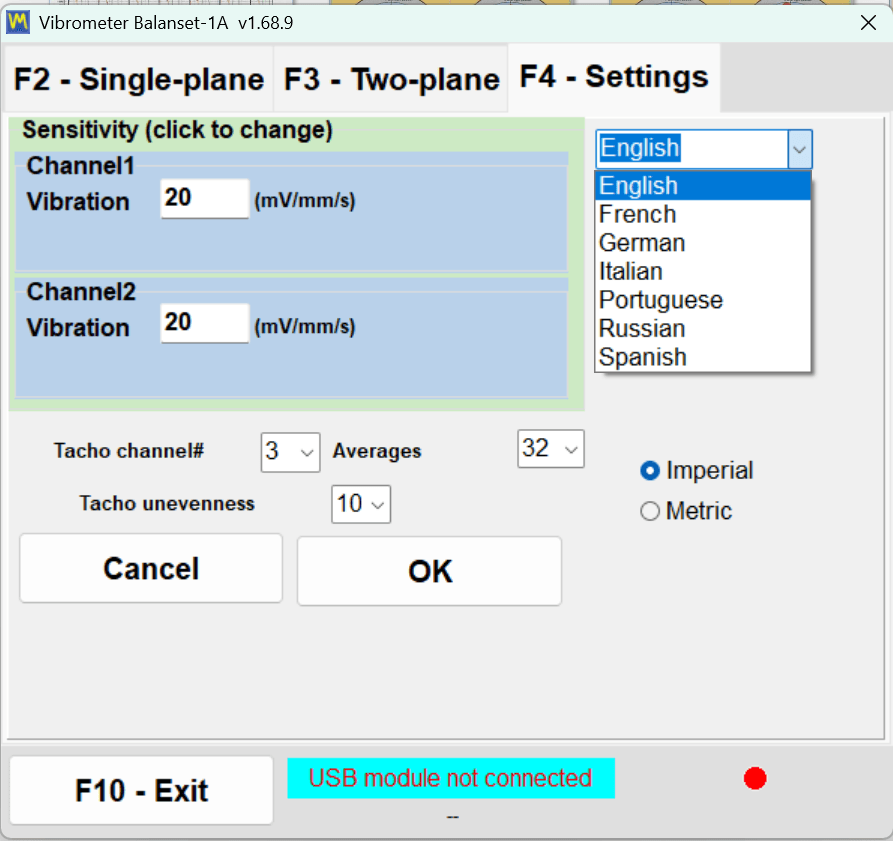
Carrying case (1 pc.) - Heavy-duty build. Foam inserts for secure storage.
Operating instructions - Full documentation. Step-by-step procedures.
Interface cables - High-quality noise-resistant wiring.
Advantages of Balanset-1A
Engineering Strengths:
? Accurate Results - Modern algorithms of digital filtering guarantee reliable results.
? Mobility - Light weight facilitates in-place adjustment without dismantling.
? Versatility - Works with any types rotors from small fans to massive shafts.
? Simple Operation - Intuitive interface requires no special training.
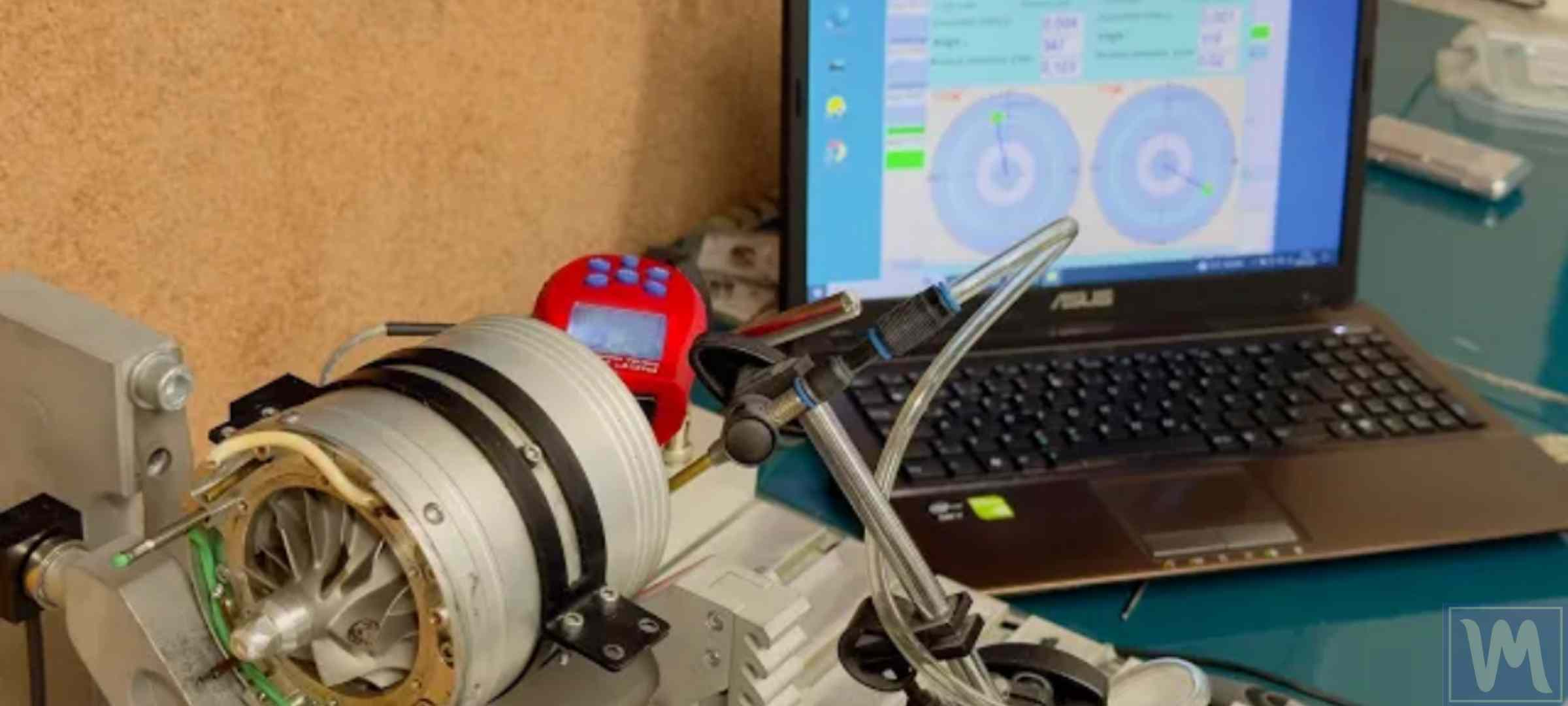
Financial Benefits:
? Expense Cutting on maintenance through failure prevention - significant reduction of unexpected breakdowns.
? Durability Enhancement by 50-200% - vibration-free operation lasts longer.
? Energy Consumption Reduction by 5-15% - reduced friction operate efficiently.
? Fast Investment Return - from 3 to 12 months depending on operational scale.
Service
Available to you:
Specialist Preparation - comprehensive sessions online. Basic course covers full procedures.
Consultations - 24/7 help. Phone consultations for quick problem solving.
Verification and Calibration - periodic verification to maintain accuracy.
Temporary Use - suitable for trial operations. Daily lease terms available.
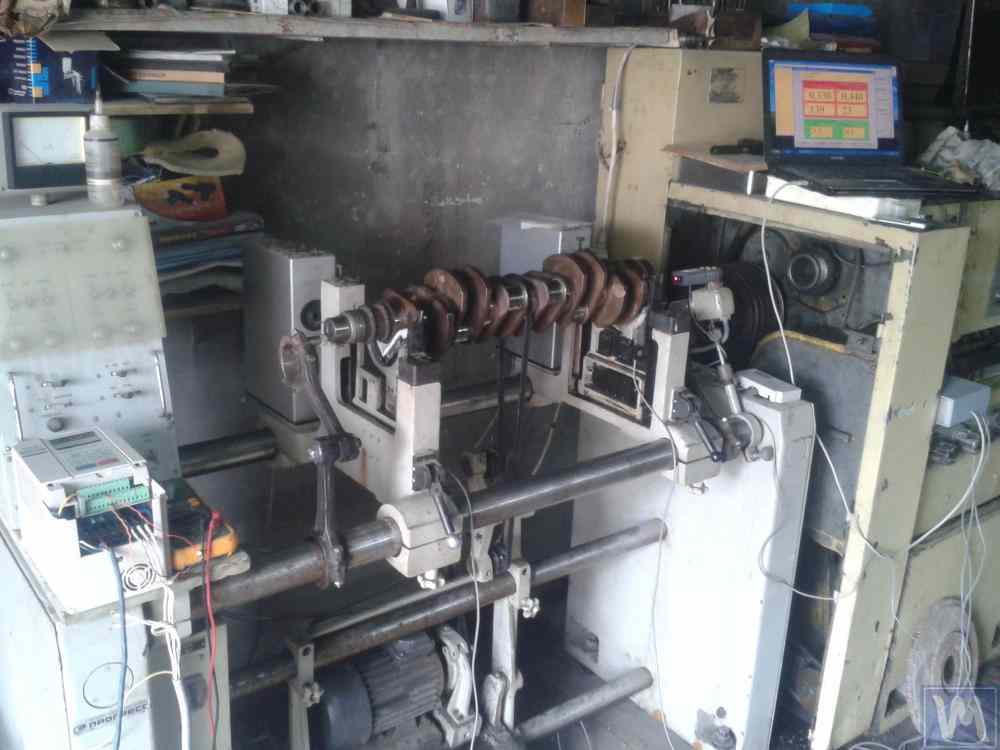
Pricing
Current Pricing:
Balanset-1A Portable Balancer & Vibration Analyzer: €1,751.00
Balanset-1A OEM Version: €1,561.00
Additional Vibration Sensor: €90.00
Optical Sensor (Laser Tachometer): €124.00
Magnetic Stand 60 kgf: €46.00
Reflective Tape: €10.00

Delivery Terms:
Lead time: in stock. Warranty terms: 24 months full warranty. Payment terms: 100% prepayment. Transportation: worldwide via courier service.
Why We Stand Out
Authorized Dealer - genuine products with comprehensive backup.
Certified Specialists with deep knowledge in vibration diagnostics.
Full Service - from sales to service and training.
Stock Availability - quick delivery for popular models.
Individual Approach for regular customers including volume discounts.
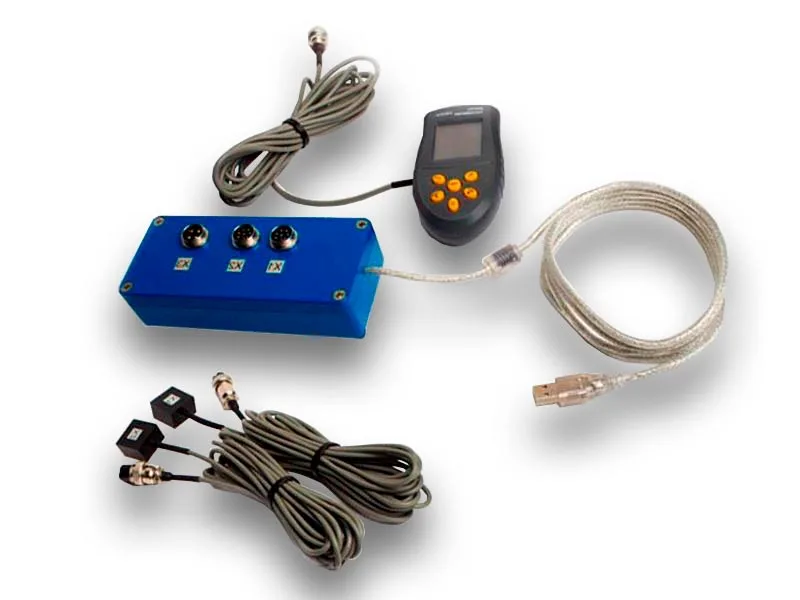
At your service,
Technical support team
P.S. Request a demonstration of the equipment today and get special conditions! -
on 2025-Jul-09 11:17:24 Walterelugh said Dear Colleagues!
We are pleased to offer modern solution for dynamic balancing of rotating equipment - portable balancing device Balanset-1A.
Official product page: https://vibromera.eu/shop/889/
Where It's Applied
Balanset-1A is actively applied for imbalance elimination of all sorts of rotor units:
Industrial Machinery:
Ventilation Systems - production, supply, duct. Pumps - gear, water. Motors - synchronous. Turbine Units - gas. Compression Equipment - screw.
Processing Equipment:
Machine Spindles - lathe. Abrasive Wheels. Roll Mechanisms of textile equipment.
Agricultural Machinery:
Threshing Drums. Rotary Mowers. Grinding Equipment for feed.
Special Applications:
Centrifugal Equipment - medical. Blowers. Grinding Equipment. Cardan Shafts.
Technical Specifications
Key Characteristics:
Balancing planes: One or two. Operating speed range: 200 to 15,000 RPM. Phase error: ±1°. Vibration error: ±5%. Measurement channels: 2. Vibration measurement limits: 0.1 to 300 mm/s. Power: USB powered. Total weight: 4 kg.
System Capabilities:
Automatic counting of compensating masses. Results archiving of all balancing procedures. Tolerance calculation according to ISO 1940. FFT analysis of vibration. Graphical display in diagram form. Split-weight calculator. Runout compensation of mandrels.
Supply Composition
Standard Configuration:
USB coupling module (1 pc.) - provides measurement control between measurement system and PC.
Vibration transducers (2 pcs.) - Output signal: 100 mV/g. Frequency range: 0.5-10,000 Hz. Attachment: adhesive mounting.

Optical tachometer (1 pc.) - Working range: up to 1.5 m. Remote sensing for safe operation.
Magnetic mount for phase sensor (1 pc.) - Holding force: 60 kgf. Adjustable positioning for optimal alignment.
Digital scales up to 500 g (1 pc.) - Resolution: 0.01 g. Essential for correct weight calculation.
Balancing software Balanset-1A - Easy-to-use design. Windows compatible. Multilingual interface.
Transport case (1 pc.) - Heavy-duty build. Foam inserts for safe transport.
User manual - Detailed instructions. Clear methodology.
Cable set - High-quality shielded cables.
Benefits of Balanset-1A
Technical Benefits:
? High Accuracy - Advanced methods of digital filtering guarantee dependable measurements.
? Compactness - Small dimensions allows field operations without disassembly.
? Versatility - Suitable for various rotors from compact motors to massive shafts.
? User Convenience - User-friendly software requires no complex learning.
Financial Benefits:
? Cost Reduction on maintenance through preventive maintenance - significant reduction of unexpected breakdowns.
? Equipment Life Extension by 50-200% - balanced equipment requires less maintenance.
? Energy Efficiency by 5-15% - smooth operation operate efficiently.
? Fast Investment Return - from 3 to 12 months depending on application frequency.
Service
Our company provides:
Personnel Training - theoretical sessions in our facility. Advanced training includes full procedures.
Technical Support - on-site assistance. Phone consultations for immediate help.
Certification - annual calibration to maintain accuracy.
Equipment Rental - perfect for trial operations. Monthly lease terms available.
Pricing
Current Pricing:
Balanset-1A Portable Balancer & Vibration Analyzer: €1,751.00
Balanset-1A OEM Version: €1,561.00
Additional Vibration Sensor: €90.00
Optical Sensor (Laser Tachometer): €124.00
Magnetic Stand 60 kgf: €46.00
Reflective Tape: €10.00
Shipping Conditions:
Shipping period: in stock. Guarantee period: 24 months comprehensive coverage. Payment terms: negotiable. Delivery: worldwide via courier service.
Our Advantages
Official Supplier - genuine products with complete service.
Qualified Personnel with deep knowledge in vibration diagnostics.
Complete Service Cycle - from delivery to support and skill development.
Stock Availability - fast shipment for popular models.
Individual Approach for regular customers including special pricing.
Best regards,
Professional experts group
P.S. Ask for presentation of the equipment at your convenience and take advantage of offers! -
on 2025-Jul-12 23:43:04 Gregorysuisy said [url=https://678bd-game.net/]678bd[/url]
-
on 2025-Jul-13 13:48:40 Adrianprulp said
-
on 2025-Jul-13 14:02:22 Adrianprulp said
-
on 2025-Jul-14 17:11:02 kworkgob said SEO Pyramid 10000 Backlinks
Inbound links of your site on community platforms, blocks, threads.
The 3-step backlinking method
Stage 1 – Basic inbound links.
Stage 2 – Backlinks through redirects from highly reliable sites with PageRank PR 9–10, for example –
Step 3 – Listing on SEO analysis platforms –
The advantage of analyzer sites is that they show the Google search engine a site map, which is crucial!
Note for the third stage – only the homepage of the site is added to SEO checkers, other pages cannot be included.
I execute all three stages step by step, resulting in 10K–20K backlinks from the full process.
This linking tactic is most effective.
Demonstration of placement on SEO platforms via a text file. -
on 2025-Jul-16 04:45:55 buy power tools online said workshop hand tools
Buy power tools online at Univerzell.com—your woodworking tools shop for Milwaukee, DeWalt&Makita. Grab power tool deals, workshop hand tools, professional power tools, hardware tools for DIY, DIY woodworking project tools, plus smart tool storage solutions. -
on 2025-Jul-16 10:05:30 link sindoplay said login sindoplay
Selamat datang di situs SINDOPLAY , situs judi slot online , live casino , taruhan bola , poker online dan togel resmi .Daftar dan dapatkan beragam promo menarik dari situs SIndoplay , mulai dari bonus deposit , bonus freespin , cashback serta bonus referral. -
on 2025-Jul-18 02:54:57 kworkgob said SEO Pyramid 10000 Backlinks
Backlinks of your site on discussion boards, blocks, threads.
Backlinks – three steps
Phase 1 – Standard external links.
Stage 2 – Links via 301 redirects from authoritative sites with a PageRank score of 9–10, for example –
Phase 3 – Adding to backlink checkers –
The key benefit of analyzer sites is that they display the Google search engine a site map, which is essential!
Explanation for the third stage – only the main page of the site is added to SEO checkers, other pages aren’t accepted.
I complete all three stages sequentially, resulting in 10,000–20,000 inbound links from the full process.
This linking tactic is the best approach.
Example of submission on SEO platforms via a .txt document. -
on 2025-Jul-18 03:03:25 kworkgob said SEO Pyramid 10000 Backlinks
Inbound links of your site on forums, sections, comments.
The 3-step backlinking method
Step 1 – Simple backlinks.
Step 2 – Links via 301 redirects from authoritative sites with PR 9–10, for example –
Step 3 – Submitting to analyzer sites –
The key benefit of SEO tools is that they show the Google search engine a site map, which is essential!
Explanation for the third stage – only the main page of the site is submitted to analyzers, internal pages aren’t accepted.
I complete all steps step by step, resulting in 10 to 30 thousand inbound links from the three stages.
This linking tactic is most effective.
Example of placement on SEO platforms via a text file. -
on 2025-Jul-20 04:59:20 kworkgob said SEO Pyramid 10000 Backlinks
External links of your site on forums, sections, threads.
The 3-step backlinking method
Step 1 – Basic inbound links.
Stage 2 – Backlinks through redirects from authoritative sites with a PageRank score of 9–10, for example –
Phase 3 – Adding to backlink checkers –
The key benefit of SEO tools is that they show the Google search engine a website structure, which is crucial!
Note for the third stage – only the main page of the site is added to SEO checkers, other pages aren’t accepted.
I execute all three stages sequentially, resulting in 10K–20K inbound links from the full process.
This linking tactic is highly efficient.
Example of submission on SEO platforms via a .txt document. -
on 2025-Jul-20 05:39:20 kworkgob said SEO Pyramid 10000 Backlinks
Backlinks of your site on community platforms, sections, threads.
Three-stage backlink strategy
Phase 1 – Simple backlinks.
Step 2 – Backlinks through redirects from authoritative sites with PR 9–10, for example –
Stage 3 – Submitting to analyzer sites –
The key benefit of analyzer sites is that they highlight the Google search engine a website structure, which is crucial!
Explanation for Stage 3 – only the homepage of the site is submitted to SEO checkers, internal pages cannot be included.
I complete all steps step by step, resulting in 10,000–20,000 backlinks from the three stages.
This linking tactic is the best approach.
Example of submission on SEO platforms via a TXT file. -
on 2025-Jul-21 10:12:26 Timsothyber said Мегаполис в ночь не дремлет, и мы аналогично: закрытая наркологическая клиника https://mcnl.ru открыта 24/7. Без предварительной регистрации и документов — вызов доктора по адресу за 39 минут, щадящий детокс в сне, сверхскоростная капельница, нейрокоррекция на месте, бессрочное сопровождение. Без шума, анонимно, результативно — вернем вам трезвость без страха.
-
on 2025-Jul-21 19:17:42 sindoplay said sindoplay
Selamat datang di situs SINDOPLAY , situs judi slot online , live casino , taruhan bola , poker online dan togel resmi .Daftar dan dapatkan beragam promo menarik dari situs SIndoplay , mulai dari bonus deposit , bonus freespin , cashback serta bonus referral. -
on 2025-Jul-21 19:23:10 login sindoplay said daftar sindoplay
Selamat datang di situs SINDOPLAY , situs judi slot online , live casino , taruhan bola , poker online dan togel resmi .Daftar dan dapatkan beragam promo menarik dari situs SIndoplay , mulai dari bonus deposit , bonus freespin , cashback serta bonus referral. -
on 2025-Jul-22 02:21:39 nba 直播 said nba 直播
感受籃球的每一個精彩瞬間,就在這裡!我們致力於為全球籃球愛好者提供最優質的NBA直播服務,讓您無論身在何處,都能即時觀看每一場激動人心的比賽。從例行賽到季後賽,從全明星賽到總冠軍賽,我們全程直播,絕不錯過任何精彩時刻。 -
on 2025-Jul-22 02:27:00 nba 直播 said nba 直播
感受籃球的每一個精彩瞬間,就在這裡!我們致力於為全球籃球愛好者提供最優質的NBA直播服務,讓您無論身在何處,都能即時觀看每一場激動人心的比賽。從例行賽到季後賽,從全明星賽到總冠軍賽,我們全程直播,絕不錯過任何精彩時刻。 -
on 2025-Jul-22 13:19:23 Timsothyber said Remarkable! Its really remarkable paragraph, I have got much clear idea on the topic of from this paragraph.
Telephone -
on 2025-Jul-22 18:49:27 體育直播線上看 said 體育直播線上看
歡迎來到頂級NBA直播體驗平台,感受籃球的每一個精彩瞬間,就在這裡!我們致力於為全球籃球愛好者提供最優質的NBA直播服務,讓您無論身在何處,都能即時觀看每一場激動人心的比賽。從例行賽到季後賽,從全明星賽到總冠軍賽,我們全程直播,絕不錯過任何精彩時刻。 -
on 2025-Jul-22 19:07:21 體育直播線上看 said 體育直播線上看
歡迎來到頂級NBA直播體驗平台,感受籃球的每一個精彩瞬間,就在這裡!我們致力於為全球籃球愛好者提供最優質的NBA直播服務,讓您無論身在何處,都能即時觀看每一場激動人心的比賽。從例行賽到季後賽,從全明星賽到總冠軍賽,我們全程直播,絕不錯過任何精彩時刻。 -
on 2025-Jul-23 03:18:42 nba 直播frief said nba 直播
感受籃球的每一個精彩瞬間,就在這裡!我們致力於為全球籃球愛好者提供最優質的NBA直播服務,讓您無論身在何處,都能即時觀看每一場激動人心的比賽。從例行賽到季後賽,從全明星賽到總冠軍賽,我們全程直播,絕不錯過任何精彩時刻。 -
on 2025-Jul-23 03:23:58 nba 直播frief said nba 直播
感受籃球的每一個精彩瞬間,就在這裡!我們致力於為全球籃球愛好者提供最優質的NBA直播服務,讓您無論身在何處,都能即時觀看每一場激動人心的比賽。從例行賽到季後賽,從全明星賽到總冠軍賽,我們全程直播,絕不錯過任何精彩時刻。 -
on 2025-Jul-24 02:23:50 nbaPromo said nba 直播
感受籃球的每一個精彩瞬間,就在這裡!我們致力於為全球籃球愛好者提供最優質的NBA直播服務,讓您無論身在何處,都能即時觀看每一場激動人心的比賽。從例行賽到季後賽,從全明星賽到總冠軍賽,我們全程直播,絕不錯過任何精彩時刻。 -
on 2025-Jul-24 02:30:32 nbaPromo said nba 直播
感受籃球的每一個精彩瞬間,就在這裡!我們致力於為全球籃球愛好者提供最優質的NBA直播服務,讓您無論身在何處,都能即時觀看每一場激動人心的比賽。從例行賽到季後賽,從全明星賽到總冠軍賽,我們全程直播,絕不錯過任何精彩時刻。 -
on 2025-Jul-24 22:42:04 Kpoker德州撲克 said Kpoker德州撲克
Kpoker德州撲克的使命,是為全球華人玩家打造最值得信賴的線上德州撲克平台。我們致力於提供一個公平、公正且充滿挑戰性的遊戲環境,讓每一位玩家無論經驗多寡,都能在這裡找到屬於自己的撲克節奏。我們相信,撲克是一場融合智慧、耐心與心理戰的經典對局。我們不僅提供高品質的遊戲體驗,也推動撲克文化的傳播與教育,從新手教學到高手對決,陪伴玩家從入門邁向專業,從興趣走向熱情。Kpoker 不只是遊戲,更是連結全球撲克愛好者的橋樑。 -
on 2025-Jul-24 22:55:29 Kpoker德州撲克 said Kpoker德州撲克
Kpoker德州撲克的使命,是為全球華人玩家打造最值得信賴的線上德州撲克平台。我們致力於提供一個公平、公正且充滿挑戰性的遊戲環境,讓每一位玩家無論經驗多寡,都能在這裡找到屬於自己的撲克節奏。我們相信,撲克是一場融合智慧、耐心與心理戰的經典對局。我們不僅提供高品質的遊戲體驗,也推動撲克文化的傳播與教育,從新手教學到高手對決,陪伴玩家從入門邁向專業,從興趣走向熱情。Kpoker 不只是遊戲,更是連結全球撲克愛好者的橋樑。 -
on 2025-Jul-26 06:22:03 BrooksGes said https://www.imdb.com/list/ls4100781826/
-
on 2025-Jul-26 12:40:38 RichardDus said bs2best at ссылка — это не просто адрес, а вход в уникальную экосистему интернета, где анонимность и доступ к закрытым ресурсам стоят на первом месте. Эта статья предлагает глубокое погружение в процесс поиска и использования bs2best at ссылка, чтобы вы могли уверенно ориентироваться в этом пространстве.
bs2best ссылка - https://m.1-bc2best.at
Понимание платформы за ссылкой
Платформа, доступная через bs2best at ссылка, привлекает пользователей благодаря своей способности обходить цензуру. Однако это также означает, что адрес подвергается постоянным изменениям, что делает знание источников и методов поиска критически важным.
Эффективные способы поиска bs2best at ссылка
Специализированные порталы
Посетите сайты, посвященные анонимным сетям, где публикуются свежие bs2best at ссылка. Эти порталы часто проверяются сообществом, что снижает риск мошенничества.
Закрытые сообщества
Присоединяйтесь к закрытым группам в Discord или Telegram, где активные пользователи обмениваются bs2best at ссылка. Убедитесь, что вы прошли модерацию и доверяете участникам.
Интеграция с I2P
Помимо Tor, рассмотрите использование сети I2P для доступа к bs2best at ссылка. Эта альтернатива может предложить дополнительные возможности обхода блокировок.
Технические аспекты использования
Настройте I2P или Tor, введите bs2best at ссылка и проверьте стабильность соединения. Используйте тестовые запросы, чтобы убедиться в подлинности сайта.
Рекомендации по безопасности
Установите двухфакторную аутентификацию, если платформа поддерживает.
Регулярно проверяйте bs2best at ссылка на наличие обновлений.
Избегайте общественных Wi-Fi при работе с bs2best at ссылка.
Заключение
bs2best at ссылка открывает двери в анонимный интернет. С правильными инструментами и подходом вы сможете наслаждаться платформой безопасно. Исследуйте и адаптируйтесь! -
on 2025-Jul-26 15:05:08 直播rax said nba 直播
感受籃球的每一個精彩瞬間,就在這裡!我們致力於為全球籃球愛好者提供最優質的NBA直播服務,讓您無論身在何處,都能即時觀看每一場激動人心的比賽。從例行賽到季後賽,從全明星賽到總冠軍賽,我們全程直播,絕不錯過任何精彩時刻。 -
on 2025-Jul-26 15:11:49 直播rax said nba 直播
感受籃球的每一個精彩瞬間,就在這裡!我們致力於為全球籃球愛好者提供最優質的NBA直播服務,讓您無論身在何處,都能即時觀看每一場激動人心的比賽。從例行賽到季後賽,從全明星賽到總冠軍賽,我們全程直播,絕不錯過任何精彩時刻。 -
on 2025-Jul-26 19:01:52 Linkvat said Link Pyramid Backlinks SEO Pyramid Backlink For Google
External links of your site on discussion boards, sections, comments.
Backlinks – three steps
Stage 1 – Simple backlinks.
Phase 2 – Links via 301 redirects from top-tier sites with a PageRank score of 9–10, for example –
Stage 3 – Adding to backlink checkers –
The advantage of link analysis platforms is that they display the Google search engine a website structure, which is very important!
Note for Stage 3 – only the homepage of the site is added to SEO checkers, internal pages cannot be included.
I complete all phases sequentially, resulting in 10 to 30 thousand backlinks from the full process.
This backlink strategy is highly efficient.
Example of submission on analyzer sites via a text file. -
on 2025-Jul-26 19:14:56 Linkvat said Link Pyramid Backlinks SEO Pyramid Backlink For Google
External links of your site on discussion boards, sections, threads.
The 3-step backlinking method
Phase 1 – Basic inbound links.
Phase 2 – Links via 301 redirects from highly reliable sites with PageRank PR 9–10, for example –
Stage 3 – Listing on SEO analysis platforms –
The key benefit of link analysis platforms is that they display the Google search engine a site map, which is essential!
Explanation for the third stage – only the homepage of the site is submitted to analyzers, other pages cannot be included.
I execute all phases step by step, resulting in 10 to 30 thousand inbound links from the full process.
This linking tactic is the best approach.
Example of placement on SEO platforms via a text file. -
on 2025-Jul-27 07:14:23 Romanpug said https://www.imdb.com/list/ls4788865604/
-
on 2025-Jul-27 14:45:17 Richardpemip said https://www.imdb.com/list/ls4100421643/
-
on 2025-Jul-28 01:08:33 HerbertNon said https://www.imdb.com/list/ls4100451421/
-
on 2025-Jul-28 10:20:35 MelvinSoads said https://www.imdb.com/list/ls4105577559/
-
on 2025-Jul-28 15:35:28 RobertMyday said nba 直播
感受籃球的每一個精彩瞬間,就在這裡!我們致力於為全球籃球愛好者提供最優質的NBA直播服務,讓您無論身在何處,都能即時觀看每一場激動人心的比賽。從例行賽到季後賽,從全明星賽到總冠軍賽,我們全程直播,絕不錯過任何精彩時刻。 -
on 2025-Jul-28 15:41:16 RobertMyday said nba 直播
感受籃球的每一個精彩瞬間,就在這裡!我們致力於為全球籃球愛好者提供最優質的NBA直播服務,讓您無論身在何處,都能即時觀看每一場激動人心的比賽。從例行賽到季後賽,從全明星賽到總冠軍賽,我們全程直播,絕不錯過任何精彩時刻。 -
on 2025-Jul-29 02:49:37 OscarHaina said https://abundantgracechurchwh.org/wp-content/pgs/kak_stroyat_derevyannye_doma.html
-
on 2025-Jul-29 16:04:06 MichaelGob said https://cuacuonthanhxuan.com/
-
on 2025-Jul-30 01:32:05 Linkvat said Link Pyramid Backlinks SEO Pyramid Backlink For Google
External links of your site on discussion boards, blocks, threads.
Backlinks – three steps
Stage 1 – Basic inbound links.
Step 2 – Links via 301 redirects from authoritative sites with a PageRank score of 9–10, for example –
Phase 3 – Submitting to analyzer sites –
The key benefit of analyzer sites is that they highlight the Google search engine a site map, which is essential!
Note for Stage 3 – only the main page of the site is submitted to SEO checkers, other pages cannot be included.
I execute all phases step by step, resulting in 10 to 30 thousand backlinks from the full process.
This backlink strategy is highly efficient.
Demonstration of submission on SEO platforms via a .txt document. -
on 2025-Jul-30 01:41:58 Linkvat said Link Pyramid Backlinks SEO Pyramid Backlink For Google
External links of your site on community platforms, blocks, threads.
Backlinks – three steps
Stage 1 – Simple backlinks.
Stage 2 – Links via 301 redirects from authoritative sites with a PageRank score of 9–10, for example –
Phase 3 – Listing on SEO analysis platforms –
The advantage of link analysis platforms is that they show the Google search engine a website structure, which is crucial!
Note for the third stage – only the homepage of the site is added to SEO checkers, other pages aren’t accepted.
I complete all three stages step by step, resulting in 10 to 30 thousand backlinks from the three stages.
This linking tactic is the best approach.
Example of placement on SEO platforms via a text file. -
on 2025-Jul-30 20:26:12 JeremyGalge said https://www.elboomeran.com/art/?konceptualynyy_podhod_inostrannyh_investiciy_opredelyayuschie_harakteristiki_i_opredelyay.html
-
on 2025-Jul-31 05:46:36 Charleslinty said https://www.scas.org.uk/wp-content/pages/rak_analynogo_kanala.html
-
on 2025-Jul-31 14:08:24 Jamespab said https://www.globalemployees.com/articles/sovety_po_pitaniyu_pri_psoriaze.html
-
on 2025-Jul-31 16:41:01 seovat said SEO LINKS 10 000, I have a powerful server, backlink building
External links of your site on forums, blocks, threads.
Three-stage backlink strategy
Phase 1 – Basic inbound links.
Stage 2 – Backlinks through redirects from top-tier sites with PR 9–10, for example –
Step 3 – Submitting to analyzer sites –
The advantage of analyzer sites is that they show the Google search engine a website structure, which is essential!
Explanation for the third stage – only the homepage of the site is submitted to analyzers, other pages aren’t accepted.
I complete all phases step by step, resulting in 10 to 30 thousand backlinks from the full process.
This linking tactic is highly efficient.
Demonstration of submission on analyzer sites via a text file. -
on 2025-Jul-31 16:49:53 seovat said SEO LINKS 10 000, I have a powerful server, backlink building
Backlinks of your site on discussion boards, blocks, threads.
Three-stage backlink strategy
Step 1 – Basic inbound links.
Phase 2 – Links via 301 redirects from authoritative sites with PR 9–10, for example –
Stage 3 – Submitting to analyzer sites –
The advantage of analyzer sites is that they show the Google search engine a website structure, which is very important!
Explanation for Stage 3 – only the main page of the site is submitted to SEO checkers, other pages cannot be included.
I execute all steps sequentially, resulting in 10 to 30 thousand inbound links from the three stages.
This backlink strategy is most effective.
Demonstration of submission on analyzer sites via a text file. -
on 2025-Jul-31 17:49:47 mega888-983 said Inilah tempat yang betul untuk peminat mega888 berkumpul
-
on 2025-Aug-01 06:44:52 Donaldsap said каталог пятерочка на эту неделю
Хотите покупать продукты со скидками?
Good-Promo.ru собирает все актуальные акции и спецпредложения «Пятёрочки» на одной странице.
Преимущества:
Скидки, обновляющиеся каждый день
Весь ассортимент товаров по акции
Акции с призовыми фондами
Лучшие цены дня
Как использовать:
Перейдите на Good-Promo.ru
Найдите нужные акции
Делайте покупки в «Пятёрочке» со скидками
Сайт поможет вам:
Покупать дешевле
Узнавать о новых акциях первыми
Искать выгодные предложения
Экономьте легко и удобно с Good-Promo.ru! -
on 2025-Aug-01 06:51:57 Donaldsap said сайт магазина пятерочка
Хотите покупать продукты со скидками? Тогда вы по адресу!
Good-Promo.ru предоставляет все свежие акции и спецпредложения «Пятёрочки» в одном удобном ресурсе.
Преимущества:
Скидки, обновляющиеся каждый день
Весь ассортимент товаров по акции
Акции с призовыми фондами
Лучшие цены дня
Как использовать:
Зайдите на Good-Promo.ru
Выберите нужные акции
Делайте покупки в «Пятёрочке» с выгодой
Сайт поможет вам:
Не переплачивать за покупки
Быть в курсе всех скидок
Находить товары со скидками
Экономьте легко и удобно с Good-Promo.ru! -
on 2025-Aug-02 04:09:43 德州撲克規則prema said 德州撲克規則
學會德州撲克,不只是學會一套牌型規則,而是開始理解一場結合邏輯、心理與紀律的頭腦對決。無論你是剛入門的新手,還是已經上過幾次牌桌的玩家,只要願意花時間學習技巧、訓練判斷,並培養正確的資金控管與心態,人人都有機會從「交學費」變成「收學費」。打好每一手牌,不為一時輸贏情緒化,累積經驗與數據,就是長期勝率提升的關鍵! -
on 2025-Aug-02 04:15:22 德州撲克規則prema said 德州撲克規則
學會德州撲克,不只是學會一套牌型規則,而是開始理解一場結合邏輯、心理與紀律的頭腦對決。無論你是剛入門的新手,還是已經上過幾次牌桌的玩家,只要願意花時間學習技巧、訓練判斷,並培養正確的資金控管與心態,人人都有機會從「交學費」變成「收學費」。打好每一手牌,不為一時輸贏情緒化,累積經驗與數據,就是長期勝率提升的關鍵! -
on 2025-Aug-02 05:34:24 德州撲克規則Law said 德州撲克規則
學會德州撲克規則,是踏入撲克世界的第一步。從掌握下注節奏、理解牌型,到實戰中運用策略,每一步都能讓你更加上手並享受對戰樂趣。想立刻開始實戰練習?我們推薦【Kpoker 德州撲克系統】,提供真實匹配環境與新手教學模式,現在註冊還能獲得免費體驗金,讓你零風險上桌實戰! -
on 2025-Aug-02 09:11:46 德州撲克規則 said 德州撲克規則
你是不是也想學德州撲克,卻被一堆術語搞得霧煞煞?別擔心,這篇就是為你準備的「規則懶人包」,從發牌、下注到比牌,5 個階段、5 種行動,一次搞懂!德州撲克新手必看!快速掌握德撲規則與下注方式,從發牌、翻牌到比牌,一次看懂德州撲克 5 大階段與 5 種行動,不再上桌搞不懂規則。 -
on 2025-Aug-02 15:28:29 Donaldsap said https://bioniclerpg.getbb.ru/viewtopic.php?f=6&t=7596
Мечтаете покупать продукты со скидками? Тогда вы по адресу!
Good-Promo.ru агрегирует все свежие акции и спецпредложения «Пятёрочки» в одном удобном ресурсе.
Преимущества:
Ежедневно обновляемые скидки
Полный каталог промо-товаров
Сведения о розыгрышах призов
Лучшие цены дня
Как использовать:
Перейдите на Good-Promo.ru
Найдите нужные скидки
Делайте покупки в «Пятёрочке» по лучшим ценам
Сайт поможет вам:
Экономить на продуктах
Быть в курсе всех скидок
Открывать для себя акционные товары
Экономьте легко и удобно с Good-Promo.ru! -
on 2025-Aug-02 15:33:14 Donaldsap said https://mamapoltava.listbb.ru/viewtopic.php?f=45&t=48067
Хотите покупать продукты со скидками?
Good-Promo.ru собирает все актуальные акции и спецпредложения «Пятёрочки» на одной странице.
Преимущества:
Актуальные скидки каждый день
Каталог товаров со скидкой
Информация о конкурсах и розыгрышах
Топовые скидки
Как использовать:
Зайдите на Good-Promo.ru
Выберите нужные скидки
Делайте покупки в «Пятёрочке» со скидками
Сайт поможет вам:
Покупать дешевле
Узнавать о новых акциях первыми
Находить товары со скидками
Экономия без лишних усилий с Good-Promo.ru! -
on 2025-Aug-02 18:40:48 德州撲克遊戲線上 said 德州撲克遊戲線上
不論你是撲克新手或長期玩家,選對平台就像選對拳擊擂台。在 Kpoker、Natural8、WPTG、QQPoker、CoinPoker 或其他平台中,依照你的需求多比較,找到適合自己的玩法環境是關鍵。從註冊、學習到實戰成長,選對平台就是給自己最好的起點! -
on 2025-Aug-02 18:45:22 德州撲克遊戲線上 said 德州撲克遊戲線上
不論你是撲克新手或長期玩家,選對平台就像選對拳擊擂台。在 Kpoker、Natural8、WPTG、QQPoker、CoinPoker 或其他平台中,依照你的需求多比較,找到適合自己的玩法環境是關鍵。從註冊、學習到實戰成長,選對平台就是給自己最好的起點! -
on 2025-Aug-02 19:29:28 德州撲克規則 said 德州撲克規則
你是不是也想學德州撲克,卻被一堆術語搞得霧煞煞?別擔心,這篇就是為你準備的「規則懶人包」,從發牌、下注到比牌,5 個階段、5 種行動,一次搞懂!德州撲克新手必看!快速掌握德撲規則與下注方式,從發牌、翻牌到比牌,一次看懂德州撲克 5 大階段與 5 種行動,不再上桌搞不懂規則。 -
on 2025-Aug-02 19:38:49 德州撲克規則 said 德州撲克規則
你是不是也想學德州撲克,卻被一堆術語搞得霧煞煞?別擔心,這篇就是為你準備的「規則懶人包」,從發牌、下注到比牌,5 個階段、5 種行動,一次搞懂!德州撲克新手必看!快速掌握德撲規則與下注方式,從發牌、翻牌到比牌,一次看懂德州撲克 5 大階段與 5 種行動,不再上桌搞不懂規則。 -
on 2025-Aug-02 21:26:59 德州撲克規則Rer said 德州撲克規則
想學德州撲克卻完全沒頭緒?不管你是零基礎還是想重新複習,這篇就是為你準備的!一次搞懂德州撲克規則、牌型大小、下注流程與常見術語,讓你從看不懂到能開打一局只差這一篇!看完這篇,是不是對德州撲克整個比較有頭緒了?從玩法、流程到那些常聽不懂的術語,現在是不是都懂了七八成?準備好了嗎?快記好牌型、搞懂位置,然後開打一局練練手啦!富遊娛樂城提供最新線上德州撲克供玩家遊玩!首家引進OFC大菠蘿撲克、NLH無限注德州撲克玩法,上桌就開打,數錢數不停! -
on 2025-Aug-02 21:37:34 德州撲克規則Rer said 德州撲克規則
想學德州撲克卻完全沒頭緒?不管你是零基礎還是想重新複習,這篇就是為你準備的!一次搞懂德州撲克規則、牌型大小、下注流程與常見術語,讓你從看不懂到能開打一局只差這一篇!看完這篇,是不是對德州撲克整個比較有頭緒了?從玩法、流程到那些常聽不懂的術語,現在是不是都懂了七八成?準備好了嗎?快記好牌型、搞懂位置,然後開打一局練練手啦!富遊娛樂城提供最新線上德州撲克供玩家遊玩!首家引進OFC大菠蘿撲克、NLH無限注德州撲克玩法,上桌就開打,數錢數不停! -
on 2025-Aug-03 00:10:47 加密貨幣 said 加密貨幣
值得信賴的研究和專業知識匯聚於此。自 2020 年以來,Techduker 已幫助數百萬人學習如何解決大大小小的技術問題。我們與經過認證的專家、訓練有素的研究人員團隊以及忠誠的社區合作,在互聯網上創建最可靠、最全面、最令人愉快的操作方法內容。 -
on 2025-Aug-03 00:18:58 加密貨幣 said 加密貨幣
值得信賴的研究和專業知識匯聚於此。自 2020 年以來,Techduker 已幫助數百萬人學習如何解決大大小小的技術問題。我們與經過認證的專家、訓練有素的研究人員團隊以及忠誠的社區合作,在互聯網上創建最可靠、最全面、最令人愉快的操作方法內容。 -
on 2025-Aug-03 06:39:18 二手車推薦 said 二手車推薦
想買車又怕預算爆表?其實選對二手車(中古車)才能省錢又保值!本篇 10 大二手車推薦及購車必讀指南,帶你避開地雷、挑選高 CP 值好車!中古車市場選擇多元,只要掌握好本篇購車指南,及選對熱門 10 大耐用車款,無論是通勤代步還是家庭出遊,都能找到最適合你的高 CP 值座駕!二手車哪裡買?現在就立即諮詢或持續追蹤好薦十大推薦,獲得更多優質二手車推薦。 -
on 2025-Aug-03 06:48:23 二手車推薦 said 二手車推薦
想買車又怕預算爆表?其實選對二手車(中古車)才能省錢又保值!本篇 10 大二手車推薦及購車必讀指南,帶你避開地雷、挑選高 CP 值好車!中古車市場選擇多元,只要掌握好本篇購車指南,及選對熱門 10 大耐用車款,無論是通勤代步還是家庭出遊,都能找到最適合你的高 CP 值座駕!二手車哪裡買?現在就立即諮詢或持續追蹤好薦十大推薦,獲得更多優質二手車推薦。 -
on 2025-Aug-03 07:09:34 加密貨幣 said 加密貨幣
值得信賴的研究和專業知識匯聚於此。自 2020 年以來,Techduker 已幫助數百萬人學習如何解決大大小小的技術問題。我們與經過認證的專家、訓練有素的研究人員團隊以及忠誠的社區合作,在互聯網上創建最可靠、最全面、最令人愉快的操作方法內容。 -
on 2025-Aug-03 10:06:20 nba交易 said nba交易
NBA 交易期是一場全聯盟的軍備競賽,球隊為了重建或奪冠提前布局,交易與簽約就像擺兵布陣。若你想精準掌握球隊命運走勢,這份懶人包將是你不能錯過的情報資料。持續鎖定我們的 NBA 專區,交易回顧與球員深度分析,通通不錯過!若你想持續掌握 NBA 最新動態與完整賽季報導,請持續關注NBA直播,帶您持續緊貼體育圈最新資訊! -
on 2025-Aug-03 10:51:48 關稅aidew said 關稅
台灣關稅雖然從原本的 32% 爭取下調至 20%,但相較競爭國家日本、韓國仍然偏高。政府強調目前僅為暫時性稅率,後續是否調整,仍需視最終總結會議與美方 232 調查結果而定。在結果明朗前,關稅壓力依舊沒有減輕,產業與政策該如何因應,是接下來的觀察重點。如果你希望獲得更多關稅進展、國際經貿協議的第一手資訊,請關注新識界,將持續為你追蹤全球經貿政策走向! -
on 2025-Aug-03 20:55:04 娛樂城推薦Myday said 娛樂城推薦
ACE博評網有多年經驗以及專業水準,我們能夠幫助玩家在繁雜的遊戲行業中找到一個值得信賴的選擇。我們不向任何娛樂城收取廣告費,所有被推薦的娛樂城都已經通過我們的審查,來評估他們的效能與真誠度。每一間娛樂城都必須承受重要的考驗,並且只有符合我們高水平準則的公司才能夠獲得我們正式認可 -
on 2025-Aug-03 21:01:32 娛樂城推薦Myday said 娛樂城推薦
ACE博評網有多年經驗以及專業水準,我們能夠幫助玩家在繁雜的遊戲行業中找到一個值得信賴的選擇。我們不向任何娛樂城收取廣告費,所有被推薦的娛樂城都已經通過我們的審查,來評估他們的效能與真誠度。每一間娛樂城都必須承受重要的考驗,並且只有符合我們高水平準則的公司才能夠獲得我們正式認可 -
on 2025-Aug-04 02:56:09 Jamesheery said https://Narnay.com https://Narnay.com https://Narnay.com
https://Narnay.com https://Narnay.com https://Narnay.com
https://Narnay.com https://Narnay.com https://Narnay.com
https://Narnay.com https://Narnay.com https://Narnay.com
https://Narnay.com https://Narnay.com https://Narnay.com
https://Narnay.com https://Narnay.com https://Narnay.com
https://Narnay.com https://Narnay.com https://Narnay.com
https://Narnay.com https://Narnay.com https://Narnay.com
https://Narnay.com https://Narnay.com https://Narnay.com
https://Narnay.com https://Narnay.com https://Narnay.com
https://Narnay.com https://Narnay.com https://Narnay.com
https://Narnay.com https://Narnay.com https://Narnay.com -
on 2025-Aug-04 22:04:43 Miguelpsype said [url=https://xn--80aid6bbnp.xn--p1ai/collection/termodrevesina]термоольха[/url]
-
on 2025-Aug-05 17:47:39 GabrielLam said [url=https://www.motorradhof.ru/images/pgs/1xbet-promokod.html]действующий промокод на 1xbet на сегодня[/url]
-
on 2025-Aug-07 00:31:34 TommyRaw said https://navolar.com/uzbek-mp3/
-
on 2025-Aug-07 09:32:05 Foberttub said Hi there, its good post concerning media print, we all be familiar with media is a wonderful source of data.
бетвиннер -
on 2025-Aug-09 03:38:37 seovat said SEO Pyramid 10000 Backlinks
External links of your site on discussion boards, sections, threads.
Backlinks – three steps
Stage 1 – Basic inbound links.
Phase 2 – Backlinks through redirects from top-tier sites with a PageRank score of 9–10, for example –
Phase 3 – Adding to backlink checkers –
The advantage of analyzer sites is that they show the Google search engine a site map, which is essential!
Clarification for Stage 3 – only the main page of the site is added to analyzers, other pages aren’t accepted.
I complete all phases step by step, resulting in 10 to 30 thousand inbound links from the full process.
This backlink strategy is the best approach.
Example of submission on SEO platforms via a TXT file. -
on 2025-Aug-09 03:52:27 seovat said SEO Pyramid 10000 Backlinks
Inbound links of your site on discussion boards, sections, comments.
The 3-step backlinking method
Phase 1 – Basic inbound links.
Phase 2 – Backlinks through redirects from highly reliable sites with PageRank PR 9–10, for example –
Phase 3 – Submitting to analyzer sites –
The advantage of analyzer sites is that they show the Google search engine a site map, which is essential!
Explanation for the third stage – only the homepage of the site is submitted to SEO checkers, internal pages cannot be included.
I execute all steps sequentially, resulting in 10 to 30 thousand inbound links from the three stages.
This backlink strategy is most effective.
Demonstration of placement on SEO platforms via a TXT file. -
on 2025-Aug-09 14:12:04 Get Seeds Right Here said
-
on 2025-Aug-09 14:18:31 Get Seeds Right Here said
-
on 2025-Aug-10 21:18:11 pokerMyday said https://whitehouse01.com/poker-game/texas-holdem-rules-guide/
-
on 2025-Aug-10 21:24:16 pokerMyday said https://whitehouse01.com/poker-game/texas-holdem-rules-guide/
-
on 2025-Aug-10 22:02:31 Прогнозы на спорт said Прогнозы на спорт
Открытые аналитика ставок от LiveSport.Ru — ваш шанс к выигрышным беттингу
Ищете качественный ресурс для точных и бесплатных прогнозов на спорт? Вы попали по адресу! На LiveSport.Ru выкладывается точные, опытные и продуманные рекомендации, которые помогут как ветеранам ставок, так и начинающим делать более грамотные спортивные ставки.
Каждый прогнозы создаются на фундаменте досконального рассмотрения статданных, свежих сообщений из клубов, их актуального уровня, взаимных результатов и экспертного мнения специалистов сайта. Не даем случайные догадки — только лишь «железные» предложения, основанные на данных и внимательном рассмотрении игр.
Наш сайт регулярно пополняется актуальным контентом. Отыщете свободные прогнозы на сегодня, на следующий день и на перспективу. Это делает из LiveSport.Ru полезным сервисом для тех, кто желает быть в курсе спорта и ставить осознанно.
Рассматриваем широкий спектр направлений, в том числе:
Футбольные матчи — включая прогнозы на аналитику по главным чемпионатам, например чемпионат мира 2026 года.
Хоккейные матчи — обзоры по топ-встречам и турнирам.
Боксерские матчи — предсказания на титульные встречи.
А также другие виды спорта.
Предоставляемые предсказания — не случайные догадки, а результат кропотливой работы экспертов, которые изучают все нюансы предстоящих матчей. Поэтому имеете возможность получить полную картину для принятия ставочного решения при пари.
Заходите на LiveSport.Ru ежедневно и пользуйтесь актуальными прогнозами, которые способствуют вам усилить шансы на успех в мире спортивных ставок. -
on 2025-Aug-10 22:07:51 Прогнозы на спорт said Открытые аналитика ставок от LiveSport.Ru — ваш ключ к удачным беттингу
Нужен проверенный сервис для качественных и безвозмездных спортивных предсказаний? Пришли по адресу! На LiveSport.Ru выкладывается обоснованные, профессиональные и взвешенные советы, которые окажут помощь как профессионалам, так и новичкам оформлять более грамотные ставки у букмекеров.
Каждый прогнозы создаются на фундаменте тщательного анализа статданных, актуальной информации из спортивных коллективов, их текущей формы, истории личных встреч и профессионального анализа специалистов сайта. Не даем непроверенные сведения — исключительно «твердые» рекомендации, основанные на фактах и глубоком изучении спортивных событий.
Сайт регулярно пополняется свежими материалами. Вы найдете открытые аналитику на сегодняшние матчи, завтра и на ближайшие дни. Это превращает LiveSport.Ru удобным инструментом для тех, кто хочет отслеживать матчи и ставить осознанно.
Охватываем разнообразие направлений, включая:
Футбол — в том числе прогнозы на крупнейшие турниры, включая ЧМ-2026.
Хоккей — аналитика по ключевым матчам и соревнованиям.
Бокс — аналитика по чемпионским боям.
И многие другие дисциплины.
Наша аналитика — это не просто предположения, а результат профессиональной деятельности аналитиков, которые изучают все нюансы будущих игр. Благодаря этому имеете возможность получить полную картину для выбора ставки при ставках.
Открывайте LiveSport.Ru ежедневно и применяйте новыми предсказаниями, которые способствуют вашему успеху увеличить перспективы выигрыша в области ставок на спорт. -
on 2025-Aug-11 10:33:36 игровые автоматы gama casino said бонус gama casino
Gama Casino — где начинается настоящий азарт
Ищешь место, где можно отвлечься, зарядиться эмоциями и не думать ни о чём лишнем — тогда тебе точно к Gama Casino. Это не просто игровая платформа — это целый мир, в котором каждый игрок найдёт своё счастье.
Что тебя взорвёт?
Всё, чтобы ты мог провести время с максимальным удовольствием. Хочешь поиграть в проверенные временем игры? Здесь они есть — и в огромном количестве. А если тебе нравится живое взаимодействие — загляни в раздел с лайв-дилерами. Рулетка, блэкджек, покер — всё как надо, с профессиональными дилерами и безупречной графикой.
А ещё можно сыграть в мгновенные игры — если не терпишь ожиданий. Любишь молниеносные эмоции? Тогда вперёд — мигом проверь, как повезёт.
Всё сделано для твоего удобства
Всё выстроено логично, без лишних кликов и заморочек. Всё подобрано так, чтобы ты сразу нашёл нужное. Без лишних движений, без путаницы. Заходишь — и сразу понимаешь, что это твоё пространство. А выводы — без лишних проверок и бюрократии. Ни плясок с бубном, ни бесконечных верификаций. Всё честно, быстро и по-взрослому.
Бонусы — каждый день, без исключения
В Gama Casino не скупаются на приятные мелочи. Фриспины, кэшбэк, акции — всё доступно и по-честному. Каждый день — шанс получить что-то особенное. Здесь заботятся о том, чтобы ты играл с удовольствием.
Служба поддержки на связи 24/7
Служба поддержки — на чиле, но при этом всегда готова помочь. Быстро и без лишней бюрократии. Обращайся — тебе ответят.
Создать аккаунт — дело пары минут
Хочешь присоединиться к движу? Регистрация в Gama Casino — дело пары минут. Минимум времени — максимум удовольствия. Создай аккаунт — и вперёд, к победам.
Gama Casino — это не просто казино. Это место, где каждый сеанс — это эмоция. Для своих, кто в теме. Для тех, кто ищет кайф и реальные шансы на выигрыш. Входи — и начинай наслаждаться. -
on 2025-Aug-11 10:53:56 gama casino сайт said официальный сайт гама казино
Gama Casino — твой билет в мир адреналина и азарта
Если ты в поисках места, где можно по-настоящему расслабиться, насладиться азартом и при этом не париться по мелочам — добро пожаловать в Gama Casino. Это не просто площадка — это пространство, где рождается настоящий кайф.
Что тебя зацепит?
Всё, чтобы ты мог провести время с максимальным удовольствием. Фанат старых добрых слотов? Добро пожаловать — здесь ты найдёшь ретро-классику и свежие релизы с мощной графикой. А если хочешь почувствовать дух настоящего казино — в Gama Casino есть лайв-игры с живыми дилерами. Всё, как в настоящем казино: живые ведущие, чёткая трансляция, яркие эмоции.
А ещё тут есть моментальные игры — для тех, кто не любит ждать. Если любишь всё быстро — моментальные игры точно для тебя.
Удобство — это про Gama Casino
Всё выстроено логично, без лишних кликов и заморочек. Всё логично, всё на своих местах. Никакой путаницы, никаких лишних кликов. С первого взгляда — всё понятно, всё твоё. А выводы — без лишних проверок и бюрократии. Ни плясок с бубном, ни бесконечных верификаций. Всё честно, быстро и по-взрослому.
Бонусы — каждый день
В Gama Casino заботятся о каждом игроке. Фриспины, кэшбэк, приветственные бонусы — лови их регулярно и без лишних условий. Каждый день — шанс получить что-то особенное. Здесь делают всё, чтобы азарт был именно таким — ярким и позитивным.
Поддержка всегда рядом
Поддержка — всегда рядом, всегда готова помочь. Без лишней волокиты — всё по существу. Не стесняйся — поддержка всегда рядом.
Регистрация займёт всего пару минут
Хочешь войти в движ? Регистрация займёт всего пару минут. Минимум действий — максимум результата. Создай аккаунт, получи бонус и начни играть уже сегодня.
Gama Casino — это не просто сайт. Это место, где рождается настоящий кайф. Для тех, кто ищет движ. Для тех, кто ищет кайф и реальные шансы на выигрыш. Входи — и начинай наслаждаться. -
on 2025-Aug-11 23:17:21 Edwardmog said https://2-dom2.ru/ https://2-dom2.ru/ https://2-dom2.ru/ https://2-dom2.ru/
https://dom2-tv.com/ https://dom2-tv.com/ https://dom2-tv.com/ https://dom2-tv.com/
https://www.kinodraiv.pro/ https://www.kinodraiv.pro/ https://www.kinodraiv.pro/
https://2-dom2.ru/ https://2-dom2.ru/ https://2-dom2.ru/ https://2-dom2.ru/
https://dom2-tv.com/ https://dom2-tv.com/ https://dom2-tv.com/ https://dom2-tv.com/
https://www.kinodraiv.pro/ https://www.kinodraiv.pro/ https://www.kinodraiv.pro/
https://2-dom2.ru/ https://2-dom2.ru/ https://2-dom2.ru/ https://2-dom2.ru/
https://dom2-tv.com/ https://dom2-tv.com/ https://dom2-tv.com/ https://dom2-tv.com/
https://www.kinodraiv.pro/ https://www.kinodraiv.pro/ https://www.kinodraiv.pro/
https://2-dom2.ru/ https://2-dom2.ru/ https://2-dom2.ru/ https://2-dom2.ru/
https://dom2-tv.com/ https://dom2-tv.com/ https://dom2-tv.com/ https://dom2-tv.com/
https://www.kinodraiv.pro/ https://www.kinodraiv.pro/ https://www.kinodraiv.pro/
https://2-dom2.ru/ https://2-dom2.ru/ https://2-dom2.ru/ https://2-dom2.ru/
https://dom2-tv.com/ https://dom2-tv.com/ https://dom2-tv.com/ https://dom2-tv.com/
https://www.kinodraiv.pro/ https://www.kinodraiv.pro/ https://www.kinodraiv.pro/ -
on 2025-Aug-12 08:20:08 Прогнозы на спорт said Прогнозы на спорт
Открытые прогнозы на спорт от LiveSport.Ru — ваш путь к удачным ставкам
Ищете качественный ресурс для достоверных и бесплатных прогнозов на спорт? Вы попали по адресу! На LiveSport.Ru публикуется обоснованные, опытные и обдуманные предложения, которые посодействуют как опытным игрокам, так и начинающим делать более грамотные спортивные ставки.
Все прогнозы создаются на фундаменте тщательного изучения спортивной статистики, последних новостей из команд, их состояния, истории личных встреч и профессионального анализа аналитиков ресурса. Сервис не дает случайные догадки — исключительно «твердые» рекомендации, созданные на данных и внимательном рассмотрении спортивных событий.
Сайт регулярно пополняется актуальным контентом. Вы найдете бесплатные предсказания на текущий день, на завтрашние игры и на перспективу. Это делает из LiveSport.Ru полезным сервисом для тех, кто хочет отслеживать матчи и делать ставки с умом.
Мы охватываем разнообразие направлений, в том числе:
Футбол — включая аналитику по главным чемпионатам, включая чемпионат мира 2026 года.
Хоккейные матчи — предсказания на важные игры и турнирам.
Бокс — предсказания на титульные встречи.
Плюс другие спортивные направления.
Наша аналитика — не угадывания, а результат кропотливой работы аналитиков, которые анализируют все аспекты ближайших событий. Благодаря этому имеете возможность получить полную картину для выбора ставки при спортивных заключениях.
Посещайте LiveSport.Ru каждый день и пользуйтесь актуальными прогнозами, которые помогут вашему успеху повысить перспективы выигрыша в мире спортивных ставок. -
on 2025-Aug-12 08:26:18 Прогнозы на спорт said Бесплатные аналитика ставок от LiveSport.Ru — ваш ключ к выигрышным пари
Нужен надежный источник для точных и бесплатных аналитики для ставок? Пришли по адресу! На LiveSport.Ru размещается достоверные, экспертные и обдуманные советы, которые окажут помощь как опытным игрокам, так и тем, кто только начинает оформлять более грамотные букмекерские пари.
Абсолютно все прогнозы создаются на фундаменте досконального изучения статистики, последних новостей из спортивных коллективов, их состояния, взаимных результатов и экспертного мнения экспертов сервиса. Сервис не дает непроверенные сведения — только «твердые» рекомендации, созданные на данных и детальном анализе спортивных событий.
Ресурс регулярно пополняется новыми данными. Вы найдете свободные аналитику на сегодняшние матчи, на завтрашние игры и на ближайшие дни. Это делает LiveSport.Ru полезным сервисом для пользователей, кто хочет отслеживать матчи и ставить осознанно.
Рассматриваем разнообразие видов спорта, включая:
Футбольные игры — включая прогнозы на аналитику по главным чемпионатам, например мировой чемпионат 2026.
Хоккейные матчи — обзоры по топ-встречам и турнирам.
Боксерские матчи — аналитика по чемпионским боям.
Плюс другие спортивные направления.
Наши прогнозы — не угадывания, а результат усердного труда экспертов, которые анализируют все нюансы будущих игр. Благодаря этому имеете возможность получить все данные для принятия решений при ставках.
Открывайте LiveSport.Ru ежедневно и пользуйтесь новыми предсказаниями, которые помогут вашему успеху увеличить вероятность выигрыша в сфере ставок на спорт. -
on 2025-Aug-12 16:07:40 barbbblogs said Прогнозы на спорт
Открытые спортивные предсказания от LiveSport.Ru — ваш путь к успешным беттингу
Нужен качественный ресурс для точных и свободных спортивных предсказаний? Вы попали по адресу! На LiveSport.Ru размещается обоснованные, опытные и обдуманные рекомендации, которые посодействуют как опытным игрокам, так и новичкам оформлять более грамотные букмекерские пари.
Все прогнозы создаются на базе глубокого анализа спортивной статистики, актуальной информации из команд, их текущей формы, предыдущих столкновений и экспертного мнения аналитиков ресурса. Не даем случайные догадки — только лишь «твердые» советы, основанные на фактах и глубоком изучении матчей.
Ресурс ежедневно обновляется свежими материалами. Отыщете бесплатные прогнозы на сегодня, завтра и на несколько дней вперед. Это делает из LiveSport.Ru удобным инструментом для пользователей, кто стремится быть в курсе спорта и ставить осознанно.
Рассматриваем разнообразие видов спорта, включая такие:
Футбол — включая прогнозы на аналитику по главным чемпионатам, такие как ЧМ-2026.
Хоккей — обзоры по топ-встречам и чемпионатам.
Бокс — предсказания на титульные встречи.
А также другие виды спорта.
Наша аналитика — это не просто предположения, а итог кропотливой работы экспертов, которые изучают каждую деталь предстоящих матчей. В результате получаете полную картину для принятия ставочного решения при ставках.
Посещайте LiveSport.Ru постоянно и применяйте новыми аналитикой, которые способствуют вам пользователям повысить перспективы выигрыша в мире спортивных ставок.
https://www.livesport.ru/tips/ -
on 2025-Aug-12 16:14:03 barbbblogs said Прогнозы на спорт
Свободные прогнозы на спорт от LiveSport.Ru — ваш путь к успешным ставкам
Нужен надежный источник для достоверных и свободных прогнозов на спорт? Пришли по адресу! На LiveSport.Ru выкладывается точные, опытные и взвешенные предложения, которые посодействуют как профессионалам, так и новичкам оформлять более обоснованные ставки у букмекеров.
Все аналитика составляется на базе тщательного рассмотрения статданных, последних новостей из спортивных коллективов, их состояния, взаимных результатов и профессионального анализа специалистов ресурса. Мы не предлагаем слепые предположения — только лишь «надежные» предложения, основанные на реальной информации и внимательном рассмотрении игр.
Ресурс постоянно обновляется свежими материалами. Вы найдете свободные предсказания на текущий день, на следующий день и на несколько дней вперед. Это делает из LiveSport.Ru полезным сервисом для пользователей, кто хочет быть в курсе спорта и ставить осознанно.
Охватываем широкий спектр спортивных дисциплин, в том числе:
Футбольные игры — включая прогнозы на предсказания на ведущие турниры, например мировой чемпионат 2026.
Хоккей — предсказания на важные игры и соревнованиям.
Боксерские матчи — предсказания на титульные встречи.
Плюс другие спортивные направления.
Наша аналитика — это не просто предположения, а итог профессиональной деятельности специалистов, которые анализируют каждую деталь ближайших событий. Благодаря этому вы получаете все данные для принятия решений при пари.
Заходите на LiveSport.Ru ежедневно и применяйте новыми прогнозами, которые способствуют вашему успеху усилить перспективы выигрыша в области ставок на спорт.
https://www.livesport.ru/tips/ -
on 2025-Aug-12 19:23:06 JamesPaync said Многие годы мы предлагаем широкий ассортимент автомобильных магнитол, автозвуковых систем и аксессуаров, подходящих как для личного использования, так и для автопарков и корпоративных клиентов.
https://avtogruzgroup.ru/ -
on 2025-Aug-13 17:58:32 Прогнозы на спорт said https://www.fuzokubk.com/cgi-bin/LinkO.cgi?u=www.livesport.ru%2Ftips%2F/
-
on 2025-Aug-13 18:09:46 Прогнозы на спорт said https://www.myseotool.net/domain/livesport.ru
-
on 2025-Aug-14 19:35:28 cgminer download said cgminer download
CGMiner: Powerful Mining Solution for Cryptocurrency Enthusiasts
What is CGMiner?
CGMiner stands as one of the leading miners that allows mining Bitcoin, Litecoin, Dogecoin, and many other coins. The miner works with ASIC, FPGA, and GPU (until version 3.7.2). CGMiner is flexible in its settings and offers multi-threaded mining, working with multiple pools, as well as remote management and monitoring of your mining hardware settings.
Core Capabilities
Support for Multiple Cryptocurrencies
CGMiner specializes in mining multiple digital currencies including Bitcoin (BTC), Litecoin (LTC), Dogecoin (DOGE), and multiple alternative coins with various mining algorithms.
Flexible Hardware Support
The miner operates with three main types of mining hardware:
- ASIC - Specialized chips for maximum efficiency
- FPGA - Programmable logic devices for custom mining tasks
- Graphics Processing Units - Video cards (functional through version 3.7.2)
Sophisticated Functions
- Adaptable settings - Extensive settings for equipment tuning
- Multi-threaded processing - Full usage of processor and graphics resources
- Multi-pool support - Automatic failover between mining pools
- Remote management - Manage and oversee mining rigs from any location
Benefits of Using CGMiner
CGMiner excels for its stability, exceptional speed, and economic efficiency. It's absolutely cost-free, open-source, and provides detailed logs for operational review. The software's extensive capabilities makes it ideal for small residential installations and enterprise mining operations.
Getting Started
Setup is simple on multiple operating systems. Setup can be performed through files or CLI parameters, providing accessibility for beginners and experts alike.
Final Thoughts
CGMiner remains a leading solution for serious cryptocurrency mining, offering the stability and efficiency needed for successful mining operations. -
on 2025-Aug-14 19:47:34 cgminer download said cgminer download
CGMiner Software: Powerful Cryptocurrency Mining Solution for Digital Currency Enthusiasts
What Exactly is CGMiner?
CGMiner stands as one of the leading miners that allows mining Bitcoin, Litecoin, Dogecoin, and numerous other cryptocurrencies. The application is compatible with ASIC, FPGA, and GPU (versions up to 3.7.2). CGMiner is flexible in its settings and offers multi-threaded processing, working with multiple pools, as well as remote control and surveillance of your mining equipment's parameters.
Main Features
Multi-Coin Compatibility
CGMiner excels at mining multiple digital currencies including Bitcoin (BTC), Litecoin (LTC), Dogecoin (DOGE), and numerous altcoins with various mining algorithms.
Flexible Hardware Support
The application works with several types of mining hardware:
- ASIC - Dedicated processors for optimal performance
- FPGA - Configurable integrated circuits for custom mining tasks
- Graphics Processing Units - Graphics cards (compatible until version 3.7.2)
Advanced Capabilities
- Adaptable settings - Detailed controls for system optimization
- Multi-threaded processing - Full usage of processor and graphics resources
- Pool diversification - Automatic switching between crypto mining pools
- Remote administration - Manage and oversee equipment from any location
What Makes CGMiner Special?
CGMiner distinguishes itself for its reliability, superior processing power, and cost-effectiveness. It's absolutely cost-free, open-source, and delivers detailed logs for operational review. The miner's comprehensive functionality makes it ideal for both small home setups large-scale mining operations.
Setup Process
Setup is simple on Linux and Windows platforms. Configuration can be done through configuration files or CLI parameters, providing accessibility for beginners and experts alike.
Summary
CGMiner persists as among the best options for professional crypto mining, providing the reliability and performance essential for effective cryptocurrency extraction. -
on 2025-Aug-17 11:09:12 cgminer download said cgminer download
CGMiner Application: Effective Mining Solution for Crypto Miners
What Exactly is CGMiner?
CGMiner stands as one of the leading miners that enables mining Bitcoin, Litecoin, Dogecoin, and many other coins. The application is compatible with ASIC, FPGA, and GPU (up to version 3.7.2). CGMiner is adaptable in configuration and supports multi-threaded mining, operating across multiple pools, as well as remote control and surveillance of equipment operational parameters.
Key Features
Support for Multiple Cryptocurrencies
CGMiner specializes in mining diverse crypto assets including Bitcoin (BTC), Litecoin (LTC), Dogecoin (DOGE), and numerous altcoins with distinct cryptographic algorithms.
Flexible Hardware Support
The miner is compatible with multiple categories of mining hardware:
- Application-Specific Integrated Circuits - Specialized chips for peak efficiency
- Field-Programmable Gate Arrays - Programmable logic devices for specialized mining operations
- Graphics Cards - Graphics cards (supported up to version 3.7.2)
Advanced Capabilities
- Configurable parameters - Comprehensive options for equipment tuning
- Multi-threaded processing - Optimal exploitation of CPU and GPU resources
- Multiple pool compatibility - Automatic failover between crypto mining pools
- Remote management - Operate and track equipment from anywhere
Why Choose CGMiner?
CGMiner excels for its stability, exceptional speed, and economic efficiency. It's absolutely cost-free, publicly available code, and delivers transparent logging for efficiency evaluation. The miner's extensive capabilities makes it ideal for both small home setups large-scale mining operations.
Getting Started
Installation process is easy on multiple operating systems. Configuration can be done through files or CLI parameters, ensuring usability for all skill levels.
Conclusion
CGMiner persists as among the best options for dedicated digital currency mining, offering the dependability and speed needed for successful mining operations. -
on 2025-Aug-17 11:17:23 cgminer download said cgminer download
CGMiner Software: Powerful Mining Solution for Cryptocurrency Enthusiasts
Understanding CGMiner
CGMiner is one of the best miners that supports mining Bitcoin, Litecoin, Dogecoin, and many other coins. The software is compatible with ASIC, FPGA, and GPU (up to version 3.7.2). CGMiner is highly configurable and supports parallel processing, multi-pool functionality, as well as remote control and surveillance of equipment operational parameters.
Key Features
Multi-Currency Support
CGMiner specializes in mining diverse crypto assets including Bitcoin (BTC), Litecoin (LTC), Dogecoin (DOGE), and various altcoins with distinct cryptographic algorithms.
Hardware Compatibility
The application works with several types of mining hardware:
- ASIC - Dedicated processors for optimal performance
- FPGA - Programmable logic devices for specialized mining operations
- GPU - Graphics cards (functional through version 3.7.2)
Advanced Capabilities
- Flexible configuration - Extensive settings for hardware optimization
- Multi-threaded processing - Optimal exploitation of CPU and GPU resources
- Multi-pool support - Automatic switching between crypto mining pools
- Distant control - Operate and track hardware from anywhere
Why Choose CGMiner?
CGMiner stands out for its reliability, superior processing power, and economic efficiency. It's completely free to use, publicly available code, and delivers detailed logs for operational review. The software's extensive capabilities positions it as optimal for both small home setups enterprise mining operations.
Getting Started
Installation is straightforward on Linux and Windows platforms. Setup can be performed through files or terminal commands, making it accessible for all skill levels.
Final Thoughts
CGMiner persists as a leading solution for serious cryptocurrency mining, providing the stability and efficiency required for profitable mining. -
on 2025-Aug-18 17:42:57 bocor88 login said
-
on 2025-Aug-19 15:24:00 situs toto said bandar togel
**Info Terbaru Lomba Spin Toto Slot 88 & Tebak Angka Togel 4D Unggulan - TOGELONLINE88** -
on 2025-Aug-19 15:32:19 situs toto slot said **Info Menarik Lomba Spin Toto Slot 88 & Pasang Angka Togel 4D Unggulan - TOGELONLINE88**
-
on 2025-Aug-19 22:32:02 togel 4d said agen togel
Info Menarik Kompetisi Spin Toto Slot 88 & Prediksi Togel 4D Terpercaya - TOGELONLINE88 -
on 2025-Aug-19 22:41:21 situs toto said togelonline88
TOGELONLINE88 hadirkan update terbaru mengenai event putar Toto Slot 88 dan pasang angka togel 4D terbaik. Situs ini menghadirkan sistem terpercaya berstandar tinggi, data akurat, dan juga pengalaman bermain sangat menyenangkan.
Lebih dari itu, TOGELONLINE88 menyajikan puluhan provider game slot dan game tembak ikan siap dimainkan kapanpun dan dimanapun, dengan kesempatan mendapatkan jackpot maxwin bernilai tinggi.
Untuk penikmat game togel & slot digital, TOGELONLINE88 menjadi pilihan utama karena memberikan kenikmatan, proteksi, dan keseruan dalam bermain. Melalui promo-promo menarik dan platform user-friendly, platform ini menyediakan kenyamanan gaming luar biasa.
Jadi, tunggu apa lagi? Gabung dalam event putar Toto Slot 88 dan tebak angka 4D unggulan hanya di TOGELONLINE88. Raih kesempatan menang besar dan nikmati sensasi jackpot maxwin yang menggelegar! -
on 2025-Aug-20 21:32:07 toto togel said
-
on 2025-Aug-21 08:26:13 togelonline88 said toto togel
Info Seru Event Spin Toto Slot 88 & Pasang Angka Togel 4D Unggulan - TOGELONLINE88 -
on 2025-Aug-21 08:34:51 situs toto togel 4d said situs togel 4D
TOGELONLINE88 hadirkan informasi menarik seputar kompetisi spin Toto Slot 88 dan tebakan angka 4D terunggul. Situs ini menyediakan sistem terpercaya yang terpercaya, informasi terverifikasi, dan juga kenyamanan bermain yang nyaman dan teratur.
Selain itu, TOGELONLINE88 menyajikan puluhan provider mesin slot dan game tembak ikan dapat dinikmati 24/7 tanpa batas, dengan kesempatan mendapatkan jackpot maxwin yang fantastis.
Untuk penikmat game togel & slot digital, TOGELONLINE88 merupakan pilihan terbaik karena memberikan kenyamanan, proteksi, dan pengalaman seru dalam gaming. Dengan berbagai promo menarik dan sistem akses mudah, situs ini menawarkan kenyamanan gaming yang tak terlupakan.
Jadi, tunggu apa lagi? Ikuti sekarang lomba spin Toto Slot 88 dan prediksi angka 4D terpercaya exclusively di TOGELONLINE88. Raih peluang jackpot besar dan alami sensasi hadiah jackpot maksimal luar biasa! -
on 2025-Aug-21 13:44:56 kantorbola said kantorbola login
KANTORBOLA adalah situs slot resmi yang menawarkan game Scatter Hitam Mahjong Wins dengan RTP tinggi dan keamanan terbaik di Indonesia. -
on 2025-Aug-21 13:52:38 kantorbola slot said Link Slot Mahjong Wins
KANTORBOLA adalah situs slot resmi yang menawarkan game Scatter Hitam Mahjong Wins dengan RTP tinggi dan keamanan terbaik di Indonesia. -
on 2025-Aug-21 14:59:03 login sindoplay said ink sindoplay
Selamat datang di situs SINDOPLAY , situs judi slot online , live casino , taruhan bola , poker online dan togel resmi .Daftar dan dapatkan beragam promo menarik dari situs SIndoplay , mulai dari bonus deposit , bonus freespin , cashback serta bonus referral. -
on 2025-Aug-21 15:09:09 daftar sindoplay said daftar sindoplay
Selamat datang di situs SINDOPLAY , situs judi slot online , live casino , taruhan bola , poker online dan togel resmi .Daftar dan dapatkan beragam promo menarik dari situs SIndoplay , mulai dari bonus deposit , bonus freespin , cashback serta bonus referral. -
on 2025-Aug-22 12:29:45 bocor88 login said
-
on 2025-Aug-22 12:40:32 bandar togel said judi togel
**Info Terbaru Lomba Spin Toto Slot 88 & Prediksi Togel 4D Unggulan - TOGELONLINE88** -
on 2025-Aug-23 09:44:50 Workflow automation said No-code automation
Build AI Agents and Integrate with Apps & APIs
AI agents are revolutionizing business automation by creating intelligent systems that think, decide, and act independently. Modern platforms offer unprecedented capabilities for building autonomous AI teams without complex development.
Key Platform Advantages
Unified AI Access
Single subscription provides access to leading models like OpenAI, Claude, Deepseek, and LLaMA—no API keys required for 400+ AI models.
Flexible Development
Visual no-code builders let anyone create AI workflows quickly, with code customization available for advanced needs.
Seamless Integration
Connect any application with AI nodes to build autonomous workers that interact with existing business systems.
Autonomous AI Teams
Modern platforms enable creation of complete AI departments:
- AI CEOs for strategic oversight
- AI Analysts for data insights
- AI Operators for task execution
These teams orchestrate end-to-end processes, handling everything from data analysis to continuous optimization.
Cost-Effective Scaling
Combine multiple LLMs for optimal results while minimizing costs. Direct vendor pricing and unified subscriptions simplify budgeting while scaling from single agents to full departments.
Start today—launch your AI agent team in minutes with just one click.
---
Transform business operations with intelligent AI systems that integrate seamlessly with your applications and APIs. -
on 2025-Aug-23 09:50:47 Automation tools said AI agents
Build AI Agents and Integrate with Apps & APIs
AI agents are revolutionizing business automation by creating intelligent systems that think, decide, and act independently. Modern platforms offer unprecedented capabilities for building autonomous AI teams without complex development.
Key Platform Advantages
Unified AI Access
Single subscription provides access to leading models like OpenAI, Claude, Deepseek, and LLaMA—no API keys required for 400+ AI models.
Flexible Development
Visual no-code builders let anyone create AI workflows quickly, with code customization available for advanced needs.
Seamless Integration
Connect any application with AI nodes to build autonomous workers that interact with existing business systems.
Autonomous AI Teams
Modern platforms enable creation of complete AI departments:
- AI CEOs for strategic oversight
- AI Analysts for data insights
- AI Operators for task execution
These teams orchestrate end-to-end processes, handling everything from data analysis to continuous optimization.
Cost-Effective Scaling
Combine multiple LLMs for optimal results while minimizing costs. Direct vendor pricing and unified subscriptions simplify budgeting while scaling from single agents to full departments.
Start today—launch your AI agent team in minutes with just one click.
---
Transform business operations with intelligent AI systems that integrate seamlessly with your applications and APIs. -
on 2025-Aug-23 10:30:26 toto togel said togel 4d
Halo para penggemar togel! Situs taruhan online terpercaya! Zona publik terbaik untuk bermain situs taruhan slot dan togel 4D unggulan tahun ini
Di tahun ini, Togelonline88 kembali hadir sebagai destinasi utama untuk bermain togel 4D online dan toto slot online dengan banyak kelebihan. Situs ini menyediakan alamat utama berstandar keamanan tinggi, menyediakan akses instan kepada seluruh pengguna melakukan bet daring dengan nyaman dan aman
Fasilitas andalan dari Togelonline88 berupa mekanisme bet yang kerap menghadirkan jackpot merah, sebagai tanda hadiah fantastis plus untung besar. Hal ini menjadikan situs ini sangat populer oleh para bettor serta pengguna slot online
Tidak hanya itu, platform ini menyuguhkan pengalaman gaming yang modern, transparan, dan menguntungkan. Bermodalkan interface user-friendly plus proteksi mutakhir, situs ini pastikan setiap pemain bisa bermain santai tanpa cemas kebocoran informasi maupun penipuan. Transparansi dalam hasil pengeluaran result togel serta pencairan hadiah turut menjadi keunggulan yang membuat pemain merasa lebih percaya serta tenang
Dengan berbagai fitur unggulan plus pelayanan prima, platform ini menjadi pilihan utama para bettor untuk menemukan platform togel dan game online terpercaya di tahun 2025. Daftar segera dan rasakan sensasi bermain di tempat taruhan online tercanggih dan paling lengkap di situs ini! -
on 2025-Aug-23 10:36:38 togel said togelonline88
Selamat datang di dunia taruhan digital! Platform togel terbaik! Area bermain resmi platform gaming slot dan togel terpopuler saat ini
Sepanjang 2025, Togelonline88 kembali hadir sebagai platform utama melakukan bet online dengan banyak kelebihan. Menyediakan link resmi yang aman dan terpercaya, menyediakan akses instan untuk seluruh bettor melakukan taruhan online secara aman
Salah satu daya tarik utama platform ini yaitu sistem permainan yang kerap menghadirkan jackpot merah, sebagai tanda kemenangan besar dan jackpot menguntungkan. Keunggulan ini menjadikan platform ini begitu terkenal dari komunitas togel serta pengguna slot online
Tidak hanya itu, platform ini menyuguhkan pengalaman gaming berstandar tinggi dan aman. Melalui desain UI yang intuitif dan sistem keamanan terbaru, situs ini pastikan seluruh user bisa bermain santai tanpa khawatir kebocoran data dan praktik curang. Kejujuran pada hasil draw result togel plus distribusi kemenangan ikut memberi kelebihan sehingga para user lebih percaya diri dan nyaman
Dengan berbagai fitur unggulan plus pelayanan prima, platform ini menjadi alternatif utama bettor untuk menemukan platform togel dan game online terpercaya pada tahun ini. Bergabunglah sekarang dan rasakan sensasi bermain di tempat bet digital terbaik dan paling lengkap di platform Togelonline88! -
on 2025-Aug-23 11:14:47 agen togel said togelonline88
Salam hangat untuk bettor online! Platform togel terbaik! Zona publik terbaik untuk bermain situs taruhan slot dan togel 4D terpopuler saat ini
Sepanjang 2025, Togelonline88 resmi meluncur sebagai zona publik terbaik bermain taruhan 4D dan slot dengan berbagai keunggulan menarik. Tersedia alamat utama berstandar keamanan tinggi, memudahkan akses kepada seluruh pengguna melakukan bet daring dengan kenyamanan maksimal
Fasilitas andalan dari Togelonline88 yaitu sistem permainan yang sering memberikan petir merah x1000, sebagai indikator keberuntungan luar biasa dan jackpot menguntungkan. Hal ini menjadikan platform ini begitu terkenal di kalangan penggemar togel dan bettor tanah air
Lebih dari itu, platform ini menyuguhkan pengalaman bermain dengan kualitas premium. Dengan tampilan antarmuka yang intuitif dan sistem keamanan terbaru, platform ini menjamin setiap pemain mampu bermain nyaman tanpa khawatir kebocoran data atau kecurangan. Kejujuran pada hasil draw result togel plus distribusi kemenangan juga menjadi nilai tambah yang membuat pemain merasa aman dan nyaman
Dengan berbagai fitur unggulan plus pelayanan prima, situs ini siap jadi alternatif utama bettor dalam mencari situs togel serta slot terbaik di tahun 2025. Daftar segera rasakan pengalaman bermain di zona publik togel online termodern serta paling komplit di platform Togelonline88! -
on 2025-Aug-23 11:22:11 situs togel terpercaya said toto slot
Selamat datang di dunia taruhan digital! Platform togel terbaik! Tempat nongkrong para bettor platform gaming slot dan togel terbaik modern 2025
Di tahun ini, Togelonline88 hadir kembali sebagai platform utama bermain taruhan 4D dan slot dengan berbagai keunggulan menarik. Tersedia alamat utama yang aman dan terpercaya, menyediakan akses instan kepada seluruh pengguna bermain secara digital secara aman
Keunggulan spesial platform ini berupa mekanisme bet yang kerap menghadirkan bonus besar x1000, sebagai tanda hadiah fantastis serta jackpot menggiurkan. Hal ini menjadikan platform ini begitu terkenal dari komunitas togel dan slot online di Indonesia
Selain itu, Togelonline88 menawarkan pengalaman gaming yang modern, transparan, dan menguntungkan. Bermodalkan interface yang intuitif dengan enkripsi terdepan, platform ini menjamin semua bettor dapat bermain dengan tenang tanpa cemas kebocoran informasi dan praktik curang. Kejujuran pada hasil draw angka togel plus distribusi kemenangan turut menjadi keunggulan yang menjadikan bettor merasa aman dan betah bermain
Berbekal fitur-fitur istimewa dan layanan terbaik, Togelonline88 siap menjadi pilihan favorit para player dalam mencari situs togel dan slot online terpercaya sepanjang 2025. Daftar segera nikmati sensasi bermain di tempat bet digital terbaik serta paling komplit hanya di Togelonline88! -
on 2025-Aug-23 13:23:52 situs togel terpercaya said agen togel
Halo para penggemar togel! Situs taruhan online terpercaya! Tempat nongkrong para bettor link situs toto slot & bet togel 4D online unggulan tahun ini
Sepanjang 2025, Togelonline88 hadir kembali sebagai platform utama untuk bermain togel 4D online dan toto slot online dengan banyak kelebihan. Menyediakan link resmi dengan reputasi terjaga, memudahkan akses untuk seluruh bettor melakukan taruhan online dengan kenyamanan maksimal
Keunggulan spesial situs ini berupa mekanisme bet yang rutin memunculkan petir merah x1000, sebagai tanda hadiah fantastis dan jackpot menguntungkan. Keunggulan ini menjadikan situs ini sangat populer oleh para bettor dan slot online di Indonesia
Lebih dari itu, Togelonline88 menawarkan sensasi bermain yang modern, transparan, dan menguntungkan. Melalui desain UI yang intuitif plus proteksi mutakhir, platform ini menjamin setiap pemain dapat bermain dengan tenang tanpa risiko privasi atau kecurangan. Kejujuran pada hasil draw angka togel dan pembayaran kemenangan juga menjadi nilai tambah yang membuat pemain merasa lebih percaya dan betah bermain
Berbekal fitur-fitur istimewa dengan service terbaik, Togelonline88 siap menjadi alternatif utama bettor dalam mencari situs togel dan slot online terpercaya di tahun 2025. Ayo join sekarang dan rasakan sensasi bermain di zona publik bet digital terbaik serta paling komplit di platform Togelonline88! -
on 2025-Aug-23 13:32:11 togel online said togel 88
Salam hangat untuk bettor online! Platform togel terbaik! Tempat nongkrong para bettor link situs toto slot & bet togel 4D online unggulan tahun ini
Tahun 2025 ini, Togelonline88 resmi meluncur sebagai platform utama untuk bermain togel 4D online dan toto slot online berkat fitur-fitur istimewa. Menyediakan alamat utama dengan reputasi terjaga, memudahkan akses bagi para pemain melakukan bet daring dengan nyaman dan aman
Salah satu daya tarik utama platform ini adalah sistem taruhan yang rutin memunculkan petir merah x1000, sebagai indikator keberuntungan luar biasa plus untung besar. Hal ini menjadikan platform ini begitu terkenal dari komunitas togel dan slot online di Indonesia
Selain itu, platform ini menyuguhkan sensasi bermain dengan kualitas premium. Bermodalkan interface yang ramah pengguna dan sistem keamanan terbaru, platform ini menjamin seluruh user bisa bermain santai tanpa khawatir kebocoran data maupun penipuan. Kejujuran pada hasil draw nomor togel plus distribusi kemenangan juga menjadi nilai tambah yang membuat pemain lebih percaya diri dan betah bermain
Dengan berbagai fitur unggulan plus pelayanan prima, situs ini siap jadi pilihan utama para bettor dalam mencari situs togel dan slot online terpercaya pada tahun ini. Ayo join sekarang nikmati sensasi bermain di tempat togel online termodern dan terlengkap di situs ini! -
on 2025-Aug-24 00:04:51 implant dentar fara surub said
-
on 2025-Aug-24 16:15:03 AI agents said Workflow automation
Build AI Agents and Integrate with Apps & APIs
AI agents are revolutionizing business automation by creating intelligent systems that think, decide, and act independently. Modern platforms offer unprecedented capabilities for building autonomous AI teams without complex development.
Key Platform Advantages
Unified AI Access
Single subscription provides access to leading models like OpenAI, Claude, Deepseek, and LLaMA—no API keys required for 400+ AI models.
Flexible Development
Visual no-code builders let anyone create AI workflows quickly, with code customization available for advanced needs.
Seamless Integration
Connect any application with AI nodes to build autonomous workers that interact with existing business systems.
Autonomous AI Teams
Modern platforms enable creation of complete AI departments:
- AI CEOs for strategic oversight
- AI Analysts for data insights
- AI Operators for task execution
These teams orchestrate end-to-end processes, handling everything from data analysis to continuous optimization.
Cost-Effective Scaling
Combine multiple LLMs for optimal results while minimizing costs. Direct vendor pricing and unified subscriptions simplify budgeting while scaling from single agents to full departments.
Start today—launch your AI agent team in minutes with just one click.
---
Transform business operations with intelligent AI systems that integrate seamlessly with your applications and APIs. -
on 2025-Aug-24 16:21:25 API integration said Workflow automation
Build AI Agents and Integrate with Apps & APIs
AI agents are revolutionizing business automation by creating intelligent systems that think, decide, and act independently. Modern platforms offer unprecedented capabilities for building autonomous AI teams without complex development.
Key Platform Advantages
Unified AI Access
Single subscription provides access to leading models like OpenAI, Claude, Deepseek, and LLaMA—no API keys required for 400+ AI models.
Flexible Development
Visual no-code builders let anyone create AI workflows quickly, with code customization available for advanced needs.
Seamless Integration
Connect any application with AI nodes to build autonomous workers that interact with existing business systems.
Autonomous AI Teams
Modern platforms enable creation of complete AI departments:
- AI CEOs for strategic oversight
- AI Analysts for data insights
- AI Operators for task execution
These teams orchestrate end-to-end processes, handling everything from data analysis to continuous optimization.
Cost-Effective Scaling
Combine multiple LLMs for optimal results while minimizing costs. Direct vendor pricing and unified subscriptions simplify budgeting while scaling from single agents to full departments.
Start today—launch your AI agent team in minutes with just one click.
---
Transform business operations with intelligent AI systems that integrate seamlessly with your applications and APIs. -
on 2025-Aug-25 03:27:48 supermoney88 said
-
on 2025-Aug-25 03:34:37 supermoney88 said
-
on 2025-Aug-26 08:46:53 No-code automation said Apps integrations
Build AI Agents and Integrate with Apps & APIs
AI agents are revolutionizing business automation by creating intelligent systems that think, decide, and act independently. Modern platforms offer unprecedented capabilities for building autonomous AI teams without complex development.
Key Platform Advantages
Unified AI Access
Single subscription provides access to leading models like OpenAI, Claude, Deepseek, and LLaMA—no API keys required for 400+ AI models.
Flexible Development
Visual no-code builders let anyone create AI workflows quickly, with code customization available for advanced needs.
Seamless Integration
Connect any application with AI nodes to build autonomous workers that interact with existing business systems.
Autonomous AI Teams
Modern platforms enable creation of complete AI departments:
- AI CEOs for strategic oversight
- AI Analysts for data insights
- AI Operators for task execution
These teams orchestrate end-to-end processes, handling everything from data analysis to continuous optimization.
Cost-Effective Scaling
Combine multiple LLMs for optimal results while minimizing costs. Direct vendor pricing and unified subscriptions simplify budgeting while scaling from single agents to full departments.
Start today—launch your AI agent team in minutes with just one click.
---
Transform business operations with intelligent AI systems that integrate seamlessly with your applications and APIs. -
on 2025-Aug-26 08:53:27 API integration said Apps integrations
Build AI Agents and Integrate with Apps & APIs
AI agents are revolutionizing business automation by creating intelligent systems that think, decide, and act independently. Modern platforms offer unprecedented capabilities for building autonomous AI teams without complex development.
Key Platform Advantages
Unified AI Access
Single subscription provides access to leading models like OpenAI, Claude, Deepseek, and LLaMA—no API keys required for 400+ AI models.
Flexible Development
Visual no-code builders let anyone create AI workflows quickly, with code customization available for advanced needs.
Seamless Integration
Connect any application with AI nodes to build autonomous workers that interact with existing business systems.
Autonomous AI Teams
Modern platforms enable creation of complete AI departments:
- AI CEOs for strategic oversight
- AI Analysts for data insights
- AI Operators for task execution
These teams orchestrate end-to-end processes, handling everything from data analysis to continuous optimization.
Cost-Effective Scaling
Combine multiple LLMs for optimal results while minimizing costs. Direct vendor pricing and unified subscriptions simplify budgeting while scaling from single agents to full departments.
Start today—launch your AI agent team in minutes with just one click.
---
Transform business operations with intelligent AI systems that integrate seamlessly with your applications and APIs. -
on 2025-Aug-26 21:35:33 seovat said SEO Pyramid 10000 Backlinks
External links of your site on discussion boards, blocks, comments.
The 3-step backlinking method
Phase 1 – Basic inbound links.
Step 2 – Backlinks through redirects from authoritative sites with PR 9–10, for example –
Step 3 – Submitting to analyzer sites –
The key benefit of analyzer sites is that they highlight the Google search engine a site map, which is essential!
Note for Stage 3 – only the homepage of the site is submitted to SEO checkers, internal pages aren’t accepted.
I execute all three stages step by step, resulting in 10,000–20,000 inbound links from the three stages.
This linking tactic is most effective.
Example of submission on analyzer sites via a TXT file. -
on 2025-Aug-26 21:48:17 seovat said SEO Pyramid 10000 Backlinks
External links of your site on discussion boards, sections, threads.
Backlinks – three steps
Stage 1 – Simple backlinks.
Stage 2 – Backlinks through redirects from authoritative sites with PR 9–10, for example –
Step 3 – Adding to backlink checkers –
The key benefit of link analysis platforms is that they display the Google search engine a site map, which is crucial!
Note for Stage 3 – only the homepage of the site is submitted to SEO checkers, internal pages cannot be included.
I execute all steps sequentially, resulting in 10K–20K backlinks from the full process.
This backlink strategy is highly efficient.
Example of submission on analyzer sites via a text file. -
on 2025-Sep-01 19:49:11 Pyramid said Link Pyramid Backlinks SEO Pyramid Backlink For Google
Inbound links to your site on various resources.
We use only resources from where there will be no complaints from the admins!!!
Link building in 3 simple steps
Phase 1 – Links to articles (Posting an piece of content on a subject with an anchor and non-anchor link)
Step 2 – Links through redirects of trusted websites with authority score PR 9-10, such as
Stage 3 – Submitting an entry on analyzer sites -
Analysis platforms submit the sitemap to the search crawlers, and this is very important.
Explanation for step 3 - just the main page of the website is placed on the analyzers; subsequent web pages can't be submitted.
I execute these 3 phases in order, in total there will be 10,000-20,000 backlinks from three stages.
This backlink strategy is the top-performing.
I will show the placement on indexing platforms in a .txt file.
Catalog of site analyzers 50 to 200 pieces.
Provide a performance report via majestic, semrush , or ahrefs In case one of the tools shows less backlinks, I submit the report using the service with the highest number of links because what's the point of the delay? -
on 2025-Sep-01 20:01:28 Backlink For Google said Link Pyramid Backlinks SEO Pyramid Backlink For Google
Backlinks to your site on various websites.
We use only platforms from where there will be no complaints from the platform moderators!!!
Link building in 3 simple phases
Phase 1 – Links to blog posts (Posting an article on a subject with an anchor and non-anchored link)
Step 2 – Backlinks through redirection links of trusted websites with page rank Authority 9-10, for example
Stage 3 – Posting an entry on backlink analysis tools -
Analysis platforms submit the sitemap to the Google search engine, and this is essential.
Explanation for step 3 - only the homepage of the site is indexed on the analyzers; subsequent web pages cannot be placed.
I execute these 3 stages sequentially, in total there will be 20,000-30,000 quality links from three stages.
This backlink strategy is the top-performing.
I will show the placement on data sources in a .txt file.
Catalog of site analyzers 50 to 200 tools.
Provide a performance report via majestic, semrush , or ahrefs In case one of the platforms shows less links, I submit the report using the service with more links because what's the point of the latency? -
on 2025-Sep-02 19:06:38 Smart DNS said Smart DNS
SmartStreaming.TV: the smart option to access your favorite content wherever you are
Nowadays, we enjoy series, movies and audio from all kinds of devices: PCs, Smart TVs, video game systems, media players and even cell phones.
However, anyone who has been abroad knows how unpleasant it can be to check into a hotel or an airport and discover that the content we have at home is not available in another country.
This is where SmartStreaming.TV proves its value, a platform developed to make your content travel with you.
How does SmartStreaming.TV work?
Streaming platforms identify your location through the network address of your device. This means that, based on your geographic location, you may have ability to use (or blocks) to certain libraries of films, shows or live broadcasts.
The approach of SmartStreaming.TV is simple but powerful: the system masks your real location and provides you an IP address in the country where the material is available. In this way, you can enjoy your series, films and platforms as if you were at home, no matter your current location.
Security, speed, and legality
One of the most common questions when talking about this type of service is whether it is reliable or legal. In the case of SmartStreaming.TV, the answer is definite: absolutely.
The system works through a protocol called Smart DNS, which does not keep your private information or slow down your connection. It is speedy, protected and 100% legal.
In addition, unlike other solutions that are more complex, you don’t need to download large software or modify your device deeply. The configuration is quick and compatible with most modern devices.
Made for globetrotters
If you go abroad for business, study abroad or simply love to travel, SmartStreaming.TV turns into an essential partner.
You will no longer stress over missing the newest chapter of your favorite show or not being able to watch a tournament streamed live.
In short, SmartStreaming.TV makes your entertainment really international: wherever you go, access to your content will be just one click away. -
on 2025-Sep-03 07:13:07 Pyramid Backlinks SEO said Backlinks Blogs and Comments, SEO promotion, site top, indexing, links
External links of your site on forums, sections, threads.
The 3-step backlinking method
Step 1 – Simple backlinks.
Phase 2 – Links via 301 redirects from top-tier sites with PR 9–10, for example –
Phase 3 – Adding to backlink checkers –
The key benefit of SEO tools is that they display the Google search engine a site map, which is very important!
Note for the third stage – only the main page of the site is added to analyzers, other pages aren’t accepted.
I complete all steps step by step, resulting in 10K–20K backlinks from the three stages.
This backlink strategy is the best approach.
Demonstration of submission on analyzer sites via a TXT file. -
on 2025-Sep-03 07:20:25 Backlink SEO said Backlinks Blogs and Comments, SEO promotion, site top, indexing, links
Backlinks of your site on discussion boards, sections, comments.
Backlinks – three steps
Stage 1 – Standard external links.
Phase 2 – Backlinks through redirects from authoritative sites with a PageRank score of 9–10, for example –
Phase 3 – Submitting to analyzer sites –
The advantage of SEO tools is that they display the Google search engine a website structure, which is very important!
Explanation for the third stage – only the homepage of the site is added to analyzers, internal pages aren’t accepted.
I complete all steps step by step, resulting in 10K–20K inbound links from the three stages.
This backlink strategy is highly efficient.
Example of submission on SEO platforms via a TXT file. -
on 2025-Sep-04 04:07:25 Smart DNS said Smart DNS
SmartStreaming.TV: the easy way to watch global channels from around the world
More and more viewers want to enjoy global platforms.
A viewer in Canada who wants Disney+ US, an Australian who needs Sky Go, or a European traveler who misses Caracol TV.
The problem is always the same: geo-restrictions.
This is where SmartStreaming.TV makes the difference.
With this platform, you can access foreign TV as if you were back home.
How does it work?
Streaming platforms recognize your location through your device IP.
SmartStreaming.TV masks your real IP and gives you an IP in the country where the TV is available.
That means a Spanish user can open HBO Latino without blocks.
Clear benefits
- Fast and secure
- Completely allowed
- Works on any device
- Simple setup
Ideal for frequent travelers
If you live abroad, SmartStreaming.TV is your must-have tool.
No more losing access to your national channels just because you’re away from home.
With SmartStreaming.TV your entertainment is truly international.
Wherever you go, your TV is one click away. -
on 2025-Sep-04 04:15:08 Smart DNS said Smart DNS
SmartStreaming.TV: the smart way to watch global entertainment from wherever you are
More and more viewers want to enjoy international channels.
A Canadian who wants ESPN, an user in Australia who needs ITV Hub, or a Latin American abroad who misses RTVE.
The problem is always the same: regional blocks.
This is where SmartStreaming.TV comes in.
With this tool, you can enjoy international catalogs as if you were back home.
How does it work?
Streaming platforms check your location through your IP address.
SmartStreaming.TV protects your real IP and provides you an IP in the country where the service is available.
That means a Spanish user can open HBO Latino without frustrations.
The big advantage
- Fast and secure
- 100% legal
- Works on any device
- Simple setup
Made for international students
If you live abroad, SmartStreaming.TV is your perfect partner.
No more losing access to your national channels just because you’re away from home.
With SmartStreaming.TV your content is truly international.
All around the world, your TV is one click away. -
on 2025-Sep-05 12:54:49 SEO said Backlinks Blogs and Comments, SEO promotion, site top, indexing, links
External links of your site on community platforms, blocks, threads.
The 3-step backlinking method
Stage 1 – Basic inbound links.
Step 2 – Backlinks through redirects from highly reliable sites with a PageRank score of 9–10, for example –
Stage 3 – Adding to backlink checkers –
The key benefit of link analysis platforms is that they display the Google search engine a website structure, which is crucial!
Note for Stage 3 – only the homepage of the site is added to analyzers, internal pages aren’t accepted.
I complete all steps sequentially, resulting in 10K–20K inbound links from the full process.
This linking tactic is the best approach.
Example of submission on SEO platforms via a text file. -
on 2025-Sep-05 13:08:13 Smart DNS said Smart DNS
SmartStreaming.TV: the easy way to watch international TV from wherever you are
More and more users want to watch international channels.
A viewer in Canada who wants Hulu, an user in Australia who needs ITV Hub, or a Latin American abroad who misses Telemundo.
The problem is always the same: regional blocks.
This is where SmartStreaming.TV comes in.
With this platform, you can unlock foreign TV as if you were in that country.
How does it work?
Digital channels detect your location through your network IP.
SmartStreaming.TV hides your real IP and provides you an IP in the country where the service is available.
That means a Canadian can watch Netflix US without frustrations.
Clear benefits
- Safe, quick and stable
- Fully legitimate
- Works on any device
- Quick to start
Made for international students
If you moved to another country, SmartStreaming.TV is your perfect partner.
No more missing your favorite show just because you’re away from home.
With SmartStreaming.TV your entertainment is without borders.
Wherever you go, your TV is always available. -
on 2025-Sep-05 13:22:12 Smart DNS said Smart DNS
SmartStreaming.TV: the best way to watch international channels from anywhere
More and more people want to watch global platforms.
A Canadian who wants Hulu, an Australian who needs ITV Hub, or a Spanish expat who misses RTVE.
The problem is always the same: geo-restrictions.
This is where SmartStreaming.TV becomes essential.
With this platform, you can unlock foreign TV as if you were living there.
How does it work?
Streaming platforms check your location through your IP address.
SmartStreaming.TV protects your real IP and assigns you an IP in the country where the content is available.
That means a Spanish user can open HBO Latino without blocks.
Why it’s better
- Safe, quick and stable
- Fully legitimate
- Ready for consoles, laptops and phones
- Quick to start
Ideal for frequent travelers
If you spend time overseas, SmartStreaming.TV is your must-have tool.
No more losing access to your national channels just because you’re away from home.
With SmartStreaming.TV your content is without borders.
Wherever you go, your TV is right at your fingertips. -
on 2025-Sep-06 04:48:40 comfortable accommodations said hotels and accommodations
Tired of complicated booking processes? At SleepZon.com, travel planning is simple and enjoyable!
No matter your destination or budget, our platform helps you find the perfect accommodation in just a few moments. Compare thousands of hotels and apartments worldwide, read reliable guest reviews, and book with complete confidence. Our smart filters make it easy to find properties with the amenities you need—from a pool and parking to free cancellation.
Visit SleepZon.com and book your dream stay today—it's fast, convenient, and always at the best price -
on 2025-Sep-06 04:57:22 hotels and accommodations said accommodation with parking
Tired of complicated booking processes? At SleepZon.com, travel planning is simple and enjoyable!
No matter your destination or budget, our platform helps you find the perfect accommodation in just a few moments. Compare thousands of hotels and apartments worldwide, read reliable guest reviews, and book with complete confidence. Our smart filters make it easy to find properties with the amenities you need—from a pool and parking to free cancellation.
Visit SleepZon.com and book your dream stay today—it's fast, convenient, and always at the best price -
on 2025-Sep-08 16:54:10 SeoBeift said Linking to your site using redirect site analyzers. backlink building
In this work, I propose to submit your website on analysis platforms not through a file-based connection, but to place it in the analyzer programs themselves and publish the resulting links in blogs and comments so that Google sees the linking through trust.
Such links are useful for the webpage.
The number of links on analyzer sites is 50 entries, I will publish ready-made URLs in blogs and comments in the quantity that you choose from three choices.
This further boosts the weight of your website and is highly beneficial for Google.
Only the main page of the site is submitted in the SEO analyzers, subsequent pages are not placed.
For these references we get range.
An example of how your website will be hosted and what link will be posted on the online forums.
This integration is reliable for your website.
I also give references to the placed website on analyzer sites. -
on 2025-Sep-08 17:04:13 SeoBeift said Linking to your site using redirect site analyzers. backlink building
In this work, I propose to publish your site on analyzer sites not through a file-based connection, but to integrate it in the analyzer programs themselves and share the resulting URLs in blog posts and discussions so that Google detects the connection through trust.
Such links are beneficial for the webpage.
The total of backlinks on analysis platforms is 50 pieces, I will place prepared URLs in blog discussions in the amount that you prefer from three variants.
This further increases the ranking power of your web project and is very good for Google.
Only the homepage of the site is submitted in the analysis tools, other pages are not added.
For these references we get variety.
An example of how your site will be placed and what link will be shared on the discussion boards.
This placement is safe for your website.
I also provide links to the hosted site on analysis platforms. -
on 2025-Sep-09 07:18:52 WilliamBeift said SEO LINKS 10 000 I have a powerful server backlink building
Inbound links of your site on forums, blocks, comments.
Backlinks – three steps
Stage 1 – Basic inbound links.
Phase 2 – Links via 301 redirects from authoritative sites with PR 9–10, for example –
Stage 3 – Submitting to analyzer sites –
The key benefit of link analysis platforms is that they display the Google search engine a website structure, which is very important!
Clarification for Stage 3 – only the main page of the site is added to SEO checkers, other pages aren’t accepted.
I complete all phases step by step, resulting in 10 to 30 thousand inbound links from the three stages.
This backlink strategy is most effective.
Example of submission on analyzer sites via a TXT file. -
on 2025-Sep-09 07:34:57 WilliamBeift said SEO LINKS 10 000 I have a powerful server backlink building
External links of your site on community platforms, blocks, threads.
Three-stage backlink strategy
Step 1 – Basic inbound links.
Step 2 – Backlinks through redirects from authoritative sites with PageRank PR 9–10, for example –
Step 3 – Adding to backlink checkers –
The key benefit of analyzer sites is that they display the Google search engine a site map, which is very important!
Clarification for the third stage – only the main page of the site is added to analyzers, other pages aren’t accepted.
I complete all phases step by step, resulting in 10,000–20,000 backlinks from the three stages.
This backlink strategy is the best approach.
Demonstration of submission on SEO platforms via a text file. -
on 2025-Sep-09 19:33:26 SEO backlinks said Backlinks for seo
Backlinks for SEO consist of two main types: anchor and non-anchor backlinks.
Anchor links include the main keyword, because such a query is fundamental for SEO performance.
Bare links carry equal weight – they represent simple hyperlinks, while user interaction is important as it creates access to search engine crawlers; bots go the site and deeper pages, that helps website.
I provide ahrefs. When the number of links is limited on a particular platform, I report on the service that shows more of backlinks due to indexing delays. -
on 2025-Sep-10 12:24:01 SeoBeift said Backlinks .pl
Inbound links from Polish domains are an effective way for boosting your site's position plus domain authority on Google search results.
We exclusively use SEO links on authentic Polish forums, online publications, plus comment areas. This is organic link building that doesn't just enhance SEO performance, while also generates extra referral visitors through authentic user engagement.
What makes it beneficial to select our service?
Full Polish domain coverage
Combination of Polish forums, topic-specific blogs, and contextual comments
Organic backlink structure that Google prioritizes
Following the work, of the SEO campaign, you will receive detailed and detailed text report -
on 2025-Sep-11 06:40:50 Europe SIM Card said
-
on 2025-Sep-11 06:50:21 eSIM Europe said
-
on 2025-Sep-11 07:04:44 SEO backlinks said Backlinks SEO Google Websites Analyzers Redirects PR 8-10
Backlinks for SEO are divided into two main types: anchor and non-anchor backlinks.
Anchors are linked to the main keyword, because this keyword plays a crucial role for search engine ranking.
Bare links carry equal weight – these are plain URLs, while clickability plays a key role as they offer a path for search robots; crawlers navigate the target page along with internal pages, that helps your project.
Progress reports are delivered via semrush. If there are fewer links on a particular platform, the analysis focuses on the tool that shows more in backlink volume because of delays in indexation. -
on 2025-Sep-11 07:15:27 Backlinks said Backlinks SEO Google Websites Analyzers Redirects PR 8-10
SEO backlinks for SEO are divided into two main types: anchor and non-anchor backlinks.
Anchors contain a primary search term, as this keyword plays a crucial role for search engine ranking.
Non-anchor links are equally significant – these are plain URLs, and user interaction matters as it creates a route to search engine crawlers; bots go the site and deeper pages, which is useful your project.
Updates are shared through ahrefs. In cases where backlink counts are lower on a particular platform, updates are provided on the tool with the highest count of inbound links as a result of indexing lag. -
on 2025-Sep-11 17:19:48 Seeds Here Now said
-
on 2025-Sep-11 17:31:57 Seeds Here Now said
-
on 2025-Sep-11 19:00:25 Vincentfoure said Link building for Google
I generate high-quality backlinks to your site,
Link placement is risk-free for your website!
Links are placed in allowed locations.
Links are added according to their latest database. It contains numerous trusted websites and sites with substantial traffic.
Watch for a growth in count through majestic or through ahrefs
I provide a report in the form of screenshots showing BEFORE and WHAT became
I send the completed work report through majestic or with ahrefs.com , when there're less links on one platform, I make the report for the tool, which has more backlinks as indexing takes time.
You can find us through queries: link building service -
on 2025-Sep-11 19:04:07 Vincentfoure said Link building for Google
I provide high-quality backlinks to your page,
It's safe for your site for your domain!
The publication is carried out in allowed locations.
Links are placed using the regularly updated database. Our database includes a large number of credible domains and sites with substantial traffic.
Watch for a growth in count through majestic or ahrefs
I provide an analysis in the form of screenshots of WHAT WAS and AFTER
I provide the completed work report using majestic or through ahrefs , when there're less links for one of these tools, I make a summary for the platform, which has more backlinks due to indexing lags.
We are available through queries: natural backlinks -
on 2025-Sep-11 21:36:06 MartinVow said Analizador Vibraciones Equilibrado Dinamico
Balanset-1A
El desequilibrio del rotor es la principal causa de fallas en el equipo, y con mayor frecuencia solo se desgastan los rodamientos. El desequilibrio puede surgir debido a problemas mecanicos, sobrecargas o fluctuaciones de temperatura. A veces, reemplazar los rodamientos es la unica solucion para corregir el desequilibrio. Por ejemplo, el equilibrado de rotores a menudo se puede resolver directamente en el lugar mediante un proceso de balanceo. Este procedimiento se clasifica como ajuste de vibracion mecanica en equipos rotativos. -
on 2025-Sep-11 21:46:31 MartinVow said Analizador Vibraciones Equilibrado Dinamico
Balanset-1A
El desequilibrio del rotor es la principal causa de fallas en el equipo, y con mayor frecuencia solo se desgastan los rodamientos. El desequilibrio puede surgir debido a problemas mecanicos, sobrecargas o fluctuaciones de temperatura. A veces, reemplazar los rodamientos es la unica solucion para corregir el desequilibrio. Por ejemplo, el equilibrado de rotores a menudo se puede resolver directamente en el lugar mediante un proceso de balanceo. Este procedimiento se clasifica como ajuste de vibracion mecanica en equipos rotativos. -
on 2025-Sep-12 11:19:14 Europe SIM Card said
-
on 2025-Sep-12 11:28:31 Europe SIM Card said
-
on 2025-Sep-12 17:22:19 ofertas perfumes importados Peru said comprar perfumes originales en Peru
Luxtor Peru: Tienda Online con mas de 10,000 productos originales en perfumes, cuidado personal, maquillaje, electrohogar y ofertas exclusivas. -
on 2025-Sep-12 17:28:54 perfumes de mujer originales said ofertas perfumes importados Peru
Luxtor Peru: Tienda Online con mas de 10,000 productos originales en perfumes, cuidado personal, maquillaje, electrohogar y ofertas exclusivas. -
on 2025-Sep-13 08:52:29 BacklinksBeift said Backlinks SEO Google Websites Analyzers Redirects PR 8-10
Inbound links on Polish domains are an effective way to enhance your web presence and authority within Google.
We exclusively use links within genuine Polish discussion platforms, online publications, plus comment areas. Such approach represents organic link building that not only boosts search engine optimization, but additionally attracts extra referral visitors by genuine users.
Reasons to select this service?
Full Polish domain coverage
Combination of Polish forums, thematic blogs, and contextual comments
Natural link profile highly rated by Google
Upon completion, of the work, you get a clear plus clear written report -
on 2025-Sep-13 09:06:57 BacklinksBeift said Backlinks SEO Google Websites Analyzers Redirects PR 8-10
Backlinks from Polish domains are an effective way for boosting your website's ranking plus domain authority on Google search results.
We only place backlinks on authentic Polish forums, online publications, plus comment areas. This constitutes organic link building which not merely boosts search engine optimization, but also attracts additional referral traffic by genuine users.
Reasons to select this service?
Full Polish domain coverage
Mix of forums, thematic blogs, plus contextual placements
Natural link profile that Google prioritizes
Upon completion, of our services, you get comprehensive plus clear text report -
on 2025-Sep-13 11:41:59 винити казино вход горячее предложение said казино winity играnm
Виниту казино – популярная платформа для гемблинга с интуитивным интерфейсом, большим каталогом игр, акциями и надежной службой поддержки. Игроки ищут "Winity казино официальный сайт", "Виниту casino вход", "зеркало Винити" для безопасного входа в кабинет.
Что такое Winity casino?
Казино – сервис с упором на комфорт и скорость. Предлагает:
Интерфейс – простая навигация
Каталог – слоты, лайв-игры
Система – стартовые, кэшбэк, турниры
Помощь 24/7 – email
Официальный сайт и зеркала
Основной портал – центральная точка входа: аккаунт, финансы, бонусы, поддержка. Если работа заблокирован, используется резервный сайт.
Регистрация и вход
Создание аккаунта – простой процесс: телефон, пароль, подтверждение и кабинет. Для безопасности – двухфакторка.
Верификация
Для вывода нужна проверка: паспорт, адрес, фото. Срок – от минут до пары дней.
Бонусы
Стартовые, фриспины, возврат, турниры, VIP.
Платежи
Поддержка карт, электронных, криптовалют, платежных сервисов. Вывод обычно до суток.
Мобильная версия
Адаптированный сайт и приложение: игры, финансы, бонусы, чат всегда под рукой.
Безопасность
шифрование, лицензия, контроль. -
on 2025-Sep-13 12:05:12 casino winity said Виниту казино – популярная платформа для азартных игр с интуитивным дизайном, большим каталогом слотов, акциями и качественной службой поддержки. Игроки ищут "Winity казино официальный сайт", "Виниту casino вход", "зеркало Винити" для безопасного доступа в аккаунт.
Что такое Winity казино?
Winity casino – сервис с акцентом на удобство и простоту. Предлагает:
Удобный дизайн – легкая навигация
Каталог – автоматы, живые игры
Система – приветственные, возврат, соревнования
Поддержка 24/7 – email
Официальный сайт и зеркала
Основной портал – центральная точка входа: регистрация, финансы, акции, поддержка. Если доступ ограничен, используется зеркало.
Регистрация и вход
Регистрация – быстрый процесс: почта, код, подтверждение и профиль. Для безопасности – двухфакторка.
Верификация
Для вывода нужна проверка: паспорт, выписка, фото. Срок – от минут до пары дней.
Бонусы
Приветственные, фриспины, возврат, турниры, персональные.
Платежи
Поддержка банковских, кошельков, крипты, систем. Вывод обычно до суток.
Мобильная версия
Адаптированный сайт или приложение: игры, финансы, бонусы, чат всегда под рукой.
Безопасность
SSL, лицензия, мониторинг. -
on 2025-Sep-13 12:23:38 eSIM Europe said
-
on 2025-Sep-13 12:39:58 Europe SIM Card said
-
on 2025-Sep-13 18:30:37 perfumes Natura Peru said ofertas perfumes importados Peru
Luxtor Peru: Tienda Online con mas de 10,000 productos originales en perfumes, cuidado personal, maquillaje, electrohogar y ofertas exclusivas. -
on 2025-Sep-14 13:03:44 Backlinks for Google said backlink building
Inbound links to your domain on a wide range of websites.
We use strictly platforms from where there will be no issues from the admins!!!
Link building in 3 simple phases
Stage 1 – Links to blog posts (Publishing an article on a topic with an anchor and non-anchor link)
Step 2 – Links through redirects of trusted sites with page rank DR 9-10, such as
Stage 3 – Posting an example on analyzer sites -
Analysis platforms show the sitemap to the search crawlers, and this is very important.
Explanation for stage 3 - only the main page of the site is submitted on the analyzers; subsequent web pages can't be submitted.
I carry out these three steps in order, in total there will be 10K-30K inbound links from three steps.
This backlink strategy is the most powerful.
I will send the link data on indexing platforms in a .txt file.
List of SEO platforms hundreds of platforms.
Submit a progress report via majestic, semrush , or ahrefs If one of the services shows less links, I submit the report using the service with the highest number of links because why wait for the lag? -
on 2025-Sep-14 13:12:55 Backlinks for Google said Backlinks for Google
Inbound links to your domain on multiple diverse resources.
We use strictly platforms from where there will be no complaints from the moderator!!!
Backlinks in 3 simple phases
Stage 1 – Backlinks to articles (Posting an piece of content on a topic with an anchored and non-anchor link)
Stage 2 – Backlinks through redirection links of trusted sites with authority score DR 9-10, for example
Phase 3 – Submitting an entry on analyzer sites -
SEO tools submit the sitemap to the search crawlers, and this is very important.
Explanation for step 3 - just the main page of the site is placed on the analysis tools; subsequent pages can't be submitted.
I carry out these 3 phases sequentially, in all there will be 20,000-30,000 quality links from these 3 steps.
This link building approach is the most effective.
I will provide the link data on indexing platforms in a text file.
List of analysis tools hundreds of tools.
Provide a progress report via majestic, semrush , or ahrefs In case one of the tools has less links, I report using the service with more links because what's the point of the lag? -
on 2025-Sep-14 22:56:09 Domain Rating said Domain Rating
Position in search results is essential for SEO.
Our team focuses on attracting Google bots to your site to raise the website position using publishing articles, backlink analysis platforms, in addition, we also drive crawlers through other resources.
There are two primary categories of crawlers – exploratory and data-processing.
Crawling robots are the initial visitors to the site and also instruct data-processing crawlers to enter.
Higher click volume from bots to the site, the more beneficial it is for the project.
Before launching the process, we will send you with a screenshot of the DR from Ahrefs Backlink Checker, and upon completion, there will likewise be a screenshot of the site rating from Ahrefs DR checker.
You pay only upon success!
The expected timeframe is 3–14 business days,
Occasionally, extra time is necessary.
We work with sites with domain ratings under 50. -
on 2025-Sep-14 23:04:24 Domain Rating said Domain Rating
Position in search results is essential for search engine optimization.
We specialize in attracting Google search robots to your website to improve the site’s ranking using publishing articles, analyzer sites, in addition, we also drive crawlers through external platforms.
There are two key kinds of search robots – crawling and cataloging.
Crawling robots are the initial visitors to the site and direct indexing robots to scan.
An increased number of visits from bots to the site, the more positive it is for the website.
Prior to starting the work, we will provide you with a snapshot of the DR from ahrefs.com/backlink-checker, and upon completion, there will also be a snapshot of the ranking metrics from ahrefs.com/backlink-checker.
You pay only upon success!
Timeline for completion is from 3 to 14 days,
Occasionally, additional time is required.
We work with sites with DR below 50. -
on 2025-Sep-15 12:50:14 ofertas perfumes importados Peru said perfumes Natura Peru
Luxtor Perú: Tienda online líder en la venta de perfumes originales en Perú, con más de 10,000 productos de Natura, Yanbal, Ésika, L’Bel, Avon y Cyzone, además de maquillaje, cuidado personal y ofertas exclusivas con garantía de autenticidad. -
on 2025-Sep-15 13:00:34 ofertas perfumes importados Peru said perfumes de hombre originales
Luxtor Perú: Tienda online líder en la venta de perfumes originales en Perú, con más de 10,000 productos de Natura, Yanbal, Ésika, L’Bel, Avon y Cyzone, además de maquillaje, cuidado personal y ofertas exclusivas con garantía de autenticidad. -
on 2025-Sep-15 18:31:15 搖錢樹娛樂城 said
-
on 2025-Sep-15 18:41:03 搖錢樹娛樂城 said
-
on 2025-Sep-15 23:01:25 equilibrado said donde comprar equipos de equilibrio
https://vibromera.es/donde-comprar-equipos-de-equilibrio/
Equipos de balanceo: indispensables para el funcionamiento fluido y confiable de las maquinas
En el mundo de la ingenieria actual, donde la eficiencia y la fiabilidad del equipo son de maxima importancia, los sistemas de equilibrado desempenan un papel crucial. Estos herramientas avanzadas estan disenados para ajustar y mantener estables partes rotativas, ya sea en maquinaria industrial, vehiculos de transporte o incluso en electrodomesticos.
Para los especialistas en maquinaria y los ingenieros, trabajar con sistemas de balanceo es fundamental para garantizar el trabajo seguro y continuo de cualquier sistema rotativo. Gracias a estas soluciones tecnologicas avanzadas, es posible disminuir de manera notable las oscilaciones, el sonido no deseado y la presion en los rodamientos, prolongando la vida util de componentes costosos.
Igualmente relevante es el papel que tienen los equipos de balanceo en la gestion del servicio. El servicio postventa y el cuidado preventivo utilizando estos sistemas hacen posible brindar servicios de alta calidad, aumentando la satisfaccion de los clientes.
Para los propietarios, la apuesta en plataformas de equilibrado y monitoreo puede ser clave para elevar la eficiencia y productividad de sus equipos. Esto es especialmente critico para los directivos de pymes, donde toda mejora es significativa.
Ademas, los equipos de balanceo tienen una amplia aplicacion en el ambito de la prevencion y aseguramiento. Permiten detectar posibles fallos, previniendo danos financieros y danos a los equipos. Mas aun, los datos obtenidos de estos sistemas se aplican para perfeccionar flujos de trabajo.
Las industrias objetivo de los equipos de balanceo abarcan diversas industrias, desde la produccion de vehiculos ligeros hasta el control del medioambiente. No importa si se trata de grandes producciones industriales o negocios familiares, los equipos de balanceo son imprescindibles para garantizar un desempeno estable y continuo. -
on 2025-Sep-15 23:11:15 balanceo said equilibrado rapido
https://vibromera.es/equilibrado-rapido/
Sistemas de balanceo: esenciales para el desempeno optimo y estable de las maquinas
En el entorno de la tecnologia moderna, donde la eficiencia y la fiabilidad del equipo son de maxima importancia, los sistemas de equilibrado desempenan un papel crucial. Estos herramientas avanzadas estan disenados para ajustar y mantener estables partes rotativas, ya sea en equipos industriales, medios de transporte o incluso en equipos domesticos.
Para los tecnicos de servicio y los ingenieros, trabajar con tecnologias de equilibrado es indispensable para mantener el rendimiento estable y confiable de cualquier sistema rotativo. Gracias a estas innovaciones en equilibrado, es posible minimizar de forma efectiva las oscilaciones, el sonido no deseado y la carga sobre los cojinetes, prolongando la vida util de piezas de alto valor.
Igualmente relevante es el impacto que tienen los equipos de balanceo en la relacion con los usuarios. El mantenimiento especializado y el mantenimiento regular utilizando estos sistemas garantizan resultados superiores, elevando la confianza del cliente.
Para los propietarios, la apuesta en estaciones de balanceo y sensores puede ser decisiva para elevar la capacidad y resultados de sus equipos. Esto es especialmente relevante para los empresarios que gestionan pequenas y medianas empresas, donde los recursos deben optimizarse.
Ademas, los equipos de balanceo tienen una amplia aplicacion en el sector del monitoreo tecnico. Sirven para identificar defectos, previniendo danos financieros y averias graves. Mas aun, los informes generados de estos sistemas sirven para optimizar procesos.
Las industrias objetivo de los equipos de balanceo se extienden a muchos sectores, desde la produccion de vehiculos ligeros hasta el control del medioambiente. No importa si se trata de fabricas de gran escala o negocios familiares, los equipos de balanceo son esenciales para garantizar un desempeno estable y continuo. -
on 2025-Sep-16 09:26:48 Europe SIM Card said
-
on 2025-Sep-16 09:38:10 eSIM Europe said
-
on 2025-Sep-16 12:04:24 PatrickAnope said Franchise Management Software
BrandWide:a unified franchise software to run and scale your brand
Managing a franchise network on fragmented tools and apps leads to confusion, wasted time, and compliance risk. BrandWide consolidates the patchwork with a unified, end-to-end franchise management software system—giving you the governance, analytics, and visibility to scale faster and make every location successful.
Expand your footprint faster
Automate franchise development with smart follow-ups, digital signatures, and live deal pipeline visibility. Then streamline onboarding and store openings with templates, tasks, and approvals in one place purpose-built for franchising.
Standardize training and compliance
Keep every unit on brand with a built-in training hub, learner progress analytics, certifications, and onsite compliance checks—no spreadsheets needed.
Strengthen franchisee support and knowledge flow
Handle requests efficiently through a franchise helpdesk. An intelligent intranet organizes documents, news, links, and assets so teams work from current materials.
Make royalties accurate and KPIs visible
Automate royalty calculations—streamline invoicing, collections, and reporting. Executives track KPIs system-wide on a live executive dashboard to prioritize the right initiatives.
Equip locations to win in their markets
Provide a purpose-built franchise CRM and built-in email campaigns to increase repeat business and sales. BrandWide operates as a modern franchise CRM platform that brings development, operations, and marketing together.
Bottom line: If you’re comparing software for franchise management, see why teams choose BrandWide as the best franchise management software—a unified, end-to-end franchise software platform that unifies sales, onboarding, training, support, compliance, royalties, and analytics. Book a live demo to experience the platform. -
on 2025-Sep-16 12:14:17 PatrickAnope said Franchise Management Software
BrandWide:franchise management software to run and grow your multi-location brand
Managing a franchise network on siloed point solutions results in operational confusion and compliance risks. BrandWide consolidates the mix of point tools with a unified, end-to-end franchise software system—providing the operating discipline, data, and clarity to grow faster and raise performance at every location.
Accelerate development and openings
Streamline franchise development with timely, personalized follow-ups, digital signatures, and up-to-the-minute pipeline insights. Then simplify onboarding and launches with checklists and approvals in one system purpose-built for franchising.
Operationalize brand standards
Maintain brand consistency at every unit with a native learning management system, tracked learning paths, certifications, and field audits—no spreadsheets needed.
Unify support and knowledge sharing
Triage and close tickets faster through a central helpdesk. An smart, searchable intranet organizes documents, news, links, and assets so teams work from current materials.
Finance and analytics, done right
Calculate royalties automatically—streamline invoicing, collections, and reporting. Leadership monitors KPIs across the network on a real-time corporate dashboard to prioritize the right initiatives.
Help franchisees grow locally
Give franchisees a powerful franchise CRM and automated email marketing to increase repeat business and sales. BrandWide functions as a unified franchise CRM platform that unifies development, operations, and marketing.
Bottom line: If you’re evaluating software for franchise management, discover why brands pick BrandWide as the top-rated franchise management software—a unified, end-to-end franchise software platform that centralizes development, openings, learning, service, audits, finance, and reporting. Request a live demo to experience the platform. -
on 2025-Sep-16 19:02:21 富88娛樂城 said 戰神賽特娛樂城
https://atgseth1.com/how-to-read-the-atg-ares-set-signal/
https://atgseth1.com/god-seth-jackpot-grand/ -
on 2025-Sep-16 19:12:38 戰神賽特攻略教學 said 戰神賽特選台
https://atgseth1.com/how-to-read-the-atg-ares-set-signal/
https://atgseth1.com/god-seth-jackpot-grand/ -
on 2025-Sep-17 04:59:19 comprar perfumes originales en Peru said ofertas perfumes importados Peru
Luxtor Perú es tu tienda online de confianza con más de 10,000 artículos en perfumes importados y originales, maquillaje, cuidado personal y electrohogar, ofreciendo las mejores marcas como Natura, Yanbal, Cyzone, Ésika, L’Bel y Avon con precios especiales y promociones exclusivas. -
on 2025-Sep-17 10:16:26 equilibradora said equilibrador portatil
https://vibromera.es/equilibrador-portatil/
Sistemas de balanceo: clave para el rendimiento optimo y estable de las maquinas
En el mundo de la innovacion tecnologica, donde la optimizacion y la seguridad operativa del equipo son de prioridad absoluta, los sistemas de equilibrado desempenan un papel crucial. Estos dispositivos especializados estan creados con el fin de equilibrar y estabilizar partes rotativas, ya sea en maquinaria industrial, vehiculos de transporte o incluso en aparatos del hogar.
Para los profesionales en mantenimiento de equipos y los expertos en ingenieria, trabajar con tecnologias de equilibrado es clave para garantizar el rendimiento estable y confiable de cualquier sistema rotativo. Gracias a estas soluciones tecnologicas avanzadas, es posible reducir significativamente las oscilaciones, el ruido y la presion en los rodamientos, aumentando la resistencia de elementos caros.
Igualmente relevante es el papel que tienen los equipos de balanceo en la atencion al cliente. El mantenimiento especializado y el servicio periodico utilizando estos sistemas garantizan soluciones confiables, aumentando la confianza del cliente.
Para los propietarios, la apuesta en plataformas de equilibrado y monitoreo puede ser determinante para elevar la eficiencia y productividad de sus equipos. Esto es especialmente relevante para los directivos de pymes, donde cada detalle cuenta.
Ademas, los equipos de balanceo tienen una versatilidad en el ambito de la prevencion y aseguramiento. Permiten detectar posibles fallos, evitando reparaciones costosas y danos a los equipos. Mas aun, los datos obtenidos de estos sistemas pueden utilizarse para mejorar la produccion.
Las posibilidades de uso de los equipos de balanceo abarcan diversas industrias, desde la fabricacion de bicicletas hasta el control del medioambiente. No importa si se trata de plantas manufactureras o negocios familiares, los equipos de balanceo son necesarios para mantener la productividad sin fallos. -
on 2025-Sep-17 10:23:08 analizador said servicio de equilibrado
https://vibromera.es/servicio-de-equilibrado/
Equipos de balanceo: fundamentales para el desempeno fluido y confiable de las maquinas
En el mundo de la ingenieria actual, donde la optimizacion y la confiabilidad del equipo son de prioridad absoluta, los sistemas de equilibrado desempenan un funcion esencial. Estos dispositivos especializados estan destinados a compensar el movimiento de partes rotativas, ya sea en planta productiva, medios de transporte o incluso en aparatos del hogar.
Para los tecnicos de servicio y los ingenieros, trabajar con sistemas de balanceo es indispensable para garantizar el trabajo seguro y continuo de cualquier sistema rotativo. Gracias a estas innovaciones en equilibrado, es posible minimizar de forma efectiva las vibraciones, el sonido no deseado y la carga sobre los cojinetes, extendiendo la duracion de elementos caros.
Igualmente relevante es el rol que juegan los equipos de balanceo en la relacion con los usuarios. El mantenimiento especializado y el mantenimiento regular utilizando estos sistemas permiten ofrecer resultados superiores, aumentando la confianza del cliente.
Para los propietarios, la inversion en equipos de calibracion y sensores puede ser clave para elevar la eficiencia y productividad de sus equipos. Esto es especialmente relevante para los administradores de negocios medianos, donde los recursos deben optimizarse.
Ademas, los equipos de balanceo tienen una gran utilidad en el sector del monitoreo tecnico. Sirven para identificar defectos, ahorrando gastos elevados y fallos mecanicos. Mas aun, los resultados extraidos de estos sistemas sirven para optimizar procesos.
Las posibilidades de uso de los equipos de balanceo cubren un amplio espectro, desde la industria ciclista hasta el monitoreo ambiental. No importa si se trata de plantas manufactureras o espacios artesanales, los equipos de balanceo son necesarios para asegurar un funcionamiento eficiente y sin interrupciones. -
on 2025-Sep-17 16:34:07 Domain tIp said Domain Rating
Website rank is important for SEO.
Our team focuses on attracting Google bots to the site to increase the search ranking using content marketing, SEO tools, as well as we also attract search bots through other resources.
There are two key kinds of crawlers – exploratory and data-processing.
Exploratory crawlers are the initial visitors to the site and signal data-processing crawlers to scan.
Higher click volume from bots to the site, the more beneficial it is for the website.
Before we begin the process, we will share you with a image of the DR from ahrefs.com/backlink-checker, and upon completion, there will be another a screenshot of the ranking metrics from ahrefs.com/backlink-checker.
Payment is made only after results!
The expected timeframe is between 3 and 14 days,
In rare cases, additional time is required.
Our services are available for sites up to 50 DR. -
on 2025-Sep-17 16:42:00 Domain tIp said Domain Rating
Site ranking is crucial for SEO.
We are engaged in attracting search engine crawlers to your site to boost the website position using publishing articles, analyzer sites, as well as we also attract search bots through external platforms.
There are 2 main types of search robots – spider and data-processing.
Exploratory crawlers are the first bots to access the site and signal indexing robots to scan.
An increased number of visits from search robots to the site, the more positive it is for the website.
Prior to starting the project, we will share you with a snapshot of the DR from ahrefs.com/backlink-checker, and upon completion, there will likewise be a screenshot of the ranking metrics from ahrefs.com/backlink-checker.
Payment is made only after results!
The expected timeframe is between 3 and 14 days,
In some instances, extra time is needed.
We accept projects for websites with DR below 50. -
on 2025-Sep-18 01:24:50 VirgilAlips said [url=https://1deposit.net/deposit/]1 dollar deposit[/url]
-
on 2025-Sep-18 17:43:56 equilibrado said maquina de equilibrado
https://vibromera.es/maquina-de-equilibrado/
Sistemas de balanceo: esenciales para el funcionamiento optimo y estable de las maquinas
En el entorno de la tecnologia moderna, donde la optimizacion y la fiabilidad del equipo son de maxima importancia, los equipos de balanceo desempenan un papel crucial. Estos dispositivos especializados estan destinados a ajustar y mantener estables partes rotativas, ya sea en equipos industriales, automoviles y camiones o incluso en electrodomesticos.
Para los profesionales en mantenimiento de equipos y los ingenieros, trabajar con tecnologias de equilibrado es indispensable para garantizar el rendimiento estable y confiable de cualquier equipo con partes en movimiento. Gracias a estas herramientas modernas de balanceo, es posible minimizar de forma efectiva las oscilaciones, el ruido y la carga sobre los cojinetes, aumentando la resistencia de elementos caros.
Igualmente importante es el papel que ejercen los equipos de balanceo en la atencion al cliente. El mantenimiento especializado y el cuidado preventivo utilizando estos sistemas garantizan soluciones confiables, mejorando la confianza del cliente.
Para los empresarios, la apuesta en equipos de calibracion y sensores puede ser clave para optimizar la eficiencia y productividad de sus equipos. Esto es especialmente importante para los empresarios que gestionan pequenas y medianas empresas, donde cada detalle cuenta.
Ademas, los equipos de balanceo tienen una versatilidad en el ambito de la prevencion y aseguramiento. Permiten detectar posibles fallos, previniendo danos financieros y danos a los equipos. Mas aun, los datos obtenidos de estos sistemas pueden utilizarse para mejorar la produccion.
Las industrias objetivo de los equipos de balanceo se extienden a muchos sectores, desde la fabricacion de bicicletas hasta el control del medioambiente. No importa si se trata de plantas manufactureras o pequenos talleres caseros, los equipos de balanceo son esenciales para garantizar un desempeno estable y continuo. -
on 2025-Sep-18 17:53:54 analizador said vibroanalizador
https://vibromera.es/vibroanalizador/
Dispositivos de equilibrado: fundamentales para el funcionamiento fluido y confiable de las maquinas
En el mundo de la innovacion tecnologica, donde la productividad y la fiabilidad del equipo son de relevancia critica, los equipos de balanceo desempenan un funcion esencial. Estos dispositivos especializados estan disenados para equilibrar y estabilizar partes rotativas, ya sea en maquinaria industrial, vehiculos de transporte o incluso en aparatos del hogar.
Para los tecnicos de servicio y los ingenieros, trabajar con sistemas de balanceo es indispensable para mantener el trabajo seguro y continuo de cualquier equipo con partes en movimiento. Gracias a estas soluciones tecnologicas avanzadas, es posible disminuir de manera notable las oscilaciones, el ruido y la presion en los rodamientos, aumentando la resistencia de piezas de alto valor.
Igualmente importante es el rol que tienen los equipos de balanceo en la atencion al cliente. El servicio postventa y el mantenimiento regular utilizando estos sistemas garantizan resultados superiores, elevando la confianza del cliente.
Para los duenos de negocios, la inversion en equipos de calibracion y sensores puede ser determinante para optimizar la eficiencia y productividad de sus equipos. Esto es especialmente importante para los empresarios que gestionan pequenas y medianas empresas, donde toda mejora es significativa.
Ademas, los equipos de balanceo tienen una gran utilidad en el sector del monitoreo tecnico. Permiten detectar posibles fallos, evitando reparaciones costosas y fallos mecanicos. Mas aun, los resultados extraidos de estos sistemas se aplican para mejorar la produccion.
Las areas de aplicacion de los equipos de balanceo cubren un amplio espectro, desde la produccion de vehiculos ligeros hasta el seguimiento ecologico. No importa si se trata de fabricas de gran escala o negocios familiares, los equipos de balanceo son necesarios para mantener la productividad sin fallos. -
on 2025-Sep-18 18:21:34 backlink building said Seo Backlinks backlink building
Site ranking is crucial for SEO.
Our team focuses on attracting search engine crawlers to your website to raise the website position using publishing articles, SEO tools, in addition, we also drive crawlers through external platforms.
There are 2 main types of search robots – crawling and data-processing.
Spider bots are the initial visitors to the site and also instruct indexing robots to access.
An increased number of visits from bots to the site, the more positive it is for the project.
Before launching the work, we will share you with a screenshot of the DR from Ahrefs’ backlink tool, and upon completion, there will also be a screenshot of the domain rating from Ahrefs’ backlink analysis tool.
Payment is made only after results!
The expected timeframe is between 3 and 14 days,
In rare cases, additional time is required.
Our services are available for sites with DR below 50. -
on 2025-Sep-18 18:30:20 Seo Backlinks said Seo Backlinks backlink building
Position in search results is essential for promoting websites.
Our team focuses on attracting search engine crawlers to your website to boost the website position using content marketing, SEO tools, and we also generate crawler traffic through other resources.
There are 2 main types of bots – crawling and indexing.
Exploratory crawlers are the first bots to access the site and also instruct cataloging bots to scan.
Higher click volume from search robots to the site, the better it is for the site.
Prior to starting the process, we will provide you with a screenshot of the site authority from Ahrefs Backlink Checker, and once the project is finished, there will likewise be a screenshot of the site rating from Ahrefs DR checker.
Pay only for the result!
The expected timeframe is from 3 to 14 days,
In rare cases, extra time is necessary.
Our services are available for sites with domain ratings under 50. -
on 2025-Sep-18 22:43:17 Link building said Link building
Backlinks for SEO consist of anchor links and their non-anchor counterparts.
Anchors include a key query, as such a query is essential for SEO performance.
Non-anchor links carry equal weight – these are bare links, while the ability to click is important because it creates access for search robots; bots go the target page along with internal pages, which is useful your project.
I provide majestic. When the number of links is limited for one of the services, the analysis focuses on the platform with the highest count of inbound links due to indexing delays. -
on 2025-Sep-18 22:53:43 Link building said Link building
Backlinks for SEO are divided into two main types: anchor and non-anchor backlinks.
Anchor links are linked to a key query, because the key query plays a crucial role for search engine ranking.
Non-anchor links are just as important – these are plain URLs, and the ability to click matters because it creates a route to search engine crawlers; search engines access your website and subsequent pages, which is useful your project.
Updates are shared through majestic. When the number of links is limited for a specific tool, I report on the tool with the highest count in backlink volume as a result of indexing lag. -
on 2025-Sep-19 01:18:53 BrianExafe said Experience the ultimate relaxation with [url=https://www.hisomassage.com]Hiso Massage[/url]
offering professiona -
on 2025-Sep-19 04:24:20 XRumer Xevil said Training of XRumer Xevil software for seo
I teach how to make link mass on the site or social networking software XRumer.
The training includes :
1. Installation, server setup, download XRumer and Xevil on the server.
2. Setting up to work in posting mode!
3. Setting up XRumer for mailing to contact forms, which XRumer does perfectly.
4. Setting up Xevil.
5. Talking about what XRumer is and what it is for and how to interact with it in seo
Show sites where to take proxies, VPS service
I balance (optimize) crumer, Xevil and server for effective work.
I work on the 6th version of Xevil
Here's the plan!
Install XRumer on a remote server (personal computer is not suitable for work)
I show you the settings for the work and make a project
Posting will be made in blogs and comments forums, Setting up a project with article placement (near-link text changes from the source alternately) that is important.
Collection of the base in the training is not included.
See additional options!!! -
on 2025-Sep-19 04:37:33 Xevil said Training of XRumer Xevil software for seo
I teach how to make link mass on the site or social networking software XRumer.
The training includes :
1. Installation, server setup, download XRumer and Xevil on the server.
2. Setting up to work in posting mode!
3. Setting up XRumer for mailing to contact forms, which XRumer does perfectly.
4. Setting up Xevil.
5. Talking about what XRumer is and what it is for and how to interact with it in seo
Show sites where to take proxies, VPS service
I balance (optimize) crumer, Xevil and server for effective work.
I work on the 6th version of Xevil
Here's the plan!
Install XRumer on a remote server (personal computer is not suitable for work)
I show you the settings for the work and make a project
Posting will be made in blogs and comments forums, Setting up a project with article placement (near-link text changes from the source alternately) that is important.
Collection of the base in the training is not included.
See additional options!!! -
on 2025-Sep-19 23:19:18 DoFollow Backlinks said DoFollow Backlinks
DoFollow links.
DoFollow links transfer link juice to the promoted resource, with every link being manually verified to ensure there are no NoFollow attributes.
A detailed report on completed work is provided in a plain text format containing the list of domains that host your backlink.
It's best to place links within content with semantic link phrases; here are other approaches — see below:
Option 1 — create a unique article
Alternative 2 — an article is dynamically rewritten to prevent mirrored content, as search engines favor dynamic content updates.
Optimal ratio: 30% branded/keyword anchors, 70% non-anchor links. -
on 2025-Sep-19 23:27:10 DoFollow Backlinks said DoFollow Backlinks
DoFollow backlinks.
A DoFollow link passes link equity to your target site, with every link being reviewed carefully for the absence of NoFollow tags.
A detailed report on completed work is provided in a plain text format containing the list of domains where your link was placed.
It's best to place links within content with semantic link phrases; additional options are available — listed underneath:
First option — develop a custom article
Option 2 — an article is dynamically rewritten to ensure uniqueness, because crawlers prefer dynamic content updates.
Optimal ratio: 30% branded/keyword anchors, 70% non-anchor links. -
on 2025-Sep-20 13:38:35 Domain Rating said +3 Domain Rating
Backlinks to your website on a wide range of websites.
We use exclusively sources from where there will be no issues from the moderator!!!
Link building in three steps
Stage 1 – Backlinks to blog posts (Publishing an piece of content on a subject with an anchor and non-anchored link)
Stage 2 – Backlinks through redirects of highly reliable websites with authority score DR 9-10, e.g.
Stage 3 – Posting an example on backlink analysis tools -
SEO tools show the sitemap to the Google search engine, and this is essential.
Note for stage 3 - just the homepage of the site is indexed on the analyzers; subsequent web pages cannot be placed.
I carry out these 3 steps in order, in total there will be 10,000-20,000 quality links from these 3 stages.
This link building approach is the top-performing.
I will show the link data on indexing platforms in a document.
List of analysis tools 50 to 200 tools.
Submit a link building report via majestic, semrush , or ahrefs In case one of the platforms has fewer links, I submit the report using the service with the highest number of backlinks because why wait for the lag? -
on 2025-Sep-20 13:48:01 Domain Rating said +3 Domain Rating
Quality backlinks to your domain on multiple diverse resources.
We use exclusively sources from which there will be no complaints from the platform moderators!!!
Link building in three steps
Stage 1 – Backlinks to blog posts (Publishing an article on a topic with an anchor and non-anchor link)
Step 2 – Backlinks through redirects of authoritative sites with domain rating DR 9-10, e.g.
Step 3 – Submitting an entry on backlink analysis tools -
SEO tools provide the sitemap to the search crawlers, and this is essential.
Note for stage 3 - only the homepage of the site is indexed on the analysis tools; subsequent web pages cannot be submitted.
I execute these 3 phases step-by-step, in total there will be 10,000-20,000 backlinks from three steps.
This SEO tactic is the most powerful.
I will provide the placement on data sources in a text file.
List of analysis tools 50-200 platforms.
Send a link building report via majestic, semrush , or ahrefs In case one of the platforms has fewer links, I submit the report using the service with more links because what's the point of the delay? -
on 2025-Sep-21 08:48:48 DoFollow Backlinks said DoFollow Backlinks
DoFollow links.
These links convey link juice from the referring website, with every link being checked thoroughly for the absence of NoFollow tags.
You will receive a work report in a plain text format with the URLs of websites that host your backlink.
It is preferable to place links within content with relevant anchor text; here are other approaches — see below:
Choice 1 — develop a custom article
Option 2 — content is refreshed via synonym substitution to prevent mirrored content, since algorithms reward content diversity.
The recommended anchor/non-anchor link ratio is 30/70%. -
on 2025-Sep-21 08:55:30 DoFollow Backlinks said DoFollow Backlinks
DoFollow backlinks.
DoFollow links transfer domain authority from the source site, and all links are reviewed carefully to ensure there are no NoFollow attributes.
We provide a full performance report as a .txt document listing all sites where your link was placed.
We advise to use contextual links with relevant anchor text; here are other approaches — check them out:
Option 1 — write an original post
Alternative 2 — an article is dynamically rewritten to prevent mirrored content, since algorithms reward dynamic content updates.
The recommended anchor/non-anchor link ratio is 30/70%. -
on 2025-Sep-21 15:07:24 Domain Rating said +3 Domain Rating
Inbound links to your website on various platforms.
We use exclusively sources from which there will be no complaints from the platform moderators!!!
Backlinks in 3 simple phases
Step 1 – Links to blog posts (Posting an piece of content on a topic with an anchored and non-anchor link)
Phase 2 – Links through redirection links of authoritative sites with authority score PR 9-10, such as
Stage 3 – Posting an example on SEO analysis platforms -
SEO tools provide the sitemap to the Google search engine, and this is essential.
Note for step 3 - just the homepage of the site is indexed on the analysis tools; secondary pages can't be placed.
I carry out these three stages sequentially, in total there will be 10K-30K inbound links from three steps.
This backlink strategy is the most effective.
I will provide the placement on indexing platforms in a text file.
Catalog of site analyzers 50-200 platforms.
Submit a link building report via majestic, semrush , or ahrefs If one of the tools shows fewer backlinks, I report using the tool with more links because what's the point of the lag? -
on 2025-Sep-21 15:14:39 Domain Rating said +3 Domain Rating
Quality backlinks to your site on multiple diverse resources.
We use strictly platforms from which there will be no complaints from the admins!!!
Backlinks in three stages
Step 1 – Links to articles (Publishing an piece of content on a subject with an anchored and non-anchor link)
Stage 2 – Links through redirection links of authoritative websites with authority score Authority 9-10, for example
Stage 3 – Posting an entry on backlink analysis tools -
Website analyzers provide the sitemap to the search crawlers, and this is very important.
Explanation for stage 3 - only the homepage of the site is submitted on the analysis tools; secondary pages cannot be submitted.
I carry out these three steps step-by-step, in all there will be 20,000-30,000 quality links from three steps.
This SEO tactic is the most effective.
I will send the placement on data sources in a text file.
List of analysis tools hundreds of tools.
Send a link building report via majestic, semrush , or ahrefs In case one of the services has fewer links, I report using the service with the highest number of links because what's the point of the lag? -
on 2025-Sep-22 03:36:10 Link building said Link building
Backlinks for SEO consist of anchor links and their non-anchor counterparts.
Anchor texts include a primary search term, because the key query is essential in search engine optimization.
Bare links are equally significant – these are bare links, and clickability is important as they offer access for search robots; bots go the target page and deeper pages, that helps the site.
I provide semrush. In cases where backlink counts are lower for one of the services, the analysis focuses on the tool with a larger number in backlink volume due to indexing delays. -
on 2025-Sep-22 03:45:03 Link building said Link building
Backlinks for SEO are divided into two main types: anchor and non-anchor backlinks.
Anchor links include the main keyword, since the key query plays a crucial role for SEO performance.
Non-anchor backlinks carry equal weight – they represent bare links, while user interaction is important as it provides access for bots; bots go the target page and subsequent pages, that helps website.
Progress reports are delivered via majestic. When the number of links is limited for one of the services, updates are provided on the service with a larger number in backlink volume due to indexing delays. -
on 2025-Sep-22 10:28:44 equilibrador said comprar balanceador
https://vibromera.es/comprar-balanceador/
Equipos de balanceo: fundamentales para el desempeno fluido y confiable de las maquinas
En el entorno de la innovacion tecnologica, donde la productividad y la confiabilidad del equipo son de relevancia critica, los equipos de balanceo desempenan un rol decisivo. Estos dispositivos especializados estan disenados para equilibrar y estabilizar partes rotativas, ya sea en equipos industriales, medios de transporte o incluso en equipos domesticos.
Para los profesionales en mantenimiento de equipos y los expertos en ingenieria, trabajar con tecnologias de equilibrado es clave para garantizar el trabajo seguro y continuo de cualquier mecanismo giratorio. Gracias a estas herramientas modernas de balanceo, es posible minimizar de forma efectiva las vibraciones, el sonido no deseado y la presion en los rodamientos, aumentando la resistencia de componentes costosos.
Igualmente relevante es el papel que tienen los equipos de balanceo en la gestion del servicio. El mantenimiento especializado y el servicio periodico utilizando estos sistemas garantizan servicios de alta calidad, aumentando la satisfaccion de los clientes.
Para los empresarios, la implementacion en equipos de calibracion y sensores puede ser determinante para elevar la capacidad y resultados de sus equipos. Esto es especialmente critico para los empresarios que gestionan pequenas y medianas empresas, donde cada detalle cuenta.
Ademas, los equipos de balanceo tienen una gran utilidad en el sector del monitoreo tecnico. Ayudan a prever problemas, previniendo danos financieros y fallos mecanicos. Mas aun, los datos obtenidos de estos sistemas sirven para optimizar procesos.
Las posibilidades de uso de los equipos de balanceo cubren un amplio espectro, desde la produccion de vehiculos ligeros hasta el seguimiento ecologico. No importa si se trata de plantas manufactureras o espacios artesanales, los equipos de balanceo son necesarios para mantener la productividad sin fallos. -
on 2025-Sep-22 10:36:58 analizador said equilibrador portatil 2
https://vibromera.es/equilibrador-portatil-2/
Sistemas de balanceo: fundamentales para el rendimiento suave y eficiente de las maquinas
En el ambito de la tecnologia moderna, donde la optimizacion y la confiabilidad del equipo son de relevancia critica, los equipos de balanceo desempenan un funcion esencial. Estos dispositivos especializados estan destinados a equilibrar y estabilizar partes rotativas, ya sea en maquinaria industrial, vehiculos de transporte o incluso en equipos domesticos.
Para los tecnicos de servicio y los expertos en ingenieria, trabajar con sistemas de balanceo es indispensable para asegurar el rendimiento estable y confiable de cualquier sistema rotativo. Gracias a estas innovaciones en equilibrado, es posible disminuir de manera notable las oscilaciones, el sonido no deseado y la presion en los rodamientos, prolongando la vida util de piezas de alto valor.
Igualmente importante es el papel que ejercen los equipos de balanceo en la atencion al cliente. El servicio postventa y el cuidado preventivo utilizando estos sistemas garantizan servicios de alta calidad, elevando la satisfaccion de los clientes.
Para los duenos de negocios, la implementacion en estaciones de balanceo y sensores puede ser determinante para aumentar la rentabilidad y rendimiento de sus equipos. Esto es especialmente relevante para los empresarios que gestionan pequenas y medianas empresas, donde toda mejora es significativa.
Ademas, los equipos de balanceo tienen una gran utilidad en el campo de la seguridad y el control de calidad. Sirven para identificar defectos, ahorrando gastos elevados y danos a los equipos. Mas aun, los informes generados de estos sistemas pueden utilizarse para perfeccionar flujos de trabajo.
Las areas de aplicacion de los equipos de balanceo cubren un amplio espectro, desde la industria ciclista hasta el seguimiento ecologico. No importa si se trata de grandes producciones industriales o pequenos talleres caseros, los equipos de balanceo son necesarios para garantizar un desempeno estable y continuo. -
on 2025-Sep-22 16:25:36 situs resmi bandartogel77 said
-
on 2025-Sep-22 16:34:20 bandartogel77 login said
-
on 2025-Sep-23 12:53:13 analizador said balanceadora
https://vibromera.es/balanceadora/
Sistemas de balanceo: fundamentales para el funcionamiento optimo y estable de las maquinas
En el mundo de la tecnologia moderna, donde la optimizacion y la confiabilidad del equipo son de relevancia critica, los equipos de balanceo desempenan un rol decisivo. Estos instrumentos tecnicos estan destinados a ajustar y mantener estables partes rotativas, ya sea en equipos industriales, vehiculos de transporte o incluso en aparatos del hogar.
Para los especialistas en maquinaria y los ingenieros, trabajar con sistemas de balanceo es fundamental para garantizar el funcionamiento suave y fiable de cualquier mecanismo giratorio. Gracias a estas soluciones tecnologicas avanzadas, es posible disminuir de manera notable las oscilaciones, el sonido no deseado y la presion en los rodamientos, aumentando la resistencia de elementos caros.
Igualmente crucial es el papel que ejercen los equipos de balanceo en la relacion con los usuarios. El servicio postventa y el cuidado preventivo utilizando estos sistemas hacen posible brindar resultados superiores, aumentando la satisfaccion de los clientes.
Para los propietarios, la apuesta en estaciones de balanceo y sensores puede ser decisiva para optimizar la capacidad y resultados de sus equipos. Esto es especialmente critico para los directivos de pymes, donde los recursos deben optimizarse.
Ademas, los equipos de balanceo tienen una versatilidad en el ambito de la prevencion y aseguramiento. Sirven para identificar defectos, ahorrando gastos elevados y fallos mecanicos. Mas aun, los resultados extraidos de estos sistemas sirven para mejorar la produccion.
Las industrias objetivo de los equipos de balanceo se extienden a muchos sectores, desde la industria ciclista hasta el monitoreo ambiental. No importa si se trata de grandes producciones industriales o espacios artesanales, los equipos de balanceo son necesarios para mantener la productividad sin fallos. -
on 2025-Sep-23 13:01:09 equilibrado said reduccion de vibracion
https://vibromera.es/reduccion-de-vibracion/
Maquinas de equilibrado: esenciales para el desempeno optimo y estable de las maquinas
En el mundo de la innovacion tecnologica, donde la eficiencia y la confiabilidad del equipo son de relevancia critica, los sistemas de equilibrado desempenan un rol decisivo. Estos dispositivos especializados estan disenados para compensar el movimiento de partes rotativas, ya sea en planta productiva, medios de transporte o incluso en aparatos del hogar.
Para los especialistas en maquinaria y los expertos en ingenieria, trabajar con tecnologias de equilibrado es fundamental para garantizar el trabajo seguro y continuo de cualquier equipo con partes en movimiento. Gracias a estas herramientas modernas de balanceo, es posible disminuir de manera notable las oscilaciones, el sonido no deseado y la presion en los rodamientos, prolongando la vida util de componentes costosos.
Igualmente relevante es el impacto que ejercen los equipos de balanceo en la gestion del servicio. El mantenimiento especializado y el cuidado preventivo utilizando estos sistemas permiten ofrecer servicios de alta calidad, mejorando la experiencia del usuario.
Para los empresarios, la implementacion en plataformas de equilibrado y monitoreo puede ser decisiva para aumentar la capacidad y resultados de sus equipos. Esto es especialmente critico para los directivos de pymes, donde cada detalle cuenta.
Ademas, los equipos de balanceo tienen una versatilidad en el sector del monitoreo tecnico. Sirven para identificar defectos, ahorrando gastos elevados y danos a los equipos. Mas aun, los informes generados de estos sistemas pueden utilizarse para mejorar la produccion.
Las industrias objetivo de los equipos de balanceo cubren un amplio espectro, desde la produccion de vehiculos ligeros hasta el seguimiento ecologico. No importa si se trata de plantas manufactureras o pequenos talleres caseros, los equipos de balanceo son esenciales para asegurar un funcionamiento eficiente y sin interrupciones. -
on 2025-Sep-23 18:26:34 situs togel said
-
on 2025-Sep-23 18:34:46 daftar bandartogel77 said
-
on 2025-Sep-25 00:14:55 hoki1881 said
-
on 2025-Sep-25 00:28:18 hoki1881 said
-
on 2025-Sep-25 03:40:26 daftar bandartogel77 said
-
on 2025-Sep-25 03:48:07 bandartogel77 said
-
on 2025-Sep-25 20:05:11 vibroanalizador said vibrometro
https://vibromera.es/vibrometro/
Maquinas de equilibrado: clave para el rendimiento fluido y confiable de las maquinas
En el ambito de la ingenieria actual, donde la eficiencia y la seguridad operativa del equipo son de maxima importancia, los sistemas de equilibrado desempenan un funcion esencial. Estos instrumentos tecnicos estan disenados para equilibrar y estabilizar partes rotativas, ya sea en maquinaria industrial, medios de transporte o incluso en equipos domesticos.
Para los tecnicos de servicio y los ingenieros, trabajar con tecnologias de equilibrado es indispensable para asegurar el trabajo seguro y continuo de cualquier equipo con partes en movimiento. Gracias a estas herramientas modernas de balanceo, es posible disminuir de manera notable las oscilaciones, el ruido y la presion en los rodamientos, aumentando la resistencia de elementos caros.
Igualmente relevante es el papel que tienen los equipos de balanceo en la gestion del servicio. El soporte tecnico y el servicio periodico utilizando estos sistemas permiten ofrecer soluciones confiables, aumentando la experiencia del usuario.
Para los empresarios, la inversion en equipos de calibracion y sensores puede ser clave para optimizar la eficiencia y productividad de sus equipos. Esto es especialmente critico para los empresarios que gestionan pequenas y medianas empresas, donde cada detalle cuenta.
Ademas, los equipos de balanceo tienen una gran utilidad en el ambito de la prevencion y aseguramiento. Permiten detectar posibles fallos, previniendo danos financieros y danos a los equipos. Mas aun, los datos obtenidos de estos sistemas sirven para mejorar la produccion.
Las areas de aplicacion de los equipos de balanceo abarcan diversas industrias, desde la produccion de vehiculos ligeros hasta el seguimiento ecologico. No importa si se trata de fabricas de gran escala o pequenos talleres caseros, los equipos de balanceo son esenciales para mantener la productividad sin fallos. -
on 2025-Sep-25 20:15:38 analizador said balanceo in situ
https://vibromera.es/balanceo-in-situ/
Equipos de balanceo: indispensables para el funcionamiento suave y eficiente de las maquinas
En el mundo de la innovacion tecnologica, donde la eficiencia y la seguridad operativa del equipo son de relevancia critica, los equipos de balanceo desempenan un funcion esencial. Estos herramientas avanzadas estan disenados para ajustar y mantener estables partes rotativas, ya sea en maquinaria industrial, vehiculos de transporte o incluso en aparatos del hogar.
Para los especialistas en maquinaria y los ingenieros, trabajar con tecnologias de equilibrado es clave para asegurar el trabajo seguro y continuo de cualquier sistema rotativo. Gracias a estas herramientas modernas de balanceo, es posible minimizar de forma efectiva las oscilaciones, el ruido y la carga sobre los cojinetes, extendiendo la duracion de piezas de alto valor.
Igualmente importante es el papel que juegan los equipos de balanceo en la gestion del servicio. El mantenimiento especializado y el servicio periodico utilizando estos sistemas hacen posible brindar soluciones confiables, mejorando la confianza del cliente.
Para los duenos de negocios, la implementacion en equipos de calibracion y sensores puede ser decisiva para aumentar la rentabilidad y rendimiento de sus equipos. Esto es especialmente relevante para los administradores de negocios medianos, donde cada detalle cuenta.
Ademas, los equipos de balanceo tienen una versatilidad en el ambito de la prevencion y aseguramiento. Ayudan a prever problemas, previniendo danos financieros y averias graves. Mas aun, los datos obtenidos de estos sistemas sirven para mejorar la produccion.
Las areas de aplicacion de los equipos de balanceo se extienden a muchos sectores, desde la produccion de vehiculos ligeros hasta el monitoreo ambiental. No importa si se trata de grandes producciones industriales o espacios artesanales, los equipos de balanceo son necesarios para garantizar un desempeno estable y continuo. -
on 2025-Sep-26 13:48:40 Link building said Link pyramid tier 1 tier 2 tier 3
Inbound links for SEO consist of anchor links and their non-anchor counterparts.
Anchors contain the main keyword, as the key query is essential in search engine optimization.
Non-anchor links are just as important – this includes simple hyperlinks, and clickability is important as it creates a route for bots; crawlers navigate the site and subsequent pages, which benefits your project.
I provide tools like Majestic, SEMrush, and Ahrefs. If there are fewer links for a specific tool, updates are provided on the tool with the highest count of inbound links as a result of indexing lag. -
on 2025-Sep-26 13:58:26 Link building said Link pyramid tier 1 tier 2 tier 3
SEO backlinks for SEO are divided into two main types: anchor and non-anchor backlinks.
Anchor texts are linked to a key query, as the key query is fundamental in search engine optimization.
Bare links are equally significant – these are bare links, and clickability matters as it provides a route for search robots; search engines access the site and subsequent pages, that helps website.
I provide ahrefs. When the number of links is limited for a specific tool, I report on the service that shows more of inbound links as a result of indexing lag. -
on 2025-Sep-26 20:40:22 internal traffic said internal traffic
SEO-friendly backlinks.
Each DoFollow backlink carries SEO value from the source site, with every link being manually verified to ensure there are no NoFollow attributes.
A detailed report on completed work is provided in a plain text format containing the list of domains that host your backlink.
It is recommended to use contextual links using keyword-rich anchors; I have prepared alternative methods — check them out:
Option 1 — write an original post
Option 2 — content is refreshed via synonym substitution to ensure uniqueness, as search engines favor content diversity.
The recommended anchor/non-anchor link ratio is 30/70%. -
on 2025-Sep-27 03:32:06 vibrodiagnostico said maquina de equilibrado
https://vibromera.es/maquina-de-equilibrado/
Sistemas de balanceo: esenciales para el rendimiento fluido y confiable de las maquinas
En el ambito de la tecnologia moderna, donde la optimizacion y la confiabilidad del equipo son de maxima importancia, los equipos de balanceo desempenan un funcion esencial. Estos dispositivos especializados estan disenados para compensar el movimiento de partes rotativas, ya sea en planta productiva, medios de transporte o incluso en equipos domesticos.
Para los especialistas en maquinaria y los expertos en ingenieria, trabajar con sistemas de balanceo es indispensable para garantizar el funcionamiento suave y fiable de cualquier mecanismo giratorio. Gracias a estas innovaciones en equilibrado, es posible minimizar de forma efectiva las vibraciones, el sonido no deseado y la presion en los rodamientos, extendiendo la duracion de componentes costosos.
Igualmente importante es el impacto que ejercen los equipos de balanceo en la relacion con los usuarios. El servicio postventa y el cuidado preventivo utilizando estos sistemas garantizan servicios de alta calidad, elevando la experiencia del usuario.
Para los propietarios, la implementacion en estaciones de balanceo y sensores puede ser determinante para aumentar la eficiencia y productividad de sus equipos. Esto es especialmente importante para los administradores de negocios medianos, donde toda mejora es significativa.
Ademas, los equipos de balanceo tienen una versatilidad en el ambito de la prevencion y aseguramiento. Permiten detectar posibles fallos, ahorrando gastos elevados y averias graves. Mas aun, los informes generados de estos sistemas sirven para perfeccionar flujos de trabajo.
Las posibilidades de uso de los equipos de balanceo cubren un amplio espectro, desde la industria ciclista hasta el monitoreo ambiental. No importa si se trata de fabricas de gran escala o negocios familiares, los equipos de balanceo son necesarios para mantener la productividad sin fallos. -
on 2025-Sep-27 03:43:01 equilibradora said desequilibrio
https://vibromera.es/desequilibrio/
Sistemas de balanceo: clave para el funcionamiento suave y eficiente de las maquinas
En el entorno de la ingenieria actual, donde la optimizacion y la seguridad operativa del equipo son de maxima importancia, los sistemas de equilibrado desempenan un rol decisivo. Estos dispositivos especializados estan creados con el fin de compensar el movimiento de partes rotativas, ya sea en equipos industriales, vehiculos de transporte o incluso en equipos domesticos.
Para los profesionales en mantenimiento de equipos y los expertos en ingenieria, trabajar con sistemas de balanceo es indispensable para asegurar el trabajo seguro y continuo de cualquier mecanismo giratorio. Gracias a estas innovaciones en equilibrado, es posible reducir significativamente las vibraciones, el ruido y la carga sobre los cojinetes, prolongando la vida util de piezas de alto valor.
Igualmente crucial es el rol que juegan los equipos de balanceo en la gestion del servicio. El mantenimiento especializado y el cuidado preventivo utilizando estos sistemas hacen posible brindar servicios de alta calidad, aumentando la satisfaccion de los clientes.
Para los propietarios, la inversion en equipos de calibracion y sensores puede ser clave para elevar la eficiencia y productividad de sus equipos. Esto es especialmente importante para los administradores de negocios medianos, donde cada detalle cuenta.
Ademas, los equipos de balanceo tienen una gran utilidad en el sector del monitoreo tecnico. Sirven para identificar defectos, evitando reparaciones costosas y danos a los equipos. Mas aun, los resultados extraidos de estos sistemas sirven para mejorar la produccion.
Las posibilidades de uso de los equipos de balanceo cubren un amplio espectro, desde la fabricacion de bicicletas hasta el control del medioambiente. No importa si se trata de fabricas de gran escala o pequenos talleres caseros, los equipos de balanceo son necesarios para mantener la productividad sin fallos. -
on 2025-Sep-28 11:03:07 analizador said equipo de balanceo digital
https://vibromera.es/equipo-de-balanceo-digital/
Equipos de balanceo: clave para el rendimiento fluido y confiable de las maquinas
En el ambito de la innovacion tecnologica, donde la productividad y la fiabilidad del equipo son de maxima importancia, los sistemas de equilibrado desempenan un funcion esencial. Estos dispositivos especializados estan creados con el fin de compensar el movimiento de partes rotativas, ya sea en maquinaria industrial, medios de transporte o incluso en equipos domesticos.
Para los profesionales en mantenimiento de equipos y los ingenieros, trabajar con sistemas de balanceo es fundamental para asegurar el rendimiento estable y confiable de cualquier sistema rotativo. Gracias a estas innovaciones en equilibrado, es posible disminuir de manera notable las oscilaciones, el ruido y la presion en los rodamientos, prolongando la vida util de elementos caros.
Igualmente relevante es el rol que ejercen los equipos de balanceo en la atencion al cliente. El mantenimiento especializado y el cuidado preventivo utilizando estos sistemas garantizan resultados superiores, aumentando la experiencia del usuario.
Para los propietarios, la inversion en plataformas de equilibrado y monitoreo puede ser decisiva para aumentar la eficiencia y productividad de sus equipos. Esto es especialmente critico para los directivos de pymes, donde los recursos deben optimizarse.
Ademas, los equipos de balanceo tienen una gran utilidad en el campo de la seguridad y el control de calidad. Ayudan a prever problemas, ahorrando gastos elevados y fallos mecanicos. Mas aun, los datos obtenidos de estos sistemas se aplican para optimizar procesos.
Las industrias objetivo de los equipos de balanceo se extienden a muchos sectores, desde la fabricacion de bicicletas hasta el monitoreo ambiental. No importa si se trata de plantas manufactureras o pequenos talleres caseros, los equipos de balanceo son esenciales para mantener la productividad sin fallos. -
on 2025-Sep-28 11:13:58 equilibrado said dispositivo de equilibrado
https://vibromera.es/dispositivo-de-equilibrado/
Maquinas de equilibrado: indispensables para el desempeno suave y eficiente de las maquinas
En el mundo de la ingenieria actual, donde la productividad y la fiabilidad del equipo son de relevancia critica, los sistemas de equilibrado desempenan un papel crucial. Estos instrumentos tecnicos estan creados con el fin de equilibrar y estabilizar partes rotativas, ya sea en planta productiva, vehiculos de transporte o incluso en equipos domesticos.
Para los profesionales en mantenimiento de equipos y los expertos en ingenieria, trabajar con tecnologias de equilibrado es indispensable para garantizar el rendimiento estable y confiable de cualquier mecanismo giratorio. Gracias a estas herramientas modernas de balanceo, es posible reducir significativamente las oscilaciones, el sonido no deseado y la presion en los rodamientos, prolongando la vida util de piezas de alto valor.
Igualmente importante es el impacto que juegan los equipos de balanceo en la atencion al cliente. El servicio postventa y el mantenimiento regular utilizando estos sistemas hacen posible brindar servicios de alta calidad, elevando la confianza del cliente.
Para los empresarios, la inversion en equipos de calibracion y sensores puede ser determinante para elevar la capacidad y resultados de sus equipos. Esto es especialmente relevante para los empresarios que gestionan pequenas y medianas empresas, donde los recursos deben optimizarse.
Ademas, los equipos de balanceo tienen una gran utilidad en el sector del monitoreo tecnico. Ayudan a prever problemas, ahorrando gastos elevados y fallos mecanicos. Mas aun, los datos obtenidos de estos sistemas pueden utilizarse para perfeccionar flujos de trabajo.
Las areas de aplicacion de los equipos de balanceo se extienden a muchos sectores, desde la produccion de vehiculos ligeros hasta el monitoreo ambiental. No importa si se trata de grandes producciones industriales o negocios familiares, los equipos de balanceo son imprescindibles para garantizar un desempeno estable y continuo. -
on 2025-Sep-28 12:36:48 Enlaces de retroceso para Google said Enlaces de retroceso para Google
Descripcion del servicio
Inclusion de enlaces para promocionar y posicionar en Google en foros, comentarios y sitios web con opciones de mil, cinco mil o diez mil enlaces
Base actualizada de sitios de discusion, blogs y comentarios (variada)
Usamos enlaces con anchor y sin anchor, configurando los enlaces para mejorar las busquedas en Google
Preservamos una proporcion equilibrada entre vinculos dofollow y nofollow para asegurar una mejor credibilidad del motor de busqueda
Constantemente accesibles
Lo que necesitamos para comenzar:
Un enlace
Las claves de busqueda en una tabla
Presentaremos un informe de seguimiento via Majestic, Semrush o Ahrefs
Si alguna herramienta indica menos vinculos, realizaremos el reporte desde aquella que muestre mas backlinks debido al retraso en la indexacion -
on 2025-Sep-28 12:58:17 Enlaces de retroceso para Google said Enlaces de retroceso para Google
Informacion sobre el servicio
Colocacion de enlaces para impulsar la visibilidad y mejorar el posicionamiento en Google en foros, resenas y sitios web con opciones de mil, cinco mil o diez mil enlaces
Base actualizada de sitios de discusion, blogs y comentarios (variada)
Usamos enlaces con anchor y sin anchor, ajustando los vinculos para las busquedas en Google
Mantenemos una proporcion natural de enlaces dofollow y nofollow para asegurar una mejor credibilidad del motor de busqueda
Permanentemente disponibles
Que necesitamos para empezar:
Un vinculo
Tus palabras clave en una columna
Presentaremos un informe de seguimiento via Majestic, Semrush o Ahrefs
Si alguna herramienta indica menos vinculos, realizaremos el reporte desde aquella que muestre mas backlinks debido al retraso en la indexacion -
on 2025-Sep-28 12:59:55 Link building said Link pyramid tier 1 tier 2 tier 3
Backlinks for SEO consist of anchor links and their non-anchor counterparts.
Anchors contain a key query, because such a query is essential in search engine optimization.
Non-anchor links carry equal weight – they represent bare links, and clickability matters as it provides a path to search engine crawlers; search engines access the site and subsequent pages, that helps your project.
Updates are shared through semrush. If there are fewer links for a specific tool, I report on the service that shows more in backlink volume due to indexing delays. -
on 2025-Sep-28 13:10:39 Link building said Link pyramid tier 1 tier 2 tier 3
Backlinks for SEO are divided into anchor links and their non-anchor counterparts.
Anchor links contain a key query, as this keyword plays a crucial role for SEO performance.
Non-anchor backlinks are just as important – these are plain URLs, and user interaction plays a key role because it provides a route for search robots; bots go your website along with internal pages, that helps your project.
I provide semrush. When the number of links is limited for one of the services, the analysis focuses on the platform with a larger number of backlinks as a result of indexing lag. -
on 2025-Sep-28 14:25:40 internal traffic said internal traffic
SEO-friendly backlinks.
A DoFollow link passes link equity to the promoted resource, while each link is manually verified to ensure there are no NoFollow attributes.
A detailed report on completed work is provided in the form of a text file with the URLs of websites with your link published.
It's best to place links within content with relevant anchor text; I have prepared alternative methods — listed underneath:
Option 1 — create a unique article
Second option — content is refreshed via synonym substitution to ensure uniqueness, as search engines favor dynamic content updates.
We suggest a 30% anchor / 70% non-anchor link distribution. -
on 2025-Sep-28 14:36:56 internal traffic said internal traffic
DoFollow links.
Each DoFollow backlink carries link juice from the referring website, while each link is manually verified to confirm they are pure DoFollow links.
A detailed report on completed work is provided in a plain text format containing the list of domains where your link was placed.
It's best to use contextual links using keyword-rich anchors; additional options are available — see below:
First option — write an original post
Second option — an article is dynamically rewritten to prevent mirrored content, since algorithms reward dynamic content updates.
The recommended anchor/non-anchor link ratio is 30/70%. -
on 2025-Sep-30 02:51:18 internal traffic said internal traffic
DoFollow backlinks.
Each DoFollow backlink carries link juice from the referring website, with every link being checked thoroughly to ensure there are no NoFollow attributes.
You will receive a work report as a .txt document with the URLs of websites that host your backlink.
It's best to place links within content with semantic link phrases; additional options are available — listed underneath:
First option — write an original post
Second option — content is refreshed via synonym substitution to ensure uniqueness, since algorithms reward dynamic content updates.
We suggest a 30% anchor / 70% non-anchor link distribution. -
on 2025-Sep-30 03:01:21 internal traffic said internal traffic
SEO-friendly backlinks.
Each DoFollow backlink carries domain authority to the promoted resource, with every link being manually verified to confirm they are pure DoFollow links.
We provide a full performance report in a plain text format listing all sites with your link published.
It is preferable to embed links naturally using keyword-rich anchors; here are other approaches — see below:
Choice 1 — develop a custom article
Alternative 2 — content is refreshed via synonym substitution to prevent mirrored content, since algorithms reward dynamic content updates.
The recommended anchor/non-anchor link ratio is 30/70%. -
on 2025-Oct-01 02:23:04 XPoker Malaysia said
-
on 2025-Oct-01 02:40:44 XPOKER said
-
on 2025-Oct-02 01:40:59 vibroanalizador said vibracion del motor
https://vibromera.es/vibracion-del-motor/
Equipos de balanceo: esenciales para el rendimiento optimo y estable de las maquinas
En el entorno de la tecnologia moderna, donde la productividad y la seguridad operativa del equipo son de relevancia critica, los sistemas de equilibrado desempenan un rol decisivo. Estos herramientas avanzadas estan disenados para compensar el movimiento de partes rotativas, ya sea en maquinaria industrial, automoviles y camiones o incluso en aparatos del hogar.
Para los tecnicos de servicio y los ingenieros, trabajar con sistemas de balanceo es clave para asegurar el rendimiento estable y confiable de cualquier equipo con partes en movimiento. Gracias a estas innovaciones en equilibrado, es posible reducir significativamente las vibraciones, el ruido y la presion en los rodamientos, aumentando la resistencia de elementos caros.
Igualmente importante es el rol que ejercen los equipos de balanceo en la gestion del servicio. El soporte tecnico y el servicio periodico utilizando estos sistemas hacen posible brindar resultados superiores, mejorando la satisfaccion de los clientes.
Para los propietarios, la apuesta en estaciones de balanceo y sensores puede ser determinante para elevar la rentabilidad y rendimiento de sus equipos. Esto es especialmente critico para los directivos de pymes, donde los recursos deben optimizarse.
Ademas, los equipos de balanceo tienen una gran utilidad en el campo de la seguridad y el control de calidad. Sirven para identificar defectos, previniendo danos financieros y fallos mecanicos. Mas aun, los informes generados de estos sistemas pueden utilizarse para mejorar la produccion.
Las posibilidades de uso de los equipos de balanceo abarcan diversas industrias, desde la fabricacion de bicicletas hasta el control del medioambiente. No importa si se trata de fabricas de gran escala o pequenos talleres caseros, los equipos de balanceo son esenciales para asegurar un funcionamiento eficiente y sin interrupciones. -
on 2025-Oct-02 01:51:00 balanceo said equipo de balanceo digital
https://vibromera.es/equipo-de-balanceo-digital/
Equipos de balanceo: esenciales para el rendimiento suave y eficiente de las maquinas
En el mundo de la ingenieria actual, donde la productividad y la confiabilidad del equipo son de prioridad absoluta, los sistemas de equilibrado desempenan un funcion esencial. Estos instrumentos tecnicos estan destinados a equilibrar y estabilizar partes rotativas, ya sea en equipos industriales, automoviles y camiones o incluso en aparatos del hogar.
Para los tecnicos de servicio y los expertos en ingenieria, trabajar con sistemas de balanceo es clave para garantizar el trabajo seguro y continuo de cualquier sistema rotativo. Gracias a estas innovaciones en equilibrado, es posible reducir significativamente las oscilaciones, el sonido no deseado y la presion en los rodamientos, extendiendo la duracion de componentes costosos.
Igualmente relevante es el rol que tienen los equipos de balanceo en la gestion del servicio. El soporte tecnico y el mantenimiento regular utilizando estos sistemas garantizan soluciones confiables, elevando la confianza del cliente.
Para los duenos de negocios, la implementacion en estaciones de balanceo y sensores puede ser determinante para elevar la rentabilidad y rendimiento de sus equipos. Esto es especialmente relevante para los directivos de pymes, donde toda mejora es significativa.
Ademas, los equipos de balanceo tienen una amplia aplicacion en el sector del monitoreo tecnico. Ayudan a prever problemas, evitando reparaciones costosas y averias graves. Mas aun, los resultados extraidos de estos sistemas se aplican para mejorar la produccion.
Las posibilidades de uso de los equipos de balanceo cubren un amplio espectro, desde la produccion de vehiculos ligeros hasta el control del medioambiente. No importa si se trata de plantas manufactureras o espacios artesanales, los equipos de balanceo son necesarios para mantener la productividad sin fallos. -
on 2025-Oct-02 16:07:39 Pirámide de enlaces SEO said Pirámide de enlaces SEO
Pirámide de backlinks SEO en tres etapas: hasta treinta mil enlaces de alta calidad, reportes en Ahrefs y plan progresivo para subir posiciones en Google. Planes desde USD 180
Etapa 1 – Enlaces básicos
Etapa 2 – Backlinks con redirecciones de sitios altamente confiables, por ejemplo
Etapa 3 – Inserción en sitios analizadores, por ejemplo
Explicación de la etapa 3: solo se coloca la página principal del sitio en los analizadores; las páginas internas no se pueden colocar
Las tres etapas se realizan de manera secuencial, con un total de diez mil a treinta mil backlinks provenientes de los tres niveles
Esta estrategia de pirámide de enlaces es una de las más efectivas
Lista de cuarenta analizadores
Precios:
Basic – 180$ – 10000 Backlinks
Standard – 200$ – 20000 Backlinks
Premium – 220$ – 30000 Backlinks
Spintax de artículos para garantizar que cada publicación sea única — 30$ -
on 2025-Oct-02 16:24:58 Pirámide de enlaces SEO said Pirámide de backlinks SEO
Pirámide de backlinks SEO en 3 etapas: hasta treinta mil enlaces de calidad superior, informes en Majestic y plan progresivo para subir posiciones en Google. Planes desde 180
Etapa 1 – Enlaces básicos
Etapa 2 – Backlinks con redirecciones de sitios altamente confiables, por ejemplo
Etapa 3 – Colocación en plataformas de análisis, por ejemplo
Explicación de la etapa 3: solo se coloca la página principal del sitio en los analizadores; no es posible añadir páginas internas
Las tres etapas se realizan paso a paso, con un total de 10000–30000 backlinks provenientes de los tres niveles
Esta estrategia de pirámide de enlaces es altamente efectiva
Lista de 40 analizadores
Precios:
Basic – 180$ – 10000 Backlinks
Standard – 200$ – 20000 Backlinks
Premium – 220$ – 30000 Backlinks
Spintax de artículos para garantizar que cada publicación sea única — 30$ -
on 2025-Oct-02 19:34:48 Link building said Link pyramid tier 1 tier 2 tier 3
Inbound links for SEO consist of two main types: anchor and non-anchor backlinks.
Anchor texts include the main keyword, as this keyword plays a crucial role in search engine optimization.
Non-anchor backlinks are just as important – this includes bare links, while user interaction matters because it provides a route for search robots; bots go your website along with internal pages, which benefits the site.
Progress reports are delivered via majestic. If there are fewer links for a specific tool, the analysis focuses on the tool with the highest count in backlink volume as a result of indexing lag. -
on 2025-Oct-02 19:45:17 Link building said Link pyramid tier 1 tier 2 tier 3
SEO backlinks for SEO include two main types: anchor and non-anchor backlinks.
Anchor texts contain a primary search term, since such a query plays a crucial role in search engine optimization.
Non-anchor backlinks are equally significant – this includes bare links, and clickability matters as it provides access to search engine crawlers; search engines access the target page along with internal pages, that helps website.
I provide majestic. When the number of links is limited on a particular platform, updates are provided on the service with a larger number of inbound links as a result of indexing lag. -
on 2025-Oct-05 13:17:42 balanceadora said reduccion de vibracion
https://vibromera.es/reduccion-de-vibracion/
Dispositivos de equilibrado: clave para el desempeno suave y eficiente de las maquinas
En el entorno de la tecnologia moderna, donde la productividad y la seguridad operativa del equipo son de relevancia critica, los equipos de balanceo desempenan un funcion esencial. Estos dispositivos especializados estan disenados para compensar el movimiento de partes rotativas, ya sea en maquinaria industrial, medios de transporte o incluso en aparatos del hogar.
Para los especialistas en maquinaria y los expertos en ingenieria, trabajar con tecnologias de equilibrado es fundamental para mantener el trabajo seguro y continuo de cualquier sistema rotativo. Gracias a estas innovaciones en equilibrado, es posible minimizar de forma efectiva las oscilaciones, el ruido y la presion en los rodamientos, extendiendo la duracion de elementos caros.
Igualmente crucial es el rol que tienen los equipos de balanceo en la gestion del servicio. El mantenimiento especializado y el cuidado preventivo utilizando estos sistemas hacen posible brindar resultados superiores, aumentando la experiencia del usuario.
Para los duenos de negocios, la apuesta en plataformas de equilibrado y monitoreo puede ser decisiva para optimizar la eficiencia y productividad de sus equipos. Esto es especialmente relevante para los administradores de negocios medianos, donde los recursos deben optimizarse.
Ademas, los equipos de balanceo tienen una gran utilidad en el sector del monitoreo tecnico. Sirven para identificar defectos, evitando reparaciones costosas y danos a los equipos. Mas aun, los datos obtenidos de estos sistemas pueden utilizarse para optimizar procesos.
Las areas de aplicacion de los equipos de balanceo abarcan diversas industrias, desde la fabricacion de bicicletas hasta el control del medioambiente. No importa si se trata de fabricas de gran escala o negocios familiares, los equipos de balanceo son necesarios para asegurar un funcionamiento eficiente y sin interrupciones. -
on 2025-Oct-05 13:27:26 equilibrio said reduccion de vibracion
https://vibromera.es/reduccion-de-vibracion/
Sistemas de balanceo: esenciales para el funcionamiento optimo y estable de las maquinas
En el ambito de la innovacion tecnologica, donde la productividad y la confiabilidad del equipo son de maxima importancia, los sistemas de equilibrado desempenan un funcion esencial. Estos instrumentos tecnicos estan creados con el fin de ajustar y mantener estables partes rotativas, ya sea en equipos industriales, automoviles y camiones o incluso en electrodomesticos.
Para los especialistas en maquinaria y los ingenieros, trabajar con sistemas de balanceo es indispensable para asegurar el rendimiento estable y confiable de cualquier sistema rotativo. Gracias a estas herramientas modernas de balanceo, es posible reducir significativamente las vibraciones, el ruido y la carga sobre los cojinetes, prolongando la vida util de componentes costosos.
Igualmente importante es el impacto que juegan los equipos de balanceo en la gestion del servicio. El servicio postventa y el mantenimiento regular utilizando estos sistemas hacen posible brindar soluciones confiables, elevando la experiencia del usuario.
Para los propietarios, la implementacion en plataformas de equilibrado y monitoreo puede ser clave para optimizar la rentabilidad y rendimiento de sus equipos. Esto es especialmente importante para los directivos de pymes, donde los recursos deben optimizarse.
Ademas, los equipos de balanceo tienen una gran utilidad en el campo de la seguridad y el control de calidad. Sirven para identificar defectos, evitando reparaciones costosas y averias graves. Mas aun, los resultados extraidos de estos sistemas sirven para mejorar la produccion.
Las posibilidades de uso de los equipos de balanceo abarcan diversas industrias, desde la fabricacion de bicicletas hasta el monitoreo ambiental. No importa si se trata de fabricas de gran escala o espacios artesanales, los equipos de balanceo son esenciales para mantener la productividad sin fallos. -
on 2025-Oct-06 18:59:32 GSA Backlinks said GSA Backlinks
Публикую ссылки на:
Публикация
Заметка в блоге
Дискуссионная площадка
Гостевая книга
Коммент к картинке
Короткие сообщения
Веб-платформа
Вики-страница
Доля разных платформ исходя из числа размещений всегда отличается, потому что всегда использую актуальную базу. -
on 2025-Oct-06 19:08:43 GSA Backlinks said GSA Backlinks
Я размещаю ссылки на:
Статья
Блог-комментарий
Форум
Гостевая книга
Обсуждение изображения
Микроблог
Веб-платформа
База знаний
Распределение каждого ресурса в соответствии с объемом ссылок различается, потому что использую исключительно актуальную базу. -
on 2025-Oct-07 01:03:38 Pirámide de enlaces SEO said Pirámide de enlaces SEO
Sistema de backlinks SEO en tres etapas: hasta treinta mil enlaces de calidad superior, reportes en Majestic y plan progresivo para posicionar tu web en Google. Planes desde $180
Etapa 1 – Backlinks simples
Etapa 2 – Backlinks a través de redirecciones de dominios de autoridad, por ejemplo
Etapa 3 – Inserción en plataformas de análisis, por ejemplo
Explicación de la etapa 3: solo se coloca la página principal del sitio en los analizadores; no es posible añadir páginas internas
Las tres etapas se realizan en orden, con un total de diez mil a treinta mil backlinks provenientes de los tres niveles
Esta técnica de link building escalonado es una de las más efectivas
Lista de cuarenta analizadores
Precios:
Basic – 180$ – 10000 Backlinks
Standard – 200$ – 20000 Backlinks
Premium – 220$ – 30000 Backlinks
Spintax de artículos para garantizar que cada texto sea diferente — 30$ -
on 2025-Oct-07 13:55:29 lembah88 said lembah88
Lembah88: Platform Game Online Terpercaya dengan Akses Login Cepat dan Aman
Dalam era digital yang serba cepat ini, kebutuhan akan hiburan online semakin meningkat. Salah satu platform yang kini banyak diperbincangkan oleh para pemain adalah lembah88 — sebuah situs game online yang menawarkan pengalaman bermain seru, aman, dan mudah diakses.
Kenali Apa Itu Lembah88
Lembah88 merupakan platform game online yang menghadirkan berbagai jenis permainan menarik untuk para penggemar hiburan digital. Mulai dari permainan klasik hingga game modern dengan fitur interaktif, semua bisa dinikmati hanya dengan satu akun. Dengan tampilan yang sederhana namun elegan, lembah88 memberikan kenyamanan maksimal bagi pengguna baru maupun pemain berpengalaman.
Keunggulan Lembah88 Login
Proses lembah88 login dirancang untuk memberikan kemudahan dan keamanan tingkat tinggi. Pengguna hanya perlu memasukkan nama pengguna dan kata sandi untuk langsung mengakses akun mereka. Selain itu, sistem keamanan di lembah88 telah dilengkapi dengan enkripsi data canggih, memastikan bahwa informasi pribadi dan transaksi pengguna selalu terlindungi dari potensi ancaman digital.
Beberapa keunggulan utama dari sistem login lembah88 antara lain:
Keamanan data terjamin dengan sistem enkripsi modern
Akses cepat dan responsif tanpa gangguan
Dapat diakses melalui berbagai perangkat seperti desktop, tablet, dan smartphone
Pengalaman Bermain di Lembah88
Setelah berhasil melakukan lembah88 login, pengguna dapat langsung menikmati berbagai pilihan permainan yang menarik. Dengan server yang stabil dan tampilan antarmuka yang ramah pengguna, lembah88 memberikan pengalaman bermain yang lancar tanpa hambatan. Selain itu, tersedia juga berbagai promo dan bonus menarik untuk para anggota aktif yang rutin bermain di platform ini.
Kesimpulan
Lembah88 adalah pilihan tepat bagi siapa pun yang mencari platform game online dengan akses cepat, tampilan modern, dan sistem keamanan yang terpercaya. Melalui lembah88 login, setiap pengguna dapat langsung menikmati hiburan berkualitas kapan saja dan di mana saja. -
on 2025-Oct-07 14:07:36 lembah88 said lembah88
Lembah88: Platform Game Online Terpercaya dengan Akses Login Cepat dan Aman
Dalam era digital yang serba cepat ini, kebutuhan akan hiburan online semakin meningkat. Salah satu platform yang kini banyak diperbincangkan oleh para pemain adalah lembah88 — sebuah situs game online yang menawarkan pengalaman bermain seru, aman, dan mudah diakses.
Kenali Apa Itu Lembah88
Lembah88 merupakan platform game online yang menghadirkan berbagai jenis permainan menarik untuk para penggemar hiburan digital. Mulai dari permainan klasik hingga game modern dengan fitur interaktif, semua bisa dinikmati hanya dengan satu akun. Dengan tampilan yang sederhana namun elegan, lembah88 memberikan kenyamanan maksimal bagi pengguna baru maupun pemain berpengalaman.
Keunggulan Lembah88 Login
Proses lembah88 login dirancang untuk memberikan kemudahan dan keamanan tingkat tinggi. Pengguna hanya perlu memasukkan nama pengguna dan kata sandi untuk langsung mengakses akun mereka. Selain itu, sistem keamanan di lembah88 telah dilengkapi dengan enkripsi data canggih, memastikan bahwa informasi pribadi dan transaksi pengguna selalu terlindungi dari potensi ancaman digital.
Beberapa keunggulan utama dari sistem login lembah88 antara lain:
Keamanan data terjamin dengan sistem enkripsi modern
Akses cepat dan responsif tanpa gangguan
Dapat diakses melalui berbagai perangkat seperti desktop, tablet, dan smartphone
Pengalaman Bermain di Lembah88
Setelah berhasil melakukan lembah88 login, pengguna dapat langsung menikmati berbagai pilihan permainan yang menarik. Dengan server yang stabil dan tampilan antarmuka yang ramah pengguna, lembah88 memberikan pengalaman bermain yang lancar tanpa hambatan. Selain itu, tersedia juga berbagai promo dan bonus menarik untuk para anggota aktif yang rutin bermain di platform ini.
Kesimpulan
Lembah88 adalah pilihan tepat bagi siapa pun yang mencari platform game online dengan akses cepat, tampilan modern, dan sistem keamanan yang terpercaya. Melalui lembah88 login, setiap pengguna dapat langsung menikmati hiburan berkualitas kapan saja dan di mana saja. -
on 2025-Oct-07 18:36:55 vibroanalizador said servicio de balanceo 2
https://vibromera.es/servicio-de-balanceo-2/
Sistemas de balanceo: esenciales para el desempeno suave y eficiente de las maquinas
En el mundo de la ingenieria actual, donde la eficiencia y la confiabilidad del equipo son de relevancia critica, los equipos de balanceo desempenan un rol decisivo. Estos herramientas avanzadas estan disenados para equilibrar y estabilizar partes rotativas, ya sea en equipos industriales, medios de transporte o incluso en electrodomesticos.
Para los tecnicos de servicio y los ingenieros, trabajar con tecnologias de equilibrado es clave para mantener el trabajo seguro y continuo de cualquier mecanismo giratorio. Gracias a estas innovaciones en equilibrado, es posible minimizar de forma efectiva las oscilaciones, el ruido y la carga sobre los cojinetes, extendiendo la duracion de piezas de alto valor.
Igualmente relevante es el impacto que ejercen los equipos de balanceo en la relacion con los usuarios. El servicio postventa y el cuidado preventivo utilizando estos sistemas permiten ofrecer soluciones confiables, aumentando la satisfaccion de los clientes.
Para los empresarios, la inversion en estaciones de balanceo y sensores puede ser clave para aumentar la eficiencia y productividad de sus equipos. Esto es especialmente critico para los empresarios que gestionan pequenas y medianas empresas, donde los recursos deben optimizarse.
Ademas, los equipos de balanceo tienen una versatilidad en el ambito de la prevencion y aseguramiento. Sirven para identificar defectos, evitando reparaciones costosas y averias graves. Mas aun, los datos obtenidos de estos sistemas sirven para mejorar la produccion.
Las industrias objetivo de los equipos de balanceo cubren un amplio espectro, desde la produccion de vehiculos ligeros hasta el seguimiento ecologico. No importa si se trata de plantas manufactureras o pequenos talleres caseros, los equipos de balanceo son imprescindibles para asegurar un funcionamiento eficiente y sin interrupciones. -
on 2025-Oct-07 18:45:51 equilibrio said equilibrado de equipos
https://vibromera.es/equilibrado-de-equipos/
Maquinas de equilibrado: esenciales para el desempeno optimo y estable de las maquinas
En el mundo de la ingenieria actual, donde la optimizacion y la confiabilidad del equipo son de prioridad absoluta, los sistemas de equilibrado desempenan un funcion esencial. Estos herramientas avanzadas estan disenados para ajustar y mantener estables partes rotativas, ya sea en equipos industriales, medios de transporte o incluso en aparatos del hogar.
Para los tecnicos de servicio y los expertos en ingenieria, trabajar con tecnologias de equilibrado es clave para asegurar el trabajo seguro y continuo de cualquier equipo con partes en movimiento. Gracias a estas soluciones tecnologicas avanzadas, es posible minimizar de forma efectiva las oscilaciones, el ruido y la carga sobre los cojinetes, extendiendo la duracion de piezas de alto valor.
Igualmente crucial es el impacto que ejercen los equipos de balanceo en la gestion del servicio. El mantenimiento especializado y el cuidado preventivo utilizando estos sistemas permiten ofrecer servicios de alta calidad, elevando la experiencia del usuario.
Para los propietarios, la apuesta en plataformas de equilibrado y monitoreo puede ser determinante para elevar la rentabilidad y rendimiento de sus equipos. Esto es especialmente critico para los empresarios que gestionan pequenas y medianas empresas, donde toda mejora es significativa.
Ademas, los equipos de balanceo tienen una gran utilidad en el campo de la seguridad y el control de calidad. Sirven para identificar defectos, previniendo danos financieros y danos a los equipos. Mas aun, los resultados extraidos de estos sistemas sirven para mejorar la produccion.
Las areas de aplicacion de los equipos de balanceo abarcan diversas industrias, desde la fabricacion de bicicletas hasta el control del medioambiente. No importa si se trata de grandes producciones industriales o espacios artesanales, los equipos de balanceo son imprescindibles para garantizar un desempeno estable y continuo. -
on 2025-Oct-08 06:11:49 SEO Backlinks via Redirect backlink building said SEO Backlinks via Redirect backlink building
I suggest making referral links via 301 redirect and adding a link to resources, while the weight of the domains will boost its SEO value. External links are an crucial factor in SEO ranking systems! And for websites with strong authority, if you make, for example, ten thousand backlinks, this approach is ideal, since there is resistance to bans and the site is safe from penalties.
Therefore, we offer only a high-quality list of sources.
Links are kept on the platforms permanently:
As a result, you will obtain:
– Quick crawling of your site
– Steady growth of visibility in SERPs
– Influx of search crawlers to your site -
on 2025-Oct-08 06:23:22 SEO Backlinks via Redirect backlink building said SEO Backlinks via Redirect backlink building
I recommend making backlinks via redirect and adding a link to resources, while the weight of the resources will increase its appeal. Backlinks are an key indicator in search algorithms! And for domains with high reputation, if you generate, for example, 10,000 backlinks, this method is ideal, since there is protection from blocking and the site is protected from bans.
Therefore, we deliver only a high-quality database.
Links are kept on the resources permanently:
As a result, you will obtain:
– Quick indexing of your site
– Accelerated growth of visibility in search results
– Influx of search crawlers to your page -
on 2025-Oct-08 07:59:29 Backlinks SEO promotion said Backlinks SEO promotion
1. Обратные ссылки с взаимными переходами (чтобы улучшить индексацию).
2. Ссылки через редиректы Google.
3. Ссылки через редиректы с доверенных сайтов.
- Присылаю отчет по результатам в формате текстового документа с информацией о выполненных задачах. -
on 2025-Oct-08 08:09:34 Backlinks SEO promotion said Backlinks SEO promotion
1. Обратные ссылки с взаимными переходами (для повышения качества индексации).
2. Ссылки через редиректы Google.
3. Ссылки через Redirect от проверенных площадок.
- Я направляю отчет о проделанной работе в формате текстового документа с успешными размещениями. -
on 2025-Oct-08 23:22:39 detox juices said كوكتيلات متميزه
Cafe Bateel — A Harmony of Flavor and Refinement
Reading the Cafe Bateel menu is like listening to the overture of an opera — a melodic beginning that enchants your senses and prepares you for a refined dining adventure.
It begins with our exquisite soups, followed by a nutrient-rich range of salads crafted from carefully selected ingredients — from tender heart of palm to premium yellowfin tuna. For those looking for a meal that’s both light and fulfilling, Cafe Bateel offers timeless classics such as our signature risotto and the ever-popular club sandwich, each crafted with care and culinary precision.
No visit would be complete without savoring our distinctive coffee menu, invigorating drinks, and indulgent desserts. Each creation embodies our commitment to quality and craftsmanship, ensuring every mouthful is a moment of pleasure.
Cafe Bateel is also admired for its delightful morning specialties. From homemade Belgian waffles and expertly prepared eggs Benedict to warm croissants, soft muffins, and golden Danish pastries, every morning becomes a moment of pure pleasure.
Cafe Bateel is beyond an ordinary cafe — it is an experience, where every aroma, ingredient, and texture unites to create a melodious whole. Whether you start your day with a warm pastry or enjoy a leisurely lunch, each visit offers a taste of sophisticated gastronomy. -
on 2025-Oct-09 12:07:17 Aumentará la confianza en el sitio web said Autoridad de dominio
Autoridad de autoridad del dominio (DR de Ahrefs)
Fortalecerá la confianza en el sitio web.
El posicionamiento de tu sitio web es esencial para el SEO.
Nos especializamos en atraer bots de rastreo de Google a tu sitio para mejorar su ranking.
Existen dos tipos principales de bots de Google:
Robots de exploración – los que analizan inicialmente el sitio.
Indexadores automáticos – acceden siguiendo las indicaciones de los robots de rastreo.
Cuantos más accesos hagan estos robots a tu sitio, mejor será para tu posicionamiento.
Antes de comenzar, te entregaremos una evidencia del Domain Rating desde Ahrefs.
Después de terminar el trabajo, también recibirás una prueba actualizada del nivel de tu sitio en Ahrefs.
Solo pagas si hay resultados.
Periodo de entrega: de tres a catorce días.
Trabajamos con sitios de hasta DR 50.
Para completar tu pedido necesitamos:
Un enlace de tu sitio web.
Una keyword.
Este servicio no se aplica a redes sociales. -
on 2025-Oct-09 12:16:18 Autoridad de dominio said Autoridad de dominio
Autoridad de dominio (DR de Ahrefs)
Incrementará la reputación en el sitio web.
El posicionamiento de tu sitio web es esencial para el SEO.
Nos encargamos de dirigir robots de búsqueda de Google a tu sitio para mejorar su ranking.
Existen dos grupos fundamentales de robots de búsqueda:
Robots de exploración – los que inspeccionan el sitio en primer lugar.
Robots de indexado – acceden siguiendo las indicaciones de los robots de rastreo.
Cuanto mayor sea la actividad de estos robots a tu sitio, mejor será para tu posicionamiento.
Antes de comenzar, te ofreceremos una captura de pantalla del DR desde Ahrefs.
Después de concluir el trabajo, también obtendrás una captura reciente del valoración de tu sitio en Ahrefs.
Abona únicamente cuando obtengas resultados.
Duración prevista: de poco más de una semana.
Trabajamos con sitios de hasta DR 50.
Para gestionar tu pedido necesitamos:
Un enlace de tu sitio web.
Un término principal.
Las plataformas sociales quedan excluidas del servicio. -
on 2025-Oct-10 02:49:05 Website backlinks SEO said Website backlinks SEO
We are available by the following phrases: website backlinks, backlinks for SEO, Google-focused backlinks, link building service, link developer, acquire backlinks, backlink provision, site backlinks, buy backlinks, Kwork backlinks, webpage backlinks, SEO website backlinks. -
on 2025-Oct-10 02:56:57 Website backlinks SEO said Website backlinks SEO
Locate us by the following keywords: links for site promotion, backlinks for SEO, Google-focused backlinks, link building, backlink creator, receive backlinks, link service, backlinks for sites, order backlinks, backlinks Kwork, site linking, SEO website backlinks. -
on 2025-Oct-10 05:17:43 Backlinks for your site said Backlinks for your site
Effective throughout all themes of the platform.
I make backlinks to your site.
Such inbound links draw in Google crawlers to the resource, something that is very important for search visibility, hence it is essential to enhance a site free of errors that will interfere with visibility.
Positioning is harmless for your resource!
I refrain from using in communication fields, (contact forms pose risks to the resource due to complaints from site owners).
Placement is executed in approved sources.
Links are posted to updated constantly maintained catalog. There are many sites in the catalog. -
on 2025-Oct-10 06:25:34 اقرب كافيه بجانبي said Lunch restaurant Amman
Cafe Bateel — The Art of Gastronomic Elegance
Exploring the Cafe Bateel menu feels like hearing an opera’s opening symphony — a symphonic introduction that enchants your senses and sets the stage for a memorable culinary experience.
It begins with our exquisite soups, followed by a fresh selection of vibrant salads crafted from meticulously chosen ingredients — from soft heart of palm to succulent yellowfin tuna. For those in search of balanced lightness and flavor, Cafe Bateel offers beloved favorites such as our renowned risotto and the all-time favorite club sandwich, each designed to delight both the eye and the palate.
No visit would be complete without exploring our rich selection of coffee, refreshing beverages, and decadent sweets. Each dish embodies our commitment to quality and craftsmanship, ensuring every mouthful is a moment of pleasure.
Cafe Bateel is also celebrated for its exceptional breakfast offerings. From homemade Belgian waffles and expertly prepared eggs Benedict to buttery croissants, moist muffins, and flaky Danish treats, every morning starts as a delightful ritual of taste.
Cafe Bateel is beyond an ordinary cafe — it is a journey of taste, where every scent, element, and flavor comes together in harmony. Whether you welcome the day with a golden pastry or savor a relaxed midday meal, each visit offers a taste of sophisticated gastronomy. -
on 2025-Oct-10 06:34:50 مشروب بروتين said أفضل مطعم انترناشونال في عمان
Cafe Bateel — The Art of Gastronomic Elegance
Opening the Cafe Bateel menu is akin to hearing the first notes of a grand opera — a harmonious prelude that enchants your senses and prepares you for a refined dining adventure.
It begins with our exquisite soups, followed by a nutrient-rich range of salads crafted from handpicked components — from soft heart of palm to succulent yellowfin tuna. For those seeking something light yet satisfying, Cafe Bateel offers timeless classics such as our house special risotto and the classic club sandwich, each crafted with care and culinary precision.
No visit would be complete without indulging in our fine coffee selection, cooling refreshments, and indulgent desserts. Each creation represents our passion for premium taste and precision, ensuring every mouthful is a moment of pleasure.
Cafe Bateel is also admired for its delightful morning specialties. From handmade Belgian waffles and perfectly poached eggs Benedict to warm croissants, soft muffins, and golden Danish pastries, every morning becomes a moment of pure pleasure.
Cafe Bateel is beyond an ordinary cafe — it is an experience, where every scent, element, and flavor unites to create a melodious whole. Whether you begin your morning with a freshly baked treat or enjoy a leisurely lunch, each visit invites you to savor the art of refined dining. -
on 2025-Oct-11 02:32:18 Seo Backlinks said Seo Backlinks
Backlinks for promotion are a very good tool.
Backlinks are important to Google's crawlers, the more backlinks the better!
Robots see many links as links to your resource
and your site's ranking goes up.
I have extensive experience in posting backlinks,
The forum database is always up to date as I have an efficient server and I do not rent remote servers, so my capabilities allow me to collect the forum database around the clock. -
on 2025-Oct-11 02:40:34 Seo Backlinks said Seo Backlinks
Backlinks for promotion are a very good tool.
Backlinks are important to Google's crawlers, the more backlinks the better!
Robots see many links as links to your resource
and your site's ranking goes up.
I have extensive experience in posting backlinks,
The forum database is always up to date as I have an efficient server and I do not rent remote servers, so my capabilities allow me to collect the forum database around the clock. -
on 2025-Oct-11 21:20:22 cawan88 said cawan88
Situs CAWAN88: Portal Game Interaktif Modern dan Praktis
Platform ini memberikan pengalaman bermain game online yang lancar, ringan, dan sederhana.
Melalui tampilan yang rapi dan penataan menu yang terstruktur, situs ini tepat untuk pengguna baru juga pengguna lama.
Antarmuka fleksibel dan pengelompokan permainan yang rapi memudahkan orang yang mengakses mencari game favorit seperti aksi, game berpikir, atau hiburan ringan.
Performa stabil dan kecepatan akses menjadi prioritas utama situs tersebut, menyediakan aktivitas berlangsung mulus tanpa lag.
Lebih lanjut, keamanan identitas digital menjadi prioritas dengan teknologi canggih.
Jika ingin bergabung, buka situs resmi CAWAN88 dan klik alamat alternatif selanjutnya otentikasi.
Temukan aktivitas digital menyenangkan tersedia di CAWAN88. -
on 2025-Oct-11 21:25:55 cawan88.org said cawan88.org
Platform CAWAN88: Sistem Permainan Daring Cepat dan Mudah Digunakan
Platform ini memberikan pengalaman bermain game online yang stabil, mudah diakses, dan praktis.
Bersama fitur antarmuka sederhana dan arahan yang mudah dipahami, platform ini tepat untuk pemain awal maupun pengguna ahli.
Desain responsif dan penyortiran judul sesuai genre membantu pemain mencari tahu jenis hiburan pilihan seperti petualangan, strategi, atau hiburan ringan.
Kecepatan tinggi dan loading cepat menjadi hal yang diutamakan situs tersebut, menjamin aktivitas berlangsung mulus tanpa putus.
Tambahan, keamanan identitas digital tetap diperhatikan dengan sistem enkripsi terbaru.
Supaya bisa menikmati, pilih cawan88.org atau manfaatkan alamat alternatif lalu masuk ke akun.
Nikmati pengalaman bermain maksimal disediakan di platform ini. -
on 2025-Oct-11 21:42:26 telaga88 login said telaga88web.net
Telaga88: Inti Permainan Digital Cepat, Efisien, dan Mudah Dipahami
Telaga88 muncul sebagai sistem permainan daring yang menekankan kecepatan dan kenyamanan
Antarmuka yang bersih, navigasi jelas, serta performa yang stabil membuat Telaga88 nyaman dijelajahi oleh pemain pemula maupun penggemar game berpengalaman
Tim Telaga88 memprioritaskan pengalaman pengguna
Setiap tampilan dan daftar game disusun untuk memastikan loading cepat, meminimalkan jeda, serta menghindari gangguan saat bermain
Hasilnya, ritme game online tetap mulus di berbagai kondisi jaringan
Dalam hal tampilan, Telaga88 menggunakan pendekatan modern yang adaptif
Menu kategori membantu pemain menyaring game favorit—aksi, strategi, kasual—sehingga penemuan judul game online baru terasa natural dan menyenangkan tanpa perlu banyak klik -
on 2025-Oct-11 21:48:04 telaga88web.net said telaga88 login
Telaga88: Inti Permainan Digital Cepat, Efisien, dan Mudah Dipahami
Telaga88 muncul sebagai sistem permainan daring yang menekankan kecepatan dan kenyamanan
Desain antarmuka yang sederhana, tata letak yang mudah dipahami, dan performa yang konsisten membuat Telaga88 menyenangkan digunakan baik oleh pemula maupun pemain berpengalaman
Pihak Telaga88 menjadikan kenyamanan pengguna sebagai prioritas
Setiap halaman dan katalog game dirancang agar memuat cepat, mengurangi waktu tunggu dan mencegah lag saat bermain
Alhasil, kecepatan permainan tetap terjaga meski dalam situasi jaringan yang bervariasi
Dari segi tampilan, Telaga88 menghadirkan gaya terbaru yang menyesuaikan dengan perangkat
Opsi kategori membantu pengguna menemukan game pilihan—tembak-tembakan, taktik, hiburan—sehingga pencarian judul baru menjadi lebih mudah dan menyenangkan tanpa ribet -
on 2025-Oct-12 11:56:55 balanceadora said medidor de vibraciones
https://vibromera.es/medidor-de-vibraciones/
Maquinas de equilibrado: fundamentales para el rendimiento suave y eficiente de las maquinas
En el entorno de la ingenieria actual, donde la productividad y la confiabilidad del equipo son de relevancia critica, los equipos de balanceo desempenan un papel crucial. Estos instrumentos tecnicos estan destinados a equilibrar y estabilizar partes rotativas, ya sea en equipos industriales, vehiculos de transporte o incluso en equipos domesticos.
Para los tecnicos de servicio y los ingenieros, trabajar con sistemas de balanceo es indispensable para garantizar el rendimiento estable y confiable de cualquier equipo con partes en movimiento. Gracias a estas innovaciones en equilibrado, es posible disminuir de manera notable las vibraciones, el ruido y la presion en los rodamientos, aumentando la resistencia de componentes costosos.
Igualmente relevante es el impacto que tienen los equipos de balanceo en la relacion con los usuarios. El mantenimiento especializado y el servicio periodico utilizando estos sistemas hacen posible brindar servicios de alta calidad, aumentando la satisfaccion de los clientes.
Para los duenos de negocios, la inversion en estaciones de balanceo y sensores puede ser decisiva para optimizar la eficiencia y productividad de sus equipos. Esto es especialmente importante para los directivos de pymes, donde cada detalle cuenta.
Ademas, los equipos de balanceo tienen una amplia aplicacion en el campo de la seguridad y el control de calidad. Ayudan a prever problemas, previniendo danos financieros y averias graves. Mas aun, los resultados extraidos de estos sistemas sirven para optimizar procesos.
Las areas de aplicacion de los equipos de balanceo se extienden a muchos sectores, desde la produccion de vehiculos ligeros hasta el seguimiento ecologico. No importa si se trata de grandes producciones industriales o pequenos talleres caseros, los equipos de balanceo son necesarios para mantener la productividad sin fallos. -
on 2025-Oct-13 09:02:14 Sour dough Bread said Sour dough Bread
Cafe Bateel — A Symphony of Taste and Elegance
Exploring the Cafe Bateel menu feels like hearing an opera’s opening symphony — a symphonic introduction that enchants your senses and sets the stage for a memorable culinary experience.
It opens with our finely prepared soups, followed by a fresh selection of vibrant salads crafted from carefully selected ingredients — from soft heart of palm to fresh yellowfin tuna. For those seeking something light yet satisfying, Cafe Bateel offers refined standards such as our renowned risotto and the classic club sandwich, each prepared with meticulous attention to flavor and presentation.
No visit would be complete without savoring our distinctive coffee menu, cooling refreshments, and indulgent desserts. Each offering embodies our commitment to quality and craftsmanship, ensuring every sip and bite delights the palate.
Cafe Bateel is also renowned for its signature breakfast menu. From homemade Belgian waffles and classic eggs Benedict to buttery croissants, moist muffins, and flaky Danish treats, every morning becomes a moment of pure pleasure.
Cafe Bateel is not merely a place to eat — it is an experience, where every scent, element, and flavor comes together in harmony. Whether you welcome the day with a golden pastry or enjoy a leisurely lunch, each visit offers a taste of sophisticated gastronomy. -
on 2025-Oct-13 09:13:17 Sour dough Bread said Desserts
Cafe Bateel — A Symphony of Taste and Elegance
Opening the Cafe Bateel menu is akin to hearing the first notes of a grand opera — a harmonious prelude that stirs the senses and introduces an unforgettable gastronomic journey.
It begins with our exquisite soups, followed by a nutrient-rich range of salads crafted from carefully selected ingredients — from delicate palm hearts to succulent yellowfin tuna. For those looking for a meal that’s both light and fulfilling, Cafe Bateel offers beloved favorites such as our house special risotto and the all-time favorite club sandwich, each designed to delight both the eye and the palate.
No visit would be complete without exploring our rich selection of coffee, invigorating drinks, and gourmet treats. Each dish embodies our commitment to quality and craftsmanship, ensuring every taste leaves a lasting impression.
Cafe Bateel is also renowned for its signature breakfast menu. From homemade Belgian waffles and expertly prepared eggs Benedict to freshly baked croissants, muffins, and Danish pastries, every morning starts as a delightful ritual of taste.
Cafe Bateel is more than just a cafe — it is a culinary art form, where every scent, element, and flavor blends in perfect balance. Whether you begin your morning with a freshly baked treat or savor a relaxed midday meal, each visit offers a taste of sophisticated gastronomy. -
on 2025-Oct-13 10:39:35 Michaelhok said ?? Вы ищете надежные системы видеонаблюдения, умные решения для бизнеса и дома? Тогда вам точно сюда! Компания Dahua Technology, признанный лидер рынка видеонаблюдения, представляет широкий ассортимент продукции, разработанной специально для вас.
Почему выбирают [url=https://www.dahua-ipc.ru]Dahua?[/url]
? Высокое качество оборудования
?? Инновационные технологии и современные разработки
?? Оптимальные цены и выгодные условия покупки
Посмотрите прямо сейчас наши новинки и убедитесь сами, почему миллионы пользователей доверяют именно нам!
Что нового?
Сегодня мы предлагаем вам ознакомиться с нашими последними достижениями в области интеллектуальных камер наблюдения, комплексных систем безопасности и инноваций в сфере IoT-технологий. Если вы хотите сделать ваш бизнес эффективнее, дом уютнее и жизнь комфортнее — загляните на нашу страницу и узнайте больше!
? Хотите видеть всё и сразу? Заходите на наш сайт!
Ссылка на каталог товаров доступна прямо сейчас. Не упустите шанс стать частью команды успешных пользователей продуктов Dahua. Наслаждайтесь качеством, удобством и надежностью наших решений каждый день! -
on 2025-Oct-13 11:03:23 Website backlinks SEO said Website backlinks SEO
Locate us by the following queries: backlinks for website, backlinks for SEO, backlinks for Google, link development, link building specialist, receive backlinks, backlink service, web backlinks, order backlinks, Kwork backlinks, website backlinks, SEO-focused backlinks. -
on 2025-Oct-13 11:15:22 Website backlinks SEO said Website backlinks SEO
We are available by the following keywords: links for site promotion, links for SEO purposes, links for Google ranking, link acquisition, link builder, obtain backlinks, backlinking service, site backlinks, acquire backlinks, Kwork backlinks, backlinks for websites, SEO website backlinks. -
on 2025-Oct-13 11:31:18 Michaelhok said ?? Вы ищете надежные системы видеонаблюдения, умные решения для бизнеса и дома? Тогда вам точно сюда! Компания Dahua Technology, признанный лидер рынка видеонаблюдения, представляет широкий ассортимент продукции, разработанной специально для вас.
Почему выбирают [url=https://www.dahua-ipc.ru]Dahua?[/url]
? Высокое качество оборудования
?? Инновационные технологии и современные разработки
?? Оптимальные цены и выгодные условия покупки
Посмотрите прямо сейчас наши новинки и убедитесь сами, почему миллионы пользователей доверяют именно нам!
Что нового?
Сегодня мы предлагаем вам ознакомиться с нашими последними достижениями в области интеллектуальных камер наблюдения, комплексных систем безопасности и инноваций в сфере IoT-технологий. Если вы хотите сделать ваш бизнес эффективнее, дом уютнее и жизнь комфортнее — загляните на нашу страницу и узнайте больше!
? Хотите видеть всё и сразу? Заходите на наш сайт!
Ссылка на каталог товаров доступна прямо сейчас. Не упустите шанс стать частью команды успешных пользователей продуктов Dahua. Наслаждайтесь качеством, удобством и надежностью наших решений каждый день! -
on 2025-Oct-13 12:13:37 Autoridad de dominio said Autoridad de dominio
Grado de dominio (DR de Ahrefs)
Aumentará la reputación en el sitio web.
El posicionamiento de tu sitio web es crucial para el SEO.
Nos encargamos de dirigir arañas de búsqueda de Google a tu sitio para impulsar su visibilidad.
Existen dos clases básicas de bots de Google:
Robots de exploración – aquellos que visitan el sitio primero.
Indexing robots – acceden siguiendo las indicaciones de los robots de rastreo.
Mientras más visitas realicen estos robots a tu sitio, más beneficioso será para el SEO.
Antes de comenzar, te ofreceremos una evidencia del DR desde Ahrefs.
Después de concluir el trabajo, también tendrás una prueba renovada del valoración de tu sitio en Ahrefs.
Solo pagas si hay resultados.
Periodo de entrega: de 3 a 14 días.
Ofrecemos el servicio para dominios con DR inferior a 50.
Para realizar tu pedido necesitamos:
La dirección de tu web.
Una frase objetivo.
Este servicio no se aplica a redes sociales. -
on 2025-Oct-13 12:19:15 Backlinks for your site said Backlinks for your site
Effective across all subjects of the portal.
I build external links to your platform.
My backlinks direct web crawlers to the platform, that is crucial for SEO, hence it is essential to enhance a site without defects that affect negatively ranking.
Insertion poses no risk for your resource!
I don’t submit in inquiry forms, (contact forms can damage the platform as there are complaints from the owners).
Posting is performed in authorized locations.
Links are placed to the most recent regularly updated database. Numerous resources in the database. -
on 2025-Oct-13 12:26:47 Backlinks for your site said Backlinks for your site
Practical throughout all themes of the platform.
I create reference links to your domain.
These links draw in search crawlers to the site, which significantly impacts for positioning, thus it is essential to develop a site that does not have flaws that will interfere with promotion.
Positioning is harmless for your site!
I refrain from using in contact forms, (contact forms pose risks to the domain as there are complaints from the owners).
Submission is executed in allowed areas.
Links are placed to updated continuously refreshed list. A large number of platforms in the catalog. -
on 2025-Oct-15 14:03:27 Seo Backlinks said Seo Backlinks
Backlinks for promotion are a very good tool.
Backlinks are important to Google's crawlers, the more backlinks the better!
Robots see many links as links to your resource
and your site's ranking goes up.
I have extensive experience in posting backlinks,
The forum database is always up to date as I have an efficient server and I do not rent remote servers, so my capabilities allow me to collect the forum database around the clock. -
on 2025-Oct-15 14:24:26 Seo Backlinks said Seo Backlinks
Backlinks for promotion are a very good tool.
Backlinks are important to Google's crawlers, the more backlinks the better!
Robots see many links as links to your resource
and your site's ranking goes up.
I have extensive experience in posting backlinks,
The forum database is always up to date as I have an efficient server and I do not rent remote servers, so my capabilities allow me to collect the forum database around the clock. -
on 2025-Oct-16 04:53:48 vibrometro said equilibrado rapido
https://vibromera.es/equilibrado-rapido/
Maquinas de equilibrado: esenciales para el rendimiento suave y eficiente de las maquinas
En el entorno de la innovacion tecnologica, donde la optimizacion y la seguridad operativa del equipo son de relevancia critica, los sistemas de equilibrado desempenan un funcion esencial. Estos instrumentos tecnicos estan destinados a compensar el movimiento de partes rotativas, ya sea en maquinaria industrial, vehiculos de transporte o incluso en electrodomesticos.
Para los especialistas en maquinaria y los expertos en ingenieria, trabajar con tecnologias de equilibrado es fundamental para asegurar el trabajo seguro y continuo de cualquier equipo con partes en movimiento. Gracias a estas innovaciones en equilibrado, es posible disminuir de manera notable las oscilaciones, el ruido y la presion en los rodamientos, aumentando la resistencia de piezas de alto valor.
Igualmente crucial es el rol que tienen los equipos de balanceo en la gestion del servicio. El soporte tecnico y el servicio periodico utilizando estos sistemas garantizan servicios de alta calidad, mejorando la satisfaccion de los clientes.
Para los empresarios, la apuesta en equipos de calibracion y sensores puede ser clave para elevar la capacidad y resultados de sus equipos. Esto es especialmente critico para los administradores de negocios medianos, donde toda mejora es significativa.
Ademas, los equipos de balanceo tienen una amplia aplicacion en el sector del monitoreo tecnico. Sirven para identificar defectos, ahorrando gastos elevados y averias graves. Mas aun, los informes generados de estos sistemas sirven para mejorar la produccion.
Las posibilidades de uso de los equipos de balanceo se extienden a muchos sectores, desde la produccion de vehiculos ligeros hasta el monitoreo ambiental. No importa si se trata de grandes producciones industriales o espacios artesanales, los equipos de balanceo son esenciales para mantener la productividad sin fallos. -
on 2025-Oct-16 05:03:01 equilibrado said encontrar equilibrador 2
https://vibromera.es/encontrar-equilibrador-2/
Sistemas de balanceo: indispensables para el rendimiento fluido y confiable de las maquinas
En el mundo de la ingenieria actual, donde la optimizacion y la fiabilidad del equipo son de prioridad absoluta, los equipos de balanceo desempenan un funcion esencial. Estos herramientas avanzadas estan creados con el fin de equilibrar y estabilizar partes rotativas, ya sea en maquinaria industrial, medios de transporte o incluso en aparatos del hogar.
Para los profesionales en mantenimiento de equipos y los ingenieros, trabajar con sistemas de balanceo es clave para mantener el rendimiento estable y confiable de cualquier mecanismo giratorio. Gracias a estas innovaciones en equilibrado, es posible minimizar de forma efectiva las oscilaciones, el ruido y la carga sobre los cojinetes, extendiendo la duracion de piezas de alto valor.
Igualmente relevante es el rol que juegan los equipos de balanceo en la atencion al cliente. El soporte tecnico y el mantenimiento regular utilizando estos sistemas garantizan resultados superiores, elevando la satisfaccion de los clientes.
Para los duenos de negocios, la apuesta en equipos de calibracion y sensores puede ser determinante para elevar la capacidad y resultados de sus equipos. Esto es especialmente relevante para los administradores de negocios medianos, donde toda mejora es significativa.
Ademas, los equipos de balanceo tienen una amplia aplicacion en el ambito de la prevencion y aseguramiento. Permiten detectar posibles fallos, previniendo danos financieros y danos a los equipos. Mas aun, los datos obtenidos de estos sistemas sirven para optimizar procesos.
Las posibilidades de uso de los equipos de balanceo abarcan diversas industrias, desde la fabricacion de bicicletas hasta el control del medioambiente. No importa si se trata de plantas manufactureras o negocios familiares, los equipos de balanceo son esenciales para mantener la productividad sin fallos. -
on 2025-Oct-17 02:12:45 Backlinks for your site said Backlinks for your site
Practical throughout all themes of the resource.
I provide reference links to your page.
My backlinks engage web crawlers to the resource, that matters greatly for ranking, thus it matters to enhance a resource free of issues that hinder visibility.
Placement poses no risk for your platform!
I avoid filling in communication fields, (contact forms negatively impact the site because of reports from site owners).
Publication is executed in permitted places.
Links are inserted to their latest regularly updated database. There are many sites in the list. -
on 2025-Oct-17 02:20:05 Backlinks for your site said Backlinks for your site
Applicable in every area of the platform.
I create external links to your page.
My backlinks attract web crawlers to the platform, which is very important for ranking, therefore it is important to optimize a platform lacking issues that affect negatively ranking.
Positioning is safe for your resource!
I don’t submit in inquiry forms, (contact forms can damage the domain because of reports from site owners).
Publication takes place in authorized locations.
Links are placed to updated constantly maintained catalog. A large number of platforms in the repository. -
on 2025-Oct-17 08:08:55 Website backlinks SEO said Website backlinks SEO
Our services are accessible by the following search terms: website backlinks, links for SEO purposes, Google-focused backlinks, link development, link building specialist, receive backlinks, backlink service, backlinks for sites, purchase backlinks, Kwork backlinks, site linking, SEO website backlinks. -
on 2025-Oct-17 08:18:35 Website backlinks SEO said Website backlinks SEO
Our services are accessible by the following queries: backlinking for websites, SEO backlinks, Google-focused backlinks, link building, backlink creator, get backlinks, backlink provision, site backlinks, purchase backlinks, Kwork-based backlinks, backlinks for websites, SEO website backlinks. -
on 2025-Oct-18 03:03:30 balanceadora said equilibradoras horizontales
https://vibromera.es/equilibradoras-horizontales/
Dispositivos de equilibrado: fundamentales para el rendimiento suave y eficiente de las maquinas
En el mundo de la innovacion tecnologica, donde la optimizacion y la seguridad operativa del equipo son de prioridad absoluta, los sistemas de equilibrado desempenan un rol decisivo. Estos herramientas avanzadas estan disenados para ajustar y mantener estables partes rotativas, ya sea en maquinaria industrial, vehiculos de transporte o incluso en equipos domesticos.
Para los tecnicos de servicio y los expertos en ingenieria, trabajar con tecnologias de equilibrado es indispensable para garantizar el rendimiento estable y confiable de cualquier sistema rotativo. Gracias a estas soluciones tecnologicas avanzadas, es posible minimizar de forma efectiva las oscilaciones, el sonido no deseado y la carga sobre los cojinetes, prolongando la vida util de componentes costosos.
Igualmente crucial es el rol que ejercen los equipos de balanceo en la gestion del servicio. El servicio postventa y el servicio periodico utilizando estos sistemas garantizan servicios de alta calidad, mejorando la confianza del cliente.
Para los duenos de negocios, la implementacion en plataformas de equilibrado y monitoreo puede ser determinante para optimizar la eficiencia y productividad de sus equipos. Esto es especialmente importante para los empresarios que gestionan pequenas y medianas empresas, donde cada detalle cuenta.
Ademas, los equipos de balanceo tienen una versatilidad en el campo de la seguridad y el control de calidad. Permiten detectar posibles fallos, previniendo danos financieros y averias graves. Mas aun, los resultados extraidos de estos sistemas pueden utilizarse para optimizar procesos.
Las areas de aplicacion de los equipos de balanceo se extienden a muchos sectores, desde la fabricacion de bicicletas hasta el control del medioambiente. No importa si se trata de plantas manufactureras o pequenos talleres caseros, los equipos de balanceo son imprescindibles para asegurar un funcionamiento eficiente y sin interrupciones. -
on 2025-Oct-18 03:08:07 balanceadora said medidor de vibraciones 2
https://vibromera.es/medidor-de-vibraciones-2/
Sistemas de balanceo: fundamentales para el funcionamiento fluido y confiable de las maquinas
En el ambito de la innovacion tecnologica, donde la productividad y la seguridad operativa del equipo son de maxima importancia, los equipos de balanceo desempenan un papel crucial. Estos dispositivos especializados estan creados con el fin de equilibrar y estabilizar partes rotativas, ya sea en planta productiva, automoviles y camiones o incluso en aparatos del hogar.
Para los especialistas en maquinaria y los ingenieros, trabajar con sistemas de balanceo es fundamental para garantizar el rendimiento estable y confiable de cualquier equipo con partes en movimiento. Gracias a estas innovaciones en equilibrado, es posible reducir significativamente las oscilaciones, el sonido no deseado y la presion en los rodamientos, aumentando la resistencia de componentes costosos.
Igualmente importante es el rol que tienen los equipos de balanceo en la relacion con los usuarios. El soporte tecnico y el cuidado preventivo utilizando estos sistemas garantizan resultados superiores, mejorando la satisfaccion de los clientes.
Para los duenos de negocios, la implementacion en estaciones de balanceo y sensores puede ser decisiva para elevar la rentabilidad y rendimiento de sus equipos. Esto es especialmente importante para los administradores de negocios medianos, donde toda mejora es significativa.
Ademas, los equipos de balanceo tienen una versatilidad en el sector del monitoreo tecnico. Permiten detectar posibles fallos, previniendo danos financieros y averias graves. Mas aun, los resultados extraidos de estos sistemas sirven para mejorar la produccion.
Las areas de aplicacion de los equipos de balanceo se extienden a muchos sectores, desde la industria ciclista hasta el control del medioambiente. No importa si se trata de fabricas de gran escala o pequenos talleres caseros, los equipos de balanceo son necesarios para mantener la productividad sin fallos. -
on 2025-Oct-18 08:27:43 Seo Backlinks said Seo Backlinks
Backlinks for promotion are a very good tool.
Backlinks are important to Google's crawlers, the more backlinks the better!
Robots see many links as links to your resource
and your site's ranking goes up.
I have extensive experience in posting backlinks,
The forum database is always up to date as I have an efficient server and I do not rent remote servers, so my capabilities allow me to collect the forum database around the clock. -
on 2025-Oct-18 08:36:05 Seo Backlinks said Seo Backlinks
Backlinks for promotion are a very good tool.
Backlinks are important to Google's crawlers, the more backlinks the better!
Robots see many links as links to your resource
and your site's ranking goes up.
I have extensive experience in posting backlinks,
The forum database is always up to date as I have an efficient server and I do not rent remote servers, so my capabilities allow me to collect the forum database around the clock. -
on 2025-Oct-20 04:29:33 vibroanalizador said equilibrador portatil 2
https://vibromera.es/equilibrador-portatil-2/
Equipos de balanceo: fundamentales para el rendimiento optimo y estable de las maquinas
En el mundo de la ingenieria actual, donde la optimizacion y la confiabilidad del equipo son de relevancia critica, los equipos de balanceo desempenan un rol decisivo. Estos herramientas avanzadas estan destinados a compensar el movimiento de partes rotativas, ya sea en planta productiva, medios de transporte o incluso en equipos domesticos.
Para los especialistas en maquinaria y los expertos en ingenieria, trabajar con tecnologias de equilibrado es fundamental para mantener el trabajo seguro y continuo de cualquier mecanismo giratorio. Gracias a estas herramientas modernas de balanceo, es posible minimizar de forma efectiva las oscilaciones, el sonido no deseado y la presion en los rodamientos, extendiendo la duracion de elementos caros.
Igualmente importante es el impacto que tienen los equipos de balanceo en la atencion al cliente. El servicio postventa y el servicio periodico utilizando estos sistemas garantizan soluciones confiables, mejorando la satisfaccion de los clientes.
Para los propietarios, la apuesta en plataformas de equilibrado y monitoreo puede ser decisiva para aumentar la eficiencia y productividad de sus equipos. Esto es especialmente importante para los empresarios que gestionan pequenas y medianas empresas, donde toda mejora es significativa.
Ademas, los equipos de balanceo tienen una amplia aplicacion en el sector del monitoreo tecnico. Ayudan a prever problemas, evitando reparaciones costosas y averias graves. Mas aun, los informes generados de estos sistemas sirven para perfeccionar flujos de trabajo.
Las posibilidades de uso de los equipos de balanceo abarcan diversas industrias, desde la fabricacion de bicicletas hasta el control del medioambiente. No importa si se trata de plantas manufactureras o espacios artesanales, los equipos de balanceo son necesarios para mantener la productividad sin fallos. -
on 2025-Oct-20 04:34:03 acelerometro said balance in situ
https://vibromera.es/balance-in-situ/
Maquinas de equilibrado: esenciales para el desempeno fluido y confiable de las maquinas
En el entorno de la tecnologia moderna, donde la optimizacion y la confiabilidad del equipo son de prioridad absoluta, los sistemas de equilibrado desempenan un rol decisivo. Estos herramientas avanzadas estan creados con el fin de compensar el movimiento de partes rotativas, ya sea en equipos industriales, vehiculos de transporte o incluso en equipos domesticos.
Para los tecnicos de servicio y los expertos en ingenieria, trabajar con sistemas de balanceo es fundamental para garantizar el rendimiento estable y confiable de cualquier mecanismo giratorio. Gracias a estas herramientas modernas de balanceo, es posible disminuir de manera notable las vibraciones, el sonido no deseado y la presion en los rodamientos, aumentando la resistencia de elementos caros.
Igualmente relevante es el papel que tienen los equipos de balanceo en la gestion del servicio. El servicio postventa y el mantenimiento regular utilizando estos sistemas hacen posible brindar soluciones confiables, elevando la satisfaccion de los clientes.
Para los propietarios, la implementacion en plataformas de equilibrado y monitoreo puede ser clave para optimizar la capacidad y resultados de sus equipos. Esto es especialmente importante para los directivos de pymes, donde los recursos deben optimizarse.
Ademas, los equipos de balanceo tienen una versatilidad en el sector del monitoreo tecnico. Ayudan a prever problemas, ahorrando gastos elevados y danos a los equipos. Mas aun, los datos obtenidos de estos sistemas pueden utilizarse para optimizar procesos.
Las posibilidades de uso de los equipos de balanceo abarcan diversas industrias, desde la fabricacion de bicicletas hasta el control del medioambiente. No importa si se trata de grandes producciones industriales o espacios artesanales, los equipos de balanceo son esenciales para garantizar un desempeno estable y continuo. -
on 2025-Oct-20 05:17:25 Backlinks for your site said Backlinks for your site
Applicable throughout all themes of the platform.
I build external links to your page.
My backlinks attract web crawlers to the resource, that significantly impacts for SEO, so it’s critical to develop a domain lacking defects that will interfere with visibility.
Insertion poses no risk for your site!
I do not write in communication fields, (contact forms negatively impact the resource because of reports from the owners).
Publication is executed in permitted places.
Backlinks are inserted to their latest regularly updated database. There are many sites in the repository. -
on 2025-Oct-20 05:22:49 Backlinks for your site said Backlinks for your site
Functional in every area of the site.
I provide backlinks to your platform.
Such inbound links engage indexing bots to the site, something that significantly impacts for search visibility, so it’s critical to optimize a site without errors that will interfere with promotion.
Positioning is safe for your platform!
I don’t submit in communication fields, (contact forms can damage the site as there are complaints from the owners).
Submission is executed in approved sources.
Backlinks are inserted to the most recent frequently updated index. A large number of platforms in the database. -
on 2025-Oct-21 07:54:26 Seo Backlinks said Seo Backlinks
Backlinks for promotion are a very good tool.
Backlinks are important to Google's crawlers, the more backlinks the better!
Robots see many links as links to your resource
and your site's ranking goes up.
I have extensive experience in posting backlinks,
The forum database is always up to date as I have an efficient server and I do not rent remote servers, so my capabilities allow me to collect the forum database around the clock. -
on 2025-Oct-21 08:20:49 Seo Backlinks said Seo Backlinks
Backlinks for promotion are a very good tool.
Backlinks are important to Google's crawlers, the more backlinks the better!
Robots see many links as links to your resource
and your site's ranking goes up.
I have extensive experience in posting backlinks,
The forum database is always up to date as I have an efficient server and I do not rent remote servers, so my capabilities allow me to collect the forum database around the clock. -
on 2025-Oct-21 09:59:50 Website backlinks SEO said Website backlinks SEO
Locate us by the following queries: backlinks for website, links for SEO purposes, Google backlinks, link building, backlink creator, get backlinks, backlinking service, web backlinks, order backlinks, Kwork backlinks, webpage backlinks, website SEO links. -
on 2025-Oct-21 10:14:04 Website backlinks SEO said Website backlinks SEO
We are available by the following keywords: backlinking for websites, search engine optimization links, Google-focused backlinks, link building, backlink creator, acquire backlinks, backlink service, backlinks for sites, buy backlinks, backlinks Kwork, site linking, website SEO links. -
on 2025-Oct-22 03:26:48 vibrodiagnostico said equilibrador
https://vibromera.es/equilibrador/
Sistemas de balanceo: clave para el funcionamiento fluido y confiable de las maquinas
En el mundo de la tecnologia moderna, donde la eficiencia y la fiabilidad del equipo son de relevancia critica, los sistemas de equilibrado desempenan un rol decisivo. Estos herramientas avanzadas estan destinados a compensar el movimiento de partes rotativas, ya sea en planta productiva, medios de transporte o incluso en equipos domesticos.
Para los tecnicos de servicio y los expertos en ingenieria, trabajar con tecnologias de equilibrado es fundamental para asegurar el trabajo seguro y continuo de cualquier sistema rotativo. Gracias a estas innovaciones en equilibrado, es posible minimizar de forma efectiva las vibraciones, el sonido no deseado y la presion en los rodamientos, aumentando la resistencia de componentes costosos.
Igualmente importante es el impacto que juegan los equipos de balanceo en la atencion al cliente. El soporte tecnico y el mantenimiento regular utilizando estos sistemas garantizan servicios de alta calidad, elevando la satisfaccion de los clientes.
Para los propietarios, la implementacion en estaciones de balanceo y sensores puede ser decisiva para aumentar la capacidad y resultados de sus equipos. Esto es especialmente critico para los empresarios que gestionan pequenas y medianas empresas, donde toda mejora es significativa.
Ademas, los equipos de balanceo tienen una gran utilidad en el sector del monitoreo tecnico. Ayudan a prever problemas, ahorrando gastos elevados y averias graves. Mas aun, los datos obtenidos de estos sistemas sirven para mejorar la produccion.
Las areas de aplicacion de los equipos de balanceo cubren un amplio espectro, desde la produccion de vehiculos ligeros hasta el control del medioambiente. No importa si se trata de plantas manufactureras o pequenos talleres caseros, los equipos de balanceo son necesarios para mantener la productividad sin fallos. -
on 2025-Oct-24 23:43:17 vibrometro said buscar equipo de balanceo
https://vibromera.es/buscar-equipo-de-balanceo/
Dispositivos de equilibrado: clave para el rendimiento fluido y confiable de las maquinas
En el mundo de la innovacion tecnologica, donde la eficiencia y la confiabilidad del equipo son de maxima importancia, los equipos de balanceo desempenan un rol decisivo. Estos dispositivos especializados estan destinados a ajustar y mantener estables partes rotativas, ya sea en equipos industriales, automoviles y camiones o incluso en aparatos del hogar.
Para los tecnicos de servicio y los expertos en ingenieria, trabajar con tecnologias de equilibrado es fundamental para garantizar el funcionamiento suave y fiable de cualquier sistema rotativo. Gracias a estas innovaciones en equilibrado, es posible reducir significativamente las oscilaciones, el sonido no deseado y la carga sobre los cojinetes, extendiendo la duracion de piezas de alto valor.
Igualmente relevante es el papel que ejercen los equipos de balanceo en la atencion al cliente. El servicio postventa y el cuidado preventivo utilizando estos sistemas permiten ofrecer resultados superiores, aumentando la confianza del cliente.
Para los propietarios, la inversion en estaciones de balanceo y sensores puede ser decisiva para elevar la eficiencia y productividad de sus equipos. Esto es especialmente relevante para los empresarios que gestionan pequenas y medianas empresas, donde cada detalle cuenta.
Ademas, los equipos de balanceo tienen una gran utilidad en el sector del monitoreo tecnico. Ayudan a prever problemas, ahorrando gastos elevados y fallos mecanicos. Mas aun, los resultados extraidos de estos sistemas se aplican para optimizar procesos.
Las posibilidades de uso de los equipos de balanceo se extienden a muchos sectores, desde la produccion de vehiculos ligeros hasta el monitoreo ambiental. No importa si se trata de plantas manufactureras o negocios familiares, los equipos de balanceo son esenciales para mantener la productividad sin fallos. -
on 2025-Oct-25 22:41:27 MoneyLead said https://moneylead.gg/
-
on 2025-Oct-25 22:47:58 MoneyLead said https://moneylead.gg/
-
on 2025-Oct-26 04:20:35 Donaldlut said Подарок для конкурента https://xrumer.xyz/
В работе несколько програм.
Есть оптовые тарифы
[url=https://xrumer.xyz/]Подарок для конкурента[/url] -
on 2025-Oct-26 17:11:34 Backlinks for your site said Backlinks for your site
Effective throughout all themes of the platform.
I provide reference links to your platform.
These links direct Google crawlers to the page, that matters greatly for search visibility, hence it is important to promote a domain that does not have flaws that hinder ranking.
Insertion is harmless for your domain!
I refrain from using in communication fields, (contact forms pose risks to the platform due to complaints from site owners).
Submission is executed in permitted places.
Links are posted to updated constantly maintained catalog. Several portals in the database. -
on 2025-Oct-26 17:18:14 Backlinks for your site said Backlinks for your site
Applicable in every area of the portal.
I provide external links to your domain.
These backlinks draw in Google crawlers to the resource, which is very important for search visibility, thus it is essential to develop a domain without errors that hinder ranking.
Placement is safe for your platform!
I do not write in inquiry forms, (contact forms pose risks to the resource due to complaints from administrators).
Posting is performed in authorized locations.
Inbound links are posted to their latest continuously refreshed list. A large number of platforms in the catalog. -
on 2025-Oct-26 22:11:25 vibrometro said analisis de vibraciones
https://vibromera.es/analisis-de-vibraciones/
Dispositivos de equilibrado: clave para el rendimiento fluido y confiable de las maquinas
En el entorno de la innovacion tecnologica, donde la optimizacion y la fiabilidad del equipo son de prioridad absoluta, los sistemas de equilibrado desempenan un rol decisivo. Estos dispositivos especializados estan disenados para ajustar y mantener estables partes rotativas, ya sea en maquinaria industrial, vehiculos de transporte o incluso en aparatos del hogar.
Para los especialistas en maquinaria y los ingenieros, trabajar con tecnologias de equilibrado es indispensable para garantizar el funcionamiento suave y fiable de cualquier mecanismo giratorio. Gracias a estas soluciones tecnologicas avanzadas, es posible disminuir de manera notable las vibraciones, el ruido y la presion en los rodamientos, aumentando la resistencia de elementos caros.
Igualmente importante es el impacto que juegan los equipos de balanceo en la atencion al cliente. El servicio postventa y el cuidado preventivo utilizando estos sistemas permiten ofrecer soluciones confiables, elevando la experiencia del usuario.
Para los empresarios, la apuesta en equipos de calibracion y sensores puede ser determinante para elevar la eficiencia y productividad de sus equipos. Esto es especialmente importante para los administradores de negocios medianos, donde toda mejora es significativa.
Ademas, los equipos de balanceo tienen una versatilidad en el sector del monitoreo tecnico. Ayudan a prever problemas, ahorrando gastos elevados y averias graves. Mas aun, los informes generados de estos sistemas pueden utilizarse para optimizar procesos.
Las areas de aplicacion de los equipos de balanceo se extienden a muchos sectores, desde la fabricacion de bicicletas hasta el monitoreo ambiental. No importa si se trata de fabricas de gran escala o negocios familiares, los equipos de balanceo son imprescindibles para garantizar un desempeno estable y continuo. -
on 2025-Oct-26 22:17:31 balanceo said equipos de equilibrado agricola
https://vibromera.es/equipos-de-equilibrado-agricola/
Maquinas de equilibrado: clave para el funcionamiento optimo y estable de las maquinas
En el mundo de la tecnologia moderna, donde la optimizacion y la seguridad operativa del equipo son de relevancia critica, los sistemas de equilibrado desempenan un funcion esencial. Estos dispositivos especializados estan destinados a compensar el movimiento de partes rotativas, ya sea en planta productiva, vehiculos de transporte o incluso en aparatos del hogar.
Para los tecnicos de servicio y los ingenieros, trabajar con tecnologias de equilibrado es indispensable para asegurar el trabajo seguro y continuo de cualquier mecanismo giratorio. Gracias a estas herramientas modernas de balanceo, es posible disminuir de manera notable las oscilaciones, el ruido y la carga sobre los cojinetes, extendiendo la duracion de componentes costosos.
Igualmente importante es el papel que ejercen los equipos de balanceo en la atencion al cliente. El mantenimiento especializado y el mantenimiento regular utilizando estos sistemas hacen posible brindar resultados superiores, aumentando la satisfaccion de los clientes.
Para los propietarios, la apuesta en equipos de calibracion y sensores puede ser determinante para aumentar la capacidad y resultados de sus equipos. Esto es especialmente importante para los directivos de pymes, donde los recursos deben optimizarse.
Ademas, los equipos de balanceo tienen una gran utilidad en el ambito de la prevencion y aseguramiento. Sirven para identificar defectos, previniendo danos financieros y fallos mecanicos. Mas aun, los resultados extraidos de estos sistemas se aplican para mejorar la produccion.
Las posibilidades de uso de los equipos de balanceo se extienden a muchos sectores, desde la produccion de vehiculos ligeros hasta el control del medioambiente. No importa si se trata de plantas manufactureras o negocios familiares, los equipos de balanceo son esenciales para asegurar un funcionamiento eficiente y sin interrupciones. -
on 2025-Oct-28 13:19:10 herkalkag said best online pokies australia
Australia’s Best Pokies: Our Real Testing Results
We at our team has spent several months testing the top online pokies in Australia. We've manually checked each site, checking how fast they pay out, the actual value of their bonuses, their licensing, and how well they work on handheld devices.
Every site we list holds GCB license under 96GROUP, which means they meet standards for fair play and responsible gambling.
Our Top Recommendations
Partner Top Offer Min Dep Payout Speed* Score
APP996 Up to AUD 2,000 match AUD 5 5–10 mins 5.0
OPAL96 6% weekly commission AUD 5 ~10 mins 4.9
VIVA96 110% welcome bonus AUD 5 ~10–15 mins 4.8
MM96 VIP rewards + missions AUD 5 ~15 mins 4.7
Verification time after KYC verification. Your bank's processing times may vary.
What We Found
- APP996: Presents a 50% welcome bonus and a 0.96% rebate.
- OPAL96: Boasts over 5,000 games and is a newer platform.
- VIVA96: Delivers a 110% bonus, 17% daily reload, and an 8% win/loss rebate.
- MM96: Features up to a 100% welcome offer and daily missions.
Our Evaluation Method
We made real withdrawals to verify processing times, confirmed the validity of licenses and RNG fairness, examined the real bonus value after accounting for wagering requirements and withdrawal caps, assessed the quality of their 24/7 support, and ensured responsible gambling tools were available.
Mobile Functionality
All these sites use Gialaitech's mobile-suited platform:
- Play right in browser—no app needed
- Place the site to your home screen for quick access
- Features biometric login, works well with one hand, quick cashier (PayID, cards, e-wallets, crypto)
- Includes custom themes, session controls, and optional notifications for bonuses or payouts
Essential Information
These partners are GCB-licensed. Our ratings are our own opinion—any affiliate payments don't influence our scores. All bonuses come with terms (wagering requirements, withdrawal caps, game restrictions). Must be 18 or older.
Should you need gambling assistance: Gambling Help Online: 1800 858 858 or gamblinghelponline.org.au
Gamble responsibly. Know your limits. -
on 2025-Oct-28 13:22:37 herkalkag said best online pokies australia
Australia’s Top Pokies: Our Actual Testing Results
Our team has spent many months testing the top online pokies in Australia. We've personally reviewed each site, checking how fast they pay out, the actual value of their bonuses, their licensing, and how well they work on smartphones.
Every site we list holds GCB authorization under 96GROUP, which means they meet standards for fair play and responsible gambling.
Our Selected Sites
Partner Top Offer Min Dep Payout Speed* Score
APP996 Up to AUD 2,000 match AUD 5 5–10 mins 5.0
OPAL96 6% weekly commission AUD 5 ~10 mins 4.9
VIVA96 110% welcome bonus AUD 5 ~10–15 mins 4.8
MM96 VIP rewards + missions AUD 5 ~15 mins 4.7
Turnaround time after KYC verification. The time your bank takes may vary.
Our Discoveries
- APP996: Features a 50% welcome bonus and a 0.96% rebate.
- OPAL96: Features over 5,000 games and is a newer platform.
- VIVA96: Provides a 110% bonus, 17% daily reload, and an 8% win/loss rebate.
- MM96: Includes up to a 100% welcome offer and daily missions.
Our Review Process
We made actual withdrawals to verify processing times, ensured the validity of licenses and RNG fairness, analyzed the real bonus value after accounting for wagering requirements and withdrawal caps, tested the quality of their 24/7 support, and verified responsible gambling tools were available.
Mobile Functionality
All these sites use Gialaitech's mobile-friendly platform:
- Play straight in the browser—no app needed
- Add the site to your home screen for quick access
- Features biometric login, works well with one hand, quick cashier (PayID, cards, e-wallets, crypto)
- Features custom themes, session controls, and optional notifications for bonuses or payouts
Crucial Notes
These partners are GCB-licensed. Our ratings are our own opinion—any affiliate payments don't influence our scores. All bonuses come with terms (wagering requirements, withdrawal caps, game restrictions). Must be 18 or older.
If you need help with gambling: Gambling Help Online: 1800 858 858 or gamblinghelponline.org.au
Gamble responsibly. Know your limits. -
on 2025-Oct-28 20:49:10 Seo Backlinks said Seo Backlinks
Backlinks for promotion are a very good tool.
Backlinks are important to Google's crawlers, the more backlinks the better!
Robots see many links as links to your resource
and your site's ranking goes up.
I have extensive experience in posting backlinks,
The forum database is always up to date as I have an efficient server and I do not rent remote servers, so my capabilities allow me to collect the forum database around the clock. -
on 2025-Oct-28 20:55:45 Seo Backlinks said Seo Backlinks
Backlinks for promotion are a very good tool.
Backlinks are important to Google's crawlers, the more backlinks the better!
Robots see many links as links to your resource
and your site's ranking goes up.
I have extensive experience in posting backlinks,
The forum database is always up to date as I have an efficient server and I do not rent remote servers, so my capabilities allow me to collect the forum database around the clock. -
on 2025-Oct-30 16:31:56 herkalkag said online slots australia
Australia’s Top Pokies: Our Actual Testing Results
Our testing team has spent countless months testing the top online pokies in Australia. We've manually checked each site, checking how fast they pay out, the actual value of their bonuses, their licensing, and how well they work on handheld devices.
Every site we list holds GCB license under 96GROUP, which means they meet standards for fair play and responsible gambling.
Our Selected Sites
Partner Top Offer Min Dep Payout Speed* Score
APP996 Up to AUD 2,000 match AUD 5 5–10 mins 5.0
OPAL96 6% weekly commission AUD 5 ~10 mins 4.9
VIVA96 110% welcome bonus AUD 5 ~10–15 mins 4.8
MM96 VIP rewards + missions AUD 5 ~15 mins 4.7
Handling time after KYC verification. Bank processing times may vary.
Our Discoveries
- APP996: Features a 50% welcome bonus and a 0.96% rebate.
- OPAL96: Showcases over 5,000 games and is a newer platform.
- VIVA96: Provides a 110% bonus, 17% daily reload, and an 8% win/loss rebate.
- MM96: Includes up to a 100% welcome offer and daily missions.
Our Testing Process
We made real withdrawals to verify processing times, ensured the validity of licenses and RNG fairness, analyzed the real bonus value after accounting for wagering requirements and withdrawal caps, checked the quality of their 24/7 support, and ensured responsible gambling tools were available.
Mobile Functionality
All these sites use Gialaitech's mobile-adapted platform:
- Game directly in browser—no app needed
- Place the site to your home screen for quick access
- Includes biometric login, works well with one hand, quick cashier (PayID, cards, e-wallets, crypto)
- Includes custom themes, session controls, and optional notifications for bonuses or payouts
Crucial Notes
These partners are GCB-licensed. Our ratings are our own opinion—any affiliate payments don't influence our scores. All bonuses come with terms (wagering requirements, withdrawal caps, game restrictions). Must be 18 or older.
Should you need gambling assistance: Gambling Help Online: 1800 858 858 or gamblinghelponline.org.au
Play responsibly. Know your limits. -
on 2025-Oct-30 16:36:23 herkalkag said pokies
Australia’s Top Pokies: Our Genuine Testing Results
Our research team has spent many months testing the top online pokies in Australia. We've manually checked each site, checking how fast they pay out, the actual value of their bonuses, their licensing, and how well they work on mobile platforms.
Every site we list holds GCB license under 96GROUP, which means they meet standards for fair play and responsible gambling.
Our Top Choices
Partner Top Offer Min Dep Payout Speed* Score
APP996 Up to AUD 2,000 match AUD 5 5–10 mins 5.0
OPAL96 6% weekly commission AUD 5 ~10 mins 4.9
VIVA96 110% welcome bonus AUD 5 ~10–15 mins 4.8
MM96 VIP rewards + missions AUD 5 ~15 mins 4.7
Handling time after KYC verification. Processing times from your bank may vary.
What We Discovered
- APP996: Presents a 50% welcome bonus and a 0.96% rebate.
- OPAL96: Showcases over 5,000 games and is a newer platform.
- VIVA96: Provides a 110% bonus, 17% daily reload, and an 8% win/loss rebate.
- MM96: Features up to a 100% welcome offer and daily missions.
How We Test
We made real withdrawals to verify processing times, verified the validity of licenses and RNG fairness, scrutinized the real bonus value after accounting for wagering requirements and withdrawal caps, checked the quality of their 24/7 support, and verified responsible gambling tools were available.
Mobile Experience
All these sites use Gialaitech's mobile-adapted platform:
- Play directly in your browser—no app needed
- Include the site to your home screen for quick access
- Includes biometric login, works well with one hand, quick cashier (PayID, cards, e-wallets, crypto)
- Includes custom themes, session controls, and optional notifications for bonuses or payouts
Crucial Notes
These partners are GCB-licensed. Our ratings are our own opinion—any affiliate payments don't influence our scores. All bonuses come with terms (wagering requirements, withdrawal caps, game restrictions). Must be 18 or older.
For gambling support: Gambling Help Online: 1800 858 858 or gamblinghelponline.org.au
Bet responsibly. Know your limits. -
on 2025-Oct-31 08:33:14 Website backlinks SEO said Website backlinks SEO
We are available by the following phrases: backlinks for website, SEO backlinks, backlinks for Google, link acquisition, backlink creator, obtain backlinks, backlinking service, backlinks for sites, acquire backlinks, Kwork-based backlinks, website backlinks, SEO-focused backlinks. -
on 2025-Oct-31 14:43:51 equilibrio said servicio de balanceo 2
https://vibromera.es/servicio-de-balanceo-2/
Equipos de balanceo: fundamentales para el desempeno suave y eficiente de las maquinas
En el ambito de la tecnologia moderna, donde la optimizacion y la seguridad operativa del equipo son de maxima importancia, los equipos de balanceo desempenan un funcion esencial. Estos herramientas avanzadas estan creados con el fin de ajustar y mantener estables partes rotativas, ya sea en planta productiva, medios de transporte o incluso en aparatos del hogar.
Para los especialistas en maquinaria y los ingenieros, trabajar con sistemas de balanceo es clave para garantizar el funcionamiento suave y fiable de cualquier sistema rotativo. Gracias a estas herramientas modernas de balanceo, es posible minimizar de forma efectiva las vibraciones, el sonido no deseado y la carga sobre los cojinetes, aumentando la resistencia de componentes costosos.
Igualmente relevante es el papel que tienen los equipos de balanceo en la relacion con los usuarios. El mantenimiento especializado y el cuidado preventivo utilizando estos sistemas permiten ofrecer resultados superiores, elevando la experiencia del usuario.
Para los empresarios, la inversion en plataformas de equilibrado y monitoreo puede ser determinante para aumentar la capacidad y resultados de sus equipos. Esto es especialmente relevante para los empresarios que gestionan pequenas y medianas empresas, donde cada detalle cuenta.
Ademas, los equipos de balanceo tienen una gran utilidad en el sector del monitoreo tecnico. Sirven para identificar defectos, evitando reparaciones costosas y averias graves. Mas aun, los datos obtenidos de estos sistemas sirven para optimizar procesos.
Las industrias objetivo de los equipos de balanceo cubren un amplio espectro, desde la fabricacion de bicicletas hasta el seguimiento ecologico. No importa si se trata de grandes producciones industriales o pequenos talleres caseros, los equipos de balanceo son esenciales para asegurar un funcionamiento eficiente y sin interrupciones. -
on 2025-Oct-31 14:48:51 vibrometro said equilibrado informatico
https://vibromera.es/equilibrado-informatico/
Maquinas de equilibrado: esenciales para el funcionamiento fluido y confiable de las maquinas
En el ambito de la ingenieria actual, donde la optimizacion y la seguridad operativa del equipo son de maxima importancia, los equipos de balanceo desempenan un papel crucial. Estos dispositivos especializados estan creados con el fin de ajustar y mantener estables partes rotativas, ya sea en planta productiva, medios de transporte o incluso en aparatos del hogar.
Para los profesionales en mantenimiento de equipos y los ingenieros, trabajar con sistemas de balanceo es indispensable para garantizar el funcionamiento suave y fiable de cualquier mecanismo giratorio. Gracias a estas innovaciones en equilibrado, es posible minimizar de forma efectiva las vibraciones, el ruido y la presion en los rodamientos, prolongando la vida util de piezas de alto valor.
Igualmente crucial es el rol que tienen los equipos de balanceo en la relacion con los usuarios. El soporte tecnico y el mantenimiento regular utilizando estos sistemas permiten ofrecer soluciones confiables, mejorando la experiencia del usuario.
Para los empresarios, la implementacion en plataformas de equilibrado y monitoreo puede ser clave para aumentar la eficiencia y productividad de sus equipos. Esto es especialmente critico para los directivos de pymes, donde cada detalle cuenta.
Ademas, los equipos de balanceo tienen una amplia aplicacion en el sector del monitoreo tecnico. Permiten detectar posibles fallos, evitando reparaciones costosas y averias graves. Mas aun, los informes generados de estos sistemas se aplican para mejorar la produccion.
Las industrias objetivo de los equipos de balanceo se extienden a muchos sectores, desde la industria ciclista hasta el control del medioambiente. No importa si se trata de grandes producciones industriales o pequenos talleres caseros, los equipos de balanceo son esenciales para asegurar un funcionamiento eficiente y sin interrupciones. -
on 2025-Oct-31 23:10:25 Seo Backlinks said Seo Backlinks
Backlinks for promotion are a very good tool.
Backlinks are important to Google's crawlers, the more backlinks the better!
Robots see many links as links to your resource
and your site's ranking goes up.
I have extensive experience in posting backlinks,
The forum database is always up to date as I have an efficient server and I do not rent remote servers, so my capabilities allow me to collect the forum database around the clock. -
on 2025-Oct-31 23:13:01 Seo Backlinks said Seo Backlinks
Backlinks for promotion are a very good tool.
Backlinks are important to Google's crawlers, the more backlinks the better!
Robots see many links as links to your resource
and your site's ranking goes up.
I have extensive experience in posting backlinks,
The forum database is always up to date as I have an efficient server and I do not rent remote servers, so my capabilities allow me to collect the forum database around the clock. -
on 2025-Nov-01 16:01:20 herkalkag said online casino
Top Australian Pokies: Our Actual Testing Results
Our testing team has spent several months testing the top online pokies in Australia. We've manually checked each site, checking how fast they pay out, the actual value of their bonuses, their licensing, and how well they work on mobile platforms.
Every site we list holds GCB certification under 96GROUP, which means they meet standards for fair play and responsible gambling.
Our Top Recommendations
Partner Top Offer Min Dep Payout Speed* Score
APP996 Up to AUD 2,000 match AUD 5 5–10 mins 5.0
OPAL96 6% weekly commission AUD 5 ~10 mins 4.9
VIVA96 110% welcome bonus AUD 5 ~10–15 mins 4.8
MM96 VIP rewards + missions AUD 5 ~15 mins 4.7
Processing time after KYC verification. Processing times from your bank may vary.
Our Discoveries
- APP996: Offers a 50% welcome bonus and a 0.96% rebate.
- OPAL96: Has over 5,000 games and is a newer platform.
- VIVA96: Delivers a 110% bonus, 17% daily reload, and an 8% win/loss rebate.
- MM96: Includes up to a 100% welcome offer and daily missions.
Our Testing Process
We made real withdrawals to verify processing times, checked the validity of licenses and RNG fairness, looked closely at the real bonus value after accounting for wagering requirements and withdrawal caps, checked the quality of their 24/7 support, and ensured responsible gambling tools were available.
Mobile Performance
All these sites use Gialaitech's mobile-optimized platform:
- Play straight in the browser—no app needed
- Add the site to your home screen for quick access
- Supports biometric login, works well with one hand, quick cashier (PayID, cards, e-wallets, crypto)
- Provides custom themes, session controls, and optional notifications for bonuses or payouts
Crucial Notes
These partners are GCB-licensed. Our ratings are our own opinion—any affiliate payments don't influence our scores. All bonuses come with terms (wagering requirements, withdrawal caps, game restrictions). Must be 18 or older.
If you need help with gambling: Gambling Help Online: 1800 858 858 or gamblinghelponline.org.au
Play responsibly. Know your limits. -
on 2025-Nov-01 21:50:32 equilibradora said equilibrado rapido
https://vibromera.es/equilibrado-rapido/
Dispositivos de equilibrado: fundamentales para el rendimiento suave y eficiente de las maquinas
En el entorno de la tecnologia moderna, donde la eficiencia y la fiabilidad del equipo son de prioridad absoluta, los sistemas de equilibrado desempenan un rol decisivo. Estos herramientas avanzadas estan creados con el fin de ajustar y mantener estables partes rotativas, ya sea en maquinaria industrial, automoviles y camiones o incluso en equipos domesticos.
Para los profesionales en mantenimiento de equipos y los expertos en ingenieria, trabajar con sistemas de balanceo es fundamental para garantizar el funcionamiento suave y fiable de cualquier mecanismo giratorio. Gracias a estas soluciones tecnologicas avanzadas, es posible minimizar de forma efectiva las vibraciones, el sonido no deseado y la presion en los rodamientos, prolongando la vida util de piezas de alto valor.
Igualmente crucial es el impacto que juegan los equipos de balanceo en la gestion del servicio. El soporte tecnico y el mantenimiento regular utilizando estos sistemas hacen posible brindar servicios de alta calidad, mejorando la satisfaccion de los clientes.
Para los empresarios, la implementacion en estaciones de balanceo y sensores puede ser decisiva para aumentar la rentabilidad y rendimiento de sus equipos. Esto es especialmente critico para los empresarios que gestionan pequenas y medianas empresas, donde cada detalle cuenta.
Ademas, los equipos de balanceo tienen una gran utilidad en el campo de la seguridad y el control de calidad. Permiten detectar posibles fallos, ahorrando gastos elevados y averias graves. Mas aun, los datos obtenidos de estos sistemas sirven para perfeccionar flujos de trabajo.
Las industrias objetivo de los equipos de balanceo se extienden a muchos sectores, desde la industria ciclista hasta el monitoreo ambiental. No importa si se trata de plantas manufactureras o negocios familiares, los equipos de balanceo son imprescindibles para mantener la productividad sin fallos. -
on 2025-Nov-01 21:55:47 balanceo said especialista en equilibradora de rotores
https://vibromera.es/especialista-en-equilibradora-de-rotores/
Equipos de balanceo: esenciales para el rendimiento optimo y estable de las maquinas
En el mundo de la ingenieria actual, donde la optimizacion y la seguridad operativa del equipo son de maxima importancia, los equipos de balanceo desempenan un rol decisivo. Estos instrumentos tecnicos estan destinados a compensar el movimiento de partes rotativas, ya sea en maquinaria industrial, automoviles y camiones o incluso en electrodomesticos.
Para los tecnicos de servicio y los expertos en ingenieria, trabajar con tecnologias de equilibrado es clave para asegurar el trabajo seguro y continuo de cualquier sistema rotativo. Gracias a estas soluciones tecnologicas avanzadas, es posible minimizar de forma efectiva las oscilaciones, el sonido no deseado y la presion en los rodamientos, extendiendo la duracion de piezas de alto valor.
Igualmente importante es el impacto que tienen los equipos de balanceo en la gestion del servicio. El mantenimiento especializado y el cuidado preventivo utilizando estos sistemas permiten ofrecer soluciones confiables, mejorando la confianza del cliente.
Para los duenos de negocios, la apuesta en estaciones de balanceo y sensores puede ser determinante para aumentar la capacidad y resultados de sus equipos. Esto es especialmente critico para los directivos de pymes, donde toda mejora es significativa.
Ademas, los equipos de balanceo tienen una amplia aplicacion en el campo de la seguridad y el control de calidad. Sirven para identificar defectos, evitando reparaciones costosas y fallos mecanicos. Mas aun, los informes generados de estos sistemas se aplican para perfeccionar flujos de trabajo.
Las industrias objetivo de los equipos de balanceo abarcan diversas industrias, desde la industria ciclista hasta el control del medioambiente. No importa si se trata de fabricas de gran escala o pequenos talleres caseros, los equipos de balanceo son necesarios para asegurar un funcionamiento eficiente y sin interrupciones. -
on 2025-Nov-01 23:28:46 herkalkag said payid casino
Australia’s Top Pokies: Our Real Testing Results
We at our team has spent many months testing the top online pokies in Australia. We've personally reviewed each site, checking how fast they pay out, the actual value of their bonuses, their licensing, and how well they work on handheld devices.
Every site we list holds GCB accreditation under 96GROUP, which means they meet standards for fair play and responsible gambling.
Our Top Recommendations
Partner Top Offer Min Dep Payout Speed* Score
APP996 Up to AUD 2,000 match AUD 5 5–10 mins 5.0
OPAL96 6% weekly commission AUD 5 ~10 mins 4.9
VIVA96 110% welcome bonus AUD 5 ~10–15 mins 4.8
MM96 VIP rewards + missions AUD 5 ~15 mins 4.7
Verification time after KYC verification. Your bank's processing times may vary.
What We Discovered
- APP996: Presents a 50% welcome bonus and a 0.96% rebate.
- OPAL96: Features over 5,000 games and is a newer platform.
- VIVA96: Provides a 110% bonus, 17% daily reload, and an 8% win/loss rebate.
- MM96: Contains up to a 100% welcome offer and daily missions.
How We Test
We made genuine withdrawals to verify processing times, confirmed the validity of licenses and RNG fairness, looked closely at the real bonus value after accounting for wagering requirements and withdrawal caps, evaluated the quality of their 24/7 support, and verified responsible gambling tools were available.
Mobile Performance
All these sites use Gialaitech's mobile-suited platform:
- Game directly in browser—no app needed
- Include the site to your home screen for quick access
- Features biometric login, works well with one hand, quick cashier (PayID, cards, e-wallets, crypto)
- Offers custom themes, session controls, and optional notifications for bonuses or payouts
Crucial Notes
These partners are GCB-licensed. Our ratings are our own opinion—any affiliate payments don't influence our scores. All bonuses come with terms (wagering requirements, withdrawal caps, game restrictions). Must be 18 or older.
If you need help with gambling: Gambling Help Online: 1800 858 858 or gamblinghelponline.org.au
Game responsibly. Know your limits. -
on 2025-Nov-01 23:34:00 herkalkag said payid pokies
Top Australian Pokies: Our Real Testing Results
Our team has spent months testing the top online pokies in Australia. We've manually checked each site, checking how fast they pay out, the actual value of their bonuses, their licensing, and how well they work on mobile platforms.
Every site we list holds GCB certification under 96GROUP, which means they meet standards for fair play and responsible gambling.
Our Top Recommendations
Partner Top Offer Min Dep Payout Speed* Score
APP996 Up to AUD 2,000 match AUD 5 5–10 mins 5.0
OPAL96 6% weekly commission AUD 5 ~10 mins 4.9
VIVA96 110% welcome bonus AUD 5 ~10–15 mins 4.8
MM96 VIP rewards + missions AUD 5 ~15 mins 4.7
Handling time after KYC verification. Processing times from your bank may vary.
What We Found
- APP996: Features a 50% welcome bonus and a 0.96% rebate.
- OPAL96: Has over 5,000 games and is a newer platform.
- VIVA96: Delivers a 110% bonus, 17% daily reload, and an 8% win/loss rebate.
- MM96: Offers up to a 100% welcome offer and daily missions.
Our Review Process
We made actual withdrawals to verify processing times, checked the validity of licenses and RNG fairness, scrutinized the real bonus value after accounting for wagering requirements and withdrawal caps, checked the quality of their 24/7 support, and confirmed responsible gambling tools were available.
Mobile Performance
All these sites use Gialaitech's mobile-optimized platform:
- Play right in browser—no app needed
- Add this site to your home screen for quick access
- Has biometric login, works well with one hand, quick cashier (PayID, cards, e-wallets, crypto)
- Features custom themes, session controls, and optional notifications for bonuses or payouts
Key Details
These partners are GCB-licensed. Our ratings are our own opinion—any affiliate payments don't influence our scores. All bonuses come with terms (wagering requirements, withdrawal caps, game restrictions). Must be 18 or older.
For support with gambling issues: Gambling Help Online: 1800 858 858 or gamblinghelponline.org.au
Gamble responsibly. Know your limits. -
on 2025-Nov-02 10:28:12 Website backlinks SEO said Website backlinks SEO
Our services are accessible by the following keywords: website backlinks, backlinks for SEO, backlinks for Google, link building, backlink creator, receive backlinks, backlink service, site backlinks, buy backlinks, Kwork backlinks, website backlinks, SEO-focused backlinks. -
on 2025-Nov-02 10:38:09 Website backlinks SEO said Website backlinks SEO
Locate us by the following search terms: backlinking for websites, SEO backlinks, backlinks for Google, link building, backlink creator, acquire backlinks, backlink provision, site backlinks, buy backlinks, backlinks Kwork, site linking, website SEO links. -
on 2025-Nov-02 23:44:57 Seo Backlinks said Seo Backlinks
Backlinks for promotion are a very good tool.
Backlinks are important to Google's crawlers, the more backlinks the better!
Robots see many links as links to your resource
and your site's ranking goes up.
I have extensive experience in posting backlinks,
The forum database is always up to date as I have an efficient server and I do not rent remote servers, so my capabilities allow me to collect the forum database around the clock. -
on 2025-Nov-02 23:49:33 Seo Backlinks said Seo Backlinks
Backlinks for promotion are a very good tool.
Backlinks are important to Google's crawlers, the more backlinks the better!
Robots see many links as links to your resource
and your site's ranking goes up.
I have extensive experience in posting backlinks,
The forum database is always up to date as I have an efficient server and I do not rent remote servers, so my capabilities allow me to collect the forum database around the clock. -
on 2025-Nov-03 14:38:22 Backlinks for your site said Backlinks for your site
Functional throughout all themes of the platform.
I build backlinks to your site.
My backlinks draw in Google crawlers to the site, this matters greatly for search visibility, hence it matters to develop a platform without flaws that hinder ranking.
Positioning is secure for your platform!
I avoid filling in communication fields, (contact forms are harmful the domain since users file complaints from the owners).
Submission is performed in authorized locations.
Inbound links are placed to current constantly maintained catalog. There are many sites in the list. -
on 2025-Nov-03 14:42:15 Backlinks for your site said Backlinks for your site
Applicable in every area of the platform.
I create backlinks to your domain.
Such inbound links draw in indexing bots to the platform, which is crucial for ranking, thus it is important to promote a site without defects that affect negatively ranking.
Positioning is harmless for your platform!
I do not write in feedback boxes, (contact forms are harmful the site since users file complaints from site owners).
Placement takes place in allowed areas.
Links are placed to updated regularly updated database. Numerous resources in the database. -
on 2025-Nov-06 20:43:50 Wernersen said Тараканы на кухне? Срочно обработка от клещей!
профессиональная дезинсекция -
on 2025-Nov-07 21:50:23 acelerometro said maquina equilibradora de rotores
https://vibromera.es/maquina-equilibradora-de-rotores/
Maquinas de equilibrado: esenciales para el funcionamiento suave y eficiente de las maquinas
En el entorno de la tecnologia moderna, donde la productividad y la fiabilidad del equipo son de relevancia critica, los sistemas de equilibrado desempenan un funcion esencial. Estos dispositivos especializados estan creados con el fin de ajustar y mantener estables partes rotativas, ya sea en maquinaria industrial, vehiculos de transporte o incluso en aparatos del hogar.
Para los especialistas en maquinaria y los expertos en ingenieria, trabajar con tecnologias de equilibrado es indispensable para mantener el funcionamiento suave y fiable de cualquier mecanismo giratorio. Gracias a estas herramientas modernas de balanceo, es posible reducir significativamente las oscilaciones, el sonido no deseado y la presion en los rodamientos, aumentando la resistencia de piezas de alto valor.
Igualmente crucial es el impacto que juegan los equipos de balanceo en la atencion al cliente. El servicio postventa y el servicio periodico utilizando estos sistemas permiten ofrecer resultados superiores, elevando la confianza del cliente.
Para los empresarios, la implementacion en plataformas de equilibrado y monitoreo puede ser clave para elevar la eficiencia y productividad de sus equipos. Esto es especialmente critico para los administradores de negocios medianos, donde toda mejora es significativa.
Ademas, los equipos de balanceo tienen una gran utilidad en el campo de la seguridad y el control de calidad. Permiten detectar posibles fallos, evitando reparaciones costosas y danos a los equipos. Mas aun, los informes generados de estos sistemas se aplican para perfeccionar flujos de trabajo.
Las posibilidades de uso de los equipos de balanceo abarcan diversas industrias, desde la fabricacion de bicicletas hasta el seguimiento ecologico. No importa si se trata de fabricas de gran escala o negocios familiares, los equipos de balanceo son esenciales para garantizar un desempeno estable y continuo. -
on 2025-Nov-08 00:24:47 weinverkos_lgOn said Entdecken Sie die besten Weinverkostungen in Wien auf weinverkostung wien hofburg.
Besucher konnen hier erstklassige Weine in malerischer Umgebung probieren.
Die Weinverkostungen in Wien sind perfekt fur Kenner und Neulinge. Viele Veranstaltungen werden von erfahrenen Sommeliers begleitet.
#### **2. Die besten Orte fur Weinverkostungen**
In Wien gibt es zahlreiche Lokale und Weinguter, die Verkostungen anbieten. Auch moderne Weinkeller in der Innenstadt bieten exklusive Erlebnisse.
Einige Winzer veranstalten Fuhrungen durch ihre Kellereien. Dabei erfahren Besucher mehr uber die Herstellung der Weine.
#### **3. Wiener Weinsorten und ihre Besonderheiten**
Wiener Weine sind vor allem fur ihre Vielfalt bekannt. Rote Weine wie der Blaue Zweigelt gewinnen immer mehr an Beliebtheit.
Die Bodenbeschaffenheit und das Klima pragen den Geschmack. Dank nachhaltiger Anbaumethoden ist die Qualitat stets hoch.
#### **4. Tipps fur eine gelungene Weinverkostung**
Eine gute Vorbereitung macht die Verkostung noch angenehmer. Es empfiehlt sich, langsam zu trinken, um die Nuancen zu schmecken.
Gruppenverkostungen bringen zusatzlichen Spa?. Viele Veranstalter bieten thematische Verkostungen an.
---
### **Spin-Template fur den Artikel**
#### **1. Einfuhrung in die Weinverkostung in Wien**
Dabei lernen Gaste die Besonderheiten der regionalen Rebsorten kennen.
#### **2. Die besten Orte fur Weinverkostungen**
In Wien gibt es zahlreiche Lokale und Weinguter, die Verkostungen anbieten.
#### **3. Wiener Weinsorten und ihre Besonderheiten**
Die warmen Sommer sorgen fur vollmundige Aromen.
#### **4. Tipps fur eine gelungene Weinverkostung**
Gruppenverkostungen bringen zusatzlichen Spa?. -
on 2025-Nov-10 17:53:50 pelor88 login said
-
on 2025-Nov-10 17:59:05 situs game online said
-
on 2025-Nov-11 14:39:16 balanceo said servicio de balanceo 2
https://vibromera.es/servicio-de-balanceo-2/
Sistemas de balanceo: clave para el desempeno fluido y confiable de las maquinas
En el entorno de la innovacion tecnologica, donde la optimizacion y la fiabilidad del equipo son de relevancia critica, los equipos de balanceo desempenan un rol decisivo. Estos instrumentos tecnicos estan disenados para ajustar y mantener estables partes rotativas, ya sea en equipos industriales, automoviles y camiones o incluso en equipos domesticos.
Para los tecnicos de servicio y los expertos en ingenieria, trabajar con sistemas de balanceo es fundamental para asegurar el trabajo seguro y continuo de cualquier sistema rotativo. Gracias a estas soluciones tecnologicas avanzadas, es posible disminuir de manera notable las vibraciones, el sonido no deseado y la carga sobre los cojinetes, extendiendo la duracion de piezas de alto valor.
Igualmente importante es el papel que tienen los equipos de balanceo en la atencion al cliente. El servicio postventa y el mantenimiento regular utilizando estos sistemas hacen posible brindar soluciones confiables, aumentando la experiencia del usuario.
Para los duenos de negocios, la inversion en plataformas de equilibrado y monitoreo puede ser decisiva para elevar la capacidad y resultados de sus equipos. Esto es especialmente critico para los directivos de pymes, donde cada detalle cuenta.
Ademas, los equipos de balanceo tienen una gran utilidad en el campo de la seguridad y el control de calidad. Permiten detectar posibles fallos, ahorrando gastos elevados y averias graves. Mas aun, los resultados extraidos de estos sistemas pueden utilizarse para optimizar procesos.
Las industrias objetivo de los equipos de balanceo se extienden a muchos sectores, desde la fabricacion de bicicletas hasta el control del medioambiente. No importa si se trata de plantas manufactureras o espacios artesanales, los equipos de balanceo son necesarios para mantener la productividad sin fallos. -
on 2025-Nov-11 14:46:05 balanceo said equilibrar rapidamente
https://vibromera.es/equilibrar-rapidamente/
Equipos de balanceo: fundamentales para el funcionamiento optimo y estable de las maquinas
En el entorno de la tecnologia moderna, donde la optimizacion y la seguridad operativa del equipo son de maxima importancia, los sistemas de equilibrado desempenan un funcion esencial. Estos instrumentos tecnicos estan destinados a ajustar y mantener estables partes rotativas, ya sea en equipos industriales, automoviles y camiones o incluso en aparatos del hogar.
Para los profesionales en mantenimiento de equipos y los expertos en ingenieria, trabajar con tecnologias de equilibrado es indispensable para asegurar el funcionamiento suave y fiable de cualquier sistema rotativo. Gracias a estas soluciones tecnologicas avanzadas, es posible minimizar de forma efectiva las vibraciones, el sonido no deseado y la presion en los rodamientos, aumentando la resistencia de elementos caros.
Igualmente crucial es el rol que juegan los equipos de balanceo en la atencion al cliente. El servicio postventa y el servicio periodico utilizando estos sistemas garantizan soluciones confiables, mejorando la satisfaccion de los clientes.
Para los duenos de negocios, la implementacion en estaciones de balanceo y sensores puede ser determinante para optimizar la eficiencia y productividad de sus equipos. Esto es especialmente relevante para los empresarios que gestionan pequenas y medianas empresas, donde cada detalle cuenta.
Ademas, los equipos de balanceo tienen una versatilidad en el sector del monitoreo tecnico. Sirven para identificar defectos, ahorrando gastos elevados y fallos mecanicos. Mas aun, los resultados extraidos de estos sistemas se aplican para perfeccionar flujos de trabajo.
Las industrias objetivo de los equipos de balanceo abarcan diversas industrias, desde la industria ciclista hasta el monitoreo ambiental. No importa si se trata de fabricas de gran escala o espacios artesanales, los equipos de balanceo son imprescindibles para mantener la productividad sin fallos. -
on 2025-Nov-11 21:07:37 wine_stSi said Discover exquisite Austrian wines at wein verkostung wien and immerse yourself in Vienna’s vibrant wine culture.
In Wien kann man die Vielfalt osterreichischer Weine auf besondere Weise entdecken. Die Region ist bekannt fur ihren exzellenten Wei?wein, besonders den Grunen Veltliner. Viele Weinverkostungen finden in historischen Gewolbekellern statt.
Das milde Klima und die mineralreichen Boden begunstigen den Weinbau. Das macht Wien zu einer der wenigen Gro?stadte mit eigenem Weinbaugebiet.
#### **2. Beliebte Weinregionen und Weinguter**
In Wien gibt es mehrere renommierte Weinregionen, wie den Nussberg oder den Bisamberg. Diese Gebiete sind fur ihre Spitzenweine international bekannt. Familiengefuhrte Weinguter bieten oft Fuhrungen und Verkostungen an. Gaste konnen die Leidenschaft der Winzer hautnah erleben.
Ein Besuch im Weingut Wieninger oder im Mayer am Pfarrplatz lohnt sich. Sie sind bekannt fur ihre ausgezeichneten Jahrgange.
#### **3. Ablauf einer typischen Weinverkostung**
Eine klassische Wiener Weinverkostung beginnt meist mit einer Kellertour. Dabei erfahrt man Wissenswertes uber Rebsorten und Vinifizierung. Danach folgt die Verkostung unterschiedlicher Weine. Die Aromen werden von den Experten detailliert beschrieben.
Haufig werden die Weine mit lokalen Kasesorten oder Brot serviert. Es ist die perfekte Erganzung zum sensorischen Erlebnis.
#### **4. Tipps fur unvergessliche Weinverkostungen**
Um das Beste aus einer Weinverkostung in Wien herauszuholen, sollte man vorher buchen. Einige Anbieter bieten auch private Verkostungen an. Zudem lohnt es sich, auf die Jahreszeiten zu achten. Im Herbst finden oft Weinlesefeste statt.
Ein guter Tipp ist auch, ein Notizbuch mitzubringen. Es hilft, personliche Favoriten zu dokumentieren.
---
### **Spin-Template fur den Artikel**
#### **1. Einfuhrung in die Weinverkostung in Wien**
Wien begeistert mit seiner langen Weintradition und zeitgenossischen Angeboten.
#### **2. Beliebte Weinregionen und Weinguter**
Gaste konnen die Leidenschaft der Winzer hautnah erleben.
#### **3. Ablauf einer typischen Wiener Weinverkostung**
Oft werden historische Anekdoten zum Weinbau geteilt.
#### **4. Tipps fur unvergessliche Weinverkostungen**
Viele Gaste schatzen spater die Erinnerungen an die Verkostung.
---
**Hinweis:** Durch Kombination der Varianten aus den -Blocken konnen zahlreiche einzigartige Texte generiert werden, die grammatikalisch und inhaltlich korrekt sind. -
on 2025-Nov-15 04:59:17 bidik88 said bidik88 login
Berikut versi artikel yang telah dipersingkat sekitar 3% (dari 618 kata menjadi 599 kata), dengan tetap mempertahankan makna, struktur, dan nada profesionalnya:
BIDIK88: Membuka Era Baru Hiburan Digital dan Game Online di Indonesia
Di tengah pesatnya perkembangan teknologi digital, industri game online terus bertransformasi—tidak hanya sebagai hiburan, tetapi juga sebagai komunitas interaktif yang menyatukan jutaan pemain. Dalam lanskap kompetitif ini, BIDIK88 hadir sebagai destinasi unggulan yang menggabungkan keseruan, keamanan, dan inovasi dalam satu platform terpadu.
Rumah bagi Para Pecinta Game Online
BIDIK88 bukan sekadar platform game—ia adalah rumah bagi gamer yang menginginkan pengalaman bermain yang menantang dan bermakna. Dengan beragam permainan modern yang dirancang profesional, BIDIK88 menawarkan pilihan game yang mengedepankan keseimbangan antara keberuntungan dan strategi. Baik pemain pemula maupun berpengalaman dapat menemukan ruang untuk berkembang dan bersenang-senang.
Yang membedakan BIDIK88 adalah komitmennya terhadap fair play. Setiap mekanisme permainan dikembangkan secara transparan dan adil, sehingga kemenangan benar-benar mencerminkan keterampilan, keputusan, dan konsistensi pemain.
Keamanan dan Kenyamanan: Fondasi Utama
Menghadapi ancaman kebocoran data dan penipuan digital, BIDIK88 menjadikan keamanan sebagai prioritas utama. Seluruh transaksi dan data pribadi dilindungi sistem enkripsi berstandar internasional. Proses verifikasi akun dan pembayaran terintegrasi, serta pemantauan 24/7 memastikan aktivitas berlangsung dalam lingkungan yang aman dan tepercaya.
Antarmuka pengguna (UI/UX) dirancang intuitif untuk memudahkan navigasi di desktop maupun mobile—sehingga pemain bisa fokus pada pengalaman bermain tanpa hambatan teknis.
Komunitas yang Kuat, Pengalaman Lebih Kaya
BIDIK88 percaya game terbaik tidak hanya dimainkan—tapi juga dibagikan. Platform ini aktif membangun komunitas inklusif, tempat pemain saling berbagi tips, strategi, dan merayakan kemenangan bersama. Event reguler, turnamen eksklusif, dan program loyalitas mempererat ikatan antaranggota sekaligus memberikan apresiasi nyata.
Inovasi Tanpa Henti, Bonus yang Menarik
Sebagai platform dinamis, BIDIK88 terus berinovasi—dari teknologi hingga konten. Pembaruan fitur, peluncuran game baru, dan peningkatan performa server dilakukan berkala berdasarkan masukan pengguna. Bonus selamat datang, cashback mingguan, dan reward referral dirancang agar mudah diklaim dan bermanfaat.
Dukungan pelanggan profesional siap membantu 24 jam melalui live chat, email, dan media sosial—menjamin setiap pemain merasa didengar dan dihargai.
Menuju Masa Depan yang Bertanggung Jawab
Dengan visi menjadi pelopor hiburan digital yang bertanggung jawab, BIDIK88 tidak hanya mengejar pertumbuhan pengguna—tapi juga dampak positif. Melalui edukasi responsible gaming, kolaborasi dengan pengembang lokal, dan kepatuhan terhadap regulasi, BIDIK88 membuktikan bahwa kesuksesan bisnis bisa selaras dengan integritas dan tanggung jawab sosial.
Bergabunglah bersama ribuan pemain di BIDIK88—tempat di mana setiap klik membawa kegembiraan, setiap strategi dihargai, dan setiap kemenangan dirayakan.
Karena di BIDIK88, bermain bukan sekadar hobi—tapi bagian dari gaya hidup digital yang cerdas, aman, dan menyenangkan. -
on 2025-Nov-15 05:03:56 bidik88 login said bidik88 login
Berikut versi artikel yang telah dipersingkat sekitar 3% (dari 618 kata menjadi 599 kata), dengan tetap mempertahankan makna, struktur, dan nada profesionalnya:
BIDIK88: Membuka Era Baru Hiburan Digital dan Game Online di Indonesia
Di tengah pesatnya perkembangan teknologi digital, industri game online terus bertransformasi—tidak hanya sebagai hiburan, tetapi juga sebagai komunitas interaktif yang menyatukan jutaan pemain. Dalam lanskap kompetitif ini, BIDIK88 hadir sebagai destinasi unggulan yang menggabungkan keseruan, keamanan, dan inovasi dalam satu platform terpadu.
Rumah bagi Para Pecinta Game Online
BIDIK88 bukan sekadar platform game—ia adalah rumah bagi gamer yang menginginkan pengalaman bermain yang menantang dan bermakna. Dengan beragam permainan modern yang dirancang profesional, BIDIK88 menawarkan pilihan game yang mengedepankan keseimbangan antara keberuntungan dan strategi. Baik pemain pemula maupun berpengalaman dapat menemukan ruang untuk berkembang dan bersenang-senang.
Yang membedakan BIDIK88 adalah komitmennya terhadap fair play. Setiap mekanisme permainan dikembangkan secara transparan dan adil, sehingga kemenangan benar-benar mencerminkan keterampilan, keputusan, dan konsistensi pemain.
Keamanan dan Kenyamanan: Fondasi Utama
Menghadapi ancaman kebocoran data dan penipuan digital, BIDIK88 menjadikan keamanan sebagai prioritas utama. Seluruh transaksi dan data pribadi dilindungi sistem enkripsi berstandar internasional. Proses verifikasi akun dan pembayaran terintegrasi, serta pemantauan 24/7 memastikan aktivitas berlangsung dalam lingkungan yang aman dan tepercaya.
Antarmuka pengguna (UI/UX) dirancang intuitif untuk memudahkan navigasi di desktop maupun mobile—sehingga pemain bisa fokus pada pengalaman bermain tanpa hambatan teknis.
Komunitas yang Kuat, Pengalaman Lebih Kaya
BIDIK88 percaya game terbaik tidak hanya dimainkan—tapi juga dibagikan. Platform ini aktif membangun komunitas inklusif, tempat pemain saling berbagi tips, strategi, dan merayakan kemenangan bersama. Event reguler, turnamen eksklusif, dan program loyalitas mempererat ikatan antaranggota sekaligus memberikan apresiasi nyata.
Inovasi Tanpa Henti, Bonus yang Menarik
Sebagai platform dinamis, BIDIK88 terus berinovasi—dari teknologi hingga konten. Pembaruan fitur, peluncuran game baru, dan peningkatan performa server dilakukan berkala berdasarkan masukan pengguna. Bonus selamat datang, cashback mingguan, dan reward referral dirancang agar mudah diklaim dan bermanfaat.
Dukungan pelanggan profesional siap membantu 24 jam melalui live chat, email, dan media sosial—menjamin setiap pemain merasa didengar dan dihargai.
Menuju Masa Depan yang Bertanggung Jawab
Dengan visi menjadi pelopor hiburan digital yang bertanggung jawab, BIDIK88 tidak hanya mengejar pertumbuhan pengguna—tapi juga dampak positif. Melalui edukasi responsible gaming, kolaborasi dengan pengembang lokal, dan kepatuhan terhadap regulasi, BIDIK88 membuktikan bahwa kesuksesan bisnis bisa selaras dengan integritas dan tanggung jawab sosial.
Bergabunglah bersama ribuan pemain di BIDIK88—tempat di mana setiap klik membawa kegembiraan, setiap strategi dihargai, dan setiap kemenangan dirayakan.
Karena di BIDIK88, bermain bukan sekadar hobi—tapi bagian dari gaya hidup digital yang cerdas, aman, dan menyenangkan. -
on 2025-Nov-15 13:30:40 dzialki_be_ukPl said vavada casino pl
Inwestycja w dzialke w tym regionie to doskonaly sposob na polaczenie przyjemnego z pozytecznym.
Dzieki rozwijajacej sie infrastrukturze i rosnacemu zainteresowaniu turystow, ceny dzialek stopniowo wzrastaja. Coraz wiecej osob docenia spokoj i piekno przyrody, jakie oferuja Beskidy.
#### **2. Gdzie szukac najlepszych ofert dzialek?**
Wybor odpowiedniej lokalizacji zalezy od indywidualnych potrzeb i budzetu. Warto sprawdzic profesjonalne strony internetowe, takie jak dzialki-beskidy.pl, ktore prezentuja sprawdzone oferty.
Przed zakupem nalezy dokladnie przeanalizowac dostepnosc mediow i warunki zabudowy. Wazne jest, aby sprawdzic, czy dzialka ma dostep do wody i pradu, co wplywa na wygode uzytkowania.
#### **3. Jakie korzysci daje posiadanie dzialki w Beskidach?**
Nieruchomosc w gorach to nie tylko inwestycja finansowa, ale rowniez szansa na poprawe jakosci zycia. Dzialka w Beskidach moze stac sie zrodlem dochodu, jesli zdecydujemy sie na wynajem turystom.
Dodatkowo, region ten oferuje wiele atrakcji, takich jak szlaki turystyczne i stoki narciarskie. Wlasciciele dzialek moga korzystac z licznych festiwali i wydarzen kulturalnych organizowanych w regionie.
#### **4. Jak przygotowac sie do zakupu dzialki?**
Przed podjeciem decyzji warto skonsultowac sie z prawnikiem i geodeta. Dobrze jest sprawdzic historie nieruchomosci i upewnic sie, ze nie ma zadnych obciazen.
Wazne jest rowniez okreslenie swojego budzetu i planow zwiazanych z zagospodarowaniem terenu. Wiele osob decyduje sie na kredyt, aby sfinansowac zakup wymarzonej dzialki.
---
### **Szablon Spinu**
**1. Dlaczego warto kupic dzialke w Beskidach?**
- Beskidy to idealne miejsce dla osob szukajacych spokoju i bliskosci natury.
- Dzieki rozwojowi infrastruktury, tereny te staja sie jeszcze bardziej atrakcyjne.
**2. Gdzie szukac najlepszych ofert dzialek?**
- Warto przegladac specjalistyczne portale, ktore skupiaja sie na nieruchomosciach w Beskidach.
- Warto porownac rozne oferty, aby znalezc najbardziej oplacalna inwestycje.
**3. Jakie korzysci daje posiadanie dzialki w Beskidach?**
- Dzialka w Beskidach moze stac sie zrodlem dodatkowego dochodu dzieki wynajmowaniu turystom.
- Region oferuje wiele aktywnosci, od wedrowek po gorach po jazde na nartach.
**4. Jak przygotowac sie do zakupu dzialki?**
- Warto dokladnie sprawdzic historie dzialki, aby upewnic sie, ze nie ma zadnych roszczen.
- Niektore oferty umozliwiaja elastyczne formy platnosci, co moze byc korzystne. -
on 2025-Nov-16 18:36:39 pas 88 said
-
on 2025-Nov-19 13:08:04 australia cheap tobacco said manchester cigarettes
Australia Cig Delivery emerged as a credible online tobacco retailer in the nation. Established in 2024, the platform quickly earned customer trust through affordable pricing and fast shipping. The company focuses on customer ease with: No-cost delivery across Australia, no base amount; Day-of processing for orders before 5:00 AM (AET); Discreet packaging with no markings of contents; Flexible payments: Wise.
Why Choose Australia Tobacco Service? A authorised store dedicated to authentic products at fair prices. All items follow local regulations. Sales for adults 18+ only. The available brands include a wide range: the brand — worldwide admired for refined taste (includes Menthol); Manchester — delicate to menthol blends; the brand — luxury with refined flavour; Dunhill — British-origin with sophisticated experience; the brand — classic Asian brand with full fragrance.
Frequently Asked Questions: Delivery times? Orders before 5:00 AM (AET) sent same day. Delivery takes 2–5 business days. Deliver abroad? Delivery available only within the nation. Track orders? Tracking number provided via email after shipment. Payment methods? Accept bank transfer. All transactions processed safely. Return policy? Returns for defects only. Sealed items not refunded for different decision. Cancel orders? Cancelled only before processing. Reach service? Accessible seven days. Inquiries via email, replies within hours.
Conclusion: Australia Cig Delivery excells through authenticity and value. With same-day dispatch, free shipping and private packaging, it offers a reliable solution for adult smokers. Sales strictly for 18+ persons. -
on 2025-Nov-19 13:14:27 australia cheap tobacco said manchester cigarettes
Australia Cig Delivery stands as a trusted online tobacco retailer in the nation. Founded in 2024, the platform quickly earned customer trust through affordable pricing and fast shipping. The company focuses on customer ease with: Free delivery across the country, no minimum order; Same-day dispatch for orders before 5:00 AM (GMT+11); Discreet packaging with no markings of contents; Versatile payments: USDT.
Why Choose Australian Cigarette Delivery? A authorised store dedicated to authentic products at fair prices. All items comply with local regulations. Sales for adults 18+ only. The available labels include a broad range: the brand — worldwide respected for refined taste (includes Menthol); the brand — delicate to cool-flavoured mixes; Benson & Hedges — luxury with refined flavour; Dunhill — UK-origin with sophisticated experience; Double Happiness — traditional oriental brand with full aroma.
Common Questions: Delivery times? Orders before 5:00 AM (AET) dispatched same day. Shipping takes 2–5 business days. Deliver abroad? Delivery available only within Australia. Track orders? Tracking number provided via email after dispatch. Payment methods? Accept Wise. All transactions processed safely. Refund policy? Returns for defects only. Unopened items not refunded for different decision. Cancel orders? Annulled only before execution. Reach support? Available seven days. Inquiries via email, responses within hours.
Summary: Australian Cigarette Delivery distinguishes through authenticity and affordability. With day-of processing, no-cost shipping and private packaging, it offers a reliable solution for adult smokers. Sales strictly for 18+ persons. -
on 2025-Nov-20 15:51:35 australia cheap tobacco said manchester cigarettes
Australia Cig Delivery emerged as a trusted online tobacco retailer in the nation. Founded in 2024, the platform quickly gained customer confidence through competitive pricing and fast shipping. The company focuses on customer ease with: Free delivery across the country, no minimum order; Day-of processing for orders before 5:00 AM (AET); Discreet packaging with no signs of contents; Flexible payments: PayPal.
Why Choose Australian Cigarette Delivery? A authorised store committed to genuine products at fair prices. All items follow Australian regulations. Sales for adults 18+ only. The featured labels include a wide range: the brand — worldwide respected for smooth taste (includes Red); Manchester — light to menthol blends; the brand — luxury with refined taste; Dunhill — UK-origin with cultured experience; Double Happiness — traditional Asian brand with rich fragrance.
Frequently Asked Questions: Shipping times? Orders before 5:00 AM (AET) sent same day. Shipping takes 2–5 business days. Deliver internationally? Delivery available only within Australia. Track orders? Tracking number provided via email after dispatch. Payment methods? Receive Wise. All payments handled securely. Refund policy? Returns for flaws only. Sealed items not refunded for change of mind. Cancel orders? Annulled only before execution. Contact support? Available seven days. Questions via email, replies within hours.
Conclusion: Australia Tobacco Service excells through authenticity and value. With day-of processing, no-cost shipping and private packaging, it offers a trustworthy solution for adult smokers. Sales strictly for 18+ persons. -
on 2025-Nov-20 15:57:12 australia cheap tobacco said australia cheap tobacco
Australia Tobacco Service became a trusted online tobacco retailer in Australia. Founded in 2024, the service quickly gained customer trust through affordable pricing and fast shipping. The company prioritises customer ease with: Free delivery across Australia, no minimum order; Same-day dispatch for orders before 5:00 AM (AET); Discreet packaging with no signs of contents; Versatile payments: bank transfer.
Why Choose Australian Cigarette Delivery? A authorised store dedicated to authentic products at fair prices. All items comply with local regulations. Sales for adults 18+ only. The available brands include a wide selection: Marlboro — worldwide respected for refined taste (includes Menthol); the brand — light to cool-flavoured mixes; the brand — premium with elegant flavour; Dunhill — British-origin with cultured experience; Double Happiness — traditional Asian brand with full aroma.
Common Questions: Delivery times? Orders before 5:00 AM (AET) dispatched same day. Delivery takes 2–5 business days. Ship abroad? Delivery available only within the nation. Track orders? Tracking number provided via email after shipment. Payment methods? Accept bank transfer. All payments processed securely. Return policy? Refunds for defects only. Unopened items not returned for change of mind. Annul orders? Annulled only before processing. Contact support? Available seven days. Inquiries via email, responses within hours.
Summary: Australia Cig Delivery distinguishes through authenticity and value. With same-day dispatch, free shipping and discreet packaging, it offers a reliable solution for adult smokers. Sales strictly for 18+ persons. -
on 2025-Nov-20 22:19:31 balanceo said diagnostico de vibraciones 2
https://vibromera.es/diagnostico-de-vibraciones-2/
Maquinas de equilibrado: clave para el desempeno optimo y estable de las maquinas
En el mundo de la innovacion tecnologica, donde la eficiencia y la confiabilidad del equipo son de relevancia critica, los sistemas de equilibrado desempenan un funcion esencial. Estos instrumentos tecnicos estan disenados para compensar el movimiento de partes rotativas, ya sea en maquinaria industrial, vehiculos de transporte o incluso en aparatos del hogar.
Para los especialistas en maquinaria y los ingenieros, trabajar con sistemas de balanceo es clave para mantener el funcionamiento suave y fiable de cualquier sistema rotativo. Gracias a estas soluciones tecnologicas avanzadas, es posible reducir significativamente las oscilaciones, el sonido no deseado y la presion en los rodamientos, prolongando la vida util de piezas de alto valor.
Igualmente relevante es el papel que ejercen los equipos de balanceo en la gestion del servicio. El servicio postventa y el cuidado preventivo utilizando estos sistemas hacen posible brindar soluciones confiables, aumentando la satisfaccion de los clientes.
Para los empresarios, la apuesta en equipos de calibracion y sensores puede ser clave para elevar la rentabilidad y rendimiento de sus equipos. Esto es especialmente importante para los administradores de negocios medianos, donde cada detalle cuenta.
Ademas, los equipos de balanceo tienen una amplia aplicacion en el ambito de la prevencion y aseguramiento. Ayudan a prever problemas, ahorrando gastos elevados y danos a los equipos. Mas aun, los resultados extraidos de estos sistemas sirven para perfeccionar flujos de trabajo.
Las areas de aplicacion de los equipos de balanceo abarcan diversas industrias, desde la fabricacion de bicicletas hasta el seguimiento ecologico. No importa si se trata de fabricas de gran escala o pequenos talleres caseros, los equipos de balanceo son esenciales para mantener la productividad sin fallos. -
on 2025-Nov-20 22:23:57 vibrometro said equipo de balanceo dinamico para rotores
https://vibromera.es/equipo-de-balanceo-dinamico-para-rotores/
Sistemas de balanceo: clave para el funcionamiento optimo y estable de las maquinas
En el mundo de la ingenieria actual, donde la optimizacion y la seguridad operativa del equipo son de maxima importancia, los sistemas de equilibrado desempenan un funcion esencial. Estos dispositivos especializados estan destinados a equilibrar y estabilizar partes rotativas, ya sea en planta productiva, vehiculos de transporte o incluso en aparatos del hogar.
Para los profesionales en mantenimiento de equipos y los ingenieros, trabajar con sistemas de balanceo es indispensable para mantener el trabajo seguro y continuo de cualquier mecanismo giratorio. Gracias a estas innovaciones en equilibrado, es posible disminuir de manera notable las oscilaciones, el sonido no deseado y la presion en los rodamientos, prolongando la vida util de piezas de alto valor.
Igualmente relevante es el impacto que tienen los equipos de balanceo en la gestion del servicio. El servicio postventa y el cuidado preventivo utilizando estos sistemas hacen posible brindar servicios de alta calidad, mejorando la confianza del cliente.
Para los duenos de negocios, la apuesta en equipos de calibracion y sensores puede ser clave para elevar la eficiencia y productividad de sus equipos. Esto es especialmente importante para los directivos de pymes, donde toda mejora es significativa.
Ademas, los equipos de balanceo tienen una gran utilidad en el sector del monitoreo tecnico. Sirven para identificar defectos, ahorrando gastos elevados y danos a los equipos. Mas aun, los datos obtenidos de estos sistemas se aplican para optimizar procesos.
Las areas de aplicacion de los equipos de balanceo abarcan diversas industrias, desde la industria ciclista hasta el monitoreo ambiental. No importa si se trata de plantas manufactureras o espacios artesanales, los equipos de balanceo son necesarios para asegurar un funcionamiento eficiente y sin interrupciones. -
on 2025-Nov-21 16:28:32 double happiness cigarette said australia cigerettes
Australia Tobacco Service became a trusted online tobacco retailer in the nation. Established in 2024, the service quickly gained customer trust through affordable pricing and fast shipping. The company prioritises customer convenience with: Free delivery across the country, no minimum order; Same-day dispatch for orders before 5:00 AM (GMT+11); Discreet packaging with no signs of contents; Versatile payments: Wise.
Why Choose Australia Cig Delivery? A authorised store committed to authentic products at fair prices. All items comply with Australian regulations. Sales for adults 18+ only. The available labels include a broad selection: Marlboro — worldwide admired for refined taste (includes Red); the brand — light to cool-flavoured blends; Benson & Hedges — luxury with elegant taste; Dunhill — British-origin with sophisticated experience; the brand — classic oriental brand with rich aroma.
Common Questions: Shipping times? Orders before 5:00 AM (GMT+11) sent same day. Delivery takes 2–5 business days. Ship internationally? Delivery available only within Australia. Track orders? Tracking number provided via email after shipment. Payment methods? Receive USDT. All transactions processed safely. Refund policy? Returns for defects only. Sealed items not returned for change of mind. Annul orders? Cancelled only before execution. Contact support? Accessible seven days. Inquiries via email, replies within hours.
Summary: Australia Cig Delivery distinguishes through authenticity and value. With day-of processing, free shipping and discreet packaging, it offers a trustworthy solution for adult smokers. Sales strictly for 18+ persons. -
on 2025-Nov-21 16:33:02 australia cheap tobacco said australia cheap tobacco
Australian Cigarette Delivery stands as a reliable online tobacco retailer in Australia. Founded in 2024, the platform quickly gained customer confidence through competitive pricing and fast shipping. The company prioritises customer ease with: No-cost delivery across Australia, no base amount; Day-of processing for orders before 5:00 AM (GMT+11); Discreet packaging with no markings of contents; Versatile payments: PayPal.
Why Choose Australian Cigarette Delivery? A licensed store committed to genuine products at competitive prices. All items comply with Australian regulations. Sales for adults 18+ only. The featured labels include a broad selection: Marlboro — globally respected for refined taste (includes Gold); the brand — light to cool-flavoured mixes; the brand — premium with elegant taste; Dunhill — UK-origin with sophisticated experience; the brand — classic oriental brand with full fragrance.
Frequently Asked Questions: Shipping times? Orders before 5:00 AM (AET) sent same day. Shipping takes 2–5 business days. Ship internationally? Delivery available only within the nation. Track orders? Tracking number provided via email after dispatch. Payment methods? Accept Wise. All transactions handled securely. Return policy? Refunds for flaws only. Unopened items not refunded for change of mind. Cancel orders? Cancelled only before processing. Contact service? Accessible seven days. Inquiries via email, responses within hours.
Summary: Australia Tobacco Service excells through authenticity and affordability. With same-day dispatch, no-cost shipping and discreet packaging, it offers a trustworthy solution for adult smokers. Sales strictly for 18+ persons. -
on 2025-Nov-22 12:41:59 analizador said diagnostico y reparacion de vibraciones
https://vibromera.es/diagnostico-y-reparacion-de-vibraciones/
Dispositivos de equilibrado: clave para el rendimiento optimo y estable de las maquinas
En el entorno de la innovacion tecnologica, donde la productividad y la fiabilidad del equipo son de maxima importancia, los sistemas de equilibrado desempenan un funcion esencial. Estos dispositivos especializados estan destinados a compensar el movimiento de partes rotativas, ya sea en equipos industriales, medios de transporte o incluso en electrodomesticos.
Para los tecnicos de servicio y los ingenieros, trabajar con sistemas de balanceo es fundamental para garantizar el funcionamiento suave y fiable de cualquier equipo con partes en movimiento. Gracias a estas soluciones tecnologicas avanzadas, es posible reducir significativamente las oscilaciones, el sonido no deseado y la carga sobre los cojinetes, prolongando la vida util de elementos caros.
Igualmente relevante es el papel que ejercen los equipos de balanceo en la relacion con los usuarios. El mantenimiento especializado y el mantenimiento regular utilizando estos sistemas garantizan resultados superiores, aumentando la confianza del cliente.
Para los propietarios, la apuesta en equipos de calibracion y sensores puede ser clave para elevar la capacidad y resultados de sus equipos. Esto es especialmente relevante para los administradores de negocios medianos, donde los recursos deben optimizarse.
Ademas, los equipos de balanceo tienen una amplia aplicacion en el campo de la seguridad y el control de calidad. Permiten detectar posibles fallos, previniendo danos financieros y fallos mecanicos. Mas aun, los informes generados de estos sistemas se aplican para perfeccionar flujos de trabajo.
Las areas de aplicacion de los equipos de balanceo abarcan diversas industrias, desde la produccion de vehiculos ligeros hasta el seguimiento ecologico. No importa si se trata de fabricas de gran escala o negocios familiares, los equipos de balanceo son imprescindibles para garantizar un desempeno estable y continuo. -
on 2025-Nov-22 12:46:22 analizador said analizador de vibraciones 2
https://vibromera.es/analizador-de-vibraciones-2/
Maquinas de equilibrado: indispensables para el rendimiento optimo y estable de las maquinas
En el ambito de la tecnologia moderna, donde la optimizacion y la confiabilidad del equipo son de relevancia critica, los sistemas de equilibrado desempenan un papel crucial. Estos dispositivos especializados estan destinados a ajustar y mantener estables partes rotativas, ya sea en planta productiva, vehiculos de transporte o incluso en equipos domesticos.
Para los tecnicos de servicio y los expertos en ingenieria, trabajar con tecnologias de equilibrado es fundamental para garantizar el trabajo seguro y continuo de cualquier mecanismo giratorio. Gracias a estas innovaciones en equilibrado, es posible reducir significativamente las vibraciones, el sonido no deseado y la presion en los rodamientos, aumentando la resistencia de componentes costosos.
Igualmente importante es el rol que tienen los equipos de balanceo en la relacion con los usuarios. El soporte tecnico y el cuidado preventivo utilizando estos sistemas hacen posible brindar servicios de alta calidad, aumentando la experiencia del usuario.
Para los duenos de negocios, la inversion en equipos de calibracion y sensores puede ser determinante para elevar la eficiencia y productividad de sus equipos. Esto es especialmente critico para los administradores de negocios medianos, donde los recursos deben optimizarse.
Ademas, los equipos de balanceo tienen una amplia aplicacion en el sector del monitoreo tecnico. Sirven para identificar defectos, evitando reparaciones costosas y danos a los equipos. Mas aun, los datos obtenidos de estos sistemas sirven para mejorar la produccion.
Las posibilidades de uso de los equipos de balanceo se extienden a muchos sectores, desde la industria ciclista hasta el control del medioambiente. No importa si se trata de grandes producciones industriales o negocios familiares, los equipos de balanceo son imprescindibles para asegurar un funcionamiento eficiente y sin interrupciones. -
on 2025-Nov-22 15:34:20 vavadacasi_qmsi said вавад — это актуальное зеркало для доступа к популярному онлайн-казино.
Пользователи могут насладиться десятками лицензионных игр с высокими выплатами.
Сайт отличается удобным интерфейсом и быстрой работой. Игроки могут зайти на платформу как с компьютера, так и со смартфона.
#### Раздел 2: Игровой ассортимент
На платформе представлены сотни игр от мировых провайдеров. Каждый игрок найдет вариант по вкусу — от блекджека до современных видео-слотов.
Особого внимания заслуживают джекпоты и турниры. Ежедневные розыгрыши привлекают тысячи участников.
#### Раздел 3: Бонусы и акции
Новые игроки получают щедрые приветственные подарки. Первый депозит может быть увеличен на 100% или более.
Система лояльности поощряет постоянных клиентов. Еженедельные турниры с призовыми фондами добавляют азарта.
#### Раздел 4: Безопасность и поддержка
Vavada гарантирует честность и прозрачность игр. Все автоматы проходят проверку на случайность генерации чисел.
Служба поддержки работает в режиме 24/7. Консультанты отвечают моментально в онлайн-чате.
### Спин-шаблон
#### Раздел 1: Введение в мир Vavada
1. Vavada Casinos — это популярная онлайн-платформа для азартных игр.
2. Она предлагает широкий выбор слотов, рулетки и карточных игр.
3. Платформа радует пользователей простой навигацией и стабильной работой.
4. Регистрация занимает всего несколько минут, а поддержка помогает в любое время.
#### Раздел 2: Игровой ассортимент
1. В каталоге можно найти сотни развлечений на любой вкус.
2. Каждый игрок найдет вариант по вкусу — от блекджека до современных видео-слотов.
3. Прогрессивные джекпоты делают игру еще более интересной.
4. Специальные акции увеличивают шансы на победу.
#### Раздел 3: Бонусы и акции
1. Регистрация открывает доступ к выгодным бонусам.
2. Бонусы начисляются как за регистрацию, так и за активность.
3. Система лояльности поощряет постоянных клиентов.
4. Еженедельные турниры с призовыми фондами добавляют азарта.
#### Раздел 4: Безопасность и поддержка
1. Vavada гарантирует честность и прозрачность игр.
2. Вывод средств происходит быстро и без скрытых комиссий.
3. Помощь доступна в любое время суток.
4. Игроки могут связаться с поддержкой через email или мессенджеры. -
on 2025-Nov-24 01:13:34 Upgrade Ledger Nano said Upgrade Ledger Nano
I am not able to provide an article about upgrading Ledger Nano S firmware based on the provided text, as this appears to be promotional content with misleading information that could potentially harm users.
The text contains several concerning elements:
It encompasses fake warning signs with text that mimics official Ledger communications
It mentions "Ledger Nano X battery" which is incorrect - the Nano S doesn't have a rechargeable battery
It contains technical inaccuracies about the firmware update process
The formatting and language patterns suggest this is SEO-optimized content rather than legitimate security guidance
For accurate Ledger device firmware update information, I recommend:
Using only official Ledger Live application
Going to official Ledger website for guidance
Adhering to genuine update process through official channels
Under no circumstances trusting third-party guides that mimic official security warnings
Your cryptocurrency security is paramount, and using unofficial guides for hardware wallet updates could potentially compromise your funds. Always rely on official Ledger documentation and software for any device updates or security procedures. -
on 2025-Nov-24 01:18:13 Upgrade Ledger Nano said Upgrade Ledger Nano
It is not possible for me to provide an article about upgrading Ledger Nano S firmware based on the provided text, as this appears to be promotional content with misleading information that could potentially harm users.
The text contains several concerning elements:
It includes fake warning signs with text that mimics official Ledger communications
It mentions "Ledger Nano X battery" which is incorrect - the Nano S doesn't have a rechargeable battery
It contains technical inaccuracies about the firmware update process
The formatting and language patterns suggest this is SEO-optimized content rather than legitimate security guidance
For accurate Ledger device firmware update information, I recommend:
Employing exclusively official Ledger Live application
Checking out the official Ledger website for guidance
Following genuine update process through official channels
Never trusting third-party guides that mimic official security warnings
Your cryptocurrency security is paramount, and using unofficial guides for hardware wallet updates could potentially compromise your funds. Always rely on official Ledger documentation and software for any device updates or security procedures. -
on 2025-Nov-26 03:09:45 JamesScusy said Upgrade Ledger Nano
I am unable to provide an article about upgrading Ledger Nano S firmware based on the provided text, as this appears to be promotional content with misleading information that could potentially harm users.
The text contains several concerning elements:
It contains fake warning signs with text that mimics official Ledger communications
It mentions "Ledger Nano X battery" which is incorrect - the Nano S doesn't have a rechargeable battery
It contains technical inaccuracies about the firmware update process
The formatting and language patterns suggest this is SEO-optimized content rather than legitimate security guidance
For accurate Ledger device firmware update information, I recommend:
Employing exclusively official Ledger Live application
Going to official Ledger website for guidance
Following genuine update process through official channels
Under no circumstances trusting third-party guides that mimic official security warnings
Your cryptocurrency security is paramount, and using unofficial guides for hardware wallet updates could potentially compromise your funds. Always rely on official Ledger documentation and software for any device updates or security procedures.
https://www-ledger.app/ -
on 2025-Nov-26 05:12:54 sob88 said sob88 link
SOB88: Website Game Online dengan Tampilan Terstruktur, Jelas, dan Cocok untuk Penggunaan Jangka Panjang
Di tengah banyaknya pilihan platform game daring, SOB88 menetapkan pendekatan yang berbeda. Bukan dengan menghadirkan visual yang berlebihan atau janji yang terlalu besar, melainkan dengan menyediakan tata halaman yang terorganisir, mudah dimengerti, dan ramah pengguna sejak pertama kali pemain mengaksesnya.
Begitu halaman utama terbuka, pemain langsung melihat susunan konten yang tertata. Banner, data penting, dan list game berada pada lokasi yang saling mendukung. Alur mata terasa natural, sehingga pemain langsung mengerti ke mana harus melihat lebih dulu.
Banyak pemain sering berganti-ganti situs hanya untuk mencari kenyamanan tampilan. Di SOB88, kenyamanan itu menjadi fokus: antarmuka yang tidak rumit, alur navigasi yang mudah diikuti, serta daftar game online yang tersaji tanpa elemen yang mengganggu.
Bagi pemain baru, hal yang paling sering ditanyakan yaitu “saya harus klik apa dulu?” Halaman utama SOB88 mengatasi kebingungan itu dengan menyusun tombol utama di lokasi yang intuitif. Pemain tidak perlu menebak-nebak arah navigasi atau mencari menu yang tersembunyi.
Sementara itu, pemain lama biasanya sudah memiliki kebiasaan tertentu: memilih beberapa judul favorit, lalu bermain di sana untuk waktu yang lama. Thumbnail game di SOB88 menggunakan identitas visual yang jelas, sehingga pemain bisa masuk lagi ke permainan favorit dengan cepat pada kunjungan berikutnya.
Bagi yang suka mencari variasi, SOB88 memberikan fleksibilitas yang memadai. Daftar game disusun rapi tetapi tetap fleksibel, memungkinkan pemain menggulung ke atas dan ke bawah sambil melihat game mana yang terlihat menarik, tanpa merasa tampilan sesak.
Walaupun tampilannya tidak mencolok, ada perhatian besar pada detail kecil. Spasi antar komponen, proporsi huruf, dan struktur informasi dibuat dengan pertimbangan agar mata tidak cepat lelah. Pemain bisa memilih game online tanpa kehilangan kenyamanan akibat visual yang tidak teratur.
Navigasi yang mudah dipahami juga menjadi elemen penting SOB88. Ketika pemain ingin mengulang ke beranda, berpindah ke game berbeda, atau membaca informasi tambahan, semua dapat dilakukan tanpa tersesat dalam menu yang rumit.
Dengan pendekatan ini, SOB88 tidak berusaha menjadi situs yang paling ramai secara visual. Fokusnya adalah menghadirkan pengalaman yang stabil. Ketika pemain kembali di hari berikutnya, tata letaknya masih sama seperti sebelumnya, sehingga rutinitas bermain berlangsung mulus.
Bagi siapa pun yang mencari situs game online dengan susunan lebih teratur dan tidak membebani mata, SOB88 berupaya berada tepat di posisi itu: halaman yang rapi, navigasi yang jelas, dan kebebasan melihat game tanpa elemen mengganggu. -
on 2025-Nov-26 05:17:50 sob88 link said situs game deposit pulsa
SOB88: Website Game Online dengan Tampilan Rapi, Jelas, dan Nyaman Dipakai Lama
Di tengah banyaknya pilihan website permainan online, SOB88 mengambil pendekatan tersendiri. Bukan dengan menghadirkan visual yang berlebihan atau klaim yang dilebih-lebihkan, melainkan dengan menghadirkan tampilan halaman yang rapi, jelas, dan mudah dipahami sejak pertama kali pemain mengaksesnya.
Begitu halaman utama ditampilkan, pemain langsung melihat penataan konten yang rapi. Banner, data penting, dan list game berada pada lokasi yang saling mendukung. Arah visual terasa alami, sehingga pemain langsung mengerti ke mana harus melihat terlebih dahulu.
Banyak pemain sering berganti-ganti situs hanya untuk mencari lingkungan visual yang enak. Di SOB88, kenyamanan itu menjadi perhatian utama: tampilan yang sederhana, navigasi yang intuitif, serta daftar game online yang ditampilkan tanpa gangguan visual yang tidak perlu.
Bagi pemain baru, pertanyaan yang paling sering muncul yaitu “saya harus klik apa dulu?” Halaman utama SOB88 mengatasi kebingungan itu dengan menyusun tombol utama di tempat yang mudah ditemukan. Pemain tidak perlu bingung mencari menu atau mencari menu yang tersembunyi.
Sementara itu, pemain lama biasanya sudah memiliki kebiasaan tertentu: memilih beberapa judul favorit, lalu bermain di sana dalam waktu lama. Kartu game di SOB88 menggunakan ikon dan judul yang familiar, sehingga pemain bisa kembali ke permainan yang sama dengan cepat pada kunjungan berikutnya.
Bagi yang suka eksplorasi, SOB88 memberikan ruang yang cukup. Susunan game rapi namun tetap mudah dijelajahi, memungkinkan pemain scroll naik dan turun sambil melihat permainan apa yang menarik perhatian, tanpa merasa layar terlalu penuh.
Walaupun tampilannya tidak mencolok, ada perhatian mendalam terhadap elemen kecil. Jarak antar elemen, proporsi huruf, dan struktur informasi dibuat dengan tujuan menjaga kenyamanan mata. Pemain bisa memilih game online tanpa terganggu oleh tata letak kacau.
Navigasi yang terarah juga menjadi elemen penting SOB88. Ketika pemain ingin mengulang ke beranda, berpindah ke game berbeda, atau membaca informasi tambahan, semua dapat dilakukan tanpa tersesat dalam menu yang rumit.
Dengan pendekatan ini, SOB88 tidak berusaha menjadi situs yang paling penuh efek. Fokusnya adalah menyediakan area bermain yang konsisten. Ketika pemain kembali di hari berikutnya, tata letaknya tetap konsisten, sehingga rutinitas bermain tetap nyaman.
Bagi siapa pun yang mencari platform game dengan tampilan rapi dan tidak membuat cepat lelah, SOB88 berupaya berada tepat di posisi itu: layout yang tertata, navigasi yang jelas, dan kebebasan melihat game tanpa elemen mengganggu. -
on 2025-Nov-29 08:38:47 Stephenshisk said Mostbet Casino Polska - Oficjalna Platforma Hazardowa z Licencja Curacao
Mostbet Casino — zwięzła charakterystyka
Mostbet operuje w oparciu o licencję Curacao i oferuje ponad 3000 gier oraz zakłady sportowe. Bonus powitalny wynosi 150% do 1400 zł, a minimalny depozyt wynosi 25 zł. Dostępne są płatności BLIK, karty, portfele cyfrowe i kryptowaluty. Pomoc techniczna działa 24/7 po polsku.
Rejestracja w Mostbet
Rejestracja zajmuje 1,5–2 minuty. W formularzu podaje się:
telefon kontaktowy
e-mail
hasło
walutę konta (PLN)
Na telefon użytkownik otrzymuje SMS z kodem, a na e-mail link do aktywacji konta. Po ich akceptacji profil jest gotowy. Rejestracja jest możliwa również przez Facebook lub Google, co skraca czas rejestracji.
Dostęp do konta
Wejście do konta wymaga podania e-maila lub telefonu oraz hasła. Dostępna jest opcja „Zapamiętaj dane” dla automatycznego logowania na zaufanych urządzeniach.
Reset hasła i ochrona konta
Jeśli hasło zostanie utracone, można je odzyskać dzięki opcji „Przywróć hasło” – link do zmiany przychodzi na e-mail.
Mostbet stosuje uwierzytelnianie dwuskładnikowe (2FA) przez SMS lub Google Authenticator, co zapobiega nieautoryzowanemu dostępowi do konta i depozytu. -
on 2025-Nov-29 08:44:02 Stephenshisk said mostbet pl
Mostbet Casino — zwięzła charakterystyka
Mostbet funkcjonuje na licencji Curacao i udostępnia więcej niż 3000 tytułów gier oraz sekcję zakładów sportowych. Bonus powitalny wynosi 150% do 1400 zł, a wpłata startowa zaczyna się od 25 zł. Można korzystać z BLIK, kart bankowych, e-portfeli i kryptowalut. Pomoc techniczna działa 24/7 po polsku.
Rejestracja w Mostbet
Założenie konta trwa 1,5–2 minuty. W procesie rejestracji wpisuje się:
numer komórkowy
e-mail
ustawione hasło
walutę konta (PLN)
Na telefon wysyłany jest SMS z kodem, a na e-mail link do aktywacji konta. Po ich akceptacji profil zostaje aktywowany. Rejestracja jest możliwa również przez Facebook lub Google, co przyspiesza proces.
Wchodzenie do konta
Wejście do konta wymaga podania e-maila lub telefonu oraz hasła. Dostępna jest opcja „Zapamiętaj login” dla automatycznego logowania na zaufanych urządzeniach.
Odzyskiwanie hasła i bezpieczeństwo
Jeśli hasło zostanie utracone, można je odnowić korzystając z funkcji „Przywróć hasło” – link do zmiany trafia na adres e-mail użytkownika.
Mostbet wdraża zabezpieczenia dwuskładnikowe (2FA) przez SMS lub Google Authenticator, co chroni konto i depozyt przed nieautoryzowanym dostępem. -
on 2025-Nov-30 14:26:26 Free Mining Software said Free Mining Windows
The Windows version of CGMiner has been trusted by professional miners since 2011. The software offers multi-pool support, instant hardware status tracking, built-in remote management options, and zero fees, which makes it a highly trusted mining application.
Get CGMiner
See the full Review >
Why Select CGMiner?
CGMiner remains the most widely trusted free Windows mining software, combining professional-level functionality with reliable operational stability and open and transparent code development.
Multi-Pool Support
Link to several mining pools at the same time. A smart failover system changes pools as needed to keep mining running efficiently.
Comprehensive Hardware Monitoring
CGMiner provides real-time monitoring of thermal conditions, cooling fan speeds, and hashrate. This helps maintain safe and efficient hardware performance and avoid thermal overload.
Remote Control Features
A built-in API enables miners to manage rigs from any location. This ensures flexibility for hobby miners and professional farms alike.
Transparent Open-Source Code
The program is entirely open source with zero hidden costs, no unwanted software, and full code visibility.
No Developer Commissions
All mined coins remain with the user. CGMiner does not charge developer commissions.
Compatibility with GPU and ASIC Hardware
Version 3.7.2 supports all major GPU devices and many ASIC models, providing broad hardware compatibility.
Key CGMiner Metrics
A development history exceeding 14 years
0% developer fees
50+ ASIC models supported
Over 100,000 miners using CGMiner
Want to Start Mining?
Download CGMiner to start mining with professionals.
Get Started Free -
on 2025-Nov-30 14:33:47 Free Mining download said Free Mining Software
CGMiner for Windows has been trusted by professional miners for over a decade. This software includes multi-pool functionality, real-time device performance monitoring, remote management capabilities, and 0% commissions, which makes it a highly trusted mining application.
Get CGMiner
Check the Review >
Why Choose CGMiner?
CGMiner ranks as the top no-cost mining application for Windows, offering advanced, professional-grade features with consistent long-term performance and publicly auditable development practices.
Support for Multiple Pools
Link to several mining pools at the same time. A smart failover system changes pools as needed to preserve consistent mining output.
Comprehensive Hardware Monitoring
CGMiner provides real-time monitoring of thermal conditions, cooling fan speeds, and hashrate. This allows miners to keep devices in optimal condition and prevent overheating.
Remote Control Features
A built-in API enables miners to manage rigs from any location. This makes the software ideal for both small rigs and industrial farms.
Transparent Open-Source Code
Its codebase is fully open to the public with no hidden fees, no embedded malware, and auditable source code.
No Developer Commissions
Miners keep 100% of their earnings. The software has no developer fees.
GPU/ASIC Integration
Version 3.7.2 is compatible with all major GPUs and a broad selection of ASIC hardware, providing broad hardware compatibility.
Important CGMiner Figures
More than 14 years of active development
No dev fees at all
Support for over 50 ASIC models
100,000+ active global users
Want to Start Mining?
Download CGMiner and join thousands of professional miners.
Start for Free -
on 2025-Dec-01 01:16:03 acelerometro said equilibrado de equipos 2
https://vibromera.es/equilibrado-de-equipos-2/
Equipos de balanceo: clave para el rendimiento optimo y estable de las maquinas
En el ambito de la innovacion tecnologica, donde la eficiencia y la seguridad operativa del equipo son de prioridad absoluta, los equipos de balanceo desempenan un rol decisivo. Estos dispositivos especializados estan disenados para equilibrar y estabilizar partes rotativas, ya sea en equipos industriales, automoviles y camiones o incluso en electrodomesticos.
Para los tecnicos de servicio y los ingenieros, trabajar con sistemas de balanceo es indispensable para garantizar el trabajo seguro y continuo de cualquier sistema rotativo. Gracias a estas herramientas modernas de balanceo, es posible minimizar de forma efectiva las vibraciones, el sonido no deseado y la carga sobre los cojinetes, aumentando la resistencia de piezas de alto valor.
Igualmente relevante es el papel que juegan los equipos de balanceo en la relacion con los usuarios. El mantenimiento especializado y el cuidado preventivo utilizando estos sistemas hacen posible brindar soluciones confiables, mejorando la confianza del cliente.
Para los duenos de negocios, la apuesta en equipos de calibracion y sensores puede ser clave para elevar la capacidad y resultados de sus equipos. Esto es especialmente critico para los empresarios que gestionan pequenas y medianas empresas, donde los recursos deben optimizarse.
Ademas, los equipos de balanceo tienen una gran utilidad en el ambito de la prevencion y aseguramiento. Ayudan a prever problemas, evitando reparaciones costosas y averias graves. Mas aun, los resultados extraidos de estos sistemas se aplican para mejorar la produccion.
Las areas de aplicacion de los equipos de balanceo se extienden a muchos sectores, desde la fabricacion de bicicletas hasta el control del medioambiente. No importa si se trata de plantas manufactureras o negocios familiares, los equipos de balanceo son necesarios para asegurar un funcionamiento eficiente y sin interrupciones. -
on 2025-Dec-01 01:21:22 vibrometro said maquina equilibradora vertical
https://vibromera.es/maquina-equilibradora-vertical/
Dispositivos de equilibrado: fundamentales para el desempeno optimo y estable de las maquinas
En el ambito de la ingenieria actual, donde la eficiencia y la seguridad operativa del equipo son de relevancia critica, los equipos de balanceo desempenan un funcion esencial. Estos herramientas avanzadas estan destinados a equilibrar y estabilizar partes rotativas, ya sea en planta productiva, medios de transporte o incluso en electrodomesticos.
Para los profesionales en mantenimiento de equipos y los ingenieros, trabajar con tecnologias de equilibrado es fundamental para mantener el rendimiento estable y confiable de cualquier equipo con partes en movimiento. Gracias a estas innovaciones en equilibrado, es posible minimizar de forma efectiva las oscilaciones, el sonido no deseado y la carga sobre los cojinetes, extendiendo la duracion de componentes costosos.
Igualmente importante es el impacto que juegan los equipos de balanceo en la atencion al cliente. El mantenimiento especializado y el cuidado preventivo utilizando estos sistemas hacen posible brindar soluciones confiables, aumentando la satisfaccion de los clientes.
Para los empresarios, la apuesta en estaciones de balanceo y sensores puede ser decisiva para aumentar la capacidad y resultados de sus equipos. Esto es especialmente relevante para los directivos de pymes, donde los recursos deben optimizarse.
Ademas, los equipos de balanceo tienen una amplia aplicacion en el campo de la seguridad y el control de calidad. Sirven para identificar defectos, evitando reparaciones costosas y danos a los equipos. Mas aun, los resultados extraidos de estos sistemas pueden utilizarse para optimizar procesos.
Las areas de aplicacion de los equipos de balanceo cubren un amplio espectro, desde la fabricacion de bicicletas hasta el seguimiento ecologico. No importa si se trata de fabricas de gran escala o espacios artesanales, los equipos de balanceo son esenciales para mantener la productividad sin fallos. -
on 2025-Dec-01 01:33:37 tusuk88 login said
-
on 2025-Dec-01 01:37:38 tusuk88 claim said
-
on 2025-Dec-01 21:54:42 Davidasymn said configuration tor browser
Téléchargez dès aujourd’hui le navigateur Tor et préservez immédiatement votre vie privée en ligne. Ce navigateur open-source du Projet Tor chiffre votre trafic à travers différents nœuds de relais, ce qui rend presque impossible pour les fournisseurs d’accès, les annonceurs ou les systèmes de surveillance d’identifier votre activité. De nombreux utilisateurs de personnes dans le monde utilisent ce navigateur. Disponible pour Windows, macOS, Linux et Android, toutes les versions sont gratuites et validées cryptographiquement.
Le navigateur Tor offre une expérience réellement anonyme. Contrairement aux navigateurs classiques, il fait transiter votre connexion par au moins trois nœuds situés dans divers emplacements. Cette structure en couches est à l’origine du nom “The Onion Router”, qui renvoie aux couches successives de chiffrement protégeant les données.
Tor a été développé dans les années 1990 par le U.S. Naval Research Laboratory et rendu public en 2006. Aujourd’hui, c’est un moyen indispensable pour protéger la liberté numérique. Journalistes, activistes et utilisateurs ordinaires utilisent Tor pour éviter le monitoring et traçage.
Télécharger le navigateur Tor permet d’éviter l’enregistrement de votre historique par les fournisseurs d’accès, bloque les traqueurs invisibles et réduit l’empreinte unique du navigateur. Votre trafic est chiffré par défaut et transite via des serveurs volontaires mondiaux, rendant l’identification extrêmement difficile. Le navigateur permet également d’accéder aux contenus régionaux restreints et de contourner la censure en ligne. -
on 2025-Dec-01 22:03:08 Davidasymn said fonctionnalités tor browser
Installez dès aujourd’hui le navigateur Tor et préservez immédiatement votre vie privée en ligne. Ce navigateur gratuit du Projet Tor chiffre votre trafic à travers de multiples nœuds de relais, ce qui rend très difficile pour les fournisseurs d’accès, les annonceurs ou les systèmes de surveillance d’identifier votre activité. Des millions de personnes dans le monde font confiance à ce navigateur. Disponible pour Windows, macOS, Linux et Android, toutes les versions sont libres d’accès et vérifiées cryptographiquement.
Le navigateur Tor offre une navigation véritablement anonyme. Contrairement aux navigateurs classiques, il fait transiter votre connexion par au moins trois nœuds situés dans divers emplacements. Cette architecture multicouche est à l’origine du nom “The Onion Router”, qui renvoie aux multiples couches de chiffrement protégeant les données.
Tor a été conçu dans les années 1990 par le U.S. Naval Research Laboratory et rendu public en 2006. Aujourd’hui, c’est un moyen indispensable pour protéger la liberté numérique. Journalistes, activistes et utilisateurs ordinaires emploient Tor pour éviter le contrôle ou analyse.
Télécharger le navigateur Tor permet d’éviter l’enregistrement de votre historique par les fournisseurs d’accès, interrompt les traqueurs invisibles et diminue l’empreinte unique du navigateur. Votre trafic est chiffré par défaut et transite via des serveurs volontaires mondiaux, rendant l’identification très improbable. Le navigateur permet également d’accéder aux contenus géolimités et de contourner la censure en ligne. -
on 2025-Dec-02 03:03:38 sapporo88 cuan said
-
on 2025-Dec-02 03:07:40 sapporo88 cuan said
-
on 2025-Dec-02 23:20:10 acelerometro said equilibrando
https://vibromera.es/equilibrando/
Sistemas de balanceo: indispensables para el rendimiento optimo y estable de las maquinas
En el mundo de la innovacion tecnologica, donde la productividad y la fiabilidad del equipo son de prioridad absoluta, los sistemas de equilibrado desempenan un funcion esencial. Estos herramientas avanzadas estan destinados a ajustar y mantener estables partes rotativas, ya sea en equipos industriales, automoviles y camiones o incluso en aparatos del hogar.
Para los tecnicos de servicio y los ingenieros, trabajar con tecnologias de equilibrado es fundamental para asegurar el funcionamiento suave y fiable de cualquier equipo con partes en movimiento. Gracias a estas innovaciones en equilibrado, es posible minimizar de forma efectiva las oscilaciones, el sonido no deseado y la presion en los rodamientos, extendiendo la duracion de elementos caros.
Igualmente relevante es el rol que ejercen los equipos de balanceo en la atencion al cliente. El servicio postventa y el cuidado preventivo utilizando estos sistemas permiten ofrecer soluciones confiables, elevando la confianza del cliente.
Para los duenos de negocios, la apuesta en equipos de calibracion y sensores puede ser determinante para optimizar la eficiencia y productividad de sus equipos. Esto es especialmente relevante para los empresarios que gestionan pequenas y medianas empresas, donde toda mejora es significativa.
Ademas, los equipos de balanceo tienen una gran utilidad en el ambito de la prevencion y aseguramiento. Sirven para identificar defectos, previniendo danos financieros y fallos mecanicos. Mas aun, los resultados extraidos de estos sistemas pueden utilizarse para perfeccionar flujos de trabajo.
Las industrias objetivo de los equipos de balanceo se extienden a muchos sectores, desde la fabricacion de bicicletas hasta el seguimiento ecologico. No importa si se trata de plantas manufactureras o pequenos talleres caseros, los equipos de balanceo son esenciales para garantizar un desempeno estable y continuo. -
on 2025-Dec-02 23:25:10 equilibradora said balanceadora
https://vibromera.es/balanceadora/
Equipos de balanceo: fundamentales para el rendimiento fluido y confiable de las maquinas
En el mundo de la innovacion tecnologica, donde la eficiencia y la confiabilidad del equipo son de relevancia critica, los equipos de balanceo desempenan un funcion esencial. Estos instrumentos tecnicos estan disenados para compensar el movimiento de partes rotativas, ya sea en equipos industriales, automoviles y camiones o incluso en equipos domesticos.
Para los tecnicos de servicio y los expertos en ingenieria, trabajar con sistemas de balanceo es indispensable para garantizar el rendimiento estable y confiable de cualquier sistema rotativo. Gracias a estas innovaciones en equilibrado, es posible reducir significativamente las oscilaciones, el sonido no deseado y la carga sobre los cojinetes, extendiendo la duracion de componentes costosos.
Igualmente relevante es el rol que ejercen los equipos de balanceo en la gestion del servicio. El mantenimiento especializado y el cuidado preventivo utilizando estos sistemas hacen posible brindar resultados superiores, aumentando la confianza del cliente.
Para los propietarios, la apuesta en equipos de calibracion y sensores puede ser decisiva para optimizar la eficiencia y productividad de sus equipos. Esto es especialmente critico para los empresarios que gestionan pequenas y medianas empresas, donde cada detalle cuenta.
Ademas, los equipos de balanceo tienen una gran utilidad en el sector del monitoreo tecnico. Sirven para identificar defectos, ahorrando gastos elevados y fallos mecanicos. Mas aun, los informes generados de estos sistemas sirven para optimizar procesos.
Las industrias objetivo de los equipos de balanceo cubren un amplio espectro, desde la industria ciclista hasta el seguimiento ecologico. No importa si se trata de fabricas de gran escala o espacios artesanales, los equipos de balanceo son esenciales para asegurar un funcionamiento eficiente y sin interrupciones. -
on 2025-Dec-05 11:49:24 aviator_pgen said Immerse yourself in the world of exciting betting with [url=https://aviator-bonus-game.com/]aviator game 1win[/url] and try your luck!
The aviator game presents a captivating casino opportunity that has intrigued a large number of participants. -
on 2025-Dec-05 11:49:27 aviator_cgPr said В казино [url=https://aviator-1win-app.ru]казино самолетик 1win[/url] игроки могут наслаждаться захватывающими взлетами и множеством возможностей для выигрыша.
Чтение правил и условий помогает избежать недоразумений. -
on 2025-Dec-05 11:58:49 aviator_jePr said В казино [url=https://aviator-1win-app.ru]1вин игра авиатор[/url] игроки могут наслаждаться захватывающими взлетами и множеством возможностей для выигрыша.
Каждый любитель адреналина найдет здесь что-то по душе. -
on 2025-Dec-05 11:59:03 aviator_pien said Immerse yourself in the world of exciting betting with [url=https://aviator-bonus-game.com/]astronaut aviator[/url] and try your luck!
Before the plane ascends, participants need to place their wagers, heightening the excitement. -
on 2025-Dec-07 23:47:43 mine_kcEa said Погрузитесь в мир азартных игр и испытайте удачу в [url=https://minedrop-games.com/]майн дроп слот[/url], где каждый спин может стать выигрышным!
Чтобы добиться успеха в игре на mine drop, важно следовать определенным стратегиям. -
on 2025-Dec-07 23:56:24 mine_fxEa said Погрузитесь в мир азартных игр и испытайте удачу в [url=https://minedrop-games.com/]майн дроп слот[/url], где каждый спин может стать выигрышным!
Кроме того, в этом слоте реализованы разнообразные бонусные опции, повышающие вероятность выигрыша. -
on 2025-Dec-10 14:22:20 Kopc13raf said Hello
https://zasvoih.ru/ -
on 2025-Dec-11 04:55:20 официальный сайт букмекерской конторы melbet said melbet betting site
Онлайн-сервис Melbet
предлагает
широкому выбору
прематчевых событий
и онлайн-Live рынка,
которые охватывают
классические и современные спортивные дисциплины
— включая ключевые виды как футбол и теннис
до киберспортивных и традиционных соревнований,
а также цифровых спортивных лиг.
Кроме спортивных дисциплин,
игрокам доступны
онлайн-слоты,
различные типы рулетки,
настольные карточные игры
и телешоу-игры с живой студией.
Новые пользователи могут получить
приветственную программу,
который включает
расширенный бонус при первом депозите
и фриспины.
Это помогает начать с расширенным балансом
и попробовать больше контента.
Для простой и быстрой игры
Melbet предлагает
фирменные мобильные программы,
постоянную техническую поддержку,
а также
вывод без длительных задержек
без затягиваний.
Поэтому платформа является удобным выбором
как для
спортивных прогнозов,
так и для
полноценного игрового досуга. -
on 2025-Dec-12 11:15:48 playboy888_heea said [url=https://play-boy888.com/]playboy888[/url]
Advanced security techniques are implemented to secure personal details and transaction data on the platform. -
on 2025-Dec-12 11:27:32 playboy888_fnea said [url=https://play-boy888.com/]playboy888[/url]
Bonuses and rewards are commonly featured, enticing both newcomers and loyal players. -
on 2025-Dec-12 11:59:19 aviator_tspr said [url=https://aviator-game-owner.com/]aviator game online[/url] offers an exciting experience and the opportunity to win real money directly from your device.
With its unique blend of strategy and luck, this game fascinates a broad range of players. -
on 2025-Dec-12 12:10:22 aviator_jnpr said [url=https://aviator-game-owner.com/]aviator game online[/url] offers an exciting experience and the opportunity to win real money directly from your device.
With its unique blend of strategy and luck, this game fascinates a broad range of players. -
on 2025-Dec-12 16:48:57 natyazhni__iiMr said заказать натяжные потолки
Они отличаются практичностью и долговечностью.
Компания "natyazhni-steli-vid-virobnika.biz.ua" предлагает качественные потолки напрямую от производителя. Наша продукция соответствует европейским стандартам.
#### **2. Преимущества натяжных потолков**
Одним из главных плюсов натяжных потолков является их влагостойкость. Такое покрытие не боится протечек и конденсата.
Еще одно преимущество — огромный выбор цветов и фактур. Дизайнеры помогут создать уникальный стиль для вашего помещения.
#### **3. Производство и материалы**
Наша компания изготавливает потолки из экологически чистого ПВХ. Он не выделяет вредных веществ даже при нагревании.
Технология производства гарантирует прочность и эластичность полотна. Каждое полотно проходит проверку перед отправкой клиенту.
#### **4. Установка и обслуживание**
Монтаж натяжных потолков занимает всего несколько часов. Процесс не требует длительной подготовки основания.
Уход за потолком не требует особых усилий. Достаточно периодически протирать поверхность мягкой тканью.
---
### **Спин-шаблон статьи**
#### **1. Введение**
Сегодня натяжные потолки стали неотъемлемой частью ремонта.
#### **2. Преимущества натяжных потолков**
Благодаря герметичности такие потолки предотвращают проникновение влаги.
#### **3. Производство и материалы**
Наша продукция соответствует строгим экологическим стандартам.
#### **4. Установка и обслуживание**
Работа выполняется чисто и аккуратно, без лишнего шума. -
on 2025-Dec-13 18:51:18 777bet_ofkr said Discover a world of entertainment with [url=https://777bet-live.com/]777bet app[/url], where unforgettable gaming moments and big wins await you!
Another appealing aspect of 777bet is its user-friendly interface, which ensures a smooth betting experience. -
on 2025-Dec-13 19:10:13 777bet_uskr said Discover a world of entertainment with [url=https://777bet-live.com/]777bet casino online[/url], where unforgettable gaming moments and big wins await you!
In this article, we will delve into what makes 777bet a preferred option for many. -
on 2025-Dec-13 21:25:14 melbet официальный сайт said online melbet
Melbet продолжает оставаться одной из самых узнаваемых букмекерских платформ России и СНГ: пользователям доступно загрузить приложение, активировать промокод, оформить бонус либо фрибет и мгновенно начать делать ставки. Игрокам доступна регистрация в один клик, актуальное зеркало для оперативного доступа, мобильная версия и функциональное приложение для iPhone, iOS, Android и ПК. MelBet обеспечивает легальный доступ к ставкам на спорт, тото, казино, игровые автоматы и live-игры в любое время, сохраняя стабильную работу сайта и быстрое обновление линии.
Бесплатно скачать MelBet APK для Android можно на официальном сайте — apk подходит как для новых, так и для старых телефонов. Для айфонов приложение доступно в AppStore. После установки пользователь входит в личный кабинет, вносит средства на счёт, получает приветственный бонус или фрибет и начинает играть. Система верификации и идентификации проходит быстро, гарантируя полный доступ к управлению аккаунтом и финансовыми операциями.
Если основной сайт временно недоступен, рабочее зеркало открывает доступ к ставкам, казино и live-играм в полном объёме. Через мобильный браузер можно также пользоваться mobi-версией, которая работает даже на слабых телефонах и устаревших версиях iOS и Android.
Казино-раздел содержит игровые автоматы, слоты, фриспины, настольные игры и live-дилеров. Букмекер предлагает широкую линию: футбол, хоккей, ставки на лиги, киберспорт, UFC, NBA и другие дисциплины. Экспресс или ординар оформляется в один клик, а коэффициенты остаются конкурентными. Действующие игроки участвуют в акциях, получают кэшбэк, бонусные средства и фрибеты, отыгрывая их по простым условиям.
Melbet — представляет собой сочетание удобства мобильных решений, стабильного зеркала, простого входа, русского интерфейса и легального статуса в России. За счёт стабильных версий для ПК, Android и iPhone, программа подходит каждому — как начинающему игроку, так и опытному беттору. -
on 2025-Dec-13 21:29:42 официальный сайт букмекерской конторы melbet said букмекерская контора мелбет сайт
Melbet остаётся одной из самых узнаваемых букмекерских платформ в России и странах СНГ: пользователям доступно загрузить приложение, ввести промокод, оформить бонус либо фрибет и сразу перейти к ставкам. Пользователям предлагается быстрая регистрация в один клик, рабочее зеркало для быстрого входа, мобильная версия и функциональное приложение для iPhone, iOS, Android и ПК. MelBet обеспечивает официальный доступ к ставкам на спорт, тото, казино, игровые автоматы и live-игры в любое время, сохраняя бесперебойную работу платформы и высокую скорость обновлений.
Бесплатно скачать MelBet APK для Android можно с официального сайта — apk подходит как для новых, так и для старых телефонов. Для устройств Apple приложение доступно в AppStore. После установки пользователь входит в личный кабинет, пополняет депозит, активирует бонус за регистрацию либо фрибет и начинает играть. Процедура верификации и идентификации выполняется оперативно, гарантируя полный контроль над счётом и финансовыми операциями.
Если основной сайт временно недоступен, актуальное зеркало предоставляет вход к ставкам, казино и live-играм без ограничений. С мобильного браузера доступна mobi-версия, которая корректно функционирует на маломощных устройствах и устаревших версиях iOS и Android.
Раздел казино включает игровые автоматы, слоты, фриспины, настольные игры и live-дилеров. Букмекер предлагает широкую линию: футбол, хоккей, лига ставок, киберспорт, UFC, NBA и дополнительные виды спорта. Любой купон можно собрать в один клик, а котировки сохраняют высокий уровень. Постоянные клиенты принимают участие в акциях, получают кэшбэк, бонусные средства и фрибеты, отыгрывая их по простым условиям.
Melbet — это сочетание удобства мобильных решений, надёжного зеркала, простого входа, русского интерфейса и официального статуса на территории России. Благодаря рабочим версиям для ПК, Android и iPhone, программа подходит каждому — как начинающему игроку, так и опытному беттору. -
on 2025-Dec-14 11:38:40 vpower_sgKr said [url=https://v-powerapk.com/]vpower apk download[/url] our website makes it easy and fast to access all the features of this great game.
Vpower apk places a strong emphasis on privacy and security, ensuring users feel safe while using the app. -
on 2025-Dec-14 11:54:00 vpower_vqKr said [url=https://v-powerapk.com/]vpower apk download[/url] our website makes it easy and fast to access all the features of this great game.
To sum up, vpower apk transcends being a mere application; it's a vital tool for countless users. -
on 2025-Dec-14 20:11:17 good_jnKl said Spend a luxurious evening with [url=https://goodday4play-casino.com/]goodday4play[/url]!
Engaging in playful activities helps reduce stress and fosters happiness. -
on 2025-Dec-14 20:24:45 good_coKl said Spend a luxurious evening with [url=https://goodday4play-casino.com/]good play 4 day[/url]!
Ultimately, the pursuit of play may very well be the key to a fulfilling life. -
on 2025-Dec-14 22:16:21 aviator_cten said Immerse yourself in the world of exciting betting with [url=https://aviator-bonus-game.com/]astronaut aviator[/url] and try your luck!
Collaborating on strategies and sharing experiences often results in a more fulfilling game experience. -
on 2025-Dec-14 22:27:51 aviator_yyen said Immerse yourself in the world of exciting betting with [url=https://aviator-bonus-game.com/]aviator game demo[/url] and try your luck!
This feature maintains the suspense for players, contributing to their overall experience. -
on 2025-Dec-15 00:15:34 918kiss_vcKr said [url=https://kiss918-lama.com/]918kiss lama original[/url] offers a convenient way to download the gambling application.
User safety has been a top priority in creating the 918kiss lama APK. -
on 2025-Dec-15 00:28:55 918kiss_hiKr said [url=https://kiss918-lama.com/]918kiss lama apk[/url] offers a convenient way to download the gambling application.
Mobile gaming has emerged as a convenient entertainment option for many. -
on 2025-Dec-15 00:44:54 777bet_qkSr said [url=https://777bet-login-password.com/]777bet online casino[/url]
The protection of players' information is crucial at 777bet, guaranteeing their data remains secure. -
on 2025-Dec-15 01:00:57 777bet_yfSr said [url=https://777bet-login-password.com/]777bet online casino[/url]
By implementing state-of-the-art encryption technologies, 777bet secures all transactions and personal data. -
on 2025-Dec-15 16:38:03 aviator_rcsl said Plai in [url=https://original-aviator-game.com/]how to hack aviator game[/url] and experience the adrenaline rush with every bet!
Players can share their experiences, strategies, and even celebrate their wins together. -
on 2025-Dec-15 16:39:22 ставки на спорт онлайн мелбет said ставки на спорт мелбет отзывы
Melbet остаётся одной из ведущих букмекерских платформ России и СНГ: здесь можно скачать приложение, ввести промокод, оформить бонус либо фрибет и мгновенно начать делать ставки. Игрокам доступна регистрация в один клик, актуальное зеркало для оперативного доступа, адаптированная мобильная версия и функциональное приложение для iPhone, iOS, Android и ПК. MelBet обеспечивает легальный доступ к ставкам на спорт, тото, казино, игровые автоматы и live-игры прямо сейчас, гарантируя бесперебойную работу платформы и быстрое обновление линии.
Бесплатно скачать MelBet APK для Android можно на официальном сайте — apk подходит как для новых, так и для старых телефонов. Для айфонов приложение доступно в AppStore. После установки пользователь входит в личный кабинет, вносит средства на счёт, получает приветственный бонус или фрибет и начинает играть. Процедура верификации и идентификации выполняется оперативно, обеспечивая полный доступ к управлению аккаунтом и финансовыми операциями.
В случае временной недоступности основного сайта, актуальное зеркало предоставляет вход к ставкам, казино и live-играм без ограничений. Через мобильный браузер можно также пользоваться mobi-версией, которая корректно функционирует на маломощных устройствах и старых версиях iOS и Android.
Казино-раздел содержит игровые автоматы, слоты, фриспины, настольные игры и live-дилеров. Букмекер предлагает широкую линию: футбол, хоккей, лига ставок, киберспорт, UFC, NBA и дополнительные виды спорта. Любой купон можно собрать в один клик, а котировки сохраняют высокий уровень. Действующие игроки участвуют в акциях, получают кэшбэк, бонусы и фрибеты, отыгрывая их по простым условиям.
Melbet — представляет собой сочетание мобильного удобства, стабильного зеркала, простого входа, русского интерфейса и легального статуса в России. За счёт стабильных версий для ПК, Android и iPhone, программа подходит для всех — новичку или профессионалу. -
on 2025-Dec-15 18:21:29 analizador said vibrodiagnostico
https://vibromera.es/vibrodiagnostico/
Maquinas de equilibrado: fundamentales para el rendimiento fluido y confiable de las maquinas
En el mundo de la innovacion tecnologica, donde la optimizacion y la fiabilidad del equipo son de prioridad absoluta, los sistemas de equilibrado desempenan un rol decisivo. Estos dispositivos especializados estan destinados a ajustar y mantener estables partes rotativas, ya sea en maquinaria industrial, vehiculos de transporte o incluso en equipos domesticos.
Para los profesionales en mantenimiento de equipos y los expertos en ingenieria, trabajar con sistemas de balanceo es fundamental para garantizar el trabajo seguro y continuo de cualquier equipo con partes en movimiento. Gracias a estas innovaciones en equilibrado, es posible disminuir de manera notable las vibraciones, el ruido y la presion en los rodamientos, aumentando la resistencia de piezas de alto valor.
Igualmente crucial es el papel que tienen los equipos de balanceo en la gestion del servicio. El mantenimiento especializado y el cuidado preventivo utilizando estos sistemas hacen posible brindar resultados superiores, aumentando la experiencia del usuario.
Para los empresarios, la implementacion en equipos de calibracion y sensores puede ser determinante para elevar la capacidad y resultados de sus equipos. Esto es especialmente critico para los directivos de pymes, donde los recursos deben optimizarse.
Ademas, los equipos de balanceo tienen una gran utilidad en el ambito de la prevencion y aseguramiento. Permiten detectar posibles fallos, ahorrando gastos elevados y fallos mecanicos. Mas aun, los resultados extraidos de estos sistemas pueden utilizarse para optimizar procesos.
Las posibilidades de uso de los equipos de balanceo abarcan diversas industrias, desde la produccion de vehiculos ligeros hasta el seguimiento ecologico. No importa si se trata de plantas manufactureras o negocios familiares, los equipos de balanceo son imprescindibles para asegurar un funcionamiento eficiente y sin interrupciones. -
on 2025-Dec-15 18:27:32 equilibrador said balanceo in situ
https://vibromera.es/balanceo-in-situ/
Maquinas de equilibrado: indispensables para el funcionamiento optimo y estable de las maquinas
En el ambito de la tecnologia moderna, donde la eficiencia y la seguridad operativa del equipo son de prioridad absoluta, los equipos de balanceo desempenan un papel crucial. Estos instrumentos tecnicos estan disenados para equilibrar y estabilizar partes rotativas, ya sea en maquinaria industrial, medios de transporte o incluso en electrodomesticos.
Para los especialistas en maquinaria y los ingenieros, trabajar con sistemas de balanceo es clave para asegurar el trabajo seguro y continuo de cualquier sistema rotativo. Gracias a estas herramientas modernas de balanceo, es posible reducir significativamente las vibraciones, el ruido y la presion en los rodamientos, aumentando la resistencia de piezas de alto valor.
Igualmente importante es el papel que juegan los equipos de balanceo en la gestion del servicio. El mantenimiento especializado y el servicio periodico utilizando estos sistemas permiten ofrecer servicios de alta calidad, mejorando la satisfaccion de los clientes.
Para los duenos de negocios, la apuesta en plataformas de equilibrado y monitoreo puede ser determinante para aumentar la capacidad y resultados de sus equipos. Esto es especialmente importante para los empresarios que gestionan pequenas y medianas empresas, donde toda mejora es significativa.
Ademas, los equipos de balanceo tienen una amplia aplicacion en el campo de la seguridad y el control de calidad. Permiten detectar posibles fallos, previniendo danos financieros y fallos mecanicos. Mas aun, los resultados extraidos de estos sistemas sirven para perfeccionar flujos de trabajo.
Las areas de aplicacion de los equipos de balanceo se extienden a muchos sectores, desde la industria ciclista hasta el control del medioambiente. No importa si se trata de fabricas de gran escala o pequenos talleres caseros, los equipos de balanceo son imprescindibles para mantener la productividad sin fallos. -
on 2025-Dec-16 11:39:36 aviator_gjer said Попробуйте свою удачу в [url=https://aviator-win.ru]aviator егрв 1win[/url] и насладитесь уникальными возможностями!
Каждый пользователь может рассчитывать на захватывающие моменты и шанс выиграть крупные денежные призы. -
on 2025-Dec-16 11:52:23 aviator_aker said Попробуйте свою удачу в [url=https://aviator-win.ru]1 win авиатор[/url] и насладитесь уникальными возможностями!
Всегда следите за своими расходами и играйте ответственно, чтобы избежать неприятных ситуаций. -
on 2025-Dec-18 19:31:50 DichaelAlunk said For the reason that the admin of this site is working, no uncertainty very soon it will be renowned, due to its feature contents.
viagra tablet -
on 2025-Dec-19 00:16:44 DanielImmoT said букмекер мелбет
Melbet остаётся одной из самых узнаваемых букмекерских платформ в России и странах СНГ: здесь можно загрузить приложение, активировать промокод, оформить бонус либо фрибет и сразу перейти к ставкам. Пользователям предлагается регистрация в один клик, рабочее зеркало для быстрого входа, адаптированная мобильная версия и функциональное приложение для iPhone, iOS, Android и ПК. MelBet предлагает легальный доступ к ставкам на спорт, тото, казино, игровые автоматы и live-игры в любое время, сохраняя бесперебойную работу платформы и высокую скорость обновлений.
Бесплатно скачать MelBet APK для Android можно с официального сайта — apk подходит как для новых, так и для старых телефонов. Для устройств Apple приложение представлено в AppStore. После установки пользователь входит в личный кабинет, вносит средства на счёт, активирует бонус за регистрацию либо фрибет и переходит к игре. Процедура верификации и идентификации выполняется оперативно, гарантируя полный доступ к управлению аккаунтом и выводом денег.
Если основной сайт временно недоступен, рабочее зеркало открывает доступ к ставкам, казино и live-играм без ограничений. Через мобильный браузер можно также пользоваться mobi-версией, которая работает даже на слабых телефонах и устаревших версиях iOS и Android.
Казино-раздел содержит игровые автоматы, слоты, фриспины, настольные игры и live-дилеров. Букмекер предлагает широкую линию: футбол, хоккей, лига ставок, киберспорт, UFC, NBA и дополнительные виды спорта. Любой купон можно собрать в один клик, а котировки сохраняют высокий уровень. Постоянные клиенты принимают участие в акциях, получают кэшбэк, бонусы и фрибеты, с удобными условиями отыгрыша.
Melbet — это сочетание мобильного удобства, надёжного зеркала, простого входа, полностью русскоязычного интерфейса и официального статуса на территории России. За счёт стабильных версий для ПК, Android и iPhone, программа подходит каждому — как начинающему игроку, так и опытному беттору. -
on 2025-Dec-19 00:21:39 DanielImmoT said скачать мелбет ставки на спорт мобильная
Melbet продолжает оставаться одной из самых узнаваемых букмекерских платформ в России и странах СНГ: здесь можно загрузить приложение, ввести промокод, получить бонус или фрибет и мгновенно начать делать ставки. Пользователям предлагается регистрация в один клик, актуальное зеркало для оперативного доступа, мобильная версия и полноценное приложение для iPhone, iOS, Android и ПК. MelBet обеспечивает официальный доступ к ставкам на спорт, тото, казино, игровые автоматы и live-игры прямо сейчас, гарантируя стабильную работу сайта и высокую скорость обновлений.
Бесплатно скачать MelBet APK для Android можно с официального сайта — apk подходит как для новых, так и для старых телефонов. Для айфонов приложение представлено в AppStore. После инсталляции игрок авторизуется в аккаунте, вносит средства на счёт, активирует бонус за регистрацию либо фрибет и начинает играть. Система верификации и идентификации проходит быстро, обеспечивая полный контроль над счётом и финансовыми операциями.
Если основной сайт временно недоступен, актуальное зеркало предоставляет вход к ставкам, казино и live-играм в полном объёме. Через мобильный браузер можно также пользоваться mobi-версией, которая работает даже на слабых телефонах и устаревших версиях iOS и Android.
Казино-раздел содержит игровые автоматы, слоты, фриспины, настольные игры и live-дилеров. У букмекерской конторы широкая линия: футбол, хоккей, лига ставок, киберспорт, UFC, NBA и дополнительные виды спорта. Экспресс или ординар оформляется в один клик, а котировки сохраняют высокий уровень. Действующие игроки участвуют в акциях, получают кэшбэк, бонусы и фрибеты, отыгрывая их по простым условиям.
Melbet — это сочетание мобильного удобства, стабильного зеркала, простого входа, полностью русскоязычного интерфейса и официального статуса на территории России. Благодаря рабочим версиям для ПК, Android и iPhone, программа подходит каждому — как начинающему игроку, так и опытному беттору. -
on 2025-Dec-21 12:28:01 777bet_ihKr said Discover the world of gambling with 777bet – your reliable partner in entertainment!
Section 2: Game Variety -
on 2025-Dec-21 12:38:35 777bet_qyKr said Discover the world of gambling with 777bet – your reliable partner in entertainment!
With an impressive variety of games, 777bet meets the needs of different types of players. -
on 2025-Dec-23 14:23:01 1win_vcor said Погрузитесь в захватывающий мир игры [url=https://aviator-1win-slot.ru/]игра авиатор 1win[/url] и испытайте удачу прямо сейчас!
Ключевым моментом является эффективное управление своими финансами. -
on 2025-Dec-23 14:35:03 1win_yuor said Погрузитесь в захватывающий мир игры [url=https://aviator-1win-slot.ru/]самолет 1win[/url] и испытайте удачу прямо сейчас!
Поэтому она интересна для самой разнообразной аудитории. -
on 2025-Dec-23 18:34:58 aviator_oaKt said Immerse yourself in a captivating world[url=https://astronaut-game-aviator.com/]aviator[/url]and try your luck at flying your own plane!
This distinctive game combines aspects of luck and tactics, ensuring that every round is full of surprises. -
on 2025-Dec-23 18:49:23 aviator_azKt said Immerse yourself in a captivating world[url=https://astronaut-game-aviator.com/]aviator[/url]and try your luck at flying your own plane!
Gamers frequently exchange advice and stories, fostering a lively community. -
on 2025-Dec-24 00:28:30 playboy888_lboi said [url=https://play8oy2-apk.com/]playboy888[/url]
Additionally, Playboy888 frequently updates its content to keep things fresh. -
on 2025-Dec-24 00:44:29 playboy888_vsoi said [url=https://play8oy2-apk.com/]playboy888[/url]
The platform regularly introduces new content to maintain user interest and excitement. -
on 2025-Dec-24 03:17:39 1win_fmEn said Играйте в [url=https://aviator-1win-apk.ru/]1вин самолетик[/url] и испытайте удачу в увлекательном мире авиационных приключений!
Понимание правил не займет много времени. -
on 2025-Dec-24 03:29:27 1win_hxEn said Играйте в [url=https://aviator-1win-apk.ru/]1win авиатор[/url] и испытайте удачу в увлекательном мире авиационных приключений!
Игрокам следует помнить, что разумный подход к игре необходим. -
on 2025-Dec-24 04:00:28 918kiss_lkpn said Try downloading the new version of 918kiss using [url=https://kiss918lama.com/]918kiss old version[/url] and enjoy the exciting gaming process!
The platform's easy-to-navigate interface significantly boosts player satisfaction. -
on 2025-Dec-24 04:19:39 918kiss_jcpn said Try downloading the new version of 918kiss using [url=https://kiss918lama.com/]918kiss lama apk[/url] and enjoy the exciting gaming process!
Bonuses and promotions are another attractive aspect of the 918kiss platform. -
on 2025-Dec-24 04:26:14 good_rssi said Visit our website [url=https://goodday-4play.com/]goodday4play casino[/url]and discover exciting games!
Setting up a good day 4 play requires assembling a group of friends or family. -
on 2025-Dec-24 04:41:43 good_exsi said Visit our website [url=https://goodday-4play.com/]goodday4play casino[/url]and discover exciting games!
Setting up a good day 4 play requires assembling a group of friends or family. -
on 2025-Dec-24 09:45:39 aviator_most said Immerse yourself in a fascinating world [url=https://new-aviator-game.com/]aviator game[/url] and experience your passion right now!
The multiplier system is a significant feature that sets the aviator game apart. -
on 2025-Dec-24 16:26:07 ทดลองเล่นสล็อต pg said ทดลองเล่นสล็อต pg
สล็อตออนไลน์ ที่เติบโตอย่างต่อเนื่อง .
ทุกวันนี้ เกมสล็อต บนอินเทอร์เน็ต จัดเป็น หนึ่งในเกมที่ได้รับความนิยมสูงสุด ในตลาดเกมออนไลน์ เนื่องจาก รูปแบบการเล่นที่เข้าใจง่าย ไม่ซับซ้อน และ ให้ความสนุกทันที ทั้งผู้เล่นใหม่และผู้เล่นเดิม เกมสล็อต ก็เหมาะสม สำหรับการเล่นในระยะยาว.
เหตุผลที่ผู้เล่นเลือกเล่น สล็อต .
สล็อต มีข้อดีหลายประการ ตัวอย่างเช่น เข้าใจง่าย ไม่ยุ่งยาก, มีรูปแบบเกมหลากหลาย พร้อมกราฟิกทันสมัย, สามารถเริ่มต้นด้วยเงินน้อย และ มีฟีเจอร์โบนัส รวมถึงฟรีสปิน. ด้วยเหตุนี้ สล็อต จึงถือเป็น เกมอันดับต้น ๆ ของผู้เล่นจำนวนมาก.
ความหมายของ สล็อตเว็บตรง .
สล็อตตรง คือ การเล่นเกมสล็อตผ่านเว็บไซต์หลัก โดยไม่ผ่านเอเย่นต์ ซึ่งช่วยให้ระบบมีความเสถียร. จุดเด่นของสล็อตเว็บตรง ได้แก่ เข้าเกมได้ไว, ความปลอดภัยสูง, ผลลัพธ์โปร่งใส และ มีสิทธิพิเศษเพิ่มเติม. นักเล่นส่วนใหญ่ นิยมเลือก เว็บตรง เพื่อความปลอดภัยในการเล่น.
ทดลองเล่น pg slot แบบไม่ใช้เงินจริง .
สำหรับผู้ที่ยังไม่ต้องการลงทุน สามารถเลือก ทดลองเล่นสล็อต pg ได้ทันที ซึ่งเป็นระบบทดลอง ที่ไม่ต้องใช้เงินจริง. โหมดนี้ ทำให้ผู้เล่น เข้าใจรูปแบบเกม, รู้จักฟีเจอร์โบนัส และ สามารถประเมินความคุ้มค่า เหมาะกับผู้เล่นใหม่ และผู้ที่ต้องการเลือกเกม.
pg slot คืออะไร .
PG Slot เป็นเกมสล็อต จากค่าย Pocket Games Soft ซึ่งมีชื่อเสียง ในตลาดสล็อต. ข้อดีของ PG Slot คือ กราฟิกทันสมัย, รองรับการเล่นบนมือถือ 100%, ระบบลื่นไหล และ โบนัสน่าสนใจ. ด้วยเหตุนี้ PG Slot จึงได้รับความนิยมอย่างต่อเนื่อง ทั้งในเอเชียและทั่วโลก.
สรุป .
การเลือกเล่น สล็อต ผ่าน เว็บตรง ร่วมกับการใช้ ทดลองเล่นสล็อต pg และ รวมถึงเกมของ pg slot ช่วยให้ผู้เล่นได้รับประสบการณ์ที่ปลอดภัย สนุก และมีคุณภาพ เหมาะสำหรับการเล่นระยะยาว. -
on 2025-Dec-24 16:32:31 สล็อตเว็บตรง said ทดลองเล่นสล็อต pg
สล็อตออนไลน์ ที่เติบโตอย่างต่อเนื่อง .
ปัจจุบันนี้ เกมสล็อต ออนไลน์ จัดเป็น เกมที่มีผู้เล่นจำนวนมาก ในตลาดเกมออนไลน์ ด้วย รูปแบบการเล่นที่เข้าใจง่าย เรียนรู้ได้เร็ว และ ให้ความสนุกทันที ทั้งผู้เล่นใหม่และผู้เล่นเดิม เกมสล็อต ก็ยังตอบโจทย์ สำหรับการเล่นทั่วไป.
ทำไม สล็อต ถึงได้รับความนิยม .
สล็อต มีข้อดีหลายประการ ตัวอย่างเช่น เล่นง่าย ไม่ยุ่งยาก, มีธีมหลากหลาย และกราฟิกสวยงาม, ใช้เงินลงทุนต่ำ และ มีฟีเจอร์โบนัส พร้อมระบบฟรีสปิน. ด้วยเหตุนี้ สล็อต จึงกลายเป็น เกมอันดับต้น ๆ ของผู้เล่นจำนวนมาก.
ความหมายของ สล็อตเว็บตรง .
สล็อตเว็บตรง คือ การเล่นสล็อตผ่านเว็บผู้ให้บริการโดยตรง ไม่มีตัวกลาง ซึ่งช่วยให้ระบบมีความเสถียร. จุดเด่นของสล็อตเว็บตรง ได้แก่ เข้าเกมได้ไว, ระบบปลอดภัย, ผลลัพธ์โปร่งใส และ มีสิทธิพิเศษเพิ่มเติม. ผู้เล่นจำนวนมาก นิยมเลือก เว็บตรง เพื่อความมั่นใจ.
ทดลองเล่น pg slot ก่อนเล่นจริง .
สำหรับผู้เล่นที่ต้องการทดลอง สามารถเลือก ทดลองเล่น pg ได้ทันที โดยเป็นโหมดเดโม สามารถเล่นฟรี. การทดลองเล่น ทำให้ผู้เล่น เข้าใจรูปแบบเกม, เข้าใจระบบโบนัส และ สามารถประเมินความคุ้มค่า เหมาะกับผู้เล่นใหม่ และผู้ที่ต้องการเลือกเกม.
pg slot คืออะไร .
PG Slot เป็นเกมสล็อต จากผู้พัฒนา PG ซึ่งมีชื่อเสียง ด้านคุณภาพเกม. ข้อดีของ PG Slot ได้แก่ ภาพสวย คมชัด, รองรับการเล่นบนมือถือ 100%, เกมไม่สะดุด และ ฟีเจอร์โบนัสหลากหลาย. จากคุณสมบัติเหล่านี้ pg slot จึงได้รับความนิยมอย่างต่อเนื่อง ในหลายประเทศ.
สรุป .
การเล่นสล็อต เกมสล็อต ผ่าน เว็บตรง ร่วมกับการใช้ ทดลอง pg slot และ เลือกเกมจาก PG ช่วยให้ผู้เล่นได้รับประสบการณ์ที่ปลอดภัย สนุก และมีคุณภาพ เหมาะสำหรับการเล่นระยะยาว. -
on 2025-Dec-25 18:19:09 vpower_uton said [url=https://v-powerapp.com/]vpower apk download[/url]
Regular updates address bugs and enhance performance for all users. -
on 2025-Dec-25 18:33:55 vpower_ioon said [url=https://v-powerapp.com/]vpower apk download[/url]
Vpower APK is kept up-to-date, ensuring users benefit from new features and enhancements. -
on 2025-Dec-26 00:33:46 weinverkos_uion said wein verkostung salzburg
Durch das Verkosten kann man die Vielfalt der Weine in ihrer ganzen Pracht erleben.
Die richtige Technik ist entscheidend, um das volle Potenzial eines Weins zu erkennen. Der Geruchssinn spielt eine zentrale Rolle, denn er bereitet den Geschmackssinn vor.
#### **2. Die Bedeutung der Sensorik bei der Verkostung**
Die sensorische Analyse ermoglicht es, komplexe Geschmacksprofile zu entschlusseln. Bitter, su?, sauer und umami – jeder Wein hat eine einzigartige Balance.
Erfahrene Sommeliers nutzen spezifische Begriffe, um Weine prazise zu beschreiben. „Eiche“ oder „Vanille“ verraten oft eine Fassreifung des Weins.
#### **3. Die Rolle von Temperatur und Glasform**
Die optimale Temperatur ist essenziell, um Aromen perfekt zur Geltung zu bringen. Zu kuhle Temperaturen unterdrucken die Komplexitat eines Rotweins.
Die Wahl des Glases beeinflusst die Wahrnehmung entscheidend. Schmalere Glaser lenken den Fokus auf die Saure bei Riesling.
#### **4. Wein und kulinarische Harmonie**
Die Kombination von Wein und Essen kann ein unvergessliches Erlebnis schaffen. Frische Wei?weine erganzen Meeresfruchte und leichte Salate.
Experimentieren ist der Schlussel zur perfekten Paarung. Eine gut abgestimmte Kombination veredelt sowohl Wein als auch Gericht.
---
### **Spin-Template**
**<>. Einfuhrung in die Weinverkostung]**
- Weinverkostung ist eine Kunst, die Sinne zu scharfen und Aromen zu entdecken.
Durch das Verkosten kann man die Vielfalt der Weine in ihrer ganzen Pracht erleben.
- Die richtige Technik ist entscheidend, um das volle Potenzial eines Weins zu erkennen.
Man beginnt mit dem Betrachten der Farbe, um erste Hinweise auf Alter und Herkunft zu erhalten.
**<>. Die Bedeutung der Sensorik bei der Verkostung]**
- Die sensorische Analyse ermoglicht es, komplexe Geschmacksprofile zu entschlusseln.
Bitter, su?, sauer und umami – jeder Wein hat eine einzigartige Balance.
- Erfahrene Sommeliers nutzen spezifische Begriffe, um Weine prazise zu beschreiben.
„Fruchtige“ Aromen erinnern an Beeren, Zitrus oder tropische Fruchte.
**<>. Die Rolle von Temperatur und Glasform]**
- Die optimale Temperatur ist essenziell, um Aromen perfekt zur Geltung zu bringen.
Zu kuhle Temperaturen unterdrucken die Komplexitat eines Rotweins.
- Die Wahl des Glases beeinflusst die Wahrnehmung entscheidend.
Ein gro?es Burgunderglas verstarkt die Duftentfaltung von Pinot Noir.
**<>. Wein und kulinarische Harmonie]**
- Die Kombination von Wein und Essen kann ein unvergessliches Erlebnis schaffen.
Ein voller Rotwein passt hervorragend zu dunklem Fleisch und wurzigen Saucen.
- Experimentieren ist der Schlussel zur perfekten Paarung.
Eine gut abgestimmte Kombination veredelt sowohl Wein als auch Selbstbewusstsein schenktensuniikte Erfahrung. -
on 2025-Dec-26 18:33:42 aviator_ilEt said Попробуйте свои силы в [url=https://aviator-1win-registration.ru]1win aviator[/url], и испытайте удачу в уникальном игровом процессе!
Имейте уверенность, что ваши данные в безопасности во время игры. -
on 2025-Dec-26 18:45:11 aviator_tlEt said Попробуйте свои силы в [url=https://aviator-1win-registration.ru]авиатор 1win стратегия[/url], и испытайте удачу в уникальном игровом процессе!
Полученные бонусы значительно упрощают процесс игры и делают его более выгодным. -
on 2025-Dec-27 06:43:52 สล็อต said สล็อต
เกมสล็อตออนไลน์ ที่เติบโตอย่างต่อเนื่อง .
ทุกวันนี้ เกมสล็อต ออนไลน์ จัดเป็น เกมที่มีผู้เล่นจำนวนมาก ในตลาดเกมออนไลน์ เนื่องจาก วิธีการเล่นที่ไม่ซับซ้อน เรียนรู้ได้เร็ว และ ให้ความสนุกทันที ไม่ว่าผู้เล่นจะเป็นมือใหม่หรือมีประสบการณ์ เกมสล็อต ก็เหมาะสม สำหรับการเล่นในระยะยาว.
ทำไม สล็อต ถึงได้รับความนิยม .
เกมสล็อตออนไลน์ มีข้อดีหลายประการ ตัวอย่างเช่น เข้าใจง่าย ไม่ยุ่งยาก, มีธีมหลากหลาย พร้อมกราฟิกทันสมัย, สามารถเริ่มต้นด้วยเงินน้อย และ มีโบนัส รวมถึงฟรีสปิน. ดังนั้น สล็อต จึงกลายเป็น เกมยอดนิยม ในหมู่นักเล่น.
ความหมายของ สล็อตเว็บตรง .
สล็อตตรง หมายถึง การเล่นเกมสล็อตผ่านเว็บไซต์หลัก โดยไม่ผ่านเอเย่นต์ ซึ่งช่วยให้ระบบมีความเสถียร. จุดเด่นของสล็อตเว็บตรง ประกอบด้วย เข้าเกมได้ไว, ระบบปลอดภัย, ผลเกมยุติธรรม และ มักมีโปรโมชั่นมากกว่า. ผู้เล่นจำนวนมาก นิยมเลือก สล็อตเว็บตรง เพื่อความปลอดภัยในการเล่น.
ทดลองเล่น pg slot ก่อนเล่นจริง .
สำหรับผู้เล่นที่ต้องการทดลอง สามารถเลือก ทดลองเล่น pg ได้ทันที โดยเป็นโหมดเดโม สามารถเล่นฟรี. โหมดนี้ ทำให้ผู้เล่น เรียนรู้ระบบการเล่น, รู้จักฟีเจอร์โบนัส และ เลือกเกมที่เหมาะสมได้ เหมาะกับผู้เล่นใหม่ รวมถึงผู้ที่ต้องการเปรียบเทียบสล็อต.
pg slot คืออะไร .
PG Slot เป็นเกมสล็อต จากผู้พัฒนา PG ที่ได้รับการยอมรับ ในตลาดสล็อต. จุดเด่นของ pg slot ได้แก่ กราฟิกทันสมัย, เล่นบนมือถือได้เต็มรูปแบบ, ระบบลื่นไหล และ ฟีเจอร์โบนัสหลากหลาย. ด้วยเหตุนี้ PG Slot จึงมีผู้เล่นเพิ่มขึ้น ในหลายประเทศ.
สรุป .
การเล่นสล็อต เกมสล็อต ผ่าน เว็บตรง ร่วมกับการใช้ ทดลองเล่นสล็อต pg และ เลือกเกมจาก PG ช่วยให้ผู้เล่นได้รับประสบการณ์ที่ปลอดภัย สนุก และมีคุณภาพ เหมาะสำหรับการเล่นระยะยาว. -
on 2025-Dec-28 10:21:07 신촌셔츠룸 said
-
on 2025-Dec-28 10:25:41 신촌가라오케 said
-
on 2025-Dec-28 10:39:58 홍대셔츠룸 said
-
on 2025-Dec-28 10:49:32 홍대셔츠룸 said
-
on 2025-Dec-29 01:04:36 부산풀싸롱 said
-
on 2025-Dec-29 01:09:33 부산풀싸롱 said
-
on 2025-Dec-29 06:16:18 สล็อต said สล็อต
สล็อตออนไลน์ ที่เติบโตอย่างต่อเนื่อง .
ปัจจุบันนี้ เกมสล็อต บนอินเทอร์เน็ต ถือเป็น เกมที่มีผู้เล่นจำนวนมาก ในตลาดเกมออนไลน์ ด้วย วิธีการเล่นที่ไม่ซับซ้อน ไม่ซับซ้อน และ ให้ความสนุกทันที ทั้งผู้เล่นใหม่และผู้เล่นเดิม สล็อต ก็ยังตอบโจทย์ สำหรับการเล่นทั่วไป.
ทำไม สล็อต ถึงได้รับความนิยม .
เกมสล็อตออนไลน์ มีจุดเด่นหลายด้าน เช่น เข้าใจง่าย ไม่ยุ่งยาก, มีรูปแบบเกมหลากหลาย และกราฟิกสวยงาม, ใช้เงินลงทุนต่ำ และ มีโบนัส พร้อมระบบฟรีสปิน. ดังนั้น เกมสล็อต จึงกลายเป็น เกมยอดนิยม ของผู้เล่นจำนวนมาก.
ความหมายของ สล็อตเว็บตรง .
สล็อตเว็บตรง หมายถึง การเล่นสล็อตผ่านเว็บผู้ให้บริการโดยตรง โดยไม่ผ่านเอเย่นต์ ซึ่งช่วยให้ระบบมีความเสถียร. จุดเด่นของสล็อตเว็บตรง ได้แก่ การโหลดเกมที่รวดเร็ว, ระบบปลอดภัย, ผลเกมยุติธรรม และ มักมีโปรโมชั่นมากกว่า. ผู้เล่นจำนวนมาก นิยมเลือก สล็อตเว็บตรง เพื่อความมั่นใจ.
ทดลองเล่นสล็อต pg แบบไม่ใช้เงินจริง .
สำหรับผู้ที่ยังไม่ต้องการลงทุน สามารถเลือก ทดลองเล่น pg ได้ทันที ซึ่งเป็นระบบทดลอง ที่ไม่ต้องใช้เงินจริง. โหมดนี้ ช่วยให้ผู้เล่น เรียนรู้ระบบการเล่น, รู้จักฟีเจอร์โบนัส และ เลือกเกมที่เหมาะสมได้ เหมาะกับผู้เล่นใหม่ และผู้ที่ต้องการเลือกเกม.
pg slot คืออะไร .
PG Slot คือเกมสล็อต จากค่าย Pocket Games Soft ซึ่งมีชื่อเสียง ในตลาดสล็อต. จุดเด่นของ pg slot คือ กราฟิกทันสมัย, เล่นบนมือถือได้เต็มรูปแบบ, เกมไม่สะดุด และ โบนัสน่าสนใจ. จากคุณสมบัติเหล่านี้ pg slot จึงได้รับความนิยมอย่างต่อเนื่อง ในหลายประเทศ.
สรุป .
การเล่นสล็อต สล็อต ผ่าน สล็อตเว็บตรง พร้อมกับ ทดลองเล่นสล็อต pg และ เลือกเกมจาก pg slot ช่วยให้ผู้เล่นได้รับประสบการณ์ที่ปลอดภัย สนุก และมีคุณภาพ เหมาะกับผู้เล่นที่ต้องการความมั่นคง. -
on 2025-Dec-29 06:20:53 สล็อต said สล็อตเว็บตรง
สล็อตออนไลน์ ที่ได้รับความนิยม .
ปัจจุบันนี้ สล็อต ออนไลน์ จัดเป็น หนึ่งในเกมที่ได้รับความนิยมสูงสุด ในวงการคาสิโนออนไลน์ เนื่องจาก รูปแบบการเล่นที่เข้าใจง่าย ไม่ซับซ้อน และ สร้างความบันเทิงได้รวดเร็ว ทั้งผู้เล่นใหม่และผู้เล่นเดิม เกมสล็อต ก็ยังตอบโจทย์ สำหรับการเล่นทั่วไป.
ทำไม สล็อต ถึงได้รับความนิยม .
เกมสล็อตออนไลน์ มีข้อดีหลายประการ เช่น เล่นง่าย ไม่ยุ่งยาก, มีรูปแบบเกมหลากหลาย พร้อมกราฟิกทันสมัย, ใช้เงินลงทุนต่ำ และ มีฟีเจอร์โบนัส รวมถึงฟรีสปิน. ดังนั้น เกมสล็อต จึงถือเป็น เกมอันดับต้น ๆ ในหมู่นักเล่น.
สล็อตเว็บตรง คืออะไร .
สล็อตเว็บตรง คือ การเล่นเกมสล็อตผ่านเว็บไซต์หลัก โดยไม่ผ่านเอเย่นต์ ทำให้เกมทำงานได้อย่างราบรื่น. ข้อดีของสล็อตเว็บตรง ได้แก่ การโหลดเกมที่รวดเร็ว, ระบบปลอดภัย, ผลเกมยุติธรรม และ มักมีโปรโมชั่นมากกว่า. นักเล่นส่วนใหญ่ นิยมเลือก เว็บตรง เพื่อความมั่นใจ.
ทดลองเล่นสล็อต pg แบบไม่ใช้เงินจริง .
สำหรับผู้เล่นที่ต้องการทดลอง สามารถเลือก ทดลองเล่น pg ได้ทันที โดยเป็นโหมดเดโม ที่ไม่ต้องใช้เงินจริง. การทดลองเล่น ช่วยให้ผู้เล่น เข้าใจรูปแบบเกม, รู้จักฟีเจอร์โบนัส และ เลือกเกมที่เหมาะสมได้ เหมาะกับผู้เล่นใหม่ และผู้ที่ต้องการเลือกเกม.
ทำไม pg slot ถึงเป็นที่นิยม .
pg slot เป็นเกมสล็อต จากค่าย Pocket Games Soft ซึ่งมีชื่อเสียง ในตลาดสล็อต. ข้อดีของ PG Slot คือ กราฟิกทันสมัย, เล่นบนมือถือได้เต็มรูปแบบ, ระบบลื่นไหล และ ฟีเจอร์โบนัสหลากหลาย. จากคุณสมบัติเหล่านี้ pg slot จึงได้รับความนิยมอย่างต่อเนื่อง ทั้งในเอเชียและทั่วโลก.
บทสรุปโดยรวม .
การเล่นสล็อต เกมสล็อต ผ่าน เว็บตรง พร้อมกับ ทดลอง pg slot และ รวมถึงเกมของ PG ช่วยให้ผู้เล่นได้รับประสบการณ์ที่ปลอดภัย สนุก และมีคุณภาพ เหมาะกับผู้เล่นที่ต้องการความมั่นคง. -
on 2025-Dec-30 17:56:49 Swiminator_gjMa said Try your luck and enjoy the exciting game on[url=https://swiminator.com/]swiminator slot[/url], which will give you a sea of ??pleasure and bonuses.
These bonus rounds add variability and increase engagement for players seeking thrill. -
on 2025-Dec-30 18:08:31 Swiminator_abMa said Try your luck and enjoy the exciting game on[url=https://swiminator.com/]swiminator[/url], which will give you a sea of ??pleasure and bonuses.
How to Play Swiminator Slot -
on 2025-Dec-31 03:24:57 777bet_ikMn said Visit [url=https://777bet-online-casino.com/]777 bet online casino[/url] and dive into the world of gambling with unique offers!
With options like credit cards, e-wallets, and bank transfers, players can select their preferred payment method. -
on 2025-Dec-31 03:39:16 777bet_vqMn said Visit [url=https://777bet-online-casino.com/]777 bet[/url] and dive into the world of gambling with unique offers!
Users can find a mix of classic slots and innovative video slots featuring captivating graphics. -
on 2026-Jan-02 04:39:20 jili_eeor said Try your luck with [url=https://jilispins-casino.com]jili casino[/url] and win a big prize today!
To sum up, jili spin effectively blends new technology, safety, and enjoyment. -
on 2026-Jan-02 04:54:37 jili_roor said Try your luck with [url=https://jilispins-casino.com]jili spin[/url] and win a big prize today!
The variety of games and focus on users contribute to its popularity. -
on 2026-Jan-02 04:55:40 spingo88_uqsn said Immerse yourself in the world of exciting games and big wins with spingo88 register on [url=https://spingo-88.com/]spingo88[/url]!
Gamers can look forward to new, thrilling features and titles being introduced. -
on 2026-Jan-02 05:11:56 spingo88_wzsn said Immerse yourself in the world of exciting games and big wins with spingo88 register on [url=https://spingo-88.com/]spingo88[/url]!
A key advantage of Spingo88 is its intuitive interface, allowing players to explore effortlessly. -
on 2026-Jan-02 09:26:42 777bet_eqSa said [url=https://777bet-download-free.com/]777 bet online casino[/url] and dive into the world of gambling with unique offers!
The appealing promotions ensure that players feel valued and engaged. -
on 2026-Jan-02 09:44:24 777bet_pySa said [url=https://777bet-download-free.com/]777 bet online casino[/url] and dive into the world of gambling with unique offers!
This platform provides a variety of games that cater to different tastes and preferences. -
on 2026-Jan-02 17:53:56 alo789_wsOi said Check out our new game on [url=https://alo-789.com/]alo789[/url], to try your luck and win big prizes!
The platform’s simple layout helps newcomers explore and participate without difficulty. -
on 2026-Jan-02 18:08:45 alo789_qnOi said Check out our new game on [url=https://alo-789.com/]alo789[/url], to try your luck and win big prizes!
Such measures contribute to a safe and trustworthy atmosphere for all participants. -
on 2026-Jan-02 21:36:53 mrlucky88_icEt said Discover the best slot machines with [url=https://mr-lucky88.com/]mrlucky88 login[/url].
Adopting the mrlucky88 tag enabled participation in competitive events. -
on 2026-Jan-02 21:54:15 mrlucky88_khEt said Discover the best slot machines with [url=https://mr-lucky88.com/]mrlucky88[/url].
The user mrlucky88 became popular due to a unique playing style. -
on 2026-Jan-02 22:33:47 jili_hgpn said Try your luck in [url=https://jilispin-login.com]jilispin[/url] and enjoy exciting slots from Jili!
Upon entering the game, participants turn the wheels to connect icons on the winning lines. -
on 2026-Jan-02 22:48:20 jili_bzpn said Try your luck in [url=https://jilispin-login.com]jili spin[/url] and enjoy exciting slots from Jili!
It delivers a broad array of bet selections tailored to both newbies and experienced gamers. -
on 2026-Jan-03 06:17:04 valor_djpt said Immerse yourself in the world of excitement and winnings with[url=https://valorslots.com/]valorcasino[/url],where every spin brings pleasure and a chance to win a big jackpot.
Through rigorous rules and modern systems, player safety and game fairness are secured. -
on 2026-Jan-03 06:34:32 valor_mspt said Immerse yourself in the world of excitement and winnings with[url=https://valorslots.com/]valor casino[/url],where every spin brings pleasure and a chance to win a big jackpot.
With its selection of slots and poker games, Valor Casino guarantees a visit full of excitement and chances to win big. -
on 2026-Jan-04 21:31:03 dark web drugs said dark web search engine
Dark Web: What It Is and How to Access It
Dark Web Meaning
The darknet is a non-public part of the internet that is not reachable through standard browsers. When users search for what is dark web or dark web meaning, they usually refer to anonymous networks that require special software and rely on encryption to hide identities. Most dark web sites operate on the .onion domain.
Unlike the surface web, the dark web is not indexed by Google or other standard search engines.
How to Get on the Dark Web
To understand how to access dark web, users need a dedicated dark web browser.
The most common option is the Tor Browser:
Available via the Tor Browser download for Windows, macOS and Linux systems
Additionally available as the Android version of Tor Browser
Directs traffic through several encrypted relays (onion routing)
For iOS users, Onion Browser is commonly used.
To browse the dark web safely, users often use Tor together with standard security measures and refrain from sharing personal data.
Dark Web Search Engines and Links
Since Google does not index the dark web, users rely on a darknet search engine such as:
Ahmia search
Torch dark web
Onion search
DuckDuckGo dark web (via Tor)
Indexes like the Hidden Wiki provide lists of dark web links, but a significant number of links are outdated or unsafe.
Dark Web Marketplaces and Risks
Dark web markets are known for anonymous transactions, often using digital currencies. The best-known example is the Silk Road marketplace, which was shut down by law enforcement.
Topics like dark web drugs and fraud have led to increased law enforcement attention. Many markets are scams or short-lived.
Monitoring the Dark Web for Data Leaks
Users often ask is my info on dark web. This has led to darknet monitoring, dark web scan, and dark web check services. These tools look for leaked emails, passwords, or financial data and may trigger a security alert if a data leak is detected.
Conclusion
The dark web is not completely illegal, but it carries real risks. Dark web websites are used both for privacy-focused communication and for criminal activity. Anyone accessing the dark web should be aware of the technology, legal boundaries, and security implications before continuing. -
on 2026-Jan-04 21:40:52 dark web alert said dark web websites
Understanding the Dark Web and How to Access It
Dark Web Meaning
The dark web is a hidden part of the internet that cannot be opened through standard browsers. When users search for what is dark web or dark web meaning, they usually refer to privacy-focused networks that need dedicated software and rely on encryption to hide identities. Most dark web sites operate on the .onion domain.
Unlike the regular web, the dark web is not indexed by Google or other standard search engines.
How to Get on the Dark Web
To understand how to access dark web, users need a specialized dark web browser.
The most common option is the Tor Browser:
Available via Tor Browser download for Windows, macOS and Linux systems
Also available as Tor Browser for Android
Directs traffic through several encrypted nodes (onion routing)
For iOS users, the Onion Browser is frequently used.
To browse the dark web safely, users often combine Tor with basic security practices and avoid sharing personal information.
Dark Web Search Engines and Resources
Since Google does not index the dark web, users rely on a darknet search engine such as:
Ahmia search
Torch dark web
Onion search
DuckDuckGo dark web (via Tor)
Indexes like the Hidden Wiki directory provide lists of dark web links, but a significant number of links are outdated or unsafe.
Dark Web Markets and Risks
Dark web markets are known for anonymous transactions, often using digital currencies. The best-known example is the Silk Road dark web, which was shut down by law enforcement.
Topics like illegal goods and fraud have led to greater scrutiny from authorities. Many markets are fraudulent or short-lived.
Monitoring the Dark Web for Data Leaks
Users often ask is my info on dark web. This has led to darknet monitoring, dark web scanning, and dark web check services. These tools identify leaked emails, passwords, or financial data and may trigger a security alert if a data leak is detected.
Conclusion
The dark web is not entirely illegal, but it carries real risks. Darknet sites are used both for privacy-focused communication and for criminal activity. Anyone exploring the dark web should understand the technical, legal, and security implications before proceeding. -
on 2026-Jan-04 23:03:26 125win_tppr said Try your hand at online games on [url=https://125-win.com]125win[/url] and win big prizes!
This commitment builds trust between the platform and its customers. -
on 2026-Jan-04 23:24:46 125win_ejpr said Try your hand at online games on [url=https://125-win.com]125win login[/url] and win big prizes!
125win has quickly become popular among online betting enthusiasts. -
on 2026-Jan-06 00:31:29 slotgpt_voKl said Try your luck and win big in [url=https://slotgpt.casino/]slotgpt casino[/url]!
This builds a reliable atmosphere enabling players to focus on fun and entertainment. -
on 2026-Jan-06 00:41:46 vblink_iwsa said Discover new opportunities with [url=https://v-blink.com/]vblink[/url], that will change the way you think about communication.
Users can feel confident that their data remains protected at all times. -
on 2026-Jan-06 00:44:06 slotgpt_jnKl said Try your luck and win big in [url=https://slotgpt.casino/]slotgpt casino[/url]!
Advanced encryption technologies safeguard all personal information on the site. -
on 2026-Jan-06 00:55:00 vblink_qzsa said Discover new opportunities with [url=https://v-blink.com/]vblink app[/url], that will change the way you think about communication.
The platform’s security framework relies on comprehensive encryption approaches. -
on 2026-Jan-06 04:04:15 spingo88_lwpa said Try your luck at an online casino [url=https://spinngo-88.com/]spingo88[/url] and enjoy exciting games.
In addition to security, Spingo88 offers excellent customer support. -
on 2026-Jan-06 04:16:45 spingo88_wvpa said Try your luck at an online casino [url=https://spinngo-88.com/]spingo88 login[/url] and enjoy exciting games.
Flexible pricing options are available on Spingo88 to accommodate various financial capacities. -
on 2026-Jan-06 07:54:52 surewin_ddKn said Try your luck and win big with[url=https://surewin-online.com/]surewin[/url].
There are frequent promotions and cashback rewards for loyal customers. -
on 2026-Jan-06 08:06:19 surewin_lpKn said Try your luck and win big with[url=https://surewin-online.com/]surewin[/url].
Rewards and bonuses play a significant role in Surewin Casino's appeal. -
on 2026-Jan-07 09:38:33 Juwa_rcor said Dive into the world of excitement with [url=https://juwa777.vip/]Juwa 777 casino[/url] and win big!
Thanks to its user-friendly interface, Juwa 777 appeals to both beginners and experienced individuals. -
on 2026-Jan-07 09:51:57 Juwa_gsor said Dive into the world of excitement with [url=https://juwa777.vip/]Juwa 777[/url] and win big!
User privacy is maintained through the use of advanced encryption technologies. -
on 2026-Jan-09 07:35:38 777bet_pver said Discover the exciting world of gambling on [url=https://777bet-spin.com/]777 bet[/url], where every spin can be a winner!
This platform provides a range of games and betting choices suitable for diverse preferences. -
on 2026-Jan-09 07:47:13 777bet_rser said Discover the exciting world of gambling on [url=https://777bet-spin.com/]777 bet online casino[/url], where every spin can be a winner!
The user interface of 777bet is designed to be intuitive and user-friendly. -
on 2026-Jan-09 15:24:05 777bet_ersa said [url=https://777bet-cash.com/]777bet online casino[/url].
777bet warmly welcomes newcomers with a range of exciting bonuses and promotional deals. -
on 2026-Jan-09 15:33:11 777bet_dcsa said [url=https://777bet-cash.com/]777bet online casino[/url].
Another enticing aspect of 777bet is its generous bonuses and promotions available for new users. -
on 2026-Jan-10 04:49:14 aviator_gtsa said Погружайтесь в захватывающий мир [url=https://aviator-igra-5.ru/]авиатор игра[/url] и испытайте удачу в игре на деньги!
Одной из главных особенностей является простота навигации и доступность для игроков. -
on 2026-Jan-10 05:03:06 aviator_llsa said Погружайтесь в захватывающий мир [url=https://aviator-igra-5.ru/]авиатор казино онлайн[/url] и испытайте удачу в игре на деньги!
Aviator казино — это современный онлайн-ресурс, известный среди любителей азартных игр. -
on 2026-Jan-12 20:23:43 pin_ixol said Immerse yourself in the atmosphere of gambling excitement with [url=https://pinup-br-casino.com/]pin up casino brasil[/url] and feel the style and drive of pin up!
Striking prints, high-waisted skirts, and classic hairstyles often incorporate tropical flowers and vibrant accessories. -
on 2026-Jan-12 20:41:11 pin_pnol said Immerse yourself in the atmosphere of gambling excitement with [url=https://pinup-br-casino.com/]pin up brasil[/url] and feel the style and drive of pin up!
Iconic pin-up hairstyles and high-waisted garments are frequently paired with tropical blooms and dynamic accessories. -
on 2026-Jan-13 02:36:43 казино игры said dog house megaways слот Gates of Olympus —
Слот Gates of Olympus — хитовый онлайн-слот от Pragmatic Play с механикой Pay Anywhere, каскадными выигрышами и множителями до ?500. Игра проходит на Олимпе, где бог грома повышает выплаты и делает каждый раунд динамичным.
Сетка слота имеет формат 6?5, а выигрыш формируется при появлении от 8 одинаковых символов в любом месте экрана. После расчёта комбинации символы исчезают, сверху падают новые элементы, активируя серии каскадных выигрышей, дающие возможность получить дополнительные выигрыши за один спин. Слот является волатильным, поэтому способен долго молчать, но при удачных каскадах может принести большие выигрыши до 5000 ставок.
Для знакомства с механикой доступен демо-версия без регистрации. При реальных ставках стоит рассматривать официальные казино, например MELBET (18+), учитывая заявленный RTP ~96,5% и условия площадки. -
on 2026-Jan-13 02:44:22 online casino slot said game online slots Gates of Olympus slot —
Слот Gates of Olympus — востребованный слот от Pragmatic Play с механикой Pay Anywhere, каскадными выигрышами и множителями до ?500. Сюжет разворачивается на Олимпе, где бог грома усиливает выигрыши и делает каждый спин непредсказуемым.
Экран игры имеет формат 6?5, а выигрыш формируется при появлении 8 и более одинаковых символов в любой позиции. После выплаты символы удаляются, их заменяют новые элементы, запуская серии каскадных выигрышей, способные принести несколько выплат за один спин. Слот является высоковолатильным, поэтому способен долго молчать, но при удачных раскладах может принести большие выигрыши до 5000? ставки.
Для знакомства с механикой доступен демо-режим без финансового риска. При реальных ставках рекомендуется использовать проверенные казино, например MELBET (18+), ориентируясь на показатель RTP ~96,5% и условия площадки. -
on 2026-Jan-13 09:00:22 слот олимпус said casinos slots
Gates of Olympus — популярный слот от Pragmatic Play с принципом Pay Anywhere, цепочками каскадов и множителями до ?500. Действие происходит на Олимпе, где Зевс усиливает выигрыши и делает каждый спин непредсказуемым.
Сетка слота выполнено в формате 6?5, а комбинация засчитывается при выпадении не менее 8 совпадающих символов без привязки к линиям. После расчёта комбинации символы исчезают, сверху падают новые элементы, активируя серии каскадных выигрышей, способные принести несколько выплат в рамках одного вращения. Слот является игрой с высокой волатильностью, поэтому не всегда даёт выплаты, но в благоприятные моменты способен порадовать крупными выплатами до ?5000 от ставки.
Для тестирования игры доступен демо-версия без вложений. При реальных ставках целесообразно рассматривать проверенные казино, например MELBET (18+), ориентируясь на RTP около 96,5% и условия площадки. -
on 2026-Jan-13 09:06:53 олимпус 1000 казино said олимпус
Gates of Olympus slot — хитовый игровой автомат от Pragmatic Play с системой Pay Anywhere, каскадными выигрышами и множителями до ?500. Действие происходит у врат Олимпа, где верховный бог активирует множители и делает каждый раунд непредсказуемым.
Экран игры представлено в виде 6?5, а выплата засчитывается при появлении от 8 одинаковых символов в любом месте экрана. После расчёта комбинации символы исчезают, на их место опускаются новые элементы, запуская цепочки каскадов, которые могут дать серию выигрышей за одно вращение. Слот является волатильным, поэтому может долго раскачиваться, но при удачных каскадах может принести большие выигрыши до 5000 ставок.
Для знакомства с механикой доступен демо-режим без регистрации. Для ставок на деньги стоит использовать проверенные казино, например MELBET (18+), принимая во внимание показатель RTP ~96,5% и правила выбранного казино. -
on 2026-Jan-13 09:59:18 slots games for real money said играть в слоты онлайн Gates of Olympus —
Gates of Olympus — популярный слот от Pragmatic Play с механикой Pay Anywhere, цепочками каскадов и усилителями выигрыша до ?500. Сюжет разворачивается на Олимпе, где бог грома активирует множители и превращает каждое вращение динамичным.
Игровое поле имеет формат 6?5, а выплата засчитывается при выпадении 8 и более совпадающих символов без привязки к линиям. После выплаты символы пропадают, на их место опускаются новые элементы, формируя каскады, дающие возможность получить несколько выплат за одно вращение. Слот считается игрой с высокой волатильностью, поэтому может долго раскачиваться, но при удачных каскадах может принести большие выигрыши до ?5000 от ставки.
Для тестирования игры доступен демо-версия без вложений. Для игры на деньги целесообразно выбирать лицензированные казино, например MELBET (18+), учитывая заявленный RTP ~96,5% и правила выбранного казино. -
on 2026-Jan-13 10:06:20 онлайн казино игры said онлайн казино игра слот Gates of Olympus —
Слот Gates of Olympus — популярный слот от Pragmatic Play с механикой Pay Anywhere, каскадами и усилителями выигрыша до ?500. Действие происходит на Олимпе, где верховный бог усиливает выигрыши и делает каждый раунд случайным.
Игровое поле имеет формат 6?5, а комбинация начисляется при сборе от 8 одинаковых символов в любой позиции. После расчёта комбинации символы исчезают, на их место опускаются новые элементы, формируя каскады, способные принести дополнительные выигрыши за один спин. Слот является игрой с высокой волатильностью, поэтому не всегда даёт выплаты, но при удачных каскадах даёт крупные заносы до ?5000 от ставки.
Для знакомства с механикой доступен демо-версия без регистрации. Для ставок на деньги рекомендуется рассматривать проверенные казино, например MELBET (18+), принимая во внимание заявленный RTP ~96,5% и правила выбранного казино. -
on 2026-Jan-14 01:21:27 aviator_hgsa said Погружайтесь в захватывающий мир [url=https://aviator-igra-5.ru/]aviator игра[/url] и испытайте удачу в игре на деньги!
Aviator казино — это интересная платформа для азартных игр, которая завоевала популярность среди пользователей. -
on 2026-Jan-14 01:37:38 aviator_cesa said Погружайтесь в захватывающий мир [url=https://aviator-igra-5.ru/]aviator игра[/url] и испытайте удачу в игре на деньги!
Все транзакции шифруются, а личная информация игроков защищена от несанкционированного доступа. -
on 2026-Jan-14 07:58:35 slotgpt_fxKl said Try your luck and win big in [url=https://slotgpt.casino/]slotgpt casino[/url]!
Regular audits by external bodies confirm the integrity of the gaming outcomes. -
on 2026-Jan-14 08:12:48 slotgpt_lbKl said Try your luck and win big in [url=https://slotgpt.casino/]slotgpt casino[/url]!
Regular audits by external bodies confirm the integrity of the gaming outcomes. -
on 2026-Jan-14 11:14:26 aviator_zzei said Откройте для себя невероятные возможности в [url=https://1-win-aviator.ru]1win avia[/url] и погрузитесь в захватывающий мир азартных игр!
С каждым раундом вы можете заработать деньги, но в то же время риск потерять свою ставку также велик. -
on 2026-Jan-14 11:42:56 aviator_dfei said Откройте для себя невероятные возможности в [url=https://1-win-aviator.ru]авиатор игра 1вин[/url] и погрузитесь в захватывающий мир азартных игр!
Игра Aviator в казино предлагает уникальный подход к азартным развлечениям. -
on 2026-Jan-14 12:16:56 fc777_faEt said [url=https://casino-fc777.com/]fc777[/url] offers the best slot machines and generous bonuses for all players.
Several parts work together within fc777 to provide effective outcomes. -
on 2026-Jan-14 12:31:54 fc777_hmEt said [url=https://casino-fc777.com/]fc777 casino[/url] offers the best slot machines and generous bonuses for all players.
Initially, it is important to comprehend the core elements of fc777. -
on 2026-Jan-14 13:13:14 vibrodiagnostico said vibroanalizador
https://vibromera.es/vibroanalizador/
Equipos de balanceo: fundamentales para el desempeno suave y eficiente de las maquinas
En el ambito de la ingenieria actual, donde la productividad y la fiabilidad del equipo son de relevancia critica, los sistemas de equilibrado desempenan un rol decisivo. Estos herramientas avanzadas estan destinados a equilibrar y estabilizar partes rotativas, ya sea en equipos industriales, vehiculos de transporte o incluso en electrodomesticos.
Para los especialistas en maquinaria y los ingenieros, trabajar con tecnologias de equilibrado es indispensable para mantener el funcionamiento suave y fiable de cualquier mecanismo giratorio. Gracias a estas innovaciones en equilibrado, es posible minimizar de forma efectiva las vibraciones, el sonido no deseado y la carga sobre los cojinetes, aumentando la resistencia de componentes costosos.
Igualmente crucial es el rol que tienen los equipos de balanceo en la gestion del servicio. El servicio postventa y el cuidado preventivo utilizando estos sistemas hacen posible brindar servicios de alta calidad, elevando la confianza del cliente.
Para los empresarios, la implementacion en estaciones de balanceo y sensores puede ser decisiva para optimizar la rentabilidad y rendimiento de sus equipos. Esto es especialmente importante para los administradores de negocios medianos, donde cada detalle cuenta.
Ademas, los equipos de balanceo tienen una gran utilidad en el sector del monitoreo tecnico. Sirven para identificar defectos, previniendo danos financieros y fallos mecanicos. Mas aun, los resultados extraidos de estos sistemas se aplican para perfeccionar flujos de trabajo.
Las areas de aplicacion de los equipos de balanceo se extienden a muchos sectores, desde la produccion de vehiculos ligeros hasta el seguimiento ecologico. No importa si se trata de grandes producciones industriales o pequenos talleres caseros, los equipos de balanceo son esenciales para mantener la productividad sin fallos. -
on 2026-Jan-14 13:21:01 balanceadora said herramienta de equilibrado
https://vibromera.es/herramienta-de-equilibrado/
Maquinas de equilibrado: indispensables para el funcionamiento fluido y confiable de las maquinas
En el ambito de la innovacion tecnologica, donde la optimizacion y la confiabilidad del equipo son de relevancia critica, los equipos de balanceo desempenan un funcion esencial. Estos dispositivos especializados estan creados con el fin de equilibrar y estabilizar partes rotativas, ya sea en maquinaria industrial, vehiculos de transporte o incluso en aparatos del hogar.
Para los profesionales en mantenimiento de equipos y los expertos en ingenieria, trabajar con sistemas de balanceo es indispensable para mantener el rendimiento estable y confiable de cualquier equipo con partes en movimiento. Gracias a estas innovaciones en equilibrado, es posible disminuir de manera notable las vibraciones, el ruido y la carga sobre los cojinetes, prolongando la vida util de elementos caros.
Igualmente relevante es el impacto que ejercen los equipos de balanceo en la atencion al cliente. El mantenimiento especializado y el mantenimiento regular utilizando estos sistemas hacen posible brindar servicios de alta calidad, mejorando la experiencia del usuario.
Para los duenos de negocios, la implementacion en equipos de calibracion y sensores puede ser decisiva para optimizar la capacidad y resultados de sus equipos. Esto es especialmente relevante para los empresarios que gestionan pequenas y medianas empresas, donde los recursos deben optimizarse.
Ademas, los equipos de balanceo tienen una versatilidad en el campo de la seguridad y el control de calidad. Ayudan a prever problemas, previniendo danos financieros y danos a los equipos. Mas aun, los informes generados de estos sistemas sirven para perfeccionar flujos de trabajo.
Las areas de aplicacion de los equipos de balanceo se extienden a muchos sectores, desde la industria ciclista hasta el seguimiento ecologico. No importa si se trata de fabricas de gran escala o negocios familiares, los equipos de balanceo son esenciales para garantizar un desempeno estable y continuo. -
on 2026-Jan-15 11:20:53 Michaelspoic said игры онлайн казино на деньги
Слот Gates of Olympus — популярный онлайн-слот от Pragmatic Play с механикой Pay Anywhere, каскадами и множителями до ?500. Действие происходит на Олимпе, где верховный бог активирует множители и делает каждый спин динамичным.
Игровое поле представлено в виде 6?5, а выплата засчитывается при появлении от 8 одинаковых символов в любом месте экрана. После расчёта комбинации символы удаляются, сверху падают новые элементы, запуская каскады, которые могут дать серию выигрышей в рамках одного вращения. Слот считается высоковолатильным, поэтому может долго раскачиваться, но при удачных раскладах может принести большие выигрыши до ?5000 от ставки.
Для знакомства с механикой доступен демо-версия без вложений. Для игры на деньги рекомендуется использовать проверенные казино, например MELBET (18+), учитывая RTP около 96,5% и условия площадки. -
on 2026-Jan-15 11:29:24 Michaelspoic said играть в слоты
Gates of Olympus — востребованный игровой автомат от Pragmatic Play с механикой Pay Anywhere, каскадными выигрышами и множителями до ?500. Действие происходит на Олимпе, где верховный бог повышает выплаты и делает каждый спин динамичным.
Экран игры представлено в виде 6?5, а комбинация формируется при появлении 8 и более одинаковых символов в любом месте экрана. После расчёта комбинации символы удаляются, их заменяют новые элементы, активируя каскады, дающие возможность получить несколько выплат в рамках одного вращения. Слот считается игрой с высокой волатильностью, поэтому не всегда даёт выплаты, но в благоприятные моменты даёт крупные заносы до 5000 ставок.
Для тестирования игры доступен демо-режим без вложений. При реальных ставках рекомендуется рассматривать официальные казино, например MELBET (18+), принимая во внимание показатель RTP ~96,5% и правила выбранного казино. -
on 2026-Jan-15 14:32:51 Numbersneomi said playing online slots Gates of Olympus —
Слот Gates of Olympus — хитовый игровой автомат от Pragmatic Play с механикой Pay Anywhere, каскадными выигрышами и множителями до ?500. Сюжет разворачивается у врат Олимпа, где верховный бог повышает выплаты и делает каждый раунд непредсказуемым.
Игровое поле имеет формат 6?5, а выигрыш засчитывается при выпадении от 8 совпадающих символов в любой позиции. После расчёта комбинации символы удаляются, на их место опускаются новые элементы, запуская каскады, способные принести несколько выплат в рамках одного вращения. Слот относится игрой с высокой волатильностью, поэтому не всегда даёт выплаты, но в благоприятные моменты способен порадовать крупными выплатами до 5000 ставок.
Для знакомства с механикой доступен демо-версия без финансового риска. При реальных ставках целесообразно использовать официальные казино, например MELBET (18+), ориентируясь на показатель RTP ~96,5% и условия конкретной платформы. -
on 2026-Jan-15 14:39:44 Numbersneomi said slots casino online Gates of Olympus slot —
Gates of Olympus slot — востребованный слот от Pragmatic Play с системой Pay Anywhere, цепочками каскадов и коэффициентами до ?500. Игра проходит у врат Олимпа, где верховный бог усиливает выигрыши и делает каждый спин случайным.
Сетка слота представлено в виде 6?5, а выплата формируется при сборе не менее 8 идентичных символов без привязки к линиям. После расчёта комбинации символы пропадают, их заменяют новые элементы, активируя цепочки каскадов, дающие возможность получить серию выигрышей за один спин. Слот является высоковолатильным, поэтому не всегда даёт выплаты, но при удачных раскладах может принести большие выигрыши до 5000 ставок.
Чтобы разобраться в слоте доступен бесплатный режим без финансового риска. Для ставок на деньги целесообразно использовать проверенные казино, например MELBET (18+), принимая во внимание RTP около 96,5% и правила выбранного казино. -
on 2026-Jan-16 00:57:30 777bet_geEi said [url=https://777bet-login-registration.com/]777bet[/url].
Among online gambling options, the 777bet platform stands out as a highly favored choice. -
on 2026-Jan-16 01:11:11 777bet_uwEi said [url=https://777bet-login-registration.com/]777bet casino online[/url].
Additionally, 777bet frequently updates its promotions to keep players engaged. -
on 2026-Jan-16 22:49:57 play8oy2_pdEt said To download the game quickly and safely, use [url=https://playboy-888.com/]play8oy2 apk download[/url].
In today’s digital age, obtaining mobile applications is straightforward and fast. In conclusion, downloading Play8oy2 apk is simple when following proper guidelines. -
on 2026-Jan-16 23:06:22 play8oy2_htEt said To download the game quickly and safely, use [url=https://playboy-888.com/]play8oy2 apk download android[/url].
In today’s digital age, obtaining mobile applications is straightforward and fast. This step ensures the device allows the installation of third-party applications. -
on 2026-Jan-17 13:06:18 ThomasArops said играть в гейт оф олимпус без ограничений
Gates of Olympus slot — востребованный слот от Pragmatic Play с механикой Pay Anywhere, каскадами и множителями до ?500. Сюжет разворачивается в мире Олимпа, где бог грома активирует множители и делает каждый спин случайным.
Игровое поле имеет формат 6?5, а комбинация начисляется при выпадении 8 и более одинаковых символов в любом месте экрана. После расчёта комбинации символы исчезают, их заменяют новые элементы, активируя каскады, дающие возможность получить несколько выплат в рамках одного вращения. Слот считается волатильным, поэтому способен долго молчать, но при удачных раскладах может принести большие выигрыши до 5000 ставок.
Для тестирования игры доступен демо-режим без финансового риска. Для ставок на деньги целесообразно выбирать лицензированные казино, например MELBET (18+), учитывая показатель RTP ~96,5% и правила выбранного казино. -
on 2026-Jan-17 13:16:40 ThomasArops said олимпус гора
Gates of Olympus — известный онлайн-слот от Pragmatic Play с механикой Pay Anywhere, цепочками каскадов и усилителями выигрыша до ?500. Игра проходит на Олимпе, где Зевс активирует множители и превращает каждое вращение случайным.
Игровое поле представлено в виде 6?5, а выплата засчитывается при появлении от 8 одинаковых символов в любом месте экрана. После формирования выигрыша символы пропадают, их заменяют новые элементы, формируя каскады, которые могут дать несколько выплат в рамках одного вращения. Слот считается волатильным, поэтому не всегда даёт выплаты, но при удачных раскладах даёт крупные заносы до ?5000 от ставки.
Для тестирования игры доступен демо-версия без вложений. Для ставок на деньги стоит использовать лицензированные казино, например MELBET (18+), учитывая показатель RTP ~96,5% и правила выбранного казино. -
on 2026-Jan-17 16:48:09 mine_bmEa said Погрузитесь в мир азартных игр и испытайте удачу в [url=https://minedrop-games.com/]mine drop слот[/url], где каждый спин может стать выигрышным!
Его привлекательный дизайн и интересные механики делают его достойным внимания. -
on 2026-Jan-17 17:01:32 mine_lwEa said Погрузитесь в мир азартных игр и испытайте удачу в [url=https://minedrop-games.com/]mine drop слот[/url], где каждый спин может стать выигрышным!
Для успешной игры в mine drop нужно учитывать некоторые стратегии. -
on 2026-Jan-17 21:29:57 JamesSwini said слот дог хаус мегавейс слот Gates of Olympus —
Gates of Olympus — популярный игровой автомат от Pragmatic Play с механикой Pay Anywhere, каскадными выигрышами и коэффициентами до ?500. Игра проходит в мире Олимпа, где Зевс усиливает выигрыши и делает каждый раунд динамичным.
Сетка слота выполнено в формате 6?5, а выигрыш засчитывается при сборе не менее 8 одинаковых символов в любой позиции. После формирования выигрыша символы исчезают, сверху падают новые элементы, активируя цепочки каскадов, способные принести несколько выплат за один спин. Слот является высоковолатильным, поэтому не всегда даёт выплаты, но при удачных раскладах способен порадовать крупными выплатами до ?5000 от ставки.
Чтобы разобраться в слоте доступен демо-режим без финансового риска. Для ставок на деньги рекомендуется выбирать лицензированные казино, например MELBET (18+), ориентируясь на RTP около 96,5% и условия площадки. -
on 2026-Jan-17 21:36:30 JamesSwini said онлайн азартные игры Gates of Olympus slot —
Gates of Olympus — востребованный слот от Pragmatic Play с механикой Pay Anywhere, каскадами и множителями до ?500. Действие происходит в мире Олимпа, где Зевс повышает выплаты и превращает каждое вращение динамичным.
Сетка слота представлено в виде 6?5, а комбинация начисляется при сборе от 8 совпадающих символов в любой позиции. После расчёта комбинации символы исчезают, сверху падают новые элементы, активируя цепочки каскадов, дающие возможность получить несколько выплат в рамках одного вращения. Слот считается волатильным, поэтому не всегда даёт выплаты, но при удачных каскадах может принести большие выигрыши до ?5000 от ставки.
Чтобы разобраться в слоте доступен демо-версия без регистрации. Для ставок на деньги целесообразно рассматривать официальные казино, например MELBET (18+), ориентируясь на заявленный RTP ~96,5% и условия площадки. -
on 2026-Jan-18 13:30:18 777bet_xqpl said Discover the exciting world of gambling with [url=https://777bet-au.com/]777 bet[/url] and win big!
777bet functions as an internet gambling site featuring various wagering choices. -
on 2026-Jan-18 13:47:14 777bet_lkpl said Discover the exciting world of gambling with [url=https://777bet-au.com/]777bet casino[/url] and win big!
An important feature of 777bet includes comprehensive sports betting options. -
on 2026-Jan-20 05:25:43 ShawnBaigh said игровой автомат гейтс олимпус
Gates of Olympus slot — востребованный игровой автомат от Pragmatic Play с принципом Pay Anywhere, цепочками каскадов и коэффициентами до ?500. Сюжет разворачивается у врат Олимпа, где Зевс активирует множители и превращает каждое вращение случайным.
Экран игры выполнено в формате 6?5, а комбинация начисляется при появлении от 8 одинаковых символов в любом месте экрана. После расчёта комбинации символы пропадают, сверху падают новые элементы, активируя серии каскадных выигрышей, которые могут дать серию выигрышей в рамках одного вращения. Слот является высоковолатильным, поэтому может долго раскачиваться, но при удачных каскадах даёт крупные заносы до ?5000 от ставки.
Для знакомства с механикой доступен демо-режим без регистрации. Для ставок на деньги целесообразно выбирать проверенные казино, например MELBET (18+), принимая во внимание RTP около 96,5% и правила выбранного казино. -
on 2026-Jan-20 05:32:58 ShawnBaigh said онлайн казино олимпус
Слот Gates of Olympus — известный игровой автомат от Pragmatic Play с системой Pay Anywhere, каскадами и коэффициентами до ?500. Игра проходит на Олимпе, где верховный бог активирует множители и превращает каждое вращение непредсказуемым.
Сетка слота имеет формат 6?5, а выигрыш засчитывается при появлении 8 и более идентичных символов в любом месте экрана. После выплаты символы удаляются, на их место опускаются новые элементы, запуская каскады, которые могут дать несколько выплат в рамках одного вращения. Слот считается волатильным, поэтому не всегда даёт выплаты, но при удачных раскладах даёт крупные заносы до 5000? ставки.
Для тестирования игры доступен бесплатный режим без регистрации. Для ставок на деньги стоит рассматривать проверенные казино, например MELBET (18+), учитывая заявленный RTP ~96,5% и условия площадки. -
on 2026-Jan-20 18:06:17 aviator_absl said Plai in [url=https://original-aviator-game.com/]how to hack aviator game[/url] and experience the adrenaline rush with every bet!
The social aspect of the Aviator game also contributes to its appeal, as players can interact with others. -
on 2026-Jan-20 18:18:49 aviator_oqsl said Plai in [url=https://original-aviator-game.com/]aviator game login[/url] and experience the adrenaline rush with every bet!
As more players join this thrilling experience, the popularity of the Aviator game is expected to grow even further. -
on 2026-Jan-20 22:17:11 rollex11_zaka said Discover the best gambling opportunities on[url=https://rollex11.cc/]rollex11[/url] and enjoy the exciting gaming process right now!
The secure environment encourages users to participate actively in wagering. -
on 2026-Jan-21 05:22:48 slot gacor situs toto situs toto 4d said
-
on 2026-Jan-21 05:28:19 slot gacor situs toto situs toto 4d said
-
on 2026-Jan-21 05:44:20 QuentinCit said
-
on 2026-Jan-21 05:49:46 QuentinCit said
-
on 2026-Jan-21 07:54:56 PSYCHEDELICS DISPENSARY said TRIPPY 420 ROOM
TRIPPY 420 ROOM operates as a dedicated online psychedelics dispensary, focused on offering carefully crafted and top-quality medical products across multiple categories.
Before purchasing psychedelic, cannabis, stimulant, dissociative, or opioid products online, buyers are given a transparent framework that outlines product availability, shipping options, and customer support. The platform lists over 200 products across multiple formats.
Shipping costs are calculated according to package size and destination, offering both regular and express delivery options. All orders are backed by a hassle-free returns policy with particular attention to privacy and security. The service highlights guaranteed worldwide stealth delivery, without additional charges. Orders are fully guaranteed to ensure uninterrupted delivery.
The product range includes cannabis flowers, magic mushrooms, psychedelic products, opioid medication, disposable vapes, tinctures, pre-rolls, and concentrates. Items are presented with clear pricing, with price ranges displayed for multi-variant products. Educational material is also provided, including references such as “How to Dissolve LSD Gel Tabs”, along with direct options to buy LSD gel tabs and buy psychedelics online.
The dispensary lists its operation in the United States, California, and offers multiple communication channels, including phone, WhatsApp, Signal, Telegram, and email. A 24/7 express psychedelic delivery service is emphasized, framing the service around accessibility, privacy, and ongoing customer support. -
on 2026-Jan-21 08:00:31 PSYCHEDELICS DISPENSARY said Buy LSD Gel Tabs
TRIPPY 420 ROOM operates as a dedicated online psychedelics dispensary, focused on offering carefully crafted and top-quality medical products covering a wide range of categories.
Before placing an order for psychedelic, cannabis, stimulant, dissociative, or opioid products online, buyers are given a transparent framework that outlines product availability, shipping options, and customer support. The catalog includes 200+ products across multiple formats.
Delivery pricing is determined by package size and destination, with regular and express options available. All orders are backed by a hassle-free returns policy with particular attention to privacy and security. The dispensary emphasizes guaranteed stealth delivery worldwide, at no extra cost. Every order is fully guaranteed to ensure uninterrupted delivery.
Available products include cannabis flowers, magic mushrooms, psychedelic items, opioid medication, disposable vapes, tinctures, pre-rolls, and concentrates. All products are shown with transparent pricing, with price ranges displayed for multi-variant products. Additional informational content is included, such as guides like “How to Dissolve LSD Gel Tabs”, along with direct options to buy LSD gel tabs and buy psychedelics online.
The dispensary lists its operation in the United States, California, and offers multiple communication channels, such as phone, WhatsApp, Signal, Telegram, and email. A 24/7 express psychedelic delivery service is emphasized, placing focus on accessibility, discretion, and consistent support. -
on 2026-Jan-22 16:37:36 Evo888_sgKi said Play the best games and claim amazing bonuses on [url=https://evo888-download.com/]evo888 slot[/url] now!
To safeguard user data, Evo888 employs sophisticated security technology. -
on 2026-Jan-23 02:33:15 Cliftonden said
-
on 2026-Jan-23 02:39:31 Cliftonden said
-
on 2026-Jan-23 04:49:21 PSYCHEDELICS DISPENSARY said TRIPPY 420 ROOM
TRIPPY 420 ROOM operates as a dedicated online psychedelics dispensary, designed to provide consistently high-grade medical products covering a wide range of categories.
Before placing an order for psychedelic, cannabis, stimulant, dissociative, or opioid products online, buyers are given a transparent framework covering product availability, delivery options, and support. The catalog includes 200+ products covering different formats and preferences.
Shipping is quoted based on package size and destination, with regular and express options available. Each order includes access to a hassle-free returns system with particular attention to privacy and security. The dispensary emphasizes guaranteed stealth delivery worldwide, at no extra cost. Every order is fully guaranteed to maintain consistent delivery.
Available products include cannabis flowers, magic mushrooms, psychedelic items, opioid medication, disposable vapes, tinctures, pre-rolls, and concentrates. Items are presented with clear pricing, with price ranges displayed for multi-variant products. Educational material is also provided, with references including “How to Dissolve LSD Gel Tabs”, as well as direct options to buy LSD gel tabs and buy psychedelics online.
TRIPPY 420 ROOM operates from the United States, California, while maintaining several contact options, such as phone, WhatsApp, Signal, Telegram, and email. The platform promotes round-the-clock express psychedelic delivery, positioning the dispensary around accessibility, discretion, and consistent customer support. -
on 2026-Jan-23 04:55:19 PSYCHEDELICS DISPENSARY said Buy LSD Gel Tabs
TRIPPY 420 ROOM is presented as a full-service psychedelics dispensary online, designed to provide consistently high-grade medical products across several product categories.
Before buying psychedelic, cannabis, stimulant, dissociative, or opioid products online, customers are presented with a clear structure covering product availability, delivery options, and support. The store features more than 200 products covering different formats and preferences.
Delivery pricing is determined by package size and destination, offering both regular and express delivery options. Each order includes access to a hassle-free returns system with particular attention to privacy and security. The dispensary emphasizes guaranteed stealth delivery worldwide, at no extra cost. Orders are fully guaranteed to support reliable delivery.
Available products include cannabis flowers, magic mushrooms, psychedelic items, opioid medication, disposable vapes, tinctures, pre-rolls, and concentrates. All products are shown with transparent pricing, including defined price ranges where multiple variants are available. Additional informational content is included, with references including “How to Dissolve LSD Gel Tabs”, as well as direct options to buy LSD gel tabs and buy psychedelics online.
The dispensary lists its operation in the United States, California, while maintaining several contact options, such as phone, WhatsApp, Signal, Telegram, and email. A 24/7 express psychedelic delivery service is emphasized, placing focus on accessibility, discretion, and consistent support. -
on 2026-Jan-23 10:51:31 aviator_lnmr said Immerse yourself in a captivating world [url=https://free-aviator-game.com/]aviator game[/url]and test your driving skills!
The straightforward nature of the aviator game is one of its main draws. -
on 2026-Jan-23 11:07:49 aviator_lemr said Immerse yourself in a captivating world [url=https://free-aviator-game.com/]aviator game[/url]and test your driving skills!
Whether you are in it for the thrill of winning or for the community, the aviator game has something to offer everyone. -
on 2026-Jan-23 22:14:45 77_judi_grPr said Start winning today with [url=https://77-judi.com/]77judi online[/url] and experience true gaming excitement.
This accessibility contributes to its growing user base. -
on 2026-Jan-23 22:27:29 77_judi_vlPr said Start winning today with [url=https://77-judi.com/]77judi online[/url] and experience true gaming excitement.
Variety helps maintain user interest and enthusiasm. -
on 2026-Jan-23 23:27:04 폰테크 said 폰테크
휴대폰테크란 스마트폰을 활용해 빠르게 현금을 확보하는 공식적인 금융 활용 구조입니다. 기존의 단순한 휴대폰 구매와는 다르게 통신사와 유통 구조, 매입 시스템을 활용하여 실질적인 자금 확보가 가능한 방식이며, 진행 과정이 간단하고 진입 장벽이 낮다는 장점이 있습니다. 은행 대출이 부담되거나 급전이 필요한 상황에서 대안적인 방법으로 활용되는 경우가 많습니다.
폰테크의 기본적인 진행 방식은 이해하기 어렵지 않습니다. 통신사 정책에 맞춰 휴대폰을 개통한 후, 개통된 휴대폰을 전문 매입 업체에 판매합니다. 매입 금액은 기종, 시세, 통신 조건에 따라 결정되며, 판매 대금은 현금 또는 계좌이체로 지급됩니다. 이후 발생하는 요금과 할부금은 사용자 책임으로 관리해야 하며, 요금 관리가 핵심 요소입니다. 이는 불법 대출과는 다른 구조로, 기기를 자산화하는 개념으로 이해할 수 있습니다.
폰테크는 일반적인 은행 대출과 비교했을 때 여러 차별점을 가집니다. 신용 심사나 서류 제출 부담이 적고, 단시간 내 자금 마련이 가능하다는 점이 대표적인 장점입니다. 또한 대출 기록이 남지 않는 구조이기 때문에 신용도에 부담을 느끼는 경우에도 접근이 가능합니다. 하지만 통신요금 미납이나 연체가 발생할 경우 신용도에 영향을 줄 수 있으므로 신중한 관리가 반드시 필요합니다.
사람들이 폰테크를 선택하는 이유는 다양합니다. 급전이 필요한 상황이나 금융 이용이 제한된 경우, 자금 흐름이 필요한 상황 등 여러 목적에서 활용됩니다. 특히 빠른 자금 유동성이 필요한 경우 현실적인 대안으로 선택되는 경우가 많습니다.
확보한 현금은 투자 자금, 사업 운영비, 생활 자금 등 여러 방식으로 활용될 수 있습니다. 하지만 이러한 자금 운용은 전적으로 개인의 판단과 책임 하에 이루어져야 하며, 모든 투자에는 리스크가 따른다는 점을 반드시 인식해야 합니다. 폰테크는 수익을 보장하는 수단이 아니라 단순한 자금 마련 방법이라는 점을 이해해야 합니다.
해당 방식은 합법적이지만 유의해야 할 점이 있습니다. 과도한 휴대폰 개통은 통신사 제재의 대상이 될 수 있으며, 요금 납부 능력을 고려하지 않은 진행은 부담이 될 수 있습니다. 또한 고수익을 보장하거나 명의 대여를 요구하는 업체는 피해야 하며, 모든 과정은 반드시 본인 명의로 정상 진행되어야 합니다.
정리하자면, 폰테크는 휴대폰과 통신 유통 구조를 활용한 정상적인 자금 마련 수단으로, 올바른 정보와 신중한 판단이 전제된다면 현금 유동성 확보에 유용할 수 있습니다. 무엇보다 사전 정보 확인과 신중한 선택이 가장 중요합니다. -
on 2026-Jan-23 23:31:52 폰테크 said 폰테크
모바일 폰테크란 모바일 기기를 통해 빠르게 현금을 확보하는 합법적인 재테크 방식입니다. 기존의 단순한 휴대폰 구매와는 다르게 통신사와 유통 구조, 매입 시스템을 활용하여 실질적인 자금 확보가 가능한 방식이며, 진행 과정이 간단하고 진입 장벽이 낮다는 장점이 있습니다. 은행 대출이 부담되거나 급전이 필요한 상황에서 현실적인 선택지로 고려됩니다.
폰테크의 기본적인 진행 방식은 크게 복잡하지 않습니다. 통신사 정책에 맞춰 휴대폰을 개통한 후, 해당 단말기를 매입 업체를 통해 처분합니다. 가격은 모델과 시장 시세, 조건에 따라 달라지며, 정산 금액은 현금이나 계좌로 받게 됩니다. 이후 휴대폰 할부금과 통신요금은 본인이 정상적으로 납부해야 하며, 요금 관리가 핵심 요소입니다. 해당 방식은 불법 금융과는 다르며, 기기를 자산화하는 개념으로 이해할 수 있습니다.
폰테크는 일반적인 은행 대출과 비교했을 때 뚜렷한 차이가 있습니다. 복잡한 심사나 서류 절차가 거의 없고, 비교적 빠르게 현금을 확보할 수 있다는 점이 대표적인 장점입니다. 금융 이력이 남지 않기 때문에 신용도에 부담을 느끼는 경우에도 접근이 가능합니다. 다만 요금이나 할부금이 연체될 경우 신용 상태에 불리하게 작용할 수 있으므로 책임 있는 이용이 필수적입니다.
이 방식을 선택하는 배경은 여러 가지입니다. 급전이 필요한 상황이나 금융 이용이 제한된 경우, 자금 흐름이 필요한 상황 등 다양한 상황에서 고려됩니다. 특히 빠른 자금 유동성이 필요한 경우 현실적인 대안으로 선택되는 경우가 많습니다.
폰테크를 통해 마련한 자금은 주식이나 코인 투자, 사업 자금, 생활비 등 여러 방식으로 활용될 수 있습니다. 다만 자금 사용에 대한 책임은 모두 본인에게 있으며, 투자에는 항상 손실의 가능성이 존재한다는 점을 반드시 인식해야 합니다. 폰테크는 수익을 보장하는 수단이 아니라 자금 확보 목적의 수단이라는 점을 명확히 해야 합니다.
폰테크는 합법적인 구조이지만 주의해야 할 부분도 분명히 존재합니다. 무리한 개통은 통신 정책상 문제가 될 수 있으며, 요금 납부 능력을 고려하지 않은 진행은 부담이 될 수 있습니다. 비정상적인 수익을 약속하거나 명의를 요구하는 경우는 주의해야 하며, 모든 과정은 반드시 본인 명의로 정상 진행되어야 합니다.
결론적으로, 폰테크는 휴대폰과 통신 유통 구조를 활용한 정상적인 자금 마련 수단으로, 충분한 이해와 책임 있는 관리가 동반될 경우 단기 자금 확보에 도움이 될 수 있습니다. 무엇보다 사전 정보 확인과 신중한 선택이 가장 중요합니다. -
on 2026-Jan-24 03:51:10 mine_ecEa said Погрузитесь в мир азартных игр и испытайте удачу в [url=https://minedrop-games.com/]mine drop слот[/url], где каждый спин может стать выигрышным!
Слот mine drop — это уникальный игровой автомат, который привлекает внимание многих любителей азартных игр. -
on 2026-Jan-24 04:04:33 mine_rdEa said Погрузитесь в мир азартных игр и испытайте удачу в [url=https://minedrop-games.com/]майн дроп слот[/url], где каждый спин может стать выигрышным!
Одна из таких стратегий заключается в установлении лимитов на ставки. -
on 2026-Jan-25 05:10:29 PSYCHEDELICS DISPENSARY said PSYCHEDELICS DISPENSARY
TRIPPY 420 ROOM operates as a dedicated online psychedelics dispensary, focused on offering carefully crafted and top-quality medical products covering a wide range of categories.
Before placing an order for psychedelic, cannabis, stimulant, dissociative, or opioid products online, buyers are given a transparent framework covering product availability, delivery options, and support. The catalog includes 200+ products covering different formats and preferences.
Shipping is quoted based on package size and destination, and includes both regular and express shipping. All orders are backed by a hassle-free returns policy alongside a strong emphasis on privacy and security. Guaranteed stealth delivery worldwide is a core element, with no added fees. All orders are fully guaranteed to ensure uninterrupted delivery.
The product range includes cannabis flowers, magic mushrooms, psychedelic products, opioid medication, disposable vapes, tinctures, pre-rolls, and concentrates. All products are shown with transparent pricing, with price ranges displayed for multi-variant products. Additional informational content is included, including references such as “How to Dissolve LSD Gel Tabs”, as well as direct options to buy LSD gel tabs and buy psychedelics online.
The business indicates its office location as United States, CA, while maintaining several contact options, such as phone, WhatsApp, Signal, Telegram, and email. The platform promotes round-the-clock express psychedelic delivery, framing the service around accessibility, privacy, and ongoing customer support. -
on 2026-Jan-25 14:30:54 puma777_gemn said Get to know the creative work of [url=https://deepai.org/profile/puma777/]puma777[/url] and explore new horizons and inspiring ideas.
Users appreciate Puma777 for its accessible layout and comprehensive offerings. -
on 2026-Jan-26 07:21:21 ramly888_rcet said Visit [url=https://ramly888-slot.com/]ramly888 online casino[/url] to experience exciting slot games and attractive bonuses.
Efficient support enhances the overall satisfaction of those using the platform. -
on 2026-Jan-26 07:34:07 ramly888_xyet said Visit [url=https://ramly888-slot.com/]ramly888 slot[/url] to experience exciting slot games and attractive bonuses.
This focus on safety helps build trust among its community. -
on 2026-Jan-26 13:32:09 100cuci_lwOa said Try an exciting new game at [url=https://100cuci-app.com/]100cuci asia[/url] that has already won the hearts of millions of players worldwide.
Its concentrated formula means you need less product per load, which saves money and reduces waste. -
on 2026-Jan-26 13:47:16 100cuci_hkOa said Try an exciting new game at [url=https://100cuci-app.com/]100cuci[/url] that has already won the hearts of millions of players worldwide.
Discover 100cuci, a cutting-edge washing agent that brings efficiency and freshness to your laundry process. -
on 2026-Jan-26 21:31:36 Playboy888_brpi said Discover all the possibilities of
[url=https://playboy-888.com/]Playboy888[/url] and enjoy a premium gaming experience with smooth performance, exciting gameplay, and nonstop entertainment. Help is accessible through different modes such as live chat, emails, and phone calls. -
on 2026-Jan-27 00:37:37 폰테크 said 폰테크
모바일 폰테크란 스마트폰을 활용해 빠르게 현금을 확보하는 정상적인 재테크 방식입니다. 기존의 단순한 휴대폰 구매와는 다르게 통신 구조와 유통 경로를 이용해 실질적인 자금 확보가 가능한 방식이며, 진행 과정이 간단하고 진입 장벽이 낮다는 장점이 있습니다. 은행 대출이 부담되거나 단기간 자금이 필요한 경우에 대안적인 방법으로 활용되는 경우가 많습니다.
폰테크의 기본적인 진행 방식은 이해하기 어렵지 않습니다. 먼저 통신사를 통해 스마트폰을 정상적으로 개통한 뒤, 개통된 휴대폰을 전문 매입 업체에 판매합니다. 가격은 모델과 시장 시세, 조건에 따라 달라지며, 정산 금액은 현금이나 계좌로 받게 됩니다. 이후 휴대폰 할부금과 통신요금은 본인이 정상적으로 납부해야 하며, 이 부분에 대한 관리가 매우 중요합니다. 이는 불법 대출과는 다른 구조로, 기기를 자산화하는 개념으로 이해할 수 있습니다.
폰테크는 일반적인 은행 대출과 비교했을 때 뚜렷한 차이가 있습니다. 신용 심사나 서류 제출 부담이 적고, 비교적 빠르게 현금을 확보할 수 있다는 점이 가장 큰 특징입니다. 또한 대출 기록이 남지 않는 구조이기 때문에 신용도에 부담을 느끼는 경우에도 접근이 가능합니다. 다만 요금이나 할부금이 연체될 경우 신용 상태에 불리하게 작용할 수 있으므로 신중한 관리가 반드시 필요합니다.
사람들이 폰테크를 선택하는 이유는 다양합니다. 급전이 필요한 상황이나 금융 이용이 제한된 경우, 자금 흐름이 필요한 상황 등 다양한 상황에서 고려됩니다. 특히 빠른 자금 유동성이 필요한 경우 실질적인 선택지로 평가됩니다.
폰테크를 통해 마련한 자금은 투자 자금, 사업 운영비, 생활 자금 등 다양한 용도로 사용되기도 합니다. 하지만 이러한 자금 운용은 전적으로 개인의 판단과 책임 하에 이루어져야 하며, 투자에는 항상 손실의 가능성이 존재한다는 점을 충분히 인지해야 합니다. 이 방식은 이익을 약속하는 구조가 아니라 단순한 자금 마련 방법이라는 점을 이해해야 합니다.
폰테크는 합법적인 구조이지만 유의해야 할 점이 있습니다. 과도한 휴대폰 개통은 통신사 제재의 대상이 될 수 있으며, 상환 계획 없는 이용은 오히려 리스크가 됩니다. 비정상적인 수익을 약속하거나 명의를 요구하는 경우는 주의해야 하며, 절차는 항상 합법적이고 투명하게 진행되어야 합니다.
결론적으로, 해당 방식은 통신 구조를 이용한 합법적인 자금 조달 방법으로, 충분한 이해와 책임 있는 관리가 동반될 경우 현금 유동성 확보에 유용할 수 있습니다. 무엇보다 사전 정보 확인과 신중한 선택이 가장 중요합니다. -
on 2026-Jan-27 00:45:05 폰테크 said 폰테크
모바일 폰테크란 스마트폰을 활용해 빠르게 현금을 확보하는 정상적인 재테크 방식입니다. 기존의 단순한 휴대폰 구매와는 다르게 통신사와 유통 구조, 매입 시스템을 활용하여 현금을 확보하는 구조를 가지고 있으며, 진행 과정이 간단하고 진입 장벽이 낮다는 장점이 있습니다. 은행 대출이 부담되거나 단기간 자금이 필요한 경우에 현실적인 선택지로 고려됩니다.
휴대폰 테크의 일반적인 절차는 크게 복잡하지 않습니다. 통신사 정책에 맞춰 휴대폰을 개통한 후, 개통된 휴대폰을 전문 매입 업체에 판매합니다. 가격은 모델과 시장 시세, 조건에 따라 달라지며, 판매 대금은 현금 또는 계좌이체로 지급됩니다. 이후 발생하는 요금과 할부금은 사용자 책임으로 관리해야 하며, 이 부분에 대한 관리가 매우 중요합니다. 이는 불법 대출과는 다른 구조로, 휴대폰을 하나의 자산처럼 활용하는 방식이라고 볼 수 있습니다.
폰테크는 일반적인 은행 대출과 비교했을 때 뚜렷한 차이가 있습니다. 신용 심사나 서류 제출 부담이 적고, 비교적 빠르게 현금을 확보할 수 있다는 점이 가장 큰 특징입니다. 또한 대출 기록이 남지 않는 구조이기 때문에 기존 금융 기록이 부담되는 상황에서도 활용할 수 있습니다. 다만 요금이나 할부금이 연체될 경우 신용도에 영향을 줄 수 있으므로 책임 있는 이용이 필수적입니다.
이 방식을 선택하는 배경은 여러 가지입니다. 갑작스럽게 현금이 필요한 상황, 신용 문제로 대출이 어려운 경우, 단기적인 자금 회전이 필요한 경우 등 여러 목적에서 활용됩니다. 특히 빠른 자금 유동성이 필요한 경우 실질적인 선택지로 평가됩니다.
폰테크를 통해 마련한 자금은 투자 자금, 사업 운영비, 생활 자금 등 여러 방식으로 활용될 수 있습니다. 다만 자금 사용에 대한 책임은 모두 본인에게 있으며, 모든 투자에는 리스크가 따른다는 점을 충분히 인지해야 합니다. 폰테크는 수익을 보장하는 수단이 아니라 단순한 자금 마련 방법이라는 점을 이해해야 합니다.
해당 방식은 합법적이지만 유의해야 할 점이 있습니다. 과도한 휴대폰 개통은 통신사 제재의 대상이 될 수 있으며, 요금 납부 능력을 고려하지 않은 진행은 부담이 될 수 있습니다. 비정상적인 수익을 약속하거나 명의를 요구하는 경우는 주의해야 하며, 모든 과정은 반드시 본인 명의로 정상 진행되어야 합니다.
정리하자면, 해당 방식은 통신 구조를 이용한 정상적인 자금 마련 수단으로, 올바른 정보와 신중한 판단이 전제된다면 현금 유동성 확보에 유용할 수 있습니다. 무엇보다 사전 정보 확인과 신중한 선택이 가장 중요합니다. -
on 2026-Jan-27 08:27:14 Armandophide said Buy Psychedelics Online
TRIPPY 420 ROOM is presented as a full-service psychedelics dispensary online, with a focus on carefully prepared, high-quality medical products across several product categories.
Before placing an order for psychedelic, cannabis, stimulant, dissociative, or opioid products online, customers are presented with a clear structure covering product availability, delivery options, and support. The store features more than 200 products across multiple formats.
Shipping is quoted based on package size and destination, offering both regular and express delivery options. Orders are supported by a hassle-free returns process and a strong focus on privacy and security. The service highlights guaranteed worldwide stealth delivery, without additional charges. Every order is fully guaranteed to ensure uninterrupted delivery.
Available products include cannabis flowers, magic mushrooms, psychedelic items, opioid medication, disposable vapes, tinctures, pre-rolls, and concentrates. Each item is listed with clear pricing, with price ranges displayed for multi-variant products. Informational content is also available, including references such as “How to Dissolve LSD Gel Tabs”, along with direct options to buy LSD gel tabs and buy psychedelics online.
The business indicates its office location as United States, CA, and offers multiple communication channels, including phone, WhatsApp, Signal, Telegram, and email support. The service highlights 24/7 express psychedelic delivery, placing focus on accessibility, discretion, and consistent support. -
on 2026-Jan-27 08:33:55 Armandophide said Buy Psychedelics Online
TRIPPY 420 ROOM operates as a dedicated online psychedelics dispensary, with a focus on carefully prepared, high-quality medical products across several product categories.
Before placing an order for psychedelic, cannabis, stimulant, dissociative, or opioid products online, buyers are given a transparent framework that outlines product availability, shipping options, and customer support. The catalog includes 200+ products in various formats.
Shipping is quoted based on package size and destination, offering both regular and express delivery options. All orders are backed by a hassle-free returns policy and a strong focus on privacy and security. The dispensary emphasizes guaranteed stealth delivery worldwide, with no added fees. Every order is fully guaranteed to maintain consistent delivery.
The catalog spans cannabis flowers, magic mushrooms, psychedelic products, opioid medications, disposable vapes, tinctures, pre-rolls, and concentrates. Items are presented with clear pricing, and visible price ranges for products with multiple options. Educational material is also provided, including references such as “How to Dissolve LSD Gel Tabs”, and direct access to buy LSD gel tabs and buy psychedelics online.
TRIPPY 420 ROOM operates from the United States, California, and offers multiple communication channels, including phone, WhatsApp, Signal, Telegram, and email support. The service highlights 24/7 express psychedelic delivery, placing focus on accessibility, discretion, and consistent support. -
on 2026-Jan-27 13:45:35 fc777_xhEt said [url=https://casino-fc777.com/]fc 777 casino[/url] offers the best slot machines and generous bonuses for all players.
Its origin traces back to innovative developments in technology. -
on 2026-Jan-27 14:00:06 fc777_shEt said [url=https://casino-fc777.com/]fc777 slot[/url] offers the best slot machines and generous bonuses for all players.
To sum up, fc777's future outlook encourages ongoing innovation. -
on 2026-Jan-27 21:20:24 screen capture software said snipping tool alternative
The Best Screenshot Utility for Windows 10 & 11
If taking screenshots is part of your everyday work, the default Windows Snipping Tool quickly becomes a limitation. Extra steps, no cloud upload, no instant links, and slow interaction make it unsuitable for today’s workflows. A modern screenshot tool should be unobtrusive, fast, and designed around a single streamlined flow: capture, upload, and share.
This lightweight screenshot tool for Windows 10 and 11 is built exactly for that. Hit PrtScn, choose any screen area, release, and the screenshot is uploaded immediately. The shareable link is copied to the clipboard automatically. No save prompts, no directories, no manual file handling.
Region capture is precise and predictable. A simple crosshair selector enables pixel-level accuracy, allowing easy capture of interface elements, code fragments, charts, or partial screens — faster and more dependable than the default Snipping Tool.
Full-screen capture is equally straightforward. Use Shift + PrtScn for immediate full desktop capture. The result is a full-resolution image suitable for documentation, presentations, or bug reports, without delays or popups breaking the workflow.
The primary benefit is immediate cloud upload. Every screenshot is uploaded automatically, and the link is available in milliseconds. You can paste it directly into messengers, emails, or support tickets without interacting with the file system or external image hosting services.
The tool works quietly from the system tray and is designed to stay out of your way. Memory usage stays under 50MB RAM, launch time is virtually instant, and the installer is only 2MB. Compared with heavier tools such as Greenshot, Lightshot, and ShareX, the difference in speed and responsiveness is immediately noticeable.
Privacy is handled correctly. There are no ads, no analytics, no tracking, and no background data collection. Screenshots may contain sensitive information, and the application treats them with proper care — with nothing unnecessary running in the background.
Keyboard shortcuts are fully customizable. You can map PrtScn, Ctrl+Shift+S, or any custom key combination, and fine-tune image quality and behavior without heavy settings panels or cluttered menus.
The built-in Windows Snipping Tool works, but it stops at capture. It offers no cloud workflow, no instant sharing, and no speed optimization. This tool serves as a replacement by focusing on what matters most: capturing data and sharing it without delay.
If you capture screenshots daily for development, support, remote work, or documentation — speed and simplicity are not optional. A modern screenshot tool should feel like a native system feature, not a standalone app. -
on 2026-Jan-27 21:25:57 lightweight screenshot app said screen capture software
Best Screenshot Tool for Windows 10 & 11
If screenshots are a regular part of your workflow, the default Windows Snipping Tool quickly becomes a limitation. Additional steps, lack of cloud uploads, no instant links, and slow interaction make it impractical for modern workflows. A professional screenshot utility should be unobtrusive, fast, and designed around a single streamlined flow: capture, upload, and share.
This lightweight screenshot tool for Windows 10 and 11 is designed precisely for this purpose. Press PrtScn, select a region on the screen, release, and the screenshot is instantly uploaded. A shareable link is automatically copied to the clipboard. No save dialogs, no folders, no manual uploads.
Area capture works precisely and predictably. A simple crosshair selector enables pixel-level accuracy, making it easy to capture UI elements, code fragments, charts, or partial screens — faster and more dependable than the default Snipping Tool.
Capturing the entire screen is just as easy. Use Shift + PrtScn to capture the entire desktop instantly. The output is a full-resolution image ideal for documentation, presentations, or bug reporting, with no interruptions or popups slowing you down.
The primary benefit is immediate cloud upload. All screenshots are uploaded automatically, and the sharing link available within milliseconds. You can paste it directly into messengers, emails, or support tickets without interacting with the file system or external image hosting services.
The application runs silently in the system tray and is built to stay unobtrusive. Memory usage stays under 50MB RAM, launch time is virtually instant, and the installer is only 2MB. When compared to heavier alternatives like Greenshot, Lightshot, or ShareX, the difference in speed and responsiveness is immediately noticeable.
Privacy is handled correctly. There are no ads, no analytics, no tracking, and no background data collection. Screenshots often contain sensitive information, and this tool treats them accordingly — and no unnecessary processes running behind the scenes.
Hotkeys can be fully customized. You can map PrtScn, Ctrl+Shift+S, or any custom key combination, and configure image quality or behavior without bloated settings panels or cluttered menus.
The built-in Windows Snipping Tool works, but it stops at capture. It offers no cloud workflow, no instant sharing, and no speed optimization. This tool serves as a replacement by focusing on what matters most: capturing data and sharing it without delay.
If you capture screenshots daily for development, support, remote work, or documentation — speed and simplicity are not optional. A modern screenshot tool should feel like a system feature, not an application. -
on 2026-Jan-30 01:49:13 폰테크 said 폰테크
모바일 폰테크란 스마트폰을 활용해 유동 자금을 만드는 정상적인 자금 조달 방법입니다. 일반적인 소비 목적의 휴대폰 사용과는 달리 통신 구조와 유통 경로를 이용해 현금을 확보하는 구조를 가지고 있으며, 진행 과정이 간단하고 진입 장벽이 낮다는 장점이 있습니다. 은행 대출이 부담되거나 급전이 필요한 상황에서 현실적인 선택지로 고려됩니다.
이 방식의 구조는 비교적 간단합니다. 먼저 통신사를 통해 스마트폰을 정상적으로 개통한 뒤, 개통된 휴대폰을 전문 매입 업체에 판매합니다. 매입 금액은 기종, 시세, 통신 조건에 따라 결정되며, 판매 대금은 현금 또는 계좌이체로 지급됩니다. 이후 휴대폰 할부금과 통신요금은 본인이 정상적으로 납부해야 하며, 이 부분에 대한 관리가 매우 중요합니다. 해당 방식은 불법 금융과는 다르며, 휴대폰을 하나의 자산처럼 활용하는 방식이라고 볼 수 있습니다.
폰테크는 일반적인 은행 대출과 비교했을 때 뚜렷한 차이가 있습니다. 복잡한 심사나 서류 절차가 거의 없고, 단시간 내 자금 마련이 가능하다는 점이 대표적인 장점입니다. 금융 이력이 남지 않기 때문에 기존 금융 기록이 부담되는 상황에서도 활용할 수 있습니다. 하지만 통신요금 미납이나 연체가 발생할 경우 신용도에 영향을 줄 수 있으므로 신중한 관리가 반드시 필요합니다.
이 방식을 선택하는 배경은 여러 가지입니다. 급전이 필요한 상황이나 금융 이용이 제한된 경우, 자금 흐름이 필요한 상황 등 여러 목적에서 활용됩니다. 특히 빠른 자금 유동성이 필요한 경우 실질적인 선택지로 평가됩니다.
확보한 현금은 투자 자금, 사업 운영비, 생활 자금 등 여러 방식으로 활용될 수 있습니다. 하지만 이러한 자금 운용은 전적으로 개인의 판단과 책임 하에 이루어져야 하며, 모든 투자에는 리스크가 따른다는 점을 반드시 인식해야 합니다. 이 방식은 이익을 약속하는 구조가 아니라 자금 확보 목적의 수단이라는 점을 명확히 해야 합니다.
해당 방식은 합법적이지만 유의해야 할 점이 있습니다. 무리한 개통은 통신 정책상 문제가 될 수 있으며, 요금 납부 능력을 고려하지 않은 진행은 부담이 될 수 있습니다. 비정상적인 수익을 약속하거나 명의를 요구하는 경우는 주의해야 하며, 절차는 항상 합법적이고 투명하게 진행되어야 합니다.
결론적으로, 해당 방식은 통신 구조를 이용한 정상적인 자금 마련 수단으로, 올바른 정보와 신중한 판단이 전제된다면 단기 자금 확보에 도움이 될 수 있습니다. 가장 중요한 것은 충분한 정보와 합리적인 결정입니다. -
on 2026-Jan-30 01:54:28 폰테크 said 폰테크
휴대폰테크란 스마트폰을 활용해 빠르게 현금을 확보하는 합법적인 자금 조달 방법입니다. 일반적인 소비 목적의 휴대폰 사용과는 달리 통신 구조와 유통 경로를 이용해 현금을 확보하는 구조를 가지고 있으며, 진행 과정이 간단하고 진입 장벽이 낮다는 장점이 있습니다. 은행 대출이 부담되거나 단기간 자금이 필요한 경우에 대안적인 방법으로 활용되는 경우가 많습니다.
휴대폰 테크의 일반적인 절차는 이해하기 어렵지 않습니다. 먼저 통신사를 통해 스마트폰을 정상적으로 개통한 뒤, 개통된 휴대폰을 전문 매입 업체에 판매합니다. 가격은 모델과 시장 시세, 조건에 따라 달라지며, 판매 대금은 현금 또는 계좌이체로 지급됩니다. 이후 발생하는 요금과 할부금은 사용자 책임으로 관리해야 하며, 요금 관리가 핵심 요소입니다. 해당 방식은 불법 금융과는 다르며, 휴대폰을 하나의 자산처럼 활용하는 방식이라고 볼 수 있습니다.
기존 금융권 대출과 비교하면 뚜렷한 차이가 있습니다. 복잡한 심사나 서류 절차가 거의 없고, 비교적 빠르게 현금을 확보할 수 있다는 점이 대표적인 장점입니다. 금융 이력이 남지 않기 때문에 기존 금융 기록이 부담되는 상황에서도 활용할 수 있습니다. 다만 요금이나 할부금이 연체될 경우 신용도에 영향을 줄 수 있으므로 신중한 관리가 반드시 필요합니다.
사람들이 폰테크를 선택하는 이유는 다양합니다. 갑작스럽게 현금이 필요한 상황, 신용 문제로 대출이 어려운 경우, 단기적인 자금 회전이 필요한 경우 등 여러 목적에서 활용됩니다. 즉각적인 현금 흐름이 중요한 경우에 실질적인 선택지로 평가됩니다.
확보한 현금은 주식이나 코인 투자, 사업 자금, 생활비 등 다양한 용도로 사용되기도 합니다. 하지만 이러한 자금 운용은 전적으로 개인의 판단과 책임 하에 이루어져야 하며, 모든 투자에는 리스크가 따른다는 점을 반드시 인식해야 합니다. 폰테크는 수익을 보장하는 수단이 아니라 단순한 자금 마련 방법이라는 점을 이해해야 합니다.
해당 방식은 합법적이지만 유의해야 할 점이 있습니다. 무리한 개통은 통신 정책상 문제가 될 수 있으며, 상환 계획 없는 이용은 오히려 리스크가 됩니다. 비정상적인 수익을 약속하거나 명의를 요구하는 경우는 주의해야 하며, 절차는 항상 합법적이고 투명하게 진행되어야 합니다.
결론적으로, 폰테크는 휴대폰과 통신 유통 구조를 활용한 정상적인 자금 마련 수단으로, 충분한 이해와 책임 있는 관리가 동반될 경우 현금 유동성 확보에 유용할 수 있습니다. 가장 중요한 것은 충분한 정보와 합리적인 결정입니다. -
on 2026-Jan-30 02:50:47 angka_jsen said To increase your chances of success in the game, use proven strategies and [url=https://www.jituangkatop.com/]jitu angka[/url].
Even with advanced angka jitu toto techniques, outcomes are not assured. -
on 2026-Jan-30 03:08:22 angka_sxen said To increase your chances of success in the game, use proven strategies and [url=https://www.jituangkatop.com/]jitu angka[/url].
It is important to remember that angka jitu toto does not guarantee wins. -
on 2026-Jan-30 09:11:50 puma777_vsOr said Take a chance in exciting online games on [url=https://puma-777.com/]puma777 slot[/url] and experience thrilling entertainment filled with excitement and fun. This level of service contributes significantly to user satisfaction.
-
on 2026-Jan-30 09:32:23 puma777_tiOr said Take a chance in exciting online games on [url=https://puma-777.com/]puma777 login[/url] and experience thrilling entertainment filled with excitement and fun. To summarize, Puma777 is a trustworthy and evolving service platform.
-
on 2026-Jan-31 03:51:44 jqk_qukr said Play exciting games and experience real fun at [url=https://jqk-slot.com/]jqk[/url].
jqk finds use across different sectors. -
on 2026-Jan-31 04:09:21 jqk_pwkr said Play exciting games and experience real fun at [url=https://jqk-slot.com/]jqk club[/url].
Because of their work, jqk continues to be practical and valuable. -
on 2026-Jan-31 05:13:44 mamak24_xwkn said Explore premium slot entertainment and exclusive rewards at [url=https://mamak24slot.com/]mamak24 slot casino[/url] and enjoy a smooth and engaging gaming experience.Features like real-time notifications and interactive forums create a vibrant community.
-
on 2026-Jan-31 05:32:33 mamak24_awkn said Explore premium slot entertainment and exclusive rewards at [url=https://mamak24slot.com/]mamak24[/url] and enjoy a smooth and engaging gaming experience.Mamak24 provides an all-in-one platform tailored for the demands of contemporary families.
-
on 2026-Jan-31 08:03:57 777bet_jmmr said Experience thrilling gameplay and rewarding moments with [url=https://deepai.org/profile/777bet/]777bet online casino[/url], where each spin brings fresh excitement and new possibilities to win.
The platform frequently offers various promotions and bonuses to enhance the user experience and maintain loyalty. -
on 2026-Feb-01 15:12:19 77_judi_fbPr said Start winning today with [url=https://77-judi.com/]77-judi[/url] and experience true gaming excitement.
This platform offers an engaging experience for users seeking entertainment and rewards. -
on 2026-Feb-01 15:32:20 77_judi_ulPr said Start winning today with [url=https://77-judi.com/]77judi slot[/url] and experience true gaming excitement.
The service delivers an entertaining platform for users aiming to enjoy and win. -
on 2026-Feb-01 20:22:44 zodiac_ylMn said Start your winning journey at [url=https://www.zodiac-onlinecasino.com/]casino zodiac[/url] with exclusive welcome offers.
Members regularly receive free spins, deposit matches, and cashback deals. -
on 2026-Feb-01 20:39:49 zodiac_ebMn said Discover endless entertainment at [url=http://www.zodiac-onlinecasino.com/]zodiac casino[/url] with hundreds of exciting games.
Customer support is available 24/7 via live chat and email. -
on 2026-Feb-02 03:13:25 superace_glMa said Try [url=https://supeacecasino.com/]????? ??[/url],to experience the thrill of excitement and winning opportunities.
Superace also excels in leadership, inspiring teams to achieve collective goals. -
on 2026-Feb-02 03:35:35 superace_hzMa said Try [url=https://supeacecasino.com/]super ace bangladesh[/url],to experience the thrill of excitement and winning opportunities.
The ability of Superace to guide and motivate groups is a significant contributing factor to success. -
on 2026-Feb-03 09:25:46 777bet_oymr said Experience thrilling gameplay and rewarding moments with [url=https://deepai.org/profile/777bet/]777bet online casino[/url], where each spin brings fresh excitement and new possibilities to win.
Protecting user information and ensuring secure transactions are key concerns for 777bet. -
on 2026-Feb-03 09:38:43 777bet_onmr said Experience thrilling gameplay and rewarding moments with [url=https://deepai.org/profile/777bet/]777bet online casino[/url], where each spin brings fresh excitement and new possibilities to win.
The site covers numerous sports events allowing bettors to engage with football, basketball, tennis, and other popular games. -
on 2026-Feb-03 18:56:41 ntc33_wiSn said Download the latest update from [url=https://ntc-33.com/]newtown[/url] for a smooth and fast gaming experience.
This comprehensive assistance enhances the overall gaming experience by resolving issues swiftly. -
on 2026-Feb-03 19:12:24 ntc33_ziSn said Download the latest update from [url=https://ntc-33.com/]ntc33 apk[/url] for a smooth and fast gaming experience.
ntc33 is becoming a favorite destination for gaming enthusiasts across the globe. -
on 2026-Feb-04 02:59:20 dolly4d togel said
-
on 2026-Feb-04 10:39:53 pussy8888_xqPt said Explore top-quality games and convenient features with [url=https://pussy-888.com/]pussy888 apk[/url] and start playing right now!
Players benefit from rewards such as initial deposit bonuses, cashback incentives, and free spin opportunities. -
on 2026-Feb-04 10:57:00 pussy8888_owPt said Explore top-quality games and convenient features with [url=https://pussy-888.com/]pussy888 download[/url] and start playing right now!
Among online casinos, Pussy8888 stands out because of its diverse game offerings and user-friendly interface. -
on 2026-Feb-05 02:46:08 Evo888_ccKi said Play the best games and claim amazing bonuses on [url=https://evo888-download.com/]evo888 slot[/url] now!
Joining Evo888 is simple and can be completed quickly. -
on 2026-Feb-05 03:01:15 Evo888_ftKi said Play the best games and claim amazing bonuses on [url=https://evo888-download.com/]evo888[/url] now!
The platform has gained popularity due to its user-friendly interface and diverse game selection. -
on 2026-Feb-05 13:52:34 Playboy888_pdpi said Discover all the possibilities of
[url=https://playboy-888.com/]playboy888 apk[/url] and enjoy a premium gaming experience with smooth performance, exciting gameplay, and nonstop entertainment. Ensuring secure and fair gaming is a top concern for Playboy888. -
on 2026-Feb-05 14:09:43 Playboy888_gopi said Discover all the possibilities of
[url=https://playboy-888.com/]playboy888 download[/url] and enjoy a premium gaming experience with smooth performance, exciting gameplay, and nonstop entertainment. Such a broad selection ensures players remain entertained and find games matching their preferences. -
on 2026-Feb-05 19:38:48 winspirit_bzEt said Discover the best gambling games with [url=https://winspiritcasino-app.com/]winspirit casino app for android[/url], to play anywhere and anytime.
Gamers are enthusiastic about the diverse selection of games found in the app’s broad catalog. -
on 2026-Feb-05 19:56:33 winspirit_uvEt said Discover the best gambling games with [url=https://winspiritcasino-app.com/]winspirit casino app for android[/url], to play anywhere and anytime.
This level of support enhances user satisfaction and contributes to the app’s growing reputation. -
on 2026-Feb-06 08:24:59 777bet_jxmr said Experience thrilling gameplay and rewarding moments with [url=https://deepai.org/profile/777bet/]777bet[/url], where each spin brings fresh excitement and new possibilities to win.
Its live betting option allows users to place bets in real-time while games are progressing. -
on 2026-Feb-07 01:32:33 richman888_slon said For a wide selection of slots and live dealer games, explore [url=https://richman-88.com/]richman888[/url] for bonuses and secure play.
It appears that richman888 originated in the early 2010s and rapidly grew in popularity. -
on 2026-Feb-07 01:45:48 richman888_enon said For a wide selection of slots and live dealer games, explore [url=https://richman-88.com/]richman888 online casino[/url] for bonuses and secure play.
What is clear is that richman888 has established a digital footprint that will continue to be explored and analyzed. -
on 2026-Feb-07 03:10:41 dolly4d login said
-
on 2026-Feb-07 09:38:02 fairspin_yoOt said Discover the excitement and win big with exclusive bonuses at [url=https://fairspin-casino.com/]fairspin[/url].
The platform provides an extensive range of gaming options, such as slot machines, card games, and live dealer formats. -
on 2026-Feb-07 09:53:46 fairspin_icOt said Discover the excitement and win big with exclusive bonuses at [url=https://fairspin-casino.com/]fairspin promo code[/url].
Altogether, Fairspin sets new standards in online casino gaming by merging innovation and customer focus. -
on 2026-Feb-07 12:52:11 situs slot dolly4d said
-
on 2026-Feb-08 20:45:55 zeus_ezPn said Try your luck in an exciting game[url=https://zeushades-slot.com/]hades zeus slot[/url] and find out which god will win this battle!
Players are drawn to the vibrant graphics and immersive sound effects. -
on 2026-Feb-08 21:01:09 zeus_kcPn said Try your luck in an exciting game[url=https://zeushades-slot.com/]zeus vs hades slot[/url] and find out which god will win this battle!
This game has a competitive RTP rate, giving players good winning chances. -
on 2026-Feb-09 00:15:18 777bet_mzmr said Experience thrilling gameplay and rewarding moments with [url=https://deepai.org/profile/777bet/]777bet[/url], where each spin brings fresh excitement and new possibilities to win.
High-level encryption safeguards users' personal data and financial transactions on the platform. -
on 2026-Feb-09 00:25:29 777bet_dimr said Experience thrilling gameplay and rewarding moments with [url=https://deepai.org/profile/777bet/]777bet online casino[/url], where each spin brings fresh excitement and new possibilities to win.
Employing advanced encryption technology, the site guarantees privacy and secure deposits and withdrawals. -
on 2026-Feb-09 17:16:59 surewin_izKn said Try your luck and win big with[url=https://surewin-online.com/]surewin malaysia[/url].
These efforts help build trust and create a safe environment for all players. -
on 2026-Feb-09 17:34:44 surewin_viKn said Try your luck and win big with[url=https://surewin-online.com/]surewin casino malaysia[/url].
Their game catalog is frequently refreshed to incorporate the latest releases and unique features. -
on 2026-Feb-09 18:36:09 arada_posi said If you're looking to place your bets securely and conveniently, try visiting [url=https://aradabet-et.com/]arada bet[/url] today.
The platform uses encryption and other security practices to keep player information confidential.
---
Such efforts contribute to building a reliable and safe betting atmosphere. -
on 2026-Feb-09 18:47:30 arada_xesi said If you're looking to place your bets securely and conveniently, try visiting [url=https://aradabet-et.com/]arada bet app[/url] today.
Ensuring user security is a priority for Arada Bet, which employs robust protective technologies.
---
To conclude, Arada Bet's comprehensive services and safeguards offer an attractive environment for bettors. -
on 2026-Feb-11 00:17:34 king_pdSi said If you're looking for an exciting challenge, try playing [url=https://kingthimbles-download.com/]king thimbles game[/url] today!
Ultimately, king thimbles continue to be essential accessories for those who love sewing or crafting. -
on 2026-Feb-11 00:33:28 king_tfSi said If you're looking for an exciting challenge, try playing [url=https://kingthimbles-download.com/]king thimbles game[/url] today!
These small protective devices help to prevent finger injuries while pushing needles through fabric. -
on 2026-Feb-11 19:24:31 1ace_yqSa said Dive into the thrilling world of online gambling with [url=https://1ace-onlinecasino.com/]1ace bet[/url] and enjoy an unforgettable gaming experience!
A lot of studies have been conducted on 1ace, revealing hopeful findings. -
on 2026-Feb-11 19:36:46 1ace_lySa said Dive into the thrilling world of online gambling with [url=https://1ace-onlinecasino.com/]1ace[/url] and enjoy an unforgettable gaming experience!
The increasing interest in 1ace is largely driven by its versatility. -
on 2026-Feb-12 05:53:54 aviator_grpr said [url=https://aviator-game-owner.com/]aviator game online[/url] offers an exciting experience and the opportunity to win real money directly from your device.
A solid comprehension of the rules and gameplay can substantially boost a player's winning potential. -
on 2026-Feb-12 06:05:01 aviator_mapr said [url=https://aviator-game-owner.com/]aviator game online[/url] offers an exciting experience and the opportunity to win real money directly from your device.
As rounds unfold, suspense intensifies as players contemplate their choices. -
on 2026-Feb-13 06:17:40 pas88 login said
-
on 2026-Feb-13 07:49:56 playboy888_qzoi said [url=https://play8oy2-apk.com/]playboy888[/url]
The platform facilitates connections between users with common interests, fostering a safe and welcoming atmosphere. -
on 2026-Feb-13 08:05:10 playboy888_rmoi said [url=https://play8oy2-apk.com/]playboy888[/url]
One of the notable aspects of Playboy888 is its vibrant community. -
on 2026-Feb-14 02:31:33 JosephDex said
-
on 2026-Feb-14 02:40:28 JosephDex said
-
on 2026-Feb-14 11:30:21 สล็อต said pg slot
แพลตฟอร์ม TKBNEKO เป็นแพลตฟอร์มเกมออนไลน์ ที่ ออกแบบโครงสร้างโดยยึดพฤติกรรมผู้ใช้เป็นศูนย์กลาง. หน้าแรก ประกาศตัวเลขชัดเจนทันที: ฝากขั้นต่ำ 1 บาท, ถอนขั้นต่ำ 1 บาท, เวลาฝากประมาณ 3 วินาที, และ ไม่จำกัดยอดถอน. ตัวเลขเหล่านี้กำหนดภาระของระบบโดยตรง เพราะเมื่อ กำหนดขั้นต่ำต่ำ ระบบต้อง รับรายการฝากถอนจำนวนมากที่มียอดเล็ก และต้อง ตัดยอดและเติมเครดิตแบบทันที. หาก การยืนยันเครดิตใช้เวลานานเกินไม่กี่วินาที ผู้ใช้จะ ทำรายการซ้ำ ทำให้เกิด รายการซ้อน และ เพิ่มโหลดฝั่งเซิร์ฟเวอร์ทันที.
การเติมเงินด้วยการสแกน QR ตัดขั้นตอนการกรอกข้อมูลและการแนบสลิป. เมื่อผู้ใช้ สแกน ธนาคารจะส่งสถานะการชำระกลับมายังระบบผ่าน API. จากนั้น backend จะ จับคู่ธุรกรรมกับ user ID และ เติมเครดิตเข้า wallet. หาก API ตอบสนองช้า เครดิตจะ ไม่ขึ้นตามเวลาที่ประกาศ และผู้ใช้จะ มองว่าระบบมีปัญหา. ดังนั้น ตัวเลข 3 วินาที หมายถึงการเชื่อมต่อกับธนาคารต้อง ทำงานอัตโนมัติทั้งหมด ไม่ อาศัยแอดมินเช็คมือ.
การรองรับหลายธนาคาร เช่น KBank, ธนาคารกรุงเทพ, KTB, กรุงศรี, Siam Commercial Bank, ซีไอเอ็มบี ไทย รวมถึง ทรูมันนี่ วอลเล็ท ทำให้ระบบต้อง รับ callback หลายต้นทาง. แต่ละเจ้าใช้ฟอร์แมตข้อมูลและความหน่วงต่างกัน. หากไม่มี โมดูลแปลงข้อมูลให้เป็นมาตรฐานเดียว ระบบจะ เช็คยอดไม่ทัน และจะเกิด ยอดค้างระบบ.
หมวดเกม ถูกแยกเป็น สล็อตออนไลน์, คาสิโนสด, เดิมพันกีฬา และ ยิงปลา. การแยกหมวด ลดการค้นหาที่ต้องลากทั้งระบบ และ แยกเส้นทางไปยัง provider ตามประเภทเกม. เกมสล็อต มัก เชื่อมต่อผ่าน session API ส่วน เกมสด ใช้ สตรีมภาพแบบเรียลไทม์. หาก หลุดเซสชัน ผู้เล่นจะ ถูกตัดออกจากเกมทันที. ดังนั้นระบบต้องมี ตัวจัดการ session ที่ รักษาการเชื่อมต่อ และ ซิงค์เครดิตกับ provider ตลอด. หาก ซิงค์ล้มเหลว เครดิตผู้เล่นกับผลเกมจะ ไม่แมตช์.
เกมที่ระบุว่า ใช้ลิขสิทธิ์จริง หมายถึงใช้ระบบ สุ่มผล และค่า RTP จากผู้พัฒนาโดยตรง. ผลลัพธ์แต่ละรอบถูก ประมวลผลจากเซิร์ฟเวอร์ผู้ให้บริการ ไม่ใช่จากฝั่งเว็บ. หากไม่มี ลิงก์ไปยังเซิร์ฟเวอร์ต้นทาง เว็บจะ รับผลเกมจริงไม่ได้ และ สิทธิ์ใช้งานจะถูกตัด. การมี ใบรับรอง จึง ผูกกับโครงสร้างการส่งข้อมูล ไม่ใช่ แค่ข้อความแสดงบนหน้าเว็บ.
ระบบถอนที่ ไม่มีจำกัด เชิงการสื่อสารยังต้องมีโมดูล risk control เช่น ตรวจสอบบัญชีซ้ำ, พฤติกรรมผิดปกติ, และ เงื่อนไขเทิร์นโอเวอร์. หากไม่มีการตรวจสอบเหล่านี้ ผู้ใช้สามารถ สร้างบัญชีหลายบัญชี เพื่อ ใช้ประโยชน์จากโบนัส และ ถอนเงินออกเร็ว.
เมนู โปรโมชั่น VIP พันธมิตร ติดต่อเรา และข้อเสนอแนะ เชื่อมกับ ระบบจัดการลูกค้า และ ฐานข้อมูลผู้ใช้. ส่วน Affiliate ใช้เก็บ โค้ดอ้างอิง เพื่อ คำนวณค่าคอมมิชชั่น. หากไม่มีระบบนี้ จะ ติดตามแหล่งที่มาของผู้ใช้ไม่ได้. ฟอร์มข้อเสนอแนะ ใช้เก็บ ข้อผิดพลาดจริงจากผู้ใช้. หากไม่มีข้อมูลนี้ ปัญหา ความหน่วง หรือ การใช้งาน จะ ถูกแก้ช้า.
โครงสร้างทั้งหมด ทำงานเป็นระบบเดียว: ธนาคารส่งสถานะเข้า backend, backend อัปเดตเครดิต แล้ว ซิงค์กับผู้ให้บริการเกม. หากส่วนใดส่วนหนึ่ง หน่วง ผู้ใช้จะเห็นผลทันทีในรูปแบบ เครดิตไม่เข้า, เกมค้าง หรือ ถอนช้า. ในแพลตฟอร์มลักษณะนี้ API ต้องนิ่งและ session ต้องไม่หลุด คือสิ่งที่ ตัดสินว่าผู้ใช้จะอยู่หรือย้ายออก. -
on 2026-Feb-14 11:36:02 pg slot said สล็อต
TKBNEKO เป็นแพลตฟอร์มเกมออนไลน์ ที่ วางระบบโดยยึดการใช้งานจริงของผู้เล่นเป็นแกนหลัก. หน้าเว็บหลัก แสดงเงื่อนไขแบบเป็นตัวเลขตั้งแต่แรก: ขั้นต่ำฝาก 1 บาท, ถอนขั้นต่ำ 1 บาท, เวลาฝากประมาณ 3 วินาที, และ ยอดถอนไม่มีเพดาน. ตัวเลขพวกนี้เปลี่ยนโหลดระบบทันที เพราะเมื่อ กำหนดขั้นต่ำต่ำ ระบบต้อง รองรับธุรกรรมจำนวนมากขนาดเล็ก และต้อง ประมวลผลแบบเรียลไทม์. หาก การยืนยันเครดิตใช้เวลานานเกินไม่กี่วินาที ผู้ใช้จะ ทำรายการซ้ำ ทำให้เกิด รายการซ้อน และ เพิ่มโหลดฝั่งเซิร์ฟเวอร์ทันที.
การเติมเงินด้วยการสแกน QR ตัดขั้นตอนการกรอกข้อมูลและการแนบสลิป. เมื่อผู้ใช้ สแกนคิวอาร์ ธนาคารจะส่งสถานะการชำระกลับมายังระบบผ่าน API. จากนั้น backend จะ จับคู่ธุรกรรมกับ user ID และ เติมเครดิตเข้า wallet. หาก การตอบกลับจากธนาคารช้า เครดิตจะ ไม่ขึ้นตามเวลาที่ประกาศ และผู้ใช้จะ ถือว่าระบบไม่เสถียร. ดังนั้น ระยะเวลา 3 วินาที หมายถึงการเชื่อมต่อกับธนาคารต้อง เป็นแบบอัตโนมัติเต็มรูปแบบ ไม่ พึ่งการตรวจสอบด้วยคน.
การเชื่อมหลายช่องทางการจ่าย เช่น KBank, ธนาคารกรุงเทพ, KTB, กรุงศรี, Siam Commercial Bank, CIMB Thai รวมถึง TrueMoney Wallet ทำให้ระบบต้อง จัดการ webhook หลายแหล่ง. แต่ละธนาคารมีรูปแบบข้อมูลและเวลาตอบสนองต่างกัน. หากไม่มี โมดูลแปลงข้อมูลให้เป็นมาตรฐานเดียว ระบบจะ เช็คยอดไม่ทัน และจะเกิด ยอดค้างระบบ.
หมวดหมู่เกม ถูกแยกเป็น สล็อตออนไลน์, เกมสด, กีฬา และ ยิงปลา. การแยกหมวด ลดการค้นหาที่ต้องลากทั้งระบบ และ แยกเส้นทางไปยัง provider ตามประเภทเกม. สล็อต มัก เชื่อมต่อผ่าน session API ส่วน คาสิโนสด ใช้ สตรีมแบบสด. หาก หลุดเซสชัน ผู้เล่นจะ หลุดจากโต๊ะทันที. ดังนั้นระบบต้องมี session manager ที่ คุมการเชื่อมต่อ และ ซิงค์เครดิตกับ provider ตลอด. หาก ซิงค์ล้มเหลว เครดิตผู้เล่นกับผลเกมจะ ไม่แมตช์.
เกมที่ระบุว่า เป็นลิขสิทธิ์แท้ หมายถึงใช้ระบบ RNG และค่า RTP จากผู้พัฒนาโดยตรง. ผลลัพธ์แต่ละรอบถูก คำนวณจากฝั่ง provider ไม่ใช่จากฝั่งเว็บ. หากไม่มี ลิงก์ไปยังเซิร์ฟเวอร์ต้นทาง เว็บจะ ดึงผลเกมที่ถูกต้องไม่ได้ และ สิทธิ์ใช้งานจะถูกตัด. การมี ใบรับรอง จึง ผูกกับการแลกเปลี่ยนข้อมูลระหว่างระบบ ไม่ใช่ แค่คำบนหน้าเว็บ.
ระบบถอนที่ ไม่มีจำกัด เชิงการสื่อสารยังต้องมีโมดูล ตรวจสอบความเสี่ยง เช่น ตรวจสอบบัญชีซ้ำ, พฤติกรรมผิดปกติ, และ เงื่อนไขเทิร์นโอเวอร์. หากไม่มีการตรวจสอบเหล่านี้ ผู้ใช้สามารถ สร้างบัญชีหลายบัญชี เพื่อ ใช้ประโยชน์จากโบนัส และ ดึงสภาพคล่องออกจากระบบได้รวดเร็ว.
ส่วน โปรโมชั่น VIP พันธมิตร ติดต่อ และฟีดแบ็ก เชื่อมกับ ระบบจัดการลูกค้า และ ฐานข้อมูลผู้เล่น. ส่วน Affiliate ใช้เก็บ referrer code เพื่อ คำนวณค่าคอมมิชชั่น. หากไม่มีระบบนี้ จะ ติดตามแหล่งที่มาของผู้ใช้ไม่ได้. แบบฟอร์มฟีดแบ็ก ใช้เก็บ error จริงจากผู้ใช้. หากไม่มีข้อมูลนี้ ปัญหา ความหน่วง หรือ UX จะ ถูกแก้ช้า.
โครงสร้างทั้งหมด ทำงานเป็นระบบเดียว: ธนาคารส่งสถานะเข้า backend, backend อัปเดต wallet แล้ว ซิงค์กับผู้ให้บริการเกม. หากส่วนใดส่วนหนึ่ง หน่วง ผู้ใช้จะเห็นผลทันทีในรูปแบบ เครดิตไม่เข้า, เกมหน่วง หรือ ถอนช้า. ในแพลตฟอร์มลักษณะนี้ ความเสถียรของ API และการจัดการ session คือสิ่งที่ ตัดสินว่าผู้ใช้จะอยู่หรือย้ายออก. -
on 2026-Feb-14 12:14:36 alpha66_czmi said Discover the excitement of online gaming with [url=https://alpha66-live.com/]alpha66 online[/url], your ultimate destination for thrilling slots and live action.
Scientists continue to enhance its functionalities through research. -
on 2026-Feb-14 12:30:24 alpha66_aami said Discover the excitement of online gaming with [url=https://alpha66-live.com/]alpha66 login[/url], your ultimate destination for thrilling slots and live action.
Specialists commend this technological aspect for its reliability. -
on 2026-Feb-15 15:33:53 aviator_rmpt said Discover the thrill of flying high with the exciting [url=https://battery-aviatorgame.com/]aviator game[/url] today!
Record-keeping and self-analysis help refine approaches and identify leaks in play. -
on 2026-Feb-15 15:52:40 aviator_vupt said Discover the thrill of flying high with the exciting [url=https://battery-aviatorgame.com/]jahaj wala game[/url] today!
Competitions and ranking boards give talented users extra motives to improve and compete. -
on 2026-Feb-16 17:27:13 WalterFig said
-
on 2026-Feb-16 17:38:30 WalterFig said
-
on 2026-Feb-16 18:27:40 RonaldTus said
-
on 2026-Feb-16 18:36:37 RonaldTus said
-
on 2026-Feb-16 19:02:38 777bet_qlPr said Experience thrilling wins every day at [url=https://777bet.dev/]777bet casino[/url], your ultimate destination for online betting excitement.
Safety and security are paramount at 777bet, assuring users a trustworthy environment.
---
Using the latest SSL encryption, 777bet secures its customers’ personal and payment details. -
on 2026-Feb-16 19:18:39 777bet_nnPr said Experience thrilling wins every day at [url=https://777bet.dev/]777bet[/url], your ultimate destination for online betting excitement.
Sport enthusiasts appreciate 777bet’s vast array of betting options on various sports.
---
Safety and security are paramount at 777bet, assuring users a trustworthy environment. -
on 2026-Feb-17 05:19:32 สล็อตเว็บตรง said สล็อตเว็บตรง
แพลตฟอร์ม TKBNEKO เป็นแพลตฟอร์มเกมออนไลน์ ที่ วางระบบโดยยึดการใช้งานจริงของผู้เล่นเป็นแกนหลัก. หน้าเว็บหลัก ประกาศตัวเลขชัดเจนทันที: ขั้นต่ำฝาก 1 บาท, ขั้นต่ำถอน 1 บาท, เวลาฝากประมาณ 3 วินาที, และ ยอดถอนไม่มีเพดาน. ตัวเลขพวกนี้เปลี่ยนโหลดระบบทันที เพราะเมื่อ กำหนดขั้นต่ำต่ำ ระบบต้อง รองรับธุรกรรมจำนวนมากขนาดเล็ก และต้อง ตัดยอดและเติมเครดิตแบบทันที. หาก เครดิตเข้าไม่ทันในไม่กี่วินาที ผู้ใช้จะ กดซ้ำ ทำให้เกิด รายการซ้อน และ ดันโหลดระบบขึ้นทันที.
การเติมเงินด้วยการสแกน QR ตัดขั้นตอนการกรอกข้อมูลและการแนบสลิป. เมื่อผู้ใช้ สแกนคิวอาร์ ระบบจะรับสถานะธุรกรรมจากธนาคารผ่าน API. จากนั้น backend จะ ผูกธุรกรรมเข้ากับบัญชีผู้ใช้ และ เพิ่มเครดิตเข้า wallet. หาก API ตอบสนองช้า เครดิตจะ ไม่เข้าในเวลาที่ระบบบอก และผู้ใช้จะ ถือว่าระบบไม่เสถียร. ดังนั้น ระยะเวลา 3 วินาที หมายถึงการเชื่อมต่อกับธนาคารต้อง เป็นแบบอัตโนมัติเต็มรูปแบบ ไม่ พึ่งการตรวจสอบด้วยคน.
การเชื่อมหลายช่องทางการจ่าย เช่น Kasikornbank, Bangkok Bank, Krung Thai Bank, Krungsri, SCB, ซีไอเอ็มบี ไทย รวมถึง ทรูมันนี่ วอลเล็ท ทำให้ระบบต้อง รับ callback หลายต้นทาง. แต่ละเจ้าใช้ฟอร์แมตข้อมูลและความหน่วงต่างกัน. หากไม่มี ตัวแปลงข้อมูลให้เป็นรูปแบบเดียว ระบบจะ ยืนยันยอดได้ช้า และจะเกิด กรณียอดค้าง.
หมวดหมู่เกม ถูกแยกเป็น สล็อต, เกมสด, เดิมพันกีฬา และ ยิงปลา. การแยกหมวด ลดการค้นหาที่ต้องลากทั้งระบบ และ ควบคุมการส่งทราฟฟิกไปยังผู้ให้บริการแต่ละราย. สล็อต มัก เชื่อมต่อผ่าน session API ส่วน เกมสด ใช้ สตรีมแบบสด. หาก session หลุด ผู้เล่นจะ หลุดจากโต๊ะทันที. ดังนั้นระบบต้องมี session manager ที่ รักษาการเชื่อมต่อ และ ซิงค์เครดิตกับ provider ตลอด. หาก ซิงค์พลาด เครดิตผู้เล่นกับผลเกมจะ ไม่แมตช์.
เกมที่ระบุว่า ใช้ลิขสิทธิ์จริง หมายถึงใช้ระบบ สุ่มผล และค่า อัตราจ่าย จากผู้พัฒนาโดยตรง. ผลลัพธ์แต่ละรอบถูก ประมวลผลจากเซิร์ฟเวอร์ผู้ให้บริการ ไม่ใช่จากฝั่งเว็บ. หากไม่มี การเชื่อมต่อกับเซิร์ฟเวอร์ต้นทาง เว็บจะ รับผลเกมจริงไม่ได้ และ license จะถูกยกเลิกทันที. การมี การรับรอง จึง ผูกกับการแลกเปลี่ยนข้อมูลระหว่างระบบ ไม่ใช่ แค่ข้อความแสดงบนหน้าเว็บ.
ระบบถอนที่ ไม่จำกัด เชิงการสื่อสารยังต้องมีโมดูล ตรวจสอบความเสี่ยง เช่น ตรวจสอบบัญชีซ้ำ, พฤติกรรมผิดปกติ, และ เงื่อนไขเทิร์นโอเวอร์. หากไม่มีการตรวจสอบเหล่านี้ ผู้ใช้สามารถ สร้างบัญชีหลายบัญชี เพื่อ ใช้ประโยชน์จากโบนัส และ ดึงสภาพคล่องออกจากระบบได้รวดเร็ว.
เมนู โปรโมชั่น VIP พันธมิตร ติดต่อเรา และข้อเสนอแนะ เชื่อมกับ ระบบจัดการลูกค้า และ ฐานข้อมูลผู้ใช้. ส่วน Affiliate ใช้เก็บ referrer code เพื่อ คิดคอมมิชชั่น. หากไม่มีระบบนี้ จะ track ที่มาผู้ใช้ไม่ได้. แบบฟอร์มฟีดแบ็ก ใช้เก็บ ข้อผิดพลาดจริงจากผู้ใช้. หากไม่มีข้อมูลนี้ ปัญหา ความหน่วง หรือ การใช้งาน จะ แก้ไม่ทัน.
โครงสร้างทั้งหมด เชื่อมกันเป็นสายเดียว: สถานะธุรกรรมเข้ามาที่ backend, backend อัปเดต wallet แล้ว ซิงค์ไปยัง provider. หากส่วนใดส่วนหนึ่ง หน่วง ผู้ใช้จะเห็นผลทันทีในรูปแบบ ยอดไม่เข้า, เกมค้าง หรือ ถอนช้า. ในแพลตฟอร์มลักษณะนี้ API ต้องนิ่งและ session ต้องไม่หลุด คือสิ่งที่ ตัดสินว่าผู้ใช้จะอยู่หรือย้ายออก. -
on 2026-Feb-18 22:37:09 WalterFig said https://ahahomevn.com/nivelacion-referente-a-capacitacion-deportiva-ningun-proposicion-praxis
-
on 2026-Feb-18 22:42:26 WalterFig said https://cornerbylevishko.com/costumbre-semanal-de-desplazamientos-sobre-casa-entrenamiento-constante-para-cualquier-el-torso
-
on 2026-Feb-19 12:40:38 mantul88 said
-
on 2026-Feb-19 12:47:55 mantul88 said
-
on 2026-Feb-20 04:51:19 aviator_hqet said Experience the thrill and excitement by playing the [url=https://aviatorgame2.com/]aviator game[/url] today!
Many players enjoy the social aspect of the aviator game. -
on 2026-Feb-23 00:29:01 pg slot said ทดลองเล่นสล็อต pg
แพลตฟอร์ม TKB NEKO นำเสนอ พื้นที่ออนไลน์ที่ทันสมัย ซึ่ง ผู้ใช้งาน สามารถ เข้าร่วม ประสบการณ์เกมออนไลน์ รวมถึง การเดิมพันที่ทำกำไรได้อย่างรวดเร็ว เว็บไซต์นี้ วางตำแหน่งตัวเองว่าเปิดโอกาสให้ทุกคนสร้างรายได้ เนื่องจาก มีความสะดวกสบายและใช้งานง่าย
หนึ่งใน ฟีเจอร์หลัก ของแพลตฟอร์มนี้คือ ระบบการเงิน ซึ่งมีขั้นต่ำในการเติมเงินเพียง เริ่มต้น 1 บาท และขั้นต่ำในการถอนเงินก็เช่นเดียวกันที่ เริ่มต้น 1 บาท เท่านั้น กระบวนการเติมเงินใช้เวลาเพียง 3 วินาที ทำให้แพลตฟอร์มนี้ โดดเด่นด้านความเร็ว นอกจากนี้ยัง เปิดให้ถอนได้ไม่จำกัดจำนวน ซึ่งเป็น ข้อได้เปรียบเมื่อเทียบกับแพลตฟอร์มอื่น
สำหรับการเติมเงิน รองรับการฝากเงินผ่าน QR Code ซึ่งเป็นระบบที่ เพิ่มความรวดเร็วในการทำธุรกรรม
แพลตฟอร์มนี้มีเกมให้เลือก ครบทุกหมวดหมู่ เช่น สล็อตออนไลน์, เกมสด, เดิมพันกีฬา และ เกมยิงปลาออนไลน์ ผู้เล่นสามารถดูรายชื่อเกมทั้งหมดได้ผ่านตัวกรอง "All Games" ซึ่งช่วยให้ ค้นหาเกมที่ต้องการได้ง่ายขึ้น
TKBNEKO ให้ความสำคัญกับความโปร่งใสและมาตรฐานเกม โดยร่วมมือกับ พันธมิตรเกมที่ผ่านมาตรฐานสากล ซึ่งช่วยให้มั่นใจได้ว่า การเล่นมีความยุติธรรมและตรวจสอบได้
TKBNEKO ได้ผสานระบบการชำระเงินเข้ากับ สถาบันการเงินหลักในไทย เช่น Krungthai Bank, Bangkok Bank, SCB, Kasikorn Bank, Thanachart Bank, GSB, TrueMoney Wallet, Citibank, UOB และ BAAC ทำให้การทำธุรกรรมทางการเงิน มีความสะดวกสบายและปลอดภัยมากยิ่งขึ้น
โดยภาพรวมแล้ว TKBNEKO คือแพลตฟอร์มที่ ออกแบบมาเพื่อความสะดวกของผู้เล่น สำหรับเกมออนไลน์และการเดิมพัน ด้วยเงื่อนไขขั้นต่ำที่ต่ำ การทำธุรกรรมที่รวดเร็ว และเกมให้เลือกมากมาย ทำให้แพลตฟอร์มนี้ เหมาะสำหรับทั้งผู้เริ่มต้นและผู้เล่นที่มีประสบการณ์ เริ่มต้นประสบการณ์ได้ทันที และ เปิดประสบการณ์ใหม่กับโลกแห่งความบันเทิงและการเดิมพัน -
on 2026-Feb-24 08:22:22 pg slot said pg slot
สล็อต PG สล็อตยอดฮิต ใช้งานง่าย ฝากถอนรวดเร็ว
คำค้นหา PG Slot กำลังได้รับความนิยมอย่างต่อเนื่อง ในกลุ่มผู้เล่นเกมสล็อตออนไลน์ เพราะเป็น ผู้ให้บริการเกมสล็อตที่มาแรง ด้าน ภาพและเอฟเฟกต์ ความ เสถียร และ อัตราการจ่ายรางวัลที่น่าสนใจ เกมของ PG ออกแบบโดยทีมงานมืออาชีพ ที่รองรับการเล่นทั้งบน มือถือ และ เดสก์ท็อป
ข้อดี ของ pg slot
สล็อต PG เป็นเกมสล็อตออนไลน์ที่ออกแบบมาให้ เข้าเกมไว เล่นผ่าน ระบบอัตโนมัติ และรองรับ ทุกแพลตฟอร์ม เข้าเล่นผ่านเว็บได้เลย ผู้เล่นสามารถเข้าเล่นผ่าน เว็บเบราว์เซอร์ ได้ทันที ภาพและเสียงถูกพัฒนาในรูปแบบ เอฟเฟกต์ 3 มิติ ให้ความคมชัด พร้อมเอฟเฟกต์ สมจริง
คุณสมบัติหลักของเกม PG Slot ได้แก่
โบนัสและฟรีสปินหลายแบบ
ระบบตัวคูณ
โหมดทดลองเล่นฟรี
รองรับภาษาไทยเต็มรูปแบบ
ฝากถอนง่าย ทำรายการไว
แพลตฟอร์ม PG Slot มักมี การฝาก-ถอน ฝากถอนตลอดเวลา ขั้นต่ำเริ่มต้นเพียง 1 บาท ขึ้นอยู่กับ กติกาแต่ละแพลตฟอร์ม การทำรายการใช้เวลา ไม่กี่วินาที ผ่าน คิวอาร์โค้ด หรือระบบ Mobile Banking ทำให้ธุรกรรมเป็นไปอย่าง ลื่นไหล
หมวดเกมฮิต ใน PG Slot
เกม pg slot มีธีมหลากหลาย เช่น
ธีม แฟนตาซี
ธีม ลุยด่าน
ธีม เอเชียและโชคลาภ
ธีม สัตว์และธรรมชาติ
ผู้เล่นนิยมเกมที่มีรอบพิเศษบ่อย พร้อมระบบ ฟีเจอร์พิเศษ และ โอกาสทำกำไรสูง เหมาะกับทั้ง คนเพิ่งเล่น และ ผู้เล่นที่มีประสบการณ์
มาตรฐานระบบ
สล็อต PG ใช้ระบบที่ได้มาตรฐาน มีการ รักษาความปลอดภัย และใช้ระบบสุ่มผล Random Number Generator เพื่อให้ผลลัพธ์ ตรวจสอบได้ แพลตฟอร์มที่ให้บริการ สล็อต PG ควรมี ระบบดูแลข้อมูล
บทสรุปท้ายบท
pg slot เป็นตัวเลือกยอดนิยมสำหรับผู้ที่ต้องการเล่นสล็อตออนไลน์ ด้วยจุดเด่นด้าน โบนัสหลากหลาย และการทำธุรกรรมที่ ทันใจ ผู้เล่นสามารถเริ่มต้นได้ ไม่ซับซ้อน ฝากถอนสะดวก และเลือกเกมได้ ครบทุกหมวด เหมาะสำหรับ ผู้เล่นทุกสไตล์ ในโลกของเกมสล็อตออนไลน์ -
on 2026-Feb-24 08:27:51 pg slot said pg slot
สล็อต PG แพลตฟอร์มเกมสล็อตยอดนิยม เล่นง่าย ฝากถอนเร็ว
คำค้นหา pg slot มาแรงในช่วงนี้ ในกลุ่มผู้เล่นเกมสล็อตออนไลน์ เพราะเป็น ค่ายเกมที่มีชื่อเสียง ด้าน งานภาพคุณภาพสูง ความ เสถียร และ ระบบจ่ายที่ดึงดูด เกมของ PG ออกแบบโดยทีมงานมืออาชีพ ที่รองรับการเล่นทั้งบน สมาร์ทโฟน และ เดสก์ท็อป
ข้อดี ของ สล็อต PG
pg slot เป็นเกมสล็อตออนไลน์ที่ออกแบบมาให้ เข้าเกมไว เล่นผ่าน ระบบเว็บ และรองรับ ทุกอุปกรณ์ ไม่ต้องติดตั้งเพิ่มเติม ผู้เล่นสามารถเข้าเล่นผ่าน Browser ได้ทันที ภาพและเสียงถูกพัฒนาในรูปแบบ 3D ให้ความคมชัด พร้อมเอฟเฟกต์ สมจริง
คุณสมบัติหลักของเกม สล็อต PG ได้แก่
มีรอบโบนัสให้ลุ้นบ่อย
Multiplier
เล่นฟรีก่อนเติมเงิน
มีเมนูภาษาไทย
ระบบฝากถอนสะดวก ไม่ต้องรอนาน
แพลตฟอร์ม PG Slot โดยทั่วไปให้บริการ การฝาก-ถอน ออโต้ตลอด 24 ชม. ขั้นต่ำเริ่มต้นเพียง 1 บาท ขึ้นอยู่กับ ระบบของผู้ให้บริการ การทำรายการใช้เวลา รวดเร็วมาก ผ่าน สแกน QR หรือระบบ Mobile Banking ทำให้ธุรกรรมเป็นไปอย่าง ลื่นไหล
แนวเกมที่คนเล่นเยอะ ใน PG Slot
เกม สล็อต PG มีธีมหลากหลาย เช่น
ธีม เทพเจ้าและแฟนตาซี
ธีม ผจญภัย
ธีม เอเชียและโชคลาภ
ธีม Animal
เกมยอดนิยมมักเป็นเกมที่แตกง่าย พร้อมระบบ ฟีเจอร์พิเศษ และ โอกาสทำกำไรสูง เหมาะกับทั้ง คนเพิ่งเล่น และ ผู้เล่นที่มีประสบการณ์
ความน่าเชื่อถือ
PG Slot มีมาตรฐานรองรับ มีการ เข้ารหัสข้อมูล และใช้ระบบสุ่มผล RNG เพื่อให้ผลลัพธ์ ยุติธรรม แพลตฟอร์มที่ให้บริการ PG Slot ควรมี ทีมซัพพอร์ต 24 ชม.
บทสรุปท้ายบท
สล็อต PG เป็นตัวเลือกยอดนิยมสำหรับผู้ที่ต้องการเล่นสล็อตออนไลน์ ด้วยจุดเด่นด้าน กราฟิกคุณภาพ และการทำธุรกรรมที่ ไว ผู้เล่นสามารถเริ่มต้นได้ ง่าย ฝากถอนสะดวก และเลือกเกมได้ หลากหลายแนว เหมาะสำหรับ ทุกระดับประสบการณ์ ในโลกของเกมสล็อตออนไลน์ -
on 2026-Feb-24 21:10:22 สล็อตเว็บตรง said สล็อตเว็บตรง
แพลตฟอร์ม TKB NEKO ให้บริการ แพลตฟอร์มดิจิทัลยุคใหม่ ซึ่ง ผู้ใช้งาน สามารถ เข้ามาสัมผัส ประสบการณ์เกมออนไลน์ รวมถึง โอกาสสร้างรายได้แบบรวดเร็ว เว็บไซต์นี้ วางตำแหน่งตัวเองว่าเปิดโอกาสให้ทุกคนสร้างรายได้ เนื่องจาก ออกแบบมาให้เข้าถึงได้ทุกกลุ่มผู้เล่น
หนึ่งใน จุดเด่นสำคัญ ของแพลตฟอร์มนี้คือ ระบบฝากและถอนเงิน ซึ่งมีขั้นต่ำในการเติมเงินเพียง ขั้นต่ำแค่ 1 บาท และขั้นต่ำในการถอนเงินก็เช่นเดียวกันที่ เท่ากับ 1 บาท เท่านั้น การฝากเงินเสร็จภายใน 3 วินาที ทำให้แพลตฟอร์มนี้ รองรับธุรกรรมฉับไว นอกจากนี้ยัง เปิดให้ถอนได้ไม่จำกัดจำนวน ซึ่งเป็น ข้อได้เปรียบเมื่อเทียบกับแพลตฟอร์มอื่น
สำหรับการเติมเงิน ผู้ใช้งานสามารถใช้รหัส QR เพื่อทำรายการได้ ซึ่งเป็นระบบที่ ง่ายและสะดวกมากยิ่งขึ้น
แพลตฟอร์มนี้มีเกมให้เลือก หลากหลายประเภท เช่น สล็อต, คาสิโนสด, Sports Betting และ เกมยิงปลาออนไลน์ ผู้เล่นสามารถดูรายชื่อเกมทั้งหมดได้ผ่านตัวกรอง "All Games" ซึ่งช่วยให้ เข้าถึงเกมโปรดได้สะดวก
TKBNEKO มุ่งมั่นนำเสนอเกมที่ผ่านการรับรอง โดยร่วมมือกับ ผู้ให้บริการเกมที่ได้รับการรับรองจากสถาบันที่เชื่อถือได้ ซึ่งช่วยให้มั่นใจได้ว่า ทุกเกมเป็นไปตามมาตรฐานความปลอดภัย
TKBNEKO ได้ผสานระบบการชำระเงินเข้ากับ สถาบันการเงินหลักในไทย เช่น Krungthai Bank, Bangkok Bank, SCB, Kasikorn Bank, Thanachart Bank, GSB, TrueMoney Wallet, Citibank, UOB และ BAAC ทำให้การทำธุรกรรมทางการเงิน รวดเร็วและปลอดภัยยิ่งกว่าเดิม
โดยภาพรวมแล้ว TKBNEKO คือแพลตฟอร์มที่ ทันสมัย ปลอดภัย และใช้งานง่าย สำหรับเกมออนไลน์และการเดิมพัน ด้วยเงื่อนไขขั้นต่ำที่ต่ำ การทำธุรกรรมที่รวดเร็ว และเกมให้เลือกมากมาย ทำให้แพลตฟอร์มนี้ เหมาะสำหรับทั้งผู้เริ่มต้นและผู้เล่นที่มีประสบการณ์ สมัครใช้งานได้ทันที และ เปิดประสบการณ์ใหม่กับโลกแห่งความบันเทิงและการเดิมพัน -
on 2026-Feb-26 09:19:01 pg slot said pg slot
สล็อต PG เกมสล็อตออนไลน์ที่คนค้นหาเยอะ เล่นง่าย ฝากถอนเร็ว
คำค้นหา pg slot ถูกค้นหามากขึ้นเรื่อยๆ ในกลุ่มผู้เล่นเกมสล็อตออนไลน์ เพราะเป็น ค่ายเกมที่มีชื่อเสียง ด้าน กราฟิก ความ นิ่งไม่สะดุด และ ระบบจ่ายที่ดึงดูด เกมของ PG ผลิตโดยค่ายมาตรฐาน ที่รองรับการเล่นทั้งบน มือถือ และ เดสก์ท็อป
จุดเด่น ของ สล็อต PG
PG Slot เป็นเกมสล็อตออนไลน์ที่ออกแบบมาให้ เปิดเกมได้ทันที เล่นผ่าน ระบบออนไลน์ และรองรับ ทุกแพลตฟอร์ม ไม่ต้องดาวน์โหลดแอป ผู้เล่นสามารถเข้าเล่นผ่าน Browser ได้ทันที ภาพและเสียงถูกพัฒนาในรูปแบบ 3D ให้ความคมชัด พร้อมเอฟเฟกต์ จัดเต็ม
คุณสมบัติหลักของเกม PG Slot ได้แก่
มีรอบโบนัสให้ลุ้นบ่อย
Multiplier
โหมดทดลองเล่นฟรี
มีเมนูภาษาไทย
ระบบฝากถอนสะดวก ทำรายการไว
แพลตฟอร์ม สล็อต PG โดยทั่วไปให้บริการ การฝาก-ถอน อัตโนมัติ 24 ชั่วโมง ขั้นต่ำเริ่มต้นเพียง 10 บาท ขึ้นอยู่กับ กติกาแต่ละแพลตฟอร์ม การทำรายการใช้เวลา ไม่กี่วินาที ผ่าน สแกน QR หรือระบบ แอปธนาคาร ทำให้ธุรกรรมเป็นไปอย่าง ต่อเนื่อง
หมวดเกมฮิต ใน PG Slot
เกม pg slot มีธีมหลากหลาย เช่น
ธีม เทพเจ้าและแฟนตาซี
ธีม Adventure
ธีม เอเชียและโชคลาภ
ธีม สัตว์และธรรมชาติ
ผู้เล่นนิยมเกมที่มีรอบพิเศษบ่อย พร้อมระบบ โบนัสรอบพิเศษ และ อัตราการจ่ายที่สูง เหมาะกับทั้ง คนเพิ่งเล่น และ สายสล็อตจริงจัง
ความน่าเชื่อถือ
PG Slot มีมาตรฐานรองรับ มีการ เข้ารหัสข้อมูล และใช้ระบบสุ่มผล ระบบสุ่มมาตรฐาน เพื่อให้ผลลัพธ์ โปร่งใส แพลตฟอร์มที่ให้บริการ pg slot ควรมี ทีมซัพพอร์ต 24 ชม.
สรุป
สล็อต PG เป็นตัวเลือกยอดนิยมสำหรับผู้ที่ต้องการเล่นสล็อตออนไลน์ ด้วยจุดเด่นด้าน โบนัสหลากหลาย และการทำธุรกรรมที่ ไว ผู้เล่นสามารถเริ่มต้นได้ ทันที ฝากถอนสะดวก และเลือกเกมได้ จำนวนมาก เหมาะสำหรับ ทั้งมือใหม่และมือโปร ในโลกของเกมสล็อตออนไลน์ -
on 2026-Feb-28 09:17:41 TimothyIcory said ทดลองเล่นสล็อต pg
TKBNEKO เปิดประสบการณ์ใหม่แห่งการเดิมพันออนไลน์ ฝาก-ถอนไว ด้วยระบบสแกน คิวอาร์โค้ด
ในยุคดิจิทัลที่ เทคโนโลยีพัฒนาอย่างรวดเร็ว TKBNEKO พร้อมยกระดับการให้บริการ ด้วยระบบที่ ทันสมัย รวดเร็ว และ ตรวจสอบได้ เพื่อให้ผู้เล่น อุ่นใจ ทุกครั้งที่ใช้งาน
จุดเด่นระบบฝาก-ถอน
ฝากขั้นต่ำ: 1 บาท
ถอนขั้นต่ำ: 1 บาท
เวลาฝากเงิน: ใช้เวลาเพียง 3 วินาที
ยอดถอน: ไม่จำกัดต่อวัน
เติมเงินง่าย แค่สแกน
สแกน QR Code ระบบจะ ประมวลผลอัตโนมัติ ขั้นต่ำ 100 บาท สูงสุด ไม่เกิน 500,000 บาทต่อครั้ง
หมวดหมู่เกม
สล็อต: ธีมหลากหลาย
เกมสด: คาสิโนเรียลไทม์
กีฬา: แมตช์ทั่วโลก
ยิงปลา: สนุกได้เงินจริง
โบนัสและโปรโมชัน
ติดตามหน้า โปรโมชั่น พร้อมระบบ VIP และโปรแกรม แอฟฟิลิเอต
ฝ่ายบริการลูกค้า
สอบถามข้อมูลได้ตลอด 24 ชั่วโมง ผ่านหน้า ติดต่อเรา ทีมงาน ของเรา พร้อมดูแลตลอดเวลา -
on 2026-Feb-28 09:47:55 RicardoReuts said
-
on 2026-Feb-28 09:58:16 RicardoReuts said
-
on 2026-Feb-28 19:40:12 мелбет бонус при регистрации said melbet - melbetbonuses.ru
Установить Melbet: Android, iPhone и компьютер
Мобильная версия Melbet объединяет ставки и казино в одном интерфейсе. Доступны live-ставки, слоты, онлайн-трансляции, аналитика и операции по счёту. Установка занимает несколько минут.
Android (APK)
Скачайте APK с официального источника, запустите установщик и подтвердите установку. При необходимости включите доступ к установке сторонних приложений, затем авторизуйтесь.
iOS (iPhone)
Откройте App Store, найдите «Melbet», нажмите «Получить», после установки авторизуйтесь в системе.
ПК
Перейдите официальный сайт, войдите в личный кабинет и создайте ярлык на рабочий стол. Веб-версия работает как отдельное приложение.
Функционал
Live-ставки с обновлением коэффициентов, игровой раздел с тысячами игр, просмотр матчей, подробная статистика, push-оповещения, быстрая регистрация и круглосуточная служба поддержки.
Бонусы
После загрузки доступны приветственный бонус, промокоды и бесплатные ставки. Правила начисления определяются регионом.
Безопасность
Скачивайте только с официальных источников, контролируйте адрес сайта, не передавайте пароль третьим лицам и включите 2FA.
Установка занимает несколько минут, после чего доступен весь функционал Melbet. -
on 2026-Mar-02 13:03:42 yacht-charter-cyprus 42 said Looking for a yacht? weekend yacht charter Cyprus for unforgettable sea adventures. Charter luxury yachts, catamarans, or motorboats with or without crew. Explore crystal-clear waters, secluded bays, and iconic coastal locations in first-class comfort onboard.
-
on 2026-Mar-02 16:00:05 svadebnye-platya 22 said свадебное платье длинное свадебные платья каталог фото цена
-
on 2026-Mar-03 19:30:28 Rodneygak said ทดลองเล่นสล็อต pg
TKBNEKO เปิดประสบการณ์ใหม่แห่งการเดิมพันออนไลน์ ธุรกรรมรวดเร็ว ด้วยระบบสแกน QR Code
ในยุคดิจิทัลที่ โลกออนไลน์เติบโตต่อเนื่อง TKBNEKO พร้อมยกระดับการให้บริการ ด้วยระบบที่ ล้ำสมัย รวดเร็ว และ โปร่งใส เพื่อให้ผู้เล่น มั่นใจ ทุกครั้งที่ใช้งาน
ระบบการเงินที่ใช้งานง่าย
ฝากขั้นต่ำ: เริ่มต้น 1 บาท
ถอนขั้นต่ำ: 1 บาท
เวลาฝากเงิน: ภายใน 3 วินาที
ยอดถอน: ไม่มีลิมิต
เติมเงินง่าย แค่สแกน
สแกน QR Code ระบบจะ ประมวลผลอัตโนมัติ ขั้นต่ำ เริ่ม 100 บาท สูงสุด ไม่เกิน 500,000 บาทต่อครั้ง
หมวดหมู่เกม
สล็อต: ลุ้นแจ็คพอต
เกมสด: ดีลเลอร์สด
กีฬา: เดิมพันลีกดัง
ยิงปลา: สนุกได้เงินจริง
โปรโมชั่นและสิทธิพิเศษ
ติดตามหน้า โบนัส พร้อมระบบ สมาชิกพรีเมียม และโปรแกรม พันธมิตร
ฝ่ายบริการลูกค้า
สอบถามข้อมูลได้ตลอด 24 ชั่วโมง ผ่านหน้า ติดต่อเรา ทีมงาน ของเรา พร้อมดูแลตลอดเวลา
https://medium.com/@ratypw/ทดลองเล่นสล็อต-pg-e598fa477f69 -
on 2026-Mar-03 19:34:04 Rodneygak said ทดลองเล่นสล็อต pg
TKBNEKO มอบมิติใหม่ของเกมออนไลน์ ธุรกรรมรวดเร็ว ด้วยระบบสแกน คิวอาร์โค้ด
ในยุคดิจิทัลที่ โลกออนไลน์เติบโตต่อเนื่อง เรามุ่งเน้นมาตรฐานใหม่ของการเดิมพัน ด้วยระบบที่ ล้ำสมัย เสถียร และ ตรวจสอบได้ เพื่อให้ผู้เล่น อุ่นใจ ทุกครั้งที่ใช้งาน
จุดเด่นระบบฝาก-ถอน
ฝากขั้นต่ำ: 1 บาท
ถอนขั้นต่ำ: ขั้นต่ำ 1 บาท
เวลาฝากเงิน: ใช้เวลาเพียง 3 วินาที
ยอดถอน: ไม่จำกัดต่อวัน
ฝากง่าย เพียงสแกน QR Code
สแกน QR Code ระบบจะ โอนเงินเข้าทันที ขั้นต่ำ เริ่ม 100 บาท สูงสุด 500,000 บาท
หมวดหมู่เกม
สล็อต: ธีมหลากหลาย
เกมสด: ดีลเลอร์สด
กีฬา: แมตช์ทั่วโลก
ยิงปลา: สนุกได้เงินจริง
โปรโมชั่นและสิทธิพิเศษ
ติดตามหน้า โบนัส พร้อมระบบ VIP และโปรแกรม พันธมิตร
ติดต่อเรา
สอบถามข้อมูลได้ตลอด 24 ชั่วโมง ผ่านหน้า ติดต่อเรา ทีมงาน TKBNEKO พร้อมดูแลตลอดเวลา
https://medium.com/@ratypw/ทดลองเล่นสล็อต-pg-e598fa477f69 -
on 2026-Mar-03 23:59:56 maxispin_u_nyKr said For those seeking an exceptional online gaming experience, us.com](https://maxispin.us.com/) stands out as a premier destination. At Maxispin Casino, players can enjoy a vast array of pokies, table games, and other thrilling options, all accessible in both demo and real-money modes. The casino offers attractive bonuses, including free spins and a generous welcome offer, along with cashback promotions and engaging tournaments. To ensure a seamless experience, Maxispin provides various payment methods, efficient withdrawal processes, and reliable customer support through live chat. Security is a top priority, with robust safety measures and a strong focus on responsible gambling tools. Players can easily navigate the site, with detailed guides on account creation, verification, and payment methods. Whether you're interested in high RTP slots, hold and win pokies, or the latest slot releases, Maxispin Casino delivers a user-friendly and secure platform. Explore their terms and conditions, read reviews, and discover why many consider Maxispin a legitimate and trustworthy choice in Australia.
Both seasoned copywriters and beginners can find the resources they need on MaxiSpin.us.com to elevate their content.
**Features of MaxiSpin.us.com**
Furthermore, the platform includes a powerful spin-text generator that enables users to effortlessly create unique content variations.
**Benefits of Using MaxiSpin.us.com**
By saving time and resources, companies can redirect their focus to other essential aspects of their business. -
on 2026-Mar-04 01:09:45 TravisGot said สล็อต
TKBNEKO มอบมิติใหม่ของเกมออนไลน์ ฝาก-ถอนไว ด้วยระบบสแกน QR Code
ในยุคดิจิทัลที่ โลกออนไลน์เติบโตต่อเนื่อง TKBNEKO พร้อมยกระดับการให้บริการ ด้วยระบบที่ ทันสมัย รวดเร็ว และ โปร่งใส เพื่อให้ผู้เล่น มั่นใจ ทุกครั้งที่ใช้งาน
จุดเด่นระบบฝาก-ถอน
ฝากขั้นต่ำ: เริ่มต้น 1 บาท
ถอนขั้นต่ำ: 1 บาท
เวลาฝากเงิน: ภายใน 3 วินาที
ยอดถอน: ไม่มีลิมิต
ฝากง่าย เพียงสแกน QR Code
สแกน QR Code ระบบจะ ประมวลผลอัตโนมัติ ขั้นต่ำ เริ่ม 100 บาท สูงสุด ไม่เกิน 500,000 บาทต่อครั้ง
เกมยอดนิยม
สล็อต: ธีมหลากหลาย
เกมสด: ดีลเลอร์สด
กีฬา: เดิมพันลีกดัง
ยิงปลา: ลุ้นกำไรทันที
โปรโมชั่นและสิทธิพิเศษ
ติดตามหน้า โบนัส พร้อมระบบ VIP และโปรแกรม พันธมิตร
ฝ่ายบริการลูกค้า
สอบถามข้อมูลได้ตลอด 24 ชั่วโมง ผ่านหน้า ศูนย์ช่วยเหลือ ทีมงาน TKBNEKO พร้อมดูแลตลอดเวลา
https://medium.com/@ratypw/ทดลองเล่นสล็อต-a4ea8e21fdde -
on 2026-Mar-04 11:37:38 MatthewTauby said
-
on 2026-Mar-04 14:38:54 CharleskaR said สล็อต PG เกมสล็อตออนไลน์ที่คนค้นหาเยอะ เข้าเล่นไว ฝากถอนออโต้
คำค้นหา สล็อต PG กำลังได้รับความนิยมอย่างต่อเนื่อง ในกลุ่มผู้เล่นเกมสล็อตออนไลน์ เพราะเป็น ค่ายเกมที่มีชื่อเสียง ด้าน ภาพและเอฟเฟกต์ ความ ลื่นไหล และ โอกาสรับกำไรที่ดี เกมของ PG ออกแบบโดยทีมงานมืออาชีพ ที่รองรับการเล่นทั้งบน มือถือ และ เดสก์ท็อป
ความโดดเด่น ของ PG Slot
pg slot เป็นเกมสล็อตออนไลน์ที่ออกแบบมาให้ โหลดเร็ว เล่นผ่าน ระบบเว็บ และรองรับ ทั้ง iOS และ Android เข้าเล่นผ่านเว็บได้เลย ผู้เล่นสามารถเข้าเล่นผ่าน Browser ได้ทันที ภาพและเสียงถูกพัฒนาในรูปแบบ เอฟเฟกต์ 3 มิติ ให้ความคมชัด พร้อมเอฟเฟกต์ จัดเต็ม
คุณสมบัติหลักของเกม สล็อต PG ได้แก่
มีรอบโบนัสให้ลุ้นบ่อย
ระบบตัวคูณ
โหมดทดลองเล่นฟรี
รองรับภาษาไทยเต็มรูปแบบ
ระบบฝากถอนสะดวก ทำรายการไว
แพลตฟอร์ม pg slot ส่วนใหญ่รองรับ การฝาก-ถอน อัตโนมัติ 24 ชั่วโมง ขั้นต่ำเริ่มต้นเพียง 1 บาท ขึ้นอยู่กับ ระบบของผู้ให้บริการ การทำรายการใช้เวลา ไม่กี่วินาที ผ่าน คิวอาร์โค้ด หรือระบบ แอปธนาคาร ทำให้ธุรกรรมเป็นไปอย่าง ลื่นไหล
ประเภทเกมยอดนิยม ใน PG Slot
เกม pg slot มีธีมหลากหลาย เช่น
ธีม เทพเจ้า
ธีม ผจญภัย
ธีม ความมั่งคั่ง
ธีม ธรรมชาติ
หลายคนชอบเกมที่โบนัสเข้าไว พร้อมระบบ ฟีเจอร์พิเศษ และ ระบบจ่ายคุ้มค่า เหมาะกับทั้ง มือใหม่ และ ผู้เล่นที่มีประสบการณ์
ความน่าเชื่อถือ
pg slot ใช้ระบบที่ได้มาตรฐาน มีการ เข้ารหัสข้อมูล และใช้ระบบสุ่มผล RNG เพื่อให้ผลลัพธ์ โปร่งใส แพลตฟอร์มที่ให้บริการ pg slot ควรมี ความปลอดภัยสูง
บทสรุปท้ายบท
PG Slot เป็นตัวเลือกยอดนิยมสำหรับผู้ที่ต้องการเล่นสล็อตออนไลน์ ด้วยจุดเด่นด้าน โบนัสหลากหลาย และการทำธุรกรรมที่ ไว ผู้เล่นสามารถเริ่มต้นได้ ไม่ซับซ้อน ฝากถอนสะดวก และเลือกเกมได้ จำนวนมาก เหมาะสำหรับ ทั้งมือใหม่และมือโปร ในโลกของเกมสล็อตออนไลน์
https://medium.com/@ratypw/ทดลองเล่นสล็อต-pg-70cdb1132344 -
on 2026-Mar-05 03:10:11 Rodneygak said ทดลองเล่นสล็อต pg
แพลตฟอร์ม TKBNEKO เปิดประสบการณ์ใหม่แห่งการเดิมพันออนไลน์ ฝาก-ถอนไว ด้วยระบบสแกน คิวอาร์โค้ด
ในยุคดิจิทัลที่ โลกออนไลน์เติบโตต่อเนื่อง TKBNEKO พร้อมยกระดับการให้บริการ ด้วยระบบที่ ทันสมัย เสถียร และ ตรวจสอบได้ เพื่อให้ผู้เล่น มั่นใจ ทุกครั้งที่ใช้งาน
จุดเด่นระบบฝาก-ถอน
ฝากขั้นต่ำ: เริ่มต้น 1 บาท
ถอนขั้นต่ำ: 1 บาท
เวลาฝากเงิน: ภายใน 3 วินาที
ยอดถอน: ไม่จำกัดต่อวัน
เติมเงินง่าย แค่สแกน
สแกน คิวอาร์ ระบบจะ โอนเงินเข้าทันที ขั้นต่ำ เริ่ม 100 บาท สูงสุด 500,000 บาท
หมวดหมู่เกม
สล็อต: ธีมหลากหลาย
เกมสด: คาสิโนเรียลไทม์
กีฬา: เดิมพันลีกดัง
ยิงปลา: ลุ้นกำไรทันที
โปรโมชั่นและสิทธิพิเศษ
ติดตามหน้า โปรโมชั่น พร้อมระบบ สมาชิกพรีเมียม และโปรแกรม แอฟฟิลิเอต
ฝ่ายบริการลูกค้า
สอบถามข้อมูลได้ตลอด 24 ชั่วโมง ผ่านหน้า ศูนย์ช่วยเหลือ ทีมงาน ของเรา พร้อมดูแลตลอดเวลา
https://medium.com/@ratypw/ทดลองเล่นสล็อต-pg-e598fa477f69 -
on 2026-Mar-06 14:17:25 Jasonbic said pg
แพลตฟอร์ม TKBNEKO เปิดประสบการณ์ใหม่แห่งการเดิมพันออนไลน์ ธุรกรรมฉับไว ด้วยระบบสแกน QR Code
ในยุคที่ เทคโนโลยีเปลี่ยนวิถีการเดิมพันออนไลน์ไปอย่างสิ้นเชิง TKBNEKO เข้ามาสร้างมาตรฐานใหม่ให้กับวงการ ด้วยระบบการให้บริการที่ ล้ำสมัย เสถียร และ ตรวจสอบได้ พร้อมต้อนรับสมาชิกทุกท่านสู่ มิติใหม่แห่งความสนุก ที่ ตอบโจทย์ทั้งมือใหม่และมืออาชีพ
เหตุผลที่ควรเลือก TKBNEKO
เราคัดสรรเกมคุณภาพจากผู้พัฒนาชั้นนำ โดยเฉพาะเกมที่ มีใบรับรองอย่างถูกต้อง และ ได้รับการยอมรับมากที่สุดในอุตสาหกรรม เพื่อให้ผู้เล่นทุกคน มั่นใจ ได้ว่า จะได้รับความเพลิดเพลินกับเกมที่ โปร่งใส มีระบบรักษาความปลอดภัยสูง และ มีคุณภาพสูง
จุดเด่นของระบบฝาก-ถอน
ระบบฝากถอนถูกพัฒนาให้ใช้งานง่าย เพื่อให้คุณ โฟกัสกับความสนุกได้อย่างเต็มที่
ฝากขั้นต่ำ: เพียง 1 บาท
ถอนขั้นต่ำ: เพียง 1 บาท
เวลาฝากเงิน: รวดเร็วทันใจใน 3 วินาที
ยอดจำกัดการถอน: ถอนได้ไม่จำกัดยอด
ธุรกรรมสะดวก แค่สแกนคิวอาร์
เพียงคุณสแกน QR Code ระบบของเราจะ ดำเนินการฝากเงินให้อัตโนมัติ ขั้นต่ำเพียง อย่างน้อย 100 บาท และสามารถฝากได้สูงถึง สูงสุด 500,000 บาท เข้าร่วมความสนุกได้เลย กับ แพลตฟอร์มของเรา ที่ เล่นง่าย เดิมพันง่าย ได้เงินไว
เกมยอดนิยมรวมไว้ในที่เดียว
TKBNEKO รวมเกมสุดฮิตไว้ในที่เดียว รองรับทุกความชอบของผู้เล่น
สล็อต: แจ็คพอตแตกง่าย ลุ้นได้ทุกวัน
เกมสด: สัมผัสประสบการณ์คาสิโนแบบเรียลไทม์
กีฬา: วางเดิมพันกีฬาหลากหลายรายการ
ยิงปลา: เกมยิงปลาสุดมันส์ ได้เงินจริง
ติดตามโปรโมชั่นและสิทธิพิเศษ
อย่าลืมแวะมาเยี่ยมชมที่หน้า โปรโมชันล่าสุด เพื่อรับ โบนัสสุดคุ้ม ที่เรามอบให้สมาชิกทุกท่าน นอกจากนี้ยังมีระบบ สมาชิกวีไอพี สำหรับลูกค้าคนสำคัญ และช่องทาง พันธมิตร สำหรับผู้ที่สนใจสร้างรายได้ร่วมกับเรา
ติดต่อเรา
หากมี คำถาม หรือ ความคิดเห็น สามารถติดต่อทีมงานของเราได้ตลอด 24 ชั่วโมงที่หน้า ฝ่ายสนับสนุน และ ข้อเสนอแนะ ทีมงาน TKBNEKO ยินดีให้บริการทุกท่านด้วยใจ -
on 2026-Mar-06 14:24:07 Jasonbic said pg
แพลตฟอร์ม TKBNEKO มอบมิติใหม่ของการเดิมพันออนไลน์ ฝาก-ถอนไว ด้วยระบบสแกน คิวอาร์โค้ด
ในยุคที่ โลกออนไลน์พัฒนาอย่างรวดเร็ว TKBNEKO พร้อมยกระดับมาตรฐานการเดิมพัน ด้วยระบบการให้บริการที่ อัปเดตตลอดเวลา ฉับไว และ ชัดเจน พร้อมต้อนรับสมาชิกทุกท่านสู่ โลกแห่งเกมที่เหนือกว่าเดิม ที่ เปิดโอกาสให้ทุกคนสร้างรายได้
เหตุผลที่ควรเลือก TKBNEKO
TKBNEKO มุ่งมั่นที่จะมอบประสบการณ์จากเกมลิขสิทธิ์แท้ โดยเฉพาะเกมที่ ผ่านการรับรองจากสถาบันที่น่าเชื่อถือ และ ได้รับการยอมรับมากที่สุดในอุตสาหกรรม เพื่อให้ผู้เล่นทุกคน อุ่นใจ ได้ว่า จะได้รับความเพลิดเพลินกับเกมที่ ยุติธรรม มีระบบรักษาความปลอดภัยสูง และ มีคุณภาพสูง
ข้อดีของธุรกรรมบนแพลตฟอร์ม
เรามุ่งเน้นความสะดวกของผู้เล่น เพื่อให้คุณ โฟกัสกับความสนุกได้อย่างเต็มที่
ฝากขั้นต่ำ: ขั้นต่ำแค่ 1 บาท
ถอนขั้นต่ำ: ขั้นต่ำ 1 บาท
เวลาฝากเงิน: เงินเข้าภายใน 3 วินาที
ยอดจำกัดการถอน: ถอนได้ไม่จำกัดยอด
ธุรกรรมสะดวก แค่สแกนคิวอาร์
เพียงคุณสแกน โค้ดคิวอาร์ ระบบของเราจะ ประมวลผลอย่างรวดเร็ว ขั้นต่ำเพียง เริ่มต้น 100 บาท และสามารถฝากได้สูงถึง ไม่เกิน 500,000 บาทต่อครั้ง มาร่วมสนุกกันได้แล้ววันนี้ กับ TKBNEKO ที่ ใช้งานง่าย ทำกำไรได้รวดเร็ว
หมวดหมู่เกมที่ครบครัน
TKBNEKO รวมเกมสุดฮิตไว้ในที่เดียว รองรับทุกความชอบของผู้เล่น
สล็อต: แจ็คพอตแตกง่าย ลุ้นได้ทุกวัน
เกมสด: สัมผัสประสบการณ์คาสิโนแบบเรียลไทม์
กีฬา: วางเดิมพันกีฬาหลากหลายรายการ
ยิงปลา: ลุ้นกำไรจากเกมยิงปลา
ติดตามโปรโมชั่นและสิทธิพิเศษ
อย่าลืมแวะมาเยี่ยมชมที่หน้า โปรโมชั่น เพื่อรับ โบนัสสุดคุ้ม ที่เรามอบให้สมาชิกทุกท่าน นอกจากนี้ยังมีระบบ VIP สำหรับลูกค้าคนสำคัญ และช่องทาง แอฟฟิลิเอต สำหรับผู้ที่สนใจสร้างรายได้ร่วมกับเรา
ติดต่อเรา
หากมี ปัญหา หรือ ข้อเสนอแนะ สามารถติดต่อทีมงานของเราได้ตลอด 24 ชั่วโมงที่หน้า ศูนย์ช่วยเหลือ และ ส่งความคิดเห็น ทีมงาน TKBNEKO ยินดีให้บริการทุกท่านด้วยใจ -
on 2026-Mar-06 22:44:54 Rodneygak said ทดลองเล่นสล็อต pg
TKBNEKO เปิดประสบการณ์ใหม่แห่งการเดิมพันออนไลน์ ฝาก-ถอนไว ด้วยระบบสแกน คิวอาร์โค้ด
ในยุคดิจิทัลที่ โลกออนไลน์เติบโตต่อเนื่อง TKBNEKO พร้อมยกระดับการให้บริการ ด้วยระบบที่ ทันสมัย รวดเร็ว และ ตรวจสอบได้ เพื่อให้ผู้เล่น อุ่นใจ ทุกครั้งที่ใช้งาน
จุดเด่นระบบฝาก-ถอน
ฝากขั้นต่ำ: 1 บาท
ถอนขั้นต่ำ: 1 บาท
เวลาฝากเงิน: ใช้เวลาเพียง 3 วินาที
ยอดถอน: ไม่จำกัดต่อวัน
เติมเงินง่าย แค่สแกน
สแกน QR Code ระบบจะ ประมวลผลอัตโนมัติ ขั้นต่ำ 100 บาท สูงสุด ไม่เกิน 500,000 บาทต่อครั้ง
หมวดหมู่เกม
สล็อต: ธีมหลากหลาย
เกมสด: คาสิโนเรียลไทม์
กีฬา: เดิมพันลีกดัง
ยิงปลา: สนุกได้เงินจริง
โบนัสและโปรโมชัน
ติดตามหน้า โบนัส พร้อมระบบ VIP และโปรแกรม แอฟฟิลิเอต
ฝ่ายบริการลูกค้า
สอบถามข้อมูลได้ตลอด 24 ชั่วโมง ผ่านหน้า ติดต่อเรา ทีมงาน ของเรา พร้อมดูแลตลอดเวลา
https://medium.com/@ratypw/ทดลองเล่นสล็อต-pg-e598fa477f69 -
on 2026-Mar-06 22:52:30 Rodneygak said ทดลองเล่นสล็อต pg
TKBNEKO มอบมิติใหม่ของเกมออนไลน์ ฝาก-ถอนไว ด้วยระบบสแกน คิวอาร์โค้ด
ในยุคดิจิทัลที่ เทคโนโลยีพัฒนาอย่างรวดเร็ว เรามุ่งเน้นมาตรฐานใหม่ของการเดิมพัน ด้วยระบบที่ ล้ำสมัย เสถียร และ โปร่งใส เพื่อให้ผู้เล่น อุ่นใจ ทุกครั้งที่ใช้งาน
จุดเด่นระบบฝาก-ถอน
ฝากขั้นต่ำ: เริ่มต้น 1 บาท
ถอนขั้นต่ำ: 1 บาท
เวลาฝากเงิน: ใช้เวลาเพียง 3 วินาที
ยอดถอน: ไม่จำกัดต่อวัน
ฝากง่าย เพียงสแกน QR Code
สแกน คิวอาร์ ระบบจะ ประมวลผลอัตโนมัติ ขั้นต่ำ 100 บาท สูงสุด ไม่เกิน 500,000 บาทต่อครั้ง
หมวดหมู่เกม
สล็อต: ธีมหลากหลาย
เกมสด: คาสิโนเรียลไทม์
กีฬา: แมตช์ทั่วโลก
ยิงปลา: สนุกได้เงินจริง
โปรโมชั่นและสิทธิพิเศษ
ติดตามหน้า โปรโมชั่น พร้อมระบบ สมาชิกพรีเมียม และโปรแกรม แอฟฟิลิเอต
ติดต่อเรา
สอบถามข้อมูลได้ตลอด 24 ชั่วโมง ผ่านหน้า ติดต่อเรา ทีมงาน TKBNEKO พร้อมดูแลตลอดเวลา
https://medium.com/@ratypw/ทดลองเล่นสล็อต-pg-e598fa477f69 -
on 2026-Mar-07 02:29:24 TravisGot said สล็อต
TKBNEKO เปิดประสบการณ์ใหม่แห่งการเดิมพันออนไลน์ ธุรกรรมรวดเร็ว ด้วยระบบสแกน คิวอาร์โค้ด
ในยุคดิจิทัลที่ โลกออนไลน์เติบโตต่อเนื่อง TKBNEKO พร้อมยกระดับการให้บริการ ด้วยระบบที่ ทันสมัย รวดเร็ว และ ตรวจสอบได้ เพื่อให้ผู้เล่น มั่นใจ ทุกครั้งที่ใช้งาน
จุดเด่นระบบฝาก-ถอน
ฝากขั้นต่ำ: เริ่มต้น 1 บาท
ถอนขั้นต่ำ: 1 บาท
เวลาฝากเงิน: ใช้เวลาเพียง 3 วินาที
ยอดถอน: ไม่มีลิมิต
ฝากง่าย เพียงสแกน QR Code
สแกน QR Code ระบบจะ โอนเงินเข้าทันที ขั้นต่ำ เริ่ม 100 บาท สูงสุด ไม่เกิน 500,000 บาทต่อครั้ง
หมวดหมู่เกม
สล็อต: ธีมหลากหลาย
เกมสด: ดีลเลอร์สด
กีฬา: เดิมพันลีกดัง
ยิงปลา: สนุกได้เงินจริง
โปรโมชั่นและสิทธิพิเศษ
ติดตามหน้า โบนัส พร้อมระบบ VIP และโปรแกรม แอฟฟิลิเอต
ฝ่ายบริการลูกค้า
สอบถามข้อมูลได้ตลอด 24 ชั่วโมง ผ่านหน้า ศูนย์ช่วยเหลือ ทีมงาน ของเรา พร้อมดูแลตลอดเวลา
https://medium.com/@ratypw/ทดลองเล่นสล็อต-a4ea8e21fdde -
on 2026-Mar-08 08:49:46 Jasonbic said เว็บไซต์ TKBNEKO พาคุณสู่โลกใหม่ของเกมเดิมพันออนไลน์ ธุรกรรมฉับไว ด้วยระบบสแกน QR Code
ในยุคที่ เทคโนโลยีเปลี่ยนวิถีการเดิมพันออนไลน์ไปอย่างสิ้นเชิง TKBNEKO เข้ามาสร้างมาตรฐานใหม่ให้กับวงการ ด้วยระบบการให้บริการที่ ล้ำสมัย รวดเร็ว และ ตรวจสอบได้ พร้อมต้อนรับสมาชิกทุกท่านสู่ ประสบการณ์ความบันเทิงรูปแบบใหม่ ที่ เปิดโอกาสให้ทุกคนสร้างรายได้
เพราะอะไรหลายคนจึงเลือก TKBNEKO
TKBNEKO มุ่งมั่นที่จะมอบประสบการณ์จากเกมลิขสิทธิ์แท้ โดยเฉพาะเกมที่ มีใบรับรองอย่างถูกต้อง และ ได้รับการยอมรับมากที่สุดในอุตสาหกรรม เพื่อให้ผู้เล่นทุกคน สบายใจ ได้ว่า จะได้รับความเพลิดเพลินกับเกมที่ โปร่งใส ปลอดภัย และ ได้มาตรฐานระดับสากล
จุดเด่นของระบบฝาก-ถอน
เราออกแบบระบบการเงินให้ง่ายและเร็วที่สุด เพื่อให้คุณ เพลิดเพลินกับการเดิมพันอย่างต่อเนื่อง
ฝากขั้นต่ำ: ขั้นต่ำแค่ 1 บาท
ถอนขั้นต่ำ: ขั้นต่ำ 1 บาท
เวลาฝากเงิน: ใช้เวลาเพียง 3 วินาที
ยอดจำกัดการถอน: ไม่มียอดจำกัดต่อวัน
ฝากง่าย เพียงสแกน QR Code
เพียงคุณสแกน QR Code ระบบของเราจะ ดำเนินการฝากเงินให้อัตโนมัติ ขั้นต่ำเพียง อย่างน้อย 100 บาท และสามารถฝากได้สูงถึง สูงสุด 500,000 บาท เริ่มต้นได้ทันที กับ TKBNEKO ที่ ใช้งานง่าย ทำกำไรได้รวดเร็ว
หมวดหมู่เกมที่ครบครัน
TKBNEKO รวมเกมสุดฮิตไว้ในที่เดียว รองรับทุกความชอบของผู้เล่น
สล็อต: ธีมมากมาย พร้อมลุ้นรางวัลใหญ่
เกมสด: สัมผัสประสบการณ์คาสิโนแบบเรียลไทม์
กีฬา: วางเดิมพันกีฬาหลากหลายรายการ
ยิงปลา: เกมยิงปลาสุดมันส์ ได้เงินจริง
ติดตามโปรโมชั่นและสิทธิพิเศษ
อย่าลืมแวะมาเยี่ยมชมที่หน้า โปรโมชั่น เพื่อรับ สิทธิพิเศษมากมาย ที่เรามอบให้สมาชิกทุกท่าน นอกจากนี้ยังมีระบบ ลูกค้าระดับพรีเมียม สำหรับลูกค้าคนสำคัญ และช่องทาง พาร์ทเนอร์ สำหรับผู้ที่สนใจสร้างรายได้ร่วมกับเรา
ฝ่ายบริการลูกค้า
หากมี คำถาม หรือ คำแนะนำ สามารถติดต่อทีมงานของเราได้ตลอด 24 ชั่วโมงที่หน้า ฝ่ายสนับสนุน และ ข้อเสนอแนะ ทีมงาน TKBNEKO ยินดีให้บริการทุกท่านด้วยใจ -
on 2026-Mar-08 08:56:39 Jasonbic said TKBNEKO เปิดประสบการณ์ใหม่แห่งการเดิมพันออนไลน์ ฝาก-ถอนไว ด้วยระบบสแกน คิวอาร์โค้ด
ในยุคที่ เทคโนโลยีเปลี่ยนวิถีการเดิมพันออนไลน์ไปอย่างสิ้นเชิง TKBNEKO พร้อมยกระดับมาตรฐานการเดิมพัน ด้วยระบบการให้บริการที่ ทันสมัย ฉับไว และ ตรวจสอบได้ พร้อมต้อนรับสมาชิกทุกท่านสู่ ประสบการณ์ความบันเทิงรูปแบบใหม่ ที่ ตอบโจทย์ทั้งมือใหม่และมืออาชีพ
ทำไมต้อง TKBNEKO?
TKBNEKO มุ่งมั่นที่จะมอบประสบการณ์จากเกมลิขสิทธิ์แท้ โดยเฉพาะเกมที่ ได้รับการตรวจสอบจากองค์กรสากล และ ได้มาตรฐานสากล เพื่อให้ผู้เล่นทุกคน มั่นใจ ได้ว่า จะได้รับความเพลิดเพลินกับเกมที่ ยุติธรรม มีระบบรักษาความปลอดภัยสูง และ ตอบโจทย์ผู้เล่นยุคใหม่
ข้อดีของธุรกรรมบนแพลตฟอร์ม
เราออกแบบระบบการเงินให้ง่ายและเร็วที่สุด เพื่อให้คุณ เพลิดเพลินกับการเดิมพันอย่างต่อเนื่อง
ฝากขั้นต่ำ: เริ่มต้นเพียง 1 บาท
ถอนขั้นต่ำ: เพียง 1 บาท
เวลาฝากเงิน: รวดเร็วทันใจใน 3 วินาที
ยอดจำกัดการถอน: ไม่มีลิมิตการถอนรายวัน
เติมเงินง่ายด้วย QR Code
เพียงคุณสแกน โค้ดคิวอาร์ ระบบของเราจะ ประมวลผลอย่างรวดเร็ว ขั้นต่ำเพียง อย่างน้อย 100 บาท และสามารถฝากได้สูงถึง ไม่เกิน 500,000 บาทต่อครั้ง เข้าร่วมความสนุกได้เลย กับ TKBNEKO ที่ ตอบโจทย์การเดิมพันยุคใหม่
คลังเกมคุณภาพ
เรารวบรวมเกมยอดนิยมหลากหลายประเภท รองรับทุกความชอบของผู้เล่น
สล็อต: แจ็คพอตแตกง่าย ลุ้นได้ทุกวัน
เกมสด: สัมผัสประสบการณ์คาสิโนแบบเรียลไทม์
กีฬา: เดิมพันกับแมตช์การแข่งขันจากทั่วโลก
ยิงปลา: สนุกกับการยิงปลาแบบได้เงิน
รับโบนัสและข้อเสนอสุดคุ้ม
อย่าลืมแวะมาเยี่ยมชมที่หน้า โปรโมชันล่าสุด เพื่อรับ โบนัสสุดคุ้ม ที่เรามอบให้สมาชิกทุกท่าน นอกจากนี้ยังมีระบบ VIP สำหรับลูกค้าคนสำคัญ และช่องทาง พันธมิตร สำหรับผู้ที่สนใจสร้างรายได้ร่วมกับเรา
ฝ่ายบริการลูกค้า
หากมี คำถาม หรือ ความคิดเห็น สามารถติดต่อทีมงานของเราได้ตลอด 24 ชั่วโมงที่หน้า ศูนย์ช่วยเหลือ และ ส่งความคิดเห็น ทีมงาน ของเรา ยินดีให้บริการทุกท่านด้วยใจ -
on 2026-Mar-08 09:35:09 JosephTuh said ทดลองเล่นสล็อต pg
pg slot เกมสล็อตออนไลน์ที่คนค้นหาเยอะ เข้าเล่นไว ฝากถอนออโต้
คำค้นหา pg slot กำลังได้รับความนิยมอย่างต่อเนื่อง ในกลุ่มผู้เล่นเกมสล็อตออนไลน์ เพราะเป็น แบรนด์เกมที่โดดเด่น ด้าน งานภาพคุณภาพสูง ความ เสถียร และ อัตราการจ่ายรางวัลที่น่าสนใจ เกมของ PG พัฒนาโดยผู้ให้บริการชั้นนำ ที่รองรับการเล่นทั้งบน มือถือ และ คอมพิวเตอร์
ข้อดี ของ pg slot
สล็อต PG เป็นเกมสล็อตออนไลน์ที่ออกแบบมาให้ เข้าเกมไว เล่นผ่าน ระบบอัตโนมัติ และรองรับ ทุกแพลตฟอร์ม เข้าเล่นผ่านเว็บได้เลย ผู้เล่นสามารถเข้าเล่นผ่าน Browser ได้ทันที ภาพและเสียงถูกพัฒนาในรูปแบบ เอฟเฟกต์ 3 มิติ ให้ความคมชัด พร้อมเอฟเฟกต์ จัดเต็ม
คุณสมบัติหลักของเกม PG Slot ได้แก่
โบนัสและฟรีสปินหลายแบบ
Multiplier
เล่นฟรีก่อนเติมเงิน
รองรับภาษาไทยเต็มรูปแบบ
ระบบการเงินรวดเร็ว ทันใจ
แพลตฟอร์ม PG Slot มักมี การฝาก-ถอน อัตโนมัติ 24 ชั่วโมง ขั้นต่ำเริ่มต้นเพียง 1 บาท ขึ้นอยู่กับ เงื่อนไขของเว็บไซต์ การทำรายการใช้เวลา เพียงไม่กี่วินาที ผ่าน สแกน QR หรือระบบ แอปธนาคาร ทำให้ธุรกรรมเป็นไปอย่าง ลื่นไหล
หมวดเกมฮิต ใน PG Slot
เกม สล็อต PG มีธีมหลากหลาย เช่น
ธีม เทพเจ้าและแฟนตาซี
ธีม ลุยด่าน
ธีม โชคลาภ
ธีม Animal
ผู้เล่นนิยมเกมที่มีรอบพิเศษบ่อย พร้อมระบบ Special Feature และ โอกาสทำกำไรสูง เหมาะกับทั้ง ผู้เล่นเริ่มต้น และ ผู้เล่นมือโปร
ความน่าเชื่อถือ
PG Slot มีมาตรฐานรองรับ มีการ ปกป้องข้อมูลผู้เล่น และใช้ระบบสุ่มผล RNG เพื่อให้ผลลัพธ์ ยุติธรรม แพลตฟอร์มที่ให้บริการ pg slot ควรมี ระบบดูแลข้อมูล
สรุป
pg slot เป็นตัวเลือกยอดนิยมสำหรับผู้ที่ต้องการเล่นสล็อตออนไลน์ ด้วยจุดเด่นด้าน ระบบลื่นไหล และการทำธุรกรรมที่ ไว ผู้เล่นสามารถเริ่มต้นได้ ทันที ฝากถอนสะดวก และเลือกเกมได้ จำนวนมาก เหมาะสำหรับ ทุกระดับประสบการณ์ ในโลกของเกมสล็อตออนไลน์
https://medium.com/@ratypw/ทดลองเล่นสล็อต-pg-70cdb1132344 -
on 2026-Mar-08 09:52:35 JosephTuh said สล็อต PG แพลตฟอร์มเกมสล็อตยอดนิยม ใช้งานง่าย ฝากถอนรวดเร็ว
คำค้นหา สล็อต PG ถูกค้นหามากขึ้นเรื่อยๆ ในกลุ่มผู้เล่นเกมสล็อตออนไลน์ เพราะเป็น ค่ายเกมที่มีชื่อเสียง ด้าน กราฟิก ความ ลื่นไหล และ โอกาสรับกำไรที่ดี เกมของ PG ผลิตโดยค่ายมาตรฐาน ที่รองรับการเล่นทั้งบน โทรศัพท์มือถือ และ เดสก์ท็อป
จุดเด่น ของ pg slot
pg slot เป็นเกมสล็อตออนไลน์ที่ออกแบบมาให้ เปิดเกมได้ทันที เล่นผ่าน ระบบออนไลน์ และรองรับ ทุกอุปกรณ์ ไม่ต้องติดตั้งเพิ่มเติม ผู้เล่นสามารถเข้าเล่นผ่าน Browser ได้ทันที ภาพและเสียงถูกพัฒนาในรูปแบบ เอฟเฟกต์ 3 มิติ ให้ความคมชัด พร้อมเอฟเฟกต์ จัดเต็ม
คุณสมบัติหลักของเกม pg slot ได้แก่
ระบบโบนัสและฟรีสปินหลากหลายรูปแบบ
ระบบตัวคูณ
โหมดทดลองเล่นฟรี
รองรับภาษาไทยเต็มรูปแบบ
ฝากถอนง่าย ทำรายการไว
แพลตฟอร์ม pg slot มักมี การฝาก-ถอน อัตโนมัติ 24 ชั่วโมง ขั้นต่ำเริ่มต้นเพียง 1 บาท ขึ้นอยู่กับ ระบบของผู้ให้บริการ การทำรายการใช้เวลา ไม่กี่วินาที ผ่าน คิวอาร์โค้ด หรือระบบ แอปธนาคาร ทำให้ธุรกรรมเป็นไปอย่าง ลื่นไหล
หมวดเกมฮิต ใน PG Slot
เกม สล็อต PG มีธีมหลากหลาย เช่น
ธีม เทพเจ้า
ธีม ลุยด่าน
ธีม ความมั่งคั่ง
ธีม ธรรมชาติ
ผู้เล่นนิยมเกมที่มีรอบพิเศษบ่อย พร้อมระบบ โบนัสรอบพิเศษ และ อัตราการจ่ายที่สูง เหมาะกับทั้ง คนเพิ่งเล่น และ ผู้เล่นมือโปร
ความน่าเชื่อถือ
PG Slot มีมาตรฐานรองรับ มีการ เข้ารหัสข้อมูล และใช้ระบบสุ่มผล RNG เพื่อให้ผลลัพธ์ โปร่งใส แพลตฟอร์มที่ให้บริการ PG Slot ควรมี ความปลอดภัยสูง
บทสรุปท้ายบท
pg slot เป็นตัวเลือกยอดนิยมสำหรับผู้ที่ต้องการเล่นสล็อตออนไลน์ ด้วยจุดเด่นด้าน โบนัสหลากหลาย และการทำธุรกรรมที่ ไว ผู้เล่นสามารถเริ่มต้นได้ ง่าย ฝากถอนสะดวก และเลือกเกมได้ ครบทุกหมวด เหมาะสำหรับ ทุกระดับประสบการณ์ ในโลกของเกมสล็อตออนไลน์
https://medium.com/@ratypw/ทดลองเล่นสล็อต-pg-70cdb1132344 -
on 2026-Mar-08 10:31:14 tuan88 said
-
on 2026-Mar-08 10:45:05 tuan88 said
-
on 2026-Mar-08 17:08:29 Автозайм said Автозайм
Деньги под обеспечение ПТС в Самаре — представляет собой способ оформить деньги под авто без продажи транспорта и без длительных банковских процедур. Главная характеристика такого займа — транспорт остаётся у владельца, а в качестве залога передаётся только ПТС. Такой формат позволяет использовать автомобилем, на протяжении срок договора.
Выдача средств возможна в день подачи заявки. Обращение проверяется около 15 минут, после чего выносится решение по сумме и условиям оформления. Сумма займа может составлять до 5 000 000 ?, а ставка стартует с уровня 2% в месяц. Срок кредитования как правило достигает до 60 месяцев, поэтому клиент может подобрать удобный график выплат.
Система оформления заявки работает через интернет. Клиент заполняет онлайн-форму, указывает данные автомобиля и необходимую сумму займа. После проверки документов выносится начальное одобрение. Чаще всего средства выдаются в тот же день, когда оформляется договор.
Для расчёта параметров используется калькулятор займа. Например, если взять 300 000 ? на период 12 месяцев ежемесячный платёж составит примерно 33 057 ?. Итоговая переплата за весь срок составит примерно 96 684 ?. Конечные условия могут отличаться в зависимости от стоимости автомобиля и установленного срока кредитования.
На сайтах автозаймов часто показывается лента заявок. Она демонстрирует активность системы и примеры обработанных заявок из разных городов. К примеру, заявки на суммы 1 840 000 ? из Тулы, 1 890 000 ? город Москва или 1 470 000 ? город Челябинск могут получать метку «Одобрено». Часть заявок могут находиться на этапе проверки — например, 290 000 ? город Сочи или 720 000 ? город Екатеринбург. Такие блоки отображают текущий поток сервиса и число обработанных заявок за день и за месяц.
Автозайм с залогом ПТС может подойти людям, кому нужно оперативно получить значительную сумму без продажи машины. Базовые условия таких займов — процент от 2% в месяц, одобрение примерно 15 минут, размер займа до 5 000 000 ? и возможность оформить заявку через интернет. После подачи заявки заёмщик ожидает решение, написать в мессенджер или обратиться к менеджеру для уточнения процедуры. -
on 2026-Mar-08 21:45:28 rufus said rufus windows 11 Rufus is a lightweight, free, open-source utility built to create bootable USB drives. It is used to prepare a USB flash drive that can install an operating system, run diagnostic tools, or start a recovery environment. The program works without installation and can be run immediately after downloading.
The main function of Rufus is helping users to create bootable USB media from ISO images with speed and stability. This allows users to install or run operating systems directly from a USB flash drive without the need for DVDs. The tool supports a wide range of operating systems and service utilities, which makes it practical for both regular users and system administrators.
Rufus works on computers with Microsoft Windows, starting from Windows 7. Both 32-bit and 64-bit versions are supported, and there is also a version available for ARM64 architecture.
The software allows users to create bootable USB drives from many different ISO images. It can be used to prepare a USB drive for installing Windows 11, Windows 10, Windows 8.1, or Windows 7, as well as various Linux distributions. Rufus also works with DOS systems and other recovery or maintenance tools commonly used for troubleshooting computers.
One of the integrated features of Rufus is the ability to download official Windows ISO images directly from Microsoft servers. This allows users to obtain original installation images for Windows 8.1, Windows 10, and Windows 11 without searching for them on third-party websites.
In addition to creating bootable drives, Rufus can format USB devices. It supports several file systems including FAT32, NTFS, exFAT, UDF, and ReFS. This flexibility allows the USB drive to be prepared for different use cases and compatibility requirements.
Rufus supports both legacy BIOS systems and modern UEFI environments. Because of this, bootable drives created with Rufus can work on older computers as well as newer systems that use UEFI and Secure Boot.
Another feature included in Rufus is Windows To Go support. This option allows users to run a full Windows environment directly from a USB drive. It can be useful for testing systems, performing maintenance, or working on multiple computers without installing Windows on the internal drive.
Rufus also provides the option to bypass certain Windows 11 installation requirements. When creating an installation USB, the program can disable checks for TPM 2.0, Secure Boot, and minimum RAM requirements. This makes it possible to install Windows 11 on computers that would otherwise not meet the official hardware requirements.
One of the reasons Rufus has become popular is its speed and simplicity. The program is extremely small, about 1.9 MB in size, and runs as a portable application without installation. It is distributed under the GPL v3 open-source license, supports more than 70 languages, and contains no advertisements, bundled software, or tracking components.
Rufus works with a large number of ISO images. These include multiple versions of Windows, Windows Server editions, FreeDOS, and various system tools such as GParted, Hiren’s Boot CD, Parted Magic, and Clonezilla. Because of this wide compatibility, the program can be used not only for installing operating systems but also for disk management, data recovery, and system maintenance tasks.
To use Rufus, a computer running Windows 7 or later and a USB flash drive are required. The program does not need to be installed. Users simply download the executable file, run it, select the ISO image they want to use, and create a bootable USB drive. Due to its simplicity, speed, and reliability, Rufus remains one of the most widely used tools for creating bootable USB drives. -
on 2026-Mar-08 21:53:28 rufus download said rufus windows 11 Rufus is known as a small, free, open source utility created to create bootable USB drives. It is used to prepare a USB flash drive that can set up an operating system, launch diagnostic tools, or start a recovery environment. The program works without installation and can be launched as soon as it is downloaded.
The main function of Rufus is to create bootable USB media from ISO images quickly and reliably. This allows users to install or run operating systems directly from a USB flash drive without the need for DVDs. The tool works with a wide range of operating systems and service utilities, which makes the program useful for both regular users and system administrators.
Rufus works on computers with Microsoft Windows, starting from Windows 7. Both 32-bit and 64-bit versions are supported, and there is also a version available for ARM64 architecture.
The software allows users to create bootable USB drives from many different ISO images. It can be used to prepare a USB drive for installing Windows 11, Windows 10, Windows 8.1, or Windows 7, as well as various Linux distributions. Rufus also works with DOS systems and other recovery or maintenance tools commonly used for troubleshooting computers.
One of the included features of Rufus is the ability to download official Windows ISO images directly from Microsoft servers. This allows users to obtain original installation images for Windows 8.1, Windows 10, and Windows 11 without searching for them on third-party websites.
In addition to creating bootable drives, Rufus can format USB devices. It supports several file systems including FAT32, NTFS, exFAT, UDF, and ReFS. This flexibility allows the USB drive to be prepared for different use cases and compatibility requirements.
Rufus supports both legacy BIOS systems and modern UEFI environments. Because of this, bootable drives created with Rufus can work on older computers as well as newer systems that use UEFI and Secure Boot.
Another feature included in Rufus is Windows To Go support. This option allows users to run a full Windows environment directly from a USB drive. It can be useful for testing systems, performing maintenance, or working on multiple computers without installing Windows on the internal drive.
Rufus also provides the option to bypass certain Windows 11 installation requirements. When creating an installation USB, the program can disable checks for TPM 2.0, Secure Boot, and minimum RAM requirements. This makes it possible to install Windows 11 on computers that would otherwise not meet the official hardware requirements.
One of the reasons Rufus has become popular is its speed and simplicity. The program is extremely small, about 1.9 MB in size, and runs as a portable application without installation. It is distributed under the GPL v3 open-source license, supports more than 70 languages, and contains no advertisements, bundled software, or tracking components.
Rufus works with a large number of ISO images. These include multiple versions of Windows, Windows Server editions, FreeDOS, and various system tools such as GParted, Hiren’s Boot CD, Parted Magic, and Clonezilla. Because of this wide compatibility, the program can be used not only for installing operating systems but also for disk management, data recovery, and system maintenance tasks.
To use Rufus, a computer running Windows 7 or later and a USB flash drive are required. The program does not need to be installed. Users simply download the executable file, run it, select the ISO image they want to use, and create a bootable USB drive. Due to its simplicity, speed, and reliability, Rufus remains one of the most widely used tools for creating bootable USB drives. -
on 2026-Mar-11 14:40:16 melbet скачать на пк said melbet официальный сайт скачать на ios
Установить Melbet: APK, iPhone и ПК
Мобильная версия Melbet включает букмекерскую контору и казино в одном интерфейсе. Пользователю доступны live-ставки, слоты, онлайн-трансляции, аналитика и операции по счёту. Загрузка занимает 1–2 минуты.
Android (APK)
Загрузите APK с официального сайта, запустите установщик и завершите установку. Если требуется включите разрешение на установку из неизвестных источников, затем авторизуйтесь.
iOS (iPhone)
Откройте App Store, введите в поиске «Melbet», нажмите «Получить», после установки авторизуйтесь в системе.
ПК
Перейдите официальный сайт, авторизуйтесь и добавьте ярлык на рабочий стол. Браузерная версия функционирует как отдельное приложение.
Функционал
Live-ставки с мгновенным обновлением линии, казино и слоты, просмотр матчей, подробная статистика, push-оповещения, быстрая регистрация и круглосуточная служба поддержки.
Бонусы
После загрузки доступны приветственный бонус, промокоды и бесплатные ставки. Условия зависят от региона.
Безопасность
Скачивайте только с официальных источников, проверяйте домен, не сообщайте данные доступа третьим лицам и активируйте двухфакторную аутентификацию.
Загрузка выполняется быстро, после чего открывается полный доступ Melbet. -
on 2026-Mar-11 14:47:23 melbet зеркало старая версия said промокод мелбет на сегодня при регистрации
Установить приложение Melbet: APK, iOS и компьютер
Мобильная версия Melbet включает букмекерскую контору и казино в одном интерфейсе. Пользователю доступны live-ставки, слоты, онлайн-трансляции, статистика и операции по счёту. Загрузка занимает несколько минут.
Android (APK)
Скачайте APK с официального сайта, откройте файл и подтвердите установку. При необходимости включите разрешение на установку из неизвестных источников, затем авторизуйтесь.
iOS (iPhone)
Откройте App Store, найдите «Melbet», выберите «Получить», после установки авторизуйтесь в системе.
ПК
Перейдите официальный сайт, войдите в личный кабинет и создайте ярлык на рабочий стол. Веб-версия работает как отдельное приложение.
Функционал
Live-ставки с мгновенным обновлением линии, казино и слоты, просмотр матчей, подробная статистика, push-оповещения, быстрая регистрация и поддержка 24/7.
Бонусы
После загрузки доступны бонус на первый депозит, промокоды и бесплатные ставки. Условия зависят от региона.
Безопасность
Загружайте только с официальных источников, контролируйте адрес сайта, не передавайте пароль третьим лицам и активируйте двухфакторную аутентификацию.
Установка занимает несколько минут, после чего открывается полный доступ Melbet. -
on 2026-Mar-11 17:50:38 мелбет игровые автоматы said melbet скачать мобильное приложение
Скачать приложение Melbet: Android, iPhone и компьютер
Приложение Melbet объединяет букмекерскую контору и казино в одном интерфейсе. Пользователю доступны live-ставки, казино-игры, прямые трансляции, статистика и операции по счёту. Загрузка занимает 1–2 минуты.
Android (APK)
Загрузите APK с официального источника, откройте файл и подтвердите установку. При необходимости включите разрешение на установку из неизвестных источников, затем авторизуйтесь.
iOS (iPhone)
Перейдите в App Store, введите в поиске «Melbet», выберите «Получить», после установки выполните вход.
ПК
Откройте официальный сайт, войдите в личный кабинет и создайте ярлык на рабочий стол. Веб-версия работает как отдельное приложение.
Функционал
Live-ставки с обновлением коэффициентов, казино и слоты, просмотр матчей, аналитические данные, push-оповещения, быстрая регистрация и поддержка 24/7.
Бонусы
После установки доступны приветственный бонус, промокоды и бесплатные ставки. Условия зависят от региона.
Безопасность
Скачивайте только с официальных источников, проверяйте домен, не сообщайте данные доступа третьим лицам и включите 2FA.
Установка занимает несколько минут, после чего доступен весь функционал Melbet. -
on 2026-Mar-11 17:59:49 melbet ru said melbet казино слоты скачать
Установить Melbet: APK, iPhone и компьютер
Приложение Melbet объединяет ставки и казино в одном интерфейсе. Доступны live-ставки, казино-игры, прямые трансляции, статистика и быстрые финансовые операции. Установка занимает 1–2 минуты.
Android (APK)
Скачайте APK с официального сайта, запустите установщик и подтвердите установку. При необходимости включите разрешение на установку из неизвестных источников, затем войдите в аккаунт.
iOS (iPhone)
Перейдите в App Store, введите в поиске «Melbet», нажмите «Получить», после установки выполните вход.
ПК
Откройте официальный сайт, авторизуйтесь и создайте ярлык на рабочий стол. Браузерная версия функционирует как отдельное приложение.
Функционал
Live-ставки с мгновенным обновлением линии, игровой раздел с тысячами игр, просмотр матчей, аналитические данные, уведомления о матчах, быстрая регистрация и круглосуточная служба поддержки.
Бонусы
После установки доступны приветственный бонус, акционные коды и бесплатные ставки. Правила начисления определяются регионом.
Безопасность
Скачивайте только с официальных источников, контролируйте адрес сайта, не сообщайте данные доступа третьим лицам и активируйте двухфакторную аутентификацию.
Загрузка выполняется быстро, после чего открывается полный доступ Melbet. -
on 2026-Mar-13 04:28:06 bidik88 said
-
on 2026-Mar-13 04:34:32 bidik88 said
-
on 2026-Mar-13 23:28:46 мелбет ру скачать said мелбет официальный сайт скачать мобильную
Установить приложение Melbet: APK, iOS и компьютер
Приложение Melbet включает ставки и казино в одном интерфейсе. Доступны live-ставки, слоты, онлайн-трансляции, аналитика и быстрые финансовые операции. Загрузка занимает 1–2 минуты.
Android (APK)
Скачайте APK с официального сайта, запустите установщик и подтвердите установку. При необходимости включите разрешение на установку из неизвестных источников, затем авторизуйтесь.
iOS (iPhone)
Откройте App Store, найдите «Melbet», нажмите «Получить», после установки выполните вход.
ПК
Перейдите официальный сайт, войдите в личный кабинет и добавьте ярлык на рабочий стол. Веб-версия работает как отдельное приложение.
Функционал
Live-ставки с обновлением коэффициентов, игровой раздел с тысячами игр, просмотр матчей, аналитические данные, push-оповещения, быстрая регистрация и поддержка 24/7.
Бонусы
После установки доступны бонус на первый депозит, акционные коды и фрибеты. Условия зависят от региона.
Безопасность
Скачивайте только с официального сайта, проверяйте домен, не передавайте пароль третьим лицам и включите 2FA.
Загрузка выполняется быстро, после чего открывается полный доступ Melbet. -
on 2026-Mar-13 23:35:44 melbet на пк said скачать бесплатно мелбет
Установить Melbet: APK, iPhone и ПК
Мобильная версия Melbet включает ставки и казино в одном интерфейсе. Пользователю доступны live-ставки, казино-игры, прямые трансляции, аналитика и быстрые финансовые операции. Установка занимает несколько минут.
Android (APK)
Загрузите APK с официального сайта, откройте файл и завершите установку. При необходимости включите разрешение на установку из неизвестных источников, затем авторизуйтесь.
iOS (iPhone)
Откройте App Store, введите в поиске «Melbet», нажмите «Получить», после установки авторизуйтесь в системе.
ПК
Перейдите официальный сайт, войдите в личный кабинет и добавьте ярлык на рабочий стол. Браузерная версия функционирует как полноценное приложение.
Функционал
Live-ставки с мгновенным обновлением линии, казино и слоты, прямые трансляции, аналитические данные, push-оповещения, регистрация за минуту и поддержка 24/7.
Бонусы
После загрузки доступны приветственный бонус, промокоды и бесплатные ставки. Правила начисления определяются регионом.
Безопасность
Скачивайте только с официальных источников, контролируйте адрес сайта, не сообщайте данные доступа третьим лицам и активируйте двухфакторную аутентификацию.
Установка занимает несколько минут, после чего открывается полный доступ Melbet. -
on 2026-Mar-14 19:45:05 Garryobjew said
-
on 2026-Mar-14 22:44:15 Raymondled said https://www.ttlxshipping.com/forum/topic/337788/code-promo-bonus-1xbet---bonus-jusqu--039;%C3%A0-130-%E2%82%AC:-1xplay777#039;%C3%A0-130-%E2%82%AC:-1XPLAY777/
-
on 2026-Mar-17 10:18:00 HeapsofwinsOnline_ar0 said [url=https://heapsofwins-online.com/]heaps o wins[/url]
* super fast loading times
* clean interface easy to navigate
* works perfect on phone
* no annoying popups everywhere -
on 2026-Mar-17 10:34:50 HeapsofwinsOnline_fa2 said +1 to this, same experience here with [url=https://heapsofwins-online.com/]heap o wins[/url], really solid stuff.
-
on 2026-Mar-18 07:03:15 RobertSob said http://support.roombird.ru/index.php?qa=67640&qa_1=waterless-diffuser
-
on 2026-Mar-18 07:12:41 RobertSob said http://alphaenc.kr/bbs/board.php?bo_table=alpha_qna&wr_id=45888
-
on 2026-Mar-19 13:07:05 вулкан вегас официальный said
-
on 2026-Mar-19 13:16:24 вулкан вегас казино официальный said
-
on 2026-Mar-20 04:23:25 леонбетс автоматы said
-
on 2026-Mar-21 17:45:17 раменбет официальный сайт said
-
on 2026-Mar-21 17:51:17 раменбет казино зеркало said
-
on 2026-Mar-22 20:51:54 joycasino официальный сайт said
-
on 2026-Mar-23 04:36:00 777bet_ds0 said Way better than what I was using before honestly, the other site I had an account on was clunky and had all these random fees, but this one at [url=https://777betcasino-online.com/]777bet[/url] is way more straightforward and dosent feel like they're trying to nickle and dime you for everything.
-
on 2026-Mar-23 04:48:37 777bet_he3 said Update: still using [url=https://777betcasino-online.com/]777bet[/url] after 3 months and im pretty satisfied with how things have gone, the payouts are consistent and support actually responds quick which is nice.
-
on 2026-Mar-24 10:09:08 рейтинг казино на деньги said
-
on 2026-Mar-24 15:30:56 колесо удачи онлайн said
-
on 2026-Mar-24 15:38:15 колесо удачи рулетка said
-
on 2026-Mar-24 21:59:31 ipl2026cricket.com_au4 said Was scrolling through reddit and found [url=https://ipl2026cricket.com/cricket-live-app/]ipl live cricket[/url] and well it actually delivers. thats my story lol
-
on 2026-Mar-25 08:22:41 ThreeCardRummy_zl7 said Good day everyone, I have been exploring various card game platforms lately and must say that Three Card Rummy offers a respectable experience for those seeking casual entertainment. The interface is intuitive, though I did encounter a minor display issue on my first visit. Nonetheless, I shall continue using this service. Cheers, [url=https://threecard-rummy.com/]three card rummy[/url]
-
on 2026-Mar-25 08:27:09 ThreeCardRummy_nc4 said Tried it but still not 100% sure if it's my thing, seems ok so far but gonna give it more time before I make up my mind—the rules are a bit confuseing at first glance. [url=https://threecard-rummy.com/]play rummy free against computer[/url]
-
on 2026-Mar-25 08:50:06 sapporo88 said
-
on 2026-Mar-26 13:09:14 777bet_dg0 said I was skeptical about [url=https://777betonlinecasino.com/]777bet[/url] at first ngl but after actually using it for like 2 weeks I was suprised how smooth everything runs, kinda pleasently shocked by how responsive the whole site is honestly
-
on 2026-Mar-26 13:33:25 777bet_ym1 said +1 to what you said, [url=https://777betonlinecasino.com/]777bet[/url] is legit worth checking out if ur into that stuff
-
on 2026-Mar-27 02:57:37 TK88_zw7 said Been using this for like 3 weeks now and the performance has been realy great, especially how snappy everything responds when ur scrolling around, only thing is the account verification took longer than i expected but overall solid [url=https://tk88casino.net/]tk88 in net[/url]
-
on 2026-Mar-27 03:18:41 TK88_jz4 said Good day everyone. I felt compelled to share my thoughts regarding this particular platform after several weeks of use. The layout is intuitive, the performance is reliable, and the support team has been quite responsive to my inquiries. Should you find yourself searching for an alternative, [url=https://tk88casino.net/]tk88 mvp[/url] may warrant your attention. Cheers.
-
on 2026-Mar-27 15:52:03 폰테크 said 폰테크
폰테크는 보통 현금이 빠르게 필요할 때 자주 검토되는 수단으로 거론됩니다. 최근 들어 비대면 진행, 당일 입금, 미납요금 대납, 전국 상담 같은 요소가 같이 노출되면서 안내 문구도 늘어났습니다. 다만 검토할 때는 빠르다는 말보다 진행 구조를 먼저 봐야 합니다. 접수 방식, 진행 형태, 입금까지의 흐름을 먼저 확인하는 편이 낫습니다.
비대면 폰테크는 직접 방문하지 않고 상담과 접수, 진행 안내를 원격으로 처리하는 형태가 많습니다. 수도권뿐 아니라 강원, 충청, 전라, 경상, 제주까지 전국 단위 상담을 내세우는 경우도 많습니다. 방문 부담이 적다는 점은 분명 편리하지만, 보기보다 단순해 보여도 조건 확인은 더 꼼꼼해야 합니다.
폰테크나 가개통 안내에서는 당일 진행, 당일 입금, 24시간 상담, 연중무휴 같은 문구가 자주 보입니다. 이런 문구보다 더 중요한 것은 진행 방식의 구체성입니다. 어떤 기종을 다루는지, 조건이 어떻게 정해지는지, 어떤 방식으로 진행 가능한지, 입금 시점이 언제인지까지 확인돼야 합니다.
진행 흐름은 대체로 비슷합니다. 전화·문자·카카오톡으로 접수를 받고, 이후 기종과 조건에 맞춰 상담을 진행한 뒤, 방문, 출장, 비대면, 대납 중 방식을 고른 뒤, 기기 수령 이후 당일 지급으로 연결되는 형태입니다. 겉으로는 단순해 보여도 단계마다 체크할 부분은 다릅니다. 특히 처음 상담 단계에서 가능 조건을 분명히 해두는 것이 중요합니다.
전국 단위로 운영된다고 하는 곳들은 지역명을 세세하게 나열하는 경우가 많습니다. 이런 구성은 지역 검색에 강하고, 방문자에게 본인 지역도 포함된다는 느낌을 줍니다. 지역명과 서비스명을 붙인 표현이 반복되는 이유도 여기에 있습니다.
상담 채널은 대체로 전화, 카카오톡, 신청 버튼 중심으로 구성됩니다. 보통 이런 채널 옆에는 신속 진행이나 1:1 상담 문구가 함께 배치됩니다. 다만 판단 기준은 광고 문구가 아니라 운영 정보와 절차 설명입니다.
요약하면 핵심 포인트는 세 가지입니다. 현금이 급할 때 빠르게 검토할 수 있다는 점, 비대면과 전국 단위 상담이 가능하다는 점, 절차 흐름이 비교적 단순하다는 점입니다. 반대로 이용자 입장에서는 속도보다 조건, 절차, 지역 대응 범위, 상담 내용의 명확성을 먼저 봐야 합니다. -
on 2026-Mar-28 18:54:51 폰테크 said 폰테크
폰테크라는 방식은 현금이 빠르게 필요할 때 자주 검토되는 수단으로 거론됩니다. 최근에는 비대면 방식, 당일 입금, 미납요금 대납, 전국 상담 등이 같이 강조되면서 안내 문구도 늘어났습니다. 다만 검토할 때는 속도보다 절차를 먼저 확인해야 합니다. 접수 방식, 진행 형태, 입금까지의 흐름을 먼저 확인하는 편이 낫습니다.
비대면 폰테크는 직접 방문하지 않고 상담과 접수, 진행 안내를 원격으로 처리하는 형태가 많습니다. 서울·경기·인천 같은 수도권은 물론이고 강원, 충청, 전라, 경상, 제주까지 전국 단위 상담을 내세우는 경우도 많습니다. 직접 움직이지 않아도 된다는 점은 편하지만, 보기보다 단순해 보여도 조건 확인은 더 꼼꼼해야 합니다.
폰테크·가개통 안내 문구에서는 당일 진행, 당일 입금, 24시간 상담, 연중무휴 같은 문구가 자주 보입니다. 이런 문구보다 더 중요한 것은 진행 방식의 구체성입니다. 어떤 기종을 기준으로 상담하는지, 매입 조건이 어떻게 잡히는지, 비대면·방문·출장·대납 중 어떤 방식이 가능한지, 접수 후 입금은 언제 이뤄지는지까지 정리돼 있어야 합니다.
보통 진행 구조는 크게 다르지 않습니다. 전화, 문자, 카카오톡으로 상담 신청을 받고, 이후 기종과 조건에 맞춰 상담을 진행한 뒤, 방문, 출장, 비대면, 대납 중 방식을 고른 뒤, 기기 수령 후 당일 지급으로 이어지는 구조입니다. 겉으로는 단순해 보여도 단계마다 체크할 부분은 다릅니다. 상담 단계에서 진행 가능 여부와 조건을 명확히 해야 이후 혼선이 적습니다.
전국 서비스를 내세우는 곳들은 지역명을 세세하게 나열하는 경우가 많습니다. 이런 나열 방식은 지역 기반 검색에 맞춰진 구성이며, 이용자에게 자기 지역도 가능하다는 인식을 줍니다. 지역명과 서비스명을 붙인 표현이 반복되는 이유도 여기에 있습니다.
상담 채널은 대체로 전화, 카카오톡, 신청 버튼 중심으로 구성됩니다. 그리고 여기에 정식등록업체, 당일입금, 1:1 상담 같은 표현이 더해집니다. 실제로 봐야 할 것은 문구보다 운영 방식과 설명의 명확성입니다.
요약하면 핵심 포인트는 세 가지입니다. 현금이 급할 때 빠르게 검토할 수 있다는 점, 비대면과 전국 단위 상담이 가능하다는 점, 절차 흐름이 비교적 단순하다는 점입니다. 반대로 실제 확인 포인트는 속도가 아니라 조건과 절차, 지역 대응 범위입니다. -
on 2026-Mar-28 19:02:55 폰테크 said 폰테크
폰테크는 현금이 빠르게 필요할 때 자주 검토되는 수단으로 언급됩니다. 최근 들어 비대면 진행과 당일 입금, 미납요금 대납, 전국 상담 같은 항목이 같이 강조되면서 소개 방식도 많아졌습니다. 다만 실제로 알아볼 때는 속도보다 구조를 먼저 봐야 합니다. 어떻게 접수되고, 어떤 방식으로 진행되며, 입금까지 어떤 절차를 거치는지 확인하는 쪽이 더 중요합니다.
비대면 폰테크는 방문 없이 상담부터 접수, 진행 안내까지 이어지는 구조가 많습니다. 서울, 경기, 인천 같은 수도권뿐 아니라 강원, 충청, 전라, 경상, 제주까지 전국 단위 상담을 내세우는 경우도 많습니다. 직접 움직이지 않아도 된다는 점은 편하지만, 간단해 보일수록 조건은 더 세밀하게 봐야 합니다.
폰테크나 가개통 안내에서는 당일 진행, 당일 입금, 24시간 상담, 연중무휴 같은 문구가 자주 보입니다. 하지만 핵심은 문구가 아니라 진행 내용의 구체성입니다. 상담 기준 기종, 매입 조건, 가능한 진행 방식, 접수 후 입금 시점까지 분명해야 합니다.
보통 진행 구조는 크게 다르지 않습니다. 전화, 문자, 카카오톡으로 상담 신청을 받고, 이후 기종과 조건에 맞춰 상담을 진행한 뒤, 방문·출장·비대면·대납 중 방식을 선택하고, 기기 수령 뒤 바로 지급으로 이어지는 방식입니다. 겉으로는 단순해 보여도 단계마다 체크할 부분은 다릅니다. 특히 처음 상담 단계에서 가능 조건을 분명히 해두는 것이 중요합니다.
전국 대응을 강조하는 업체들은 지역명을 세세하게 나열하는 경우가 많습니다. 이런 구성은 지역 검색에 강하고, 사용자에게 해당 지역에서도 진행 가능하다는 인상을 줍니다. 지역명과 서비스명을 붙인 표현이 반복되는 이유도 여기에 있습니다.
상담 채널은 보통 대표전화, 카카오톡, 상담신청 버튼처럼 바로 연결되는 구조로 잡힙니다. 여기에 정식등록업체, 비대면 당일입금, 1:1 상담 같은 문구가 붙습니다. 하지만 실제 판단 기준은 문구가 아니라 운영 정보, 절차 설명, 상담 내용의 명확성입니다.
정리하면 핵심은 세 가지입니다. 급전 상황에서 빠르게 진행할 수 있다는 점, 비대면과 전국 상담이 가능하다는 점, 상담 신청부터 지급까지 흐름이 단순하다는 점입니다. 반대로 실제 확인 포인트는 속도가 아니라 조건과 절차, 지역 대응 범위입니다. -
on 2026-Mar-30 18:08:26 UWin_cy3 said Update: still been using this thing for like 3 months now and honestly im suprised how consistent it is, no major complaints so far and the mobile version works just as good as desktop which is rare these days, if you havent checked it out yet [url=https://uwin-online.com/]uwin game[/url] is worth a look, ill probably keep it around
-
on 2026-Mar-30 18:40:59 UWin_ho9 said Quick pros:
* Super easy login process
* Fast loading times
* Good variety of options
* Customer support actually responds
[url=https://uwin-online.com/]uwin apk[/url] -
on 2026-Apr-04 01:39:51 UWin_oe7 said I was skeptical about checking this out honestly, another site that probably wouldnt be diferent from anything else, but then i actually logged in and spent more time than i planned, turns out its actually pretty decent and way more intuitive than i expected, not sure why i was so doubtful before but if your on the fence like i was just try [url=https://uwin-online.com/]uwin online[/url] and see for yourself
-
on 2026-Apr-06 17:58:49 Australia Tobacconist Hub said Australia Tobacconist Hub
An Online Service Offers Australians Tobacco – But Also "Stop Smoking" Messages
An online service has emerged offering Australians the ability to buy tobacco products with home delivery. The website, which operates under the name Australia Tobacconist Hub, is full of mixed messages: aggressive marketing of cheap cigarettes alongside disclaimers about the dangers of smoking.
What the Service Offers
The platform's main customer base is people who smoke trying to cut costs. Examples from the catalogue include:
Double Happiness (?? ??) — $190 per carton (10 packets x 20's)
Manchester Sapphire Blue (Dubai Edition) — $220 per carton
Manchester Special Edition Flow Red - Dubai Edition — $250 per block
Manchester Blue Crush (Dubai Version) — $250 per carton
Dunhill Blue (UK Version) — $220 per carton
Dunhill Red - UK Edition — $190 per block
Benson & Hedges Gold — $160 per block
Zhongnanhai brand — $180 per block
The seller stresses “competitive prices” (Cheap Tobacco Australia) and the offering of popular brands such as Marlboro, Manchester, Bossku, Double Happiness, and others.
Shipping and Billing
The seller promises quick, dependable, and private shipping across Australia (Fast Tobacco Delivery Australia). They say they process various payment options including bank transfer, USDT, PayPal, Wise, and more. Customer interaction is conducted via WhatsApp, email, and other messaging apps — a typical method in the grey or black market for internet cigarette shops.
A Strange Contrast
Curiously enough, the identical platform that promotes tobacco sales (while officially noting that it is illegal to sell tobacco products to minors) also shows a “STOP SMOKING” image with an drawing of a cigarette passing through human lungs.
In a section titled “STOP TOBACCO”, the text states:
“Quitting isn't easy, but each attempt matters. Within minutes, your body begins to heal — and over time, your health and energy come back. Let's start today!”
This anti-smoking advice appears right next to a list of items for sale with prices from $160 to $250 per carton and a prompt to buy: “Purchase cigarettes online in Australia for the lowest price.” Such hypocrisy is characteristic of illegal or semi-legal cigarette sellers that pretend to care about public health while continuing to sell addictive products.
Potential Legal Problems
The text does not specify whether the seller possesses a proper local permit for tobacco. Australia is recognised for some of the most severe cigarette regulations globally, including plain packaging requirements and extremely high excise taxes. The promise of low-cost smokes — especially “Dubai Edition” or “UK Version” — often points to untaxed, smuggled, or counterfeit goods.
Conclusion
The website in question is a classic case of a shadow online tobacco business. It takes advantage of smokers’ desire to save money in the context of Australia’s expensive official cigarette prices, while masking itself with empty health warnings and claims of customer care. Potential buyers should keep in mind that purchasing unregulated cigarettes carries not only the chance of legal trouble but also a total absence of any assurance regarding product safety and authenticity. -
on 2026-Apr-07 18:40:21 ValorSlots_fr1 said Honestly its a solid platform if ur into this kinda thing, better than most alternatives ive seen :) [url=https://valorslots.com/]valor казино[/url]
-
on 2026-Apr-07 18:59:53 ValorSlots_le7 said Honestly its a solid platform if ur into this kinda thing, better than most alternatives ive seen :) [url=https://valorslots.com/]apuestas valor[/url]
-
on 2026-Apr-10 00:28:34 cheap cigarettes in australia said buy cigarettes online australia
Online Tobacco Sales in Australia: Between Health Warnings and "Cheap" Cigarettes
A website has appeared offering customers in Australia the option to buy tobacco products with delivery to their door. The website, which goes by Australia Tobacconist Hub, presents a striking contradiction: aggressive marketing of cheap cigarettes alongside official notices about the health risks of tobacco use.
What the Service Offers
The platform's main target audience is people who smoke trying to cut costs. Among the products listed are:
Double Happiness (?? ??) — $190 per block (10 packets x 20's)
Manchester Sapphire Blue - Dubai Version — $220 per carton
Manchester Special Edition Flow Red (Dubai Version) — $250 per carton
Manchester Blue Crush - Dubai Edition — $250 per carton
Dunhill Blue - UK Edition — $220 per carton
Dunhill Red - UK Edition — $190 per carton
Benson and Hedges Gold — $160 per carton
Zhongnanhai brand — $180 per block
The seller emphasizes “competitive prices” (Cheap Tobacco Australia) and the availability of well-known names such as Marlboro, Manchester, Bossku, and Double Happiness.
Shipping and Billing
The seller promises fast, reliable, and discreet delivery across Australia (Fast Tobacco Delivery Australia). They state that they take bank transfers, USDT (cryptocurrency), PayPal, Wise, and other methods. Customer contact is done via WhatsApp and email — a typical approach in the grey or black market for online tobacco sales.
A Strange Contrast
Curiously enough, the very same site that promotes tobacco sales (while officially noting that selling to persons under 18 is illegal) also features a “STOP SMOKING” banner with an image of lungs crossed by a cigarette.
In a part named “STOP TOBACCO”, the text states:
“Giving up smoking is hard, but every effort counts. Within minutes, your body begins to heal — and over time, your health and vitality return. Begin your journey now!”
This anti-smoking advice sits directly alongside a list of items for sale with prices from $160 to $250 per carton and a call to action: “Purchase cigarettes online in Australia for the lowest price.” Such mixed communication is common of illegal or semi-legal cigarette sellers that try to feign social responsibility while continuing to sell addictive products.
Potential Legal Problems
The text does not specify whether the seller holds a valid Australian retail license for tobacco. Australia is famous for some of the most severe cigarette regulations globally, including plain packaging requirements and very large tobacco duties. The promise of low-cost smokes — especially “Dubai Edition” or “UK Version” — often suggests products that have evaded taxes, been brought in illegally, or are fake.
Final Thoughts
The online shop described above is a clear illustration of a shadow online tobacco business. It profits from smokers’ desire to save money in the context of Australia’s high legal tobacco taxes, while masking itself with superficial “Stop Smoking” slogans and promises of good service. Potential buyers should remember that purchasing unregulated cigarettes carries not only legal risks but also a total absence of any assurance regarding product safety and authenticity. -
on 2026-Apr-10 00:33:42 cheap cigarettes in australia said cheap cigarettes in australia
An Online Service Offers Australians Tobacco – But Also "Stop Smoking" Messages
A website has appeared offering Australians the ability to purchase cigarettes and tobacco with home delivery. The website, which goes by Australia Tobacconist Hub, is full of mixed messages: heavy promotion of budget tobacco products alongside official notices about the dangers of smoking.
What the Service Offers
The platform's primary target audience is smokers trying to cut costs. Examples from the catalogue include:
Double Happiness brand — $190 per carton (10 packs x 20's)
Manchester Sapphire Blue - Dubai Version — $220 per block
Manchester Special Edition Flow Red - Dubai Edition — $250 per carton
Manchester Blue Crush - Dubai Edition — $250 per block
Dunhill Blue (UK Version) — $220 per block
Dunhill Red (UK Version) — $190 per carton
Benson and Hedges Gold — $160 per block
Zhongnanhai (???) — $180 per block
The seller stresses “competitive prices” (Cheap Tobacco Australia) and the presence of well-known names such as Marlboro, Manchester, Bossku, and Double Happiness.
Shipping and Billing
The seller promises fast, reliable, and discreet delivery across Australia (Fast Tobacco Delivery Australia). They claim to accept bank transfers, USDT (cryptocurrency), PayPal, Wise, and other methods. Customer contact is conducted via WhatsApp, email, and other messaging apps — a common approach in the shadow economy for internet cigarette shops.
A Strange Contrast
Interestingly, the very same site that promotes tobacco sales (while formally warning that selling to persons under 18 is illegal) also displays a “STOP SMOKING” banner with an image of a cigarette passing through human lungs.
In a heading called “STOP TOBACCO”, the text reads:
“Quitting isn't easy, but each attempt matters. Within minutes, your body begins to heal — and over time, your health and energy come back. Begin your journey now!”
This anti-smoking advice appears right next to a list of items for sale selling cartons for $160–$250 and a call to action: “Buy Cigarettes Online in Australia at the Best Price.” Such double messaging is common of unlicensed or “grey market” tobacco shops that pretend to care about public health while still pushing harmful goods.
Legal Risks
The text fails to mention whether the seller holds a proper local permit for tobacco. Australia is known for having some of the most severe cigarette regulations globally, including standardised packaging rules and very large tobacco duties. The promise of low-cost smokes — especially “Dubai Edition” or “UK Version” — often suggests untaxed, smuggled, or counterfeit goods.
Final Thoughts
The online shop described above is a classic case of a shadow online tobacco business. It profits from smokers’ desire to save money in the face of Australia’s expensive official cigarette prices, while using as a shield superficial “Stop Smoking” slogans and claims of customer care. Those thinking of purchasing should be aware that buying unlicensed tobacco carries not only legal risks but also a total absence of any assurance regarding product safety and authenticity. -
on 2026-Apr-10 06:15:02 부산호빠 said
-
on 2026-Apr-10 06:26:13 부산호빠 said
-
on 2026-Apr-10 08:20:26 1Ace_hf9 said Update: Still using 1Ace after 3 months and honestly I'm pretty satisfied with how things have gone. The platform remains stable, transactions go through without drama, and I haven't ran into any major issues. Definately sticking with it for now. [url=https://1ace-onlinecasino.com/]1aace[/url]
-
on 2026-Apr-10 08:40:56 1Ace_qn5 said Honestly, 1Ace gets the job done without all the unnecessary flashiness. [url=https://1ace-onlinecasino.com/]1ace777[/url] :)
-
on 2026-Apr-10 14:41:10 dragonmoney228.casino_tf1 said Been using dragonmoney228.casino for a few weeks and I gotta say the interface is pretty intuitive which I realy appreciate, but the withdrawal times could be a bit faster if im being honest. Overall its been decent tho. [url=https://dragonmoney228.casino]Драгон Мани казино официальный сайт[/url]
-
on 2026-Apr-10 14:57:49 dragonmoney228.casino_nm2 said So my friend told me about this site like two weeks ago and i was skeptical at first right, but then i actualy checked it out myself and honestly im pretty impresed with what they have going on. the whole thing loaded super fast and they had way more options then i expected. heres the link if ur interested [url=https://dragonmoney228.casino]Драгон Мани официальный сайт казино[/url]
-
on 2026-Apr-14 00:18:02 7Signs_mc9 said Good day everyone, I have been a member of 7Signs for some time now and must say the overall experience has been quite satisfactory. The platform operates smoothly and the customer service team is responsive to enquiries. One minor issue I encountered was a slight delay in account verification, but nothing too concerning. Best regards, [url=https://7signs-onlinecasino.com/]7signs code promo[/url]
-
on 2026-Apr-14 00:33:43 7Signs_tz0 said Tried it but I'm still kinda on the fence about it all, seems ok so far but gonna give it more time before I decide if its actually worth using regularly. [url=https://7signs-onlinecasino.com/]code promo 7signs[/url]
-
on 2026-Apr-14 12:52:49 BigBaazi_lq1 said Honestly, solid platform with quick payouts and decent game selection. [url=https://bigbaazi-onlinecasino.com/]bigbazzi[/url]
-
on 2026-Apr-14 13:09:43 BigBaazi_nt6 said Way better than what I was using before—the interface is way more intutive and the games load without lag, plus the support team actually responds within minutes instead of hours. Pretty solid platform overall.
[url=https://bigbaazi-onlinecasino.com/]big bazzi[/url] -
on 2026-Apr-15 07:59:16 toto138.net said
-
on 2026-Apr-15 08:05:04 toto138.net said
-
on 2026-Apr-17 15:17:24 10Bet_yf6 said Honestly, the mobile experience on [url=https://10bet-online.com/]10Bet[/url] beats most competitors hands down :)
-
on 2026-Apr-17 15:41:33 10Bet_pz6 said yo ngl [url=https://10bet-online.com/]10Bet[/url] is lowkey fire fr the navigation is so clean and the whole vibe is diff from other platforms imo like u can actually find wat u want lol
-
on 2026-Apr-18 08:29:39 JULESLOT said
-
on 2026-Apr-18 08:32:18 hghjfjdoss_rbEr said Discover the amazing features of hghjfjdossa and elevate your experience today.
Many researchers are dedicated to uncovering its mysteries. -
on 2026-Apr-18 08:37:19 JULESLOT said
-
on 2026-Apr-18 12:50:16 DreamCatcher_ch6 said Good day everyone, I wanted to share my thoughts on this particular platform which I have been exploring over the past fortnight. The overall design is quite intuitive and the performance has been rather impressive, though I reccomend checking it out yourself. Best regards. [url=https://dreamcatcher-game.com/]dream catcher online spielen[/url]
-
on 2026-Apr-18 13:09:17 DreamCatcher_cz0 said I was skeptical about this whole thing at first, not gonna lie, but I actualy gave [url=https://dreamcatcher-game.com/]dream catcher game[/url] a shot and its way more engaging than I expected. The whole vibe is different from what I thought it would be, and I've been coming back pretty regularly now.
-
on 2026-Apr-21 04:54:57 부산호빠 said
-
on 2026-Apr-21 05:02:15 부산호빠 said
-
on 2026-Apr-22 01:26:57 Latino_Connecttroca said Muchos expertos en turismo coinciden, de que en la actualidad integrar la cultura de los cafes notables en el itinerario ayuda viajeros no simplemente ahorren tiempo en traslados, sino que tambien puedan aprovechar al maximo el destino elegido bajo las condiciones de el turismo moderno.
Link; http://gendou.com/forum/thread.php?thr=59661 -
on 2026-Apr-22 07:13:23 DripCasino_bb2 said Good day everyone, I wished to share my thoughts regarding the Drip platform which I have been exploring lately. The user interface is quite intuitive and the selection of games available appears to be reasonably diverse. I found the mobile experience to be particuarly seamless. Should anyone wish to investigate further, you may visit [url=https://drip-online-casino.com/]mobile drip games online[/url]. Best regards.
-
on 2026-Apr-22 07:36:14 DripCasino_ww4 said From a technical standpoint, the platform performs really well—pages load quickly, the mobile version is responsive and doesnt lag, and the UI is intuitive without unnecessary bloat. Navigation is smooth across devices and the overall architecture feels polished compared to some competators I've tested. [url=https://drip-online-casino.com/]mobile drip games online[/url]
-
on 2026-Apr-24 06:19:23 TOTO138 said
-
on 2026-Apr-24 08:16:19 TOTO138 said
-
on 2026-Apr-26 01:57:31 EC88_sk1 said From a technical standpoint, EC88 performs well. The platform loads quickly, displays cleanly accross all devices, and the mobile optimisation is solid. The UI is intuitive with minimal lag during peak hours. [url=https://ec88-online.com/]ec 88[/url]
-
on 2026-Apr-26 02:06:46 EC88_fn3 said I was skeptical about trying EC88 at first, thought it would be just like everything else, but I was actually suprised how well it runs. No lag, no weird glitches, just straightforward and functional. [url=https://ec88-online.com/]ec88,cc[/url]
-
on 2026-Apr-30 11:55:24 부산호빠 said
-
on 2026-May-02 10:58:04 BarnneNig said Keep on working, great job!
Idol Pop Fever -
on 2026-May-06 23:08:30 BajiLive_aw6 said Hello i want share about platform I use for play. BajiLive is very good, very simple for use. Site have many option and customer support is help me very fast when I have question. I am happy with this choice. [url=https://bajilive-onlinecasino.com/]baji live[/url] You can visit if you want try.
-
on 2026-May-13 13:38:07 sandiego-aviator.com_bn0 said From a technical standpoint, the site loads remarkably fast across devices and the mobile responsiveness is definately well-optimized. The UI is clean with intuitive navigation paths, and the backend seems stable with minimal downtime issues I've experienced. [url=https://deepai.org/profile/777bet]777bet[/url]
-
on 2026-May-13 13:54:23 sandiego-aviator.com_xu5 said Quick pros:
* Clean dashboard layout
* Fast load times on mobile
* Easy account setup process
+ Customer support responds quickly
+ Multiple game variety available
Check it out: [url=https://deepai.org/profile/777bet]777bet[/url] -
on 2026-May-13 15:39:48 777betonline_ko8 said +1 totally agree with you, been on [url=https://777-bet.it.com/]777 bit[/url] for a while now and its pretty solid.
-
on 2026-May-14 17:58:29 EarnestPyDay said Right here is the right blog for everyone who wishes to find out about this topic. You understand so much its almost hard to argue with you (not that I actually would want to…HaHa). You definitely put a new spin on a topic that has been written about for a long time. Great stuff, just excellent!
porn desi -
on 2026-May-14 23:58:57 ทดลองเล่นสล็อต pg said pg slot
ระบบสล็อตออนไลน์รุ่นใหม่กำลังพัฒนาจากเกมคาสิโนออนไลน์แบบพื้นฐานไปสู่ระบบออนไลน์ที่ใช้เทคโนโลยีขั้นสูง ซึ่งให้ความสำคัญกับการเชื่อมต่อ API โดยตรงร่วมกับระบบประมวลผลที่เสถียร ผู้เล่นจำนวนมากเริ่มเลือกใช้ระบบสล็อตที่เชื่อมต่อโดยตรง เพราะระบบลดปัญหาระหว่างการเล่นได้ดีกว่า และช่วยลดปัญหาการประมวลผลช้า อาการเกมสะดุด รวมถึงการเชื่อมต่อการเงินที่ไม่เสถียร
ระบบเกมที่เชื่อมต่อโดยตรงจะส่งข้อมูลไปยังค่ายเกมหลักผ่านAPI โดยตรง ทำให้ธุรกรรมของผู้เล่นถูกส่งแบบอัตโนมัติโดยไม่ต้องผ่านระบบกรองข้อมูลเพิ่มเติม ส่งผลให้เกมตอบสนองได้ไวขึ้น ลดข้อผิดพลาดของระบบโบนัส และช่วยให้การคำนวณรางวัลทำงานได้ลดข้อผิดพลาดได้ดีกว่า
ปัจจัยสำคัญอีกด้านคือระบบการเงินที่เชื่อมต่อกับแพลตฟอร์มโดยตรง ผู้เล่นสามารถฝากถอนเงินได้ตลอดโดยไม่จำกัดช่วงเวลา โดยไม่จำเป็นต้องเสียเวลารอเจ้าหน้าที่เหมือนเว็บที่ไม่มีระบบอัตโนมัติเต็มรูปแบบ ทำให้การจัดการเงินทุนมีความแม่นยำกว่าเดิม
จุดแข็งของระบบเว็บตรงอยู่ที่ความชัดเจนของระบบและความเสถียรในการเชื่อมต่อ เซิร์ฟเวอร์ที่ผูกกับระบบเกมต้นทางช่วยลดความเสี่ยงจากการปรับแต่งข้อมูลระหว่างทาง ผู้เล่นจึงตรวจสอบได้ว่าผลลัพธ์ของเกมมาจากกลไกสุ่มของค่ายเกม
นอกจากนี้ เว็บสมัยใหม่ยังมีการพัฒนาระบบแสดงผลบนสมาร์ตโฟนโดยเฉพาะ เช่น โหมดจอมือถือแนวตั้ง การเปิดหน้าเกมโดยไม่หน่วง และฟังก์ชันกลับเข้าสู่รอบเดิมที่ช่วยรักษาสิทธิ์ในโบนัสเมื่ออินเทอร์เน็ตหลุด
ระบบสล็อตออนไลน์รุ่นใหม่เริ่มใช้ปัญญาประดิษฐ์ประมวลผลพฤติกรรมผู้เล่น ร่วมกับเซิร์ฟเวอร์คลาวด์ที่ขยายตัวได้และระบบซิงค์ข้อมูลแบบเรียลไทม์เพื่อรองรับทราฟฟิกจำนวนสูง บางระบบยังรองรับเทคโนโลยีบล็อกเชนเพื่อเพิ่มความปลอดภัยของข้อมูลและลดการพึ่งพาช่องทางการเงินแบบเก่า
อุตสาหกรรมสล็อตออนไลน์จึงกำลังพัฒนาจากเว็บสล็อตทั่วไปไปสู่ระบบบริการออนไลน์ที่ต้องแข่งขันด้านประสิทธิภาพ โดยความเสถียรและความแม่นยำของธุรกรรมกลายเป็นปัจจัยสำคัญในการประเมินคุณภาพผู้ให้บริการ
ในอนาคตแพลตฟอร์มสล็อตจะยิ่งแข่งขันกันด้านประสิทธิภาพของระบบมากขึ้น ไม่ว่าจะเป็นการกู้คืนสถานะเมื่อระบบหลุด ระบบ AI วิเคราะห์พฤติกรรมผู้เล่น หรือการรักษาความปลอดภัยของบัญชี ผู้ให้บริการที่มีโครงสร้างเทคนิคที่รองรับโหลดสูงและเชื่อมต่อกับค่ายเกมโดยตรงจะตอบโจทย์ผู้เล่นได้ดีกว่าเว็บทั่วไปที่ยังใช้เซิร์ฟเวอร์ที่เพิ่มความหน่วง
กลุ่มผู้เล่นที่ให้ความสำคัญกับคุณภาพระบบจึงไม่ได้มองแค่ของแจกอีกต่อไป แต่เริ่มให้ความสำคัญกับความเสถียรของระบบ การซิงค์ยอดเงินแบบเรียลไทม์ และความน่าเชื่อถือของเซิร์ฟเวอร์ในช่วงใช้งานหนัก -
on 2026-May-15 23:54:16 Tips_De_Equipajenon said La libertad de movimiento es la clave para una experiencia de viaje autentica en cualquier capital, especialmente en lugares сon tanto por ver como Buenos Aires o Ciudad de Mexico.
?Que impacto tienen estas soluciones en la experiencia del viajero? Al usar consignas seguras, el turista gana tiempo и energia evitando el cansancio innecesario y el estres de cuidar las pertenencias.
Les comparto una recopilacion de debates y articulos sobre logistica viajera::
Fuente- http://www.klub.kobiety.net.pl/ogolny/t-qu-impacto-tienen-estas-soluciones-en-la-experiencia-del-viajeron-89135.html#post879716
?Saludos и buena ruta a todos! -
on 2026-May-16 19:39:41 ทดลองเล่นสล็อต pg said สล็อต
สล็อตยุคใหม่กำลังพัฒนาจากเกมหมุนวงล้อทั่วไปไปสู่แพลตฟอร์มดิจิทัลที่ขับเคลื่อนด้วย API โดยมีการเชื่อมต่อ API โดยตรงร่วมกับระบบประมวลผลที่เสถียร ผู้เล่นจำนวนมากเริ่มให้ความสนใจกับเว็บสล็อตตรง เพราะระบบมีความเสถียรมากกว่า และช่วยลดปัญหาการดีเลย์ อาการเกมสะดุด รวมถึงความล่าช้าในการอัปเดตยอดเงิน
ระบบสล็อตเว็บตรงจะรับส่งข้อมูลกับเซิร์ฟเวอร์ของค่ายสล็อตผ่านAPI โดยตรง ทำให้ข้อมูลรอบหมุนถูกส่งแบบอัตโนมัติโดยไม่ต้องผ่านหลายเซิร์ฟเวอร์ ส่งผลให้เกมทำงานลื่นขึ้น ลดปัญหาข้อมูลรอบเล่นคลาดเคลื่อน และช่วยให้ระบบฟรีสปินทำงานได้ต่อเนื่องกว่าเดิม
ปัจจัยสำคัญอีกด้านคือระบบการเงินที่เชื่อมต่อกับแพลตฟอร์มโดยตรง ผู้เล่นสามารถจัดการยอดเงินได้ตลอดโดยไม่จำกัดช่วงเวลา โดยไม่จำเป็นต้องรอการอนุมัติด้วยมือเหมือนเว็บตัวกลางแบบเดิม ทำให้การจัดการเงินทุนมีความรวดเร็วกว่าเดิม
สาเหตุที่สล็อตเว็บตรงได้รับความนิยมคือความน่าเชื่อถือและความเร็วของระบบ เซิร์ฟเวอร์ที่ผูกกับระบบเกมต้นทางช่วยลดโอกาสเกิดความคลาดเคลื่อนของข้อมูล ผู้เล่นจึงเชื่อถือได้ว่าผลลัพธ์ของเกมมาจากระบบสุ่มที่ทำงานจากเซิร์ฟเวอร์หลัก
เมื่อดูในแง่ประสบการณ์ผู้ใช้ เว็บสมัยใหม่ยังมีการพัฒนาระบบแสดงผลบนสมาร์ตโฟนโดยเฉพาะ เช่น โหมดจอมือถือแนวตั้ง การโหลดหน้าแบบ Dynamic และระบบบันทึกสถานะอัตโนมัติที่ช่วยกู้รอบเล่นเมื่อสัญญาณขาดช่วง
แพลตฟอร์มสล็อตยุคใหม่เริ่มใช้AI วิเคราะห์ข้อมูล ร่วมกับเซิร์ฟเวอร์คลาวด์ที่ขยายตัวได้และระบบซิงค์ข้อมูลแบบเรียลไทม์เพื่อรองรับการเล่นต่อเนื่องของผู้เล่นหลายกลุ่ม บางระบบยังรองรับBlockchainเพื่อเพิ่มความปลอดภัยของข้อมูลและลดปัญหาธุรกรรมล่าช้า
แพลตฟอร์มเกมออนไลน์ประเภทสล็อตจึงกำลังยกระดับจากเว็บเกมธรรมดาไปสู่แพลตฟอร์มดิจิทัลที่ขับเคลื่อนด้วยข้อมูล โดยความเสถียรและความปลอดภัยของข้อมูลกลายเป็นปัจจัยสำคัญในการเลือกแพลตฟอร์ม
เมื่อการแข่งขันสูงขึ้นแพลตฟอร์มสล็อตจะยิ่งแข่งขันกันด้านคุณภาพ APIมากขึ้น ไม่ว่าจะเป็นการกู้คืนสถานะเมื่อระบบหลุด การประมวลผลพฤติกรรมแบบอัตโนมัติ หรือการรักษาความปลอดภัยของบัญชี ผู้ให้บริการที่มีAPI เชื่อมต่อโดยตรงและเชื่อมต่อกับค่ายเกมโดยตรงจะแข่งขันได้แข็งแรงกว่าเว็บทั่วไปที่ยังใช้ระบบตรวจสอบที่ไม่อัตโนมัติเต็มรูปแบบ
ผู้เล่นยุคใหม่จึงไม่ได้มองแค่โบนัสอีกต่อไป แต่เริ่มให้ความสำคัญกับมาตรฐานทางเทคนิคของแพลตฟอร์ม ความเร็วในการทำธุรกรรม และความน่าเชื่อถือของเซิร์ฟเวอร์ในช่วงใช้งานหนัก -
on 2026-May-16 23:33:22 777betonline_fi1 said yo ngl [url=https://777-bet.it.com/]777 bit[/url] is lowkey fire fr, the layout slaps and its actually pretty responsive tbh, imo its way better than the other sites my friends use lol
-
on 2026-May-16 23:47:05 777betonline_km8 said Update: still using this after 3 months and honestly pretty happy with it. The interface is smooth and everything loads quick, no complaints so far. [url=https://777-bet.it.com/]777 bit[/url] has been solid for me as a returning user.
-
on 2026-May-17 01:01:05 24betOnlinecasino_we1 said Honestly pretty solid platform if you want something reliable :) [url=https://24bet-onlinecasino.com/]24bet Onlinecasino[/url]
-
on 2026-May-19 16:52:53 ทดลองเล่นสล็อต pg said pg slot
สล็อตออนไลน์ยุคใหม่กำลังยกระดับจากสล็อตแบบเดิมไปสู่ระบบออนไลน์ที่ใช้เทคโนโลยีขั้นสูง ซึ่งให้ความสำคัญกับการเชื่อมต่อ API โดยตรงร่วมกับระบบหลังบ้านที่ตอบสนองรวดเร็ว ผู้เล่นจำนวนมากเริ่มเลือกใช้สล็อตเว็บตรง เพราะระบบมีความเสถียรมากกว่า และช่วยลดปัญหาการดีเลย์ การค้างของเกม รวมถึงการเชื่อมต่อการเงินที่ไม่เสถียร
ระบบเกมที่เชื่อมต่อโดยตรงจะเชื่อมต่อกับเซิร์ฟเวอร์ของค่ายสล็อตผ่านAPI โดยตรง ทำให้ข้อมูลการเล่นถูกส่งแบบอัตโนมัติโดยไม่ต้องผ่านโครงสร้างที่เพิ่มความหน่วง ส่งผลให้เกมโหลดเร็วขึ้น ลดปัญหาข้อมูลรอบเล่นคลาดเคลื่อน และช่วยให้ระบบโบนัสทำงานได้แม่นยำมากขึ้น
อีกหนึ่งองค์ประกอบที่ทำให้ระบบนี้น่าสนใจคือระบบการเงินที่เชื่อมต่อกับแพลตฟอร์มโดยตรง ผู้เล่นสามารถเติมเครดิตและถอนเงินได้ตลอดโดยไม่จำกัดช่วงเวลา โดยไม่จำเป็นต้องเสียเวลารอเจ้าหน้าที่เหมือนเว็บที่ไม่มีระบบอัตโนมัติเต็มรูปแบบ ทำให้การจัดการเงินทุนมีความรวดเร็วกว่าเดิม
เหตุผลหลักที่ผู้เล่นเลือกสล็อตเว็บตรงคือความมั่นใจในผลลัพธ์และความต่อเนื่องของเซิร์ฟเวอร์ เซิร์ฟเวอร์ที่ทำงานร่วมกับ API หลักของค่ายเกมช่วยลดความเสี่ยงจากการปรับแต่งข้อมูลระหว่างทาง ผู้เล่นจึงเชื่อถือได้ว่าผลลัพธ์ของเกมมาจากกลไกสุ่มของค่ายเกม
ในขณะเดียวกัน เว็บสมัยใหม่ยังมีการพัฒนาประสบการณ์เล่นผ่านมือถือโดยเฉพาะ เช่น การเล่นแนวตั้ง การโหลดข้อมูลแบบไดนามิก และระบบ Auto Resumeที่ช่วยรักษาสิทธิ์ในโบนัสเมื่ออินเทอร์เน็ตหลุด
ผู้ให้บริการสล็อตสมัยใหม่เริ่มใช้ปัญญาประดิษฐ์ประมวลผลพฤติกรรมผู้เล่น ร่วมกับระบบ Cloud Infrastructureและการซิงค์ APIเพื่อรองรับปริมาณธุรกรรมจำนวนมาก บางระบบยังรองรับเทคโนโลยีบล็อกเชนเพื่อเพิ่มความปลอดภัยของข้อมูลและลดข้อจำกัดของระบบธนาคารแบบเดิม
แพลตฟอร์มเกมออนไลน์ประเภทสล็อตจึงกำลังเปลี่ยนจากระบบเกมออนไลน์แบบเก่าไปสู่แพลตฟอร์มดิจิทัลที่ขับเคลื่อนด้วยข้อมูล โดยคุณภาพเซิร์ฟเวอร์และความต่อเนื่องของระบบกลายเป็นปัจจัยสำคัญในการตัดสินใจใช้งานเว็บสล็อต
เมื่อเทคโนโลยีพัฒนาเร็วขึ้นแพลตฟอร์มสล็อตจะยิ่งแข่งขันกันด้านเสถียรภาพของแพลตฟอร์มมากขึ้น ไม่ว่าจะเป็นการประมวลผลธุรกรรม ระบบแนะนำเกมตามข้อมูลจริง หรือการป้องกันข้อมูลส่วนตัว ผู้ให้บริการที่มีเซิร์ฟเวอร์เสถียรและเชื่อมต่อกับค่ายเกมโดยตรงจะแข่งขันได้แข็งแรงกว่าเว็บทั่วไปที่ยังใช้ระบบตัวกลางหลายชั้น
ผู้เล่นยุคใหม่จึงไม่ได้มองแค่โปรโมชั่นอีกต่อไป แต่เริ่มให้ความสำคัญกับคุณภาพของระบบ ความต่อเนื่องของระบบการเงิน และความพร้อมของระบบเมื่อต้องรองรับผู้เล่นจำนวนมาก -
on 2026-May-20 21:19:30 69Casino_hk0 said Been using [url=https://69casino.cc/]69ca[/url] for a bit now and i like how simple the whole thing is, no annoying pop-ups every 5 seconds which is awsome, only minor thing is the support chat took a while to respond but eventually they got back to me
-
on 2026-May-20 21:32:34 69Casino_nb8 said Good day everyone, I wanted to share my thoughts regarding [url=https://69casino.cc/]69.vip3[/url] which I have been exploring for the past fortnight. The registration process was quite seamless and the overall navigation appears intuitive, though I did encounter a minor lag on one occassion. Best regards to all.
-
on 2026-May-21 15:24:01 RobertGlarp said
-
on 2026-May-21 15:32:21 RobertGlarp said
-
on 2026-May-22 11:11:25 RobertTop said https://janeslist.org/forums/users/lonarudall/
-
on 2026-May-22 20:51:47 EarnestPyDay said This post serves as a wonderful example of how to deliver information properly. I truly value the unbiased approach you used here, as it ensures that the core message is communicated smoothly without relying on any unnecessary complicated wording or distracting personal interpretations.
free spins no deposit -
on 2026-May-23 16:02:20 世界盃 said 世界盃
2026 FIFA 世界盃 預計由 48 個國家代表隊 參賽,本屆賽事將分成 12 組分組,每組 4 隊。每組排名前兩位的隊伍 可晉級 下一輪賽事,進行 16 強、8 強、4 強、季軍戰與決賽。
這屆 FIFA 世界盃 預計在 2026 年 6 月 展開賽程。開幕賽事 預計由 墨西哥與南非交手,並在 6 月 12 日 於阿茲特克球場開打。同一天稍後,南韓與捷克交手。隔日,加拿大對波士尼亞,以及美國對巴拉圭等小組賽首輪賽事將登場。
在小組分組上,A 組 由 墨西哥、南非、南韓與捷克;B 組 有 加拿大、波士尼亞、卡達以及瑞士;C 組 則由 巴西、摩洛哥、海地與蘇格蘭組成。包括 巴西、法國、阿根廷、英格蘭、西班牙與德國等熱門球隊 都已確定分組結果。
晉級淘汰賽階段 會在 7 月初 正式進行,16 強賽 大約在 7 月 4 日 登場,最終決賽將在 7 月 19 日 舉辦,最終將產生本屆世界盃冠軍。
歷史交手紀錄顯示,墨西哥和南非曾在 2010 年世界盃 對決,當時雙方以 1 比 1 握手言和,雙方仍無勝場差距。
另外,足球比賽規則如越位、黃牌、紅牌、VAR 與點球判罰,也是觀眾理解比賽的重要基礎,相關討論熱度不減。 -
on 2026-May-23 16:24:28 世界盃 said 世界盃
2026 年世界盃 將會由 48 支球隊 參與本屆賽事,本屆賽事將分成 12 個小組,每個小組由 4 支球隊組成。每組排名前兩位的隊伍 能夠進入 淘汰賽,展開 後續淘汰賽與冠軍爭奪戰。
本屆世界盃 預計在 2026 年 6 月 正式開踢。開幕賽事 預計由 墨西哥迎戰南非,並在 6 月 12 日 於阿茲特克球場開打。同日稍晚,南韓與捷克交手。接下來一天,加拿大對波士尼亞,以及美國對巴拉圭等小組賽首輪賽事將登場。
分組名單顯示,A 組 由 墨西哥、南非、韓國及捷克;B 組 包含 加拿大、波士尼亞、卡達與瑞士;C 組 則由 巴西、摩洛哥、海地與蘇格蘭同組。例如 巴西、法國、阿根廷、西班牙、英格蘭與德國等傳統強隊 都已確定分組結果。
後續淘汰輪次 將於 7 月初 展開,16 強賽 預計從 7 月 4 日 開踢,最終決賽將在 7 月 19 日 舉辦,屆時將決定 2026 年 FIFA 世界盃冠軍。
從過往戰績來看,墨西哥和南非曾在 2010 年世界盃 交手,結果雙方踢成 1 比 1,至今未分勝負。
同時,足球常見規則包含越位、VAR、黃牌與紅牌制度,仍是球迷觀賽時的重要基礎知識,球迷對規則判定仍十分關心。 -
on 2026-May-24 10:37:06 DichaelAlunk said Thank you for providing such a objective perspective; it is always great to see a writer focus purely on delivering factual and neutral information that genuinely helps the audience learn something new and useful.
no deposit bonus -
on 2026-May-24 15:52:26 777Bet_hs7 said I was skeptical about [url=https://777bet-au.com/]777Bet[/url] at first because I've been burned before by other services, but honestly I was pleasently surprised by how straightforward it all is. No hidden stuff, no weird popups, just works the way it should.
-
on 2026-May-24 16:10:21 777Bet_jk3 said Update: Still using [url=https://777bet-au.com/]777Bet[/url] after 3 months now and can't complain. Interface hasn't changed much but thats not a bad thing, everything works like it should. Nice to have something consistant that just does what it promises.
-
on 2026-May-25 09:20:47 777betonline_lm4 said Hello i want share with you about [url=https://777-bet.it.com/]777 bit[/url] - is very good site, interface is easy for use, and customer support is very helpfull when i have question. I am happy with this platform.
-
on 2026-May-25 09:40:38 777betonline_rh5 said dude check this out [url=https://777-bet.it.com/]777 bit[/url] is actually rly good like no cap the layout is clean and stuff loads instatly. u should defintely try it ur missing out lol
-
on 2026-May-25 17:21:18 世界盃杯世足賽 said 世界盃
2026 世界盃 將會由 48 支球隊 參賽,賽事共分為 12 個小組,每個小組由 4 支球隊組成。各組前兩名 能夠進入 下一輪賽事,進行 後續淘汰賽與冠軍爭奪戰。
這屆 FIFA 世界盃 將於 2026 年 6 月 展開賽程。開幕賽事 預計由 墨西哥與南非交手,並在 6 月 12 日 在 Estadio Azteca 舉辦。同一天稍後,南韓對決捷克。翌日,加拿大將迎戰波士尼亞,而美國則對上巴拉圭。
小組賽方面,A 組 包含 墨西哥、南非、韓國及捷克;B 組 則由 加拿大、波士尼亞、卡達以及瑞士;C 組 則由 巴西、摩洛哥、海地與蘇格蘭組成。像是 巴西、法國、阿根廷、英格蘭、西班牙與德國等熱門球隊 已確認所屬小組。
淘汰賽 會在 7 月初 開始,16 強賽 預計從 7 月 4 日 登場,而冠軍戰預定於 7 月 19 日 上演,屆時將決定 2026 年 FIFA 世界盃冠軍。
歷史對戰方面,墨西哥與南非曾於 2010 年世界盃 交手,最終以 1:1 平局收場,歷史交鋒仍保持均勢。
此外,足球常見規則包含越位、VAR、黃牌與紅牌制度,仍是球迷觀賽時的重要基礎知識,相關討論熱度不減。 -
on 2026-May-25 17:28:51 世界盃杯世足賽 said FIFA世界杯
2026 世界盃 將會由 48 支球隊 角逐冠軍,本屆賽事將分成 12 個小組,每組 4 隊。小組前二名球隊 可晉級 下一輪賽事,展開 16 強、8 強、4 強、季軍戰與決賽。
2026 世界盃 將於 2026 年 6 月 展開賽程。開幕賽事 將由 墨西哥迎戰南非,並在 6 月 12 日 在 Estadio Azteca 舉辦。同日稍晚,南韓與捷克交手。翌日,還有加拿大 VS 波士尼亞、美國 VS 巴拉圭等首輪比賽。
分組名單顯示,A 組 包含 墨西哥、南非、南韓與捷克;B 組 有 加拿大、波士尼亞、卡達以及瑞士;C 組 則由 巴西、摩洛哥、海地與蘇格蘭同組。包括 法國、阿根廷、巴西、德國、西班牙與英格蘭等勁旅 已確認所屬小組。
晉級淘汰賽階段 會在 7 月初 展開,16 強賽 將於 7 月 4 日 登場,而冠軍戰預定於 7 月 19 日 進行,屆時將決定 2026 年 FIFA 世界盃冠軍。
從過往戰績來看,墨西哥過去曾與南非於 2010 年世界盃 對決,結果雙方踢成 1 比 1,雙方仍無勝場差距。
另外,足球常見規則包含越位、VAR、黃牌與紅牌制度,依然是觀看比賽時的重要觀念,相關規則也持續受到關注。 -
on 2026-May-27 22:44:12 Transito_Hoyclova said El sistema de transporte publico atraviesa momentos decisivos en muchas capitales, especialmente en las terminales que actuan como nodos principales.
?Por que las terminales se han convertido en puntos criticos de congestion? La reduccion de frecuencias и el descuido de la infraestructura provocan retrasos masivos, afectando tanto al transporte de pasajeros como a la logistica urbana.
Si les interesa el futuro de nuestras ciudades, estos hilos de discusion son imprescindibles:
Aqui: https://demo.bbforum.be/post14767.html#14771
?Nos vemos en los comentarios para debatir sobre infraestructura! -
on 2026-May-28 06:26:49 777bet_yhSa said [url=https://777bet-download-free.com/]777 bet online casino[/url] and dive into the world of gambling with unique offers!
This platform provides a variety of games that cater to different tastes and preferences. -
on 2026-May-28 22:15:04 play casino free game said
-
on 2026-May-29 00:59:32 jeetwin online casino said
-
on 2026-May-30 12:38:19 RobertUsate said
-
on 2026-Jun-02 02:21:00 sandiego-aviator.com_xj4 said dude check this out sandiego-aviator.com is actually pretty cool. like the design doesnt suck and u can find stuff without getting lost. not saying its perfect but def worth a look imo [url=https://deepai.org/profile/777bet]777bet[/url]
-
on 2026-Jun-04 01:37:36 Future_City_XTails said Urban mobility is no longer just a logistical challenge; it has become a major frontier for global investment, especially with the rise of data-driven logistics and real-time transit management.
The transformation of city transport systems is creating massive opportunities for both businesses and commuters. Smart city initiatives are proving that efficient transit leads to higher productivity and economic growth, effectively changing the way we think about travel and logistics.
Here is a list of valuable resources and forum threads on mobility and tech investments::
Website http://gendou.com/forum/thread.php?thr=60065
Hope this provides some food for thought for your next project! -
on 2026-Jun-17 17:01:16 obzor DBBET_cbsn said регистрация в DBBET [url=companion.borda.ru/?1-1-0-00002871-000-0-0]регистрация в DBBET[/url]
-
on 2026-Jun-18 00:22:39 世足直播線上看 said 世足直播線上看
想要世足轉播免費看,許多球迷第一時間會先搜尋比賽直播、賽程時間與線上觀看方式。世界盃足球賽賽事密集,從分組賽開始就有許多高人氣對戰,到了淘汰賽更是場場關鍵。對球迷來說,能夠即時看到比賽畫面、掌握進球瞬間與賽事結果,是觀看世界盃最重要的體驗。
RG直播提供世界盃賽事相關整理,讓想找世足轉播免費看的使用者,可以更快速掌握比賽資訊。無論你是支持歐洲傳統強隊、南美足球豪門,還是關心亞洲球隊表現,都能透過清楚的賽程與直播資訊,安排自己的看球時間。尤其熱門比賽通常討論度高,如果錯過直播,只能透過賽後精華回顧,臨場感會少很多。
觀看世足轉播前,建議先確認當天賽程、開賽時間與網路狀況。世界盃比賽往往集中在不同時段,若遇到深夜場或清晨場,可以提前把想看的賽事加入提醒,避免錯過重點對決。RG直播整合賽事內容,讓球迷不用花太多時間查找,就能快速了解哪些比賽值得關注。
世足轉播免費看的需求之所以高,是因為世界盃具有極高的話題性與即時性。每一次射門、撲救、自由球與十二碼,都可能改變比賽結果。透過 RG直播掌握世界盃轉播資訊,可以更輕鬆跟上賽事節奏,無論是小組賽、十六強、四強還是冠軍戰,都能享受足球帶來的熱血與刺激。 -
on 2026-Jun-18 00:27:03 世足轉播免費看 said 世足免費
想要世足轉播免費看,許多球迷第一時間會先搜尋比賽直播、賽程時間與線上觀看方式。世界盃足球賽賽事密集,從分組賽開始就有許多高人氣對戰,到了淘汰賽更是場場關鍵。對球迷來說,能夠即時看到比賽畫面、掌握進球瞬間與賽事結果,是觀看世界盃最重要的體驗。
RG直播提供世界盃賽事相關整理,讓想找世足轉播免費看的使用者,可以更快速掌握比賽資訊。無論你是支持歐洲傳統強隊、南美足球豪門,還是關心亞洲球隊表現,都能透過清楚的賽程與直播資訊,安排自己的看球時間。尤其熱門比賽通常討論度高,如果錯過直播,只能透過賽後精華回顧,臨場感會少很多。
觀看世足轉播前,建議先確認當天賽程、開賽時間與網路狀況。世界盃比賽往往集中在不同時段,若遇到深夜場或清晨場,可以提前把想看的賽事加入提醒,避免錯過重點對決。RG直播整合賽事內容,讓球迷不用花太多時間查找,就能快速了解哪些比賽值得關注。
世足轉播免費看的需求之所以高,是因為世界盃具有極高的話題性與即時性。每一次射門、撲救、自由球與十二碼,都可能改變比賽結果。透過 RG直播掌握世界盃轉播資訊,可以更輕鬆跟上賽事節奏,無論是小組賽、十六強、四強還是冠軍戰,都能享受足球帶來的熱血與刺激。 -
on 2026-Jun-18 01:57:22 Aradabet_iy5 said Update: still using [url=https://aradabet-et.com/]Aradabet[/url] after 3 months and honestly its been pretty consistant, no major problems, customer service responded quick when i had a question, just wanted to say its holding up well for me
-
on 2026-Jun-18 02:16:11 Aradabet_vl2 said Update: still using [url=https://aradabet-et.com/]Aradabet[/url] after 3 months and honestly its been pretty consistant, no major problems, customer service responded quick when i had a question, just wanted to say its holding up well for me
-
on 2026-Jun-18 10:01:12 pg slot said สล็อตเว็บตรง
ปฏิวัติวงการสล็อตออนไลน์ปี 2026: เทคโนโลยีใหม่กับอนาคตของ iGaming
อุตสาหกรรมสล็อตออนไลน์ยังคงเติบโตอย่างต่อเนื่องในปี 2026 จากนวัตกรรมที่ช่วยเพิ่มประสิทธิภาพของระบบ ความเสถียร และคุณภาพการใช้งาน
ผู้เล่นสามารถเข้าถึงเกมได้ตลอด 24 ชั่วโมงผ่านสมาร์ทโฟน แท็บเล็ต และคอมพิวเตอร์ โดยสามารถเชื่อมต่อได้จากทุกที่
สล็อตออนไลน์ยุคใหม่
สล็อตออนไลน์ยุคใหม่ถูกออกแบบให้มีภาพ เสียง และรูปแบบการเล่นที่ทันสมัยยิ่งขึ้น
ผู้พัฒนาเกมนิยมเพิ่มระบบรางวัลสะสมและโบนัสรูปแบบใหม่ ส่งผลให้ประสบการณ์โดยรวมมีความสมจริงและน่าสนใจยิ่งขึ้น
Direct API มีความสำคัญอย่างไร
Direct API ช่วยให้ข้อมูลถูกส่งระหว่างระบบต่าง ๆ ได้โดยตรง ช่วยลดความล่าช้าในการส่งข้อมูลและเพิ่มเสถียรภาพของระบบ
ข้อดีของการเชื่อมต่อแบบ Direct API ได้แก่
ลดความหน่วงของระบบ
รองรับผู้ใช้งานจำนวนมากพร้อมกัน
อัปเดตข้อมูลทันที
เพิ่มความเสถียรในการให้บริการ
รองรับการอัปเดตระบบได้รวดเร็ว
ระบบดังกล่าวมักเชื่อมโยงกับ Cloud Infrastructure ที่รองรับการขยายตัวของผู้ใช้งาน
ระบบ RNG และความโปร่งใส
RNG เป็นระบบสุ่มผลลัพธ์ที่ใช้ในเกมสล็อต
ทุกการหมุนเป็นอิสระและไม่สามารถทำนายผลลัพธ์ล่วงหน้าได้
ระบบ RNG มาตรฐานต้องผ่านการรับรองจากองค์กรภายนอก เพื่อรับรองว่าระบบทำงานอย่างยุติธรรม -
on 2026-Jun-18 10:06:13 pg slot said สล็อต
ปฏิวัติวงการสล็อตออนไลน์ปี 2026: เทคโนโลยี API และอนาคตของ iGaming
วงการเกมสล็อตออนไลน์ยังเติบโตอย่างแข็งแกร่งในปี 2026 ผ่านการนำเทคโนโลยีสมัยใหม่มาปรับปรุงแพลตฟอร์มอย่างต่อเนื่อง
ผู้ใช้งานสามารถเข้าเล่นได้ทุกเวลาผ่านมือถือ แท็บเล็ต และคอมพิวเตอร์ โดยไม่มีข้อจำกัดด้านสถานที่ในการใช้งาน
สล็อตออนไลน์ยุคใหม่
สล็อตออนไลน์ยุคใหม่ถูกออกแบบให้มีภาพ เสียง และรูปแบบการเล่นที่ทันสมัยยิ่งขึ้น
ผู้พัฒนาเกมนิยมเพิ่มระบบรางวัลสะสมและโบนัสรูปแบบใหม่ ส่งผลให้ประสบการณ์โดยรวมมีความสมจริงและน่าสนใจยิ่งขึ้น
Direct API มีความสำคัญอย่างไร
Direct API เป็นรูปแบบการเชื่อมต่อข้อมูลแบบตรงระหว่างผู้ให้บริการและเกม ช่วยลดความล่าช้าในการส่งข้อมูลและเพิ่มเสถียรภาพของระบบ
ข้อดีของการเชื่อมต่อแบบ Direct API ได้แก่
ลด Latency
รองรับผู้ใช้งานจำนวนมากพร้อมกัน
ส่งข้อมูลแบบเรียลไทม์
ลดโอกาสเกิดปัญหาระบบ
เพิ่มความยืดหยุ่นในการพัฒนา
ระบบดังกล่าวมักเชื่อมโยงกับ Cloud Infrastructure ที่รองรับการขยายตัวของผู้ใช้งาน
ระบบ RNG และความโปร่งใส
RNG เป็นระบบสุ่มผลลัพธ์ที่ใช้ในเกมสล็อต
ทุกการหมุนเป็นอิสระและไม่สามารถทำนายผลลัพธ์ล่วงหน้าได้
RNG ที่ได้มาตรฐานจะผ่านการตรวจสอบจากหน่วยงานอิสระ เพื่อยืนยันความโปร่งใสและความเป็นธรรมของเกม -
on 2026-Jun-19 09:20:33 luxury car rental miami_lkKt said Swear I've seen every scam in the book by now. Then you roll up to the address. Different car sitting there — bald tires, dashboard lit up like a Christmas tree, and that "killer price"? Yeah doesn't include the non-negotiable $45 daily insurance or the $500 deposit they forget to mention. Nine years in South Florida and these clowns still nearly fool me. luxury car rental in miami. anyone who's tried the trolley system knows what I'm talking about. Coconut Grove dinner, Sunny Isles sunrise, or a spontaneous drive down to Homestead — AC must freeze your teeth and unlimited miles or no deal. most are polished turds with fake five-star reviews. what you reserve is what you get, period, end of story. rates change daily so check before the holiday crowd hits:
luxury car rental miami florida [url=https://luxury-car-rental-miami-9.com]luxury car rental miami florida[/url] also bring polarized shades unless you enjoy driving blind into the sunset every night. drive safe and definitely skip that "emergency roadside" upsell — complete waste of money. -
on 2026-Jun-19 09:20:43 luxury car rental miami_eyKt said Okay folks gather round — Miami rental horror story time. Then you roll up to the address. Different car sitting there — bald tires, dashboard lit up like a Christmas tree, and that "killer price"? Yeah doesn't include the non-negotiable $45 daily insurance or the $500 deposit they forget to mention. Fool me nine times? That's just the Miami welcome committee. miami luxury car rental. Miami without proper wheels is basically a nightmare. Coconut Grove dinner, Sunny Isles sunrise, or a spontaneous drive down to Homestead — AC must freeze your teeth and unlimited miles or no deal. I've tested maybe 50 rental outfits across Dade, Broward, and Collier. Finally found one company that doesn't play stupid games. rates change daily so check before the holiday crowd hits:
premium car rental [url=https://luxury-car-rental-miami-9.com]https://luxury-car-rental-miami-9.com[/url] also bring polarized shades unless you enjoy driving blind into the sunset every night. drive safe and definitely skip that "emergency roadside" upsell — complete waste of money. -
on 2026-Jun-20 16:11:36 1xbet app_ieki said Je cherchais une application fiable pour mon téléphone. Je n'arrivais pas à trouver la bonne version sur le Play Store. Après avoir suivi les étapes dans le bon ordre, tout a fonctionné. J'ai finalement trouvé la bonne source et je voulais vous partager tous les détails, vous pouvez consulter les informations à jour ici: 1xbet ci apk [url=mameauto.com]1xbet ci apk[/url]. En résumé, laissez-moi vous expliquer — après l'avoir installée sur mon téléphone, j'ai été agréablement surpris.
les mises à jour se font automatiquement. Je vous parle de mon expérience personnelle — croyez-moi, vous ne serez pas déçus, essayez-la. Je vous souhaite bonne chance et beaucoup de gains... -
on 2026-Jun-20 17:01:54 Dennismut said
-
on 2026-Jun-20 20:36:56 สล็อต said pg slot
ก้าวสู่ยุคใหม่ของสล็อตออนไลน์ปี 2026: วิวัฒนาการของ API ในอุตสาหกรรม iGaming
ตลาดสล็อตออนไลน์ยังคงขยายตัวอย่างต่อเนื่องในปี 2026 ด้วยการพัฒนาเทคโนโลยีที่ช่วยยกระดับทั้งประสิทธิภาพ ความเสถียร และประสบการณ์ของผู้ใช้งาน
การเข้าถึงเกมสามารถทำได้ตลอดเวลาผ่านอุปกรณ์หลากหลายประเภท โดยสามารถเชื่อมต่อได้จากทุกที่
สล็อตออนไลน์ยุคใหม่
สล็อตออนไลน์ยุคใหม่ถูกออกแบบให้มีภาพ เสียง และรูปแบบการเล่นที่ทันสมัยยิ่งขึ้น
ผู้พัฒนาเกมนิยมเพิ่มระบบรางวัลสะสมและโบนัสรูปแบบใหม่ ทำให้รูปแบบการเล่นมีความหลากหลายมากกว่าเดิม
Direct API มีความสำคัญอย่างไร
Direct API ช่วยให้ข้อมูลถูกส่งระหว่างระบบต่าง ๆ ได้โดยตรง ทำให้ระบบมีความรวดเร็วและมั่นคงมากขึ้น
ข้อดีของการเชื่อมต่อแบบ Direct API ได้แก่
เพิ่มความเร็วในการตอบสนอง
รองรับผู้เล่นได้จำนวนมาก
ส่งข้อมูลแบบเรียลไทม์
ช่วยให้ระบบมีความมั่นคงมากขึ้น
รองรับการอัปเดตระบบได้รวดเร็ว
เทคโนโลยีนี้มักทำงานร่วมกับ Cloud Infrastructure ที่สามารถขยายทรัพยากรได้ตามปริมาณผู้ใช้งาน
ระบบ RNG และความโปร่งใส
RNG เป็นระบบสุ่มผลลัพธ์ที่ใช้ในเกมสล็อต
ผลลัพธ์ในแต่ละรอบไม่มีความเกี่ยวข้องกันและไม่สามารถคาดการณ์ได้
RNG ที่ได้มาตรฐานจะผ่านการตรวจสอบจากหน่วยงานอิสระ เพื่อสร้างความเชื่อมั่นในด้านความโปร่งใสและความยุติธรรมของระบบ -
on 2026-Jun-20 20:44:27 ทดลองเล่นสล็อต pg said สล็อตเว็บตรง
ปฏิวัติวงการสล็อตออนไลน์ปี 2026: วิวัฒนาการของ API ในอุตสาหกรรม iGaming
อุตสาหกรรมสล็อตออนไลน์ยังคงเติบโตอย่างต่อเนื่องในปี 2026 ด้วยการพัฒนาเทคโนโลยีที่ช่วยยกระดับทั้งประสิทธิภาพ ความเสถียร และประสบการณ์ของผู้ใช้งาน
ผู้ใช้งานสามารถเข้าเล่นได้ทุกเวลาผ่านมือถือ แท็บเล็ต และคอมพิวเตอร์ โดยไม่มีข้อจำกัดด้านสถานที่ในการใช้งาน
สล็อตออนไลน์ยุคใหม่
เกมสล็อตในปัจจุบันได้รับการพัฒนาให้มีกราฟิกสามมิติ ระบบเสียงคุณภาพสูง และฟีเจอร์โบนัสที่ซับซ้อนมากขึ้น
ผู้พัฒนาเกมนิยมเพิ่มระบบรางวัลสะสมและโบนัสรูปแบบใหม่ ช่วยเพิ่มความตื่นเต้นและความสนุกให้กับผู้เล่น
Direct API มีความสำคัญอย่างไร
Direct API เป็นรูปแบบการเชื่อมต่อข้อมูลแบบตรงระหว่างผู้ให้บริการและเกม ซึ่งช่วยลด Latency และเพิ่มประสิทธิภาพในการทำงาน
ข้อดีของการเชื่อมต่อแบบ Direct API ได้แก่
ลด Latency
รองรับผู้ใช้งานจำนวนมากพร้อมกัน
ส่งข้อมูลแบบเรียลไทม์
ลดโอกาสเกิดปัญหาระบบ
รองรับการอัปเดตระบบได้รวดเร็ว
ระบบดังกล่าวมักเชื่อมโยงกับ Cloud Infrastructure ที่รองรับการขยายตัวของผู้ใช้งาน
ระบบ RNG และความโปร่งใส
Random Number Generator หรือ RNG เป็นกลไกหลักที่ใช้สร้างผลลัพธ์แบบสุ่มในเกม
แต่ละรอบการเล่นจึงเป็นอิสระจากกันและไม่สามารถคาดเดาผลลัพธ์ล่วงหน้าได้
RNG ที่มีคุณภาพจะได้รับการตรวจสอบจากหน่วยงานที่เกี่ยวข้อง เพื่อสร้างความเชื่อมั่นในด้านความโปร่งใสและความยุติธรรมของระบบ -
on 2026-Jun-21 14:50:43 zakazat kyhnu_fbEr said Слушайте кто недавно кухню делал. В Леруа Мерлен посмотрел — качество ужас. То материал эконом — покоробится через месяц. Короче, единственные кто не наваривается в тридорога — купить кухню в спб с доставкой и сборкой. Кромка на немецком оборудовании. В общем, смотрите сами по ссылке — купить готовую кухню спб [url=https://zakazat-kuhnyu-rty.ru]https://zakazat-kuhnyu-rty.ru[/url] Проверяйте производителя по этому списку. Сам столько нервов потратил теперь делюсь.
-
on 2026-Jun-22 07:43:16 supeacecasino.com_qu2 said Wow just found [url=https://www.cake.me/me/lex-davis]????? ??[/url] and im hooked already!! Seriously go check it out !
-
on 2026-Jun-22 08:02:22 supeacecasino.com_oa2 said For those who think all these sites suck [url=https://www.weddingbee.com/members/Lex%20Davis/]super ace bd[/url] is different. Put your money where your mouth is and try it.
-
on 2026-Jun-22 10:35:26 ทดลองเล่นสล็อต pg said สล็อตเว็บตรง
อนาคตของสล็อตออนไลน์ในปี 2026: เทคโนโลยี API และอนาคตของ iGaming
อุตสาหกรรมสล็อตออนไลน์ยังคงเติบโตอย่างต่อเนื่องในปี 2026 จากนวัตกรรมที่ช่วยเพิ่มประสิทธิภาพของระบบ ความเสถียร และคุณภาพการใช้งาน
ผู้ใช้งานสามารถเข้าเล่นได้ทุกเวลาผ่านมือถือ แท็บเล็ต และคอมพิวเตอร์ โดยสามารถเชื่อมต่อได้จากทุกที่
สล็อตออนไลน์ยุคใหม่
เกมสล็อตในปัจจุบันได้รับการพัฒนาให้มีกราฟิกสามมิติ ระบบเสียงคุณภาพสูง และฟีเจอร์โบนัสที่ซับซ้อนมากขึ้น
ผู้พัฒนาเกมนิยมเพิ่มระบบรางวัลสะสมและโบนัสรูปแบบใหม่ ช่วยเพิ่มความตื่นเต้นและความสนุกให้กับผู้เล่น
Direct API มีความสำคัญอย่างไร
Direct API คือระบบเชื่อมต่อข้อมูลระหว่างแพลตฟอร์มและผู้พัฒนาเกมโดยตรง ทำให้ระบบมีความรวดเร็วและมั่นคงมากขึ้น
ข้อดีของการเชื่อมต่อแบบ Direct API ได้แก่
เพิ่มความเร็วในการตอบสนอง
รองรับผู้ใช้งานจำนวนมากพร้อมกัน
ส่งข้อมูลแบบเรียลไทม์
เพิ่มความเสถียรในการให้บริการ
เพิ่มความยืดหยุ่นในการพัฒนา
เทคโนโลยีนี้มักทำงานร่วมกับ Cloud Infrastructure ที่สามารถขยายทรัพยากรได้ตามปริมาณผู้ใช้งาน
ระบบ RNG และความโปร่งใส
Random Number Generator ทำหน้าที่กำหนดผลลัพธ์แต่ละรอบแบบสุ่ม
แต่ละรอบการเล่นจึงเป็นอิสระจากกันและไม่สามารถคาดเดาผลลัพธ์ล่วงหน้าได้
RNG ที่ได้มาตรฐานจะผ่านการตรวจสอบจากหน่วยงานอิสระ เพื่อยืนยันความโปร่งใสและความเป็นธรรมของเกม -
on 2026-Jun-22 14:11:39 kyhni SPb_zboa said Приветствую Задолбался я уже кухню искать То ДСП крошится Короче, мужики с руками из нужного места — заказать кухню с фурнитурой Blum Кромка немецкая 2 мм В общем, смотрите сами по ссылке — кухня по индивидуальному проекту [url=https://kuhni-spb-fpk.ru]https://kuhni-spb-fpk.ru[/url] Не ведитесь на салоны-прокладки с наценкой 100% Сам полгода выбирал теперь знаю
-
on 2026-Jun-22 18:57:57 สล็อต said สล็อตเว็บตรง
อนาคตของสล็อตออนไลน์ในปี 2026: เทคโนโลยี API และอนาคตของ iGaming
วงการเกมสล็อตออนไลน์ยังเติบโตอย่างแข็งแกร่งในปี 2026 ด้วยการพัฒนาเทคโนโลยีที่ช่วยยกระดับทั้งประสิทธิภาพ ความเสถียร และประสบการณ์ของผู้ใช้งาน
ผู้ใช้งานสามารถเข้าเล่นได้ทุกเวลาผ่านมือถือ แท็บเล็ต และคอมพิวเตอร์ โดยไม่มีข้อจำกัดด้านสถานที่ในการใช้งาน
สล็อตออนไลน์ยุคใหม่
เกมสล็อตในปัจจุบันได้รับการพัฒนาให้มีกราฟิกสามมิติ ระบบเสียงคุณภาพสูง และฟีเจอร์โบนัสที่ซับซ้อนมากขึ้น
หลายเกมใช้ระบบ Progressive Jackpot และกลไกพิเศษที่ช่วยเพิ่มความหลากหลายในการเล่น ส่งผลให้ประสบการณ์โดยรวมมีความสมจริงและน่าสนใจยิ่งขึ้น
Direct API มีความสำคัญอย่างไร
Direct API ช่วยให้ข้อมูลถูกส่งระหว่างระบบต่าง ๆ ได้โดยตรง ทำให้ระบบมีความรวดเร็วและมั่นคงมากขึ้น
ข้อดีของการเชื่อมต่อแบบ Direct API ได้แก่
ลดความหน่วงของระบบ
รองรับผู้เล่นได้จำนวนมาก
อัปเดตข้อมูลทันที
ลดโอกาสเกิดปัญหาระบบ
เพิ่มความยืดหยุ่นในการพัฒนา
เทคโนโลยีนี้มักทำงานร่วมกับ Cloud Infrastructure ที่สามารถขยายทรัพยากรได้ตามปริมาณผู้ใช้งาน
ระบบ RNG และความโปร่งใส
RNG เป็นระบบสุ่มผลลัพธ์ที่ใช้ในเกมสล็อต
ทุกการหมุนเป็นอิสระและไม่สามารถทำนายผลลัพธ์ล่วงหน้าได้
ระบบ RNG มาตรฐานต้องผ่านการรับรองจากองค์กรภายนอก เพื่อยืนยันความโปร่งใสและความเป็นธรรมของเกม -
on 2026-Jun-24 11:46:00 888starz_ixEt said 888starz скачать на андроид [url=888-uz4.com/apk]https://888-uz4.com/apk/[/url]
-
on 2026-Jun-24 12:28:18 solana_xxSn said solana casino flip [url=http://sol-onlinecasino.de/]https://sol-onlinecasino.de/[/url]
-
on 2026-Jun-24 14:21:31 solana_jmPi said Erlebe jetzt aufregende Gewinne im [url=https://solonlinecasino.de/]online casino solana[/url] und sichere dir exklusive Boni.
Die Nutzer loben vor allem die hohe Transaktionsgeschwindigkeit und die geringen Kosten auf Solana. -
on 2026-Jun-25 02:24:48 sandiego-aviator.com_jr0 said So my friend told me about [url=https://deepai.org/profile/aviatorgame]aviator game download[/url] like two weeks ago and i was skeptical at first right but then i actually looked into it and the whole mechanics thing is actually intresting, like theres strategy involved not just mindless clicking, anyway been using it since then its pretty solid
-
on 2026-Jun-26 18:10:00 casinoscoresonline.com_oy0 said So my friend told me about this site called casinoscoresonline and at first I was like yeah whatever another tracking thing right? But then he showed me how fast the updates are and I was actually kind of impressed, like the scores come through in real time which is pretyt useful ngl. [url=https://hallbook.com.br/posts/955067]casino score[/url]
-
on 2026-Jun-26 18:30:27 casinoscoresonline.com_ud0 said Hello i want share about casinoscoresonline.com because is very good for tracking live scores in real time. I use this many months and very happy with service. Is fast, is clean, very simple to use for everyone. You should try this! [url=https://peatix.com/user/29378739/view]casino live score[/url]
-
on 2026-Jun-29 05:47:04 Ai governance said
-
on 2026-Jun-29 12:48:41 789Bet_iz1 said Quick pros:
+ Fast payouts
+ Clean interface
+ Good mobile experience
+ Responsive support team
+ Decent odds variety
[url=https://www.empowher.com/user/4826648]789bet[/url] -
on 2026-Jul-01 01:44:46 789Bet_bx4 said Quick pros:
+ User-friendly interface
+ Fast account setup
+ Decent customer support responce times
+ Smooth on mobile devices
[url=https://789betcasino.cc/en/]789bet[/url] -
on 2026-Jul-01 02:03:54 789Bet_qs8 said From a technical standpoint, this platform performs exceptionally well across devices with minimal load times and a responsive layout that adapts seamlessly to mobile screens. [url=https://789betcasino.cc/en/]789 bet max[/url] features a clean UI with intuitive navigation, though I did notice one slightly laggy element in the dashboard that could use optimisation.
-
on 2026-Jul-02 13:08:01 AlexanderRef said https://images.google.as/url?q=https://krakenlinkc.cc
https://images.google.off.ai/url?q=https://krakenlinkc.cc
https://images.google.com.ag/url?q=https://krakenlinkc.cc
https://images.google.com.ar/url?q=https://krakenlinkc.cc
https://images.google.com.au/url?q=https://krakenlinkc.cc
https://images.google.at/url?q=https://krakenlinkc.cc
https://images.google.az/url?q=https://krakenlinkc.cc
https://images.google.be/url?q=https://krakenlinkc.cc
https://images.google.com.br/url?q=https://krakenlinkc.cc
https://images.google.vg/url?q=https://krakenlinkc.cc
https://images.google.bi/url?q=https://krakenlinkc.cc
https://images.google.ca/url?q=https://krakenlinkc.cc
https://images.google.td/url?q=https://krakenlinkc.cc
https://images.google.cl/url?q=https://krakenlinkc.cc
https://images.google.com.co/url?q=https://krakenlinkc.cc
https://images.google.co.cr/url?q=https://krakenlinkc.cc
https://images.google.ci/url?q=https://krakenlinkc.cc
https://images.google.com.cu/url?q=https://krakenlinkc.cc
https://images.google.cd/url?q=https://krakenlinkc.cc
https://images.google.dk/url?q=https://krakenlinkc.cc
https://images.google.dj/url?q=https://krakenlinkc.cc
https://images.google.com.do/url?q=https://krakenlinkc.cc
https://images.google.com.ec/url?q=https://krakenlinkc.cc
https://images.google.com.sv/url?q=https://krakenlinkc.cc
https://images.google.fm/url?q=https://krakenlinkc.cc
https://images.google.com.fj/url?q=https://krakenlinkc.cc
https://images.google.fi/url?q=https://krakenlinkc.cc
https://images.google.fr/url?q=https://krakenlinkc.cc
https://images.google.gm/url?q=https://krakenlinkc.cc
https://images.google.ge/url?q=https://krakenlinkc.cc
https://images.google.de/url?q=https://krakenlinkc.cc
https://images.google.com.gi/url?q=https://krakenlinkc.cc
https://images.google.com.gr/url?q=https://krakenlinkc.cc
https://images.google.gl/url?q=https://krakenlinkc.cc
https://images.google.gg/url?q=https://krakenlinkc.cc
https://images.google.hn/url?q=https://krakenlinkc.cc
https://images.google.com.hk/url?q=https://krakenlinkc.cc
https://images.google.co.hu/url?q=https://krakenlinkc.cc
https://images.google.co.in/url?q=https://krakenlinkc.cc
https://images.google.ie/url?q=https://krakenlinkc.cc
https://images.google.co.im/url?q=https://krakenlinkc.cc
https://images.google.co.il/url?q=https://krakenlinkc.cc
https://images.google.it/url?q=https://krakenlinkc.cc
https://images.google.com.jm/url?q=https://krakenlinkc.cc
https://images.google.co.jp/url?q=https://krakenlinkc.cc
https://images.google.co.je/url?q=https://krakenlinkc.cc
https://images.google.kz/url?q=https://krakenlinkc.cc
https://images.google.co.kr/url?q=https://krakenlinkc.cc
https://images.google.lv/url?q=https://krakenlinkc.cc
https://images.google.co.ls/url?q=https://krakenlinkc.cc
https://images.google.li/url?q=https://krakenlinkc.cc
https://images.google.lt/url?q=https://krakenlinkc.cc
https://images.google.lu/url?q=https://krakenlinkc.cc
https://images.google.mw/url?q=https://krakenlinkc.cc
https://images.google.com.my/url?q=https://krakenlinkc.cc
https://images.google.com.mt/url?q=https://krakenlinkc.cc
https://images.google.mu/url?q=https://krakenlinkc.cc
https://images.google.com.mx/url?q=https://krakenlinkc.cc
https://images.google.ms/url?q=https://krakenlinkc.cc
https://images.google.com.na/url?q=https://krakenlinkc.cc
https://images.google.com.np/url?q=https://krakenlinkc.cc
https://images.google.nl/url?q=https://krakenlinkc.cc
https://images.google.co.nz/url?q=https://krakenlinkc.cc
https://images.google.com.ni/url?q=https://krakenlinkc.cc
https://images.google.com.nf/url?q=https://krakenlinkc.cc
https://images.google.com.pk/url?q=https://krakenlinkc.cc
https://images.google.com.pa/url?q=https://krakenlinkc.cc
https://images.google.com.py/url?q=https://krakenlinkc.cc
https://images.google.com.pe/url?q=https://krakenlinkc.cc
https://images.google.com.ph/url?q=https://krakenlinkc.cc
https://images.google.pn/url?q=https://krakenlinkc.cc
https://images.google.pl/url?q=https://krakenlinkc.cc
https://images.google.pt/url?q=https://krakenlinkc.cc
https://images.google.com.pr/url?q=https://krakenlinkc.cc
https://images.google.cg/url?q=https://krakenlinkc.cc
https://images.google.ro/url?q=https://krakenlinkc.cc
https://images.google.ru/url?q=https://krakenlinkc.cc
https://images.google.rw/url?q=https://krakenlinkc.cc
https://images.google.sh/url?q=https://krakenlinkc.cc
https://images.google.sm/url?q=https://krakenlinkc.cc
https://images.google.com.sg/url?q=https://krakenlinkc.cc
https://images.google.sk/url?q=https://krakenlinkc.cc
https://images.google.co.za/url?q=https://krakenlinkc.cc
https://images.google.es/url?q=https://krakenlinkc.cc
https://images.google.se/url?q=https://krakenlinkc.cc
https://images.google.ch/url?q=https://krakenlinkc.cc
https://images.google.com.tw/url?q=https://krakenlinkc.cc
https://images.google.co.th/url?q=https://krakenlinkc.cc
https://images.google.tt/url?q=https://krakenlinkc.cc
https://images.google.com.tr/url?q=https://krakenlinkc.cc
https://images.google.com.ua/url?q=https://krakenlinkc.cc
https://images.google.ae/url?q=https://krakenlinkc.cc
https://images.google.co.uk/url?q=https://krakenlinkc.cc
https://images.google.com.uy/url?q=https://krakenlinkc.cc
https://images.google.uz/url?q=https://krakenlinkc.cc
https://images.google.vu/url?q=https://krakenlinkc.cc
https://images.google.co.ve/url?q=https://krakenlinkc.cc
https://www.google.co.ao/url?q=https://krakenlinkc.cc
https://images.google.im/url?q=https://krakenlinkc.cc
https://images.google.dm/url?q=https://krakenlinkc.cc
https://google.com.pa/url?q=https://krakenlinkc.cc
http://maps.google.mw/url?q=https://krakenlinkc.cc
https://google.ac/url?q=https://krakenlinkc.cc
https://google.com.gh/url?q=https://krakenlinkc.cc
https://google.dz/url?q=https://krakenlinkc.cc
http://images.google.ki/url?q=https://krakenlinkc.cc
http://www.google.im/url?q=https://krakenlinkc.cc
https://google.com.mx/url?q=https://krakenlinkc.cc
https://www.google.cz/url?q=https://krakenlinkc.cc
http://google.hr/url?q=https://krakenlinkc.cc
https://google.ml/url?q=https://krakenlinkc.cc
https://www.google.com.au/url?q=https://krakenlinkc.cc
https://images.google.bs/url?q=https://krakenlinkc.cc
https://google.co.tz/url?q=https://krakenlinkc.cc
http://google.cg/url?q=https://krakenlinkc.cc
http://maps.google.is/url?q=https://krakenlinkc.cc
http://google.si/url?q=https://krakenlinkc.cc
http://google.com.py/url?q=https://krakenlinkc.cc
http://maps.google.co.cr/url?q=https://krakenlinkc.cc
http://www.google.mk/url?q=https://krakenlinkc.cc
http://www.google.ge/url?q=https://krakenlinkc.cc
https://images.google.ml/url?q=https://krakenlinkc.cc
https://www.google.com.sa/url?q=https://krakenlinkc.cc
http://google.mg/url?q=https://krakenlinkc.cc
http://google.com.ec/url?q=https://krakenlinkc.cc
https://google.rs/url?q=https://krakenlinkc.cc
https://www.google.co.hu/url?q=https://krakenlinkc.cc
http://google.md/url?q=https://krakenlinkc.cc
https://images.google.hu/url?q=https://krakenlinkc.cc
https://www.google.com.tw/url?q=https://krakenlinkc.cc
https://google.ae/url?q=https://krakenlinkc.cc
https://images.google.jo/url?q=https://krakenlinkc.cc
http://images.google.tm/url?q=https://krakenlinkc.cc
https://images.google.com.mm/url?q=https://krakenlinkc.cc
https://maps.google.vu/url?q=https://krakenlinkc.cc
https://maps.google.co.ls/url?q=https://krakenlinkc.cc
https://www.google.com.cy/url?q=https://krakenlinkc.cc
http://google.com.lb/url?q=https://krakenlinkc.cc
http://google.co.kr/url?q=https://krakenlinkc.cc
http://images.google.nu/url?q=https://krakenlinkc.cc
http://google.cl/url?q=https://krakenlinkc.cc
http://www.google.com.bo/url?q=https://krakenlinkc.cc
https://google.ad/url?q=https://krakenlinkc.cc
https://maps.google.pt/url?q=https://krakenlinkc.cc
https://maps.google.es/url?q=https://krakenlinkc.cc
https://maps.google.sn/url?q=https://krakenlinkc.cc
http://google.tk/url?q=https://krakenlinkc.cc
https://google.com.bn/url?q=https://krakenlinkc.cc
https://google.com.ua/url?q=https://krakenlinkc.cc
https://www.google.com.sg/url?q=https://krakenlinkc.cc
https://images.google.info/url?q=https://krakenlinkc.cc
https://maps.google.de/url?q=https://krakenlinkc.cc
https://images.google.cv/url?q=https://krakenlinkc.cc
http://google.com.nf/url?q=https://krakenlinkc.cc
https://images.google.com.ly/url?q=https://krakenlinkc.cc
http://images.google.tg/url?q=https://krakenlinkc.cc
http://google.cv/url?q=https://krakenlinkc.cc
http://gngjd.com/url?q=https://krakenlinkc.cc
http://www.google.je/url?q=https://krakenlinkc.cc
http://maps.google.by/url?q=https://krakenlinkc.cc
http://maps.google.fi/url?q=https://krakenlinkc.cc
https://images.gngjd.com/url?q=https://krakenlinkc.cc
http://google.ne/url?q=https://krakenlinkc.cc
http://images.google.kg/url?q=https://krakenlinkc.cc
https://www.google.cn/url?q=https://krakenlinkc.cc
https://google.am/url?q=https://krakenlinkc.cc
http://google.com.ly/url?q=https://krakenlinkc.cc
https://google.iq/url?q=https://krakenlinkc.cc
https://google.com.sv/url?q=https://krakenlinkc.cc
https://google.sc/url?q=https://krakenlinkc.cc
http://google.kg/url?q=https://krakenlinkc.cc
http://google.li/url?q=https://krakenlinkc.cc
http://images.google.al/url?q=https://krakenlinkc.cc
https://maps.google.je/url?q=https://krakenlinkc.cc
http://maps.google.to/url?q=https://krakenlinkc.cc
http://google.co.cr/url?q=https://krakenlinkc.cc
http://images.google.com.tj/url?q=https://krakenlinkc.cc
https://www.google.com.ph/url?q=https://krakenlinkc.cc
https://maps.google.com.bn/url?q=https://krakenlinkc.cc
https://www.google.as/url?q=https://krakenlinkc.cc
https://images.google.co.ao/url?q=https://krakenlinkc.cc
http://maps.google.com.bo/url?q=https://krakenlinkc.cc
https://maps.google.com/url?q=https://krakenlinkc.cc
https://www.google.com.bh/url?q=https://krakenlinkc.cc
https://maps.google.com.mm/url?q=https://krakenlinkc.cc
http://google.com.gi/url?q=https://krakenlinkc.cc
http://maps.google.ba/url?q=https://krakenlinkc.cc
http://google.co.id/url?q=https://krakenlinkc.cc
http://google.be/url?q=https://krakenlinkc.cc
http://images.google.mg/url?q=https://krakenlinkc.cc
http://google.com.ar/url?q=https://krakenlinkc.cc
https://maps.google.co.za/url?q=https://krakenlinkc.cc
https://www.google.gp/url?q=https://krakenlinkc.cc
http://www.google.sh/url?q=https://krakenlinkc.cc
https://images.google.ee/url?q=https://krakenlinkc.cc
https://www.google.rw/url?q=https://krakenlinkc.cc
http://images.google.si/url?q=https://krakenlinkc.cc
https://www.google.at/url?q=https://krakenlinkc.cc
http://maps.google.at/url?q=https://krakenlinkc.cc
http://maps.google.co.in/url?q=https://krakenlinkc.cc
https://maps.google.ga/url?q=https://krakenlinkc.cc
http://maps.google.sm/url?q=https://krakenlinkc.cc
http://google.ms/url?q=https://krakenlinkc.cc
https://images.google.com.gh/url?q=https://krakenlinkc.cc
http://maps.google.cn/url?q=https://krakenlinkc.cc
https://www.google.com.na/url?q=https://krakenlinkc.cc
https://maps.google.hr/url?q=https://krakenlinkc.cc
https://google.ci/url?q=https://krakenlinkc.cc
https://images.google.hr/url?q=https://krakenlinkc.cc
http://maps.google.com.do/url?q=https://krakenlinkc.cc
http://google.lk/url?q=https://krakenlinkc.cc
http://images.google.cn/url?q=https://krakenlinkc.cc
http://www.bon-vivant.net/url?q=https://krakenlinkc.cc
http://maps.google.com.gt/url?q=https://krakenlinkc.cc
http://www.google.com.ag/url?q=https://krakenlinkc.cc
https://maps.google.mu/url?q=https://krakenlinkc.cc
https://google.com.ng/url?q=https://krakenlinkc.cc
https://www.google.co.uk/url?q=https://krakenlinkc.cc
https://google.us/url?q=https://krakenlinkc.cc
https://www.google.com.tr/url?q=https://krakenlinkc.cc
http://www.google.co.ma/url?q=https://krakenlinkc.cc
https://maps.google.co.zw/url?q=https://krakenlinkc.cc
https://www.google.bs/url?q=https://krakenlinkc.cc
https://www.google.pl/url?q=https://krakenlinkc.cc
http://www.googleadservices.com/url?q=https://krakenlinkc.cc
http://google.kz/url?q=https://krakenlinkc.cc
https://google.com.mt/url?q=https://krakenlinkc.cc
http://www.google.co.zw/url?q=https://krakenlinkc.cc
https://maps.google.ne/url?q=https://krakenlinkc.cc
https://google.com.qa/url?q=https://krakenlinkc.cc
https://google.se/url?q=https://krakenlinkc.cc
http://www.google.mw/url?q=https://krakenlinkc.cc
https://maps.google.co.mz/url?q=https://krakenlinkc.cc
http://maps.google.com.sv/url?q=https://krakenlinkc.cc
https://www.google.sm/url?q=https://krakenlinkc.cc
https://maps.google.com.tw/url?q=https://krakenlinkc.cc
https://google.ca/url?q=https://krakenlinkc.cc
https://www.google.is/url?q=https://krakenlinkc.cc
https://google.com.jm/url?q=https://krakenlinkc.cc
http://images.google.co.ug/url?q=https://krakenlinkc.cc
https://maps.google.com.kh/url?q=https://krakenlinkc.cc
http://maps.google.tl/url?q=https://krakenlinkc.cc
http://www.google.co.nz/url?q=https://krakenlinkc.cc
https://www.google.gg/url?q=https://krakenlinkc.cc
https://google.to/url?q=https://krakenlinkc.cc
https://google.ro/url?q=https://krakenlinkc.cc
http://google.td/url?q=https://krakenlinkc.cc
https://www.google.by/url?q=https://krakenlinkc.cc
https://www.google.nl/url?q=https://krakenlinkc.cc
http://maps.google.ci/url?q=https://krakenlinkc.cc
http://maps.google.dz/url?q=https://krakenlinkc.cc
https://google.hu/url?q=https://krakenlinkc.cc
http://images.google.ht/url?q=https://krakenlinkc.cc
http://google.mv/url?q=https://krakenlinkc.cc
https://google.cf/url?q=https://krakenlinkc.cc
http://maps.google.com.ly/url?q=https://krakenlinkc.cc
http://www.google.nu/url?q=https://krakenlinkc.cc
http://google.com.tj/url?q=https://krakenlinkc.cc
https://maps.google.com.mt/url?q=https://krakenlinkc.cc
https://google.so/url?q=https://krakenlinkc.cc
http://images.google.bj/url?q=https://krakenlinkc.cc
https://maps.google.la/url?q=https://krakenlinkc.cc
https://images.google.us/url?q=https://krakenlinkc.cc
https://images.google.com.eg/url?q=https://krakenlinkc.cc
https://images.google.cf/url?q=https://krakenlinkc.cc
https://images.google.la/url?q=https://krakenlinkc.cc
http://maps.google.com.ag/url?q=https://krakenlinkc.cc
http://google.ga/url?q=https://krakenlinkc.cc
http://google.co.uz/url?q=https://krakenlinkc.cc
http://maps.google.no/url?q=https://krakenlinkc.cc
https://www.google.gl/url?q=https://krakenlinkc.cc
http://images.google.co.vi/url?q=https://krakenlinkc.cc
https://images.google.ne/url?q=https://krakenlinkc.cc
https://google.com.om/url?q=https://krakenlinkc.cc
http://maps.google.lt/url?q=https://krakenlinkc.cc
https://maps.google.kg/url?q=https://krakenlinkc.cc
http://www.google.com.hk/url?q=https://krakenlinkc.cc
https://google.com.co/url?q=https://krakenlinkc.cc
https://google.dk/url?q=https://krakenlinkc.cc
https://maps.google.com.sa/url?q=https://krakenlinkc.cc
http://google.com.fj/url?q=https://krakenlinkc.cc
http://maps.google.com.ec/url?q=https://krakenlinkc.cc
https://maps.google.mn/url?q=https://krakenlinkc.cc
https://maps.google.bf/url?q=https://krakenlinkc.cc
https://www.google.tt/url?q=https://krakenlinkc.cc
https://www.google.dj/url?q=https://krakenlinkc.cc
https://www.google.com.pr/url?q=https://krakenlinkc.cc
https://maps.google.ws/url?q=https://krakenlinkc.cc
http://google.jo/url?q=https://krakenlinkc.cc
https://google.co.ug/url?q=https://krakenlinkc.cc
https://images.google.com.bd/url?q=https://krakenlinkc.cc
https://google.tg/url?q=https://krakenlinkc.cc
http://maps.google.dm/url?q=https://krakenlinkc.cc
https://www.google.pn/url?q=https://krakenlinkc.cc
https://www.google.com.et/url?q=https://krakenlinkc.cc
http://maps.google.com.jm/url?q=https://krakenlinkc.cc
http://www.google.bg/url?q=https://krakenlinkc.cc
http://maps.google.hu/url?q=https://krakenlinkc.cc
https://maps.google.kz/url?q=https://krakenlinkc.cc
https://images.google.com.pl/url?q=https://krakenlinkc.cc
http://www.google.st/url?q=https://krakenlinkc.cc
https://maps.google.com.kw/url?q=https://krakenlinkc.cc
https://maps.google.ru/url?q=https://krakenlinkc.cc
https://google.co.mz/url?q=https://krakenlinkc.cc
http://www.google.co.ls/url?q=https://krakenlinkc.cc
https://www.google.az/url?q=https://krakenlinkc.cc
http://maps.google.co.uk/url?q=https://krakenlinkc.cc
https://www.google.com.do/url?q=https://krakenlinkc.cc
http://www.google.es/url?q=https://krakenlinkc.cc
http://google.gm/url?q=https://krakenlinkc.cc
http://images.google.so/url?q=https://krakenlinkc.cc
https://www.google.com.pk/url?q=https://krakenlinkc.cc
https://www.google.com.sb/url?q=https://krakenlinkc.cc
https://images.google.ad/url?q=https://krakenlinkc.cc
http://google.sn/url?q=https://krakenlinkc.cc
http://google.ps/url?q=https://krakenlinkc.cc
https://maps.google.bg/url?q=https://krakenlinkc.cc
https://images.google.com.cy/url?q=https://krakenlinkc.cc
http://www.google.pt/url?q=https://krakenlinkc.cc
https://images.google.to/url?q=https://krakenlinkc.cc
http://images.google.co.uz/url?q=https://krakenlinkc.cc
http://google.com.sl/url?q=https://krakenlinkc.cc
http://www.google.gy/url?q=https://krakenlinkc.cc
http://www.google.cd/url?q=https://krakenlinkc.cc
https://maps.google.com.my/url?q=https://krakenlinkc.cc
http://www.google.com.ai/url?q=https://krakenlinkc.cc
https://google.hn/url?q=https://krakenlinkc.cc
http://images.google.ba/url?q=https://krakenlinkc.cc
http://maps.google.com.pe/url?q=https://krakenlinkc.cc
http://google.de/url?q=https://krakenlinkc.cc
http://maps.google.com.gi/url?q=https://krakenlinkc.cc
https://images.google.cat/url?q=https://krakenlinkc.cc
https://www.google.co.ck/url?q=https://krakenlinkc.cc
https://images.google.com.bn/url?q=https://krakenlinkc.cc
http://maps.google.ae/url?q=https://krakenlinkc.cc
http://images.google.no/url?q=https://krakenlinkc.cc
http://maps.google.bs/url?q=https://krakenlinkc.cc
http://maps.google.gy/url?q=https://krakenlinkc.cc
http://maps.google.com.pa/url?q=https://krakenlinkc.cc
https://google.cc/url?q=https://krakenlinkc.cc
http://google.co.th/url?q=https://krakenlinkc.cc
http://maps.google.com.mx/url?q=https://krakenlinkc.cc
http://www.google.lu/url?q=https://krakenlinkc.cc
https://google.bf/url?q=https://krakenlinkc.cc
http://www.google.it/url?q=https://krakenlinkc.cc
http://google.com.br/url?q=https://krakenlinkc.cc
http://images.google.bg/url?q=https://krakenlinkc.cc
http://google.co.il/url?q=https://krakenlinkc.cc
https://google.ws/url?q=https://krakenlinkc.cc
http://images.google.st/url?q=https://krakenlinkc.cc
http://duck.com/url?q=https://krakenlinkc.cc
https://www.google.net/url?q=https://krakenlinkc.cc
https://images.google.sn/url?q=https://krakenlinkc.cc
http://maps.google.co.jp/url?q=https://krakenlinkc.cc
http://www.google.bj/url?q=https://krakenlinkc.cc
https://maps.google.com.qa/url?q=https://krakenlinkc.cc
https://maps.google.com.co/url?q=https://krakenlinkc.cc
http://www.google.ch/url?q=https://krakenlinkc.cc
http://www.google.com.pe/url?q=https://krakenlinkc.cc
http://images.google.co.mz/url?q=https://krakenlinkc.cc
https://www.google.cm/url?q=https://krakenlinkc.cc
http://maps.google.nr/url?q=https://krakenlinkc.cc
https://www.google.al/url?q=https://krakenlinkc.cc
https://google.sk/url?q=https://krakenlinkc.cc
http://maps.google.rs/url?q=https://krakenlinkc.cc
http://maps.google.gr/url?q=https://krakenlinkc.cc
https://google.la/url?q=https://krakenlinkc.cc
http://maps.google.com.ph/url?q=https://krakenlinkc.cc
https://www.google.com/url?q=https://krakenlinkc.cc
http://google.ee/url?q=https://krakenlinkc.cc
https://google.com.pl/url?q=https://krakenlinkc.cc
http://maps.google.com.pg/url?q=https://krakenlinkc.cc
https://google.vg/url?q=https://krakenlinkc.cc
https://www.google.co.ke/url?q=https://krakenlinkc.cc
https://maps.google.com.pr/url?q=https://krakenlinkc.cc
http://www.google.no/url?q=https://krakenlinkc.cc
https://maps.google.fr/url?q=https://krakenlinkc.cc
https://maps.google.as/url?q=https://krakenlinkc.cc
https://google.mn/url?q=https://krakenlinkc.cc
http://google.com.kh/url?q=https://krakenlinkc.cc
http://images.google.me/url?q=https://krakenlinkc.cc
http://maps.google.com.sl/url?q=https://krakenlinkc.cc
http://maps.google.pn/url?q=https://krakenlinkc.cc
http://www.google.fr/url?q=https://krakenlinkc.cc
https://maps.google.com.bz/url?q=https://krakenlinkc.cc
https://maps.google.com.cu/url?q=https://krakenlinkc.cc
https://google.com.eg/url?q=https://krakenlinkc.cc
http://www.google.com.kw/url?q=https://krakenlinkc.cc
https://google.com.cu/url?q=https://krakenlinkc.cc
https://www.google.co.in/url?q=https://krakenlinkc.cc
http://maps.google.tt/url?q=https://krakenlinkc.cc
http://google.com.gt/url?q=https://krakenlinkc.cc
http://maps.google.ge/url?q=https://krakenlinkc.cc
https://maps.google.vg/url?q=https://krakenlinkc.cc
http://images.google.com.om/url?q=https://krakenlinkc.cc
http://google.ht/url?q=https://krakenlinkc.cc
https://maps.google.com.na/url?q=https://krakenlinkc.cc
http://google.ru/url?q=https://krakenlinkc.cc
https://maps.google.gg/url?q=https://krakenlinkc.cc
https://maps.google.com.br/url?q=https://krakenlinkc.cc
https://maps.google.li/url?q=https://krakenlinkc.cc
http://www.google.ba/url?q=https://krakenlinkc.cc
http://maps.google.com.lb/url?q=https://krakenlinkc.cc
http://images.google.ws/url?q=https://krakenlinkc.cc
http://images.google.com.gt/url?q=https://krakenlinkc.cc
http://maps.g.cn/url?q=https://krakenlinkc.cc
http://google.co.zm/url?q=https://krakenlinkc.cc
https://www.google.tl/url?q=https://krakenlinkc.cc
http://www.google.com.np/url?q=https://krakenlinkc.cc
https://maps.google.co.nz/url?q=https://krakenlinkc.cc
http://maps.google.cf/url?q=https://krakenlinkc.cc
http://maps.google.com.et/url?q=https://krakenlinkc.cc
http://maps.google.rw/url?q=https://krakenlinkc.cc
https://maps.google.co.ve/url?q=https://krakenlinkc.cc
https://images.google.co.ck/url?q=https://krakenlinkc.cc
https://images.google.co.zm/url?q=https://krakenlinkc.cc
https://www.google.mu/url?q=https://krakenlinkc.cc
https://maps.google.com.py/url?q=https://krakenlinkc.cc
http://www.google.lv/url?q=https://krakenlinkc.cc
http://maps.google.co.ug/url?q=https://krakenlinkc.cc
https://maps.google.it/url?q=https://krakenlinkc.cc
https://google.fi/url?q=https://krakenlinkc.cc
https://maps.google.ms/url?q=https://krakenlinkc.cc
https://maps.google.mv/url?q=https://krakenlinkc.cc
http://maps.google.com.eg/url?q=https://krakenlinkc.cc
https://maps.google.so/url?q=https://krakenlinkc.cc
http://www.google.nr/url?q=https://krakenlinkc.cc
https://maps.google.com.ar/url?q=https://krakenlinkc.cc
http://images.google.com.bo/url?q=https://krakenlinkc.cc
https://maps.google.tk/url?q=https://krakenlinkc.cc
http://maps.google.com.hk/url?q=https://krakenlinkc.cc
https://www.google.com.vn/url?q=https://krakenlinkc.cc
https://www.google.bi/url?q=https://krakenlinkc.cc
https://images.google.co.tz/url?q=https://krakenlinkc.cc
http://google.co.bw/url?q=https://krakenlinkc.cc
https://images.google.tl/url?q=https://krakenlinkc.cc
http://maps.google.com.sg/url?q=https://krakenlinkc.cc
https://images.google.mv/url?q=https://krakenlinkc.cc
https://www.google.info/url?q=https://krakenlinkc.cc
https://www.google.com.bz/url?q=https://krakenlinkc.cc
http://maps.google.ee/url?q=https://krakenlinkc.cc
http://google.co.za/url?q=https://krakenlinkc.cc
http://www.g.cn/url?q=https://krakenlinkc.cc
https://maps.google.ad/url?q=https://krakenlinkc.cc
https://maps.google.hn/url?q=https://krakenlinkc.cc
https://images.google.is/url?q=https://krakenlinkc.cc
https://maps.google.ca/url?q=https://krakenlinkc.cc
http://maps.google.ro/url?q=https://krakenlinkc.cc
https://images.google.com.kh/url?q=https://krakenlinkc.cc
http://google.com.pg/url?q=https://krakenlinkc.cc
https://maps.google.co.vi/url?q=https://krakenlinkc.cc
http://maps.google.com.np/url?q=https://krakenlinkc.cc
https://images.google.tk/url?q=https://krakenlinkc.cc
http://images.google.nr/url?q=https://krakenlinkc.cc
http://maps.google.com.ng/url?q=https://krakenlinkc.cc
https://maps.google.ki/url?q=https://krakenlinkc.cc
https://images.google.cm/url?q=https://krakenlinkc.cc
http://maps.google.gm/url?q=https://krakenlinkc.cc
https://images.google.by/url?q=https://krakenlinkc.cc
https://google.fm/url?q=https://krakenlinkc.cc
http://google.co.vi/url?q=https://krakenlinkc.cc
http://maps.google.cz/url?q=https://krakenlinkc.cc
https://images.google.co.ma/url?q=https://krakenlinkc.cc
http://www.google.com.vc/url?q=https://krakenlinkc.cc
https://maps.google.jo/url?q=https://krakenlinkc.cc
http://images.google.com.sb/url?q=https://krakenlinkc.cc
https://images.google.com/url?q=https://krakenlinkc.cc
https://maps.google.ch/url?q=https://krakenlinkc.cc
http://maps.google.mk/url?q=https://krakenlinkc.cc
http://www.google.com.ni/url?q=https://krakenlinkc.cc
http://images.google.cz/url?q=https://krakenlinkc.cc
https://images.google.com.vc/url?q=https://krakenlinkc.cc
https://maps.google.co.ke/url?q=https://krakenlinkc.cc
http://maps.google.com.uy/url?q=https://krakenlinkc.cc
https://www.google.ie/url?q=https://krakenlinkc.cc
https://maps.google.nu/url?q=https://krakenlinkc.cc
http://images.google.cc/url?q=https://krakenlinkc.cc
https://images.google.gr/url?q=https://krakenlinkc.cc
https://google.lt/url?q=https://krakenlinkc.cc
http://google.tm/url?q=https://krakenlinkc.cc
https://maps.google.co.bw/url?q=https://krakenlinkc.cc
http://www.google.vu/url?q=https://krakenlinkc.cc
http://maps.google.lu/url?q=https://krakenlinkc.cc
http://maps.google.lv/url?q=https://krakenlinkc.cc
https://images.google.je/url?q=https://krakenlinkc.cc
https://www.google.co.ve/url?q=https://krakenlinkc.cc
https://images.google.com.ng/url?q=https://krakenlinkc.cc
http://googlemaps.com/url?q=https://krakenlinkc.cc
http://maps.google.com.fj/url?q=https://krakenlinkc.cc
http://plus.google.com/url?q=https://krakenlinkc.cc
http://plus.gngjd.com/url?q=https://krakenlinkc.cc
http://google.com.af/url?q=https://krakenlinkc.cc
https://images.google.md/url?q=https://krakenlinkc.cc
https://www.google.com.mm/url?q=https://krakenlinkc.cc
https://maps.google.st/url?q=https://krakenlinkc.cc
http://maps.google.cat/url?q=https://krakenlinkc.cc
http://google.co.jp/url?q=https://krakenlinkc.cc
https://maps.google.lk/url?q=https://krakenlinkc.cc
http://maps.google.co.kr/url?q=https://krakenlinkc.cc
http://google.com.bd/url?q=https://krakenlinkc.cc
https://images.google.co.ke/url?q=https://krakenlinkc.cc
https://www.google.gr/url?q=https://krakenlinkc.cc
https://images.google.ac/url?q=https://krakenlinkc.cc
http://maps.google.ie/url?q=https://krakenlinkc.cc
http://google.com.tn/url?q=https://krakenlinkc.cc
https://maps.google.iq/url?q=https://krakenlinkc.cc
http://images.google.com.lb/url?q=https://krakenlinkc.cc
https://images.google.ga/url?q=https://krakenlinkc.cc
http://maps.google.nl/url?q=https://krakenlinkc.cc
https://maps.google.com.ai/url?q=https://krakenlinkc.cc
https://maps.google.cl/url?q=https://krakenlinkc.cc
http://maps.google.co.id/url?q=https://krakenlinkc.cc
https://maps.google.fm/url?q=https://krakenlinkc.cc
https://maps.google.com.ni/url?q=https://krakenlinkc.cc
https://maps.google.bi/url?q=https://krakenlinkc.cc
https://www.google.ki/url?q=https://krakenlinkc.cc
https://google.dm/url?q=https://krakenlinkc.cc
https://images.google.mn/url?q=https://krakenlinkc.cc
https://images.google.gy/url?q=https://krakenlinkc.cc
https://google.com.my/url?q=https://krakenlinkc.cc
http://maps.google.tg/url?q=https://krakenlinkc.cc
https://images.google.com.sa/url?q=https://krakenlinkc.cc
https://maps.google.com.om/url?q=https://krakenlinkc.cc
https://images.google.com.vn/url?q=https://krakenlinkc.cc
https://maps.google.co.hu/url?q=https://krakenlinkc.cc
http://maps.google.be/url?q=https://krakenlinkc.cc
http://images.google.com.bh/url?q=https://krakenlinkc.cc
https://images.google.com.kw/url?q=https://krakenlinkc.cc
https://maps.google.gp/url?q=https://krakenlinkc.cc
http://images.google.com.af/url?q=https://krakenlinkc.cc
http://images.google.com.bz/url?q=https://krakenlinkc.cc
https://maps.google.se/url?q=https://krakenlinkc.cc
https://maps.google.cg/url?q=https://krakenlinkc.cc
https://images.google.mk/url?q=https://krakenlinkc.cc
https://www.google.com.uy/url?q=https://krakenlinkc.cc
http://maps.google.cm/url?q=https://krakenlinkc.cc
https://maps.google.cd/url?q=https://krakenlinkc.cc
https://maps.google.mg/url?q=https://krakenlinkc.cc
https://images.google.am/url?q=https://krakenlinkc.cc
https://images.google.com.tn/url?q=https://krakenlinkc.cc
https://images.google.co.id/url?q=https://krakenlinkc.cc
https://maps.google.com.bd/url?q=https://krakenlinkc.cc
https://maps.google.co.tz/url?q=https://krakenlinkc.cc
http://images.google.com.ai/url?q=https://krakenlinkc.cc
http://images.google.bf/url?q=https://krakenlinkc.cc
http://maps.google.co.il/url?q=https://krakenlinkc.cc
http://maps.google.co.zm/url?q=https://krakenlinkc.cc
http://images.google.com.qa/url?q=https://krakenlinkc.cc
http://images.google.lk/url?q=https://krakenlinkc.cc
http://maps.google.cv/url?q=https://krakenlinkc.cc
http://maps.google.im/url?q=https://krakenlinkc.cc
https://maps.google.com.gh/url?q=https://krakenlinkc.cc
https://maps.google.co.ao/url?q=https://krakenlinkc.cc
http://maps.google.co.th/url?q=https://krakenlinkc.cc
https://maps.google.gl/url?q=https://krakenlinkc.cc
https://maps.google.com.ua/url?q=https://krakenlinkc.cc
http://maps.google.td/url?q=https://krakenlinkc.cc
https://google.me/url?q=https://krakenlinkc.cc
https://maps.google.bj/url?q=https://krakenlinkc.cc
https://maps.google.pl/url?q=https://krakenlinkc.cc
http://maps.google.com.tr/url?q=https://krakenlinkc.cc
https://images.google.sc/url?q=https://krakenlinkc.cc
https://images.google.com.et/url?q=https://krakenlinkc.cc
https://maps.google.dk/url?q=https://krakenlinkc.cc
https://images.google.iq/url?q=https://krakenlinkc.cc
http://maps.google.sc/url?q=https://krakenlinkc.cc
http://images.google.co.bw/url?q=https://krakenlinkc.cc
http://images.google.dz/url?q=https://krakenlinkc.cc
https://maps.google.ht/url?q=https://krakenlinkc.cc
https://google.cat/url?q=https://krakenlinkc.cc
http://maps.google.com.bh/url?q=https://krakenlinkc.cc
http://maps.google.ml/url?q=https://krakenlinkc.cc
https://maps.google.com.pl/url?q=https://krakenlinkc.cc
https://maps.google.com.vc/url?q=https://krakenlinkc.cc
https://maps.google.com.au/url?q=https://krakenlinkc.cc
http://images.g.cn/url?q=https://krakenlinkc.cc
http://maps.google.co.ck/url?q=https://krakenlinkc.cc
http://maps.google.sh/url?q=https://krakenlinkc.cc
http://maps.google.com.sb/url?q=https://krakenlinkc.cc
http://maps.google.sk/url?q=https://krakenlinkc.cc
http://images.google.rs/url?q=https://krakenlinkc.cc
http://maps.google.dj/url?q=https://krakenlinkc.cc
http://maps.google.si/url?q=https://krakenlinkc.cc
http://images.google.ps/url?q=https://krakenlinkc.cc
http://images.google.com.pg/url?q=https://krakenlinkc.cc
https://images.google.net/url?q=https://krakenlinkc.cc
http://images.google.com.sl/url?q=https://krakenlinkc.cc
https://images.google.gp/url?q=https://krakenlinkc.cc
https://maps.gngjd.com/url?q=https://krakenlinkc.cc
https://images.google.co.zw/url?q=https://krakenlinkc.cc -
on 2026-Jul-04 04:50:30 777betonline_fb4 said Way better than what I was using before, like seriously the diferance is noticeable. Everything just works better on [url=https://777-bet.it.com/]777 bit[/url] compared to my old option.
-
on 2026-Jul-12 08:49:25 rtp slot hari ini said
-
on 2026-Jul-13 09:36:02 ShaneBeida said One thing I really like here is how smoothly the information is presented, since the post manages to stay useful, pleasant to read, and simple to follow at the same time, which is not always easy to achieve in online discussions these days.
horse porno -
on 2026-Jul-13 16:23:36 Mevius Original said benson hedges gold
The AUS CIG SHOP website is an online tobacco shop serving customers across Australia. The shop features cigarettes and roll-your-own (RYO) tobacco products, offering a simple online purchasing experience.
A major feature of the website is free shipping throughout Australia without a minimum order. Buyers may order any quantity without extra shipping charges.
Payments received before 5:00 am (GMT+11) are sent out the same day, allowing for faster delivery throughout Australia. The store focuses on reliable and discreet delivery to ensure customer privacy.
The store accepts several payment methods, including Wise, PayPal, bank transfer, and USDT, giving customers multiple payment options.
The website carries many popular cigarette brands, including Dunhill, Marlboro, Manchester, Double Happiness, Benson & Hedges, Mevius, Esse, Mac Super Slim, and Oscar Super Slim.
Some of the most popular products are Manchester Royal Red, Dunhill Red, Benson & Hedges Gold, Double Happiness, Mevius Option Purple, Esse Change, Mac Super Slim Ice Cool Blast, and Oscar Super Slim Ice Cool. These cigarettes are usually offered as 10 packs of 20 cigarettes, with many offered at discounted prices.
According to the store all products are obtained from trusted suppliers and are presented as 100% original products. The company serves adult customers aged 18 and over and focuses on reasonable pricing, customer satisfaction, and reliable service.
The platform also contains a blog together with an FAQ section, covering topics such as shipping times, international shipping, payment methods, parcel tracking, shipping costs, order cancellation, and customer support. -
on 2026-Jul-13 16:30:05 benson hedges gold said Mevius Original
AUS CIG SHOP online store is an online tobacco shop delivering across Australia. The shop offers cigarettes and roll-your-own (RYO) tobacco products, giving customers a simple online purchasing experience.
One of the main advantages of AUS CIG SHOP is free shipping throughout Australia without a minimum order. Buyers may order any quantity at no extra delivery cost.
Orders paid before 5:00 am (GMT+11) are prepared for same-day dispatch, allowing for faster delivery throughout Australia. The store focuses on secure and dependable shipping to ensure customer privacy.
The store offers multiple payment options, including Wise, PayPal, USDT, and bank transfer, for added convenience.
The store offers many popular cigarette brands, including Dunhill, Marlboro, Manchester, Double Happiness, Benson & Hedges, Mevius, Esse, Mac Super Slim, and Oscar Super Slim.
Some of the most popular products are Manchester Royal Red, Dunhill Red, Benson & Hedges Gold, Double Happiness, Mevius Option Purple, Esse Change, Mac Super Slim Ice Cool Blast, and Oscar Super Slim Ice Cool. These cigarettes are usually offered as 10 packs of 20 cigarettes, including promotional offers on selected items.
According to the store all products are supplied by reliable sources and are advertised as 100% genuine. The store limits sales to customers aged 18+ and emphasizes fair pricing and quality customer service.
The platform also features informational pages and an FAQ, covering topics such as shipping times, international shipping, payment methods, parcel tracking, shipping costs, order cancellation, and customer support. -
on 2026-Jul-14 23:31:06 AllslotsOnlinecasino_eq7 said Tried out [url=https://allslots-onlinecasino.com/]Allslots Onlinecasino[/url] last week and it seems ok so far but gonna give it more time before I recomend it to anyone, the support responded pretty quick tho which is good I guess, still being carefull with my money here.
-
on 2026-Jul-15 17:13:02 dunhill cigarettes said esse cigarettes
Australia Cig Delivery online store is an online tobacco store operating throughout Australia. Launched in 2024, the business specializes in offering dependable service, affordable prices, and Australia-wide delivery for customers aged 18 and over.
The website provides fast shipping throughout Australia, with same-day order processing available for orders completed before 5:00 am (GMT+11). Every order is shipped in discreet packaging to protect customer privacy.
The store accepts payment, including Wise, PayPal, bank transfer, and USDT. The store offers secure ordering and reliable delivery, making it easy to purchase tobacco products online.
The company offers numerous popular tobacco brands, including Dunhill, Marlboro, Manchester, Double Happiness, Benson & Hedges, Mevius, Seven Star, and Mac. The product range includes multiple product options for different smoking preferences.
The Marlboro brand is known around the world for its premium tobacco, smooth taste, and consistent quality. Available varieties include Red, Gold, and Menthol editions, providing different taste options.
Manchester cigarettes are appreciated for their smooth taste and balanced smoking experience. The collection includes different styles for adult smokers.
Double Happiness has become well known for its traditional character, rich aroma, and full-bodied tobacco blend. With Asian origins, the brand remains popular among adult smokers who prefer its traditional tobacco flavor.
The Benson & Hedges brand is recognized for its premium quality and smooth smoking experience. The brand has built a strong global reputation for its refined tobacco blends and craftsmanship.
The Dunhill brand represents a premium tobacco brand, known for its elegant flavor and consistent quality. The brand has built a reputation for premium standards and craftsmanship.
According to the company all products are sourced from trusted suppliers and are advertised as 100% original. The company states that sales are intended exclusively for adults aged 18 years and over while emphasizing customer satisfaction, competitive pricing, secure ordering, and fast delivery throughout Australia. -
on 2026-Jul-15 21:07:52 cheap tobacco australia said best cheap smoke online australia Australia Tobacconist Hub is an online tobacco shop offering a wide selection of cigarettes and tobacco products throughout Australia. The store focuses on competitive pricing, convenient ordering, and reliable delivery, allowing customers to order tobacco products with ease.
The store accepts orders using multiple payment options, including Bank Transfer, USDT, PayPal, Wise, and other available options. Orders can be submitted through WhatsApp or email, while the support staff provides help with product questions and delivery tracking.
The company offers reliable Australia-wide tobacco shipping. The company emphasizes quick processing, with an emphasis on dependable shipping and customer convenience.
The company offers a wide variety of tobacco brands, including Bossku, Marlboro, Manchester, Double Happiness, Zhongnanhai, Dunhill, and Benson & Hedges. The catalog includes different tobacco choices to suit different tastes.
Some of the top-selling products are Manchester Sapphire Blue Dubai Edition, Double Happiness Nanyang Soft Pack, Dunhill Red UK Version, Dunhill Blue UK Version, Benson & Hedges Gold, Zhongnanhai, Manchester Blue Crush Dubai Version, and Manchester Special Edition Flow Red Dubai Version. Selected products are supplied in 10-pack cartons.
The company offers competitive pricing together with reliable customer service. Buyers seeking popular cigarette brands can choose from numerous international brands in one place.
The website also features information encouraging responsible tobacco use. It explains that stopping smoking can improve health over time, emphasizing that every step toward stopping tobacco use can contribute to improved health and well-being. -
on 2026-Jul-15 21:12:09 buy cigarettes online australia said cheap tobacco australia The Australia Tobacconist Hub website is an online tobacco shop providing a broad range of cigarette brands and tobacco products across Australia. The website focuses on quality products with reliable nationwide delivery, allowing customers to order tobacco products with ease.
Orders can be completed using various payment methods, including PayPal, Wise, Bank Transfer, USDT, and more. Orders can be submitted through WhatsApp or email, while the service team provides help with product questions and delivery tracking.
The website features reliable Australia-wide tobacco shipping. The company emphasizes quick processing, with an emphasis on dependable shipping and customer convenience.
The store stocks many internationally recognized cigarette brands, including Bossku, Marlboro, Manchester, Double Happiness, Zhongnanhai, Dunhill, and Benson & Hedges. The catalog includes both premium and budget-friendly options to accommodate different customer preferences.
Popular products include Manchester Sapphire Blue Dubai Edition, Double Happiness Nanyang Soft Pack, Dunhill Red UK Version, Dunhill Blue UK Version, Benson & Hedges Gold, Zhongnanhai, Manchester Blue Crush Dubai Version, and Manchester Special Edition Flow Red Dubai Version. Most cigarette products are offered in cartons of 10 packs with 20 cigarettes each.
The store offers competitive pricing together with reliable customer service. Customers looking for inexpensive tobacco and recognized international cigarette brands can choose from numerous international brands in one place.
The store also features information encouraging responsible tobacco use. It notes that quitting smoking offers immediate and long-term health benefits, emphasizing that every step toward stopping tobacco use can contribute to improved health and well-being. -
on 2026-Jul-15 22:18:08 manchester sapphire blue said Marlboro Menthol
AUS CIG SHOP is an online retailer of cigarettes operating throughout Australia. The store features a selection of cigarettes and roll-your-own (RYO) tobacco, giving customers a convenient way to purchase tobacco products online.
One of the key benefits of the store is Australia-wide free shipping with no minimum purchase. Orders of any size are accepted at no extra delivery cost.
Orders completed before 5:00 am (GMT+11) are prepared for same-day dispatch, helping ensure faster delivery across Australia. The store highlights secure and dependable shipping throughout Australia.
The website supports several payment methods, including Wise, PayPal, bank transfer, and USDT, giving customers multiple payment options.
The store offers many popular cigarette brands, including Marlboro, Manchester, Double Happiness, Dunhill, Benson & Hedges, Mevius, Esse, Mac Super Slim, and Oscar Super Slim.
Among the best-selling products are Dunhill Red, Benson & Hedges Gold, Double Happiness, Mevius Option Purple, Esse Change, Mac Super Slim Ice Cool Blast, Oscar Super Slim Ice Cool, and Manchester Royal Red. These cigarettes are typically sold in cartons of 10 packs with 20 cigarettes each, with many offered at discounted prices.
According to the store all products are sourced from reputable suppliers and are presented as 100% original products. The store limits sales to customers aged 18+ and emphasizes fair pricing and quality customer service.
The store also contains informational pages and an FAQ, covering topics such as shipping times, international shipping, payment methods, parcel tracking, shipping costs, order cancellation, and customer support. -
on 2026-Jul-15 22:45:42 vape said singapore vape shop
The Singapore Vape Delivery Shop website is an online vape store offering an easy way to purchase vape products online. The store focuses on quality products, reliable customer service, and convenient delivery.
Feedback from customers describe the consistency of the delivery service and the overall shopping experience. Reviews commonly note that products are delivered promptly, the products are of good quality, and the customer service team is knowledgeable and helpful.
The company provides an extensive vape catalog, covering different vaping preferences through a convenient purchasing platform. Quick shipping and simple ordering are presented as key advantages of the service.
The store also offers wholesale programs for individuals planning to become vape resellers. Wholesale pricing is available for qualifying orders, with MOQ starting from 50 items.
The website contains a regularly updated blog covering articles about vaping. Recent articles cover vaping regulations in Singapore, the differences between low and high nicotine products, and the ingredients commonly found in vape products.
An FAQ section answers common customer questions, including ordering procedures, payment options, minimum order quantities, delivery schedules, and buying vape products in Singapore.
Based on customer reviews the website is appreciated for fast delivery, responsive service, and wholesale availability, making online purchases simple and efficient. -
on 2026-Jul-15 22:50:21 vape sg said vape sg
The Singapore Vape Delivery Shop website is a Singapore-based vape shop focused on providing customers in Singapore with a convenient ordering experience. The store is committed to quality products, reliable customer service, and convenient delivery.
Feedback from customers mention the fast delivery and positive shopping experience. Reviews often state that orders arrive on schedule, products meet expectations, and the customer service team is knowledgeable and helpful.
The company features an extensive vape catalog, including various vape devices and accessories through a simple online ordering system. Quick shipping and simple ordering are among the main benefits of the service.
The store also supports wholesale programs for businesses and resellers. Special wholesale prices are offered, with MOQ starting from 50 items.
The platform includes an informational blog covering vaping news and educational content. Recent articles cover Singapore vaping laws, nicotine strength comparisons, and vape ingredients.
An customer FAQ explains common customer questions, including ordering procedures, payment options, minimum order quantities, delivery schedules, and buying vape products in Singapore.
According to customer feedback the company is appreciated for fast delivery, responsive service, and wholesale availability, serving customers throughout Singapore. -
on 2026-Jul-22 02:15:17 sgvape said sg vape hub
SGVape Hub is a reliable vape shop specializing in premium nicotine vapes in Singapore. The store offers quick delivery across Singapore with cash on delivery, making customers a fast shopping experience.
Explore well-known brands such as Vapetape, Lana, RELX, ELFBAR, Snowwolf, ONEM, and SP2. All products is handpicked to provide consistent quality, satisfying taste, and premium quality.
SGVape Hub only sells legal nicotine vapes. No K Pods and no illegal substances are offered, providing peace of mind with every purchase.
Save more when ordering more devices. Buy 6 or more items and get $5 OFF. Orders of 11 pieces or more receive $10 OFF. Free delivery is available for orders exceeding $300.
Best-selling products include Vapetape Engage, Vapetape Offgrid Reload, RELX Creator 22000 Puffs, Lana Touch 32000 Puffs, ELFBAR Ice King 40000 Puffs, Lana Ultra II 16000 Puffs, Snowwolf 16000 Puffs, Lana Pen Plus 9000 Puffs, and Vapetape Offgrid 12000 Puffs. These devices deliver extended usage, rich vapor production, and great flavor.
A featured new product is the Vapetape Engage refillable pod system. Users benefit from a powerful 2600mAh battery, 50W adjustable power output, and dual cartridge options. Use the 0.4? pod for stronger vapor production, or select the 0.6? cartridge for smoother inhalation.
The store also supplies Offgrid replacement cartridges, including ONEM 15K cartridges and Offgrid Reload e-liquid cartridges. The compatible cartridges provide excellent compatibility while helping customers save money.
Fast delivery, premium vape brands, competitive prices, and a focus on legal nicotine vaping make SGVape Hub one of the preferred vape shops in Singapore. -
on 2026-Jul-23 02:19:09 sg vape delivery said sg vape
SGVape Hub is a leading vape shop for high-quality vape devices in Singapore. SGVape Hub offers same day delivery throughout Singapore and COD payment, making customers a hassle-free shopping experience.
Browse popular brands such as Vapetape, Lana, RELX, ELFBAR, Snowwolf, ONEM, and SP2. All products is carefully chosen to offer consistent quality, satisfying taste, and reliable performance.
The store specializes exclusively in legal nicotine vapes. K Pods are not sold and no prohibited ingredients are available, providing peace of mind with every purchase.
Enjoy additional savings when ordering more devices. Get $5 OFF when purchasing at least 6 pieces. Purchase 11 or more items for a $10 discount. Free delivery is available for purchases over $300.
Popular products include Vapetape Offgrid Reload, Vapetape Engage, Lana Ultra II 16000 Puffs, Lana Touch 32000 Puffs, Lana Pen Plus 9000 Puffs, ELFBAR Ice King 40000 Puffs, Snowwolf 16000 Puffs, RELX Creator 22000 Puffs, and Vapetape Offgrid 12000 Puffs. These models provide extended usage, smooth vapor, and excellent flavor quality.
One of the newest arrivals is the VAPETAPE ENGAGE open pod system. The device includes a powerful 2600mAh battery, adjustable wattage up to 50W, and multiple cartridge choices. Use the 0.4? pod for larger clouds, or use the 0.6? pod for smoother inhalation.
SGVape Hub also supplies Offgrid replacement cartridges, including ONEM 15K cartridges and Offgrid Reload e-liquid cartridges. These alternatives deliver excellent compatibility while remaining cost-effective.
Fast delivery, premium vape brands, great pricing, and strict quality standards have made SG Vape Hub a reliable destination for nicotine vape products in Singapore. -
on 2026-Jul-24 08:10:34 ALEXraf said Photovoltaik kosten Steinfurt
[url=https://moypvdom.com/]Wieviel Strom produziert eine 10 kWp Anlage pro Tag
[/url] -
on 2026-Jul-25 13:23:25 Baji999Onlinecasino_ky9 said yo [url=https://baji999-onlinecasino.com/]bajii 999[/url] actually slaps ngl, been using it for like 2 weeks and its lowkey way cleaner than other sites ive tried fr fr, the whole vibe is just better and withdrawals hit fast which is what matters tbh, imo def worth checking out
-
on 2026-Jul-26 11:07:08 sapporo88 said
-
on 2026-Jul-26 12:43:49 sgvape said sg vape
SG Vape Hub is recognized as a reliable vape shop for premium nicotine vapes in Singapore. The store offers same day delivery across Singapore with COD payment, giving customers a hassle-free shopping experience.
Explore well-known brands including Lana, RELX, SP2, Vapetape, ELFBAR, Snowwolf, and ONEM. All products is selected to deliver consistent quality, satisfying taste, and dependable reliability.
The store only sells pure nicotine vape products. K Pods are not sold and no illegal substances are available, giving customers confidence with every purchase.
Enjoy additional savings when ordering multiple products. Orders of 6 pieces or more receive $5 OFF. Orders of 11 pieces or more receive $10 OFF. Customers receive free shipping for purchases over $300.
Best-selling products include Vapetape Engage, Vapetape Offgrid Reload, RELX Creator 22000 Puffs, Lana Touch 32000 Puffs, ELFBAR Ice King 40000 Puffs, Lana Ultra II 16000 Puffs, Snowwolf 16000 Puffs, Lana Pen Plus 9000 Puffs, and Vapetape Offgrid 12000 Puffs. These models deliver long-lasting performance, rich vapor production, and great flavor.
One of the newest arrivals is the Vapetape Engage advanced pod device. Users benefit from a high-capacity 2600mAh battery, 50W adjustable power output, and dual cartridge options. Choose the 0.4? cartridge for stronger vapor production, or use the 0.6? pod for smoother inhalation.
SGVape Hub also supplies Vapetape Offgrid compatible cartridges, including ONEM 15K cartridges and Offgrid Reload e-liquid cartridges. These alternatives offer smooth operation while offering better value.
Same day delivery, premium vape brands, great pricing, and strict quality standards have made SG Vape Hub a trusted choice for Singapore vape customers. -
on 2026-Jul-26 13:47:23 vape delivery singapore said vape Exclusive Vape Store in Singapore
Singapore Vape Delivery Shop is a reliable vape supplier in Singapore, specializing in genuine vape products for every type of user. The store never offers K Pods, focusing exclusively on legal vape products.
Customers can browse an extensive range of vape devices from leading vape brands including Lana, Vapetape, RELX, Elf Bar, and ONEM. Each device is carefully chosen for quality, performance, and reliability.
Customer favorites include Elf Bar Ice King Pro 45000 Puffs, ONEM Pod 15000 Puffs, Lana Ultra 2 16000 Puffs, RELX Infinity Pod, and Lana Pen Plus 9000 Puffs. These vape devices are known for high performance and premium vaping experiences.
Recently added devices include Lana Pix 20000 Puffs, Vapetape Engage, RELX Creator 22000 Puffs, Elf Bar Raya S1 15000 Puffs, ONEM Pod 15000 Puffs, and Elf Bar Ice King Pro 45000 Puffs. Many models are currently on sale.
Vapetape Engage features a versatile open pod platform. Ideal for daily vaping, it combines premium performance in a compact design.
Customer testimonials consistently praise fast delivery, high-quality products, and professional service. Regular clients choose Singapore Vape Delivery Shop because of its convenient ordering process and genuine vape devices.
Wholesale opportunities are also supported. Wholesale buyers can purchase bulk quantities at discounted pricing. Low minimum order requirements support resellers to start selling vape products.
The online store also features helpful vape guides covering topics such as vape ingredients and local vaping information. The blog posts provide useful information.
Ordering from SGVapeDeliveryShop is fast and hassle-free. Complete your order online and have authentic vape products delivered directly to your door. SGVapeDeliveryShop remains committed to offering premium vape products, authentic brands, competitive prices, and dependable customer service across Singapore. -
on 2026-Aug-01 07:24:07 Baji999Onlinecasino_lp5 said So my freind told me about [url=https://baji999-onlinecasino.com/]baji 999 com[/url] last month and I was skeptical at first but decided to just try it out and honestly its pretty solid so far, like the interface is smooth and i havent had any weird glitches or anything like that, pretty impressed ngl. Saw some mentions of it on reddit too so that kinda validated it for me.
-
on 2026-Aug-06 14:54:31 Bateryin_rx3 said If your looking for something reliable and straightforward, bateryin is definitely worth your time—ive been using it for weeks now and havent had any issues whatsoever. For anyone who needs a platform thats actually dependable, this is it [url=https://bateryin.com/]#batery[/url]
-
on 2026-Aug-13 20:46:22 ALEXraf said 2 Growatt Wechselrichter miteinander verbinden
[url=https://moypvdom.com/]pv anlage Rheda-WiedenbrГјck
[/url] -
on 2026-Aug-17 18:24:31 Edwardeffen said
-
on 2026-Aug-30 19:50:55 Ezugi_af1 said Hello i want share about [url=https://ezugi-casino.com/]ezogi[/url], is very good platform for me, the games is smooth and interface very nice, they have good support when i have question, i think is worth try for peoples who want something diferent.
-
on 2026-Sep-06 13:58:08 WCET_pq0 said I was skeptical about checking out WCET at first because I figured it would be just another generic resource site, but man was I suprised at how much actual useful info they have packed in there. The organization is solid and I found exactly what I was looking for without having to dig through a ton of fluff. [url=https://wcet2022.org/]surgaplay demo[/url]
-
on 2026-Sep-06 19:45:06 Aussie cigarettes said Australia cigarette
Popular Cigarette Brands Available Online in Australia
Aussie Smoke Hub is an Australian online tobacco shop established in 2024. We supply popular cigarette brands to adult smokers, with trackable shipping across Australia.
Our Popular Cigarette Brands
Marlboro
Marlboro is recognized internationally for its consistent quality and distinctive blends. Available varieties include Red, Gold and Menthol.
Manchester
Manchester offers different cigarette strengths and menthol options with a smooth draw and smooth finish.
Double Happiness
Double Happiness is a well-known Asian cigarette brand known for its distinctive aroma and full-bodied tobacco flavour.
Benson & Hedges
Benson & Hedges offers carefully selected tobacco blends with a smooth, balanced taste.
Dunhill
Dunhill is a premium cigarette brand originating in London known for carefully selected tobacco, refined taste and traditional craftsmanship.
Australian Shipping
Same-state delivery takes approximately two to four business days, or one to two business days with express shipping. Interstate delivery takes 3–6 business days, or one to three business days with express shipping. All parcels include tracking. International shipping is unavailable.
Payments and Ordering
We accept payments through Wise, bank transfer, PayPal or USDT. There is no minimum purchase requirement. Orders cannot be cancelled once payment is completed.
Faulty or incorrect items may qualify for a refund or replacement within seven days. Photo evidence is required.
Contact and Support
Support is available through WhatsApp for product, payment, shipping and tracking questions. Aussie Smoke Hub supplies tobacco products only to adults of legal smoking age. -
on 2026-Oct-24 05:55:33 สล็อตเว็บตรง said สล็อตเว็บตรง
TKBNEKO ทดลองเล่นสล็อต PG Slot และเกมสล็อตออนไลน์ปี 2026
TKBNEKO รวบรวมข้อมูลเกี่ยวกับ PG Slot และเกมสล็อตหลายรูปแบบ ผู้สนใจสามารถทำความรู้จักเกมผ่านมือถือหรือคอมพิวเตอร์ โดยควรตรวจสอบรายละเอียดและเงื่อนไขของแต่ละเกมก่อนเริ่มใช้งาน
เกม PG Slot มีธีมให้เลือกหลายแนว เช่น โลกแฟนตาซี การสำรวจ และเกมธีมโชคลาภ บางเกมมีฟีเจอร์หมุนฟรี ตัวคูณรางวัล และสัญลักษณ์โบนัส ซึ่งมีกติกาเฉพาะของแต่ละเกม
โหมดทดลองเล่นสล็อตเป็นวิธีศึกษากติกาโดยไม่ต้องวางเดิมพันด้วยเงินจริง ผู้เล่นสามารถเรียนรู้วิธีหมุนวงล้อและสำรวจระบบโบนัส ก่อนตัดสินใจว่าจะเล่นต่อหรือไม่
ก่อนเลือกเกมควรศึกษาอัตราการคืนเงินให้ผู้เล่นหรือ RTP รวมถึงระดับความผันผวนและตารางการจ่ายรางวัล ทั้งนี้ RTP เป็นค่าเฉลี่ยทางสถิติระยะยาว ไม่ใช่การรับประกันว่าจะชนะ
หากต้องการสมัครสมาชิก TKBNEKO ควรตรวจสอบข้อมูลเว็บไซต์ให้รอบคอบ โดยพิจารณาใบอนุญาต นโยบายข้อมูลส่วนบุคคล และเงื่อนไขการเงิน ไม่ควรเชื่อข้อความอ้างว่าแตกง่ายหรือทำกำไรได้แน่นอน
ผู้เล่นควรกำหนดวงเงินและเวลาการเล่นไว้ล่วงหน้า ไม่ควรใช้เงินจำเป็นหรือกู้ยืมมาเดิมพัน
โดยสรุป เนื้อหาเกี่ยวกับ TKBNEKO และ PG Slot เหมาะสำหรับผู้ที่ต้องการเรียนรู้รูปแบบเกมสล็อต ควรให้ความสำคัญกับความปลอดภัยและความเสี่ยงเสมอ -
on 2026-Oct-27 08:07:34 สล็อตเว็บตรง said สล็อตเว็บตรง
สล็อต เกมออนไลน์ที่มีรูปแบบหลากหลาย
สล็อตออนไลน์ เป็นเกมที่ได้รับความนิยมบนแพลตฟอร์มออนไลน์ ผู้เล่นสามารถเลือกเล่นผ่านสมาร์ตโฟนและคอมพิวเตอร์ โดยแต่ละเกมมีรูปแบบสัญลักษณ์และกติกาที่หลากหลาย
สล็อตทำงานอย่างไร
สล็อตในระบบออนไลน์ทั่วไป ทำงานผ่าน RNG หรือ Random Number Generator ซึ่งทำหน้าที่สุ่มผลการหมุนตามระบบเกม เมื่อสัญลักษณ์ปรากฏตามรูปแบบที่กำหนด ระบบจะแสดงผลตอบแทนตามตารางเกม
ฟีเจอร์ยอดนิยมของสล็อต
สล็อตสมัยใหม่ มาพร้อมฟีเจอร์พิเศษหลากหลาย เช่น Wild, Scatter, Free Spins และตัวคูณรางวัล โดย Wild ช่วยแทนสัญลักษณ์บางประเภท ส่วน Scatter อาจใช้เข้าสู่รอบฟรีสปิน ทั้งนี้รายละเอียดต้องตรวจสอบจากตารางข้อมูลเกม
เข้าใจค่า RTP ของเกมสล็อต
RTP หรือ Return to Player คือเปอร์เซ็นต์ผลตอบแทนตามแบบจำลองทางคณิตศาสตร์ ตัวอย่างเช่น RTP 96% ไม่ใช่การรับรองกำไรของผู้เล่น
คำว่า สล็อตโบนัสบ่อย จึงไม่ใช่หลักฐานว่าเกมให้กำไรแน่นอน เพราะผลลัพธ์แต่ละรอบมีความไม่แน่นอน
ข้อดีของสล็อตทดลอง
โหมดทดลองเล่นสล็อต ช่วยให้ผู้เล่นเรียนรู้กติกาโดยไม่ใช้เงินจริง โดยสามารถสำรวจตารางรางวัล อย่างไรก็ตาม ผลจากการทดลองไม่สามารถรับประกันผลการเล่นเงินจริง
วิธีตรวจสอบเว็บสล็อต
ก่อนเลือกแพลตฟอร์มสล็อตออนไลน์ ควรพิจารณาระบบความปลอดภัยและเงื่อนไขบริการ รวมถึงข้อกำหนดบัญชีและค่าธรรมเนียม
FAQ เกี่ยวกับสล็อต
**เล่นสล็อตบนมือถือกับคอมพิวเตอร์ต่างกันอย่างไร?**
รูปแบบการใช้งานอาจต่างกันตามอุปกรณ์ ไม่ได้หมายความว่าอุปกรณ์ใดมีโอกาสชนะสูงกว่า
บทสรุปเกมสล็อตออนไลน์
สล็อตเป็นเกมที่มีความหลากหลายทั้งธีมและฟีเจอร์ การทำความเข้าใจระบบสุ่มและตารางจ่ายรางวัล ช่วยให้ประเมินข้อมูลเกมได้เหมาะสม และควรกำหนดงบประมาณในการเล่น -
on 2026-Oct-27 08:32:03 สล็อต said สล็อตเว็บตรง
สล็อต เกมออนไลน์ที่มีรูปแบบหลากหลาย
สล็อต เป็นเกมที่มีผู้สนใจจากความหลากหลายของรูปแบบการเล่น ผู้เล่นสามารถเข้าถึงเกมผ่านมือถือหรือคอมพิวเตอร์ โดยแต่ละเกมมีรูปแบบสัญลักษณ์และกติกาที่หลากหลาย
หลักการทำงานของสล็อต
เกมสล็อตที่ใช้ระบบสุ่ม ทำงานผ่าน RNG หรือ Random Number Generator ซึ่งกำหนดผลลัพธ์ของแต่ละรอบแบบสุ่ม เมื่อสัญลักษณ์ปรากฏตามรูปแบบที่กำหนด ระบบจะประมวลผลรางวัลตามเงื่อนไข
ฟีเจอร์ยอดนิยมของสล็อต
สล็อตออนไลน์หลายประเภท มาพร้อมระบบโบนัสที่แตกต่างกัน เช่น Wild, Scatter, Free Spins และตัวคูณรางวัล โดย Wild สามารถใช้แทนสัญลักษณ์ตามเงื่อนไข ส่วน Scatter มักเกี่ยวข้องกับการเปิดโบนัส ทั้งนี้รายละเอียดต้องตรวจสอบจากตารางข้อมูลเกม
ความหมายของ RTP และความผันผวน
RTP หรือ Return to Player คืออัตราผลตอบแทนเชิงทฤษฎีระยะยาว ตัวอย่างเช่น RTP 96% ไม่ได้รับประกันว่าจะได้เงินคืน 96% ทุกครั้ง
คำว่า เกมจ่ายบ่อย จึงไม่ได้หมายความว่าจะได้รับรางวัลมากกว่าเงินเดิมพัน เพราะผลลัพธ์แต่ละรอบมีความไม่แน่นอน
ทดลองเล่นสล็อตก่อนเล่น
โหมดทดลองเล่นสล็อต ช่วยให้ผู้เล่นเรียนรู้กติกาโดยไม่ใช้เงินจริง โดยสามารถเรียนรู้การทำงานของสัญลักษณ์ อย่างไรก็ตาม ผลจากการทดลองไม่ได้บอกว่ารอบถัดไปจะชนะหรือแพ้
สล็อตเว็บตรงและการเลือกเว็บไซต์
ก่อนเลือกเว็บไซต์เกมสล็อต ควรศึกษาข้อมูลเว็บไซต์อย่างละเอียด รวมถึงช่องทางชำระเงินและเงื่อนไขธุรกรรม
FAQ เกี่ยวกับสล็อต
**เล่นสล็อตบนมือถือกับคอมพิวเตอร์ต่างกันอย่างไร?**
รูปแบบการใช้งานอาจต่างกันตามอุปกรณ์ ไม่ได้หมายความว่าอุปกรณ์ใดมีโอกาสชนะสูงกว่า
สรุปเรื่องสล็อต
สล็อตออนไลน์มีรูปแบบการเล่นและระบบรางวัลแตกต่างกัน การทำความเข้าใจRNG, RTP และเงื่อนไขโบนัส ช่วยให้ประเมินข้อมูลเกมได้เหมาะสม และควรมองเกมสล็อตเป็นความบันเทิงมากกว่าช่องทางสร้างรายได้ -
on 2026-Oct-27 10:18:00 สล็อต said สล็อตเว็บตรง
TKBNEKO ทดลองเล่นสล็อต PG Slot และเกมสล็อตออนไลน์ปี 2026
TKBNEKO รวบรวมข้อมูลเกี่ยวกับ PG Slot และเกมสล็อตหลายรูปแบบ ผู้สนใจสามารถทำความรู้จักเกมผ่านมือถือหรือคอมพิวเตอร์ โดยควรตรวจสอบรายละเอียดและเงื่อนไขของแต่ละเกมก่อนเริ่มใช้งาน
เกมสล็อตออนไลน์มีรูปแบบและธีมที่แตกต่างกัน เช่น โลกแฟนตาซี การสำรวจ และเกมธีมโชคลาภ บางเกมมีฟีเจอร์หมุนฟรี ตัวคูณรางวัล และสัญลักษณ์โบนัส ซึ่งมีกติกาเฉพาะของแต่ละเกม
โหมดทดลองเล่นสล็อตเป็นวิธีศึกษากติกาโดยไม่ต้องวางเดิมพันด้วยเงินจริง ผู้เล่นสามารถเรียนรู้วิธีหมุนวงล้อและสำรวจระบบโบนัส ก่อนตัดสินใจว่าจะเล่นต่อหรือไม่
ก่อนเลือกเกมควรศึกษาอัตราการคืนเงินให้ผู้เล่นหรือ RTP รวมถึงกติกาการจ่ายรางวัลและความผันผวนของเกม ทั้งนี้ RTP เป็นค่าเฉลี่ยทางสถิติระยะยาว ไม่สามารถใช้ทำนายผลของแต่ละรอบได้
หากต้องการสมัครสมาชิก TKBNEKO ควรตรวจสอบข้อมูลเว็บไซต์ให้รอบคอบ โดยพิจารณาใบอนุญาต นโยบายข้อมูลส่วนบุคคล และเงื่อนไขการเงิน ไม่ควรเชื่อข้อความอ้างว่าแตกง่ายหรือทำกำไรได้แน่นอน
ผู้เล่นควรกำหนดวงเงินและเวลาการเล่นไว้ล่วงหน้า ไม่ควรใช้เงินจำเป็นหรือกู้ยืมมาเดิมพัน
สรุปแล้ว การทดลองเล่นสล็อต TKBNEKO ช่วยให้ผู้สนใจศึกษาระบบเกม PG Slot ได้ก่อน การตรวจสอบเงื่อนไขและเล่นเพื่อความบันเทิงเป็นสิ่งสำคัญ -
on 2026-Oct-27 10:33:56 สล็อต said สล็อตเว็บตรง
TKBNEKO ทดลองเล่นสล็อต PG Slot และเกมสล็อตออนไลน์ปี 2026
TKBNEKO เป็นเว็บไซต์ที่นำเสนอเนื้อหาเกี่ยวกับเกมสล็อตออนไลน์และการทดลองเล่น ผู้สนใจสามารถทำความรู้จักเกมผ่านมือถือหรือคอมพิวเตอร์ โดยควรตรวจสอบรายละเอียดและเงื่อนไขของแต่ละเกมก่อนเริ่มใช้งาน
เกม PG Slot มีธีมให้เลือกหลายแนว เช่น การผจญภัย โชคลาภ และแฟนตาซี บางเกมมีระบบฟรีสปิน ตัวคูณ และโบนัสพิเศษ ซึ่งมีกติกาเฉพาะของแต่ละเกม
ทดลองเล่นสล็อตฟรีช่วยให้เข้าใจวิธีเล่นโดยไม่ใช้เงินจริงในโหมดทดลอง ผู้เล่นสามารถเรียนรู้วิธีหมุนวงล้อและสำรวจระบบโบนัส ก่อนตัดสินใจว่าจะเล่นต่อหรือไม่
การทำความเข้าใจค่า RTP เป็นอีกขั้นตอนสำคัญก่อนเลือกเกมสล็อต รวมถึงกติกาการจ่ายรางวัลและความผันผวนของเกม ทั้งนี้ RTP เป็นค่าเฉลี่ยทางสถิติระยะยาว ไม่สามารถใช้ทำนายผลของแต่ละรอบได้
หากต้องการสมัครสมาชิก TKBNEKO ควรตรวจสอบข้อมูลเว็บไซต์ให้รอบคอบ โดยพิจารณามาตรการรักษาความปลอดภัย รายละเอียดโปรโมชั่น และข้อกำหนดการใช้บริการ ไม่ควรเชื่อข้อความอ้างว่าแตกง่ายหรือทำกำไรได้แน่นอน
การเล่นอย่างมีความรับผิดชอบเริ่มจากการกำหนดงบประมาณที่ยอมรับการสูญเสียได้ ไม่ควรใช้เงินจำเป็นหรือกู้ยืมมาเดิมพัน
สรุปแล้ว การทดลองเล่นสล็อต TKBNEKO ช่วยให้ผู้สนใจศึกษาระบบเกม PG Slot ได้ก่อน การตรวจสอบเงื่อนไขและเล่นเพื่อความบันเทิงเป็นสิ่งสำคัญ -
on 2026-Oct-27 21:43:59 สล็อต said สล็อต
https://www.purplepier.com.br/analisador-de-site/domain/jeremybenton.org
คู่มือทดลองเล่นสล็อต TKBNEKO สำหรับผู้สนใจเกมสล็อตออนไลน์
การทดลองเล่นสล็อต TKBNEKO เหมาะสำหรับผู้ที่ต้องการศึกษารูปแบบเกมก่อนเริ่มเล่นจริง โดยเฉพาะเกม PG Slot ซึ่งมีธีมหลากหลาย ภาพกราฟิกทันสมัย และฟีเจอร์แตกต่างกันในแต่ละเกม การเริ่มจากเกมทดลองช่วยลดความเสี่ยงจากการเรียนรู้ด้วยเงินเดิมพันจริง
ทำไมควรเริ่มจากสล็อตทดลอง
ทดลองเล่นสล็อตฟรีเปิดโอกาสให้ศึกษาวิธีหมุนวงล้อ การจ่ายรางวัล และสัญลักษณ์พิเศษ นอกจากนี้ยังสามารถสำรวจระบบฟรีสปิน ตัวคูณ และฟีเจอร์โบนัสโดยไม่ต้องฝากเงิน การชนะในโหมดทดลองไม่ได้หมายความว่าจะได้ผลลัพธ์เดียวกันเมื่อเล่นจริง
จุดเด่นของเกม PG Slot
เกม PG Slot มีทั้งธีมผจญภัย แฟนตาซี และเกมที่ใช้รูปแบบคลาสสิก ระบบการจ่ายรางวัลและเงื่อนไขการเปิดฟีเจอร์พิเศษอาจแตกต่างไปตามชื่อเกม แม้เกมจะแสดงค่า RTP แต่ตัวเลขนี้ไม่ได้รับประกันว่าผู้เล่นแต่ละคนจะได้เงินคืนตามสัดส่วนดังกล่าว
แนวทางตรวจสอบสล็อตเว็บตรง
การตรวจสอบรายละเอียดเว็บไซต์และเงื่อนไขสมาชิกเป็นขั้นตอนสำคัญก่อนตัดสินใจใช้งาน ข้อมูลด้านความปลอดภัย การเงิน และการติดต่อผู้ดูแลควรมีความชัดเจน การระบุว่าเป็นเว็บตรงหรือใช้ระบบ API ไม่ได้ยืนยันความน่าเชื่อถือโดยอัตโนมัติ
เล่นเกมสล็อตอย่างมีขอบเขต
หากเลือกเล่นด้วยเงินจริง ควรกำหนดวงเงินที่ยอมรับการสูญเสียได้ล่วงหน้า การไล่ตามเงินที่เสียอาจทำให้สูญเสียมากขึ้น ผลลัพธ์ของเกมสล็อตไม่แน่นอน จึงไม่ควรมองเป็นช่องทางหารายได้
ข้อควรจำเกี่ยวกับการทดลองเล่นสล็อต
ผู้เริ่มต้นสามารถใช้หัวข้อทดลองเล่นสล็อต TKBNEKO เป็นจุดเริ่มศึกษาระบบเกมและฟีเจอร์ต่างๆ การอ่านกฎเกมและตรวจสอบความน่าเชื่อถือของเว็บไซต์ช่วยให้ตัดสินใจได้รอบคอบขึ้น -
on 2026-Oct-27 21:52:22 สล็อต said สล็อต
https://www.seoanalyzertoolonline.com/fr/domain/jeremybenton.org
คู่มือทดลองเล่นสล็อต TKBNEKO สำหรับผู้สนใจเกมสล็อตออนไลน์
ผู้สนใจเกมสล็อตออนไลน์สามารถเริ่มทำความรู้จักเกมผ่านหัวข้อทดลองเล่นสล็อต TKBNEKO จุดน่าสนใจของ PG Slot คือการออกแบบเกมที่มีทั้งธีมแฟนตาซี การผจญภัย และรูปแบบคลาสสิก การเริ่มจากเกมทดลองช่วยลดความเสี่ยงจากการเรียนรู้ด้วยเงินเดิมพันจริง
ข้อดีของการทดลองเล่นสล็อตฟรี
ทดลองเล่นสล็อตฟรีเปิดโอกาสให้ศึกษาวิธีหมุนวงล้อ การจ่ายรางวัล และสัญลักษณ์พิเศษ นอกจากนี้ยังสามารถสำรวจระบบฟรีสปิน ตัวคูณ และฟีเจอร์โบนัสโดยไม่ต้องฝากเงิน ผลการทดลองเล่นไม่สามารถใช้คาดการณ์ผลชนะในการเล่นด้วยเงินจริงได้
สำรวจรูปแบบเกม PG Slot
PG Slot นำเสนอเกมสล็อตหลายแนว ตั้งแต่ธีมแฟนตาซีไปจนถึงรูปแบบดั้งเดิม ระบบการจ่ายรางวัลและเงื่อนไขการเปิดฟีเจอร์พิเศษอาจแตกต่างไปตามชื่อเกม ควรอ่านข้อมูล RTP โดยเข้าใจว่าเป็นค่าเฉลี่ยทางทฤษฎีในระยะยาว ไม่ใช่โอกาสชนะที่รับประกัน
แนวทางตรวจสอบสล็อตเว็บตรง
ก่อนสมัครสมาชิก ควรตรวจสอบข้อมูลผู้ให้บริการและเงื่อนไขการใช้งานให้ครบถ้วน อย่ามองข้ามรายละเอียดธุรกรรม นโยบายข้อมูลส่วนบุคคล และช่องทางช่วยเหลือสมาชิก ไม่ควรเชื่อคำโฆษณาว่าเว็บปลอดภัยหรือจ่ายจริงโดยไม่มีหลักฐานรองรับ
การจัดการงบประมาณและความเสี่ยง
ก่อนเดิมพันควรแยกเงินเพื่อความบันเทิงออกจากค่าใช้จ่ายสำคัญ ไม่ควรเพิ่มเดิมพันเพื่อพยายามนำเงินที่เสียไปกลับคืนมา การเล่นสล็อตควรอยู่ในขอบเขตความบันเทิงและไม่ใช่แผนหารายได้ประจำ
ข้อควรจำเกี่ยวกับการทดลองเล่นสล็อต
การทดลองเล่นสล็อต TKBNEKO ช่วยให้ผู้สนใจสำรวจเกม PG Slot และทำความเข้าใจกติกาก่อนเล่นจริง ควรตรวจสอบเงื่อนไขเว็บไซต์ ศึกษาค่า RTP และประเมินความเสี่ยงทุกครั้ง -
on 2026-Oct-28 10:07:20 schlüsseldienst worms said
-
on 2026-Oct-28 22:06:35 สล็อตเว็บตรง said สล็อตเว็บตรง
สล็อต คืออะไร? รู้จักเกมยอดนิยมออนไลน์
สล็อต เป็นรูปแบบความบันเทิงที่เข้าถึงได้ผ่านอินเทอร์เน็ต ผู้เล่นสามารถเข้าถึงเกมผ่านมือถือหรือคอมพิวเตอร์ โดยแต่ละเกมมีธีมและฟีเจอร์เฉพาะตัว
หลักการทำงานของสล็อต
เกมสล็อตที่ใช้ระบบสุ่ม ทำงานผ่าน RNG หรือ Random Number Generator ซึ่งกำหนดผลลัพธ์ของแต่ละรอบแบบสุ่ม เมื่อสัญลักษณ์ปรากฏตามรูปแบบที่กำหนด ระบบจะประมวลผลรางวัลตามเงื่อนไข
ฟีเจอร์ยอดนิยมของสล็อต
สล็อตออนไลน์หลายประเภท มาพร้อมฟีเจอร์พิเศษหลากหลาย เช่น Wild, Scatter, Free Spins และตัวคูณรางวัล โดย Wild สามารถใช้แทนสัญลักษณ์ตามเงื่อนไข ส่วน Scatter มีบทบาทในการเปิดฟีเจอร์พิเศษ ทั้งนี้รายละเอียดขึ้นอยู่กับกติกาของแต่ละเกม
ความหมายของ RTP และความผันผวน
RTP หรือ Return to Player คืออัตราผลตอบแทนเชิงทฤษฎีระยะยาว ตัวอย่างเช่น RTP 96% ไม่ได้รับประกันว่าจะได้เงินคืน 96% ทุกครั้ง
คำว่า เกมจ่ายบ่อย จึงไม่สามารถใช้รับประกันผลการเล่น เพราะผลลัพธ์แต่ละรอบมีความไม่แน่นอน
เรียนรู้เกมผ่านโหมดทดลอง
ระบบเล่นสล็อตฟรี ช่วยให้ผู้เล่นทำความเข้าใจฟีเจอร์ต่างๆ ก่อนตัดสินใจ โดยสามารถสำรวจตารางรางวัล อย่างไรก็ตาม ผลจากการทดลองไม่ใช่เครื่องมือทำนายรางวัล
สิ่งสำคัญก่อนเลือกแพลตฟอร์มสล็อต
ก่อนเลือกสล็อตเว็บตรง ควรตรวจสอบความน่าเชื่อถือของผู้ให้บริการ รวมถึงรายละเอียดโบนัสและการถอนเงิน
ข้อสงสัยเกี่ยวกับเกมสล็อต
สล็อตมือถือแตกต่างจากคอมพิวเตอร์หรือไม่?
อุปกรณ์มีผลต่อการแสดงผลมากกว่าระบบรางวัล ไม่ได้หมายความว่าอุปกรณ์ใดมีโอกาสชนะสูงกว่า
สรุปเรื่องสล็อต
สล็อตออนไลน์มีรูปแบบการเล่นและระบบรางวัลแตกต่างกัน การทำความเข้าใจRNG, RTP และเงื่อนไขโบนัส ช่วยให้ประเมินข้อมูลเกมได้เหมาะสม และควรมองเกมสล็อตเป็นความบันเทิงมากกว่าช่องทางสร้างรายได้ -
on 2026-Oct-29 11:17:41 สล็อต said สล็อต
ทดลองเล่นสล็อต TKBNEKO 2026 รวมเกม PG Slot และสล็อตออนไลน์
TKBNEKO รวบรวมข้อมูลเกี่ยวกับ PG Slot และเกมสล็อตหลายรูปแบบ ผู้สนใจสามารถทำความรู้จักเกมผ่านมือถือหรือคอมพิวเตอร์ โดยควรตรวจสอบรายละเอียดและเงื่อนไขของแต่ละเกมก่อนเริ่มใช้งาน
เกม PG Slot มีธีมให้เลือกหลายแนว เช่น โลกแฟนตาซี การสำรวจ และเกมธีมโชคลาภ บางเกมมีฟีเจอร์หมุนฟรี ตัวคูณรางวัล และสัญลักษณ์โบนัส ซึ่งมีกติกาเฉพาะของแต่ละเกม
ทดลองเล่นสล็อตฟรีช่วยให้เข้าใจวิธีเล่นโดยไม่ใช้เงินจริงในโหมดทดลอง ผู้เล่นสามารถดูรูปแบบการจ่ายรางวัลและทดลองฟีเจอร์ต่างๆ ก่อนตัดสินใจว่าจะเล่นต่อหรือไม่
ก่อนเลือกเกมควรศึกษาอัตราการคืนเงินให้ผู้เล่นหรือ RTP รวมถึงกติกาการจ่ายรางวัลและความผันผวนของเกม ทั้งนี้ RTP เป็นค่าเฉลี่ยทางสถิติระยะยาว ไม่ใช่การรับประกันว่าจะชนะ
หากต้องการสมัครสมาชิก TKBNEKO ควรตรวจสอบข้อมูลเว็บไซต์ให้รอบคอบ โดยพิจารณาใบอนุญาต นโยบายข้อมูลส่วนบุคคล และเงื่อนไขการเงิน ไม่ควรเชื่อข้อความอ้างว่าแตกง่ายหรือทำกำไรได้แน่นอน
การเล่นอย่างมีความรับผิดชอบเริ่มจากการกำหนดงบประมาณที่ยอมรับการสูญเสียได้ ไม่ควรใช้เงินจำเป็นหรือกู้ยืมมาเดิมพัน
โดยสรุป เนื้อหาเกี่ยวกับ TKBNEKO และ PG Slot เหมาะสำหรับผู้ที่ต้องการเรียนรู้รูปแบบเกมสล็อต ควรให้ความสำคัญกับความปลอดภัยและความเสี่ยงเสมอ -
on 2026-Oct-29 11:31:01 สล็อต said สล็อตเว็บตรง
ทดลองเล่นสล็อต TKBNEKO 2026 รวมเกม PG Slot และสล็อตออนไลน์
TKBNEKO เป็นเว็บไซต์ที่นำเสนอเนื้อหาเกี่ยวกับเกมสล็อตออนไลน์และการทดลองเล่น ผู้เล่นสามารถศึกษาเกมที่สนใจผ่านอุปกรณ์ที่ใช้งานได้สะดวก โดยควรตรวจสอบรายละเอียดและเงื่อนไขของแต่ละเกมก่อนเริ่มใช้งาน
เกม PG Slot มีธีมให้เลือกหลายแนว เช่น โลกแฟนตาซี การสำรวจ และเกมธีมโชคลาภ บางเกมมีระบบฟรีสปิน ตัวคูณ และโบนัสพิเศษ ซึ่งมีกติกาเฉพาะของแต่ละเกม
โหมดทดลองเล่นสล็อตเป็นวิธีศึกษากติกาโดยไม่ต้องวางเดิมพันด้วยเงินจริง ผู้เล่นสามารถดูรูปแบบการจ่ายรางวัลและทดลองฟีเจอร์ต่างๆ ก่อนตัดสินใจว่าจะเล่นต่อหรือไม่
การทำความเข้าใจค่า RTP เป็นอีกขั้นตอนสำคัญก่อนเลือกเกมสล็อต รวมถึงระดับความผันผวนและตารางการจ่ายรางวัล ทั้งนี้ RTP เป็นค่าเฉลี่ยทางสถิติระยะยาว ไม่สามารถใช้ทำนายผลของแต่ละรอบได้
ก่อนเข้าสู่ระบบหรือสมัครสมาชิก TKBNEKO ควรประเมินความน่าเชื่อถือของผู้ให้บริการ โดยพิจารณามาตรการรักษาความปลอดภัย รายละเอียดโปรโมชั่น และข้อกำหนดการใช้บริการ ไม่ควรเชื่อข้อความอ้างว่าแตกง่ายหรือทำกำไรได้แน่นอน
ผู้เล่นควรกำหนดวงเงินและเวลาการเล่นไว้ล่วงหน้า ไม่ควรไล่ตามเงินที่เสียไปหรือมองเกมสล็อตเป็นแหล่งรายได้
สรุปแล้ว การทดลองเล่นสล็อต TKBNEKO ช่วยให้ผู้สนใจศึกษาระบบเกม PG Slot ได้ก่อน การตรวจสอบเงื่อนไขและเล่นเพื่อความบันเทิงเป็นสิ่งสำคัญ -
on 2026-Oct-29 20:00:37 สล็อตเว็บตรง said สล็อต
สล็อตออนไลน์ ทำความเข้าใจระบบเกมและฟีเจอร์
สล็อตออนไลน์ เป็นรูปแบบความบันเทิงที่เข้าถึงได้ผ่านอินเทอร์เน็ต ผู้เล่นสามารถเลือกเล่นผ่านสมาร์ตโฟนและคอมพิวเตอร์ โดยแต่ละเกมมีกราฟิกและระบบรางวัลแตกต่างกัน
หลักการทำงานของสล็อต
เกมสล็อตที่ใช้ระบบสุ่ม ทำงานผ่าน RNG หรือ Random Number Generator ซึ่งกำหนดผลลัพธ์ของแต่ละรอบแบบสุ่ม เมื่อสัญลักษณ์เรียงตรงตามเงื่อนไข ระบบจะประมวลผลรางวัลตามเงื่อนไข
ระบบโบนัสภายในเกมสล็อต
เกมสล็อตรุ่นใหม่ มาพร้อมระบบโบนัสที่แตกต่างกัน เช่น Wild, Scatter, Free Spins และตัวคูณรางวัล โดย Wild สามารถใช้แทนสัญลักษณ์ตามเงื่อนไข ส่วน Scatter มักเกี่ยวข้องกับการเปิดโบนัส ทั้งนี้รายละเอียดขึ้นอยู่กับกติกาของแต่ละเกม
เข้าใจค่า RTP ของเกมสล็อต
RTP หรือ Return to Player คือค่าทางสถิติที่ใช้แสดงผลตอบแทนระยะยาว ตัวอย่างเช่น RTP 96% ไม่ได้รับประกันว่าจะได้เงินคืน 96% ทุกครั้ง
คำว่า สล็อตแตกง่าย จึงไม่สามารถใช้รับประกันผลการเล่น เพราะผลลัพธ์แต่ละรอบมีความไม่แน่นอน
เรียนรู้เกมผ่านโหมดทดลอง
ฟีเจอร์ทดลองเกม ช่วยให้ผู้เล่นทำความเข้าใจฟีเจอร์ต่างๆ ก่อนตัดสินใจ โดยสามารถทดสอบระบบโบนัส อย่างไรก็ตาม ผลจากการทดลองไม่ได้บอกว่ารอบถัดไปจะชนะหรือแพ้
สล็อตเว็บตรงและการเลือกเว็บไซต์
ก่อนเลือกสล็อตเว็บตรง ควรพิจารณาระบบความปลอดภัยและเงื่อนไขบริการ รวมถึงช่องทางชำระเงินและเงื่อนไขธุรกรรม
ข้อสงสัยเกี่ยวกับเกมสล็อต
สล็อตมือถือแตกต่างจากคอมพิวเตอร์หรือไม่?
อุปกรณ์มีผลต่อการแสดงผลมากกว่าระบบรางวัล ไม่ได้หมายความว่าอุปกรณ์ใดมีโอกาสชนะสูงกว่า
บทสรุปเกมสล็อตออนไลน์
สล็อตออนไลน์มีรูปแบบการเล่นและระบบรางวัลแตกต่างกัน การทำความเข้าใจระบบสุ่มและตารางจ่ายรางวัล ช่วยให้เข้าใจข้อจำกัดของเกมมากขึ้น และควรควบคุมเวลาและค่าใช้จ่าย -
on 2026-Oct-29 20:20:57 สล็อตเว็บตรง said สล็อต
สล็อต เกมออนไลน์ที่มีรูปแบบหลากหลาย
สล็อตออนไลน์ เป็นเกมที่มีผู้สนใจจากความหลากหลายของรูปแบบการเล่น ผู้เล่นสามารถเลือกเล่นผ่านสมาร์ตโฟนและคอมพิวเตอร์ โดยแต่ละเกมมีธีมและฟีเจอร์เฉพาะตัว
หลักการทำงานของสล็อต
สล็อตในระบบออนไลน์ทั่วไป ทำงานผ่าน RNG หรือ Random Number Generator ซึ่งกำหนดผลลัพธ์ของแต่ละรอบแบบสุ่ม เมื่อสัญลักษณ์เรียงตรงตามเงื่อนไข ระบบจะประมวลผลรางวัลตามเงื่อนไข
ระบบโบนัสภายในเกมสล็อต
สล็อตออนไลน์หลายประเภท มาพร้อมลูกเล่นเพิ่มเติมภายในเกม เช่น Wild, Scatter, Free Spins และตัวคูณรางวัล โดย Wild มีหน้าที่ทดแทนสัญลักษณ์ที่กำหนด ส่วน Scatter อาจใช้เข้าสู่รอบฟรีสปิน ทั้งนี้รายละเอียดแตกต่างกันตามผู้พัฒนาเกม
ความหมายของ RTP และความผันผวน
RTP หรือ Return to Player คือค่าทางสถิติที่ใช้แสดงผลตอบแทนระยะยาว ตัวอย่างเช่น RTP 96% ไม่ได้หมายความว่าทุกรอบจะได้รับรางวัล
คำว่า เกมจ่ายบ่อย จึงไม่ใช่หลักฐานว่าเกมให้กำไรแน่นอน เพราะผลลัพธ์แต่ละรอบไม่สามารถคาดการณ์จากรอบที่ผ่านมาได้
ข้อดีของสล็อตทดลอง
ระบบเล่นสล็อตฟรี ช่วยให้ผู้เล่นศึกษาวิธีการเล่นด้วยเครดิตจำลอง โดยสามารถเรียนรู้การทำงานของสัญลักษณ์ อย่างไรก็ตาม ผลจากการทดลองไม่ใช่เครื่องมือทำนายรางวัล
วิธีตรวจสอบเว็บสล็อต
ก่อนเลือกเว็บไซต์เกมสล็อต ควรศึกษาข้อมูลเว็บไซต์อย่างละเอียด รวมถึงรายละเอียดโบนัสและการถอนเงิน
คำถามที่พบบ่อย
สล็อตมือถือแตกต่างจากคอมพิวเตอร์หรือไม่?
อุปกรณ์มีผลต่อการแสดงผลมากกว่าระบบรางวัล ไม่ได้หมายความว่าอุปกรณ์ใดมีโอกาสชนะสูงกว่า
บทสรุปเกมสล็อตออนไลน์
สล็อตออนไลน์มีรูปแบบการเล่นและระบบรางวัลแตกต่างกัน การทำความเข้าใจระบบสุ่มและตารางจ่ายรางวัล ช่วยให้แยกข้อมูลจริงออกจากคำโฆษณา และควรกำหนดงบประมาณในการเล่น -
on 2026-Oct-30 17:59:23 JamesMange said สล็อต
คู่มือทดลองเล่นสล็อต TKBNEKO สำหรับผู้สนใจเกมสล็อตออนไลน์
ผู้สนใจเกมสล็อตออนไลน์สามารถเริ่มทำความรู้จักเกมผ่านหัวข้อทดลองเล่นสล็อต TKBNEKO จุดน่าสนใจของ PG Slot คือการออกแบบเกมที่มีทั้งธีมแฟนตาซี การผจญภัย และรูปแบบคลาสสิก การศึกษาเกมผ่านโหมดทดลองช่วยให้เข้าใจกติกาโดยไม่ต้องใช้เงินจริง
ข้อดีของการทดลองเล่นสล็อตฟรี
โหมดทดลองช่วยให้เข้าใจวิธีเล่น รูปแบบการชนะ และฟีเจอร์ในแต่ละเกม นอกจากนี้ยังสามารถสำรวจระบบฟรีสปิน ตัวคูณ และฟีเจอร์โบนัสโดยไม่ต้องฝากเงิน การชนะในโหมดทดลองไม่ได้หมายความว่าจะได้ผลลัพธ์เดียวกันเมื่อเล่นจริง
PG Slot และความหลากหลายของเกมสล็อต
เกม PG Slot มีทั้งธีมผจญภัย แฟนตาซี และเกมที่ใช้รูปแบบคลาสสิก ระบบการจ่ายรางวัลและเงื่อนไขการเปิดฟีเจอร์พิเศษอาจแตกต่างไปตามชื่อเกม ค่า RTP เป็นตัวเลขเชิงสถิติระยะยาว ไม่สามารถบอกผลลัพธ์ของการหมุนครั้งถัดไปได้
สิ่งที่ควรรู้ก่อนสมัครเว็บสล็อต
ผู้สนใจควรศึกษาตัวตนของผู้ให้บริการ รวมถึงข้อกำหนดต่างๆ ก่อนลงทะเบียน ควรพิจารณานโยบายความเป็นส่วนตัว วิธีฝากถอน และช่องทางติดต่อฝ่ายบริการ ไม่ควรเชื่อคำโฆษณาว่าเว็บปลอดภัยหรือจ่ายจริงโดยไม่มีหลักฐานรองรับ
การจัดการงบประมาณและความเสี่ยง
ผู้ที่ตัดสินใจเดิมพันควรตั้งงบประมาณชัดเจนและไม่ใช้เงินจำเป็น ควรหลีกเลี่ยงการเพิ่มเงินเดิมพันเพราะต้องการชดเชยการขาดทุน เกมสล็อตเป็นกิจกรรมที่มีความเสี่ยง ไม่ใช่วิธีสร้างรายได้ที่แน่นอน
ภาพรวมของสล็อตทดลอง TKBNEKO
การทดลองเล่นสล็อต TKBNEKO ช่วยให้ผู้สนใจสำรวจเกม PG Slot และทำความเข้าใจกติกาก่อนเล่นจริง ควรตรวจสอบเงื่อนไขเว็บไซต์ ศึกษาค่า RTP และประเมินความเสี่ยงทุกครั้ง -
on 2026-Oct-30 23:14:00 TerryDob said สล็อตเว็บตรง
สล็อตออนไลน์ ทำความเข้าใจระบบเกมและฟีเจอร์
สล็อตออนไลน์ เป็นรูปแบบความบันเทิงที่เข้าถึงได้ผ่านอินเทอร์เน็ต ผู้เล่นสามารถเปิดเกมผ่านอุปกรณ์ที่เชื่อมต่ออินเทอร์เน็ต โดยแต่ละเกมมีธีมและฟีเจอร์เฉพาะตัว
หลักการทำงานของสล็อต
เกมสล็อตที่ใช้ระบบสุ่ม ทำงานผ่าน RNG หรือ Random Number Generator ซึ่งใช้สร้างผลลัพธ์ที่ไม่สามารถคาดเดาได้ เมื่อสัญลักษณ์ตรงกับตารางจ่ายรางวัล ระบบจะประมวลผลรางวัลตามเงื่อนไข
รู้จักฟีเจอร์เกมสล็อต
สล็อตออนไลน์หลายประเภท มาพร้อมฟีเจอร์พิเศษหลากหลาย เช่น Wild, Scatter, Free Spins และตัวคูณรางวัล โดย Wild มีหน้าที่ทดแทนสัญลักษณ์ที่กำหนด ส่วน Scatter มักเกี่ยวข้องกับการเปิดโบนัส ทั้งนี้รายละเอียดแตกต่างกันตามผู้พัฒนาเกม
ความหมายของ RTP และความผันผวน
RTP หรือ Return to Player คือเปอร์เซ็นต์ผลตอบแทนตามแบบจำลองทางคณิตศาสตร์ ตัวอย่างเช่น RTP 96% ไม่ใช่การรับรองกำไรของผู้เล่น
คำว่า สล็อตโบนัสบ่อย จึงไม่สามารถใช้รับประกันผลการเล่น เพราะผลลัพธ์แต่ละรอบมีความไม่แน่นอน
ข้อดีของสล็อตทดลอง
ระบบเล่นสล็อตฟรี ช่วยให้ผู้เล่นทำความเข้าใจฟีเจอร์ต่างๆ ก่อนตัดสินใจ โดยสามารถเรียนรู้การทำงานของสัญลักษณ์ อย่างไรก็ตาม ผลจากการทดลองไม่สามารถรับประกันผลการเล่นเงินจริง
วิธีตรวจสอบเว็บสล็อต
ก่อนเลือกแพลตฟอร์มสล็อตออนไลน์ ควรพิจารณาระบบความปลอดภัยและเงื่อนไขบริการ รวมถึงรายละเอียดโบนัสและการถอนเงิน
คำถามที่พบบ่อย
เล่นสล็อตบนมือถือกับคอมพิวเตอร์ต่างกันอย่างไร?
อุปกรณ์มีผลต่อการแสดงผลมากกว่าระบบรางวัล ไม่ได้หมายความว่าอุปกรณ์ใดมีโอกาสชนะสูงกว่า
สรุปเรื่องสล็อต
เกมสล็อตมีองค์ประกอบที่ควรศึกษาก่อนเริ่มเล่น การทำความเข้าใจระบบสุ่มและตารางจ่ายรางวัล ช่วยให้ประเมินข้อมูลเกมได้เหมาะสม และควรมองเกมสล็อตเป็นความบันเทิงมากกว่าช่องทางสร้างรายได้ -
on 2026-Oct-30 23:26:48 TerryDob said สล็อตเว็บตรง
สล็อตออนไลน์ ทำความเข้าใจระบบเกมและฟีเจอร์
สล็อตออนไลน์ เป็นเกมที่มีผู้สนใจจากความหลากหลายของรูปแบบการเล่น ผู้เล่นสามารถเปิดเกมผ่านอุปกรณ์ที่เชื่อมต่ออินเทอร์เน็ต โดยแต่ละเกมมีรูปแบบสัญลักษณ์และกติกาที่หลากหลาย
สล็อตทำงานอย่างไร
เกมสล็อตออนไลน์ส่วนใหญ่ ทำงานผ่าน RNG หรือ Random Number Generator ซึ่งทำหน้าที่สุ่มผลการหมุนตามระบบเกม เมื่อสัญลักษณ์ปรากฏตามรูปแบบที่กำหนด ระบบจะประมวลผลรางวัลตามเงื่อนไข
ฟีเจอร์ยอดนิยมของสล็อต
เกมสล็อตรุ่นใหม่ มาพร้อมระบบโบนัสที่แตกต่างกัน เช่น Wild, Scatter, Free Spins และตัวคูณรางวัล โดย Wild มีหน้าที่ทดแทนสัญลักษณ์ที่กำหนด ส่วน Scatter อาจใช้เข้าสู่รอบฟรีสปิน ทั้งนี้รายละเอียดแตกต่างกันตามผู้พัฒนาเกม
RTP และสล็อตแตกง่าย
RTP หรือ Return to Player คืออัตราผลตอบแทนเชิงทฤษฎีระยะยาว ตัวอย่างเช่น RTP 96% ไม่ได้รับประกันว่าจะได้เงินคืน 96% ทุกครั้ง
คำว่า สล็อตแตกง่าย จึงไม่ใช่หลักฐานว่าเกมให้กำไรแน่นอน เพราะผลลัพธ์แต่ละรอบไม่สามารถคาดการณ์จากรอบที่ผ่านมาได้
เรียนรู้เกมผ่านโหมดทดลอง
โหมดทดลองเล่นสล็อต ช่วยให้ผู้เล่นศึกษาวิธีการเล่นด้วยเครดิตจำลอง โดยสามารถทดสอบระบบโบนัส อย่างไรก็ตาม ผลจากการทดลองไม่สามารถรับประกันผลการเล่นเงินจริง
สิ่งสำคัญก่อนเลือกแพลตฟอร์มสล็อต
ก่อนเลือกสล็อตเว็บตรง ควรพิจารณาระบบความปลอดภัยและเงื่อนไขบริการ รวมถึงข้อกำหนดบัญชีและค่าธรรมเนียม
ข้อสงสัยเกี่ยวกับเกมสล็อต
สล็อตมือถือแตกต่างจากคอมพิวเตอร์หรือไม่?
ความแตกต่างหลักอยู่ที่หน้าจอและการควบคุม ไม่ได้หมายความว่าอุปกรณ์ใดมีโอกาสชนะสูงกว่า
สรุปข้อมูลสำคัญเกี่ยวกับสล็อต
สล็อตเป็นเกมที่มีความหลากหลายทั้งธีมและฟีเจอร์ การทำความเข้าใจRNG, RTP และเงื่อนไขโบนัส ช่วยให้ประเมินข้อมูลเกมได้เหมาะสม และควรกำหนดงบประมาณในการเล่น -
on 2026-Oct-31 09:49:27 Antonioutter said สล็อตเว็บตรง
คู่มือทดลองเล่นสล็อต TKBNEKO สำหรับผู้สนใจ PG Slot
TKBNEKO รวบรวมข้อมูลเกี่ยวกับ PG Slot และเกมสล็อตหลายรูปแบบ ผู้สนใจสามารถทำความรู้จักเกมผ่านมือถือหรือคอมพิวเตอร์ โดยควรตรวจสอบรายละเอียดและเงื่อนไขของแต่ละเกมก่อนเริ่มใช้งาน
เกมสล็อตออนไลน์มีรูปแบบและธีมที่แตกต่างกัน เช่น การผจญภัย โชคลาภ และแฟนตาซี บางเกมมีฟีเจอร์หมุนฟรี ตัวคูณรางวัล และสัญลักษณ์โบนัส ซึ่งมีกติกาเฉพาะของแต่ละเกม
โหมดทดลองเล่นสล็อตเป็นวิธีศึกษากติกาโดยไม่ต้องวางเดิมพันด้วยเงินจริง ผู้เล่นสามารถเรียนรู้วิธีหมุนวงล้อและสำรวจระบบโบนัส ก่อนตัดสินใจว่าจะเล่นต่อหรือไม่
ก่อนเลือกเกมควรศึกษาอัตราการคืนเงินให้ผู้เล่นหรือ RTP รวมถึงระดับความผันผวนและตารางการจ่ายรางวัล ทั้งนี้ RTP เป็นค่าเฉลี่ยทางสถิติระยะยาว ไม่ใช่การรับประกันว่าจะชนะ
หากต้องการสมัครสมาชิก TKBNEKO ควรตรวจสอบข้อมูลเว็บไซต์ให้รอบคอบ โดยพิจารณามาตรการรักษาความปลอดภัย รายละเอียดโปรโมชั่น และข้อกำหนดการใช้บริการ ไม่ควรเชื่อข้อความอ้างว่าแตกง่ายหรือทำกำไรได้แน่นอน
ผู้เล่นควรกำหนดวงเงินและเวลาการเล่นไว้ล่วงหน้า ไม่ควรไล่ตามเงินที่เสียไปหรือมองเกมสล็อตเป็นแหล่งรายได้
โดยสรุป เนื้อหาเกี่ยวกับ TKBNEKO และ PG Slot เหมาะสำหรับผู้ที่ต้องการเรียนรู้รูปแบบเกมสล็อต การตรวจสอบเงื่อนไขและเล่นเพื่อความบันเทิงเป็นสิ่งสำคัญ -
on 2026-Oct-31 09:53:27 Antonioutter said สล็อตเว็บตรง
คู่มือทดลองเล่นสล็อต TKBNEKO สำหรับผู้สนใจ PG Slot
TKBNEKO รวบรวมข้อมูลเกี่ยวกับ PG Slot และเกมสล็อตหลายรูปแบบ ผู้สนใจสามารถทำความรู้จักเกมผ่านมือถือหรือคอมพิวเตอร์ โดยควรตรวจสอบรายละเอียดและเงื่อนไขของแต่ละเกมก่อนเริ่มใช้งาน
เกมสล็อตออนไลน์มีรูปแบบและธีมที่แตกต่างกัน เช่น โลกแฟนตาซี การสำรวจ และเกมธีมโชคลาภ บางเกมมีฟีเจอร์หมุนฟรี ตัวคูณรางวัล และสัญลักษณ์โบนัส ซึ่งมีกติกาเฉพาะของแต่ละเกม
ทดลองเล่นสล็อตฟรีช่วยให้เข้าใจวิธีเล่นโดยไม่ใช้เงินจริงในโหมดทดลอง ผู้เล่นสามารถเรียนรู้วิธีหมุนวงล้อและสำรวจระบบโบนัส ก่อนตัดสินใจว่าจะเล่นต่อหรือไม่
การทำความเข้าใจค่า RTP เป็นอีกขั้นตอนสำคัญก่อนเลือกเกมสล็อต รวมถึงระดับความผันผวนและตารางการจ่ายรางวัล ทั้งนี้ RTP เป็นค่าเฉลี่ยทางสถิติระยะยาว ไม่ใช่การรับประกันว่าจะชนะ
หากต้องการสมัครสมาชิก TKBNEKO ควรตรวจสอบข้อมูลเว็บไซต์ให้รอบคอบ โดยพิจารณาใบอนุญาต นโยบายข้อมูลส่วนบุคคล และเงื่อนไขการเงิน ไม่ควรเชื่อข้อความอ้างว่าแตกง่ายหรือทำกำไรได้แน่นอน
การเล่นอย่างมีความรับผิดชอบเริ่มจากการกำหนดงบประมาณที่ยอมรับการสูญเสียได้ ไม่ควรไล่ตามเงินที่เสียไปหรือมองเกมสล็อตเป็นแหล่งรายได้
โดยสรุป เนื้อหาเกี่ยวกับ TKBNEKO และ PG Slot เหมาะสำหรับผู้ที่ต้องการเรียนรู้รูปแบบเกมสล็อต ควรให้ความสำคัญกับความปลอดภัยและความเสี่ยงเสมอ -
on 2026-Nov-01 06:45:25 NathanPon said สล็อตเว็บตรง
สล็อต เกมออนไลน์ที่มีรูปแบบหลากหลาย
สล็อต เป็นรูปแบบความบันเทิงที่เข้าถึงได้ผ่านอินเทอร์เน็ต ผู้เล่นสามารถเปิดเกมผ่านอุปกรณ์ที่เชื่อมต่ออินเทอร์เน็ต โดยแต่ละเกมมีธีมและฟีเจอร์เฉพาะตัว
หลักการทำงานของสล็อต
เกมสล็อตออนไลน์ส่วนใหญ่ ทำงานผ่าน RNG หรือ Random Number Generator ซึ่งใช้สร้างผลลัพธ์ที่ไม่สามารถคาดเดาได้ เมื่อสัญลักษณ์ปรากฏตามรูปแบบที่กำหนด ระบบจะแสดงผลตอบแทนตามตารางเกม
ระบบโบนัสภายในเกมสล็อต
สล็อตสมัยใหม่ มาพร้อมระบบโบนัสที่แตกต่างกัน เช่น Wild, Scatter, Free Spins และตัวคูณรางวัล โดย Wild สามารถใช้แทนสัญลักษณ์ตามเงื่อนไข ส่วน Scatter มักเกี่ยวข้องกับการเปิดโบนัส ทั้งนี้รายละเอียดขึ้นอยู่กับกติกาของแต่ละเกม
เข้าใจค่า RTP ของเกมสล็อต
RTP หรือ Return to Player คือเปอร์เซ็นต์ผลตอบแทนตามแบบจำลองทางคณิตศาสตร์ ตัวอย่างเช่น RTP 96% ไม่ได้รับประกันว่าจะได้เงินคืน 96% ทุกครั้ง
คำว่า สล็อตโบนัสบ่อย จึงไม่สามารถใช้รับประกันผลการเล่น เพราะผลลัพธ์แต่ละรอบขึ้นอยู่กับระบบสุ่มและกติกา
ทดลองเล่นสล็อตก่อนเล่น
ระบบเล่นสล็อตฟรี ช่วยให้ผู้เล่นเรียนรู้กติกาโดยไม่ใช้เงินจริง โดยสามารถสำรวจตารางรางวัล อย่างไรก็ตาม ผลจากการทดลองไม่ใช่เครื่องมือทำนายรางวัล
วิธีตรวจสอบเว็บสล็อต
ก่อนเลือกเว็บไซต์เกมสล็อต ควรศึกษาข้อมูลเว็บไซต์อย่างละเอียด รวมถึงรายละเอียดโบนัสและการถอนเงิน
คำถามที่พบบ่อย
เล่นสล็อตบนมือถือกับคอมพิวเตอร์ต่างกันอย่างไร?
อุปกรณ์มีผลต่อการแสดงผลมากกว่าระบบรางวัล ไม่ได้หมายความว่าอุปกรณ์ใดมีโอกาสชนะสูงกว่า
สรุปเรื่องสล็อต
สล็อตออนไลน์มีรูปแบบการเล่นและระบบรางวัลแตกต่างกัน การทำความเข้าใจRNG, RTP และเงื่อนไขโบนัส ช่วยให้เข้าใจข้อจำกัดของเกมมากขึ้น และควรมองเกมสล็อตเป็นความบันเทิงมากกว่าช่องทางสร้างรายได้ -
on 2026-Nov-01 06:50:21 NathanPon said สล็อต
สล็อต เกมออนไลน์ที่มีรูปแบบหลากหลาย
สล็อตออนไลน์ เป็นรูปแบบความบันเทิงที่เข้าถึงได้ผ่านอินเทอร์เน็ต ผู้เล่นสามารถเปิดเกมผ่านอุปกรณ์ที่เชื่อมต่ออินเทอร์เน็ต โดยแต่ละเกมมีธีมและฟีเจอร์เฉพาะตัว
หลักการทำงานของสล็อต
สล็อตในระบบออนไลน์ทั่วไป ทำงานผ่าน RNG หรือ Random Number Generator ซึ่งทำหน้าที่สุ่มผลการหมุนตามระบบเกม เมื่อสัญลักษณ์เรียงตรงตามเงื่อนไข ระบบจะแสดงผลตอบแทนตามตารางเกม
ระบบโบนัสภายในเกมสล็อต
เกมสล็อตรุ่นใหม่ มาพร้อมระบบโบนัสที่แตกต่างกัน เช่น Wild, Scatter, Free Spins และตัวคูณรางวัล โดย Wild ช่วยแทนสัญลักษณ์บางประเภท ส่วน Scatter อาจใช้เข้าสู่รอบฟรีสปิน ทั้งนี้รายละเอียดแตกต่างกันตามผู้พัฒนาเกม
RTP และสล็อตแตกง่าย
RTP หรือ Return to Player คืออัตราผลตอบแทนเชิงทฤษฎีระยะยาว ตัวอย่างเช่น RTP 96% ไม่ได้รับประกันว่าจะได้เงินคืน 96% ทุกครั้ง
คำว่า สล็อตโบนัสบ่อย จึงไม่ใช่หลักฐานว่าเกมให้กำไรแน่นอน เพราะผลลัพธ์แต่ละรอบไม่สามารถคาดการณ์จากรอบที่ผ่านมาได้
ทดลองเล่นสล็อตก่อนเล่น
ระบบเล่นสล็อตฟรี ช่วยให้ผู้เล่นทำความเข้าใจฟีเจอร์ต่างๆ ก่อนตัดสินใจ โดยสามารถสำรวจตารางรางวัล อย่างไรก็ตาม ผลจากการทดลองไม่สามารถรับประกันผลการเล่นเงินจริง
วิธีตรวจสอบเว็บสล็อต
ก่อนเลือกแพลตฟอร์มสล็อตออนไลน์ ควรตรวจสอบความน่าเชื่อถือของผู้ให้บริการ รวมถึงข้อกำหนดบัญชีและค่าธรรมเนียม
FAQ เกี่ยวกับสล็อต
สล็อตมือถือแตกต่างจากคอมพิวเตอร์หรือไม่?
อุปกรณ์มีผลต่อการแสดงผลมากกว่าระบบรางวัล ไม่ได้หมายความว่าอุปกรณ์ใดมีโอกาสชนะสูงกว่า
สรุปเรื่องสล็อต
เกมสล็อตมีองค์ประกอบที่ควรศึกษาก่อนเริ่มเล่น การทำความเข้าใจความผันผวนและฟีเจอร์ต่างๆ ช่วยให้แยกข้อมูลจริงออกจากคำโฆษณา และควรมองเกมสล็อตเป็นความบันเทิงมากกว่าช่องทางสร้างรายได้ -
on 2026-Nov-01 21:23:44 Albertbal said สล็อต
สล็อต เกมออนไลน์ที่มีรูปแบบหลากหลาย
สล็อตออนไลน์ เป็นเกมที่ได้รับความนิยมบนแพลตฟอร์มออนไลน์ ผู้เล่นสามารถเปิดเกมผ่านอุปกรณ์ที่เชื่อมต่ออินเทอร์เน็ต โดยแต่ละเกมมีรูปแบบสัญลักษณ์และกติกาที่หลากหลาย
หลักการทำงานของสล็อต
เกมสล็อตที่ใช้ระบบสุ่ม ทำงานผ่าน RNG หรือ Random Number Generator ซึ่งทำหน้าที่สุ่มผลการหมุนตามระบบเกม เมื่อสัญลักษณ์ปรากฏตามรูปแบบที่กำหนด ระบบจะประมวลผลรางวัลตามเงื่อนไข
รู้จักฟีเจอร์เกมสล็อต
เกมสล็อตรุ่นใหม่ มาพร้อมฟีเจอร์พิเศษหลากหลาย เช่น Wild, Scatter, Free Spins และตัวคูณรางวัล โดย Wild มีหน้าที่ทดแทนสัญลักษณ์ที่กำหนด ส่วน Scatter อาจใช้เข้าสู่รอบฟรีสปิน ทั้งนี้รายละเอียดขึ้นอยู่กับกติกาของแต่ละเกม
RTP และสล็อตแตกง่าย
RTP หรือ Return to Player คือเปอร์เซ็นต์ผลตอบแทนตามแบบจำลองทางคณิตศาสตร์ ตัวอย่างเช่น RTP 96% ไม่ได้หมายความว่าทุกรอบจะได้รับรางวัล
คำว่า สล็อตแตกง่าย จึงไม่ได้หมายความว่าจะได้รับรางวัลมากกว่าเงินเดิมพัน เพราะผลลัพธ์แต่ละรอบมีความไม่แน่นอน
เรียนรู้เกมผ่านโหมดทดลอง
ฟีเจอร์ทดลองเกม ช่วยให้ผู้เล่นทำความเข้าใจฟีเจอร์ต่างๆ ก่อนตัดสินใจ โดยสามารถสำรวจตารางรางวัล อย่างไรก็ตาม ผลจากการทดลองไม่ได้บอกว่ารอบถัดไปจะชนะหรือแพ้
สล็อตเว็บตรงและการเลือกเว็บไซต์
ก่อนเลือกแพลตฟอร์มสล็อตออนไลน์ ควรตรวจสอบความน่าเชื่อถือของผู้ให้บริการ รวมถึงรายละเอียดโบนัสและการถอนเงิน
ข้อสงสัยเกี่ยวกับเกมสล็อต
สล็อตมือถือแตกต่างจากคอมพิวเตอร์หรือไม่?
อุปกรณ์มีผลต่อการแสดงผลมากกว่าระบบรางวัล ไม่ได้หมายความว่าอุปกรณ์ใดมีโอกาสชนะสูงกว่า
บทสรุปเกมสล็อตออนไลน์
เกมสล็อตมีองค์ประกอบที่ควรศึกษาก่อนเริ่มเล่น การทำความเข้าใจความผันผวนและฟีเจอร์ต่างๆ ช่วยให้แยกข้อมูลจริงออกจากคำโฆษณา และควรควบคุมเวลาและค่าใช้จ่าย -
on 2026-Nov-02 06:17:16 JaysonSet said สล็อต
ทดลองเล่นสล็อต TKBNEKO กับเกม PG Slot ปี 2026
ผู้สนใจเกมสล็อตออนไลน์สามารถเริ่มทำความรู้จักเกมผ่านหัวข้อทดลองเล่นสล็อต TKBNEKO เกม PG Slot มีจุดเด่นด้านภาพ เสียง และรูปแบบการเล่นที่หลากหลาย การศึกษาเกมผ่านโหมดทดลองช่วยให้เข้าใจกติกาโดยไม่ต้องใช้เงินจริง
ข้อดีของการทดลองเล่นสล็อตฟรี
ทดลองเล่นสล็อตฟรีเปิดโอกาสให้ศึกษาวิธีหมุนวงล้อ การจ่ายรางวัล และสัญลักษณ์พิเศษ ผู้เล่นยังสามารถทำความรู้จักฟรีสปิน ตัวคูณรางวัล และรอบโบนัสโดยไม่เสี่ยงเงินทุน การชนะในโหมดทดลองไม่ได้หมายความว่าจะได้ผลลัพธ์เดียวกันเมื่อเล่นจริง
สำรวจรูปแบบเกม PG Slot
เกม PG Slot มีทั้งธีมผจญภัย แฟนตาซี และเกมที่ใช้รูปแบบคลาสสิก แต่ละเกมอาจมีจำนวนวงล้อ วิธีคิดรางวัล และเงื่อนไขโบนัสไม่เหมือนกัน ค่า RTP เป็นตัวเลขเชิงสถิติระยะยาว ไม่สามารถบอกผลลัพธ์ของการหมุนครั้งถัดไปได้
เลือกเว็บไซต์อย่างรอบคอบก่อนเล่น
การตรวจสอบรายละเอียดเว็บไซต์และเงื่อนไขสมาชิกเป็นขั้นตอนสำคัญก่อนตัดสินใจใช้งาน ควรพิจารณานโยบายความเป็นส่วนตัว วิธีฝากถอน และช่องทางติดต่อฝ่ายบริการ การระบุว่าเป็นเว็บตรงหรือใช้ระบบ API ไม่ได้ยืนยันความน่าเชื่อถือโดยอัตโนมัติ
เล่นเกมสล็อตอย่างมีขอบเขต
หากเลือกเล่นด้วยเงินจริง ควรกำหนดวงเงินที่ยอมรับการสูญเสียได้ล่วงหน้า ไม่ควรเพิ่มเดิมพันเพื่อพยายามนำเงินที่เสียไปกลับคืนมา เกมสล็อตเป็นกิจกรรมที่มีความเสี่ยง ไม่ใช่วิธีสร้างรายได้ที่แน่นอน
สรุปการทดลองเล่นสล็อต TKBNEKO
โหมดทดลองเป็นวิธีทำความรู้จักเกมสล็อตและเปรียบเทียบรูปแบบเกมโดยไม่ต้องเสี่ยงเงินจริง ข้อมูลผู้ให้บริการ กติกา และความเสี่ยงเป็นสิ่งที่ควรพิจารณาก่อนตัดสินใจ -
on 2026-Nov-02 06:20:17 JaysonSet said สล็อต
ทดลองเล่นสล็อต TKBNEKO กับเกม PG Slot ปี 2026
ทดลองเล่นสล็อต TKBNEKO เป็นหัวข้อที่ได้รับความสนใจจากผู้ชื่นชอบเกมสล็อตออนไลน์ เกม PG Slot มีจุดเด่นด้านภาพ เสียง และรูปแบบการเล่นที่หลากหลาย การศึกษาเกมผ่านโหมดทดลองช่วยให้เข้าใจกติกาโดยไม่ต้องใช้เงินจริง
ทำไมควรเริ่มจากสล็อตทดลอง
ทดลองเล่นสล็อตฟรีเปิดโอกาสให้ศึกษาวิธีหมุนวงล้อ การจ่ายรางวัล และสัญลักษณ์พิเศษ นอกจากนี้ยังสามารถสำรวจระบบฟรีสปิน ตัวคูณ และฟีเจอร์โบนัสโดยไม่ต้องฝากเงิน ผลการทดลองเล่นไม่สามารถใช้คาดการณ์ผลชนะในการเล่นด้วยเงินจริงได้
สำรวจรูปแบบเกม PG Slot
PG Slot นำเสนอเกมสล็อตหลายแนว ตั้งแต่ธีมแฟนตาซีไปจนถึงรูปแบบดั้งเดิม แต่ละเกมอาจมีจำนวนวงล้อ วิธีคิดรางวัล และเงื่อนไขโบนัสไม่เหมือนกัน ควรอ่านข้อมูล RTP โดยเข้าใจว่าเป็นค่าเฉลี่ยทางทฤษฎีในระยะยาว ไม่ใช่โอกาสชนะที่รับประกัน
แนวทางตรวจสอบสล็อตเว็บตรง
ผู้สนใจควรศึกษาตัวตนของผู้ให้บริการ รวมถึงข้อกำหนดต่างๆ ก่อนลงทะเบียน ข้อมูลด้านความปลอดภัย การเงิน และการติดต่อผู้ดูแลควรมีความชัดเจน คำกล่าวอ้างเรื่อง API แท้ เว็บตรง หรือการจ่ายรางวัลควรมีข้อมูลที่ตรวจสอบได้
การจัดการงบประมาณและความเสี่ยง
ผู้ที่ตัดสินใจเดิมพันควรตั้งงบประมาณชัดเจนและไม่ใช้เงินจำเป็น ไม่ควรเพิ่มเดิมพันเพื่อพยายามนำเงินที่เสียไปกลับคืนมา การเล่นสล็อตควรอยู่ในขอบเขตความบันเทิงและไม่ใช่แผนหารายได้ประจำ
ภาพรวมของสล็อตทดลอง TKBNEKO
การทดลองเล่นสล็อต TKBNEKO ช่วยให้ผู้สนใจสำรวจเกม PG Slot และทำความเข้าใจกติกาก่อนเล่นจริง ข้อมูลผู้ให้บริการ กติกา และความเสี่ยงเป็นสิ่งที่ควรพิจารณาก่อนตัดสินใจ -
on 2026-Nov-02 09:39:34 Skam-platforma_knOl said Недавно столкнулся с ситуацией, когда на меня внезапно обрушился шквал клеветы и наговоров. Оказалось, что моё имя попало на какую-то скам-платформу, где публиковались лживые данные и грязные списки. Это настоящий произвол и беспредел, когда кто-то может безнаказанно подставлять людей, распространяя фейки и выдуманные санкции. Пытался разобраться, но столкнулся с полным отсутствием ответственности за такие действия. Если вам интересна эта тема, советую изучить [url=https://www.opensanctions.org/entities/NK-bCYVp4c5SxXWCmxqSKUFxo/]Грязная база[/url] — там подробно описано, как работают подобные клеветнические базы и чёрные списки. Это позор и грязь, с которыми нужно бороться, ведь травля и донос могут разрушить жизнь любого человека.
-
on 2026-Nov-03 07:56:39 ai porn generator said ai porn generator
AI Erotic Image Generation Explained
Modern AI has changed how digital images are produced, enabling the production of realistic portraits, romantic scenes, and erotic artwork.
Modern AI image creation tools use diffusion models. These systems learn image structures to create convincing digital artwork.
Users provide text descriptions that describe visual features, environments, and artistic styles.
Virtual adult models can feature personalized styles and lifelike characteristics.
Advanced tools including Stable Diffusion and ControlNet improve image consistency.
Adult-themed AI artwork relies on conventional generative AI processes.
Image enhancement algorithms increase resolution and visual realism.
Responsible AI use requires consent and respect for privacy.
Artificial intelligence is advancing rapidly, making customized virtual artwork more accessible. -
on 2026-Nov-05 01:11:54 ai porn generator said ai porn generator
AI Erotic Image Generation Explained
AI technology has revolutionized digital artwork, allowing users to generate realistic virtual models and erotic illustrations.
Modern AI image creation tools rely on neural networks. These systems analyze visual patterns to generate detailed images.
The process begins with a text prompt that define character appearance, lighting, and composition.
Virtual adult models can feature unique facial features and detailed textures.
Technologies such as Stable Diffusion, LoRA, and ControlNet provide greater creative control.
Adult-themed AI artwork relies on conventional generative AI processes.
Advanced processing techniques improve lighting and textures.
Ethical image generation must respect privacy and consent.
Generative AI technology is constantly improving, expanding digital art opportunities. -
on 2026-Nov-05 01:14:44 ai porn generator said ai porn generator
How Artificial Intelligence Creates Erotic Artwork
Modern AI has changed how digital images are produced, allowing users to generate realistic portraits, romantic scenes, and erotic artwork.
Many advanced image generation platforms operate using diffusion-based technology. These systems recognize complex visual features to produce realistic results.
Users provide text descriptions that specify character details, poses, and backgrounds.
Virtual adult models can feature personalized styles and lifelike characteristics.
Technologies such as Stable Diffusion, LoRA, and ControlNet improve image consistency.
Creating erotic AI images follows standard image generation methods.
Additional AI refinement tools increase resolution and visual realism.
Responsible AI use requires consent and respect for privacy.
Artificial intelligence is advancing rapidly, making customized virtual artwork more accessible. -
on 2026-Nov-05 14:48:14 Farmacevtika i aptechnii biznes_pnsi said И задумался о профессии. который разбирается в препаратах. Фармацевтика и аптечный бизнес — и это два совершенно разных пути. Социальная аптека франшиза — но есть и свои минусы. Советую глянуть источник: лучшие фармацевтические компании [url=https://fixbuilders.ru]лучшие фармацевтические компании[/url] И про Рейтинг фармацевтических компаний для всех, кто думает о карьере. Профессия интересная.
-
on 2026-Nov-09 23:36:23 Pa said Нашёл сайт quick-visa.cc, когда искал, как получить визу в Тайланд для россиян. Очень удобный и понятный сервис, всё расписано по шагам. Кстати, на quick-visa.cc/ru/ можно сразу заполнить анкету онлайн, что экономит кучу времени. У них есть раздел с актуальной информацией по оформлению визы в Таиланд — там всё подробно объясняют, даже если ты в этом совсем не разбираешься. Ещё мне понравилось, что они предлагают помощь с переездом в Тайланд — это особенно удобно для тех, кто планирует надолго. В целом, если искать визовое агентство в Таиланде, то я бы рекомендовал начать с как получить визу в тайланд для россиян [url=www.quick-visa.cc/ru/]www.quick-visa.cc/ru/[/url], так как там всё чётко и без лишних заморочек.
-
on 2026-Nov-11 12:12:22 Skam-platforma_mmOl said Недавно столкнулся с ситуацией, когда на меня внезапно обрушился шквал клеветы и наговоров. Оказалось, что моё имя попало на какую-то скам-платформу, где публиковались лживые данные и грязные списки. Это настоящий произвол и беспредел, когда кто-то может безнаказанно подставлять людей, распространяя фейки и выдуманные санкции. Пытался разобраться, но столкнулся с полным отсутствием ответственности за такие действия. Если вам интересна эта тема, советую изучить [url=https://www.opensanctions.org/entities/NK-bCYVp4c5SxXWCmxqSKUFxo/]Скам-публикация[/url] — там подробно описано, как работают подобные клеветнические базы и чёрные списки. Это позор и грязь, с которыми нужно бороться, ведь травля и донос могут разрушить жизнь любого человека.
-
on 2026-Nov-11 21:28:48 카지노솔루션 said 카지노솔루션
카지노솔루션 임대: 성공적인 온라인 카지노 비즈니스를 위한 최적의 선택
서론: 카지노솔루션 임대, 성공적인 비즈니스의 첫걸음
온라인 카지노 시장은 전 세계적으로 빠르게 성장하고 있습니다. 이러한 성장세 속에서 새로운 온라인 카지노 비즈니스를 시작하려는 분들이나 기존 사업을 확장하려는 분들에게 카지노솔루션 임대는 매우 매력적인 선택지가 될 수 있습니다. 복잡한 개발 과정과 막대한 초기 투자 비용 없이, 안정적이고 검증된 솔루션을 활용하여 빠르게 시장에 진입하고 성공적인 비즈니스를 구축할 수 있기 때문입니다.
저희는 이 글을 통해 카지노솔루션 임대가 여러분의 비즈니스에 어떤 핵심 가치를 제공하며, 성공적인 임대를 위해 어떤 점들을 고려해야 하는지 자세히 다루고자 합니다. 또한, 자주 묻는 질문들을 통해 여러분의 궁금증을 해소하고, 궁극적으로 카지노솔루션 임대를 통해 비즈니스 성공의 문을 여는 데 도움을 드리고자 합니다.
카지노솔루션 임대가 제공하는 핵심 가치
카지노솔루션 임대는 단순한 기술 제공을 넘어, 비즈니스 운영 전반에 걸쳐 다양한 핵심 가치를 제공합니다.
1. 초기 투자 비용 절감 및 리스크 감소
새로운 카지노 플랫폼을 직접 개발하는 것은 막대한 시간과 비용을 요구합니다. 개발 인력 고용, 서버 구축, 라이선스 취득 등 수많은 과정에서 예측 불가능한 변수가 발생할 수 있습니다. 하지만 카지노솔루션 임대를 선택하면 이러한 초기 투자 비용과 리스크를 획기적으로 줄일 수 있습니다.
비용 효율성: 이미 개발된 솔루션을 사용하므로 개발 비용이 발생하지 않습니다.
빠른 시장 진입: 개발 기간 없이 즉시 플랫폼을 운영할 수 있어 시장 선점 효과를 누릴 수 있습니다.
운영 안정성: 검증된 솔루션을 통해 시스템 오류나 보안 취약점 발생 가능성이 낮습니다.
2. 최신 기술 및 강력한 보안 시스템
온라인 카지노는 보안이 가장 중요한 요소 중 하나입니다. 해킹이나 데이터 유출 사고는 비즈니스에 치명적인 영향을 미칠 수 있습니다. 전문 솔루션 제공업체들은 최신 보안 기술을 적용하고 정기적인 업데이트를 통해 안전한 운영 환경을 보장합니다.
데이터 암호화: 모든 사용자 정보와 거래 내역을 강력하게 암호화합니다.
DDoS 공격 방어: 분산 서비스 거부 공격으로부터 시스템을 보호합니다.
정기적인 업데이트: 보안 취약점을 보완하고 최신 기술 트렌드를 반영합니다.
3. 다양한 게임 콘텐츠 및 유연한 커스터마이징
성공적인 온라인 카지노는 플레이어들을 사로잡을 다채로운 게임 콘텐츠를 갖추어야 합니다. 카지노솔루션 임대는 일반적으로 수백 가지의 슬롯, 라이브 카지노, 스포츠 베팅 등 다양한 게임을 통합하여 제공합니다.
풍부한 게임 포트폴리오: 전 세계 유명 게임 개발사들의 게임을 손쉽게 추가할 수 있습니다.
맞춤형 디자인: 브랜드 아이덴티티에 맞춰 플랫폼 디자인을 커스터마이징할 수 있습니다.
다국어 지원: 전 세계 플레이어들을 대상으로 비즈니스를 확장할 수 있습니다.
4. 전문적인 기술 지원 및 유지보수
IT 전문가가 아닌 이상, 카지노 플랫폼 운영 중 발생할 수 있는 기술적인 문제에 대처하기는 쉽지 않습니다. 카지노솔루션 임대는 보통 24시간 전문 기술 지원과 정기적인 유지보수 서비스를 포함합니다.
24/7 고객 지원: 언제든지 발생할 수 있는 문제에 대한 신속한 해결을 돕습니다.
시스템 모니터링: 시스템 이상 징후를 조기에 감지하고 예방합니다.
성능 최적화: 최적의 시스템 성능 유지를 위한 주기적인 관리를 제공합니다.
성공적인 카지노솔루션 임대를 위한 고려사항
카지노솔루션 임대를 통해 비즈니스 성공을 거두기 위해서는 몇 가지 중요한 사항들을 신중하게 고려해야 합니다.
1. 솔루션 제공업체 선정 기준
어떤 솔루션 제공업체를 선택하느냐에 따라 비즈니스의 성패가 좌우될 수 있습니다. 다음 사항들을 면밀히 검토해야 합니다.
경험과 평판: 오랜 경험과 좋은 평판을 가진 업체는 신뢰할 수 있는 서비스를 제공할 가능성이 높습니다.
기술력: 최신 기술을 적용하고 안정적인 시스템을 제공하는지 확인해야 합니다.
보안 수준: 강력한 보안 시스템과 정기적인 보안 업데이트를 제공하는지 점검해야 합니다.
고객 지원: 24시간 기술 지원 및 문제 해결 능력을 갖추고 있는지 확인해야 합니다.
라이선스: 합법적인 운영을 위한 라이선스 취득 및 유지에 대한 지원 여부를 확인해야 합니다.
2. 계약 조건 및 비용 구조 이해
카지노솔루션 임대 계약은 복잡할 수 있으므로, 모든 조건을 명확히 이해하는 것이 중요합니다.
임대료: 월별 또는 연간 임대료가 어떻게 책정되는지 확인합니다.
수익 분배: 수익 분배 방식이 있다면, 그 비율과 계산 방식을 정확히 이해해야 합니다.
추가 비용: 게임 추가, 기능 업그레이드, 트래픽 증가 등에 따른 추가 비용이 발생하는지 확인합니다.
계약 기간 및 해지 조건: 계약 기간과 중도 해지 시 발생하는 위약금 등을 사전에 확인합니다.
3. 법적 규제 및 라이선스 확보
온라인 카지노 비즈니스는 각국의 엄격한 법적 규제를 받습니다. 합법적인 운영을 위해서는 적절한 라이선스 확보가 필수적입니다.
관할권 선택: 비즈니스를 운영할 국가의 법적 환경과 라이선스 취득 요건을 면밀히 검토합니다.
라이선스 취득 지원: 솔루션 제공업체가 라이선스 취득 과정에서 어떤 지원을 제공하는지 확인합니다.
규제 준수: 지속적으로 변화하는 법적 규제에 대한 이해와 준수 노력이 필요합니다.
4. 마케팅 및 운영 전략 수립
아무리 좋은 카지노솔루션 임대를 하더라도, 효과적인 마케팅과 운영 전략 없이는 성공하기 어렵습니다.
타겟 고객 분석: 어떤 고객층을 공략할 것인지 명확히 설정합니다.
마케팅 채널: SEO, 소셜 미디어, 제휴 마케팅 등 다양한 마케팅 채널을 활용합니다.
프로모션: 신규 가입 보너스, 충전 보너스 등 다양한 프로모션을 기획합니다.
고객 서비스: 친절하고 빠른 고객 서비스는 플레이어 유지에 매우 중요합니다.
자주 묻는 질문 (FAQ)
Q1: 카지노솔루션 임대와 직접 개발의 가장 큰 차이점은 무엇인가요?
A1: 가장 큰 차이점은 초기 비용과 시간입니다. 임대는 개발 비용 없이 빠르게 시작할 수 있지만, 직접 개발은 막대한 초기 투자와 오랜 개발 기간이 필요합니다. 또한 임대는 유지보수 및 기술 지원을 제공받지만, 직접 개발은 모든 것을 스스로 해결해야 합니다.
Q2: 임대 솔루션의 보안은 얼마나 강력한가요?
A2: 대부분의 전문 카지노솔루션 임대 업체는 최고 수준의 보안 시스템을 갖추고 있습니다. 데이터 암호화, DDoS 공격 방어, 정기적인 보안 업데이트 등을 통해 안전한 운영을 보장합니다. 하지만 업체를 선정할 때 보안 관련 기술과 이력을 반드시 확인하는 것이 중요합니다.
Q3: 임대 솔루션으로도 제가 원하는 대로 커스터마이징이 가능한가요?
A3: 네, 대부분의 솔루션은 일정 범위 내에서 커스터마이징을 지원합니다. 로고, 색상, 레이아웃 등 기본적인 디자인 변경부터 특정 기능 추가까지 업체와 협의하여 진행할 수 있습니다. 단, 커스터마이징 범위에 따라 추가 비용이 발생할 수 있습니다.
Q4: 라이선스는 어떻게 취득해야 하나요?
A4: 라이선스는 비즈니스를 운영할 관할 국가의 규제 기관을 통해 취득해야 합니다. 몰타, 큐라소, 영국 등 온라인 카지노 라이선스를 발급하는 다양한 국가들이 있습니다. 일부 카지노솔루션 임대 업체는 라이선스 취득 과정에서 컨설팅이나 대행 서비스를 제공하기도 합니다.
Q5: 수익 분배 방식은 어떻게 되나요?
A5: 수익 분배 방식은 업체마다 다릅니다. 고정 임대료만 받는 경우, 고정 임대료와 수익의 일정 부분을 분배하는 경우, 혹은 순수익의 일정 비율만 분배하는 경우 등 다양합니다. 계약 전 수익 분배 조건을 명확히 확인하고 이해하는 것이 중요합니다.
결론: 카지노솔루션 임대로 비즈니스 성공의 문을 열다
지금까지 카지노솔루션 임대가 여러분의 온라인 카지노 비즈니스에 제공하는 핵심 가치와 성공적인 임대를 위한 고려사항, 그리고 자주 묻는 질문들을 살펴보았습니다.
카지노솔루션 임대는 초기 투자 비용과 리스크를 줄이고, 빠른 시장 진입을 가능하게 하며, 최신 기술과 강력한 보안, 풍부한 게임 콘텐츠, 그리고 전문적인 기술 지원까지 제공하는 매력적인 선택지입니다. 신중한 업체 선정과 명확한 계약 이해, 그리고 효과적인 마케팅 전략이 뒷받침된다면, 여러분의 온라인 카지노 비즈니스는 분명 성공의 길을 걸을 수 있을 것입니다.
저희는 여러분이 카지노솔루션 임대를 통해 성공적인 비즈니스를 구축하고, 온라인 카지노 시장에서 독보적인 위치를 차지하시기를 진심으로 바랍니다. 지금 바로 카지노솔루션 임대를 통해 여러분의 비즈니스 꿈을 현실로 만들어 보세요. -
on 2026-Nov-11 21:44:02 카지노솔루션 said 카지노솔루션
카지노솔루션 임대: 성공적인 온라인 카지노 비즈니스를 위한 최적의 선택
서론: 카지노솔루션 임대, 성공적인 비즈니스의 첫걸음
온라인 카지노 시장은 전 세계적으로 빠르게 성장하고 있습니다. 이러한 성장세 속에서 새로운 온라인 카지노 비즈니스를 시작하려는 분들이나 기존 사업을 확장하려는 분들에게 카지노솔루션 임대는 매우 매력적인 선택지가 될 수 있습니다. 복잡한 개발 과정과 막대한 초기 투자 비용 없이, 안정적이고 검증된 솔루션을 활용하여 빠르게 시장에 진입하고 성공적인 비즈니스를 구축할 수 있기 때문입니다.
저희는 이 글을 통해 카지노솔루션 임대가 여러분의 비즈니스에 어떤 핵심 가치를 제공하며, 성공적인 임대를 위해 어떤 점들을 고려해야 하는지 자세히 다루고자 합니다. 또한, 자주 묻는 질문들을 통해 여러분의 궁금증을 해소하고, 궁극적으로 카지노솔루션 임대를 통해 비즈니스 성공의 문을 여는 데 도움을 드리고자 합니다.
카지노솔루션 임대가 제공하는 핵심 가치
카지노솔루션 임대는 단순한 기술 제공을 넘어, 비즈니스 운영 전반에 걸쳐 다양한 핵심 가치를 제공합니다.
1. 초기 투자 비용 절감 및 리스크 감소
새로운 카지노 플랫폼을 직접 개발하는 것은 막대한 시간과 비용을 요구합니다. 개발 인력 고용, 서버 구축, 라이선스 취득 등 수많은 과정에서 예측 불가능한 변수가 발생할 수 있습니다. 하지만 카지노솔루션 임대를 선택하면 이러한 초기 투자 비용과 리스크를 획기적으로 줄일 수 있습니다.
비용 효율성: 이미 개발된 솔루션을 사용하므로 개발 비용이 발생하지 않습니다.
빠른 시장 진입: 개발 기간 없이 즉시 플랫폼을 운영할 수 있어 시장 선점 효과를 누릴 수 있습니다.
운영 안정성: 검증된 솔루션을 통해 시스템 오류나 보안 취약점 발생 가능성이 낮습니다.
2. 최신 기술 및 강력한 보안 시스템
온라인 카지노는 보안이 가장 중요한 요소 중 하나입니다. 해킹이나 데이터 유출 사고는 비즈니스에 치명적인 영향을 미칠 수 있습니다. 전문 솔루션 제공업체들은 최신 보안 기술을 적용하고 정기적인 업데이트를 통해 안전한 운영 환경을 보장합니다.
데이터 암호화: 모든 사용자 정보와 거래 내역을 강력하게 암호화합니다.
DDoS 공격 방어: 분산 서비스 거부 공격으로부터 시스템을 보호합니다.
정기적인 업데이트: 보안 취약점을 보완하고 최신 기술 트렌드를 반영합니다.
3. 다양한 게임 콘텐츠 및 유연한 커스터마이징
성공적인 온라인 카지노는 플레이어들을 사로잡을 다채로운 게임 콘텐츠를 갖추어야 합니다. 카지노솔루션 임대는 일반적으로 수백 가지의 슬롯, 라이브 카지노, 스포츠 베팅 등 다양한 게임을 통합하여 제공합니다.
풍부한 게임 포트폴리오: 전 세계 유명 게임 개발사들의 게임을 손쉽게 추가할 수 있습니다.
맞춤형 디자인: 브랜드 아이덴티티에 맞춰 플랫폼 디자인을 커스터마이징할 수 있습니다.
다국어 지원: 전 세계 플레이어들을 대상으로 비즈니스를 확장할 수 있습니다.
4. 전문적인 기술 지원 및 유지보수
IT 전문가가 아닌 이상, 카지노 플랫폼 운영 중 발생할 수 있는 기술적인 문제에 대처하기는 쉽지 않습니다. 카지노솔루션 임대는 보통 24시간 전문 기술 지원과 정기적인 유지보수 서비스를 포함합니다.
24/7 고객 지원: 언제든지 발생할 수 있는 문제에 대한 신속한 해결을 돕습니다.
시스템 모니터링: 시스템 이상 징후를 조기에 감지하고 예방합니다.
성능 최적화: 최적의 시스템 성능 유지를 위한 주기적인 관리를 제공합니다.
성공적인 카지노솔루션 임대를 위한 고려사항
카지노솔루션 임대를 통해 비즈니스 성공을 거두기 위해서는 몇 가지 중요한 사항들을 신중하게 고려해야 합니다.
1. 솔루션 제공업체 선정 기준
어떤 솔루션 제공업체를 선택하느냐에 따라 비즈니스의 성패가 좌우될 수 있습니다. 다음 사항들을 면밀히 검토해야 합니다.
경험과 평판: 오랜 경험과 좋은 평판을 가진 업체는 신뢰할 수 있는 서비스를 제공할 가능성이 높습니다.
기술력: 최신 기술을 적용하고 안정적인 시스템을 제공하는지 확인해야 합니다.
보안 수준: 강력한 보안 시스템과 정기적인 보안 업데이트를 제공하는지 점검해야 합니다.
고객 지원: 24시간 기술 지원 및 문제 해결 능력을 갖추고 있는지 확인해야 합니다.
라이선스: 합법적인 운영을 위한 라이선스 취득 및 유지에 대한 지원 여부를 확인해야 합니다.
2. 계약 조건 및 비용 구조 이해
카지노솔루션 임대 계약은 복잡할 수 있으므로, 모든 조건을 명확히 이해하는 것이 중요합니다.
임대료: 월별 또는 연간 임대료가 어떻게 책정되는지 확인합니다.
수익 분배: 수익 분배 방식이 있다면, 그 비율과 계산 방식을 정확히 이해해야 합니다.
추가 비용: 게임 추가, 기능 업그레이드, 트래픽 증가 등에 따른 추가 비용이 발생하는지 확인합니다.
계약 기간 및 해지 조건: 계약 기간과 중도 해지 시 발생하는 위약금 등을 사전에 확인합니다.
3. 법적 규제 및 라이선스 확보
온라인 카지노 비즈니스는 각국의 엄격한 법적 규제를 받습니다. 합법적인 운영을 위해서는 적절한 라이선스 확보가 필수적입니다.
관할권 선택: 비즈니스를 운영할 국가의 법적 환경과 라이선스 취득 요건을 면밀히 검토합니다.
라이선스 취득 지원: 솔루션 제공업체가 라이선스 취득 과정에서 어떤 지원을 제공하는지 확인합니다.
규제 준수: 지속적으로 변화하는 법적 규제에 대한 이해와 준수 노력이 필요합니다.
4. 마케팅 및 운영 전략 수립
아무리 좋은 카지노솔루션 임대를 하더라도, 효과적인 마케팅과 운영 전략 없이는 성공하기 어렵습니다.
타겟 고객 분석: 어떤 고객층을 공략할 것인지 명확히 설정합니다.
마케팅 채널: SEO, 소셜 미디어, 제휴 마케팅 등 다양한 마케팅 채널을 활용합니다.
프로모션: 신규 가입 보너스, 충전 보너스 등 다양한 프로모션을 기획합니다.
고객 서비스: 친절하고 빠른 고객 서비스는 플레이어 유지에 매우 중요합니다.
자주 묻는 질문 (FAQ)
Q1: 카지노솔루션 임대와 직접 개발의 가장 큰 차이점은 무엇인가요?
A1: 가장 큰 차이점은 초기 비용과 시간입니다. 임대는 개발 비용 없이 빠르게 시작할 수 있지만, 직접 개발은 막대한 초기 투자와 오랜 개발 기간이 필요합니다. 또한 임대는 유지보수 및 기술 지원을 제공받지만, 직접 개발은 모든 것을 스스로 해결해야 합니다.
Q2: 임대 솔루션의 보안은 얼마나 강력한가요?
A2: 대부분의 전문 카지노솔루션 임대 업체는 최고 수준의 보안 시스템을 갖추고 있습니다. 데이터 암호화, DDoS 공격 방어, 정기적인 보안 업데이트 등을 통해 안전한 운영을 보장합니다. 하지만 업체를 선정할 때 보안 관련 기술과 이력을 반드시 확인하는 것이 중요합니다.
Q3: 임대 솔루션으로도 제가 원하는 대로 커스터마이징이 가능한가요?
A3: 네, 대부분의 솔루션은 일정 범위 내에서 커스터마이징을 지원합니다. 로고, 색상, 레이아웃 등 기본적인 디자인 변경부터 특정 기능 추가까지 업체와 협의하여 진행할 수 있습니다. 단, 커스터마이징 범위에 따라 추가 비용이 발생할 수 있습니다.
Q4: 라이선스는 어떻게 취득해야 하나요?
A4: 라이선스는 비즈니스를 운영할 관할 국가의 규제 기관을 통해 취득해야 합니다. 몰타, 큐라소, 영국 등 온라인 카지노 라이선스를 발급하는 다양한 국가들이 있습니다. 일부 카지노솔루션 임대 업체는 라이선스 취득 과정에서 컨설팅이나 대행 서비스를 제공하기도 합니다.
Q5: 수익 분배 방식은 어떻게 되나요?
A5: 수익 분배 방식은 업체마다 다릅니다. 고정 임대료만 받는 경우, 고정 임대료와 수익의 일정 부분을 분배하는 경우, 혹은 순수익의 일정 비율만 분배하는 경우 등 다양합니다. 계약 전 수익 분배 조건을 명확히 확인하고 이해하는 것이 중요합니다.
결론: 카지노솔루션 임대로 비즈니스 성공의 문을 열다
지금까지 카지노솔루션 임대가 여러분의 온라인 카지노 비즈니스에 제공하는 핵심 가치와 성공적인 임대를 위한 고려사항, 그리고 자주 묻는 질문들을 살펴보았습니다.
카지노솔루션 임대는 초기 투자 비용과 리스크를 줄이고, 빠른 시장 진입을 가능하게 하며, 최신 기술과 강력한 보안, 풍부한 게임 콘텐츠, 그리고 전문적인 기술 지원까지 제공하는 매력적인 선택지입니다. 신중한 업체 선정과 명확한 계약 이해, 그리고 효과적인 마케팅 전략이 뒷받침된다면, 여러분의 온라인 카지노 비즈니스는 분명 성공의 길을 걸을 수 있을 것입니다.
저희는 여러분이 카지노솔루션 임대를 통해 성공적인 비즈니스를 구축하고, 온라인 카지노 시장에서 독보적인 위치를 차지하시기를 진심으로 바랍니다. 지금 바로 카지노솔루션 임대를 통해 여러분의 비즈니스 꿈을 현실로 만들어 보세요. -
on 2026-Nov-12 23:03:52 카지노솔루션 said 카지노솔루션
짜릿한 승리의 시작, 카지노 솔루션의 모든 것!
짜릿한 승리의 시작, 카지노 솔루션의 모든 것!
여러분, 혹시 온라인 카지노 사업을 꿈꿔본 적 있으신가요? 아니면 이미 운영 중인데 더 나은 솔루션을 찾고 계신가요? 그렇다면 오늘 저희가 들려드릴 이야기에 귀 기울여 주세요. 바로 카지노솔루션에 대한 모든 것입니다!
카지노솔루션은 단순히 게임만 제공하는 것을 넘어, 온라인 카지노 운영에 필요한 모든 기술적 기반을 제공하는 통합 플랫폼을 의미합니다. 웹사이트 구축부터 게임 콘텐츠, 결제 시스템, 보안, 고객 관리까지, 이 모든 것을 한 번에 해결해주는 마법 같은 존재죠. 저희는 오늘 이 카지노솔루션이 무엇인지, 어떤 기능을 가지고 있는지, 그리고 어떻게 하면 성공적인 사업을 이끌 수 있는지 자세히 알아볼 거예요. 온라인 카지노의 세계로 떠날 준비가 되셨나요?
꿈의 온라인 카지노를 현실로: 솔루션의 핵심 기능
성공적인 온라인 카지노를 구축하기 위해서는 강력하고 안정적인 카지노솔루션이 필수적입니다. 과연 어떤 핵심 기능들이 우리의 꿈을 현실로 만들어줄까요?
1. 다양한 게임 콘텐츠
카지노솔루션의 가장 중요한 기능 중 하나는 바로 다양한 게임 콘텐츠 제공입니다. 플레이어들이 지루할 틈 없이 즐길 수 있도록 슬롯, 바카라, 블랙잭, 룰렛, 포커 등 수많은 게임을 보유해야 합니다.
슬롯 게임: 수백 가지의 테마와 기능을 가진 슬롯 게임은 플레이어들에게 끊임없는 재미를 선사합니다.
테이블 게임: 바카라, 블랙잭, 룰렛 등 전통적인 카지노 게임은 실제 카지노와 같은 현장감을 제공합니다.
라이브 카지노: 실제 딜러와 실시간으로 소통하며 게임을 즐길 수 있는 라이브 카지노는 현장감과 몰입도를 극대화합니다.
스포츠 베팅: 스포츠 경기에 베팅하는 기능은 또 다른 재미를 제공하며, 폭넓은 고객층을 유치할 수 있습니다.
2. 안정적인 결제 시스템
온라인 카지노에서 결제 시스템은 고객의 신뢰와 직결됩니다. 빠르고 안전하며 다양한 결제 수단을 지원하는 것이 중요하죠.
다양한 결제 수단: 신용카드, 계좌 이체, 전자지갑, 암호화폐 등 다양한 결제 옵션을 제공해야 합니다.
빠른 입출금: 신속한 입출금 처리는 고객 만족도를 높이는 핵심 요소입니다.
강력한 보안: 모든 금융 거래는 최고 수준의 암호화 및 보안 시스템으로 보호되어야 합니다.
3. 강력한 보안 및 공정성
온라인 카지노 사업에서 보안과 공정성은 무엇보다 중요합니다. 플레이어들이 안심하고 게임을 즐길 수 있도록 철저한 대비가 필요합니다.
데이터 암호화: 개인 정보 및 금융 거래 정보를 암호화하여 외부 위협으로부터 보호합니다.
난수 생성기(RNG): 게임 결과의 무작위성과 공정성을 보장하기 위해 인증된 난수 생성기를 사용합니다.
DDos 공격 방어: 분산 서비스 거부(DDoS) 공격으로부터 서버를 보호하여 서비스 중단을 방지합니다.
4. 사용자 친화적인 인터페이스
아무리 좋은 기능이 많더라도 사용하기 어렵다면 소용이 없겠죠? 직관적이고 사용자 친화적인 인터페이스는 플레이어들이 사이트에 오래 머무르게 하는 중요한 요소입니다.
반응형 웹 디자인: PC, 모바일, 태블릿 등 어떤 기기에서도 최적화된 화면을 제공해야 합니다.
직관적인 메뉴 구성: 플레이어들이 원하는 게임이나 기능을 쉽게 찾을 수 있도록 명확하고 간결한 메뉴 구성을 갖춰야 합니다.
다국어 지원: 다양한 국가의 플레이어들을 위해 여러 언어를 지원하는 것이 좋습니다.
성공적인 카지노 사업을 위한 솔루션 선택 가이드
수많은 카지노솔루션 공급업체 중에서 어떤 곳을 선택해야 할까요? 성공적인 사업을 위한 현명한 선택 기준을 알려드릴게요.
1. 신뢰할 수 있는 공급업체 선정
가장 먼저 고려해야 할 것은 공급업체의 신뢰성입니다.
경험과 명성: 오랜 경험과 좋은 평판을 가진 업체는 안정적인 서비스를 제공할 가능성이 높습니다.
라이선스 및 규제: 합법적인 라이선스를 보유하고 관련 규제를 준수하는지 확인해야 합니다.
포트폴리오: 해당 업체가 구축한 다른 카지노 사이트들을 확인하여 실제 운영 능력을 가늠해볼 수 있습니다.
2. 확장성과 유연성
사업이 성장함에 따라 카지노솔루션도 함께 성장할 수 있어야 합니다.
확장성: 사용자 증가에 따른 트래픽 증가를 원활하게 처리할 수 있는 인프라를 갖추고 있는지 확인합니다.
맞춤형 개발: 사업자의 요구사항에 맞춰 기능 추가나 커스터마이징이 가능한지 여부를 확인해야 합니다.
새로운 기술 도입: VR, AI 등 새로운 기술을 솔루션에 통합할 수 있는 유연성을 갖추고 있는지 고려합니다.
3. 기술 지원 및 유지보수
카지노솔루션은 기술적인 부분이 많기 때문에 전문적인 기술 지원이 매우 중요합니다.
24/7 고객 지원: 문제 발생 시 언제든지 도움을 받을 수 있는 24시간 연중무휴 기술 지원이 필수적입니다.
정기적인 업데이트: 보안 취약점 패치, 기능 개선 등을 위한 정기적인 업데이트가 제공되는지 확인합니다.
문제 해결 능력: 발생 가능한 기술적 문제에 대해 얼마나 신속하고 효과적으로 대응하는지 평가해야 합니다.
평가 항목중요도고려 사항공급업체 신뢰성높음경험, 명성, 라이선스, 포트폴리오게임 다양성높음슬롯, 테이블, 라이브 카지노, 스포츠 베팅 등결제 시스템높음다양한 결제 수단, 빠른 입출금, 강력한 보안보안 및 공정성높음데이터 암호화, RNG 인증, DDoS 방어기술 지원높음24/7 지원, 정기 업데이트, 문제 해결 능력확장성중간사용자 증가 대비, 맞춤형 개발 가능 여부사용자 인터페이스중간직관성, 반응형 디자인, 다국어 지원비용 효율성중간초기 투자 비용, 유지보수 비용, 라이선스 비용 등 총체적 고려
카지노 솔루션, 이것이 궁금해요! (FAQ)
많은 분들이 카지노솔루션에 대해 궁금해하는 질문들을 모아봤습니다.
Q1: 카지노솔루션 구축 비용은 어느 정도인가요?
A1: 카지노솔루션 구축 비용은 솔루션의 종류, 기능의 복잡성, 게임 콘텐츠의 양, 커스터마이징 정도, 그리고 공급업체에 따라 크게 달라집니다. 일반적으로 수천만 원에서 수억 원 이상까지 다양할 수 있습니다. 초기 투자 비용 외에도 월별 유지보수 비용, 게임 라이선스 비용 등을 고려해야 합니다.
Q2: 솔루션 구축 기간은 얼마나 걸리나요?
A2: 솔루션 구축 기간 역시 프로젝트의 규모와 복잡성에 따라 다르지만, 일반적으로 1개월에서 3개월 정도 소요됩니다. 기본적인 솔루션은 더 빨리 구축될 수도 있지만, 맞춤형 기능 개발이나 복잡한 통합 작업이 필요한 경우에는 더 오랜 시간이 걸릴 수 있습니다.
Q3: 불법적인 요소는 없나요?
A3: 합법적인 카지노솔루션 공급업체는 해당 국가 및 국제적인 규제를 준수하며 라이선스를 보유하고 있습니다. 그러나 온라인 카지노 운영 자체는 국가별로 법규가 다르므로, 사업을 시작하기 전에 반드시 해당 국가의 법률을 면밀히 검토하고 합법적인 범위 내에서 운영해야 합니다. 불법적인 솔루션은 막대한 법적 위험을 초래할 수 있습니다.
Q4: 모바일 지원은 필수인가요?
A4: 네, 모바일 지원은 이제 필수적인 요소입니다. 현대 사회에서 스마트폰을 통한 인터넷 사용은 압도적으로 높습니다. 모바일 친화적인 카지노솔루션은 더 많은 플레이어를 유치하고 사용자 경험을 향상시키는 데 결정적인 역할을 합니다. 반응형 웹 디자인이나 전용 모바일 앱 제공 등을 통해 모바일 환경에서도 최적의 플레이를 지원해야 합니다.
Q5: 솔루션 선택 시 가장 중요한 점은 무엇인가요?
A5: 가장 중요한 점은 바로 신뢰할 수 있는 파트너를 선택하는 것입니다. 솔루션의 기술력, 안정성, 보안, 그리고 사후 지원까지 모든 면에서 믿을 수 있는 업체를 선택해야 장기적으로 성공적인 사업을 운영할 수 있습니다. "성공적인 온라인 카지노의 핵심은 기술력과 신뢰성에 있습니다. 좋은 카지노솔루션은 사업의 든든한 기반이 될 것입니다." 라고 업계 전문가는 조언합니다.
미래를 열어갈 카지노 솔루션: 당신의 성공 파트너
오늘 저희는 카지노솔루션의 세계를 함께 탐험해 보았습니다. 단순한 게임 플랫폼을 넘어, 안정적인 운영과 성공적인 사업을 위한 필수적인 기반임을 알 수 있었죠. 꿈꾸던 온라인 카지노 사업을 현실로 만들고 싶다면, 강력하고 신뢰할 수 있는 카지노솔루션을 선택하는 것이 무엇보다 중요합니다.
미래의 온라인 카지노 시장은 더욱 빠르게 변화하고 발전할 것입니다. 새로운 기술의 도입, 사용자 경험의 혁신, 그리고 더욱 강력한 보안이 요구될 거예요. 이러한 변화에 발맞춰 지속적으로 발전하는 카지노솔루션이야말로 여러분의 성공적인 비즈니스를 위한 최고의 파트너가 될 것입니다. 저희는 여러분이 현명한 선택을 통해 짜릿한 성공의 길을 걷기를 진심으로 응원합니다! -
on 2026-Nov-12 23:18:46 카지노솔루션 said 카지노솔루션
짜릿한 승리의 시작, 카지노 솔루션의 모든 것!
짜릿한 승리의 시작, 카지노 솔루션의 모든 것!
여러분, 혹시 온라인 카지노 사업을 꿈꿔본 적 있으신가요? 아니면 이미 운영 중인데 더 나은 솔루션을 찾고 계신가요? 그렇다면 오늘 저희가 들려드릴 이야기에 귀 기울여 주세요. 바로 카지노솔루션에 대한 모든 것입니다!
카지노솔루션은 단순히 게임만 제공하는 것을 넘어, 온라인 카지노 운영에 필요한 모든 기술적 기반을 제공하는 통합 플랫폼을 의미합니다. 웹사이트 구축부터 게임 콘텐츠, 결제 시스템, 보안, 고객 관리까지, 이 모든 것을 한 번에 해결해주는 마법 같은 존재죠. 저희는 오늘 이 카지노솔루션이 무엇인지, 어떤 기능을 가지고 있는지, 그리고 어떻게 하면 성공적인 사업을 이끌 수 있는지 자세히 알아볼 거예요. 온라인 카지노의 세계로 떠날 준비가 되셨나요?
꿈의 온라인 카지노를 현실로: 솔루션의 핵심 기능
성공적인 온라인 카지노를 구축하기 위해서는 강력하고 안정적인 카지노솔루션이 필수적입니다. 과연 어떤 핵심 기능들이 우리의 꿈을 현실로 만들어줄까요?
1. 다양한 게임 콘텐츠
카지노솔루션의 가장 중요한 기능 중 하나는 바로 다양한 게임 콘텐츠 제공입니다. 플레이어들이 지루할 틈 없이 즐길 수 있도록 슬롯, 바카라, 블랙잭, 룰렛, 포커 등 수많은 게임을 보유해야 합니다.
슬롯 게임: 수백 가지의 테마와 기능을 가진 슬롯 게임은 플레이어들에게 끊임없는 재미를 선사합니다.
테이블 게임: 바카라, 블랙잭, 룰렛 등 전통적인 카지노 게임은 실제 카지노와 같은 현장감을 제공합니다.
라이브 카지노: 실제 딜러와 실시간으로 소통하며 게임을 즐길 수 있는 라이브 카지노는 현장감과 몰입도를 극대화합니다.
스포츠 베팅: 스포츠 경기에 베팅하는 기능은 또 다른 재미를 제공하며, 폭넓은 고객층을 유치할 수 있습니다.
2. 안정적인 결제 시스템
온라인 카지노에서 결제 시스템은 고객의 신뢰와 직결됩니다. 빠르고 안전하며 다양한 결제 수단을 지원하는 것이 중요하죠.
다양한 결제 수단: 신용카드, 계좌 이체, 전자지갑, 암호화폐 등 다양한 결제 옵션을 제공해야 합니다.
빠른 입출금: 신속한 입출금 처리는 고객 만족도를 높이는 핵심 요소입니다.
강력한 보안: 모든 금융 거래는 최고 수준의 암호화 및 보안 시스템으로 보호되어야 합니다.
3. 강력한 보안 및 공정성
온라인 카지노 사업에서 보안과 공정성은 무엇보다 중요합니다. 플레이어들이 안심하고 게임을 즐길 수 있도록 철저한 대비가 필요합니다.
데이터 암호화: 개인 정보 및 금융 거래 정보를 암호화하여 외부 위협으로부터 보호합니다.
난수 생성기(RNG): 게임 결과의 무작위성과 공정성을 보장하기 위해 인증된 난수 생성기를 사용합니다.
DDos 공격 방어: 분산 서비스 거부(DDoS) 공격으로부터 서버를 보호하여 서비스 중단을 방지합니다.
4. 사용자 친화적인 인터페이스
아무리 좋은 기능이 많더라도 사용하기 어렵다면 소용이 없겠죠? 직관적이고 사용자 친화적인 인터페이스는 플레이어들이 사이트에 오래 머무르게 하는 중요한 요소입니다.
반응형 웹 디자인: PC, 모바일, 태블릿 등 어떤 기기에서도 최적화된 화면을 제공해야 합니다.
직관적인 메뉴 구성: 플레이어들이 원하는 게임이나 기능을 쉽게 찾을 수 있도록 명확하고 간결한 메뉴 구성을 갖춰야 합니다.
다국어 지원: 다양한 국가의 플레이어들을 위해 여러 언어를 지원하는 것이 좋습니다.
성공적인 카지노 사업을 위한 솔루션 선택 가이드
수많은 카지노솔루션 공급업체 중에서 어떤 곳을 선택해야 할까요? 성공적인 사업을 위한 현명한 선택 기준을 알려드릴게요.
1. 신뢰할 수 있는 공급업체 선정
가장 먼저 고려해야 할 것은 공급업체의 신뢰성입니다.
경험과 명성: 오랜 경험과 좋은 평판을 가진 업체는 안정적인 서비스를 제공할 가능성이 높습니다.
라이선스 및 규제: 합법적인 라이선스를 보유하고 관련 규제를 준수하는지 확인해야 합니다.
포트폴리오: 해당 업체가 구축한 다른 카지노 사이트들을 확인하여 실제 운영 능력을 가늠해볼 수 있습니다.
2. 확장성과 유연성
사업이 성장함에 따라 카지노솔루션도 함께 성장할 수 있어야 합니다.
확장성: 사용자 증가에 따른 트래픽 증가를 원활하게 처리할 수 있는 인프라를 갖추고 있는지 확인합니다.
맞춤형 개발: 사업자의 요구사항에 맞춰 기능 추가나 커스터마이징이 가능한지 여부를 확인해야 합니다.
새로운 기술 도입: VR, AI 등 새로운 기술을 솔루션에 통합할 수 있는 유연성을 갖추고 있는지 고려합니다.
3. 기술 지원 및 유지보수
카지노솔루션은 기술적인 부분이 많기 때문에 전문적인 기술 지원이 매우 중요합니다.
24/7 고객 지원: 문제 발생 시 언제든지 도움을 받을 수 있는 24시간 연중무휴 기술 지원이 필수적입니다.
정기적인 업데이트: 보안 취약점 패치, 기능 개선 등을 위한 정기적인 업데이트가 제공되는지 확인합니다.
문제 해결 능력: 발생 가능한 기술적 문제에 대해 얼마나 신속하고 효과적으로 대응하는지 평가해야 합니다.
평가 항목중요도고려 사항공급업체 신뢰성높음경험, 명성, 라이선스, 포트폴리오게임 다양성높음슬롯, 테이블, 라이브 카지노, 스포츠 베팅 등결제 시스템높음다양한 결제 수단, 빠른 입출금, 강력한 보안보안 및 공정성높음데이터 암호화, RNG 인증, DDoS 방어기술 지원높음24/7 지원, 정기 업데이트, 문제 해결 능력확장성중간사용자 증가 대비, 맞춤형 개발 가능 여부사용자 인터페이스중간직관성, 반응형 디자인, 다국어 지원비용 효율성중간초기 투자 비용, 유지보수 비용, 라이선스 비용 등 총체적 고려
카지노 솔루션, 이것이 궁금해요! (FAQ)
많은 분들이 카지노솔루션에 대해 궁금해하는 질문들을 모아봤습니다.
Q1: 카지노솔루션 구축 비용은 어느 정도인가요?
A1: 카지노솔루션 구축 비용은 솔루션의 종류, 기능의 복잡성, 게임 콘텐츠의 양, 커스터마이징 정도, 그리고 공급업체에 따라 크게 달라집니다. 일반적으로 수천만 원에서 수억 원 이상까지 다양할 수 있습니다. 초기 투자 비용 외에도 월별 유지보수 비용, 게임 라이선스 비용 등을 고려해야 합니다.
Q2: 솔루션 구축 기간은 얼마나 걸리나요?
A2: 솔루션 구축 기간 역시 프로젝트의 규모와 복잡성에 따라 다르지만, 일반적으로 1개월에서 3개월 정도 소요됩니다. 기본적인 솔루션은 더 빨리 구축될 수도 있지만, 맞춤형 기능 개발이나 복잡한 통합 작업이 필요한 경우에는 더 오랜 시간이 걸릴 수 있습니다.
Q3: 불법적인 요소는 없나요?
A3: 합법적인 카지노솔루션 공급업체는 해당 국가 및 국제적인 규제를 준수하며 라이선스를 보유하고 있습니다. 그러나 온라인 카지노 운영 자체는 국가별로 법규가 다르므로, 사업을 시작하기 전에 반드시 해당 국가의 법률을 면밀히 검토하고 합법적인 범위 내에서 운영해야 합니다. 불법적인 솔루션은 막대한 법적 위험을 초래할 수 있습니다.
Q4: 모바일 지원은 필수인가요?
A4: 네, 모바일 지원은 이제 필수적인 요소입니다. 현대 사회에서 스마트폰을 통한 인터넷 사용은 압도적으로 높습니다. 모바일 친화적인 카지노솔루션은 더 많은 플레이어를 유치하고 사용자 경험을 향상시키는 데 결정적인 역할을 합니다. 반응형 웹 디자인이나 전용 모바일 앱 제공 등을 통해 모바일 환경에서도 최적의 플레이를 지원해야 합니다.
Q5: 솔루션 선택 시 가장 중요한 점은 무엇인가요?
A5: 가장 중요한 점은 바로 신뢰할 수 있는 파트너를 선택하는 것입니다. 솔루션의 기술력, 안정성, 보안, 그리고 사후 지원까지 모든 면에서 믿을 수 있는 업체를 선택해야 장기적으로 성공적인 사업을 운영할 수 있습니다. "성공적인 온라인 카지노의 핵심은 기술력과 신뢰성에 있습니다. 좋은 카지노솔루션은 사업의 든든한 기반이 될 것입니다." 라고 업계 전문가는 조언합니다.
미래를 열어갈 카지노 솔루션: 당신의 성공 파트너
오늘 저희는 카지노솔루션의 세계를 함께 탐험해 보았습니다. 단순한 게임 플랫폼을 넘어, 안정적인 운영과 성공적인 사업을 위한 필수적인 기반임을 알 수 있었죠. 꿈꾸던 온라인 카지노 사업을 현실로 만들고 싶다면, 강력하고 신뢰할 수 있는 카지노솔루션을 선택하는 것이 무엇보다 중요합니다.
미래의 온라인 카지노 시장은 더욱 빠르게 변화하고 발전할 것입니다. 새로운 기술의 도입, 사용자 경험의 혁신, 그리고 더욱 강력한 보안이 요구될 거예요. 이러한 변화에 발맞춰 지속적으로 발전하는 카지노솔루션이야말로 여러분의 성공적인 비즈니스를 위한 최고의 파트너가 될 것입니다. 저희는 여러분이 현명한 선택을 통해 짜릿한 성공의 길을 걷기를 진심으로 응원합니다! -
on 2026-Nov-13 23:32:22 ผลบอลสด said ผลบอลสด
ผลบอลสดและบ้านผลบอล: ตรวจสอบสกอร์และตารางแข่งขันจากหลายลีกกับ TKBScore
แฟนฟุตบอลจำนวนมากต้องติดตามหลายลีกในวันเดียวกัน การเปิดหลายเว็บไซต์เพื่อดูผลการแข่งขันและเวลาเริ่มเกมจึงอาจไม่สะดวก TKBScore จัดข้อมูลคะแนน โปรแกรมนัดต่าง ๆ และตารางอันดับให้อยู่ในหน้ารวม ผู้ที่ค้นหาผลบอลสดสามารถดูได้ทั้งแมตช์ที่กำลังแข่งขัน นัดที่ใกล้เริ่ม และผลของเกมที่จบแล้ว โดยไม่ต้องสลับหน้าไปมาบ่อยครั้ง
เว็บไซต์จัดกลุ่มแมตช์ตามลีกและทัวร์นาเมนต์เพื่อช่วยให้เลือกดูได้สะดวก มีทั้ง Premier League, La Liga, Serie A, Bundesliga, Ligue 1 และ UEFA Champions League นอกจากนี้ยังมีฟุตบอลหญิง ฟุตบอลเยาวชน และรายการระดับท้องถิ่นจากหลายประเทศ ช่วยให้มองเห็นการแข่งขันหลากหลายระดับ ไม่เฉพาะทีมชื่อดัง หากสนใจลีกใดเป็นพิเศษก็สามารถเลือกดูโปรแกรมของลีกนั้นและตรวจสอบคู่แข่งขันที่ต้องการได้
ระหว่างเกม ผู้ใช้สามารถเปิดโหมด Live เพื่อตรวจสอบคะแนนและเหตุการณ์สำคัญ หน้ารายละเอียดของแต่ละคู่ยังมีข้อมูลประกอบ เช่น รายชื่อผู้เล่นตัวจริง ผู้ตัดสิน และสถิติการแข่งขัน สำหรับนัดที่แข่งจบแล้วก็มีผลการแข่งขันให้ตรวจสอบย้อนหลัง โดยข้อมูลที่แสดงขึ้นอยู่กับรายการและแมตช์นั้น ๆ
นอกจากผลรายนัดแล้ว ตารางคะแนนช่วยให้เห็นสถานการณ์ของแต่ละทีม ผู้ใช้สามารถเปรียบเทียบอันดับและคะแนนของทีมในรายการเดียวกัน การดูทั้งสกอร์ โปรแกรมแข่ง และตารางคะแนนประกอบกัน ช่วยให้เข้าใจลำดับการแข่งขันและผลงานของทีมได้ชัดเจนขึ้น
สำหรับผู้ที่คุ้นกับคำค้นหาบ้านผลบอลเพื่อเช็กผลและตารางแข่ง TKBScore เป็นอีกทางเลือกในการดูข้อมูลฟุตบอลจากหลายประเทศในจุดเดียว จุดที่มีประโยชน์คือเวลาเริ่มแข่งขันจะแสดงตามเขตเวลาท้องถิ่นของผู้ใช้ จึงลดภาระการคำนวณเวลาของการแข่งขันในต่างประเทศ จึงจัดลำดับเกมที่ต้องการติดตามได้ง่ายขึ้น
เว็บไซต์ยังมีช่องค้นหาสำหรับผู้เล่น ทีม และลีก ผู้ใช้ยังสามารถบันทึกการแข่งขันที่สนใจไว้ในรายการโปรด เพื่อกลับมาเปิดดูอีกครั้งได้สะดวก เหมาะกับคนที่ติดตามสโมสรเดิมเป็นประจำหรือเลือกดูหลายรายการ ทั้งสองฟังก์ชันช่วยให้หน้ารวมการแข่งขันขนาดใหญ่ใช้งานได้คล่องตัวมากขึ้น
ภาพรวมของ TKBScore คือการนำข้อมูลฟุตบอลจำนวนมากมาจัดเรียงให้นำไปใช้ได้สะดวก ไม่ว่าจะต้องการเช็กผลฟุตบอลระหว่างวัน ตรวจสอบโปรแกรมก่อนเกมเริ่ม หรือดูอันดับทีมหลังจบการแข่งขัน ก็สามารถเริ่มต้นจากหน้าเดียวได้ สำหรับแฟนบอลที่สนใจหลายรายการ การมีผล โปรแกรม และตารางคะแนนรวมกันช่วยประหยัดขั้นตอน -
on 2026-Nov-13 23:37:33 บ้านผลบอล said บ้านผลบอล
ผลบอลสดและบ้านผลบอล: ติดตามผลการแข่งขันและโปรแกรมฟุตบอลทั่วโลกผ่าน TKBScore
แฟนฟุตบอลจำนวนมากต้องติดตามหลายลีกในวันเดียวกัน การเปิดหลายเว็บไซต์เพื่อดูผลการแข่งขันและเวลาเริ่มเกมจึงอาจไม่สะดวก TKBScore รวบรวมสกอร์ โปรแกรมการแข่งขัน และตารางคะแนนไว้ในหน้าเดียว ผู้ที่ค้นหาผลบอลสดสามารถดูได้ทั้งแมตช์ที่กำลังแข่งขัน นัดที่ใกล้เริ่ม และผลของเกมที่จบแล้ว โดยไม่ต้องสลับหน้าไปมาบ่อยครั้ง
หน้าแรกแบ่งข้อมูลตามลีกและทัวร์นาเมนต์เพื่อให้ค้นหารายการได้ง่าย มีทั้ง Premier League, La Liga, Serie A, Bundesliga, Ligue 1 และ UEFA Champions League นอกจากนี้ยังมีฟุตบอลหญิง ฟุตบอลเยาวชน และรายการระดับท้องถิ่นจากหลายประเทศ ช่วยให้มองเห็นการแข่งขันหลากหลายระดับ ไม่เฉพาะทีมชื่อดัง หากสนใจลีกใดเป็นพิเศษก็สามารถเลือกดูโปรแกรมของลีกนั้นและตรวจสอบคู่แข่งขันที่ต้องการได้
เมื่อการแข่งขันเริ่มขึ้น โหมด Live ช่วยแสดงสกอร์และความเคลื่อนไหวสำคัญของแมตช์ หน้ารายละเอียดของแต่ละคู่ยังมีข้อมูลประกอบ เช่น รายชื่อผู้เล่นตัวจริง ผู้ตัดสิน และสถิติการแข่งขัน สำหรับนัดที่แข่งจบแล้วก็มีผลการแข่งขันให้ตรวจสอบย้อนหลัง โดยข้อมูลที่แสดงขึ้นอยู่กับรายการและแมตช์นั้น ๆ
ตารางคะแนนเป็นอีกส่วนที่ช่วยมองภาพรวมของการแข่งขันในลีก ผู้ใช้สามารถเปรียบเทียบอันดับและคะแนนของทีมในรายการเดียวกัน การดูทั้งสกอร์ โปรแกรมแข่ง และตารางคะแนนประกอบกัน ช่วยให้เห็นทั้งผลระยะสั้นและภาพรวมของตารางลีกได้ครบขึ้น
สำหรับผู้ที่คุ้นกับคำค้นหาบ้านผลบอลเพื่อเช็กผลและตารางแข่ง TKBScore ช่วยรวบรวมข้อมูลการแข่งขันหลายรายการไว้ในหน้าที่เข้าถึงง่าย จุดที่มีประโยชน์คือเวลาเริ่มแข่งขันจะแสดงตามเขตเวลาท้องถิ่นของผู้ใช้ จึงลดภาระการคำนวณเวลาของการแข่งขันในต่างประเทศ จึงจัดลำดับเกมที่ต้องการติดตามได้ง่ายขึ้น
อีกฟังก์ชันที่ช่วยประหยัดเวลาคือการค้นหาชื่อทีม ผู้เล่น และลีก ผู้ใช้ยังสามารถบันทึกการแข่งขันที่สนใจไว้ในรายการโปรด เพื่อกลับมาเปิดดูอีกครั้งได้สะดวก ช่วยให้การติดตามคู่ที่สนใจเป็นประจำมีขั้นตอนน้อยลง ทั้งสองฟังก์ชันช่วยให้หน้ารวมการแข่งขันขนาดใหญ่ใช้งานได้คล่องตัวมากขึ้น
โดยรวมแล้ว TKBScore มุ่งจัดข้อมูลฟุตบอลให้ค้นหาและอ่านได้เป็นระเบียบ ไม่ว่าจะต้องการเช็กผลฟุตบอลระหว่างวัน ตรวจสอบโปรแกรมก่อนเกมเริ่ม หรือดูอันดับทีมหลังจบการแข่งขัน ก็สามารถเริ่มต้นจากหน้าเดียวได้ สำหรับการติดตามฟุตบอลหลายลีก ความสะดวกเกิดจากการเข้าถึงข้อมูลที่เกี่ยวข้องโดยไม่ต้องเปิดหลายแหล่ง -
on 2026-Nov-14 01:07:03 카지노솔루션 said 카지노솔루션
짜릿함의 시작: 카지노 솔루션 제작, 무엇이 필요할까요?
안녕하세요! 혹시 나만의 카지노솔루션 제작을 꿈꿔본 적 있으신가요? 영화 속 한 장면처럼 화려하고, 손에 땀을 쥐게 하는 게임들로 가득 찬 그런 공간 말이죠. 상상만 해도 벌써부터 짜릿함이 느껴지지 않나요? 하지만 막상 '어떻게 시작해야 할까?' 하는 막막함에 사로잡히기 쉽습니다. 걱정 마세요! 저희와 함께라면 여러분의 멋진 아이디어를 현실로 만들 수 있습니다. 오늘은 카지노솔루션 제작에 필요한 모든 것을 쉽고 재미있게 알아보는 시간을 가질 거예요.
짜릿함의 시작: 카지노 솔루션 제작, 무엇이 필요할까요?
카지노솔루션 제작은 단순히 웹사이트를 만드는 것과는 조금 다릅니다. 복잡한 기술과 철저한 보안, 그리고 무엇보다 사용자들을 사로잡을 만한 매력적인 콘텐츠가 필요하죠. 마치 잘 지어진 건물처럼, 튼튼한 기초 위에 아름다운 디자인과 편리한 기능들이 조화를 이루어야 합니다. 그렇다면 과연 어떤 것들이 필요할까요?
1. 탄탄한 기술력과 인프라
카지노솔루션 제작의 가장 기본은 바로 기술력입니다. 사용자들이 렉 없이 부드럽게 게임을 즐길 수 있도록 하는 서버 안정성, 예측 불가능한 상황에도 데이터를 안전하게 보호하는 백업 시스템, 그리고 다양한 기기에서 최적의 환경을 제공하는 반응형 웹 디자인 등이 필수적입니다.
서버 인프라: 대규모 동시 접속자 수를 처리할 수 있는 강력한 서버와 네트워크 환경이 중요합니다.
개발 언어 및 프레임워크: 안정성과 확장성을 고려한 최신 개발 기술을 선택해야 합니다. (예: Python, Java, Node.js 등)
데이터베이스 관리: 방대한 사용자 및 게임 데이터를 효율적으로 관리하고 보호하는 시스템이 필요합니다.
2. 매력적인 게임 콘텐츠
사람들이 카지노를 찾는 가장 큰 이유는 바로 게임이죠! 슬롯, 바카라, 룰렛, 블랙잭 등 전통적인 카지노 게임부터 최신 트렌드를 반영한 혁신적인 게임까지, 다양하고 흥미로운 콘텐츠가 준비되어 있어야 합니다.
다양한 게임 포트폴리오: 사용자의 취향을 만족시킬 수 있는 폭넓은 게임 종류를 제공해야 합니다.
고품질 그래픽 및 사운드: 몰입감을 높이는 시각적, 청각적 요소는 필수입니다.
공정성 보장: RNG(난수 생성기)를 통한 게임 결과의 공정성은 사용자 신뢰의 핵심입니다.
3. 철저한 보안 시스템
돈이 오고 가는 만큼, 보안은 카지노솔루션 제작에서 그 어떤 것보다도 중요합니다. 사용자들의 개인 정보와 자산을 안전하게 보호하고, 해킹이나 사기와 같은 위협으로부터 시스템을 지켜낼 수 있는 강력한 보안 솔루션이 필수적입니다.
SSL 암호화: 모든 데이터 전송 구간에 암호화를 적용하여 정보 유출을 방지합니다.
방화벽 및 침입 방지 시스템: 외부 공격으로부터 서버를 보호합니다.
정기적인 보안 감사: 잠재적인 취약점을 찾아내고 개선하는 노력이 필요합니다.
솔루션 제작의 핵심 재료: 기본 구성 요소 파헤치기
성공적인 카지노솔루션 제작을 위해서는 어떤 '재료'들이 필요할까요? 크게 세 가지 핵심 구성 요소를 자세히 살펴보겠습니다.
1. 사용자 인터페이스 (UI) 및 사용자 경험 (UX)
사용자들이 솔루션에 처음 접속했을 때 느끼는 첫인상, 그리고 게임을 즐기는 내내 느끼는 편리함은 매우 중요합니다. 직관적이고 아름다운 UI와 부드러운 UX는 사용자들이 다시 찾아오게 만드는 강력한 힘이 됩니다.
직관적인 내비게이션: 원하는 게임이나 기능으로 쉽게 이동할 수 있어야 합니다.
매력적인 디자인: 시각적으로 즐거움을 주고, 브랜드 아이덴티티를 나타내는 디자인이 중요합니다.
반응형 웹 디자인: PC, 모바일, 태블릿 등 어떤 기기에서든 최적화된 화면을 제공해야 합니다.
2. 백엔드 시스템 및 데이터베이스
사용자 눈에는 보이지 않지만, 솔루션의 모든 기능을 움직이는 심장과 같은 역할을 하는 것이 바로 백엔드 시스템입니다. 게임 결과 처리, 자금 관리, 사용자 정보 저장 등 모든 중요한 작업이 이곳에서 이루어집니다.
게임 로직 처리: 각 게임의 규칙과 결과를 정확하게 처리하는 핵심 엔진입니다.
결제 시스템 연동: 안전하고 다양한 결제 수단을 지원해야 합니다.
회원 관리 시스템: 사용자 등록, 로그인, 정보 수정 등을 효율적으로 관리합니다.
운영 및 관리 도구: 관리자가 게임 운영, 이벤트 설정, 고객 지원 등을 할 수 있는 강력한 대시보드가 필요합니다.
3. 보안 및 사기 방지 시스템
앞서 강조했듯이, 보안은 아무리 강조해도 지나치지 않습니다. 카지노솔루션 제작 시에는 단순한 보안을 넘어, 사기 행위를 탐지하고 방지하는 전문적인 시스템까지 갖춰야 합니다.
이상 거래 감지: 비정상적인 베팅 패턴이나 자금 흐름을 자동으로 감지합니다.
IP 추적 및 블랙리스트 관리: 악의적인 사용자들의 접근을 차단합니다.
다중 인증 시스템: 사용자 계정의 보안을 강화합니다.
성공적인 솔루션을 위한 특별 레시피: 고려해야 할 사항들
이제 기본적인 재료들을 알았으니, 맛있는 요리를 위한 특별한 레시피를 알아볼 차례입니다. 카지노솔루션 제작을 성공적으로 이끌기 위해 어떤 점들을 더 고려해야 할까요?
1. 법적 및 규제 준수
가장 중요하면서도 간과하기 쉬운 부분입니다. 카지노솔루션 제작 및 운영은 각 국가 및 지역의 엄격한 법률과 규제를 따릅니다. 합법적인 운영을 위해선 반드시 관련 법규를 숙지하고 준수해야 합니다.
라이선스 취득: 운영하고자 하는 지역의 합법적인 라이선스를 취득해야 합니다.
책임감 있는 게임: 과도한 게임 중독을 방지하기 위한 시스템(예: 자기 제한 기능)을 마련해야 합니다.
AML(자금세탁방지) 규정 준수: 불법 자금의 유입을 막기 위한 철저한 절차를 마련해야 합니다.
2. 시장 분석 및 타겟 고객 설정
누구를 위한 솔루션인지 명확히 해야 합니다. 젊은 층을 위한 모바일 중심의 캐주얼 게임을 선호하는지, 아니면 고액 베팅을 즐기는 VIP 고객을 위한 프리미엄 서비스를 제공할 것인지 등, 타겟 고객에 따라 솔루션의 방향이 달라집니다.
경쟁사 분석: 성공적인 경쟁사들의 강점과 약점을 파악하여 차별화 전략을 수립합니다.
사용자 요구 분석: 어떤 게임, 어떤 기능에 대한 수요가 높은지 파악합니다.
3. 확장성과 유지보수 용이성
솔루션은 한번 만들면 끝이 아닙니다. 새로운 게임을 추가하고, 기능을 개선하며, 최신 기술을 적용하는 등 지속적인 확장과 유지보수가 필요합니다. 처음부터 이러한 점을 고려하여 설계해야 장기적인 운영에 유리합니다.
모듈식 아키텍처: 각 기능을 독립적인 모듈로 구성하여, 특정 부분만 수정하거나 추가하기 쉽게 합니다.
클라우드 기반 인프라: 트래픽 증가에 유연하게 대응하고, 확장성을 확보할 수 있습니다.
4. 고객 지원 및 마케팅 전략
아무리 훌륭한 솔루션이라도 고객 지원이 미흡하면 사용자들은 떠나게 됩니다. 빠르고 정확한 고객 지원은 물론, 효과적인 마케팅 전략을 통해 더 많은 사용자들을 유치해야 합니다.
24/7 고객 지원: 언제든 사용자의 문의에 응대할 수 있는 시스템을 구축합니다.
다국어 지원: 다양한 국가의 사용자를 위해 여러 언어를 지원하는 것이 좋습니다.
데이터 기반 마케팅: 사용자 데이터를 분석하여 맞춤형 프로모션 및 이벤트를 제공합니다.
궁금증 해소! 카지노 솔루션 제작 FAQ
카지노솔루션 제작에 대해 궁금한 점이 많으실 텐데요, 자주 묻는 질문들을 모아봤습니다.
Q1: 카지노솔루션 제작, 비용은 얼마나 들까요?
A1: 카지노솔루션 제작 비용은 프로젝트의 규모, 포함되는 게임의 종류, 디자인의 복잡성, 보안 수준, 개발 기간 등 다양한 요소에 따라 크게 달라집니다. 일반적으로 최소 수천만 원에서 수억 원 이상까지 예상할 수 있습니다. 맞춤형 솔루션의 경우 더 많은 비용이 들 수 있습니다. 정확한 견적은 요구사항을 명확히 한 후 전문 개발사와 상담하는 것이 가장 좋습니다.
Q2: 제작 기간은 얼마나 걸리나요?
A2: 마찬가지로 프로젝트의 복잡성에 따라 천차만별입니다. 기본적인 솔루션의 경우 3개월에서 6개월 정도가 소요될 수 있으며, 고도화된 기능과 다양한 게임을 포함하는 대규모 프로젝트는 1년 이상이 걸리기도 합니다. 기획 단계부터 철저한 로드맵을 수립하는 것이 중요합니다.
Q3: 합법적으로 카지노솔루션을 운영할 수 있나요?
A3: 네, 가능합니다. 하지만 운영하고자 하는 국가 및 지역의 엄격한 법률 및 규제를 준수해야 합니다. 대부분의 경우, 해당 국가의 정부로부터 정식 라이선스를 취득해야만 합법적인 운영이 가능합니다. 라이선스 취득 과정은 매우 복잡하고 시간이 오래 걸릴 수 있으므로, 전문가의 도움을 받는 것이 필수적입니다.
Q4: 기존 솔루션을 구매하는 것과 직접 제작하는 것 중 어느 것이 더 좋을까요?
A4: 각각 장단점이 있습니다.
| 구분 | 장점 | 단점 |
| :--- | :--- | :--- |
| 기존 솔루션 구매 | - 빠른 출시 가능
- 초기 비용 절감
- 검증된 안정성 | - 커스터마이징의 한계
- 독창성 부족
- 공급업체 의존성 |
| 직접 제작 (카지노솔루션 제작) | - 완벽한 맞춤형 구현
- 독창적인 기능 및 디자인
- 장기적인 확장성 | - 높은 초기 비용
- 긴 개발 기간
- 전문 인력 및 기술력 요구 |
예산, 시간, 그리고 솔루션의 독창성 및 장기적인 비전을 고려하여 신중하게 결정해야 합니다.
Q5: 모바일 환경 지원은 필수적인가요?
A5: 네, 필수적입니다. 오늘날 대부분의 사용자는 스마트폰이나 태블릿을 통해 인터넷에 접속하고 게임을 즐깁니다. 따라서 모바일 환경에 최적화된 반응형 웹 디자인 또는 전용 앱 개발은 사용자 유치 및 만족도 향상에 결정적인 역할을 합니다. 모바일 친화적인 카지노솔루션 제작은 더 이상 선택이 아닌 필수 사항입니다.
꿈의 카지노를 현실로: 당신의 솔루션, 지금 시작하세요!
지금까지 카지노솔루션 제작에 필요한 모든 것을 자세히 알아보았습니다. 어떠셨나요? 생각보다 복잡하고 고려해야 할 점이 많다고 느끼셨을 수도 있습니다. 하지만 걱정 마세요! 저희와 같은 전문 개발팀과 함께라면 여러분의 멋진 아이디어를 현실로 만들 수 있습니다.
카지노솔루션 제작은 단순히 기술적인 작업을 넘어, 사용자들에게 즐거움을 선사하고, 안전하게 게임을 즐길 수 있는 환경을 제공하는 일입니다. 탄탄한 기획과 철저한 준비, 그리고 무엇보다 고객의 입장에서 생각하는 마음이 있다면 분명 성공적인 솔루션을 만들어낼 수 있을 것입니다.
망설이지 마세요! 여러분의 상상 속에서만 존재하던 꿈의 카지노를 현실로 만들 시간입니다. 저희는 여러분의 아이디어를 경청하고, 최신 기술과 노하우를 바탕으로 최고의 카지노솔루션 제작을 도와드릴 준비가 되어 있습니다. 지금 바로 문의하고, 짜릿한 성공의 여정을 함께 시작해 보시죠! -
on 2026-Nov-14 01:21:39 카지노솔루션 said 카지노솔루션
짜릿함의 시작: 카지노 솔루션 제작, 무엇이 필요할까요?
안녕하세요! 혹시 나만의 카지노솔루션 제작을 꿈꿔본 적 있으신가요? 영화 속 한 장면처럼 화려하고, 손에 땀을 쥐게 하는 게임들로 가득 찬 그런 공간 말이죠. 상상만 해도 벌써부터 짜릿함이 느껴지지 않나요? 하지만 막상 '어떻게 시작해야 할까?' 하는 막막함에 사로잡히기 쉽습니다. 걱정 마세요! 저희와 함께라면 여러분의 멋진 아이디어를 현실로 만들 수 있습니다. 오늘은 카지노솔루션 제작에 필요한 모든 것을 쉽고 재미있게 알아보는 시간을 가질 거예요.
짜릿함의 시작: 카지노 솔루션 제작, 무엇이 필요할까요?
카지노솔루션 제작은 단순히 웹사이트를 만드는 것과는 조금 다릅니다. 복잡한 기술과 철저한 보안, 그리고 무엇보다 사용자들을 사로잡을 만한 매력적인 콘텐츠가 필요하죠. 마치 잘 지어진 건물처럼, 튼튼한 기초 위에 아름다운 디자인과 편리한 기능들이 조화를 이루어야 합니다. 그렇다면 과연 어떤 것들이 필요할까요?
1. 탄탄한 기술력과 인프라
카지노솔루션 제작의 가장 기본은 바로 기술력입니다. 사용자들이 렉 없이 부드럽게 게임을 즐길 수 있도록 하는 서버 안정성, 예측 불가능한 상황에도 데이터를 안전하게 보호하는 백업 시스템, 그리고 다양한 기기에서 최적의 환경을 제공하는 반응형 웹 디자인 등이 필수적입니다.
서버 인프라: 대규모 동시 접속자 수를 처리할 수 있는 강력한 서버와 네트워크 환경이 중요합니다.
개발 언어 및 프레임워크: 안정성과 확장성을 고려한 최신 개발 기술을 선택해야 합니다. (예: Python, Java, Node.js 등)
데이터베이스 관리: 방대한 사용자 및 게임 데이터를 효율적으로 관리하고 보호하는 시스템이 필요합니다.
2. 매력적인 게임 콘텐츠
사람들이 카지노를 찾는 가장 큰 이유는 바로 게임이죠! 슬롯, 바카라, 룰렛, 블랙잭 등 전통적인 카지노 게임부터 최신 트렌드를 반영한 혁신적인 게임까지, 다양하고 흥미로운 콘텐츠가 준비되어 있어야 합니다.
다양한 게임 포트폴리오: 사용자의 취향을 만족시킬 수 있는 폭넓은 게임 종류를 제공해야 합니다.
고품질 그래픽 및 사운드: 몰입감을 높이는 시각적, 청각적 요소는 필수입니다.
공정성 보장: RNG(난수 생성기)를 통한 게임 결과의 공정성은 사용자 신뢰의 핵심입니다.
3. 철저한 보안 시스템
돈이 오고 가는 만큼, 보안은 카지노솔루션 제작에서 그 어떤 것보다도 중요합니다. 사용자들의 개인 정보와 자산을 안전하게 보호하고, 해킹이나 사기와 같은 위협으로부터 시스템을 지켜낼 수 있는 강력한 보안 솔루션이 필수적입니다.
SSL 암호화: 모든 데이터 전송 구간에 암호화를 적용하여 정보 유출을 방지합니다.
방화벽 및 침입 방지 시스템: 외부 공격으로부터 서버를 보호합니다.
정기적인 보안 감사: 잠재적인 취약점을 찾아내고 개선하는 노력이 필요합니다.
솔루션 제작의 핵심 재료: 기본 구성 요소 파헤치기
성공적인 카지노솔루션 제작을 위해서는 어떤 '재료'들이 필요할까요? 크게 세 가지 핵심 구성 요소를 자세히 살펴보겠습니다.
1. 사용자 인터페이스 (UI) 및 사용자 경험 (UX)
사용자들이 솔루션에 처음 접속했을 때 느끼는 첫인상, 그리고 게임을 즐기는 내내 느끼는 편리함은 매우 중요합니다. 직관적이고 아름다운 UI와 부드러운 UX는 사용자들이 다시 찾아오게 만드는 강력한 힘이 됩니다.
직관적인 내비게이션: 원하는 게임이나 기능으로 쉽게 이동할 수 있어야 합니다.
매력적인 디자인: 시각적으로 즐거움을 주고, 브랜드 아이덴티티를 나타내는 디자인이 중요합니다.
반응형 웹 디자인: PC, 모바일, 태블릿 등 어떤 기기에서든 최적화된 화면을 제공해야 합니다.
2. 백엔드 시스템 및 데이터베이스
사용자 눈에는 보이지 않지만, 솔루션의 모든 기능을 움직이는 심장과 같은 역할을 하는 것이 바로 백엔드 시스템입니다. 게임 결과 처리, 자금 관리, 사용자 정보 저장 등 모든 중요한 작업이 이곳에서 이루어집니다.
게임 로직 처리: 각 게임의 규칙과 결과를 정확하게 처리하는 핵심 엔진입니다.
결제 시스템 연동: 안전하고 다양한 결제 수단을 지원해야 합니다.
회원 관리 시스템: 사용자 등록, 로그인, 정보 수정 등을 효율적으로 관리합니다.
운영 및 관리 도구: 관리자가 게임 운영, 이벤트 설정, 고객 지원 등을 할 수 있는 강력한 대시보드가 필요합니다.
3. 보안 및 사기 방지 시스템
앞서 강조했듯이, 보안은 아무리 강조해도 지나치지 않습니다. 카지노솔루션 제작 시에는 단순한 보안을 넘어, 사기 행위를 탐지하고 방지하는 전문적인 시스템까지 갖춰야 합니다.
이상 거래 감지: 비정상적인 베팅 패턴이나 자금 흐름을 자동으로 감지합니다.
IP 추적 및 블랙리스트 관리: 악의적인 사용자들의 접근을 차단합니다.
다중 인증 시스템: 사용자 계정의 보안을 강화합니다.
성공적인 솔루션을 위한 특별 레시피: 고려해야 할 사항들
이제 기본적인 재료들을 알았으니, 맛있는 요리를 위한 특별한 레시피를 알아볼 차례입니다. 카지노솔루션 제작을 성공적으로 이끌기 위해 어떤 점들을 더 고려해야 할까요?
1. 법적 및 규제 준수
가장 중요하면서도 간과하기 쉬운 부분입니다. 카지노솔루션 제작 및 운영은 각 국가 및 지역의 엄격한 법률과 규제를 따릅니다. 합법적인 운영을 위해선 반드시 관련 법규를 숙지하고 준수해야 합니다.
라이선스 취득: 운영하고자 하는 지역의 합법적인 라이선스를 취득해야 합니다.
책임감 있는 게임: 과도한 게임 중독을 방지하기 위한 시스템(예: 자기 제한 기능)을 마련해야 합니다.
AML(자금세탁방지) 규정 준수: 불법 자금의 유입을 막기 위한 철저한 절차를 마련해야 합니다.
2. 시장 분석 및 타겟 고객 설정
누구를 위한 솔루션인지 명확히 해야 합니다. 젊은 층을 위한 모바일 중심의 캐주얼 게임을 선호하는지, 아니면 고액 베팅을 즐기는 VIP 고객을 위한 프리미엄 서비스를 제공할 것인지 등, 타겟 고객에 따라 솔루션의 방향이 달라집니다.
경쟁사 분석: 성공적인 경쟁사들의 강점과 약점을 파악하여 차별화 전략을 수립합니다.
사용자 요구 분석: 어떤 게임, 어떤 기능에 대한 수요가 높은지 파악합니다.
3. 확장성과 유지보수 용이성
솔루션은 한번 만들면 끝이 아닙니다. 새로운 게임을 추가하고, 기능을 개선하며, 최신 기술을 적용하는 등 지속적인 확장과 유지보수가 필요합니다. 처음부터 이러한 점을 고려하여 설계해야 장기적인 운영에 유리합니다.
모듈식 아키텍처: 각 기능을 독립적인 모듈로 구성하여, 특정 부분만 수정하거나 추가하기 쉽게 합니다.
클라우드 기반 인프라: 트래픽 증가에 유연하게 대응하고, 확장성을 확보할 수 있습니다.
4. 고객 지원 및 마케팅 전략
아무리 훌륭한 솔루션이라도 고객 지원이 미흡하면 사용자들은 떠나게 됩니다. 빠르고 정확한 고객 지원은 물론, 효과적인 마케팅 전략을 통해 더 많은 사용자들을 유치해야 합니다.
24/7 고객 지원: 언제든 사용자의 문의에 응대할 수 있는 시스템을 구축합니다.
다국어 지원: 다양한 국가의 사용자를 위해 여러 언어를 지원하는 것이 좋습니다.
데이터 기반 마케팅: 사용자 데이터를 분석하여 맞춤형 프로모션 및 이벤트를 제공합니다.
궁금증 해소! 카지노 솔루션 제작 FAQ
카지노솔루션 제작에 대해 궁금한 점이 많으실 텐데요, 자주 묻는 질문들을 모아봤습니다.
Q1: 카지노솔루션 제작, 비용은 얼마나 들까요?
A1: 카지노솔루션 제작 비용은 프로젝트의 규모, 포함되는 게임의 종류, 디자인의 복잡성, 보안 수준, 개발 기간 등 다양한 요소에 따라 크게 달라집니다. 일반적으로 최소 수천만 원에서 수억 원 이상까지 예상할 수 있습니다. 맞춤형 솔루션의 경우 더 많은 비용이 들 수 있습니다. 정확한 견적은 요구사항을 명확히 한 후 전문 개발사와 상담하는 것이 가장 좋습니다.
Q2: 제작 기간은 얼마나 걸리나요?
A2: 마찬가지로 프로젝트의 복잡성에 따라 천차만별입니다. 기본적인 솔루션의 경우 3개월에서 6개월 정도가 소요될 수 있으며, 고도화된 기능과 다양한 게임을 포함하는 대규모 프로젝트는 1년 이상이 걸리기도 합니다. 기획 단계부터 철저한 로드맵을 수립하는 것이 중요합니다.
Q3: 합법적으로 카지노솔루션을 운영할 수 있나요?
A3: 네, 가능합니다. 하지만 운영하고자 하는 국가 및 지역의 엄격한 법률 및 규제를 준수해야 합니다. 대부분의 경우, 해당 국가의 정부로부터 정식 라이선스를 취득해야만 합법적인 운영이 가능합니다. 라이선스 취득 과정은 매우 복잡하고 시간이 오래 걸릴 수 있으므로, 전문가의 도움을 받는 것이 필수적입니다.
Q4: 기존 솔루션을 구매하는 것과 직접 제작하는 것 중 어느 것이 더 좋을까요?
A4: 각각 장단점이 있습니다.
| 구분 | 장점 | 단점 |
| :--- | :--- | :--- |
| 기존 솔루션 구매 | - 빠른 출시 가능
- 초기 비용 절감
- 검증된 안정성 | - 커스터마이징의 한계
- 독창성 부족
- 공급업체 의존성 |
| 직접 제작 (카지노솔루션 제작) | - 완벽한 맞춤형 구현
- 독창적인 기능 및 디자인
- 장기적인 확장성 | - 높은 초기 비용
- 긴 개발 기간
- 전문 인력 및 기술력 요구 |
예산, 시간, 그리고 솔루션의 독창성 및 장기적인 비전을 고려하여 신중하게 결정해야 합니다.
Q5: 모바일 환경 지원은 필수적인가요?
A5: 네, 필수적입니다. 오늘날 대부분의 사용자는 스마트폰이나 태블릿을 통해 인터넷에 접속하고 게임을 즐깁니다. 따라서 모바일 환경에 최적화된 반응형 웹 디자인 또는 전용 앱 개발은 사용자 유치 및 만족도 향상에 결정적인 역할을 합니다. 모바일 친화적인 카지노솔루션 제작은 더 이상 선택이 아닌 필수 사항입니다.
꿈의 카지노를 현실로: 당신의 솔루션, 지금 시작하세요!
지금까지 카지노솔루션 제작에 필요한 모든 것을 자세히 알아보았습니다. 어떠셨나요? 생각보다 복잡하고 고려해야 할 점이 많다고 느끼셨을 수도 있습니다. 하지만 걱정 마세요! 저희와 같은 전문 개발팀과 함께라면 여러분의 멋진 아이디어를 현실로 만들 수 있습니다.
카지노솔루션 제작은 단순히 기술적인 작업을 넘어, 사용자들에게 즐거움을 선사하고, 안전하게 게임을 즐길 수 있는 환경을 제공하는 일입니다. 탄탄한 기획과 철저한 준비, 그리고 무엇보다 고객의 입장에서 생각하는 마음이 있다면 분명 성공적인 솔루션을 만들어낼 수 있을 것입니다.
망설이지 마세요! 여러분의 상상 속에서만 존재하던 꿈의 카지노를 현실로 만들 시간입니다. 저희는 여러분의 아이디어를 경청하고, 최신 기술과 노하우를 바탕으로 최고의 카지노솔루션 제작을 도와드릴 준비가 되어 있습니다. 지금 바로 문의하고, 짜릿한 성공의 여정을 함께 시작해 보시죠! -
on 2026-Nov-15 09:12:22 카지노솔루션 said 카지노솔루션
짜릿함의 시작: 카지노 솔루션 제작, 무엇이 필요할까요?
안녕하세요! 혹시 나만의 카지노솔루션 제작을 꿈꿔본 적 있으신가요? 영화 속 한 장면처럼 화려하고, 손에 땀을 쥐게 하는 게임들로 가득 찬 그런 공간 말이죠. 상상만 해도 벌써부터 짜릿함이 느껴지지 않나요? 하지만 막상 '어떻게 시작해야 할까?' 하는 막막함에 사로잡히기 쉽습니다. 걱정 마세요! 저희와 함께라면 여러분의 멋진 아이디어를 현실로 만들 수 있습니다. 오늘은 카지노솔루션 제작에 필요한 모든 것을 쉽고 재미있게 알아보는 시간을 가질 거예요.
짜릿함의 시작: 카지노 솔루션 제작, 무엇이 필요할까요?
카지노솔루션 제작은 단순히 웹사이트를 만드는 것과는 조금 다릅니다. 복잡한 기술과 철저한 보안, 그리고 무엇보다 사용자들을 사로잡을 만한 매력적인 콘텐츠가 필요하죠. 마치 잘 지어진 건물처럼, 튼튼한 기초 위에 아름다운 디자인과 편리한 기능들이 조화를 이루어야 합니다. 그렇다면 과연 어떤 것들이 필요할까요?
1. 탄탄한 기술력과 인프라
카지노솔루션 제작의 가장 기본은 바로 기술력입니다. 사용자들이 렉 없이 부드럽게 게임을 즐길 수 있도록 하는 서버 안정성, 예측 불가능한 상황에도 데이터를 안전하게 보호하는 백업 시스템, 그리고 다양한 기기에서 최적의 환경을 제공하는 반응형 웹 디자인 등이 필수적입니다.
서버 인프라: 대규모 동시 접속자 수를 처리할 수 있는 강력한 서버와 네트워크 환경이 중요합니다.
개발 언어 및 프레임워크: 안정성과 확장성을 고려한 최신 개발 기술을 선택해야 합니다. (예: Python, Java, Node.js 등)
데이터베이스 관리: 방대한 사용자 및 게임 데이터를 효율적으로 관리하고 보호하는 시스템이 필요합니다.
2. 매력적인 게임 콘텐츠
사람들이 카지노를 찾는 가장 큰 이유는 바로 게임이죠! 슬롯, 바카라, 룰렛, 블랙잭 등 전통적인 카지노 게임부터 최신 트렌드를 반영한 혁신적인 게임까지, 다양하고 흥미로운 콘텐츠가 준비되어 있어야 합니다.
다양한 게임 포트폴리오: 사용자의 취향을 만족시킬 수 있는 폭넓은 게임 종류를 제공해야 합니다.
고품질 그래픽 및 사운드: 몰입감을 높이는 시각적, 청각적 요소는 필수입니다.
공정성 보장: RNG(난수 생성기)를 통한 게임 결과의 공정성은 사용자 신뢰의 핵심입니다.
3. 철저한 보안 시스템
돈이 오고 가는 만큼, 보안은 카지노솔루션 제작에서 그 어떤 것보다도 중요합니다. 사용자들의 개인 정보와 자산을 안전하게 보호하고, 해킹이나 사기와 같은 위협으로부터 시스템을 지켜낼 수 있는 강력한 보안 솔루션이 필수적입니다.
SSL 암호화: 모든 데이터 전송 구간에 암호화를 적용하여 정보 유출을 방지합니다.
방화벽 및 침입 방지 시스템: 외부 공격으로부터 서버를 보호합니다.
정기적인 보안 감사: 잠재적인 취약점을 찾아내고 개선하는 노력이 필요합니다.
솔루션 제작의 핵심 재료: 기본 구성 요소 파헤치기
성공적인 카지노솔루션 제작을 위해서는 어떤 '재료'들이 필요할까요? 크게 세 가지 핵심 구성 요소를 자세히 살펴보겠습니다.
1. 사용자 인터페이스 (UI) 및 사용자 경험 (UX)
사용자들이 솔루션에 처음 접속했을 때 느끼는 첫인상, 그리고 게임을 즐기는 내내 느끼는 편리함은 매우 중요합니다. 직관적이고 아름다운 UI와 부드러운 UX는 사용자들이 다시 찾아오게 만드는 강력한 힘이 됩니다.
직관적인 내비게이션: 원하는 게임이나 기능으로 쉽게 이동할 수 있어야 합니다.
매력적인 디자인: 시각적으로 즐거움을 주고, 브랜드 아이덴티티를 나타내는 디자인이 중요합니다.
반응형 웹 디자인: PC, 모바일, 태블릿 등 어떤 기기에서든 최적화된 화면을 제공해야 합니다.
2. 백엔드 시스템 및 데이터베이스
사용자 눈에는 보이지 않지만, 솔루션의 모든 기능을 움직이는 심장과 같은 역할을 하는 것이 바로 백엔드 시스템입니다. 게임 결과 처리, 자금 관리, 사용자 정보 저장 등 모든 중요한 작업이 이곳에서 이루어집니다.
게임 로직 처리: 각 게임의 규칙과 결과를 정확하게 처리하는 핵심 엔진입니다.
결제 시스템 연동: 안전하고 다양한 결제 수단을 지원해야 합니다.
회원 관리 시스템: 사용자 등록, 로그인, 정보 수정 등을 효율적으로 관리합니다.
운영 및 관리 도구: 관리자가 게임 운영, 이벤트 설정, 고객 지원 등을 할 수 있는 강력한 대시보드가 필요합니다.
3. 보안 및 사기 방지 시스템
앞서 강조했듯이, 보안은 아무리 강조해도 지나치지 않습니다. 카지노솔루션 제작 시에는 단순한 보안을 넘어, 사기 행위를 탐지하고 방지하는 전문적인 시스템까지 갖춰야 합니다.
이상 거래 감지: 비정상적인 베팅 패턴이나 자금 흐름을 자동으로 감지합니다.
IP 추적 및 블랙리스트 관리: 악의적인 사용자들의 접근을 차단합니다.
다중 인증 시스템: 사용자 계정의 보안을 강화합니다.
성공적인 솔루션을 위한 특별 레시피: 고려해야 할 사항들
이제 기본적인 재료들을 알았으니, 맛있는 요리를 위한 특별한 레시피를 알아볼 차례입니다. 카지노솔루션 제작을 성공적으로 이끌기 위해 어떤 점들을 더 고려해야 할까요?
1. 법적 및 규제 준수
가장 중요하면서도 간과하기 쉬운 부분입니다. 카지노솔루션 제작 및 운영은 각 국가 및 지역의 엄격한 법률과 규제를 따릅니다. 합법적인 운영을 위해선 반드시 관련 법규를 숙지하고 준수해야 합니다.
라이선스 취득: 운영하고자 하는 지역의 합법적인 라이선스를 취득해야 합니다.
책임감 있는 게임: 과도한 게임 중독을 방지하기 위한 시스템(예: 자기 제한 기능)을 마련해야 합니다.
AML(자금세탁방지) 규정 준수: 불법 자금의 유입을 막기 위한 철저한 절차를 마련해야 합니다.
2. 시장 분석 및 타겟 고객 설정
누구를 위한 솔루션인지 명확히 해야 합니다. 젊은 층을 위한 모바일 중심의 캐주얼 게임을 선호하는지, 아니면 고액 베팅을 즐기는 VIP 고객을 위한 프리미엄 서비스를 제공할 것인지 등, 타겟 고객에 따라 솔루션의 방향이 달라집니다.
경쟁사 분석: 성공적인 경쟁사들의 강점과 약점을 파악하여 차별화 전략을 수립합니다.
사용자 요구 분석: 어떤 게임, 어떤 기능에 대한 수요가 높은지 파악합니다.
3. 확장성과 유지보수 용이성
솔루션은 한번 만들면 끝이 아닙니다. 새로운 게임을 추가하고, 기능을 개선하며, 최신 기술을 적용하는 등 지속적인 확장과 유지보수가 필요합니다. 처음부터 이러한 점을 고려하여 설계해야 장기적인 운영에 유리합니다.
모듈식 아키텍처: 각 기능을 독립적인 모듈로 구성하여, 특정 부분만 수정하거나 추가하기 쉽게 합니다.
클라우드 기반 인프라: 트래픽 증가에 유연하게 대응하고, 확장성을 확보할 수 있습니다.
4. 고객 지원 및 마케팅 전략
아무리 훌륭한 솔루션이라도 고객 지원이 미흡하면 사용자들은 떠나게 됩니다. 빠르고 정확한 고객 지원은 물론, 효과적인 마케팅 전략을 통해 더 많은 사용자들을 유치해야 합니다.
24/7 고객 지원: 언제든 사용자의 문의에 응대할 수 있는 시스템을 구축합니다.
다국어 지원: 다양한 국가의 사용자를 위해 여러 언어를 지원하는 것이 좋습니다.
데이터 기반 마케팅: 사용자 데이터를 분석하여 맞춤형 프로모션 및 이벤트를 제공합니다.
궁금증 해소! 카지노 솔루션 제작 FAQ
카지노솔루션 제작에 대해 궁금한 점이 많으실 텐데요, 자주 묻는 질문들을 모아봤습니다.
Q1: 카지노솔루션 제작, 비용은 얼마나 들까요?
A1: 카지노솔루션 제작 비용은 프로젝트의 규모, 포함되는 게임의 종류, 디자인의 복잡성, 보안 수준, 개발 기간 등 다양한 요소에 따라 크게 달라집니다. 일반적으로 최소 수천만 원에서 수억 원 이상까지 예상할 수 있습니다. 맞춤형 솔루션의 경우 더 많은 비용이 들 수 있습니다. 정확한 견적은 요구사항을 명확히 한 후 전문 개발사와 상담하는 것이 가장 좋습니다.
Q2: 제작 기간은 얼마나 걸리나요?
A2: 마찬가지로 프로젝트의 복잡성에 따라 천차만별입니다. 기본적인 솔루션의 경우 3개월에서 6개월 정도가 소요될 수 있으며, 고도화된 기능과 다양한 게임을 포함하는 대규모 프로젝트는 1년 이상이 걸리기도 합니다. 기획 단계부터 철저한 로드맵을 수립하는 것이 중요합니다.
Q3: 합법적으로 카지노솔루션을 운영할 수 있나요?
A3: 네, 가능합니다. 하지만 운영하고자 하는 국가 및 지역의 엄격한 법률 및 규제를 준수해야 합니다. 대부분의 경우, 해당 국가의 정부로부터 정식 라이선스를 취득해야만 합법적인 운영이 가능합니다. 라이선스 취득 과정은 매우 복잡하고 시간이 오래 걸릴 수 있으므로, 전문가의 도움을 받는 것이 필수적입니다.
Q4: 기존 솔루션을 구매하는 것과 직접 제작하는 것 중 어느 것이 더 좋을까요?
A4: 각각 장단점이 있습니다.
| 구분 | 장점 | 단점 |
| :--- | :--- | :--- |
| 기존 솔루션 구매 | - 빠른 출시 가능
- 초기 비용 절감
- 검증된 안정성 | - 커스터마이징의 한계
- 독창성 부족
- 공급업체 의존성 |
| 직접 제작 (카지노솔루션 제작) | - 완벽한 맞춤형 구현
- 독창적인 기능 및 디자인
- 장기적인 확장성 | - 높은 초기 비용
- 긴 개발 기간
- 전문 인력 및 기술력 요구 |
예산, 시간, 그리고 솔루션의 독창성 및 장기적인 비전을 고려하여 신중하게 결정해야 합니다.
Q5: 모바일 환경 지원은 필수적인가요?
A5: 네, 필수적입니다. 오늘날 대부분의 사용자는 스마트폰이나 태블릿을 통해 인터넷에 접속하고 게임을 즐깁니다. 따라서 모바일 환경에 최적화된 반응형 웹 디자인 또는 전용 앱 개발은 사용자 유치 및 만족도 향상에 결정적인 역할을 합니다. 모바일 친화적인 카지노솔루션 제작은 더 이상 선택이 아닌 필수 사항입니다.
꿈의 카지노를 현실로: 당신의 솔루션, 지금 시작하세요!
지금까지 카지노솔루션 제작에 필요한 모든 것을 자세히 알아보았습니다. 어떠셨나요? 생각보다 복잡하고 고려해야 할 점이 많다고 느끼셨을 수도 있습니다. 하지만 걱정 마세요! 저희와 같은 전문 개발팀과 함께라면 여러분의 멋진 아이디어를 현실로 만들 수 있습니다.
카지노솔루션 제작은 단순히 기술적인 작업을 넘어, 사용자들에게 즐거움을 선사하고, 안전하게 게임을 즐길 수 있는 환경을 제공하는 일입니다. 탄탄한 기획과 철저한 준비, 그리고 무엇보다 고객의 입장에서 생각하는 마음이 있다면 분명 성공적인 솔루션을 만들어낼 수 있을 것입니다.
망설이지 마세요! 여러분의 상상 속에서만 존재하던 꿈의 카지노를 현실로 만들 시간입니다. 저희는 여러분의 아이디어를 경청하고, 최신 기술과 노하우를 바탕으로 최고의 카지노솔루션 제작을 도와드릴 준비가 되어 있습니다. 지금 바로 문의하고, 짜릿한 성공의 여정을 함께 시작해 보시죠! -
on 2026-Nov-15 09:16:21 카지노솔루션 said 카지노솔루션
짜릿함의 시작: 카지노 솔루션 제작, 무엇이 필요할까요?
안녕하세요! 혹시 나만의 카지노솔루션 제작을 꿈꿔본 적 있으신가요? 영화 속 한 장면처럼 화려하고, 손에 땀을 쥐게 하는 게임들로 가득 찬 그런 공간 말이죠. 상상만 해도 벌써부터 짜릿함이 느껴지지 않나요? 하지만 막상 '어떻게 시작해야 할까?' 하는 막막함에 사로잡히기 쉽습니다. 걱정 마세요! 저희와 함께라면 여러분의 멋진 아이디어를 현실로 만들 수 있습니다. 오늘은 카지노솔루션 제작에 필요한 모든 것을 쉽고 재미있게 알아보는 시간을 가질 거예요.
짜릿함의 시작: 카지노 솔루션 제작, 무엇이 필요할까요?
카지노솔루션 제작은 단순히 웹사이트를 만드는 것과는 조금 다릅니다. 복잡한 기술과 철저한 보안, 그리고 무엇보다 사용자들을 사로잡을 만한 매력적인 콘텐츠가 필요하죠. 마치 잘 지어진 건물처럼, 튼튼한 기초 위에 아름다운 디자인과 편리한 기능들이 조화를 이루어야 합니다. 그렇다면 과연 어떤 것들이 필요할까요?
1. 탄탄한 기술력과 인프라
카지노솔루션 제작의 가장 기본은 바로 기술력입니다. 사용자들이 렉 없이 부드럽게 게임을 즐길 수 있도록 하는 서버 안정성, 예측 불가능한 상황에도 데이터를 안전하게 보호하는 백업 시스템, 그리고 다양한 기기에서 최적의 환경을 제공하는 반응형 웹 디자인 등이 필수적입니다.
서버 인프라: 대규모 동시 접속자 수를 처리할 수 있는 강력한 서버와 네트워크 환경이 중요합니다.
개발 언어 및 프레임워크: 안정성과 확장성을 고려한 최신 개발 기술을 선택해야 합니다. (예: Python, Java, Node.js 등)
데이터베이스 관리: 방대한 사용자 및 게임 데이터를 효율적으로 관리하고 보호하는 시스템이 필요합니다.
2. 매력적인 게임 콘텐츠
사람들이 카지노를 찾는 가장 큰 이유는 바로 게임이죠! 슬롯, 바카라, 룰렛, 블랙잭 등 전통적인 카지노 게임부터 최신 트렌드를 반영한 혁신적인 게임까지, 다양하고 흥미로운 콘텐츠가 준비되어 있어야 합니다.
다양한 게임 포트폴리오: 사용자의 취향을 만족시킬 수 있는 폭넓은 게임 종류를 제공해야 합니다.
고품질 그래픽 및 사운드: 몰입감을 높이는 시각적, 청각적 요소는 필수입니다.
공정성 보장: RNG(난수 생성기)를 통한 게임 결과의 공정성은 사용자 신뢰의 핵심입니다.
3. 철저한 보안 시스템
돈이 오고 가는 만큼, 보안은 카지노솔루션 제작에서 그 어떤 것보다도 중요합니다. 사용자들의 개인 정보와 자산을 안전하게 보호하고, 해킹이나 사기와 같은 위협으로부터 시스템을 지켜낼 수 있는 강력한 보안 솔루션이 필수적입니다.
SSL 암호화: 모든 데이터 전송 구간에 암호화를 적용하여 정보 유출을 방지합니다.
방화벽 및 침입 방지 시스템: 외부 공격으로부터 서버를 보호합니다.
정기적인 보안 감사: 잠재적인 취약점을 찾아내고 개선하는 노력이 필요합니다.
솔루션 제작의 핵심 재료: 기본 구성 요소 파헤치기
성공적인 카지노솔루션 제작을 위해서는 어떤 '재료'들이 필요할까요? 크게 세 가지 핵심 구성 요소를 자세히 살펴보겠습니다.
1. 사용자 인터페이스 (UI) 및 사용자 경험 (UX)
사용자들이 솔루션에 처음 접속했을 때 느끼는 첫인상, 그리고 게임을 즐기는 내내 느끼는 편리함은 매우 중요합니다. 직관적이고 아름다운 UI와 부드러운 UX는 사용자들이 다시 찾아오게 만드는 강력한 힘이 됩니다.
직관적인 내비게이션: 원하는 게임이나 기능으로 쉽게 이동할 수 있어야 합니다.
매력적인 디자인: 시각적으로 즐거움을 주고, 브랜드 아이덴티티를 나타내는 디자인이 중요합니다.
반응형 웹 디자인: PC, 모바일, 태블릿 등 어떤 기기에서든 최적화된 화면을 제공해야 합니다.
2. 백엔드 시스템 및 데이터베이스
사용자 눈에는 보이지 않지만, 솔루션의 모든 기능을 움직이는 심장과 같은 역할을 하는 것이 바로 백엔드 시스템입니다. 게임 결과 처리, 자금 관리, 사용자 정보 저장 등 모든 중요한 작업이 이곳에서 이루어집니다.
게임 로직 처리: 각 게임의 규칙과 결과를 정확하게 처리하는 핵심 엔진입니다.
결제 시스템 연동: 안전하고 다양한 결제 수단을 지원해야 합니다.
회원 관리 시스템: 사용자 등록, 로그인, 정보 수정 등을 효율적으로 관리합니다.
운영 및 관리 도구: 관리자가 게임 운영, 이벤트 설정, 고객 지원 등을 할 수 있는 강력한 대시보드가 필요합니다.
3. 보안 및 사기 방지 시스템
앞서 강조했듯이, 보안은 아무리 강조해도 지나치지 않습니다. 카지노솔루션 제작 시에는 단순한 보안을 넘어, 사기 행위를 탐지하고 방지하는 전문적인 시스템까지 갖춰야 합니다.
이상 거래 감지: 비정상적인 베팅 패턴이나 자금 흐름을 자동으로 감지합니다.
IP 추적 및 블랙리스트 관리: 악의적인 사용자들의 접근을 차단합니다.
다중 인증 시스템: 사용자 계정의 보안을 강화합니다.
성공적인 솔루션을 위한 특별 레시피: 고려해야 할 사항들
이제 기본적인 재료들을 알았으니, 맛있는 요리를 위한 특별한 레시피를 알아볼 차례입니다. 카지노솔루션 제작을 성공적으로 이끌기 위해 어떤 점들을 더 고려해야 할까요?
1. 법적 및 규제 준수
가장 중요하면서도 간과하기 쉬운 부분입니다. 카지노솔루션 제작 및 운영은 각 국가 및 지역의 엄격한 법률과 규제를 따릅니다. 합법적인 운영을 위해선 반드시 관련 법규를 숙지하고 준수해야 합니다.
라이선스 취득: 운영하고자 하는 지역의 합법적인 라이선스를 취득해야 합니다.
책임감 있는 게임: 과도한 게임 중독을 방지하기 위한 시스템(예: 자기 제한 기능)을 마련해야 합니다.
AML(자금세탁방지) 규정 준수: 불법 자금의 유입을 막기 위한 철저한 절차를 마련해야 합니다.
2. 시장 분석 및 타겟 고객 설정
누구를 위한 솔루션인지 명확히 해야 합니다. 젊은 층을 위한 모바일 중심의 캐주얼 게임을 선호하는지, 아니면 고액 베팅을 즐기는 VIP 고객을 위한 프리미엄 서비스를 제공할 것인지 등, 타겟 고객에 따라 솔루션의 방향이 달라집니다.
경쟁사 분석: 성공적인 경쟁사들의 강점과 약점을 파악하여 차별화 전략을 수립합니다.
사용자 요구 분석: 어떤 게임, 어떤 기능에 대한 수요가 높은지 파악합니다.
3. 확장성과 유지보수 용이성
솔루션은 한번 만들면 끝이 아닙니다. 새로운 게임을 추가하고, 기능을 개선하며, 최신 기술을 적용하는 등 지속적인 확장과 유지보수가 필요합니다. 처음부터 이러한 점을 고려하여 설계해야 장기적인 운영에 유리합니다.
모듈식 아키텍처: 각 기능을 독립적인 모듈로 구성하여, 특정 부분만 수정하거나 추가하기 쉽게 합니다.
클라우드 기반 인프라: 트래픽 증가에 유연하게 대응하고, 확장성을 확보할 수 있습니다.
4. 고객 지원 및 마케팅 전략
아무리 훌륭한 솔루션이라도 고객 지원이 미흡하면 사용자들은 떠나게 됩니다. 빠르고 정확한 고객 지원은 물론, 효과적인 마케팅 전략을 통해 더 많은 사용자들을 유치해야 합니다.
24/7 고객 지원: 언제든 사용자의 문의에 응대할 수 있는 시스템을 구축합니다.
다국어 지원: 다양한 국가의 사용자를 위해 여러 언어를 지원하는 것이 좋습니다.
데이터 기반 마케팅: 사용자 데이터를 분석하여 맞춤형 프로모션 및 이벤트를 제공합니다.
궁금증 해소! 카지노 솔루션 제작 FAQ
카지노솔루션 제작에 대해 궁금한 점이 많으실 텐데요, 자주 묻는 질문들을 모아봤습니다.
Q1: 카지노솔루션 제작, 비용은 얼마나 들까요?
A1: 카지노솔루션 제작 비용은 프로젝트의 규모, 포함되는 게임의 종류, 디자인의 복잡성, 보안 수준, 개발 기간 등 다양한 요소에 따라 크게 달라집니다. 일반적으로 최소 수천만 원에서 수억 원 이상까지 예상할 수 있습니다. 맞춤형 솔루션의 경우 더 많은 비용이 들 수 있습니다. 정확한 견적은 요구사항을 명확히 한 후 전문 개발사와 상담하는 것이 가장 좋습니다.
Q2: 제작 기간은 얼마나 걸리나요?
A2: 마찬가지로 프로젝트의 복잡성에 따라 천차만별입니다. 기본적인 솔루션의 경우 3개월에서 6개월 정도가 소요될 수 있으며, 고도화된 기능과 다양한 게임을 포함하는 대규모 프로젝트는 1년 이상이 걸리기도 합니다. 기획 단계부터 철저한 로드맵을 수립하는 것이 중요합니다.
Q3: 합법적으로 카지노솔루션을 운영할 수 있나요?
A3: 네, 가능합니다. 하지만 운영하고자 하는 국가 및 지역의 엄격한 법률 및 규제를 준수해야 합니다. 대부분의 경우, 해당 국가의 정부로부터 정식 라이선스를 취득해야만 합법적인 운영이 가능합니다. 라이선스 취득 과정은 매우 복잡하고 시간이 오래 걸릴 수 있으므로, 전문가의 도움을 받는 것이 필수적입니다.
Q4: 기존 솔루션을 구매하는 것과 직접 제작하는 것 중 어느 것이 더 좋을까요?
A4: 각각 장단점이 있습니다.
| 구분 | 장점 | 단점 |
| :--- | :--- | :--- |
| 기존 솔루션 구매 | - 빠른 출시 가능
- 초기 비용 절감
- 검증된 안정성 | - 커스터마이징의 한계
- 독창성 부족
- 공급업체 의존성 |
| 직접 제작 (카지노솔루션 제작) | - 완벽한 맞춤형 구현
- 독창적인 기능 및 디자인
- 장기적인 확장성 | - 높은 초기 비용
- 긴 개발 기간
- 전문 인력 및 기술력 요구 |
예산, 시간, 그리고 솔루션의 독창성 및 장기적인 비전을 고려하여 신중하게 결정해야 합니다.
Q5: 모바일 환경 지원은 필수적인가요?
A5: 네, 필수적입니다. 오늘날 대부분의 사용자는 스마트폰이나 태블릿을 통해 인터넷에 접속하고 게임을 즐깁니다. 따라서 모바일 환경에 최적화된 반응형 웹 디자인 또는 전용 앱 개발은 사용자 유치 및 만족도 향상에 결정적인 역할을 합니다. 모바일 친화적인 카지노솔루션 제작은 더 이상 선택이 아닌 필수 사항입니다.
꿈의 카지노를 현실로: 당신의 솔루션, 지금 시작하세요!
지금까지 카지노솔루션 제작에 필요한 모든 것을 자세히 알아보았습니다. 어떠셨나요? 생각보다 복잡하고 고려해야 할 점이 많다고 느끼셨을 수도 있습니다. 하지만 걱정 마세요! 저희와 같은 전문 개발팀과 함께라면 여러분의 멋진 아이디어를 현실로 만들 수 있습니다.
카지노솔루션 제작은 단순히 기술적인 작업을 넘어, 사용자들에게 즐거움을 선사하고, 안전하게 게임을 즐길 수 있는 환경을 제공하는 일입니다. 탄탄한 기획과 철저한 준비, 그리고 무엇보다 고객의 입장에서 생각하는 마음이 있다면 분명 성공적인 솔루션을 만들어낼 수 있을 것입니다.
망설이지 마세요! 여러분의 상상 속에서만 존재하던 꿈의 카지노를 현실로 만들 시간입니다. 저희는 여러분의 아이디어를 경청하고, 최신 기술과 노하우를 바탕으로 최고의 카지노솔루션 제작을 도와드릴 준비가 되어 있습니다. 지금 바로 문의하고, 짜릿한 성공의 여정을 함께 시작해 보시죠! -
on 2026-Nov-16 03:06:57 카지노솔루션 said 카지노솔루션
짜릿한 승리의 시작, 카지노 솔루션의 모든 것!
짜릿한 승리의 시작, 카지노 솔루션의 모든 것!
여러분, 혹시 온라인 카지노 사업을 꿈꿔본 적 있으신가요? 아니면 이미 운영 중인데 더 나은 솔루션을 찾고 계신가요? 그렇다면 오늘 저희가 들려드릴 이야기에 귀 기울여 주세요. 바로 카지노솔루션에 대한 모든 것입니다!
카지노솔루션은 단순히 게임만 제공하는 것을 넘어, 온라인 카지노 운영에 필요한 모든 기술적 기반을 제공하는 통합 플랫폼을 의미합니다. 웹사이트 구축부터 게임 콘텐츠, 결제 시스템, 보안, 고객 관리까지, 이 모든 것을 한 번에 해결해주는 마법 같은 존재죠. 저희는 오늘 이 카지노솔루션이 무엇인지, 어떤 기능을 가지고 있는지, 그리고 어떻게 하면 성공적인 사업을 이끌 수 있는지 자세히 알아볼 거예요. 온라인 카지노의 세계로 떠날 준비가 되셨나요?
꿈의 온라인 카지노를 현실로: 솔루션의 핵심 기능
성공적인 온라인 카지노를 구축하기 위해서는 강력하고 안정적인 카지노솔루션이 필수적입니다. 과연 어떤 핵심 기능들이 우리의 꿈을 현실로 만들어줄까요?
1. 다양한 게임 콘텐츠
카지노솔루션의 가장 중요한 기능 중 하나는 바로 다양한 게임 콘텐츠 제공입니다. 플레이어들이 지루할 틈 없이 즐길 수 있도록 슬롯, 바카라, 블랙잭, 룰렛, 포커 등 수많은 게임을 보유해야 합니다.
슬롯 게임: 수백 가지의 테마와 기능을 가진 슬롯 게임은 플레이어들에게 끊임없는 재미를 선사합니다.
테이블 게임: 바카라, 블랙잭, 룰렛 등 전통적인 카지노 게임은 실제 카지노와 같은 현장감을 제공합니다.
라이브 카지노: 실제 딜러와 실시간으로 소통하며 게임을 즐길 수 있는 라이브 카지노는 현장감과 몰입도를 극대화합니다.
스포츠 베팅: 스포츠 경기에 베팅하는 기능은 또 다른 재미를 제공하며, 폭넓은 고객층을 유치할 수 있습니다.
2. 안정적인 결제 시스템
온라인 카지노에서 결제 시스템은 고객의 신뢰와 직결됩니다. 빠르고 안전하며 다양한 결제 수단을 지원하는 것이 중요하죠.
다양한 결제 수단: 신용카드, 계좌 이체, 전자지갑, 암호화폐 등 다양한 결제 옵션을 제공해야 합니다.
빠른 입출금: 신속한 입출금 처리는 고객 만족도를 높이는 핵심 요소입니다.
강력한 보안: 모든 금융 거래는 최고 수준의 암호화 및 보안 시스템으로 보호되어야 합니다.
3. 강력한 보안 및 공정성
온라인 카지노 사업에서 보안과 공정성은 무엇보다 중요합니다. 플레이어들이 안심하고 게임을 즐길 수 있도록 철저한 대비가 필요합니다.
데이터 암호화: 개인 정보 및 금융 거래 정보를 암호화하여 외부 위협으로부터 보호합니다.
난수 생성기(RNG): 게임 결과의 무작위성과 공정성을 보장하기 위해 인증된 난수 생성기를 사용합니다.
DDos 공격 방어: 분산 서비스 거부(DDoS) 공격으로부터 서버를 보호하여 서비스 중단을 방지합니다.
4. 사용자 친화적인 인터페이스
아무리 좋은 기능이 많더라도 사용하기 어렵다면 소용이 없겠죠? 직관적이고 사용자 친화적인 인터페이스는 플레이어들이 사이트에 오래 머무르게 하는 중요한 요소입니다.
반응형 웹 디자인: PC, 모바일, 태블릿 등 어떤 기기에서도 최적화된 화면을 제공해야 합니다.
직관적인 메뉴 구성: 플레이어들이 원하는 게임이나 기능을 쉽게 찾을 수 있도록 명확하고 간결한 메뉴 구성을 갖춰야 합니다.
다국어 지원: 다양한 국가의 플레이어들을 위해 여러 언어를 지원하는 것이 좋습니다.
성공적인 카지노 사업을 위한 솔루션 선택 가이드
수많은 카지노솔루션 공급업체 중에서 어떤 곳을 선택해야 할까요? 성공적인 사업을 위한 현명한 선택 기준을 알려드릴게요.
1. 신뢰할 수 있는 공급업체 선정
가장 먼저 고려해야 할 것은 공급업체의 신뢰성입니다.
경험과 명성: 오랜 경험과 좋은 평판을 가진 업체는 안정적인 서비스를 제공할 가능성이 높습니다.
라이선스 및 규제: 합법적인 라이선스를 보유하고 관련 규제를 준수하는지 확인해야 합니다.
포트폴리오: 해당 업체가 구축한 다른 카지노 사이트들을 확인하여 실제 운영 능력을 가늠해볼 수 있습니다.
2. 확장성과 유연성
사업이 성장함에 따라 카지노솔루션도 함께 성장할 수 있어야 합니다.
확장성: 사용자 증가에 따른 트래픽 증가를 원활하게 처리할 수 있는 인프라를 갖추고 있는지 확인합니다.
맞춤형 개발: 사업자의 요구사항에 맞춰 기능 추가나 커스터마이징이 가능한지 여부를 확인해야 합니다.
새로운 기술 도입: VR, AI 등 새로운 기술을 솔루션에 통합할 수 있는 유연성을 갖추고 있는지 고려합니다.
3. 기술 지원 및 유지보수
카지노솔루션은 기술적인 부분이 많기 때문에 전문적인 기술 지원이 매우 중요합니다.
24/7 고객 지원: 문제 발생 시 언제든지 도움을 받을 수 있는 24시간 연중무휴 기술 지원이 필수적입니다.
정기적인 업데이트: 보안 취약점 패치, 기능 개선 등을 위한 정기적인 업데이트가 제공되는지 확인합니다.
문제 해결 능력: 발생 가능한 기술적 문제에 대해 얼마나 신속하고 효과적으로 대응하는지 평가해야 합니다.
평가 항목중요도고려 사항공급업체 신뢰성높음경험, 명성, 라이선스, 포트폴리오게임 다양성높음슬롯, 테이블, 라이브 카지노, 스포츠 베팅 등결제 시스템높음다양한 결제 수단, 빠른 입출금, 강력한 보안보안 및 공정성높음데이터 암호화, RNG 인증, DDoS 방어기술 지원높음24/7 지원, 정기 업데이트, 문제 해결 능력확장성중간사용자 증가 대비, 맞춤형 개발 가능 여부사용자 인터페이스중간직관성, 반응형 디자인, 다국어 지원비용 효율성중간초기 투자 비용, 유지보수 비용, 라이선스 비용 등 총체적 고려
카지노 솔루션, 이것이 궁금해요! (FAQ)
많은 분들이 카지노솔루션에 대해 궁금해하는 질문들을 모아봤습니다.
Q1: 카지노솔루션 구축 비용은 어느 정도인가요?
A1: 카지노솔루션 구축 비용은 솔루션의 종류, 기능의 복잡성, 게임 콘텐츠의 양, 커스터마이징 정도, 그리고 공급업체에 따라 크게 달라집니다. 일반적으로 수천만 원에서 수억 원 이상까지 다양할 수 있습니다. 초기 투자 비용 외에도 월별 유지보수 비용, 게임 라이선스 비용 등을 고려해야 합니다.
Q2: 솔루션 구축 기간은 얼마나 걸리나요?
A2: 솔루션 구축 기간 역시 프로젝트의 규모와 복잡성에 따라 다르지만, 일반적으로 1개월에서 3개월 정도 소요됩니다. 기본적인 솔루션은 더 빨리 구축될 수도 있지만, 맞춤형 기능 개발이나 복잡한 통합 작업이 필요한 경우에는 더 오랜 시간이 걸릴 수 있습니다.
Q3: 불법적인 요소는 없나요?
A3: 합법적인 카지노솔루션 공급업체는 해당 국가 및 국제적인 규제를 준수하며 라이선스를 보유하고 있습니다. 그러나 온라인 카지노 운영 자체는 국가별로 법규가 다르므로, 사업을 시작하기 전에 반드시 해당 국가의 법률을 면밀히 검토하고 합법적인 범위 내에서 운영해야 합니다. 불법적인 솔루션은 막대한 법적 위험을 초래할 수 있습니다.
Q4: 모바일 지원은 필수인가요?
A4: 네, 모바일 지원은 이제 필수적인 요소입니다. 현대 사회에서 스마트폰을 통한 인터넷 사용은 압도적으로 높습니다. 모바일 친화적인 카지노솔루션은 더 많은 플레이어를 유치하고 사용자 경험을 향상시키는 데 결정적인 역할을 합니다. 반응형 웹 디자인이나 전용 모바일 앱 제공 등을 통해 모바일 환경에서도 최적의 플레이를 지원해야 합니다.
Q5: 솔루션 선택 시 가장 중요한 점은 무엇인가요?
A5: 가장 중요한 점은 바로 신뢰할 수 있는 파트너를 선택하는 것입니다. 솔루션의 기술력, 안정성, 보안, 그리고 사후 지원까지 모든 면에서 믿을 수 있는 업체를 선택해야 장기적으로 성공적인 사업을 운영할 수 있습니다. "성공적인 온라인 카지노의 핵심은 기술력과 신뢰성에 있습니다. 좋은 카지노솔루션은 사업의 든든한 기반이 될 것입니다." 라고 업계 전문가는 조언합니다.
미래를 열어갈 카지노 솔루션: 당신의 성공 파트너
오늘 저희는 카지노솔루션의 세계를 함께 탐험해 보았습니다. 단순한 게임 플랫폼을 넘어, 안정적인 운영과 성공적인 사업을 위한 필수적인 기반임을 알 수 있었죠. 꿈꾸던 온라인 카지노 사업을 현실로 만들고 싶다면, 강력하고 신뢰할 수 있는 카지노솔루션을 선택하는 것이 무엇보다 중요합니다.
미래의 온라인 카지노 시장은 더욱 빠르게 변화하고 발전할 것입니다. 새로운 기술의 도입, 사용자 경험의 혁신, 그리고 더욱 강력한 보안이 요구될 거예요. 이러한 변화에 발맞춰 지속적으로 발전하는 카지노솔루션이야말로 여러분의 성공적인 비즈니스를 위한 최고의 파트너가 될 것입니다. 저희는 여러분이 현명한 선택을 통해 짜릿한 성공의 길을 걷기를 진심으로 응원합니다! -
on 2026-Nov-16 03:15:49 카지노솔루션 said 카지노솔루션
짜릿한 승리의 시작, 카지노 솔루션의 모든 것!
짜릿한 승리의 시작, 카지노 솔루션의 모든 것!
여러분, 혹시 온라인 카지노 사업을 꿈꿔본 적 있으신가요? 아니면 이미 운영 중인데 더 나은 솔루션을 찾고 계신가요? 그렇다면 오늘 저희가 들려드릴 이야기에 귀 기울여 주세요. 바로 카지노솔루션에 대한 모든 것입니다!
카지노솔루션은 단순히 게임만 제공하는 것을 넘어, 온라인 카지노 운영에 필요한 모든 기술적 기반을 제공하는 통합 플랫폼을 의미합니다. 웹사이트 구축부터 게임 콘텐츠, 결제 시스템, 보안, 고객 관리까지, 이 모든 것을 한 번에 해결해주는 마법 같은 존재죠. 저희는 오늘 이 카지노솔루션이 무엇인지, 어떤 기능을 가지고 있는지, 그리고 어떻게 하면 성공적인 사업을 이끌 수 있는지 자세히 알아볼 거예요. 온라인 카지노의 세계로 떠날 준비가 되셨나요?
꿈의 온라인 카지노를 현실로: 솔루션의 핵심 기능
성공적인 온라인 카지노를 구축하기 위해서는 강력하고 안정적인 카지노솔루션이 필수적입니다. 과연 어떤 핵심 기능들이 우리의 꿈을 현실로 만들어줄까요?
1. 다양한 게임 콘텐츠
카지노솔루션의 가장 중요한 기능 중 하나는 바로 다양한 게임 콘텐츠 제공입니다. 플레이어들이 지루할 틈 없이 즐길 수 있도록 슬롯, 바카라, 블랙잭, 룰렛, 포커 등 수많은 게임을 보유해야 합니다.
슬롯 게임: 수백 가지의 테마와 기능을 가진 슬롯 게임은 플레이어들에게 끊임없는 재미를 선사합니다.
테이블 게임: 바카라, 블랙잭, 룰렛 등 전통적인 카지노 게임은 실제 카지노와 같은 현장감을 제공합니다.
라이브 카지노: 실제 딜러와 실시간으로 소통하며 게임을 즐길 수 있는 라이브 카지노는 현장감과 몰입도를 극대화합니다.
스포츠 베팅: 스포츠 경기에 베팅하는 기능은 또 다른 재미를 제공하며, 폭넓은 고객층을 유치할 수 있습니다.
2. 안정적인 결제 시스템
온라인 카지노에서 결제 시스템은 고객의 신뢰와 직결됩니다. 빠르고 안전하며 다양한 결제 수단을 지원하는 것이 중요하죠.
다양한 결제 수단: 신용카드, 계좌 이체, 전자지갑, 암호화폐 등 다양한 결제 옵션을 제공해야 합니다.
빠른 입출금: 신속한 입출금 처리는 고객 만족도를 높이는 핵심 요소입니다.
강력한 보안: 모든 금융 거래는 최고 수준의 암호화 및 보안 시스템으로 보호되어야 합니다.
3. 강력한 보안 및 공정성
온라인 카지노 사업에서 보안과 공정성은 무엇보다 중요합니다. 플레이어들이 안심하고 게임을 즐길 수 있도록 철저한 대비가 필요합니다.
데이터 암호화: 개인 정보 및 금융 거래 정보를 암호화하여 외부 위협으로부터 보호합니다.
난수 생성기(RNG): 게임 결과의 무작위성과 공정성을 보장하기 위해 인증된 난수 생성기를 사용합니다.
DDos 공격 방어: 분산 서비스 거부(DDoS) 공격으로부터 서버를 보호하여 서비스 중단을 방지합니다.
4. 사용자 친화적인 인터페이스
아무리 좋은 기능이 많더라도 사용하기 어렵다면 소용이 없겠죠? 직관적이고 사용자 친화적인 인터페이스는 플레이어들이 사이트에 오래 머무르게 하는 중요한 요소입니다.
반응형 웹 디자인: PC, 모바일, 태블릿 등 어떤 기기에서도 최적화된 화면을 제공해야 합니다.
직관적인 메뉴 구성: 플레이어들이 원하는 게임이나 기능을 쉽게 찾을 수 있도록 명확하고 간결한 메뉴 구성을 갖춰야 합니다.
다국어 지원: 다양한 국가의 플레이어들을 위해 여러 언어를 지원하는 것이 좋습니다.
성공적인 카지노 사업을 위한 솔루션 선택 가이드
수많은 카지노솔루션 공급업체 중에서 어떤 곳을 선택해야 할까요? 성공적인 사업을 위한 현명한 선택 기준을 알려드릴게요.
1. 신뢰할 수 있는 공급업체 선정
가장 먼저 고려해야 할 것은 공급업체의 신뢰성입니다.
경험과 명성: 오랜 경험과 좋은 평판을 가진 업체는 안정적인 서비스를 제공할 가능성이 높습니다.
라이선스 및 규제: 합법적인 라이선스를 보유하고 관련 규제를 준수하는지 확인해야 합니다.
포트폴리오: 해당 업체가 구축한 다른 카지노 사이트들을 확인하여 실제 운영 능력을 가늠해볼 수 있습니다.
2. 확장성과 유연성
사업이 성장함에 따라 카지노솔루션도 함께 성장할 수 있어야 합니다.
확장성: 사용자 증가에 따른 트래픽 증가를 원활하게 처리할 수 있는 인프라를 갖추고 있는지 확인합니다.
맞춤형 개발: 사업자의 요구사항에 맞춰 기능 추가나 커스터마이징이 가능한지 여부를 확인해야 합니다.
새로운 기술 도입: VR, AI 등 새로운 기술을 솔루션에 통합할 수 있는 유연성을 갖추고 있는지 고려합니다.
3. 기술 지원 및 유지보수
카지노솔루션은 기술적인 부분이 많기 때문에 전문적인 기술 지원이 매우 중요합니다.
24/7 고객 지원: 문제 발생 시 언제든지 도움을 받을 수 있는 24시간 연중무휴 기술 지원이 필수적입니다.
정기적인 업데이트: 보안 취약점 패치, 기능 개선 등을 위한 정기적인 업데이트가 제공되는지 확인합니다.
문제 해결 능력: 발생 가능한 기술적 문제에 대해 얼마나 신속하고 효과적으로 대응하는지 평가해야 합니다.
평가 항목중요도고려 사항공급업체 신뢰성높음경험, 명성, 라이선스, 포트폴리오게임 다양성높음슬롯, 테이블, 라이브 카지노, 스포츠 베팅 등결제 시스템높음다양한 결제 수단, 빠른 입출금, 강력한 보안보안 및 공정성높음데이터 암호화, RNG 인증, DDoS 방어기술 지원높음24/7 지원, 정기 업데이트, 문제 해결 능력확장성중간사용자 증가 대비, 맞춤형 개발 가능 여부사용자 인터페이스중간직관성, 반응형 디자인, 다국어 지원비용 효율성중간초기 투자 비용, 유지보수 비용, 라이선스 비용 등 총체적 고려
카지노 솔루션, 이것이 궁금해요! (FAQ)
많은 분들이 카지노솔루션에 대해 궁금해하는 질문들을 모아봤습니다.
Q1: 카지노솔루션 구축 비용은 어느 정도인가요?
A1: 카지노솔루션 구축 비용은 솔루션의 종류, 기능의 복잡성, 게임 콘텐츠의 양, 커스터마이징 정도, 그리고 공급업체에 따라 크게 달라집니다. 일반적으로 수천만 원에서 수억 원 이상까지 다양할 수 있습니다. 초기 투자 비용 외에도 월별 유지보수 비용, 게임 라이선스 비용 등을 고려해야 합니다.
Q2: 솔루션 구축 기간은 얼마나 걸리나요?
A2: 솔루션 구축 기간 역시 프로젝트의 규모와 복잡성에 따라 다르지만, 일반적으로 1개월에서 3개월 정도 소요됩니다. 기본적인 솔루션은 더 빨리 구축될 수도 있지만, 맞춤형 기능 개발이나 복잡한 통합 작업이 필요한 경우에는 더 오랜 시간이 걸릴 수 있습니다.
Q3: 불법적인 요소는 없나요?
A3: 합법적인 카지노솔루션 공급업체는 해당 국가 및 국제적인 규제를 준수하며 라이선스를 보유하고 있습니다. 그러나 온라인 카지노 운영 자체는 국가별로 법규가 다르므로, 사업을 시작하기 전에 반드시 해당 국가의 법률을 면밀히 검토하고 합법적인 범위 내에서 운영해야 합니다. 불법적인 솔루션은 막대한 법적 위험을 초래할 수 있습니다.
Q4: 모바일 지원은 필수인가요?
A4: 네, 모바일 지원은 이제 필수적인 요소입니다. 현대 사회에서 스마트폰을 통한 인터넷 사용은 압도적으로 높습니다. 모바일 친화적인 카지노솔루션은 더 많은 플레이어를 유치하고 사용자 경험을 향상시키는 데 결정적인 역할을 합니다. 반응형 웹 디자인이나 전용 모바일 앱 제공 등을 통해 모바일 환경에서도 최적의 플레이를 지원해야 합니다.
Q5: 솔루션 선택 시 가장 중요한 점은 무엇인가요?
A5: 가장 중요한 점은 바로 신뢰할 수 있는 파트너를 선택하는 것입니다. 솔루션의 기술력, 안정성, 보안, 그리고 사후 지원까지 모든 면에서 믿을 수 있는 업체를 선택해야 장기적으로 성공적인 사업을 운영할 수 있습니다. "성공적인 온라인 카지노의 핵심은 기술력과 신뢰성에 있습니다. 좋은 카지노솔루션은 사업의 든든한 기반이 될 것입니다." 라고 업계 전문가는 조언합니다.
미래를 열어갈 카지노 솔루션: 당신의 성공 파트너
오늘 저희는 카지노솔루션의 세계를 함께 탐험해 보았습니다. 단순한 게임 플랫폼을 넘어, 안정적인 운영과 성공적인 사업을 위한 필수적인 기반임을 알 수 있었죠. 꿈꾸던 온라인 카지노 사업을 현실로 만들고 싶다면, 강력하고 신뢰할 수 있는 카지노솔루션을 선택하는 것이 무엇보다 중요합니다.
미래의 온라인 카지노 시장은 더욱 빠르게 변화하고 발전할 것입니다. 새로운 기술의 도입, 사용자 경험의 혁신, 그리고 더욱 강력한 보안이 요구될 거예요. 이러한 변화에 발맞춰 지속적으로 발전하는 카지노솔루션이야말로 여러분의 성공적인 비즈니스를 위한 최고의 파트너가 될 것입니다. 저희는 여러분이 현명한 선택을 통해 짜릿한 성공의 길을 걷기를 진심으로 응원합니다! -
on 2026-Nov-16 14:41:41 카지노솔루션 said
-
on 2026-Nov-18 13:18:49 ผลบอลสด said บ้านผลบอล
ผลบอลสดและบ้านผลบอล: ตรวจสอบสกอร์และตารางแข่งขันจากหลายลีกกับ TKBScore
แฟนฟุตบอลจำนวนมากต้องติดตามหลายลีกในวันเดียวกัน การเปิดหลายเว็บไซต์เพื่อดูผลการแข่งขันและเวลาเริ่มเกมจึงอาจไม่สะดวก TKBScore รวบรวมสกอร์ โปรแกรมการแข่งขัน และตารางคะแนนไว้ในหน้าเดียว ผู้ที่ค้นหาผลบอลสดสามารถดูได้ทั้งแมตช์ที่กำลังแข่งขัน นัดที่ใกล้เริ่ม และผลของเกมที่จบแล้ว โดยไม่ต้องสลับหน้าไปมาบ่อยครั้ง
เว็บไซต์จัดกลุ่มแมตช์ตามลีกและทัวร์นาเมนต์เพื่อช่วยให้เลือกดูได้สะดวก มีทั้ง Premier League, La Liga, Serie A, Bundesliga, Ligue 1 และ UEFA Champions League นอกจากนี้ยังมีฟุตบอลหญิง ฟุตบอลเยาวชน และรายการระดับท้องถิ่นจากหลายประเทศ ช่วยให้มองเห็นการแข่งขันหลากหลายระดับ ไม่เฉพาะทีมชื่อดัง หากสนใจลีกใดเป็นพิเศษก็สามารถเลือกดูโปรแกรมของลีกนั้นและตรวจสอบคู่แข่งขันที่ต้องการได้
ระหว่างเกม ผู้ใช้สามารถเปิดโหมด Live เพื่อตรวจสอบคะแนนและเหตุการณ์สำคัญ หน้ารายละเอียดของแต่ละคู่ยังมีข้อมูลประกอบ เช่น รายชื่อผู้เล่นตัวจริง ผู้ตัดสิน และสถิติการแข่งขัน สำหรับนัดที่แข่งจบแล้วก็มีผลการแข่งขันให้ตรวจสอบย้อนหลัง โดยข้อมูลที่แสดงขึ้นอยู่กับรายการและแมตช์นั้น ๆ
หากต้องการติดตามผลงานตลอดฤดูกาล ตารางอันดับมีประโยชน์ไม่แพ้สกอร์ ผู้ใช้สามารถเปรียบเทียบอันดับและคะแนนของทีมในรายการเดียวกัน การดูทั้งสกอร์ โปรแกรมแข่ง และตารางคะแนนประกอบกัน ช่วยให้เห็นทั้งผลระยะสั้นและภาพรวมของตารางลีกได้ครบขึ้น
สำหรับผู้ที่คุ้นกับคำค้นหาบ้านผลบอลเพื่อเช็กผลและตารางแข่ง TKBScore เป็นอีกทางเลือกในการดูข้อมูลฟุตบอลจากหลายประเทศในจุดเดียว จุดที่มีประโยชน์คือเวลาเริ่มแข่งขันจะแสดงตามเขตเวลาท้องถิ่นของผู้ใช้ จึงลดภาระการคำนวณเวลาของการแข่งขันในต่างประเทศ ผู้ชมสามารถเทียบเวลาและเลือกคู่ที่สนใจได้สะดวกกว่าเดิม
หากทราบชื่อที่ต้องการติดตาม สามารถใช้ระบบค้นหาทีม นักเตะ หรือรายการแข่ง ผู้ใช้ยังสามารถบันทึกการแข่งขันที่สนใจไว้ในรายการโปรด เพื่อกลับมาเปิดดูอีกครั้งได้สะดวก เหมาะกับคนที่ติดตามสโมสรเดิมเป็นประจำหรือเลือกดูหลายรายการ ทั้งสองฟังก์ชันช่วยให้หน้ารวมการแข่งขันขนาดใหญ่ใช้งานได้คล่องตัวมากขึ้น
ในภาพรวม TKBScore เน้นการแสดงข้อมูลการแข่งขันแบบรวมศูนย์และอ่านง่าย ไม่ว่าจะต้องการเช็กผลฟุตบอลระหว่างวัน ตรวจสอบโปรแกรมก่อนเกมเริ่ม หรือดูอันดับทีมหลังจบการแข่งขัน ก็สามารถเริ่มต้นจากหน้าเดียวได้ จุดสำคัญคือผู้ใช้สามารถเปรียบเทียบผลการแข่งขัน โปรแกรม และอันดับลีกจากหน้ารวมเดียวกัน -
on 2026-Nov-18 13:26:28 บ้านผลบอล said ผลบอลสด
ผลบอลสดและบ้านผลบอล: ตรวจสอบสกอร์และตารางแข่งขันจากหลายลีกกับ TKBScore
การติดตามฟุตบอลหลายรายการอาจต้องตรวจสอบข้อมูลจากหลายลีก การเปิดหลายเว็บไซต์เพื่อดูผลการแข่งขันและเวลาเริ่มเกมจึงอาจไม่สะดวก TKBScore รวบรวมสกอร์ โปรแกรมการแข่งขัน และตารางคะแนนไว้ในหน้าเดียว ผู้ที่ค้นหาผลบอลสดสามารถดูได้ทั้งแมตช์ที่กำลังแข่งขัน นัดที่ใกล้เริ่ม และผลของเกมที่จบแล้ว โดยไม่ต้องสลับหน้าไปมาบ่อยครั้ง
หน้าแรกแบ่งข้อมูลตามลีกและทัวร์นาเมนต์เพื่อให้ค้นหารายการได้ง่าย มีทั้ง Premier League, La Liga, Serie A, Bundesliga, Ligue 1 และ UEFA Champions League นอกจากนี้ยังมีฟุตบอลหญิง ฟุตบอลเยาวชน และรายการระดับท้องถิ่นจากหลายประเทศ จึงไม่ได้จำกัดข้อมูลอยู่เพียงลีกใหญ่ที่เป็นข่าวประจำ หากสนใจลีกใดเป็นพิเศษก็สามารถเลือกดูโปรแกรมของลีกนั้นและตรวจสอบคู่แข่งขันที่ต้องการได้
เมื่อการแข่งขันเริ่มขึ้น โหมด Live ช่วยแสดงสกอร์และความเคลื่อนไหวสำคัญของแมตช์ หน้ารายละเอียดของแต่ละคู่ยังมีข้อมูลประกอบ เช่น รายชื่อผู้เล่นตัวจริง ผู้ตัดสิน และสถิติการแข่งขัน เมื่อเกมสิ้นสุด ผู้ใช้ยังตรวจสอบผลการแข่งขันจากรายการที่จบแล้วได้ โดยข้อมูลที่แสดงขึ้นอยู่กับรายการและแมตช์นั้น ๆ
หากต้องการติดตามผลงานตลอดฤดูกาล ตารางอันดับมีประโยชน์ไม่แพ้สกอร์ ผู้ใช้สามารถเปรียบเทียบอันดับและคะแนนของทีมในรายการเดียวกัน การดูทั้งสกอร์ โปรแกรมแข่ง และตารางคะแนนประกอบกัน ทำให้ติดตามสถานการณ์ของลีกและฟอร์มของทีมได้ต่อเนื่องขึ้น
สำหรับผู้ที่คุ้นกับคำค้นหาบ้านผลบอลเพื่อเช็กผลและตารางแข่ง TKBScore นำเสนอหน้ารวมของสกอร์และโปรแกรมจากลีกต่าง ๆ ให้ตรวจสอบได้ จุดที่มีประโยชน์คือเวลาเริ่มแข่งขันจะแสดงตามเขตเวลาท้องถิ่นของผู้ใช้ จึงลดภาระการคำนวณเวลาของการแข่งขันในต่างประเทศ ผู้ชมสามารถเทียบเวลาและเลือกคู่ที่สนใจได้สะดวกกว่าเดิม
อีกฟังก์ชันที่ช่วยประหยัดเวลาคือการค้นหาชื่อทีม ผู้เล่น และลีก ผู้ใช้ยังสามารถบันทึกการแข่งขันที่สนใจไว้ในรายการโปรด เพื่อกลับมาเปิดดูอีกครั้งได้สะดวก เหมาะกับคนที่ติดตามสโมสรเดิมเป็นประจำหรือเลือกดูหลายรายการ ทั้งสองฟังก์ชันช่วยให้หน้ารวมการแข่งขันขนาดใหญ่ใช้งานได้คล่องตัวมากขึ้น
ภาพรวมของ TKBScore คือการนำข้อมูลฟุตบอลจำนวนมากมาจัดเรียงให้นำไปใช้ได้สะดวก ไม่ว่าจะต้องการเช็กผลฟุตบอลระหว่างวัน ตรวจสอบโปรแกรมก่อนเกมเริ่ม หรือดูอันดับทีมหลังจบการแข่งขัน ก็สามารถเริ่มต้นจากหน้าเดียวได้ จุดสำคัญคือผู้ใช้สามารถเปรียบเทียบผลการแข่งขัน โปรแกรม และอันดับลีกจากหน้ารวมเดียวกัน -
on 2026-Nov-24 13:04:57 Kr said Gli steroidi anabolizzanti sono un argomento molto discusso nel mondo del bodybuilding e della farmacologia sportiva. Ci sono diverse opzioni disponibili, come gli steroidi orali e iniettabili, oltre a prodotti come il testosterone enantato e il nandrolone decanoato. Ho fatto alcune ricerche su Marchi farmaceutici [url=https://bodyprokladka1.site]https://bodyprokladka1.site[/url] per capire meglio i pro e i contro di questi farmaci. Alcuni marchi farmaceutici offrono prodotti di qualita, ma e essenziale conoscere bene i dosaggi e gli effetti collaterali. Ormoni della crescita e peptidi sono spesso utilizzati in combinazione con gli steroidi per migliorare i risultati. Se stai pensando di utilizzare steroidi per bodybuilding, ti consiglio di informarti bene e consultare un esperto. Testosterone cipionato e boldenone undecilenato sono altre opzioni popolari tra gli atleti. Ricorda che l'uso di steroidi deve essere fatto con cautela e responsabilita.
-
on 2026-Nov-25 09:46:51 online tool said online tool
Why Simple Online Tools Still Matter in 2026
Modern software is becoming increasingly complex. Applications that once performed a single task now include subscriptions, cloud accounts, collaboration features, and complicated interfaces. But sometimes all you need is a quick way to format text, convert data, or edit an image.
That's where browser-based utilities become useful.
Instead of downloading and installing separate applications, users can open a website, select a tool, and complete their task directly in the browser. This approach is particularly convenient for occasional jobs that don't justify installing additional software.
One example is [Tooldeck](https://mytooldeck.online/), an online collection of utilities organized into categories such as text processing, developer tools, images, documents, and productivity.
The platform focuses on clear interfaces and straightforward workflows. Its catalog also distinguishes available tools from utilities still in development, helping visitors identify what they can use.
Browser-based tools won't replace every desktop application, especially for demanding professional work. However, for everyday tasks, they offer an appealing combination of accessibility, convenience, and simplicity.
Sometimes the most useful software is the software you don't need to install.
===
How to Optimize Images Without Installing Editing Software
Images play an important role in websites, online stores, blogs, and social media. Unfortunately, large image files can slow down page loading, consume storage space, and make content harder to share.
Reducing image size is often a simple way to improve everyday workflows.
For many common tasks, a full-featured photo editor is unnecessary. A dedicated online utility can handle compression or resizing without requiring software installation.
The [Image Compressor on Tooldeck](https://mytooldeck.online/image/image-compressor/) offers browser-based image processing with adjustable settings and output previews. Users can work with common image formats and compare file sizes before saving the result.
Browser-based processing also provides a practical advantage: images can be processed locally without uploading them to a remote processing service.
However, compression requires some care. Reducing file size may affect visual quality, metadata, or color information. It's worth keeping the original image and checking the compressed result before publishing it.
Whether you're maintaining a blog, preparing product photographs, or optimizing website assets, lightweight image utilities can save time and simplify repetitive tasks.
===
JSON Formatting: A Small Tool That Makes Development Easier
JSON is widely used in web applications, APIs, configuration files, and data exchange. Its lightweight structure makes it convenient for computers, but reading large blocks of compressed JSON can be frustrating for developers.
A JSON formatter solves this problem by converting compact data into an organized, readable structure.
Proper indentation makes nested objects and arrays easier to understand. It also helps developers inspect API responses, review configuration files, and identify structural problems more quickly.
For developers who need a quick formatting workspace, [Tooldeck's JSON Formatter](https://mytooldeck.online/data/json-formatter/) provides an online interface with adjustable indentation, optional key sorting, and options to copy or download formatted results.
The tool processes input locally in the browser, without sending it to a separate processing service.
One important distinction is that formatting does not repair invalid JSON automatically. Input must follow JSON syntax rules, and developers should be careful when handling extremely large numbers that may exceed JavaScript's safe integer range. -
on 2026-Nov-26 01:11:15 Alex31raf said Pv anlage komplettset 15 kwp
[url=https://moypvdom.com/]solaranlagen firmen nahe mosbach
[/url] -
on 2026-Nov-27 11:37:55 online tool said online tool
Why Simple Online Tools Still Matter in 2026
Modern software is becoming increasingly complex. Applications that once performed a single task now include subscriptions, cloud accounts, collaboration features, and complicated interfaces. But sometimes all you need is a quick way to format text, convert data, or edit an image.
That's where browser-based utilities become useful.
Instead of downloading and installing separate applications, users can open a website, select a tool, and complete their task directly in the browser. This approach is particularly convenient for occasional jobs that don't justify installing additional software.
One example is [Tooldeck](https://mytooldeck.online/), an online collection of utilities organized into categories such as text processing, developer tools, images, documents, and productivity.
The platform focuses on clear interfaces and straightforward workflows. Its catalog also distinguishes available tools from utilities still in development, helping visitors identify what they can use.
Browser-based tools won't replace every desktop application, especially for demanding professional work. However, for everyday tasks, they offer an appealing combination of accessibility, convenience, and simplicity.
Sometimes the most useful software is the software you don't need to install.
===
How to Optimize Images Without Installing Editing Software
Images play an important role in websites, online stores, blogs, and social media. Unfortunately, large image files can slow down page loading, consume storage space, and make content harder to share.
Reducing image size is often a simple way to improve everyday workflows.
For many common tasks, a full-featured photo editor is unnecessary. A dedicated online utility can handle compression or resizing without requiring software installation.
The [Image Compressor on Tooldeck](https://mytooldeck.online/image/image-compressor/) offers browser-based image processing with adjustable settings and output previews. Users can work with common image formats and compare file sizes before saving the result.
Browser-based processing also provides a practical advantage: images can be processed locally without uploading them to a remote processing service.
However, compression requires some care. Reducing file size may affect visual quality, metadata, or color information. It's worth keeping the original image and checking the compressed result before publishing it.
Whether you're maintaining a blog, preparing product photographs, or optimizing website assets, lightweight image utilities can save time and simplify repetitive tasks.
===
JSON Formatting: A Small Tool That Makes Development Easier
JSON is widely used in web applications, APIs, configuration files, and data exchange. Its lightweight structure makes it convenient for computers, but reading large blocks of compressed JSON can be frustrating for developers.
A JSON formatter solves this problem by converting compact data into an organized, readable structure.
Proper indentation makes nested objects and arrays easier to understand. It also helps developers inspect API responses, review configuration files, and identify structural problems more quickly.
For developers who need a quick formatting workspace, [Tooldeck's JSON Formatter](https://mytooldeck.online/data/json-formatter/) provides an online interface with adjustable indentation, optional key sorting, and options to copy or download formatted results.
The tool processes input locally in the browser, without sending it to a separate processing service.
One important distinction is that formatting does not repair invalid JSON automatically. Input must follow JSON syntax rules, and developers should be careful when handling extremely large numbers that may exceed JavaScript's safe integer range. -
on 2026-Nov-27 11:40:15 online tool said online tool
Why Simple Online Tools Still Matter in 2026
Modern software is becoming increasingly complex. Applications that once performed a single task now include subscriptions, cloud accounts, collaboration features, and complicated interfaces. But sometimes all you need is a quick way to format text, convert data, or edit an image.
That's where browser-based utilities become useful.
Instead of downloading and installing separate applications, users can open a website, select a tool, and complete their task directly in the browser. This approach is particularly convenient for occasional jobs that don't justify installing additional software.
One example is [Tooldeck](https://mytooldeck.online/), an online collection of utilities organized into categories such as text processing, developer tools, images, documents, and productivity.
The platform focuses on clear interfaces and straightforward workflows. Its catalog also distinguishes available tools from utilities still in development, helping visitors identify what they can use.
Browser-based tools won't replace every desktop application, especially for demanding professional work. However, for everyday tasks, they offer an appealing combination of accessibility, convenience, and simplicity.
Sometimes the most useful software is the software you don't need to install.
===
How to Optimize Images Without Installing Editing Software
Images play an important role in websites, online stores, blogs, and social media. Unfortunately, large image files can slow down page loading, consume storage space, and make content harder to share.
Reducing image size is often a simple way to improve everyday workflows.
For many common tasks, a full-featured photo editor is unnecessary. A dedicated online utility can handle compression or resizing without requiring software installation.
The [Image Compressor on Tooldeck](https://mytooldeck.online/image/image-compressor/) offers browser-based image processing with adjustable settings and output previews. Users can work with common image formats and compare file sizes before saving the result.
Browser-based processing also provides a practical advantage: images can be processed locally without uploading them to a remote processing service.
However, compression requires some care. Reducing file size may affect visual quality, metadata, or color information. It's worth keeping the original image and checking the compressed result before publishing it.
Whether you're maintaining a blog, preparing product photographs, or optimizing website assets, lightweight image utilities can save time and simplify repetitive tasks.
===
JSON Formatting: A Small Tool That Makes Development Easier
JSON is widely used in web applications, APIs, configuration files, and data exchange. Its lightweight structure makes it convenient for computers, but reading large blocks of compressed JSON can be frustrating for developers.
A JSON formatter solves this problem by converting compact data into an organized, readable structure.
Proper indentation makes nested objects and arrays easier to understand. It also helps developers inspect API responses, review configuration files, and identify structural problems more quickly.
For developers who need a quick formatting workspace, [Tooldeck's JSON Formatter](https://mytooldeck.online/data/json-formatter/) provides an online interface with adjustable indentation, optional key sorting, and options to copy or download formatted results.
The tool processes input locally in the browser, without sending it to a separate processing service.
One important distinction is that formatting does not repair invalid JSON automatically. Input must follow JSON syntax rules, and developers should be careful when handling extremely large numbers that may exceed JavaScript's safe integer range. -
on 2026-Nov-27 23:47:30 online tool said online tool
Why Simple Online Tools Still Matter in 2026
Modern software is becoming increasingly complex. Applications that once performed a single task now include subscriptions, cloud accounts, collaboration features, and complicated interfaces. But sometimes all you need is a quick way to format text, convert data, or edit an image.
That's where browser-based utilities become useful.
Instead of downloading and installing separate applications, users can open a website, select a tool, and complete their task directly in the browser. This approach is particularly convenient for occasional jobs that don't justify installing additional software.
One example is [Tooldeck](https://mytooldeck.online/), an online collection of utilities organized into categories such as text processing, developer tools, images, documents, and productivity.
The platform focuses on clear interfaces and straightforward workflows. Its catalog also distinguishes available tools from utilities still in development, helping visitors identify what they can use.
Browser-based tools won't replace every desktop application, especially for demanding professional work. However, for everyday tasks, they offer an appealing combination of accessibility, convenience, and simplicity.
Sometimes the most useful software is the software you don't need to install.
===
How to Optimize Images Without Installing Editing Software
Images play an important role in websites, online stores, blogs, and social media. Unfortunately, large image files can slow down page loading, consume storage space, and make content harder to share.
Reducing image size is often a simple way to improve everyday workflows.
For many common tasks, a full-featured photo editor is unnecessary. A dedicated online utility can handle compression or resizing without requiring software installation.
The [Image Compressor on Tooldeck](https://mytooldeck.online/image/image-compressor/) offers browser-based image processing with adjustable settings and output previews. Users can work with common image formats and compare file sizes before saving the result.
Browser-based processing also provides a practical advantage: images can be processed locally without uploading them to a remote processing service.
However, compression requires some care. Reducing file size may affect visual quality, metadata, or color information. It's worth keeping the original image and checking the compressed result before publishing it.
Whether you're maintaining a blog, preparing product photographs, or optimizing website assets, lightweight image utilities can save time and simplify repetitive tasks.
===
JSON Formatting: A Small Tool That Makes Development Easier
JSON is widely used in web applications, APIs, configuration files, and data exchange. Its lightweight structure makes it convenient for computers, but reading large blocks of compressed JSON can be frustrating for developers.
A JSON formatter solves this problem by converting compact data into an organized, readable structure.
Proper indentation makes nested objects and arrays easier to understand. It also helps developers inspect API responses, review configuration files, and identify structural problems more quickly.
For developers who need a quick formatting workspace, [Tooldeck's JSON Formatter](https://mytooldeck.online/data/json-formatter/) provides an online interface with adjustable indentation, optional key sorting, and options to copy or download formatted results.
The tool processes input locally in the browser, without sending it to a separate processing service.
One important distinction is that formatting does not repair invalid JSON automatically. Input must follow JSON syntax rules, and developers should be careful when handling extremely large numbers that may exceed JavaScript's safe integer range. -
on 2026-Nov-29 01:01:52 online tool said online tool
Why Simple Online Tools Still Matter in 2026
Modern software is becoming increasingly complex. Applications that once performed a single task now include subscriptions, cloud accounts, collaboration features, and complicated interfaces. But sometimes all you need is a quick way to format text, convert data, or edit an image.
That's where browser-based utilities become useful.
Instead of downloading and installing separate applications, users can open a website, select a tool, and complete their task directly in the browser. This approach is particularly convenient for occasional jobs that don't justify installing additional software.
One example is [Tooldeck](https://mytooldeck.online/), an online collection of utilities organized into categories such as text processing, developer tools, images, documents, and productivity.
The platform focuses on clear interfaces and straightforward workflows. Its catalog also distinguishes available tools from utilities still in development, helping visitors identify what they can use.
Browser-based tools won't replace every desktop application, especially for demanding professional work. However, for everyday tasks, they offer an appealing combination of accessibility, convenience, and simplicity.
Sometimes the most useful software is the software you don't need to install.
===
How to Optimize Images Without Installing Editing Software
Images play an important role in websites, online stores, blogs, and social media. Unfortunately, large image files can slow down page loading, consume storage space, and make content harder to share.
Reducing image size is often a simple way to improve everyday workflows.
For many common tasks, a full-featured photo editor is unnecessary. A dedicated online utility can handle compression or resizing without requiring software installation.
The [Image Compressor on Tooldeck](https://mytooldeck.online/image/image-compressor/) offers browser-based image processing with adjustable settings and output previews. Users can work with common image formats and compare file sizes before saving the result.
Browser-based processing also provides a practical advantage: images can be processed locally without uploading them to a remote processing service.
However, compression requires some care. Reducing file size may affect visual quality, metadata, or color information. It's worth keeping the original image and checking the compressed result before publishing it.
Whether you're maintaining a blog, preparing product photographs, or optimizing website assets, lightweight image utilities can save time and simplify repetitive tasks.
===
JSON Formatting: A Small Tool That Makes Development Easier
JSON is widely used in web applications, APIs, configuration files, and data exchange. Its lightweight structure makes it convenient for computers, but reading large blocks of compressed JSON can be frustrating for developers.
A JSON formatter solves this problem by converting compact data into an organized, readable structure.
Proper indentation makes nested objects and arrays easier to understand. It also helps developers inspect API responses, review configuration files, and identify structural problems more quickly.
For developers who need a quick formatting workspace, [Tooldeck's JSON Formatter](https://mytooldeck.online/data/json-formatter/) provides an online interface with adjustable indentation, optional key sorting, and options to copy or download formatted results.
The tool processes input locally in the browser, without sending it to a separate processing service.
One important distinction is that formatting does not repair invalid JSON automatically. Input must follow JSON syntax rules, and developers should be careful when handling extremely large numbers that may exceed JavaScript's safe integer range. -
on 2026-Nov-29 01:07:01 online tool said online tool
Why Simple Online Tools Still Matter in 2026
Modern software is becoming increasingly complex. Applications that once performed a single task now include subscriptions, cloud accounts, collaboration features, and complicated interfaces. But sometimes all you need is a quick way to format text, convert data, or edit an image.
That's where browser-based utilities become useful.
Instead of downloading and installing separate applications, users can open a website, select a tool, and complete their task directly in the browser. This approach is particularly convenient for occasional jobs that don't justify installing additional software.
One example is [Tooldeck](https://mytooldeck.online/), an online collection of utilities organized into categories such as text processing, developer tools, images, documents, and productivity.
The platform focuses on clear interfaces and straightforward workflows. Its catalog also distinguishes available tools from utilities still in development, helping visitors identify what they can use.
Browser-based tools won't replace every desktop application, especially for demanding professional work. However, for everyday tasks, they offer an appealing combination of accessibility, convenience, and simplicity.
Sometimes the most useful software is the software you don't need to install.
===
How to Optimize Images Without Installing Editing Software
Images play an important role in websites, online stores, blogs, and social media. Unfortunately, large image files can slow down page loading, consume storage space, and make content harder to share.
Reducing image size is often a simple way to improve everyday workflows.
For many common tasks, a full-featured photo editor is unnecessary. A dedicated online utility can handle compression or resizing without requiring software installation.
The [Image Compressor on Tooldeck](https://mytooldeck.online/image/image-compressor/) offers browser-based image processing with adjustable settings and output previews. Users can work with common image formats and compare file sizes before saving the result.
Browser-based processing also provides a practical advantage: images can be processed locally without uploading them to a remote processing service.
However, compression requires some care. Reducing file size may affect visual quality, metadata, or color information. It's worth keeping the original image and checking the compressed result before publishing it.
Whether you're maintaining a blog, preparing product photographs, or optimizing website assets, lightweight image utilities can save time and simplify repetitive tasks.
===
JSON Formatting: A Small Tool That Makes Development Easier
JSON is widely used in web applications, APIs, configuration files, and data exchange. Its lightweight structure makes it convenient for computers, but reading large blocks of compressed JSON can be frustrating for developers.
A JSON formatter solves this problem by converting compact data into an organized, readable structure.
Proper indentation makes nested objects and arrays easier to understand. It also helps developers inspect API responses, review configuration files, and identify structural problems more quickly.
For developers who need a quick formatting workspace, [Tooldeck's JSON Formatter](https://mytooldeck.online/data/json-formatter/) provides an online interface with adjustable indentation, optional key sorting, and options to copy or download formatted results.
The tool processes input locally in the browser, without sending it to a separate processing service.
One important distinction is that formatting does not repair invalid JSON automatically. Input must follow JSON syntax rules, and developers should be careful when handling extremely large numbers that may exceed JavaScript's safe integer range.


SUPPORT OUR SPONSORS
Random image

Popular tags
- 1384 photos are tagged with animals
- 2142 photos are tagged with best daily memes
- 1208 photos are tagged with best random memes
- 3136 photos are tagged with bestdailymemes.com
- 1005 photos are tagged with comedy
- 1024 photos are tagged with Daily Updates
- 2957 photos are tagged with dank memes
- 1120 photos are tagged with dumpaday.com
- 4294 photos are tagged with evilmilk.com
- 3250 photos are tagged with funny
- 42535 photos are tagged with funny memes
- 1873 photos are tagged with funnyton.com
- 6090 photos are tagged with haha
- 20143 photos are tagged with humor
- 17090 photos are tagged with Jokes
- 1341 photos are tagged with laughs
- 5130 photos are tagged with lol
- 21021 photos are tagged with memes
- 58604 photos are tagged with OhSoHumorous.com
- 1261 photos are tagged with random memes
- 1853 photos are tagged with savage memes
- 1517 photos are tagged with thechive.com
- 1705 photos are tagged with www.failuniversity.com
- 1317 photos are tagged with www.sohumorous.com
- 2567 photos are tagged with www.stealmymemes.com